window.__IS_SSR__=true
window.__INITIAL_STATE__={
"attachmentsReducer": {
"audio_0": {
"type": "attachments",
"id": "audio_0",
"imgSizes": {
"kqedFullSize": {
"file": "https://ww2.kqed.org/news/wp-content/themes/KQED-unified/img/audio_bgs/background0.jpg"
}
}
},
"audio_1": {
"type": "attachments",
"id": "audio_1",
"imgSizes": {
"kqedFullSize": {
"file": "https://ww2.kqed.org/news/wp-content/themes/KQED-unified/img/audio_bgs/background1.jpg"
}
}
},
"audio_2": {
"type": "attachments",
"id": "audio_2",
"imgSizes": {
"kqedFullSize": {
"file": "https://ww2.kqed.org/news/wp-content/themes/KQED-unified/img/audio_bgs/background2.jpg"
}
}
},
"audio_3": {
"type": "attachments",
"id": "audio_3",
"imgSizes": {
"kqedFullSize": {
"file": "https://ww2.kqed.org/news/wp-content/themes/KQED-unified/img/audio_bgs/background3.jpg"
}
}
},
"audio_4": {
"type": "attachments",
"id": "audio_4",
"imgSizes": {
"kqedFullSize": {
"file": "https://ww2.kqed.org/news/wp-content/themes/KQED-unified/img/audio_bgs/background4.jpg"
}
}
},
"placeholder": {
"type": "attachments",
"id": "placeholder",
"imgSizes": {
"thumbnail": {
"file": "https://cdn.kqed.org/wp-content/uploads/2024/12/KQED-Default-Image-816638274-2000x1333-1-160x107.jpg",
"width": 160,
"height": 107,
"mimeType": "image/jpeg"
},
"medium": {
"file": "https://cdn.kqed.org/wp-content/uploads/2024/12/KQED-Default-Image-816638274-2000x1333-1-800x533.jpg",
"width": 800,
"height": 533,
"mimeType": "image/jpeg"
},
"medium_large": {
"file": "https://cdn.kqed.org/wp-content/uploads/2024/12/KQED-Default-Image-816638274-2000x1333-1-768x512.jpg",
"width": 768,
"height": 512,
"mimeType": "image/jpeg"
},
"large": {
"file": "https://cdn.kqed.org/wp-content/uploads/2024/12/KQED-Default-Image-816638274-2000x1333-1-1020x680.jpg",
"width": 1020,
"height": 680,
"mimeType": "image/jpeg"
},
"1536x1536": {
"file": "https://cdn.kqed.org/wp-content/uploads/2024/12/KQED-Default-Image-816638274-2000x1333-1-1536x1024.jpg",
"width": 1536,
"height": 1024,
"mimeType": "image/jpeg"
},
"fd-lrg": {
"file": "https://cdn.kqed.org/wp-content/uploads/2024/12/KQED-Default-Image-816638274-2000x1333-1-1536x1024.jpg",
"width": 1536,
"height": 1024,
"mimeType": "image/jpeg"
},
"fd-med": {
"file": "https://cdn.kqed.org/wp-content/uploads/2024/12/KQED-Default-Image-816638274-2000x1333-1-1020x680.jpg",
"width": 1020,
"height": 680,
"mimeType": "image/jpeg"
},
"fd-sm": {
"file": "https://cdn.kqed.org/wp-content/uploads/2024/12/KQED-Default-Image-816638274-2000x1333-1-800x533.jpg",
"width": 800,
"height": 533,
"mimeType": "image/jpeg"
},
"post-thumbnail": {
"file": "https://cdn.kqed.org/wp-content/uploads/2024/12/KQED-Default-Image-816638274-2000x1333-1-672x372.jpg",
"width": 672,
"height": 372,
"mimeType": "image/jpeg"
},
"twentyfourteen-full-width": {
"file": "https://cdn.kqed.org/wp-content/uploads/2024/12/KQED-Default-Image-816638274-2000x1333-1-1038x576.jpg",
"width": 1038,
"height": 576,
"mimeType": "image/jpeg"
},
"xxsmall": {
"file": "https://cdn.kqed.org/wp-content/uploads/2024/12/KQED-Default-Image-816638274-2000x1333-1-160x107.jpg",
"width": 160,
"height": 107,
"mimeType": "image/jpeg"
},
"xsmall": {
"file": "https://cdn.kqed.org/wp-content/uploads/2024/12/KQED-Default-Image-816638274-2000x1333-1-672x372.jpg",
"width": 672,
"height": 372,
"mimeType": "image/jpeg"
},
"small": {
"file": "https://cdn.kqed.org/wp-content/uploads/2024/12/KQED-Default-Image-816638274-2000x1333-1-672x372.jpg",
"width": 672,
"height": 372,
"mimeType": "image/jpeg"
},
"xlarge": {
"file": "https://cdn.kqed.org/wp-content/uploads/2024/12/KQED-Default-Image-816638274-2000x1333-1-1020x680.jpg",
"width": 1020,
"height": 680,
"mimeType": "image/jpeg"
},
"full-width": {
"file": "https://cdn.kqed.org/wp-content/uploads/2024/12/KQED-Default-Image-816638274-2000x1333-1-1920x1280.jpg",
"width": 1920,
"height": 1280,
"mimeType": "image/jpeg"
},
"guest-author-32": {
"file": "https://cdn.kqed.org/wp-content/uploads/2025/01/KQED-Default-Image-816638274-1333x1333-1-160x160.jpg",
"width": 32,
"height": 32,
"mimeType": "image/jpeg"
},
"guest-author-50": {
"file": "https://cdn.kqed.org/wp-content/uploads/2025/01/KQED-Default-Image-816638274-1333x1333-1-160x160.jpg",
"width": 50,
"height": 50,
"mimeType": "image/jpeg"
},
"guest-author-64": {
"file": "https://cdn.kqed.org/wp-content/uploads/2025/01/KQED-Default-Image-816638274-1333x1333-1-160x160.jpg",
"width": 64,
"height": 64,
"mimeType": "image/jpeg"
},
"guest-author-96": {
"file": "https://cdn.kqed.org/wp-content/uploads/2025/01/KQED-Default-Image-816638274-1333x1333-1-160x160.jpg",
"width": 96,
"height": 96,
"mimeType": "image/jpeg"
},
"guest-author-128": {
"file": "https://cdn.kqed.org/wp-content/uploads/2025/01/KQED-Default-Image-816638274-1333x1333-1-160x160.jpg",
"width": 128,
"height": 128,
"mimeType": "image/jpeg"
},
"detail": {
"file": "https://cdn.kqed.org/wp-content/uploads/2025/01/KQED-Default-Image-816638274-1333x1333-1-160x160.jpg",
"width": 160,
"height": 160,
"mimeType": "image/jpeg"
},
"kqedFullSize": {
"file": "https://cdn.kqed.org/wp-content/uploads/2024/12/KQED-Default-Image-816638274-2000x1333-1.jpg",
"width": 2000,
"height": 1333
}
}
},
"news_11847170": {
"type": "attachments",
"id": "news_11847170",
"meta": {
"index": "attachments_1716263798",
"site": "news",
"id": "11847170",
"found": true
},
"parent": 11847064,
"imgSizes": {
"apple_news_ca_landscape_5_5": {
"file": "https://ww2.kqed.org/app/uploads/sites/10/2020/11/RS45375_017_KQED_SanMateo_ElectionsOffice_10212020-qut-1044x783.jpg",
"width": 1044,
"mimeType": "image/jpeg",
"height": 783
},
"apple_news_ca_square_4_0": {
"file": "https://ww2.kqed.org/app/uploads/sites/10/2020/11/RS45375_017_KQED_SanMateo_ElectionsOffice_10212020-qut-470x470.jpg",
"width": 470,
"mimeType": "image/jpeg",
"height": 470
},
"twentyfourteen-full-width": {
"file": "https://ww2.kqed.org/app/uploads/sites/10/2020/11/RS45375_017_KQED_SanMateo_ElectionsOffice_10212020-qut-1038x576.jpg",
"width": 1038,
"mimeType": "image/jpeg",
"height": 576
},
"thumbnail": {
"file": "https://ww2.kqed.org/app/uploads/sites/10/2020/11/RS45375_017_KQED_SanMateo_ElectionsOffice_10212020-qut-160x107.jpg",
"width": 160,
"mimeType": "image/jpeg",
"height": 107
},
"post-thumbnail": {
"file": "https://ww2.kqed.org/app/uploads/sites/10/2020/11/RS45375_017_KQED_SanMateo_ElectionsOffice_10212020-qut-672x372.jpg",
"width": 672,
"mimeType": "image/jpeg",
"height": 372
},
"kqedFullSize": {
"file": "https://ww2.kqed.org/app/uploads/sites/10/2020/11/RS45375_017_KQED_SanMateo_ElectionsOffice_10212020-qut.jpg",
"width": 1920,
"height": 1278
},
"apple_news_ca_landscape_4_7": {
"file": "https://ww2.kqed.org/app/uploads/sites/10/2020/11/RS45375_017_KQED_SanMateo_ElectionsOffice_10212020-qut-632x474.jpg",
"width": 632,
"mimeType": "image/jpeg",
"height": 474
},
"large": {
"file": "https://ww2.kqed.org/app/uploads/sites/10/2020/11/RS45375_017_KQED_SanMateo_ElectionsOffice_10212020-qut-1020x679.jpg",
"width": 1020,
"mimeType": "image/jpeg",
"height": 679
},
"apple_news_ca_landscape_4_0": {
"file": "https://ww2.kqed.org/app/uploads/sites/10/2020/11/RS45375_017_KQED_SanMateo_ElectionsOffice_10212020-qut-536x402.jpg",
"width": 536,
"mimeType": "image/jpeg",
"height": 402
},
"apple_news_ca_portrait_12_9": {
"file": "https://ww2.kqed.org/app/uploads/sites/10/2020/11/RS45375_017_KQED_SanMateo_ElectionsOffice_10212020-qut-1122x1278.jpg",
"width": 1122,
"mimeType": "image/jpeg",
"height": 1278
},
"medium": {
"file": "https://ww2.kqed.org/app/uploads/sites/10/2020/11/RS45375_017_KQED_SanMateo_ElectionsOffice_10212020-qut-800x533.jpg",
"width": 800,
"mimeType": "image/jpeg",
"height": 533
},
"apple_news_ca_portrait_4_0": {
"file": "https://ww2.kqed.org/app/uploads/sites/10/2020/11/RS45375_017_KQED_SanMateo_ElectionsOffice_10212020-qut-354x472.jpg",
"width": 354,
"mimeType": "image/jpeg",
"height": 472
},
"apple_news_ca_portrait_9_7": {
"file": "https://ww2.kqed.org/app/uploads/sites/10/2020/11/RS45375_017_KQED_SanMateo_ElectionsOffice_10212020-qut-840x1120.jpg",
"width": 840,
"mimeType": "image/jpeg",
"height": 1120
},
"apple_news_ca_landscape_12_9": {
"file": "https://ww2.kqed.org/app/uploads/sites/10/2020/11/RS45375_017_KQED_SanMateo_ElectionsOffice_10212020-qut-1832x1278.jpg",
"width": 1832,
"mimeType": "image/jpeg",
"height": 1278
},
"apple_news_ca_square_9_7": {
"file": "https://ww2.kqed.org/app/uploads/sites/10/2020/11/RS45375_017_KQED_SanMateo_ElectionsOffice_10212020-qut-1104x1104.jpg",
"width": 1104,
"mimeType": "image/jpeg",
"height": 1104
},
"1536x1536": {
"file": "https://ww2.kqed.org/app/uploads/sites/10/2020/11/RS45375_017_KQED_SanMateo_ElectionsOffice_10212020-qut-1536x1022.jpg",
"width": 1536,
"mimeType": "image/jpeg",
"height": 1022
},
"apple_news_ca_portrait_4_7": {
"file": "https://ww2.kqed.org/app/uploads/sites/10/2020/11/RS45375_017_KQED_SanMateo_ElectionsOffice_10212020-qut-414x552.jpg",
"width": 414,
"mimeType": "image/jpeg",
"height": 552
},
"apple_news_ca_square_12_9": {
"file": "https://ww2.kqed.org/app/uploads/sites/10/2020/11/RS45375_017_KQED_SanMateo_ElectionsOffice_10212020-qut-1472x1278.jpg",
"width": 1472,
"mimeType": "image/jpeg",
"height": 1278
},
"apple_news_ca_portrait_5_5": {
"file": "https://ww2.kqed.org/app/uploads/sites/10/2020/11/RS45375_017_KQED_SanMateo_ElectionsOffice_10212020-qut-687x916.jpg",
"width": 687,
"mimeType": "image/jpeg",
"height": 916
},
"apple_news_ca_square_4_7": {
"file": "https://ww2.kqed.org/app/uploads/sites/10/2020/11/RS45375_017_KQED_SanMateo_ElectionsOffice_10212020-qut-550x550.jpg",
"width": 550,
"mimeType": "image/jpeg",
"height": 550
},
"apple_news_ca_landscape_9_7": {
"file": "https://ww2.kqed.org/app/uploads/sites/10/2020/11/RS45375_017_KQED_SanMateo_ElectionsOffice_10212020-qut-1376x1032.jpg",
"width": 1376,
"mimeType": "image/jpeg",
"height": 1032
},
"apple_news_ca_square_5_5": {
"file": "https://ww2.kqed.org/app/uploads/sites/10/2020/11/RS45375_017_KQED_SanMateo_ElectionsOffice_10212020-qut-912x912.jpg",
"width": 912,
"mimeType": "image/jpeg",
"height": 912
}
},
"publishDate": 1605195774,
"modified": 1631575737,
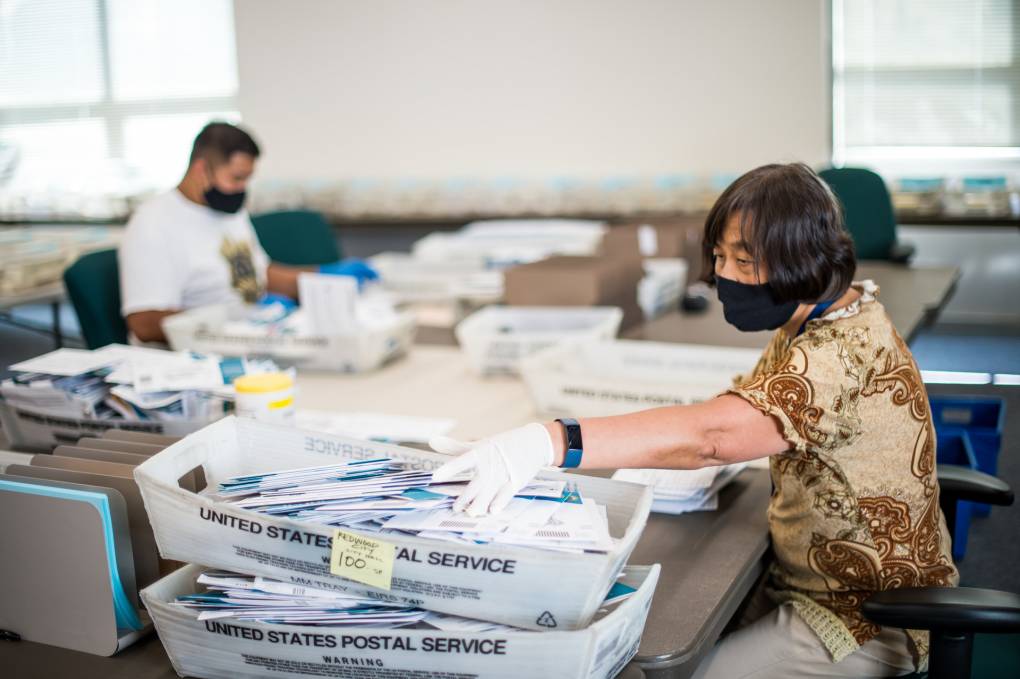
"caption": "An election employee works in the mail cleaning section, which includes arranging the ballots with their barcodes facing in one direction, at the San Mateo County Elections Office on Oct. 21, 2020.",
"description": "An election employee works in the mail cleaning section, which includes arranging the ballots with their barcodes facing in one direction, at the San Mateo County Elections Office on Oct. 21, 2020.",
"title": "RS45375_017_KQED_SanMateo_ElectionsOffice_10212020-qut",
"credit": "Beth LaBerge/KQED",
"status": "inherit",
"altTag": "A woman in short sleeves and a mask sits at a fold-out table in front of baskets of mail.",
"isLoading": false,
"fetchFailed": false
},
"news_11844445": {
"type": "attachments",
"id": "news_11844445",
"meta": {
"index": "attachments_1716263798",
"site": "news",
"id": "11844445",
"found": true
},
"parent": 11844423,
"imgSizes": {
"apple_news_ca_square_4_0": {
"file": "https://ww2.kqed.org/app/uploads/sites/10/2029/10/evangelina-stem-cells-proposition-14-470x381.jpg",
"width": 470,
"mimeType": "image/jpeg",
"height": 381
},
"thumbnail": {
"file": "https://ww2.kqed.org/app/uploads/sites/10/2029/10/evangelina-stem-cells-proposition-14-160x90.jpg",
"width": 160,
"mimeType": "image/jpeg",
"height": 90
},
"post-thumbnail": {
"file": "https://ww2.kqed.org/app/uploads/sites/10/2029/10/evangelina-stem-cells-proposition-14-672x372.jpg",
"width": 672,
"mimeType": "image/jpeg",
"height": 372
},
"kqedFullSize": {
"file": "https://ww2.kqed.org/app/uploads/sites/10/2029/10/evangelina-stem-cells-proposition-14.jpg",
"width": 676,
"height": 381
},
"apple_news_ca_landscape_4_7": {
"file": "https://ww2.kqed.org/app/uploads/sites/10/2029/10/evangelina-stem-cells-proposition-14-632x381.jpg",
"width": 632,
"mimeType": "image/jpeg",
"height": 381
},
"apple_news_ca_portrait_4_7": {
"file": "https://ww2.kqed.org/app/uploads/sites/10/2029/10/evangelina-stem-cells-proposition-14-414x381.jpg",
"width": 414,
"mimeType": "image/jpeg",
"height": 381
},
"apple_news_ca_square_4_7": {
"file": "https://ww2.kqed.org/app/uploads/sites/10/2029/10/evangelina-stem-cells-proposition-14-550x381.jpg",
"width": 550,
"mimeType": "image/jpeg",
"height": 381
},
"apple_news_ca_landscape_4_0": {
"file": "https://ww2.kqed.org/app/uploads/sites/10/2029/10/evangelina-stem-cells-proposition-14-536x381.jpg",
"width": 536,
"mimeType": "image/jpeg",
"height": 381
},
"apple_news_ca_portrait_4_0": {
"file": "https://ww2.kqed.org/app/uploads/sites/10/2029/10/evangelina-stem-cells-proposition-14-354x381.jpg",
"width": 354,
"mimeType": "image/jpeg",
"height": 381
}
},
"publishDate": 1604017141,
"modified": 1604347239,
"caption": "Evangelina Padilla-Vaccaro, now cured of 'bubble baby' disease, playing in a public park sometime in the mid 2010s. The bubble around her is for fun, not to keep her separated from others.",
"description": null,
"title": "evangelina-stem-cells-proposition-14",
"credit": "CIRM",
"status": "inherit",
"isLoading": false,
"fetchFailed": false
},
"news_11847265": {
"type": "attachments",
"id": "news_11847265",
"meta": {
"index": "attachments_1716263798",
"site": "news",
"id": "11847265",
"found": true
},
"parent": 11847124,
"imgSizes": {
"apple_news_ca_square_4_0": {
"file": "https://ww2.kqed.org/app/uploads/sites/10/2020/11/GettyImages-1229442624-1-470x470.jpg",
"width": 470,
"mimeType": "image/jpeg",
"height": 470
},
"twentyfourteen-full-width": {
"file": "https://ww2.kqed.org/app/uploads/sites/10/2020/11/GettyImages-1229442624-1-1024x576.jpg",
"width": 1024,
"mimeType": "image/jpeg",
"height": 576
},
"thumbnail": {
"file": "https://ww2.kqed.org/app/uploads/sites/10/2020/11/GettyImages-1229442624-1-160x107.jpg",
"width": 160,
"mimeType": "image/jpeg",
"height": 107
},
"post-thumbnail": {
"file": "https://ww2.kqed.org/app/uploads/sites/10/2020/11/GettyImages-1229442624-1-672x372.jpg",
"width": 672,
"mimeType": "image/jpeg",
"height": 372
},
"kqedFullSize": {
"file": "https://ww2.kqed.org/app/uploads/sites/10/2020/11/GettyImages-1229442624-1.jpg",
"width": 1024,
"height": 683
},
"apple_news_ca_landscape_4_7": {
"file": "https://ww2.kqed.org/app/uploads/sites/10/2020/11/GettyImages-1229442624-1-632x474.jpg",
"width": 632,
"mimeType": "image/jpeg",
"height": 474
},
"large": {
"file": "https://ww2.kqed.org/app/uploads/sites/10/2020/11/GettyImages-1229442624-1-1020x680.jpg",
"width": 1020,
"mimeType": "image/jpeg",
"height": 680
},
"apple_news_ca_landscape_4_0": {
"file": "https://ww2.kqed.org/app/uploads/sites/10/2020/11/GettyImages-1229442624-1-536x402.jpg",
"width": 536,
"mimeType": "image/jpeg",
"height": 402
},
"medium": {
"file": "https://ww2.kqed.org/app/uploads/sites/10/2020/11/GettyImages-1229442624-1-800x534.jpg",
"width": 800,
"mimeType": "image/jpeg",
"height": 534
},
"apple_news_ca_portrait_4_0": {
"file": "https://ww2.kqed.org/app/uploads/sites/10/2020/11/GettyImages-1229442624-1-354x472.jpg",
"width": 354,
"mimeType": "image/jpeg",
"height": 472
},
"apple_news_ca_portrait_9_7": {
"file": "https://ww2.kqed.org/app/uploads/sites/10/2020/11/GettyImages-1229442624-1-840x683.jpg",
"width": 840,
"mimeType": "image/jpeg",
"height": 683
},
"apple_news_ca_portrait_4_7": {
"file": "https://ww2.kqed.org/app/uploads/sites/10/2020/11/GettyImages-1229442624-1-414x552.jpg",
"width": 414,
"mimeType": "image/jpeg",
"height": 552
},
"apple_news_ca_portrait_5_5": {
"file": "https://ww2.kqed.org/app/uploads/sites/10/2020/11/GettyImages-1229442624-1-687x683.jpg",
"width": 687,
"mimeType": "image/jpeg",
"height": 683
},
"apple_news_ca_square_4_7": {
"file": "https://ww2.kqed.org/app/uploads/sites/10/2020/11/GettyImages-1229442624-1-550x550.jpg",
"width": 550,
"mimeType": "image/jpeg",
"height": 550
},
"apple_news_ca_square_5_5": {
"file": "https://ww2.kqed.org/app/uploads/sites/10/2020/11/GettyImages-1229442624-1-912x683.jpg",
"width": 912,
"mimeType": "image/jpeg",
"height": 683
}
},
"publishDate": 1605220034,
"modified": 1605220116,
"caption": "David Boston Angel (center) marks his ballot at Marina Park Community Vote Center on Nov. 3, 2020 in Newport Beach in Orange County.",
"description": null,
"title": "Across The U.S. Voters Flock To The Polls On Election Day",
"credit": "Apu Gomes/Getty Images",
"status": "inherit",
"isLoading": false,
"fetchFailed": false
},
"news_11846859": {
"type": "attachments",
"id": "news_11846859",
"meta": {
"index": "attachments_1716263798",
"site": "news",
"id": "11846859",
"found": true
},
"parent": 11846327,
"imgSizes": {
"apple_news_ca_landscape_5_5": {
"file": "https://ww2.kqed.org/app/uploads/sites/10/2020/11/Screen-Shot-2020-11-10-at-11.54.57-AM-1044x783.png",
"width": 1044,
"mimeType": "image/png",
"height": 783
},
"apple_news_ca_square_4_0": {
"file": "https://ww2.kqed.org/app/uploads/sites/10/2020/11/Screen-Shot-2020-11-10-at-11.54.57-AM-470x470.png",
"width": 470,
"mimeType": "image/png",
"height": 470
},
"twentyfourteen-full-width": {
"file": "https://ww2.kqed.org/app/uploads/sites/10/2020/11/Screen-Shot-2020-11-10-at-11.54.57-AM-1038x576.png",
"width": 1038,
"mimeType": "image/png",
"height": 576
},
"thumbnail": {
"file": "https://ww2.kqed.org/app/uploads/sites/10/2020/11/Screen-Shot-2020-11-10-at-11.54.57-AM-160x85.png",
"width": 160,
"mimeType": "image/png",
"height": 85
},
"post-thumbnail": {
"file": "https://ww2.kqed.org/app/uploads/sites/10/2020/11/Screen-Shot-2020-11-10-at-11.54.57-AM-672x372.png",
"width": 672,
"mimeType": "image/png",
"height": 372
},
"kqedFullSize": {
"file": "https://ww2.kqed.org/app/uploads/sites/10/2020/11/Screen-Shot-2020-11-10-at-11.54.57-AM.png",
"width": 1920,
"height": 1023
},
"apple_news_ca_landscape_4_7": {
"file": "https://ww2.kqed.org/app/uploads/sites/10/2020/11/Screen-Shot-2020-11-10-at-11.54.57-AM-632x474.png",
"width": 632,
"mimeType": "image/png",
"height": 474
},
"large": {
"file": "https://ww2.kqed.org/app/uploads/sites/10/2020/11/Screen-Shot-2020-11-10-at-11.54.57-AM-1020x543.png",
"width": 1020,
"mimeType": "image/png",
"height": 543
},
"apple_news_ca_landscape_4_0": {
"file": "https://ww2.kqed.org/app/uploads/sites/10/2020/11/Screen-Shot-2020-11-10-at-11.54.57-AM-536x402.png",
"width": 536,
"mimeType": "image/png",
"height": 402
},
"apple_news_ca_portrait_12_9": {
"file": "https://ww2.kqed.org/app/uploads/sites/10/2020/11/Screen-Shot-2020-11-10-at-11.54.57-AM-1122x1023.png",
"width": 1122,
"mimeType": "image/png",
"height": 1023
},
"medium": {
"file": "https://ww2.kqed.org/app/uploads/sites/10/2020/11/Screen-Shot-2020-11-10-at-11.54.57-AM-800x426.png",
"width": 800,
"mimeType": "image/png",
"height": 426
},
"apple_news_ca_portrait_4_0": {
"file": "https://ww2.kqed.org/app/uploads/sites/10/2020/11/Screen-Shot-2020-11-10-at-11.54.57-AM-354x472.png",
"width": 354,
"mimeType": "image/png",
"height": 472
},
"apple_news_ca_portrait_9_7": {
"file": "https://ww2.kqed.org/app/uploads/sites/10/2020/11/Screen-Shot-2020-11-10-at-11.54.57-AM-840x1023.png",
"width": 840,
"mimeType": "image/png",
"height": 1023
},
"apple_news_ca_landscape_12_9": {
"file": "https://ww2.kqed.org/app/uploads/sites/10/2020/11/Screen-Shot-2020-11-10-at-11.54.57-AM-1832x1023.png",
"width": 1832,
"mimeType": "image/png",
"height": 1023
},
"apple_news_ca_square_9_7": {
"file": "https://ww2.kqed.org/app/uploads/sites/10/2020/11/Screen-Shot-2020-11-10-at-11.54.57-AM-1104x1023.png",
"width": 1104,
"mimeType": "image/png",
"height": 1023
},
"1536x1536": {
"file": "https://ww2.kqed.org/app/uploads/sites/10/2020/11/Screen-Shot-2020-11-10-at-11.54.57-AM-1536x818.png",
"width": 1536,
"mimeType": "image/png",
"height": 818
},
"apple_news_ca_portrait_4_7": {
"file": "https://ww2.kqed.org/app/uploads/sites/10/2020/11/Screen-Shot-2020-11-10-at-11.54.57-AM-414x552.png",
"width": 414,
"mimeType": "image/png",
"height": 552
},
"apple_news_ca_square_12_9": {
"file": "https://ww2.kqed.org/app/uploads/sites/10/2020/11/Screen-Shot-2020-11-10-at-11.54.57-AM-1472x1023.png",
"width": 1472,
"mimeType": "image/png",
"height": 1023
},
"apple_news_ca_portrait_5_5": {
"file": "https://ww2.kqed.org/app/uploads/sites/10/2020/11/Screen-Shot-2020-11-10-at-11.54.57-AM-687x916.png",
"width": 687,
"mimeType": "image/png",
"height": 916
},
"apple_news_ca_square_4_7": {
"file": "https://ww2.kqed.org/app/uploads/sites/10/2020/11/Screen-Shot-2020-11-10-at-11.54.57-AM-550x550.png",
"width": 550,
"mimeType": "image/png",
"height": 550
},
"apple_news_ca_landscape_9_7": {
"file": "https://ww2.kqed.org/app/uploads/sites/10/2020/11/Screen-Shot-2020-11-10-at-11.54.57-AM-1376x1023.png",
"width": 1376,
"mimeType": "image/png",
"height": 1023
},
"apple_news_ca_square_5_5": {
"file": "https://ww2.kqed.org/app/uploads/sites/10/2020/11/Screen-Shot-2020-11-10-at-11.54.57-AM-912x912.png",
"width": 912,
"mimeType": "image/png",
"height": 912
}
},
"publishDate": 1605038245,
"modified": 1605038245,
"caption": null,
"description": null,
"title": "Screen Shot 2020-11-10 at 11.54.57 AM",
"credit": null,
"status": "inherit",
"isLoading": false,
"fetchFailed": false
},
"news_11847144": {
"type": "attachments",
"id": "news_11847144",
"meta": {
"index": "attachments_1716263798",
"site": "news",
"id": "11847144",
"found": true
},
"parent": 11847143,
"imgSizes": {
"apple_news_ca_square_4_0": {
"file": "https://ww2.kqed.org/app/uploads/sites/10/2020/11/RS45478_026_KQED_Oakland_RegistrarofVoters_10272020-qut-1020x680-1-470x470.jpg",
"width": 470,
"mimeType": "image/jpeg",
"height": 470
},
"twentyfourteen-full-width": {
"file": "https://ww2.kqed.org/app/uploads/sites/10/2020/11/RS45478_026_KQED_Oakland_RegistrarofVoters_10272020-qut-1020x680-1-1020x576.jpg",
"width": 1020,
"mimeType": "image/jpeg",
"height": 576
},
"thumbnail": {
"file": "https://ww2.kqed.org/app/uploads/sites/10/2020/11/RS45478_026_KQED_Oakland_RegistrarofVoters_10272020-qut-1020x680-1-160x107.jpg",
"width": 160,
"mimeType": "image/jpeg",
"height": 107
},
"post-thumbnail": {
"file": "https://ww2.kqed.org/app/uploads/sites/10/2020/11/RS45478_026_KQED_Oakland_RegistrarofVoters_10272020-qut-1020x680-1-672x372.jpg",
"width": 672,
"mimeType": "image/jpeg",
"height": 372
},
"kqedFullSize": {
"file": "https://ww2.kqed.org/app/uploads/sites/10/2020/11/RS45478_026_KQED_Oakland_RegistrarofVoters_10272020-qut-1020x680-1.jpg",
"width": 1020,
"height": 680
},
"apple_news_ca_landscape_4_7": {
"file": "https://ww2.kqed.org/app/uploads/sites/10/2020/11/RS45478_026_KQED_Oakland_RegistrarofVoters_10272020-qut-1020x680-1-632x474.jpg",
"width": 632,
"mimeType": "image/jpeg",
"height": 474
},
"apple_news_ca_landscape_4_0": {
"file": "https://ww2.kqed.org/app/uploads/sites/10/2020/11/RS45478_026_KQED_Oakland_RegistrarofVoters_10272020-qut-1020x680-1-536x402.jpg",
"width": 536,
"mimeType": "image/jpeg",
"height": 402
},
"medium": {
"file": "https://ww2.kqed.org/app/uploads/sites/10/2020/11/RS45478_026_KQED_Oakland_RegistrarofVoters_10272020-qut-1020x680-1-800x533.jpg",
"width": 800,
"mimeType": "image/jpeg",
"height": 533
},
"apple_news_ca_portrait_4_0": {
"file": "https://ww2.kqed.org/app/uploads/sites/10/2020/11/RS45478_026_KQED_Oakland_RegistrarofVoters_10272020-qut-1020x680-1-354x472.jpg",
"width": 354,
"mimeType": "image/jpeg",
"height": 472
},
"apple_news_ca_portrait_9_7": {
"file": "https://ww2.kqed.org/app/uploads/sites/10/2020/11/RS45478_026_KQED_Oakland_RegistrarofVoters_10272020-qut-1020x680-1-840x680.jpg",
"width": 840,
"mimeType": "image/jpeg",
"height": 680
},
"apple_news_ca_portrait_4_7": {
"file": "https://ww2.kqed.org/app/uploads/sites/10/2020/11/RS45478_026_KQED_Oakland_RegistrarofVoters_10272020-qut-1020x680-1-414x552.jpg",
"width": 414,
"mimeType": "image/jpeg",
"height": 552
},
"apple_news_ca_portrait_5_5": {
"file": "https://ww2.kqed.org/app/uploads/sites/10/2020/11/RS45478_026_KQED_Oakland_RegistrarofVoters_10272020-qut-1020x680-1-687x680.jpg",
"width": 687,
"mimeType": "image/jpeg",
"height": 680
},
"apple_news_ca_square_4_7": {
"file": "https://ww2.kqed.org/app/uploads/sites/10/2020/11/RS45478_026_KQED_Oakland_RegistrarofVoters_10272020-qut-1020x680-1-550x550.jpg",
"width": 550,
"mimeType": "image/jpeg",
"height": 550
},
"apple_news_ca_square_5_5": {
"file": "https://ww2.kqed.org/app/uploads/sites/10/2020/11/RS45478_026_KQED_Oakland_RegistrarofVoters_10272020-qut-1020x680-1-912x680.jpg",
"width": 912,
"mimeType": "image/jpeg",
"height": 680
}
},
"publishDate": 1605159410,
"modified": 1605159473,
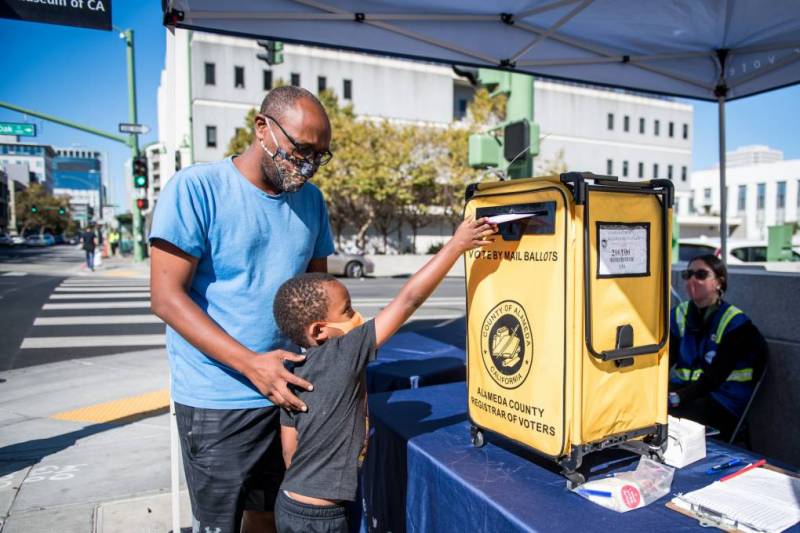
"caption": "Henok Welday y su hijo Nathan entregan una boleta el pasado 27 de octubre del 2020, en un buzón electoral instaurado por la Oficina de Registros del Votante del Condado de Alameda en Oakland.",
"description": null,
"title": "RS456478_026_KQED_Oakland_RegistrarofVoters_10272020-qut-1020x680",
"credit": "Beth LaBerge/KQED",
"status": "inherit",
"isLoading": false,
"fetchFailed": false
},
"news_11435707": {
"type": "attachments",
"id": "news_11435707",
"meta": {
"index": "attachments_1716263798",
"site": "news",
"id": "11435707",
"found": true
},
"parent": 11435606,
"imgSizes": {
"small": {
"file": "https://ww2.kqed.org/app/uploads/sites/10/2017/05/C-wrRlJWsAAMK5d-520x390.jpg",
"width": 520,
"mimeType": "image/jpeg",
"height": 390
},
"twentyfourteen-full-width": {
"file": "https://ww2.kqed.org/app/uploads/sites/10/2017/05/C-wrRlJWsAAMK5d-1038x576.jpg",
"width": 1038,
"mimeType": "image/jpeg",
"height": 576
},
"thumbnail": {
"file": "https://ww2.kqed.org/app/uploads/sites/10/2017/05/C-wrRlJWsAAMK5d-160x120.jpg",
"width": 160,
"mimeType": "image/jpeg",
"height": 120
},
"fd-sm": {
"file": "https://ww2.kqed.org/app/uploads/sites/10/2017/05/C-wrRlJWsAAMK5d-960x720.jpg",
"width": 960,
"mimeType": "image/jpeg",
"height": 720
},
"post-thumbnail": {
"file": "https://ww2.kqed.org/app/uploads/sites/10/2017/05/C-wrRlJWsAAMK5d-672x372.jpg",
"width": 672,
"mimeType": "image/jpeg",
"height": 372
},
"xsmall": {
"file": "https://ww2.kqed.org/app/uploads/sites/10/2017/05/C-wrRlJWsAAMK5d-375x281.jpg",
"width": 375,
"mimeType": "image/jpeg",
"height": 281
},
"kqedFullSize": {
"file": "https://ww2.kqed.org/app/uploads/sites/10/2017/05/C-wrRlJWsAAMK5d.jpg",
"width": 1200,
"height": 900
},
"large": {
"file": "https://ww2.kqed.org/app/uploads/sites/10/2017/05/C-wrRlJWsAAMK5d-1020x765.jpg",
"width": 1020,
"mimeType": "image/jpeg",
"height": 765
},
"xlarge": {
"file": "https://ww2.kqed.org/app/uploads/sites/10/2017/05/C-wrRlJWsAAMK5d-1180x885.jpg",
"width": 1180,
"mimeType": "image/jpeg",
"height": 885
},
"guest-author-50": {
"file": "https://ww2.kqed.org/app/uploads/sites/10/2017/05/C-wrRlJWsAAMK5d-50x50.jpg",
"width": 50,
"mimeType": "image/jpeg",
"height": 50
},
"guest-author-96": {
"file": "https://ww2.kqed.org/app/uploads/sites/10/2017/05/C-wrRlJWsAAMK5d-96x96.jpg",
"width": 96,
"mimeType": "image/jpeg",
"height": 96
},
"medium": {
"file": "https://ww2.kqed.org/app/uploads/sites/10/2017/05/C-wrRlJWsAAMK5d-800x600.jpg",
"width": 800,
"mimeType": "image/jpeg",
"height": 600
},
"guest-author-64": {
"file": "https://ww2.kqed.org/app/uploads/sites/10/2017/05/C-wrRlJWsAAMK5d-64x64.jpg",
"width": 64,
"mimeType": "image/jpeg",
"height": 64
},
"guest-author-32": {
"file": "https://ww2.kqed.org/app/uploads/sites/10/2017/05/C-wrRlJWsAAMK5d-32x32.jpg",
"width": 32,
"mimeType": "image/jpeg",
"height": 32
},
"fd-med": {
"file": "https://ww2.kqed.org/app/uploads/sites/10/2017/05/C-wrRlJWsAAMK5d-1180x885.jpg",
"width": 1180,
"mimeType": "image/jpeg",
"height": 885
},
"detail": {
"file": "https://ww2.kqed.org/app/uploads/sites/10/2017/05/C-wrRlJWsAAMK5d-150x150.jpg",
"width": 150,
"mimeType": "image/jpeg",
"height": 150
},
"guest-author-128": {
"file": "https://ww2.kqed.org/app/uploads/sites/10/2017/05/C-wrRlJWsAAMK5d-128x128.jpg",
"width": 128,
"mimeType": "image/jpeg",
"height": 128
},
"xxsmall": {
"file": "https://ww2.kqed.org/app/uploads/sites/10/2017/05/C-wrRlJWsAAMK5d-240x180.jpg",
"width": 240,
"mimeType": "image/jpeg",
"height": 180
}
},
"publishDate": 1493662902,
"modified": 1605138267,
"caption": "Unions out at the May Day rally in Los Angeles, including SEIU local 99, United Here and Roofers Local 36. ",
"description": null,
"title": "C-wrRlJWsAAMK5d",
"credit": "Deepa Fernandes/KQED",
"status": "inherit",
"isLoading": false,
"fetchFailed": false
},
"news_11847031": {
"type": "attachments",
"id": "news_11847031",
"meta": {
"index": "attachments_1716263798",
"site": "news",
"id": "11847031",
"found": true
},
"parent": 11846870,
"imgSizes": {
"apple_news_ca_landscape_5_5": {
"file": "https://ww2.kqed.org/app/uploads/sites/10/2020/11/RS40615_IMG_2315-qut-1044x783.jpg",
"width": 1044,
"mimeType": "image/jpeg",
"height": 783
},
"apple_news_ca_square_4_0": {
"file": "https://ww2.kqed.org/app/uploads/sites/10/2020/11/RS40615_IMG_2315-qut-470x470.jpg",
"width": 470,
"mimeType": "image/jpeg",
"height": 470
},
"twentyfourteen-full-width": {
"file": "https://ww2.kqed.org/app/uploads/sites/10/2020/11/RS40615_IMG_2315-qut-1038x576.jpg",
"width": 1038,
"mimeType": "image/jpeg",
"height": 576
},
"thumbnail": {
"file": "https://ww2.kqed.org/app/uploads/sites/10/2020/11/RS40615_IMG_2315-qut-160x120.jpg",
"width": 160,
"mimeType": "image/jpeg",
"height": 120
},
"post-thumbnail": {
"file": "https://ww2.kqed.org/app/uploads/sites/10/2020/11/RS40615_IMG_2315-qut-672x372.jpg",
"width": 672,
"mimeType": "image/jpeg",
"height": 372
},
"kqedFullSize": {
"file": "https://ww2.kqed.org/app/uploads/sites/10/2020/11/RS40615_IMG_2315-qut.jpg",
"width": 1920,
"height": 1440
},
"apple_news_ca_landscape_4_7": {
"file": "https://ww2.kqed.org/app/uploads/sites/10/2020/11/RS40615_IMG_2315-qut-632x474.jpg",
"width": 632,
"mimeType": "image/jpeg",
"height": 474
},
"large": {
"file": "https://ww2.kqed.org/app/uploads/sites/10/2020/11/RS40615_IMG_2315-qut-1020x765.jpg",
"width": 1020,
"mimeType": "image/jpeg",
"height": 765
},
"apple_news_ca_landscape_4_0": {
"file": "https://ww2.kqed.org/app/uploads/sites/10/2020/11/RS40615_IMG_2315-qut-536x402.jpg",
"width": 536,
"mimeType": "image/jpeg",
"height": 402
},
"apple_news_ca_portrait_12_9": {
"file": "https://ww2.kqed.org/app/uploads/sites/10/2020/11/RS40615_IMG_2315-qut-1122x1440.jpg",
"width": 1122,
"mimeType": "image/jpeg",
"height": 1440
},
"medium": {
"file": "https://ww2.kqed.org/app/uploads/sites/10/2020/11/RS40615_IMG_2315-qut-800x600.jpg",
"width": 800,
"mimeType": "image/jpeg",
"height": 600
},
"apple_news_ca_portrait_4_0": {
"file": "https://ww2.kqed.org/app/uploads/sites/10/2020/11/RS40615_IMG_2315-qut-354x472.jpg",
"width": 354,
"mimeType": "image/jpeg",
"height": 472
},
"apple_news_ca_portrait_9_7": {
"file": "https://ww2.kqed.org/app/uploads/sites/10/2020/11/RS40615_IMG_2315-qut-840x1120.jpg",
"width": 840,
"mimeType": "image/jpeg",
"height": 1120
},
"apple_news_ca_landscape_12_9": {
"file": "https://ww2.kqed.org/app/uploads/sites/10/2020/11/RS40615_IMG_2315-qut-1832x1374.jpg",
"width": 1832,
"mimeType": "image/jpeg",
"height": 1374
},
"apple_news_ca_square_9_7": {
"file": "https://ww2.kqed.org/app/uploads/sites/10/2020/11/RS40615_IMG_2315-qut-1104x1104.jpg",
"width": 1104,
"mimeType": "image/jpeg",
"height": 1104
},
"1536x1536": {
"file": "https://ww2.kqed.org/app/uploads/sites/10/2020/11/RS40615_IMG_2315-qut-1536x1152.jpg",
"width": 1536,
"mimeType": "image/jpeg",
"height": 1152
},
"apple_news_ca_portrait_4_7": {
"file": "https://ww2.kqed.org/app/uploads/sites/10/2020/11/RS40615_IMG_2315-qut-414x552.jpg",
"width": 414,
"mimeType": "image/jpeg",
"height": 552
},
"apple_news_ca_square_12_9": {
"file": "https://ww2.kqed.org/app/uploads/sites/10/2020/11/RS40615_IMG_2315-qut-1472x1440.jpg",
"width": 1472,
"mimeType": "image/jpeg",
"height": 1440
},
"apple_news_ca_portrait_5_5": {
"file": "https://ww2.kqed.org/app/uploads/sites/10/2020/11/RS40615_IMG_2315-qut-687x916.jpg",
"width": 687,
"mimeType": "image/jpeg",
"height": 916
},
"apple_news_ca_square_4_7": {
"file": "https://ww2.kqed.org/app/uploads/sites/10/2020/11/RS40615_IMG_2315-qut-550x550.jpg",
"width": 550,
"mimeType": "image/jpeg",
"height": 550
},
"apple_news_ca_landscape_9_7": {
"file": "https://ww2.kqed.org/app/uploads/sites/10/2020/11/RS40615_IMG_2315-qut-1376x1032.jpg",
"width": 1376,
"mimeType": "image/jpeg",
"height": 1032
},
"apple_news_ca_square_5_5": {
"file": "https://ww2.kqed.org/app/uploads/sites/10/2020/11/RS40615_IMG_2315-qut-912x912.jpg",
"width": 912,
"mimeType": "image/jpeg",
"height": 912
}
},
"publishDate": 1605063428,
"modified": 1605120528,
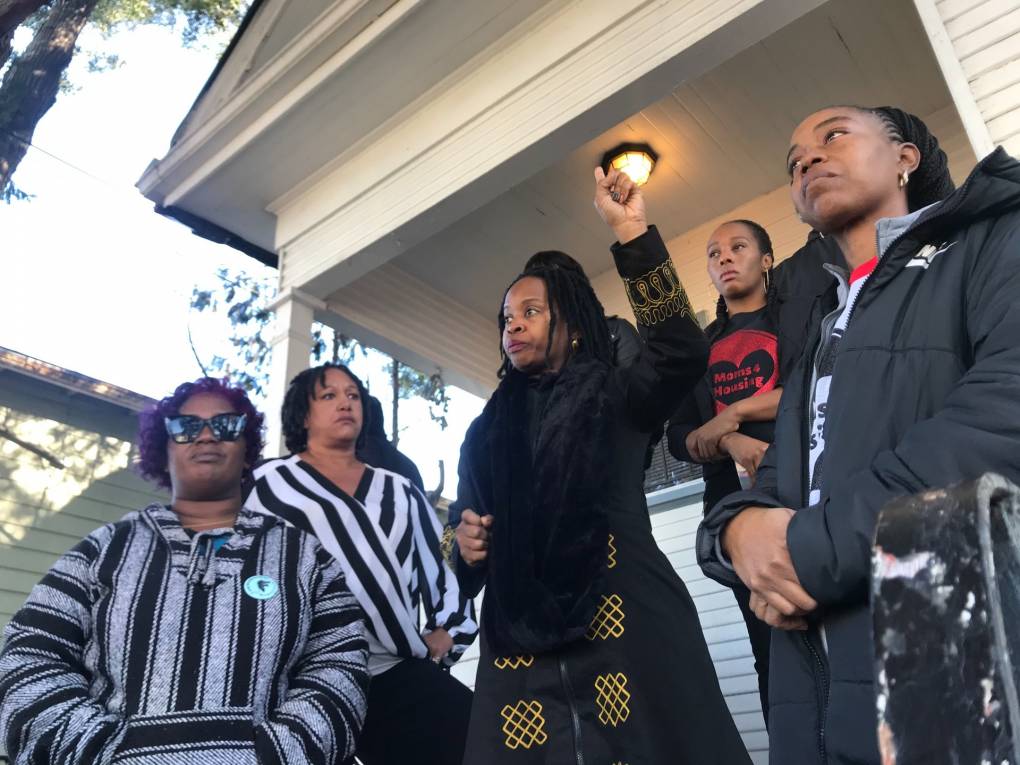
"caption": "Sharena Thomas, left, Carroll Fife, center, Dominique Walker, back right, and Tolani KIng, right, outside a vacant home in West Oakland. The group Moms 4 Housing fought an eviction after occupying the house on Magnolia Street. Fife won a seat on the Oakland City Council in the November 2020 election.",
"description": null,
"title": "RS40615_IMG_2315-qut",
"credit": "Kate Wolffe/KQED",
"status": "inherit",
"isLoading": false,
"fetchFailed": false
},
"news_11846915": {
"type": "attachments",
"id": "news_11846915",
"meta": {
"index": "attachments_1716263798",
"site": "news",
"id": "11846915",
"found": true
},
"parent": 11846896,
"imgSizes": {
"apple_news_ca_landscape_5_5": {
"file": "https://ww2.kqed.org/app/uploads/sites/10/2020/11/A_RS45821_069_KQED_SanFrancisco_BidenHarrisCelebration_11072020-qut-1044x783.jpg",
"width": 1044,
"mimeType": "image/jpeg",
"height": 783
},
"apple_news_ca_square_4_0": {
"file": "https://ww2.kqed.org/app/uploads/sites/10/2020/11/A_RS45821_069_KQED_SanFrancisco_BidenHarrisCelebration_11072020-qut-470x470.jpg",
"width": 470,
"mimeType": "image/jpeg",
"height": 470
},
"twentyfourteen-full-width": {
"file": "https://ww2.kqed.org/app/uploads/sites/10/2020/11/A_RS45821_069_KQED_SanFrancisco_BidenHarrisCelebration_11072020-qut-1038x576.jpg",
"width": 1038,
"mimeType": "image/jpeg",
"height": 576
},
"thumbnail": {
"file": "https://ww2.kqed.org/app/uploads/sites/10/2020/11/A_RS45821_069_KQED_SanFrancisco_BidenHarrisCelebration_11072020-qut-160x107.jpg",
"width": 160,
"mimeType": "image/jpeg",
"height": 107
},
"post-thumbnail": {
"file": "https://ww2.kqed.org/app/uploads/sites/10/2020/11/A_RS45821_069_KQED_SanFrancisco_BidenHarrisCelebration_11072020-qut-672x372.jpg",
"width": 672,
"mimeType": "image/jpeg",
"height": 372
},
"kqedFullSize": {
"file": "https://ww2.kqed.org/app/uploads/sites/10/2020/11/A_RS45821_069_KQED_SanFrancisco_BidenHarrisCelebration_11072020-qut.jpg",
"width": 1920,
"height": 1280
},
"apple_news_ca_landscape_4_7": {
"file": "https://ww2.kqed.org/app/uploads/sites/10/2020/11/A_RS45821_069_KQED_SanFrancisco_BidenHarrisCelebration_11072020-qut-632x474.jpg",
"width": 632,
"mimeType": "image/jpeg",
"height": 474
},
"large": {
"file": "https://ww2.kqed.org/app/uploads/sites/10/2020/11/A_RS45821_069_KQED_SanFrancisco_BidenHarrisCelebration_11072020-qut-1020x680.jpg",
"width": 1020,
"mimeType": "image/jpeg",
"height": 680
},
"apple_news_ca_landscape_4_0": {
"file": "https://ww2.kqed.org/app/uploads/sites/10/2020/11/A_RS45821_069_KQED_SanFrancisco_BidenHarrisCelebration_11072020-qut-536x402.jpg",
"width": 536,
"mimeType": "image/jpeg",
"height": 402
},
"apple_news_ca_portrait_12_9": {
"file": "https://ww2.kqed.org/app/uploads/sites/10/2020/11/A_RS45821_069_KQED_SanFrancisco_BidenHarrisCelebration_11072020-qut-1122x1280.jpg",
"width": 1122,
"mimeType": "image/jpeg",
"height": 1280
},
"medium": {
"file": "https://ww2.kqed.org/app/uploads/sites/10/2020/11/A_RS45821_069_KQED_SanFrancisco_BidenHarrisCelebration_11072020-qut-800x533.jpg",
"width": 800,
"mimeType": "image/jpeg",
"height": 533
},
"apple_news_ca_portrait_4_0": {
"file": "https://ww2.kqed.org/app/uploads/sites/10/2020/11/A_RS45821_069_KQED_SanFrancisco_BidenHarrisCelebration_11072020-qut-354x472.jpg",
"width": 354,
"mimeType": "image/jpeg",
"height": 472
},
"apple_news_ca_portrait_9_7": {
"file": "https://ww2.kqed.org/app/uploads/sites/10/2020/11/A_RS45821_069_KQED_SanFrancisco_BidenHarrisCelebration_11072020-qut-840x1120.jpg",
"width": 840,
"mimeType": "image/jpeg",
"height": 1120
},
"apple_news_ca_landscape_12_9": {
"file": "https://ww2.kqed.org/app/uploads/sites/10/2020/11/A_RS45821_069_KQED_SanFrancisco_BidenHarrisCelebration_11072020-qut-1832x1280.jpg",
"width": 1832,
"mimeType": "image/jpeg",
"height": 1280
},
"apple_news_ca_square_9_7": {
"file": "https://ww2.kqed.org/app/uploads/sites/10/2020/11/A_RS45821_069_KQED_SanFrancisco_BidenHarrisCelebration_11072020-qut-1104x1104.jpg",
"width": 1104,
"mimeType": "image/jpeg",
"height": 1104
},
"1536x1536": {
"file": "https://ww2.kqed.org/app/uploads/sites/10/2020/11/A_RS45821_069_KQED_SanFrancisco_BidenHarrisCelebration_11072020-qut-1536x1024.jpg",
"width": 1536,
"mimeType": "image/jpeg",
"height": 1024
},
"apple_news_ca_portrait_4_7": {
"file": "https://ww2.kqed.org/app/uploads/sites/10/2020/11/A_RS45821_069_KQED_SanFrancisco_BidenHarrisCelebration_11072020-qut-414x552.jpg",
"width": 414,
"mimeType": "image/jpeg",
"height": 552
},
"apple_news_ca_square_12_9": {
"file": "https://ww2.kqed.org/app/uploads/sites/10/2020/11/A_RS45821_069_KQED_SanFrancisco_BidenHarrisCelebration_11072020-qut-1472x1280.jpg",
"width": 1472,
"mimeType": "image/jpeg",
"height": 1280
},
"apple_news_ca_portrait_5_5": {
"file": "https://ww2.kqed.org/app/uploads/sites/10/2020/11/A_RS45821_069_KQED_SanFrancisco_BidenHarrisCelebration_11072020-qut-687x916.jpg",
"width": 687,
"mimeType": "image/jpeg",
"height": 916
},
"apple_news_ca_square_4_7": {
"file": "https://ww2.kqed.org/app/uploads/sites/10/2020/11/A_RS45821_069_KQED_SanFrancisco_BidenHarrisCelebration_11072020-qut-550x550.jpg",
"width": 550,
"mimeType": "image/jpeg",
"height": 550
},
"apple_news_ca_landscape_9_7": {
"file": "https://ww2.kqed.org/app/uploads/sites/10/2020/11/A_RS45821_069_KQED_SanFrancisco_BidenHarrisCelebration_11072020-qut-1376x1032.jpg",
"width": 1376,
"mimeType": "image/jpeg",
"height": 1032
},
"apple_news_ca_square_5_5": {
"file": "https://ww2.kqed.org/app/uploads/sites/10/2020/11/A_RS45821_069_KQED_SanFrancisco_BidenHarrisCelebration_11072020-qut-912x912.jpg",
"width": 912,
"mimeType": "image/jpeg",
"height": 912
}
},
"publishDate": 1605049611,
"modified": 1605049856,
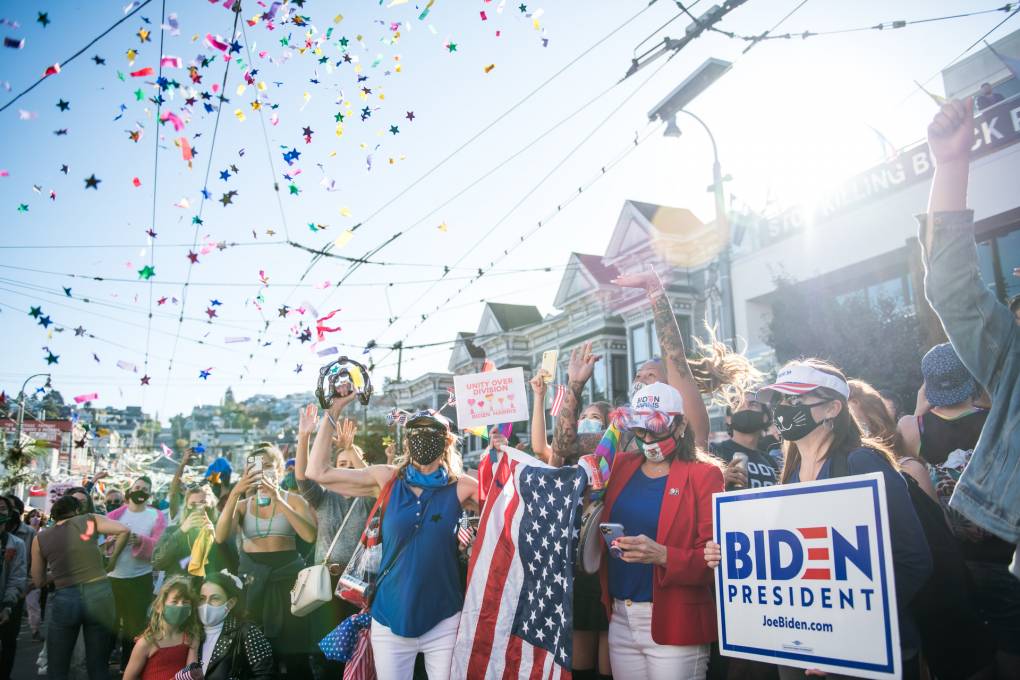
"caption": "Hundreds of supporters of President-elect Joe Biden and Vice President-elect Kamala Harris take to the streets of the Castro in San Francisco on Nov. 7, 2020, to celebrate their victory.",
"description": null,
"title": "A_RS45821_069_KQED_SanFrancisco_BidenHarrisCelebration_11072020-qut",
"credit": "Beth LaBerge/KQED",
"status": "inherit",
"isLoading": false,
"fetchFailed": false
},
"news_11846757": {
"type": "attachments",
"id": "news_11846757",
"meta": {
"index": "attachments_1716263798",
"site": "news",
"id": "11846757",
"found": true
},
"parent": 11846750,
"imgSizes": {
"apple_news_ca_landscape_5_5": {
"file": "https://ww2.kqed.org/app/uploads/sites/10/2020/11/RS44172_GettyImages-1181924353-qut-1044x783.jpg",
"width": 1044,
"mimeType": "image/jpeg",
"height": 783
},
"apple_news_ca_square_4_0": {
"file": "https://ww2.kqed.org/app/uploads/sites/10/2020/11/RS44172_GettyImages-1181924353-qut-470x470.jpg",
"width": 470,
"mimeType": "image/jpeg",
"height": 470
},
"twentyfourteen-full-width": {
"file": "https://ww2.kqed.org/app/uploads/sites/10/2020/11/RS44172_GettyImages-1181924353-qut-1038x576.jpg",
"width": 1038,
"mimeType": "image/jpeg",
"height": 576
},
"thumbnail": {
"file": "https://ww2.kqed.org/app/uploads/sites/10/2020/11/RS44172_GettyImages-1181924353-qut-160x110.jpg",
"width": 160,
"mimeType": "image/jpeg",
"height": 110
},
"post-thumbnail": {
"file": "https://ww2.kqed.org/app/uploads/sites/10/2020/11/RS44172_GettyImages-1181924353-qut-672x372.jpg",
"width": 672,
"mimeType": "image/jpeg",
"height": 372
},
"kqedFullSize": {
"file": "https://ww2.kqed.org/app/uploads/sites/10/2020/11/RS44172_GettyImages-1181924353-qut.jpg",
"width": 1920,
"height": 1316
},
"apple_news_ca_landscape_4_7": {
"file": "https://ww2.kqed.org/app/uploads/sites/10/2020/11/RS44172_GettyImages-1181924353-qut-632x474.jpg",
"width": 632,
"mimeType": "image/jpeg",
"height": 474
},
"large": {
"file": "https://ww2.kqed.org/app/uploads/sites/10/2020/11/RS44172_GettyImages-1181924353-qut-1020x699.jpg",
"width": 1020,
"mimeType": "image/jpeg",
"height": 699
},
"apple_news_ca_landscape_4_0": {
"file": "https://ww2.kqed.org/app/uploads/sites/10/2020/11/RS44172_GettyImages-1181924353-qut-536x402.jpg",
"width": 536,
"mimeType": "image/jpeg",
"height": 402
},
"apple_news_ca_portrait_12_9": {
"file": "https://ww2.kqed.org/app/uploads/sites/10/2020/11/RS44172_GettyImages-1181924353-qut-1122x1316.jpg",
"width": 1122,
"mimeType": "image/jpeg",
"height": 1316
},
"medium": {
"file": "https://ww2.kqed.org/app/uploads/sites/10/2020/11/RS44172_GettyImages-1181924353-qut-800x548.jpg",
"width": 800,
"mimeType": "image/jpeg",
"height": 548
},
"apple_news_ca_portrait_4_0": {
"file": "https://ww2.kqed.org/app/uploads/sites/10/2020/11/RS44172_GettyImages-1181924353-qut-354x472.jpg",
"width": 354,
"mimeType": "image/jpeg",
"height": 472
},
"apple_news_ca_portrait_9_7": {
"file": "https://ww2.kqed.org/app/uploads/sites/10/2020/11/RS44172_GettyImages-1181924353-qut-840x1120.jpg",
"width": 840,
"mimeType": "image/jpeg",
"height": 1120
},
"apple_news_ca_landscape_12_9": {
"file": "https://ww2.kqed.org/app/uploads/sites/10/2020/11/RS44172_GettyImages-1181924353-qut-1832x1316.jpg",
"width": 1832,
"mimeType": "image/jpeg",
"height": 1316
},
"apple_news_ca_square_9_7": {
"file": "https://ww2.kqed.org/app/uploads/sites/10/2020/11/RS44172_GettyImages-1181924353-qut-1104x1104.jpg",
"width": 1104,
"mimeType": "image/jpeg",
"height": 1104
},
"1536x1536": {
"file": "https://ww2.kqed.org/app/uploads/sites/10/2020/11/RS44172_GettyImages-1181924353-qut-1536x1053.jpg",
"width": 1536,
"mimeType": "image/jpeg",
"height": 1053
},
"apple_news_ca_portrait_4_7": {
"file": "https://ww2.kqed.org/app/uploads/sites/10/2020/11/RS44172_GettyImages-1181924353-qut-414x552.jpg",
"width": 414,
"mimeType": "image/jpeg",
"height": 552
},
"apple_news_ca_square_12_9": {
"file": "https://ww2.kqed.org/app/uploads/sites/10/2020/11/RS44172_GettyImages-1181924353-qut-1472x1316.jpg",
"width": 1472,
"mimeType": "image/jpeg",
"height": 1316
},
"apple_news_ca_portrait_5_5": {
"file": "https://ww2.kqed.org/app/uploads/sites/10/2020/11/RS44172_GettyImages-1181924353-qut-687x916.jpg",
"width": 687,
"mimeType": "image/jpeg",
"height": 916
},
"apple_news_ca_square_4_7": {
"file": "https://ww2.kqed.org/app/uploads/sites/10/2020/11/RS44172_GettyImages-1181924353-qut-550x550.jpg",
"width": 550,
"mimeType": "image/jpeg",
"height": 550
},
"apple_news_ca_landscape_9_7": {
"file": "https://ww2.kqed.org/app/uploads/sites/10/2020/11/RS44172_GettyImages-1181924353-qut-1376x1032.jpg",
"width": 1376,
"mimeType": "image/jpeg",
"height": 1032
},
"apple_news_ca_square_5_5": {
"file": "https://ww2.kqed.org/app/uploads/sites/10/2020/11/RS44172_GettyImages-1181924353-qut-912x912.jpg",
"width": 912,
"mimeType": "image/jpeg",
"height": 912
}
},
"publishDate": 1604968550,
"modified": 1614088825,
"caption": null,
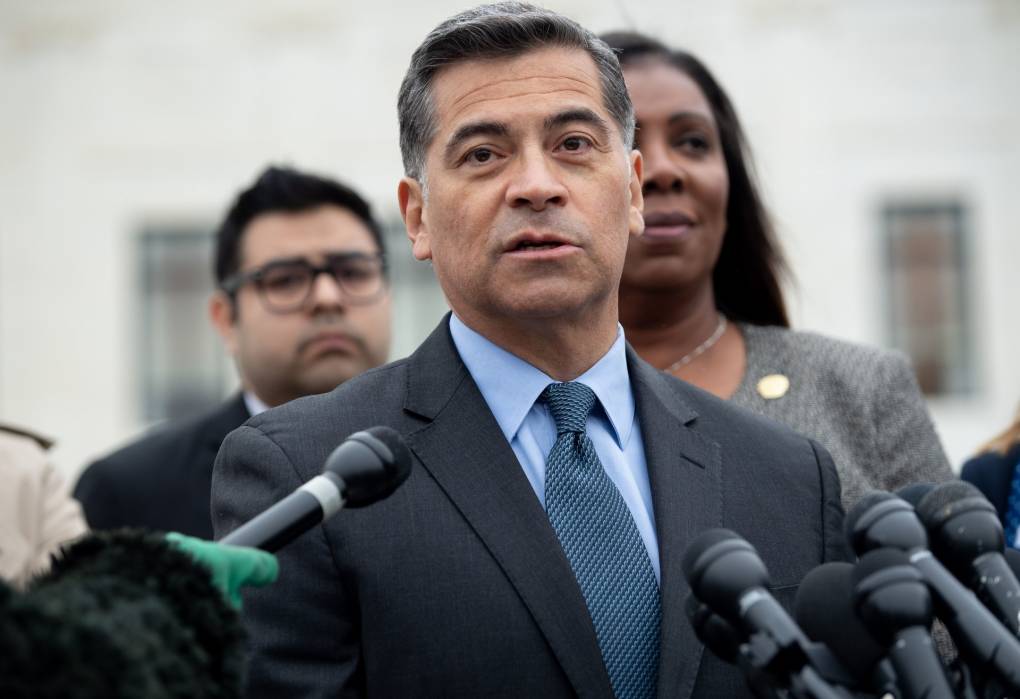
"description": "California Attorney General Xavier Becerra, backed by more than 20 other states, is defending the Affordable Care Act against the challenge brought by a coalition of Republican state officials two years ago.",
"title": "US-COURT-IMMIGRATION-DREAMERS",
"credit": "SAUL LOEB/AFP via Getty Images",
"status": "inherit",
"altTag": "Xavier Becerra",
"isLoading": false,
"fetchFailed": false
},
"news_11846815": {
"type": "attachments",
"id": "news_11846815",
"meta": {
"index": "attachments_1716263798",
"site": "news",
"id": "11846815",
"found": true
},
"parent": 11846327,
"imgSizes": {
"apple_news_ca_landscape_5_5": {
"file": "https://ww2.kqed.org/app/uploads/sites/10/2020/11/props-1044x783.png",
"width": 1044,
"mimeType": "image/png",
"height": 783
},
"apple_news_ca_square_4_0": {
"file": "https://ww2.kqed.org/app/uploads/sites/10/2020/11/props-470x470.png",
"width": 470,
"mimeType": "image/png",
"height": 470
},
"twentyfourteen-full-width": {
"file": "https://ww2.kqed.org/app/uploads/sites/10/2020/11/props-1038x576.png",
"width": 1038,
"mimeType": "image/png",
"height": 576
},
"thumbnail": {
"file": "https://ww2.kqed.org/app/uploads/sites/10/2020/11/props-160x90.png",
"width": 160,
"mimeType": "image/png",
"height": 90
},
"post-thumbnail": {
"file": "https://ww2.kqed.org/app/uploads/sites/10/2020/11/props-672x372.png",
"width": 672,
"mimeType": "image/png",
"height": 372
},
"kqedFullSize": {
"file": "https://ww2.kqed.org/app/uploads/sites/10/2020/11/props.png",
"width": 1920,
"height": 1080
},
"apple_news_ca_landscape_4_7": {
"file": "https://ww2.kqed.org/app/uploads/sites/10/2020/11/props-632x474.png",
"width": 632,
"mimeType": "image/png",
"height": 474
},
"large": {
"file": "https://ww2.kqed.org/app/uploads/sites/10/2020/11/props-1020x574.png",
"width": 1020,
"mimeType": "image/png",
"height": 574
},
"apple_news_ca_landscape_4_0": {
"file": "https://ww2.kqed.org/app/uploads/sites/10/2020/11/props-536x402.png",
"width": 536,
"mimeType": "image/png",
"height": 402
},
"apple_news_ca_portrait_12_9": {
"file": "https://ww2.kqed.org/app/uploads/sites/10/2020/11/props-1122x1080.png",
"width": 1122,
"mimeType": "image/png",
"height": 1080
},
"medium": {
"file": "https://ww2.kqed.org/app/uploads/sites/10/2020/11/props-800x450.png",
"width": 800,
"mimeType": "image/png",
"height": 450
},
"apple_news_ca_portrait_4_0": {
"file": "https://ww2.kqed.org/app/uploads/sites/10/2020/11/props-354x472.png",
"width": 354,
"mimeType": "image/png",
"height": 472
},
"apple_news_ca_portrait_9_7": {
"file": "https://ww2.kqed.org/app/uploads/sites/10/2020/11/props-840x1080.png",
"width": 840,
"mimeType": "image/png",
"height": 1080
},
"apple_news_ca_landscape_12_9": {
"file": "https://ww2.kqed.org/app/uploads/sites/10/2020/11/props-1832x1080.png",
"width": 1832,
"mimeType": "image/png",
"height": 1080
},
"apple_news_ca_square_9_7": {
"file": "https://ww2.kqed.org/app/uploads/sites/10/2020/11/props-1104x1080.png",
"width": 1104,
"mimeType": "image/png",
"height": 1080
},
"1536x1536": {
"file": "https://ww2.kqed.org/app/uploads/sites/10/2020/11/props-1536x864.png",
"width": 1536,
"mimeType": "image/png",
"height": 864
},
"apple_news_ca_portrait_4_7": {
"file": "https://ww2.kqed.org/app/uploads/sites/10/2020/11/props-414x552.png",
"width": 414,
"mimeType": "image/png",
"height": 552
},
"apple_news_ca_square_12_9": {
"file": "https://ww2.kqed.org/app/uploads/sites/10/2020/11/props-1472x1080.png",
"width": 1472,
"mimeType": "image/png",
"height": 1080
},
"apple_news_ca_portrait_5_5": {
"file": "https://ww2.kqed.org/app/uploads/sites/10/2020/11/props-687x916.png",
"width": 687,
"mimeType": "image/png",
"height": 916
},
"apple_news_ca_square_4_7": {
"file": "https://ww2.kqed.org/app/uploads/sites/10/2020/11/props-550x550.png",
"width": 550,
"mimeType": "image/png",
"height": 550
},
"apple_news_ca_landscape_9_7": {
"file": "https://ww2.kqed.org/app/uploads/sites/10/2020/11/props-1376x1032.png",
"width": 1376,
"mimeType": "image/png",
"height": 1032
},
"apple_news_ca_square_5_5": {
"file": "https://ww2.kqed.org/app/uploads/sites/10/2020/11/props-912x912.png",
"width": 912,
"mimeType": "image/png",
"height": 912
}
},
"publishDate": 1605031024,
"modified": 1605031024,
"caption": null,
"description": null,
"title": "props",
"credit": null,
"status": "inherit",
"isLoading": false,
"fetchFailed": false
},
"news_11846336": {
"type": "attachments",
"id": "news_11846336",
"meta": {
"index": "attachments_1716263798",
"site": "news",
"id": "11846336",
"found": true
},
"parent": 11846308,
"imgSizes": {
"apple_news_ca_landscape_5_5": {
"file": "https://ww2.kqed.org/app/uploads/sites/10/2020/11/102820_NonaClaypoole_AW_sized_03-Spanish-Article-Use-Only-1044x783.jpg",
"width": 1044,
"mimeType": "image/jpeg",
"height": 783
},
"apple_news_ca_square_4_0": {
"file": "https://ww2.kqed.org/app/uploads/sites/10/2020/11/102820_NonaClaypoole_AW_sized_03-Spanish-Article-Use-Only-470x470.jpg",
"width": 470,
"mimeType": "image/jpeg",
"height": 470
},
"twentyfourteen-full-width": {
"file": "https://ww2.kqed.org/app/uploads/sites/10/2020/11/102820_NonaClaypoole_AW_sized_03-Spanish-Article-Use-Only-1038x576.jpg",
"width": 1038,
"mimeType": "image/jpeg",
"height": 576
},
"thumbnail": {
"file": "https://ww2.kqed.org/app/uploads/sites/10/2020/11/102820_NonaClaypoole_AW_sized_03-Spanish-Article-Use-Only-160x107.jpg",
"width": 160,
"mimeType": "image/jpeg",
"height": 107
},
"post-thumbnail": {
"file": "https://ww2.kqed.org/app/uploads/sites/10/2020/11/102820_NonaClaypoole_AW_sized_03-Spanish-Article-Use-Only-672x372.jpg",
"width": 672,
"mimeType": "image/jpeg",
"height": 372
},
"kqedFullSize": {
"file": "https://ww2.kqed.org/app/uploads/sites/10/2020/11/102820_NonaClaypoole_AW_sized_03-Spanish-Article-Use-Only.jpg",
"width": 1200,
"height": 800
},
"apple_news_ca_landscape_4_7": {
"file": "https://ww2.kqed.org/app/uploads/sites/10/2020/11/102820_NonaClaypoole_AW_sized_03-Spanish-Article-Use-Only-632x474.jpg",
"width": 632,
"mimeType": "image/jpeg",
"height": 474
},
"large": {
"file": "https://ww2.kqed.org/app/uploads/sites/10/2020/11/102820_NonaClaypoole_AW_sized_03-Spanish-Article-Use-Only-1020x680.jpg",
"width": 1020,
"mimeType": "image/jpeg",
"height": 680
},
"apple_news_ca_landscape_4_0": {
"file": "https://ww2.kqed.org/app/uploads/sites/10/2020/11/102820_NonaClaypoole_AW_sized_03-Spanish-Article-Use-Only-536x402.jpg",
"width": 536,
"mimeType": "image/jpeg",
"height": 402
},
"apple_news_ca_portrait_12_9": {
"file": "https://ww2.kqed.org/app/uploads/sites/10/2020/11/102820_NonaClaypoole_AW_sized_03-Spanish-Article-Use-Only-1122x800.jpg",
"width": 1122,
"mimeType": "image/jpeg",
"height": 800
},
"medium": {
"file": "https://ww2.kqed.org/app/uploads/sites/10/2020/11/102820_NonaClaypoole_AW_sized_03-Spanish-Article-Use-Only-800x533.jpg",
"width": 800,
"mimeType": "image/jpeg",
"height": 533
},
"apple_news_ca_portrait_4_0": {
"file": "https://ww2.kqed.org/app/uploads/sites/10/2020/11/102820_NonaClaypoole_AW_sized_03-Spanish-Article-Use-Only-354x472.jpg",
"width": 354,
"mimeType": "image/jpeg",
"height": 472
},
"apple_news_ca_portrait_9_7": {
"file": "https://ww2.kqed.org/app/uploads/sites/10/2020/11/102820_NonaClaypoole_AW_sized_03-Spanish-Article-Use-Only-840x800.jpg",
"width": 840,
"mimeType": "image/jpeg",
"height": 800
},
"apple_news_ca_square_9_7": {
"file": "https://ww2.kqed.org/app/uploads/sites/10/2020/11/102820_NonaClaypoole_AW_sized_03-Spanish-Article-Use-Only-1104x800.jpg",
"width": 1104,
"mimeType": "image/jpeg",
"height": 800
},
"apple_news_ca_portrait_4_7": {
"file": "https://ww2.kqed.org/app/uploads/sites/10/2020/11/102820_NonaClaypoole_AW_sized_03-Spanish-Article-Use-Only-414x552.jpg",
"width": 414,
"mimeType": "image/jpeg",
"height": 552
},
"apple_news_ca_portrait_5_5": {
"file": "https://ww2.kqed.org/app/uploads/sites/10/2020/11/102820_NonaClaypoole_AW_sized_03-Spanish-Article-Use-Only-687x800.jpg",
"width": 687,
"mimeType": "image/jpeg",
"height": 800
},
"apple_news_ca_square_4_7": {
"file": "https://ww2.kqed.org/app/uploads/sites/10/2020/11/102820_NonaClaypoole_AW_sized_03-Spanish-Article-Use-Only-550x550.jpg",
"width": 550,
"mimeType": "image/jpeg",
"height": 550
},
"apple_news_ca_square_5_5": {
"file": "https://ww2.kqed.org/app/uploads/sites/10/2020/11/102820_NonaClaypoole_AW_sized_03-Spanish-Article-Use-Only-912x800.jpg",
"width": 912,
"mimeType": "image/jpeg",
"height": 800
}
},
"publishDate": 1604700120,
"modified": 1604945114,
"caption": "Nona Claypool, estudiante de tercer año en UC Berkeley y coordinadora de estudiantes transferidos, en Mosswood Park en Oakland el 28 de octubre de 2020. Claypool, cuyo trabajo se enfoca en reclutar estudiantes Indígenas transferidos de colegios comunitarios, dice que a menudo son los estudiantes quienes no pueden acceder de la educación superior quienes se beneficiarían más de ella.",
"description": "Nona Claypool, estudiante de tercer año en UC Berkeley y coordinadora de estudiantes transferidos, en Mosswood Park en Oakland el 28 de octubre de 2020. Claypool, cuyo trabajo se enfoca en reclutar estudiantes Indígenas transferidos de colegios comunitarios, dice que a menudo son los estudiantes quienes no pueden acceder de la educación superior quienes se beneficiarían más de ella.",
"title": "1028200_NonaClaypoole_AW_sized_03-Spanish-Article-Use-Only",
"credit": "Anne Wernikoff para CalMatters",
"status": "inherit",
"isLoading": false,
"fetchFailed": false
},
"news_11702774": {
"type": "attachments",
"id": "news_11702774",
"meta": {
"index": "attachments_1716263798",
"site": "news",
"id": "11702774",
"found": true
},
"parent": 11702713,
"imgSizes": {
"small": {
"file": "https://ww2.kqed.org/app/uploads/sites/10/2018/10/GettyImages-1041919604-520x347.jpg",
"width": 520,
"mimeType": "image/jpeg",
"height": 347
},
"twentyfourteen-full-width": {
"file": "https://ww2.kqed.org/app/uploads/sites/10/2018/10/GettyImages-1041919604-1038x576.jpg",
"width": 1038,
"mimeType": "image/jpeg",
"height": 576
},
"thumbnail": {
"file": "https://ww2.kqed.org/app/uploads/sites/10/2018/10/GettyImages-1041919604-160x107.jpg",
"width": 160,
"mimeType": "image/jpeg",
"height": 107
},
"fd-sm": {
"file": "https://ww2.kqed.org/app/uploads/sites/10/2018/10/GettyImages-1041919604-960x640.jpg",
"width": 960,
"mimeType": "image/jpeg",
"height": 640
},
"post-thumbnail": {
"file": "https://ww2.kqed.org/app/uploads/sites/10/2018/10/GettyImages-1041919604-672x372.jpg",
"width": 672,
"mimeType": "image/jpeg",
"height": 372
},
"xsmall": {
"file": "https://ww2.kqed.org/app/uploads/sites/10/2018/10/GettyImages-1041919604-375x250.jpg",
"width": 375,
"mimeType": "image/jpeg",
"height": 250
},
"kqedFullSize": {
"file": "https://ww2.kqed.org/app/uploads/sites/10/2018/10/GettyImages-1041919604-e1541029688252.jpg",
"width": 1920,
"height": 1281
},
"large": {
"file": "https://ww2.kqed.org/app/uploads/sites/10/2018/10/GettyImages-1041919604-1020x680.jpg",
"width": 1020,
"mimeType": "image/jpeg",
"height": 680
},
"xlarge": {
"file": "https://ww2.kqed.org/app/uploads/sites/10/2018/10/GettyImages-1041919604-1180x787.jpg",
"width": 1180,
"mimeType": "image/jpeg",
"height": 787
},
"complete_open_graph": {
"file": "https://ww2.kqed.org/app/uploads/sites/10/2018/10/GettyImages-1041919604-1200x801.jpg",
"width": 1200,
"mimeType": "image/jpeg",
"height": 801
},
"guest-author-50": {
"file": "https://ww2.kqed.org/app/uploads/sites/10/2018/10/GettyImages-1041919604-50x50.jpg",
"width": 50,
"mimeType": "image/jpeg",
"height": 50
},
"guest-author-96": {
"file": "https://ww2.kqed.org/app/uploads/sites/10/2018/10/GettyImages-1041919604-96x96.jpg",
"width": 96,
"mimeType": "image/jpeg",
"height": 96
},
"medium": {
"file": "https://ww2.kqed.org/app/uploads/sites/10/2018/10/GettyImages-1041919604-800x534.jpg",
"width": 800,
"mimeType": "image/jpeg",
"height": 534
},
"guest-author-64": {
"file": "https://ww2.kqed.org/app/uploads/sites/10/2018/10/GettyImages-1041919604-64x64.jpg",
"width": 64,
"mimeType": "image/jpeg",
"height": 64
},
"guest-author-32": {
"file": "https://ww2.kqed.org/app/uploads/sites/10/2018/10/GettyImages-1041919604-32x32.jpg",
"width": 32,
"mimeType": "image/jpeg",
"height": 32
},
"fd-lrg": {
"file": "https://ww2.kqed.org/app/uploads/sites/10/2018/10/GettyImages-1041919604-1920x1281.jpg",
"width": 1920,
"mimeType": "image/jpeg",
"height": 1281
},
"fd-med": {
"file": "https://ww2.kqed.org/app/uploads/sites/10/2018/10/GettyImages-1041919604-1180x787.jpg",
"width": 1180,
"mimeType": "image/jpeg",
"height": 787
},
"full-width": {
"file": "https://ww2.kqed.org/app/uploads/sites/10/2018/10/GettyImages-1041919604-1920x1281.jpg",
"width": 1920,
"mimeType": "image/jpeg",
"height": 1281
},
"detail": {
"file": "https://ww2.kqed.org/app/uploads/sites/10/2018/10/GettyImages-1041919604-150x150.jpg",
"width": 150,
"mimeType": "image/jpeg",
"height": 150
},
"guest-author-128": {
"file": "https://ww2.kqed.org/app/uploads/sites/10/2018/10/GettyImages-1041919604-128x128.jpg",
"width": 128,
"mimeType": "image/jpeg",
"height": 128
},
"xxsmall": {
"file": "https://ww2.kqed.org/app/uploads/sites/10/2018/10/GettyImages-1041919604-240x160.jpg",
"width": 240,
"mimeType": "image/jpeg",
"height": 160
}
},
"publishDate": 1541026226,
"modified": 1604882389,
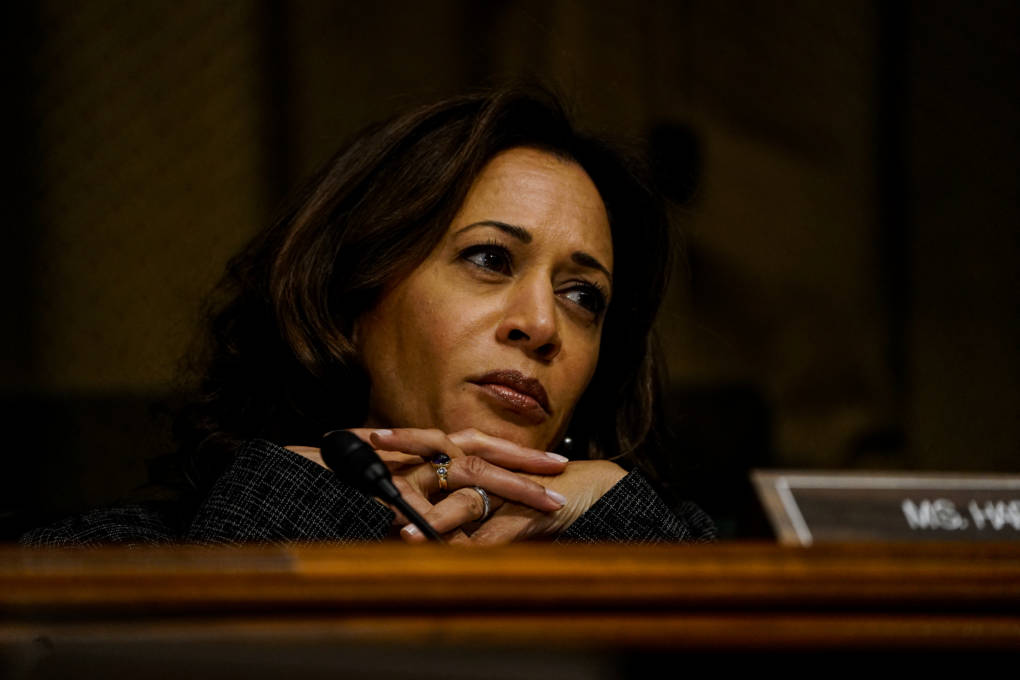
"caption": "Vice President-elect Kamala Harris listens to Christine Blasey Ford's testimony at Justice Brett Kavanaugh's confirmation hearing. ",
"description": "Vice President-elect Kamala Harris listens to Christine Blasey Ford's testimony at Justice Brett Kavanaugh's confirmation hearing. ",
"title": "Dr. Christine Blasey Ford And Supreme Court Nominee Brett Kavanaugh Testify To Senate Judiciary Committee",
"credit": "Melina Mara-Pool/Getty Images",
"status": "inherit",
"isLoading": false,
"fetchFailed": false
}
},
"audioPlayerReducer": {
"postId": "stream_live",
"isPaused": true,
"isPlaying": false,
"pfsActive": false,
"pledgeModalIsOpen": true,
"playerDrawerIsOpen": false,
"liveAudioPlayStartedAt": 0,
"liveAudioPlayContext": ""
},
"authorsReducer": {
"byline_news_11846750": {
"type": "authors",
"id": "byline_news_11846750",
"meta": {
"override": true
},
"slug": "byline_news_11846750",
"name": "\u003ca href=\"https://khn.org/news/author/samantha-young/\">Samantha Young\u003c/a>",
"isLoading": false
},
"byline_news_11846308": {
"type": "authors",
"id": "byline_news_11846308",
"meta": {
"override": true
},
"slug": "byline_news_11846308",
"name": "\u003ca href=\"https://calmatters.org/author/kayleen-carter/\">Kayleen Carter\u003c/a>",
"isLoading": false
},
"gmarzorati": {
"type": "authors",
"id": "227",
"meta": {
"index": "authors_1716337520",
"id": "227",
"found": true
},
"name": "Guy Marzorati",
"firstName": "Guy",
"lastName": "Marzorati",
"slug": "gmarzorati",
"email": "gmarzorati@KQED.org",
"display_author_email": true,
"staff_mastheads": [
"news"
],
"title": "Correspondent",
"bio": "Guy Marzorati is a correspondent on KQED's California Politics and Government Desk, based in San Jose. A graduate of Santa Clara University, Guy joined KQED in 2013. He reports on state and local politics and produces KQED's digital voter guide.",
"avatar": "https://secure.gravatar.com/avatar/e7038b8dbfd55b104369b76b1cd0b9de?s=600&d=blank&r=g",
"twitter": "guymarzorati",
"facebook": null,
"instagram": null,
"linkedin": null,
"sites": [
{
"site": "",
"roles": [
"editor"
]
},
{
"site": "news",
"roles": [
"editor"
]
},
{
"site": "science",
"roles": [
"editor"
]
},
{
"site": "forum",
"roles": [
"editor"
]
},
{
"site": "elections",
"roles": [
"editor"
]
},
{
"site": "liveblog",
"roles": [
"editor"
]
}
],
"headData": {
"title": "Guy Marzorati | KQED",
"description": "Correspondent",
"ogImgSrc": "https://secure.gravatar.com/avatar/e7038b8dbfd55b104369b76b1cd0b9de?s=600&d=blank&r=g",
"twImgSrc": "https://secure.gravatar.com/avatar/e7038b8dbfd55b104369b76b1cd0b9de?s=600&d=blank&r=g"
},
"isLoading": false,
"link": "/author/gmarzorati"
},
"scottshafer": {
"type": "authors",
"id": "255",
"meta": {
"index": "authors_1716337520",
"id": "255",
"found": true
},
"name": "Scott Shafer",
"firstName": "Scott",
"lastName": "Shafer",
"slug": "scottshafer",
"email": "sshafer@kqed.org",
"display_author_email": false,
"staff_mastheads": [
"news"
],
"title": "KQED Contributor",
"bio": "Scott Shafer is a senior editor with the KQED Politics and Government desk. He is co-host of Political Breakdown, the award-winning radio show and podcast with a personal take on the world of politics. Scott came to KQED in 1998 to host the statewide\u003cem> California Report\u003c/em>. Prior to that he had extended stints in politics and government\u003cem>.\u003c/em> He uses that inside experience at KQED in his, reporting, hosting and analysis for the politics desk. Scott collaborated \u003cem>Political Breakdown a\u003c/em>nd on \u003cem>The Political Mind of Jerry Brown, \u003c/em>an eight-part series about the life and extraordinary political career of the former governor. For fun, he plays water polo with the San Francisco Tsunami.",
"avatar": "https://secure.gravatar.com/avatar/a62ebae45b79d7aed1a39a0e3bf68104?s=600&d=blank&r=g",
"twitter": "scottshafer",
"bluesky": null,
"facebook": null,
"instagram": null,
"linkedin": null,
"sites": [
{
"site": "news",
"roles": [
"editor"
]
},
{
"site": "stateofhealth",
"roles": [
"author"
]
},
{
"site": "science",
"roles": [
"author"
]
},
{
"site": "forum",
"roles": [
"subscriber"
]
},
{
"site": "liveblog",
"roles": [
"author"
]
}
],
"headData": {
"title": "Scott Shafer | KQED",
"description": "KQED Contributor",
"ogImgSrc": "https://secure.gravatar.com/avatar/a62ebae45b79d7aed1a39a0e3bf68104?s=600&d=blank&r=g",
"twImgSrc": "https://secure.gravatar.com/avatar/a62ebae45b79d7aed1a39a0e3bf68104?s=600&d=blank&r=g"
},
"isLoading": false,
"link": "/author/scottshafer"
},
"matthewgreen": {
"type": "authors",
"id": "1263",
"meta": {
"index": "authors_1716337520",
"id": "1263",
"found": true
},
"name": "Matthew Green",
"firstName": "Matthew",
"lastName": "Green",
"slug": "matthewgreen",
"email": "mgreen@kqed.org",
"display_author_email": false,
"staff_mastheads": [],
"title": "KQED Editor/Reporter",
"bio": "Matthew Green is a digital media producer for KQED News. He previously produced \u003ca href=\"http://www.kqed.org/lowdown\">The Lowdown\u003c/a>, KQED’s multimedia news education blog. Matthew's written for numerous Bay Area publications, including the Oakland Tribune and San Francisco Chronicle. He also taught journalism classes at Fremont High School in East Oakland.\r\n\r\nEmail: mgreen@kqed.org; Twitter: @MGreenKQED",
"avatar": "https://secure.gravatar.com/avatar/3bf498d1267ca02c8494f33d8cfc575e?s=600&d=blank&r=g",
"twitter": "MGreenKQED",
"facebook": null,
"instagram": null,
"linkedin": null,
"sites": [
{
"site": "news",
"roles": []
},
{
"site": "lowdown",
"roles": []
},
{
"site": "science",
"roles": []
},
{
"site": "education",
"roles": []
},
{
"site": "quest",
"roles": []
},
{
"site": "liveblog",
"roles": []
}
],
"headData": {
"title": "Matthew Green | KQED",
"description": "KQED Editor/Reporter",
"ogImgSrc": "https://secure.gravatar.com/avatar/3bf498d1267ca02c8494f33d8cfc575e?s=600&d=blank&r=g",
"twImgSrc": "https://secure.gravatar.com/avatar/3bf498d1267ca02c8494f33d8cfc575e?s=600&d=blank&r=g"
},
"isLoading": false,
"link": "/author/matthewgreen"
},
"mlagos": {
"type": "authors",
"id": "3239",
"meta": {
"index": "authors_1716337520",
"id": "3239",
"found": true
},
"name": "Marisa Lagos",
"firstName": "Marisa",
"lastName": "Lagos",
"slug": "mlagos",
"email": "mlagos@kqed.org",
"display_author_email": false,
"staff_mastheads": [
"news"
],
"title": "KQED Contributor",
"bio": "Marisa Lagos is a correspondent for KQED’s California Politics and Government Desk and co-hosts the award-winning show and podcast, Political Breakdown. At KQED, Lagos also conducts reporting, analysis and investigations into state, local and national politics for radio, TV, online and onstage. In 2022, she and co-host, Scott Shafer, moderated the only gubernatorial debate in California. In 2020, the \u003ci>Washington Post\u003c/i> named her one of the top political journalists in California; she was nominated for a Peabody and won several other awards for her work investigating the 2017 California wildfires. She has worked at the \u003ci>San Francisco Chronicle\u003c/i>, \u003ci>San Francisco Examiner\u003c/i> and \u003ci>Los Angeles Times\u003c/i>. A UC Santa Barbara graduate, she lives in San Francisco with her two sons and husband.",
"avatar": "https://secure.gravatar.com/avatar/a261a0d3696fc066871ef96b85b5e7d2?s=600&d=blank&r=g",
"twitter": "@mlagos",
"facebook": null,
"instagram": null,
"linkedin": null,
"sites": [
{
"site": "arts",
"roles": [
"author"
]
},
{
"site": "news",
"roles": [
"editor"
]
},
{
"site": "science",
"roles": [
"editor"
]
},
{
"site": "forum",
"roles": [
"author"
]
},
{
"site": "liveblog",
"roles": [
"author"
]
}
],
"headData": {
"title": "Marisa Lagos | KQED",
"description": "KQED Contributor",
"ogImgSrc": "https://secure.gravatar.com/avatar/a261a0d3696fc066871ef96b85b5e7d2?s=600&d=blank&r=g",
"twImgSrc": "https://secure.gravatar.com/avatar/a261a0d3696fc066871ef96b85b5e7d2?s=600&d=blank&r=g"
},
"isLoading": false,
"link": "/author/mlagos"
},
"fjhabvala": {
"type": "authors",
"id": "8659",
"meta": {
"index": "authors_1716337520",
"id": "8659",
"found": true
},
"name": "Farida Jhabvala Romero",
"firstName": "Farida",
"lastName": "Jhabvala Romero",
"slug": "fjhabvala",
"email": "fjhabvala@kqed.org",
"display_author_email": true,
"staff_mastheads": [
"news"
],
"title": "KQED Contributor",
"bio": "Farida Jhabvala Romero is a Labor Correspondent for KQED. She previously covered immigration. Farida was \u003ca href=\"https://www.ccnma.org/2022-most-influential-latina-journalists\">named\u003c/a> one of the 10 Most Influential Latina Journalists in California in 2022 by the California Chicano News Media Association. Her work has won awards from the Society of Professional Journalists (Northern California), as well as a national and regional Edward M. Murrow Award for the collaborative reporting projects “Dangerous Air” and “Graying California.” Before joining KQED, Farida worked as a producer at Radio Bilingüe, a national public radio network. Farida earned her master’s degree in journalism from Stanford University.",
"avatar": "https://secure.gravatar.com/avatar/f9f022d4e2609741874222a1e9d41f48fea74011aa7c615eef91d9a50c944ebe?s=600&d=blank&r=g",
"twitter": "FaridaJhabvala",
"bluesky": null,
"facebook": null,
"instagram": null,
"linkedin": "https://www.linkedin.com/in/faridajhabvala/",
"sites": [
{
"site": "news",
"roles": [
"editor"
]
},
{
"site": "stateofhealth",
"roles": [
"author"
]
},
{
"site": "liveblog",
"roles": [
"author"
]
}
],
"headData": {
"title": "Farida Jhabvala Romero | KQED",
"description": "KQED Contributor",
"ogImgSrc": "https://secure.gravatar.com/avatar/f9f022d4e2609741874222a1e9d41f48fea74011aa7c615eef91d9a50c944ebe?s=600&d=blank&r=g",
"twImgSrc": "https://secure.gravatar.com/avatar/f9f022d4e2609741874222a1e9d41f48fea74011aa7c615eef91d9a50c944ebe?s=600&d=blank&r=g"
},
"isLoading": false,
"link": "/author/fjhabvala"
},
"dventon": {
"type": "authors",
"id": "11088",
"meta": {
"index": "authors_1716337520",
"id": "11088",
"found": true
},
"name": "Danielle Venton",
"firstName": "Danielle",
"lastName": "Venton",
"slug": "dventon",
"email": "dventon@kqed.org",
"display_author_email": true,
"staff_mastheads": [
"science"
],
"title": "Science reporter",
"bio": "Danielle Venton is a reporter for KQED Science. She covers wildfires, space and oceans (though she is prone to sea sickness).\r\n\r\nBefore joining KQED in 2015, Danielle was a staff reporter at KRCB in Sonoma County and a freelancer. She studied science communication at UC Santa Cruz and formerly worked at CERN in Geneva, Switzerland where she wrote about computing. She lives in Sonoma County and enjoys backpacking.",
"avatar": "https://secure.gravatar.com/avatar/ebaf11ee6cfb7bb40329a143d463829e?s=600&d=blank&r=g",
"twitter": "DanielleVenton",
"facebook": null,
"instagram": null,
"linkedin": null,
"sites": [
{
"site": "arts",
"roles": [
"contributor"
]
},
{
"site": "news",
"roles": [
"editor"
]
},
{
"site": "futureofyou",
"roles": [
"editor"
]
},
{
"site": "science",
"roles": [
"editor"
]
},
{
"site": "liveblog",
"roles": [
"contributor"
]
}
],
"headData": {
"title": "Danielle Venton | KQED",
"description": "Science reporter",
"ogImgSrc": "https://secure.gravatar.com/avatar/ebaf11ee6cfb7bb40329a143d463829e?s=600&d=blank&r=g",
"twImgSrc": "https://secure.gravatar.com/avatar/ebaf11ee6cfb7bb40329a143d463829e?s=600&d=blank&r=g"
},
"isLoading": false,
"link": "/author/dventon"
},
"korr": {
"type": "authors",
"id": "11200",
"meta": {
"index": "authors_1716337520",
"id": "11200",
"found": true
},
"name": "Katie Orr",
"firstName": "Katie",
"lastName": "Orr",
"slug": "korr",
"email": "korr@kqed.org",
"display_author_email": false,
"staff_mastheads": [],
"title": "KQED Contributor",
"bio": "Katie Orr was a Sacramento-based reporter for KQED's Politics and Government Desk, covering the state Capitol and a variety of issues including women in politics, voting and elections and legislation. Prior to joining KQED in 2016, Katie was state government reporter for Capital Public Radio in Sacramento. She's also worked for KPBS in San Diego, where she covered City Hall.\r\n\r\nKatie received her masters degree in political science from San Diego State University and holds a Bachelors degree in broadcast journalism from Arizona State University.\r\n\r\nIn 2015 Katie won a national Clarion Award for a series of stories she did on women in California politics. She's been honored by the Society for Professional Journalists and, in 2013, was named by \u003cem>The Washington Post\u003c/em> as one of the country's top state Capitol reporters. She's also reported for the award-winning documentary series \u003cem>The View from Here \u003c/em>and was part of the team that won national PRNDI and Gabriel Awards in 2015. She lives in Sacramento with her husband. Twitter: @1KatieOrr",
"avatar": "https://secure.gravatar.com/avatar/41a40b25845adc78f50808670860449e?s=600&d=blank&r=g",
"twitter": "1katieorr",
"facebook": null,
"instagram": null,
"linkedin": null,
"sites": [
{
"site": "news",
"roles": [
"subscriber"
]
},
{
"site": "stateofhealth",
"roles": [
"author"
]
},
{
"site": "forum",
"roles": [
"author"
]
}
],
"headData": {
"title": "Katie Orr | KQED",
"description": "KQED Contributor",
"ogImgSrc": "https://secure.gravatar.com/avatar/41a40b25845adc78f50808670860449e?s=600&d=blank&r=g",
"twImgSrc": "https://secure.gravatar.com/avatar/41a40b25845adc78f50808670860449e?s=600&d=blank&r=g"
},
"isLoading": false,
"link": "/author/korr"
},
"lsarah": {
"type": "authors",
"id": "11626",
"meta": {
"index": "authors_1716337520",
"id": "11626",
"found": true
},
"name": "Lakshmi Sarah",
"firstName": "Lakshmi",
"lastName": "Sarah",
"slug": "lsarah",
"email": "lsarah@kqed.org",
"display_author_email": false,
"staff_mastheads": [],
"title": "Digital Producer",
"bio": "Lakshmi Sarah is an educator, author and journalist with a focus on innovative storytelling. She has worked with newspapers, radio and magazines from Ahmedabad, India to Los Angeles, California. She has written and produced for Die Zeit, Global Voices, AJ+, KQED, Fusion Media Group and the New York Times.",
"avatar": "https://secure.gravatar.com/avatar/652dcaecd8b28826fc17a8b2d6bb4e93?s=600&d=blank&r=g",
"twitter": "lakitalki",
"facebook": null,
"instagram": "https://www.instagram.com/laki.talki/",
"linkedin": "https://www.linkedin.com/in/lakisarah/",
"sites": [
{
"site": "arts",
"roles": []
},
{
"site": "news",
"roles": []
},
{
"site": "bayareabites",
"roles": []
},
{
"site": "science",
"roles": []
}
],
"headData": {
"title": "Lakshmi Sarah | KQED",
"description": "Digital Producer",
"ogImgSrc": "https://secure.gravatar.com/avatar/652dcaecd8b28826fc17a8b2d6bb4e93?s=600&d=blank&r=g",
"twImgSrc": "https://secure.gravatar.com/avatar/652dcaecd8b28826fc17a8b2d6bb4e93?s=600&d=blank&r=g"
},
"isLoading": false,
"link": "/author/lsarah"
},
"amorga": {
"type": "authors",
"id": "11629",
"meta": {
"index": "authors_1716337520",
"id": "11629",
"found": true
},
"name": "Adriana Morga",
"firstName": "Adriana",
"lastName": "Morga",
"slug": "amorga",
"email": "amorga@kqed.org",
"display_author_email": false,
"staff_mastheads": [],
"title": "KQED Contributor",
"bio": "Adriana Morga is an on-call Digital Producer for KQED en Español. She is also completing her journalism degree at San Francisco State University. She has experience working in print and radio. Morga, who was born in Tijuana, Mexico, has spent her developing career covering the Latino community for English and Spanish-language publications including KALW and El Tecolote.",
"avatar": "https://secure.gravatar.com/avatar/9ef1c5a7ff2f2ae1ab05809325f43d03?s=600&d=blank&r=g",
"twitter": null,
"facebook": null,
"instagram": null,
"linkedin": null,
"sites": [
{
"site": "arts",
"roles": []
},
{
"site": "news",
"roles": [
"author"
]
},
{
"site": "science",
"roles": [
"editor"
]
}
],
"headData": {
"title": "Adriana Morga | KQED",
"description": "KQED Contributor",
"ogImgSrc": "https://secure.gravatar.com/avatar/9ef1c5a7ff2f2ae1ab05809325f43d03?s=600&d=blank&r=g",
"twImgSrc": "https://secure.gravatar.com/avatar/9ef1c5a7ff2f2ae1ab05809325f43d03?s=600&d=blank&r=g"
},
"isLoading": false,
"link": "/author/amorga"
},
"blaberge": {
"type": "authors",
"id": "11667",
"meta": {
"index": "authors_1716337520",
"id": "11667",
"found": true
},
"name": "Beth LaBerge",
"firstName": "Beth",
"lastName": "LaBerge",
"slug": "blaberge",
"email": "blaberge@KQED.org",
"display_author_email": true,
"staff_mastheads": [
"news"
],
"title": "Photographer, News",
"bio": "Beth LaBerge is a visual journalist for \u003ca href=\"https://www.kqed.org/news\">KQED News\u003c/a>.",
"avatar": "https://secure.gravatar.com/avatar/ce49ecd7a1306685637b45a1f6f5dedfc4ae9481966eb596fea5160466dd6319?s=600&d=blank&r=g",
"twitter": null,
"bluesky": null,
"facebook": null,
"instagram": "https://www.instagram.com/bethlaberge/",
"linkedin": null,
"sites": [
{
"site": "arts",
"roles": [
"editor",
"manage_categories"
]
},
{
"site": "news",
"roles": [
"editor",
"edit_plugins",
"manage_categories"
]
},
{
"site": "science",
"roles": [
"editor",
"contributor",
"author",
"manage_categories"
]
},
{
"site": "perspectives",
"roles": [
"editor"
]
},
{
"site": "liveblog",
"roles": [
"editor"
]
}
],
"headData": {
"title": "Beth LaBerge | KQED",
"description": "Photographer, News",
"ogImgSrc": "https://secure.gravatar.com/avatar/ce49ecd7a1306685637b45a1f6f5dedfc4ae9481966eb596fea5160466dd6319?s=600&d=blank&r=g",
"twImgSrc": "https://secure.gravatar.com/avatar/ce49ecd7a1306685637b45a1f6f5dedfc4ae9481966eb596fea5160466dd6319?s=600&d=blank&r=g"
},
"isLoading": false,
"link": "/author/blaberge"
}
},
"pagesReducer": {
"news_tag_politics": {
"type": "terms",
"id": "news_17968",
"meta": {
"index": "terms_1716263798",
"site": "news",
"id": "17968",
"score": 8.003145
},
"name": "Politics",
"slug": "politics",
"taxonomy": "tag",
"description": null,
"featImg": null,
"headData": {
"title": "Politics | KQED News",
"description": null,
"ogTitle": null,
"ogDescription": null,
"ogImgId": null,
"twTitle": null,
"twDescription": null,
"twImgId": null
},
"ttid": 18002,
"isLoading": false,
"title": "Politics",
"pageMeta": {
"site": "news",
"WpPageTemplate": "page-topic-editorial",
"currentPage": 200
},
"blocks": [
{
"blockName": "kqed/post-list",
"attrs": {
"layout": "cardArticle2",
"query": "posts/news?tag=politics",
"seeMore": false,
"paginated": true,
"page": 200
}
},
{
"blockName": "kqed/ad"
}
]
}
},
"pfsSessionReducer": {},
"postsReducer": {
"stream_live": {
"type": "live",
"id": "stream_live",
"audioUrl": "https://streams.kqed.org/kqedradio",
"title": "Live Stream",
"excerpt": "Live Stream information currently unavailable.",
"link": "/radio",
"featImg": "",
"label": {
"name": "KQED Live",
"link": "/"
}
},
"stream_kqedNewscast": {
"type": "posts",
"id": "stream_kqedNewscast",
"audioUrl": "https://www.kqed.org/.stream/anon/radio/RDnews/newscast.mp3?_=1",
"title": "KQED Newscast",
"featImg": "",
"label": {
"name": "88.5 FM",
"link": "/"
}
},
"news_11847064": {
"type": "posts",
"id": "news_11847064",
"meta": {
"index": "posts_1716263798",
"site": "news",
"id": "11847064",
"score": null,
"sort": [
1605258041000
]
},
"guestAuthors": [],
"slug": "inside-californias-pandemic-election-how-covid-19-changes-could-shape-the-future-of-voting",
"title": "Inside California's Pandemic Election: How COVID-19 Changes Could Shape the Future of Voting",
"publishDate": 1605258041,
"format": "standard",
"headTitle": "Inside California’s Pandemic Election: How COVID-19 Changes Could Shape the Future of Voting | KQED",
"labelTerm": {
"site": "news"
},
"content": "\u003cp>Election officials across California are breathing a sigh of relief: An election that combined unprecedented changes and unmatched scrutiny amid a global pandemic resulted in historic levels of participation and few widespread issues.\u003c/p>\n\u003cp>Some features of this year’s vote will hopefully go down as historical aberrations, like poll workers in protective gear and masked voters physically distanced in voting locations stocked with hand sanitizer.\u003c/p>\n\u003cp>Other alterations brought on by the coronavirus — such as the expansion of voting by mail and the shift away from assigned polling places — could spur long lasting changes to the way in which Californians cast their ballots.\u003c/p>\n\u003cp>In interviews with KQED, more than a dozen election officials and voting advocates agreed that California’s recent election in the midst of a pandemic was a success, despite a tight timeline for changes and a few hiccups.\u003c/p>\n\u003cp>\u003cspan style=\"font-weight: 400\">“This is one of the smoothest elections that I’ve had,” said Neal Kelley, registrar of voters for Orange County. “I really believe we were as best prepared for a pandemic as we could ever be.” \u003c/span>\u003c/p>\n\u003ch3>\u003cstrong>‘Perfect Storm’ Ends With Record Participation\u003c/strong>\u003c/h3>\n\u003cp>In some ways, the pandemic merely accelerated voting changes already in the works under Secretary of State Alex Padilla, a Democrat.\u003c/p>\n\u003cp>Roughly three-quarters of voters received vote-by-mail ballots even before the pandemic. And 15 counties had previously abandoned precinct polling locations in favor of the Voters Choice Act model — sending a ballot to every voter and opening county-wide vote centers where any voter could cast a ballot.\u003c/p>\n\u003cp>But election officials faced unprecedented pressures in 2020: The logistical issues brought on by the virus were combined with attacks on the voting process by national Republicans.\u003c/p>\n\u003cp>“It was a perfect storm,” said Padilla, who added that the increased focus on election administration did have a positive effect: It sharpened the public’s attention to voting rules and deadlines.\u003c/p>\n\u003cp>\u003cspan style=\"font-weight: 400\">“If it helped increase registration and turnout as a result, then I think that is great for democracy at the end of the day,” he said. \u003c/span>\u003c/p>\n\u003cp>\u003cspan style=\"font-weight: 400\">[pullquote size=\"medium\" align=\"right\" citation=\"Alex Padilla, California Secretary of State\"]‘Despite the pandemic, this turned out to be a very successful election year and could very well serve as a model, not just for statewide adoption going forward, but for states across the country.’[/pullquote]\u003c/span>\u003c/p>\n\u003cp>In addition, counties finally had the money they needed to conduct elections, through funding from the federal CARES Act, said Kim Alexander, president of the California Voter Foundation.\u003c/p>\n\u003cp>And expanding vote-by-mail to every voter allowed advocates to broadcast one set of instructions across the entire state.\u003c/p>\n\u003cp>\u003cspan style=\"font-weight: 400\">“We never had the ability before this election to provide that kind of uniform message to all voters,” Alexander said. \u003c/span>\u003c/p>\n\u003cp>The result was record participation: More than 16 million Californians cast ballots, with three-quarters of votes cast before Election Day.\u003c/p>\n\u003cp>State lawmakers are already eyeing the possibility of making some of the pandemic-related changes permanent.\u003c/p>\n\u003cp>But voting experts caution that there is still work to do to reduce roadblocks to voting, like lines, confusion and language barriers. They hope the state Legislature, freed from election-year deadlines, can carefully consider any consequences for\u003cb>\u003c/b> voters with limited English proficiency, infrequent voters and others at risk of disenfranchisement.\u003c/p>\n\u003cp>\u003cspan style=\"font-weight: 400\">“If we are going to continue to make changes to electoral models, we should not do it in a rushed way as we were forced to do this year,” said Julia Marks, voting rights attorney at \u003c/span>Asian Americans Advancing Justice-Asian Law Caucus.\u003c/p>\n\u003cfigure id=\"attachment_11847168\" class=\"wp-caption alignnone\" style=\"max-width: 800px\">\u003cimg loading=\"lazy\" decoding=\"async\" class=\"size-medium wp-image-11847168\" src=\"https://ww2.kqed.org/app/uploads/sites/10/2020/11/RS45623_026_KQED_SanFrancisco_BallotDropOff_10312020-qut-800x533.jpg\" alt=\"Voters drop off their mail-in ballots at the Chase Center official ballot drop-off location on Oct. 31, 2020.\" width=\"800\" height=\"533\" srcset=\"https://cdn.kqed.org/wp-content/uploads/sites/10/2020/11/RS45623_026_KQED_SanFrancisco_BallotDropOff_10312020-qut-800x533.jpg 800w, https://cdn.kqed.org/wp-content/uploads/sites/10/2020/11/RS45623_026_KQED_SanFrancisco_BallotDropOff_10312020-qut-1020x680.jpg 1020w, https://cdn.kqed.org/wp-content/uploads/sites/10/2020/11/RS45623_026_KQED_SanFrancisco_BallotDropOff_10312020-qut-160x107.jpg 160w, https://cdn.kqed.org/wp-content/uploads/sites/10/2020/11/RS45623_026_KQED_SanFrancisco_BallotDropOff_10312020-qut-1536x1024.jpg 1536w, https://cdn.kqed.org/wp-content/uploads/sites/10/2020/11/RS45623_026_KQED_SanFrancisco_BallotDropOff_10312020-qut.jpg 1920w\" sizes=\"(max-width: 800px) 100vw, 800px\">\u003cfigcaption class=\"wp-caption-text\">Voters drop off their mail-in ballots at the Chase Center official ballot drop-off location on Oct. 31, 2020. \u003ccite>(Beth LaBerge/KQED)\u003c/cite>\u003c/figcaption>\u003c/figure>\n\u003ch3>\u003cstrong>Changing Approaches With ‘Clock Ticking’ \u003c/strong>\u003c/h3>\n\u003cp>California’s March 3 primary was largely unaffected by the spread of COVID-19, but weeks later, the state was in lockdown.\u003c/p>\n\u003cp>In early April, Assemblyman Marc Berman, D-Menlo Park, introduced legislation to mail every registered voter a ballot, and subsequent legislation allowed California counties to consolidate voting locations, if they agreed to offer three days of early voting.\u003c/p>\n\u003cp>Nationally, voting by mail became a political lightening rod, as President Donald Trump blasted the practice with unsubstantiated claims of widespread fraud.\u003c/p>\n\u003cp>But in California, the bill expanding mail voting \u003ca href=\"https://www.kqed.org/news/11825137/state-legislature-approves-bill-to-mail-all-california-voters-a-ballot\" target=\"_blank\" rel=\"noopener noreferrer\">received bipartisan support\u003c/a>. In recent years, California voters of both parties have embraced voting by mail.\u003cstrong> \u003c/strong>\u003c/p>\n\u003cp>\u003cspan style=\"font-weight: 400\">“I think the transition to sending every voter a ballot wasn’t as big a challenge as it was in some other states,” said Raúl Macías, counsel at the Brennan Center for Justice.\u003c/span>\u003c/p>\n\u003cp>[ad fullwidth]\u003c/p>\n\u003cp>The process still required delicate coordination between state officials and county registrars, who are ultimately in charge of local elections. Roughly two dozen counties decided to cut down on voting locations, with 17 jettisoning assigned polling places for the first time in favor of countywide voting hubs.\u003c/p>\n\u003cp>County registrars described weekly meetings with Padilla’s staff, along with l\u003cspan style=\"font-weight: 400\">ate night and weekend conversations to ensure a smooth transition.\u003c/span>\u003c/p>\n\u003cp>Meanwhile, nonprofits and labor groups successfully pressured lawmakers to maintain a baseline requirement for in-person voting. They argued that Black and Latino Californians are less likely to vote by mail than white Californians, and that in-person voting is crucial for voters with disabilities or language access needs.\u003c/p>\n\u003cp>\u003cb>\u003c/b>“I think Secretary Padilla deserves a lot of credit for the leadership he showed to bring folks together to try to come up with a model for November,” said \u003cspan style=\"font-weight: 400\">Macías\u003c/span>, who was \u003ca href=\"https://www.mercurynews.com/2020/05/21/opinion-california-needs-safe-in-person-voting-during-covid-19/\" target=\"_blank\" rel=\"noopener noreferrer\">among the voices calling\u003c/a> for the state to maintain in-person voting.\u003c/p>\n\u003cp>In August, Newsom \u003ca href=\"https://www.kqed.org/news/11832331/newsom-signs-plan-for-polling-place-changes-in-face-of-pandemic\" target=\"_blank\" rel=\"noopener noreferrer\">signed off on new regulations\u003c/a> setting minimum requirements for in-person voting, as counties scrambled to \u003ca href=\"https://www.kqed.org/news/11831335/all-hands-on-deck-as-california-election-officials-struggle-to-find-pandemic-safe-polling-places\" target=\"_blank\" rel=\"noopener noreferrer\">find voting locations\u003c/a> and \u003ca href=\"https://www.kqed.org/news/11833846/bay-areas-faithful-election-poll-workers-sidelined-by-pandemic\" target=\"_blank\" rel=\"noopener noreferrer\">recruit poll workers\u003c/a>.\u003c/p>\n\u003cp>“The clock was ticking so fast to November,” said John Arntz, director of San Francisco’s Department of Elections, who said local officials are typically “\u003cspan style=\"font-weight: 400\">planning six, seven, eight months before an election.” \u003c/span>\u003c/p>\n\u003cfigure id=\"attachment_11847171\" class=\"wp-caption alignnone\" style=\"max-width: 800px\">\u003cimg loading=\"lazy\" decoding=\"async\" class=\"size-medium wp-image-11847171\" src=\"https://ww2.kqed.org/app/uploads/sites/10/2020/11/RS45359_001_KQED_SanMateo_ElectionsOffice_10212020-qut-800x533.jpg\" alt=\"\" width=\"800\" height=\"533\" srcset=\"https://cdn.kqed.org/wp-content/uploads/sites/10/2020/11/RS45359_001_KQED_SanMateo_ElectionsOffice_10212020-qut-800x533.jpg 800w, https://cdn.kqed.org/wp-content/uploads/sites/10/2020/11/RS45359_001_KQED_SanMateo_ElectionsOffice_10212020-qut-1020x679.jpg 1020w, https://cdn.kqed.org/wp-content/uploads/sites/10/2020/11/RS45359_001_KQED_SanMateo_ElectionsOffice_10212020-qut-160x107.jpg 160w, https://cdn.kqed.org/wp-content/uploads/sites/10/2020/11/RS45359_001_KQED_SanMateo_ElectionsOffice_10212020-qut-1536x1022.jpg 1536w, https://cdn.kqed.org/wp-content/uploads/sites/10/2020/11/RS45359_001_KQED_SanMateo_ElectionsOffice_10212020-qut.jpg 1920w\" sizes=\"(max-width: 800px) 100vw, 800px\">\u003cfigcaption class=\"wp-caption-text\">Election staff are trained at the San Mateo County Elections Office on Oct. 21, 2020. \u003ccite>(Beth LaBerge/KQED)\u003c/cite>\u003c/figcaption>\u003c/figure>\n\u003ch3>\u003cstrong>Californians Embrace Expanded Voting by Mail and Early Voting\u003c/strong>\u003c/h3>\n\u003cp>Election officials feared that many longtime poll workers, traditionally retirees, would stay home during the pandemic. And many houses of worship and schools were reluctant to open their doors to voters when their own operations were in flux because of COVID-19 restrictions.\u003c/p>\n\u003cp>But the extra funding from Congress, \u003ca href=\"https://apnews.com/article/virus-outbreak-election-2020-lebron-james-elections-michelle-obama-7bb8edd08e32a77b350d5cfc5512b3b5\" target=\"_blank\" rel=\"noopener noreferrer\">partnerships with professional sports venues \u003c/a>and statewide poll worker recruitment drives left \u003ca href=\"https://elections.cdn.sos.ca.gov/statewide-elections/2020-general/butte-county-waiver.pdf\" target=\"_blank\" rel=\"noopener noreferrer\">only one county\u003c/a>, Butte, unable to meet the state’s requirements for in-person voting services.\u003c/p>\n\u003cp>\u003cspan style=\"font-weight: 400\">“We had thousands more people volunteer to be poll workers than we could actually assign,” Arntz said. “It was amazing.” \u003c/span>\u003c/p>\n\u003cp>Perhaps the most important factor in the smooth election was that Californians bought into voting by mail and early voting at record levels, easing the burden on Election Day staff.\u003c/p>\n\u003cp>According to the \u003ca href=\"https://electproject.github.io/Early-Vote-2020G/index.html\" target=\"_blank\" rel=\"noopener noreferrer\">U.S. Elections Project\u003c/a>, more than 12 million Californians voted before Election Day, with upwards of 80% using their mail-in ballot.\u003c/p>\n\u003cp>In Alameda, Contra Costa and San Francisco counties, just 6-7% of voters opted to cast a ballot in person.\u003c/p>\n\u003cp>And as ballots arrived, election workers were able to immediately prepare them for counting and avoid a backlog of ballots, thanks to a new state law permitting early ballot processing.\u003c/p>\n\u003cp>“That took that pressure off,” said Kelley, who said despite “massive” last minute poll worker cancellations in Orange County, “we were still able to handle that volume without any issues really at all.”\u003c/p>\n\u003cfigure id=\"attachment_11847169\" class=\"wp-caption aligncenter\" style=\"max-width: 1920px\">\u003cimg loading=\"lazy\" decoding=\"async\" class=\"size-full wp-image-11847169\" src=\"https://ww2.kqed.org/app/uploads/sites/10/2020/11/RS45583_026_KQED_SanFrancisco_VotingCenter_10302020-qut.jpg\" alt=\"\" width=\"1920\" height=\"1280\" srcset=\"https://cdn.kqed.org/wp-content/uploads/sites/10/2020/11/RS45583_026_KQED_SanFrancisco_VotingCenter_10302020-qut.jpg 1920w, https://cdn.kqed.org/wp-content/uploads/sites/10/2020/11/RS45583_026_KQED_SanFrancisco_VotingCenter_10302020-qut-800x533.jpg 800w, https://cdn.kqed.org/wp-content/uploads/sites/10/2020/11/RS45583_026_KQED_SanFrancisco_VotingCenter_10302020-qut-1020x680.jpg 1020w, https://cdn.kqed.org/wp-content/uploads/sites/10/2020/11/RS45583_026_KQED_SanFrancisco_VotingCenter_10302020-qut-160x107.jpg 160w, https://cdn.kqed.org/wp-content/uploads/sites/10/2020/11/RS45583_026_KQED_SanFrancisco_VotingCenter_10302020-qut-1536x1024.jpg 1536w\" sizes=\"(max-width: 1920px) 100vw, 1920px\">\u003cfigcaption class=\"wp-caption-text\">Mail-in ballots go through a machine that photographs the back of each envelope at San Francisco City Hall on Oct. 30, 2020. \u003ccite>(Beth LaBerge/KQED)\u003c/cite>\u003c/figcaption>\u003c/figure>\n\u003ch3>\u003cstrong>Voters Still Faced Issues in Some Counties\u003c/strong>\u003c/h3>\n\u003cp>That’s not to say problems were entirely avoided at the polls. Election officials and voting advocates reported long lines in Fresno, Merced, Riverside, Sacramento, San Joaquin and Santa Clara counties. Spacing was to blame in many locations, as social distancing requirements limited the number of voters who could enter the facilities and cast ballots.\u003c/p>\n\u003cp>\u003cspan style=\"font-weight: 400\">“That’s really what caused the lines,” said Brandi Orth, Fresno County clerk and registrar of voters and president of the California Association of Clerks and Election Officials. “We just couldn’t get as many people physically in the locations as we could in March.” \u003c/span>\u003c/p>\n\u003cp>And in Imperial and Kern counties, voters who arrived at polling places without their vote-by-mail ballots, expecting to vote in-person, were forced to cast provisional ballots, said Julia Gomez, attorney at the ACLU of Southern California.\u003c/p>\n\u003cp>That’s because the counties lacked the ability to check in real time if a voter’s mail-in ballot had already been cast.\u003c/p>\n\u003cp>\u003cspan style=\"font-weight: 400\">“Going forward we could avoid this problem with more public education and making sure that these counties have the technology,” Gomez said. \u003c/span>\u003c/p>\n\u003ch3>\u003cstrong>What’s Next for Voting\u003c/strong>\u003c/h3>\n\u003cp>In future elections, the state could also do more to expand language assistance for voters who lack English proficiency, such as Somali speakers in San Diego, Gomez said. A 2019 lawsuit forced the state to provide election materials in 14 additional languages this year.\u003c/p>\n\u003cp>On the wish list of some county officials: A revision of the state’s ballot collection laws, a hotbed of partisan debate. In October, state and local Republican parties \u003ca href=\"https://www.kqed.org/news/11842237/battle-heats-up-over-legal-challenge-to-unofficial-gop-drop-boxes\" target=\"_blank\" rel=\"noopener noreferrer\">created controversial private drop boxes\u003c/a> — some labeled “official” — that they argued followed state law allowing a designated person to deliver a voter’s ballot.\u003c/p>\n\u003cp>[aside tag=\"election-2020\" label=\"related coverage\"]\u003c/p>\n\u003cp>States including Minnesota and New Jersey have limits on the number of ballots a single person can collect, while Oregon requires that all private drop boxes be clearly labeled as unofficial.\u003c/p>\n\u003cp>And as more voters choose to vote by mail, counties will have to find solutions for the \u003ca href=\"https://www.kqed.org/news/11837810/study-finds-young-voters-more-likely-to-have-mail-ballots-rejected\" target=\"_blank\" rel=\"noopener noreferrer\">growing number of ballots that are rejected, \u003c/a>often because of an issue with the voter’s signature. One solution could be to scan and process a voter’s ballot while they are present, as Shasta County did this year.\u003c/p>\n\u003cp>Beyond addressing the issues that voters faced this year, lawmakers and election officials anticipate that many of the changes to voting brought on by COVID-19 could become permanent.\u003c/p>\n\u003cp>\u003cspan style=\"font-weight: 400\">“Despite the pandemic, this turned out to be a very successful election year and could very well serve as a model, not just for statewide adoption going forward, but for states across the country,” Padilla said. \u003c/span>\u003c/p>\n\u003cp>This week, Assemblyman Berman \u003ca href=\"https://www.kqed.org/news/11846789/who-should-get-the-coronavirus-vaccine-first\" target=\"_blank\" rel=\"noopener noreferrer\">announced that he will introduce legislation\u003c/a> to mail every registered voter a ballot in all future elections.\u003c/p>\n\u003cp>\u003cspan style=\"font-weight: 400\">“I think it is important to move in the direction of making this permanent because more and more voters are getting used to the convenience of voting by mail,” Berman said. \u003c/span>\u003c/p>\n\u003cp>Many counties, including Alameda, San Francisco and Sonoma, may opt in to the Voters Choice Act in future elections and leave neighborhood polling places in the past.\u003c/p>\n\u003cp>Still, the biggest hurdle is the current requirement to open vote centers for 11 days before the election which many registrars see as a waste of money for the amount of foot traffic they anticipate that far in advance of Election Day. This year, that requirement was reduced to three days of early voting.\u003c/p>\n\u003cp>More broadly, election officials in California disagree over the future need for in-person voting, given voters’ increasing preference for voting by mail.\u003c/p>\n\u003cp>\u003cspan style=\"font-weight: 400\">Berman said he opposes eliminating in-person voting in California, and advocates argue that voting locations are essential for voters who aren’t comfortable with mail-in voting, along with those who require language assistance at the polls. \u003c/span>\u003c/p>\n\u003cp>But under the hybrid system used this fall, counties are “doing two elections in parallel,” said Scott Konopasek, assistant registrar of voters in Contra Costa County. He said voting by mail cost his county nearly twice as much as in-person voting.\u003c/p>\n\u003cp>\u003cspan style=\"font-weight: 400\">“You’re doing an in-person election as if everyone’s going to show up in-person, and then you’re doing a vote-by-mail election as if everyone is going to vote by mail,” he said.\u003c/span>\u003c/p>\n\u003cp>In 2020, counties could tap the extra funding made available by Congress for pandemic-related election preparations. But as they prepare for 2022, local officials could be forced to reckon with tighter state budgets.\u003c/p>\n\u003cp>\u003cspan style=\"font-weight: 400\">“If you want to keep that [voter turnout] increase then you need to be looking hard and fast at providing the options for counties to successfully implement some version of this process that we just did,” said Joe Holland, registrar of voters in Santa Barbara County.\u003c/span>\u003c/p>\n\u003cp>\u003cspan style=\"font-weight: 400\">“Sure elections are expensive, but how darn important is it?” he added. “What’s a more important government function than securing our democracy?”\u003c/span>\u003c/p>\n\u003cp>[ad floatright]\u003c/p>\n",
"blocks": [],
"excerpt": "After a successful election in the midst of the COVID-19 pandemic, the state's expansion of voting by mail could be here to stay. ",
"status": "publish",
"parent": 0,
"modified": 1728430500,
"stats": {
"hasAudio": false,
"hasVideo": false,
"hasChartOrMap": false,
"iframeSrcs": [],
"hasGoogleForm": false,
"hasGallery": false,
"hasHearkenModule": false,
"hasPolis": false,
"paragraphCount": 62,
"wordCount": 2202
},
"headData": {
"title": "Inside California's Pandemic Election: How COVID-19 Changes Could Shape the Future of Voting | KQED",
"description": "After a successful election in the midst of the COVID-19 pandemic, the state's expansion of voting by mail could be here to stay. ",
"ogTitle": "",
"ogDescription": "",
"ogImgId": "",
"twTitle": "",
"twDescription": "",
"twImgId": "",
"schema": {
"@context": "https://schema.org",
"@type": "NewsArticle",
"headline": "Inside California's Pandemic Election: How COVID-19 Changes Could Shape the Future of Voting",
"datePublished": "2020-11-13T01:00:41-08:00",
"dateModified": "2024-10-08T16:35:00-07:00",
"image": "https://cdn.kqed.org/wp-content/uploads/2020/02/KQED-OG-Image@1x.png",
"isAccessibleForFree": "True",
"publisher": {
"@type": "NewsMediaOrganization",
"@id": "https://www.kqed.org/#organization",
"name": "KQED",
"logo": "https://cdn.kqed.org/wp-content/uploads/2020/02/KQED-OG-Image@1x.png",
"url": "https://www.kqed.org",
"sameAs": [
"https://www.facebook.com/KQED",
"https://twitter.com/KQED",
"https://www.instagram.com/kqed/",
"https://www.tiktok.com/@kqedofficial",
"https://www.linkedin.com/company/kqed",
"https://www.youtube.com/channel/UCeC0IOo7i1P_61zVUWbJ4nw"
]
}
}
},
"sticky": false,
"path": "/news/11847064/inside-californias-pandemic-election-how-covid-19-changes-could-shape-the-future-of-voting",
"audioTrackLength": null,
"parsedContent": [
{
"type": "contentString",
"content": "\u003cdiv class=\"post-body\">\u003cp>\u003cp>Election officials across California are breathing a sigh of relief: An election that combined unprecedented changes and unmatched scrutiny amid a global pandemic resulted in historic levels of participation and few widespread issues.\u003c/p>\n\u003cp>Some features of this year’s vote will hopefully go down as historical aberrations, like poll workers in protective gear and masked voters physically distanced in voting locations stocked with hand sanitizer.\u003c/p>\n\u003cp>Other alterations brought on by the coronavirus — such as the expansion of voting by mail and the shift away from assigned polling places — could spur long lasting changes to the way in which Californians cast their ballots.\u003c/p>\n\u003cp>In interviews with KQED, more than a dozen election officials and voting advocates agreed that California’s recent election in the midst of a pandemic was a success, despite a tight timeline for changes and a few hiccups.\u003c/p>\n\u003cp>\u003cspan style=\"font-weight: 400\">“This is one of the smoothest elections that I’ve had,” said Neal Kelley, registrar of voters for Orange County. “I really believe we were as best prepared for a pandemic as we could ever be.” \u003c/span>\u003c/p>\n\u003ch3>\u003cstrong>‘Perfect Storm’ Ends With Record Participation\u003c/strong>\u003c/h3>\n\u003cp>In some ways, the pandemic merely accelerated voting changes already in the works under Secretary of State Alex Padilla, a Democrat.\u003c/p>\n\u003cp>Roughly three-quarters of voters received vote-by-mail ballots even before the pandemic. And 15 counties had previously abandoned precinct polling locations in favor of the Voters Choice Act model — sending a ballot to every voter and opening county-wide vote centers where any voter could cast a ballot.\u003c/p>\n\u003cp>But election officials faced unprecedented pressures in 2020: The logistical issues brought on by the virus were combined with attacks on the voting process by national Republicans.\u003c/p>\n\u003cp>“It was a perfect storm,” said Padilla, who added that the increased focus on election administration did have a positive effect: It sharpened the public’s attention to voting rules and deadlines.\u003c/p>\n\u003cp>\u003cspan style=\"font-weight: 400\">“If it helped increase registration and turnout as a result, then I think that is great for democracy at the end of the day,” he said. \u003c/span>\u003c/p>\n\u003cp>\u003cspan style=\"font-weight: 400\">\u003c/p>\u003c/div>",
"attributes": {
"named": {},
"numeric": []
}
},
{
"type": "component",
"content": "‘Despite the pandemic, this turned out to be a very successful election year and could very well serve as a model, not just for statewide adoption going forward, but for states across the country.’",
"name": "pullquote",
"attributes": {
"named": {
"size": "medium",
"align": "right",
"citation": "Alex Padilla, California Secretary of State",
"label": ""
},
"numeric": []
}
},
{
"type": "contentString",
"content": "\u003cdiv class=\"post-body\">\u003cp>\u003c/span>\u003c/p>\n\u003cp>In addition, counties finally had the money they needed to conduct elections, through funding from the federal CARES Act, said Kim Alexander, president of the California Voter Foundation.\u003c/p>\n\u003cp>And expanding vote-by-mail to every voter allowed advocates to broadcast one set of instructions across the entire state.\u003c/p>\n\u003cp>\u003cspan style=\"font-weight: 400\">“We never had the ability before this election to provide that kind of uniform message to all voters,” Alexander said. \u003c/span>\u003c/p>\n\u003cp>The result was record participation: More than 16 million Californians cast ballots, with three-quarters of votes cast before Election Day.\u003c/p>\n\u003cp>State lawmakers are already eyeing the possibility of making some of the pandemic-related changes permanent.\u003c/p>\n\u003cp>But voting experts caution that there is still work to do to reduce roadblocks to voting, like lines, confusion and language barriers. They hope the state Legislature, freed from election-year deadlines, can carefully consider any consequences for\u003cb>\u003c/b> voters with limited English proficiency, infrequent voters and others at risk of disenfranchisement.\u003c/p>\n\u003cp>\u003cspan style=\"font-weight: 400\">“If we are going to continue to make changes to electoral models, we should not do it in a rushed way as we were forced to do this year,” said Julia Marks, voting rights attorney at \u003c/span>Asian Americans Advancing Justice-Asian Law Caucus.\u003c/p>\n\u003cfigure id=\"attachment_11847168\" class=\"wp-caption alignnone\" style=\"max-width: 800px\">\u003cimg loading=\"lazy\" decoding=\"async\" class=\"size-medium wp-image-11847168\" src=\"https://ww2.kqed.org/app/uploads/sites/10/2020/11/RS45623_026_KQED_SanFrancisco_BallotDropOff_10312020-qut-800x533.jpg\" alt=\"Voters drop off their mail-in ballots at the Chase Center official ballot drop-off location on Oct. 31, 2020.\" width=\"800\" height=\"533\" srcset=\"https://cdn.kqed.org/wp-content/uploads/sites/10/2020/11/RS45623_026_KQED_SanFrancisco_BallotDropOff_10312020-qut-800x533.jpg 800w, https://cdn.kqed.org/wp-content/uploads/sites/10/2020/11/RS45623_026_KQED_SanFrancisco_BallotDropOff_10312020-qut-1020x680.jpg 1020w, https://cdn.kqed.org/wp-content/uploads/sites/10/2020/11/RS45623_026_KQED_SanFrancisco_BallotDropOff_10312020-qut-160x107.jpg 160w, https://cdn.kqed.org/wp-content/uploads/sites/10/2020/11/RS45623_026_KQED_SanFrancisco_BallotDropOff_10312020-qut-1536x1024.jpg 1536w, https://cdn.kqed.org/wp-content/uploads/sites/10/2020/11/RS45623_026_KQED_SanFrancisco_BallotDropOff_10312020-qut.jpg 1920w\" sizes=\"(max-width: 800px) 100vw, 800px\">\u003cfigcaption class=\"wp-caption-text\">Voters drop off their mail-in ballots at the Chase Center official ballot drop-off location on Oct. 31, 2020. \u003ccite>(Beth LaBerge/KQED)\u003c/cite>\u003c/figcaption>\u003c/figure>\n\u003ch3>\u003cstrong>Changing Approaches With ‘Clock Ticking’ \u003c/strong>\u003c/h3>\n\u003cp>California’s March 3 primary was largely unaffected by the spread of COVID-19, but weeks later, the state was in lockdown.\u003c/p>\n\u003cp>In early April, Assemblyman Marc Berman, D-Menlo Park, introduced legislation to mail every registered voter a ballot, and subsequent legislation allowed California counties to consolidate voting locations, if they agreed to offer three days of early voting.\u003c/p>\n\u003cp>Nationally, voting by mail became a political lightening rod, as President Donald Trump blasted the practice with unsubstantiated claims of widespread fraud.\u003c/p>\n\u003cp>But in California, the bill expanding mail voting \u003ca href=\"https://www.kqed.org/news/11825137/state-legislature-approves-bill-to-mail-all-california-voters-a-ballot\" target=\"_blank\" rel=\"noopener noreferrer\">received bipartisan support\u003c/a>. In recent years, California voters of both parties have embraced voting by mail.\u003cstrong> \u003c/strong>\u003c/p>\n\u003cp>\u003cspan style=\"font-weight: 400\">“I think the transition to sending every voter a ballot wasn’t as big a challenge as it was in some other states,” said Raúl Macías, counsel at the Brennan Center for Justice.\u003c/span>\u003c/p>\n\u003cp>\u003c/p>\u003c/div>",
"attributes": {
"named": {},
"numeric": []
}
},
{
"type": "component",
"content": "",
"name": "ad",
"attributes": {
"named": {
"label": "fullwidth"
},
"numeric": [
"fullwidth"
]
}
},
{
"type": "contentString",
"content": "\u003cdiv class=\"post-body\">\u003cp>\u003c/p>\n\u003cp>The process still required delicate coordination between state officials and county registrars, who are ultimately in charge of local elections. Roughly two dozen counties decided to cut down on voting locations, with 17 jettisoning assigned polling places for the first time in favor of countywide voting hubs.\u003c/p>\n\u003cp>County registrars described weekly meetings with Padilla’s staff, along with l\u003cspan style=\"font-weight: 400\">ate night and weekend conversations to ensure a smooth transition.\u003c/span>\u003c/p>\n\u003cp>Meanwhile, nonprofits and labor groups successfully pressured lawmakers to maintain a baseline requirement for in-person voting. They argued that Black and Latino Californians are less likely to vote by mail than white Californians, and that in-person voting is crucial for voters with disabilities or language access needs.\u003c/p>\n\u003cp>\u003cb>\u003c/b>“I think Secretary Padilla deserves a lot of credit for the leadership he showed to bring folks together to try to come up with a model for November,” said \u003cspan style=\"font-weight: 400\">Macías\u003c/span>, who was \u003ca href=\"https://www.mercurynews.com/2020/05/21/opinion-california-needs-safe-in-person-voting-during-covid-19/\" target=\"_blank\" rel=\"noopener noreferrer\">among the voices calling\u003c/a> for the state to maintain in-person voting.\u003c/p>\n\u003cp>In August, Newsom \u003ca href=\"https://www.kqed.org/news/11832331/newsom-signs-plan-for-polling-place-changes-in-face-of-pandemic\" target=\"_blank\" rel=\"noopener noreferrer\">signed off on new regulations\u003c/a> setting minimum requirements for in-person voting, as counties scrambled to \u003ca href=\"https://www.kqed.org/news/11831335/all-hands-on-deck-as-california-election-officials-struggle-to-find-pandemic-safe-polling-places\" target=\"_blank\" rel=\"noopener noreferrer\">find voting locations\u003c/a> and \u003ca href=\"https://www.kqed.org/news/11833846/bay-areas-faithful-election-poll-workers-sidelined-by-pandemic\" target=\"_blank\" rel=\"noopener noreferrer\">recruit poll workers\u003c/a>.\u003c/p>\n\u003cp>“The clock was ticking so fast to November,” said John Arntz, director of San Francisco’s Department of Elections, who said local officials are typically “\u003cspan style=\"font-weight: 400\">planning six, seven, eight months before an election.” \u003c/span>\u003c/p>\n\u003cfigure id=\"attachment_11847171\" class=\"wp-caption alignnone\" style=\"max-width: 800px\">\u003cimg loading=\"lazy\" decoding=\"async\" class=\"size-medium wp-image-11847171\" src=\"https://ww2.kqed.org/app/uploads/sites/10/2020/11/RS45359_001_KQED_SanMateo_ElectionsOffice_10212020-qut-800x533.jpg\" alt=\"\" width=\"800\" height=\"533\" srcset=\"https://cdn.kqed.org/wp-content/uploads/sites/10/2020/11/RS45359_001_KQED_SanMateo_ElectionsOffice_10212020-qut-800x533.jpg 800w, https://cdn.kqed.org/wp-content/uploads/sites/10/2020/11/RS45359_001_KQED_SanMateo_ElectionsOffice_10212020-qut-1020x679.jpg 1020w, https://cdn.kqed.org/wp-content/uploads/sites/10/2020/11/RS45359_001_KQED_SanMateo_ElectionsOffice_10212020-qut-160x107.jpg 160w, https://cdn.kqed.org/wp-content/uploads/sites/10/2020/11/RS45359_001_KQED_SanMateo_ElectionsOffice_10212020-qut-1536x1022.jpg 1536w, https://cdn.kqed.org/wp-content/uploads/sites/10/2020/11/RS45359_001_KQED_SanMateo_ElectionsOffice_10212020-qut.jpg 1920w\" sizes=\"(max-width: 800px) 100vw, 800px\">\u003cfigcaption class=\"wp-caption-text\">Election staff are trained at the San Mateo County Elections Office on Oct. 21, 2020. \u003ccite>(Beth LaBerge/KQED)\u003c/cite>\u003c/figcaption>\u003c/figure>\n\u003ch3>\u003cstrong>Californians Embrace Expanded Voting by Mail and Early Voting\u003c/strong>\u003c/h3>\n\u003cp>Election officials feared that many longtime poll workers, traditionally retirees, would stay home during the pandemic. And many houses of worship and schools were reluctant to open their doors to voters when their own operations were in flux because of COVID-19 restrictions.\u003c/p>\n\u003cp>But the extra funding from Congress, \u003ca href=\"https://apnews.com/article/virus-outbreak-election-2020-lebron-james-elections-michelle-obama-7bb8edd08e32a77b350d5cfc5512b3b5\" target=\"_blank\" rel=\"noopener noreferrer\">partnerships with professional sports venues \u003c/a>and statewide poll worker recruitment drives left \u003ca href=\"https://elections.cdn.sos.ca.gov/statewide-elections/2020-general/butte-county-waiver.pdf\" target=\"_blank\" rel=\"noopener noreferrer\">only one county\u003c/a>, Butte, unable to meet the state’s requirements for in-person voting services.\u003c/p>\n\u003cp>\u003cspan style=\"font-weight: 400\">“We had thousands more people volunteer to be poll workers than we could actually assign,” Arntz said. “It was amazing.” \u003c/span>\u003c/p>\n\u003cp>Perhaps the most important factor in the smooth election was that Californians bought into voting by mail and early voting at record levels, easing the burden on Election Day staff.\u003c/p>\n\u003cp>According to the \u003ca href=\"https://electproject.github.io/Early-Vote-2020G/index.html\" target=\"_blank\" rel=\"noopener noreferrer\">U.S. Elections Project\u003c/a>, more than 12 million Californians voted before Election Day, with upwards of 80% using their mail-in ballot.\u003c/p>\n\u003cp>In Alameda, Contra Costa and San Francisco counties, just 6-7% of voters opted to cast a ballot in person.\u003c/p>\n\u003cp>And as ballots arrived, election workers were able to immediately prepare them for counting and avoid a backlog of ballots, thanks to a new state law permitting early ballot processing.\u003c/p>\n\u003cp>“That took that pressure off,” said Kelley, who said despite “massive” last minute poll worker cancellations in Orange County, “we were still able to handle that volume without any issues really at all.”\u003c/p>\n\u003cfigure id=\"attachment_11847169\" class=\"wp-caption aligncenter\" style=\"max-width: 1920px\">\u003cimg loading=\"lazy\" decoding=\"async\" class=\"size-full wp-image-11847169\" src=\"https://ww2.kqed.org/app/uploads/sites/10/2020/11/RS45583_026_KQED_SanFrancisco_VotingCenter_10302020-qut.jpg\" alt=\"\" width=\"1920\" height=\"1280\" srcset=\"https://cdn.kqed.org/wp-content/uploads/sites/10/2020/11/RS45583_026_KQED_SanFrancisco_VotingCenter_10302020-qut.jpg 1920w, https://cdn.kqed.org/wp-content/uploads/sites/10/2020/11/RS45583_026_KQED_SanFrancisco_VotingCenter_10302020-qut-800x533.jpg 800w, https://cdn.kqed.org/wp-content/uploads/sites/10/2020/11/RS45583_026_KQED_SanFrancisco_VotingCenter_10302020-qut-1020x680.jpg 1020w, https://cdn.kqed.org/wp-content/uploads/sites/10/2020/11/RS45583_026_KQED_SanFrancisco_VotingCenter_10302020-qut-160x107.jpg 160w, https://cdn.kqed.org/wp-content/uploads/sites/10/2020/11/RS45583_026_KQED_SanFrancisco_VotingCenter_10302020-qut-1536x1024.jpg 1536w\" sizes=\"(max-width: 1920px) 100vw, 1920px\">\u003cfigcaption class=\"wp-caption-text\">Mail-in ballots go through a machine that photographs the back of each envelope at San Francisco City Hall on Oct. 30, 2020. \u003ccite>(Beth LaBerge/KQED)\u003c/cite>\u003c/figcaption>\u003c/figure>\n\u003ch3>\u003cstrong>Voters Still Faced Issues in Some Counties\u003c/strong>\u003c/h3>\n\u003cp>That’s not to say problems were entirely avoided at the polls. Election officials and voting advocates reported long lines in Fresno, Merced, Riverside, Sacramento, San Joaquin and Santa Clara counties. Spacing was to blame in many locations, as social distancing requirements limited the number of voters who could enter the facilities and cast ballots.\u003c/p>\n\u003cp>\u003cspan style=\"font-weight: 400\">“That’s really what caused the lines,” said Brandi Orth, Fresno County clerk and registrar of voters and president of the California Association of Clerks and Election Officials. “We just couldn’t get as many people physically in the locations as we could in March.” \u003c/span>\u003c/p>\n\u003cp>And in Imperial and Kern counties, voters who arrived at polling places without their vote-by-mail ballots, expecting to vote in-person, were forced to cast provisional ballots, said Julia Gomez, attorney at the ACLU of Southern California.\u003c/p>\n\u003cp>That’s because the counties lacked the ability to check in real time if a voter’s mail-in ballot had already been cast.\u003c/p>\n\u003cp>\u003cspan style=\"font-weight: 400\">“Going forward we could avoid this problem with more public education and making sure that these counties have the technology,” Gomez said. \u003c/span>\u003c/p>\n\u003ch3>\u003cstrong>What’s Next for Voting\u003c/strong>\u003c/h3>\n\u003cp>In future elections, the state could also do more to expand language assistance for voters who lack English proficiency, such as Somali speakers in San Diego, Gomez said. A 2019 lawsuit forced the state to provide election materials in 14 additional languages this year.\u003c/p>\n\u003cp>On the wish list of some county officials: A revision of the state’s ballot collection laws, a hotbed of partisan debate. In October, state and local Republican parties \u003ca href=\"https://www.kqed.org/news/11842237/battle-heats-up-over-legal-challenge-to-unofficial-gop-drop-boxes\" target=\"_blank\" rel=\"noopener noreferrer\">created controversial private drop boxes\u003c/a> — some labeled “official” — that they argued followed state law allowing a designated person to deliver a voter’s ballot.\u003c/p>\n\u003cp>\u003c/p>\u003c/div>",
"attributes": {
"named": {},
"numeric": []
}
},
{
"type": "component",
"content": "",
"name": "aside",
"attributes": {
"named": {
"tag": "election-2020",
"label": "related coverage "
},
"numeric": []
}
},
{
"type": "contentString",
"content": "\u003cdiv class=\"post-body\">\u003cp>\u003c/p>\n\u003cp>States including Minnesota and New Jersey have limits on the number of ballots a single person can collect, while Oregon requires that all private drop boxes be clearly labeled as unofficial.\u003c/p>\n\u003cp>And as more voters choose to vote by mail, counties will have to find solutions for the \u003ca href=\"https://www.kqed.org/news/11837810/study-finds-young-voters-more-likely-to-have-mail-ballots-rejected\" target=\"_blank\" rel=\"noopener noreferrer\">growing number of ballots that are rejected, \u003c/a>often because of an issue with the voter’s signature. One solution could be to scan and process a voter’s ballot while they are present, as Shasta County did this year.\u003c/p>\n\u003cp>Beyond addressing the issues that voters faced this year, lawmakers and election officials anticipate that many of the changes to voting brought on by COVID-19 could become permanent.\u003c/p>\n\u003cp>\u003cspan style=\"font-weight: 400\">“Despite the pandemic, this turned out to be a very successful election year and could very well serve as a model, not just for statewide adoption going forward, but for states across the country,” Padilla said. \u003c/span>\u003c/p>\n\u003cp>This week, Assemblyman Berman \u003ca href=\"https://www.kqed.org/news/11846789/who-should-get-the-coronavirus-vaccine-first\" target=\"_blank\" rel=\"noopener noreferrer\">announced that he will introduce legislation\u003c/a> to mail every registered voter a ballot in all future elections.\u003c/p>\n\u003cp>\u003cspan style=\"font-weight: 400\">“I think it is important to move in the direction of making this permanent because more and more voters are getting used to the convenience of voting by mail,” Berman said. \u003c/span>\u003c/p>\n\u003cp>Many counties, including Alameda, San Francisco and Sonoma, may opt in to the Voters Choice Act in future elections and leave neighborhood polling places in the past.\u003c/p>\n\u003cp>Still, the biggest hurdle is the current requirement to open vote centers for 11 days before the election which many registrars see as a waste of money for the amount of foot traffic they anticipate that far in advance of Election Day. This year, that requirement was reduced to three days of early voting.\u003c/p>\n\u003cp>More broadly, election officials in California disagree over the future need for in-person voting, given voters’ increasing preference for voting by mail.\u003c/p>\n\u003cp>\u003cspan style=\"font-weight: 400\">Berman said he opposes eliminating in-person voting in California, and advocates argue that voting locations are essential for voters who aren’t comfortable with mail-in voting, along with those who require language assistance at the polls. \u003c/span>\u003c/p>\n\u003cp>But under the hybrid system used this fall, counties are “doing two elections in parallel,” said Scott Konopasek, assistant registrar of voters in Contra Costa County. He said voting by mail cost his county nearly twice as much as in-person voting.\u003c/p>\n\u003cp>\u003cspan style=\"font-weight: 400\">“You’re doing an in-person election as if everyone’s going to show up in-person, and then you’re doing a vote-by-mail election as if everyone is going to vote by mail,” he said.\u003c/span>\u003c/p>\n\u003cp>In 2020, counties could tap the extra funding made available by Congress for pandemic-related election preparations. But as they prepare for 2022, local officials could be forced to reckon with tighter state budgets.\u003c/p>\n\u003cp>\u003cspan style=\"font-weight: 400\">“If you want to keep that [voter turnout] increase then you need to be looking hard and fast at providing the options for counties to successfully implement some version of this process that we just did,” said Joe Holland, registrar of voters in Santa Barbara County.\u003c/span>\u003c/p>\n\u003cp>\u003cspan style=\"font-weight: 400\">“Sure elections are expensive, but how darn important is it?” he added. “What’s a more important government function than securing our democracy?”\u003c/span>\u003c/p>\n\u003cp>\u003c/p>\u003c/div>",
"attributes": {
"named": {},
"numeric": []
}
},
{
"type": "component",
"content": "",
"name": "ad",
"attributes": {
"named": {
"label": "floatright"
},
"numeric": [
"floatright"
]
}
},
{
"type": "contentString",
"content": "\u003cdiv class=\"post-body\">\u003cp>\u003c/p>\n\u003c/div>\u003c/p>",
"attributes": {
"named": {},
"numeric": []
}
}
],
"link": "/news/11847064/inside-californias-pandemic-election-how-covid-19-changes-could-shape-the-future-of-voting",
"authors": [
"227"
],
"categories": [
"news_8",
"news_13"
],
"tags": [
"news_19112",
"news_28756",
"news_28404",
"news_28403",
"news_17968",
"news_19319",
"news_2027"
],
"featImg": "news_11847170",
"label": "news"
},
"news_11844423": {
"type": "posts",
"id": "news_11844423",
"meta": {
"index": "posts_1716263798",
"site": "news",
"id": "11844423",
"score": null,
"sort": [
1605243403000
]
},
"guestAuthors": [],
"slug": "californians-approve-prop-14-continuing-funding-for-stem-cell-research",
"title": "Voters Approve Prop. 14, Continuing Funding for Stem Cell Research",
"publishDate": 1605243403,
"format": "standard",
"headTitle": "Voters Approve Prop. 14, Continuing Funding for Stem Cell Research | KQED",
"labelTerm": {
"site": "news"
},
"content": "\u003cp>California voters have approved Proposition 14, set to continue funding of the state’s stem cell research agency. With 51% of the votes, it was the narrowest margin of victory for any of this year’s 12 ballot questions, according to \u003ca href=\"https://apnews.com/article/robert-klein-california-coronavirus-pandemic-ca9d91e3ed0a862b1be0293377505941\">the Associated Press\u003c/a>.\u003c/p>\n\u003cp>The measure’s passage guarantees the continuation of the state’s stem cell agency, the California Institute of Regenerative Medicine. The proposition authorizes the sale of $5.5 billion in bonds to replenish funding for the agency, which was first created in 2004 by a previous proposition and is now running out of money.\u003c/p>\n\u003cp>The Proposition 14 contest was one of the lowest-stakes battles of the California election in terms of finances: Supporters spent about $16 million on its behalf. By contrast, backers of Proposition 22 — Uber, Lyft, and other gig economy companies — poured well over $200 million into the race, an \u003ca href=\"https://www.kqed.org/news/11843123/prop-22-explained-why-gig-companies-are-spending-huge-money-on-an-unprecedented-measure\" target=\"_blank\" rel=\"noopener noreferrer\">unprecedented amount\u003c/a> of money for a California proposition.\u003c/p>\n\u003cp>[aside label=\"More on Proposition 14\" link1='https://www.kqed.org/voterguide/proposition-14-stem-cell-research,Proposition 14: Should taxpayers continue to fund stem cell research?' link2='https://www.kqed.org/elections/results#californiapropositions,Proposition 14: Live Election Results' hero=https://ww2.kqed.org/app/uploads/2020/10/KQED-Election-2020-Aside-Prop-14.png]\u003c/p>\n\u003cp>Yes on 14 was largely backed by Robert Klein, a Palo Alto real estate developer who had also directed the campaign that created the stem cell agency through Proposition 71 in 2004. Proposition 14 was helped by a lack of organized opposition, though \u003ca href=\"https://www.sfchronicle.com/opinion/editorials/article/Chronicle-recommends-No-on-Prop-14-no-need-to-15592513.php\" target=\"_blank\" rel=\"noopener noreferrer\">editorials\u003c/a> from prominent \u003ca href=\"https://www.latimes.com/opinion/story/2020-10-01/endorsement-no-on-proposition-14-not-the-best-way-to-support-stem-cell-research\" target=\"_blank\" rel=\"noopener noreferrer\">newspapers\u003c/a> in the state mostly endorsed a ‘No’ vote.\u003c/p>\n\u003cp>CIRM was created during a time in the early 2000s when the promise of stem cell and regenerative medicine excited both scientists and the public. Proposition 71 authorized the sale of $3 billion in bonds to create an agency that specifically funded human embryonic stem cell research.\u003c/p>\n\u003cp>The measure was in part a response to a 2001 ban by President George W. Bush on federal funding for embryonic stem cell research after a campaign to end it by anti-abortion activists. That ban was later overturned by President Obama. The Trump administration has not reinstated the ban, but has added lengthy paperwork and review requirements.\u003c/p>\n\u003cp>Currently the National Institutes of Health \u003ca href=\"https://report.nih.gov/categorical_spending.aspx\">funds some basic stem cell research\u003c/a>, spending about $2 billion a year, with $321 million of that going toward human embryonic stem cell research.\u003c/p>\n\u003cp>While CIRM has not, to date, funded research into any drugs or therapies for general use, it has seen some notable successes, the most “spectacular” being “clinical trials that have saved the lives of what [CIRM says] are 40 children,” said David Jensen, author of the California Stem Cell Report blog.\u003c/p>\n\u003cp>Those children were born with severe combined immunodeficiency, commonly known as “bubble baby syndrome,” a rare, generally fatal condition in which a child is born without a working immune system. An FDA-approved gene therapy that grew out of CIRM-funded research can now cure the disease by taking a patient’s own blood stem cells and modifying them to correct the mutation and repair the immune system.\u003c/p>\n\u003cp>The FDA has also approved two drugs for rare blood cancers developed with CIRM funding, though insiders disagree about how directly CIRM money was involved.\u003c/p>\n\u003cp>The proposition expands the scope of the agency’s mission as well as the size of its board of directors. It requires CIRM to now spend specified amounts on certain illnesses. Specifically, the agency will earmark $1.5 billion for diseases of the brain and central nervous system, such as autism and schizophrenia, regardless of how promising the early-stage research is.\u003c/p>\n\u003cp>The state currently owes about $1 billion toward the debt created by Proposition 71.\u003c/p>\n\u003cp>The price tag to pay off the new bond will be about $260 million per year for about 30 years.\u003c/p>\n\u003cp>[ad fullwidth]\u003c/p>\n\u003cp>\u003c/p>\n",
"blocks": [],
"excerpt": "Passage of Proposition 14 guarantees the continuation of the state’s stem cell agency, the California Institute of Regenerative Medicine.",
"status": "publish",
"parent": 0,
"modified": 1728430505,
"stats": {
"hasAudio": false,
"hasVideo": false,
"hasChartOrMap": false,
"iframeSrcs": [],
"hasGoogleForm": false,
"hasGallery": false,
"hasHearkenModule": false,
"hasPolis": false,
"paragraphCount": 16,
"wordCount": 664
},
"headData": {
"title": "Voters Approve Prop. 14, Continuing Funding for Stem Cell Research | KQED",
"description": "Passage of Proposition 14 guarantees the continuation of the state’s stem cell agency, the California Institute of Regenerative Medicine.",
"ogTitle": "",
"ogDescription": "",
"ogImgId": "",
"twTitle": "",
"twDescription": "",
"twImgId": "",
"schema": {
"@context": "https://schema.org",
"@type": "NewsArticle",
"headline": "Voters Approve Prop. 14, Continuing Funding for Stem Cell Research",
"datePublished": "2020-11-12T20:56:43-08:00",
"dateModified": "2024-10-08T16:35:05-07:00",
"image": "https://cdn.kqed.org/wp-content/uploads/2020/02/KQED-OG-Image@1x.png",
"isAccessibleForFree": "True",
"publisher": {
"@type": "NewsMediaOrganization",
"@id": "https://www.kqed.org/#organization",
"name": "KQED",
"logo": "https://cdn.kqed.org/wp-content/uploads/2020/02/KQED-OG-Image@1x.png",
"url": "https://www.kqed.org",
"sameAs": [
"https://www.facebook.com/KQED",
"https://twitter.com/KQED",
"https://www.instagram.com/kqed/",
"https://www.tiktok.com/@kqedofficial",
"https://www.linkedin.com/company/kqed",
"https://www.youtube.com/channel/UCeC0IOo7i1P_61zVUWbJ4nw"
]
}
}
},
"sticky": false,
"path": "/news/11844423/californians-approve-prop-14-continuing-funding-for-stem-cell-research",
"audioTrackLength": null,
"parsedContent": [
{
"type": "contentString",
"content": "\u003cdiv class=\"post-body\">\u003cp>\u003cp>California voters have approved Proposition 14, set to continue funding of the state’s stem cell research agency. With 51% of the votes, it was the narrowest margin of victory for any of this year’s 12 ballot questions, according to \u003ca href=\"https://apnews.com/article/robert-klein-california-coronavirus-pandemic-ca9d91e3ed0a862b1be0293377505941\">the Associated Press\u003c/a>.\u003c/p>\n\u003cp>The measure’s passage guarantees the continuation of the state’s stem cell agency, the California Institute of Regenerative Medicine. The proposition authorizes the sale of $5.5 billion in bonds to replenish funding for the agency, which was first created in 2004 by a previous proposition and is now running out of money.\u003c/p>\n\u003cp>The Proposition 14 contest was one of the lowest-stakes battles of the California election in terms of finances: Supporters spent about $16 million on its behalf. By contrast, backers of Proposition 22 — Uber, Lyft, and other gig economy companies — poured well over $200 million into the race, an \u003ca href=\"https://www.kqed.org/news/11843123/prop-22-explained-why-gig-companies-are-spending-huge-money-on-an-unprecedented-measure\" target=\"_blank\" rel=\"noopener noreferrer\">unprecedented amount\u003c/a> of money for a California proposition.\u003c/p>\n\u003cp>\u003c/p>\u003c/div>",
"attributes": {
"named": {},
"numeric": []
}
},
{
"type": "component",
"content": "",
"name": "aside",
"attributes": {
"named": {
"label": "More on Proposition 14 ",
"link1": "https://www.kqed.org/voterguide/proposition-14-stem-cell-research,Proposition 14: Should taxpayers continue to fund stem cell research?",
"link2": "https://www.kqed.org/elections/results#californiapropositions,Proposition 14: Live Election Results",
"hero": "https://ww2.kqed.org/app/uploads/2020/10/KQED-Election-2020-Aside-Prop-14.png"
},
"numeric": []
}
},
{
"type": "contentString",
"content": "\u003cdiv class=\"post-body\">\u003cp>\u003c/p>\n\u003cp>Yes on 14 was largely backed by Robert Klein, a Palo Alto real estate developer who had also directed the campaign that created the stem cell agency through Proposition 71 in 2004. Proposition 14 was helped by a lack of organized opposition, though \u003ca href=\"https://www.sfchronicle.com/opinion/editorials/article/Chronicle-recommends-No-on-Prop-14-no-need-to-15592513.php\" target=\"_blank\" rel=\"noopener noreferrer\">editorials\u003c/a> from prominent \u003ca href=\"https://www.latimes.com/opinion/story/2020-10-01/endorsement-no-on-proposition-14-not-the-best-way-to-support-stem-cell-research\" target=\"_blank\" rel=\"noopener noreferrer\">newspapers\u003c/a> in the state mostly endorsed a ‘No’ vote.\u003c/p>\n\u003cp>CIRM was created during a time in the early 2000s when the promise of stem cell and regenerative medicine excited both scientists and the public. Proposition 71 authorized the sale of $3 billion in bonds to create an agency that specifically funded human embryonic stem cell research.\u003c/p>\n\u003cp>The measure was in part a response to a 2001 ban by President George W. Bush on federal funding for embryonic stem cell research after a campaign to end it by anti-abortion activists. That ban was later overturned by President Obama. The Trump administration has not reinstated the ban, but has added lengthy paperwork and review requirements.\u003c/p>\n\u003cp>Currently the National Institutes of Health \u003ca href=\"https://report.nih.gov/categorical_spending.aspx\">funds some basic stem cell research\u003c/a>, spending about $2 billion a year, with $321 million of that going toward human embryonic stem cell research.\u003c/p>\n\u003cp>While CIRM has not, to date, funded research into any drugs or therapies for general use, it has seen some notable successes, the most “spectacular” being “clinical trials that have saved the lives of what [CIRM says] are 40 children,” said David Jensen, author of the California Stem Cell Report blog.\u003c/p>\n\u003cp>Those children were born with severe combined immunodeficiency, commonly known as “bubble baby syndrome,” a rare, generally fatal condition in which a child is born without a working immune system. An FDA-approved gene therapy that grew out of CIRM-funded research can now cure the disease by taking a patient’s own blood stem cells and modifying them to correct the mutation and repair the immune system.\u003c/p>\n\u003cp>The FDA has also approved two drugs for rare blood cancers developed with CIRM funding, though insiders disagree about how directly CIRM money was involved.\u003c/p>\n\u003cp>The proposition expands the scope of the agency’s mission as well as the size of its board of directors. It requires CIRM to now spend specified amounts on certain illnesses. Specifically, the agency will earmark $1.5 billion for diseases of the brain and central nervous system, such as autism and schizophrenia, regardless of how promising the early-stage research is.\u003c/p>\n\u003cp>The state currently owes about $1 billion toward the debt created by Proposition 71.\u003c/p>\n\u003cp>The price tag to pay off the new bond will be about $260 million per year for about 30 years.\u003c/p>\n\u003cp>\u003c/p>\u003c/div>",
"attributes": {
"named": {},
"numeric": []
}
},
{
"type": "component",
"content": "",
"name": "ad",
"attributes": {
"named": {
"label": "fullwidth"
},
"numeric": [
"fullwidth"
]
}
},
{
"type": "contentString",
"content": "\u003cdiv class=\"post-body\">\u003cp>\u003c/p>\n\u003cp>\u003c/p>\n\u003c/div>\u003c/p>",
"attributes": {
"named": {},
"numeric": []
}
}
],
"link": "/news/11844423/californians-approve-prop-14-continuing-funding-for-stem-cell-research",
"authors": [
"11088"
],
"categories": [
"news_8",
"news_356"
],
"tags": [
"news_28756",
"news_17968",
"news_1340"
],
"featImg": "news_11844445",
"label": "news"
},
"news_11847124": {
"type": "posts",
"id": "news_11847124",
"meta": {
"index": "posts_1716263798",
"site": "news",
"id": "11847124",
"score": null,
"sort": [
1605220393000
]
},
"guestAuthors": [],
"slug": "orange-county-once-a-gop-stronghold-is-increasingly-up-for-grabs",
"title": "Orange County, Once a GOP Stronghold, Is Increasingly Up for Grabs",
"publishDate": 1605220393,
"format": "standard",
"headTitle": "Orange County, Once a GOP Stronghold, Is Increasingly Up for Grabs | KQED",
"labelTerm": {
"site": "news"
},
"content": "\u003cp>Orange County has long been known as reliably red, but in the last few elections, Democrats have had reason to celebrate.\u003c/p>\n\u003cp>Hillary Clinton carried the county in 2016, the first time a Democrat had done so since 1936. Then, in 2018, the “blue wave” crashed over the county, helping to flip four longtime GOP congressional districts to Democratic control.\u003c/p>\n\u003cp>[pullquote align=\"right\" size=\"medium\" citation=\"Fred Smoller, Chapman University political science professor\"]‘We’re moving to a purple county, not red, not blue like Berkeley, but purple in that there are competitive elections.’[/pullquote]This year, however, Orange County’s political breakdown is more complicated. Democrats in the county lost ground in Congress, but managed to flip two state Senate seats. Meanwhile, President-elect Joe Biden is currently carrying the county by nine points, outpacing President Trump even in the congressional districts that GOP candidates won.\u003c/p>\n\u003cp>“Orange County had a long reputation for being a red county, the place where good Republicans came to die, John Wayne Airport, all that stuff,” said Fred Smoller, an associate professor of political science at Chapman University. “We’re moving to a purple county, not red, not blue like Berkeley, but purple in that there are competitive elections.”\u003c/p>\n\u003cp>Republicans have their own reasons to celebrate this week: Democrat Harley Rouda conceded two days ago to Republican county Supervisor Michelle Steel in the race to represent Huntington Beach in Congress. Northeast of there, in District 39, Democratic Congressman Gil Cisneros looks unlikely to prevail against Republican former state Assemblywoman Young Kim, though that race has yet to be called.\u003c/p>\n\u003cp>California Republican Party Chairwoman Jessica Patterson said it does feel like a comeback for her party, but it’s not one she’s taking for granted.\u003c/p>\n\u003cp>[ad fullwidth]\u003c/p>\n\u003cp>“We worked incredibly hard,” she said. “Candidates matter, infrastructure matters. And we just thought that we could win some seats back on the congressional side. And so far, so good.”\u003c/p>\n\u003cp>[aside label=\"Related Stories\" postID=\"news_11694570,news_11842237,news_11698068\"]But that’s not to say that Orange County is suddenly safe Republican territory again, Patterson added.\u003c/p>\n\u003cp>“It has turned into quite the battleground,” she said.\u003c/p>\n\u003cp>State Democratic Party Chairman Rusty Hicks agreed. He said even though the demographics of Orange County are moving in Democrat’s direction, as the county becomes more Latino, less white and younger, the region is likely to remain a political battleground.\u003c/p>\n\u003cp>“The seats that we picked up in 2018 were hard, hard fought then, and they’re hard fought now. And I truly believe that they will be hard fought in two years,” he said.\u003c/p>\n\u003cp>Smoller, the political science professor, also predicted more flipping back and forth between the parties in the future.\u003c/p>\n\u003cp>Rouda for one, has already announced he will challenge Steel again in 2022.\u003c/p>\n\u003cp>“Obviously, any freshman who wins by less than one point, in the case of Michelle Steele … they will have to be very careful,” Smoller said, “And obviously, you know, everyone in Congress, but particularly the freshmen, are going to be looking over their shoulders.”\u003c/p>\n\u003cp>\u003c/p>\n",
"blocks": [],
"excerpt": "Democrats in the county lost ground in Congress, but managed to flip two state Senate seats. Meanwhile, President-elect Joe Biden is currently carrying the county by nine points, outpacing President Trump even in the congressional districts that GOP candidates won.",
"status": "publish",
"parent": 0,
"modified": 1721118262,
"stats": {
"hasAudio": false,
"hasVideo": false,
"hasChartOrMap": false,
"iframeSrcs": [],
"hasGoogleForm": false,
"hasGallery": false,
"hasHearkenModule": false,
"hasPolis": false,
"paragraphCount": 16,
"wordCount": 536
},
"headData": {
"title": "Orange County, Once a GOP Stronghold, Is Increasingly Up for Grabs | KQED",
"description": "Democrats in the county lost ground in Congress, but managed to flip two state Senate seats. Meanwhile, President-elect Joe Biden is currently carrying the county by nine points, outpacing President Trump even in the congressional districts that GOP candidates won.",
"ogTitle": "",
"ogDescription": "",
"ogImgId": "",
"twTitle": "",
"twDescription": "",
"twImgId": "",
"schema": {
"@context": "https://schema.org",
"@type": "NewsArticle",
"headline": "Orange County, Once a GOP Stronghold, Is Increasingly Up for Grabs",
"datePublished": "2020-11-12T14:33:13-08:00",
"dateModified": "2024-07-16T01:24:22-07:00",
"image": "https://cdn.kqed.org/wp-content/uploads/2020/02/KQED-OG-Image@1x.png",
"isAccessibleForFree": "True",
"publisher": {
"@type": "NewsMediaOrganization",
"@id": "https://www.kqed.org/#organization",
"name": "KQED",
"logo": "https://cdn.kqed.org/wp-content/uploads/2020/02/KQED-OG-Image@1x.png",
"url": "https://www.kqed.org",
"sameAs": [
"https://www.facebook.com/KQED",
"https://twitter.com/KQED",
"https://www.instagram.com/kqed/",
"https://www.tiktok.com/@kqedofficial",
"https://www.linkedin.com/company/kqed",
"https://www.youtube.com/channel/UCeC0IOo7i1P_61zVUWbJ4nw"
]
}
}
},
"audioUrl": "https://traffic.omny.fm/d/clips/0af137ef-751e-4b19-a055-aaef00d2d578/ffca7e9f-6831-41c5-bcaf-aaef00f5a073/22fb91c2-5094-49e3-8f61-ac710118273f/audio.mp3",
"sticky": false,
"path": "/news/11847124/orange-county-once-a-gop-stronghold-is-increasingly-up-for-grabs",
"audioTrackLength": null,
"parsedContent": [
{
"type": "contentString",
"content": "\u003cdiv class=\"post-body\">\u003cp>\u003cp>Orange County has long been known as reliably red, but in the last few elections, Democrats have had reason to celebrate.\u003c/p>\n\u003cp>Hillary Clinton carried the county in 2016, the first time a Democrat had done so since 1936. Then, in 2018, the “blue wave” crashed over the county, helping to flip four longtime GOP congressional districts to Democratic control.\u003c/p>\n\u003cp>\u003c/p>\u003c/div>",
"attributes": {
"named": {},
"numeric": []
}
},
{
"type": "component",
"content": "‘We’re moving to a purple county, not red, not blue like Berkeley, but purple in that there are competitive elections.’",
"name": "pullquote",
"attributes": {
"named": {
"align": "right",
"size": "medium",
"citation": "Fred Smoller, Chapman University political science professor",
"label": ""
},
"numeric": []
}
},
{
"type": "contentString",
"content": "\u003cdiv class=\"post-body\">\u003cp>This year, however, Orange County’s political breakdown is more complicated. Democrats in the county lost ground in Congress, but managed to flip two state Senate seats. Meanwhile, President-elect Joe Biden is currently carrying the county by nine points, outpacing President Trump even in the congressional districts that GOP candidates won.\u003c/p>\n\u003cp>“Orange County had a long reputation for being a red county, the place where good Republicans came to die, John Wayne Airport, all that stuff,” said Fred Smoller, an associate professor of political science at Chapman University. “We’re moving to a purple county, not red, not blue like Berkeley, but purple in that there are competitive elections.”\u003c/p>\n\u003cp>Republicans have their own reasons to celebrate this week: Democrat Harley Rouda conceded two days ago to Republican county Supervisor Michelle Steel in the race to represent Huntington Beach in Congress. Northeast of there, in District 39, Democratic Congressman Gil Cisneros looks unlikely to prevail against Republican former state Assemblywoman Young Kim, though that race has yet to be called.\u003c/p>\n\u003cp>California Republican Party Chairwoman Jessica Patterson said it does feel like a comeback for her party, but it’s not one she’s taking for granted.\u003c/p>\n\u003cp>\u003c/p>\u003c/div>",
"attributes": {
"named": {},
"numeric": []
}
},
{
"type": "component",
"content": "",
"name": "ad",
"attributes": {
"named": {
"label": "fullwidth"
},
"numeric": [
"fullwidth"
]
}
},
{
"type": "contentString",
"content": "\u003cdiv class=\"post-body\">\u003cp>\u003c/p>\n\u003cp>“We worked incredibly hard,” she said. “Candidates matter, infrastructure matters. And we just thought that we could win some seats back on the congressional side. And so far, so good.”\u003c/p>\n\u003cp>\u003c/p>\u003c/div>",
"attributes": {
"named": {},
"numeric": []
}
},
{
"type": "component",
"content": "",
"name": "aside",
"attributes": {
"named": {
"label": "Related Stories ",
"postid": "news_11694570,news_11842237,news_11698068"
},
"numeric": []
}
},
{
"type": "contentString",
"content": "\u003cdiv class=\"post-body\">\u003cp>But that’s not to say that Orange County is suddenly safe Republican territory again, Patterson added.\u003c/p>\n\u003cp>“It has turned into quite the battleground,” she said.\u003c/p>\n\u003cp>State Democratic Party Chairman Rusty Hicks agreed. He said even though the demographics of Orange County are moving in Democrat’s direction, as the county becomes more Latino, less white and younger, the region is likely to remain a political battleground.\u003c/p>\n\u003cp>“The seats that we picked up in 2018 were hard, hard fought then, and they’re hard fought now. And I truly believe that they will be hard fought in two years,” he said.\u003c/p>\n\u003cp>Smoller, the political science professor, also predicted more flipping back and forth between the parties in the future.\u003c/p>\n\u003cp>Rouda for one, has already announced he will challenge Steel again in 2022.\u003c/p>\n\u003cp>“Obviously, any freshman who wins by less than one point, in the case of Michelle Steele … they will have to be very careful,” Smoller said, “And obviously, you know, everyone in Congress, but particularly the freshmen, are going to be looking over their shoulders.”\u003c/p>\n\u003cp>\u003c/p>\n\u003c/div>\u003c/p>",
"attributes": {
"named": {},
"numeric": []
}
}
],
"link": "/news/11847124/orange-county-once-a-gop-stronghold-is-increasingly-up-for-grabs",
"authors": [
"3239"
],
"categories": [
"news_8"
],
"tags": [
"news_23394",
"news_25068",
"news_28753",
"news_18371",
"news_17968",
"news_24198"
],
"featImg": "news_11847265",
"label": "news"
},
"news_11846979": {
"type": "posts",
"id": "news_11846979",
"meta": {
"index": "posts_1716263798",
"site": "news",
"id": "11846979",
"score": null,
"sort": [
1605217765000
]
},
"guestAuthors": [],
"slug": "mapa-como-voto-california-en-cada-propuesta-electoral",
"title": "Mapa: Cómo Votó California en Cada Propuesta Electoral",
"publishDate": 1605217765,
"format": "aside",
"headTitle": "Mapa: Cómo Votó California en Cada Propuesta Electoral | KQED",
"labelTerm": {
"site": "news"
},
"content": "\u003cp>\u003cem>\u003ca href=\"https://www.kqed.org/news/11846327/how-californians-in-every-county-voted-on-all-12-statewide-propositions\">Read in English\u003c/a>\u003c/em>\u003c/p>\n\u003cp>Ya se terminó la temporada electoral. Bueno, ya casi.\u003c/p>\n\u003cp>La elección presidencial finalmente ha sido resulta, acabando la agonizante semana llena de suspenso. Además, la mayoría de las contiendas locales y estatales de California han sido decididas.\u003c/p>\n\u003cp>Los 12 concursos de propuestas estatales ya han sido finalizadas de acuerdo a Associated Press. Sin embargo, todavía \u003ca href=\"https://calmatters.org/politics/post-it/2020/11/california-big-races-swing/\" target=\"_blank\" rel=\"noopener noreferrer\">existen millones de boletas enviadas por correo\u003c/a> que se necesitan procesar y contar en el estado. Las boletas siguen siendo aceptadas hasta el 20 de noviembre con la condición que hayan sido selladas el día de las elecciones o antes.\u003c/p>\n\u003cp>Estos 12 mapas muestran los votos actualizados de cada propuesta estatal, y como se votó dependiendo del condado en cada una de las propuestas. Los datos son recopilados de la página web de la \u003ca href=\"https://electionresults.sos.ca.gov/\" target=\"_blank\" rel=\"noopener noreferrer\">Secretaría Estatal de California\u003c/a>, y es actualizada regularmente cuando se obtienen \u003ca href=\"https://www.kqed.org/elections/results\" target=\"_blank\" rel=\"noopener noreferrer\">más resultados\u003c/a> de los condados.\u003c/p>\n\u003cul>\n\u003cli style=\"list-style-type: none\">\n\u003cul>\n\u003cli>\u003ca href=\"#14\">Propuesta 14\u003c/a>\u003c/li>\n\u003cli>\u003ca href=\"#15\">Propuesta 15\u003c/a>\u003c/li>\n\u003cli>\u003ca href=\"#16\">Propuesta 16\u003c/a>\u003c/li>\n\u003cli>\u003ca href=\"#17\">Propuesta 17\u003c/a>\u003c/li>\n\u003cli>\u003ca href=\"#18\">Propuesta 18\u003c/a>\u003c/li>\n\u003cli>\u003ca href=\"#19\">Propuesta 19\u003c/a>\u003c/li>\n\u003cli>\u003ca href=\"#20\">Propuesta 20\u003c/a>\u003c/li>\n\u003cli>\u003ca href=\"#21\">Propuesta 21\u003c/a>\u003c/li>\n\u003cli>\u003ca href=\"#22\">Propuesta 22\u003c/a>\u003c/li>\n\u003cli>\u003ca href=\"#23\">Propuesta 23\u003c/a>\u003c/li>\n\u003cli>\u003ca href=\"#24\">Propuesta 24\u003c/a>\u003c/li>\n\u003cli>\u003ca href=\"#25\">Propuesta 25\u003c/a>\u003c/li>\n\u003c/ul>\n\u003c/li>\n\u003c/ul>\n\u003cdiv align=\"center\">\n\u003cp>\u003ca id=\"14\">\u003c/a>\u003cbr>\n\u003c!-- iframe plugin v.4.3 wordpress.org/plugins/iframe/ -->\u003cbr>\n\u003ciframe loading=\"lazy\" title=\"Propuesta 14\" aria-label=\"chart\" id=\"datawrapper-chart-VbUCu\" src=\"https://datawrapper.dwcdn.net/VbUCu/5/\" scrolling=\"no\" frameborder=\"0\" style=\"border: none;\" width=\"675\" height=\"208\" class=\"iframe-class\">\u003c/iframe>\u003c/p>\n\u003cp>\u003c!-- iframe plugin v.4.3 wordpress.org/plugins/iframe/ -->\u003cbr>\n\u003ciframe loading=\"lazy\" title=\"Propuesta 14\" aria-label=\"Mapa\" id=\"datawrapper-chart-nM4cU\" src=\"https://datawrapper.dwcdn.net/nM4cU/2/\" scrolling=\"no\" frameborder=\"0\" style=\"border: none;\" width=\"600\" height=\"698\" class=\"iframe-class\">\u003c/iframe>\u003c/p>\n\u003c/div>\n\u003cp> \u003c/p>\n\u003cdiv align=\"center\">\u003ca id=\"15\">\u003c/a>\n\u003cp>\u003c!-- iframe plugin v.4.3 wordpress.org/plugins/iframe/ -->\u003cbr>\n\u003ciframe loading=\"lazy\" title=\"Propuesta 15\" aria-label=\"chart\" id=\"datawrapper-chart-Q7gfY\" src=\"https://datawrapper.dwcdn.net/Q7gfY/2/\" scrolling=\"no\" frameborder=\"0\" style=\"border: none;\" width=\"675\" height=\"190\" class=\"iframe-class\">\u003c/iframe>\u003c/p>\n\u003cp>\u003c!-- iframe plugin v.4.3 wordpress.org/plugins/iframe/ -->\u003cbr>\n\u003ciframe loading=\"lazy\" title=\"Propuesta 15\" aria-label=\"Map\" id=\"datawrapper-chart-g0qpn\" src=\"https://datawrapper.dwcdn.net/g0qpn/1/\" scrolling=\"no\" frameborder=\"0\" style=\"border: none;\" width=\"600\" height=\"698\" class=\"iframe-class\">\u003c/iframe>\n\u003c/p>\u003c/div>\n\u003cp> \u003c/p>\n\u003cdiv align=\"center\">\u003ca id=\"16\">\u003c/a>\u003cbr>\n\u003c!-- iframe plugin v.4.3 wordpress.org/plugins/iframe/ -->\u003cbr>\n\u003ciframe loading=\"lazy\" title=\"Propuesta 16 \" aria-label=\"chart\" id=\"datawrapper-chart-VdqNF\" src=\"https://datawrapper.dwcdn.net/VdqNF/2/\" scrolling=\"no\" frameborder=\"0\" style=\"border: none;\" width=\"675\" height=\"191\" class=\"iframe-class\">\u003c/iframe>\n\u003cp>\u003c!-- iframe plugin v.4.3 wordpress.org/plugins/iframe/ -->\u003cbr>\n\u003ciframe loading=\"lazy\" title=\"Propuesta 16\" aria-label=\"Mapa\" id=\"datawrapper-chart-0SdaK\" src=\"https://datawrapper.dwcdn.net/0SdaK/2/\" scrolling=\"no\" frameborder=\"0\" style=\"border: none;\" width=\"600\" height=\"698\" class=\"iframe-class\">\u003c/iframe>\n\u003c/p>\u003c/div>\n\u003cp> \u003c/p>\n\u003cdiv align=\"center\">\u003ca id=\"17\">\u003c/a>\u003cbr>\n\u003c!-- iframe plugin v.4.3 wordpress.org/plugins/iframe/ -->\u003cbr>\n\u003ciframe loading=\"lazy\" title=\"Propuesta 17 \" aria-label=\"chart\" id=\"datawrapper-chart-ofH31\" src=\"https://datawrapper.dwcdn.net/ofH31/2/\" scrolling=\"no\" frameborder=\"0\" style=\"border: none;\" width=\"675\" height=\"191\" class=\"iframe-class\">\u003c/iframe>\n\u003cp>\u003c!-- iframe plugin v.4.3 wordpress.org/plugins/iframe/ -->\u003cbr>\n\u003ciframe loading=\"lazy\" title=\"Propuesta 17\" aria-label=\"Mapa\" id=\"datawrapper-chart-p3pEq\" src=\"https://datawrapper.dwcdn.net/p3pEq/1/\" scrolling=\"no\" frameborder=\"0\" style=\"border: none;\" width=\"600\" height=\"698\" class=\"iframe-class\">\u003c/iframe>\n\u003c/p>\u003c/div>\n\u003cp> \u003c/p>\n\u003cdiv align=\"center\">\u003ca id=\"18\">\u003c/a>\u003cbr>\n\u003c!-- iframe plugin v.4.3 wordpress.org/plugins/iframe/ -->\u003cbr>\n\u003ciframe loading=\"lazy\" title=\"Propuesta 18 \" aria-label=\"chart\" id=\"datawrapper-chart-f5ijO\" src=\"https://datawrapper.dwcdn.net/f5ijO/2/\" scrolling=\"no\" frameborder=\"0\" style=\"border: none;\" width=\"675\" height=\"191\" class=\"iframe-class\">\u003c/iframe>\n\u003cp>\u003c!-- iframe plugin v.4.3 wordpress.org/plugins/iframe/ -->\u003cbr>\n\u003ciframe loading=\"lazy\" title=\"Propuesta 18\" aria-label=\"Mapa\" id=\"datawrapper-chart-C7kbN\" src=\"https://datawrapper.dwcdn.net/C7kbN/1/\" scrolling=\"no\" frameborder=\"0\" style=\"border: none;\" width=\"600\" height=\"698\" class=\"iframe-class\">\u003c/iframe>\n\u003c/p>\u003c/div>\n\u003cp> \u003c/p>\n\u003cdiv align=\"center\">\u003ca id=\"19\">\u003c/a>\u003cbr>\n\u003c!-- iframe plugin v.4.3 wordpress.org/plugins/iframe/ -->\u003cbr>\n\u003ciframe loading=\"lazy\" title=\"Propuesta 19\n\" aria-label=\"chart\" id=\"datawrapper-chart-nBpBk\" src=\"https://datawrapper.dwcdn.net/nBpBk/3/\" scrolling=\"no\" frameborder=\"0\" style=\"border: none;\" width=\"675\" height=\"208\" class=\"iframe-class\">\u003c/iframe>\n\u003cp>\u003c!-- iframe plugin v.4.3 wordpress.org/plugins/iframe/ -->\u003cbr>\n\u003ciframe loading=\"lazy\" title=\"Propuesta 19\" aria-label=\"Mapa\" id=\"datawrapper-chart-AuZTW\" src=\"https://datawrapper.dwcdn.net/AuZTW/1/\" scrolling=\"no\" frameborder=\"0\" style=\"border: none;\" width=\"600\" height=\"698\" class=\"iframe-class\">\u003c/iframe>\n\u003c/p>\u003c/div>\n\u003cp> \u003c/p>\n\u003cdiv align=\"center\">\u003ca id=\"20\">\u003c/a>\u003cbr>\n\u003c!-- iframe plugin v.4.3 wordpress.org/plugins/iframe/ -->\u003cbr>\n\u003ciframe loading=\"lazy\" title=\"Propuesta 20 \" aria-label=\"chart\" id=\"datawrapper-chart-5HEyn\" src=\"https://datawrapper.dwcdn.net/5HEyn/2/\" scrolling=\"no\" frameborder=\"0\" style=\"border: none;\" width=\"675\" height=\"191\" class=\"iframe-class\">\u003c/iframe>\n\u003cp>\u003c!-- iframe plugin v.4.3 wordpress.org/plugins/iframe/ -->\u003cbr>\n\u003ciframe loading=\"lazy\" title=\"Propuesta 20\" aria-label=\"Mapa\" id=\"datawrapper-chart-JjJ2J\" src=\"https://datawrapper.dwcdn.net/JjJ2J/1/\" scrolling=\"no\" frameborder=\"0\" style=\"border: none;\" width=\"600\" height=\"698\" class=\"iframe-class\">\u003c/iframe>\n\u003c/p>\u003c/div>\n\u003cp> \u003c/p>\n\u003cdiv align=\"center\">\u003ca id=\"21\">\u003c/a>\u003cbr>\n\u003c!-- iframe plugin v.4.3 wordpress.org/plugins/iframe/ -->\u003cbr>\n\u003ciframe loading=\"lazy\" title=\"Propuesta 21 \" aria-label=\"chart\" id=\"datawrapper-chart-S2pdz\" src=\"https://datawrapper.dwcdn.net/S2pdz/2/\" scrolling=\"no\" frameborder=\"0\" style=\"border: none;\" width=\"675\" height=\"191\" class=\"iframe-class\">\u003c/iframe>\n\u003cp>\u003c!-- iframe plugin v.4.3 wordpress.org/plugins/iframe/ -->\u003cbr>\n\u003ciframe loading=\"lazy\" title=\"Propuesta 21\" aria-label=\"Mapa\" id=\"datawrapper-chart-mneRq\" src=\"https://datawrapper.dwcdn.net/mneRq/3/\" scrolling=\"no\" frameborder=\"0\" style=\"border: none;\" width=\"600\" height=\"733\" class=\"iframe-class\">\u003c/iframe>\n\u003c/p>\u003c/div>\n\u003cp> \u003c/p>\n\u003cdiv align=\"center\">\u003ca id=\"22\">\u003c/a>\u003cbr>\n\u003c!-- iframe plugin v.4.3 wordpress.org/plugins/iframe/ -->\u003cbr>\n\u003ciframe loading=\"lazy\" title=\"Propuesta 22 \" aria-label=\"chart\" id=\"datawrapper-chart-Nxzi7\" src=\"https://datawrapper.dwcdn.net/Nxzi7/2/\" scrolling=\"no\" frameborder=\"0\" style=\"border: none;\" width=\"675\" height=\"164\" class=\"iframe-class\">\u003c/iframe>\n\u003cp>\u003c!-- iframe plugin v.4.3 wordpress.org/plugins/iframe/ -->\u003cbr>\n\u003ciframe loading=\"lazy\" title=\"Propuesta 22\" aria-label=\"Mapa\" id=\"datawrapper-chart-YjxFQ\" src=\"https://datawrapper.dwcdn.net/YjxFQ/1/\" scrolling=\"no\" frameborder=\"0\" style=\"border: none;\" width=\"600\" height=\"698\" class=\"iframe-class\">\u003c/iframe>\n\u003c/p>\u003c/div>\n\u003cp> \u003c/p>\n\u003cdiv align=\"center\">\u003ca id=\"23\">\u003c/a>\u003cbr>\n\u003c!-- iframe plugin v.4.3 wordpress.org/plugins/iframe/ -->\u003cbr>\n\u003ciframe loading=\"lazy\" title=\"Propuesta 23 \" aria-label=\"chart\" id=\"datawrapper-chart-GgpnU\" src=\"https://datawrapper.dwcdn.net/GgpnU/3/\" scrolling=\"no\" frameborder=\"0\" style=\"border: none;\" width=\"675\" height=\"208\" class=\"iframe-class\">\u003c/iframe>\n\u003cp>\u003c!-- iframe plugin v.4.3 wordpress.org/plugins/iframe/ -->\u003cbr>\n\u003ciframe loading=\"lazy\" title=\"Propuesta 23\" aria-label=\"Mapa\" id=\"datawrapper-chart-3mXYj\" src=\"https://datawrapper.dwcdn.net/3mXYj/1/\" scrolling=\"no\" frameborder=\"0\" style=\"border: none;\" width=\"600\" height=\"698\" class=\"iframe-class\">\u003c/iframe>\n\u003c/p>\u003c/div>\n\u003cp> \u003c/p>\n\u003cdiv align=\"center\">\u003ca id=\"24\">\u003c/a>\u003cbr>\n\u003c!-- iframe plugin v.4.3 wordpress.org/plugins/iframe/ -->\u003cbr>\n\u003ciframe loading=\"lazy\" title=\"Propuesta 24 \" aria-label=\"chart\" id=\"datawrapper-chart-lHOTZ\" src=\"https://datawrapper.dwcdn.net/lHOTZ/2/\" scrolling=\"no\" frameborder=\"0\" style=\"border: none;\" width=\"675\" height=\"191\" class=\"iframe-class\">\u003c/iframe>\n\u003cp>\u003c!-- iframe plugin v.4.3 wordpress.org/plugins/iframe/ -->\u003cbr>\n\u003ciframe loading=\"lazy\" title=\"Propuesta 24\" aria-label=\"Mapa\" id=\"datawrapper-chart-d5jo8\" src=\"https://datawrapper.dwcdn.net/d5jo8/2/\" scrolling=\"no\" frameborder=\"0\" style=\"border: none;\" width=\"600\" height=\"698\" class=\"iframe-class\">\u003c/iframe>\n\u003c/p>\u003c/div>\n\u003cp> \u003c/p>\n\u003cdiv align=\"center\">\u003ca id=\"25\">\u003c/a>\u003cbr>\n\u003c!-- iframe plugin v.4.3 wordpress.org/plugins/iframe/ -->\u003cbr>\n\u003ciframe loading=\"lazy\" title=\"Propuesta 25 \" aria-label=\"chart\" id=\"datawrapper-chart-Up4Mv\" src=\"https://datawrapper.dwcdn.net/Up4Mv/2/\" scrolling=\"no\" frameborder=\"0\" style=\"border: none;\" width=\"675\" height=\"191\" class=\"iframe-class\">\u003c/iframe>\n\u003cp>\u003c!-- iframe plugin v.4.3 wordpress.org/plugins/iframe/ -->\u003cbr>\n\u003ciframe loading=\"lazy\" title=\"Propuesta 25\" aria-label=\"Mapa\" id=\"datawrapper-chart-jjorS\" src=\"https://datawrapper.dwcdn.net/jjorS/2/\" scrolling=\"no\" frameborder=\"0\" style=\"border: none;\" width=\"600\" height=\"698\" class=\"iframe-class\">\u003c/iframe>\n\u003c/p>\u003c/div>\n\u003cp>\u003cem>Este artículo fue traducido por la periodista, \u003ca href=\"https://www.kqed.org/author/amorga\" target=\"_blank\" rel=\"noopener noreferrer\">Adriana Morga\u003c/a>.\u003c/em>\u003c/p>\n\u003cp>[ad fullwidth]\u003c/p>\u003cp>\u003c/p>\n",
"blocks": [],
"excerpt": "Estos 12 mapas muestran los votos actualizados de cada propuesta estatal, y como se votó dependiendo del condado en cada una de las propuestas.",
"status": "publish",
"parent": 0,
"modified": 1727130565,
"stats": {
"hasAudio": false,
"hasVideo": false,
"hasChartOrMap": true,
"iframeSrcs": [
"https://datawrapper.dwcdn.net/VbUCu/5/",
"https://datawrapper.dwcdn.net/nM4cU/2/",
"https://datawrapper.dwcdn.net/Q7gfY/2/",
"https://datawrapper.dwcdn.net/g0qpn/1/",
"https://datawrapper.dwcdn.net/VdqNF/2/",
"https://datawrapper.dwcdn.net/0SdaK/2/",
"https://datawrapper.dwcdn.net/ofH31/2/",
"https://datawrapper.dwcdn.net/p3pEq/1/",
"https://datawrapper.dwcdn.net/f5ijO/2/",
"https://datawrapper.dwcdn.net/C7kbN/1/",
"https://datawrapper.dwcdn.net/nBpBk/3/",
"https://datawrapper.dwcdn.net/AuZTW/1/",
"https://datawrapper.dwcdn.net/5HEyn/2/",
"https://datawrapper.dwcdn.net/JjJ2J/1/",
"https://datawrapper.dwcdn.net/S2pdz/2/",
"https://datawrapper.dwcdn.net/mneRq/3/",
"https://datawrapper.dwcdn.net/Nxzi7/2/",
"https://datawrapper.dwcdn.net/YjxFQ/1/",
"https://datawrapper.dwcdn.net/GgpnU/3/",
"https://datawrapper.dwcdn.net/3mXYj/1/",
"https://datawrapper.dwcdn.net/lHOTZ/2/",
"https://datawrapper.dwcdn.net/d5jo8/2/",
"https://datawrapper.dwcdn.net/Up4Mv/2/",
"https://datawrapper.dwcdn.net/jjorS/2/"
],
"hasGoogleForm": false,
"hasGallery": false,
"hasHearkenModule": false,
"hasPolis": false,
"paragraphCount": 22,
"wordCount": 216
},
"headData": {
"title": "Mapa: Cómo Votó California en Cada Propuesta Electoral | KQED",
"description": "Estos 12 mapas muestran los votos actualizados de cada propuesta estatal, y como se votó dependiendo del condado en cada una de las propuestas.",
"ogTitle": "",
"ogDescription": "",
"ogImgId": "",
"twTitle": "",
"twDescription": "",
"twImgId": "",
"schema": {
"@context": "https://schema.org",
"@type": "NewsArticle",
"headline": "Mapa: Cómo Votó California en Cada Propuesta Electoral",
"datePublished": "2020-11-12T13:49:25-08:00",
"dateModified": "2024-09-23T15:29:25-07:00",
"image": "https://cdn.kqed.org/wp-content/uploads/2020/02/KQED-OG-Image@1x.png",
"isAccessibleForFree": "True",
"publisher": {
"@type": "NewsMediaOrganization",
"@id": "https://www.kqed.org/#organization",
"name": "KQED",
"logo": "https://cdn.kqed.org/wp-content/uploads/2020/02/KQED-OG-Image@1x.png",
"url": "https://www.kqed.org",
"sameAs": [
"https://www.facebook.com/KQED",
"https://twitter.com/KQED",
"https://www.instagram.com/kqed/",
"https://www.tiktok.com/@kqedofficial",
"https://www.linkedin.com/company/kqed",
"https://www.youtube.com/channel/UCeC0IOo7i1P_61zVUWbJ4nw"
]
}
}
},
"sticky": false,
"path": "/news/11846979/mapa-como-voto-california-en-cada-propuesta-electoral",
"audioTrackLength": null,
"parsedContent": [
{
"type": "contentString",
"content": "\u003cdiv class=\"post-body\">\u003cp>\u003cp>\u003cem>\u003ca href=\"https://www.kqed.org/news/11846327/how-californians-in-every-county-voted-on-all-12-statewide-propositions\">Read in English\u003c/a>\u003c/em>\u003c/p>\n\u003cp>Ya se terminó la temporada electoral. Bueno, ya casi.\u003c/p>\n\u003cp>La elección presidencial finalmente ha sido resulta, acabando la agonizante semana llena de suspenso. Además, la mayoría de las contiendas locales y estatales de California han sido decididas.\u003c/p>\n\u003cp>Los 12 concursos de propuestas estatales ya han sido finalizadas de acuerdo a Associated Press. Sin embargo, todavía \u003ca href=\"https://calmatters.org/politics/post-it/2020/11/california-big-races-swing/\" target=\"_blank\" rel=\"noopener noreferrer\">existen millones de boletas enviadas por correo\u003c/a> que se necesitan procesar y contar en el estado. Las boletas siguen siendo aceptadas hasta el 20 de noviembre con la condición que hayan sido selladas el día de las elecciones o antes.\u003c/p>\n\u003cp>Estos 12 mapas muestran los votos actualizados de cada propuesta estatal, y como se votó dependiendo del condado en cada una de las propuestas. Los datos son recopilados de la página web de la \u003ca href=\"https://electionresults.sos.ca.gov/\" target=\"_blank\" rel=\"noopener noreferrer\">Secretaría Estatal de California\u003c/a>, y es actualizada regularmente cuando se obtienen \u003ca href=\"https://www.kqed.org/elections/results\" target=\"_blank\" rel=\"noopener noreferrer\">más resultados\u003c/a> de los condados.\u003c/p>\n\u003cul>\n\u003cli style=\"list-style-type: none\">\n\u003cul>\n\u003cli>\u003ca href=\"#14\">Propuesta 14\u003c/a>\u003c/li>\n\u003cli>\u003ca href=\"#15\">Propuesta 15\u003c/a>\u003c/li>\n\u003cli>\u003ca href=\"#16\">Propuesta 16\u003c/a>\u003c/li>\n\u003cli>\u003ca href=\"#17\">Propuesta 17\u003c/a>\u003c/li>\n\u003cli>\u003ca href=\"#18\">Propuesta 18\u003c/a>\u003c/li>\n\u003cli>\u003ca href=\"#19\">Propuesta 19\u003c/a>\u003c/li>\n\u003cli>\u003ca href=\"#20\">Propuesta 20\u003c/a>\u003c/li>\n\u003cli>\u003ca href=\"#21\">Propuesta 21\u003c/a>\u003c/li>\n\u003cli>\u003ca href=\"#22\">Propuesta 22\u003c/a>\u003c/li>\n\u003cli>\u003ca href=\"#23\">Propuesta 23\u003c/a>\u003c/li>\n\u003cli>\u003ca href=\"#24\">Propuesta 24\u003c/a>\u003c/li>\n\u003cli>\u003ca href=\"#25\">Propuesta 25\u003c/a>\u003c/li>\n\u003c/ul>\n\u003c/li>\n\u003c/ul>\n\u003cdiv align=\"center\">\n\u003cp>\u003ca id=\"14\">\u003c/a>\u003cbr>\n\u003c!-- iframe plugin v.4.3 wordpress.org/plugins/iframe/ -->\u003cbr>\n\u003ciframe loading=\"lazy\" title=\"Propuesta 14\" aria-label=\"chart\" id=\"datawrapper-chart-VbUCu\" src=\"https://datawrapper.dwcdn.net/VbUCu/5/\" scrolling=\"no\" frameborder=\"0\" style=\"border: none;\" width=\"675\" height=\"208\" class=\"iframe-class\">\u003c/iframe>\u003c/p>\n\u003cp>\u003c!-- iframe plugin v.4.3 wordpress.org/plugins/iframe/ -->\u003cbr>\n\u003ciframe loading=\"lazy\" title=\"Propuesta 14\" aria-label=\"Mapa\" id=\"datawrapper-chart-nM4cU\" src=\"https://datawrapper.dwcdn.net/nM4cU/2/\" scrolling=\"no\" frameborder=\"0\" style=\"border: none;\" width=\"600\" height=\"698\" class=\"iframe-class\">\u003c/iframe>\u003c/p>\n\u003c/div>\n\u003cp> \u003c/p>\n\u003cdiv align=\"center\">\u003ca id=\"15\">\u003c/a>\n\u003cp>\u003c!-- iframe plugin v.4.3 wordpress.org/plugins/iframe/ -->\u003cbr>\n\u003ciframe loading=\"lazy\" title=\"Propuesta 15\" aria-label=\"chart\" id=\"datawrapper-chart-Q7gfY\" src=\"https://datawrapper.dwcdn.net/Q7gfY/2/\" scrolling=\"no\" frameborder=\"0\" style=\"border: none;\" width=\"675\" height=\"190\" class=\"iframe-class\">\u003c/iframe>\u003c/p>\n\u003cp>\u003c!-- iframe plugin v.4.3 wordpress.org/plugins/iframe/ -->\u003cbr>\n\u003ciframe loading=\"lazy\" title=\"Propuesta 15\" aria-label=\"Map\" id=\"datawrapper-chart-g0qpn\" src=\"https://datawrapper.dwcdn.net/g0qpn/1/\" scrolling=\"no\" frameborder=\"0\" style=\"border: none;\" width=\"600\" height=\"698\" class=\"iframe-class\">\u003c/iframe>\n\u003c/p>\u003c/div>\n\u003cp> \u003c/p>\n\u003cdiv align=\"center\">\u003ca id=\"16\">\u003c/a>\u003cbr>\n\u003c!-- iframe plugin v.4.3 wordpress.org/plugins/iframe/ -->\u003cbr>\n\u003ciframe loading=\"lazy\" title=\"Propuesta 16 \" aria-label=\"chart\" id=\"datawrapper-chart-VdqNF\" src=\"https://datawrapper.dwcdn.net/VdqNF/2/\" scrolling=\"no\" frameborder=\"0\" style=\"border: none;\" width=\"675\" height=\"191\" class=\"iframe-class\">\u003c/iframe>\n\u003cp>\u003c!-- iframe plugin v.4.3 wordpress.org/plugins/iframe/ -->\u003cbr>\n\u003ciframe loading=\"lazy\" title=\"Propuesta 16\" aria-label=\"Mapa\" id=\"datawrapper-chart-0SdaK\" src=\"https://datawrapper.dwcdn.net/0SdaK/2/\" scrolling=\"no\" frameborder=\"0\" style=\"border: none;\" width=\"600\" height=\"698\" class=\"iframe-class\">\u003c/iframe>\n\u003c/p>\u003c/div>\n\u003cp> \u003c/p>\n\u003cdiv align=\"center\">\u003ca id=\"17\">\u003c/a>\u003cbr>\n\u003c!-- iframe plugin v.4.3 wordpress.org/plugins/iframe/ -->\u003cbr>\n\u003ciframe loading=\"lazy\" title=\"Propuesta 17 \" aria-label=\"chart\" id=\"datawrapper-chart-ofH31\" src=\"https://datawrapper.dwcdn.net/ofH31/2/\" scrolling=\"no\" frameborder=\"0\" style=\"border: none;\" width=\"675\" height=\"191\" class=\"iframe-class\">\u003c/iframe>\n\u003cp>\u003c!-- iframe plugin v.4.3 wordpress.org/plugins/iframe/ -->\u003cbr>\n\u003ciframe loading=\"lazy\" title=\"Propuesta 17\" aria-label=\"Mapa\" id=\"datawrapper-chart-p3pEq\" src=\"https://datawrapper.dwcdn.net/p3pEq/1/\" scrolling=\"no\" frameborder=\"0\" style=\"border: none;\" width=\"600\" height=\"698\" class=\"iframe-class\">\u003c/iframe>\n\u003c/p>\u003c/div>\n\u003cp> \u003c/p>\n\u003cdiv align=\"center\">\u003ca id=\"18\">\u003c/a>\u003cbr>\n\u003c!-- iframe plugin v.4.3 wordpress.org/plugins/iframe/ -->\u003cbr>\n\u003ciframe loading=\"lazy\" title=\"Propuesta 18 \" aria-label=\"chart\" id=\"datawrapper-chart-f5ijO\" src=\"https://datawrapper.dwcdn.net/f5ijO/2/\" scrolling=\"no\" frameborder=\"0\" style=\"border: none;\" width=\"675\" height=\"191\" class=\"iframe-class\">\u003c/iframe>\n\u003cp>\u003c!-- iframe plugin v.4.3 wordpress.org/plugins/iframe/ -->\u003cbr>\n\u003ciframe loading=\"lazy\" title=\"Propuesta 18\" aria-label=\"Mapa\" id=\"datawrapper-chart-C7kbN\" src=\"https://datawrapper.dwcdn.net/C7kbN/1/\" scrolling=\"no\" frameborder=\"0\" style=\"border: none;\" width=\"600\" height=\"698\" class=\"iframe-class\">\u003c/iframe>\n\u003c/p>\u003c/div>\n\u003cp> \u003c/p>\n\u003cdiv align=\"center\">\u003ca id=\"19\">\u003c/a>\u003cbr>\n\u003c!-- iframe plugin v.4.3 wordpress.org/plugins/iframe/ -->\u003cbr>\n\u003ciframe loading=\"lazy\" title=\"Propuesta 19\n\" aria-label=\"chart\" id=\"datawrapper-chart-nBpBk\" src=\"https://datawrapper.dwcdn.net/nBpBk/3/\" scrolling=\"no\" frameborder=\"0\" style=\"border: none;\" width=\"675\" height=\"208\" class=\"iframe-class\">\u003c/iframe>\n\u003cp>\u003c!-- iframe plugin v.4.3 wordpress.org/plugins/iframe/ -->\u003cbr>\n\u003ciframe loading=\"lazy\" title=\"Propuesta 19\" aria-label=\"Mapa\" id=\"datawrapper-chart-AuZTW\" src=\"https://datawrapper.dwcdn.net/AuZTW/1/\" scrolling=\"no\" frameborder=\"0\" style=\"border: none;\" width=\"600\" height=\"698\" class=\"iframe-class\">\u003c/iframe>\n\u003c/p>\u003c/div>\n\u003cp> \u003c/p>\n\u003cdiv align=\"center\">\u003ca id=\"20\">\u003c/a>\u003cbr>\n\u003c!-- iframe plugin v.4.3 wordpress.org/plugins/iframe/ -->\u003cbr>\n\u003ciframe loading=\"lazy\" title=\"Propuesta 20 \" aria-label=\"chart\" id=\"datawrapper-chart-5HEyn\" src=\"https://datawrapper.dwcdn.net/5HEyn/2/\" scrolling=\"no\" frameborder=\"0\" style=\"border: none;\" width=\"675\" height=\"191\" class=\"iframe-class\">\u003c/iframe>\n\u003cp>\u003c!-- iframe plugin v.4.3 wordpress.org/plugins/iframe/ -->\u003cbr>\n\u003ciframe loading=\"lazy\" title=\"Propuesta 20\" aria-label=\"Mapa\" id=\"datawrapper-chart-JjJ2J\" src=\"https://datawrapper.dwcdn.net/JjJ2J/1/\" scrolling=\"no\" frameborder=\"0\" style=\"border: none;\" width=\"600\" height=\"698\" class=\"iframe-class\">\u003c/iframe>\n\u003c/p>\u003c/div>\n\u003cp> \u003c/p>\n\u003cdiv align=\"center\">\u003ca id=\"21\">\u003c/a>\u003cbr>\n\u003c!-- iframe plugin v.4.3 wordpress.org/plugins/iframe/ -->\u003cbr>\n\u003ciframe loading=\"lazy\" title=\"Propuesta 21 \" aria-label=\"chart\" id=\"datawrapper-chart-S2pdz\" src=\"https://datawrapper.dwcdn.net/S2pdz/2/\" scrolling=\"no\" frameborder=\"0\" style=\"border: none;\" width=\"675\" height=\"191\" class=\"iframe-class\">\u003c/iframe>\n\u003cp>\u003c!-- iframe plugin v.4.3 wordpress.org/plugins/iframe/ -->\u003cbr>\n\u003ciframe loading=\"lazy\" title=\"Propuesta 21\" aria-label=\"Mapa\" id=\"datawrapper-chart-mneRq\" src=\"https://datawrapper.dwcdn.net/mneRq/3/\" scrolling=\"no\" frameborder=\"0\" style=\"border: none;\" width=\"600\" height=\"733\" class=\"iframe-class\">\u003c/iframe>\n\u003c/p>\u003c/div>\n\u003cp> \u003c/p>\n\u003cdiv align=\"center\">\u003ca id=\"22\">\u003c/a>\u003cbr>\n\u003c!-- iframe plugin v.4.3 wordpress.org/plugins/iframe/ -->\u003cbr>\n\u003ciframe loading=\"lazy\" title=\"Propuesta 22 \" aria-label=\"chart\" id=\"datawrapper-chart-Nxzi7\" src=\"https://datawrapper.dwcdn.net/Nxzi7/2/\" scrolling=\"no\" frameborder=\"0\" style=\"border: none;\" width=\"675\" height=\"164\" class=\"iframe-class\">\u003c/iframe>\n\u003cp>\u003c!-- iframe plugin v.4.3 wordpress.org/plugins/iframe/ -->\u003cbr>\n\u003ciframe loading=\"lazy\" title=\"Propuesta 22\" aria-label=\"Mapa\" id=\"datawrapper-chart-YjxFQ\" src=\"https://datawrapper.dwcdn.net/YjxFQ/1/\" scrolling=\"no\" frameborder=\"0\" style=\"border: none;\" width=\"600\" height=\"698\" class=\"iframe-class\">\u003c/iframe>\n\u003c/p>\u003c/div>\n\u003cp> \u003c/p>\n\u003cdiv align=\"center\">\u003ca id=\"23\">\u003c/a>\u003cbr>\n\u003c!-- iframe plugin v.4.3 wordpress.org/plugins/iframe/ -->\u003cbr>\n\u003ciframe loading=\"lazy\" title=\"Propuesta 23 \" aria-label=\"chart\" id=\"datawrapper-chart-GgpnU\" src=\"https://datawrapper.dwcdn.net/GgpnU/3/\" scrolling=\"no\" frameborder=\"0\" style=\"border: none;\" width=\"675\" height=\"208\" class=\"iframe-class\">\u003c/iframe>\n\u003cp>\u003c!-- iframe plugin v.4.3 wordpress.org/plugins/iframe/ -->\u003cbr>\n\u003ciframe loading=\"lazy\" title=\"Propuesta 23\" aria-label=\"Mapa\" id=\"datawrapper-chart-3mXYj\" src=\"https://datawrapper.dwcdn.net/3mXYj/1/\" scrolling=\"no\" frameborder=\"0\" style=\"border: none;\" width=\"600\" height=\"698\" class=\"iframe-class\">\u003c/iframe>\n\u003c/p>\u003c/div>\n\u003cp> \u003c/p>\n\u003cdiv align=\"center\">\u003ca id=\"24\">\u003c/a>\u003cbr>\n\u003c!-- iframe plugin v.4.3 wordpress.org/plugins/iframe/ -->\u003cbr>\n\u003ciframe loading=\"lazy\" title=\"Propuesta 24 \" aria-label=\"chart\" id=\"datawrapper-chart-lHOTZ\" src=\"https://datawrapper.dwcdn.net/lHOTZ/2/\" scrolling=\"no\" frameborder=\"0\" style=\"border: none;\" width=\"675\" height=\"191\" class=\"iframe-class\">\u003c/iframe>\n\u003cp>\u003c!-- iframe plugin v.4.3 wordpress.org/plugins/iframe/ -->\u003cbr>\n\u003ciframe loading=\"lazy\" title=\"Propuesta 24\" aria-label=\"Mapa\" id=\"datawrapper-chart-d5jo8\" src=\"https://datawrapper.dwcdn.net/d5jo8/2/\" scrolling=\"no\" frameborder=\"0\" style=\"border: none;\" width=\"600\" height=\"698\" class=\"iframe-class\">\u003c/iframe>\n\u003c/p>\u003c/div>\n\u003cp> \u003c/p>\n\u003cdiv align=\"center\">\u003ca id=\"25\">\u003c/a>\u003cbr>\n\u003c!-- iframe plugin v.4.3 wordpress.org/plugins/iframe/ -->\u003cbr>\n\u003ciframe loading=\"lazy\" title=\"Propuesta 25 \" aria-label=\"chart\" id=\"datawrapper-chart-Up4Mv\" src=\"https://datawrapper.dwcdn.net/Up4Mv/2/\" scrolling=\"no\" frameborder=\"0\" style=\"border: none;\" width=\"675\" height=\"191\" class=\"iframe-class\">\u003c/iframe>\n\u003cp>\u003c!-- iframe plugin v.4.3 wordpress.org/plugins/iframe/ -->\u003cbr>\n\u003ciframe loading=\"lazy\" title=\"Propuesta 25\" aria-label=\"Mapa\" id=\"datawrapper-chart-jjorS\" src=\"https://datawrapper.dwcdn.net/jjorS/2/\" scrolling=\"no\" frameborder=\"0\" style=\"border: none;\" width=\"600\" height=\"698\" class=\"iframe-class\">\u003c/iframe>\n\u003c/p>\u003c/div>\n\u003cp>\u003cem>Este artículo fue traducido por la periodista, \u003ca href=\"https://www.kqed.org/author/amorga\" target=\"_blank\" rel=\"noopener noreferrer\">Adriana Morga\u003c/a>.\u003c/em>\u003c/p>\n\u003cp>\u003c/p>\u003c/div>",
"attributes": {
"named": {},
"numeric": []
}
},
{
"type": "component",
"content": "",
"name": "ad",
"attributes": {
"named": {
"label": "fullwidth"
},
"numeric": [
"fullwidth"
]
}
},
{
"type": "contentString",
"content": "\u003cdiv class=\"post-body\">\u003cp>\u003c/p>\u003cp>\u003c/p>\n\u003c/div>\u003c/p>",
"attributes": {
"named": {},
"numeric": []
}
}
],
"link": "/news/11846979/mapa-como-voto-california-en-cada-propuesta-electoral",
"authors": [
"1263",
"11629"
],
"categories": [
"news_28523"
],
"tags": [
"news_18538",
"news_28422",
"news_27775",
"news_28444",
"news_17968"
],
"featImg": "news_11846859",
"label": "news"
},
"news_11847143": {
"type": "posts",
"id": "news_11847143",
"meta": {
"index": "posts_1716263798",
"site": "news",
"id": "11847143",
"score": null,
"sort": [
1605210027000
]
},
"guestAuthors": [],
"slug": "trump-se-enfoco-en-restringir-la-inmigracion-como-reaccionaron-los-votantes-inmigrantes-del-area-de-la-bahia",
"title": "Trump se enfocó en restringir la inmigración. ¿Cómo reaccionaron los votantes inmigrantes del Área de la Bahía?",
"publishDate": 1605210027,
"format": "standard",
"headTitle": "Trump se enfocó en restringir la inmigración. ¿Cómo reaccionaron los votantes inmigrantes del Área de la Bahía? | KQED",
"labelTerm": {
"site": "news"
},
"content": "\u003cp>\u003cem>\u003ca href=\"https://www.kqed.org/news/11844635/trump-focused-on-restricting-immigration-how-are-bay-area-immigrant-voters-responding\">Read in English\u003c/a>\u003c/em>\u003c/p>\n\u003cp>\u003cspan style=\"font-weight: 400\">Una de las cosas que Henok Welday, residente de Oakland, tenía en mente al llenar su boleta electoral desde su casa durante estas elecciones recientes eran las políticas migratorias del presidente Donald Trump al respecto los refugiados y migrantes que buscan asilo.\u003c/span>\u003c/p>\n\u003cp>\u003cspan style=\"font-weight: 400\">Antes de convertirse en un ciudadano de Estados Unidos hace seis años, Welday estaba en el país con estatus de asilo. Debido a esta experiencia, Welday se siente frustrado con el gobierno de Trump por haber negado protecciones humanitarias a \u003ca href=\"https://www.kqed.org/news/11801856/9-ways-trump-has-overhauled-immigration-to-the-us\">decenas de miles de migrantes centroamericanos\u003c/a> en la frontera sur.\u003c/span>\u003c/p>\n\u003cp>\u003cspan style=\"font-weight: 400\">“Todos somos seres humanos. Me gustaría que la misma oportunidad que yo recibí sea extendida a otras personas”, dijo Welday, quien huyó del régimen eritreo, el cual fue señalado por las Naciones Unidas de crímenes contra la humanidad. “Quizás la única opción que tenga la gente es salir de su país y venir aquí para buscar una vida mejor”.\u003c/span>\u003c/p>\n\u003cp>\u003cspan style=\"font-weight: 400\">A lo largo de los cuatro años de su mandato, Trump ha hecho la restricción de la inmigración como una de sus prioridades. Muchos de los millones de californianos que presentaron sus boletas en estas elecciones no se les olvidó esto. Cabe mencionar que uno de cada seis votantes registrados en el estado dorado son inmigrantes ellos mismos.\u003c/span>\u003c/p>\n\u003cp>\u003cspan style=\"font-weight: 400\">Por todo el país, el número de votantes que nacieron en el extranjero ahora representa el 10% de los electores, según los estimados del Centro de investigaciones Pew. Y California tiene más ciudadanos naturalizados que pueden votar que cualquier otro estado, alrededor de 5.5 millones de personas.\u003c/span>\u003c/p>\n\u003cfigure id=\"attachment_11847146\" class=\"wp-caption alignnone\" style=\"max-width: 800px\">\u003cimg loading=\"lazy\" decoding=\"async\" class=\"size-medium wp-image-11847146\" src=\"https://ww2.kqed.org/app/uploads/sites/10/2020/11/RS45481_029_KQED_Oakland_RegistrarofVoters_10272020-qut-1020x680-1-800x533.jpg\" alt=\"\" width=\"800\" height=\"533\" srcset=\"https://cdn.kqed.org/wp-content/uploads/sites/10/2020/11/RS45481_029_KQED_Oakland_RegistrarofVoters_10272020-qut-1020x680-1-800x533.jpg 800w, https://cdn.kqed.org/wp-content/uploads/sites/10/2020/11/RS45481_029_KQED_Oakland_RegistrarofVoters_10272020-qut-1020x680-1-160x107.jpg 160w, https://cdn.kqed.org/wp-content/uploads/sites/10/2020/11/RS45481_029_KQED_Oakland_RegistrarofVoters_10272020-qut-1020x680-1.jpg 1020w\" sizes=\"(max-width: 800px) 100vw, 800px\">\u003cfigcaption class=\"wp-caption-text\">Un votante se acerca a un buzón especial de la Oficina de Registros del Votante del Condado de Alameda en Oakland el pasado 27 de octubre del 2020. \u003ccite>(Beth LaBerge/KQED)\u003c/cite>\u003c/figcaption>\u003c/figure>\n\u003cp>\u003cspan style=\"font-weight: 400\">Welday votó por primera vez en estas elecciones presidenciales y dijo que se arrepiente de no haber votado en 2016, aunque ya contaba con ese derecho en ese entonces.\u003c/span>\u003c/p>\n\u003cp>\u003cspan style=\"font-weight: 400\">Fue acompañado por su hijo de seis años, Nathan, cuando entregó su boleta en un buzón especial electoral a las afueras de la Corte superior del Condado de Alameda en Oakland la mañana del 27 de octubre.\u003c/span>\u003c/p>\n\u003cp>\u003cspan style=\"font-weight: 400\">“Quería que él viera cómo se hace lo correcto”, dijo Welday. “Que vea cuáles son sus opciones. Pero lo que importa es que se oiga su voz”.\u003c/span>\u003c/p>\n\u003cp>\u003cspan style=\"font-weight: 400\">Mirando a su hijo, Welday explicó que no quiere a un presidente que ordenó a las autoridades fronterizas que \u003ca href=\"https://www.kqed.org/news/11782685/new-tally-totals-over-5500-kids-taken-from-parents-at-the-border\">separarán a casi 5,500 niños migrantes\u003c/a> de sus padres, entre ellos \u003ca href=\"https://www.kqed.org/news/11839182/covid-19-hace-mas-dificil-encontrar-y-reunir-a-familias-migrantes-separadas\">los cientos que aún no han sido reunidos con su familias\u003c/a>. \u003c/span>\u003c/p>\n\u003cp>\u003cspan style=\"font-weight: 400\">“Es algo muy triste”, dijo Welday, sacudiendo la cabeza. “O sea, como padre, no querrías estar lejos de tu hijo por un día. Y olvídate de estar en dos distintos países”.\u003c/span>\u003c/p>\n\u003cfigure id=\"attachment_11847147\" class=\"wp-caption alignnone\" style=\"max-width: 800px\">\u003cimg loading=\"lazy\" decoding=\"async\" class=\"size-medium wp-image-11847147\" src=\"https://ww2.kqed.org/app/uploads/sites/10/2020/11/RS45488_036_KQED_Oakland_RegistrarofVoters_10272020-qut-800x533.jpg\" alt=\"\" width=\"800\" height=\"533\" srcset=\"https://cdn.kqed.org/wp-content/uploads/sites/10/2020/11/RS45488_036_KQED_Oakland_RegistrarofVoters_10272020-qut-800x533.jpg 800w, https://cdn.kqed.org/wp-content/uploads/sites/10/2020/11/RS45488_036_KQED_Oakland_RegistrarofVoters_10272020-qut-1020x680.jpg 1020w, https://cdn.kqed.org/wp-content/uploads/sites/10/2020/11/RS45488_036_KQED_Oakland_RegistrarofVoters_10272020-qut-160x107.jpg 160w, https://cdn.kqed.org/wp-content/uploads/sites/10/2020/11/RS45488_036_KQED_Oakland_RegistrarofVoters_10272020-qut-1536x1024.jpg 1536w, https://cdn.kqed.org/wp-content/uploads/sites/10/2020/11/RS45488_036_KQED_Oakland_RegistrarofVoters_10272020-qut.jpg 1920w\" sizes=\"(max-width: 800px) 100vw, 800px\">\u003cfigcaption class=\"wp-caption-text\">Naomi Means camina por las calles del vecindario de Chinatown en Oakland el pasado 27 de octubre del 2020. Means es una inmigrante de Japón y se convirtió en una ciudadana estadounidense hace dos décadas. \u003ccite>(Beth LaBerge/KQED)\u003c/cite>\u003c/figcaption>\u003c/figure>\n\u003cp>\u003cspan style=\"font-weight: 400\">Caminando por las calles del vecindario Chinatown de Oakland, Naomi Means también mencionó la manera que el Presidente ha tratado a los inmigrantes como un factor clave detrás de su voto en favor del candidato demócrata Joe Biden.\u003c/span>\u003c/p>\n\u003cp>\u003cspan style=\"font-weight: 400\">Means, una maestra de necesidades educativas especiales, no está de acuerdo con la \u003ca href=\"https://publicpool.kinja.com/subject-presidential-determination-on-refugee-admissio-1845502954\">orden\u003c/a> de Trump de admitir tan solo 15,000 refugiados el próximo año, un bajo histórico. Gobiernos anteriores, tanto republicanos como demócratas, habían determinado que la cifra anual de refugiados sería de \u003ca href=\"https://www.washingtonpost.com/immigration/trump-cuts-refugee-cap/2020/10/01/a5113b62-03ed-11eb-8879-7663b816bfa5_story.html\">70,000\u003c/a>.\u003c/span>\u003c/p>\n\u003cp>\u003cspan style=\"font-weight: 400\">[aside postID=news_11846308,news_11845791]\u003c/span>\u003c/p>\n\u003cp>\u003cspan style=\"font-weight: 400\">“En verdad siento mucha lástima por ellos”, dijo Means de 61 años y originaria de Japón. “No estoy de acuerdo con excluir a otras personas. De todos modos, este es un país de inmigrantes y a excepción de los Indígenas, todos venimos de otras partes de la Tierra”.\u003c/span>\u003c/p>\n\u003cp>\u003cspan style=\"font-weight: 400\">Pero para otros ciudadanos naturalizados que no viven dentro de Oakland, ciudad reconocida por sus valores progresistas, el tema de la inmigración no era lo que definió su decisión al votar.\u003c/span>\u003c/p>\n\u003cp>\u003cspan style=\"font-weight: 400\">Mohamed Elsherbini, un inmigrante egipcio, ha sido el dueño de una compañía de operaciones turísticas en el Área de la Bahía por más de tres décadas. Para él, los asuntos más importantes en estas elecciones eran la seguridad nacional y la economía. \u003c/span>\u003c/p>\n\u003cp>\u003cspan style=\"font-weight: 400\">“Entiendo que California es un estado con fuertes inclinaciones al partido demócrata, pero yo creo que Trump es el mejor candidato para proveer más crecimiento económico y seguridad a nuestro país, además de poder enfrentar cualquier amenaza, como la de grupos terroristas o hacer frente a China para negociar mejores tratados comerciales”, dijo Elsherbini de 58 años.\u003c/span>\u003c/p>\n\u003cfigure id=\"attachment_11847148\" class=\"wp-caption alignnone\" style=\"max-width: 800px\">\u003cimg loading=\"lazy\" decoding=\"async\" class=\"size-medium wp-image-11847148\" src=\"https://ww2.kqed.org/app/uploads/sites/10/2020/11/Elhersbini_v2-1-1020x685-1-800x537.jpg\" alt=\"\" width=\"800\" height=\"537\" srcset=\"https://cdn.kqed.org/wp-content/uploads/sites/10/2020/11/Elhersbini_v2-1-1020x685-1-800x537.jpg 800w, https://cdn.kqed.org/wp-content/uploads/sites/10/2020/11/Elhersbini_v2-1-1020x685-1-160x107.jpg 160w, https://cdn.kqed.org/wp-content/uploads/sites/10/2020/11/Elhersbini_v2-1-1020x685-1.jpg 1020w\" sizes=\"(max-width: 800px) 100vw, 800px\">\u003cfigcaption class=\"wp-caption-text\">Mohammed Elsherbini, un inmigrante de Egipcio, posa junto a una bandera de Estados Unidos. Elsherbini se postuló para un escaño en el consejo municipal de Danville. \u003ccite>(Cortesía de Mohamed Elsherbini)\u003c/cite>\u003c/figcaption>\u003c/figure>\n\u003cp>\u003cspan style=\"font-weight: 400\">Luego de haber vivido en Danville por más de 20 años, Elsherbini fue un candidato en la contienda para un escaño en el concejo municipal de Danville, con una campaña que promovía el crecimiento de pequeños negocios y la creación de nuevos trabajos.\u003c/span>\u003c/p>\n\u003cp>\u003cspan style=\"font-weight: 400\">Según \u003ca href=\"https://www.cocovote.us/wp-content/uploads/ElectionSummaryReportRPT-29.pdf\">los resultados más recientes\u003c/a>, Elsherbini no logró la victoria, ya que llegó en octavo lugar, con el 5.22% de los votos.\u003c/span>\u003c/p>\n\u003cp>\u003cspan style=\"font-weight: 400\">“Conozco muy bien la ciudad y sé qué es lo que necesitamos para mantener la seguridad en Danville, hacer cuadrar el presupuesto y apoyar a los negocios locales”, dice Elsherbini, quien se identifica como un conservador y simpatizante del partido republicano. \u003c/span>\u003c/p>\n\u003cp>\u003cspan style=\"font-weight: 400\">Entre los 3.8 millones de votantes californianos que nacieron en el extranjero, alrededor del 20% se identifican como republicanos, esto según el centro Political Data, Inc. Mientras tanto, casi la mitad del voto inmigrante se considera demócrata, y el tercio que permanece no se identifica con cualquier partido.\u003c/span>\u003c/p>\n\u003cp>[ad fullwidth]\u003c/p>\n\u003cp>\u003cspan style=\"font-weight: 400\">Muhammad Jawaid, amigo de Elsherbini y también un residente de Danville, dijo que votó por Trump en 2016. Pero este año, decidió votar por Biden.\u003c/span>\u003c/p>\n\u003cp>\u003cspan style=\"font-weight: 400\">Jawaid, un analista de redes para compañías de tecnología ya retirado, dijo que quiere que el próximo mandatario actúe de una manera urgente para poder resolver el cambio climático.\u003c/span>\u003c/p>\n\u003cp>\u003cspan style=\"font-weight: 400\">“Trump no cree en la ciencia”, dijo Jawaid, de 66 años. “En verdad, eso es algo incomprensible hoy en día. Tenemos acceso a tanta información, la cual nos demuestra que son los humanos los que están incrementando la temperatura del planeta”.\u003c/span>\u003c/p>\n\u003cfigure id=\"attachment_11847149\" class=\"wp-caption alignnone\" style=\"max-width: 800px\">\u003cimg loading=\"lazy\" decoding=\"async\" class=\"size-medium wp-image-11847149\" src=\"https://ww2.kqed.org/app/uploads/sites/10/2020/11/Jawaid_v2-1-1020x574-1-800x450.jpg\" alt=\"\" width=\"800\" height=\"450\" srcset=\"https://cdn.kqed.org/wp-content/uploads/sites/10/2020/11/Jawaid_v2-1-1020x574-1-800x450.jpg 800w, https://cdn.kqed.org/wp-content/uploads/sites/10/2020/11/Jawaid_v2-1-1020x574-1-160x90.jpg 160w, https://cdn.kqed.org/wp-content/uploads/sites/10/2020/11/Jawaid_v2-1-1020x574-1.jpg 1020w\" sizes=\"(max-width: 800px) 100vw, 800px\">\u003cfigcaption class=\"wp-caption-text\">Muhammad Jawaid, un inmigrante de Pakistán, enfrente de su casa en Danville donde se ve que tiene en su jardín un letrero en apoyo de la campaña de su amigo Mohamed Elsherbini para llegar al concejo municipal de Danville. \u003ccite>(Cortesía de Muhammad Jawaid)\u003c/cite>\u003c/figcaption>\u003c/figure>\n\u003cp>\u003cspan style=\"font-weight: 400\">Como un musulmán originario de Pakistán, Jawaid se preocupa que \u003ca href=\"https://www.kqed.org/news/11802728/california-immigrants-grapple-with-trumps-expanded-travel-ban\">la prohibición del Presidente\u003c/a> en contra de viajeros que provienen de varios países con una mayoría musulmana y su retórica en contra los inmigrantes que no son blancos podría resultar en discriminación, incluyendo en contra de su propia familia. Jawaid espera que el próximo líder de los Estado Unidos trate a todos los ciudadanos de manera equitativa, sin importar su raza o país de origen. \u003c/span>\u003c/p>\n\u003cp>\u003cspan style=\"font-weight: 400\">“Si son estadounidenses, son estadounidenses. Eso es todo. Han hecho un juramento”, dice Jawaid, de 66 años. “Pero si comienzas a enemistarse con ellos y que no son iguales a la raza blanca, entonces eso podría ser algo contraproducente a largo plazo para el país”. \u003c/span>\u003c/p>\n\u003cp>\u003cem>Este artículo fue traducido y actualizado por el periodista, \u003ca href=\"https://www.kqed.org/author/ccabreralomel%C3%AD\" target=\"_blank\" rel=\"noopener noreferrer\">Carlos Cabrera-Lomelí\u003c/a>.\u003c/em>\u003c/p>\n\u003chr>\n\u003cp>\u003cstrong>\u003cem>Manténgase informado con las noticias de KQED en Español. Suscríbase a nuestro boletín bilingüe ➡ \u003ca href=\"http://www.kqed.org/newsletters\" target=\"_blank\" rel=\"noopener noreferrer\">kqed.org/newsletters\u003c/a>\u003c/em>\u003c/strong>\u003c/p>\n\u003cp>[ad fullwidth]\u003c/p>\n\u003cp>[ad floatright]\u003c/p>\n",
"blocks": [],
"excerpt": "Algunos ciudadanos naturalizados de Eritrea, Japón, Egipto y Pakistán opinan sobre cómo las políticas de inmigración de Trump influyeron la manera en que votaron es las elecciones del 2020.",
"status": "publish",
"parent": 0,
"modified": 1721127327,
"stats": {
"hasAudio": false,
"hasVideo": false,
"hasChartOrMap": false,
"iframeSrcs": [],
"hasGoogleForm": false,
"hasGallery": false,
"hasHearkenModule": false,
"hasPolis": false,
"paragraphCount": 32,
"wordCount": 1529
},
"headData": {
"title": "Trump se enfocó en restringir la inmigración. ¿Cómo reaccionaron los votantes inmigrantes del Área de la Bahía? | KQED",
"description": "Algunos ciudadanos naturalizados de Eritrea, Japón, Egipto y Pakistán opinan sobre cómo las políticas de inmigración de Trump influyeron la manera en que votaron es las elecciones del 2020.",
"ogTitle": "",
"ogDescription": "",
"ogImgId": "",
"twTitle": "",
"twDescription": "",
"twImgId": "",
"schema": {
"@context": "https://schema.org",
"@type": "NewsArticle",
"headline": "Trump se enfocó en restringir la inmigración. ¿Cómo reaccionaron los votantes inmigrantes del Área de la Bahía?",
"datePublished": "2020-11-12T11:40:27-08:00",
"dateModified": "2024-07-16T03:55:27-07:00",
"image": "https://cdn.kqed.org/wp-content/uploads/2020/02/KQED-OG-Image@1x.png",
"isAccessibleForFree": "True",
"publisher": {
"@type": "NewsMediaOrganization",
"@id": "https://www.kqed.org/#organization",
"name": "KQED",
"logo": "https://cdn.kqed.org/wp-content/uploads/2020/02/KQED-OG-Image@1x.png",
"url": "https://www.kqed.org",
"sameAs": [
"https://www.facebook.com/KQED",
"https://twitter.com/KQED",
"https://www.instagram.com/kqed/",
"https://www.tiktok.com/@kqedofficial",
"https://www.linkedin.com/company/kqed",
"https://www.youtube.com/channel/UCeC0IOo7i1P_61zVUWbJ4nw"
]
}
}
},
"audioUrl": "https://traffic.omny.fm/d/clips/0af137ef-751e-4b19-a055-aaef00d2d578/ffca7e9f-6831-41c5-bcaf-aaef00f5a073/18615a05-15da-471a-bcd8-ac64012066cb/audio.mp3",
"sticky": false,
"path": "/news/11847143/trump-se-enfoco-en-restringir-la-inmigracion-como-reaccionaron-los-votantes-inmigrantes-del-area-de-la-bahia",
"audioTrackLength": null,
"parsedContent": [
{
"type": "contentString",
"content": "\u003cdiv class=\"post-body\">\u003cp>\u003cp>\u003cem>\u003ca href=\"https://www.kqed.org/news/11844635/trump-focused-on-restricting-immigration-how-are-bay-area-immigrant-voters-responding\">Read in English\u003c/a>\u003c/em>\u003c/p>\n\u003cp>\u003cspan style=\"font-weight: 400\">Una de las cosas que Henok Welday, residente de Oakland, tenía en mente al llenar su boleta electoral desde su casa durante estas elecciones recientes eran las políticas migratorias del presidente Donald Trump al respecto los refugiados y migrantes que buscan asilo.\u003c/span>\u003c/p>\n\u003cp>\u003cspan style=\"font-weight: 400\">Antes de convertirse en un ciudadano de Estados Unidos hace seis años, Welday estaba en el país con estatus de asilo. Debido a esta experiencia, Welday se siente frustrado con el gobierno de Trump por haber negado protecciones humanitarias a \u003ca href=\"https://www.kqed.org/news/11801856/9-ways-trump-has-overhauled-immigration-to-the-us\">decenas de miles de migrantes centroamericanos\u003c/a> en la frontera sur.\u003c/span>\u003c/p>\n\u003cp>\u003cspan style=\"font-weight: 400\">“Todos somos seres humanos. Me gustaría que la misma oportunidad que yo recibí sea extendida a otras personas”, dijo Welday, quien huyó del régimen eritreo, el cual fue señalado por las Naciones Unidas de crímenes contra la humanidad. “Quizás la única opción que tenga la gente es salir de su país y venir aquí para buscar una vida mejor”.\u003c/span>\u003c/p>\n\u003cp>\u003cspan style=\"font-weight: 400\">A lo largo de los cuatro años de su mandato, Trump ha hecho la restricción de la inmigración como una de sus prioridades. Muchos de los millones de californianos que presentaron sus boletas en estas elecciones no se les olvidó esto. Cabe mencionar que uno de cada seis votantes registrados en el estado dorado son inmigrantes ellos mismos.\u003c/span>\u003c/p>\n\u003cp>\u003cspan style=\"font-weight: 400\">Por todo el país, el número de votantes que nacieron en el extranjero ahora representa el 10% de los electores, según los estimados del Centro de investigaciones Pew. Y California tiene más ciudadanos naturalizados que pueden votar que cualquier otro estado, alrededor de 5.5 millones de personas.\u003c/span>\u003c/p>\n\u003cfigure id=\"attachment_11847146\" class=\"wp-caption alignnone\" style=\"max-width: 800px\">\u003cimg loading=\"lazy\" decoding=\"async\" class=\"size-medium wp-image-11847146\" src=\"https://ww2.kqed.org/app/uploads/sites/10/2020/11/RS45481_029_KQED_Oakland_RegistrarofVoters_10272020-qut-1020x680-1-800x533.jpg\" alt=\"\" width=\"800\" height=\"533\" srcset=\"https://cdn.kqed.org/wp-content/uploads/sites/10/2020/11/RS45481_029_KQED_Oakland_RegistrarofVoters_10272020-qut-1020x680-1-800x533.jpg 800w, https://cdn.kqed.org/wp-content/uploads/sites/10/2020/11/RS45481_029_KQED_Oakland_RegistrarofVoters_10272020-qut-1020x680-1-160x107.jpg 160w, https://cdn.kqed.org/wp-content/uploads/sites/10/2020/11/RS45481_029_KQED_Oakland_RegistrarofVoters_10272020-qut-1020x680-1.jpg 1020w\" sizes=\"(max-width: 800px) 100vw, 800px\">\u003cfigcaption class=\"wp-caption-text\">Un votante se acerca a un buzón especial de la Oficina de Registros del Votante del Condado de Alameda en Oakland el pasado 27 de octubre del 2020. \u003ccite>(Beth LaBerge/KQED)\u003c/cite>\u003c/figcaption>\u003c/figure>\n\u003cp>\u003cspan style=\"font-weight: 400\">Welday votó por primera vez en estas elecciones presidenciales y dijo que se arrepiente de no haber votado en 2016, aunque ya contaba con ese derecho en ese entonces.\u003c/span>\u003c/p>\n\u003cp>\u003cspan style=\"font-weight: 400\">Fue acompañado por su hijo de seis años, Nathan, cuando entregó su boleta en un buzón especial electoral a las afueras de la Corte superior del Condado de Alameda en Oakland la mañana del 27 de octubre.\u003c/span>\u003c/p>\n\u003cp>\u003cspan style=\"font-weight: 400\">“Quería que él viera cómo se hace lo correcto”, dijo Welday. “Que vea cuáles son sus opciones. Pero lo que importa es que se oiga su voz”.\u003c/span>\u003c/p>\n\u003cp>\u003cspan style=\"font-weight: 400\">Mirando a su hijo, Welday explicó que no quiere a un presidente que ordenó a las autoridades fronterizas que \u003ca href=\"https://www.kqed.org/news/11782685/new-tally-totals-over-5500-kids-taken-from-parents-at-the-border\">separarán a casi 5,500 niños migrantes\u003c/a> de sus padres, entre ellos \u003ca href=\"https://www.kqed.org/news/11839182/covid-19-hace-mas-dificil-encontrar-y-reunir-a-familias-migrantes-separadas\">los cientos que aún no han sido reunidos con su familias\u003c/a>. \u003c/span>\u003c/p>\n\u003cp>\u003cspan style=\"font-weight: 400\">“Es algo muy triste”, dijo Welday, sacudiendo la cabeza. “O sea, como padre, no querrías estar lejos de tu hijo por un día. Y olvídate de estar en dos distintos países”.\u003c/span>\u003c/p>\n\u003cfigure id=\"attachment_11847147\" class=\"wp-caption alignnone\" style=\"max-width: 800px\">\u003cimg loading=\"lazy\" decoding=\"async\" class=\"size-medium wp-image-11847147\" src=\"https://ww2.kqed.org/app/uploads/sites/10/2020/11/RS45488_036_KQED_Oakland_RegistrarofVoters_10272020-qut-800x533.jpg\" alt=\"\" width=\"800\" height=\"533\" srcset=\"https://cdn.kqed.org/wp-content/uploads/sites/10/2020/11/RS45488_036_KQED_Oakland_RegistrarofVoters_10272020-qut-800x533.jpg 800w, https://cdn.kqed.org/wp-content/uploads/sites/10/2020/11/RS45488_036_KQED_Oakland_RegistrarofVoters_10272020-qut-1020x680.jpg 1020w, https://cdn.kqed.org/wp-content/uploads/sites/10/2020/11/RS45488_036_KQED_Oakland_RegistrarofVoters_10272020-qut-160x107.jpg 160w, https://cdn.kqed.org/wp-content/uploads/sites/10/2020/11/RS45488_036_KQED_Oakland_RegistrarofVoters_10272020-qut-1536x1024.jpg 1536w, https://cdn.kqed.org/wp-content/uploads/sites/10/2020/11/RS45488_036_KQED_Oakland_RegistrarofVoters_10272020-qut.jpg 1920w\" sizes=\"(max-width: 800px) 100vw, 800px\">\u003cfigcaption class=\"wp-caption-text\">Naomi Means camina por las calles del vecindario de Chinatown en Oakland el pasado 27 de octubre del 2020. Means es una inmigrante de Japón y se convirtió en una ciudadana estadounidense hace dos décadas. \u003ccite>(Beth LaBerge/KQED)\u003c/cite>\u003c/figcaption>\u003c/figure>\n\u003cp>\u003cspan style=\"font-weight: 400\">Caminando por las calles del vecindario Chinatown de Oakland, Naomi Means también mencionó la manera que el Presidente ha tratado a los inmigrantes como un factor clave detrás de su voto en favor del candidato demócrata Joe Biden.\u003c/span>\u003c/p>\n\u003cp>\u003cspan style=\"font-weight: 400\">Means, una maestra de necesidades educativas especiales, no está de acuerdo con la \u003ca href=\"https://publicpool.kinja.com/subject-presidential-determination-on-refugee-admissio-1845502954\">orden\u003c/a> de Trump de admitir tan solo 15,000 refugiados el próximo año, un bajo histórico. Gobiernos anteriores, tanto republicanos como demócratas, habían determinado que la cifra anual de refugiados sería de \u003ca href=\"https://www.washingtonpost.com/immigration/trump-cuts-refugee-cap/2020/10/01/a5113b62-03ed-11eb-8879-7663b816bfa5_story.html\">70,000\u003c/a>.\u003c/span>\u003c/p>\n\u003cp>\u003cspan style=\"font-weight: 400\">\u003c/p>\u003c/div>",
"attributes": {
"named": {},
"numeric": []
}
},
{
"type": "component",
"content": "",
"name": "aside",
"attributes": {
"named": {
"postid": "news_11846308,news_11845791",
"label": ""
},
"numeric": []
}
},
{
"type": "contentString",
"content": "\u003cdiv class=\"post-body\">\u003cp>\u003c/span>\u003c/p>\n\u003cp>\u003cspan style=\"font-weight: 400\">“En verdad siento mucha lástima por ellos”, dijo Means de 61 años y originaria de Japón. “No estoy de acuerdo con excluir a otras personas. De todos modos, este es un país de inmigrantes y a excepción de los Indígenas, todos venimos de otras partes de la Tierra”.\u003c/span>\u003c/p>\n\u003cp>\u003cspan style=\"font-weight: 400\">Pero para otros ciudadanos naturalizados que no viven dentro de Oakland, ciudad reconocida por sus valores progresistas, el tema de la inmigración no era lo que definió su decisión al votar.\u003c/span>\u003c/p>\n\u003cp>\u003cspan style=\"font-weight: 400\">Mohamed Elsherbini, un inmigrante egipcio, ha sido el dueño de una compañía de operaciones turísticas en el Área de la Bahía por más de tres décadas. Para él, los asuntos más importantes en estas elecciones eran la seguridad nacional y la economía. \u003c/span>\u003c/p>\n\u003cp>\u003cspan style=\"font-weight: 400\">“Entiendo que California es un estado con fuertes inclinaciones al partido demócrata, pero yo creo que Trump es el mejor candidato para proveer más crecimiento económico y seguridad a nuestro país, además de poder enfrentar cualquier amenaza, como la de grupos terroristas o hacer frente a China para negociar mejores tratados comerciales”, dijo Elsherbini de 58 años.\u003c/span>\u003c/p>\n\u003cfigure id=\"attachment_11847148\" class=\"wp-caption alignnone\" style=\"max-width: 800px\">\u003cimg loading=\"lazy\" decoding=\"async\" class=\"size-medium wp-image-11847148\" src=\"https://ww2.kqed.org/app/uploads/sites/10/2020/11/Elhersbini_v2-1-1020x685-1-800x537.jpg\" alt=\"\" width=\"800\" height=\"537\" srcset=\"https://cdn.kqed.org/wp-content/uploads/sites/10/2020/11/Elhersbini_v2-1-1020x685-1-800x537.jpg 800w, https://cdn.kqed.org/wp-content/uploads/sites/10/2020/11/Elhersbini_v2-1-1020x685-1-160x107.jpg 160w, https://cdn.kqed.org/wp-content/uploads/sites/10/2020/11/Elhersbini_v2-1-1020x685-1.jpg 1020w\" sizes=\"(max-width: 800px) 100vw, 800px\">\u003cfigcaption class=\"wp-caption-text\">Mohammed Elsherbini, un inmigrante de Egipcio, posa junto a una bandera de Estados Unidos. Elsherbini se postuló para un escaño en el consejo municipal de Danville. \u003ccite>(Cortesía de Mohamed Elsherbini)\u003c/cite>\u003c/figcaption>\u003c/figure>\n\u003cp>\u003cspan style=\"font-weight: 400\">Luego de haber vivido en Danville por más de 20 años, Elsherbini fue un candidato en la contienda para un escaño en el concejo municipal de Danville, con una campaña que promovía el crecimiento de pequeños negocios y la creación de nuevos trabajos.\u003c/span>\u003c/p>\n\u003cp>\u003cspan style=\"font-weight: 400\">Según \u003ca href=\"https://www.cocovote.us/wp-content/uploads/ElectionSummaryReportRPT-29.pdf\">los resultados más recientes\u003c/a>, Elsherbini no logró la victoria, ya que llegó en octavo lugar, con el 5.22% de los votos.\u003c/span>\u003c/p>\n\u003cp>\u003cspan style=\"font-weight: 400\">“Conozco muy bien la ciudad y sé qué es lo que necesitamos para mantener la seguridad en Danville, hacer cuadrar el presupuesto y apoyar a los negocios locales”, dice Elsherbini, quien se identifica como un conservador y simpatizante del partido republicano. \u003c/span>\u003c/p>\n\u003cp>\u003cspan style=\"font-weight: 400\">Entre los 3.8 millones de votantes californianos que nacieron en el extranjero, alrededor del 20% se identifican como republicanos, esto según el centro Political Data, Inc. Mientras tanto, casi la mitad del voto inmigrante se considera demócrata, y el tercio que permanece no se identifica con cualquier partido.\u003c/span>\u003c/p>\n\u003cp>\u003c/p>\u003c/div>",
"attributes": {
"named": {},
"numeric": []
}
},
{
"type": "component",
"content": "",
"name": "ad",
"attributes": {
"named": {
"label": "fullwidth"
},
"numeric": [
"fullwidth"
]
}
},
{
"type": "contentString",
"content": "\u003cdiv class=\"post-body\">\u003cp>\u003c/p>\n\u003cp>\u003cspan style=\"font-weight: 400\">Muhammad Jawaid, amigo de Elsherbini y también un residente de Danville, dijo que votó por Trump en 2016. Pero este año, decidió votar por Biden.\u003c/span>\u003c/p>\n\u003cp>\u003cspan style=\"font-weight: 400\">Jawaid, un analista de redes para compañías de tecnología ya retirado, dijo que quiere que el próximo mandatario actúe de una manera urgente para poder resolver el cambio climático.\u003c/span>\u003c/p>\n\u003cp>\u003cspan style=\"font-weight: 400\">“Trump no cree en la ciencia”, dijo Jawaid, de 66 años. “En verdad, eso es algo incomprensible hoy en día. Tenemos acceso a tanta información, la cual nos demuestra que son los humanos los que están incrementando la temperatura del planeta”.\u003c/span>\u003c/p>\n\u003cfigure id=\"attachment_11847149\" class=\"wp-caption alignnone\" style=\"max-width: 800px\">\u003cimg loading=\"lazy\" decoding=\"async\" class=\"size-medium wp-image-11847149\" src=\"https://ww2.kqed.org/app/uploads/sites/10/2020/11/Jawaid_v2-1-1020x574-1-800x450.jpg\" alt=\"\" width=\"800\" height=\"450\" srcset=\"https://cdn.kqed.org/wp-content/uploads/sites/10/2020/11/Jawaid_v2-1-1020x574-1-800x450.jpg 800w, https://cdn.kqed.org/wp-content/uploads/sites/10/2020/11/Jawaid_v2-1-1020x574-1-160x90.jpg 160w, https://cdn.kqed.org/wp-content/uploads/sites/10/2020/11/Jawaid_v2-1-1020x574-1.jpg 1020w\" sizes=\"(max-width: 800px) 100vw, 800px\">\u003cfigcaption class=\"wp-caption-text\">Muhammad Jawaid, un inmigrante de Pakistán, enfrente de su casa en Danville donde se ve que tiene en su jardín un letrero en apoyo de la campaña de su amigo Mohamed Elsherbini para llegar al concejo municipal de Danville. \u003ccite>(Cortesía de Muhammad Jawaid)\u003c/cite>\u003c/figcaption>\u003c/figure>\n\u003cp>\u003cspan style=\"font-weight: 400\">Como un musulmán originario de Pakistán, Jawaid se preocupa que \u003ca href=\"https://www.kqed.org/news/11802728/california-immigrants-grapple-with-trumps-expanded-travel-ban\">la prohibición del Presidente\u003c/a> en contra de viajeros que provienen de varios países con una mayoría musulmana y su retórica en contra los inmigrantes que no son blancos podría resultar en discriminación, incluyendo en contra de su propia familia. Jawaid espera que el próximo líder de los Estado Unidos trate a todos los ciudadanos de manera equitativa, sin importar su raza o país de origen. \u003c/span>\u003c/p>\n\u003cp>\u003cspan style=\"font-weight: 400\">“Si son estadounidenses, son estadounidenses. Eso es todo. Han hecho un juramento”, dice Jawaid, de 66 años. “Pero si comienzas a enemistarse con ellos y que no son iguales a la raza blanca, entonces eso podría ser algo contraproducente a largo plazo para el país”. \u003c/span>\u003c/p>\n\u003cp>\u003cem>Este artículo fue traducido y actualizado por el periodista, \u003ca href=\"https://www.kqed.org/author/ccabreralomel%C3%AD\" target=\"_blank\" rel=\"noopener noreferrer\">Carlos Cabrera-Lomelí\u003c/a>.\u003c/em>\u003c/p>\n\u003chr>\n\u003cp>\u003cstrong>\u003cem>Manténgase informado con las noticias de KQED en Español. Suscríbase a nuestro boletín bilingüe ➡ \u003ca href=\"http://www.kqed.org/newsletters\" target=\"_blank\" rel=\"noopener noreferrer\">kqed.org/newsletters\u003c/a>\u003c/em>\u003c/strong>\u003c/p>\n\u003cp>\u003c/p>\u003c/div>",
"attributes": {
"named": {},
"numeric": []
}
},
{
"type": "component",
"content": "",
"name": "ad",
"attributes": {
"named": {
"label": "fullwidth"
},
"numeric": [
"fullwidth"
]
}
},
{
"type": "contentString",
"content": "\u003cdiv class=\"post-body\">\u003cp>\u003c/p>\n\u003cp>\u003c/p>\u003c/div>",
"attributes": {
"named": {},
"numeric": []
}
},
{
"type": "component",
"content": "",
"name": "ad",
"attributes": {
"named": {
"label": "floatright"
},
"numeric": [
"floatright"
]
}
},
{
"type": "contentString",
"content": "\u003cdiv class=\"post-body\">\u003cp>\u003c/p>\n\u003c/div>\u003c/p>",
"attributes": {
"named": {},
"numeric": []
}
}
],
"link": "/news/11847143/trump-se-enfoco-en-restringir-la-inmigracion-como-reaccionaron-los-votantes-inmigrantes-del-area-de-la-bahia",
"authors": [
"8659"
],
"categories": [
"news_28523"
],
"tags": [
"news_18538",
"news_28056",
"news_28586",
"news_28535",
"news_28790",
"news_27775",
"news_28444",
"news_17968"
],
"featImg": "news_11847144",
"label": "news"
},
"news_11847109": {
"type": "posts",
"id": "news_11847109",
"meta": {
"index": "posts_1716263798",
"site": "news",
"id": "11847109",
"score": null,
"sort": [
1605189660000
]
},
"guestAuthors": [],
"slug": "california-labor-unions-deal-with-mixed-election-results",
"title": "California Labor Unions Deal With Mixed Election Results",
"publishDate": 1605189660,
"format": "audio",
"headTitle": "California Labor Unions Deal With Mixed Election Results | KQED",
"labelTerm": {
"site": "news"
},
"content": "\u003cp>Labor unions in California are known for capitalizing on their organizational strengths and vast memberships in election years. And 2020 was no different. Steve Smith, with the California Labor Federation, said union members played a critical role in helping Democrat Joe Biden win the presidential election.\u003c/p>\n\u003cp>“We had union members from California going to battleground states, including Nevada and Arizona,” Smith said. “As well as a very robust phone bank program into battleground states.”\u003c/p>\n\u003cp>[aside tag=\"election-2020\" label=\"more election coverage\"]\u003c/p>\n\u003cp>But back at home, Smith admits the election results were more of a mixed bag. On the Legislative front, labor-backed candidates did very well — particularly in the state Senate.But \u003ca href=\"https://electionresults.sos.ca.gov/returns/ballot-measures\">several propositions\u003c/a> supported by unions fell short.\u003c/p>\n\u003cp>That includes \u003ca href=\"https://www.kqed.org/news/11843123/prop-22-explained-why-gig-companies-are-spending-huge-money-on-an-unprecedented-measure\">Proposition 22\u003c/a>, which allows companies like Uber, Lyft and Doordash to keep classifying their drivers as independent contractors rather than employees. Smith said unions just couldn’t compete with the more than $200 million those companies poured into the campaign.\u003c/p>\n\u003cp>“They just simply spent so much money blanketing the airwaves for months with deceptive messaging that voters, I think, were confused at the end of the day in terms of what proposition did and who benefited,” Smith said.\u003c/p>\n\u003cp>But Rob Stutzman, president of Stutzman Public Affairs, said Prop 22 wasn’t just about the money. He said it tapped into some negative feelings voters had about the issue.\u003c/p>\n\u003cp>“There’s also a lot of other evidence that \u003ca href=\"https://www.kqed.org/news/11773542/state-senate-passes-ab-5-bill-that-limits-who-can-be-classified-as-contractors\">AB 5 \u003c/a>— which is the independent contractor law that, of course, Prop 22 was addressing — has had some very unpopular fallout for a lot of Californians,” he said. [ad fullwidth]\u003c/p>\n\u003cp>Voters also rejected Proposition 15, another labor backed measure that would have raised property taxes on commercial buildings by revising California’s exalted Proposition 13. Stutzman said that reveals something about voters’ priorities as well.\u003c/p>\n\u003cp>“When you consider [Prop.] 15 failing, and the fact that the school bond failed in March in a primary that was dominated by Democrats — the primary that Bernie Sanders won — I think the education establishment may have to really start asking themselves if Californians think there’s enough money,” he said, “And the question becomes: how is it being spent?”\u003c/p>\n\u003cp>[pullquote size='medium' align='right' citation='Alma Hernández, Executive Director of SEIU California']‘We’re seeking big structural changes and that attracts wealthy and powerful opponents and it doesn’t happen overnight.’[/pullquote]\u003c/p>\n\u003cp>But Alma Hernández, Executive Director of \u003ca href=\"https://seiuca.org/\">SEIU California\u003c/a>, said, despite some defeats, she’s proud of labor for going after bold initiatives.\u003c/p>\n\u003cp>“Labor is meeting the people of the streets,” she said. “And we’re seeking big structural changes and that attracts wealthy and powerful opponents and it doesn’t happen overnight.”\u003c/p>\n\u003cp>Hernandez said the fight on Prop. 15 in particular demonstrates the progress unions are making.\u003c/p>\n\u003cp>“Whatever the result on that ballot measure, we succeeded in turning the ‘third rail’ of California politics into a serious dialogue and a very, very close contest about restructuring California’s tax system,” she said.\u003c/p>\n\u003cp>Hernandez maintains, if you follow the arc of California voters, they’re moving toward progressive candidates and policies. It just might take a few more elections to get there.\u003c/p>\n\u003cp>\u003c/p>\n",
"blocks": [],
"excerpt": "California unions are seen as having a lot of political clout. But this election provided mixed results.",
"status": "publish",
"parent": 0,
"modified": 1722891520,
"stats": {
"hasAudio": false,
"hasVideo": false,
"hasChartOrMap": false,
"iframeSrcs": [],
"hasGoogleForm": false,
"hasGallery": false,
"hasHearkenModule": false,
"hasPolis": false,
"paragraphCount": 17,
"wordCount": 573
},
"headData": {
"title": "California Labor Unions Deal With Mixed Election Results | KQED",
"description": "California unions are seen as having a lot of political clout. But this election provided mixed results.",
"ogTitle": "",
"ogDescription": "",
"ogImgId": "",
"twTitle": "",
"twDescription": "",
"twImgId": "",
"schema": {
"@context": "https://schema.org",
"@type": "NewsArticle",
"headline": "California Labor Unions Deal With Mixed Election Results",
"datePublished": "2020-11-12T06:01:00-08:00",
"dateModified": "2024-08-05T13:58:40-07:00",
"image": "https://cdn.kqed.org/wp-content/uploads/2020/02/KQED-OG-Image@1x.png",
"isAccessibleForFree": "True",
"publisher": {
"@type": "NewsMediaOrganization",
"@id": "https://www.kqed.org/#organization",
"name": "KQED",
"logo": "https://cdn.kqed.org/wp-content/uploads/2020/02/KQED-OG-Image@1x.png",
"url": "https://www.kqed.org",
"sameAs": [
"https://www.facebook.com/KQED",
"https://twitter.com/KQED",
"https://www.instagram.com/kqed/",
"https://www.tiktok.com/@kqedofficial",
"https://www.linkedin.com/company/kqed",
"https://www.youtube.com/channel/UCeC0IOo7i1P_61zVUWbJ4nw"
]
}
}
},
"audioUrl": "https://traffic.omny.fm/d/clips/0af137ef-751e-4b19-a055-aaef00d2d578/ffca7e9f-6831-41c5-bcaf-aaef00f5a073/b23c8112-0f75-4d6d-a578-ac71013756bf/audio.mp3",
"sticky": false,
"path": "/news/11847109/california-labor-unions-deal-with-mixed-election-results",
"audioDuration": 175000,
"audioTrackLength": null,
"parsedContent": [
{
"type": "contentString",
"content": "\u003cdiv class=\"post-body\">\u003cp>\u003cp>Labor unions in California are known for capitalizing on their organizational strengths and vast memberships in election years. And 2020 was no different. Steve Smith, with the California Labor Federation, said union members played a critical role in helping Democrat Joe Biden win the presidential election.\u003c/p>\n\u003cp>“We had union members from California going to battleground states, including Nevada and Arizona,” Smith said. “As well as a very robust phone bank program into battleground states.”\u003c/p>\n\u003cp>\u003c/p>\u003c/div>",
"attributes": {
"named": {},
"numeric": []
}
},
{
"type": "component",
"content": "",
"name": "aside",
"attributes": {
"named": {
"tag": "election-2020",
"label": "more election coverage "
},
"numeric": []
}
},
{
"type": "contentString",
"content": "\u003cdiv class=\"post-body\">\u003cp>\u003c/p>\n\u003cp>But back at home, Smith admits the election results were more of a mixed bag. On the Legislative front, labor-backed candidates did very well — particularly in the state Senate.But \u003ca href=\"https://electionresults.sos.ca.gov/returns/ballot-measures\">several propositions\u003c/a> supported by unions fell short.\u003c/p>\n\u003cp>That includes \u003ca href=\"https://www.kqed.org/news/11843123/prop-22-explained-why-gig-companies-are-spending-huge-money-on-an-unprecedented-measure\">Proposition 22\u003c/a>, which allows companies like Uber, Lyft and Doordash to keep classifying their drivers as independent contractors rather than employees. Smith said unions just couldn’t compete with the more than $200 million those companies poured into the campaign.\u003c/p>\n\u003cp>“They just simply spent so much money blanketing the airwaves for months with deceptive messaging that voters, I think, were confused at the end of the day in terms of what proposition did and who benefited,” Smith said.\u003c/p>\n\u003cp>But Rob Stutzman, president of Stutzman Public Affairs, said Prop 22 wasn’t just about the money. He said it tapped into some negative feelings voters had about the issue.\u003c/p>\n\u003cp>“There’s also a lot of other evidence that \u003ca href=\"https://www.kqed.org/news/11773542/state-senate-passes-ab-5-bill-that-limits-who-can-be-classified-as-contractors\">AB 5 \u003c/a>— which is the independent contractor law that, of course, Prop 22 was addressing — has had some very unpopular fallout for a lot of Californians,” he said. \u003c/p>\u003c/div>",
"attributes": {
"named": {},
"numeric": []
}
},
{
"type": "component",
"content": "",
"name": "ad",
"attributes": {
"named": {
"label": "fullwidth"
},
"numeric": [
"fullwidth"
]
}
},
{
"type": "contentString",
"content": "\u003cdiv class=\"post-body\">\u003cp>\u003c/p>\n\u003cp>Voters also rejected Proposition 15, another labor backed measure that would have raised property taxes on commercial buildings by revising California’s exalted Proposition 13. Stutzman said that reveals something about voters’ priorities as well.\u003c/p>\n\u003cp>“When you consider [Prop.] 15 failing, and the fact that the school bond failed in March in a primary that was dominated by Democrats — the primary that Bernie Sanders won — I think the education establishment may have to really start asking themselves if Californians think there’s enough money,” he said, “And the question becomes: how is it being spent?”\u003c/p>\n\u003cp>\u003c/p>\u003c/div>",
"attributes": {
"named": {},
"numeric": []
}
},
{
"type": "component",
"content": "‘We’re seeking big structural changes and that attracts wealthy and powerful opponents and it doesn’t happen overnight.’",
"name": "pullquote",
"attributes": {
"named": {
"size": "medium",
"align": "right",
"citation": "Alma Hernández, Executive Director of SEIU California",
"label": ""
},
"numeric": []
}
},
{
"type": "contentString",
"content": "\u003cdiv class=\"post-body\">\u003cp>\u003c/p>\n\u003cp>But Alma Hernández, Executive Director of \u003ca href=\"https://seiuca.org/\">SEIU California\u003c/a>, said, despite some defeats, she’s proud of labor for going after bold initiatives.\u003c/p>\n\u003cp>“Labor is meeting the people of the streets,” she said. “And we’re seeking big structural changes and that attracts wealthy and powerful opponents and it doesn’t happen overnight.”\u003c/p>\n\u003cp>Hernandez said the fight on Prop. 15 in particular demonstrates the progress unions are making.\u003c/p>\n\u003cp>“Whatever the result on that ballot measure, we succeeded in turning the ‘third rail’ of California politics into a serious dialogue and a very, very close contest about restructuring California’s tax system,” she said.\u003c/p>\n\u003cp>Hernandez maintains, if you follow the arc of California voters, they’re moving toward progressive candidates and policies. It just might take a few more elections to get there.\u003c/p>\n\u003cp>\u003c/p>\n\u003c/div>\u003c/p>",
"attributes": {
"named": {},
"numeric": []
}
}
],
"link": "/news/11847109/california-labor-unions-deal-with-mixed-election-results",
"authors": [
"11200"
],
"categories": [
"news_8",
"news_13"
],
"tags": [
"news_26117",
"news_28756",
"news_19904",
"news_17968",
"news_23484",
"news_28263",
"news_28695",
"news_794"
],
"featImg": "news_11435707",
"label": "news"
},
"news_11846870": {
"type": "posts",
"id": "news_11846870",
"meta": {
"index": "posts_1716263798",
"site": "news",
"id": "11846870",
"score": null,
"sort": [
1605063814000
]
},
"guestAuthors": [],
"slug": "make-housing-a-human-right-activist-carroll-fife-on-her-election-to-the-oakland-city-council",
"title": "‘Make Housing a Human Right’: Activist Carroll Fife on Joining the Oakland City Council",
"publishDate": 1605063814,
"format": "standard",
"headTitle": "‘Make Housing a Human Right’: Activist Carroll Fife on Joining the Oakland City Council | KQED",
"labelTerm": {
"site": "news"
},
"content": "\u003cp>Carroll Fife, the longtime Oakland community organizer and social justice advocate will soon become the newest member of the Oakland City Council, after defeating two-term incumbent Lynette Gibson McElhaney in a major upset.\u003c/p>\n\u003cp>On Monday, Fife was announced as the winner of the race for the District 3 seat, which was among \u003ca href=\"https://www.sfchronicle.com/bayarea/article/In-upset-Oakland-s-Moms-4-Housing-activist-15713520.php\" target=\"_blank\" rel=\"noopener noreferrer\">the most fiercely contested\u003c/a> of the five council contests in the November election. She campaigned on a platform of police reform, environmental justice and the concept of housing as a human right.\u003c/p>\n\u003cp>[pullquote align=\"right\" size=\"medium\" citation=\"Oakland City Councilwoman-elect Carroll Fife\"]‘There’s a huge problem with our entire paradigm. And we need to shift unless we want to continue to see the outcomes that we’re seeing with tent cities under every overpass and every street.’[/pullquote]\u003c/p>\n\u003cp>Fife, who takes office in January, will represent a district that includes parts of West Oakland, Downtown, Uptown, Jack London Square and Lake Merritt.\u003c/p>\n\u003cp>Fife gained widespread recognition as the lead organizer behind \u003ca href=\"https://www.kqed.org/news/11842392/how-moms-4-housing-changed-laws-and-inspired-a-movement\" target=\"_blank\" rel=\"noopener noreferrer\">Moms 4 Housing\u003c/a>, a grassroots collective launched after a group of homeless mothers occupied a vacant West Oakland house late last year that was owned by a real estate investment firm.\u003c/p>\n\u003cp>KQED Forum’s Michael Krasny \u003ca href=\"https://www.kqed.org/forum/2010101880738/housing-activist-carroll-fife-rides-to-victory-in-oaklands-district-three\" target=\"_blank\" rel=\"noopener noreferrer\">spoke with Fife\u003c/a> on Tuesday about her vision for Oakland and the progressive political movement she is building. Below are excerpts from the interview, edited for brevity and clarity.\u003c/p>\n\u003cfigure id=\"attachment_11847013\" class=\"wp-caption alignnone\" style=\"max-width: 800px\">\u003cimg loading=\"lazy\" decoding=\"async\" class=\"size-medium wp-image-11847013\" src=\"https://ww2.kqed.org/app/uploads/sites/10/2020/11/GettyImages-1199285740-800x534.jpg\" alt=\"\" width=\"800\" height=\"534\" srcset=\"https://cdn.kqed.org/wp-content/uploads/sites/10/2020/11/GettyImages-1199285740-800x534.jpg 800w, https://cdn.kqed.org/wp-content/uploads/sites/10/2020/11/GettyImages-1199285740-1020x680.jpg 1020w, https://cdn.kqed.org/wp-content/uploads/sites/10/2020/11/GettyImages-1199285740-160x107.jpg 160w, https://cdn.kqed.org/wp-content/uploads/sites/10/2020/11/GettyImages-1199285740.jpg 1024w\" sizes=\"(max-width: 800px) 100vw, 800px\">\u003cfigcaption class=\"wp-caption-text\">Carroll Fife, the director of the Oakland office for the Alliance of Californians for Community Empowerment, walks outside a homeless encampment in Oakland on Jan. 28, 2020. Fife, who helped form the Moms 4 Housing collective, won a seat on the Oakland City Council in the November 2020 election. \u003ccite>(Philip Pacheco/AFP via Getty Images)\u003c/cite>\u003c/figcaption>\u003c/figure>\n\u003cp>\u003cstrong>What do you mean by “housing as a human right?”\u003c/strong>\u003c/p>\n\u003cp>I have to clarify, because I think there’s still some misunderstanding about that particular civil disobedience action. It was completely to highlight the fact that we believe that housing should not be a commodity. It should not be something that is sold to the highest bidder. And if you do not have the wherewithal to compete in the process of acquiring housing, then you are out of luck.\u003c/p>\n\u003cp>We’re seeing the ramifications of that throughout not just Oakland, but the state of California and the world, really. So we say that housing should be a right and everyone should have access to it, just like they have access to clean water, public education and all of the things that are necessary to build a basic and decent life.\u003c/p>\n\u003cp>\u003cstrong>So, you’re talking about changing the whole nature of what you call the commodification of housing and moving more toward housing for low-and, frankly, no-income people?\u003c/strong>\u003c/p>\n\u003cp>Right. There are many people that are unable to work and have no income. There are seniors who cannot work and can’t earn the money that is necessary to afford to live here. There are people who are disabled permanently, who are born that way or through any situation that leads to disability, just unable to earn income. So are we saying that they shouldn’t have housing because they can’t afford to to live here?\u003c/p>\n\u003cp>[ad fullwidth]\u003c/p>\n\u003cp>That is one of the primary reasons that housing should be a human right. We have foster children. We have young people that are in college; so many people that are barred from having a safe, affordable place to stay because they just do not earn the money necessary. And even working people are out of reach for most of the housing that we see that’s coming onto the market here, [and] that’s on the market. There’s a huge problem with our entire paradigm. And we need to shift unless we want to continue to see the outcomes that we’re seeing with tent cities under every overpass and every street. And it’s just untenable at this moment.\u003c/p>\n\u003cp>And now the home prices are increasing in the Bay Area and we’re going to see an end to [eviction] moratoriums soon. And it’s just a problem that is insurmountable unless we do something completely different than what we’ve been doing.\u003c/p>\n\u003cp>\u003cstrong>How do you implement this? Would you demand, for example, a mandate that 20% of new housing be affordable housing?\u003c/strong>\u003c/p>\n\u003cp>What I would like to see is us put our best thinking towards what it would look like to make housing a human right. That includes people that are, to me, not necessarily doing as much as they possibly could. I think we need all of our best thinking from our developers, from our affordable housing community, from housing rights organizations. Right now, we have public land that could be utilized.\u003c/p>\n\u003cp>What you’re speaking of, the 20% and private developments: I do believe that we all need to do more, especially market-rate housing developers who have been paying impact fees, who’ve reached out to me even before this election. Like, ‘Carroll, can you help us with a campaign? Because we’ve been paying impact fees and we don’t know where they’re going. We don’t know how much is in the impact fee fund.’ So it’s not just a failure, according to me, it’s a failure across the board from every spectrum of individual that’s engaged in housing development.\u003c/p>\n\u003cp>\u003cstrong>Are you also talking about an end to real estate speculation as we’ve come to know it, and things like rent strikes?\u003c/strong>\u003c/p>\n\u003cp>Speculation hurts residents. Speculation harms entire communities and entire neighborhoods. When people are engaged in buying up residential property for the sole purpose of flipping it and making as much money as they can, then that leaves out an entire group of individuals who cannot compete in that type of market.\u003c/p>\n\u003cp>And that’s had a specific impact on Black people in the city of Oakland. And it’s had a drastic impact on the district that I live in, where speculators, including Wedgwood — the LLC that bought Mom’s house — buys properties in bulk. They buy 200 to 300 homes per month for the purpose of speculation.\u003c/p>\n\u003cp>I think that there should be regulation on that type of behavior. I think that’s what’s causing displacement and gentrification, and really, racialized displacement. As you’ve said on your show, 70% of Oakland’s homeless population is Black. That is not a coincidence; it is directly tied to our housing policies.\u003c/p>\n\u003cp>[aside label=\"related coverage\" tag=\"moms-4-housing\"]\u003cstrong>Can you talk about your support for expanding rent control, particularly in light of California voters rejecting Proposition 21, which could have helped expand it? \u003c/strong>\u003c/p>\n\u003cp>The mayor [Libby Schaaf] and the outgoing city councilmember [McElhaney], are far more moderate on their views around rental protections, particularly rent control. They are part of a waning chorus of detractors for rent control. Because the reality is … the state of California and the residents and the voters of California overwhelmingly supported affordable housing. What they are responding to is millions, hundreds of millions of dollars in ad propaganda that say exactly what we are saying, exactly the same thing that I’m saying, which is Californians want more affordable housing.\u003c/p>\n\u003cp>The proponents of Prop. 21 just lied in their advertising. So when you lie in your advertising and say that Prop. 21 will kill affordable housing and people were like, ‘No, we need affordable housing,’ it’s just the voters being lied to. And there’s never enough money on the opposing side to counter the hundreds of millions of dollars that the real estate industry puts into ads that pop up on every possible medium that you can think of. So what needs to happen is just more organizing on the other end, because that’s what’s telling the truth about our current conditions.\u003c/p>\n\u003cp>\u003cstrong>Can you outline where you want to go with police reform?\u003c/strong>\u003c/p>\n\u003cp>For years, city workers, public workers, firefighters, teachers, sewer workers and nurses have received cuts to their budgets. The only institution that consistently gets raises and never has to go through any type of cuts is our police department.\u003c/p>\n\u003cp>I’d like to see an audit of where we’re actually spending our time and have the police bear the same responsibility to caring for our city as all other city workers. I would like to see mental health responses to 911 calls. I would like to see — similar to Albuquerque, New Mexico and Berkeley, California — civilianized traffic stops and things like that.\u003c/p>\n\u003cp>But I do think that we really need to look at where this $330 million dollars a year is going and find out where we can invest some of those funds into city services that truly keep us safe.\u003c/p>\n\u003cp>[ad floatright]\u003c/p>\n",
"blocks": [],
"excerpt": "Fife, who defeated two-term Councilwoman Lynette Gibson McElhaney, gained widespread recognition this year as an organizer of Moms 4 Housing, a grassroots collective launched when a group of homeless moms occupied a vacant West Oakland house.",
"status": "publish",
"parent": 0,
"modified": 1721127613,
"stats": {
"hasAudio": false,
"hasVideo": false,
"hasChartOrMap": false,
"iframeSrcs": [],
"hasGoogleForm": false,
"hasGallery": false,
"hasHearkenModule": false,
"hasPolis": false,
"paragraphCount": 29,
"wordCount": 1526
},
"headData": {
"title": "‘Make Housing a Human Right’: Activist Carroll Fife on Joining the Oakland City Council | KQED",
"description": "Fife, who defeated two-term Councilwoman Lynette Gibson McElhaney, gained widespread recognition this year as an organizer of Moms 4 Housing, a grassroots collective launched when a group of homeless moms occupied a vacant West Oakland house.",
"ogTitle": "",
"ogDescription": "",
"ogImgId": "",
"twTitle": "",
"twDescription": "",
"twImgId": "",
"schema": {
"@context": "https://schema.org",
"@type": "NewsArticle",
"headline": "‘Make Housing a Human Right’: Activist Carroll Fife on Joining the Oakland City Council",
"datePublished": "2020-11-10T19:03:34-08:00",
"dateModified": "2024-07-16T04:00:13-07:00",
"image": "https://cdn.kqed.org/wp-content/uploads/2020/02/KQED-OG-Image@1x.png",
"isAccessibleForFree": "True",
"publisher": {
"@type": "NewsMediaOrganization",
"@id": "https://www.kqed.org/#organization",
"name": "KQED",
"logo": "https://cdn.kqed.org/wp-content/uploads/2020/02/KQED-OG-Image@1x.png",
"url": "https://www.kqed.org",
"sameAs": [
"https://www.facebook.com/KQED",
"https://twitter.com/KQED",
"https://www.instagram.com/kqed/",
"https://www.tiktok.com/@kqedofficial",
"https://www.linkedin.com/company/kqed",
"https://www.youtube.com/channel/UCeC0IOo7i1P_61zVUWbJ4nw"
]
}
}
},
"audioUrl": "https://www.kqed.org/.stream/anon/radio/forum/2020/11/Forum20201110aa.mp3",
"sticky": false,
"path": "/news/11846870/make-housing-a-human-right-activist-carroll-fife-on-her-election-to-the-oakland-city-council",
"audioTrackLength": null,
"parsedContent": [
{
"type": "contentString",
"content": "\u003cdiv class=\"post-body\">\u003cp>\u003cp>Carroll Fife, the longtime Oakland community organizer and social justice advocate will soon become the newest member of the Oakland City Council, after defeating two-term incumbent Lynette Gibson McElhaney in a major upset.\u003c/p>\n\u003cp>On Monday, Fife was announced as the winner of the race for the District 3 seat, which was among \u003ca href=\"https://www.sfchronicle.com/bayarea/article/In-upset-Oakland-s-Moms-4-Housing-activist-15713520.php\" target=\"_blank\" rel=\"noopener noreferrer\">the most fiercely contested\u003c/a> of the five council contests in the November election. She campaigned on a platform of police reform, environmental justice and the concept of housing as a human right.\u003c/p>\n\u003cp>\u003c/p>\u003c/div>",
"attributes": {
"named": {},
"numeric": []
}
},
{
"type": "component",
"content": "‘There’s a huge problem with our entire paradigm. And we need to shift unless we want to continue to see the outcomes that we’re seeing with tent cities under every overpass and every street.’",
"name": "pullquote",
"attributes": {
"named": {
"align": "right",
"size": "medium",
"citation": "Oakland City Councilwoman-elect Carroll Fife",
"label": ""
},
"numeric": []
}
},
{
"type": "contentString",
"content": "\u003cdiv class=\"post-body\">\u003cp>\u003c/p>\n\u003cp>Fife, who takes office in January, will represent a district that includes parts of West Oakland, Downtown, Uptown, Jack London Square and Lake Merritt.\u003c/p>\n\u003cp>Fife gained widespread recognition as the lead organizer behind \u003ca href=\"https://www.kqed.org/news/11842392/how-moms-4-housing-changed-laws-and-inspired-a-movement\" target=\"_blank\" rel=\"noopener noreferrer\">Moms 4 Housing\u003c/a>, a grassroots collective launched after a group of homeless mothers occupied a vacant West Oakland house late last year that was owned by a real estate investment firm.\u003c/p>\n\u003cp>KQED Forum’s Michael Krasny \u003ca href=\"https://www.kqed.org/forum/2010101880738/housing-activist-carroll-fife-rides-to-victory-in-oaklands-district-three\" target=\"_blank\" rel=\"noopener noreferrer\">spoke with Fife\u003c/a> on Tuesday about her vision for Oakland and the progressive political movement she is building. Below are excerpts from the interview, edited for brevity and clarity.\u003c/p>\n\u003cfigure id=\"attachment_11847013\" class=\"wp-caption alignnone\" style=\"max-width: 800px\">\u003cimg loading=\"lazy\" decoding=\"async\" class=\"size-medium wp-image-11847013\" src=\"https://ww2.kqed.org/app/uploads/sites/10/2020/11/GettyImages-1199285740-800x534.jpg\" alt=\"\" width=\"800\" height=\"534\" srcset=\"https://cdn.kqed.org/wp-content/uploads/sites/10/2020/11/GettyImages-1199285740-800x534.jpg 800w, https://cdn.kqed.org/wp-content/uploads/sites/10/2020/11/GettyImages-1199285740-1020x680.jpg 1020w, https://cdn.kqed.org/wp-content/uploads/sites/10/2020/11/GettyImages-1199285740-160x107.jpg 160w, https://cdn.kqed.org/wp-content/uploads/sites/10/2020/11/GettyImages-1199285740.jpg 1024w\" sizes=\"(max-width: 800px) 100vw, 800px\">\u003cfigcaption class=\"wp-caption-text\">Carroll Fife, the director of the Oakland office for the Alliance of Californians for Community Empowerment, walks outside a homeless encampment in Oakland on Jan. 28, 2020. Fife, who helped form the Moms 4 Housing collective, won a seat on the Oakland City Council in the November 2020 election. \u003ccite>(Philip Pacheco/AFP via Getty Images)\u003c/cite>\u003c/figcaption>\u003c/figure>\n\u003cp>\u003cstrong>What do you mean by “housing as a human right?”\u003c/strong>\u003c/p>\n\u003cp>I have to clarify, because I think there’s still some misunderstanding about that particular civil disobedience action. It was completely to highlight the fact that we believe that housing should not be a commodity. It should not be something that is sold to the highest bidder. And if you do not have the wherewithal to compete in the process of acquiring housing, then you are out of luck.\u003c/p>\n\u003cp>We’re seeing the ramifications of that throughout not just Oakland, but the state of California and the world, really. So we say that housing should be a right and everyone should have access to it, just like they have access to clean water, public education and all of the things that are necessary to build a basic and decent life.\u003c/p>\n\u003cp>\u003cstrong>So, you’re talking about changing the whole nature of what you call the commodification of housing and moving more toward housing for low-and, frankly, no-income people?\u003c/strong>\u003c/p>\n\u003cp>Right. There are many people that are unable to work and have no income. There are seniors who cannot work and can’t earn the money that is necessary to afford to live here. There are people who are disabled permanently, who are born that way or through any situation that leads to disability, just unable to earn income. So are we saying that they shouldn’t have housing because they can’t afford to to live here?\u003c/p>\n\u003cp>\u003c/p>\u003c/div>",
"attributes": {
"named": {},
"numeric": []
}
},
{
"type": "component",
"content": "",
"name": "ad",
"attributes": {
"named": {
"label": "fullwidth"
},
"numeric": [
"fullwidth"
]
}
},
{
"type": "contentString",
"content": "\u003cdiv class=\"post-body\">\u003cp>\u003c/p>\n\u003cp>That is one of the primary reasons that housing should be a human right. We have foster children. We have young people that are in college; so many people that are barred from having a safe, affordable place to stay because they just do not earn the money necessary. And even working people are out of reach for most of the housing that we see that’s coming onto the market here, [and] that’s on the market. There’s a huge problem with our entire paradigm. And we need to shift unless we want to continue to see the outcomes that we’re seeing with tent cities under every overpass and every street. And it’s just untenable at this moment.\u003c/p>\n\u003cp>And now the home prices are increasing in the Bay Area and we’re going to see an end to [eviction] moratoriums soon. And it’s just a problem that is insurmountable unless we do something completely different than what we’ve been doing.\u003c/p>\n\u003cp>\u003cstrong>How do you implement this? Would you demand, for example, a mandate that 20% of new housing be affordable housing?\u003c/strong>\u003c/p>\n\u003cp>What I would like to see is us put our best thinking towards what it would look like to make housing a human right. That includes people that are, to me, not necessarily doing as much as they possibly could. I think we need all of our best thinking from our developers, from our affordable housing community, from housing rights organizations. Right now, we have public land that could be utilized.\u003c/p>\n\u003cp>What you’re speaking of, the 20% and private developments: I do believe that we all need to do more, especially market-rate housing developers who have been paying impact fees, who’ve reached out to me even before this election. Like, ‘Carroll, can you help us with a campaign? Because we’ve been paying impact fees and we don’t know where they’re going. We don’t know how much is in the impact fee fund.’ So it’s not just a failure, according to me, it’s a failure across the board from every spectrum of individual that’s engaged in housing development.\u003c/p>\n\u003cp>\u003cstrong>Are you also talking about an end to real estate speculation as we’ve come to know it, and things like rent strikes?\u003c/strong>\u003c/p>\n\u003cp>Speculation hurts residents. Speculation harms entire communities and entire neighborhoods. When people are engaged in buying up residential property for the sole purpose of flipping it and making as much money as they can, then that leaves out an entire group of individuals who cannot compete in that type of market.\u003c/p>\n\u003cp>And that’s had a specific impact on Black people in the city of Oakland. And it’s had a drastic impact on the district that I live in, where speculators, including Wedgwood — the LLC that bought Mom’s house — buys properties in bulk. They buy 200 to 300 homes per month for the purpose of speculation.\u003c/p>\n\u003cp>I think that there should be regulation on that type of behavior. I think that’s what’s causing displacement and gentrification, and really, racialized displacement. As you’ve said on your show, 70% of Oakland’s homeless population is Black. That is not a coincidence; it is directly tied to our housing policies.\u003c/p>\n\u003cp>\u003c/p>\u003c/div>",
"attributes": {
"named": {},
"numeric": []
}
},
{
"type": "component",
"content": "",
"name": "aside",
"attributes": {
"named": {
"label": "related coverage ",
"tag": "moms-4-housing"
},
"numeric": []
}
},
{
"type": "contentString",
"content": "\u003cdiv class=\"post-body\">\u003cp>\u003cstrong>Can you talk about your support for expanding rent control, particularly in light of California voters rejecting Proposition 21, which could have helped expand it? \u003c/strong>\u003c/p>\n\u003cp>The mayor [Libby Schaaf] and the outgoing city councilmember [McElhaney], are far more moderate on their views around rental protections, particularly rent control. They are part of a waning chorus of detractors for rent control. Because the reality is … the state of California and the residents and the voters of California overwhelmingly supported affordable housing. What they are responding to is millions, hundreds of millions of dollars in ad propaganda that say exactly what we are saying, exactly the same thing that I’m saying, which is Californians want more affordable housing.\u003c/p>\n\u003cp>The proponents of Prop. 21 just lied in their advertising. So when you lie in your advertising and say that Prop. 21 will kill affordable housing and people were like, ‘No, we need affordable housing,’ it’s just the voters being lied to. And there’s never enough money on the opposing side to counter the hundreds of millions of dollars that the real estate industry puts into ads that pop up on every possible medium that you can think of. So what needs to happen is just more organizing on the other end, because that’s what’s telling the truth about our current conditions.\u003c/p>\n\u003cp>\u003cstrong>Can you outline where you want to go with police reform?\u003c/strong>\u003c/p>\n\u003cp>For years, city workers, public workers, firefighters, teachers, sewer workers and nurses have received cuts to their budgets. The only institution that consistently gets raises and never has to go through any type of cuts is our police department.\u003c/p>\n\u003cp>I’d like to see an audit of where we’re actually spending our time and have the police bear the same responsibility to caring for our city as all other city workers. I would like to see mental health responses to 911 calls. I would like to see — similar to Albuquerque, New Mexico and Berkeley, California — civilianized traffic stops and things like that.\u003c/p>\n\u003cp>But I do think that we really need to look at where this $330 million dollars a year is going and find out where we can invest some of those funds into city services that truly keep us safe.\u003c/p>\n\u003cp>\u003c/p>\u003c/div>",
"attributes": {
"named": {},
"numeric": []
}
},
{
"type": "component",
"content": "",
"name": "ad",
"attributes": {
"named": {
"label": "floatright"
},
"numeric": [
"floatright"
]
}
},
{
"type": "contentString",
"content": "\u003cdiv class=\"post-body\">\u003cp>\u003c/p>\n\u003c/div>\u003c/p>",
"attributes": {
"named": {},
"numeric": []
}
}
],
"link": "/news/11846870/make-housing-a-human-right-activist-carroll-fife-on-her-election-to-the-oakland-city-council",
"authors": [
"1263"
],
"categories": [
"news_6266",
"news_8"
],
"tags": [
"news_3921",
"news_24805",
"news_27233",
"news_643",
"news_17968"
],
"featImg": "news_11847031",
"label": "news"
},
"news_11846896": {
"type": "posts",
"id": "news_11846896",
"meta": {
"index": "posts_1716263798",
"site": "news",
"id": "11846896",
"score": null,
"sort": [
1605059265000
]
},
"guestAuthors": [],
"slug": "its-important-that-we-celebrate-how-the-bay-area-savored-a-biden-harris-victory",
"title": "'It's Important That We Celebrate' – How the Bay Area Savored a Biden-Harris Victory",
"publishDate": 1605059265,
"format": "standard",
"headTitle": "‘It’s Important That We Celebrate’ – How the Bay Area Savored a Biden-Harris Victory | KQED",
"labelTerm": {
"site": "news"
},
"content": "\u003cp>As news of a Biden-Harris victory \u003ca href=\"https://www.kqed.org/news/11846444/biden-wins-presidency-according-to-ap-edging-trump-in-turbulent-race\">settled in on Saturday morning\u003c/a>, people throughout the Bay Area took to the streets in celebration.\u003c/p>\n\u003cp>“Today is a day for celebration and joy and tomorrow we get back to the fight,” said Ariel Ajagu during a celebration in the Castro. “It’s an ongoing thing. But it’s important that we celebrate our wins and this is a huge one.” [pullquote size=\"medium\" align=\"right\" citation=\"Ariel Ajagu\"]‘Today is a day for celebration and joy and tomorrow we get back to the fight.”[/pullquote]\u003c/p>\n\u003cp>“It’s such a weight off of my shoulders, just not feeling this existential dread,” Ajagu added. “I didn’t realize how much that anxiety got me down … It’s amazing to see San Francisco all come together.”\u003c/p>\n\u003cp>Ajagu also noted the difference in mood from earlier in the year, when the Bay Area took to the streets for several days to protest the killing of George Floyd. “People are happy, smiling. People have incredible signs and flags and are showing our pride for the feeling that we can have our country again, that we’re coming back together and we’re turning a new leaf.”\u003c/p>\n\u003cp>KQED’s Beth LaBerge captured the elation in San Francisco and Oakland.\u003c/p>\n\u003cfigure id=\"attachment_11846930\" class=\"wp-caption alignnone\" style=\"max-width: 800px\">\u003cimg loading=\"lazy\" decoding=\"async\" class=\"size-medium wp-image-11846930\" src=\"https://ww2.kqed.org/app/uploads/sites/10/2020/11/1920_Ariel-800x450.jpg\" alt=\"\" width=\"800\" height=\"450\" srcset=\"https://cdn.kqed.org/wp-content/uploads/sites/10/2020/11/1920_Ariel-800x450.jpg 800w, https://cdn.kqed.org/wp-content/uploads/sites/10/2020/11/1920_Ariel-160x90.jpg 160w, https://cdn.kqed.org/wp-content/uploads/sites/10/2020/11/1920_Ariel.jpg 985w\" sizes=\"(max-width: 800px) 100vw, 800px\">\u003cfigcaption class=\"wp-caption-text\">Ariel Ajagu dances with friends during a celebration for the victory of President-elect Joe Biden and Vice President-elect Kamala Harris in the streets of the Castro in San Francisco on Nov. 7, 2020. \u003ccite>(Beth LaBerge/KQED)\u003c/cite>\u003c/figcaption>\u003c/figure>\n\u003cfigure id=\"attachment_11846920\" class=\"wp-caption alignnone\" style=\"max-width: 800px\">\u003cimg loading=\"lazy\" decoding=\"async\" class=\"size-medium wp-image-11846920\" src=\"https://ww2.kqed.org/app/uploads/sites/10/2020/11/RS45774_010_KQED_SanFrancisco_BidenHarrisCelebration_11072020-qut-800x533.jpg\" alt=\"\" width=\"800\" height=\"533\" srcset=\"https://cdn.kqed.org/wp-content/uploads/sites/10/2020/11/RS45774_010_KQED_SanFrancisco_BidenHarrisCelebration_11072020-qut-800x533.jpg 800w, https://cdn.kqed.org/wp-content/uploads/sites/10/2020/11/RS45774_010_KQED_SanFrancisco_BidenHarrisCelebration_11072020-qut-1020x680.jpg 1020w, https://cdn.kqed.org/wp-content/uploads/sites/10/2020/11/RS45774_010_KQED_SanFrancisco_BidenHarrisCelebration_11072020-qut-160x107.jpg 160w, https://cdn.kqed.org/wp-content/uploads/sites/10/2020/11/RS45774_010_KQED_SanFrancisco_BidenHarrisCelebration_11072020-qut-1536x1024.jpg 1536w, https://cdn.kqed.org/wp-content/uploads/sites/10/2020/11/RS45774_010_KQED_SanFrancisco_BidenHarrisCelebration_11072020-qut.jpg 1920w\" sizes=\"(max-width: 800px) 100vw, 800px\">\u003cfigcaption class=\"wp-caption-text\">Supporters took to the streets with homemade signs and flags in support of President-elect Joe Biden and Vice President-elect Kamala Harris in San Francisco on Nov. 7, 2020, to celebrate their victory. \u003ccite>(Beth LaBerge/KQED)\u003c/cite>\u003c/figcaption>\u003c/figure>\n\u003cfigure id=\"attachment_11846938\" class=\"wp-caption alignnone\" style=\"max-width: 800px\">\u003cimg loading=\"lazy\" decoding=\"async\" class=\"size-medium wp-image-11846938\" src=\"https://ww2.kqed.org/app/uploads/sites/10/2020/11/RS45769_003_KQED_SanFrancisco_BidenHarrisCelebration_11072020-qut-800x533.jpg\" alt=\"\" width=\"800\" height=\"533\" srcset=\"https://cdn.kqed.org/wp-content/uploads/sites/10/2020/11/RS45769_003_KQED_SanFrancisco_BidenHarrisCelebration_11072020-qut-800x533.jpg 800w, https://cdn.kqed.org/wp-content/uploads/sites/10/2020/11/RS45769_003_KQED_SanFrancisco_BidenHarrisCelebration_11072020-qut-1020x680.jpg 1020w, https://cdn.kqed.org/wp-content/uploads/sites/10/2020/11/RS45769_003_KQED_SanFrancisco_BidenHarrisCelebration_11072020-qut-160x107.jpg 160w, https://cdn.kqed.org/wp-content/uploads/sites/10/2020/11/RS45769_003_KQED_SanFrancisco_BidenHarrisCelebration_11072020-qut-1536x1024.jpg 1536w, https://cdn.kqed.org/wp-content/uploads/sites/10/2020/11/RS45769_003_KQED_SanFrancisco_BidenHarrisCelebration_11072020-qut.jpg 1920w\" sizes=\"(max-width: 800px) 100vw, 800px\">\u003cfigcaption class=\"wp-caption-text\">Supporters of President-elect Joe Biden and Vice President-elect Kamala Harris drink champagne in the Castro in San Francisco on Nov. 7, 2020, to celebrate their victory. \u003ccite>(Beth LaBerge/KQED)\u003c/cite>\u003c/figcaption>\u003c/figure>\n\u003cfigure id=\"attachment_11846940\" class=\"wp-caption alignnone\" style=\"max-width: 800px\">\u003cimg loading=\"lazy\" decoding=\"async\" class=\"size-medium wp-image-11846940\" src=\"https://ww2.kqed.org/app/uploads/sites/10/2020/11/RS45775_011_KQED_SanFrancisco_BidenHarrisCelebration_11072020-qut-800x533.jpg\" alt=\"\" width=\"800\" height=\"533\" srcset=\"https://cdn.kqed.org/wp-content/uploads/sites/10/2020/11/RS45775_011_KQED_SanFrancisco_BidenHarrisCelebration_11072020-qut-800x533.jpg 800w, https://cdn.kqed.org/wp-content/uploads/sites/10/2020/11/RS45775_011_KQED_SanFrancisco_BidenHarrisCelebration_11072020-qut-1020x680.jpg 1020w, https://cdn.kqed.org/wp-content/uploads/sites/10/2020/11/RS45775_011_KQED_SanFrancisco_BidenHarrisCelebration_11072020-qut-160x107.jpg 160w, https://cdn.kqed.org/wp-content/uploads/sites/10/2020/11/RS45775_011_KQED_SanFrancisco_BidenHarrisCelebration_11072020-qut-1536x1024.jpg 1536w, https://cdn.kqed.org/wp-content/uploads/sites/10/2020/11/RS45775_011_KQED_SanFrancisco_BidenHarrisCelebration_11072020-qut.jpg 1920w\" sizes=\"(max-width: 800px) 100vw, 800px\">\u003cfigcaption class=\"wp-caption-text\">An impromptu drum and pot-banging circle of music in the Castro in San Francisco on Nov. 7, 2020. \u003ccite>(Beth LaBerge/KQED)\u003c/cite>\u003c/figcaption>\u003c/figure>\n\u003cfigure id=\"attachment_11846941\" class=\"wp-caption alignnone\" style=\"max-width: 800px\">\u003cimg loading=\"lazy\" decoding=\"async\" class=\"size-medium wp-image-11846941\" src=\"https://ww2.kqed.org/app/uploads/sites/10/2020/11/RS45778_014_KQED_SanFrancisco_BidenHarrisCelebration_11072020-qut-800x533.jpg\" alt=\"\" width=\"800\" height=\"533\" srcset=\"https://cdn.kqed.org/wp-content/uploads/sites/10/2020/11/RS45778_014_KQED_SanFrancisco_BidenHarrisCelebration_11072020-qut-800x533.jpg 800w, https://cdn.kqed.org/wp-content/uploads/sites/10/2020/11/RS45778_014_KQED_SanFrancisco_BidenHarrisCelebration_11072020-qut-1020x680.jpg 1020w, https://cdn.kqed.org/wp-content/uploads/sites/10/2020/11/RS45778_014_KQED_SanFrancisco_BidenHarrisCelebration_11072020-qut-160x107.jpg 160w, https://cdn.kqed.org/wp-content/uploads/sites/10/2020/11/RS45778_014_KQED_SanFrancisco_BidenHarrisCelebration_11072020-qut-1536x1024.jpg 1536w, https://cdn.kqed.org/wp-content/uploads/sites/10/2020/11/RS45778_014_KQED_SanFrancisco_BidenHarrisCelebration_11072020-qut.jpg 1920w\" sizes=\"(max-width: 800px) 100vw, 800px\">\u003cfigcaption class=\"wp-caption-text\">Champagne is handed out in the Castro in San Francisco on Nov. 7, 2020, to celebrate the victory of President-elect Joe Biden and Vice President-elect Kamala Harris. \u003ccite>(Beth LaBerge/KQED)\u003c/cite>\u003c/figcaption>\u003c/figure>\n\u003cfigure id=\"attachment_11846919\" class=\"wp-caption alignnone\" style=\"max-width: 800px\">\u003cimg loading=\"lazy\" decoding=\"async\" class=\"size-medium wp-image-11846919\" src=\"https://ww2.kqed.org/app/uploads/sites/10/2020/11/RS45773_009_KQED_SanFrancisco_BidenHarrisCelebration_11072020-qut-800x533.jpg\" alt=\"\" width=\"800\" height=\"533\" srcset=\"https://cdn.kqed.org/wp-content/uploads/sites/10/2020/11/RS45773_009_KQED_SanFrancisco_BidenHarrisCelebration_11072020-qut-800x533.jpg 800w, https://cdn.kqed.org/wp-content/uploads/sites/10/2020/11/RS45773_009_KQED_SanFrancisco_BidenHarrisCelebration_11072020-qut-1020x680.jpg 1020w, https://cdn.kqed.org/wp-content/uploads/sites/10/2020/11/RS45773_009_KQED_SanFrancisco_BidenHarrisCelebration_11072020-qut-160x107.jpg 160w, https://cdn.kqed.org/wp-content/uploads/sites/10/2020/11/RS45773_009_KQED_SanFrancisco_BidenHarrisCelebration_11072020-qut-1536x1024.jpg 1536w, https://cdn.kqed.org/wp-content/uploads/sites/10/2020/11/RS45773_009_KQED_SanFrancisco_BidenHarrisCelebration_11072020-qut.jpg 1920w\" sizes=\"(max-width: 800px) 100vw, 800px\">\u003cfigcaption class=\"wp-caption-text\">Alberto Roldan plays the tuba on Saturday morning in the Castro in San Francisco on Nov. 7. \u003ccite>(Beth LaBerge/KQED)\u003c/cite>\u003c/figcaption>\u003c/figure>\n\u003cfigure id=\"attachment_11846918\" class=\"wp-caption alignnone\" style=\"max-width: 800px\">\u003cimg loading=\"lazy\" decoding=\"async\" class=\"size-medium wp-image-11846918\" src=\"https://ww2.kqed.org/app/uploads/sites/10/2020/11/C_RS45799_037_KQED_SanFrancisco_BidenHarrisCelebration_11072020-qut-800x533.jpg\" alt=\"\" width=\"800\" height=\"533\" srcset=\"https://cdn.kqed.org/wp-content/uploads/sites/10/2020/11/C_RS45799_037_KQED_SanFrancisco_BidenHarrisCelebration_11072020-qut-800x533.jpg 800w, https://cdn.kqed.org/wp-content/uploads/sites/10/2020/11/C_RS45799_037_KQED_SanFrancisco_BidenHarrisCelebration_11072020-qut-1020x679.jpg 1020w, https://cdn.kqed.org/wp-content/uploads/sites/10/2020/11/C_RS45799_037_KQED_SanFrancisco_BidenHarrisCelebration_11072020-qut-160x107.jpg 160w, https://cdn.kqed.org/wp-content/uploads/sites/10/2020/11/C_RS45799_037_KQED_SanFrancisco_BidenHarrisCelebration_11072020-qut-1536x1022.jpg 1536w, https://cdn.kqed.org/wp-content/uploads/sites/10/2020/11/C_RS45799_037_KQED_SanFrancisco_BidenHarrisCelebration_11072020-qut.jpg 1920w\" sizes=\"(max-width: 800px) 100vw, 800px\">\u003cfigcaption class=\"wp-caption-text\">Hundreds of supporters celebrate the victory of President-elect Joe Biden and Vice President-elect Kamala Harris take to the streets of the Castro in San Francisco on Nov. 7, 2020. \u003ccite>(Beth LaBerge/KQED)\u003c/cite>\u003c/figcaption>\u003c/figure>\n\u003cfigure id=\"attachment_11846923\" class=\"wp-caption alignnone\" style=\"max-width: 800px\">\u003cimg loading=\"lazy\" decoding=\"async\" class=\"size-medium wp-image-11846923\" src=\"https://ww2.kqed.org/app/uploads/sites/10/2020/11/RS45833_013_KQED_Oakland_BidenHarrisCelebration_11072020-qut-800x533.jpg\" alt=\"\" width=\"800\" height=\"533\" srcset=\"https://cdn.kqed.org/wp-content/uploads/sites/10/2020/11/RS45833_013_KQED_Oakland_BidenHarrisCelebration_11072020-qut-800x533.jpg 800w, https://cdn.kqed.org/wp-content/uploads/sites/10/2020/11/RS45833_013_KQED_Oakland_BidenHarrisCelebration_11072020-qut-1020x680.jpg 1020w, https://cdn.kqed.org/wp-content/uploads/sites/10/2020/11/RS45833_013_KQED_Oakland_BidenHarrisCelebration_11072020-qut-160x107.jpg 160w, https://cdn.kqed.org/wp-content/uploads/sites/10/2020/11/RS45833_013_KQED_Oakland_BidenHarrisCelebration_11072020-qut-1536x1024.jpg 1536w, https://cdn.kqed.org/wp-content/uploads/sites/10/2020/11/RS45833_013_KQED_Oakland_BidenHarrisCelebration_11072020-qut.jpg 1920w\" sizes=\"(max-width: 800px) 100vw, 800px\">\u003cfigcaption class=\"wp-caption-text\">Two women cheer as a long line of cars pass along Grand Avenue near Lake Merritt in Oakland on Nov. 7, 2020, to celebrate President-elect Joe Biden and Vice President-elect Kamala Harris. \u003ccite>(Beth LaBerge/KQED)\u003c/cite>\u003c/figcaption>\u003c/figure>\n\u003cfigure id=\"attachment_11846922\" class=\"wp-caption alignnone\" style=\"max-width: 800px\">\u003cimg loading=\"lazy\" decoding=\"async\" class=\"size-medium wp-image-11846922\" src=\"https://ww2.kqed.org/app/uploads/sites/10/2020/11/RS45828_003_KQED_Oakland_BidenHarrisCelebration_11072020-qut-800x533.jpg\" alt=\"\" width=\"800\" height=\"533\" srcset=\"https://cdn.kqed.org/wp-content/uploads/sites/10/2020/11/RS45828_003_KQED_Oakland_BidenHarrisCelebration_11072020-qut-800x533.jpg 800w, https://cdn.kqed.org/wp-content/uploads/sites/10/2020/11/RS45828_003_KQED_Oakland_BidenHarrisCelebration_11072020-qut-1020x680.jpg 1020w, https://cdn.kqed.org/wp-content/uploads/sites/10/2020/11/RS45828_003_KQED_Oakland_BidenHarrisCelebration_11072020-qut-160x107.jpg 160w, https://cdn.kqed.org/wp-content/uploads/sites/10/2020/11/RS45828_003_KQED_Oakland_BidenHarrisCelebration_11072020-qut-1536x1024.jpg 1536w, https://cdn.kqed.org/wp-content/uploads/sites/10/2020/11/RS45828_003_KQED_Oakland_BidenHarrisCelebration_11072020-qut.jpg 1920w\" sizes=\"(max-width: 800px) 100vw, 800px\">\u003cfigcaption class=\"wp-caption-text\">Lia Ballard wears an American flag while cheering as cars honk along Grand Avenue near Lake Merritt in Oakland on Nov. 7, 2020. \u003ccite>(Beth LaBerge/KQED)\u003c/cite>\u003c/figcaption>\u003c/figure>\n\u003cfigure id=\"attachment_11846924\" class=\"wp-caption alignnone\" style=\"max-width: 800px\">\u003cimg loading=\"lazy\" decoding=\"async\" class=\"size-medium wp-image-11846924\" src=\"https://ww2.kqed.org/app/uploads/sites/10/2020/11/RS45836_016_KQED_Oakland_BidenHarrisCelebration_11072020-qut-800x533.jpg\" alt=\"\" width=\"800\" height=\"533\" srcset=\"https://cdn.kqed.org/wp-content/uploads/sites/10/2020/11/RS45836_016_KQED_Oakland_BidenHarrisCelebration_11072020-qut-800x533.jpg 800w, https://cdn.kqed.org/wp-content/uploads/sites/10/2020/11/RS45836_016_KQED_Oakland_BidenHarrisCelebration_11072020-qut-1020x680.jpg 1020w, https://cdn.kqed.org/wp-content/uploads/sites/10/2020/11/RS45836_016_KQED_Oakland_BidenHarrisCelebration_11072020-qut-160x107.jpg 160w, https://cdn.kqed.org/wp-content/uploads/sites/10/2020/11/RS45836_016_KQED_Oakland_BidenHarrisCelebration_11072020-qut-1536x1024.jpg 1536w, https://cdn.kqed.org/wp-content/uploads/sites/10/2020/11/RS45836_016_KQED_Oakland_BidenHarrisCelebration_11072020-qut.jpg 1920w\" sizes=\"(max-width: 800px) 100vw, 800px\">\u003cfigcaption class=\"wp-caption-text\">A man cheers with elation from his car along Grand Avenue near Lake Merritt in Oakland on Nov. 7, 2020, to celebrate President-elect Joe Biden and Vice President-elect Kamala Harris. \u003ccite>(Beth LaBerge/KQED)\u003c/cite>\u003c/figcaption>\u003c/figure>\n\u003cfigure id=\"attachment_11846925\" class=\"wp-caption alignnone\" style=\"max-width: 800px\">\u003cimg loading=\"lazy\" decoding=\"async\" class=\"size-medium wp-image-11846925\" src=\"https://ww2.kqed.org/app/uploads/sites/10/2020/11/W_RS45847_034_KQED_Oakland_BidenHarrisCelebration_11072020-qut-800x533.jpg\" alt=\"\" width=\"800\" height=\"533\" srcset=\"https://cdn.kqed.org/wp-content/uploads/sites/10/2020/11/W_RS45847_034_KQED_Oakland_BidenHarrisCelebration_11072020-qut-800x533.jpg 800w, https://cdn.kqed.org/wp-content/uploads/sites/10/2020/11/W_RS45847_034_KQED_Oakland_BidenHarrisCelebration_11072020-qut-1020x680.jpg 1020w, https://cdn.kqed.org/wp-content/uploads/sites/10/2020/11/W_RS45847_034_KQED_Oakland_BidenHarrisCelebration_11072020-qut-160x107.jpg 160w, https://cdn.kqed.org/wp-content/uploads/sites/10/2020/11/W_RS45847_034_KQED_Oakland_BidenHarrisCelebration_11072020-qut-1536x1024.jpg 1536w, https://cdn.kqed.org/wp-content/uploads/sites/10/2020/11/W_RS45847_034_KQED_Oakland_BidenHarrisCelebration_11072020-qut.jpg 1920w\" sizes=\"(max-width: 800px) 100vw, 800px\">\u003cfigcaption class=\"wp-caption-text\">Lisa Lynn-Preston walks on stilts along Grand Avenue near Lake Merritt in Oakland on Nov. 7, 2020, to celebrate President-elect Joe Biden and Vice President-elect Kamala Harris. \u003ccite>(Beth LaBerge/KQED)\u003c/cite>\u003c/figcaption>\u003c/figure>\n\u003cfigure id=\"attachment_11846927\" class=\"wp-caption alignnone\" style=\"max-width: 800px\">\u003cimg loading=\"lazy\" decoding=\"async\" class=\"size-medium wp-image-11846927\" src=\"https://ww2.kqed.org/app/uploads/sites/10/2020/11/Z_RS45850_037_KQED_Oakland_BidenHarrisCelebration_11072020-qut-800x533.jpg\" alt=\"\" width=\"800\" height=\"533\" srcset=\"https://cdn.kqed.org/wp-content/uploads/sites/10/2020/11/Z_RS45850_037_KQED_Oakland_BidenHarrisCelebration_11072020-qut-800x533.jpg 800w, https://cdn.kqed.org/wp-content/uploads/sites/10/2020/11/Z_RS45850_037_KQED_Oakland_BidenHarrisCelebration_11072020-qut-1020x680.jpg 1020w, https://cdn.kqed.org/wp-content/uploads/sites/10/2020/11/Z_RS45850_037_KQED_Oakland_BidenHarrisCelebration_11072020-qut-160x107.jpg 160w, https://cdn.kqed.org/wp-content/uploads/sites/10/2020/11/Z_RS45850_037_KQED_Oakland_BidenHarrisCelebration_11072020-qut-1536x1024.jpg 1536w, https://cdn.kqed.org/wp-content/uploads/sites/10/2020/11/Z_RS45850_037_KQED_Oakland_BidenHarrisCelebration_11072020-qut.jpg 1920w\" sizes=\"(max-width: 800px) 100vw, 800px\">\u003cfigcaption class=\"wp-caption-text\">The Grand Lake theater marquee reads ‘America Just Told Trump, You’re fired!’ in Oakland on Nov. 7, 2020, after the victory was announced. \u003ccite>(Beth LaBerge/KQED)\u003c/cite>\u003c/figcaption>\u003c/figure>\n\u003cp>[ad fullwidth]\u003c/p>\u003cp>\u003c/p>\n",
"blocks": [],
"excerpt": "Many Bay Area residents celebrated over the weekend with champagne, costumes, drum circles, flags and homemade signs.",
"status": "publish",
"parent": 0,
"modified": 1722892096,
"stats": {
"hasAudio": false,
"hasVideo": false,
"hasChartOrMap": false,
"iframeSrcs": [],
"hasGoogleForm": false,
"hasGallery": false,
"hasHearkenModule": false,
"hasPolis": false,
"paragraphCount": 7,
"wordCount": 609
},
"headData": {
"title": "'It's Important That We Celebrate' – How the Bay Area Savored a Biden-Harris Victory | KQED",
"description": "Many Bay Area residents celebrated over the weekend with champagne, costumes, drum circles, flags and homemade signs.",
"ogTitle": "",
"ogDescription": "",
"ogImgId": "",
"twTitle": "",
"twDescription": "",
"twImgId": "",
"schema": {
"@context": "https://schema.org",
"@type": "NewsArticle",
"headline": "'It's Important That We Celebrate' – How the Bay Area Savored a Biden-Harris Victory",
"datePublished": "2020-11-10T17:47:45-08:00",
"dateModified": "2024-08-05T14:08:16-07:00",
"image": "https://cdn.kqed.org/wp-content/uploads/2020/02/KQED-OG-Image@1x.png",
"isAccessibleForFree": "True",
"publisher": {
"@type": "NewsMediaOrganization",
"@id": "https://www.kqed.org/#organization",
"name": "KQED",
"logo": "https://cdn.kqed.org/wp-content/uploads/2020/02/KQED-OG-Image@1x.png",
"url": "https://www.kqed.org",
"sameAs": [
"https://www.facebook.com/KQED",
"https://twitter.com/KQED",
"https://www.instagram.com/kqed/",
"https://www.tiktok.com/@kqedofficial",
"https://www.linkedin.com/company/kqed",
"https://www.youtube.com/channel/UCeC0IOo7i1P_61zVUWbJ4nw"
]
}
}
},
"sticky": false,
"path": "/news/11846896/its-important-that-we-celebrate-how-the-bay-area-savored-a-biden-harris-victory",
"audioTrackLength": null,
"parsedContent": [
{
"type": "contentString",
"content": "\u003cdiv class=\"post-body\">\u003cp>\u003cp>As news of a Biden-Harris victory \u003ca href=\"https://www.kqed.org/news/11846444/biden-wins-presidency-according-to-ap-edging-trump-in-turbulent-race\">settled in on Saturday morning\u003c/a>, people throughout the Bay Area took to the streets in celebration.\u003c/p>\n\u003cp>“Today is a day for celebration and joy and tomorrow we get back to the fight,” said Ariel Ajagu during a celebration in the Castro. “It’s an ongoing thing. But it’s important that we celebrate our wins and this is a huge one.” \u003c/p>\u003c/div>",
"attributes": {
"named": {},
"numeric": []
}
},
{
"type": "component",
"content": "‘Today is a day for celebration and joy and tomorrow we get back to the fight.”",
"name": "pullquote",
"attributes": {
"named": {
"size": "medium",
"align": "right",
"citation": "Ariel Ajagu",
"label": ""
},
"numeric": []
}
},
{
"type": "contentString",
"content": "\u003cdiv class=\"post-body\">\u003cp>\u003c/p>\n\u003cp>“It’s such a weight off of my shoulders, just not feeling this existential dread,” Ajagu added. “I didn’t realize how much that anxiety got me down … It’s amazing to see San Francisco all come together.”\u003c/p>\n\u003cp>Ajagu also noted the difference in mood from earlier in the year, when the Bay Area took to the streets for several days to protest the killing of George Floyd. “People are happy, smiling. People have incredible signs and flags and are showing our pride for the feeling that we can have our country again, that we’re coming back together and we’re turning a new leaf.”\u003c/p>\n\u003cp>KQED’s Beth LaBerge captured the elation in San Francisco and Oakland.\u003c/p>\n\u003cfigure id=\"attachment_11846930\" class=\"wp-caption alignnone\" style=\"max-width: 800px\">\u003cimg loading=\"lazy\" decoding=\"async\" class=\"size-medium wp-image-11846930\" src=\"https://ww2.kqed.org/app/uploads/sites/10/2020/11/1920_Ariel-800x450.jpg\" alt=\"\" width=\"800\" height=\"450\" srcset=\"https://cdn.kqed.org/wp-content/uploads/sites/10/2020/11/1920_Ariel-800x450.jpg 800w, https://cdn.kqed.org/wp-content/uploads/sites/10/2020/11/1920_Ariel-160x90.jpg 160w, https://cdn.kqed.org/wp-content/uploads/sites/10/2020/11/1920_Ariel.jpg 985w\" sizes=\"(max-width: 800px) 100vw, 800px\">\u003cfigcaption class=\"wp-caption-text\">Ariel Ajagu dances with friends during a celebration for the victory of President-elect Joe Biden and Vice President-elect Kamala Harris in the streets of the Castro in San Francisco on Nov. 7, 2020. \u003ccite>(Beth LaBerge/KQED)\u003c/cite>\u003c/figcaption>\u003c/figure>\n\u003cfigure id=\"attachment_11846920\" class=\"wp-caption alignnone\" style=\"max-width: 800px\">\u003cimg loading=\"lazy\" decoding=\"async\" class=\"size-medium wp-image-11846920\" src=\"https://ww2.kqed.org/app/uploads/sites/10/2020/11/RS45774_010_KQED_SanFrancisco_BidenHarrisCelebration_11072020-qut-800x533.jpg\" alt=\"\" width=\"800\" height=\"533\" srcset=\"https://cdn.kqed.org/wp-content/uploads/sites/10/2020/11/RS45774_010_KQED_SanFrancisco_BidenHarrisCelebration_11072020-qut-800x533.jpg 800w, https://cdn.kqed.org/wp-content/uploads/sites/10/2020/11/RS45774_010_KQED_SanFrancisco_BidenHarrisCelebration_11072020-qut-1020x680.jpg 1020w, https://cdn.kqed.org/wp-content/uploads/sites/10/2020/11/RS45774_010_KQED_SanFrancisco_BidenHarrisCelebration_11072020-qut-160x107.jpg 160w, https://cdn.kqed.org/wp-content/uploads/sites/10/2020/11/RS45774_010_KQED_SanFrancisco_BidenHarrisCelebration_11072020-qut-1536x1024.jpg 1536w, https://cdn.kqed.org/wp-content/uploads/sites/10/2020/11/RS45774_010_KQED_SanFrancisco_BidenHarrisCelebration_11072020-qut.jpg 1920w\" sizes=\"(max-width: 800px) 100vw, 800px\">\u003cfigcaption class=\"wp-caption-text\">Supporters took to the streets with homemade signs and flags in support of President-elect Joe Biden and Vice President-elect Kamala Harris in San Francisco on Nov. 7, 2020, to celebrate their victory. \u003ccite>(Beth LaBerge/KQED)\u003c/cite>\u003c/figcaption>\u003c/figure>\n\u003cfigure id=\"attachment_11846938\" class=\"wp-caption alignnone\" style=\"max-width: 800px\">\u003cimg loading=\"lazy\" decoding=\"async\" class=\"size-medium wp-image-11846938\" src=\"https://ww2.kqed.org/app/uploads/sites/10/2020/11/RS45769_003_KQED_SanFrancisco_BidenHarrisCelebration_11072020-qut-800x533.jpg\" alt=\"\" width=\"800\" height=\"533\" srcset=\"https://cdn.kqed.org/wp-content/uploads/sites/10/2020/11/RS45769_003_KQED_SanFrancisco_BidenHarrisCelebration_11072020-qut-800x533.jpg 800w, https://cdn.kqed.org/wp-content/uploads/sites/10/2020/11/RS45769_003_KQED_SanFrancisco_BidenHarrisCelebration_11072020-qut-1020x680.jpg 1020w, https://cdn.kqed.org/wp-content/uploads/sites/10/2020/11/RS45769_003_KQED_SanFrancisco_BidenHarrisCelebration_11072020-qut-160x107.jpg 160w, https://cdn.kqed.org/wp-content/uploads/sites/10/2020/11/RS45769_003_KQED_SanFrancisco_BidenHarrisCelebration_11072020-qut-1536x1024.jpg 1536w, https://cdn.kqed.org/wp-content/uploads/sites/10/2020/11/RS45769_003_KQED_SanFrancisco_BidenHarrisCelebration_11072020-qut.jpg 1920w\" sizes=\"(max-width: 800px) 100vw, 800px\">\u003cfigcaption class=\"wp-caption-text\">Supporters of President-elect Joe Biden and Vice President-elect Kamala Harris drink champagne in the Castro in San Francisco on Nov. 7, 2020, to celebrate their victory. \u003ccite>(Beth LaBerge/KQED)\u003c/cite>\u003c/figcaption>\u003c/figure>\n\u003cfigure id=\"attachment_11846940\" class=\"wp-caption alignnone\" style=\"max-width: 800px\">\u003cimg loading=\"lazy\" decoding=\"async\" class=\"size-medium wp-image-11846940\" src=\"https://ww2.kqed.org/app/uploads/sites/10/2020/11/RS45775_011_KQED_SanFrancisco_BidenHarrisCelebration_11072020-qut-800x533.jpg\" alt=\"\" width=\"800\" height=\"533\" srcset=\"https://cdn.kqed.org/wp-content/uploads/sites/10/2020/11/RS45775_011_KQED_SanFrancisco_BidenHarrisCelebration_11072020-qut-800x533.jpg 800w, https://cdn.kqed.org/wp-content/uploads/sites/10/2020/11/RS45775_011_KQED_SanFrancisco_BidenHarrisCelebration_11072020-qut-1020x680.jpg 1020w, https://cdn.kqed.org/wp-content/uploads/sites/10/2020/11/RS45775_011_KQED_SanFrancisco_BidenHarrisCelebration_11072020-qut-160x107.jpg 160w, https://cdn.kqed.org/wp-content/uploads/sites/10/2020/11/RS45775_011_KQED_SanFrancisco_BidenHarrisCelebration_11072020-qut-1536x1024.jpg 1536w, https://cdn.kqed.org/wp-content/uploads/sites/10/2020/11/RS45775_011_KQED_SanFrancisco_BidenHarrisCelebration_11072020-qut.jpg 1920w\" sizes=\"(max-width: 800px) 100vw, 800px\">\u003cfigcaption class=\"wp-caption-text\">An impromptu drum and pot-banging circle of music in the Castro in San Francisco on Nov. 7, 2020. \u003ccite>(Beth LaBerge/KQED)\u003c/cite>\u003c/figcaption>\u003c/figure>\n\u003cfigure id=\"attachment_11846941\" class=\"wp-caption alignnone\" style=\"max-width: 800px\">\u003cimg loading=\"lazy\" decoding=\"async\" class=\"size-medium wp-image-11846941\" src=\"https://ww2.kqed.org/app/uploads/sites/10/2020/11/RS45778_014_KQED_SanFrancisco_BidenHarrisCelebration_11072020-qut-800x533.jpg\" alt=\"\" width=\"800\" height=\"533\" srcset=\"https://cdn.kqed.org/wp-content/uploads/sites/10/2020/11/RS45778_014_KQED_SanFrancisco_BidenHarrisCelebration_11072020-qut-800x533.jpg 800w, https://cdn.kqed.org/wp-content/uploads/sites/10/2020/11/RS45778_014_KQED_SanFrancisco_BidenHarrisCelebration_11072020-qut-1020x680.jpg 1020w, https://cdn.kqed.org/wp-content/uploads/sites/10/2020/11/RS45778_014_KQED_SanFrancisco_BidenHarrisCelebration_11072020-qut-160x107.jpg 160w, https://cdn.kqed.org/wp-content/uploads/sites/10/2020/11/RS45778_014_KQED_SanFrancisco_BidenHarrisCelebration_11072020-qut-1536x1024.jpg 1536w, https://cdn.kqed.org/wp-content/uploads/sites/10/2020/11/RS45778_014_KQED_SanFrancisco_BidenHarrisCelebration_11072020-qut.jpg 1920w\" sizes=\"(max-width: 800px) 100vw, 800px\">\u003cfigcaption class=\"wp-caption-text\">Champagne is handed out in the Castro in San Francisco on Nov. 7, 2020, to celebrate the victory of President-elect Joe Biden and Vice President-elect Kamala Harris. \u003ccite>(Beth LaBerge/KQED)\u003c/cite>\u003c/figcaption>\u003c/figure>\n\u003cfigure id=\"attachment_11846919\" class=\"wp-caption alignnone\" style=\"max-width: 800px\">\u003cimg loading=\"lazy\" decoding=\"async\" class=\"size-medium wp-image-11846919\" src=\"https://ww2.kqed.org/app/uploads/sites/10/2020/11/RS45773_009_KQED_SanFrancisco_BidenHarrisCelebration_11072020-qut-800x533.jpg\" alt=\"\" width=\"800\" height=\"533\" srcset=\"https://cdn.kqed.org/wp-content/uploads/sites/10/2020/11/RS45773_009_KQED_SanFrancisco_BidenHarrisCelebration_11072020-qut-800x533.jpg 800w, https://cdn.kqed.org/wp-content/uploads/sites/10/2020/11/RS45773_009_KQED_SanFrancisco_BidenHarrisCelebration_11072020-qut-1020x680.jpg 1020w, https://cdn.kqed.org/wp-content/uploads/sites/10/2020/11/RS45773_009_KQED_SanFrancisco_BidenHarrisCelebration_11072020-qut-160x107.jpg 160w, https://cdn.kqed.org/wp-content/uploads/sites/10/2020/11/RS45773_009_KQED_SanFrancisco_BidenHarrisCelebration_11072020-qut-1536x1024.jpg 1536w, https://cdn.kqed.org/wp-content/uploads/sites/10/2020/11/RS45773_009_KQED_SanFrancisco_BidenHarrisCelebration_11072020-qut.jpg 1920w\" sizes=\"(max-width: 800px) 100vw, 800px\">\u003cfigcaption class=\"wp-caption-text\">Alberto Roldan plays the tuba on Saturday morning in the Castro in San Francisco on Nov. 7. \u003ccite>(Beth LaBerge/KQED)\u003c/cite>\u003c/figcaption>\u003c/figure>\n\u003cfigure id=\"attachment_11846918\" class=\"wp-caption alignnone\" style=\"max-width: 800px\">\u003cimg loading=\"lazy\" decoding=\"async\" class=\"size-medium wp-image-11846918\" src=\"https://ww2.kqed.org/app/uploads/sites/10/2020/11/C_RS45799_037_KQED_SanFrancisco_BidenHarrisCelebration_11072020-qut-800x533.jpg\" alt=\"\" width=\"800\" height=\"533\" srcset=\"https://cdn.kqed.org/wp-content/uploads/sites/10/2020/11/C_RS45799_037_KQED_SanFrancisco_BidenHarrisCelebration_11072020-qut-800x533.jpg 800w, https://cdn.kqed.org/wp-content/uploads/sites/10/2020/11/C_RS45799_037_KQED_SanFrancisco_BidenHarrisCelebration_11072020-qut-1020x679.jpg 1020w, https://cdn.kqed.org/wp-content/uploads/sites/10/2020/11/C_RS45799_037_KQED_SanFrancisco_BidenHarrisCelebration_11072020-qut-160x107.jpg 160w, https://cdn.kqed.org/wp-content/uploads/sites/10/2020/11/C_RS45799_037_KQED_SanFrancisco_BidenHarrisCelebration_11072020-qut-1536x1022.jpg 1536w, https://cdn.kqed.org/wp-content/uploads/sites/10/2020/11/C_RS45799_037_KQED_SanFrancisco_BidenHarrisCelebration_11072020-qut.jpg 1920w\" sizes=\"(max-width: 800px) 100vw, 800px\">\u003cfigcaption class=\"wp-caption-text\">Hundreds of supporters celebrate the victory of President-elect Joe Biden and Vice President-elect Kamala Harris take to the streets of the Castro in San Francisco on Nov. 7, 2020. \u003ccite>(Beth LaBerge/KQED)\u003c/cite>\u003c/figcaption>\u003c/figure>\n\u003cfigure id=\"attachment_11846923\" class=\"wp-caption alignnone\" style=\"max-width: 800px\">\u003cimg loading=\"lazy\" decoding=\"async\" class=\"size-medium wp-image-11846923\" src=\"https://ww2.kqed.org/app/uploads/sites/10/2020/11/RS45833_013_KQED_Oakland_BidenHarrisCelebration_11072020-qut-800x533.jpg\" alt=\"\" width=\"800\" height=\"533\" srcset=\"https://cdn.kqed.org/wp-content/uploads/sites/10/2020/11/RS45833_013_KQED_Oakland_BidenHarrisCelebration_11072020-qut-800x533.jpg 800w, https://cdn.kqed.org/wp-content/uploads/sites/10/2020/11/RS45833_013_KQED_Oakland_BidenHarrisCelebration_11072020-qut-1020x680.jpg 1020w, https://cdn.kqed.org/wp-content/uploads/sites/10/2020/11/RS45833_013_KQED_Oakland_BidenHarrisCelebration_11072020-qut-160x107.jpg 160w, https://cdn.kqed.org/wp-content/uploads/sites/10/2020/11/RS45833_013_KQED_Oakland_BidenHarrisCelebration_11072020-qut-1536x1024.jpg 1536w, https://cdn.kqed.org/wp-content/uploads/sites/10/2020/11/RS45833_013_KQED_Oakland_BidenHarrisCelebration_11072020-qut.jpg 1920w\" sizes=\"(max-width: 800px) 100vw, 800px\">\u003cfigcaption class=\"wp-caption-text\">Two women cheer as a long line of cars pass along Grand Avenue near Lake Merritt in Oakland on Nov. 7, 2020, to celebrate President-elect Joe Biden and Vice President-elect Kamala Harris. \u003ccite>(Beth LaBerge/KQED)\u003c/cite>\u003c/figcaption>\u003c/figure>\n\u003cfigure id=\"attachment_11846922\" class=\"wp-caption alignnone\" style=\"max-width: 800px\">\u003cimg loading=\"lazy\" decoding=\"async\" class=\"size-medium wp-image-11846922\" src=\"https://ww2.kqed.org/app/uploads/sites/10/2020/11/RS45828_003_KQED_Oakland_BidenHarrisCelebration_11072020-qut-800x533.jpg\" alt=\"\" width=\"800\" height=\"533\" srcset=\"https://cdn.kqed.org/wp-content/uploads/sites/10/2020/11/RS45828_003_KQED_Oakland_BidenHarrisCelebration_11072020-qut-800x533.jpg 800w, https://cdn.kqed.org/wp-content/uploads/sites/10/2020/11/RS45828_003_KQED_Oakland_BidenHarrisCelebration_11072020-qut-1020x680.jpg 1020w, https://cdn.kqed.org/wp-content/uploads/sites/10/2020/11/RS45828_003_KQED_Oakland_BidenHarrisCelebration_11072020-qut-160x107.jpg 160w, https://cdn.kqed.org/wp-content/uploads/sites/10/2020/11/RS45828_003_KQED_Oakland_BidenHarrisCelebration_11072020-qut-1536x1024.jpg 1536w, https://cdn.kqed.org/wp-content/uploads/sites/10/2020/11/RS45828_003_KQED_Oakland_BidenHarrisCelebration_11072020-qut.jpg 1920w\" sizes=\"(max-width: 800px) 100vw, 800px\">\u003cfigcaption class=\"wp-caption-text\">Lia Ballard wears an American flag while cheering as cars honk along Grand Avenue near Lake Merritt in Oakland on Nov. 7, 2020. \u003ccite>(Beth LaBerge/KQED)\u003c/cite>\u003c/figcaption>\u003c/figure>\n\u003cfigure id=\"attachment_11846924\" class=\"wp-caption alignnone\" style=\"max-width: 800px\">\u003cimg loading=\"lazy\" decoding=\"async\" class=\"size-medium wp-image-11846924\" src=\"https://ww2.kqed.org/app/uploads/sites/10/2020/11/RS45836_016_KQED_Oakland_BidenHarrisCelebration_11072020-qut-800x533.jpg\" alt=\"\" width=\"800\" height=\"533\" srcset=\"https://cdn.kqed.org/wp-content/uploads/sites/10/2020/11/RS45836_016_KQED_Oakland_BidenHarrisCelebration_11072020-qut-800x533.jpg 800w, https://cdn.kqed.org/wp-content/uploads/sites/10/2020/11/RS45836_016_KQED_Oakland_BidenHarrisCelebration_11072020-qut-1020x680.jpg 1020w, https://cdn.kqed.org/wp-content/uploads/sites/10/2020/11/RS45836_016_KQED_Oakland_BidenHarrisCelebration_11072020-qut-160x107.jpg 160w, https://cdn.kqed.org/wp-content/uploads/sites/10/2020/11/RS45836_016_KQED_Oakland_BidenHarrisCelebration_11072020-qut-1536x1024.jpg 1536w, https://cdn.kqed.org/wp-content/uploads/sites/10/2020/11/RS45836_016_KQED_Oakland_BidenHarrisCelebration_11072020-qut.jpg 1920w\" sizes=\"(max-width: 800px) 100vw, 800px\">\u003cfigcaption class=\"wp-caption-text\">A man cheers with elation from his car along Grand Avenue near Lake Merritt in Oakland on Nov. 7, 2020, to celebrate President-elect Joe Biden and Vice President-elect Kamala Harris. \u003ccite>(Beth LaBerge/KQED)\u003c/cite>\u003c/figcaption>\u003c/figure>\n\u003cfigure id=\"attachment_11846925\" class=\"wp-caption alignnone\" style=\"max-width: 800px\">\u003cimg loading=\"lazy\" decoding=\"async\" class=\"size-medium wp-image-11846925\" src=\"https://ww2.kqed.org/app/uploads/sites/10/2020/11/W_RS45847_034_KQED_Oakland_BidenHarrisCelebration_11072020-qut-800x533.jpg\" alt=\"\" width=\"800\" height=\"533\" srcset=\"https://cdn.kqed.org/wp-content/uploads/sites/10/2020/11/W_RS45847_034_KQED_Oakland_BidenHarrisCelebration_11072020-qut-800x533.jpg 800w, https://cdn.kqed.org/wp-content/uploads/sites/10/2020/11/W_RS45847_034_KQED_Oakland_BidenHarrisCelebration_11072020-qut-1020x680.jpg 1020w, https://cdn.kqed.org/wp-content/uploads/sites/10/2020/11/W_RS45847_034_KQED_Oakland_BidenHarrisCelebration_11072020-qut-160x107.jpg 160w, https://cdn.kqed.org/wp-content/uploads/sites/10/2020/11/W_RS45847_034_KQED_Oakland_BidenHarrisCelebration_11072020-qut-1536x1024.jpg 1536w, https://cdn.kqed.org/wp-content/uploads/sites/10/2020/11/W_RS45847_034_KQED_Oakland_BidenHarrisCelebration_11072020-qut.jpg 1920w\" sizes=\"(max-width: 800px) 100vw, 800px\">\u003cfigcaption class=\"wp-caption-text\">Lisa Lynn-Preston walks on stilts along Grand Avenue near Lake Merritt in Oakland on Nov. 7, 2020, to celebrate President-elect Joe Biden and Vice President-elect Kamala Harris. \u003ccite>(Beth LaBerge/KQED)\u003c/cite>\u003c/figcaption>\u003c/figure>\n\u003cfigure id=\"attachment_11846927\" class=\"wp-caption alignnone\" style=\"max-width: 800px\">\u003cimg loading=\"lazy\" decoding=\"async\" class=\"size-medium wp-image-11846927\" src=\"https://ww2.kqed.org/app/uploads/sites/10/2020/11/Z_RS45850_037_KQED_Oakland_BidenHarrisCelebration_11072020-qut-800x533.jpg\" alt=\"\" width=\"800\" height=\"533\" srcset=\"https://cdn.kqed.org/wp-content/uploads/sites/10/2020/11/Z_RS45850_037_KQED_Oakland_BidenHarrisCelebration_11072020-qut-800x533.jpg 800w, https://cdn.kqed.org/wp-content/uploads/sites/10/2020/11/Z_RS45850_037_KQED_Oakland_BidenHarrisCelebration_11072020-qut-1020x680.jpg 1020w, https://cdn.kqed.org/wp-content/uploads/sites/10/2020/11/Z_RS45850_037_KQED_Oakland_BidenHarrisCelebration_11072020-qut-160x107.jpg 160w, https://cdn.kqed.org/wp-content/uploads/sites/10/2020/11/Z_RS45850_037_KQED_Oakland_BidenHarrisCelebration_11072020-qut-1536x1024.jpg 1536w, https://cdn.kqed.org/wp-content/uploads/sites/10/2020/11/Z_RS45850_037_KQED_Oakland_BidenHarrisCelebration_11072020-qut.jpg 1920w\" sizes=\"(max-width: 800px) 100vw, 800px\">\u003cfigcaption class=\"wp-caption-text\">The Grand Lake theater marquee reads ‘America Just Told Trump, You’re fired!’ in Oakland on Nov. 7, 2020, after the victory was announced. \u003ccite>(Beth LaBerge/KQED)\u003c/cite>\u003c/figcaption>\u003c/figure>\n\u003cp>\u003c/p>\u003c/div>",
"attributes": {
"named": {},
"numeric": []
}
},
{
"type": "component",
"content": "",
"name": "ad",
"attributes": {
"named": {
"label": "fullwidth"
},
"numeric": [
"fullwidth"
]
}
},
{
"type": "contentString",
"content": "\u003cdiv class=\"post-body\">\u003cp>\u003c/p>\u003cp>\u003c/p>\n\u003c/div>\u003c/p>",
"attributes": {
"named": {},
"numeric": []
}
}
],
"link": "/news/11846896/its-important-that-we-celebrate-how-the-bay-area-savored-a-biden-harris-victory",
"authors": [
"11667",
"11626"
],
"categories": [
"news_8",
"news_13"
],
"tags": [
"news_20013",
"news_28756",
"news_2908",
"news_717",
"news_61",
"news_2672",
"news_17968",
"news_38"
],
"featImg": "news_11846915",
"label": "news"
},
"news_11846750": {
"type": "posts",
"id": "news_11846750",
"meta": {
"index": "posts_1716263798",
"site": "news",
"id": "11846750",
"score": null,
"sort": [
1604979045000
]
},
"parent": 0,
"labelTerm": {},
"blocks": [],
"publishDate": 1604979045,
"format": "audio",
"disqusTitle": "As the Supreme Court Takes Up the ACA Again, California Is Leading the Defense",
"title": "As the Supreme Court Takes Up the ACA Again, California Is Leading the Defense",
"headTitle": "KQED News",
"content": "\u003cp>When the U.S. Supreme Court hears a case Tuesday that could decide the fate of the Affordable Care Act, California will be leading the defense to uphold the federal law that touches nearly every aspect of the country’s health care system.\u003c/p>\n\u003cp>It’s usually the federal government’s job to defend a federal law, but President Donald Trump’s administration wants this law, also known as Obamacare, to be overturned.\u003c/p>\n\u003cp>So California Attorney General Xavier Becerra, backed by more than 20 other states, is defending the law against the challenge brought by a coalition of Republican state officials two years ago.\u003c/p>\n\u003cp>Becerra has been one of Trump’s most formidable adversaries, taking the administration to court scores of times over its policies, ranging from immigration and birth control to climate change. He is considered one of the leading \u003ca href=\"https://www.kqed.org/news/11846531/replacement-for-kamala-harris-a-very-long-list-of-contenders\">contenders\u003c/a> to fill the Senate vacancy that will open now that Sen. Kamala Harris of California has been elected vice president.\u003c/p>\n\u003cp>[pullquote size=\"medium\" align=\"right\" citation=\"Xavier Becerra\"]'[The ACA] has been upheld by the Supreme Court as constitutional twice before. And we are optimistic that it will withstand this challenge as well.'[/pullquote]\u003c/p>\n\u003cp>“Just as vigorously as a president and his administration are fighting to destroy the Affordable Care Act, we are fighting to save it for every American,” Becerra told reporters in a press conference Monday.\u003c/p>\n\u003cp>\"It has been upheld by the Supreme Court as constitutional twice before. And we are optimistic that it will withstand this challenge as well. It has to: American lives depend on it.\"\u003c/p>\n\u003cp>Should the court overturn the entire law, the impact would be felt widely. The law provides health insurance to more than 23 million Americans. It allows qualified people to buy subsidized insurance through federal or state insurance exchanges; permits states to expand their Medicaid programs to more people; prevents insurance companies from denying coverage to people with preexisting medical conditions; bans lifetime limits on coverage; adds benefits to Medicare; and allows children to stay on their parents’ plans up to age 26. [aside tag=\"health\" label=\"More Related Coverage\"]\u003c/p>\n\u003cp>At issue in \u003ca href=\"https://www.kff.org/health-reform/issue-brief/explaining-california-v-texas-a-guide-to-the-case-challenging-the-aca/https:/www.kff.org/health-reform/issue-brief/explaining-california-v-texas-a-guide-to-the-case-challenging-the-aca/\">\u003cem>California v. Texas\u003c/em>\u003c/a> is the federal tax penalty for not having health insurance, as the law requires. The Republican-led Congress in 2017 zeroed out the penalty but kept the rest of the health law intact, a move Becerra and some other legal experts say shows congressional intent to support the law. The Republican state officials, however, say the loss of the tax invalidates the mandate to have insurance — as well as the entire law.\u003c/p>\n\u003cp>Becerra said it’s possible the court may determine that the challengers don’t have standing to sue the government because no one has been harmed by a zero-tax penalty.\u003c/p>\n\u003cp>Although the court has twice upheld the federal health care law, the composition of the court has changed since its last ACA ruling in 2015. Trump has appointed three conservative judges since then. Two replaced other conservatives, but Amy Coney Barrett, who was confirmed in late October, took the seat of a liberal icon, Justice Ruth Bader Ginsburg.\u003c/p>\n\u003cp>Abbe Gluck, faculty director of the Solomon Center for Health Law and Policy at Yale Law School, said that if the court believes the health insurance requirement is unconstitutional without the penalty, it should just hold that section of the law invalid but not overturn the entire law.\u003c/p>\n\u003cp>But “I have learned that you can never predict what happens in court when it comes to the Affordable Care Act,” Gluck said. “And that is why there is this heightened sense of concern, because the statute has become so fundamentally important to one-fifth of our economy and the health care of virtually all Americans.”\u003c/p>\n\u003cp>[ad fullwidth]\u003c/p>\n\u003cp>\u003cem>Becerra spoke with California Healthline’s Samantha Young about his defense of Obamacare and the far-reaching influence of the law. The interview has been edited for length and clarity.\u003c/em>\u003c/p>\n\u003cp>\u003cstrong>Q: What are the chances the Supreme Court could overturn the Affordable Care Act?\u003c/strong>\u003c/p>\n\u003cp>We’re confident they will see not just the legal logic behind it, but the wisdom and the practical success of the Affordable Care Act — all of which weigh heavily in favor of the justices recognizing that it’s not only legal but indispensable. When the justices look to the fundamentals of the Affordable Care Act, they’re going to find that it is constitutional.\u003c/p>\n\u003cp>\u003cstrong>Q: The makeup of the U.S. Supreme Court has changed since it last ruled on the ACA. Why do you think these justices will rule the same way?\u003c/strong>\u003c/p>\n\u003cp>That shouldn’t change the fact that the fundamentals of the law have remained the same. The fundamentals of the ACA are grounded, they’re solid and they work. I would hope that nine justices reviewing the same law would look at that precedent.\u003c/p>\n\u003cp>\u003cstrong>Q: What should the public pay attention to during the oral arguments? \u003c/strong>\u003c/p>\n\u003cp>One interesting thing to watch is how the court interprets the actions taken by Congress in 2017 when they passed the tax break bill and zeroed out the individual mandate fee or penalty. Now, we’re looking at a president and at least one house in Congress that’s prepared to defend the Affordable Care Act. How might the court look at the fact that another Congress could reinstitute part of that mandate?\u003c/p>\n\u003cp>What does that do to the legal argument that having zeroed out the mandate somehow triggered the unconstitutionality of the entire law? I think that’s a question the court will have to examine.\u003c/p>\n\u003cp>\u003cstrong>Q: What happens if the U.S. Supreme Court declares the Affordable Care Act unconstitutional?\u003c/strong>\u003c/p>\n\u003cp>The worries return. Preventative care under Medicare would be gone. The days when Americans don’t have to worry about going personally bankrupt for having visited a hospital would pretty much be gone.\u003c/p>\n\u003cp>I’ve got three daughters. There was a time when all three of them as adults were on our health care coverage. That would be gone because the provision that allows adult children under the age of 26 to remain on a parent’s coverage would disappear. I could go on and on.\u003c/p>\n\u003cp>\u003cstrong>Q: Could states, including California, afford to step in on their own? \u003c/strong>\u003c/p>\n\u003cp>I don’t know if there’s any state who has the capacity to replace what the Affordable Care Act does. It’d be almost insurmountable. Part of that is because we can’t replicate some of the things that the federal government can do. We don’t have that federal jurisdiction, we don’t have that breadth and depth of reach.\u003c/p>\n\u003cp>\u003cstrong>Q: If the court overturns the ACA, can’t Congress pass piecemeal protections that have Republican support, such as coverage for preexisting conditions?\u003c/strong>\u003c/p>\n\u003cp>We have heard Republicans say “repeal and replace” for more than 10 years, and it’s been empty rhetoric from the beginning. I’ve gotta tell you that for parents who have children with preexisting medical conditions, it is no comfort to have someone promise you that they will replace a right that you know you now have for your child to visit a hospital. And, why would you throw that away for an empty promise that’s 10 years old?\u003c/p>\n\u003cp>Most Americans would say, keep building on the Affordable Care Act. Let’s make it better, but don’t scrap what’s worked.\u003c/p>\n\u003cp>\u003cstrong>Q: How do you know the Affordable Care Act is working?\u003c/strong>\u003c/p>\n\u003cp>My former congressional district in Los Angeles ranked among the most uninsured congressional districts in the nation. In a matter of years, once the Affordable Care Act took place, the uninsured rate in that congressional district had gone down by 50%. It was just astronomical.\u003c/p>\n\u003cp>The Affordable Care Act made it possible for working families to secure coverage and that’s huge. That’s the kind of burden that’s lifted off your soul.\u003c/p>\n\u003cp>\u003cstrong>Q: Do you think having a President Joe Biden and a Vice President Kamala Harris in the White House will lead to an improved Affordable Care Act?\u003c/strong>\u003c/p>\n\u003cp>As a candidate for president, Joe Biden said that he would build on the success of the Obama-Biden presidency and make sure that we continue to increase the number of Americans who have access to affordable health care. The good thing is you finally have someone at the top of the totem pole who says we’re going to make it better. And that’s why this election was so important.\u003c/p>\n\u003cp>\u003ca href=\"https://khn.org/morning-briefing/\">Subscribe\u003c/a> to KHN's free Morning Briefing.\u003c/p>\n\u003cp>[ad floatright]\u003c/p>\n",
"disqusIdentifier": "11846750 https://ww2.kqed.org/news/?p=11846750",
"disqusUrl": "https://ww2.kqed.org/news/2020/11/09/as-the-supreme-court-takes-up-the-aca-again-california-is-leading-the-defense/",
"stats": {
"hasVideo": false,
"hasChartOrMap": false,
"hasAudio": false,
"hasPolis": false,
"wordCount": 1467,
"hasGoogleForm": false,
"hasGallery": false,
"hasHearkenModule": false,
"iframeSrcs": [],
"paragraphCount": 37
},
"modified": 1605038154,
"excerpt": "When the U.S. Supreme Court hears a case Tuesday that could decide the fate of the Affordable Care Act, California Attorney General Xavier Becerra will be leading the defense.",
"headData": {
"twImgId": "",
"twTitle": "",
"ogTitle": "",
"ogImgId": "",
"twDescription": "",
"description": "When the U.S. Supreme Court hears a case Tuesday that could decide the fate of the Affordable Care Act, California Attorney General Xavier Becerra will be leading the defense.",
"title": "As the Supreme Court Takes Up the ACA Again, California Is Leading the Defense | KQED",
"ogDescription": "",
"schema": {
"@context": "https://schema.org",
"@type": "NewsArticle",
"headline": "As the Supreme Court Takes Up the ACA Again, California Is Leading the Defense",
"datePublished": "2020-11-09T19:30:45-08:00",
"dateModified": "2020-11-10T11:55:54-08:00",
"image": "https://cdn.kqed.org/wp-content/uploads/2020/02/KQED-OG-Image@1x.png",
"isAccessibleForFree": "True",
"publisher": {
"@type": "NewsMediaOrganization",
"@id": "https://www.kqed.org/#organization",
"name": "KQED",
"logo": "https://cdn.kqed.org/wp-content/uploads/2020/02/KQED-OG-Image@1x.png",
"url": "https://www.kqed.org",
"sameAs": [
"https://www.facebook.com/KQED",
"https://twitter.com/KQED",
"https://www.instagram.com/kqed/",
"https://www.tiktok.com/@kqedofficial",
"https://www.linkedin.com/company/kqed",
"https://www.youtube.com/channel/UCeC0IOo7i1P_61zVUWbJ4nw"
]
}
}
},
"guestAuthors": [],
"slug": "as-the-supreme-court-takes-up-the-aca-again-california-is-leading-the-defense",
"status": "publish",
"sourceUrl": "https://khn.org/",
"audioUrl": "https://traffic.omny.fm/d/clips/0af137ef-751e-4b19-a055-aaef00d2d578/ffca7e9f-6831-41c5-bcaf-aaef00f5a073/1338ad64-dc8d-4f63-8770-ac6f0133eba7/audio.mp3",
"nprByline": "\u003ca href=\"https://khn.org/news/author/samantha-young/\">Samantha Young\u003c/a>",
"source": "KHN",
"path": "/news/11846750/as-the-supreme-court-takes-up-the-aca-again-california-is-leading-the-defense",
"audioDuration": 161000,
"audioTrackLength": null,
"parsedContent": [
{
"type": "contentString",
"content": "\u003cdiv class=\"post-body\">\u003cp>\u003cp>When the U.S. Supreme Court hears a case Tuesday that could decide the fate of the Affordable Care Act, California will be leading the defense to uphold the federal law that touches nearly every aspect of the country’s health care system.\u003c/p>\n\u003cp>It’s usually the federal government’s job to defend a federal law, but President Donald Trump’s administration wants this law, also known as Obamacare, to be overturned.\u003c/p>\n\u003cp>So California Attorney General Xavier Becerra, backed by more than 20 other states, is defending the law against the challenge brought by a coalition of Republican state officials two years ago.\u003c/p>\n\u003cp>Becerra has been one of Trump’s most formidable adversaries, taking the administration to court scores of times over its policies, ranging from immigration and birth control to climate change. He is considered one of the leading \u003ca href=\"https://www.kqed.org/news/11846531/replacement-for-kamala-harris-a-very-long-list-of-contenders\">contenders\u003c/a> to fill the Senate vacancy that will open now that Sen. Kamala Harris of California has been elected vice president.\u003c/p>\n\u003cp>\u003c/p>\u003c/div>",
"attributes": {
"named": {},
"numeric": []
}
},
{
"type": "component",
"content": "'[The ACA] has been upheld by the Supreme Court as constitutional twice before. And we are optimistic that it will withstand this challenge as well.'",
"name": "pullquote",
"attributes": {
"named": {
"size": "medium",
"align": "right",
"citation": "Xavier Becerra",
"label": ""
},
"numeric": []
}
},
{
"type": "contentString",
"content": "\u003cdiv class=\"post-body\">\u003cp>\u003c/p>\n\u003cp>“Just as vigorously as a president and his administration are fighting to destroy the Affordable Care Act, we are fighting to save it for every American,” Becerra told reporters in a press conference Monday.\u003c/p>\n\u003cp>\"It has been upheld by the Supreme Court as constitutional twice before. And we are optimistic that it will withstand this challenge as well. It has to: American lives depend on it.\"\u003c/p>\n\u003cp>Should the court overturn the entire law, the impact would be felt widely. The law provides health insurance to more than 23 million Americans. It allows qualified people to buy subsidized insurance through federal or state insurance exchanges; permits states to expand their Medicaid programs to more people; prevents insurance companies from denying coverage to people with preexisting medical conditions; bans lifetime limits on coverage; adds benefits to Medicare; and allows children to stay on their parents’ plans up to age 26. \u003c/p>\u003c/div>",
"attributes": {
"named": {},
"numeric": []
}
},
{
"type": "component",
"content": "",
"name": "aside",
"attributes": {
"named": {
"tag": "health",
"label": "More Related Coverage "
},
"numeric": []
}
},
{
"type": "contentString",
"content": "\u003cdiv class=\"post-body\">\u003cp>\u003c/p>\n\u003cp>At issue in \u003ca href=\"https://www.kff.org/health-reform/issue-brief/explaining-california-v-texas-a-guide-to-the-case-challenging-the-aca/https:/www.kff.org/health-reform/issue-brief/explaining-california-v-texas-a-guide-to-the-case-challenging-the-aca/\">\u003cem>California v. Texas\u003c/em>\u003c/a> is the federal tax penalty for not having health insurance, as the law requires. The Republican-led Congress in 2017 zeroed out the penalty but kept the rest of the health law intact, a move Becerra and some other legal experts say shows congressional intent to support the law. The Republican state officials, however, say the loss of the tax invalidates the mandate to have insurance — as well as the entire law.\u003c/p>\n\u003cp>Becerra said it’s possible the court may determine that the challengers don’t have standing to sue the government because no one has been harmed by a zero-tax penalty.\u003c/p>\n\u003cp>Although the court has twice upheld the federal health care law, the composition of the court has changed since its last ACA ruling in 2015. Trump has appointed three conservative judges since then. Two replaced other conservatives, but Amy Coney Barrett, who was confirmed in late October, took the seat of a liberal icon, Justice Ruth Bader Ginsburg.\u003c/p>\n\u003cp>Abbe Gluck, faculty director of the Solomon Center for Health Law and Policy at Yale Law School, said that if the court believes the health insurance requirement is unconstitutional without the penalty, it should just hold that section of the law invalid but not overturn the entire law.\u003c/p>\n\u003cp>But “I have learned that you can never predict what happens in court when it comes to the Affordable Care Act,” Gluck said. “And that is why there is this heightened sense of concern, because the statute has become so fundamentally important to one-fifth of our economy and the health care of virtually all Americans.”\u003c/p>\n\u003cp>\u003c/p>\u003c/div>",
"attributes": {
"named": {},
"numeric": []
}
},
{
"type": "component",
"content": "",
"name": "ad",
"attributes": {
"named": {
"label": "fullwidth"
},
"numeric": [
"fullwidth"
]
}
},
{
"type": "contentString",
"content": "\u003cdiv class=\"post-body\">\u003cp>\u003c/p>\n\u003cp>\u003cem>Becerra spoke with California Healthline’s Samantha Young about his defense of Obamacare and the far-reaching influence of the law. The interview has been edited for length and clarity.\u003c/em>\u003c/p>\n\u003cp>\u003cstrong>Q: What are the chances the Supreme Court could overturn the Affordable Care Act?\u003c/strong>\u003c/p>\n\u003cp>We’re confident they will see not just the legal logic behind it, but the wisdom and the practical success of the Affordable Care Act — all of which weigh heavily in favor of the justices recognizing that it’s not only legal but indispensable. When the justices look to the fundamentals of the Affordable Care Act, they’re going to find that it is constitutional.\u003c/p>\n\u003cp>\u003cstrong>Q: The makeup of the U.S. Supreme Court has changed since it last ruled on the ACA. Why do you think these justices will rule the same way?\u003c/strong>\u003c/p>\n\u003cp>That shouldn’t change the fact that the fundamentals of the law have remained the same. The fundamentals of the ACA are grounded, they’re solid and they work. I would hope that nine justices reviewing the same law would look at that precedent.\u003c/p>\n\u003cp>\u003cstrong>Q: What should the public pay attention to during the oral arguments? \u003c/strong>\u003c/p>\n\u003cp>One interesting thing to watch is how the court interprets the actions taken by Congress in 2017 when they passed the tax break bill and zeroed out the individual mandate fee or penalty. Now, we’re looking at a president and at least one house in Congress that’s prepared to defend the Affordable Care Act. How might the court look at the fact that another Congress could reinstitute part of that mandate?\u003c/p>\n\u003cp>What does that do to the legal argument that having zeroed out the mandate somehow triggered the unconstitutionality of the entire law? I think that’s a question the court will have to examine.\u003c/p>\n\u003cp>\u003cstrong>Q: What happens if the U.S. Supreme Court declares the Affordable Care Act unconstitutional?\u003c/strong>\u003c/p>\n\u003cp>The worries return. Preventative care under Medicare would be gone. The days when Americans don’t have to worry about going personally bankrupt for having visited a hospital would pretty much be gone.\u003c/p>\n\u003cp>I’ve got three daughters. There was a time when all three of them as adults were on our health care coverage. That would be gone because the provision that allows adult children under the age of 26 to remain on a parent’s coverage would disappear. I could go on and on.\u003c/p>\n\u003cp>\u003cstrong>Q: Could states, including California, afford to step in on their own? \u003c/strong>\u003c/p>\n\u003cp>I don’t know if there’s any state who has the capacity to replace what the Affordable Care Act does. It’d be almost insurmountable. Part of that is because we can’t replicate some of the things that the federal government can do. We don’t have that federal jurisdiction, we don’t have that breadth and depth of reach.\u003c/p>\n\u003cp>\u003cstrong>Q: If the court overturns the ACA, can’t Congress pass piecemeal protections that have Republican support, such as coverage for preexisting conditions?\u003c/strong>\u003c/p>\n\u003cp>We have heard Republicans say “repeal and replace” for more than 10 years, and it’s been empty rhetoric from the beginning. I’ve gotta tell you that for parents who have children with preexisting medical conditions, it is no comfort to have someone promise you that they will replace a right that you know you now have for your child to visit a hospital. And, why would you throw that away for an empty promise that’s 10 years old?\u003c/p>\n\u003cp>Most Americans would say, keep building on the Affordable Care Act. Let’s make it better, but don’t scrap what’s worked.\u003c/p>\n\u003cp>\u003cstrong>Q: How do you know the Affordable Care Act is working?\u003c/strong>\u003c/p>\n\u003cp>My former congressional district in Los Angeles ranked among the most uninsured congressional districts in the nation. In a matter of years, once the Affordable Care Act took place, the uninsured rate in that congressional district had gone down by 50%. It was just astronomical.\u003c/p>\n\u003cp>The Affordable Care Act made it possible for working families to secure coverage and that’s huge. That’s the kind of burden that’s lifted off your soul.\u003c/p>\n\u003cp>\u003cstrong>Q: Do you think having a President Joe Biden and a Vice President Kamala Harris in the White House will lead to an improved Affordable Care Act?\u003c/strong>\u003c/p>\n\u003cp>As a candidate for president, Joe Biden said that he would build on the success of the Obama-Biden presidency and make sure that we continue to increase the number of Americans who have access to affordable health care. The good thing is you finally have someone at the top of the totem pole who says we’re going to make it better. And that’s why this election was so important.\u003c/p>\n\u003cp>\u003ca href=\"https://khn.org/morning-briefing/\">Subscribe\u003c/a> to KHN's free Morning Briefing.\u003c/p>\n\u003cp>\u003c/p>\u003c/div>",
"attributes": {
"named": {},
"numeric": []
}
},
{
"type": "component",
"content": "",
"name": "ad",
"attributes": {
"named": {
"label": "floatright"
},
"numeric": [
"floatright"
]
}
},
{
"type": "contentString",
"content": "\u003cdiv class=\"post-body\">\u003cp>\u003c/p>\n\u003c/div>\u003c/p>",
"attributes": {
"named": {},
"numeric": []
}
}
],
"link": "/news/11846750/as-the-supreme-court-takes-up-the-aca-again-california-is-leading-the-defense",
"authors": [
"byline_news_11846750"
],
"categories": [
"news_457",
"news_8",
"news_13"
],
"tags": [
"news_20578",
"news_2409",
"news_17968",
"news_1172",
"news_20378"
],
"featImg": "news_11846757",
"label": "source_news_11846750"
},
"news_11846327": {
"type": "posts",
"id": "news_11846327",
"meta": {
"index": "posts_1716263798",
"site": "news",
"id": "11846327",
"score": null,
"sort": [
1604968904000
]
},
"guestAuthors": [],
"slug": "how-californians-in-every-county-voted-on-all-12-statewide-propositions",
"title": "See How Your County Voted on Each California Proposition",
"publishDate": 1604968904,
"format": "aside",
"headTitle": "See How Your County Voted on Each California Proposition | KQED",
"labelTerm": {
"site": "news"
},
"content": "\u003cp>\u003cem>\u003ca href=\"https://www.kqed.org/news/11846979/mapa-como-voto-california-en-cada-propuesta-electoral\">\u003cem>Leer en Español\u003c/em>\u003c/a>\u003c/em>\u003c/p>\n\u003cp>Well, it’s over. Almost.\u003c/p>\n\u003cp>The presidential election has finally been called, closing out an agonizing week of suspense. So too have the majority of local and statewide contests in California. All 12 state propositions have now been called by the Associated Press. That said, there are still \u003ca href=\"https://calmatters.org/politics/post-it/2020/11/california-big-races-swing/\">millions of outstanding mail-in ballots\u003c/a> left to be processed and counted in the Golden State. Ballots are still being accepted up until Nov. 20, as long as they were postmarked by Election Day.\u003c/p>\n\u003cp>These 12 maps show up-to-date statewide tallies for every proposition, and how people in each county voted — on everything from stem cell research to gig workers. The data is from the \u003ca href=\"https://electionresults.sos.ca.gov/\">California Secretary of State website\u003c/a>, and is updated regularly as additional votes are tallied and reported by county registrars. Check out KQED’s \u003ca href=\"https://www.kqed.org/elections/results\">2020 Election\u003c/a> site for a complete list of local and statewide results.\u003c/p>\n\u003cul>\n\u003cli>\u003ca href=\"#14\">Proposition 14\u003c/a>\u003c/li>\n\u003cli>\u003ca href=\"#15\">Proposition 15\u003c/a>\u003c/li>\n\u003cli>\u003ca href=\"#16\">Proposition 16\u003c/a>\u003c/li>\n\u003cli>\u003ca href=\"#17\">Proposition 17\u003c/a>\u003c/li>\n\u003cli>\u003ca href=\"#18\">Proposition 18\u003c/a>\u003c/li>\n\u003cli>\u003ca href=\"#19\">Proposition 19\u003c/a>\u003c/li>\n\u003cli>\u003ca href=\"#20\">Proposition 20\u003c/a>\u003c/li>\n\u003cli>\u003ca href=\"#21\">Proposition 21\u003c/a>\u003c/li>\n\u003cli>\u003ca href=\"#22\">Proposition 22\u003c/a>\u003c/li>\n\u003cli>\u003ca href=\"#23\">Proposition 23\u003c/a>\u003c/li>\n\u003cli>\u003ca href=\"#24\">Proposition 24\u003c/a>\u003c/li>\n\u003cli>\u003ca href=\"#25\">Proposition 25\u003c/a>\u003c/li>\n\u003c/ul>\n\u003cp>\u003ca id=\"14\">\u003c/a>\t\u003c/p>\n\u003cdiv align=\"center\">\n\u003c!-- iframe plugin v.4.3 wordpress.org/plugins/iframe/ -->\u003cbr>\n\u003ciframe loading=\"lazy\" title=\"Proposition 14\" aria-label=\"chart\" id=\"datawrapper-chart-QRZjt\" src=\"https://datawrapper.dwcdn.net/QRZjt/8/\" scrolling=\"no\" frameborder=\"0\" style=\"border: none;\" width=\"675\" height=\"205\" class=\"iframe-class\">\u003c/iframe>\n\u003cp>\u003c!-- iframe plugin v.4.3 wordpress.org/plugins/iframe/ -->\u003cbr>\n\u003ciframe loading=\"lazy\" title=\"Proposition 14\" aria-label=\"Map\" id=\"datawrapper-chart-eXm2U\" src=\"https://datawrapper.dwcdn.net/eXm2U/5/\" scrolling=\"no\" frameborder=\"0\" style=\"border: none;\" width=\"600\" height=\"697\" class=\"iframe-class\">\u003c/iframe>\n\u003c/p>\u003c/div>\n\u003cdiv align=\"center\">\u003ca id=\"15\">\u003c/a>\n\u003cp>\u003c!-- iframe plugin v.4.3 wordpress.org/plugins/iframe/ -->\u003cbr>\n\u003ciframe loading=\"lazy\" title=\"Proposition 15\" aria-label=\"chart\" id=\"datawrapper-chart-D7WQA\" src=\"https://datawrapper.dwcdn.net/D7WQA/4/\" scrolling=\"no\" frameborder=\"0\" style=\"border: none;\" width=\"675\" height=\"205\" class=\"iframe-class\">\u003c/iframe>\u003c/p>\n\u003cp>\u003c!-- iframe plugin v.4.3 wordpress.org/plugins/iframe/ -->\u003cbr>\n\u003ciframe loading=\"lazy\" title=\"Proposition 15\" aria-label=\"Map\" id=\"datawrapper-chart-ZutV5\" src=\"https://datawrapper.dwcdn.net/ZutV5/1/\" scrolling=\"no\" frameborder=\"0\" style=\"border: none;\" width=\"600\" height=\"697\" class=\"iframe-class\">\u003c/iframe>\n\u003c/p>\u003c/div>\n\u003cp>\u003ca id=\"16\">\u003c/a>\u003c/p>\n\u003cdiv align=\"center\">\n\u003cp>\u003c!-- iframe plugin v.4.3 wordpress.org/plugins/iframe/ -->\u003cbr>\n\u003ciframe loading=\"lazy\" title=\"Proposition 16\" aria-label=\"chart\" id=\"datawrapper-chart-HITSi\" src=\"https://datawrapper.dwcdn.net/HITSi/3/\" scrolling=\"no\" frameborder=\"0\" style=\"border: none;\" width=\"675\" height=\"203\" class=\"iframe-class\">\u003c/iframe>\u003c/p>\n\u003cp>\u003c!-- iframe plugin v.4.3 wordpress.org/plugins/iframe/ -->\u003cbr>\n\u003ciframe loading=\"lazy\" title=\"Proposition 16\" aria-label=\"Map\" id=\"datawrapper-chart-PlotD\" src=\"https://datawrapper.dwcdn.net/PlotD/1/\" scrolling=\"no\" frameborder=\"0\" style=\"border: none;\" width=\"600\" height=\"697\" class=\"iframe-class\">\u003c/iframe>\n\u003c/p>\u003c/div>\n\u003cp>\u003ca id=\"17\">\u003c/a>\t\u003c/p>\n\u003cdiv align=\"center\">\n\u003c!-- iframe plugin v.4.3 wordpress.org/plugins/iframe/ -->\u003cbr>\n\u003ciframe loading=\"lazy\" title=\"Proposition 17\" aria-label=\"chart\" id=\"datawrapper-chart-aZmov\" src=\"https://datawrapper.dwcdn.net/aZmov/3/\" scrolling=\"no\" frameborder=\"0\" style=\"border: none;\" width=\"675\" height=\"188\" class=\"iframe-class\">\u003c/iframe>\n\u003c/div>\n\u003cp>\u003c!-- iframe plugin v.4.3 wordpress.org/plugins/iframe/ -->\u003cbr>\n\u003ciframe loading=\"lazy\" title=\"Proposition 17\" aria-label=\"Map\" id=\"datawrapper-chart-i43pd\" src=\"https://datawrapper.dwcdn.net/i43pd/2/\" scrolling=\"no\" frameborder=\"0\" style=\"border: none;\" width=\"600\" height=\"697\" class=\"iframe-class\">\u003c/iframe>\u003c/p>\n\u003cp>[ad fullwidth]\u003c/p>\n\u003cp>\u003ca id=\"18\">\u003c/a>\u003c/p>\n\u003cdiv align=\"center\">\n\u003c!-- iframe plugin v.4.3 wordpress.org/plugins/iframe/ -->\u003cbr>\n\u003ciframe loading=\"lazy\" title=\"Proposition 18 \" aria-label=\"chart\" id=\"datawrapper-chart-YNpNc\" src=\"https://datawrapper.dwcdn.net/YNpNc/4/\" scrolling=\"no\" frameborder=\"0\" style=\"border: none;\" width=\"675\" height=\"203\" class=\"iframe-class\">\u003c/iframe>\n\u003cp>\u003c!-- iframe plugin v.4.3 wordpress.org/plugins/iframe/ -->\u003cbr>\n\u003ciframe loading=\"lazy\" title=\"Proposition 18\" aria-label=\"Map\" id=\"datawrapper-chart-xzCKc\" src=\"https://datawrapper.dwcdn.net/xzCKc/1/\" scrolling=\"no\" frameborder=\"0\" style=\"border: none;\" width=\"600\" height=\"697\" class=\"iframe-class\">\u003c/iframe>\n\u003c/p>\u003c/div>\n\u003cp>\u003ca id=\"19\">\u003c/a>\u003c/p>\n\u003cdiv align=\"center\">\n\u003c!-- iframe plugin v.4.3 wordpress.org/plugins/iframe/ -->\u003cbr>\n\u003ciframe loading=\"lazy\" title=\"Proposition 19\n\" aria-label=\"chart\" id=\"datawrapper-chart-ZUaqG\" src=\"https://datawrapper.dwcdn.net/ZUaqG/6/\" scrolling=\"no\" frameborder=\"0\" style=\"border: none;\" width=\"675\" height=\"205\" class=\"iframe-class\">\u003c/iframe>\n\u003cp>\u003c!-- iframe plugin v.4.3 wordpress.org/plugins/iframe/ -->\u003cbr>\n\u003ciframe loading=\"lazy\" title=\"Proposition 19\" aria-label=\"Map\" id=\"datawrapper-chart-OyEiB\" src=\"https://datawrapper.dwcdn.net/OyEiB/2/\" scrolling=\"no\" frameborder=\"0\" style=\"border: none;\" width=\"600\" height=\"697\" class=\"iframe-class\">\u003c/iframe>\n\u003c/p>\u003c/div>\n\u003cp>\u003ca id=\"20\">\u003cbr>\n\u003c/a>\u003c/p>\n\u003cdiv align=\"center\">\n\u003c!-- iframe plugin v.4.3 wordpress.org/plugins/iframe/ -->\u003cbr>\n\u003ciframe loading=\"lazy\" title=\"Proposition 20\" aria-label=\"chart\" id=\"datawrapper-chart-jKqC4\" src=\"https://datawrapper.dwcdn.net/jKqC4/3/\" scrolling=\"no\" frameborder=\"0\" style=\"border: none;\" width=\"675\" height=\"188\" class=\"iframe-class\">\u003c/iframe>\n\u003cp>\u003c!-- iframe plugin v.4.3 wordpress.org/plugins/iframe/ -->\u003cbr>\n\u003ciframe loading=\"lazy\" title=\"Proposition 20\" aria-label=\"Map\" id=\"datawrapper-chart-ny1az\" src=\"https://datawrapper.dwcdn.net/ny1az/2/\" scrolling=\"no\" frameborder=\"0\" style=\"border: none;\" width=\"600\" height=\"697\" class=\"iframe-class\">\u003c/iframe>\n\u003c/p>\u003c/div>\n\u003cp>\u003ca id=\"21\">\u003c/a>\u003c/p>\n\u003cdiv align=\"center\">\n\u003c!-- iframe plugin v.4.3 wordpress.org/plugins/iframe/ -->\u003cbr>\n\u003ciframe loading=\"lazy\" title=\"Proposition 21\" aria-label=\"chart\" id=\"datawrapper-chart-zJWKb\" src=\"https://datawrapper.dwcdn.net/zJWKb/3/\" scrolling=\"no\" frameborder=\"0\" style=\"border: none;\" width=\"675\" height=\"188\" class=\"iframe-class\">\u003c/iframe>\n\u003cp>\u003c!-- iframe plugin v.4.3 wordpress.org/plugins/iframe/ -->\u003cbr>\n\u003ciframe loading=\"lazy\" title=\"Proposition 21\" aria-label=\"Map\" id=\"datawrapper-chart-AVZ9w\" src=\"https://datawrapper.dwcdn.net/AVZ9w/3/\" scrolling=\"no\" frameborder=\"0\" style=\"border: none;\" width=\"600\" height=\"697\" class=\"iframe-class\">\u003c/iframe>\u003c/p>\n\u003c/div>\n\u003cp>\u003ca id=\"22\">\u003c/a>\u003c/p>\n\u003cdiv align=\"center\">\n\u003c!-- iframe plugin v.4.3 wordpress.org/plugins/iframe/ -->\u003cbr>\n\u003ciframe loading=\"lazy\" title=\"Proposition 22\" aria-label=\"chart\" id=\"datawrapper-chart-T71KI\" src=\"https://datawrapper.dwcdn.net/T71KI/3/\" scrolling=\"no\" frameborder=\"0\" style=\"border: none;\" width=\"675\" height=\"203\" class=\"iframe-class\">\u003c/iframe>\n\u003cp>\u003c!-- iframe plugin v.4.3 wordpress.org/plugins/iframe/ -->\u003cbr>\n\u003ciframe loading=\"lazy\" title=\"Proposition 22\" aria-label=\"Map\" id=\"datawrapper-chart-3loTe\" src=\"https://datawrapper.dwcdn.net/3loTe/2/\" scrolling=\"no\" frameborder=\"0\" style=\"border: none;\" width=\"600\" height=\"697\" class=\"iframe-class\">\u003c/iframe>\n\u003c/p>\u003c/div>\n\u003cp>\u003ca id=\"23\">\u003c/a>\u003c/p>\n\u003cdiv align=\"center\">\n\u003c!-- iframe plugin v.4.3 wordpress.org/plugins/iframe/ -->\u003cbr>\n\u003ciframe loading=\"lazy\" title=\"Proposition 23\" aria-label=\"chart\" id=\"datawrapper-chart-4S5o0\" src=\"https://datawrapper.dwcdn.net/4S5o0/2/\" scrolling=\"no\" frameborder=\"0\" style=\"border: none;\" width=\"675\" height=\"203\" class=\"iframe-class\">\u003c/iframe>\n\u003cp>\u003c!-- iframe plugin v.4.3 wordpress.org/plugins/iframe/ -->\u003cbr>\n\u003ciframe loading=\"lazy\" title=\"Proposition 23\" aria-label=\"Map\" id=\"datawrapper-chart-vhZUr\" src=\"https://datawrapper.dwcdn.net/vhZUr/2/\" scrolling=\"no\" frameborder=\"0\" style=\"border: none;\" width=\"600\" height=\"697\" class=\"iframe-class\">\u003c/iframe>\n\u003c/p>\u003c/div>\n\u003cp>\u003ca id=\"24\">\u003c/a>\u003c/p>\n\u003cdiv align=\"center\">\n\u003c!-- iframe plugin v.4.3 wordpress.org/plugins/iframe/ -->\u003cbr>\n\u003ciframe loading=\"lazy\" title=\"Proposition 24\" aria-label=\"chart\" id=\"datawrapper-chart-SKfc2\" src=\"https://datawrapper.dwcdn.net/SKfc2/3/\" scrolling=\"no\" frameborder=\"0\" style=\"border: none;\" width=\"675\" height=\"188\" class=\"iframe-class\">\u003c/iframe>\n\u003cp>\u003c!-- iframe plugin v.4.3 wordpress.org/plugins/iframe/ -->\u003cbr>\n\u003ciframe loading=\"lazy\" title=\"Proposition 23 (Copy)\" aria-label=\"Map\" id=\"datawrapper-chart-4gLCS\" src=\"https://datawrapper.dwcdn.net/4gLCS/2/\" scrolling=\"no\" frameborder=\"0\" style=\"border: none;\" width=\"600\" height=\"697\" class=\"iframe-class\">\u003c/iframe>\n\u003c/p>\u003c/div>\n\u003cp>\u003c/p>\n\u003cp>\u003ca id=\"25\">\u003c/a>\u003c/p>\n\u003cdiv align=\"center\">\n\u003c!-- iframe plugin v.4.3 wordpress.org/plugins/iframe/ -->\u003cbr>\n\u003ciframe loading=\"lazy\" title=\"Proposition 25\" aria-label=\"chart\" id=\"datawrapper-chart-sko52\" src=\"https://datawrapper.dwcdn.net/sko52/1/\" scrolling=\"no\" frameborder=\"0\" style=\"border: none;\" width=\"675\" height=\"188\" class=\"iframe-class\">\u003c/iframe>\n\u003cp>\u003c!-- iframe plugin v.4.3 wordpress.org/plugins/iframe/ -->\u003cbr>\n\u003ciframe loading=\"lazy\" title=\"Proposition 25\" aria-label=\"Map\" id=\"datawrapper-chart-VWDWP\" src=\"https://datawrapper.dwcdn.net/VWDWP/1/\" scrolling=\"no\" frameborder=\"0\" style=\"border: none;\" width=\"600\" height=\"697\" class=\"iframe-class\">\u003c/iframe>\n\u003c/p>\u003c/div>\n\n",
"blocks": [],
"excerpt": "Californians waded through a whopping 12 state propositions on the November ballot. These maps show where each county landed on each of them.",
"status": "publish",
"parent": 0,
"modified": 1721127411,
"stats": {
"hasAudio": false,
"hasVideo": false,
"hasChartOrMap": true,
"iframeSrcs": [
"https://datawrapper.dwcdn.net/QRZjt/8/",
"https://datawrapper.dwcdn.net/eXm2U/5/",
"https://datawrapper.dwcdn.net/D7WQA/4/",
"https://datawrapper.dwcdn.net/ZutV5/1/",
"https://datawrapper.dwcdn.net/HITSi/3/",
"https://datawrapper.dwcdn.net/PlotD/1/",
"https://datawrapper.dwcdn.net/aZmov/3/",
"https://datawrapper.dwcdn.net/i43pd/2/",
"https://datawrapper.dwcdn.net/YNpNc/4/",
"https://datawrapper.dwcdn.net/xzCKc/1/",
"https://datawrapper.dwcdn.net/ZUaqG/6/",
"https://datawrapper.dwcdn.net/OyEiB/2/",
"https://datawrapper.dwcdn.net/jKqC4/3/",
"https://datawrapper.dwcdn.net/ny1az/2/",
"https://datawrapper.dwcdn.net/zJWKb/3/",
"https://datawrapper.dwcdn.net/AVZ9w/3/",
"https://datawrapper.dwcdn.net/T71KI/3/",
"https://datawrapper.dwcdn.net/3loTe/2/",
"https://datawrapper.dwcdn.net/4S5o0/2/",
"https://datawrapper.dwcdn.net/vhZUr/2/",
"https://datawrapper.dwcdn.net/SKfc2/3/",
"https://datawrapper.dwcdn.net/4gLCS/2/",
"https://datawrapper.dwcdn.net/sko52/1/",
"https://datawrapper.dwcdn.net/VWDWP/1/"
],
"hasGoogleForm": false,
"hasGallery": false,
"hasHearkenModule": false,
"hasPolis": false,
"paragraphCount": 31,
"wordCount": 186
},
"headData": {
"title": "See How Your County Voted on Each California Proposition | KQED",
"description": "Californians waded through a whopping 12 state propositions on the November ballot. These maps show where each county landed on each of them.",
"ogTitle": "",
"ogDescription": "",
"ogImgId": "",
"twTitle": "",
"twDescription": "",
"twImgId": "",
"schema": {
"@context": "https://schema.org",
"@type": "NewsArticle",
"headline": "See How Your County Voted on Each California Proposition",
"datePublished": "2020-11-09T16:41:44-08:00",
"dateModified": "2024-07-16T03:56:51-07:00",
"image": "https://cdn.kqed.org/wp-content/uploads/2020/02/KQED-OG-Image@1x.png",
"isAccessibleForFree": "True",
"publisher": {
"@type": "NewsMediaOrganization",
"@id": "https://www.kqed.org/#organization",
"name": "KQED",
"logo": "https://cdn.kqed.org/wp-content/uploads/2020/02/KQED-OG-Image@1x.png",
"url": "https://www.kqed.org",
"sameAs": [
"https://www.facebook.com/KQED",
"https://twitter.com/KQED",
"https://www.instagram.com/kqed/",
"https://www.tiktok.com/@kqedofficial",
"https://www.linkedin.com/company/kqed",
"https://www.youtube.com/channel/UCeC0IOo7i1P_61zVUWbJ4nw"
]
}
}
},
"sticky": false,
"templateType": "standard",
"featuredImageType": "standard",
"path": "/news/11846327/how-californians-in-every-county-voted-on-all-12-statewide-propositions",
"audioTrackLength": null,
"parsedContent": [
{
"type": "contentString",
"content": "\u003cdiv class=\"post-body\">\u003cp>\u003cp>\u003cem>\u003ca href=\"https://www.kqed.org/news/11846979/mapa-como-voto-california-en-cada-propuesta-electoral\">\u003cem>Leer en Español\u003c/em>\u003c/a>\u003c/em>\u003c/p>\n\u003cp>Well, it’s over. Almost.\u003c/p>\n\u003cp>The presidential election has finally been called, closing out an agonizing week of suspense. So too have the majority of local and statewide contests in California. All 12 state propositions have now been called by the Associated Press. That said, there are still \u003ca href=\"https://calmatters.org/politics/post-it/2020/11/california-big-races-swing/\">millions of outstanding mail-in ballots\u003c/a> left to be processed and counted in the Golden State. Ballots are still being accepted up until Nov. 20, as long as they were postmarked by Election Day.\u003c/p>\n\u003cp>These 12 maps show up-to-date statewide tallies for every proposition, and how people in each county voted — on everything from stem cell research to gig workers. The data is from the \u003ca href=\"https://electionresults.sos.ca.gov/\">California Secretary of State website\u003c/a>, and is updated regularly as additional votes are tallied and reported by county registrars. Check out KQED’s \u003ca href=\"https://www.kqed.org/elections/results\">2020 Election\u003c/a> site for a complete list of local and statewide results.\u003c/p>\n\u003cul>\n\u003cli>\u003ca href=\"#14\">Proposition 14\u003c/a>\u003c/li>\n\u003cli>\u003ca href=\"#15\">Proposition 15\u003c/a>\u003c/li>\n\u003cli>\u003ca href=\"#16\">Proposition 16\u003c/a>\u003c/li>\n\u003cli>\u003ca href=\"#17\">Proposition 17\u003c/a>\u003c/li>\n\u003cli>\u003ca href=\"#18\">Proposition 18\u003c/a>\u003c/li>\n\u003cli>\u003ca href=\"#19\">Proposition 19\u003c/a>\u003c/li>\n\u003cli>\u003ca href=\"#20\">Proposition 20\u003c/a>\u003c/li>\n\u003cli>\u003ca href=\"#21\">Proposition 21\u003c/a>\u003c/li>\n\u003cli>\u003ca href=\"#22\">Proposition 22\u003c/a>\u003c/li>\n\u003cli>\u003ca href=\"#23\">Proposition 23\u003c/a>\u003c/li>\n\u003cli>\u003ca href=\"#24\">Proposition 24\u003c/a>\u003c/li>\n\u003cli>\u003ca href=\"#25\">Proposition 25\u003c/a>\u003c/li>\n\u003c/ul>\n\u003cp>\u003ca id=\"14\">\u003c/a>\t\u003c/p>\n\u003cdiv align=\"center\">\n\u003c!-- iframe plugin v.4.3 wordpress.org/plugins/iframe/ -->\u003cbr>\n\u003ciframe loading=\"lazy\" title=\"Proposition 14\" aria-label=\"chart\" id=\"datawrapper-chart-QRZjt\" src=\"https://datawrapper.dwcdn.net/QRZjt/8/\" scrolling=\"no\" frameborder=\"0\" style=\"border: none;\" width=\"675\" height=\"205\" class=\"iframe-class\">\u003c/iframe>\n\u003cp>\u003c!-- iframe plugin v.4.3 wordpress.org/plugins/iframe/ -->\u003cbr>\n\u003ciframe loading=\"lazy\" title=\"Proposition 14\" aria-label=\"Map\" id=\"datawrapper-chart-eXm2U\" src=\"https://datawrapper.dwcdn.net/eXm2U/5/\" scrolling=\"no\" frameborder=\"0\" style=\"border: none;\" width=\"600\" height=\"697\" class=\"iframe-class\">\u003c/iframe>\n\u003c/p>\u003c/div>\n\u003cdiv align=\"center\">\u003ca id=\"15\">\u003c/a>\n\u003cp>\u003c!-- iframe plugin v.4.3 wordpress.org/plugins/iframe/ -->\u003cbr>\n\u003ciframe loading=\"lazy\" title=\"Proposition 15\" aria-label=\"chart\" id=\"datawrapper-chart-D7WQA\" src=\"https://datawrapper.dwcdn.net/D7WQA/4/\" scrolling=\"no\" frameborder=\"0\" style=\"border: none;\" width=\"675\" height=\"205\" class=\"iframe-class\">\u003c/iframe>\u003c/p>\n\u003cp>\u003c!-- iframe plugin v.4.3 wordpress.org/plugins/iframe/ -->\u003cbr>\n\u003ciframe loading=\"lazy\" title=\"Proposition 15\" aria-label=\"Map\" id=\"datawrapper-chart-ZutV5\" src=\"https://datawrapper.dwcdn.net/ZutV5/1/\" scrolling=\"no\" frameborder=\"0\" style=\"border: none;\" width=\"600\" height=\"697\" class=\"iframe-class\">\u003c/iframe>\n\u003c/p>\u003c/div>\n\u003cp>\u003ca id=\"16\">\u003c/a>\u003c/p>\n\u003cdiv align=\"center\">\n\u003cp>\u003c!-- iframe plugin v.4.3 wordpress.org/plugins/iframe/ -->\u003cbr>\n\u003ciframe loading=\"lazy\" title=\"Proposition 16\" aria-label=\"chart\" id=\"datawrapper-chart-HITSi\" src=\"https://datawrapper.dwcdn.net/HITSi/3/\" scrolling=\"no\" frameborder=\"0\" style=\"border: none;\" width=\"675\" height=\"203\" class=\"iframe-class\">\u003c/iframe>\u003c/p>\n\u003cp>\u003c!-- iframe plugin v.4.3 wordpress.org/plugins/iframe/ -->\u003cbr>\n\u003ciframe loading=\"lazy\" title=\"Proposition 16\" aria-label=\"Map\" id=\"datawrapper-chart-PlotD\" src=\"https://datawrapper.dwcdn.net/PlotD/1/\" scrolling=\"no\" frameborder=\"0\" style=\"border: none;\" width=\"600\" height=\"697\" class=\"iframe-class\">\u003c/iframe>\n\u003c/p>\u003c/div>\n\u003cp>\u003ca id=\"17\">\u003c/a>\t\u003c/p>\n\u003cdiv align=\"center\">\n\u003c!-- iframe plugin v.4.3 wordpress.org/plugins/iframe/ -->\u003cbr>\n\u003ciframe loading=\"lazy\" title=\"Proposition 17\" aria-label=\"chart\" id=\"datawrapper-chart-aZmov\" src=\"https://datawrapper.dwcdn.net/aZmov/3/\" scrolling=\"no\" frameborder=\"0\" style=\"border: none;\" width=\"675\" height=\"188\" class=\"iframe-class\">\u003c/iframe>\n\u003c/div>\n\u003cp>\u003c!-- iframe plugin v.4.3 wordpress.org/plugins/iframe/ -->\u003cbr>\n\u003ciframe loading=\"lazy\" title=\"Proposition 17\" aria-label=\"Map\" id=\"datawrapper-chart-i43pd\" src=\"https://datawrapper.dwcdn.net/i43pd/2/\" scrolling=\"no\" frameborder=\"0\" style=\"border: none;\" width=\"600\" height=\"697\" class=\"iframe-class\">\u003c/iframe>\u003c/p>\n\u003cp>\u003c/p>\u003c/div>",
"attributes": {
"named": {},
"numeric": []
}
},
{
"type": "component",
"content": "",
"name": "ad",
"attributes": {
"named": {
"label": "fullwidth"
},
"numeric": [
"fullwidth"
]
}
},
{
"type": "contentString",
"content": "\u003cdiv class=\"post-body\">\u003cp>\u003c/p>\n\u003cp>\u003ca id=\"18\">\u003c/a>\u003c/p>\n\u003cdiv align=\"center\">\n\u003c!-- iframe plugin v.4.3 wordpress.org/plugins/iframe/ -->\u003cbr>\n\u003ciframe loading=\"lazy\" title=\"Proposition 18 \" aria-label=\"chart\" id=\"datawrapper-chart-YNpNc\" src=\"https://datawrapper.dwcdn.net/YNpNc/4/\" scrolling=\"no\" frameborder=\"0\" style=\"border: none;\" width=\"675\" height=\"203\" class=\"iframe-class\">\u003c/iframe>\n\u003cp>\u003c!-- iframe plugin v.4.3 wordpress.org/plugins/iframe/ -->\u003cbr>\n\u003ciframe loading=\"lazy\" title=\"Proposition 18\" aria-label=\"Map\" id=\"datawrapper-chart-xzCKc\" src=\"https://datawrapper.dwcdn.net/xzCKc/1/\" scrolling=\"no\" frameborder=\"0\" style=\"border: none;\" width=\"600\" height=\"697\" class=\"iframe-class\">\u003c/iframe>\n\u003c/p>\u003c/div>\n\u003cp>\u003ca id=\"19\">\u003c/a>\u003c/p>\n\u003cdiv align=\"center\">\n\u003c!-- iframe plugin v.4.3 wordpress.org/plugins/iframe/ -->\u003cbr>\n\u003ciframe loading=\"lazy\" title=\"Proposition 19\n\" aria-label=\"chart\" id=\"datawrapper-chart-ZUaqG\" src=\"https://datawrapper.dwcdn.net/ZUaqG/6/\" scrolling=\"no\" frameborder=\"0\" style=\"border: none;\" width=\"675\" height=\"205\" class=\"iframe-class\">\u003c/iframe>\n\u003cp>\u003c!-- iframe plugin v.4.3 wordpress.org/plugins/iframe/ -->\u003cbr>\n\u003ciframe loading=\"lazy\" title=\"Proposition 19\" aria-label=\"Map\" id=\"datawrapper-chart-OyEiB\" src=\"https://datawrapper.dwcdn.net/OyEiB/2/\" scrolling=\"no\" frameborder=\"0\" style=\"border: none;\" width=\"600\" height=\"697\" class=\"iframe-class\">\u003c/iframe>\n\u003c/p>\u003c/div>\n\u003cp>\u003ca id=\"20\">\u003cbr>\n\u003c/a>\u003c/p>\n\u003cdiv align=\"center\">\n\u003c!-- iframe plugin v.4.3 wordpress.org/plugins/iframe/ -->\u003cbr>\n\u003ciframe loading=\"lazy\" title=\"Proposition 20\" aria-label=\"chart\" id=\"datawrapper-chart-jKqC4\" src=\"https://datawrapper.dwcdn.net/jKqC4/3/\" scrolling=\"no\" frameborder=\"0\" style=\"border: none;\" width=\"675\" height=\"188\" class=\"iframe-class\">\u003c/iframe>\n\u003cp>\u003c!-- iframe plugin v.4.3 wordpress.org/plugins/iframe/ -->\u003cbr>\n\u003ciframe loading=\"lazy\" title=\"Proposition 20\" aria-label=\"Map\" id=\"datawrapper-chart-ny1az\" src=\"https://datawrapper.dwcdn.net/ny1az/2/\" scrolling=\"no\" frameborder=\"0\" style=\"border: none;\" width=\"600\" height=\"697\" class=\"iframe-class\">\u003c/iframe>\n\u003c/p>\u003c/div>\n\u003cp>\u003ca id=\"21\">\u003c/a>\u003c/p>\n\u003cdiv align=\"center\">\n\u003c!-- iframe plugin v.4.3 wordpress.org/plugins/iframe/ -->\u003cbr>\n\u003ciframe loading=\"lazy\" title=\"Proposition 21\" aria-label=\"chart\" id=\"datawrapper-chart-zJWKb\" src=\"https://datawrapper.dwcdn.net/zJWKb/3/\" scrolling=\"no\" frameborder=\"0\" style=\"border: none;\" width=\"675\" height=\"188\" class=\"iframe-class\">\u003c/iframe>\n\u003cp>\u003c!-- iframe plugin v.4.3 wordpress.org/plugins/iframe/ -->\u003cbr>\n\u003ciframe loading=\"lazy\" title=\"Proposition 21\" aria-label=\"Map\" id=\"datawrapper-chart-AVZ9w\" src=\"https://datawrapper.dwcdn.net/AVZ9w/3/\" scrolling=\"no\" frameborder=\"0\" style=\"border: none;\" width=\"600\" height=\"697\" class=\"iframe-class\">\u003c/iframe>\u003c/p>\n\u003c/div>\n\u003cp>\u003ca id=\"22\">\u003c/a>\u003c/p>\n\u003cdiv align=\"center\">\n\u003c!-- iframe plugin v.4.3 wordpress.org/plugins/iframe/ -->\u003cbr>\n\u003ciframe loading=\"lazy\" title=\"Proposition 22\" aria-label=\"chart\" id=\"datawrapper-chart-T71KI\" src=\"https://datawrapper.dwcdn.net/T71KI/3/\" scrolling=\"no\" frameborder=\"0\" style=\"border: none;\" width=\"675\" height=\"203\" class=\"iframe-class\">\u003c/iframe>\n\u003cp>\u003c!-- iframe plugin v.4.3 wordpress.org/plugins/iframe/ -->\u003cbr>\n\u003ciframe loading=\"lazy\" title=\"Proposition 22\" aria-label=\"Map\" id=\"datawrapper-chart-3loTe\" src=\"https://datawrapper.dwcdn.net/3loTe/2/\" scrolling=\"no\" frameborder=\"0\" style=\"border: none;\" width=\"600\" height=\"697\" class=\"iframe-class\">\u003c/iframe>\n\u003c/p>\u003c/div>\n\u003cp>\u003ca id=\"23\">\u003c/a>\u003c/p>\n\u003cdiv align=\"center\">\n\u003c!-- iframe plugin v.4.3 wordpress.org/plugins/iframe/ -->\u003cbr>\n\u003ciframe loading=\"lazy\" title=\"Proposition 23\" aria-label=\"chart\" id=\"datawrapper-chart-4S5o0\" src=\"https://datawrapper.dwcdn.net/4S5o0/2/\" scrolling=\"no\" frameborder=\"0\" style=\"border: none;\" width=\"675\" height=\"203\" class=\"iframe-class\">\u003c/iframe>\n\u003cp>\u003c!-- iframe plugin v.4.3 wordpress.org/plugins/iframe/ -->\u003cbr>\n\u003ciframe loading=\"lazy\" title=\"Proposition 23\" aria-label=\"Map\" id=\"datawrapper-chart-vhZUr\" src=\"https://datawrapper.dwcdn.net/vhZUr/2/\" scrolling=\"no\" frameborder=\"0\" style=\"border: none;\" width=\"600\" height=\"697\" class=\"iframe-class\">\u003c/iframe>\n\u003c/p>\u003c/div>\n\u003cp>\u003ca id=\"24\">\u003c/a>\u003c/p>\n\u003cdiv align=\"center\">\n\u003c!-- iframe plugin v.4.3 wordpress.org/plugins/iframe/ -->\u003cbr>\n\u003ciframe loading=\"lazy\" title=\"Proposition 24\" aria-label=\"chart\" id=\"datawrapper-chart-SKfc2\" src=\"https://datawrapper.dwcdn.net/SKfc2/3/\" scrolling=\"no\" frameborder=\"0\" style=\"border: none;\" width=\"675\" height=\"188\" class=\"iframe-class\">\u003c/iframe>\n\u003cp>\u003c!-- iframe plugin v.4.3 wordpress.org/plugins/iframe/ -->\u003cbr>\n\u003ciframe loading=\"lazy\" title=\"Proposition 23 (Copy)\" aria-label=\"Map\" id=\"datawrapper-chart-4gLCS\" src=\"https://datawrapper.dwcdn.net/4gLCS/2/\" scrolling=\"no\" frameborder=\"0\" style=\"border: none;\" width=\"600\" height=\"697\" class=\"iframe-class\">\u003c/iframe>\n\u003c/p>\u003c/div>\n\u003cp>\u003c/p>\n\u003cp>\u003ca id=\"25\">\u003c/a>\u003c/p>\n\u003cdiv align=\"center\">\n\u003c!-- iframe plugin v.4.3 wordpress.org/plugins/iframe/ -->\u003cbr>\n\u003ciframe loading=\"lazy\" title=\"Proposition 25\" aria-label=\"chart\" id=\"datawrapper-chart-sko52\" src=\"https://datawrapper.dwcdn.net/sko52/1/\" scrolling=\"no\" frameborder=\"0\" style=\"border: none;\" width=\"675\" height=\"188\" class=\"iframe-class\">\u003c/iframe>\n\u003cp>\u003c!-- iframe plugin v.4.3 wordpress.org/plugins/iframe/ -->\u003cbr>\n\u003ciframe loading=\"lazy\" title=\"Proposition 25\" aria-label=\"Map\" id=\"datawrapper-chart-VWDWP\" src=\"https://datawrapper.dwcdn.net/VWDWP/1/\" scrolling=\"no\" frameborder=\"0\" style=\"border: none;\" width=\"600\" height=\"697\" class=\"iframe-class\">\u003c/iframe>\n\u003c/p>\u003c/div>\n\n\u003c/div>\u003c/p>",
"attributes": {
"named": {},
"numeric": []
}
}
],
"link": "/news/11846327/how-californians-in-every-county-voted-on-all-12-statewide-propositions",
"authors": [
"1263"
],
"categories": [
"news_8",
"news_13"
],
"tags": [
"news_28778",
"news_28756",
"news_27626",
"news_17968",
"news_28263",
"news_28626",
"news_101",
"news_283",
"news_28695",
"news_124",
"news_145"
],
"featImg": "news_11846815",
"label": "news"
},
"news_11846308": {
"type": "posts",
"id": "news_11846308",
"meta": {
"index": "posts_1716263798",
"site": "news",
"id": "11846308",
"score": null,
"sort": [
1604949852000
]
},
"guestAuthors": [],
"slug": "la-propuesta-16-en-favor-de-la-accion-afirmativa-fallo-pero-estos-estudiantes-siguen-luchando-para-diversificar-sus-universidades",
"title": "La propuesta 16 en favor de la acción afirmativa falló, pero estos estudiantes siguen luchando para diversificar sus universidades",
"publishDate": 1604949852,
"format": "audio",
"headTitle": "La propuesta 16 en favor de la acción afirmativa falló, pero estos estudiantes siguen luchando para diversificar sus universidades | KQED",
"labelTerm": {},
"content": "\u003cp>\u003ca href=\"https://www.kqed.org/news/11845943/prop-16-failed-but-these-students-will-keep-fighting-to-diversify-their-universities\" target=\"_blank\" rel=\"noopener noreferrer\">\u003cem>Read in English.\u003c/em>\u003c/a>\u003c/p>\n\u003cp>Cuando Ayo Banjo llegó a la Universidad de California en Santa Cruz (UC Santa Cruz) en su primer año, se sorprendió al descubrir que solo una pequeña fracción, aproximadamente 4%, de la población del campus era Negra. Fue “estresante”, recuerda, no ver a otras personas que se parecían a él en el campus.\u003c/p>\n\u003cp>“¿Dónde está el alcance?” Banjo, ahora un estudiante de último año, recuerda haberse preguntado. “Se supone que debemos ser un campus diverso … pero como estudiante Negro, no sentí esa representación”.\u003c/p>\n\u003cp>Así que Banjo entró en acción para crear la comunidad que estaba buscando. Comenzó un capítulo de la NAACP en el campus y se postuló para presidente del cuerpo estudiantil, convirtiéndose en el primer hombre Negro en ser elegido para el puesto. Se asoció con la Unión de Estudiantes Negros en un programa de tutoría para estudiantes Negros que estaban considerando UC Santa Cruz para animarlos a venir a la universidad. Y el año pasado, él y otros líderes estudiantiles de toda el sistema UC fundaron la Asociación de Estudiantes Panafricanos, una coalición de sindicatos de estudiantes Negros y africanos que aboga por el bienestar de los estudiantes Negros.\u003c/p>\n\u003cp>Los californianos \u003ca href=\"https://www.kqed.org/news/11844364/californians-voting-to-keep-states-affirmative-action-ban\">votaron esta semana\u003c/a> por un margen de 56.1% a 43.9% para continuar con la prohibición estatal de considerar la raza, la etnia y el género en las admisiones, contrataciones y contratos de las universidades públicas. Pero las universidades están impulsando otros esfuerzos para reclutar y retener un cuerpo estudiantil diverso. A menudo, están dirigidos por estudiantes de orígenes subrepresentados como Banjo, quienes hacen tiempo para asegurarse que sus campus sean más acogedores para otros estudiantes como ellos. Dicen que aunque la Proposición 16, la medida de votación de acción afirmativa, no se aprobó, su trabajo continuará.\u003c/p>\n\u003cp>Cabe agregar que la acción afirmativa describe el proceso que toma en cuenta la raza, género, y otros factores en aplicaciones y otras solicitudes, el mismo proceso que la Proposición 16 permitiría.\u003c/p>\n\u003cp>Los estudiantes Negros y latinos están subrepresentados en la Universidad de California en comparación con la proporción de esos grupos en la población del estado. En todo el estado, muchos estudiantes de color ingresan a la universidad pero no se gradúan. Entre los californianos que se identifican como Negros, Latinos, Indígenas e isleños del Pacífico, aproximadamente la mitad de los que asistieron a la universidad se fueron sin un título, según un informe de 2019 reporte por la Campaña para la Oportunidad Universitaria. Eso se compara con solo 20% de estudiantes asiáticos y 32% de estudiantes blancos.\u003c/p>\n\u003cp>La Universidad de California lleva a cabo programas de extensión que brindan asesoría académica y asistencia para las aplicaciones universitarias a estudiantes de secundaria de bajos ingresos, de un grupo subrepresentado o los primeros en sus familias en asistir a la universidad. Los estudiantes de secundaria que participan en los programas tienen más probabilidades que sus compañeros de ser admitidos y matriculados en la UC, según la universidad. Pero desde 2000, el presupuesto anual de esos programas ha caído de aproximadamente $85 millones en 2000 a poco más de $24 millones.\u003c/p>\n\u003cp>Y después de que California prohibiera la acción afirmativa en las universidades públicas con la Proposición 209 en 1996, también disminuyó la inscripción de estudiantes Negros e Indígenas en los programas de extensión de la UC. Temerosos de infringir la ley, los campus retiraron sus iniciativas para conectar con estudiantes de color, dijo Fabrizio Mejía, vicecanciller adjunto para la equidad y el éxito estudiantil en UC Berkeley.\u003c/p>\n\u003cp>\u003cem>“\u003c/em>Cuando sucedió la Prop. 209, creo que todos se inclinaron hacia los conservadores. ‘No queremos que nos demanden, mantengámonos alejados de todo eso’ ”, dijo Mejía.\u003c/p>\n\u003cp>[ad fullwidth]\u003c/p>\n\u003cp>Pero en los últimos años, dijo Mejía, los líderes del campus han comenzado a buscar formas creativas de apoyar el reclutamiento y la retención a través de la recaudación de fondos de fundaciones y donantes individuales, y trabajando con los estudiantes en referendos de tarifas.\u003c/p>\n\u003cp>La cantidad de personal de los centros de apoyo y retención en el campus de Berkeley ha aumentado de nueve a más de 25 en los últimos ocho años, dijo Mejía. Si bien los centros se enfocan en poblaciones específicas como estudiantes transferidos y anteriormente encarcelados, así como aquellos de grupos étnicos subrepresentados, sus servicios están abiertos a cualquier estudiante interesado, dijo Mejía, un elemento clave para cumplir con la Prop. 209.\u003c/p>\n\u003cp>Pero no todos los campus tienen los recursos de Berkeley o UCLA, dijo.\u003c/p>\n\u003cp>\u003cem>“\u003c/em>Es mucho más fácil (en Berkeley) porque tenemos una base de donantes más grande y una infraestructura de recaudación de fondos más grande ”, dijo Mejía. \u003cem>“\u003c/em>Una vez que la infraestructura de recaudación de fondos comprende la oportunidad de recaudar dinero con fines de equidad, se convierte en realidad. Es una oportunidad.\u003cem>“\u003c/em>\u003c/p>\n\u003cp>[pullquote size=\"medium\" align=\"right\" citation=\"Ayo Banjo, Asociación de Estudiantes Panafricanos, UC Santa Cruz\"]‘Estamos tratando de ayudar a dar forma a la UC como un modelo para los estudiantes Negros exitosos en la educación superior…mientras que los estudiantes Negros son compensados por esa labor como organizadores y académicos’.[/pullquote]\u003c/p>\n\u003cp>Nona Claypool, una estudiante de tercer año de Berkeley, trabaja con la Coalición de Indígenas Nativos en UC Berkeley, uno de los siete centros de reclutamiento y retención en el campus para grupos subrepresentados, y se esfuerza por llegar a estudiantes de colegios comunitarios de nativos americanos. Claypool, miembro de la tribu Cheyenne River Sioux, creció en Wyoming cerca de la reserva de Wind River.\u003c/p>\n\u003cp>“Cuando tenía nueve años, supe que tenía que salir de Wyoming”, dijo. “Sabía que allí me faltaba la oportunidad de crecer. Entonces supe que tenía que estar, como, en la ciudad. Sabía que tenía que obtener una educación universitaria “.\u003c/p>\n\u003cp>Claypool se mudó a California y se inscribió en Laney Community College en Oakland, cuando conoció por primera vez a la Coalición Indígena Nativa. Los estudiantes del programa la ayudaron a postularse a Berkeley y la presentaron a la comunidad Nativa allí.\u003c/p>\n\u003cp>Inspirada por su experiencia, Claypool está encuestando a estudiantes Indígenas sobre los desafíos que enfrentan para llegar a la universidad, preguntándoles sobre temas como vivienda y ayuda financiera. Ella cree que comunicarse directamente con los estudiantes es la mejor manera de identificar y abordar esos obstáculos.\u003c/p>\n\u003cp>“Los nativos americanos representan aproximadamente la población más pequeña en la educación superior”, dijo Claypool. “Pero nos beneficiaríamos enormemente de la educación. Necesitamos más líderes tribales que puedan hablar a favor de las tribus y hacer valer, ya sabes, sobre políticas y leyes y cosas que afectan directamente a nuestras comunidades “.\u003c/p>\n\u003cp>Durante el verano, la Asociación Panafricana de Estudiantes se reunió con representantes de la Oficina del Presidente de la Universidad de California para discutir las formas en que la UC podría apoyar a sus estudiantes negros. Propusieron una subvención de investigación Negra que financiaría a líderes estudiantiles Negros para estudiar cómo la universidad podría mejorar el reclutamiento y la retención en su comunidad.\u003c/p>\n\u003cp>Entre los temas que Banjo dijo que los estudiantes esperan abordar: cómo mejorar las tasas de graduación de estudiantes Negros y por qué los exalumnos Negros de algunos campus ganan significativamente menos que los exalumnos blancos después de la graduación.\u003c/p>\n\u003cp>“Estamos tratando de ayudar a dar forma a la UC como un modelo para los estudiantes Negros exitosos en la educación superior”, dijo, “mientras que los estudiantes Negros son compensados por esa labor como organizadores y académicos”.\u003c/p>\n\u003cp>La portavoz de la UC, Claire Doan, dijo que la universidad estaba “interesada en la idea de un programa de becas de investigación para alumnos Negros en todo el sistema” y había pedido a los estudiantes una propuesta detallada por escrito. Pero, agregó, “no podemos tomar ninguna medida hasta que tengamos una idea más clara de nuestro presupuesto y si tenemos los fondos necesarios”.\u003c/p>\n\u003cp>La Prop. 16 le habría dado a la UC más flexibilidad legal para apoyar proyectos como los de Claypoole y Banjo. Pero quizás un desafío mayor sea encontrar el dinero para impulsar el reclutamiento y la retención de estudiantes subrepresentados en todo el sistema. La universidad perdió $300 millones en fondos este año después de que la pandemia de coronavirus apretó los presupuestos estatales.\u003c/p>\n\u003cp>“Nuestra capacidad no satisface de ninguna manera la demanda, y a medida que la población de California ha seguido creciendo y diversificándose y los estudiantes (de entornos subrepresentados) se han mudado de los centros urbanos a áreas más suburbanas, nuestra capacidad para llegar a esos estudiantes se ha visto afectada”, dijo Yvette Gullatt, directora de diversidad de la UC, a los regentes de la universidad en una reunión reciente.\u003c/p>\n\u003cp>El miércoles, cuando llegó el total de votos para la Prop. 16, la campaña del No a la 16 declaró jubilosamente la victoria sobre una medida que la legislatura dominada por los demócratas de California había colocado en la boleta electoral.\u003c/p>\n\u003cp>“¡Hemos derrotado con éxito una medida de extrema izquierda en el estado más azul de los Estados Unidos!” Wenyuan Yu, director ejecutivo de Californianos por la Igualdad de Derechos, escribió en un comunicado.\u003c/p>\n\u003cp>El presidente de la UC, Michael Drake, calificó la derrota de la medida como un “revés” para la universidad, pero agregó: “Continuaremos nuestros esfuerzos inquebrantables para expandir el acceso de los grupos subrepresentados a la educación de la UC”.\u003c/p>\n\u003cp>Banjo dijo que para los estudiantes que trabajan en el reclutamiento y la retención, la derrota de la Prop. 16 es “desalentadora” pero también crea una oportunidad.\u003c/p>\n\u003cp>“Con suerte, también está empoderando a nuestros organizadores y comunidades estudiantiles”, dijo. “Porque les da una razón para continuar traduciendo lo que podrían haber sido los beneficios de la Prop. 16 en un plan intencional creado por su campus”.\u003c/p>\n\u003cp>\u003cem>Kayleen Carter es miembro del \u003ca href=\"https://calmatters.org/projects/college-journalism-network/\">CalMatters College Journalism Network\u003c/a>, una colaboración entre CalMatters y estudiantes de periodismo de todo California. Esta historia y otra cobertura de educación superior cuentan con el apoyo de la fundación College Futures.\u003c/em>\u003c/p>\n\u003chr>\n\u003cp>\u003cem>\u003ca href=\"https://www.kqed.org/kqedenespanol\"> Leer más reportajes de KQED en Español.\u003c/a>\u003c/em>\u003c/p>\n\u003cp>\u003cem>Síga a CalMatters en \u003ca href=\"https://twitter.com/calmatters\">Twitter\u003c/a> y \u003ca href=\"https://www.facebook.com/calmatters/\">Facebook\u003c/a>.\u003c/em>\u003c/p>\n\u003cp>\u003cem>\u003ca href=\"https://calmatters.org/\">CalMatters.org\u003c/a> es una organización de medios de comunicación sin fines de lucro, no partidista, que explica las políticas públicas y los temas políticos de California.\u003c/em>\u003c/p>\n\u003cp>[ad fullwidth]\u003c/p>\n\u003cp>[ad floatright]\u003c/p>\n",
"blocks": [],
"excerpt": "Los votantes de California no rechazaron la prohibición del estado en contra la acción afirmativa. Pero los estudiantes de color que han luchado por años para aumentar la representación de grupos marginados no van a parar.",
"status": "publish",
"parent": 0,
"modified": 1721127501,
"stats": {
"hasAudio": false,
"hasVideo": false,
"hasChartOrMap": false,
"iframeSrcs": [],
"hasGoogleForm": false,
"hasGallery": false,
"hasHearkenModule": false,
"hasPolis": false,
"paragraphCount": 38,
"wordCount": 2103
},
"headData": {
"title": "La propuesta 16 en favor de la acción afirmativa falló, pero estos estudiantes siguen luchando para diversificar sus universidades | KQED",
"description": "Los votantes de California no rechazaron la prohibición del estado en contra la acción afirmativa. Pero los estudiantes de color que han luchado por años para aumentar la representación de grupos marginados no van a parar.",
"ogTitle": "",
"ogDescription": "",
"ogImgId": "",
"twTitle": "",
"twDescription": "",
"twImgId": "",
"schema": {
"@context": "https://schema.org",
"@type": "NewsArticle",
"headline": "La propuesta 16 en favor de la acción afirmativa falló, pero estos estudiantes siguen luchando para diversificar sus universidades",
"datePublished": "2020-11-09T11:24:12-08:00",
"dateModified": "2024-07-16T03:58:21-07:00",
"image": "https://cdn.kqed.org/wp-content/uploads/2020/02/KQED-OG-Image@1x.png",
"isAccessibleForFree": "True",
"publisher": {
"@type": "NewsMediaOrganization",
"@id": "https://www.kqed.org/#organization",
"name": "KQED",
"logo": "https://cdn.kqed.org/wp-content/uploads/2020/02/KQED-OG-Image@1x.png",
"url": "https://www.kqed.org",
"sameAs": [
"https://www.facebook.com/KQED",
"https://twitter.com/KQED",
"https://www.instagram.com/kqed/",
"https://www.tiktok.com/@kqedofficial",
"https://www.linkedin.com/company/kqed",
"https://www.youtube.com/channel/UCeC0IOo7i1P_61zVUWbJ4nw"
]
}
}
},
"source": "CalMatters",
"sourceUrl": "https://calmatters.org/category/calmatters-en-espanol/",
"audioUrl": "https://www.kqed.org/.stream/anon/radio/tcr/2020/11/CarterRetentionnolede.mp3",
"sticky": false,
"nprByline": "\u003ca href=\"https://calmatters.org/author/kayleen-carter/\">Kayleen Carter\u003c/a>",
"subhead": "La Proposición 16 fracasó, pero los estudiantes de las universidades públicas de California que han luchado para aumentar el número de estudiantes de color en sus campus ya por varios años continuarán sus esfuerzos.",
"path": "/news/11846308/la-propuesta-16-en-favor-de-la-accion-afirmativa-fallo-pero-estos-estudiantes-siguen-luchando-para-diversificar-sus-universidades",
"audioTrackLength": null,
"parsedContent": [
{
"type": "contentString",
"content": "\u003cdiv class=\"post-body\">\u003cp>\u003cp>\u003ca href=\"https://www.kqed.org/news/11845943/prop-16-failed-but-these-students-will-keep-fighting-to-diversify-their-universities\" target=\"_blank\" rel=\"noopener noreferrer\">\u003cem>Read in English.\u003c/em>\u003c/a>\u003c/p>\n\u003cp>Cuando Ayo Banjo llegó a la Universidad de California en Santa Cruz (UC Santa Cruz) en su primer año, se sorprendió al descubrir que solo una pequeña fracción, aproximadamente 4%, de la población del campus era Negra. Fue “estresante”, recuerda, no ver a otras personas que se parecían a él en el campus.\u003c/p>\n\u003cp>“¿Dónde está el alcance?” Banjo, ahora un estudiante de último año, recuerda haberse preguntado. “Se supone que debemos ser un campus diverso … pero como estudiante Negro, no sentí esa representación”.\u003c/p>\n\u003cp>Así que Banjo entró en acción para crear la comunidad que estaba buscando. Comenzó un capítulo de la NAACP en el campus y se postuló para presidente del cuerpo estudiantil, convirtiéndose en el primer hombre Negro en ser elegido para el puesto. Se asoció con la Unión de Estudiantes Negros en un programa de tutoría para estudiantes Negros que estaban considerando UC Santa Cruz para animarlos a venir a la universidad. Y el año pasado, él y otros líderes estudiantiles de toda el sistema UC fundaron la Asociación de Estudiantes Panafricanos, una coalición de sindicatos de estudiantes Negros y africanos que aboga por el bienestar de los estudiantes Negros.\u003c/p>\n\u003cp>Los californianos \u003ca href=\"https://www.kqed.org/news/11844364/californians-voting-to-keep-states-affirmative-action-ban\">votaron esta semana\u003c/a> por un margen de 56.1% a 43.9% para continuar con la prohibición estatal de considerar la raza, la etnia y el género en las admisiones, contrataciones y contratos de las universidades públicas. Pero las universidades están impulsando otros esfuerzos para reclutar y retener un cuerpo estudiantil diverso. A menudo, están dirigidos por estudiantes de orígenes subrepresentados como Banjo, quienes hacen tiempo para asegurarse que sus campus sean más acogedores para otros estudiantes como ellos. Dicen que aunque la Proposición 16, la medida de votación de acción afirmativa, no se aprobó, su trabajo continuará.\u003c/p>\n\u003cp>Cabe agregar que la acción afirmativa describe el proceso que toma en cuenta la raza, género, y otros factores en aplicaciones y otras solicitudes, el mismo proceso que la Proposición 16 permitiría.\u003c/p>\n\u003cp>Los estudiantes Negros y latinos están subrepresentados en la Universidad de California en comparación con la proporción de esos grupos en la población del estado. En todo el estado, muchos estudiantes de color ingresan a la universidad pero no se gradúan. Entre los californianos que se identifican como Negros, Latinos, Indígenas e isleños del Pacífico, aproximadamente la mitad de los que asistieron a la universidad se fueron sin un título, según un informe de 2019 reporte por la Campaña para la Oportunidad Universitaria. Eso se compara con solo 20% de estudiantes asiáticos y 32% de estudiantes blancos.\u003c/p>\n\u003cp>La Universidad de California lleva a cabo programas de extensión que brindan asesoría académica y asistencia para las aplicaciones universitarias a estudiantes de secundaria de bajos ingresos, de un grupo subrepresentado o los primeros en sus familias en asistir a la universidad. Los estudiantes de secundaria que participan en los programas tienen más probabilidades que sus compañeros de ser admitidos y matriculados en la UC, según la universidad. Pero desde 2000, el presupuesto anual de esos programas ha caído de aproximadamente $85 millones en 2000 a poco más de $24 millones.\u003c/p>\n\u003cp>Y después de que California prohibiera la acción afirmativa en las universidades públicas con la Proposición 209 en 1996, también disminuyó la inscripción de estudiantes Negros e Indígenas en los programas de extensión de la UC. Temerosos de infringir la ley, los campus retiraron sus iniciativas para conectar con estudiantes de color, dijo Fabrizio Mejía, vicecanciller adjunto para la equidad y el éxito estudiantil en UC Berkeley.\u003c/p>\n\u003cp>\u003cem>“\u003c/em>Cuando sucedió la Prop. 209, creo que todos se inclinaron hacia los conservadores. ‘No queremos que nos demanden, mantengámonos alejados de todo eso’ ”, dijo Mejía.\u003c/p>\n\u003cp>\u003c/p>\u003c/div>",
"attributes": {
"named": {},
"numeric": []
}
},
{
"type": "component",
"content": "",
"name": "ad",
"attributes": {
"named": {
"label": "fullwidth"
},
"numeric": [
"fullwidth"
]
}
},
{
"type": "contentString",
"content": "\u003cdiv class=\"post-body\">\u003cp>\u003c/p>\n\u003cp>Pero en los últimos años, dijo Mejía, los líderes del campus han comenzado a buscar formas creativas de apoyar el reclutamiento y la retención a través de la recaudación de fondos de fundaciones y donantes individuales, y trabajando con los estudiantes en referendos de tarifas.\u003c/p>\n\u003cp>La cantidad de personal de los centros de apoyo y retención en el campus de Berkeley ha aumentado de nueve a más de 25 en los últimos ocho años, dijo Mejía. Si bien los centros se enfocan en poblaciones específicas como estudiantes transferidos y anteriormente encarcelados, así como aquellos de grupos étnicos subrepresentados, sus servicios están abiertos a cualquier estudiante interesado, dijo Mejía, un elemento clave para cumplir con la Prop. 209.\u003c/p>\n\u003cp>Pero no todos los campus tienen los recursos de Berkeley o UCLA, dijo.\u003c/p>\n\u003cp>\u003cem>“\u003c/em>Es mucho más fácil (en Berkeley) porque tenemos una base de donantes más grande y una infraestructura de recaudación de fondos más grande ”, dijo Mejía. \u003cem>“\u003c/em>Una vez que la infraestructura de recaudación de fondos comprende la oportunidad de recaudar dinero con fines de equidad, se convierte en realidad. Es una oportunidad.\u003cem>“\u003c/em>\u003c/p>\n\u003cp>\u003c/p>\u003c/div>",
"attributes": {
"named": {},
"numeric": []
}
},
{
"type": "component",
"content": "‘Estamos tratando de ayudar a dar forma a la UC como un modelo para los estudiantes Negros exitosos en la educación superior…mientras que los estudiantes Negros son compensados por esa labor como organizadores y académicos’.",
"name": "pullquote",
"attributes": {
"named": {
"size": "medium",
"align": "right",
"citation": "Ayo Banjo, Asociación de Estudiantes Panafricanos, UC Santa Cruz",
"label": ""
},
"numeric": []
}
},
{
"type": "contentString",
"content": "\u003cdiv class=\"post-body\">\u003cp>\u003c/p>\n\u003cp>Nona Claypool, una estudiante de tercer año de Berkeley, trabaja con la Coalición de Indígenas Nativos en UC Berkeley, uno de los siete centros de reclutamiento y retención en el campus para grupos subrepresentados, y se esfuerza por llegar a estudiantes de colegios comunitarios de nativos americanos. Claypool, miembro de la tribu Cheyenne River Sioux, creció en Wyoming cerca de la reserva de Wind River.\u003c/p>\n\u003cp>“Cuando tenía nueve años, supe que tenía que salir de Wyoming”, dijo. “Sabía que allí me faltaba la oportunidad de crecer. Entonces supe que tenía que estar, como, en la ciudad. Sabía que tenía que obtener una educación universitaria “.\u003c/p>\n\u003cp>Claypool se mudó a California y se inscribió en Laney Community College en Oakland, cuando conoció por primera vez a la Coalición Indígena Nativa. Los estudiantes del programa la ayudaron a postularse a Berkeley y la presentaron a la comunidad Nativa allí.\u003c/p>\n\u003cp>Inspirada por su experiencia, Claypool está encuestando a estudiantes Indígenas sobre los desafíos que enfrentan para llegar a la universidad, preguntándoles sobre temas como vivienda y ayuda financiera. Ella cree que comunicarse directamente con los estudiantes es la mejor manera de identificar y abordar esos obstáculos.\u003c/p>\n\u003cp>“Los nativos americanos representan aproximadamente la población más pequeña en la educación superior”, dijo Claypool. “Pero nos beneficiaríamos enormemente de la educación. Necesitamos más líderes tribales que puedan hablar a favor de las tribus y hacer valer, ya sabes, sobre políticas y leyes y cosas que afectan directamente a nuestras comunidades “.\u003c/p>\n\u003cp>Durante el verano, la Asociación Panafricana de Estudiantes se reunió con representantes de la Oficina del Presidente de la Universidad de California para discutir las formas en que la UC podría apoyar a sus estudiantes negros. Propusieron una subvención de investigación Negra que financiaría a líderes estudiantiles Negros para estudiar cómo la universidad podría mejorar el reclutamiento y la retención en su comunidad.\u003c/p>\n\u003cp>Entre los temas que Banjo dijo que los estudiantes esperan abordar: cómo mejorar las tasas de graduación de estudiantes Negros y por qué los exalumnos Negros de algunos campus ganan significativamente menos que los exalumnos blancos después de la graduación.\u003c/p>\n\u003cp>“Estamos tratando de ayudar a dar forma a la UC como un modelo para los estudiantes Negros exitosos en la educación superior”, dijo, “mientras que los estudiantes Negros son compensados por esa labor como organizadores y académicos”.\u003c/p>\n\u003cp>La portavoz de la UC, Claire Doan, dijo que la universidad estaba “interesada en la idea de un programa de becas de investigación para alumnos Negros en todo el sistema” y había pedido a los estudiantes una propuesta detallada por escrito. Pero, agregó, “no podemos tomar ninguna medida hasta que tengamos una idea más clara de nuestro presupuesto y si tenemos los fondos necesarios”.\u003c/p>\n\u003cp>La Prop. 16 le habría dado a la UC más flexibilidad legal para apoyar proyectos como los de Claypoole y Banjo. Pero quizás un desafío mayor sea encontrar el dinero para impulsar el reclutamiento y la retención de estudiantes subrepresentados en todo el sistema. La universidad perdió $300 millones en fondos este año después de que la pandemia de coronavirus apretó los presupuestos estatales.\u003c/p>\n\u003cp>“Nuestra capacidad no satisface de ninguna manera la demanda, y a medida que la población de California ha seguido creciendo y diversificándose y los estudiantes (de entornos subrepresentados) se han mudado de los centros urbanos a áreas más suburbanas, nuestra capacidad para llegar a esos estudiantes se ha visto afectada”, dijo Yvette Gullatt, directora de diversidad de la UC, a los regentes de la universidad en una reunión reciente.\u003c/p>\n\u003cp>El miércoles, cuando llegó el total de votos para la Prop. 16, la campaña del No a la 16 declaró jubilosamente la victoria sobre una medida que la legislatura dominada por los demócratas de California había colocado en la boleta electoral.\u003c/p>\n\u003cp>“¡Hemos derrotado con éxito una medida de extrema izquierda en el estado más azul de los Estados Unidos!” Wenyuan Yu, director ejecutivo de Californianos por la Igualdad de Derechos, escribió en un comunicado.\u003c/p>\n\u003cp>El presidente de la UC, Michael Drake, calificó la derrota de la medida como un “revés” para la universidad, pero agregó: “Continuaremos nuestros esfuerzos inquebrantables para expandir el acceso de los grupos subrepresentados a la educación de la UC”.\u003c/p>\n\u003cp>Banjo dijo que para los estudiantes que trabajan en el reclutamiento y la retención, la derrota de la Prop. 16 es “desalentadora” pero también crea una oportunidad.\u003c/p>\n\u003cp>“Con suerte, también está empoderando a nuestros organizadores y comunidades estudiantiles”, dijo. “Porque les da una razón para continuar traduciendo lo que podrían haber sido los beneficios de la Prop. 16 en un plan intencional creado por su campus”.\u003c/p>\n\u003cp>\u003cem>Kayleen Carter es miembro del \u003ca href=\"https://calmatters.org/projects/college-journalism-network/\">CalMatters College Journalism Network\u003c/a>, una colaboración entre CalMatters y estudiantes de periodismo de todo California. Esta historia y otra cobertura de educación superior cuentan con el apoyo de la fundación College Futures.\u003c/em>\u003c/p>\n\u003chr>\n\u003cp>\u003cem>\u003ca href=\"https://www.kqed.org/kqedenespanol\"> Leer más reportajes de KQED en Español.\u003c/a>\u003c/em>\u003c/p>\n\u003cp>\u003cem>Síga a CalMatters en \u003ca href=\"https://twitter.com/calmatters\">Twitter\u003c/a> y \u003ca href=\"https://www.facebook.com/calmatters/\">Facebook\u003c/a>.\u003c/em>\u003c/p>\n\u003cp>\u003cem>\u003ca href=\"https://calmatters.org/\">CalMatters.org\u003c/a> es una organización de medios de comunicación sin fines de lucro, no partidista, que explica las políticas públicas y los temas políticos de California.\u003c/em>\u003c/p>\n\u003cp>\u003c/p>\u003c/div>",
"attributes": {
"named": {},
"numeric": []
}
},
{
"type": "component",
"content": "",
"name": "ad",
"attributes": {
"named": {
"label": "fullwidth"
},
"numeric": [
"fullwidth"
]
}
},
{
"type": "contentString",
"content": "\u003cdiv class=\"post-body\">\u003cp>\u003c/p>\n\u003cp>\u003c/p>\u003c/div>",
"attributes": {
"named": {},
"numeric": []
}
},
{
"type": "component",
"content": "",
"name": "ad",
"attributes": {
"named": {
"label": "floatright"
},
"numeric": [
"floatright"
]
}
},
{
"type": "contentString",
"content": "\u003cdiv class=\"post-body\">\u003cp>\u003c/p>\n\u003c/div>\u003c/p>",
"attributes": {
"named": {},
"numeric": []
}
}
],
"link": "/news/11846308/la-propuesta-16-en-favor-de-la-accion-afirmativa-fallo-pero-estos-estudiantes-siguen-luchando-para-diversificar-sus-universidades",
"authors": [
"byline_news_11846308"
],
"categories": [
"news_28523"
],
"tags": [
"news_18538",
"news_28587",
"news_28586",
"news_27775",
"news_28444",
"news_17968"
],
"affiliates": [
"news_18481"
],
"featImg": "news_11846336",
"label": "source_news_11846308"
},
"news_11846531": {
"type": "posts",
"id": "news_11846531",
"meta": {
"index": "posts_1716263798",
"site": "news",
"id": "11846531",
"score": null,
"sort": [
1604926865000
]
},
"parent": 0,
"labelTerm": {
"site": "news"
},
"blocks": [],
"publishDate": 1604926865,
"format": "standard",
"disqusTitle": "Replacement for Kamala Harris? A Very Long List of Contenders",
"title": "Replacement for Kamala Harris? A Very Long List of Contenders",
"headTitle": "KQED News",
"content": "\u003cp>\u003cem>This story contains a \u003ca href=\"#correction\">correction\u003c/a>.\u003c/em>\u003c/p>\n\u003cp>Speculation about who Gov. Gavin Newsom would choose to fill out the rest of Kamala Harris's U.S. Senate term began almost the moment President-elect Joe Biden announced her as his running mate.\u003c/p>\n\u003cp>Now that Harris is Vice President-elect, filling her Senate seat is not a matter of if, but who and when. And what are the qualities Newsom should consider as he makes his most important political decision yet as governor? Newsom's considerations include diversity, geography, electability and political compatibility.\u003c/p>\n\u003cp>Asked on Election Day about the possibility of choosing a successor, Newsom insisted he was not looking forward to it.\u003c/p>\n\u003cp>\"I mean, honestly, I'm not even exaggerating. There's a hundred chores that I'd prefer. I'm not kidding,\" Newsom joked.\u003c/p>\n\u003cp>[ad fullwidth]\u003c/p>\n\u003cp>\"This is not something that I wish even on my worst enemy, because you create enemies in this process you know, not just friends. And it's a vexing decision. It's a challenging one,\" Newsom said.\u003c/p>\n\u003cp>Under the U.S. Constitution, governors have the power to fill U.S. Senate seats vacated by death, resignation or election to another office. In this case, Harris, who was elected to her first term in 2016, would be up for reelection in 2022, so whomever Newsom chooses will have a couple of years under their belt before running.\u003c/p>\n\u003cp>\"Diversity is a given,\" said Newsom's longtime advisor\u003cstrong> \u003c/strong>Nathan Ballard. \"It's not going to be someone who looks like Gavin,\" meaning not a straight white male.\u003c/p>\n\u003cp>https://twitter.com/GavinNewsom/status/1325120141185540097\u003c/p>\n\u003cp>The current moment, after George Floyd's death and Harris's focus on rooting racial bias out of the criminal justice system would seem to rule out likely Senate aspirants such as Rep. Adam Schiff, at least at this time.\u003c/p>\n\u003cp>Considering aloud the possibilities for a replacement recently, Newsom noted that \"you've got people that voted for Kamala Harris. And so is it (someone) in her image? Do you sort of extend that narrative?\u003c/p>\n\u003cp>\"I mean, that's all these questions have to be worked through. Is it a caretaker, or someone who can turnaround a win? Is it someone that's qualified that may not win but would be?,\" Newsom asked rhetorically.\u003c/p>\n\u003cp>So who makes the shortlist?\u003c/p>\n\u003cp>[pullquote size=\"medium\" align=\"right\" citation=\"Gov. Gavin Newsom\"]'This is not something that I wish even on my worst enemy, because you create enemies in this process you know, not just friends. And it's a vexing decision. It's a challenging one.'[/pullquote]\u003c/p>\n\u003cp>Kamala Harris is the only Black woman in the U.S. Senate, so you can start there. Would Newsom want to replace her with someone who fits that criteria? In that case, the governor has solid options.\u003c/p>\n\u003cp>One Bay Area mayor fits the bill, San Francisco's \u003cstrong>London Breed\u003c/strong>, who's won high marks for her handling of the coronavirus pandemic. \u003cstrong>Mayor\u003c/strong> \u003cstrong>Libby Schaaf\u003c/strong> in Oakland, who is white, also has made a name for herself. Both Democrats have solid relationships with Gov. Newsom and are relatively young.\u003c/p>\n\u003cp>\u003cstrong>Rep. Karen Bass\u003c/strong> from Los Angeles is chair of the Congressional Black Caucus. Bass saw her stock rise during the vice presidential vetting process only to be taken down by stories about her past comments regarding Cuba and Fidel Castro.\u003c/p>\n\u003cfigure id=\"attachment_11831666\" class=\"wp-caption alignnone\" style=\"max-width: 800px\">\u003cimg class=\"wp-image-11831666 size-medium\" src=\"https://ww2.kqed.org/app/uploads/sites/10/2020/08/ap_20212812994686_wide-8677a0f364ae03d211a45a2b0a872bc75cb883c8-800x450.jpg\" alt=\"California Rep. Karen Bass was catapulted onto the national stage leading Democrats on police reform.\" width=\"800\" height=\"450\">\u003cfigcaption class=\"wp-caption-text\">California Rep. Karen Bass was catapulted onto the national stage leading Democrats on police reform. \u003ccite>(Carolyn Kaster/AP)\u003c/cite>\u003c/figcaption>\u003c/figure>\n\u003cp>But Bass, 67, is well-liked by House Speaker Nancy Pelosi and others in Congress who lobbied Biden's vetting committee to chose her to be his running mate. And as former Speaker of the State Assembly Bass is known as an effective legislator who worked across party lines.\u003c/p>\n\u003cp>House Minority Leader Kevin McCarthy, R-Bakersfield, who worked with Bass in the legislature, called her \"my favorite Democrat,\" which, considering that's a short list\u003cstrong>,\u003c/strong> may not be saying much.\u003c/p>\n\u003cp>Then there's \u003cstrong>Rep. Barbara Lee\u003c/strong>, a longtime friend of Harris and a fellow Oaklander who has represented her city in Congress since 1998. Lee, 74, is also close to the Bernie Sanders wing of the Democratic Party and was the only member of Congress to vote against the authorization for use of military force against terrorists in 2001 after 9/11, and one of the few to vote against the Iraq War.\u003c/p>\n\u003cp>Lee also helped bridge the divide between the left-wing and moderate parts of the party in 2016 after Hillary Clinton won the nomination. That may make her more than acceptable to all parts of the California Democratic Party.\u003c/p>\n\u003cp>Silicon Valley \u003cstrong>Rep. Ro Khanna\u003c/strong>, 44, is also an up and comer after crushing veteran Congressman Mike Honda in 2016. Like Harris, Khanna is Indian American and co-chaired Bernie Sanders' national campaign for president this year.\u003c/p>\n\u003cp>One argument against Breed, Schaaf, Bass and Lee, however, is that none of them has never waged a statewide campaign in California, which is hardly an easy task given the size of the state and the cost of running successfully.\u003c/p>\n\u003cp>\u003cstrong>Secretary of State Alex Padilla \u003c/strong>has been widely rumored to covet a U.S. Senate seat and is a longtime friend and supporter of Newsom. Padilla chaired Newsom's aborted campaign for governor in 2010 before Jerry Brown jumped in. Padilla was also an early endorser of Newsom while he was running against former Los Angeles Mayor Antonio Villaraigosa and others in 2018.\u003c/p>\n\u003cfigure id=\"attachment_11576371\" class=\"wp-caption alignnone\" style=\"max-width: 800px\">\u003cimg class=\"size-medium wp-image-11576371\" src=\"https://ww2.kqed.org/app/uploads/sites/10/2017/07/AlexPadilla-800x492.jpg\" alt=\"California Secretary of State Alex Padilla speaks at a press conference on July 19, 2017 in Washington, DC.\" width=\"800\" height=\"492\" srcset=\"https://ww2.kqed.org/app/uploads/sites/10/2017/07/AlexPadilla-800x492.jpg 800w, https://ww2.kqed.org/app/uploads/sites/10/2017/07/AlexPadilla-160x98.jpg 160w, https://ww2.kqed.org/app/uploads/sites/10/2017/07/AlexPadilla-1020x627.jpg 1020w, https://ww2.kqed.org/app/uploads/sites/10/2017/07/AlexPadilla.jpg 1920w, https://ww2.kqed.org/app/uploads/sites/10/2017/07/AlexPadilla-1180x726.jpg 1180w, https://ww2.kqed.org/app/uploads/sites/10/2017/07/AlexPadilla-960x591.jpg 960w, https://ww2.kqed.org/app/uploads/sites/10/2017/07/AlexPadilla-240x148.jpg 240w, https://ww2.kqed.org/app/uploads/sites/10/2017/07/AlexPadilla-375x231.jpg 375w, https://ww2.kqed.org/app/uploads/sites/10/2017/07/AlexPadilla-520x320.jpg 520w\" sizes=\"(max-width: 800px) 100vw, 800px\">\u003cfigcaption class=\"wp-caption-text\">California Secretary of State Alex Padilla speaks at a press conference on July 19, 2017, in Washington, D.C. \u003ccite>(Joe Raedle/Getty Images)\u003c/cite>\u003c/figcaption>\u003c/figure>\n\u003cp>\"Gavin Newsom has just a handful of close friends,\" Ballard noted. \"And Alex is one of them. He's part of that inner circle.\"\u003c/p>\n\u003cp>Padilla worked as an intern for Sen. Dianne Feinstein and at age 26 was elected to the LA City Council. Two years later he became the youngest person ever elected president of the city council.\u003c/p>\n\u003cp>Padilla, 47, just oversaw a complicated election where, for the first time, every registered voter was sent a vote-by-mail ballot. But the Secretary of State was recently caught up in controversy over a $35 million contract for nonpartisan voter outreach that went to a firm linked with Joe Biden. How much the dustup would matter to Newsom is unclear.\u003c/p>\n\u003cp>But as Ballard tells it, Padilla is near the top of Newsom's list. \"He is eminently qualified for the position, and of all the contenders he's the most senatorial,\" Ballard says, meaning he believes Padilla sounds and looks like a senator.\u003c/p>\n\u003cp>Ballard notes that whoever Newsom chooses would be on the ballot in 2022 when the governor is up for reelection. \"It's almost like having a running mate,\" he said, adding he wouldn't want to appoint someone who would be a drag on his own campaign. Padilla has run for statewide office twice and won both times.\u003c/p>\n\u003cp>Another point in Padilla's favor: It's a two-for. If Newsom chooses him, or another statewide officeholder, he would get to also name the replacement for that office as well.\u003c/p>\n\u003cp>[aside postID=news_11846513 hero='https://ww2.kqed.org/app/uploads/sites/10/2020/11/GettyImages-1148117531-1-1020x667.jpg']\u003cstrong>State Sen. Holly Mitchell of Los Angeles\u003c/strong> would be a dynamic, and younger choice to replace Harris. As Chair of the Senate Budget Committee, Mitchell has been a fierce and effective advocate for social justice, working mothers and low-income people. But Mitchell, 56, was just elected to the powerful LA County Board of Supervisors would seem unlikely to give that up before she's even sworn in.\u003c/p>\n\u003cp>Newsom, who says he's been inundated with subtle and not-so-subtle entreaties by would-be appointees, called the decision \"vexing\" because of all the dynamics involved. [pullquote size=\"medium\" align=\"right\" citation=\"Nathan Ballard, long-time advisor to Newsom\"]'Diversity is a given. It's not going to be someone who looks like Gavin.'[/pullquote]\u003c/p>\n\u003cp>Newsom, whose recent nomination of a Black, openly-gay judge to the California Supreme Court, seems to enjoy making history. In that case, he has several options including:\u003c/p>\n\u003cp>\u003cstrong>Toni Atkins, President pro tempore of the State Senate, \u003c/strong>is a 58-year-old San Diego Democrat who was also Speaker of the State Assembly is a lesbian and a long-time ally of Newsom.\u003c/p>\n\u003cp>\u003cstrong>Long Beach Mayor Robert Garcia, \u003c/strong>42, is Latino (Peruvian American) and the city's first openly gay mayor. He lost both his parents to COVID-19 and has a compelling personal story.\u003c/p>\n\u003cp>Others who are either thought to be eyeing this U.S. Senate seat or the one held by 87-year-old Sen. Dianne Feinstein include:\u003c/p>\n\u003cp>\u003cstrong>Los Angeles Mayor Eric Garcetti\u003c/strong>, who is Jewish and Mexican American, co-chaired Biden's vice-presidential search committee. He's widely thought to be a possible member of Biden's cabinet although he recently said \"it's more likely than not\" that he'd finish his term, which expires in 2022.\u003c/p>\n\u003cfigure id=\"attachment_11604263\" class=\"wp-caption alignnone\" style=\"max-width: 800px\">\u003cimg class=\"size-medium wp-image-11604263\" src=\"https://ww2.kqed.org/app/uploads/sites/10/2017/07/Garcetti-800x533.jpg\" alt=\"Los Angeles Mayor Eric Garcetti.\" width=\"800\" height=\"533\" srcset=\"https://ww2.kqed.org/app/uploads/sites/10/2017/07/Garcetti-800x533.jpg 800w, https://ww2.kqed.org/app/uploads/sites/10/2017/07/Garcetti-160x107.jpg 160w, https://ww2.kqed.org/app/uploads/sites/10/2017/07/Garcetti-1020x680.jpg 1020w, https://ww2.kqed.org/app/uploads/sites/10/2017/07/Garcetti.jpg 1920w, https://ww2.kqed.org/app/uploads/sites/10/2017/07/Garcetti-1180x787.jpg 1180w, https://ww2.kqed.org/app/uploads/sites/10/2017/07/Garcetti-960x640.jpg 960w, https://ww2.kqed.org/app/uploads/sites/10/2017/07/Garcetti-240x160.jpg 240w, https://ww2.kqed.org/app/uploads/sites/10/2017/07/Garcetti-375x250.jpg 375w, https://ww2.kqed.org/app/uploads/sites/10/2017/07/Garcetti-520x347.jpg 520w\" sizes=\"(max-width: 800px) 100vw, 800px\">\u003cfigcaption class=\"wp-caption-text\">Los Angeles Mayor Eric Garcetti. \u003ccite>(Christian Petersen/Getty Images)\u003c/cite>\u003c/figcaption>\u003c/figure>\n\u003cp>While this might not be his time,\u003cstrong> Rep. Adam Schiff\u003c/strong> of Los Angeles has been omnipresent on television and radio as chair of the House Judiciary Committee. Schiff, who was an assistant U.S. Attorney and a member of the State Legislature before getting elected to Congress, proved an effective communicator during the House impeachment hearings. At age 60 he could certainly wait for Sen. Feinstein to vacate her Senate seat before running on his own.\u003c/p>\n\u003cp>\u003cstrong>Eleni Kounalakis\u003c/strong> is a relative newcomer to statewide politics, getting elected as the state's first female Lt. Governor in 2018 in her first run for office. Kounalakis, 54, is no stranger to Democratic Party politics however. She served as President Barack Obama's ambassador to Hungary from 2010-13 and her Greek American father has long been a major donor to Democratic politicians.\u003c/p>\n\u003cp>\u003cstrong>Attorney General Xavier Becerra\u003c/strong> was named by Gov. Jerry Brown to be Kamala Harris's replacement as California Attorney General when she was elected to the U.S. Senate. Becerra has been the tip of California's legal sword against President Trump's policies. Becerra, often in concert with other state attorneys general, has sued the Trump Administration dozens of times over issues ranging from travel bans to environmental policies, the U.S. Census and Trump's wall along the Mexico border.\u003c/p>\n\u003cp>Becerra, 62, was elected to Congress in 1992, representing Los Angeles until Brown named him A.G., but when asked about returning to Washington he said he prefers to live in Sacramento.\u003c/p>\n\u003cp>While Gov. Newsom eyes these potential picks for political ascension, he has also long eyed higher office.\u003c/p>\n\u003cp>He is widely believed to have seen himself running for president one day, an option seemingly foreclosed at the moment by the ascension of Harris. But the former San Francisco mayor has remained quite popular with voters, receiving a 57% approval rating in an October survey from the Public Policy Institute of California. He could decide to run for the U.S. Senate when Feinstein leaves.\u003c/p>\n\u003cp>In any case, Newsom said on Election Day that he was thrilled for Harris, who has been a kind of \"frenemy\" or political competitor since he was mayor and she was district attorney in San Francisco.\u003c/p>\n\u003cp>\u003cb>\u003c/b>\"I've never seen her more happy, more confident, loose,\" Newsom said. \"She's in her element. And you feel that. You see that. And so I just couldn't be more happy for her. And it's profoundly significant for the state.\"\u003c/p>\n\u003cp>[ad floatright]\u003c/p>\n\u003cp>\u003cem>\u003ca id=\"correction\">\u003c/a>This story has been corrected to reflect that Rep. Barbara Lee was not the only member of congress to vote against the Iraq War. She was rather the lone vote against the authorization for use of military force against terrorists in 2001 after 9/11.\u003c/em>\u003c/p>\n\n",
"disqusIdentifier": "11846531 https://ww2.kqed.org/news/?p=11846531",
"disqusUrl": "https://ww2.kqed.org/news/2020/11/09/replacement-for-kamala-harris-a-very-long-list-of-contenders/",
"stats": {
"hasVideo": false,
"hasChartOrMap": false,
"hasAudio": false,
"hasPolis": false,
"wordCount": 1978,
"hasGoogleForm": false,
"hasGallery": false,
"hasHearkenModule": false,
"iframeSrcs": [],
"paragraphCount": 47
},
"modified": 1605119976,
"excerpt": "Gov. Gavin Newsom is considering a long list of candidates to fill Vice President-elect Kamala Harris' senate seat. Here's a list of who's in the running.",
"headData": {
"twImgId": "",
"twTitle": "",
"ogTitle": "",
"ogImgId": "",
"twDescription": "",
"description": "Gov. Gavin Newsom is considering a long list of candidates to fill Vice President-elect Kamala Harris' senate seat. Here's a list of who's in the running.",
"title": "Replacement for Kamala Harris? A Very Long List of Contenders | KQED",
"ogDescription": "",
"schema": {
"@context": "https://schema.org",
"@type": "NewsArticle",
"headline": "Replacement for Kamala Harris? A Very Long List of Contenders",
"datePublished": "2020-11-09T05:01:05-08:00",
"dateModified": "2020-11-11T10:39:36-08:00",
"image": "https://cdn.kqed.org/wp-content/uploads/2020/02/KQED-OG-Image@1x.png",
"isAccessibleForFree": "True",
"publisher": {
"@type": "NewsMediaOrganization",
"@id": "https://www.kqed.org/#organization",
"name": "KQED",
"logo": "https://cdn.kqed.org/wp-content/uploads/2020/02/KQED-OG-Image@1x.png",
"url": "https://www.kqed.org",
"sameAs": [
"https://www.facebook.com/KQED",
"https://twitter.com/KQED",
"https://www.instagram.com/kqed/",
"https://www.tiktok.com/@kqedofficial",
"https://www.linkedin.com/company/kqed",
"https://www.youtube.com/channel/UCeC0IOo7i1P_61zVUWbJ4nw"
]
}
}
},
"guestAuthors": [],
"slug": "replacement-for-kamala-harris-a-very-long-list-of-contenders",
"status": "publish",
"path": "/news/11846531/replacement-for-kamala-harris-a-very-long-list-of-contenders",
"audioTrackLength": null,
"parsedContent": [
{
"type": "contentString",
"content": "\u003cdiv class=\"post-body\">\u003cp>\u003cp>\u003cem>This story contains a \u003ca href=\"#correction\">correction\u003c/a>.\u003c/em>\u003c/p>\n\u003cp>Speculation about who Gov. Gavin Newsom would choose to fill out the rest of Kamala Harris's U.S. Senate term began almost the moment President-elect Joe Biden announced her as his running mate.\u003c/p>\n\u003cp>Now that Harris is Vice President-elect, filling her Senate seat is not a matter of if, but who and when. And what are the qualities Newsom should consider as he makes his most important political decision yet as governor? Newsom's considerations include diversity, geography, electability and political compatibility.\u003c/p>\n\u003cp>Asked on Election Day about the possibility of choosing a successor, Newsom insisted he was not looking forward to it.\u003c/p>\n\u003cp>\"I mean, honestly, I'm not even exaggerating. There's a hundred chores that I'd prefer. I'm not kidding,\" Newsom joked.\u003c/p>\n\u003cp>\u003c/p>\u003c/div>",
"attributes": {
"named": {},
"numeric": []
}
},
{
"type": "component",
"content": "",
"name": "ad",
"attributes": {
"named": {
"label": "fullwidth"
},
"numeric": [
"fullwidth"
]
}
},
{
"type": "contentString",
"content": "\u003cdiv class=\"post-body\">\u003cp>\u003c/p>\n\u003cp>\"This is not something that I wish even on my worst enemy, because you create enemies in this process you know, not just friends. And it's a vexing decision. It's a challenging one,\" Newsom said.\u003c/p>\n\u003cp>Under the U.S. Constitution, governors have the power to fill U.S. Senate seats vacated by death, resignation or election to another office. In this case, Harris, who was elected to her first term in 2016, would be up for reelection in 2022, so whomever Newsom chooses will have a couple of years under their belt before running.\u003c/p>\n\u003cp>\"Diversity is a given,\" said Newsom's longtime advisor\u003cstrong> \u003c/strong>Nathan Ballard. \"It's not going to be someone who looks like Gavin,\" meaning not a straight white male.\u003c/p>\u003c/p>\u003c/div>",
"attributes": {
"named": {},
"numeric": []
}
},
{
"type": "component",
"content": "",
"name": "singleTwitterStatus",
"attributes": {
"named": {
"id": "1325120141185540097"
},
"numeric": []
}
},
{
"type": "contentString",
"content": "\u003cdiv class=\"post-body\">\u003cp>\n\u003cp>The current moment, after George Floyd's death and Harris's focus on rooting racial bias out of the criminal justice system would seem to rule out likely Senate aspirants such as Rep. Adam Schiff, at least at this time.\u003c/p>\n\u003cp>Considering aloud the possibilities for a replacement recently, Newsom noted that \"you've got people that voted for Kamala Harris. And so is it (someone) in her image? Do you sort of extend that narrative?\u003c/p>\n\u003cp>\"I mean, that's all these questions have to be worked through. Is it a caretaker, or someone who can turnaround a win? Is it someone that's qualified that may not win but would be?,\" Newsom asked rhetorically.\u003c/p>\n\u003cp>So who makes the shortlist?\u003c/p>\n\u003cp>\u003c/p>\u003c/div>",
"attributes": {
"named": {},
"numeric": []
}
},
{
"type": "component",
"content": "'This is not something that I wish even on my worst enemy, because you create enemies in this process you know, not just friends. And it's a vexing decision. It's a challenging one.'",
"name": "pullquote",
"attributes": {
"named": {
"size": "medium",
"align": "right",
"citation": "Gov. Gavin Newsom",
"label": ""
},
"numeric": []
}
},
{
"type": "contentString",
"content": "\u003cdiv class=\"post-body\">\u003cp>\u003c/p>\n\u003cp>Kamala Harris is the only Black woman in the U.S. Senate, so you can start there. Would Newsom want to replace her with someone who fits that criteria? In that case, the governor has solid options.\u003c/p>\n\u003cp>One Bay Area mayor fits the bill, San Francisco's \u003cstrong>London Breed\u003c/strong>, who's won high marks for her handling of the coronavirus pandemic. \u003cstrong>Mayor\u003c/strong> \u003cstrong>Libby Schaaf\u003c/strong> in Oakland, who is white, also has made a name for herself. Both Democrats have solid relationships with Gov. Newsom and are relatively young.\u003c/p>\n\u003cp>\u003cstrong>Rep. Karen Bass\u003c/strong> from Los Angeles is chair of the Congressional Black Caucus. Bass saw her stock rise during the vice presidential vetting process only to be taken down by stories about her past comments regarding Cuba and Fidel Castro.\u003c/p>\n\u003cfigure id=\"attachment_11831666\" class=\"wp-caption alignnone\" style=\"max-width: 800px\">\u003cimg class=\"wp-image-11831666 size-medium\" src=\"https://ww2.kqed.org/app/uploads/sites/10/2020/08/ap_20212812994686_wide-8677a0f364ae03d211a45a2b0a872bc75cb883c8-800x450.jpg\" alt=\"California Rep. Karen Bass was catapulted onto the national stage leading Democrats on police reform.\" width=\"800\" height=\"450\">\u003cfigcaption class=\"wp-caption-text\">California Rep. Karen Bass was catapulted onto the national stage leading Democrats on police reform. \u003ccite>(Carolyn Kaster/AP)\u003c/cite>\u003c/figcaption>\u003c/figure>\n\u003cp>But Bass, 67, is well-liked by House Speaker Nancy Pelosi and others in Congress who lobbied Biden's vetting committee to chose her to be his running mate. And as former Speaker of the State Assembly Bass is known as an effective legislator who worked across party lines.\u003c/p>\n\u003cp>House Minority Leader Kevin McCarthy, R-Bakersfield, who worked with Bass in the legislature, called her \"my favorite Democrat,\" which, considering that's a short list\u003cstrong>,\u003c/strong> may not be saying much.\u003c/p>\n\u003cp>Then there's \u003cstrong>Rep. Barbara Lee\u003c/strong>, a longtime friend of Harris and a fellow Oaklander who has represented her city in Congress since 1998. Lee, 74, is also close to the Bernie Sanders wing of the Democratic Party and was the only member of Congress to vote against the authorization for use of military force against terrorists in 2001 after 9/11, and one of the few to vote against the Iraq War.\u003c/p>\n\u003cp>Lee also helped bridge the divide between the left-wing and moderate parts of the party in 2016 after Hillary Clinton won the nomination. That may make her more than acceptable to all parts of the California Democratic Party.\u003c/p>\n\u003cp>Silicon Valley \u003cstrong>Rep. Ro Khanna\u003c/strong>, 44, is also an up and comer after crushing veteran Congressman Mike Honda in 2016. Like Harris, Khanna is Indian American and co-chaired Bernie Sanders' national campaign for president this year.\u003c/p>\n\u003cp>One argument against Breed, Schaaf, Bass and Lee, however, is that none of them has never waged a statewide campaign in California, which is hardly an easy task given the size of the state and the cost of running successfully.\u003c/p>\n\u003cp>\u003cstrong>Secretary of State Alex Padilla \u003c/strong>has been widely rumored to covet a U.S. Senate seat and is a longtime friend and supporter of Newsom. Padilla chaired Newsom's aborted campaign for governor in 2010 before Jerry Brown jumped in. Padilla was also an early endorser of Newsom while he was running against former Los Angeles Mayor Antonio Villaraigosa and others in 2018.\u003c/p>\n\u003cfigure id=\"attachment_11576371\" class=\"wp-caption alignnone\" style=\"max-width: 800px\">\u003cimg class=\"size-medium wp-image-11576371\" src=\"https://ww2.kqed.org/app/uploads/sites/10/2017/07/AlexPadilla-800x492.jpg\" alt=\"California Secretary of State Alex Padilla speaks at a press conference on July 19, 2017 in Washington, DC.\" width=\"800\" height=\"492\" srcset=\"https://ww2.kqed.org/app/uploads/sites/10/2017/07/AlexPadilla-800x492.jpg 800w, https://ww2.kqed.org/app/uploads/sites/10/2017/07/AlexPadilla-160x98.jpg 160w, https://ww2.kqed.org/app/uploads/sites/10/2017/07/AlexPadilla-1020x627.jpg 1020w, https://ww2.kqed.org/app/uploads/sites/10/2017/07/AlexPadilla.jpg 1920w, https://ww2.kqed.org/app/uploads/sites/10/2017/07/AlexPadilla-1180x726.jpg 1180w, https://ww2.kqed.org/app/uploads/sites/10/2017/07/AlexPadilla-960x591.jpg 960w, https://ww2.kqed.org/app/uploads/sites/10/2017/07/AlexPadilla-240x148.jpg 240w, https://ww2.kqed.org/app/uploads/sites/10/2017/07/AlexPadilla-375x231.jpg 375w, https://ww2.kqed.org/app/uploads/sites/10/2017/07/AlexPadilla-520x320.jpg 520w\" sizes=\"(max-width: 800px) 100vw, 800px\">\u003cfigcaption class=\"wp-caption-text\">California Secretary of State Alex Padilla speaks at a press conference on July 19, 2017, in Washington, D.C. \u003ccite>(Joe Raedle/Getty Images)\u003c/cite>\u003c/figcaption>\u003c/figure>\n\u003cp>\"Gavin Newsom has just a handful of close friends,\" Ballard noted. \"And Alex is one of them. He's part of that inner circle.\"\u003c/p>\n\u003cp>Padilla worked as an intern for Sen. Dianne Feinstein and at age 26 was elected to the LA City Council. Two years later he became the youngest person ever elected president of the city council.\u003c/p>\n\u003cp>Padilla, 47, just oversaw a complicated election where, for the first time, every registered voter was sent a vote-by-mail ballot. But the Secretary of State was recently caught up in controversy over a $35 million contract for nonpartisan voter outreach that went to a firm linked with Joe Biden. How much the dustup would matter to Newsom is unclear.\u003c/p>\n\u003cp>But as Ballard tells it, Padilla is near the top of Newsom's list. \"He is eminently qualified for the position, and of all the contenders he's the most senatorial,\" Ballard says, meaning he believes Padilla sounds and looks like a senator.\u003c/p>\n\u003cp>Ballard notes that whoever Newsom chooses would be on the ballot in 2022 when the governor is up for reelection. \"It's almost like having a running mate,\" he said, adding he wouldn't want to appoint someone who would be a drag on his own campaign. Padilla has run for statewide office twice and won both times.\u003c/p>\n\u003cp>Another point in Padilla's favor: It's a two-for. If Newsom chooses him, or another statewide officeholder, he would get to also name the replacement for that office as well.\u003c/p>\n\u003cp>\u003c/p>\u003c/div>",
"attributes": {
"named": {},
"numeric": []
}
},
{
"type": "component",
"content": "",
"name": "aside",
"attributes": {
"named": {
"postid": "news_11846513",
"hero": "https://ww2.kqed.org/app/uploads/sites/10/2020/11/GettyImages-1148117531-1-1020x667.jpg",
"label": ""
},
"numeric": []
}
},
{
"type": "contentString",
"content": "\u003cdiv class=\"post-body\">\u003cp>\u003cstrong>State Sen. Holly Mitchell of Los Angeles\u003c/strong> would be a dynamic, and younger choice to replace Harris. As Chair of the Senate Budget Committee, Mitchell has been a fierce and effective advocate for social justice, working mothers and low-income people. But Mitchell, 56, was just elected to the powerful LA County Board of Supervisors would seem unlikely to give that up before she's even sworn in.\u003c/p>\n\u003cp>Newsom, who says he's been inundated with subtle and not-so-subtle entreaties by would-be appointees, called the decision \"vexing\" because of all the dynamics involved. \u003c/p>\u003c/div>",
"attributes": {
"named": {},
"numeric": []
}
},
{
"type": "component",
"content": "'Diversity is a given. It's not going to be someone who looks like Gavin.'",
"name": "pullquote",
"attributes": {
"named": {
"size": "medium",
"align": "right",
"citation": "Nathan Ballard, long-time advisor to Newsom",
"label": ""
},
"numeric": []
}
},
{
"type": "contentString",
"content": "\u003cdiv class=\"post-body\">\u003cp>\u003c/p>\n\u003cp>Newsom, whose recent nomination of a Black, openly-gay judge to the California Supreme Court, seems to enjoy making history. In that case, he has several options including:\u003c/p>\n\u003cp>\u003cstrong>Toni Atkins, President pro tempore of the State Senate, \u003c/strong>is a 58-year-old San Diego Democrat who was also Speaker of the State Assembly is a lesbian and a long-time ally of Newsom.\u003c/p>\n\u003cp>\u003cstrong>Long Beach Mayor Robert Garcia, \u003c/strong>42, is Latino (Peruvian American) and the city's first openly gay mayor. He lost both his parents to COVID-19 and has a compelling personal story.\u003c/p>\n\u003cp>Others who are either thought to be eyeing this U.S. Senate seat or the one held by 87-year-old Sen. Dianne Feinstein include:\u003c/p>\n\u003cp>\u003cstrong>Los Angeles Mayor Eric Garcetti\u003c/strong>, who is Jewish and Mexican American, co-chaired Biden's vice-presidential search committee. He's widely thought to be a possible member of Biden's cabinet although he recently said \"it's more likely than not\" that he'd finish his term, which expires in 2022.\u003c/p>\n\u003cfigure id=\"attachment_11604263\" class=\"wp-caption alignnone\" style=\"max-width: 800px\">\u003cimg class=\"size-medium wp-image-11604263\" src=\"https://ww2.kqed.org/app/uploads/sites/10/2017/07/Garcetti-800x533.jpg\" alt=\"Los Angeles Mayor Eric Garcetti.\" width=\"800\" height=\"533\" srcset=\"https://ww2.kqed.org/app/uploads/sites/10/2017/07/Garcetti-800x533.jpg 800w, https://ww2.kqed.org/app/uploads/sites/10/2017/07/Garcetti-160x107.jpg 160w, https://ww2.kqed.org/app/uploads/sites/10/2017/07/Garcetti-1020x680.jpg 1020w, https://ww2.kqed.org/app/uploads/sites/10/2017/07/Garcetti.jpg 1920w, https://ww2.kqed.org/app/uploads/sites/10/2017/07/Garcetti-1180x787.jpg 1180w, https://ww2.kqed.org/app/uploads/sites/10/2017/07/Garcetti-960x640.jpg 960w, https://ww2.kqed.org/app/uploads/sites/10/2017/07/Garcetti-240x160.jpg 240w, https://ww2.kqed.org/app/uploads/sites/10/2017/07/Garcetti-375x250.jpg 375w, https://ww2.kqed.org/app/uploads/sites/10/2017/07/Garcetti-520x347.jpg 520w\" sizes=\"(max-width: 800px) 100vw, 800px\">\u003cfigcaption class=\"wp-caption-text\">Los Angeles Mayor Eric Garcetti. \u003ccite>(Christian Petersen/Getty Images)\u003c/cite>\u003c/figcaption>\u003c/figure>\n\u003cp>While this might not be his time,\u003cstrong> Rep. Adam Schiff\u003c/strong> of Los Angeles has been omnipresent on television and radio as chair of the House Judiciary Committee. Schiff, who was an assistant U.S. Attorney and a member of the State Legislature before getting elected to Congress, proved an effective communicator during the House impeachment hearings. At age 60 he could certainly wait for Sen. Feinstein to vacate her Senate seat before running on his own.\u003c/p>\n\u003cp>\u003cstrong>Eleni Kounalakis\u003c/strong> is a relative newcomer to statewide politics, getting elected as the state's first female Lt. Governor in 2018 in her first run for office. Kounalakis, 54, is no stranger to Democratic Party politics however. She served as President Barack Obama's ambassador to Hungary from 2010-13 and her Greek American father has long been a major donor to Democratic politicians.\u003c/p>\n\u003cp>\u003cstrong>Attorney General Xavier Becerra\u003c/strong> was named by Gov. Jerry Brown to be Kamala Harris's replacement as California Attorney General when she was elected to the U.S. Senate. Becerra has been the tip of California's legal sword against President Trump's policies. Becerra, often in concert with other state attorneys general, has sued the Trump Administration dozens of times over issues ranging from travel bans to environmental policies, the U.S. Census and Trump's wall along the Mexico border.\u003c/p>\n\u003cp>Becerra, 62, was elected to Congress in 1992, representing Los Angeles until Brown named him A.G., but when asked about returning to Washington he said he prefers to live in Sacramento.\u003c/p>\n\u003cp>While Gov. Newsom eyes these potential picks for political ascension, he has also long eyed higher office.\u003c/p>\n\u003cp>He is widely believed to have seen himself running for president one day, an option seemingly foreclosed at the moment by the ascension of Harris. But the former San Francisco mayor has remained quite popular with voters, receiving a 57% approval rating in an October survey from the Public Policy Institute of California. He could decide to run for the U.S. Senate when Feinstein leaves.\u003c/p>\n\u003cp>In any case, Newsom said on Election Day that he was thrilled for Harris, who has been a kind of \"frenemy\" or political competitor since he was mayor and she was district attorney in San Francisco.\u003c/p>\n\u003cp>\u003cb>\u003c/b>\"I've never seen her more happy, more confident, loose,\" Newsom said. \"She's in her element. And you feel that. You see that. And so I just couldn't be more happy for her. And it's profoundly significant for the state.\"\u003c/p>\n\u003cp>\u003c/p>\u003c/div>",
"attributes": {
"named": {},
"numeric": []
}
},
{
"type": "component",
"content": "",
"name": "ad",
"attributes": {
"named": {
"label": "floatright"
},
"numeric": [
"floatright"
]
}
},
{
"type": "contentString",
"content": "\u003cdiv class=\"post-body\">\u003cp>\u003c/p>\n\u003cp>\u003cem>\u003ca id=\"correction\">\u003c/a>This story has been corrected to reflect that Rep. Barbara Lee was not the only member of congress to vote against the Iraq War. She was rather the lone vote against the authorization for use of military force against terrorists in 2001 after 9/11.\u003c/em>\u003c/p>\n\n\u003c/div>\u003c/p>",
"attributes": {
"named": {},
"numeric": []
}
}
],
"link": "/news/11846531/replacement-for-kamala-harris-a-very-long-list-of-contenders",
"authors": [
"255"
],
"categories": [
"news_8",
"news_13"
],
"tags": [
"news_18538",
"news_27370",
"news_27626",
"news_61",
"news_17968"
],
"featImg": "news_11702774",
"label": "news"
}
},
"podcastsReducer": {
"isFetching": false,
"fetchFailed": false,
"hasFetched": false,
"podcasts": {}
},
"radioProgramsReducer": {
"isFetching": false,
"fetchFailed": false,
"hasFetched": false,
"radioPrograms": {}
},
"programsReducer": {
"all-things-considered": {
"id": "all-things-considered",
"title": "All Things Considered",
"info": "Every weekday, \u003cem>All Things Considered\u003c/em> hosts Robert Siegel, Audie Cornish, Ari Shapiro, and Kelly McEvers present the program's trademark mix of news, interviews, commentaries, reviews, and offbeat features. Michel Martin hosts on the weekends.",
"airtime": "MON-FRI 1pm-2pm, 4:30pm-6:30pm\u003cbr />SAT-SUN 5pm-6pm",
"imageSrc": "https://cdn.kqed.org/wp-content/uploads/2024/04/All-Things-Considered-Podcast-Tile-360x360-1.jpg",
"officialWebsiteLink": "https://www.npr.org/programs/all-things-considered/",
"meta": {
"site": "news",
"source": "npr"
},
"link": "/radio/program/all-things-considered"
},
"american-suburb-podcast": {
"id": "american-suburb-podcast",
"title": "American Suburb: The Podcast",
"tagline": "The flip side of gentrification, told through one town",
"info": "Gentrification is changing cities across America, forcing people from neighborhoods they have long called home. Call them the displaced. Now those priced out of the Bay Area are looking for a better life in an unlikely place. American Suburb follows this migration to one California town along the Delta, 45 miles from San Francisco. But is this once sleepy suburb ready for them?",
"imageSrc": "https://cdn.kqed.org/wp-content/uploads/2024/04/American-Suburb-Podcast-Tile-703x703-1.jpg",
"officialWebsiteLink": "/news/series/american-suburb-podcast",
"meta": {
"site": "news",
"source": "kqed",
"order": 19
},
"link": "/news/series/american-suburb-podcast/",
"subscribe": {
"npr": "https://rpb3r.app.goo.gl/RBrW",
"apple": "https://itunes.apple.com/WebObjects/MZStore.woa/wa/viewPodcast?mt=2&id=1287748328",
"tuneIn": "https://tunein.com/radio/American-Suburb-p1086805/",
"rss": "https://ww2.kqed.org/news/series/american-suburb-podcast/feed/podcast",
"google": "https://podcasts.google.com/feed/aHR0cHM6Ly9mZWVkcy5tZWdhcGhvbmUuZm0vS1FJTkMzMDExODgxNjA5"
}
},
"baycurious": {
"id": "baycurious",
"title": "Bay Curious",
"tagline": "Exploring the Bay Area, one question at a time",
"info": "KQED’s new podcast, Bay Curious, gets to the bottom of the mysteries — both profound and peculiar — that give the Bay Area its unique identity. And we’ll do it with your help! You ask the questions. You decide what Bay Curious investigates. And you join us on the journey to find the answers.",
"imageSrc": "https://cdn.kqed.org/wp-content/uploads/2024/04/Bay-Curious-Podcast-Tile-703x703-1.jpg",
"imageAlt": "KQED Bay Curious",
"officialWebsiteLink": "/news/series/baycurious",
"meta": {
"site": "news",
"source": "kqed",
"order": 3
},
"link": "/podcasts/baycurious",
"subscribe": {
"apple": "https://podcasts.apple.com/us/podcast/bay-curious/id1172473406",
"npr": "https://www.npr.org/podcasts/500557090/bay-curious",
"rss": "https://ww2.kqed.org/news/category/bay-curious-podcast/feed/podcast",
"amazon": "https://music.amazon.com/podcasts/9a90d476-aa04-455d-9a4c-0871ed6216d4/bay-curious",
"stitcher": "https://www.stitcher.com/podcast/kqed/bay-curious",
"spotify": "https://open.spotify.com/show/6O76IdmhixfijmhTZLIJ8k"
}
},
"bbc-world-service": {
"id": "bbc-world-service",
"title": "BBC World Service",
"info": "The day's top stories from BBC News compiled twice daily in the week, once at weekends.",
"airtime": "MON-FRI 9pm-10pm, TUE-FRI 1am-2am",
"imageSrc": "https://cdn.kqed.org/wp-content/uploads/2024/04/BBC-World-Service-Podcast-Tile-360x360-1.jpg",
"officialWebsiteLink": "https://www.bbc.co.uk/sounds/play/live:bbc_world_service",
"meta": {
"site": "news",
"source": "BBC World Service"
},
"link": "/radio/program/bbc-world-service",
"subscribe": {
"apple": "https://itunes.apple.com/us/podcast/global-news-podcast/id135067274?mt=2",
"tuneIn": "https://tunein.com/radio/BBC-World-Service-p455581/",
"rss": "https://podcasts.files.bbci.co.uk/p02nq0gn.rss"
}
},
"californiareport": {
"id": "californiareport",
"title": "The California Report",
"tagline": "California, day by day",
"info": "KQED’s statewide radio news program providing daily coverage of issues, trends and public policy decisions.",
"imageSrc": "https://cdn.kqed.org/wp-content/uploads/2024/04/The-California-Report-Podcast-Tile-703x703-1.jpg",
"imageAlt": "KQED The California Report",
"officialWebsiteLink": "/californiareport",
"meta": {
"site": "news",
"source": "kqed",
"order": 8
},
"link": "/californiareport",
"subscribe": {
"apple": "https://podcasts.apple.com/us/podcast/kqeds-the-california-report/id79681292",
"amazon": "https://music.amazon.com/podcasts/26099305-72af-4542-9dde-ac1807fe36d5/kqed-s-the-california-report",
"npr": "https://www.npr.org/podcasts/432285393/the-california-report",
"stitcher": "https://www.stitcher.com/podcast/kqedfm-kqeds-the-california-report-podcast-8838",
"rss": "https://ww2.kqed.org/news/tag/tcram/feed/podcast"
}
},
"californiareportmagazine": {
"id": "californiareportmagazine",
"title": "The California Report Magazine",
"tagline": "Your state, your stories",
"info": "Every week, The California Report Magazine takes you on a road trip for the ears: to visit the places and meet the people who make California unique. The in-depth storytelling podcast from the California Report.",
"airtime": "FRI 4:30pm-5pm, 6:30pm-7pm, 11pm-11:30pm",
"imageSrc": "https://cdn.kqed.org/wp-content/uploads/2024/04/The-California-Report-Magazine-Podcast-Tile-703x703-1.jpg",
"imageAlt": "KQED The California Report Magazine",
"officialWebsiteLink": "/californiareportmagazine",
"meta": {
"site": "news",
"source": "kqed",
"order": 10
},
"link": "/californiareportmagazine",
"subscribe": {
"apple": "https://podcasts.apple.com/us/podcast/the-california-report-magazine/id1314750545",
"google": "https://podcasts.google.com/feed/aHR0cHM6Ly9mZWVkcy5tZWdhcGhvbmUuZm0vS1FJTkM3NjkwNjk1OTAz",
"npr": "https://www.npr.org/podcasts/564733126/the-california-report-magazine",
"stitcher": "https://www.stitcher.com/podcast/kqed/the-california-report-magazine",
"rss": "https://ww2.kqed.org/news/tag/tcrmag/feed/podcast"
}
},
"city-arts": {
"id": "city-arts",
"title": "City Arts & Lectures",
"info": "A one-hour radio program to hear celebrated writers, artists and thinkers address contemporary ideas and values, often discussing the creative process. Please note: tapes or transcripts are not available",
"imageSrc": "https://ww2.kqed.org/radio/wp-content/uploads/sites/50/2018/05/cityartsandlecture-300x300.jpg",
"officialWebsiteLink": "https://www.cityarts.net/",
"airtime": "SUN 1pm-2pm, TUE 10pm, WED 1am",
"meta": {
"site": "news",
"source": "City Arts & Lectures"
},
"link": "https://www.cityarts.net",
"subscribe": {
"tuneIn": "https://tunein.com/radio/City-Arts-and-Lectures-p692/",
"rss": "https://www.cityarts.net/feed/"
}
},
"closealltabs": {
"id": "closealltabs",
"title": "Close All Tabs",
"tagline": "Your irreverent guide to the trends redefining our world",
"info": "Close All Tabs breaks down how digital culture shapes our world through thoughtful insights and irreverent humor.",
"imageSrc": "https://cdn.kqed.org/wp-content/uploads/2025/02/CAT_2_Tile-scaled.jpg",
"imageAlt": "KQED Close All Tabs",
"officialWebsiteLink": "/podcasts/closealltabs",
"meta": {
"site": "news",
"source": "kqed",
"order": 1
},
"link": "/podcasts/closealltabs",
"subscribe": {
"apple": "https://podcasts.apple.com/us/podcast/close-all-tabs/id214663465",
"rss": "https://feeds.megaphone.fm/KQINC6993880386",
"amazon": "https://music.amazon.com/podcasts/92d9d4ac-67a3-4eed-b10a-fb45d45b1ef2/close-all-tabs",
"spotify": "https://open.spotify.com/show/6LAJFHnGK1pYXYzv6SIol6?si=deb0cae19813417c"
}
},
"code-switch-life-kit": {
"id": "code-switch-life-kit",
"title": "Code Switch / Life Kit",
"info": "\u003cem>Code Switch\u003c/em>, which listeners will hear in the first part of the hour, has fearless and much-needed conversations about race. Hosted by journalists of color, the show tackles the subject of race head-on, exploring how it impacts every part of society — from politics and pop culture to history, sports and more.\u003cbr />\u003cbr />\u003cem>Life Kit\u003c/em>, which will be in the second part of the hour, guides you through spaces and feelings no one prepares you for — from finances to mental health, from workplace microaggressions to imposter syndrome, from relationships to parenting. The show features experts with real world experience and shares their knowledge. Because everyone needs a little help being human.\u003cbr />\u003cbr />\u003ca href=\"https://www.npr.org/podcasts/510312/codeswitch\">\u003cem>Code Switch\u003c/em> offical site and podcast\u003c/a>\u003cbr />\u003ca href=\"https://www.npr.org/lifekit\">\u003cem>Life Kit\u003c/em> offical site and podcast\u003c/a>\u003cbr />",
"airtime": "SUN 9pm-10pm",
"imageSrc": "https://cdn.kqed.org/wp-content/uploads/2024/04/Code-Switch-Life-Kit-Podcast-Tile-360x360-1.jpg",
"meta": {
"site": "radio",
"source": "npr"
},
"link": "/radio/program/code-switch-life-kit",
"subscribe": {
"apple": "https://podcasts.apple.com/podcast/1112190608?mt=2&at=11l79Y&ct=nprdirectory",
"google": "https://podcasts.google.com/feed/aHR0cHM6Ly93d3cubnByLm9yZy9yc3MvcG9kY2FzdC5waHA_aWQ9NTEwMzEy",
"spotify": "https://open.spotify.com/show/3bExJ9JQpkwNhoHvaIIuyV",
"rss": "https://feeds.npr.org/510312/podcast.xml"
}
},
"commonwealth-club": {
"id": "commonwealth-club",
"title": "Commonwealth Club of California Podcast",
"info": "The Commonwealth Club of California is the nation's oldest and largest public affairs forum. As a non-partisan forum, The Club brings to the public airwaves diverse viewpoints on important topics. The Club's weekly radio broadcast - the oldest in the U.S., dating back to 1924 - is carried across the nation on public radio stations and is now podcasting. Our website archive features audio of our recent programs, as well as selected speeches from our long and distinguished history. This podcast feed is usually updated twice a week and is always un-edited.",
"airtime": "THU 10pm, FRI 1am",
"imageSrc": "https://cdn.kqed.org/wp-content/uploads/2024/04/Commonwealth-Club-Podcast-Tile-360x360-1.jpg",
"officialWebsiteLink": "https://www.commonwealthclub.org/podcasts",
"meta": {
"site": "news",
"source": "Commonwealth Club of California"
},
"link": "/radio/program/commonwealth-club",
"subscribe": {
"apple": "https://itunes.apple.com/us/podcast/commonwealth-club-of-california-podcast/id976334034?mt=2",
"google": "https://podcasts.google.com/feed/aHR0cDovL3d3dy5jb21tb253ZWFsdGhjbHViLm9yZy9hdWRpby9wb2RjYXN0L3dlZWtseS54bWw",
"tuneIn": "https://tunein.com/radio/Commonwealth-Club-of-California-p1060/"
}
},
"forum": {
"id": "forum",
"title": "Forum",
"tagline": "The conversation starts here",
"info": "KQED’s live call-in program discussing local, state, national and international issues, as well as in-depth interviews.",
"airtime": "MON-FRI 9am-11am, 10pm-11pm",
"imageSrc": "https://cdn.kqed.org/wp-content/uploads/2024/04/Forum-Podcast-Tile-703x703-1.jpg",
"imageAlt": "KQED Forum with Mina Kim and Alexis Madrigal",
"officialWebsiteLink": "/forum",
"meta": {
"site": "news",
"source": "kqed",
"order": 9
},
"link": "/forum",
"subscribe": {
"apple": "https://podcasts.apple.com/us/podcast/kqeds-forum/id73329719",
"google": "https://podcasts.google.com/feed/aHR0cHM6Ly9mZWVkcy5tZWdhcGhvbmUuZm0vS1FJTkM5NTU3MzgxNjMz",
"npr": "https://www.npr.org/podcasts/432307980/forum",
"stitcher": "https://www.stitcher.com/podcast/kqedfm-kqeds-forum-podcast",
"rss": "https://feeds.megaphone.fm/KQINC9557381633"
}
},
"freakonomics-radio": {
"id": "freakonomics-radio",
"title": "Freakonomics Radio",
"info": "Freakonomics Radio is a one-hour award-winning podcast and public-radio project hosted by Stephen Dubner, with co-author Steve Levitt as a regular guest. It is produced in partnership with WNYC.",
"imageSrc": "https://ww2.kqed.org/news/wp-content/uploads/sites/10/2018/05/freakonomicsRadio.png",
"officialWebsiteLink": "http://freakonomics.com/",
"airtime": "SUN 1am-2am, SAT 3pm-4pm",
"meta": {
"site": "radio",
"source": "WNYC"
},
"link": "/radio/program/freakonomics-radio",
"subscribe": {
"npr": "https://rpb3r.app.goo.gl/4s8b",
"apple": "https://itunes.apple.com/us/podcast/freakonomics-radio/id354668519",
"tuneIn": "https://tunein.com/podcasts/WNYC-Podcasts/Freakonomics-Radio-p272293/",
"rss": "https://feeds.feedburner.com/freakonomicsradio"
}
},
"fresh-air": {
"id": "fresh-air",
"title": "Fresh Air",
"info": "Hosted by Terry Gross, \u003cem>Fresh Air from WHYY\u003c/em> is the Peabody Award-winning weekday magazine of contemporary arts and issues. One of public radio's most popular programs, Fresh Air features intimate conversations with today's biggest luminaries.",
"airtime": "MON-FRI 7pm-8pm",
"imageSrc": "https://cdn.kqed.org/wp-content/uploads/2024/04/Fresh-Air-Podcast-Tile-360x360-1.jpg",
"officialWebsiteLink": "https://www.npr.org/programs/fresh-air/",
"meta": {
"site": "radio",
"source": "npr"
},
"link": "/radio/program/fresh-air",
"subscribe": {
"npr": "https://rpb3r.app.goo.gl/4s8b",
"apple": "https://itunes.apple.com/WebObjects/MZStore.woa/wa/viewPodcast?s=143441&mt=2&id=214089682&at=11l79Y&ct=nprdirectory",
"tuneIn": "https://tunein.com/radio/Fresh-Air-p17/",
"rss": "https://feeds.npr.org/381444908/podcast.xml"
}
},
"here-and-now": {
"id": "here-and-now",
"title": "Here & Now",
"info": "A live production of NPR and WBUR Boston, in collaboration with stations across the country, Here & Now reflects the fluid world of news as it's happening in the middle of the day, with timely, in-depth news, interviews and conversation. Hosted by Robin Young, Jeremy Hobson and Tonya Mosley.",
"airtime": "MON-THU 11am-12pm",
"imageSrc": "https://cdn.kqed.org/wp-content/uploads/2024/04/Here-And-Now-Podcast-Tile-360x360-1.jpg",
"officialWebsiteLink": "http://www.wbur.org/hereandnow",
"meta": {
"site": "news",
"source": "npr"
},
"link": "/radio/program/here-and-now",
"subsdcribe": {
"apple": "https://itunes.apple.com/WebObjects/MZStore.woa/wa/viewPodcast?mt=2&id=426698661",
"tuneIn": "https://tunein.com/radio/Here--Now-p211/",
"rss": "https://feeds.npr.org/510051/podcast.xml"
}
},
"hidden-brain": {
"id": "hidden-brain",
"title": "Hidden Brain",
"info": "Shankar Vedantam uses science and storytelling to reveal the unconscious patterns that drive human behavior, shape our choices and direct our relationships.",
"imageSrc": "https://ww2.kqed.org/radio/wp-content/uploads/sites/50/2018/05/hiddenbrain.jpg",
"officialWebsiteLink": "https://www.npr.org/series/423302056/hidden-brain",
"airtime": "SUN 7pm-8pm",
"meta": {
"site": "news",
"source": "NPR"
},
"link": "/radio/program/hidden-brain",
"subscribe": {
"apple": "https://itunes.apple.com/us/podcast/hidden-brain/id1028908750?mt=2",
"tuneIn": "https://tunein.com/podcasts/Science-Podcasts/Hidden-Brain-p787503/",
"rss": "https://feeds.npr.org/510308/podcast.xml"
}
},
"how-i-built-this": {
"id": "how-i-built-this",
"title": "How I Built This with Guy Raz",
"info": "Guy Raz dives into the stories behind some of the world's best known companies. How I Built This weaves a narrative journey about innovators, entrepreneurs and idealists—and the movements they built.",
"imageSrc": "https://ww2.kqed.org/news/wp-content/uploads/sites/10/2018/05/howIBuiltThis.png",
"officialWebsiteLink": "https://www.npr.org/podcasts/510313/how-i-built-this",
"airtime": "SUN 7:30pm-8pm",
"meta": {
"site": "news",
"source": "npr"
},
"link": "/radio/program/how-i-built-this",
"subscribe": {
"npr": "https://rpb3r.app.goo.gl/3zxy",
"apple": "https://itunes.apple.com/us/podcast/how-i-built-this-with-guy-raz/id1150510297?mt=2",
"tuneIn": "https://tunein.com/podcasts/Arts--Culture-Podcasts/How-I-Built-This-p910896/",
"rss": "https://feeds.npr.org/510313/podcast.xml"
}
},
"hyphenacion": {
"id": "hyphenacion",
"title": "Hyphenación",
"tagline": "Where conversation and cultura meet",
"info": "What kind of no sabo word is Hyphenación? For us, it’s about living within a hyphenation. Like being a third-gen Mexican-American from the Texas border now living that Bay Area Chicano life. Like Xorje! Each week we bring together a couple of hyphenated Latinos to talk all about personal life choices: family, careers, relationships, belonging … everything is on the table. ",
"imageSrc": "https://cdn.kqed.org/wp-content/uploads/2025/03/Hyphenacion_FinalAssets_PodcastTile.png",
"imageAlt": "KQED Hyphenación",
"officialWebsiteLink": "/podcasts/hyphenacion",
"meta": {
"site": "news",
"source": "kqed",
"order": 15
},
"link": "/podcasts/hyphenacion",
"subscribe": {
"apple": "https://podcasts.apple.com/us/podcast/hyphenaci%C3%B3n/id1191591838",
"spotify": "https://open.spotify.com/show/2p3Fifq96nw9BPcmFdIq0o?si=39209f7b25774f38",
"youtube": "https://www.youtube.com/c/kqedarts",
"amazon": "https://music.amazon.com/podcasts/6c3dd23c-93fb-4aab-97ba-1725fa6315f1/hyphenaci%C3%B3n",
"rss": "https://feeds.megaphone.fm/KQINC2275451163"
}
},
"jerrybrown": {
"id": "jerrybrown",
"title": "The Political Mind of Jerry Brown",
"tagline": "Lessons from a lifetime in politics",
"info": "The Political Mind of Jerry Brown brings listeners the wisdom of the former Governor, Mayor, and presidential candidate. Scott Shafer interviewed Brown for more than 40 hours, covering the former governor's life and half-century in the political game – and Brown has some lessons he'd like to share. ",
"imageSrc": "https://cdn.kqed.org/wp-content/uploads/2024/04/The-Political-Mind-of-Jerry-Brown-Podcast-Tile-703x703-1.jpg",
"imageAlt": "KQED The Political Mind of Jerry Brown",
"officialWebsiteLink": "/podcasts/jerrybrown",
"meta": {
"site": "news",
"source": "kqed",
"order": 18
},
"link": "/podcasts/jerrybrown",
"subscribe": {
"npr": "https://www.npr.org/podcasts/790253322/the-political-mind-of-jerry-brown",
"apple": "https://itunes.apple.com/us/podcast/id1492194549",
"rss": "https://ww2.kqed.org/news/series/jerrybrown/feed/podcast/",
"tuneIn": "http://tun.in/pjGcK",
"stitcher": "https://www.stitcher.com/podcast/kqed/the-political-mind-of-jerry-brown",
"spotify": "https://open.spotify.com/show/54C1dmuyFyKMFttY6X2j6r?si=K8SgRCoISNK6ZbjpXrX5-w",
"amazon": "https://music.amazon.com/podcasts/44420f75-3b0e-4301-ab3b-16da6b09e543/the-political-mind-of-jerry-brown"
}
},
"latino-usa": {
"id": "latino-usa",
"title": "Latino USA",
"airtime": "MON 1am-2am, SUN 6pm-7pm",
"info": "Latino USA, the radio journal of news and culture, is the only national, English-language radio program produced from a Latino perspective.",
"imageSrc": "https://ww2.kqed.org/radio/wp-content/uploads/sites/50/2018/04/latinoUsa.jpg",
"officialWebsiteLink": "http://latinousa.org/",
"meta": {
"site": "news",
"source": "npr"
},
"link": "/radio/program/latino-usa",
"subscribe": {
"npr": "https://rpb3r.app.goo.gl/xtTd",
"apple": "https://itunes.apple.com/WebObjects/MZStore.woa/wa/viewPodcast?s=143441&mt=2&id=79681317&at=11l79Y&ct=nprdirectory",
"tuneIn": "https://tunein.com/radio/Latino-USA-p621/",
"rss": "https://feeds.npr.org/510016/podcast.xml"
}
},
"marketplace": {
"id": "marketplace",
"title": "Marketplace",
"info": "Our flagship program, helmed by Kai Ryssdal, examines what the day in money delivered, through stories, conversations, newsworthy numbers and more. Updated Monday through Friday at about 3:30 p.m. PT.",
"airtime": "MON-FRI 4pm-4:30pm, MON-WED 6:30pm-7pm",
"imageSrc": "https://cdn.kqed.org/wp-content/uploads/2024/04/Marketplace-Podcast-Tile-360x360-1.jpg",
"officialWebsiteLink": "https://www.marketplace.org/",
"meta": {
"site": "news",
"source": "American Public Media"
},
"link": "/radio/program/marketplace",
"subscribe": {
"apple": "https://itunes.apple.com/WebObjects/MZStore.woa/wa/viewPodcast?s=143441&mt=2&id=201853034&at=11l79Y&ct=nprdirectory",
"tuneIn": "https://tunein.com/radio/APM-Marketplace-p88/",
"rss": "https://feeds.publicradio.org/public_feeds/marketplace-pm/rss/rss"
}
},
"masters-of-scale": {
"id": "masters-of-scale",
"title": "Masters of Scale",
"info": "Masters of Scale is an original podcast in which LinkedIn co-founder and Greylock Partner Reid Hoffman sets out to describe and prove theories that explain how great entrepreneurs take their companies from zero to a gazillion in ingenious fashion.",
"airtime": "Every other Wednesday June 12 through October 16 at 8pm (repeats Thursdays at 2am)",
"imageSrc": "https://cdn.kqed.org/wp-content/uploads/2024/04/Masters-of-Scale-Podcast-Tile-360x360-1.jpg",
"officialWebsiteLink": "https://mastersofscale.com/",
"meta": {
"site": "radio",
"source": "WaitWhat"
},
"link": "/radio/program/masters-of-scale",
"subscribe": {
"apple": "http://mastersofscale.app.link/",
"rss": "https://rss.art19.com/masters-of-scale"
}
},
"mindshift": {
"id": "mindshift",
"title": "MindShift",
"tagline": "A podcast about the future of learning and how we raise our kids",
"info": "The MindShift podcast explores the innovations in education that are shaping how kids learn. Hosts Ki Sung and Katrina Schwartz introduce listeners to educators, researchers, parents and students who are developing effective ways to improve how kids learn. We cover topics like how fed-up administrators are developing surprising tactics to deal with classroom disruptions; how listening to podcasts are helping kids develop reading skills; the consequences of overparenting; and why interdisciplinary learning can engage students on all ends of the traditional achievement spectrum. This podcast is part of the MindShift education site, a division of KQED News. KQED is an NPR/PBS member station based in San Francisco. You can also visit the MindShift website for episodes and supplemental blog posts or tweet us \u003ca href=\"https://twitter.com/MindShiftKQED\">@MindShiftKQED\u003c/a> or visit us at \u003ca href=\"/mindshift\">MindShift.KQED.org\u003c/a>",
"imageSrc": "https://cdn.kqed.org/wp-content/uploads/2024/04/Mindshift-Podcast-Tile-703x703-1.jpg",
"imageAlt": "KQED MindShift: How We Will Learn",
"officialWebsiteLink": "/mindshift/",
"meta": {
"site": "news",
"source": "kqed",
"order": 12
},
"link": "/podcasts/mindshift",
"subscribe": {
"apple": "https://podcasts.apple.com/us/podcast/mindshift-podcast/id1078765985",
"google": "https://podcasts.google.com/feed/aHR0cHM6Ly9mZWVkcy5tZWdhcGhvbmUuZm0vS1FJTkM1NzY0NjAwNDI5",
"npr": "https://www.npr.org/podcasts/464615685/mind-shift-podcast",
"stitcher": "https://www.stitcher.com/podcast/kqed/stories-teachers-share",
"spotify": "https://open.spotify.com/show/0MxSpNYZKNprFLCl7eEtyx"
}
},
"morning-edition": {
"id": "morning-edition",
"title": "Morning Edition",
"info": "\u003cem>Morning Edition\u003c/em> takes listeners around the country and the world with multi-faceted stories and commentaries every weekday. Hosts Steve Inskeep, David Greene and Rachel Martin bring you the latest breaking news and features to prepare you for the day.",
"airtime": "MON-FRI 3am-9am",
"imageSrc": "https://cdn.kqed.org/wp-content/uploads/2024/04/Morning-Edition-Podcast-Tile-360x360-1.jpg",
"officialWebsiteLink": "https://www.npr.org/programs/morning-edition/",
"meta": {
"site": "news",
"source": "npr"
},
"link": "/radio/program/morning-edition"
},
"onourwatch": {
"id": "onourwatch",
"title": "On Our Watch",
"tagline": "Deeply-reported investigative journalism",
"info": "For decades, the process for how police police themselves has been inconsistent – if not opaque. In some states, like California, these proceedings were completely hidden. After a new police transparency law unsealed scores of internal affairs files, our reporters set out to examine these cases and the shadow world of police discipline. On Our Watch brings listeners into the rooms where officers are questioned and witnesses are interrogated to find out who this system is really protecting. Is it the officers, or the public they've sworn to serve?",
"imageSrc": "https://cdn.kqed.org/wp-content/uploads/2024/04/On-Our-Watch-Podcast-Tile-703x703-1.jpg",
"imageAlt": "On Our Watch from NPR and KQED",
"officialWebsiteLink": "/podcasts/onourwatch",
"meta": {
"site": "news",
"source": "kqed",
"order": 11
},
"link": "/podcasts/onourwatch",
"subscribe": {
"apple": "https://podcasts.apple.com/podcast/id1567098962",
"google": "https://podcasts.google.com/feed/aHR0cHM6Ly9mZWVkcy5ucHIub3JnLzUxMDM2MC9wb2RjYXN0LnhtbD9zYz1nb29nbGVwb2RjYXN0cw",
"npr": "https://rpb3r.app.goo.gl/onourwatch",
"spotify": "https://open.spotify.com/show/0OLWoyizopu6tY1XiuX70x",
"tuneIn": "https://tunein.com/radio/On-Our-Watch-p1436229/",
"stitcher": "https://www.stitcher.com/show/on-our-watch",
"rss": "https://feeds.npr.org/510360/podcast.xml"
}
},
"on-the-media": {
"id": "on-the-media",
"title": "On The Media",
"info": "Our weekly podcast explores how the media 'sausage' is made, casts an incisive eye on fluctuations in the marketplace of ideas, and examines threats to the freedom of information and expression in America and abroad. For one hour a week, the show tries to lift the veil from the process of \"making media,\" especially news media, because it's through that lens that we see the world and the world sees us",
"airtime": "SUN 2pm-3pm, MON 12am-1am",
"imageSrc": "https://ww2.kqed.org/radio/wp-content/uploads/sites/50/2018/04/onTheMedia.png",
"officialWebsiteLink": "https://www.wnycstudios.org/shows/otm",
"meta": {
"site": "news",
"source": "wnyc"
},
"link": "/radio/program/on-the-media",
"subscribe": {
"apple": "https://itunes.apple.com/us/podcast/on-the-media/id73330715?mt=2",
"tuneIn": "https://tunein.com/radio/On-the-Media-p69/",
"rss": "http://feeds.wnyc.org/onthemedia"
}
},
"pbs-newshour": {
"id": "pbs-newshour",
"title": "PBS NewsHour",
"info": "Analysis, background reports and updates from the PBS NewsHour putting today's news in context.",
"airtime": "MON-FRI 3pm-4pm",
"imageSrc": "https://cdn.kqed.org/wp-content/uploads/2024/04/PBS-News-Hour-Podcast-Tile-360x360-1.jpg",
"officialWebsiteLink": "https://www.pbs.org/newshour/",
"meta": {
"site": "news",
"source": "pbs"
},
"link": "/radio/program/pbs-newshour",
"subscribe": {
"apple": "https://itunes.apple.com/us/podcast/pbs-newshour-full-show/id394432287?mt=2",
"tuneIn": "https://tunein.com/radio/PBS-NewsHour---Full-Show-p425698/",
"rss": "https://www.pbs.org/newshour/feeds/rss/podcasts/show"
}
},
"perspectives": {
"id": "perspectives",
"title": "Perspectives",
"tagline": "KQED's series of daily listener commentaries since 1991",
"info": "KQED's series of daily listener commentaries since 1991.",
"imageSrc": "https://cdn.kqed.org/wp-content/uploads/2025/01/Perspectives_Tile_Final.jpg",
"imageAlt": "KQED Perspectives",
"officialWebsiteLink": "/perspectives/",
"meta": {
"site": "radio",
"source": "kqed",
"order": 14
},
"link": "/perspectives",
"subscribe": {
"apple": "https://podcasts.apple.com/us/podcast/id73801135",
"npr": "https://www.npr.org/podcasts/432309616/perspectives",
"rss": "https://ww2.kqed.org/perspectives/category/perspectives/feed/",
"google": "https://podcasts.google.com/feed/aHR0cHM6Ly93dzIua3FlZC5vcmcvcGVyc3BlY3RpdmVzL2NhdGVnb3J5L3BlcnNwZWN0aXZlcy9mZWVkLw"
}
},
"planet-money": {
"id": "planet-money",
"title": "Planet Money",
"info": "The economy explained. Imagine you could call up a friend and say, Meet me at the bar and tell me what's going on with the economy. Now imagine that's actually a fun evening.",
"airtime": "SUN 3pm-4pm",
"imageSrc": "https://ww2.kqed.org/radio/wp-content/uploads/sites/50/2018/04/planetmoney.jpg",
"officialWebsiteLink": "https://www.npr.org/sections/money/",
"meta": {
"site": "news",
"source": "npr"
},
"link": "/radio/program/planet-money",
"subscribe": {
"npr": "https://rpb3r.app.goo.gl/M4f5",
"apple": "https://itunes.apple.com/us/podcast/planet-money/id290783428?mt=2",
"tuneIn": "https://tunein.com/podcasts/Business--Economics-Podcasts/Planet-Money-p164680/",
"rss": "https://feeds.npr.org/510289/podcast.xml"
}
},
"politicalbreakdown": {
"id": "politicalbreakdown",
"title": "Political Breakdown",
"tagline": "Politics from a personal perspective",
"info": "Political Breakdown is a new series that explores the political intersection of California and the nation. Each week hosts Scott Shafer and Marisa Lagos are joined with a new special guest to unpack politics -- with personality — and offer an insider’s glimpse at how politics happens.",
"airtime": "THU 6:30pm-7pm",
"imageSrc": "https://cdn.kqed.org/wp-content/uploads/2024/04/Political-Breakdown-2024-Podcast-Tile-703x703-1.jpg",
"imageAlt": "KQED Political Breakdown",
"officialWebsiteLink": "/podcasts/politicalbreakdown",
"meta": {
"site": "radio",
"source": "kqed",
"order": 5
},
"link": "/podcasts/politicalbreakdown",
"subscribe": {
"apple": "https://podcasts.apple.com/us/podcast/political-breakdown/id1327641087",
"amazon": "https://music.amazon.com/podcasts/e0c2d153-ad36-4c8d-901d-f1da6a724824/political-breakdown",
"npr": "https://www.npr.org/podcasts/572155894/political-breakdown",
"stitcher": "https://www.stitcher.com/podcast/kqed/political-breakdown",
"spotify": "https://open.spotify.com/show/07RVyIjIdk2WDuVehvBMoN",
"rss": "https://ww2.kqed.org/news/tag/political-breakdown/feed/podcast"
}
},
"possible": {
"id": "possible",
"title": "Possible",
"info": "Possible is hosted by entrepreneur Reid Hoffman and writer Aria Finger. Together in Possible, Hoffman and Finger lead enlightening discussions about building a brighter collective future. The show features interviews with visionary guests like Trevor Noah, Sam Altman and Janette Sadik-Khan. Possible paints an optimistic portrait of the world we can create through science, policy, business, art and our shared humanity. It asks: What if everything goes right for once? How can we get there? Each episode also includes a short fiction story generated by advanced AI GPT-4, serving as a thought-provoking springboard to speculate how humanity could leverage technology for good.",
"airtime": "SUN 2pm",
"imageSrc": "https://cdn.kqed.org/wp-content/uploads/2024/04/Possible-Podcast-Tile-360x360-1.jpg",
"officialWebsiteLink": "https://www.possible.fm/",
"meta": {
"site": "news",
"source": "Possible"
},
"link": "/radio/program/possible",
"subscribe": {
"apple": "https://podcasts.apple.com/us/podcast/possible/id1677184070",
"spotify": "https://open.spotify.com/show/730YpdUSNlMyPQwNnyjp4k"
}
},
"pri-the-world": {
"id": "pri-the-world",
"title": "PRI's The World: Latest Edition",
"info": "Each weekday, host Marco Werman and his team of producers bring you the world's most interesting stories in an hour of radio that reminds us just how small our planet really is.",
"airtime": "MON-FRI 2pm-3pm",
"imageSrc": "https://cdn.kqed.org/wp-content/uploads/2024/04/The-World-Podcast-Tile-360x360-1.jpg",
"officialWebsiteLink": "https://www.pri.org/programs/the-world",
"meta": {
"site": "news",
"source": "PRI"
},
"link": "/radio/program/pri-the-world",
"subscribe": {
"apple": "https://itunes.apple.com/us/podcast/pris-the-world-latest-edition/id278196007?mt=2",
"tuneIn": "https://tunein.com/podcasts/News--Politics-Podcasts/PRIs-The-World-p24/",
"rss": "http://feeds.feedburner.com/pri/theworld"
}
},
"radiolab": {
"id": "radiolab",
"title": "Radiolab",
"info": "A two-time Peabody Award-winner, Radiolab is an investigation told through sounds and stories, and centered around one big idea. In the Radiolab world, information sounds like music and science and culture collide. Hosted by Jad Abumrad and Robert Krulwich, the show is designed for listeners who demand skepticism, but appreciate wonder. WNYC Studios is the producer of other leading podcasts including Freakonomics Radio, Death, Sex & Money, On the Media and many more.",
"airtime": "SUN 12am-1am, SAT 2pm-3pm",
"imageSrc": "https://ww2.kqed.org/radio/wp-content/uploads/sites/50/2018/04/radiolab1400.png",
"officialWebsiteLink": "https://www.wnycstudios.org/shows/radiolab/",
"meta": {
"site": "science",
"source": "WNYC"
},
"link": "/radio/program/radiolab",
"subscribe": {
"apple": "https://itunes.apple.com/us/podcast/radiolab/id152249110?mt=2",
"tuneIn": "https://tunein.com/radio/RadioLab-p68032/",
"rss": "https://feeds.wnyc.org/radiolab"
}
},
"reveal": {
"id": "reveal",
"title": "Reveal",
"info": "Created by The Center for Investigative Reporting and PRX, Reveal is public radios first one-hour weekly radio show and podcast dedicated to investigative reporting. Credible, fact based and without a partisan agenda, Reveal combines the power and artistry of driveway moment storytelling with data-rich reporting on critically important issues. The result is stories that inform and inspire, arming our listeners with information to right injustices, hold the powerful accountable and improve lives.Reveal is hosted by Al Letson and showcases the award-winning work of CIR and newsrooms large and small across the nation. In a radio and podcast market crowded with choices, Reveal focuses on important and often surprising stories that illuminate the world for our listeners.",
"airtime": "SAT 4pm-5pm",
"imageSrc": "https://ww2.kqed.org/radio/wp-content/uploads/sites/50/2018/04/reveal300px.png",
"officialWebsiteLink": "https://www.revealnews.org/episodes/",
"meta": {
"site": "news",
"source": "npr"
},
"link": "/radio/program/reveal",
"subscribe": {
"apple": "https://itunes.apple.com/us/podcast/reveal/id886009669",
"tuneIn": "https://tunein.com/radio/Reveal-p679597/",
"rss": "http://feeds.revealradio.org/revealpodcast"
}
},
"rightnowish": {
"id": "rightnowish",
"title": "Rightnowish",
"tagline": "Art is where you find it",
"info": "Rightnowish digs into life in the Bay Area right now… ish. Journalist Pendarvis Harshaw takes us to galleries painted on the sides of liquor stores in West Oakland. We'll dance in warehouses in the Bayview, make smoothies with kids in South Berkeley, and listen to classical music in a 1984 Cutlass Supreme in Richmond. Every week, Pen talks to movers and shakers about how the Bay Area shapes what they create, and how they shape the place we call home.",
"imageSrc": "https://cdn.kqed.org/wp-content/uploads/2024/04/Rightnowish-Podcast-Tile-500x500-1.jpg",
"imageAlt": "KQED Rightnowish with Pendarvis Harshaw",
"officialWebsiteLink": "/podcasts/rightnowish",
"meta": {
"site": "arts",
"source": "kqed",
"order": 16
},
"link": "/podcasts/rightnowish",
"subscribe": {
"npr": "https://www.npr.org/podcasts/721590300/rightnowish",
"rss": "https://ww2.kqed.org/arts/programs/rightnowish/feed/podcast",
"apple": "https://podcasts.apple.com/us/podcast/rightnowish/id1482187648",
"stitcher": "https://www.stitcher.com/podcast/kqed/rightnowish",
"google": "https://podcasts.google.com/feed/aHR0cHM6Ly9mZWVkcy5tZWdhcGhvbmUuZm0vS1FJTkMxMjU5MTY3NDc4",
"spotify": "https://open.spotify.com/show/7kEJuafTzTVan7B78ttz1I"
}
},
"science-friday": {
"id": "science-friday",
"title": "Science Friday",
"info": "Science Friday is a weekly science talk show, broadcast live over public radio stations nationwide. Each week, the show focuses on science topics that are in the news and tries to bring an educated, balanced discussion to bear on the scientific issues at hand. Panels of expert guests join host Ira Flatow, a veteran science journalist, to discuss science and to take questions from listeners during the call-in portion of the program.",
"airtime": "FRI 11am-1pm",
"imageSrc": "https://cdn.kqed.org/wp-content/uploads/2024/04/Science-Friday-Podcast-Tile-360x360-1.jpg",
"officialWebsiteLink": "https://www.wnycstudios.org/shows/science-friday",
"meta": {
"site": "news",
"source": "npr"
},
"link": "/radio/program/science-friday",
"subscribe": {
"apple": "https://itunes.apple.com/WebObjects/MZStore.woa/wa/viewPodcast?s=143441&mt=2&id=73329284&at=11l79Y&ct=nprdirectory",
"tuneIn": "https://tunein.com/radio/Science-Friday-p394/",
"rss": "http://feeds.wnyc.org/science-friday"
}
},
"snap-judgment": {
"id": "snap-judgment",
"title": "Snap Judgment",
"tagline": "Real stories with killer beats",
"info": "The Snap Judgment radio show and podcast mixes real stories with killer beats to produce cinematic, dramatic radio. Snap's musical brand of storytelling dares listeners to see the world through the eyes of another. This is storytelling... with a BEAT!! Snap first aired on public radio stations nationwide in July 2010. Today, Snap Judgment airs on over 450 public radio stations and is brought to the airwaves by KQED & PRX.",
"airtime": "SAT 1pm-2pm, 9pm-10pm",
"imageSrc": "https://cdn.kqed.org/wp-content/uploads/2024/05/Snap-Judgment-Podcast-Tile-703x703-1.jpg",
"imageAlt": "KQED Snap Judgment",
"officialWebsiteLink": "https://snapjudgment.org",
"meta": {
"site": "arts",
"source": "kqed",
"order": 4
},
"link": "https://snapjudgment.org",
"subscribe": {
"apple": "https://podcasts.apple.com/us/podcast/snap-judgment/id283657561",
"npr": "https://www.npr.org/podcasts/449018144/snap-judgment",
"stitcher": "https://www.pandora.com/podcast/snap-judgment/PC:241?source=stitcher-sunset",
"spotify": "https://open.spotify.com/show/3Cct7ZWmxHNAtLgBTqjC5v",
"rss": "https://snap.feed.snapjudgment.org/"
}
},
"soldout": {
"id": "soldout",
"title": "SOLD OUT: Rethinking Housing in America",
"tagline": "A new future for housing",
"info": "Sold Out: Rethinking Housing in America",
"imageSrc": "https://cdn.kqed.org/wp-content/uploads/2024/04/Sold-Out-Podcast-Tile-703x703-1.jpg",
"imageAlt": "KQED Sold Out: Rethinking Housing in America",
"officialWebsiteLink": "/podcasts/soldout",
"meta": {
"site": "news",
"source": "kqed",
"order": 13
},
"link": "/podcasts/soldout",
"subscribe": {
"npr": "https://www.npr.org/podcasts/911586047/s-o-l-d-o-u-t-a-new-future-for-housing",
"apple": "https://podcasts.apple.com/us/podcast/introducing-sold-out-rethinking-housing-in-america/id1531354937",
"rss": "https://feeds.megaphone.fm/soldout",
"spotify": "https://open.spotify.com/show/38dTBSk2ISFoPiyYNoKn1X",
"stitcher": "https://www.stitcher.com/podcast/kqed/sold-out-rethinking-housing-in-america",
"tunein": "https://tunein.com/radio/SOLD-OUT-Rethinking-Housing-in-America-p1365871/"
}
},
"spooked": {
"id": "spooked",
"title": "Spooked",
"tagline": "True-life supernatural stories",
"info": "",
"imageSrc": "https://cdn.kqed.org/wp-content/uploads/2024/10/Spooked-Podcast-Tile-703x703-1.jpg",
"imageAlt": "KQED Spooked",
"officialWebsiteLink": "https://spookedpodcast.org/",
"meta": {
"site": "news",
"source": "kqed",
"order": 7
},
"link": "https://spookedpodcast.org/",
"subscribe": {
"apple": "https://podcasts.apple.com/us/podcast/spooked/id1279361017",
"npr": "https://www.npr.org/podcasts/549547848/snap-judgment-presents-spooked",
"spotify": "https://open.spotify.com/show/76571Rfl3m7PLJQZKQIGCT",
"rss": "https://feeds.simplecast.com/TBotaapn"
}
},
"tech-nation": {
"id": "tech-nation",
"title": "Tech Nation Radio Podcast",
"info": "Tech Nation is a weekly public radio program, hosted by Dr. Moira Gunn. Founded in 1993, it has grown from a simple interview show to a multi-faceted production, featuring conversations with noted technology and science leaders, and a weekly science and technology-related commentary.",
"airtime": "FRI 10pm",
"imageSrc": "https://cdn.kqed.org/wp-content/uploads/2024/04/Tech-Nation-Radio-Podcast-Tile-360x360-1.jpg",
"officialWebsiteLink": "http://technation.podomatic.com/",
"meta": {
"site": "science",
"source": "Tech Nation Media"
},
"link": "/radio/program/tech-nation",
"subscribe": {
"rss": "https://technation.podomatic.com/rss2.xml"
}
},
"ted-radio-hour": {
"id": "ted-radio-hour",
"title": "TED Radio Hour",
"info": "The TED Radio Hour is a journey through fascinating ideas, astonishing inventions, fresh approaches to old problems, and new ways to think and create.",
"airtime": "SUN 3pm-4pm, SAT 10pm-11pm",
"imageSrc": "https://ww2.kqed.org/radio/wp-content/uploads/sites/50/2018/04/tedRadioHour.jpg",
"officialWebsiteLink": "https://www.npr.org/programs/ted-radio-hour/?showDate=2018-06-22",
"meta": {
"site": "news",
"source": "npr"
},
"link": "/radio/program/ted-radio-hour",
"subscribe": {
"npr": "https://rpb3r.app.goo.gl/8vsS",
"apple": "https://itunes.apple.com/WebObjects/MZStore.woa/wa/viewPodcast?s=143441&mt=2&id=523121474&at=11l79Y&ct=nprdirectory",
"tuneIn": "https://tunein.com/radio/TED-Radio-Hour-p418021/",
"rss": "https://feeds.npr.org/510298/podcast.xml"
}
},
"thebay": {
"id": "thebay",
"title": "The Bay",
"tagline": "Local news to keep you rooted",
"info": "Host Devin Katayama walks you through the biggest story of the day with reporters and newsmakers.",
"imageSrc": "https://cdn.kqed.org/wp-content/uploads/2024/04/The-Bay-Podcast-Tile-703x703-1.jpg",
"imageAlt": "KQED The Bay",
"officialWebsiteLink": "/podcasts/thebay",
"meta": {
"site": "radio",
"source": "kqed",
"order": 2
},
"link": "/podcasts/thebay",
"subscribe": {
"apple": "https://podcasts.apple.com/us/podcast/the-bay/id1350043452",
"amazon": "https://music.amazon.com/podcasts/d800ea4c-7a2c-42f2-b861-edaf78a5db0b/the-bay",
"npr": "https://www.npr.org/podcasts/586725995/the-bay",
"stitcher": "https://www.stitcher.com/podcast/kqed/the-bay",
"spotify": "https://open.spotify.com/show/4BIKBKIujizLHlIlBNaAqQ",
"rss": "https://feeds.megaphone.fm/KQINC8259786327"
}
},
"thelatest": {
"id": "thelatest",
"title": "The Latest",
"tagline": "Trusted local news in real time",
"info": "",
"imageSrc": "https://cdn.kqed.org/wp-content/uploads/2025/05/The-Latest-2025-Podcast-Tile-703x703-1.jpg",
"imageAlt": "KQED The Latest",
"officialWebsiteLink": "/thelatest",
"meta": {
"site": "news",
"source": "kqed",
"order": 6
},
"link": "/thelatest",
"subscribe": {
"apple": "https://podcasts.apple.com/us/podcast/the-latest-from-kqed/id1197721799",
"npr": "https://www.npr.org/podcasts/1257949365/the-latest-from-k-q-e-d",
"spotify": "https://open.spotify.com/show/5KIIXMgM9GTi5AepwOYvIZ?si=bd3053fec7244dba",
"rss": "https://feeds.megaphone.fm/KQINC9137121918"
}
},
"theleap": {
"id": "theleap",
"title": "The Leap",
"tagline": "What if you closed your eyes, and jumped?",
"info": "Stories about people making dramatic, risky changes, told by award-winning public radio reporter Judy Campbell.",
"imageSrc": "https://cdn.kqed.org/wp-content/uploads/2024/04/The-Leap-Podcast-Tile-703x703-1.jpg",
"imageAlt": "KQED The Leap",
"officialWebsiteLink": "/podcasts/theleap",
"meta": {
"site": "news",
"source": "kqed",
"order": 17
},
"link": "/podcasts/theleap",
"subscribe": {
"apple": "https://podcasts.apple.com/us/podcast/the-leap/id1046668171",
"npr": "https://www.npr.org/podcasts/447248267/the-leap",
"stitcher": "https://www.stitcher.com/podcast/kqed/the-leap",
"spotify": "https://open.spotify.com/show/3sSlVHHzU0ytLwuGs1SD1U",
"rss": "https://ww2.kqed.org/news/programs/the-leap/feed/podcast"
}
},
"the-moth-radio-hour": {
"id": "the-moth-radio-hour",
"title": "The Moth Radio Hour",
"info": "Since its launch in 1997, The Moth has presented thousands of true stories, told live and without notes, to standing-room-only crowds worldwide. Moth storytellers stand alone, under a spotlight, with only a microphone and a roomful of strangers. The storyteller and the audience embark on a high-wire act of shared experience which is both terrifying and exhilarating. Since 2008, The Moth podcast has featured many of our favorite stories told live on Moth stages around the country. For information on all of our programs and live events, visit themoth.org.",
"airtime": "SAT 8pm-9pm and SUN 11am-12pm",
"imageSrc": "https://ww2.kqed.org/radio/wp-content/uploads/sites/50/2018/04/theMoth.jpg",
"officialWebsiteLink": "https://themoth.org/",
"meta": {
"site": "arts",
"source": "prx"
},
"link": "/radio/program/the-moth-radio-hour",
"subscribe": {
"apple": "https://itunes.apple.com/us/podcast/the-moth-podcast/id275699983?mt=2",
"tuneIn": "https://tunein.com/radio/The-Moth-p273888/",
"rss": "http://feeds.themoth.org/themothpodcast"
}
},
"the-new-yorker-radio-hour": {
"id": "the-new-yorker-radio-hour",
"title": "The New Yorker Radio Hour",
"info": "The New Yorker Radio Hour is a weekly program presented by the magazine's editor, David Remnick, and produced by WNYC Studios and The New Yorker. Each episode features a diverse mix of interviews, profiles, storytelling, and an occasional burst of humor inspired by the magazine, and shaped by its writers, artists, and editors. This isn't a radio version of a magazine, but something all its own, reflecting the rich possibilities of audio storytelling and conversation. Theme music for the show was composed and performed by Merrill Garbus of tUnE-YArDs.",
"airtime": "SAT 10am-11am",
"imageSrc": "https://cdn.kqed.org/wp-content/uploads/2024/04/The-New-Yorker-Podcast-Tile-360x360-1.jpg",
"officialWebsiteLink": "https://www.wnycstudios.org/shows/tnyradiohour",
"meta": {
"site": "arts",
"source": "WNYC"
},
"link": "/radio/program/the-new-yorker-radio-hour",
"subscribe": {
"apple": "https://itunes.apple.com/us/podcast/id1050430296",
"tuneIn": "https://tunein.com/podcasts/WNYC-Podcasts/New-Yorker-Radio-Hour-p803804/",
"rss": "https://feeds.feedburner.com/newyorkerradiohour"
}
},
"the-sam-sanders-show": {
"id": "the-sam-sanders-show",
"title": "The Sam Sanders Show",
"info": "One of public radio's most dynamic voices, Sam Sanders helped launch The NPR Politics Podcast and hosted NPR's hit show It's Been A Minute. Now, the award-winning host returns with something brand new, The Sam Sanders Show. Every week, Sam Sanders and friends dig into the culture that shapes our lives: what's driving the biggest trends, how artists really think, and even the memes you can't stop scrolling past. Sam is beloved for his way of unpacking the world and bringing you up close to fresh currents and engaging conversations. The Sam Sanders Show is smart, funny and always a good time.",
"airtime": "FRI 12-1pm AND SAT 11am-12pm",
"imageSrc": "https://cdn.kqed.org/wp-content/uploads/2025/11/The-Sam-Sanders-Show-Podcast-Tile-400x400-1.jpg",
"officialWebsiteLink": "https://www.kcrw.com/shows/the-sam-sanders-show/latest",
"meta": {
"site": "arts",
"source": "KCRW"
},
"link": "https://www.kcrw.com/shows/the-sam-sanders-show/latest",
"subscribe": {
"rss": "https://feed.cdnstream1.com/zjb/feed/download/ac/28/59/ac28594c-e1d0-4231-8728-61865cdc80e8.xml"
}
},
"the-splendid-table": {
"id": "the-splendid-table",
"title": "The Splendid Table",
"info": "\u003cem>The Splendid Table\u003c/em> hosts our nation's conversations about cooking, sustainability and food culture.",
"imageSrc": "https://cdn.kqed.org/wp-content/uploads/2024/04/The-Splendid-Table-Podcast-Tile-360x360-1.jpg",
"officialWebsiteLink": "https://www.splendidtable.org/",
"airtime": "SUN 10-11 pm",
"meta": {
"site": "radio",
"source": "npr"
},
"link": "/radio/program/the-splendid-table"
},
"this-american-life": {
"id": "this-american-life",
"title": "This American Life",
"info": "This American Life is a weekly public radio show, heard by 2.2 million people on more than 500 stations. Another 2.5 million people download the weekly podcast. It is hosted by Ira Glass, produced in collaboration with Chicago Public Media, delivered to stations by PRX The Public Radio Exchange, and has won all of the major broadcasting awards.",
"airtime": "SAT 12pm-1pm, 7pm-8pm",
"imageSrc": "https://ww2.kqed.org/radio/wp-content/uploads/sites/50/2018/04/thisAmericanLife.png",
"officialWebsiteLink": "https://www.thisamericanlife.org/",
"meta": {
"site": "news",
"source": "wbez"
},
"link": "/radio/program/this-american-life",
"subscribe": {
"apple": "https://itunes.apple.com/WebObjects/MZStore.woa/wa/viewPodcast?s=143441&mt=2&id=201671138&at=11l79Y&ct=nprdirectory",
"rss": "https://www.thisamericanlife.org/podcast/rss.xml"
}
},
"tinydeskradio": {
"id": "tinydeskradio",
"title": "Tiny Desk Radio",
"info": "We're bringing the best of Tiny Desk to the airwaves, only on public radio.",
"airtime": "SUN 8pm and SAT 9pm",
"imageSrc": "https://cdn.kqed.org/wp-content/uploads/2025/04/300x300-For-Member-Station-Logo-Tiny-Desk-Radio-@2x.png",
"officialWebsiteLink": "https://www.npr.org/series/g-s1-52030/tiny-desk-radio",
"meta": {
"site": "news",
"source": "npr"
},
"link": "/radio/program/tinydeskradio",
"subscribe": {
"rss": "https://feeds.npr.org/g-s1-52030/rss.xml"
}
},
"wait-wait-dont-tell-me": {
"id": "wait-wait-dont-tell-me",
"title": "Wait Wait... Don't Tell Me!",
"info": "Peter Sagal and Bill Kurtis host the weekly NPR News quiz show alongside some of the best and brightest news and entertainment personalities.",
"airtime": "SUN 10am-11am, SAT 11am-12pm, SAT 6pm-7pm",
"imageSrc": "https://cdn.kqed.org/wp-content/uploads/2024/04/Wait-Wait-Podcast-Tile-300x300-1.jpg",
"officialWebsiteLink": "https://www.npr.org/programs/wait-wait-dont-tell-me/",
"meta": {
"site": "news",
"source": "npr"
},
"link": "/radio/program/wait-wait-dont-tell-me",
"subscribe": {
"npr": "https://rpb3r.app.goo.gl/Xogv",
"apple": "https://itunes.apple.com/WebObjects/MZStore.woa/wa/viewPodcast?s=143441&mt=2&id=121493804&at=11l79Y&ct=nprdirectory",
"tuneIn": "https://tunein.com/radio/Wait-Wait-Dont-Tell-Me-p46/",
"rss": "https://feeds.npr.org/344098539/podcast.xml"
}
},
"weekend-edition-saturday": {
"id": "weekend-edition-saturday",
"title": "Weekend Edition Saturday",
"info": "Weekend Edition Saturday wraps up the week's news and offers a mix of analysis and features on a wide range of topics, including arts, sports, entertainment, and human interest stories. The two-hour program is hosted by NPR's Peabody Award-winning Scott Simon.",
"airtime": "SAT 5am-10am",
"imageSrc": "https://cdn.kqed.org/wp-content/uploads/2024/04/Weekend-Edition-Podcast-Tile-360x360-1.jpg",
"officialWebsiteLink": "https://www.npr.org/programs/weekend-edition-saturday/",
"meta": {
"site": "news",
"source": "npr"
},
"link": "/radio/program/weekend-edition-saturday"
},
"weekend-edition-sunday": {
"id": "weekend-edition-sunday",
"title": "Weekend Edition Sunday",
"info": "Weekend Edition Sunday features interviews with newsmakers, artists, scientists, politicians, musicians, writers, theologians and historians. The program has covered news events from Nelson Mandela's 1990 release from a South African prison to the capture of Saddam Hussein.",
"airtime": "SUN 5am-10am",
"imageSrc": "https://cdn.kqed.org/wp-content/uploads/2024/04/Weekend-Edition-Podcast-Tile-360x360-1.jpg",
"officialWebsiteLink": "https://www.npr.org/programs/weekend-edition-sunday/",
"meta": {
"site": "news",
"source": "npr"
},
"link": "/radio/program/weekend-edition-sunday"
}
},
"racesReducer": {},
"racesGenElectionReducer": {},
"racesGenElection2026Reducer": {},
"radioSchedulesReducer": {},
"listsReducer": {
"posts/news?tag=politics": {
"isFetching": false,
"latestQuery": {
"from": 2388,
"size": 12
},
"vitalsOnly": false,
"totalRequested": 12,
"isLoading": false,
"isLoadingMore": true,
"total": {
"value": 3255,
"relation": "eq"
},
"items": [
"news_11847064",
"news_11844423",
"news_11847124",
"news_11846979",
"news_11847143",
"news_11847109",
"news_11846870",
"news_11846896",
"news_11846750",
"news_11846327",
"news_11846308",
"news_11846531"
],
"complete": true
}
},
"recallGuideReducer": {
"intros": {},
"policy": {},
"candidates": {}
},
"savedArticleReducer": {
"articles": [],
"status": {}
},
"newslettersReducer": {
"isFetching": false,
"fetchFailed": false,
"hasFetched": false,
"newsletters": {},
"isSubscribing": false,
"isUnsubscribing": false,
"subscribedNewsletters": {}
},
"termsReducer": {
"about": {
"name": "About",
"type": "terms",
"id": "about",
"slug": "about",
"link": "/about",
"taxonomy": "site"
},
"arts": {
"name": "Arts & Culture",
"grouping": [
"arts",
"pop",
"trulyca"
],
"description": "KQED Arts provides daily in-depth coverage of the Bay Area's music, art, film, performing arts, literature and arts news, as well as cultural commentary and criticism.",
"type": "terms",
"id": "arts",
"slug": "arts",
"link": "/arts",
"taxonomy": "site"
},
"artschool": {
"name": "Art School",
"parent": "arts",
"type": "terms",
"id": "artschool",
"slug": "artschool",
"link": "/artschool",
"taxonomy": "site"
},
"bayareabites": {
"name": "KQED food",
"grouping": [
"food",
"bayareabites",
"checkplease"
],
"parent": "food",
"type": "terms",
"id": "bayareabites",
"slug": "bayareabites",
"link": "/food",
"taxonomy": "site"
},
"bayareahiphop": {
"name": "Bay Area Hiphop",
"type": "terms",
"id": "bayareahiphop",
"slug": "bayareahiphop",
"link": "/bayareahiphop",
"taxonomy": "site"
},
"campaign21": {
"name": "Campaign 21",
"type": "terms",
"id": "campaign21",
"slug": "campaign21",
"link": "/campaign21",
"taxonomy": "site"
},
"careers": {
"name": "Careers",
"type": "terms",
"id": "careers",
"slug": "careers",
"link": "/careers",
"taxonomy": "site"
},
"checkplease": {
"name": "KQED food",
"grouping": [
"food",
"bayareabites",
"checkplease"
],
"parent": "food",
"type": "terms",
"id": "checkplease",
"slug": "checkplease",
"link": "/food",
"taxonomy": "site"
},
"education": {
"name": "Education",
"grouping": [
"education"
],
"type": "terms",
"id": "education",
"slug": "education",
"link": "/education",
"taxonomy": "site"
},
"elections": {
"name": "Elections",
"type": "terms",
"id": "elections",
"slug": "elections",
"link": "/elections",
"taxonomy": "site"
},
"events": {
"name": "Events",
"type": "terms",
"id": "events",
"slug": "events",
"link": "/events",
"taxonomy": "site"
},
"event": {
"name": "Event",
"alias": "events",
"type": "terms",
"id": "event",
"slug": "event",
"link": "/event",
"taxonomy": "site"
},
"filmschoolshorts": {
"name": "Film School Shorts",
"type": "terms",
"id": "filmschoolshorts",
"slug": "filmschoolshorts",
"link": "/filmschoolshorts",
"taxonomy": "site"
},
"food": {
"name": "KQED food",
"grouping": [
"food",
"bayareabites",
"checkplease"
],
"type": "terms",
"id": "food",
"slug": "food",
"link": "/food",
"taxonomy": "site"
},
"forum": {
"name": "Forum",
"relatedContentQuery": "posts/forum?",
"parent": "news",
"type": "terms",
"id": "forum",
"slug": "forum",
"link": "/forum",
"taxonomy": "site"
},
"futureofyou": {
"name": "Future of You",
"grouping": [
"science",
"futureofyou"
],
"parent": "science",
"type": "terms",
"id": "futureofyou",
"slug": "futureofyou",
"link": "/futureofyou",
"taxonomy": "site"
},
"jpepinheart": {
"name": "KQED food",
"relatedContentQuery": "posts/food,bayareabites,checkplease",
"parent": "food",
"type": "terms",
"id": "jpepinheart",
"slug": "jpepinheart",
"link": "/food",
"taxonomy": "site"
},
"liveblog": {
"name": "Live Blog",
"type": "terms",
"id": "liveblog",
"slug": "liveblog",
"link": "/liveblog",
"taxonomy": "site"
},
"livetv": {
"name": "Live TV",
"parent": "tv",
"type": "terms",
"id": "livetv",
"slug": "livetv",
"link": "/livetv",
"taxonomy": "site"
},
"lowdown": {
"name": "The Lowdown",
"relatedContentQuery": "posts/lowdown?",
"parent": "news",
"type": "terms",
"id": "lowdown",
"slug": "lowdown",
"link": "/lowdown",
"taxonomy": "site"
},
"mindshift": {
"name": "Mindshift",
"parent": "news",
"description": "MindShift explores the future of education by highlighting the innovative – and sometimes counterintuitive – ways educators and parents are helping all children succeed.",
"type": "terms",
"id": "mindshift",
"slug": "mindshift",
"link": "/mindshift",
"taxonomy": "site"
},
"news": {
"name": "News",
"grouping": [
"news",
"forum"
],
"type": "terms",
"id": "news",
"slug": "news",
"link": "/news",
"taxonomy": "site"
},
"newsletters": {
"name": "newsletters",
"type": "terms",
"id": "newsletters",
"slug": "newsletters",
"link": "/newsletters",
"taxonomy": "site"
},
"perspectives": {
"name": "Perspectives",
"parent": "radio",
"type": "terms",
"id": "perspectives",
"slug": "perspectives",
"link": "/perspectives",
"taxonomy": "site"
},
"podcasts": {
"name": "Podcasts",
"type": "terms",
"id": "podcasts",
"slug": "podcasts",
"link": "/podcasts",
"taxonomy": "site"
},
"pop": {
"name": "Pop",
"parent": "arts",
"type": "terms",
"id": "pop",
"slug": "pop",
"link": "/pop",
"taxonomy": "site"
},
"pressroom": {
"name": "Pressroom",
"type": "terms",
"id": "pressroom",
"slug": "pressroom",
"link": "/pressroom",
"taxonomy": "site"
},
"quest": {
"name": "Quest",
"parent": "science",
"type": "terms",
"id": "quest",
"slug": "quest",
"link": "/quest",
"taxonomy": "site"
},
"radio": {
"name": "Radio",
"grouping": [
"forum",
"perspectives"
],
"description": "Listen to KQED Public Radio – home of Forum and The California Report – on 88.5 FM in San Francisco, 89.3 FM in Sacramento, 88.3 FM in Santa Rosa and 88.1 FM in Martinez.",
"type": "terms",
"id": "radio",
"slug": "radio",
"link": "/radio",
"taxonomy": "site"
},
"root": {
"name": "KQED",
"image": "https://ww2.kqed.org/app/uploads/2020/02/KQED-OG-Image@1x.png",
"imageWidth": 1200,
"imageHeight": 630,
"headData": {
"title": "KQED | News, Radio, Podcasts, TV | Public Media for Northern California",
"description": "KQED provides public radio, television, and independent reporting on issues that matter to the Bay Area. We’re the NPR and PBS member station for Northern California."
},
"type": "terms",
"id": "root",
"slug": "root",
"link": "/root",
"taxonomy": "site"
},
"science": {
"name": "Science",
"grouping": [
"science",
"futureofyou"
],
"description": "KQED Science brings you award-winning science and environment coverage from the Bay Area and beyond.",
"type": "terms",
"id": "science",
"slug": "science",
"link": "/science",
"taxonomy": "site"
},
"stateofhealth": {
"name": "State of Health",
"parent": "science",
"type": "terms",
"id": "stateofhealth",
"slug": "stateofhealth",
"link": "/stateofhealth",
"taxonomy": "site"
},
"support": {
"name": "Support",
"type": "terms",
"id": "support",
"slug": "support",
"link": "/support",
"taxonomy": "site"
},
"thedolist": {
"name": "The Do List",
"parent": "arts",
"type": "terms",
"id": "thedolist",
"slug": "thedolist",
"link": "/thedolist",
"taxonomy": "site"
},
"trulyca": {
"name": "Truly CA",
"grouping": [
"arts",
"pop",
"trulyca"
],
"parent": "arts",
"type": "terms",
"id": "trulyca",
"slug": "trulyca",
"link": "/trulyca",
"taxonomy": "site"
},
"tv": {
"name": "TV",
"type": "terms",
"id": "tv",
"slug": "tv",
"link": "/tv",
"taxonomy": "site"
},
"voterguide": {
"name": "Voter Guide",
"parent": "elections",
"alias": "elections",
"type": "terms",
"id": "voterguide",
"slug": "voterguide",
"link": "/voterguide",
"taxonomy": "site"
},
"guiaelectoral": {
"name": "Guia Electoral",
"parent": "elections",
"alias": "elections",
"type": "terms",
"id": "guiaelectoral",
"slug": "guiaelectoral",
"link": "/guiaelectoral",
"taxonomy": "site"
},
"news_tag_politics": {
"isLoading": true
},
"news_17968": {
"type": "terms",
"id": "news_17968",
"meta": {
"index": "terms_1716263798",
"site": "news",
"id": "17968",
"found": true
},
"relationships": {},
"name": "Politics",
"slug": "politics",
"taxonomy": "tag",
"description": null,
"featImg": null,
"headData": {
"title": "Politics | KQED News",
"description": null,
"ogTitle": null,
"ogDescription": null,
"ogImgId": null,
"twTitle": null,
"twDescription": null,
"twImgId": null
},
"ttid": 18002,
"isLoading": false,
"link": "/news/tag/politics"
},
"source_news_11846750": {
"type": "terms",
"id": "source_news_11846750",
"meta": {
"override": true
},
"name": "KHN",
"link": "https://khn.org/",
"isLoading": false
},
"source_news_11846308": {
"type": "terms",
"id": "source_news_11846308",
"meta": {
"override": true
},
"name": "CalMatters",
"link": "https://calmatters.org/category/calmatters-en-espanol/",
"isLoading": false
},
"news_8": {
"type": "terms",
"id": "news_8",
"meta": {
"index": "terms_1716263798",
"site": "news",
"id": "8",
"found": true
},
"relationships": {},
"featImg": null,
"name": "News",
"description": null,
"taxonomy": "category",
"headData": {
"twImgId": null,
"twTitle": null,
"ogTitle": null,
"ogImgId": null,
"twDescription": null,
"description": null,
"title": "News Archives | KQED News",
"ogDescription": null
},
"ttid": 8,
"slug": "news",
"isLoading": false,
"link": "/news/category/news"
},
"news_13": {
"type": "terms",
"id": "news_13",
"meta": {
"index": "terms_1716263798",
"site": "news",
"id": "13",
"found": true
},
"relationships": {},
"name": "Politics",
"slug": "politics",
"taxonomy": "category",
"description": null,
"featImg": null,
"headData": {
"title": "Politics | KQED News",
"description": null,
"ogTitle": null,
"ogDescription": null,
"ogImgId": null,
"twTitle": null,
"twDescription": null,
"twImgId": null
},
"ttid": 13,
"isLoading": false,
"link": "/news/category/politics"
},
"news_19112": {
"type": "terms",
"id": "news_19112",
"meta": {
"index": "terms_1716263798",
"site": "news",
"id": "19112",
"found": true
},
"relationships": {},
"featImg": null,
"name": "Alex Padilla",
"description": null,
"taxonomy": "tag",
"headData": {
"twImgId": null,
"twTitle": null,
"ogTitle": null,
"ogImgId": null,
"twDescription": null,
"description": null,
"title": "Alex Padilla Archives | KQED News",
"ogDescription": null
},
"ttid": 19129,
"slug": "alex-padilla",
"isLoading": false,
"link": "/news/tag/alex-padilla"
},
"news_28756": {
"type": "terms",
"id": "news_28756",
"meta": {
"index": "terms_1716263798",
"site": "news",
"id": "28756",
"found": true
},
"relationships": {},
"name": "Election 2020",
"slug": "election-2020",
"taxonomy": "tag",
"description": null,
"featImg": null,
"headData": {
"title": "Election 2020 | KQED News",
"description": null,
"ogTitle": null,
"ogDescription": null,
"ogImgId": null,
"twTitle": null,
"twDescription": null,
"twImgId": null
},
"ttid": 28773,
"isLoading": false,
"link": "/news/tag/election-2020"
},
"news_28404": {
"type": "terms",
"id": "news_28404",
"meta": {
"index": "terms_1716263798",
"site": "news",
"id": "28404",
"found": true
},
"relationships": {},
"featImg": null,
"name": "mail-in ballots",
"description": null,
"taxonomy": "tag",
"headData": {
"twImgId": null,
"twTitle": null,
"ogTitle": null,
"ogImgId": null,
"twDescription": null,
"description": null,
"title": "mail-in ballots Archives | KQED News",
"ogDescription": null
},
"ttid": 28421,
"slug": "mail-in-ballots",
"isLoading": false,
"link": "/news/tag/mail-in-ballots"
},
"news_28403": {
"type": "terms",
"id": "news_28403",
"meta": {
"index": "terms_1716263798",
"site": "news",
"id": "28403",
"found": true
},
"relationships": {},
"featImg": null,
"name": "mail-in voting",
"description": null,
"taxonomy": "tag",
"headData": {
"twImgId": null,
"twTitle": null,
"ogTitle": null,
"ogImgId": null,
"twDescription": null,
"description": null,
"title": "mail-in voting Archives | KQED News",
"ogDescription": null
},
"ttid": 28420,
"slug": "mail-in-voting",
"isLoading": false,
"link": "/news/tag/mail-in-voting"
},
"news_19319": {
"type": "terms",
"id": "news_19319",
"meta": {
"index": "terms_1716263798",
"site": "news",
"id": "19319",
"found": true
},
"relationships": {},
"featImg": null,
"name": "vote-by-mail",
"description": null,
"taxonomy": "tag",
"headData": {
"twImgId": null,
"twTitle": null,
"ogTitle": null,
"ogImgId": null,
"twDescription": null,
"description": null,
"title": "vote-by-mail Archives | KQED News",
"ogDescription": null
},
"ttid": 19336,
"slug": "vote-by-mail",
"isLoading": false,
"link": "/news/tag/vote-by-mail"
},
"news_2027": {
"type": "terms",
"id": "news_2027",
"meta": {
"index": "terms_1716263798",
"site": "news",
"id": "2027",
"found": true
},
"relationships": {},
"featImg": null,
"name": "voting",
"description": null,
"taxonomy": "tag",
"headData": {
"twImgId": null,
"twTitle": null,
"ogTitle": null,
"ogImgId": null,
"twDescription": null,
"description": null,
"title": "voting Archives | KQED News",
"ogDescription": null
},
"ttid": 2042,
"slug": "voting",
"isLoading": false,
"link": "/news/tag/voting"
},
"news_356": {
"type": "terms",
"id": "news_356",
"meta": {
"index": "terms_1716263798",
"site": "news",
"id": "356",
"found": true
},
"relationships": {},
"featImg": null,
"name": "Science",
"description": null,
"taxonomy": "category",
"headData": {
"twImgId": null,
"twTitle": null,
"ogTitle": null,
"ogImgId": null,
"twDescription": null,
"description": null,
"title": "Science Archives | KQED News",
"ogDescription": null
},
"ttid": 364,
"slug": "science",
"isLoading": false,
"link": "/news/category/science"
},
"news_1340": {
"type": "terms",
"id": "news_1340",
"meta": {
"index": "terms_1716263798",
"site": "news",
"id": "1340",
"found": true
},
"relationships": {},
"featImg": null,
"name": "stem cells",
"description": null,
"taxonomy": "tag",
"headData": {
"twImgId": null,
"twTitle": null,
"ogTitle": null,
"ogImgId": null,
"twDescription": null,
"description": null,
"title": "stem cells Archives | KQED News",
"ogDescription": null
},
"ttid": 1352,
"slug": "stem-cells",
"isLoading": false,
"link": "/news/tag/stem-cells"
},
"news_23394": {
"type": "terms",
"id": "news_23394",
"meta": {
"index": "terms_1716263798",
"site": "news",
"id": "23394",
"found": true
},
"relationships": {},
"featImg": null,
"name": "elections",
"description": null,
"taxonomy": "tag",
"headData": {
"twImgId": null,
"twTitle": null,
"ogTitle": null,
"ogImgId": null,
"twDescription": null,
"description": null,
"title": "elections Archives | KQED News",
"ogDescription": null
},
"ttid": 23411,
"slug": "elections",
"isLoading": false,
"link": "/news/tag/elections"
},
"news_25068": {
"type": "terms",
"id": "news_25068",
"meta": {
"index": "terms_1716263798",
"site": "news",
"id": "25068",
"found": true
},
"relationships": {},
"featImg": null,
"name": "Jessica Patterson",
"description": null,
"taxonomy": "tag",
"headData": {
"twImgId": null,
"twTitle": null,
"ogTitle": null,
"ogImgId": null,
"twDescription": null,
"description": null,
"title": "Jessica Patterson Archives | KQED News",
"ogDescription": null
},
"ttid": 25085,
"slug": "jessica-patterson",
"isLoading": false,
"link": "/news/tag/jessica-patterson"
},
"news_28753": {
"type": "terms",
"id": "news_28753",
"meta": {
"index": "terms_1716263798",
"site": "news",
"id": "28753",
"found": true
},
"relationships": {},
"featImg": null,
"name": "Michelle Steel",
"description": null,
"taxonomy": "tag",
"headData": {
"twImgId": null,
"twTitle": null,
"ogTitle": null,
"ogImgId": null,
"twDescription": null,
"description": null,
"title": "Michelle Steel Archives | KQED News",
"ogDescription": null
},
"ttid": 28770,
"slug": "michelle-steel",
"isLoading": false,
"link": "/news/tag/michelle-steel"
},
"news_18371": {
"type": "terms",
"id": "news_18371",
"meta": {
"index": "terms_1716263798",
"site": "news",
"id": "18371",
"found": true
},
"relationships": {},
"featImg": null,
"name": "orange county",
"description": null,
"taxonomy": "tag",
"headData": {
"twImgId": null,
"twTitle": null,
"ogTitle": null,
"ogImgId": null,
"twDescription": null,
"description": null,
"title": "orange county Archives | KQED News",
"ogDescription": null
},
"ttid": 18405,
"slug": "orange-county",
"isLoading": false,
"link": "/news/tag/orange-county"
},
"news_24198": {
"type": "terms",
"id": "news_24198",
"meta": {
"index": "terms_1716263798",
"site": "news",
"id": "24198",
"found": true
},
"relationships": {},
"featImg": null,
"name": "Young Kim",
"description": null,
"taxonomy": "tag",
"headData": {
"twImgId": null,
"twTitle": null,
"ogTitle": null,
"ogImgId": null,
"twDescription": null,
"description": null,
"title": "Young Kim Archives | KQED News",
"ogDescription": null
},
"ttid": 24215,
"slug": "young-kim",
"isLoading": false,
"link": "/news/tag/young-kim"
},
"news_28523": {
"type": "terms",
"id": "news_28523",
"meta": {
"index": "terms_1716263798",
"site": "news",
"id": "28523",
"found": true
},
"relationships": {},
"featImg": null,
"name": "KQED en Español",
"description": null,
"taxonomy": "category",
"headData": {
"twImgId": null,
"twTitle": null,
"ogTitle": null,
"ogImgId": null,
"twDescription": null,
"description": null,
"title": "KQED en Español Archives | KQED News",
"ogDescription": null
},
"ttid": 28540,
"slug": "kqed-en-espanol",
"isLoading": false,
"link": "/news/category/kqed-en-espanol"
},
"news_18538": {
"type": "terms",
"id": "news_18538",
"meta": {
"index": "terms_1716263798",
"site": "news",
"id": "18538",
"found": true
},
"relationships": {},
"featImg": null,
"name": "California",
"description": null,
"taxonomy": "tag",
"headData": {
"twImgId": null,
"twTitle": null,
"ogTitle": null,
"ogImgId": null,
"twDescription": null,
"description": null,
"title": "California Archives | KQED News",
"ogDescription": null
},
"ttid": 31,
"slug": "california",
"isLoading": false,
"link": "/news/tag/california"
},
"news_28422": {
"type": "terms",
"id": "news_28422",
"meta": {
"index": "terms_1716263798",
"site": "news",
"id": "28422",
"found": true
},
"relationships": {},
"featImg": null,
"name": "elecciones",
"description": null,
"taxonomy": "tag",
"headData": {
"twImgId": null,
"twTitle": null,
"ogTitle": null,
"ogImgId": null,
"twDescription": null,
"description": null,
"title": "elecciones Archives | KQED News",
"ogDescription": null
},
"ttid": 28439,
"slug": "elecciones",
"isLoading": false,
"link": "/news/tag/elecciones"
},
"news_27775": {
"type": "terms",
"id": "news_27775",
"meta": {
"index": "terms_1716263798",
"site": "news",
"id": "27775",
"found": true
},
"relationships": {},
"featImg": null,
"name": "kqed en español",
"description": null,
"taxonomy": "tag",
"headData": {
"twImgId": null,
"twTitle": null,
"ogTitle": null,
"ogImgId": null,
"twDescription": null,
"description": null,
"title": "kqed en español Archives | KQED News",
"ogDescription": null
},
"ttid": 27792,
"slug": "kqed-en-espanol",
"isLoading": false,
"link": "/news/tag/kqed-en-espanol"
},
"news_28444": {
"type": "terms",
"id": "news_28444",
"meta": {
"index": "terms_1716263798",
"site": "news",
"id": "28444",
"found": true
},
"relationships": {},
"featImg": null,
"name": "kqedenespanol",
"description": null,
"taxonomy": "tag",
"headData": {
"twImgId": null,
"twTitle": null,
"ogTitle": null,
"ogImgId": null,
"twDescription": null,
"description": null,
"title": "kqedenespanol Archives | KQED News",
"ogDescription": null
},
"ttid": 28461,
"slug": "kqedenespanol",
"isLoading": false,
"link": "/news/tag/kqedenespanol"
},
"news_28056": {
"type": "terms",
"id": "news_28056",
"meta": {
"index": "terms_1716263798",
"site": "news",
"id": "28056",
"found": true
},
"relationships": {},
"featImg": null,
"name": "el coronavirus",
"description": null,
"taxonomy": "tag",
"headData": {
"twImgId": null,
"twTitle": null,
"ogTitle": null,
"ogImgId": null,
"twDescription": null,
"description": null,
"title": "el coronavirus Archives | KQED News",
"ogDescription": null
},
"ttid": 28073,
"slug": "el-coronavirus",
"isLoading": false,
"link": "/news/tag/el-coronavirus"
},
"news_28586": {
"type": "terms",
"id": "news_28586",
"meta": {
"index": "terms_1716263798",
"site": "news",
"id": "28586",
"found": true
},
"relationships": {},
"featImg": null,
"name": "en español",
"description": null,
"taxonomy": "tag",
"headData": {
"twImgId": null,
"twTitle": null,
"ogTitle": null,
"ogImgId": null,
"twDescription": null,
"description": null,
"title": "en español Archives | KQED News",
"ogDescription": null
},
"ttid": 28603,
"slug": "en-espanol",
"isLoading": false,
"link": "/news/tag/en-espanol"
},
"news_28535": {
"type": "terms",
"id": "news_28535",
"meta": {
"index": "terms_1716263798",
"site": "news",
"id": "28535",
"found": true
},
"relationships": {},
"featImg": null,
"name": "inmigración",
"description": null,
"taxonomy": "tag",
"headData": {
"twImgId": null,
"twTitle": null,
"ogTitle": null,
"ogImgId": null,
"twDescription": null,
"description": null,
"title": "inmigración Archives | KQED News",
"ogDescription": null
},
"ttid": 28552,
"slug": "inmigracion",
"isLoading": false,
"link": "/news/tag/inmigracion"
},
"news_28790": {
"type": "terms",
"id": "news_28790",
"meta": {
"index": "terms_1716263798",
"site": "news",
"id": "28790",
"found": true
},
"relationships": {},
"featImg": null,
"name": "inmigrantes",
"description": null,
"taxonomy": "tag",
"headData": {
"twImgId": null,
"twTitle": null,
"ogTitle": null,
"ogImgId": null,
"twDescription": null,
"description": null,
"title": "inmigrantes Archives | KQED News",
"ogDescription": null
},
"ttid": 28807,
"slug": "inmigrantes",
"isLoading": false,
"link": "/news/tag/inmigrantes"
},
"news_26117": {
"type": "terms",
"id": "news_26117",
"meta": {
"index": "terms_1716263798",
"site": "news",
"id": "26117",
"found": true
},
"relationships": {},
"name": "AB 5",
"slug": "ab-5",
"taxonomy": "tag",
"description": null,
"featImg": null,
"headData": {
"title": "AB 5 | KQED News",
"description": null,
"ogTitle": null,
"ogDescription": null,
"ogImgId": null,
"twTitle": null,
"twDescription": null,
"twImgId": null,
"metaRobotsNoIndex": "noindex"
},
"ttid": 26134,
"isLoading": false,
"link": "/news/tag/ab-5"
},
"news_19904": {
"type": "terms",
"id": "news_19904",
"meta": {
"index": "terms_1716263798",
"site": "news",
"id": "19904",
"found": true
},
"relationships": {},
"name": "Labor",
"slug": "labor",
"taxonomy": "tag",
"description": null,
"featImg": null,
"headData": {
"title": "Labor | KQED News",
"description": null,
"ogTitle": null,
"ogDescription": null,
"ogImgId": null,
"twTitle": null,
"twDescription": null,
"twImgId": null
},
"ttid": 19921,
"isLoading": false,
"link": "/news/tag/labor"
},
"news_23484": {
"type": "terms",
"id": "news_23484",
"meta": {
"index": "terms_1716263798",
"site": "news",
"id": "23484",
"found": true
},
"relationships": {},
"featImg": null,
"name": "Prop 13",
"description": null,
"taxonomy": "tag",
"headData": {
"twImgId": null,
"twTitle": null,
"ogTitle": null,
"ogImgId": null,
"twDescription": null,
"description": null,
"title": "Prop 13 Archives | KQED News",
"ogDescription": null
},
"ttid": 23501,
"slug": "prop-13",
"isLoading": false,
"link": "/news/tag/prop-13"
},
"news_28263": {
"type": "terms",
"id": "news_28263",
"meta": {
"index": "terms_1716263798",
"site": "news",
"id": "28263",
"found": true
},
"relationships": {},
"featImg": null,
"name": "Proposition 15",
"description": null,
"taxonomy": "tag",
"headData": {
"twImgId": null,
"twTitle": null,
"ogTitle": null,
"ogImgId": null,
"twDescription": null,
"description": null,
"title": "Proposition 15 Archives | KQED News",
"ogDescription": null
},
"ttid": 28280,
"slug": "proposition-15",
"isLoading": false,
"link": "/news/tag/proposition-15"
},
"news_28695": {
"type": "terms",
"id": "news_28695",
"meta": {
"index": "terms_1716263798",
"site": "news",
"id": "28695",
"found": true
},
"relationships": {},
"featImg": null,
"name": "proposition 22",
"description": null,
"taxonomy": "tag",
"headData": {
"twImgId": null,
"twTitle": null,
"ogTitle": null,
"ogImgId": null,
"twDescription": null,
"description": null,
"title": "proposition 22 Archives | KQED News",
"ogDescription": null
},
"ttid": 28712,
"slug": "proposition-22",
"isLoading": false,
"link": "/news/tag/proposition-22"
},
"news_794": {
"type": "terms",
"id": "news_794",
"meta": {
"index": "terms_1716263798",
"site": "news",
"id": "794",
"found": true
},
"relationships": {},
"name": "Unions",
"slug": "unions",
"taxonomy": "tag",
"description": null,
"featImg": null,
"headData": {
"title": "Unions | KQED News",
"description": null,
"ogTitle": null,
"ogDescription": null,
"ogImgId": null,
"twTitle": null,
"twDescription": null,
"twImgId": null
},
"ttid": 804,
"isLoading": false,
"link": "/news/tag/unions"
},
"news_6266": {
"type": "terms",
"id": "news_6266",
"meta": {
"index": "terms_1716263798",
"site": "news",
"id": "6266",
"found": true
},
"relationships": {},
"featImg": null,
"name": "Housing",
"description": null,
"taxonomy": "category",
"headData": {
"twImgId": null,
"twTitle": null,
"ogTitle": null,
"ogImgId": null,
"twDescription": null,
"description": null,
"title": "Housing Archives | KQED News",
"ogDescription": null
},
"ttid": 6290,
"slug": "housing",
"isLoading": false,
"link": "/news/category/housing"
},
"news_3921": {
"type": "terms",
"id": "news_3921",
"meta": {
"index": "terms_1716263798",
"site": "news",
"id": "3921",
"found": true
},
"relationships": {},
"featImg": null,
"name": "affordable housing",
"description": null,
"taxonomy": "tag",
"headData": {
"twImgId": null,
"twTitle": null,
"ogTitle": null,
"ogImgId": null,
"twDescription": null,
"description": null,
"title": "affordable housing Archives | KQED News",
"ogDescription": null
},
"ttid": 3940,
"slug": "affordable-housing",
"isLoading": false,
"link": "/news/tag/affordable-housing"
},
"news_24805": {
"type": "terms",
"id": "news_24805",
"meta": {
"index": "terms_1716263798",
"site": "news",
"id": "24805",
"found": true
},
"relationships": {},
"featImg": null,
"name": "affordable housing crisis",
"description": null,
"taxonomy": "tag",
"headData": {
"twImgId": null,
"twTitle": null,
"ogTitle": null,
"ogImgId": null,
"twDescription": null,
"description": null,
"title": "affordable housing crisis Archives | KQED News",
"ogDescription": null
},
"ttid": 24822,
"slug": "affordable-housing-crisis",
"isLoading": false,
"link": "/news/tag/affordable-housing-crisis"
},
"news_27233": {
"type": "terms",
"id": "news_27233",
"meta": {
"index": "terms_1716263798",
"site": "news",
"id": "27233",
"found": true
},
"relationships": {},
"featImg": null,
"name": "moms 4 housing",
"description": null,
"taxonomy": "tag",
"headData": {
"twImgId": null,
"twTitle": null,
"ogTitle": null,
"ogImgId": null,
"twDescription": null,
"description": null,
"title": "moms 4 housing Archives | KQED News",
"ogDescription": null
},
"ttid": 27250,
"slug": "moms-4-housing",
"isLoading": false,
"link": "/news/tag/moms-4-housing"
},
"news_643": {
"type": "terms",
"id": "news_643",
"meta": {
"index": "terms_1716263798",
"site": "news",
"id": "643",
"found": true
},
"relationships": {},
"featImg": null,
"name": "Oakland City Council",
"description": null,
"taxonomy": "tag",
"headData": {
"twImgId": null,
"twTitle": null,
"ogTitle": null,
"ogImgId": null,
"twDescription": null,
"description": null,
"title": "Oakland City Council Archives | KQED News",
"ogDescription": null
},
"ttid": 652,
"slug": "oakland-city-council",
"isLoading": false,
"link": "/news/tag/oakland-city-council"
},
"news_20013": {
"type": "terms",
"id": "news_20013",
"meta": {
"index": "terms_1716263798",
"site": "news",
"id": "20013",
"found": true
},
"relationships": {},
"featImg": null,
"name": "education",
"description": null,
"taxonomy": "tag",
"headData": {
"twImgId": null,
"twTitle": null,
"ogTitle": null,
"ogImgId": null,
"twDescription": null,
"description": null,
"title": "education Archives | KQED News",
"ogDescription": null
},
"ttid": 20030,
"slug": "education",
"isLoading": false,
"link": "/news/tag/education"
},
"news_2908": {
"type": "terms",
"id": "news_2908",
"meta": {
"index": "terms_1716263798",
"site": "news",
"id": "2908",
"found": true
},
"relationships": {},
"featImg": null,
"name": "images",
"description": null,
"taxonomy": "tag",
"headData": {
"twImgId": null,
"twTitle": null,
"ogTitle": null,
"ogImgId": null,
"twDescription": null,
"description": null,
"title": "images Archives | KQED News",
"ogDescription": null
},
"ttid": 2926,
"slug": "images",
"isLoading": false,
"link": "/news/tag/images"
},
"news_717": {
"type": "terms",
"id": "news_717",
"meta": {
"index": "terms_1716263798",
"site": "news",
"id": "717",
"found": true
},
"relationships": {},
"featImg": null,
"name": "Joe Biden",
"description": null,
"taxonomy": "tag",
"headData": {
"twImgId": null,
"twTitle": null,
"ogTitle": null,
"ogImgId": null,
"twDescription": null,
"description": null,
"title": "Joe Biden Archives | KQED News",
"ogDescription": null
},
"ttid": 726,
"slug": "joe-biden",
"isLoading": false,
"link": "/news/tag/joe-biden"
},
"news_61": {
"type": "terms",
"id": "news_61",
"meta": {
"index": "terms_1716263798",
"site": "news",
"id": "61",
"found": true
},
"relationships": {},
"name": "Kamala Harris",
"slug": "kamala-harris",
"taxonomy": "tag",
"description": "Browse all our stories on Vice President Kamala Harris, including archive coverage of her accomplishments — and controversies — during her time in Bay Area and California politics before 2020.\r\n\r\nThe Oakland-born, Berkeley-raised Harris was San Francisco district attorney from 2004–10, California attorney general from 2011–17 and United States senator for California from 2017–21. In 2020, she became the first woman, the first Black woman and the first South Asian woman to be elected to vice president.",
"featImg": null,
"headData": {
"title": "Kamala Harris Archives | KQED News",
"description": "Browse all our stories on Vice President Kamala Harris, including archive coverage of her accomplishments — and controversies — during her time in Bay Area and California politics before 2020. The Oakland-born, Berkeley-raised Harris was San Francisco district attorney from 2004–10, California attorney general from 2011–17 and United States senator for California from 2017–21. In 2020, she became the first woman, the first Black woman and the first South Asian woman to be elected to vice president.",
"ogTitle": null,
"ogDescription": null,
"ogImgId": null,
"twTitle": null,
"twDescription": null,
"twImgId": null
},
"ttid": 62,
"isLoading": false,
"link": "/news/tag/kamala-harris"
},
"news_2672": {
"type": "terms",
"id": "news_2672",
"meta": {
"index": "terms_1716263798",
"site": "news",
"id": "2672",
"found": true
},
"relationships": {},
"featImg": null,
"name": "Photography",
"description": "Witness the Bay Area through captivating images and compelling narratives. Explore the latest visually-driven storytelling by KQED and immerse yourself in the heart of our community.",
"taxonomy": "tag",
"headData": {
"twImgId": null,
"twTitle": null,
"ogTitle": null,
"ogImgId": null,
"twDescription": null,
"description": "Witness the Bay Area through captivating images and compelling narratives. Explore the latest visually-driven storytelling by KQED and immerse yourself in the heart of our community.",
"title": "Photography Archives | KQED News",
"ogDescription": null
},
"ttid": 2689,
"slug": "photography",
"isLoading": false,
"link": "/news/tag/photography"
},
"news_38": {
"type": "terms",
"id": "news_38",
"meta": {
"index": "terms_1716263798",
"site": "news",
"id": "38",
"found": true
},
"relationships": {},
"featImg": null,
"name": "San Francisco",
"description": null,
"taxonomy": "tag",
"headData": {
"twImgId": null,
"twTitle": null,
"ogTitle": null,
"ogImgId": null,
"twDescription": null,
"description": null,
"title": "San Francisco Archives | KQED News",
"ogDescription": null
},
"ttid": 58,
"slug": "san-francisco",
"isLoading": false,
"link": "/news/tag/san-francisco"
},
"news_457": {
"type": "terms",
"id": "news_457",
"meta": {
"index": "terms_1716263798",
"site": "news",
"id": "457",
"found": true
},
"relationships": {},
"featImg": null,
"name": "Health",
"description": null,
"taxonomy": "category",
"headData": {
"twImgId": null,
"twTitle": null,
"ogTitle": null,
"ogImgId": null,
"twDescription": null,
"description": null,
"title": "Health Archives | KQED News",
"ogDescription": null
},
"ttid": 16998,
"slug": "health",
"isLoading": false,
"link": "/news/category/health"
},
"news_20578": {
"type": "terms",
"id": "news_20578",
"meta": {
"index": "terms_1716263798",
"site": "news",
"id": "20578",
"found": true
},
"relationships": {},
"featImg": null,
"name": "ACA",
"description": null,
"taxonomy": "tag",
"headData": {
"twImgId": null,
"twTitle": null,
"ogTitle": null,
"ogImgId": null,
"twDescription": null,
"description": null,
"title": "ACA Archives | KQED News",
"ogDescription": null
},
"ttid": 20595,
"slug": "aca",
"isLoading": false,
"link": "/news/tag/aca"
},
"news_2409": {
"type": "terms",
"id": "news_2409",
"meta": {
"index": "terms_1716263798",
"site": "news",
"id": "2409",
"found": true
},
"relationships": {},
"featImg": null,
"name": "Affordable Care Act",
"description": null,
"taxonomy": "tag",
"headData": {
"twImgId": null,
"twTitle": null,
"ogTitle": null,
"ogImgId": null,
"twDescription": null,
"description": null,
"title": "Affordable Care Act Archives | KQED News",
"ogDescription": null
},
"ttid": 2424,
"slug": "affordable-care-act",
"isLoading": false,
"link": "/news/tag/affordable-care-act"
},
"news_1172": {
"type": "terms",
"id": "news_1172",
"meta": {
"index": "terms_1716263798",
"site": "news",
"id": "1172",
"found": true
},
"relationships": {},
"featImg": null,
"name": "U.S. Supreme Court",
"description": null,
"taxonomy": "tag",
"headData": {
"twImgId": null,
"twTitle": null,
"ogTitle": null,
"ogImgId": null,
"twDescription": null,
"description": null,
"title": "U.S. Supreme Court Archives | KQED News",
"ogDescription": null
},
"ttid": 1183,
"slug": "u-s-supreme-court",
"isLoading": false,
"link": "/news/tag/u-s-supreme-court"
},
"news_20378": {
"type": "terms",
"id": "news_20378",
"meta": {
"index": "terms_1716263798",
"site": "news",
"id": "20378",
"found": true
},
"relationships": {},
"featImg": null,
"name": "Xavier Becerra",
"description": null,
"taxonomy": "tag",
"headData": {
"twImgId": null,
"twTitle": null,
"ogTitle": null,
"ogImgId": null,
"twDescription": null,
"description": null,
"title": "Xavier Becerra Archives | KQED News",
"ogDescription": null
},
"ttid": 20395,
"slug": "xavier-becerra",
"isLoading": false,
"link": "/news/tag/xavier-becerra"
},
"news_28778": {
"type": "terms",
"id": "news_28778",
"meta": {
"index": "terms_1716263798",
"site": "news",
"id": "28778",
"found": true
},
"relationships": {},
"featImg": null,
"name": "california propositions",
"description": null,
"taxonomy": "tag",
"headData": {
"twImgId": null,
"twTitle": null,
"ogTitle": null,
"ogImgId": null,
"twDescription": null,
"description": null,
"title": "california propositions Archives | KQED News",
"ogDescription": null
},
"ttid": 28795,
"slug": "california-propositions",
"isLoading": false,
"link": "/news/tag/california-propositions"
},
"news_27626": {
"type": "terms",
"id": "news_27626",
"meta": {
"index": "terms_1716263798",
"site": "news",
"id": "27626",
"found": true
},
"relationships": {},
"featImg": null,
"name": "featured-news",
"description": null,
"taxonomy": "tag",
"headData": {
"twImgId": null,
"twTitle": null,
"ogTitle": null,
"ogImgId": null,
"twDescription": null,
"description": null,
"title": "featured-news Archives | KQED News",
"ogDescription": null
},
"ttid": 27643,
"slug": "featured-news",
"isLoading": false,
"link": "/news/tag/featured-news"
},
"news_28626": {
"type": "terms",
"id": "news_28626",
"meta": {
"index": "terms_1716263798",
"site": "news",
"id": "28626",
"found": true
},
"relationships": {},
"featImg": null,
"name": "proposition 16",
"description": null,
"taxonomy": "tag",
"headData": {
"twImgId": null,
"twTitle": null,
"ogTitle": null,
"ogImgId": null,
"twDescription": null,
"description": null,
"title": "proposition 16 Archives | KQED News",
"ogDescription": null
},
"ttid": 28643,
"slug": "proposition-16",
"isLoading": false,
"link": "/news/tag/proposition-16"
},
"news_101": {
"type": "terms",
"id": "news_101",
"meta": {
"index": "terms_1716263798",
"site": "news",
"id": "101",
"found": true
},
"relationships": {},
"featImg": null,
"name": "Proposition 19",
"description": null,
"taxonomy": "tag",
"headData": {
"twImgId": null,
"twTitle": null,
"ogTitle": null,
"ogImgId": null,
"twDescription": null,
"description": null,
"title": "Proposition 19 Archives | KQED News",
"ogDescription": null
},
"ttid": 105,
"slug": "proposition-19",
"isLoading": false,
"link": "/news/tag/proposition-19"
},
"news_283": {
"type": "terms",
"id": "news_283",
"meta": {
"index": "terms_1716263798",
"site": "news",
"id": "283",
"found": true
},
"relationships": {},
"featImg": null,
"name": "Proposition 20",
"description": null,
"taxonomy": "tag",
"headData": {
"twImgId": null,
"twTitle": null,
"ogTitle": null,
"ogImgId": null,
"twDescription": null,
"description": null,
"title": "Proposition 20 Archives | KQED News",
"ogDescription": null
},
"ttid": 291,
"slug": "proposition-20",
"isLoading": false,
"link": "/news/tag/proposition-20"
},
"news_124": {
"type": "terms",
"id": "news_124",
"meta": {
"index": "terms_1716263798",
"site": "news",
"id": "124",
"found": true
},
"relationships": {},
"featImg": null,
"name": "Proposition 23",
"description": null,
"taxonomy": "tag",
"headData": {
"twImgId": null,
"twTitle": null,
"ogTitle": null,
"ogImgId": null,
"twDescription": null,
"description": null,
"title": "Proposition 23 Archives | KQED News",
"ogDescription": null
},
"ttid": 128,
"slug": "proposition-23",
"isLoading": false,
"link": "/news/tag/proposition-23"
},
"news_145": {
"type": "terms",
"id": "news_145",
"meta": {
"index": "terms_1716263798",
"site": "news",
"id": "145",
"found": true
},
"relationships": {},
"featImg": null,
"name": "Proposition 25",
"description": null,
"taxonomy": "tag",
"headData": {
"twImgId": null,
"twTitle": null,
"ogTitle": null,
"ogImgId": null,
"twDescription": null,
"description": null,
"title": "Proposition 25 Archives | KQED News",
"ogDescription": null
},
"ttid": 151,
"slug": "proposition-25",
"isLoading": false,
"link": "/news/tag/proposition-25"
},
"news_28587": {
"type": "terms",
"id": "news_28587",
"meta": {
"index": "terms_1716263798",
"site": "news",
"id": "28587",
"found": true
},
"relationships": {},
"featImg": null,
"name": "elecciones 2020",
"description": null,
"taxonomy": "tag",
"headData": {
"twImgId": null,
"twTitle": null,
"ogTitle": null,
"ogImgId": null,
"twDescription": null,
"description": null,
"title": "elecciones 2020 Archives | KQED News",
"ogDescription": null
},
"ttid": 28604,
"slug": "elecciones-2020",
"isLoading": false,
"link": "/news/tag/elecciones-2020"
},
"news_18481": {
"type": "terms",
"id": "news_18481",
"meta": {
"index": "terms_1716263798",
"site": "news",
"id": "18481",
"found": true
},
"relationships": {},
"featImg": null,
"name": "CALmatters",
"description": null,
"taxonomy": "affiliate",
"headData": {
"twImgId": null,
"twTitle": null,
"ogTitle": null,
"ogImgId": null,
"twDescription": null,
"description": null,
"title": "CALmatters Archives | KQED Arts",
"ogDescription": null
},
"ttid": 18515,
"slug": "calmatters",
"isLoading": false,
"link": "/news/affiliate/calmatters"
},
"news_27370": {
"type": "terms",
"id": "news_27370",
"meta": {
"index": "terms_1716263798",
"site": "news",
"id": "27370",
"found": true
},
"relationships": {},
"name": "Election2020",
"slug": "election2020",
"taxonomy": "tag",
"description": null,
"featImg": null,
"headData": {
"title": "Election2020 | KQED News",
"description": null,
"ogTitle": null,
"ogDescription": null,
"ogImgId": null,
"twTitle": null,
"twDescription": null,
"twImgId": null
},
"ttid": 27387,
"isLoading": false,
"link": "/news/tag/election2020"
}
},
"userPermissionsReducer": {
"wpLoggedIn": false
},
"eventsReducer": {},
"fssReducer": {},
"tvDailyScheduleReducer": {},
"tvWeeklyScheduleReducer": {},
"tvPrimetimeScheduleReducer": {},
"tvMonthlyScheduleReducer": {},
"userAccountReducer": {
"user": {
"email": null,
"emailStatus": "EMAIL_UNVALIDATED",
"loggedStatus": "LOGGED_OUT",
"loggingChecked": false,
"articles": [],
"firstName": null,
"lastName": null,
"phoneNumber": null,
"fetchingMembership": false,
"membershipError": false,
"memberships": [
{
"id": null,
"startDate": null,
"firstName": null,
"lastName": null,
"familyNumber": null,
"memberNumber": null,
"memberSince": null,
"expirationDate": null,
"pfsEligible": false,
"isSustaining": false,
"membershipLevel": "Prospect",
"membershipStatus": "Non Member",
"lastGiftDate": null,
"renewalDate": null,
"lastDonationAmount": null
}
]
},
"authModal": {
"isOpen": false,
"view": "LANDING_VIEW"
},
"error": null
},
"youthMediaReducer": {},
"checkPleaseReducer": {
"filterData": {
"region": {
"key": "Restaurant Region",
"filters": [
"Any Region"
]
},
"cuisine": {
"key": "Restaurant Cuisine",
"filters": [
"Any Cuisine"
]
}
},
"restaurantDataById": {},
"restaurantIdsSorted": [],
"error": null
},
"userAgentReducer": {
"userAgent": "Mozilla/5.0 AppleWebKit/537.36 (KHTML, like Gecko; compatible; ClaudeBot/1.0; +claudebot@anthropic.com)",
"isBot": true
}
}