window.__IS_SSR__=true
window.__INITIAL_STATE__={
"attachmentsReducer": {
"audio_0": {
"type": "attachments",
"id": "audio_0",
"imgSizes": {
"kqedFullSize": {
"file": "https://ww2.kqed.org/news/wp-content/themes/KQED-unified/img/audio_bgs/background0.jpg"
}
}
},
"audio_1": {
"type": "attachments",
"id": "audio_1",
"imgSizes": {
"kqedFullSize": {
"file": "https://ww2.kqed.org/news/wp-content/themes/KQED-unified/img/audio_bgs/background1.jpg"
}
}
},
"audio_2": {
"type": "attachments",
"id": "audio_2",
"imgSizes": {
"kqedFullSize": {
"file": "https://ww2.kqed.org/news/wp-content/themes/KQED-unified/img/audio_bgs/background2.jpg"
}
}
},
"audio_3": {
"type": "attachments",
"id": "audio_3",
"imgSizes": {
"kqedFullSize": {
"file": "https://ww2.kqed.org/news/wp-content/themes/KQED-unified/img/audio_bgs/background3.jpg"
}
}
},
"audio_4": {
"type": "attachments",
"id": "audio_4",
"imgSizes": {
"kqedFullSize": {
"file": "https://ww2.kqed.org/news/wp-content/themes/KQED-unified/img/audio_bgs/background4.jpg"
}
}
},
"placeholder": {
"type": "attachments",
"id": "placeholder",
"imgSizes": {
"thumbnail": {
"file": "https://cdn.kqed.org/wp-content/uploads/2024/12/KQED-Default-Image-816638274-2000x1333-1-160x107.jpg",
"width": 160,
"height": 107,
"mimeType": "image/jpeg"
},
"medium": {
"file": "https://cdn.kqed.org/wp-content/uploads/2024/12/KQED-Default-Image-816638274-2000x1333-1-800x533.jpg",
"width": 800,
"height": 533,
"mimeType": "image/jpeg"
},
"medium_large": {
"file": "https://cdn.kqed.org/wp-content/uploads/2024/12/KQED-Default-Image-816638274-2000x1333-1-768x512.jpg",
"width": 768,
"height": 512,
"mimeType": "image/jpeg"
},
"large": {
"file": "https://cdn.kqed.org/wp-content/uploads/2024/12/KQED-Default-Image-816638274-2000x1333-1-1020x680.jpg",
"width": 1020,
"height": 680,
"mimeType": "image/jpeg"
},
"1536x1536": {
"file": "https://cdn.kqed.org/wp-content/uploads/2024/12/KQED-Default-Image-816638274-2000x1333-1-1536x1024.jpg",
"width": 1536,
"height": 1024,
"mimeType": "image/jpeg"
},
"fd-lrg": {
"file": "https://cdn.kqed.org/wp-content/uploads/2024/12/KQED-Default-Image-816638274-2000x1333-1-1536x1024.jpg",
"width": 1536,
"height": 1024,
"mimeType": "image/jpeg"
},
"fd-med": {
"file": "https://cdn.kqed.org/wp-content/uploads/2024/12/KQED-Default-Image-816638274-2000x1333-1-1020x680.jpg",
"width": 1020,
"height": 680,
"mimeType": "image/jpeg"
},
"fd-sm": {
"file": "https://cdn.kqed.org/wp-content/uploads/2024/12/KQED-Default-Image-816638274-2000x1333-1-800x533.jpg",
"width": 800,
"height": 533,
"mimeType": "image/jpeg"
},
"post-thumbnail": {
"file": "https://cdn.kqed.org/wp-content/uploads/2024/12/KQED-Default-Image-816638274-2000x1333-1-672x372.jpg",
"width": 672,
"height": 372,
"mimeType": "image/jpeg"
},
"twentyfourteen-full-width": {
"file": "https://cdn.kqed.org/wp-content/uploads/2024/12/KQED-Default-Image-816638274-2000x1333-1-1038x576.jpg",
"width": 1038,
"height": 576,
"mimeType": "image/jpeg"
},
"xxsmall": {
"file": "https://cdn.kqed.org/wp-content/uploads/2024/12/KQED-Default-Image-816638274-2000x1333-1-160x107.jpg",
"width": 160,
"height": 107,
"mimeType": "image/jpeg"
},
"xsmall": {
"file": "https://cdn.kqed.org/wp-content/uploads/2024/12/KQED-Default-Image-816638274-2000x1333-1-672x372.jpg",
"width": 672,
"height": 372,
"mimeType": "image/jpeg"
},
"small": {
"file": "https://cdn.kqed.org/wp-content/uploads/2024/12/KQED-Default-Image-816638274-2000x1333-1-672x372.jpg",
"width": 672,
"height": 372,
"mimeType": "image/jpeg"
},
"xlarge": {
"file": "https://cdn.kqed.org/wp-content/uploads/2024/12/KQED-Default-Image-816638274-2000x1333-1-1020x680.jpg",
"width": 1020,
"height": 680,
"mimeType": "image/jpeg"
},
"full-width": {
"file": "https://cdn.kqed.org/wp-content/uploads/2024/12/KQED-Default-Image-816638274-2000x1333-1-1920x1280.jpg",
"width": 1920,
"height": 1280,
"mimeType": "image/jpeg"
},
"guest-author-32": {
"file": "https://cdn.kqed.org/wp-content/uploads/2025/01/KQED-Default-Image-816638274-1333x1333-1-160x160.jpg",
"width": 32,
"height": 32,
"mimeType": "image/jpeg"
},
"guest-author-50": {
"file": "https://cdn.kqed.org/wp-content/uploads/2025/01/KQED-Default-Image-816638274-1333x1333-1-160x160.jpg",
"width": 50,
"height": 50,
"mimeType": "image/jpeg"
},
"guest-author-64": {
"file": "https://cdn.kqed.org/wp-content/uploads/2025/01/KQED-Default-Image-816638274-1333x1333-1-160x160.jpg",
"width": 64,
"height": 64,
"mimeType": "image/jpeg"
},
"guest-author-96": {
"file": "https://cdn.kqed.org/wp-content/uploads/2025/01/KQED-Default-Image-816638274-1333x1333-1-160x160.jpg",
"width": 96,
"height": 96,
"mimeType": "image/jpeg"
},
"guest-author-128": {
"file": "https://cdn.kqed.org/wp-content/uploads/2025/01/KQED-Default-Image-816638274-1333x1333-1-160x160.jpg",
"width": 128,
"height": 128,
"mimeType": "image/jpeg"
},
"detail": {
"file": "https://cdn.kqed.org/wp-content/uploads/2025/01/KQED-Default-Image-816638274-1333x1333-1-160x160.jpg",
"width": 160,
"height": 160,
"mimeType": "image/jpeg"
},
"kqedFullSize": {
"file": "https://cdn.kqed.org/wp-content/uploads/2024/12/KQED-Default-Image-816638274-2000x1333-1.jpg",
"width": 2000,
"height": 1333
}
}
},
"news_11846552": {
"type": "attachments",
"id": "news_11846552",
"meta": {
"index": "attachments_1716263798",
"site": "news",
"id": "11846552",
"found": true
},
"parent": 11846476,
"imgSizes": {
"apple_news_ca_landscape_5_5": {
"file": "https://ww2.kqed.org/app/uploads/sites/10/2020/11/1920GettyImages-1229520854-1044x783.jpg",
"width": 1044,
"mimeType": "image/jpeg",
"height": 783
},
"apple_news_ca_square_4_0": {
"file": "https://ww2.kqed.org/app/uploads/sites/10/2020/11/1920GettyImages-1229520854-470x470.jpg",
"width": 470,
"mimeType": "image/jpeg",
"height": 470
},
"twentyfourteen-full-width": {
"file": "https://ww2.kqed.org/app/uploads/sites/10/2020/11/1920GettyImages-1229520854-1038x576.jpg",
"width": 1038,
"mimeType": "image/jpeg",
"height": 576
},
"thumbnail": {
"file": "https://ww2.kqed.org/app/uploads/sites/10/2020/11/1920GettyImages-1229520854-160x90.jpg",
"width": 160,
"mimeType": "image/jpeg",
"height": 90
},
"post-thumbnail": {
"file": "https://ww2.kqed.org/app/uploads/sites/10/2020/11/1920GettyImages-1229520854-672x372.jpg",
"width": 672,
"mimeType": "image/jpeg",
"height": 372
},
"kqedFullSize": {
"file": "https://ww2.kqed.org/app/uploads/sites/10/2020/11/1920GettyImages-1229520854-scaled.jpg",
"width": 2560,
"height": 1440
},
"2048x2048": {
"file": "https://ww2.kqed.org/app/uploads/sites/10/2020/11/1920GettyImages-1229520854-2048x1152.jpg",
"width": 2048,
"mimeType": "image/jpeg",
"height": 1152
},
"apple_news_ca_landscape_4_7": {
"file": "https://ww2.kqed.org/app/uploads/sites/10/2020/11/1920GettyImages-1229520854-632x474.jpg",
"width": 632,
"mimeType": "image/jpeg",
"height": 474
},
"large": {
"file": "https://ww2.kqed.org/app/uploads/sites/10/2020/11/1920GettyImages-1229520854-1020x574.jpg",
"width": 1020,
"mimeType": "image/jpeg",
"height": 574
},
"apple_news_ca_landscape_4_0": {
"file": "https://ww2.kqed.org/app/uploads/sites/10/2020/11/1920GettyImages-1229520854-536x402.jpg",
"width": 536,
"mimeType": "image/jpeg",
"height": 402
},
"apple_news_ca_portrait_12_9": {
"file": "https://ww2.kqed.org/app/uploads/sites/10/2020/11/1920GettyImages-1229520854-1122x1496.jpg",
"width": 1122,
"mimeType": "image/jpeg",
"height": 1496
},
"medium": {
"file": "https://ww2.kqed.org/app/uploads/sites/10/2020/11/1920GettyImages-1229520854-800x450.jpg",
"width": 800,
"mimeType": "image/jpeg",
"height": 450
},
"apple_news_ca_portrait_4_0": {
"file": "https://ww2.kqed.org/app/uploads/sites/10/2020/11/1920GettyImages-1229520854-354x472.jpg",
"width": 354,
"mimeType": "image/jpeg",
"height": 472
},
"apple_news_ca_portrait_9_7": {
"file": "https://ww2.kqed.org/app/uploads/sites/10/2020/11/1920GettyImages-1229520854-840x1120.jpg",
"width": 840,
"mimeType": "image/jpeg",
"height": 1120
},
"apple_news_ca_landscape_12_9": {
"file": "https://ww2.kqed.org/app/uploads/sites/10/2020/11/1920GettyImages-1229520854-1832x1374.jpg",
"width": 1832,
"mimeType": "image/jpeg",
"height": 1374
},
"apple_news_ca_square_9_7": {
"file": "https://ww2.kqed.org/app/uploads/sites/10/2020/11/1920GettyImages-1229520854-1104x1104.jpg",
"width": 1104,
"mimeType": "image/jpeg",
"height": 1104
},
"1536x1536": {
"file": "https://ww2.kqed.org/app/uploads/sites/10/2020/11/1920GettyImages-1229520854-1536x864.jpg",
"width": 1536,
"mimeType": "image/jpeg",
"height": 864
},
"apple_news_ca_portrait_4_7": {
"file": "https://ww2.kqed.org/app/uploads/sites/10/2020/11/1920GettyImages-1229520854-414x552.jpg",
"width": 414,
"mimeType": "image/jpeg",
"height": 552
},
"apple_news_ca_square_12_9": {
"file": "https://ww2.kqed.org/app/uploads/sites/10/2020/11/1920GettyImages-1229520854-1472x1472.jpg",
"width": 1472,
"mimeType": "image/jpeg",
"height": 1472
},
"apple_news_ca_portrait_5_5": {
"file": "https://ww2.kqed.org/app/uploads/sites/10/2020/11/1920GettyImages-1229520854-687x916.jpg",
"width": 687,
"mimeType": "image/jpeg",
"height": 916
},
"full-width": {
"file": "https://ww2.kqed.org/app/uploads/sites/10/2020/11/1920GettyImages-1229520854-1920x1080.jpg",
"width": 1920,
"mimeType": "image/jpeg",
"height": 1080
},
"apple_news_ca_square_4_7": {
"file": "https://ww2.kqed.org/app/uploads/sites/10/2020/11/1920GettyImages-1229520854-550x550.jpg",
"width": 550,
"mimeType": "image/jpeg",
"height": 550
},
"apple_news_ca_landscape_9_7": {
"file": "https://ww2.kqed.org/app/uploads/sites/10/2020/11/1920GettyImages-1229520854-1376x1032.jpg",
"width": 1376,
"mimeType": "image/jpeg",
"height": 1032
},
"apple_news_ca_square_5_5": {
"file": "https://ww2.kqed.org/app/uploads/sites/10/2020/11/1920GettyImages-1229520854-912x912.jpg",
"width": 912,
"mimeType": "image/jpeg",
"height": 912
}
},
"publishDate": 1604867683,
"modified": 1604867814,
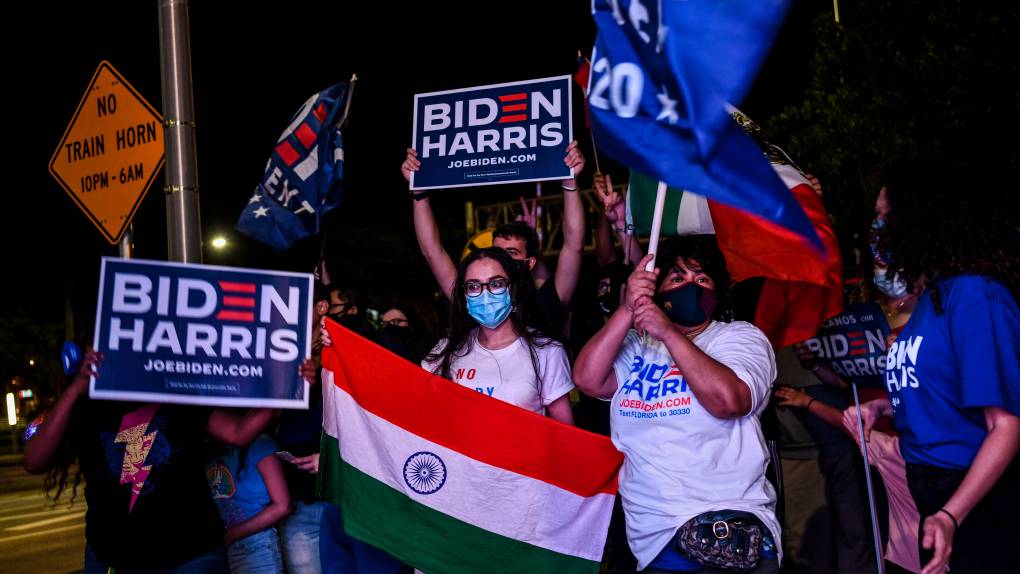
"caption": "A supporter (C) holds a national flag of India as she attends a watch party of US President-elect Joe Biden and Vice President-elect Kamala Harris as they deliver remarks in Miami on November 7, 2020, after they were declared the winners of the presidential election.",
"description": null,
"title": "US-VOTE-BIDEN",
"credit": "Chandan Khanna/Getty Images",
"status": "inherit",
"isLoading": false,
"fetchFailed": false
},
"news_11846565": {
"type": "attachments",
"id": "news_11846565",
"meta": {
"index": "attachments_1716263798",
"site": "news",
"id": "11846565",
"found": true
},
"parent": 11846562,
"imgSizes": {
"apple_news_ca_landscape_5_5": {
"file": "https://ww2.kqed.org/app/uploads/sites/10/2020/11/alexlee_horizontal-copy-1044x783.jpg",
"width": 1044,
"mimeType": "image/jpeg",
"height": 783
},
"apple_news_ca_square_4_0": {
"file": "https://ww2.kqed.org/app/uploads/sites/10/2020/11/alexlee_horizontal-copy-470x470.jpg",
"width": 470,
"mimeType": "image/jpeg",
"height": 470
},
"twentyfourteen-full-width": {
"file": "https://ww2.kqed.org/app/uploads/sites/10/2020/11/alexlee_horizontal-copy-1038x576.jpg",
"width": 1038,
"mimeType": "image/jpeg",
"height": 576
},
"thumbnail": {
"file": "https://ww2.kqed.org/app/uploads/sites/10/2020/11/alexlee_horizontal-copy-160x90.jpg",
"width": 160,
"mimeType": "image/jpeg",
"height": 90
},
"post-thumbnail": {
"file": "https://ww2.kqed.org/app/uploads/sites/10/2020/11/alexlee_horizontal-copy-672x372.jpg",
"width": 672,
"mimeType": "image/jpeg",
"height": 372
},
"kqedFullSize": {
"file": "https://ww2.kqed.org/app/uploads/sites/10/2020/11/alexlee_horizontal-copy-scaled.jpg",
"width": 2560,
"height": 1440
},
"2048x2048": {
"file": "https://ww2.kqed.org/app/uploads/sites/10/2020/11/alexlee_horizontal-copy-2048x1152.jpg",
"width": 2048,
"mimeType": "image/jpeg",
"height": 1152
},
"apple_news_ca_landscape_4_7": {
"file": "https://ww2.kqed.org/app/uploads/sites/10/2020/11/alexlee_horizontal-copy-632x474.jpg",
"width": 632,
"mimeType": "image/jpeg",
"height": 474
},
"large": {
"file": "https://ww2.kqed.org/app/uploads/sites/10/2020/11/alexlee_horizontal-copy-1020x574.jpg",
"width": 1020,
"mimeType": "image/jpeg",
"height": 574
},
"apple_news_ca_landscape_4_0": {
"file": "https://ww2.kqed.org/app/uploads/sites/10/2020/11/alexlee_horizontal-copy-536x402.jpg",
"width": 536,
"mimeType": "image/jpeg",
"height": 402
},
"apple_news_ca_portrait_12_9": {
"file": "https://ww2.kqed.org/app/uploads/sites/10/2020/11/alexlee_horizontal-copy-1122x1496.jpg",
"width": 1122,
"mimeType": "image/jpeg",
"height": 1496
},
"medium": {
"file": "https://ww2.kqed.org/app/uploads/sites/10/2020/11/alexlee_horizontal-copy-800x450.jpg",
"width": 800,
"mimeType": "image/jpeg",
"height": 450
},
"apple_news_ca_portrait_4_0": {
"file": "https://ww2.kqed.org/app/uploads/sites/10/2020/11/alexlee_horizontal-copy-354x472.jpg",
"width": 354,
"mimeType": "image/jpeg",
"height": 472
},
"apple_news_ca_portrait_9_7": {
"file": "https://ww2.kqed.org/app/uploads/sites/10/2020/11/alexlee_horizontal-copy-840x1120.jpg",
"width": 840,
"mimeType": "image/jpeg",
"height": 1120
},
"apple_news_ca_landscape_12_9": {
"file": "https://ww2.kqed.org/app/uploads/sites/10/2020/11/alexlee_horizontal-copy-1832x1374.jpg",
"width": 1832,
"mimeType": "image/jpeg",
"height": 1374
},
"apple_news_ca_square_9_7": {
"file": "https://ww2.kqed.org/app/uploads/sites/10/2020/11/alexlee_horizontal-copy-1104x1104.jpg",
"width": 1104,
"mimeType": "image/jpeg",
"height": 1104
},
"1536x1536": {
"file": "https://ww2.kqed.org/app/uploads/sites/10/2020/11/alexlee_horizontal-copy-1536x864.jpg",
"width": 1536,
"mimeType": "image/jpeg",
"height": 864
},
"apple_news_ca_portrait_4_7": {
"file": "https://ww2.kqed.org/app/uploads/sites/10/2020/11/alexlee_horizontal-copy-414x552.jpg",
"width": 414,
"mimeType": "image/jpeg",
"height": 552
},
"apple_news_ca_square_12_9": {
"file": "https://ww2.kqed.org/app/uploads/sites/10/2020/11/alexlee_horizontal-copy-1472x1472.jpg",
"width": 1472,
"mimeType": "image/jpeg",
"height": 1472
},
"apple_news_ca_portrait_5_5": {
"file": "https://ww2.kqed.org/app/uploads/sites/10/2020/11/alexlee_horizontal-copy-687x916.jpg",
"width": 687,
"mimeType": "image/jpeg",
"height": 916
},
"full-width": {
"file": "https://ww2.kqed.org/app/uploads/sites/10/2020/11/alexlee_horizontal-copy-1920x1080.jpg",
"width": 1920,
"mimeType": "image/jpeg",
"height": 1080
},
"apple_news_ca_square_4_7": {
"file": "https://ww2.kqed.org/app/uploads/sites/10/2020/11/alexlee_horizontal-copy-550x550.jpg",
"width": 550,
"mimeType": "image/jpeg",
"height": 550
},
"apple_news_ca_landscape_9_7": {
"file": "https://ww2.kqed.org/app/uploads/sites/10/2020/11/alexlee_horizontal-copy-1376x1032.jpg",
"width": 1376,
"mimeType": "image/jpeg",
"height": 1032
},
"apple_news_ca_square_5_5": {
"file": "https://ww2.kqed.org/app/uploads/sites/10/2020/11/alexlee_horizontal-copy-912x912.jpg",
"width": 912,
"mimeType": "image/jpeg",
"height": 912
}
},
"publishDate": 1604870755,
"modified": 1626741908,
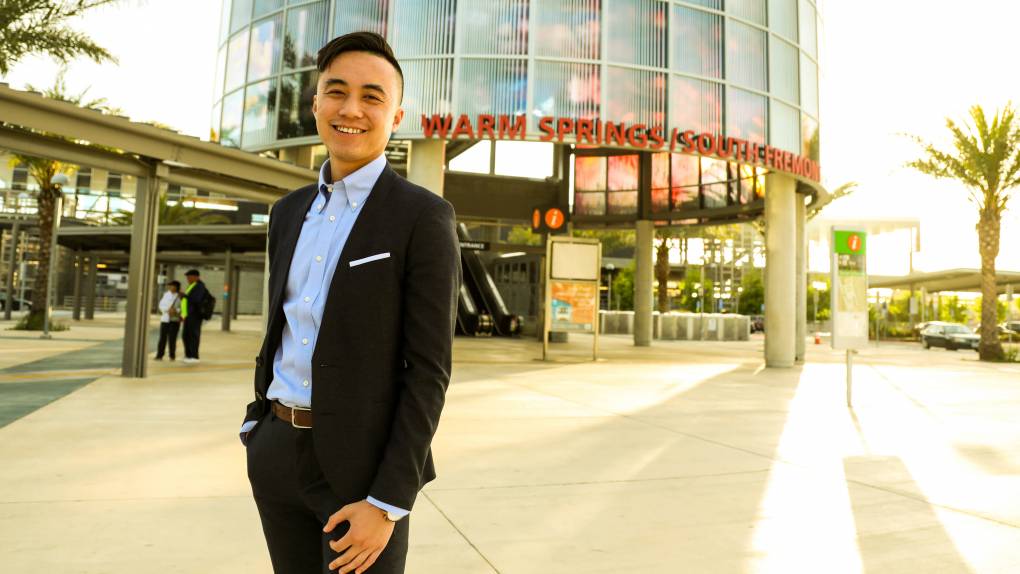
"caption": "Alex Lee is the youngest\nAsian American, first openly bisexual, and first Gen-Z Legislator in the California Legislature.",
"description": null,
"title": "alexlee_horizontal copy",
"credit": "Courtesy of Alex Lee ",
"status": "inherit",
"altTag": null,
"isLoading": false,
"fetchFailed": false
},
"news_11846454": {
"type": "attachments",
"id": "news_11846454",
"meta": {
"index": "attachments_1716263798",
"site": "news",
"id": "11846454",
"found": true
},
"parent": 11846444,
"imgSizes": {
"apple_news_ca_square_4_0": {
"file": "https://ww2.kqed.org/app/uploads/sites/10/2020/11/1920GettyImages-1229461627-470x470.jpg",
"width": 470,
"mimeType": "image/jpeg",
"height": 470
},
"thumbnail": {
"file": "https://ww2.kqed.org/app/uploads/sites/10/2020/11/1920GettyImages-1229461627-160x90.jpg",
"width": 160,
"mimeType": "image/jpeg",
"height": 90
},
"post-thumbnail": {
"file": "https://ww2.kqed.org/app/uploads/sites/10/2020/11/1920GettyImages-1229461627-672x372.jpg",
"width": 672,
"mimeType": "image/jpeg",
"height": 372
},
"kqedFullSize": {
"file": "https://ww2.kqed.org/app/uploads/sites/10/2020/11/1920GettyImages-1229461627.jpg",
"width": 997,
"height": 561
},
"apple_news_ca_landscape_4_7": {
"file": "https://ww2.kqed.org/app/uploads/sites/10/2020/11/1920GettyImages-1229461627-632x474.jpg",
"width": 632,
"mimeType": "image/jpeg",
"height": 474
},
"apple_news_ca_landscape_4_0": {
"file": "https://ww2.kqed.org/app/uploads/sites/10/2020/11/1920GettyImages-1229461627-536x402.jpg",
"width": 536,
"mimeType": "image/jpeg",
"height": 402
},
"medium": {
"file": "https://ww2.kqed.org/app/uploads/sites/10/2020/11/1920GettyImages-1229461627-800x450.jpg",
"width": 800,
"mimeType": "image/jpeg",
"height": 450
},
"apple_news_ca_portrait_4_0": {
"file": "https://ww2.kqed.org/app/uploads/sites/10/2020/11/1920GettyImages-1229461627-354x472.jpg",
"width": 354,
"mimeType": "image/jpeg",
"height": 472
},
"apple_news_ca_portrait_9_7": {
"file": "https://ww2.kqed.org/app/uploads/sites/10/2020/11/1920GettyImages-1229461627-840x561.jpg",
"width": 840,
"mimeType": "image/jpeg",
"height": 561
},
"apple_news_ca_portrait_4_7": {
"file": "https://ww2.kqed.org/app/uploads/sites/10/2020/11/1920GettyImages-1229461627-414x552.jpg",
"width": 414,
"mimeType": "image/jpeg",
"height": 552
},
"apple_news_ca_portrait_5_5": {
"file": "https://ww2.kqed.org/app/uploads/sites/10/2020/11/1920GettyImages-1229461627-687x561.jpg",
"width": 687,
"mimeType": "image/jpeg",
"height": 561
},
"apple_news_ca_square_4_7": {
"file": "https://ww2.kqed.org/app/uploads/sites/10/2020/11/1920GettyImages-1229461627-550x550.jpg",
"width": 550,
"mimeType": "image/jpeg",
"height": 550
},
"apple_news_ca_square_5_5": {
"file": "https://ww2.kqed.org/app/uploads/sites/10/2020/11/1920GettyImages-1229461627-912x561.jpg",
"width": 912,
"mimeType": "image/jpeg",
"height": 561
}
},
"publishDate": 1604768962,
"modified": 1604769011,
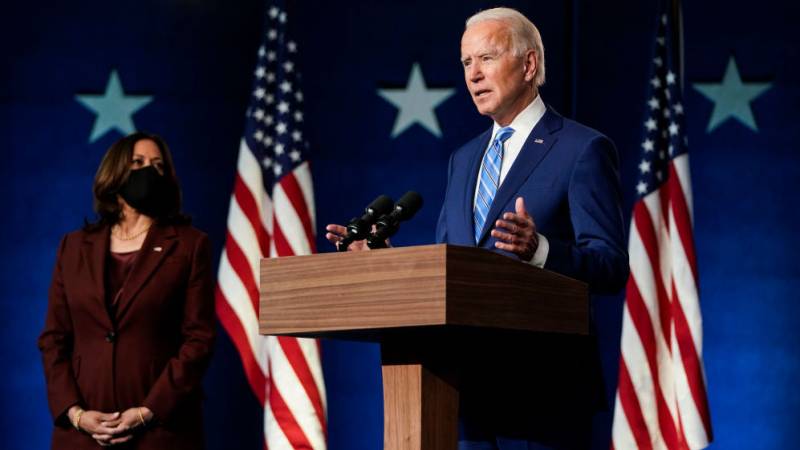
"caption": "Joe Biden, joined by vice presidential nominee Kamala Harris (L), speaks one day after America voted in the presidential election, on November 04, 2020 in Wilmington, Delaware. Biden spoke as votes are still being counted in his tight race against incumbent U.S. President Donald Trump which remains too close to call.",
"description": null,
"title": "Democratic Presidential Nominee Joe Biden Speaks To The Press Day After Election Day, As Results Still Await",
"credit": "Drew Angerer/Getty Images",
"status": "inherit",
"isLoading": false,
"fetchFailed": false
},
"news_11846037": {
"type": "attachments",
"id": "news_11846037",
"meta": {
"index": "attachments_1716263798",
"site": "news",
"id": "11846037",
"found": true
},
"parent": 11845298,
"imgSizes": {
"apple_news_ca_landscape_5_5": {
"file": "https://ww2.kqed.org/app/uploads/sites/10/2021/11/Kamala-Harris-1044x783.jpg",
"width": 1044,
"mimeType": "image/jpeg",
"height": 783
},
"apple_news_ca_square_4_0": {
"file": "https://ww2.kqed.org/app/uploads/sites/10/2021/11/Kamala-Harris-470x470.jpg",
"width": 470,
"mimeType": "image/jpeg",
"height": 470
},
"twentyfourteen-full-width": {
"file": "https://ww2.kqed.org/app/uploads/sites/10/2021/11/Kamala-Harris-1038x576.jpg",
"width": 1038,
"mimeType": "image/jpeg",
"height": 576
},
"thumbnail": {
"file": "https://ww2.kqed.org/app/uploads/sites/10/2021/11/Kamala-Harris-160x107.jpg",
"width": 160,
"mimeType": "image/jpeg",
"height": 107
},
"post-thumbnail": {
"file": "https://ww2.kqed.org/app/uploads/sites/10/2021/11/Kamala-Harris-672x372.jpg",
"width": 672,
"mimeType": "image/jpeg",
"height": 372
},
"kqedFullSize": {
"file": "https://ww2.kqed.org/app/uploads/sites/10/2021/11/Kamala-Harris.jpg",
"width": 1920,
"height": 1280
},
"apple_news_ca_landscape_4_7": {
"file": "https://ww2.kqed.org/app/uploads/sites/10/2021/11/Kamala-Harris-632x474.jpg",
"width": 632,
"mimeType": "image/jpeg",
"height": 474
},
"large": {
"file": "https://ww2.kqed.org/app/uploads/sites/10/2021/11/Kamala-Harris-1020x680.jpg",
"width": 1020,
"mimeType": "image/jpeg",
"height": 680
},
"apple_news_ca_landscape_4_0": {
"file": "https://ww2.kqed.org/app/uploads/sites/10/2021/11/Kamala-Harris-536x402.jpg",
"width": 536,
"mimeType": "image/jpeg",
"height": 402
},
"apple_news_ca_portrait_12_9": {
"file": "https://ww2.kqed.org/app/uploads/sites/10/2021/11/Kamala-Harris-1122x1280.jpg",
"width": 1122,
"mimeType": "image/jpeg",
"height": 1280
},
"medium": {
"file": "https://ww2.kqed.org/app/uploads/sites/10/2021/11/Kamala-Harris-800x533.jpg",
"width": 800,
"mimeType": "image/jpeg",
"height": 533
},
"apple_news_ca_portrait_4_0": {
"file": "https://ww2.kqed.org/app/uploads/sites/10/2021/11/Kamala-Harris-354x472.jpg",
"width": 354,
"mimeType": "image/jpeg",
"height": 472
},
"apple_news_ca_portrait_9_7": {
"file": "https://ww2.kqed.org/app/uploads/sites/10/2021/11/Kamala-Harris-840x1120.jpg",
"width": 840,
"mimeType": "image/jpeg",
"height": 1120
},
"apple_news_ca_landscape_12_9": {
"file": "https://ww2.kqed.org/app/uploads/sites/10/2021/11/Kamala-Harris-1832x1280.jpg",
"width": 1832,
"mimeType": "image/jpeg",
"height": 1280
},
"apple_news_ca_square_9_7": {
"file": "https://ww2.kqed.org/app/uploads/sites/10/2021/11/Kamala-Harris-1104x1104.jpg",
"width": 1104,
"mimeType": "image/jpeg",
"height": 1104
},
"1536x1536": {
"file": "https://ww2.kqed.org/app/uploads/sites/10/2021/11/Kamala-Harris-1536x1024.jpg",
"width": 1536,
"mimeType": "image/jpeg",
"height": 1024
},
"apple_news_ca_portrait_4_7": {
"file": "https://ww2.kqed.org/app/uploads/sites/10/2021/11/Kamala-Harris-414x552.jpg",
"width": 414,
"mimeType": "image/jpeg",
"height": 552
},
"apple_news_ca_square_12_9": {
"file": "https://ww2.kqed.org/app/uploads/sites/10/2021/11/Kamala-Harris-1472x1280.jpg",
"width": 1472,
"mimeType": "image/jpeg",
"height": 1280
},
"apple_news_ca_portrait_5_5": {
"file": "https://ww2.kqed.org/app/uploads/sites/10/2021/11/Kamala-Harris-687x916.jpg",
"width": 687,
"mimeType": "image/jpeg",
"height": 916
},
"apple_news_ca_square_4_7": {
"file": "https://ww2.kqed.org/app/uploads/sites/10/2021/11/Kamala-Harris-550x550.jpg",
"width": 550,
"mimeType": "image/jpeg",
"height": 550
},
"apple_news_ca_landscape_9_7": {
"file": "https://ww2.kqed.org/app/uploads/sites/10/2021/11/Kamala-Harris-1376x1032.jpg",
"width": 1376,
"mimeType": "image/jpeg",
"height": 1032
},
"apple_news_ca_square_5_5": {
"file": "https://ww2.kqed.org/app/uploads/sites/10/2021/11/Kamala-Harris-912x912.jpg",
"width": 912,
"mimeType": "image/jpeg",
"height": 912
}
},
"publishDate": 1604619235,
"modified": 1604619326,
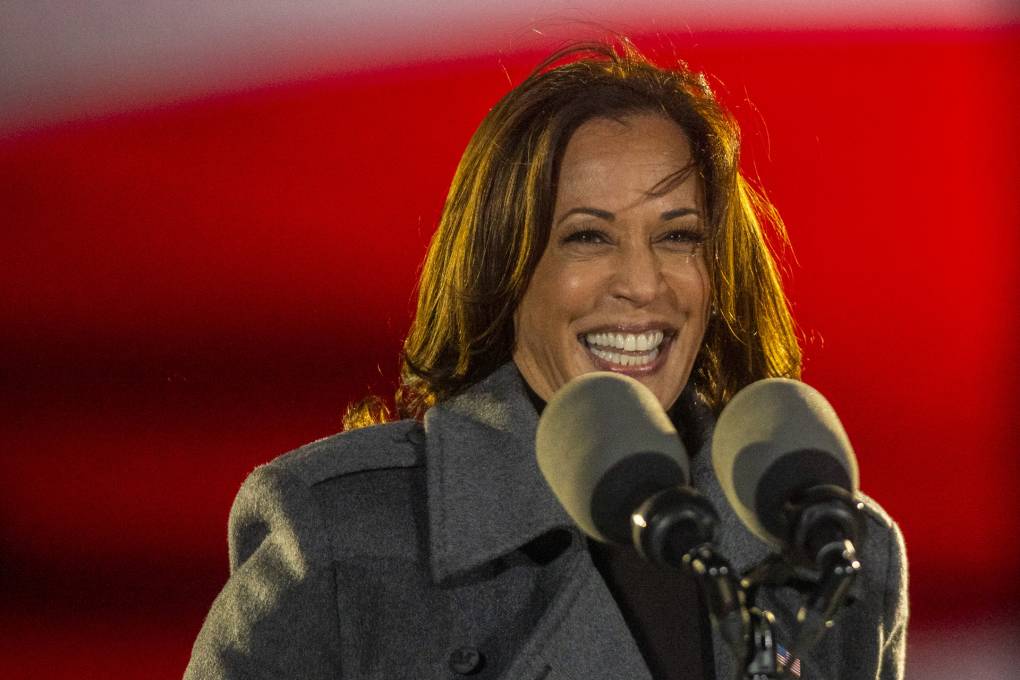
"caption": "Vice President-Elect Kamala Harris at a Philadelphia rally on Nov. 2, 2020.",
"description": "Vice President-Elect Kamala Harris at a Philadelphia rally on Nov. 2, 2020.",
"title": "Kamala Harris Campaigns In Pennsylvania On Eve Of Election Day",
"credit": "Mark Makela/Getty Images",
"status": "inherit",
"isLoading": false,
"fetchFailed": false
},
"news_11846411": {
"type": "attachments",
"id": "news_11846411",
"meta": {
"index": "attachments_1716263798",
"site": "news",
"id": "11846411",
"found": true
},
"parent": 11846253,
"imgSizes": {
"apple_news_ca_landscape_5_5": {
"file": "https://ww2.kqed.org/app/uploads/sites/10/2020/11/RS45751_029_KQED_SanFrancisco_CountEveryVoteMural_11062020-qut-1044x783.jpg",
"width": 1044,
"mimeType": "image/jpeg",
"height": 783
},
"apple_news_ca_square_4_0": {
"file": "https://ww2.kqed.org/app/uploads/sites/10/2020/11/RS45751_029_KQED_SanFrancisco_CountEveryVoteMural_11062020-qut-470x470.jpg",
"width": 470,
"mimeType": "image/jpeg",
"height": 470
},
"twentyfourteen-full-width": {
"file": "https://ww2.kqed.org/app/uploads/sites/10/2020/11/RS45751_029_KQED_SanFrancisco_CountEveryVoteMural_11062020-qut-1038x576.jpg",
"width": 1038,
"mimeType": "image/jpeg",
"height": 576
},
"thumbnail": {
"file": "https://ww2.kqed.org/app/uploads/sites/10/2020/11/RS45751_029_KQED_SanFrancisco_CountEveryVoteMural_11062020-qut-160x107.jpg",
"width": 160,
"mimeType": "image/jpeg",
"height": 107
},
"post-thumbnail": {
"file": "https://ww2.kqed.org/app/uploads/sites/10/2020/11/RS45751_029_KQED_SanFrancisco_CountEveryVoteMural_11062020-qut-672x372.jpg",
"width": 672,
"mimeType": "image/jpeg",
"height": 372
},
"kqedFullSize": {
"file": "https://ww2.kqed.org/app/uploads/sites/10/2020/11/RS45751_029_KQED_SanFrancisco_CountEveryVoteMural_11062020-qut.jpg",
"width": 1920,
"height": 1280
},
"apple_news_ca_landscape_4_7": {
"file": "https://ww2.kqed.org/app/uploads/sites/10/2020/11/RS45751_029_KQED_SanFrancisco_CountEveryVoteMural_11062020-qut-632x474.jpg",
"width": 632,
"mimeType": "image/jpeg",
"height": 474
},
"large": {
"file": "https://ww2.kqed.org/app/uploads/sites/10/2020/11/RS45751_029_KQED_SanFrancisco_CountEveryVoteMural_11062020-qut-1020x680.jpg",
"width": 1020,
"mimeType": "image/jpeg",
"height": 680
},
"apple_news_ca_landscape_4_0": {
"file": "https://ww2.kqed.org/app/uploads/sites/10/2020/11/RS45751_029_KQED_SanFrancisco_CountEveryVoteMural_11062020-qut-536x402.jpg",
"width": 536,
"mimeType": "image/jpeg",
"height": 402
},
"apple_news_ca_portrait_12_9": {
"file": "https://ww2.kqed.org/app/uploads/sites/10/2020/11/RS45751_029_KQED_SanFrancisco_CountEveryVoteMural_11062020-qut-1122x1280.jpg",
"width": 1122,
"mimeType": "image/jpeg",
"height": 1280
},
"medium": {
"file": "https://ww2.kqed.org/app/uploads/sites/10/2020/11/RS45751_029_KQED_SanFrancisco_CountEveryVoteMural_11062020-qut-800x533.jpg",
"width": 800,
"mimeType": "image/jpeg",
"height": 533
},
"apple_news_ca_portrait_4_0": {
"file": "https://ww2.kqed.org/app/uploads/sites/10/2020/11/RS45751_029_KQED_SanFrancisco_CountEveryVoteMural_11062020-qut-354x472.jpg",
"width": 354,
"mimeType": "image/jpeg",
"height": 472
},
"apple_news_ca_portrait_9_7": {
"file": "https://ww2.kqed.org/app/uploads/sites/10/2020/11/RS45751_029_KQED_SanFrancisco_CountEveryVoteMural_11062020-qut-840x1120.jpg",
"width": 840,
"mimeType": "image/jpeg",
"height": 1120
},
"apple_news_ca_landscape_12_9": {
"file": "https://ww2.kqed.org/app/uploads/sites/10/2020/11/RS45751_029_KQED_SanFrancisco_CountEveryVoteMural_11062020-qut-1832x1280.jpg",
"width": 1832,
"mimeType": "image/jpeg",
"height": 1280
},
"apple_news_ca_square_9_7": {
"file": "https://ww2.kqed.org/app/uploads/sites/10/2020/11/RS45751_029_KQED_SanFrancisco_CountEveryVoteMural_11062020-qut-1104x1104.jpg",
"width": 1104,
"mimeType": "image/jpeg",
"height": 1104
},
"1536x1536": {
"file": "https://ww2.kqed.org/app/uploads/sites/10/2020/11/RS45751_029_KQED_SanFrancisco_CountEveryVoteMural_11062020-qut-1536x1024.jpg",
"width": 1536,
"mimeType": "image/jpeg",
"height": 1024
},
"apple_news_ca_portrait_4_7": {
"file": "https://ww2.kqed.org/app/uploads/sites/10/2020/11/RS45751_029_KQED_SanFrancisco_CountEveryVoteMural_11062020-qut-414x552.jpg",
"width": 414,
"mimeType": "image/jpeg",
"height": 552
},
"apple_news_ca_square_12_9": {
"file": "https://ww2.kqed.org/app/uploads/sites/10/2020/11/RS45751_029_KQED_SanFrancisco_CountEveryVoteMural_11062020-qut-1472x1280.jpg",
"width": 1472,
"mimeType": "image/jpeg",
"height": 1280
},
"apple_news_ca_portrait_5_5": {
"file": "https://ww2.kqed.org/app/uploads/sites/10/2020/11/RS45751_029_KQED_SanFrancisco_CountEveryVoteMural_11062020-qut-687x916.jpg",
"width": 687,
"mimeType": "image/jpeg",
"height": 916
},
"apple_news_ca_square_4_7": {
"file": "https://ww2.kqed.org/app/uploads/sites/10/2020/11/RS45751_029_KQED_SanFrancisco_CountEveryVoteMural_11062020-qut-550x550.jpg",
"width": 550,
"mimeType": "image/jpeg",
"height": 550
},
"apple_news_ca_landscape_9_7": {
"file": "https://ww2.kqed.org/app/uploads/sites/10/2020/11/RS45751_029_KQED_SanFrancisco_CountEveryVoteMural_11062020-qut-1376x1032.jpg",
"width": 1376,
"mimeType": "image/jpeg",
"height": 1032
},
"apple_news_ca_square_5_5": {
"file": "https://ww2.kqed.org/app/uploads/sites/10/2020/11/RS45751_029_KQED_SanFrancisco_CountEveryVoteMural_11062020-qut-912x912.jpg",
"width": 912,
"mimeType": "image/jpeg",
"height": 912
}
},
"publishDate": 1604711053,
"modified": 1604712768,
"caption": "Two children help paint a mural that says 'Count Every Vote' on the pavement of Montgomery Street in San Francisco on Nov. 6, 2020.",
"description": "Two children help paint a mural that says 'Count Every Vote' on the pavement of Montgomery Street in San Francisco on Nov. 6, 2020.",
"title": "RS45751_029_KQED_SanFrancisco_CountEveryVoteMural_11062020-qut",
"credit": "Beth LaBerge/KQED",
"status": "inherit",
"isLoading": false,
"fetchFailed": false
},
"news_11846424": {
"type": "attachments",
"id": "news_11846424",
"meta": {
"index": "attachments_1716263798",
"site": "news",
"id": "11846424",
"found": true
},
"parent": 11846363,
"imgSizes": {
"apple_news_ca_landscape_5_5": {
"file": "https://ww2.kqed.org/app/uploads/sites/10/2020/11/MARQUEE-806_1-1044x720.jpg",
"width": 1044,
"mimeType": "image/jpeg",
"height": 720
},
"apple_news_ca_square_4_0": {
"file": "https://ww2.kqed.org/app/uploads/sites/10/2020/11/MARQUEE-806_1-470x470.jpg",
"width": 470,
"mimeType": "image/jpeg",
"height": 470
},
"twentyfourteen-full-width": {
"file": "https://ww2.kqed.org/app/uploads/sites/10/2020/11/MARQUEE-806_1-1038x576.jpg",
"width": 1038,
"mimeType": "image/jpeg",
"height": 576
},
"thumbnail": {
"file": "https://ww2.kqed.org/app/uploads/sites/10/2020/11/MARQUEE-806_1-160x90.jpg",
"width": 160,
"mimeType": "image/jpeg",
"height": 90
},
"post-thumbnail": {
"file": "https://ww2.kqed.org/app/uploads/sites/10/2020/11/MARQUEE-806_1-672x372.jpg",
"width": 672,
"mimeType": "image/jpeg",
"height": 372
},
"kqedFullSize": {
"file": "https://ww2.kqed.org/app/uploads/sites/10/2020/11/MARQUEE-806_1.jpg",
"width": 1280,
"height": 720
},
"apple_news_ca_landscape_4_7": {
"file": "https://ww2.kqed.org/app/uploads/sites/10/2020/11/MARQUEE-806_1-632x474.jpg",
"width": 632,
"mimeType": "image/jpeg",
"height": 474
},
"large": {
"file": "https://ww2.kqed.org/app/uploads/sites/10/2020/11/MARQUEE-806_1-1020x574.jpg",
"width": 1020,
"mimeType": "image/jpeg",
"height": 574
},
"apple_news_ca_landscape_4_0": {
"file": "https://ww2.kqed.org/app/uploads/sites/10/2020/11/MARQUEE-806_1-536x402.jpg",
"width": 536,
"mimeType": "image/jpeg",
"height": 402
},
"apple_news_ca_portrait_12_9": {
"file": "https://ww2.kqed.org/app/uploads/sites/10/2020/11/MARQUEE-806_1-1122x720.jpg",
"width": 1122,
"mimeType": "image/jpeg",
"height": 720
},
"medium": {
"file": "https://ww2.kqed.org/app/uploads/sites/10/2020/11/MARQUEE-806_1-800x450.jpg",
"width": 800,
"mimeType": "image/jpeg",
"height": 450
},
"apple_news_ca_portrait_4_0": {
"file": "https://ww2.kqed.org/app/uploads/sites/10/2020/11/MARQUEE-806_1-354x472.jpg",
"width": 354,
"mimeType": "image/jpeg",
"height": 472
},
"apple_news_ca_portrait_9_7": {
"file": "https://ww2.kqed.org/app/uploads/sites/10/2020/11/MARQUEE-806_1-840x720.jpg",
"width": 840,
"mimeType": "image/jpeg",
"height": 720
},
"apple_news_ca_square_9_7": {
"file": "https://ww2.kqed.org/app/uploads/sites/10/2020/11/MARQUEE-806_1-1104x720.jpg",
"width": 1104,
"mimeType": "image/jpeg",
"height": 720
},
"apple_news_ca_portrait_4_7": {
"file": "https://ww2.kqed.org/app/uploads/sites/10/2020/11/MARQUEE-806_1-414x552.jpg",
"width": 414,
"mimeType": "image/jpeg",
"height": 552
},
"apple_news_ca_portrait_5_5": {
"file": "https://ww2.kqed.org/app/uploads/sites/10/2020/11/MARQUEE-806_1-687x720.jpg",
"width": 687,
"mimeType": "image/jpeg",
"height": 720
},
"apple_news_ca_square_4_7": {
"file": "https://ww2.kqed.org/app/uploads/sites/10/2020/11/MARQUEE-806_1-550x550.jpg",
"width": 550,
"mimeType": "image/jpeg",
"height": 550
},
"apple_news_ca_square_5_5": {
"file": "https://ww2.kqed.org/app/uploads/sites/10/2020/11/MARQUEE-806_1-912x720.jpg",
"width": 912,
"mimeType": "image/jpeg",
"height": 720
}
},
"publishDate": 1604714282,
"modified": 1604714282,
"caption": null,
"description": null,
"title": "MARQUEE 806_1",
"credit": null,
"status": "inherit",
"isLoading": false,
"fetchFailed": false
},
"news_11846107": {
"type": "attachments",
"id": "news_11846107",
"meta": {
"index": "attachments_1716263798",
"site": "news",
"id": "11846107",
"found": true
},
"parent": 11846100,
"imgSizes": {
"apple_news_ca_landscape_5_5": {
"file": "https://ww2.kqed.org/app/uploads/sites/10/2020/11/RS45469_017_KQED_Oakland_RegistrarofVoters_10272020-qut-1044x783.jpg",
"width": 1044,
"mimeType": "image/jpeg",
"height": 783
},
"apple_news_ca_square_4_0": {
"file": "https://ww2.kqed.org/app/uploads/sites/10/2020/11/RS45469_017_KQED_Oakland_RegistrarofVoters_10272020-qut-470x470.jpg",
"width": 470,
"mimeType": "image/jpeg",
"height": 470
},
"twentyfourteen-full-width": {
"file": "https://ww2.kqed.org/app/uploads/sites/10/2020/11/RS45469_017_KQED_Oakland_RegistrarofVoters_10272020-qut-1038x576.jpg",
"width": 1038,
"mimeType": "image/jpeg",
"height": 576
},
"thumbnail": {
"file": "https://ww2.kqed.org/app/uploads/sites/10/2020/11/RS45469_017_KQED_Oakland_RegistrarofVoters_10272020-qut-160x107.jpg",
"width": 160,
"mimeType": "image/jpeg",
"height": 107
},
"post-thumbnail": {
"file": "https://ww2.kqed.org/app/uploads/sites/10/2020/11/RS45469_017_KQED_Oakland_RegistrarofVoters_10272020-qut-672x372.jpg",
"width": 672,
"mimeType": "image/jpeg",
"height": 372
},
"kqedFullSize": {
"file": "https://ww2.kqed.org/app/uploads/sites/10/2020/11/RS45469_017_KQED_Oakland_RegistrarofVoters_10272020-qut.jpg",
"width": 1920,
"height": 1280
},
"apple_news_ca_landscape_4_7": {
"file": "https://ww2.kqed.org/app/uploads/sites/10/2020/11/RS45469_017_KQED_Oakland_RegistrarofVoters_10272020-qut-632x474.jpg",
"width": 632,
"mimeType": "image/jpeg",
"height": 474
},
"large": {
"file": "https://ww2.kqed.org/app/uploads/sites/10/2020/11/RS45469_017_KQED_Oakland_RegistrarofVoters_10272020-qut-1020x680.jpg",
"width": 1020,
"mimeType": "image/jpeg",
"height": 680
},
"apple_news_ca_landscape_4_0": {
"file": "https://ww2.kqed.org/app/uploads/sites/10/2020/11/RS45469_017_KQED_Oakland_RegistrarofVoters_10272020-qut-536x402.jpg",
"width": 536,
"mimeType": "image/jpeg",
"height": 402
},
"apple_news_ca_portrait_12_9": {
"file": "https://ww2.kqed.org/app/uploads/sites/10/2020/11/RS45469_017_KQED_Oakland_RegistrarofVoters_10272020-qut-1122x1280.jpg",
"width": 1122,
"mimeType": "image/jpeg",
"height": 1280
},
"medium": {
"file": "https://ww2.kqed.org/app/uploads/sites/10/2020/11/RS45469_017_KQED_Oakland_RegistrarofVoters_10272020-qut-800x533.jpg",
"width": 800,
"mimeType": "image/jpeg",
"height": 533
},
"apple_news_ca_portrait_4_0": {
"file": "https://ww2.kqed.org/app/uploads/sites/10/2020/11/RS45469_017_KQED_Oakland_RegistrarofVoters_10272020-qut-354x472.jpg",
"width": 354,
"mimeType": "image/jpeg",
"height": 472
},
"apple_news_ca_portrait_9_7": {
"file": "https://ww2.kqed.org/app/uploads/sites/10/2020/11/RS45469_017_KQED_Oakland_RegistrarofVoters_10272020-qut-840x1120.jpg",
"width": 840,
"mimeType": "image/jpeg",
"height": 1120
},
"apple_news_ca_landscape_12_9": {
"file": "https://ww2.kqed.org/app/uploads/sites/10/2020/11/RS45469_017_KQED_Oakland_RegistrarofVoters_10272020-qut-1832x1280.jpg",
"width": 1832,
"mimeType": "image/jpeg",
"height": 1280
},
"apple_news_ca_square_9_7": {
"file": "https://ww2.kqed.org/app/uploads/sites/10/2020/11/RS45469_017_KQED_Oakland_RegistrarofVoters_10272020-qut-1104x1104.jpg",
"width": 1104,
"mimeType": "image/jpeg",
"height": 1104
},
"1536x1536": {
"file": "https://ww2.kqed.org/app/uploads/sites/10/2020/11/RS45469_017_KQED_Oakland_RegistrarofVoters_10272020-qut-1536x1024.jpg",
"width": 1536,
"mimeType": "image/jpeg",
"height": 1024
},
"apple_news_ca_portrait_4_7": {
"file": "https://ww2.kqed.org/app/uploads/sites/10/2020/11/RS45469_017_KQED_Oakland_RegistrarofVoters_10272020-qut-414x552.jpg",
"width": 414,
"mimeType": "image/jpeg",
"height": 552
},
"apple_news_ca_square_12_9": {
"file": "https://ww2.kqed.org/app/uploads/sites/10/2020/11/RS45469_017_KQED_Oakland_RegistrarofVoters_10272020-qut-1472x1280.jpg",
"width": 1472,
"mimeType": "image/jpeg",
"height": 1280
},
"apple_news_ca_portrait_5_5": {
"file": "https://ww2.kqed.org/app/uploads/sites/10/2020/11/RS45469_017_KQED_Oakland_RegistrarofVoters_10272020-qut-687x916.jpg",
"width": 687,
"mimeType": "image/jpeg",
"height": 916
},
"apple_news_ca_square_4_7": {
"file": "https://ww2.kqed.org/app/uploads/sites/10/2020/11/RS45469_017_KQED_Oakland_RegistrarofVoters_10272020-qut-550x550.jpg",
"width": 550,
"mimeType": "image/jpeg",
"height": 550
},
"apple_news_ca_landscape_9_7": {
"file": "https://ww2.kqed.org/app/uploads/sites/10/2020/11/RS45469_017_KQED_Oakland_RegistrarofVoters_10272020-qut-1376x1032.jpg",
"width": 1376,
"mimeType": "image/jpeg",
"height": 1032
},
"apple_news_ca_square_5_5": {
"file": "https://ww2.kqed.org/app/uploads/sites/10/2020/11/RS45469_017_KQED_Oakland_RegistrarofVoters_10272020-qut-912x912.jpg",
"width": 912,
"mimeType": "image/jpeg",
"height": 912
}
},
"publishDate": 1604623825,
"modified": 1604623862,
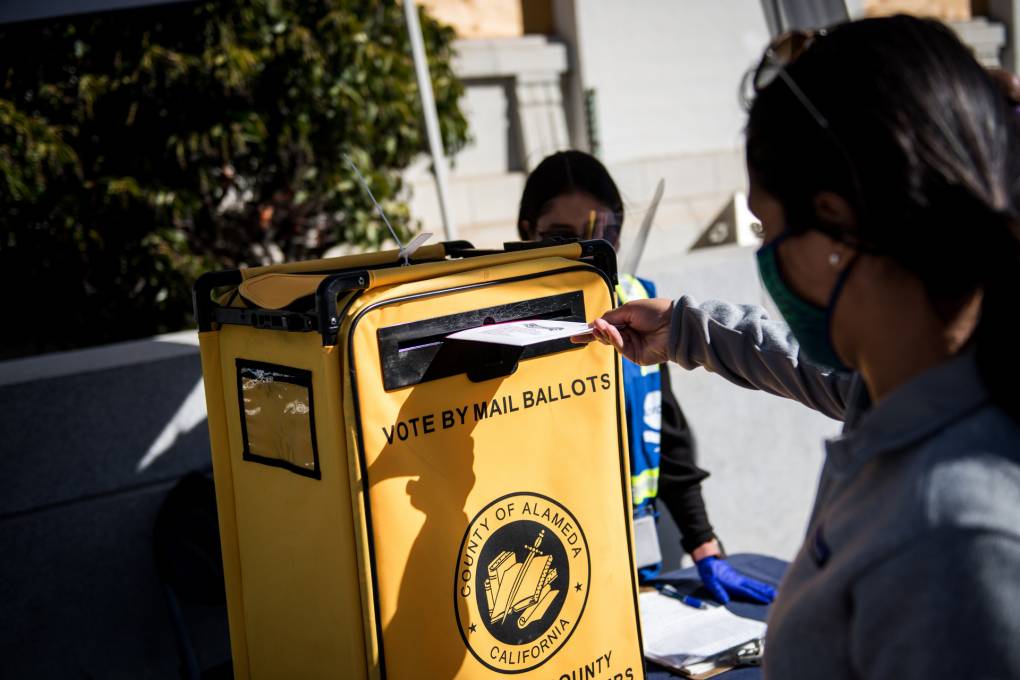
"caption": "A voter drops off their mail-in ballot at the Alameda County Registrar of Voters in Oakland on Oct. 27, 2020.",
"description": null,
"title": "RS45469_017_KQED_Oakland_RegistrarofVoters_10272020-qut",
"credit": "Beth LaBerge/KQED",
"status": "inherit",
"isLoading": false,
"fetchFailed": false
},
"news_11845067": {
"type": "attachments",
"id": "news_11845067",
"meta": {
"index": "attachments_1716263798",
"site": "news",
"id": "11845067",
"found": true
},
"parent": 11845042,
"imgSizes": {
"apple_news_ca_landscape_5_5": {
"file": "https://ww2.kqed.org/app/uploads/sites/10/2020/11/RS45654_023_KQED_Oakland_Coliseum_PollingPlace_10312020-qut-1044x783.jpg",
"width": 1044,
"mimeType": "image/jpeg",
"height": 783
},
"apple_news_ca_square_4_0": {
"file": "https://ww2.kqed.org/app/uploads/sites/10/2020/11/RS45654_023_KQED_Oakland_Coliseum_PollingPlace_10312020-qut-470x470.jpg",
"width": 470,
"mimeType": "image/jpeg",
"height": 470
},
"twentyfourteen-full-width": {
"file": "https://ww2.kqed.org/app/uploads/sites/10/2020/11/RS45654_023_KQED_Oakland_Coliseum_PollingPlace_10312020-qut-1038x576.jpg",
"width": 1038,
"mimeType": "image/jpeg",
"height": 576
},
"thumbnail": {
"file": "https://ww2.kqed.org/app/uploads/sites/10/2020/11/RS45654_023_KQED_Oakland_Coliseum_PollingPlace_10312020-qut-160x107.jpg",
"width": 160,
"mimeType": "image/jpeg",
"height": 107
},
"post-thumbnail": {
"file": "https://ww2.kqed.org/app/uploads/sites/10/2020/11/RS45654_023_KQED_Oakland_Coliseum_PollingPlace_10312020-qut-672x372.jpg",
"width": 672,
"mimeType": "image/jpeg",
"height": 372
},
"kqedFullSize": {
"file": "https://ww2.kqed.org/app/uploads/sites/10/2020/11/RS45654_023_KQED_Oakland_Coliseum_PollingPlace_10312020-qut.jpg",
"width": 1920,
"height": 1280
},
"apple_news_ca_landscape_4_7": {
"file": "https://ww2.kqed.org/app/uploads/sites/10/2020/11/RS45654_023_KQED_Oakland_Coliseum_PollingPlace_10312020-qut-632x474.jpg",
"width": 632,
"mimeType": "image/jpeg",
"height": 474
},
"large": {
"file": "https://ww2.kqed.org/app/uploads/sites/10/2020/11/RS45654_023_KQED_Oakland_Coliseum_PollingPlace_10312020-qut-1020x680.jpg",
"width": 1020,
"mimeType": "image/jpeg",
"height": 680
},
"apple_news_ca_landscape_4_0": {
"file": "https://ww2.kqed.org/app/uploads/sites/10/2020/11/RS45654_023_KQED_Oakland_Coliseum_PollingPlace_10312020-qut-536x402.jpg",
"width": 536,
"mimeType": "image/jpeg",
"height": 402
},
"apple_news_ca_portrait_12_9": {
"file": "https://ww2.kqed.org/app/uploads/sites/10/2020/11/RS45654_023_KQED_Oakland_Coliseum_PollingPlace_10312020-qut-1122x1280.jpg",
"width": 1122,
"mimeType": "image/jpeg",
"height": 1280
},
"medium": {
"file": "https://ww2.kqed.org/app/uploads/sites/10/2020/11/RS45654_023_KQED_Oakland_Coliseum_PollingPlace_10312020-qut-800x533.jpg",
"width": 800,
"mimeType": "image/jpeg",
"height": 533
},
"apple_news_ca_portrait_4_0": {
"file": "https://ww2.kqed.org/app/uploads/sites/10/2020/11/RS45654_023_KQED_Oakland_Coliseum_PollingPlace_10312020-qut-354x472.jpg",
"width": 354,
"mimeType": "image/jpeg",
"height": 472
},
"apple_news_ca_portrait_9_7": {
"file": "https://ww2.kqed.org/app/uploads/sites/10/2020/11/RS45654_023_KQED_Oakland_Coliseum_PollingPlace_10312020-qut-840x1120.jpg",
"width": 840,
"mimeType": "image/jpeg",
"height": 1120
},
"apple_news_ca_landscape_12_9": {
"file": "https://ww2.kqed.org/app/uploads/sites/10/2020/11/RS45654_023_KQED_Oakland_Coliseum_PollingPlace_10312020-qut-1832x1280.jpg",
"width": 1832,
"mimeType": "image/jpeg",
"height": 1280
},
"apple_news_ca_square_9_7": {
"file": "https://ww2.kqed.org/app/uploads/sites/10/2020/11/RS45654_023_KQED_Oakland_Coliseum_PollingPlace_10312020-qut-1104x1104.jpg",
"width": 1104,
"mimeType": "image/jpeg",
"height": 1104
},
"1536x1536": {
"file": "https://ww2.kqed.org/app/uploads/sites/10/2020/11/RS45654_023_KQED_Oakland_Coliseum_PollingPlace_10312020-qut-1536x1024.jpg",
"width": 1536,
"mimeType": "image/jpeg",
"height": 1024
},
"apple_news_ca_portrait_4_7": {
"file": "https://ww2.kqed.org/app/uploads/sites/10/2020/11/RS45654_023_KQED_Oakland_Coliseum_PollingPlace_10312020-qut-414x552.jpg",
"width": 414,
"mimeType": "image/jpeg",
"height": 552
},
"apple_news_ca_square_12_9": {
"file": "https://ww2.kqed.org/app/uploads/sites/10/2020/11/RS45654_023_KQED_Oakland_Coliseum_PollingPlace_10312020-qut-1472x1280.jpg",
"width": 1472,
"mimeType": "image/jpeg",
"height": 1280
},
"apple_news_ca_portrait_5_5": {
"file": "https://ww2.kqed.org/app/uploads/sites/10/2020/11/RS45654_023_KQED_Oakland_Coliseum_PollingPlace_10312020-qut-687x916.jpg",
"width": 687,
"mimeType": "image/jpeg",
"height": 916
},
"apple_news_ca_square_4_7": {
"file": "https://ww2.kqed.org/app/uploads/sites/10/2020/11/RS45654_023_KQED_Oakland_Coliseum_PollingPlace_10312020-qut-550x550.jpg",
"width": 550,
"mimeType": "image/jpeg",
"height": 550
},
"apple_news_ca_landscape_9_7": {
"file": "https://ww2.kqed.org/app/uploads/sites/10/2020/11/RS45654_023_KQED_Oakland_Coliseum_PollingPlace_10312020-qut-1376x1032.jpg",
"width": 1376,
"mimeType": "image/jpeg",
"height": 1032
},
"apple_news_ca_square_5_5": {
"file": "https://ww2.kqed.org/app/uploads/sites/10/2020/11/RS45654_023_KQED_Oakland_Coliseum_PollingPlace_10312020-qut-912x912.jpg",
"width": 912,
"mimeType": "image/jpeg",
"height": 912
}
},
"publishDate": 1604363267,
"modified": 1604363334,
"caption": "Voters are deciding whether some 17-year-olds should be able to vote in the primary. Election worker Robert Steffani, 17, poses for a portrait at the Coliseum official polling place and ballot dropoff location in Oakland on Oct. 31, 2020.",
"description": "Voters are deciding whether some 17-year-olds should be able to vote in the primary. Election worker Robert Steffani, 17, poses for a portrait at the Coliseum official polling place and ballot dropoff location in Oakland on Oct. 31, 2020.",
"title": "RS45654_023_KQED_Oakland_Coliseum_PollingPlace_10312020-qut",
"credit": "Beth LaBerge/KQED",
"status": "inherit",
"isLoading": false,
"fetchFailed": false
},
"news_11846089": {
"type": "attachments",
"id": "news_11846089",
"meta": {
"index": "attachments_1716263798",
"site": "news",
"id": "11846089",
"found": true
},
"parent": 11845935,
"imgSizes": {
"apple_news_ca_square_4_0": {
"file": "https://ww2.kqed.org/app/uploads/sites/10/2020/11/GettyImages-1212731101-1-470x470.jpg",
"width": 470,
"mimeType": "image/jpeg",
"height": 470
},
"thumbnail": {
"file": "https://ww2.kqed.org/app/uploads/sites/10/2020/11/GettyImages-1212731101-1-160x89.jpg",
"width": 160,
"mimeType": "image/jpeg",
"height": 89
},
"post-thumbnail": {
"file": "https://ww2.kqed.org/app/uploads/sites/10/2020/11/GettyImages-1212731101-1-672x372.jpg",
"width": 672,
"mimeType": "image/jpeg",
"height": 372
},
"kqedFullSize": {
"file": "https://ww2.kqed.org/app/uploads/sites/10/2020/11/GettyImages-1212731101-1.jpg",
"width": 1024,
"height": 572
},
"apple_news_ca_landscape_4_7": {
"file": "https://ww2.kqed.org/app/uploads/sites/10/2020/11/GettyImages-1212731101-1-632x474.jpg",
"width": 632,
"mimeType": "image/jpeg",
"height": 474
},
"large": {
"file": "https://ww2.kqed.org/app/uploads/sites/10/2020/11/GettyImages-1212731101-1-1020x570.jpg",
"width": 1020,
"mimeType": "image/jpeg",
"height": 570
},
"apple_news_ca_landscape_4_0": {
"file": "https://ww2.kqed.org/app/uploads/sites/10/2020/11/GettyImages-1212731101-1-536x402.jpg",
"width": 536,
"mimeType": "image/jpeg",
"height": 402
},
"medium": {
"file": "https://ww2.kqed.org/app/uploads/sites/10/2020/11/GettyImages-1212731101-1-800x447.jpg",
"width": 800,
"mimeType": "image/jpeg",
"height": 447
},
"apple_news_ca_portrait_4_0": {
"file": "https://ww2.kqed.org/app/uploads/sites/10/2020/11/GettyImages-1212731101-1-354x472.jpg",
"width": 354,
"mimeType": "image/jpeg",
"height": 472
},
"apple_news_ca_portrait_9_7": {
"file": "https://ww2.kqed.org/app/uploads/sites/10/2020/11/GettyImages-1212731101-1-840x572.jpg",
"width": 840,
"mimeType": "image/jpeg",
"height": 572
},
"apple_news_ca_portrait_4_7": {
"file": "https://ww2.kqed.org/app/uploads/sites/10/2020/11/GettyImages-1212731101-1-414x552.jpg",
"width": 414,
"mimeType": "image/jpeg",
"height": 552
},
"apple_news_ca_portrait_5_5": {
"file": "https://ww2.kqed.org/app/uploads/sites/10/2020/11/GettyImages-1212731101-1-687x572.jpg",
"width": 687,
"mimeType": "image/jpeg",
"height": 572
},
"apple_news_ca_square_4_7": {
"file": "https://ww2.kqed.org/app/uploads/sites/10/2020/11/GettyImages-1212731101-1-550x550.jpg",
"width": 550,
"mimeType": "image/jpeg",
"height": 550
},
"apple_news_ca_square_5_5": {
"file": "https://ww2.kqed.org/app/uploads/sites/10/2020/11/GettyImages-1212731101-1-912x572.jpg",
"width": 912,
"mimeType": "image/jpeg",
"height": 572
}
},
"publishDate": 1604622172,
"modified": 1604622276,
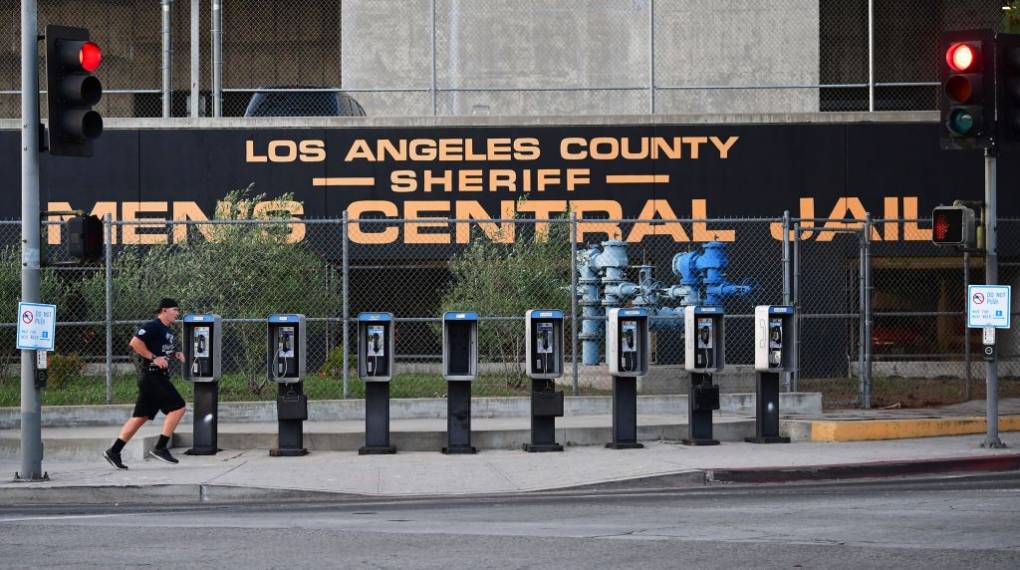
"caption": "A man jogs past a row of telephone booths in front of the Los Angeles County Men's Central Jail on May 11, 2020.",
"description": null,
"title": "US-HEALTH-VIRUS",
"credit": "Frederic J. Brown/AFP via Getty Images",
"status": "inherit",
"isLoading": false,
"fetchFailed": false
},
"news_11845952": {
"type": "attachments",
"id": "news_11845952",
"meta": {
"index": "attachments_1716263798",
"site": "news",
"id": "11845952",
"found": true
},
"parent": 11845943,
"imgSizes": {
"apple_news_ca_landscape_5_5": {
"file": "https://ww2.kqed.org/app/uploads/sites/10/2020/11/Nona-Claypool-1044x783.jpg",
"width": 1044,
"mimeType": "image/jpeg",
"height": 783
},
"apple_news_ca_square_4_0": {
"file": "https://ww2.kqed.org/app/uploads/sites/10/2020/11/Nona-Claypool-470x470.jpg",
"width": 470,
"mimeType": "image/jpeg",
"height": 470
},
"twentyfourteen-full-width": {
"file": "https://ww2.kqed.org/app/uploads/sites/10/2020/11/Nona-Claypool-1038x576.jpg",
"width": 1038,
"mimeType": "image/jpeg",
"height": 576
},
"thumbnail": {
"file": "https://ww2.kqed.org/app/uploads/sites/10/2020/11/Nona-Claypool-160x107.jpg",
"width": 160,
"mimeType": "image/jpeg",
"height": 107
},
"post-thumbnail": {
"file": "https://ww2.kqed.org/app/uploads/sites/10/2020/11/Nona-Claypool-672x372.jpg",
"width": 672,
"mimeType": "image/jpeg",
"height": 372
},
"kqedFullSize": {
"file": "https://ww2.kqed.org/app/uploads/sites/10/2020/11/Nona-Claypool.jpg",
"width": 1920,
"height": 1280
},
"apple_news_ca_landscape_4_7": {
"file": "https://ww2.kqed.org/app/uploads/sites/10/2020/11/Nona-Claypool-632x474.jpg",
"width": 632,
"mimeType": "image/jpeg",
"height": 474
},
"large": {
"file": "https://ww2.kqed.org/app/uploads/sites/10/2020/11/Nona-Claypool-1020x680.jpg",
"width": 1020,
"mimeType": "image/jpeg",
"height": 680
},
"apple_news_ca_landscape_4_0": {
"file": "https://ww2.kqed.org/app/uploads/sites/10/2020/11/Nona-Claypool-536x402.jpg",
"width": 536,
"mimeType": "image/jpeg",
"height": 402
},
"apple_news_ca_portrait_12_9": {
"file": "https://ww2.kqed.org/app/uploads/sites/10/2020/11/Nona-Claypool-1122x1280.jpg",
"width": 1122,
"mimeType": "image/jpeg",
"height": 1280
},
"medium": {
"file": "https://ww2.kqed.org/app/uploads/sites/10/2020/11/Nona-Claypool-800x533.jpg",
"width": 800,
"mimeType": "image/jpeg",
"height": 533
},
"apple_news_ca_portrait_4_0": {
"file": "https://ww2.kqed.org/app/uploads/sites/10/2020/11/Nona-Claypool-354x472.jpg",
"width": 354,
"mimeType": "image/jpeg",
"height": 472
},
"apple_news_ca_portrait_9_7": {
"file": "https://ww2.kqed.org/app/uploads/sites/10/2020/11/Nona-Claypool-840x1120.jpg",
"width": 840,
"mimeType": "image/jpeg",
"height": 1120
},
"apple_news_ca_landscape_12_9": {
"file": "https://ww2.kqed.org/app/uploads/sites/10/2020/11/Nona-Claypool-1832x1280.jpg",
"width": 1832,
"mimeType": "image/jpeg",
"height": 1280
},
"apple_news_ca_square_9_7": {
"file": "https://ww2.kqed.org/app/uploads/sites/10/2020/11/Nona-Claypool-1104x1104.jpg",
"width": 1104,
"mimeType": "image/jpeg",
"height": 1104
},
"1536x1536": {
"file": "https://ww2.kqed.org/app/uploads/sites/10/2020/11/Nona-Claypool-1536x1024.jpg",
"width": 1536,
"mimeType": "image/jpeg",
"height": 1024
},
"apple_news_ca_portrait_4_7": {
"file": "https://ww2.kqed.org/app/uploads/sites/10/2020/11/Nona-Claypool-414x552.jpg",
"width": 414,
"mimeType": "image/jpeg",
"height": 552
},
"apple_news_ca_square_12_9": {
"file": "https://ww2.kqed.org/app/uploads/sites/10/2020/11/Nona-Claypool-1472x1280.jpg",
"width": 1472,
"mimeType": "image/jpeg",
"height": 1280
},
"apple_news_ca_portrait_5_5": {
"file": "https://ww2.kqed.org/app/uploads/sites/10/2020/11/Nona-Claypool-687x916.jpg",
"width": 687,
"mimeType": "image/jpeg",
"height": 916
},
"apple_news_ca_square_4_7": {
"file": "https://ww2.kqed.org/app/uploads/sites/10/2020/11/Nona-Claypool-550x550.jpg",
"width": 550,
"mimeType": "image/jpeg",
"height": 550
},
"apple_news_ca_landscape_9_7": {
"file": "https://ww2.kqed.org/app/uploads/sites/10/2020/11/Nona-Claypool-1376x1032.jpg",
"width": 1376,
"mimeType": "image/jpeg",
"height": 1032
},
"apple_news_ca_square_5_5": {
"file": "https://ww2.kqed.org/app/uploads/sites/10/2020/11/Nona-Claypool-912x912.jpg",
"width": 912,
"mimeType": "image/jpeg",
"height": 912
}
},
"publishDate": 1604609529,
"modified": 1604609616,
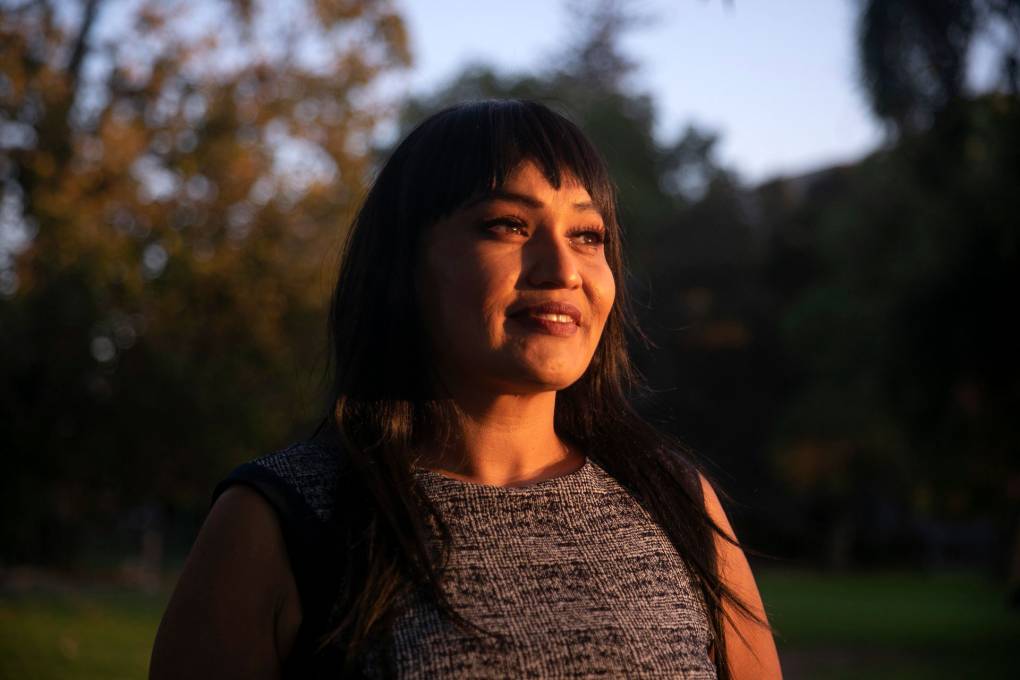
"caption": "Nona Claypool, a third-year student at UC Berkeley and transfer student coordinator, at Mosswood Park in Oakland on Oct. 28, 2020. Claypool, who focuses her work on recruiting Native American transfer students from community colleges, says it is often the students who would benefit most from higher education who are unable to access it.",
"description": "Nona Claypool, a third-year student at UC Berkeley and transfer student coordinator, at Mosswood Park in Oakland on Oct. 28, 2020. Claypool, who focuses her work on recruiting Native American transfer students from community colleges, says it is often the students who would benefit most from higher education who are unable to access it.",
"title": "Nona-Claypool",
"credit": "Anne Wernikoff/CALmatters",
"status": "inherit",
"isLoading": false,
"fetchFailed": false
},
"news_11691438": {
"type": "attachments",
"id": "news_11691438",
"meta": {
"index": "attachments_1716263798",
"site": "news",
"id": "11691438",
"found": true
},
"parent": 11691407,
"imgSizes": {
"small": {
"file": "https://ww2.kqed.org/app/uploads/sites/10/2018/09/RS31770_sfmayor0712.0003-qut-520x347.jpg",
"width": 520,
"mimeType": "image/jpeg",
"height": 347
},
"twentyfourteen-full-width": {
"file": "https://ww2.kqed.org/app/uploads/sites/10/2018/09/RS31770_sfmayor0712.0003-qut-1038x576.jpg",
"width": 1038,
"mimeType": "image/jpeg",
"height": 576
},
"thumbnail": {
"file": "https://ww2.kqed.org/app/uploads/sites/10/2018/09/RS31770_sfmayor0712.0003-qut-160x107.jpg",
"width": 160,
"mimeType": "image/jpeg",
"height": 107
},
"fd-sm": {
"file": "https://ww2.kqed.org/app/uploads/sites/10/2018/09/RS31770_sfmayor0712.0003-qut-960x641.jpg",
"width": 960,
"mimeType": "image/jpeg",
"height": 641
},
"post-thumbnail": {
"file": "https://ww2.kqed.org/app/uploads/sites/10/2018/09/RS31770_sfmayor0712.0003-qut-672x372.jpg",
"width": 672,
"mimeType": "image/jpeg",
"height": 372
},
"xsmall": {
"file": "https://ww2.kqed.org/app/uploads/sites/10/2018/09/RS31770_sfmayor0712.0003-qut-375x250.jpg",
"width": 375,
"mimeType": "image/jpeg",
"height": 250
},
"kqedFullSize": {
"file": "https://ww2.kqed.org/app/uploads/sites/10/2018/09/RS31770_sfmayor0712.0003-qut.jpg",
"width": 1920,
"height": 1281
},
"large": {
"file": "https://ww2.kqed.org/app/uploads/sites/10/2018/09/RS31770_sfmayor0712.0003-qut-1020x681.jpg",
"width": 1020,
"mimeType": "image/jpeg",
"height": 681
},
"xlarge": {
"file": "https://ww2.kqed.org/app/uploads/sites/10/2018/09/RS31770_sfmayor0712.0003-qut-1180x787.jpg",
"width": 1180,
"mimeType": "image/jpeg",
"height": 787
},
"complete_open_graph": {
"file": "https://ww2.kqed.org/app/uploads/sites/10/2018/09/RS31770_sfmayor0712.0003-qut-1200x801.jpg",
"width": 1200,
"mimeType": "image/jpeg",
"height": 801
},
"guest-author-50": {
"file": "https://ww2.kqed.org/app/uploads/sites/10/2018/09/RS31770_sfmayor0712.0003-qut-50x50.jpg",
"width": 50,
"mimeType": "image/jpeg",
"height": 50
},
"guest-author-96": {
"file": "https://ww2.kqed.org/app/uploads/sites/10/2018/09/RS31770_sfmayor0712.0003-qut-96x96.jpg",
"width": 96,
"mimeType": "image/jpeg",
"height": 96
},
"medium": {
"file": "https://ww2.kqed.org/app/uploads/sites/10/2018/09/RS31770_sfmayor0712.0003-qut-800x534.jpg",
"width": 800,
"mimeType": "image/jpeg",
"height": 534
},
"guest-author-64": {
"file": "https://ww2.kqed.org/app/uploads/sites/10/2018/09/RS31770_sfmayor0712.0003-qut-64x64.jpg",
"width": 64,
"mimeType": "image/jpeg",
"height": 64
},
"guest-author-32": {
"file": "https://ww2.kqed.org/app/uploads/sites/10/2018/09/RS31770_sfmayor0712.0003-qut-32x32.jpg",
"width": 32,
"mimeType": "image/jpeg",
"height": 32
},
"fd-lrg": {
"file": "https://ww2.kqed.org/app/uploads/sites/10/2018/09/RS31770_sfmayor0712.0003-qut-1920x1281.jpg",
"width": 1920,
"mimeType": "image/jpeg",
"height": 1281
},
"fd-med": {
"file": "https://ww2.kqed.org/app/uploads/sites/10/2018/09/RS31770_sfmayor0712.0003-qut-1180x787.jpg",
"width": 1180,
"mimeType": "image/jpeg",
"height": 787
},
"full-width": {
"file": "https://ww2.kqed.org/app/uploads/sites/10/2018/09/RS31770_sfmayor0712.0003-qut-1920x1281.jpg",
"width": 1920,
"mimeType": "image/jpeg",
"height": 1281
},
"detail": {
"file": "https://ww2.kqed.org/app/uploads/sites/10/2018/09/RS31770_sfmayor0712.0003-qut-150x150.jpg",
"width": 150,
"mimeType": "image/jpeg",
"height": 150
},
"guest-author-128": {
"file": "https://ww2.kqed.org/app/uploads/sites/10/2018/09/RS31770_sfmayor0712.0003-qut-128x128.jpg",
"width": 128,
"mimeType": "image/jpeg",
"height": 128
},
"xxsmall": {
"file": "https://ww2.kqed.org/app/uploads/sites/10/2018/09/RS31770_sfmayor0712.0003-qut-240x160.jpg",
"width": 240,
"mimeType": "image/jpeg",
"height": 160
}
},
"publishDate": 1536537508,
"modified": 1604609335,
"caption": "San Francisco Mayor London Breed waits to walk out of City Hall for her inauguration on July 11, 2018.",
"description": "San Francisco Mayor London Breed waits to walk out of City Hall for her inauguration on Wednesday, July 11, 2018.",
"title": "SFMayor0712",
"credit": "Scott Strazzante",
"status": "inherit",
"isLoading": false,
"fetchFailed": false
},
"news_11845149": {
"type": "attachments",
"id": "news_11845149",
"meta": {
"index": "attachments_1716263798",
"site": "news",
"id": "11845149",
"found": true
},
"parent": 0,
"imgSizes": {
"apple_news_ca_landscape_5_5": {
"file": "https://ww2.kqed.org/app/uploads/sites/10/2020/11/KQED-Election-Updates-1044x630.png",
"width": 1044,
"mimeType": "image/png",
"height": 630
},
"apple_news_ca_square_4_0": {
"file": "https://ww2.kqed.org/app/uploads/sites/10/2020/11/KQED-Election-Updates-470x470.png",
"width": 470,
"mimeType": "image/png",
"height": 470
},
"twentyfourteen-full-width": {
"file": "https://ww2.kqed.org/app/uploads/sites/10/2020/11/KQED-Election-Updates-1038x576.png",
"width": 1038,
"mimeType": "image/png",
"height": 576
},
"thumbnail": {
"file": "https://ww2.kqed.org/app/uploads/sites/10/2020/11/KQED-Election-Updates-160x84.png",
"width": 160,
"mimeType": "image/png",
"height": 84
},
"post-thumbnail": {
"file": "https://ww2.kqed.org/app/uploads/sites/10/2020/11/KQED-Election-Updates-672x372.png",
"width": 672,
"mimeType": "image/png",
"height": 372
},
"kqedFullSize": {
"file": "https://ww2.kqed.org/app/uploads/sites/10/2020/11/KQED-Election-Updates.png",
"width": 1200,
"height": 630
},
"apple_news_ca_landscape_4_7": {
"file": "https://ww2.kqed.org/app/uploads/sites/10/2020/11/KQED-Election-Updates-632x474.png",
"width": 632,
"mimeType": "image/png",
"height": 474
},
"large": {
"file": "https://ww2.kqed.org/app/uploads/sites/10/2020/11/KQED-Election-Updates-1020x536.png",
"width": 1020,
"mimeType": "image/png",
"height": 536
},
"apple_news_ca_landscape_4_0": {
"file": "https://ww2.kqed.org/app/uploads/sites/10/2020/11/KQED-Election-Updates-536x402.png",
"width": 536,
"mimeType": "image/png",
"height": 402
},
"apple_news_ca_portrait_12_9": {
"file": "https://ww2.kqed.org/app/uploads/sites/10/2020/11/KQED-Election-Updates-1122x630.png",
"width": 1122,
"mimeType": "image/png",
"height": 630
},
"medium": {
"file": "https://ww2.kqed.org/app/uploads/sites/10/2020/11/KQED-Election-Updates-800x420.png",
"width": 800,
"mimeType": "image/png",
"height": 420
},
"apple_news_ca_portrait_4_0": {
"file": "https://ww2.kqed.org/app/uploads/sites/10/2020/11/KQED-Election-Updates-354x472.png",
"width": 354,
"mimeType": "image/png",
"height": 472
},
"apple_news_ca_portrait_9_7": {
"file": "https://ww2.kqed.org/app/uploads/sites/10/2020/11/KQED-Election-Updates-840x630.png",
"width": 840,
"mimeType": "image/png",
"height": 630
},
"apple_news_ca_square_9_7": {
"file": "https://ww2.kqed.org/app/uploads/sites/10/2020/11/KQED-Election-Updates-1104x630.png",
"width": 1104,
"mimeType": "image/png",
"height": 630
},
"apple_news_ca_portrait_4_7": {
"file": "https://ww2.kqed.org/app/uploads/sites/10/2020/11/KQED-Election-Updates-414x552.png",
"width": 414,
"mimeType": "image/png",
"height": 552
},
"apple_news_ca_portrait_5_5": {
"file": "https://ww2.kqed.org/app/uploads/sites/10/2020/11/KQED-Election-Updates-687x630.png",
"width": 687,
"mimeType": "image/png",
"height": 630
},
"apple_news_ca_square_4_7": {
"file": "https://ww2.kqed.org/app/uploads/sites/10/2020/11/KQED-Election-Updates-550x550.png",
"width": 550,
"mimeType": "image/png",
"height": 550
},
"apple_news_ca_square_5_5": {
"file": "https://ww2.kqed.org/app/uploads/sites/10/2020/11/KQED-Election-Updates-912x630.png",
"width": 912,
"mimeType": "image/png",
"height": 630
}
},
"publishDate": 1604433766,
"modified": 1604434655,
"caption": null,
"description": "electionupdates",
"title": "KQED-Election-Updates",
"credit": null,
"status": "inherit",
"isLoading": false,
"fetchFailed": false
}
},
"audioPlayerReducer": {
"postId": "stream_live",
"isPaused": true,
"isPlaying": false,
"pfsActive": false,
"pledgeModalIsOpen": true,
"playerDrawerIsOpen": false,
"liveAudioPlayStartedAt": 0,
"liveAudioPlayContext": ""
},
"authorsReducer": {
"byline_news_11846562": {
"type": "authors",
"id": "byline_news_11846562",
"meta": {
"override": true
},
"slug": "byline_news_11846562",
"name": "Don Thompson \u003cbr> Associated Press",
"isLoading": false
},
"byline_news_11846444": {
"type": "authors",
"id": "byline_news_11846444",
"meta": {
"override": true
},
"slug": "byline_news_11846444",
"name": "Asma Khalid",
"isLoading": false
},
"byline_news_11845943": {
"type": "authors",
"id": "byline_news_11845943",
"meta": {
"override": true
},
"slug": "byline_news_11845943",
"name": "\u003ca href=\"https://calmatters.org/author/kayleen-carter/\">Kayleen Carter\u003c/a>",
"isLoading": false
},
"gmeline": {
"type": "authors",
"id": "185",
"meta": {
"index": "authors_1716337520",
"id": "185",
"found": true
},
"name": "Gabe Meline",
"firstName": "Gabe",
"lastName": "Meline",
"slug": "gmeline",
"email": "gmeline@kqed.org",
"display_author_email": true,
"staff_mastheads": [
"arts"
],
"title": "Senior Editor, KQED Arts & Culture",
"bio": "Gabe Meline entered journalism at age 15 making photocopied zines, and has since earned awards from the Edward R. Murrow Awards, the Society for Professional Journalists, the Online Journalism Awards, the Association of Alternative Newsweeklies and the California Newspaper Publishers Association. Prior to KQED, he was the editor of the \u003cem>North Bay Bohemian\u003c/em> and a touring musician. He lives with his wife and daughter in his hometown of Santa Rosa, CA.",
"avatar": "https://secure.gravatar.com/avatar/5bebe57be0d8bc2dd318934feb47299e2d2d10cba28d09d8d7afb389a2ce2bdd?s=600&d=blank&r=g",
"twitter": null,
"bluesky": null,
"facebook": null,
"instagram": null,
"linkedin": null,
"sites": [
{
"site": "",
"roles": [
"editor"
]
},
{
"site": "arts",
"roles": [
"administrator"
]
},
{
"site": "artschool",
"roles": [
"editor"
]
},
{
"site": "news",
"roles": [
"author"
]
},
{
"site": "pop",
"roles": [
"editor"
]
},
{
"site": "bayareabites",
"roles": [
"editor"
]
},
{
"site": "food",
"roles": [
"editor"
]
},
{
"site": "liveblog",
"roles": [
"editor"
]
},
{
"site": "hiphop",
"roles": [
"editor"
]
}
],
"headData": {
"title": "Gabe Meline | KQED",
"description": "Senior Editor, KQED Arts & Culture",
"ogImgSrc": "https://secure.gravatar.com/avatar/5bebe57be0d8bc2dd318934feb47299e2d2d10cba28d09d8d7afb389a2ce2bdd?s=600&d=blank&r=g",
"twImgSrc": "https://secure.gravatar.com/avatar/5bebe57be0d8bc2dd318934feb47299e2d2d10cba28d09d8d7afb389a2ce2bdd?s=600&d=blank&r=g"
},
"isLoading": false,
"link": "/author/gmeline"
},
"gmarzorati": {
"type": "authors",
"id": "227",
"meta": {
"index": "authors_1716337520",
"id": "227",
"found": true
},
"name": "Guy Marzorati",
"firstName": "Guy",
"lastName": "Marzorati",
"slug": "gmarzorati",
"email": "gmarzorati@KQED.org",
"display_author_email": true,
"staff_mastheads": [
"news"
],
"title": "Correspondent",
"bio": "Guy Marzorati is a correspondent on KQED's California Politics and Government Desk, based in San Jose. A graduate of Santa Clara University, Guy joined KQED in 2013. He reports on state and local politics and produces KQED's digital voter guide.",
"avatar": "https://secure.gravatar.com/avatar/e7038b8dbfd55b104369b76b1cd0b9de?s=600&d=blank&r=g",
"twitter": "guymarzorati",
"facebook": null,
"instagram": null,
"linkedin": null,
"sites": [
{
"site": "",
"roles": [
"editor"
]
},
{
"site": "news",
"roles": [
"editor"
]
},
{
"site": "science",
"roles": [
"editor"
]
},
{
"site": "forum",
"roles": [
"editor"
]
},
{
"site": "elections",
"roles": [
"editor"
]
},
{
"site": "liveblog",
"roles": [
"editor"
]
}
],
"headData": {
"title": "Guy Marzorati | KQED",
"description": "Correspondent",
"ogImgSrc": "https://secure.gravatar.com/avatar/e7038b8dbfd55b104369b76b1cd0b9de?s=600&d=blank&r=g",
"twImgSrc": "https://secure.gravatar.com/avatar/e7038b8dbfd55b104369b76b1cd0b9de?s=600&d=blank&r=g"
},
"isLoading": false,
"link": "/author/gmarzorati"
},
"kqed": {
"type": "authors",
"id": "236",
"meta": {
"index": "authors_1716337520",
"id": "236",
"found": true
},
"name": "KQED News Staff",
"firstName": "KQED News Staff",
"lastName": null,
"slug": "kqed",
"email": "faq@kqed.org",
"display_author_email": false,
"staff_mastheads": [],
"title": null,
"bio": null,
"avatar": "https://secure.gravatar.com/avatar/ef0e801a68c4c54afa9180db14084167?s=600&d=blank&r=g",
"twitter": null,
"facebook": null,
"instagram": null,
"linkedin": null,
"sites": [
{
"site": "arts",
"roles": [
"contributor"
]
},
{
"site": "news",
"roles": [
"editor"
]
},
{
"site": "futureofyou",
"roles": [
"author"
]
}
],
"headData": {
"title": "KQED News Staff | KQED",
"description": null,
"ogImgSrc": "https://secure.gravatar.com/avatar/ef0e801a68c4c54afa9180db14084167?s=600&d=blank&r=g",
"twImgSrc": "https://secure.gravatar.com/avatar/ef0e801a68c4c54afa9180db14084167?s=600&d=blank&r=g"
},
"isLoading": false,
"link": "/author/kqed"
},
"mlam": {
"type": "authors",
"id": "244",
"meta": {
"index": "authors_1716337520",
"id": "244",
"found": true
},
"name": "Monica Lam",
"firstName": "Monica Z.",
"lastName": "Lam",
"slug": "mlam",
"email": "mlam@kqed.org",
"display_author_email": true,
"staff_mastheads": [
"news"
],
"title": "KQED Senior Producer",
"bio": "Monica is senior producer of the weekly current affairs program, \"KQED Newsroom.\" She's also served as senior editor of digital content at KQED. She likes to report and edit as well as produce video and take photos.\r\n\r\nBefore joining KQED, Monica worked at the Center for Investigative Reporting, where she examined conditions inside \u003cspan style=\"font-weight: 400;\">maximum security \u003c/span>prisons and abuse in state-run institutions for the developmentally disabled. Prior to that, she produced and directed \u003cem>Journey of the Bonesetter's Daughter,\u003c/em> a documentary that follows novelist Amy Tan as she creates an opera based on her family history.\r\n\r\nMonica's work has been honored with a duPont Award, five Emmys, regional and national Murrow Awards, and has been recognized by Investigative Reporters and Editors, the Society of Professional Journalists, Religion Newswriters Association and the San Francisco Peninsula Press Club. Monica studied urban studies at Stanford University and earned a master's in journalism at University of California at Berkeley. Follow her on twitter: @monicazlam",
"avatar": "https://secure.gravatar.com/avatar/018c474b2b71f43e0e6ca9b15a0ad36f?s=600&d=blank&r=g",
"twitter": "@monicazlam",
"facebook": null,
"instagram": null,
"linkedin": null,
"sites": [
{
"site": "arts",
"roles": [
"administrator"
]
},
{
"site": "news",
"roles": [
"editor"
]
},
{
"site": "trulyca",
"roles": [
"editor"
]
},
{
"site": "science",
"roles": [
"editor"
]
},
{
"site": "breakingnews",
"roles": [
"editor"
]
}
],
"headData": {
"title": "Monica Lam | KQED",
"description": "KQED Senior Producer",
"ogImgSrc": "https://secure.gravatar.com/avatar/018c474b2b71f43e0e6ca9b15a0ad36f?s=600&d=blank&r=g",
"twImgSrc": "https://secure.gravatar.com/avatar/018c474b2b71f43e0e6ca9b15a0ad36f?s=600&d=blank&r=g"
},
"isLoading": false,
"link": "/author/mlam"
},
"scottshafer": {
"type": "authors",
"id": "255",
"meta": {
"index": "authors_1716337520",
"id": "255",
"found": true
},
"name": "Scott Shafer",
"firstName": "Scott",
"lastName": "Shafer",
"slug": "scottshafer",
"email": "sshafer@kqed.org",
"display_author_email": false,
"staff_mastheads": [
"news"
],
"title": "KQED Contributor",
"bio": "Scott Shafer is a senior editor with the KQED Politics and Government desk. He is co-host of Political Breakdown, the award-winning radio show and podcast with a personal take on the world of politics. Scott came to KQED in 1998 to host the statewide\u003cem> California Report\u003c/em>. Prior to that he had extended stints in politics and government\u003cem>.\u003c/em> He uses that inside experience at KQED in his, reporting, hosting and analysis for the politics desk. Scott collaborated \u003cem>Political Breakdown a\u003c/em>nd on \u003cem>The Political Mind of Jerry Brown, \u003c/em>an eight-part series about the life and extraordinary political career of the former governor. For fun, he plays water polo with the San Francisco Tsunami.",
"avatar": "https://secure.gravatar.com/avatar/a62ebae45b79d7aed1a39a0e3bf68104?s=600&d=blank&r=g",
"twitter": "scottshafer",
"bluesky": null,
"facebook": null,
"instagram": null,
"linkedin": null,
"sites": [
{
"site": "news",
"roles": [
"editor"
]
},
{
"site": "stateofhealth",
"roles": [
"author"
]
},
{
"site": "science",
"roles": [
"author"
]
},
{
"site": "forum",
"roles": [
"subscriber"
]
},
{
"site": "liveblog",
"roles": [
"author"
]
}
],
"headData": {
"title": "Scott Shafer | KQED",
"description": "KQED Contributor",
"ogImgSrc": "https://secure.gravatar.com/avatar/a62ebae45b79d7aed1a39a0e3bf68104?s=600&d=blank&r=g",
"twImgSrc": "https://secure.gravatar.com/avatar/a62ebae45b79d7aed1a39a0e3bf68104?s=600&d=blank&r=g"
},
"isLoading": false,
"link": "/author/scottshafer"
},
"mlagos": {
"type": "authors",
"id": "3239",
"meta": {
"index": "authors_1716337520",
"id": "3239",
"found": true
},
"name": "Marisa Lagos",
"firstName": "Marisa",
"lastName": "Lagos",
"slug": "mlagos",
"email": "mlagos@kqed.org",
"display_author_email": false,
"staff_mastheads": [
"news"
],
"title": "KQED Contributor",
"bio": "Marisa Lagos is a correspondent for KQED’s California Politics and Government Desk and co-hosts the award-winning show and podcast, Political Breakdown. At KQED, Lagos also conducts reporting, analysis and investigations into state, local and national politics for radio, TV, online and onstage. In 2022, she and co-host, Scott Shafer, moderated the only gubernatorial debate in California. In 2020, the \u003ci>Washington Post\u003c/i> named her one of the top political journalists in California; she was nominated for a Peabody and won several other awards for her work investigating the 2017 California wildfires. She has worked at the \u003ci>San Francisco Chronicle\u003c/i>, \u003ci>San Francisco Examiner\u003c/i> and \u003ci>Los Angeles Times\u003c/i>. A UC Santa Barbara graduate, she lives in San Francisco with her two sons and husband.",
"avatar": "https://secure.gravatar.com/avatar/a261a0d3696fc066871ef96b85b5e7d2?s=600&d=blank&r=g",
"twitter": "@mlagos",
"facebook": null,
"instagram": null,
"linkedin": null,
"sites": [
{
"site": "arts",
"roles": [
"author"
]
},
{
"site": "news",
"roles": [
"editor"
]
},
{
"site": "science",
"roles": [
"editor"
]
},
{
"site": "forum",
"roles": [
"author"
]
},
{
"site": "liveblog",
"roles": [
"author"
]
}
],
"headData": {
"title": "Marisa Lagos | KQED",
"description": "KQED Contributor",
"ogImgSrc": "https://secure.gravatar.com/avatar/a261a0d3696fc066871ef96b85b5e7d2?s=600&d=blank&r=g",
"twImgSrc": "https://secure.gravatar.com/avatar/a261a0d3696fc066871ef96b85b5e7d2?s=600&d=blank&r=g"
},
"isLoading": false,
"link": "/author/mlagos"
},
"fjhabvala": {
"type": "authors",
"id": "8659",
"meta": {
"index": "authors_1716337520",
"id": "8659",
"found": true
},
"name": "Farida Jhabvala Romero",
"firstName": "Farida",
"lastName": "Jhabvala Romero",
"slug": "fjhabvala",
"email": "fjhabvala@kqed.org",
"display_author_email": true,
"staff_mastheads": [
"news"
],
"title": "KQED Contributor",
"bio": "Farida Jhabvala Romero is a Labor Correspondent for KQED. She previously covered immigration. Farida was \u003ca href=\"https://www.ccnma.org/2022-most-influential-latina-journalists\">named\u003c/a> one of the 10 Most Influential Latina Journalists in California in 2022 by the California Chicano News Media Association. Her work has won awards from the Society of Professional Journalists (Northern California), as well as a national and regional Edward M. Murrow Award for the collaborative reporting projects “Dangerous Air” and “Graying California.” Before joining KQED, Farida worked as a producer at Radio Bilingüe, a national public radio network. Farida earned her master’s degree in journalism from Stanford University.",
"avatar": "https://secure.gravatar.com/avatar/f9f022d4e2609741874222a1e9d41f48fea74011aa7c615eef91d9a50c944ebe?s=600&d=blank&r=g",
"twitter": "FaridaJhabvala",
"bluesky": null,
"facebook": null,
"instagram": null,
"linkedin": "https://www.linkedin.com/in/faridajhabvala/",
"sites": [
{
"site": "news",
"roles": [
"editor"
]
},
{
"site": "stateofhealth",
"roles": [
"author"
]
},
{
"site": "liveblog",
"roles": [
"author"
]
}
],
"headData": {
"title": "Farida Jhabvala Romero | KQED",
"description": "KQED Contributor",
"ogImgSrc": "https://secure.gravatar.com/avatar/f9f022d4e2609741874222a1e9d41f48fea74011aa7c615eef91d9a50c944ebe?s=600&d=blank&r=g",
"twImgSrc": "https://secure.gravatar.com/avatar/f9f022d4e2609741874222a1e9d41f48fea74011aa7c615eef91d9a50c944ebe?s=600&d=blank&r=g"
},
"isLoading": false,
"link": "/author/fjhabvala"
},
"lsarah": {
"type": "authors",
"id": "11626",
"meta": {
"index": "authors_1716337520",
"id": "11626",
"found": true
},
"name": "Lakshmi Sarah",
"firstName": "Lakshmi",
"lastName": "Sarah",
"slug": "lsarah",
"email": "lsarah@kqed.org",
"display_author_email": false,
"staff_mastheads": [],
"title": "Digital Producer",
"bio": "Lakshmi Sarah is an educator, author and journalist with a focus on innovative storytelling. She has worked with newspapers, radio and magazines from Ahmedabad, India to Los Angeles, California. She has written and produced for Die Zeit, Global Voices, AJ+, KQED, Fusion Media Group and the New York Times.",
"avatar": "https://secure.gravatar.com/avatar/652dcaecd8b28826fc17a8b2d6bb4e93?s=600&d=blank&r=g",
"twitter": "lakitalki",
"facebook": null,
"instagram": "https://www.instagram.com/laki.talki/",
"linkedin": "https://www.linkedin.com/in/lakisarah/",
"sites": [
{
"site": "arts",
"roles": []
},
{
"site": "news",
"roles": []
},
{
"site": "bayareabites",
"roles": []
},
{
"site": "science",
"roles": []
}
],
"headData": {
"title": "Lakshmi Sarah | KQED",
"description": "Digital Producer",
"ogImgSrc": "https://secure.gravatar.com/avatar/652dcaecd8b28826fc17a8b2d6bb4e93?s=600&d=blank&r=g",
"twImgSrc": "https://secure.gravatar.com/avatar/652dcaecd8b28826fc17a8b2d6bb4e93?s=600&d=blank&r=g"
},
"isLoading": false,
"link": "/author/lsarah"
},
"jchang": {
"type": "authors",
"id": "11642",
"meta": {
"index": "authors_1716337520",
"id": "11642",
"found": true
},
"name": "Julie Chang",
"firstName": "Julie",
"lastName": "Chang",
"slug": "jchang",
"email": "jchang@kqed.org",
"display_author_email": false,
"staff_mastheads": [
"news"
],
"title": "KQED Contributor",
"bio": "Julie Chang is a reporter and producer (and occasional anchor) with the radio and digital teams at KQED. Before KQED, she worked at WAMU 88.5 in Washington D.C. and 89.3 KPCC in Los Angeles County. Her work has been featured on NPR’s Morning Edition and All Things Considered, Here & Now, the New York Times, and more. Julie graduated from UC Berkeley’s Graduate School of Journalism. She previously taught English at Pasadena City College, Fullerton College and Cal Poly Pomona. Julie earned her M.A. in English from Cal Poly Pomona and her B.A. in English from UCI with a minor in criminology.",
"avatar": "https://secure.gravatar.com/avatar/a7afce94ef127082c5475116b4a3b77d?s=600&d=blank&r=g",
"twitter": "BayAreaJulie",
"facebook": null,
"instagram": null,
"linkedin": "https://www.linkedin.com/in/julieyc/",
"sites": [
{
"site": "",
"roles": [
"editor"
]
},
{
"site": "news",
"roles": [
"author"
]
},
{
"site": "science",
"roles": [
"editor"
]
}
],
"headData": {
"title": "Julie Chang | KQED",
"description": "KQED Contributor",
"ogImgSrc": "https://secure.gravatar.com/avatar/a7afce94ef127082c5475116b4a3b77d?s=600&d=blank&r=g",
"twImgSrc": "https://secure.gravatar.com/avatar/a7afce94ef127082c5475116b4a3b77d?s=600&d=blank&r=g"
},
"isLoading": false,
"link": "/author/jchang"
},
"blaberge": {
"type": "authors",
"id": "11667",
"meta": {
"index": "authors_1716337520",
"id": "11667",
"found": true
},
"name": "Beth LaBerge",
"firstName": "Beth",
"lastName": "LaBerge",
"slug": "blaberge",
"email": "blaberge@KQED.org",
"display_author_email": true,
"staff_mastheads": [
"news"
],
"title": "Photographer, News",
"bio": "Beth LaBerge is a visual journalist for \u003ca href=\"https://www.kqed.org/news\">KQED News\u003c/a>.",
"avatar": "https://secure.gravatar.com/avatar/ce49ecd7a1306685637b45a1f6f5dedfc4ae9481966eb596fea5160466dd6319?s=600&d=blank&r=g",
"twitter": null,
"bluesky": null,
"facebook": null,
"instagram": "https://www.instagram.com/bethlaberge/",
"linkedin": null,
"sites": [
{
"site": "arts",
"roles": [
"editor",
"manage_categories"
]
},
{
"site": "news",
"roles": [
"editor",
"edit_plugins",
"manage_categories"
]
},
{
"site": "science",
"roles": [
"editor",
"contributor",
"author",
"manage_categories"
]
},
{
"site": "perspectives",
"roles": [
"editor"
]
},
{
"site": "liveblog",
"roles": [
"editor"
]
}
],
"headData": {
"title": "Beth LaBerge | KQED",
"description": "Photographer, News",
"ogImgSrc": "https://secure.gravatar.com/avatar/ce49ecd7a1306685637b45a1f6f5dedfc4ae9481966eb596fea5160466dd6319?s=600&d=blank&r=g",
"twImgSrc": "https://secure.gravatar.com/avatar/ce49ecd7a1306685637b45a1f6f5dedfc4ae9481966eb596fea5160466dd6319?s=600&d=blank&r=g"
},
"isLoading": false,
"link": "/author/blaberge"
},
"jrodriguez": {
"type": "authors",
"id": "11690",
"meta": {
"index": "authors_1716337520",
"id": "11690",
"found": true
},
"name": "Joe Fitzgerald Rodriguez",
"firstName": "Joe",
"lastName": "Fitzgerald Rodriguez",
"slug": "jrodriguez",
"email": "jrodriguez@kqed.org",
"display_author_email": true,
"staff_mastheads": [
"news"
],
"title": "Reporter and Producer",
"bio": "Joe Fitzgerald Rodriguez is a reporter and digital producer for KQED covering politics. Joe most recently wrote for the \u003cem>San Francisco Examiner\u003c/em> as a political columnist covering The City. He was raised in San Francisco and has spent his reporting career in his beloved, foggy, city by the bay. Joe was 12-years-old when he conducted his first interview in journalism, grilling former San Francisco Mayor Willie Brown for the Marina Middle School newspaper, \u003cem>The Penguin Press, \u003c/em>and he continues to report on the San Francisco Bay Area to this day.",
"avatar": "https://secure.gravatar.com/avatar/2247beb0564c1e9c62228d5649d2edac?s=600&d=blank&r=g",
"twitter": "FitztheReporter",
"facebook": null,
"instagram": "https://www.instagram.com/fitzthereporter/",
"linkedin": null,
"sites": [
{
"site": "",
"roles": [
"editor"
]
},
{
"site": "arts",
"roles": [
"editor"
]
},
{
"site": "news",
"roles": [
"editor"
]
},
{
"site": "science",
"roles": [
"editor"
]
},
{
"site": "elections",
"roles": [
"editor"
]
},
{
"site": "liveblog",
"roles": [
"editor"
]
}
],
"headData": {
"title": "Joe Fitzgerald Rodriguez | KQED",
"description": "Reporter and Producer",
"ogImgSrc": "https://secure.gravatar.com/avatar/2247beb0564c1e9c62228d5649d2edac?s=600&d=blank&r=g",
"twImgSrc": "https://secure.gravatar.com/avatar/2247beb0564c1e9c62228d5649d2edac?s=600&d=blank&r=g"
},
"isLoading": false,
"link": "/author/jrodriguez"
}
},
"pagesReducer": {
"news_tag_politics": {
"type": "terms",
"id": "news_17968",
"meta": {
"index": "terms_1716263798",
"site": "news",
"id": "17968",
"score": 8.003165
},
"name": "Politics",
"slug": "politics",
"taxonomy": "tag",
"description": null,
"featImg": null,
"headData": {
"title": "Politics | KQED News",
"description": null,
"ogTitle": null,
"ogDescription": null,
"ogImgId": null,
"twTitle": null,
"twDescription": null,
"twImgId": null
},
"ttid": 18002,
"isLoading": false,
"title": "Politics",
"pageMeta": {
"site": "news",
"WpPageTemplate": "page-topic-editorial",
"currentPage": 201
},
"blocks": [
{
"blockName": "kqed/post-list",
"attrs": {
"layout": "cardArticle2",
"query": "posts/news?tag=politics",
"seeMore": false,
"paginated": true,
"page": 201
}
},
{
"blockName": "kqed/ad"
}
]
}
},
"pfsSessionReducer": {},
"postsReducer": {
"stream_live": {
"type": "live",
"id": "stream_live",
"audioUrl": "https://streams.kqed.org/kqedradio",
"title": "Live Stream",
"excerpt": "Live Stream information currently unavailable.",
"link": "/radio",
"featImg": "",
"label": {
"name": "KQED Live",
"link": "/"
}
},
"stream_kqedNewscast": {
"type": "posts",
"id": "stream_kqedNewscast",
"audioUrl": "https://www.kqed.org/.stream/anon/radio/RDnews/newscast.mp3?_=1",
"title": "KQED Newscast",
"featImg": "",
"label": {
"name": "88.5 FM",
"link": "/"
}
},
"news_11846476": {
"type": "posts",
"id": "news_11846476",
"meta": {
"index": "posts_1716263798",
"site": "news",
"id": "11846476",
"score": null,
"sort": [
1604875629000
]
},
"guestAuthors": [],
"slug": "the-world-rejoices-at-the-historic-nomination-of-vp-elect-kamala-harris",
"title": "The World Rejoices at the Historic Nomination of VP-Elect Kamala Harris",
"publishDate": 1604875629,
"format": "standard",
"headTitle": "The World Rejoices at the Historic Nomination of VP-Elect Kamala Harris | KQED",
"labelTerm": {
"site": "news"
},
"content": "\u003cp>It isn’t just the United States watching the election with bated breath — the world watched closely as the results came in. Now many people around the globe are chiming in on Vice President-elect Kamala Harris’ historic nomination.\u003c/p>\n\u003cp>Much has already been written on the nominee’s background as a Black woman, and her identity as the \u003ca href=\"https://www.thejuggernaut.com/opinion-to-be-black-and-indian-right-now?s=ckfzvenrt0b6x0780lxl8xjw0\" target=\"_blank\" rel=\"noopener noreferrer\">daughter of immigrants\u003c/a> — with a \u003ca href=\"https://apnews.com/article/new-york-joe-biden-election-2020-california-archive-f5e16e86fd669396003a19c200a911f9\" target=\"_blank\" rel=\"noopener noreferrer\">mother from India\u003c/a> and a \u003ca href=\"https://apnews.com/article/election-2020-race-and-ethnicity-joe-biden-donald-trump-jamaica-08c85c2f655ef8f11b1504c3788de5d9\" target=\"_blank\" rel=\"noopener noreferrer\">father from Jamaica\u003c/a>.\u003c/p>\n\u003cp>The international community reacted to the news of Oakland-born and Berkeley-raised Harris as the vice president-elect with messages of hope from different parts of the world.\u003c/p>\n\u003cp>\u003cspan style=\"font-weight: 400\">“\u003c/span>\u003cspan style=\"font-weight: 400\">I’m happy to see that she is someone who has a long career, has the experience, has the qualifications,” said \u003c/span>\u003cspan style=\"font-weight: 400\">Pacinthe Mattar, an Egyptian woman who immigrated to Canada in the 1980s, “\u003c/span>\u003cspan style=\"font-weight: 400\">But at the same time, sometimes I think our obsession over representation when we don’t see ourselves often in news or media or politics can make us blind to … what kind of work they’re going to be doing and what systems they’re going to uphold.”\u003c/span>\u003c/p>\n\u003cp>\u003cspan style=\"font-weight: 400\">Mattar said she’s cheering Harris while also hoping “that her politics and her policies and the way that she helps lead the U.S. is going to be, not just a win for representation, but for the impact that it’s going to have on Black women and the lives of peoples of color in the work that she does.”\u003c/span>\u003c/p>\n\u003cp>[ad fullwidth]\u003c/p>\n\u003cp>Congratulations came in from other Canadians as well, some touting the fact that she is also the first graduate of Westmount High School in Montreal to be elected as vice president.\u003c/p>\n\u003cp>https://twitter.com/JustinTrudeau/status/1325121342568505346\u003c/p>\n\u003cp>In India, officials — as well as Bollywood stars — took to social media to post congratulatory messages.\u003c/p>\n\u003cp>Villagers in her\u003ca href=\"https://www.npr.org/sections/live-updates-2020-election-results/2020/11/08/932755718/euphoria-residents-of-harris-ancestral-village-in-india-celebrate-her-win\" target=\"_blank\" rel=\"noopener noreferrer\"> ancestral home\u003c/a> in Tamil Nadu sent congratulatory messages, set off firecrackers, carried placards and offered prayers after they awoke Sunday morning to the news.\u003c/p>\n\u003cp class=\"Component-root-0-2-61 Component-p-0-2-52\">Groups gathered at street corners in Thulasendrapuram, a village of 350 people, reading newspapers and chatting about the victory before moving to a temple according to the \u003ca href=\"https://apnews.com/article/election-2020-joe-biden-kamala-harris-electoral-college-india-d4eef836a2d67ac5d2417a49eea86a42\" target=\"_blank\" rel=\"noopener noreferrer\">Associated Press\u003c/a>.\u003c/p>\n\u003cp class=\"Component-root-0-2-61 Component-p-0-2-52\">A woman wrote outside her home: “Congratulations Kamala Harris. Pride of our village. Vanakkam (Greetings) America.”\u003c/p>\n\u003cp>https://twitter.com/nimumurali/status/1325267488104329216\u003c/p>\n\u003cp>And Harris’ uncle, \u003ca href=\"https://www.youtube.com/watch?v=oUDY4sCeNmQ&feature=emb_title\" target=\"_blank\" rel=\"noopener noreferrer\">Gopalan Balachandran\u003c/a>, told \u003ca href=\"https://www.washingtonpost.com/world/asia_pacific/kamala-harris-india-vice-president/2020/11/07/e7842736-1ecb-11eb-ad53-4c1fda49907d_story.html\" target=\"_blank\" rel=\"noopener noreferrer\">The Washington Post\u003c/a>: “This is a big moment, no question about it,” he said. “It’s good for the United States. It’s good for many people.”\u003c/p>\n\u003cp>https://twitter.com/narendramodi/status/1325145671742054400\u003c/p>\n\u003cp>In Jamaica, Prime Minister Andrew Holness expressed support and pride in Harris’ Jamaican heritage.\u003c/p>\n\u003cp>https://twitter.com/andrewholnessjm/status/1325143062423736320?s=21\u003c/p>\n\u003cp>Additional messages came in from France, Germany, the United Kingdom and elsewhere congratulating President-elect Joe Biden as well as VP-elect Harris.\u003c/p>\n\u003cp>While much of the positivity focused on Harris, some of the strength of the reaction may have been fueled by perceptions of Trump, said \u003ca href=\"https://www.msnbc.com/msnbc/watch/engel-world-reacted-to-biden-win-like-u-s-overthrew-a-dictator-95527493828\" target=\"_blank\" rel=\"noopener noreferrer\">NBC News Chief Foreign Correspondent Richard Engel\u003c/a>.\u003c/p>\n\u003cp>“As the results came through tonight, people were reacting like the United States had overthrown a dictator,” he said.\u003c/p>\n\u003cp>\u003c/p>\n\u003cp>\u003cem>The Associated Press contributed to this report.\u003c/em>\u003c/p>\n\n",
"blocks": [],
"excerpt": "Reactions from individuals and leaders around the world — from Canada to India.",
"status": "publish",
"parent": 0,
"modified": 1721127519,
"stats": {
"hasAudio": false,
"hasVideo": false,
"hasChartOrMap": false,
"iframeSrcs": [],
"hasGoogleForm": false,
"hasGallery": false,
"hasHearkenModule": false,
"hasPolis": false,
"paragraphCount": 16,
"wordCount": 552
},
"headData": {
"title": "The World Rejoices at the Historic Nomination of VP-Elect Kamala Harris | KQED",
"description": "Reactions from individuals and leaders around the world — from Canada to India.",
"ogTitle": "",
"ogDescription": "",
"ogImgId": "",
"twTitle": "",
"twDescription": "",
"twImgId": "",
"schema": {
"@context": "https://schema.org",
"@type": "NewsArticle",
"headline": "The World Rejoices at the Historic Nomination of VP-Elect Kamala Harris",
"datePublished": "2020-11-08T14:47:09-08:00",
"dateModified": "2024-07-16T03:58:39-07:00",
"image": "https://cdn.kqed.org/wp-content/uploads/2020/02/KQED-OG-Image@1x.png",
"isAccessibleForFree": "True",
"publisher": {
"@type": "NewsMediaOrganization",
"@id": "https://www.kqed.org/#organization",
"name": "KQED",
"logo": "https://cdn.kqed.org/wp-content/uploads/2020/02/KQED-OG-Image@1x.png",
"url": "https://www.kqed.org",
"sameAs": [
"https://www.facebook.com/KQED",
"https://twitter.com/KQED",
"https://www.instagram.com/kqed/",
"https://www.tiktok.com/@kqedofficial",
"https://www.linkedin.com/company/kqed",
"https://www.youtube.com/channel/UCeC0IOo7i1P_61zVUWbJ4nw"
]
}
}
},
"sticky": false,
"path": "/news/11846476/the-world-rejoices-at-the-historic-nomination-of-vp-elect-kamala-harris",
"audioTrackLength": null,
"parsedContent": [
{
"type": "contentString",
"content": "\u003cdiv class=\"post-body\">\u003cp>\u003cp>It isn’t just the United States watching the election with bated breath — the world watched closely as the results came in. Now many people around the globe are chiming in on Vice President-elect Kamala Harris’ historic nomination.\u003c/p>\n\u003cp>Much has already been written on the nominee’s background as a Black woman, and her identity as the \u003ca href=\"https://www.thejuggernaut.com/opinion-to-be-black-and-indian-right-now?s=ckfzvenrt0b6x0780lxl8xjw0\" target=\"_blank\" rel=\"noopener noreferrer\">daughter of immigrants\u003c/a> — with a \u003ca href=\"https://apnews.com/article/new-york-joe-biden-election-2020-california-archive-f5e16e86fd669396003a19c200a911f9\" target=\"_blank\" rel=\"noopener noreferrer\">mother from India\u003c/a> and a \u003ca href=\"https://apnews.com/article/election-2020-race-and-ethnicity-joe-biden-donald-trump-jamaica-08c85c2f655ef8f11b1504c3788de5d9\" target=\"_blank\" rel=\"noopener noreferrer\">father from Jamaica\u003c/a>.\u003c/p>\n\u003cp>The international community reacted to the news of Oakland-born and Berkeley-raised Harris as the vice president-elect with messages of hope from different parts of the world.\u003c/p>\n\u003cp>\u003cspan style=\"font-weight: 400\">“\u003c/span>\u003cspan style=\"font-weight: 400\">I’m happy to see that she is someone who has a long career, has the experience, has the qualifications,” said \u003c/span>\u003cspan style=\"font-weight: 400\">Pacinthe Mattar, an Egyptian woman who immigrated to Canada in the 1980s, “\u003c/span>\u003cspan style=\"font-weight: 400\">But at the same time, sometimes I think our obsession over representation when we don’t see ourselves often in news or media or politics can make us blind to … what kind of work they’re going to be doing and what systems they’re going to uphold.”\u003c/span>\u003c/p>\n\u003cp>\u003cspan style=\"font-weight: 400\">Mattar said she’s cheering Harris while also hoping “that her politics and her policies and the way that she helps lead the U.S. is going to be, not just a win for representation, but for the impact that it’s going to have on Black women and the lives of peoples of color in the work that she does.”\u003c/span>\u003c/p>\n\u003cp>\u003c/p>\u003c/div>",
"attributes": {
"named": {},
"numeric": []
}
},
{
"type": "component",
"content": "",
"name": "ad",
"attributes": {
"named": {
"label": "fullwidth"
},
"numeric": [
"fullwidth"
]
}
},
{
"type": "contentString",
"content": "\u003cdiv class=\"post-body\">\u003cp>\u003c/p>\n\u003cp>Congratulations came in from other Canadians as well, some touting the fact that she is also the first graduate of Westmount High School in Montreal to be elected as vice president.\u003c/p>\u003c/p>\u003c/div>",
"attributes": {
"named": {},
"numeric": []
}
},
{
"type": "component",
"content": "",
"name": "singleTwitterStatus",
"attributes": {
"named": {
"id": "1325121342568505346"
},
"numeric": []
}
},
{
"type": "contentString",
"content": "\u003cdiv class=\"post-body\">\u003cp>\n\u003cp>In India, officials — as well as Bollywood stars — took to social media to post congratulatory messages.\u003c/p>\n\u003cp>Villagers in her\u003ca href=\"https://www.npr.org/sections/live-updates-2020-election-results/2020/11/08/932755718/euphoria-residents-of-harris-ancestral-village-in-india-celebrate-her-win\" target=\"_blank\" rel=\"noopener noreferrer\"> ancestral home\u003c/a> in Tamil Nadu sent congratulatory messages, set off firecrackers, carried placards and offered prayers after they awoke Sunday morning to the news.\u003c/p>\n\u003cp class=\"Component-root-0-2-61 Component-p-0-2-52\">Groups gathered at street corners in Thulasendrapuram, a village of 350 people, reading newspapers and chatting about the victory before moving to a temple according to the \u003ca href=\"https://apnews.com/article/election-2020-joe-biden-kamala-harris-electoral-college-india-d4eef836a2d67ac5d2417a49eea86a42\" target=\"_blank\" rel=\"noopener noreferrer\">Associated Press\u003c/a>.\u003c/p>\n\u003cp class=\"Component-root-0-2-61 Component-p-0-2-52\">A woman wrote outside her home: “Congratulations Kamala Harris. Pride of our village. Vanakkam (Greetings) America.”\u003c/p>\u003c/p>\u003c/div>",
"attributes": {
"named": {},
"numeric": []
}
},
{
"type": "component",
"content": "",
"name": "singleTwitterStatus",
"attributes": {
"named": {
"id": "1325267488104329216"
},
"numeric": []
}
},
{
"type": "contentString",
"content": "\u003cdiv class=\"post-body\">\u003cp>\n\u003cp>And Harris’ uncle, \u003ca href=\"https://www.youtube.com/watch?v=oUDY4sCeNmQ&feature=emb_title\" target=\"_blank\" rel=\"noopener noreferrer\">Gopalan Balachandran\u003c/a>, told \u003ca href=\"https://www.washingtonpost.com/world/asia_pacific/kamala-harris-india-vice-president/2020/11/07/e7842736-1ecb-11eb-ad53-4c1fda49907d_story.html\" target=\"_blank\" rel=\"noopener noreferrer\">The Washington Post\u003c/a>: “This is a big moment, no question about it,” he said. “It’s good for the United States. It’s good for many people.”\u003c/p>\u003c/p>\u003c/div>",
"attributes": {
"named": {},
"numeric": []
}
},
{
"type": "component",
"content": "",
"name": "singleTwitterStatus",
"attributes": {
"named": {
"id": "1325145671742054400"
},
"numeric": []
}
},
{
"type": "contentString",
"content": "\u003cdiv class=\"post-body\">\u003cp>\n\u003cp>In Jamaica, Prime Minister Andrew Holness expressed support and pride in Harris’ Jamaican heritage.\u003c/p>\u003c/p>\u003c/div>",
"attributes": {
"named": {},
"numeric": []
}
},
{
"type": "component",
"content": "",
"name": "singleTwitterStatus",
"attributes": {
"named": {
"id": "1325143062423736320"
},
"numeric": []
}
},
{
"type": "contentString",
"content": "\u003cdiv class=\"post-body\">\u003cp>\n\u003cp>Additional messages came in from France, Germany, the United Kingdom and elsewhere congratulating President-elect Joe Biden as well as VP-elect Harris.\u003c/p>\n\u003cp>While much of the positivity focused on Harris, some of the strength of the reaction may have been fueled by perceptions of Trump, said \u003ca href=\"https://www.msnbc.com/msnbc/watch/engel-world-reacted-to-biden-win-like-u-s-overthrew-a-dictator-95527493828\" target=\"_blank\" rel=\"noopener noreferrer\">NBC News Chief Foreign Correspondent Richard Engel\u003c/a>.\u003c/p>\n\u003cp>“As the results came through tonight, people were reacting like the United States had overthrown a dictator,” he said.\u003c/p>\n\u003cp>\u003c/p>\n\u003cp>\u003cem>The Associated Press contributed to this report.\u003c/em>\u003c/p>\n\n\u003c/div>\u003c/p>",
"attributes": {
"named": {},
"numeric": []
}
}
],
"link": "/news/11846476/the-world-rejoices-at-the-historic-nomination-of-vp-elect-kamala-harris",
"authors": [
"11626"
],
"categories": [
"news_8"
],
"tags": [
"news_129",
"news_18538",
"news_20189",
"news_20013",
"news_18436",
"news_61",
"news_17968",
"news_38"
],
"featImg": "news_11846552",
"label": "news"
},
"news_11846562": {
"type": "posts",
"id": "news_11846562",
"meta": {
"index": "posts_1716263798",
"site": "news",
"id": "11846562",
"score": null,
"sort": [
1604872197000
]
},
"guestAuthors": [],
"slug": "california-elects-25-year-old-lawmaker-youngest-in-82-years",
"title": "California Elects 25-year-old Lawmaker, Youngest in 82 Years",
"publishDate": 1604872197,
"format": "audio",
"headTitle": "California Elects 25-year-old Lawmaker, Youngest in 82 Years | KQED",
"labelTerm": {
"site": "news"
},
"content": "\u003cp>California has elected its youngest state lawmaker in more than eight decades, elevating a 25-year-old progressive Democrat who already has years of legislative experience to the state Assembly.\u003c/p>\n\u003cp>Alex Lee survived a crowded nine-candidate primary election in March, then trounced his Republican rival by winning 73% of the vote in a San Francisco Bay Area district that includes part of Silicon Valley.\u003c/p>\n\u003cp>He plans to keep living with his mom in San Jose for the time being and had to take a part-time gig economy delivery job to make ends meet during his Assembly District 25 campaign.\u003c/p>\n\u003cp>Lee has worked for five different lawmakers either as a college intern or more recently a paid aide, quickly exhibiting such “encyclopedic knowledge” of pending legislation that “he became kind of the local Wikipedia for what’s happening on the Senate floor,” said state Sen. Henry Stern, who employed Lee from 2017 until he left last year to work for another lawmaker.\u003c/p>\n\u003cp>“He makes me look like an old man,” joked Stern, 38, who was the first Millennial elected to the Senate four years ago. “I thought I had something fresh going on there. But now Gen Z comes up and what do I know? Now I’m a Boomer.”\u003c/p>\n\u003cp>[ad fullwidth]\u003c/p>\n\u003cp>Lee prevailed despite setting himself other obstacles, like not accepting corporate campaign money.\u003c/p>\n\u003cp>He said Friday that the first bill he will introduce when he takes office next month will propose to prohibit corporate contributions directly to candidates. He said he may extend that ban to ballot measures and would create a system for publicly financed elections.\u003c/p>\n\u003cp>“Having run an election, I clearly know how detrimental and corrosive corporate money can be in an election cycle,” Lee said.\u003c/p>\n\u003cp>And having spent some time out of financial necessity working gig jobs through what he referred to as “grueling, terrible wage-exploitation apps,” he’s particularly upset that ride-hailing and delivery companies prevailed in carving out an exemption to a new California labor law after spending a record $200 million to pass Proposition 22. [aside tag=\"politics\" label=\"More Related Stories\"]\u003c/p>\n\u003cp>The last time someone younger was elected to the California Legislature, the nation was just clawing its way out of the Great Depression and was on the cusp of World War II.\u003c/p>\n\u003cp>Maurice E. Atkinson, also a Democrat, was 23 when he was elected to the Assembly in 1938. There previously were four other state legislators younger than Lee in the last century, said Alex Vassar, the California State Library’s legislative historian.\u003c/p>\n\u003cp>Lee was Atkinson’s age, just 23, when he decided to run for office, and by his calculation has since knocked on 30,000 doors seeking voters’ support.\u003c/p>\n\u003cp>“I think voters were very encouraged that a young person like me has so much experience in policy making and governing,” he said. “I would run into folks when we were door-knocking who are 80 years old, who would say, ‘Our generation screwed it up so it’s time for you all to fix all these problems for us.’ And they said it in a very encouraging way.”\u003c/p>\n\u003cp>Lee considers himself to be part of “many marginalized communities,” including being Asian American and openly bisexual.\u003c/p>\n\u003cp>“As someone who’s struggled with housing security and financial security, I also understand that can cause anxiety. And that’s going to be informing my perspective going into office,” said Lee, whose new gig carries a salary of nearly $115,000 a year.\u003c/p>\n\u003cp>Neither Lee’s Republican opponent nor Assembly Republican Leader Marie Waldron responded to requests for comment.\u003c/p>\n\u003cp>Lee will undoubtedly run into fellow lawmakers who will be skeptical or “they’ll say, ‘Wait your turn,’” Stern said from experience.\u003c/p>\n\u003cp>\u003c/p>\n\u003cp>But “he’s speaking for a real demographic that is underrepresented in politics in general,” Stern said. ”I hope it’s a trend. I think our generation and the next generations coming up have something to say, and he’s proven that you don’t really have to wait.”\u003c/p>\n\n",
"blocks": [],
"excerpt": "Alex Lee survived a crowded nine-candidate primary election in March, then trounced his Republican rival by winning 73% of the vote in a San Francisco Bay Area district that includes part of San Jose.",
"status": "publish",
"parent": 0,
"modified": 1721127528,
"stats": {
"hasAudio": false,
"hasVideo": false,
"hasChartOrMap": false,
"iframeSrcs": [],
"hasGoogleForm": false,
"hasGallery": false,
"hasHearkenModule": false,
"hasPolis": false,
"paragraphCount": 20,
"wordCount": 716
},
"headData": {
"title": "California Elects 25-year-old Lawmaker, Youngest in 82 Years | KQED",
"description": "Alex Lee survived a crowded nine-candidate primary election in March, then trounced his Republican rival by winning 73% of the vote in a San Francisco Bay Area district that includes part of San Jose.",
"ogTitle": "",
"ogDescription": "",
"ogImgId": "",
"twTitle": "",
"twDescription": "",
"twImgId": "",
"schema": {
"@context": "https://schema.org",
"@type": "NewsArticle",
"headline": "California Elects 25-year-old Lawmaker, Youngest in 82 Years",
"datePublished": "2020-11-08T13:49:57-08:00",
"dateModified": "2024-07-16T03:58:48-07:00",
"image": "https://cdn.kqed.org/wp-content/uploads/2020/02/KQED-OG-Image@1x.png",
"isAccessibleForFree": "True",
"publisher": {
"@type": "NewsMediaOrganization",
"@id": "https://www.kqed.org/#organization",
"name": "KQED",
"logo": "https://cdn.kqed.org/wp-content/uploads/2020/02/KQED-OG-Image@1x.png",
"url": "https://www.kqed.org",
"sameAs": [
"https://www.facebook.com/KQED",
"https://twitter.com/KQED",
"https://www.instagram.com/kqed/",
"https://www.tiktok.com/@kqedofficial",
"https://www.linkedin.com/company/kqed",
"https://www.youtube.com/channel/UCeC0IOo7i1P_61zVUWbJ4nw"
]
}
}
},
"audioUrl": "https://www.kqed.org/.stream/anon/radio/RDnews/2020/11/SilerAlexLee25thDistrictWeb.mp3",
"sticky": false,
"nprByline": "Don Thompson \u003cbr> Associated Press",
"path": "/news/11846562/california-elects-25-year-old-lawmaker-youngest-in-82-years",
"audioTrackLength": null,
"parsedContent": [
{
"type": "contentString",
"content": "\u003cdiv class=\"post-body\">\u003cp>\u003cp>California has elected its youngest state lawmaker in more than eight decades, elevating a 25-year-old progressive Democrat who already has years of legislative experience to the state Assembly.\u003c/p>\n\u003cp>Alex Lee survived a crowded nine-candidate primary election in March, then trounced his Republican rival by winning 73% of the vote in a San Francisco Bay Area district that includes part of Silicon Valley.\u003c/p>\n\u003cp>He plans to keep living with his mom in San Jose for the time being and had to take a part-time gig economy delivery job to make ends meet during his Assembly District 25 campaign.\u003c/p>\n\u003cp>Lee has worked for five different lawmakers either as a college intern or more recently a paid aide, quickly exhibiting such “encyclopedic knowledge” of pending legislation that “he became kind of the local Wikipedia for what’s happening on the Senate floor,” said state Sen. Henry Stern, who employed Lee from 2017 until he left last year to work for another lawmaker.\u003c/p>\n\u003cp>“He makes me look like an old man,” joked Stern, 38, who was the first Millennial elected to the Senate four years ago. “I thought I had something fresh going on there. But now Gen Z comes up and what do I know? Now I’m a Boomer.”\u003c/p>\n\u003cp>\u003c/p>\u003c/div>",
"attributes": {
"named": {},
"numeric": []
}
},
{
"type": "component",
"content": "",
"name": "ad",
"attributes": {
"named": {
"label": "fullwidth"
},
"numeric": [
"fullwidth"
]
}
},
{
"type": "contentString",
"content": "\u003cdiv class=\"post-body\">\u003cp>\u003c/p>\n\u003cp>Lee prevailed despite setting himself other obstacles, like not accepting corporate campaign money.\u003c/p>\n\u003cp>He said Friday that the first bill he will introduce when he takes office next month will propose to prohibit corporate contributions directly to candidates. He said he may extend that ban to ballot measures and would create a system for publicly financed elections.\u003c/p>\n\u003cp>“Having run an election, I clearly know how detrimental and corrosive corporate money can be in an election cycle,” Lee said.\u003c/p>\n\u003cp>And having spent some time out of financial necessity working gig jobs through what he referred to as “grueling, terrible wage-exploitation apps,” he’s particularly upset that ride-hailing and delivery companies prevailed in carving out an exemption to a new California labor law after spending a record $200 million to pass Proposition 22. \u003c/p>\u003c/div>",
"attributes": {
"named": {},
"numeric": []
}
},
{
"type": "component",
"content": "",
"name": "aside",
"attributes": {
"named": {
"tag": "politics",
"label": "More Related Stories "
},
"numeric": []
}
},
{
"type": "contentString",
"content": "\u003cdiv class=\"post-body\">\u003cp>\u003c/p>\n\u003cp>The last time someone younger was elected to the California Legislature, the nation was just clawing its way out of the Great Depression and was on the cusp of World War II.\u003c/p>\n\u003cp>Maurice E. Atkinson, also a Democrat, was 23 when he was elected to the Assembly in 1938. There previously were four other state legislators younger than Lee in the last century, said Alex Vassar, the California State Library’s legislative historian.\u003c/p>\n\u003cp>Lee was Atkinson’s age, just 23, when he decided to run for office, and by his calculation has since knocked on 30,000 doors seeking voters’ support.\u003c/p>\n\u003cp>“I think voters were very encouraged that a young person like me has so much experience in policy making and governing,” he said. “I would run into folks when we were door-knocking who are 80 years old, who would say, ‘Our generation screwed it up so it’s time for you all to fix all these problems for us.’ And they said it in a very encouraging way.”\u003c/p>\n\u003cp>Lee considers himself to be part of “many marginalized communities,” including being Asian American and openly bisexual.\u003c/p>\n\u003cp>“As someone who’s struggled with housing security and financial security, I also understand that can cause anxiety. And that’s going to be informing my perspective going into office,” said Lee, whose new gig carries a salary of nearly $115,000 a year.\u003c/p>\n\u003cp>Neither Lee’s Republican opponent nor Assembly Republican Leader Marie Waldron responded to requests for comment.\u003c/p>\n\u003cp>Lee will undoubtedly run into fellow lawmakers who will be skeptical or “they’ll say, ‘Wait your turn,’” Stern said from experience.\u003c/p>\n\u003cp>\u003c/p>\n\u003cp>But “he’s speaking for a real demographic that is underrepresented in politics in general,” Stern said. ”I hope it’s a trend. I think our generation and the next generations coming up have something to say, and he’s proven that you don’t really have to wait.”\u003c/p>\n\n\u003c/div>\u003c/p>",
"attributes": {
"named": {},
"numeric": []
}
}
],
"link": "/news/11846562/california-elects-25-year-old-lawmaker-youngest-in-82-years",
"authors": [
"byline_news_11846562"
],
"categories": [
"news_8",
"news_13"
],
"tags": [
"news_18538",
"news_17968",
"news_20252"
],
"featImg": "news_11846565",
"label": "news"
},
"news_11846444": {
"type": "posts",
"id": "news_11846444",
"meta": {
"index": "posts_1716263798",
"site": "news",
"id": "11846444",
"score": null,
"sort": [
1604768356000
]
},
"guestAuthors": [],
"slug": "biden-wins-presidency-according-to-ap-edging-trump-in-turbulent-race",
"title": "Biden Wins Presidency, According to AP, Edging Trump in Turbulent Race",
"publishDate": 1604768356,
"format": "standard",
"headTitle": "Biden Wins Presidency, According to AP, Edging Trump in Turbulent Race | KQED",
"labelTerm": {
"site": "news"
},
"content": "\u003cp>Former Vice President Joe Biden has been elected the 46th president of the United States, narrowly \u003ca href=\"https://apps.npr.org/elections20-interactive/#/president\" target=\"_blank\" rel=\"noopener noreferrer\">emerging victorious\u003c/a> from a contentious White House campaign that stretched days past election night, as vote tallies in several swing states were slowed by an unprecedented surge in mail-in ballots.\u003c/p>\n\u003cp>Biden edged President Trump, who in the days since voting ended has falsely claimed a premature victory and \u003ca href=\"https://www.npr.org/2020/11/06/931888744/trump-latches-on-to-conspiracies-as-legal-battles-fail-and-path-to-win-narrows\" target=\"_blank\" rel=\"noopener noreferrer\">baselessly\u003c/a> said Democrats were trying to steal the election. The Trump campaign is still contesting the process in several states, and said in a statement Friday morning: “This election is not over.”\u003c/p>\n\u003cp>Despite the president’s rhetoric, Biden’s team projected confidence as ballots were tabulated, knowing that large chunks of the vote still to be counted were in diverse Democratic strongholds like Milwaukee, Detroit and Philadelphia.\u003c/p>\n\u003cp>The Associated Press \u003ca href=\"https://apnews.com/article/election-2020-joe-biden-donald-trump-pennsylvania-f7dba7b31bd21ec2819a7ac9d2b028d3\" target=\"_blank\" rel=\"noopener noreferrer\">called the race\u003c/a> for Biden on Saturday when it said that Pennsylvania’s 20 electoral votes put him over the 270-vote threshold needed to win the Electoral College.\u003c/p>\n\u003cp>It’s a fitting tipping point state. Biden was born in Pennsylvania and launched his campaign with rallies in Pittsburgh and Philadelphia. He spent Election Day visiting his childhood home in Scranton and then rallying supporters in Philadelphia.\u003c/p>\n\u003cp>[ad fullwidth]\u003c/p>\n\u003cp>Trump had appeared to hold a lead in the state Tuesday night, but the margin was a mirage of sorts, because at the time more than 2.5 million mail-in ballots had not been counted. Biden won the vast majority of those yet-to-be-counted ballots.\u003c/p>\n\u003cp>The race was closer than preelection polls had suggested, with Trump holding on to contested states like Florida, Ohio and Texas.\u003c/p>\n\u003cp>But Biden won back the White House the way Democrats vowed to since the day Trump won four years ago: by resurrecting the so-called “blue wall” that Trump dismantled in 2016 — winning Wisconsin, Michigan and Pennsylvania.\u003c/p>\n\u003cp>Biden was also able to flip longtime conservative redoubt Arizona, \u003ca href=\"https://apnews.com/article/ap-explains-arizona-joe-biden-bb16f91b04456b2513f40436248eb62d\" target=\"_blank\" rel=\"noopener noreferrer\">according to The Associated Press\u003c/a>, and held a narrow lead in Georgia as of early Saturday.\u003c/p>\n\u003ch3>\u003cstrong>‘The soul of the nation’\u003c/strong>\u003c/h3>\n\u003cp>In topping Trump in a race that was both upended and largely defined by the coronavirus pandemic, the Democratic nominee has become the first challenger to defeat an incumbent first-term president in nearly 30 years.\u003c/p>\n\u003cp>At 77, Biden becomes the oldest man ever elected president. (He’ll be 78 by Inauguration Day.) He’s also the first former vice president to win the White House since George H.W. Bush in 1988; the second Roman Catholic in U.S. history elected president; and he’ll be the first president to call Delaware home.\u003c/p>\n\u003cp>And with his victory, his running mate, California Sen. Kamala Harris, will become the first female vice president. She’ll also become the nation’s second Black candidate, following former President Barack Obama, to serve as president or vice president.\u003c/p>\n\u003cp>Biden’s slim victory perhaps validates the central conceit of a presidential campaign that fellow Democrats often doubted: After nearly four divisive and drama-filled years of the Trump administration, voters would long for stability and a return to the status quo that Biden and his nearly five decades of federal government experience represented.\u003c/p>\n\u003cp>From the moment he launched his campaign in April 2019, Biden focused on what he called a “battle for the soul of our nation,” arguing that Trump was a dangerous aberration in American political history — but an aberration that voters could course-correct.\u003c/p>\n\u003cp>The election was seen as a referendum on Trump’s tenure, particularly how he had handled — or mishandled — the coronavirus pandemic\u003cem>. \u003c/em>\u003c/p>\n\u003cp>And though the election was highly contested, Biden led Trump in polls for almost the entirety of what was, ultimately, a remarkably stable presidential race in an anything-but-stable year.\u003c/p>\n\u003cp>But for Biden, a career politician, this victory is a political comeback — a triumph that comes after a rocky start in this year’s primaries and two previous failed attempts at the presidency years ago.\u003c/p>\n\u003ch3>\u003cstrong>An early political triumph, then tragedy\u003c/strong>\u003c/h3>\n\u003cp>Biden was born in Scranton, Pa., in 1942, and when he was young, his family moved to Claymont and then Wilmington, Del., as his father looked for steady work.\u003c/p>\n\u003cp>“The longest walk a parent can make is up a short flight of stairs to their child’s bedroom to say, ‘Honey I’m sorry, we have to move,’ ” Biden has often recalled.\u003c/p>\n\u003cp>Biden struggled, too, to overcome a severe childhood \u003ca href=\"https://apps.npr.org/liveblogs/20200820-dnc/#brayden-harrington-hold-58\">stutter\u003c/a>. He learned to navigate it in part by memorizing and reciting the poems of William Butler Yeats and other Irish poets in his bedroom mirror.\u003c/p>\n\u003cp>Biden went to the University of Delaware, and then law school at Syracuse University, where he met his first wife, Neilia. They returned to Wilmington and started a family as Biden quickly established himself as a politician, winning a seat on the New Castle County Council, and then, in 1972, launching an improbable run for the U.S. Senate.\u003c/p>\n\u003cp>Biden wouldn’t turn 30, the minimum age to serve as a senator, until after the election. He won in an upset and was set to enter the Senate as a rising Democratic star.\u003c/p>\n\u003cp>Then, Biden’s life was shattered. Neilia and their three children — sons Hunter and Beau, and daughter Naomi — were hit by a truck while Biden was in Washington, D.C., setting up his new Senate office. Neilia and Naomi were killed, and Biden weighed resigning his seat before he was sworn in in order to care for his surviving children.\u003c/p>\n\u003cp>Majority Leader Mike Mansfield, D-Mont., helped persuade Biden to stay in the Senate. And Biden began a habit that would become a trademark of his life and political career: He commuted every single day between Wilmington and Washington, D.C., in order to spend as much time at home with his children as possible.\u003c/p>\n\u003cp>Biden married again, in 1977, to Jill Jacobs.\u003c/p>\n\u003ch3>\u003cstrong>After two runs for president, the vice presidency\u003c/strong>\u003c/h3>\n\u003cp>The Delaware senator made his mark in the chamber on the Judiciary and Foreign Relations committees, serving for long stints as chair or ranking member on both. Biden presided over several high-profile and contentious Supreme Court confirmation hearings, including Robert Bork’s failed nomination and the hearings during which Anita Hill accused future Justice Clarence Thomas of sexual harassment.\u003c/p>\n\u003cp>Biden ran for president in 1988 and 2008. Both times were considered flops. He withdrew from the 1988 campaign before the Iowa caucuses in part because of a plagiarism scandal. In 2008, Biden carved out a niche during the debates as a foreign policy expert but finished well behind fellow Sens. Barack Obama and Hillary Clinton in Iowa, and quickly dropped out.\u003c/p>\n\u003cp>But Biden had made an impression on Obama during those debates. That summer, looking to compensate for his lack of foreign policy experience and his relative newness to Washington — and also looking to appeal to white voters who may have been skeptical of the first Black major-party presidential nominee — Obama tapped Biden as his running mate.\u003c/p>\n\u003cp>Biden headed several key policy efforts for the Obama administration, including the 2009 stimulus package that’s credited with helping pull the economy out of a spiral toward a depression. Biden helped set the administration’s foreign policy agenda and often acted as the more aloof Obama’s emissary to Republican congressional leaders like Kentucky’s Mitch McConnell. Biden and the Senate Republican leader crafted several budget compromises in the later years of the Obama administration.\u003c/p>\n\u003cp>When Obama signed the landmark Affordable Care Act in 2010, Biden punctuated the moment with a hot mic assessment that instantly became iconic in Democratic circles: “This,” Biden whispered into the president’s ear as they stood in the White House East Room, “is a big f****** deal.”\u003c/p>\n\u003cp>Biden weighed another run for president in 2016, but it was clear many people in Obama’s orbit, including the president himself, preferred Clinton as the party’s next standard-bearer.\u003c/p>\n\u003cp>Another, devastating factor sealed Biden’s decision not to run: Tragedy struck his family one more time as his son Beau, who had risen to become Delaware’s attorney general, died of brain cancer in 2015.\u003c/p>\n\u003ch3>\u003cstrong>A dramatic turn in South Carolina\u003c/strong>\u003c/h3>\n\u003cp>By the time Biden decided to enter the presidential race this cycle, in April 2019, there were already some 20 other Democrats in the field.\u003c/p>\n\u003cp>But Biden entered the crowded primary as the clear front-runner, with strong name recognition and a \u003ca href=\"https://www.youtube.com/watch?v=VbOU2fTg6cI\">simple message\u003c/a> — he was running to “restore the soul of our nation.” He spoke about morality, character and unity.\u003c/p>\n\u003cp>It was, to his critics on the left within his own party, the wrong message for this moment; it was optimistic when many Democrats were demoralized and angry.\u003c/p>\n\u003cp>Throughout the primaries, Biden spoke of bipartisanship when many Democrats were convinced that was an outdated political vision. Progressives thought of Biden as the out-of-touch elder statesman who didn’t understand the modern Democratic Party.\u003c/p>\n\u003cp>They wanted sweeping systemic change; they wanted “Medicare For-All”; they wanted a wealth tax. And Biden seemed to offer only incremental solutions to their problems.\u003c/p>\n\u003cp>He was battered by his fellow Democrats during the primary debates for his orchestration of the 1994 crime bill and his work with segregationist senators.\u003c/p>\n\u003cp>And yet despite that record and the fact that he faced several Black opponents — including Harris, his eventual running mate — the polls showed Biden consistently had the support of Black voters. Some elder Black voters pointed to Biden’s loyalty to Obama during their eight years in the White House. Others more specifically pointed to Biden’s willingness to be “No. 2” to a Black man, something they said many white people wouldn’t be willing to do.\u003c/p>\n\u003cp>Campaign aides routinely insisted there was no path to the Democratic nomination without the clear support of Black voters. And in their view, no candidate but Biden had support from that key demographic.\u003c/p>\n\u003cp>Still, the early primaries were rocky for him. He finished fourth in the Iowa caucuses, and fifth in the New Hampshire primaries. His fundraising slowed to a trickle.\u003c/p>\n\u003cp>New Hampshire was such a blow to his candidacy that his campaign hightailed it out of the state before the polls had closed. That night, Biden was instead in South Carolina, where he tried to reassure his supporters not to count him out.\u003c/p>\n\u003cp>“We just heard from the first two states,” Biden said during a speech in Columbia, S.C. “Where I come from that’s the opening bell, not the closing bell.”\u003c/p>\n\u003cp>But at that time, Vermont Sen. Bernie Sanders appeared to be on his way to building an insurmountable lead in the primary’s early states. Biden needed a decisive win in South Carolina to resurrect his fledgling campaign — and he got it. With the help of the endorsement of Rep. Jim Clyburn, the most influential Democratic politician in the state, Biden won South Carolina by roughly 30 points.\u003c/p>\n\u003cp>It was the conclusive victory he needed to head into Super Tuesday, the single most consequential day in the Democratic primary process, in which more than a third of all delegates were at stake. But Biden was still without the campaign infrastructure, grassroots support and the fundraising dollars that some of his rivals boasted.\u003c/p>\n\u003cp>And so perhaps just as influential as the South Carolina result itself was the decision by a number of Biden’s rivals to quickly coalesce behind him. On the eve of Super Tuesday, three of Biden’s former opponents — former South Bend, Ind., Mayor Pete Buttigieg, Minnesota Sen. Amy Klobuchar and former Texas Rep. Beto O’Rourke — endorsed him in quick succession.\u003c/p>\n\u003cp>That day was critical in swiftly reshaping the narrative of the primary campaign.\u003c/p>\n\u003cp>The end result was that Biden scored huge victories on \u003ca href=\"https://apps.npr.org/liveblogs/20200303-super-tuesday/\">Super Tuesday\u003c/a>. Shortly after, the Democratic contest became a two-man race between Biden and Sanders.\u003c/p>\n\u003cp>But before that battle could substantively get underway, the country was facing a new crisis: The coronavirus was threatening to close schools, shutter businesses and hospitalize vast numbers of Americans.\u003c/p>\n\u003cp>On \u003ca href=\"https://apps.npr.org/liveblogs/20200310-primaries/\">March 10\u003c/a>, as voters cast ballots in Michigan and five other states, Biden and Sanders both abruptly canceled primary night rallies because of public health concerns. The campaign trail would never return to normal, and Biden would at times struggle to adapt to a new remote-only platform.\u003c/p>\n\u003cp>Biden won Michigan in a rout, and the primary was effectively over.\u003c/p>\n\u003cp>In countless interviews, voters — even some on the more progressive end of the party — said they ultimately opted for Biden because they thought he had the best chance of defeating Trump, regardless of whether they agreed with all of his ideas.\u003c/p>\n\u003cp>By early April, Sanders decided to end his own campaign. Unlike in 2016, he enthusiastically endorsed and worked with his rival to unify progressives against Trump.\u003c/p>\n\u003ch3>\u003cstrong>Taking on Trump \u003c/strong>\u003c/h3>\n\u003cp>Biden ran his primary campaign in much the same way that he would go on to wage his general election bid — with an appeal to unity and healing.\u003c/p>\n\u003cp>But the coronavirus pandemic brought traditional campaigning to a standstill. For months, Biden was stuck at home in Wilmington, Del., trying to fight an \u003ca href=\"https://www.npr.org/2020/05/21/859932268/trump-and-biden-wage-an-uneven-virtual-campaign\">Internet war\u003c/a> against a president known for his social media savviness.\u003c/p>\n\u003cp>But as the pandemic turned into an economic recession, coupled with a summer of racial protest, the November election increasingly turned into a referendum on Trump’s leadership. Polls showed voters increasingly losing confidence in how the president was handling the pandemic and race relations. And the Biden campaign sought to fill that leadership void by focusing on competence and empathy.\u003c/p>\n\u003cp>“Today in America, it’s hard to keep faith that justice is at hand. I know that. You know that,” Biden said in a June 2 speech in Philadelphia, the day after Trump responded to nationwide protests by marching through a Washington, D.C., park that had been cleared of protesters by force so that he could appear in front of the press at a damaged church. “The pain is raw. The pain is real. A president of the United States must be part of the solution, not the problem.”\u003c/p>\n\u003cp>When Biden cautiously returned to the campaign trail after those remarks, he did so in eerily empty settings. Biden would often give speeches to empty rooms of socially-distanced reporters. Over time, his campaign filled venues with a few dozen supporters at a time, eventually building up to drive-in rallies. The sometimes-awkward scenes were efforts to prioritize safety and to signal to voters that Biden — who was regularly seen wearing a mask — took public health seriously.\u003c/p>\n\u003cp>Trump, on the other hand, began to ignore the advice of his own public health advisers and held massive in-person rallies — most open-air, some indoors — with supporters — many without masks — crowded together.\u003c/p>\n\u003cp>As the U.S. death toll from the pandemic climbed, eventually surpassing 200,000 people, many parents entered a new school year juggling the demands of working from home while monitoring virtual classes. And yet despite the instability, the polls seemed to suggest a remarkably stagnant race. Throughout the summer and into the fall, Biden retained a consistent lead in most national polls.\u003c/p>\n\u003cp>And after struggling to raise money in the primary, Biden’s team started collecting huge sums, often from virtual fundraisers. Just in the months of August and September, the campaign and joint Democratic efforts raised nearly $750 million, smashing records. That money gave the campaign the resources to invest and try to compete in traditionally Republican states like Texas and Georgia.\u003c/p>\n\u003cp>The race’s most notable stretch came near the end of September, when Biden and Trump met face to face for their first debate, and the president made the event nearly unwatchable with constant interruptions. Then, a couple of days later, news broke that the president had been diagnosed with the coronavirus. He was soon hospitalized for treatment.\u003c/p>\n\u003cp>It was an unpredictable October surprise, and yet Trump acted as if it didn’t matter. He was quickly back on the campaign trail, holding his trademark rallies and boasting that he felt better than he did 20 years ago.\u003c/p>\n\u003cp>He continued to defend his administration’s response to the virus, citing his decision to ban some travel from China and his efforts to boost therapeutics and vaccines.\u003c/p>\n\u003ch3>\u003cstrong>What’s on the Biden agenda\u003c/strong>\u003c/h3>\n\u003cp>In the final days of the race, Trump dismissed the pandemic even more bluntly than before — as cases soared to new records in key electoral states like Wisconsin.\u003c/p>\n\u003cp>Biden, on the other hand, promised to immediately marshal the resources of the federal government toward tackling the pandemic. He has promised that his administration will centralize decision-making on distributing testing and personal protective equipment. He will push for universal mask usage and has urged Congress to pass a substantial coronavirus relief package in the first weeks of his administration.\u003c/p>\n\u003cp>The longtime foreign policy expert has also vowed to repair the international alliances that have been frayed by four years of an isolationist, treaty-busting Trump administration, beginning with a reentry into the Paris climate accords.(The U.S. withdrawal from the accord actually became official the day after Election Day.)\u003c/p>\n\u003cp>Over the course of the campaign, Biden embraced many of the more progressive policy goals of his onetime primary rivals. He’ll enter office vowing an agenda inspired by the transformative New Deal of Franklin Delano Roosevelt.\u003c/p>\n\u003cp>Biden wants to retool the Affordable Care Act by adding a public, government-run option; invest $2 trillion in green energy and transform the country’s energy production to almost entirely renewable sources over the next 15 years; and make massive investments in education and child care, including universal pre-kindergarten and tuition-free public college for middle- and lower-income students.\u003c/p>\n\u003cp>But the broad scope of Biden’s progressive agenda took a serious blow with Democratic struggles to flip Senate seats this election. As of the AP race call for Biden, control of the upper chamber \u003ca href=\"https://apps.npr.org/elections20-interactive/#/senate\">remained in doubt\u003c/a>.\u003c/p>\n\u003cp>Regardless, throughout his entire campaign, Biden largely emphasized tone and style over policy. He began and ended his campaign promising to “restore the soul of the nation” and repeatedly vowed in its closing days to govern with all Americans in mind, not just the ones who voted for him. [aside label=\"related coverage\" postID=\"news_11838020,news_11836106,news_11834151\"]\u003c/p>\n\u003cp>“We must seek not to tear each other apart, but to come together,” Biden said in a speech in Gettysburg, Pa., last month. “What we need in America is leadership that seeks to deescalate tension, to open lines of communication, and to bring us together.”\u003c/p>\n\u003cp>As Obama’s vice president, Biden saw firsthand that unifying messages and aggressive policy agendas are difficult to make coexist — especially in a divided government.\u003c/p>\n\u003cp>[ad floatright]\u003c/p>\n\u003cp>Now, elected president after a lifetime of government experience, in the wake of a turbulent and divisive administration, and amid an unprecedented global crisis, Biden will get his chance to try to accomplish both those ambitious goals.\u003c/p>\n\u003cdiv class=\"fullattribution\">Copyright 2020 NPR. To see more, visit https://www.npr.org.\u003cimg decoding=\"async\" src=\"https://www.google-analytics.com/__utm.gif?utmac=UA-5828686-4&utmdt=Biden+Wins+Presidency%2C+According+To+AP%2C+Edging+Trump+In+Turbulent+Race&utme=8(APIKey)9(MDAxOTAwOTE4MDEyMTkxMDAzNjczZDljZA004)\">\u003c/div>\n\n",
"blocks": [],
"excerpt": "With Pennsylvania in Joe Biden's column, the former vice president gains the 270 electoral votes needed to be elected.",
"status": "publish",
"parent": 0,
"modified": 1722644925,
"stats": {
"hasAudio": false,
"hasVideo": false,
"hasChartOrMap": false,
"iframeSrcs": [],
"hasGoogleForm": false,
"hasGallery": false,
"hasHearkenModule": false,
"hasPolis": false,
"paragraphCount": 76,
"wordCount": 3278
},
"headData": {
"title": "Biden Wins Presidency, According to AP, Edging Trump in Turbulent Race | KQED",
"description": "With Pennsylvania in Joe Biden's column, the former vice president gains the 270 electoral votes needed to be elected.",
"ogTitle": "",
"ogDescription": "",
"ogImgId": "",
"twTitle": "",
"twDescription": "",
"twImgId": "",
"schema": {
"@context": "https://schema.org",
"@type": "NewsArticle",
"headline": "Biden Wins Presidency, According to AP, Edging Trump in Turbulent Race",
"datePublished": "2020-11-07T08:59:16-08:00",
"dateModified": "2024-08-02T17:28:45-07:00",
"image": "https://cdn.kqed.org/wp-content/uploads/2020/02/KQED-OG-Image@1x.png",
"isAccessibleForFree": "True",
"publisher": {
"@type": "NewsMediaOrganization",
"@id": "https://www.kqed.org/#organization",
"name": "KQED",
"logo": "https://cdn.kqed.org/wp-content/uploads/2020/02/KQED-OG-Image@1x.png",
"url": "https://www.kqed.org",
"sameAs": [
"https://www.facebook.com/KQED",
"https://twitter.com/KQED",
"https://www.instagram.com/kqed/",
"https://www.tiktok.com/@kqedofficial",
"https://www.linkedin.com/company/kqed",
"https://www.youtube.com/channel/UCeC0IOo7i1P_61zVUWbJ4nw"
]
}
}
},
"sticky": false,
"nprImageCredit": "Chip Somodevilla",
"nprByline": "Asma Khalid",
"nprImageAgency": "Getty Images",
"nprStoryId": "928803493",
"nprApiLink": "http://api.npr.org/query?id=928803493&apiKey=MDAxOTAwOTE4MDEyMTkxMDAzNjczZDljZA004",
"nprHtmlLink": "https://www.npr.org/2020/11/07/928803493/biden-wins-presidency-according-to-ap-edging-trump-in-turbulent-race?ft=nprml&f=928803493",
"nprRetrievedStory": "1",
"nprPubDate": "Sat, 07 Nov 2020 11:29:00 -0500",
"nprStoryDate": "Sat, 07 Nov 2020 11:26:51 -0500",
"nprLastModifiedDate": "Sat, 07 Nov 2020 11:29:10 -0500",
"path": "/news/11846444/biden-wins-presidency-according-to-ap-edging-trump-in-turbulent-race",
"audioTrackLength": null,
"parsedContent": [
{
"type": "contentString",
"content": "\u003cdiv class=\"post-body\">\u003cp>\u003cp>Former Vice President Joe Biden has been elected the 46th president of the United States, narrowly \u003ca href=\"https://apps.npr.org/elections20-interactive/#/president\" target=\"_blank\" rel=\"noopener noreferrer\">emerging victorious\u003c/a> from a contentious White House campaign that stretched days past election night, as vote tallies in several swing states were slowed by an unprecedented surge in mail-in ballots.\u003c/p>\n\u003cp>Biden edged President Trump, who in the days since voting ended has falsely claimed a premature victory and \u003ca href=\"https://www.npr.org/2020/11/06/931888744/trump-latches-on-to-conspiracies-as-legal-battles-fail-and-path-to-win-narrows\" target=\"_blank\" rel=\"noopener noreferrer\">baselessly\u003c/a> said Democrats were trying to steal the election. The Trump campaign is still contesting the process in several states, and said in a statement Friday morning: “This election is not over.”\u003c/p>\n\u003cp>Despite the president’s rhetoric, Biden’s team projected confidence as ballots were tabulated, knowing that large chunks of the vote still to be counted were in diverse Democratic strongholds like Milwaukee, Detroit and Philadelphia.\u003c/p>\n\u003cp>The Associated Press \u003ca href=\"https://apnews.com/article/election-2020-joe-biden-donald-trump-pennsylvania-f7dba7b31bd21ec2819a7ac9d2b028d3\" target=\"_blank\" rel=\"noopener noreferrer\">called the race\u003c/a> for Biden on Saturday when it said that Pennsylvania’s 20 electoral votes put him over the 270-vote threshold needed to win the Electoral College.\u003c/p>\n\u003cp>It’s a fitting tipping point state. Biden was born in Pennsylvania and launched his campaign with rallies in Pittsburgh and Philadelphia. He spent Election Day visiting his childhood home in Scranton and then rallying supporters in Philadelphia.\u003c/p>\n\u003cp>\u003c/p>\u003c/div>",
"attributes": {
"named": {},
"numeric": []
}
},
{
"type": "component",
"content": "",
"name": "ad",
"attributes": {
"named": {
"label": "fullwidth"
},
"numeric": [
"fullwidth"
]
}
},
{
"type": "contentString",
"content": "\u003cdiv class=\"post-body\">\u003cp>\u003c/p>\n\u003cp>Trump had appeared to hold a lead in the state Tuesday night, but the margin was a mirage of sorts, because at the time more than 2.5 million mail-in ballots had not been counted. Biden won the vast majority of those yet-to-be-counted ballots.\u003c/p>\n\u003cp>The race was closer than preelection polls had suggested, with Trump holding on to contested states like Florida, Ohio and Texas.\u003c/p>\n\u003cp>But Biden won back the White House the way Democrats vowed to since the day Trump won four years ago: by resurrecting the so-called “blue wall” that Trump dismantled in 2016 — winning Wisconsin, Michigan and Pennsylvania.\u003c/p>\n\u003cp>Biden was also able to flip longtime conservative redoubt Arizona, \u003ca href=\"https://apnews.com/article/ap-explains-arizona-joe-biden-bb16f91b04456b2513f40436248eb62d\" target=\"_blank\" rel=\"noopener noreferrer\">according to The Associated Press\u003c/a>, and held a narrow lead in Georgia as of early Saturday.\u003c/p>\n\u003ch3>\u003cstrong>‘The soul of the nation’\u003c/strong>\u003c/h3>\n\u003cp>In topping Trump in a race that was both upended and largely defined by the coronavirus pandemic, the Democratic nominee has become the first challenger to defeat an incumbent first-term president in nearly 30 years.\u003c/p>\n\u003cp>At 77, Biden becomes the oldest man ever elected president. (He’ll be 78 by Inauguration Day.) He’s also the first former vice president to win the White House since George H.W. Bush in 1988; the second Roman Catholic in U.S. history elected president; and he’ll be the first president to call Delaware home.\u003c/p>\n\u003cp>And with his victory, his running mate, California Sen. Kamala Harris, will become the first female vice president. She’ll also become the nation’s second Black candidate, following former President Barack Obama, to serve as president or vice president.\u003c/p>\n\u003cp>Biden’s slim victory perhaps validates the central conceit of a presidential campaign that fellow Democrats often doubted: After nearly four divisive and drama-filled years of the Trump administration, voters would long for stability and a return to the status quo that Biden and his nearly five decades of federal government experience represented.\u003c/p>\n\u003cp>From the moment he launched his campaign in April 2019, Biden focused on what he called a “battle for the soul of our nation,” arguing that Trump was a dangerous aberration in American political history — but an aberration that voters could course-correct.\u003c/p>\n\u003cp>The election was seen as a referendum on Trump’s tenure, particularly how he had handled — or mishandled — the coronavirus pandemic\u003cem>. \u003c/em>\u003c/p>\n\u003cp>And though the election was highly contested, Biden led Trump in polls for almost the entirety of what was, ultimately, a remarkably stable presidential race in an anything-but-stable year.\u003c/p>\n\u003cp>But for Biden, a career politician, this victory is a political comeback — a triumph that comes after a rocky start in this year’s primaries and two previous failed attempts at the presidency years ago.\u003c/p>\n\u003ch3>\u003cstrong>An early political triumph, then tragedy\u003c/strong>\u003c/h3>\n\u003cp>Biden was born in Scranton, Pa., in 1942, and when he was young, his family moved to Claymont and then Wilmington, Del., as his father looked for steady work.\u003c/p>\n\u003cp>“The longest walk a parent can make is up a short flight of stairs to their child’s bedroom to say, ‘Honey I’m sorry, we have to move,’ ” Biden has often recalled.\u003c/p>\n\u003cp>Biden struggled, too, to overcome a severe childhood \u003ca href=\"https://apps.npr.org/liveblogs/20200820-dnc/#brayden-harrington-hold-58\">stutter\u003c/a>. He learned to navigate it in part by memorizing and reciting the poems of William Butler Yeats and other Irish poets in his bedroom mirror.\u003c/p>\n\u003cp>Biden went to the University of Delaware, and then law school at Syracuse University, where he met his first wife, Neilia. They returned to Wilmington and started a family as Biden quickly established himself as a politician, winning a seat on the New Castle County Council, and then, in 1972, launching an improbable run for the U.S. Senate.\u003c/p>\n\u003cp>Biden wouldn’t turn 30, the minimum age to serve as a senator, until after the election. He won in an upset and was set to enter the Senate as a rising Democratic star.\u003c/p>\n\u003cp>Then, Biden’s life was shattered. Neilia and their three children — sons Hunter and Beau, and daughter Naomi — were hit by a truck while Biden was in Washington, D.C., setting up his new Senate office. Neilia and Naomi were killed, and Biden weighed resigning his seat before he was sworn in in order to care for his surviving children.\u003c/p>\n\u003cp>Majority Leader Mike Mansfield, D-Mont., helped persuade Biden to stay in the Senate. And Biden began a habit that would become a trademark of his life and political career: He commuted every single day between Wilmington and Washington, D.C., in order to spend as much time at home with his children as possible.\u003c/p>\n\u003cp>Biden married again, in 1977, to Jill Jacobs.\u003c/p>\n\u003ch3>\u003cstrong>After two runs for president, the vice presidency\u003c/strong>\u003c/h3>\n\u003cp>The Delaware senator made his mark in the chamber on the Judiciary and Foreign Relations committees, serving for long stints as chair or ranking member on both. Biden presided over several high-profile and contentious Supreme Court confirmation hearings, including Robert Bork’s failed nomination and the hearings during which Anita Hill accused future Justice Clarence Thomas of sexual harassment.\u003c/p>\n\u003cp>Biden ran for president in 1988 and 2008. Both times were considered flops. He withdrew from the 1988 campaign before the Iowa caucuses in part because of a plagiarism scandal. In 2008, Biden carved out a niche during the debates as a foreign policy expert but finished well behind fellow Sens. Barack Obama and Hillary Clinton in Iowa, and quickly dropped out.\u003c/p>\n\u003cp>But Biden had made an impression on Obama during those debates. That summer, looking to compensate for his lack of foreign policy experience and his relative newness to Washington — and also looking to appeal to white voters who may have been skeptical of the first Black major-party presidential nominee — Obama tapped Biden as his running mate.\u003c/p>\n\u003cp>Biden headed several key policy efforts for the Obama administration, including the 2009 stimulus package that’s credited with helping pull the economy out of a spiral toward a depression. Biden helped set the administration’s foreign policy agenda and often acted as the more aloof Obama’s emissary to Republican congressional leaders like Kentucky’s Mitch McConnell. Biden and the Senate Republican leader crafted several budget compromises in the later years of the Obama administration.\u003c/p>\n\u003cp>When Obama signed the landmark Affordable Care Act in 2010, Biden punctuated the moment with a hot mic assessment that instantly became iconic in Democratic circles: “This,” Biden whispered into the president’s ear as they stood in the White House East Room, “is a big f****** deal.”\u003c/p>\n\u003cp>Biden weighed another run for president in 2016, but it was clear many people in Obama’s orbit, including the president himself, preferred Clinton as the party’s next standard-bearer.\u003c/p>\n\u003cp>Another, devastating factor sealed Biden’s decision not to run: Tragedy struck his family one more time as his son Beau, who had risen to become Delaware’s attorney general, died of brain cancer in 2015.\u003c/p>\n\u003ch3>\u003cstrong>A dramatic turn in South Carolina\u003c/strong>\u003c/h3>\n\u003cp>By the time Biden decided to enter the presidential race this cycle, in April 2019, there were already some 20 other Democrats in the field.\u003c/p>\n\u003cp>But Biden entered the crowded primary as the clear front-runner, with strong name recognition and a \u003ca href=\"https://www.youtube.com/watch?v=VbOU2fTg6cI\">simple message\u003c/a> — he was running to “restore the soul of our nation.” He spoke about morality, character and unity.\u003c/p>\n\u003cp>It was, to his critics on the left within his own party, the wrong message for this moment; it was optimistic when many Democrats were demoralized and angry.\u003c/p>\n\u003cp>Throughout the primaries, Biden spoke of bipartisanship when many Democrats were convinced that was an outdated political vision. Progressives thought of Biden as the out-of-touch elder statesman who didn’t understand the modern Democratic Party.\u003c/p>\n\u003cp>They wanted sweeping systemic change; they wanted “Medicare For-All”; they wanted a wealth tax. And Biden seemed to offer only incremental solutions to their problems.\u003c/p>\n\u003cp>He was battered by his fellow Democrats during the primary debates for his orchestration of the 1994 crime bill and his work with segregationist senators.\u003c/p>\n\u003cp>And yet despite that record and the fact that he faced several Black opponents — including Harris, his eventual running mate — the polls showed Biden consistently had the support of Black voters. Some elder Black voters pointed to Biden’s loyalty to Obama during their eight years in the White House. Others more specifically pointed to Biden’s willingness to be “No. 2” to a Black man, something they said many white people wouldn’t be willing to do.\u003c/p>\n\u003cp>Campaign aides routinely insisted there was no path to the Democratic nomination without the clear support of Black voters. And in their view, no candidate but Biden had support from that key demographic.\u003c/p>\n\u003cp>Still, the early primaries were rocky for him. He finished fourth in the Iowa caucuses, and fifth in the New Hampshire primaries. His fundraising slowed to a trickle.\u003c/p>\n\u003cp>New Hampshire was such a blow to his candidacy that his campaign hightailed it out of the state before the polls had closed. That night, Biden was instead in South Carolina, where he tried to reassure his supporters not to count him out.\u003c/p>\n\u003cp>“We just heard from the first two states,” Biden said during a speech in Columbia, S.C. “Where I come from that’s the opening bell, not the closing bell.”\u003c/p>\n\u003cp>But at that time, Vermont Sen. Bernie Sanders appeared to be on his way to building an insurmountable lead in the primary’s early states. Biden needed a decisive win in South Carolina to resurrect his fledgling campaign — and he got it. With the help of the endorsement of Rep. Jim Clyburn, the most influential Democratic politician in the state, Biden won South Carolina by roughly 30 points.\u003c/p>\n\u003cp>It was the conclusive victory he needed to head into Super Tuesday, the single most consequential day in the Democratic primary process, in which more than a third of all delegates were at stake. But Biden was still without the campaign infrastructure, grassroots support and the fundraising dollars that some of his rivals boasted.\u003c/p>\n\u003cp>And so perhaps just as influential as the South Carolina result itself was the decision by a number of Biden’s rivals to quickly coalesce behind him. On the eve of Super Tuesday, three of Biden’s former opponents — former South Bend, Ind., Mayor Pete Buttigieg, Minnesota Sen. Amy Klobuchar and former Texas Rep. Beto O’Rourke — endorsed him in quick succession.\u003c/p>\n\u003cp>That day was critical in swiftly reshaping the narrative of the primary campaign.\u003c/p>\n\u003cp>The end result was that Biden scored huge victories on \u003ca href=\"https://apps.npr.org/liveblogs/20200303-super-tuesday/\">Super Tuesday\u003c/a>. Shortly after, the Democratic contest became a two-man race between Biden and Sanders.\u003c/p>\n\u003cp>But before that battle could substantively get underway, the country was facing a new crisis: The coronavirus was threatening to close schools, shutter businesses and hospitalize vast numbers of Americans.\u003c/p>\n\u003cp>On \u003ca href=\"https://apps.npr.org/liveblogs/20200310-primaries/\">March 10\u003c/a>, as voters cast ballots in Michigan and five other states, Biden and Sanders both abruptly canceled primary night rallies because of public health concerns. The campaign trail would never return to normal, and Biden would at times struggle to adapt to a new remote-only platform.\u003c/p>\n\u003cp>Biden won Michigan in a rout, and the primary was effectively over.\u003c/p>\n\u003cp>In countless interviews, voters — even some on the more progressive end of the party — said they ultimately opted for Biden because they thought he had the best chance of defeating Trump, regardless of whether they agreed with all of his ideas.\u003c/p>\n\u003cp>By early April, Sanders decided to end his own campaign. Unlike in 2016, he enthusiastically endorsed and worked with his rival to unify progressives against Trump.\u003c/p>\n\u003ch3>\u003cstrong>Taking on Trump \u003c/strong>\u003c/h3>\n\u003cp>Biden ran his primary campaign in much the same way that he would go on to wage his general election bid — with an appeal to unity and healing.\u003c/p>\n\u003cp>But the coronavirus pandemic brought traditional campaigning to a standstill. For months, Biden was stuck at home in Wilmington, Del., trying to fight an \u003ca href=\"https://www.npr.org/2020/05/21/859932268/trump-and-biden-wage-an-uneven-virtual-campaign\">Internet war\u003c/a> against a president known for his social media savviness.\u003c/p>\n\u003cp>But as the pandemic turned into an economic recession, coupled with a summer of racial protest, the November election increasingly turned into a referendum on Trump’s leadership. Polls showed voters increasingly losing confidence in how the president was handling the pandemic and race relations. And the Biden campaign sought to fill that leadership void by focusing on competence and empathy.\u003c/p>\n\u003cp>“Today in America, it’s hard to keep faith that justice is at hand. I know that. You know that,” Biden said in a June 2 speech in Philadelphia, the day after Trump responded to nationwide protests by marching through a Washington, D.C., park that had been cleared of protesters by force so that he could appear in front of the press at a damaged church. “The pain is raw. The pain is real. A president of the United States must be part of the solution, not the problem.”\u003c/p>\n\u003cp>When Biden cautiously returned to the campaign trail after those remarks, he did so in eerily empty settings. Biden would often give speeches to empty rooms of socially-distanced reporters. Over time, his campaign filled venues with a few dozen supporters at a time, eventually building up to drive-in rallies. The sometimes-awkward scenes were efforts to prioritize safety and to signal to voters that Biden — who was regularly seen wearing a mask — took public health seriously.\u003c/p>\n\u003cp>Trump, on the other hand, began to ignore the advice of his own public health advisers and held massive in-person rallies — most open-air, some indoors — with supporters — many without masks — crowded together.\u003c/p>\n\u003cp>As the U.S. death toll from the pandemic climbed, eventually surpassing 200,000 people, many parents entered a new school year juggling the demands of working from home while monitoring virtual classes. And yet despite the instability, the polls seemed to suggest a remarkably stagnant race. Throughout the summer and into the fall, Biden retained a consistent lead in most national polls.\u003c/p>\n\u003cp>And after struggling to raise money in the primary, Biden’s team started collecting huge sums, often from virtual fundraisers. Just in the months of August and September, the campaign and joint Democratic efforts raised nearly $750 million, smashing records. That money gave the campaign the resources to invest and try to compete in traditionally Republican states like Texas and Georgia.\u003c/p>\n\u003cp>The race’s most notable stretch came near the end of September, when Biden and Trump met face to face for their first debate, and the president made the event nearly unwatchable with constant interruptions. Then, a couple of days later, news broke that the president had been diagnosed with the coronavirus. He was soon hospitalized for treatment.\u003c/p>\n\u003cp>It was an unpredictable October surprise, and yet Trump acted as if it didn’t matter. He was quickly back on the campaign trail, holding his trademark rallies and boasting that he felt better than he did 20 years ago.\u003c/p>\n\u003cp>He continued to defend his administration’s response to the virus, citing his decision to ban some travel from China and his efforts to boost therapeutics and vaccines.\u003c/p>\n\u003ch3>\u003cstrong>What’s on the Biden agenda\u003c/strong>\u003c/h3>\n\u003cp>In the final days of the race, Trump dismissed the pandemic even more bluntly than before — as cases soared to new records in key electoral states like Wisconsin.\u003c/p>\n\u003cp>Biden, on the other hand, promised to immediately marshal the resources of the federal government toward tackling the pandemic. He has promised that his administration will centralize decision-making on distributing testing and personal protective equipment. He will push for universal mask usage and has urged Congress to pass a substantial coronavirus relief package in the first weeks of his administration.\u003c/p>\n\u003cp>The longtime foreign policy expert has also vowed to repair the international alliances that have been frayed by four years of an isolationist, treaty-busting Trump administration, beginning with a reentry into the Paris climate accords.(The U.S. withdrawal from the accord actually became official the day after Election Day.)\u003c/p>\n\u003cp>Over the course of the campaign, Biden embraced many of the more progressive policy goals of his onetime primary rivals. He’ll enter office vowing an agenda inspired by the transformative New Deal of Franklin Delano Roosevelt.\u003c/p>\n\u003cp>Biden wants to retool the Affordable Care Act by adding a public, government-run option; invest $2 trillion in green energy and transform the country’s energy production to almost entirely renewable sources over the next 15 years; and make massive investments in education and child care, including universal pre-kindergarten and tuition-free public college for middle- and lower-income students.\u003c/p>\n\u003cp>But the broad scope of Biden’s progressive agenda took a serious blow with Democratic struggles to flip Senate seats this election. As of the AP race call for Biden, control of the upper chamber \u003ca href=\"https://apps.npr.org/elections20-interactive/#/senate\">remained in doubt\u003c/a>.\u003c/p>\n\u003cp>Regardless, throughout his entire campaign, Biden largely emphasized tone and style over policy. He began and ended his campaign promising to “restore the soul of the nation” and repeatedly vowed in its closing days to govern with all Americans in mind, not just the ones who voted for him. \u003c/p>\u003c/div>",
"attributes": {
"named": {},
"numeric": []
}
},
{
"type": "component",
"content": "",
"name": "aside",
"attributes": {
"named": {
"label": "related coverage ",
"postid": "news_11838020,news_11836106,news_11834151"
},
"numeric": []
}
},
{
"type": "contentString",
"content": "\u003cdiv class=\"post-body\">\u003cp>\u003c/p>\n\u003cp>“We must seek not to tear each other apart, but to come together,” Biden said in a speech in Gettysburg, Pa., last month. “What we need in America is leadership that seeks to deescalate tension, to open lines of communication, and to bring us together.”\u003c/p>\n\u003cp>As Obama’s vice president, Biden saw firsthand that unifying messages and aggressive policy agendas are difficult to make coexist — especially in a divided government.\u003c/p>\n\u003cp>\u003c/p>\u003c/div>",
"attributes": {
"named": {},
"numeric": []
}
},
{
"type": "component",
"content": "",
"name": "ad",
"attributes": {
"named": {
"label": "floatright"
},
"numeric": [
"floatright"
]
}
},
{
"type": "contentString",
"content": "\u003cdiv class=\"post-body\">\u003cp>\u003c/p>\n\u003cp>Now, elected president after a lifetime of government experience, in the wake of a turbulent and divisive administration, and amid an unprecedented global crisis, Biden will get his chance to try to accomplish both those ambitious goals.\u003c/p>\n\u003cdiv class=\"fullattribution\">Copyright 2020 NPR. To see more, visit https://www.npr.org.\u003cimg decoding=\"async\" src=\"https://www.google-analytics.com/__utm.gif?utmac=UA-5828686-4&utmdt=Biden+Wins+Presidency%2C+According+To+AP%2C+Edging+Trump+In+Turbulent+Race&utme=8(APIKey)9(MDAxOTAwOTE4MDEyMTkxMDAzNjczZDljZA004)\">\u003c/div>\n\n\u003c/div>\u003c/p>",
"attributes": {
"named": {},
"numeric": []
}
}
],
"link": "/news/11846444/biden-wins-presidency-according-to-ap-edging-trump-in-turbulent-race",
"authors": [
"byline_news_11846444"
],
"categories": [
"news_8"
],
"tags": [
"news_28756",
"news_717",
"news_17968"
],
"featImg": "news_11846454",
"label": "news"
},
"news_11845298": {
"type": "posts",
"id": "news_11845298",
"meta": {
"index": "posts_1716263798",
"site": "news",
"id": "11845298",
"score": null,
"sort": [
1604767786000
]
},
"guestAuthors": [],
"slug": "as-first-female-vice-president-elect-kamala-harris-rewrites-script-for-presidential-politics",
"title": "As First Female Vice President-Elect, Kamala Harris Rewrites Script for Presidential Politics",
"publishDate": 1604767786,
"format": "standard",
"headTitle": "As First Female Vice President-Elect, Kamala Harris Rewrites Script for Presidential Politics | KQED",
"labelTerm": {
"site": "news"
},
"content": "\u003cp>The rise of Kamala Harris from underdog candidate for San Francisco district attorney in 2003 to vice president-elect of the United States in 2020 is truly an “only in America” kind of story, and one that may forever transform the notion of what a winning presidential ticket looks like.\u003c/p>\n\u003cp>“Having Sen. Harris on the ticket was a complete game changer,” said Aimee Allison, founder and president of She the People, a group that advocates for women of color in politics. “You have a situation where the Democrats are dependent on high voter turnout, which is deeply tied to enthusiasm. And here is Kamala Harris, coming from our great state, with her ability to unite a multiracial voting coalition.” [pullquote align=\"right\" size=\"medium\" citation=\"Aimee Allison, founder and president of She the People\"]‘She brought with her Black women, Latinos, Asian Americans, immigrants. She brought so many people who saw the kind of country, the kind of government they want through her candidacy.’[/pullquote]\u003c/p>\n\u003cp>“She brought with her Black women, Latinos, Asian Americans, immigrants. She brought so many people who saw the kind of country, the kind of government they want through her candidacy,” Allison said.\u003c/p>\n\u003cp>“The pride I feel as a black woman is hard to put into words. Kamala Harris is a friend and mentor, but most importantly, she is an inspiration to so many of us all across this country,” said San Francisco Mayor London Breed in a statement.\u003c/p>\n\u003cp>“I only wish my grandmother, a daughter of slaves and sharecroppers, a woman who raised me to believe that we can all work to make the world a better place, were still alive to see this day,” Breed added.\u003c/p>\n\u003cp>https://twitter.com/KamalaHarris/status/1325126733482385409\u003c/p>\n\u003cp>The daughter of immigrants from India and Jamaica, Harris was born in Oakland and inspires a lot of hometown pride, particularly from the city’s mayor, Libby Schaaf, who is a longtime friend and supporter.\u003c/p>\n\u003cp>“Vice President Kamala Harris will mean everything for a city like Oakland,” Schaaf said. “First of all, to hear her lift up her identity as an Oaklander in such sharp contrast to Donald Trump’s every mention of Oakland — a libelous slander of our diversity, of our safety, of our reputation.”\u003c/p>\n\u003cp>Harris will be both the first woman and first person of color to serve as vice president, breaking a significant glass ceiling that will open up a path for many who see themselves in her, Schaaf notes.\u003c/p>\n\u003cp>“She never hesitates to celebrate her roots as an Oaklander, her identity as a Black woman, an Asian woman, a daughter of immigrants — that is going to send a message to every little girl, every Oaklander or every person in America that shares that identity,” she said.\u003c/p>\n\u003cp>Harris is not universally loved, especially here in California where she created a national profile that landed her on the Democratic ticket. As Biden’s search committee reached out to Democrats around the state, they heard more than a little criticism of the first-term senator. Some were unhappy with Harris’s attack on Biden during their first debate, calling it evidence of her sharp elbows and self-interest. Others felt Harris was simply rising faster than her experience and skills merited.\u003c/p>\n\u003cp>[ad fullwidth]\u003c/p>\n\u003cp>But Harris checked all the boxes that Biden and his search team were looking for, including personal chemistry with the nominee, whose late son Beau was close to Harris when they both served as their state’s attorney general.\u003c/p>\n\u003cp>And now that Harris has climbed a mountain no other woman has reached, let alone a woman of color, there are few who will criticize her on the record.\u003c/p>\n\u003cp>One Democratic insider who has witnessed Harris’s rise from the beginning, described her on background as “counterfeit” and “a climber” who will stop at nothing to get what she wants. And she did want to be Biden’s running mate, encouraging a lobbying campaign on her behalf, which might also have taken down some of her competition in the process.\u003c/p>\n\u003cp>Since Biden named Harris as his running mate she has, not surprisingly, faced vicious attacks and name calling, starting with President Trump who called her “a monster” who would be “a terrible thing” for women if she became vice president. She also endured deliberate mispronunciations of her first name by Trump, Georgia Republican Sen. David Perdue, Fox TV talk show host Tucker Carlson and many others.\u003c/p>\n\u003cp>In anticipation of the nastiness and personal attacks directed at Harris, advocates made a concerted effort to minimize the conservative media’s use of tropes and discriminatory labels to describe her.\u003c/p>\n\u003cp>“I will tell you, there was a pretty robust campaign of advocates who came out and said literally, we’ve got her back and really started pushing back on that type of coverage,” said Samantha Corbin, a Sacramento lobbyist, who helped expose the pervasive culture of bias, abuse and sexual harassment aimed at women working in California’s state Capitol.\u003c/p>\n\u003cp>Jodi Hicks, CEO of Planned Parenthood of California, said Harris had to overcome the kind of double standards women in politics often face. “I think if you’re a woman or especially a woman of color and you come to a table where we have perpetually decided that your whiteness or your maleness is the norm, then we question how you got there, which we don’t do for men,” she said.\u003c/p>\n\u003cp>California Lt. Gov. Eleni Kounalakis said having Harris in the federal executive branch will bring “a fresh look at the institutions of our country that’s really needed right now.”\u003c/p>\n\u003cp>[aside label=\"related coverage\" postID=\"news_11838020,news_11836106,news_11834151\"]\u003c/p>\n\u003cp>Kounalakis, who has been mentioned as a possible successor to Harris, added, “I think it will make a lot of difference because it’s a signal that this country is ready to move forward into the 21st century with leadership that reflects the diversity of this great nation.”\u003c/p>\n\u003cp>Democrats will have a long to-do list on issues ranging from the pandemic to economic recovery to climate change. Allison, of She the People, hopes one area Harris will focus on is lowering barriers to voting.\u003c/p>\n\u003cp>“Part of what I hope that Kamala Harris champions is to solve the voting problems that we have in the country so that in a couple of years we’re not faced with the same kinds of voter suppression,” Allison said.\u003c/p>\n\u003cp>Gov. Gavin Newsom hailed Harris’ ascent to the White House as a critical moment for California.\u003c/p>\n\u003cp>“Today, her ceiling-shattering accomplishment will put wings on the aspirations and imaginations of young women and people of color all across this country and around the world,” Newsom said in a statement.\u003c/p>\n\u003cp>“I just couldn’t be more happy for her. And it’s profoundly significant for the state,” he said.\u003c/p>\n\u003cp>https://twitter.com/GavinNewsom/status/1325120141185540097\u003c/p>\n\u003cp>The governor will get to name a replacement to serve the rest of Harris’s Senate term in the coming weeks, which he called a “vexing decision” because of all the competing interests and considerations.\u003c/p>\n\u003cp>Corbin, the lobbyist, called Harris’s rise a “pivotal moment” for the nation.\u003c/p>\n\u003cp>“This will change for generations how young women think about themselves and their place in this country and their place in politics. And that’s really an amazing thing.”\u003c/p>\n\u003cp>\u003cem>Katie Orr contributed to this report.\u003c/em>\u003c/p>\n\u003cp>[ad floatright]\u003c/p>\n",
"blocks": [],
"excerpt": "Having broken a significant glass ceiling, Kamala Harris's supporters believe she can change perceptions of what it means to be a national leader.",
"status": "publish",
"parent": 0,
"modified": 1722892112,
"stats": {
"hasAudio": false,
"hasVideo": false,
"hasChartOrMap": false,
"iframeSrcs": [],
"hasGoogleForm": false,
"hasGallery": false,
"hasHearkenModule": false,
"hasPolis": false,
"paragraphCount": 31,
"wordCount": 1294
},
"headData": {
"title": "As First Female Vice President-Elect, Kamala Harris Rewrites Script for Presidential Politics | KQED",
"description": "Having broken a significant glass ceiling, Kamala Harris's supporters believe she can change perceptions of what it means to be a national leader.",
"ogTitle": "",
"ogDescription": "",
"ogImgId": "",
"twTitle": "",
"twDescription": "",
"twImgId": "",
"schema": {
"@context": "https://schema.org",
"@type": "NewsArticle",
"headline": "As First Female Vice President-Elect, Kamala Harris Rewrites Script for Presidential Politics",
"datePublished": "2020-11-07T08:49:46-08:00",
"dateModified": "2024-08-05T14:08:32-07:00",
"image": "https://cdn.kqed.org/wp-content/uploads/2020/02/KQED-OG-Image@1x.png",
"isAccessibleForFree": "True",
"publisher": {
"@type": "NewsMediaOrganization",
"@id": "https://www.kqed.org/#organization",
"name": "KQED",
"logo": "https://cdn.kqed.org/wp-content/uploads/2020/02/KQED-OG-Image@1x.png",
"url": "https://www.kqed.org",
"sameAs": [
"https://www.facebook.com/KQED",
"https://twitter.com/KQED",
"https://www.instagram.com/kqed/",
"https://www.tiktok.com/@kqedofficial",
"https://www.linkedin.com/company/kqed",
"https://www.youtube.com/channel/UCeC0IOo7i1P_61zVUWbJ4nw"
]
}
}
},
"sticky": false,
"path": "/news/11845298/as-first-female-vice-president-elect-kamala-harris-rewrites-script-for-presidential-politics",
"audioTrackLength": null,
"parsedContent": [
{
"type": "contentString",
"content": "\u003cdiv class=\"post-body\">\u003cp>\u003cp>The rise of Kamala Harris from underdog candidate for San Francisco district attorney in 2003 to vice president-elect of the United States in 2020 is truly an “only in America” kind of story, and one that may forever transform the notion of what a winning presidential ticket looks like.\u003c/p>\n\u003cp>“Having Sen. Harris on the ticket was a complete game changer,” said Aimee Allison, founder and president of She the People, a group that advocates for women of color in politics. “You have a situation where the Democrats are dependent on high voter turnout, which is deeply tied to enthusiasm. And here is Kamala Harris, coming from our great state, with her ability to unite a multiracial voting coalition.” \u003c/p>\u003c/div>",
"attributes": {
"named": {},
"numeric": []
}
},
{
"type": "component",
"content": "‘She brought with her Black women, Latinos, Asian Americans, immigrants. She brought so many people who saw the kind of country, the kind of government they want through her candidacy.’",
"name": "pullquote",
"attributes": {
"named": {
"align": "right",
"size": "medium",
"citation": "Aimee Allison, founder and president of She the People",
"label": ""
},
"numeric": []
}
},
{
"type": "contentString",
"content": "\u003cdiv class=\"post-body\">\u003cp>\u003c/p>\n\u003cp>“She brought with her Black women, Latinos, Asian Americans, immigrants. She brought so many people who saw the kind of country, the kind of government they want through her candidacy,” Allison said.\u003c/p>\n\u003cp>“The pride I feel as a black woman is hard to put into words. Kamala Harris is a friend and mentor, but most importantly, she is an inspiration to so many of us all across this country,” said San Francisco Mayor London Breed in a statement.\u003c/p>\n\u003cp>“I only wish my grandmother, a daughter of slaves and sharecroppers, a woman who raised me to believe that we can all work to make the world a better place, were still alive to see this day,” Breed added.\u003c/p>\u003c/p>\u003c/div>",
"attributes": {
"named": {},
"numeric": []
}
},
{
"type": "component",
"content": "",
"name": "singleTwitterStatus",
"attributes": {
"named": {
"id": "1325126733482385409"
},
"numeric": []
}
},
{
"type": "contentString",
"content": "\u003cdiv class=\"post-body\">\u003cp>\n\u003cp>The daughter of immigrants from India and Jamaica, Harris was born in Oakland and inspires a lot of hometown pride, particularly from the city’s mayor, Libby Schaaf, who is a longtime friend and supporter.\u003c/p>\n\u003cp>“Vice President Kamala Harris will mean everything for a city like Oakland,” Schaaf said. “First of all, to hear her lift up her identity as an Oaklander in such sharp contrast to Donald Trump’s every mention of Oakland — a libelous slander of our diversity, of our safety, of our reputation.”\u003c/p>\n\u003cp>Harris will be both the first woman and first person of color to serve as vice president, breaking a significant glass ceiling that will open up a path for many who see themselves in her, Schaaf notes.\u003c/p>\n\u003cp>“She never hesitates to celebrate her roots as an Oaklander, her identity as a Black woman, an Asian woman, a daughter of immigrants — that is going to send a message to every little girl, every Oaklander or every person in America that shares that identity,” she said.\u003c/p>\n\u003cp>Harris is not universally loved, especially here in California where she created a national profile that landed her on the Democratic ticket. As Biden’s search committee reached out to Democrats around the state, they heard more than a little criticism of the first-term senator. Some were unhappy with Harris’s attack on Biden during their first debate, calling it evidence of her sharp elbows and self-interest. Others felt Harris was simply rising faster than her experience and skills merited.\u003c/p>\n\u003cp>\u003c/p>\u003c/div>",
"attributes": {
"named": {},
"numeric": []
}
},
{
"type": "component",
"content": "",
"name": "ad",
"attributes": {
"named": {
"label": "fullwidth"
},
"numeric": [
"fullwidth"
]
}
},
{
"type": "contentString",
"content": "\u003cdiv class=\"post-body\">\u003cp>\u003c/p>\n\u003cp>But Harris checked all the boxes that Biden and his search team were looking for, including personal chemistry with the nominee, whose late son Beau was close to Harris when they both served as their state’s attorney general.\u003c/p>\n\u003cp>And now that Harris has climbed a mountain no other woman has reached, let alone a woman of color, there are few who will criticize her on the record.\u003c/p>\n\u003cp>One Democratic insider who has witnessed Harris’s rise from the beginning, described her on background as “counterfeit” and “a climber” who will stop at nothing to get what she wants. And she did want to be Biden’s running mate, encouraging a lobbying campaign on her behalf, which might also have taken down some of her competition in the process.\u003c/p>\n\u003cp>Since Biden named Harris as his running mate she has, not surprisingly, faced vicious attacks and name calling, starting with President Trump who called her “a monster” who would be “a terrible thing” for women if she became vice president. She also endured deliberate mispronunciations of her first name by Trump, Georgia Republican Sen. David Perdue, Fox TV talk show host Tucker Carlson and many others.\u003c/p>\n\u003cp>In anticipation of the nastiness and personal attacks directed at Harris, advocates made a concerted effort to minimize the conservative media’s use of tropes and discriminatory labels to describe her.\u003c/p>\n\u003cp>“I will tell you, there was a pretty robust campaign of advocates who came out and said literally, we’ve got her back and really started pushing back on that type of coverage,” said Samantha Corbin, a Sacramento lobbyist, who helped expose the pervasive culture of bias, abuse and sexual harassment aimed at women working in California’s state Capitol.\u003c/p>\n\u003cp>Jodi Hicks, CEO of Planned Parenthood of California, said Harris had to overcome the kind of double standards women in politics often face. “I think if you’re a woman or especially a woman of color and you come to a table where we have perpetually decided that your whiteness or your maleness is the norm, then we question how you got there, which we don’t do for men,” she said.\u003c/p>\n\u003cp>California Lt. Gov. Eleni Kounalakis said having Harris in the federal executive branch will bring “a fresh look at the institutions of our country that’s really needed right now.”\u003c/p>\n\u003cp>\u003c/p>\u003c/div>",
"attributes": {
"named": {},
"numeric": []
}
},
{
"type": "component",
"content": "",
"name": "aside",
"attributes": {
"named": {
"label": "related coverage ",
"postid": "news_11838020,news_11836106,news_11834151"
},
"numeric": []
}
},
{
"type": "contentString",
"content": "\u003cdiv class=\"post-body\">\u003cp>\u003c/p>\n\u003cp>Kounalakis, who has been mentioned as a possible successor to Harris, added, “I think it will make a lot of difference because it’s a signal that this country is ready to move forward into the 21st century with leadership that reflects the diversity of this great nation.”\u003c/p>\n\u003cp>Democrats will have a long to-do list on issues ranging from the pandemic to economic recovery to climate change. Allison, of She the People, hopes one area Harris will focus on is lowering barriers to voting.\u003c/p>\n\u003cp>“Part of what I hope that Kamala Harris champions is to solve the voting problems that we have in the country so that in a couple of years we’re not faced with the same kinds of voter suppression,” Allison said.\u003c/p>\n\u003cp>Gov. Gavin Newsom hailed Harris’ ascent to the White House as a critical moment for California.\u003c/p>\n\u003cp>“Today, her ceiling-shattering accomplishment will put wings on the aspirations and imaginations of young women and people of color all across this country and around the world,” Newsom said in a statement.\u003c/p>\n\u003cp>“I just couldn’t be more happy for her. And it’s profoundly significant for the state,” he said.\u003c/p>\u003c/p>\u003c/div>",
"attributes": {
"named": {},
"numeric": []
}
},
{
"type": "component",
"content": "",
"name": "singleTwitterStatus",
"attributes": {
"named": {
"id": "1325120141185540097"
},
"numeric": []
}
},
{
"type": "contentString",
"content": "\u003cdiv class=\"post-body\">\u003cp>\n\u003cp>The governor will get to name a replacement to serve the rest of Harris’s Senate term in the coming weeks, which he called a “vexing decision” because of all the competing interests and considerations.\u003c/p>\n\u003cp>Corbin, the lobbyist, called Harris’s rise a “pivotal moment” for the nation.\u003c/p>\n\u003cp>“This will change for generations how young women think about themselves and their place in this country and their place in politics. And that’s really an amazing thing.”\u003c/p>\n\u003cp>\u003cem>Katie Orr contributed to this report.\u003c/em>\u003c/p>\n\u003cp>\u003c/p>\u003c/div>",
"attributes": {
"named": {},
"numeric": []
}
},
{
"type": "component",
"content": "",
"name": "ad",
"attributes": {
"named": {
"label": "floatright"
},
"numeric": [
"floatright"
]
}
},
{
"type": "contentString",
"content": "\u003cdiv class=\"post-body\">\u003cp>\u003c/p>\n\u003c/div>\u003c/p>",
"attributes": {
"named": {},
"numeric": []
}
}
],
"link": "/news/11845298/as-first-female-vice-president-elect-kamala-harris-rewrites-script-for-presidential-politics",
"authors": [
"255"
],
"categories": [
"news_8",
"news_13"
],
"tags": [
"news_18538",
"news_28756",
"news_27626",
"news_61",
"news_17968"
],
"featImg": "news_11846037",
"label": "news"
},
"news_11846253": {
"type": "posts",
"id": "news_11846253",
"meta": {
"index": "posts_1716263798",
"site": "news",
"id": "11846253",
"score": null,
"sort": [
1604714616000
]
},
"guestAuthors": [],
"slug": "hands-off-our-ballots-declares-a-pop-up-mural-in-san-francisco",
"title": "'Hands Off Our Ballots' Declares a Pop-up Mural in San Francisco",
"publishDate": 1604714616,
"format": "standard",
"headTitle": "‘Hands Off Our Ballots’ Declares a Pop-up Mural in San Francisco | KQED",
"labelTerm": {
"site": "news"
},
"content": "\u003cp>As election officials race to tally up the remaining ballots in several battleground states, about three dozen people gathered Friday in San Francisco’s financial district to paint a very large picture.\u003c/p>\n\u003cp>“Count Every Ballot,” they wrote with gallons of paint in a mural that stretched the entire length of the block — about 240 feet long and 22 feet wide.\u003c/p>\n\u003cfigure id=\"attachment_11846409\" class=\"wp-caption alignnone\" style=\"max-width: 800px\">\u003cimg loading=\"lazy\" decoding=\"async\" class=\"size-medium wp-image-11846409\" src=\"https://ww2.kqed.org/app/uploads/sites/10/2020/11/RS45748_025_KQED_SanFrancisco_CountEveryVoteMural_11062020-qut-800x533.jpg\" alt=\"Rev. Ranwa Hammamy (right) helps paint a mural on Montgomery Street in San Francisco on Nov. 6, 2020, calling for lawyers to renounce efforts to stop counting ballots in the presidential election.\" width=\"800\" height=\"533\" srcset=\"https://cdn.kqed.org/wp-content/uploads/sites/10/2020/11/RS45748_025_KQED_SanFrancisco_CountEveryVoteMural_11062020-qut-800x533.jpg 800w, https://cdn.kqed.org/wp-content/uploads/sites/10/2020/11/RS45748_025_KQED_SanFrancisco_CountEveryVoteMural_11062020-qut-1020x679.jpg 1020w, https://cdn.kqed.org/wp-content/uploads/sites/10/2020/11/RS45748_025_KQED_SanFrancisco_CountEveryVoteMural_11062020-qut-160x107.jpg 160w, https://cdn.kqed.org/wp-content/uploads/sites/10/2020/11/RS45748_025_KQED_SanFrancisco_CountEveryVoteMural_11062020-qut-1536x1022.jpg 1536w, https://cdn.kqed.org/wp-content/uploads/sites/10/2020/11/RS45748_025_KQED_SanFrancisco_CountEveryVoteMural_11062020-qut.jpg 1920w\" sizes=\"(max-width: 800px) 100vw, 800px\">\u003cfigcaption class=\"wp-caption-text\">Rev. Ranwa Hammamy (right) helps paint a mural on Montgomery Street in San Francisco on Nov. 6, 2020, calling for lawyers to renounce efforts to stop counting ballots in the presidential election. \u003ccite>(Beth LaBerge/KQED)\u003c/cite>\u003c/figcaption>\u003c/figure>\n\u003cp>“We’re here to demand that every vote be counted, that every voice matters,” said Davida Sotelo Escobedo, a member of activist group Bay Resistance, which organized the event. “Right now, I think we’re seeing these reactionary forces, these anti-democratic forces that want to roll back democracy, that want to silence our voices.”\u003c/p>\n\u003cp>Since Tuesday, the Trump campaign has been working to slow, halt or contest the counting of ballots in states where the outcome of the election could be decided by only a few thousand votes. So far, the campaign has threatened legal challenges or demanded recounts in Pennsylvania, Wisconsin, Georgia, Michigan and Nevada.\u003c/p>\n\u003cfigure id=\"attachment_11846406\" class=\"wp-caption alignnone\" style=\"max-width: 800px\">\u003cimg loading=\"lazy\" decoding=\"async\" class=\"size-medium wp-image-11846406\" src=\"https://ww2.kqed.org/app/uploads/sites/10/2020/11/RS45750_028_KQED_SanFrancisco_CountEveryVoteMural_11062020-qut-800x533.jpg\" alt=\"A woman paints a hand placing a ballot into a ballot box as part of a mural that stretches across one block of Montgomery Street in San Francisco on Nov. 6, 2020.\" width=\"800\" height=\"533\" srcset=\"https://cdn.kqed.org/wp-content/uploads/sites/10/2020/11/RS45750_028_KQED_SanFrancisco_CountEveryVoteMural_11062020-qut-800x533.jpg 800w, https://cdn.kqed.org/wp-content/uploads/sites/10/2020/11/RS45750_028_KQED_SanFrancisco_CountEveryVoteMural_11062020-qut-1020x679.jpg 1020w, https://cdn.kqed.org/wp-content/uploads/sites/10/2020/11/RS45750_028_KQED_SanFrancisco_CountEveryVoteMural_11062020-qut-160x107.jpg 160w, https://cdn.kqed.org/wp-content/uploads/sites/10/2020/11/RS45750_028_KQED_SanFrancisco_CountEveryVoteMural_11062020-qut-1536x1022.jpg 1536w, https://cdn.kqed.org/wp-content/uploads/sites/10/2020/11/RS45750_028_KQED_SanFrancisco_CountEveryVoteMural_11062020-qut.jpg 1920w\" sizes=\"(max-width: 800px) 100vw, 800px\">\u003cfigcaption class=\"wp-caption-text\">A woman paints a hand placing a ballot into a ballot box as part of a mural that stretches across one block of Montgomery Street in San Francisco on Nov. 6, 2020. \u003ccite>(Beth LaBerge/KQED)\u003c/cite>\u003c/figcaption>\u003c/figure>\n\u003cp>[pullquote size=\"medium\" align=\"right\" citation=\"Sasha Wright, artist and Bay Resistance member\"]‘It’s really important that we don’t rest until we actually are sure that there is going to be a democratic transition of power that reflects the will of the people in this country.’[/pullquote]\u003c/p>\n\u003cp>The canvas chosen for Friday’s temporary mural: the pavement of Montgomery Street, in front of the offices of the law firm Jones Day. The firm has served as outside counsel to President Donald Trump’s reelection campaign.\u003c/p>\n\u003cp>“We wanted to make the public aware that they’re attempting to tamper with our democracy and bring that to light through the mural,” said artist and mural co-creator Sasha Wright.\u003c/p>\n\u003cp>The mural also depicts a hand depositing a ballot into a ballot box and the words: “Jones Day, Hands Off Our Ballots.”\u003c/p>\n\u003cp>KQED could not confirm the extent of Jones Day’s involvement in the current legal challenges to ballot counting, and the firm did not respond to a request for comment. [ad fullwidth]\u003c/p>\n\u003cfigure id=\"attachment_11846408\" class=\"wp-caption alignnone\" style=\"max-width: 800px\">\u003cimg loading=\"lazy\" decoding=\"async\" class=\"size-medium wp-image-11846408\" src=\"https://ww2.kqed.org/app/uploads/sites/10/2020/11/RS45745_022_KQED_SanFrancisco_CountEveryVoteMural_11062020-qut-800x533.jpg\" alt='Two children help paint a part of a street mural that reads \"Hands Off Our Ballots\" on Montgomery Street in San Francisco on Nov. 6, 2020.' width=\"800\" height=\"533\" srcset=\"https://cdn.kqed.org/wp-content/uploads/sites/10/2020/11/RS45745_022_KQED_SanFrancisco_CountEveryVoteMural_11062020-qut-800x533.jpg 800w, https://cdn.kqed.org/wp-content/uploads/sites/10/2020/11/RS45745_022_KQED_SanFrancisco_CountEveryVoteMural_11062020-qut-1020x680.jpg 1020w, https://cdn.kqed.org/wp-content/uploads/sites/10/2020/11/RS45745_022_KQED_SanFrancisco_CountEveryVoteMural_11062020-qut-160x107.jpg 160w, https://cdn.kqed.org/wp-content/uploads/sites/10/2020/11/RS45745_022_KQED_SanFrancisco_CountEveryVoteMural_11062020-qut-1536x1024.jpg 1536w, https://cdn.kqed.org/wp-content/uploads/sites/10/2020/11/RS45745_022_KQED_SanFrancisco_CountEveryVoteMural_11062020-qut.jpg 1920w\" sizes=\"(max-width: 800px) 100vw, 800px\">\u003cfigcaption class=\"wp-caption-text\">Two children help paint a part of a street mural that reads ‘Hands Off Our Ballots’ on Montgomery Street in San Francisco on Nov. 6, 2020. \u003ccite>(Beth LaBerge/KQED)\u003c/cite>\u003c/figcaption>\u003c/figure>\n\u003cp>The mural action is one of \u003ca href=\"https://www.kqed.org/news/11845661/count-every-vote-rally-in-oakland-draws-hundreds\">several rallies\u003c/a> that \u003ca href=\"https://www.facebook.com/bayresistance/\">Bay Resistance\u003c/a> has organized to urge for the fair and thorough counting of ballots in every state. Both ends of the street were blocked to traffic, and police looked on during the event.\u003c/p>\n\u003cp>“It’s really important that we don’t rest until we actually are sure that there is going to be a democratic transition of power that reflects the will of the people in this country,” Wright said.\u003c/p>\n\u003cp>Shortly after voting concluded on Tuesday, Trump falsely declared himself the victor, well before many ballots had been counted. \u003cb>\u003c/b>\u003c/p>\n\u003cfigure id=\"attachment_11846410\" class=\"wp-caption alignnone\" style=\"max-width: 800px\">\u003cimg loading=\"lazy\" decoding=\"async\" class=\"size-medium wp-image-11846410\" src=\"https://ww2.kqed.org/app/uploads/sites/10/2020/11/RS45749_026_KQED_SanFrancisco_CountEveryVoteMural_11062020-qut-800x533.jpg\" alt='Miguel Davis paints a \"Count Every Vote\" mural on the pavement of Montgomery Street in San Francisco on Nov. 6, 2020.' width=\"800\" height=\"533\" srcset=\"https://cdn.kqed.org/wp-content/uploads/sites/10/2020/11/RS45749_026_KQED_SanFrancisco_CountEveryVoteMural_11062020-qut-800x533.jpg 800w, https://cdn.kqed.org/wp-content/uploads/sites/10/2020/11/RS45749_026_KQED_SanFrancisco_CountEveryVoteMural_11062020-qut-1020x680.jpg 1020w, https://cdn.kqed.org/wp-content/uploads/sites/10/2020/11/RS45749_026_KQED_SanFrancisco_CountEveryVoteMural_11062020-qut-160x107.jpg 160w, https://cdn.kqed.org/wp-content/uploads/sites/10/2020/11/RS45749_026_KQED_SanFrancisco_CountEveryVoteMural_11062020-qut-1536x1024.jpg 1536w, https://cdn.kqed.org/wp-content/uploads/sites/10/2020/11/RS45749_026_KQED_SanFrancisco_CountEveryVoteMural_11062020-qut.jpg 1920w\" sizes=\"(max-width: 800px) 100vw, 800px\">\u003cfigcaption class=\"wp-caption-text\">Miguel Davis paints a “Count Every Vote” mural on the pavement of Montgomery Street in San Francisco on Nov. 6, 2020. \u003ccite>(Beth LaBerge/KQED)\u003c/cite>\u003c/figcaption>\u003c/figure>\n\u003cp>In San Francisco, as adults and children painted with large brushes and rollers, Bay Resistance member Susan Kikuchi addressed the crowd.\u003c/p>\n\u003cp>“Black and brown people went out to the polls in record numbers … to get this thing done in the middle of a pandemic, in the middle of economic insecurity, our people went out there and they voted,” Kikuchi said. “We’re here to send a strong message to Trump and to Jones Day that they need to stand down.”\u003c/p>\n\u003cp>The mural is painted with washable paint, but organizers hope the city will let it stay for a while.\u003c/p>\n\u003cp>[ad fullwidth]\u003c/p>\n\u003cp>\u003c/p>\n",
"blocks": [],
"excerpt": "Activists painted a mural about 240 feet long and 22 feet wide to urge that election officials keep counting every ballot in the tight presidential race.",
"status": "publish",
"parent": 0,
"modified": 1728430527,
"stats": {
"hasAudio": false,
"hasVideo": false,
"hasChartOrMap": false,
"iframeSrcs": [],
"hasGoogleForm": false,
"hasGallery": false,
"hasHearkenModule": false,
"hasPolis": false,
"paragraphCount": 17,
"wordCount": 698
},
"headData": {
"title": "'Hands Off Our Ballots' Declares a Pop-up Mural in San Francisco | KQED",
"description": "Activists painted a mural about 240 feet long and 22 feet wide to urge that election officials keep counting every ballot in the tight presidential race.",
"ogTitle": "",
"ogDescription": "",
"ogImgId": "",
"twTitle": "",
"twDescription": "",
"twImgId": "",
"schema": {
"@context": "https://schema.org",
"@type": "NewsArticle",
"headline": "'Hands Off Our Ballots' Declares a Pop-up Mural in San Francisco",
"datePublished": "2020-11-06T18:03:36-08:00",
"dateModified": "2024-10-08T16:35:27-07:00",
"image": "https://cdn.kqed.org/wp-content/uploads/2020/02/KQED-OG-Image@1x.png",
"isAccessibleForFree": "True",
"publisher": {
"@type": "NewsMediaOrganization",
"@id": "https://www.kqed.org/#organization",
"name": "KQED",
"logo": "https://cdn.kqed.org/wp-content/uploads/2020/02/KQED-OG-Image@1x.png",
"url": "https://www.kqed.org",
"sameAs": [
"https://www.facebook.com/KQED",
"https://twitter.com/KQED",
"https://www.instagram.com/kqed/",
"https://www.tiktok.com/@kqedofficial",
"https://www.linkedin.com/company/kqed",
"https://www.youtube.com/channel/UCeC0IOo7i1P_61zVUWbJ4nw"
]
}
}
},
"sticky": false,
"path": "/news/11846253/hands-off-our-ballots-declares-a-pop-up-mural-in-san-francisco",
"audioTrackLength": null,
"parsedContent": [
{
"type": "contentString",
"content": "\u003cdiv class=\"post-body\">\u003cp>\u003cp>As election officials race to tally up the remaining ballots in several battleground states, about three dozen people gathered Friday in San Francisco’s financial district to paint a very large picture.\u003c/p>\n\u003cp>“Count Every Ballot,” they wrote with gallons of paint in a mural that stretched the entire length of the block — about 240 feet long and 22 feet wide.\u003c/p>\n\u003cfigure id=\"attachment_11846409\" class=\"wp-caption alignnone\" style=\"max-width: 800px\">\u003cimg loading=\"lazy\" decoding=\"async\" class=\"size-medium wp-image-11846409\" src=\"https://ww2.kqed.org/app/uploads/sites/10/2020/11/RS45748_025_KQED_SanFrancisco_CountEveryVoteMural_11062020-qut-800x533.jpg\" alt=\"Rev. Ranwa Hammamy (right) helps paint a mural on Montgomery Street in San Francisco on Nov. 6, 2020, calling for lawyers to renounce efforts to stop counting ballots in the presidential election.\" width=\"800\" height=\"533\" srcset=\"https://cdn.kqed.org/wp-content/uploads/sites/10/2020/11/RS45748_025_KQED_SanFrancisco_CountEveryVoteMural_11062020-qut-800x533.jpg 800w, https://cdn.kqed.org/wp-content/uploads/sites/10/2020/11/RS45748_025_KQED_SanFrancisco_CountEveryVoteMural_11062020-qut-1020x679.jpg 1020w, https://cdn.kqed.org/wp-content/uploads/sites/10/2020/11/RS45748_025_KQED_SanFrancisco_CountEveryVoteMural_11062020-qut-160x107.jpg 160w, https://cdn.kqed.org/wp-content/uploads/sites/10/2020/11/RS45748_025_KQED_SanFrancisco_CountEveryVoteMural_11062020-qut-1536x1022.jpg 1536w, https://cdn.kqed.org/wp-content/uploads/sites/10/2020/11/RS45748_025_KQED_SanFrancisco_CountEveryVoteMural_11062020-qut.jpg 1920w\" sizes=\"(max-width: 800px) 100vw, 800px\">\u003cfigcaption class=\"wp-caption-text\">Rev. Ranwa Hammamy (right) helps paint a mural on Montgomery Street in San Francisco on Nov. 6, 2020, calling for lawyers to renounce efforts to stop counting ballots in the presidential election. \u003ccite>(Beth LaBerge/KQED)\u003c/cite>\u003c/figcaption>\u003c/figure>\n\u003cp>“We’re here to demand that every vote be counted, that every voice matters,” said Davida Sotelo Escobedo, a member of activist group Bay Resistance, which organized the event. “Right now, I think we’re seeing these reactionary forces, these anti-democratic forces that want to roll back democracy, that want to silence our voices.”\u003c/p>\n\u003cp>Since Tuesday, the Trump campaign has been working to slow, halt or contest the counting of ballots in states where the outcome of the election could be decided by only a few thousand votes. So far, the campaign has threatened legal challenges or demanded recounts in Pennsylvania, Wisconsin, Georgia, Michigan and Nevada.\u003c/p>\n\u003cfigure id=\"attachment_11846406\" class=\"wp-caption alignnone\" style=\"max-width: 800px\">\u003cimg loading=\"lazy\" decoding=\"async\" class=\"size-medium wp-image-11846406\" src=\"https://ww2.kqed.org/app/uploads/sites/10/2020/11/RS45750_028_KQED_SanFrancisco_CountEveryVoteMural_11062020-qut-800x533.jpg\" alt=\"A woman paints a hand placing a ballot into a ballot box as part of a mural that stretches across one block of Montgomery Street in San Francisco on Nov. 6, 2020.\" width=\"800\" height=\"533\" srcset=\"https://cdn.kqed.org/wp-content/uploads/sites/10/2020/11/RS45750_028_KQED_SanFrancisco_CountEveryVoteMural_11062020-qut-800x533.jpg 800w, https://cdn.kqed.org/wp-content/uploads/sites/10/2020/11/RS45750_028_KQED_SanFrancisco_CountEveryVoteMural_11062020-qut-1020x679.jpg 1020w, https://cdn.kqed.org/wp-content/uploads/sites/10/2020/11/RS45750_028_KQED_SanFrancisco_CountEveryVoteMural_11062020-qut-160x107.jpg 160w, https://cdn.kqed.org/wp-content/uploads/sites/10/2020/11/RS45750_028_KQED_SanFrancisco_CountEveryVoteMural_11062020-qut-1536x1022.jpg 1536w, https://cdn.kqed.org/wp-content/uploads/sites/10/2020/11/RS45750_028_KQED_SanFrancisco_CountEveryVoteMural_11062020-qut.jpg 1920w\" sizes=\"(max-width: 800px) 100vw, 800px\">\u003cfigcaption class=\"wp-caption-text\">A woman paints a hand placing a ballot into a ballot box as part of a mural that stretches across one block of Montgomery Street in San Francisco on Nov. 6, 2020. \u003ccite>(Beth LaBerge/KQED)\u003c/cite>\u003c/figcaption>\u003c/figure>\n\u003cp>\u003c/p>\u003c/div>",
"attributes": {
"named": {},
"numeric": []
}
},
{
"type": "component",
"content": "‘It’s really important that we don’t rest until we actually are sure that there is going to be a democratic transition of power that reflects the will of the people in this country.’",
"name": "pullquote",
"attributes": {
"named": {
"size": "medium",
"align": "right",
"citation": "Sasha Wright, artist and Bay Resistance member",
"label": ""
},
"numeric": []
}
},
{
"type": "contentString",
"content": "\u003cdiv class=\"post-body\">\u003cp>\u003c/p>\n\u003cp>The canvas chosen for Friday’s temporary mural: the pavement of Montgomery Street, in front of the offices of the law firm Jones Day. The firm has served as outside counsel to President Donald Trump’s reelection campaign.\u003c/p>\n\u003cp>“We wanted to make the public aware that they’re attempting to tamper with our democracy and bring that to light through the mural,” said artist and mural co-creator Sasha Wright.\u003c/p>\n\u003cp>The mural also depicts a hand depositing a ballot into a ballot box and the words: “Jones Day, Hands Off Our Ballots.”\u003c/p>\n\u003cp>KQED could not confirm the extent of Jones Day’s involvement in the current legal challenges to ballot counting, and the firm did not respond to a request for comment. \u003c/p>\u003c/div>",
"attributes": {
"named": {},
"numeric": []
}
},
{
"type": "component",
"content": "",
"name": "ad",
"attributes": {
"named": {
"label": "fullwidth"
},
"numeric": [
"fullwidth"
]
}
},
{
"type": "contentString",
"content": "\u003cdiv class=\"post-body\">\u003cp>\u003c/p>\n\u003cfigure id=\"attachment_11846408\" class=\"wp-caption alignnone\" style=\"max-width: 800px\">\u003cimg loading=\"lazy\" decoding=\"async\" class=\"size-medium wp-image-11846408\" src=\"https://ww2.kqed.org/app/uploads/sites/10/2020/11/RS45745_022_KQED_SanFrancisco_CountEveryVoteMural_11062020-qut-800x533.jpg\" alt='Two children help paint a part of a street mural that reads \"Hands Off Our Ballots\" on Montgomery Street in San Francisco on Nov. 6, 2020.' width=\"800\" height=\"533\" srcset=\"https://cdn.kqed.org/wp-content/uploads/sites/10/2020/11/RS45745_022_KQED_SanFrancisco_CountEveryVoteMural_11062020-qut-800x533.jpg 800w, https://cdn.kqed.org/wp-content/uploads/sites/10/2020/11/RS45745_022_KQED_SanFrancisco_CountEveryVoteMural_11062020-qut-1020x680.jpg 1020w, https://cdn.kqed.org/wp-content/uploads/sites/10/2020/11/RS45745_022_KQED_SanFrancisco_CountEveryVoteMural_11062020-qut-160x107.jpg 160w, https://cdn.kqed.org/wp-content/uploads/sites/10/2020/11/RS45745_022_KQED_SanFrancisco_CountEveryVoteMural_11062020-qut-1536x1024.jpg 1536w, https://cdn.kqed.org/wp-content/uploads/sites/10/2020/11/RS45745_022_KQED_SanFrancisco_CountEveryVoteMural_11062020-qut.jpg 1920w\" sizes=\"(max-width: 800px) 100vw, 800px\">\u003cfigcaption class=\"wp-caption-text\">Two children help paint a part of a street mural that reads ‘Hands Off Our Ballots’ on Montgomery Street in San Francisco on Nov. 6, 2020. \u003ccite>(Beth LaBerge/KQED)\u003c/cite>\u003c/figcaption>\u003c/figure>\n\u003cp>The mural action is one of \u003ca href=\"https://www.kqed.org/news/11845661/count-every-vote-rally-in-oakland-draws-hundreds\">several rallies\u003c/a> that \u003ca href=\"https://www.facebook.com/bayresistance/\">Bay Resistance\u003c/a> has organized to urge for the fair and thorough counting of ballots in every state. Both ends of the street were blocked to traffic, and police looked on during the event.\u003c/p>\n\u003cp>“It’s really important that we don’t rest until we actually are sure that there is going to be a democratic transition of power that reflects the will of the people in this country,” Wright said.\u003c/p>\n\u003cp>Shortly after voting concluded on Tuesday, Trump falsely declared himself the victor, well before many ballots had been counted. \u003cb>\u003c/b>\u003c/p>\n\u003cfigure id=\"attachment_11846410\" class=\"wp-caption alignnone\" style=\"max-width: 800px\">\u003cimg loading=\"lazy\" decoding=\"async\" class=\"size-medium wp-image-11846410\" src=\"https://ww2.kqed.org/app/uploads/sites/10/2020/11/RS45749_026_KQED_SanFrancisco_CountEveryVoteMural_11062020-qut-800x533.jpg\" alt='Miguel Davis paints a \"Count Every Vote\" mural on the pavement of Montgomery Street in San Francisco on Nov. 6, 2020.' width=\"800\" height=\"533\" srcset=\"https://cdn.kqed.org/wp-content/uploads/sites/10/2020/11/RS45749_026_KQED_SanFrancisco_CountEveryVoteMural_11062020-qut-800x533.jpg 800w, https://cdn.kqed.org/wp-content/uploads/sites/10/2020/11/RS45749_026_KQED_SanFrancisco_CountEveryVoteMural_11062020-qut-1020x680.jpg 1020w, https://cdn.kqed.org/wp-content/uploads/sites/10/2020/11/RS45749_026_KQED_SanFrancisco_CountEveryVoteMural_11062020-qut-160x107.jpg 160w, https://cdn.kqed.org/wp-content/uploads/sites/10/2020/11/RS45749_026_KQED_SanFrancisco_CountEveryVoteMural_11062020-qut-1536x1024.jpg 1536w, https://cdn.kqed.org/wp-content/uploads/sites/10/2020/11/RS45749_026_KQED_SanFrancisco_CountEveryVoteMural_11062020-qut.jpg 1920w\" sizes=\"(max-width: 800px) 100vw, 800px\">\u003cfigcaption class=\"wp-caption-text\">Miguel Davis paints a “Count Every Vote” mural on the pavement of Montgomery Street in San Francisco on Nov. 6, 2020. \u003ccite>(Beth LaBerge/KQED)\u003c/cite>\u003c/figcaption>\u003c/figure>\n\u003cp>In San Francisco, as adults and children painted with large brushes and rollers, Bay Resistance member Susan Kikuchi addressed the crowd.\u003c/p>\n\u003cp>“Black and brown people went out to the polls in record numbers … to get this thing done in the middle of a pandemic, in the middle of economic insecurity, our people went out there and they voted,” Kikuchi said. “We’re here to send a strong message to Trump and to Jones Day that they need to stand down.”\u003c/p>\n\u003cp>The mural is painted with washable paint, but organizers hope the city will let it stay for a while.\u003c/p>\n\u003cp>\u003c/p>\u003c/div>",
"attributes": {
"named": {},
"numeric": []
}
},
{
"type": "component",
"content": "",
"name": "ad",
"attributes": {
"named": {
"label": "fullwidth"
},
"numeric": [
"fullwidth"
]
}
},
{
"type": "contentString",
"content": "\u003cdiv class=\"post-body\">\u003cp>\u003c/p>\n\u003cp>\u003c/p>\n\u003c/div>\u003c/p>",
"attributes": {
"named": {},
"numeric": []
}
}
],
"link": "/news/11846253/hands-off-our-ballots-declares-a-pop-up-mural-in-san-francisco",
"authors": [
"244",
"11642",
"11667"
],
"categories": [
"news_223",
"news_8",
"news_13"
],
"tags": [
"news_1323",
"news_28756",
"news_717",
"news_17968"
],
"featImg": "news_11846411",
"label": "news"
},
"news_11846363": {
"type": "posts",
"id": "news_11846363",
"meta": {
"index": "posts_1716263798",
"site": "news",
"id": "11846363",
"score": null,
"sort": [
1604714416000
]
},
"guestAuthors": [],
"slug": "election-2020-california-and-local-results-fight-for-the-white-house",
"title": "Election 2020 - California and Local Results, Fight for the White House",
"publishDate": 1604714416,
"format": "video",
"headTitle": "Election 2020 – California and Local Results, Fight for the White House | KQED",
"labelTerm": {
"term": 7052,
"site": "news"
},
"content": "\u003cp>\u003cb>Election 2020: State and Local Results\u003cbr>\n\u003c/b>\u003cspan style=\"font-weight: 400\">Even before Election Day, more than 12 million ballots had already been cast in California, a record early turnout in an election year upended by a pandemic that led officials to mail ballots to all registered voters in the state. In addition to the presidential race, where Democratic candidate Joe Biden won roughly twice as many votes as President Trump, state voters also weighed in on a dozen state ballot measures on issues ranging from criminal justice reform to rent control and the gig economy. Voters overwhelmingly passed Proposition 22, an initiative that app-based companies Uber, Lyft and DoorDash spent more than $200 million on to keep their drivers classified as independent contractors instead of employees. Voters also passed Proposition 17 to allow people on parole for felony convictions the right to vote, but they rejected Proposition 25, which would have ended cash bail in California. In the Bay Area, six criminal justice measures have large leads, potentially boosting public oversight and accountability of local law enforcement. \u003c/span>\u003c/p>\n\u003cp>\u003cspan style=\"font-weight: 400\"> \u003c/span>\u003cb>Guests:\u003c/b>\u003c/p>\n\u003cul>\n\u003cli style=\"font-weight: 400\">\u003cspan style=\"font-weight: 400\">Scott Shafer, KQED politics and government senior editor \u003c/span>\u003c/li>\n\u003cli style=\"font-weight: 400\">\u003cspan style=\"font-weight: 400\">Marisa Lagos, KQED politics and government correspondent \u003c/span>\u003c/li>\n\u003c/ul>\n\u003cp>\u003cb>Election 2020: Fight for the White House\u003cbr>\n\u003c/b>\u003cspan style=\"font-weight: 400\">As of Friday afternoon, the outcome of the presidential race was still too close to call as counting continued in the battleground states of Pennsylvania, Arizona, Nevada and Georgia. Democratic presidential candidate Joe Biden led in all four states although his razor-thin lead in Georgia will trigger a recount, according to state officials. Biden also leads President Trump by more than 4 million in the popular vote and now boasts the largest number of votes cast for a U.S. presidential candidate, a record first set by Barack Obama in 2008. President Trump meanwhile has made baseless assertions from the White House and on Twitter alleging widespread voter fraud and accused Democrats of trying to “steal” the election as his campaign has filed a flurry of lawsuits to halt or challenge ballot counting in battleground states, along with demanding a recount in Wisconsin. Meanwhile, Democrats failed to expand their majority in the House and face an increasingly narrow path to winning control of the U.S. Senate despite flipping seats in Colorado and Arizona. \u003c/span>\u003c/p>\n\u003cp>\u003cb>Guests:\u003c/b>\u003c/p>\n\u003cul>\n\u003cli style=\"font-weight: 400\">\u003cspan style=\"font-weight: 400\">Lanhee Chen, fellow, Hoover Institution\u003c/span>\u003c/li>\n\u003cli style=\"font-weight: 400\">\u003cspan style=\"font-weight: 400\">Jessica Levinson, professor, Loyola Law School \u003c/span>\u003c/li>\n\u003c/ul>\n\u003cp>\u003cb>Something Beautiful: Benicia\u003cbr>\n\u003c/b>\u003cspan style=\"font-weight: 400\">We end the show this week with a visit to Benicia, a charming town in the North Bay that served as the state capital from 1853 to 1854 before it moved to Sacramento. \u003c/span>\u003c/p>\n\u003cp>[ad fullwidth]\u003c/p>\n\u003cp>\u003c/p>\n\u003cp> \u003c/p>\n\n",
"blocks": [],
"excerpt": null,
"status": "publish",
"parent": 0,
"modified": 1728430532,
"stats": {
"hasAudio": false,
"hasVideo": false,
"hasChartOrMap": false,
"iframeSrcs": [],
"hasGoogleForm": false,
"hasGallery": false,
"hasHearkenModule": false,
"hasPolis": false,
"paragraphCount": 6,
"wordCount": 434
},
"headData": {
"title": "Election 2020 - California and Local Results, Fight for the White House | KQED",
"description": "Election 2020: State and Local Results Even before Election Day, more than 12 million ballots had already been cast in California, a record early turnout in an election year upended by a pandemic that led officials to mail ballots to all registered voters in the state. In addition to the presidential race, where Democratic candidate Joe Biden won roughly twice as many votes as President Trump, state voters also weighed in on a dozen state ballot measures on issues ranging from criminal justice reform to rent control and the gig economy. Voters overwhelmingly passed Proposition 22, an initiative that app-based",
"ogTitle": "",
"ogDescription": "",
"ogImgId": "",
"twTitle": "",
"twDescription": "",
"twImgId": "",
"schema": {
"@context": "https://schema.org",
"@type": "NewsArticle",
"headline": "Election 2020 - California and Local Results, Fight for the White House",
"datePublished": "2020-11-06T18:00:16-08:00",
"dateModified": "2024-10-08T16:35:32-07:00",
"image": "https://cdn.kqed.org/wp-content/uploads/2020/02/KQED-OG-Image@1x.png",
"isAccessibleForFree": "True",
"publisher": {
"@type": "NewsMediaOrganization",
"@id": "https://www.kqed.org/#organization",
"name": "KQED",
"logo": "https://cdn.kqed.org/wp-content/uploads/2020/02/KQED-OG-Image@1x.png",
"url": "https://www.kqed.org",
"sameAs": [
"https://www.facebook.com/KQED",
"https://twitter.com/KQED",
"https://www.instagram.com/kqed/",
"https://www.tiktok.com/@kqedofficial",
"https://www.linkedin.com/company/kqed",
"https://www.youtube.com/channel/UCeC0IOo7i1P_61zVUWbJ4nw"
]
}
}
},
"videoEmbed": "https://youtu.be/K2axepxOUrc ",
"sticky": false,
"path": "/news/11846363/election-2020-california-and-local-results-fight-for-the-white-house",
"audioTrackLength": null,
"parsedContent": [
{
"type": "contentString",
"content": "\u003cdiv class=\"post-body\">\u003cp>\u003cp>\u003cb>Election 2020: State and Local Results\u003cbr>\n\u003c/b>\u003cspan style=\"font-weight: 400\">Even before Election Day, more than 12 million ballots had already been cast in California, a record early turnout in an election year upended by a pandemic that led officials to mail ballots to all registered voters in the state. In addition to the presidential race, where Democratic candidate Joe Biden won roughly twice as many votes as President Trump, state voters also weighed in on a dozen state ballot measures on issues ranging from criminal justice reform to rent control and the gig economy. Voters overwhelmingly passed Proposition 22, an initiative that app-based companies Uber, Lyft and DoorDash spent more than $200 million on to keep their drivers classified as independent contractors instead of employees. Voters also passed Proposition 17 to allow people on parole for felony convictions the right to vote, but they rejected Proposition 25, which would have ended cash bail in California. In the Bay Area, six criminal justice measures have large leads, potentially boosting public oversight and accountability of local law enforcement. \u003c/span>\u003c/p>\n\u003cp>\u003cspan style=\"font-weight: 400\"> \u003c/span>\u003cb>Guests:\u003c/b>\u003c/p>\n\u003cul>\n\u003cli style=\"font-weight: 400\">\u003cspan style=\"font-weight: 400\">Scott Shafer, KQED politics and government senior editor \u003c/span>\u003c/li>\n\u003cli style=\"font-weight: 400\">\u003cspan style=\"font-weight: 400\">Marisa Lagos, KQED politics and government correspondent \u003c/span>\u003c/li>\n\u003c/ul>\n\u003cp>\u003cb>Election 2020: Fight for the White House\u003cbr>\n\u003c/b>\u003cspan style=\"font-weight: 400\">As of Friday afternoon, the outcome of the presidential race was still too close to call as counting continued in the battleground states of Pennsylvania, Arizona, Nevada and Georgia. Democratic presidential candidate Joe Biden led in all four states although his razor-thin lead in Georgia will trigger a recount, according to state officials. Biden also leads President Trump by more than 4 million in the popular vote and now boasts the largest number of votes cast for a U.S. presidential candidate, a record first set by Barack Obama in 2008. President Trump meanwhile has made baseless assertions from the White House and on Twitter alleging widespread voter fraud and accused Democrats of trying to “steal” the election as his campaign has filed a flurry of lawsuits to halt or challenge ballot counting in battleground states, along with demanding a recount in Wisconsin. Meanwhile, Democrats failed to expand their majority in the House and face an increasingly narrow path to winning control of the U.S. Senate despite flipping seats in Colorado and Arizona. \u003c/span>\u003c/p>\n\u003cp>\u003cb>Guests:\u003c/b>\u003c/p>\n\u003cul>\n\u003cli style=\"font-weight: 400\">\u003cspan style=\"font-weight: 400\">Lanhee Chen, fellow, Hoover Institution\u003c/span>\u003c/li>\n\u003cli style=\"font-weight: 400\">\u003cspan style=\"font-weight: 400\">Jessica Levinson, professor, Loyola Law School \u003c/span>\u003c/li>\n\u003c/ul>\n\u003cp>\u003cb>Something Beautiful: Benicia\u003cbr>\n\u003c/b>\u003cspan style=\"font-weight: 400\">We end the show this week with a visit to Benicia, a charming town in the North Bay that served as the state capital from 1853 to 1854 before it moved to Sacramento. \u003c/span>\u003c/p>\n\u003cp>\u003c/p>\u003c/div>",
"attributes": {
"named": {},
"numeric": []
}
},
{
"type": "component",
"content": "",
"name": "ad",
"attributes": {
"named": {
"label": "fullwidth"
},
"numeric": [
"fullwidth"
]
}
},
{
"type": "contentString",
"content": "\u003cdiv class=\"post-body\">\u003cp>\u003c/p>\n\u003cp>\u003c/p>\n\u003cp> \u003c/p>\n\n\u003c/div>\u003c/p>",
"attributes": {
"named": {},
"numeric": []
}
}
],
"link": "/news/11846363/election-2020-california-and-local-results-fight-for-the-white-house",
"authors": [
"236"
],
"programs": [
"news_7052"
],
"categories": [
"news_6188",
"news_28250",
"news_8",
"news_13"
],
"tags": [
"news_20902",
"news_18538",
"news_24036",
"news_1323",
"news_28756",
"news_546",
"news_717",
"news_20297",
"news_19177",
"news_21899",
"news_20562",
"news_17968",
"news_163"
],
"featImg": "news_11846424",
"label": "news_7052"
},
"news_11846100": {
"type": "posts",
"id": "news_11846100",
"meta": {
"index": "posts_1716263798",
"site": "news",
"id": "11846100",
"score": null,
"sort": [
1604678401000
]
},
"guestAuthors": [],
"slug": "trump-support-grew-among-latinos-in-california-and-nationally-poll-finds",
"title": "Trump Support Grew Among Latinos in California and Nationally, Poll Finds",
"publishDate": 1604678401,
"format": "audio",
"headTitle": "Trump Support Grew Among Latinos in California and Nationally, Poll Finds | KQED",
"labelTerm": {
"term": 72,
"site": "news"
},
"content": "\u003cp>Despite his restrictive immigration policies and rhetoric disparaging Mexicans and Central Americans, President Trump gained ground among Latinos this election, according to a survey of thousands of voters of color in California and other states.\u003c/p>\n\u003cp>The \u003ca href=\"https://electioneve2020.com/poll/#/en/demographics/latino/\">American Election Eve Poll\u003c/a> found that an overwhelming majority of Latinos backed the Democratic ticket, as they have in previous elections. But fully 27% supported Trump nationwide, compared to 18% in 2016.\u003c/p>\n\u003cp>In reliably blue California, 22% of Latinos voted for the Republican candidate, up from 16% who backed Trump on his first run for the presidency.\u003c/p>\n\u003cp>“I do think there’s been a shift and the question is, why?” said Gary Segura, senior partner with Latino Decisions, a lead pollster for the survey.\u003c/p>\n\u003cp>One reason for the shift was that Joe Biden was not as well-known among Latino households as the Clinton family was, Segura said. But more importantly, Democrats didn’t do enough to engage these voters in California and other non-battleground states.\u003c/p>\n\u003cp>[pullquote size='medium' align='right' citation='Gary Segura']‘There’s an important lesson here. I think the one place where President Trump did invest in Latinos is in South Florida, and he was rewarded for that. So investment matters, being on the ground matters.’[/pullquote]\u003c/p>\n\u003cp>“There was little outreach by the Democrats and the Biden campaign,” said Segura, dean of the Luskin School of Public Affairs at UCLA. “And there’s an important lesson here. I think the one place where President Trump did invest in Latinos is in South Florida, and he was rewarded for that. So investment matters, being on the ground matters.”\u003c/p>\n\u003cp>In Florida, 38% of Latinos voted for Trump, including a majority of Cuban Americans, according to the Election Eve Poll. That level of support for Trump’s reelection led to concern among more liberal voters in the hours after the polls closed, as well as reminders on social media that the 60 million Latinos in the U.S. have never been a monolithic group.\u003c/p>\n\u003cp>“People look for simple metrics,” said Louis DeSipio, a professor of political science at UC Irvine who has studied Latino voters for decades. “And any community is diverse, not just in national origin, but in terms of generation, the region they live in. That’s reality.”\u003c/p>\n\u003cp>In previous elections, between a quarter and a third of Latinos have typically voted for Republican presidential candidates nationwide, with the GOP usually getting better results in states like Texas and Florida, he said.\u003c/p>\n\u003cfigure id=\"attachment_11846112\" class=\"wp-caption aligncenter\" style=\"max-width: 640px\">\u003cimg loading=\"lazy\" decoding=\"async\" class=\"size-full wp-image-11846112\" src=\"https://ww2.kqed.org/app/uploads/sites/10/2020/11/RS45725_image0000001-1-qut-e1604643595637.jpg\" alt=\"\" width=\"640\" height=\"480\">\u003cfigcaption class=\"wp-caption-text\">Latino and other voters gather at a recent rally for President Trump in Beverly Hills, California. \u003ccite>(Courtesy of David Hernandez)\u003c/cite>\u003c/figcaption>\u003c/figure>\n\u003cp>One of the millions of Californians who voted to reelect the president was David Hernandez, chair of the Los Angeles Hispanic Republican Club. The retired insurance adjuster and business owner identifies as a third-generation American of Mexican descent.\u003c/p>\n\u003cp>He said Trump is a better candidate to promote economic prosperity, as the country experienced in the years before the pandemic.\u003c/p>\n\u003cp>Some observers point out that Trump inherited a flourishing economy from the Obama administration. But Hernandez believes the president’s fiscal and tax policies contributed to the pre-pandemic growth and should eventually lift the country from its current economic slump.\u003c/p>\n\u003cp>“The fiscal policies and prosperity over the past almost four years has really been the deciding factor,” said Hernandez, 72. “So I think a lot of the support is because of the policies, not because of the personality of Donald Trump.” [ad fullwidth]\u003c/p>\n\u003cp>On the top issue for all voters surveyed in the poll, the coronavirus pandemic, Hernandez said he and other Latino Trump supporters agree with the president’s push to reopen the economy faster.\u003c/p>\n\u003cp>Many Latinos can’t work from home, he said, and have experienced financial devastation due to efforts to stop the spread of the virus.\u003c/p>\n\u003cp>“While there is a concern over the disease itself, there is a more immediate concern that they’re not going to be able to pay their rent, that they’re not going to be able to take care of their families,” Hernandez said.\u003c/p>\n\u003cp>[aside tag=\"election-2020,2020-election\" label=\"more election coverage\"]\u003c/p>\n\u003cp>Still, the poll found that while a majority of white voters supported the Republican ticket nationwide, 70% of Latinos turned out for Biden and his running mate Kamala Harris. That proportion was even higher in California, with 75% of Latino voters supporting the Democrats.\u003c/p>\n\u003cp>“If Latinos were the only voters, the election results would be blindingly clear,” said Clarissa Martínez-de-Castro, deputy vice president of policy and advocacy at UnidosUS, one of the advocacy and civic engagement nonprofits that sponsored the poll.\u003c/p>\n\u003cp>As the vote count continues, Martínez-de-Castro said another takeaway is that meaningful outreach to Latinos remains critical for both parties. Latinos have proven that they are a growing force deciding presidential elections, she said, particularly in competitive states such as Nevada and Arizona.\u003c/p>\n\u003cp>A more solid picture of how Latinos voted this election won’t emerge until months from now, after results are certified and researchers have a chance to estimate voter demographics and preferences. But the American Election Eve Poll, designed to be representative of the Latino community — as well as Black, Native American and Asian American voters — offers a glimpse that is more reliable than exit polls, according to DeSipio and other political scientists.\u003c/p>\n\u003cp>The poll interviewed 15,200 voters across the U.S., including 5,300 Latinos, who had already voted or were 100% sure they would vote by Nov. 3. The margin of error was +/-1.4% for nationwide results, and almost 5% for California.\u003c/p>\n\u003cp>\u003c/p>\n",
"blocks": [],
"excerpt": "The vast majority of California Latinos still support the Democratic ticket, but Trump drew a larger share of Latino voters this year than in 2016.",
"status": "publish",
"parent": 0,
"modified": 1722892125,
"stats": {
"hasAudio": false,
"hasVideo": false,
"hasChartOrMap": false,
"iframeSrcs": [],
"hasGoogleForm": false,
"hasGallery": false,
"hasHearkenModule": false,
"hasPolis": false,
"paragraphCount": 24,
"wordCount": 972
},
"headData": {
"title": "Trump Support Grew Among Latinos in California and Nationally, Poll Finds | KQED",
"description": "The vast majority of California Latinos still support the Democratic ticket, but Trump drew a larger share of Latino voters this year than in 2016.",
"ogTitle": "",
"ogDescription": "",
"ogImgId": "",
"twTitle": "",
"twDescription": "",
"twImgId": "",
"schema": {
"@context": "https://schema.org",
"@type": "NewsArticle",
"headline": "Trump Support Grew Among Latinos in California and Nationally, Poll Finds",
"datePublished": "2020-11-06T08:00:01-08:00",
"dateModified": "2024-08-05T14:08:45-07:00",
"image": "https://cdn.kqed.org/wp-content/uploads/2020/02/KQED-OG-Image@1x.png",
"isAccessibleForFree": "True",
"publisher": {
"@type": "NewsMediaOrganization",
"@id": "https://www.kqed.org/#organization",
"name": "KQED",
"logo": "https://cdn.kqed.org/wp-content/uploads/2020/02/KQED-OG-Image@1x.png",
"url": "https://www.kqed.org",
"sameAs": [
"https://www.facebook.com/KQED",
"https://twitter.com/KQED",
"https://www.instagram.com/kqed/",
"https://www.tiktok.com/@kqedofficial",
"https://www.linkedin.com/company/kqed",
"https://www.youtube.com/channel/UCeC0IOo7i1P_61zVUWbJ4nw"
]
}
}
},
"audioUrl": "https://traffic.omny.fm/d/clips/0af137ef-751e-4b19-a055-aaef00d2d578/ffca7e9f-6831-41c5-bcaf-aaef00f5a073/dda21217-c630-41ae-8234-ac6a011a2d96/audio.mp3",
"sticky": false,
"path": "/news/11846100/trump-support-grew-among-latinos-in-california-and-nationally-poll-finds",
"audioTrackLength": null,
"parsedContent": [
{
"type": "contentString",
"content": "\u003cdiv class=\"post-body\">\u003cp>\u003cp>Despite his restrictive immigration policies and rhetoric disparaging Mexicans and Central Americans, President Trump gained ground among Latinos this election, according to a survey of thousands of voters of color in California and other states.\u003c/p>\n\u003cp>The \u003ca href=\"https://electioneve2020.com/poll/#/en/demographics/latino/\">American Election Eve Poll\u003c/a> found that an overwhelming majority of Latinos backed the Democratic ticket, as they have in previous elections. But fully 27% supported Trump nationwide, compared to 18% in 2016.\u003c/p>\n\u003cp>In reliably blue California, 22% of Latinos voted for the Republican candidate, up from 16% who backed Trump on his first run for the presidency.\u003c/p>\n\u003cp>“I do think there’s been a shift and the question is, why?” said Gary Segura, senior partner with Latino Decisions, a lead pollster for the survey.\u003c/p>\n\u003cp>One reason for the shift was that Joe Biden was not as well-known among Latino households as the Clinton family was, Segura said. But more importantly, Democrats didn’t do enough to engage these voters in California and other non-battleground states.\u003c/p>\n\u003cp>\u003c/p>\u003c/div>",
"attributes": {
"named": {},
"numeric": []
}
},
{
"type": "component",
"content": "‘There’s an important lesson here. I think the one place where President Trump did invest in Latinos is in South Florida, and he was rewarded for that. So investment matters, being on the ground matters.’",
"name": "pullquote",
"attributes": {
"named": {
"size": "medium",
"align": "right",
"citation": "Gary Segura",
"label": ""
},
"numeric": []
}
},
{
"type": "contentString",
"content": "\u003cdiv class=\"post-body\">\u003cp>\u003c/p>\n\u003cp>“There was little outreach by the Democrats and the Biden campaign,” said Segura, dean of the Luskin School of Public Affairs at UCLA. “And there’s an important lesson here. I think the one place where President Trump did invest in Latinos is in South Florida, and he was rewarded for that. So investment matters, being on the ground matters.”\u003c/p>\n\u003cp>In Florida, 38% of Latinos voted for Trump, including a majority of Cuban Americans, according to the Election Eve Poll. That level of support for Trump’s reelection led to concern among more liberal voters in the hours after the polls closed, as well as reminders on social media that the 60 million Latinos in the U.S. have never been a monolithic group.\u003c/p>\n\u003cp>“People look for simple metrics,” said Louis DeSipio, a professor of political science at UC Irvine who has studied Latino voters for decades. “And any community is diverse, not just in national origin, but in terms of generation, the region they live in. That’s reality.”\u003c/p>\n\u003cp>In previous elections, between a quarter and a third of Latinos have typically voted for Republican presidential candidates nationwide, with the GOP usually getting better results in states like Texas and Florida, he said.\u003c/p>\n\u003cfigure id=\"attachment_11846112\" class=\"wp-caption aligncenter\" style=\"max-width: 640px\">\u003cimg loading=\"lazy\" decoding=\"async\" class=\"size-full wp-image-11846112\" src=\"https://ww2.kqed.org/app/uploads/sites/10/2020/11/RS45725_image0000001-1-qut-e1604643595637.jpg\" alt=\"\" width=\"640\" height=\"480\">\u003cfigcaption class=\"wp-caption-text\">Latino and other voters gather at a recent rally for President Trump in Beverly Hills, California. \u003ccite>(Courtesy of David Hernandez)\u003c/cite>\u003c/figcaption>\u003c/figure>\n\u003cp>One of the millions of Californians who voted to reelect the president was David Hernandez, chair of the Los Angeles Hispanic Republican Club. The retired insurance adjuster and business owner identifies as a third-generation American of Mexican descent.\u003c/p>\n\u003cp>He said Trump is a better candidate to promote economic prosperity, as the country experienced in the years before the pandemic.\u003c/p>\n\u003cp>Some observers point out that Trump inherited a flourishing economy from the Obama administration. But Hernandez believes the president’s fiscal and tax policies contributed to the pre-pandemic growth and should eventually lift the country from its current economic slump.\u003c/p>\n\u003cp>“The fiscal policies and prosperity over the past almost four years has really been the deciding factor,” said Hernandez, 72. “So I think a lot of the support is because of the policies, not because of the personality of Donald Trump.” \u003c/p>\u003c/div>",
"attributes": {
"named": {},
"numeric": []
}
},
{
"type": "component",
"content": "",
"name": "ad",
"attributes": {
"named": {
"label": "fullwidth"
},
"numeric": [
"fullwidth"
]
}
},
{
"type": "contentString",
"content": "\u003cdiv class=\"post-body\">\u003cp>\u003c/p>\n\u003cp>On the top issue for all voters surveyed in the poll, the coronavirus pandemic, Hernandez said he and other Latino Trump supporters agree with the president’s push to reopen the economy faster.\u003c/p>\n\u003cp>Many Latinos can’t work from home, he said, and have experienced financial devastation due to efforts to stop the spread of the virus.\u003c/p>\n\u003cp>“While there is a concern over the disease itself, there is a more immediate concern that they’re not going to be able to pay their rent, that they’re not going to be able to take care of their families,” Hernandez said.\u003c/p>\n\u003cp>\u003c/p>\u003c/div>",
"attributes": {
"named": {},
"numeric": []
}
},
{
"type": "component",
"content": "",
"name": "aside",
"attributes": {
"named": {
"tag": "election-2020,2020-election",
"label": "more election coverage "
},
"numeric": []
}
},
{
"type": "contentString",
"content": "\u003cdiv class=\"post-body\">\u003cp>\u003c/p>\n\u003cp>Still, the poll found that while a majority of white voters supported the Republican ticket nationwide, 70% of Latinos turned out for Biden and his running mate Kamala Harris. That proportion was even higher in California, with 75% of Latino voters supporting the Democrats.\u003c/p>\n\u003cp>“If Latinos were the only voters, the election results would be blindingly clear,” said Clarissa Martínez-de-Castro, deputy vice president of policy and advocacy at UnidosUS, one of the advocacy and civic engagement nonprofits that sponsored the poll.\u003c/p>\n\u003cp>As the vote count continues, Martínez-de-Castro said another takeaway is that meaningful outreach to Latinos remains critical for both parties. Latinos have proven that they are a growing force deciding presidential elections, she said, particularly in competitive states such as Nevada and Arizona.\u003c/p>\n\u003cp>A more solid picture of how Latinos voted this election won’t emerge until months from now, after results are certified and researchers have a chance to estimate voter demographics and preferences. But the American Election Eve Poll, designed to be representative of the Latino community — as well as Black, Native American and Asian American voters — offers a glimpse that is more reliable than exit polls, according to DeSipio and other political scientists.\u003c/p>\n\u003cp>The poll interviewed 15,200 voters across the U.S., including 5,300 Latinos, who had already voted or were 100% sure they would vote by Nov. 3. The margin of error was +/-1.4% for nationwide results, and almost 5% for California.\u003c/p>\n\u003cp>\u003c/p>\n\u003c/div>\u003c/p>",
"attributes": {
"named": {},
"numeric": []
}
}
],
"link": "/news/11846100/trump-support-grew-among-latinos-in-california-and-nationally-poll-finds",
"authors": [
"8659"
],
"programs": [
"news_72"
],
"categories": [
"news_8",
"news_13"
],
"tags": [
"news_1323",
"news_28756",
"news_23394",
"news_20202",
"news_717",
"news_20605",
"news_25409",
"news_17968",
"news_3211",
"news_20425",
"news_20147"
],
"featImg": "news_11846107",
"label": "news_72"
},
"news_11845042": {
"type": "posts",
"id": "news_11845042",
"meta": {
"index": "posts_1716263798",
"site": "news",
"id": "11845042",
"score": null,
"sort": [
1604634195000
]
},
"guestAuthors": [],
"slug": "17-year-olds-will-not-be-able-to-vote-in-primaries-as-prop-18-goes-down",
"title": "17-Year-Olds Will Not Be Able to Vote in Primaries, As Prop. 18 Goes Down",
"publishDate": 1604634195,
"format": "standard",
"headTitle": "17-Year-Olds Will Not Be Able to Vote in Primaries, As Prop. 18 Goes Down | KQED",
"labelTerm": {
"site": "news"
},
"content": "\u003cp>Proposition 18 — which \u003ca href=\"https://www.kqed.org/news/11841211/proposition-18-should-17-year-olds-be-eligible-to-vote-in-primary-elections\">would have allowed 17-year-olds to vote in state primaries and special elections\u003c/a> if they turn 18 before the general election — has failed, with 55% voting against the proposition, according to the Associated Press.\u003c/p>\n\u003cp>A \u003ca href=\"https://www.ppic.org/blog/how-different-would-californias-elections-be-if-17-year-olds-could-vote/\" target=\"_blank\" rel=\"noopener noreferrer\">study by the Public Policy Institute of California\u003c/a> determined that more than 200,000 voters would have been eligible from this change in each of the previous two elections.\u003cbr />\n[aside label=\"More on Prop. 18\" link1='https://www.kqed.org/voterguide/proposition-18-voting-17-year-olds,Proposition 18: Should 17-year-olds be eligible to vote in state primaries and special elections?' link2='https://www.kqed.org/elections/results#californiapropositions,Proposition 18: election results' hero=https://ww2.kqed.org/app/uploads/2020/10/KQED-Election-2020-Aside-Prop-18.png]\u003c/p>\n\u003cp>Supporters of the change framed the issue as one of fairness: that these newly eligible voters in the general election should have a say in choosing the candidates that advance from the primary. They also presented Proposition 18 as a way to further youth engagement in elections by beginning to build a voting habit earlier in a teen’s life.\u003c/p>\n\u003cp>But opponents feared the change would give impressionable high school students, who could be unduly influenced, a direct say in the many local taxes and bonds that come before voters in primary elections. And 18 remains the standard legal threshold of adulthood.\u003c/p>\n",
"blocks": [],
"excerpt": "If passed, Proposition 18 would have allowed 17-year-olds to vote in state primaries and special elections if they turn 18 before the general election",
"status": "publish",
"parent": 0,
"modified": 1721127371,
"stats": {
"hasAudio": false,
"hasVideo": false,
"hasChartOrMap": false,
"iframeSrcs": [],
"hasGoogleForm": false,
"hasGallery": false,
"hasHearkenModule": false,
"hasPolis": false,
"paragraphCount": 4,
"wordCount": 233
},
"headData": {
"title": "17-Year-Olds Will Not Be Able to Vote in Primaries, As Prop. 18 Goes Down | KQED",
"description": "If passed, Proposition 18 would have allowed 17-year-olds to vote in state primaries and special elections if they turn 18 before the general election",
"ogTitle": "",
"ogDescription": "",
"ogImgId": "",
"twTitle": "",
"twDescription": "",
"twImgId": "",
"schema": {
"@context": "https://schema.org",
"@type": "NewsArticle",
"headline": "17-Year-Olds Will Not Be Able to Vote in Primaries, As Prop. 18 Goes Down",
"datePublished": "2020-11-05T19:43:15-08:00",
"dateModified": "2024-07-16T03:56:11-07:00",
"image": "https://cdn.kqed.org/wp-content/uploads/2020/02/KQED-OG-Image@1x.png",
"isAccessibleForFree": "True",
"publisher": {
"@type": "NewsMediaOrganization",
"@id": "https://www.kqed.org/#organization",
"name": "KQED",
"logo": "https://cdn.kqed.org/wp-content/uploads/2020/02/KQED-OG-Image@1x.png",
"url": "https://www.kqed.org",
"sameAs": [
"https://www.facebook.com/KQED",
"https://twitter.com/KQED",
"https://www.instagram.com/kqed/",
"https://www.tiktok.com/@kqedofficial",
"https://www.linkedin.com/company/kqed",
"https://www.youtube.com/channel/UCeC0IOo7i1P_61zVUWbJ4nw"
]
}
}
},
"sticky": false,
"path": "/news/11845042/17-year-olds-will-not-be-able-to-vote-in-primaries-as-prop-18-goes-down",
"audioTrackLength": null,
"parsedContent": [
{
"type": "contentString",
"content": "\u003cdiv class=\"post-body\">\u003cp>\u003cp>Proposition 18 — which \u003ca href=\"https://www.kqed.org/news/11841211/proposition-18-should-17-year-olds-be-eligible-to-vote-in-primary-elections\">would have allowed 17-year-olds to vote in state primaries and special elections\u003c/a> if they turn 18 before the general election — has failed, with 55% voting against the proposition, according to the Associated Press.\u003c/p>\n\u003cp>A \u003ca href=\"https://www.ppic.org/blog/how-different-would-californias-elections-be-if-17-year-olds-could-vote/\" target=\"_blank\" rel=\"noopener noreferrer\">study by the Public Policy Institute of California\u003c/a> determined that more than 200,000 voters would have been eligible from this change in each of the previous two elections.\u003cbr />\n\u003c/p>\u003c/div>",
"attributes": {
"named": {},
"numeric": []
}
},
{
"type": "component",
"content": "",
"name": "aside",
"attributes": {
"named": {
"label": "More on Prop. 18 ",
"link1": "https://www.kqed.org/voterguide/proposition-18-voting-17-year-olds,Proposition 18: Should 17-year-olds be eligible to vote in state primaries and special elections?",
"link2": "https://www.kqed.org/elections/results#californiapropositions,Proposition 18: election results",
"hero": "https://ww2.kqed.org/app/uploads/2020/10/KQED-Election-2020-Aside-Prop-18.png"
},
"numeric": []
}
},
{
"type": "contentString",
"content": "\u003cdiv class=\"post-body\">\u003cp>\u003c/p>\n\u003cp>Supporters of the change framed the issue as one of fairness: that these newly eligible voters in the general election should have a say in choosing the candidates that advance from the primary. They also presented Proposition 18 as a way to further youth engagement in elections by beginning to build a voting habit earlier in a teen’s life.\u003c/p>\n\u003cp>But opponents feared the change would give impressionable high school students, who could be unduly influenced, a direct say in the many local taxes and bonds that come before voters in primary elections. And 18 remains the standard legal threshold of adulthood.\u003c/p>\n\u003c/div>\u003c/p>",
"attributes": {
"named": {},
"numeric": []
}
}
],
"link": "/news/11845042/17-year-olds-will-not-be-able-to-vote-in-primaries-as-prop-18-goes-down",
"authors": [
"227"
],
"categories": [
"news_8"
],
"tags": [
"news_28756",
"news_17968"
],
"featImg": "news_11845067",
"label": "news"
},
"news_11845935": {
"type": "posts",
"id": "news_11845935",
"meta": {
"index": "posts_1716263798",
"site": "news",
"id": "11845935",
"score": null,
"sort": [
1604622535000
]
},
"guestAuthors": [],
"slug": "criminal-justice-reformers-clock-big-wins-in-california",
"title": "Criminal Justice Reformers Clock Big Wins in California",
"publishDate": 1604622535,
"format": "audio",
"headTitle": "Criminal Justice Reformers Clock Big Wins in California | KQED",
"labelTerm": {
"term": 72,
"site": "news"
},
"content": "\u003cp>Ever since California started embracing changes to its criminal sentencing system a decade ago, police and prosecutors have pushed back, arguing that the reforms went too far and undermined public safety, and that voters who approved them didn’t really know what they were doing.\u003c/p>\n\u003cp>This year, opponents of reform went back to the electorate with \u003ca href=\"https://www.kqed.org/news/11841579/prop-20-asks-should-california-rollback-recent-criminal-justice-reforms-transcript\">Proposition 20\u003c/a>, which would have made it easier to put some people in jail for theft, while making it harder for thousands of state prisoners to qualify for parole consideration.\u003c/p>\n\u003cp>[pullquote align=\"right\" size=\"medium\" citation=\"Kate Chatfield, policy director of the Justice Collaborative\"]‘The voters are so much further along on this issue than the California Legislature or any Legislature in the country.’[/pullquote]\u003c/p>\n\u003cp>“And it wasn’t even close,” said Kate Chatfield, policy director at the pro-reform Justice Collaborative.\u003c/p>\n\u003cp>She’s right — Proposition 20 has been trailing by double digits since Tuesday as the ballots continue to be tallied.\u003c/p>\n\u003cp>Chatfield says supporters of the measure — largely law enforcement groups — used the traditional law and order playbook, which worked in decades past.\u003c/p>\n\u003cp>“They used all their usual cards in the deck. You know, ‘crime is increasing.’ The fear-based mailers, the phony arguments,” she said.\u003c/p>\n\u003cp>“The voters saw through them. I mean, the voters just were not persuaded,” Chatfield added. “And that to me was very, very hopeful that we may have turned this corner.”\u003c/p>\n\u003cp>[ad fullwidth]Proposition 20 wasn’t the only big win. Statewide, voters also gave people on parole the right to vote. And at the local level\u003ca href=\"https://www.kqed.org/news/11844487/bay-area-police-accountability-measures-draw-strong-support-across-the-board\">, a half dozen Bay Area cities passed police accountability measures\u003c/a>.\u003c/p>\n\u003cp>Meanwhile, in Los Angeles, the progressive district attorney candidate, George Gascón, \u003ca href=\"https://www.latimes.com/california/story/2020-11-05/election-2020-la-county-george-gascon-jackie-lacey-district-attorney-race\">appears to have defeated\u003c/a> his rival, current District Attorney Jackie Lacey, who was backed by law enforcement.\u003c/p>\n\u003cp>Jay Jordan, executive director of the pro-reform group Californians for Safety and Justice, says the message from voters is clear: They support rehabilitation and other alternatives to incarceration, not more jails and prisons.\u003c/p>\n\u003cp>He noted that Proposition 20 \u003ca href=\"https://electionresults.sos.ca.gov/returns/maps/ballot-measures/prop/20\">lost in 50 of the state’s 58 counties\u003c/a>, including reliably red ones.\u003c/p>\n\u003cp>“No longer can you just tell California voters anything,” said Jordan, whose organization wrote one of the reform measures that Proposition 20 sought to roll back.\u003c/p>\n\u003cp>In this era, Jordan said, campaigns are “going to have to make the case. And, you know, the case for more prisons and more prison spending is just not one that California voters are willing to accept.”\u003c/p>\n\u003cp>[aside label=\"related coverage\" tag=\"criminal-justice-reform\"]But Jordan’s group did suffer one big loss:\u003ca href=\"https://www.kqed.org/news/11842445/prop-25-asks-should-california-get-rid-of-money-bail-transcript\"> Proposition 25,\u003c/a> which would have ended money bail in California, was defeated after a well-funded campaign by the bail industry and law enforcement. Those groups got a boost from an unexpected source — \u003ca href=\"https://www.kqed.org/news/11841209/proposition-25-would-end-cash-bail-so-why-are-some-progressive-groups-against-it\">progressive civil rights groups, who argued that the measure’s proposed replacement for bail was unfair\u003c/a> and could lead to more people being locked up.\u003c/p>\n\u003cp>Mike Gatto, a consultant for the No on 25 campaign, says voters understood it was deeply flawed.\u003c/p>\n\u003cp>“I think that the historic coalition that came together to oppose it sent a clear message to the Legislature that the people of the state want them to do better,” said Gatto, a former Democratic state lawmaker.\u003c/p>\n\u003cp>But Gatto rejects the notion that the electorate sent a broader message of increased support for criminal reform, arguing that Proposition 20 — the tough-on-crime measure, which he supported — was defeated simply because its backers were outspent.\u003c/p>\n\u003cp>Generally, Gatto adds, he doesn’t see a surge of anti-law enforcement sentiment among California voters.\u003c/p>\n\u003cp>Chatfield disagrees. A former defense attorney who has worked on these issues for two decades, she says while the bail measure was complicated because of opposition from both the left and right, the rest of the statewide and local criminal justice outcomes in this election should send a message to state leaders that the public is ready to go even farther on reform.\u003c/p>\n\u003cp>“The voters are so much further along on this issue than the California Legislature or any Legislature in the country,” she said.\u003c/p>\n\u003cp>Chatfield, Jordan and others hope the state Legislature, which \u003ca href=\"https://calmatters.org/justice/2020/09/california-lawmakers-failed-to-enact-police-reform/\">failed to pass several police reform measures this past summer\u003c/a>, will hear that message and be willing to embrace reforms to both policing and criminal sentencing in 2021.\u003c/p>\n\u003cp>\u003c/p>\n",
"blocks": [],
"excerpt": "Criminal justice reform advocates say California voters this election sent lawmakers a strong message that they want to go even farther on reform.",
"status": "publish",
"parent": 0,
"modified": 1730494502,
"stats": {
"hasAudio": false,
"hasVideo": false,
"hasChartOrMap": false,
"iframeSrcs": [],
"hasGoogleForm": false,
"hasGallery": false,
"hasHearkenModule": false,
"hasPolis": false,
"paragraphCount": 23,
"wordCount": 756
},
"headData": {
"title": "Criminal Justice Reformers Clock Big Wins in California | KQED",
"description": "Criminal justice reform advocates say California voters this election sent lawmakers a strong message that they want to go even farther on reform.",
"ogTitle": "",
"ogDescription": "",
"ogImgId": "",
"twTitle": "",
"twDescription": "",
"twImgId": "",
"schema": {
"@context": "https://schema.org",
"@type": "NewsArticle",
"headline": "Criminal Justice Reformers Clock Big Wins in California",
"datePublished": "2020-11-05T16:28:55-08:00",
"dateModified": "2024-11-01T13:55:02-07:00",
"image": "https://cdn.kqed.org/wp-content/uploads/2020/02/KQED-OG-Image@1x.png",
"isAccessibleForFree": "True",
"publisher": {
"@type": "NewsMediaOrganization",
"@id": "https://www.kqed.org/#organization",
"name": "KQED",
"logo": "https://cdn.kqed.org/wp-content/uploads/2020/02/KQED-OG-Image@1x.png",
"url": "https://www.kqed.org",
"sameAs": [
"https://www.facebook.com/KQED",
"https://twitter.com/KQED",
"https://www.instagram.com/kqed/",
"https://www.tiktok.com/@kqedofficial",
"https://www.linkedin.com/company/kqed",
"https://www.youtube.com/channel/UCeC0IOo7i1P_61zVUWbJ4nw"
]
}
}
},
"audioUrl": "https://traffic.omny.fm/d/clips/0af137ef-751e-4b19-a055-aaef00d2d578/ffca7e9f-6831-41c5-bcaf-aaef00f5a073/ada53821-99a9-44a5-8520-ac6b00f7a52c/audio.mp3",
"sticky": false,
"path": "/news/11845935/criminal-justice-reformers-clock-big-wins-in-california",
"audioTrackLength": null,
"parsedContent": [
{
"type": "contentString",
"content": "\u003cdiv class=\"post-body\">\u003cp>\u003cp>Ever since California started embracing changes to its criminal sentencing system a decade ago, police and prosecutors have pushed back, arguing that the reforms went too far and undermined public safety, and that voters who approved them didn’t really know what they were doing.\u003c/p>\n\u003cp>This year, opponents of reform went back to the electorate with \u003ca href=\"https://www.kqed.org/news/11841579/prop-20-asks-should-california-rollback-recent-criminal-justice-reforms-transcript\">Proposition 20\u003c/a>, which would have made it easier to put some people in jail for theft, while making it harder for thousands of state prisoners to qualify for parole consideration.\u003c/p>\n\u003cp>\u003c/p>\u003c/div>",
"attributes": {
"named": {},
"numeric": []
}
},
{
"type": "component",
"content": "‘The voters are so much further along on this issue than the California Legislature or any Legislature in the country.’",
"name": "pullquote",
"attributes": {
"named": {
"align": "right",
"size": "medium",
"citation": "Kate Chatfield, policy director of the Justice Collaborative",
"label": ""
},
"numeric": []
}
},
{
"type": "contentString",
"content": "\u003cdiv class=\"post-body\">\u003cp>\u003c/p>\n\u003cp>“And it wasn’t even close,” said Kate Chatfield, policy director at the pro-reform Justice Collaborative.\u003c/p>\n\u003cp>She’s right — Proposition 20 has been trailing by double digits since Tuesday as the ballots continue to be tallied.\u003c/p>\n\u003cp>Chatfield says supporters of the measure — largely law enforcement groups — used the traditional law and order playbook, which worked in decades past.\u003c/p>\n\u003cp>“They used all their usual cards in the deck. You know, ‘crime is increasing.’ The fear-based mailers, the phony arguments,” she said.\u003c/p>\n\u003cp>“The voters saw through them. I mean, the voters just were not persuaded,” Chatfield added. “And that to me was very, very hopeful that we may have turned this corner.”\u003c/p>\n\u003cp>\u003c/p>\u003c/div>",
"attributes": {
"named": {},
"numeric": []
}
},
{
"type": "component",
"content": "",
"name": "ad",
"attributes": {
"named": {
"label": "fullwidth"
},
"numeric": [
"fullwidth"
]
}
},
{
"type": "contentString",
"content": "\u003cdiv class=\"post-body\">\u003cp>Proposition 20 wasn’t the only big win. Statewide, voters also gave people on parole the right to vote. And at the local level\u003ca href=\"https://www.kqed.org/news/11844487/bay-area-police-accountability-measures-draw-strong-support-across-the-board\">, a half dozen Bay Area cities passed police accountability measures\u003c/a>.\u003c/p>\n\u003cp>Meanwhile, in Los Angeles, the progressive district attorney candidate, George Gascón, \u003ca href=\"https://www.latimes.com/california/story/2020-11-05/election-2020-la-county-george-gascon-jackie-lacey-district-attorney-race\">appears to have defeated\u003c/a> his rival, current District Attorney Jackie Lacey, who was backed by law enforcement.\u003c/p>\n\u003cp>Jay Jordan, executive director of the pro-reform group Californians for Safety and Justice, says the message from voters is clear: They support rehabilitation and other alternatives to incarceration, not more jails and prisons.\u003c/p>\n\u003cp>He noted that Proposition 20 \u003ca href=\"https://electionresults.sos.ca.gov/returns/maps/ballot-measures/prop/20\">lost in 50 of the state’s 58 counties\u003c/a>, including reliably red ones.\u003c/p>\n\u003cp>“No longer can you just tell California voters anything,” said Jordan, whose organization wrote one of the reform measures that Proposition 20 sought to roll back.\u003c/p>\n\u003cp>In this era, Jordan said, campaigns are “going to have to make the case. And, you know, the case for more prisons and more prison spending is just not one that California voters are willing to accept.”\u003c/p>\n\u003cp>\u003c/p>\u003c/div>",
"attributes": {
"named": {},
"numeric": []
}
},
{
"type": "component",
"content": "",
"name": "aside",
"attributes": {
"named": {
"label": "related coverage ",
"tag": "criminal-justice-reform"
},
"numeric": []
}
},
{
"type": "contentString",
"content": "\u003cdiv class=\"post-body\">\u003cp>But Jordan’s group did suffer one big loss:\u003ca href=\"https://www.kqed.org/news/11842445/prop-25-asks-should-california-get-rid-of-money-bail-transcript\"> Proposition 25,\u003c/a> which would have ended money bail in California, was defeated after a well-funded campaign by the bail industry and law enforcement. Those groups got a boost from an unexpected source — \u003ca href=\"https://www.kqed.org/news/11841209/proposition-25-would-end-cash-bail-so-why-are-some-progressive-groups-against-it\">progressive civil rights groups, who argued that the measure’s proposed replacement for bail was unfair\u003c/a> and could lead to more people being locked up.\u003c/p>\n\u003cp>Mike Gatto, a consultant for the No on 25 campaign, says voters understood it was deeply flawed.\u003c/p>\n\u003cp>“I think that the historic coalition that came together to oppose it sent a clear message to the Legislature that the people of the state want them to do better,” said Gatto, a former Democratic state lawmaker.\u003c/p>\n\u003cp>But Gatto rejects the notion that the electorate sent a broader message of increased support for criminal reform, arguing that Proposition 20 — the tough-on-crime measure, which he supported — was defeated simply because its backers were outspent.\u003c/p>\n\u003cp>Generally, Gatto adds, he doesn’t see a surge of anti-law enforcement sentiment among California voters.\u003c/p>\n\u003cp>Chatfield disagrees. A former defense attorney who has worked on these issues for two decades, she says while the bail measure was complicated because of opposition from both the left and right, the rest of the statewide and local criminal justice outcomes in this election should send a message to state leaders that the public is ready to go even farther on reform.\u003c/p>\n\u003cp>“The voters are so much further along on this issue than the California Legislature or any Legislature in the country,” she said.\u003c/p>\n\u003cp>Chatfield, Jordan and others hope the state Legislature, which \u003ca href=\"https://calmatters.org/justice/2020/09/california-lawmakers-failed-to-enact-police-reform/\">failed to pass several police reform measures this past summer\u003c/a>, will hear that message and be willing to embrace reforms to both policing and criminal sentencing in 2021.\u003c/p>\n\u003cp>\u003c/p>\n\u003c/div>\u003c/p>",
"attributes": {
"named": {},
"numeric": []
}
}
],
"link": "/news/11845935/criminal-justice-reformers-clock-big-wins-in-california",
"authors": [
"3239"
],
"programs": [
"news_72"
],
"categories": [
"news_34167",
"news_6188",
"news_8",
"news_33520",
"news_13"
],
"tags": [
"news_17725",
"news_28756",
"news_27626",
"news_17968",
"news_283",
"news_145"
],
"featImg": "news_11846089",
"label": "news_72"
},
"news_11845943": {
"type": "posts",
"id": "news_11845943",
"meta": {
"index": "posts_1716263798",
"site": "news",
"id": "11845943",
"score": null,
"sort": [
1604613408000
]
},
"parent": 0,
"labelTerm": {},
"blocks": [],
"publishDate": 1604613408,
"format": "audio",
"disqusTitle": "Proposition 16 Failed. But These Students Will Keep Fighting to Diversify Their Universities",
"title": "Proposition 16 Failed. But These Students Will Keep Fighting to Diversify Their Universities",
"headTitle": "The California Report | KQED News",
"content": "\u003cp>\u003cem>\u003ca href=\"https://calmatters.org/calmatters-en-espanol/2020/11/la-medida-de-la-balota-de-accion-afirmativa-falla-pero-estos-estudiantes-aun-luchan-por-diversificar-sus-universidades/\">Lea este artículo en español\u003c/a>.\u003c/em>\u003c/p>\n\u003cp>When Ayo Banjo arrived at UC Santa Cruz for his freshman year, he was surprised to find that only a small fraction, about 4%, of the campus population was Black. It was “stressful,” he recalls, to not see other people who looked like him on campus.\u003c/p>\n\u003cp>“Where’s the outreach?” Banjo, now a senior, remembers asking himself. “We’re supposed to be this diverse campus ... but as a Black student, I didn’t feel that representation.”\u003c/p>\n\u003cp>So Banjo got to work creating the community he was searching for. He started an NAACP chapter on campus and ran for student body president, becoming the first Black man to be elected to the position. He partnered with the Black Student Union on a mentoring program for Black students considering UC Santa Cruz to help encourage them to come to the university. And last year, he and other student leaders from across the UC founded the Pan African Student Association, a coalition of Black and African student unions that advocates for the welfare of Black students. \u003c/p>\n\u003cp>In rejecting Proposition 16 by a 56.1% to 43.9% margin this week, Californians \u003ca href=\"https://www.kqed.org/news/11844364/californians-voting-to-keep-states-affirmative-action-ban\">effectively voted to continue the state’s ban\u003c/a> on considering race, ethnicity and gender in public college admissions, hiring and contracting. But universities are pushing forward with other efforts to recruit and retain a diverse student body. Often, they’re led by students from underrepresented backgrounds like Banjo, who take time out from their studies to make their campuses more welcoming for other students like them. They say that even though Proposition 16 did not pass, their work will continue.\u003c/p>\n\u003cp>[aside postID=news_11844364 hero='https://ww2.kqed.org/app/uploads/sites/10/2020/06/RS30257_GettyImages-941502788-qut-1020x694.jpg']Black and Latino students are underrepresented at the University of California compared to those groups’ share of the state’s population. Statewide, many students of color enter college but don’t graduate. Among Californians who identify as Black, Latino, Native American and Pacific Islander, about half of those who attended college left without a degree, according to a 2019 report by the Campaign for College Opportunity. That’s compared with only 20% of Asian students and 32% of white students.\u003c/p>\n\u003cp>The University of California runs outreach programs that provide academic advising and college application assistance to high school students who are low-income, from an underrepresented group or the first in their families to attend college. High schoolers who participate in the programs are more likely than their peers to be admitted to and enroll at UC, according to the university. But since 2000, the annual budget for those programs has fallen from about $85 million in 2000 to just over $24 million.\u003c/p>\n\u003cp>And after California banned affirmative action at public universities with Proposition 209 in 1996 – the measure Proposition 16 would have overturned – enrollment of Black and Native American students in UC’s outreach programs fell, too. Afraid of running afoul of the law, campuses pulled back on targeted outreach to students of color, said Fabrizio Mejia, assistant vice chancellor for student equity and success at UC Berkeley.\u003c/p>\n\u003cp>“Back when Prop. 209 happened, I think everybody swung to the conservative. ‘We don’t want to get sued, let’s stay away from all of that,’ ” said Mejia. \u003c/p>\n\u003cp>But in recent years, Mejia said, campus leaders have begun to look for creative ways to support recruitment and retention through fundraising from foundations and individual donors, and working with students on fee referenda. \u003c/p>\n\u003cp>[ad fullwidth]\u003c/p>\n\u003cp>The number of staff at Berkeley’s on-campus retention and support centers has grown from about nine to more than 25 over the last eight years, Mejia said. While the centers target specific populations like transfer and formerly incarcerated students as well as those from underrepresented ethnic groups, their services are open to any interested students, Mejia said — a key element in complying with Proposition 209.\u003c/p>\n\u003cp>But not every campus has the resources of a Berkeley or UCLA, he said.\u003c/p>\n\u003cp>“It’s a lot easier (at Berkeley) because we have a bigger donor base and a bigger fundraising infrastructure,” said Mejia. “Once the fundraising infrastructure understands the opportunity to raise money for equity purposes, it’s on. It’s a go.”\u003c/p>\n\u003cp>[pullquote size=\"medium\" align=\"right\" citation=\"Ayo Banjo, Pan African Student Association, UC Santa Cruz\"]'We're trying to help shape the UC as a model for successful Black students in higher education ... while Black students are compensated for that labor as organizers and scholars.'[/pullquote]Berkeley junior Nona Claypool works at the Indigenous Native Coalition at UC Berkeley, one of seven on-campus recruitment and retention centers for underrepresented groups, doing outreach to Native American community college students. A member of the Cheyenne River Sioux Tribe, Claypool grew up in Wyoming near the Wind River Reservation. \u003c/p>\n\u003cp>“When I was 9 years old, I knew that I had to get out of Wyoming,” she said. “I knew that I lacked opportunity there to grow. So I knew I had to be, like, in the city. I knew I had to get a university education.”\u003c/p>\n\u003cp>Claypool moved to California and enrolled at Laney Community College in Oakland, when she first encountered the Indigenous Native Coalition. Students from the program helped her apply to Berkeley and introduced her to the Native community there.\u003c/p>\n\u003cp>Inspired by her experience, Claypool is currently surveying Native American students about the challenges they face in getting to college — asking them about things like housing and financial aid. Communicating directly with students, she believes, is the best way to identify and address those hurdles. \u003c/p>\n\u003cp>“Native Americans represent about the smallest population in higher education,” Claypool said. “But we would benefit greatly from education. We need more tribal leaders who can speak up for tribes and assert, you know, on policy and legislation and things that affect our communities directly.”\u003c/p>\n\u003cp>Over the summer, the Pan African Student Association sat down with representatives of the University of California’s Office of the President to discuss ways the UC could support its Black students. They proposed a Black research grant that would fund Black student leaders to study how the university could improve recruitment and retention in their community. \u003c/p>\n\u003cp>Among the topics Banjo said students hope to tackle: how to improve Black graduation rates, and why Black alumni from some campuses earn significantly less than white alumni after graduation. \u003c/p>\n\u003cp>“We’re trying to help shape the UC as a model for successful Black students in higher education,” he said, “while Black students are compensated for that labor as organizers and scholars.” \u003c/p>\n\u003cp>[aside postID=news_11844299 hero='https://ww2.kqed.org/app/uploads/sites/10/2020/10/BreanneYee_AW_sized-1020x693.jpg']UC spokesperson Claire Doan said that the university was “interested in the idea of a Black research grant program systemwide” and had asked students for a detailed, written proposal. But, she added, “We cannot take any action until we have a clearer idea of our budget and whether we have the funding necessary.”\u003c/p>\n\u003cp>Proposition 16 would have given the UC more legal flexibility to support projects like Claypool’s and Banjo’s. But perhaps a bigger challenge is finding the money to boost recruitment and retention of underrepresented students systemwide. The university lost $300 million in funding this year after the coronavirus pandemic put the squeeze on state budgets. \u003c/p>\n\u003cp>“Our capacity does not in any way meet the demand, and as California’s population has continued to grow and diversify and as students (from underrepresented backgrounds) have moved out of urban centers into more suburban areas, our ability to reach those students has been impacted,” Yvette Gullatt, UC’s chief diversity officer, told the university’s regents at a recent meeting.\u003c/p>\n\u003cp>On Wednesday, as the vote totals for Proposition 16 rolled in, the No on 16 campaign jubilantly declared victory over a measure that California’s Democratic-dominated Legislature had placed on the ballot. \u003c/p>\n\u003cp>“We have successfully defeated a far-left measure in America’s bluest state!” Wenyuan Yu, executive director of Californians for Equal Rights wrote in a statement.\u003c/p>\n\u003cp>UC President Michael Drake called the measure’s defeat a “setback” for the university, but added, “We will continue our unwavering efforts to expand underrepresented groups’ access to a UC education.”\u003c/p>\n\u003cp>Banjo said that for students working on recruitment and retention, Proposition 16’s defeat is “disheartening” but also creates an opportunity.\u003c/p>\n\u003cp>“Hopefully, It’s also empowering for our student organizers and communities,” he said. “Because it gives them a reason to continue to translate what could have been the benefits of Prop. 16 into an intentional plan that’s created by their campus.”\u003c/p>\n\u003cp>\u003cem>Kayleen Carter is a fellow with the \u003ca href=\"https://calmatters.org/projects/college-journalism-network/\">CalMatters College Journalism Network\u003c/a>, a collaboration between CalMatters and student journalists from across California. This story and other higher education coverage are supported by the College Futures Foundation.\u003c/em>\u003c/p>\n\u003cp>[ad floatright]\u003c/p>\n",
"disqusIdentifier": "11845943 https://ww2.kqed.org/news/?p=11845943",
"disqusUrl": "https://ww2.kqed.org/news/2020/11/05/prop-16-failed-but-these-students-will-keep-fighting-to-diversify-their-universities/",
"stats": {
"hasVideo": false,
"hasChartOrMap": false,
"hasAudio": false,
"hasPolis": false,
"wordCount": 1559,
"hasGoogleForm": false,
"hasGallery": false,
"hasHearkenModule": false,
"iframeSrcs": [],
"paragraphCount": 32
},
"modified": 1604623750,
"excerpt": "Voters didn't overturn California's affirmative action ban. But students of color have been trying to increase representation at their campuses for years — and they won't stop.",
"headData": {
"twImgId": "",
"twTitle": "",
"ogTitle": "",
"ogImgId": "",
"twDescription": "",
"description": "Voters didn't overturn California's affirmative action ban. But students of color have been trying to increase representation at their campuses for years — and they won't stop.",
"title": "Proposition 16 Failed. But These Students Will Keep Fighting to Diversify Their Universities | KQED",
"ogDescription": "",
"schema": {
"@context": "https://schema.org",
"@type": "NewsArticle",
"headline": "Proposition 16 Failed. But These Students Will Keep Fighting to Diversify Their Universities",
"datePublished": "2020-11-05T13:56:48-08:00",
"dateModified": "2020-11-05T16:49:10-08:00",
"image": "https://cdn.kqed.org/wp-content/uploads/2020/02/KQED-OG-Image@1x.png",
"isAccessibleForFree": "True",
"publisher": {
"@type": "NewsMediaOrganization",
"@id": "https://www.kqed.org/#organization",
"name": "KQED",
"logo": "https://cdn.kqed.org/wp-content/uploads/2020/02/KQED-OG-Image@1x.png",
"url": "https://www.kqed.org",
"sameAs": [
"https://www.facebook.com/KQED",
"https://twitter.com/KQED",
"https://www.instagram.com/kqed/",
"https://www.tiktok.com/@kqedofficial",
"https://www.linkedin.com/company/kqed",
"https://www.youtube.com/channel/UCeC0IOo7i1P_61zVUWbJ4nw"
]
}
}
},
"guestAuthors": [],
"slug": "prop-16-failed-but-these-students-will-keep-fighting-to-diversify-their-universities",
"status": "publish",
"sourceUrl": "https://calmatters.org/",
"audioUrl": "https://www.kqed.org/.stream/anon/radio/tcr/2020/11/CarterRetentionnolede.mp3",
"nprByline": "\u003ca href=\"https://calmatters.org/author/kayleen-carter/\">Kayleen Carter\u003c/a>",
"source": "CalMatters",
"path": "/news/11845943/prop-16-failed-but-these-students-will-keep-fighting-to-diversify-their-universities",
"audioDuration": 226000,
"audioTrackLength": null,
"parsedContent": [
{
"type": "contentString",
"content": "\u003cdiv class=\"post-body\">\u003cp>\u003cp>\u003cem>\u003ca href=\"https://calmatters.org/calmatters-en-espanol/2020/11/la-medida-de-la-balota-de-accion-afirmativa-falla-pero-estos-estudiantes-aun-luchan-por-diversificar-sus-universidades/\">Lea este artículo en español\u003c/a>.\u003c/em>\u003c/p>\n\u003cp>When Ayo Banjo arrived at UC Santa Cruz for his freshman year, he was surprised to find that only a small fraction, about 4%, of the campus population was Black. It was “stressful,” he recalls, to not see other people who looked like him on campus.\u003c/p>\n\u003cp>“Where’s the outreach?” Banjo, now a senior, remembers asking himself. “We’re supposed to be this diverse campus ... but as a Black student, I didn’t feel that representation.”\u003c/p>\n\u003cp>So Banjo got to work creating the community he was searching for. He started an NAACP chapter on campus and ran for student body president, becoming the first Black man to be elected to the position. He partnered with the Black Student Union on a mentoring program for Black students considering UC Santa Cruz to help encourage them to come to the university. And last year, he and other student leaders from across the UC founded the Pan African Student Association, a coalition of Black and African student unions that advocates for the welfare of Black students. \u003c/p>\n\u003cp>In rejecting Proposition 16 by a 56.1% to 43.9% margin this week, Californians \u003ca href=\"https://www.kqed.org/news/11844364/californians-voting-to-keep-states-affirmative-action-ban\">effectively voted to continue the state’s ban\u003c/a> on considering race, ethnicity and gender in public college admissions, hiring and contracting. But universities are pushing forward with other efforts to recruit and retain a diverse student body. Often, they’re led by students from underrepresented backgrounds like Banjo, who take time out from their studies to make their campuses more welcoming for other students like them. They say that even though Proposition 16 did not pass, their work will continue.\u003c/p>\n\u003cp>\u003c/p>\u003c/div>",
"attributes": {
"named": {},
"numeric": []
}
},
{
"type": "component",
"content": "",
"name": "aside",
"attributes": {
"named": {
"postid": "news_11844364",
"hero": "https://ww2.kqed.org/app/uploads/sites/10/2020/06/RS30257_GettyImages-941502788-qut-1020x694.jpg",
"label": ""
},
"numeric": []
}
},
{
"type": "contentString",
"content": "\u003cdiv class=\"post-body\">\u003cp>Black and Latino students are underrepresented at the University of California compared to those groups’ share of the state’s population. Statewide, many students of color enter college but don’t graduate. Among Californians who identify as Black, Latino, Native American and Pacific Islander, about half of those who attended college left without a degree, according to a 2019 report by the Campaign for College Opportunity. That’s compared with only 20% of Asian students and 32% of white students.\u003c/p>\n\u003cp>The University of California runs outreach programs that provide academic advising and college application assistance to high school students who are low-income, from an underrepresented group or the first in their families to attend college. High schoolers who participate in the programs are more likely than their peers to be admitted to and enroll at UC, according to the university. But since 2000, the annual budget for those programs has fallen from about $85 million in 2000 to just over $24 million.\u003c/p>\n\u003cp>And after California banned affirmative action at public universities with Proposition 209 in 1996 – the measure Proposition 16 would have overturned – enrollment of Black and Native American students in UC’s outreach programs fell, too. Afraid of running afoul of the law, campuses pulled back on targeted outreach to students of color, said Fabrizio Mejia, assistant vice chancellor for student equity and success at UC Berkeley.\u003c/p>\n\u003cp>“Back when Prop. 209 happened, I think everybody swung to the conservative. ‘We don’t want to get sued, let’s stay away from all of that,’ ” said Mejia. \u003c/p>\n\u003cp>But in recent years, Mejia said, campus leaders have begun to look for creative ways to support recruitment and retention through fundraising from foundations and individual donors, and working with students on fee referenda. \u003c/p>\n\u003cp>\u003c/p>\u003c/div>",
"attributes": {
"named": {},
"numeric": []
}
},
{
"type": "component",
"content": "",
"name": "ad",
"attributes": {
"named": {
"label": "fullwidth"
},
"numeric": [
"fullwidth"
]
}
},
{
"type": "contentString",
"content": "\u003cdiv class=\"post-body\">\u003cp>\u003c/p>\n\u003cp>The number of staff at Berkeley’s on-campus retention and support centers has grown from about nine to more than 25 over the last eight years, Mejia said. While the centers target specific populations like transfer and formerly incarcerated students as well as those from underrepresented ethnic groups, their services are open to any interested students, Mejia said — a key element in complying with Proposition 209.\u003c/p>\n\u003cp>But not every campus has the resources of a Berkeley or UCLA, he said.\u003c/p>\n\u003cp>“It’s a lot easier (at Berkeley) because we have a bigger donor base and a bigger fundraising infrastructure,” said Mejia. “Once the fundraising infrastructure understands the opportunity to raise money for equity purposes, it’s on. It’s a go.”\u003c/p>\n\u003cp>\u003c/p>\u003c/div>",
"attributes": {
"named": {},
"numeric": []
}
},
{
"type": "component",
"content": "'We're trying to help shape the UC as a model for successful Black students in higher education ... while Black students are compensated for that labor as organizers and scholars.'",
"name": "pullquote",
"attributes": {
"named": {
"size": "medium",
"align": "right",
"citation": "Ayo Banjo, Pan African Student Association, UC Santa Cruz",
"label": ""
},
"numeric": []
}
},
{
"type": "contentString",
"content": "\u003cdiv class=\"post-body\">\u003cp>Berkeley junior Nona Claypool works at the Indigenous Native Coalition at UC Berkeley, one of seven on-campus recruitment and retention centers for underrepresented groups, doing outreach to Native American community college students. A member of the Cheyenne River Sioux Tribe, Claypool grew up in Wyoming near the Wind River Reservation. \u003c/p>\n\u003cp>“When I was 9 years old, I knew that I had to get out of Wyoming,” she said. “I knew that I lacked opportunity there to grow. So I knew I had to be, like, in the city. I knew I had to get a university education.”\u003c/p>\n\u003cp>Claypool moved to California and enrolled at Laney Community College in Oakland, when she first encountered the Indigenous Native Coalition. Students from the program helped her apply to Berkeley and introduced her to the Native community there.\u003c/p>\n\u003cp>Inspired by her experience, Claypool is currently surveying Native American students about the challenges they face in getting to college — asking them about things like housing and financial aid. Communicating directly with students, she believes, is the best way to identify and address those hurdles. \u003c/p>\n\u003cp>“Native Americans represent about the smallest population in higher education,” Claypool said. “But we would benefit greatly from education. We need more tribal leaders who can speak up for tribes and assert, you know, on policy and legislation and things that affect our communities directly.”\u003c/p>\n\u003cp>Over the summer, the Pan African Student Association sat down with representatives of the University of California’s Office of the President to discuss ways the UC could support its Black students. They proposed a Black research grant that would fund Black student leaders to study how the university could improve recruitment and retention in their community. \u003c/p>\n\u003cp>Among the topics Banjo said students hope to tackle: how to improve Black graduation rates, and why Black alumni from some campuses earn significantly less than white alumni after graduation. \u003c/p>\n\u003cp>“We’re trying to help shape the UC as a model for successful Black students in higher education,” he said, “while Black students are compensated for that labor as organizers and scholars.” \u003c/p>\n\u003cp>\u003c/p>\u003c/div>",
"attributes": {
"named": {},
"numeric": []
}
},
{
"type": "component",
"content": "",
"name": "aside",
"attributes": {
"named": {
"postid": "news_11844299",
"hero": "https://ww2.kqed.org/app/uploads/sites/10/2020/10/BreanneYee_AW_sized-1020x693.jpg",
"label": ""
},
"numeric": []
}
},
{
"type": "contentString",
"content": "\u003cdiv class=\"post-body\">\u003cp>UC spokesperson Claire Doan said that the university was “interested in the idea of a Black research grant program systemwide” and had asked students for a detailed, written proposal. But, she added, “We cannot take any action until we have a clearer idea of our budget and whether we have the funding necessary.”\u003c/p>\n\u003cp>Proposition 16 would have given the UC more legal flexibility to support projects like Claypool’s and Banjo’s. But perhaps a bigger challenge is finding the money to boost recruitment and retention of underrepresented students systemwide. The university lost $300 million in funding this year after the coronavirus pandemic put the squeeze on state budgets. \u003c/p>\n\u003cp>“Our capacity does not in any way meet the demand, and as California’s population has continued to grow and diversify and as students (from underrepresented backgrounds) have moved out of urban centers into more suburban areas, our ability to reach those students has been impacted,” Yvette Gullatt, UC’s chief diversity officer, told the university’s regents at a recent meeting.\u003c/p>\n\u003cp>On Wednesday, as the vote totals for Proposition 16 rolled in, the No on 16 campaign jubilantly declared victory over a measure that California’s Democratic-dominated Legislature had placed on the ballot. \u003c/p>\n\u003cp>“We have successfully defeated a far-left measure in America’s bluest state!” Wenyuan Yu, executive director of Californians for Equal Rights wrote in a statement.\u003c/p>\n\u003cp>UC President Michael Drake called the measure’s defeat a “setback” for the university, but added, “We will continue our unwavering efforts to expand underrepresented groups’ access to a UC education.”\u003c/p>\n\u003cp>Banjo said that for students working on recruitment and retention, Proposition 16’s defeat is “disheartening” but also creates an opportunity.\u003c/p>\n\u003cp>“Hopefully, It’s also empowering for our student organizers and communities,” he said. “Because it gives them a reason to continue to translate what could have been the benefits of Prop. 16 into an intentional plan that’s created by their campus.”\u003c/p>\n\u003cp>\u003cem>Kayleen Carter is a fellow with the \u003ca href=\"https://calmatters.org/projects/college-journalism-network/\">CalMatters College Journalism Network\u003c/a>, a collaboration between CalMatters and student journalists from across California. This story and other higher education coverage are supported by the College Futures Foundation.\u003c/em>\u003c/p>\n\u003cp>\u003c/p>\u003c/div>",
"attributes": {
"named": {},
"numeric": []
}
},
{
"type": "component",
"content": "",
"name": "ad",
"attributes": {
"named": {
"label": "floatright"
},
"numeric": [
"floatright"
]
}
},
{
"type": "contentString",
"content": "\u003cdiv class=\"post-body\">\u003cp>\u003c/p>\n\u003c/div>\u003c/p>",
"attributes": {
"named": {},
"numeric": []
}
}
],
"link": "/news/11845943/prop-16-failed-but-these-students-will-keep-fighting-to-diversify-their-universities",
"authors": [
"byline_news_11845943"
],
"programs": [
"news_72"
],
"categories": [
"news_18540",
"news_8",
"news_13"
],
"tags": [
"news_1895",
"news_18538",
"news_27370",
"news_17968",
"news_28626"
],
"affiliates": [
"news_18481"
],
"featImg": "news_11845952",
"label": "source_news_11845943"
},
"news_11845745": {
"type": "posts",
"id": "news_11845745",
"meta": {
"index": "posts_1716263798",
"site": "news",
"id": "11845745",
"score": null,
"sort": [
1604596740000
]
},
"guestAuthors": [],
"slug": "sf-election-may-tilt-board-of-supervisors-in-mayor-breeds-favor",
"title": "SF Election May Tilt Board of Supervisors in Mayor Breed's Favor",
"publishDate": 1604596740,
"format": "standard",
"headTitle": "SF Election May Tilt Board of Supervisors in Mayor Breed’s Favor | KQED",
"labelTerm": {
"site": "news"
},
"content": "\u003cp>Mayor London Breed and San Francisco’s Board of Supervisors largely agree on the city’s most pernicious problems — the pandemic, the rental crisis, homelessness, the survival of small businesses — but find themselves disagreeing on how to solve them.\u003c/p>\n\u003cp>These ideological logjams, however, may clear after this November’s election.\u003c/p>\n\u003cp>Breed is considered a political moderate, generally in ideological opposition to the (for now) progressive-majority Board of Supervisors, and they’re particularly split on how to solve the rental housing crisis.\u003c/p>\n\u003cp>Moderates tend to favor market-rate housing production at any rental price, in a bid to bring down rents through abundant supply, whereas progressives tend to favor city- or developer-subsidized affordable housing with rents targeted at residents with specific income levels.\u003c/p>\n\u003cp>When disagreements over housing solutions or other proposed legislation arise, the 11-member board has an ace in the hole: Any vote backed by a supermajority can’t be vetoed by the mayor, an advantage a solid bloc of eight progressive allies have enjoyed over the last year. Marshaling those eight members on a particular issue gives progressives an open road to author their preferred laws.\u003c/p>\n\u003cp>[ad fullwidth]\u003c/p>\n\u003cp>That supermajority can be tenuous, however, said David Campos, chair of the San Francisco Democratic Party and a former supervisor.\u003c/p>\n\u003cp>“If the other side can split you off and siphon you off, your leverage is diminished,” he said.\u003c/p>\n\u003cp>And while votes are still being counted, this November’s election may shift the balance of power. While no one is calling out “checkmate,” a few vital rooks may be knocked off the board.\u003c/p>\n\u003cp>At least one new ally to the mayor is on a firm path to the board after voting concluded Tuesday, while another of Breed’s allies is only dozens of votes away from winning, with some San Franciscans clicking the “refresh” button on the Department of Elections’ website repeatedly — and nervously — as officials continue to count mail-in ballots.\u003c/p>\n\u003cp>Myrna Melgar, a former Planning Commission president who is a progressive Democrat, declared herself winner after the latest ballot count showed her leading her closest opponent, Joel Engardio, by seven points. The latest count looks poised to clinch Melgar’s win, as of Wednesday afternoon.\u003c/p>\n\u003cp>Melgar will represent District 7 on the southwestern side of San Francisco, which includes Parkmerced. While she is ideologically progressive, she was appointed to the Planning Commission by Breed and is considered a close ally.\u003c/p>\n\u003cp>Melgar and Breed have known each other for years and enjoy a positive working relationship. That’s particularly key for Breed, whose history with the board has shown that she often values the ability to work with someone over how closely they align with her views.\u003c/p>\n\u003cp>https://twitter.com/SFyimby/status/1324184754900463618\u003c/p>\n\u003cp>In the city’s Richmond District, Breed’s former senior adviser, Marjan Philhour, a moderate Democrat, is locked in a tight race with progressive Democrat Connie Chan. In each day’s new count, the two jockey for the lead by mere dozens of votes, amounting to a toss-up that’s still too close to call.\u003c/p>\n\u003cp>There are 90,000 mail-in ballots left to count, according to the San Francisco Department of Elections.\u003c/p>\n\u003cp>Philhour is considered a close ally of Breed’s and if elected, would take the seat of outgoing Supervisor Sandra Lee Fewer, who, while friendly with the mayor, is considered particularly powerful among the progressive camp.\u003c/p>\n\u003cp>Philhour did not return a request for comment.\u003c/p>\n\u003ch3>\u003cstrong>Meeting in the Middle\u003c/strong>\u003c/h3>\n\u003cp>Progressives and moderates play nice on some issues, but add a dash of housing discussion and you’ll often find a combustible mix.\u003c/p>\n\u003cp>Melgar can perhaps douse the powder keg by serving as a conduit between Breed and the progressive camp. As a candidate, Melgar uniquely obtained the backing of SF YIMBY Action, a pro-housing development group, and also of progressives and their allies who are normally opposed to YIMBY ideologies.\u003c/p>\n\u003cp>“Affordable housing built on the West Side is my top priority,” Melgar told KQED, where she’s thinking of pushing for subsidized co-ops in partnership with progressive supervisor Gordon Mar, perhaps in a unique arrangement between government and labor groups.\u003c/p>\n\u003cp>The concept would rely on a funding mechanism favored by progressives and would see the construction of housing in a part of town that moderates have long complained hasn’t borne its fair share of housing development.\u003c/p>\n\u003cp>And beyond housing proposals alone, boasting allies on both sides of the aisle may make it possible for Melgar to serve as a crucial swing vote on the Board of Supervisors more generally, a position once enjoyed by former supervisor David Chiu, who is now serving as a state Assembly member.\u003c/p>\n\u003cp>[pullquote size=\"medium\" align=\"right\" citation=\"Todd David, director of the SF Housing Action Coalition\"]‘I’d like to see the Board of Supervisors put their money where their mouth is, take their mandate, and change zoning in the city to allow for some geographic affordable housing equity.’[/pullquote]The calculation is simple: If you’re ideologically in two camps, both will negotiate with you for your vote. Melgar could use that power to unite Breed and the supervisors on thorny issues where they may not otherwise see eye to eye.\u003c/p>\n\u003cp>“I think it’s possible, she certainly could do that,” Campos said. “But for this kind of unity to really work, there has to be a commitment on the part of everyone involved.”\u003c/p>\n\u003cp>When asked if she thought that dynamic could emerge on the board, Melgar simply answered, “I do.”\u003c/p>\n\u003cp>“I think if the board reaches out to the mayor there will be a good outcome in this city,” Campos said.\u003c/p>\n\u003cp>San Franciscans “elected London Breed mayor and a progressive Board of Supervisors as a balance to one another. I think the hope is that they’ll work together and find a common ground that is needed,” he added.\u003c/p>\n\u003ch3>\u003cstrong>Even More Leverage\u003c/strong>\u003c/h3>\n\u003cp>While Melgar’s win may give Breed a trusted ombudsman with the progressive-led board, an additional Philhour win would give Breed a far higher stack of chips at the poker table.\u003c/p>\n\u003cp>It would give Breed enough allies among the supervisors to break up the progressives’ veto-proof supermajority. It would also give the mayor a chance to stymie higher taxation in future ballot propositions from the board, for instance, or to argue for more affordable housing for middle-income San Franciscans versus low-income residents, two positions she has espoused in previous years.\u003c/p>\n\u003cp>https://twitter.com/MarjanPhilhour/status/1313282016633266177\u003c/p>\n\u003cp>Philhour may carry another trump card: Her time in City Hall has shown she’s not afraid to get in scraps over ideas she backs. In the past, vocal critics of the board’s progressive wing have been successful at drawing public attention to policies they disagree with, and Philhour could fit that mold.\u003c/p>\n\u003cp>Philhour is viewed skeptically by some progressives as perhaps too close to Breed, having served directly in her office. They’re particularly worried that super PAC-like campaign accounts, called independent expenditure committees, spent money to support Philhour’s election in the Richmond District.\u003c/p>\n\u003cp>Some of that funding came from William Oberndorf, a wealthy investor who gave more than $1 million to help Senate Majority Leader Mitch McConnell, R-Kentucky, in his senate race, \u003ca href=\"https://48hills.org/2020/10/the-big-gop-and-real-estate-money-moves-into-district-one/\">according to 48 Hills\u003c/a>.\u003c/p>\n\u003cp>Favorable donations from Republican allies prompted some progressives to question local candidates’ proposals, but Philhour tweeted in October, “I am the only candidate in this race to denounce all Independent Expenditures and Super PACs. I’ve done so from the beginning.”\u003c/p>\n\u003cp>Shanti Singh, a tenants organizer, hopes that Philhour, if elected, will show her independence and favor progressive affordable housing policies.\u003c/p>\n\u003cp>“If Marjan [Philhour] wins, it’s incumbent on her to think about that vision and not what the PAC, big business-backers want to do about housing,” Singh said.\u003c/p>\n\u003cp>[aside link1=\"https://www.kqed.org/elections/results,Full Election Results\" hero=\"https://ww2.kqed.org/app/uploads/sites/10/2020/03/KQED-Election-Results-Hero-1020x574.jpg\"]That’s particularly important with the likely passages of San Francisco’s Propositions I and K, the former of which is a property transfer tax that would raise about $196 million annually for the city’s general fund, and the latter of which is a mandate for the city to build up to 10,000 affordable rental units, a proposal which still needs identified funding.\u003c/p>\n\u003cp>“The city is buying what the progressives are putting on the ballot right now,” Singh said.\u003c/p>\n\u003cp>Todd David, director of the SF Housing Action Coalition, said progressives should strike while the iron is hot, as this week’s likely multiple ballot proposition wins would give progressives more tools to begin tackling the housing affordability crisis in a way he claims they have not yet done.\u003c/p>\n\u003cp>Many political moderates like David, who side with market-rate ideologies, agree that the progressives should aggressively pursue their housing proposals because building more affordable housing on the West Side, for example, would at least see the neighborhood become more housing-dense.\u003c/p>\n\u003cp>“I’d like to see the Board of Supervisors put their money where their mouth is,” David said. “Take their mandate, and change zoning in the city to allow for some geographic affordable housing equity.”\u003c/p>\n\u003cp>David critiqued the progressive supervisors for failing to use their majority to add more housing on San Francisco’s West Side.\u003c/p>\n\u003cp>They have “all said they can do this,” but “last time I checked they haven’t added any new zoning locally,” he said.\u003c/p>\n\u003cp>[ad floatright]\u003c/p>\n\u003cp>Any possible new cooperation between Breed’s camp and the progressives, if pursued, could transform the city, he said.\u003c/p>\n\n",
"blocks": [],
"excerpt": "Potential new allies would give the mayor more leverage in negotiating with the board, especially on thorny issues surrounding housing policy.",
"status": "publish",
"parent": 0,
"modified": 1728430556,
"stats": {
"hasAudio": false,
"hasVideo": false,
"hasChartOrMap": false,
"iframeSrcs": [],
"hasGoogleForm": false,
"hasGallery": false,
"hasHearkenModule": false,
"hasPolis": false,
"paragraphCount": 44,
"wordCount": 1683
},
"headData": {
"title": "SF Election May Tilt Board of Supervisors in Mayor Breed's Favor | KQED",
"description": "Potential new allies would give the mayor more leverage in negotiating with the board, especially on thorny issues surrounding housing policy.",
"ogTitle": "",
"ogDescription": "",
"ogImgId": "",
"twTitle": "",
"twDescription": "",
"twImgId": "",
"schema": {
"@context": "https://schema.org",
"@type": "NewsArticle",
"headline": "SF Election May Tilt Board of Supervisors in Mayor Breed's Favor",
"datePublished": "2020-11-05T09:19:00-08:00",
"dateModified": "2024-10-08T16:35:56-07:00",
"image": "https://cdn.kqed.org/wp-content/uploads/2020/02/KQED-OG-Image@1x.png",
"isAccessibleForFree": "True",
"publisher": {
"@type": "NewsMediaOrganization",
"@id": "https://www.kqed.org/#organization",
"name": "KQED",
"logo": "https://cdn.kqed.org/wp-content/uploads/2020/02/KQED-OG-Image@1x.png",
"url": "https://www.kqed.org",
"sameAs": [
"https://www.facebook.com/KQED",
"https://twitter.com/KQED",
"https://www.instagram.com/kqed/",
"https://www.tiktok.com/@kqedofficial",
"https://www.linkedin.com/company/kqed",
"https://www.youtube.com/channel/UCeC0IOo7i1P_61zVUWbJ4nw"
]
}
}
},
"sticky": false,
"path": "/news/11845745/sf-election-may-tilt-board-of-supervisors-in-mayor-breeds-favor",
"audioTrackLength": null,
"parsedContent": [
{
"type": "contentString",
"content": "\u003cdiv class=\"post-body\">\u003cp>\u003cp>Mayor London Breed and San Francisco’s Board of Supervisors largely agree on the city’s most pernicious problems — the pandemic, the rental crisis, homelessness, the survival of small businesses — but find themselves disagreeing on how to solve them.\u003c/p>\n\u003cp>These ideological logjams, however, may clear after this November’s election.\u003c/p>\n\u003cp>Breed is considered a political moderate, generally in ideological opposition to the (for now) progressive-majority Board of Supervisors, and they’re particularly split on how to solve the rental housing crisis.\u003c/p>\n\u003cp>Moderates tend to favor market-rate housing production at any rental price, in a bid to bring down rents through abundant supply, whereas progressives tend to favor city- or developer-subsidized affordable housing with rents targeted at residents with specific income levels.\u003c/p>\n\u003cp>When disagreements over housing solutions or other proposed legislation arise, the 11-member board has an ace in the hole: Any vote backed by a supermajority can’t be vetoed by the mayor, an advantage a solid bloc of eight progressive allies have enjoyed over the last year. Marshaling those eight members on a particular issue gives progressives an open road to author their preferred laws.\u003c/p>\n\u003cp>\u003c/p>\u003c/div>",
"attributes": {
"named": {},
"numeric": []
}
},
{
"type": "component",
"content": "",
"name": "ad",
"attributes": {
"named": {
"label": "fullwidth"
},
"numeric": [
"fullwidth"
]
}
},
{
"type": "contentString",
"content": "\u003cdiv class=\"post-body\">\u003cp>\u003c/p>\n\u003cp>That supermajority can be tenuous, however, said David Campos, chair of the San Francisco Democratic Party and a former supervisor.\u003c/p>\n\u003cp>“If the other side can split you off and siphon you off, your leverage is diminished,” he said.\u003c/p>\n\u003cp>And while votes are still being counted, this November’s election may shift the balance of power. While no one is calling out “checkmate,” a few vital rooks may be knocked off the board.\u003c/p>\n\u003cp>At least one new ally to the mayor is on a firm path to the board after voting concluded Tuesday, while another of Breed’s allies is only dozens of votes away from winning, with some San Franciscans clicking the “refresh” button on the Department of Elections’ website repeatedly — and nervously — as officials continue to count mail-in ballots.\u003c/p>\n\u003cp>Myrna Melgar, a former Planning Commission president who is a progressive Democrat, declared herself winner after the latest ballot count showed her leading her closest opponent, Joel Engardio, by seven points. The latest count looks poised to clinch Melgar’s win, as of Wednesday afternoon.\u003c/p>\n\u003cp>Melgar will represent District 7 on the southwestern side of San Francisco, which includes Parkmerced. While she is ideologically progressive, she was appointed to the Planning Commission by Breed and is considered a close ally.\u003c/p>\n\u003cp>Melgar and Breed have known each other for years and enjoy a positive working relationship. That’s particularly key for Breed, whose history with the board has shown that she often values the ability to work with someone over how closely they align with her views.\u003c/p>\u003c/p>\u003c/div>",
"attributes": {
"named": {},
"numeric": []
}
},
{
"type": "component",
"content": "",
"name": "singleTwitterStatus",
"attributes": {
"named": {
"id": "1324184754900463618"
},
"numeric": []
}
},
{
"type": "contentString",
"content": "\u003cdiv class=\"post-body\">\u003cp>\n\u003cp>In the city’s Richmond District, Breed’s former senior adviser, Marjan Philhour, a moderate Democrat, is locked in a tight race with progressive Democrat Connie Chan. In each day’s new count, the two jockey for the lead by mere dozens of votes, amounting to a toss-up that’s still too close to call.\u003c/p>\n\u003cp>There are 90,000 mail-in ballots left to count, according to the San Francisco Department of Elections.\u003c/p>\n\u003cp>Philhour is considered a close ally of Breed’s and if elected, would take the seat of outgoing Supervisor Sandra Lee Fewer, who, while friendly with the mayor, is considered particularly powerful among the progressive camp.\u003c/p>\n\u003cp>Philhour did not return a request for comment.\u003c/p>\n\u003ch3>\u003cstrong>Meeting in the Middle\u003c/strong>\u003c/h3>\n\u003cp>Progressives and moderates play nice on some issues, but add a dash of housing discussion and you’ll often find a combustible mix.\u003c/p>\n\u003cp>Melgar can perhaps douse the powder keg by serving as a conduit between Breed and the progressive camp. As a candidate, Melgar uniquely obtained the backing of SF YIMBY Action, a pro-housing development group, and also of progressives and their allies who are normally opposed to YIMBY ideologies.\u003c/p>\n\u003cp>“Affordable housing built on the West Side is my top priority,” Melgar told KQED, where she’s thinking of pushing for subsidized co-ops in partnership with progressive supervisor Gordon Mar, perhaps in a unique arrangement between government and labor groups.\u003c/p>\n\u003cp>The concept would rely on a funding mechanism favored by progressives and would see the construction of housing in a part of town that moderates have long complained hasn’t borne its fair share of housing development.\u003c/p>\n\u003cp>And beyond housing proposals alone, boasting allies on both sides of the aisle may make it possible for Melgar to serve as a crucial swing vote on the Board of Supervisors more generally, a position once enjoyed by former supervisor David Chiu, who is now serving as a state Assembly member.\u003c/p>\n\u003cp>\u003c/p>\u003c/div>",
"attributes": {
"named": {},
"numeric": []
}
},
{
"type": "component",
"content": "‘I’d like to see the Board of Supervisors put their money where their mouth is, take their mandate, and change zoning in the city to allow for some geographic affordable housing equity.’",
"name": "pullquote",
"attributes": {
"named": {
"size": "medium",
"align": "right",
"citation": "Todd David, director of the SF Housing Action Coalition",
"label": ""
},
"numeric": []
}
},
{
"type": "contentString",
"content": "\u003cdiv class=\"post-body\">\u003cp>The calculation is simple: If you’re ideologically in two camps, both will negotiate with you for your vote. Melgar could use that power to unite Breed and the supervisors on thorny issues where they may not otherwise see eye to eye.\u003c/p>\n\u003cp>“I think it’s possible, she certainly could do that,” Campos said. “But for this kind of unity to really work, there has to be a commitment on the part of everyone involved.”\u003c/p>\n\u003cp>When asked if she thought that dynamic could emerge on the board, Melgar simply answered, “I do.”\u003c/p>\n\u003cp>“I think if the board reaches out to the mayor there will be a good outcome in this city,” Campos said.\u003c/p>\n\u003cp>San Franciscans “elected London Breed mayor and a progressive Board of Supervisors as a balance to one another. I think the hope is that they’ll work together and find a common ground that is needed,” he added.\u003c/p>\n\u003ch3>\u003cstrong>Even More Leverage\u003c/strong>\u003c/h3>\n\u003cp>While Melgar’s win may give Breed a trusted ombudsman with the progressive-led board, an additional Philhour win would give Breed a far higher stack of chips at the poker table.\u003c/p>\n\u003cp>It would give Breed enough allies among the supervisors to break up the progressives’ veto-proof supermajority. It would also give the mayor a chance to stymie higher taxation in future ballot propositions from the board, for instance, or to argue for more affordable housing for middle-income San Franciscans versus low-income residents, two positions she has espoused in previous years.\u003c/p>\u003c/p>\u003c/div>",
"attributes": {
"named": {},
"numeric": []
}
},
{
"type": "component",
"content": "",
"name": "singleTwitterStatus",
"attributes": {
"named": {
"id": "1313282016633266177"
},
"numeric": []
}
},
{
"type": "contentString",
"content": "\u003cdiv class=\"post-body\">\u003cp>\n\u003cp>Philhour may carry another trump card: Her time in City Hall has shown she’s not afraid to get in scraps over ideas she backs. In the past, vocal critics of the board’s progressive wing have been successful at drawing public attention to policies they disagree with, and Philhour could fit that mold.\u003c/p>\n\u003cp>Philhour is viewed skeptically by some progressives as perhaps too close to Breed, having served directly in her office. They’re particularly worried that super PAC-like campaign accounts, called independent expenditure committees, spent money to support Philhour’s election in the Richmond District.\u003c/p>\n\u003cp>Some of that funding came from William Oberndorf, a wealthy investor who gave more than $1 million to help Senate Majority Leader Mitch McConnell, R-Kentucky, in his senate race, \u003ca href=\"https://48hills.org/2020/10/the-big-gop-and-real-estate-money-moves-into-district-one/\">according to 48 Hills\u003c/a>.\u003c/p>\n\u003cp>Favorable donations from Republican allies prompted some progressives to question local candidates’ proposals, but Philhour tweeted in October, “I am the only candidate in this race to denounce all Independent Expenditures and Super PACs. I’ve done so from the beginning.”\u003c/p>\n\u003cp>Shanti Singh, a tenants organizer, hopes that Philhour, if elected, will show her independence and favor progressive affordable housing policies.\u003c/p>\n\u003cp>“If Marjan [Philhour] wins, it’s incumbent on her to think about that vision and not what the PAC, big business-backers want to do about housing,” Singh said.\u003c/p>\n\u003cp>\u003c/p>\u003c/div>",
"attributes": {
"named": {},
"numeric": []
}
},
{
"type": "component",
"content": "",
"name": "aside",
"attributes": {
"named": {
"link1": "https://www.kqed.org/elections/results,Full Election Results",
"hero": "https://ww2.kqed.org/app/uploads/sites/10/2020/03/KQED-Election-Results-Hero-1020x574.jpg",
"label": ""
},
"numeric": []
}
},
{
"type": "contentString",
"content": "\u003cdiv class=\"post-body\">\u003cp>That’s particularly important with the likely passages of San Francisco’s Propositions I and K, the former of which is a property transfer tax that would raise about $196 million annually for the city’s general fund, and the latter of which is a mandate for the city to build up to 10,000 affordable rental units, a proposal which still needs identified funding.\u003c/p>\n\u003cp>“The city is buying what the progressives are putting on the ballot right now,” Singh said.\u003c/p>\n\u003cp>Todd David, director of the SF Housing Action Coalition, said progressives should strike while the iron is hot, as this week’s likely multiple ballot proposition wins would give progressives more tools to begin tackling the housing affordability crisis in a way he claims they have not yet done.\u003c/p>\n\u003cp>Many political moderates like David, who side with market-rate ideologies, agree that the progressives should aggressively pursue their housing proposals because building more affordable housing on the West Side, for example, would at least see the neighborhood become more housing-dense.\u003c/p>\n\u003cp>“I’d like to see the Board of Supervisors put their money where their mouth is,” David said. “Take their mandate, and change zoning in the city to allow for some geographic affordable housing equity.”\u003c/p>\n\u003cp>David critiqued the progressive supervisors for failing to use their majority to add more housing on San Francisco’s West Side.\u003c/p>\n\u003cp>They have “all said they can do this,” but “last time I checked they haven’t added any new zoning locally,” he said.\u003c/p>\n\u003cp>\u003c/p>\u003c/div>",
"attributes": {
"named": {},
"numeric": []
}
},
{
"type": "component",
"content": "",
"name": "ad",
"attributes": {
"named": {
"label": "floatright"
},
"numeric": [
"floatright"
]
}
},
{
"type": "contentString",
"content": "\u003cdiv class=\"post-body\">\u003cp>\u003c/p>\n\u003cp>Any possible new cooperation between Breed’s camp and the progressives, if pursued, could transform the city, he said.\u003c/p>\n\n\u003c/div>\u003c/p>",
"attributes": {
"named": {},
"numeric": []
}
}
],
"link": "/news/11845745/sf-election-may-tilt-board-of-supervisors-in-mayor-breeds-favor",
"authors": [
"11690"
],
"categories": [
"news_6266",
"news_8",
"news_13"
],
"tags": [
"news_3921",
"news_28756",
"news_27626",
"news_1775",
"news_21358",
"news_6931",
"news_17968",
"news_38",
"news_196"
],
"featImg": "news_11691438",
"label": "news"
},
"news_11845867": {
"type": "posts",
"id": "news_11845867",
"meta": {
"index": "posts_1716263798",
"site": "news",
"id": "11845867",
"score": null,
"sort": [
1604553271000
]
},
"guestAuthors": [],
"slug": "a-close-race-for-central-valley-congressional-seat-again",
"title": "A Close Race for Central Valley Congressional Seat — Again",
"publishDate": 1604553271,
"format": "standard",
"headTitle": "A Close Race for Central Valley Congressional Seat — Again | KQED",
"labelTerm": {
"site": "news"
},
"content": "\u003cp>Close results in a Central Valley congressional race are conjuring memories of 2018, when David Valadao lost his seat in California’s District 21 — covering Kings County and parts of Fresno, Tulare and Kern counties.\u003c/p>\n\u003cp>In 2018, Republican Valadao \u003ca href=\"https://www.kqed.org/news/11839743/congressional-rematch-pits-central-valley-democrat-against-the-republican-he-beat-in-2018\" target=\"_blank\" rel=\"noopener noreferrer\">lost to Democratic challenger TJ Cox by just 862 votes\u003c/a>. The race was so close that some newspapers preemptively called the race for Valadao, before issuing corrections and calling it for Cox.\u003c/p>\n\u003cp>Valadao \u003ca href=\"https://www.kqed.org/news/11839743/congressional-rematch-pits-central-valley-democrat-against-the-republican-he-beat-in-2018\" target=\"_blank\" rel=\"noopener noreferrer\">ran against Cox again this year\u003c/a> to regain the seat he previously held for six years. In returns on Wednesday evening, the ballot count was at 51.38% for Valadao, 48.62% for Cox — a difference of only 3,033 votes.\u003c/p>\n\u003cp>Valadao \u003ca href=\"https://www.fresnobee.com/news/politics-government/election/article246893952.html\" target=\"_blank\" rel=\"noopener noreferrer\">told the Fresno Bee \u003c/a>Tuesday night that he was “encouraged by the early results,” but acknowledged that many ballots — tens of thousands, according to the Fresno Bee — remain to be counted. In 2018, it took nearly a month for final result in the race.\u003c/p>\n\u003cp>Read the full story \u003ca href=\"https://www.fresnobee.com/news/politics-government/election/article246893952.html\" target=\"_blank\" rel=\"noopener noreferrer\">here\u003c/a>.\u003c/p>\n\u003cp>[ad fullwidth]\u003c/p>\n\u003cp>\u003c/p>\n\u003cp>\u003cem>— Gabe Meline (\u003ca href=\"https://twitter.com/gmeline\" target=\"_blank\" rel=\"noopener noreferrer\">@gmeline\u003c/a>)\u003c/em>\u003c/p>\n\n",
"blocks": [],
"excerpt": "Republican David Valadao holds a small lead to regain the congressional seat he lost in 2018 to TJ Cox by less than 1,000 votes.",
"status": "publish",
"parent": 0,
"modified": 1727130683,
"stats": {
"hasAudio": false,
"hasVideo": false,
"hasChartOrMap": false,
"iframeSrcs": [],
"hasGoogleForm": false,
"hasGallery": false,
"hasHearkenModule": false,
"hasPolis": false,
"paragraphCount": 8,
"wordCount": 176
},
"headData": {
"title": "A Close Race for Central Valley Congressional Seat — Again | KQED",
"description": "Republican David Valadao holds a small lead to regain the congressional seat he lost in 2018 to TJ Cox by less than 1,000 votes.",
"ogTitle": "",
"ogDescription": "",
"ogImgId": "",
"twTitle": "",
"twDescription": "",
"twImgId": "",
"schema": {
"@context": "https://schema.org",
"@type": "NewsArticle",
"headline": "A Close Race for Central Valley Congressional Seat — Again",
"datePublished": "2020-11-04T21:14:31-08:00",
"dateModified": "2024-09-23T15:31:23-07:00",
"image": "https://cdn.kqed.org/wp-content/uploads/2020/02/KQED-OG-Image@1x.png",
"isAccessibleForFree": "True",
"publisher": {
"@type": "NewsMediaOrganization",
"@id": "https://www.kqed.org/#organization",
"name": "KQED",
"logo": "https://cdn.kqed.org/wp-content/uploads/2020/02/KQED-OG-Image@1x.png",
"url": "https://www.kqed.org",
"sameAs": [
"https://www.facebook.com/KQED",
"https://twitter.com/KQED",
"https://www.instagram.com/kqed/",
"https://www.tiktok.com/@kqedofficial",
"https://www.linkedin.com/company/kqed",
"https://www.youtube.com/channel/UCeC0IOo7i1P_61zVUWbJ4nw"
]
}
}
},
"sticky": false,
"templateType": "standard",
"featuredImageType": "standard",
"subhead": "A close race for Central Valley congressional seat — again",
"excludeFromSiteSearch": "Include",
"articleAge": "0",
"path": "/news/11845867/a-close-race-for-central-valley-congressional-seat-again",
"audioTrackLength": null,
"parsedContent": [
{
"type": "contentString",
"content": "\u003cdiv class=\"post-body\">\u003cp>\u003cp>Close results in a Central Valley congressional race are conjuring memories of 2018, when David Valadao lost his seat in California’s District 21 — covering Kings County and parts of Fresno, Tulare and Kern counties.\u003c/p>\n\u003cp>In 2018, Republican Valadao \u003ca href=\"https://www.kqed.org/news/11839743/congressional-rematch-pits-central-valley-democrat-against-the-republican-he-beat-in-2018\" target=\"_blank\" rel=\"noopener noreferrer\">lost to Democratic challenger TJ Cox by just 862 votes\u003c/a>. The race was so close that some newspapers preemptively called the race for Valadao, before issuing corrections and calling it for Cox.\u003c/p>\n\u003cp>Valadao \u003ca href=\"https://www.kqed.org/news/11839743/congressional-rematch-pits-central-valley-democrat-against-the-republican-he-beat-in-2018\" target=\"_blank\" rel=\"noopener noreferrer\">ran against Cox again this year\u003c/a> to regain the seat he previously held for six years. In returns on Wednesday evening, the ballot count was at 51.38% for Valadao, 48.62% for Cox — a difference of only 3,033 votes.\u003c/p>\n\u003cp>Valadao \u003ca href=\"https://www.fresnobee.com/news/politics-government/election/article246893952.html\" target=\"_blank\" rel=\"noopener noreferrer\">told the Fresno Bee \u003c/a>Tuesday night that he was “encouraged by the early results,” but acknowledged that many ballots — tens of thousands, according to the Fresno Bee — remain to be counted. In 2018, it took nearly a month for final result in the race.\u003c/p>\n\u003cp>Read the full story \u003ca href=\"https://www.fresnobee.com/news/politics-government/election/article246893952.html\" target=\"_blank\" rel=\"noopener noreferrer\">here\u003c/a>.\u003c/p>\n\u003cp>\u003c/p>\u003c/div>",
"attributes": {
"named": {},
"numeric": []
}
},
{
"type": "component",
"content": "",
"name": "ad",
"attributes": {
"named": {
"label": "fullwidth"
},
"numeric": [
"fullwidth"
]
}
},
{
"type": "contentString",
"content": "\u003cdiv class=\"post-body\">\u003cp>\u003c/p>\n\u003cp>\u003c/p>\n\u003cp>\u003cem>— Gabe Meline (\u003ca href=\"https://twitter.com/gmeline\" target=\"_blank\" rel=\"noopener noreferrer\">@gmeline\u003c/a>)\u003c/em>\u003c/p>\n\n\u003c/div>\u003c/p>",
"attributes": {
"named": {},
"numeric": []
}
}
],
"link": "/news/11845867/a-close-race-for-central-valley-congressional-seat-again",
"authors": [
"185"
],
"categories": [
"news_8"
],
"tags": [
"news_20149",
"news_20717",
"news_17968"
],
"featImg": "news_11845149",
"label": "news"
}
},
"podcastsReducer": {
"isFetching": false,
"fetchFailed": false,
"hasFetched": false,
"podcasts": {}
},
"radioProgramsReducer": {
"isFetching": false,
"fetchFailed": false,
"hasFetched": false,
"radioPrograms": {}
},
"programsReducer": {
"all-things-considered": {
"id": "all-things-considered",
"title": "All Things Considered",
"info": "Every weekday, \u003cem>All Things Considered\u003c/em> hosts Robert Siegel, Audie Cornish, Ari Shapiro, and Kelly McEvers present the program's trademark mix of news, interviews, commentaries, reviews, and offbeat features. Michel Martin hosts on the weekends.",
"airtime": "MON-FRI 1pm-2pm, 4:30pm-6:30pm\u003cbr />SAT-SUN 5pm-6pm",
"imageSrc": "https://cdn.kqed.org/wp-content/uploads/2024/04/All-Things-Considered-Podcast-Tile-360x360-1.jpg",
"officialWebsiteLink": "https://www.npr.org/programs/all-things-considered/",
"meta": {
"site": "news",
"source": "npr"
},
"link": "/radio/program/all-things-considered"
},
"american-suburb-podcast": {
"id": "american-suburb-podcast",
"title": "American Suburb: The Podcast",
"tagline": "The flip side of gentrification, told through one town",
"info": "Gentrification is changing cities across America, forcing people from neighborhoods they have long called home. Call them the displaced. Now those priced out of the Bay Area are looking for a better life in an unlikely place. American Suburb follows this migration to one California town along the Delta, 45 miles from San Francisco. But is this once sleepy suburb ready for them?",
"imageSrc": "https://cdn.kqed.org/wp-content/uploads/2024/04/American-Suburb-Podcast-Tile-703x703-1.jpg",
"officialWebsiteLink": "/news/series/american-suburb-podcast",
"meta": {
"site": "news",
"source": "kqed",
"order": 19
},
"link": "/news/series/american-suburb-podcast/",
"subscribe": {
"npr": "https://rpb3r.app.goo.gl/RBrW",
"apple": "https://itunes.apple.com/WebObjects/MZStore.woa/wa/viewPodcast?mt=2&id=1287748328",
"tuneIn": "https://tunein.com/radio/American-Suburb-p1086805/",
"rss": "https://ww2.kqed.org/news/series/american-suburb-podcast/feed/podcast",
"google": "https://podcasts.google.com/feed/aHR0cHM6Ly9mZWVkcy5tZWdhcGhvbmUuZm0vS1FJTkMzMDExODgxNjA5"
}
},
"baycurious": {
"id": "baycurious",
"title": "Bay Curious",
"tagline": "Exploring the Bay Area, one question at a time",
"info": "KQED’s new podcast, Bay Curious, gets to the bottom of the mysteries — both profound and peculiar — that give the Bay Area its unique identity. And we’ll do it with your help! You ask the questions. You decide what Bay Curious investigates. And you join us on the journey to find the answers.",
"imageSrc": "https://cdn.kqed.org/wp-content/uploads/2024/04/Bay-Curious-Podcast-Tile-703x703-1.jpg",
"imageAlt": "KQED Bay Curious",
"officialWebsiteLink": "/news/series/baycurious",
"meta": {
"site": "news",
"source": "kqed",
"order": 3
},
"link": "/podcasts/baycurious",
"subscribe": {
"apple": "https://podcasts.apple.com/us/podcast/bay-curious/id1172473406",
"npr": "https://www.npr.org/podcasts/500557090/bay-curious",
"rss": "https://ww2.kqed.org/news/category/bay-curious-podcast/feed/podcast",
"amazon": "https://music.amazon.com/podcasts/9a90d476-aa04-455d-9a4c-0871ed6216d4/bay-curious",
"stitcher": "https://www.stitcher.com/podcast/kqed/bay-curious",
"spotify": "https://open.spotify.com/show/6O76IdmhixfijmhTZLIJ8k"
}
},
"bbc-world-service": {
"id": "bbc-world-service",
"title": "BBC World Service",
"info": "The day's top stories from BBC News compiled twice daily in the week, once at weekends.",
"airtime": "MON-FRI 9pm-10pm, TUE-FRI 1am-2am",
"imageSrc": "https://cdn.kqed.org/wp-content/uploads/2024/04/BBC-World-Service-Podcast-Tile-360x360-1.jpg",
"officialWebsiteLink": "https://www.bbc.co.uk/sounds/play/live:bbc_world_service",
"meta": {
"site": "news",
"source": "BBC World Service"
},
"link": "/radio/program/bbc-world-service",
"subscribe": {
"apple": "https://itunes.apple.com/us/podcast/global-news-podcast/id135067274?mt=2",
"tuneIn": "https://tunein.com/radio/BBC-World-Service-p455581/",
"rss": "https://podcasts.files.bbci.co.uk/p02nq0gn.rss"
}
},
"californiareport": {
"id": "californiareport",
"title": "The California Report",
"tagline": "California, day by day",
"info": "KQED’s statewide radio news program providing daily coverage of issues, trends and public policy decisions.",
"imageSrc": "https://cdn.kqed.org/wp-content/uploads/2024/04/The-California-Report-Podcast-Tile-703x703-1.jpg",
"imageAlt": "KQED The California Report",
"officialWebsiteLink": "/californiareport",
"meta": {
"site": "news",
"source": "kqed",
"order": 8
},
"link": "/californiareport",
"subscribe": {
"apple": "https://podcasts.apple.com/us/podcast/kqeds-the-california-report/id79681292",
"amazon": "https://music.amazon.com/podcasts/26099305-72af-4542-9dde-ac1807fe36d5/kqed-s-the-california-report",
"npr": "https://www.npr.org/podcasts/432285393/the-california-report",
"stitcher": "https://www.stitcher.com/podcast/kqedfm-kqeds-the-california-report-podcast-8838",
"rss": "https://ww2.kqed.org/news/tag/tcram/feed/podcast"
}
},
"californiareportmagazine": {
"id": "californiareportmagazine",
"title": "The California Report Magazine",
"tagline": "Your state, your stories",
"info": "Every week, The California Report Magazine takes you on a road trip for the ears: to visit the places and meet the people who make California unique. The in-depth storytelling podcast from the California Report.",
"airtime": "FRI 4:30pm-5pm, 6:30pm-7pm, 11pm-11:30pm",
"imageSrc": "https://cdn.kqed.org/wp-content/uploads/2024/04/The-California-Report-Magazine-Podcast-Tile-703x703-1.jpg",
"imageAlt": "KQED The California Report Magazine",
"officialWebsiteLink": "/californiareportmagazine",
"meta": {
"site": "news",
"source": "kqed",
"order": 10
},
"link": "/californiareportmagazine",
"subscribe": {
"apple": "https://podcasts.apple.com/us/podcast/the-california-report-magazine/id1314750545",
"google": "https://podcasts.google.com/feed/aHR0cHM6Ly9mZWVkcy5tZWdhcGhvbmUuZm0vS1FJTkM3NjkwNjk1OTAz",
"npr": "https://www.npr.org/podcasts/564733126/the-california-report-magazine",
"stitcher": "https://www.stitcher.com/podcast/kqed/the-california-report-magazine",
"rss": "https://ww2.kqed.org/news/tag/tcrmag/feed/podcast"
}
},
"city-arts": {
"id": "city-arts",
"title": "City Arts & Lectures",
"info": "A one-hour radio program to hear celebrated writers, artists and thinkers address contemporary ideas and values, often discussing the creative process. Please note: tapes or transcripts are not available",
"imageSrc": "https://ww2.kqed.org/radio/wp-content/uploads/sites/50/2018/05/cityartsandlecture-300x300.jpg",
"officialWebsiteLink": "https://www.cityarts.net/",
"airtime": "SUN 1pm-2pm, TUE 10pm, WED 1am",
"meta": {
"site": "news",
"source": "City Arts & Lectures"
},
"link": "https://www.cityarts.net",
"subscribe": {
"tuneIn": "https://tunein.com/radio/City-Arts-and-Lectures-p692/",
"rss": "https://www.cityarts.net/feed/"
}
},
"closealltabs": {
"id": "closealltabs",
"title": "Close All Tabs",
"tagline": "Your irreverent guide to the trends redefining our world",
"info": "Close All Tabs breaks down how digital culture shapes our world through thoughtful insights and irreverent humor.",
"imageSrc": "https://cdn.kqed.org/wp-content/uploads/2025/02/CAT_2_Tile-scaled.jpg",
"imageAlt": "KQED Close All Tabs",
"officialWebsiteLink": "/podcasts/closealltabs",
"meta": {
"site": "news",
"source": "kqed",
"order": 1
},
"link": "/podcasts/closealltabs",
"subscribe": {
"apple": "https://podcasts.apple.com/us/podcast/close-all-tabs/id214663465",
"rss": "https://feeds.megaphone.fm/KQINC6993880386",
"amazon": "https://music.amazon.com/podcasts/92d9d4ac-67a3-4eed-b10a-fb45d45b1ef2/close-all-tabs",
"spotify": "https://open.spotify.com/show/6LAJFHnGK1pYXYzv6SIol6?si=deb0cae19813417c"
}
},
"code-switch-life-kit": {
"id": "code-switch-life-kit",
"title": "Code Switch / Life Kit",
"info": "\u003cem>Code Switch\u003c/em>, which listeners will hear in the first part of the hour, has fearless and much-needed conversations about race. Hosted by journalists of color, the show tackles the subject of race head-on, exploring how it impacts every part of society — from politics and pop culture to history, sports and more.\u003cbr />\u003cbr />\u003cem>Life Kit\u003c/em>, which will be in the second part of the hour, guides you through spaces and feelings no one prepares you for — from finances to mental health, from workplace microaggressions to imposter syndrome, from relationships to parenting. The show features experts with real world experience and shares their knowledge. Because everyone needs a little help being human.\u003cbr />\u003cbr />\u003ca href=\"https://www.npr.org/podcasts/510312/codeswitch\">\u003cem>Code Switch\u003c/em> offical site and podcast\u003c/a>\u003cbr />\u003ca href=\"https://www.npr.org/lifekit\">\u003cem>Life Kit\u003c/em> offical site and podcast\u003c/a>\u003cbr />",
"airtime": "SUN 9pm-10pm",
"imageSrc": "https://cdn.kqed.org/wp-content/uploads/2024/04/Code-Switch-Life-Kit-Podcast-Tile-360x360-1.jpg",
"meta": {
"site": "radio",
"source": "npr"
},
"link": "/radio/program/code-switch-life-kit",
"subscribe": {
"apple": "https://podcasts.apple.com/podcast/1112190608?mt=2&at=11l79Y&ct=nprdirectory",
"google": "https://podcasts.google.com/feed/aHR0cHM6Ly93d3cubnByLm9yZy9yc3MvcG9kY2FzdC5waHA_aWQ9NTEwMzEy",
"spotify": "https://open.spotify.com/show/3bExJ9JQpkwNhoHvaIIuyV",
"rss": "https://feeds.npr.org/510312/podcast.xml"
}
},
"commonwealth-club": {
"id": "commonwealth-club",
"title": "Commonwealth Club of California Podcast",
"info": "The Commonwealth Club of California is the nation's oldest and largest public affairs forum. As a non-partisan forum, The Club brings to the public airwaves diverse viewpoints on important topics. The Club's weekly radio broadcast - the oldest in the U.S., dating back to 1924 - is carried across the nation on public radio stations and is now podcasting. Our website archive features audio of our recent programs, as well as selected speeches from our long and distinguished history. This podcast feed is usually updated twice a week and is always un-edited.",
"airtime": "THU 10pm, FRI 1am",
"imageSrc": "https://cdn.kqed.org/wp-content/uploads/2024/04/Commonwealth-Club-Podcast-Tile-360x360-1.jpg",
"officialWebsiteLink": "https://www.commonwealthclub.org/podcasts",
"meta": {
"site": "news",
"source": "Commonwealth Club of California"
},
"link": "/radio/program/commonwealth-club",
"subscribe": {
"apple": "https://itunes.apple.com/us/podcast/commonwealth-club-of-california-podcast/id976334034?mt=2",
"google": "https://podcasts.google.com/feed/aHR0cDovL3d3dy5jb21tb253ZWFsdGhjbHViLm9yZy9hdWRpby9wb2RjYXN0L3dlZWtseS54bWw",
"tuneIn": "https://tunein.com/radio/Commonwealth-Club-of-California-p1060/"
}
},
"forum": {
"id": "forum",
"title": "Forum",
"tagline": "The conversation starts here",
"info": "KQED’s live call-in program discussing local, state, national and international issues, as well as in-depth interviews.",
"airtime": "MON-FRI 9am-11am, 10pm-11pm",
"imageSrc": "https://cdn.kqed.org/wp-content/uploads/2024/04/Forum-Podcast-Tile-703x703-1.jpg",
"imageAlt": "KQED Forum with Mina Kim and Alexis Madrigal",
"officialWebsiteLink": "/forum",
"meta": {
"site": "news",
"source": "kqed",
"order": 9
},
"link": "/forum",
"subscribe": {
"apple": "https://podcasts.apple.com/us/podcast/kqeds-forum/id73329719",
"google": "https://podcasts.google.com/feed/aHR0cHM6Ly9mZWVkcy5tZWdhcGhvbmUuZm0vS1FJTkM5NTU3MzgxNjMz",
"npr": "https://www.npr.org/podcasts/432307980/forum",
"stitcher": "https://www.stitcher.com/podcast/kqedfm-kqeds-forum-podcast",
"rss": "https://feeds.megaphone.fm/KQINC9557381633"
}
},
"freakonomics-radio": {
"id": "freakonomics-radio",
"title": "Freakonomics Radio",
"info": "Freakonomics Radio is a one-hour award-winning podcast and public-radio project hosted by Stephen Dubner, with co-author Steve Levitt as a regular guest. It is produced in partnership with WNYC.",
"imageSrc": "https://ww2.kqed.org/news/wp-content/uploads/sites/10/2018/05/freakonomicsRadio.png",
"officialWebsiteLink": "http://freakonomics.com/",
"airtime": "SUN 1am-2am, SAT 3pm-4pm",
"meta": {
"site": "radio",
"source": "WNYC"
},
"link": "/radio/program/freakonomics-radio",
"subscribe": {
"npr": "https://rpb3r.app.goo.gl/4s8b",
"apple": "https://itunes.apple.com/us/podcast/freakonomics-radio/id354668519",
"tuneIn": "https://tunein.com/podcasts/WNYC-Podcasts/Freakonomics-Radio-p272293/",
"rss": "https://feeds.feedburner.com/freakonomicsradio"
}
},
"fresh-air": {
"id": "fresh-air",
"title": "Fresh Air",
"info": "Hosted by Terry Gross, \u003cem>Fresh Air from WHYY\u003c/em> is the Peabody Award-winning weekday magazine of contemporary arts and issues. One of public radio's most popular programs, Fresh Air features intimate conversations with today's biggest luminaries.",
"airtime": "MON-FRI 7pm-8pm",
"imageSrc": "https://cdn.kqed.org/wp-content/uploads/2024/04/Fresh-Air-Podcast-Tile-360x360-1.jpg",
"officialWebsiteLink": "https://www.npr.org/programs/fresh-air/",
"meta": {
"site": "radio",
"source": "npr"
},
"link": "/radio/program/fresh-air",
"subscribe": {
"npr": "https://rpb3r.app.goo.gl/4s8b",
"apple": "https://itunes.apple.com/WebObjects/MZStore.woa/wa/viewPodcast?s=143441&mt=2&id=214089682&at=11l79Y&ct=nprdirectory",
"tuneIn": "https://tunein.com/radio/Fresh-Air-p17/",
"rss": "https://feeds.npr.org/381444908/podcast.xml"
}
},
"here-and-now": {
"id": "here-and-now",
"title": "Here & Now",
"info": "A live production of NPR and WBUR Boston, in collaboration with stations across the country, Here & Now reflects the fluid world of news as it's happening in the middle of the day, with timely, in-depth news, interviews and conversation. Hosted by Robin Young, Jeremy Hobson and Tonya Mosley.",
"airtime": "MON-THU 11am-12pm",
"imageSrc": "https://cdn.kqed.org/wp-content/uploads/2024/04/Here-And-Now-Podcast-Tile-360x360-1.jpg",
"officialWebsiteLink": "http://www.wbur.org/hereandnow",
"meta": {
"site": "news",
"source": "npr"
},
"link": "/radio/program/here-and-now",
"subsdcribe": {
"apple": "https://itunes.apple.com/WebObjects/MZStore.woa/wa/viewPodcast?mt=2&id=426698661",
"tuneIn": "https://tunein.com/radio/Here--Now-p211/",
"rss": "https://feeds.npr.org/510051/podcast.xml"
}
},
"hidden-brain": {
"id": "hidden-brain",
"title": "Hidden Brain",
"info": "Shankar Vedantam uses science and storytelling to reveal the unconscious patterns that drive human behavior, shape our choices and direct our relationships.",
"imageSrc": "https://ww2.kqed.org/radio/wp-content/uploads/sites/50/2018/05/hiddenbrain.jpg",
"officialWebsiteLink": "https://www.npr.org/series/423302056/hidden-brain",
"airtime": "SUN 7pm-8pm",
"meta": {
"site": "news",
"source": "NPR"
},
"link": "/radio/program/hidden-brain",
"subscribe": {
"apple": "https://itunes.apple.com/us/podcast/hidden-brain/id1028908750?mt=2",
"tuneIn": "https://tunein.com/podcasts/Science-Podcasts/Hidden-Brain-p787503/",
"rss": "https://feeds.npr.org/510308/podcast.xml"
}
},
"how-i-built-this": {
"id": "how-i-built-this",
"title": "How I Built This with Guy Raz",
"info": "Guy Raz dives into the stories behind some of the world's best known companies. How I Built This weaves a narrative journey about innovators, entrepreneurs and idealists—and the movements they built.",
"imageSrc": "https://ww2.kqed.org/news/wp-content/uploads/sites/10/2018/05/howIBuiltThis.png",
"officialWebsiteLink": "https://www.npr.org/podcasts/510313/how-i-built-this",
"airtime": "SUN 7:30pm-8pm",
"meta": {
"site": "news",
"source": "npr"
},
"link": "/radio/program/how-i-built-this",
"subscribe": {
"npr": "https://rpb3r.app.goo.gl/3zxy",
"apple": "https://itunes.apple.com/us/podcast/how-i-built-this-with-guy-raz/id1150510297?mt=2",
"tuneIn": "https://tunein.com/podcasts/Arts--Culture-Podcasts/How-I-Built-This-p910896/",
"rss": "https://feeds.npr.org/510313/podcast.xml"
}
},
"hyphenacion": {
"id": "hyphenacion",
"title": "Hyphenación",
"tagline": "Where conversation and cultura meet",
"info": "What kind of no sabo word is Hyphenación? For us, it’s about living within a hyphenation. Like being a third-gen Mexican-American from the Texas border now living that Bay Area Chicano life. Like Xorje! Each week we bring together a couple of hyphenated Latinos to talk all about personal life choices: family, careers, relationships, belonging … everything is on the table. ",
"imageSrc": "https://cdn.kqed.org/wp-content/uploads/2025/03/Hyphenacion_FinalAssets_PodcastTile.png",
"imageAlt": "KQED Hyphenación",
"officialWebsiteLink": "/podcasts/hyphenacion",
"meta": {
"site": "news",
"source": "kqed",
"order": 15
},
"link": "/podcasts/hyphenacion",
"subscribe": {
"apple": "https://podcasts.apple.com/us/podcast/hyphenaci%C3%B3n/id1191591838",
"spotify": "https://open.spotify.com/show/2p3Fifq96nw9BPcmFdIq0o?si=39209f7b25774f38",
"youtube": "https://www.youtube.com/c/kqedarts",
"amazon": "https://music.amazon.com/podcasts/6c3dd23c-93fb-4aab-97ba-1725fa6315f1/hyphenaci%C3%B3n",
"rss": "https://feeds.megaphone.fm/KQINC2275451163"
}
},
"jerrybrown": {
"id": "jerrybrown",
"title": "The Political Mind of Jerry Brown",
"tagline": "Lessons from a lifetime in politics",
"info": "The Political Mind of Jerry Brown brings listeners the wisdom of the former Governor, Mayor, and presidential candidate. Scott Shafer interviewed Brown for more than 40 hours, covering the former governor's life and half-century in the political game – and Brown has some lessons he'd like to share. ",
"imageSrc": "https://cdn.kqed.org/wp-content/uploads/2024/04/The-Political-Mind-of-Jerry-Brown-Podcast-Tile-703x703-1.jpg",
"imageAlt": "KQED The Political Mind of Jerry Brown",
"officialWebsiteLink": "/podcasts/jerrybrown",
"meta": {
"site": "news",
"source": "kqed",
"order": 18
},
"link": "/podcasts/jerrybrown",
"subscribe": {
"npr": "https://www.npr.org/podcasts/790253322/the-political-mind-of-jerry-brown",
"apple": "https://itunes.apple.com/us/podcast/id1492194549",
"rss": "https://ww2.kqed.org/news/series/jerrybrown/feed/podcast/",
"tuneIn": "http://tun.in/pjGcK",
"stitcher": "https://www.stitcher.com/podcast/kqed/the-political-mind-of-jerry-brown",
"spotify": "https://open.spotify.com/show/54C1dmuyFyKMFttY6X2j6r?si=K8SgRCoISNK6ZbjpXrX5-w",
"amazon": "https://music.amazon.com/podcasts/44420f75-3b0e-4301-ab3b-16da6b09e543/the-political-mind-of-jerry-brown"
}
},
"latino-usa": {
"id": "latino-usa",
"title": "Latino USA",
"airtime": "MON 1am-2am, SUN 6pm-7pm",
"info": "Latino USA, the radio journal of news and culture, is the only national, English-language radio program produced from a Latino perspective.",
"imageSrc": "https://ww2.kqed.org/radio/wp-content/uploads/sites/50/2018/04/latinoUsa.jpg",
"officialWebsiteLink": "http://latinousa.org/",
"meta": {
"site": "news",
"source": "npr"
},
"link": "/radio/program/latino-usa",
"subscribe": {
"npr": "https://rpb3r.app.goo.gl/xtTd",
"apple": "https://itunes.apple.com/WebObjects/MZStore.woa/wa/viewPodcast?s=143441&mt=2&id=79681317&at=11l79Y&ct=nprdirectory",
"tuneIn": "https://tunein.com/radio/Latino-USA-p621/",
"rss": "https://feeds.npr.org/510016/podcast.xml"
}
},
"marketplace": {
"id": "marketplace",
"title": "Marketplace",
"info": "Our flagship program, helmed by Kai Ryssdal, examines what the day in money delivered, through stories, conversations, newsworthy numbers and more. Updated Monday through Friday at about 3:30 p.m. PT.",
"airtime": "MON-FRI 4pm-4:30pm, MON-WED 6:30pm-7pm",
"imageSrc": "https://cdn.kqed.org/wp-content/uploads/2024/04/Marketplace-Podcast-Tile-360x360-1.jpg",
"officialWebsiteLink": "https://www.marketplace.org/",
"meta": {
"site": "news",
"source": "American Public Media"
},
"link": "/radio/program/marketplace",
"subscribe": {
"apple": "https://itunes.apple.com/WebObjects/MZStore.woa/wa/viewPodcast?s=143441&mt=2&id=201853034&at=11l79Y&ct=nprdirectory",
"tuneIn": "https://tunein.com/radio/APM-Marketplace-p88/",
"rss": "https://feeds.publicradio.org/public_feeds/marketplace-pm/rss/rss"
}
},
"masters-of-scale": {
"id": "masters-of-scale",
"title": "Masters of Scale",
"info": "Masters of Scale is an original podcast in which LinkedIn co-founder and Greylock Partner Reid Hoffman sets out to describe and prove theories that explain how great entrepreneurs take their companies from zero to a gazillion in ingenious fashion.",
"airtime": "Every other Wednesday June 12 through October 16 at 8pm (repeats Thursdays at 2am)",
"imageSrc": "https://cdn.kqed.org/wp-content/uploads/2024/04/Masters-of-Scale-Podcast-Tile-360x360-1.jpg",
"officialWebsiteLink": "https://mastersofscale.com/",
"meta": {
"site": "radio",
"source": "WaitWhat"
},
"link": "/radio/program/masters-of-scale",
"subscribe": {
"apple": "http://mastersofscale.app.link/",
"rss": "https://rss.art19.com/masters-of-scale"
}
},
"mindshift": {
"id": "mindshift",
"title": "MindShift",
"tagline": "A podcast about the future of learning and how we raise our kids",
"info": "The MindShift podcast explores the innovations in education that are shaping how kids learn. Hosts Ki Sung and Katrina Schwartz introduce listeners to educators, researchers, parents and students who are developing effective ways to improve how kids learn. We cover topics like how fed-up administrators are developing surprising tactics to deal with classroom disruptions; how listening to podcasts are helping kids develop reading skills; the consequences of overparenting; and why interdisciplinary learning can engage students on all ends of the traditional achievement spectrum. This podcast is part of the MindShift education site, a division of KQED News. KQED is an NPR/PBS member station based in San Francisco. You can also visit the MindShift website for episodes and supplemental blog posts or tweet us \u003ca href=\"https://twitter.com/MindShiftKQED\">@MindShiftKQED\u003c/a> or visit us at \u003ca href=\"/mindshift\">MindShift.KQED.org\u003c/a>",
"imageSrc": "https://cdn.kqed.org/wp-content/uploads/2024/04/Mindshift-Podcast-Tile-703x703-1.jpg",
"imageAlt": "KQED MindShift: How We Will Learn",
"officialWebsiteLink": "/mindshift/",
"meta": {
"site": "news",
"source": "kqed",
"order": 12
},
"link": "/podcasts/mindshift",
"subscribe": {
"apple": "https://podcasts.apple.com/us/podcast/mindshift-podcast/id1078765985",
"google": "https://podcasts.google.com/feed/aHR0cHM6Ly9mZWVkcy5tZWdhcGhvbmUuZm0vS1FJTkM1NzY0NjAwNDI5",
"npr": "https://www.npr.org/podcasts/464615685/mind-shift-podcast",
"stitcher": "https://www.stitcher.com/podcast/kqed/stories-teachers-share",
"spotify": "https://open.spotify.com/show/0MxSpNYZKNprFLCl7eEtyx"
}
},
"morning-edition": {
"id": "morning-edition",
"title": "Morning Edition",
"info": "\u003cem>Morning Edition\u003c/em> takes listeners around the country and the world with multi-faceted stories and commentaries every weekday. Hosts Steve Inskeep, David Greene and Rachel Martin bring you the latest breaking news and features to prepare you for the day.",
"airtime": "MON-FRI 3am-9am",
"imageSrc": "https://cdn.kqed.org/wp-content/uploads/2024/04/Morning-Edition-Podcast-Tile-360x360-1.jpg",
"officialWebsiteLink": "https://www.npr.org/programs/morning-edition/",
"meta": {
"site": "news",
"source": "npr"
},
"link": "/radio/program/morning-edition"
},
"onourwatch": {
"id": "onourwatch",
"title": "On Our Watch",
"tagline": "Deeply-reported investigative journalism",
"info": "For decades, the process for how police police themselves has been inconsistent – if not opaque. In some states, like California, these proceedings were completely hidden. After a new police transparency law unsealed scores of internal affairs files, our reporters set out to examine these cases and the shadow world of police discipline. On Our Watch brings listeners into the rooms where officers are questioned and witnesses are interrogated to find out who this system is really protecting. Is it the officers, or the public they've sworn to serve?",
"imageSrc": "https://cdn.kqed.org/wp-content/uploads/2024/04/On-Our-Watch-Podcast-Tile-703x703-1.jpg",
"imageAlt": "On Our Watch from NPR and KQED",
"officialWebsiteLink": "/podcasts/onourwatch",
"meta": {
"site": "news",
"source": "kqed",
"order": 11
},
"link": "/podcasts/onourwatch",
"subscribe": {
"apple": "https://podcasts.apple.com/podcast/id1567098962",
"google": "https://podcasts.google.com/feed/aHR0cHM6Ly9mZWVkcy5ucHIub3JnLzUxMDM2MC9wb2RjYXN0LnhtbD9zYz1nb29nbGVwb2RjYXN0cw",
"npr": "https://rpb3r.app.goo.gl/onourwatch",
"spotify": "https://open.spotify.com/show/0OLWoyizopu6tY1XiuX70x",
"tuneIn": "https://tunein.com/radio/On-Our-Watch-p1436229/",
"stitcher": "https://www.stitcher.com/show/on-our-watch",
"rss": "https://feeds.npr.org/510360/podcast.xml"
}
},
"on-the-media": {
"id": "on-the-media",
"title": "On The Media",
"info": "Our weekly podcast explores how the media 'sausage' is made, casts an incisive eye on fluctuations in the marketplace of ideas, and examines threats to the freedom of information and expression in America and abroad. For one hour a week, the show tries to lift the veil from the process of \"making media,\" especially news media, because it's through that lens that we see the world and the world sees us",
"airtime": "SUN 2pm-3pm, MON 12am-1am",
"imageSrc": "https://ww2.kqed.org/radio/wp-content/uploads/sites/50/2018/04/onTheMedia.png",
"officialWebsiteLink": "https://www.wnycstudios.org/shows/otm",
"meta": {
"site": "news",
"source": "wnyc"
},
"link": "/radio/program/on-the-media",
"subscribe": {
"apple": "https://itunes.apple.com/us/podcast/on-the-media/id73330715?mt=2",
"tuneIn": "https://tunein.com/radio/On-the-Media-p69/",
"rss": "http://feeds.wnyc.org/onthemedia"
}
},
"pbs-newshour": {
"id": "pbs-newshour",
"title": "PBS NewsHour",
"info": "Analysis, background reports and updates from the PBS NewsHour putting today's news in context.",
"airtime": "MON-FRI 3pm-4pm",
"imageSrc": "https://cdn.kqed.org/wp-content/uploads/2024/04/PBS-News-Hour-Podcast-Tile-360x360-1.jpg",
"officialWebsiteLink": "https://www.pbs.org/newshour/",
"meta": {
"site": "news",
"source": "pbs"
},
"link": "/radio/program/pbs-newshour",
"subscribe": {
"apple": "https://itunes.apple.com/us/podcast/pbs-newshour-full-show/id394432287?mt=2",
"tuneIn": "https://tunein.com/radio/PBS-NewsHour---Full-Show-p425698/",
"rss": "https://www.pbs.org/newshour/feeds/rss/podcasts/show"
}
},
"perspectives": {
"id": "perspectives",
"title": "Perspectives",
"tagline": "KQED's series of daily listener commentaries since 1991",
"info": "KQED's series of daily listener commentaries since 1991.",
"imageSrc": "https://cdn.kqed.org/wp-content/uploads/2025/01/Perspectives_Tile_Final.jpg",
"imageAlt": "KQED Perspectives",
"officialWebsiteLink": "/perspectives/",
"meta": {
"site": "radio",
"source": "kqed",
"order": 14
},
"link": "/perspectives",
"subscribe": {
"apple": "https://podcasts.apple.com/us/podcast/id73801135",
"npr": "https://www.npr.org/podcasts/432309616/perspectives",
"rss": "https://ww2.kqed.org/perspectives/category/perspectives/feed/",
"google": "https://podcasts.google.com/feed/aHR0cHM6Ly93dzIua3FlZC5vcmcvcGVyc3BlY3RpdmVzL2NhdGVnb3J5L3BlcnNwZWN0aXZlcy9mZWVkLw"
}
},
"planet-money": {
"id": "planet-money",
"title": "Planet Money",
"info": "The economy explained. Imagine you could call up a friend and say, Meet me at the bar and tell me what's going on with the economy. Now imagine that's actually a fun evening.",
"airtime": "SUN 3pm-4pm",
"imageSrc": "https://ww2.kqed.org/radio/wp-content/uploads/sites/50/2018/04/planetmoney.jpg",
"officialWebsiteLink": "https://www.npr.org/sections/money/",
"meta": {
"site": "news",
"source": "npr"
},
"link": "/radio/program/planet-money",
"subscribe": {
"npr": "https://rpb3r.app.goo.gl/M4f5",
"apple": "https://itunes.apple.com/us/podcast/planet-money/id290783428?mt=2",
"tuneIn": "https://tunein.com/podcasts/Business--Economics-Podcasts/Planet-Money-p164680/",
"rss": "https://feeds.npr.org/510289/podcast.xml"
}
},
"politicalbreakdown": {
"id": "politicalbreakdown",
"title": "Political Breakdown",
"tagline": "Politics from a personal perspective",
"info": "Political Breakdown is a new series that explores the political intersection of California and the nation. Each week hosts Scott Shafer and Marisa Lagos are joined with a new special guest to unpack politics -- with personality — and offer an insider’s glimpse at how politics happens.",
"airtime": "THU 6:30pm-7pm",
"imageSrc": "https://cdn.kqed.org/wp-content/uploads/2024/04/Political-Breakdown-2024-Podcast-Tile-703x703-1.jpg",
"imageAlt": "KQED Political Breakdown",
"officialWebsiteLink": "/podcasts/politicalbreakdown",
"meta": {
"site": "radio",
"source": "kqed",
"order": 5
},
"link": "/podcasts/politicalbreakdown",
"subscribe": {
"apple": "https://podcasts.apple.com/us/podcast/political-breakdown/id1327641087",
"amazon": "https://music.amazon.com/podcasts/e0c2d153-ad36-4c8d-901d-f1da6a724824/political-breakdown",
"npr": "https://www.npr.org/podcasts/572155894/political-breakdown",
"stitcher": "https://www.stitcher.com/podcast/kqed/political-breakdown",
"spotify": "https://open.spotify.com/show/07RVyIjIdk2WDuVehvBMoN",
"rss": "https://ww2.kqed.org/news/tag/political-breakdown/feed/podcast"
}
},
"possible": {
"id": "possible",
"title": "Possible",
"info": "Possible is hosted by entrepreneur Reid Hoffman and writer Aria Finger. Together in Possible, Hoffman and Finger lead enlightening discussions about building a brighter collective future. The show features interviews with visionary guests like Trevor Noah, Sam Altman and Janette Sadik-Khan. Possible paints an optimistic portrait of the world we can create through science, policy, business, art and our shared humanity. It asks: What if everything goes right for once? How can we get there? Each episode also includes a short fiction story generated by advanced AI GPT-4, serving as a thought-provoking springboard to speculate how humanity could leverage technology for good.",
"airtime": "SUN 2pm",
"imageSrc": "https://cdn.kqed.org/wp-content/uploads/2024/04/Possible-Podcast-Tile-360x360-1.jpg",
"officialWebsiteLink": "https://www.possible.fm/",
"meta": {
"site": "news",
"source": "Possible"
},
"link": "/radio/program/possible",
"subscribe": {
"apple": "https://podcasts.apple.com/us/podcast/possible/id1677184070",
"spotify": "https://open.spotify.com/show/730YpdUSNlMyPQwNnyjp4k"
}
},
"pri-the-world": {
"id": "pri-the-world",
"title": "PRI's The World: Latest Edition",
"info": "Each weekday, host Marco Werman and his team of producers bring you the world's most interesting stories in an hour of radio that reminds us just how small our planet really is.",
"airtime": "MON-FRI 2pm-3pm",
"imageSrc": "https://cdn.kqed.org/wp-content/uploads/2024/04/The-World-Podcast-Tile-360x360-1.jpg",
"officialWebsiteLink": "https://www.pri.org/programs/the-world",
"meta": {
"site": "news",
"source": "PRI"
},
"link": "/radio/program/pri-the-world",
"subscribe": {
"apple": "https://itunes.apple.com/us/podcast/pris-the-world-latest-edition/id278196007?mt=2",
"tuneIn": "https://tunein.com/podcasts/News--Politics-Podcasts/PRIs-The-World-p24/",
"rss": "http://feeds.feedburner.com/pri/theworld"
}
},
"radiolab": {
"id": "radiolab",
"title": "Radiolab",
"info": "A two-time Peabody Award-winner, Radiolab is an investigation told through sounds and stories, and centered around one big idea. In the Radiolab world, information sounds like music and science and culture collide. Hosted by Jad Abumrad and Robert Krulwich, the show is designed for listeners who demand skepticism, but appreciate wonder. WNYC Studios is the producer of other leading podcasts including Freakonomics Radio, Death, Sex & Money, On the Media and many more.",
"airtime": "SUN 12am-1am, SAT 2pm-3pm",
"imageSrc": "https://ww2.kqed.org/radio/wp-content/uploads/sites/50/2018/04/radiolab1400.png",
"officialWebsiteLink": "https://www.wnycstudios.org/shows/radiolab/",
"meta": {
"site": "science",
"source": "WNYC"
},
"link": "/radio/program/radiolab",
"subscribe": {
"apple": "https://itunes.apple.com/us/podcast/radiolab/id152249110?mt=2",
"tuneIn": "https://tunein.com/radio/RadioLab-p68032/",
"rss": "https://feeds.wnyc.org/radiolab"
}
},
"reveal": {
"id": "reveal",
"title": "Reveal",
"info": "Created by The Center for Investigative Reporting and PRX, Reveal is public radios first one-hour weekly radio show and podcast dedicated to investigative reporting. Credible, fact based and without a partisan agenda, Reveal combines the power and artistry of driveway moment storytelling with data-rich reporting on critically important issues. The result is stories that inform and inspire, arming our listeners with information to right injustices, hold the powerful accountable and improve lives.Reveal is hosted by Al Letson and showcases the award-winning work of CIR and newsrooms large and small across the nation. In a radio and podcast market crowded with choices, Reveal focuses on important and often surprising stories that illuminate the world for our listeners.",
"airtime": "SAT 4pm-5pm",
"imageSrc": "https://ww2.kqed.org/radio/wp-content/uploads/sites/50/2018/04/reveal300px.png",
"officialWebsiteLink": "https://www.revealnews.org/episodes/",
"meta": {
"site": "news",
"source": "npr"
},
"link": "/radio/program/reveal",
"subscribe": {
"apple": "https://itunes.apple.com/us/podcast/reveal/id886009669",
"tuneIn": "https://tunein.com/radio/Reveal-p679597/",
"rss": "http://feeds.revealradio.org/revealpodcast"
}
},
"rightnowish": {
"id": "rightnowish",
"title": "Rightnowish",
"tagline": "Art is where you find it",
"info": "Rightnowish digs into life in the Bay Area right now… ish. Journalist Pendarvis Harshaw takes us to galleries painted on the sides of liquor stores in West Oakland. We'll dance in warehouses in the Bayview, make smoothies with kids in South Berkeley, and listen to classical music in a 1984 Cutlass Supreme in Richmond. Every week, Pen talks to movers and shakers about how the Bay Area shapes what they create, and how they shape the place we call home.",
"imageSrc": "https://cdn.kqed.org/wp-content/uploads/2024/04/Rightnowish-Podcast-Tile-500x500-1.jpg",
"imageAlt": "KQED Rightnowish with Pendarvis Harshaw",
"officialWebsiteLink": "/podcasts/rightnowish",
"meta": {
"site": "arts",
"source": "kqed",
"order": 16
},
"link": "/podcasts/rightnowish",
"subscribe": {
"npr": "https://www.npr.org/podcasts/721590300/rightnowish",
"rss": "https://ww2.kqed.org/arts/programs/rightnowish/feed/podcast",
"apple": "https://podcasts.apple.com/us/podcast/rightnowish/id1482187648",
"stitcher": "https://www.stitcher.com/podcast/kqed/rightnowish",
"google": "https://podcasts.google.com/feed/aHR0cHM6Ly9mZWVkcy5tZWdhcGhvbmUuZm0vS1FJTkMxMjU5MTY3NDc4",
"spotify": "https://open.spotify.com/show/7kEJuafTzTVan7B78ttz1I"
}
},
"science-friday": {
"id": "science-friday",
"title": "Science Friday",
"info": "Science Friday is a weekly science talk show, broadcast live over public radio stations nationwide. Each week, the show focuses on science topics that are in the news and tries to bring an educated, balanced discussion to bear on the scientific issues at hand. Panels of expert guests join host Ira Flatow, a veteran science journalist, to discuss science and to take questions from listeners during the call-in portion of the program.",
"airtime": "FRI 11am-1pm",
"imageSrc": "https://cdn.kqed.org/wp-content/uploads/2024/04/Science-Friday-Podcast-Tile-360x360-1.jpg",
"officialWebsiteLink": "https://www.wnycstudios.org/shows/science-friday",
"meta": {
"site": "news",
"source": "npr"
},
"link": "/radio/program/science-friday",
"subscribe": {
"apple": "https://itunes.apple.com/WebObjects/MZStore.woa/wa/viewPodcast?s=143441&mt=2&id=73329284&at=11l79Y&ct=nprdirectory",
"tuneIn": "https://tunein.com/radio/Science-Friday-p394/",
"rss": "http://feeds.wnyc.org/science-friday"
}
},
"snap-judgment": {
"id": "snap-judgment",
"title": "Snap Judgment",
"tagline": "Real stories with killer beats",
"info": "The Snap Judgment radio show and podcast mixes real stories with killer beats to produce cinematic, dramatic radio. Snap's musical brand of storytelling dares listeners to see the world through the eyes of another. This is storytelling... with a BEAT!! Snap first aired on public radio stations nationwide in July 2010. Today, Snap Judgment airs on over 450 public radio stations and is brought to the airwaves by KQED & PRX.",
"airtime": "SAT 1pm-2pm, 9pm-10pm",
"imageSrc": "https://cdn.kqed.org/wp-content/uploads/2024/05/Snap-Judgment-Podcast-Tile-703x703-1.jpg",
"imageAlt": "KQED Snap Judgment",
"officialWebsiteLink": "https://snapjudgment.org",
"meta": {
"site": "arts",
"source": "kqed",
"order": 4
},
"link": "https://snapjudgment.org",
"subscribe": {
"apple": "https://podcasts.apple.com/us/podcast/snap-judgment/id283657561",
"npr": "https://www.npr.org/podcasts/449018144/snap-judgment",
"stitcher": "https://www.pandora.com/podcast/snap-judgment/PC:241?source=stitcher-sunset",
"spotify": "https://open.spotify.com/show/3Cct7ZWmxHNAtLgBTqjC5v",
"rss": "https://snap.feed.snapjudgment.org/"
}
},
"soldout": {
"id": "soldout",
"title": "SOLD OUT: Rethinking Housing in America",
"tagline": "A new future for housing",
"info": "Sold Out: Rethinking Housing in America",
"imageSrc": "https://cdn.kqed.org/wp-content/uploads/2024/04/Sold-Out-Podcast-Tile-703x703-1.jpg",
"imageAlt": "KQED Sold Out: Rethinking Housing in America",
"officialWebsiteLink": "/podcasts/soldout",
"meta": {
"site": "news",
"source": "kqed",
"order": 13
},
"link": "/podcasts/soldout",
"subscribe": {
"npr": "https://www.npr.org/podcasts/911586047/s-o-l-d-o-u-t-a-new-future-for-housing",
"apple": "https://podcasts.apple.com/us/podcast/introducing-sold-out-rethinking-housing-in-america/id1531354937",
"rss": "https://feeds.megaphone.fm/soldout",
"spotify": "https://open.spotify.com/show/38dTBSk2ISFoPiyYNoKn1X",
"stitcher": "https://www.stitcher.com/podcast/kqed/sold-out-rethinking-housing-in-america",
"tunein": "https://tunein.com/radio/SOLD-OUT-Rethinking-Housing-in-America-p1365871/"
}
},
"spooked": {
"id": "spooked",
"title": "Spooked",
"tagline": "True-life supernatural stories",
"info": "",
"imageSrc": "https://cdn.kqed.org/wp-content/uploads/2024/10/Spooked-Podcast-Tile-703x703-1.jpg",
"imageAlt": "KQED Spooked",
"officialWebsiteLink": "https://spookedpodcast.org/",
"meta": {
"site": "news",
"source": "kqed",
"order": 7
},
"link": "https://spookedpodcast.org/",
"subscribe": {
"apple": "https://podcasts.apple.com/us/podcast/spooked/id1279361017",
"npr": "https://www.npr.org/podcasts/549547848/snap-judgment-presents-spooked",
"spotify": "https://open.spotify.com/show/76571Rfl3m7PLJQZKQIGCT",
"rss": "https://feeds.simplecast.com/TBotaapn"
}
},
"tech-nation": {
"id": "tech-nation",
"title": "Tech Nation Radio Podcast",
"info": "Tech Nation is a weekly public radio program, hosted by Dr. Moira Gunn. Founded in 1993, it has grown from a simple interview show to a multi-faceted production, featuring conversations with noted technology and science leaders, and a weekly science and technology-related commentary.",
"airtime": "FRI 10pm",
"imageSrc": "https://cdn.kqed.org/wp-content/uploads/2024/04/Tech-Nation-Radio-Podcast-Tile-360x360-1.jpg",
"officialWebsiteLink": "http://technation.podomatic.com/",
"meta": {
"site": "science",
"source": "Tech Nation Media"
},
"link": "/radio/program/tech-nation",
"subscribe": {
"rss": "https://technation.podomatic.com/rss2.xml"
}
},
"ted-radio-hour": {
"id": "ted-radio-hour",
"title": "TED Radio Hour",
"info": "The TED Radio Hour is a journey through fascinating ideas, astonishing inventions, fresh approaches to old problems, and new ways to think and create.",
"airtime": "SUN 3pm-4pm, SAT 10pm-11pm",
"imageSrc": "https://ww2.kqed.org/radio/wp-content/uploads/sites/50/2018/04/tedRadioHour.jpg",
"officialWebsiteLink": "https://www.npr.org/programs/ted-radio-hour/?showDate=2018-06-22",
"meta": {
"site": "news",
"source": "npr"
},
"link": "/radio/program/ted-radio-hour",
"subscribe": {
"npr": "https://rpb3r.app.goo.gl/8vsS",
"apple": "https://itunes.apple.com/WebObjects/MZStore.woa/wa/viewPodcast?s=143441&mt=2&id=523121474&at=11l79Y&ct=nprdirectory",
"tuneIn": "https://tunein.com/radio/TED-Radio-Hour-p418021/",
"rss": "https://feeds.npr.org/510298/podcast.xml"
}
},
"thebay": {
"id": "thebay",
"title": "The Bay",
"tagline": "Local news to keep you rooted",
"info": "Host Devin Katayama walks you through the biggest story of the day with reporters and newsmakers.",
"imageSrc": "https://cdn.kqed.org/wp-content/uploads/2024/04/The-Bay-Podcast-Tile-703x703-1.jpg",
"imageAlt": "KQED The Bay",
"officialWebsiteLink": "/podcasts/thebay",
"meta": {
"site": "radio",
"source": "kqed",
"order": 2
},
"link": "/podcasts/thebay",
"subscribe": {
"apple": "https://podcasts.apple.com/us/podcast/the-bay/id1350043452",
"amazon": "https://music.amazon.com/podcasts/d800ea4c-7a2c-42f2-b861-edaf78a5db0b/the-bay",
"npr": "https://www.npr.org/podcasts/586725995/the-bay",
"stitcher": "https://www.stitcher.com/podcast/kqed/the-bay",
"spotify": "https://open.spotify.com/show/4BIKBKIujizLHlIlBNaAqQ",
"rss": "https://feeds.megaphone.fm/KQINC8259786327"
}
},
"thelatest": {
"id": "thelatest",
"title": "The Latest",
"tagline": "Trusted local news in real time",
"info": "",
"imageSrc": "https://cdn.kqed.org/wp-content/uploads/2025/05/The-Latest-2025-Podcast-Tile-703x703-1.jpg",
"imageAlt": "KQED The Latest",
"officialWebsiteLink": "/thelatest",
"meta": {
"site": "news",
"source": "kqed",
"order": 6
},
"link": "/thelatest",
"subscribe": {
"apple": "https://podcasts.apple.com/us/podcast/the-latest-from-kqed/id1197721799",
"npr": "https://www.npr.org/podcasts/1257949365/the-latest-from-k-q-e-d",
"spotify": "https://open.spotify.com/show/5KIIXMgM9GTi5AepwOYvIZ?si=bd3053fec7244dba",
"rss": "https://feeds.megaphone.fm/KQINC9137121918"
}
},
"theleap": {
"id": "theleap",
"title": "The Leap",
"tagline": "What if you closed your eyes, and jumped?",
"info": "Stories about people making dramatic, risky changes, told by award-winning public radio reporter Judy Campbell.",
"imageSrc": "https://cdn.kqed.org/wp-content/uploads/2024/04/The-Leap-Podcast-Tile-703x703-1.jpg",
"imageAlt": "KQED The Leap",
"officialWebsiteLink": "/podcasts/theleap",
"meta": {
"site": "news",
"source": "kqed",
"order": 17
},
"link": "/podcasts/theleap",
"subscribe": {
"apple": "https://podcasts.apple.com/us/podcast/the-leap/id1046668171",
"npr": "https://www.npr.org/podcasts/447248267/the-leap",
"stitcher": "https://www.stitcher.com/podcast/kqed/the-leap",
"spotify": "https://open.spotify.com/show/3sSlVHHzU0ytLwuGs1SD1U",
"rss": "https://ww2.kqed.org/news/programs/the-leap/feed/podcast"
}
},
"the-moth-radio-hour": {
"id": "the-moth-radio-hour",
"title": "The Moth Radio Hour",
"info": "Since its launch in 1997, The Moth has presented thousands of true stories, told live and without notes, to standing-room-only crowds worldwide. Moth storytellers stand alone, under a spotlight, with only a microphone and a roomful of strangers. The storyteller and the audience embark on a high-wire act of shared experience which is both terrifying and exhilarating. Since 2008, The Moth podcast has featured many of our favorite stories told live on Moth stages around the country. For information on all of our programs and live events, visit themoth.org.",
"airtime": "SAT 8pm-9pm and SUN 11am-12pm",
"imageSrc": "https://ww2.kqed.org/radio/wp-content/uploads/sites/50/2018/04/theMoth.jpg",
"officialWebsiteLink": "https://themoth.org/",
"meta": {
"site": "arts",
"source": "prx"
},
"link": "/radio/program/the-moth-radio-hour",
"subscribe": {
"apple": "https://itunes.apple.com/us/podcast/the-moth-podcast/id275699983?mt=2",
"tuneIn": "https://tunein.com/radio/The-Moth-p273888/",
"rss": "http://feeds.themoth.org/themothpodcast"
}
},
"the-new-yorker-radio-hour": {
"id": "the-new-yorker-radio-hour",
"title": "The New Yorker Radio Hour",
"info": "The New Yorker Radio Hour is a weekly program presented by the magazine's editor, David Remnick, and produced by WNYC Studios and The New Yorker. Each episode features a diverse mix of interviews, profiles, storytelling, and an occasional burst of humor inspired by the magazine, and shaped by its writers, artists, and editors. This isn't a radio version of a magazine, but something all its own, reflecting the rich possibilities of audio storytelling and conversation. Theme music for the show was composed and performed by Merrill Garbus of tUnE-YArDs.",
"airtime": "SAT 10am-11am",
"imageSrc": "https://cdn.kqed.org/wp-content/uploads/2024/04/The-New-Yorker-Podcast-Tile-360x360-1.jpg",
"officialWebsiteLink": "https://www.wnycstudios.org/shows/tnyradiohour",
"meta": {
"site": "arts",
"source": "WNYC"
},
"link": "/radio/program/the-new-yorker-radio-hour",
"subscribe": {
"apple": "https://itunes.apple.com/us/podcast/id1050430296",
"tuneIn": "https://tunein.com/podcasts/WNYC-Podcasts/New-Yorker-Radio-Hour-p803804/",
"rss": "https://feeds.feedburner.com/newyorkerradiohour"
}
},
"the-sam-sanders-show": {
"id": "the-sam-sanders-show",
"title": "The Sam Sanders Show",
"info": "One of public radio's most dynamic voices, Sam Sanders helped launch The NPR Politics Podcast and hosted NPR's hit show It's Been A Minute. Now, the award-winning host returns with something brand new, The Sam Sanders Show. Every week, Sam Sanders and friends dig into the culture that shapes our lives: what's driving the biggest trends, how artists really think, and even the memes you can't stop scrolling past. Sam is beloved for his way of unpacking the world and bringing you up close to fresh currents and engaging conversations. The Sam Sanders Show is smart, funny and always a good time.",
"airtime": "FRI 12-1pm AND SAT 11am-12pm",
"imageSrc": "https://cdn.kqed.org/wp-content/uploads/2025/11/The-Sam-Sanders-Show-Podcast-Tile-400x400-1.jpg",
"officialWebsiteLink": "https://www.kcrw.com/shows/the-sam-sanders-show/latest",
"meta": {
"site": "arts",
"source": "KCRW"
},
"link": "https://www.kcrw.com/shows/the-sam-sanders-show/latest",
"subscribe": {
"rss": "https://feed.cdnstream1.com/zjb/feed/download/ac/28/59/ac28594c-e1d0-4231-8728-61865cdc80e8.xml"
}
},
"the-splendid-table": {
"id": "the-splendid-table",
"title": "The Splendid Table",
"info": "\u003cem>The Splendid Table\u003c/em> hosts our nation's conversations about cooking, sustainability and food culture.",
"imageSrc": "https://cdn.kqed.org/wp-content/uploads/2024/04/The-Splendid-Table-Podcast-Tile-360x360-1.jpg",
"officialWebsiteLink": "https://www.splendidtable.org/",
"airtime": "SUN 10-11 pm",
"meta": {
"site": "radio",
"source": "npr"
},
"link": "/radio/program/the-splendid-table"
},
"this-american-life": {
"id": "this-american-life",
"title": "This American Life",
"info": "This American Life is a weekly public radio show, heard by 2.2 million people on more than 500 stations. Another 2.5 million people download the weekly podcast. It is hosted by Ira Glass, produced in collaboration with Chicago Public Media, delivered to stations by PRX The Public Radio Exchange, and has won all of the major broadcasting awards.",
"airtime": "SAT 12pm-1pm, 7pm-8pm",
"imageSrc": "https://ww2.kqed.org/radio/wp-content/uploads/sites/50/2018/04/thisAmericanLife.png",
"officialWebsiteLink": "https://www.thisamericanlife.org/",
"meta": {
"site": "news",
"source": "wbez"
},
"link": "/radio/program/this-american-life",
"subscribe": {
"apple": "https://itunes.apple.com/WebObjects/MZStore.woa/wa/viewPodcast?s=143441&mt=2&id=201671138&at=11l79Y&ct=nprdirectory",
"rss": "https://www.thisamericanlife.org/podcast/rss.xml"
}
},
"tinydeskradio": {
"id": "tinydeskradio",
"title": "Tiny Desk Radio",
"info": "We're bringing the best of Tiny Desk to the airwaves, only on public radio.",
"airtime": "SUN 8pm and SAT 9pm",
"imageSrc": "https://cdn.kqed.org/wp-content/uploads/2025/04/300x300-For-Member-Station-Logo-Tiny-Desk-Radio-@2x.png",
"officialWebsiteLink": "https://www.npr.org/series/g-s1-52030/tiny-desk-radio",
"meta": {
"site": "news",
"source": "npr"
},
"link": "/radio/program/tinydeskradio",
"subscribe": {
"rss": "https://feeds.npr.org/g-s1-52030/rss.xml"
}
},
"wait-wait-dont-tell-me": {
"id": "wait-wait-dont-tell-me",
"title": "Wait Wait... Don't Tell Me!",
"info": "Peter Sagal and Bill Kurtis host the weekly NPR News quiz show alongside some of the best and brightest news and entertainment personalities.",
"airtime": "SUN 10am-11am, SAT 11am-12pm, SAT 6pm-7pm",
"imageSrc": "https://cdn.kqed.org/wp-content/uploads/2024/04/Wait-Wait-Podcast-Tile-300x300-1.jpg",
"officialWebsiteLink": "https://www.npr.org/programs/wait-wait-dont-tell-me/",
"meta": {
"site": "news",
"source": "npr"
},
"link": "/radio/program/wait-wait-dont-tell-me",
"subscribe": {
"npr": "https://rpb3r.app.goo.gl/Xogv",
"apple": "https://itunes.apple.com/WebObjects/MZStore.woa/wa/viewPodcast?s=143441&mt=2&id=121493804&at=11l79Y&ct=nprdirectory",
"tuneIn": "https://tunein.com/radio/Wait-Wait-Dont-Tell-Me-p46/",
"rss": "https://feeds.npr.org/344098539/podcast.xml"
}
},
"weekend-edition-saturday": {
"id": "weekend-edition-saturday",
"title": "Weekend Edition Saturday",
"info": "Weekend Edition Saturday wraps up the week's news and offers a mix of analysis and features on a wide range of topics, including arts, sports, entertainment, and human interest stories. The two-hour program is hosted by NPR's Peabody Award-winning Scott Simon.",
"airtime": "SAT 5am-10am",
"imageSrc": "https://cdn.kqed.org/wp-content/uploads/2024/04/Weekend-Edition-Podcast-Tile-360x360-1.jpg",
"officialWebsiteLink": "https://www.npr.org/programs/weekend-edition-saturday/",
"meta": {
"site": "news",
"source": "npr"
},
"link": "/radio/program/weekend-edition-saturday"
},
"weekend-edition-sunday": {
"id": "weekend-edition-sunday",
"title": "Weekend Edition Sunday",
"info": "Weekend Edition Sunday features interviews with newsmakers, artists, scientists, politicians, musicians, writers, theologians and historians. The program has covered news events from Nelson Mandela's 1990 release from a South African prison to the capture of Saddam Hussein.",
"airtime": "SUN 5am-10am",
"imageSrc": "https://cdn.kqed.org/wp-content/uploads/2024/04/Weekend-Edition-Podcast-Tile-360x360-1.jpg",
"officialWebsiteLink": "https://www.npr.org/programs/weekend-edition-sunday/",
"meta": {
"site": "news",
"source": "npr"
},
"link": "/radio/program/weekend-edition-sunday"
}
},
"racesReducer": {},
"racesGenElectionReducer": {},
"racesGenElection2026Reducer": {},
"radioSchedulesReducer": {},
"listsReducer": {
"posts/news?tag=politics": {
"isFetching": false,
"latestQuery": {
"from": 2400,
"size": 12
},
"vitalsOnly": false,
"totalRequested": 12,
"isLoading": false,
"isLoadingMore": true,
"total": {
"value": 3255,
"relation": "eq"
},
"items": [
"news_11846476",
"news_11846562",
"news_11846444",
"news_11845298",
"news_11846253",
"news_11846363",
"news_11846100",
"news_11845042",
"news_11845935",
"news_11845943",
"news_11845745",
"news_11845867"
],
"complete": true
}
},
"recallGuideReducer": {
"intros": {},
"policy": {},
"candidates": {}
},
"savedArticleReducer": {
"articles": [],
"status": {}
},
"newslettersReducer": {
"isFetching": false,
"fetchFailed": false,
"hasFetched": false,
"newsletters": {},
"isSubscribing": false,
"isUnsubscribing": false,
"subscribedNewsletters": {}
},
"termsReducer": {
"about": {
"name": "About",
"type": "terms",
"id": "about",
"slug": "about",
"link": "/about",
"taxonomy": "site"
},
"arts": {
"name": "Arts & Culture",
"grouping": [
"arts",
"pop",
"trulyca"
],
"description": "KQED Arts provides daily in-depth coverage of the Bay Area's music, art, film, performing arts, literature and arts news, as well as cultural commentary and criticism.",
"type": "terms",
"id": "arts",
"slug": "arts",
"link": "/arts",
"taxonomy": "site"
},
"artschool": {
"name": "Art School",
"parent": "arts",
"type": "terms",
"id": "artschool",
"slug": "artschool",
"link": "/artschool",
"taxonomy": "site"
},
"bayareabites": {
"name": "KQED food",
"grouping": [
"food",
"bayareabites",
"checkplease"
],
"parent": "food",
"type": "terms",
"id": "bayareabites",
"slug": "bayareabites",
"link": "/food",
"taxonomy": "site"
},
"bayareahiphop": {
"name": "Bay Area Hiphop",
"type": "terms",
"id": "bayareahiphop",
"slug": "bayareahiphop",
"link": "/bayareahiphop",
"taxonomy": "site"
},
"campaign21": {
"name": "Campaign 21",
"type": "terms",
"id": "campaign21",
"slug": "campaign21",
"link": "/campaign21",
"taxonomy": "site"
},
"careers": {
"name": "Careers",
"type": "terms",
"id": "careers",
"slug": "careers",
"link": "/careers",
"taxonomy": "site"
},
"checkplease": {
"name": "KQED food",
"grouping": [
"food",
"bayareabites",
"checkplease"
],
"parent": "food",
"type": "terms",
"id": "checkplease",
"slug": "checkplease",
"link": "/food",
"taxonomy": "site"
},
"education": {
"name": "Education",
"grouping": [
"education"
],
"type": "terms",
"id": "education",
"slug": "education",
"link": "/education",
"taxonomy": "site"
},
"elections": {
"name": "Elections",
"type": "terms",
"id": "elections",
"slug": "elections",
"link": "/elections",
"taxonomy": "site"
},
"events": {
"name": "Events",
"type": "terms",
"id": "events",
"slug": "events",
"link": "/events",
"taxonomy": "site"
},
"event": {
"name": "Event",
"alias": "events",
"type": "terms",
"id": "event",
"slug": "event",
"link": "/event",
"taxonomy": "site"
},
"filmschoolshorts": {
"name": "Film School Shorts",
"type": "terms",
"id": "filmschoolshorts",
"slug": "filmschoolshorts",
"link": "/filmschoolshorts",
"taxonomy": "site"
},
"food": {
"name": "KQED food",
"grouping": [
"food",
"bayareabites",
"checkplease"
],
"type": "terms",
"id": "food",
"slug": "food",
"link": "/food",
"taxonomy": "site"
},
"forum": {
"name": "Forum",
"relatedContentQuery": "posts/forum?",
"parent": "news",
"type": "terms",
"id": "forum",
"slug": "forum",
"link": "/forum",
"taxonomy": "site"
},
"futureofyou": {
"name": "Future of You",
"grouping": [
"science",
"futureofyou"
],
"parent": "science",
"type": "terms",
"id": "futureofyou",
"slug": "futureofyou",
"link": "/futureofyou",
"taxonomy": "site"
},
"jpepinheart": {
"name": "KQED food",
"relatedContentQuery": "posts/food,bayareabites,checkplease",
"parent": "food",
"type": "terms",
"id": "jpepinheart",
"slug": "jpepinheart",
"link": "/food",
"taxonomy": "site"
},
"liveblog": {
"name": "Live Blog",
"type": "terms",
"id": "liveblog",
"slug": "liveblog",
"link": "/liveblog",
"taxonomy": "site"
},
"livetv": {
"name": "Live TV",
"parent": "tv",
"type": "terms",
"id": "livetv",
"slug": "livetv",
"link": "/livetv",
"taxonomy": "site"
},
"lowdown": {
"name": "The Lowdown",
"relatedContentQuery": "posts/lowdown?",
"parent": "news",
"type": "terms",
"id": "lowdown",
"slug": "lowdown",
"link": "/lowdown",
"taxonomy": "site"
},
"mindshift": {
"name": "Mindshift",
"parent": "news",
"description": "MindShift explores the future of education by highlighting the innovative – and sometimes counterintuitive – ways educators and parents are helping all children succeed.",
"type": "terms",
"id": "mindshift",
"slug": "mindshift",
"link": "/mindshift",
"taxonomy": "site"
},
"news": {
"name": "News",
"grouping": [
"news",
"forum"
],
"type": "terms",
"id": "news",
"slug": "news",
"link": "/news",
"taxonomy": "site"
},
"newsletters": {
"name": "newsletters",
"type": "terms",
"id": "newsletters",
"slug": "newsletters",
"link": "/newsletters",
"taxonomy": "site"
},
"perspectives": {
"name": "Perspectives",
"parent": "radio",
"type": "terms",
"id": "perspectives",
"slug": "perspectives",
"link": "/perspectives",
"taxonomy": "site"
},
"podcasts": {
"name": "Podcasts",
"type": "terms",
"id": "podcasts",
"slug": "podcasts",
"link": "/podcasts",
"taxonomy": "site"
},
"pop": {
"name": "Pop",
"parent": "arts",
"type": "terms",
"id": "pop",
"slug": "pop",
"link": "/pop",
"taxonomy": "site"
},
"pressroom": {
"name": "Pressroom",
"type": "terms",
"id": "pressroom",
"slug": "pressroom",
"link": "/pressroom",
"taxonomy": "site"
},
"quest": {
"name": "Quest",
"parent": "science",
"type": "terms",
"id": "quest",
"slug": "quest",
"link": "/quest",
"taxonomy": "site"
},
"radio": {
"name": "Radio",
"grouping": [
"forum",
"perspectives"
],
"description": "Listen to KQED Public Radio – home of Forum and The California Report – on 88.5 FM in San Francisco, 89.3 FM in Sacramento, 88.3 FM in Santa Rosa and 88.1 FM in Martinez.",
"type": "terms",
"id": "radio",
"slug": "radio",
"link": "/radio",
"taxonomy": "site"
},
"root": {
"name": "KQED",
"image": "https://ww2.kqed.org/app/uploads/2020/02/KQED-OG-Image@1x.png",
"imageWidth": 1200,
"imageHeight": 630,
"headData": {
"title": "KQED | News, Radio, Podcasts, TV | Public Media for Northern California",
"description": "KQED provides public radio, television, and independent reporting on issues that matter to the Bay Area. We’re the NPR and PBS member station for Northern California."
},
"type": "terms",
"id": "root",
"slug": "root",
"link": "/root",
"taxonomy": "site"
},
"science": {
"name": "Science",
"grouping": [
"science",
"futureofyou"
],
"description": "KQED Science brings you award-winning science and environment coverage from the Bay Area and beyond.",
"type": "terms",
"id": "science",
"slug": "science",
"link": "/science",
"taxonomy": "site"
},
"stateofhealth": {
"name": "State of Health",
"parent": "science",
"type": "terms",
"id": "stateofhealth",
"slug": "stateofhealth",
"link": "/stateofhealth",
"taxonomy": "site"
},
"support": {
"name": "Support",
"type": "terms",
"id": "support",
"slug": "support",
"link": "/support",
"taxonomy": "site"
},
"thedolist": {
"name": "The Do List",
"parent": "arts",
"type": "terms",
"id": "thedolist",
"slug": "thedolist",
"link": "/thedolist",
"taxonomy": "site"
},
"trulyca": {
"name": "Truly CA",
"grouping": [
"arts",
"pop",
"trulyca"
],
"parent": "arts",
"type": "terms",
"id": "trulyca",
"slug": "trulyca",
"link": "/trulyca",
"taxonomy": "site"
},
"tv": {
"name": "TV",
"type": "terms",
"id": "tv",
"slug": "tv",
"link": "/tv",
"taxonomy": "site"
},
"voterguide": {
"name": "Voter Guide",
"parent": "elections",
"alias": "elections",
"type": "terms",
"id": "voterguide",
"slug": "voterguide",
"link": "/voterguide",
"taxonomy": "site"
},
"guiaelectoral": {
"name": "Guia Electoral",
"parent": "elections",
"alias": "elections",
"type": "terms",
"id": "guiaelectoral",
"slug": "guiaelectoral",
"link": "/guiaelectoral",
"taxonomy": "site"
},
"news_tag_politics": {
"isLoading": true
},
"news_17968": {
"type": "terms",
"id": "news_17968",
"meta": {
"index": "terms_1716263798",
"site": "news",
"id": "17968",
"found": true
},
"relationships": {},
"name": "Politics",
"slug": "politics",
"taxonomy": "tag",
"description": null,
"featImg": null,
"headData": {
"title": "Politics | KQED News",
"description": null,
"ogTitle": null,
"ogDescription": null,
"ogImgId": null,
"twTitle": null,
"twDescription": null,
"twImgId": null
},
"ttid": 18002,
"isLoading": false,
"link": "/news/tag/politics"
},
"source_news_11845943": {
"type": "terms",
"id": "source_news_11845943",
"meta": {
"override": true
},
"name": "CalMatters",
"link": "https://calmatters.org/",
"isLoading": false
},
"news_8": {
"type": "terms",
"id": "news_8",
"meta": {
"index": "terms_1716263798",
"site": "news",
"id": "8",
"found": true
},
"relationships": {},
"featImg": null,
"name": "News",
"description": null,
"taxonomy": "category",
"headData": {
"twImgId": null,
"twTitle": null,
"ogTitle": null,
"ogImgId": null,
"twDescription": null,
"description": null,
"title": "News Archives | KQED News",
"ogDescription": null
},
"ttid": 8,
"slug": "news",
"isLoading": false,
"link": "/news/category/news"
},
"news_129": {
"type": "terms",
"id": "news_129",
"meta": {
"index": "terms_1716263798",
"site": "news",
"id": "129",
"found": true
},
"relationships": {},
"featImg": null,
"name": "Berkeley",
"description": null,
"taxonomy": "tag",
"headData": {
"twImgId": null,
"twTitle": null,
"ogTitle": null,
"ogImgId": null,
"twDescription": null,
"description": null,
"title": "Berkeley Archives | KQED News",
"ogDescription": null
},
"ttid": 133,
"slug": "berkeley",
"isLoading": false,
"link": "/news/tag/berkeley"
},
"news_18538": {
"type": "terms",
"id": "news_18538",
"meta": {
"index": "terms_1716263798",
"site": "news",
"id": "18538",
"found": true
},
"relationships": {},
"featImg": null,
"name": "California",
"description": null,
"taxonomy": "tag",
"headData": {
"twImgId": null,
"twTitle": null,
"ogTitle": null,
"ogImgId": null,
"twDescription": null,
"description": null,
"title": "California Archives | KQED News",
"ogDescription": null
},
"ttid": 31,
"slug": "california",
"isLoading": false,
"link": "/news/tag/california"
},
"news_20189": {
"type": "terms",
"id": "news_20189",
"meta": {
"index": "terms_1716263798",
"site": "news",
"id": "20189",
"found": true
},
"relationships": {},
"featImg": null,
"name": "canada",
"description": null,
"taxonomy": "tag",
"headData": {
"twImgId": null,
"twTitle": null,
"ogTitle": null,
"ogImgId": null,
"twDescription": null,
"description": null,
"title": "canada Archives | KQED News",
"ogDescription": null
},
"ttid": 20206,
"slug": "canada",
"isLoading": false,
"link": "/news/tag/canada"
},
"news_20013": {
"type": "terms",
"id": "news_20013",
"meta": {
"index": "terms_1716263798",
"site": "news",
"id": "20013",
"found": true
},
"relationships": {},
"featImg": null,
"name": "education",
"description": null,
"taxonomy": "tag",
"headData": {
"twImgId": null,
"twTitle": null,
"ogTitle": null,
"ogImgId": null,
"twDescription": null,
"description": null,
"title": "education Archives | KQED News",
"ogDescription": null
},
"ttid": 20030,
"slug": "education",
"isLoading": false,
"link": "/news/tag/education"
},
"news_18436": {
"type": "terms",
"id": "news_18436",
"meta": {
"index": "terms_1716263798",
"site": "news",
"id": "18436",
"found": true
},
"relationships": {},
"featImg": null,
"name": "India",
"description": null,
"taxonomy": "tag",
"headData": {
"twImgId": null,
"twTitle": null,
"ogTitle": null,
"ogImgId": null,
"twDescription": null,
"description": null,
"title": "India Archives | KQED News",
"ogDescription": null
},
"ttid": 18470,
"slug": "india",
"isLoading": false,
"link": "/news/tag/india"
},
"news_61": {
"type": "terms",
"id": "news_61",
"meta": {
"index": "terms_1716263798",
"site": "news",
"id": "61",
"found": true
},
"relationships": {},
"name": "Kamala Harris",
"slug": "kamala-harris",
"taxonomy": "tag",
"description": "Browse all our stories on Vice President Kamala Harris, including archive coverage of her accomplishments — and controversies — during her time in Bay Area and California politics before 2020.\r\n\r\nThe Oakland-born, Berkeley-raised Harris was San Francisco district attorney from 2004–10, California attorney general from 2011–17 and United States senator for California from 2017–21. In 2020, she became the first woman, the first Black woman and the first South Asian woman to be elected to vice president.",
"featImg": null,
"headData": {
"title": "Kamala Harris Archives | KQED News",
"description": "Browse all our stories on Vice President Kamala Harris, including archive coverage of her accomplishments — and controversies — during her time in Bay Area and California politics before 2020. The Oakland-born, Berkeley-raised Harris was San Francisco district attorney from 2004–10, California attorney general from 2011–17 and United States senator for California from 2017–21. In 2020, she became the first woman, the first Black woman and the first South Asian woman to be elected to vice president.",
"ogTitle": null,
"ogDescription": null,
"ogImgId": null,
"twTitle": null,
"twDescription": null,
"twImgId": null
},
"ttid": 62,
"isLoading": false,
"link": "/news/tag/kamala-harris"
},
"news_38": {
"type": "terms",
"id": "news_38",
"meta": {
"index": "terms_1716263798",
"site": "news",
"id": "38",
"found": true
},
"relationships": {},
"featImg": null,
"name": "San Francisco",
"description": null,
"taxonomy": "tag",
"headData": {
"twImgId": null,
"twTitle": null,
"ogTitle": null,
"ogImgId": null,
"twDescription": null,
"description": null,
"title": "San Francisco Archives | KQED News",
"ogDescription": null
},
"ttid": 58,
"slug": "san-francisco",
"isLoading": false,
"link": "/news/tag/san-francisco"
},
"news_13": {
"type": "terms",
"id": "news_13",
"meta": {
"index": "terms_1716263798",
"site": "news",
"id": "13",
"found": true
},
"relationships": {},
"name": "Politics",
"slug": "politics",
"taxonomy": "category",
"description": null,
"featImg": null,
"headData": {
"title": "Politics | KQED News",
"description": null,
"ogTitle": null,
"ogDescription": null,
"ogImgId": null,
"twTitle": null,
"twDescription": null,
"twImgId": null
},
"ttid": 13,
"isLoading": false,
"link": "/news/category/politics"
},
"news_20252": {
"type": "terms",
"id": "news_20252",
"meta": {
"index": "terms_1716263798",
"site": "news",
"id": "20252",
"found": true
},
"relationships": {},
"featImg": null,
"name": "State Assembly",
"description": null,
"taxonomy": "tag",
"headData": {
"twImgId": null,
"twTitle": null,
"ogTitle": null,
"ogImgId": null,
"twDescription": null,
"description": null,
"title": "State Assembly Archives | KQED News",
"ogDescription": null
},
"ttid": 20269,
"slug": "state-assembly",
"isLoading": false,
"link": "/news/tag/state-assembly"
},
"news_28756": {
"type": "terms",
"id": "news_28756",
"meta": {
"index": "terms_1716263798",
"site": "news",
"id": "28756",
"found": true
},
"relationships": {},
"name": "Election 2020",
"slug": "election-2020",
"taxonomy": "tag",
"description": null,
"featImg": null,
"headData": {
"title": "Election 2020 | KQED News",
"description": null,
"ogTitle": null,
"ogDescription": null,
"ogImgId": null,
"twTitle": null,
"twDescription": null,
"twImgId": null
},
"ttid": 28773,
"isLoading": false,
"link": "/news/tag/election-2020"
},
"news_717": {
"type": "terms",
"id": "news_717",
"meta": {
"index": "terms_1716263798",
"site": "news",
"id": "717",
"found": true
},
"relationships": {},
"featImg": null,
"name": "Joe Biden",
"description": null,
"taxonomy": "tag",
"headData": {
"twImgId": null,
"twTitle": null,
"ogTitle": null,
"ogImgId": null,
"twDescription": null,
"description": null,
"title": "Joe Biden Archives | KQED News",
"ogDescription": null
},
"ttid": 726,
"slug": "joe-biden",
"isLoading": false,
"link": "/news/tag/joe-biden"
},
"news_27626": {
"type": "terms",
"id": "news_27626",
"meta": {
"index": "terms_1716263798",
"site": "news",
"id": "27626",
"found": true
},
"relationships": {},
"featImg": null,
"name": "featured-news",
"description": null,
"taxonomy": "tag",
"headData": {
"twImgId": null,
"twTitle": null,
"ogTitle": null,
"ogImgId": null,
"twDescription": null,
"description": null,
"title": "featured-news Archives | KQED News",
"ogDescription": null
},
"ttid": 27643,
"slug": "featured-news",
"isLoading": false,
"link": "/news/tag/featured-news"
},
"news_223": {
"type": "terms",
"id": "news_223",
"meta": {
"index": "terms_1716263798",
"site": "news",
"id": "223",
"found": true
},
"relationships": {},
"featImg": null,
"name": "Arts and Culture",
"description": null,
"taxonomy": "category",
"headData": {
"twImgId": null,
"twTitle": null,
"ogTitle": null,
"ogImgId": null,
"twDescription": null,
"description": null,
"title": "Arts and Culture Archives | KQED News",
"ogDescription": null
},
"ttid": 231,
"slug": "arts-and-culture",
"isLoading": false,
"link": "/news/category/arts-and-culture"
},
"news_1323": {
"type": "terms",
"id": "news_1323",
"meta": {
"index": "terms_1716263798",
"site": "news",
"id": "1323",
"found": true
},
"relationships": {},
"featImg": null,
"name": "Donald Trump",
"description": null,
"taxonomy": "tag",
"headData": {
"twImgId": null,
"twTitle": null,
"ogTitle": null,
"ogImgId": null,
"twDescription": null,
"description": null,
"title": "Donald Trump Archives | KQED News",
"ogDescription": null
},
"ttid": 1335,
"slug": "donald-trump",
"isLoading": false,
"link": "/news/tag/donald-trump"
},
"news_7052": {
"type": "terms",
"id": "news_7052",
"meta": {
"index": "terms_1716263798",
"site": "news",
"id": "7052",
"found": true
},
"relationships": {
"ogImgId": {
"data": {
"type": "attachments",
"id": "news_117396"
}
}
},
"featImg": "https://ww2.kqed.org/app/uploads/sites/10/2014/10/KQED-Newsroom-Logo-Web-Banners-051.png",
"name": "KQED Newsroom",
"description": null,
"taxonomy": "program",
"headData": {
"twImgId": null,
"twTitle": null,
"ogTitle": "KQED Newsroom",
"ogImgId": "news_117396",
"twDescription": null,
"description": "KQED Newsroom airs every Friday on KQED-9",
"title": "KQED Newsroom | KQED Arts",
"ogDescription": "KQED Newsroom is our weekly show highlighting the issues that matter most to the people of Northern California."
},
"ttid": 7078,
"slug": "kqed-newsroom",
"isLoading": false,
"link": "/news/program/kqed-newsroom"
},
"news_6188": {
"type": "terms",
"id": "news_6188",
"meta": {
"index": "terms_1716263798",
"site": "news",
"id": "6188",
"found": true
},
"relationships": {},
"featImg": null,
"name": "Law and Justice",
"description": null,
"taxonomy": "category",
"headData": {
"twImgId": null,
"twTitle": null,
"ogTitle": null,
"ogImgId": null,
"twDescription": null,
"description": null,
"title": "Law and Justice Archives | KQED News",
"ogDescription": null
},
"ttid": 6212,
"slug": "law-and-justice",
"isLoading": false,
"link": "/news/category/law-and-justice"
},
"news_28250": {
"type": "terms",
"id": "news_28250",
"meta": {
"index": "terms_1716263798",
"site": "news",
"id": "28250",
"found": true
},
"relationships": {},
"featImg": null,
"name": "Local",
"description": null,
"taxonomy": "category",
"headData": {
"twImgId": null,
"twTitle": null,
"ogTitle": null,
"ogImgId": null,
"twDescription": null,
"description": null,
"title": "Local Archives | KQED News",
"ogDescription": null
},
"ttid": 28267,
"slug": "local",
"isLoading": false,
"link": "/news/category/local"
},
"news_20902": {
"type": "terms",
"id": "news_20902",
"meta": {
"index": "terms_1716263798",
"site": "news",
"id": "20902",
"found": true
},
"relationships": {},
"featImg": null,
"name": "Benicia",
"description": null,
"taxonomy": "tag",
"headData": {
"twImgId": null,
"twTitle": null,
"ogTitle": null,
"ogImgId": null,
"twDescription": null,
"description": null,
"title": "Benicia Archives | KQED News",
"ogDescription": null
},
"ttid": 20919,
"slug": "benicia",
"isLoading": false,
"link": "/news/tag/benicia"
},
"news_24036": {
"type": "terms",
"id": "news_24036",
"meta": {
"index": "terms_1716263798",
"site": "news",
"id": "24036",
"found": true
},
"relationships": {},
"featImg": null,
"name": "cash bail",
"description": null,
"taxonomy": "tag",
"headData": {
"twImgId": null,
"twTitle": null,
"ogTitle": null,
"ogImgId": null,
"twDescription": null,
"description": null,
"title": "cash bail Archives | KQED News",
"ogDescription": null
},
"ttid": 24053,
"slug": "cash-bail",
"isLoading": false,
"link": "/news/tag/cash-bail"
},
"news_546": {
"type": "terms",
"id": "news_546",
"meta": {
"index": "terms_1716263798",
"site": "news",
"id": "546",
"found": true
},
"relationships": {},
"featImg": null,
"name": "George Gascon",
"description": null,
"taxonomy": "tag",
"headData": {
"twImgId": null,
"twTitle": null,
"ogTitle": null,
"ogImgId": null,
"twDescription": null,
"description": null,
"title": "George Gascon Archives | KQED News",
"ogDescription": null
},
"ttid": 555,
"slug": "george-gascon",
"isLoading": false,
"link": "/news/tag/george-gascon"
},
"news_20297": {
"type": "terms",
"id": "news_20297",
"meta": {
"index": "terms_1716263798",
"site": "news",
"id": "20297",
"found": true
},
"relationships": {},
"featImg": "https://ww2.kqed.org/app/uploads/sites/10/2014/10/KQED-Newsroom-Logo-Web-Banners-051.png",
"name": "KQED Newsroom Full Episodes",
"description": null,
"taxonomy": "tag",
"headData": {
"twImgId": null,
"twTitle": null,
"ogTitle": null,
"ogImgId": null,
"twDescription": null,
"description": null,
"title": "KQED Newsroom Full Episodes Archives | KQED News",
"ogDescription": null
},
"ttid": 20314,
"slug": "kqed-newsroom-episode",
"isLoading": false,
"link": "/news/tag/kqed-newsroom-episode"
},
"news_19177": {
"type": "terms",
"id": "news_19177",
"meta": {
"index": "terms_1716263798",
"site": "news",
"id": "19177",
"found": true
},
"relationships": {},
"featImg": null,
"name": "kqed-newsroom-featured",
"description": null,
"taxonomy": "tag",
"headData": {
"twImgId": null,
"twTitle": null,
"ogTitle": null,
"ogImgId": null,
"twDescription": null,
"description": null,
"title": "kqed-newsroom-featured Archives | KQED News",
"ogDescription": null
},
"ttid": 19194,
"slug": "kqed-newsroom-featured",
"isLoading": false,
"link": "/news/tag/kqed-newsroom-featured"
},
"news_21899": {
"type": "terms",
"id": "news_21899",
"meta": {
"index": "terms_1716263798",
"site": "news",
"id": "21899",
"found": true
},
"relationships": {},
"featImg": null,
"name": "Lanhee Chen",
"description": null,
"taxonomy": "tag",
"headData": {
"twImgId": null,
"twTitle": null,
"ogTitle": null,
"ogImgId": null,
"twDescription": null,
"description": null,
"title": "Lanhee Chen Archives | KQED News",
"ogDescription": null
},
"ttid": 21916,
"slug": "lanhee-chen",
"isLoading": false,
"link": "/news/tag/lanhee-chen"
},
"news_20562": {
"type": "terms",
"id": "news_20562",
"meta": {
"index": "terms_1716263798",
"site": "news",
"id": "20562",
"found": true
},
"relationships": {},
"featImg": null,
"name": "Marisa Lagos",
"description": null,
"taxonomy": "tag",
"headData": {
"twImgId": null,
"twTitle": null,
"ogTitle": null,
"ogImgId": null,
"twDescription": null,
"description": null,
"title": "Marisa Lagos Archives | KQED News",
"ogDescription": null
},
"ttid": 20579,
"slug": "marisa-lagos",
"isLoading": false,
"link": "/news/tag/marisa-lagos"
},
"news_163": {
"type": "terms",
"id": "news_163",
"meta": {
"index": "terms_1716263798",
"site": "news",
"id": "163",
"found": true
},
"relationships": {},
"featImg": null,
"name": "Scott Shafer",
"description": null,
"taxonomy": "tag",
"headData": {
"twImgId": null,
"twTitle": null,
"ogTitle": null,
"ogImgId": null,
"twDescription": null,
"description": null,
"title": "Scott Shafer Archives | KQED News",
"ogDescription": null
},
"ttid": 170,
"slug": "scott-shafer",
"isLoading": false,
"link": "/news/tag/scott-shafer"
},
"news_72": {
"type": "terms",
"id": "news_72",
"meta": {
"index": "terms_1716263798",
"site": "news",
"id": "72",
"found": true
},
"relationships": {},
"featImg": "https://ww2.kqed.org/app/uploads/sites/10/2014/10/TCR-2-Logo-Web-Banners-03.png",
"name": "The California Report",
"description": null,
"taxonomy": "program",
"headData": {
"twImgId": null,
"twTitle": null,
"ogTitle": null,
"ogImgId": null,
"twDescription": null,
"description": null,
"title": "The California Report Archives | KQED News",
"ogDescription": null
},
"ttid": 6969,
"slug": "the-california-report",
"isLoading": false,
"link": "/news/program/the-california-report"
},
"news_23394": {
"type": "terms",
"id": "news_23394",
"meta": {
"index": "terms_1716263798",
"site": "news",
"id": "23394",
"found": true
},
"relationships": {},
"featImg": null,
"name": "elections",
"description": null,
"taxonomy": "tag",
"headData": {
"twImgId": null,
"twTitle": null,
"ogTitle": null,
"ogImgId": null,
"twDescription": null,
"description": null,
"title": "elections Archives | KQED News",
"ogDescription": null
},
"ttid": 23411,
"slug": "elections",
"isLoading": false,
"link": "/news/tag/elections"
},
"news_20202": {
"type": "terms",
"id": "news_20202",
"meta": {
"index": "terms_1716263798",
"site": "news",
"id": "20202",
"found": true
},
"relationships": {},
"featImg": null,
"name": "immigration",
"description": null,
"taxonomy": "tag",
"headData": {
"twImgId": null,
"twTitle": null,
"ogTitle": null,
"ogImgId": null,
"twDescription": null,
"description": null,
"title": "immigration Archives | KQED News",
"ogDescription": null
},
"ttid": 20219,
"slug": "immigration",
"isLoading": false,
"link": "/news/tag/immigration"
},
"news_20605": {
"type": "terms",
"id": "news_20605",
"meta": {
"index": "terms_1716263798",
"site": "news",
"id": "20605",
"found": true
},
"relationships": {},
"featImg": null,
"name": "Latino",
"description": null,
"taxonomy": "tag",
"headData": {
"twImgId": null,
"twTitle": null,
"ogTitle": null,
"ogImgId": null,
"twDescription": null,
"description": null,
"title": "Latino Archives | KQED News",
"ogDescription": null
},
"ttid": 20622,
"slug": "latino",
"isLoading": false,
"link": "/news/tag/latino"
},
"news_25409": {
"type": "terms",
"id": "news_25409",
"meta": {
"index": "terms_1716263798",
"site": "news",
"id": "25409",
"found": true
},
"relationships": {},
"featImg": null,
"name": "Latinx",
"description": null,
"taxonomy": "tag",
"headData": {
"twImgId": null,
"twTitle": null,
"ogTitle": null,
"ogImgId": null,
"twDescription": null,
"description": null,
"title": "Latinx Archives | KQED News",
"ogDescription": null
},
"ttid": 25426,
"slug": "latinx",
"isLoading": false,
"link": "/news/tag/latinx"
},
"news_3211": {
"type": "terms",
"id": "news_3211",
"meta": {
"index": "terms_1716263798",
"site": "news",
"id": "3211",
"found": true
},
"relationships": {},
"featImg": null,
"name": "poll",
"description": null,
"taxonomy": "tag",
"headData": {
"twImgId": null,
"twTitle": null,
"ogTitle": null,
"ogImgId": null,
"twDescription": null,
"description": null,
"title": "poll Archives | KQED News",
"ogDescription": null
},
"ttid": 3229,
"slug": "poll",
"isLoading": false,
"link": "/news/tag/poll"
},
"news_20425": {
"type": "terms",
"id": "news_20425",
"meta": {
"index": "terms_1716263798",
"site": "news",
"id": "20425",
"found": true
},
"relationships": {},
"featImg": null,
"name": "republican",
"description": null,
"taxonomy": "tag",
"headData": {
"twImgId": null,
"twTitle": null,
"ogTitle": null,
"ogImgId": null,
"twDescription": null,
"description": null,
"title": "republican Archives | KQED News",
"ogDescription": null
},
"ttid": 20442,
"slug": "republican",
"isLoading": false,
"link": "/news/tag/republican"
},
"news_20147": {
"type": "terms",
"id": "news_20147",
"meta": {
"index": "terms_1716263798",
"site": "news",
"id": "20147",
"found": true
},
"relationships": {},
"featImg": null,
"name": "voters",
"description": null,
"taxonomy": "tag",
"headData": {
"twImgId": null,
"twTitle": null,
"ogTitle": null,
"ogImgId": null,
"twDescription": null,
"description": null,
"title": "voters Archives | KQED News",
"ogDescription": null
},
"ttid": 20164,
"slug": "voters",
"isLoading": false,
"link": "/news/tag/voters"
},
"news_34167": {
"type": "terms",
"id": "news_34167",
"meta": {
"index": "terms_1716263798",
"site": "news",
"id": "34167",
"found": true
},
"relationships": {},
"name": "Criminal Justice",
"slug": "criminal-justice",
"taxonomy": "category",
"description": null,
"featImg": null,
"headData": {
"title": "Criminal Justice Archives | KQED News",
"description": null,
"ogTitle": null,
"ogDescription": null,
"ogImgId": null,
"twTitle": null,
"twDescription": null,
"twImgId": null
},
"ttid": 34184,
"isLoading": false,
"link": "/news/category/criminal-justice"
},
"news_33520": {
"type": "terms",
"id": "news_33520",
"meta": {
"index": "terms_1716263798",
"site": "news",
"id": "33520",
"found": true
},
"relationships": {},
"featImg": null,
"name": "Podcast",
"description": null,
"taxonomy": "category",
"headData": {
"twImgId": null,
"twTitle": null,
"ogTitle": null,
"ogImgId": null,
"twDescription": null,
"description": null,
"title": "Podcast Archives | KQED News",
"ogDescription": null
},
"ttid": 33537,
"slug": "podcast",
"isLoading": false,
"link": "/news/category/podcast"
},
"news_17725": {
"type": "terms",
"id": "news_17725",
"meta": {
"index": "terms_1716263798",
"site": "news",
"id": "17725",
"found": true
},
"relationships": {},
"featImg": null,
"name": "criminal justice",
"description": null,
"taxonomy": "tag",
"headData": {
"twImgId": null,
"twTitle": null,
"ogTitle": null,
"ogImgId": null,
"twDescription": null,
"description": null,
"title": "criminal justice Archives | KQED News",
"ogDescription": null
},
"ttid": 17759,
"slug": "criminal-justice",
"isLoading": false,
"link": "/news/tag/criminal-justice"
},
"news_283": {
"type": "terms",
"id": "news_283",
"meta": {
"index": "terms_1716263798",
"site": "news",
"id": "283",
"found": true
},
"relationships": {},
"featImg": null,
"name": "Proposition 20",
"description": null,
"taxonomy": "tag",
"headData": {
"twImgId": null,
"twTitle": null,
"ogTitle": null,
"ogImgId": null,
"twDescription": null,
"description": null,
"title": "Proposition 20 Archives | KQED News",
"ogDescription": null
},
"ttid": 291,
"slug": "proposition-20",
"isLoading": false,
"link": "/news/tag/proposition-20"
},
"news_145": {
"type": "terms",
"id": "news_145",
"meta": {
"index": "terms_1716263798",
"site": "news",
"id": "145",
"found": true
},
"relationships": {},
"featImg": null,
"name": "Proposition 25",
"description": null,
"taxonomy": "tag",
"headData": {
"twImgId": null,
"twTitle": null,
"ogTitle": null,
"ogImgId": null,
"twDescription": null,
"description": null,
"title": "Proposition 25 Archives | KQED News",
"ogDescription": null
},
"ttid": 151,
"slug": "proposition-25",
"isLoading": false,
"link": "/news/tag/proposition-25"
},
"news_18540": {
"type": "terms",
"id": "news_18540",
"meta": {
"index": "terms_1716263798",
"site": "news",
"id": "18540",
"found": true
},
"relationships": {},
"featImg": null,
"name": "Education",
"description": null,
"taxonomy": "category",
"headData": {
"twImgId": null,
"twTitle": null,
"ogTitle": null,
"ogImgId": null,
"twDescription": null,
"description": null,
"title": "Education Archives | KQED News",
"ogDescription": null
},
"ttid": 2595,
"slug": "education",
"isLoading": false,
"link": "/news/category/education"
},
"news_1895": {
"type": "terms",
"id": "news_1895",
"meta": {
"index": "terms_1716263798",
"site": "news",
"id": "1895",
"found": true
},
"relationships": {},
"featImg": null,
"name": "affirmative action",
"description": null,
"taxonomy": "tag",
"headData": {
"twImgId": null,
"twTitle": null,
"ogTitle": null,
"ogImgId": null,
"twDescription": null,
"description": null,
"title": "affirmative action Archives | KQED News",
"ogDescription": null
},
"ttid": 1910,
"slug": "affirmative-action",
"isLoading": false,
"link": "/news/tag/affirmative-action"
},
"news_27370": {
"type": "terms",
"id": "news_27370",
"meta": {
"index": "terms_1716263798",
"site": "news",
"id": "27370",
"found": true
},
"relationships": {},
"name": "Election2020",
"slug": "election2020",
"taxonomy": "tag",
"description": null,
"featImg": null,
"headData": {
"title": "Election2020 | KQED News",
"description": null,
"ogTitle": null,
"ogDescription": null,
"ogImgId": null,
"twTitle": null,
"twDescription": null,
"twImgId": null
},
"ttid": 27387,
"isLoading": false,
"link": "/news/tag/election2020"
},
"news_28626": {
"type": "terms",
"id": "news_28626",
"meta": {
"index": "terms_1716263798",
"site": "news",
"id": "28626",
"found": true
},
"relationships": {},
"featImg": null,
"name": "proposition 16",
"description": null,
"taxonomy": "tag",
"headData": {
"twImgId": null,
"twTitle": null,
"ogTitle": null,
"ogImgId": null,
"twDescription": null,
"description": null,
"title": "proposition 16 Archives | KQED News",
"ogDescription": null
},
"ttid": 28643,
"slug": "proposition-16",
"isLoading": false,
"link": "/news/tag/proposition-16"
},
"news_18481": {
"type": "terms",
"id": "news_18481",
"meta": {
"index": "terms_1716263798",
"site": "news",
"id": "18481",
"found": true
},
"relationships": {},
"featImg": null,
"name": "CALmatters",
"description": null,
"taxonomy": "affiliate",
"headData": {
"twImgId": null,
"twTitle": null,
"ogTitle": null,
"ogImgId": null,
"twDescription": null,
"description": null,
"title": "CALmatters Archives | KQED Arts",
"ogDescription": null
},
"ttid": 18515,
"slug": "calmatters",
"isLoading": false,
"link": "/news/affiliate/calmatters"
},
"news_6266": {
"type": "terms",
"id": "news_6266",
"meta": {
"index": "terms_1716263798",
"site": "news",
"id": "6266",
"found": true
},
"relationships": {},
"featImg": null,
"name": "Housing",
"description": null,
"taxonomy": "category",
"headData": {
"twImgId": null,
"twTitle": null,
"ogTitle": null,
"ogImgId": null,
"twDescription": null,
"description": null,
"title": "Housing Archives | KQED News",
"ogDescription": null
},
"ttid": 6290,
"slug": "housing",
"isLoading": false,
"link": "/news/category/housing"
},
"news_3921": {
"type": "terms",
"id": "news_3921",
"meta": {
"index": "terms_1716263798",
"site": "news",
"id": "3921",
"found": true
},
"relationships": {},
"featImg": null,
"name": "affordable housing",
"description": null,
"taxonomy": "tag",
"headData": {
"twImgId": null,
"twTitle": null,
"ogTitle": null,
"ogImgId": null,
"twDescription": null,
"description": null,
"title": "affordable housing Archives | KQED News",
"ogDescription": null
},
"ttid": 3940,
"slug": "affordable-housing",
"isLoading": false,
"link": "/news/tag/affordable-housing"
},
"news_1775": {
"type": "terms",
"id": "news_1775",
"meta": {
"index": "terms_1716263798",
"site": "news",
"id": "1775",
"found": true
},
"relationships": {},
"featImg": null,
"name": "housing",
"description": null,
"taxonomy": "tag",
"headData": {
"twImgId": null,
"twTitle": null,
"ogTitle": null,
"ogImgId": null,
"twDescription": null,
"description": null,
"title": "housing Archives | KQED News",
"ogDescription": null
},
"ttid": 1790,
"slug": "housing",
"isLoading": false,
"link": "/news/tag/housing"
},
"news_21358": {
"type": "terms",
"id": "news_21358",
"meta": {
"index": "terms_1716263798",
"site": "news",
"id": "21358",
"found": true
},
"relationships": {},
"featImg": null,
"name": "housing crisis",
"description": null,
"taxonomy": "tag",
"headData": {
"twImgId": null,
"twTitle": null,
"ogTitle": null,
"ogImgId": null,
"twDescription": null,
"description": null,
"title": "housing crisis Archives | KQED News",
"ogDescription": null
},
"ttid": 21375,
"slug": "housing-crisis",
"isLoading": false,
"link": "/news/tag/housing-crisis"
},
"news_6931": {
"type": "terms",
"id": "news_6931",
"meta": {
"index": "terms_1716263798",
"site": "news",
"id": "6931",
"found": true
},
"relationships": {},
"featImg": null,
"name": "London Breed",
"description": null,
"taxonomy": "tag",
"headData": {
"twImgId": null,
"twTitle": null,
"ogTitle": null,
"ogImgId": null,
"twDescription": null,
"description": null,
"title": "London Breed Archives | KQED News",
"ogDescription": null
},
"ttid": 6955,
"slug": "london-breed",
"isLoading": false,
"link": "/news/tag/london-breed"
},
"news_196": {
"type": "terms",
"id": "news_196",
"meta": {
"index": "terms_1716263798",
"site": "news",
"id": "196",
"found": true
},
"relationships": {},
"featImg": null,
"name": "San Francisco Board of Supervisors",
"description": null,
"taxonomy": "tag",
"headData": {
"twImgId": null,
"twTitle": null,
"ogTitle": null,
"ogImgId": null,
"twDescription": null,
"description": null,
"title": "San Francisco Board of Supervisors Archives | KQED News",
"ogDescription": null
},
"ttid": 204,
"slug": "san-francisco-board-of-supervisors",
"isLoading": false,
"link": "/news/tag/san-francisco-board-of-supervisors"
},
"news_20149": {
"type": "terms",
"id": "news_20149",
"meta": {
"index": "terms_1716263798",
"site": "news",
"id": "20149",
"found": true
},
"relationships": {},
"featImg": null,
"name": "Congress",
"description": null,
"taxonomy": "tag",
"headData": {
"twImgId": null,
"twTitle": null,
"ogTitle": null,
"ogImgId": null,
"twDescription": null,
"description": null,
"title": "Congress Archives | KQED News",
"ogDescription": null
},
"ttid": 20166,
"slug": "congress",
"isLoading": false,
"link": "/news/tag/congress"
},
"news_20717": {
"type": "terms",
"id": "news_20717",
"meta": {
"index": "terms_1716263798",
"site": "news",
"id": "20717",
"found": true
},
"relationships": {},
"featImg": null,
"name": "David Valadao",
"description": null,
"taxonomy": "tag",
"headData": {
"twImgId": null,
"twTitle": null,
"ogTitle": null,
"ogImgId": null,
"twDescription": null,
"description": null,
"title": "David Valadao Archives | KQED News",
"ogDescription": null
},
"ttid": 20734,
"slug": "david-valadao",
"isLoading": false,
"link": "/news/tag/david-valadao"
}
},
"userPermissionsReducer": {
"wpLoggedIn": false
},
"eventsReducer": {},
"fssReducer": {},
"tvDailyScheduleReducer": {},
"tvWeeklyScheduleReducer": {},
"tvPrimetimeScheduleReducer": {},
"tvMonthlyScheduleReducer": {},
"userAccountReducer": {
"user": {
"email": null,
"emailStatus": "EMAIL_UNVALIDATED",
"loggedStatus": "LOGGED_OUT",
"loggingChecked": false,
"articles": [],
"firstName": null,
"lastName": null,
"phoneNumber": null,
"fetchingMembership": false,
"membershipError": false,
"memberships": [
{
"id": null,
"startDate": null,
"firstName": null,
"lastName": null,
"familyNumber": null,
"memberNumber": null,
"memberSince": null,
"expirationDate": null,
"pfsEligible": false,
"isSustaining": false,
"membershipLevel": "Prospect",
"membershipStatus": "Non Member",
"lastGiftDate": null,
"renewalDate": null,
"lastDonationAmount": null
}
]
},
"authModal": {
"isOpen": false,
"view": "LANDING_VIEW"
},
"error": null
},
"youthMediaReducer": {},
"checkPleaseReducer": {
"filterData": {
"region": {
"key": "Restaurant Region",
"filters": [
"Any Region"
]
},
"cuisine": {
"key": "Restaurant Cuisine",
"filters": [
"Any Cuisine"
]
}
},
"restaurantDataById": {},
"restaurantIdsSorted": [],
"error": null
},
"userAgentReducer": {
"userAgent": "Mozilla/5.0 AppleWebKit/537.36 (KHTML, like Gecko; compatible; ClaudeBot/1.0; +claudebot@anthropic.com)",
"isBot": true
}
}