Bay Curious is a show about your questions – and the adventures you find when you go looking for the answers. Join host Olivia Allen-Price to explore all aspects of the Bay Area – from the debate over "Frisco", to the dinosaurs that once roamed California, to the causes of homelessness. Whether you lived here your whole life, or just arrived, Bay Curious will deepen your understanding of this place you call home.
Olivia is a big believer in the value of public-powered journalism. She helped launch Bay Curious as a radio series in 2015, then turned it into a podcast in 2017. Before working on the show, Olivia was an engagement producer at KQED. She's also worked at The Baltimore Sun and The Virginian-Pilot. When not tethered to a computer by a pair of headphones, Olivia loves running, playing with other people's dogs and taking weekend trips around California. Follow her on Twitter or Instagram.
Katrina Schwartz
Producer
Katrina grew up in San Francisco and loves learning new things about her hometown. She helped pilot the first iteration of Bay Curious when it was just a radio feature. Before joining the team, Katrina reported on education for MindShift and was a finalist for the Education Writers Association beat reporting and audio storytelling awards. She co-hosts the MindShift podcast about the future of learning, and has been making radio since 2010. When she’s not reporting, Katrina loves reading, the ocean and the mountains, and playing ultimate frisbee.
We Also Recommend
Player sponsored by
window.__IS_SSR__=true
window.__INITIAL_STATE__={
"attachmentsReducer": {
"audio_0": {
"type": "attachments",
"id": "audio_0",
"imgSizes": {
"kqedFullSize": {
"file": "https://ww2.kqed.org/news/wp-content/themes/KQED-unified/img/audio_bgs/background0.jpg"
}
}
},
"audio_1": {
"type": "attachments",
"id": "audio_1",
"imgSizes": {
"kqedFullSize": {
"file": "https://ww2.kqed.org/news/wp-content/themes/KQED-unified/img/audio_bgs/background1.jpg"
}
}
},
"audio_2": {
"type": "attachments",
"id": "audio_2",
"imgSizes": {
"kqedFullSize": {
"file": "https://ww2.kqed.org/news/wp-content/themes/KQED-unified/img/audio_bgs/background2.jpg"
}
}
},
"audio_3": {
"type": "attachments",
"id": "audio_3",
"imgSizes": {
"kqedFullSize": {
"file": "https://ww2.kqed.org/news/wp-content/themes/KQED-unified/img/audio_bgs/background3.jpg"
}
}
},
"audio_4": {
"type": "attachments",
"id": "audio_4",
"imgSizes": {
"kqedFullSize": {
"file": "https://ww2.kqed.org/news/wp-content/themes/KQED-unified/img/audio_bgs/background4.jpg"
}
}
},
"placeholder": {
"type": "attachments",
"id": "placeholder",
"imgSizes": {
"thumbnail": {
"file": "https://cdn.kqed.org/wp-content/uploads/2024/12/KQED-Default-Image-816638274-2000x1333-1-160x107.jpg",
"width": 160,
"height": 107,
"mimeType": "image/jpeg"
},
"medium": {
"file": "https://cdn.kqed.org/wp-content/uploads/2024/12/KQED-Default-Image-816638274-2000x1333-1-800x533.jpg",
"width": 800,
"height": 533,
"mimeType": "image/jpeg"
},
"medium_large": {
"file": "https://cdn.kqed.org/wp-content/uploads/2024/12/KQED-Default-Image-816638274-2000x1333-1-768x512.jpg",
"width": 768,
"height": 512,
"mimeType": "image/jpeg"
},
"large": {
"file": "https://cdn.kqed.org/wp-content/uploads/2024/12/KQED-Default-Image-816638274-2000x1333-1-1020x680.jpg",
"width": 1020,
"height": 680,
"mimeType": "image/jpeg"
},
"1536x1536": {
"file": "https://cdn.kqed.org/wp-content/uploads/2024/12/KQED-Default-Image-816638274-2000x1333-1-1536x1024.jpg",
"width": 1536,
"height": 1024,
"mimeType": "image/jpeg"
},
"fd-lrg": {
"file": "https://cdn.kqed.org/wp-content/uploads/2024/12/KQED-Default-Image-816638274-2000x1333-1-1536x1024.jpg",
"width": 1536,
"height": 1024,
"mimeType": "image/jpeg"
},
"fd-med": {
"file": "https://cdn.kqed.org/wp-content/uploads/2024/12/KQED-Default-Image-816638274-2000x1333-1-1020x680.jpg",
"width": 1020,
"height": 680,
"mimeType": "image/jpeg"
},
"fd-sm": {
"file": "https://cdn.kqed.org/wp-content/uploads/2024/12/KQED-Default-Image-816638274-2000x1333-1-800x533.jpg",
"width": 800,
"height": 533,
"mimeType": "image/jpeg"
},
"post-thumbnail": {
"file": "https://cdn.kqed.org/wp-content/uploads/2024/12/KQED-Default-Image-816638274-2000x1333-1-672x372.jpg",
"width": 672,
"height": 372,
"mimeType": "image/jpeg"
},
"twentyfourteen-full-width": {
"file": "https://cdn.kqed.org/wp-content/uploads/2024/12/KQED-Default-Image-816638274-2000x1333-1-1038x576.jpg",
"width": 1038,
"height": 576,
"mimeType": "image/jpeg"
},
"xxsmall": {
"file": "https://cdn.kqed.org/wp-content/uploads/2024/12/KQED-Default-Image-816638274-2000x1333-1-160x107.jpg",
"width": 160,
"height": 107,
"mimeType": "image/jpeg"
},
"xsmall": {
"file": "https://cdn.kqed.org/wp-content/uploads/2024/12/KQED-Default-Image-816638274-2000x1333-1-672x372.jpg",
"width": 672,
"height": 372,
"mimeType": "image/jpeg"
},
"small": {
"file": "https://cdn.kqed.org/wp-content/uploads/2024/12/KQED-Default-Image-816638274-2000x1333-1-672x372.jpg",
"width": 672,
"height": 372,
"mimeType": "image/jpeg"
},
"xlarge": {
"file": "https://cdn.kqed.org/wp-content/uploads/2024/12/KQED-Default-Image-816638274-2000x1333-1-1020x680.jpg",
"width": 1020,
"height": 680,
"mimeType": "image/jpeg"
},
"full-width": {
"file": "https://cdn.kqed.org/wp-content/uploads/2024/12/KQED-Default-Image-816638274-2000x1333-1-1920x1280.jpg",
"width": 1920,
"height": 1280,
"mimeType": "image/jpeg"
},
"guest-author-32": {
"file": "https://cdn.kqed.org/wp-content/uploads/2025/01/KQED-Default-Image-816638274-1333x1333-1-160x160.jpg",
"width": 32,
"height": 32,
"mimeType": "image/jpeg"
},
"guest-author-50": {
"file": "https://cdn.kqed.org/wp-content/uploads/2025/01/KQED-Default-Image-816638274-1333x1333-1-160x160.jpg",
"width": 50,
"height": 50,
"mimeType": "image/jpeg"
},
"guest-author-64": {
"file": "https://cdn.kqed.org/wp-content/uploads/2025/01/KQED-Default-Image-816638274-1333x1333-1-160x160.jpg",
"width": 64,
"height": 64,
"mimeType": "image/jpeg"
},
"guest-author-96": {
"file": "https://cdn.kqed.org/wp-content/uploads/2025/01/KQED-Default-Image-816638274-1333x1333-1-160x160.jpg",
"width": 96,
"height": 96,
"mimeType": "image/jpeg"
},
"guest-author-128": {
"file": "https://cdn.kqed.org/wp-content/uploads/2025/01/KQED-Default-Image-816638274-1333x1333-1-160x160.jpg",
"width": 128,
"height": 128,
"mimeType": "image/jpeg"
},
"detail": {
"file": "https://cdn.kqed.org/wp-content/uploads/2025/01/KQED-Default-Image-816638274-1333x1333-1-160x160.jpg",
"width": 160,
"height": 160,
"mimeType": "image/jpeg"
},
"kqedFullSize": {
"file": "https://cdn.kqed.org/wp-content/uploads/2024/12/KQED-Default-Image-816638274-2000x1333-1.jpg",
"width": 2000,
"height": 1333
}
}
},
"root-site_21263": {
"type": "attachments",
"id": "root-site_21263",
"meta": {
"index": "attachments_1716263798",
"site": "root-site",
"id": "21263",
"found": true
},
"parent": 0,
"imgSizes": {
"twentyfourteen-full-width": {
"file": "https://cdn.kqed.org/wp-content/uploads/2022/07/BayCurious_iTunesTile_01-1038x576.jpg",
"width": 1038,
"mimeType": "image/jpeg",
"height": 576
},
"thumbnail": {
"file": "https://cdn.kqed.org/wp-content/uploads/2022/07/BayCurious_iTunesTile_01-160x160.jpg",
"width": 160,
"mimeType": "image/jpeg",
"height": 160
},
"post-thumbnail": {
"file": "https://cdn.kqed.org/wp-content/uploads/2022/07/BayCurious_iTunesTile_01-672x372.jpg",
"width": 672,
"mimeType": "image/jpeg",
"height": 372
},
"kqedFullSize": {
"file": "https://cdn.kqed.org/wp-content/uploads/2022/07/BayCurious_iTunesTile_01-scaled.jpg",
"width": 2560,
"height": 2560
},
"2048x2048": {
"file": "https://cdn.kqed.org/wp-content/uploads/2022/07/BayCurious_iTunesTile_01-2048x2048.jpg",
"width": 2048,
"mimeType": "image/jpeg",
"height": 2048
},
"large": {
"file": "https://cdn.kqed.org/wp-content/uploads/2022/07/BayCurious_iTunesTile_01-1020x1020.jpg",
"width": 1020,
"mimeType": "image/jpeg",
"height": 1020
},
"1536x1536": {
"file": "https://cdn.kqed.org/wp-content/uploads/2022/07/BayCurious_iTunesTile_01-1536x1536.jpg",
"width": 1536,
"mimeType": "image/jpeg",
"height": 1536
},
"full-width": {
"file": "https://cdn.kqed.org/wp-content/uploads/2022/07/BayCurious_iTunesTile_01-1920x1920.jpg",
"width": 1920,
"mimeType": "image/jpeg",
"height": 1920
},
"medium": {
"file": "https://cdn.kqed.org/wp-content/uploads/2022/07/BayCurious_iTunesTile_01-800x800.jpg",
"width": 800,
"mimeType": "image/jpeg",
"height": 800
},
"medium_large": {
"file": "https://cdn.kqed.org/wp-content/uploads/2022/07/BayCurious_iTunesTile_01-768x768.jpg",
"width": 768,
"mimeType": "image/jpeg",
"height": 768
}
},
"publishDate": 1658140128,
"modified": 1658140128,
"caption": null,
"description": null,
"title": "BayCurious_iTunesTile_01",
"credit": null,
"status": "inherit",
"altTag": null,
"isLoading": false,
"fetchFailed": false
},
"news_12089261": {
"type": "attachments",
"id": "news_12089261",
"meta": {
"index": "attachments_1716263798",
"site": "news",
"id": "12089261",
"found": true
},
"title": "260629_ForgottenFlowers_05-KQED",
"publishDate": 1782770341,
"status": "inherit",
"parent": 12090069,
"modified": 1789598365,
"caption": "A Stanford-themed corsage made during a corsage-making workshop.",
"credit": "Courtesy of Diego Bustamante",
"altTag": null,
"description": null,
"imgSizes": {
"thumbnail": {
"file": "https://cdn.kqed.org/wp-content/uploads/sites/10/2026/06/260629_ForgottenFlowers_05-KQED-160x107.jpg",
"width": 160,
"height": 107,
"mimeType": "image/jpeg"
},
"1536x1536": {
"file": "https://cdn.kqed.org/wp-content/uploads/sites/10/2026/06/260629_ForgottenFlowers_05-KQED-1536x1024.jpg",
"width": 1536,
"height": 1024,
"mimeType": "image/jpeg"
},
"post-thumbnail": {
"file": "https://cdn.kqed.org/wp-content/uploads/sites/10/2026/06/260629_ForgottenFlowers_05-KQED-672x372.jpg",
"width": 672,
"height": 372,
"mimeType": "image/jpeg"
},
"twentyfourteen-full-width": {
"file": "https://cdn.kqed.org/wp-content/uploads/sites/10/2026/06/260629_ForgottenFlowers_05-KQED-1038x576.jpg",
"width": 1038,
"height": 576,
"mimeType": "image/jpeg"
},
"npr-cds-wide": {
"file": "https://cdn.kqed.org/wp-content/uploads/sites/10/2026/06/260629_ForgottenFlowers_05-KQED-1200x675.jpg",
"width": 1200,
"height": 675,
"mimeType": "image/jpeg"
},
"npr-cds-square": {
"file": "https://cdn.kqed.org/wp-content/uploads/sites/10/2026/06/260629_ForgottenFlowers_05-KQED-600x600.jpg",
"width": 600,
"height": 600,
"mimeType": "image/jpeg"
},
"kqedFullSize": {
"file": "https://cdn.kqed.org/wp-content/uploads/sites/10/2026/06/260629_ForgottenFlowers_05-KQED.jpg",
"width": 2000,
"height": 1333
}
},
"isLoading": false,
"fetchFailed": false
},
"news_12066573": {
"type": "attachments",
"id": "news_12066573",
"meta": {
"index": "attachments_1716263798",
"site": "news",
"id": "12066573",
"found": true
},
"title": "251208-EASTBROTHER-44-BL-KQED",
"publishDate": 1765328005,
"status": "inherit",
"parent": 0,
"modified": 1765328015,
"caption": "The inn at East Brother Light Station, an island just off the Richmond shoreline, on Dec. 8, 2025. The historic lighthouse sits on a small, rocky outcrop in San Pablo Bay and is accessible only by boat, and the inn provides overnight stays in the restored 19th-century keeper’s quarters.",
"credit": "Beth LaBerge/KQED",
"altTag": null,
"description": null,
"imgSizes": {
"thumbnail": {
"file": "https://cdn.kqed.org/wp-content/uploads/sites/10/2025/12/251208-EASTBROTHER-44-BL-KQED-160x107.jpg",
"width": 160,
"height": 107,
"mimeType": "image/jpeg"
},
"1536x1536": {
"file": "https://cdn.kqed.org/wp-content/uploads/sites/10/2025/12/251208-EASTBROTHER-44-BL-KQED-1536x1024.jpg",
"width": 1536,
"height": 1024,
"mimeType": "image/jpeg"
},
"post-thumbnail": {
"file": "https://cdn.kqed.org/wp-content/uploads/sites/10/2025/12/251208-EASTBROTHER-44-BL-KQED-672x372.jpg",
"width": 672,
"height": 372,
"mimeType": "image/jpeg"
},
"twentyfourteen-full-width": {
"file": "https://cdn.kqed.org/wp-content/uploads/sites/10/2025/12/251208-EASTBROTHER-44-BL-KQED-1038x576.jpg",
"width": 1038,
"height": 576,
"mimeType": "image/jpeg"
},
"npr-cds-wide": {
"file": "https://cdn.kqed.org/wp-content/uploads/sites/10/2025/12/251208-EASTBROTHER-44-BL-KQED-1200x675.jpg",
"width": 1200,
"height": 675,
"mimeType": "image/jpeg"
},
"kqedFullSize": {
"file": "https://cdn.kqed.org/wp-content/uploads/sites/10/2025/12/251208-EASTBROTHER-44-BL-KQED.jpg",
"width": 2000,
"height": 1333
}
},
"isLoading": false,
"fetchFailed": false
},
"news_12083081": {
"type": "attachments",
"id": "news_12083081",
"meta": {
"index": "attachments_1716263798",
"site": "news",
"id": "12083081",
"found": true
},
"title": "260506-GOLFINGBAYCURIOUS-TV-03842-KQED",
"publishDate": 1778516396,
"status": "inherit",
"parent": 0,
"modified": 1787693485,
"caption": "Golfers play a game at the Golden Gate Park Golf Course Clubhouse in San Francisco on May 6, 2026.",
"credit": "Tâm Vũ/KQED",
"altTag": null,
"description": null,
"imgSizes": {
"thumbnail": {
"file": "https://cdn.kqed.org/wp-content/uploads/sites/10/2026/05/260506-GOLFINGBAYCURIOUS-TV-03842-KQED-160x107.jpg",
"width": 160,
"height": 107,
"mimeType": "image/jpeg"
},
"1536x1536": {
"file": "https://cdn.kqed.org/wp-content/uploads/sites/10/2026/05/260506-GOLFINGBAYCURIOUS-TV-03842-KQED-1536x1024.jpg",
"width": 1536,
"height": 1024,
"mimeType": "image/jpeg"
},
"post-thumbnail": {
"file": "https://cdn.kqed.org/wp-content/uploads/sites/10/2026/05/260506-GOLFINGBAYCURIOUS-TV-03842-KQED-672x372.jpg",
"width": 672,
"height": 372,
"mimeType": "image/jpeg"
},
"twentyfourteen-full-width": {
"file": "https://cdn.kqed.org/wp-content/uploads/sites/10/2026/05/260506-GOLFINGBAYCURIOUS-TV-03842-KQED-1038x576.jpg",
"width": 1038,
"height": 576,
"mimeType": "image/jpeg"
},
"npr-cds-wide": {
"file": "https://cdn.kqed.org/wp-content/uploads/sites/10/2026/05/260506-GOLFINGBAYCURIOUS-TV-03842-KQED-1200x675.jpg",
"width": 1200,
"height": 675,
"mimeType": "image/jpeg"
},
"npr-cds-square": {
"file": "https://cdn.kqed.org/wp-content/uploads/sites/10/2026/05/260506-GOLFINGBAYCURIOUS-TV-03842-KQED-600x600.jpg",
"width": 600,
"height": 600,
"mimeType": "image/jpeg"
},
"kqedFullSize": {
"file": "https://cdn.kqed.org/wp-content/uploads/sites/10/2026/05/260506-GOLFINGBAYCURIOUS-TV-03842-KQED.jpg",
"width": 2000,
"height": 1333
}
},
"isLoading": false,
"fetchFailed": false
},
"news_12095776": {
"type": "attachments",
"id": "news_12095776",
"meta": {
"index": "attachments_1716263798",
"site": "news",
"id": "12095776",
"found": true
},
"title": "240423-SanJoseLicensePlateReaders-JG-12",
"publishDate": 1787076602,
"status": "inherit",
"parent": 12095764,
"modified": 1787077309,
"caption": "A Flock Safety worker holds up a new Automated License Plate Reader that was being installed in East San Jose on Tuesday, April 23, 2024.",
"credit": "Joseph Geha/KQED",
"altTag": "A worker in a high visibility vest holds up a black camera.",
"description": null,
"imgSizes": {
"thumbnail": {
"file": "https://cdn.kqed.org/wp-content/uploads/sites/10/2026/08/240423-SanJoseLicensePlateReaders-JG-12-160x107.jpg",
"width": 160,
"height": 107,
"mimeType": "image/jpeg"
},
"1536x1536": {
"file": "https://cdn.kqed.org/wp-content/uploads/sites/10/2026/08/240423-SanJoseLicensePlateReaders-JG-12-1536x1024.jpg",
"width": 1536,
"height": 1024,
"mimeType": "image/jpeg"
},
"post-thumbnail": {
"file": "https://cdn.kqed.org/wp-content/uploads/sites/10/2026/08/240423-SanJoseLicensePlateReaders-JG-12-672x372.jpg",
"width": 672,
"height": 372,
"mimeType": "image/jpeg"
},
"twentyfourteen-full-width": {
"file": "https://cdn.kqed.org/wp-content/uploads/sites/10/2026/08/240423-SanJoseLicensePlateReaders-JG-12-1038x576.jpg",
"width": 1038,
"height": 576,
"mimeType": "image/jpeg"
},
"npr-cds-wide": {
"file": "https://cdn.kqed.org/wp-content/uploads/sites/10/2026/08/240423-SanJoseLicensePlateReaders-JG-12-1200x675.jpg",
"width": 1200,
"height": 675,
"mimeType": "image/jpeg"
},
"npr-cds-square": {
"file": "https://cdn.kqed.org/wp-content/uploads/sites/10/2026/08/240423-SanJoseLicensePlateReaders-JG-12-600x600.jpg",
"width": 600,
"height": 600,
"mimeType": "image/jpeg"
},
"kqedFullSize": {
"file": "https://cdn.kqed.org/wp-content/uploads/sites/10/2026/08/240423-SanJoseLicensePlateReaders-JG-12.jpg",
"width": 2000,
"height": 1333
}
},
"isLoading": false,
"fetchFailed": false
},
"news_12094713": {
"type": "attachments",
"id": "news_12094713",
"meta": {
"index": "attachments_1716263798",
"site": "news",
"id": "12094713",
"found": true
},
"title": "260810-BeaverStreetPortraits-01-BL-KQED",
"publishDate": 1786469747,
"status": "inherit",
"parent": 0,
"modified": 1786476456,
"caption": "Ravi Bhoraskar stands beside the Beaver Street Wall in Corona Heights Park in San Francisco on Aug. 10, 2026. The rock wall is open to climbing and is primarily used for top-rope climbing.",
"credit": "Beth LaBerge/KQED",
"altTag": null,
"description": null,
"imgSizes": {
"thumbnail": {
"file": "https://cdn.kqed.org/wp-content/uploads/sites/10/2026/08/260810-BeaverStreetPortraits-01-BL-KQED-160x107.jpg",
"width": 160,
"height": 107,
"mimeType": "image/jpeg"
},
"1536x1536": {
"file": "https://cdn.kqed.org/wp-content/uploads/sites/10/2026/08/260810-BeaverStreetPortraits-01-BL-KQED-1536x1024.jpg",
"width": 1536,
"height": 1024,
"mimeType": "image/jpeg"
},
"post-thumbnail": {
"file": "https://cdn.kqed.org/wp-content/uploads/sites/10/2026/08/260810-BeaverStreetPortraits-01-BL-KQED-672x372.jpg",
"width": 672,
"height": 372,
"mimeType": "image/jpeg"
},
"twentyfourteen-full-width": {
"file": "https://cdn.kqed.org/wp-content/uploads/sites/10/2026/08/260810-BeaverStreetPortraits-01-BL-KQED-1038x576.jpg",
"width": 1038,
"height": 576,
"mimeType": "image/jpeg"
},
"npr-cds-wide": {
"file": "https://cdn.kqed.org/wp-content/uploads/sites/10/2026/08/260810-BeaverStreetPortraits-01-BL-KQED-1200x675.jpg",
"width": 1200,
"height": 675,
"mimeType": "image/jpeg"
},
"npr-cds-square": {
"file": "https://cdn.kqed.org/wp-content/uploads/sites/10/2026/08/260810-BeaverStreetPortraits-01-BL-KQED-600x600.jpg",
"width": 600,
"height": 600,
"mimeType": "image/jpeg"
},
"kqedFullSize": {
"file": "https://cdn.kqed.org/wp-content/uploads/sites/10/2026/08/260810-BeaverStreetPortraits-01-BL-KQED.jpg",
"width": 2000,
"height": 1333
}
},
"isLoading": false,
"fetchFailed": false
},
"news_11737639": {
"type": "attachments",
"id": "news_11737639",
"meta": {
"index": "attachments_1716263798",
"site": "news",
"id": "11737639",
"found": true
},
"parent": 11737575,
"imgSizes": {
"apple_news_ca_square_4_0": {
"file": "https://ww2.kqed.org/app/uploads/sites/10/2019/04/Oakland-City-Limits-470x460.jpg",
"width": 470,
"mimeType": "image/jpeg",
"height": 460
},
"thumbnail": {
"file": "https://ww2.kqed.org/app/uploads/sites/10/2019/04/Oakland-City-Limits-160x92.jpg",
"width": 160,
"mimeType": "image/jpeg",
"height": 92
},
"post-thumbnail": {
"file": "https://ww2.kqed.org/app/uploads/sites/10/2019/04/Oakland-City-Limits-672x372.jpg",
"width": 672,
"mimeType": "image/jpeg",
"height": 372
},
"kqedFullSize": {
"file": "https://ww2.kqed.org/app/uploads/sites/10/2019/04/Oakland-City-Limits.jpg",
"width": 800,
"height": 460
},
"apple_news_ca_landscape_4_7": {
"file": "https://ww2.kqed.org/app/uploads/sites/10/2019/04/Oakland-City-Limits-632x460.jpg",
"width": 632,
"mimeType": "image/jpeg",
"height": 460
},
"guest-author-50": {
"file": "https://ww2.kqed.org/app/uploads/sites/10/2019/04/Oakland-City-Limits-50x50.jpg",
"width": 50,
"mimeType": "image/jpeg",
"height": 50
},
"guest-author-96": {
"file": "https://ww2.kqed.org/app/uploads/sites/10/2019/04/Oakland-City-Limits-96x96.jpg",
"width": 96,
"mimeType": "image/jpeg",
"height": 96
},
"apple_news_ca_landscape_4_0": {
"file": "https://ww2.kqed.org/app/uploads/sites/10/2019/04/Oakland-City-Limits-536x402.jpg",
"width": 536,
"mimeType": "image/jpeg",
"height": 402
},
"medium": {
"file": "https://ww2.kqed.org/app/uploads/sites/10/2019/04/Oakland-City-Limits-800x460.jpg",
"width": 800,
"mimeType": "image/jpeg",
"height": 460
},
"guest-author-64": {
"file": "https://ww2.kqed.org/app/uploads/sites/10/2019/04/Oakland-City-Limits-64x64.jpg",
"width": 64,
"mimeType": "image/jpeg",
"height": 64
},
"guest-author-32": {
"file": "https://ww2.kqed.org/app/uploads/sites/10/2019/04/Oakland-City-Limits-32x32.jpg",
"width": 32,
"mimeType": "image/jpeg",
"height": 32
},
"apple_news_ca_portrait_4_0": {
"file": "https://ww2.kqed.org/app/uploads/sites/10/2019/04/Oakland-City-Limits-354x460.jpg",
"width": 354,
"mimeType": "image/jpeg",
"height": 460
},
"apple_news_ca_portrait_4_7": {
"file": "https://ww2.kqed.org/app/uploads/sites/10/2019/04/Oakland-City-Limits-414x460.jpg",
"width": 414,
"mimeType": "image/jpeg",
"height": 460
},
"apple_news_ca_portrait_5_5": {
"file": "https://ww2.kqed.org/app/uploads/sites/10/2019/04/Oakland-City-Limits-687x460.jpg",
"width": 687,
"mimeType": "image/jpeg",
"height": 460
},
"apple_news_ca_square_4_7": {
"file": "https://ww2.kqed.org/app/uploads/sites/10/2019/04/Oakland-City-Limits-550x460.jpg",
"width": 550,
"mimeType": "image/jpeg",
"height": 460
},
"guest-author-128": {
"file": "https://ww2.kqed.org/app/uploads/sites/10/2019/04/Oakland-City-Limits-128x128.jpg",
"width": 128,
"mimeType": "image/jpeg",
"height": 128
}
},
"publishDate": 1554332036,
"modified": 1554332112,
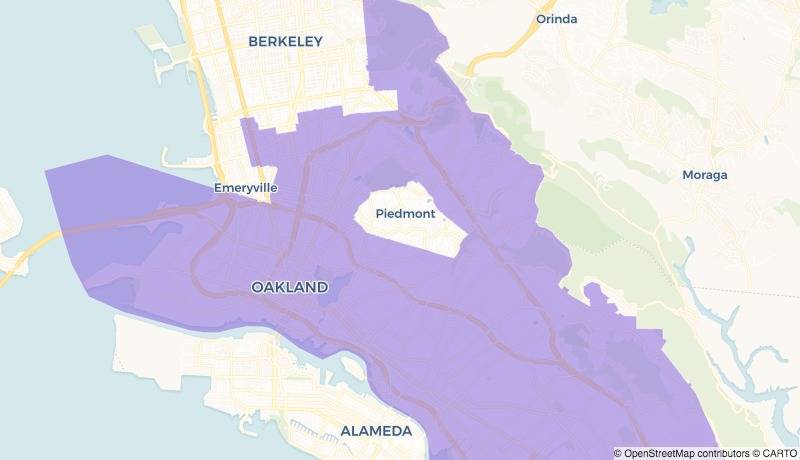
"caption": "The City of Piedmont is completely surrounded by the City of Oakland. ",
"description": "The City of Piedmont is completely surrounded by the City of Oakland. ",
"title": "Oakland City Limits",
"credit": "Carto",
"status": "inherit",
"isLoading": false,
"fetchFailed": false
}
},
"audioPlayerReducer": {
"postId": "stream_live",
"isPaused": true,
"isPlaying": false,
"pfsActive": false,
"pledgeModalIsOpen": true,
"playerDrawerIsOpen": false,
"liveAudioPlayStartedAt": 0,
"liveAudioPlayContext": ""
},
"authorsReducer": {
"byline_news_11737575": {
"type": "authors",
"id": "byline_news_11737575",
"meta": {
"override": true
},
"slug": "byline_news_11737575",
"name": "Chris Hambrick",
"isLoading": false
},
"ohubertallen": {
"type": "authors",
"id": "102",
"meta": {
"index": "authors_1716337520",
"id": "102",
"found": true
},
"name": "Olivia Allen-Price",
"firstName": "Olivia",
"lastName": "Allen-Price",
"slug": "ohubertallen",
"email": "oallenprice@kqed.org",
"display_author_email": false,
"staff_mastheads": [
"news"
],
"title": "Senior Editor",
"bio": "Olivia Allen-Price is senior editor and host of the award-winning Bay Curious podcast. Prior to joining KQED in 2013, Olivia worked at The Baltimore Sun and The Virginian-Pilot in Norfolk, Va. She holds degrees in journalism and political science from Elon University. Her work has earned awards from the Society of Professional Journalists, the Hearst Foundation and Hearken. She loves to talk about running and curly hair.\r\n\r\nFollow: \u003ca href=\"https://twitter.com/oallenprice\">@oallenprice\u003c/a>\r\nEmail: \u003ca href=\"mailto:oallenprice@kqed.org\">oallenprice@kqed.org\u003c/a>",
"avatar": "https://secure.gravatar.com/avatar/07f7803c1f6be56f3be58ef276dfa64dce898502e0554408ef4858451a8294f7?s=600&d=blank&r=g",
"twitter": "oallenprice",
"bluesky": null,
"facebook": null,
"instagram": null,
"linkedin": null,
"sites": [
{
"site": "",
"roles": [
"editor"
]
},
{
"site": "arts",
"roles": [
"subscriber"
]
},
{
"site": "news",
"roles": [
"administrator"
]
},
{
"site": "pop",
"roles": [
"administrator"
]
},
{
"site": "bayareabites",
"roles": [
"contributor"
]
},
{
"site": "stateofhealth",
"roles": [
"administrator"
]
},
{
"site": "science",
"roles": [
"editor"
]
}
],
"headData": {
"title": "Olivia Allen-Price | KQED",
"description": "Senior Editor",
"ogImgSrc": "https://secure.gravatar.com/avatar/07f7803c1f6be56f3be58ef276dfa64dce898502e0554408ef4858451a8294f7?s=600&d=blank&r=g",
"twImgSrc": "https://secure.gravatar.com/avatar/07f7803c1f6be56f3be58ef276dfa64dce898502e0554408ef4858451a8294f7?s=600&d=blank&r=g"
},
"isLoading": false,
"link": "/author/ohubertallen"
},
"kqed": {
"type": "authors",
"id": "236",
"meta": {
"index": "authors_1716337520",
"id": "236",
"found": true
},
"name": "KQED News Staff",
"firstName": "KQED News Staff",
"lastName": null,
"slug": "kqed",
"email": "faq@kqed.org",
"display_author_email": false,
"staff_mastheads": [],
"title": null,
"bio": null,
"avatar": "https://secure.gravatar.com/avatar/ef0e801a68c4c54afa9180db14084167?s=600&d=blank&r=g",
"twitter": null,
"facebook": null,
"instagram": null,
"linkedin": null,
"sites": [
{
"site": "arts",
"roles": [
"contributor"
]
},
{
"site": "news",
"roles": [
"editor"
]
},
{
"site": "futureofyou",
"roles": [
"author"
]
}
],
"headData": {
"title": "KQED News Staff | KQED",
"description": null,
"ogImgSrc": "https://secure.gravatar.com/avatar/ef0e801a68c4c54afa9180db14084167?s=600&d=blank&r=g",
"twImgSrc": "https://secure.gravatar.com/avatar/ef0e801a68c4c54afa9180db14084167?s=600&d=blank&r=g"
},
"isLoading": false,
"link": "/author/kqed"
},
"ffenzi": {
"type": "authors",
"id": "11926",
"meta": {
"index": "authors_1716337520",
"id": "11926",
"found": true
},
"name": "Francesca Fenzi",
"firstName": "Francesca",
"lastName": "Fenzi",
"slug": "ffenzi",
"email": "ffenzi@kqed.org",
"display_author_email": false,
"staff_mastheads": [
"news"
],
"title": "Producer, Forum",
"bio": "Francesca Fenzi is a journalist and audio producer focused on making news media as transparent, participatory, and community-driven as possible. Since joining KQED's \u003cem>Forum\u003c/em> team in 2022, she's produced both local and statewide hours of the live public affairs show, and has reported other radio, podcast, and digital content for KQED News. She previously managed \u003ca href=\"https://discord.gg/kqed\">KQED's digital community on Discord\u003c/a> – connecting listeners with journalists, subject matter experts, and each other online.",
"avatar": "https://secure.gravatar.com/avatar/fcda5bbce7779d32c08ad4ff83a25f7a?s=600&d=blank&r=g",
"twitter": null,
"bluesky": null,
"facebook": null,
"instagram": null,
"linkedin": null,
"sites": [
{
"site": "",
"roles": [
"editor"
]
},
{
"site": "news",
"roles": [
"editor"
]
},
{
"site": "about",
"roles": [
"editor"
]
},
{
"site": "forum",
"roles": [
"editor"
]
}
],
"headData": {
"title": "Francesca Fenzi | KQED",
"description": "Producer, Forum",
"ogImgSrc": "https://secure.gravatar.com/avatar/fcda5bbce7779d32c08ad4ff83a25f7a?s=600&d=blank&r=g",
"twImgSrc": "https://secure.gravatar.com/avatar/fcda5bbce7779d32c08ad4ff83a25f7a?s=600&d=blank&r=g"
},
"isLoading": false,
"link": "/author/ffenzi"
},
"sarahwright": {
"type": "authors",
"id": "11956",
"meta": {
"index": "authors_1716337520",
"id": "11956",
"found": true
},
"name": "Sarah Wright",
"firstName": "Sarah",
"lastName": "Wright",
"slug": "sarahwright",
"email": "swright@kqed.org",
"display_author_email": true,
"staff_mastheads": [],
"title": "Outdoors Engagement Reporter",
"bio": "Sarah Wright is KQED's Outdoors Engagement Reporter. Originally from Lake Tahoe, she completed a thru-hike of the Pacific Crest Trail in 2019 and was a U.S. Fulbright Program grantee to Argentina in 2023. Her journalism has appeared in The Guardian, The San Francisco Standard, The Palo Alto Weekly and the Half Moon Bay Review.",
"avatar": "https://secure.gravatar.com/avatar/c161a3d6441865cba25e6db4fa561099ad665799e9432e34da2b84d7e371524c?s=600&d=blank&r=g",
"twitter": null,
"bluesky": null,
"facebook": null,
"instagram": null,
"linkedin": null,
"sites": [
{
"site": "arts",
"roles": [
"editor"
]
},
{
"site": "news",
"roles": [
"editor"
]
},
{
"site": "science",
"roles": [
"contributor",
"author"
]
},
{
"site": "forum",
"roles": [
"editor"
]
}
],
"headData": {
"title": "Sarah Wright | KQED",
"description": "Outdoors Engagement Reporter",
"ogImgSrc": "https://secure.gravatar.com/avatar/c161a3d6441865cba25e6db4fa561099ad665799e9432e34da2b84d7e371524c?s=600&d=blank&r=g",
"twImgSrc": "https://secure.gravatar.com/avatar/c161a3d6441865cba25e6db4fa561099ad665799e9432e34da2b84d7e371524c?s=600&d=blank&r=g"
},
"isLoading": false,
"link": "/author/sarahwright"
}
},
"pagesReducer": {
"root-site_baycurious-podcasts": {
"type": "pages",
"id": "root-site_21643",
"meta": {
"index": "pages_1716337520",
"site": "root-site",
"id": "21643",
"score": 0
},
"slug": "baycurious-podcasts",
"title": "Bay Curious | Podcasts",
"headTitle": "Bay Curious | Podcasts | KQED",
"pagePath": "baycurious-podcasts",
"pageMeta": {
"sticky": false,
"WpPageTemplate": "page-podcast",
"adSlotOverride": "kqed300x250_baycurious",
"excludeFromSiteSearch": "Include"
},
"headData": {
"title": "Bay Curious: Your Guide to the Bay Area | KQED",
"description": "Join Olivia Allen-Price as she hosts a podcast about the Bay Area. We answer your questions about the people, places, and things that make this region so special.",
"ogTitle": "Bay Curious | Podcasts | KQED",
"ogDescription": "Bay Curious is a show about your questions — and the adventures you find when you go looking for the answers. Join host Olivia Allen-Price to explore all aspects of the Bay Area -- from the debate over "Frisco", to the dinosaurs that once roamed California, to the causes of homelessness. Whether you lived here your whole life, or just arrived, Bay Curious will deepen your understanding of this place you call home.",
"ogImgId": "",
"twTitle": "Bay Curious | Podcasts | KQED",
"twDescription": "Bay Curious is a show about your questions — and the adventures you find when you go looking for the answers. Join host Olivia Allen-Price to explore all aspects of the Bay Area -- from the debate over "Frisco", to the dinosaurs that once roamed California, to the causes of homelessness. Whether you lived here your whole life, or just arrived, Bay Curious will deepen your understanding of this place you call home.",
"twImgId": "",
"socialTitle": "Bay Curious: Your Guide to the Bay Area | KQED",
"socialDescription": "Join Olivia Allen-Price as she hosts a podcast about the Bay Area. We answer your questions about the people, places, and things that make this region so special.",
"canonicalUrl": "https://www.kqed.org/podcasts/baycurious",
"schema": {
"@context": "https://schema.org",
"@type": "PodcastSeries",
"name": "Bay Curious | Podcasts",
"description": "Join Olivia Allen-Price as she hosts a podcast about the Bay Area. We answer your questions about the people, places, and things that make this region so special.",
"url": "https://www.kqed.org/podcasts/baycurious",
"image": "https://cdn.kqed.org/wp-content/uploads/2024/04/Bay-Curious-Podcast-Tile-703x703-1.jpg",
"inLanguage": "en-US",
"publisher": {
"@type": "NewsMediaOrganization",
"@id": "https://www.kqed.org/#organization",
"name": "KQED",
"logo": "https://cdn.kqed.org/wp-content/uploads/2020/02/KQED-OG-Image@1x.png",
"url": "https://www.kqed.org",
"sameAs": [
"https://www.facebook.com/KQED",
"https://twitter.com/KQED",
"https://www.instagram.com/kqed/",
"https://www.tiktok.com/@kqedofficial",
"https://www.linkedin.com/company/kqed",
"https://www.youtube.com/channel/UCeC0IOo7i1P_61zVUWbJ4nw"
]
}
}
},
"labelTerm": {
"site": ""
},
"publishDate": 1677106147,
"content": "\u003cdiv class=\"wp-block-kqed-columns\">\n\u003cdiv class=\"wp-block-kqed-column\">\n\u003cdiv class=\"wp-block-kqed-hearken half-width\">\u003c/div>\n\u003c/div>\n\n\n\n\u003cdiv class=\"wp-block-kqed-column\">\n\u003cdiv class=\"wp-block-kqed-hearken half-width\">\u003c/div>\n\u003c/div>\n\u003c/div>\n\n\n\n\n\n\n\n\n\n\u003cdiv class=\"wp-block-kqed-columns\">\n\u003cdiv class=\"wp-block-kqed-column\">\n\u003ch2 class=\"wp-block-heading\">Contact Us\u003c/h2>\n\n\n\n\u003cdiv class=\"wp-block-kqed-section\">\n\u003cp>Send us a note at \u003ca href=\"mailto:baycurious@kqed.org\">baycurious@kqed.org\u003c/a>\u003c/p>\n\u003c/div>\n\n\n\n\u003cp>\u003c/p>\n\u003c/div>\n\n\n\n\u003cdiv class=\"wp-block-kqed-column\">\n\u003ch2 class=\"wp-block-heading\">Follow Us\u003c/h2>\n\n\n\n\u003cdiv class=\"wp-block-kqed-section\">\n\u003cp>Follow us on Instagram:\u003cbr>\u003ca href=\"https://www.instagram.com/oallenprice/\" target=\"_blank\" rel=\"noreferrer noopener\">@oallenprice\u003c/a>\u003c/p>\n\n\n\n\u003cp>Follow us on Twitter:\u003cbr>\u003ca href=\"https://twitter.com/kqedbaycurious\" target=\"_blank\" rel=\"noreferrer noopener\">@kqedbaycurious\u003c/a>\u003cbr>\u003ca href=\"https://twitter.com/oallenprice\" target=\"_blank\" rel=\"noreferrer noopener\">@oallenprice\u003c/a>\u003c/p>\n\u003c/div>\n\u003c/div>\n\u003c/div>\n\n\n\n\u003cdiv class=\"wp-block-kqed-biographies\">\n\n\u003c/div>\n\n\n\n\n\u003cp>[ad fullwidth]\u003c/p>\u003cp>\u003c/p>\n",
"blocks": [
{
"blockName": "kqed/hero",
"attrs": {
"titleLayout": "svg",
"titleSVG": "https://cdn.kqed.org/wp-content/uploads/2023/05/Bay-Curious-Logotype@2x.png",
"backgroundImageAlt": "Bay Curious",
"backgroundImageUrl": "https://cdn.kqed.org/wp-content/uploads/2024/04/Bay-Curious-Podcast-Banner-1280x500-1.jpg",
"blurb": "Bay Curious is a show about your questions – and the adventures you find when you go looking for the answers. Join host Olivia Allen-Price to explore all aspects of the Bay Area – from the debate over \"Frisco\", to the dinosaurs that once roamed California, to the causes of homelessness. Whether you lived here your whole life, or just arrived, Bay Curious will deepen your understanding of this place you call home.\u003cbr>\u003cbr>Looking for more ways to get involved? \u003ca href=\"https://www.kqed.org/newsletters/bay-curious\" target=\"_blank\" rel=\"noreferrer noopener\">Sign up for our newsletter\u003c/a>, \u003ca href=\"https://survey.alchemer.com/s3/7325022/e2726178469b\" target=\"_blank\" rel=\"noreferrer noopener\">take our latest survey\u003c/a>, and \u003ca href=\"http://kqed.org/baycuriousbook\">check out our book\u003c/a>.",
"blurbImageAlt": "Bay Curious",
"blurbImageUrl": "https://cdn.kqed.org/wp-content/uploads/2024/04/Bay-Curious-Podcast-Tile-703x703-1.jpg",
"previewID": "news_11156856",
"hasSponsorLogo": false
},
"innerHTML": "",
"innerContent": [],
"innerBlocks": []
},
{
"blockName": "kqed/columns",
"attrs": [],
"innerHTML": "\n\u003cdiv class=\"wp-block-kqed-columns\">\n\n\u003c/div>\n",
"innerContent": [
"\n\u003cdiv class=\"wp-block-kqed-columns\">",
null,
"\n\n",
null,
"\u003c/div>\n"
],
"innerBlocks": [
{
"blockName": "kqed/column",
"attrs": [],
"innerBlocks": [
{
"blockName": "kqed/hearken",
"attrs": {
"iframeId": "656",
"className": "half-width"
},
"innerBlocks": [],
"innerHTML": "\n\u003cdiv class=\"wp-block-kqed-hearken half-width\">\u003c/div>\n",
"innerContent": [
"\n\u003cdiv class=\"wp-block-kqed-hearken half-width\">\u003c/div>\n"
]
}
],
"innerHTML": "\n\u003cdiv class=\"wp-block-kqed-column\">\u003c/div>\n",
"innerContent": [
"\n\u003cdiv class=\"wp-block-kqed-column\">",
null,
"\u003c/div>\n"
]
},
{
"blockName": "kqed/column",
"attrs": {
"heading": "Voting Round"
},
"innerBlocks": [
{
"blockName": "kqed/hearken",
"attrs": {
"header": "Voting Round",
"iframeId": "4627",
"className": "half-width"
},
"innerBlocks": [],
"innerHTML": "\n\u003cdiv class=\"wp-block-kqed-hearken half-width\">\u003c/div>\n",
"innerContent": [
"\n\u003cdiv class=\"wp-block-kqed-hearken half-width\">\u003c/div>\n"
]
}
],
"innerHTML": "\n\u003cdiv class=\"wp-block-kqed-column\">\u003c/div>\n",
"innerContent": [
"\n\u003cdiv class=\"wp-block-kqed-column\">",
null,
"\u003c/div>\n"
]
}
]
},
{
"blockName": "kqed/post-list",
"attrs": {
"layout": "cardsRecent",
"query": "posts?series=baycurious&queryId=eee1c82208",
"title": "Stories",
"seeMore": true,
"sizeBase": 6,
"sizeSeeMore": 6
},
"innerHTML": "",
"innerContent": [],
"innerBlocks": []
},
{
"blockName": "kqed/listen-and-subscribe",
"attrs": [],
"innerHTML": "",
"innerContent": [],
"innerBlocks": []
},
{
"blockName": "kqed/email-signup",
"attrs": {
"newsletterSlug": "baycurious"
},
"innerHTML": "",
"innerContent": [],
"innerBlocks": []
},
{
"blockName": "kqed/columns",
"attrs": {
"heading": "Contact / Follow"
},
"innerHTML": "\n\u003cdiv class=\"wp-block-kqed-columns\">\n\n\u003c/div>\n",
"innerContent": [
"\n\u003cdiv class=\"wp-block-kqed-columns\">",
null,
"\n\n",
null,
"\u003c/div>\n"
],
"innerBlocks": [
{
"blockName": "kqed/column",
"attrs": [],
"innerBlocks": [
{
"blockName": "core/heading",
"attrs": [],
"innerBlocks": [],
"innerHTML": "\n\u003ch2 class=\"wp-block-heading\">Contact Us\u003c/h2>\n",
"innerContent": [
"\n\u003ch2 class=\"wp-block-heading\">Contact Us\u003c/h2>\n"
]
},
{
"blockName": "kqed/section",
"attrs": [],
"innerBlocks": [
{
"blockName": "core/paragraph",
"attrs": [],
"innerBlocks": [],
"innerHTML": "\n\u003cp>Send us a note at \u003ca href=\"mailto:baycurious@kqed.org\">baycurious@kqed.org\u003c/a>\u003c/p>\n",
"innerContent": [
"\n\u003cp>Send us a note at \u003ca href=\"mailto:baycurious@kqed.org\">baycurious@kqed.org\u003c/a>\u003c/p>\n"
]
}
],
"innerHTML": "\n\u003cdiv class=\"wp-block-kqed-section\">\u003c/div>\n",
"innerContent": [
"\n\u003cdiv class=\"wp-block-kqed-section\">",
null,
"\u003c/div>\n"
]
},
{
"blockName": "core/paragraph",
"attrs": [],
"innerBlocks": [],
"innerHTML": "\n\u003cp>\u003c/p>\n",
"innerContent": [
"\n\u003cp>\u003c/p>\n"
]
}
],
"innerHTML": "\n\u003cdiv class=\"wp-block-kqed-column\">\n\n\n\n\u003c/div>\n",
"innerContent": [
"\n\u003cdiv class=\"wp-block-kqed-column\">",
null,
"\n\n",
null,
"\n\n",
null,
"\u003c/div>\n"
]
},
{
"blockName": "kqed/column",
"attrs": {
"heading": "Follow Us"
},
"innerBlocks": [
{
"blockName": "core/heading",
"attrs": [],
"innerBlocks": [],
"innerHTML": "\n\u003ch2 class=\"wp-block-heading\">Follow Us\u003c/h2>\n",
"innerContent": [
"\n\u003ch2 class=\"wp-block-heading\">Follow Us\u003c/h2>\n"
]
},
{
"blockName": "kqed/section",
"attrs": [],
"innerBlocks": [
{
"blockName": "core/paragraph",
"attrs": [],
"innerBlocks": [],
"innerHTML": "\n\u003cp>Follow us on Instagram:\u003cbr>\u003ca href=\"https://www.instagram.com/oallenprice/\" target=\"_blank\" rel=\"noreferrer noopener\">@oallenprice\u003c/a>\u003c/p>\n",
"innerContent": [
"\n\u003cp>Follow us on Instagram:\u003cbr>\u003ca href=\"https://www.instagram.com/oallenprice/\" target=\"_blank\" rel=\"noreferrer noopener\">@oallenprice\u003c/a>\u003c/p>\n"
]
},
{
"blockName": "core/paragraph",
"attrs": [],
"innerBlocks": [],
"innerHTML": "\n\u003cp>Follow us on Twitter:\u003cbr>\u003ca href=\"https://twitter.com/kqedbaycurious\" target=\"_blank\" rel=\"noreferrer noopener\">@kqedbaycurious\u003c/a>\u003cbr>\u003ca href=\"https://twitter.com/oallenprice\" target=\"_blank\" rel=\"noreferrer noopener\">@oallenprice\u003c/a>\u003c/p>\n",
"innerContent": [
"\n\u003cp>Follow us on Twitter:\u003cbr>\u003ca href=\"https://twitter.com/kqedbaycurious\" target=\"_blank\" rel=\"noreferrer noopener\">@kqedbaycurious\u003c/a>\u003cbr>\u003ca href=\"https://twitter.com/oallenprice\" target=\"_blank\" rel=\"noreferrer noopener\">@oallenprice\u003c/a>\u003c/p>\n"
]
}
],
"innerHTML": "\n\u003cdiv class=\"wp-block-kqed-section\">\n\n\u003c/div>\n",
"innerContent": [
"\n\u003cdiv class=\"wp-block-kqed-section\">",
null,
"\n\n",
null,
"\u003c/div>\n"
]
}
],
"innerHTML": "\n\u003cdiv class=\"wp-block-kqed-column\">\n\n\u003c/div>\n",
"innerContent": [
"\n\u003cdiv class=\"wp-block-kqed-column\">",
null,
"\n\n",
null,
"\u003c/div>\n"
]
}
]
},
{
"blockName": "kqed/biographies",
"attrs": {
"heading": "The Bay Curious Team",
"bioType": "white"
},
"innerHTML": "\n\u003cdiv class=\"wp-block-kqed-biographies\">\n\n\u003c/div>\n",
"innerContent": [
"\n\u003cdiv class=\"wp-block-kqed-biographies\">",
null,
"\n\n",
null,
"\u003c/div>\n"
],
"innerBlocks": [
{
"blockName": "kqed/biographies-item",
"attrs": {
"mediaURL": "https://ww2.kqed.org/news/wp-content/uploads/sites/10/2019/11/IMG_2562-e1572650381510.jpg",
"mediaAlt": "Olivia Allen-Price",
"name": "Olivia Allen-Price",
"position": "Host / Editor",
"bio": "Olivia is a big believer in the value of public-powered journalism. She helped launch \u003cem>Bay Curious\u003c/em> as a radio series in 2015, then turned it into a podcast in 2017. Before working on the show, Olivia was an engagement producer at KQED. She's also worked at \u003cem>The Baltimore Sun\u003c/em> and \u003cem>The Virginian-Pilot\u003c/em>. When not tethered to a computer by a pair of headphones, Olivia loves running, playing with other people's dogs and taking weekend trips around California. Follow her on \u003ca href=\"https://twitter.com/oallenprice\" target=\"_blank\" rel=\"noreferrer noopener\">Twitter\u003c/a> or \u003ca href=\"https://instagram.com/oallenprice\" target=\"_blank\" rel=\"noreferrer noopener\">Instagram.\u003c/a>",
"link": "/author/oallenprice"
},
"innerBlocks": [],
"innerHTML": "",
"innerContent": []
},
{
"blockName": "kqed/biographies-item",
"attrs": {
"mediaURL": "https://secure.gravatar.com/avatar/a6a567574dafefa959593925eead665c?s=600&d=https://i.imgur.com/u9MDiPR.png&r=g",
"mediaAlt": "Katrina Schwartz",
"name": "Katrina Schwartz",
"position": "Producer",
"bio": "Katrina grew up in San Francisco and loves learning new things about her hometown. She helped pilot the first iteration of\u003cem> Bay Curious\u003c/em> when it was just a radio feature. Before joining the team, Katrina reported on education for \u003cem>MindShift\u003c/em> and was a finalist for the Education Writers Association beat reporting and audio storytelling awards. She co-hosts the \u003cem>MindShift\u003c/em> podcast about the future of learning, and has been making radio since 2010. When she’s not reporting, Katrina loves reading, the ocean and the mountains, and playing ultimate frisbee.",
"link": ""
},
"innerBlocks": [],
"innerHTML": "",
"innerContent": []
}
]
},
{
"blockName": "kqed/ad",
"attrs": [],
"innerHTML": "",
"innerContent": [],
"innerBlocks": []
},
{
"blockName": "kqed/programs",
"attrs": {
"title": "We Also Recommend",
"programIDs": [
"mindshift",
"rightnowish",
"soldout",
"onourwatch",
"thebay",
"forum"
]
},
"innerHTML": "",
"innerContent": [],
"innerBlocks": []
}
],
"status": "publish",
"parent": 0,
"modified": 1767894763,
"format": "standard",
"path": "/podcasts/baycurious",
"redirect": {
"type": "internal",
"url": "/podcasts/baycurious"
},
"audioTrackLength": null,
"parsedContent": [
{
"type": "contentString",
"content": "\u003cdiv class=\"post-body\">\u003cp>\u003cdiv class=\"wp-block-kqed-columns\">\n\u003cdiv class=\"wp-block-kqed-column\">\n\u003cdiv class=\"wp-block-kqed-hearken half-width\">\u003c/div>\n\u003c/div>\n\n\n\n\u003cdiv class=\"wp-block-kqed-column\">\n\u003cdiv class=\"wp-block-kqed-hearken half-width\">\u003c/div>\n\u003c/div>\n\u003c/div>\n\n\n\n\n\n\n\n\n\n\u003cdiv class=\"wp-block-kqed-columns\">\n\u003cdiv class=\"wp-block-kqed-column\">\n\u003ch2 class=\"wp-block-heading\">Contact Us\u003c/h2>\n\n\n\n\u003cdiv class=\"wp-block-kqed-section\">\n\u003cp>Send us a note at \u003ca href=\"mailto:baycurious@kqed.org\">baycurious@kqed.org\u003c/a>\u003c/p>\n\u003c/div>\n\n\n\n\u003cp>\u003c/p>\n\u003c/div>\n\n\n\n\u003cdiv class=\"wp-block-kqed-column\">\n\u003ch2 class=\"wp-block-heading\">Follow Us\u003c/h2>\n\n\n\n\u003cdiv class=\"wp-block-kqed-section\">\n\u003cp>Follow us on Instagram:\u003cbr>\u003ca href=\"https://www.instagram.com/oallenprice/\" target=\"_blank\" rel=\"noreferrer noopener\">@oallenprice\u003c/a>\u003c/p>\n\n\n\n\u003cp>Follow us on Twitter:\u003cbr>\u003ca href=\"https://twitter.com/kqedbaycurious\" target=\"_blank\" rel=\"noreferrer noopener\">@kqedbaycurious\u003c/a>\u003cbr>\u003ca href=\"https://twitter.com/oallenprice\" target=\"_blank\" rel=\"noreferrer noopener\">@oallenprice\u003c/a>\u003c/p>\n\u003c/div>\n\u003c/div>\n\u003c/div>\n\n\n\n\u003cdiv class=\"wp-block-kqed-biographies\">\n\n\u003c/div>\n\n\n\n\n\u003cp>\u003c/p>\u003c/div>",
"attributes": {
"named": {},
"numeric": []
}
},
{
"type": "component",
"content": "",
"name": "ad",
"attributes": {
"named": {
"label": "fullwidth"
},
"numeric": [
"fullwidth"
]
}
},
{
"type": "contentString",
"content": "\u003cdiv class=\"post-body\">\u003cp>\u003c/p>\u003cp>\u003c/p>\n\u003c/div>\u003c/p>",
"attributes": {
"named": {},
"numeric": []
}
}
],
"featImg": "root-site_21263",
"label": "root-site",
"isLoading": false
}
},
"pfsSessionReducer": {},
"postsReducer": {
"stream_live": {
"type": "live",
"id": "stream_live",
"audioUrl": "https://streams.kqed.org/kqedradio",
"title": "Live Stream",
"excerpt": "Live Stream information currently unavailable.",
"link": "/radio",
"featImg": "",
"label": {
"name": "KQED Live",
"link": "/"
}
},
"stream_kqedNewscast": {
"type": "posts",
"id": "stream_kqedNewscast",
"audioUrl": "https://www.kqed.org/.stream/anon/radio/RDnews/newscast.mp3?_=1",
"title": "KQED Newscast",
"featImg": "",
"label": {
"name": "88.5 FM",
"link": "/"
}
},
"news_12100105": {
"type": "posts",
"id": "news_12100105",
"meta": {
"index": "posts_1716263798",
"site": "news",
"id": "12100105",
"score": null,
"sort": [
1789639200000
]
},
"guestAuthors": [],
"slug": "silicon-valley-used-to-be-carpeted-with-flower-farms",
"title": "Silicon Valley Used to Be Carpeted With Flower Farms",
"publishDate": 1789639200,
"format": "standard",
"headTitle": "Silicon Valley Used to Be Carpeted With Flower Farms | KQED",
"labelTerm": {
"term": 33523,
"site": "news"
},
"content": "\n\u003cp>For almost a hundred years, huge swaths of San Mateo and Santa Clara counties were used to grow flowers. Hundreds of acres of chrysanthemums, asters and irises dotted the landscape, part of a two million dollar flower industry. And many of the people growing these flowers were immigrants from Italy, Japan and China.\u003c/p>\n\n\n\n\u003cp>Because of racist laws around land ownership at the time, most of the Chinese growers had to lease land from white people. Leland and Jane Stanford were willing landlords. The land where Stanford Shopping Center, the school’s research park and graduate student housing are today all used to be flower farms. \u003c/p>\n\n\n\n\u003cp>Read Gabriela Glueck’s full story \u003ca href=\"https://www.kqed.org/news/12090069/when-chinese-flower-growers-helped-the-bay-area-bloom\">“When Chinese Flower Growers Helped the Bay Area Bloom”\u003c/a> on The California Report Magazine.\u003c/p>\n\n\n\n\u003cfigure class=\"wp-block-embed is-type-wp-embed is-provider-megaphone wp-block-embed-megaphone\">\u003cdiv class=\"wp-block-embed__wrapper\">\nhttps://playlist.megaphone.fm?e=KQINC4358921968&light=true\n\u003c/div>\u003c/figure>\n\n\n\n\u003ch2 class=\"wp-block-heading\">Episode Transcript\u003c/h2>\n\n\n\n\u003cp>\u003cstrong>Olivia Allen-Price: \u003c/strong>I’m Olivia Allen-Price. This is Bay Curious. We start today’s story at Stanford University at the office of archeologist Laura Jones.\u003c/p>\n\n\n\n\u003cp>The first big surprise is the sculpture just outside. A half human, half animal figure that she’s storing for an indigenous tribe.Then there’s the colorfully embroidered tapestry of campus landmarks inside… and the 3 dimensional map on her wall…\u003c/p>\n\n\n\n\u003cp>Things that don’t quite make the cut for a museum end up here, in Laura Jones’ office. So when a retiring colleague offered her some old Stanford maps from the 1950s, Laura says it was an easy yes.\u003c/p>\n\n\n\n\u003cp>\u003cstrong>Laura Jones: \u003c/strong>She shows me this map that’s got all these colored pencil areas on it, where the Stanford shopping center is today, where the Stanford Research Park is today, where our graduate student housing is today, and they’re coded for what flower is being grown.\u003c/p>\n\n\n\n\u003cp>\u003cstrong>Olivia Allen-Price: \u003c/strong>Fields and field of flowers blooming, as far as the eye could see.\u003c/p>\n\n\n\n\u003cp>\u003cstrong>Laura Jones: \u003c/strong>In black pencil, dark black pencil, are the names of the farmers, and they’re all Chinese and Japanese… \u003c/p>\n\n\n\n\u003cp>\u003cstrong>Olivia Allen-Price: \u003c/strong>For a solid stretch of the 20th century, the Bay Area was home to a burgeoning flower industry, shaped in part by Japanese, Italian, and Chinese farmers.\u003cbr>\u003cbr>In 1948 about 200 acres of chrysanthemums were grown in San Mateo and Santa Clara counties. Imagine, that’s about 150 football fields!\u003c/p>\n\n\n\n\u003cp>Some of these flowers were grown on Stanford lands between the 1890s and 1960s, in plots leased to Asian American farmers. \u003c/p>\n\n\n\n\u003cp>\u003cstrong>Laura Jones:\u003c/strong> If you could imagine, as you go down towards El Camino Real at the shopping center, or where our graduate students live today, you would have seen just fields of flowers.\u003c/p>\n\n\n\n\u003cp>\u003cstrong>Olivia Allen-Price: \u003c/strong>KQED reporter Gabriela Glueck met up with Laura to learn more about this history and the contributions of Chinese American growers in particular. \u003c/p>\n\n\n\n\u003cp>This story first aired on The California Report Magazine.\u003c/p>\n\n\n\n\u003cp>\u003cem>Music begins\u003c/em>\u003c/p>\n\n\n\n\u003cp>\u003cstrong>Gabriela Glueck: \u003c/strong>Beginning in the late 1800s, farmers in Santa Clara Valley began planting fruit orchards, and the area’s rich, fertile soil helped the region develop into an agricultural powerhouse. \u003c/p>\n\n\n\n\u003cp>One that came to be known as the “Garden of the World.”\u003c/p>\n\n\n\n\u003cp>Much of this agricultural land was owned by white farmers. But they regularly hired Chinese immigrant laborers and also leased them land. \u003c/p>\n\n\n\n\u003cp>\u003cstrong>Laura Jones: \u003c/strong>Chinese immigrants arrive in California in the 1840s and 1850s during the Gold Rush, not everybody found gold. So Chinese immigrants fan out across California looking for other things to do…\u003c/p>\n\n\n\n\u003cp>\u003cstrong>Gabriela Glueck: \u003c/strong>Discriminatory laws made land ownership nearly impossible for many immigrants. So leasing was the next best option.\u003c/p>\n\n\n\n\u003cp>\u003cem>Music fades\u003c/em>\u003c/p>\n\n\n\n\u003cp>\u003cstrong>Gabriela Glueck: \u003c/strong>As Laura tells it, Leland and Jane Stanford – the founders of Stanford University – were eager landlords.\u003c/p>\n\n\n\n\u003cp>\u003cstrong>Laura Jones:\u003c/strong> Leland Stanford, for example, employed hundreds of Chinese on his ranches and farms and here in Palo Alto. Mrs. Stanford had a number of leases with Chinese farmers. \u003c/p>\n\n\n\n\u003cp>\u003cstrong>Gabriela Glueck: \u003c/strong>Jim Mok was one such Chinese worker employed by the Stanfords. He worked as a foreman on their farm and at the University.\u003c/p>\n\n\n\n\u003cp>He helped lead the team of Chinese gardeners who planted the palm trees on Stanford’s famous palm drive.\u003c/p>\n\n\n\n\u003cp>\u003cstrong>Laura Jones:\u003c/strong>\u003cstrong>\u003cem> \u003c/em>\u003c/strong>He was a really gifted supervisor… he was paid well for it, too. And he saved his money, and then he leased some land from Jane, and he did his vegetable farm.\u003c/p>\n\n\n\n\u003cp>\u003cstrong>Gabriela Glueck: \u003c/strong>Mok was also a leader in his own community, helping other Chinese immigrants find work and land.\u003c/p>\n\n\n\n\u003cp>\u003cstrong>George Chin: \u003c/strong>Because he’s a foreman, he employed some of the fellow clansmen, relatives and whatnot. \u003c/p>\n\n\n\n\u003cp>\u003cstrong>Gabriela Glueck: \u003c/strong>That’s George Chin. He heads San Francisco’s Chinatown History & Culture Association.\u003c/p>\n\n\n\n\u003cp>\u003cs>\u003cbr>\u003c/s>\u003cstrong>George Chin: \u003c/strong>A lot of the Stanford Chinese workers came from particular place. This place is called Huangliang Du in Cantonese, this is southern part of Guangdong in China.\u003c/p>\n\n\n\n\u003cp>\u003cstrong>Gabriela Glueck: \u003c/strong>George says that at the start, Chinese land leasees were focused on growing vegetables. First for their own consumption, then for selling locally. \u003c/p>\n\n\n\n\u003cp>\u003cstrong>George Chin:\u003c/strong> And then they discover that they can sell flowers in San Francisco and make much more profit compared to vegetables.\u003c/p>\n\n\n\n\u003cp>\u003cstrong>Gabriela Glueck: \u003c/strong>So Mok switched gears, opting for asters and chrysanthemums in lieu of vegetables… Other Chinese immigrants followed suit.\u003c/p>\n\n\n\n\u003cp>It was a gradual transition, taking shape in the early 1900s, as the demand for cut flowers started to accelerate.\u003c/p>\n\n\n\n\u003cp>At the same time, Japanese and Italian immigrant farmers were making similar shifts, building their own greenhouses, and networks.\u003c/p>\n\n\n\n\u003cp>\u003cem>Music begins\u003c/em>\u003c/p>\n\n\n\n\u003cp>\u003cstrong>Gabriela Glueck: \u003c/strong>That’s when George’s dad, Arthur Y. Chin, came into the picture. He arrived in the United States in 1923, hailing from Guangdong Province in China, just like Mok did. And pretty quickly he got into the flower business, getting a lease in Palo Alto.\u003c/p>\n\n\n\n\u003cp>George spent much of his childhood on the farm. And he’s still got pictures of the place…including one black and white still of him and his two siblings in front of their house…\u003c/p>\n\n\n\n\u003cp>\u003cstrong>George Chin:\u003c/strong> And the background you see part of the greenhouse, which is the nurse part of the nursery, and that’s where my father grew the flowers.\u003c/p>\n\n\n\n\u003cp>Inside would be various row of chrysanthemums various color.\u003c/p>\n\n\n\n\u003cp>\u003cstrong>Gabriela Glueck: \u003c/strong>George says the business was truly a family operation, and in many ways, his mom was the backbone of it. She worked the fields, helped prepare cut flowers, cooked meals for the crew, and raised three children.\u003c/p>\n\n\n\n\u003cp>As a kid, George pitched in too, helping his parents with the hard work of flower growing.\u003c/p>\n\n\n\n\u003cp>\u003cstrong>George Chin:\u003c/strong>\u003cstrong>\u003cem> \u003c/em>\u003c/strong>When I’m a teenager, there’s a little bit of resentment because I cannot go to after school sports… I cannot join in the sports club, after school activity, because I have to be home working.\u003c/p>\n\n\n\n\u003cp>\u003cstrong>Gabriela Glueck: \u003c/strong>He’d help build and repair green houses. And pick buds on growing flower bushes to make sure only the biggest mum would bloom.\u003c/p>\n\n\n\n\u003cp>George says he remembers his dad packing up their family truck with fresh cut flowers to sell at the wholesaler. He’d also collect some other farmer’s flowers to take with him. It was just one of many ways this group of Chinese American growers — looked out for each other.\u003c/p>\n\n\n\n\u003cp>\u003cstrong>George Chin:\u003c/strong>\u003cstrong>\u003cem> \u003c/em>\u003c/strong>In order to protect each other and fought against the competitions the Chinese growers form a Bay Area Chrysanthemums Growers Association.\u003c/p>\n\n\n\n\u003cp>\u003cstrong>Olivia Allen-Price: \u003c/strong>You’re listening to Bay Curious – a podcast produced by listener supported KQED. You can join the hundreds of thousands of members in the Bay Area today but donate at \u003ca href=\"http://donate.kqed.org/podcasts\">donate.kqed.org/podcasts\u003c/a>. We’ve got to take a quick break – when we return The Chinese Growers scale up to meet a tide of demand.\u003c/p>\n\n\n\n\u003cp>\u003cstrong>Olivia Allen-Price: \u003c/strong>And we’re back…\u003cbr>\u003cbr>Jim Mok had helped build a community of Chinese flower growers on and around the Stanford campus. What started out as a small solo operation, grew into a large coordinated effort. \u003c/p>\n\n\n\n\u003cp>\u003cem>Music begins\u003c/em>\u003c/p>\n\n\n\n\u003cp>\u003cstrong>Gabriela Glueck: \u003c/strong>By the late 1970s, one report shows that the association had grown to nearly 140 Chinese growers.\u003c/p>\n\n\n\n\u003cp>The blueprint Mok and other enterprising immigrants laid out had really taken shape.\u003c/p>\n\n\n\n\u003cp>\u003cstrong>Laura Jones: \u003c/strong>These growers had essentially self organized into cooperatives so that they could, in fact, afford mass shipping…\u003c/p>\n\n\n\n\u003cp>\u003cstrong>Gabriela Glueck: \u003c/strong>Stanford archaeologist Laura Jones again.\u003c/p>\n\n\n\n\u003cp>\u003cstrong>Laura Jones:\u003c/strong> This is you providing thousands of flowers that are packed into a semi trailer truck, refrigerated truck, with other growers flowers, right? And going off to wholesalers somewhere but they’re banding together to access mass markets. \u003c/p>\n\n\n\n\u003cp>\u003cstrong>Gabriela Glueck: \u003c/strong>And those markets – both local and around the country – wanted chrysanthemums.\u003c/p>\n\n\n\n\u003cp>\u003cstrong>Laura Jones:\u003c/strong> In large part, for corsages, which is a tradition we don’t really follow as much anymore; it’s really rare but it was huge, huge between 1920 and about 1960. Men wore corsages as well as women. And it was just a major market.\u003c/p>\n\n\n\n\u003cp>\u003cem>Music begins\u003c/em>\u003cstrong>\u003cem>\u003cbr>\u003c/em>\u003c/strong>\u003cstrong>\u003cem>\u003cbr>\u003c/em>\u003c/strong>\u003cstrong>Gabriela Glueck: \u003c/strong>If you dig up pictures of old Cal versus Stanford football games and zoom in on the spectators, you’ll see them. White chrysanthemum corsages with a pipe cleaner shaped into a red S. And a yellow version with a blue C for Cal.\u003c/p>\n\n\n\n\u003cp>\u003cstrong>Laura Jones:\u003c/strong> And we found these ads in the local newspapers for chrysanthemum corsages. And they had the, they were about the big game. And so there’ll be a drawing of a, you know, a pretty girl with a giant corsage with a big S on it for the big game.\u003c/p>\n\n\n\n\u003cp>\u003cem>Music fades\u003c/em>\u003c/p>\n\n\n\n\u003cp>\u003cstrong>Gabriela Glueck: \u003c/strong>Cut flowers for your dining room table and for all other occasions were also popular. At every step, as new business opportunities arose, the Chinese growers worked together to take advantage.\u003c/p>\n\n\n\n\u003cp>\u003cstrong>Laura Jones:\u003c/strong>\u003cstrong>\u003cem> \u003c/em>\u003c/strong>These small growers on these small farms are banding together. They buy warehouses near trail train lines, right? They buy warehouses at the airport together. Because, I mean, who’s what? Person with six acres is going to buy a hangar at the airport.\u003c/p>\n\n\n\n\u003cp>\u003cstrong>Gabriela Glueck: \u003c/strong>That cooperation helped the industry scale. And it also gave immigrants a chance at upward mobility.\u003c/p>\n\n\n\n\u003cp>\u003cstrong>Laura Jones:\u003c/strong>\u003cstrong>\u003cem> \u003c/em>\u003c/strong>One of the things that’s interesting about flower growing and also true about vegetable farms is you can make a living with a fairly small acreage. You could be running, you know, a multi family operation on six leased acres. That’s real opportunity, right for immigrants to come in and start something for their families.\u003c/p>\n\n\n\n\u003cp>\u003cstrong>Gabriela Glueck: \u003c/strong>For George and his family, flower farming was supposed to be a stepping stone, a path to the middle class. And it was.\u003c/p>\n\n\n\n\u003cp>\u003cstrong>George Chin:\u003c/strong> Farming is not easy. I’m sure my father doesn’t really want to see his son actually just taking over the business so to speak.\u003c/p>\n\n\n\n\u003cp>\u003cstrong>Gabriela Glueck: \u003c/strong>After serving in the U.S. Air Force, George became an engineer, and when his parents retired from flower growing they just stopped leasing the plot. Today, it’s a condo.\u003c/p>\n\n\n\n\u003cp>\u003cem>Music begins\u003c/em>\u003c/p>\n\n\n\n\u003cp>\u003cstrong>Gabriela Glueck: \u003c/strong>In the 1980s, it became economical to ship cut flowers from South America. And Bay Area real estate was also starting to get Silicon-Valley pricey.\u003c/p>\n\n\n\n\u003cp>\u003cstrong>Laura Jones:\u003c/strong> So it’s like the perfect storm of wiping out these small flower farms.\u003c/p>\n\n\n\n\u003cp>\u003cstrong>Gabriela Glueck: \u003c/strong>For George, watching the history fade away was sad… but he says the best we can do now is make sure the story’s not forgotten.\u003c/p>\n\n\n\n\u003cp>It’s part of the reason he’s been so excited about the work Laura is doing. Since she first came across that map, she’s been researching this history, and plans to turn her findings into a digital exhibit called the Forgotten Flowers project.\u003c/p>\n\n\n\n\u003cp>Last year, Laura and George also helped put on a corsage making event on Stanford’s campus… as part of the initiative.\u003c/p>\n\n\n\n\u003cp>\u003cstrong>Laura Jones: \u003c/strong>We had a lot of the flower growers who came. It was a joyful event, right to recover that tradition at Stanford.\u003c/p>\n\n\n\n\u003cp>\u003cstrong>Gabriela Glueck: \u003c/strong>The corsage making kits came from a florist in San Francisco’s Chinatown. White chrysanthemums, pipe cleaners to make the Stanford S, and instruction sheets. \u003c/p>\n\n\n\n\u003cp>About 200 people showed up to take part.\u003c/p>\n\n\n\n\u003cp>\u003cstrong>George Chin:\u003c/strong>\u003cstrong>\u003cem> \u003c/em>\u003c/strong>It’s kind of exciting because, you are seeing people really intense of learning from the past. I think we’re there’s certain joy to be able to pass down this tradition.\u003c/p>\n\n\n\n\u003cp>\u003cbr>\u003cstrong>Gabriela Glueck: \u003c/strong>Corsage making has always been an intricate art form – arranging fresh cut flowers and carefully trimmed leaves into a balanced and wearable composition.\u003c/p>\n\n\n\n\u003cp>And at the event, it also offered crafters a way to connect with a not so distant past. When Stanford’s campus and the area surrounding it were blooming with flower farms and chrysanthemum fields were king.\u003c/p>\n\n\n\n\u003cp>\u003cem>Music begins\u003c/em>\u003cbr>\u003cbr>\u003cstrong>Olivia Allen-Price\u003c/strong>: That was KQED reporter Gabriella Glueck. Thanks to the team at The California Report Magazine for their work producing that story. The team includes Sasha Khokha, Victoria Mauleon, Suzie Racho and Brendan Willard.\u003c/p>\n\n\n\n\u003cp>Bay Curious is made in San Francisco at member-supported KQED. Our show is produced by Katrina Schwartz, Christopher Beale, Anna Casalme, and me, Olivia Allen-Price. We get extra support from Maha Sanad, Katie Sprenger, Jen Chien, Ethan Toven-Lindsey and everyone on team KQED.\u003c/p>\n\n\n\n\u003cp>Some members of the KQED podcast team are represented by The Screen Actors Guild, American Federation of Television and Radio Artists, San Francisco Northern California Local.\u003c/p>\n\n\n\n\u003cp>I’m Olivia Allen-Price. Have a wonderful week!\u003c/p>\n",
"blocks": [
{
"blockName": "core/paragraph",
"attrs": {
"dropCap": false
},
"innerHTML": "\n\u003cp>For almost a hundred years, huge swaths of San Mateo and Santa Clara counties were used to grow flowers. Hundreds of acres of chrysanthemums, asters and irises dotted the landscape, part of a two million dollar flower industry. And many of the people growing these flowers were immigrants from Italy, Japan and China.\u003c/p>\n",
"innerContent": [
"\n\u003cp>For almost a hundred years, huge swaths of San Mateo and Santa Clara counties were used to grow flowers. Hundreds of acres of chrysanthemums, asters and irises dotted the landscape, part of a two million dollar flower industry. And many of the people growing these flowers were immigrants from Italy, Japan and China.\u003c/p>\n"
],
"innerBlocks": []
},
{
"blockName": "core/paragraph",
"attrs": {
"dropCap": false
},
"innerHTML": "\n\u003cp>Because of racist laws around land ownership at the time, most of the Chinese growers had to lease land from white people. Leland and Jane Stanford were willing landlords. The land where Stanford Shopping Center, the school’s research park and graduate student housing are today all used to be flower farms. \u003c/p>\n",
"innerContent": [
"\n\u003cp>Because of racist laws around land ownership at the time, most of the Chinese growers had to lease land from white people. Leland and Jane Stanford were willing landlords. The land where Stanford Shopping Center, the school’s research park and graduate student housing are today all used to be flower farms. \u003c/p>\n"
],
"innerBlocks": []
},
{
"blockName": "core/paragraph",
"attrs": {
"dropCap": false
},
"innerHTML": "\n\u003cp>Read Gabriela Glueck’s full story \u003ca href=\"https://www.kqed.org/news/12090069/when-chinese-flower-growers-helped-the-bay-area-bloom\">“When Chinese Flower Growers Helped the Bay Area Bloom”\u003c/a> on The California Report Magazine.\u003c/p>\n",
"innerContent": [
"\n\u003cp>Read Gabriela Glueck’s full story \u003ca href=\"https://www.kqed.org/news/12090069/when-chinese-flower-growers-helped-the-bay-area-bloom\">“When Chinese Flower Growers Helped the Bay Area Bloom”\u003c/a> on The California Report Magazine.\u003c/p>\n"
],
"innerBlocks": []
},
{
"blockName": "core/embed",
"attrs": {
"url": "https://playlist.megaphone.fm?e=KQINC4358921968&light=true",
"type": "wp-embed",
"providerNameSlug": "megaphone",
"allowResponsive": true,
"responsive": false,
"previewable": true
},
"innerHTML": "\n\u003cfigure class=\"wp-block-embed is-type-wp-embed is-provider-megaphone wp-block-embed-megaphone\">\u003cdiv class=\"wp-block-embed__wrapper\">\nhttps://playlist.megaphone.fm?e=KQINC4358921968&light=true\n\u003c/div>\u003c/figure>\n",
"innerContent": [
"\n\u003cfigure class=\"wp-block-embed is-type-wp-embed is-provider-megaphone wp-block-embed-megaphone\">\u003cdiv class=\"wp-block-embed__wrapper\">\nhttps://playlist.megaphone.fm?e=KQINC4358921968&light=true\n\u003c/div>\u003c/figure>\n"
],
"innerBlocks": []
},
{
"blockName": "core/heading",
"attrs": {
"text": "Episode Transcript",
"level": 2
},
"innerHTML": "\n\u003ch2 class=\"wp-block-heading\">Episode Transcript\u003c/h2>\n",
"innerContent": [
"\n\u003ch2 class=\"wp-block-heading\">Episode Transcript\u003c/h2>\n"
],
"innerBlocks": []
},
{
"blockName": "core/paragraph",
"attrs": {
"dropCap": false
},
"innerHTML": "\n\u003cp>\u003cstrong>Olivia Allen-Price: \u003c/strong>I’m Olivia Allen-Price. This is Bay Curious. We start today’s story at Stanford University at the office of archeologist Laura Jones.\u003c/p>\n",
"innerContent": [
"\n\u003cp>\u003cstrong>Olivia Allen-Price: \u003c/strong>I’m Olivia Allen-Price. This is Bay Curious. We start today’s story at Stanford University at the office of archeologist Laura Jones.\u003c/p>\n"
],
"innerBlocks": []
},
{
"blockName": "core/paragraph",
"attrs": {
"dropCap": false
},
"innerHTML": "\n\u003cp>The first big surprise is the sculpture just outside. A half human, half animal figure that she’s storing for an indigenous tribe.Then there’s the colorfully embroidered tapestry of campus landmarks inside… and the 3 dimensional map on her wall…\u003c/p>\n",
"innerContent": [
"\n\u003cp>The first big surprise is the sculpture just outside. A half human, half animal figure that she’s storing for an indigenous tribe.Then there’s the colorfully embroidered tapestry of campus landmarks inside… and the 3 dimensional map on her wall…\u003c/p>\n"
],
"innerBlocks": []
},
{
"blockName": "core/paragraph",
"attrs": {
"dropCap": false
},
"innerHTML": "\n\u003cp>Things that don’t quite make the cut for a museum end up here, in Laura Jones’ office. So when a retiring colleague offered her some old Stanford maps from the 1950s, Laura says it was an easy yes.\u003c/p>\n",
"innerContent": [
"\n\u003cp>Things that don’t quite make the cut for a museum end up here, in Laura Jones’ office. So when a retiring colleague offered her some old Stanford maps from the 1950s, Laura says it was an easy yes.\u003c/p>\n"
],
"innerBlocks": []
},
{
"blockName": "core/paragraph",
"attrs": {
"dropCap": false
},
"innerHTML": "\n\u003cp>\u003cstrong>Laura Jones: \u003c/strong>She shows me this map that’s got all these colored pencil areas on it, where the Stanford shopping center is today, where the Stanford Research Park is today, where our graduate student housing is today, and they’re coded for what flower is being grown.\u003c/p>\n",
"innerContent": [
"\n\u003cp>\u003cstrong>Laura Jones: \u003c/strong>She shows me this map that’s got all these colored pencil areas on it, where the Stanford shopping center is today, where the Stanford Research Park is today, where our graduate student housing is today, and they’re coded for what flower is being grown.\u003c/p>\n"
],
"innerBlocks": []
},
{
"blockName": "core/paragraph",
"attrs": {
"dropCap": false
},
"innerHTML": "\n\u003cp>\u003cstrong>Olivia Allen-Price: \u003c/strong>Fields and field of flowers blooming, as far as the eye could see.\u003c/p>\n",
"innerContent": [
"\n\u003cp>\u003cstrong>Olivia Allen-Price: \u003c/strong>Fields and field of flowers blooming, as far as the eye could see.\u003c/p>\n"
],
"innerBlocks": []
},
{
"blockName": "core/paragraph",
"attrs": {
"dropCap": false
},
"innerHTML": "\n\u003cp>\u003cstrong>Laura Jones: \u003c/strong>In black pencil, dark black pencil, are the names of the farmers, and they’re all Chinese and Japanese… \u003c/p>\n",
"innerContent": [
"\n\u003cp>\u003cstrong>Laura Jones: \u003c/strong>In black pencil, dark black pencil, are the names of the farmers, and they’re all Chinese and Japanese… \u003c/p>\n"
],
"innerBlocks": []
},
{
"blockName": "core/paragraph",
"attrs": {
"dropCap": false
},
"innerHTML": "\n\u003cp>\u003cstrong>Olivia Allen-Price: \u003c/strong>For a solid stretch of the 20th century, the Bay Area was home to a burgeoning flower industry, shaped in part by Japanese, Italian, and Chinese farmers.\u003cbr>\u003cbr>In 1948 about 200 acres of chrysanthemums were grown in San Mateo and Santa Clara counties. Imagine, that’s about 150 football fields!\u003c/p>\n",
"innerContent": [
"\n\u003cp>\u003cstrong>Olivia Allen-Price: \u003c/strong>For a solid stretch of the 20th century, the Bay Area was home to a burgeoning flower industry, shaped in part by Japanese, Italian, and Chinese farmers.\u003cbr>\u003cbr>In 1948 about 200 acres of chrysanthemums were grown in San Mateo and Santa Clara counties. Imagine, that’s about 150 football fields!\u003c/p>\n"
],
"innerBlocks": []
},
{
"blockName": "core/paragraph",
"attrs": {
"dropCap": false
},
"innerHTML": "\n\u003cp>Some of these flowers were grown on Stanford lands between the 1890s and 1960s, in plots leased to Asian American farmers. \u003c/p>\n",
"innerContent": [
"\n\u003cp>Some of these flowers were grown on Stanford lands between the 1890s and 1960s, in plots leased to Asian American farmers. \u003c/p>\n"
],
"innerBlocks": []
},
{
"blockName": "core/paragraph",
"attrs": {
"dropCap": false
},
"innerHTML": "\n\u003cp>\u003cstrong>Laura Jones:\u003c/strong> If you could imagine, as you go down towards El Camino Real at the shopping center, or where our graduate students live today, you would have seen just fields of flowers.\u003c/p>\n",
"innerContent": [
"\n\u003cp>\u003cstrong>Laura Jones:\u003c/strong> If you could imagine, as you go down towards El Camino Real at the shopping center, or where our graduate students live today, you would have seen just fields of flowers.\u003c/p>\n"
],
"innerBlocks": []
},
{
"blockName": "core/paragraph",
"attrs": {
"dropCap": false
},
"innerHTML": "\n\u003cp>\u003cstrong>Olivia Allen-Price: \u003c/strong>KQED reporter Gabriela Glueck met up with Laura to learn more about this history and the contributions of Chinese American growers in particular. \u003c/p>\n",
"innerContent": [
"\n\u003cp>\u003cstrong>Olivia Allen-Price: \u003c/strong>KQED reporter Gabriela Glueck met up with Laura to learn more about this history and the contributions of Chinese American growers in particular. \u003c/p>\n"
],
"innerBlocks": []
},
{
"blockName": "core/paragraph",
"attrs": {
"dropCap": false
},
"innerHTML": "\n\u003cp>This story first aired on The California Report Magazine.\u003c/p>\n",
"innerContent": [
"\n\u003cp>This story first aired on The California Report Magazine.\u003c/p>\n"
],
"innerBlocks": []
},
{
"blockName": "core/paragraph",
"attrs": {
"dropCap": false
},
"innerHTML": "\n\u003cp>\u003cem>Music begins\u003c/em>\u003c/p>\n",
"innerContent": [
"\n\u003cp>\u003cem>Music begins\u003c/em>\u003c/p>\n"
],
"innerBlocks": []
},
{
"blockName": "core/paragraph",
"attrs": {
"dropCap": false
},
"innerHTML": "\n\u003cp>\u003cstrong>Gabriela Glueck: \u003c/strong>Beginning in the late 1800s, farmers in Santa Clara Valley began planting fruit orchards, and the area’s rich, fertile soil helped the region develop into an agricultural powerhouse. \u003c/p>\n",
"innerContent": [
"\n\u003cp>\u003cstrong>Gabriela Glueck: \u003c/strong>Beginning in the late 1800s, farmers in Santa Clara Valley began planting fruit orchards, and the area’s rich, fertile soil helped the region develop into an agricultural powerhouse. \u003c/p>\n"
],
"innerBlocks": []
},
{
"blockName": "core/paragraph",
"attrs": {
"dropCap": false
},
"innerHTML": "\n\u003cp>One that came to be known as the “Garden of the World.”\u003c/p>\n",
"innerContent": [
"\n\u003cp>One that came to be known as the “Garden of the World.”\u003c/p>\n"
],
"innerBlocks": []
},
{
"blockName": "core/paragraph",
"attrs": {
"dropCap": false
},
"innerHTML": "\n\u003cp>Much of this agricultural land was owned by white farmers. But they regularly hired Chinese immigrant laborers and also leased them land. \u003c/p>\n",
"innerContent": [
"\n\u003cp>Much of this agricultural land was owned by white farmers. But they regularly hired Chinese immigrant laborers and also leased them land. \u003c/p>\n"
],
"innerBlocks": []
},
{
"blockName": "core/paragraph",
"attrs": {
"dropCap": false
},
"innerHTML": "\n\u003cp>\u003cstrong>Laura Jones: \u003c/strong>Chinese immigrants arrive in California in the 1840s and 1850s during the Gold Rush, not everybody found gold. So Chinese immigrants fan out across California looking for other things to do…\u003c/p>\n",
"innerContent": [
"\n\u003cp>\u003cstrong>Laura Jones: \u003c/strong>Chinese immigrants arrive in California in the 1840s and 1850s during the Gold Rush, not everybody found gold. So Chinese immigrants fan out across California looking for other things to do…\u003c/p>\n"
],
"innerBlocks": []
},
{
"blockName": "core/paragraph",
"attrs": {
"dropCap": false
},
"innerHTML": "\n\u003cp>\u003cstrong>Gabriela Glueck: \u003c/strong>Discriminatory laws made land ownership nearly impossible for many immigrants. So leasing was the next best option.\u003c/p>\n",
"innerContent": [
"\n\u003cp>\u003cstrong>Gabriela Glueck: \u003c/strong>Discriminatory laws made land ownership nearly impossible for many immigrants. So leasing was the next best option.\u003c/p>\n"
],
"innerBlocks": []
},
{
"blockName": "core/paragraph",
"attrs": {
"dropCap": false
},
"innerHTML": "\n\u003cp>\u003cem>Music fades\u003c/em>\u003c/p>\n",
"innerContent": [
"\n\u003cp>\u003cem>Music fades\u003c/em>\u003c/p>\n"
],
"innerBlocks": []
},
{
"blockName": "core/paragraph",
"attrs": {
"dropCap": false
},
"innerHTML": "\n\u003cp>\u003cstrong>Gabriela Glueck: \u003c/strong>As Laura tells it, Leland and Jane Stanford – the founders of Stanford University – were eager landlords.\u003c/p>\n",
"innerContent": [
"\n\u003cp>\u003cstrong>Gabriela Glueck: \u003c/strong>As Laura tells it, Leland and Jane Stanford – the founders of Stanford University – were eager landlords.\u003c/p>\n"
],
"innerBlocks": []
},
{
"blockName": "core/paragraph",
"attrs": {
"dropCap": false
},
"innerHTML": "\n\u003cp>\u003cstrong>Laura Jones:\u003c/strong> Leland Stanford, for example, employed hundreds of Chinese on his ranches and farms and here in Palo Alto. Mrs. Stanford had a number of leases with Chinese farmers. \u003c/p>\n",
"innerContent": [
"\n\u003cp>\u003cstrong>Laura Jones:\u003c/strong> Leland Stanford, for example, employed hundreds of Chinese on his ranches and farms and here in Palo Alto. Mrs. Stanford had a number of leases with Chinese farmers. \u003c/p>\n"
],
"innerBlocks": []
},
{
"blockName": "core/paragraph",
"attrs": {
"dropCap": false
},
"innerHTML": "\n\u003cp>\u003cstrong>Gabriela Glueck: \u003c/strong>Jim Mok was one such Chinese worker employed by the Stanfords. He worked as a foreman on their farm and at the University.\u003c/p>\n",
"innerContent": [
"\n\u003cp>\u003cstrong>Gabriela Glueck: \u003c/strong>Jim Mok was one such Chinese worker employed by the Stanfords. He worked as a foreman on their farm and at the University.\u003c/p>\n"
],
"innerBlocks": []
},
{
"blockName": "core/paragraph",
"attrs": {
"dropCap": false
},
"innerHTML": "\n\u003cp>He helped lead the team of Chinese gardeners who planted the palm trees on Stanford’s famous palm drive.\u003c/p>\n",
"innerContent": [
"\n\u003cp>He helped lead the team of Chinese gardeners who planted the palm trees on Stanford’s famous palm drive.\u003c/p>\n"
],
"innerBlocks": []
},
{
"blockName": "core/paragraph",
"attrs": {
"dropCap": false
},
"innerHTML": "\n\u003cp>\u003cstrong>Laura Jones:\u003c/strong>\u003cstrong>\u003cem> \u003c/em>\u003c/strong>He was a really gifted supervisor… he was paid well for it, too. And he saved his money, and then he leased some land from Jane, and he did his vegetable farm.\u003c/p>\n",
"innerContent": [
"\n\u003cp>\u003cstrong>Laura Jones:\u003c/strong>\u003cstrong>\u003cem> \u003c/em>\u003c/strong>He was a really gifted supervisor… he was paid well for it, too. And he saved his money, and then he leased some land from Jane, and he did his vegetable farm.\u003c/p>\n"
],
"innerBlocks": []
},
{
"blockName": "core/paragraph",
"attrs": {
"dropCap": false
},
"innerHTML": "\n\u003cp>\u003cstrong>Gabriela Glueck: \u003c/strong>Mok was also a leader in his own community, helping other Chinese immigrants find work and land.\u003c/p>\n",
"innerContent": [
"\n\u003cp>\u003cstrong>Gabriela Glueck: \u003c/strong>Mok was also a leader in his own community, helping other Chinese immigrants find work and land.\u003c/p>\n"
],
"innerBlocks": []
},
{
"blockName": "core/paragraph",
"attrs": {
"dropCap": false
},
"innerHTML": "\n\u003cp>\u003cstrong>George Chin: \u003c/strong>Because he’s a foreman, he employed some of the fellow clansmen, relatives and whatnot. \u003c/p>\n",
"innerContent": [
"\n\u003cp>\u003cstrong>George Chin: \u003c/strong>Because he’s a foreman, he employed some of the fellow clansmen, relatives and whatnot. \u003c/p>\n"
],
"innerBlocks": []
},
{
"blockName": "core/paragraph",
"attrs": {
"dropCap": false
},
"innerHTML": "\n\u003cp>\u003cstrong>Gabriela Glueck: \u003c/strong>That’s George Chin. He heads San Francisco’s Chinatown History & Culture Association.\u003c/p>\n",
"innerContent": [
"\n\u003cp>\u003cstrong>Gabriela Glueck: \u003c/strong>That’s George Chin. He heads San Francisco’s Chinatown History & Culture Association.\u003c/p>\n"
],
"innerBlocks": []
},
{
"blockName": "core/paragraph",
"attrs": {
"dropCap": false
},
"innerHTML": "\n\u003cp>\u003cs>\u003cbr>\u003c/s>\u003cstrong>George Chin: \u003c/strong>A lot of the Stanford Chinese workers came from particular place. This place is called Huangliang Du in Cantonese, this is southern part of Guangdong in China.\u003c/p>\n",
"innerContent": [
"\n\u003cp>\u003cs>\u003cbr>\u003c/s>\u003cstrong>George Chin: \u003c/strong>A lot of the Stanford Chinese workers came from particular place. This place is called Huangliang Du in Cantonese, this is southern part of Guangdong in China.\u003c/p>\n"
],
"innerBlocks": []
},
{
"blockName": "core/paragraph",
"attrs": {
"dropCap": false
},
"innerHTML": "\n\u003cp>\u003cstrong>Gabriela Glueck: \u003c/strong>George says that at the start, Chinese land leasees were focused on growing vegetables. First for their own consumption, then for selling locally. \u003c/p>\n",
"innerContent": [
"\n\u003cp>\u003cstrong>Gabriela Glueck: \u003c/strong>George says that at the start, Chinese land leasees were focused on growing vegetables. First for their own consumption, then for selling locally. \u003c/p>\n"
],
"innerBlocks": []
},
{
"blockName": "core/paragraph",
"attrs": {
"dropCap": false
},
"innerHTML": "\n\u003cp>\u003cstrong>George Chin:\u003c/strong> And then they discover that they can sell flowers in San Francisco and make much more profit compared to vegetables.\u003c/p>\n",
"innerContent": [
"\n\u003cp>\u003cstrong>George Chin:\u003c/strong> And then they discover that they can sell flowers in San Francisco and make much more profit compared to vegetables.\u003c/p>\n"
],
"innerBlocks": []
},
{
"blockName": "core/paragraph",
"attrs": {
"dropCap": false
},
"innerHTML": "\n\u003cp>\u003cstrong>Gabriela Glueck: \u003c/strong>So Mok switched gears, opting for asters and chrysanthemums in lieu of vegetables… Other Chinese immigrants followed suit.\u003c/p>\n",
"innerContent": [
"\n\u003cp>\u003cstrong>Gabriela Glueck: \u003c/strong>So Mok switched gears, opting for asters and chrysanthemums in lieu of vegetables… Other Chinese immigrants followed suit.\u003c/p>\n"
],
"innerBlocks": []
},
{
"blockName": "core/paragraph",
"attrs": {
"dropCap": false
},
"innerHTML": "\n\u003cp>It was a gradual transition, taking shape in the early 1900s, as the demand for cut flowers started to accelerate.\u003c/p>\n",
"innerContent": [
"\n\u003cp>It was a gradual transition, taking shape in the early 1900s, as the demand for cut flowers started to accelerate.\u003c/p>\n"
],
"innerBlocks": []
},
{
"blockName": "core/paragraph",
"attrs": {
"dropCap": false
},
"innerHTML": "\n\u003cp>At the same time, Japanese and Italian immigrant farmers were making similar shifts, building their own greenhouses, and networks.\u003c/p>\n",
"innerContent": [
"\n\u003cp>At the same time, Japanese and Italian immigrant farmers were making similar shifts, building their own greenhouses, and networks.\u003c/p>\n"
],
"innerBlocks": []
},
{
"blockName": "core/paragraph",
"attrs": {
"dropCap": false
},
"innerHTML": "\n\u003cp>\u003cem>Music begins\u003c/em>\u003c/p>\n",
"innerContent": [
"\n\u003cp>\u003cem>Music begins\u003c/em>\u003c/p>\n"
],
"innerBlocks": []
},
{
"blockName": "core/paragraph",
"attrs": {
"dropCap": false
},
"innerHTML": "\n\u003cp>\u003cstrong>Gabriela Glueck: \u003c/strong>That’s when George’s dad, Arthur Y. Chin, came into the picture. He arrived in the United States in 1923, hailing from Guangdong Province in China, just like Mok did. And pretty quickly he got into the flower business, getting a lease in Palo Alto.\u003c/p>\n",
"innerContent": [
"\n\u003cp>\u003cstrong>Gabriela Glueck: \u003c/strong>That’s when George’s dad, Arthur Y. Chin, came into the picture. He arrived in the United States in 1923, hailing from Guangdong Province in China, just like Mok did. And pretty quickly he got into the flower business, getting a lease in Palo Alto.\u003c/p>\n"
],
"innerBlocks": []
},
{
"blockName": "core/paragraph",
"attrs": {
"dropCap": false
},
"innerHTML": "\n\u003cp>George spent much of his childhood on the farm. And he’s still got pictures of the place…including one black and white still of him and his two siblings in front of their house…\u003c/p>\n",
"innerContent": [
"\n\u003cp>George spent much of his childhood on the farm. And he’s still got pictures of the place…including one black and white still of him and his two siblings in front of their house…\u003c/p>\n"
],
"innerBlocks": []
},
{
"blockName": "core/paragraph",
"attrs": {
"dropCap": false
},
"innerHTML": "\n\u003cp>\u003cstrong>George Chin:\u003c/strong> And the background you see part of the greenhouse, which is the nurse part of the nursery, and that’s where my father grew the flowers.\u003c/p>\n",
"innerContent": [
"\n\u003cp>\u003cstrong>George Chin:\u003c/strong> And the background you see part of the greenhouse, which is the nurse part of the nursery, and that’s where my father grew the flowers.\u003c/p>\n"
],
"innerBlocks": []
},
{
"blockName": "core/paragraph",
"attrs": {
"dropCap": false
},
"innerHTML": "\n\u003cp>Inside would be various row of chrysanthemums various color.\u003c/p>\n",
"innerContent": [
"\n\u003cp>Inside would be various row of chrysanthemums various color.\u003c/p>\n"
],
"innerBlocks": []
},
{
"blockName": "core/paragraph",
"attrs": {
"dropCap": false
},
"innerHTML": "\n\u003cp>\u003cstrong>Gabriela Glueck: \u003c/strong>George says the business was truly a family operation, and in many ways, his mom was the backbone of it. She worked the fields, helped prepare cut flowers, cooked meals for the crew, and raised three children.\u003c/p>\n",
"innerContent": [
"\n\u003cp>\u003cstrong>Gabriela Glueck: \u003c/strong>George says the business was truly a family operation, and in many ways, his mom was the backbone of it. She worked the fields, helped prepare cut flowers, cooked meals for the crew, and raised three children.\u003c/p>\n"
],
"innerBlocks": []
},
{
"blockName": "core/paragraph",
"attrs": {
"dropCap": false
},
"innerHTML": "\n\u003cp>As a kid, George pitched in too, helping his parents with the hard work of flower growing.\u003c/p>\n",
"innerContent": [
"\n\u003cp>As a kid, George pitched in too, helping his parents with the hard work of flower growing.\u003c/p>\n"
],
"innerBlocks": []
},
{
"blockName": "core/paragraph",
"attrs": {
"dropCap": false
},
"innerHTML": "\n\u003cp>\u003cstrong>George Chin:\u003c/strong>\u003cstrong>\u003cem> \u003c/em>\u003c/strong>When I’m a teenager, there’s a little bit of resentment because I cannot go to after school sports… I cannot join in the sports club, after school activity, because I have to be home working.\u003c/p>\n",
"innerContent": [
"\n\u003cp>\u003cstrong>George Chin:\u003c/strong>\u003cstrong>\u003cem> \u003c/em>\u003c/strong>When I’m a teenager, there’s a little bit of resentment because I cannot go to after school sports… I cannot join in the sports club, after school activity, because I have to be home working.\u003c/p>\n"
],
"innerBlocks": []
},
{
"blockName": "core/paragraph",
"attrs": {
"dropCap": false
},
"innerHTML": "\n\u003cp>\u003cstrong>Gabriela Glueck: \u003c/strong>He’d help build and repair green houses. And pick buds on growing flower bushes to make sure only the biggest mum would bloom.\u003c/p>\n",
"innerContent": [
"\n\u003cp>\u003cstrong>Gabriela Glueck: \u003c/strong>He’d help build and repair green houses. And pick buds on growing flower bushes to make sure only the biggest mum would bloom.\u003c/p>\n"
],
"innerBlocks": []
},
{
"blockName": "core/paragraph",
"attrs": {
"dropCap": false
},
"innerHTML": "\n\u003cp>George says he remembers his dad packing up their family truck with fresh cut flowers to sell at the wholesaler. He’d also collect some other farmer’s flowers to take with him. It was just one of many ways this group of Chinese American growers — looked out for each other.\u003c/p>\n",
"innerContent": [
"\n\u003cp>George says he remembers his dad packing up their family truck with fresh cut flowers to sell at the wholesaler. He’d also collect some other farmer’s flowers to take with him. It was just one of many ways this group of Chinese American growers — looked out for each other.\u003c/p>\n"
],
"innerBlocks": []
},
{
"blockName": "core/paragraph",
"attrs": {
"dropCap": false
},
"innerHTML": "\n\u003cp>\u003cstrong>George Chin:\u003c/strong>\u003cstrong>\u003cem> \u003c/em>\u003c/strong>In order to protect each other and fought against the competitions the Chinese growers form a Bay Area Chrysanthemums Growers Association.\u003c/p>\n",
"innerContent": [
"\n\u003cp>\u003cstrong>George Chin:\u003c/strong>\u003cstrong>\u003cem> \u003c/em>\u003c/strong>In order to protect each other and fought against the competitions the Chinese growers form a Bay Area Chrysanthemums Growers Association.\u003c/p>\n"
],
"innerBlocks": []
},
{
"blockName": "core/paragraph",
"attrs": {
"dropCap": false
},
"innerHTML": "\n\u003cp>\u003cstrong>Olivia Allen-Price: \u003c/strong>You’re listening to Bay Curious – a podcast produced by listener supported KQED. You can join the hundreds of thousands of members in the Bay Area today but donate at \u003ca href=\"http://donate.kqed.org/podcasts\">donate.kqed.org/podcasts\u003c/a>. We’ve got to take a quick break – when we return The Chinese Growers scale up to meet a tide of demand.\u003c/p>\n",
"innerContent": [
"\n\u003cp>\u003cstrong>Olivia Allen-Price: \u003c/strong>You’re listening to Bay Curious – a podcast produced by listener supported KQED. You can join the hundreds of thousands of members in the Bay Area today but donate at \u003ca href=\"http://donate.kqed.org/podcasts\">donate.kqed.org/podcasts\u003c/a>. We’ve got to take a quick break – when we return The Chinese Growers scale up to meet a tide of demand.\u003c/p>\n"
],
"innerBlocks": []
},
{
"blockName": "core/paragraph",
"attrs": {
"dropCap": false
},
"innerHTML": "\n\u003cp>\u003cstrong>Olivia Allen-Price: \u003c/strong>And we’re back…\u003cbr>\u003cbr>Jim Mok had helped build a community of Chinese flower growers on and around the Stanford campus. What started out as a small solo operation, grew into a large coordinated effort. \u003c/p>\n",
"innerContent": [
"\n\u003cp>\u003cstrong>Olivia Allen-Price: \u003c/strong>And we’re back…\u003cbr>\u003cbr>Jim Mok had helped build a community of Chinese flower growers on and around the Stanford campus. What started out as a small solo operation, grew into a large coordinated effort. \u003c/p>\n"
],
"innerBlocks": []
},
{
"blockName": "core/paragraph",
"attrs": {
"dropCap": false
},
"innerHTML": "\n\u003cp>\u003cem>Music begins\u003c/em>\u003c/p>\n",
"innerContent": [
"\n\u003cp>\u003cem>Music begins\u003c/em>\u003c/p>\n"
],
"innerBlocks": []
},
{
"blockName": "core/paragraph",
"attrs": {
"dropCap": false
},
"innerHTML": "\n\u003cp>\u003cstrong>Gabriela Glueck: \u003c/strong>By the late 1970s, one report shows that the association had grown to nearly 140 Chinese growers.\u003c/p>\n",
"innerContent": [
"\n\u003cp>\u003cstrong>Gabriela Glueck: \u003c/strong>By the late 1970s, one report shows that the association had grown to nearly 140 Chinese growers.\u003c/p>\n"
],
"innerBlocks": []
},
{
"blockName": "core/paragraph",
"attrs": {
"dropCap": false
},
"innerHTML": "\n\u003cp>The blueprint Mok and other enterprising immigrants laid out had really taken shape.\u003c/p>\n",
"innerContent": [
"\n\u003cp>The blueprint Mok and other enterprising immigrants laid out had really taken shape.\u003c/p>\n"
],
"innerBlocks": []
},
{
"blockName": "core/paragraph",
"attrs": {
"dropCap": false
},
"innerHTML": "\n\u003cp>\u003cstrong>Laura Jones: \u003c/strong>These growers had essentially self organized into cooperatives so that they could, in fact, afford mass shipping…\u003c/p>\n",
"innerContent": [
"\n\u003cp>\u003cstrong>Laura Jones: \u003c/strong>These growers had essentially self organized into cooperatives so that they could, in fact, afford mass shipping…\u003c/p>\n"
],
"innerBlocks": []
},
{
"blockName": "core/paragraph",
"attrs": {
"dropCap": false
},
"innerHTML": "\n\u003cp>\u003cstrong>Gabriela Glueck: \u003c/strong>Stanford archaeologist Laura Jones again.\u003c/p>\n",
"innerContent": [
"\n\u003cp>\u003cstrong>Gabriela Glueck: \u003c/strong>Stanford archaeologist Laura Jones again.\u003c/p>\n"
],
"innerBlocks": []
},
{
"blockName": "core/paragraph",
"attrs": {
"dropCap": false
},
"innerHTML": "\n\u003cp>\u003cstrong>Laura Jones:\u003c/strong> This is you providing thousands of flowers that are packed into a semi trailer truck, refrigerated truck, with other growers flowers, right? And going off to wholesalers somewhere but they’re banding together to access mass markets. \u003c/p>\n",
"innerContent": [
"\n\u003cp>\u003cstrong>Laura Jones:\u003c/strong> This is you providing thousands of flowers that are packed into a semi trailer truck, refrigerated truck, with other growers flowers, right? And going off to wholesalers somewhere but they’re banding together to access mass markets. \u003c/p>\n"
],
"innerBlocks": []
},
{
"blockName": "core/paragraph",
"attrs": {
"dropCap": false
},
"innerHTML": "\n\u003cp>\u003cstrong>Gabriela Glueck: \u003c/strong>And those markets – both local and around the country – wanted chrysanthemums.\u003c/p>\n",
"innerContent": [
"\n\u003cp>\u003cstrong>Gabriela Glueck: \u003c/strong>And those markets – both local and around the country – wanted chrysanthemums.\u003c/p>\n"
],
"innerBlocks": []
},
{
"blockName": "core/paragraph",
"attrs": {
"dropCap": false
},
"innerHTML": "\n\u003cp>\u003cstrong>Laura Jones:\u003c/strong> In large part, for corsages, which is a tradition we don’t really follow as much anymore; it’s really rare but it was huge, huge between 1920 and about 1960. Men wore corsages as well as women. And it was just a major market.\u003c/p>\n",
"innerContent": [
"\n\u003cp>\u003cstrong>Laura Jones:\u003c/strong> In large part, for corsages, which is a tradition we don’t really follow as much anymore; it’s really rare but it was huge, huge between 1920 and about 1960. Men wore corsages as well as women. And it was just a major market.\u003c/p>\n"
],
"innerBlocks": []
},
{
"blockName": "core/paragraph",
"attrs": {
"dropCap": false
},
"innerHTML": "\n\u003cp>\u003cem>Music begins\u003c/em>\u003cstrong>\u003cem>\u003cbr>\u003c/em>\u003c/strong>\u003cstrong>\u003cem>\u003cbr>\u003c/em>\u003c/strong>\u003cstrong>Gabriela Glueck: \u003c/strong>If you dig up pictures of old Cal versus Stanford football games and zoom in on the spectators, you’ll see them. White chrysanthemum corsages with a pipe cleaner shaped into a red S. And a yellow version with a blue C for Cal.\u003c/p>\n",
"innerContent": [
"\n\u003cp>\u003cem>Music begins\u003c/em>\u003cstrong>\u003cem>\u003cbr>\u003c/em>\u003c/strong>\u003cstrong>\u003cem>\u003cbr>\u003c/em>\u003c/strong>\u003cstrong>Gabriela Glueck: \u003c/strong>If you dig up pictures of old Cal versus Stanford football games and zoom in on the spectators, you’ll see them. White chrysanthemum corsages with a pipe cleaner shaped into a red S. And a yellow version with a blue C for Cal.\u003c/p>\n"
],
"innerBlocks": []
},
{
"blockName": "core/paragraph",
"attrs": {
"dropCap": false
},
"innerHTML": "\n\u003cp>\u003cstrong>Laura Jones:\u003c/strong> And we found these ads in the local newspapers for chrysanthemum corsages. And they had the, they were about the big game. And so there’ll be a drawing of a, you know, a pretty girl with a giant corsage with a big S on it for the big game.\u003c/p>\n",
"innerContent": [
"\n\u003cp>\u003cstrong>Laura Jones:\u003c/strong> And we found these ads in the local newspapers for chrysanthemum corsages. And they had the, they were about the big game. And so there’ll be a drawing of a, you know, a pretty girl with a giant corsage with a big S on it for the big game.\u003c/p>\n"
],
"innerBlocks": []
},
{
"blockName": "core/paragraph",
"attrs": {
"dropCap": false
},
"innerHTML": "\n\u003cp>\u003cem>Music fades\u003c/em>\u003c/p>\n",
"innerContent": [
"\n\u003cp>\u003cem>Music fades\u003c/em>\u003c/p>\n"
],
"innerBlocks": []
},
{
"blockName": "core/paragraph",
"attrs": {
"dropCap": false
},
"innerHTML": "\n\u003cp>\u003cstrong>Gabriela Glueck: \u003c/strong>Cut flowers for your dining room table and for all other occasions were also popular. At every step, as new business opportunities arose, the Chinese growers worked together to take advantage.\u003c/p>\n",
"innerContent": [
"\n\u003cp>\u003cstrong>Gabriela Glueck: \u003c/strong>Cut flowers for your dining room table and for all other occasions were also popular. At every step, as new business opportunities arose, the Chinese growers worked together to take advantage.\u003c/p>\n"
],
"innerBlocks": []
},
{
"blockName": "core/paragraph",
"attrs": {
"dropCap": false
},
"innerHTML": "\n\u003cp>\u003cstrong>Laura Jones:\u003c/strong>\u003cstrong>\u003cem> \u003c/em>\u003c/strong>These small growers on these small farms are banding together. They buy warehouses near trail train lines, right? They buy warehouses at the airport together. Because, I mean, who’s what? Person with six acres is going to buy a hangar at the airport.\u003c/p>\n",
"innerContent": [
"\n\u003cp>\u003cstrong>Laura Jones:\u003c/strong>\u003cstrong>\u003cem> \u003c/em>\u003c/strong>These small growers on these small farms are banding together. They buy warehouses near trail train lines, right? They buy warehouses at the airport together. Because, I mean, who’s what? Person with six acres is going to buy a hangar at the airport.\u003c/p>\n"
],
"innerBlocks": []
},
{
"blockName": "core/paragraph",
"attrs": {
"dropCap": false
},
"innerHTML": "\n\u003cp>\u003cstrong>Gabriela Glueck: \u003c/strong>That cooperation helped the industry scale. And it also gave immigrants a chance at upward mobility.\u003c/p>\n",
"innerContent": [
"\n\u003cp>\u003cstrong>Gabriela Glueck: \u003c/strong>That cooperation helped the industry scale. And it also gave immigrants a chance at upward mobility.\u003c/p>\n"
],
"innerBlocks": []
},
{
"blockName": "core/paragraph",
"attrs": {
"dropCap": false
},
"innerHTML": "\n\u003cp>\u003cstrong>Laura Jones:\u003c/strong>\u003cstrong>\u003cem> \u003c/em>\u003c/strong>One of the things that’s interesting about flower growing and also true about vegetable farms is you can make a living with a fairly small acreage. You could be running, you know, a multi family operation on six leased acres. That’s real opportunity, right for immigrants to come in and start something for their families.\u003c/p>\n",
"innerContent": [
"\n\u003cp>\u003cstrong>Laura Jones:\u003c/strong>\u003cstrong>\u003cem> \u003c/em>\u003c/strong>One of the things that’s interesting about flower growing and also true about vegetable farms is you can make a living with a fairly small acreage. You could be running, you know, a multi family operation on six leased acres. That’s real opportunity, right for immigrants to come in and start something for their families.\u003c/p>\n"
],
"innerBlocks": []
},
{
"blockName": "core/paragraph",
"attrs": {
"dropCap": false
},
"innerHTML": "\n\u003cp>\u003cstrong>Gabriela Glueck: \u003c/strong>For George and his family, flower farming was supposed to be a stepping stone, a path to the middle class. And it was.\u003c/p>\n",
"innerContent": [
"\n\u003cp>\u003cstrong>Gabriela Glueck: \u003c/strong>For George and his family, flower farming was supposed to be a stepping stone, a path to the middle class. And it was.\u003c/p>\n"
],
"innerBlocks": []
},
{
"blockName": "core/paragraph",
"attrs": {
"dropCap": false
},
"innerHTML": "\n\u003cp>\u003cstrong>George Chin:\u003c/strong> Farming is not easy. I’m sure my father doesn’t really want to see his son actually just taking over the business so to speak.\u003c/p>\n",
"innerContent": [
"\n\u003cp>\u003cstrong>George Chin:\u003c/strong> Farming is not easy. I’m sure my father doesn’t really want to see his son actually just taking over the business so to speak.\u003c/p>\n"
],
"innerBlocks": []
},
{
"blockName": "core/paragraph",
"attrs": {
"dropCap": false
},
"innerHTML": "\n\u003cp>\u003cstrong>Gabriela Glueck: \u003c/strong>After serving in the U.S. Air Force, George became an engineer, and when his parents retired from flower growing they just stopped leasing the plot. Today, it’s a condo.\u003c/p>\n",
"innerContent": [
"\n\u003cp>\u003cstrong>Gabriela Glueck: \u003c/strong>After serving in the U.S. Air Force, George became an engineer, and when his parents retired from flower growing they just stopped leasing the plot. Today, it’s a condo.\u003c/p>\n"
],
"innerBlocks": []
},
{
"blockName": "core/paragraph",
"attrs": {
"dropCap": false
},
"innerHTML": "\n\u003cp>\u003cem>Music begins\u003c/em>\u003c/p>\n",
"innerContent": [
"\n\u003cp>\u003cem>Music begins\u003c/em>\u003c/p>\n"
],
"innerBlocks": []
},
{
"blockName": "core/paragraph",
"attrs": {
"dropCap": false
},
"innerHTML": "\n\u003cp>\u003cstrong>Gabriela Glueck: \u003c/strong>In the 1980s, it became economical to ship cut flowers from South America. And Bay Area real estate was also starting to get Silicon-Valley pricey.\u003c/p>\n",
"innerContent": [
"\n\u003cp>\u003cstrong>Gabriela Glueck: \u003c/strong>In the 1980s, it became economical to ship cut flowers from South America. And Bay Area real estate was also starting to get Silicon-Valley pricey.\u003c/p>\n"
],
"innerBlocks": []
},
{
"blockName": "core/paragraph",
"attrs": {
"dropCap": false
},
"innerHTML": "\n\u003cp>\u003cstrong>Laura Jones:\u003c/strong> So it’s like the perfect storm of wiping out these small flower farms.\u003c/p>\n",
"innerContent": [
"\n\u003cp>\u003cstrong>Laura Jones:\u003c/strong> So it’s like the perfect storm of wiping out these small flower farms.\u003c/p>\n"
],
"innerBlocks": []
},
{
"blockName": "core/paragraph",
"attrs": {
"dropCap": false
},
"innerHTML": "\n\u003cp>\u003cstrong>Gabriela Glueck: \u003c/strong>For George, watching the history fade away was sad… but he says the best we can do now is make sure the story’s not forgotten.\u003c/p>\n",
"innerContent": [
"\n\u003cp>\u003cstrong>Gabriela Glueck: \u003c/strong>For George, watching the history fade away was sad… but he says the best we can do now is make sure the story’s not forgotten.\u003c/p>\n"
],
"innerBlocks": []
},
{
"blockName": "core/paragraph",
"attrs": {
"dropCap": false
},
"innerHTML": "\n\u003cp>It’s part of the reason he’s been so excited about the work Laura is doing. Since she first came across that map, she’s been researching this history, and plans to turn her findings into a digital exhibit called the Forgotten Flowers project.\u003c/p>\n",
"innerContent": [
"\n\u003cp>It’s part of the reason he’s been so excited about the work Laura is doing. Since she first came across that map, she’s been researching this history, and plans to turn her findings into a digital exhibit called the Forgotten Flowers project.\u003c/p>\n"
],
"innerBlocks": []
},
{
"blockName": "core/paragraph",
"attrs": {
"dropCap": false
},
"innerHTML": "\n\u003cp>Last year, Laura and George also helped put on a corsage making event on Stanford’s campus… as part of the initiative.\u003c/p>\n",
"innerContent": [
"\n\u003cp>Last year, Laura and George also helped put on a corsage making event on Stanford’s campus… as part of the initiative.\u003c/p>\n"
],
"innerBlocks": []
},
{
"blockName": "core/paragraph",
"attrs": {
"dropCap": false
},
"innerHTML": "\n\u003cp>\u003cstrong>Laura Jones: \u003c/strong>We had a lot of the flower growers who came. It was a joyful event, right to recover that tradition at Stanford.\u003c/p>\n",
"innerContent": [
"\n\u003cp>\u003cstrong>Laura Jones: \u003c/strong>We had a lot of the flower growers who came. It was a joyful event, right to recover that tradition at Stanford.\u003c/p>\n"
],
"innerBlocks": []
},
{
"blockName": "core/paragraph",
"attrs": {
"dropCap": false
},
"innerHTML": "\n\u003cp>\u003cstrong>Gabriela Glueck: \u003c/strong>The corsage making kits came from a florist in San Francisco’s Chinatown. White chrysanthemums, pipe cleaners to make the Stanford S, and instruction sheets. \u003c/p>\n",
"innerContent": [
"\n\u003cp>\u003cstrong>Gabriela Glueck: \u003c/strong>The corsage making kits came from a florist in San Francisco’s Chinatown. White chrysanthemums, pipe cleaners to make the Stanford S, and instruction sheets. \u003c/p>\n"
],
"innerBlocks": []
},
{
"blockName": "core/paragraph",
"attrs": {
"dropCap": false
},
"innerHTML": "\n\u003cp>About 200 people showed up to take part.\u003c/p>\n",
"innerContent": [
"\n\u003cp>About 200 people showed up to take part.\u003c/p>\n"
],
"innerBlocks": []
},
{
"blockName": "core/paragraph",
"attrs": {
"dropCap": false
},
"innerHTML": "\n\u003cp>\u003cstrong>George Chin:\u003c/strong>\u003cstrong>\u003cem> \u003c/em>\u003c/strong>It’s kind of exciting because, you are seeing people really intense of learning from the past. I think we’re there’s certain joy to be able to pass down this tradition.\u003c/p>\n",
"innerContent": [
"\n\u003cp>\u003cstrong>George Chin:\u003c/strong>\u003cstrong>\u003cem> \u003c/em>\u003c/strong>It’s kind of exciting because, you are seeing people really intense of learning from the past. I think we’re there’s certain joy to be able to pass down this tradition.\u003c/p>\n"
],
"innerBlocks": []
},
{
"blockName": "core/paragraph",
"attrs": {
"dropCap": false
},
"innerHTML": "\n\u003cp>\u003cbr>\u003cstrong>Gabriela Glueck: \u003c/strong>Corsage making has always been an intricate art form – arranging fresh cut flowers and carefully trimmed leaves into a balanced and wearable composition.\u003c/p>\n",
"innerContent": [
"\n\u003cp>\u003cbr>\u003cstrong>Gabriela Glueck: \u003c/strong>Corsage making has always been an intricate art form – arranging fresh cut flowers and carefully trimmed leaves into a balanced and wearable composition.\u003c/p>\n"
],
"innerBlocks": []
},
{
"blockName": "core/paragraph",
"attrs": {
"dropCap": false
},
"innerHTML": "\n\u003cp>And at the event, it also offered crafters a way to connect with a not so distant past. When Stanford’s campus and the area surrounding it were blooming with flower farms and chrysanthemum fields were king.\u003c/p>\n",
"innerContent": [
"\n\u003cp>And at the event, it also offered crafters a way to connect with a not so distant past. When Stanford’s campus and the area surrounding it were blooming with flower farms and chrysanthemum fields were king.\u003c/p>\n"
],
"innerBlocks": []
},
{
"blockName": "core/paragraph",
"attrs": {
"dropCap": false
},
"innerHTML": "\n\u003cp>\u003cem>Music begins\u003c/em>\u003cbr>\u003cbr>\u003cstrong>Olivia Allen-Price\u003c/strong>: That was KQED reporter Gabriella Glueck. Thanks to the team at The California Report Magazine for their work producing that story. The team includes Sasha Khokha, Victoria Mauleon, Suzie Racho and Brendan Willard.\u003c/p>\n",
"innerContent": [
"\n\u003cp>\u003cem>Music begins\u003c/em>\u003cbr>\u003cbr>\u003cstrong>Olivia Allen-Price\u003c/strong>: That was KQED reporter Gabriella Glueck. Thanks to the team at The California Report Magazine for their work producing that story. The team includes Sasha Khokha, Victoria Mauleon, Suzie Racho and Brendan Willard.\u003c/p>\n"
],
"innerBlocks": []
},
{
"blockName": "core/paragraph",
"attrs": {
"dropCap": false
},
"innerHTML": "\n\u003cp>Bay Curious is made in San Francisco at member-supported KQED. Our show is produced by Katrina Schwartz, Christopher Beale, Anna Casalme, and me, Olivia Allen-Price. We get extra support from Maha Sanad, Katie Sprenger, Jen Chien, Ethan Toven-Lindsey and everyone on team KQED.\u003c/p>\n",
"innerContent": [
"\n\u003cp>Bay Curious is made in San Francisco at member-supported KQED. Our show is produced by Katrina Schwartz, Christopher Beale, Anna Casalme, and me, Olivia Allen-Price. We get extra support from Maha Sanad, Katie Sprenger, Jen Chien, Ethan Toven-Lindsey and everyone on team KQED.\u003c/p>\n"
],
"innerBlocks": []
},
{
"blockName": "core/paragraph",
"attrs": {
"dropCap": false
},
"innerHTML": "\n\u003cp>Some members of the KQED podcast team are represented by The Screen Actors Guild, American Federation of Television and Radio Artists, San Francisco Northern California Local.\u003c/p>\n",
"innerContent": [
"\n\u003cp>Some members of the KQED podcast team are represented by The Screen Actors Guild, American Federation of Television and Radio Artists, San Francisco Northern California Local.\u003c/p>\n"
],
"innerBlocks": []
},
{
"blockName": "core/paragraph",
"attrs": {
"dropCap": false
},
"innerHTML": "\n\u003cp>I’m Olivia Allen-Price. Have a wonderful week!\u003c/p>\n",
"innerContent": [
"\n\u003cp>I’m Olivia Allen-Price. Have a wonderful week!\u003c/p>\n"
],
"innerBlocks": []
}
],
"excerpt": null,
"status": "publish",
"parent": 0,
"modified": 1789598824,
"stats": {
"hasAudio": false,
"hasVideo": false,
"hasChartOrMap": false,
"iframeSrcs": [],
"hasGoogleForm": false,
"hasGallery": false,
"hasHearkenModule": false,
"hasPolis": false,
"paragraphCount": 82,
"wordCount": 2270
},
"headData": {
"title": "Silicon Valley Used to Be Carpeted With Flower Farms | KQED",
"description": "For almost a hundred years, huge swaths of San Mateo and Santa Clara counties were used to grow flowers. Hundreds of acres of chrysanthemums, asters and irises dotted the landscape, part of a two million dollar flower industry. And many of the people growing these flowers were immigrants from Italy, Japan and China. Because of",
"ogTitle": "",
"ogDescription": "",
"ogImgId": "",
"twTitle": "",
"twDescription": "",
"twImgId": "",
"schema": {
"@context": "https://schema.org",
"@type": "NewsArticle",
"headline": "Silicon Valley Used to Be Carpeted With Flower Farms",
"datePublished": "2026-09-17T03:00:00-07:00",
"dateModified": "2026-09-16T15:47:04-07:00",
"image": "https://cdn.kqed.org/wp-content/uploads/2020/02/KQED-OG-Image@1x.png",
"isAccessibleForFree": "True",
"publisher": {
"@type": "NewsMediaOrganization",
"@id": "https://www.kqed.org/#organization",
"name": "KQED",
"logo": "https://cdn.kqed.org/wp-content/uploads/2020/02/KQED-OG-Image@1x.png",
"url": "https://www.kqed.org",
"sameAs": [
"https://www.facebook.com/KQED",
"https://twitter.com/KQED",
"https://www.instagram.com/kqed/",
"https://www.tiktok.com/@kqedofficial",
"https://www.linkedin.com/company/kqed",
"https://www.youtube.com/channel/UCeC0IOo7i1P_61zVUWbJ4nw"
]
}
}
},
"primaryCategory": {
"termId": 33520,
"slug": "podcast",
"name": "Podcast"
},
"sticky": false,
"templateType": "standard",
"featuredImageType": "standard",
"excludeFromSiteSearch": "Include",
"articleAge": "0",
"path": "/news/12100105/silicon-valley-used-to-be-carpeted-with-flower-farms",
"audioTrackLength": null,
"parsedContent": [
{
"type": "contentString",
"content": "\u003cdiv class=\"post-body\">\u003cp>\n\u003cp>For almost a hundred years, huge swaths of San Mateo and Santa Clara counties were used to grow flowers. Hundreds of acres of chrysanthemums, asters and irises dotted the landscape, part of a two million dollar flower industry. And many of the people growing these flowers were immigrants from Italy, Japan and China.\u003c/p>\n\n\n\n\u003cp>Because of racist laws around land ownership at the time, most of the Chinese growers had to lease land from white people. Leland and Jane Stanford were willing landlords. The land where Stanford Shopping Center, the school’s research park and graduate student housing are today all used to be flower farms. \u003c/p>\n\n\n\n\u003cp>Read Gabriela Glueck’s full story \u003ca href=\"https://www.kqed.org/news/12090069/when-chinese-flower-growers-helped-the-bay-area-bloom\">“When Chinese Flower Growers Helped the Bay Area Bloom”\u003c/a> on The California Report Magazine.\u003c/p>\n\n\n\n\u003cfigure class=\"wp-block-embed is-type-wp-embed is-provider-megaphone wp-block-embed-megaphone\">\u003cdiv class=\"wp-block-embed__wrapper\">\nhttps://playlist.megaphone.fm?e=KQINC4358921968&light=true\n\u003c/div>\u003c/figure>\n\n\n\n\u003ch2 class=\"wp-block-heading\">Episode Transcript\u003c/h2>\n\n\n\n\u003cp>\u003cstrong>Olivia Allen-Price: \u003c/strong>I’m Olivia Allen-Price. This is Bay Curious. We start today’s story at Stanford University at the office of archeologist Laura Jones.\u003c/p>\n\n\n\n\u003cp>The first big surprise is the sculpture just outside. A half human, half animal figure that she’s storing for an indigenous tribe.Then there’s the colorfully embroidered tapestry of campus landmarks inside… and the 3 dimensional map on her wall…\u003c/p>\n\n\n\n\u003cp>Things that don’t quite make the cut for a museum end up here, in Laura Jones’ office. So when a retiring colleague offered her some old Stanford maps from the 1950s, Laura says it was an easy yes.\u003c/p>\n\n\n\n\u003cp>\u003cstrong>Laura Jones: \u003c/strong>She shows me this map that’s got all these colored pencil areas on it, where the Stanford shopping center is today, where the Stanford Research Park is today, where our graduate student housing is today, and they’re coded for what flower is being grown.\u003c/p>\n\n\n\n\u003cp>\u003cstrong>Olivia Allen-Price: \u003c/strong>Fields and field of flowers blooming, as far as the eye could see.\u003c/p>\n\n\n\n\u003cp>\u003cstrong>Laura Jones: \u003c/strong>In black pencil, dark black pencil, are the names of the farmers, and they’re all Chinese and Japanese… \u003c/p>\n\n\n\n\u003cp>\u003cstrong>Olivia Allen-Price: \u003c/strong>For a solid stretch of the 20th century, the Bay Area was home to a burgeoning flower industry, shaped in part by Japanese, Italian, and Chinese farmers.\u003cbr>\u003cbr>In 1948 about 200 acres of chrysanthemums were grown in San Mateo and Santa Clara counties. Imagine, that’s about 150 football fields!\u003c/p>\n\n\n\n\u003cp>Some of these flowers were grown on Stanford lands between the 1890s and 1960s, in plots leased to Asian American farmers. \u003c/p>\n\n\n\n\u003cp>\u003cstrong>Laura Jones:\u003c/strong> If you could imagine, as you go down towards El Camino Real at the shopping center, or where our graduate students live today, you would have seen just fields of flowers.\u003c/p>\n\n\n\n\u003cp>\u003cstrong>Olivia Allen-Price: \u003c/strong>KQED reporter Gabriela Glueck met up with Laura to learn more about this history and the contributions of Chinese American growers in particular. \u003c/p>\n\n\n\n\u003cp>This story first aired on The California Report Magazine.\u003c/p>\n\n\n\n\u003cp>\u003cem>Music begins\u003c/em>\u003c/p>\n\n\n\n\u003cp>\u003cstrong>Gabriela Glueck: \u003c/strong>Beginning in the late 1800s, farmers in Santa Clara Valley began planting fruit orchards, and the area’s rich, fertile soil helped the region develop into an agricultural powerhouse. \u003c/p>\n\n\n\n\u003cp>One that came to be known as the “Garden of the World.”\u003c/p>\n\n\n\n\u003cp>Much of this agricultural land was owned by white farmers. But they regularly hired Chinese immigrant laborers and also leased them land. \u003c/p>\n\n\n\n\u003cp>\u003cstrong>Laura Jones: \u003c/strong>Chinese immigrants arrive in California in the 1840s and 1850s during the Gold Rush, not everybody found gold. So Chinese immigrants fan out across California looking for other things to do…\u003c/p>\n\n\n\n\u003cp>\u003cstrong>Gabriela Glueck: \u003c/strong>Discriminatory laws made land ownership nearly impossible for many immigrants. So leasing was the next best option.\u003c/p>\n\n\n\n\u003cp>\u003cem>Music fades\u003c/em>\u003c/p>\n\n\n\n\u003cp>\u003cstrong>Gabriela Glueck: \u003c/strong>As Laura tells it, Leland and Jane Stanford – the founders of Stanford University – were eager landlords.\u003c/p>\n\n\n\n\u003cp>\u003cstrong>Laura Jones:\u003c/strong> Leland Stanford, for example, employed hundreds of Chinese on his ranches and farms and here in Palo Alto. Mrs. Stanford had a number of leases with Chinese farmers. \u003c/p>\n\n\n\n\u003cp>\u003cstrong>Gabriela Glueck: \u003c/strong>Jim Mok was one such Chinese worker employed by the Stanfords. He worked as a foreman on their farm and at the University.\u003c/p>\n\n\n\n\u003cp>He helped lead the team of Chinese gardeners who planted the palm trees on Stanford’s famous palm drive.\u003c/p>\n\n\n\n\u003cp>\u003cstrong>Laura Jones:\u003c/strong>\u003cstrong>\u003cem> \u003c/em>\u003c/strong>He was a really gifted supervisor… he was paid well for it, too. And he saved his money, and then he leased some land from Jane, and he did his vegetable farm.\u003c/p>\n\n\n\n\u003cp>\u003cstrong>Gabriela Glueck: \u003c/strong>Mok was also a leader in his own community, helping other Chinese immigrants find work and land.\u003c/p>\n\n\n\n\u003cp>\u003cstrong>George Chin: \u003c/strong>Because he’s a foreman, he employed some of the fellow clansmen, relatives and whatnot. \u003c/p>\n\n\n\n\u003cp>\u003cstrong>Gabriela Glueck: \u003c/strong>That’s George Chin. He heads San Francisco’s Chinatown History & Culture Association.\u003c/p>\n\n\n\n\u003cp>\u003cs>\u003cbr>\u003c/s>\u003cstrong>George Chin: \u003c/strong>A lot of the Stanford Chinese workers came from particular place. This place is called Huangliang Du in Cantonese, this is southern part of Guangdong in China.\u003c/p>\n\n\n\n\u003cp>\u003cstrong>Gabriela Glueck: \u003c/strong>George says that at the start, Chinese land leasees were focused on growing vegetables. First for their own consumption, then for selling locally. \u003c/p>\n\n\n\n\u003cp>\u003cstrong>George Chin:\u003c/strong> And then they discover that they can sell flowers in San Francisco and make much more profit compared to vegetables.\u003c/p>\n\n\n\n\u003cp>\u003cstrong>Gabriela Glueck: \u003c/strong>So Mok switched gears, opting for asters and chrysanthemums in lieu of vegetables… Other Chinese immigrants followed suit.\u003c/p>\n\n\n\n\u003cp>It was a gradual transition, taking shape in the early 1900s, as the demand for cut flowers started to accelerate.\u003c/p>\n\n\n\n\u003cp>At the same time, Japanese and Italian immigrant farmers were making similar shifts, building their own greenhouses, and networks.\u003c/p>\n\n\n\n\u003cp>\u003cem>Music begins\u003c/em>\u003c/p>\n\n\n\n\u003cp>\u003cstrong>Gabriela Glueck: \u003c/strong>That’s when George’s dad, Arthur Y. Chin, came into the picture. He arrived in the United States in 1923, hailing from Guangdong Province in China, just like Mok did. And pretty quickly he got into the flower business, getting a lease in Palo Alto.\u003c/p>\n\n\n\n\u003cp>George spent much of his childhood on the farm. And he’s still got pictures of the place…including one black and white still of him and his two siblings in front of their house…\u003c/p>\n\n\n\n\u003cp>\u003cstrong>George Chin:\u003c/strong> And the background you see part of the greenhouse, which is the nurse part of the nursery, and that’s where my father grew the flowers.\u003c/p>\n\n\n\n\u003cp>Inside would be various row of chrysanthemums various color.\u003c/p>\n\n\n\n\u003cp>\u003cstrong>Gabriela Glueck: \u003c/strong>George says the business was truly a family operation, and in many ways, his mom was the backbone of it. She worked the fields, helped prepare cut flowers, cooked meals for the crew, and raised three children.\u003c/p>\n\n\n\n\u003cp>As a kid, George pitched in too, helping his parents with the hard work of flower growing.\u003c/p>\n\n\n\n\u003cp>\u003cstrong>George Chin:\u003c/strong>\u003cstrong>\u003cem> \u003c/em>\u003c/strong>When I’m a teenager, there’s a little bit of resentment because I cannot go to after school sports… I cannot join in the sports club, after school activity, because I have to be home working.\u003c/p>\n\n\n\n\u003cp>\u003cstrong>Gabriela Glueck: \u003c/strong>He’d help build and repair green houses. And pick buds on growing flower bushes to make sure only the biggest mum would bloom.\u003c/p>\n\n\n\n\u003cp>George says he remembers his dad packing up their family truck with fresh cut flowers to sell at the wholesaler. He’d also collect some other farmer’s flowers to take with him. It was just one of many ways this group of Chinese American growers — looked out for each other.\u003c/p>\n\n\n\n\u003cp>\u003cstrong>George Chin:\u003c/strong>\u003cstrong>\u003cem> \u003c/em>\u003c/strong>In order to protect each other and fought against the competitions the Chinese growers form a Bay Area Chrysanthemums Growers Association.\u003c/p>\n\n\n\n\u003cp>\u003cstrong>Olivia Allen-Price: \u003c/strong>You’re listening to Bay Curious – a podcast produced by listener supported KQED. You can join the hundreds of thousands of members in the Bay Area today but donate at \u003ca href=\"http://donate.kqed.org/podcasts\">donate.kqed.org/podcasts\u003c/a>. We’ve got to take a quick break – when we return The Chinese Growers scale up to meet a tide of demand.\u003c/p>\n\n\n\n\u003cp>\u003cstrong>Olivia Allen-Price: \u003c/strong>And we’re back…\u003cbr>\u003cbr>Jim Mok had helped build a community of Chinese flower growers on and around the Stanford campus. What started out as a small solo operation, grew into a large coordinated effort. \u003c/p>\n\n\n\n\u003cp>\u003cem>Music begins\u003c/em>\u003c/p>\n\n\n\n\u003cp>\u003cstrong>Gabriela Glueck: \u003c/strong>By the late 1970s, one report shows that the association had grown to nearly 140 Chinese growers.\u003c/p>\n\n\n\n\u003cp>The blueprint Mok and other enterprising immigrants laid out had really taken shape.\u003c/p>\n\n\n\n\u003cp>\u003cstrong>Laura Jones: \u003c/strong>These growers had essentially self organized into cooperatives so that they could, in fact, afford mass shipping…\u003c/p>\n\n\n\n\u003cp>\u003cstrong>Gabriela Glueck: \u003c/strong>Stanford archaeologist Laura Jones again.\u003c/p>\n\n\n\n\u003cp>\u003cstrong>Laura Jones:\u003c/strong> This is you providing thousands of flowers that are packed into a semi trailer truck, refrigerated truck, with other growers flowers, right? And going off to wholesalers somewhere but they’re banding together to access mass markets. \u003c/p>\n\n\n\n\u003cp>\u003cstrong>Gabriela Glueck: \u003c/strong>And those markets – both local and around the country – wanted chrysanthemums.\u003c/p>\n\n\n\n\u003cp>\u003cstrong>Laura Jones:\u003c/strong> In large part, for corsages, which is a tradition we don’t really follow as much anymore; it’s really rare but it was huge, huge between 1920 and about 1960. Men wore corsages as well as women. And it was just a major market.\u003c/p>\n\n\n\n\u003cp>\u003cem>Music begins\u003c/em>\u003cstrong>\u003cem>\u003cbr>\u003c/em>\u003c/strong>\u003cstrong>\u003cem>\u003cbr>\u003c/em>\u003c/strong>\u003cstrong>Gabriela Glueck: \u003c/strong>If you dig up pictures of old Cal versus Stanford football games and zoom in on the spectators, you’ll see them. White chrysanthemum corsages with a pipe cleaner shaped into a red S. And a yellow version with a blue C for Cal.\u003c/p>\n\n\n\n\u003cp>\u003cstrong>Laura Jones:\u003c/strong> And we found these ads in the local newspapers for chrysanthemum corsages. And they had the, they were about the big game. And so there’ll be a drawing of a, you know, a pretty girl with a giant corsage with a big S on it for the big game.\u003c/p>\n\n\n\n\u003cp>\u003cem>Music fades\u003c/em>\u003c/p>\n\n\n\n\u003cp>\u003cstrong>Gabriela Glueck: \u003c/strong>Cut flowers for your dining room table and for all other occasions were also popular. At every step, as new business opportunities arose, the Chinese growers worked together to take advantage.\u003c/p>\n\n\n\n\u003cp>\u003cstrong>Laura Jones:\u003c/strong>\u003cstrong>\u003cem> \u003c/em>\u003c/strong>These small growers on these small farms are banding together. They buy warehouses near trail train lines, right? They buy warehouses at the airport together. Because, I mean, who’s what? Person with six acres is going to buy a hangar at the airport.\u003c/p>\n\n\n\n\u003cp>\u003cstrong>Gabriela Glueck: \u003c/strong>That cooperation helped the industry scale. And it also gave immigrants a chance at upward mobility.\u003c/p>\n\n\n\n\u003cp>\u003cstrong>Laura Jones:\u003c/strong>\u003cstrong>\u003cem> \u003c/em>\u003c/strong>One of the things that’s interesting about flower growing and also true about vegetable farms is you can make a living with a fairly small acreage. You could be running, you know, a multi family operation on six leased acres. That’s real opportunity, right for immigrants to come in and start something for their families.\u003c/p>\n\n\n\n\u003cp>\u003cstrong>Gabriela Glueck: \u003c/strong>For George and his family, flower farming was supposed to be a stepping stone, a path to the middle class. And it was.\u003c/p>\n\n\n\n\u003cp>\u003cstrong>George Chin:\u003c/strong> Farming is not easy. I’m sure my father doesn’t really want to see his son actually just taking over the business so to speak.\u003c/p>\n\n\n\n\u003cp>\u003cstrong>Gabriela Glueck: \u003c/strong>After serving in the U.S. Air Force, George became an engineer, and when his parents retired from flower growing they just stopped leasing the plot. Today, it’s a condo.\u003c/p>\n\n\n\n\u003cp>\u003cem>Music begins\u003c/em>\u003c/p>\n\n\n\n\u003cp>\u003cstrong>Gabriela Glueck: \u003c/strong>In the 1980s, it became economical to ship cut flowers from South America. And Bay Area real estate was also starting to get Silicon-Valley pricey.\u003c/p>\n\n\n\n\u003cp>\u003cstrong>Laura Jones:\u003c/strong> So it’s like the perfect storm of wiping out these small flower farms.\u003c/p>\n\n\n\n\u003cp>\u003cstrong>Gabriela Glueck: \u003c/strong>For George, watching the history fade away was sad… but he says the best we can do now is make sure the story’s not forgotten.\u003c/p>\n\n\n\n\u003cp>It’s part of the reason he’s been so excited about the work Laura is doing. Since she first came across that map, she’s been researching this history, and plans to turn her findings into a digital exhibit called the Forgotten Flowers project.\u003c/p>\n\n\n\n\u003cp>Last year, Laura and George also helped put on a corsage making event on Stanford’s campus… as part of the initiative.\u003c/p>\n\n\n\n\u003cp>\u003cstrong>Laura Jones: \u003c/strong>We had a lot of the flower growers who came. It was a joyful event, right to recover that tradition at Stanford.\u003c/p>\n\n\n\n\u003cp>\u003cstrong>Gabriela Glueck: \u003c/strong>The corsage making kits came from a florist in San Francisco’s Chinatown. White chrysanthemums, pipe cleaners to make the Stanford S, and instruction sheets. \u003c/p>\n\n\n\n\u003cp>About 200 people showed up to take part.\u003c/p>\n\n\n\n\u003cp>\u003cstrong>George Chin:\u003c/strong>\u003cstrong>\u003cem> \u003c/em>\u003c/strong>It’s kind of exciting because, you are seeing people really intense of learning from the past. I think we’re there’s certain joy to be able to pass down this tradition.\u003c/p>\n\n\n\n\u003cp>\u003cbr>\u003cstrong>Gabriela Glueck: \u003c/strong>Corsage making has always been an intricate art form – arranging fresh cut flowers and carefully trimmed leaves into a balanced and wearable composition.\u003c/p>\n\n\n\n\u003cp>And at the event, it also offered crafters a way to connect with a not so distant past. When Stanford’s campus and the area surrounding it were blooming with flower farms and chrysanthemum fields were king.\u003c/p>\n\n\n\n\u003cp>\u003cem>Music begins\u003c/em>\u003cbr>\u003cbr>\u003cstrong>Olivia Allen-Price\u003c/strong>: That was KQED reporter Gabriella Glueck. Thanks to the team at The California Report Magazine for their work producing that story. The team includes Sasha Khokha, Victoria Mauleon, Suzie Racho and Brendan Willard.\u003c/p>\n\n\n\n\u003cp>Bay Curious is made in San Francisco at member-supported KQED. Our show is produced by Katrina Schwartz, Christopher Beale, Anna Casalme, and me, Olivia Allen-Price. We get extra support from Maha Sanad, Katie Sprenger, Jen Chien, Ethan Toven-Lindsey and everyone on team KQED.\u003c/p>\n\n\n\n\u003cp>Some members of the KQED podcast team are represented by The Screen Actors Guild, American Federation of Television and Radio Artists, San Francisco Northern California Local.\u003c/p>\n\n\n\n\u003cp>I’m Olivia Allen-Price. Have a wonderful week!\u003c/p>\n\u003c/div>\u003c/p>",
"attributes": {
"named": {},
"numeric": []
}
}
],
"link": "/news/12100105/silicon-valley-used-to-be-carpeted-with-flower-farms",
"authors": [
"236"
],
"programs": [
"news_33523"
],
"series": [
"news_17986"
],
"categories": [
"news_28250",
"news_33520"
],
"featImg": "news_12089261",
"label": "news_33523"
},
"news_12097809": {
"type": "posts",
"id": "news_12097809",
"meta": {
"index": "posts_1716263798",
"site": "news",
"id": "12097809",
"score": null,
"sort": [
1788461039000
]
},
"guestAuthors": [],
"slug": "a-trip-to-the-remote-island-lighthouse-in-the-middle-of-san-francisco-bay",
"title": "A Trip to the Remote Island Lighthouse in the Middle of San Francisco Bay",
"publishDate": 1788461039,
"format": "standard",
"headTitle": "A Trip to the Remote Island Lighthouse in the Middle of San Francisco Bay | KQED",
"labelTerm": {},
"content": "\n\u003cp>\u003cem>\u003ca href=\"#episode-transcript\">View the full episode transcript.\u003c/a>\u003c/em>\u003c/p>\n\n\n\n\u003cp>A few years ago, a friend sent me the link for a job listing that seemed like an absolute dream. The opening was for a resident innkeeper at a bed and breakfast on an island in the middle of \u003ca href=\"https://www.kqed.org/news/tag/san-francisco-bay\">San Francisco Bay\u003c/a>. Even better, the B&B was housed in a 152-year-old working Victorian lighthouse! \u003c/p>\n\n\n\n\u003cp>From my cramped desk, I fantasized about a simpler life, spent outside in one of the most gorgeous settings I could imagine. And living rent-free while earning a salary! But reality came crashing down when I read the job required a boat operator’s license and high-quality culinary experience — both of which I lacked. Alas. \u003c/p>\n\n\n\n\u003cp>But the fantasy of East Brother Light Station stayed with me. So I was delighted when a Bay Curious listener named Kathleen Taylor wrote in, looking to learn more about the place. \u003c/p>\n\n\n\u003cdiv class=\"wp-block-image\">\n\u003cfigure class=\"aligncenter size-full\">\u003cimg loading=\"lazy\" decoding=\"async\" width=\"2000\" height=\"1333\" src=\"https://cdn.kqed.org/wp-content/uploads/sites/10/2025/12/251208-EASTBROTHER-15-BL-KQED.jpg\" alt=\"\" class=\"wp-image-12066562\" srcset=\"https://cdn.kqed.org/wp-content/uploads/sites/10/2025/12/251208-EASTBROTHER-15-BL-KQED.jpg 2000w, https://cdn.kqed.org/wp-content/uploads/sites/10/2025/12/251208-EASTBROTHER-15-BL-KQED-160x107.jpg 160w, https://cdn.kqed.org/wp-content/uploads/sites/10/2025/12/251208-EASTBROTHER-15-BL-KQED-1536x1024.jpg 1536w\" sizes=\"auto, (max-width: 2000px) 100vw, 2000px\" />\u003cfigcaption class=\"wp-element-caption\">The inn at East Brother Light Station, an island just off the Richmond shoreline, on Dec. 8, 2025. The historic lighthouse sits on a small, rocky outcrop in San Pablo Bay and is accessible only by boat, and the inn provides overnight stays in the restored 19th-century keeper’s quarters. (Beth LaBerge/KQED)\u003c/figcaption>\u003c/figure>\n\u003c/div>\n\n\n\u003cp>“We were taking the ferry from Vallejo to a Giants game and passed by what looked like a small island with an East Coast-style lighthouse on it,” she recalled. It captured her imagination, too, and she got to wondering: “What’s the history? Did somebody live on that island previously? Just how far back do we have documentation of what went on on that island?”\u003cbr>\u003cbr>So we headed to the island together to get some answers.\u003c/p>\n\n\n\n\u003cp>Jump straight to:\u003c/p>\n\n\n\n\u003cul class=\"wp-block-list\">\n\u003cli>\u003ca href=\"#history-east-brother\">History of East Brother Light Station \u003c/a>\u003c/li>\n\n\n\n\u003cli>\u003ca href=\"#early-lightkeepers\">What life was like for early lighthouse keepers\u003c/a>\u003c/li>\n\n\n\n\u003cli>\u003ca href=\"#bed-and-breakfast\">How it was converted to a bed and breakfast\u003c/a>\u003c/li>\n\n\n\n\u003cli>\u003ca href=\"#visiting-today\">Visiting East Brother Light Station today\u003c/a>\u003c/li>\n\u003c/ul>\n\n\n\n\u003ch2 class=\"wp-block-heading\" id=\"history-east-brother\">History of East Brother Light Station\u003c/h2>\n\n\n\n\u003cp>In the decades after gold was first found in California in 1848, mining activity in the Sierra ramped up. Getting supplies from San Francisco up into the mountains often meant floating things up the Sacramento and San Joaquin rivers. To get there, boats had to skirt around Point San Pablo, the thumb sticking out from Richmond, California. This part of the bay can be especially tough for mariners.\u003c/p>\n\n\n\n\u003cp>“The topography under the water is pretty interesting,” said Rae Colvin, one of the resident innkeepers at East Brother Light Station. “There’s a 160-foot-deep chasm right off the island. But most of the [water] off to the side averages about 15 feet deep.” \u003c/p>\n\n\n\n\u003cp>Ships passing through this channel were constantly at risk of running aground even in good weather. Add in some dense fog, and it’s pretty precarious. So in the early 1870s, it was decided a lighthouse and fog horn were needed. Initially, the Lighthouse Board hoped to put the light station on the mainland, but landowners fought back. They delayed things so profoundly that eventually an alternative site was chosen — East Brother Island. \u003c/p>\n\n\n\u003cdiv class=\"wp-block-image\">\n\u003cfigure class=\"aligncenter size-full\">\u003cimg loading=\"lazy\" decoding=\"async\" width=\"2000\" height=\"1333\" src=\"https://cdn.kqed.org/wp-content/uploads/sites/10/2025/12/251208-EASTBROTHER-05-BL-KQED.jpg\" alt=\"\" class=\"wp-image-12066561\" srcset=\"https://cdn.kqed.org/wp-content/uploads/sites/10/2025/12/251208-EASTBROTHER-05-BL-KQED.jpg 2000w, https://cdn.kqed.org/wp-content/uploads/sites/10/2025/12/251208-EASTBROTHER-05-BL-KQED-160x107.jpg 160w, https://cdn.kqed.org/wp-content/uploads/sites/10/2025/12/251208-EASTBROTHER-05-BL-KQED-1536x1024.jpg 1536w\" sizes=\"auto, (max-width: 2000px) 100vw, 2000px\" />\u003cfigcaption class=\"wp-element-caption\">Inn keeper Danielle La Vigne pilots a boat from Point San Pablo Harbor to East Brother Light Station in Richmond, California, on Dec. 8, 2025. (Beth LaBerge/KQED)\u003c/figcaption>\u003c/figure>\n\u003c/div>\n\n\n\u003cp>It was small, less than an acre in size, but it was land the U.S. government already owned. Construction began in 1873.\u003c/p>\n\n\n\n\u003cp>The exterior of the light station features gingerbread trim, scrollwork and a generous second-floor porch. Not the standard-issue government building we’ve come to expect today. \u003c/p>\n\n\n\n\u003cp>The six-room Victorian light station was intended to house three lightkeepers, and two of them could have families. Downstairs was a bedroom and parlor for the principal keeper. Upstairs was a smaller bedroom and parlor for the assistant keeper. There was also a third bedroom for the most junior keeper. Things were cozy, to say the least.\u003c/p>\n\n\n\n\u003cp>Stacked on top of the living quarters was also the tower that housed the light. When the light station began operating on March 1, 1874, the light’s flame was powered by lard oil and featured a fourth-order \u003ca href=\"https://en.wikipedia.org/wiki/Fresnel_lens\">Fresnel lens\u003c/a>. The lens rotated on a clockwork mechanism. On a clear night, this beam, which appeared to flash every 30 seconds because of the design of the lens, could be seen from about 15 miles away. \u003c/p>\n\n\n\n\u003ch2 class=\"wp-block-heading\" id=\"early-lightkeepers\">What life was like for early lightkeepers\u003c/h2>\n\n\n\n\u003cp>“Despite the romantic portrayal of lighthouse keeping in novels, poems and art, the job was monotonous, and the Lighthouse Board knew it. Pay was modest and much of the work boring,” Frank Perry wrote in his book, \u003ca href=\"https://www.amazon.com/East-Brother-History-Island-Station/dp/0578211750\">\u003cem>East Brother: History of an Island Light Station\u003c/em>\u003c/a>. Much of what we know about life on the island comes from Perry’s book, which was compiled using primary sources.\u003c/p>\n\n\n\n\u003cp>In 1874, the primary keeper earned $800 a year — the equivalent to about a $24,000 salary today. The assistants earned even less. Their primary responsibility was keeping the light running from sunset to sunrise every night and keeping the fog signal sounding during inclement weather.\u003c/p>\n\n\n\n\u003cp>The nightly routine would begin at sunset. Lightkeepers would fill the lamp with lard oil, light the wick, and slowly bring the flame up to the optimal size of about 1 and 13/16 inches. If they did this too quickly, the glass chimney inside the rotating Fresnel lens could crack from the change in temperature. That alone was a 30-minute job. Then the keepers had to sit in the watch room all night, tending to the needs of the light.\u003c/p>\n\n\n\u003cdiv class=\"wp-block-image\">\n\u003cfigure class=\"aligncenter size-full\">\u003cimg loading=\"lazy\" decoding=\"async\" width=\"2000\" height=\"1333\" src=\"https://cdn.kqed.org/wp-content/uploads/sites/10/2025/12/251208-EASTBROTHER-69-BL-KQED.jpg\" alt=\"\" class=\"wp-image-12066570\" srcset=\"https://cdn.kqed.org/wp-content/uploads/sites/10/2025/12/251208-EASTBROTHER-69-BL-KQED.jpg 2000w, https://cdn.kqed.org/wp-content/uploads/sites/10/2025/12/251208-EASTBROTHER-69-BL-KQED-160x107.jpg 160w, https://cdn.kqed.org/wp-content/uploads/sites/10/2025/12/251208-EASTBROTHER-69-BL-KQED-1536x1024.jpg 1536w\" sizes=\"auto, (max-width: 2000px) 100vw, 2000px\" />\u003cfigcaption class=\"wp-element-caption\">Historic photos hang on the wall at East Brother Light Station, an island just off the Richmond shoreline, on Dec. 8, 2025. One lighthouse keeper, John Stenmark, brought his wife and children to live on the island. They had many friends in the community and would host large gatherings on the island. (Beth LaBerge/KQED)\u003c/figcaption>\u003c/figure>\n\u003c/div>\n\n\n\u003cp>“Because of the timing on that clockwork mechanism and how quickly the wicks would burn down, you gotta check it every half hour,” said Danielle La Vigne, one of the resident innkeepers at East Brother Light Station. \u003c/p>\n\n\n\n\u003cp>The innkeepers also had to wipe the glass panes of the lantern room with dry towels to keep moisture away.\u003c/p>\n\n\n\n\u003cp>On foggy nights, the keepers’ jobs were doubly hard. They had to run the fog signal, too, which sits in another building on the island.\u003c/p>\n\n\n\n\u003cp>“The whistle was sometimes more important in aiding mariners than the light,” wrote Perry. “In dense fog or heavy rain, East Brother’s powerful light was virtually useless. The 10-inch whistle, on the other hand, could often be heard from 10 or 12 miles away.”\u003c/p>\n\n\n\n\u003cp>It took about 45 minutes to build up enough steam in the boiler for the fog whistle to work. So in the meantime, one of the keepers went outside and struck a large bell every 15 seconds until the whistle could be sounded. \u003c/p>\n\n\n\n\u003cp>Beyond the core responsibilities, keepers kept up with a long list of chores: cooking, cleaning, maintenance and repairs. \u003c/p>\n\n\n\n\u003cfigure class=\"wp-block-gallery has-nested-images columns-default is-cropped wp-block-gallery-5 is-layout-flex wp-block-gallery-is-layout-flex\">\n\u003cfigure class=\"wp-block-image size-large\">\u003cimg loading=\"lazy\" decoding=\"async\" width=\"2000\" height=\"1333\" data-id=\"12066564\" src=\"https://cdn.kqed.org/wp-content/uploads/sites/10/2025/12/251208-EASTBROTHER-22-BL-KQED.jpg\" alt=\"\" class=\"wp-image-12066564\" srcset=\"https://cdn.kqed.org/wp-content/uploads/sites/10/2025/12/251208-EASTBROTHER-22-BL-KQED.jpg 2000w, https://cdn.kqed.org/wp-content/uploads/sites/10/2025/12/251208-EASTBROTHER-22-BL-KQED-160x107.jpg 160w, https://cdn.kqed.org/wp-content/uploads/sites/10/2025/12/251208-EASTBROTHER-22-BL-KQED-1536x1024.jpg 1536w\" sizes=\"auto, (max-width: 2000px) 100vw, 2000px\" />\u003cfigcaption class=\"wp-element-caption\">The foghorn machinery at East Brother Light Station, an island just off the Richmond shoreline, on Dec. 8, 2025. The 19th-century lighthouse complex includes a restored fog signal that once warned ships navigating San Pablo Bay. (Beth LaBerge/KQED)\u003c/figcaption>\u003c/figure>\n\n\n\n\u003cfigure class=\"wp-block-image size-large\">\u003cimg loading=\"lazy\" decoding=\"async\" width=\"2000\" height=\"1333\" data-id=\"12066563\" src=\"https://cdn.kqed.org/wp-content/uploads/sites/10/2025/12/251208-EASTBROTHER-17-BL-KQED.jpg\" alt=\"\" class=\"wp-image-12066563\" srcset=\"https://cdn.kqed.org/wp-content/uploads/sites/10/2025/12/251208-EASTBROTHER-17-BL-KQED.jpg 2000w, https://cdn.kqed.org/wp-content/uploads/sites/10/2025/12/251208-EASTBROTHER-17-BL-KQED-160x107.jpg 160w, https://cdn.kqed.org/wp-content/uploads/sites/10/2025/12/251208-EASTBROTHER-17-BL-KQED-1536x1024.jpg 1536w\" sizes=\"auto, (max-width: 2000px) 100vw, 2000px\" />\u003cfigcaption class=\"wp-element-caption\">The foghorn machinery at East Brother Light Station, an island just off the Richmond shoreline, on Dec. 8, 2025. (Beth LaBerge/KQED)\u003c/figcaption>\u003c/figure>\n\u003c/figure>\n\n\n\n\u003cp>When they needed food to supplement the dry rations that got delivered once a year or so, they had to leave the island for the nearest town. At the time, that was San Quentin, about 2 1/2 miles away.\u003c/p>\n\n\n\n\u003cp>“I have a 200 horsepower motorboat to get back and forth to our little harbor,” said La Vigne. “They had to row.”\u003c/p>\n\n\n\n\u003cp>A daily log was kept by the primary keeper, accounting for the day’s weather and work. Most entries are not more than a sentence, but they do give us a glimpse at the day-to-day life on East Brother. A string of entries in 1882 mention an assistant keeper named Mr. Page, who was a bit of a screw-up.\u003c/p>\n\n\n\n\u003cblockquote class=\"wp-block-quote is-layout-flow wp-block-quote-is-layout-flow\">\n\u003cp>\u003cem>July 14, 1882 – Wind S.W., strong. Mr. Page left for San Quentin A.M., capsized off the buoy near the West Brother at 12:15 p.m. Capt. Windsor hailed the Steamer Reform passing up at the time and sent her to his relief. The Reform picked him up ¼ of a mile N.N.E. of the Light House and landed him and the boat at the dock at 1:15 p.m. Oars, rudder, mail and all the marketing – consisting of mutton, cabbages, peas, etc., etc., lost, also milk and can.\u003c/em>\u003cbr>\u003cem>\u003cbr>Dec. 14, 1882 – Wind N.E. Foggy from 4 a.m. to 10 a.m. Mr. Page went to San Quentin for mail, returned as usual, drunk.\u003cbr>\u003c/em>\u003cbr>\u003cem>Feb. 8 1883 – Wind N.E. Light, clear. Mr. Page went for mail and stores, drunk, no mail.\u003c/em>\u003c/p>\n\u003c/blockquote>\n\n\n\n\u003cp>On Feb. 10, 1883, a new assistant, Mr. Tippett, is mentioned, and Mr. Page is never spoken of again. \u003c/p>\n\n\n\n\u003ch2 class=\"wp-block-heading\">The Stenmark era\u003c/h2>\n\n\n\n\u003cp>Though some keepers were men living on their own, passing through East Brother for only a few years, families lived here, too. John Stenmark moved here in 1894 with his wife and 3-month-old daughter, Annie, and they stayed for 20 years.\u003c/p>\n\n\n\n\n\n\u003cp>They set up a vegetable garden and raised pigs, goats, rabbits and chickens.\u003c/p>\n\n\n\n\u003cp>“Prior to the birth of each of his two sons [Mr. Stenmark] rowed all the way to San Quentin and back to fetch the doctor,” wrote Perry.\u003c/p>\n\n\n\n\u003cp>When the kids grew older, the government paid for a teacher to live on the island for a time. \u003c/p>\n\n\n\n\u003cp>On April 18, 1906, Stenmark wrote about one of the most infamous days in local history in the logbook.\u003c/p>\n\n\n\n\u003cblockquote class=\"wp-block-quote is-layout-flow wp-block-quote-is-layout-flow\">\n\u003cp>\u003cem>A heavy earthquake this morning at 5:15 a.m. Lenses of the light broken and glassware broke, and everything of glass broke. \u003c/em>\u003cbr>\u003cem>Doors open of themselves and the whole island rocking. All the lenses broke.\u003c/em>\u003c/p>\n\u003c/blockquote>\n\n\n\n\u003cp>Over the next two days, the Stenmarks watched from their quiet island as the fire that followed the \u003ca href=\"https://www.kqed.org/news/12068602/san-franciscos-historic-relief-cottages-built-after-the-1906-earthquake-are-hidden-in-plain-sight\">earthquake consumed San Francisco\u003c/a>.\u003c/p>\n\n\n\n\u003ch2 class=\"wp-block-heading\">The end of lighthouse keepers\u003c/h2>\n\n\n\n\u003cp>Over the decades, technological improvements came regularly to East Brother Light Station, most often to the fuel source used to power the light.\u003cbr>\u003cbr>“The original used lard oil lamps, and then they switched to mineral oil, and then they used kerosene,” Colvin said. \u003c/p>\n\n\n\n\u003cfigure class=\"wp-block-image size-full\">\u003cimg loading=\"lazy\" decoding=\"async\" width=\"2000\" height=\"1333\" src=\"https://cdn.kqed.org/wp-content/uploads/sites/10/2025/12/251208-EASTBROTHER-40-BL-KQED.jpg\" alt=\"\" class=\"wp-image-12066565\" srcset=\"https://cdn.kqed.org/wp-content/uploads/sites/10/2025/12/251208-EASTBROTHER-40-BL-KQED.jpg 2000w, https://cdn.kqed.org/wp-content/uploads/sites/10/2025/12/251208-EASTBROTHER-40-BL-KQED-160x107.jpg 160w, https://cdn.kqed.org/wp-content/uploads/sites/10/2025/12/251208-EASTBROTHER-40-BL-KQED-1536x1024.jpg 1536w\" sizes=\"auto, (max-width: 2000px) 100vw, 2000px\" />\u003cfigcaption class=\"wp-element-caption\">A view from the inn at East Brother Light Station, an island just off the Richmond shoreline, on Dec. 8, 2025. (Beth LaBerge/KQED)\u003c/figcaption>\u003c/figure>\n\n\n\n\u003cp>One big change came in 1934 when electricity arrived on the island via an underwater cable that connected it to shore. A lightkeeper was no longer needed to keep a flame burning all night — greatly reducing their daily chore load. The steam-powered fog signal was replaced with a diaphonic horn that can still be operated today and is one of only eight like it in the world. \u003c/p>\n\n\n\n\u003cp>To save on salaries, the U.S. Coast Guard automated everything and pulled the last resident personnel from the island in 1969. They planned to demolish all the buildings and put the light on a steel tower. But residents living in Point Richmond had other plans. They had grown attached to the charming lighthouse off their shoreline and were ready to fight for it. \u003c/p>\n\n\n\n\u003ch2 class=\"wp-block-heading\" id=\"bed-and-breakfast\">How it was converted to a bed and breakfast\u003c/h2>\n\n\n\n\u003cp>“One of the first things [local residents] did was write a National Register nomination for it, which was successful,” said Tom Butt, founder and president of East Brother Light Station Inc., the nonprofit that operates the bed and breakfast. He’s also the former mayor of Richmond and a longtime city council member. “That didn’t save it, but it made it harder for the Coast Guard to tear it down because it invoked the Historic Preservation Act of 1966.”\u003c/p>\n\n\n\n\u003cp>The group then tried to find a local organization to take on rehabilitating the site, because by that point it was more than a decade behind on maintenance and needed serious work. They focused on organizations like the National Park Service and East Bay Regional Park District, but no one was interested.\u003c/p>\n\n\n\n\u003cp>“I think everybody looked at it and [thought] it was just too much,” said Butt. \u003c/p>\n\n\n\n\u003cp>He went to the island in 1978. “Looking back now,” he said, “I was a lot younger and not near as smart as I am now, and I was intrigued by it and said, ‘you know, we can do this.’”\u003c/p>\n\n\n\u003cdiv class=\"wp-block-image\">\n\u003cfigure class=\"aligncenter size-full\">\u003cimg loading=\"lazy\" decoding=\"async\" width=\"2000\" height=\"1333\" src=\"https://cdn.kqed.org/wp-content/uploads/sites/10/2025/12/251208-EASTBROTHER-68-BL-KQED.jpg\" alt=\"\" class=\"wp-image-12066569\" srcset=\"https://cdn.kqed.org/wp-content/uploads/sites/10/2025/12/251208-EASTBROTHER-68-BL-KQED.jpg 2000w, https://cdn.kqed.org/wp-content/uploads/sites/10/2025/12/251208-EASTBROTHER-68-BL-KQED-160x107.jpg 160w, https://cdn.kqed.org/wp-content/uploads/sites/10/2025/12/251208-EASTBROTHER-68-BL-KQED-1536x1024.jpg 1536w\" sizes=\"auto, (max-width: 2000px) 100vw, 2000px\" />\u003cfigcaption class=\"wp-element-caption\">The Marin Room, which faces Mount Tamalpais, at East Brother Light Station, an island just off the Richmond shoreline, on Dec. 8, 2025. The historic lighthouse sits on a small, rocky outcrop in San Pablo Bay and is accessible only by boat, and the inn provides overnight stays in the restored 19th-century keeper’s quarters. (Beth LaBerge/KQED)\u003c/figcaption>\u003c/figure>\n\u003c/div>\n\n\n\u003cfigure class=\"wp-block-gallery has-nested-images columns-default is-cropped wp-block-gallery-6 is-layout-flex wp-block-gallery-is-layout-flex\">\n\u003cfigure class=\"wp-block-image size-large\">\u003cimg loading=\"lazy\" decoding=\"async\" width=\"2000\" height=\"1333\" data-id=\"12066567\" src=\"https://cdn.kqed.org/wp-content/uploads/sites/10/2025/12/251208-EASTBROTHER-54-BL-KQED.jpg\" alt=\"\" class=\"wp-image-12066567\" srcset=\"https://cdn.kqed.org/wp-content/uploads/sites/10/2025/12/251208-EASTBROTHER-54-BL-KQED.jpg 2000w, https://cdn.kqed.org/wp-content/uploads/sites/10/2025/12/251208-EASTBROTHER-54-BL-KQED-160x107.jpg 160w, https://cdn.kqed.org/wp-content/uploads/sites/10/2025/12/251208-EASTBROTHER-54-BL-KQED-1536x1024.jpg 1536w\" sizes=\"auto, (max-width: 2000px) 100vw, 2000px\" />\u003cfigcaption class=\"wp-element-caption\">A lighthouse shower curtain hangs in a bathroom at the inn on East Brother Light Station, an island just off the Richmond shoreline, on Dec. 8, 2025. (Beth LaBerge/KQED)\u003c/figcaption>\u003c/figure>\n\n\n\n\u003cfigure class=\"wp-block-image size-large\">\u003cimg loading=\"lazy\" decoding=\"async\" width=\"2000\" height=\"1333\" data-id=\"12066571\" src=\"https://cdn.kqed.org/wp-content/uploads/sites/10/2025/12/251208-EASTBROTHER-76-BL-KQED.jpg\" alt=\"\" class=\"wp-image-12066571\" srcset=\"https://cdn.kqed.org/wp-content/uploads/sites/10/2025/12/251208-EASTBROTHER-76-BL-KQED.jpg 2000w, https://cdn.kqed.org/wp-content/uploads/sites/10/2025/12/251208-EASTBROTHER-76-BL-KQED-160x107.jpg 160w, https://cdn.kqed.org/wp-content/uploads/sites/10/2025/12/251208-EASTBROTHER-76-BL-KQED-1536x1024.jpg 1536w\" sizes=\"auto, (max-width: 2000px) 100vw, 2000px\" />\u003cfigcaption class=\"wp-element-caption\">A room at East Brother Light Station, an island just off the Richmond shoreline, on Dec. 8, 2025. The historic lighthouse sits on a small, rocky outcrop in San Pablo Bay and is accessible only by boat. The inn provides overnight stays in the restored 19th-century keeper’s quarters. (Beth LaBerge/KQED)\u003c/figcaption>\u003c/figure>\n\u003c/figure>\n\n\n\n\u003cp>He and others formed a nonprofit and started leasing the site from the Coast Guard. They spent a year rehabilitating everything, mostly with volunteer work.\u003c/p>\n\n\n\n\u003cp>“All the buildings at that point were covered with asbestos shingles,” Butt said. “All of the ornamental railings had long since been taken off. We were lucky we had original plans from the National Archives, so we were able to replicate all that trim and put that back on.”\u003c/p>\n\n\n\n\u003cp>Volunteers did electrical work, plumbing, plastering and painting. It was a ton of work, but they managed to get it all done in about a year. The nonprofit began running the site as a bed and breakfast in 1980 to provide a stream of revenue to keep up with the maintenance.\u003c/p>\n\n\n\n\u003cp>Though most of the operational costs and maintenance for the B&B are now covered by the nightly fee guests pay, \u003ca href=\"https://www.gofundme.com/f/save-east-brother-lighthouse-replace-the-pier?cp_src=d\">a major fundraising effort\u003c/a> is underway to replace the dock and gangway on the east side of the island. It must be replaced, or access to the island could be threatened. \u003c/p>\n\n\n\n\u003ch2 class=\"wp-block-heading\" id=\"visiting-today\">Visiting East Brother Light Station today\u003c/h2>\n\n\n\n\u003cp>The nonprofit B&B is open four nights a week for overnight guests, and it’s recommended you \u003ca href=\"https://ebls.org/?_gl=1%2A1oq51ai%2A_ga%2AMjkzMDI3NzY5LjE3ODYxMzI2MjI.%2A_ga_J5B5MW125P%2AczE3ODc4NzI0MjUkbzckZzEkdDE3ODc4NzI0NDMkajQyJGwwJGgw\">book one of the five rooms well in advance\u003c/a>. Rates range from $525 to $575 per night. During summer months, there is once-monthly day-use access for $45, which includes the boat ride to and from the island.\u003c/p>\n\n\n\n\u003cp>At the beginning of the overnight stays, guests are taken by boat from Point San Pablo Marina by innkeepers Colvin and La Vigne. Once on the island, hors d’oeuvre and champagne are served, Colvin gives a history talk, and then comes a four-course dinner with wine.\u003c/p>\n\n\n\n\u003cp>“We try to focus as much as we can on keeping things local,” La Vigne said. “We collaborate with the little goat farm that’s in the harbor, and we tend to plan the meals around what is being harvested now, what’s in season.”\u003c/p>\n\n\n\u003cdiv class=\"wp-block-image\">\n\u003cfigure class=\"aligncenter size-full\">\u003cimg loading=\"lazy\" decoding=\"async\" width=\"2000\" height=\"1333\" src=\"https://cdn.kqed.org/wp-content/uploads/sites/10/2025/12/251208-EASTBROTHER-64-BL-KQED.jpg\" alt=\"\" class=\"wp-image-12066568\" srcset=\"https://cdn.kqed.org/wp-content/uploads/sites/10/2025/12/251208-EASTBROTHER-64-BL-KQED.jpg 2000w, https://cdn.kqed.org/wp-content/uploads/sites/10/2025/12/251208-EASTBROTHER-64-BL-KQED-160x107.jpg 160w, https://cdn.kqed.org/wp-content/uploads/sites/10/2025/12/251208-EASTBROTHER-64-BL-KQED-1536x1024.jpg 1536w\" sizes=\"auto, (max-width: 2000px) 100vw, 2000px\" />\u003cfigcaption class=\"wp-element-caption\">Innkeepers Rachel (Rae) Colvin (left) and Danielle La Vigne at East Brother Light Station in Richmond on Dec. 8, 2025. The historic lighthouse sits on a small, rocky outcrop in San Pablo Bay and is accessible only by boat, and the inn provides overnight stays in the restored 19th-century keeper’s quarters. (Beth LaBerge/KQED)\u003c/figcaption>\u003c/figure>\n\u003c/div>\n\n\n\u003cp>They also try to make meals part of the historical experience, using ingredients the keepers would have received as part of their rations — like potatoes, rice and salted pork.\u003c/p>\n\n\n\n\u003cp>“We have recipes from the Lighthouse Keeper’s Manual from 1891 that had recipes for how to stretch your rations. Last night we served for the first course a corn chowder that is from that original Lighthouse Keeper’s handbook,” La Vigne said. “Although their recipe was incredibly bland, and I spruced it up a lot.”\u003c/p>\n\n\n\n\u003cp>So, historically inspired … but for a modern palate. \u003c/p>\n\n\n\n\u003cp>Guests sleep in rooms neatly decorated with antiques. Most rooms are named after the view you see from the room, so there’s West Brother (the neighboring island), Marin Room, San Francisco Room. \u003c/p>\n\n\n\n\u003cp>A more modest room is out in the fog signal building — a popular choice for returning guests looking for a different experience, Colvin said. \u003c/p>\n\n\n\n\u003cp>Most of the clientele are couples looking for a romantic getaway, but the house is also regularly rented out entirely by groups for birthdays, anniversaries or themed experiences.\u003c/p>\n\n\n\n\u003cp>“We had two murder mystery dinner parties in the past month,” La Vigne said. “Both parties dressed up. They were in character the whole time. It was 1920 the whole time they were here.”\u003c/p>\n\n\n\n\u003cp>In the morning, before guests depart, they offer a demonstration of the fog signal — I can attest, it’s loud!\u003c/p>\n\n\n\u003cp>[baycuriousquestion]\u003c/p>\n\n\n\n\u003ch2 class=\"wp-block-heading\" id=\"episode-transcript\">Episode transcript\u003c/h2>\n\n\n\n\u003cp>\u003cstrong>Olivia Allen-Price:\u003c/strong> I’m Olivia Allen-Price. This is Bay Curious.\u003cbr>\u003cbr>\u003cem>sound design of the sea: waves, gulls\u003c/em>\u003c/p>\n\n\n\n\u003cp>\u003cstrong>Olivia Allen-Price: \u003c/strong>There’s something dreamy about lighthouses.\u003c/p>\n\n\n\n\u003cp>Their striking architecture, rising high above our human scale.\u003c/p>\n\n\n\n\u003cp>Their symbolism. A literal light in the darkness.\u003c/p>\n\n\n\n\u003cp>In me, lighthouses stir something nostalgic. A time before GPS and radar — when navigation was done with charts and stars.\u003c/p>\n\n\n\n\u003cp>Today, many lighthouses across the United States have become tourism attractions, like Cape Hatteras in North Carolina and the St. Augustine Lighthouse in Florida.\u003c/p>\n\n\n\n\u003cp>But there’s a lighthouse near San Francisco that offers an experience like none other. Not just a quick trip to the top, but an opportunity to live like a lighthouse keeper of yore!\u003c/p>\n\n\n\n\u003cp>East Brother Light Station looks like it could have been plucked from a child’s storybook. It’s a charming three-story wooden house, painted a creamy yellow with white gingerbread trim. At the top, stands a tower, where the brilliant light beckons through the fog.\u003c/p>\n\n\n\n\u003cp>Kathleen got to wondering a lot of things about this lighthouse.\u003c/p>\n\n\n\n\u003cp>\u003cstrong>Kathleen Taylor: \u003c/strong>What’s the history? Did somebody live on that island previously? Just how far back do we have documentation of, you know, what went on on that Island?\u003c/p>\n\n\n\n\u003cp>\u003cstrong>Olivia Allen-Price: \u003c/strong>So today we’re on a mission for answers. \u003c/p>\n\n\n\n\u003cp>Step one! We have to get to the lighthouse. At a marina north of the Richmond-San Rafael Bridge, Kathleen and I make our way toward a small boat.\u003c/p>\n\n\n\n\u003cp>There we meet Danielle La Vigne and Rae Colvin — the two keepers currently living on the island.\u003c/p>\n\n\n\n\u003cp>\u003cstrong>Danielle La Vigne:\u003c/strong> Oh, you guys can hop on board. Our insurance company does ask that you wear those.\u003c/p>\n\n\n\n\u003cp>\u003cstrong>Olivia Allen-Price: \u003c/strong>Life vests are on, and we are off. Danielle and Rae have been living at the East Brother Light Station for about a year and half. But the helm of a boat is a familiar place for them.\u003cem>\u003cbr>\u003cbr>\u003c/em>\u003cstrong>Olivia Allen-Price in scene:\u003c/strong> Did you know how to drive a boat, or is this a recent skill you’ve had to acquire? ‘Cause you’ve, you guys have been on the job for…\u003cbr>\u003cstrong>\u003cem>\u003cbr>\u003c/em>Danielle La Vigne: \u003c/strong>I’ve been a commercial captain for almost 20 years. This is the smallest boat that I’ve ever operated professionally. \u003c/p>\n\n\n\n\u003cp>\u003cstrong>Olivia Allen-Price: \u003c/strong>As we’re making our way out of the marina, Rae spots a seal.\u003cbr>\u003cbr>\u003cstrong>Rae Colvin: \u003c/strong>A lot of seals live out by the island. … we have a bunch of birds and the harbor seals and sometimes a sea lion.\u003cem>\u003cs>\u003cbr>\u003c/s>\u003c/em>\u003cbr>\u003cstrong>Olivia Allen-Price: \u003c/strong>Danielle and Rae are the only two full-time \u003cem>human\u003c/em> residents of East Brother Light Station. But they’re far from alone out there. Because keeping the light running is not their main focus. Instead it’s catering to the weekly overnight guests who join them at the Light Station. Because these days East Brother is a one-of-a-kind bed and breakfast. \u003c/p>\n\n\n\n\u003cp>\u003cstrong>Olivia Allen-Price in scene: \u003c/strong>Oh, we just snuck around the bend, and I am seeing the light station probably 400 feet away or so.\u003cem>\u003cbr>\u003cbr>\u003c/em>\u003cstrong>Olivia Allen-Price: \u003c/strong>I can’t see it from up on the water, but down beneath our boat lies the answer to one of Kathleen’s questions. Why is this lighthouse \u003cem>here\u003c/em>, some 15 miles from the open ocean?\u003c/p>\n\n\n\n\u003cp>\u003cem>Music begins\u003c/em>\u003c/p>\n\n\n\n\u003cp>\u003cstrong>Olivia Allen-Price: \u003c/strong>In the decades after gold was first found in California in 1848, mining activity in the Sierra really ramped up. Getting supplies from San Francisco up into the mountains often meant taking a boat — floating things up the Sacramento and San Joaquin rivers. \u003c/p>\n\n\n\n\u003cp>Ships had to skirt around Point San Pablo — where our little boat just departed from. Rae Colvin explains.\u003c/p>\n\n\n\n\u003cp>\u003cstrong>Rae Colvin: \u003c/strong>And they put a lighthouse out here because the topography under the water is pretty interesting. There’s a 160-foot-deep chasm right off the island. But most of the open ocean off to the side that you can see averages out to about 15 feet deep. \u003c/p>\n\n\n\n\u003cp>\u003cstrong>Olivia Allen-Price: \u003c/strong>Ships passing through this channel were constantly at risk of running aground even in good weather. Add in some dense fog and it’s pretty precarious.\u003c/p>\n\n\n\n\u003cp>So in the early 1870s, it was decided a lighthouse and foghorn were needed. Initially, they hoped to put the light station on the mainland, but quickly ran into issues…\u003c/p>\n\n\n\n\u003cp>\u003cstrong>Rae Colvin: \u003c/strong>The people who owned the land on the East Bay there didn’t want to sell to the government to let them build a lighthouse.\u003c/p>\n\n\n\n\u003cp>\u003cstrong>Olivia Allen-Price: \u003c/strong>After years of trying and failing to get the landowners to relent, the government changed course. Just offshore was \u003cem>East Brother Island\u003c/em> — a speck of land really, smaller than an acre — but it was enough. And better yet, it was land the U.S. government already owned. \u003c/p>\n\n\n\n\u003cp>\u003cem>Music starts\u003c/em>\u003c/p>\n\n\n\n\u003cp>\u003cstrong>Olivia Allen-Price: \u003c/strong>Workers blasted sandstone from the top of the island to create a level plot. A foundation went in, walls went up, and in less than a year the six-room Victorian light station was complete. The design is quite striking…\u003c/p>\n\n\n\n\u003cp>\u003cstrong>Rae Colvin: \u003c/strong>There’s a lot of ornamental woodwork on it, and it’s three stories.\u003c/p>\n\n\n\n\u003cp>\u003cstrong>Olivia Allen-Price:\u003c/strong> But it’s not exactly unique. Lighthouses with a similar design were built all over the West Coast. This is the oldest one still standing.\u003c/p>\n\n\n\n\u003cp>\u003cem>Music ends\u003c/em>\u003c/p>\n\n\n\n\u003cp>\u003cem>Fade up on sound of boat slowing down and approaching dock. Ambi of arriving sounds.\u003c/em>\u003c/p>\n\n\n\n\u003cp>\u003cstrong>Olivia Allen-Price: \u003c/strong>The wind picks up as our little boat approaches the island and sidles up to the dock. Once we’re off, Danielle and Rae work to get the boat lifted out of the water.\u003c/p>\n\n\n\n\u003cp>\u003cstrong>Danielle La Vigne: \u003c/strong>If we left it in the water, it would just get thrashed against the dock all day long, and this dock already needs help so.\u003c/p>\n\n\n\n\u003cp>\u003cstrong>Rae Colvin: \u003c/strong>This one’s been here since I think the 1960s, and, you know, it’s seen better days.\u003cem> \u003c/em>\u003c/p>\n\n\n\n\u003cp>\u003cstrong>Olivia Allen-Price: \u003c/strong>The dock may need work, but as we make our way up some stairs and onto the property, a tidy semicircle of three buildings emerges. The main light station to the west, a small cottage to the north, and a fog signal building to the east. All fit on about three-quarters of an acre. \u003c/p>\n\n\n\n\u003cp>The buildings surround a low white dome covering something beneath the pavement. Danielle explains…\u003c/p>\n\n\n\n\u003cp>\u003cstrong>Danielle La Vigne: \u003c/strong>We need to collect rainwater to survive out here, this whole courtyard is set up to direct all of the rain flow down into the cistern.\u003c/p>\n\n\n\n\u003cp>\u003cstrong>Olivia Allen-Price: \u003c/strong>Across the courtyard we head into the main house, where today most of the overnight bed-and-breakfast guests stay.\u003c/p>\n\n\n\n\u003cp>\u003cstrong>Danielle La Vigne: \u003c/strong>So of course we have to do the shameless product placement. As you enter the house, the first room you see is the gift shop.\u003cbr>\u003cstrong>\u003cbr>Olivia Allen-Price: \u003c/strong>OK, so, the gift shop is not original to the light station, but the mugs they sell are popular with B&B guests. Couples often come out for romantic getaways. Kathleen and I learn learn groups stay here for birding weekends or murder-mystery parties.\u003c/p>\n\n\n\n\u003cp>\u003cstrong>Kathleen Taylor:\u003c/strong> How often do you get groups that rent the whole island? \u003c/p>\n\n\n\n\u003cp>\u003cstrong>Danielle La Vigne:\u003c/strong> Two, yeah, two to three times a month. \u003c/p>\n\n\n\n\u003cp>\u003cstrong>Olivia Allen-Price: \u003c/strong>The house has seen some changes over its 152-year life, but it’s not hard to imagine what it once was. \u003c/p>\n\n\n\n\u003cp>Most often three lighthouse keepers, and sometimes their families, shared the home. There’d be a primary keeper, aka the boss, living downstairs. And then the first assistant upstairs, along with a junior keeper, someone just learning the ropes.\u003c/p>\n\n\n\n\u003cp>They all lived, ate and slept beneath the tower that housed the light. Staying close because it needed constant attention. \u003c/p>\n\n\n\n\u003cp>\u003cstrong>Danielle La Vigne:\u003c/strong> This is the parlor, which is the comfy hangout spot for the guests. Originally this would have been the junior keeper’s parlor. And the bedroom right over here, the Marin room, would have been the junior keeper’s bedroom. So it was kind of like a little apartment.\u003c/p>\n\n\n\n\u003cp>\u003cstrong>Olivia Allen-Price: \u003c/strong>Today, B&B guests stay in bedrooms with cozy beds, decorated with beautiful antiques. Historical maps and pictures of boats hang on the walls. And each room gets a name, based on what is visible outside the window.\u003c/p>\n\n\n\n\u003cp>\u003cstrong>Rae Colvin:\u003c/strong> So this is the San Francisco room, and it’s my personal favorite room. \u003cs>I\u003c/s>t has an arched ceiling, and it looks out to San Francisco.\u003c/p>\n\n\n\n\u003cp>\u003cstrong>Olivia Allen-Price: \u003c/strong>We make our way to the main attraction: the tower … which is made up of three tiny rooms stacked on top of each other. We start at the base.\u003c/p>\n\n\n\n\u003cp>\u003cstrong>Danielle La Vigne: \u003c/strong>So this is kind of the prep room where they’d get everything ready, but every half hour they had to go up there and trim the wick and refill the oil.\u003cem>\u003cbr>\u003cbr>\u003c/em>\u003cstrong>Olivia Allen-Price: \u003c/strong>Next we head up to the Watch room.\u003c/p>\n\n\n\n\u003cp>\u003cstrong>Rae Colvin:\u003c/strong> It’s a tightly winding staircase like you would expect in a Victorian mansion.\u003c/p>\n\n\n\n\u003cp>\u003cstrong>Danielle La Vigne: \u003c/strong>We’re now 40 feet up. So you’ve got a pretty good view. If it’s stormy out, if it seems like it’s there’s a danger of a ship not seeing the light or whatever, that’s where you’re watching from so that you can signal those people if you need to.\u003c/p>\n\n\n\n\u003cp>\u003cstrong>Olivia Allen-Price: \u003c/strong>Finally, we head to the pinnacle. \u003c/p>\n\n\n\n\u003cp>\u003cstrong>Rae Colvin:\u003c/strong> Up here is more winding stairs up into the actual lighthouse. \u003c/p>\n\n\n\n\u003cp>\u003cstrong>Olivia Allen-Price:\u003c/strong> I will say, the view from this room is spectacular. The light itself, a little bit of a letdown. Today a 4 inch LED sits in the space.\u003c/p>\n\n\n\n\u003cp>\u003cstrong>Rae Colvin:\u003c/strong> So the original light, it was a Fresnel lens with a little lantern torch in the middle. And originally that torch on this station was powered by lard oil.\u003c/p>\n\n\n\n\u003cp>\u003cstrong>Olivia Allen-Price: \u003c/strong>A fourth-order Fresnel lens! Imagine a magnificent orb of glass, made up of neat rows of prisms, standing several feet tall. They were designed to concentrate the light of a single flame so intensely it could be seen for about 15 miles.\u003c/p>\n\n\n\n\u003cp>On March 1, 1874, as sunset approached, three lighthouse keepers climbed up into this very tower, and lit the oil lamp for the very first time. \u003c/p>\n\n\n\n\u003cp>The lighthouse has been operating, in some fashion or another, ever since.\u003cbr>\u003cbr>\u003cem>[Music moment]\u003c/em>\u003c/p>\n\n\n\n\u003cp>\u003cstrong>Olivia Allen-Price: \u003c/strong>When we return, we explore what life was like living and working at East Brother. And it might not be like you expect! Stay with us.\u003c/p>\n\n\n\n\u003cp>\u003cem>Sponsor messages\u003c/em>\u003cbr>\u003cbr>\u003cstrong>Olivia Allen-Price: \u003c/strong>If you enjoy stories like this one, consider becoming a financial supporter of KQED. Learn more at donate.kqed.org/podcasts.\u003c/p>\n\n\n\n\u003cp>\u003cem>Music begins\u003c/em>\u003c/p>\n\n\n\n\u003cp>\u003cstrong>Olivia Allen-Price: \u003c/strong>It’s easy to get enamored by the apparent simplicity of life on an island in the middle of the Bay. I know I imagine myself reading in a hammock. Our question asker, Kathleen, loves that cell reception out on East Brother is limited.\u003c/p>\n\n\n\n\u003cp>\u003cstrong>Kathleen Taylor:\u003c/strong> It is great to decompress and turn your phone off, and we don’t have a lot of opportunities to do that.\u003c/p>\n\n\n\n\u003cp>\u003cstrong>Olivia Allen-Price:\u003c/strong> And sure, that is the experience you will get here today as a guest at the B&B. But working here is hard, as Danielle can attest.\u003c/p>\n\n\n\n\u003cp>\u003cstrong>Danielle La Vigne: \u003c/strong>The work is never-ending. Because it’s just the two of us … So we’re the phones and the emails and the booking. There’s some degree of maintenance work that is pretty much always happening. The house needs to be deep cleaned every week between guests.\u003c/p>\n\n\n\n\u003cp>\u003cstrong>Olivia Allen-Price: \u003c/strong>Working here has always been hard. Historian Frank Perry makes clear that his book, \u003cem>East Brother: History of an Island Light Station.\u003c/em> Here’s an excerpt…\u003c/p>\n\n\n\n\u003cp>\u003cstrong>BOOK VO: \u003c/strong>Despite the romantic portrayal of lighthouse keeping in novels, poems and art, the job was monotonous, and the Lighthouse Board knew it. Pay was modest and much of the work boring. \u003c/p>\n\n\n\n\u003cp>\u003cstrong>Olivia Allen-Price: \u003c/strong>The nightly routine would begin at sunset. Innkeepers would fill the lamp with lard oil, light the wick, and bring the flame slowly up to the optimal size, just shy of 2 inches. If they did this too quickly, the glass chimney inside the rotating Fresnel lens could crack from the change in temperature. That alone was a 30-minute job. Then the keepers had to sit in the watch room all night, tending to its various needs.\u003c/p>\n\n\n\n\u003cp>\u003cstrong>Danielle \u003cstrong>La Vigne\u003c/strong>: \u003c/strong>And because of the timing on that clockwork mechanism and how quickly the wicks would burn down, you gotta check it every half hour.\u003c/p>\n\n\n\n\u003cp>\u003cstrong>Olivia Allen-Price: \u003c/strong>On a clear night, the tiny flame, refracted through that powerful lens, could be seen from parts of San Francisco.\u003c/p>\n\n\n\n\u003cp>On a foggy night, things got more complicated. Keepers had to run the fog signal across the courtyard too. \u003c/p>\n\n\n\n\u003cp>\u003cstrong>Book VO: \u003c/strong>The whistle was sometimes more important in aiding mariners than the light. In dense fog or heavy rain, East Brother’s powerful light was virtually useless. The 10-inch whistle, on the other hand, could often be heard from 10 or 12 miles away.\u003c/p>\n\n\n\n\u003cp>\u003cstrong>Olivia Allen-Price: \u003c/strong>It took about 45 minutes to build up enough steam in the boiler for the fog whistle to work. So in the meantime, one of the keepers went outside and struck a large bell until the whistle could be sounded. Danielle gave us a demonstration.\u003c/p>\n\n\n\n\u003cp>\u003cem>Sound of Danielle whacking the bell\u003c/em>\u003c/p>\n\n\n\n\u003cp>\u003cstrong>Olivia Allen-Price: \u003c/strong>What a job.\u003c/p>\n\n\n\n\u003cp>\u003cem>Bell ambi\u003c/em>\u003c/p>\n\n\n\n\u003cp>\u003cstrong>Book VO: \u003c/strong>Since the whistle might be put in operation night or day, off-duty keepers had to learn to sleep in spite of the noise. Some keepers apparently got quite good at this.\u003c/p>\n\n\n\n\u003cp>\u003cstrong>Olivia Allen-Price: \u003c/strong>Keepers were also quite busy with chores. Cooking, cleaning, maintenance, repairs. When they needed food to supplement the rations that got delivered once a year or so, they had to leave the island for the nearest town, which at the time was San Quentin.\u003c/p>\n\n\n\n\u003cp>\u003cstrong>Danielle La Vigne:\u003c/strong> So in order to get anything, they had to go to San Quentin. And I have a 200 horsepower motorboat to get back and forth to our little harbor. They had to row.\u003c/p>\n\n\n\n\u003cp>\u003cstrong>Kathleen Taylor:\u003c/strong> So how far would the trip have been from here to San Quentin? \u003c/p>\n\n\n\n\u003cp>\u003cstrong>Danielle La Vigne:\u003c/strong> Two and a half miles.\u003c/p>\n\n\n\n\u003cp>\u003cstrong>Olivia Allen-Price: \u003c/strong>Light Keepers also kept daily logbooks with short entries about the day’s work.\u003c/p>\n\n\n\n\u003cp>\u003cstrong>Voice Over: \u003c/strong>Feb. 14 1883 – Wind S.W. Squally, strong. Employed all day cleaning engine room and lens in lantern.\u003c/p>\n\n\n\n\u003cp>\u003cstrong>Olivia Allen-Price: \u003c/strong>…but sometimes you get a glimpse of more. \u003c/p>\n\n\n\n\u003cp>\u003cem>Music start\u003c/em>\u003c/p>\n\n\n\n\u003cp>\u003cstrong>Rae Colvin: \u003c/strong>There was an assistant keeper who got put down in the logbook as a drunken screw-up. He’s one of my favorites.\u003c/p>\n\n\n\n\u003cp>\u003cstrong>Olivia Allen-Price: \u003c/strong>Joseph Page was his name. And let’s just say the head keeper at the time was not a fan.\u003c/p>\n\n\n\n\u003cp>\u003cstrong>Voice Over: \u003c/strong>Dec. 14, 1882 – Mr. Page went to San Quentin for mail, returned as usual, drunk.\u003c/p>\n\n\n\n\u003cp>\u003cstrong>Voice Over: \u003c/strong>July 14, 1882 – Mr. Page left for San Quentin. Capsized off the buoy at 12:15 p.m. … \u003cem>The Reform\u003c/em> picked him up ¼ mile NNE of light house. Oars, rudder, mail and all the marketing – consisting of mutton, cabbages, peas, lost. Also milk.\u003c/p>\n\n\n\n\u003cp>\u003cem>Music end\u003cbr>\u003c/em>\u003cbr>\u003cstrong>Olivia Allen-Price: \u003c/strong>Over the decades, technological improvements came regularly to East Brother Light Station … most often to the fuel source used to power the light.\u003c/p>\n\n\n\n\u003cp>\u003cstrong>Rae Colvin: \u003c/strong>The originals used lard oil lamps, and then they switched to mineral oil, and then they used kerosene.\u003c/p>\n\n\n\n\u003cp>\u003cstrong>Olivia Allen-Price: \u003c/strong>One big change came in 1934 when the lens was electrified – via an underwater cable that connected the island to shore. \u003c/p>\n\n\n\n\u003cp>A light keeper was no longer needed to keep a flame burning all night – greatly reducing their daily chore load – and probably greatly improving their quality of life. \u003c/p>\n\n\n\n\u003cp>But it was also the first step toward automation – and eliminating the need for lighthouse keepers altogether.\u003c/p>\n\n\n\n\u003cp>Eventually that came, of course, in 1969. To save on salaries, the U.S. Coast Guard automated everything and pulled the last resident keeper from the island. They planned to demolish the light station, and all the buildings on the island, and put the light on a steel tower.\u003c/p>\n\n\n\n\u003cp>\u003cem>Music end\u003c/em>\u003c/p>\n\n\n\n\u003cp>But locals living nearby in Point Richmond had other plans. They had grown attached to the charming lighthouse out in the bay, and vowed to save it.\u003c/p>\n\n\n\n\u003cp>\u003cstrong>Tom Butt: \u003c/strong>One of the first things they did was write a national register nomination for it, which was successful.\u003cbr>\u003cbr>\u003cstrong>Olivia Allen-Price: \u003c/strong>Tom Butt is the president of East Brother Light Station Inc., the nonprofit that operates the bed and breakfast. He’s also the former mayor of Richmond.\u003c/p>\n\n\n\n\u003cp>East Brother Light Station made it onto the National Register of Historic Places in 1971. \u003c/p>\n\n\n\n\u003cp>\u003cstrong>Tom Butt:\u003c/strong> That didn’t save it, but it made it harder for the Coast Guard to tear it down.\u003c/p>\n\n\n\n\u003cp>\u003cstrong>Olivia Allen-Price: \u003c/strong>The local group then tried to find a local organization to take on restoring the site — by that point it was more than a decade behind on maintenance and needed serious work. They focused on groups like the National Parks Service and East Bay Regional Park District. But no one bit.\u003c/p>\n\n\n\n\u003cp>\u003cstrong>Tom Butt:\u003c/strong> I think everybody looked at it, and they just it was it it it was just too much.\u003c/p>\n\n\n\n\u003cp>\u003cstrong>Olivia Allen-Price: \u003c/strong>Tom went out to the island in 1978.\u003c/p>\n\n\n\n\u003cp>\u003cstrong>Tom Butt: \u003c/strong>Looking back now, I was a lot younger and not near as smart as I am now, and I was intrigued by it and said, you know, we can do this.\u003c/p>\n\n\n\n\u003cp>\u003cstrong>Olivia Allen-Price: \u003c/strong>He and others formed a nonprofit and started leasing the site from the Coast Guard. They spent a year rehabbing everything, mostly with volunteer work.\u003c/p>\n\n\n\n\u003cp>New concrete around the cistern.\u003c/p>\n\n\n\n\u003cp>\u003cstrong>Tom Butt:\u003c/strong> We had to do electrical work, we had to do plumbing.\u003c/p>\n\n\n\n\u003cp>\u003cstrong>Olivia Allen-Price: \u003c/strong>All the ornamental railings had been taken off, so they made new ones using the original plans they found in the National Archives.\u003cbr>\u003cbr>\u003cstrong>Tom Butt: \u003c/strong>Repainted everything on the inside. \u003c/p>\n\n\n\n\u003cp>\u003cstrong>Olivia Allen-Price: \u003c/strong>There was asbestos to remove.\u003c/p>\n\n\n\n\u003cp>\u003cstrong>Tom Butt: \u003c/strong>It was a lot of work. And you know … it took a year, but we got it done. \u003c/p>\n\n\n\n\u003cp>\u003cstrong>Olivia Allen-Price: \u003c/strong>When the work was complete around 1980, the nonprofit began running the site as a bed and breakfast to provide a stream of revenue to keep up on the maintenance. And … well … because it’s fun!\u003c/p>\n\n\n\n\u003cp>At the beginning of the stay, guests get a boat ride out with innkeepers Danielle and Rae, just like we did at the beginning of the story. \u003c/p>\n\n\n\n\u003cp>\u003cstrong>Rae Colvin: \u003c/strong>We do charcuterie and champagne…\u003c/p>\n\n\n\n\u003cp>\u003cstrong>Olivia Allen-Price: \u003c/strong>A history tour with Rae.\u003c/p>\n\n\n\n\u003cp>\u003cstrong>Rae Colvin: \u003c/strong>And then dinner is a four-course dinner with wine.\u003c/p>\n\n\n\n\u003cp>\u003cstrong>Olivia Allen-Price: \u003c/strong>A fantastic sunset, if the weather cooperates…\u003c/p>\n\n\n\n\u003cp>\u003cstrong>Rae Colvin: \u003c/strong>And then in the morning it’s a full breakfast.\u003c/p>\n\n\n\n\u003cp>\u003cstrong>Olivia Allen-Price: \u003c/strong>Just before heading back to shore, guests get a special demonstration that we also get to see on our tour…\u003c/p>\n\n\n\n\u003cp>\u003cstrong>Rae Colvin: \u003c/strong>So the gasoline starter engine here is what actually starts the diesel … And this one starts with a ripped cord. \u003c/p>\n\n\n\n\u003cp>\u003cstrong>Olivia Allen-Price: \u003c/strong>In the fog signal building, Rae shows us the multistep process it takes to blow the foghorn like they did in the 1930s. The small room is packed with old mechanical equipment, some more than 100 years old. It smells like… old military? Is that a smell?\u003c/p>\n\n\n\n\u003cp>There’s a couple diesel engines, a few air compressors … and they’re all kept running today as a museum piece … because the diaphonic horn is one of only eight like it still functioning in the world.\u003c/p>\n\n\n\n\u003cp>\u003cstrong>Rae Colvin: \u003c/strong>The horn sounds cool in here, but it’s really cool out there.\u003c/p>\n\n\n\n\u003cp>\u003cstrong>Olivia Allen-Price: \u003c/strong>After 12 minutes of warming up, we head outside for the grand finale of our tour.\u003c/p>\n\n\n\n\u003cp>\u003cem>Foghorn blows loudly\u003c/em>\u003c/p>\n\n\n\n\u003cp>\u003cstrong>Olivia Allen-Price in scene: \u003c/strong>You jumped.\u003c/p>\n\n\n\n\u003cp>\u003cstrong>Katrina Schwartz in scene: \u003c/strong>Well I didn’t know it was coming. I know you’re kinda counting 15, but you’re like…\u003c/p>\n\n\n\n\u003cp>\u003cstrong>Olivia Allen-Price: \u003c/strong>Despite being ready, it still startled us all. Absolutely thrilling. \u003c/p>\n\n\n\n\u003cp>I checked in with our question asker Kathleen, to see what she made of our tour today…\u003cbr>\u003cbr>\u003cstrong>Kathleen Taylor: \u003c/strong>I think that a lot of times we see us in something we see something that interests us and we do a quick Google search and we think that we’ve kind of learned all we there is to know, but it isn’t until you actually take that boat ride, get out on the island to realize that it is just such a unique experience and really such a hidden secret in the Bay Area. \u003c/p>\n\n\n\n\u003cp>\u003cstrong>Olivia Allen-Price: \u003c/strong>East Brother Light Station is such a special place. An improbable compromise carved into stone. A beacon of safety. The sound of warning. \u003c/p>\n\n\n\n\u003cp>For decades, keepers traded modern comfort for cold, salt air. They measured their lives in lonely night shifts spent tending a 2-inch flame.\u003cbr>\u003cbr>Today this light station offers something softer – a chance to step off the boat, leave the modern world behind and sleep inside a piece of living history.\u003c/p>\n\n\n\n\u003cp>We hinted at it in this story, but the pier platform where boats dock at East Brother is in need of repair. The nonprofit is working to raise $750,000 to replace it, along with the gangway. Access to the island could be threatened if it’s not repaired. We’ll link to their fundraising page in the show notes.\u003c/p>\n\n\n\n\u003cp>Big thanks to historian and author Frank Perry, whose book about East Brother Light Station provided much of the historical information in this episode. And to Kathleen Taylor, our question asker.\u003c/p>\n\n\n\n\u003cp>We just launched a new voting round at \u003ca href=\"http://baycurious.org\">BayCurious.org\u003c/a>, so that means we need your help picking a question to answer in an upcoming episode. Here are your options!\u003c/p>\n\n\n\n\u003cp>\u003cstrong>Question 1:\u003c/strong> Why does this area have so many community colleges and won’t demographics result in fewer students and some needing to eventually close? How does the ratio of colleges to population compare with other states?\u003c/p>\n\n\n\n\u003cp>\u003cstrong>Question 2:\u003c/strong> Why did rogue botanists plant Venus flytraps in the Albion Pygmy Forest in Mendocino in the 1960s?\u003c/p>\n\n\n\n\u003cp>\u003cstrong>Question 3: \u003c/strong>I would love to hear about Sally Stanford, the renowned madam turned mayor. I recall my parents having many colorful conversations about her and her “Damn Bird” when we were living in Sausalito.\u003c/p>\n\n\n\n\u003cp>\u003cstrong>Olivia Allen-Price: \u003c/strong>Vote anytime this month at \u003ca href=\"http://baycurious.org\">BayCurious.org\u003c/a>. \u003c/p>\n\n\n\n\u003cp>\u003cstrong>Kathleen Taylor: \u003c/strong>Bay Curious is made in San Francisco at member-supported KQED.\u003c/p>\n\n\n\n\u003cp>\u003cstrong>Olivia Allen-Price: \u003c/strong>Our show is produced by Katrina Schwartz, Christopher Beale, Anna Casalme, and me, Olivia Allen-Price.\u003c/p>\n\n\n\n\u003cp>We get extra support from Maha Sanad, Katie Sprenger, Jen Chien, Ethan Toven-Lindsey and everyone on team KQED.\u003c/p>\n\n\n\n\u003cp>Some members of the KQED podcast team are represented by The Screen Actors Guild, American Federation of Television and Radio Artists, San Francisco Northern California Local.\u003c/p>\n\n\n\n\u003cp>I’m Olivia Allen-Price. Have a wonderful week!\u003c/p>\n",
"blocks": [
{
"blockName": "core/paragraph",
"attrs": {
"dropCap": false
},
"innerHTML": "\n\u003cp>\u003cem>\u003ca href=\"#episode-transcript\">View the full episode transcript.\u003c/a>\u003c/em>\u003c/p>\n",
"innerContent": [
"\n\u003cp>\u003cem>\u003ca href=\"#episode-transcript\">View the full episode transcript.\u003c/a>\u003c/em>\u003c/p>\n"
],
"innerBlocks": []
},
{
"blockName": "core/paragraph",
"attrs": {
"dropCap": false
},
"innerHTML": "\n\u003cp>A few years ago, a friend sent me the link for a job listing that seemed like an absolute dream. The opening was for a resident innkeeper at a bed and breakfast on an island in the middle of \u003ca href=\"https://www.kqed.org/news/tag/san-francisco-bay\">San Francisco Bay\u003c/a>. Even better, the B&B was housed in a 152-year-old working Victorian lighthouse! \u003c/p>\n",
"innerContent": [
"\n\u003cp>A few years ago, a friend sent me the link for a job listing that seemed like an absolute dream. The opening was for a resident innkeeper at a bed and breakfast on an island in the middle of \u003ca href=\"https://www.kqed.org/news/tag/san-francisco-bay\">San Francisco Bay\u003c/a>. Even better, the B&B was housed in a 152-year-old working Victorian lighthouse! \u003c/p>\n"
],
"innerBlocks": []
},
{
"blockName": "core/paragraph",
"attrs": {
"dropCap": false
},
"innerHTML": "\n\u003cp>From my cramped desk, I fantasized about a simpler life, spent outside in one of the most gorgeous settings I could imagine. And living rent-free while earning a salary! But reality came crashing down when I read the job required a boat operator’s license and high-quality culinary experience — both of which I lacked. Alas. \u003c/p>\n",
"innerContent": [
"\n\u003cp>From my cramped desk, I fantasized about a simpler life, spent outside in one of the most gorgeous settings I could imagine. And living rent-free while earning a salary! But reality came crashing down when I read the job required a boat operator’s license and high-quality culinary experience — both of which I lacked. Alas. \u003c/p>\n"
],
"innerBlocks": []
},
{
"blockName": "core/paragraph",
"attrs": {
"dropCap": false
},
"innerHTML": "\n\u003cp>But the fantasy of East Brother Light Station stayed with me. So I was delighted when a Bay Curious listener named Kathleen Taylor wrote in, looking to learn more about the place. \u003c/p>\n",
"innerContent": [
"\n\u003cp>But the fantasy of East Brother Light Station stayed with me. So I was delighted when a Bay Curious listener named Kathleen Taylor wrote in, looking to learn more about the place. \u003c/p>\n"
],
"innerBlocks": []
},
{
"blockName": "core/image",
"attrs": {
"id": 12066562,
"sizeSlug": "full",
"linkDestination": "none",
"align": "center",
"alt": "",
"srcset": "https://cdn.kqed.org/wp-content/uploads/sites/10/2025/12/251208-EASTBROTHER-15-BL-KQED.jpg 2000w, https://cdn.kqed.org/wp-content/uploads/sites/10/2025/12/251208-EASTBROTHER-15-BL-KQED-160x107.jpg 160w, https://cdn.kqed.org/wp-content/uploads/sites/10/2025/12/251208-EASTBROTHER-15-BL-KQED-1536x1024.jpg 1536w",
"sizes": "(min-width: 992px) min(100vw, 1536px), (min-width: 768px) min(100vw, 1280px), min(100vw, 1020px)"
},
"innerHTML": "\n\u003cfigure class=\"wp-block-image aligncenter size-full\">\u003cimg src=\"https://cdn.kqed.org/wp-content/uploads/sites/10/2025/12/251208-EASTBROTHER-15-BL-KQED.jpg\" alt=\"\" class=\"wp-image-12066562\" srcset=\"https://cdn.kqed.org/wp-content/uploads/sites/10/2025/12/251208-EASTBROTHER-15-BL-KQED.jpg 2000w, https://cdn.kqed.org/wp-content/uploads/sites/10/2025/12/251208-EASTBROTHER-15-BL-KQED-160x107.jpg 160w, https://cdn.kqed.org/wp-content/uploads/sites/10/2025/12/251208-EASTBROTHER-15-BL-KQED-1536x1024.jpg 1536w\" sizes=\"(min-width: 992px) min(100vw, 1536px), (min-width: 768px) min(100vw, 1280px), min(100vw, 1020px)\" />\u003cfigcaption class=\"wp-element-caption\">The inn at East Brother Light Station, an island just off the Richmond shoreline, on Dec. 8, 2025. The historic lighthouse sits on a small, rocky outcrop in San Pablo Bay and is accessible only by boat, and the inn provides overnight stays in the restored 19th-century keeper’s quarters.\u003ccite class=\"wp-inline-image-credit\"> (Beth LaBerge/KQED)\u003c/cite>\u003c/figcaption>\u003c/figure>\n",
"innerContent": [
"\n\u003cfigure class=\"wp-block-image aligncenter size-full\">\u003cimg src=\"https://cdn.kqed.org/wp-content/uploads/sites/10/2025/12/251208-EASTBROTHER-15-BL-KQED.jpg\" alt=\"\" class=\"wp-image-12066562\" />\u003cfigcaption class=\"wp-element-caption\">The inn at East Brother Light Station, an island just off the Richmond shoreline, on Dec. 8, 2025. The historic lighthouse sits on a small, rocky outcrop in San Pablo Bay and is accessible only by boat, and the inn provides overnight stays in the restored 19th-century keeper’s quarters.\u003ccite class=\"wp-inline-image-credit\"> (Beth LaBerge/KQED)\u003c/cite>\u003c/figcaption>\u003c/figure>\n"
],
"innerBlocks": []
},
{
"blockName": "core/paragraph",
"attrs": {
"dropCap": false
},
"innerHTML": "\n\u003cp>“We were taking the ferry from Vallejo to a Giants game and passed by what looked like a small island with an East Coast-style lighthouse on it,” she recalled. It captured her imagination, too, and she got to wondering: “What’s the history? Did somebody live on that island previously? Just how far back do we have documentation of what went on on that island?”\u003cbr>\u003cbr>So we headed to the island together to get some answers.\u003c/p>\n",
"innerContent": [
"\n\u003cp>“We were taking the ferry from Vallejo to a Giants game and passed by what looked like a small island with an East Coast-style lighthouse on it,” she recalled. It captured her imagination, too, and she got to wondering: “What’s the history? Did somebody live on that island previously? Just how far back do we have documentation of what went on on that island?”\u003cbr>\u003cbr>So we headed to the island together to get some answers.\u003c/p>\n"
],
"innerBlocks": []
},
{
"blockName": "core/paragraph",
"attrs": {
"dropCap": false
},
"innerHTML": "\n\u003cp>Jump straight to:\u003c/p>\n",
"innerContent": [
"\n\u003cp>Jump straight to:\u003c/p>\n"
],
"innerBlocks": []
},
{
"blockName": "core/list",
"attrs": {
"items": [
"History of East Brother Light Station ",
"What life was like for early lighthouse keepers",
"How it was converted to a bed and breakfast",
"Visiting East Brother Light Station today"
],
"ordered": false,
"values": ""
},
"innerHTML": "\n\u003cul class=\"wp-block-list\">\n\n\n\n\n\n\u003c/ul>\n",
"innerContent": [
"\n\u003cul class=\"wp-block-list\">",
null,
"\n\n",
null,
"\n\n",
null,
"\n\n",
null,
"\u003c/ul>\n"
],
"innerBlocks": [
{
"blockName": "core/list-item",
"attrs": [],
"innerBlocks": [],
"innerHTML": "\n\u003cli>\u003ca href=\"#history-east-brother\">History of East Brother Light Station \u003c/a>\u003c/li>\n",
"innerContent": [
"\n\u003cli>\u003ca href=\"#history-east-brother\">History of East Brother Light Station \u003c/a>\u003c/li>\n"
]
},
{
"blockName": "core/list-item",
"attrs": [],
"innerBlocks": [],
"innerHTML": "\n\u003cli>\u003ca href=\"#early-lightkeepers\">What life was like for early lighthouse keepers\u003c/a>\u003c/li>\n",
"innerContent": [
"\n\u003cli>\u003ca href=\"#early-lightkeepers\">What life was like for early lighthouse keepers\u003c/a>\u003c/li>\n"
]
},
{
"blockName": "core/list-item",
"attrs": [],
"innerBlocks": [],
"innerHTML": "\n\u003cli>\u003ca href=\"#bed-and-breakfast\">How it was converted to a bed and breakfast\u003c/a>\u003c/li>\n",
"innerContent": [
"\n\u003cli>\u003ca href=\"#bed-and-breakfast\">How it was converted to a bed and breakfast\u003c/a>\u003c/li>\n"
]
},
{
"blockName": "core/list-item",
"attrs": [],
"innerBlocks": [],
"innerHTML": "\n\u003cli>\u003ca href=\"#visiting-today\">Visiting East Brother Light Station today\u003c/a>\u003c/li>\n",
"innerContent": [
"\n\u003cli>\u003ca href=\"#visiting-today\">Visiting East Brother Light Station today\u003c/a>\u003c/li>\n"
]
}
]
},
{
"blockName": "core/heading",
"attrs": {
"text": "History of East Brother Light Station",
"level": 2
},
"innerHTML": "\n\u003ch2 class=\"wp-block-heading\" id=\"history-east-brother\">History of East Brother Light Station\u003c/h2>\n",
"innerContent": [
"\n\u003ch2 class=\"wp-block-heading\" id=\"history-east-brother\">History of East Brother Light Station\u003c/h2>\n"
],
"innerBlocks": []
},
{
"blockName": "core/paragraph",
"attrs": {
"dropCap": false
},
"innerHTML": "\n\u003cp>In the decades after gold was first found in California in 1848, mining activity in the Sierra ramped up. Getting supplies from San Francisco up into the mountains often meant floating things up the Sacramento and San Joaquin rivers. To get there, boats had to skirt around Point San Pablo, the thumb sticking out from Richmond, California. This part of the bay can be especially tough for mariners.\u003c/p>\n",
"innerContent": [
"\n\u003cp>In the decades after gold was first found in California in 1848, mining activity in the Sierra ramped up. Getting supplies from San Francisco up into the mountains often meant floating things up the Sacramento and San Joaquin rivers. To get there, boats had to skirt around Point San Pablo, the thumb sticking out from Richmond, California. This part of the bay can be especially tough for mariners.\u003c/p>\n"
],
"innerBlocks": []
},
{
"blockName": "core/paragraph",
"attrs": {
"dropCap": false
},
"innerHTML": "\n\u003cp>“The topography under the water is pretty interesting,” said Rae Colvin, one of the resident innkeepers at East Brother Light Station. “There’s a 160-foot-deep chasm right off the island. But most of the [water] off to the side averages about 15 feet deep.” \u003c/p>\n",
"innerContent": [
"\n\u003cp>“The topography under the water is pretty interesting,” said Rae Colvin, one of the resident innkeepers at East Brother Light Station. “There’s a 160-foot-deep chasm right off the island. But most of the [water] off to the side averages about 15 feet deep.” \u003c/p>\n"
],
"innerBlocks": []
},
{
"blockName": "core/paragraph",
"attrs": {
"dropCap": false
},
"innerHTML": "\n\u003cp>Ships passing through this channel were constantly at risk of running aground even in good weather. Add in some dense fog, and it’s pretty precarious. So in the early 1870s, it was decided a lighthouse and fog horn were needed. Initially, the Lighthouse Board hoped to put the light station on the mainland, but landowners fought back. They delayed things so profoundly that eventually an alternative site was chosen — East Brother Island. \u003c/p>\n",
"innerContent": [
"\n\u003cp>Ships passing through this channel were constantly at risk of running aground even in good weather. Add in some dense fog, and it’s pretty precarious. So in the early 1870s, it was decided a lighthouse and fog horn were needed. Initially, the Lighthouse Board hoped to put the light station on the mainland, but landowners fought back. They delayed things so profoundly that eventually an alternative site was chosen — East Brother Island. \u003c/p>\n"
],
"innerBlocks": []
},
{
"blockName": "core/image",
"attrs": {
"id": 12066561,
"sizeSlug": "full",
"linkDestination": "none",
"align": "center",
"alt": "",
"srcset": "https://cdn.kqed.org/wp-content/uploads/sites/10/2025/12/251208-EASTBROTHER-05-BL-KQED.jpg 2000w, https://cdn.kqed.org/wp-content/uploads/sites/10/2025/12/251208-EASTBROTHER-05-BL-KQED-160x107.jpg 160w, https://cdn.kqed.org/wp-content/uploads/sites/10/2025/12/251208-EASTBROTHER-05-BL-KQED-1536x1024.jpg 1536w",
"sizes": "(min-width: 992px) min(100vw, 1536px), (min-width: 768px) min(100vw, 1280px), min(100vw, 1020px)"
},
"innerHTML": "\n\u003cfigure class=\"wp-block-image aligncenter size-full\">\u003cimg src=\"https://cdn.kqed.org/wp-content/uploads/sites/10/2025/12/251208-EASTBROTHER-05-BL-KQED.jpg\" alt=\"\" class=\"wp-image-12066561\" srcset=\"https://cdn.kqed.org/wp-content/uploads/sites/10/2025/12/251208-EASTBROTHER-05-BL-KQED.jpg 2000w, https://cdn.kqed.org/wp-content/uploads/sites/10/2025/12/251208-EASTBROTHER-05-BL-KQED-160x107.jpg 160w, https://cdn.kqed.org/wp-content/uploads/sites/10/2025/12/251208-EASTBROTHER-05-BL-KQED-1536x1024.jpg 1536w\" sizes=\"(min-width: 992px) min(100vw, 1536px), (min-width: 768px) min(100vw, 1280px), min(100vw, 1020px)\" />\u003cfigcaption class=\"wp-element-caption\">Inn keeper Danielle La Vigne pilots a boat from Point San Pablo Harbor to East Brother Light Station in Richmond, California, on Dec. 8, 2025.\u003ccite class=\"wp-inline-image-credit\"> (Beth LaBerge/KQED)\u003c/cite>\u003c/figcaption>\u003c/figure>\n",
"innerContent": [
"\n\u003cfigure class=\"wp-block-image aligncenter size-full\">\u003cimg src=\"https://cdn.kqed.org/wp-content/uploads/sites/10/2025/12/251208-EASTBROTHER-05-BL-KQED.jpg\" alt=\"\" class=\"wp-image-12066561\" />\u003cfigcaption class=\"wp-element-caption\">Inn keeper Danielle La Vigne pilots a boat from Point San Pablo Harbor to East Brother Light Station in Richmond, California, on Dec. 8, 2025.\u003ccite class=\"wp-inline-image-credit\"> (Beth LaBerge/KQED)\u003c/cite>\u003c/figcaption>\u003c/figure>\n"
],
"innerBlocks": []
},
{
"blockName": "core/paragraph",
"attrs": {
"dropCap": false
},
"innerHTML": "\n\u003cp>It was small, less than an acre in size, but it was land the U.S. government already owned. Construction began in 1873.\u003c/p>\n",
"innerContent": [
"\n\u003cp>It was small, less than an acre in size, but it was land the U.S. government already owned. Construction began in 1873.\u003c/p>\n"
],
"innerBlocks": []
},
{
"blockName": "core/paragraph",
"attrs": {
"dropCap": false
},
"innerHTML": "\n\u003cp>The exterior of the light station features gingerbread trim, scrollwork and a generous second-floor porch. Not the standard-issue government building we’ve come to expect today. \u003c/p>\n",
"innerContent": [
"\n\u003cp>The exterior of the light station features gingerbread trim, scrollwork and a generous second-floor porch. Not the standard-issue government building we’ve come to expect today. \u003c/p>\n"
],
"innerBlocks": []
},
{
"blockName": "core/paragraph",
"attrs": {
"dropCap": false
},
"innerHTML": "\n\u003cp>The six-room Victorian light station was intended to house three lightkeepers, and two of them could have families. Downstairs was a bedroom and parlor for the principal keeper. Upstairs was a smaller bedroom and parlor for the assistant keeper. There was also a third bedroom for the most junior keeper. Things were cozy, to say the least.\u003c/p>\n",
"innerContent": [
"\n\u003cp>The six-room Victorian light station was intended to house three lightkeepers, and two of them could have families. Downstairs was a bedroom and parlor for the principal keeper. Upstairs was a smaller bedroom and parlor for the assistant keeper. There was also a third bedroom for the most junior keeper. Things were cozy, to say the least.\u003c/p>\n"
],
"innerBlocks": []
},
{
"blockName": "core/paragraph",
"attrs": {
"dropCap": false
},
"innerHTML": "\n\u003cp>Stacked on top of the living quarters was also the tower that housed the light. When the light station began operating on March 1, 1874, the light’s flame was powered by lard oil and featured a fourth-order \u003ca href=\"https://en.wikipedia.org/wiki/Fresnel_lens\">Fresnel lens\u003c/a>. The lens rotated on a clockwork mechanism. On a clear night, this beam, which appeared to flash every 30 seconds because of the design of the lens, could be seen from about 15 miles away. \u003c/p>\n",
"innerContent": [
"\n\u003cp>Stacked on top of the living quarters was also the tower that housed the light. When the light station began operating on March 1, 1874, the light’s flame was powered by lard oil and featured a fourth-order \u003ca href=\"https://en.wikipedia.org/wiki/Fresnel_lens\">Fresnel lens\u003c/a>. The lens rotated on a clockwork mechanism. On a clear night, this beam, which appeared to flash every 30 seconds because of the design of the lens, could be seen from about 15 miles away. \u003c/p>\n"
],
"innerBlocks": []
},
{
"blockName": "core/heading",
"attrs": {
"text": "What life was like for early lightkeepers",
"level": 2
},
"innerHTML": "\n\u003ch2 class=\"wp-block-heading\" id=\"early-lightkeepers\">What life was like for early lightkeepers\u003c/h2>\n",
"innerContent": [
"\n\u003ch2 class=\"wp-block-heading\" id=\"early-lightkeepers\">What life was like for early lightkeepers\u003c/h2>\n"
],
"innerBlocks": []
},
{
"blockName": "core/paragraph",
"attrs": {
"dropCap": false
},
"innerHTML": "\n\u003cp>“Despite the romantic portrayal of lighthouse keeping in novels, poems and art, the job was monotonous, and the Lighthouse Board knew it. Pay was modest and much of the work boring,” Frank Perry wrote in his book, \u003ca href=\"https://www.amazon.com/East-Brother-History-Island-Station/dp/0578211750\">\u003cem>East Brother: History of an Island Light Station\u003c/em>\u003c/a>. Much of what we know about life on the island comes from Perry’s book, which was compiled using primary sources.\u003c/p>\n",
"innerContent": [
"\n\u003cp>“Despite the romantic portrayal of lighthouse keeping in novels, poems and art, the job was monotonous, and the Lighthouse Board knew it. Pay was modest and much of the work boring,” Frank Perry wrote in his book, \u003ca href=\"https://www.amazon.com/East-Brother-History-Island-Station/dp/0578211750\">\u003cem>East Brother: History of an Island Light Station\u003c/em>\u003c/a>. Much of what we know about life on the island comes from Perry’s book, which was compiled using primary sources.\u003c/p>\n"
],
"innerBlocks": []
},
{
"blockName": "core/paragraph",
"attrs": {
"dropCap": false
},
"innerHTML": "\n\u003cp>In 1874, the primary keeper earned $800 a year — the equivalent to about a $24,000 salary today. The assistants earned even less. Their primary responsibility was keeping the light running from sunset to sunrise every night and keeping the fog signal sounding during inclement weather.\u003c/p>\n",
"innerContent": [
"\n\u003cp>In 1874, the primary keeper earned $800 a year — the equivalent to about a $24,000 salary today. The assistants earned even less. Their primary responsibility was keeping the light running from sunset to sunrise every night and keeping the fog signal sounding during inclement weather.\u003c/p>\n"
],
"innerBlocks": []
},
{
"blockName": "core/paragraph",
"attrs": {
"dropCap": false
},
"innerHTML": "\n\u003cp>The nightly routine would begin at sunset. Lightkeepers would fill the lamp with lard oil, light the wick, and slowly bring the flame up to the optimal size of about 1 and 13/16 inches. If they did this too quickly, the glass chimney inside the rotating Fresnel lens could crack from the change in temperature. That alone was a 30-minute job. Then the keepers had to sit in the watch room all night, tending to the needs of the light.\u003c/p>\n",
"innerContent": [
"\n\u003cp>The nightly routine would begin at sunset. Lightkeepers would fill the lamp with lard oil, light the wick, and slowly bring the flame up to the optimal size of about 1 and 13/16 inches. If they did this too quickly, the glass chimney inside the rotating Fresnel lens could crack from the change in temperature. That alone was a 30-minute job. Then the keepers had to sit in the watch room all night, tending to the needs of the light.\u003c/p>\n"
],
"innerBlocks": []
},
{
"blockName": "core/image",
"attrs": {
"id": 12066570,
"sizeSlug": "full",
"linkDestination": "none",
"align": "center",
"alt": "",
"srcset": "https://cdn.kqed.org/wp-content/uploads/sites/10/2025/12/251208-EASTBROTHER-69-BL-KQED.jpg 2000w, https://cdn.kqed.org/wp-content/uploads/sites/10/2025/12/251208-EASTBROTHER-69-BL-KQED-160x107.jpg 160w, https://cdn.kqed.org/wp-content/uploads/sites/10/2025/12/251208-EASTBROTHER-69-BL-KQED-1536x1024.jpg 1536w",
"sizes": "(min-width: 992px) min(100vw, 1536px), (min-width: 768px) min(100vw, 1280px), min(100vw, 1020px)"
},
"innerHTML": "\n\u003cfigure class=\"wp-block-image aligncenter size-full\">\u003cimg src=\"https://cdn.kqed.org/wp-content/uploads/sites/10/2025/12/251208-EASTBROTHER-69-BL-KQED.jpg\" alt=\"\" class=\"wp-image-12066570\" srcset=\"https://cdn.kqed.org/wp-content/uploads/sites/10/2025/12/251208-EASTBROTHER-69-BL-KQED.jpg 2000w, https://cdn.kqed.org/wp-content/uploads/sites/10/2025/12/251208-EASTBROTHER-69-BL-KQED-160x107.jpg 160w, https://cdn.kqed.org/wp-content/uploads/sites/10/2025/12/251208-EASTBROTHER-69-BL-KQED-1536x1024.jpg 1536w\" sizes=\"(min-width: 992px) min(100vw, 1536px), (min-width: 768px) min(100vw, 1280px), min(100vw, 1020px)\" />\u003cfigcaption class=\"wp-element-caption\">Historic photos hang on the wall at East Brother Light Station, an island just off the Richmond shoreline, on Dec. 8, 2025. One lighthouse keeper, John Stenmark, brought his wife and children to live on the island. They had many friends in the community and would host large gatherings on the island.\u003ccite class=\"wp-inline-image-credit\"> (Beth LaBerge/KQED)\u003c/cite>\u003c/figcaption>\u003c/figure>\n",
"innerContent": [
"\n\u003cfigure class=\"wp-block-image aligncenter size-full\">\u003cimg src=\"https://cdn.kqed.org/wp-content/uploads/sites/10/2025/12/251208-EASTBROTHER-69-BL-KQED.jpg\" alt=\"\" class=\"wp-image-12066570\" />\u003cfigcaption class=\"wp-element-caption\">Historic photos hang on the wall at East Brother Light Station, an island just off the Richmond shoreline, on Dec. 8, 2025. One lighthouse keeper, John Stenmark, brought his wife and children to live on the island. They had many friends in the community and would host large gatherings on the island.\u003ccite class=\"wp-inline-image-credit\"> (Beth LaBerge/KQED)\u003c/cite>\u003c/figcaption>\u003c/figure>\n"
],
"innerBlocks": []
},
{
"blockName": "core/paragraph",
"attrs": {
"dropCap": false
},
"innerHTML": "\n\u003cp>“Because of the timing on that clockwork mechanism and how quickly the wicks would burn down, you gotta check it every half hour,” said Danielle La Vigne, one of the resident innkeepers at East Brother Light Station. \u003c/p>\n",
"innerContent": [
"\n\u003cp>“Because of the timing on that clockwork mechanism and how quickly the wicks would burn down, you gotta check it every half hour,” said Danielle La Vigne, one of the resident innkeepers at East Brother Light Station. \u003c/p>\n"
],
"innerBlocks": []
},
{
"blockName": "core/paragraph",
"attrs": {
"dropCap": false
},
"innerHTML": "\n\u003cp>The innkeepers also had to wipe the glass panes of the lantern room with dry towels to keep moisture away.\u003c/p>\n",
"innerContent": [
"\n\u003cp>The innkeepers also had to wipe the glass panes of the lantern room with dry towels to keep moisture away.\u003c/p>\n"
],
"innerBlocks": []
},
{
"blockName": "core/paragraph",
"attrs": {
"dropCap": false
},
"innerHTML": "\n\u003cp>On foggy nights, the keepers’ jobs were doubly hard. They had to run the fog signal, too, which sits in another building on the island.\u003c/p>\n",
"innerContent": [
"\n\u003cp>On foggy nights, the keepers’ jobs were doubly hard. They had to run the fog signal, too, which sits in another building on the island.\u003c/p>\n"
],
"innerBlocks": []
},
{
"blockName": "core/paragraph",
"attrs": {
"dropCap": false
},
"innerHTML": "\n\u003cp>“The whistle was sometimes more important in aiding mariners than the light,” wrote Perry. “In dense fog or heavy rain, East Brother’s powerful light was virtually useless. The 10-inch whistle, on the other hand, could often be heard from 10 or 12 miles away.”\u003c/p>\n",
"innerContent": [
"\n\u003cp>“The whistle was sometimes more important in aiding mariners than the light,” wrote Perry. “In dense fog or heavy rain, East Brother’s powerful light was virtually useless. The 10-inch whistle, on the other hand, could often be heard from 10 or 12 miles away.”\u003c/p>\n"
],
"innerBlocks": []
},
{
"blockName": "core/paragraph",
"attrs": {
"dropCap": false
},
"innerHTML": "\n\u003cp>It took about 45 minutes to build up enough steam in the boiler for the fog whistle to work. So in the meantime, one of the keepers went outside and struck a large bell every 15 seconds until the whistle could be sounded. \u003c/p>\n",
"innerContent": [
"\n\u003cp>It took about 45 minutes to build up enough steam in the boiler for the fog whistle to work. So in the meantime, one of the keepers went outside and struck a large bell every 15 seconds until the whistle could be sounded. \u003c/p>\n"
],
"innerBlocks": []
},
{
"blockName": "core/paragraph",
"attrs": {
"dropCap": false
},
"innerHTML": "\n\u003cp>Beyond the core responsibilities, keepers kept up with a long list of chores: cooking, cleaning, maintenance and repairs. \u003c/p>\n",
"innerContent": [
"\n\u003cp>Beyond the core responsibilities, keepers kept up with a long list of chores: cooking, cleaning, maintenance and repairs. \u003c/p>\n"
],
"innerBlocks": []
},
{
"blockName": "core/gallery",
"attrs": {
"linkTo": "none",
"images": [],
"ids": [],
"shortCodeTransforms": [],
"imageCrop": true,
"randomOrder": false,
"fixedHeight": true,
"sizeSlug": "large",
"allowResize": false,
"aspectRatio": "auto"
},
"innerHTML": "\n\u003cfigure class=\"wp-block-gallery has-nested-images columns-default is-cropped\">\n\n\u003c/figure>\n",
"innerContent": [
"\n\u003cfigure class=\"wp-block-gallery has-nested-images columns-default is-cropped\">",
null,
"\n\n",
null,
"\u003c/figure>\n"
],
"innerBlocks": [
{
"blockName": "core/image",
"attrs": {
"id": 12066564,
"sizeSlug": "large",
"linkDestination": "none",
"alt": ""
},
"innerBlocks": [],
"innerHTML": "\n\u003cfigure class=\"wp-block-image size-large\">\u003cimg src=\"https://cdn.kqed.org/wp-content/uploads/sites/10/2025/12/251208-EASTBROTHER-22-BL-KQED.jpg\" alt=\"\" class=\"wp-image-12066564\" />\u003cfigcaption class=\"wp-element-caption\">The foghorn machinery at East Brother Light Station, an island just off the Richmond shoreline, on Dec. 8, 2025. The 19th-century lighthouse complex includes a restored fog signal that once warned ships navigating San Pablo Bay.\u003c/figcaption>\u003c/figure>\n",
"innerContent": [
"\n\u003cfigure class=\"wp-block-image size-large\">\u003cimg src=\"https://cdn.kqed.org/wp-content/uploads/sites/10/2025/12/251208-EASTBROTHER-22-BL-KQED.jpg\" alt=\"\" class=\"wp-image-12066564\" />\u003cfigcaption class=\"wp-element-caption\">The foghorn machinery at East Brother Light Station, an island just off the Richmond shoreline, on Dec. 8, 2025. The 19th-century lighthouse complex includes a restored fog signal that once warned ships navigating San Pablo Bay.\u003c/figcaption>\u003c/figure>\n"
]
},
{
"blockName": "core/image",
"attrs": {
"id": 12066563,
"sizeSlug": "large",
"linkDestination": "none",
"alt": ""
},
"innerBlocks": [],
"innerHTML": "\n\u003cfigure class=\"wp-block-image size-large\">\u003cimg src=\"https://cdn.kqed.org/wp-content/uploads/sites/10/2025/12/251208-EASTBROTHER-17-BL-KQED.jpg\" alt=\"\" class=\"wp-image-12066563\" />\u003cfigcaption class=\"wp-element-caption\">The foghorn machinery at East Brother Light Station, an island just off the Richmond shoreline, on Dec. 8, 2025. \u003c/figcaption>\u003c/figure>\n",
"innerContent": [
"\n\u003cfigure class=\"wp-block-image size-large\">\u003cimg src=\"https://cdn.kqed.org/wp-content/uploads/sites/10/2025/12/251208-EASTBROTHER-17-BL-KQED.jpg\" alt=\"\" class=\"wp-image-12066563\" />\u003cfigcaption class=\"wp-element-caption\">The foghorn machinery at East Brother Light Station, an island just off the Richmond shoreline, on Dec. 8, 2025. \u003c/figcaption>\u003c/figure>\n"
]
}
]
},
{
"blockName": "core/paragraph",
"attrs": {
"dropCap": false
},
"innerHTML": "\n\u003cp>When they needed food to supplement the dry rations that got delivered once a year or so, they had to leave the island for the nearest town. At the time, that was San Quentin, about 2 1/2 miles away.\u003c/p>\n",
"innerContent": [
"\n\u003cp>When they needed food to supplement the dry rations that got delivered once a year or so, they had to leave the island for the nearest town. At the time, that was San Quentin, about 2 1/2 miles away.\u003c/p>\n"
],
"innerBlocks": []
},
{
"blockName": "core/paragraph",
"attrs": {
"dropCap": false
},
"innerHTML": "\n\u003cp>“I have a 200 horsepower motorboat to get back and forth to our little harbor,” said La Vigne. “They had to row.”\u003c/p>\n",
"innerContent": [
"\n\u003cp>“I have a 200 horsepower motorboat to get back and forth to our little harbor,” said La Vigne. “They had to row.”\u003c/p>\n"
],
"innerBlocks": []
},
{
"blockName": "core/paragraph",
"attrs": {
"dropCap": false
},
"innerHTML": "\n\u003cp>A daily log was kept by the primary keeper, accounting for the day’s weather and work. Most entries are not more than a sentence, but they do give us a glimpse at the day-to-day life on East Brother. A string of entries in 1882 mention an assistant keeper named Mr. Page, who was a bit of a screw-up.\u003c/p>\n",
"innerContent": [
"\n\u003cp>A daily log was kept by the primary keeper, accounting for the day’s weather and work. Most entries are not more than a sentence, but they do give us a glimpse at the day-to-day life on East Brother. A string of entries in 1882 mention an assistant keeper named Mr. Page, who was a bit of a screw-up.\u003c/p>\n"
],
"innerBlocks": []
},
{
"blockName": "core/quote",
"attrs": {
"value": ""
},
"innerHTML": "\n\u003cblockquote class=\"wp-block-quote\">\u003c/blockquote>\n",
"innerContent": [
"\n\u003cblockquote class=\"wp-block-quote\">",
null,
"\u003c/blockquote>\n"
],
"innerBlocks": [
{
"blockName": "core/paragraph",
"attrs": {
"dropCap": false
},
"innerBlocks": [],
"innerHTML": "\n\u003cp>\u003cem>July 14, 1882 – Wind S.W., strong. Mr. Page left for San Quentin A.M., capsized off the buoy near the West Brother at 12:15 p.m. Capt. Windsor hailed the Steamer Reform passing up at the time and sent her to his relief. The Reform picked him up ¼ of a mile N.N.E. of the Light House and landed him and the boat at the dock at 1:15 p.m. Oars, rudder, mail and all the marketing – consisting of mutton, cabbages, peas, etc., etc., lost, also milk and can.\u003c/em>\u003cbr>\u003cem>\u003cbr>Dec. 14, 1882 – Wind N.E. Foggy from 4 a.m. to 10 a.m. Mr. Page went to San Quentin for mail, returned as usual, drunk.\u003cbr>\u003c/em>\u003cbr>\u003cem>Feb. 8 1883 – Wind N.E. Light, clear. Mr. Page went for mail and stores, drunk, no mail.\u003c/em>\u003c/p>\n",
"innerContent": [
"\n\u003cp>\u003cem>July 14, 1882 – Wind S.W., strong. Mr. Page left for San Quentin A.M., capsized off the buoy near the West Brother at 12:15 p.m. Capt. Windsor hailed the Steamer Reform passing up at the time and sent her to his relief. The Reform picked him up ¼ of a mile N.N.E. of the Light House and landed him and the boat at the dock at 1:15 p.m. Oars, rudder, mail and all the marketing – consisting of mutton, cabbages, peas, etc., etc., lost, also milk and can.\u003c/em>\u003cbr>\u003cem>\u003cbr>Dec. 14, 1882 – Wind N.E. Foggy from 4 a.m. to 10 a.m. Mr. Page went to San Quentin for mail, returned as usual, drunk.\u003cbr>\u003c/em>\u003cbr>\u003cem>Feb. 8 1883 – Wind N.E. Light, clear. Mr. Page went for mail and stores, drunk, no mail.\u003c/em>\u003c/p>\n"
]
}
]
},
{
"blockName": "core/paragraph",
"attrs": {
"dropCap": false
},
"innerHTML": "\n\u003cp>On Feb. 10, 1883, a new assistant, Mr. Tippett, is mentioned, and Mr. Page is never spoken of again. \u003c/p>\n",
"innerContent": [
"\n\u003cp>On Feb. 10, 1883, a new assistant, Mr. Tippett, is mentioned, and Mr. Page is never spoken of again. \u003c/p>\n"
],
"innerBlocks": []
},
{
"blockName": "core/heading",
"attrs": {
"text": "The Stenmark era",
"level": 2
},
"innerHTML": "\n\u003ch2 class=\"wp-block-heading\">The Stenmark era\u003c/h2>\n",
"innerContent": [
"\n\u003ch2 class=\"wp-block-heading\">The Stenmark era\u003c/h2>\n"
],
"innerBlocks": []
},
{
"blockName": "core/paragraph",
"attrs": {
"dropCap": false
},
"innerHTML": "\n\u003cp>Though some keepers were men living on their own, passing through East Brother for only a few years, families lived here, too. John Stenmark moved here in 1894 with his wife and 3-month-old daughter, Annie, and they stayed for 20 years.\u003c/p>\n",
"innerContent": [
"\n\u003cp>Though some keepers were men living on their own, passing through East Brother for only a few years, families lived here, too. John Stenmark moved here in 1894 with his wife and 3-month-old daughter, Annie, and they stayed for 20 years.\u003c/p>\n"
],
"innerBlocks": []
},
{
"blockName": "kqed-v2/related-articles",
"attrs": {
"postIds": [
"news_12096541"
],
"label": "Related Articles",
"maxPosts": 1,
"showImages": false,
"heroImage": "https://cdn.kqed.org/wp-content/uploads/sites/10/2026/05/260506-GOLFINGBAYCURIOUS-TV-03842-KQED.jpg",
"query": "",
"labelWasCleared": false,
"heroImageAlt": "",
"heroImageLink": "",
"labelLink": "",
"alignment": "right",
"target": "_self",
"manualLinks": [],
"posts": []
},
"innerHTML": "",
"innerContent": [],
"innerBlocks": []
},
{
"blockName": "core/paragraph",
"attrs": {
"dropCap": false
},
"innerHTML": "\n\u003cp>They set up a vegetable garden and raised pigs, goats, rabbits and chickens.\u003c/p>\n",
"innerContent": [
"\n\u003cp>They set up a vegetable garden and raised pigs, goats, rabbits and chickens.\u003c/p>\n"
],
"innerBlocks": []
},
{
"blockName": "core/paragraph",
"attrs": {
"dropCap": false
},
"innerHTML": "\n\u003cp>“Prior to the birth of each of his two sons [Mr. Stenmark] rowed all the way to San Quentin and back to fetch the doctor,” wrote Perry.\u003c/p>\n",
"innerContent": [
"\n\u003cp>“Prior to the birth of each of his two sons [Mr. Stenmark] rowed all the way to San Quentin and back to fetch the doctor,” wrote Perry.\u003c/p>\n"
],
"innerBlocks": []
},
{
"blockName": "core/paragraph",
"attrs": {
"dropCap": false
},
"innerHTML": "\n\u003cp>When the kids grew older, the government paid for a teacher to live on the island for a time. \u003c/p>\n",
"innerContent": [
"\n\u003cp>When the kids grew older, the government paid for a teacher to live on the island for a time. \u003c/p>\n"
],
"innerBlocks": []
},
{
"blockName": "core/paragraph",
"attrs": {
"dropCap": false
},
"innerHTML": "\n\u003cp>On April 18, 1906, Stenmark wrote about one of the most infamous days in local history in the logbook.\u003c/p>\n",
"innerContent": [
"\n\u003cp>On April 18, 1906, Stenmark wrote about one of the most infamous days in local history in the logbook.\u003c/p>\n"
],
"innerBlocks": []
},
{
"blockName": "core/quote",
"attrs": {
"value": ""
},
"innerHTML": "\n\u003cblockquote class=\"wp-block-quote\">\u003c/blockquote>\n",
"innerContent": [
"\n\u003cblockquote class=\"wp-block-quote\">",
null,
"\u003c/blockquote>\n"
],
"innerBlocks": [
{
"blockName": "core/paragraph",
"attrs": {
"dropCap": false
},
"innerBlocks": [],
"innerHTML": "\n\u003cp>\u003cem>A heavy earthquake this morning at 5:15 a.m. Lenses of the light broken and glassware broke, and everything of glass broke. \u003c/em>\u003cbr>\u003cem>Doors open of themselves and the whole island rocking. All the lenses broke.\u003c/em>\u003c/p>\n",
"innerContent": [
"\n\u003cp>\u003cem>A heavy earthquake this morning at 5:15 a.m. Lenses of the light broken and glassware broke, and everything of glass broke. \u003c/em>\u003cbr>\u003cem>Doors open of themselves and the whole island rocking. All the lenses broke.\u003c/em>\u003c/p>\n"
]
}
]
},
{
"blockName": "core/paragraph",
"attrs": {
"dropCap": false
},
"innerHTML": "\n\u003cp>Over the next two days, the Stenmarks watched from their quiet island as the fire that followed the \u003ca href=\"https://www.kqed.org/news/12068602/san-franciscos-historic-relief-cottages-built-after-the-1906-earthquake-are-hidden-in-plain-sight\">earthquake consumed San Francisco\u003c/a>.\u003c/p>\n",
"innerContent": [
"\n\u003cp>Over the next two days, the Stenmarks watched from their quiet island as the fire that followed the \u003ca href=\"https://www.kqed.org/news/12068602/san-franciscos-historic-relief-cottages-built-after-the-1906-earthquake-are-hidden-in-plain-sight\">earthquake consumed San Francisco\u003c/a>.\u003c/p>\n"
],
"innerBlocks": []
},
{
"blockName": "core/heading",
"attrs": {
"text": "The end of lighthouse keepers",
"level": 2
},
"innerHTML": "\n\u003ch2 class=\"wp-block-heading\">The end of lighthouse keepers\u003c/h2>\n",
"innerContent": [
"\n\u003ch2 class=\"wp-block-heading\">The end of lighthouse keepers\u003c/h2>\n"
],
"innerBlocks": []
},
{
"blockName": "core/paragraph",
"attrs": {
"dropCap": false
},
"innerHTML": "\n\u003cp>Over the decades, technological improvements came regularly to East Brother Light Station, most often to the fuel source used to power the light.\u003cbr>\u003cbr>“The original used lard oil lamps, and then they switched to mineral oil, and then they used kerosene,” Colvin said. \u003c/p>\n",
"innerContent": [
"\n\u003cp>Over the decades, technological improvements came regularly to East Brother Light Station, most often to the fuel source used to power the light.\u003cbr>\u003cbr>“The original used lard oil lamps, and then they switched to mineral oil, and then they used kerosene,” Colvin said. \u003c/p>\n"
],
"innerBlocks": []
},
{
"blockName": "core/image",
"attrs": {
"id": 12066565,
"sizeSlug": "full",
"linkDestination": "none",
"alt": "",
"srcset": "https://cdn.kqed.org/wp-content/uploads/sites/10/2025/12/251208-EASTBROTHER-40-BL-KQED.jpg 2000w, https://cdn.kqed.org/wp-content/uploads/sites/10/2025/12/251208-EASTBROTHER-40-BL-KQED-160x107.jpg 160w, https://cdn.kqed.org/wp-content/uploads/sites/10/2025/12/251208-EASTBROTHER-40-BL-KQED-1536x1024.jpg 1536w",
"sizes": "(min-width: 992px) min(100vw, 1536px), (min-width: 768px) min(100vw, 1280px), min(100vw, 1020px)"
},
"innerHTML": "\n\u003cfigure class=\"wp-block-image size-full\">\u003cimg src=\"https://cdn.kqed.org/wp-content/uploads/sites/10/2025/12/251208-EASTBROTHER-40-BL-KQED.jpg\" alt=\"\" class=\"wp-image-12066565\" srcset=\"https://cdn.kqed.org/wp-content/uploads/sites/10/2025/12/251208-EASTBROTHER-40-BL-KQED.jpg 2000w, https://cdn.kqed.org/wp-content/uploads/sites/10/2025/12/251208-EASTBROTHER-40-BL-KQED-160x107.jpg 160w, https://cdn.kqed.org/wp-content/uploads/sites/10/2025/12/251208-EASTBROTHER-40-BL-KQED-1536x1024.jpg 1536w\" sizes=\"(min-width: 992px) min(100vw, 1536px), (min-width: 768px) min(100vw, 1280px), min(100vw, 1020px)\" />\u003cfigcaption class=\"wp-element-caption\">A view from the inn at East Brother Light Station, an island just off the Richmond shoreline, on Dec. 8, 2025. \u003ccite class=\"wp-inline-image-credit\"> (Beth LaBerge/KQED)\u003c/cite>\u003c/figcaption>\u003c/figure>\n",
"innerContent": [
"\n\u003cfigure class=\"wp-block-image size-full\">\u003cimg src=\"https://cdn.kqed.org/wp-content/uploads/sites/10/2025/12/251208-EASTBROTHER-40-BL-KQED.jpg\" alt=\"\" class=\"wp-image-12066565\" />\u003cfigcaption class=\"wp-element-caption\">A view from the inn at East Brother Light Station, an island just off the Richmond shoreline, on Dec. 8, 2025. \u003ccite class=\"wp-inline-image-credit\"> (Beth LaBerge/KQED)\u003c/cite>\u003c/figcaption>\u003c/figure>\n"
],
"innerBlocks": []
},
{
"blockName": "core/paragraph",
"attrs": {
"dropCap": false
},
"innerHTML": "\n\u003cp>One big change came in 1934 when electricity arrived on the island via an underwater cable that connected it to shore. A lightkeeper was no longer needed to keep a flame burning all night — greatly reducing their daily chore load. The steam-powered fog signal was replaced with a diaphonic horn that can still be operated today and is one of only eight like it in the world. \u003c/p>\n",
"innerContent": [
"\n\u003cp>One big change came in 1934 when electricity arrived on the island via an underwater cable that connected it to shore. A lightkeeper was no longer needed to keep a flame burning all night — greatly reducing their daily chore load. The steam-powered fog signal was replaced with a diaphonic horn that can still be operated today and is one of only eight like it in the world. \u003c/p>\n"
],
"innerBlocks": []
},
{
"blockName": "core/paragraph",
"attrs": {
"dropCap": false
},
"innerHTML": "\n\u003cp>To save on salaries, the U.S. Coast Guard automated everything and pulled the last resident personnel from the island in 1969. They planned to demolish all the buildings and put the light on a steel tower. But residents living in Point Richmond had other plans. They had grown attached to the charming lighthouse off their shoreline and were ready to fight for it. \u003c/p>\n",
"innerContent": [
"\n\u003cp>To save on salaries, the U.S. Coast Guard automated everything and pulled the last resident personnel from the island in 1969. They planned to demolish all the buildings and put the light on a steel tower. But residents living in Point Richmond had other plans. They had grown attached to the charming lighthouse off their shoreline and were ready to fight for it. \u003c/p>\n"
],
"innerBlocks": []
},
{
"blockName": "core/heading",
"attrs": {
"text": "How it was converted to a bed and breakfast",
"level": 2
},
"innerHTML": "\n\u003ch2 class=\"wp-block-heading\" id=\"bed-and-breakfast\">How it was converted to a bed and breakfast\u003c/h2>\n",
"innerContent": [
"\n\u003ch2 class=\"wp-block-heading\" id=\"bed-and-breakfast\">How it was converted to a bed and breakfast\u003c/h2>\n"
],
"innerBlocks": []
},
{
"blockName": "core/paragraph",
"attrs": {
"dropCap": false
},
"innerHTML": "\n\u003cp>“One of the first things [local residents] did was write a National Register nomination for it, which was successful,” said Tom Butt, founder and president of East Brother Light Station Inc., the nonprofit that operates the bed and breakfast. He’s also the former mayor of Richmond and a longtime city council member. “That didn’t save it, but it made it harder for the Coast Guard to tear it down because it invoked the Historic Preservation Act of 1966.”\u003c/p>\n",
"innerContent": [
"\n\u003cp>“One of the first things [local residents] did was write a National Register nomination for it, which was successful,” said Tom Butt, founder and president of East Brother Light Station Inc., the nonprofit that operates the bed and breakfast. He’s also the former mayor of Richmond and a longtime city council member. “That didn’t save it, but it made it harder for the Coast Guard to tear it down because it invoked the Historic Preservation Act of 1966.”\u003c/p>\n"
],
"innerBlocks": []
},
{
"blockName": "core/paragraph",
"attrs": {
"dropCap": false
},
"innerHTML": "\n\u003cp>The group then tried to find a local organization to take on rehabilitating the site, because by that point it was more than a decade behind on maintenance and needed serious work. They focused on organizations like the National Park Service and East Bay Regional Park District, but no one was interested.\u003c/p>\n",
"innerContent": [
"\n\u003cp>The group then tried to find a local organization to take on rehabilitating the site, because by that point it was more than a decade behind on maintenance and needed serious work. They focused on organizations like the National Park Service and East Bay Regional Park District, but no one was interested.\u003c/p>\n"
],
"innerBlocks": []
},
{
"blockName": "core/paragraph",
"attrs": {
"dropCap": false
},
"innerHTML": "\n\u003cp>“I think everybody looked at it and [thought] it was just too much,” said Butt. \u003c/p>\n",
"innerContent": [
"\n\u003cp>“I think everybody looked at it and [thought] it was just too much,” said Butt. \u003c/p>\n"
],
"innerBlocks": []
},
{
"blockName": "core/paragraph",
"attrs": {
"dropCap": false
},
"innerHTML": "\n\u003cp>He went to the island in 1978. “Looking back now,” he said, “I was a lot younger and not near as smart as I am now, and I was intrigued by it and said, ‘you know, we can do this.’”\u003c/p>\n",
"innerContent": [
"\n\u003cp>He went to the island in 1978. “Looking back now,” he said, “I was a lot younger and not near as smart as I am now, and I was intrigued by it and said, ‘you know, we can do this.’”\u003c/p>\n"
],
"innerBlocks": []
},
{
"blockName": "core/image",
"attrs": {
"id": 12066569,
"sizeSlug": "full",
"linkDestination": "none",
"align": "center",
"alt": "",
"srcset": "https://cdn.kqed.org/wp-content/uploads/sites/10/2025/12/251208-EASTBROTHER-68-BL-KQED.jpg 2000w, https://cdn.kqed.org/wp-content/uploads/sites/10/2025/12/251208-EASTBROTHER-68-BL-KQED-160x107.jpg 160w, https://cdn.kqed.org/wp-content/uploads/sites/10/2025/12/251208-EASTBROTHER-68-BL-KQED-1536x1024.jpg 1536w",
"sizes": "(min-width: 992px) min(100vw, 1536px), (min-width: 768px) min(100vw, 1280px), min(100vw, 1020px)"
},
"innerHTML": "\n\u003cfigure class=\"wp-block-image aligncenter size-full\">\u003cimg src=\"https://cdn.kqed.org/wp-content/uploads/sites/10/2025/12/251208-EASTBROTHER-68-BL-KQED.jpg\" alt=\"\" class=\"wp-image-12066569\" srcset=\"https://cdn.kqed.org/wp-content/uploads/sites/10/2025/12/251208-EASTBROTHER-68-BL-KQED.jpg 2000w, https://cdn.kqed.org/wp-content/uploads/sites/10/2025/12/251208-EASTBROTHER-68-BL-KQED-160x107.jpg 160w, https://cdn.kqed.org/wp-content/uploads/sites/10/2025/12/251208-EASTBROTHER-68-BL-KQED-1536x1024.jpg 1536w\" sizes=\"(min-width: 992px) min(100vw, 1536px), (min-width: 768px) min(100vw, 1280px), min(100vw, 1020px)\" />\u003cfigcaption class=\"wp-element-caption\">The Marin Room, which faces Mount Tamalpais, at East Brother Light Station, an island just off the Richmond shoreline, on Dec. 8, 2025. The historic lighthouse sits on a small, rocky outcrop in San Pablo Bay and is accessible only by boat, and the inn provides overnight stays in the restored 19th-century keeper’s quarters.\u003ccite class=\"wp-inline-image-credit\"> (Beth LaBerge/KQED)\u003c/cite>\u003c/figcaption>\u003c/figure>\n",
"innerContent": [
"\n\u003cfigure class=\"wp-block-image aligncenter size-full\">\u003cimg src=\"https://cdn.kqed.org/wp-content/uploads/sites/10/2025/12/251208-EASTBROTHER-68-BL-KQED.jpg\" alt=\"\" class=\"wp-image-12066569\" />\u003cfigcaption class=\"wp-element-caption\">The Marin Room, which faces Mount Tamalpais, at East Brother Light Station, an island just off the Richmond shoreline, on Dec. 8, 2025. The historic lighthouse sits on a small, rocky outcrop in San Pablo Bay and is accessible only by boat, and the inn provides overnight stays in the restored 19th-century keeper’s quarters.\u003ccite class=\"wp-inline-image-credit\"> (Beth LaBerge/KQED)\u003c/cite>\u003c/figcaption>\u003c/figure>\n"
],
"innerBlocks": []
},
{
"blockName": "core/gallery",
"attrs": {
"linkTo": "none",
"images": [],
"ids": [],
"shortCodeTransforms": [],
"imageCrop": true,
"randomOrder": false,
"fixedHeight": true,
"sizeSlug": "large",
"allowResize": false,
"aspectRatio": "auto"
},
"innerHTML": "\n\u003cfigure class=\"wp-block-gallery has-nested-images columns-default is-cropped\">\n\n\u003c/figure>\n",
"innerContent": [
"\n\u003cfigure class=\"wp-block-gallery has-nested-images columns-default is-cropped\">",
null,
"\n\n",
null,
"\u003c/figure>\n"
],
"innerBlocks": [
{
"blockName": "core/image",
"attrs": {
"id": 12066567,
"sizeSlug": "large",
"linkDestination": "none",
"alt": ""
},
"innerBlocks": [],
"innerHTML": "\n\u003cfigure class=\"wp-block-image size-large\">\u003cimg src=\"https://cdn.kqed.org/wp-content/uploads/sites/10/2025/12/251208-EASTBROTHER-54-BL-KQED.jpg\" alt=\"\" class=\"wp-image-12066567\" />\u003cfigcaption class=\"wp-element-caption\">A lighthouse shower curtain hangs in a bathroom at the inn on East Brother Light Station, an island just off the Richmond shoreline, on Dec. 8, 2025. \u003c/figcaption>\u003c/figure>\n",
"innerContent": [
"\n\u003cfigure class=\"wp-block-image size-large\">\u003cimg src=\"https://cdn.kqed.org/wp-content/uploads/sites/10/2025/12/251208-EASTBROTHER-54-BL-KQED.jpg\" alt=\"\" class=\"wp-image-12066567\" />\u003cfigcaption class=\"wp-element-caption\">A lighthouse shower curtain hangs in a bathroom at the inn on East Brother Light Station, an island just off the Richmond shoreline, on Dec. 8, 2025. \u003c/figcaption>\u003c/figure>\n"
]
},
{
"blockName": "core/image",
"attrs": {
"id": 12066571,
"sizeSlug": "large",
"linkDestination": "none",
"alt": ""
},
"innerBlocks": [],
"innerHTML": "\n\u003cfigure class=\"wp-block-image size-large\">\u003cimg src=\"https://cdn.kqed.org/wp-content/uploads/sites/10/2025/12/251208-EASTBROTHER-76-BL-KQED.jpg\" alt=\"\" class=\"wp-image-12066571\" />\u003cfigcaption class=\"wp-element-caption\">A room at East Brother Light Station, an island just off the Richmond shoreline, on Dec. 8, 2025. The historic lighthouse sits on a small, rocky outcrop in San Pablo Bay and is accessible only by boat. The inn provides overnight stays in the restored 19th-century keeper’s quarters.\u003c/figcaption>\u003c/figure>\n",
"innerContent": [
"\n\u003cfigure class=\"wp-block-image size-large\">\u003cimg src=\"https://cdn.kqed.org/wp-content/uploads/sites/10/2025/12/251208-EASTBROTHER-76-BL-KQED.jpg\" alt=\"\" class=\"wp-image-12066571\" />\u003cfigcaption class=\"wp-element-caption\">A room at East Brother Light Station, an island just off the Richmond shoreline, on Dec. 8, 2025. The historic lighthouse sits on a small, rocky outcrop in San Pablo Bay and is accessible only by boat. The inn provides overnight stays in the restored 19th-century keeper’s quarters.\u003c/figcaption>\u003c/figure>\n"
]
}
]
},
{
"blockName": "core/paragraph",
"attrs": {
"dropCap": false
},
"innerHTML": "\n\u003cp>He and others formed a nonprofit and started leasing the site from the Coast Guard. They spent a year rehabilitating everything, mostly with volunteer work.\u003c/p>\n",
"innerContent": [
"\n\u003cp>He and others formed a nonprofit and started leasing the site from the Coast Guard. They spent a year rehabilitating everything, mostly with volunteer work.\u003c/p>\n"
],
"innerBlocks": []
},
{
"blockName": "core/paragraph",
"attrs": {
"dropCap": false
},
"innerHTML": "\n\u003cp>“All the buildings at that point were covered with asbestos shingles,” Butt said. “All of the ornamental railings had long since been taken off. We were lucky we had original plans from the National Archives, so we were able to replicate all that trim and put that back on.”\u003c/p>\n",
"innerContent": [
"\n\u003cp>“All the buildings at that point were covered with asbestos shingles,” Butt said. “All of the ornamental railings had long since been taken off. We were lucky we had original plans from the National Archives, so we were able to replicate all that trim and put that back on.”\u003c/p>\n"
],
"innerBlocks": []
},
{
"blockName": "core/paragraph",
"attrs": {
"dropCap": false
},
"innerHTML": "\n\u003cp>Volunteers did electrical work, plumbing, plastering and painting. It was a ton of work, but they managed to get it all done in about a year. The nonprofit began running the site as a bed and breakfast in 1980 to provide a stream of revenue to keep up with the maintenance.\u003c/p>\n",
"innerContent": [
"\n\u003cp>Volunteers did electrical work, plumbing, plastering and painting. It was a ton of work, but they managed to get it all done in about a year. The nonprofit began running the site as a bed and breakfast in 1980 to provide a stream of revenue to keep up with the maintenance.\u003c/p>\n"
],
"innerBlocks": []
},
{
"blockName": "core/paragraph",
"attrs": {
"dropCap": false
},
"innerHTML": "\n\u003cp>Though most of the operational costs and maintenance for the B&B are now covered by the nightly fee guests pay, \u003ca href=\"https://www.gofundme.com/f/save-east-brother-lighthouse-replace-the-pier?cp_src=d\">a major fundraising effort\u003c/a> is underway to replace the dock and gangway on the east side of the island. It must be replaced, or access to the island could be threatened. \u003c/p>\n",
"innerContent": [
"\n\u003cp>Though most of the operational costs and maintenance for the B&B are now covered by the nightly fee guests pay, \u003ca href=\"https://www.gofundme.com/f/save-east-brother-lighthouse-replace-the-pier?cp_src=d\">a major fundraising effort\u003c/a> is underway to replace the dock and gangway on the east side of the island. It must be replaced, or access to the island could be threatened. \u003c/p>\n"
],
"innerBlocks": []
},
{
"blockName": "core/heading",
"attrs": {
"text": "Visiting East Brother Light Station today",
"level": 2
},
"innerHTML": "\n\u003ch2 class=\"wp-block-heading\" id=\"visiting-today\">Visiting East Brother Light Station today\u003c/h2>\n",
"innerContent": [
"\n\u003ch2 class=\"wp-block-heading\" id=\"visiting-today\">Visiting East Brother Light Station today\u003c/h2>\n"
],
"innerBlocks": []
},
{
"blockName": "core/paragraph",
"attrs": {
"dropCap": false
},
"innerHTML": "\n\u003cp>The nonprofit B&B is open four nights a week for overnight guests, and it’s recommended you \u003ca href=\"https://ebls.org/?_gl=1%2A1oq51ai%2A_ga%2AMjkzMDI3NzY5LjE3ODYxMzI2MjI.%2A_ga_J5B5MW125P%2AczE3ODc4NzI0MjUkbzckZzEkdDE3ODc4NzI0NDMkajQyJGwwJGgw\">book one of the five rooms well in advance\u003c/a>. Rates range from $525 to $575 per night. During summer months, there is once-monthly day-use access for $45, which includes the boat ride to and from the island.\u003c/p>\n",
"innerContent": [
"\n\u003cp>The nonprofit B&B is open four nights a week for overnight guests, and it’s recommended you \u003ca href=\"https://ebls.org/?_gl=1%2A1oq51ai%2A_ga%2AMjkzMDI3NzY5LjE3ODYxMzI2MjI.%2A_ga_J5B5MW125P%2AczE3ODc4NzI0MjUkbzckZzEkdDE3ODc4NzI0NDMkajQyJGwwJGgw\">book one of the five rooms well in advance\u003c/a>. Rates range from $525 to $575 per night. During summer months, there is once-monthly day-use access for $45, which includes the boat ride to and from the island.\u003c/p>\n"
],
"innerBlocks": []
},
{
"blockName": "core/paragraph",
"attrs": {
"dropCap": false
},
"innerHTML": "\n\u003cp>At the beginning of the overnight stays, guests are taken by boat from Point San Pablo Marina by innkeepers Colvin and La Vigne. Once on the island, hors d’oeuvre and champagne are served, Colvin gives a history talk, and then comes a four-course dinner with wine.\u003c/p>\n",
"innerContent": [
"\n\u003cp>At the beginning of the overnight stays, guests are taken by boat from Point San Pablo Marina by innkeepers Colvin and La Vigne. Once on the island, hors d’oeuvre and champagne are served, Colvin gives a history talk, and then comes a four-course dinner with wine.\u003c/p>\n"
],
"innerBlocks": []
},
{
"blockName": "core/paragraph",
"attrs": {
"dropCap": false
},
"innerHTML": "\n\u003cp>“We try to focus as much as we can on keeping things local,” La Vigne said. “We collaborate with the little goat farm that’s in the harbor, and we tend to plan the meals around what is being harvested now, what’s in season.”\u003c/p>\n",
"innerContent": [
"\n\u003cp>“We try to focus as much as we can on keeping things local,” La Vigne said. “We collaborate with the little goat farm that’s in the harbor, and we tend to plan the meals around what is being harvested now, what’s in season.”\u003c/p>\n"
],
"innerBlocks": []
},
{
"blockName": "core/image",
"attrs": {
"id": 12066568,
"sizeSlug": "full",
"linkDestination": "none",
"align": "center",
"alt": "",
"srcset": "https://cdn.kqed.org/wp-content/uploads/sites/10/2025/12/251208-EASTBROTHER-64-BL-KQED.jpg 2000w, https://cdn.kqed.org/wp-content/uploads/sites/10/2025/12/251208-EASTBROTHER-64-BL-KQED-160x107.jpg 160w, https://cdn.kqed.org/wp-content/uploads/sites/10/2025/12/251208-EASTBROTHER-64-BL-KQED-1536x1024.jpg 1536w",
"sizes": "(min-width: 992px) min(100vw, 1536px), (min-width: 768px) min(100vw, 1280px), min(100vw, 1020px)"
},
"innerHTML": "\n\u003cfigure class=\"wp-block-image aligncenter size-full\">\u003cimg src=\"https://cdn.kqed.org/wp-content/uploads/sites/10/2025/12/251208-EASTBROTHER-64-BL-KQED.jpg\" alt=\"\" class=\"wp-image-12066568\" srcset=\"https://cdn.kqed.org/wp-content/uploads/sites/10/2025/12/251208-EASTBROTHER-64-BL-KQED.jpg 2000w, https://cdn.kqed.org/wp-content/uploads/sites/10/2025/12/251208-EASTBROTHER-64-BL-KQED-160x107.jpg 160w, https://cdn.kqed.org/wp-content/uploads/sites/10/2025/12/251208-EASTBROTHER-64-BL-KQED-1536x1024.jpg 1536w\" sizes=\"(min-width: 992px) min(100vw, 1536px), (min-width: 768px) min(100vw, 1280px), min(100vw, 1020px)\" />\u003cfigcaption class=\"wp-element-caption\">Innkeepers Rachel (Rae) Colvin (left) and Danielle La Vigne at East Brother Light Station in Richmond on Dec. 8, 2025. The historic lighthouse sits on a small, rocky outcrop in San Pablo Bay and is accessible only by boat, and the inn provides overnight stays in the restored 19th-century keeper’s quarters.\u003ccite class=\"wp-inline-image-credit\"> (Beth LaBerge/KQED)\u003c/cite>\u003c/figcaption>\u003c/figure>\n",
"innerContent": [
"\n\u003cfigure class=\"wp-block-image aligncenter size-full\">\u003cimg src=\"https://cdn.kqed.org/wp-content/uploads/sites/10/2025/12/251208-EASTBROTHER-64-BL-KQED.jpg\" alt=\"\" class=\"wp-image-12066568\" />\u003cfigcaption class=\"wp-element-caption\">Innkeepers Rachel (Rae) Colvin (left) and Danielle La Vigne at East Brother Light Station in Richmond on Dec. 8, 2025. The historic lighthouse sits on a small, rocky outcrop in San Pablo Bay and is accessible only by boat, and the inn provides overnight stays in the restored 19th-century keeper’s quarters.\u003ccite class=\"wp-inline-image-credit\"> (Beth LaBerge/KQED)\u003c/cite>\u003c/figcaption>\u003c/figure>\n"
],
"innerBlocks": []
},
{
"blockName": "core/paragraph",
"attrs": {
"dropCap": false
},
"innerHTML": "\n\u003cp>They also try to make meals part of the historical experience, using ingredients the keepers would have received as part of their rations — like potatoes, rice and salted pork.\u003c/p>\n",
"innerContent": [
"\n\u003cp>They also try to make meals part of the historical experience, using ingredients the keepers would have received as part of their rations — like potatoes, rice and salted pork.\u003c/p>\n"
],
"innerBlocks": []
},
{
"blockName": "core/paragraph",
"attrs": {
"dropCap": false
},
"innerHTML": "\n\u003cp>“We have recipes from the Lighthouse Keeper’s Manual from 1891 that had recipes for how to stretch your rations. Last night we served for the first course a corn chowder that is from that original Lighthouse Keeper’s handbook,” La Vigne said. “Although their recipe was incredibly bland, and I spruced it up a lot.”\u003c/p>\n",
"innerContent": [
"\n\u003cp>“We have recipes from the Lighthouse Keeper’s Manual from 1891 that had recipes for how to stretch your rations. Last night we served for the first course a corn chowder that is from that original Lighthouse Keeper’s handbook,” La Vigne said. “Although their recipe was incredibly bland, and I spruced it up a lot.”\u003c/p>\n"
],
"innerBlocks": []
},
{
"blockName": "core/paragraph",
"attrs": {
"dropCap": false
},
"innerHTML": "\n\u003cp>So, historically inspired … but for a modern palate. \u003c/p>\n",
"innerContent": [
"\n\u003cp>So, historically inspired … but for a modern palate. \u003c/p>\n"
],
"innerBlocks": []
},
{
"blockName": "core/paragraph",
"attrs": {
"dropCap": false
},
"innerHTML": "\n\u003cp>Guests sleep in rooms neatly decorated with antiques. Most rooms are named after the view you see from the room, so there’s West Brother (the neighboring island), Marin Room, San Francisco Room. \u003c/p>\n",
"innerContent": [
"\n\u003cp>Guests sleep in rooms neatly decorated with antiques. Most rooms are named after the view you see from the room, so there’s West Brother (the neighboring island), Marin Room, San Francisco Room. \u003c/p>\n"
],
"innerBlocks": []
},
{
"blockName": "core/paragraph",
"attrs": {
"dropCap": false
},
"innerHTML": "\n\u003cp>A more modest room is out in the fog signal building — a popular choice for returning guests looking for a different experience, Colvin said. \u003c/p>\n",
"innerContent": [
"\n\u003cp>A more modest room is out in the fog signal building — a popular choice for returning guests looking for a different experience, Colvin said. \u003c/p>\n"
],
"innerBlocks": []
},
{
"blockName": "core/paragraph",
"attrs": {
"dropCap": false
},
"innerHTML": "\n\u003cp>Most of the clientele are couples looking for a romantic getaway, but the house is also regularly rented out entirely by groups for birthdays, anniversaries or themed experiences.\u003c/p>\n",
"innerContent": [
"\n\u003cp>Most of the clientele are couples looking for a romantic getaway, but the house is also regularly rented out entirely by groups for birthdays, anniversaries or themed experiences.\u003c/p>\n"
],
"innerBlocks": []
},
{
"blockName": "core/paragraph",
"attrs": {
"dropCap": false
},
"innerHTML": "\n\u003cp>“We had two murder mystery dinner parties in the past month,” La Vigne said. “Both parties dressed up. They were in character the whole time. It was 1920 the whole time they were here.”\u003c/p>\n",
"innerContent": [
"\n\u003cp>“We had two murder mystery dinner parties in the past month,” La Vigne said. “Both parties dressed up. They were in character the whole time. It was 1920 the whole time they were here.”\u003c/p>\n"
],
"innerBlocks": []
},
{
"blockName": "core/paragraph",
"attrs": {
"dropCap": false
},
"innerHTML": "\n\u003cp>In the morning, before guests depart, they offer a demonstration of the fog signal — I can attest, it’s loud!\u003c/p>\n",
"innerContent": [
"\n\u003cp>In the morning, before guests depart, they offer a demonstration of the fog signal — I can attest, it’s loud!\u003c/p>\n"
],
"innerBlocks": []
},
{
"blockName": "core/shortcode",
"attrs": {
"shortcode_type": "self_closing",
"shortcode_name": "baycuriousquestion"
},
"innerHTML": "\n[baycuriousquestion]\n",
"innerContent": [
"\n[baycuriousquestion]\n"
],
"innerBlocks": []
},
{
"blockName": "core/heading",
"attrs": {
"text": "Episode transcript",
"level": 2
},
"innerHTML": "\n\u003ch2 class=\"wp-block-heading\" id=\"episode-transcript\">Episode transcript\u003c/h2>\n",
"innerContent": [
"\n\u003ch2 class=\"wp-block-heading\" id=\"episode-transcript\">Episode transcript\u003c/h2>\n"
],
"innerBlocks": []
},
{
"blockName": "core/paragraph",
"attrs": {
"dropCap": false
},
"innerHTML": "\n\u003cp>\u003cstrong>Olivia Allen-Price:\u003c/strong> I’m Olivia Allen-Price. This is Bay Curious.\u003cbr>\u003cbr>\u003cem>sound design of the sea: waves, gulls\u003c/em>\u003c/p>\n",
"innerContent": [
"\n\u003cp>\u003cstrong>Olivia Allen-Price:\u003c/strong> I’m Olivia Allen-Price. This is Bay Curious.\u003cbr>\u003cbr>\u003cem>sound design of the sea: waves, gulls\u003c/em>\u003c/p>\n"
],
"innerBlocks": []
},
{
"blockName": "core/paragraph",
"attrs": {
"dropCap": false
},
"innerHTML": "\n\u003cp>\u003cstrong>Olivia Allen-Price: \u003c/strong>There’s something dreamy about lighthouses.\u003c/p>\n",
"innerContent": [
"\n\u003cp>\u003cstrong>Olivia Allen-Price: \u003c/strong>There’s something dreamy about lighthouses.\u003c/p>\n"
],
"innerBlocks": []
},
{
"blockName": "core/paragraph",
"attrs": {
"dropCap": false
},
"innerHTML": "\n\u003cp>Their striking architecture, rising high above our human scale.\u003c/p>\n",
"innerContent": [
"\n\u003cp>Their striking architecture, rising high above our human scale.\u003c/p>\n"
],
"innerBlocks": []
},
{
"blockName": "core/paragraph",
"attrs": {
"dropCap": false
},
"innerHTML": "\n\u003cp>Their symbolism. A literal light in the darkness.\u003c/p>\n",
"innerContent": [
"\n\u003cp>Their symbolism. A literal light in the darkness.\u003c/p>\n"
],
"innerBlocks": []
},
{
"blockName": "core/paragraph",
"attrs": {
"dropCap": false
},
"innerHTML": "\n\u003cp>In me, lighthouses stir something nostalgic. A time before GPS and radar — when navigation was done with charts and stars.\u003c/p>\n",
"innerContent": [
"\n\u003cp>In me, lighthouses stir something nostalgic. A time before GPS and radar — when navigation was done with charts and stars.\u003c/p>\n"
],
"innerBlocks": []
},
{
"blockName": "core/paragraph",
"attrs": {
"dropCap": false
},
"innerHTML": "\n\u003cp>Today, many lighthouses across the United States have become tourism attractions, like Cape Hatteras in North Carolina and the St. Augustine Lighthouse in Florida.\u003c/p>\n",
"innerContent": [
"\n\u003cp>Today, many lighthouses across the United States have become tourism attractions, like Cape Hatteras in North Carolina and the St. Augustine Lighthouse in Florida.\u003c/p>\n"
],
"innerBlocks": []
},
{
"blockName": "core/paragraph",
"attrs": {
"dropCap": false
},
"innerHTML": "\n\u003cp>But there’s a lighthouse near San Francisco that offers an experience like none other. Not just a quick trip to the top, but an opportunity to live like a lighthouse keeper of yore!\u003c/p>\n",
"innerContent": [
"\n\u003cp>But there’s a lighthouse near San Francisco that offers an experience like none other. Not just a quick trip to the top, but an opportunity to live like a lighthouse keeper of yore!\u003c/p>\n"
],
"innerBlocks": []
},
{
"blockName": "core/paragraph",
"attrs": {
"dropCap": false
},
"innerHTML": "\n\u003cp>East Brother Light Station looks like it could have been plucked from a child’s storybook. It’s a charming three-story wooden house, painted a creamy yellow with white gingerbread trim. At the top, stands a tower, where the brilliant light beckons through the fog.\u003c/p>\n",
"innerContent": [
"\n\u003cp>East Brother Light Station looks like it could have been plucked from a child’s storybook. It’s a charming three-story wooden house, painted a creamy yellow with white gingerbread trim. At the top, stands a tower, where the brilliant light beckons through the fog.\u003c/p>\n"
],
"innerBlocks": []
},
{
"blockName": "core/paragraph",
"attrs": {
"dropCap": false
},
"innerHTML": "\n\u003cp>Kathleen got to wondering a lot of things about this lighthouse.\u003c/p>\n",
"innerContent": [
"\n\u003cp>Kathleen got to wondering a lot of things about this lighthouse.\u003c/p>\n"
],
"innerBlocks": []
},
{
"blockName": "core/paragraph",
"attrs": {
"dropCap": false
},
"innerHTML": "\n\u003cp>\u003cstrong>Kathleen Taylor: \u003c/strong>What’s the history? Did somebody live on that island previously? Just how far back do we have documentation of, you know, what went on on that Island?\u003c/p>\n",
"innerContent": [
"\n\u003cp>\u003cstrong>Kathleen Taylor: \u003c/strong>What’s the history? Did somebody live on that island previously? Just how far back do we have documentation of, you know, what went on on that Island?\u003c/p>\n"
],
"innerBlocks": []
},
{
"blockName": "core/paragraph",
"attrs": {
"dropCap": false
},
"innerHTML": "\n\u003cp>\u003cstrong>Olivia Allen-Price: \u003c/strong>So today we’re on a mission for answers. \u003c/p>\n",
"innerContent": [
"\n\u003cp>\u003cstrong>Olivia Allen-Price: \u003c/strong>So today we’re on a mission for answers. \u003c/p>\n"
],
"innerBlocks": []
},
{
"blockName": "core/paragraph",
"attrs": {
"dropCap": false
},
"innerHTML": "\n\u003cp>Step one! We have to get to the lighthouse. At a marina north of the Richmond-San Rafael Bridge, Kathleen and I make our way toward a small boat.\u003c/p>\n",
"innerContent": [
"\n\u003cp>Step one! We have to get to the lighthouse. At a marina north of the Richmond-San Rafael Bridge, Kathleen and I make our way toward a small boat.\u003c/p>\n"
],
"innerBlocks": []
},
{
"blockName": "core/paragraph",
"attrs": {
"dropCap": false
},
"innerHTML": "\n\u003cp>There we meet Danielle La Vigne and Rae Colvin — the two keepers currently living on the island.\u003c/p>\n",
"innerContent": [
"\n\u003cp>There we meet Danielle La Vigne and Rae Colvin — the two keepers currently living on the island.\u003c/p>\n"
],
"innerBlocks": []
},
{
"blockName": "core/paragraph",
"attrs": {
"dropCap": false
},
"innerHTML": "\n\u003cp>\u003cstrong>Danielle La Vigne:\u003c/strong> Oh, you guys can hop on board. Our insurance company does ask that you wear those.\u003c/p>\n",
"innerContent": [
"\n\u003cp>\u003cstrong>Danielle La Vigne:\u003c/strong> Oh, you guys can hop on board. Our insurance company does ask that you wear those.\u003c/p>\n"
],
"innerBlocks": []
},
{
"blockName": "core/paragraph",
"attrs": {
"dropCap": false
},
"innerHTML": "\n\u003cp>\u003cstrong>Olivia Allen-Price: \u003c/strong>Life vests are on, and we are off. Danielle and Rae have been living at the East Brother Light Station for about a year and half. But the helm of a boat is a familiar place for them.\u003cem>\u003cbr>\u003cbr>\u003c/em>\u003cstrong>Olivia Allen-Price in scene:\u003c/strong> Did you know how to drive a boat, or is this a recent skill you’ve had to acquire? ‘Cause you’ve, you guys have been on the job for…\u003cbr>\u003cstrong>\u003cem>\u003cbr>\u003c/em>Danielle La Vigne: \u003c/strong>I’ve been a commercial captain for almost 20 years. This is the smallest boat that I’ve ever operated professionally. \u003c/p>\n",
"innerContent": [
"\n\u003cp>\u003cstrong>Olivia Allen-Price: \u003c/strong>Life vests are on, and we are off. Danielle and Rae have been living at the East Brother Light Station for about a year and half. But the helm of a boat is a familiar place for them.\u003cem>\u003cbr>\u003cbr>\u003c/em>\u003cstrong>Olivia Allen-Price in scene:\u003c/strong> Did you know how to drive a boat, or is this a recent skill you’ve had to acquire? ‘Cause you’ve, you guys have been on the job for…\u003cbr>\u003cstrong>\u003cem>\u003cbr>\u003c/em>Danielle La Vigne: \u003c/strong>I’ve been a commercial captain for almost 20 years. This is the smallest boat that I’ve ever operated professionally. \u003c/p>\n"
],
"innerBlocks": []
},
{
"blockName": "core/paragraph",
"attrs": {
"dropCap": false
},
"innerHTML": "\n\u003cp>\u003cstrong>Olivia Allen-Price: \u003c/strong>As we’re making our way out of the marina, Rae spots a seal.\u003cbr>\u003cbr>\u003cstrong>Rae Colvin: \u003c/strong>A lot of seals live out by the island. … we have a bunch of birds and the harbor seals and sometimes a sea lion.\u003cem>\u003cs>\u003cbr>\u003c/s>\u003c/em>\u003cbr>\u003cstrong>Olivia Allen-Price: \u003c/strong>Danielle and Rae are the only two full-time \u003cem>human\u003c/em> residents of East Brother Light Station. But they’re far from alone out there. Because keeping the light running is not their main focus. Instead it’s catering to the weekly overnight guests who join them at the Light Station. Because these days East Brother is a one-of-a-kind bed and breakfast. \u003c/p>\n",
"innerContent": [
"\n\u003cp>\u003cstrong>Olivia Allen-Price: \u003c/strong>As we’re making our way out of the marina, Rae spots a seal.\u003cbr>\u003cbr>\u003cstrong>Rae Colvin: \u003c/strong>A lot of seals live out by the island. … we have a bunch of birds and the harbor seals and sometimes a sea lion.\u003cem>\u003cs>\u003cbr>\u003c/s>\u003c/em>\u003cbr>\u003cstrong>Olivia Allen-Price: \u003c/strong>Danielle and Rae are the only two full-time \u003cem>human\u003c/em> residents of East Brother Light Station. But they’re far from alone out there. Because keeping the light running is not their main focus. Instead it’s catering to the weekly overnight guests who join them at the Light Station. Because these days East Brother is a one-of-a-kind bed and breakfast. \u003c/p>\n"
],
"innerBlocks": []
},
{
"blockName": "core/paragraph",
"attrs": {
"dropCap": false
},
"innerHTML": "\n\u003cp>\u003cstrong>Olivia Allen-Price in scene: \u003c/strong>Oh, we just snuck around the bend, and I am seeing the light station probably 400 feet away or so.\u003cem>\u003cbr>\u003cbr>\u003c/em>\u003cstrong>Olivia Allen-Price: \u003c/strong>I can’t see it from up on the water, but down beneath our boat lies the answer to one of Kathleen’s questions. Why is this lighthouse \u003cem>here\u003c/em>, some 15 miles from the open ocean?\u003c/p>\n",
"innerContent": [
"\n\u003cp>\u003cstrong>Olivia Allen-Price in scene: \u003c/strong>Oh, we just snuck around the bend, and I am seeing the light station probably 400 feet away or so.\u003cem>\u003cbr>\u003cbr>\u003c/em>\u003cstrong>Olivia Allen-Price: \u003c/strong>I can’t see it from up on the water, but down beneath our boat lies the answer to one of Kathleen’s questions. Why is this lighthouse \u003cem>here\u003c/em>, some 15 miles from the open ocean?\u003c/p>\n"
],
"innerBlocks": []
},
{
"blockName": "core/paragraph",
"attrs": {
"dropCap": false
},
"innerHTML": "\n\u003cp>\u003cem>Music begins\u003c/em>\u003c/p>\n",
"innerContent": [
"\n\u003cp>\u003cem>Music begins\u003c/em>\u003c/p>\n"
],
"innerBlocks": []
},
{
"blockName": "core/paragraph",
"attrs": {
"dropCap": false
},
"innerHTML": "\n\u003cp>\u003cstrong>Olivia Allen-Price: \u003c/strong>In the decades after gold was first found in California in 1848, mining activity in the Sierra really ramped up. Getting supplies from San Francisco up into the mountains often meant taking a boat — floating things up the Sacramento and San Joaquin rivers. \u003c/p>\n",
"innerContent": [
"\n\u003cp>\u003cstrong>Olivia Allen-Price: \u003c/strong>In the decades after gold was first found in California in 1848, mining activity in the Sierra really ramped up. Getting supplies from San Francisco up into the mountains often meant taking a boat — floating things up the Sacramento and San Joaquin rivers. \u003c/p>\n"
],
"innerBlocks": []
},
{
"blockName": "core/paragraph",
"attrs": {
"dropCap": false
},
"innerHTML": "\n\u003cp>Ships had to skirt around Point San Pablo — where our little boat just departed from. Rae Colvin explains.\u003c/p>\n",
"innerContent": [
"\n\u003cp>Ships had to skirt around Point San Pablo — where our little boat just departed from. Rae Colvin explains.\u003c/p>\n"
],
"innerBlocks": []
},
{
"blockName": "core/paragraph",
"attrs": {
"dropCap": false
},
"innerHTML": "\n\u003cp>\u003cstrong>Rae Colvin: \u003c/strong>And they put a lighthouse out here because the topography under the water is pretty interesting. There’s a 160-foot-deep chasm right off the island. But most of the open ocean off to the side that you can see averages out to about 15 feet deep. \u003c/p>\n",
"innerContent": [
"\n\u003cp>\u003cstrong>Rae Colvin: \u003c/strong>And they put a lighthouse out here because the topography under the water is pretty interesting. There’s a 160-foot-deep chasm right off the island. But most of the open ocean off to the side that you can see averages out to about 15 feet deep. \u003c/p>\n"
],
"innerBlocks": []
},
{
"blockName": "core/paragraph",
"attrs": {
"dropCap": false
},
"innerHTML": "\n\u003cp>\u003cstrong>Olivia Allen-Price: \u003c/strong>Ships passing through this channel were constantly at risk of running aground even in good weather. Add in some dense fog and it’s pretty precarious.\u003c/p>\n",
"innerContent": [
"\n\u003cp>\u003cstrong>Olivia Allen-Price: \u003c/strong>Ships passing through this channel were constantly at risk of running aground even in good weather. Add in some dense fog and it’s pretty precarious.\u003c/p>\n"
],
"innerBlocks": []
},
{
"blockName": "core/paragraph",
"attrs": {
"dropCap": false
},
"innerHTML": "\n\u003cp>So in the early 1870s, it was decided a lighthouse and foghorn were needed. Initially, they hoped to put the light station on the mainland, but quickly ran into issues…\u003c/p>\n",
"innerContent": [
"\n\u003cp>So in the early 1870s, it was decided a lighthouse and foghorn were needed. Initially, they hoped to put the light station on the mainland, but quickly ran into issues…\u003c/p>\n"
],
"innerBlocks": []
},
{
"blockName": "core/paragraph",
"attrs": {
"dropCap": false
},
"innerHTML": "\n\u003cp>\u003cstrong>Rae Colvin: \u003c/strong>The people who owned the land on the East Bay there didn’t want to sell to the government to let them build a lighthouse.\u003c/p>\n",
"innerContent": [
"\n\u003cp>\u003cstrong>Rae Colvin: \u003c/strong>The people who owned the land on the East Bay there didn’t want to sell to the government to let them build a lighthouse.\u003c/p>\n"
],
"innerBlocks": []
},
{
"blockName": "core/paragraph",
"attrs": {
"dropCap": false
},
"innerHTML": "\n\u003cp>\u003cstrong>Olivia Allen-Price: \u003c/strong>After years of trying and failing to get the landowners to relent, the government changed course. Just offshore was \u003cem>East Brother Island\u003c/em> — a speck of land really, smaller than an acre — but it was enough. And better yet, it was land the U.S. government already owned. \u003c/p>\n",
"innerContent": [
"\n\u003cp>\u003cstrong>Olivia Allen-Price: \u003c/strong>After years of trying and failing to get the landowners to relent, the government changed course. Just offshore was \u003cem>East Brother Island\u003c/em> — a speck of land really, smaller than an acre — but it was enough. And better yet, it was land the U.S. government already owned. \u003c/p>\n"
],
"innerBlocks": []
},
{
"blockName": "core/paragraph",
"attrs": {
"dropCap": false
},
"innerHTML": "\n\u003cp>\u003cem>Music starts\u003c/em>\u003c/p>\n",
"innerContent": [
"\n\u003cp>\u003cem>Music starts\u003c/em>\u003c/p>\n"
],
"innerBlocks": []
},
{
"blockName": "core/paragraph",
"attrs": {
"dropCap": false
},
"innerHTML": "\n\u003cp>\u003cstrong>Olivia Allen-Price: \u003c/strong>Workers blasted sandstone from the top of the island to create a level plot. A foundation went in, walls went up, and in less than a year the six-room Victorian light station was complete. The design is quite striking…\u003c/p>\n",
"innerContent": [
"\n\u003cp>\u003cstrong>Olivia Allen-Price: \u003c/strong>Workers blasted sandstone from the top of the island to create a level plot. A foundation went in, walls went up, and in less than a year the six-room Victorian light station was complete. The design is quite striking…\u003c/p>\n"
],
"innerBlocks": []
},
{
"blockName": "core/paragraph",
"attrs": {
"dropCap": false
},
"innerHTML": "\n\u003cp>\u003cstrong>Rae Colvin: \u003c/strong>There’s a lot of ornamental woodwork on it, and it’s three stories.\u003c/p>\n",
"innerContent": [
"\n\u003cp>\u003cstrong>Rae Colvin: \u003c/strong>There’s a lot of ornamental woodwork on it, and it’s three stories.\u003c/p>\n"
],
"innerBlocks": []
},
{
"blockName": "core/paragraph",
"attrs": {
"dropCap": false
},
"innerHTML": "\n\u003cp>\u003cstrong>Olivia Allen-Price:\u003c/strong> But it’s not exactly unique. Lighthouses with a similar design were built all over the West Coast. This is the oldest one still standing.\u003c/p>\n",
"innerContent": [
"\n\u003cp>\u003cstrong>Olivia Allen-Price:\u003c/strong> But it’s not exactly unique. Lighthouses with a similar design were built all over the West Coast. This is the oldest one still standing.\u003c/p>\n"
],
"innerBlocks": []
},
{
"blockName": "core/paragraph",
"attrs": {
"dropCap": false
},
"innerHTML": "\n\u003cp>\u003cem>Music ends\u003c/em>\u003c/p>\n",
"innerContent": [
"\n\u003cp>\u003cem>Music ends\u003c/em>\u003c/p>\n"
],
"innerBlocks": []
},
{
"blockName": "core/paragraph",
"attrs": {
"dropCap": false
},
"innerHTML": "\n\u003cp>\u003cem>Fade up on sound of boat slowing down and approaching dock. Ambi of arriving sounds.\u003c/em>\u003c/p>\n",
"innerContent": [
"\n\u003cp>\u003cem>Fade up on sound of boat slowing down and approaching dock. Ambi of arriving sounds.\u003c/em>\u003c/p>\n"
],
"innerBlocks": []
},
{
"blockName": "core/paragraph",
"attrs": {
"dropCap": false
},
"innerHTML": "\n\u003cp>\u003cstrong>Olivia Allen-Price: \u003c/strong>The wind picks up as our little boat approaches the island and sidles up to the dock. Once we’re off, Danielle and Rae work to get the boat lifted out of the water.\u003c/p>\n",
"innerContent": [
"\n\u003cp>\u003cstrong>Olivia Allen-Price: \u003c/strong>The wind picks up as our little boat approaches the island and sidles up to the dock. Once we’re off, Danielle and Rae work to get the boat lifted out of the water.\u003c/p>\n"
],
"innerBlocks": []
},
{
"blockName": "core/paragraph",
"attrs": {
"dropCap": false
},
"innerHTML": "\n\u003cp>\u003cstrong>Danielle La Vigne: \u003c/strong>If we left it in the water, it would just get thrashed against the dock all day long, and this dock already needs help so.\u003c/p>\n",
"innerContent": [
"\n\u003cp>\u003cstrong>Danielle La Vigne: \u003c/strong>If we left it in the water, it would just get thrashed against the dock all day long, and this dock already needs help so.\u003c/p>\n"
],
"innerBlocks": []
},
{
"blockName": "core/paragraph",
"attrs": {
"dropCap": false
},
"innerHTML": "\n\u003cp>\u003cstrong>Rae Colvin: \u003c/strong>This one’s been here since I think the 1960s, and, you know, it’s seen better days.\u003cem> \u003c/em>\u003c/p>\n",
"innerContent": [
"\n\u003cp>\u003cstrong>Rae Colvin: \u003c/strong>This one’s been here since I think the 1960s, and, you know, it’s seen better days.\u003cem> \u003c/em>\u003c/p>\n"
],
"innerBlocks": []
},
{
"blockName": "core/paragraph",
"attrs": {
"dropCap": false
},
"innerHTML": "\n\u003cp>\u003cstrong>Olivia Allen-Price: \u003c/strong>The dock may need work, but as we make our way up some stairs and onto the property, a tidy semicircle of three buildings emerges. The main light station to the west, a small cottage to the north, and a fog signal building to the east. All fit on about three-quarters of an acre. \u003c/p>\n",
"innerContent": [
"\n\u003cp>\u003cstrong>Olivia Allen-Price: \u003c/strong>The dock may need work, but as we make our way up some stairs and onto the property, a tidy semicircle of three buildings emerges. The main light station to the west, a small cottage to the north, and a fog signal building to the east. All fit on about three-quarters of an acre. \u003c/p>\n"
],
"innerBlocks": []
},
{
"blockName": "core/paragraph",
"attrs": {
"dropCap": false
},
"innerHTML": "\n\u003cp>The buildings surround a low white dome covering something beneath the pavement. Danielle explains…\u003c/p>\n",
"innerContent": [
"\n\u003cp>The buildings surround a low white dome covering something beneath the pavement. Danielle explains…\u003c/p>\n"
],
"innerBlocks": []
},
{
"blockName": "core/paragraph",
"attrs": {
"dropCap": false
},
"innerHTML": "\n\u003cp>\u003cstrong>Danielle La Vigne: \u003c/strong>We need to collect rainwater to survive out here, this whole courtyard is set up to direct all of the rain flow down into the cistern.\u003c/p>\n",
"innerContent": [
"\n\u003cp>\u003cstrong>Danielle La Vigne: \u003c/strong>We need to collect rainwater to survive out here, this whole courtyard is set up to direct all of the rain flow down into the cistern.\u003c/p>\n"
],
"innerBlocks": []
},
{
"blockName": "core/paragraph",
"attrs": {
"dropCap": false
},
"innerHTML": "\n\u003cp>\u003cstrong>Olivia Allen-Price: \u003c/strong>Across the courtyard we head into the main house, where today most of the overnight bed-and-breakfast guests stay.\u003c/p>\n",
"innerContent": [
"\n\u003cp>\u003cstrong>Olivia Allen-Price: \u003c/strong>Across the courtyard we head into the main house, where today most of the overnight bed-and-breakfast guests stay.\u003c/p>\n"
],
"innerBlocks": []
},
{
"blockName": "core/paragraph",
"attrs": {
"dropCap": false
},
"innerHTML": "\n\u003cp>\u003cstrong>Danielle La Vigne: \u003c/strong>So of course we have to do the shameless product placement. As you enter the house, the first room you see is the gift shop.\u003cbr>\u003cstrong>\u003cbr>Olivia Allen-Price: \u003c/strong>OK, so, the gift shop is not original to the light station, but the mugs they sell are popular with B&B guests. Couples often come out for romantic getaways. Kathleen and I learn learn groups stay here for birding weekends or murder-mystery parties.\u003c/p>\n",
"innerContent": [
"\n\u003cp>\u003cstrong>Danielle La Vigne: \u003c/strong>So of course we have to do the shameless product placement. As you enter the house, the first room you see is the gift shop.\u003cbr>\u003cstrong>\u003cbr>Olivia Allen-Price: \u003c/strong>OK, so, the gift shop is not original to the light station, but the mugs they sell are popular with B&B guests. Couples often come out for romantic getaways. Kathleen and I learn learn groups stay here for birding weekends or murder-mystery parties.\u003c/p>\n"
],
"innerBlocks": []
},
{
"blockName": "core/paragraph",
"attrs": {
"dropCap": false
},
"innerHTML": "\n\u003cp>\u003cstrong>Kathleen Taylor:\u003c/strong> How often do you get groups that rent the whole island? \u003c/p>\n",
"innerContent": [
"\n\u003cp>\u003cstrong>Kathleen Taylor:\u003c/strong> How often do you get groups that rent the whole island? \u003c/p>\n"
],
"innerBlocks": []
},
{
"blockName": "core/paragraph",
"attrs": {
"dropCap": false
},
"innerHTML": "\n\u003cp>\u003cstrong>Danielle La Vigne:\u003c/strong> Two, yeah, two to three times a month. \u003c/p>\n",
"innerContent": [
"\n\u003cp>\u003cstrong>Danielle La Vigne:\u003c/strong> Two, yeah, two to three times a month. \u003c/p>\n"
],
"innerBlocks": []
},
{
"blockName": "core/paragraph",
"attrs": {
"dropCap": false
},
"innerHTML": "\n\u003cp>\u003cstrong>Olivia Allen-Price: \u003c/strong>The house has seen some changes over its 152-year life, but it’s not hard to imagine what it once was. \u003c/p>\n",
"innerContent": [
"\n\u003cp>\u003cstrong>Olivia Allen-Price: \u003c/strong>The house has seen some changes over its 152-year life, but it’s not hard to imagine what it once was. \u003c/p>\n"
],
"innerBlocks": []
},
{
"blockName": "core/paragraph",
"attrs": {
"dropCap": false
},
"innerHTML": "\n\u003cp>Most often three lighthouse keepers, and sometimes their families, shared the home. There’d be a primary keeper, aka the boss, living downstairs. And then the first assistant upstairs, along with a junior keeper, someone just learning the ropes.\u003c/p>\n",
"innerContent": [
"\n\u003cp>Most often three lighthouse keepers, and sometimes their families, shared the home. There’d be a primary keeper, aka the boss, living downstairs. And then the first assistant upstairs, along with a junior keeper, someone just learning the ropes.\u003c/p>\n"
],
"innerBlocks": []
},
{
"blockName": "core/paragraph",
"attrs": {
"dropCap": false
},
"innerHTML": "\n\u003cp>They all lived, ate and slept beneath the tower that housed the light. Staying close because it needed constant attention. \u003c/p>\n",
"innerContent": [
"\n\u003cp>They all lived, ate and slept beneath the tower that housed the light. Staying close because it needed constant attention. \u003c/p>\n"
],
"innerBlocks": []
},
{
"blockName": "core/paragraph",
"attrs": {
"dropCap": false
},
"innerHTML": "\n\u003cp>\u003cstrong>Danielle La Vigne:\u003c/strong> This is the parlor, which is the comfy hangout spot for the guests. Originally this would have been the junior keeper’s parlor. And the bedroom right over here, the Marin room, would have been the junior keeper’s bedroom. So it was kind of like a little apartment.\u003c/p>\n",
"innerContent": [
"\n\u003cp>\u003cstrong>Danielle La Vigne:\u003c/strong> This is the parlor, which is the comfy hangout spot for the guests. Originally this would have been the junior keeper’s parlor. And the bedroom right over here, the Marin room, would have been the junior keeper’s bedroom. So it was kind of like a little apartment.\u003c/p>\n"
],
"innerBlocks": []
},
{
"blockName": "core/paragraph",
"attrs": {
"dropCap": false
},
"innerHTML": "\n\u003cp>\u003cstrong>Olivia Allen-Price: \u003c/strong>Today, B&B guests stay in bedrooms with cozy beds, decorated with beautiful antiques. Historical maps and pictures of boats hang on the walls. And each room gets a name, based on what is visible outside the window.\u003c/p>\n",
"innerContent": [
"\n\u003cp>\u003cstrong>Olivia Allen-Price: \u003c/strong>Today, B&B guests stay in bedrooms with cozy beds, decorated with beautiful antiques. Historical maps and pictures of boats hang on the walls. And each room gets a name, based on what is visible outside the window.\u003c/p>\n"
],
"innerBlocks": []
},
{
"blockName": "core/paragraph",
"attrs": {
"dropCap": false
},
"innerHTML": "\n\u003cp>\u003cstrong>Rae Colvin:\u003c/strong> So this is the San Francisco room, and it’s my personal favorite room. \u003cs>I\u003c/s>t has an arched ceiling, and it looks out to San Francisco.\u003c/p>\n",
"innerContent": [
"\n\u003cp>\u003cstrong>Rae Colvin:\u003c/strong> So this is the San Francisco room, and it’s my personal favorite room. \u003cs>I\u003c/s>t has an arched ceiling, and it looks out to San Francisco.\u003c/p>\n"
],
"innerBlocks": []
},
{
"blockName": "core/paragraph",
"attrs": {
"dropCap": false
},
"innerHTML": "\n\u003cp>\u003cstrong>Olivia Allen-Price: \u003c/strong>We make our way to the main attraction: the tower … which is made up of three tiny rooms stacked on top of each other. We start at the base.\u003c/p>\n",
"innerContent": [
"\n\u003cp>\u003cstrong>Olivia Allen-Price: \u003c/strong>We make our way to the main attraction: the tower … which is made up of three tiny rooms stacked on top of each other. We start at the base.\u003c/p>\n"
],
"innerBlocks": []
},
{
"blockName": "core/paragraph",
"attrs": {
"dropCap": false
},
"innerHTML": "\n\u003cp>\u003cstrong>Danielle La Vigne: \u003c/strong>So this is kind of the prep room where they’d get everything ready, but every half hour they had to go up there and trim the wick and refill the oil.\u003cem>\u003cbr>\u003cbr>\u003c/em>\u003cstrong>Olivia Allen-Price: \u003c/strong>Next we head up to the Watch room.\u003c/p>\n",
"innerContent": [
"\n\u003cp>\u003cstrong>Danielle La Vigne: \u003c/strong>So this is kind of the prep room where they’d get everything ready, but every half hour they had to go up there and trim the wick and refill the oil.\u003cem>\u003cbr>\u003cbr>\u003c/em>\u003cstrong>Olivia Allen-Price: \u003c/strong>Next we head up to the Watch room.\u003c/p>\n"
],
"innerBlocks": []
},
{
"blockName": "core/paragraph",
"attrs": {
"dropCap": false
},
"innerHTML": "\n\u003cp>\u003cstrong>Rae Colvin:\u003c/strong> It’s a tightly winding staircase like you would expect in a Victorian mansion.\u003c/p>\n",
"innerContent": [
"\n\u003cp>\u003cstrong>Rae Colvin:\u003c/strong> It’s a tightly winding staircase like you would expect in a Victorian mansion.\u003c/p>\n"
],
"innerBlocks": []
},
{
"blockName": "core/paragraph",
"attrs": {
"dropCap": false
},
"innerHTML": "\n\u003cp>\u003cstrong>Danielle La Vigne: \u003c/strong>We’re now 40 feet up. So you’ve got a pretty good view. If it’s stormy out, if it seems like it’s there’s a danger of a ship not seeing the light or whatever, that’s where you’re watching from so that you can signal those people if you need to.\u003c/p>\n",
"innerContent": [
"\n\u003cp>\u003cstrong>Danielle La Vigne: \u003c/strong>We’re now 40 feet up. So you’ve got a pretty good view. If it’s stormy out, if it seems like it’s there’s a danger of a ship not seeing the light or whatever, that’s where you’re watching from so that you can signal those people if you need to.\u003c/p>\n"
],
"innerBlocks": []
},
{
"blockName": "core/paragraph",
"attrs": {
"dropCap": false
},
"innerHTML": "\n\u003cp>\u003cstrong>Olivia Allen-Price: \u003c/strong>Finally, we head to the pinnacle. \u003c/p>\n",
"innerContent": [
"\n\u003cp>\u003cstrong>Olivia Allen-Price: \u003c/strong>Finally, we head to the pinnacle. \u003c/p>\n"
],
"innerBlocks": []
},
{
"blockName": "core/paragraph",
"attrs": {
"dropCap": false
},
"innerHTML": "\n\u003cp>\u003cstrong>Rae Colvin:\u003c/strong> Up here is more winding stairs up into the actual lighthouse. \u003c/p>\n",
"innerContent": [
"\n\u003cp>\u003cstrong>Rae Colvin:\u003c/strong> Up here is more winding stairs up into the actual lighthouse. \u003c/p>\n"
],
"innerBlocks": []
},
{
"blockName": "core/paragraph",
"attrs": {
"dropCap": false
},
"innerHTML": "\n\u003cp>\u003cstrong>Olivia Allen-Price:\u003c/strong> I will say, the view from this room is spectacular. The light itself, a little bit of a letdown. Today a 4 inch LED sits in the space.\u003c/p>\n",
"innerContent": [
"\n\u003cp>\u003cstrong>Olivia Allen-Price:\u003c/strong> I will say, the view from this room is spectacular. The light itself, a little bit of a letdown. Today a 4 inch LED sits in the space.\u003c/p>\n"
],
"innerBlocks": []
},
{
"blockName": "core/paragraph",
"attrs": {
"dropCap": false
},
"innerHTML": "\n\u003cp>\u003cstrong>Rae Colvin:\u003c/strong> So the original light, it was a Fresnel lens with a little lantern torch in the middle. And originally that torch on this station was powered by lard oil.\u003c/p>\n",
"innerContent": [
"\n\u003cp>\u003cstrong>Rae Colvin:\u003c/strong> So the original light, it was a Fresnel lens with a little lantern torch in the middle. And originally that torch on this station was powered by lard oil.\u003c/p>\n"
],
"innerBlocks": []
},
{
"blockName": "core/paragraph",
"attrs": {
"dropCap": false
},
"innerHTML": "\n\u003cp>\u003cstrong>Olivia Allen-Price: \u003c/strong>A fourth-order Fresnel lens! Imagine a magnificent orb of glass, made up of neat rows of prisms, standing several feet tall. They were designed to concentrate the light of a single flame so intensely it could be seen for about 15 miles.\u003c/p>\n",
"innerContent": [
"\n\u003cp>\u003cstrong>Olivia Allen-Price: \u003c/strong>A fourth-order Fresnel lens! Imagine a magnificent orb of glass, made up of neat rows of prisms, standing several feet tall. They were designed to concentrate the light of a single flame so intensely it could be seen for about 15 miles.\u003c/p>\n"
],
"innerBlocks": []
},
{
"blockName": "core/paragraph",
"attrs": {
"dropCap": false
},
"innerHTML": "\n\u003cp>On March 1, 1874, as sunset approached, three lighthouse keepers climbed up into this very tower, and lit the oil lamp for the very first time. \u003c/p>\n",
"innerContent": [
"\n\u003cp>On March 1, 1874, as sunset approached, three lighthouse keepers climbed up into this very tower, and lit the oil lamp for the very first time. \u003c/p>\n"
],
"innerBlocks": []
},
{
"blockName": "core/paragraph",
"attrs": {
"dropCap": false
},
"innerHTML": "\n\u003cp>The lighthouse has been operating, in some fashion or another, ever since.\u003cbr>\u003cbr>\u003cem>[Music moment]\u003c/em>\u003c/p>\n",
"innerContent": [
"\n\u003cp>The lighthouse has been operating, in some fashion or another, ever since.\u003cbr>\u003cbr>\u003cem>[Music moment]\u003c/em>\u003c/p>\n"
],
"innerBlocks": []
},
{
"blockName": "core/paragraph",
"attrs": {
"dropCap": false
},
"innerHTML": "\n\u003cp>\u003cstrong>Olivia Allen-Price: \u003c/strong>When we return, we explore what life was like living and working at East Brother. And it might not be like you expect! Stay with us.\u003c/p>\n",
"innerContent": [
"\n\u003cp>\u003cstrong>Olivia Allen-Price: \u003c/strong>When we return, we explore what life was like living and working at East Brother. And it might not be like you expect! Stay with us.\u003c/p>\n"
],
"innerBlocks": []
},
{
"blockName": "core/paragraph",
"attrs": {
"dropCap": false
},
"innerHTML": "\n\u003cp>\u003cem>Sponsor messages\u003c/em>\u003cbr>\u003cbr>\u003cstrong>Olivia Allen-Price: \u003c/strong>If you enjoy stories like this one, consider becoming a financial supporter of KQED. Learn more at donate.kqed.org/podcasts.\u003c/p>\n",
"innerContent": [
"\n\u003cp>\u003cem>Sponsor messages\u003c/em>\u003cbr>\u003cbr>\u003cstrong>Olivia Allen-Price: \u003c/strong>If you enjoy stories like this one, consider becoming a financial supporter of KQED. Learn more at donate.kqed.org/podcasts.\u003c/p>\n"
],
"innerBlocks": []
},
{
"blockName": "core/paragraph",
"attrs": {
"dropCap": false
},
"innerHTML": "\n\u003cp>\u003cem>Music begins\u003c/em>\u003c/p>\n",
"innerContent": [
"\n\u003cp>\u003cem>Music begins\u003c/em>\u003c/p>\n"
],
"innerBlocks": []
},
{
"blockName": "core/paragraph",
"attrs": {
"dropCap": false
},
"innerHTML": "\n\u003cp>\u003cstrong>Olivia Allen-Price: \u003c/strong>It’s easy to get enamored by the apparent simplicity of life on an island in the middle of the Bay. I know I imagine myself reading in a hammock. Our question asker, Kathleen, loves that cell reception out on East Brother is limited.\u003c/p>\n",
"innerContent": [
"\n\u003cp>\u003cstrong>Olivia Allen-Price: \u003c/strong>It’s easy to get enamored by the apparent simplicity of life on an island in the middle of the Bay. I know I imagine myself reading in a hammock. Our question asker, Kathleen, loves that cell reception out on East Brother is limited.\u003c/p>\n"
],
"innerBlocks": []
},
{
"blockName": "core/paragraph",
"attrs": {
"dropCap": false
},
"innerHTML": "\n\u003cp>\u003cstrong>Kathleen Taylor:\u003c/strong> It is great to decompress and turn your phone off, and we don’t have a lot of opportunities to do that.\u003c/p>\n",
"innerContent": [
"\n\u003cp>\u003cstrong>Kathleen Taylor:\u003c/strong> It is great to decompress and turn your phone off, and we don’t have a lot of opportunities to do that.\u003c/p>\n"
],
"innerBlocks": []
},
{
"blockName": "core/paragraph",
"attrs": {
"dropCap": false
},
"innerHTML": "\n\u003cp>\u003cstrong>Olivia Allen-Price:\u003c/strong> And sure, that is the experience you will get here today as a guest at the B&B. But working here is hard, as Danielle can attest.\u003c/p>\n",
"innerContent": [
"\n\u003cp>\u003cstrong>Olivia Allen-Price:\u003c/strong> And sure, that is the experience you will get here today as a guest at the B&B. But working here is hard, as Danielle can attest.\u003c/p>\n"
],
"innerBlocks": []
},
{
"blockName": "core/paragraph",
"attrs": {
"dropCap": false
},
"innerHTML": "\n\u003cp>\u003cstrong>Danielle La Vigne: \u003c/strong>The work is never-ending. Because it’s just the two of us … So we’re the phones and the emails and the booking. There’s some degree of maintenance work that is pretty much always happening. The house needs to be deep cleaned every week between guests.\u003c/p>\n",
"innerContent": [
"\n\u003cp>\u003cstrong>Danielle La Vigne: \u003c/strong>The work is never-ending. Because it’s just the two of us … So we’re the phones and the emails and the booking. There’s some degree of maintenance work that is pretty much always happening. The house needs to be deep cleaned every week between guests.\u003c/p>\n"
],
"innerBlocks": []
},
{
"blockName": "core/paragraph",
"attrs": {
"dropCap": false
},
"innerHTML": "\n\u003cp>\u003cstrong>Olivia Allen-Price: \u003c/strong>Working here has always been hard. Historian Frank Perry makes clear that his book, \u003cem>East Brother: History of an Island Light Station.\u003c/em> Here’s an excerpt…\u003c/p>\n",
"innerContent": [
"\n\u003cp>\u003cstrong>Olivia Allen-Price: \u003c/strong>Working here has always been hard. Historian Frank Perry makes clear that his book, \u003cem>East Brother: History of an Island Light Station.\u003c/em> Here’s an excerpt…\u003c/p>\n"
],
"innerBlocks": []
},
{
"blockName": "core/paragraph",
"attrs": {
"dropCap": false
},
"innerHTML": "\n\u003cp>\u003cstrong>BOOK VO: \u003c/strong>Despite the romantic portrayal of lighthouse keeping in novels, poems and art, the job was monotonous, and the Lighthouse Board knew it. Pay was modest and much of the work boring. \u003c/p>\n",
"innerContent": [
"\n\u003cp>\u003cstrong>BOOK VO: \u003c/strong>Despite the romantic portrayal of lighthouse keeping in novels, poems and art, the job was monotonous, and the Lighthouse Board knew it. Pay was modest and much of the work boring. \u003c/p>\n"
],
"innerBlocks": []
},
{
"blockName": "core/paragraph",
"attrs": {
"dropCap": false
},
"innerHTML": "\n\u003cp>\u003cstrong>Olivia Allen-Price: \u003c/strong>The nightly routine would begin at sunset. Innkeepers would fill the lamp with lard oil, light the wick, and bring the flame slowly up to the optimal size, just shy of 2 inches. If they did this too quickly, the glass chimney inside the rotating Fresnel lens could crack from the change in temperature. That alone was a 30-minute job. Then the keepers had to sit in the watch room all night, tending to its various needs.\u003c/p>\n",
"innerContent": [
"\n\u003cp>\u003cstrong>Olivia Allen-Price: \u003c/strong>The nightly routine would begin at sunset. Innkeepers would fill the lamp with lard oil, light the wick, and bring the flame slowly up to the optimal size, just shy of 2 inches. If they did this too quickly, the glass chimney inside the rotating Fresnel lens could crack from the change in temperature. That alone was a 30-minute job. Then the keepers had to sit in the watch room all night, tending to its various needs.\u003c/p>\n"
],
"innerBlocks": []
},
{
"blockName": "core/paragraph",
"attrs": {
"dropCap": false
},
"innerHTML": "\n\u003cp>\u003cstrong>Danielle \u003cstrong>La Vigne\u003c/strong>: \u003c/strong>And because of the timing on that clockwork mechanism and how quickly the wicks would burn down, you gotta check it every half hour.\u003c/p>\n",
"innerContent": [
"\n\u003cp>\u003cstrong>Danielle \u003cstrong>La Vigne\u003c/strong>: \u003c/strong>And because of the timing on that clockwork mechanism and how quickly the wicks would burn down, you gotta check it every half hour.\u003c/p>\n"
],
"innerBlocks": []
},
{
"blockName": "core/paragraph",
"attrs": {
"dropCap": false
},
"innerHTML": "\n\u003cp>\u003cstrong>Olivia Allen-Price: \u003c/strong>On a clear night, the tiny flame, refracted through that powerful lens, could be seen from parts of San Francisco.\u003c/p>\n",
"innerContent": [
"\n\u003cp>\u003cstrong>Olivia Allen-Price: \u003c/strong>On a clear night, the tiny flame, refracted through that powerful lens, could be seen from parts of San Francisco.\u003c/p>\n"
],
"innerBlocks": []
},
{
"blockName": "core/paragraph",
"attrs": {
"dropCap": false
},
"innerHTML": "\n\u003cp>On a foggy night, things got more complicated. Keepers had to run the fog signal across the courtyard too. \u003c/p>\n",
"innerContent": [
"\n\u003cp>On a foggy night, things got more complicated. Keepers had to run the fog signal across the courtyard too. \u003c/p>\n"
],
"innerBlocks": []
},
{
"blockName": "core/paragraph",
"attrs": {
"dropCap": false
},
"innerHTML": "\n\u003cp>\u003cstrong>Book VO: \u003c/strong>The whistle was sometimes more important in aiding mariners than the light. In dense fog or heavy rain, East Brother’s powerful light was virtually useless. The 10-inch whistle, on the other hand, could often be heard from 10 or 12 miles away.\u003c/p>\n",
"innerContent": [
"\n\u003cp>\u003cstrong>Book VO: \u003c/strong>The whistle was sometimes more important in aiding mariners than the light. In dense fog or heavy rain, East Brother’s powerful light was virtually useless. The 10-inch whistle, on the other hand, could often be heard from 10 or 12 miles away.\u003c/p>\n"
],
"innerBlocks": []
},
{
"blockName": "core/paragraph",
"attrs": {
"dropCap": false
},
"innerHTML": "\n\u003cp>\u003cstrong>Olivia Allen-Price: \u003c/strong>It took about 45 minutes to build up enough steam in the boiler for the fog whistle to work. So in the meantime, one of the keepers went outside and struck a large bell until the whistle could be sounded. Danielle gave us a demonstration.\u003c/p>\n",
"innerContent": [
"\n\u003cp>\u003cstrong>Olivia Allen-Price: \u003c/strong>It took about 45 minutes to build up enough steam in the boiler for the fog whistle to work. So in the meantime, one of the keepers went outside and struck a large bell until the whistle could be sounded. Danielle gave us a demonstration.\u003c/p>\n"
],
"innerBlocks": []
},
{
"blockName": "core/paragraph",
"attrs": {
"dropCap": false
},
"innerHTML": "\n\u003cp>\u003cem>Sound of Danielle whacking the bell\u003c/em>\u003c/p>\n",
"innerContent": [
"\n\u003cp>\u003cem>Sound of Danielle whacking the bell\u003c/em>\u003c/p>\n"
],
"innerBlocks": []
},
{
"blockName": "core/paragraph",
"attrs": {
"dropCap": false
},
"innerHTML": "\n\u003cp>\u003cstrong>Olivia Allen-Price: \u003c/strong>What a job.\u003c/p>\n",
"innerContent": [
"\n\u003cp>\u003cstrong>Olivia Allen-Price: \u003c/strong>What a job.\u003c/p>\n"
],
"innerBlocks": []
},
{
"blockName": "core/paragraph",
"attrs": {
"dropCap": false
},
"innerHTML": "\n\u003cp>\u003cem>Bell ambi\u003c/em>\u003c/p>\n",
"innerContent": [
"\n\u003cp>\u003cem>Bell ambi\u003c/em>\u003c/p>\n"
],
"innerBlocks": []
},
{
"blockName": "core/paragraph",
"attrs": {
"dropCap": false
},
"innerHTML": "\n\u003cp>\u003cstrong>Book VO: \u003c/strong>Since the whistle might be put in operation night or day, off-duty keepers had to learn to sleep in spite of the noise. Some keepers apparently got quite good at this.\u003c/p>\n",
"innerContent": [
"\n\u003cp>\u003cstrong>Book VO: \u003c/strong>Since the whistle might be put in operation night or day, off-duty keepers had to learn to sleep in spite of the noise. Some keepers apparently got quite good at this.\u003c/p>\n"
],
"innerBlocks": []
},
{
"blockName": "core/paragraph",
"attrs": {
"dropCap": false
},
"innerHTML": "\n\u003cp>\u003cstrong>Olivia Allen-Price: \u003c/strong>Keepers were also quite busy with chores. Cooking, cleaning, maintenance, repairs. When they needed food to supplement the rations that got delivered once a year or so, they had to leave the island for the nearest town, which at the time was San Quentin.\u003c/p>\n",
"innerContent": [
"\n\u003cp>\u003cstrong>Olivia Allen-Price: \u003c/strong>Keepers were also quite busy with chores. Cooking, cleaning, maintenance, repairs. When they needed food to supplement the rations that got delivered once a year or so, they had to leave the island for the nearest town, which at the time was San Quentin.\u003c/p>\n"
],
"innerBlocks": []
},
{
"blockName": "core/paragraph",
"attrs": {
"dropCap": false
},
"innerHTML": "\n\u003cp>\u003cstrong>Danielle La Vigne:\u003c/strong> So in order to get anything, they had to go to San Quentin. And I have a 200 horsepower motorboat to get back and forth to our little harbor. They had to row.\u003c/p>\n",
"innerContent": [
"\n\u003cp>\u003cstrong>Danielle La Vigne:\u003c/strong> So in order to get anything, they had to go to San Quentin. And I have a 200 horsepower motorboat to get back and forth to our little harbor. They had to row.\u003c/p>\n"
],
"innerBlocks": []
},
{
"blockName": "core/paragraph",
"attrs": {
"dropCap": false
},
"innerHTML": "\n\u003cp>\u003cstrong>Kathleen Taylor:\u003c/strong> So how far would the trip have been from here to San Quentin? \u003c/p>\n",
"innerContent": [
"\n\u003cp>\u003cstrong>Kathleen Taylor:\u003c/strong> So how far would the trip have been from here to San Quentin? \u003c/p>\n"
],
"innerBlocks": []
},
{
"blockName": "core/paragraph",
"attrs": {
"dropCap": false
},
"innerHTML": "\n\u003cp>\u003cstrong>Danielle La Vigne:\u003c/strong> Two and a half miles.\u003c/p>\n",
"innerContent": [
"\n\u003cp>\u003cstrong>Danielle La Vigne:\u003c/strong> Two and a half miles.\u003c/p>\n"
],
"innerBlocks": []
},
{
"blockName": "core/paragraph",
"attrs": {
"dropCap": false
},
"innerHTML": "\n\u003cp>\u003cstrong>Olivia Allen-Price: \u003c/strong>Light Keepers also kept daily logbooks with short entries about the day’s work.\u003c/p>\n",
"innerContent": [
"\n\u003cp>\u003cstrong>Olivia Allen-Price: \u003c/strong>Light Keepers also kept daily logbooks with short entries about the day’s work.\u003c/p>\n"
],
"innerBlocks": []
},
{
"blockName": "core/paragraph",
"attrs": {
"dropCap": false
},
"innerHTML": "\n\u003cp>\u003cstrong>Voice Over: \u003c/strong>Feb. 14 1883 – Wind S.W. Squally, strong. Employed all day cleaning engine room and lens in lantern.\u003c/p>\n",
"innerContent": [
"\n\u003cp>\u003cstrong>Voice Over: \u003c/strong>Feb. 14 1883 – Wind S.W. Squally, strong. Employed all day cleaning engine room and lens in lantern.\u003c/p>\n"
],
"innerBlocks": []
},
{
"blockName": "core/paragraph",
"attrs": {
"dropCap": false
},
"innerHTML": "\n\u003cp>\u003cstrong>Olivia Allen-Price: \u003c/strong>…but sometimes you get a glimpse of more. \u003c/p>\n",
"innerContent": [
"\n\u003cp>\u003cstrong>Olivia Allen-Price: \u003c/strong>…but sometimes you get a glimpse of more. \u003c/p>\n"
],
"innerBlocks": []
},
{
"blockName": "core/paragraph",
"attrs": {
"dropCap": false
},
"innerHTML": "\n\u003cp>\u003cem>Music start\u003c/em>\u003c/p>\n",
"innerContent": [
"\n\u003cp>\u003cem>Music start\u003c/em>\u003c/p>\n"
],
"innerBlocks": []
},
{
"blockName": "core/paragraph",
"attrs": {
"dropCap": false
},
"innerHTML": "\n\u003cp>\u003cstrong>Rae Colvin: \u003c/strong>There was an assistant keeper who got put down in the logbook as a drunken screw-up. He’s one of my favorites.\u003c/p>\n",
"innerContent": [
"\n\u003cp>\u003cstrong>Rae Colvin: \u003c/strong>There was an assistant keeper who got put down in the logbook as a drunken screw-up. He’s one of my favorites.\u003c/p>\n"
],
"innerBlocks": []
},
{
"blockName": "core/paragraph",
"attrs": {
"dropCap": false
},
"innerHTML": "\n\u003cp>\u003cstrong>Olivia Allen-Price: \u003c/strong>Joseph Page was his name. And let’s just say the head keeper at the time was not a fan.\u003c/p>\n",
"innerContent": [
"\n\u003cp>\u003cstrong>Olivia Allen-Price: \u003c/strong>Joseph Page was his name. And let’s just say the head keeper at the time was not a fan.\u003c/p>\n"
],
"innerBlocks": []
},
{
"blockName": "core/paragraph",
"attrs": {
"dropCap": false
},
"innerHTML": "\n\u003cp>\u003cstrong>Voice Over: \u003c/strong>Dec. 14, 1882 – Mr. Page went to San Quentin for mail, returned as usual, drunk.\u003c/p>\n",
"innerContent": [
"\n\u003cp>\u003cstrong>Voice Over: \u003c/strong>Dec. 14, 1882 – Mr. Page went to San Quentin for mail, returned as usual, drunk.\u003c/p>\n"
],
"innerBlocks": []
},
{
"blockName": "core/paragraph",
"attrs": {
"dropCap": false
},
"innerHTML": "\n\u003cp>\u003cstrong>Voice Over: \u003c/strong>July 14, 1882 – Mr. Page left for San Quentin. Capsized off the buoy at 12:15 p.m. … \u003cem>The Reform\u003c/em> picked him up ¼ mile NNE of light house. Oars, rudder, mail and all the marketing – consisting of mutton, cabbages, peas, lost. Also milk.\u003c/p>\n",
"innerContent": [
"\n\u003cp>\u003cstrong>Voice Over: \u003c/strong>July 14, 1882 – Mr. Page left for San Quentin. Capsized off the buoy at 12:15 p.m. … \u003cem>The Reform\u003c/em> picked him up ¼ mile NNE of light house. Oars, rudder, mail and all the marketing – consisting of mutton, cabbages, peas, lost. Also milk.\u003c/p>\n"
],
"innerBlocks": []
},
{
"blockName": "core/paragraph",
"attrs": {
"dropCap": false
},
"innerHTML": "\n\u003cp>\u003cem>Music end\u003cbr>\u003c/em>\u003cbr>\u003cstrong>Olivia Allen-Price: \u003c/strong>Over the decades, technological improvements came regularly to East Brother Light Station … most often to the fuel source used to power the light.\u003c/p>\n",
"innerContent": [
"\n\u003cp>\u003cem>Music end\u003cbr>\u003c/em>\u003cbr>\u003cstrong>Olivia Allen-Price: \u003c/strong>Over the decades, technological improvements came regularly to East Brother Light Station … most often to the fuel source used to power the light.\u003c/p>\n"
],
"innerBlocks": []
},
{
"blockName": "core/paragraph",
"attrs": {
"dropCap": false
},
"innerHTML": "\n\u003cp>\u003cstrong>Rae Colvin: \u003c/strong>The originals used lard oil lamps, and then they switched to mineral oil, and then they used kerosene.\u003c/p>\n",
"innerContent": [
"\n\u003cp>\u003cstrong>Rae Colvin: \u003c/strong>The originals used lard oil lamps, and then they switched to mineral oil, and then they used kerosene.\u003c/p>\n"
],
"innerBlocks": []
},
{
"blockName": "core/paragraph",
"attrs": {
"dropCap": false
},
"innerHTML": "\n\u003cp>\u003cstrong>Olivia Allen-Price: \u003c/strong>One big change came in 1934 when the lens was electrified – via an underwater cable that connected the island to shore. \u003c/p>\n",
"innerContent": [
"\n\u003cp>\u003cstrong>Olivia Allen-Price: \u003c/strong>One big change came in 1934 when the lens was electrified – via an underwater cable that connected the island to shore. \u003c/p>\n"
],
"innerBlocks": []
},
{
"blockName": "core/paragraph",
"attrs": {
"dropCap": false
},
"innerHTML": "\n\u003cp>A light keeper was no longer needed to keep a flame burning all night – greatly reducing their daily chore load – and probably greatly improving their quality of life. \u003c/p>\n",
"innerContent": [
"\n\u003cp>A light keeper was no longer needed to keep a flame burning all night – greatly reducing their daily chore load – and probably greatly improving their quality of life. \u003c/p>\n"
],
"innerBlocks": []
},
{
"blockName": "core/paragraph",
"attrs": {
"dropCap": false
},
"innerHTML": "\n\u003cp>But it was also the first step toward automation – and eliminating the need for lighthouse keepers altogether.\u003c/p>\n",
"innerContent": [
"\n\u003cp>But it was also the first step toward automation – and eliminating the need for lighthouse keepers altogether.\u003c/p>\n"
],
"innerBlocks": []
},
{
"blockName": "core/paragraph",
"attrs": {
"dropCap": false
},
"innerHTML": "\n\u003cp>Eventually that came, of course, in 1969. To save on salaries, the U.S. Coast Guard automated everything and pulled the last resident keeper from the island. They planned to demolish the light station, and all the buildings on the island, and put the light on a steel tower.\u003c/p>\n",
"innerContent": [
"\n\u003cp>Eventually that came, of course, in 1969. To save on salaries, the U.S. Coast Guard automated everything and pulled the last resident keeper from the island. They planned to demolish the light station, and all the buildings on the island, and put the light on a steel tower.\u003c/p>\n"
],
"innerBlocks": []
},
{
"blockName": "core/paragraph",
"attrs": {
"dropCap": false
},
"innerHTML": "\n\u003cp>\u003cem>Music end\u003c/em>\u003c/p>\n",
"innerContent": [
"\n\u003cp>\u003cem>Music end\u003c/em>\u003c/p>\n"
],
"innerBlocks": []
},
{
"blockName": "core/paragraph",
"attrs": {
"dropCap": false
},
"innerHTML": "\n\u003cp>But locals living nearby in Point Richmond had other plans. They had grown attached to the charming lighthouse out in the bay, and vowed to save it.\u003c/p>\n",
"innerContent": [
"\n\u003cp>But locals living nearby in Point Richmond had other plans. They had grown attached to the charming lighthouse out in the bay, and vowed to save it.\u003c/p>\n"
],
"innerBlocks": []
},
{
"blockName": "core/paragraph",
"attrs": {
"dropCap": false
},
"innerHTML": "\n\u003cp>\u003cstrong>Tom Butt: \u003c/strong>One of the first things they did was write a national register nomination for it, which was successful.\u003cbr>\u003cbr>\u003cstrong>Olivia Allen-Price: \u003c/strong>Tom Butt is the president of East Brother Light Station Inc., the nonprofit that operates the bed and breakfast. He’s also the former mayor of Richmond.\u003c/p>\n",
"innerContent": [
"\n\u003cp>\u003cstrong>Tom Butt: \u003c/strong>One of the first things they did was write a national register nomination for it, which was successful.\u003cbr>\u003cbr>\u003cstrong>Olivia Allen-Price: \u003c/strong>Tom Butt is the president of East Brother Light Station Inc., the nonprofit that operates the bed and breakfast. He’s also the former mayor of Richmond.\u003c/p>\n"
],
"innerBlocks": []
},
{
"blockName": "core/paragraph",
"attrs": {
"dropCap": false
},
"innerHTML": "\n\u003cp>East Brother Light Station made it onto the National Register of Historic Places in 1971. \u003c/p>\n",
"innerContent": [
"\n\u003cp>East Brother Light Station made it onto the National Register of Historic Places in 1971. \u003c/p>\n"
],
"innerBlocks": []
},
{
"blockName": "core/paragraph",
"attrs": {
"dropCap": false
},
"innerHTML": "\n\u003cp>\u003cstrong>Tom Butt:\u003c/strong> That didn’t save it, but it made it harder for the Coast Guard to tear it down.\u003c/p>\n",
"innerContent": [
"\n\u003cp>\u003cstrong>Tom Butt:\u003c/strong> That didn’t save it, but it made it harder for the Coast Guard to tear it down.\u003c/p>\n"
],
"innerBlocks": []
},
{
"blockName": "core/paragraph",
"attrs": {
"dropCap": false
},
"innerHTML": "\n\u003cp>\u003cstrong>Olivia Allen-Price: \u003c/strong>The local group then tried to find a local organization to take on restoring the site — by that point it was more than a decade behind on maintenance and needed serious work. They focused on groups like the National Parks Service and East Bay Regional Park District. But no one bit.\u003c/p>\n",
"innerContent": [
"\n\u003cp>\u003cstrong>Olivia Allen-Price: \u003c/strong>The local group then tried to find a local organization to take on restoring the site — by that point it was more than a decade behind on maintenance and needed serious work. They focused on groups like the National Parks Service and East Bay Regional Park District. But no one bit.\u003c/p>\n"
],
"innerBlocks": []
},
{
"blockName": "core/paragraph",
"attrs": {
"dropCap": false
},
"innerHTML": "\n\u003cp>\u003cstrong>Tom Butt:\u003c/strong> I think everybody looked at it, and they just it was it it it was just too much.\u003c/p>\n",
"innerContent": [
"\n\u003cp>\u003cstrong>Tom Butt:\u003c/strong> I think everybody looked at it, and they just it was it it it was just too much.\u003c/p>\n"
],
"innerBlocks": []
},
{
"blockName": "core/paragraph",
"attrs": {
"dropCap": false
},
"innerHTML": "\n\u003cp>\u003cstrong>Olivia Allen-Price: \u003c/strong>Tom went out to the island in 1978.\u003c/p>\n",
"innerContent": [
"\n\u003cp>\u003cstrong>Olivia Allen-Price: \u003c/strong>Tom went out to the island in 1978.\u003c/p>\n"
],
"innerBlocks": []
},
{
"blockName": "core/paragraph",
"attrs": {
"dropCap": false
},
"innerHTML": "\n\u003cp>\u003cstrong>Tom Butt: \u003c/strong>Looking back now, I was a lot younger and not near as smart as I am now, and I was intrigued by it and said, you know, we can do this.\u003c/p>\n",
"innerContent": [
"\n\u003cp>\u003cstrong>Tom Butt: \u003c/strong>Looking back now, I was a lot younger and not near as smart as I am now, and I was intrigued by it and said, you know, we can do this.\u003c/p>\n"
],
"innerBlocks": []
},
{
"blockName": "core/paragraph",
"attrs": {
"dropCap": false
},
"innerHTML": "\n\u003cp>\u003cstrong>Olivia Allen-Price: \u003c/strong>He and others formed a nonprofit and started leasing the site from the Coast Guard. They spent a year rehabbing everything, mostly with volunteer work.\u003c/p>\n",
"innerContent": [
"\n\u003cp>\u003cstrong>Olivia Allen-Price: \u003c/strong>He and others formed a nonprofit and started leasing the site from the Coast Guard. They spent a year rehabbing everything, mostly with volunteer work.\u003c/p>\n"
],
"innerBlocks": []
},
{
"blockName": "core/paragraph",
"attrs": {
"dropCap": false
},
"innerHTML": "\n\u003cp>New concrete around the cistern.\u003c/p>\n",
"innerContent": [
"\n\u003cp>New concrete around the cistern.\u003c/p>\n"
],
"innerBlocks": []
},
{
"blockName": "core/paragraph",
"attrs": {
"dropCap": false
},
"innerHTML": "\n\u003cp>\u003cstrong>Tom Butt:\u003c/strong> We had to do electrical work, we had to do plumbing.\u003c/p>\n",
"innerContent": [
"\n\u003cp>\u003cstrong>Tom Butt:\u003c/strong> We had to do electrical work, we had to do plumbing.\u003c/p>\n"
],
"innerBlocks": []
},
{
"blockName": "core/paragraph",
"attrs": {
"dropCap": false
},
"innerHTML": "\n\u003cp>\u003cstrong>Olivia Allen-Price: \u003c/strong>All the ornamental railings had been taken off, so they made new ones using the original plans they found in the National Archives.\u003cbr>\u003cbr>\u003cstrong>Tom Butt: \u003c/strong>Repainted everything on the inside. \u003c/p>\n",
"innerContent": [
"\n\u003cp>\u003cstrong>Olivia Allen-Price: \u003c/strong>All the ornamental railings had been taken off, so they made new ones using the original plans they found in the National Archives.\u003cbr>\u003cbr>\u003cstrong>Tom Butt: \u003c/strong>Repainted everything on the inside. \u003c/p>\n"
],
"innerBlocks": []
},
{
"blockName": "core/paragraph",
"attrs": {
"dropCap": false
},
"innerHTML": "\n\u003cp>\u003cstrong>Olivia Allen-Price: \u003c/strong>There was asbestos to remove.\u003c/p>\n",
"innerContent": [
"\n\u003cp>\u003cstrong>Olivia Allen-Price: \u003c/strong>There was asbestos to remove.\u003c/p>\n"
],
"innerBlocks": []
},
{
"blockName": "core/paragraph",
"attrs": {
"dropCap": false
},
"innerHTML": "\n\u003cp>\u003cstrong>Tom Butt: \u003c/strong>It was a lot of work. And you know … it took a year, but we got it done. \u003c/p>\n",
"innerContent": [
"\n\u003cp>\u003cstrong>Tom Butt: \u003c/strong>It was a lot of work. And you know … it took a year, but we got it done. \u003c/p>\n"
],
"innerBlocks": []
},
{
"blockName": "core/paragraph",
"attrs": {
"dropCap": false
},
"innerHTML": "\n\u003cp>\u003cstrong>Olivia Allen-Price: \u003c/strong>When the work was complete around 1980, the nonprofit began running the site as a bed and breakfast to provide a stream of revenue to keep up on the maintenance. And … well … because it’s fun!\u003c/p>\n",
"innerContent": [
"\n\u003cp>\u003cstrong>Olivia Allen-Price: \u003c/strong>When the work was complete around 1980, the nonprofit began running the site as a bed and breakfast to provide a stream of revenue to keep up on the maintenance. And … well … because it’s fun!\u003c/p>\n"
],
"innerBlocks": []
},
{
"blockName": "core/paragraph",
"attrs": {
"dropCap": false
},
"innerHTML": "\n\u003cp>At the beginning of the stay, guests get a boat ride out with innkeepers Danielle and Rae, just like we did at the beginning of the story. \u003c/p>\n",
"innerContent": [
"\n\u003cp>At the beginning of the stay, guests get a boat ride out with innkeepers Danielle and Rae, just like we did at the beginning of the story. \u003c/p>\n"
],
"innerBlocks": []
},
{
"blockName": "core/paragraph",
"attrs": {
"dropCap": false
},
"innerHTML": "\n\u003cp>\u003cstrong>Rae Colvin: \u003c/strong>We do charcuterie and champagne…\u003c/p>\n",
"innerContent": [
"\n\u003cp>\u003cstrong>Rae Colvin: \u003c/strong>We do charcuterie and champagne…\u003c/p>\n"
],
"innerBlocks": []
},
{
"blockName": "core/paragraph",
"attrs": {
"dropCap": false
},
"innerHTML": "\n\u003cp>\u003cstrong>Olivia Allen-Price: \u003c/strong>A history tour with Rae.\u003c/p>\n",
"innerContent": [
"\n\u003cp>\u003cstrong>Olivia Allen-Price: \u003c/strong>A history tour with Rae.\u003c/p>\n"
],
"innerBlocks": []
},
{
"blockName": "core/paragraph",
"attrs": {
"dropCap": false
},
"innerHTML": "\n\u003cp>\u003cstrong>Rae Colvin: \u003c/strong>And then dinner is a four-course dinner with wine.\u003c/p>\n",
"innerContent": [
"\n\u003cp>\u003cstrong>Rae Colvin: \u003c/strong>And then dinner is a four-course dinner with wine.\u003c/p>\n"
],
"innerBlocks": []
},
{
"blockName": "core/paragraph",
"attrs": {
"dropCap": false
},
"innerHTML": "\n\u003cp>\u003cstrong>Olivia Allen-Price: \u003c/strong>A fantastic sunset, if the weather cooperates…\u003c/p>\n",
"innerContent": [
"\n\u003cp>\u003cstrong>Olivia Allen-Price: \u003c/strong>A fantastic sunset, if the weather cooperates…\u003c/p>\n"
],
"innerBlocks": []
},
{
"blockName": "core/paragraph",
"attrs": {
"dropCap": false
},
"innerHTML": "\n\u003cp>\u003cstrong>Rae Colvin: \u003c/strong>And then in the morning it’s a full breakfast.\u003c/p>\n",
"innerContent": [
"\n\u003cp>\u003cstrong>Rae Colvin: \u003c/strong>And then in the morning it’s a full breakfast.\u003c/p>\n"
],
"innerBlocks": []
},
{
"blockName": "core/paragraph",
"attrs": {
"dropCap": false
},
"innerHTML": "\n\u003cp>\u003cstrong>Olivia Allen-Price: \u003c/strong>Just before heading back to shore, guests get a special demonstration that we also get to see on our tour…\u003c/p>\n",
"innerContent": [
"\n\u003cp>\u003cstrong>Olivia Allen-Price: \u003c/strong>Just before heading back to shore, guests get a special demonstration that we also get to see on our tour…\u003c/p>\n"
],
"innerBlocks": []
},
{
"blockName": "core/paragraph",
"attrs": {
"dropCap": false
},
"innerHTML": "\n\u003cp>\u003cstrong>Rae Colvin: \u003c/strong>So the gasoline starter engine here is what actually starts the diesel … And this one starts with a ripped cord. \u003c/p>\n",
"innerContent": [
"\n\u003cp>\u003cstrong>Rae Colvin: \u003c/strong>So the gasoline starter engine here is what actually starts the diesel … And this one starts with a ripped cord. \u003c/p>\n"
],
"innerBlocks": []
},
{
"blockName": "core/paragraph",
"attrs": {
"dropCap": false
},
"innerHTML": "\n\u003cp>\u003cstrong>Olivia Allen-Price: \u003c/strong>In the fog signal building, Rae shows us the multistep process it takes to blow the foghorn like they did in the 1930s. The small room is packed with old mechanical equipment, some more than 100 years old. It smells like… old military? Is that a smell?\u003c/p>\n",
"innerContent": [
"\n\u003cp>\u003cstrong>Olivia Allen-Price: \u003c/strong>In the fog signal building, Rae shows us the multistep process it takes to blow the foghorn like they did in the 1930s. The small room is packed with old mechanical equipment, some more than 100 years old. It smells like… old military? Is that a smell?\u003c/p>\n"
],
"innerBlocks": []
},
{
"blockName": "core/paragraph",
"attrs": {
"dropCap": false
},
"innerHTML": "\n\u003cp>There’s a couple diesel engines, a few air compressors … and they’re all kept running today as a museum piece … because the diaphonic horn is one of only eight like it still functioning in the world.\u003c/p>\n",
"innerContent": [
"\n\u003cp>There’s a couple diesel engines, a few air compressors … and they’re all kept running today as a museum piece … because the diaphonic horn is one of only eight like it still functioning in the world.\u003c/p>\n"
],
"innerBlocks": []
},
{
"blockName": "core/paragraph",
"attrs": {
"dropCap": false
},
"innerHTML": "\n\u003cp>\u003cstrong>Rae Colvin: \u003c/strong>The horn sounds cool in here, but it’s really cool out there.\u003c/p>\n",
"innerContent": [
"\n\u003cp>\u003cstrong>Rae Colvin: \u003c/strong>The horn sounds cool in here, but it’s really cool out there.\u003c/p>\n"
],
"innerBlocks": []
},
{
"blockName": "core/paragraph",
"attrs": {
"dropCap": false
},
"innerHTML": "\n\u003cp>\u003cstrong>Olivia Allen-Price: \u003c/strong>After 12 minutes of warming up, we head outside for the grand finale of our tour.\u003c/p>\n",
"innerContent": [
"\n\u003cp>\u003cstrong>Olivia Allen-Price: \u003c/strong>After 12 minutes of warming up, we head outside for the grand finale of our tour.\u003c/p>\n"
],
"innerBlocks": []
},
{
"blockName": "core/paragraph",
"attrs": {
"dropCap": false
},
"innerHTML": "\n\u003cp>\u003cem>Foghorn blows loudly\u003c/em>\u003c/p>\n",
"innerContent": [
"\n\u003cp>\u003cem>Foghorn blows loudly\u003c/em>\u003c/p>\n"
],
"innerBlocks": []
},
{
"blockName": "core/paragraph",
"attrs": {
"dropCap": false
},
"innerHTML": "\n\u003cp>\u003cstrong>Olivia Allen-Price in scene: \u003c/strong>You jumped.\u003c/p>\n",
"innerContent": [
"\n\u003cp>\u003cstrong>Olivia Allen-Price in scene: \u003c/strong>You jumped.\u003c/p>\n"
],
"innerBlocks": []
},
{
"blockName": "core/paragraph",
"attrs": {
"dropCap": false
},
"innerHTML": "\n\u003cp>\u003cstrong>Katrina Schwartz in scene: \u003c/strong>Well I didn’t know it was coming. I know you’re kinda counting 15, but you’re like…\u003c/p>\n",
"innerContent": [
"\n\u003cp>\u003cstrong>Katrina Schwartz in scene: \u003c/strong>Well I didn’t know it was coming. I know you’re kinda counting 15, but you’re like…\u003c/p>\n"
],
"innerBlocks": []
},
{
"blockName": "core/paragraph",
"attrs": {
"dropCap": false
},
"innerHTML": "\n\u003cp>\u003cstrong>Olivia Allen-Price: \u003c/strong>Despite being ready, it still startled us all. Absolutely thrilling. \u003c/p>\n",
"innerContent": [
"\n\u003cp>\u003cstrong>Olivia Allen-Price: \u003c/strong>Despite being ready, it still startled us all. Absolutely thrilling. \u003c/p>\n"
],
"innerBlocks": []
},
{
"blockName": "core/paragraph",
"attrs": {
"dropCap": false
},
"innerHTML": "\n\u003cp>I checked in with our question asker Kathleen, to see what she made of our tour today…\u003cbr>\u003cbr>\u003cstrong>Kathleen Taylor: \u003c/strong>I think that a lot of times we see us in something we see something that interests us and we do a quick Google search and we think that we’ve kind of learned all we there is to know, but it isn’t until you actually take that boat ride, get out on the island to realize that it is just such a unique experience and really such a hidden secret in the Bay Area. \u003c/p>\n",
"innerContent": [
"\n\u003cp>I checked in with our question asker Kathleen, to see what she made of our tour today…\u003cbr>\u003cbr>\u003cstrong>Kathleen Taylor: \u003c/strong>I think that a lot of times we see us in something we see something that interests us and we do a quick Google search and we think that we’ve kind of learned all we there is to know, but it isn’t until you actually take that boat ride, get out on the island to realize that it is just such a unique experience and really such a hidden secret in the Bay Area. \u003c/p>\n"
],
"innerBlocks": []
},
{
"blockName": "core/paragraph",
"attrs": {
"dropCap": false
},
"innerHTML": "\n\u003cp>\u003cstrong>Olivia Allen-Price: \u003c/strong>East Brother Light Station is such a special place. An improbable compromise carved into stone. A beacon of safety. The sound of warning. \u003c/p>\n",
"innerContent": [
"\n\u003cp>\u003cstrong>Olivia Allen-Price: \u003c/strong>East Brother Light Station is such a special place. An improbable compromise carved into stone. A beacon of safety. The sound of warning. \u003c/p>\n"
],
"innerBlocks": []
},
{
"blockName": "core/paragraph",
"attrs": {
"dropCap": false
},
"innerHTML": "\n\u003cp>For decades, keepers traded modern comfort for cold, salt air. They measured their lives in lonely night shifts spent tending a 2-inch flame.\u003cbr>\u003cbr>Today this light station offers something softer – a chance to step off the boat, leave the modern world behind and sleep inside a piece of living history.\u003c/p>\n",
"innerContent": [
"\n\u003cp>For decades, keepers traded modern comfort for cold, salt air. They measured their lives in lonely night shifts spent tending a 2-inch flame.\u003cbr>\u003cbr>Today this light station offers something softer – a chance to step off the boat, leave the modern world behind and sleep inside a piece of living history.\u003c/p>\n"
],
"innerBlocks": []
},
{
"blockName": "core/paragraph",
"attrs": {
"dropCap": false
},
"innerHTML": "\n\u003cp>We hinted at it in this story, but the pier platform where boats dock at East Brother is in need of repair. The nonprofit is working to raise $750,000 to replace it, along with the gangway. Access to the island could be threatened if it’s not repaired. We’ll link to their fundraising page in the show notes.\u003c/p>\n",
"innerContent": [
"\n\u003cp>We hinted at it in this story, but the pier platform where boats dock at East Brother is in need of repair. The nonprofit is working to raise $750,000 to replace it, along with the gangway. Access to the island could be threatened if it’s not repaired. We’ll link to their fundraising page in the show notes.\u003c/p>\n"
],
"innerBlocks": []
},
{
"blockName": "core/paragraph",
"attrs": {
"dropCap": false
},
"innerHTML": "\n\u003cp>Big thanks to historian and author Frank Perry, whose book about East Brother Light Station provided much of the historical information in this episode. And to Kathleen Taylor, our question asker.\u003c/p>\n",
"innerContent": [
"\n\u003cp>Big thanks to historian and author Frank Perry, whose book about East Brother Light Station provided much of the historical information in this episode. And to Kathleen Taylor, our question asker.\u003c/p>\n"
],
"innerBlocks": []
},
{
"blockName": "core/paragraph",
"attrs": {
"dropCap": false
},
"innerHTML": "\n\u003cp>We just launched a new voting round at \u003ca href=\"http://baycurious.org\">BayCurious.org\u003c/a>, so that means we need your help picking a question to answer in an upcoming episode. Here are your options!\u003c/p>\n",
"innerContent": [
"\n\u003cp>We just launched a new voting round at \u003ca href=\"http://baycurious.org\">BayCurious.org\u003c/a>, so that means we need your help picking a question to answer in an upcoming episode. Here are your options!\u003c/p>\n"
],
"innerBlocks": []
},
{
"blockName": "core/paragraph",
"attrs": {
"dropCap": false
},
"innerHTML": "\n\u003cp>\u003cstrong>Question 1:\u003c/strong> Why does this area have so many community colleges and won’t demographics result in fewer students and some needing to eventually close? How does the ratio of colleges to population compare with other states?\u003c/p>\n",
"innerContent": [
"\n\u003cp>\u003cstrong>Question 1:\u003c/strong> Why does this area have so many community colleges and won’t demographics result in fewer students and some needing to eventually close? How does the ratio of colleges to population compare with other states?\u003c/p>\n"
],
"innerBlocks": []
},
{
"blockName": "core/paragraph",
"attrs": {
"dropCap": false
},
"innerHTML": "\n\u003cp>\u003cstrong>Question 2:\u003c/strong> Why did rogue botanists plant Venus flytraps in the Albion Pygmy Forest in Mendocino in the 1960s?\u003c/p>\n",
"innerContent": [
"\n\u003cp>\u003cstrong>Question 2:\u003c/strong> Why did rogue botanists plant Venus flytraps in the Albion Pygmy Forest in Mendocino in the 1960s?\u003c/p>\n"
],
"innerBlocks": []
},
{
"blockName": "core/paragraph",
"attrs": {
"dropCap": false
},
"innerHTML": "\n\u003cp>\u003cstrong>Question 3: \u003c/strong>I would love to hear about Sally Stanford, the renowned madam turned mayor. I recall my parents having many colorful conversations about her and her “Damn Bird” when we were living in Sausalito.\u003c/p>\n",
"innerContent": [
"\n\u003cp>\u003cstrong>Question 3: \u003c/strong>I would love to hear about Sally Stanford, the renowned madam turned mayor. I recall my parents having many colorful conversations about her and her “Damn Bird” when we were living in Sausalito.\u003c/p>\n"
],
"innerBlocks": []
},
{
"blockName": "core/paragraph",
"attrs": {
"dropCap": false
},
"innerHTML": "\n\u003cp>\u003cstrong>Olivia Allen-Price: \u003c/strong>Vote anytime this month at \u003ca href=\"http://baycurious.org\">BayCurious.org\u003c/a>. \u003c/p>\n",
"innerContent": [
"\n\u003cp>\u003cstrong>Olivia Allen-Price: \u003c/strong>Vote anytime this month at \u003ca href=\"http://baycurious.org\">BayCurious.org\u003c/a>. \u003c/p>\n"
],
"innerBlocks": []
},
{
"blockName": "core/paragraph",
"attrs": {
"dropCap": false
},
"innerHTML": "\n\u003cp>\u003cstrong>Kathleen Taylor: \u003c/strong>Bay Curious is made in San Francisco at member-supported KQED.\u003c/p>\n",
"innerContent": [
"\n\u003cp>\u003cstrong>Kathleen Taylor: \u003c/strong>Bay Curious is made in San Francisco at member-supported KQED.\u003c/p>\n"
],
"innerBlocks": []
},
{
"blockName": "core/paragraph",
"attrs": {
"dropCap": false
},
"innerHTML": "\n\u003cp>\u003cstrong>Olivia Allen-Price: \u003c/strong>Our show is produced by Katrina Schwartz, Christopher Beale, Anna Casalme, and me, Olivia Allen-Price.\u003c/p>\n",
"innerContent": [
"\n\u003cp>\u003cstrong>Olivia Allen-Price: \u003c/strong>Our show is produced by Katrina Schwartz, Christopher Beale, Anna Casalme, and me, Olivia Allen-Price.\u003c/p>\n"
],
"innerBlocks": []
},
{
"blockName": "core/paragraph",
"attrs": {
"dropCap": false
},
"innerHTML": "\n\u003cp>We get extra support from Maha Sanad, Katie Sprenger, Jen Chien, Ethan Toven-Lindsey and everyone on team KQED.\u003c/p>\n",
"innerContent": [
"\n\u003cp>We get extra support from Maha Sanad, Katie Sprenger, Jen Chien, Ethan Toven-Lindsey and everyone on team KQED.\u003c/p>\n"
],
"innerBlocks": []
},
{
"blockName": "core/paragraph",
"attrs": {
"dropCap": false
},
"innerHTML": "\n\u003cp>Some members of the KQED podcast team are represented by The Screen Actors Guild, American Federation of Television and Radio Artists, San Francisco Northern California Local.\u003c/p>\n",
"innerContent": [
"\n\u003cp>Some members of the KQED podcast team are represented by The Screen Actors Guild, American Federation of Television and Radio Artists, San Francisco Northern California Local.\u003c/p>\n"
],
"innerBlocks": []
},
{
"blockName": "core/paragraph",
"attrs": {
"dropCap": false
},
"innerHTML": "\n\u003cp>I’m Olivia Allen-Price. Have a wonderful week!\u003c/p>\n",
"innerContent": [
"\n\u003cp>I’m Olivia Allen-Price. Have a wonderful week!\u003c/p>\n"
],
"innerBlocks": []
}
],
"excerpt": "East Brother Light Station is a gold-rush era relic that was almost torn down. Spending the night there can feel like time traveling.",
"status": "publish",
"parent": 0,
"modified": 1788470682,
"stats": {
"hasAudio": false,
"hasVideo": false,
"hasChartOrMap": false,
"iframeSrcs": [],
"hasGoogleForm": false,
"hasGallery": false,
"hasHearkenModule": true,
"hasPolis": false,
"paragraphCount": 199,
"wordCount": 6861
},
"headData": {
"title": "A Trip to the Remote Island Lighthouse in the Middle of San Francisco Bay | KQED",
"description": "East Brother Light Station is a gold-rush era relic that was almost torn down. Spending the night there can feel like time traveling.",
"ogTitle": "",
"ogDescription": "",
"ogImgId": "",
"twTitle": "",
"twDescription": "",
"twImgId": "",
"schema": {
"@context": "https://schema.org",
"@type": "NewsArticle",
"headline": "A Trip to the Remote Island Lighthouse in the Middle of San Francisco Bay",
"datePublished": "2026-09-03T11:43:59-07:00",
"dateModified": "2026-09-03T14:24:42-07:00",
"image": "https://cdn.kqed.org/wp-content/uploads/2020/02/KQED-OG-Image@1x.png",
"isAccessibleForFree": "True",
"publisher": {
"@type": "NewsMediaOrganization",
"@id": "https://www.kqed.org/#organization",
"name": "KQED",
"logo": "https://cdn.kqed.org/wp-content/uploads/2020/02/KQED-OG-Image@1x.png",
"url": "https://www.kqed.org",
"sameAs": [
"https://www.facebook.com/KQED",
"https://twitter.com/KQED",
"https://www.instagram.com/kqed/",
"https://www.tiktok.com/@kqedofficial",
"https://www.linkedin.com/company/kqed",
"https://www.youtube.com/channel/UCeC0IOo7i1P_61zVUWbJ4nw"
]
}
}
},
"primaryCategory": {
"termId": 33520,
"slug": "podcast",
"name": "Podcast"
},
"source": "Bay Curious",
"sourceUrl": "https://www.kqed.org/podcasts/baycurious",
"audioUrl": "https://www.podtrac.com/pts/redirect.mp3/pdst.fm/e/traffic.megaphone.fm/KQINC2726728848.mp3",
"sticky": false,
"nprStoryId": "kqed-12097809",
"templateType": "standard",
"featuredImageType": "standard",
"excludeFromSiteSearch": "Include",
"articleAge": "0",
"path": "/news/12097809/a-trip-to-the-remote-island-lighthouse-in-the-middle-of-san-francisco-bay",
"audioTrackLength": null,
"parsedContent": [
{
"type": "contentString",
"content": "\u003cdiv class=\"post-body\">\u003cp>\n\u003cp>\u003cem>\u003ca href=\"#episode-transcript\">View the full episode transcript.\u003c/a>\u003c/em>\u003c/p>\n\n\n\n\u003cp>A few years ago, a friend sent me the link for a job listing that seemed like an absolute dream. The opening was for a resident innkeeper at a bed and breakfast on an island in the middle of \u003ca href=\"https://www.kqed.org/news/tag/san-francisco-bay\">San Francisco Bay\u003c/a>. Even better, the B&B was housed in a 152-year-old working Victorian lighthouse! \u003c/p>\n\n\n\n\u003cp>From my cramped desk, I fantasized about a simpler life, spent outside in one of the most gorgeous settings I could imagine. And living rent-free while earning a salary! But reality came crashing down when I read the job required a boat operator’s license and high-quality culinary experience — both of which I lacked. Alas. \u003c/p>\n\n\n\n\u003cp>But the fantasy of East Brother Light Station stayed with me. So I was delighted when a Bay Curious listener named Kathleen Taylor wrote in, looking to learn more about the place. \u003c/p>\n\n\n\u003cdiv class=\"wp-block-image\">\n\u003cfigure class=\"aligncenter size-full\">\u003cimg loading=\"lazy\" decoding=\"async\" width=\"2000\" height=\"1333\" src=\"https://cdn.kqed.org/wp-content/uploads/sites/10/2025/12/251208-EASTBROTHER-15-BL-KQED.jpg\" alt=\"\" class=\"wp-image-12066562\" srcset=\"https://cdn.kqed.org/wp-content/uploads/sites/10/2025/12/251208-EASTBROTHER-15-BL-KQED.jpg 2000w, https://cdn.kqed.org/wp-content/uploads/sites/10/2025/12/251208-EASTBROTHER-15-BL-KQED-160x107.jpg 160w, https://cdn.kqed.org/wp-content/uploads/sites/10/2025/12/251208-EASTBROTHER-15-BL-KQED-1536x1024.jpg 1536w\" sizes=\"auto, (max-width: 2000px) 100vw, 2000px\" />\u003cfigcaption class=\"wp-element-caption\">The inn at East Brother Light Station, an island just off the Richmond shoreline, on Dec. 8, 2025. The historic lighthouse sits on a small, rocky outcrop in San Pablo Bay and is accessible only by boat, and the inn provides overnight stays in the restored 19th-century keeper’s quarters. (Beth LaBerge/KQED)\u003c/figcaption>\u003c/figure>\n\u003c/div>\n\n\n\u003cp>“We were taking the ferry from Vallejo to a Giants game and passed by what looked like a small island with an East Coast-style lighthouse on it,” she recalled. It captured her imagination, too, and she got to wondering: “What’s the history? Did somebody live on that island previously? Just how far back do we have documentation of what went on on that island?”\u003cbr>\u003cbr>So we headed to the island together to get some answers.\u003c/p>\n\n\n\n\u003cp>Jump straight to:\u003c/p>\n\n\n\n\u003cul class=\"wp-block-list\">\n\u003cli>\u003ca href=\"#history-east-brother\">History of East Brother Light Station \u003c/a>\u003c/li>\n\n\n\n\u003cli>\u003ca href=\"#early-lightkeepers\">What life was like for early lighthouse keepers\u003c/a>\u003c/li>\n\n\n\n\u003cli>\u003ca href=\"#bed-and-breakfast\">How it was converted to a bed and breakfast\u003c/a>\u003c/li>\n\n\n\n\u003cli>\u003ca href=\"#visiting-today\">Visiting East Brother Light Station today\u003c/a>\u003c/li>\n\u003c/ul>\n\n\n\n\u003ch2 class=\"wp-block-heading\" id=\"history-east-brother\">History of East Brother Light Station\u003c/h2>\n\n\n\n\u003cp>In the decades after gold was first found in California in 1848, mining activity in the Sierra ramped up. Getting supplies from San Francisco up into the mountains often meant floating things up the Sacramento and San Joaquin rivers. To get there, boats had to skirt around Point San Pablo, the thumb sticking out from Richmond, California. This part of the bay can be especially tough for mariners.\u003c/p>\n\n\n\n\u003cp>“The topography under the water is pretty interesting,” said Rae Colvin, one of the resident innkeepers at East Brother Light Station. “There’s a 160-foot-deep chasm right off the island. But most of the [water] off to the side averages about 15 feet deep.” \u003c/p>\n\n\n\n\u003cp>Ships passing through this channel were constantly at risk of running aground even in good weather. Add in some dense fog, and it’s pretty precarious. So in the early 1870s, it was decided a lighthouse and fog horn were needed. Initially, the Lighthouse Board hoped to put the light station on the mainland, but landowners fought back. They delayed things so profoundly that eventually an alternative site was chosen — East Brother Island. \u003c/p>\n\n\n\u003cdiv class=\"wp-block-image\">\n\u003cfigure class=\"aligncenter size-full\">\u003cimg loading=\"lazy\" decoding=\"async\" width=\"2000\" height=\"1333\" src=\"https://cdn.kqed.org/wp-content/uploads/sites/10/2025/12/251208-EASTBROTHER-05-BL-KQED.jpg\" alt=\"\" class=\"wp-image-12066561\" srcset=\"https://cdn.kqed.org/wp-content/uploads/sites/10/2025/12/251208-EASTBROTHER-05-BL-KQED.jpg 2000w, https://cdn.kqed.org/wp-content/uploads/sites/10/2025/12/251208-EASTBROTHER-05-BL-KQED-160x107.jpg 160w, https://cdn.kqed.org/wp-content/uploads/sites/10/2025/12/251208-EASTBROTHER-05-BL-KQED-1536x1024.jpg 1536w\" sizes=\"auto, (max-width: 2000px) 100vw, 2000px\" />\u003cfigcaption class=\"wp-element-caption\">Inn keeper Danielle La Vigne pilots a boat from Point San Pablo Harbor to East Brother Light Station in Richmond, California, on Dec. 8, 2025. (Beth LaBerge/KQED)\u003c/figcaption>\u003c/figure>\n\u003c/div>\n\n\n\u003cp>It was small, less than an acre in size, but it was land the U.S. government already owned. Construction began in 1873.\u003c/p>\n\n\n\n\u003cp>The exterior of the light station features gingerbread trim, scrollwork and a generous second-floor porch. Not the standard-issue government building we’ve come to expect today. \u003c/p>\n\n\n\n\u003cp>The six-room Victorian light station was intended to house three lightkeepers, and two of them could have families. Downstairs was a bedroom and parlor for the principal keeper. Upstairs was a smaller bedroom and parlor for the assistant keeper. There was also a third bedroom for the most junior keeper. Things were cozy, to say the least.\u003c/p>\n\n\n\n\u003cp>Stacked on top of the living quarters was also the tower that housed the light. When the light station began operating on March 1, 1874, the light’s flame was powered by lard oil and featured a fourth-order \u003ca href=\"https://en.wikipedia.org/wiki/Fresnel_lens\">Fresnel lens\u003c/a>. The lens rotated on a clockwork mechanism. On a clear night, this beam, which appeared to flash every 30 seconds because of the design of the lens, could be seen from about 15 miles away. \u003c/p>\n\n\n\n\u003ch2 class=\"wp-block-heading\" id=\"early-lightkeepers\">What life was like for early lightkeepers\u003c/h2>\n\n\n\n\u003cp>“Despite the romantic portrayal of lighthouse keeping in novels, poems and art, the job was monotonous, and the Lighthouse Board knew it. Pay was modest and much of the work boring,” Frank Perry wrote in his book, \u003ca href=\"https://www.amazon.com/East-Brother-History-Island-Station/dp/0578211750\">\u003cem>East Brother: History of an Island Light Station\u003c/em>\u003c/a>. Much of what we know about life on the island comes from Perry’s book, which was compiled using primary sources.\u003c/p>\n\n\n\n\u003cp>In 1874, the primary keeper earned $800 a year — the equivalent to about a $24,000 salary today. The assistants earned even less. Their primary responsibility was keeping the light running from sunset to sunrise every night and keeping the fog signal sounding during inclement weather.\u003c/p>\n\n\n\n\u003cp>The nightly routine would begin at sunset. Lightkeepers would fill the lamp with lard oil, light the wick, and slowly bring the flame up to the optimal size of about 1 and 13/16 inches. If they did this too quickly, the glass chimney inside the rotating Fresnel lens could crack from the change in temperature. That alone was a 30-minute job. Then the keepers had to sit in the watch room all night, tending to the needs of the light.\u003c/p>\n\n\n\u003cdiv class=\"wp-block-image\">\n\u003cfigure class=\"aligncenter size-full\">\u003cimg loading=\"lazy\" decoding=\"async\" width=\"2000\" height=\"1333\" src=\"https://cdn.kqed.org/wp-content/uploads/sites/10/2025/12/251208-EASTBROTHER-69-BL-KQED.jpg\" alt=\"\" class=\"wp-image-12066570\" srcset=\"https://cdn.kqed.org/wp-content/uploads/sites/10/2025/12/251208-EASTBROTHER-69-BL-KQED.jpg 2000w, https://cdn.kqed.org/wp-content/uploads/sites/10/2025/12/251208-EASTBROTHER-69-BL-KQED-160x107.jpg 160w, https://cdn.kqed.org/wp-content/uploads/sites/10/2025/12/251208-EASTBROTHER-69-BL-KQED-1536x1024.jpg 1536w\" sizes=\"auto, (max-width: 2000px) 100vw, 2000px\" />\u003cfigcaption class=\"wp-element-caption\">Historic photos hang on the wall at East Brother Light Station, an island just off the Richmond shoreline, on Dec. 8, 2025. One lighthouse keeper, John Stenmark, brought his wife and children to live on the island. They had many friends in the community and would host large gatherings on the island. (Beth LaBerge/KQED)\u003c/figcaption>\u003c/figure>\n\u003c/div>\n\n\n\u003cp>“Because of the timing on that clockwork mechanism and how quickly the wicks would burn down, you gotta check it every half hour,” said Danielle La Vigne, one of the resident innkeepers at East Brother Light Station. \u003c/p>\n\n\n\n\u003cp>The innkeepers also had to wipe the glass panes of the lantern room with dry towels to keep moisture away.\u003c/p>\n\n\n\n\u003cp>On foggy nights, the keepers’ jobs were doubly hard. They had to run the fog signal, too, which sits in another building on the island.\u003c/p>\n\n\n\n\u003cp>“The whistle was sometimes more important in aiding mariners than the light,” wrote Perry. “In dense fog or heavy rain, East Brother’s powerful light was virtually useless. The 10-inch whistle, on the other hand, could often be heard from 10 or 12 miles away.”\u003c/p>\n\n\n\n\u003cp>It took about 45 minutes to build up enough steam in the boiler for the fog whistle to work. So in the meantime, one of the keepers went outside and struck a large bell every 15 seconds until the whistle could be sounded. \u003c/p>\n\n\n\n\u003cp>Beyond the core responsibilities, keepers kept up with a long list of chores: cooking, cleaning, maintenance and repairs. \u003c/p>\n\n\n\n\u003cfigure class=\"wp-block-gallery has-nested-images columns-default is-cropped wp-block-gallery-5 is-layout-flex wp-block-gallery-is-layout-flex\">\n\u003cfigure class=\"wp-block-image size-large\">\u003cimg loading=\"lazy\" decoding=\"async\" width=\"2000\" height=\"1333\" data-id=\"12066564\" src=\"https://cdn.kqed.org/wp-content/uploads/sites/10/2025/12/251208-EASTBROTHER-22-BL-KQED.jpg\" alt=\"\" class=\"wp-image-12066564\" srcset=\"https://cdn.kqed.org/wp-content/uploads/sites/10/2025/12/251208-EASTBROTHER-22-BL-KQED.jpg 2000w, https://cdn.kqed.org/wp-content/uploads/sites/10/2025/12/251208-EASTBROTHER-22-BL-KQED-160x107.jpg 160w, https://cdn.kqed.org/wp-content/uploads/sites/10/2025/12/251208-EASTBROTHER-22-BL-KQED-1536x1024.jpg 1536w\" sizes=\"auto, (max-width: 2000px) 100vw, 2000px\" />\u003cfigcaption class=\"wp-element-caption\">The foghorn machinery at East Brother Light Station, an island just off the Richmond shoreline, on Dec. 8, 2025. The 19th-century lighthouse complex includes a restored fog signal that once warned ships navigating San Pablo Bay. (Beth LaBerge/KQED)\u003c/figcaption>\u003c/figure>\n\n\n\n\u003cfigure class=\"wp-block-image size-large\">\u003cimg loading=\"lazy\" decoding=\"async\" width=\"2000\" height=\"1333\" data-id=\"12066563\" src=\"https://cdn.kqed.org/wp-content/uploads/sites/10/2025/12/251208-EASTBROTHER-17-BL-KQED.jpg\" alt=\"\" class=\"wp-image-12066563\" srcset=\"https://cdn.kqed.org/wp-content/uploads/sites/10/2025/12/251208-EASTBROTHER-17-BL-KQED.jpg 2000w, https://cdn.kqed.org/wp-content/uploads/sites/10/2025/12/251208-EASTBROTHER-17-BL-KQED-160x107.jpg 160w, https://cdn.kqed.org/wp-content/uploads/sites/10/2025/12/251208-EASTBROTHER-17-BL-KQED-1536x1024.jpg 1536w\" sizes=\"auto, (max-width: 2000px) 100vw, 2000px\" />\u003cfigcaption class=\"wp-element-caption\">The foghorn machinery at East Brother Light Station, an island just off the Richmond shoreline, on Dec. 8, 2025. (Beth LaBerge/KQED)\u003c/figcaption>\u003c/figure>\n\u003c/figure>\n\n\n\n\u003cp>When they needed food to supplement the dry rations that got delivered once a year or so, they had to leave the island for the nearest town. At the time, that was San Quentin, about 2 1/2 miles away.\u003c/p>\n\n\n\n\u003cp>“I have a 200 horsepower motorboat to get back and forth to our little harbor,” said La Vigne. “They had to row.”\u003c/p>\n\n\n\n\u003cp>A daily log was kept by the primary keeper, accounting for the day’s weather and work. Most entries are not more than a sentence, but they do give us a glimpse at the day-to-day life on East Brother. A string of entries in 1882 mention an assistant keeper named Mr. Page, who was a bit of a screw-up.\u003c/p>\n\n\n\n\u003cblockquote class=\"wp-block-quote is-layout-flow wp-block-quote-is-layout-flow\">\n\u003cp>\u003cem>July 14, 1882 – Wind S.W., strong. Mr. Page left for San Quentin A.M., capsized off the buoy near the West Brother at 12:15 p.m. Capt. Windsor hailed the Steamer Reform passing up at the time and sent her to his relief. The Reform picked him up ¼ of a mile N.N.E. of the Light House and landed him and the boat at the dock at 1:15 p.m. Oars, rudder, mail and all the marketing – consisting of mutton, cabbages, peas, etc., etc., lost, also milk and can.\u003c/em>\u003cbr>\u003cem>\u003cbr>Dec. 14, 1882 – Wind N.E. Foggy from 4 a.m. to 10 a.m. Mr. Page went to San Quentin for mail, returned as usual, drunk.\u003cbr>\u003c/em>\u003cbr>\u003cem>Feb. 8 1883 – Wind N.E. Light, clear. Mr. Page went for mail and stores, drunk, no mail.\u003c/em>\u003c/p>\n\u003c/blockquote>\n\n\n\n\u003cp>On Feb. 10, 1883, a new assistant, Mr. Tippett, is mentioned, and Mr. Page is never spoken of again. \u003c/p>\n\n\n\n\u003ch2 class=\"wp-block-heading\">The Stenmark era\u003c/h2>\n\n\n\n\u003cp>Though some keepers were men living on their own, passing through East Brother for only a few years, families lived here, too. John Stenmark moved here in 1894 with his wife and 3-month-old daughter, Annie, and they stayed for 20 years.\u003c/p>\n\n\n\n\n\n\u003cp>They set up a vegetable garden and raised pigs, goats, rabbits and chickens.\u003c/p>\n\n\n\n\u003cp>“Prior to the birth of each of his two sons [Mr. Stenmark] rowed all the way to San Quentin and back to fetch the doctor,” wrote Perry.\u003c/p>\n\n\n\n\u003cp>When the kids grew older, the government paid for a teacher to live on the island for a time. \u003c/p>\n\n\n\n\u003cp>On April 18, 1906, Stenmark wrote about one of the most infamous days in local history in the logbook.\u003c/p>\n\n\n\n\u003cblockquote class=\"wp-block-quote is-layout-flow wp-block-quote-is-layout-flow\">\n\u003cp>\u003cem>A heavy earthquake this morning at 5:15 a.m. Lenses of the light broken and glassware broke, and everything of glass broke. \u003c/em>\u003cbr>\u003cem>Doors open of themselves and the whole island rocking. All the lenses broke.\u003c/em>\u003c/p>\n\u003c/blockquote>\n\n\n\n\u003cp>Over the next two days, the Stenmarks watched from their quiet island as the fire that followed the \u003ca href=\"https://www.kqed.org/news/12068602/san-franciscos-historic-relief-cottages-built-after-the-1906-earthquake-are-hidden-in-plain-sight\">earthquake consumed San Francisco\u003c/a>.\u003c/p>\n\n\n\n\u003ch2 class=\"wp-block-heading\">The end of lighthouse keepers\u003c/h2>\n\n\n\n\u003cp>Over the decades, technological improvements came regularly to East Brother Light Station, most often to the fuel source used to power the light.\u003cbr>\u003cbr>“The original used lard oil lamps, and then they switched to mineral oil, and then they used kerosene,” Colvin said. \u003c/p>\n\n\n\n\u003cfigure class=\"wp-block-image size-full\">\u003cimg loading=\"lazy\" decoding=\"async\" width=\"2000\" height=\"1333\" src=\"https://cdn.kqed.org/wp-content/uploads/sites/10/2025/12/251208-EASTBROTHER-40-BL-KQED.jpg\" alt=\"\" class=\"wp-image-12066565\" srcset=\"https://cdn.kqed.org/wp-content/uploads/sites/10/2025/12/251208-EASTBROTHER-40-BL-KQED.jpg 2000w, https://cdn.kqed.org/wp-content/uploads/sites/10/2025/12/251208-EASTBROTHER-40-BL-KQED-160x107.jpg 160w, https://cdn.kqed.org/wp-content/uploads/sites/10/2025/12/251208-EASTBROTHER-40-BL-KQED-1536x1024.jpg 1536w\" sizes=\"auto, (max-width: 2000px) 100vw, 2000px\" />\u003cfigcaption class=\"wp-element-caption\">A view from the inn at East Brother Light Station, an island just off the Richmond shoreline, on Dec. 8, 2025. (Beth LaBerge/KQED)\u003c/figcaption>\u003c/figure>\n\n\n\n\u003cp>One big change came in 1934 when electricity arrived on the island via an underwater cable that connected it to shore. A lightkeeper was no longer needed to keep a flame burning all night — greatly reducing their daily chore load. The steam-powered fog signal was replaced with a diaphonic horn that can still be operated today and is one of only eight like it in the world. \u003c/p>\n\n\n\n\u003cp>To save on salaries, the U.S. Coast Guard automated everything and pulled the last resident personnel from the island in 1969. They planned to demolish all the buildings and put the light on a steel tower. But residents living in Point Richmond had other plans. They had grown attached to the charming lighthouse off their shoreline and were ready to fight for it. \u003c/p>\n\n\n\n\u003ch2 class=\"wp-block-heading\" id=\"bed-and-breakfast\">How it was converted to a bed and breakfast\u003c/h2>\n\n\n\n\u003cp>“One of the first things [local residents] did was write a National Register nomination for it, which was successful,” said Tom Butt, founder and president of East Brother Light Station Inc., the nonprofit that operates the bed and breakfast. He’s also the former mayor of Richmond and a longtime city council member. “That didn’t save it, but it made it harder for the Coast Guard to tear it down because it invoked the Historic Preservation Act of 1966.”\u003c/p>\n\n\n\n\u003cp>The group then tried to find a local organization to take on rehabilitating the site, because by that point it was more than a decade behind on maintenance and needed serious work. They focused on organizations like the National Park Service and East Bay Regional Park District, but no one was interested.\u003c/p>\n\n\n\n\u003cp>“I think everybody looked at it and [thought] it was just too much,” said Butt. \u003c/p>\n\n\n\n\u003cp>He went to the island in 1978. “Looking back now,” he said, “I was a lot younger and not near as smart as I am now, and I was intrigued by it and said, ‘you know, we can do this.’”\u003c/p>\n\n\n\u003cdiv class=\"wp-block-image\">\n\u003cfigure class=\"aligncenter size-full\">\u003cimg loading=\"lazy\" decoding=\"async\" width=\"2000\" height=\"1333\" src=\"https://cdn.kqed.org/wp-content/uploads/sites/10/2025/12/251208-EASTBROTHER-68-BL-KQED.jpg\" alt=\"\" class=\"wp-image-12066569\" srcset=\"https://cdn.kqed.org/wp-content/uploads/sites/10/2025/12/251208-EASTBROTHER-68-BL-KQED.jpg 2000w, https://cdn.kqed.org/wp-content/uploads/sites/10/2025/12/251208-EASTBROTHER-68-BL-KQED-160x107.jpg 160w, https://cdn.kqed.org/wp-content/uploads/sites/10/2025/12/251208-EASTBROTHER-68-BL-KQED-1536x1024.jpg 1536w\" sizes=\"auto, (max-width: 2000px) 100vw, 2000px\" />\u003cfigcaption class=\"wp-element-caption\">The Marin Room, which faces Mount Tamalpais, at East Brother Light Station, an island just off the Richmond shoreline, on Dec. 8, 2025. The historic lighthouse sits on a small, rocky outcrop in San Pablo Bay and is accessible only by boat, and the inn provides overnight stays in the restored 19th-century keeper’s quarters. (Beth LaBerge/KQED)\u003c/figcaption>\u003c/figure>\n\u003c/div>\n\n\n\u003cfigure class=\"wp-block-gallery has-nested-images columns-default is-cropped wp-block-gallery-6 is-layout-flex wp-block-gallery-is-layout-flex\">\n\u003cfigure class=\"wp-block-image size-large\">\u003cimg loading=\"lazy\" decoding=\"async\" width=\"2000\" height=\"1333\" data-id=\"12066567\" src=\"https://cdn.kqed.org/wp-content/uploads/sites/10/2025/12/251208-EASTBROTHER-54-BL-KQED.jpg\" alt=\"\" class=\"wp-image-12066567\" srcset=\"https://cdn.kqed.org/wp-content/uploads/sites/10/2025/12/251208-EASTBROTHER-54-BL-KQED.jpg 2000w, https://cdn.kqed.org/wp-content/uploads/sites/10/2025/12/251208-EASTBROTHER-54-BL-KQED-160x107.jpg 160w, https://cdn.kqed.org/wp-content/uploads/sites/10/2025/12/251208-EASTBROTHER-54-BL-KQED-1536x1024.jpg 1536w\" sizes=\"auto, (max-width: 2000px) 100vw, 2000px\" />\u003cfigcaption class=\"wp-element-caption\">A lighthouse shower curtain hangs in a bathroom at the inn on East Brother Light Station, an island just off the Richmond shoreline, on Dec. 8, 2025. (Beth LaBerge/KQED)\u003c/figcaption>\u003c/figure>\n\n\n\n\u003cfigure class=\"wp-block-image size-large\">\u003cimg loading=\"lazy\" decoding=\"async\" width=\"2000\" height=\"1333\" data-id=\"12066571\" src=\"https://cdn.kqed.org/wp-content/uploads/sites/10/2025/12/251208-EASTBROTHER-76-BL-KQED.jpg\" alt=\"\" class=\"wp-image-12066571\" srcset=\"https://cdn.kqed.org/wp-content/uploads/sites/10/2025/12/251208-EASTBROTHER-76-BL-KQED.jpg 2000w, https://cdn.kqed.org/wp-content/uploads/sites/10/2025/12/251208-EASTBROTHER-76-BL-KQED-160x107.jpg 160w, https://cdn.kqed.org/wp-content/uploads/sites/10/2025/12/251208-EASTBROTHER-76-BL-KQED-1536x1024.jpg 1536w\" sizes=\"auto, (max-width: 2000px) 100vw, 2000px\" />\u003cfigcaption class=\"wp-element-caption\">A room at East Brother Light Station, an island just off the Richmond shoreline, on Dec. 8, 2025. The historic lighthouse sits on a small, rocky outcrop in San Pablo Bay and is accessible only by boat. The inn provides overnight stays in the restored 19th-century keeper’s quarters. (Beth LaBerge/KQED)\u003c/figcaption>\u003c/figure>\n\u003c/figure>\n\n\n\n\u003cp>He and others formed a nonprofit and started leasing the site from the Coast Guard. They spent a year rehabilitating everything, mostly with volunteer work.\u003c/p>\n\n\n\n\u003cp>“All the buildings at that point were covered with asbestos shingles,” Butt said. “All of the ornamental railings had long since been taken off. We were lucky we had original plans from the National Archives, so we were able to replicate all that trim and put that back on.”\u003c/p>\n\n\n\n\u003cp>Volunteers did electrical work, plumbing, plastering and painting. It was a ton of work, but they managed to get it all done in about a year. The nonprofit began running the site as a bed and breakfast in 1980 to provide a stream of revenue to keep up with the maintenance.\u003c/p>\n\n\n\n\u003cp>Though most of the operational costs and maintenance for the B&B are now covered by the nightly fee guests pay, \u003ca href=\"https://www.gofundme.com/f/save-east-brother-lighthouse-replace-the-pier?cp_src=d\">a major fundraising effort\u003c/a> is underway to replace the dock and gangway on the east side of the island. It must be replaced, or access to the island could be threatened. \u003c/p>\n\n\n\n\u003ch2 class=\"wp-block-heading\" id=\"visiting-today\">Visiting East Brother Light Station today\u003c/h2>\n\n\n\n\u003cp>The nonprofit B&B is open four nights a week for overnight guests, and it’s recommended you \u003ca href=\"https://ebls.org/?_gl=1%2A1oq51ai%2A_ga%2AMjkzMDI3NzY5LjE3ODYxMzI2MjI.%2A_ga_J5B5MW125P%2AczE3ODc4NzI0MjUkbzckZzEkdDE3ODc4NzI0NDMkajQyJGwwJGgw\">book one of the five rooms well in advance\u003c/a>. Rates range from $525 to $575 per night. During summer months, there is once-monthly day-use access for $45, which includes the boat ride to and from the island.\u003c/p>\n\n\n\n\u003cp>At the beginning of the overnight stays, guests are taken by boat from Point San Pablo Marina by innkeepers Colvin and La Vigne. Once on the island, hors d’oeuvre and champagne are served, Colvin gives a history talk, and then comes a four-course dinner with wine.\u003c/p>\n\n\n\n\u003cp>“We try to focus as much as we can on keeping things local,” La Vigne said. “We collaborate with the little goat farm that’s in the harbor, and we tend to plan the meals around what is being harvested now, what’s in season.”\u003c/p>\n\n\n\u003cdiv class=\"wp-block-image\">\n\u003cfigure class=\"aligncenter size-full\">\u003cimg loading=\"lazy\" decoding=\"async\" width=\"2000\" height=\"1333\" src=\"https://cdn.kqed.org/wp-content/uploads/sites/10/2025/12/251208-EASTBROTHER-64-BL-KQED.jpg\" alt=\"\" class=\"wp-image-12066568\" srcset=\"https://cdn.kqed.org/wp-content/uploads/sites/10/2025/12/251208-EASTBROTHER-64-BL-KQED.jpg 2000w, https://cdn.kqed.org/wp-content/uploads/sites/10/2025/12/251208-EASTBROTHER-64-BL-KQED-160x107.jpg 160w, https://cdn.kqed.org/wp-content/uploads/sites/10/2025/12/251208-EASTBROTHER-64-BL-KQED-1536x1024.jpg 1536w\" sizes=\"auto, (max-width: 2000px) 100vw, 2000px\" />\u003cfigcaption class=\"wp-element-caption\">Innkeepers Rachel (Rae) Colvin (left) and Danielle La Vigne at East Brother Light Station in Richmond on Dec. 8, 2025. The historic lighthouse sits on a small, rocky outcrop in San Pablo Bay and is accessible only by boat, and the inn provides overnight stays in the restored 19th-century keeper’s quarters. (Beth LaBerge/KQED)\u003c/figcaption>\u003c/figure>\n\u003c/div>\n\n\n\u003cp>They also try to make meals part of the historical experience, using ingredients the keepers would have received as part of their rations — like potatoes, rice and salted pork.\u003c/p>\n\n\n\n\u003cp>“We have recipes from the Lighthouse Keeper’s Manual from 1891 that had recipes for how to stretch your rations. Last night we served for the first course a corn chowder that is from that original Lighthouse Keeper’s handbook,” La Vigne said. “Although their recipe was incredibly bland, and I spruced it up a lot.”\u003c/p>\n\n\n\n\u003cp>So, historically inspired … but for a modern palate. \u003c/p>\n\n\n\n\u003cp>Guests sleep in rooms neatly decorated with antiques. Most rooms are named after the view you see from the room, so there’s West Brother (the neighboring island), Marin Room, San Francisco Room. \u003c/p>\n\n\n\n\u003cp>A more modest room is out in the fog signal building — a popular choice for returning guests looking for a different experience, Colvin said. \u003c/p>\n\n\n\n\u003cp>Most of the clientele are couples looking for a romantic getaway, but the house is also regularly rented out entirely by groups for birthdays, anniversaries or themed experiences.\u003c/p>\n\n\n\n\u003cp>“We had two murder mystery dinner parties in the past month,” La Vigne said. “Both parties dressed up. They were in character the whole time. It was 1920 the whole time they were here.”\u003c/p>\n\n\n\n\u003cp>In the morning, before guests depart, they offer a demonstration of the fog signal — I can attest, it’s loud!\u003c/p>\n\n\n\u003cp>\u003c/p>\u003c/div>",
"attributes": {
"named": {},
"numeric": []
}
},
{
"type": "component",
"content": "",
"name": "baycuriousquestion",
"attributes": {
"named": {
"label": ""
},
"numeric": []
}
},
{
"type": "contentString",
"content": "\u003cdiv class=\"post-body\">\u003c/div>",
"attributes": {
"named": {},
"numeric": []
}
},
{
"type": "contentString",
"content": "\u003cdiv class=\"post-content post-body\">\u003ch2 class=\"wp-block-heading\" id=\"episode-transcript\">Episode transcript\u003c/h2>\n\n\n\n\u003cp>\u003cstrong>Olivia Allen-Price:\u003c/strong> I’m Olivia Allen-Price. This is Bay Curious.\u003cbr>\u003cbr>\u003cem>sound design of the sea: waves, gulls\u003c/em>\u003c/p>\n\n\n\n\u003cp>\u003cstrong>Olivia Allen-Price: \u003c/strong>There’s something dreamy about lighthouses.\u003c/p>\n\n\n\n\u003cp>Their striking architecture, rising high above our human scale.\u003c/p>\n\n\n\n\u003cp>Their symbolism. A literal light in the darkness.\u003c/p>\n\n\n\n\u003cp>In me, lighthouses stir something nostalgic. A time before GPS and radar — when navigation was done with charts and stars.\u003c/p>\n\n\n\n\u003cp>Today, many lighthouses across the United States have become tourism attractions, like Cape Hatteras in North Carolina and the St. Augustine Lighthouse in Florida.\u003c/p>\n\n\n\n\u003cp>But there’s a lighthouse near San Francisco that offers an experience like none other. Not just a quick trip to the top, but an opportunity to live like a lighthouse keeper of yore!\u003c/p>\n\n\n\n\u003cp>East Brother Light Station looks like it could have been plucked from a child’s storybook. It’s a charming three-story wooden house, painted a creamy yellow with white gingerbread trim. At the top, stands a tower, where the brilliant light beckons through the fog.\u003c/p>\n\n\n\n\u003cp>Kathleen got to wondering a lot of things about this lighthouse.\u003c/p>\n\n\n\n\u003cp>\u003cstrong>Kathleen Taylor: \u003c/strong>What’s the history? Did somebody live on that island previously? Just how far back do we have documentation of, you know, what went on on that Island?\u003c/p>\n\n\n\n\u003cp>\u003cstrong>Olivia Allen-Price: \u003c/strong>So today we’re on a mission for answers. \u003c/p>\n\n\n\n\u003cp>Step one! We have to get to the lighthouse. At a marina north of the Richmond-San Rafael Bridge, Kathleen and I make our way toward a small boat.\u003c/p>\n\n\n\n\u003cp>There we meet Danielle La Vigne and Rae Colvin — the two keepers currently living on the island.\u003c/p>\n\n\n\n\u003cp>\u003cstrong>Danielle La Vigne:\u003c/strong> Oh, you guys can hop on board. Our insurance company does ask that you wear those.\u003c/p>\n\n\n\n\u003cp>\u003cstrong>Olivia Allen-Price: \u003c/strong>Life vests are on, and we are off. Danielle and Rae have been living at the East Brother Light Station for about a year and half. But the helm of a boat is a familiar place for them.\u003cem>\u003cbr>\u003cbr>\u003c/em>\u003cstrong>Olivia Allen-Price in scene:\u003c/strong> Did you know how to drive a boat, or is this a recent skill you’ve had to acquire? ‘Cause you’ve, you guys have been on the job for…\u003cbr>\u003cstrong>\u003cem>\u003cbr>\u003c/em>Danielle La Vigne: \u003c/strong>I’ve been a commercial captain for almost 20 years. This is the smallest boat that I’ve ever operated professionally. \u003c/p>\n\n\n\n\u003cp>\u003cstrong>Olivia Allen-Price: \u003c/strong>As we’re making our way out of the marina, Rae spots a seal.\u003cbr>\u003cbr>\u003cstrong>Rae Colvin: \u003c/strong>A lot of seals live out by the island. … we have a bunch of birds and the harbor seals and sometimes a sea lion.\u003cem>\u003cs>\u003cbr>\u003c/s>\u003c/em>\u003cbr>\u003cstrong>Olivia Allen-Price: \u003c/strong>Danielle and Rae are the only two full-time \u003cem>human\u003c/em> residents of East Brother Light Station. But they’re far from alone out there. Because keeping the light running is not their main focus. Instead it’s catering to the weekly overnight guests who join them at the Light Station. Because these days East Brother is a one-of-a-kind bed and breakfast. \u003c/p>\n\n\n\n\u003cp>\u003cstrong>Olivia Allen-Price in scene: \u003c/strong>Oh, we just snuck around the bend, and I am seeing the light station probably 400 feet away or so.\u003cem>\u003cbr>\u003cbr>\u003c/em>\u003cstrong>Olivia Allen-Price: \u003c/strong>I can’t see it from up on the water, but down beneath our boat lies the answer to one of Kathleen’s questions. Why is this lighthouse \u003cem>here\u003c/em>, some 15 miles from the open ocean?\u003c/p>\n\n\n\n\u003cp>\u003cem>Music begins\u003c/em>\u003c/p>\n\n\n\n\u003cp>\u003cstrong>Olivia Allen-Price: \u003c/strong>In the decades after gold was first found in California in 1848, mining activity in the Sierra really ramped up. Getting supplies from San Francisco up into the mountains often meant taking a boat — floating things up the Sacramento and San Joaquin rivers. \u003c/p>\n\n\n\n\u003cp>Ships had to skirt around Point San Pablo — where our little boat just departed from. Rae Colvin explains.\u003c/p>\n\n\n\n\u003cp>\u003cstrong>Rae Colvin: \u003c/strong>And they put a lighthouse out here because the topography under the water is pretty interesting. There’s a 160-foot-deep chasm right off the island. But most of the open ocean off to the side that you can see averages out to about 15 feet deep. \u003c/p>\n\n\n\n\u003cp>\u003cstrong>Olivia Allen-Price: \u003c/strong>Ships passing through this channel were constantly at risk of running aground even in good weather. Add in some dense fog and it’s pretty precarious.\u003c/p>\n\n\n\n\u003cp>So in the early 1870s, it was decided a lighthouse and foghorn were needed. Initially, they hoped to put the light station on the mainland, but quickly ran into issues…\u003c/p>\n\n\n\n\u003cp>\u003cstrong>Rae Colvin: \u003c/strong>The people who owned the land on the East Bay there didn’t want to sell to the government to let them build a lighthouse.\u003c/p>\n\n\n\n\u003cp>\u003cstrong>Olivia Allen-Price: \u003c/strong>After years of trying and failing to get the landowners to relent, the government changed course. Just offshore was \u003cem>East Brother Island\u003c/em> — a speck of land really, smaller than an acre — but it was enough. And better yet, it was land the U.S. government already owned. \u003c/p>\n\n\n\n\u003cp>\u003cem>Music starts\u003c/em>\u003c/p>\n\n\n\n\u003cp>\u003cstrong>Olivia Allen-Price: \u003c/strong>Workers blasted sandstone from the top of the island to create a level plot. A foundation went in, walls went up, and in less than a year the six-room Victorian light station was complete. The design is quite striking…\u003c/p>\n\n\n\n\u003cp>\u003cstrong>Rae Colvin: \u003c/strong>There’s a lot of ornamental woodwork on it, and it’s three stories.\u003c/p>\n\n\n\n\u003cp>\u003cstrong>Olivia Allen-Price:\u003c/strong> But it’s not exactly unique. Lighthouses with a similar design were built all over the West Coast. This is the oldest one still standing.\u003c/p>\n\n\n\n\u003cp>\u003cem>Music ends\u003c/em>\u003c/p>\n\n\n\n\u003cp>\u003cem>Fade up on sound of boat slowing down and approaching dock. Ambi of arriving sounds.\u003c/em>\u003c/p>\n\n\n\n\u003cp>\u003cstrong>Olivia Allen-Price: \u003c/strong>The wind picks up as our little boat approaches the island and sidles up to the dock. Once we’re off, Danielle and Rae work to get the boat lifted out of the water.\u003c/p>\n\n\n\n\u003cp>\u003cstrong>Danielle La Vigne: \u003c/strong>If we left it in the water, it would just get thrashed against the dock all day long, and this dock already needs help so.\u003c/p>\n\n\n\n\u003cp>\u003cstrong>Rae Colvin: \u003c/strong>This one’s been here since I think the 1960s, and, you know, it’s seen better days.\u003cem> \u003c/em>\u003c/p>\n\n\n\n\u003cp>\u003cstrong>Olivia Allen-Price: \u003c/strong>The dock may need work, but as we make our way up some stairs and onto the property, a tidy semicircle of three buildings emerges. The main light station to the west, a small cottage to the north, and a fog signal building to the east. All fit on about three-quarters of an acre. \u003c/p>\n\n\n\n\u003cp>The buildings surround a low white dome covering something beneath the pavement. Danielle explains…\u003c/p>\n\n\n\n\u003cp>\u003cstrong>Danielle La Vigne: \u003c/strong>We need to collect rainwater to survive out here, this whole courtyard is set up to direct all of the rain flow down into the cistern.\u003c/p>\n\n\n\n\u003cp>\u003cstrong>Olivia Allen-Price: \u003c/strong>Across the courtyard we head into the main house, where today most of the overnight bed-and-breakfast guests stay.\u003c/p>\n\n\n\n\u003cp>\u003cstrong>Danielle La Vigne: \u003c/strong>So of course we have to do the shameless product placement. As you enter the house, the first room you see is the gift shop.\u003cbr>\u003cstrong>\u003cbr>Olivia Allen-Price: \u003c/strong>OK, so, the gift shop is not original to the light station, but the mugs they sell are popular with B&B guests. Couples often come out for romantic getaways. Kathleen and I learn learn groups stay here for birding weekends or murder-mystery parties.\u003c/p>\n\n\n\n\u003cp>\u003cstrong>Kathleen Taylor:\u003c/strong> How often do you get groups that rent the whole island? \u003c/p>\n\n\n\n\u003cp>\u003cstrong>Danielle La Vigne:\u003c/strong> Two, yeah, two to three times a month. \u003c/p>\n\n\n\n\u003cp>\u003cstrong>Olivia Allen-Price: \u003c/strong>The house has seen some changes over its 152-year life, but it’s not hard to imagine what it once was. \u003c/p>\n\n\n\n\u003cp>Most often three lighthouse keepers, and sometimes their families, shared the home. There’d be a primary keeper, aka the boss, living downstairs. And then the first assistant upstairs, along with a junior keeper, someone just learning the ropes.\u003c/p>\n\n\n\n\u003cp>They all lived, ate and slept beneath the tower that housed the light. Staying close because it needed constant attention. \u003c/p>\n\n\n\n\u003cp>\u003cstrong>Danielle La Vigne:\u003c/strong> This is the parlor, which is the comfy hangout spot for the guests. Originally this would have been the junior keeper’s parlor. And the bedroom right over here, the Marin room, would have been the junior keeper’s bedroom. So it was kind of like a little apartment.\u003c/p>\n\n\n\n\u003cp>\u003cstrong>Olivia Allen-Price: \u003c/strong>Today, B&B guests stay in bedrooms with cozy beds, decorated with beautiful antiques. Historical maps and pictures of boats hang on the walls. And each room gets a name, based on what is visible outside the window.\u003c/p>\n\n\n\n\u003cp>\u003cstrong>Rae Colvin:\u003c/strong> So this is the San Francisco room, and it’s my personal favorite room. \u003cs>I\u003c/s>t has an arched ceiling, and it looks out to San Francisco.\u003c/p>\n\n\n\n\u003cp>\u003cstrong>Olivia Allen-Price: \u003c/strong>We make our way to the main attraction: the tower … which is made up of three tiny rooms stacked on top of each other. We start at the base.\u003c/p>\n\n\n\n\u003cp>\u003cstrong>Danielle La Vigne: \u003c/strong>So this is kind of the prep room where they’d get everything ready, but every half hour they had to go up there and trim the wick and refill the oil.\u003cem>\u003cbr>\u003cbr>\u003c/em>\u003cstrong>Olivia Allen-Price: \u003c/strong>Next we head up to the Watch room.\u003c/p>\n\n\n\n\u003cp>\u003cstrong>Rae Colvin:\u003c/strong> It’s a tightly winding staircase like you would expect in a Victorian mansion.\u003c/p>\n\n\n\n\u003cp>\u003cstrong>Danielle La Vigne: \u003c/strong>We’re now 40 feet up. So you’ve got a pretty good view. If it’s stormy out, if it seems like it’s there’s a danger of a ship not seeing the light or whatever, that’s where you’re watching from so that you can signal those people if you need to.\u003c/p>\n\n\n\n\u003cp>\u003cstrong>Olivia Allen-Price: \u003c/strong>Finally, we head to the pinnacle. \u003c/p>\n\n\n\n\u003cp>\u003cstrong>Rae Colvin:\u003c/strong> Up here is more winding stairs up into the actual lighthouse. \u003c/p>\n\n\n\n\u003cp>\u003cstrong>Olivia Allen-Price:\u003c/strong> I will say, the view from this room is spectacular. The light itself, a little bit of a letdown. Today a 4 inch LED sits in the space.\u003c/p>\n\n\n\n\u003cp>\u003cstrong>Rae Colvin:\u003c/strong> So the original light, it was a Fresnel lens with a little lantern torch in the middle. And originally that torch on this station was powered by lard oil.\u003c/p>\n\n\n\n\u003cp>\u003cstrong>Olivia Allen-Price: \u003c/strong>A fourth-order Fresnel lens! Imagine a magnificent orb of glass, made up of neat rows of prisms, standing several feet tall. They were designed to concentrate the light of a single flame so intensely it could be seen for about 15 miles.\u003c/p>\n\n\n\n\u003cp>On March 1, 1874, as sunset approached, three lighthouse keepers climbed up into this very tower, and lit the oil lamp for the very first time. \u003c/p>\n\n\n\n\u003cp>The lighthouse has been operating, in some fashion or another, ever since.\u003cbr>\u003cbr>\u003cem>[Music moment]\u003c/em>\u003c/p>\n\n\n\n\u003cp>\u003cstrong>Olivia Allen-Price: \u003c/strong>When we return, we explore what life was like living and working at East Brother. And it might not be like you expect! Stay with us.\u003c/p>\n\n\n\n\u003cp>\u003cem>Sponsor messages\u003c/em>\u003cbr>\u003cbr>\u003cstrong>Olivia Allen-Price: \u003c/strong>If you enjoy stories like this one, consider becoming a financial supporter of KQED. Learn more at donate.kqed.org/podcasts.\u003c/p>\n\n\n\n\u003cp>\u003cem>Music begins\u003c/em>\u003c/p>\n\n\n\n\u003cp>\u003cstrong>Olivia Allen-Price: \u003c/strong>It’s easy to get enamored by the apparent simplicity of life on an island in the middle of the Bay. I know I imagine myself reading in a hammock. Our question asker, Kathleen, loves that cell reception out on East Brother is limited.\u003c/p>\n\n\n\n\u003cp>\u003cstrong>Kathleen Taylor:\u003c/strong> It is great to decompress and turn your phone off, and we don’t have a lot of opportunities to do that.\u003c/p>\n\n\n\n\u003cp>\u003cstrong>Olivia Allen-Price:\u003c/strong> And sure, that is the experience you will get here today as a guest at the B&B. But working here is hard, as Danielle can attest.\u003c/p>\n\n\n\n\u003cp>\u003cstrong>Danielle La Vigne: \u003c/strong>The work is never-ending. Because it’s just the two of us … So we’re the phones and the emails and the booking. There’s some degree of maintenance work that is pretty much always happening. The house needs to be deep cleaned every week between guests.\u003c/p>\n\n\n\n\u003cp>\u003cstrong>Olivia Allen-Price: \u003c/strong>Working here has always been hard. Historian Frank Perry makes clear that his book, \u003cem>East Brother: History of an Island Light Station.\u003c/em> Here’s an excerpt…\u003c/p>\n\n\n\n\u003cp>\u003cstrong>BOOK VO: \u003c/strong>Despite the romantic portrayal of lighthouse keeping in novels, poems and art, the job was monotonous, and the Lighthouse Board knew it. Pay was modest and much of the work boring. \u003c/p>\n\n\n\n\u003cp>\u003cstrong>Olivia Allen-Price: \u003c/strong>The nightly routine would begin at sunset. Innkeepers would fill the lamp with lard oil, light the wick, and bring the flame slowly up to the optimal size, just shy of 2 inches. If they did this too quickly, the glass chimney inside the rotating Fresnel lens could crack from the change in temperature. That alone was a 30-minute job. Then the keepers had to sit in the watch room all night, tending to its various needs.\u003c/p>\n\n\n\n\u003cp>\u003cstrong>Danielle \u003cstrong>La Vigne\u003c/strong>: \u003c/strong>And because of the timing on that clockwork mechanism and how quickly the wicks would burn down, you gotta check it every half hour.\u003c/p>\n\n\n\n\u003cp>\u003cstrong>Olivia Allen-Price: \u003c/strong>On a clear night, the tiny flame, refracted through that powerful lens, could be seen from parts of San Francisco.\u003c/p>\n\n\n\n\u003cp>On a foggy night, things got more complicated. Keepers had to run the fog signal across the courtyard too. \u003c/p>\n\n\n\n\u003cp>\u003cstrong>Book VO: \u003c/strong>The whistle was sometimes more important in aiding mariners than the light. In dense fog or heavy rain, East Brother’s powerful light was virtually useless. The 10-inch whistle, on the other hand, could often be heard from 10 or 12 miles away.\u003c/p>\n\n\n\n\u003cp>\u003cstrong>Olivia Allen-Price: \u003c/strong>It took about 45 minutes to build up enough steam in the boiler for the fog whistle to work. So in the meantime, one of the keepers went outside and struck a large bell until the whistle could be sounded. Danielle gave us a demonstration.\u003c/p>\n\n\n\n\u003cp>\u003cem>Sound of Danielle whacking the bell\u003c/em>\u003c/p>\n\n\n\n\u003cp>\u003cstrong>Olivia Allen-Price: \u003c/strong>What a job.\u003c/p>\n\n\n\n\u003cp>\u003cem>Bell ambi\u003c/em>\u003c/p>\n\n\n\n\u003cp>\u003cstrong>Book VO: \u003c/strong>Since the whistle might be put in operation night or day, off-duty keepers had to learn to sleep in spite of the noise. Some keepers apparently got quite good at this.\u003c/p>\n\n\n\n\u003cp>\u003cstrong>Olivia Allen-Price: \u003c/strong>Keepers were also quite busy with chores. Cooking, cleaning, maintenance, repairs. When they needed food to supplement the rations that got delivered once a year or so, they had to leave the island for the nearest town, which at the time was San Quentin.\u003c/p>\n\n\n\n\u003cp>\u003cstrong>Danielle La Vigne:\u003c/strong> So in order to get anything, they had to go to San Quentin. And I have a 200 horsepower motorboat to get back and forth to our little harbor. They had to row.\u003c/p>\n\n\n\n\u003cp>\u003cstrong>Kathleen Taylor:\u003c/strong> So how far would the trip have been from here to San Quentin? \u003c/p>\n\n\n\n\u003cp>\u003cstrong>Danielle La Vigne:\u003c/strong> Two and a half miles.\u003c/p>\n\n\n\n\u003cp>\u003cstrong>Olivia Allen-Price: \u003c/strong>Light Keepers also kept daily logbooks with short entries about the day’s work.\u003c/p>\n\n\n\n\u003cp>\u003cstrong>Voice Over: \u003c/strong>Feb. 14 1883 – Wind S.W. Squally, strong. Employed all day cleaning engine room and lens in lantern.\u003c/p>\n\n\n\n\u003cp>\u003cstrong>Olivia Allen-Price: \u003c/strong>…but sometimes you get a glimpse of more. \u003c/p>\n\n\n\n\u003cp>\u003cem>Music start\u003c/em>\u003c/p>\n\n\n\n\u003cp>\u003cstrong>Rae Colvin: \u003c/strong>There was an assistant keeper who got put down in the logbook as a drunken screw-up. He’s one of my favorites.\u003c/p>\n\n\n\n\u003cp>\u003cstrong>Olivia Allen-Price: \u003c/strong>Joseph Page was his name. And let’s just say the head keeper at the time was not a fan.\u003c/p>\n\n\n\n\u003cp>\u003cstrong>Voice Over: \u003c/strong>Dec. 14, 1882 – Mr. Page went to San Quentin for mail, returned as usual, drunk.\u003c/p>\n\n\n\n\u003cp>\u003cstrong>Voice Over: \u003c/strong>July 14, 1882 – Mr. Page left for San Quentin. Capsized off the buoy at 12:15 p.m. … \u003cem>The Reform\u003c/em> picked him up ¼ mile NNE of light house. Oars, rudder, mail and all the marketing – consisting of mutton, cabbages, peas, lost. Also milk.\u003c/p>\n\n\n\n\u003cp>\u003cem>Music end\u003cbr>\u003c/em>\u003cbr>\u003cstrong>Olivia Allen-Price: \u003c/strong>Over the decades, technological improvements came regularly to East Brother Light Station … most often to the fuel source used to power the light.\u003c/p>\n\n\n\n\u003cp>\u003cstrong>Rae Colvin: \u003c/strong>The originals used lard oil lamps, and then they switched to mineral oil, and then they used kerosene.\u003c/p>\n\n\n\n\u003cp>\u003cstrong>Olivia Allen-Price: \u003c/strong>One big change came in 1934 when the lens was electrified – via an underwater cable that connected the island to shore. \u003c/p>\n\n\n\n\u003cp>A light keeper was no longer needed to keep a flame burning all night – greatly reducing their daily chore load – and probably greatly improving their quality of life. \u003c/p>\n\n\n\n\u003cp>But it was also the first step toward automation – and eliminating the need for lighthouse keepers altogether.\u003c/p>\n\n\n\n\u003cp>Eventually that came, of course, in 1969. To save on salaries, the U.S. Coast Guard automated everything and pulled the last resident keeper from the island. They planned to demolish the light station, and all the buildings on the island, and put the light on a steel tower.\u003c/p>\n\n\n\n\u003cp>\u003cem>Music end\u003c/em>\u003c/p>\n\n\n\n\u003cp>But locals living nearby in Point Richmond had other plans. They had grown attached to the charming lighthouse out in the bay, and vowed to save it.\u003c/p>\n\n\n\n\u003cp>\u003cstrong>Tom Butt: \u003c/strong>One of the first things they did was write a national register nomination for it, which was successful.\u003cbr>\u003cbr>\u003cstrong>Olivia Allen-Price: \u003c/strong>Tom Butt is the president of East Brother Light Station Inc., the nonprofit that operates the bed and breakfast. He’s also the former mayor of Richmond.\u003c/p>\n\n\n\n\u003cp>East Brother Light Station made it onto the National Register of Historic Places in 1971. \u003c/p>\n\n\n\n\u003cp>\u003cstrong>Tom Butt:\u003c/strong> That didn’t save it, but it made it harder for the Coast Guard to tear it down.\u003c/p>\n\n\n\n\u003cp>\u003cstrong>Olivia Allen-Price: \u003c/strong>The local group then tried to find a local organization to take on restoring the site — by that point it was more than a decade behind on maintenance and needed serious work. They focused on groups like the National Parks Service and East Bay Regional Park District. But no one bit.\u003c/p>\n\n\n\n\u003cp>\u003cstrong>Tom Butt:\u003c/strong> I think everybody looked at it, and they just it was it it it was just too much.\u003c/p>\n\n\n\n\u003cp>\u003cstrong>Olivia Allen-Price: \u003c/strong>Tom went out to the island in 1978.\u003c/p>\n\n\n\n\u003cp>\u003cstrong>Tom Butt: \u003c/strong>Looking back now, I was a lot younger and not near as smart as I am now, and I was intrigued by it and said, you know, we can do this.\u003c/p>\n\n\n\n\u003cp>\u003cstrong>Olivia Allen-Price: \u003c/strong>He and others formed a nonprofit and started leasing the site from the Coast Guard. They spent a year rehabbing everything, mostly with volunteer work.\u003c/p>\n\n\n\n\u003cp>New concrete around the cistern.\u003c/p>\n\n\n\n\u003cp>\u003cstrong>Tom Butt:\u003c/strong> We had to do electrical work, we had to do plumbing.\u003c/p>\n\n\n\n\u003cp>\u003cstrong>Olivia Allen-Price: \u003c/strong>All the ornamental railings had been taken off, so they made new ones using the original plans they found in the National Archives.\u003cbr>\u003cbr>\u003cstrong>Tom Butt: \u003c/strong>Repainted everything on the inside. \u003c/p>\n\n\n\n\u003cp>\u003cstrong>Olivia Allen-Price: \u003c/strong>There was asbestos to remove.\u003c/p>\n\n\n\n\u003cp>\u003cstrong>Tom Butt: \u003c/strong>It was a lot of work. And you know … it took a year, but we got it done. \u003c/p>\n\n\n\n\u003cp>\u003cstrong>Olivia Allen-Price: \u003c/strong>When the work was complete around 1980, the nonprofit began running the site as a bed and breakfast to provide a stream of revenue to keep up on the maintenance. And … well … because it’s fun!\u003c/p>\n\n\n\n\u003cp>At the beginning of the stay, guests get a boat ride out with innkeepers Danielle and Rae, just like we did at the beginning of the story. \u003c/p>\n\n\n\n\u003cp>\u003cstrong>Rae Colvin: \u003c/strong>We do charcuterie and champagne…\u003c/p>\n\n\n\n\u003cp>\u003cstrong>Olivia Allen-Price: \u003c/strong>A history tour with Rae.\u003c/p>\n\n\n\n\u003cp>\u003cstrong>Rae Colvin: \u003c/strong>And then dinner is a four-course dinner with wine.\u003c/p>\n\n\n\n\u003cp>\u003cstrong>Olivia Allen-Price: \u003c/strong>A fantastic sunset, if the weather cooperates…\u003c/p>\n\n\n\n\u003cp>\u003cstrong>Rae Colvin: \u003c/strong>And then in the morning it’s a full breakfast.\u003c/p>\n\n\n\n\u003cp>\u003cstrong>Olivia Allen-Price: \u003c/strong>Just before heading back to shore, guests get a special demonstration that we also get to see on our tour…\u003c/p>\n\n\n\n\u003cp>\u003cstrong>Rae Colvin: \u003c/strong>So the gasoline starter engine here is what actually starts the diesel … And this one starts with a ripped cord. \u003c/p>\n\n\n\n\u003cp>\u003cstrong>Olivia Allen-Price: \u003c/strong>In the fog signal building, Rae shows us the multistep process it takes to blow the foghorn like they did in the 1930s. The small room is packed with old mechanical equipment, some more than 100 years old. It smells like… old military? Is that a smell?\u003c/p>\n\n\n\n\u003cp>There’s a couple diesel engines, a few air compressors … and they’re all kept running today as a museum piece … because the diaphonic horn is one of only eight like it still functioning in the world.\u003c/p>\n\n\n\n\u003cp>\u003cstrong>Rae Colvin: \u003c/strong>The horn sounds cool in here, but it’s really cool out there.\u003c/p>\n\n\n\n\u003cp>\u003cstrong>Olivia Allen-Price: \u003c/strong>After 12 minutes of warming up, we head outside for the grand finale of our tour.\u003c/p>\n\n\n\n\u003cp>\u003cem>Foghorn blows loudly\u003c/em>\u003c/p>\n\n\n\n\u003cp>\u003cstrong>Olivia Allen-Price in scene: \u003c/strong>You jumped.\u003c/p>\n\n\n\n\u003cp>\u003cstrong>Katrina Schwartz in scene: \u003c/strong>Well I didn’t know it was coming. I know you’re kinda counting 15, but you’re like…\u003c/p>\n\n\n\n\u003cp>\u003cstrong>Olivia Allen-Price: \u003c/strong>Despite being ready, it still startled us all. Absolutely thrilling. \u003c/p>\n\n\n\n\u003cp>I checked in with our question asker Kathleen, to see what she made of our tour today…\u003cbr>\u003cbr>\u003cstrong>Kathleen Taylor: \u003c/strong>I think that a lot of times we see us in something we see something that interests us and we do a quick Google search and we think that we’ve kind of learned all we there is to know, but it isn’t until you actually take that boat ride, get out on the island to realize that it is just such a unique experience and really such a hidden secret in the Bay Area. \u003c/p>\n\n\n\n\u003cp>\u003cstrong>Olivia Allen-Price: \u003c/strong>East Brother Light Station is such a special place. An improbable compromise carved into stone. A beacon of safety. The sound of warning. \u003c/p>\n\n\n\n\u003cp>For decades, keepers traded modern comfort for cold, salt air. They measured their lives in lonely night shifts spent tending a 2-inch flame.\u003cbr>\u003cbr>Today this light station offers something softer – a chance to step off the boat, leave the modern world behind and sleep inside a piece of living history.\u003c/p>\n\n\n\n\u003cp>We hinted at it in this story, but the pier platform where boats dock at East Brother is in need of repair. The nonprofit is working to raise $750,000 to replace it, along with the gangway. Access to the island could be threatened if it’s not repaired. We’ll link to their fundraising page in the show notes.\u003c/p>\n\n\n\n\u003cp>Big thanks to historian and author Frank Perry, whose book about East Brother Light Station provided much of the historical information in this episode. And to Kathleen Taylor, our question asker.\u003c/p>\n\n\n\n\u003cp>We just launched a new voting round at \u003ca href=\"http://baycurious.org\">BayCurious.org\u003c/a>, so that means we need your help picking a question to answer in an upcoming episode. Here are your options!\u003c/p>\n\n\n\n\u003cp>\u003cstrong>Question 1:\u003c/strong> Why does this area have so many community colleges and won’t demographics result in fewer students and some needing to eventually close? How does the ratio of colleges to population compare with other states?\u003c/p>\n\n\n\n\u003cp>\u003cstrong>Question 2:\u003c/strong> Why did rogue botanists plant Venus flytraps in the Albion Pygmy Forest in Mendocino in the 1960s?\u003c/p>\n\n\n\n\u003cp>\u003cstrong>Question 3: \u003c/strong>I would love to hear about Sally Stanford, the renowned madam turned mayor. I recall my parents having many colorful conversations about her and her “Damn Bird” when we were living in Sausalito.\u003c/p>\n\n\n\n\u003cp>\u003cstrong>Olivia Allen-Price: \u003c/strong>Vote anytime this month at \u003ca href=\"http://baycurious.org\">BayCurious.org\u003c/a>. \u003c/p>\n\n\n\n\u003cp>\u003cstrong>Kathleen Taylor: \u003c/strong>Bay Curious is made in San Francisco at member-supported KQED.\u003c/p>\n\n\n\n\u003cp>\u003cstrong>Olivia Allen-Price: \u003c/strong>Our show is produced by Katrina Schwartz, Christopher Beale, Anna Casalme, and me, Olivia Allen-Price.\u003c/p>\n\n\n\n\u003cp>We get extra support from Maha Sanad, Katie Sprenger, Jen Chien, Ethan Toven-Lindsey and everyone on team KQED.\u003c/p>\n\n\n\n\u003cp>Some members of the KQED podcast team are represented by The Screen Actors Guild, American Federation of Television and Radio Artists, San Francisco Northern California Local.\u003c/p>\n\n\n\n\u003cp>I’m Olivia Allen-Price. Have a wonderful week!\u003c/p>\n\u003c/div>"
}
],
"link": "/news/12097809/a-trip-to-the-remote-island-lighthouse-in-the-middle-of-san-francisco-bay",
"authors": [
"102"
],
"programs": [
"news_33523",
"news_34552"
],
"series": [
"news_17986"
],
"categories": [
"news_31795",
"news_8",
"news_33520"
],
"tags": [
"news_3631",
"news_18426",
"news_18352",
"news_27626",
"news_4352",
"news_579",
"news_1861",
"news_19990",
"news_35611"
],
"featImg": "news_12066573",
"label": "source_news_12097809"
},
"news_12096541": {
"type": "posts",
"id": "news_12096541",
"meta": {
"index": "posts_1716263798",
"site": "news",
"id": "12096541",
"score": null,
"sort": [
1787824800000
]
},
"guestAuthors": [],
"slug": "why-are-there-so-many-public-golf-courses-in-the-bay-area",
"title": "Why Are There So Many Public Golf Courses in the Bay Area?",
"publishDate": 1787824800,
"format": "standard",
"headTitle": "Why Are There So Many Public Golf Courses in the Bay Area? | KQED",
"labelTerm": {},
"content": "\n\u003cp>\u003cem>\u003ca href=\"#episode-transcript\">View the full episode transcript.\u003c/a>\u003c/em>\u003c/p>\n\n\n\n\u003cp>During the height of the COVID-19 pandemic, Oakland resident Mary Newson would hike regularly in the parks up in the Oakland and Berkeley hills. It was a pleasant way to get outside, and there was no one around — even on a usually busy golf course near \u003ca href=\"https://www.ebparks.org/parks/anthony-chabot\">Anthony Chabot Regional Park.\u003c/a>\u003c/p>\n\n\n\n\u003cp>“There were deer and bunnies and geese and ducks and turkeys and all these animals that had just converged onto the golf course because nobody was using it,” she said. “That was really a beautiful thing to see.”\u003c/p>\n\n\n\n\u003cp>But then, the restrictions started to let up, things started to reopen, and Mary would start to find dozens of golf balls on her walks. It made her wonder: Why are there so many golf courses in public parks around the Bay Area? Can and should she visit as a non-golfer? And what is their financial relationship to the park?\u003c/p>\n\n\n\u003cdiv class=\"wp-block-image\">\n\u003cfigure class=\"aligncenter size-full\">\u003cimg loading=\"lazy\" decoding=\"async\" width=\"2000\" height=\"1333\" src=\"https://cdn.kqed.org/wp-content/uploads/sites/10/2026/05/260506-GOLFINGBAYCURIOUS-TV-03134-KQED.jpg\" alt=\"\" class=\"wp-image-12083077\" srcset=\"https://cdn.kqed.org/wp-content/uploads/sites/10/2026/05/260506-GOLFINGBAYCURIOUS-TV-03134-KQED.jpg 2000w, https://cdn.kqed.org/wp-content/uploads/sites/10/2026/05/260506-GOLFINGBAYCURIOUS-TV-03134-KQED-160x107.jpg 160w, https://cdn.kqed.org/wp-content/uploads/sites/10/2026/05/260506-GOLFINGBAYCURIOUS-TV-03134-KQED-1536x1024.jpg 1536w\" sizes=\"auto, (max-width: 2000px) 100vw, 2000px\" />\u003cfigcaption class=\"wp-element-caption\">Golfers practice at Golden Gate Park Golf Course Clubhouse in San Francisco on May 6, 2026. (Tâm Vũ/KQED)\u003c/figcaption>\u003c/figure>\n\u003c/div>\n\n\n\u003cp>“I wasn’t sure how they worked, and if there was any sort of financial relationship, administrative relationship between the larger park and the golf course that sort of made them work together,” she said. \u003c/p>\n\n\n\n\u003cp>As it turns out, golf — and public golf, in particular — has a storied history in the Bay Area. And apart from a few conversions, mostly of private golf courses, these public greens are unlikely to be going anywhere soon.\u003c/p>\n\n\n\n\u003cp>Jump straight to:\u003c/p>\n\n\n\n\u003cul class=\"wp-block-list\">\n\u003cli>\u003ca href=\"#private\">The difference between public and private golf courses\u003c/a>\u003c/li>\n\n\n\n\u003cli>\u003ca href=\"#make-money\">How public courses do or don’t make money for local parks\u003c/a>\u003c/li>\n\n\n\n\u003cli>\u003ca href=\"#converting-golf-courses\">Golf course conversions underway in the Bay Area\u003c/a>\u003c/li>\n\n\n\n\u003cli>\u003ca href=\"#visit-a-golf-course\">What to know if you’re visiting a public golf course for the first time\u003c/a>\u003c/li>\n\u003c/ul>\n\n\n\n\u003ch2 class=\"wp-block-heading\">What is the history of golf courses in the Bay Area?\u003c/h2>\n\n\n\n\u003cp>The sport of golf made its way to the Bay Area with the arrival of Scottish immigrants in the 1890s and early 20th century, explained Richard Harris, who advocates for accessible golf with the \u003ca href=\"https://www.sfpublicgolf.org/\">San Francisco Public Golf Alliance.\u003c/a> \u003c/p>\n\n\n\n\u003cp>That included influential city leaders like John McLaren, the “father of Golden Gate Park,” who was a Scot. \u003c/p>\n\n\n\u003cdiv class=\"wp-block-image\">\n\u003cfigure class=\"aligncenter size-full\">\u003cimg loading=\"lazy\" decoding=\"async\" width=\"2000\" height=\"1333\" src=\"https://cdn.kqed.org/wp-content/uploads/sites/10/2026/05/260506-GOLFINGBAYCURIOUS-TV-04079-KQED.jpg\" alt=\"\" class=\"wp-image-12083083\" srcset=\"https://cdn.kqed.org/wp-content/uploads/sites/10/2026/05/260506-GOLFINGBAYCURIOUS-TV-04079-KQED.jpg 2000w, https://cdn.kqed.org/wp-content/uploads/sites/10/2026/05/260506-GOLFINGBAYCURIOUS-TV-04079-KQED-160x107.jpg 160w, https://cdn.kqed.org/wp-content/uploads/sites/10/2026/05/260506-GOLFINGBAYCURIOUS-TV-04079-KQED-1536x1024.jpg 1536w\" sizes=\"auto, (max-width: 2000px) 100vw, 2000px\" />\u003cfigcaption class=\"wp-element-caption\">Richard Harris, president of the SF Public Golf Alliance, poses for a portrait at Golden Gate Park Golf Course Clubhouse in San Francisco on May 6, 2026. (Tâm Vũ/KQED)\u003c/figcaption>\u003c/figure>\n\u003c/div>\n\n\n\u003cp>McLaren, Harris said, was influential in creating Lincoln Park and Harding Park in San Francisco, as well as \u003ca href=\"https://www.sfpublicgolf.org/index.php/save/alister-mackenzies-sharp-park\">Pacifica’s Sharp Park\u003c/a>, designed by famous golf architect Alister MacKenzie. These are all public, not private golf courses, and are considered to be world-class, he said. \u003c/p>\n\n\n\n\u003cp>“Golf has been an important part of the Bay Area for a long time,” Harris said. “It’s one of the major golf areas in the country, and, for that matter, in the world.”\u003c/p>\n\n\n\n\u003ch2 class=\"wp-block-heading\" id=\"private\">What makes a public golf course different from a private one?\u003c/h2>\n\n\n\n\u003cp>Public golf courses are those owned by local governments or parks districts. In the Bay Area, they tend to be inside or next to public parks you may know or frequent.\u003c/p>\n\n\n\n\u003cp>Municipal golf courses help lower barriers to the sport by being accessible and relatively cheap, said Lily Achatz, president of the Harding Park Women’s Golf Club and a member of the San Francisco Public Golf Alliance. \u003c/p>\n\n\n\u003cdiv class=\"wp-block-image\">\n\u003cfigure class=\"aligncenter size-full\">\u003cimg loading=\"lazy\" decoding=\"async\" width=\"2000\" height=\"1333\" src=\"https://cdn.kqed.org/wp-content/uploads/sites/10/2026/05/260506-GOLFINGBAYCURIOUS-TV-04136-KQED.jpg\" alt=\"\" class=\"wp-image-12083084\" srcset=\"https://cdn.kqed.org/wp-content/uploads/sites/10/2026/05/260506-GOLFINGBAYCURIOUS-TV-04136-KQED.jpg 2000w, https://cdn.kqed.org/wp-content/uploads/sites/10/2026/05/260506-GOLFINGBAYCURIOUS-TV-04136-KQED-160x107.jpg 160w, https://cdn.kqed.org/wp-content/uploads/sites/10/2026/05/260506-GOLFINGBAYCURIOUS-TV-04136-KQED-1536x1024.jpg 1536w\" sizes=\"auto, (max-width: 2000px) 100vw, 2000px\" />\u003cfigcaption class=\"wp-element-caption\">Lily Achatz, president of Harding Park Women’s Golf Club, poses for a portrait at Golden Gate Park Golf Course Clubhouse in San Francisco on May 6, 2026. (Tâm Vũ/KQED)\u003c/figcaption>\u003c/figure>\n\u003c/div>\n\n\n\u003cp>A private golf club could run you thousands of dollars in initiation fees, monthly dues and food and beverage minimums. A round at a public golf course, meanwhile, ranges from $30 to $100, with discounts for residents. \u003c/p>\n\n\n\n\u003cp>“It’s stunning and what makes it so wonderful is that there’s all different generations here,” Achatz said. “The municipal courses are so important because it’s hard to get access to a country club or even be accepted.”\u003c/p>\n\n\n\n\u003ch2 class=\"wp-block-heading\" id=\"make-money\">Do golf courses make money for public parks?\u003c/h2>\n\n\n\n\u003cp>Depending on the city or parks district, public golf courses can be real money-makers. Max Korten, acting general manager of the East Bay Regional Parks District, said Tilden Golf Course made the district $800,000 last year. It was the most profitable concession in the entire parks district last year, \u003ca href=\"https://www.ebparks.org/sites/default/files/fy26-adopted-operating-capital-projects-budgets-w-bookmarks.pdf\">according to district documents.\u003c/a>\u003c/p>\n\n\n\n\u003cp>That’s not the case with every city or district. In San Francisco, \u003ca href=\"https://www.sfchronicle.com/bayarea/article/sf-golfers-grumble-over-course-privatization-plan-20184922.php\">the city is subsidizing the courses’ expected $6 million deficit\u003c/a> and has \u003ca href=\"https://sfstandard.com/2025/07/22/sf-parks-fees/\">begun raising rates\u003c/a> at some public courses to help close the gap. \u003c/p>\n\n\n\n\u003cp>In the East Bay, course fees are limited by a public board to keep fees low-cost for residents, Korten said. \u003c/p>\n\n\n\n\u003ch2 class=\"wp-block-heading\" id=\"converting-golf-courses\">Have there been any talks of converting golf courses to other uses?\u003c/h2>\n\n\n\n\u003cp>There’s no widespread movement to convert golf courses in the Bay Area into other uses. But there are two notable examples of private golf courses undergoing their own transformations. \u003c/p>\n\n\n\n\u003cp>The most controversial right now is Pleasant Hills in San José. It’s \u003ca href=\"https://www.kqed.org/news/12074738/housing-advocates-call-this-big-plot-of-san-jose-land-the-most-important-in-a-century\">a former private 115-acre golf course\u003c/a> that may become 2,000 new homes with some commercial and open space. It’s currently in environmental review as the community goes back and forth on what to do with it. What to do has become a fight, said Manira Sandhir, deputy director of planning for the city of San José. \u003c/p>\n\n\n\u003cdiv class=\"wp-block-image\">\n\u003cfigure class=\"aligncenter size-full\">\u003cimg loading=\"lazy\" decoding=\"async\" width=\"2000\" height=\"1333\" src=\"https://cdn.kqed.org/wp-content/uploads/sites/10/2026/05/260506-GOLFINGBAYCURIOUS-TV-03581-KQED.jpg\" alt=\"\" class=\"wp-image-12083080\" srcset=\"https://cdn.kqed.org/wp-content/uploads/sites/10/2026/05/260506-GOLFINGBAYCURIOUS-TV-03581-KQED.jpg 2000w, https://cdn.kqed.org/wp-content/uploads/sites/10/2026/05/260506-GOLFINGBAYCURIOUS-TV-03581-KQED-160x107.jpg 160w, https://cdn.kqed.org/wp-content/uploads/sites/10/2026/05/260506-GOLFINGBAYCURIOUS-TV-03581-KQED-1536x1024.jpg 1536w\" sizes=\"auto, (max-width: 2000px) 100vw, 2000px\" />\u003cfigcaption class=\"wp-element-caption\">Golden Gate Park Golf Course Clubhouse in San Francisco on May 6, 2026. (Tâm Vũ/KQED)\u003c/figcaption>\u003c/figure>\n\u003c/div>\n\n\n\u003cfigure class=\"wp-block-gallery has-nested-images columns-default is-cropped wp-block-gallery-3 is-layout-flex wp-block-gallery-is-layout-flex\">\n\u003cfigure class=\"wp-block-image size-large\">\u003cimg loading=\"lazy\" decoding=\"async\" width=\"2000\" height=\"1333\" data-id=\"12083082\" src=\"https://cdn.kqed.org/wp-content/uploads/sites/10/2026/05/260506-GOLFINGBAYCURIOUS-TV-04043-KQED.jpg\" alt=\"\" class=\"wp-image-12083082\" srcset=\"https://cdn.kqed.org/wp-content/uploads/sites/10/2026/05/260506-GOLFINGBAYCURIOUS-TV-04043-KQED.jpg 2000w, https://cdn.kqed.org/wp-content/uploads/sites/10/2026/05/260506-GOLFINGBAYCURIOUS-TV-04043-KQED-160x107.jpg 160w, https://cdn.kqed.org/wp-content/uploads/sites/10/2026/05/260506-GOLFINGBAYCURIOUS-TV-04043-KQED-1536x1024.jpg 1536w\" sizes=\"auto, (max-width: 2000px) 100vw, 2000px\" />\u003cfigcaption class=\"wp-element-caption\">Golfers play a game at Golden Gate Park Golf Course Clubhouse in San Francisco on May 6, 2026. (Tâm Vũ/KQED)\u003c/figcaption>\u003c/figure>\n\n\n\n\u003cfigure class=\"wp-block-image size-large\">\u003cimg loading=\"lazy\" decoding=\"async\" width=\"2000\" height=\"1333\" data-id=\"12083078\" src=\"https://cdn.kqed.org/wp-content/uploads/sites/10/2026/05/260506-GOLFINGBAYCURIOUS-TV-03155-KQED.jpg\" alt=\"\" class=\"wp-image-12083078\" srcset=\"https://cdn.kqed.org/wp-content/uploads/sites/10/2026/05/260506-GOLFINGBAYCURIOUS-TV-03155-KQED.jpg 2000w, https://cdn.kqed.org/wp-content/uploads/sites/10/2026/05/260506-GOLFINGBAYCURIOUS-TV-03155-KQED-160x107.jpg 160w, https://cdn.kqed.org/wp-content/uploads/sites/10/2026/05/260506-GOLFINGBAYCURIOUS-TV-03155-KQED-1536x1024.jpg 1536w\" sizes=\"auto, (max-width: 2000px) 100vw, 2000px\" />\u003cfigcaption class=\"wp-element-caption\">Golf balls line the ground at Golden Gate Park Golf Course Clubhouse in San Francisco on May 6, 2026. (Tâm Vũ/KQED)\u003c/figcaption>\u003c/figure>\n\u003c/figure>\n\n\n\n\u003cp>“On one hand we have the community who’s directly affected by this project and has expressed concerns about the traffic that it would generate,” she said. It’s located in a highly car-dependent area, and there’s not a lot of transit or freeway access there either. “But then on the other hand, we have housing advocates who want to see more housing at the site, and they feel that putting 2,000 units at the site would be underutilization of this really large acreage that’s available for development.”\u003c/p>\n\n\n\n\u003cp>The course, Sandhir said, was established in the 1960s but closed in 2004, likely for financial reasons — so not explicitly for this conversion. Sandhir said it’s likely to be years before the dust settles and a coherent plan for the site emerges.\u003c/p>\n\n\n\n\u003cp>Farther to the north, in Marin County’s San Geronimo Valley, another golf course has seen the end of its days. The Trust for Public Land, a land conservation organization, converted what was once a private 18-hole golf course into \u003ca href=\"https://www.tpl.org/our-work/san-geronimo-commons\">San Geronimo Commons\u003c/a>, a public park that fills a missing connection to surrounding open spaces, restores water rights to the Larson Creek and returns the land to its former function as a wetland. A county firehouse has even taken over the old golf clubhouse.\u003c/p>\n\n\n\n\u003cp>“I do think cities, park systems across the country, certainly in California, are rethinking their inventory and what can happen,” he said. \u003c/p>\n\n\n\n\n\n\u003cp>“The car paths became walking paths, the sand traps became sandboxes for the kids,” said Guillermo Rodriguez, Trust for Public Land’s California director. He said this is one of four golf course conversions they have helped lead in the state, part of what he sees as a growing trend in California.\u003c/p>\n\n\n\n\u003cp>The San Geronimo conversion wasn’t without its own controversy. After purchasing the property in 2018, Trust for Public Land launched a two-year process to narrow down what the community wanted from the property – and not everyone agreed.\u003c/p>\n\n\n\n\u003cp>“We had a lot of passionate golfers who had lots of memories tied to that facility,” he said. “And while, yes, there were other facilities they could go play golf in, they had history there, and so we had to work through that.” \u003c/p>\n\n\n\n\u003cp>Senior manager on the project Erica Williams said in some ways, the COVID-19 pandemic set the stage for the transition of the property — opening people’s imaginations to how their community spaces could look. \u003c/p>\n\n\n\n\u003cp>“With the pandemic, I think that really allowed people to connect with the landscape, to reconnect with the land and to imagine a future,” she said. “It became a sanctuary.”\u003c/p>\n\n\n\n\u003ch2 class=\"wp-block-heading\" id=\"visit-a-golf-course\">Can I visit a golf course as a non-golfer?\u003c/h2>\n\n\n\n\u003cp>Municipal golf courses are open to everyone, whether you want to reserve a tee time to try your hand at playing, practice your swing at the driving range, or just hang out at the cafes and restaurants onsite. Unlike private courses, there is no dress code at public golf courses. Dogs are not allowed.\u003c/p>\n\n\n\n\u003cp>While walking along the course if you’re not playing generally isn’t allowed (getting hit by a ball is a real risk), many courses like Tilden have walking trails nearby that are open to anyone. \u003c/p>\n\n\n\n\u003cp>If you want to play a round of golf, you should plan to book a tee time in advance. Public courses also offer golf club rentals if you don’t have any of your own.\u003c/p>\n\n\n\u003cp>[baycuriousquestion]\u003c/p>\n\n\n\n\u003ch2 class=\"wp-block-heading\" id=\"episode-transcript\">Episode transcript\u003c/h2>\n\n\n\n\u003cp>\u003cstrong>Olivia Allen-Price:\u003c/strong> It’s the middle of the COVID-19 pandemic, and everything is shut down – even the gym. So Bay Curious listener Mary Newsom decided to go for a walk. \u003c/p>\n\n\n\n\u003cp>\u003cem>Music starts\u003c/em>\u003c/p>\n\n\n\n\u003cp>\u003cstrong>Mary Newsom:\u003c/strong> I live in Oakland. And so I would usually sort of go up to the ridgeline and start hiking and all the regional parks that are up on the ridgeline.\u003c/p>\n\n\n\n\u003cp>\u003cstrong>Olivia Allen-Price:\u003c/strong> Eventually, Mary made her way up to Anthony Chabot Regional Park. Given the pandemic, there was no one around.\u003c/p>\n\n\n\n\u003cp>\u003cstrong>Mary Newsom: \u003c/strong>And so one of the golf courses that’s right alongside Chabot was completely empty. There were, like, deer and bunnies and geese and ducks and turkeys and like all these animals. That it just converged onto the golf course because nobody was using it.\u003c/p>\n\n\n\n\u003cp>\u003cstrong>Olivia Allen-Price:\u003c/strong> But then, the restrictions started to let up, and things started to reopen, and Mary would start to find dozens of golf balls on her walks.\u003c/p>\n\n\n\n\u003cp>\u003cstrong>Mary Newsom: \u003c/strong>It sort of made me wonder about the relationship between the park and the golf course that’s right up against it.\u003c/p>\n\n\n\n\u003cp>\u003cstrong>Olivia Allen-Price:\u003c/strong> Mary looked into what other municipal golf courses are located inside public parks, and the list is really quite long…\u003c/p>\n\n\n\n\u003cp>\u003cstrong>Mary Newsom: \u003c/strong>Golden Gate Park, Presidio, Lincoln Park, Gleneagles, Tilden Park, Lake Chabot, Redwood Canyon, Sequoia…\u003c/p>\n\n\n\n\u003cp>\u003cstrong>Olivia Allen-Price: \u003c/strong>And that’s just a partial list. This all got Mary wondering about the relationship between public parks and the golf courses within them.\u003c/p>\n\n\n\n\u003cp>\u003cstrong>Mary Newsom: \u003c/strong>Why are there so many golf courses in the Bay Area right next to, or inside public parks? Do they subsidize the parks? \u003c/p>\n\n\n\n\u003cp>\u003cstrong>Olivia Allen-Price: \u003c/strong>We sent KQED’s outdoors reporter, Sarah Wright, to take a swing at finding some answers. She started, as you might expect, at Hole 1.\u003c/p>\n\n\n\n\u003cp>\u003cem>Birds chirping, golf balls getting whacked\u003c/em>\u003c/p>\n\n\n\n\u003cp>\u003cstrong>Sarah Wright:\u003c/strong> The Golden Gate Park Golf Course is set up on a hill, right by San Francisco’s Ocean Beach. The breeze is strong, and a hawk has been circling overhead as a new set of golfers sets up at the first hole every 15 minutes. Here, I run into Lizzie Yurchak. She lives in the Pacific Heights neighborhood, and she came out to play the course today with a coworker who is from out of town.\u003c/p>\n\n\n\n\u003cp>\u003cstrong>Lizzie Yurchak: \u003c/strong>He lives in Texas, so we were like, what’s something fun we can do while he’s visiting the Bay.\u003c/p>\n\n\n\n\u003cp>\u003cstrong>Sarah Wright:\u003c/strong> It’s her first time out to this course — actually, her first time golfing in the Bay Area since she moved here from Philadelphia.\u003c/p>\n\n\n\n\u003cp>\u003cstrong>Lizzie Yurchak:\u003c/strong> I don’t have my clubs out here, so maybe I’ll feel inspired today. \u003c/p>\n\n\n\n\u003cp>\u003cstrong>Sarah Wright: \u003c/strong>And what are your goals for today on the golf course?\u003c/p>\n\n\n\n\u003cp>\u003cstrong>Lizzie Yurchak: \u003c/strong>Um, don’t shank it. And don’t lose foul balls. I think that’s about it. \u003c/p>\n\n\n\n\u003cp>\u003cstrong>Sarah Wright: \u003c/strong>She does not, in fact, shank it. I watch as she lines up for a stroke.\u003c/p>\n\n\n\n\u003cp>\u003cem>Sound of Lizzie hitting the golf ball\u003c/em>\u003c/p>\n\n\n\n\u003cp>\u003cstrong>Man:\u003c/strong> There we go!\u003c/p>\n\n\n\n\u003cp>\u003cstrong>Sarah Wright: \u003c/strong>Besides meeting golfers like Lizzie, I’m actually here to meet Richard Harris and Lily Achatz. They’re with the San Francisco Public Golf Alliance, which advocates for affordable golf in the Bay Area.\u003c/p>\n\n\n\n\u003cp>\u003cstrong>Lily Achatz: \u003c/strong>Hi, Sarah.\u003c/p>\n\n\n\n\u003cp>\u003cstrong>Sarah Wright:\u003c/strong> Lily, great to meet you. Thanks for having me.\u003c/p>\n\n\n\n\u003cp>\u003cstrong>Lily Achatz: \u003c/strong>Of course!\u003c/p>\n\n\n\n\u003cp>\u003cstrong>Sarah Wright:\u003c/strong> I am here to ask them Mary’s question. Why are there so many golf courses in public parks in the Bay Area?\u003c/p>\n\n\n\n\u003cp>To answer that, Richard says, we have to dig into history.\u003c/p>\n\n\n\n\u003cp>\u003cstrong>Richard Harris: \u003c/strong>Golf has been an important part of the Bay Area for a long time. And it’s one of the major golf areas in the country, and for that matter, in the world.\u003c/p>\n\n\n\n\u003cp>\u003cstrong>Sarah Wright: \u003c/strong>Golf traces its origins to Scotland — Richard explains.\u003cbr>\u003cbr>\u003cem>Scottish music plays\u003c/em>\u003cbr>\u003cbr>\u003cstrong>Richard Harris: \u003c/strong>Originated in what they called the Links Land, which is the land between the cities and the coast, which was not much use for anything. \u003c/p>\n\n\n\n\u003cp>\u003cstrong>Sarah Wright: \u003c/strong>Richard says that in the 1890s and early 20th century, immigrants, including Scots, came here and brought golf with them. Among them was a man who had a huge impact on recreation in our region. The father of Golden Gate Park – John McLaren. \u003c/p>\n\n\n\n\u003cp>\u003cstrong>Richard Harris: \u003c/strong>John McLaren was a Scot. John McLaren liked golf. \u003c/p>\n\n\n\n\u003cp>\u003cstrong>Sarah Wright: \u003c/strong>He first built Lincoln Park, a golf course by the Legion of Honor.\u003c/p>\n\n\n\n\u003cp>\u003cstrong>Richard Harris:\u003c/strong> And then quickly, he found another Scot to design Harding Park…\u003c/p>\n\n\n\n\u003cp>\u003cstrong>Sarah Wright: \u003c/strong>… A legendary course near Lake Merced.\u003c/p>\n\n\n\n\u003cp>\u003cstrong>Richard Harris: \u003c/strong>And then another Scot to design Sharp Park…\u003c/p>\n\n\n\n\u003cp>\u003cstrong>Sarah Wright: \u003c/strong>… Just steps from the ocean in Pacifica.\u003c/p>\n\n\n\n\u003cp>\u003cstrong>Richard Harris: \u003c/strong>That Scot being Alistair McKenzie. \u003c/p>\n\n\n\n\u003cp>\u003cstrong>Sarah Wright: \u003c/strong>McKenzie is most famous for having designed Augusta, in Georgia, where the Masters is played.\u003c/p>\n\n\n\n\u003cp>Those iconic early courses built in the Bay Area were — and still are — all public, not private, golf courses. And today they’re known as some of the most premium municipal courses in the nation.\u003c/p>\n\n\n\n\u003cp>In California, Richard said, publicly owned courses make up about a third of all courses statewide. And they’re at the forefront of welcoming new players into the sport and combating golf’s reputation for being overly white, male and exclusive.\u003c/p>\n\n\n\n\u003cp>Lily Achatz, president of the Harding Park Women’s Golf Club, knows that firsthand. \u003c/p>\n\n\n\n\u003cp>\u003cstrong>Lily Achatz:\u003c/strong> I didn’t grow up playing golf. I got into golf much later, about like six years ago. I don’t know how many sports there are that you can get into, you know, get into it so late. \u003c/p>\n\n\n\n\u003cp>\u003cstrong>Sarah Wright: \u003c/strong>She says municipal golf courses, with their relatively cheap fees and open access, are critical to help lower barriers to the sport.\u003cstrong> \u003c/strong>A private golf club could run you thousands of dollars in initiation fees, monthly dues and food and beverage minimums. A round at a public golf course, meanwhile, ranges from about $30 to $100, with discounts for residents. \u003c/p>\n\n\n\n\u003cp>\u003cstrong>Lily Achatz:\u003c/strong> What makes it so wonderful is that there’s all different generations here. There’s friends, all different backgrounds. The municipal courses are so important because it’s hard to get access to a country club or even be accepted.\u003c/p>\n\n\n\n\u003cp>\u003cstrong>Sarah Wright: \u003c/strong>In fact, golf wasn’t even racially integrated until the 1950s. And Bay Area municipal courses had a role in that, too. Richard shows me a photo of a plaque that hangs at Pacifica’s Sharp Park course. At the time, the course was known for denying tee times to Black players. But in 1955, that changed when Sharp Park became the site of the inaugural championship tournament of the Western States Golf Association, one of the country’s oldest and largest African American golfing organizations.\u003c/p>\n\n\n\n\u003cp>\u003cstrong>Richard Harris:\u003c/strong> It was swimming pools in the south. In San Francisco, it was golf courses. \u003c/p>\n\n\n\n\u003cp>\u003cstrong>Sarah Wright: \u003c/strong>Still, even today, municipal courses can feel exclusive. When Mary asked her question originally, she actually pointed out this bias she feels. \u003c/p>\n\n\n\n\u003cp>\u003cstrong>Mary Newsom: \u003c/strong>If I’m walking through a city park and I pass by tennis courts, I don’t really blink an eye, or basketball courts. But it’s funny that to me, like a golf course strikes me differently, you know that I sort of wonder, oh, wait, why is this here? And who actually uses this? You know? \u003c/p>\n\n\n\n\u003cp>\u003cstrong>Olivia Allen-Price:\u003c/strong> When we return, we explore who these golf courses are for. And get into the finances. Stay with us.\u003c/p>\n\n\n\n\u003cp>\u003cem>Music starts\u003c/em>\u003c/p>\n\n\n\n\u003cp>\u003cstrong>Olivia Allen-Price: \u003c/strong>KQED’s Outdoors reporter Sarah Wright is very familiar with the condemnation golf courses sometimes face.\u003c/p>\n\n\n\n\u003cp>\u003cstrong>Sarah Wright: \u003c/strong>Any type of golf course will inevitably draw criticism from those worried about its environmental impact. They are, after all, enormous, frequently watered, heavily manicured lawns. Many golf courses are\u003cem> \u003c/em>working to become more sustainable, but that could be its own story for another day.\u003c/p>\n\n\n\n\u003cp>To keep things focused on Mary’s question, I spoke with Max Korten, acting general manager of the East Bay Regional Parks District.\u003c/p>\n\n\n\n\u003cp>He says the public has just as much a right to nice turf on a golf course as any other park amenity. \u003c/p>\n\n\n\n\u003cp>\u003cstrong>Max Korten: \u003c/strong>I think it’s one of the really cool things about some of our parks is like, in Tilden, there’s like the merry-go-round, the steam trains, the golf course, like some of these things that… You kind of feel like you’re visiting another era.\u003cstrong>\u003cbr>\u003cbr>Sarah Wright: \u003c/strong>East Bay Regional Parks has two golf courses, Tilden and Redwood Canyon, and Max says they take up just a combined 240 acres of the 120,000 the district manages. And the golf courses aren’t just for golfers. \u003c/p>\n\n\n\n\u003cp>\u003cstrong>Max Korten:\u003c/strong> The driving range is something that like anybody could do. I’ve taken my son there, my dad and step-mom, like who haven’t really ever played golf, and go just try to hit balls. And it’s really fun and fairly inexpensive. \u003c/p>\n\n\n\n\u003cp>\u003cstrong>Sarah Wright: \u003c/strong>Max explained that golf courses in East Bay parks are operated as concessions. So a private company, in this case, called Touchstone, operates the courses and then a percentage of their profits, around 10 percent, goes to the parks district. \u003c/p>\n\n\n\n\u003cp>They can also be a major money maker for the parks. Last year, Max said, Tilden brought in over $800,000 in revenue — it’s the most profitable concession in the entire parks district. \u003c/p>\n\n\n\n\u003cp>In the East Bay, fees are limited by the public parks district board to keep things affordable for the golfers themselves, Max said. \u003c/p>\n\n\n\n\u003cp>\u003cstrong>Max Korten:\u003c/strong> Keeping these public courses around to provide low-cost ways for community members to access golf is really important because I think they’re sort of an equity opportunity to make sure that this sport is available to everyone. \u003cstrong>\u003cbr>\u003c/strong>\u003cstrong>\u003cbr>\u003c/strong>\u003cstrong>Sarah Wright: \u003c/strong>Now, not every city can say public golf is a money maker. In San Francisco, for example, the city is subsidizing the courses’ expected $6 million deficit for the 2026-27 fiscal year, and the city has begun raising rates at some public courses to help close the gap.\u003c/p>\n\n\n\n\u003cp>So, to answer Mary’s question, there often is a symbiotic relationship between the parks departments and the courses – but not always. \u003c/p>\n\n\n\n\u003cp>I went and told Mary what I found — about how the golf courses she was walking by during the pandemic — do help fund the park.\u003c/p>\n\n\n\n\u003cp>\u003cstrong>Mary: \u003c/strong>I’m glad to hear that they’re actually making money for East Bay Regional Parks. I feel like, you know, parks are always underfunded, you know, they’re always sort of like the first to be cut. So, to hear that they’re actually supporting the park, I think, is great.\u003c/p>\n\n\n\n\u003cp>\u003cstrong>Sarah Wright: \u003c/strong>I admit — I was surprised to learn that too.\u003c/p>\n\n\n\n\u003cp>\u003cstrong>Mary Newsom: \u003c/strong>Yeah, it’s definitely sort of changed my mind and sort of given me more of a positive perspective on them than I had before.\u003c/p>\n\n\n\n\u003cp>\u003cstrong>Sarah Wright: \u003c/strong>So much so that she was even willing to give it a try herself. Olivia and I asked Mary and Lily Achatz, from the San Francisco Public Golf Alliance, to join us at Corica Park in Alameda. It’s hot and sunny, and for a Thursday afternoon, the golf course is bustling.\u003c/p>\n\n\n\n\u003cp>\u003cstrong>Lily Achatz: \u003c/strong>You guys brought the good weather. \u003c/p>\n\n\n\n\u003cp>\u003cstrong>Sarah Wright: \u003c/strong>Corica Park actually has several golf courses, and even a foot golf course where you can kick soccer balls into giant holes in the green. We convened at the smaller Par 3 course, which is a great option for kids, beginners or anyone looking for a lower-key experience — which was perfect for our group of just one expert and three complete amateurs.\u003c/p>\n\n\n\n\u003cp>\u003cstrong>Mary Newsom:\u003c/strong> I have never played golf before ever in my life. Not even miniature golf, actually, neither one. \u003c/p>\n\n\n\n\u003cp>\u003cstrong>Olivia Allen-Price: \u003c/strong>So how do you predict this is going to go?\u003c/p>\n\n\n\n\u003cp>\u003cstrong>Mary Newsom: \u003c/strong>I honestly don’t know, but I do see some water over here and I imagine one of my balls would go in there.\u003c/p>\n\n\n\n\u003cp>\u003cstrong>Sarah Wright: \u003c/strong>Well, as it turns out, Mary is an athlete – she grew up playing basketball, volleyball, soccer, tennis, rowing — you name it. So she got the hang of it quick.\u003c/p>\n\n\n\n\u003cp>\u003cstrong>Mary Newsom: \u003c/strong>Here, I’m just going to do a gentle putt.\u003c/p>\n\n\n\n\u003cp>\u003cem>Sound of Mary hitting the golf ball\u003c/em>\u003c/p>\n\n\n\n\u003cp>\u003cstrong>Sarah Wright: \u003c/strong>Nice, woohoo!\u003c/p>\n\n\n\n\u003cp>\u003cstrong>Mary Newsom: \u003c/strong>My first ever!\u003c/p>\n\n\n\n\u003cp>\u003cstrong>Sarah Wright: \u003c/strong>Olivia and I, we did our best… \u003c/p>\n\n\n\n\u003cp>\u003cstrong>Olivia Allen-Price:\u003c/strong> Okay, it only took three swings to make contact.\u003c/p>\n\n\n\n\u003cp>\u003cstrong>Sarah Wright:\u003c/strong> And you did it. And you were lined up perfectly. \u003c/p>\n\n\n\n\u003cp>\u003cstrong>Sarah Wright: \u003c/strong>And, no surprise, Lily crushed us all. \u003c/p>\n\n\n\n\u003cp>\u003cem>Sound of Lily hitting the golf ball\u003c/em>\u003c/p>\n\n\n\n\u003cp>\u003cstrong>Sarah Wright: \u003c/strong>That was incredible, I don’t even know where it went! \u003c/p>\n\n\n\n\u003cp>\u003cstrong>Lily Achatz: \u003c/strong>It sliced to the right.\u003c/p>\n\n\n\n\u003cp>\u003cstrong>Sarah Wright: \u003c/strong>After around an hour, we called it quits. I asked Mary how she thought it went.\u003c/p>\n\n\n\n\u003cp>\u003cstrong>Mary Newsom:\u003c/strong> It felt a little funny, but I think if I did it more, I would definitely get used to it, you know, and it would be something, like, I would be at home, right? You know before bed or something like that, practicing my swing, like, okay, you know.\u003c/p>\n\n\n\n\u003cp>\u003cstrong>Sarah Wright:\u003c/strong> So, Olivia, what do you think? Is there more golfing in our future?\u003c/p>\n\n\n\n\u003cp>\u003cstrong>Olivia Allen-Price:\u003c/strong> I think I’m going to stick to podcasting, for now. But I don’t know, Mary seemed to be getting into it. Maybe we’ll have to check in with her in a year and see how things are coming along.\u003c/p>\n\n\n\n\u003cp>\u003cstrong>Sarah Wright:\u003c/strong> I know that I’ll be practicing my swing. \u003c/p>\n\n\n\n\u003cp>\u003cstrong>Olivia Allen-Price: \u003c/strong>Sarah Wright, outdoors reporter for KQED. Thank you!\u003c/p>\n\n\n\n\u003cp>\u003cstrong>Sarah Wright:\u003c/strong> Thank you so much.\u003c/p>\n\n\n\n\u003cp>\u003cstrong>Olivia Allen-Price: \u003c/strong>Bay Curious is made in San Francisco at member-supported KQED. Our show is produced by Katrina Schwartz, Christopher Beale, Anna Casalme, and me, Olivia Allen-Price. We get extra support from Maha Sanad, Katie Sprenger, Jen Chien, Ethan Toven-Lindsey and everyone on team KQED.\u003c/p>\n\n\n\n\u003cp>Some members of the KQED podcast team are represented by the Screen Actors Guild American Federation of Television and Radio Artists San Francisco Northern California Local.\u003c/p>\n\n\n\n\u003cp>I’m Olivia Allen-Price. Have a great week.\u003c/p>\n",
"blocks": [
{
"blockName": "core/paragraph",
"attrs": {
"dropCap": false
},
"innerHTML": "\n\u003cp>\u003cem>\u003ca href=\"#episode-transcript\">View the full episode transcript.\u003c/a>\u003c/em>\u003c/p>\n",
"innerContent": [
"\n\u003cp>\u003cem>\u003ca href=\"#episode-transcript\">View the full episode transcript.\u003c/a>\u003c/em>\u003c/p>\n"
],
"innerBlocks": []
},
{
"blockName": "core/paragraph",
"attrs": {
"dropCap": false
},
"innerHTML": "\n\u003cp>During the height of the COVID-19 pandemic, Oakland resident Mary Newson would hike regularly in the parks up in the Oakland and Berkeley hills. It was a pleasant way to get outside, and there was no one around — even on a usually busy golf course near \u003ca href=\"https://www.ebparks.org/parks/anthony-chabot\">Anthony Chabot Regional Park.\u003c/a>\u003c/p>\n",
"innerContent": [
"\n\u003cp>During the height of the COVID-19 pandemic, Oakland resident Mary Newson would hike regularly in the parks up in the Oakland and Berkeley hills. It was a pleasant way to get outside, and there was no one around — even on a usually busy golf course near \u003ca href=\"https://www.ebparks.org/parks/anthony-chabot\">Anthony Chabot Regional Park.\u003c/a>\u003c/p>\n"
],
"innerBlocks": []
},
{
"blockName": "core/paragraph",
"attrs": {
"dropCap": false
},
"innerHTML": "\n\u003cp>“There were deer and bunnies and geese and ducks and turkeys and all these animals that had just converged onto the golf course because nobody was using it,” she said. “That was really a beautiful thing to see.”\u003c/p>\n",
"innerContent": [
"\n\u003cp>“There were deer and bunnies and geese and ducks and turkeys and all these animals that had just converged onto the golf course because nobody was using it,” she said. “That was really a beautiful thing to see.”\u003c/p>\n"
],
"innerBlocks": []
},
{
"blockName": "core/paragraph",
"attrs": {
"dropCap": false
},
"innerHTML": "\n\u003cp>But then, the restrictions started to let up, things started to reopen, and Mary would start to find dozens of golf balls on her walks. It made her wonder: Why are there so many golf courses in public parks around the Bay Area? Can and should she visit as a non-golfer? And what is their financial relationship to the park?\u003c/p>\n",
"innerContent": [
"\n\u003cp>But then, the restrictions started to let up, things started to reopen, and Mary would start to find dozens of golf balls on her walks. It made her wonder: Why are there so many golf courses in public parks around the Bay Area? Can and should she visit as a non-golfer? And what is their financial relationship to the park?\u003c/p>\n"
],
"innerBlocks": []
},
{
"blockName": "core/image",
"attrs": {
"id": 12083077,
"sizeSlug": "full",
"linkDestination": "none",
"align": "center",
"alt": "",
"srcset": "https://cdn.kqed.org/wp-content/uploads/sites/10/2026/05/260506-GOLFINGBAYCURIOUS-TV-03134-KQED.jpg 2000w, https://cdn.kqed.org/wp-content/uploads/sites/10/2026/05/260506-GOLFINGBAYCURIOUS-TV-03134-KQED-160x107.jpg 160w, https://cdn.kqed.org/wp-content/uploads/sites/10/2026/05/260506-GOLFINGBAYCURIOUS-TV-03134-KQED-1536x1024.jpg 1536w",
"sizes": "(min-width: 992px) min(100vw, 1536px), (min-width: 768px) min(100vw, 1280px), min(100vw, 1020px)"
},
"innerHTML": "\n\u003cfigure class=\"wp-block-image aligncenter size-full\">\u003cimg src=\"https://cdn.kqed.org/wp-content/uploads/sites/10/2026/05/260506-GOLFINGBAYCURIOUS-TV-03134-KQED.jpg\" alt=\"\" class=\"wp-image-12083077\" srcset=\"https://cdn.kqed.org/wp-content/uploads/sites/10/2026/05/260506-GOLFINGBAYCURIOUS-TV-03134-KQED.jpg 2000w, https://cdn.kqed.org/wp-content/uploads/sites/10/2026/05/260506-GOLFINGBAYCURIOUS-TV-03134-KQED-160x107.jpg 160w, https://cdn.kqed.org/wp-content/uploads/sites/10/2026/05/260506-GOLFINGBAYCURIOUS-TV-03134-KQED-1536x1024.jpg 1536w\" sizes=\"(min-width: 992px) min(100vw, 1536px), (min-width: 768px) min(100vw, 1280px), min(100vw, 1020px)\" />\u003cfigcaption class=\"wp-element-caption\">Golfers practice at Golden Gate Park Golf Course Clubhouse in San Francisco on May 6, 2026.\u003ccite class=\"wp-inline-image-credit\"> (Tâm Vũ/KQED)\u003c/cite>\u003c/figcaption>\u003c/figure>\n",
"innerContent": [
"\n\u003cfigure class=\"wp-block-image aligncenter size-full\">\u003cimg src=\"https://cdn.kqed.org/wp-content/uploads/sites/10/2026/05/260506-GOLFINGBAYCURIOUS-TV-03134-KQED.jpg\" alt=\"\" class=\"wp-image-12083077\" />\u003cfigcaption class=\"wp-element-caption\">Golfers practice at Golden Gate Park Golf Course Clubhouse in San Francisco on May 6, 2026.\u003ccite class=\"wp-inline-image-credit\"> (Tâm Vũ/KQED)\u003c/cite>\u003c/figcaption>\u003c/figure>\n"
],
"innerBlocks": []
},
{
"blockName": "core/paragraph",
"attrs": {
"dropCap": false
},
"innerHTML": "\n\u003cp>“I wasn’t sure how they worked, and if there was any sort of financial relationship, administrative relationship between the larger park and the golf course that sort of made them work together,” she said. \u003c/p>\n",
"innerContent": [
"\n\u003cp>“I wasn’t sure how they worked, and if there was any sort of financial relationship, administrative relationship between the larger park and the golf course that sort of made them work together,” she said. \u003c/p>\n"
],
"innerBlocks": []
},
{
"blockName": "core/paragraph",
"attrs": {
"dropCap": false
},
"innerHTML": "\n\u003cp>As it turns out, golf — and public golf, in particular — has a storied history in the Bay Area. And apart from a few conversions, mostly of private golf courses, these public greens are unlikely to be going anywhere soon.\u003c/p>\n",
"innerContent": [
"\n\u003cp>As it turns out, golf — and public golf, in particular — has a storied history in the Bay Area. And apart from a few conversions, mostly of private golf courses, these public greens are unlikely to be going anywhere soon.\u003c/p>\n"
],
"innerBlocks": []
},
{
"blockName": "core/paragraph",
"attrs": {
"dropCap": false
},
"innerHTML": "\n\u003cp>Jump straight to:\u003c/p>\n",
"innerContent": [
"\n\u003cp>Jump straight to:\u003c/p>\n"
],
"innerBlocks": []
},
{
"blockName": "core/list",
"attrs": {
"items": [
"The difference between public and private golf courses",
"How public courses do or don’t make money for local parks",
"Golf course conversions underway in the Bay Area",
"What to know if you’re visiting a public golf course for the first time"
],
"ordered": false,
"values": ""
},
"innerHTML": "\n\u003cul class=\"wp-block-list\">\n\n\n\n\n\n\u003c/ul>\n",
"innerContent": [
"\n\u003cul class=\"wp-block-list\">",
null,
"\n\n",
null,
"\n\n",
null,
"\n\n",
null,
"\u003c/ul>\n"
],
"innerBlocks": [
{
"blockName": "core/list-item",
"attrs": [],
"innerBlocks": [],
"innerHTML": "\n\u003cli>\u003ca href=\"#private\">The difference between public and private golf courses\u003c/a>\u003c/li>\n",
"innerContent": [
"\n\u003cli>\u003ca href=\"#private\">The difference between public and private golf courses\u003c/a>\u003c/li>\n"
]
},
{
"blockName": "core/list-item",
"attrs": [],
"innerBlocks": [],
"innerHTML": "\n\u003cli>\u003ca href=\"#make-money\">How public courses do or don’t make money for local parks\u003c/a>\u003c/li>\n",
"innerContent": [
"\n\u003cli>\u003ca href=\"#make-money\">How public courses do or don’t make money for local parks\u003c/a>\u003c/li>\n"
]
},
{
"blockName": "core/list-item",
"attrs": [],
"innerBlocks": [],
"innerHTML": "\n\u003cli>\u003ca href=\"#converting-golf-courses\">Golf course conversions underway in the Bay Area\u003c/a>\u003c/li>\n",
"innerContent": [
"\n\u003cli>\u003ca href=\"#converting-golf-courses\">Golf course conversions underway in the Bay Area\u003c/a>\u003c/li>\n"
]
},
{
"blockName": "core/list-item",
"attrs": [],
"innerBlocks": [],
"innerHTML": "\n\u003cli>\u003ca href=\"#visit-a-golf-course\">What to know if you’re visiting a public golf course for the first time\u003c/a>\u003c/li>\n",
"innerContent": [
"\n\u003cli>\u003ca href=\"#visit-a-golf-course\">What to know if you’re visiting a public golf course for the first time\u003c/a>\u003c/li>\n"
]
}
]
},
{
"blockName": "core/heading",
"attrs": {
"text": "What is the history of golf courses in the Bay Area?",
"level": 2
},
"innerHTML": "\n\u003ch2 class=\"wp-block-heading\">What is the history of golf courses in the Bay Area?\u003c/h2>\n",
"innerContent": [
"\n\u003ch2 class=\"wp-block-heading\">What is the history of golf courses in the Bay Area?\u003c/h2>\n"
],
"innerBlocks": []
},
{
"blockName": "core/paragraph",
"attrs": {
"dropCap": false
},
"innerHTML": "\n\u003cp>The sport of golf made its way to the Bay Area with the arrival of Scottish immigrants in the 1890s and early 20th century, explained Richard Harris, who advocates for accessible golf with the \u003ca href=\"https://www.sfpublicgolf.org/\">San Francisco Public Golf Alliance.\u003c/a> \u003c/p>\n",
"innerContent": [
"\n\u003cp>The sport of golf made its way to the Bay Area with the arrival of Scottish immigrants in the 1890s and early 20th century, explained Richard Harris, who advocates for accessible golf with the \u003ca href=\"https://www.sfpublicgolf.org/\">San Francisco Public Golf Alliance.\u003c/a> \u003c/p>\n"
],
"innerBlocks": []
},
{
"blockName": "core/paragraph",
"attrs": {
"dropCap": false
},
"innerHTML": "\n\u003cp>That included influential city leaders like John McLaren, the “father of Golden Gate Park,” who was a Scot. \u003c/p>\n",
"innerContent": [
"\n\u003cp>That included influential city leaders like John McLaren, the “father of Golden Gate Park,” who was a Scot. \u003c/p>\n"
],
"innerBlocks": []
},
{
"blockName": "core/image",
"attrs": {
"id": 12083083,
"sizeSlug": "full",
"linkDestination": "none",
"align": "center",
"alt": "",
"srcset": "https://cdn.kqed.org/wp-content/uploads/sites/10/2026/05/260506-GOLFINGBAYCURIOUS-TV-04079-KQED.jpg 2000w, https://cdn.kqed.org/wp-content/uploads/sites/10/2026/05/260506-GOLFINGBAYCURIOUS-TV-04079-KQED-160x107.jpg 160w, https://cdn.kqed.org/wp-content/uploads/sites/10/2026/05/260506-GOLFINGBAYCURIOUS-TV-04079-KQED-1536x1024.jpg 1536w",
"sizes": "(min-width: 992px) min(100vw, 1536px), (min-width: 768px) min(100vw, 1280px), min(100vw, 1020px)"
},
"innerHTML": "\n\u003cfigure class=\"wp-block-image aligncenter size-full\">\u003cimg src=\"https://cdn.kqed.org/wp-content/uploads/sites/10/2026/05/260506-GOLFINGBAYCURIOUS-TV-04079-KQED.jpg\" alt=\"\" class=\"wp-image-12083083\" srcset=\"https://cdn.kqed.org/wp-content/uploads/sites/10/2026/05/260506-GOLFINGBAYCURIOUS-TV-04079-KQED.jpg 2000w, https://cdn.kqed.org/wp-content/uploads/sites/10/2026/05/260506-GOLFINGBAYCURIOUS-TV-04079-KQED-160x107.jpg 160w, https://cdn.kqed.org/wp-content/uploads/sites/10/2026/05/260506-GOLFINGBAYCURIOUS-TV-04079-KQED-1536x1024.jpg 1536w\" sizes=\"(min-width: 992px) min(100vw, 1536px), (min-width: 768px) min(100vw, 1280px), min(100vw, 1020px)\" />\u003cfigcaption class=\"wp-element-caption\">Richard Harris, president of the SF Public Golf Alliance, poses for a portrait at Golden Gate Park Golf Course Clubhouse in San Francisco on May 6, 2026.\u003ccite class=\"wp-inline-image-credit\"> (Tâm Vũ/KQED)\u003c/cite>\u003c/figcaption>\u003c/figure>\n",
"innerContent": [
"\n\u003cfigure class=\"wp-block-image aligncenter size-full\">\u003cimg src=\"https://cdn.kqed.org/wp-content/uploads/sites/10/2026/05/260506-GOLFINGBAYCURIOUS-TV-04079-KQED.jpg\" alt=\"\" class=\"wp-image-12083083\" />\u003cfigcaption class=\"wp-element-caption\">Richard Harris, president of the SF Public Golf Alliance, poses for a portrait at Golden Gate Park Golf Course Clubhouse in San Francisco on May 6, 2026.\u003ccite class=\"wp-inline-image-credit\"> (Tâm Vũ/KQED)\u003c/cite>\u003c/figcaption>\u003c/figure>\n"
],
"innerBlocks": []
},
{
"blockName": "core/paragraph",
"attrs": {
"dropCap": false
},
"innerHTML": "\n\u003cp>McLaren, Harris said, was influential in creating Lincoln Park and Harding Park in San Francisco, as well as \u003ca href=\"https://www.sfpublicgolf.org/index.php/save/alister-mackenzies-sharp-park\">Pacifica’s Sharp Park\u003c/a>, designed by famous golf architect Alister MacKenzie. These are all public, not private golf courses, and are considered to be world-class, he said. \u003c/p>\n",
"innerContent": [
"\n\u003cp>McLaren, Harris said, was influential in creating Lincoln Park and Harding Park in San Francisco, as well as \u003ca href=\"https://www.sfpublicgolf.org/index.php/save/alister-mackenzies-sharp-park\">Pacifica’s Sharp Park\u003c/a>, designed by famous golf architect Alister MacKenzie. These are all public, not private golf courses, and are considered to be world-class, he said. \u003c/p>\n"
],
"innerBlocks": []
},
{
"blockName": "core/paragraph",
"attrs": {
"dropCap": false
},
"innerHTML": "\n\u003cp>“Golf has been an important part of the Bay Area for a long time,” Harris said. “It’s one of the major golf areas in the country, and, for that matter, in the world.”\u003c/p>\n",
"innerContent": [
"\n\u003cp>“Golf has been an important part of the Bay Area for a long time,” Harris said. “It’s one of the major golf areas in the country, and, for that matter, in the world.”\u003c/p>\n"
],
"innerBlocks": []
},
{
"blockName": "core/heading",
"attrs": {
"text": "What makes a public golf course different from a private one?",
"level": 2
},
"innerHTML": "\n\u003ch2 class=\"wp-block-heading\" id=\"private\">What makes a public golf course different from a private one?\u003c/h2>\n",
"innerContent": [
"\n\u003ch2 class=\"wp-block-heading\" id=\"private\">What makes a public golf course different from a private one?\u003c/h2>\n"
],
"innerBlocks": []
},
{
"blockName": "core/paragraph",
"attrs": {
"dropCap": false
},
"innerHTML": "\n\u003cp>Public golf courses are those owned by local governments or parks districts. In the Bay Area, they tend to be inside or next to public parks you may know or frequent.\u003c/p>\n",
"innerContent": [
"\n\u003cp>Public golf courses are those owned by local governments or parks districts. In the Bay Area, they tend to be inside or next to public parks you may know or frequent.\u003c/p>\n"
],
"innerBlocks": []
},
{
"blockName": "core/paragraph",
"attrs": {
"dropCap": false
},
"innerHTML": "\n\u003cp>Municipal golf courses help lower barriers to the sport by being accessible and relatively cheap, said Lily Achatz, president of the Harding Park Women’s Golf Club and a member of the San Francisco Public Golf Alliance. \u003c/p>\n",
"innerContent": [
"\n\u003cp>Municipal golf courses help lower barriers to the sport by being accessible and relatively cheap, said Lily Achatz, president of the Harding Park Women’s Golf Club and a member of the San Francisco Public Golf Alliance. \u003c/p>\n"
],
"innerBlocks": []
},
{
"blockName": "core/image",
"attrs": {
"id": 12083084,
"sizeSlug": "full",
"linkDestination": "none",
"align": "center",
"alt": "",
"srcset": "https://cdn.kqed.org/wp-content/uploads/sites/10/2026/05/260506-GOLFINGBAYCURIOUS-TV-04136-KQED.jpg 2000w, https://cdn.kqed.org/wp-content/uploads/sites/10/2026/05/260506-GOLFINGBAYCURIOUS-TV-04136-KQED-160x107.jpg 160w, https://cdn.kqed.org/wp-content/uploads/sites/10/2026/05/260506-GOLFINGBAYCURIOUS-TV-04136-KQED-1536x1024.jpg 1536w",
"sizes": "(min-width: 992px) min(100vw, 1536px), (min-width: 768px) min(100vw, 1280px), min(100vw, 1020px)"
},
"innerHTML": "\n\u003cfigure class=\"wp-block-image aligncenter size-full\">\u003cimg src=\"https://cdn.kqed.org/wp-content/uploads/sites/10/2026/05/260506-GOLFINGBAYCURIOUS-TV-04136-KQED.jpg\" alt=\"\" class=\"wp-image-12083084\" srcset=\"https://cdn.kqed.org/wp-content/uploads/sites/10/2026/05/260506-GOLFINGBAYCURIOUS-TV-04136-KQED.jpg 2000w, https://cdn.kqed.org/wp-content/uploads/sites/10/2026/05/260506-GOLFINGBAYCURIOUS-TV-04136-KQED-160x107.jpg 160w, https://cdn.kqed.org/wp-content/uploads/sites/10/2026/05/260506-GOLFINGBAYCURIOUS-TV-04136-KQED-1536x1024.jpg 1536w\" sizes=\"(min-width: 992px) min(100vw, 1536px), (min-width: 768px) min(100vw, 1280px), min(100vw, 1020px)\" />\u003cfigcaption class=\"wp-element-caption\">Lily Achatz, president of Harding Park Women’s Golf Club, poses for a portrait at Golden Gate Park Golf Course Clubhouse in San Francisco on May 6, 2026.\u003ccite class=\"wp-inline-image-credit\"> (Tâm Vũ/KQED)\u003c/cite>\u003c/figcaption>\u003c/figure>\n",
"innerContent": [
"\n\u003cfigure class=\"wp-block-image aligncenter size-full\">\u003cimg src=\"https://cdn.kqed.org/wp-content/uploads/sites/10/2026/05/260506-GOLFINGBAYCURIOUS-TV-04136-KQED.jpg\" alt=\"\" class=\"wp-image-12083084\" />\u003cfigcaption class=\"wp-element-caption\">Lily Achatz, president of Harding Park Women’s Golf Club, poses for a portrait at Golden Gate Park Golf Course Clubhouse in San Francisco on May 6, 2026.\u003ccite class=\"wp-inline-image-credit\"> (Tâm Vũ/KQED)\u003c/cite>\u003c/figcaption>\u003c/figure>\n"
],
"innerBlocks": []
},
{
"blockName": "core/paragraph",
"attrs": {
"dropCap": false
},
"innerHTML": "\n\u003cp>A private golf club could run you thousands of dollars in initiation fees, monthly dues and food and beverage minimums. A round at a public golf course, meanwhile, ranges from $30 to $100, with discounts for residents. \u003c/p>\n",
"innerContent": [
"\n\u003cp>A private golf club could run you thousands of dollars in initiation fees, monthly dues and food and beverage minimums. A round at a public golf course, meanwhile, ranges from $30 to $100, with discounts for residents. \u003c/p>\n"
],
"innerBlocks": []
},
{
"blockName": "core/paragraph",
"attrs": {
"dropCap": false
},
"innerHTML": "\n\u003cp>“It’s stunning and what makes it so wonderful is that there’s all different generations here,” Achatz said. “The municipal courses are so important because it’s hard to get access to a country club or even be accepted.”\u003c/p>\n",
"innerContent": [
"\n\u003cp>“It’s stunning and what makes it so wonderful is that there’s all different generations here,” Achatz said. “The municipal courses are so important because it’s hard to get access to a country club or even be accepted.”\u003c/p>\n"
],
"innerBlocks": []
},
{
"blockName": "core/heading",
"attrs": {
"text": "Do golf courses make money for public parks?",
"level": 2
},
"innerHTML": "\n\u003ch2 class=\"wp-block-heading\" id=\"make-money\">Do golf courses make money for public parks?\u003c/h2>\n",
"innerContent": [
"\n\u003ch2 class=\"wp-block-heading\" id=\"make-money\">Do golf courses make money for public parks?\u003c/h2>\n"
],
"innerBlocks": []
},
{
"blockName": "core/paragraph",
"attrs": {
"dropCap": false
},
"innerHTML": "\n\u003cp>Depending on the city or parks district, public golf courses can be real money-makers. Max Korten, acting general manager of the East Bay Regional Parks District, said Tilden Golf Course made the district $800,000 last year. It was the most profitable concession in the entire parks district last year, \u003ca href=\"https://www.ebparks.org/sites/default/files/fy26-adopted-operating-capital-projects-budgets-w-bookmarks.pdf\">according to district documents.\u003c/a>\u003c/p>\n",
"innerContent": [
"\n\u003cp>Depending on the city or parks district, public golf courses can be real money-makers. Max Korten, acting general manager of the East Bay Regional Parks District, said Tilden Golf Course made the district $800,000 last year. It was the most profitable concession in the entire parks district last year, \u003ca href=\"https://www.ebparks.org/sites/default/files/fy26-adopted-operating-capital-projects-budgets-w-bookmarks.pdf\">according to district documents.\u003c/a>\u003c/p>\n"
],
"innerBlocks": []
},
{
"blockName": "core/paragraph",
"attrs": {
"dropCap": false
},
"innerHTML": "\n\u003cp>That’s not the case with every city or district. In San Francisco, \u003ca href=\"https://www.sfchronicle.com/bayarea/article/sf-golfers-grumble-over-course-privatization-plan-20184922.php\">the city is subsidizing the courses’ expected $6 million deficit\u003c/a> and has \u003ca href=\"https://sfstandard.com/2025/07/22/sf-parks-fees/\">begun raising rates\u003c/a> at some public courses to help close the gap. \u003c/p>\n",
"innerContent": [
"\n\u003cp>That’s not the case with every city or district. In San Francisco, \u003ca href=\"https://www.sfchronicle.com/bayarea/article/sf-golfers-grumble-over-course-privatization-plan-20184922.php\">the city is subsidizing the courses’ expected $6 million deficit\u003c/a> and has \u003ca href=\"https://sfstandard.com/2025/07/22/sf-parks-fees/\">begun raising rates\u003c/a> at some public courses to help close the gap. \u003c/p>\n"
],
"innerBlocks": []
},
{
"blockName": "core/paragraph",
"attrs": {
"dropCap": false
},
"innerHTML": "\n\u003cp>In the East Bay, course fees are limited by a public board to keep fees low-cost for residents, Korten said. \u003c/p>\n",
"innerContent": [
"\n\u003cp>In the East Bay, course fees are limited by a public board to keep fees low-cost for residents, Korten said. \u003c/p>\n"
],
"innerBlocks": []
},
{
"blockName": "core/heading",
"attrs": {
"text": "Have there been any talks of converting golf courses to other uses?",
"level": 2
},
"innerHTML": "\n\u003ch2 class=\"wp-block-heading\" id=\"converting-golf-courses\">Have there been any talks of converting golf courses to other uses?\u003c/h2>\n",
"innerContent": [
"\n\u003ch2 class=\"wp-block-heading\" id=\"converting-golf-courses\">Have there been any talks of converting golf courses to other uses?\u003c/h2>\n"
],
"innerBlocks": []
},
{
"blockName": "core/paragraph",
"attrs": {
"dropCap": false
},
"innerHTML": "\n\u003cp>There’s no widespread movement to convert golf courses in the Bay Area into other uses. But there are two notable examples of private golf courses undergoing their own transformations. \u003c/p>\n",
"innerContent": [
"\n\u003cp>There’s no widespread movement to convert golf courses in the Bay Area into other uses. But there are two notable examples of private golf courses undergoing their own transformations. \u003c/p>\n"
],
"innerBlocks": []
},
{
"blockName": "core/paragraph",
"attrs": {
"dropCap": false
},
"innerHTML": "\n\u003cp>The most controversial right now is Pleasant Hills in San José. It’s \u003ca href=\"https://www.kqed.org/news/12074738/housing-advocates-call-this-big-plot-of-san-jose-land-the-most-important-in-a-century\">a former private 115-acre golf course\u003c/a> that may become 2,000 new homes with some commercial and open space. It’s currently in environmental review as the community goes back and forth on what to do with it. What to do has become a fight, said Manira Sandhir, deputy director of planning for the city of San José. \u003c/p>\n",
"innerContent": [
"\n\u003cp>The most controversial right now is Pleasant Hills in San José. It’s \u003ca href=\"https://www.kqed.org/news/12074738/housing-advocates-call-this-big-plot-of-san-jose-land-the-most-important-in-a-century\">a former private 115-acre golf course\u003c/a> that may become 2,000 new homes with some commercial and open space. It’s currently in environmental review as the community goes back and forth on what to do with it. What to do has become a fight, said Manira Sandhir, deputy director of planning for the city of San José. \u003c/p>\n"
],
"innerBlocks": []
},
{
"blockName": "core/image",
"attrs": {
"id": 12083080,
"sizeSlug": "full",
"linkDestination": "none",
"align": "center",
"alt": "",
"srcset": "https://cdn.kqed.org/wp-content/uploads/sites/10/2026/05/260506-GOLFINGBAYCURIOUS-TV-03581-KQED.jpg 2000w, https://cdn.kqed.org/wp-content/uploads/sites/10/2026/05/260506-GOLFINGBAYCURIOUS-TV-03581-KQED-160x107.jpg 160w, https://cdn.kqed.org/wp-content/uploads/sites/10/2026/05/260506-GOLFINGBAYCURIOUS-TV-03581-KQED-1536x1024.jpg 1536w",
"sizes": "(min-width: 992px) min(100vw, 1536px), (min-width: 768px) min(100vw, 1280px), min(100vw, 1020px)"
},
"innerHTML": "\n\u003cfigure class=\"wp-block-image aligncenter size-full\">\u003cimg src=\"https://cdn.kqed.org/wp-content/uploads/sites/10/2026/05/260506-GOLFINGBAYCURIOUS-TV-03581-KQED.jpg\" alt=\"\" class=\"wp-image-12083080\" srcset=\"https://cdn.kqed.org/wp-content/uploads/sites/10/2026/05/260506-GOLFINGBAYCURIOUS-TV-03581-KQED.jpg 2000w, https://cdn.kqed.org/wp-content/uploads/sites/10/2026/05/260506-GOLFINGBAYCURIOUS-TV-03581-KQED-160x107.jpg 160w, https://cdn.kqed.org/wp-content/uploads/sites/10/2026/05/260506-GOLFINGBAYCURIOUS-TV-03581-KQED-1536x1024.jpg 1536w\" sizes=\"(min-width: 992px) min(100vw, 1536px), (min-width: 768px) min(100vw, 1280px), min(100vw, 1020px)\" />\u003cfigcaption class=\"wp-element-caption\">Golden Gate Park Golf Course Clubhouse in San Francisco on May 6, 2026.\u003ccite class=\"wp-inline-image-credit\"> (Tâm Vũ/KQED)\u003c/cite>\u003c/figcaption>\u003c/figure>\n",
"innerContent": [
"\n\u003cfigure class=\"wp-block-image aligncenter size-full\">\u003cimg src=\"https://cdn.kqed.org/wp-content/uploads/sites/10/2026/05/260506-GOLFINGBAYCURIOUS-TV-03581-KQED.jpg\" alt=\"\" class=\"wp-image-12083080\" />\u003cfigcaption class=\"wp-element-caption\">Golden Gate Park Golf Course Clubhouse in San Francisco on May 6, 2026.\u003ccite class=\"wp-inline-image-credit\"> (Tâm Vũ/KQED)\u003c/cite>\u003c/figcaption>\u003c/figure>\n"
],
"innerBlocks": []
},
{
"blockName": "core/gallery",
"attrs": {
"linkTo": "none",
"images": [],
"ids": [],
"shortCodeTransforms": [],
"imageCrop": true,
"randomOrder": false,
"fixedHeight": true,
"sizeSlug": "large",
"allowResize": false,
"aspectRatio": "auto"
},
"innerHTML": "\n\u003cfigure class=\"wp-block-gallery has-nested-images columns-default is-cropped\">\n\n\u003c/figure>\n",
"innerContent": [
"\n\u003cfigure class=\"wp-block-gallery has-nested-images columns-default is-cropped\">",
null,
"\n\n",
null,
"\u003c/figure>\n"
],
"innerBlocks": [
{
"blockName": "core/image",
"attrs": {
"id": 12083082,
"sizeSlug": "large",
"linkDestination": "none",
"alt": ""
},
"innerBlocks": [],
"innerHTML": "\n\u003cfigure class=\"wp-block-image size-large\">\u003cimg src=\"https://cdn.kqed.org/wp-content/uploads/sites/10/2026/05/260506-GOLFINGBAYCURIOUS-TV-04043-KQED.jpg\" alt=\"\" class=\"wp-image-12083082\" />\u003cfigcaption class=\"wp-element-caption\">Golfers play a game at Golden Gate Park Golf Course Clubhouse in San Francisco on May 6, 2026.\u003c/figcaption>\u003c/figure>\n",
"innerContent": [
"\n\u003cfigure class=\"wp-block-image size-large\">\u003cimg src=\"https://cdn.kqed.org/wp-content/uploads/sites/10/2026/05/260506-GOLFINGBAYCURIOUS-TV-04043-KQED.jpg\" alt=\"\" class=\"wp-image-12083082\" />\u003cfigcaption class=\"wp-element-caption\">Golfers play a game at Golden Gate Park Golf Course Clubhouse in San Francisco on May 6, 2026.\u003c/figcaption>\u003c/figure>\n"
]
},
{
"blockName": "core/image",
"attrs": {
"id": 12083078,
"sizeSlug": "large",
"linkDestination": "none",
"alt": ""
},
"innerBlocks": [],
"innerHTML": "\n\u003cfigure class=\"wp-block-image size-large\">\u003cimg src=\"https://cdn.kqed.org/wp-content/uploads/sites/10/2026/05/260506-GOLFINGBAYCURIOUS-TV-03155-KQED.jpg\" alt=\"\" class=\"wp-image-12083078\" />\u003cfigcaption class=\"wp-element-caption\">Golf balls line the ground at Golden Gate Park Golf Course Clubhouse in San Francisco on May 6, 2026.\u003c/figcaption>\u003c/figure>\n",
"innerContent": [
"\n\u003cfigure class=\"wp-block-image size-large\">\u003cimg src=\"https://cdn.kqed.org/wp-content/uploads/sites/10/2026/05/260506-GOLFINGBAYCURIOUS-TV-03155-KQED.jpg\" alt=\"\" class=\"wp-image-12083078\" />\u003cfigcaption class=\"wp-element-caption\">Golf balls line the ground at Golden Gate Park Golf Course Clubhouse in San Francisco on May 6, 2026.\u003c/figcaption>\u003c/figure>\n"
]
}
]
},
{
"blockName": "core/paragraph",
"attrs": {
"dropCap": false
},
"innerHTML": "\n\u003cp>“On one hand we have the community who’s directly affected by this project and has expressed concerns about the traffic that it would generate,” she said. It’s located in a highly car-dependent area, and there’s not a lot of transit or freeway access there either. “But then on the other hand, we have housing advocates who want to see more housing at the site, and they feel that putting 2,000 units at the site would be underutilization of this really large acreage that’s available for development.”\u003c/p>\n",
"innerContent": [
"\n\u003cp>“On one hand we have the community who’s directly affected by this project and has expressed concerns about the traffic that it would generate,” she said. It’s located in a highly car-dependent area, and there’s not a lot of transit or freeway access there either. “But then on the other hand, we have housing advocates who want to see more housing at the site, and they feel that putting 2,000 units at the site would be underutilization of this really large acreage that’s available for development.”\u003c/p>\n"
],
"innerBlocks": []
},
{
"blockName": "core/paragraph",
"attrs": {
"dropCap": false
},
"innerHTML": "\n\u003cp>The course, Sandhir said, was established in the 1960s but closed in 2004, likely for financial reasons — so not explicitly for this conversion. Sandhir said it’s likely to be years before the dust settles and a coherent plan for the site emerges.\u003c/p>\n",
"innerContent": [
"\n\u003cp>The course, Sandhir said, was established in the 1960s but closed in 2004, likely for financial reasons — so not explicitly for this conversion. Sandhir said it’s likely to be years before the dust settles and a coherent plan for the site emerges.\u003c/p>\n"
],
"innerBlocks": []
},
{
"blockName": "core/paragraph",
"attrs": {
"dropCap": false
},
"innerHTML": "\n\u003cp>Farther to the north, in Marin County’s San Geronimo Valley, another golf course has seen the end of its days. The Trust for Public Land, a land conservation organization, converted what was once a private 18-hole golf course into \u003ca href=\"https://www.tpl.org/our-work/san-geronimo-commons\">San Geronimo Commons\u003c/a>, a public park that fills a missing connection to surrounding open spaces, restores water rights to the Larson Creek and returns the land to its former function as a wetland. A county firehouse has even taken over the old golf clubhouse.\u003c/p>\n",
"innerContent": [
"\n\u003cp>Farther to the north, in Marin County’s San Geronimo Valley, another golf course has seen the end of its days. The Trust for Public Land, a land conservation organization, converted what was once a private 18-hole golf course into \u003ca href=\"https://www.tpl.org/our-work/san-geronimo-commons\">San Geronimo Commons\u003c/a>, a public park that fills a missing connection to surrounding open spaces, restores water rights to the Larson Creek and returns the land to its former function as a wetland. A county firehouse has even taken over the old golf clubhouse.\u003c/p>\n"
],
"innerBlocks": []
},
{
"blockName": "core/paragraph",
"attrs": {
"dropCap": false
},
"innerHTML": "\n\u003cp>“I do think cities, park systems across the country, certainly in California, are rethinking their inventory and what can happen,” he said. \u003c/p>\n",
"innerContent": [
"\n\u003cp>“I do think cities, park systems across the country, certainly in California, are rethinking their inventory and what can happen,” he said. \u003c/p>\n"
],
"innerBlocks": []
},
{
"blockName": "kqed-v2/related-articles",
"attrs": {
"postIds": [
"news_12074738"
],
"label": "Related Articles",
"maxPosts": 1,
"showImages": false,
"heroImage": "https://cdn.kqed.org/wp-content/uploads/sites/10/2026/02/260223-PLEASANTHILLSDEV-12-BL-KQED.jpg",
"query": "",
"labelWasCleared": false,
"heroImageAlt": "",
"heroImageLink": "",
"labelLink": "",
"alignment": "right",
"target": "_self",
"manualLinks": [],
"posts": []
},
"innerHTML": "",
"innerContent": [],
"innerBlocks": []
},
{
"blockName": "core/paragraph",
"attrs": {
"dropCap": false
},
"innerHTML": "\n\u003cp>“The car paths became walking paths, the sand traps became sandboxes for the kids,” said Guillermo Rodriguez, Trust for Public Land’s California director. He said this is one of four golf course conversions they have helped lead in the state, part of what he sees as a growing trend in California.\u003c/p>\n",
"innerContent": [
"\n\u003cp>“The car paths became walking paths, the sand traps became sandboxes for the kids,” said Guillermo Rodriguez, Trust for Public Land’s California director. He said this is one of four golf course conversions they have helped lead in the state, part of what he sees as a growing trend in California.\u003c/p>\n"
],
"innerBlocks": []
},
{
"blockName": "core/paragraph",
"attrs": {
"dropCap": false
},
"innerHTML": "\n\u003cp>The San Geronimo conversion wasn’t without its own controversy. After purchasing the property in 2018, Trust for Public Land launched a two-year process to narrow down what the community wanted from the property – and not everyone agreed.\u003c/p>\n",
"innerContent": [
"\n\u003cp>The San Geronimo conversion wasn’t without its own controversy. After purchasing the property in 2018, Trust for Public Land launched a two-year process to narrow down what the community wanted from the property – and not everyone agreed.\u003c/p>\n"
],
"innerBlocks": []
},
{
"blockName": "core/paragraph",
"attrs": {
"dropCap": false
},
"innerHTML": "\n\u003cp>“We had a lot of passionate golfers who had lots of memories tied to that facility,” he said. “And while, yes, there were other facilities they could go play golf in, they had history there, and so we had to work through that.” \u003c/p>\n",
"innerContent": [
"\n\u003cp>“We had a lot of passionate golfers who had lots of memories tied to that facility,” he said. “And while, yes, there were other facilities they could go play golf in, they had history there, and so we had to work through that.” \u003c/p>\n"
],
"innerBlocks": []
},
{
"blockName": "core/paragraph",
"attrs": {
"dropCap": false
},
"innerHTML": "\n\u003cp>Senior manager on the project Erica Williams said in some ways, the COVID-19 pandemic set the stage for the transition of the property — opening people’s imaginations to how their community spaces could look. \u003c/p>\n",
"innerContent": [
"\n\u003cp>Senior manager on the project Erica Williams said in some ways, the COVID-19 pandemic set the stage for the transition of the property — opening people’s imaginations to how their community spaces could look. \u003c/p>\n"
],
"innerBlocks": []
},
{
"blockName": "core/paragraph",
"attrs": {
"dropCap": false
},
"innerHTML": "\n\u003cp>“With the pandemic, I think that really allowed people to connect with the landscape, to reconnect with the land and to imagine a future,” she said. “It became a sanctuary.”\u003c/p>\n",
"innerContent": [
"\n\u003cp>“With the pandemic, I think that really allowed people to connect with the landscape, to reconnect with the land and to imagine a future,” she said. “It became a sanctuary.”\u003c/p>\n"
],
"innerBlocks": []
},
{
"blockName": "core/heading",
"attrs": {
"text": "Can I visit a golf course as a non-golfer?",
"level": 2
},
"innerHTML": "\n\u003ch2 class=\"wp-block-heading\" id=\"visit-a-golf-course\">Can I visit a golf course as a non-golfer?\u003c/h2>\n",
"innerContent": [
"\n\u003ch2 class=\"wp-block-heading\" id=\"visit-a-golf-course\">Can I visit a golf course as a non-golfer?\u003c/h2>\n"
],
"innerBlocks": []
},
{
"blockName": "core/paragraph",
"attrs": {
"dropCap": false
},
"innerHTML": "\n\u003cp>Municipal golf courses are open to everyone, whether you want to reserve a tee time to try your hand at playing, practice your swing at the driving range, or just hang out at the cafes and restaurants onsite. Unlike private courses, there is no dress code at public golf courses. Dogs are not allowed.\u003c/p>\n",
"innerContent": [
"\n\u003cp>Municipal golf courses are open to everyone, whether you want to reserve a tee time to try your hand at playing, practice your swing at the driving range, or just hang out at the cafes and restaurants onsite. Unlike private courses, there is no dress code at public golf courses. Dogs are not allowed.\u003c/p>\n"
],
"innerBlocks": []
},
{
"blockName": "core/paragraph",
"attrs": {
"dropCap": false
},
"innerHTML": "\n\u003cp>While walking along the course if you’re not playing generally isn’t allowed (getting hit by a ball is a real risk), many courses like Tilden have walking trails nearby that are open to anyone. \u003c/p>\n",
"innerContent": [
"\n\u003cp>While walking along the course if you’re not playing generally isn’t allowed (getting hit by a ball is a real risk), many courses like Tilden have walking trails nearby that are open to anyone. \u003c/p>\n"
],
"innerBlocks": []
},
{
"blockName": "core/paragraph",
"attrs": {
"dropCap": false
},
"innerHTML": "\n\u003cp>If you want to play a round of golf, you should plan to book a tee time in advance. Public courses also offer golf club rentals if you don’t have any of your own.\u003c/p>\n",
"innerContent": [
"\n\u003cp>If you want to play a round of golf, you should plan to book a tee time in advance. Public courses also offer golf club rentals if you don’t have any of your own.\u003c/p>\n"
],
"innerBlocks": []
},
{
"blockName": "core/shortcode",
"attrs": {
"shortcode_type": "self_closing",
"shortcode_name": "baycuriousquestion"
},
"innerHTML": "\n[baycuriousquestion]\n",
"innerContent": [
"\n[baycuriousquestion]\n"
],
"innerBlocks": []
},
{
"blockName": "core/heading",
"attrs": {
"text": "Episode transcript",
"level": 2
},
"innerHTML": "\n\u003ch2 class=\"wp-block-heading\" id=\"episode-transcript\">Episode transcript\u003c/h2>\n",
"innerContent": [
"\n\u003ch2 class=\"wp-block-heading\" id=\"episode-transcript\">Episode transcript\u003c/h2>\n"
],
"innerBlocks": []
},
{
"blockName": "core/paragraph",
"attrs": {
"dropCap": false
},
"innerHTML": "\n\u003cp>\u003cstrong>Olivia Allen-Price:\u003c/strong> It’s the middle of the COVID-19 pandemic, and everything is shut down – even the gym. So Bay Curious listener Mary Newsom decided to go for a walk. \u003c/p>\n",
"innerContent": [
"\n\u003cp>\u003cstrong>Olivia Allen-Price:\u003c/strong> It’s the middle of the COVID-19 pandemic, and everything is shut down – even the gym. So Bay Curious listener Mary Newsom decided to go for a walk. \u003c/p>\n"
],
"innerBlocks": []
},
{
"blockName": "core/paragraph",
"attrs": {
"dropCap": false
},
"innerHTML": "\n\u003cp>\u003cem>Music starts\u003c/em>\u003c/p>\n",
"innerContent": [
"\n\u003cp>\u003cem>Music starts\u003c/em>\u003c/p>\n"
],
"innerBlocks": []
},
{
"blockName": "core/paragraph",
"attrs": {
"dropCap": false
},
"innerHTML": "\n\u003cp>\u003cstrong>Mary Newsom:\u003c/strong> I live in Oakland. And so I would usually sort of go up to the ridgeline and start hiking and all the regional parks that are up on the ridgeline.\u003c/p>\n",
"innerContent": [
"\n\u003cp>\u003cstrong>Mary Newsom:\u003c/strong> I live in Oakland. And so I would usually sort of go up to the ridgeline and start hiking and all the regional parks that are up on the ridgeline.\u003c/p>\n"
],
"innerBlocks": []
},
{
"blockName": "core/paragraph",
"attrs": {
"dropCap": false
},
"innerHTML": "\n\u003cp>\u003cstrong>Olivia Allen-Price:\u003c/strong> Eventually, Mary made her way up to Anthony Chabot Regional Park. Given the pandemic, there was no one around.\u003c/p>\n",
"innerContent": [
"\n\u003cp>\u003cstrong>Olivia Allen-Price:\u003c/strong> Eventually, Mary made her way up to Anthony Chabot Regional Park. Given the pandemic, there was no one around.\u003c/p>\n"
],
"innerBlocks": []
},
{
"blockName": "core/paragraph",
"attrs": {
"dropCap": false
},
"innerHTML": "\n\u003cp>\u003cstrong>Mary Newsom: \u003c/strong>And so one of the golf courses that’s right alongside Chabot was completely empty. There were, like, deer and bunnies and geese and ducks and turkeys and like all these animals. That it just converged onto the golf course because nobody was using it.\u003c/p>\n",
"innerContent": [
"\n\u003cp>\u003cstrong>Mary Newsom: \u003c/strong>And so one of the golf courses that’s right alongside Chabot was completely empty. There were, like, deer and bunnies and geese and ducks and turkeys and like all these animals. That it just converged onto the golf course because nobody was using it.\u003c/p>\n"
],
"innerBlocks": []
},
{
"blockName": "core/paragraph",
"attrs": {
"dropCap": false
},
"innerHTML": "\n\u003cp>\u003cstrong>Olivia Allen-Price:\u003c/strong> But then, the restrictions started to let up, and things started to reopen, and Mary would start to find dozens of golf balls on her walks.\u003c/p>\n",
"innerContent": [
"\n\u003cp>\u003cstrong>Olivia Allen-Price:\u003c/strong> But then, the restrictions started to let up, and things started to reopen, and Mary would start to find dozens of golf balls on her walks.\u003c/p>\n"
],
"innerBlocks": []
},
{
"blockName": "core/paragraph",
"attrs": {
"dropCap": false
},
"innerHTML": "\n\u003cp>\u003cstrong>Mary Newsom: \u003c/strong>It sort of made me wonder about the relationship between the park and the golf course that’s right up against it.\u003c/p>\n",
"innerContent": [
"\n\u003cp>\u003cstrong>Mary Newsom: \u003c/strong>It sort of made me wonder about the relationship between the park and the golf course that’s right up against it.\u003c/p>\n"
],
"innerBlocks": []
},
{
"blockName": "core/paragraph",
"attrs": {
"dropCap": false
},
"innerHTML": "\n\u003cp>\u003cstrong>Olivia Allen-Price:\u003c/strong> Mary looked into what other municipal golf courses are located inside public parks, and the list is really quite long…\u003c/p>\n",
"innerContent": [
"\n\u003cp>\u003cstrong>Olivia Allen-Price:\u003c/strong> Mary looked into what other municipal golf courses are located inside public parks, and the list is really quite long…\u003c/p>\n"
],
"innerBlocks": []
},
{
"blockName": "core/paragraph",
"attrs": {
"dropCap": false
},
"innerHTML": "\n\u003cp>\u003cstrong>Mary Newsom: \u003c/strong>Golden Gate Park, Presidio, Lincoln Park, Gleneagles, Tilden Park, Lake Chabot, Redwood Canyon, Sequoia…\u003c/p>\n",
"innerContent": [
"\n\u003cp>\u003cstrong>Mary Newsom: \u003c/strong>Golden Gate Park, Presidio, Lincoln Park, Gleneagles, Tilden Park, Lake Chabot, Redwood Canyon, Sequoia…\u003c/p>\n"
],
"innerBlocks": []
},
{
"blockName": "core/paragraph",
"attrs": {
"dropCap": false
},
"innerHTML": "\n\u003cp>\u003cstrong>Olivia Allen-Price: \u003c/strong>And that’s just a partial list. This all got Mary wondering about the relationship between public parks and the golf courses within them.\u003c/p>\n",
"innerContent": [
"\n\u003cp>\u003cstrong>Olivia Allen-Price: \u003c/strong>And that’s just a partial list. This all got Mary wondering about the relationship between public parks and the golf courses within them.\u003c/p>\n"
],
"innerBlocks": []
},
{
"blockName": "core/paragraph",
"attrs": {
"dropCap": false
},
"innerHTML": "\n\u003cp>\u003cstrong>Mary Newsom: \u003c/strong>Why are there so many golf courses in the Bay Area right next to, or inside public parks? Do they subsidize the parks? \u003c/p>\n",
"innerContent": [
"\n\u003cp>\u003cstrong>Mary Newsom: \u003c/strong>Why are there so many golf courses in the Bay Area right next to, or inside public parks? Do they subsidize the parks? \u003c/p>\n"
],
"innerBlocks": []
},
{
"blockName": "core/paragraph",
"attrs": {
"dropCap": false
},
"innerHTML": "\n\u003cp>\u003cstrong>Olivia Allen-Price: \u003c/strong>We sent KQED’s outdoors reporter, Sarah Wright, to take a swing at finding some answers. She started, as you might expect, at Hole 1.\u003c/p>\n",
"innerContent": [
"\n\u003cp>\u003cstrong>Olivia Allen-Price: \u003c/strong>We sent KQED’s outdoors reporter, Sarah Wright, to take a swing at finding some answers. She started, as you might expect, at Hole 1.\u003c/p>\n"
],
"innerBlocks": []
},
{
"blockName": "core/paragraph",
"attrs": {
"dropCap": false
},
"innerHTML": "\n\u003cp>\u003cem>Birds chirping, golf balls getting whacked\u003c/em>\u003c/p>\n",
"innerContent": [
"\n\u003cp>\u003cem>Birds chirping, golf balls getting whacked\u003c/em>\u003c/p>\n"
],
"innerBlocks": []
},
{
"blockName": "core/paragraph",
"attrs": {
"dropCap": false
},
"innerHTML": "\n\u003cp>\u003cstrong>Sarah Wright:\u003c/strong> The Golden Gate Park Golf Course is set up on a hill, right by San Francisco’s Ocean Beach. The breeze is strong, and a hawk has been circling overhead as a new set of golfers sets up at the first hole every 15 minutes. Here, I run into Lizzie Yurchak. She lives in the Pacific Heights neighborhood, and she came out to play the course today with a coworker who is from out of town.\u003c/p>\n",
"innerContent": [
"\n\u003cp>\u003cstrong>Sarah Wright:\u003c/strong> The Golden Gate Park Golf Course is set up on a hill, right by San Francisco’s Ocean Beach. The breeze is strong, and a hawk has been circling overhead as a new set of golfers sets up at the first hole every 15 minutes. Here, I run into Lizzie Yurchak. She lives in the Pacific Heights neighborhood, and she came out to play the course today with a coworker who is from out of town.\u003c/p>\n"
],
"innerBlocks": []
},
{
"blockName": "core/paragraph",
"attrs": {
"dropCap": false
},
"innerHTML": "\n\u003cp>\u003cstrong>Lizzie Yurchak: \u003c/strong>He lives in Texas, so we were like, what’s something fun we can do while he’s visiting the Bay.\u003c/p>\n",
"innerContent": [
"\n\u003cp>\u003cstrong>Lizzie Yurchak: \u003c/strong>He lives in Texas, so we were like, what’s something fun we can do while he’s visiting the Bay.\u003c/p>\n"
],
"innerBlocks": []
},
{
"blockName": "core/paragraph",
"attrs": {
"dropCap": false
},
"innerHTML": "\n\u003cp>\u003cstrong>Sarah Wright:\u003c/strong> It’s her first time out to this course — actually, her first time golfing in the Bay Area since she moved here from Philadelphia.\u003c/p>\n",
"innerContent": [
"\n\u003cp>\u003cstrong>Sarah Wright:\u003c/strong> It’s her first time out to this course — actually, her first time golfing in the Bay Area since she moved here from Philadelphia.\u003c/p>\n"
],
"innerBlocks": []
},
{
"blockName": "core/paragraph",
"attrs": {
"dropCap": false
},
"innerHTML": "\n\u003cp>\u003cstrong>Lizzie Yurchak:\u003c/strong> I don’t have my clubs out here, so maybe I’ll feel inspired today. \u003c/p>\n",
"innerContent": [
"\n\u003cp>\u003cstrong>Lizzie Yurchak:\u003c/strong> I don’t have my clubs out here, so maybe I’ll feel inspired today. \u003c/p>\n"
],
"innerBlocks": []
},
{
"blockName": "core/paragraph",
"attrs": {
"dropCap": false
},
"innerHTML": "\n\u003cp>\u003cstrong>Sarah Wright: \u003c/strong>And what are your goals for today on the golf course?\u003c/p>\n",
"innerContent": [
"\n\u003cp>\u003cstrong>Sarah Wright: \u003c/strong>And what are your goals for today on the golf course?\u003c/p>\n"
],
"innerBlocks": []
},
{
"blockName": "core/paragraph",
"attrs": {
"dropCap": false
},
"innerHTML": "\n\u003cp>\u003cstrong>Lizzie Yurchak: \u003c/strong>Um, don’t shank it. And don’t lose foul balls. I think that’s about it. \u003c/p>\n",
"innerContent": [
"\n\u003cp>\u003cstrong>Lizzie Yurchak: \u003c/strong>Um, don’t shank it. And don’t lose foul balls. I think that’s about it. \u003c/p>\n"
],
"innerBlocks": []
},
{
"blockName": "core/paragraph",
"attrs": {
"dropCap": false
},
"innerHTML": "\n\u003cp>\u003cstrong>Sarah Wright: \u003c/strong>She does not, in fact, shank it. I watch as she lines up for a stroke.\u003c/p>\n",
"innerContent": [
"\n\u003cp>\u003cstrong>Sarah Wright: \u003c/strong>She does not, in fact, shank it. I watch as she lines up for a stroke.\u003c/p>\n"
],
"innerBlocks": []
},
{
"blockName": "core/paragraph",
"attrs": {
"dropCap": false
},
"innerHTML": "\n\u003cp>\u003cem>Sound of Lizzie hitting the golf ball\u003c/em>\u003c/p>\n",
"innerContent": [
"\n\u003cp>\u003cem>Sound of Lizzie hitting the golf ball\u003c/em>\u003c/p>\n"
],
"innerBlocks": []
},
{
"blockName": "core/paragraph",
"attrs": {
"dropCap": false
},
"innerHTML": "\n\u003cp>\u003cstrong>Man:\u003c/strong> There we go!\u003c/p>\n",
"innerContent": [
"\n\u003cp>\u003cstrong>Man:\u003c/strong> There we go!\u003c/p>\n"
],
"innerBlocks": []
},
{
"blockName": "core/paragraph",
"attrs": {
"dropCap": false
},
"innerHTML": "\n\u003cp>\u003cstrong>Sarah Wright: \u003c/strong>Besides meeting golfers like Lizzie, I’m actually here to meet Richard Harris and Lily Achatz. They’re with the San Francisco Public Golf Alliance, which advocates for affordable golf in the Bay Area.\u003c/p>\n",
"innerContent": [
"\n\u003cp>\u003cstrong>Sarah Wright: \u003c/strong>Besides meeting golfers like Lizzie, I’m actually here to meet Richard Harris and Lily Achatz. They’re with the San Francisco Public Golf Alliance, which advocates for affordable golf in the Bay Area.\u003c/p>\n"
],
"innerBlocks": []
},
{
"blockName": "core/paragraph",
"attrs": {
"dropCap": false
},
"innerHTML": "\n\u003cp>\u003cstrong>Lily Achatz: \u003c/strong>Hi, Sarah.\u003c/p>\n",
"innerContent": [
"\n\u003cp>\u003cstrong>Lily Achatz: \u003c/strong>Hi, Sarah.\u003c/p>\n"
],
"innerBlocks": []
},
{
"blockName": "core/paragraph",
"attrs": {
"dropCap": false
},
"innerHTML": "\n\u003cp>\u003cstrong>Sarah Wright:\u003c/strong> Lily, great to meet you. Thanks for having me.\u003c/p>\n",
"innerContent": [
"\n\u003cp>\u003cstrong>Sarah Wright:\u003c/strong> Lily, great to meet you. Thanks for having me.\u003c/p>\n"
],
"innerBlocks": []
},
{
"blockName": "core/paragraph",
"attrs": {
"dropCap": false
},
"innerHTML": "\n\u003cp>\u003cstrong>Lily Achatz: \u003c/strong>Of course!\u003c/p>\n",
"innerContent": [
"\n\u003cp>\u003cstrong>Lily Achatz: \u003c/strong>Of course!\u003c/p>\n"
],
"innerBlocks": []
},
{
"blockName": "core/paragraph",
"attrs": {
"dropCap": false
},
"innerHTML": "\n\u003cp>\u003cstrong>Sarah Wright:\u003c/strong> I am here to ask them Mary’s question. Why are there so many golf courses in public parks in the Bay Area?\u003c/p>\n",
"innerContent": [
"\n\u003cp>\u003cstrong>Sarah Wright:\u003c/strong> I am here to ask them Mary’s question. Why are there so many golf courses in public parks in the Bay Area?\u003c/p>\n"
],
"innerBlocks": []
},
{
"blockName": "core/paragraph",
"attrs": {
"dropCap": false
},
"innerHTML": "\n\u003cp>To answer that, Richard says, we have to dig into history.\u003c/p>\n",
"innerContent": [
"\n\u003cp>To answer that, Richard says, we have to dig into history.\u003c/p>\n"
],
"innerBlocks": []
},
{
"blockName": "core/paragraph",
"attrs": {
"dropCap": false
},
"innerHTML": "\n\u003cp>\u003cstrong>Richard Harris: \u003c/strong>Golf has been an important part of the Bay Area for a long time. And it’s one of the major golf areas in the country, and for that matter, in the world.\u003c/p>\n",
"innerContent": [
"\n\u003cp>\u003cstrong>Richard Harris: \u003c/strong>Golf has been an important part of the Bay Area for a long time. And it’s one of the major golf areas in the country, and for that matter, in the world.\u003c/p>\n"
],
"innerBlocks": []
},
{
"blockName": "core/paragraph",
"attrs": {
"dropCap": false
},
"innerHTML": "\n\u003cp>\u003cstrong>Sarah Wright: \u003c/strong>Golf traces its origins to Scotland — Richard explains.\u003cbr>\u003cbr>\u003cem>Scottish music plays\u003c/em>\u003cbr>\u003cbr>\u003cstrong>Richard Harris: \u003c/strong>Originated in what they called the Links Land, which is the land between the cities and the coast, which was not much use for anything. \u003c/p>\n",
"innerContent": [
"\n\u003cp>\u003cstrong>Sarah Wright: \u003c/strong>Golf traces its origins to Scotland — Richard explains.\u003cbr>\u003cbr>\u003cem>Scottish music plays\u003c/em>\u003cbr>\u003cbr>\u003cstrong>Richard Harris: \u003c/strong>Originated in what they called the Links Land, which is the land between the cities and the coast, which was not much use for anything. \u003c/p>\n"
],
"innerBlocks": []
},
{
"blockName": "core/paragraph",
"attrs": {
"dropCap": false
},
"innerHTML": "\n\u003cp>\u003cstrong>Sarah Wright: \u003c/strong>Richard says that in the 1890s and early 20th century, immigrants, including Scots, came here and brought golf with them. Among them was a man who had a huge impact on recreation in our region. The father of Golden Gate Park – John McLaren. \u003c/p>\n",
"innerContent": [
"\n\u003cp>\u003cstrong>Sarah Wright: \u003c/strong>Richard says that in the 1890s and early 20th century, immigrants, including Scots, came here and brought golf with them. Among them was a man who had a huge impact on recreation in our region. The father of Golden Gate Park – John McLaren. \u003c/p>\n"
],
"innerBlocks": []
},
{
"blockName": "core/paragraph",
"attrs": {
"dropCap": false
},
"innerHTML": "\n\u003cp>\u003cstrong>Richard Harris: \u003c/strong>John McLaren was a Scot. John McLaren liked golf. \u003c/p>\n",
"innerContent": [
"\n\u003cp>\u003cstrong>Richard Harris: \u003c/strong>John McLaren was a Scot. John McLaren liked golf. \u003c/p>\n"
],
"innerBlocks": []
},
{
"blockName": "core/paragraph",
"attrs": {
"dropCap": false
},
"innerHTML": "\n\u003cp>\u003cstrong>Sarah Wright: \u003c/strong>He first built Lincoln Park, a golf course by the Legion of Honor.\u003c/p>\n",
"innerContent": [
"\n\u003cp>\u003cstrong>Sarah Wright: \u003c/strong>He first built Lincoln Park, a golf course by the Legion of Honor.\u003c/p>\n"
],
"innerBlocks": []
},
{
"blockName": "core/paragraph",
"attrs": {
"dropCap": false
},
"innerHTML": "\n\u003cp>\u003cstrong>Richard Harris:\u003c/strong> And then quickly, he found another Scot to design Harding Park…\u003c/p>\n",
"innerContent": [
"\n\u003cp>\u003cstrong>Richard Harris:\u003c/strong> And then quickly, he found another Scot to design Harding Park…\u003c/p>\n"
],
"innerBlocks": []
},
{
"blockName": "core/paragraph",
"attrs": {
"dropCap": false
},
"innerHTML": "\n\u003cp>\u003cstrong>Sarah Wright: \u003c/strong>… A legendary course near Lake Merced.\u003c/p>\n",
"innerContent": [
"\n\u003cp>\u003cstrong>Sarah Wright: \u003c/strong>… A legendary course near Lake Merced.\u003c/p>\n"
],
"innerBlocks": []
},
{
"blockName": "core/paragraph",
"attrs": {
"dropCap": false
},
"innerHTML": "\n\u003cp>\u003cstrong>Richard Harris: \u003c/strong>And then another Scot to design Sharp Park…\u003c/p>\n",
"innerContent": [
"\n\u003cp>\u003cstrong>Richard Harris: \u003c/strong>And then another Scot to design Sharp Park…\u003c/p>\n"
],
"innerBlocks": []
},
{
"blockName": "core/paragraph",
"attrs": {
"dropCap": false
},
"innerHTML": "\n\u003cp>\u003cstrong>Sarah Wright: \u003c/strong>… Just steps from the ocean in Pacifica.\u003c/p>\n",
"innerContent": [
"\n\u003cp>\u003cstrong>Sarah Wright: \u003c/strong>… Just steps from the ocean in Pacifica.\u003c/p>\n"
],
"innerBlocks": []
},
{
"blockName": "core/paragraph",
"attrs": {
"dropCap": false
},
"innerHTML": "\n\u003cp>\u003cstrong>Richard Harris: \u003c/strong>That Scot being Alistair McKenzie. \u003c/p>\n",
"innerContent": [
"\n\u003cp>\u003cstrong>Richard Harris: \u003c/strong>That Scot being Alistair McKenzie. \u003c/p>\n"
],
"innerBlocks": []
},
{
"blockName": "core/paragraph",
"attrs": {
"dropCap": false
},
"innerHTML": "\n\u003cp>\u003cstrong>Sarah Wright: \u003c/strong>McKenzie is most famous for having designed Augusta, in Georgia, where the Masters is played.\u003c/p>\n",
"innerContent": [
"\n\u003cp>\u003cstrong>Sarah Wright: \u003c/strong>McKenzie is most famous for having designed Augusta, in Georgia, where the Masters is played.\u003c/p>\n"
],
"innerBlocks": []
},
{
"blockName": "core/paragraph",
"attrs": {
"dropCap": false
},
"innerHTML": "\n\u003cp>Those iconic early courses built in the Bay Area were — and still are — all public, not private, golf courses. And today they’re known as some of the most premium municipal courses in the nation.\u003c/p>\n",
"innerContent": [
"\n\u003cp>Those iconic early courses built in the Bay Area were — and still are — all public, not private, golf courses. And today they’re known as some of the most premium municipal courses in the nation.\u003c/p>\n"
],
"innerBlocks": []
},
{
"blockName": "core/paragraph",
"attrs": {
"dropCap": false
},
"innerHTML": "\n\u003cp>In California, Richard said, publicly owned courses make up about a third of all courses statewide. And they’re at the forefront of welcoming new players into the sport and combating golf’s reputation for being overly white, male and exclusive.\u003c/p>\n",
"innerContent": [
"\n\u003cp>In California, Richard said, publicly owned courses make up about a third of all courses statewide. And they’re at the forefront of welcoming new players into the sport and combating golf’s reputation for being overly white, male and exclusive.\u003c/p>\n"
],
"innerBlocks": []
},
{
"blockName": "core/paragraph",
"attrs": {
"dropCap": false
},
"innerHTML": "\n\u003cp>Lily Achatz, president of the Harding Park Women’s Golf Club, knows that firsthand. \u003c/p>\n",
"innerContent": [
"\n\u003cp>Lily Achatz, president of the Harding Park Women’s Golf Club, knows that firsthand. \u003c/p>\n"
],
"innerBlocks": []
},
{
"blockName": "core/paragraph",
"attrs": {
"dropCap": false
},
"innerHTML": "\n\u003cp>\u003cstrong>Lily Achatz:\u003c/strong> I didn’t grow up playing golf. I got into golf much later, about like six years ago. I don’t know how many sports there are that you can get into, you know, get into it so late. \u003c/p>\n",
"innerContent": [
"\n\u003cp>\u003cstrong>Lily Achatz:\u003c/strong> I didn’t grow up playing golf. I got into golf much later, about like six years ago. I don’t know how many sports there are that you can get into, you know, get into it so late. \u003c/p>\n"
],
"innerBlocks": []
},
{
"blockName": "core/paragraph",
"attrs": {
"dropCap": false
},
"innerHTML": "\n\u003cp>\u003cstrong>Sarah Wright: \u003c/strong>She says municipal golf courses, with their relatively cheap fees and open access, are critical to help lower barriers to the sport.\u003cstrong> \u003c/strong>A private golf club could run you thousands of dollars in initiation fees, monthly dues and food and beverage minimums. A round at a public golf course, meanwhile, ranges from about $30 to $100, with discounts for residents. \u003c/p>\n",
"innerContent": [
"\n\u003cp>\u003cstrong>Sarah Wright: \u003c/strong>She says municipal golf courses, with their relatively cheap fees and open access, are critical to help lower barriers to the sport.\u003cstrong> \u003c/strong>A private golf club could run you thousands of dollars in initiation fees, monthly dues and food and beverage minimums. A round at a public golf course, meanwhile, ranges from about $30 to $100, with discounts for residents. \u003c/p>\n"
],
"innerBlocks": []
},
{
"blockName": "core/paragraph",
"attrs": {
"dropCap": false
},
"innerHTML": "\n\u003cp>\u003cstrong>Lily Achatz:\u003c/strong> What makes it so wonderful is that there’s all different generations here. There’s friends, all different backgrounds. The municipal courses are so important because it’s hard to get access to a country club or even be accepted.\u003c/p>\n",
"innerContent": [
"\n\u003cp>\u003cstrong>Lily Achatz:\u003c/strong> What makes it so wonderful is that there’s all different generations here. There’s friends, all different backgrounds. The municipal courses are so important because it’s hard to get access to a country club or even be accepted.\u003c/p>\n"
],
"innerBlocks": []
},
{
"blockName": "core/paragraph",
"attrs": {
"dropCap": false
},
"innerHTML": "\n\u003cp>\u003cstrong>Sarah Wright: \u003c/strong>In fact, golf wasn’t even racially integrated until the 1950s. And Bay Area municipal courses had a role in that, too. Richard shows me a photo of a plaque that hangs at Pacifica’s Sharp Park course. At the time, the course was known for denying tee times to Black players. But in 1955, that changed when Sharp Park became the site of the inaugural championship tournament of the Western States Golf Association, one of the country’s oldest and largest African American golfing organizations.\u003c/p>\n",
"innerContent": [
"\n\u003cp>\u003cstrong>Sarah Wright: \u003c/strong>In fact, golf wasn’t even racially integrated until the 1950s. And Bay Area municipal courses had a role in that, too. Richard shows me a photo of a plaque that hangs at Pacifica’s Sharp Park course. At the time, the course was known for denying tee times to Black players. But in 1955, that changed when Sharp Park became the site of the inaugural championship tournament of the Western States Golf Association, one of the country’s oldest and largest African American golfing organizations.\u003c/p>\n"
],
"innerBlocks": []
},
{
"blockName": "core/paragraph",
"attrs": {
"dropCap": false
},
"innerHTML": "\n\u003cp>\u003cstrong>Richard Harris:\u003c/strong> It was swimming pools in the south. In San Francisco, it was golf courses. \u003c/p>\n",
"innerContent": [
"\n\u003cp>\u003cstrong>Richard Harris:\u003c/strong> It was swimming pools in the south. In San Francisco, it was golf courses. \u003c/p>\n"
],
"innerBlocks": []
},
{
"blockName": "core/paragraph",
"attrs": {
"dropCap": false
},
"innerHTML": "\n\u003cp>\u003cstrong>Sarah Wright: \u003c/strong>Still, even today, municipal courses can feel exclusive. When Mary asked her question originally, she actually pointed out this bias she feels. \u003c/p>\n",
"innerContent": [
"\n\u003cp>\u003cstrong>Sarah Wright: \u003c/strong>Still, even today, municipal courses can feel exclusive. When Mary asked her question originally, she actually pointed out this bias she feels. \u003c/p>\n"
],
"innerBlocks": []
},
{
"blockName": "core/paragraph",
"attrs": {
"dropCap": false
},
"innerHTML": "\n\u003cp>\u003cstrong>Mary Newsom: \u003c/strong>If I’m walking through a city park and I pass by tennis courts, I don’t really blink an eye, or basketball courts. But it’s funny that to me, like a golf course strikes me differently, you know that I sort of wonder, oh, wait, why is this here? And who actually uses this? You know? \u003c/p>\n",
"innerContent": [
"\n\u003cp>\u003cstrong>Mary Newsom: \u003c/strong>If I’m walking through a city park and I pass by tennis courts, I don’t really blink an eye, or basketball courts. But it’s funny that to me, like a golf course strikes me differently, you know that I sort of wonder, oh, wait, why is this here? And who actually uses this? You know? \u003c/p>\n"
],
"innerBlocks": []
},
{
"blockName": "core/paragraph",
"attrs": {
"dropCap": false
},
"innerHTML": "\n\u003cp>\u003cstrong>Olivia Allen-Price:\u003c/strong> When we return, we explore who these golf courses are for. And get into the finances. Stay with us.\u003c/p>\n",
"innerContent": [
"\n\u003cp>\u003cstrong>Olivia Allen-Price:\u003c/strong> When we return, we explore who these golf courses are for. And get into the finances. Stay with us.\u003c/p>\n"
],
"innerBlocks": []
},
{
"blockName": "core/paragraph",
"attrs": {
"dropCap": false
},
"innerHTML": "\n\u003cp>\u003cem>Music starts\u003c/em>\u003c/p>\n",
"innerContent": [
"\n\u003cp>\u003cem>Music starts\u003c/em>\u003c/p>\n"
],
"innerBlocks": []
},
{
"blockName": "core/paragraph",
"attrs": {
"dropCap": false
},
"innerHTML": "\n\u003cp>\u003cstrong>Olivia Allen-Price: \u003c/strong>KQED’s Outdoors reporter Sarah Wright is very familiar with the condemnation golf courses sometimes face.\u003c/p>\n",
"innerContent": [
"\n\u003cp>\u003cstrong>Olivia Allen-Price: \u003c/strong>KQED’s Outdoors reporter Sarah Wright is very familiar with the condemnation golf courses sometimes face.\u003c/p>\n"
],
"innerBlocks": []
},
{
"blockName": "core/paragraph",
"attrs": {
"dropCap": false
},
"innerHTML": "\n\u003cp>\u003cstrong>Sarah Wright: \u003c/strong>Any type of golf course will inevitably draw criticism from those worried about its environmental impact. They are, after all, enormous, frequently watered, heavily manicured lawns. Many golf courses are\u003cem> \u003c/em>working to become more sustainable, but that could be its own story for another day.\u003c/p>\n",
"innerContent": [
"\n\u003cp>\u003cstrong>Sarah Wright: \u003c/strong>Any type of golf course will inevitably draw criticism from those worried about its environmental impact. They are, after all, enormous, frequently watered, heavily manicured lawns. Many golf courses are\u003cem> \u003c/em>working to become more sustainable, but that could be its own story for another day.\u003c/p>\n"
],
"innerBlocks": []
},
{
"blockName": "core/paragraph",
"attrs": {
"dropCap": false
},
"innerHTML": "\n\u003cp>To keep things focused on Mary’s question, I spoke with Max Korten, acting general manager of the East Bay Regional Parks District.\u003c/p>\n",
"innerContent": [
"\n\u003cp>To keep things focused on Mary’s question, I spoke with Max Korten, acting general manager of the East Bay Regional Parks District.\u003c/p>\n"
],
"innerBlocks": []
},
{
"blockName": "core/paragraph",
"attrs": {
"dropCap": false
},
"innerHTML": "\n\u003cp>He says the public has just as much a right to nice turf on a golf course as any other park amenity. \u003c/p>\n",
"innerContent": [
"\n\u003cp>He says the public has just as much a right to nice turf on a golf course as any other park amenity. \u003c/p>\n"
],
"innerBlocks": []
},
{
"blockName": "core/paragraph",
"attrs": {
"dropCap": false
},
"innerHTML": "\n\u003cp>\u003cstrong>Max Korten: \u003c/strong>I think it’s one of the really cool things about some of our parks is like, in Tilden, there’s like the merry-go-round, the steam trains, the golf course, like some of these things that… You kind of feel like you’re visiting another era.\u003cstrong>\u003cbr>\u003cbr>Sarah Wright: \u003c/strong>East Bay Regional Parks has two golf courses, Tilden and Redwood Canyon, and Max says they take up just a combined 240 acres of the 120,000 the district manages. And the golf courses aren’t just for golfers. \u003c/p>\n",
"innerContent": [
"\n\u003cp>\u003cstrong>Max Korten: \u003c/strong>I think it’s one of the really cool things about some of our parks is like, in Tilden, there’s like the merry-go-round, the steam trains, the golf course, like some of these things that… You kind of feel like you’re visiting another era.\u003cstrong>\u003cbr>\u003cbr>Sarah Wright: \u003c/strong>East Bay Regional Parks has two golf courses, Tilden and Redwood Canyon, and Max says they take up just a combined 240 acres of the 120,000 the district manages. And the golf courses aren’t just for golfers. \u003c/p>\n"
],
"innerBlocks": []
},
{
"blockName": "core/paragraph",
"attrs": {
"dropCap": false
},
"innerHTML": "\n\u003cp>\u003cstrong>Max Korten:\u003c/strong> The driving range is something that like anybody could do. I’ve taken my son there, my dad and step-mom, like who haven’t really ever played golf, and go just try to hit balls. And it’s really fun and fairly inexpensive. \u003c/p>\n",
"innerContent": [
"\n\u003cp>\u003cstrong>Max Korten:\u003c/strong> The driving range is something that like anybody could do. I’ve taken my son there, my dad and step-mom, like who haven’t really ever played golf, and go just try to hit balls. And it’s really fun and fairly inexpensive. \u003c/p>\n"
],
"innerBlocks": []
},
{
"blockName": "core/paragraph",
"attrs": {
"dropCap": false
},
"innerHTML": "\n\u003cp>\u003cstrong>Sarah Wright: \u003c/strong>Max explained that golf courses in East Bay parks are operated as concessions. So a private company, in this case, called Touchstone, operates the courses and then a percentage of their profits, around 10 percent, goes to the parks district. \u003c/p>\n",
"innerContent": [
"\n\u003cp>\u003cstrong>Sarah Wright: \u003c/strong>Max explained that golf courses in East Bay parks are operated as concessions. So a private company, in this case, called Touchstone, operates the courses and then a percentage of their profits, around 10 percent, goes to the parks district. \u003c/p>\n"
],
"innerBlocks": []
},
{
"blockName": "core/paragraph",
"attrs": {
"dropCap": false
},
"innerHTML": "\n\u003cp>They can also be a major money maker for the parks. Last year, Max said, Tilden brought in over $800,000 in revenue — it’s the most profitable concession in the entire parks district. \u003c/p>\n",
"innerContent": [
"\n\u003cp>They can also be a major money maker for the parks. Last year, Max said, Tilden brought in over $800,000 in revenue — it’s the most profitable concession in the entire parks district. \u003c/p>\n"
],
"innerBlocks": []
},
{
"blockName": "core/paragraph",
"attrs": {
"dropCap": false
},
"innerHTML": "\n\u003cp>In the East Bay, fees are limited by the public parks district board to keep things affordable for the golfers themselves, Max said. \u003c/p>\n",
"innerContent": [
"\n\u003cp>In the East Bay, fees are limited by the public parks district board to keep things affordable for the golfers themselves, Max said. \u003c/p>\n"
],
"innerBlocks": []
},
{
"blockName": "core/paragraph",
"attrs": {
"dropCap": false
},
"innerHTML": "\n\u003cp>\u003cstrong>Max Korten:\u003c/strong> Keeping these public courses around to provide low-cost ways for community members to access golf is really important because I think they’re sort of an equity opportunity to make sure that this sport is available to everyone. \u003cstrong>\u003cbr>\u003c/strong>\u003cstrong>\u003cbr>\u003c/strong>\u003cstrong>Sarah Wright: \u003c/strong>Now, not every city can say public golf is a money maker. In San Francisco, for example, the city is subsidizing the courses’ expected $6 million deficit for the 2026-27 fiscal year, and the city has begun raising rates at some public courses to help close the gap.\u003c/p>\n",
"innerContent": [
"\n\u003cp>\u003cstrong>Max Korten:\u003c/strong> Keeping these public courses around to provide low-cost ways for community members to access golf is really important because I think they’re sort of an equity opportunity to make sure that this sport is available to everyone. \u003cstrong>\u003cbr>\u003c/strong>\u003cstrong>\u003cbr>\u003c/strong>\u003cstrong>Sarah Wright: \u003c/strong>Now, not every city can say public golf is a money maker. In San Francisco, for example, the city is subsidizing the courses’ expected $6 million deficit for the 2026-27 fiscal year, and the city has begun raising rates at some public courses to help close the gap.\u003c/p>\n"
],
"innerBlocks": []
},
{
"blockName": "core/paragraph",
"attrs": {
"dropCap": false
},
"innerHTML": "\n\u003cp>So, to answer Mary’s question, there often is a symbiotic relationship between the parks departments and the courses – but not always. \u003c/p>\n",
"innerContent": [
"\n\u003cp>So, to answer Mary’s question, there often is a symbiotic relationship between the parks departments and the courses – but not always. \u003c/p>\n"
],
"innerBlocks": []
},
{
"blockName": "core/paragraph",
"attrs": {
"dropCap": false
},
"innerHTML": "\n\u003cp>I went and told Mary what I found — about how the golf courses she was walking by during the pandemic — do help fund the park.\u003c/p>\n",
"innerContent": [
"\n\u003cp>I went and told Mary what I found — about how the golf courses she was walking by during the pandemic — do help fund the park.\u003c/p>\n"
],
"innerBlocks": []
},
{
"blockName": "core/paragraph",
"attrs": {
"dropCap": false
},
"innerHTML": "\n\u003cp>\u003cstrong>Mary: \u003c/strong>I’m glad to hear that they’re actually making money for East Bay Regional Parks. I feel like, you know, parks are always underfunded, you know, they’re always sort of like the first to be cut. So, to hear that they’re actually supporting the park, I think, is great.\u003c/p>\n",
"innerContent": [
"\n\u003cp>\u003cstrong>Mary: \u003c/strong>I’m glad to hear that they’re actually making money for East Bay Regional Parks. I feel like, you know, parks are always underfunded, you know, they’re always sort of like the first to be cut. So, to hear that they’re actually supporting the park, I think, is great.\u003c/p>\n"
],
"innerBlocks": []
},
{
"blockName": "core/paragraph",
"attrs": {
"dropCap": false
},
"innerHTML": "\n\u003cp>\u003cstrong>Sarah Wright: \u003c/strong>I admit — I was surprised to learn that too.\u003c/p>\n",
"innerContent": [
"\n\u003cp>\u003cstrong>Sarah Wright: \u003c/strong>I admit — I was surprised to learn that too.\u003c/p>\n"
],
"innerBlocks": []
},
{
"blockName": "core/paragraph",
"attrs": {
"dropCap": false
},
"innerHTML": "\n\u003cp>\u003cstrong>Mary Newsom: \u003c/strong>Yeah, it’s definitely sort of changed my mind and sort of given me more of a positive perspective on them than I had before.\u003c/p>\n",
"innerContent": [
"\n\u003cp>\u003cstrong>Mary Newsom: \u003c/strong>Yeah, it’s definitely sort of changed my mind and sort of given me more of a positive perspective on them than I had before.\u003c/p>\n"
],
"innerBlocks": []
},
{
"blockName": "core/paragraph",
"attrs": {
"dropCap": false
},
"innerHTML": "\n\u003cp>\u003cstrong>Sarah Wright: \u003c/strong>So much so that she was even willing to give it a try herself. Olivia and I asked Mary and Lily Achatz, from the San Francisco Public Golf Alliance, to join us at Corica Park in Alameda. It’s hot and sunny, and for a Thursday afternoon, the golf course is bustling.\u003c/p>\n",
"innerContent": [
"\n\u003cp>\u003cstrong>Sarah Wright: \u003c/strong>So much so that she was even willing to give it a try herself. Olivia and I asked Mary and Lily Achatz, from the San Francisco Public Golf Alliance, to join us at Corica Park in Alameda. It’s hot and sunny, and for a Thursday afternoon, the golf course is bustling.\u003c/p>\n"
],
"innerBlocks": []
},
{
"blockName": "core/paragraph",
"attrs": {
"dropCap": false
},
"innerHTML": "\n\u003cp>\u003cstrong>Lily Achatz: \u003c/strong>You guys brought the good weather. \u003c/p>\n",
"innerContent": [
"\n\u003cp>\u003cstrong>Lily Achatz: \u003c/strong>You guys brought the good weather. \u003c/p>\n"
],
"innerBlocks": []
},
{
"blockName": "core/paragraph",
"attrs": {
"dropCap": false
},
"innerHTML": "\n\u003cp>\u003cstrong>Sarah Wright: \u003c/strong>Corica Park actually has several golf courses, and even a foot golf course where you can kick soccer balls into giant holes in the green. We convened at the smaller Par 3 course, which is a great option for kids, beginners or anyone looking for a lower-key experience — which was perfect for our group of just one expert and three complete amateurs.\u003c/p>\n",
"innerContent": [
"\n\u003cp>\u003cstrong>Sarah Wright: \u003c/strong>Corica Park actually has several golf courses, and even a foot golf course where you can kick soccer balls into giant holes in the green. We convened at the smaller Par 3 course, which is a great option for kids, beginners or anyone looking for a lower-key experience — which was perfect for our group of just one expert and three complete amateurs.\u003c/p>\n"
],
"innerBlocks": []
},
{
"blockName": "core/paragraph",
"attrs": {
"dropCap": false
},
"innerHTML": "\n\u003cp>\u003cstrong>Mary Newsom:\u003c/strong> I have never played golf before ever in my life. Not even miniature golf, actually, neither one. \u003c/p>\n",
"innerContent": [
"\n\u003cp>\u003cstrong>Mary Newsom:\u003c/strong> I have never played golf before ever in my life. Not even miniature golf, actually, neither one. \u003c/p>\n"
],
"innerBlocks": []
},
{
"blockName": "core/paragraph",
"attrs": {
"dropCap": false
},
"innerHTML": "\n\u003cp>\u003cstrong>Olivia Allen-Price: \u003c/strong>So how do you predict this is going to go?\u003c/p>\n",
"innerContent": [
"\n\u003cp>\u003cstrong>Olivia Allen-Price: \u003c/strong>So how do you predict this is going to go?\u003c/p>\n"
],
"innerBlocks": []
},
{
"blockName": "core/paragraph",
"attrs": {
"dropCap": false
},
"innerHTML": "\n\u003cp>\u003cstrong>Mary Newsom: \u003c/strong>I honestly don’t know, but I do see some water over here and I imagine one of my balls would go in there.\u003c/p>\n",
"innerContent": [
"\n\u003cp>\u003cstrong>Mary Newsom: \u003c/strong>I honestly don’t know, but I do see some water over here and I imagine one of my balls would go in there.\u003c/p>\n"
],
"innerBlocks": []
},
{
"blockName": "core/paragraph",
"attrs": {
"dropCap": false
},
"innerHTML": "\n\u003cp>\u003cstrong>Sarah Wright: \u003c/strong>Well, as it turns out, Mary is an athlete – she grew up playing basketball, volleyball, soccer, tennis, rowing — you name it. So she got the hang of it quick.\u003c/p>\n",
"innerContent": [
"\n\u003cp>\u003cstrong>Sarah Wright: \u003c/strong>Well, as it turns out, Mary is an athlete – she grew up playing basketball, volleyball, soccer, tennis, rowing — you name it. So she got the hang of it quick.\u003c/p>\n"
],
"innerBlocks": []
},
{
"blockName": "core/paragraph",
"attrs": {
"dropCap": false
},
"innerHTML": "\n\u003cp>\u003cstrong>Mary Newsom: \u003c/strong>Here, I’m just going to do a gentle putt.\u003c/p>\n",
"innerContent": [
"\n\u003cp>\u003cstrong>Mary Newsom: \u003c/strong>Here, I’m just going to do a gentle putt.\u003c/p>\n"
],
"innerBlocks": []
},
{
"blockName": "core/paragraph",
"attrs": {
"dropCap": false
},
"innerHTML": "\n\u003cp>\u003cem>Sound of Mary hitting the golf ball\u003c/em>\u003c/p>\n",
"innerContent": [
"\n\u003cp>\u003cem>Sound of Mary hitting the golf ball\u003c/em>\u003c/p>\n"
],
"innerBlocks": []
},
{
"blockName": "core/paragraph",
"attrs": {
"dropCap": false
},
"innerHTML": "\n\u003cp>\u003cstrong>Sarah Wright: \u003c/strong>Nice, woohoo!\u003c/p>\n",
"innerContent": [
"\n\u003cp>\u003cstrong>Sarah Wright: \u003c/strong>Nice, woohoo!\u003c/p>\n"
],
"innerBlocks": []
},
{
"blockName": "core/paragraph",
"attrs": {
"dropCap": false
},
"innerHTML": "\n\u003cp>\u003cstrong>Mary Newsom: \u003c/strong>My first ever!\u003c/p>\n",
"innerContent": [
"\n\u003cp>\u003cstrong>Mary Newsom: \u003c/strong>My first ever!\u003c/p>\n"
],
"innerBlocks": []
},
{
"blockName": "core/paragraph",
"attrs": {
"dropCap": false
},
"innerHTML": "\n\u003cp>\u003cstrong>Sarah Wright: \u003c/strong>Olivia and I, we did our best… \u003c/p>\n",
"innerContent": [
"\n\u003cp>\u003cstrong>Sarah Wright: \u003c/strong>Olivia and I, we did our best… \u003c/p>\n"
],
"innerBlocks": []
},
{
"blockName": "core/paragraph",
"attrs": {
"dropCap": false
},
"innerHTML": "\n\u003cp>\u003cstrong>Olivia Allen-Price:\u003c/strong> Okay, it only took three swings to make contact.\u003c/p>\n",
"innerContent": [
"\n\u003cp>\u003cstrong>Olivia Allen-Price:\u003c/strong> Okay, it only took three swings to make contact.\u003c/p>\n"
],
"innerBlocks": []
},
{
"blockName": "core/paragraph",
"attrs": {
"dropCap": false
},
"innerHTML": "\n\u003cp>\u003cstrong>Sarah Wright:\u003c/strong> And you did it. And you were lined up perfectly. \u003c/p>\n",
"innerContent": [
"\n\u003cp>\u003cstrong>Sarah Wright:\u003c/strong> And you did it. And you were lined up perfectly. \u003c/p>\n"
],
"innerBlocks": []
},
{
"blockName": "core/paragraph",
"attrs": {
"dropCap": false
},
"innerHTML": "\n\u003cp>\u003cstrong>Sarah Wright: \u003c/strong>And, no surprise, Lily crushed us all. \u003c/p>\n",
"innerContent": [
"\n\u003cp>\u003cstrong>Sarah Wright: \u003c/strong>And, no surprise, Lily crushed us all. \u003c/p>\n"
],
"innerBlocks": []
},
{
"blockName": "core/paragraph",
"attrs": {
"dropCap": false
},
"innerHTML": "\n\u003cp>\u003cem>Sound of Lily hitting the golf ball\u003c/em>\u003c/p>\n",
"innerContent": [
"\n\u003cp>\u003cem>Sound of Lily hitting the golf ball\u003c/em>\u003c/p>\n"
],
"innerBlocks": []
},
{
"blockName": "core/paragraph",
"attrs": {
"dropCap": false
},
"innerHTML": "\n\u003cp>\u003cstrong>Sarah Wright: \u003c/strong>That was incredible, I don’t even know where it went! \u003c/p>\n",
"innerContent": [
"\n\u003cp>\u003cstrong>Sarah Wright: \u003c/strong>That was incredible, I don’t even know where it went! \u003c/p>\n"
],
"innerBlocks": []
},
{
"blockName": "core/paragraph",
"attrs": {
"dropCap": false
},
"innerHTML": "\n\u003cp>\u003cstrong>Lily Achatz: \u003c/strong>It sliced to the right.\u003c/p>\n",
"innerContent": [
"\n\u003cp>\u003cstrong>Lily Achatz: \u003c/strong>It sliced to the right.\u003c/p>\n"
],
"innerBlocks": []
},
{
"blockName": "core/paragraph",
"attrs": {
"dropCap": false
},
"innerHTML": "\n\u003cp>\u003cstrong>Sarah Wright: \u003c/strong>After around an hour, we called it quits. I asked Mary how she thought it went.\u003c/p>\n",
"innerContent": [
"\n\u003cp>\u003cstrong>Sarah Wright: \u003c/strong>After around an hour, we called it quits. I asked Mary how she thought it went.\u003c/p>\n"
],
"innerBlocks": []
},
{
"blockName": "core/paragraph",
"attrs": {
"dropCap": false
},
"innerHTML": "\n\u003cp>\u003cstrong>Mary Newsom:\u003c/strong> It felt a little funny, but I think if I did it more, I would definitely get used to it, you know, and it would be something, like, I would be at home, right? You know before bed or something like that, practicing my swing, like, okay, you know.\u003c/p>\n",
"innerContent": [
"\n\u003cp>\u003cstrong>Mary Newsom:\u003c/strong> It felt a little funny, but I think if I did it more, I would definitely get used to it, you know, and it would be something, like, I would be at home, right? You know before bed or something like that, practicing my swing, like, okay, you know.\u003c/p>\n"
],
"innerBlocks": []
},
{
"blockName": "core/paragraph",
"attrs": {
"dropCap": false
},
"innerHTML": "\n\u003cp>\u003cstrong>Sarah Wright:\u003c/strong> So, Olivia, what do you think? Is there more golfing in our future?\u003c/p>\n",
"innerContent": [
"\n\u003cp>\u003cstrong>Sarah Wright:\u003c/strong> So, Olivia, what do you think? Is there more golfing in our future?\u003c/p>\n"
],
"innerBlocks": []
},
{
"blockName": "core/paragraph",
"attrs": {
"dropCap": false
},
"innerHTML": "\n\u003cp>\u003cstrong>Olivia Allen-Price:\u003c/strong> I think I’m going to stick to podcasting, for now. But I don’t know, Mary seemed to be getting into it. Maybe we’ll have to check in with her in a year and see how things are coming along.\u003c/p>\n",
"innerContent": [
"\n\u003cp>\u003cstrong>Olivia Allen-Price:\u003c/strong> I think I’m going to stick to podcasting, for now. But I don’t know, Mary seemed to be getting into it. Maybe we’ll have to check in with her in a year and see how things are coming along.\u003c/p>\n"
],
"innerBlocks": []
},
{
"blockName": "core/paragraph",
"attrs": {
"dropCap": false
},
"innerHTML": "\n\u003cp>\u003cstrong>Sarah Wright:\u003c/strong> I know that I’ll be practicing my swing. \u003c/p>\n",
"innerContent": [
"\n\u003cp>\u003cstrong>Sarah Wright:\u003c/strong> I know that I’ll be practicing my swing. \u003c/p>\n"
],
"innerBlocks": []
},
{
"blockName": "core/paragraph",
"attrs": {
"dropCap": false
},
"innerHTML": "\n\u003cp>\u003cstrong>Olivia Allen-Price: \u003c/strong>Sarah Wright, outdoors reporter for KQED. Thank you!\u003c/p>\n",
"innerContent": [
"\n\u003cp>\u003cstrong>Olivia Allen-Price: \u003c/strong>Sarah Wright, outdoors reporter for KQED. Thank you!\u003c/p>\n"
],
"innerBlocks": []
},
{
"blockName": "core/paragraph",
"attrs": {
"dropCap": false
},
"innerHTML": "\n\u003cp>\u003cstrong>Sarah Wright:\u003c/strong> Thank you so much.\u003c/p>\n",
"innerContent": [
"\n\u003cp>\u003cstrong>Sarah Wright:\u003c/strong> Thank you so much.\u003c/p>\n"
],
"innerBlocks": []
},
{
"blockName": "core/paragraph",
"attrs": {
"dropCap": false
},
"innerHTML": "\n\u003cp>\u003cstrong>Olivia Allen-Price: \u003c/strong>Bay Curious is made in San Francisco at member-supported KQED. Our show is produced by Katrina Schwartz, Christopher Beale, Anna Casalme, and me, Olivia Allen-Price. We get extra support from Maha Sanad, Katie Sprenger, Jen Chien, Ethan Toven-Lindsey and everyone on team KQED.\u003c/p>\n",
"innerContent": [
"\n\u003cp>\u003cstrong>Olivia Allen-Price: \u003c/strong>Bay Curious is made in San Francisco at member-supported KQED. Our show is produced by Katrina Schwartz, Christopher Beale, Anna Casalme, and me, Olivia Allen-Price. We get extra support from Maha Sanad, Katie Sprenger, Jen Chien, Ethan Toven-Lindsey and everyone on team KQED.\u003c/p>\n"
],
"innerBlocks": []
},
{
"blockName": "core/paragraph",
"attrs": {
"dropCap": false
},
"innerHTML": "\n\u003cp>Some members of the KQED podcast team are represented by the Screen Actors Guild American Federation of Television and Radio Artists San Francisco Northern California Local.\u003c/p>\n",
"innerContent": [
"\n\u003cp>Some members of the KQED podcast team are represented by the Screen Actors Guild American Federation of Television and Radio Artists San Francisco Northern California Local.\u003c/p>\n"
],
"innerBlocks": []
},
{
"blockName": "core/paragraph",
"attrs": {
"dropCap": false
},
"innerHTML": "\n\u003cp>I’m Olivia Allen-Price. Have a great week.\u003c/p>\n",
"innerContent": [
"\n\u003cp>I’m Olivia Allen-Price. Have a great week.\u003c/p>\n"
],
"innerBlocks": []
}
],
"excerpt": "Public golf’s storied Bay Area history and why its picturesque courses endure today.",
"status": "publish",
"parent": 0,
"modified": 1787874603,
"stats": {
"hasAudio": false,
"hasVideo": false,
"hasChartOrMap": false,
"iframeSrcs": [],
"hasGoogleForm": false,
"hasGallery": false,
"hasHearkenModule": true,
"hasPolis": false,
"paragraphCount": 127,
"wordCount": 4002
},
"headData": {
"title": "Why Are There So Many Public Golf Courses in the Bay Area? | KQED",
"description": "Public golf’s storied Bay Area history and why its picturesque courses endure today.",
"ogTitle": "",
"ogDescription": "",
"ogImgId": "",
"twTitle": "",
"twDescription": "",
"twImgId": "",
"schema": {
"@context": "https://schema.org",
"@type": "NewsArticle",
"headline": "Why Are There So Many Public Golf Courses in the Bay Area?",
"datePublished": "2026-08-27T03:00:00-07:00",
"dateModified": "2026-08-27T16:50:03-07:00",
"image": "https://cdn.kqed.org/wp-content/uploads/2020/02/KQED-OG-Image@1x.png",
"isAccessibleForFree": "True",
"publisher": {
"@type": "NewsMediaOrganization",
"@id": "https://www.kqed.org/#organization",
"name": "KQED",
"logo": "https://cdn.kqed.org/wp-content/uploads/2020/02/KQED-OG-Image@1x.png",
"url": "https://www.kqed.org",
"sameAs": [
"https://www.facebook.com/KQED",
"https://twitter.com/KQED",
"https://www.instagram.com/kqed/",
"https://www.tiktok.com/@kqedofficial",
"https://www.linkedin.com/company/kqed",
"https://www.youtube.com/channel/UCeC0IOo7i1P_61zVUWbJ4nw"
]
}
}
},
"primaryCategory": {
"termId": 33520,
"slug": "podcast",
"name": "Podcast"
},
"source": "Bay Curious",
"sourceUrl": "https://www.kqed.org/podcasts/baycurious",
"audioUrl": "https://www.podtrac.com/pts/redirect.mp3/pdst.fm/e/traffic.megaphone.fm/KQINC5143595974.mp3",
"sticky": false,
"nprStoryId": "kqed-12096541",
"templateType": "standard",
"featuredImageType": "standard",
"excludeFromSiteSearch": "Include",
"articleAge": "0",
"path": "/news/12096541/why-are-there-so-many-public-golf-courses-in-the-bay-area",
"audioTrackLength": null,
"parsedContent": [
{
"type": "contentString",
"content": "\u003cdiv class=\"post-body\">\u003cp>\n\u003cp>\u003cem>\u003ca href=\"#episode-transcript\">View the full episode transcript.\u003c/a>\u003c/em>\u003c/p>\n\n\n\n\u003cp>During the height of the COVID-19 pandemic, Oakland resident Mary Newson would hike regularly in the parks up in the Oakland and Berkeley hills. It was a pleasant way to get outside, and there was no one around — even on a usually busy golf course near \u003ca href=\"https://www.ebparks.org/parks/anthony-chabot\">Anthony Chabot Regional Park.\u003c/a>\u003c/p>\n\n\n\n\u003cp>“There were deer and bunnies and geese and ducks and turkeys and all these animals that had just converged onto the golf course because nobody was using it,” she said. “That was really a beautiful thing to see.”\u003c/p>\n\n\n\n\u003cp>But then, the restrictions started to let up, things started to reopen, and Mary would start to find dozens of golf balls on her walks. It made her wonder: Why are there so many golf courses in public parks around the Bay Area? Can and should she visit as a non-golfer? And what is their financial relationship to the park?\u003c/p>\n\n\n\u003cdiv class=\"wp-block-image\">\n\u003cfigure class=\"aligncenter size-full\">\u003cimg loading=\"lazy\" decoding=\"async\" width=\"2000\" height=\"1333\" src=\"https://cdn.kqed.org/wp-content/uploads/sites/10/2026/05/260506-GOLFINGBAYCURIOUS-TV-03134-KQED.jpg\" alt=\"\" class=\"wp-image-12083077\" srcset=\"https://cdn.kqed.org/wp-content/uploads/sites/10/2026/05/260506-GOLFINGBAYCURIOUS-TV-03134-KQED.jpg 2000w, https://cdn.kqed.org/wp-content/uploads/sites/10/2026/05/260506-GOLFINGBAYCURIOUS-TV-03134-KQED-160x107.jpg 160w, https://cdn.kqed.org/wp-content/uploads/sites/10/2026/05/260506-GOLFINGBAYCURIOUS-TV-03134-KQED-1536x1024.jpg 1536w\" sizes=\"auto, (max-width: 2000px) 100vw, 2000px\" />\u003cfigcaption class=\"wp-element-caption\">Golfers practice at Golden Gate Park Golf Course Clubhouse in San Francisco on May 6, 2026. (Tâm Vũ/KQED)\u003c/figcaption>\u003c/figure>\n\u003c/div>\n\n\n\u003cp>“I wasn’t sure how they worked, and if there was any sort of financial relationship, administrative relationship between the larger park and the golf course that sort of made them work together,” she said. \u003c/p>\n\n\n\n\u003cp>As it turns out, golf — and public golf, in particular — has a storied history in the Bay Area. And apart from a few conversions, mostly of private golf courses, these public greens are unlikely to be going anywhere soon.\u003c/p>\n\n\n\n\u003cp>Jump straight to:\u003c/p>\n\n\n\n\u003cul class=\"wp-block-list\">\n\u003cli>\u003ca href=\"#private\">The difference between public and private golf courses\u003c/a>\u003c/li>\n\n\n\n\u003cli>\u003ca href=\"#make-money\">How public courses do or don’t make money for local parks\u003c/a>\u003c/li>\n\n\n\n\u003cli>\u003ca href=\"#converting-golf-courses\">Golf course conversions underway in the Bay Area\u003c/a>\u003c/li>\n\n\n\n\u003cli>\u003ca href=\"#visit-a-golf-course\">What to know if you’re visiting a public golf course for the first time\u003c/a>\u003c/li>\n\u003c/ul>\n\n\n\n\u003ch2 class=\"wp-block-heading\">What is the history of golf courses in the Bay Area?\u003c/h2>\n\n\n\n\u003cp>The sport of golf made its way to the Bay Area with the arrival of Scottish immigrants in the 1890s and early 20th century, explained Richard Harris, who advocates for accessible golf with the \u003ca href=\"https://www.sfpublicgolf.org/\">San Francisco Public Golf Alliance.\u003c/a> \u003c/p>\n\n\n\n\u003cp>That included influential city leaders like John McLaren, the “father of Golden Gate Park,” who was a Scot. \u003c/p>\n\n\n\u003cdiv class=\"wp-block-image\">\n\u003cfigure class=\"aligncenter size-full\">\u003cimg loading=\"lazy\" decoding=\"async\" width=\"2000\" height=\"1333\" src=\"https://cdn.kqed.org/wp-content/uploads/sites/10/2026/05/260506-GOLFINGBAYCURIOUS-TV-04079-KQED.jpg\" alt=\"\" class=\"wp-image-12083083\" srcset=\"https://cdn.kqed.org/wp-content/uploads/sites/10/2026/05/260506-GOLFINGBAYCURIOUS-TV-04079-KQED.jpg 2000w, https://cdn.kqed.org/wp-content/uploads/sites/10/2026/05/260506-GOLFINGBAYCURIOUS-TV-04079-KQED-160x107.jpg 160w, https://cdn.kqed.org/wp-content/uploads/sites/10/2026/05/260506-GOLFINGBAYCURIOUS-TV-04079-KQED-1536x1024.jpg 1536w\" sizes=\"auto, (max-width: 2000px) 100vw, 2000px\" />\u003cfigcaption class=\"wp-element-caption\">Richard Harris, president of the SF Public Golf Alliance, poses for a portrait at Golden Gate Park Golf Course Clubhouse in San Francisco on May 6, 2026. (Tâm Vũ/KQED)\u003c/figcaption>\u003c/figure>\n\u003c/div>\n\n\n\u003cp>McLaren, Harris said, was influential in creating Lincoln Park and Harding Park in San Francisco, as well as \u003ca href=\"https://www.sfpublicgolf.org/index.php/save/alister-mackenzies-sharp-park\">Pacifica’s Sharp Park\u003c/a>, designed by famous golf architect Alister MacKenzie. These are all public, not private golf courses, and are considered to be world-class, he said. \u003c/p>\n\n\n\n\u003cp>“Golf has been an important part of the Bay Area for a long time,” Harris said. “It’s one of the major golf areas in the country, and, for that matter, in the world.”\u003c/p>\n\n\n\n\u003ch2 class=\"wp-block-heading\" id=\"private\">What makes a public golf course different from a private one?\u003c/h2>\n\n\n\n\u003cp>Public golf courses are those owned by local governments or parks districts. In the Bay Area, they tend to be inside or next to public parks you may know or frequent.\u003c/p>\n\n\n\n\u003cp>Municipal golf courses help lower barriers to the sport by being accessible and relatively cheap, said Lily Achatz, president of the Harding Park Women’s Golf Club and a member of the San Francisco Public Golf Alliance. \u003c/p>\n\n\n\u003cdiv class=\"wp-block-image\">\n\u003cfigure class=\"aligncenter size-full\">\u003cimg loading=\"lazy\" decoding=\"async\" width=\"2000\" height=\"1333\" src=\"https://cdn.kqed.org/wp-content/uploads/sites/10/2026/05/260506-GOLFINGBAYCURIOUS-TV-04136-KQED.jpg\" alt=\"\" class=\"wp-image-12083084\" srcset=\"https://cdn.kqed.org/wp-content/uploads/sites/10/2026/05/260506-GOLFINGBAYCURIOUS-TV-04136-KQED.jpg 2000w, https://cdn.kqed.org/wp-content/uploads/sites/10/2026/05/260506-GOLFINGBAYCURIOUS-TV-04136-KQED-160x107.jpg 160w, https://cdn.kqed.org/wp-content/uploads/sites/10/2026/05/260506-GOLFINGBAYCURIOUS-TV-04136-KQED-1536x1024.jpg 1536w\" sizes=\"auto, (max-width: 2000px) 100vw, 2000px\" />\u003cfigcaption class=\"wp-element-caption\">Lily Achatz, president of Harding Park Women’s Golf Club, poses for a portrait at Golden Gate Park Golf Course Clubhouse in San Francisco on May 6, 2026. (Tâm Vũ/KQED)\u003c/figcaption>\u003c/figure>\n\u003c/div>\n\n\n\u003cp>A private golf club could run you thousands of dollars in initiation fees, monthly dues and food and beverage minimums. A round at a public golf course, meanwhile, ranges from $30 to $100, with discounts for residents. \u003c/p>\n\n\n\n\u003cp>“It’s stunning and what makes it so wonderful is that there’s all different generations here,” Achatz said. “The municipal courses are so important because it’s hard to get access to a country club or even be accepted.”\u003c/p>\n\n\n\n\u003ch2 class=\"wp-block-heading\" id=\"make-money\">Do golf courses make money for public parks?\u003c/h2>\n\n\n\n\u003cp>Depending on the city or parks district, public golf courses can be real money-makers. Max Korten, acting general manager of the East Bay Regional Parks District, said Tilden Golf Course made the district $800,000 last year. It was the most profitable concession in the entire parks district last year, \u003ca href=\"https://www.ebparks.org/sites/default/files/fy26-adopted-operating-capital-projects-budgets-w-bookmarks.pdf\">according to district documents.\u003c/a>\u003c/p>\n\n\n\n\u003cp>That’s not the case with every city or district. In San Francisco, \u003ca href=\"https://www.sfchronicle.com/bayarea/article/sf-golfers-grumble-over-course-privatization-plan-20184922.php\">the city is subsidizing the courses’ expected $6 million deficit\u003c/a> and has \u003ca href=\"https://sfstandard.com/2025/07/22/sf-parks-fees/\">begun raising rates\u003c/a> at some public courses to help close the gap. \u003c/p>\n\n\n\n\u003cp>In the East Bay, course fees are limited by a public board to keep fees low-cost for residents, Korten said. \u003c/p>\n\n\n\n\u003ch2 class=\"wp-block-heading\" id=\"converting-golf-courses\">Have there been any talks of converting golf courses to other uses?\u003c/h2>\n\n\n\n\u003cp>There’s no widespread movement to convert golf courses in the Bay Area into other uses. But there are two notable examples of private golf courses undergoing their own transformations. \u003c/p>\n\n\n\n\u003cp>The most controversial right now is Pleasant Hills in San José. It’s \u003ca href=\"https://www.kqed.org/news/12074738/housing-advocates-call-this-big-plot-of-san-jose-land-the-most-important-in-a-century\">a former private 115-acre golf course\u003c/a> that may become 2,000 new homes with some commercial and open space. It’s currently in environmental review as the community goes back and forth on what to do with it. What to do has become a fight, said Manira Sandhir, deputy director of planning for the city of San José. \u003c/p>\n\n\n\u003cdiv class=\"wp-block-image\">\n\u003cfigure class=\"aligncenter size-full\">\u003cimg loading=\"lazy\" decoding=\"async\" width=\"2000\" height=\"1333\" src=\"https://cdn.kqed.org/wp-content/uploads/sites/10/2026/05/260506-GOLFINGBAYCURIOUS-TV-03581-KQED.jpg\" alt=\"\" class=\"wp-image-12083080\" srcset=\"https://cdn.kqed.org/wp-content/uploads/sites/10/2026/05/260506-GOLFINGBAYCURIOUS-TV-03581-KQED.jpg 2000w, https://cdn.kqed.org/wp-content/uploads/sites/10/2026/05/260506-GOLFINGBAYCURIOUS-TV-03581-KQED-160x107.jpg 160w, https://cdn.kqed.org/wp-content/uploads/sites/10/2026/05/260506-GOLFINGBAYCURIOUS-TV-03581-KQED-1536x1024.jpg 1536w\" sizes=\"auto, (max-width: 2000px) 100vw, 2000px\" />\u003cfigcaption class=\"wp-element-caption\">Golden Gate Park Golf Course Clubhouse in San Francisco on May 6, 2026. (Tâm Vũ/KQED)\u003c/figcaption>\u003c/figure>\n\u003c/div>\n\n\n\u003cfigure class=\"wp-block-gallery has-nested-images columns-default is-cropped wp-block-gallery-3 is-layout-flex wp-block-gallery-is-layout-flex\">\n\u003cfigure class=\"wp-block-image size-large\">\u003cimg loading=\"lazy\" decoding=\"async\" width=\"2000\" height=\"1333\" data-id=\"12083082\" src=\"https://cdn.kqed.org/wp-content/uploads/sites/10/2026/05/260506-GOLFINGBAYCURIOUS-TV-04043-KQED.jpg\" alt=\"\" class=\"wp-image-12083082\" srcset=\"https://cdn.kqed.org/wp-content/uploads/sites/10/2026/05/260506-GOLFINGBAYCURIOUS-TV-04043-KQED.jpg 2000w, https://cdn.kqed.org/wp-content/uploads/sites/10/2026/05/260506-GOLFINGBAYCURIOUS-TV-04043-KQED-160x107.jpg 160w, https://cdn.kqed.org/wp-content/uploads/sites/10/2026/05/260506-GOLFINGBAYCURIOUS-TV-04043-KQED-1536x1024.jpg 1536w\" sizes=\"auto, (max-width: 2000px) 100vw, 2000px\" />\u003cfigcaption class=\"wp-element-caption\">Golfers play a game at Golden Gate Park Golf Course Clubhouse in San Francisco on May 6, 2026. (Tâm Vũ/KQED)\u003c/figcaption>\u003c/figure>\n\n\n\n\u003cfigure class=\"wp-block-image size-large\">\u003cimg loading=\"lazy\" decoding=\"async\" width=\"2000\" height=\"1333\" data-id=\"12083078\" src=\"https://cdn.kqed.org/wp-content/uploads/sites/10/2026/05/260506-GOLFINGBAYCURIOUS-TV-03155-KQED.jpg\" alt=\"\" class=\"wp-image-12083078\" srcset=\"https://cdn.kqed.org/wp-content/uploads/sites/10/2026/05/260506-GOLFINGBAYCURIOUS-TV-03155-KQED.jpg 2000w, https://cdn.kqed.org/wp-content/uploads/sites/10/2026/05/260506-GOLFINGBAYCURIOUS-TV-03155-KQED-160x107.jpg 160w, https://cdn.kqed.org/wp-content/uploads/sites/10/2026/05/260506-GOLFINGBAYCURIOUS-TV-03155-KQED-1536x1024.jpg 1536w\" sizes=\"auto, (max-width: 2000px) 100vw, 2000px\" />\u003cfigcaption class=\"wp-element-caption\">Golf balls line the ground at Golden Gate Park Golf Course Clubhouse in San Francisco on May 6, 2026. (Tâm Vũ/KQED)\u003c/figcaption>\u003c/figure>\n\u003c/figure>\n\n\n\n\u003cp>“On one hand we have the community who’s directly affected by this project and has expressed concerns about the traffic that it would generate,” she said. It’s located in a highly car-dependent area, and there’s not a lot of transit or freeway access there either. “But then on the other hand, we have housing advocates who want to see more housing at the site, and they feel that putting 2,000 units at the site would be underutilization of this really large acreage that’s available for development.”\u003c/p>\n\n\n\n\u003cp>The course, Sandhir said, was established in the 1960s but closed in 2004, likely for financial reasons — so not explicitly for this conversion. Sandhir said it’s likely to be years before the dust settles and a coherent plan for the site emerges.\u003c/p>\n\n\n\n\u003cp>Farther to the north, in Marin County’s San Geronimo Valley, another golf course has seen the end of its days. The Trust for Public Land, a land conservation organization, converted what was once a private 18-hole golf course into \u003ca href=\"https://www.tpl.org/our-work/san-geronimo-commons\">San Geronimo Commons\u003c/a>, a public park that fills a missing connection to surrounding open spaces, restores water rights to the Larson Creek and returns the land to its former function as a wetland. A county firehouse has even taken over the old golf clubhouse.\u003c/p>\n\n\n\n\u003cp>“I do think cities, park systems across the country, certainly in California, are rethinking their inventory and what can happen,” he said. \u003c/p>\n\n\n\n\n\n\u003cp>“The car paths became walking paths, the sand traps became sandboxes for the kids,” said Guillermo Rodriguez, Trust for Public Land’s California director. He said this is one of four golf course conversions they have helped lead in the state, part of what he sees as a growing trend in California.\u003c/p>\n\n\n\n\u003cp>The San Geronimo conversion wasn’t without its own controversy. After purchasing the property in 2018, Trust for Public Land launched a two-year process to narrow down what the community wanted from the property – and not everyone agreed.\u003c/p>\n\n\n\n\u003cp>“We had a lot of passionate golfers who had lots of memories tied to that facility,” he said. “And while, yes, there were other facilities they could go play golf in, they had history there, and so we had to work through that.” \u003c/p>\n\n\n\n\u003cp>Senior manager on the project Erica Williams said in some ways, the COVID-19 pandemic set the stage for the transition of the property — opening people’s imaginations to how their community spaces could look. \u003c/p>\n\n\n\n\u003cp>“With the pandemic, I think that really allowed people to connect with the landscape, to reconnect with the land and to imagine a future,” she said. “It became a sanctuary.”\u003c/p>\n\n\n\n\u003ch2 class=\"wp-block-heading\" id=\"visit-a-golf-course\">Can I visit a golf course as a non-golfer?\u003c/h2>\n\n\n\n\u003cp>Municipal golf courses are open to everyone, whether you want to reserve a tee time to try your hand at playing, practice your swing at the driving range, or just hang out at the cafes and restaurants onsite. Unlike private courses, there is no dress code at public golf courses. Dogs are not allowed.\u003c/p>\n\n\n\n\u003cp>While walking along the course if you’re not playing generally isn’t allowed (getting hit by a ball is a real risk), many courses like Tilden have walking trails nearby that are open to anyone. \u003c/p>\n\n\n\n\u003cp>If you want to play a round of golf, you should plan to book a tee time in advance. Public courses also offer golf club rentals if you don’t have any of your own.\u003c/p>\n\n\n\u003cp>\u003c/p>\u003c/div>",
"attributes": {
"named": {},
"numeric": []
}
},
{
"type": "component",
"content": "",
"name": "baycuriousquestion",
"attributes": {
"named": {
"label": ""
},
"numeric": []
}
},
{
"type": "contentString",
"content": "\u003cdiv class=\"post-body\">\u003c/div>",
"attributes": {
"named": {},
"numeric": []
}
},
{
"type": "contentString",
"content": "\u003cdiv class=\"post-content post-body\">\u003ch2 class=\"wp-block-heading\" id=\"episode-transcript\">Episode transcript\u003c/h2>\n\n\n\n\u003cp>\u003cstrong>Olivia Allen-Price:\u003c/strong> It’s the middle of the COVID-19 pandemic, and everything is shut down – even the gym. So Bay Curious listener Mary Newsom decided to go for a walk. \u003c/p>\n\n\n\n\u003cp>\u003cem>Music starts\u003c/em>\u003c/p>\n\n\n\n\u003cp>\u003cstrong>Mary Newsom:\u003c/strong> I live in Oakland. And so I would usually sort of go up to the ridgeline and start hiking and all the regional parks that are up on the ridgeline.\u003c/p>\n\n\n\n\u003cp>\u003cstrong>Olivia Allen-Price:\u003c/strong> Eventually, Mary made her way up to Anthony Chabot Regional Park. Given the pandemic, there was no one around.\u003c/p>\n\n\n\n\u003cp>\u003cstrong>Mary Newsom: \u003c/strong>And so one of the golf courses that’s right alongside Chabot was completely empty. There were, like, deer and bunnies and geese and ducks and turkeys and like all these animals. That it just converged onto the golf course because nobody was using it.\u003c/p>\n\n\n\n\u003cp>\u003cstrong>Olivia Allen-Price:\u003c/strong> But then, the restrictions started to let up, and things started to reopen, and Mary would start to find dozens of golf balls on her walks.\u003c/p>\n\n\n\n\u003cp>\u003cstrong>Mary Newsom: \u003c/strong>It sort of made me wonder about the relationship between the park and the golf course that’s right up against it.\u003c/p>\n\n\n\n\u003cp>\u003cstrong>Olivia Allen-Price:\u003c/strong> Mary looked into what other municipal golf courses are located inside public parks, and the list is really quite long…\u003c/p>\n\n\n\n\u003cp>\u003cstrong>Mary Newsom: \u003c/strong>Golden Gate Park, Presidio, Lincoln Park, Gleneagles, Tilden Park, Lake Chabot, Redwood Canyon, Sequoia…\u003c/p>\n\n\n\n\u003cp>\u003cstrong>Olivia Allen-Price: \u003c/strong>And that’s just a partial list. This all got Mary wondering about the relationship between public parks and the golf courses within them.\u003c/p>\n\n\n\n\u003cp>\u003cstrong>Mary Newsom: \u003c/strong>Why are there so many golf courses in the Bay Area right next to, or inside public parks? Do they subsidize the parks? \u003c/p>\n\n\n\n\u003cp>\u003cstrong>Olivia Allen-Price: \u003c/strong>We sent KQED’s outdoors reporter, Sarah Wright, to take a swing at finding some answers. She started, as you might expect, at Hole 1.\u003c/p>\n\n\n\n\u003cp>\u003cem>Birds chirping, golf balls getting whacked\u003c/em>\u003c/p>\n\n\n\n\u003cp>\u003cstrong>Sarah Wright:\u003c/strong> The Golden Gate Park Golf Course is set up on a hill, right by San Francisco’s Ocean Beach. The breeze is strong, and a hawk has been circling overhead as a new set of golfers sets up at the first hole every 15 minutes. Here, I run into Lizzie Yurchak. She lives in the Pacific Heights neighborhood, and she came out to play the course today with a coworker who is from out of town.\u003c/p>\n\n\n\n\u003cp>\u003cstrong>Lizzie Yurchak: \u003c/strong>He lives in Texas, so we were like, what’s something fun we can do while he’s visiting the Bay.\u003c/p>\n\n\n\n\u003cp>\u003cstrong>Sarah Wright:\u003c/strong> It’s her first time out to this course — actually, her first time golfing in the Bay Area since she moved here from Philadelphia.\u003c/p>\n\n\n\n\u003cp>\u003cstrong>Lizzie Yurchak:\u003c/strong> I don’t have my clubs out here, so maybe I’ll feel inspired today. \u003c/p>\n\n\n\n\u003cp>\u003cstrong>Sarah Wright: \u003c/strong>And what are your goals for today on the golf course?\u003c/p>\n\n\n\n\u003cp>\u003cstrong>Lizzie Yurchak: \u003c/strong>Um, don’t shank it. And don’t lose foul balls. I think that’s about it. \u003c/p>\n\n\n\n\u003cp>\u003cstrong>Sarah Wright: \u003c/strong>She does not, in fact, shank it. I watch as she lines up for a stroke.\u003c/p>\n\n\n\n\u003cp>\u003cem>Sound of Lizzie hitting the golf ball\u003c/em>\u003c/p>\n\n\n\n\u003cp>\u003cstrong>Man:\u003c/strong> There we go!\u003c/p>\n\n\n\n\u003cp>\u003cstrong>Sarah Wright: \u003c/strong>Besides meeting golfers like Lizzie, I’m actually here to meet Richard Harris and Lily Achatz. They’re with the San Francisco Public Golf Alliance, which advocates for affordable golf in the Bay Area.\u003c/p>\n\n\n\n\u003cp>\u003cstrong>Lily Achatz: \u003c/strong>Hi, Sarah.\u003c/p>\n\n\n\n\u003cp>\u003cstrong>Sarah Wright:\u003c/strong> Lily, great to meet you. Thanks for having me.\u003c/p>\n\n\n\n\u003cp>\u003cstrong>Lily Achatz: \u003c/strong>Of course!\u003c/p>\n\n\n\n\u003cp>\u003cstrong>Sarah Wright:\u003c/strong> I am here to ask them Mary’s question. Why are there so many golf courses in public parks in the Bay Area?\u003c/p>\n\n\n\n\u003cp>To answer that, Richard says, we have to dig into history.\u003c/p>\n\n\n\n\u003cp>\u003cstrong>Richard Harris: \u003c/strong>Golf has been an important part of the Bay Area for a long time. And it’s one of the major golf areas in the country, and for that matter, in the world.\u003c/p>\n\n\n\n\u003cp>\u003cstrong>Sarah Wright: \u003c/strong>Golf traces its origins to Scotland — Richard explains.\u003cbr>\u003cbr>\u003cem>Scottish music plays\u003c/em>\u003cbr>\u003cbr>\u003cstrong>Richard Harris: \u003c/strong>Originated in what they called the Links Land, which is the land between the cities and the coast, which was not much use for anything. \u003c/p>\n\n\n\n\u003cp>\u003cstrong>Sarah Wright: \u003c/strong>Richard says that in the 1890s and early 20th century, immigrants, including Scots, came here and brought golf with them. Among them was a man who had a huge impact on recreation in our region. The father of Golden Gate Park – John McLaren. \u003c/p>\n\n\n\n\u003cp>\u003cstrong>Richard Harris: \u003c/strong>John McLaren was a Scot. John McLaren liked golf. \u003c/p>\n\n\n\n\u003cp>\u003cstrong>Sarah Wright: \u003c/strong>He first built Lincoln Park, a golf course by the Legion of Honor.\u003c/p>\n\n\n\n\u003cp>\u003cstrong>Richard Harris:\u003c/strong> And then quickly, he found another Scot to design Harding Park…\u003c/p>\n\n\n\n\u003cp>\u003cstrong>Sarah Wright: \u003c/strong>… A legendary course near Lake Merced.\u003c/p>\n\n\n\n\u003cp>\u003cstrong>Richard Harris: \u003c/strong>And then another Scot to design Sharp Park…\u003c/p>\n\n\n\n\u003cp>\u003cstrong>Sarah Wright: \u003c/strong>… Just steps from the ocean in Pacifica.\u003c/p>\n\n\n\n\u003cp>\u003cstrong>Richard Harris: \u003c/strong>That Scot being Alistair McKenzie. \u003c/p>\n\n\n\n\u003cp>\u003cstrong>Sarah Wright: \u003c/strong>McKenzie is most famous for having designed Augusta, in Georgia, where the Masters is played.\u003c/p>\n\n\n\n\u003cp>Those iconic early courses built in the Bay Area were — and still are — all public, not private, golf courses. And today they’re known as some of the most premium municipal courses in the nation.\u003c/p>\n\n\n\n\u003cp>In California, Richard said, publicly owned courses make up about a third of all courses statewide. And they’re at the forefront of welcoming new players into the sport and combating golf’s reputation for being overly white, male and exclusive.\u003c/p>\n\n\n\n\u003cp>Lily Achatz, president of the Harding Park Women’s Golf Club, knows that firsthand. \u003c/p>\n\n\n\n\u003cp>\u003cstrong>Lily Achatz:\u003c/strong> I didn’t grow up playing golf. I got into golf much later, about like six years ago. I don’t know how many sports there are that you can get into, you know, get into it so late. \u003c/p>\n\n\n\n\u003cp>\u003cstrong>Sarah Wright: \u003c/strong>She says municipal golf courses, with their relatively cheap fees and open access, are critical to help lower barriers to the sport.\u003cstrong> \u003c/strong>A private golf club could run you thousands of dollars in initiation fees, monthly dues and food and beverage minimums. A round at a public golf course, meanwhile, ranges from about $30 to $100, with discounts for residents. \u003c/p>\n\n\n\n\u003cp>\u003cstrong>Lily Achatz:\u003c/strong> What makes it so wonderful is that there’s all different generations here. There’s friends, all different backgrounds. The municipal courses are so important because it’s hard to get access to a country club or even be accepted.\u003c/p>\n\n\n\n\u003cp>\u003cstrong>Sarah Wright: \u003c/strong>In fact, golf wasn’t even racially integrated until the 1950s. And Bay Area municipal courses had a role in that, too. Richard shows me a photo of a plaque that hangs at Pacifica’s Sharp Park course. At the time, the course was known for denying tee times to Black players. But in 1955, that changed when Sharp Park became the site of the inaugural championship tournament of the Western States Golf Association, one of the country’s oldest and largest African American golfing organizations.\u003c/p>\n\n\n\n\u003cp>\u003cstrong>Richard Harris:\u003c/strong> It was swimming pools in the south. In San Francisco, it was golf courses. \u003c/p>\n\n\n\n\u003cp>\u003cstrong>Sarah Wright: \u003c/strong>Still, even today, municipal courses can feel exclusive. When Mary asked her question originally, she actually pointed out this bias she feels. \u003c/p>\n\n\n\n\u003cp>\u003cstrong>Mary Newsom: \u003c/strong>If I’m walking through a city park and I pass by tennis courts, I don’t really blink an eye, or basketball courts. But it’s funny that to me, like a golf course strikes me differently, you know that I sort of wonder, oh, wait, why is this here? And who actually uses this? You know? \u003c/p>\n\n\n\n\u003cp>\u003cstrong>Olivia Allen-Price:\u003c/strong> When we return, we explore who these golf courses are for. And get into the finances. Stay with us.\u003c/p>\n\n\n\n\u003cp>\u003cem>Music starts\u003c/em>\u003c/p>\n\n\n\n\u003cp>\u003cstrong>Olivia Allen-Price: \u003c/strong>KQED’s Outdoors reporter Sarah Wright is very familiar with the condemnation golf courses sometimes face.\u003c/p>\n\n\n\n\u003cp>\u003cstrong>Sarah Wright: \u003c/strong>Any type of golf course will inevitably draw criticism from those worried about its environmental impact. They are, after all, enormous, frequently watered, heavily manicured lawns. Many golf courses are\u003cem> \u003c/em>working to become more sustainable, but that could be its own story for another day.\u003c/p>\n\n\n\n\u003cp>To keep things focused on Mary’s question, I spoke with Max Korten, acting general manager of the East Bay Regional Parks District.\u003c/p>\n\n\n\n\u003cp>He says the public has just as much a right to nice turf on a golf course as any other park amenity. \u003c/p>\n\n\n\n\u003cp>\u003cstrong>Max Korten: \u003c/strong>I think it’s one of the really cool things about some of our parks is like, in Tilden, there’s like the merry-go-round, the steam trains, the golf course, like some of these things that… You kind of feel like you’re visiting another era.\u003cstrong>\u003cbr>\u003cbr>Sarah Wright: \u003c/strong>East Bay Regional Parks has two golf courses, Tilden and Redwood Canyon, and Max says they take up just a combined 240 acres of the 120,000 the district manages. And the golf courses aren’t just for golfers. \u003c/p>\n\n\n\n\u003cp>\u003cstrong>Max Korten:\u003c/strong> The driving range is something that like anybody could do. I’ve taken my son there, my dad and step-mom, like who haven’t really ever played golf, and go just try to hit balls. And it’s really fun and fairly inexpensive. \u003c/p>\n\n\n\n\u003cp>\u003cstrong>Sarah Wright: \u003c/strong>Max explained that golf courses in East Bay parks are operated as concessions. So a private company, in this case, called Touchstone, operates the courses and then a percentage of their profits, around 10 percent, goes to the parks district. \u003c/p>\n\n\n\n\u003cp>They can also be a major money maker for the parks. Last year, Max said, Tilden brought in over $800,000 in revenue — it’s the most profitable concession in the entire parks district. \u003c/p>\n\n\n\n\u003cp>In the East Bay, fees are limited by the public parks district board to keep things affordable for the golfers themselves, Max said. \u003c/p>\n\n\n\n\u003cp>\u003cstrong>Max Korten:\u003c/strong> Keeping these public courses around to provide low-cost ways for community members to access golf is really important because I think they’re sort of an equity opportunity to make sure that this sport is available to everyone. \u003cstrong>\u003cbr>\u003c/strong>\u003cstrong>\u003cbr>\u003c/strong>\u003cstrong>Sarah Wright: \u003c/strong>Now, not every city can say public golf is a money maker. In San Francisco, for example, the city is subsidizing the courses’ expected $6 million deficit for the 2026-27 fiscal year, and the city has begun raising rates at some public courses to help close the gap.\u003c/p>\n\n\n\n\u003cp>So, to answer Mary’s question, there often is a symbiotic relationship between the parks departments and the courses – but not always. \u003c/p>\n\n\n\n\u003cp>I went and told Mary what I found — about how the golf courses she was walking by during the pandemic — do help fund the park.\u003c/p>\n\n\n\n\u003cp>\u003cstrong>Mary: \u003c/strong>I’m glad to hear that they’re actually making money for East Bay Regional Parks. I feel like, you know, parks are always underfunded, you know, they’re always sort of like the first to be cut. So, to hear that they’re actually supporting the park, I think, is great.\u003c/p>\n\n\n\n\u003cp>\u003cstrong>Sarah Wright: \u003c/strong>I admit — I was surprised to learn that too.\u003c/p>\n\n\n\n\u003cp>\u003cstrong>Mary Newsom: \u003c/strong>Yeah, it’s definitely sort of changed my mind and sort of given me more of a positive perspective on them than I had before.\u003c/p>\n\n\n\n\u003cp>\u003cstrong>Sarah Wright: \u003c/strong>So much so that she was even willing to give it a try herself. Olivia and I asked Mary and Lily Achatz, from the San Francisco Public Golf Alliance, to join us at Corica Park in Alameda. It’s hot and sunny, and for a Thursday afternoon, the golf course is bustling.\u003c/p>\n\n\n\n\u003cp>\u003cstrong>Lily Achatz: \u003c/strong>You guys brought the good weather. \u003c/p>\n\n\n\n\u003cp>\u003cstrong>Sarah Wright: \u003c/strong>Corica Park actually has several golf courses, and even a foot golf course where you can kick soccer balls into giant holes in the green. We convened at the smaller Par 3 course, which is a great option for kids, beginners or anyone looking for a lower-key experience — which was perfect for our group of just one expert and three complete amateurs.\u003c/p>\n\n\n\n\u003cp>\u003cstrong>Mary Newsom:\u003c/strong> I have never played golf before ever in my life. Not even miniature golf, actually, neither one. \u003c/p>\n\n\n\n\u003cp>\u003cstrong>Olivia Allen-Price: \u003c/strong>So how do you predict this is going to go?\u003c/p>\n\n\n\n\u003cp>\u003cstrong>Mary Newsom: \u003c/strong>I honestly don’t know, but I do see some water over here and I imagine one of my balls would go in there.\u003c/p>\n\n\n\n\u003cp>\u003cstrong>Sarah Wright: \u003c/strong>Well, as it turns out, Mary is an athlete – she grew up playing basketball, volleyball, soccer, tennis, rowing — you name it. So she got the hang of it quick.\u003c/p>\n\n\n\n\u003cp>\u003cstrong>Mary Newsom: \u003c/strong>Here, I’m just going to do a gentle putt.\u003c/p>\n\n\n\n\u003cp>\u003cem>Sound of Mary hitting the golf ball\u003c/em>\u003c/p>\n\n\n\n\u003cp>\u003cstrong>Sarah Wright: \u003c/strong>Nice, woohoo!\u003c/p>\n\n\n\n\u003cp>\u003cstrong>Mary Newsom: \u003c/strong>My first ever!\u003c/p>\n\n\n\n\u003cp>\u003cstrong>Sarah Wright: \u003c/strong>Olivia and I, we did our best… \u003c/p>\n\n\n\n\u003cp>\u003cstrong>Olivia Allen-Price:\u003c/strong> Okay, it only took three swings to make contact.\u003c/p>\n\n\n\n\u003cp>\u003cstrong>Sarah Wright:\u003c/strong> And you did it. And you were lined up perfectly. \u003c/p>\n\n\n\n\u003cp>\u003cstrong>Sarah Wright: \u003c/strong>And, no surprise, Lily crushed us all. \u003c/p>\n\n\n\n\u003cp>\u003cem>Sound of Lily hitting the golf ball\u003c/em>\u003c/p>\n\n\n\n\u003cp>\u003cstrong>Sarah Wright: \u003c/strong>That was incredible, I don’t even know where it went! \u003c/p>\n\n\n\n\u003cp>\u003cstrong>Lily Achatz: \u003c/strong>It sliced to the right.\u003c/p>\n\n\n\n\u003cp>\u003cstrong>Sarah Wright: \u003c/strong>After around an hour, we called it quits. I asked Mary how she thought it went.\u003c/p>\n\n\n\n\u003cp>\u003cstrong>Mary Newsom:\u003c/strong> It felt a little funny, but I think if I did it more, I would definitely get used to it, you know, and it would be something, like, I would be at home, right? You know before bed or something like that, practicing my swing, like, okay, you know.\u003c/p>\n\n\n\n\u003cp>\u003cstrong>Sarah Wright:\u003c/strong> So, Olivia, what do you think? Is there more golfing in our future?\u003c/p>\n\n\n\n\u003cp>\u003cstrong>Olivia Allen-Price:\u003c/strong> I think I’m going to stick to podcasting, for now. But I don’t know, Mary seemed to be getting into it. Maybe we’ll have to check in with her in a year and see how things are coming along.\u003c/p>\n\n\n\n\u003cp>\u003cstrong>Sarah Wright:\u003c/strong> I know that I’ll be practicing my swing. \u003c/p>\n\n\n\n\u003cp>\u003cstrong>Olivia Allen-Price: \u003c/strong>Sarah Wright, outdoors reporter for KQED. Thank you!\u003c/p>\n\n\n\n\u003cp>\u003cstrong>Sarah Wright:\u003c/strong> Thank you so much.\u003c/p>\n\n\n\n\u003cp>\u003cstrong>Olivia Allen-Price: \u003c/strong>Bay Curious is made in San Francisco at member-supported KQED. Our show is produced by Katrina Schwartz, Christopher Beale, Anna Casalme, and me, Olivia Allen-Price. We get extra support from Maha Sanad, Katie Sprenger, Jen Chien, Ethan Toven-Lindsey and everyone on team KQED.\u003c/p>\n\n\n\n\u003cp>Some members of the KQED podcast team are represented by the Screen Actors Guild American Federation of Television and Radio Artists San Francisco Northern California Local.\u003c/p>\n\n\n\n\u003cp>I’m Olivia Allen-Price. Have a great week.\u003c/p>\n\u003c/div>"
}
],
"link": "/news/12096541/why-are-there-so-many-public-golf-courses-in-the-bay-area",
"authors": [
"11956"
],
"programs": [
"news_33523",
"news_34552"
],
"series": [
"news_17986"
],
"categories": [
"news_28250",
"news_8",
"news_33520",
"news_10"
],
"tags": [
"news_32707",
"news_1386",
"news_18426",
"news_129",
"news_823",
"news_34054",
"news_34560",
"news_383",
"news_38",
"news_18541",
"news_34078",
"news_1855"
],
"featImg": "news_12083081",
"label": "source_news_12096541"
},
"news_12095764": {
"type": "posts",
"id": "news_12095764",
"meta": {
"index": "posts_1716263798",
"site": "news",
"id": "12095764",
"score": null,
"sort": [
1787220000000
]
},
"guestAuthors": [],
"slug": "why-is-flock-safety-so-controversial-in-the-bay-area",
"title": "Why Is Flock Safety So Controversial in the Bay Area?",
"publishDate": 1787220000,
"format": "standard",
"headTitle": "Why Is Flock Safety So Controversial in the Bay Area? | KQED",
"labelTerm": {
"term": 33523,
"site": "news"
},
"content": "\u003cp>Flock Safety automated license plate readers have proliferated across the Bay Area over the past several years. But as residents learn more about the type of data captured and how it can be used by law enforcement agencies across the country, pushback has grown. Proponents of the system say it helps make our streets safer. Opponents worry it violates our Fourth Amendment right to privacy. Morgan Sung from KQED’s Close All Tabs podcast \u003ca href=\"https://www.kqed.org/news/12090103/get-the-flock-out-the-heated-debate-over-license-plate-readers\">dug into these questions\u003c/a>.\u003c/p>\n\n\n\n\u003cp>\u003c/p>\n\n\n\n\u003cfigure class=\"wp-block-embed is-type-wp-embed is-provider-megaphone wp-block-embed-megaphone\">\u003cdiv class=\"wp-block-embed__wrapper\">\nhttps://playlist.megaphone.fm?e=KQINC1473065417&light=true\n\u003c/div>\u003c/figure>\n\n\n\n\u003cp>\u003cstrong>Further Reading:\u003c/strong>\u003c/p>\n\n\n\n\u003cul class=\"wp-block-list\">\n\u003cli>\u003ca href=\"https://www.kqed.org/news/12090103/get-the-flock-out-the-heated-debate-over-license-plate-readers\">‘Get the Flock Out’: The Fight Over License-Plate Readers Heats Up\u003c/a>\u003c/li>\n\n\n\n\u003cli>\u003ca href=\"https://www.kqed.org/news/12088076/san-francisco-police-audit-shows-feds-accessed-license-plate-data-hundreds-of-times\">San Francisco Police Audit Shows Feds ‘Improperly’ Accessed License Plate Data Hundreds of Times\u003c/a>\u003c/li>\n\n\n\n\u003cli>\u003ca href=\"https://www.kqed.org/news/12094101/stanford-cuts-ties-with-flock-safety-shifts-to-new-surveillance-vendor\">Stanford Cuts Ties With Flock Safety, Shifts to New Surveillance Vendor\u003c/a>\u003c/li>\n\u003c/ul>\n\n\n\n\u003ch2 class=\"wp-block-heading\">Episode Transcript:\u003c/h2>\n\n\n\n\u003cp>\u003c/p>\n\n\n\n\u003cp>\u003cstrong>Olivia Allen-Price: \u003c/strong>In April, Bay Area residents crowded into the downtown Oakland Administration building for what was supposed to be a routine budget meeting for the Alameda County Board of Supervisors. But it was unusually packed, because of one meaty agenda item: approving a contract extension for Flock Safety cameras. \u003c/p>\n\n\n\n\u003cp>[ad fullwidth]\u003c/p>\n\u003cp>Resident after resident came to the mic during public comment …\u003cstrong>\u003cbr>\u003c/strong>\u003cstrong>\u003cbr>\u003c/strong>\u003cstrong>Bay Area Resident: \u003c/strong>Having Flock cameras will not keep us safe. These cameras will go up in the neighborhoods where people of color live and we can be damn sure that this information will be taken by the feds and shared with ICE.\u003c/p>\n\n\n\n\u003cp>\u003cstrong>Olivia Allen-Price: \u003c/strong>Flock is a controversial surveillance company that runs AI-powered license plate readers. \u003c/p>\n\n\n\n\u003cp>\u003cstrong>Robert Battinich:\u003c/strong> I own property in San Leandro and I’ve been robbed 24 times. Recently, they put Flock cameras in San Leandro, and it seems to be that they haven’t been breaking in. So, please vote “yes” on renewing the contract with the Flock cameras. \u003c/p>\n\n\n\n\u003cp>\u003cstrong>Olivia Allen-Price: \u003c/strong>On one side of the debate: law enforcement and their supporters, who say the cameras reduce crime and improve public safety. On the other: residents and advocates who are concerned about a creeping surveillance state, an erosion of privacy, and the security issues Flock has been exposed for.\u003cbr>\u003cbr>\u003cstrong>Narayan: \u003c/strong>Good evening. I urge you to reject Flock’s $854,000 contract extension. This isn’t a camera system, it’s a mass surveillance network. You guys say you care about immigrant communities, but this system puts them directly in danger. \u003c/p>\n\n\n\n\u003cp>\u003cstrong>\u003cbr>\u003c/strong>\u003cstrong>Olivia Allen-Price: \u003c/strong>The budget meeting lasted hours — and in the end, the board of supervisors voted 3-2 in favor of extending the contract. Protests broke out. \u003c/p>\n\n\n\n\u003cp>\u003cstrong>[Protesters outside of budget meeting]: \u003c/strong>Get Flock off our block! Get Flock off our block! Get Flock off our block! \u003c/p>\n\n\n\n\u003cp>Olivia Allen-Price: Since that April meeting, the Flock contract was extended in Alameda County again through the end of 2027 to the tune of $2.4 million. And it’s against this backdrop that listener Dennis Riley wrote in to Bay Curious…\u003cbr>\u003cbr>\u003cstrong>Dennis Riley: \u003c/strong>I’ve seen flock cameras all around the city, all around the Bay Area. .. there’s really no escape from them. I don’t really know what information they record. Um, how much I’m documented on camera.\u003cbr>\u003cbr>\u003cstrong>Olivia Allen-Price: \u003c/strong>He wants to know what Flock is doing with the information they record…\u003c/p>\n\n\n\n\u003cp>\u003cstrong>Dennis Riley: \u003c/strong>Who are they selling it to? What are they recording? What is this information being used for? It really unsettles me how much I’m being tracked by private companies.\u003c/p>\n\n\n\n\u003cp>\u003cstrong>Olivia Allen-Price: \u003c/strong>To answer this one we turn to Morgan Sung, a tech journalist and the host of KQED’s Close All Tabs podcast, who recently took on this topic…\u003c/p>\n\n\n\n\u003cp>\u003cstrong>Morgan Sung:\u003c/strong> Automated license plate readers, or ALPRs, have been rapidly rolled out by cities and communities around the country, with Flock Safety’s tech at the lead. Before we get any deeper into this, we need to talk about what Flock actually is — and how it was adopted so quickly.\u003c/p>\n\n\n\n\u003cp>Let’s get into the origin story. So, Flock Safety is based in Atlanta, Georgia. It operates a whole host of surveillance devices: cameras, drones, and, importantly, for this story, ALPRs. Back in 2017, this Georgia Tech alum, Garrett Langley, noticed the uptake in break-ins around his Atlanta neighborhood. Police told him that grainy surveillance camera footage was actually unhelpful, and what they really needed to find perpetrators were license plates.\u003c/p>\n\n\n\n\u003cp>So, Garrett called up two of his college buddies. Together, they worked on a prototype camera that could record and share what he called “evidence,” not just footage. Here he is speaking to Forbes last year. \u003c/p>\n\n\n\n\u003cp>\u003cstrong>[Clip of Garrett’s interview with @Forbes on YouTube]: \u003c/strong>Yeah, it’s pretty wild. At the end of ’17, we were sitting at my dining room table in Atlanta, building cameras by hand. And now, today, we’re in a roughly 100,000 square foot facility building cameras, building trailers, building drones — all right here in Georgia, which is pretty fun. \u003c/p>\n\n\n\n\u003cp>\u003cstrong>Morgan Sung:\u003c/strong> “Fun” is certainly one way to put it. This entrepreneurial, neighborly concern has grown into an operation of at least 90,000 cameras nationwide, scanning over 20 billion license plates per month. Over 1,000 private businesses have also installed the cameras, adding to Flock’s massive surveillance database.\u003c/p>\n\n\n\n\u003cp>In Oakland, the push for installing Flock’s ALPRs was fueled by local frustration over BIP-ing — you know, breaking into a parked car and looting whatever’s inside. Here’s Roselyn Romero, a reporter for the independent local news outlet, The Oaklandside. She’s been covering Flock Safety cameras for the region. \u003c/p>\n\n\n\n\u003cp>\u003cstrong>Roselyn Romero: \u003c/strong>BIP-ing, or car break-ins, were also understandably making a lot of residents angry. \u003c/p>\n\n\n\n\u003cp>\u003cstrong>Morgan Sung:\u003c/strong> The city took action around 2024. \u003c/p>\n\n\n\n\u003cp>\u003cstrong>Roselyn Romero:\u003c/strong> The Oakland Police Department eventually signed a contract with Flock Safety for cameras to be installed throughout the city, primarily on freeway entrances and exits. And right now, today, there are 293 Flock cameras in Oakland — specifically, automated license plate readers. \u003c/p>\n\n\n\n\u003cp>\u003cstrong>Morgan Sung:\u003c/strong> Flock’s ALPRs go way further than the standard traffic cam that tickets drivers for speeding. The cameras automatically capture the license plate of every car that drives by — as well as 6 to 12 images of other identifying information. All of this is used to create what Flock calls: a vehicle fingerprint. \u003c/p>\n\n\n\n\u003cp>\u003cstrong>Roselyn Romero:\u003c/strong> The make and the model of that vehicle, if there is a scrape on the bumper, or if there are bumper stickers on the car — Flock keeps a database of all of that information of every car that passes by the ALPRs. And that database can be used by the law enforcement agencies that contract with Flock to investigate crimes. \u003c/p>\n\n\n\n\u003cp>\u003cstrong>Morgan Sung: \u003c/strong>Flock will send officers alerts when a camera captures a vehicle that’s been marked stolen or wanted. Or, the police can search the database to trace a specific vehicle’s movements across the country. Car break-ins in San Francisco have plummeted since 2023.\u003c/p>\n\n\n\n\u003cp>But whether Flock has any part in that is dubious. The city started cracking down on car break-ins long before it adopted Flock cameras. Still, supporters say that Flock is necessary to prevent crime and catch those who do it. Now, the company says its devices are not equipped to track individual people — but recent expansions have residents concerned. \u003c/p>\n\n\n\n\u003cp>\u003cstrong>Roselyn Romero: \u003c/strong>Flock also has cameras that are called pan, tilt, and zoom cameras. Those cameras, which are currently being used by the Alameda County Sheriff’s Office, can be used to track pedestrians in addition to vehicles. \u003c/p>\n\n\n\n\u003cp>\u003cstrong>Morgan Sung:\u003c/strong> All of the data collected by Flock cameras around the country is shared and stored in a massive aggregated database, which can be accessed by anyone in the network. That means that police in Texas can hunt a woman who travels out of state for an abortion, or that ICE agents can ask local police in Illinois to track undocumented families.\u003c/p>\n\n\n\n\u003cp>Both of these scenarios are real. They’ve already happened. Privacy activists and civil liberties groups are especially worried. Given the Trump administration’s recent immigration crackdown. \u003c/p>\n\n\n\n\u003cp>Roselyn Romero: People are scared — even putting Flock cameras aside, many immigrants are afraid of immigration enforcement knocking on their doors. We’re hearing a lot of newly arrived immigrants, refugee and asylum seekers, and other vulnerable populations say that they don’t even want to go outside anymore. They don’t even want to go grocery shopping or send their children to school because they’re afraid of ICE coming in and taking them away from their families.\u003c/p>\n\n\n\n\u003cp>We’ve been seeing reports of law enforcement agencies and police departments in places outside of California that have shared data with Border Patrol, with U.S. Customs and Immigration Enforcement, and other federal law enforcement agencies that deal with deporting people.\u003c/p>\n\n\n\n\u003cp>And so a lot of people are understandably afraid. And really concerned about, well, if this technology is continued here in Alameda County, who’s to say that that data is gonna end up in the wrong hands? \u003c/p>\n\n\n\n\u003cp>A big part of the concern is around data privacy. Flock says it deletes all the information after 30 days. But the company isn’t very transparent about how they handle all of this data. \u003c/p>\n\n\n\n\u003cp>\u003cstrong>Roselyn Romero:\u003c/strong> There have been a lot of concerns from community members I’ve interviewed who say, you know, even if this data is stored in this database for 30 days, what happens after those 30 days? There have just been a whole host of concerns about the type of data that is stored, for how long it’s stored, and who has access to that data before and after it’s retained. \u003c/p>\n\n\n\n\u003cp>\u003cstrong>Morgan Sung: \u003c/strong>Flock also says all of this data, and their camera feeds, are encrypted. These assurances fall flat, though. Around the U.S., amateur hackers have been able to get around the company’s security systems. Tech YouTuber Benn Jordan explained how he did it in a video posted last year. \u003c/p>\n\n\n\n\u003cp>\u003cstrong>[Clip from @BennJordan on YouTube]:\u003c/strong> You may remember me from this video, where I told you about 40,000 of these things that your tax dollars pay for that are tracking your every move and repurposing data collected about you every time that you drive past them. Upon further investigation, it turns out that there are over 80,000 of them — and, um, we got some, and we hacked them. \u003c/p>\n\n\n\n\u003cp>\u003cstrong>Morgan Sung: \u003c/strong>With the help of a cybersecurity expert, Benn was able to hack Flock safety cameras in a whopping 30 seconds. \u003c/p>\n\n\n\n\u003cp>\u003cstrong>[Clip from @BennJordan on YouTube]:\u003c/strong> First thing you’re going to want to do is go ahead and press the button to turn on that police camera. Then press the button on the back a number of times I can’t disclose in this video. There she is: the Flock wireless access point. Go on and connect. Send a command to enable ADB. Connect. And now you can connect to the Flock Safety device and access its data. Or install whatever the hell you want on it. Have fun! \u003c/p>\n\n\n\n\u003cp>\u003cstrong>Morgan Sung: \u003c/strong>Apparently, hacking a Flock camera really is that easy. At least, it was when that video was published. And once you’re in, there’s a lot you can do. \u003c/p>\n\n\n\n\u003cp>\u003cstrong>[Clip from @BennJordan on YouTube]: \u003c/strong>You can clone or decompile the apps. You could send the video stream data to a remote server. You could use it as a botnet client for malware. You could have it capture Wi-Fi handshake credentials and do middleman or honeypot attacks — or replace or modify captured footage or images. And if that is the case, this could bring into question the integrity of the data being used as admissible evidence in court, like, in general. \u003c/p>\n\n\n\n\u003cp>\u003cstrong>Roselyn Romero:\u003c/strong> When these cameras can be hacked and used to spy on people or watch kids, watch everyday people, it really makes you think: how comfortable are we with this type of mass surveillance in our communities? \u003c/p>\n\n\n\n\u003cp>\u003cstrong>Morgan Sung:\u003c/strong> In a follow-up video, Benn showed how easy it was to find the control panels for Flock’s cameras. 404 Media confirmed that at least 60 of Flock’s Condor cameras — the ones that can pan, zoom, and tilt — were left unsecured on the open internet. That means that the live streams and administrator panels could be accessed by anyone with the right link — no login credentials needed. With the panels, anyone could download 30 days of archive footage, manually control the cameras, and run diagnostics.\u003c/p>\n\n\n\n\u003cp>So, if Flock cameras can be easily hacked or are left totally unsecured, what does it mean for the troves of data? All the photos, the live feeds, the vehicle fingerprints that are stored on Flock’s cloud servers — how is this data being used, authorized or not? Who can access it? That’s a new tab: How is Flock being misused? \u003c/p>\n\n\n\n\u003cp>\u003cstrong>Roselyn Romero: \u003c/strong>There have been a lot of red flags raised by privacy experts and technology experts who say that Flock doesn’t have enough data privacy safeguards to protect itself from liability, as well as protect community members who may be vulnerable to civil immigration enforcement, or enforcement as it relates to seeking abortions or reproductive health care in states where it’s illegal. \u003c/p>\n\n\n\n\u003cp>\u003cstrong>Morgan Sung: \u003c/strong>There have been reports of law enforcement using Flock data for both of these purposes — as well as more… personal uses. \u003c/p>\n\n\n\n\u003cp>\u003cstrong>Roselyn Romero: \u003c/strong>We’ve seen reports from other parts of the country where police officers have used Flock’s database to track down their ex-girlfriends and stalk them. \u003c/p>\n\n\n\n\u003cp>\u003cstrong>Morgan Sung:\u003c/strong> A Wisconsin cop used Flock to stalk his ex-girlfriend and her partner. He submitted 179 database searches for their license plates. In fact, multiple officers have been accused of using Flock’s database to stalk romantic interests — there are at least 21 reported incidents of this in recent years. \u003c/p>\n\n\n\n\u003cp>\u003cstrong>Roselyn Romero:\u003c/strong> So, even though we have Flock and law enforcement saying one thing about Flock cameras’ original intent and purpose, there’s always the potential for something to happen where this technology is used beyond its original intent. \u003c/p>\n\n\n\n\u003cp>\u003cstrong>Morgan Sung:\u003c/strong> And that’s all assuming that technology is working correctly. What if Flock’s vehicle fingerprint is wrong? Just a few months ago, police stopped a 62-year-old woman in Oakland who was driving to her job at a nursing home. Flock had connected her plates to a “serious crime.” \u003c/p>\n\n\n\n\u003cp>\u003cstrong>Roselyn Romero:\u003c/strong> So, she exited the vehicle with her hands up, her car registration was in her hand, and she saw these sheriff’s deputies pointing their guns at her — and she was really confused.\u003c/p>\n\n\n\n\u003cp>And so, eventually the sheriff’s deputies told her, “Oh, you might not be the suspect we’re looking for because the license plate reader tracked down your license plate. And we essentially connected your license plate number to a crime that had been committed not that long ago.”\u003c/p>\n\n\n\n\u003cp>\u003cstrong>Morgan Sung:\u003c/strong> What the woman didn’t know was that her plates had been stolen, and replaced with the ones associated with the crime. \u003c/p>\n\n\n\n\u003cp>\u003cstrong>Roselyn Romero: \u003c/strong>She came to the realization, “I’m being treated like I’m a violent criminal.” That could have gone so much worse than it did, right? \u003c/p>\n\n\n\n\u003cp>\u003cstrong>Morgan Sung: \u003c/strong>But here’s the thing: Flock flagged a black Honda Civic. This woman drove a silver car. Flock’s “vehicle fingerprint” is supposed to be holistic, taking into account way more details about a car than just its license plates. Were these other details checked before officers made the stop? \u003c/p>\n\n\n\n\u003cp>\u003cstrong>Roselyn Romero:\u003c/strong> It opens up this scary question of: can this happen to me? Can this happen to someone I love, someone I know — completely unsuspecting — who may have had their license plate stolen?\u003c/p>\n\n\n\n\u003cp>\u003cstrong>Morgan Sung:\u003c/strong> And here’s another issue with this technology: racial bias. Black and Brown communities are already more likely to be overpoliced and are disproportionately targeted for traffic stops. The existing bias is evident in Flock’s search records — law enforcement officials still use racist and derogatory language when they search through Flock’s ALPR database.\u003c/p>\n\n\n\n\u003cp>And as one study showed, Flock Safety cameras have been found to surveil predominantly Black communities more intensely than white ones. In Virginia’s Hampton Roads area, neighborhoods where at least 50% of residents are Black have four times the number of Flock cameras as majority-white neighborhoods. One of the highest concentrations of cameras is around the only HBCU in the area. \u003c/p>\n\n\n\n\u003cp>\u003cstrong>Roselyn Romero:\u003c/strong> In neighborhoods where Black and Brown people are already overly policed, overly surveilled, and overly criminalized, these cameras can play a big role in terms of the types of enforcement actions police take against these communities. \u003c/p>\n\n\n\n\u003cp>\u003cstrong>Morgan Sung:\u003c/strong> And, the company has been long-resistant to efforts to track and log its devices, like in the case of a project called DeFlock. It’s an open-source, community-run tool that identifies and maps the locations of Flock’s cameras. Flock CEO and Co-Founder Garrett Langley is not a fan. Here he is speaking to Forbes again. \u003c/p>\n\n\n\n\u003cp>\u003cstrong>[Clip of Garrett’s interview with @Forbes on YouTube]: \u003c/strong>Unfortunately, there’s terroristic organizations like DeFlock, whose primary motivation is chaos. They are closer to Antifa than they are anything else. And that, I think, is unfortunate — because we don’t want chaos, or I don’t want chaos. I like law and order, I like a society that has a bedrock of safety. \u003c/p>\n\n\n\n\u003cp>\u003cstrong>Morgan Sung:\u003c/strong> That interview is from September of last year. A few months later, he sent an unsolicited email to all Flock law enforcement clients. \u003c/p>\n\n\n\n\u003cp>\u003cstrong>Roselyn Romero: \u003c/strong>And in that email, the CEO attacked activist groups who were against Flock. He said that they wanted to normalize lawlessness and let murderers go free. The CEO also called these activists, quote, “terrorists.” \u003c/p>\n\n\n\n\u003cp>\u003cstrong>Morgan Sung: \u003c/strong>This prompted the city of Staunton, Virginia, as well as several others, to officially terminate their contracts. \u003c/p>\n\n\n\n\u003cp>\u003cstrong>Roselyn Romero:\u003c/strong> And in a press release, the police chief of Staunton, Virginia, basically was like, “We will not tolerate this type of rhetoric.” They said, quote, “The city of Staunton wants to make it clear that the Flock Safety CEO’s narrative does not reflect the city’s values.” \u003c/p>\n\n\n\n\u003cp>\u003cstrong>Morgan Sung: \u003c/strong>Langley’s comments also came amid intense debate over local police sharing Flock data with ICE, which is a violation of city policy in some places. Altogether, it was a PR disaster. As of March, at least 30 localities have canceled their contracts with Flock, or deactivated the ALPRs. The city of Dayton, Ohio is still deciding whether to turn off their cameras — so, while they deliberate, they covered them up with trash bags.\u003c/p>\n\n\n\n\u003cp>Despite all the vocal opposition, Flock has a lot of support from businesses looking to improve public safety around their buildings — whether it’s private companies trying to protect employees in downtown corporate offices, or mom-and-pop shops trying to protect their storefronts. \u003c/p>\n\n\n\n\u003cp>\u003cstrong>Roselyn Romero: \u003c/strong>Flock Safety cameras have been used by many business leaders and commercial districts throughout the Bay Area to address crime, prevent crime, track down people who may have broken into restaurants, vandalized businesses. So there’s just been a lot of support from large corporations, in addition to local business leaders, who argue that Flock cameras have actually been a really good thing for business, and for the safety of their employees, and customers. \u003c/p>\n\n\n\n\u003cp>\u003cstrong>Morgan Sung:\u003c/strong> But residents are becoming more vocal about their distrust in Flock — in part, because it’s unclear who exactly has access to Flock’s data once it’s collected. \u003c/p>\n\n\n\n\u003cp>\u003cstrong>Roselyn Romero:\u003c/strong> Who’s to say that these law enforcement agencies from other states can also use data from California law enforcement agencies? \u003c/p>\n\n\n\n\u003cp>\u003cstrong>Morgan Sung:\u003c/strong> How far is this data being shared? Is Flock breaking local laws? One reporter in Palo Alto uncovered a slew of Flock search requests that violated the city’s own policies. We’re getting into that after this break.\u003c/p>\n\n\n\n\u003cp>\u003cstrong>Olivia Allen-Price:\u003c/strong> Stay with us.\u003c/p>\n\n\n\n\u003cp>\u003cem>Sponsor message\u003c/em>\u003c/p>\n\n\n\n\u003cp>\u003cbr>\u003cstrong>Olivia Allen-Price: \u003c/strong>One huge concern for advocates is how Flock data is being shared. Reporter and Podcast Host Morgan Sung digs in on a scandal that broke out in Palo Alto.\u003cbr>\u003c/p>\n\n\n\n\u003cp>\u003cstrong>Riley Cooke:\u003c/strong> People were just as fired up about a pickleball debate a couple of weeks ago in Palo Alto — so there are certain issues that definitely get people to turn out, whether it’s converting a pickleball court or, you know, cameras that are watching your every move when you’re moving about the city. \u003c/p>\n\n\n\n\u003cp>\u003cstrong>Morgan Sung: \u003c/strong>Riley Cooke is a City Hall reporter at Palo Alto Weekly. Earlier this year, a publication in nearby Mountain View had discovered that the city’s Flock data had been accessed by a slew of outside entities. Riley wanted to find out if the same thing was happening in Palo Alto. \u003c/p>\n\n\n\n\u003cp>\u003cstrong>Riley Cooke: \u003c/strong>So what I did is I filed a records request for these search audits that Flock and the police department maintain. So, every time a search is conducted, whether by a local officer or by an out-of-state agency, or outside agency at all into Palo Alto — that’s logged in a giant spreadsheet with the time, the date, and the reason for the search. \u003c/p>\n\n\n\n\u003cp>\u003cstrong>Morgan Sung:\u003c/strong> The request was approved, but at first, the police chief didn’t hand over the specific documents that Riley was looking for. \u003c/p>\n\n\n\n\u003cp>\u003cstrong>Riley Cooke:\u003c/strong> So, I reopened the request and said, “Hey, I actually want these spreadsheets.” And eventually they gave them to me in March. And my editor was- he was out on some, like, coffee chat with a source, and so I was blowing up his texts, like, “We got the ALPR records, we’ve got them.” And it’s thousands and thousands of pages that detail every single search: the time, the date, who conducted it. \u003c/p>\n\n\n\n\u003cp>\u003cstrong>Morgan Sung:\u003c/strong> The search records revealed that police departments from all over the country were also searching Palo Alto’s Flock data, without the permission of the city, or the Palo Alto Police Department. \u003c/p>\n\n\n\n\u003cp>\u003cstrong>Riley Cooke:\u003c/strong> The police department told me that they didn’t actually access any of the data or download it, but Palo Alto’s cameras still appeared in search results from, you know, Mississippi, Illinois — basically all 50 states, including some federal agencies, such as the ATF. \u003c/p>\n\n\n\n\u003cp>\u003cstrong>Morgan Sung: \u003c/strong>ATF is short for the Bureau of Alcohol, Tobacco, Firearms, and Explosives. Riley’s reporting shows that, for about a year and a half, tens of thousands of searches from outside agencies were performed in Palo Alto. \u003c/p>\n\n\n\n\u003cp>\u003cstrong>Riley Cooke:\u003c/strong> I think my hope with doing that was to sort of beg the question of: what do these agencies have anything to do with Palo Alto? Or why is Palo Alto’s ALPR data appearing in search results by, you know, police departments from halfway across the country? \u003c/p>\n\n\n\n\u003cp>\u003cstrong>Morgan Sung:\u003c/strong> This is actually super illegal. California law prohibits the sharing of ALPR data with out-of-state and federal agencies — and this has been the case since 2016. The Palo Alto Police Department told Riley that they didn’t know the city had been opted into the national lookup feature. \u003c/p>\n\n\n\n\u003cp>\u003cstrong>Riley Cooke:\u003c/strong> And, they went above and beyond existing California law about not sharing with any out-of-state or federal agencies. And, what my reporting shows is that Flock was still able to bypass those without telling anybody. They didn’t tell the police department, they didn’t tell city officials, they just quietly rolled out this nationwide data-sharing effort, which completely went past local and California regulations.\u003c/p>\n\n\n\n\u003cp>I think city officials were really confident at first that they had enacted these protections, that they were protecting residents and heeding those surveillance concerns. And yet, at the end of the day, the company still did what they wanted to do. \u003c/p>\n\n\n\n\u003cp>\u003cstrong>Morgan Sung:\u003c/strong> It begs the question: why did Flock bypass the police department and make this data available nationwide? And what is the point of privacy protections if Flock can just access the data and share it anyway? \u003c/p>\n\n\n\n\u003cp>\u003cstrong>Riley Cooke:\u003c/strong> Recently there’s been hundreds of people turning out to city government meetings to protest the Flock contract and urging Palo Alto to do what neighboring cities have done, which is to shut down the cameras or terminate their contract with Flock. \u003c/p>\n\n\n\n\u003cp>\u003cstrong>Morgan Sung:\u003c/strong> Now, thanks to Riley’s reporting, the Palo Alto Police Department is proactively sharing license plate search logs on its website. \u003c/p>\n\n\n\n\u003cp>\u003cstrong>Riley Cooke: \u003c/strong>So, everyone’s able to go and find that information on their own, and can verify that no out-of-state or illegal searches are being performed. I don’t know any other city that’s currently doing that by practically publishing those, so I think that’s pretty cool. And Palo Alto is also auditing its Flock contract. \u003c/p>\n\n\n\n\u003cp>\u003cstrong>Morgan Sung:\u003c/strong> The consulting firm in charge of the Flock audit — called the OIR Group — has managed to hold Palo Alto’s cops accountable in the past — like standardizing bodycam usage. Will these data protections do anything, though? Riley says that residents are concerned that Flock could easily disregard them and go over the city again, like it did in Mountain View. \u003c/p>\n\n\n\n\u003cp>\u003cstrong>Riley Cooke:\u003c/strong> They don’t like that they were lied to. And so, I think a lot of residents had their suspicions about this, couldn’t exactly confirm that it was happening in Palo Alto, and my reporting was just — again, that confirmation that they were looking for. \u003c/p>\n\n\n\n\u003cp>\u003cstrong>Morgan Sung:\u003c/strong> Riley said the Palo Alto Police Department will probably listen to resident demands for greater transparency around Flock. But, even if the city gets rid of Flock cameras, law enforcement will likely still use ALPRs. If not Flock’s, then another company’s. There’s nationwide pushback against Flock — are these community efforts going anywhere though? Let’s open one last tab: can Flock be stopped?\u003c/p>\n\n\n\n\u003cp>We’re heading back to Alameda County, where Oakland is partnering with Flock to operate nearly 300 ALPRs throughout the city. But organizers remain committed to protesting the contracts. Roselyn Romero, the Oaklandside reporter from earlier, pointed out that Alameda County has a history of social movements. \u003c/p>\n\n\n\n\u003cp>\u003cstrong>Roselyn Romero:\u003c/strong> Because of Alameda County’s location, situated where all of these technological and AI advancements are originated, and the fact that Alameda County is home to many social justice movements over the years — I’m thinking about the Black Panther Party in Oakland, right?\u003c/p>\n\n\n\n\u003cp>A lot of these social justice movements, racial justice movements, and activists are also on the side of: we shouldn’t have Flock in our communities, and why are we continuing to expand these sorts of police technologies in our neighborhoods, when there are already so many community members who are vulnerable and afraid?\u003c/p>\n\n\n\n\u003cp>So I think it speaks to this crucial moment in Alameda County of: everybody agrees that Flock Safety’s cameras are really powerful. It’s just- now, the debate is: what to use that power for, how comfortable we are with that power, and where we see our society going with this type of powerful tool in our communities. \u003c/p>\n\n\n\n\u003cp>\u003cstrong>Morgan Sung:\u003c/strong> In California, organizers have actually made real progress in stopping Flock — or getting it removed. Santa Cruz was the first city to turn off its cameras. Mountain View, South Pasadena, El Cerrito, Campbell, Oxnard, and other California cities followed. And, like we talked about earlier, some residents have taken matters into their own hands. \u003c/p>\n\n\n\n\u003cp>\u003cstrong>Roselyn Romero:\u003c/strong> In Oakland, we’ve seen people paintbombing these Flock cameras, where cameras in Oakland have just been splashed with paint and vandalized, if you will. \u003c/p>\n\n\n\n\u003cp>\u003cstrong>Morgan Sung:\u003c/strong> And beyond the concerns about Flock’s capabilities, the company’s services are expensive. Flock contracts add up to millions of dollars. And this has many residents questioning how else this funding could be used. \u003c/p>\n\n\n\n\u003cp>\u003cstrong>Roselyn Romero:\u003c/strong> When crime is at near historic lows, why are we continuing to put more money and more power into these powerful technologies? Right now, the Oakland City Council is debating its budget for the next fiscal year. And, we’re seeing all of these programs for violence prevention and for other community events being cut.\u003c/p>\n\n\n\n\u003cp>A lot of community members are saying, “Why are we continuing to invest in police technologies and surveillance tools when we could instead allocate that money toward, say, health care or childhood education — early childhood education — more social programs for people who really need it during the summertime, or homelessness services?”\u003c/p>\n\n\n\n\u003cp>It’s a really interesting and seemingly endless debate that we’re seeing in Oakland and Alameda County and across the country. \u003c/p>\n\n\n\n\u003cp>\u003cstrong>Alameda County Supervisor David Haubert: \u003c/strong>[bangs gavel] We have to take a vote on this. \u003c/p>\n\n\n\n\u003cp>\u003cstrong>Morgan Sung:\u003c/strong> Back in April, at the Alameda Board of Supervisors meeting, the board voted in favor of extending the Flock contract until July 1st. That’s despite the vocal pushback from residents. \u003c/p>\n\n\n\n\u003cp>[Protesters outside of budget meeting]: Get Flock off our block! Get Flock off our block! Get Flock off our block! \u003c/p>\n\n\n\n\u003cp>\u003cstrong>Morgan Sung:\u003c/strong> Last Tuesday — the day before the contract expired —the Alameda Board of Supervisors once again voted to extend Flock’s contract… This time, until the end of next year. \u003c/p>\n\n\n\n\u003cp>\u003cstrong>Alameda County Supervisor David Haubert:\u003c/strong> So that motion passes. We’re not entertaining comments from the gallery. \u003c/p>\n\n\n\n\u003cp>\u003cstrong>Morgan Sung:\u003c/strong> Once that’s up, the County Sheriff’s Office will have the opportunity to look for alternative vendors: surveillance tech companies that offer the same services as Flock. There are about a dozen or so competitors that could replace Flock cameras.\u003c/p>\n\n\n\n\u003cp>So, even if the board votes to end its contract, this larger question still exists: Does mass surveillance of people who aren’t suspected of a crime violate their Fourth Amendment right to privacy? Is that worth giving up in the name of public safety? \u003c/p>\n\n\n\n\u003cp>\u003cstrong>Roselyn Romero:\u003c/strong> This debate is not unique to the Bay Area. We’re seeing — at the federal level — President Donald Trump’s mass deportation agenda playing out in full force. What does that say about the type of surveillance, technology, and society that we want to have here in the Bay Area? What does that say about the types of companies and values we want to support and continue funding, not just at the national level, but even here, in our own communities. \u003c/p>\n\n\n\n\u003cp>\u003cstrong>Morgan Sung: \u003c/strong>This debate gets at the heart of the right to privacy, guaranteed by the Constitution, but chipped away at every year. Communities across the country have made it clear that they oppose the partnerships between surveillance tech companies and the government. Will city leaders listen? Who knows? But paintbombing Flock cameras is a growing trend. And, as we’ve seen from other incidents across the country, people will find alternative — and creative —ways to make their anger heard.\u003c/p>\n\n\n\n\u003cp>\u003cstrong>Olivia Allen-Price: \u003c/strong>That was KQED tech journalist Morgan Sung who reported on this for the Close All Tabs podcast, which she hosts. Their team includes Maya Cueva, Chris Egusa, Chris Hambrick and Brendan Willard.\u003c/p>\n\n\n\n\u003cp>Thanks to Dennis Riley, for asking this week’s question.\u003c/p>\n\n\n\n\u003cp>Bay Curious is produced in SF at member-supported KQED.\u003c/p>\n\n\n\n\u003cp>Our show is produced by Katrina Schwartz, Christopher Beale and me, Olivia Allen-Price.\u003c/p>\n\n\n\n\u003cp>With extra support from Maha Sanad, Katie Sprenger, Jen Chien, Ethan Toven-Lindsey and everyone on team KQED.\u003c/p>\n\n\n\n\u003cp>Some members of the KQED Podcast team are represented by the Screen Actors Guild, American Federation of Television and Radio Artists, San Francisco, Northern California Local.\u003c/p>\n\n\n\n\u003cp>[ad floatright]\u003c/p>\n\u003cp>I’m Olivia Allen-Price. Have a great week.\u003c/p>\n\n",
"blocks": [
{
"blockName": "core/paragraph",
"attrs": {
"dropCap": false
},
"innerHTML": "\n\u003cp>Flock Safety automated license plate readers have proliferated across the Bay Area over the past several years. But as residents learn more about the type of data captured and how it can be used by law enforcement agencies across the country, pushback has grown. Proponents of the system say it helps make our streets safer. Opponents worry it violates our Fourth Amendment right to privacy. Morgan Sung from KQED’s Close All Tabs podcast \u003ca href=\"https://www.kqed.org/news/12090103/get-the-flock-out-the-heated-debate-over-license-plate-readers\">dug into these questions\u003c/a>.\u003c/p>\n",
"innerContent": [
"\n\u003cp>Flock Safety automated license plate readers have proliferated across the Bay Area over the past several years. But as residents learn more about the type of data captured and how it can be used by law enforcement agencies across the country, pushback has grown. Proponents of the system say it helps make our streets safer. Opponents worry it violates our Fourth Amendment right to privacy. Morgan Sung from KQED’s Close All Tabs podcast \u003ca href=\"https://www.kqed.org/news/12090103/get-the-flock-out-the-heated-debate-over-license-plate-readers\">dug into these questions\u003c/a>.\u003c/p>\n"
],
"innerBlocks": []
},
{
"blockName": "core/paragraph",
"attrs": {
"dropCap": false
},
"innerHTML": "\n\u003cp>\u003c/p>\n",
"innerContent": [
"\n\u003cp>\u003c/p>\n"
],
"innerBlocks": []
},
{
"blockName": "core/embed",
"attrs": {
"url": "https://playlist.megaphone.fm?e=KQINC1473065417&light=true",
"type": "wp-embed",
"providerNameSlug": "megaphone",
"allowResponsive": true,
"responsive": false,
"previewable": true
},
"innerHTML": "\n\u003cfigure class=\"wp-block-embed is-type-wp-embed is-provider-megaphone wp-block-embed-megaphone\">\u003cdiv class=\"wp-block-embed__wrapper\">\nhttps://playlist.megaphone.fm?e=KQINC1473065417&light=true\n\u003c/div>\u003c/figure>\n",
"innerContent": [
"\n\u003cfigure class=\"wp-block-embed is-type-wp-embed is-provider-megaphone wp-block-embed-megaphone\">\u003cdiv class=\"wp-block-embed__wrapper\">\nhttps://playlist.megaphone.fm?e=KQINC1473065417&light=true\n\u003c/div>\u003c/figure>\n"
],
"innerBlocks": []
},
{
"blockName": "core/paragraph",
"attrs": {
"dropCap": false
},
"innerHTML": "\n\u003cp>\u003cstrong>Further Reading:\u003c/strong>\u003c/p>\n",
"innerContent": [
"\n\u003cp>\u003cstrong>Further Reading:\u003c/strong>\u003c/p>\n"
],
"innerBlocks": []
},
{
"blockName": "core/list",
"attrs": {
"items": [
"‘Get the Flock Out’: The Fight Over License-Plate Readers Heats Up",
"San Francisco Police Audit Shows Feds ‘Improperly’ Accessed License Plate Data Hundreds of Times",
"Stanford Cuts Ties With Flock Safety, Shifts to New Surveillance Vendor"
],
"ordered": false,
"values": ""
},
"innerHTML": "\n\u003cul class=\"wp-block-list\">\n\n\n\n\u003c/ul>\n",
"innerContent": [
"\n\u003cul class=\"wp-block-list\">",
null,
"\n\n",
null,
"\n\n",
null,
"\u003c/ul>\n"
],
"innerBlocks": [
{
"blockName": "core/list-item",
"attrs": [],
"innerBlocks": [],
"innerHTML": "\n\u003cli>\u003ca href=\"https://www.kqed.org/news/12090103/get-the-flock-out-the-heated-debate-over-license-plate-readers\">‘Get the Flock Out’: The Fight Over License-Plate Readers Heats Up\u003c/a>\u003c/li>\n",
"innerContent": [
"\n\u003cli>\u003ca href=\"https://www.kqed.org/news/12090103/get-the-flock-out-the-heated-debate-over-license-plate-readers\">‘Get the Flock Out’: The Fight Over License-Plate Readers Heats Up\u003c/a>\u003c/li>\n"
]
},
{
"blockName": "core/list-item",
"attrs": [],
"innerBlocks": [],
"innerHTML": "\n\u003cli>\u003ca href=\"https://www.kqed.org/news/12088076/san-francisco-police-audit-shows-feds-accessed-license-plate-data-hundreds-of-times\">San Francisco Police Audit Shows Feds ‘Improperly’ Accessed License Plate Data Hundreds of Times\u003c/a>\u003c/li>\n",
"innerContent": [
"\n\u003cli>\u003ca href=\"https://www.kqed.org/news/12088076/san-francisco-police-audit-shows-feds-accessed-license-plate-data-hundreds-of-times\">San Francisco Police Audit Shows Feds ‘Improperly’ Accessed License Plate Data Hundreds of Times\u003c/a>\u003c/li>\n"
]
},
{
"blockName": "core/list-item",
"attrs": [],
"innerBlocks": [],
"innerHTML": "\n\u003cli>\u003ca href=\"https://www.kqed.org/news/12094101/stanford-cuts-ties-with-flock-safety-shifts-to-new-surveillance-vendor\">Stanford Cuts Ties With Flock Safety, Shifts to New Surveillance Vendor\u003c/a>\u003c/li>\n",
"innerContent": [
"\n\u003cli>\u003ca href=\"https://www.kqed.org/news/12094101/stanford-cuts-ties-with-flock-safety-shifts-to-new-surveillance-vendor\">Stanford Cuts Ties With Flock Safety, Shifts to New Surveillance Vendor\u003c/a>\u003c/li>\n"
]
}
]
},
{
"blockName": "core/heading",
"attrs": {
"text": "Episode Transcript:",
"level": 2
},
"innerHTML": "\n\u003ch2 class=\"wp-block-heading\">Episode Transcript:\u003c/h2>\n",
"innerContent": [
"\n\u003ch2 class=\"wp-block-heading\">Episode Transcript:\u003c/h2>\n"
],
"innerBlocks": []
},
{
"blockName": "core/paragraph",
"attrs": {
"dropCap": false
},
"innerHTML": "\n\u003cp>\u003c/p>\n",
"innerContent": [
"\n\u003cp>\u003c/p>\n"
],
"innerBlocks": []
},
{
"blockName": "core/paragraph",
"attrs": {
"dropCap": false
},
"innerHTML": "\n\u003cp>\u003cstrong>Olivia Allen-Price: \u003c/strong>In April, Bay Area residents crowded into the downtown Oakland Administration building for what was supposed to be a routine budget meeting for the Alameda County Board of Supervisors. But it was unusually packed, because of one meaty agenda item: approving a contract extension for Flock Safety cameras. \u003c/p>\n",
"innerContent": [
"\n\u003cp>\u003cstrong>Olivia Allen-Price: \u003c/strong>In April, Bay Area residents crowded into the downtown Oakland Administration building for what was supposed to be a routine budget meeting for the Alameda County Board of Supervisors. But it was unusually packed, because of one meaty agenda item: approving a contract extension for Flock Safety cameras. \u003c/p>\n"
],
"innerBlocks": []
},
{
"blockName": "kqed/ad",
"attrs": {
"format": "fullwidth"
},
"innerBlocks": [],
"innerHTML": "",
"innerContent": []
},
{
"blockName": "core/paragraph",
"attrs": {
"dropCap": false
},
"innerHTML": "\n\u003cp>Resident after resident came to the mic during public comment …\u003cstrong>\u003cbr>\u003c/strong>\u003cstrong>\u003cbr>\u003c/strong>\u003cstrong>Bay Area Resident: \u003c/strong>Having Flock cameras will not keep us safe. These cameras will go up in the neighborhoods where people of color live and we can be damn sure that this information will be taken by the feds and shared with ICE.\u003c/p>\n",
"innerContent": [
"\n\u003cp>Resident after resident came to the mic during public comment …\u003cstrong>\u003cbr>\u003c/strong>\u003cstrong>\u003cbr>\u003c/strong>\u003cstrong>Bay Area Resident: \u003c/strong>Having Flock cameras will not keep us safe. These cameras will go up in the neighborhoods where people of color live and we can be damn sure that this information will be taken by the feds and shared with ICE.\u003c/p>\n"
],
"innerBlocks": []
},
{
"blockName": "core/paragraph",
"attrs": {
"dropCap": false
},
"innerHTML": "\n\u003cp>\u003cstrong>Olivia Allen-Price: \u003c/strong>Flock is a controversial surveillance company that runs AI-powered license plate readers. \u003c/p>\n",
"innerContent": [
"\n\u003cp>\u003cstrong>Olivia Allen-Price: \u003c/strong>Flock is a controversial surveillance company that runs AI-powered license plate readers. \u003c/p>\n"
],
"innerBlocks": []
},
{
"blockName": "core/paragraph",
"attrs": {
"dropCap": false
},
"innerHTML": "\n\u003cp>\u003cstrong>Robert Battinich:\u003c/strong> I own property in San Leandro and I’ve been robbed 24 times. Recently, they put Flock cameras in San Leandro, and it seems to be that they haven’t been breaking in. So, please vote “yes” on renewing the contract with the Flock cameras. \u003c/p>\n",
"innerContent": [
"\n\u003cp>\u003cstrong>Robert Battinich:\u003c/strong> I own property in San Leandro and I’ve been robbed 24 times. Recently, they put Flock cameras in San Leandro, and it seems to be that they haven’t been breaking in. So, please vote “yes” on renewing the contract with the Flock cameras. \u003c/p>\n"
],
"innerBlocks": []
},
{
"blockName": "core/paragraph",
"attrs": {
"dropCap": false
},
"innerHTML": "\n\u003cp>\u003cstrong>Olivia Allen-Price: \u003c/strong>On one side of the debate: law enforcement and their supporters, who say the cameras reduce crime and improve public safety. On the other: residents and advocates who are concerned about a creeping surveillance state, an erosion of privacy, and the security issues Flock has been exposed for.\u003cbr>\u003cbr>\u003cstrong>Narayan: \u003c/strong>Good evening. I urge you to reject Flock’s $854,000 contract extension. This isn’t a camera system, it’s a mass surveillance network. You guys say you care about immigrant communities, but this system puts them directly in danger. \u003c/p>\n",
"innerContent": [
"\n\u003cp>\u003cstrong>Olivia Allen-Price: \u003c/strong>On one side of the debate: law enforcement and their supporters, who say the cameras reduce crime and improve public safety. On the other: residents and advocates who are concerned about a creeping surveillance state, an erosion of privacy, and the security issues Flock has been exposed for.\u003cbr>\u003cbr>\u003cstrong>Narayan: \u003c/strong>Good evening. I urge you to reject Flock’s $854,000 contract extension. This isn’t a camera system, it’s a mass surveillance network. You guys say you care about immigrant communities, but this system puts them directly in danger. \u003c/p>\n"
],
"innerBlocks": []
},
{
"blockName": "core/paragraph",
"attrs": {
"dropCap": false
},
"innerHTML": "\n\u003cp>\u003cstrong>\u003cbr>\u003c/strong>\u003cstrong>Olivia Allen-Price: \u003c/strong>The budget meeting lasted hours — and in the end, the board of supervisors voted 3-2 in favor of extending the contract. Protests broke out. \u003c/p>\n",
"innerContent": [
"\n\u003cp>\u003cstrong>\u003cbr>\u003c/strong>\u003cstrong>Olivia Allen-Price: \u003c/strong>The budget meeting lasted hours — and in the end, the board of supervisors voted 3-2 in favor of extending the contract. Protests broke out. \u003c/p>\n"
],
"innerBlocks": []
},
{
"blockName": "core/paragraph",
"attrs": {
"dropCap": false
},
"innerHTML": "\n\u003cp>\u003cstrong>[Protesters outside of budget meeting]: \u003c/strong>Get Flock off our block! Get Flock off our block! Get Flock off our block! \u003c/p>\n",
"innerContent": [
"\n\u003cp>\u003cstrong>[Protesters outside of budget meeting]: \u003c/strong>Get Flock off our block! Get Flock off our block! Get Flock off our block! \u003c/p>\n"
],
"innerBlocks": []
},
{
"blockName": "core/paragraph",
"attrs": {
"dropCap": false
},
"innerHTML": "\n\u003cp>Olivia Allen-Price: Since that April meeting, the Flock contract was extended in Alameda County again through the end of 2027 to the tune of $2.4 million. And it’s against this backdrop that listener Dennis Riley wrote in to Bay Curious…\u003cbr>\u003cbr>\u003cstrong>Dennis Riley: \u003c/strong>I’ve seen flock cameras all around the city, all around the Bay Area. .. there’s really no escape from them. I don’t really know what information they record. Um, how much I’m documented on camera.\u003cbr>\u003cbr>\u003cstrong>Olivia Allen-Price: \u003c/strong>He wants to know what Flock is doing with the information they record…\u003c/p>\n",
"innerContent": [
"\n\u003cp>Olivia Allen-Price: Since that April meeting, the Flock contract was extended in Alameda County again through the end of 2027 to the tune of $2.4 million. And it’s against this backdrop that listener Dennis Riley wrote in to Bay Curious…\u003cbr>\u003cbr>\u003cstrong>Dennis Riley: \u003c/strong>I’ve seen flock cameras all around the city, all around the Bay Area. .. there’s really no escape from them. I don’t really know what information they record. Um, how much I’m documented on camera.\u003cbr>\u003cbr>\u003cstrong>Olivia Allen-Price: \u003c/strong>He wants to know what Flock is doing with the information they record…\u003c/p>\n"
],
"innerBlocks": []
},
{
"blockName": "core/paragraph",
"attrs": {
"dropCap": false
},
"innerHTML": "\n\u003cp>\u003cstrong>Dennis Riley: \u003c/strong>Who are they selling it to? What are they recording? What is this information being used for? It really unsettles me how much I’m being tracked by private companies.\u003c/p>\n",
"innerContent": [
"\n\u003cp>\u003cstrong>Dennis Riley: \u003c/strong>Who are they selling it to? What are they recording? What is this information being used for? It really unsettles me how much I’m being tracked by private companies.\u003c/p>\n"
],
"innerBlocks": []
},
{
"blockName": "core/paragraph",
"attrs": {
"dropCap": false
},
"innerHTML": "\n\u003cp>\u003cstrong>Olivia Allen-Price: \u003c/strong>To answer this one we turn to Morgan Sung, a tech journalist and the host of KQED’s Close All Tabs podcast, who recently took on this topic…\u003c/p>\n",
"innerContent": [
"\n\u003cp>\u003cstrong>Olivia Allen-Price: \u003c/strong>To answer this one we turn to Morgan Sung, a tech journalist and the host of KQED’s Close All Tabs podcast, who recently took on this topic…\u003c/p>\n"
],
"innerBlocks": []
},
{
"blockName": "core/paragraph",
"attrs": {
"dropCap": false
},
"innerHTML": "\n\u003cp>\u003cstrong>Morgan Sung:\u003c/strong> Automated license plate readers, or ALPRs, have been rapidly rolled out by cities and communities around the country, with Flock Safety’s tech at the lead. Before we get any deeper into this, we need to talk about what Flock actually is — and how it was adopted so quickly.\u003c/p>\n",
"innerContent": [
"\n\u003cp>\u003cstrong>Morgan Sung:\u003c/strong> Automated license plate readers, or ALPRs, have been rapidly rolled out by cities and communities around the country, with Flock Safety’s tech at the lead. Before we get any deeper into this, we need to talk about what Flock actually is — and how it was adopted so quickly.\u003c/p>\n"
],
"innerBlocks": []
},
{
"blockName": "core/paragraph",
"attrs": {
"dropCap": false
},
"innerHTML": "\n\u003cp>Let’s get into the origin story. So, Flock Safety is based in Atlanta, Georgia. It operates a whole host of surveillance devices: cameras, drones, and, importantly, for this story, ALPRs. Back in 2017, this Georgia Tech alum, Garrett Langley, noticed the uptake in break-ins around his Atlanta neighborhood. Police told him that grainy surveillance camera footage was actually unhelpful, and what they really needed to find perpetrators were license plates.\u003c/p>\n",
"innerContent": [
"\n\u003cp>Let’s get into the origin story. So, Flock Safety is based in Atlanta, Georgia. It operates a whole host of surveillance devices: cameras, drones, and, importantly, for this story, ALPRs. Back in 2017, this Georgia Tech alum, Garrett Langley, noticed the uptake in break-ins around his Atlanta neighborhood. Police told him that grainy surveillance camera footage was actually unhelpful, and what they really needed to find perpetrators were license plates.\u003c/p>\n"
],
"innerBlocks": []
},
{
"blockName": "core/paragraph",
"attrs": {
"dropCap": false
},
"innerHTML": "\n\u003cp>So, Garrett called up two of his college buddies. Together, they worked on a prototype camera that could record and share what he called “evidence,” not just footage. Here he is speaking to Forbes last year. \u003c/p>\n",
"innerContent": [
"\n\u003cp>So, Garrett called up two of his college buddies. Together, they worked on a prototype camera that could record and share what he called “evidence,” not just footage. Here he is speaking to Forbes last year. \u003c/p>\n"
],
"innerBlocks": []
},
{
"blockName": "core/paragraph",
"attrs": {
"dropCap": false
},
"innerHTML": "\n\u003cp>\u003cstrong>[Clip of Garrett’s interview with @Forbes on YouTube]: \u003c/strong>Yeah, it’s pretty wild. At the end of ’17, we were sitting at my dining room table in Atlanta, building cameras by hand. And now, today, we’re in a roughly 100,000 square foot facility building cameras, building trailers, building drones — all right here in Georgia, which is pretty fun. \u003c/p>\n",
"innerContent": [
"\n\u003cp>\u003cstrong>[Clip of Garrett’s interview with @Forbes on YouTube]: \u003c/strong>Yeah, it’s pretty wild. At the end of ’17, we were sitting at my dining room table in Atlanta, building cameras by hand. And now, today, we’re in a roughly 100,000 square foot facility building cameras, building trailers, building drones — all right here in Georgia, which is pretty fun. \u003c/p>\n"
],
"innerBlocks": []
},
{
"blockName": "core/paragraph",
"attrs": {
"dropCap": false
},
"innerHTML": "\n\u003cp>\u003cstrong>Morgan Sung:\u003c/strong> “Fun” is certainly one way to put it. This entrepreneurial, neighborly concern has grown into an operation of at least 90,000 cameras nationwide, scanning over 20 billion license plates per month. Over 1,000 private businesses have also installed the cameras, adding to Flock’s massive surveillance database.\u003c/p>\n",
"innerContent": [
"\n\u003cp>\u003cstrong>Morgan Sung:\u003c/strong> “Fun” is certainly one way to put it. This entrepreneurial, neighborly concern has grown into an operation of at least 90,000 cameras nationwide, scanning over 20 billion license plates per month. Over 1,000 private businesses have also installed the cameras, adding to Flock’s massive surveillance database.\u003c/p>\n"
],
"innerBlocks": []
},
{
"blockName": "core/paragraph",
"attrs": {
"dropCap": false
},
"innerHTML": "\n\u003cp>In Oakland, the push for installing Flock’s ALPRs was fueled by local frustration over BIP-ing — you know, breaking into a parked car and looting whatever’s inside. Here’s Roselyn Romero, a reporter for the independent local news outlet, The Oaklandside. She’s been covering Flock Safety cameras for the region. \u003c/p>\n",
"innerContent": [
"\n\u003cp>In Oakland, the push for installing Flock’s ALPRs was fueled by local frustration over BIP-ing — you know, breaking into a parked car and looting whatever’s inside. Here’s Roselyn Romero, a reporter for the independent local news outlet, The Oaklandside. She’s been covering Flock Safety cameras for the region. \u003c/p>\n"
],
"innerBlocks": []
},
{
"blockName": "core/paragraph",
"attrs": {
"dropCap": false
},
"innerHTML": "\n\u003cp>\u003cstrong>Roselyn Romero: \u003c/strong>BIP-ing, or car break-ins, were also understandably making a lot of residents angry. \u003c/p>\n",
"innerContent": [
"\n\u003cp>\u003cstrong>Roselyn Romero: \u003c/strong>BIP-ing, or car break-ins, were also understandably making a lot of residents angry. \u003c/p>\n"
],
"innerBlocks": []
},
{
"blockName": "core/paragraph",
"attrs": {
"dropCap": false
},
"innerHTML": "\n\u003cp>\u003cstrong>Morgan Sung:\u003c/strong> The city took action around 2024. \u003c/p>\n",
"innerContent": [
"\n\u003cp>\u003cstrong>Morgan Sung:\u003c/strong> The city took action around 2024. \u003c/p>\n"
],
"innerBlocks": []
},
{
"blockName": "core/paragraph",
"attrs": {
"dropCap": false
},
"innerHTML": "\n\u003cp>\u003cstrong>Roselyn Romero:\u003c/strong> The Oakland Police Department eventually signed a contract with Flock Safety for cameras to be installed throughout the city, primarily on freeway entrances and exits. And right now, today, there are 293 Flock cameras in Oakland — specifically, automated license plate readers. \u003c/p>\n",
"innerContent": [
"\n\u003cp>\u003cstrong>Roselyn Romero:\u003c/strong> The Oakland Police Department eventually signed a contract with Flock Safety for cameras to be installed throughout the city, primarily on freeway entrances and exits. And right now, today, there are 293 Flock cameras in Oakland — specifically, automated license plate readers. \u003c/p>\n"
],
"innerBlocks": []
},
{
"blockName": "core/paragraph",
"attrs": {
"dropCap": false
},
"innerHTML": "\n\u003cp>\u003cstrong>Morgan Sung:\u003c/strong> Flock’s ALPRs go way further than the standard traffic cam that tickets drivers for speeding. The cameras automatically capture the license plate of every car that drives by — as well as 6 to 12 images of other identifying information. All of this is used to create what Flock calls: a vehicle fingerprint. \u003c/p>\n",
"innerContent": [
"\n\u003cp>\u003cstrong>Morgan Sung:\u003c/strong> Flock’s ALPRs go way further than the standard traffic cam that tickets drivers for speeding. The cameras automatically capture the license plate of every car that drives by — as well as 6 to 12 images of other identifying information. All of this is used to create what Flock calls: a vehicle fingerprint. \u003c/p>\n"
],
"innerBlocks": []
},
{
"blockName": "core/paragraph",
"attrs": {
"dropCap": false
},
"innerHTML": "\n\u003cp>\u003cstrong>Roselyn Romero:\u003c/strong> The make and the model of that vehicle, if there is a scrape on the bumper, or if there are bumper stickers on the car — Flock keeps a database of all of that information of every car that passes by the ALPRs. And that database can be used by the law enforcement agencies that contract with Flock to investigate crimes. \u003c/p>\n",
"innerContent": [
"\n\u003cp>\u003cstrong>Roselyn Romero:\u003c/strong> The make and the model of that vehicle, if there is a scrape on the bumper, or if there are bumper stickers on the car — Flock keeps a database of all of that information of every car that passes by the ALPRs. And that database can be used by the law enforcement agencies that contract with Flock to investigate crimes. \u003c/p>\n"
],
"innerBlocks": []
},
{
"blockName": "core/paragraph",
"attrs": {
"dropCap": false
},
"innerHTML": "\n\u003cp>\u003cstrong>Morgan Sung: \u003c/strong>Flock will send officers alerts when a camera captures a vehicle that’s been marked stolen or wanted. Or, the police can search the database to trace a specific vehicle’s movements across the country. Car break-ins in San Francisco have plummeted since 2023.\u003c/p>\n",
"innerContent": [
"\n\u003cp>\u003cstrong>Morgan Sung: \u003c/strong>Flock will send officers alerts when a camera captures a vehicle that’s been marked stolen or wanted. Or, the police can search the database to trace a specific vehicle’s movements across the country. Car break-ins in San Francisco have plummeted since 2023.\u003c/p>\n"
],
"innerBlocks": []
},
{
"blockName": "core/paragraph",
"attrs": {
"dropCap": false
},
"innerHTML": "\n\u003cp>But whether Flock has any part in that is dubious. The city started cracking down on car break-ins long before it adopted Flock cameras. Still, supporters say that Flock is necessary to prevent crime and catch those who do it. Now, the company says its devices are not equipped to track individual people — but recent expansions have residents concerned. \u003c/p>\n",
"innerContent": [
"\n\u003cp>But whether Flock has any part in that is dubious. The city started cracking down on car break-ins long before it adopted Flock cameras. Still, supporters say that Flock is necessary to prevent crime and catch those who do it. Now, the company says its devices are not equipped to track individual people — but recent expansions have residents concerned. \u003c/p>\n"
],
"innerBlocks": []
},
{
"blockName": "core/paragraph",
"attrs": {
"dropCap": false
},
"innerHTML": "\n\u003cp>\u003cstrong>Roselyn Romero: \u003c/strong>Flock also has cameras that are called pan, tilt, and zoom cameras. Those cameras, which are currently being used by the Alameda County Sheriff’s Office, can be used to track pedestrians in addition to vehicles. \u003c/p>\n",
"innerContent": [
"\n\u003cp>\u003cstrong>Roselyn Romero: \u003c/strong>Flock also has cameras that are called pan, tilt, and zoom cameras. Those cameras, which are currently being used by the Alameda County Sheriff’s Office, can be used to track pedestrians in addition to vehicles. \u003c/p>\n"
],
"innerBlocks": []
},
{
"blockName": "core/paragraph",
"attrs": {
"dropCap": false
},
"innerHTML": "\n\u003cp>\u003cstrong>Morgan Sung:\u003c/strong> All of the data collected by Flock cameras around the country is shared and stored in a massive aggregated database, which can be accessed by anyone in the network. That means that police in Texas can hunt a woman who travels out of state for an abortion, or that ICE agents can ask local police in Illinois to track undocumented families.\u003c/p>\n",
"innerContent": [
"\n\u003cp>\u003cstrong>Morgan Sung:\u003c/strong> All of the data collected by Flock cameras around the country is shared and stored in a massive aggregated database, which can be accessed by anyone in the network. That means that police in Texas can hunt a woman who travels out of state for an abortion, or that ICE agents can ask local police in Illinois to track undocumented families.\u003c/p>\n"
],
"innerBlocks": []
},
{
"blockName": "core/paragraph",
"attrs": {
"dropCap": false
},
"innerHTML": "\n\u003cp>Both of these scenarios are real. They’ve already happened. Privacy activists and civil liberties groups are especially worried. Given the Trump administration’s recent immigration crackdown. \u003c/p>\n",
"innerContent": [
"\n\u003cp>Both of these scenarios are real. They’ve already happened. Privacy activists and civil liberties groups are especially worried. Given the Trump administration’s recent immigration crackdown. \u003c/p>\n"
],
"innerBlocks": []
},
{
"blockName": "core/paragraph",
"attrs": {
"dropCap": false
},
"innerHTML": "\n\u003cp>Roselyn Romero: People are scared — even putting Flock cameras aside, many immigrants are afraid of immigration enforcement knocking on their doors. We’re hearing a lot of newly arrived immigrants, refugee and asylum seekers, and other vulnerable populations say that they don’t even want to go outside anymore. They don’t even want to go grocery shopping or send their children to school because they’re afraid of ICE coming in and taking them away from their families.\u003c/p>\n",
"innerContent": [
"\n\u003cp>Roselyn Romero: People are scared — even putting Flock cameras aside, many immigrants are afraid of immigration enforcement knocking on their doors. We’re hearing a lot of newly arrived immigrants, refugee and asylum seekers, and other vulnerable populations say that they don’t even want to go outside anymore. They don’t even want to go grocery shopping or send their children to school because they’re afraid of ICE coming in and taking them away from their families.\u003c/p>\n"
],
"innerBlocks": []
},
{
"blockName": "core/paragraph",
"attrs": {
"dropCap": false
},
"innerHTML": "\n\u003cp>We’ve been seeing reports of law enforcement agencies and police departments in places outside of California that have shared data with Border Patrol, with U.S. Customs and Immigration Enforcement, and other federal law enforcement agencies that deal with deporting people.\u003c/p>\n",
"innerContent": [
"\n\u003cp>We’ve been seeing reports of law enforcement agencies and police departments in places outside of California that have shared data with Border Patrol, with U.S. Customs and Immigration Enforcement, and other federal law enforcement agencies that deal with deporting people.\u003c/p>\n"
],
"innerBlocks": []
},
{
"blockName": "core/paragraph",
"attrs": {
"dropCap": false
},
"innerHTML": "\n\u003cp>And so a lot of people are understandably afraid. And really concerned about, well, if this technology is continued here in Alameda County, who’s to say that that data is gonna end up in the wrong hands? \u003c/p>\n",
"innerContent": [
"\n\u003cp>And so a lot of people are understandably afraid. And really concerned about, well, if this technology is continued here in Alameda County, who’s to say that that data is gonna end up in the wrong hands? \u003c/p>\n"
],
"innerBlocks": []
},
{
"blockName": "core/paragraph",
"attrs": {
"dropCap": false
},
"innerHTML": "\n\u003cp>A big part of the concern is around data privacy. Flock says it deletes all the information after 30 days. But the company isn’t very transparent about how they handle all of this data. \u003c/p>\n",
"innerContent": [
"\n\u003cp>A big part of the concern is around data privacy. Flock says it deletes all the information after 30 days. But the company isn’t very transparent about how they handle all of this data. \u003c/p>\n"
],
"innerBlocks": []
},
{
"blockName": "core/paragraph",
"attrs": {
"dropCap": false
},
"innerHTML": "\n\u003cp>\u003cstrong>Roselyn Romero:\u003c/strong> There have been a lot of concerns from community members I’ve interviewed who say, you know, even if this data is stored in this database for 30 days, what happens after those 30 days? There have just been a whole host of concerns about the type of data that is stored, for how long it’s stored, and who has access to that data before and after it’s retained. \u003c/p>\n",
"innerContent": [
"\n\u003cp>\u003cstrong>Roselyn Romero:\u003c/strong> There have been a lot of concerns from community members I’ve interviewed who say, you know, even if this data is stored in this database for 30 days, what happens after those 30 days? There have just been a whole host of concerns about the type of data that is stored, for how long it’s stored, and who has access to that data before and after it’s retained. \u003c/p>\n"
],
"innerBlocks": []
},
{
"blockName": "core/paragraph",
"attrs": {
"dropCap": false
},
"innerHTML": "\n\u003cp>\u003cstrong>Morgan Sung: \u003c/strong>Flock also says all of this data, and their camera feeds, are encrypted. These assurances fall flat, though. Around the U.S., amateur hackers have been able to get around the company’s security systems. Tech YouTuber Benn Jordan explained how he did it in a video posted last year. \u003c/p>\n",
"innerContent": [
"\n\u003cp>\u003cstrong>Morgan Sung: \u003c/strong>Flock also says all of this data, and their camera feeds, are encrypted. These assurances fall flat, though. Around the U.S., amateur hackers have been able to get around the company’s security systems. Tech YouTuber Benn Jordan explained how he did it in a video posted last year. \u003c/p>\n"
],
"innerBlocks": []
},
{
"blockName": "core/paragraph",
"attrs": {
"dropCap": false
},
"innerHTML": "\n\u003cp>\u003cstrong>[Clip from @BennJordan on YouTube]:\u003c/strong> You may remember me from this video, where I told you about 40,000 of these things that your tax dollars pay for that are tracking your every move and repurposing data collected about you every time that you drive past them. Upon further investigation, it turns out that there are over 80,000 of them — and, um, we got some, and we hacked them. \u003c/p>\n",
"innerContent": [
"\n\u003cp>\u003cstrong>[Clip from @BennJordan on YouTube]:\u003c/strong> You may remember me from this video, where I told you about 40,000 of these things that your tax dollars pay for that are tracking your every move and repurposing data collected about you every time that you drive past them. Upon further investigation, it turns out that there are over 80,000 of them — and, um, we got some, and we hacked them. \u003c/p>\n"
],
"innerBlocks": []
},
{
"blockName": "core/paragraph",
"attrs": {
"dropCap": false
},
"innerHTML": "\n\u003cp>\u003cstrong>Morgan Sung: \u003c/strong>With the help of a cybersecurity expert, Benn was able to hack Flock safety cameras in a whopping 30 seconds. \u003c/p>\n",
"innerContent": [
"\n\u003cp>\u003cstrong>Morgan Sung: \u003c/strong>With the help of a cybersecurity expert, Benn was able to hack Flock safety cameras in a whopping 30 seconds. \u003c/p>\n"
],
"innerBlocks": []
},
{
"blockName": "core/paragraph",
"attrs": {
"dropCap": false
},
"innerHTML": "\n\u003cp>\u003cstrong>[Clip from @BennJordan on YouTube]:\u003c/strong> First thing you’re going to want to do is go ahead and press the button to turn on that police camera. Then press the button on the back a number of times I can’t disclose in this video. There she is: the Flock wireless access point. Go on and connect. Send a command to enable ADB. Connect. And now you can connect to the Flock Safety device and access its data. Or install whatever the hell you want on it. Have fun! \u003c/p>\n",
"innerContent": [
"\n\u003cp>\u003cstrong>[Clip from @BennJordan on YouTube]:\u003c/strong> First thing you’re going to want to do is go ahead and press the button to turn on that police camera. Then press the button on the back a number of times I can’t disclose in this video. There she is: the Flock wireless access point. Go on and connect. Send a command to enable ADB. Connect. And now you can connect to the Flock Safety device and access its data. Or install whatever the hell you want on it. Have fun! \u003c/p>\n"
],
"innerBlocks": []
},
{
"blockName": "core/paragraph",
"attrs": {
"dropCap": false
},
"innerHTML": "\n\u003cp>\u003cstrong>Morgan Sung: \u003c/strong>Apparently, hacking a Flock camera really is that easy. At least, it was when that video was published. And once you’re in, there’s a lot you can do. \u003c/p>\n",
"innerContent": [
"\n\u003cp>\u003cstrong>Morgan Sung: \u003c/strong>Apparently, hacking a Flock camera really is that easy. At least, it was when that video was published. And once you’re in, there’s a lot you can do. \u003c/p>\n"
],
"innerBlocks": []
},
{
"blockName": "core/paragraph",
"attrs": {
"dropCap": false
},
"innerHTML": "\n\u003cp>\u003cstrong>[Clip from @BennJordan on YouTube]: \u003c/strong>You can clone or decompile the apps. You could send the video stream data to a remote server. You could use it as a botnet client for malware. You could have it capture Wi-Fi handshake credentials and do middleman or honeypot attacks — or replace or modify captured footage or images. And if that is the case, this could bring into question the integrity of the data being used as admissible evidence in court, like, in general. \u003c/p>\n",
"innerContent": [
"\n\u003cp>\u003cstrong>[Clip from @BennJordan on YouTube]: \u003c/strong>You can clone or decompile the apps. You could send the video stream data to a remote server. You could use it as a botnet client for malware. You could have it capture Wi-Fi handshake credentials and do middleman or honeypot attacks — or replace or modify captured footage or images. And if that is the case, this could bring into question the integrity of the data being used as admissible evidence in court, like, in general. \u003c/p>\n"
],
"innerBlocks": []
},
{
"blockName": "core/paragraph",
"attrs": {
"dropCap": false
},
"innerHTML": "\n\u003cp>\u003cstrong>Roselyn Romero:\u003c/strong> When these cameras can be hacked and used to spy on people or watch kids, watch everyday people, it really makes you think: how comfortable are we with this type of mass surveillance in our communities? \u003c/p>\n",
"innerContent": [
"\n\u003cp>\u003cstrong>Roselyn Romero:\u003c/strong> When these cameras can be hacked and used to spy on people or watch kids, watch everyday people, it really makes you think: how comfortable are we with this type of mass surveillance in our communities? \u003c/p>\n"
],
"innerBlocks": []
},
{
"blockName": "core/paragraph",
"attrs": {
"dropCap": false
},
"innerHTML": "\n\u003cp>\u003cstrong>Morgan Sung:\u003c/strong> In a follow-up video, Benn showed how easy it was to find the control panels for Flock’s cameras. 404 Media confirmed that at least 60 of Flock’s Condor cameras — the ones that can pan, zoom, and tilt — were left unsecured on the open internet. That means that the live streams and administrator panels could be accessed by anyone with the right link — no login credentials needed. With the panels, anyone could download 30 days of archive footage, manually control the cameras, and run diagnostics.\u003c/p>\n",
"innerContent": [
"\n\u003cp>\u003cstrong>Morgan Sung:\u003c/strong> In a follow-up video, Benn showed how easy it was to find the control panels for Flock’s cameras. 404 Media confirmed that at least 60 of Flock’s Condor cameras — the ones that can pan, zoom, and tilt — were left unsecured on the open internet. That means that the live streams and administrator panels could be accessed by anyone with the right link — no login credentials needed. With the panels, anyone could download 30 days of archive footage, manually control the cameras, and run diagnostics.\u003c/p>\n"
],
"innerBlocks": []
},
{
"blockName": "core/paragraph",
"attrs": {
"dropCap": false
},
"innerHTML": "\n\u003cp>So, if Flock cameras can be easily hacked or are left totally unsecured, what does it mean for the troves of data? All the photos, the live feeds, the vehicle fingerprints that are stored on Flock’s cloud servers — how is this data being used, authorized or not? Who can access it? That’s a new tab: How is Flock being misused? \u003c/p>\n",
"innerContent": [
"\n\u003cp>So, if Flock cameras can be easily hacked or are left totally unsecured, what does it mean for the troves of data? All the photos, the live feeds, the vehicle fingerprints that are stored on Flock’s cloud servers — how is this data being used, authorized or not? Who can access it? That’s a new tab: How is Flock being misused? \u003c/p>\n"
],
"innerBlocks": []
},
{
"blockName": "core/paragraph",
"attrs": {
"dropCap": false
},
"innerHTML": "\n\u003cp>\u003cstrong>Roselyn Romero: \u003c/strong>There have been a lot of red flags raised by privacy experts and technology experts who say that Flock doesn’t have enough data privacy safeguards to protect itself from liability, as well as protect community members who may be vulnerable to civil immigration enforcement, or enforcement as it relates to seeking abortions or reproductive health care in states where it’s illegal. \u003c/p>\n",
"innerContent": [
"\n\u003cp>\u003cstrong>Roselyn Romero: \u003c/strong>There have been a lot of red flags raised by privacy experts and technology experts who say that Flock doesn’t have enough data privacy safeguards to protect itself from liability, as well as protect community members who may be vulnerable to civil immigration enforcement, or enforcement as it relates to seeking abortions or reproductive health care in states where it’s illegal. \u003c/p>\n"
],
"innerBlocks": []
},
{
"blockName": "core/paragraph",
"attrs": {
"dropCap": false
},
"innerHTML": "\n\u003cp>\u003cstrong>Morgan Sung: \u003c/strong>There have been reports of law enforcement using Flock data for both of these purposes — as well as more… personal uses. \u003c/p>\n",
"innerContent": [
"\n\u003cp>\u003cstrong>Morgan Sung: \u003c/strong>There have been reports of law enforcement using Flock data for both of these purposes — as well as more… personal uses. \u003c/p>\n"
],
"innerBlocks": []
},
{
"blockName": "core/paragraph",
"attrs": {
"dropCap": false
},
"innerHTML": "\n\u003cp>\u003cstrong>Roselyn Romero: \u003c/strong>We’ve seen reports from other parts of the country where police officers have used Flock’s database to track down their ex-girlfriends and stalk them. \u003c/p>\n",
"innerContent": [
"\n\u003cp>\u003cstrong>Roselyn Romero: \u003c/strong>We’ve seen reports from other parts of the country where police officers have used Flock’s database to track down their ex-girlfriends and stalk them. \u003c/p>\n"
],
"innerBlocks": []
},
{
"blockName": "core/paragraph",
"attrs": {
"dropCap": false
},
"innerHTML": "\n\u003cp>\u003cstrong>Morgan Sung:\u003c/strong> A Wisconsin cop used Flock to stalk his ex-girlfriend and her partner. He submitted 179 database searches for their license plates. In fact, multiple officers have been accused of using Flock’s database to stalk romantic interests — there are at least 21 reported incidents of this in recent years. \u003c/p>\n",
"innerContent": [
"\n\u003cp>\u003cstrong>Morgan Sung:\u003c/strong> A Wisconsin cop used Flock to stalk his ex-girlfriend and her partner. He submitted 179 database searches for their license plates. In fact, multiple officers have been accused of using Flock’s database to stalk romantic interests — there are at least 21 reported incidents of this in recent years. \u003c/p>\n"
],
"innerBlocks": []
},
{
"blockName": "core/paragraph",
"attrs": {
"dropCap": false
},
"innerHTML": "\n\u003cp>\u003cstrong>Roselyn Romero:\u003c/strong> So, even though we have Flock and law enforcement saying one thing about Flock cameras’ original intent and purpose, there’s always the potential for something to happen where this technology is used beyond its original intent. \u003c/p>\n",
"innerContent": [
"\n\u003cp>\u003cstrong>Roselyn Romero:\u003c/strong> So, even though we have Flock and law enforcement saying one thing about Flock cameras’ original intent and purpose, there’s always the potential for something to happen where this technology is used beyond its original intent. \u003c/p>\n"
],
"innerBlocks": []
},
{
"blockName": "core/paragraph",
"attrs": {
"dropCap": false
},
"innerHTML": "\n\u003cp>\u003cstrong>Morgan Sung:\u003c/strong> And that’s all assuming that technology is working correctly. What if Flock’s vehicle fingerprint is wrong? Just a few months ago, police stopped a 62-year-old woman in Oakland who was driving to her job at a nursing home. Flock had connected her plates to a “serious crime.” \u003c/p>\n",
"innerContent": [
"\n\u003cp>\u003cstrong>Morgan Sung:\u003c/strong> And that’s all assuming that technology is working correctly. What if Flock’s vehicle fingerprint is wrong? Just a few months ago, police stopped a 62-year-old woman in Oakland who was driving to her job at a nursing home. Flock had connected her plates to a “serious crime.” \u003c/p>\n"
],
"innerBlocks": []
},
{
"blockName": "core/paragraph",
"attrs": {
"dropCap": false
},
"innerHTML": "\n\u003cp>\u003cstrong>Roselyn Romero:\u003c/strong> So, she exited the vehicle with her hands up, her car registration was in her hand, and she saw these sheriff’s deputies pointing their guns at her — and she was really confused.\u003c/p>\n",
"innerContent": [
"\n\u003cp>\u003cstrong>Roselyn Romero:\u003c/strong> So, she exited the vehicle with her hands up, her car registration was in her hand, and she saw these sheriff’s deputies pointing their guns at her — and she was really confused.\u003c/p>\n"
],
"innerBlocks": []
},
{
"blockName": "core/paragraph",
"attrs": {
"dropCap": false
},
"innerHTML": "\n\u003cp>And so, eventually the sheriff’s deputies told her, “Oh, you might not be the suspect we’re looking for because the license plate reader tracked down your license plate. And we essentially connected your license plate number to a crime that had been committed not that long ago.”\u003c/p>\n",
"innerContent": [
"\n\u003cp>And so, eventually the sheriff’s deputies told her, “Oh, you might not be the suspect we’re looking for because the license plate reader tracked down your license plate. And we essentially connected your license plate number to a crime that had been committed not that long ago.”\u003c/p>\n"
],
"innerBlocks": []
},
{
"blockName": "core/paragraph",
"attrs": {
"dropCap": false
},
"innerHTML": "\n\u003cp>\u003cstrong>Morgan Sung:\u003c/strong> What the woman didn’t know was that her plates had been stolen, and replaced with the ones associated with the crime. \u003c/p>\n",
"innerContent": [
"\n\u003cp>\u003cstrong>Morgan Sung:\u003c/strong> What the woman didn’t know was that her plates had been stolen, and replaced with the ones associated with the crime. \u003c/p>\n"
],
"innerBlocks": []
},
{
"blockName": "core/paragraph",
"attrs": {
"dropCap": false
},
"innerHTML": "\n\u003cp>\u003cstrong>Roselyn Romero: \u003c/strong>She came to the realization, “I’m being treated like I’m a violent criminal.” That could have gone so much worse than it did, right? \u003c/p>\n",
"innerContent": [
"\n\u003cp>\u003cstrong>Roselyn Romero: \u003c/strong>She came to the realization, “I’m being treated like I’m a violent criminal.” That could have gone so much worse than it did, right? \u003c/p>\n"
],
"innerBlocks": []
},
{
"blockName": "core/paragraph",
"attrs": {
"dropCap": false
},
"innerHTML": "\n\u003cp>\u003cstrong>Morgan Sung: \u003c/strong>But here’s the thing: Flock flagged a black Honda Civic. This woman drove a silver car. Flock’s “vehicle fingerprint” is supposed to be holistic, taking into account way more details about a car than just its license plates. Were these other details checked before officers made the stop? \u003c/p>\n",
"innerContent": [
"\n\u003cp>\u003cstrong>Morgan Sung: \u003c/strong>But here’s the thing: Flock flagged a black Honda Civic. This woman drove a silver car. Flock’s “vehicle fingerprint” is supposed to be holistic, taking into account way more details about a car than just its license plates. Were these other details checked before officers made the stop? \u003c/p>\n"
],
"innerBlocks": []
},
{
"blockName": "core/paragraph",
"attrs": {
"dropCap": false
},
"innerHTML": "\n\u003cp>\u003cstrong>Roselyn Romero:\u003c/strong> It opens up this scary question of: can this happen to me? Can this happen to someone I love, someone I know — completely unsuspecting — who may have had their license plate stolen?\u003c/p>\n",
"innerContent": [
"\n\u003cp>\u003cstrong>Roselyn Romero:\u003c/strong> It opens up this scary question of: can this happen to me? Can this happen to someone I love, someone I know — completely unsuspecting — who may have had their license plate stolen?\u003c/p>\n"
],
"innerBlocks": []
},
{
"blockName": "core/paragraph",
"attrs": {
"dropCap": false
},
"innerHTML": "\n\u003cp>\u003cstrong>Morgan Sung:\u003c/strong> And here’s another issue with this technology: racial bias. Black and Brown communities are already more likely to be overpoliced and are disproportionately targeted for traffic stops. The existing bias is evident in Flock’s search records — law enforcement officials still use racist and derogatory language when they search through Flock’s ALPR database.\u003c/p>\n",
"innerContent": [
"\n\u003cp>\u003cstrong>Morgan Sung:\u003c/strong> And here’s another issue with this technology: racial bias. Black and Brown communities are already more likely to be overpoliced and are disproportionately targeted for traffic stops. The existing bias is evident in Flock’s search records — law enforcement officials still use racist and derogatory language when they search through Flock’s ALPR database.\u003c/p>\n"
],
"innerBlocks": []
},
{
"blockName": "core/paragraph",
"attrs": {
"dropCap": false
},
"innerHTML": "\n\u003cp>And as one study showed, Flock Safety cameras have been found to surveil predominantly Black communities more intensely than white ones. In Virginia’s Hampton Roads area, neighborhoods where at least 50% of residents are Black have four times the number of Flock cameras as majority-white neighborhoods. One of the highest concentrations of cameras is around the only HBCU in the area. \u003c/p>\n",
"innerContent": [
"\n\u003cp>And as one study showed, Flock Safety cameras have been found to surveil predominantly Black communities more intensely than white ones. In Virginia’s Hampton Roads area, neighborhoods where at least 50% of residents are Black have four times the number of Flock cameras as majority-white neighborhoods. One of the highest concentrations of cameras is around the only HBCU in the area. \u003c/p>\n"
],
"innerBlocks": []
},
{
"blockName": "core/paragraph",
"attrs": {
"dropCap": false
},
"innerHTML": "\n\u003cp>\u003cstrong>Roselyn Romero:\u003c/strong> In neighborhoods where Black and Brown people are already overly policed, overly surveilled, and overly criminalized, these cameras can play a big role in terms of the types of enforcement actions police take against these communities. \u003c/p>\n",
"innerContent": [
"\n\u003cp>\u003cstrong>Roselyn Romero:\u003c/strong> In neighborhoods where Black and Brown people are already overly policed, overly surveilled, and overly criminalized, these cameras can play a big role in terms of the types of enforcement actions police take against these communities. \u003c/p>\n"
],
"innerBlocks": []
},
{
"blockName": "core/paragraph",
"attrs": {
"dropCap": false
},
"innerHTML": "\n\u003cp>\u003cstrong>Morgan Sung:\u003c/strong> And, the company has been long-resistant to efforts to track and log its devices, like in the case of a project called DeFlock. It’s an open-source, community-run tool that identifies and maps the locations of Flock’s cameras. Flock CEO and Co-Founder Garrett Langley is not a fan. Here he is speaking to Forbes again. \u003c/p>\n",
"innerContent": [
"\n\u003cp>\u003cstrong>Morgan Sung:\u003c/strong> And, the company has been long-resistant to efforts to track and log its devices, like in the case of a project called DeFlock. It’s an open-source, community-run tool that identifies and maps the locations of Flock’s cameras. Flock CEO and Co-Founder Garrett Langley is not a fan. Here he is speaking to Forbes again. \u003c/p>\n"
],
"innerBlocks": []
},
{
"blockName": "core/paragraph",
"attrs": {
"dropCap": false
},
"innerHTML": "\n\u003cp>\u003cstrong>[Clip of Garrett’s interview with @Forbes on YouTube]: \u003c/strong>Unfortunately, there’s terroristic organizations like DeFlock, whose primary motivation is chaos. They are closer to Antifa than they are anything else. And that, I think, is unfortunate — because we don’t want chaos, or I don’t want chaos. I like law and order, I like a society that has a bedrock of safety. \u003c/p>\n",
"innerContent": [
"\n\u003cp>\u003cstrong>[Clip of Garrett’s interview with @Forbes on YouTube]: \u003c/strong>Unfortunately, there’s terroristic organizations like DeFlock, whose primary motivation is chaos. They are closer to Antifa than they are anything else. And that, I think, is unfortunate — because we don’t want chaos, or I don’t want chaos. I like law and order, I like a society that has a bedrock of safety. \u003c/p>\n"
],
"innerBlocks": []
},
{
"blockName": "core/paragraph",
"attrs": {
"dropCap": false
},
"innerHTML": "\n\u003cp>\u003cstrong>Morgan Sung:\u003c/strong> That interview is from September of last year. A few months later, he sent an unsolicited email to all Flock law enforcement clients. \u003c/p>\n",
"innerContent": [
"\n\u003cp>\u003cstrong>Morgan Sung:\u003c/strong> That interview is from September of last year. A few months later, he sent an unsolicited email to all Flock law enforcement clients. \u003c/p>\n"
],
"innerBlocks": []
},
{
"blockName": "core/paragraph",
"attrs": {
"dropCap": false
},
"innerHTML": "\n\u003cp>\u003cstrong>Roselyn Romero: \u003c/strong>And in that email, the CEO attacked activist groups who were against Flock. He said that they wanted to normalize lawlessness and let murderers go free. The CEO also called these activists, quote, “terrorists.” \u003c/p>\n",
"innerContent": [
"\n\u003cp>\u003cstrong>Roselyn Romero: \u003c/strong>And in that email, the CEO attacked activist groups who were against Flock. He said that they wanted to normalize lawlessness and let murderers go free. The CEO also called these activists, quote, “terrorists.” \u003c/p>\n"
],
"innerBlocks": []
},
{
"blockName": "core/paragraph",
"attrs": {
"dropCap": false
},
"innerHTML": "\n\u003cp>\u003cstrong>Morgan Sung: \u003c/strong>This prompted the city of Staunton, Virginia, as well as several others, to officially terminate their contracts. \u003c/p>\n",
"innerContent": [
"\n\u003cp>\u003cstrong>Morgan Sung: \u003c/strong>This prompted the city of Staunton, Virginia, as well as several others, to officially terminate their contracts. \u003c/p>\n"
],
"innerBlocks": []
},
{
"blockName": "core/paragraph",
"attrs": {
"dropCap": false
},
"innerHTML": "\n\u003cp>\u003cstrong>Roselyn Romero:\u003c/strong> And in a press release, the police chief of Staunton, Virginia, basically was like, “We will not tolerate this type of rhetoric.” They said, quote, “The city of Staunton wants to make it clear that the Flock Safety CEO’s narrative does not reflect the city’s values.” \u003c/p>\n",
"innerContent": [
"\n\u003cp>\u003cstrong>Roselyn Romero:\u003c/strong> And in a press release, the police chief of Staunton, Virginia, basically was like, “We will not tolerate this type of rhetoric.” They said, quote, “The city of Staunton wants to make it clear that the Flock Safety CEO’s narrative does not reflect the city’s values.” \u003c/p>\n"
],
"innerBlocks": []
},
{
"blockName": "core/paragraph",
"attrs": {
"dropCap": false
},
"innerHTML": "\n\u003cp>\u003cstrong>Morgan Sung: \u003c/strong>Langley’s comments also came amid intense debate over local police sharing Flock data with ICE, which is a violation of city policy in some places. Altogether, it was a PR disaster. As of March, at least 30 localities have canceled their contracts with Flock, or deactivated the ALPRs. The city of Dayton, Ohio is still deciding whether to turn off their cameras — so, while they deliberate, they covered them up with trash bags.\u003c/p>\n",
"innerContent": [
"\n\u003cp>\u003cstrong>Morgan Sung: \u003c/strong>Langley’s comments also came amid intense debate over local police sharing Flock data with ICE, which is a violation of city policy in some places. Altogether, it was a PR disaster. As of March, at least 30 localities have canceled their contracts with Flock, or deactivated the ALPRs. The city of Dayton, Ohio is still deciding whether to turn off their cameras — so, while they deliberate, they covered them up with trash bags.\u003c/p>\n"
],
"innerBlocks": []
},
{
"blockName": "core/paragraph",
"attrs": {
"dropCap": false
},
"innerHTML": "\n\u003cp>Despite all the vocal opposition, Flock has a lot of support from businesses looking to improve public safety around their buildings — whether it’s private companies trying to protect employees in downtown corporate offices, or mom-and-pop shops trying to protect their storefronts. \u003c/p>\n",
"innerContent": [
"\n\u003cp>Despite all the vocal opposition, Flock has a lot of support from businesses looking to improve public safety around their buildings — whether it’s private companies trying to protect employees in downtown corporate offices, or mom-and-pop shops trying to protect their storefronts. \u003c/p>\n"
],
"innerBlocks": []
},
{
"blockName": "core/paragraph",
"attrs": {
"dropCap": false
},
"innerHTML": "\n\u003cp>\u003cstrong>Roselyn Romero: \u003c/strong>Flock Safety cameras have been used by many business leaders and commercial districts throughout the Bay Area to address crime, prevent crime, track down people who may have broken into restaurants, vandalized businesses. So there’s just been a lot of support from large corporations, in addition to local business leaders, who argue that Flock cameras have actually been a really good thing for business, and for the safety of their employees, and customers. \u003c/p>\n",
"innerContent": [
"\n\u003cp>\u003cstrong>Roselyn Romero: \u003c/strong>Flock Safety cameras have been used by many business leaders and commercial districts throughout the Bay Area to address crime, prevent crime, track down people who may have broken into restaurants, vandalized businesses. So there’s just been a lot of support from large corporations, in addition to local business leaders, who argue that Flock cameras have actually been a really good thing for business, and for the safety of their employees, and customers. \u003c/p>\n"
],
"innerBlocks": []
},
{
"blockName": "core/paragraph",
"attrs": {
"dropCap": false
},
"innerHTML": "\n\u003cp>\u003cstrong>Morgan Sung:\u003c/strong> But residents are becoming more vocal about their distrust in Flock — in part, because it’s unclear who exactly has access to Flock’s data once it’s collected. \u003c/p>\n",
"innerContent": [
"\n\u003cp>\u003cstrong>Morgan Sung:\u003c/strong> But residents are becoming more vocal about their distrust in Flock — in part, because it’s unclear who exactly has access to Flock’s data once it’s collected. \u003c/p>\n"
],
"innerBlocks": []
},
{
"blockName": "core/paragraph",
"attrs": {
"dropCap": false
},
"innerHTML": "\n\u003cp>\u003cstrong>Roselyn Romero:\u003c/strong> Who’s to say that these law enforcement agencies from other states can also use data from California law enforcement agencies? \u003c/p>\n",
"innerContent": [
"\n\u003cp>\u003cstrong>Roselyn Romero:\u003c/strong> Who’s to say that these law enforcement agencies from other states can also use data from California law enforcement agencies? \u003c/p>\n"
],
"innerBlocks": []
},
{
"blockName": "core/paragraph",
"attrs": {
"dropCap": false
},
"innerHTML": "\n\u003cp>\u003cstrong>Morgan Sung:\u003c/strong> How far is this data being shared? Is Flock breaking local laws? One reporter in Palo Alto uncovered a slew of Flock search requests that violated the city’s own policies. We’re getting into that after this break.\u003c/p>\n",
"innerContent": [
"\n\u003cp>\u003cstrong>Morgan Sung:\u003c/strong> How far is this data being shared? Is Flock breaking local laws? One reporter in Palo Alto uncovered a slew of Flock search requests that violated the city’s own policies. We’re getting into that after this break.\u003c/p>\n"
],
"innerBlocks": []
},
{
"blockName": "core/paragraph",
"attrs": {
"dropCap": false
},
"innerHTML": "\n\u003cp>\u003cstrong>Olivia Allen-Price:\u003c/strong> Stay with us.\u003c/p>\n",
"innerContent": [
"\n\u003cp>\u003cstrong>Olivia Allen-Price:\u003c/strong> Stay with us.\u003c/p>\n"
],
"innerBlocks": []
},
{
"blockName": "core/paragraph",
"attrs": {
"dropCap": false
},
"innerHTML": "\n\u003cp>\u003cem>Sponsor message\u003c/em>\u003c/p>\n",
"innerContent": [
"\n\u003cp>\u003cem>Sponsor message\u003c/em>\u003c/p>\n"
],
"innerBlocks": []
},
{
"blockName": "core/paragraph",
"attrs": {
"dropCap": false
},
"innerHTML": "\n\u003cp>\u003cbr>\u003cstrong>Olivia Allen-Price: \u003c/strong>One huge concern for advocates is how Flock data is being shared. Reporter and Podcast Host Morgan Sung digs in on a scandal that broke out in Palo Alto.\u003cbr>\u003c/p>\n",
"innerContent": [
"\n\u003cp>\u003cbr>\u003cstrong>Olivia Allen-Price: \u003c/strong>One huge concern for advocates is how Flock data is being shared. Reporter and Podcast Host Morgan Sung digs in on a scandal that broke out in Palo Alto.\u003cbr>\u003c/p>\n"
],
"innerBlocks": []
},
{
"blockName": "core/paragraph",
"attrs": {
"dropCap": false
},
"innerHTML": "\n\u003cp>\u003cstrong>Riley Cooke:\u003c/strong> People were just as fired up about a pickleball debate a couple of weeks ago in Palo Alto — so there are certain issues that definitely get people to turn out, whether it’s converting a pickleball court or, you know, cameras that are watching your every move when you’re moving about the city. \u003c/p>\n",
"innerContent": [
"\n\u003cp>\u003cstrong>Riley Cooke:\u003c/strong> People were just as fired up about a pickleball debate a couple of weeks ago in Palo Alto — so there are certain issues that definitely get people to turn out, whether it’s converting a pickleball court or, you know, cameras that are watching your every move when you’re moving about the city. \u003c/p>\n"
],
"innerBlocks": []
},
{
"blockName": "core/paragraph",
"attrs": {
"dropCap": false
},
"innerHTML": "\n\u003cp>\u003cstrong>Morgan Sung: \u003c/strong>Riley Cooke is a City Hall reporter at Palo Alto Weekly. Earlier this year, a publication in nearby Mountain View had discovered that the city’s Flock data had been accessed by a slew of outside entities. Riley wanted to find out if the same thing was happening in Palo Alto. \u003c/p>\n",
"innerContent": [
"\n\u003cp>\u003cstrong>Morgan Sung: \u003c/strong>Riley Cooke is a City Hall reporter at Palo Alto Weekly. Earlier this year, a publication in nearby Mountain View had discovered that the city’s Flock data had been accessed by a slew of outside entities. Riley wanted to find out if the same thing was happening in Palo Alto. \u003c/p>\n"
],
"innerBlocks": []
},
{
"blockName": "core/paragraph",
"attrs": {
"dropCap": false
},
"innerHTML": "\n\u003cp>\u003cstrong>Riley Cooke: \u003c/strong>So what I did is I filed a records request for these search audits that Flock and the police department maintain. So, every time a search is conducted, whether by a local officer or by an out-of-state agency, or outside agency at all into Palo Alto — that’s logged in a giant spreadsheet with the time, the date, and the reason for the search. \u003c/p>\n",
"innerContent": [
"\n\u003cp>\u003cstrong>Riley Cooke: \u003c/strong>So what I did is I filed a records request for these search audits that Flock and the police department maintain. So, every time a search is conducted, whether by a local officer or by an out-of-state agency, or outside agency at all into Palo Alto — that’s logged in a giant spreadsheet with the time, the date, and the reason for the search. \u003c/p>\n"
],
"innerBlocks": []
},
{
"blockName": "core/paragraph",
"attrs": {
"dropCap": false
},
"innerHTML": "\n\u003cp>\u003cstrong>Morgan Sung:\u003c/strong> The request was approved, but at first, the police chief didn’t hand over the specific documents that Riley was looking for. \u003c/p>\n",
"innerContent": [
"\n\u003cp>\u003cstrong>Morgan Sung:\u003c/strong> The request was approved, but at first, the police chief didn’t hand over the specific documents that Riley was looking for. \u003c/p>\n"
],
"innerBlocks": []
},
{
"blockName": "core/paragraph",
"attrs": {
"dropCap": false
},
"innerHTML": "\n\u003cp>\u003cstrong>Riley Cooke:\u003c/strong> So, I reopened the request and said, “Hey, I actually want these spreadsheets.” And eventually they gave them to me in March. And my editor was- he was out on some, like, coffee chat with a source, and so I was blowing up his texts, like, “We got the ALPR records, we’ve got them.” And it’s thousands and thousands of pages that detail every single search: the time, the date, who conducted it. \u003c/p>\n",
"innerContent": [
"\n\u003cp>\u003cstrong>Riley Cooke:\u003c/strong> So, I reopened the request and said, “Hey, I actually want these spreadsheets.” And eventually they gave them to me in March. And my editor was- he was out on some, like, coffee chat with a source, and so I was blowing up his texts, like, “We got the ALPR records, we’ve got them.” And it’s thousands and thousands of pages that detail every single search: the time, the date, who conducted it. \u003c/p>\n"
],
"innerBlocks": []
},
{
"blockName": "core/paragraph",
"attrs": {
"dropCap": false
},
"innerHTML": "\n\u003cp>\u003cstrong>Morgan Sung:\u003c/strong> The search records revealed that police departments from all over the country were also searching Palo Alto’s Flock data, without the permission of the city, or the Palo Alto Police Department. \u003c/p>\n",
"innerContent": [
"\n\u003cp>\u003cstrong>Morgan Sung:\u003c/strong> The search records revealed that police departments from all over the country were also searching Palo Alto’s Flock data, without the permission of the city, or the Palo Alto Police Department. \u003c/p>\n"
],
"innerBlocks": []
},
{
"blockName": "core/paragraph",
"attrs": {
"dropCap": false
},
"innerHTML": "\n\u003cp>\u003cstrong>Riley Cooke:\u003c/strong> The police department told me that they didn’t actually access any of the data or download it, but Palo Alto’s cameras still appeared in search results from, you know, Mississippi, Illinois — basically all 50 states, including some federal agencies, such as the ATF. \u003c/p>\n",
"innerContent": [
"\n\u003cp>\u003cstrong>Riley Cooke:\u003c/strong> The police department told me that they didn’t actually access any of the data or download it, but Palo Alto’s cameras still appeared in search results from, you know, Mississippi, Illinois — basically all 50 states, including some federal agencies, such as the ATF. \u003c/p>\n"
],
"innerBlocks": []
},
{
"blockName": "core/paragraph",
"attrs": {
"dropCap": false
},
"innerHTML": "\n\u003cp>\u003cstrong>Morgan Sung: \u003c/strong>ATF is short for the Bureau of Alcohol, Tobacco, Firearms, and Explosives. Riley’s reporting shows that, for about a year and a half, tens of thousands of searches from outside agencies were performed in Palo Alto. \u003c/p>\n",
"innerContent": [
"\n\u003cp>\u003cstrong>Morgan Sung: \u003c/strong>ATF is short for the Bureau of Alcohol, Tobacco, Firearms, and Explosives. Riley’s reporting shows that, for about a year and a half, tens of thousands of searches from outside agencies were performed in Palo Alto. \u003c/p>\n"
],
"innerBlocks": []
},
{
"blockName": "core/paragraph",
"attrs": {
"dropCap": false
},
"innerHTML": "\n\u003cp>\u003cstrong>Riley Cooke:\u003c/strong> I think my hope with doing that was to sort of beg the question of: what do these agencies have anything to do with Palo Alto? Or why is Palo Alto’s ALPR data appearing in search results by, you know, police departments from halfway across the country? \u003c/p>\n",
"innerContent": [
"\n\u003cp>\u003cstrong>Riley Cooke:\u003c/strong> I think my hope with doing that was to sort of beg the question of: what do these agencies have anything to do with Palo Alto? Or why is Palo Alto’s ALPR data appearing in search results by, you know, police departments from halfway across the country? \u003c/p>\n"
],
"innerBlocks": []
},
{
"blockName": "core/paragraph",
"attrs": {
"dropCap": false
},
"innerHTML": "\n\u003cp>\u003cstrong>Morgan Sung:\u003c/strong> This is actually super illegal. California law prohibits the sharing of ALPR data with out-of-state and federal agencies — and this has been the case since 2016. The Palo Alto Police Department told Riley that they didn’t know the city had been opted into the national lookup feature. \u003c/p>\n",
"innerContent": [
"\n\u003cp>\u003cstrong>Morgan Sung:\u003c/strong> This is actually super illegal. California law prohibits the sharing of ALPR data with out-of-state and federal agencies — and this has been the case since 2016. The Palo Alto Police Department told Riley that they didn’t know the city had been opted into the national lookup feature. \u003c/p>\n"
],
"innerBlocks": []
},
{
"blockName": "core/paragraph",
"attrs": {
"dropCap": false
},
"innerHTML": "\n\u003cp>\u003cstrong>Riley Cooke:\u003c/strong> And, they went above and beyond existing California law about not sharing with any out-of-state or federal agencies. And, what my reporting shows is that Flock was still able to bypass those without telling anybody. They didn’t tell the police department, they didn’t tell city officials, they just quietly rolled out this nationwide data-sharing effort, which completely went past local and California regulations.\u003c/p>\n",
"innerContent": [
"\n\u003cp>\u003cstrong>Riley Cooke:\u003c/strong> And, they went above and beyond existing California law about not sharing with any out-of-state or federal agencies. And, what my reporting shows is that Flock was still able to bypass those without telling anybody. They didn’t tell the police department, they didn’t tell city officials, they just quietly rolled out this nationwide data-sharing effort, which completely went past local and California regulations.\u003c/p>\n"
],
"innerBlocks": []
},
{
"blockName": "core/paragraph",
"attrs": {
"dropCap": false
},
"innerHTML": "\n\u003cp>I think city officials were really confident at first that they had enacted these protections, that they were protecting residents and heeding those surveillance concerns. And yet, at the end of the day, the company still did what they wanted to do. \u003c/p>\n",
"innerContent": [
"\n\u003cp>I think city officials were really confident at first that they had enacted these protections, that they were protecting residents and heeding those surveillance concerns. And yet, at the end of the day, the company still did what they wanted to do. \u003c/p>\n"
],
"innerBlocks": []
},
{
"blockName": "core/paragraph",
"attrs": {
"dropCap": false
},
"innerHTML": "\n\u003cp>\u003cstrong>Morgan Sung:\u003c/strong> It begs the question: why did Flock bypass the police department and make this data available nationwide? And what is the point of privacy protections if Flock can just access the data and share it anyway? \u003c/p>\n",
"innerContent": [
"\n\u003cp>\u003cstrong>Morgan Sung:\u003c/strong> It begs the question: why did Flock bypass the police department and make this data available nationwide? And what is the point of privacy protections if Flock can just access the data and share it anyway? \u003c/p>\n"
],
"innerBlocks": []
},
{
"blockName": "core/paragraph",
"attrs": {
"dropCap": false
},
"innerHTML": "\n\u003cp>\u003cstrong>Riley Cooke:\u003c/strong> Recently there’s been hundreds of people turning out to city government meetings to protest the Flock contract and urging Palo Alto to do what neighboring cities have done, which is to shut down the cameras or terminate their contract with Flock. \u003c/p>\n",
"innerContent": [
"\n\u003cp>\u003cstrong>Riley Cooke:\u003c/strong> Recently there’s been hundreds of people turning out to city government meetings to protest the Flock contract and urging Palo Alto to do what neighboring cities have done, which is to shut down the cameras or terminate their contract with Flock. \u003c/p>\n"
],
"innerBlocks": []
},
{
"blockName": "core/paragraph",
"attrs": {
"dropCap": false
},
"innerHTML": "\n\u003cp>\u003cstrong>Morgan Sung:\u003c/strong> Now, thanks to Riley’s reporting, the Palo Alto Police Department is proactively sharing license plate search logs on its website. \u003c/p>\n",
"innerContent": [
"\n\u003cp>\u003cstrong>Morgan Sung:\u003c/strong> Now, thanks to Riley’s reporting, the Palo Alto Police Department is proactively sharing license plate search logs on its website. \u003c/p>\n"
],
"innerBlocks": []
},
{
"blockName": "core/paragraph",
"attrs": {
"dropCap": false
},
"innerHTML": "\n\u003cp>\u003cstrong>Riley Cooke: \u003c/strong>So, everyone’s able to go and find that information on their own, and can verify that no out-of-state or illegal searches are being performed. I don’t know any other city that’s currently doing that by practically publishing those, so I think that’s pretty cool. And Palo Alto is also auditing its Flock contract. \u003c/p>\n",
"innerContent": [
"\n\u003cp>\u003cstrong>Riley Cooke: \u003c/strong>So, everyone’s able to go and find that information on their own, and can verify that no out-of-state or illegal searches are being performed. I don’t know any other city that’s currently doing that by practically publishing those, so I think that’s pretty cool. And Palo Alto is also auditing its Flock contract. \u003c/p>\n"
],
"innerBlocks": []
},
{
"blockName": "core/paragraph",
"attrs": {
"dropCap": false
},
"innerHTML": "\n\u003cp>\u003cstrong>Morgan Sung:\u003c/strong> The consulting firm in charge of the Flock audit — called the OIR Group — has managed to hold Palo Alto’s cops accountable in the past — like standardizing bodycam usage. Will these data protections do anything, though? Riley says that residents are concerned that Flock could easily disregard them and go over the city again, like it did in Mountain View. \u003c/p>\n",
"innerContent": [
"\n\u003cp>\u003cstrong>Morgan Sung:\u003c/strong> The consulting firm in charge of the Flock audit — called the OIR Group — has managed to hold Palo Alto’s cops accountable in the past — like standardizing bodycam usage. Will these data protections do anything, though? Riley says that residents are concerned that Flock could easily disregard them and go over the city again, like it did in Mountain View. \u003c/p>\n"
],
"innerBlocks": []
},
{
"blockName": "core/paragraph",
"attrs": {
"dropCap": false
},
"innerHTML": "\n\u003cp>\u003cstrong>Riley Cooke:\u003c/strong> They don’t like that they were lied to. And so, I think a lot of residents had their suspicions about this, couldn’t exactly confirm that it was happening in Palo Alto, and my reporting was just — again, that confirmation that they were looking for. \u003c/p>\n",
"innerContent": [
"\n\u003cp>\u003cstrong>Riley Cooke:\u003c/strong> They don’t like that they were lied to. And so, I think a lot of residents had their suspicions about this, couldn’t exactly confirm that it was happening in Palo Alto, and my reporting was just — again, that confirmation that they were looking for. \u003c/p>\n"
],
"innerBlocks": []
},
{
"blockName": "core/paragraph",
"attrs": {
"dropCap": false
},
"innerHTML": "\n\u003cp>\u003cstrong>Morgan Sung:\u003c/strong> Riley said the Palo Alto Police Department will probably listen to resident demands for greater transparency around Flock. But, even if the city gets rid of Flock cameras, law enforcement will likely still use ALPRs. If not Flock’s, then another company’s. There’s nationwide pushback against Flock — are these community efforts going anywhere though? Let’s open one last tab: can Flock be stopped?\u003c/p>\n",
"innerContent": [
"\n\u003cp>\u003cstrong>Morgan Sung:\u003c/strong> Riley said the Palo Alto Police Department will probably listen to resident demands for greater transparency around Flock. But, even if the city gets rid of Flock cameras, law enforcement will likely still use ALPRs. If not Flock’s, then another company’s. There’s nationwide pushback against Flock — are these community efforts going anywhere though? Let’s open one last tab: can Flock be stopped?\u003c/p>\n"
],
"innerBlocks": []
},
{
"blockName": "core/paragraph",
"attrs": {
"dropCap": false
},
"innerHTML": "\n\u003cp>We’re heading back to Alameda County, where Oakland is partnering with Flock to operate nearly 300 ALPRs throughout the city. But organizers remain committed to protesting the contracts. Roselyn Romero, the Oaklandside reporter from earlier, pointed out that Alameda County has a history of social movements. \u003c/p>\n",
"innerContent": [
"\n\u003cp>We’re heading back to Alameda County, where Oakland is partnering with Flock to operate nearly 300 ALPRs throughout the city. But organizers remain committed to protesting the contracts. Roselyn Romero, the Oaklandside reporter from earlier, pointed out that Alameda County has a history of social movements. \u003c/p>\n"
],
"innerBlocks": []
},
{
"blockName": "core/paragraph",
"attrs": {
"dropCap": false
},
"innerHTML": "\n\u003cp>\u003cstrong>Roselyn Romero:\u003c/strong> Because of Alameda County’s location, situated where all of these technological and AI advancements are originated, and the fact that Alameda County is home to many social justice movements over the years — I’m thinking about the Black Panther Party in Oakland, right?\u003c/p>\n",
"innerContent": [
"\n\u003cp>\u003cstrong>Roselyn Romero:\u003c/strong> Because of Alameda County’s location, situated where all of these technological and AI advancements are originated, and the fact that Alameda County is home to many social justice movements over the years — I’m thinking about the Black Panther Party in Oakland, right?\u003c/p>\n"
],
"innerBlocks": []
},
{
"blockName": "core/paragraph",
"attrs": {
"dropCap": false
},
"innerHTML": "\n\u003cp>A lot of these social justice movements, racial justice movements, and activists are also on the side of: we shouldn’t have Flock in our communities, and why are we continuing to expand these sorts of police technologies in our neighborhoods, when there are already so many community members who are vulnerable and afraid?\u003c/p>\n",
"innerContent": [
"\n\u003cp>A lot of these social justice movements, racial justice movements, and activists are also on the side of: we shouldn’t have Flock in our communities, and why are we continuing to expand these sorts of police technologies in our neighborhoods, when there are already so many community members who are vulnerable and afraid?\u003c/p>\n"
],
"innerBlocks": []
},
{
"blockName": "core/paragraph",
"attrs": {
"dropCap": false
},
"innerHTML": "\n\u003cp>So I think it speaks to this crucial moment in Alameda County of: everybody agrees that Flock Safety’s cameras are really powerful. It’s just- now, the debate is: what to use that power for, how comfortable we are with that power, and where we see our society going with this type of powerful tool in our communities. \u003c/p>\n",
"innerContent": [
"\n\u003cp>So I think it speaks to this crucial moment in Alameda County of: everybody agrees that Flock Safety’s cameras are really powerful. It’s just- now, the debate is: what to use that power for, how comfortable we are with that power, and where we see our society going with this type of powerful tool in our communities. \u003c/p>\n"
],
"innerBlocks": []
},
{
"blockName": "core/paragraph",
"attrs": {
"dropCap": false
},
"innerHTML": "\n\u003cp>\u003cstrong>Morgan Sung:\u003c/strong> In California, organizers have actually made real progress in stopping Flock — or getting it removed. Santa Cruz was the first city to turn off its cameras. Mountain View, South Pasadena, El Cerrito, Campbell, Oxnard, and other California cities followed. And, like we talked about earlier, some residents have taken matters into their own hands. \u003c/p>\n",
"innerContent": [
"\n\u003cp>\u003cstrong>Morgan Sung:\u003c/strong> In California, organizers have actually made real progress in stopping Flock — or getting it removed. Santa Cruz was the first city to turn off its cameras. Mountain View, South Pasadena, El Cerrito, Campbell, Oxnard, and other California cities followed. And, like we talked about earlier, some residents have taken matters into their own hands. \u003c/p>\n"
],
"innerBlocks": []
},
{
"blockName": "core/paragraph",
"attrs": {
"dropCap": false
},
"innerHTML": "\n\u003cp>\u003cstrong>Roselyn Romero:\u003c/strong> In Oakland, we’ve seen people paintbombing these Flock cameras, where cameras in Oakland have just been splashed with paint and vandalized, if you will. \u003c/p>\n",
"innerContent": [
"\n\u003cp>\u003cstrong>Roselyn Romero:\u003c/strong> In Oakland, we’ve seen people paintbombing these Flock cameras, where cameras in Oakland have just been splashed with paint and vandalized, if you will. \u003c/p>\n"
],
"innerBlocks": []
},
{
"blockName": "core/paragraph",
"attrs": {
"dropCap": false
},
"innerHTML": "\n\u003cp>\u003cstrong>Morgan Sung:\u003c/strong> And beyond the concerns about Flock’s capabilities, the company’s services are expensive. Flock contracts add up to millions of dollars. And this has many residents questioning how else this funding could be used. \u003c/p>\n",
"innerContent": [
"\n\u003cp>\u003cstrong>Morgan Sung:\u003c/strong> And beyond the concerns about Flock’s capabilities, the company’s services are expensive. Flock contracts add up to millions of dollars. And this has many residents questioning how else this funding could be used. \u003c/p>\n"
],
"innerBlocks": []
},
{
"blockName": "core/paragraph",
"attrs": {
"dropCap": false
},
"innerHTML": "\n\u003cp>\u003cstrong>Roselyn Romero:\u003c/strong> When crime is at near historic lows, why are we continuing to put more money and more power into these powerful technologies? Right now, the Oakland City Council is debating its budget for the next fiscal year. And, we’re seeing all of these programs for violence prevention and for other community events being cut.\u003c/p>\n",
"innerContent": [
"\n\u003cp>\u003cstrong>Roselyn Romero:\u003c/strong> When crime is at near historic lows, why are we continuing to put more money and more power into these powerful technologies? Right now, the Oakland City Council is debating its budget for the next fiscal year. And, we’re seeing all of these programs for violence prevention and for other community events being cut.\u003c/p>\n"
],
"innerBlocks": []
},
{
"blockName": "core/paragraph",
"attrs": {
"dropCap": false
},
"innerHTML": "\n\u003cp>A lot of community members are saying, “Why are we continuing to invest in police technologies and surveillance tools when we could instead allocate that money toward, say, health care or childhood education — early childhood education — more social programs for people who really need it during the summertime, or homelessness services?”\u003c/p>\n",
"innerContent": [
"\n\u003cp>A lot of community members are saying, “Why are we continuing to invest in police technologies and surveillance tools when we could instead allocate that money toward, say, health care or childhood education — early childhood education — more social programs for people who really need it during the summertime, or homelessness services?”\u003c/p>\n"
],
"innerBlocks": []
},
{
"blockName": "core/paragraph",
"attrs": {
"dropCap": false
},
"innerHTML": "\n\u003cp>It’s a really interesting and seemingly endless debate that we’re seeing in Oakland and Alameda County and across the country. \u003c/p>\n",
"innerContent": [
"\n\u003cp>It’s a really interesting and seemingly endless debate that we’re seeing in Oakland and Alameda County and across the country. \u003c/p>\n"
],
"innerBlocks": []
},
{
"blockName": "core/paragraph",
"attrs": {
"dropCap": false
},
"innerHTML": "\n\u003cp>\u003cstrong>Alameda County Supervisor David Haubert: \u003c/strong>[bangs gavel] We have to take a vote on this. \u003c/p>\n",
"innerContent": [
"\n\u003cp>\u003cstrong>Alameda County Supervisor David Haubert: \u003c/strong>[bangs gavel] We have to take a vote on this. \u003c/p>\n"
],
"innerBlocks": []
},
{
"blockName": "core/paragraph",
"attrs": {
"dropCap": false
},
"innerHTML": "\n\u003cp>\u003cstrong>Morgan Sung:\u003c/strong> Back in April, at the Alameda Board of Supervisors meeting, the board voted in favor of extending the Flock contract until July 1st. That’s despite the vocal pushback from residents. \u003c/p>\n",
"innerContent": [
"\n\u003cp>\u003cstrong>Morgan Sung:\u003c/strong> Back in April, at the Alameda Board of Supervisors meeting, the board voted in favor of extending the Flock contract until July 1st. That’s despite the vocal pushback from residents. \u003c/p>\n"
],
"innerBlocks": []
},
{
"blockName": "core/paragraph",
"attrs": {
"dropCap": false
},
"innerHTML": "\n\u003cp>[Protesters outside of budget meeting]: Get Flock off our block! Get Flock off our block! Get Flock off our block! \u003c/p>\n",
"innerContent": [
"\n\u003cp>[Protesters outside of budget meeting]: Get Flock off our block! Get Flock off our block! Get Flock off our block! \u003c/p>\n"
],
"innerBlocks": []
},
{
"blockName": "core/paragraph",
"attrs": {
"dropCap": false
},
"innerHTML": "\n\u003cp>\u003cstrong>Morgan Sung:\u003c/strong> Last Tuesday — the day before the contract expired —the Alameda Board of Supervisors once again voted to extend Flock’s contract… This time, until the end of next year. \u003c/p>\n",
"innerContent": [
"\n\u003cp>\u003cstrong>Morgan Sung:\u003c/strong> Last Tuesday — the day before the contract expired —the Alameda Board of Supervisors once again voted to extend Flock’s contract… This time, until the end of next year. \u003c/p>\n"
],
"innerBlocks": []
},
{
"blockName": "core/paragraph",
"attrs": {
"dropCap": false
},
"innerHTML": "\n\u003cp>\u003cstrong>Alameda County Supervisor David Haubert:\u003c/strong> So that motion passes. We’re not entertaining comments from the gallery. \u003c/p>\n",
"innerContent": [
"\n\u003cp>\u003cstrong>Alameda County Supervisor David Haubert:\u003c/strong> So that motion passes. We’re not entertaining comments from the gallery. \u003c/p>\n"
],
"innerBlocks": []
},
{
"blockName": "core/paragraph",
"attrs": {
"dropCap": false
},
"innerHTML": "\n\u003cp>\u003cstrong>Morgan Sung:\u003c/strong> Once that’s up, the County Sheriff’s Office will have the opportunity to look for alternative vendors: surveillance tech companies that offer the same services as Flock. There are about a dozen or so competitors that could replace Flock cameras.\u003c/p>\n",
"innerContent": [
"\n\u003cp>\u003cstrong>Morgan Sung:\u003c/strong> Once that’s up, the County Sheriff’s Office will have the opportunity to look for alternative vendors: surveillance tech companies that offer the same services as Flock. There are about a dozen or so competitors that could replace Flock cameras.\u003c/p>\n"
],
"innerBlocks": []
},
{
"blockName": "core/paragraph",
"attrs": {
"dropCap": false
},
"innerHTML": "\n\u003cp>So, even if the board votes to end its contract, this larger question still exists: Does mass surveillance of people who aren’t suspected of a crime violate their Fourth Amendment right to privacy? Is that worth giving up in the name of public safety? \u003c/p>\n",
"innerContent": [
"\n\u003cp>So, even if the board votes to end its contract, this larger question still exists: Does mass surveillance of people who aren’t suspected of a crime violate their Fourth Amendment right to privacy? Is that worth giving up in the name of public safety? \u003c/p>\n"
],
"innerBlocks": []
},
{
"blockName": "core/paragraph",
"attrs": {
"dropCap": false
},
"innerHTML": "\n\u003cp>\u003cstrong>Roselyn Romero:\u003c/strong> This debate is not unique to the Bay Area. We’re seeing — at the federal level — President Donald Trump’s mass deportation agenda playing out in full force. What does that say about the type of surveillance, technology, and society that we want to have here in the Bay Area? What does that say about the types of companies and values we want to support and continue funding, not just at the national level, but even here, in our own communities. \u003c/p>\n",
"innerContent": [
"\n\u003cp>\u003cstrong>Roselyn Romero:\u003c/strong> This debate is not unique to the Bay Area. We’re seeing — at the federal level — President Donald Trump’s mass deportation agenda playing out in full force. What does that say about the type of surveillance, technology, and society that we want to have here in the Bay Area? What does that say about the types of companies and values we want to support and continue funding, not just at the national level, but even here, in our own communities. \u003c/p>\n"
],
"innerBlocks": []
},
{
"blockName": "core/paragraph",
"attrs": {
"dropCap": false
},
"innerHTML": "\n\u003cp>\u003cstrong>Morgan Sung: \u003c/strong>This debate gets at the heart of the right to privacy, guaranteed by the Constitution, but chipped away at every year. Communities across the country have made it clear that they oppose the partnerships between surveillance tech companies and the government. Will city leaders listen? Who knows? But paintbombing Flock cameras is a growing trend. And, as we’ve seen from other incidents across the country, people will find alternative — and creative —ways to make their anger heard.\u003c/p>\n",
"innerContent": [
"\n\u003cp>\u003cstrong>Morgan Sung: \u003c/strong>This debate gets at the heart of the right to privacy, guaranteed by the Constitution, but chipped away at every year. Communities across the country have made it clear that they oppose the partnerships between surveillance tech companies and the government. Will city leaders listen? Who knows? But paintbombing Flock cameras is a growing trend. And, as we’ve seen from other incidents across the country, people will find alternative — and creative —ways to make their anger heard.\u003c/p>\n"
],
"innerBlocks": []
},
{
"blockName": "core/paragraph",
"attrs": {
"dropCap": false
},
"innerHTML": "\n\u003cp>\u003cstrong>Olivia Allen-Price: \u003c/strong>That was KQED tech journalist Morgan Sung who reported on this for the Close All Tabs podcast, which she hosts. Their team includes Maya Cueva, Chris Egusa, Chris Hambrick and Brendan Willard.\u003c/p>\n",
"innerContent": [
"\n\u003cp>\u003cstrong>Olivia Allen-Price: \u003c/strong>That was KQED tech journalist Morgan Sung who reported on this for the Close All Tabs podcast, which she hosts. Their team includes Maya Cueva, Chris Egusa, Chris Hambrick and Brendan Willard.\u003c/p>\n"
],
"innerBlocks": []
},
{
"blockName": "core/paragraph",
"attrs": {
"dropCap": false
},
"innerHTML": "\n\u003cp>Thanks to Dennis Riley, for asking this week’s question.\u003c/p>\n",
"innerContent": [
"\n\u003cp>Thanks to Dennis Riley, for asking this week’s question.\u003c/p>\n"
],
"innerBlocks": []
},
{
"blockName": "core/paragraph",
"attrs": {
"dropCap": false
},
"innerHTML": "\n\u003cp>Bay Curious is produced in SF at member-supported KQED.\u003c/p>\n",
"innerContent": [
"\n\u003cp>Bay Curious is produced in SF at member-supported KQED.\u003c/p>\n"
],
"innerBlocks": []
},
{
"blockName": "core/paragraph",
"attrs": {
"dropCap": false
},
"innerHTML": "\n\u003cp>Our show is produced by Katrina Schwartz, Christopher Beale and me, Olivia Allen-Price.\u003c/p>\n",
"innerContent": [
"\n\u003cp>Our show is produced by Katrina Schwartz, Christopher Beale and me, Olivia Allen-Price.\u003c/p>\n"
],
"innerBlocks": []
},
{
"blockName": "core/paragraph",
"attrs": {
"dropCap": false
},
"innerHTML": "\n\u003cp>With extra support from Maha Sanad, Katie Sprenger, Jen Chien, Ethan Toven-Lindsey and everyone on team KQED.\u003c/p>\n",
"innerContent": [
"\n\u003cp>With extra support from Maha Sanad, Katie Sprenger, Jen Chien, Ethan Toven-Lindsey and everyone on team KQED.\u003c/p>\n"
],
"innerBlocks": []
},
{
"blockName": "core/paragraph",
"attrs": {
"dropCap": false
},
"innerHTML": "\n\u003cp>Some members of the KQED Podcast team are represented by the Screen Actors Guild, American Federation of Television and Radio Artists, San Francisco, Northern California Local.\u003c/p>\n",
"innerContent": [
"\n\u003cp>Some members of the KQED Podcast team are represented by the Screen Actors Guild, American Federation of Television and Radio Artists, San Francisco, Northern California Local.\u003c/p>\n"
],
"innerBlocks": []
},
{
"blockName": "kqed/ad",
"attrs": {
"format": "floatright"
},
"innerBlocks": [],
"innerHTML": "",
"innerContent": []
},
{
"blockName": "core/paragraph",
"attrs": {
"dropCap": false
},
"innerHTML": "\n\u003cp>I’m Olivia Allen-Price. Have a great week.\u003c/p>\n",
"innerContent": [
"\n\u003cp>I’m Olivia Allen-Price. Have a great week.\u003c/p>\n"
],
"innerBlocks": []
}
],
"excerpt": "Flock Safety technology has been implemented by cities across the Bay Area. Are they here to stay? ",
"status": "publish",
"parent": 0,
"modified": 1787182783,
"stats": {
"hasAudio": false,
"hasVideo": false,
"hasChartOrMap": false,
"iframeSrcs": [],
"hasGoogleForm": false,
"hasGallery": false,
"hasHearkenModule": false,
"hasPolis": false,
"paragraphCount": 121,
"wordCount": 5576
},
"headData": {
"title": "Why Is Flock Safety So Controversial in the Bay Area? | KQED",
"description": "Flock Safety technology has been implemented by cities across the Bay Area. Are they here to stay? ",
"ogTitle": "",
"ogDescription": "",
"ogImgId": "",
"twTitle": "",
"twDescription": "",
"twImgId": "",
"schema": {
"@context": "https://schema.org",
"@type": "NewsArticle",
"headline": "Why Is Flock Safety So Controversial in the Bay Area?",
"datePublished": "2026-08-20T03:00:00-07:00",
"dateModified": "2026-08-19T16:39:43-07:00",
"image": "https://cdn.kqed.org/wp-content/uploads/2020/02/KQED-OG-Image@1x.png",
"isAccessibleForFree": "True",
"publisher": {
"@type": "NewsMediaOrganization",
"@id": "https://www.kqed.org/#organization",
"name": "KQED",
"logo": "https://cdn.kqed.org/wp-content/uploads/2020/02/KQED-OG-Image@1x.png",
"url": "https://www.kqed.org",
"sameAs": [
"https://www.facebook.com/KQED",
"https://twitter.com/KQED",
"https://www.instagram.com/kqed/",
"https://www.tiktok.com/@kqedofficial",
"https://www.linkedin.com/company/kqed",
"https://www.youtube.com/channel/UCeC0IOo7i1P_61zVUWbJ4nw"
]
}
}
},
"primaryCategory": {
"termId": 8,
"slug": "news",
"name": "News"
},
"sticky": false,
"templateType": "standard",
"featuredImageType": "standard",
"excludeFromSiteSearch": "Include",
"articleAge": "0",
"path": "/news/12095764/why-is-flock-safety-so-controversial-in-the-bay-area",
"audioTrackLength": null,
"parsedContent": [
{
"type": "contentString",
"content": "\u003cdiv class=\"post-body\">\u003cp>\u003cp>Flock Safety automated license plate readers have proliferated across the Bay Area over the past several years. But as residents learn more about the type of data captured and how it can be used by law enforcement agencies across the country, pushback has grown. Proponents of the system say it helps make our streets safer. Opponents worry it violates our Fourth Amendment right to privacy. Morgan Sung from KQED’s Close All Tabs podcast \u003ca href=\"https://www.kqed.org/news/12090103/get-the-flock-out-the-heated-debate-over-license-plate-readers\">dug into these questions\u003c/a>.\u003c/p>\n\n\n\n\u003cp>\u003c/p>\n\n\n\n\u003cfigure class=\"wp-block-embed is-type-wp-embed is-provider-megaphone wp-block-embed-megaphone\">\u003cdiv class=\"wp-block-embed__wrapper\">\nhttps://playlist.megaphone.fm?e=KQINC1473065417&light=true\n\u003c/div>\u003c/figure>\n\n\n\n\u003cp>\u003cstrong>Further Reading:\u003c/strong>\u003c/p>\n\n\n\n\u003cul class=\"wp-block-list\">\n\u003cli>\u003ca href=\"https://www.kqed.org/news/12090103/get-the-flock-out-the-heated-debate-over-license-plate-readers\">‘Get the Flock Out’: The Fight Over License-Plate Readers Heats Up\u003c/a>\u003c/li>\n\n\n\n\u003cli>\u003ca href=\"https://www.kqed.org/news/12088076/san-francisco-police-audit-shows-feds-accessed-license-plate-data-hundreds-of-times\">San Francisco Police Audit Shows Feds ‘Improperly’ Accessed License Plate Data Hundreds of Times\u003c/a>\u003c/li>\n\n\n\n\u003cli>\u003ca href=\"https://www.kqed.org/news/12094101/stanford-cuts-ties-with-flock-safety-shifts-to-new-surveillance-vendor\">Stanford Cuts Ties With Flock Safety, Shifts to New Surveillance Vendor\u003c/a>\u003c/li>\n\u003c/ul>\n\n\n\n\u003ch2 class=\"wp-block-heading\">Episode Transcript:\u003c/h2>\n\n\n\n\u003cp>\u003c/p>\n\n\n\n\u003cp>\u003cstrong>Olivia Allen-Price: \u003c/strong>In April, Bay Area residents crowded into the downtown Oakland Administration building for what was supposed to be a routine budget meeting for the Alameda County Board of Supervisors. But it was unusually packed, because of one meaty agenda item: approving a contract extension for Flock Safety cameras. \u003c/p>\n\n\n\n\u003cp>\u003c/p>\u003c/div>",
"attributes": {
"named": {},
"numeric": []
}
},
{
"type": "component",
"content": "",
"name": "ad",
"attributes": {
"named": {
"label": "fullwidth"
},
"numeric": [
"fullwidth"
]
}
},
{
"type": "contentString",
"content": "\u003cdiv class=\"post-body\">\u003cp>\u003c/p>\n\u003cp>Resident after resident came to the mic during public comment …\u003cstrong>\u003cbr>\u003c/strong>\u003cstrong>\u003cbr>\u003c/strong>\u003cstrong>Bay Area Resident: \u003c/strong>Having Flock cameras will not keep us safe. These cameras will go up in the neighborhoods where people of color live and we can be damn sure that this information will be taken by the feds and shared with ICE.\u003c/p>\n\n\n\n\u003cp>\u003cstrong>Olivia Allen-Price: \u003c/strong>Flock is a controversial surveillance company that runs AI-powered license plate readers. \u003c/p>\n\n\n\n\u003cp>\u003cstrong>Robert Battinich:\u003c/strong> I own property in San Leandro and I’ve been robbed 24 times. Recently, they put Flock cameras in San Leandro, and it seems to be that they haven’t been breaking in. So, please vote “yes” on renewing the contract with the Flock cameras. \u003c/p>\n\n\n\n\u003cp>\u003cstrong>Olivia Allen-Price: \u003c/strong>On one side of the debate: law enforcement and their supporters, who say the cameras reduce crime and improve public safety. On the other: residents and advocates who are concerned about a creeping surveillance state, an erosion of privacy, and the security issues Flock has been exposed for.\u003cbr>\u003cbr>\u003cstrong>Narayan: \u003c/strong>Good evening. I urge you to reject Flock’s $854,000 contract extension. This isn’t a camera system, it’s a mass surveillance network. You guys say you care about immigrant communities, but this system puts them directly in danger. \u003c/p>\n\n\n\n\u003cp>\u003cstrong>\u003cbr>\u003c/strong>\u003cstrong>Olivia Allen-Price: \u003c/strong>The budget meeting lasted hours — and in the end, the board of supervisors voted 3-2 in favor of extending the contract. Protests broke out. \u003c/p>\n\n\n\n\u003cp>\u003cstrong>[Protesters outside of budget meeting]: \u003c/strong>Get Flock off our block! Get Flock off our block! Get Flock off our block! \u003c/p>\n\n\n\n\u003cp>Olivia Allen-Price: Since that April meeting, the Flock contract was extended in Alameda County again through the end of 2027 to the tune of $2.4 million. And it’s against this backdrop that listener Dennis Riley wrote in to Bay Curious…\u003cbr>\u003cbr>\u003cstrong>Dennis Riley: \u003c/strong>I’ve seen flock cameras all around the city, all around the Bay Area. .. there’s really no escape from them. I don’t really know what information they record. Um, how much I’m documented on camera.\u003cbr>\u003cbr>\u003cstrong>Olivia Allen-Price: \u003c/strong>He wants to know what Flock is doing with the information they record…\u003c/p>\n\n\n\n\u003cp>\u003cstrong>Dennis Riley: \u003c/strong>Who are they selling it to? What are they recording? What is this information being used for? It really unsettles me how much I’m being tracked by private companies.\u003c/p>\n\n\n\n\u003cp>\u003cstrong>Olivia Allen-Price: \u003c/strong>To answer this one we turn to Morgan Sung, a tech journalist and the host of KQED’s Close All Tabs podcast, who recently took on this topic…\u003c/p>\n\n\n\n\u003cp>\u003cstrong>Morgan Sung:\u003c/strong> Automated license plate readers, or ALPRs, have been rapidly rolled out by cities and communities around the country, with Flock Safety’s tech at the lead. Before we get any deeper into this, we need to talk about what Flock actually is — and how it was adopted so quickly.\u003c/p>\n\n\n\n\u003cp>Let’s get into the origin story. So, Flock Safety is based in Atlanta, Georgia. It operates a whole host of surveillance devices: cameras, drones, and, importantly, for this story, ALPRs. Back in 2017, this Georgia Tech alum, Garrett Langley, noticed the uptake in break-ins around his Atlanta neighborhood. Police told him that grainy surveillance camera footage was actually unhelpful, and what they really needed to find perpetrators were license plates.\u003c/p>\n\n\n\n\u003cp>So, Garrett called up two of his college buddies. Together, they worked on a prototype camera that could record and share what he called “evidence,” not just footage. Here he is speaking to Forbes last year. \u003c/p>\n\n\n\n\u003cp>\u003cstrong>[Clip of Garrett’s interview with @Forbes on YouTube]: \u003c/strong>Yeah, it’s pretty wild. At the end of ’17, we were sitting at my dining room table in Atlanta, building cameras by hand. And now, today, we’re in a roughly 100,000 square foot facility building cameras, building trailers, building drones — all right here in Georgia, which is pretty fun. \u003c/p>\n\n\n\n\u003cp>\u003cstrong>Morgan Sung:\u003c/strong> “Fun” is certainly one way to put it. This entrepreneurial, neighborly concern has grown into an operation of at least 90,000 cameras nationwide, scanning over 20 billion license plates per month. Over 1,000 private businesses have also installed the cameras, adding to Flock’s massive surveillance database.\u003c/p>\n\n\n\n\u003cp>In Oakland, the push for installing Flock’s ALPRs was fueled by local frustration over BIP-ing — you know, breaking into a parked car and looting whatever’s inside. Here’s Roselyn Romero, a reporter for the independent local news outlet, The Oaklandside. She’s been covering Flock Safety cameras for the region. \u003c/p>\n\n\n\n\u003cp>\u003cstrong>Roselyn Romero: \u003c/strong>BIP-ing, or car break-ins, were also understandably making a lot of residents angry. \u003c/p>\n\n\n\n\u003cp>\u003cstrong>Morgan Sung:\u003c/strong> The city took action around 2024. \u003c/p>\n\n\n\n\u003cp>\u003cstrong>Roselyn Romero:\u003c/strong> The Oakland Police Department eventually signed a contract with Flock Safety for cameras to be installed throughout the city, primarily on freeway entrances and exits. And right now, today, there are 293 Flock cameras in Oakland — specifically, automated license plate readers. \u003c/p>\n\n\n\n\u003cp>\u003cstrong>Morgan Sung:\u003c/strong> Flock’s ALPRs go way further than the standard traffic cam that tickets drivers for speeding. The cameras automatically capture the license plate of every car that drives by — as well as 6 to 12 images of other identifying information. All of this is used to create what Flock calls: a vehicle fingerprint. \u003c/p>\n\n\n\n\u003cp>\u003cstrong>Roselyn Romero:\u003c/strong> The make and the model of that vehicle, if there is a scrape on the bumper, or if there are bumper stickers on the car — Flock keeps a database of all of that information of every car that passes by the ALPRs. And that database can be used by the law enforcement agencies that contract with Flock to investigate crimes. \u003c/p>\n\n\n\n\u003cp>\u003cstrong>Morgan Sung: \u003c/strong>Flock will send officers alerts when a camera captures a vehicle that’s been marked stolen or wanted. Or, the police can search the database to trace a specific vehicle’s movements across the country. Car break-ins in San Francisco have plummeted since 2023.\u003c/p>\n\n\n\n\u003cp>But whether Flock has any part in that is dubious. The city started cracking down on car break-ins long before it adopted Flock cameras. Still, supporters say that Flock is necessary to prevent crime and catch those who do it. Now, the company says its devices are not equipped to track individual people — but recent expansions have residents concerned. \u003c/p>\n\n\n\n\u003cp>\u003cstrong>Roselyn Romero: \u003c/strong>Flock also has cameras that are called pan, tilt, and zoom cameras. Those cameras, which are currently being used by the Alameda County Sheriff’s Office, can be used to track pedestrians in addition to vehicles. \u003c/p>\n\n\n\n\u003cp>\u003cstrong>Morgan Sung:\u003c/strong> All of the data collected by Flock cameras around the country is shared and stored in a massive aggregated database, which can be accessed by anyone in the network. That means that police in Texas can hunt a woman who travels out of state for an abortion, or that ICE agents can ask local police in Illinois to track undocumented families.\u003c/p>\n\n\n\n\u003cp>Both of these scenarios are real. They’ve already happened. Privacy activists and civil liberties groups are especially worried. Given the Trump administration’s recent immigration crackdown. \u003c/p>\n\n\n\n\u003cp>Roselyn Romero: People are scared — even putting Flock cameras aside, many immigrants are afraid of immigration enforcement knocking on their doors. We’re hearing a lot of newly arrived immigrants, refugee and asylum seekers, and other vulnerable populations say that they don’t even want to go outside anymore. They don’t even want to go grocery shopping or send their children to school because they’re afraid of ICE coming in and taking them away from their families.\u003c/p>\n\n\n\n\u003cp>We’ve been seeing reports of law enforcement agencies and police departments in places outside of California that have shared data with Border Patrol, with U.S. Customs and Immigration Enforcement, and other federal law enforcement agencies that deal with deporting people.\u003c/p>\n\n\n\n\u003cp>And so a lot of people are understandably afraid. And really concerned about, well, if this technology is continued here in Alameda County, who’s to say that that data is gonna end up in the wrong hands? \u003c/p>\n\n\n\n\u003cp>A big part of the concern is around data privacy. Flock says it deletes all the information after 30 days. But the company isn’t very transparent about how they handle all of this data. \u003c/p>\n\n\n\n\u003cp>\u003cstrong>Roselyn Romero:\u003c/strong> There have been a lot of concerns from community members I’ve interviewed who say, you know, even if this data is stored in this database for 30 days, what happens after those 30 days? There have just been a whole host of concerns about the type of data that is stored, for how long it’s stored, and who has access to that data before and after it’s retained. \u003c/p>\n\n\n\n\u003cp>\u003cstrong>Morgan Sung: \u003c/strong>Flock also says all of this data, and their camera feeds, are encrypted. These assurances fall flat, though. Around the U.S., amateur hackers have been able to get around the company’s security systems. Tech YouTuber Benn Jordan explained how he did it in a video posted last year. \u003c/p>\n\n\n\n\u003cp>\u003cstrong>[Clip from @BennJordan on YouTube]:\u003c/strong> You may remember me from this video, where I told you about 40,000 of these things that your tax dollars pay for that are tracking your every move and repurposing data collected about you every time that you drive past them. Upon further investigation, it turns out that there are over 80,000 of them — and, um, we got some, and we hacked them. \u003c/p>\n\n\n\n\u003cp>\u003cstrong>Morgan Sung: \u003c/strong>With the help of a cybersecurity expert, Benn was able to hack Flock safety cameras in a whopping 30 seconds. \u003c/p>\n\n\n\n\u003cp>\u003cstrong>[Clip from @BennJordan on YouTube]:\u003c/strong> First thing you’re going to want to do is go ahead and press the button to turn on that police camera. Then press the button on the back a number of times I can’t disclose in this video. There she is: the Flock wireless access point. Go on and connect. Send a command to enable ADB. Connect. And now you can connect to the Flock Safety device and access its data. Or install whatever the hell you want on it. Have fun! \u003c/p>\n\n\n\n\u003cp>\u003cstrong>Morgan Sung: \u003c/strong>Apparently, hacking a Flock camera really is that easy. At least, it was when that video was published. And once you’re in, there’s a lot you can do. \u003c/p>\n\n\n\n\u003cp>\u003cstrong>[Clip from @BennJordan on YouTube]: \u003c/strong>You can clone or decompile the apps. You could send the video stream data to a remote server. You could use it as a botnet client for malware. You could have it capture Wi-Fi handshake credentials and do middleman or honeypot attacks — or replace or modify captured footage or images. And if that is the case, this could bring into question the integrity of the data being used as admissible evidence in court, like, in general. \u003c/p>\n\n\n\n\u003cp>\u003cstrong>Roselyn Romero:\u003c/strong> When these cameras can be hacked and used to spy on people or watch kids, watch everyday people, it really makes you think: how comfortable are we with this type of mass surveillance in our communities? \u003c/p>\n\n\n\n\u003cp>\u003cstrong>Morgan Sung:\u003c/strong> In a follow-up video, Benn showed how easy it was to find the control panels for Flock’s cameras. 404 Media confirmed that at least 60 of Flock’s Condor cameras — the ones that can pan, zoom, and tilt — were left unsecured on the open internet. That means that the live streams and administrator panels could be accessed by anyone with the right link — no login credentials needed. With the panels, anyone could download 30 days of archive footage, manually control the cameras, and run diagnostics.\u003c/p>\n\n\n\n\u003cp>So, if Flock cameras can be easily hacked or are left totally unsecured, what does it mean for the troves of data? All the photos, the live feeds, the vehicle fingerprints that are stored on Flock’s cloud servers — how is this data being used, authorized or not? Who can access it? That’s a new tab: How is Flock being misused? \u003c/p>\n\n\n\n\u003cp>\u003cstrong>Roselyn Romero: \u003c/strong>There have been a lot of red flags raised by privacy experts and technology experts who say that Flock doesn’t have enough data privacy safeguards to protect itself from liability, as well as protect community members who may be vulnerable to civil immigration enforcement, or enforcement as it relates to seeking abortions or reproductive health care in states where it’s illegal. \u003c/p>\n\n\n\n\u003cp>\u003cstrong>Morgan Sung: \u003c/strong>There have been reports of law enforcement using Flock data for both of these purposes — as well as more… personal uses. \u003c/p>\n\n\n\n\u003cp>\u003cstrong>Roselyn Romero: \u003c/strong>We’ve seen reports from other parts of the country where police officers have used Flock’s database to track down their ex-girlfriends and stalk them. \u003c/p>\n\n\n\n\u003cp>\u003cstrong>Morgan Sung:\u003c/strong> A Wisconsin cop used Flock to stalk his ex-girlfriend and her partner. He submitted 179 database searches for their license plates. In fact, multiple officers have been accused of using Flock’s database to stalk romantic interests — there are at least 21 reported incidents of this in recent years. \u003c/p>\n\n\n\n\u003cp>\u003cstrong>Roselyn Romero:\u003c/strong> So, even though we have Flock and law enforcement saying one thing about Flock cameras’ original intent and purpose, there’s always the potential for something to happen where this technology is used beyond its original intent. \u003c/p>\n\n\n\n\u003cp>\u003cstrong>Morgan Sung:\u003c/strong> And that’s all assuming that technology is working correctly. What if Flock’s vehicle fingerprint is wrong? Just a few months ago, police stopped a 62-year-old woman in Oakland who was driving to her job at a nursing home. Flock had connected her plates to a “serious crime.” \u003c/p>\n\n\n\n\u003cp>\u003cstrong>Roselyn Romero:\u003c/strong> So, she exited the vehicle with her hands up, her car registration was in her hand, and she saw these sheriff’s deputies pointing their guns at her — and she was really confused.\u003c/p>\n\n\n\n\u003cp>And so, eventually the sheriff’s deputies told her, “Oh, you might not be the suspect we’re looking for because the license plate reader tracked down your license plate. And we essentially connected your license plate number to a crime that had been committed not that long ago.”\u003c/p>\n\n\n\n\u003cp>\u003cstrong>Morgan Sung:\u003c/strong> What the woman didn’t know was that her plates had been stolen, and replaced with the ones associated with the crime. \u003c/p>\n\n\n\n\u003cp>\u003cstrong>Roselyn Romero: \u003c/strong>She came to the realization, “I’m being treated like I’m a violent criminal.” That could have gone so much worse than it did, right? \u003c/p>\n\n\n\n\u003cp>\u003cstrong>Morgan Sung: \u003c/strong>But here’s the thing: Flock flagged a black Honda Civic. This woman drove a silver car. Flock’s “vehicle fingerprint” is supposed to be holistic, taking into account way more details about a car than just its license plates. Were these other details checked before officers made the stop? \u003c/p>\n\n\n\n\u003cp>\u003cstrong>Roselyn Romero:\u003c/strong> It opens up this scary question of: can this happen to me? Can this happen to someone I love, someone I know — completely unsuspecting — who may have had their license plate stolen?\u003c/p>\n\n\n\n\u003cp>\u003cstrong>Morgan Sung:\u003c/strong> And here’s another issue with this technology: racial bias. Black and Brown communities are already more likely to be overpoliced and are disproportionately targeted for traffic stops. The existing bias is evident in Flock’s search records — law enforcement officials still use racist and derogatory language when they search through Flock’s ALPR database.\u003c/p>\n\n\n\n\u003cp>And as one study showed, Flock Safety cameras have been found to surveil predominantly Black communities more intensely than white ones. In Virginia’s Hampton Roads area, neighborhoods where at least 50% of residents are Black have four times the number of Flock cameras as majority-white neighborhoods. One of the highest concentrations of cameras is around the only HBCU in the area. \u003c/p>\n\n\n\n\u003cp>\u003cstrong>Roselyn Romero:\u003c/strong> In neighborhoods where Black and Brown people are already overly policed, overly surveilled, and overly criminalized, these cameras can play a big role in terms of the types of enforcement actions police take against these communities. \u003c/p>\n\n\n\n\u003cp>\u003cstrong>Morgan Sung:\u003c/strong> And, the company has been long-resistant to efforts to track and log its devices, like in the case of a project called DeFlock. It’s an open-source, community-run tool that identifies and maps the locations of Flock’s cameras. Flock CEO and Co-Founder Garrett Langley is not a fan. Here he is speaking to Forbes again. \u003c/p>\n\n\n\n\u003cp>\u003cstrong>[Clip of Garrett’s interview with @Forbes on YouTube]: \u003c/strong>Unfortunately, there’s terroristic organizations like DeFlock, whose primary motivation is chaos. They are closer to Antifa than they are anything else. And that, I think, is unfortunate — because we don’t want chaos, or I don’t want chaos. I like law and order, I like a society that has a bedrock of safety. \u003c/p>\n\n\n\n\u003cp>\u003cstrong>Morgan Sung:\u003c/strong> That interview is from September of last year. A few months later, he sent an unsolicited email to all Flock law enforcement clients. \u003c/p>\n\n\n\n\u003cp>\u003cstrong>Roselyn Romero: \u003c/strong>And in that email, the CEO attacked activist groups who were against Flock. He said that they wanted to normalize lawlessness and let murderers go free. The CEO also called these activists, quote, “terrorists.” \u003c/p>\n\n\n\n\u003cp>\u003cstrong>Morgan Sung: \u003c/strong>This prompted the city of Staunton, Virginia, as well as several others, to officially terminate their contracts. \u003c/p>\n\n\n\n\u003cp>\u003cstrong>Roselyn Romero:\u003c/strong> And in a press release, the police chief of Staunton, Virginia, basically was like, “We will not tolerate this type of rhetoric.” They said, quote, “The city of Staunton wants to make it clear that the Flock Safety CEO’s narrative does not reflect the city’s values.” \u003c/p>\n\n\n\n\u003cp>\u003cstrong>Morgan Sung: \u003c/strong>Langley’s comments also came amid intense debate over local police sharing Flock data with ICE, which is a violation of city policy in some places. Altogether, it was a PR disaster. As of March, at least 30 localities have canceled their contracts with Flock, or deactivated the ALPRs. The city of Dayton, Ohio is still deciding whether to turn off their cameras — so, while they deliberate, they covered them up with trash bags.\u003c/p>\n\n\n\n\u003cp>Despite all the vocal opposition, Flock has a lot of support from businesses looking to improve public safety around their buildings — whether it’s private companies trying to protect employees in downtown corporate offices, or mom-and-pop shops trying to protect their storefronts. \u003c/p>\n\n\n\n\u003cp>\u003cstrong>Roselyn Romero: \u003c/strong>Flock Safety cameras have been used by many business leaders and commercial districts throughout the Bay Area to address crime, prevent crime, track down people who may have broken into restaurants, vandalized businesses. So there’s just been a lot of support from large corporations, in addition to local business leaders, who argue that Flock cameras have actually been a really good thing for business, and for the safety of their employees, and customers. \u003c/p>\n\n\n\n\u003cp>\u003cstrong>Morgan Sung:\u003c/strong> But residents are becoming more vocal about their distrust in Flock — in part, because it’s unclear who exactly has access to Flock’s data once it’s collected. \u003c/p>\n\n\n\n\u003cp>\u003cstrong>Roselyn Romero:\u003c/strong> Who’s to say that these law enforcement agencies from other states can also use data from California law enforcement agencies? \u003c/p>\n\n\n\n\u003cp>\u003cstrong>Morgan Sung:\u003c/strong> How far is this data being shared? Is Flock breaking local laws? One reporter in Palo Alto uncovered a slew of Flock search requests that violated the city’s own policies. We’re getting into that after this break.\u003c/p>\n\n\n\n\u003cp>\u003cstrong>Olivia Allen-Price:\u003c/strong> Stay with us.\u003c/p>\n\n\n\n\u003cp>\u003cem>Sponsor message\u003c/em>\u003c/p>\n\n\n\n\u003cp>\u003cbr>\u003cstrong>Olivia Allen-Price: \u003c/strong>One huge concern for advocates is how Flock data is being shared. Reporter and Podcast Host Morgan Sung digs in on a scandal that broke out in Palo Alto.\u003cbr>\u003c/p>\n\n\n\n\u003cp>\u003cstrong>Riley Cooke:\u003c/strong> People were just as fired up about a pickleball debate a couple of weeks ago in Palo Alto — so there are certain issues that definitely get people to turn out, whether it’s converting a pickleball court or, you know, cameras that are watching your every move when you’re moving about the city. \u003c/p>\n\n\n\n\u003cp>\u003cstrong>Morgan Sung: \u003c/strong>Riley Cooke is a City Hall reporter at Palo Alto Weekly. Earlier this year, a publication in nearby Mountain View had discovered that the city’s Flock data had been accessed by a slew of outside entities. Riley wanted to find out if the same thing was happening in Palo Alto. \u003c/p>\n\n\n\n\u003cp>\u003cstrong>Riley Cooke: \u003c/strong>So what I did is I filed a records request for these search audits that Flock and the police department maintain. So, every time a search is conducted, whether by a local officer or by an out-of-state agency, or outside agency at all into Palo Alto — that’s logged in a giant spreadsheet with the time, the date, and the reason for the search. \u003c/p>\n\n\n\n\u003cp>\u003cstrong>Morgan Sung:\u003c/strong> The request was approved, but at first, the police chief didn’t hand over the specific documents that Riley was looking for. \u003c/p>\n\n\n\n\u003cp>\u003cstrong>Riley Cooke:\u003c/strong> So, I reopened the request and said, “Hey, I actually want these spreadsheets.” And eventually they gave them to me in March. And my editor was- he was out on some, like, coffee chat with a source, and so I was blowing up his texts, like, “We got the ALPR records, we’ve got them.” And it’s thousands and thousands of pages that detail every single search: the time, the date, who conducted it. \u003c/p>\n\n\n\n\u003cp>\u003cstrong>Morgan Sung:\u003c/strong> The search records revealed that police departments from all over the country were also searching Palo Alto’s Flock data, without the permission of the city, or the Palo Alto Police Department. \u003c/p>\n\n\n\n\u003cp>\u003cstrong>Riley Cooke:\u003c/strong> The police department told me that they didn’t actually access any of the data or download it, but Palo Alto’s cameras still appeared in search results from, you know, Mississippi, Illinois — basically all 50 states, including some federal agencies, such as the ATF. \u003c/p>\n\n\n\n\u003cp>\u003cstrong>Morgan Sung: \u003c/strong>ATF is short for the Bureau of Alcohol, Tobacco, Firearms, and Explosives. Riley’s reporting shows that, for about a year and a half, tens of thousands of searches from outside agencies were performed in Palo Alto. \u003c/p>\n\n\n\n\u003cp>\u003cstrong>Riley Cooke:\u003c/strong> I think my hope with doing that was to sort of beg the question of: what do these agencies have anything to do with Palo Alto? Or why is Palo Alto’s ALPR data appearing in search results by, you know, police departments from halfway across the country? \u003c/p>\n\n\n\n\u003cp>\u003cstrong>Morgan Sung:\u003c/strong> This is actually super illegal. California law prohibits the sharing of ALPR data with out-of-state and federal agencies — and this has been the case since 2016. The Palo Alto Police Department told Riley that they didn’t know the city had been opted into the national lookup feature. \u003c/p>\n\n\n\n\u003cp>\u003cstrong>Riley Cooke:\u003c/strong> And, they went above and beyond existing California law about not sharing with any out-of-state or federal agencies. And, what my reporting shows is that Flock was still able to bypass those without telling anybody. They didn’t tell the police department, they didn’t tell city officials, they just quietly rolled out this nationwide data-sharing effort, which completely went past local and California regulations.\u003c/p>\n\n\n\n\u003cp>I think city officials were really confident at first that they had enacted these protections, that they were protecting residents and heeding those surveillance concerns. And yet, at the end of the day, the company still did what they wanted to do. \u003c/p>\n\n\n\n\u003cp>\u003cstrong>Morgan Sung:\u003c/strong> It begs the question: why did Flock bypass the police department and make this data available nationwide? And what is the point of privacy protections if Flock can just access the data and share it anyway? \u003c/p>\n\n\n\n\u003cp>\u003cstrong>Riley Cooke:\u003c/strong> Recently there’s been hundreds of people turning out to city government meetings to protest the Flock contract and urging Palo Alto to do what neighboring cities have done, which is to shut down the cameras or terminate their contract with Flock. \u003c/p>\n\n\n\n\u003cp>\u003cstrong>Morgan Sung:\u003c/strong> Now, thanks to Riley’s reporting, the Palo Alto Police Department is proactively sharing license plate search logs on its website. \u003c/p>\n\n\n\n\u003cp>\u003cstrong>Riley Cooke: \u003c/strong>So, everyone’s able to go and find that information on their own, and can verify that no out-of-state or illegal searches are being performed. I don’t know any other city that’s currently doing that by practically publishing those, so I think that’s pretty cool. And Palo Alto is also auditing its Flock contract. \u003c/p>\n\n\n\n\u003cp>\u003cstrong>Morgan Sung:\u003c/strong> The consulting firm in charge of the Flock audit — called the OIR Group — has managed to hold Palo Alto’s cops accountable in the past — like standardizing bodycam usage. Will these data protections do anything, though? Riley says that residents are concerned that Flock could easily disregard them and go over the city again, like it did in Mountain View. \u003c/p>\n\n\n\n\u003cp>\u003cstrong>Riley Cooke:\u003c/strong> They don’t like that they were lied to. And so, I think a lot of residents had their suspicions about this, couldn’t exactly confirm that it was happening in Palo Alto, and my reporting was just — again, that confirmation that they were looking for. \u003c/p>\n\n\n\n\u003cp>\u003cstrong>Morgan Sung:\u003c/strong> Riley said the Palo Alto Police Department will probably listen to resident demands for greater transparency around Flock. But, even if the city gets rid of Flock cameras, law enforcement will likely still use ALPRs. If not Flock’s, then another company’s. There’s nationwide pushback against Flock — are these community efforts going anywhere though? Let’s open one last tab: can Flock be stopped?\u003c/p>\n\n\n\n\u003cp>We’re heading back to Alameda County, where Oakland is partnering with Flock to operate nearly 300 ALPRs throughout the city. But organizers remain committed to protesting the contracts. Roselyn Romero, the Oaklandside reporter from earlier, pointed out that Alameda County has a history of social movements. \u003c/p>\n\n\n\n\u003cp>\u003cstrong>Roselyn Romero:\u003c/strong> Because of Alameda County’s location, situated where all of these technological and AI advancements are originated, and the fact that Alameda County is home to many social justice movements over the years — I’m thinking about the Black Panther Party in Oakland, right?\u003c/p>\n\n\n\n\u003cp>A lot of these social justice movements, racial justice movements, and activists are also on the side of: we shouldn’t have Flock in our communities, and why are we continuing to expand these sorts of police technologies in our neighborhoods, when there are already so many community members who are vulnerable and afraid?\u003c/p>\n\n\n\n\u003cp>So I think it speaks to this crucial moment in Alameda County of: everybody agrees that Flock Safety’s cameras are really powerful. It’s just- now, the debate is: what to use that power for, how comfortable we are with that power, and where we see our society going with this type of powerful tool in our communities. \u003c/p>\n\n\n\n\u003cp>\u003cstrong>Morgan Sung:\u003c/strong> In California, organizers have actually made real progress in stopping Flock — or getting it removed. Santa Cruz was the first city to turn off its cameras. Mountain View, South Pasadena, El Cerrito, Campbell, Oxnard, and other California cities followed. And, like we talked about earlier, some residents have taken matters into their own hands. \u003c/p>\n\n\n\n\u003cp>\u003cstrong>Roselyn Romero:\u003c/strong> In Oakland, we’ve seen people paintbombing these Flock cameras, where cameras in Oakland have just been splashed with paint and vandalized, if you will. \u003c/p>\n\n\n\n\u003cp>\u003cstrong>Morgan Sung:\u003c/strong> And beyond the concerns about Flock’s capabilities, the company’s services are expensive. Flock contracts add up to millions of dollars. And this has many residents questioning how else this funding could be used. \u003c/p>\n\n\n\n\u003cp>\u003cstrong>Roselyn Romero:\u003c/strong> When crime is at near historic lows, why are we continuing to put more money and more power into these powerful technologies? Right now, the Oakland City Council is debating its budget for the next fiscal year. And, we’re seeing all of these programs for violence prevention and for other community events being cut.\u003c/p>\n\n\n\n\u003cp>A lot of community members are saying, “Why are we continuing to invest in police technologies and surveillance tools when we could instead allocate that money toward, say, health care or childhood education — early childhood education — more social programs for people who really need it during the summertime, or homelessness services?”\u003c/p>\n\n\n\n\u003cp>It’s a really interesting and seemingly endless debate that we’re seeing in Oakland and Alameda County and across the country. \u003c/p>\n\n\n\n\u003cp>\u003cstrong>Alameda County Supervisor David Haubert: \u003c/strong>[bangs gavel] We have to take a vote on this. \u003c/p>\n\n\n\n\u003cp>\u003cstrong>Morgan Sung:\u003c/strong> Back in April, at the Alameda Board of Supervisors meeting, the board voted in favor of extending the Flock contract until July 1st. That’s despite the vocal pushback from residents. \u003c/p>\n\n\n\n\u003cp>[Protesters outside of budget meeting]: Get Flock off our block! Get Flock off our block! Get Flock off our block! \u003c/p>\n\n\n\n\u003cp>\u003cstrong>Morgan Sung:\u003c/strong> Last Tuesday — the day before the contract expired —the Alameda Board of Supervisors once again voted to extend Flock’s contract… This time, until the end of next year. \u003c/p>\n\n\n\n\u003cp>\u003cstrong>Alameda County Supervisor David Haubert:\u003c/strong> So that motion passes. We’re not entertaining comments from the gallery. \u003c/p>\n\n\n\n\u003cp>\u003cstrong>Morgan Sung:\u003c/strong> Once that’s up, the County Sheriff’s Office will have the opportunity to look for alternative vendors: surveillance tech companies that offer the same services as Flock. There are about a dozen or so competitors that could replace Flock cameras.\u003c/p>\n\n\n\n\u003cp>So, even if the board votes to end its contract, this larger question still exists: Does mass surveillance of people who aren’t suspected of a crime violate their Fourth Amendment right to privacy? Is that worth giving up in the name of public safety? \u003c/p>\n\n\n\n\u003cp>\u003cstrong>Roselyn Romero:\u003c/strong> This debate is not unique to the Bay Area. We’re seeing — at the federal level — President Donald Trump’s mass deportation agenda playing out in full force. What does that say about the type of surveillance, technology, and society that we want to have here in the Bay Area? What does that say about the types of companies and values we want to support and continue funding, not just at the national level, but even here, in our own communities. \u003c/p>\n\n\n\n\u003cp>\u003cstrong>Morgan Sung: \u003c/strong>This debate gets at the heart of the right to privacy, guaranteed by the Constitution, but chipped away at every year. Communities across the country have made it clear that they oppose the partnerships between surveillance tech companies and the government. Will city leaders listen? Who knows? But paintbombing Flock cameras is a growing trend. And, as we’ve seen from other incidents across the country, people will find alternative — and creative —ways to make their anger heard.\u003c/p>\n\n\n\n\u003cp>\u003cstrong>Olivia Allen-Price: \u003c/strong>That was KQED tech journalist Morgan Sung who reported on this for the Close All Tabs podcast, which she hosts. Their team includes Maya Cueva, Chris Egusa, Chris Hambrick and Brendan Willard.\u003c/p>\n\n\n\n\u003cp>Thanks to Dennis Riley, for asking this week’s question.\u003c/p>\n\n\n\n\u003cp>Bay Curious is produced in SF at member-supported KQED.\u003c/p>\n\n\n\n\u003cp>Our show is produced by Katrina Schwartz, Christopher Beale and me, Olivia Allen-Price.\u003c/p>\n\n\n\n\u003cp>With extra support from Maha Sanad, Katie Sprenger, Jen Chien, Ethan Toven-Lindsey and everyone on team KQED.\u003c/p>\n\n\n\n\u003cp>Some members of the KQED Podcast team are represented by the Screen Actors Guild, American Federation of Television and Radio Artists, San Francisco, Northern California Local.\u003c/p>\n\n\n\n\u003cp>\u003c/p>\u003c/div>",
"attributes": {
"named": {},
"numeric": []
}
},
{
"type": "component",
"content": "",
"name": "ad",
"attributes": {
"named": {
"label": "floatright"
},
"numeric": [
"floatright"
]
}
},
{
"type": "contentString",
"content": "\u003cdiv class=\"post-body\">\u003cp>\u003c/p>\n\u003cp>I’m Olivia Allen-Price. Have a great week.\u003c/p>\n\n\u003c/div>\u003c/p>",
"attributes": {
"named": {},
"numeric": []
}
}
],
"link": "/news/12095764/why-is-flock-safety-so-controversial-in-the-bay-area",
"authors": [
"236"
],
"programs": [
"news_33523"
],
"series": [
"news_17986"
],
"categories": [
"news_8"
],
"featImg": "news_12095776",
"label": "news_33523"
},
"news_12094577": {
"type": "posts",
"id": "news_12094577",
"meta": {
"index": "posts_1716263798",
"site": "news",
"id": "12094577",
"score": null,
"sort": [
1786615200000
]
},
"guestAuthors": [],
"slug": "the-san-francisco-rock-climbing-spot-known-for-its-shiny-surface",
"title": "The San Francisco Rock Climbing Spot Known For Its Shiny Surface",
"publishDate": 1786615200,
"format": "standard",
"headTitle": "The San Francisco Rock Climbing Spot Known For Its Shiny Surface | KQED",
"labelTerm": {},
"content": "\u003cp>\u003cem>\u003ca href=\"#transcript\">View the full episode transcript\u003c/a>\u003c/em>.\u003c/p>\n\n\n\n\u003cp>\u003ca href=\"https://www.kqed.org/news/tag/san-francisco\">San Francisco’s\u003c/a> Beaver Street is just two blocks long. It climbs from Castro Street up a steep hill toward Corona Heights, a few blocks from the Castro Theater.\u003c/p>\n\n\n\n\u003cp>Tucked into the curve of this tiny street is a narrow park, and inside it, a 60-foot slab of rock that towers over a public playground. The rock is streaked with diagonal bands of red and tan that make it look almost like a slice of bacon — with a surface unlike any rock Bay Curious listener Ravi Bhoraskar had seen.\u003c/p>\n\n\n\n\u003cp>Bhoraskar first stumbled across the \u003ca href=\"https://www.mountainproject.com/area/105733887/beaver-street-wall\">Beaver Street rock wall\u003c/a> during a weekend outing with his daughters, to the Randall Museum of Science in Corona Heights Park.\u003c/p>\n\n\n\n\u003cfigure class=\"wp-block-image size-full\">\u003cimg loading=\"lazy\" decoding=\"async\" width=\"2000\" height=\"1500\" src=\"https://cdn.kqed.org/wp-content/uploads/sites/10/2026/08/BeaverStreetClimbing_FF-3-KQED.jpg\" alt=\"\" class=\"wp-image-12093864\" srcset=\"https://cdn.kqed.org/wp-content/uploads/sites/10/2026/08/BeaverStreetClimbing_FF-3-KQED.jpg 2000w, https://cdn.kqed.org/wp-content/uploads/sites/10/2026/08/BeaverStreetClimbing_FF-3-KQED-160x120.jpg 160w, https://cdn.kqed.org/wp-content/uploads/sites/10/2026/08/BeaverStreetClimbing_FF-3-KQED-1536x1152.jpg 1536w\" sizes=\"auto, (max-width: 2000px) 100vw, 2000px\">\u003cfigcaption class=\"wp-element-caption\">Max Stewart belays Ravi Bhoraskar as he climbs the Beaver Street wall in San Francisco’s Corona Heights Park. (Francesca Fenzi/KQED)\u003c/figcaption>\u003c/figure>\n\n\n\n\u003cp>He described it as a “shiny, almost slippery-looking surface” with a few sparse holes “that you can potentially use to climb on.”\u003c/p>\n\n\n\n\u003cp>[ad fullwidth]\u003c/p>\n\u003cp>The secluded crag felt like a revelation. He recently started rock climbing, and climbs weekly at his neighborhood gym in the Mission.\u003c/p>\n\n\n\n\u003cp>“I was excited to learn that there is at least one [outdoor] climbing spot within the city, easily reachable by bus,” Bhoraskar said.\u003c/p>\n\n\n\n\u003ch2 class=\"wp-block-heading\">A visible record of Bay Area geology\u003c/h2>\n\n\n\n\u003cp>Bhoraskar’s first clue to the origins of the Beaver Street rock came from a sign posted at its base. Known as a “slickenside,” the sign explained: “This smooth rock face was once inside a fault. Its surface was polished by millions of years of geological activity.”\u003c/p>\n\n\n\n\u003cp>Slickenside is a type of rock that forms along fault lines, like the San Andreas Fault that slashes diagonally across San Francisco. When two rocks on either side of the fault rub against each other, the friction between them can generate heat and super-fine particles of dust. \u003c/p>\n\n\n\n\u003cp>That dust acts like a lubricant, polishing the rock surface until it becomes glassy and smooth, just like the rock on Beaver Street. The colorful stripes on a slickenside formation even record the direction the rocks were moving, allowing geologists to track the movement of different faults across time. \u003c/p>\n\n\n\n\u003cfigure class=\"wp-block-image size-full\">\u003cimg loading=\"lazy\" decoding=\"async\" width=\"2000\" height=\"1333\" src=\"https://cdn.kqed.org/wp-content/uploads/sites/10/2026/08/260810-BeaverStreetPortraits-06-BL-KQED.jpg\" alt=\"\" class=\"wp-image-12094715\" srcset=\"https://cdn.kqed.org/wp-content/uploads/sites/10/2026/08/260810-BeaverStreetPortraits-06-BL-KQED.jpg 2000w, https://cdn.kqed.org/wp-content/uploads/sites/10/2026/08/260810-BeaverStreetPortraits-06-BL-KQED-160x107.jpg 160w, https://cdn.kqed.org/wp-content/uploads/sites/10/2026/08/260810-BeaverStreetPortraits-06-BL-KQED-1536x1024.jpg 1536w\" sizes=\"auto, (max-width: 2000px) 100vw, 2000px\">\u003cfigcaption class=\"wp-element-caption\">The Beaver Street Wall in Corona Heights Park in San Francisco on Aug. 10, 2026. The rock wall is open to climbing and is primarily used for top-rope climbing. (Beth LaBerge/KQED)\u003c/figcaption>\u003c/figure>\n\n\n\n\u003cp>According to the City of San Francisco’s posted signage, the rock wall on Beaver Street is thought to be one of the largest exposed slickenside formations in the world.\u003c/p>\n\n\n\n\u003cp>This sign also serves as a reminder of a \u003ca href=\"https://www.facebook.com/savebsw/\">small municipal battle over access to the rock\u003c/a>. In 2014, the city instituted a permitting process for climbers hoping to scale the slick stone wall. \u003c/p>\n\n\n\n\u003cp>San Francisco climbers protested and eventually persuaded the city to drop the permits — on the condition that local climbing groups and the signage at Beaver Street emphasized a “leave no trace” policy.\u003c/p>\n\n\n\n\u003ch2 class=\"wp-block-heading\">How a Berkeley park changed climbing history\u003c/h2>\n\n\n\n\u003cp>The rock on Beaver Street is one of a handful of outdoor climbing areas in San Francisco proper, but across the bay in the Berkeley Hills sits another city park where climbers have pushed the sport forward for nearly a century.\u003c/p>\n\n\n\n\u003cp>\u003ca href=\"https://berkeleyca.gov/community-recreation/parks-recreation/parks/indian-rock-park\">Indian Rock Park\u003c/a> encompasses a collection of volcanic boulders in the hills overlooking the UC Berkeley campus. Long a \u003ca href=\"https://sogoreate-landtrust.org/slt_resources/indian-rock/\">place of significance to Ohlone people\u003c/a>, these boulders have also played an outsized role in the Bay Area’s climbing history. John Sherman remembers getting introduced to the sport here in the 1970s, when he was a student at El Cerrito High.\u003c/p>\n\n\n\n\u003cp>“Well, it’s kind of a funny story,” Sherman said. “Some friends and I scored some beer. Of course, we weren’t of legal drinking age, so we were really excited, and we wanted to find some place where we’d be semi-hidden to drink it.”\u003c/p>\n\n\n\u003cdiv class=\"wp-block-image\">\n\u003cfigure class=\"alignleft size-full\">\u003cimg loading=\"lazy\" decoding=\"async\" width=\"1500\" height=\"2000\" src=\"https://cdn.kqed.org/wp-content/uploads/sites/10/2026/08/BeaverStreetClimbing_FF-5-KQED.jpg\" alt=\"A man in orange shirt and grey pants wearing a helmet and rock climbing shoes climbs a rock wall.\" class=\"wp-image-12093866\" srcset=\"https://cdn.kqed.org/wp-content/uploads/sites/10/2026/08/BeaverStreetClimbing_FF-5-KQED.jpg 1500w, https://cdn.kqed.org/wp-content/uploads/sites/10/2026/08/BeaverStreetClimbing_FF-5-KQED-160x213.jpg 160w, https://cdn.kqed.org/wp-content/uploads/sites/10/2026/08/BeaverStreetClimbing_FF-5-KQED-1152x1536.jpg 1152w\" sizes=\"auto, (max-width: 1500px) 100vw, 1500px\">\u003cfigcaption class=\"wp-element-caption\">Ravi Bhoraskar climbs the Beaver Street wall, his first outdoor climbing experience. (Francesca Fenzi/KQED)\u003c/figcaption>\u003c/figure>\n\u003c/div>\n\n\n\u003cp>A friend suggested that they take their contraband to Indian Rock Park. While they were sitting on the steps enjoying these illicit beverages, Sherman noticed people scrambling on the rocks nearby, practicing gymnastic moves just a few feet off the ground.\u003c/p>\n\n\n\n\u003cp>“That day I got fascinated with it, and I wanted to try it myself,” he said. He came back a few days later, blundering his way through the first of many bouldering climbs in what would become his 50-year love affair with rock climbing.\u003c/p>\n\n\n\n\u003cp>“I got hooked, and I’ve been doing it every day since,” Sherman said. Bay Area climbers might recognize Sherman by his nickname: Verm, short for Vermin.\u003c/p>\n\n\n\n\u003cp>Verm would go on to become one of the pioneers of a relatively new style of climbing, called bouldering, where climbers perform ambitious, gymnastic moves with no ropes — all while staying relatively close to the ground.\u003c/p>\n\n\n\n\u003cp>Just because bouldering involves less consequential falls than those taken by climbers on California’s soaring cliff faces, doesn’t mean falling off a boulder didn’t hurt.\u003c/p>\n\n\n\n\u003cp>“We took a real beating back in those days,” Sherman explained of his early bouldering experiments at Indian Rock. “There weren’t that many people, like myself, who were daft enough to go through that and keep beating themselves up.”\u003c/p>\n\n\n\n\u003cp>\u003ca href=\"https://www.climbinggold.com/voices/john-sherman\">Sherman is now a climbing legend\u003c/a> within the Bay Area and beyond.\u003c/p>\n\n\n\n\u003cp>He was the first person to scale and document hundreds of new routes in a now-esteemed bouldering area in Texas, called \u003ca href=\"https://tpwd.texas.gov/state-parks/hueco-tanks/activities/#rock-climbing\">Hueco Tanks\u003c/a>, and he \u003ca href=\"https://www.climbing.com/gear/crash-pads-safety-changed-bouldering-forever/\">helped to invent the “crash pads” that boulderers use to cushion their falls\u003c/a> today.\u003c/p>\n\n\n\n\u003cp>But his most recognizable contribution to the Bay Area’s climbing culture is one that Sherman doesn’t like to talk about. \u003c/p>\n\n\n\n\u003cfigure class=\"wp-block-image size-full\">\u003cimg loading=\"lazy\" decoding=\"async\" width=\"2000\" height=\"1333\" src=\"https://cdn.kqed.org/wp-content/uploads/sites/10/2026/08/260810-BeaverStreetPortraits-14-BL-KQED.jpg\" alt=\"\" class=\"wp-image-12094719\" srcset=\"https://cdn.kqed.org/wp-content/uploads/sites/10/2026/08/260810-BeaverStreetPortraits-14-BL-KQED.jpg 2000w, https://cdn.kqed.org/wp-content/uploads/sites/10/2026/08/260810-BeaverStreetPortraits-14-BL-KQED-160x107.jpg 160w, https://cdn.kqed.org/wp-content/uploads/sites/10/2026/08/260810-BeaverStreetPortraits-14-BL-KQED-1536x1024.jpg 1536w\" sizes=\"auto, (max-width: 2000px) 100vw, 2000px\">\u003cfigcaption class=\"wp-element-caption\">A view of the skyline from the Beaver Street Wall in Corona Heights Park in San Francisco on Aug. 10, 2026. The rock wall is open to climbing and is primarily used for top-rope climbing. (Beth LaBerge/KQED)\u003c/figcaption>\u003c/figure>\n\n\n\n\u003cp>He invented a system to grade the difficulty of bouldering climbs, dubbed the \u003ca href=\"https://rockclimbingrealms.com/bouldering-grades-explained/\">“V grading system” \u003c/a>— as in, the Vermin grading system. This is a system now widely used by climbing gyms, which rates the easiest climbs at V0 and goes up numerically (V1, V2, V3 and so on) as the difficulty increases.\u003c/p>\n\n\n\n\u003cp>Sherman said he dislikes how fixated other climbers have become with his grading system.\u003c/p>\n\n\n\n\u003cp>“I just think of climbing grades as the excrement of the climbing experience,” he said. He described the “nutrition” of the climbing experience as being all the things that make climbing worthwhile: the camaraderie, the “kinesthetic flow of the movement” and a communion with nature.\u003c/p>\n\n\n\n\u003cp>“And then what happens afterwards?” he said. “Out pops a V grade.”\u003c/p>\n\n\n\n\u003ch2 class=\"wp-block-heading\">A safer way to fall\u003c/h2>\n\n\n\n\u003cp>Sherman prefers to think of himself as part of a long lineage of Bay Area climbers who have sharpened their skills on the urban rock faces available to them.\u003c/p>\n\n\n\n\u003cp>At Indian Rock, for example, a group of Berkeley law students and mountaineers were \u003ca href=\"https://www.berkeleyside.org/2023/12/07/rock-climbing-indian-rock-mortar-rock\">preparing for ascents in Yosemite Valley as early as the 1930s\u003c/a>. \u003c/p>\n\n\n\n\u003cp>Mountain climbing at the time was extraordinarily dangerous. The gear was heavy and awkward, and the safety equipment didn’t really work. Climbers used ropes made of hemp — stiff, dry, and prone to snapping if pulled too quickly. Most people assumed a fall on a climbing route was fatal.\u003c/p>\n\n\n\n\u003cp>“The rope’s gonna break, and that’s it, you know?” Sherman said.\u003c/p>\n\n\n\n\u003cfigure class=\"wp-block-image size-full\">\u003cimg loading=\"lazy\" decoding=\"async\" width=\"2000\" height=\"1333\" src=\"https://cdn.kqed.org/wp-content/uploads/sites/10/2026/08/260810-BeaverStreetPortraits-09-BL-KQED.jpg\" alt=\"\" class=\"wp-image-12094716\" srcset=\"https://cdn.kqed.org/wp-content/uploads/sites/10/2026/08/260810-BeaverStreetPortraits-09-BL-KQED.jpg 2000w, https://cdn.kqed.org/wp-content/uploads/sites/10/2026/08/260810-BeaverStreetPortraits-09-BL-KQED-160x107.jpg 160w, https://cdn.kqed.org/wp-content/uploads/sites/10/2026/08/260810-BeaverStreetPortraits-09-BL-KQED-1536x1024.jpg 1536w\" sizes=\"auto, (max-width: 2000px) 100vw, 2000px\">\u003cfigcaption class=\"wp-element-caption\">An anchor chain at the top of the Beaver Street Wall in Corona Heights Park in San Francisco on Aug. 10, 2026. The rock wall is open to climbing and is primarily used for top-rope climbing. (Beth LaBerge/KQED)\u003c/figcaption>\u003c/figure>\n\n\n\n\u003cp>But the Berkeley students climbing at Indian Rock developed a counterintuitive idea to change that.\u003c/p>\n\n\n\n\u003cp>The solution was all in how climbers handled the rope. If a belayer let the rope run through their hands and slowly absorbed the force of a fall, the rope was far less likely to snap — and could actually catch a falling climber without killing them.\u003c/p>\n\n\n\n\u003cp>Climbers began practicing these controlled, “slow” rope falls by jumping off the boulders at Indian Rock, and they carried the life-saving technique with them to Yosemite. \u003ca href=\"https://www.sciencehistory.org/stories/magazine/nylon-a-revolution-in-textiles/\">By the 1940s, nylon was commercially accessible\u003c/a>, and climbers began making stronger, more shock-absorbent ropes from it.\u003c/p>\n\n\n\n\u003cp>“And then all of a sudden things got a lot safer,” Sherman said. “The nylon ropes were less prone to breaking than hemp ropes were.”\u003c/p>\n\n\n\n\u003cp>Falling was no longer a death sentence, and the sport became more popular as a result. As new tools and techniques made climbing safer, the goals of the sport shifted too.\u003c/p>\n\n\n\n\u003cp>“Style was more important than difficulty, and you were more respected if you could walk up to a climb and climb it without falling … just figuring it out,” Sherman said. \u003c/p>\n\n\n\n\u003cp>By the 1960s, climbing was no longer just about the summit — it was about finding a creative way up each rock, and making the act of climbing itself beautiful. \u003c/p>\n\n\n\n\u003ch2 class=\"wp-block-heading\">The secret climbs on University of California, Berkeley campus\u003c/h2>\n\n\n\n\u003cp>Climbers still wanted to test themselves on big routes in Yosemite and Joshua Tree, but the Bay Area’s natural geology was limited, and climbing gyms weren’t yet common. So climbers had to look for training grounds in some unexpected places.\u003c/p>\n\n\n\n\u003cp>Jordan Schultz is the kind of climber who sees potential everywhere — even across the UC Berkeley campus, where he’s cataloged hundreds of “buildering” routes.\u003c/p>\n\n\n\n\u003cp>“I think I listed, like, 300-plus routes just on campus,” Schultz said. “Pretty much every building is climbable, is what I found out, if you look at it in the right way.”\u003c/p>\n\n\n\n\u003cfigure class=\"wp-block-image size-full\">\u003cimg loading=\"lazy\" decoding=\"async\" width=\"2000\" height=\"1333\" src=\"https://cdn.kqed.org/wp-content/uploads/sites/10/2026/08/260811-BEAVER-STREET-CLIMBING-01-KQED.jpg\" alt=\"\" class=\"wp-image-12094710\" srcset=\"https://cdn.kqed.org/wp-content/uploads/sites/10/2026/08/260811-BEAVER-STREET-CLIMBING-01-KQED.jpg 2000w, https://cdn.kqed.org/wp-content/uploads/sites/10/2026/08/260811-BEAVER-STREET-CLIMBING-01-KQED-160x107.jpg 160w, https://cdn.kqed.org/wp-content/uploads/sites/10/2026/08/260811-BEAVER-STREET-CLIMBING-01-KQED-1536x1024.jpg 1536w\" sizes=\"auto, (max-width: 2000px) 100vw, 2000px\">\u003cfigcaption class=\"wp-element-caption\">From left to right, climbers Ace Landauer, Jordan Schultz, Tilly Holtz and Colin Wills hang from cracks in the “penny wall,” a spot on the UC Berkeley campus where rock climbers practice crack climbing techniques required for climbs in Yosemite Valley. ((Courtesy Jordan Schultz))\u003c/figcaption>\u003c/figure>\n\n\n\n\u003cp>Schultz documented these routes — and the history behind them — in his guidebook, \u003ca href=\"https://campusingbook.com\">\u003cem>Campusing: A Secret History and Buildering Guide to UC Berkeley\u003c/em>\u003c/a>\u003cem>. \u003c/em>One of the university’s most famous unofficial routes is a crack running up the side of a brick building that houses the chemistry department.\u003c/p>\n\n\n\n\u003cp>“It doesn’t really look like much when you look at it,” Schultz said. “I think that’s the beautiful part about it. You need to open your eyes to it, you know?”\u003c/p>\n\n\n\n\u003cp>Climbers have used this crack to practice technique since at least the 1960s, Schultz said, because it mirrors the kind of crack climbing common in Yosemite and other parts of the Sierra.\u003c/p>\n\n\n\n\n\n\u003cp>The spot has another name, too: the Penny Wall. According to Schultz, back in the 1960s, climbers practicing at the crack would stick a penny onto the highest brick they could reach — a marker and quiet challenge to whoever climbed the crack next.\u003c/p>\n\n\n\n\u003cp>John Sherman honed his own crack-climbing technique on the Penny Wall. \u003c/p>\n\n\n\n\u003cp>And as much as the Bay Area’s outdoor climbing sites have been the home of real breakthroughs in the sport of climbing, he said their true value is in the community of climbers that are drawn to them.\u003c/p>\n\n\n\n\u003cp>Climbing something like the rock on Beaver Street, tucked into the corner of a busy city, can still feel like being let in on a local secret — passed down by generations of climbers who have left something behind for the next adventurous climber: a penny, a piece of gear, or simply a tip to help newcomers navigate a tricky stretch of rock.\u003c/p>\n\n\n\n\u003cp>“When you do go to these little areas, and make the effort to meet the locals [climbing there], the experience is so much richer,” Sherman said. “It doesn’t have to be Yosemite to give you a climbing experience and a community to hang out with.”\u003c/p>\n\n\n\u003cp>[baycuriousquestion]\u003c/p>\n\n\n\n\u003ch2 class=\"wp-block-heading\" id=\"transcript\">Episode transcript\u003c/h2>\n\n\n\n\u003cp>\u003cstrong>Olivia Allen-Price:\u003c/strong> I’m Olivia Allen-Price and you’re listening to Bay Curious.\u003c/p>\n\n\n\n\u003cp>When I was about six months pregnant with my first child, a friend of a friend passed along a maternity climbing harness … a full body nylon contraption that allows pregnant people to keep rock climbing.\u003c/p>\n\n\n\n\u003cp>Now, I was not a rock climber at the time, but thought — “hey, why not? A lot of other activities I love, like running, have gotten really hard, but my legs are stronger than ever. Let’s climb!”\u003c/p>\n\n\n\n\u003cp>Soon I found myself halfway up a wall in Pinnacles National Park … having a blast, but also hearing the voice of my mother inside my head: \u003cem>“Oh, Olivia. You would.”\u003c/em>\u003c/p>\n\n\n\n\u003cp>To be honest, my stint with rock climbing was relatively short, but I was into it long enough to hit up most of the bigger climbing areas in the Bay Area. And I learned you don’t have to drive all the way to Yosemite to feel the thrill of scaling a cliff. \u003c/p>\n\n\n\n\u003cp>There are a handful of urban climbing areas you might have walked past without a second look.\u003c/p>\n\n\n\n\u003cp>Bay Curious listener Ravi Bhoraskar [[boh-RAHS-car]] stumbled across one of those hidden rock walls … tucked into the hills of San Francisco.\u003c/p>\n\n\n\n\u003cp>\u003cstrong>Ravi Bhoraskar: \u003c/strong>It looked to me like a residential street. A bunch of cute houses, \u003cs>uh,\u003c/s> and, like, a little narrow path in the middle.\u003c/p>\n\n\n\n\u003cp>\u003cstrong>Olivia Allen-Price: \u003c/strong>Beaver Street itself is just two blocks long. It climbs from Castro Street up a steep hill towards Corona Heights. The Castro Theater is just a few blocks away.\u003c/p>\n\n\n\n\u003cp>And tucked into the curve of Beaver Street is a narrow park.\u003c/p>\n\n\n\n\u003cp>\u003cstrong>Ravi Bhoraskar: \u003c/strong>And as you come in, you get this giant piece of shiny rock, which is the Beaver Street Wall. \u003c/p>\n\n\n\n\u003cp>\u003cstrong>Olivia Allen-Price: \u003c/strong>This big slab of rock towers 60 feet above a kids’ playground. It’s got these diagonal streaks of red and tan rock that honestly make it look almost like a slice of bacon. And it has an unusual texture…\u003c/p>\n\n\n\n\u003cp>\u003cstrong>Ravi Bhoraskar: \u003c/strong>It’s kind of like a shiny, almost slippery-looking surface, with some holes that you can potentially use to climb on.\u003c/p>\n\n\n\n\u003cp>\u003cstrong>Olivia Allen-Price: \u003c/strong>This interested Ravi because he recently got into rock climbing. \u003c/p>\n\n\n\n\u003cp>\u003cstrong>Ravi Bhoraskar: \u003c/strong>Mostly indoors at the climbing gym. I was excited to learn that there is, like, at least one climbing spot right within the city, like, easily reachable by bus.\u003c/p>\n\n\n\n\u003cp>\u003cstrong>Olivia Allen-Price: \u003c/strong>And he wants to know … what is that slippery, striped bacon rock?\u003c/p>\n\n\n\n\u003cp>\u003cstrong>Ravi Bhoraskar: \u003c/strong>How did it end up there, and why does it look so cool?\u003c/p>\n\n\n\n\u003cp>\u003cstrong>Olivia Allen-Price: \u003c/strong>And most importantly…\u003c/p>\n\n\n\n\u003cp>\u003cstrong>Ravi Bhoraskar: \u003c/strong>Like, can I climb it?\u003c/p>\n\n\n\n\u003cp>\u003cstrong>Olivia Allen-Price: \u003c/strong>Today we’re going to get answers for Ravi, of course. But we’ll also explore how Bay Area climbers have used city parks to practice their skills for decades — and ultimately push the sport forward. Turns out there’s a lot of rock climbing history anchored right here in the Bay Area.\u003c/p>\n\n\n\n\u003cp>KQED producer Francesca Fenzi headed to Beaver Street with Ravi … to check out this unusual rock.\u003c/p>\n\n\n\n\u003cp>\u003cem>Birds singing, slight traffic sounds\u003c/em>\u003c/p>\n\n\n\n\u003cp>\u003cstrong>Francesca Fenzi:\u003c/strong> Ravi and I arrive at Corona Heights Park on a sunny weekend afternoon. We can hear birds singing … and the faint sound of traffic from Market Street carrying up the hill.\u003c/p>\n\n\n\n\u003cp>There’s a playground, a dense pocket of trees, and then … this glistening rock wall.\u003c/p>\n\n\n\n\u003cp>\u003cstrong>Ravi Bhoraskar: \u003c/strong>It’s not wet, but it \u003cem>looks\u003c/em> wet. \u003c/p>\n\n\n\n\u003cp>\u003cstrong>Francesca Fenzi: \u003c/strong>The shiny surface is interrupted by a single jagged crack, which runs about six stories high. And at the base of the rock is a sign … which gives us a clue about how it got here.\u003c/p>\n\n\n\n\u003cp>\u003cstrong>Ravi Bhoraskar:\u003c/strong> Known as a slickenslide, this smooth rock face was once inside a fault. Its surface was polished by millions of years of geological activity.\u003c/p>\n\n\n\n\u003cp>\u003cstrong>Francesca Fenzi: \u003c/strong>It’s Slicken SIDE actually. Try saying that three times fast! \u003c/p>\n\n\n\n\u003cp>Slickenside forms when two rocks inside a fault rub against each other. Imagine pressing your hands together as hard as you can and then sliding them back and forth. \u003c/p>\n\n\n\n\u003cp>That friction creates heat — and tiny dust particles which act like a fluid — to polish the rock until it looks glassy and smooth. Just like the wall at Beaver Street. The colorful stripes even show the direction the fault was moving when a Slickenside was formed.\u003c/p>\n\n\n\n\u003cp>According to the sign, this rock is thought to be one of the largest exposed Slickenside formations in the world. \u003c/p>\n\n\n\n\u003cp>\u003cstrong>Ravi Bhoraskar:\u003c/strong> Capitals, “Please do not chip holes in the rock face or alter the rock in any way.” And then it’s taped over Um, climbing on these rocks is by permit only. To obtain a permit, call some number.\u003c/p>\n\n\n\n\u003cp>\u003cstrong>Francesca Fenzi: \u003c/strong>I looked into getting a permit and it turns out you no longer need one to climb at Beaver Street. So Ravi is going to try to climb it today.\u003c/p>\n\n\n\n\u003cp>And to make sure we don’t damage the rock, we’ve enlisted some help.\u003c/p>\n\n\n\n\u003cp>\u003cstrong>Max Stewart:\u003c/strong> Hey, how you doing? I’m Max. Hey, Ravi. Ravi, nice to meet you. Nice to meet you. \u003c/p>\n\n\n\n\u003cp>\u003cstrong>Francesca Fenzi: \u003c/strong>Max Stewart owns a guiding company, called SAANO Adventures. And he’s offered to help us set up an anchor and climbing rope on the Beaver Street wall… \u003c/p>\n\n\n\n\u003cp>\u003cstrong>Max Stewart:\u003c/strong> I’d be happy to. Did you bring some shoes? \u003c/p>\n\n\n\n\u003cp>\u003cstrong>Ravi Bhoraskar:\u003c/strong> I brought some shoes. \u003c/p>\n\n\n\n\u003cp>\u003cstrong>Max Stewart: \u003c/strong>Yeah? Okay. Cool.\u003c/p>\n\n\n\n\u003cp>\u003cstrong>Francesca Fenzi: \u003c/strong>Outdoor rocks don’t come with built-in safety equipment like the climbs in a gym, so we’ll need to secure our rope to something sturdy at the top of the rock wall.\u003c/p>\n\n\n\n\u003cp>\u003cstrong>Max Stewart: \u003c/strong>There’s a little staircase here. Yep, there it is.\u003c/p>\n\n\n\n\u003cp>\u003cstrong>Francesca Fenzi: \u003c/strong>Max leads us up and around the back side of the rock, to the top of a windy hill. \u003c/p>\n\n\n\n\u003cp>I can pick out landmarks like the diagonal slash of Market Street below, the Salesforce tower and the Bay Bridge in the distance. \u003c/p>\n\n\n\n\u003cp>Directly in front of us is a steep drop off. It looks a lot more intimidating from up here! \u003c/p>\n\n\n\n\u003cp>\u003cstrong>Max Stewart:\u003c/strong> Isn’t that wild? So the playground. we met just right down there. There’s the sign that you were reading.\u003c/p>\n\n\n\n\u003cp>\u003cstrong>Francesca Fenzi: \u003c/strong>Separating us from the edge of the cliff is a chain link fence. \u003c/p>\n\n\n\n\u003cp>\u003cstrong>Max Stewart:\u003c/strong> And then a bunch of heavy duty chains that we’re gonna use.\u003c/p>\n\n\n\n\u003cp>\u003cstrong>Francesca Fenzi: \u003c/strong>These heavy duty chains bolted into the top of the wall are perfect for setting up what’s called a “top rope” climb, where a rope runs from the ground, up to an anchor, and back down to the climber, catching them if they fall.\u003c/p>\n\n\n\n\u003cp>\u003cstrong>Max Stewart:\u003c/strong> Always a little weird!\u003c/p>\n\n\n\n\u003cp>\u003cstrong>Francesca Fenzi: \u003c/strong>Max explains that this is the same setup used by climbing gyms … even if it looks a bit different outside.\u003c/p>\n\n\n\n\u003cp>\u003cstrong>Francesca Fenzi in scene: \u003c/strong>Oh, man. That was impressive. [to Ravi] Is this what you were expecting? \u003c/p>\n\n\n\n\u003cp>\u003cstrong>Ravi Bhoraskar:\u003c/strong> No, not at all. \u003c/p>\n\n\n\n\u003cp>\u003cstrong>Francesca Fenzi in scene: \u003c/strong>A little different than the climbing gym, huh? \u003c/p>\n\n\n\n\u003cp>\u003cstrong>Ravi Bhoraskar:\u003c/strong> Yeah, yeah, definitely.\u003c/p>\n\n\n\n\u003cp>\u003cstrong>Francesca Fenzi: \u003c/strong>I’ve climbed outside a bit myself and part of what I love is the sense of possibility. There aren’t any predetermined holds, you can find your own route up to the top. \u003c/p>\n\n\n\n\u003cp>\u003cstrong>Max Stewart: \u003c/strong>Every single person is gonna have their own method for solving this. the gyms I think are a really good place to get started, to kinda just learn the ropes, but I really encourage people as soon as, you feel like you can do it, to get outside.\u003c/p>\n\n\n\n\u003cp>\u003cstrong>Francesca Fenzi in scene: \u003c/strong>Is this gonna be your first time climbing outside? \u003c/p>\n\n\n\n\u003cp>\u003cstrong>Ravi Bhoraskar:\u003c/strong> Uh, yes. Yes, this will be. \u003c/p>\n\n\n\n\u003cp>\u003cstrong>Max Stewart: \u003c/strong>No way, really? \u003c/p>\n\n\n\n\u003cp>\u003cstrong>Ravi Bhoraskar:\u003c/strong> Yeah.\u003c/p>\n\n\n\n\u003cp>\u003cstrong>Max Stewart: \u003c/strong>Oh, it’s so fun.\u003c/p>\n\n\n\n\u003cp>\u003cem>Sound of climbing over chain link fence\u003c/em>\u003c/p>\n\n\n\n\u003cp>\u003cstrong>Max Stewart:\u003c/strong> When was the last time you were hopping [00:07:00] fences to go climbing. Hey. It feels kinda like you’re doing stuff you’re not supposed to do, hopping fences and … It’s like good clean fun, but still kind of a throwback, you know?\u003c/p>\n\n\n\n\u003cp>\u003cstrong>Francesca Fenzi: \u003c/strong>No laws were broken in the making of this podcast! But Max is right. Setting up the rope above Beaver Street really does feel like getting away with something.\u003c/p>\n\n\n\n\u003cp>\u003cem>Music starts\u003c/em>\u003c/p>\n\n\n\n\u003cp>\u003cstrong>Francesca Fenzi: \u003c/strong>A lot of urban climbs FEEL illicit because it seems kind of unnatural to be doing something we associate with mountains right in our backyards. \u003c/p>\n\n\n\n\u003cp>But, there’s actually a long history of Bay Area climbers using whatever they can find to ready themselves for those more ambitious, wild ascents. \u003c/p>\n\n\n\n\u003cp>Beaver Street is one of the only rocks you can climb outdoors in San Francisco, but just across the bay, in the Berkeley Hills, is another city park where climbers have been pushing the limits of the sport for almost a century.\u003c/p>\n\n\n\n\u003cp>John Sherman grew up in Berkeley. And he remembers getting introduced to climbing there.\u003c/p>\n\n\n\n\u003cp>\u003cstrong>John Sherman:\u003c/strong> Well, it’s kind of a funny story. Some friends and I in high school, we scored some beer. Of course, we weren’t of legal drinking age, so we were really excited, and we wanted to find some place where \u003cs>we, you know, \u003c/s>we’d be semi-hidden to drink it.\u003c/p>\n\n\n\n\u003cp>\u003cstrong>Francesca Fenzi: \u003c/strong>So they made their way to Indian Rock park, a collection of volcanic boulders that was once an Ohlone meeting spot. \u003c/p>\n\n\n\n\u003cp>\u003cstrong>John Sherman: \u003c/strong>And we were sitting on the steps there drinking this beer we had gotten, and I saw people climbing there.\u003c/p>\n\n\n\n\u003cp>\u003cstrong>Francesca Fenzi: \u003c/strong>The climbers were just a few feet off the ground … practicing gravity-defying moves.\u003c/p>\n\n\n\n\u003cp>\u003cstrong>John Sherman: \u003c/strong>That day I got fascinated with it, and I wanted to try it myself.\u003c/p>\n\n\n\n\u003cp>\u003cstrong>Francesca Fenzi: \u003c/strong>Pretty soon, he was taking the bus to Indian Rock every day after school.\u003c/p>\n\n\n\n\u003cp>\u003cstrong>John Sherman: \u003c/strong>And I would always have my climbing shoes in my book bag along with my textbooks and stuff, and I would stop there on the way home every day, go to Indian Rock and boulder till it got dark and then walk home.\u003c/p>\n\n\n\n\u003cp>\u003cstrong>Francesca Fenzi: \u003c/strong>He was at the rock so often that his brother started describing himself as an only child.\u003c/p>\n\n\n\n\u003cp>\u003cstrong>John Sherman: \u003c/strong>I got hooked, and I’ve been doing it every day since. And, you know, it’s been over 50 years now.\u003c/p>\n\n\n\n\u003cp>\u003cstrong>Francesca Fenzi: \u003c/strong>The type of climbing John was doing is called bouldering. There aren’t any ropes, but people climb closer to the ground, using pads to cushion a fall. At least, they do now. But in the early days…\u003c/p>\n\n\n\n\u003cp>\u003cstrong>John Sherman: \u003c/strong>We took a real beating and there weren’t that many people like myself who were daft enough to go through that and keep beating themselves up like that.\u003c/p>\n\n\n\n\u003cp>\u003cstrong>Francesca Fenzi: \u003c/strong>John is a bit of a legend. He was the first person to climb a bunch of famous bouldering routes, he helped invent those cushioned pads, AND he created a system for ranking the difficulty of climbs — called the V grading system — that’s widely used today. It starts with the easiest climbs at V0 and goes up from there as the climbing gets harder — V1, V2 and so on. \u003c/p>\n\n\n\n\u003cp>The V comes from John’s lifelong nickname, given to him by a biology teacher at El Cerrito High.\u003c/p>\n\n\n\n\u003cp>\u003cstrong>John Sherman: \u003c/strong>So he called me Sherman the Vermin. Got shortened to Verm and just kind of stuck.\u003c/p>\n\n\n\n\u003cp>\u003cstrong>Francesca Fenzi: \u003c/strong>John actually hates how fixated other climbers get on his V grading system.\u003c/p>\n\n\n\n\u003cp>\u003cstrong>John Sherman: \u003c/strong>I just think of climbing grades as the excrement of the climbing experience. After you do a wonderful, you know, boulder problem, and you enjoy the setting that you’re in, the camaraderie of your climbing partners, the kinesthetic flow of the moves and everything, and then what happens afterwards? Out pops a V grade.\u003c/p>\n\n\n\n\u003cp>\u003cstrong>Francesca Fenzi: \u003c/strong>Instead, John likes to think of himself as part of a long line of climbers honing their skills at Indian Rock.\u003c/p>\n\n\n\n\u003cp>\u003cstrong>John Sherman: \u003c/strong>The early history that I know of that’s documented goes back to like the 1930s\u003c/p>\n\n\n\n\u003cp>\u003cstrong>Francesca Fenzi: \u003c/strong>At that time, a group of Berkeley law students — and mountaineers — had their sights on Yosemite Valley.\u003c/p>\n\n\n\n\u003cp>\u003cstrong>John Sherman: \u003c/strong>And here is a collection of rocks where they could train.\u003c/p>\n\n\n\n\u003cp>\u003cstrong>Francesca Fenzi: \u003c/strong>The training part was important. Because at the time mountain climbing was super dangerous. The gear was heavy and awkward. The safety equipment didn’t really work.\u003c/p>\n\n\n\n\u003cp>Climbers were using these flimsy ropes made out of hemp that were stiff and dry and tended to break if they got pulled apart too quickly.\u003c/p>\n\n\n\n\u003cp>John says most people assumed that falling on a climbing route was a death sentence.\u003c/p>\n\n\n\n\u003cp>\u003cstrong>John Sherman: \u003c/strong>The rope’s gonna break and that’s it, you know?\u003c/p>\n\n\n\n\u003cp>\u003cstrong>Francesca Fenzi: \u003c/strong>But these Berkeley students, climbing at Indian Rock. They came up with a counterintuitive idea.\u003cbr>\u003cbr>\u003cstrong>Olivia Allen-Price:\u003c/strong> More on their idea and how it revolutionized climbing after this quick break. Stay with us.\u003c/p>\n\n\n\n\u003cp>\u003cem>Sponsor message\u003c/em>\u003c/p>\n\n\n\n\u003cp>\u003cstrong>Olivia Allen-Price:\u003c/strong> UC Berkeley Students climbing at Indian Rock wanted to make climbing safer, and they discovered a technique that would really change the game. Francesca Fenzi takes it from here.\u003c/p>\n\n\n\n\u003cp>\u003cstrong>Francesca Fenzi:\u003c/strong> It was all in how you handled the rope… \u003c/p>\n\n\n\n\u003cp>\u003cstrong>John Sherman: \u003c/strong>If you let it run through your hands and slowly break the fall, that rope might not snap, and you can actually catch the leader if they fall, and they’re not gonna die.\u003c/p>\n\n\n\n\u003cp>\u003cstrong>Francesca Fenzi: \u003c/strong>This was huge. Climbers started practicing these “slow” rope falls by jumping off the boulders at Indian Rock. And they brought these life-saving skills to Yosemite with them.\u003c/p>\n\n\n\n\u003cp>A decade later, in the 1940s, nylon was widely available. And climbers started using the stretchy fiber to make stronger, more shock-absorbant ropes.\u003c/p>\n\n\n\n\u003cp>\u003cstrong>John Sherman: \u003c/strong>And then all of a sudden things got a lot safer. The nylon ropes were less prone to breaking than hemp ropes were.\u003c/p>\n\n\n\n\u003cp>\u003cstrong>Francesca Fenzi: \u003c/strong>Falling on a rock climb was no longer a death sentence and that made the sport a lot more popular.\u003c/p>\n\n\n\n\u003cp>As new tools and techniques made climbs safer, the goals of climbing changed, too.\u003c/p>\n\n\n\n\u003cp>\u003cstrong>John Sherman: \u003c/strong>Style was more important than difficulty.\u003c/p>\n\n\n\n\u003cp>\u003cstrong>Francesca Fenzi: \u003c/strong>John says by the time he got hooked, rock climbing was no longer just about getting to the top. It was about finding creative ways up a rock, and making the act of climbing itself beautiful.\u003c/p>\n\n\n\n\u003cp>Climbers were \u003cem>still \u003c/em>eager to test themselves on the big climbs in places like Yosemite and Joshua Tree. But the Bay Area’s natural geology was limiting. And climbing gyms — with their variety of simulated rock types — weren’t as common as they are today.\u003c/p>\n\n\n\n\u003cp>So for Bay Area climbers to take their skills to the next level … they had to look in some unexpected places.\u003c/p>\n\n\n\n\u003cp>\u003cstrong>Jordan Schulz: \u003c/strong>Pretty much every building is climbable is what I found out, if you look at it in the right way.\u003c/p>\n\n\n\n\u003cp>\u003cstrong>Francesca Fenzi: \u003c/strong>Jordan Schulz is the kind of climber who looks at it “the right way.”\u003c/p>\n\n\n\n\u003cp>\u003cstrong>Francesca Fenzi: \u003c/strong>He’s 23 and sees climbing opportunities everywhere. Even the UC Berkeley campus, where he’s showing me one of the university’s most famous climbing “routes.” \u003c/p>\n\n\n\n\u003cp>It’s a crack in the side of a brick building that houses the Chemistry department. \u003c/p>\n\n\n\n\u003cp>\u003cstrong>Jordan Schulz: \u003c/strong>This is the crack we’re looking at right here. \u003c/p>\n\n\n\n\u003cp>\u003cstrong>Francesca Fenzi: \u003c/strong>It takes me a moment to “see” it the way Jordan does.\u003c/p>\n\n\n\n\u003cp>\u003cstrong>Francesca Fenzi in scene: \u003c/strong>To me, I’m looking at a brick wall with a parking sign on it. Yeah. And there’s a gap in the wall that’s maybe about an inch and a half thick. And it runs from the base of the wall to the the next story up.\u003c/p>\n\n\n\n\u003cp>\u003cstrong>Jordan Schulz: \u003c/strong>Yeah. That’s the climb. It doesn’t really look like much when you look at it. And then I think that’s the beautiful part about it, is that you need to open your eyes to it, you know?\u003c/p>\n\n\n\n\u003cp>\u003cstrong>Francesca Fenzi: \u003c/strong>Jordan says climbers have been using the crack in this building to practice their technique since at least the 1960s\u003c/p>\n\n\n\n\u003cp>\u003cstrong>Jordan Schulz: \u003c/strong>A lot of the style of climbing in Yosemite and the Sierras features a lot of cracks in the rock. And so, it offers a good training ground to learn some crack climbing technique that would help people climb better in the mountains.\u003c/p>\n\n\n\n\u003cp>\u003cstrong>Francesca Fenzi: \u003c/strong>Jordan says this spot has another name: the Penny Wall. Back in the 60s, when a climber was practicing at the crack, they’d stick a penny onto the highest brick they could reach.\u003c/p>\n\n\n\n\u003cp>\u003cstrong>Jordan Schulz: \u003c/strong>And so people would see, like, how high was the penny, and every so often it would get higher.\u003c/p>\n\n\n\n\u003cp>\u003cstrong>Francesca Fenzi: \u003c/strong>A challenge to the next climber…\u003c/p>\n\n\n\n\u003cp>\u003cstrong>Jordan Schulz: \u003c/strong>A subtle way of communicating you know, who climbed a little higher and moved the penny up.\u003c/p>\n\n\n\n\u003cp>\u003cstrong>Francesca Fenzi: \u003c/strong>Back at Beaver Street, our question asker Ravi is getting ready to place his own metaphorical penny on the wall.\u003c/p>\n\n\n\n\u003cp>\u003cstrong>Max Stewart: All right, Ravi, let’s get your shoes on- Yep\u003c/strong>\u003c/p>\n\n\n\n\u003cp>\u003cstrong>Francesca Fenzi: \u003c/strong>He’s about to climb outside for the first time.\u003c/p>\n\n\n\n\u003cp>\u003cstrong>Francesca Fenzi in scene:\u003c/strong> How are you feeling about climbing it? \u003c/p>\n\n\n\n\u003cp>\u003cstrong>Ravi Bhoraskar:\u003c/strong> I’m excited. I’m also, yeah, a li- little nervous. Like, I don’t want to slip, but, no, mostly excited. Mostly feeling excited about climbing this.\u003c/p>\n\n\n\n\u003cp>\u003cstrong>Max Stewart: \u003c/strong>Your belay is on. And climbing. Okay. Climb on, sir.\u003c/p>\n\n\n\n\u003cp>\u003cstrong>Francesca Fenzi: \u003c/strong>The Bay Area’s outdoor rock walls have been home to major breakthroughs in the sport. But as Max would say, they’re also good clean fun.\u003cstrong> \u003c/strong>\u003c/p>\n\n\n\n\u003cp>\u003cstrong>Max Stewart: \u003c/strong>What do you think of outdoor climbing versus, uh, in the gym? \u003c/p>\n\n\n\n\u003cp>\u003cstrong>Ravi Bhoraskar:\u003c/strong> This is great. \u003c/p>\n\n\n\n\u003cp>\u003cstrong>Max Stewart: \u003c/strong>Isn’t it so nice?\u003c/p>\n\n\n\n\u003cp>\u003cstrong>Francesca Fenzi: \u003c/strong>And urban climbs like this one — tucked into corners of busy cities — feel like secrets, passed along by other members of this special club. People who’ve contributed a penny, or a pair of chains, or advice about how to get around a tricky stretch of rock.\u003c/p>\n\n\n\n\u003cp>\u003cstrong>Max Stewart: \u003c/strong>Try and utilize that crack as much as possible. This guy’s got some bragging rights having this be his first outdoor climb, and he’s just absolutely sending it. Okay, I’m gonna lower you nice and slow. Just walk those feet down. Hey, nice work, man. That was amazing. Good job, man. \u003c/p>\n\n\n\n\u003cp>\u003cstrong>Ravi Bhoraskar:\u003c/strong> Thank you. \u003c/p>\n\n\n\n\u003cp>\u003cstrong>Max Stewart: \u003c/strong>First outdoor climb. Yeah. What a classic too, man. This is a, uh- That was amazing … that’s no slouch of a climb, man. That was, uh, you worked hard for that.\u003c/p>\n\n\n\n\u003cp>\u003cstrong>Francesca Fenzi: \u003c/strong>Whether you’re a seasoned mountaineer, or a new climber, like Ravi, a neighborhood rock can feel just as magical as Yosemite.\u003c/p>\n\n\n\n\u003cp>\u003cstrong>Max Stewart: \u003c/strong>What’d you think of that glass section in the middle there? \u003c/p>\n\n\n\n\u003cp>\u003cstrong>Ravi Bhoraskar:\u003c/strong> The glass section was definitely interesting. That was wild. \u003c/p>\n\n\n\n\u003cp>\u003cstrong>Max Stewart: \u003c/strong>Well, what do you think? Should we, uh, pull these ropes?\u003c/p>\n\n\n\n\u003cp>\u003cem>Sounds or rope falling from a great height\u003c/em>\u003c/p>\n\n\n\n\u003cp>\u003cstrong>Max Stewart: \u003c/strong>Boom. That’s it. That’s the sound of the end of it.\u003c/p>\n\n\n\n\u003cp>\u003cem>Classical music plays\u003c/em>\u003c/p>\n\n\n\n\u003cp>\u003cstrong>Francesca Fenzi in scene: \u003c/strong>That song is the perfect soundtrack. Was that your cellphone?\u003c/p>\n\n\n\n\u003cp>\u003cstrong>Ravi Bhoraskar:\u003c/strong> Yeah, it was.\u003c/p>\n\n\n\n\u003cp>\u003cstrong>Olivia Allen-Price:\u003c/strong> That story was brought to us by KQED reporter Francesca Fenzi.\u003c/p>\n\n\n\n\u003cp>I’ve got two requests for you on our way out. First, Head to \u003ca href=\"http://baycurious.org\">BayCurious.org\u003c/a> and VOTE in our public voting round to help us decide what story we should tackle next. All it takes is a few seconds and one click.\u003c/p>\n\n\n\n\u003cp>[ad floatright]\u003c/p>\n\u003cp>Second, consider becoming a member of KQED and supporting Bay Curious. We are relying more on listener donations than we have in the past and every dollar helps us to keep bringing you stories like this one. Head to \u003ca href=\"http://donate.kqed.org/podcasts\">donate.kqed.org/podcasts\u003c/a> to get started.\u003c/p>\n\n",
"blocks": [
{
"blockName": "core/paragraph",
"attrs": [],
"innerHTML": "\n\u003cp>\u003cem>\u003ca href=\"#transcript\">View the full episode transcript\u003c/a>\u003c/em>.\u003c/p>\n",
"innerContent": [
"\n\u003cp>\u003cem>\u003ca href=\"#transcript\">View the full episode transcript\u003c/a>\u003c/em>.\u003c/p>\n"
],
"innerBlocks": []
},
{
"blockName": "core/paragraph",
"attrs": [],
"innerHTML": "\n\u003cp>\u003ca href=\"https://www.kqed.org/news/tag/san-francisco\">San Francisco’s\u003c/a> Beaver Street is just two blocks long. It climbs from Castro Street up a steep hill toward Corona Heights, a few blocks from the Castro Theater.\u003c/p>\n",
"innerContent": [
"\n\u003cp>\u003ca href=\"https://www.kqed.org/news/tag/san-francisco\">San Francisco’s\u003c/a> Beaver Street is just two blocks long. It climbs from Castro Street up a steep hill toward Corona Heights, a few blocks from the Castro Theater.\u003c/p>\n"
],
"innerBlocks": []
},
{
"blockName": "core/paragraph",
"attrs": [],
"innerHTML": "\n\u003cp>Tucked into the curve of this tiny street is a narrow park, and inside it, a 60-foot slab of rock that towers over a public playground. The rock is streaked with diagonal bands of red and tan that make it look almost like a slice of bacon — with a surface unlike any rock Bay Curious listener Ravi Bhoraskar had seen.\u003c/p>\n",
"innerContent": [
"\n\u003cp>Tucked into the curve of this tiny street is a narrow park, and inside it, a 60-foot slab of rock that towers over a public playground. The rock is streaked with diagonal bands of red and tan that make it look almost like a slice of bacon — with a surface unlike any rock Bay Curious listener Ravi Bhoraskar had seen.\u003c/p>\n"
],
"innerBlocks": []
},
{
"blockName": "core/paragraph",
"attrs": [],
"innerHTML": "\n\u003cp>Bhoraskar first stumbled across the \u003ca href=\"https://www.mountainproject.com/area/105733887/beaver-street-wall\">Beaver Street rock wall\u003c/a> during a weekend outing with his daughters, to the Randall Museum of Science in Corona Heights Park.\u003c/p>\n",
"innerContent": [
"\n\u003cp>Bhoraskar first stumbled across the \u003ca href=\"https://www.mountainproject.com/area/105733887/beaver-street-wall\">Beaver Street rock wall\u003c/a> during a weekend outing with his daughters, to the Randall Museum of Science in Corona Heights Park.\u003c/p>\n"
],
"innerBlocks": []
},
{
"blockName": "core/image",
"attrs": {
"id": 12093864,
"sizeSlug": "full",
"linkDestination": "none",
"imageCredit": "Francesca Fenzi/KQED",
"srcset": "https://cdn.kqed.org/wp-content/uploads/sites/10/2026/08/BeaverStreetClimbing_FF-3-KQED.jpg 2000w, https://cdn.kqed.org/wp-content/uploads/sites/10/2026/08/BeaverStreetClimbing_FF-3-KQED-160x120.jpg 160w, https://cdn.kqed.org/wp-content/uploads/sites/10/2026/08/BeaverStreetClimbing_FF-3-KQED-1536x1152.jpg 1536w",
"sizes": "(min-width: 992px) min(100vw, 1536px), (min-width: 768px) min(100vw, 1280px), min(100vw, 1020px)"
},
"innerHTML": "\n\u003cfigure class=\"wp-block-image size-full\">\u003cimg src=\"https://cdn.kqed.org/wp-content/uploads/sites/10/2026/08/BeaverStreetClimbing_FF-3-KQED.jpg\" alt=\"\" class=\"wp-image-12093864\" srcset=\"https://cdn.kqed.org/wp-content/uploads/sites/10/2026/08/BeaverStreetClimbing_FF-3-KQED.jpg 2000w, https://cdn.kqed.org/wp-content/uploads/sites/10/2026/08/BeaverStreetClimbing_FF-3-KQED-160x120.jpg 160w, https://cdn.kqed.org/wp-content/uploads/sites/10/2026/08/BeaverStreetClimbing_FF-3-KQED-1536x1152.jpg 1536w\" sizes=\"(min-width: 992px) min(100vw, 1536px), (min-width: 768px) min(100vw, 1280px), min(100vw, 1020px)\" />\u003cfigcaption class=\"wp-element-caption\">Max Stewart belays Ravi Bhoraskar as he climbs the Beaver Street wall in San Francisco’s Corona Heights Park.\u003c/figcaption>\u003c/figure>\n",
"innerContent": [
"\n\u003cfigure class=\"wp-block-image size-full\">\u003cimg src=\"https://cdn.kqed.org/wp-content/uploads/sites/10/2026/08/BeaverStreetClimbing_FF-3-KQED.jpg\" alt=\"\" class=\"wp-image-12093864\" />\u003cfigcaption class=\"wp-element-caption\">Max Stewart belays Ravi Bhoraskar as he climbs the Beaver Street wall in San Francisco’s Corona Heights Park.\u003c/figcaption>\u003c/figure>\n"
],
"innerBlocks": []
},
{
"blockName": "core/paragraph",
"attrs": [],
"innerHTML": "\n\u003cp>He described it as a “shiny, almost slippery-looking surface” with a few sparse holes “that you can potentially use to climb on.”\u003c/p>\n",
"innerContent": [
"\n\u003cp>He described it as a “shiny, almost slippery-looking surface” with a few sparse holes “that you can potentially use to climb on.”\u003c/p>\n"
],
"innerBlocks": []
},
{
"blockName": "kqed/ad",
"attrs": {
"format": "fullwidth"
},
"innerBlocks": [],
"innerHTML": "",
"innerContent": []
},
{
"blockName": "core/paragraph",
"attrs": [],
"innerHTML": "\n\u003cp>The secluded crag felt like a revelation. He recently started rock climbing, and climbs weekly at his neighborhood gym in the Mission.\u003c/p>\n",
"innerContent": [
"\n\u003cp>The secluded crag felt like a revelation. He recently started rock climbing, and climbs weekly at his neighborhood gym in the Mission.\u003c/p>\n"
],
"innerBlocks": []
},
{
"blockName": "core/paragraph",
"attrs": [],
"innerHTML": "\n\u003cp>“I was excited to learn that there is at least one [outdoor] climbing spot within the city, easily reachable by bus,” Bhoraskar said.\u003c/p>\n",
"innerContent": [
"\n\u003cp>“I was excited to learn that there is at least one [outdoor] climbing spot within the city, easily reachable by bus,” Bhoraskar said.\u003c/p>\n"
],
"innerBlocks": []
},
{
"blockName": "core/heading",
"attrs": {
"text": "A visible record of Bay Area geology",
"level": 2
},
"innerHTML": "\n\u003ch2 class=\"wp-block-heading\">A visible record of Bay Area geology\u003c/h2>\n",
"innerContent": [
"\n\u003ch2 class=\"wp-block-heading\">A visible record of Bay Area geology\u003c/h2>\n"
],
"innerBlocks": []
},
{
"blockName": "core/paragraph",
"attrs": [],
"innerHTML": "\n\u003cp>Bhoraskar’s first clue to the origins of the Beaver Street rock came from a sign posted at its base. Known as a “slickenside,” the sign explained: “This smooth rock face was once inside a fault. Its surface was polished by millions of years of geological activity.”\u003c/p>\n",
"innerContent": [
"\n\u003cp>Bhoraskar’s first clue to the origins of the Beaver Street rock came from a sign posted at its base. Known as a “slickenside,” the sign explained: “This smooth rock face was once inside a fault. Its surface was polished by millions of years of geological activity.”\u003c/p>\n"
],
"innerBlocks": []
},
{
"blockName": "core/paragraph",
"attrs": [],
"innerHTML": "\n\u003cp>Slickenside is a type of rock that forms along fault lines, like the San Andreas Fault that slashes diagonally across San Francisco. When two rocks on either side of the fault rub against each other, the friction between them can generate heat and super-fine particles of dust. \u003c/p>\n",
"innerContent": [
"\n\u003cp>Slickenside is a type of rock that forms along fault lines, like the San Andreas Fault that slashes diagonally across San Francisco. When two rocks on either side of the fault rub against each other, the friction between them can generate heat and super-fine particles of dust. \u003c/p>\n"
],
"innerBlocks": []
},
{
"blockName": "core/paragraph",
"attrs": [],
"innerHTML": "\n\u003cp>That dust acts like a lubricant, polishing the rock surface until it becomes glassy and smooth, just like the rock on Beaver Street. The colorful stripes on a slickenside formation even record the direction the rocks were moving, allowing geologists to track the movement of different faults across time. \u003c/p>\n",
"innerContent": [
"\n\u003cp>That dust acts like a lubricant, polishing the rock surface until it becomes glassy and smooth, just like the rock on Beaver Street. The colorful stripes on a slickenside formation even record the direction the rocks were moving, allowing geologists to track the movement of different faults across time. \u003c/p>\n"
],
"innerBlocks": []
},
{
"blockName": "core/image",
"attrs": {
"id": 12094715,
"sizeSlug": "full",
"linkDestination": "none",
"imageCredit": "Beth LaBerge/KQED",
"srcset": "https://cdn.kqed.org/wp-content/uploads/sites/10/2026/08/260810-BeaverStreetPortraits-06-BL-KQED.jpg 2000w, https://cdn.kqed.org/wp-content/uploads/sites/10/2026/08/260810-BeaverStreetPortraits-06-BL-KQED-160x107.jpg 160w, https://cdn.kqed.org/wp-content/uploads/sites/10/2026/08/260810-BeaverStreetPortraits-06-BL-KQED-1536x1024.jpg 1536w",
"sizes": "(min-width: 992px) min(100vw, 1536px), (min-width: 768px) min(100vw, 1280px), min(100vw, 1020px)"
},
"innerHTML": "\n\u003cfigure class=\"wp-block-image size-full\">\u003cimg src=\"https://cdn.kqed.org/wp-content/uploads/sites/10/2026/08/260810-BeaverStreetPortraits-06-BL-KQED.jpg\" alt=\"\" class=\"wp-image-12094715\" srcset=\"https://cdn.kqed.org/wp-content/uploads/sites/10/2026/08/260810-BeaverStreetPortraits-06-BL-KQED.jpg 2000w, https://cdn.kqed.org/wp-content/uploads/sites/10/2026/08/260810-BeaverStreetPortraits-06-BL-KQED-160x107.jpg 160w, https://cdn.kqed.org/wp-content/uploads/sites/10/2026/08/260810-BeaverStreetPortraits-06-BL-KQED-1536x1024.jpg 1536w\" sizes=\"(min-width: 992px) min(100vw, 1536px), (min-width: 768px) min(100vw, 1280px), min(100vw, 1020px)\" />\u003cfigcaption class=\"wp-element-caption\">The Beaver Street Wall in Corona Heights Park in San Francisco on Aug. 10, 2026. The rock wall is open to climbing and is primarily used for top-rope climbing.\u003c/figcaption>\u003c/figure>\n",
"innerContent": [
"\n\u003cfigure class=\"wp-block-image size-full\">\u003cimg src=\"https://cdn.kqed.org/wp-content/uploads/sites/10/2026/08/260810-BeaverStreetPortraits-06-BL-KQED.jpg\" alt=\"\" class=\"wp-image-12094715\" />\u003cfigcaption class=\"wp-element-caption\">The Beaver Street Wall in Corona Heights Park in San Francisco on Aug. 10, 2026. The rock wall is open to climbing and is primarily used for top-rope climbing.\u003c/figcaption>\u003c/figure>\n"
],
"innerBlocks": []
},
{
"blockName": "core/paragraph",
"attrs": [],
"innerHTML": "\n\u003cp>According to the City of San Francisco’s posted signage, the rock wall on Beaver Street is thought to be one of the largest exposed slickenside formations in the world.\u003c/p>\n",
"innerContent": [
"\n\u003cp>According to the City of San Francisco’s posted signage, the rock wall on Beaver Street is thought to be one of the largest exposed slickenside formations in the world.\u003c/p>\n"
],
"innerBlocks": []
},
{
"blockName": "core/paragraph",
"attrs": [],
"innerHTML": "\n\u003cp>This sign also serves as a reminder of a \u003ca href=\"https://www.facebook.com/savebsw/\">small municipal battle over access to the rock\u003c/a>. In 2014, the city instituted a permitting process for climbers hoping to scale the slick stone wall. \u003c/p>\n",
"innerContent": [
"\n\u003cp>This sign also serves as a reminder of a \u003ca href=\"https://www.facebook.com/savebsw/\">small municipal battle over access to the rock\u003c/a>. In 2014, the city instituted a permitting process for climbers hoping to scale the slick stone wall. \u003c/p>\n"
],
"innerBlocks": []
},
{
"blockName": "core/paragraph",
"attrs": [],
"innerHTML": "\n\u003cp>San Francisco climbers protested and eventually persuaded the city to drop the permits — on the condition that local climbing groups and the signage at Beaver Street emphasized a “leave no trace” policy.\u003c/p>\n",
"innerContent": [
"\n\u003cp>San Francisco climbers protested and eventually persuaded the city to drop the permits — on the condition that local climbing groups and the signage at Beaver Street emphasized a “leave no trace” policy.\u003c/p>\n"
],
"innerBlocks": []
},
{
"blockName": "core/heading",
"attrs": {
"text": "How a Berkeley park changed climbing history",
"level": 2
},
"innerHTML": "\n\u003ch2 class=\"wp-block-heading\">How a Berkeley park changed climbing history\u003c/h2>\n",
"innerContent": [
"\n\u003ch2 class=\"wp-block-heading\">How a Berkeley park changed climbing history\u003c/h2>\n"
],
"innerBlocks": []
},
{
"blockName": "core/paragraph",
"attrs": [],
"innerHTML": "\n\u003cp>The rock on Beaver Street is one of a handful of outdoor climbing areas in San Francisco proper, but across the bay in the Berkeley Hills sits another city park where climbers have pushed the sport forward for nearly a century.\u003c/p>\n",
"innerContent": [
"\n\u003cp>The rock on Beaver Street is one of a handful of outdoor climbing areas in San Francisco proper, but across the bay in the Berkeley Hills sits another city park where climbers have pushed the sport forward for nearly a century.\u003c/p>\n"
],
"innerBlocks": []
},
{
"blockName": "core/paragraph",
"attrs": [],
"innerHTML": "\n\u003cp>\u003ca href=\"https://berkeleyca.gov/community-recreation/parks-recreation/parks/indian-rock-park\">Indian Rock Park\u003c/a> encompasses a collection of volcanic boulders in the hills overlooking the UC Berkeley campus. Long a \u003ca href=\"https://sogoreate-landtrust.org/slt_resources/indian-rock/\">place of significance to Ohlone people\u003c/a>, these boulders have also played an outsized role in the Bay Area’s climbing history. John Sherman remembers getting introduced to the sport here in the 1970s, when he was a student at El Cerrito High.\u003c/p>\n",
"innerContent": [
"\n\u003cp>\u003ca href=\"https://berkeleyca.gov/community-recreation/parks-recreation/parks/indian-rock-park\">Indian Rock Park\u003c/a> encompasses a collection of volcanic boulders in the hills overlooking the UC Berkeley campus. Long a \u003ca href=\"https://sogoreate-landtrust.org/slt_resources/indian-rock/\">place of significance to Ohlone people\u003c/a>, these boulders have also played an outsized role in the Bay Area’s climbing history. John Sherman remembers getting introduced to the sport here in the 1970s, when he was a student at El Cerrito High.\u003c/p>\n"
],
"innerBlocks": []
},
{
"blockName": "core/paragraph",
"attrs": [],
"innerHTML": "\n\u003cp>“Well, it’s kind of a funny story,” Sherman said. “Some friends and I scored some beer. Of course, we weren’t of legal drinking age, so we were really excited, and we wanted to find some place where we’d be semi-hidden to drink it.”\u003c/p>\n",
"innerContent": [
"\n\u003cp>“Well, it’s kind of a funny story,” Sherman said. “Some friends and I scored some beer. Of course, we weren’t of legal drinking age, so we were really excited, and we wanted to find some place where we’d be semi-hidden to drink it.”\u003c/p>\n"
],
"innerBlocks": []
},
{
"blockName": "core/image",
"attrs": {
"id": 12093866,
"sizeSlug": "full",
"linkDestination": "none",
"align": "left",
"imageCredit": "Francesca Fenzi/KQED",
"srcset": "https://cdn.kqed.org/wp-content/uploads/sites/10/2026/08/BeaverStreetClimbing_FF-5-KQED.jpg 1500w, https://cdn.kqed.org/wp-content/uploads/sites/10/2026/08/BeaverStreetClimbing_FF-5-KQED-160x213.jpg 160w, https://cdn.kqed.org/wp-content/uploads/sites/10/2026/08/BeaverStreetClimbing_FF-5-KQED-1152x1536.jpg 1152w",
"sizes": "(min-width: 992px) min(100vw, 1536px), (min-width: 768px) min(100vw, 1280px), min(100vw, 1020px)"
},
"innerHTML": "\n\u003cfigure class=\"wp-block-image alignleft size-full\">\u003cimg src=\"https://cdn.kqed.org/wp-content/uploads/sites/10/2026/08/BeaverStreetClimbing_FF-5-KQED.jpg\" alt=\"A man in orange shirt and grey pants wearing a helmet and rock climbing shoes climbs a rock wall.\" class=\"wp-image-12093866\" srcset=\"https://cdn.kqed.org/wp-content/uploads/sites/10/2026/08/BeaverStreetClimbing_FF-5-KQED.jpg 1500w, https://cdn.kqed.org/wp-content/uploads/sites/10/2026/08/BeaverStreetClimbing_FF-5-KQED-160x213.jpg 160w, https://cdn.kqed.org/wp-content/uploads/sites/10/2026/08/BeaverStreetClimbing_FF-5-KQED-1152x1536.jpg 1152w\" sizes=\"(min-width: 992px) min(100vw, 1536px), (min-width: 768px) min(100vw, 1280px), min(100vw, 1020px)\" />\u003cfigcaption class=\"wp-element-caption\">Ravi Bhoraskar climbs the Beaver Street wall, his first outdoor climbing experience.\u003c/figcaption>\u003c/figure>\n",
"innerContent": [
"\n\u003cfigure class=\"wp-block-image alignleft size-full\">\u003cimg src=\"https://cdn.kqed.org/wp-content/uploads/sites/10/2026/08/BeaverStreetClimbing_FF-5-KQED.jpg\" alt=\"A man in orange shirt and grey pants wearing a helmet and rock climbing shoes climbs a rock wall.\" class=\"wp-image-12093866\" />\u003cfigcaption class=\"wp-element-caption\">Ravi Bhoraskar climbs the Beaver Street wall, his first outdoor climbing experience.\u003c/figcaption>\u003c/figure>\n"
],
"innerBlocks": []
},
{
"blockName": "core/paragraph",
"attrs": [],
"innerHTML": "\n\u003cp>A friend suggested that they take their contraband to Indian Rock Park. While they were sitting on the steps enjoying these illicit beverages, Sherman noticed people scrambling on the rocks nearby, practicing gymnastic moves just a few feet off the ground.\u003c/p>\n",
"innerContent": [
"\n\u003cp>A friend suggested that they take their contraband to Indian Rock Park. While they were sitting on the steps enjoying these illicit beverages, Sherman noticed people scrambling on the rocks nearby, practicing gymnastic moves just a few feet off the ground.\u003c/p>\n"
],
"innerBlocks": []
},
{
"blockName": "core/paragraph",
"attrs": [],
"innerHTML": "\n\u003cp>“That day I got fascinated with it, and I wanted to try it myself,” he said. He came back a few days later, blundering his way through the first of many bouldering climbs in what would become his 50-year love affair with rock climbing.\u003c/p>\n",
"innerContent": [
"\n\u003cp>“That day I got fascinated with it, and I wanted to try it myself,” he said. He came back a few days later, blundering his way through the first of many bouldering climbs in what would become his 50-year love affair with rock climbing.\u003c/p>\n"
],
"innerBlocks": []
},
{
"blockName": "core/paragraph",
"attrs": [],
"innerHTML": "\n\u003cp>“I got hooked, and I’ve been doing it every day since,” Sherman said. Bay Area climbers might recognize Sherman by his nickname: Verm, short for Vermin.\u003c/p>\n",
"innerContent": [
"\n\u003cp>“I got hooked, and I’ve been doing it every day since,” Sherman said. Bay Area climbers might recognize Sherman by his nickname: Verm, short for Vermin.\u003c/p>\n"
],
"innerBlocks": []
},
{
"blockName": "core/paragraph",
"attrs": [],
"innerHTML": "\n\u003cp>Verm would go on to become one of the pioneers of a relatively new style of climbing, called bouldering, where climbers perform ambitious, gymnastic moves with no ropes — all while staying relatively close to the ground.\u003c/p>\n",
"innerContent": [
"\n\u003cp>Verm would go on to become one of the pioneers of a relatively new style of climbing, called bouldering, where climbers perform ambitious, gymnastic moves with no ropes — all while staying relatively close to the ground.\u003c/p>\n"
],
"innerBlocks": []
},
{
"blockName": "core/paragraph",
"attrs": [],
"innerHTML": "\n\u003cp>Just because bouldering involves less consequential falls than those taken by climbers on California’s soaring cliff faces, doesn’t mean falling off a boulder didn’t hurt.\u003c/p>\n",
"innerContent": [
"\n\u003cp>Just because bouldering involves less consequential falls than those taken by climbers on California’s soaring cliff faces, doesn’t mean falling off a boulder didn’t hurt.\u003c/p>\n"
],
"innerBlocks": []
},
{
"blockName": "core/paragraph",
"attrs": [],
"innerHTML": "\n\u003cp>“We took a real beating back in those days,” Sherman explained of his early bouldering experiments at Indian Rock. “There weren’t that many people, like myself, who were daft enough to go through that and keep beating themselves up.”\u003c/p>\n",
"innerContent": [
"\n\u003cp>“We took a real beating back in those days,” Sherman explained of his early bouldering experiments at Indian Rock. “There weren’t that many people, like myself, who were daft enough to go through that and keep beating themselves up.”\u003c/p>\n"
],
"innerBlocks": []
},
{
"blockName": "core/paragraph",
"attrs": [],
"innerHTML": "\n\u003cp>\u003ca href=\"https://www.climbinggold.com/voices/john-sherman\">Sherman is now a climbing legend\u003c/a> within the Bay Area and beyond.\u003c/p>\n",
"innerContent": [
"\n\u003cp>\u003ca href=\"https://www.climbinggold.com/voices/john-sherman\">Sherman is now a climbing legend\u003c/a> within the Bay Area and beyond.\u003c/p>\n"
],
"innerBlocks": []
},
{
"blockName": "core/paragraph",
"attrs": [],
"innerHTML": "\n\u003cp>He was the first person to scale and document hundreds of new routes in a now-esteemed bouldering area in Texas, called \u003ca href=\"https://tpwd.texas.gov/state-parks/hueco-tanks/activities/#rock-climbing\">Hueco Tanks\u003c/a>, and he \u003ca href=\"https://www.climbing.com/gear/crash-pads-safety-changed-bouldering-forever/\">helped to invent the “crash pads” that boulderers use to cushion their falls\u003c/a> today.\u003c/p>\n",
"innerContent": [
"\n\u003cp>He was the first person to scale and document hundreds of new routes in a now-esteemed bouldering area in Texas, called \u003ca href=\"https://tpwd.texas.gov/state-parks/hueco-tanks/activities/#rock-climbing\">Hueco Tanks\u003c/a>, and he \u003ca href=\"https://www.climbing.com/gear/crash-pads-safety-changed-bouldering-forever/\">helped to invent the “crash pads” that boulderers use to cushion their falls\u003c/a> today.\u003c/p>\n"
],
"innerBlocks": []
},
{
"blockName": "core/paragraph",
"attrs": [],
"innerHTML": "\n\u003cp>But his most recognizable contribution to the Bay Area’s climbing culture is one that Sherman doesn’t like to talk about. \u003c/p>\n",
"innerContent": [
"\n\u003cp>But his most recognizable contribution to the Bay Area’s climbing culture is one that Sherman doesn’t like to talk about. \u003c/p>\n"
],
"innerBlocks": []
},
{
"blockName": "core/image",
"attrs": {
"id": 12094719,
"sizeSlug": "full",
"linkDestination": "none",
"imageCredit": "Beth LaBerge/KQED",
"srcset": "https://cdn.kqed.org/wp-content/uploads/sites/10/2026/08/260810-BeaverStreetPortraits-14-BL-KQED.jpg 2000w, https://cdn.kqed.org/wp-content/uploads/sites/10/2026/08/260810-BeaverStreetPortraits-14-BL-KQED-160x107.jpg 160w, https://cdn.kqed.org/wp-content/uploads/sites/10/2026/08/260810-BeaverStreetPortraits-14-BL-KQED-1536x1024.jpg 1536w",
"sizes": "(min-width: 992px) min(100vw, 1536px), (min-width: 768px) min(100vw, 1280px), min(100vw, 1020px)"
},
"innerHTML": "\n\u003cfigure class=\"wp-block-image size-full\">\u003cimg src=\"https://cdn.kqed.org/wp-content/uploads/sites/10/2026/08/260810-BeaverStreetPortraits-14-BL-KQED.jpg\" alt=\"\" class=\"wp-image-12094719\" srcset=\"https://cdn.kqed.org/wp-content/uploads/sites/10/2026/08/260810-BeaverStreetPortraits-14-BL-KQED.jpg 2000w, https://cdn.kqed.org/wp-content/uploads/sites/10/2026/08/260810-BeaverStreetPortraits-14-BL-KQED-160x107.jpg 160w, https://cdn.kqed.org/wp-content/uploads/sites/10/2026/08/260810-BeaverStreetPortraits-14-BL-KQED-1536x1024.jpg 1536w\" sizes=\"(min-width: 992px) min(100vw, 1536px), (min-width: 768px) min(100vw, 1280px), min(100vw, 1020px)\" />\u003cfigcaption class=\"wp-element-caption\">A view of the skyline from the Beaver Street Wall in Corona Heights Park in San Francisco on Aug. 10, 2026. The rock wall is open to climbing and is primarily used for top-rope climbing.\u003c/figcaption>\u003c/figure>\n",
"innerContent": [
"\n\u003cfigure class=\"wp-block-image size-full\">\u003cimg src=\"https://cdn.kqed.org/wp-content/uploads/sites/10/2026/08/260810-BeaverStreetPortraits-14-BL-KQED.jpg\" alt=\"\" class=\"wp-image-12094719\" />\u003cfigcaption class=\"wp-element-caption\">A view of the skyline from the Beaver Street Wall in Corona Heights Park in San Francisco on Aug. 10, 2026. The rock wall is open to climbing and is primarily used for top-rope climbing.\u003c/figcaption>\u003c/figure>\n"
],
"innerBlocks": []
},
{
"blockName": "core/paragraph",
"attrs": [],
"innerHTML": "\n\u003cp>He invented a system to grade the difficulty of bouldering climbs, dubbed the \u003ca href=\"https://rockclimbingrealms.com/bouldering-grades-explained/\">“V grading system” \u003c/a>— as in, the Vermin grading system. This is a system now widely used by climbing gyms, which rates the easiest climbs at V0 and goes up numerically (V1, V2, V3 and so on) as the difficulty increases.\u003c/p>\n",
"innerContent": [
"\n\u003cp>He invented a system to grade the difficulty of bouldering climbs, dubbed the \u003ca href=\"https://rockclimbingrealms.com/bouldering-grades-explained/\">“V grading system” \u003c/a>— as in, the Vermin grading system. This is a system now widely used by climbing gyms, which rates the easiest climbs at V0 and goes up numerically (V1, V2, V3 and so on) as the difficulty increases.\u003c/p>\n"
],
"innerBlocks": []
},
{
"blockName": "core/paragraph",
"attrs": [],
"innerHTML": "\n\u003cp>Sherman said he dislikes how fixated other climbers have become with his grading system.\u003c/p>\n",
"innerContent": [
"\n\u003cp>Sherman said he dislikes how fixated other climbers have become with his grading system.\u003c/p>\n"
],
"innerBlocks": []
},
{
"blockName": "core/paragraph",
"attrs": [],
"innerHTML": "\n\u003cp>“I just think of climbing grades as the excrement of the climbing experience,” he said. He described the “nutrition” of the climbing experience as being all the things that make climbing worthwhile: the camaraderie, the “kinesthetic flow of the movement” and a communion with nature.\u003c/p>\n",
"innerContent": [
"\n\u003cp>“I just think of climbing grades as the excrement of the climbing experience,” he said. He described the “nutrition” of the climbing experience as being all the things that make climbing worthwhile: the camaraderie, the “kinesthetic flow of the movement” and a communion with nature.\u003c/p>\n"
],
"innerBlocks": []
},
{
"blockName": "core/paragraph",
"attrs": [],
"innerHTML": "\n\u003cp>“And then what happens afterwards?” he said. “Out pops a V grade.”\u003c/p>\n",
"innerContent": [
"\n\u003cp>“And then what happens afterwards?” he said. “Out pops a V grade.”\u003c/p>\n"
],
"innerBlocks": []
},
{
"blockName": "core/heading",
"attrs": {
"text": "A safer way to fall",
"level": 2
},
"innerHTML": "\n\u003ch2 class=\"wp-block-heading\">A safer way to fall\u003c/h2>\n",
"innerContent": [
"\n\u003ch2 class=\"wp-block-heading\">A safer way to fall\u003c/h2>\n"
],
"innerBlocks": []
},
{
"blockName": "core/paragraph",
"attrs": [],
"innerHTML": "\n\u003cp>Sherman prefers to think of himself as part of a long lineage of Bay Area climbers who have sharpened their skills on the urban rock faces available to them.\u003c/p>\n",
"innerContent": [
"\n\u003cp>Sherman prefers to think of himself as part of a long lineage of Bay Area climbers who have sharpened their skills on the urban rock faces available to them.\u003c/p>\n"
],
"innerBlocks": []
},
{
"blockName": "core/paragraph",
"attrs": [],
"innerHTML": "\n\u003cp>At Indian Rock, for example, a group of Berkeley law students and mountaineers were \u003ca href=\"https://www.berkeleyside.org/2023/12/07/rock-climbing-indian-rock-mortar-rock\">preparing for ascents in Yosemite Valley as early as the 1930s\u003c/a>. \u003c/p>\n",
"innerContent": [
"\n\u003cp>At Indian Rock, for example, a group of Berkeley law students and mountaineers were \u003ca href=\"https://www.berkeleyside.org/2023/12/07/rock-climbing-indian-rock-mortar-rock\">preparing for ascents in Yosemite Valley as early as the 1930s\u003c/a>. \u003c/p>\n"
],
"innerBlocks": []
},
{
"blockName": "core/paragraph",
"attrs": [],
"innerHTML": "\n\u003cp>Mountain climbing at the time was extraordinarily dangerous. The gear was heavy and awkward, and the safety equipment didn’t really work. Climbers used ropes made of hemp — stiff, dry, and prone to snapping if pulled too quickly. Most people assumed a fall on a climbing route was fatal.\u003c/p>\n",
"innerContent": [
"\n\u003cp>Mountain climbing at the time was extraordinarily dangerous. The gear was heavy and awkward, and the safety equipment didn’t really work. Climbers used ropes made of hemp — stiff, dry, and prone to snapping if pulled too quickly. Most people assumed a fall on a climbing route was fatal.\u003c/p>\n"
],
"innerBlocks": []
},
{
"blockName": "core/paragraph",
"attrs": [],
"innerHTML": "\n\u003cp>“The rope’s gonna break, and that’s it, you know?” Sherman said.\u003c/p>\n",
"innerContent": [
"\n\u003cp>“The rope’s gonna break, and that’s it, you know?” Sherman said.\u003c/p>\n"
],
"innerBlocks": []
},
{
"blockName": "core/image",
"attrs": {
"id": 12094716,
"sizeSlug": "full",
"linkDestination": "none",
"imageCredit": "Beth LaBerge/KQED",
"srcset": "https://cdn.kqed.org/wp-content/uploads/sites/10/2026/08/260810-BeaverStreetPortraits-09-BL-KQED.jpg 2000w, https://cdn.kqed.org/wp-content/uploads/sites/10/2026/08/260810-BeaverStreetPortraits-09-BL-KQED-160x107.jpg 160w, https://cdn.kqed.org/wp-content/uploads/sites/10/2026/08/260810-BeaverStreetPortraits-09-BL-KQED-1536x1024.jpg 1536w",
"sizes": "(min-width: 992px) min(100vw, 1536px), (min-width: 768px) min(100vw, 1280px), min(100vw, 1020px)"
},
"innerHTML": "\n\u003cfigure class=\"wp-block-image size-full\">\u003cimg src=\"https://cdn.kqed.org/wp-content/uploads/sites/10/2026/08/260810-BeaverStreetPortraits-09-BL-KQED.jpg\" alt=\"\" class=\"wp-image-12094716\" srcset=\"https://cdn.kqed.org/wp-content/uploads/sites/10/2026/08/260810-BeaverStreetPortraits-09-BL-KQED.jpg 2000w, https://cdn.kqed.org/wp-content/uploads/sites/10/2026/08/260810-BeaverStreetPortraits-09-BL-KQED-160x107.jpg 160w, https://cdn.kqed.org/wp-content/uploads/sites/10/2026/08/260810-BeaverStreetPortraits-09-BL-KQED-1536x1024.jpg 1536w\" sizes=\"(min-width: 992px) min(100vw, 1536px), (min-width: 768px) min(100vw, 1280px), min(100vw, 1020px)\" />\u003cfigcaption class=\"wp-element-caption\">An anchor chain at the top of the Beaver Street Wall in Corona Heights Park in San Francisco on Aug. 10, 2026. The rock wall is open to climbing and is primarily used for top-rope climbing.\u003c/figcaption>\u003c/figure>\n",
"innerContent": [
"\n\u003cfigure class=\"wp-block-image size-full\">\u003cimg src=\"https://cdn.kqed.org/wp-content/uploads/sites/10/2026/08/260810-BeaverStreetPortraits-09-BL-KQED.jpg\" alt=\"\" class=\"wp-image-12094716\" />\u003cfigcaption class=\"wp-element-caption\">An anchor chain at the top of the Beaver Street Wall in Corona Heights Park in San Francisco on Aug. 10, 2026. The rock wall is open to climbing and is primarily used for top-rope climbing.\u003c/figcaption>\u003c/figure>\n"
],
"innerBlocks": []
},
{
"blockName": "core/paragraph",
"attrs": [],
"innerHTML": "\n\u003cp>But the Berkeley students climbing at Indian Rock developed a counterintuitive idea to change that.\u003c/p>\n",
"innerContent": [
"\n\u003cp>But the Berkeley students climbing at Indian Rock developed a counterintuitive idea to change that.\u003c/p>\n"
],
"innerBlocks": []
},
{
"blockName": "core/paragraph",
"attrs": [],
"innerHTML": "\n\u003cp>The solution was all in how climbers handled the rope. If a belayer let the rope run through their hands and slowly absorbed the force of a fall, the rope was far less likely to snap — and could actually catch a falling climber without killing them.\u003c/p>\n",
"innerContent": [
"\n\u003cp>The solution was all in how climbers handled the rope. If a belayer let the rope run through their hands and slowly absorbed the force of a fall, the rope was far less likely to snap — and could actually catch a falling climber without killing them.\u003c/p>\n"
],
"innerBlocks": []
},
{
"blockName": "core/paragraph",
"attrs": [],
"innerHTML": "\n\u003cp>Climbers began practicing these controlled, “slow” rope falls by jumping off the boulders at Indian Rock, and they carried the life-saving technique with them to Yosemite. \u003ca href=\"https://www.sciencehistory.org/stories/magazine/nylon-a-revolution-in-textiles/\">By the 1940s, nylon was commercially accessible\u003c/a>, and climbers began making stronger, more shock-absorbent ropes from it.\u003c/p>\n",
"innerContent": [
"\n\u003cp>Climbers began practicing these controlled, “slow” rope falls by jumping off the boulders at Indian Rock, and they carried the life-saving technique with them to Yosemite. \u003ca href=\"https://www.sciencehistory.org/stories/magazine/nylon-a-revolution-in-textiles/\">By the 1940s, nylon was commercially accessible\u003c/a>, and climbers began making stronger, more shock-absorbent ropes from it.\u003c/p>\n"
],
"innerBlocks": []
},
{
"blockName": "core/paragraph",
"attrs": [],
"innerHTML": "\n\u003cp>“And then all of a sudden things got a lot safer,” Sherman said. “The nylon ropes were less prone to breaking than hemp ropes were.”\u003c/p>\n",
"innerContent": [
"\n\u003cp>“And then all of a sudden things got a lot safer,” Sherman said. “The nylon ropes were less prone to breaking than hemp ropes were.”\u003c/p>\n"
],
"innerBlocks": []
},
{
"blockName": "core/paragraph",
"attrs": [],
"innerHTML": "\n\u003cp>Falling was no longer a death sentence, and the sport became more popular as a result. As new tools and techniques made climbing safer, the goals of the sport shifted too.\u003c/p>\n",
"innerContent": [
"\n\u003cp>Falling was no longer a death sentence, and the sport became more popular as a result. As new tools and techniques made climbing safer, the goals of the sport shifted too.\u003c/p>\n"
],
"innerBlocks": []
},
{
"blockName": "core/paragraph",
"attrs": [],
"innerHTML": "\n\u003cp>“Style was more important than difficulty, and you were more respected if you could walk up to a climb and climb it without falling … just figuring it out,” Sherman said. \u003c/p>\n",
"innerContent": [
"\n\u003cp>“Style was more important than difficulty, and you were more respected if you could walk up to a climb and climb it without falling … just figuring it out,” Sherman said. \u003c/p>\n"
],
"innerBlocks": []
},
{
"blockName": "core/paragraph",
"attrs": [],
"innerHTML": "\n\u003cp>By the 1960s, climbing was no longer just about the summit — it was about finding a creative way up each rock, and making the act of climbing itself beautiful. \u003c/p>\n",
"innerContent": [
"\n\u003cp>By the 1960s, climbing was no longer just about the summit — it was about finding a creative way up each rock, and making the act of climbing itself beautiful. \u003c/p>\n"
],
"innerBlocks": []
},
{
"blockName": "core/heading",
"attrs": {
"text": "The secret climbs on University of California, Berkeley campus",
"level": 2
},
"innerHTML": "\n\u003ch2 class=\"wp-block-heading\">The secret climbs on University of California, Berkeley campus\u003c/h2>\n",
"innerContent": [
"\n\u003ch2 class=\"wp-block-heading\">The secret climbs on University of California, Berkeley campus\u003c/h2>\n"
],
"innerBlocks": []
},
{
"blockName": "core/paragraph",
"attrs": [],
"innerHTML": "\n\u003cp>Climbers still wanted to test themselves on big routes in Yosemite and Joshua Tree, but the Bay Area’s natural geology was limited, and climbing gyms weren’t yet common. So climbers had to look for training grounds in some unexpected places.\u003c/p>\n",
"innerContent": [
"\n\u003cp>Climbers still wanted to test themselves on big routes in Yosemite and Joshua Tree, but the Bay Area’s natural geology was limited, and climbing gyms weren’t yet common. So climbers had to look for training grounds in some unexpected places.\u003c/p>\n"
],
"innerBlocks": []
},
{
"blockName": "core/paragraph",
"attrs": [],
"innerHTML": "\n\u003cp>Jordan Schultz is the kind of climber who sees potential everywhere — even across the UC Berkeley campus, where he’s cataloged hundreds of “buildering” routes.\u003c/p>\n",
"innerContent": [
"\n\u003cp>Jordan Schultz is the kind of climber who sees potential everywhere — even across the UC Berkeley campus, where he’s cataloged hundreds of “buildering” routes.\u003c/p>\n"
],
"innerBlocks": []
},
{
"blockName": "core/paragraph",
"attrs": [],
"innerHTML": "\n\u003cp>“I think I listed, like, 300-plus routes just on campus,” Schultz said. “Pretty much every building is climbable, is what I found out, if you look at it in the right way.”\u003c/p>\n",
"innerContent": [
"\n\u003cp>“I think I listed, like, 300-plus routes just on campus,” Schultz said. “Pretty much every building is climbable, is what I found out, if you look at it in the right way.”\u003c/p>\n"
],
"innerBlocks": []
},
{
"blockName": "core/image",
"attrs": {
"id": 12094710,
"sizeSlug": "full",
"linkDestination": "none",
"imageCredit": "(Courtesy Jordan Schultz)",
"srcset": "https://cdn.kqed.org/wp-content/uploads/sites/10/2026/08/260811-BEAVER-STREET-CLIMBING-01-KQED.jpg 2000w, https://cdn.kqed.org/wp-content/uploads/sites/10/2026/08/260811-BEAVER-STREET-CLIMBING-01-KQED-160x107.jpg 160w, https://cdn.kqed.org/wp-content/uploads/sites/10/2026/08/260811-BEAVER-STREET-CLIMBING-01-KQED-1536x1024.jpg 1536w",
"sizes": "(min-width: 992px) min(100vw, 1536px), (min-width: 768px) min(100vw, 1280px), min(100vw, 1020px)"
},
"innerHTML": "\n\u003cfigure class=\"wp-block-image size-full\">\u003cimg src=\"https://cdn.kqed.org/wp-content/uploads/sites/10/2026/08/260811-BEAVER-STREET-CLIMBING-01-KQED.jpg\" alt=\"\" class=\"wp-image-12094710\" srcset=\"https://cdn.kqed.org/wp-content/uploads/sites/10/2026/08/260811-BEAVER-STREET-CLIMBING-01-KQED.jpg 2000w, https://cdn.kqed.org/wp-content/uploads/sites/10/2026/08/260811-BEAVER-STREET-CLIMBING-01-KQED-160x107.jpg 160w, https://cdn.kqed.org/wp-content/uploads/sites/10/2026/08/260811-BEAVER-STREET-CLIMBING-01-KQED-1536x1024.jpg 1536w\" sizes=\"(min-width: 992px) min(100vw, 1536px), (min-width: 768px) min(100vw, 1280px), min(100vw, 1020px)\" />\u003cfigcaption class=\"wp-element-caption\">From left to right, climbers Ace Landauer, Jordan Schultz, Tilly Holtz and Colin Wills hang from cracks in the “penny wall,” a spot on the UC Berkeley campus where rock climbers practice crack climbing techniques required for climbs in Yosemite Valley.\u003c/figcaption>\u003c/figure>\n",
"innerContent": [
"\n\u003cfigure class=\"wp-block-image size-full\">\u003cimg src=\"https://cdn.kqed.org/wp-content/uploads/sites/10/2026/08/260811-BEAVER-STREET-CLIMBING-01-KQED.jpg\" alt=\"\" class=\"wp-image-12094710\" />\u003cfigcaption class=\"wp-element-caption\">From left to right, climbers Ace Landauer, Jordan Schultz, Tilly Holtz and Colin Wills hang from cracks in the “penny wall,” a spot on the UC Berkeley campus where rock climbers practice crack climbing techniques required for climbs in Yosemite Valley.\u003c/figcaption>\u003c/figure>\n"
],
"innerBlocks": []
},
{
"blockName": "core/paragraph",
"attrs": [],
"innerHTML": "\n\u003cp>Schultz documented these routes — and the history behind them — in his guidebook, \u003ca href=\"https://campusingbook.com\">\u003cem>Campusing: A Secret History and Buildering Guide to UC Berkeley\u003c/em>\u003c/a>\u003cem>. \u003c/em>One of the university’s most famous unofficial routes is a crack running up the side of a brick building that houses the chemistry department.\u003c/p>\n",
"innerContent": [
"\n\u003cp>Schultz documented these routes — and the history behind them — in his guidebook, \u003ca href=\"https://campusingbook.com\">\u003cem>Campusing: A Secret History and Buildering Guide to UC Berkeley\u003c/em>\u003c/a>\u003cem>. \u003c/em>One of the university’s most famous unofficial routes is a crack running up the side of a brick building that houses the chemistry department.\u003c/p>\n"
],
"innerBlocks": []
},
{
"blockName": "core/paragraph",
"attrs": [],
"innerHTML": "\n\u003cp>“It doesn’t really look like much when you look at it,” Schultz said. “I think that’s the beautiful part about it. You need to open your eyes to it, you know?”\u003c/p>\n",
"innerContent": [
"\n\u003cp>“It doesn’t really look like much when you look at it,” Schultz said. “I think that’s the beautiful part about it. You need to open your eyes to it, you know?”\u003c/p>\n"
],
"innerBlocks": []
},
{
"blockName": "core/paragraph",
"attrs": [],
"innerHTML": "\n\u003cp>Climbers have used this crack to practice technique since at least the 1960s, Schultz said, because it mirrors the kind of crack climbing common in Yosemite and other parts of the Sierra.\u003c/p>\n",
"innerContent": [
"\n\u003cp>Climbers have used this crack to practice technique since at least the 1960s, Schultz said, because it mirrors the kind of crack climbing common in Yosemite and other parts of the Sierra.\u003c/p>\n"
],
"innerBlocks": []
},
{
"blockName": "kqed-v2/related-articles",
"attrs": {
"postIds": [
"arts_13988572"
],
"label": "Related Articles",
"maxPosts": 1,
"showImages": false,
"heroImage": "https://cdn.kqed.org/wp-content/uploads/sites/2/2026/08/260507-RollerDerby-25-BL.jpg"
},
"innerHTML": "",
"innerContent": [],
"innerBlocks": []
},
{
"blockName": "core/paragraph",
"attrs": [],
"innerHTML": "\n\u003cp>The spot has another name, too: the Penny Wall. According to Schultz, back in the 1960s, climbers practicing at the crack would stick a penny onto the highest brick they could reach — a marker and quiet challenge to whoever climbed the crack next.\u003c/p>\n",
"innerContent": [
"\n\u003cp>The spot has another name, too: the Penny Wall. According to Schultz, back in the 1960s, climbers practicing at the crack would stick a penny onto the highest brick they could reach — a marker and quiet challenge to whoever climbed the crack next.\u003c/p>\n"
],
"innerBlocks": []
},
{
"blockName": "core/paragraph",
"attrs": [],
"innerHTML": "\n\u003cp>John Sherman honed his own crack-climbing technique on the Penny Wall. \u003c/p>\n",
"innerContent": [
"\n\u003cp>John Sherman honed his own crack-climbing technique on the Penny Wall. \u003c/p>\n"
],
"innerBlocks": []
},
{
"blockName": "core/paragraph",
"attrs": [],
"innerHTML": "\n\u003cp>And as much as the Bay Area’s outdoor climbing sites have been the home of real breakthroughs in the sport of climbing, he said their true value is in the community of climbers that are drawn to them.\u003c/p>\n",
"innerContent": [
"\n\u003cp>And as much as the Bay Area’s outdoor climbing sites have been the home of real breakthroughs in the sport of climbing, he said their true value is in the community of climbers that are drawn to them.\u003c/p>\n"
],
"innerBlocks": []
},
{
"blockName": "core/paragraph",
"attrs": [],
"innerHTML": "\n\u003cp>Climbing something like the rock on Beaver Street, tucked into the corner of a busy city, can still feel like being let in on a local secret — passed down by generations of climbers who have left something behind for the next adventurous climber: a penny, a piece of gear, or simply a tip to help newcomers navigate a tricky stretch of rock.\u003c/p>\n",
"innerContent": [
"\n\u003cp>Climbing something like the rock on Beaver Street, tucked into the corner of a busy city, can still feel like being let in on a local secret — passed down by generations of climbers who have left something behind for the next adventurous climber: a penny, a piece of gear, or simply a tip to help newcomers navigate a tricky stretch of rock.\u003c/p>\n"
],
"innerBlocks": []
},
{
"blockName": "core/paragraph",
"attrs": [],
"innerHTML": "\n\u003cp>“When you do go to these little areas, and make the effort to meet the locals [climbing there], the experience is so much richer,” Sherman said. “It doesn’t have to be Yosemite to give you a climbing experience and a community to hang out with.”\u003c/p>\n",
"innerContent": [
"\n\u003cp>“When you do go to these little areas, and make the effort to meet the locals [climbing there], the experience is so much richer,” Sherman said. “It doesn’t have to be Yosemite to give you a climbing experience and a community to hang out with.”\u003c/p>\n"
],
"innerBlocks": []
},
{
"blockName": "core/shortcode",
"attrs": {
"shortcode_type": "self_closing",
"shortcode_name": "baycuriousquestion"
},
"innerHTML": "\n[baycuriousquestion]\n",
"innerContent": [
"\n[baycuriousquestion]\n"
],
"innerBlocks": []
},
{
"blockName": "core/heading",
"attrs": {
"text": "Episode transcript",
"level": 2
},
"innerHTML": "\n\u003ch2 class=\"wp-block-heading\" id=\"transcript\">Episode transcript\u003c/h2>\n",
"innerContent": [
"\n\u003ch2 class=\"wp-block-heading\" id=\"transcript\">Episode transcript\u003c/h2>\n"
],
"innerBlocks": []
},
{
"blockName": "core/paragraph",
"attrs": [],
"innerHTML": "\n\u003cp>\u003cstrong>Olivia Allen-Price:\u003c/strong> I’m Olivia Allen-Price and you’re listening to Bay Curious.\u003c/p>\n",
"innerContent": [
"\n\u003cp>\u003cstrong>Olivia Allen-Price:\u003c/strong> I’m Olivia Allen-Price and you’re listening to Bay Curious.\u003c/p>\n"
],
"innerBlocks": []
},
{
"blockName": "core/paragraph",
"attrs": [],
"innerHTML": "\n\u003cp>When I was about six months pregnant with my first child, a friend of a friend passed along a maternity climbing harness … a full body nylon contraption that allows pregnant people to keep rock climbing.\u003c/p>\n",
"innerContent": [
"\n\u003cp>When I was about six months pregnant with my first child, a friend of a friend passed along a maternity climbing harness … a full body nylon contraption that allows pregnant people to keep rock climbing.\u003c/p>\n"
],
"innerBlocks": []
},
{
"blockName": "core/paragraph",
"attrs": [],
"innerHTML": "\n\u003cp>Now, I was not a rock climber at the time, but thought — “hey, why not? A lot of other activities I love, like running, have gotten really hard, but my legs are stronger than ever. Let’s climb!”\u003c/p>\n",
"innerContent": [
"\n\u003cp>Now, I was not a rock climber at the time, but thought — “hey, why not? A lot of other activities I love, like running, have gotten really hard, but my legs are stronger than ever. Let’s climb!”\u003c/p>\n"
],
"innerBlocks": []
},
{
"blockName": "core/paragraph",
"attrs": [],
"innerHTML": "\n\u003cp>Soon I found myself halfway up a wall in Pinnacles National Park … having a blast, but also hearing the voice of my mother inside my head: \u003cem>“Oh, Olivia. You would.”\u003c/em>\u003c/p>\n",
"innerContent": [
"\n\u003cp>Soon I found myself halfway up a wall in Pinnacles National Park … having a blast, but also hearing the voice of my mother inside my head: \u003cem>“Oh, Olivia. You would.”\u003c/em>\u003c/p>\n"
],
"innerBlocks": []
},
{
"blockName": "core/paragraph",
"attrs": [],
"innerHTML": "\n\u003cp>To be honest, my stint with rock climbing was relatively short, but I was into it long enough to hit up most of the bigger climbing areas in the Bay Area. And I learned you don’t have to drive all the way to Yosemite to feel the thrill of scaling a cliff. \u003c/p>\n",
"innerContent": [
"\n\u003cp>To be honest, my stint with rock climbing was relatively short, but I was into it long enough to hit up most of the bigger climbing areas in the Bay Area. And I learned you don’t have to drive all the way to Yosemite to feel the thrill of scaling a cliff. \u003c/p>\n"
],
"innerBlocks": []
},
{
"blockName": "core/paragraph",
"attrs": [],
"innerHTML": "\n\u003cp>There are a handful of urban climbing areas you might have walked past without a second look.\u003c/p>\n",
"innerContent": [
"\n\u003cp>There are a handful of urban climbing areas you might have walked past without a second look.\u003c/p>\n"
],
"innerBlocks": []
},
{
"blockName": "core/paragraph",
"attrs": [],
"innerHTML": "\n\u003cp>Bay Curious listener Ravi Bhoraskar [[boh-RAHS-car]] stumbled across one of those hidden rock walls … tucked into the hills of San Francisco.\u003c/p>\n",
"innerContent": [
"\n\u003cp>Bay Curious listener Ravi Bhoraskar [[boh-RAHS-car]] stumbled across one of those hidden rock walls … tucked into the hills of San Francisco.\u003c/p>\n"
],
"innerBlocks": []
},
{
"blockName": "core/paragraph",
"attrs": [],
"innerHTML": "\n\u003cp>\u003cstrong>Ravi Bhoraskar: \u003c/strong>It looked to me like a residential street. A bunch of cute houses, \u003cs>uh,\u003c/s> and, like, a little narrow path in the middle.\u003c/p>\n",
"innerContent": [
"\n\u003cp>\u003cstrong>Ravi Bhoraskar: \u003c/strong>It looked to me like a residential street. A bunch of cute houses, \u003cs>uh,\u003c/s> and, like, a little narrow path in the middle.\u003c/p>\n"
],
"innerBlocks": []
},
{
"blockName": "core/paragraph",
"attrs": [],
"innerHTML": "\n\u003cp>\u003cstrong>Olivia Allen-Price: \u003c/strong>Beaver Street itself is just two blocks long. It climbs from Castro Street up a steep hill towards Corona Heights. The Castro Theater is just a few blocks away.\u003c/p>\n",
"innerContent": [
"\n\u003cp>\u003cstrong>Olivia Allen-Price: \u003c/strong>Beaver Street itself is just two blocks long. It climbs from Castro Street up a steep hill towards Corona Heights. The Castro Theater is just a few blocks away.\u003c/p>\n"
],
"innerBlocks": []
},
{
"blockName": "core/paragraph",
"attrs": [],
"innerHTML": "\n\u003cp>And tucked into the curve of Beaver Street is a narrow park.\u003c/p>\n",
"innerContent": [
"\n\u003cp>And tucked into the curve of Beaver Street is a narrow park.\u003c/p>\n"
],
"innerBlocks": []
},
{
"blockName": "core/paragraph",
"attrs": [],
"innerHTML": "\n\u003cp>\u003cstrong>Ravi Bhoraskar: \u003c/strong>And as you come in, you get this giant piece of shiny rock, which is the Beaver Street Wall. \u003c/p>\n",
"innerContent": [
"\n\u003cp>\u003cstrong>Ravi Bhoraskar: \u003c/strong>And as you come in, you get this giant piece of shiny rock, which is the Beaver Street Wall. \u003c/p>\n"
],
"innerBlocks": []
},
{
"blockName": "core/paragraph",
"attrs": [],
"innerHTML": "\n\u003cp>\u003cstrong>Olivia Allen-Price: \u003c/strong>This big slab of rock towers 60 feet above a kids’ playground. It’s got these diagonal streaks of red and tan rock that honestly make it look almost like a slice of bacon. And it has an unusual texture…\u003c/p>\n",
"innerContent": [
"\n\u003cp>\u003cstrong>Olivia Allen-Price: \u003c/strong>This big slab of rock towers 60 feet above a kids’ playground. It’s got these diagonal streaks of red and tan rock that honestly make it look almost like a slice of bacon. And it has an unusual texture…\u003c/p>\n"
],
"innerBlocks": []
},
{
"blockName": "core/paragraph",
"attrs": [],
"innerHTML": "\n\u003cp>\u003cstrong>Ravi Bhoraskar: \u003c/strong>It’s kind of like a shiny, almost slippery-looking surface, with some holes that you can potentially use to climb on.\u003c/p>\n",
"innerContent": [
"\n\u003cp>\u003cstrong>Ravi Bhoraskar: \u003c/strong>It’s kind of like a shiny, almost slippery-looking surface, with some holes that you can potentially use to climb on.\u003c/p>\n"
],
"innerBlocks": []
},
{
"blockName": "core/paragraph",
"attrs": [],
"innerHTML": "\n\u003cp>\u003cstrong>Olivia Allen-Price: \u003c/strong>This interested Ravi because he recently got into rock climbing. \u003c/p>\n",
"innerContent": [
"\n\u003cp>\u003cstrong>Olivia Allen-Price: \u003c/strong>This interested Ravi because he recently got into rock climbing. \u003c/p>\n"
],
"innerBlocks": []
},
{
"blockName": "core/paragraph",
"attrs": [],
"innerHTML": "\n\u003cp>\u003cstrong>Ravi Bhoraskar: \u003c/strong>Mostly indoors at the climbing gym. I was excited to learn that there is, like, at least one climbing spot right within the city, like, easily reachable by bus.\u003c/p>\n",
"innerContent": [
"\n\u003cp>\u003cstrong>Ravi Bhoraskar: \u003c/strong>Mostly indoors at the climbing gym. I was excited to learn that there is, like, at least one climbing spot right within the city, like, easily reachable by bus.\u003c/p>\n"
],
"innerBlocks": []
},
{
"blockName": "core/paragraph",
"attrs": [],
"innerHTML": "\n\u003cp>\u003cstrong>Olivia Allen-Price: \u003c/strong>And he wants to know … what is that slippery, striped bacon rock?\u003c/p>\n",
"innerContent": [
"\n\u003cp>\u003cstrong>Olivia Allen-Price: \u003c/strong>And he wants to know … what is that slippery, striped bacon rock?\u003c/p>\n"
],
"innerBlocks": []
},
{
"blockName": "core/paragraph",
"attrs": [],
"innerHTML": "\n\u003cp>\u003cstrong>Ravi Bhoraskar: \u003c/strong>How did it end up there, and why does it look so cool?\u003c/p>\n",
"innerContent": [
"\n\u003cp>\u003cstrong>Ravi Bhoraskar: \u003c/strong>How did it end up there, and why does it look so cool?\u003c/p>\n"
],
"innerBlocks": []
},
{
"blockName": "core/paragraph",
"attrs": [],
"innerHTML": "\n\u003cp>\u003cstrong>Olivia Allen-Price: \u003c/strong>And most importantly…\u003c/p>\n",
"innerContent": [
"\n\u003cp>\u003cstrong>Olivia Allen-Price: \u003c/strong>And most importantly…\u003c/p>\n"
],
"innerBlocks": []
},
{
"blockName": "core/paragraph",
"attrs": [],
"innerHTML": "\n\u003cp>\u003cstrong>Ravi Bhoraskar: \u003c/strong>Like, can I climb it?\u003c/p>\n",
"innerContent": [
"\n\u003cp>\u003cstrong>Ravi Bhoraskar: \u003c/strong>Like, can I climb it?\u003c/p>\n"
],
"innerBlocks": []
},
{
"blockName": "core/paragraph",
"attrs": [],
"innerHTML": "\n\u003cp>\u003cstrong>Olivia Allen-Price: \u003c/strong>Today we’re going to get answers for Ravi, of course. But we’ll also explore how Bay Area climbers have used city parks to practice their skills for decades — and ultimately push the sport forward. Turns out there’s a lot of rock climbing history anchored right here in the Bay Area.\u003c/p>\n",
"innerContent": [
"\n\u003cp>\u003cstrong>Olivia Allen-Price: \u003c/strong>Today we’re going to get answers for Ravi, of course. But we’ll also explore how Bay Area climbers have used city parks to practice their skills for decades — and ultimately push the sport forward. Turns out there’s a lot of rock climbing history anchored right here in the Bay Area.\u003c/p>\n"
],
"innerBlocks": []
},
{
"blockName": "core/paragraph",
"attrs": [],
"innerHTML": "\n\u003cp>KQED producer Francesca Fenzi headed to Beaver Street with Ravi … to check out this unusual rock.\u003c/p>\n",
"innerContent": [
"\n\u003cp>KQED producer Francesca Fenzi headed to Beaver Street with Ravi … to check out this unusual rock.\u003c/p>\n"
],
"innerBlocks": []
},
{
"blockName": "core/paragraph",
"attrs": [],
"innerHTML": "\n\u003cp>\u003cem>Birds singing, slight traffic sounds\u003c/em>\u003c/p>\n",
"innerContent": [
"\n\u003cp>\u003cem>Birds singing, slight traffic sounds\u003c/em>\u003c/p>\n"
],
"innerBlocks": []
},
{
"blockName": "core/paragraph",
"attrs": [],
"innerHTML": "\n\u003cp>\u003cstrong>Francesca Fenzi:\u003c/strong> Ravi and I arrive at Corona Heights Park on a sunny weekend afternoon. We can hear birds singing … and the faint sound of traffic from Market Street carrying up the hill.\u003c/p>\n",
"innerContent": [
"\n\u003cp>\u003cstrong>Francesca Fenzi:\u003c/strong> Ravi and I arrive at Corona Heights Park on a sunny weekend afternoon. We can hear birds singing … and the faint sound of traffic from Market Street carrying up the hill.\u003c/p>\n"
],
"innerBlocks": []
},
{
"blockName": "core/paragraph",
"attrs": [],
"innerHTML": "\n\u003cp>There’s a playground, a dense pocket of trees, and then … this glistening rock wall.\u003c/p>\n",
"innerContent": [
"\n\u003cp>There’s a playground, a dense pocket of trees, and then … this glistening rock wall.\u003c/p>\n"
],
"innerBlocks": []
},
{
"blockName": "core/paragraph",
"attrs": [],
"innerHTML": "\n\u003cp>\u003cstrong>Ravi Bhoraskar: \u003c/strong>It’s not wet, but it \u003cem>looks\u003c/em> wet. \u003c/p>\n",
"innerContent": [
"\n\u003cp>\u003cstrong>Ravi Bhoraskar: \u003c/strong>It’s not wet, but it \u003cem>looks\u003c/em> wet. \u003c/p>\n"
],
"innerBlocks": []
},
{
"blockName": "core/paragraph",
"attrs": [],
"innerHTML": "\n\u003cp>\u003cstrong>Francesca Fenzi: \u003c/strong>The shiny surface is interrupted by a single jagged crack, which runs about six stories high. And at the base of the rock is a sign … which gives us a clue about how it got here.\u003c/p>\n",
"innerContent": [
"\n\u003cp>\u003cstrong>Francesca Fenzi: \u003c/strong>The shiny surface is interrupted by a single jagged crack, which runs about six stories high. And at the base of the rock is a sign … which gives us a clue about how it got here.\u003c/p>\n"
],
"innerBlocks": []
},
{
"blockName": "core/paragraph",
"attrs": [],
"innerHTML": "\n\u003cp>\u003cstrong>Ravi Bhoraskar:\u003c/strong> Known as a slickenslide, this smooth rock face was once inside a fault. Its surface was polished by millions of years of geological activity.\u003c/p>\n",
"innerContent": [
"\n\u003cp>\u003cstrong>Ravi Bhoraskar:\u003c/strong> Known as a slickenslide, this smooth rock face was once inside a fault. Its surface was polished by millions of years of geological activity.\u003c/p>\n"
],
"innerBlocks": []
},
{
"blockName": "core/paragraph",
"attrs": [],
"innerHTML": "\n\u003cp>\u003cstrong>Francesca Fenzi: \u003c/strong>It’s Slicken SIDE actually. Try saying that three times fast! \u003c/p>\n",
"innerContent": [
"\n\u003cp>\u003cstrong>Francesca Fenzi: \u003c/strong>It’s Slicken SIDE actually. Try saying that three times fast! \u003c/p>\n"
],
"innerBlocks": []
},
{
"blockName": "core/paragraph",
"attrs": [],
"innerHTML": "\n\u003cp>Slickenside forms when two rocks inside a fault rub against each other. Imagine pressing your hands together as hard as you can and then sliding them back and forth. \u003c/p>\n",
"innerContent": [
"\n\u003cp>Slickenside forms when two rocks inside a fault rub against each other. Imagine pressing your hands together as hard as you can and then sliding them back and forth. \u003c/p>\n"
],
"innerBlocks": []
},
{
"blockName": "core/paragraph",
"attrs": [],
"innerHTML": "\n\u003cp>That friction creates heat — and tiny dust particles which act like a fluid — to polish the rock until it looks glassy and smooth. Just like the wall at Beaver Street. The colorful stripes even show the direction the fault was moving when a Slickenside was formed.\u003c/p>\n",
"innerContent": [
"\n\u003cp>That friction creates heat — and tiny dust particles which act like a fluid — to polish the rock until it looks glassy and smooth. Just like the wall at Beaver Street. The colorful stripes even show the direction the fault was moving when a Slickenside was formed.\u003c/p>\n"
],
"innerBlocks": []
},
{
"blockName": "core/paragraph",
"attrs": [],
"innerHTML": "\n\u003cp>According to the sign, this rock is thought to be one of the largest exposed Slickenside formations in the world. \u003c/p>\n",
"innerContent": [
"\n\u003cp>According to the sign, this rock is thought to be one of the largest exposed Slickenside formations in the world. \u003c/p>\n"
],
"innerBlocks": []
},
{
"blockName": "core/paragraph",
"attrs": [],
"innerHTML": "\n\u003cp>\u003cstrong>Ravi Bhoraskar:\u003c/strong> Capitals, “Please do not chip holes in the rock face or alter the rock in any way.” And then it’s taped over Um, climbing on these rocks is by permit only. To obtain a permit, call some number.\u003c/p>\n",
"innerContent": [
"\n\u003cp>\u003cstrong>Ravi Bhoraskar:\u003c/strong> Capitals, “Please do not chip holes in the rock face or alter the rock in any way.” And then it’s taped over Um, climbing on these rocks is by permit only. To obtain a permit, call some number.\u003c/p>\n"
],
"innerBlocks": []
},
{
"blockName": "core/paragraph",
"attrs": [],
"innerHTML": "\n\u003cp>\u003cstrong>Francesca Fenzi: \u003c/strong>I looked into getting a permit and it turns out you no longer need one to climb at Beaver Street. So Ravi is going to try to climb it today.\u003c/p>\n",
"innerContent": [
"\n\u003cp>\u003cstrong>Francesca Fenzi: \u003c/strong>I looked into getting a permit and it turns out you no longer need one to climb at Beaver Street. So Ravi is going to try to climb it today.\u003c/p>\n"
],
"innerBlocks": []
},
{
"blockName": "core/paragraph",
"attrs": [],
"innerHTML": "\n\u003cp>And to make sure we don’t damage the rock, we’ve enlisted some help.\u003c/p>\n",
"innerContent": [
"\n\u003cp>And to make sure we don’t damage the rock, we’ve enlisted some help.\u003c/p>\n"
],
"innerBlocks": []
},
{
"blockName": "core/paragraph",
"attrs": [],
"innerHTML": "\n\u003cp>\u003cstrong>Max Stewart:\u003c/strong> Hey, how you doing? I’m Max. Hey, Ravi. Ravi, nice to meet you. Nice to meet you. \u003c/p>\n",
"innerContent": [
"\n\u003cp>\u003cstrong>Max Stewart:\u003c/strong> Hey, how you doing? I’m Max. Hey, Ravi. Ravi, nice to meet you. Nice to meet you. \u003c/p>\n"
],
"innerBlocks": []
},
{
"blockName": "core/paragraph",
"attrs": [],
"innerHTML": "\n\u003cp>\u003cstrong>Francesca Fenzi: \u003c/strong>Max Stewart owns a guiding company, called SAANO Adventures. And he’s offered to help us set up an anchor and climbing rope on the Beaver Street wall… \u003c/p>\n",
"innerContent": [
"\n\u003cp>\u003cstrong>Francesca Fenzi: \u003c/strong>Max Stewart owns a guiding company, called SAANO Adventures. And he’s offered to help us set up an anchor and climbing rope on the Beaver Street wall… \u003c/p>\n"
],
"innerBlocks": []
},
{
"blockName": "core/paragraph",
"attrs": [],
"innerHTML": "\n\u003cp>\u003cstrong>Max Stewart:\u003c/strong> I’d be happy to. Did you bring some shoes? \u003c/p>\n",
"innerContent": [
"\n\u003cp>\u003cstrong>Max Stewart:\u003c/strong> I’d be happy to. Did you bring some shoes? \u003c/p>\n"
],
"innerBlocks": []
},
{
"blockName": "core/paragraph",
"attrs": [],
"innerHTML": "\n\u003cp>\u003cstrong>Ravi Bhoraskar:\u003c/strong> I brought some shoes. \u003c/p>\n",
"innerContent": [
"\n\u003cp>\u003cstrong>Ravi Bhoraskar:\u003c/strong> I brought some shoes. \u003c/p>\n"
],
"innerBlocks": []
},
{
"blockName": "core/paragraph",
"attrs": [],
"innerHTML": "\n\u003cp>\u003cstrong>Max Stewart: \u003c/strong>Yeah? Okay. Cool.\u003c/p>\n",
"innerContent": [
"\n\u003cp>\u003cstrong>Max Stewart: \u003c/strong>Yeah? Okay. Cool.\u003c/p>\n"
],
"innerBlocks": []
},
{
"blockName": "core/paragraph",
"attrs": [],
"innerHTML": "\n\u003cp>\u003cstrong>Francesca Fenzi: \u003c/strong>Outdoor rocks don’t come with built-in safety equipment like the climbs in a gym, so we’ll need to secure our rope to something sturdy at the top of the rock wall.\u003c/p>\n",
"innerContent": [
"\n\u003cp>\u003cstrong>Francesca Fenzi: \u003c/strong>Outdoor rocks don’t come with built-in safety equipment like the climbs in a gym, so we’ll need to secure our rope to something sturdy at the top of the rock wall.\u003c/p>\n"
],
"innerBlocks": []
},
{
"blockName": "core/paragraph",
"attrs": [],
"innerHTML": "\n\u003cp>\u003cstrong>Max Stewart: \u003c/strong>There’s a little staircase here. Yep, there it is.\u003c/p>\n",
"innerContent": [
"\n\u003cp>\u003cstrong>Max Stewart: \u003c/strong>There’s a little staircase here. Yep, there it is.\u003c/p>\n"
],
"innerBlocks": []
},
{
"blockName": "core/paragraph",
"attrs": [],
"innerHTML": "\n\u003cp>\u003cstrong>Francesca Fenzi: \u003c/strong>Max leads us up and around the back side of the rock, to the top of a windy hill. \u003c/p>\n",
"innerContent": [
"\n\u003cp>\u003cstrong>Francesca Fenzi: \u003c/strong>Max leads us up and around the back side of the rock, to the top of a windy hill. \u003c/p>\n"
],
"innerBlocks": []
},
{
"blockName": "core/paragraph",
"attrs": [],
"innerHTML": "\n\u003cp>I can pick out landmarks like the diagonal slash of Market Street below, the Salesforce tower and the Bay Bridge in the distance. \u003c/p>\n",
"innerContent": [
"\n\u003cp>I can pick out landmarks like the diagonal slash of Market Street below, the Salesforce tower and the Bay Bridge in the distance. \u003c/p>\n"
],
"innerBlocks": []
},
{
"blockName": "core/paragraph",
"attrs": [],
"innerHTML": "\n\u003cp>Directly in front of us is a steep drop off. It looks a lot more intimidating from up here! \u003c/p>\n",
"innerContent": [
"\n\u003cp>Directly in front of us is a steep drop off. It looks a lot more intimidating from up here! \u003c/p>\n"
],
"innerBlocks": []
},
{
"blockName": "core/paragraph",
"attrs": [],
"innerHTML": "\n\u003cp>\u003cstrong>Max Stewart:\u003c/strong> Isn’t that wild? So the playground. we met just right down there. There’s the sign that you were reading.\u003c/p>\n",
"innerContent": [
"\n\u003cp>\u003cstrong>Max Stewart:\u003c/strong> Isn’t that wild? So the playground. we met just right down there. There’s the sign that you were reading.\u003c/p>\n"
],
"innerBlocks": []
},
{
"blockName": "core/paragraph",
"attrs": [],
"innerHTML": "\n\u003cp>\u003cstrong>Francesca Fenzi: \u003c/strong>Separating us from the edge of the cliff is a chain link fence. \u003c/p>\n",
"innerContent": [
"\n\u003cp>\u003cstrong>Francesca Fenzi: \u003c/strong>Separating us from the edge of the cliff is a chain link fence. \u003c/p>\n"
],
"innerBlocks": []
},
{
"blockName": "core/paragraph",
"attrs": [],
"innerHTML": "\n\u003cp>\u003cstrong>Max Stewart:\u003c/strong> And then a bunch of heavy duty chains that we’re gonna use.\u003c/p>\n",
"innerContent": [
"\n\u003cp>\u003cstrong>Max Stewart:\u003c/strong> And then a bunch of heavy duty chains that we’re gonna use.\u003c/p>\n"
],
"innerBlocks": []
},
{
"blockName": "core/paragraph",
"attrs": [],
"innerHTML": "\n\u003cp>\u003cstrong>Francesca Fenzi: \u003c/strong>These heavy duty chains bolted into the top of the wall are perfect for setting up what’s called a “top rope” climb, where a rope runs from the ground, up to an anchor, and back down to the climber, catching them if they fall.\u003c/p>\n",
"innerContent": [
"\n\u003cp>\u003cstrong>Francesca Fenzi: \u003c/strong>These heavy duty chains bolted into the top of the wall are perfect for setting up what’s called a “top rope” climb, where a rope runs from the ground, up to an anchor, and back down to the climber, catching them if they fall.\u003c/p>\n"
],
"innerBlocks": []
},
{
"blockName": "core/paragraph",
"attrs": [],
"innerHTML": "\n\u003cp>\u003cstrong>Max Stewart:\u003c/strong> Always a little weird!\u003c/p>\n",
"innerContent": [
"\n\u003cp>\u003cstrong>Max Stewart:\u003c/strong> Always a little weird!\u003c/p>\n"
],
"innerBlocks": []
},
{
"blockName": "core/paragraph",
"attrs": [],
"innerHTML": "\n\u003cp>\u003cstrong>Francesca Fenzi: \u003c/strong>Max explains that this is the same setup used by climbing gyms … even if it looks a bit different outside.\u003c/p>\n",
"innerContent": [
"\n\u003cp>\u003cstrong>Francesca Fenzi: \u003c/strong>Max explains that this is the same setup used by climbing gyms … even if it looks a bit different outside.\u003c/p>\n"
],
"innerBlocks": []
},
{
"blockName": "core/paragraph",
"attrs": [],
"innerHTML": "\n\u003cp>\u003cstrong>Francesca Fenzi in scene: \u003c/strong>Oh, man. That was impressive. [to Ravi] Is this what you were expecting? \u003c/p>\n",
"innerContent": [
"\n\u003cp>\u003cstrong>Francesca Fenzi in scene: \u003c/strong>Oh, man. That was impressive. [to Ravi] Is this what you were expecting? \u003c/p>\n"
],
"innerBlocks": []
},
{
"blockName": "core/paragraph",
"attrs": [],
"innerHTML": "\n\u003cp>\u003cstrong>Ravi Bhoraskar:\u003c/strong> No, not at all. \u003c/p>\n",
"innerContent": [
"\n\u003cp>\u003cstrong>Ravi Bhoraskar:\u003c/strong> No, not at all. \u003c/p>\n"
],
"innerBlocks": []
},
{
"blockName": "core/paragraph",
"attrs": [],
"innerHTML": "\n\u003cp>\u003cstrong>Francesca Fenzi in scene: \u003c/strong>A little different than the climbing gym, huh? \u003c/p>\n",
"innerContent": [
"\n\u003cp>\u003cstrong>Francesca Fenzi in scene: \u003c/strong>A little different than the climbing gym, huh? \u003c/p>\n"
],
"innerBlocks": []
},
{
"blockName": "core/paragraph",
"attrs": [],
"innerHTML": "\n\u003cp>\u003cstrong>Ravi Bhoraskar:\u003c/strong> Yeah, yeah, definitely.\u003c/p>\n",
"innerContent": [
"\n\u003cp>\u003cstrong>Ravi Bhoraskar:\u003c/strong> Yeah, yeah, definitely.\u003c/p>\n"
],
"innerBlocks": []
},
{
"blockName": "core/paragraph",
"attrs": [],
"innerHTML": "\n\u003cp>\u003cstrong>Francesca Fenzi: \u003c/strong>I’ve climbed outside a bit myself and part of what I love is the sense of possibility. There aren’t any predetermined holds, you can find your own route up to the top. \u003c/p>\n",
"innerContent": [
"\n\u003cp>\u003cstrong>Francesca Fenzi: \u003c/strong>I’ve climbed outside a bit myself and part of what I love is the sense of possibility. There aren’t any predetermined holds, you can find your own route up to the top. \u003c/p>\n"
],
"innerBlocks": []
},
{
"blockName": "core/paragraph",
"attrs": [],
"innerHTML": "\n\u003cp>\u003cstrong>Max Stewart: \u003c/strong>Every single person is gonna have their own method for solving this. the gyms I think are a really good place to get started, to kinda just learn the ropes, but I really encourage people as soon as, you feel like you can do it, to get outside.\u003c/p>\n",
"innerContent": [
"\n\u003cp>\u003cstrong>Max Stewart: \u003c/strong>Every single person is gonna have their own method for solving this. the gyms I think are a really good place to get started, to kinda just learn the ropes, but I really encourage people as soon as, you feel like you can do it, to get outside.\u003c/p>\n"
],
"innerBlocks": []
},
{
"blockName": "core/paragraph",
"attrs": [],
"innerHTML": "\n\u003cp>\u003cstrong>Francesca Fenzi in scene: \u003c/strong>Is this gonna be your first time climbing outside? \u003c/p>\n",
"innerContent": [
"\n\u003cp>\u003cstrong>Francesca Fenzi in scene: \u003c/strong>Is this gonna be your first time climbing outside? \u003c/p>\n"
],
"innerBlocks": []
},
{
"blockName": "core/paragraph",
"attrs": [],
"innerHTML": "\n\u003cp>\u003cstrong>Ravi Bhoraskar:\u003c/strong> Uh, yes. Yes, this will be. \u003c/p>\n",
"innerContent": [
"\n\u003cp>\u003cstrong>Ravi Bhoraskar:\u003c/strong> Uh, yes. Yes, this will be. \u003c/p>\n"
],
"innerBlocks": []
},
{
"blockName": "core/paragraph",
"attrs": [],
"innerHTML": "\n\u003cp>\u003cstrong>Max Stewart: \u003c/strong>No way, really? \u003c/p>\n",
"innerContent": [
"\n\u003cp>\u003cstrong>Max Stewart: \u003c/strong>No way, really? \u003c/p>\n"
],
"innerBlocks": []
},
{
"blockName": "core/paragraph",
"attrs": [],
"innerHTML": "\n\u003cp>\u003cstrong>Ravi Bhoraskar:\u003c/strong> Yeah.\u003c/p>\n",
"innerContent": [
"\n\u003cp>\u003cstrong>Ravi Bhoraskar:\u003c/strong> Yeah.\u003c/p>\n"
],
"innerBlocks": []
},
{
"blockName": "core/paragraph",
"attrs": [],
"innerHTML": "\n\u003cp>\u003cstrong>Max Stewart: \u003c/strong>Oh, it’s so fun.\u003c/p>\n",
"innerContent": [
"\n\u003cp>\u003cstrong>Max Stewart: \u003c/strong>Oh, it’s so fun.\u003c/p>\n"
],
"innerBlocks": []
},
{
"blockName": "core/paragraph",
"attrs": [],
"innerHTML": "\n\u003cp>\u003cem>Sound of climbing over chain link fence\u003c/em>\u003c/p>\n",
"innerContent": [
"\n\u003cp>\u003cem>Sound of climbing over chain link fence\u003c/em>\u003c/p>\n"
],
"innerBlocks": []
},
{
"blockName": "core/paragraph",
"attrs": [],
"innerHTML": "\n\u003cp>\u003cstrong>Max Stewart:\u003c/strong> When was the last time you were hopping [00:07:00] fences to go climbing. Hey. It feels kinda like you’re doing stuff you’re not supposed to do, hopping fences and … It’s like good clean fun, but still kind of a throwback, you know?\u003c/p>\n",
"innerContent": [
"\n\u003cp>\u003cstrong>Max Stewart:\u003c/strong> When was the last time you were hopping [00:07:00] fences to go climbing. Hey. It feels kinda like you’re doing stuff you’re not supposed to do, hopping fences and … It’s like good clean fun, but still kind of a throwback, you know?\u003c/p>\n"
],
"innerBlocks": []
},
{
"blockName": "core/paragraph",
"attrs": [],
"innerHTML": "\n\u003cp>\u003cstrong>Francesca Fenzi: \u003c/strong>No laws were broken in the making of this podcast! But Max is right. Setting up the rope above Beaver Street really does feel like getting away with something.\u003c/p>\n",
"innerContent": [
"\n\u003cp>\u003cstrong>Francesca Fenzi: \u003c/strong>No laws were broken in the making of this podcast! But Max is right. Setting up the rope above Beaver Street really does feel like getting away with something.\u003c/p>\n"
],
"innerBlocks": []
},
{
"blockName": "core/paragraph",
"attrs": [],
"innerHTML": "\n\u003cp>\u003cem>Music starts\u003c/em>\u003c/p>\n",
"innerContent": [
"\n\u003cp>\u003cem>Music starts\u003c/em>\u003c/p>\n"
],
"innerBlocks": []
},
{
"blockName": "core/paragraph",
"attrs": [],
"innerHTML": "\n\u003cp>\u003cstrong>Francesca Fenzi: \u003c/strong>A lot of urban climbs FEEL illicit because it seems kind of unnatural to be doing something we associate with mountains right in our backyards. \u003c/p>\n",
"innerContent": [
"\n\u003cp>\u003cstrong>Francesca Fenzi: \u003c/strong>A lot of urban climbs FEEL illicit because it seems kind of unnatural to be doing something we associate with mountains right in our backyards. \u003c/p>\n"
],
"innerBlocks": []
},
{
"blockName": "core/paragraph",
"attrs": [],
"innerHTML": "\n\u003cp>But, there’s actually a long history of Bay Area climbers using whatever they can find to ready themselves for those more ambitious, wild ascents. \u003c/p>\n",
"innerContent": [
"\n\u003cp>But, there’s actually a long history of Bay Area climbers using whatever they can find to ready themselves for those more ambitious, wild ascents. \u003c/p>\n"
],
"innerBlocks": []
},
{
"blockName": "core/paragraph",
"attrs": [],
"innerHTML": "\n\u003cp>Beaver Street is one of the only rocks you can climb outdoors in San Francisco, but just across the bay, in the Berkeley Hills, is another city park where climbers have been pushing the limits of the sport for almost a century.\u003c/p>\n",
"innerContent": [
"\n\u003cp>Beaver Street is one of the only rocks you can climb outdoors in San Francisco, but just across the bay, in the Berkeley Hills, is another city park where climbers have been pushing the limits of the sport for almost a century.\u003c/p>\n"
],
"innerBlocks": []
},
{
"blockName": "core/paragraph",
"attrs": [],
"innerHTML": "\n\u003cp>John Sherman grew up in Berkeley. And he remembers getting introduced to climbing there.\u003c/p>\n",
"innerContent": [
"\n\u003cp>John Sherman grew up in Berkeley. And he remembers getting introduced to climbing there.\u003c/p>\n"
],
"innerBlocks": []
},
{
"blockName": "core/paragraph",
"attrs": [],
"innerHTML": "\n\u003cp>\u003cstrong>John Sherman:\u003c/strong> Well, it’s kind of a funny story. Some friends and I in high school, we scored some beer. Of course, we weren’t of legal drinking age, so we were really excited, and we wanted to find some place where \u003cs>we, you know, \u003c/s>we’d be semi-hidden to drink it.\u003c/p>\n",
"innerContent": [
"\n\u003cp>\u003cstrong>John Sherman:\u003c/strong> Well, it’s kind of a funny story. Some friends and I in high school, we scored some beer. Of course, we weren’t of legal drinking age, so we were really excited, and we wanted to find some place where \u003cs>we, you know, \u003c/s>we’d be semi-hidden to drink it.\u003c/p>\n"
],
"innerBlocks": []
},
{
"blockName": "core/paragraph",
"attrs": [],
"innerHTML": "\n\u003cp>\u003cstrong>Francesca Fenzi: \u003c/strong>So they made their way to Indian Rock park, a collection of volcanic boulders that was once an Ohlone meeting spot. \u003c/p>\n",
"innerContent": [
"\n\u003cp>\u003cstrong>Francesca Fenzi: \u003c/strong>So they made their way to Indian Rock park, a collection of volcanic boulders that was once an Ohlone meeting spot. \u003c/p>\n"
],
"innerBlocks": []
},
{
"blockName": "core/paragraph",
"attrs": [],
"innerHTML": "\n\u003cp>\u003cstrong>John Sherman: \u003c/strong>And we were sitting on the steps there drinking this beer we had gotten, and I saw people climbing there.\u003c/p>\n",
"innerContent": [
"\n\u003cp>\u003cstrong>John Sherman: \u003c/strong>And we were sitting on the steps there drinking this beer we had gotten, and I saw people climbing there.\u003c/p>\n"
],
"innerBlocks": []
},
{
"blockName": "core/paragraph",
"attrs": [],
"innerHTML": "\n\u003cp>\u003cstrong>Francesca Fenzi: \u003c/strong>The climbers were just a few feet off the ground … practicing gravity-defying moves.\u003c/p>\n",
"innerContent": [
"\n\u003cp>\u003cstrong>Francesca Fenzi: \u003c/strong>The climbers were just a few feet off the ground … practicing gravity-defying moves.\u003c/p>\n"
],
"innerBlocks": []
},
{
"blockName": "core/paragraph",
"attrs": [],
"innerHTML": "\n\u003cp>\u003cstrong>John Sherman: \u003c/strong>That day I got fascinated with it, and I wanted to try it myself.\u003c/p>\n",
"innerContent": [
"\n\u003cp>\u003cstrong>John Sherman: \u003c/strong>That day I got fascinated with it, and I wanted to try it myself.\u003c/p>\n"
],
"innerBlocks": []
},
{
"blockName": "core/paragraph",
"attrs": [],
"innerHTML": "\n\u003cp>\u003cstrong>Francesca Fenzi: \u003c/strong>Pretty soon, he was taking the bus to Indian Rock every day after school.\u003c/p>\n",
"innerContent": [
"\n\u003cp>\u003cstrong>Francesca Fenzi: \u003c/strong>Pretty soon, he was taking the bus to Indian Rock every day after school.\u003c/p>\n"
],
"innerBlocks": []
},
{
"blockName": "core/paragraph",
"attrs": [],
"innerHTML": "\n\u003cp>\u003cstrong>John Sherman: \u003c/strong>And I would always have my climbing shoes in my book bag along with my textbooks and stuff, and I would stop there on the way home every day, go to Indian Rock and boulder till it got dark and then walk home.\u003c/p>\n",
"innerContent": [
"\n\u003cp>\u003cstrong>John Sherman: \u003c/strong>And I would always have my climbing shoes in my book bag along with my textbooks and stuff, and I would stop there on the way home every day, go to Indian Rock and boulder till it got dark and then walk home.\u003c/p>\n"
],
"innerBlocks": []
},
{
"blockName": "core/paragraph",
"attrs": [],
"innerHTML": "\n\u003cp>\u003cstrong>Francesca Fenzi: \u003c/strong>He was at the rock so often that his brother started describing himself as an only child.\u003c/p>\n",
"innerContent": [
"\n\u003cp>\u003cstrong>Francesca Fenzi: \u003c/strong>He was at the rock so often that his brother started describing himself as an only child.\u003c/p>\n"
],
"innerBlocks": []
},
{
"blockName": "core/paragraph",
"attrs": [],
"innerHTML": "\n\u003cp>\u003cstrong>John Sherman: \u003c/strong>I got hooked, and I’ve been doing it every day since. And, you know, it’s been over 50 years now.\u003c/p>\n",
"innerContent": [
"\n\u003cp>\u003cstrong>John Sherman: \u003c/strong>I got hooked, and I’ve been doing it every day since. And, you know, it’s been over 50 years now.\u003c/p>\n"
],
"innerBlocks": []
},
{
"blockName": "core/paragraph",
"attrs": [],
"innerHTML": "\n\u003cp>\u003cstrong>Francesca Fenzi: \u003c/strong>The type of climbing John was doing is called bouldering. There aren’t any ropes, but people climb closer to the ground, using pads to cushion a fall. At least, they do now. But in the early days…\u003c/p>\n",
"innerContent": [
"\n\u003cp>\u003cstrong>Francesca Fenzi: \u003c/strong>The type of climbing John was doing is called bouldering. There aren’t any ropes, but people climb closer to the ground, using pads to cushion a fall. At least, they do now. But in the early days…\u003c/p>\n"
],
"innerBlocks": []
},
{
"blockName": "core/paragraph",
"attrs": [],
"innerHTML": "\n\u003cp>\u003cstrong>John Sherman: \u003c/strong>We took a real beating and there weren’t that many people like myself who were daft enough to go through that and keep beating themselves up like that.\u003c/p>\n",
"innerContent": [
"\n\u003cp>\u003cstrong>John Sherman: \u003c/strong>We took a real beating and there weren’t that many people like myself who were daft enough to go through that and keep beating themselves up like that.\u003c/p>\n"
],
"innerBlocks": []
},
{
"blockName": "core/paragraph",
"attrs": [],
"innerHTML": "\n\u003cp>\u003cstrong>Francesca Fenzi: \u003c/strong>John is a bit of a legend. He was the first person to climb a bunch of famous bouldering routes, he helped invent those cushioned pads, AND he created a system for ranking the difficulty of climbs — called the V grading system — that’s widely used today. It starts with the easiest climbs at V0 and goes up from there as the climbing gets harder — V1, V2 and so on. \u003c/p>\n",
"innerContent": [
"\n\u003cp>\u003cstrong>Francesca Fenzi: \u003c/strong>John is a bit of a legend. He was the first person to climb a bunch of famous bouldering routes, he helped invent those cushioned pads, AND he created a system for ranking the difficulty of climbs — called the V grading system — that’s widely used today. It starts with the easiest climbs at V0 and goes up from there as the climbing gets harder — V1, V2 and so on. \u003c/p>\n"
],
"innerBlocks": []
},
{
"blockName": "core/paragraph",
"attrs": [],
"innerHTML": "\n\u003cp>The V comes from John’s lifelong nickname, given to him by a biology teacher at El Cerrito High.\u003c/p>\n",
"innerContent": [
"\n\u003cp>The V comes from John’s lifelong nickname, given to him by a biology teacher at El Cerrito High.\u003c/p>\n"
],
"innerBlocks": []
},
{
"blockName": "core/paragraph",
"attrs": [],
"innerHTML": "\n\u003cp>\u003cstrong>John Sherman: \u003c/strong>So he called me Sherman the Vermin. Got shortened to Verm and just kind of stuck.\u003c/p>\n",
"innerContent": [
"\n\u003cp>\u003cstrong>John Sherman: \u003c/strong>So he called me Sherman the Vermin. Got shortened to Verm and just kind of stuck.\u003c/p>\n"
],
"innerBlocks": []
},
{
"blockName": "core/paragraph",
"attrs": [],
"innerHTML": "\n\u003cp>\u003cstrong>Francesca Fenzi: \u003c/strong>John actually hates how fixated other climbers get on his V grading system.\u003c/p>\n",
"innerContent": [
"\n\u003cp>\u003cstrong>Francesca Fenzi: \u003c/strong>John actually hates how fixated other climbers get on his V grading system.\u003c/p>\n"
],
"innerBlocks": []
},
{
"blockName": "core/paragraph",
"attrs": [],
"innerHTML": "\n\u003cp>\u003cstrong>John Sherman: \u003c/strong>I just think of climbing grades as the excrement of the climbing experience. After you do a wonderful, you know, boulder problem, and you enjoy the setting that you’re in, the camaraderie of your climbing partners, the kinesthetic flow of the moves and everything, and then what happens afterwards? Out pops a V grade.\u003c/p>\n",
"innerContent": [
"\n\u003cp>\u003cstrong>John Sherman: \u003c/strong>I just think of climbing grades as the excrement of the climbing experience. After you do a wonderful, you know, boulder problem, and you enjoy the setting that you’re in, the camaraderie of your climbing partners, the kinesthetic flow of the moves and everything, and then what happens afterwards? Out pops a V grade.\u003c/p>\n"
],
"innerBlocks": []
},
{
"blockName": "core/paragraph",
"attrs": [],
"innerHTML": "\n\u003cp>\u003cstrong>Francesca Fenzi: \u003c/strong>Instead, John likes to think of himself as part of a long line of climbers honing their skills at Indian Rock.\u003c/p>\n",
"innerContent": [
"\n\u003cp>\u003cstrong>Francesca Fenzi: \u003c/strong>Instead, John likes to think of himself as part of a long line of climbers honing their skills at Indian Rock.\u003c/p>\n"
],
"innerBlocks": []
},
{
"blockName": "core/paragraph",
"attrs": [],
"innerHTML": "\n\u003cp>\u003cstrong>John Sherman: \u003c/strong>The early history that I know of that’s documented goes back to like the 1930s\u003c/p>\n",
"innerContent": [
"\n\u003cp>\u003cstrong>John Sherman: \u003c/strong>The early history that I know of that’s documented goes back to like the 1930s\u003c/p>\n"
],
"innerBlocks": []
},
{
"blockName": "core/paragraph",
"attrs": [],
"innerHTML": "\n\u003cp>\u003cstrong>Francesca Fenzi: \u003c/strong>At that time, a group of Berkeley law students — and mountaineers — had their sights on Yosemite Valley.\u003c/p>\n",
"innerContent": [
"\n\u003cp>\u003cstrong>Francesca Fenzi: \u003c/strong>At that time, a group of Berkeley law students — and mountaineers — had their sights on Yosemite Valley.\u003c/p>\n"
],
"innerBlocks": []
},
{
"blockName": "core/paragraph",
"attrs": [],
"innerHTML": "\n\u003cp>\u003cstrong>John Sherman: \u003c/strong>And here is a collection of rocks where they could train.\u003c/p>\n",
"innerContent": [
"\n\u003cp>\u003cstrong>John Sherman: \u003c/strong>And here is a collection of rocks where they could train.\u003c/p>\n"
],
"innerBlocks": []
},
{
"blockName": "core/paragraph",
"attrs": [],
"innerHTML": "\n\u003cp>\u003cstrong>Francesca Fenzi: \u003c/strong>The training part was important. Because at the time mountain climbing was super dangerous. The gear was heavy and awkward. The safety equipment didn’t really work.\u003c/p>\n",
"innerContent": [
"\n\u003cp>\u003cstrong>Francesca Fenzi: \u003c/strong>The training part was important. Because at the time mountain climbing was super dangerous. The gear was heavy and awkward. The safety equipment didn’t really work.\u003c/p>\n"
],
"innerBlocks": []
},
{
"blockName": "core/paragraph",
"attrs": [],
"innerHTML": "\n\u003cp>Climbers were using these flimsy ropes made out of hemp that were stiff and dry and tended to break if they got pulled apart too quickly.\u003c/p>\n",
"innerContent": [
"\n\u003cp>Climbers were using these flimsy ropes made out of hemp that were stiff and dry and tended to break if they got pulled apart too quickly.\u003c/p>\n"
],
"innerBlocks": []
},
{
"blockName": "core/paragraph",
"attrs": [],
"innerHTML": "\n\u003cp>John says most people assumed that falling on a climbing route was a death sentence.\u003c/p>\n",
"innerContent": [
"\n\u003cp>John says most people assumed that falling on a climbing route was a death sentence.\u003c/p>\n"
],
"innerBlocks": []
},
{
"blockName": "core/paragraph",
"attrs": [],
"innerHTML": "\n\u003cp>\u003cstrong>John Sherman: \u003c/strong>The rope’s gonna break and that’s it, you know?\u003c/p>\n",
"innerContent": [
"\n\u003cp>\u003cstrong>John Sherman: \u003c/strong>The rope’s gonna break and that’s it, you know?\u003c/p>\n"
],
"innerBlocks": []
},
{
"blockName": "core/paragraph",
"attrs": [],
"innerHTML": "\n\u003cp>\u003cstrong>Francesca Fenzi: \u003c/strong>But these Berkeley students, climbing at Indian Rock. They came up with a counterintuitive idea.\u003cbr>\u003cbr>\u003cstrong>Olivia Allen-Price:\u003c/strong> More on their idea and how it revolutionized climbing after this quick break. Stay with us.\u003c/p>\n",
"innerContent": [
"\n\u003cp>\u003cstrong>Francesca Fenzi: \u003c/strong>But these Berkeley students, climbing at Indian Rock. They came up with a counterintuitive idea.\u003cbr>\u003cbr>\u003cstrong>Olivia Allen-Price:\u003c/strong> More on their idea and how it revolutionized climbing after this quick break. Stay with us.\u003c/p>\n"
],
"innerBlocks": []
},
{
"blockName": "core/paragraph",
"attrs": [],
"innerHTML": "\n\u003cp>\u003cem>Sponsor message\u003c/em>\u003c/p>\n",
"innerContent": [
"\n\u003cp>\u003cem>Sponsor message\u003c/em>\u003c/p>\n"
],
"innerBlocks": []
},
{
"blockName": "core/paragraph",
"attrs": [],
"innerHTML": "\n\u003cp>\u003cstrong>Olivia Allen-Price:\u003c/strong> UC Berkeley Students climbing at Indian Rock wanted to make climbing safer, and they discovered a technique that would really change the game. Francesca Fenzi takes it from here.\u003c/p>\n",
"innerContent": [
"\n\u003cp>\u003cstrong>Olivia Allen-Price:\u003c/strong> UC Berkeley Students climbing at Indian Rock wanted to make climbing safer, and they discovered a technique that would really change the game. Francesca Fenzi takes it from here.\u003c/p>\n"
],
"innerBlocks": []
},
{
"blockName": "core/paragraph",
"attrs": [],
"innerHTML": "\n\u003cp>\u003cstrong>Francesca Fenzi:\u003c/strong> It was all in how you handled the rope… \u003c/p>\n",
"innerContent": [
"\n\u003cp>\u003cstrong>Francesca Fenzi:\u003c/strong> It was all in how you handled the rope… \u003c/p>\n"
],
"innerBlocks": []
},
{
"blockName": "core/paragraph",
"attrs": [],
"innerHTML": "\n\u003cp>\u003cstrong>John Sherman: \u003c/strong>If you let it run through your hands and slowly break the fall, that rope might not snap, and you can actually catch the leader if they fall, and they’re not gonna die.\u003c/p>\n",
"innerContent": [
"\n\u003cp>\u003cstrong>John Sherman: \u003c/strong>If you let it run through your hands and slowly break the fall, that rope might not snap, and you can actually catch the leader if they fall, and they’re not gonna die.\u003c/p>\n"
],
"innerBlocks": []
},
{
"blockName": "core/paragraph",
"attrs": [],
"innerHTML": "\n\u003cp>\u003cstrong>Francesca Fenzi: \u003c/strong>This was huge. Climbers started practicing these “slow” rope falls by jumping off the boulders at Indian Rock. And they brought these life-saving skills to Yosemite with them.\u003c/p>\n",
"innerContent": [
"\n\u003cp>\u003cstrong>Francesca Fenzi: \u003c/strong>This was huge. Climbers started practicing these “slow” rope falls by jumping off the boulders at Indian Rock. And they brought these life-saving skills to Yosemite with them.\u003c/p>\n"
],
"innerBlocks": []
},
{
"blockName": "core/paragraph",
"attrs": [],
"innerHTML": "\n\u003cp>A decade later, in the 1940s, nylon was widely available. And climbers started using the stretchy fiber to make stronger, more shock-absorbant ropes.\u003c/p>\n",
"innerContent": [
"\n\u003cp>A decade later, in the 1940s, nylon was widely available. And climbers started using the stretchy fiber to make stronger, more shock-absorbant ropes.\u003c/p>\n"
],
"innerBlocks": []
},
{
"blockName": "core/paragraph",
"attrs": [],
"innerHTML": "\n\u003cp>\u003cstrong>John Sherman: \u003c/strong>And then all of a sudden things got a lot safer. The nylon ropes were less prone to breaking than hemp ropes were.\u003c/p>\n",
"innerContent": [
"\n\u003cp>\u003cstrong>John Sherman: \u003c/strong>And then all of a sudden things got a lot safer. The nylon ropes were less prone to breaking than hemp ropes were.\u003c/p>\n"
],
"innerBlocks": []
},
{
"blockName": "core/paragraph",
"attrs": [],
"innerHTML": "\n\u003cp>\u003cstrong>Francesca Fenzi: \u003c/strong>Falling on a rock climb was no longer a death sentence and that made the sport a lot more popular.\u003c/p>\n",
"innerContent": [
"\n\u003cp>\u003cstrong>Francesca Fenzi: \u003c/strong>Falling on a rock climb was no longer a death sentence and that made the sport a lot more popular.\u003c/p>\n"
],
"innerBlocks": []
},
{
"blockName": "core/paragraph",
"attrs": [],
"innerHTML": "\n\u003cp>As new tools and techniques made climbs safer, the goals of climbing changed, too.\u003c/p>\n",
"innerContent": [
"\n\u003cp>As new tools and techniques made climbs safer, the goals of climbing changed, too.\u003c/p>\n"
],
"innerBlocks": []
},
{
"blockName": "core/paragraph",
"attrs": [],
"innerHTML": "\n\u003cp>\u003cstrong>John Sherman: \u003c/strong>Style was more important than difficulty.\u003c/p>\n",
"innerContent": [
"\n\u003cp>\u003cstrong>John Sherman: \u003c/strong>Style was more important than difficulty.\u003c/p>\n"
],
"innerBlocks": []
},
{
"blockName": "core/paragraph",
"attrs": [],
"innerHTML": "\n\u003cp>\u003cstrong>Francesca Fenzi: \u003c/strong>John says by the time he got hooked, rock climbing was no longer just about getting to the top. It was about finding creative ways up a rock, and making the act of climbing itself beautiful.\u003c/p>\n",
"innerContent": [
"\n\u003cp>\u003cstrong>Francesca Fenzi: \u003c/strong>John says by the time he got hooked, rock climbing was no longer just about getting to the top. It was about finding creative ways up a rock, and making the act of climbing itself beautiful.\u003c/p>\n"
],
"innerBlocks": []
},
{
"blockName": "core/paragraph",
"attrs": [],
"innerHTML": "\n\u003cp>Climbers were \u003cem>still \u003c/em>eager to test themselves on the big climbs in places like Yosemite and Joshua Tree. But the Bay Area’s natural geology was limiting. And climbing gyms — with their variety of simulated rock types — weren’t as common as they are today.\u003c/p>\n",
"innerContent": [
"\n\u003cp>Climbers were \u003cem>still \u003c/em>eager to test themselves on the big climbs in places like Yosemite and Joshua Tree. But the Bay Area’s natural geology was limiting. And climbing gyms — with their variety of simulated rock types — weren’t as common as they are today.\u003c/p>\n"
],
"innerBlocks": []
},
{
"blockName": "core/paragraph",
"attrs": [],
"innerHTML": "\n\u003cp>So for Bay Area climbers to take their skills to the next level … they had to look in some unexpected places.\u003c/p>\n",
"innerContent": [
"\n\u003cp>So for Bay Area climbers to take their skills to the next level … they had to look in some unexpected places.\u003c/p>\n"
],
"innerBlocks": []
},
{
"blockName": "core/paragraph",
"attrs": [],
"innerHTML": "\n\u003cp>\u003cstrong>Jordan Schulz: \u003c/strong>Pretty much every building is climbable is what I found out, if you look at it in the right way.\u003c/p>\n",
"innerContent": [
"\n\u003cp>\u003cstrong>Jordan Schulz: \u003c/strong>Pretty much every building is climbable is what I found out, if you look at it in the right way.\u003c/p>\n"
],
"innerBlocks": []
},
{
"blockName": "core/paragraph",
"attrs": [],
"innerHTML": "\n\u003cp>\u003cstrong>Francesca Fenzi: \u003c/strong>Jordan Schulz is the kind of climber who looks at it “the right way.”\u003c/p>\n",
"innerContent": [
"\n\u003cp>\u003cstrong>Francesca Fenzi: \u003c/strong>Jordan Schulz is the kind of climber who looks at it “the right way.”\u003c/p>\n"
],
"innerBlocks": []
},
{
"blockName": "core/paragraph",
"attrs": [],
"innerHTML": "\n\u003cp>\u003cstrong>Francesca Fenzi: \u003c/strong>He’s 23 and sees climbing opportunities everywhere. Even the UC Berkeley campus, where he’s showing me one of the university’s most famous climbing “routes.” \u003c/p>\n",
"innerContent": [
"\n\u003cp>\u003cstrong>Francesca Fenzi: \u003c/strong>He’s 23 and sees climbing opportunities everywhere. Even the UC Berkeley campus, where he’s showing me one of the university’s most famous climbing “routes.” \u003c/p>\n"
],
"innerBlocks": []
},
{
"blockName": "core/paragraph",
"attrs": [],
"innerHTML": "\n\u003cp>It’s a crack in the side of a brick building that houses the Chemistry department. \u003c/p>\n",
"innerContent": [
"\n\u003cp>It’s a crack in the side of a brick building that houses the Chemistry department. \u003c/p>\n"
],
"innerBlocks": []
},
{
"blockName": "core/paragraph",
"attrs": [],
"innerHTML": "\n\u003cp>\u003cstrong>Jordan Schulz: \u003c/strong>This is the crack we’re looking at right here. \u003c/p>\n",
"innerContent": [
"\n\u003cp>\u003cstrong>Jordan Schulz: \u003c/strong>This is the crack we’re looking at right here. \u003c/p>\n"
],
"innerBlocks": []
},
{
"blockName": "core/paragraph",
"attrs": [],
"innerHTML": "\n\u003cp>\u003cstrong>Francesca Fenzi: \u003c/strong>It takes me a moment to “see” it the way Jordan does.\u003c/p>\n",
"innerContent": [
"\n\u003cp>\u003cstrong>Francesca Fenzi: \u003c/strong>It takes me a moment to “see” it the way Jordan does.\u003c/p>\n"
],
"innerBlocks": []
},
{
"blockName": "core/paragraph",
"attrs": [],
"innerHTML": "\n\u003cp>\u003cstrong>Francesca Fenzi in scene: \u003c/strong>To me, I’m looking at a brick wall with a parking sign on it. Yeah. And there’s a gap in the wall that’s maybe about an inch and a half thick. And it runs from the base of the wall to the the next story up.\u003c/p>\n",
"innerContent": [
"\n\u003cp>\u003cstrong>Francesca Fenzi in scene: \u003c/strong>To me, I’m looking at a brick wall with a parking sign on it. Yeah. And there’s a gap in the wall that’s maybe about an inch and a half thick. And it runs from the base of the wall to the the next story up.\u003c/p>\n"
],
"innerBlocks": []
},
{
"blockName": "core/paragraph",
"attrs": [],
"innerHTML": "\n\u003cp>\u003cstrong>Jordan Schulz: \u003c/strong>Yeah. That’s the climb. It doesn’t really look like much when you look at it. And then I think that’s the beautiful part about it, is that you need to open your eyes to it, you know?\u003c/p>\n",
"innerContent": [
"\n\u003cp>\u003cstrong>Jordan Schulz: \u003c/strong>Yeah. That’s the climb. It doesn’t really look like much when you look at it. And then I think that’s the beautiful part about it, is that you need to open your eyes to it, you know?\u003c/p>\n"
],
"innerBlocks": []
},
{
"blockName": "core/paragraph",
"attrs": [],
"innerHTML": "\n\u003cp>\u003cstrong>Francesca Fenzi: \u003c/strong>Jordan says climbers have been using the crack in this building to practice their technique since at least the 1960s\u003c/p>\n",
"innerContent": [
"\n\u003cp>\u003cstrong>Francesca Fenzi: \u003c/strong>Jordan says climbers have been using the crack in this building to practice their technique since at least the 1960s\u003c/p>\n"
],
"innerBlocks": []
},
{
"blockName": "core/paragraph",
"attrs": [],
"innerHTML": "\n\u003cp>\u003cstrong>Jordan Schulz: \u003c/strong>A lot of the style of climbing in Yosemite and the Sierras features a lot of cracks in the rock. And so, it offers a good training ground to learn some crack climbing technique that would help people climb better in the mountains.\u003c/p>\n",
"innerContent": [
"\n\u003cp>\u003cstrong>Jordan Schulz: \u003c/strong>A lot of the style of climbing in Yosemite and the Sierras features a lot of cracks in the rock. And so, it offers a good training ground to learn some crack climbing technique that would help people climb better in the mountains.\u003c/p>\n"
],
"innerBlocks": []
},
{
"blockName": "core/paragraph",
"attrs": [],
"innerHTML": "\n\u003cp>\u003cstrong>Francesca Fenzi: \u003c/strong>Jordan says this spot has another name: the Penny Wall. Back in the 60s, when a climber was practicing at the crack, they’d stick a penny onto the highest brick they could reach.\u003c/p>\n",
"innerContent": [
"\n\u003cp>\u003cstrong>Francesca Fenzi: \u003c/strong>Jordan says this spot has another name: the Penny Wall. Back in the 60s, when a climber was practicing at the crack, they’d stick a penny onto the highest brick they could reach.\u003c/p>\n"
],
"innerBlocks": []
},
{
"blockName": "core/paragraph",
"attrs": [],
"innerHTML": "\n\u003cp>\u003cstrong>Jordan Schulz: \u003c/strong>And so people would see, like, how high was the penny, and every so often it would get higher.\u003c/p>\n",
"innerContent": [
"\n\u003cp>\u003cstrong>Jordan Schulz: \u003c/strong>And so people would see, like, how high was the penny, and every so often it would get higher.\u003c/p>\n"
],
"innerBlocks": []
},
{
"blockName": "core/paragraph",
"attrs": [],
"innerHTML": "\n\u003cp>\u003cstrong>Francesca Fenzi: \u003c/strong>A challenge to the next climber…\u003c/p>\n",
"innerContent": [
"\n\u003cp>\u003cstrong>Francesca Fenzi: \u003c/strong>A challenge to the next climber…\u003c/p>\n"
],
"innerBlocks": []
},
{
"blockName": "core/paragraph",
"attrs": [],
"innerHTML": "\n\u003cp>\u003cstrong>Jordan Schulz: \u003c/strong>A subtle way of communicating you know, who climbed a little higher and moved the penny up.\u003c/p>\n",
"innerContent": [
"\n\u003cp>\u003cstrong>Jordan Schulz: \u003c/strong>A subtle way of communicating you know, who climbed a little higher and moved the penny up.\u003c/p>\n"
],
"innerBlocks": []
},
{
"blockName": "core/paragraph",
"attrs": [],
"innerHTML": "\n\u003cp>\u003cstrong>Francesca Fenzi: \u003c/strong>Back at Beaver Street, our question asker Ravi is getting ready to place his own metaphorical penny on the wall.\u003c/p>\n",
"innerContent": [
"\n\u003cp>\u003cstrong>Francesca Fenzi: \u003c/strong>Back at Beaver Street, our question asker Ravi is getting ready to place his own metaphorical penny on the wall.\u003c/p>\n"
],
"innerBlocks": []
},
{
"blockName": "core/paragraph",
"attrs": [],
"innerHTML": "\n\u003cp>\u003cstrong>Max Stewart: All right, Ravi, let’s get your shoes on- Yep\u003c/strong>\u003c/p>\n",
"innerContent": [
"\n\u003cp>\u003cstrong>Max Stewart: All right, Ravi, let’s get your shoes on- Yep\u003c/strong>\u003c/p>\n"
],
"innerBlocks": []
},
{
"blockName": "core/paragraph",
"attrs": [],
"innerHTML": "\n\u003cp>\u003cstrong>Francesca Fenzi: \u003c/strong>He’s about to climb outside for the first time.\u003c/p>\n",
"innerContent": [
"\n\u003cp>\u003cstrong>Francesca Fenzi: \u003c/strong>He’s about to climb outside for the first time.\u003c/p>\n"
],
"innerBlocks": []
},
{
"blockName": "core/paragraph",
"attrs": [],
"innerHTML": "\n\u003cp>\u003cstrong>Francesca Fenzi in scene:\u003c/strong> How are you feeling about climbing it? \u003c/p>\n",
"innerContent": [
"\n\u003cp>\u003cstrong>Francesca Fenzi in scene:\u003c/strong> How are you feeling about climbing it? \u003c/p>\n"
],
"innerBlocks": []
},
{
"blockName": "core/paragraph",
"attrs": [],
"innerHTML": "\n\u003cp>\u003cstrong>Ravi Bhoraskar:\u003c/strong> I’m excited. I’m also, yeah, a li- little nervous. Like, I don’t want to slip, but, no, mostly excited. Mostly feeling excited about climbing this.\u003c/p>\n",
"innerContent": [
"\n\u003cp>\u003cstrong>Ravi Bhoraskar:\u003c/strong> I’m excited. I’m also, yeah, a li- little nervous. Like, I don’t want to slip, but, no, mostly excited. Mostly feeling excited about climbing this.\u003c/p>\n"
],
"innerBlocks": []
},
{
"blockName": "core/paragraph",
"attrs": [],
"innerHTML": "\n\u003cp>\u003cstrong>Max Stewart: \u003c/strong>Your belay is on. And climbing. Okay. Climb on, sir.\u003c/p>\n",
"innerContent": [
"\n\u003cp>\u003cstrong>Max Stewart: \u003c/strong>Your belay is on. And climbing. Okay. Climb on, sir.\u003c/p>\n"
],
"innerBlocks": []
},
{
"blockName": "core/paragraph",
"attrs": [],
"innerHTML": "\n\u003cp>\u003cstrong>Francesca Fenzi: \u003c/strong>The Bay Area’s outdoor rock walls have been home to major breakthroughs in the sport. But as Max would say, they’re also good clean fun.\u003cstrong> \u003c/strong>\u003c/p>\n",
"innerContent": [
"\n\u003cp>\u003cstrong>Francesca Fenzi: \u003c/strong>The Bay Area’s outdoor rock walls have been home to major breakthroughs in the sport. But as Max would say, they’re also good clean fun.\u003cstrong> \u003c/strong>\u003c/p>\n"
],
"innerBlocks": []
},
{
"blockName": "core/paragraph",
"attrs": [],
"innerHTML": "\n\u003cp>\u003cstrong>Max Stewart: \u003c/strong>What do you think of outdoor climbing versus, uh, in the gym? \u003c/p>\n",
"innerContent": [
"\n\u003cp>\u003cstrong>Max Stewart: \u003c/strong>What do you think of outdoor climbing versus, uh, in the gym? \u003c/p>\n"
],
"innerBlocks": []
},
{
"blockName": "core/paragraph",
"attrs": [],
"innerHTML": "\n\u003cp>\u003cstrong>Ravi Bhoraskar:\u003c/strong> This is great. \u003c/p>\n",
"innerContent": [
"\n\u003cp>\u003cstrong>Ravi Bhoraskar:\u003c/strong> This is great. \u003c/p>\n"
],
"innerBlocks": []
},
{
"blockName": "core/paragraph",
"attrs": [],
"innerHTML": "\n\u003cp>\u003cstrong>Max Stewart: \u003c/strong>Isn’t it so nice?\u003c/p>\n",
"innerContent": [
"\n\u003cp>\u003cstrong>Max Stewart: \u003c/strong>Isn’t it so nice?\u003c/p>\n"
],
"innerBlocks": []
},
{
"blockName": "core/paragraph",
"attrs": [],
"innerHTML": "\n\u003cp>\u003cstrong>Francesca Fenzi: \u003c/strong>And urban climbs like this one — tucked into corners of busy cities — feel like secrets, passed along by other members of this special club. People who’ve contributed a penny, or a pair of chains, or advice about how to get around a tricky stretch of rock.\u003c/p>\n",
"innerContent": [
"\n\u003cp>\u003cstrong>Francesca Fenzi: \u003c/strong>And urban climbs like this one — tucked into corners of busy cities — feel like secrets, passed along by other members of this special club. People who’ve contributed a penny, or a pair of chains, or advice about how to get around a tricky stretch of rock.\u003c/p>\n"
],
"innerBlocks": []
},
{
"blockName": "core/paragraph",
"attrs": [],
"innerHTML": "\n\u003cp>\u003cstrong>Max Stewart: \u003c/strong>Try and utilize that crack as much as possible. This guy’s got some bragging rights having this be his first outdoor climb, and he’s just absolutely sending it. Okay, I’m gonna lower you nice and slow. Just walk those feet down. Hey, nice work, man. That was amazing. Good job, man. \u003c/p>\n",
"innerContent": [
"\n\u003cp>\u003cstrong>Max Stewart: \u003c/strong>Try and utilize that crack as much as possible. This guy’s got some bragging rights having this be his first outdoor climb, and he’s just absolutely sending it. Okay, I’m gonna lower you nice and slow. Just walk those feet down. Hey, nice work, man. That was amazing. Good job, man. \u003c/p>\n"
],
"innerBlocks": []
},
{
"blockName": "core/paragraph",
"attrs": [],
"innerHTML": "\n\u003cp>\u003cstrong>Ravi Bhoraskar:\u003c/strong> Thank you. \u003c/p>\n",
"innerContent": [
"\n\u003cp>\u003cstrong>Ravi Bhoraskar:\u003c/strong> Thank you. \u003c/p>\n"
],
"innerBlocks": []
},
{
"blockName": "core/paragraph",
"attrs": [],
"innerHTML": "\n\u003cp>\u003cstrong>Max Stewart: \u003c/strong>First outdoor climb. Yeah. What a classic too, man. This is a, uh- That was amazing … that’s no slouch of a climb, man. That was, uh, you worked hard for that.\u003c/p>\n",
"innerContent": [
"\n\u003cp>\u003cstrong>Max Stewart: \u003c/strong>First outdoor climb. Yeah. What a classic too, man. This is a, uh- That was amazing … that’s no slouch of a climb, man. That was, uh, you worked hard for that.\u003c/p>\n"
],
"innerBlocks": []
},
{
"blockName": "core/paragraph",
"attrs": [],
"innerHTML": "\n\u003cp>\u003cstrong>Francesca Fenzi: \u003c/strong>Whether you’re a seasoned mountaineer, or a new climber, like Ravi, a neighborhood rock can feel just as magical as Yosemite.\u003c/p>\n",
"innerContent": [
"\n\u003cp>\u003cstrong>Francesca Fenzi: \u003c/strong>Whether you’re a seasoned mountaineer, or a new climber, like Ravi, a neighborhood rock can feel just as magical as Yosemite.\u003c/p>\n"
],
"innerBlocks": []
},
{
"blockName": "core/paragraph",
"attrs": [],
"innerHTML": "\n\u003cp>\u003cstrong>Max Stewart: \u003c/strong>What’d you think of that glass section in the middle there? \u003c/p>\n",
"innerContent": [
"\n\u003cp>\u003cstrong>Max Stewart: \u003c/strong>What’d you think of that glass section in the middle there? \u003c/p>\n"
],
"innerBlocks": []
},
{
"blockName": "core/paragraph",
"attrs": [],
"innerHTML": "\n\u003cp>\u003cstrong>Ravi Bhoraskar:\u003c/strong> The glass section was definitely interesting. That was wild. \u003c/p>\n",
"innerContent": [
"\n\u003cp>\u003cstrong>Ravi Bhoraskar:\u003c/strong> The glass section was definitely interesting. That was wild. \u003c/p>\n"
],
"innerBlocks": []
},
{
"blockName": "core/paragraph",
"attrs": [],
"innerHTML": "\n\u003cp>\u003cstrong>Max Stewart: \u003c/strong>Well, what do you think? Should we, uh, pull these ropes?\u003c/p>\n",
"innerContent": [
"\n\u003cp>\u003cstrong>Max Stewart: \u003c/strong>Well, what do you think? Should we, uh, pull these ropes?\u003c/p>\n"
],
"innerBlocks": []
},
{
"blockName": "core/paragraph",
"attrs": [],
"innerHTML": "\n\u003cp>\u003cem>Sounds or rope falling from a great height\u003c/em>\u003c/p>\n",
"innerContent": [
"\n\u003cp>\u003cem>Sounds or rope falling from a great height\u003c/em>\u003c/p>\n"
],
"innerBlocks": []
},
{
"blockName": "core/paragraph",
"attrs": [],
"innerHTML": "\n\u003cp>\u003cstrong>Max Stewart: \u003c/strong>Boom. That’s it. That’s the sound of the end of it.\u003c/p>\n",
"innerContent": [
"\n\u003cp>\u003cstrong>Max Stewart: \u003c/strong>Boom. That’s it. That’s the sound of the end of it.\u003c/p>\n"
],
"innerBlocks": []
},
{
"blockName": "core/paragraph",
"attrs": [],
"innerHTML": "\n\u003cp>\u003cem>Classical music plays\u003c/em>\u003c/p>\n",
"innerContent": [
"\n\u003cp>\u003cem>Classical music plays\u003c/em>\u003c/p>\n"
],
"innerBlocks": []
},
{
"blockName": "core/paragraph",
"attrs": [],
"innerHTML": "\n\u003cp>\u003cstrong>Francesca Fenzi in scene: \u003c/strong>That song is the perfect soundtrack. Was that your cellphone?\u003c/p>\n",
"innerContent": [
"\n\u003cp>\u003cstrong>Francesca Fenzi in scene: \u003c/strong>That song is the perfect soundtrack. Was that your cellphone?\u003c/p>\n"
],
"innerBlocks": []
},
{
"blockName": "core/paragraph",
"attrs": [],
"innerHTML": "\n\u003cp>\u003cstrong>Ravi Bhoraskar:\u003c/strong> Yeah, it was.\u003c/p>\n",
"innerContent": [
"\n\u003cp>\u003cstrong>Ravi Bhoraskar:\u003c/strong> Yeah, it was.\u003c/p>\n"
],
"innerBlocks": []
},
{
"blockName": "core/paragraph",
"attrs": [],
"innerHTML": "\n\u003cp>\u003cstrong>Olivia Allen-Price:\u003c/strong> That story was brought to us by KQED reporter Francesca Fenzi.\u003c/p>\n",
"innerContent": [
"\n\u003cp>\u003cstrong>Olivia Allen-Price:\u003c/strong> That story was brought to us by KQED reporter Francesca Fenzi.\u003c/p>\n"
],
"innerBlocks": []
},
{
"blockName": "core/paragraph",
"attrs": [],
"innerHTML": "\n\u003cp>I’ve got two requests for you on our way out. First, Head to \u003ca href=\"http://baycurious.org\">BayCurious.org\u003c/a> and VOTE in our public voting round to help us decide what story we should tackle next. All it takes is a few seconds and one click.\u003c/p>\n",
"innerContent": [
"\n\u003cp>I’ve got two requests for you on our way out. First, Head to \u003ca href=\"http://baycurious.org\">BayCurious.org\u003c/a> and VOTE in our public voting round to help us decide what story we should tackle next. All it takes is a few seconds and one click.\u003c/p>\n"
],
"innerBlocks": []
},
{
"blockName": "kqed/ad",
"attrs": {
"format": "floatright"
},
"innerBlocks": [],
"innerHTML": "",
"innerContent": []
},
{
"blockName": "core/paragraph",
"attrs": [],
"innerHTML": "\n\u003cp>Second, consider becoming a member of KQED and supporting Bay Curious. We are relying more on listener donations than we have in the past and every dollar helps us to keep bringing you stories like this one. Head to \u003ca href=\"http://donate.kqed.org/podcasts\">donate.kqed.org/podcasts\u003c/a> to get started.\u003c/p>\n",
"innerContent": [
"\n\u003cp>Second, consider becoming a member of KQED and supporting Bay Curious. We are relying more on listener donations than we have in the past and every dollar helps us to keep bringing you stories like this one. Head to \u003ca href=\"http://donate.kqed.org/podcasts\">donate.kqed.org/podcasts\u003c/a> to get started.\u003c/p>\n"
],
"innerBlocks": []
}
],
"excerpt": "Beaver Street’s shiny slab isn’t just a geologic curiosity — it’s part of a long legacy for Bay Area climbers who have used city rocks and buildings to train for the heights of Yosemite Valley.",
"status": "publish",
"parent": 0,
"modified": 1786557056,
"stats": {
"hasAudio": false,
"hasVideo": false,
"hasChartOrMap": false,
"iframeSrcs": [],
"hasGoogleForm": false,
"hasGallery": false,
"hasHearkenModule": true,
"hasPolis": false,
"paragraphCount": 201,
"wordCount": 5621
},
"headData": {
"title": "The San Francisco Rock Climbing Spot Known For Its Shiny Surface | KQED",
"description": "Beaver Street’s shiny slab isn’t just a geologic curiosity — it’s part of a long legacy for Bay Area climbers who have used city rocks and buildings to train for the heights of Yosemite Valley.",
"ogTitle": "",
"ogDescription": "",
"ogImgId": "",
"twTitle": "",
"twDescription": "",
"twImgId": "",
"schema": {
"@context": "https://schema.org",
"@type": "NewsArticle",
"headline": "The San Francisco Rock Climbing Spot Known For Its Shiny Surface",
"datePublished": "2026-08-13T03:00:00-07:00",
"dateModified": "2026-08-12T10:50:56-07:00",
"image": "https://cdn.kqed.org/wp-content/uploads/2020/02/KQED-OG-Image@1x.png",
"isAccessibleForFree": "True",
"publisher": {
"@type": "NewsMediaOrganization",
"@id": "https://www.kqed.org/#organization",
"name": "KQED",
"logo": "https://cdn.kqed.org/wp-content/uploads/2020/02/KQED-OG-Image@1x.png",
"url": "https://www.kqed.org",
"sameAs": [
"https://www.facebook.com/KQED",
"https://twitter.com/KQED",
"https://www.instagram.com/kqed/",
"https://www.tiktok.com/@kqedofficial",
"https://www.linkedin.com/company/kqed",
"https://www.youtube.com/channel/UCeC0IOo7i1P_61zVUWbJ4nw"
]
}
}
},
"primaryCategory": {
"termId": 33520,
"slug": "podcast",
"name": "Podcast"
},
"source": "Bay Curious",
"sourceUrl": "https://www.kqed.org/podcasts/baycurious",
"audioUrl": "https://www.podtrac.com/pts/redirect.mp3/pdst.fm/e/traffic.megaphone.fm/KQINC1379669330.mp3",
"sticky": false,
"templateType": "standard",
"featuredImageType": "standard",
"excludeFromSiteSearch": "Include",
"articleAge": "0",
"path": "/news/12094577/the-san-francisco-rock-climbing-spot-known-for-its-shiny-surface",
"audioTrackLength": null,
"parsedContent": [
{
"type": "contentString",
"content": "\u003cdiv class=\"post-body\">\u003cp>\u003cp>\u003cem>\u003ca href=\"#transcript\">View the full episode transcript\u003c/a>\u003c/em>.\u003c/p>\n\n\n\n\u003cp>\u003ca href=\"https://www.kqed.org/news/tag/san-francisco\">San Francisco’s\u003c/a> Beaver Street is just two blocks long. It climbs from Castro Street up a steep hill toward Corona Heights, a few blocks from the Castro Theater.\u003c/p>\n\n\n\n\u003cp>Tucked into the curve of this tiny street is a narrow park, and inside it, a 60-foot slab of rock that towers over a public playground. The rock is streaked with diagonal bands of red and tan that make it look almost like a slice of bacon — with a surface unlike any rock Bay Curious listener Ravi Bhoraskar had seen.\u003c/p>\n\n\n\n\u003cp>Bhoraskar first stumbled across the \u003ca href=\"https://www.mountainproject.com/area/105733887/beaver-street-wall\">Beaver Street rock wall\u003c/a> during a weekend outing with his daughters, to the Randall Museum of Science in Corona Heights Park.\u003c/p>\n\n\n\n\u003cfigure class=\"wp-block-image size-full\">\u003cimg loading=\"lazy\" decoding=\"async\" width=\"2000\" height=\"1500\" src=\"https://cdn.kqed.org/wp-content/uploads/sites/10/2026/08/BeaverStreetClimbing_FF-3-KQED.jpg\" alt=\"\" class=\"wp-image-12093864\" srcset=\"https://cdn.kqed.org/wp-content/uploads/sites/10/2026/08/BeaverStreetClimbing_FF-3-KQED.jpg 2000w, https://cdn.kqed.org/wp-content/uploads/sites/10/2026/08/BeaverStreetClimbing_FF-3-KQED-160x120.jpg 160w, https://cdn.kqed.org/wp-content/uploads/sites/10/2026/08/BeaverStreetClimbing_FF-3-KQED-1536x1152.jpg 1536w\" sizes=\"auto, (max-width: 2000px) 100vw, 2000px\">\u003cfigcaption class=\"wp-element-caption\">Max Stewart belays Ravi Bhoraskar as he climbs the Beaver Street wall in San Francisco’s Corona Heights Park. (Francesca Fenzi/KQED)\u003c/figcaption>\u003c/figure>\n\n\n\n\u003cp>He described it as a “shiny, almost slippery-looking surface” with a few sparse holes “that you can potentially use to climb on.”\u003c/p>\n\n\n\n\u003cp>\u003c/p>\u003c/div>",
"attributes": {
"named": {},
"numeric": []
}
},
{
"type": "component",
"content": "",
"name": "ad",
"attributes": {
"named": {
"label": "fullwidth"
},
"numeric": [
"fullwidth"
]
}
},
{
"type": "contentString",
"content": "\u003cdiv class=\"post-body\">\u003cp>\u003c/p>\n\u003cp>The secluded crag felt like a revelation. He recently started rock climbing, and climbs weekly at his neighborhood gym in the Mission.\u003c/p>\n\n\n\n\u003cp>“I was excited to learn that there is at least one [outdoor] climbing spot within the city, easily reachable by bus,” Bhoraskar said.\u003c/p>\n\n\n\n\u003ch2 class=\"wp-block-heading\">A visible record of Bay Area geology\u003c/h2>\n\n\n\n\u003cp>Bhoraskar’s first clue to the origins of the Beaver Street rock came from a sign posted at its base. Known as a “slickenside,” the sign explained: “This smooth rock face was once inside a fault. Its surface was polished by millions of years of geological activity.”\u003c/p>\n\n\n\n\u003cp>Slickenside is a type of rock that forms along fault lines, like the San Andreas Fault that slashes diagonally across San Francisco. When two rocks on either side of the fault rub against each other, the friction between them can generate heat and super-fine particles of dust. \u003c/p>\n\n\n\n\u003cp>That dust acts like a lubricant, polishing the rock surface until it becomes glassy and smooth, just like the rock on Beaver Street. The colorful stripes on a slickenside formation even record the direction the rocks were moving, allowing geologists to track the movement of different faults across time. \u003c/p>\n\n\n\n\u003cfigure class=\"wp-block-image size-full\">\u003cimg loading=\"lazy\" decoding=\"async\" width=\"2000\" height=\"1333\" src=\"https://cdn.kqed.org/wp-content/uploads/sites/10/2026/08/260810-BeaverStreetPortraits-06-BL-KQED.jpg\" alt=\"\" class=\"wp-image-12094715\" srcset=\"https://cdn.kqed.org/wp-content/uploads/sites/10/2026/08/260810-BeaverStreetPortraits-06-BL-KQED.jpg 2000w, https://cdn.kqed.org/wp-content/uploads/sites/10/2026/08/260810-BeaverStreetPortraits-06-BL-KQED-160x107.jpg 160w, https://cdn.kqed.org/wp-content/uploads/sites/10/2026/08/260810-BeaverStreetPortraits-06-BL-KQED-1536x1024.jpg 1536w\" sizes=\"auto, (max-width: 2000px) 100vw, 2000px\">\u003cfigcaption class=\"wp-element-caption\">The Beaver Street Wall in Corona Heights Park in San Francisco on Aug. 10, 2026. The rock wall is open to climbing and is primarily used for top-rope climbing. (Beth LaBerge/KQED)\u003c/figcaption>\u003c/figure>\n\n\n\n\u003cp>According to the City of San Francisco’s posted signage, the rock wall on Beaver Street is thought to be one of the largest exposed slickenside formations in the world.\u003c/p>\n\n\n\n\u003cp>This sign also serves as a reminder of a \u003ca href=\"https://www.facebook.com/savebsw/\">small municipal battle over access to the rock\u003c/a>. In 2014, the city instituted a permitting process for climbers hoping to scale the slick stone wall. \u003c/p>\n\n\n\n\u003cp>San Francisco climbers protested and eventually persuaded the city to drop the permits — on the condition that local climbing groups and the signage at Beaver Street emphasized a “leave no trace” policy.\u003c/p>\n\n\n\n\u003ch2 class=\"wp-block-heading\">How a Berkeley park changed climbing history\u003c/h2>\n\n\n\n\u003cp>The rock on Beaver Street is one of a handful of outdoor climbing areas in San Francisco proper, but across the bay in the Berkeley Hills sits another city park where climbers have pushed the sport forward for nearly a century.\u003c/p>\n\n\n\n\u003cp>\u003ca href=\"https://berkeleyca.gov/community-recreation/parks-recreation/parks/indian-rock-park\">Indian Rock Park\u003c/a> encompasses a collection of volcanic boulders in the hills overlooking the UC Berkeley campus. Long a \u003ca href=\"https://sogoreate-landtrust.org/slt_resources/indian-rock/\">place of significance to Ohlone people\u003c/a>, these boulders have also played an outsized role in the Bay Area’s climbing history. John Sherman remembers getting introduced to the sport here in the 1970s, when he was a student at El Cerrito High.\u003c/p>\n\n\n\n\u003cp>“Well, it’s kind of a funny story,” Sherman said. “Some friends and I scored some beer. Of course, we weren’t of legal drinking age, so we were really excited, and we wanted to find some place where we’d be semi-hidden to drink it.”\u003c/p>\n\n\n\u003cdiv class=\"wp-block-image\">\n\u003cfigure class=\"alignleft size-full\">\u003cimg loading=\"lazy\" decoding=\"async\" width=\"1500\" height=\"2000\" src=\"https://cdn.kqed.org/wp-content/uploads/sites/10/2026/08/BeaverStreetClimbing_FF-5-KQED.jpg\" alt=\"A man in orange shirt and grey pants wearing a helmet and rock climbing shoes climbs a rock wall.\" class=\"wp-image-12093866\" srcset=\"https://cdn.kqed.org/wp-content/uploads/sites/10/2026/08/BeaverStreetClimbing_FF-5-KQED.jpg 1500w, https://cdn.kqed.org/wp-content/uploads/sites/10/2026/08/BeaverStreetClimbing_FF-5-KQED-160x213.jpg 160w, https://cdn.kqed.org/wp-content/uploads/sites/10/2026/08/BeaverStreetClimbing_FF-5-KQED-1152x1536.jpg 1152w\" sizes=\"auto, (max-width: 1500px) 100vw, 1500px\">\u003cfigcaption class=\"wp-element-caption\">Ravi Bhoraskar climbs the Beaver Street wall, his first outdoor climbing experience. (Francesca Fenzi/KQED)\u003c/figcaption>\u003c/figure>\n\u003c/div>\n\n\n\u003cp>A friend suggested that they take their contraband to Indian Rock Park. While they were sitting on the steps enjoying these illicit beverages, Sherman noticed people scrambling on the rocks nearby, practicing gymnastic moves just a few feet off the ground.\u003c/p>\n\n\n\n\u003cp>“That day I got fascinated with it, and I wanted to try it myself,” he said. He came back a few days later, blundering his way through the first of many bouldering climbs in what would become his 50-year love affair with rock climbing.\u003c/p>\n\n\n\n\u003cp>“I got hooked, and I’ve been doing it every day since,” Sherman said. Bay Area climbers might recognize Sherman by his nickname: Verm, short for Vermin.\u003c/p>\n\n\n\n\u003cp>Verm would go on to become one of the pioneers of a relatively new style of climbing, called bouldering, where climbers perform ambitious, gymnastic moves with no ropes — all while staying relatively close to the ground.\u003c/p>\n\n\n\n\u003cp>Just because bouldering involves less consequential falls than those taken by climbers on California’s soaring cliff faces, doesn’t mean falling off a boulder didn’t hurt.\u003c/p>\n\n\n\n\u003cp>“We took a real beating back in those days,” Sherman explained of his early bouldering experiments at Indian Rock. “There weren’t that many people, like myself, who were daft enough to go through that and keep beating themselves up.”\u003c/p>\n\n\n\n\u003cp>\u003ca href=\"https://www.climbinggold.com/voices/john-sherman\">Sherman is now a climbing legend\u003c/a> within the Bay Area and beyond.\u003c/p>\n\n\n\n\u003cp>He was the first person to scale and document hundreds of new routes in a now-esteemed bouldering area in Texas, called \u003ca href=\"https://tpwd.texas.gov/state-parks/hueco-tanks/activities/#rock-climbing\">Hueco Tanks\u003c/a>, and he \u003ca href=\"https://www.climbing.com/gear/crash-pads-safety-changed-bouldering-forever/\">helped to invent the “crash pads” that boulderers use to cushion their falls\u003c/a> today.\u003c/p>\n\n\n\n\u003cp>But his most recognizable contribution to the Bay Area’s climbing culture is one that Sherman doesn’t like to talk about. \u003c/p>\n\n\n\n\u003cfigure class=\"wp-block-image size-full\">\u003cimg loading=\"lazy\" decoding=\"async\" width=\"2000\" height=\"1333\" src=\"https://cdn.kqed.org/wp-content/uploads/sites/10/2026/08/260810-BeaverStreetPortraits-14-BL-KQED.jpg\" alt=\"\" class=\"wp-image-12094719\" srcset=\"https://cdn.kqed.org/wp-content/uploads/sites/10/2026/08/260810-BeaverStreetPortraits-14-BL-KQED.jpg 2000w, https://cdn.kqed.org/wp-content/uploads/sites/10/2026/08/260810-BeaverStreetPortraits-14-BL-KQED-160x107.jpg 160w, https://cdn.kqed.org/wp-content/uploads/sites/10/2026/08/260810-BeaverStreetPortraits-14-BL-KQED-1536x1024.jpg 1536w\" sizes=\"auto, (max-width: 2000px) 100vw, 2000px\">\u003cfigcaption class=\"wp-element-caption\">A view of the skyline from the Beaver Street Wall in Corona Heights Park in San Francisco on Aug. 10, 2026. The rock wall is open to climbing and is primarily used for top-rope climbing. (Beth LaBerge/KQED)\u003c/figcaption>\u003c/figure>\n\n\n\n\u003cp>He invented a system to grade the difficulty of bouldering climbs, dubbed the \u003ca href=\"https://rockclimbingrealms.com/bouldering-grades-explained/\">“V grading system” \u003c/a>— as in, the Vermin grading system. This is a system now widely used by climbing gyms, which rates the easiest climbs at V0 and goes up numerically (V1, V2, V3 and so on) as the difficulty increases.\u003c/p>\n\n\n\n\u003cp>Sherman said he dislikes how fixated other climbers have become with his grading system.\u003c/p>\n\n\n\n\u003cp>“I just think of climbing grades as the excrement of the climbing experience,” he said. He described the “nutrition” of the climbing experience as being all the things that make climbing worthwhile: the camaraderie, the “kinesthetic flow of the movement” and a communion with nature.\u003c/p>\n\n\n\n\u003cp>“And then what happens afterwards?” he said. “Out pops a V grade.”\u003c/p>\n\n\n\n\u003ch2 class=\"wp-block-heading\">A safer way to fall\u003c/h2>\n\n\n\n\u003cp>Sherman prefers to think of himself as part of a long lineage of Bay Area climbers who have sharpened their skills on the urban rock faces available to them.\u003c/p>\n\n\n\n\u003cp>At Indian Rock, for example, a group of Berkeley law students and mountaineers were \u003ca href=\"https://www.berkeleyside.org/2023/12/07/rock-climbing-indian-rock-mortar-rock\">preparing for ascents in Yosemite Valley as early as the 1930s\u003c/a>. \u003c/p>\n\n\n\n\u003cp>Mountain climbing at the time was extraordinarily dangerous. The gear was heavy and awkward, and the safety equipment didn’t really work. Climbers used ropes made of hemp — stiff, dry, and prone to snapping if pulled too quickly. Most people assumed a fall on a climbing route was fatal.\u003c/p>\n\n\n\n\u003cp>“The rope’s gonna break, and that’s it, you know?” Sherman said.\u003c/p>\n\n\n\n\u003cfigure class=\"wp-block-image size-full\">\u003cimg loading=\"lazy\" decoding=\"async\" width=\"2000\" height=\"1333\" src=\"https://cdn.kqed.org/wp-content/uploads/sites/10/2026/08/260810-BeaverStreetPortraits-09-BL-KQED.jpg\" alt=\"\" class=\"wp-image-12094716\" srcset=\"https://cdn.kqed.org/wp-content/uploads/sites/10/2026/08/260810-BeaverStreetPortraits-09-BL-KQED.jpg 2000w, https://cdn.kqed.org/wp-content/uploads/sites/10/2026/08/260810-BeaverStreetPortraits-09-BL-KQED-160x107.jpg 160w, https://cdn.kqed.org/wp-content/uploads/sites/10/2026/08/260810-BeaverStreetPortraits-09-BL-KQED-1536x1024.jpg 1536w\" sizes=\"auto, (max-width: 2000px) 100vw, 2000px\">\u003cfigcaption class=\"wp-element-caption\">An anchor chain at the top of the Beaver Street Wall in Corona Heights Park in San Francisco on Aug. 10, 2026. The rock wall is open to climbing and is primarily used for top-rope climbing. (Beth LaBerge/KQED)\u003c/figcaption>\u003c/figure>\n\n\n\n\u003cp>But the Berkeley students climbing at Indian Rock developed a counterintuitive idea to change that.\u003c/p>\n\n\n\n\u003cp>The solution was all in how climbers handled the rope. If a belayer let the rope run through their hands and slowly absorbed the force of a fall, the rope was far less likely to snap — and could actually catch a falling climber without killing them.\u003c/p>\n\n\n\n\u003cp>Climbers began practicing these controlled, “slow” rope falls by jumping off the boulders at Indian Rock, and they carried the life-saving technique with them to Yosemite. \u003ca href=\"https://www.sciencehistory.org/stories/magazine/nylon-a-revolution-in-textiles/\">By the 1940s, nylon was commercially accessible\u003c/a>, and climbers began making stronger, more shock-absorbent ropes from it.\u003c/p>\n\n\n\n\u003cp>“And then all of a sudden things got a lot safer,” Sherman said. “The nylon ropes were less prone to breaking than hemp ropes were.”\u003c/p>\n\n\n\n\u003cp>Falling was no longer a death sentence, and the sport became more popular as a result. As new tools and techniques made climbing safer, the goals of the sport shifted too.\u003c/p>\n\n\n\n\u003cp>“Style was more important than difficulty, and you were more respected if you could walk up to a climb and climb it without falling … just figuring it out,” Sherman said. \u003c/p>\n\n\n\n\u003cp>By the 1960s, climbing was no longer just about the summit — it was about finding a creative way up each rock, and making the act of climbing itself beautiful. \u003c/p>\n\n\n\n\u003ch2 class=\"wp-block-heading\">The secret climbs on University of California, Berkeley campus\u003c/h2>\n\n\n\n\u003cp>Climbers still wanted to test themselves on big routes in Yosemite and Joshua Tree, but the Bay Area’s natural geology was limited, and climbing gyms weren’t yet common. So climbers had to look for training grounds in some unexpected places.\u003c/p>\n\n\n\n\u003cp>Jordan Schultz is the kind of climber who sees potential everywhere — even across the UC Berkeley campus, where he’s cataloged hundreds of “buildering” routes.\u003c/p>\n\n\n\n\u003cp>“I think I listed, like, 300-plus routes just on campus,” Schultz said. “Pretty much every building is climbable, is what I found out, if you look at it in the right way.”\u003c/p>\n\n\n\n\u003cfigure class=\"wp-block-image size-full\">\u003cimg loading=\"lazy\" decoding=\"async\" width=\"2000\" height=\"1333\" src=\"https://cdn.kqed.org/wp-content/uploads/sites/10/2026/08/260811-BEAVER-STREET-CLIMBING-01-KQED.jpg\" alt=\"\" class=\"wp-image-12094710\" srcset=\"https://cdn.kqed.org/wp-content/uploads/sites/10/2026/08/260811-BEAVER-STREET-CLIMBING-01-KQED.jpg 2000w, https://cdn.kqed.org/wp-content/uploads/sites/10/2026/08/260811-BEAVER-STREET-CLIMBING-01-KQED-160x107.jpg 160w, https://cdn.kqed.org/wp-content/uploads/sites/10/2026/08/260811-BEAVER-STREET-CLIMBING-01-KQED-1536x1024.jpg 1536w\" sizes=\"auto, (max-width: 2000px) 100vw, 2000px\">\u003cfigcaption class=\"wp-element-caption\">From left to right, climbers Ace Landauer, Jordan Schultz, Tilly Holtz and Colin Wills hang from cracks in the “penny wall,” a spot on the UC Berkeley campus where rock climbers practice crack climbing techniques required for climbs in Yosemite Valley. ((Courtesy Jordan Schultz))\u003c/figcaption>\u003c/figure>\n\n\n\n\u003cp>Schultz documented these routes — and the history behind them — in his guidebook, \u003ca href=\"https://campusingbook.com\">\u003cem>Campusing: A Secret History and Buildering Guide to UC Berkeley\u003c/em>\u003c/a>\u003cem>. \u003c/em>One of the university’s most famous unofficial routes is a crack running up the side of a brick building that houses the chemistry department.\u003c/p>\n\n\n\n\u003cp>“It doesn’t really look like much when you look at it,” Schultz said. “I think that’s the beautiful part about it. You need to open your eyes to it, you know?”\u003c/p>\n\n\n\n\u003cp>Climbers have used this crack to practice technique since at least the 1960s, Schultz said, because it mirrors the kind of crack climbing common in Yosemite and other parts of the Sierra.\u003c/p>\n\n\n\n\n\n\u003cp>The spot has another name, too: the Penny Wall. According to Schultz, back in the 1960s, climbers practicing at the crack would stick a penny onto the highest brick they could reach — a marker and quiet challenge to whoever climbed the crack next.\u003c/p>\n\n\n\n\u003cp>John Sherman honed his own crack-climbing technique on the Penny Wall. \u003c/p>\n\n\n\n\u003cp>And as much as the Bay Area’s outdoor climbing sites have been the home of real breakthroughs in the sport of climbing, he said their true value is in the community of climbers that are drawn to them.\u003c/p>\n\n\n\n\u003cp>Climbing something like the rock on Beaver Street, tucked into the corner of a busy city, can still feel like being let in on a local secret — passed down by generations of climbers who have left something behind for the next adventurous climber: a penny, a piece of gear, or simply a tip to help newcomers navigate a tricky stretch of rock.\u003c/p>\n\n\n\n\u003cp>“When you do go to these little areas, and make the effort to meet the locals [climbing there], the experience is so much richer,” Sherman said. “It doesn’t have to be Yosemite to give you a climbing experience and a community to hang out with.”\u003c/p>\n\n\n\u003cp>\u003c/p>\u003c/div>",
"attributes": {
"named": {},
"numeric": []
}
},
{
"type": "component",
"content": "",
"name": "baycuriousquestion",
"attributes": {
"named": {
"label": ""
},
"numeric": []
}
},
{
"type": "contentString",
"content": "\u003cdiv class=\"post-body\">\u003cp>\u003c/p>\n\n\n\n\u003ch2 class=\"wp-block-heading\" id=\"transcript\">Episode transcript\u003c/h2>\n\n\n\n\u003cp>\u003cstrong>Olivia Allen-Price:\u003c/strong> I’m Olivia Allen-Price and you’re listening to Bay Curious.\u003c/p>\n\n\n\n\u003cp>When I was about six months pregnant with my first child, a friend of a friend passed along a maternity climbing harness … a full body nylon contraption that allows pregnant people to keep rock climbing.\u003c/p>\n\n\n\n\u003cp>Now, I was not a rock climber at the time, but thought — “hey, why not? A lot of other activities I love, like running, have gotten really hard, but my legs are stronger than ever. Let’s climb!”\u003c/p>\n\n\n\n\u003cp>Soon I found myself halfway up a wall in Pinnacles National Park … having a blast, but also hearing the voice of my mother inside my head: \u003cem>“Oh, Olivia. You would.”\u003c/em>\u003c/p>\n\n\n\n\u003cp>To be honest, my stint with rock climbing was relatively short, but I was into it long enough to hit up most of the bigger climbing areas in the Bay Area. And I learned you don’t have to drive all the way to Yosemite to feel the thrill of scaling a cliff. \u003c/p>\n\n\n\n\u003cp>There are a handful of urban climbing areas you might have walked past without a second look.\u003c/p>\n\n\n\n\u003cp>Bay Curious listener Ravi Bhoraskar [[boh-RAHS-car]] stumbled across one of those hidden rock walls … tucked into the hills of San Francisco.\u003c/p>\n\n\n\n\u003cp>\u003cstrong>Ravi Bhoraskar: \u003c/strong>It looked to me like a residential street. A bunch of cute houses, \u003cs>uh,\u003c/s> and, like, a little narrow path in the middle.\u003c/p>\n\n\n\n\u003cp>\u003cstrong>Olivia Allen-Price: \u003c/strong>Beaver Street itself is just two blocks long. It climbs from Castro Street up a steep hill towards Corona Heights. The Castro Theater is just a few blocks away.\u003c/p>\n\n\n\n\u003cp>And tucked into the curve of Beaver Street is a narrow park.\u003c/p>\n\n\n\n\u003cp>\u003cstrong>Ravi Bhoraskar: \u003c/strong>And as you come in, you get this giant piece of shiny rock, which is the Beaver Street Wall. \u003c/p>\n\n\n\n\u003cp>\u003cstrong>Olivia Allen-Price: \u003c/strong>This big slab of rock towers 60 feet above a kids’ playground. It’s got these diagonal streaks of red and tan rock that honestly make it look almost like a slice of bacon. And it has an unusual texture…\u003c/p>\n\n\n\n\u003cp>\u003cstrong>Ravi Bhoraskar: \u003c/strong>It’s kind of like a shiny, almost slippery-looking surface, with some holes that you can potentially use to climb on.\u003c/p>\n\n\n\n\u003cp>\u003cstrong>Olivia Allen-Price: \u003c/strong>This interested Ravi because he recently got into rock climbing. \u003c/p>\n\n\n\n\u003cp>\u003cstrong>Ravi Bhoraskar: \u003c/strong>Mostly indoors at the climbing gym. I was excited to learn that there is, like, at least one climbing spot right within the city, like, easily reachable by bus.\u003c/p>\n\n\n\n\u003cp>\u003cstrong>Olivia Allen-Price: \u003c/strong>And he wants to know … what is that slippery, striped bacon rock?\u003c/p>\n\n\n\n\u003cp>\u003cstrong>Ravi Bhoraskar: \u003c/strong>How did it end up there, and why does it look so cool?\u003c/p>\n\n\n\n\u003cp>\u003cstrong>Olivia Allen-Price: \u003c/strong>And most importantly…\u003c/p>\n\n\n\n\u003cp>\u003cstrong>Ravi Bhoraskar: \u003c/strong>Like, can I climb it?\u003c/p>\n\n\n\n\u003cp>\u003cstrong>Olivia Allen-Price: \u003c/strong>Today we’re going to get answers for Ravi, of course. But we’ll also explore how Bay Area climbers have used city parks to practice their skills for decades — and ultimately push the sport forward. Turns out there’s a lot of rock climbing history anchored right here in the Bay Area.\u003c/p>\n\n\n\n\u003cp>KQED producer Francesca Fenzi headed to Beaver Street with Ravi … to check out this unusual rock.\u003c/p>\n\n\n\n\u003cp>\u003cem>Birds singing, slight traffic sounds\u003c/em>\u003c/p>\n\n\n\n\u003cp>\u003cstrong>Francesca Fenzi:\u003c/strong> Ravi and I arrive at Corona Heights Park on a sunny weekend afternoon. We can hear birds singing … and the faint sound of traffic from Market Street carrying up the hill.\u003c/p>\n\n\n\n\u003cp>There’s a playground, a dense pocket of trees, and then … this glistening rock wall.\u003c/p>\n\n\n\n\u003cp>\u003cstrong>Ravi Bhoraskar: \u003c/strong>It’s not wet, but it \u003cem>looks\u003c/em> wet. \u003c/p>\n\n\n\n\u003cp>\u003cstrong>Francesca Fenzi: \u003c/strong>The shiny surface is interrupted by a single jagged crack, which runs about six stories high. And at the base of the rock is a sign … which gives us a clue about how it got here.\u003c/p>\n\n\n\n\u003cp>\u003cstrong>Ravi Bhoraskar:\u003c/strong> Known as a slickenslide, this smooth rock face was once inside a fault. Its surface was polished by millions of years of geological activity.\u003c/p>\n\n\n\n\u003cp>\u003cstrong>Francesca Fenzi: \u003c/strong>It’s Slicken SIDE actually. Try saying that three times fast! \u003c/p>\n\n\n\n\u003cp>Slickenside forms when two rocks inside a fault rub against each other. Imagine pressing your hands together as hard as you can and then sliding them back and forth. \u003c/p>\n\n\n\n\u003cp>That friction creates heat — and tiny dust particles which act like a fluid — to polish the rock until it looks glassy and smooth. Just like the wall at Beaver Street. The colorful stripes even show the direction the fault was moving when a Slickenside was formed.\u003c/p>\n\n\n\n\u003cp>According to the sign, this rock is thought to be one of the largest exposed Slickenside formations in the world. \u003c/p>\n\n\n\n\u003cp>\u003cstrong>Ravi Bhoraskar:\u003c/strong> Capitals, “Please do not chip holes in the rock face or alter the rock in any way.” And then it’s taped over Um, climbing on these rocks is by permit only. To obtain a permit, call some number.\u003c/p>\n\n\n\n\u003cp>\u003cstrong>Francesca Fenzi: \u003c/strong>I looked into getting a permit and it turns out you no longer need one to climb at Beaver Street. So Ravi is going to try to climb it today.\u003c/p>\n\n\n\n\u003cp>And to make sure we don’t damage the rock, we’ve enlisted some help.\u003c/p>\n\n\n\n\u003cp>\u003cstrong>Max Stewart:\u003c/strong> Hey, how you doing? I’m Max. Hey, Ravi. Ravi, nice to meet you. Nice to meet you. \u003c/p>\n\n\n\n\u003cp>\u003cstrong>Francesca Fenzi: \u003c/strong>Max Stewart owns a guiding company, called SAANO Adventures. And he’s offered to help us set up an anchor and climbing rope on the Beaver Street wall… \u003c/p>\n\n\n\n\u003cp>\u003cstrong>Max Stewart:\u003c/strong> I’d be happy to. Did you bring some shoes? \u003c/p>\n\n\n\n\u003cp>\u003cstrong>Ravi Bhoraskar:\u003c/strong> I brought some shoes. \u003c/p>\n\n\n\n\u003cp>\u003cstrong>Max Stewart: \u003c/strong>Yeah? Okay. Cool.\u003c/p>\n\n\n\n\u003cp>\u003cstrong>Francesca Fenzi: \u003c/strong>Outdoor rocks don’t come with built-in safety equipment like the climbs in a gym, so we’ll need to secure our rope to something sturdy at the top of the rock wall.\u003c/p>\n\n\n\n\u003cp>\u003cstrong>Max Stewart: \u003c/strong>There’s a little staircase here. Yep, there it is.\u003c/p>\n\n\n\n\u003cp>\u003cstrong>Francesca Fenzi: \u003c/strong>Max leads us up and around the back side of the rock, to the top of a windy hill. \u003c/p>\n\n\n\n\u003cp>I can pick out landmarks like the diagonal slash of Market Street below, the Salesforce tower and the Bay Bridge in the distance. \u003c/p>\n\n\n\n\u003cp>Directly in front of us is a steep drop off. It looks a lot more intimidating from up here! \u003c/p>\n\n\n\n\u003cp>\u003cstrong>Max Stewart:\u003c/strong> Isn’t that wild? So the playground. we met just right down there. There’s the sign that you were reading.\u003c/p>\n\n\n\n\u003cp>\u003cstrong>Francesca Fenzi: \u003c/strong>Separating us from the edge of the cliff is a chain link fence. \u003c/p>\n\n\n\n\u003cp>\u003cstrong>Max Stewart:\u003c/strong> And then a bunch of heavy duty chains that we’re gonna use.\u003c/p>\n\n\n\n\u003cp>\u003cstrong>Francesca Fenzi: \u003c/strong>These heavy duty chains bolted into the top of the wall are perfect for setting up what’s called a “top rope” climb, where a rope runs from the ground, up to an anchor, and back down to the climber, catching them if they fall.\u003c/p>\n\n\n\n\u003cp>\u003cstrong>Max Stewart:\u003c/strong> Always a little weird!\u003c/p>\n\n\n\n\u003cp>\u003cstrong>Francesca Fenzi: \u003c/strong>Max explains that this is the same setup used by climbing gyms … even if it looks a bit different outside.\u003c/p>\n\n\n\n\u003cp>\u003cstrong>Francesca Fenzi in scene: \u003c/strong>Oh, man. That was impressive. [to Ravi] Is this what you were expecting? \u003c/p>\n\n\n\n\u003cp>\u003cstrong>Ravi Bhoraskar:\u003c/strong> No, not at all. \u003c/p>\n\n\n\n\u003cp>\u003cstrong>Francesca Fenzi in scene: \u003c/strong>A little different than the climbing gym, huh? \u003c/p>\n\n\n\n\u003cp>\u003cstrong>Ravi Bhoraskar:\u003c/strong> Yeah, yeah, definitely.\u003c/p>\n\n\n\n\u003cp>\u003cstrong>Francesca Fenzi: \u003c/strong>I’ve climbed outside a bit myself and part of what I love is the sense of possibility. There aren’t any predetermined holds, you can find your own route up to the top. \u003c/p>\n\n\n\n\u003cp>\u003cstrong>Max Stewart: \u003c/strong>Every single person is gonna have their own method for solving this. the gyms I think are a really good place to get started, to kinda just learn the ropes, but I really encourage people as soon as, you feel like you can do it, to get outside.\u003c/p>\n\n\n\n\u003cp>\u003cstrong>Francesca Fenzi in scene: \u003c/strong>Is this gonna be your first time climbing outside? \u003c/p>\n\n\n\n\u003cp>\u003cstrong>Ravi Bhoraskar:\u003c/strong> Uh, yes. Yes, this will be. \u003c/p>\n\n\n\n\u003cp>\u003cstrong>Max Stewart: \u003c/strong>No way, really? \u003c/p>\n\n\n\n\u003cp>\u003cstrong>Ravi Bhoraskar:\u003c/strong> Yeah.\u003c/p>\n\n\n\n\u003cp>\u003cstrong>Max Stewart: \u003c/strong>Oh, it’s so fun.\u003c/p>\n\n\n\n\u003cp>\u003cem>Sound of climbing over chain link fence\u003c/em>\u003c/p>\n\n\n\n\u003cp>\u003cstrong>Max Stewart:\u003c/strong> When was the last time you were hopping [00:07:00] fences to go climbing. Hey. It feels kinda like you’re doing stuff you’re not supposed to do, hopping fences and … It’s like good clean fun, but still kind of a throwback, you know?\u003c/p>\n\n\n\n\u003cp>\u003cstrong>Francesca Fenzi: \u003c/strong>No laws were broken in the making of this podcast! But Max is right. Setting up the rope above Beaver Street really does feel like getting away with something.\u003c/p>\n\n\n\n\u003cp>\u003cem>Music starts\u003c/em>\u003c/p>\n\n\n\n\u003cp>\u003cstrong>Francesca Fenzi: \u003c/strong>A lot of urban climbs FEEL illicit because it seems kind of unnatural to be doing something we associate with mountains right in our backyards. \u003c/p>\n\n\n\n\u003cp>But, there’s actually a long history of Bay Area climbers using whatever they can find to ready themselves for those more ambitious, wild ascents. \u003c/p>\n\n\n\n\u003cp>Beaver Street is one of the only rocks you can climb outdoors in San Francisco, but just across the bay, in the Berkeley Hills, is another city park where climbers have been pushing the limits of the sport for almost a century.\u003c/p>\n\n\n\n\u003cp>John Sherman grew up in Berkeley. And he remembers getting introduced to climbing there.\u003c/p>\n\n\n\n\u003cp>\u003cstrong>John Sherman:\u003c/strong> Well, it’s kind of a funny story. Some friends and I in high school, we scored some beer. Of course, we weren’t of legal drinking age, so we were really excited, and we wanted to find some place where \u003cs>we, you know, \u003c/s>we’d be semi-hidden to drink it.\u003c/p>\n\n\n\n\u003cp>\u003cstrong>Francesca Fenzi: \u003c/strong>So they made their way to Indian Rock park, a collection of volcanic boulders that was once an Ohlone meeting spot. \u003c/p>\n\n\n\n\u003cp>\u003cstrong>John Sherman: \u003c/strong>And we were sitting on the steps there drinking this beer we had gotten, and I saw people climbing there.\u003c/p>\n\n\n\n\u003cp>\u003cstrong>Francesca Fenzi: \u003c/strong>The climbers were just a few feet off the ground … practicing gravity-defying moves.\u003c/p>\n\n\n\n\u003cp>\u003cstrong>John Sherman: \u003c/strong>That day I got fascinated with it, and I wanted to try it myself.\u003c/p>\n\n\n\n\u003cp>\u003cstrong>Francesca Fenzi: \u003c/strong>Pretty soon, he was taking the bus to Indian Rock every day after school.\u003c/p>\n\n\n\n\u003cp>\u003cstrong>John Sherman: \u003c/strong>And I would always have my climbing shoes in my book bag along with my textbooks and stuff, and I would stop there on the way home every day, go to Indian Rock and boulder till it got dark and then walk home.\u003c/p>\n\n\n\n\u003cp>\u003cstrong>Francesca Fenzi: \u003c/strong>He was at the rock so often that his brother started describing himself as an only child.\u003c/p>\n\n\n\n\u003cp>\u003cstrong>John Sherman: \u003c/strong>I got hooked, and I’ve been doing it every day since. And, you know, it’s been over 50 years now.\u003c/p>\n\n\n\n\u003cp>\u003cstrong>Francesca Fenzi: \u003c/strong>The type of climbing John was doing is called bouldering. There aren’t any ropes, but people climb closer to the ground, using pads to cushion a fall. At least, they do now. But in the early days…\u003c/p>\n\n\n\n\u003cp>\u003cstrong>John Sherman: \u003c/strong>We took a real beating and there weren’t that many people like myself who were daft enough to go through that and keep beating themselves up like that.\u003c/p>\n\n\n\n\u003cp>\u003cstrong>Francesca Fenzi: \u003c/strong>John is a bit of a legend. He was the first person to climb a bunch of famous bouldering routes, he helped invent those cushioned pads, AND he created a system for ranking the difficulty of climbs — called the V grading system — that’s widely used today. It starts with the easiest climbs at V0 and goes up from there as the climbing gets harder — V1, V2 and so on. \u003c/p>\n\n\n\n\u003cp>The V comes from John’s lifelong nickname, given to him by a biology teacher at El Cerrito High.\u003c/p>\n\n\n\n\u003cp>\u003cstrong>John Sherman: \u003c/strong>So he called me Sherman the Vermin. Got shortened to Verm and just kind of stuck.\u003c/p>\n\n\n\n\u003cp>\u003cstrong>Francesca Fenzi: \u003c/strong>John actually hates how fixated other climbers get on his V grading system.\u003c/p>\n\n\n\n\u003cp>\u003cstrong>John Sherman: \u003c/strong>I just think of climbing grades as the excrement of the climbing experience. After you do a wonderful, you know, boulder problem, and you enjoy the setting that you’re in, the camaraderie of your climbing partners, the kinesthetic flow of the moves and everything, and then what happens afterwards? Out pops a V grade.\u003c/p>\n\n\n\n\u003cp>\u003cstrong>Francesca Fenzi: \u003c/strong>Instead, John likes to think of himself as part of a long line of climbers honing their skills at Indian Rock.\u003c/p>\n\n\n\n\u003cp>\u003cstrong>John Sherman: \u003c/strong>The early history that I know of that’s documented goes back to like the 1930s\u003c/p>\n\n\n\n\u003cp>\u003cstrong>Francesca Fenzi: \u003c/strong>At that time, a group of Berkeley law students — and mountaineers — had their sights on Yosemite Valley.\u003c/p>\n\n\n\n\u003cp>\u003cstrong>John Sherman: \u003c/strong>And here is a collection of rocks where they could train.\u003c/p>\n\n\n\n\u003cp>\u003cstrong>Francesca Fenzi: \u003c/strong>The training part was important. Because at the time mountain climbing was super dangerous. The gear was heavy and awkward. The safety equipment didn’t really work.\u003c/p>\n\n\n\n\u003cp>Climbers were using these flimsy ropes made out of hemp that were stiff and dry and tended to break if they got pulled apart too quickly.\u003c/p>\n\n\n\n\u003cp>John says most people assumed that falling on a climbing route was a death sentence.\u003c/p>\n\n\n\n\u003cp>\u003cstrong>John Sherman: \u003c/strong>The rope’s gonna break and that’s it, you know?\u003c/p>\n\n\n\n\u003cp>\u003cstrong>Francesca Fenzi: \u003c/strong>But these Berkeley students, climbing at Indian Rock. They came up with a counterintuitive idea.\u003cbr>\u003cbr>\u003cstrong>Olivia Allen-Price:\u003c/strong> More on their idea and how it revolutionized climbing after this quick break. Stay with us.\u003c/p>\n\n\n\n\u003cp>\u003cem>Sponsor message\u003c/em>\u003c/p>\n\n\n\n\u003cp>\u003cstrong>Olivia Allen-Price:\u003c/strong> UC Berkeley Students climbing at Indian Rock wanted to make climbing safer, and they discovered a technique that would really change the game. Francesca Fenzi takes it from here.\u003c/p>\n\n\n\n\u003cp>\u003cstrong>Francesca Fenzi:\u003c/strong> It was all in how you handled the rope… \u003c/p>\n\n\n\n\u003cp>\u003cstrong>John Sherman: \u003c/strong>If you let it run through your hands and slowly break the fall, that rope might not snap, and you can actually catch the leader if they fall, and they’re not gonna die.\u003c/p>\n\n\n\n\u003cp>\u003cstrong>Francesca Fenzi: \u003c/strong>This was huge. Climbers started practicing these “slow” rope falls by jumping off the boulders at Indian Rock. And they brought these life-saving skills to Yosemite with them.\u003c/p>\n\n\n\n\u003cp>A decade later, in the 1940s, nylon was widely available. And climbers started using the stretchy fiber to make stronger, more shock-absorbant ropes.\u003c/p>\n\n\n\n\u003cp>\u003cstrong>John Sherman: \u003c/strong>And then all of a sudden things got a lot safer. The nylon ropes were less prone to breaking than hemp ropes were.\u003c/p>\n\n\n\n\u003cp>\u003cstrong>Francesca Fenzi: \u003c/strong>Falling on a rock climb was no longer a death sentence and that made the sport a lot more popular.\u003c/p>\n\n\n\n\u003cp>As new tools and techniques made climbs safer, the goals of climbing changed, too.\u003c/p>\n\n\n\n\u003cp>\u003cstrong>John Sherman: \u003c/strong>Style was more important than difficulty.\u003c/p>\n\n\n\n\u003cp>\u003cstrong>Francesca Fenzi: \u003c/strong>John says by the time he got hooked, rock climbing was no longer just about getting to the top. It was about finding creative ways up a rock, and making the act of climbing itself beautiful.\u003c/p>\n\n\n\n\u003cp>Climbers were \u003cem>still \u003c/em>eager to test themselves on the big climbs in places like Yosemite and Joshua Tree. But the Bay Area’s natural geology was limiting. And climbing gyms — with their variety of simulated rock types — weren’t as common as they are today.\u003c/p>\n\n\n\n\u003cp>So for Bay Area climbers to take their skills to the next level … they had to look in some unexpected places.\u003c/p>\n\n\n\n\u003cp>\u003cstrong>Jordan Schulz: \u003c/strong>Pretty much every building is climbable is what I found out, if you look at it in the right way.\u003c/p>\n\n\n\n\u003cp>\u003cstrong>Francesca Fenzi: \u003c/strong>Jordan Schulz is the kind of climber who looks at it “the right way.”\u003c/p>\n\n\n\n\u003cp>\u003cstrong>Francesca Fenzi: \u003c/strong>He’s 23 and sees climbing opportunities everywhere. Even the UC Berkeley campus, where he’s showing me one of the university’s most famous climbing “routes.” \u003c/p>\n\n\n\n\u003cp>It’s a crack in the side of a brick building that houses the Chemistry department. \u003c/p>\n\n\n\n\u003cp>\u003cstrong>Jordan Schulz: \u003c/strong>This is the crack we’re looking at right here. \u003c/p>\n\n\n\n\u003cp>\u003cstrong>Francesca Fenzi: \u003c/strong>It takes me a moment to “see” it the way Jordan does.\u003c/p>\n\n\n\n\u003cp>\u003cstrong>Francesca Fenzi in scene: \u003c/strong>To me, I’m looking at a brick wall with a parking sign on it. Yeah. And there’s a gap in the wall that’s maybe about an inch and a half thick. And it runs from the base of the wall to the the next story up.\u003c/p>\n\n\n\n\u003cp>\u003cstrong>Jordan Schulz: \u003c/strong>Yeah. That’s the climb. It doesn’t really look like much when you look at it. And then I think that’s the beautiful part about it, is that you need to open your eyes to it, you know?\u003c/p>\n\n\n\n\u003cp>\u003cstrong>Francesca Fenzi: \u003c/strong>Jordan says climbers have been using the crack in this building to practice their technique since at least the 1960s\u003c/p>\n\n\n\n\u003cp>\u003cstrong>Jordan Schulz: \u003c/strong>A lot of the style of climbing in Yosemite and the Sierras features a lot of cracks in the rock. And so, it offers a good training ground to learn some crack climbing technique that would help people climb better in the mountains.\u003c/p>\n\n\n\n\u003cp>\u003cstrong>Francesca Fenzi: \u003c/strong>Jordan says this spot has another name: the Penny Wall. Back in the 60s, when a climber was practicing at the crack, they’d stick a penny onto the highest brick they could reach.\u003c/p>\n\n\n\n\u003cp>\u003cstrong>Jordan Schulz: \u003c/strong>And so people would see, like, how high was the penny, and every so often it would get higher.\u003c/p>\n\n\n\n\u003cp>\u003cstrong>Francesca Fenzi: \u003c/strong>A challenge to the next climber…\u003c/p>\n\n\n\n\u003cp>\u003cstrong>Jordan Schulz: \u003c/strong>A subtle way of communicating you know, who climbed a little higher and moved the penny up.\u003c/p>\n\n\n\n\u003cp>\u003cstrong>Francesca Fenzi: \u003c/strong>Back at Beaver Street, our question asker Ravi is getting ready to place his own metaphorical penny on the wall.\u003c/p>\n\n\n\n\u003cp>\u003cstrong>Max Stewart: All right, Ravi, let’s get your shoes on- Yep\u003c/strong>\u003c/p>\n\n\n\n\u003cp>\u003cstrong>Francesca Fenzi: \u003c/strong>He’s about to climb outside for the first time.\u003c/p>\n\n\n\n\u003cp>\u003cstrong>Francesca Fenzi in scene:\u003c/strong> How are you feeling about climbing it? \u003c/p>\n\n\n\n\u003cp>\u003cstrong>Ravi Bhoraskar:\u003c/strong> I’m excited. I’m also, yeah, a li- little nervous. Like, I don’t want to slip, but, no, mostly excited. Mostly feeling excited about climbing this.\u003c/p>\n\n\n\n\u003cp>\u003cstrong>Max Stewart: \u003c/strong>Your belay is on. And climbing. Okay. Climb on, sir.\u003c/p>\n\n\n\n\u003cp>\u003cstrong>Francesca Fenzi: \u003c/strong>The Bay Area’s outdoor rock walls have been home to major breakthroughs in the sport. But as Max would say, they’re also good clean fun.\u003cstrong> \u003c/strong>\u003c/p>\n\n\n\n\u003cp>\u003cstrong>Max Stewart: \u003c/strong>What do you think of outdoor climbing versus, uh, in the gym? \u003c/p>\n\n\n\n\u003cp>\u003cstrong>Ravi Bhoraskar:\u003c/strong> This is great. \u003c/p>\n\n\n\n\u003cp>\u003cstrong>Max Stewart: \u003c/strong>Isn’t it so nice?\u003c/p>\n\n\n\n\u003cp>\u003cstrong>Francesca Fenzi: \u003c/strong>And urban climbs like this one — tucked into corners of busy cities — feel like secrets, passed along by other members of this special club. People who’ve contributed a penny, or a pair of chains, or advice about how to get around a tricky stretch of rock.\u003c/p>\n\n\n\n\u003cp>\u003cstrong>Max Stewart: \u003c/strong>Try and utilize that crack as much as possible. This guy’s got some bragging rights having this be his first outdoor climb, and he’s just absolutely sending it. Okay, I’m gonna lower you nice and slow. Just walk those feet down. Hey, nice work, man. That was amazing. Good job, man. \u003c/p>\n\n\n\n\u003cp>\u003cstrong>Ravi Bhoraskar:\u003c/strong> Thank you. \u003c/p>\n\n\n\n\u003cp>\u003cstrong>Max Stewart: \u003c/strong>First outdoor climb. Yeah. What a classic too, man. This is a, uh- That was amazing … that’s no slouch of a climb, man. That was, uh, you worked hard for that.\u003c/p>\n\n\n\n\u003cp>\u003cstrong>Francesca Fenzi: \u003c/strong>Whether you’re a seasoned mountaineer, or a new climber, like Ravi, a neighborhood rock can feel just as magical as Yosemite.\u003c/p>\n\n\n\n\u003cp>\u003cstrong>Max Stewart: \u003c/strong>What’d you think of that glass section in the middle there? \u003c/p>\n\n\n\n\u003cp>\u003cstrong>Ravi Bhoraskar:\u003c/strong> The glass section was definitely interesting. That was wild. \u003c/p>\n\n\n\n\u003cp>\u003cstrong>Max Stewart: \u003c/strong>Well, what do you think? Should we, uh, pull these ropes?\u003c/p>\n\n\n\n\u003cp>\u003cem>Sounds or rope falling from a great height\u003c/em>\u003c/p>\n\n\n\n\u003cp>\u003cstrong>Max Stewart: \u003c/strong>Boom. That’s it. That’s the sound of the end of it.\u003c/p>\n\n\n\n\u003cp>\u003cem>Classical music plays\u003c/em>\u003c/p>\n\n\n\n\u003cp>\u003cstrong>Francesca Fenzi in scene: \u003c/strong>That song is the perfect soundtrack. Was that your cellphone?\u003c/p>\n\n\n\n\u003cp>\u003cstrong>Ravi Bhoraskar:\u003c/strong> Yeah, it was.\u003c/p>\n\n\n\n\u003cp>\u003cstrong>Olivia Allen-Price:\u003c/strong> That story was brought to us by KQED reporter Francesca Fenzi.\u003c/p>\n\n\n\n\u003cp>I’ve got two requests for you on our way out. First, Head to \u003ca href=\"http://baycurious.org\">BayCurious.org\u003c/a> and VOTE in our public voting round to help us decide what story we should tackle next. All it takes is a few seconds and one click.\u003c/p>\n\n\n\n\u003cp>\u003c/p>\u003c/div>",
"attributes": {
"named": {},
"numeric": []
}
},
{
"type": "component",
"content": "",
"name": "ad",
"attributes": {
"named": {
"label": "floatright"
},
"numeric": [
"floatright"
]
}
},
{
"type": "contentString",
"content": "\u003cdiv class=\"post-body\">\u003cp>\u003c/p>\n\u003cp>Second, consider becoming a member of KQED and supporting Bay Curious. We are relying more on listener donations than we have in the past and every dollar helps us to keep bringing you stories like this one. Head to \u003ca href=\"http://donate.kqed.org/podcasts\">donate.kqed.org/podcasts\u003c/a> to get started.\u003c/p>\n\n\u003c/div>\u003c/p>",
"attributes": {
"named": {},
"numeric": []
}
}
],
"link": "/news/12094577/the-san-francisco-rock-climbing-spot-known-for-its-shiny-surface",
"authors": [
"11926"
],
"programs": [
"news_33523",
"news_34552"
],
"series": [
"news_17986"
],
"categories": [
"news_31795",
"news_8",
"news_33520"
],
"tags": [
"news_1386",
"news_18426",
"news_18538",
"news_21534",
"news_27626",
"news_34560",
"news_38"
],
"featImg": "news_12094713",
"label": "source_news_12094577"
},
"news_11737575": {
"type": "posts",
"id": "news_11737575",
"meta": {
"index": "posts_1716263798",
"site": "news",
"id": "11737575",
"score": null,
"sort": [
1786401228000
]
},
"guestAuthors": [],
"slug": "why-is-piedmont-a-separate-city-from-oakland-2",
"title": "Why Is Piedmont a Separate City From Oakland? Bay Curious Explains",
"publishDate": 1786401228,
"format": "standard",
"headTitle": "Why Is Piedmont a Separate City From Oakland? Bay Curious Explains | KQED",
"labelTerm": {},
"content": "\u003cp>\u003cem>\u003ca href=\"#Viewthefullepisodetranscript\">View the full episode transcript\u003c/a>\u003c/em>\u003c/p>\n\u003cp>\u003ci>This story was first published on April 4, 2019, and was updated on Feb. 1, 2024, to reflect updated census data.\u003c/i>\u003c/p>\n\u003cp>The city of Piedmont in the East Bay is a bit of a geographical oddity. It’s not even 2 square miles in size and is surrounded on all sides by Oakland.\u003c/p>\n\u003cp>If you look closely, the \u003ca href=\"https://www.google.com/maps/place/Piedmont,+CA/@37.8249429,-122.2441171,5564m/data=!3m1!1e3!4m5!3m4!1s0x80857d7f7f19c5f5:0xb8deddc8c24bd3f!8m2!3d37.8243715!4d-122.231635\">town’s borders\u003c/a> seem to make no sense. Instead of following streets or physical landmarks — like the borders of most towns do — in Piedmont, the borders snake around, sometimes through the middle of homes.\u003c/p>\n\u003cp>[ad fullwidth]\u003c/p>\n\u003cp>\u003ca href=\"https://www.kqed.org/news/series/baycurious\">Bay Curious\u003c/a> listener David Levine has long wondered what’s up with this doughnut hole in the middle of Oakland. He asked, “Why is Piedmont a separate city from Oakland?”\u003c/p>\n\u003cp>“I think it’s worth understanding the history, and then we can ask questions as a community, ‘Is that still relevant today?'” he said.\u003c/p>\n\u003cp>Now, this is a story about Piedmont, of course, but as soon as we started digging around, we quickly found that the story of Piedmont starts in Oakland.\u003c/p>\n\u003ch2>The Little City That Could\u003c/h2>\n\u003cp>In the late 1800s, Oakland incorporated, going from ranch land and small settlement clusters to becoming an official city. Almost immediately, it started to grow.\u003c/p>\n\u003cp>“Oakland leaders were under a very ambitious program to enlarge the city’s boundaries and increase the population,” said Oakland librarian Steve Lavoie, who curated an exhibit on Piedmont.\u003c/p>\n\u003cp>This program to expand Oakland’s boundaries was called the Greater Oakland Movement. City leaders wanted to add more land and more residents.\u003c/p>\n\u003cfigure id=\"attachment_11737640\" class=\"wp-caption aligncenter\" style=\"max-width: 800px\">\u003cimg loading=\"lazy\" decoding=\"async\" class=\"wp-image-11737640 size-medium\" src=\"https://ww2.kqed.org/news/wp-content/uploads/sites/10/2019/04/oyy29ensdzi7cg2d-800x600.jpg\" alt=\"\" width=\"800\" height=\"600\">\u003cfigcaption class=\"wp-caption-text\">An illustration in the Oakland Tribune on Nov. 17, 1909. \u003ccite>(Oakland Tribune/Oakland History Room)\u003c/cite>\u003c/figcaption>\u003c/figure>\n\u003cp>“This movement was not so much motivated by economic interests, but it was motivated by the anti-monopoly group, who felt that small cities were rife for corruption,” Lavoie said.\u003c/p>\n\u003cp>These leaders thought that the smaller the city, the greater the chance that greedy folks would do something — like raid the treasury or discourage business competition.\u003c/p>\n\u003cp>“The original plan would have created the largest city on the Pacific Coast at the time,” Lavoie said.\u003c/p>\n\u003cp>This large city could come together only if they could convince all of the neighboring towns or communities without their own governments to join Oakland.\u003c/p>\n\u003ch2>Expanding the Boundaries\u003c/h2>\n\u003cp>Oakland started at about 170 city blocks in size. It grew from there by absorbing surrounding towns, whose names you might recognize as neighborhoods today.\u003c/p>\n\u003cp>In 1872, it annexed the town of Brooklyn. Twenty-five years later came Temescal.\u003c/p>\n\u003cp>It tried to get Berkeley, but Berkeley turned Oakland down.\u003c/p>\n\u003cp>Each annexation required a vote by the people in the town.\u003c/p>\n\u003cp>Oakland librarian Dorothy Lazard said, “It wasn’t like an aggressive kinda corporate takeover. It was more negotiation with various town councils.”\u003c/p>\n\u003cfigure id=\"attachment_11737625\" class=\"wp-caption aligncenter\" style=\"max-width: 800px\">\u003cimg loading=\"lazy\" decoding=\"async\" class=\"wp-image-11737625 size-medium\" src=\"https://ww2.kqed.org/news/wp-content/uploads/sites/10/2019/04/1110181710a_HDR-800x450.jpg\" alt=\"\" width=\"800\" height=\"450\" srcset=\"https://cdn.kqed.org/wp-content/uploads/sites/10/2019/04/1110181710a_HDR-800x450.jpg 800w, https://cdn.kqed.org/wp-content/uploads/sites/10/2019/04/1110181710a_HDR-160x90.jpg 160w, https://cdn.kqed.org/wp-content/uploads/sites/10/2019/04/1110181710a_HDR-1020x574.jpg 1020w, https://cdn.kqed.org/wp-content/uploads/sites/10/2019/04/1110181710a_HDR-1200x675.jpg 1200w, https://cdn.kqed.org/wp-content/uploads/sites/10/2019/04/1110181710a_HDR-1920x1080.jpg 1920w, https://cdn.kqed.org/wp-content/uploads/sites/10/2019/04/1110181710a_HDR.jpg 2048w\" sizes=\"auto, (max-width: 800px) 100vw, 800px\">\u003cfigcaption class=\"wp-caption-text\">Oakland librarian Dorothy Lazard points out Oakland’s various annexations. \u003ccite>(Chris Hambrick/KQED)\u003c/cite>\u003c/figcaption>\u003c/figure>\n\u003ch2>A Wrinkle in the Plan\u003c/h2>\n\u003cp>Oakland city leaders kept eyeing new territory, and soon, Piedmont was squarely in its crosshairs.\u003c/p>\n\u003cp>“The City Council took a measure to vote an annexation of all the land in what is now Piedmont and a whole bunch of other East Oakland hamlets,” Steve Lavoie said. Oakland’s City Council set the vote on annexing Piedmont for January 1907.\u003c/p>\n\u003cp>But then something went wrong. In their paperwork, they failed to name one of the districts they wanted to annex, and the vote was postponed until March. This left a really big opening for mayhem.\u003c/p>\n\u003cp>“In the meantime, a group in Piedmont who opposed annexation jumped on the opportunity to try and incorporate Piedmont as a way of preventing annexation into Oakland,” Lavoie said.\u003c/p>\n\u003cfigure id=\"attachment_12081625\" class=\"wp-caption aligncenter\" style=\"max-width: 1920px\">\u003cimg loading=\"lazy\" decoding=\"async\" class=\"size-full wp-image-12081625\" src=\"https://cdn.kqed.org/wp-content/uploads/sites/10/2026/04/250428-OAKLAND-CITY-HALL-FILE-MD-02-KQED-1920x1280-1.jpg\" alt=\"\" width=\"1920\" height=\"1280\" srcset=\"https://cdn.kqed.org/wp-content/uploads/sites/10/2026/04/250428-OAKLAND-CITY-HALL-FILE-MD-02-KQED-1920x1280-1.jpg 1920w, https://cdn.kqed.org/wp-content/uploads/sites/10/2026/04/250428-OAKLAND-CITY-HALL-FILE-MD-02-KQED-1920x1280-1-160x107.jpg 160w, https://cdn.kqed.org/wp-content/uploads/sites/10/2026/04/250428-OAKLAND-CITY-HALL-FILE-MD-02-KQED-1920x1280-1-1536x1024.jpg 1536w\" sizes=\"auto, (max-width: 1920px) 100vw, 1920px\">\u003cfigcaption class=\"wp-caption-text\">Oakland City Hall in Oakland on April 28, 2025. \u003ccite>(Martin do Nascimento/KQED)\u003c/cite>\u003c/figcaption>\u003c/figure>\n\u003cp>During the delay in Oakland’s vote, some Piedmont residents, a mix of bohemian artists and business people, filed a petition to hold their \u003cem>own \u003c/em>election to become a city. They hoped Piedmont would remain rural and undeveloped if they could beat Oakland to the punch. They saw how densely populated Oakland was, and they didn’t want any part of it.\u003c/p>\n\u003cp>Piedmont historian Ann Swift said convincing other Piedmonters to incorporate was no easy feat.\u003c/p>\n\u003cp>“Hugh Craig and James Ballentine were the two leaders of the incorporation effort, and they are having meetings every other night, practically trying to rally the troops and get everybody excited about creating this new city,” she said. “But there was also opposition. It was not a slam dunk.”\u003c/p>\n\u003ch2>A Tragic Loss\u003c/h2>\n\u003cp>Something that happened back in 1892 weighed heavily on the minds of voters.\u003c/p>\n\u003cp>“The \u003ca href=\"http://piedmonthistorical.org/banner1.html\">Piedmont Springs Hotel\u003c/a>, which was a great, huge, three-story white clapboard edifice that sat in the center of the city, caught fire early one morning in November,” Swift said.\u003c/p>\n\u003cp>That grand hotel was Piedmont’s biggest tourist attraction — a place where wealthy San Franciscans came to relax. Piedmont didn’t have city services, so Oakland’s Fire Department was summoned to come put out the fire.\u003c/p>\n\u003cfigure id=\"attachment_11737636\" class=\"wp-caption alignleft\" style=\"max-width: 800px\">\u003cimg loading=\"lazy\" decoding=\"async\" class=\"wp-image-11737636 size-medium\" src=\"https://ww2.kqed.org/news/wp-content/uploads/sites/10/2019/04/newspaperclipping-800x2150.jpg\" alt=\"\" width=\"800\" height=\"2150\" srcset=\"https://cdn.kqed.org/wp-content/uploads/sites/10/2019/04/newspaperclipping-800x2150.jpg 800w, https://cdn.kqed.org/wp-content/uploads/sites/10/2019/04/newspaperclipping-160x430.jpg 160w, https://cdn.kqed.org/wp-content/uploads/sites/10/2019/04/newspaperclipping-446x1200.jpg 446w, https://cdn.kqed.org/wp-content/uploads/sites/10/2019/04/newspaperclipping.jpg 762w\" sizes=\"auto, (max-width: 800px) 100vw, 800px\">\u003cfigcaption class=\"wp-caption-text\">The top story in the Oakland Tribune on Nov. 17, 1892, told the news of the devastating fire. \u003ccite>(\u003ca href=\"https://www.eastbaytimes.com/location/oakland/\">Oakland Tribune/\u003c/a>\u003ca href=\"https://www.newspapers.com/\">Newspapers.com\u003c/a>)\u003c/cite>\u003c/figcaption>\u003c/figure>\n\u003cp>“In those days, there were no fire hydrants. You had to bring the water with you,” Swift said. “Well, imagine a team of horses dragging a big tanker full of water up Oakland Avenue, for instance. Very, very difficult and slow going. So by the time the fire wagon’s got to the hotel, they were just sitting with everybody else watching the embers burn.”\u003c/p>\n\u003cp>It took Oakland’s Fire Department two hours to get to the hotel.\u003c/p>\n\u003cp>“It was completely gone. And that was what happened if your house in the Piedmont hills caught fire,” Swift said. “So Piedmonters were adamant about wanting their own fire service, wanting someone right there in the center of this 1.8 square miles.”\u003c/p>\n\u003ch2>To Join or Not To Join\u003c/h2>\n\u003cp>All the Piedmont residents agreed that they needed a better solution for fire response, but they differed on whether better meant being a part of Oakland or figuring it out as their own city.\u003c/p>\n\u003cp>“Piedmont had no experience with levying taxes and evaluating property and providing all these city services like street sprinkling. Back in the day, the streets were mostly unpaved, and especially in the summer, you had water trucks that went through the city and watered down the streets so that it wasn’t so dusty,” Swift said. “Well, Piedmont had no water street-dusting things, and so all of that was going to have to be created. And there was a sizable part of the city who thought there was no need to go through that.”\u003c/p>\n\u003cp>The big vote on whether Piedmont should incorporate happened in January 1907.\u003c/p>\n\u003cp>“Eighteen more men voted to become a city than voted to not become a city,” Swift said.\u003c/p>\n\u003cp>Piedmont was officially a city.\u003c/p>\n\u003cp>But here’s where it gets tricky. Oakland’s vote to annex Piedmont still went forward. And in March, a majority of Piedmont residents voted to join Oakland. The vote was 63–43. But this was impossible now that Piedmont was its own city.\u003c/p>\n\u003cp>“The only thing that the opponents in the Piedmont hills can do is to hold an election to disincorporate [Piedmont]. So they hold another election in September, and more people voted to become part of the city of Oakland, to disincorporate Piedmont than voted to stay a city,” Swift said.\u003c/p>\n\u003cp>So then, why is Piedmont separate today?\u003c/p>\n\u003cp>“It’s one of those little nuggets of law that people don’t know much about or care much about until they have to. It requires two-thirds vote of the people to disincorporate a city, and they failed to get two-thirds,” Swift said.\u003c/p>\n\u003cfigure id=\"attachment_12094662\" class=\"wp-caption aligncenter\" style=\"max-width: 1980px\">\u003cimg loading=\"lazy\" decoding=\"async\" class=\"size-full wp-image-12094662\" src=\"https://cdn.kqed.org/wp-content/uploads/sites/10/2024/02/GettyImages-1487195128.jpg\" alt=\"\" width=\"1980\" height=\"1273\" srcset=\"https://cdn.kqed.org/wp-content/uploads/sites/10/2024/02/GettyImages-1487195128.jpg 1980w, https://cdn.kqed.org/wp-content/uploads/sites/10/2024/02/GettyImages-1487195128-160x103.jpg 160w, https://cdn.kqed.org/wp-content/uploads/sites/10/2024/02/GettyImages-1487195128-1536x988.jpg 1536w\" sizes=\"auto, (max-width: 1980px) 100vw, 1980px\">\u003cfigcaption class=\"wp-caption-text\">Piedmont Springs Park Club House, Oakland, California, Postcard from 1898 – 1931 \u003ccite>(Sepia Times/Universal Images Group via Getty Images)\u003c/cite>\u003c/figcaption>\u003c/figure>\n\u003cp>Piedmont stayed a separate city, but its edges weave in and out of Oakland. This is because, in their haste to file paperwork to incorporate Piedmont, proponents grabbed the only map they had on hand to define the boundaries — a map of the sewer lines that snaked underneath the houses in Piedmont.\u003c/p>\n\u003cp>What does that mean for the borders of Piedmont today?\u003c/p>\n\u003cp>“It means that there are 136 parcels … a portion of which are in Piedmont and a portion of which are in Oakland, and/or, where one side of the street is in Piedmont and the other side of the street is in Oakland, like Rose Avenue,” Swift said. “Sewer boundaries wouldn’t ever be what you would want to use in defining city boundaries. You’d want to use streets or major roads. But they didn’t have that choice, so we’re stuck with it.”\u003c/p>\n\u003ch2>Piedmont/Oakland Relations Today\u003c/h2>\n\u003cp>The question-asker wondered about the class and racial divide many see separating Piedmont from Oakland. Host Olivia Allen-Price and reporter Chris Hambrick spoke about it at the end of the episode. Here is the transcript.\u003c/p>\n\u003cp>\u003cb>Olivia Allen-Price:\u003c/b>\u003cspan style=\"font-weight: 400\"> Now, I know our question-asker had a few concerns about how Oakland and Piedmont interact. Did any of those issues sort of come to light for you as you were reporting the story? \u003c/span>\u003c/p>\n\u003cp>\u003cb>Chris Hambrick:\u003c/b>\u003cspan style=\"font-weight: 400\"> I learned that both Oakland and Piedmont have an agreement to back each other up when it comes to fire and police services and that Piedmont pays the city of Oakland to use their library since they don’t have any of their own. But when it comes to resident-to-resident interaction, that relationship was a little bit more strained than people would admit on tape. In general, Piedmont residents enjoy having this small-town feel within their city. They know their public officials by name. They know their neighbors. But it seems like some Piedmont residents feel judged for being able to live that way. And on the Oakland side, there’s this feeling that Piedmont residents have been more deliberate and separating themselves and they did that along race and class lines. \u003c/span>\u003c/p>\n\u003cp>\u003cb>Olivia Allen-Price:\u003c/b>\u003cspan style=\"font-weight: 400\"> And why do you think there’s this perception? Where does that come from? \u003c/span>\u003c/p>\n\u003cp>\u003cb>Chris Hambrick:\u003c/b>\u003cspan style=\"font-weight: 400\"> I think it kind of stems from back in the 1920s. Piedmont had a police chief by the name of Burton Becker, and Burton was an active member of the Klu Klux Klan. He held Klan meetings inside of his house, and at a time when Oakland had banned the Klan because the jurisdiction was different, he was shielded a little bit from persecution, being in Piedmont. He could not be banned because Piedmont is its own city. And then, after World War II, when many African Americans were migrating to the Bay Area from the American South, Oakland’s housing stock was more affordable than Piedmont, so people ended up settling in Oakland. And Piedmont residents are 68% white and 21% Asian, according to the 2020 Census. Compare that with Oakland, which has much larger Black and Latino populations. Some people view this as evidence that Piedmont created a community that excludes based on race and class.\u003c/span>\u003c/p>\n\u003cp>\u003cb>Olivia Allen-Price:\u003c/b>\u003cspan style=\"font-weight: 400\"> And I understand there hasn’t been any like super serious effort to, you know, merge Piedmont and Oakland. But there was a social media campaign a few years back. Can you tell me about the Liberate Piedmont movement? \u003c/span>\u003c/p>\n\u003cp>\u003cb>Chris Hambrick:\u003c/b>\u003cspan style=\"font-weight: 400\"> So a high schooler named Noah Goldstein wanted to explore the possibility of merging Piedmont and Oakland because he felt like Piedmont residents enjoy the benefits of Oakland without having to pay for them. And Piedmont residents pay hefty taxes to support their schools and their city services but they pay that money to the city of Piedmont. \u003c/span>\u003c/p>\n\u003cp>\u003cb>Olivia Allen-Price:\u003c/b>\u003cspan style=\"font-weight: 400\"> But it sounds like Piedmont residents weren’t super keen on this idea of becoming a part of Oakland. \u003c/span>\u003c/p>\n\u003cp>\u003cb>Chris Hambrick:\u003c/b> Yeah, that’s what I gather. They have a degree of comfort with the way that their life is now. And even though the city founders weren’t able to keep that development from happening, you know, the area’s just 1.7 square miles. And so they did succeed in creating that small-town feel inside their city.\u003c/p>\n\u003cp>\u003cb>Olivia Allen-Price:\u003c/b>\u003cspan style=\"font-weight: 400\"> All right. Well, Chris, thanks so much for looking into this one for us.\u003cbr>\n\u003c/span>\u003cspan style=\"font-weight: 400\">\u003cbr>\n\u003c/span>\u003cb>Chris Hambrick:\u003c/b>\u003cspan style=\"font-weight: 400\"> You’re welcome. \u003c/span>\u003cspan style=\"font-weight: 400\">\u003cbr>\n\u003c/span>\u003c/p>\n\u003cp>\u003cem>Liam O’Donoghue, host of the \u003ca href=\"https://eastbayyesterday.com/\">East Bay Yesterday podcast\u003c/a>, contributed to the research on this story.\u003c/em>\u003c/p>\n\u003cp>[baycuriousquestion]\u003c/p>\n\u003ch2>\u003ca id=\"Viewthefullepisodetranscript\">\u003c/a>Episode Transcript\u003c/h2>\n\u003cp>\u003cb>Olivia Allen-Price:\u003c/b>\u003cspan style=\"font-weight: 400\"> The city of Piedmont in the East Bay is a bit of geographical oddity. \u003c/span>\u003c/p>\n\u003cp>\u003cb>David Levine:\u003c/b>\u003cspan style=\"font-weight: 400\"> I looked at a map and I saw that Piedmont was almost like a doughnut hole in the center of Oakland. \u003c/span>\u003c/p>\n\u003cp>\u003cb>Olivia Allen-Price:\u003c/b>\u003cspan style=\"font-weight: 400\"> This is David Levine, our question-asker today. On the map, he saw this tiny city, not even two square miles in size, surrounded on all sides by the city of Oakland. \u003c/span>\u003c/p>\n\u003cp>\u003cspan style=\"font-weight: 400\">And if you take a close look, the borders of Piedmont seem to make no sense. Instead of following streets or physical landmarks — like the borders of most towns do — in Piedmont, the borders snake around — sometimes through the middle of homes. All this got David wondering ….\u003c/span>\u003c/p>\n\u003cp>\u003cb>David Levine:\u003c/b>\u003cspan style=\"font-weight: 400\"> Why is Piedmont a separate city from Oakland? \u003c/span>\u003c/p>\n\u003cp>\u003cb>Olivia Allen-Price: \u003c/b>\u003cspan style=\"font-weight: 400\">This is Bay Curious, the podcast that explores the Bay Area one \u003c/span>\u003cspan style=\"font-weight: 400\">question at a time. I’m Olivia Allen-Price. This week we’re bringing you the wild, unexpected origin story of the city of Piedmont. This story first aired in 2019, but it’s a topic we still get questions about on the regular. So, Piedmont fans, Piedmont detractors, and all you generally curious people — stick around for some answers.\u003c/span>\u003c/p>\n\u003cp>\u003cspan style=\"font-weight: 400\">SPONSOR MESSAGE\u003c/span>\u003c/p>\n\u003cp>\u003cb>Olivia Allen-Price: \u003c/b>\u003cspan style=\"font-weight: 400\">Now, this is a story about Piedmont, of course. But as soon as we started digging, we found out…. \u003c/span>\u003c/p>\n\u003cp>\u003cb>Chris Hambrick:\u003c/b>\u003cspan style=\"font-weight: 400\"> … The story of Piedmont starts in Oakland. \u003c/span>\u003c/p>\n\u003cp>\u003cb>Olivia Allen-Price:\u003c/b>\u003cspan style=\"font-weight: 400\"> … Reporter Chris Hambrick brings us the tale. \u003c/span>\u003c/p>\n\u003cp>\u003cb>Chris Hambrick:\u003c/b>\u003cspan style=\"font-weight: 400\"> In the late 1800s, Oakland incorporated, going from ranch land and small settlement clusters to becoming an official city. Almost immediately, it started to grow. \u003c/span>\u003cspan style=\"font-weight: 400\">\u003cbr>\n\u003c/span>\u003cspan style=\"font-weight: 400\">\u003cbr>\n\u003c/span>\u003ci>\u003cspan style=\"font-weight: 400\">(music begins)\u003c/span>\u003c/i>\u003c/p>\n\u003cp>\u003cb>Steve Lavoie:\u003c/b>\u003cspan style=\"font-weight: 400\"> Oakland leaders were under a very ambitious program to enlarge the city’s boundaries and increase the population. \u003c/span>\u003c/p>\n\u003cp>\u003cb>Chris Hambrick:\u003c/b>\u003cspan style=\"font-weight: 400\"> That’s Steve Lavoie. He’s an Oakland librarian who curated an exhibit on Piedmont history. This program to expand Oakland’s boundaries was called the Greater Oakland Movement. City leaders wanted to add more land and more residents. \u003c/span>\u003c/p>\n\u003cp>\u003cb>Steve Lavoie: \u003c/b>\u003cspan style=\"font-weight: 400\">This movement was not so much motivated by economic interests, but it was motivated by the anti-monopoly group who felt that small cities were ripe for corruption. \u003c/span>\u003c/p>\n\u003cp>\u003cb>Chris Hambrick:\u003c/b>\u003cspan style=\"font-weight: 400\"> They thought the smaller the city, the greater the chance that greedy folks would do something like raid the treasury or discourage competition among businesses. \u003c/span>\u003cspan style=\"font-weight: 400\">\u003cbr>\n\u003c/span>\u003cspan style=\"font-weight: 400\">\u003cbr>\n\u003c/span>\u003ci>\u003cspan style=\"font-weight: 400\">(music fades)\u003c/span>\u003c/i>\u003c/p>\n\u003cp>\u003cb>Steve Lavoie:\u003c/b>\u003cspan style=\"font-weight: 400\"> The original plan would have created the largest city on the Pacific coast at the time. \u003c/span>\u003c/p>\n\u003cp>\u003cb>Chris Hambrick:\u003c/b>\u003cspan style=\"font-weight: 400\"> This large city could only come together if they could convince all of the neighboring towns and communities without their own government to join Oakland. \u003c/span>\u003c/p>\n\u003cp>\u003ci>\u003cspan style=\"font-weight: 400\">(music begin)\u003c/span>\u003c/i>\u003cspan style=\"font-weight: 400\">\u003cbr>\n\u003c/span>\u003cspan style=\"font-weight: 400\">\u003cbr>\n\u003c/span>\u003cb>Chris Hambrick:\u003c/b>\u003cspan style=\"font-weight: 400\"> Oakland started at about 170 city blocks in size. It grew from there by absorbing surrounding towns whose names you might recognize as neighborhoods today. \u003c/span>\u003c/p>\n\u003cp>\u003cb>Voices:\u003c/b>\u003cspan style=\"font-weight: 400\"> Temescal. Brooklyn. Fruitvale. Elmhurst. Melrose. \u003c/span>\u003c/p>\n\u003cp>\u003cspan style=\"font-weight: 400\">\u003cb>Chris Hambrick: \u003c/b>They tried to get Berkeley, but Berkeley said, “No, thanks.”\u003c/span> Each annexation required a vote by people in the town.\u003c/p>\n\u003cp>\u003cb>Dorothy Lazard:\u003c/b>\u003cspan style=\"font-weight: 400\"> You know, it wasn’t like an aggressive kind of corporate takeover or anything. It was more negotiation with various town councils. \u003c/span>\u003c/p>\n\u003cp>\u003cb>Chris Hambrick:\u003c/b>\u003cspan style=\"font-weight: 400\"> That’s Oakland librarian Dorothy Lazard. Oakland city leaders kept eyeing new territory, and soon Piedmont was squarely in its crosshairs. \u003c/span>\u003c/p>\n\u003cp>\u003cb>Steve Lavoie:\u003c/b>\u003cspan style=\"font-weight: 400\"> The city council took a measure to vote, an annexation of all the land in what is now Piedmont, and a whole bunch of other East Oakland hamlets. \u003c/span>\u003c/p>\n\u003cp>\u003cb>Chris Hambrick:\u003c/b>\u003cspan style=\"font-weight: 400\"> Oakland City Council set the vote on annexing Piedmont for January 1907. But then something went wrong. In their paperwork, they failed to name one of the districts that they wanted to annex, and the vote was postponed until March. This left a really big opening for mayhem. \u003c/span>\u003cspan style=\"font-weight: 400\">\u003cbr>\n\u003c/span>\u003cspan style=\"font-weight: 400\">\u003cbr>\n\u003c/span>\u003ci>\u003cspan style=\"font-weight: 400\">(dramatic music starts)\u003c/span>\u003c/i>\u003c/p>\n\u003cp>\u003cb>Steve Lavoie:\u003c/b>\u003cspan style=\"font-weight: 400\"> In the meantime, a group in Piedmont who opposes annexation jumped on the opportunity to try and incorporate Piedmont as a way of preventing annexation into Oakland. \u003c/span>\u003c/p>\n\u003cp>\u003cb>Chris Hambrick:\u003c/b>\u003cspan style=\"font-weight: 400\"> During the delay in Oakland’s vote, some Piedmont residents, a mix of bohemian artists and businesspeople, filed a petition to hold their own election to become a city. If they could beat Oakland to the punch, they hoped Piedmont would remain rural and undeveloped. Piedmont historian Ann Swift says convincing other Piedmont to incorporate was no easy feat. \u003c/span>\u003c/p>\n\u003cp>\u003cb>Ann Swift:\u003c/b>\u003cspan style=\"font-weight: 400\"> They’re having meetings every other night, practically trying to rally the troops and get everybody excited about creating this new city. But there was also opposition. \u003c/span>\u003c/p>\n\u003cp>\u003cb>Chris Hambrick:\u003c/b>\u003cspan style=\"font-weight: 400\"> Something that happened back in 1892 weighed heavily on the minds of voters. \u003c/span>\u003c/p>\n\u003cp>\u003cb>Ann Swift:\u003c/b>\u003cspan style=\"font-weight: 400\"> The Piedmont Springs Hotel, which was a great huge three-story white clapboard edifice that sat in the center of the city, caught fire early one morning in November. \u003c/span>\u003c/p>\n\u003cp>\u003cb>Chris Hambrick:\u003c/b>\u003cspan style=\"font-weight: 400\"> That Grand Hotel was Piedmont’s biggest tourist attraction, a place where wealthy San Franciscans came to relax. Piedmont didn’t have city services, so Oakland’s fire department was summoned to come out the fire.\u003c/span>\u003c/p>\n\u003cp>\u003cb>Ann Swift:\u003c/b>\u003cspan style=\"font-weight: 400\"> Because in those days, there were no fire hydrants. You had to bring the water with you. Well, imagine a team of horses dragging a big tanker full of water up Oakland Avenue, for instance. Very, very difficult and slow going. So by the time the fire wagons got to the hotel, they were just sitting with everybody else, watching the embers burn. \u003c/span>\u003c/p>\n\u003cp>\u003cb>Chris Hambrick:\u003c/b>\u003cspan style=\"font-weight: 400\"> It took Oakland’s fire department a whopping two hours to get to the hotel. \u003c/span>\u003c/p>\n\u003cp>\u003cb>Ann Swift:\u003c/b>\u003cspan style=\"font-weight: 400\"> It was completely gone. And that was what happened if your house in the Piedmont hills caught fire. So Pidemonters were adamant about wanting their own fire service. \u003c/span>\u003c/p>\n\u003cp>\u003cb>Chris Hambrick:\u003c/b>\u003cspan style=\"font-weight: 400\"> All the Piedmont residents agreed that they needed a better solution for fire response, but they differed on whether better meant being a part of Oakland or figuring it out as their own city. \u003c/span>\u003c/p>\n\u003cp>\u003cb>Ann Swift:\u003c/b>\u003cspan style=\"font-weight: 400\"> Piedmont had no experience with levying taxes and evaluating property and providing all the city services, and so all of that was going to have to be created. And there was a sizable part of the city who thought there was no need to go through that. \u003c/span>\u003c/p>\n\u003cp>\u003cb>Chris Hambrick:\u003c/b>\u003cspan style=\"font-weight: 400\"> The big vote on whether Piedmont should incorporate happened in January 1907. \u003c/span>\u003c/p>\n\u003cp>\u003cb>Ann Swift:\u003c/b>\u003cspan style=\"font-weight: 400\"> Eighteen more men voted to become a city, than voted to not become a city. \u003c/span>\u003c/p>\n\u003cp>\u003cb>Chris Hambrick:\u003c/b>\u003cspan style=\"font-weight: 400\"> But here’s where it gets tricky. Oakland’s vote to annex Piedmont still went forward, and in March, a majority of Piedmont residents voted to join Oakland. But this was impossible, now that Piedmont was its own city. \u003c/span>\u003c/p>\n\u003cp>\u003cb>Ann Swift:\u003c/b>\u003cspan style=\"font-weight: 400\"> So the only thing that the opponents in the Piedmont hills can do is to hold an election to disincorporate a city. So they hold another election in September, and more people vote to become part of the city of Oakland, to disincorporate Piedmont than vote to stay a city. So I always ask the school kids, well, so how come I’m not talking to you in Oakland City Hall? It’s one of those little nuggets of lore that people don’t know much about or care much about until they have to. It requires two-thirds vote of the people to disincorporate a city, and they failed to get two-thirds. \u003c/span>\u003c/p>\n\u003cp>\u003cb>Chris Hambrick:\u003c/b>\u003cspan style=\"font-weight: 400\"> Piedmont stayed a separate city, with its edges within and out of Oakland. This is because, in their haste to file paperwork to incorporate Piedmont, proponents grabbed the only map they had on hand to define the boundaries. It was a map of the sewer lines that snaked underneath the houses in Piedmont. \u003c/span>\u003cspan style=\"font-weight: 400\">\u003cbr>\n\u003c/span>\u003cspan style=\"font-weight: 400\">\u003cbr>\n\u003c/span>\u003cb>Chris Hambrick (in tape):\u003c/b>\u003cspan style=\"font-weight: 400\"> So what does that mean for the borders of Piedmont today? \u003c/span>\u003c/p>\n\u003cp>\u003cb>Dorothy Lazard:\u003c/b>\u003cspan style=\"font-weight: 400\"> It means that there are 136 parcels, a portion of which are in Piedmont and a portion of which are in Oakland. \u003c/span>\u003c/p>\n\u003cp>\u003cb>Olivia Allen-Price:\u003c/b>\u003cspan style=\"font-weight: 400\"> So, Chris, it sounds like Piedmont will continue to be sort of this city within a city, you know, the Vatican of the East Bay, if you will. Now, I know our question-asker had a few concerns about how Oakland and Piedmont interact. Did any of those issues sort of come to light for you as you were reporting the story? \u003c/span>\u003c/p>\n\u003cp>\u003cb>Chris Hambrick:\u003c/b>\u003cspan style=\"font-weight: 400\"> I learned that both Oakland and Piedmont have an agreement to back each other up when it comes to fire and police services and that Piedmont pays the city of Oakland to use their library since they don’t have any of their own. But when it comes to resident-to-resident interaction, that relationship was a little bit more strained than people would admit on tape. In general, Piedmont residents enjoy having this small-town feel within their city. They know their public officials by name. They know their neighbors. But it seems like some Piedmont residents feel judged for being able to live that way. And on the Oakland side, there’s this feeling that Piedmont residents have been more deliberate and separating themselves and they did that along race and class lines. \u003c/span>\u003c/p>\n\u003cp>\u003cb>Olivia Allen-Price:\u003c/b>\u003cspan style=\"font-weight: 400\"> And why do you think there’s this perception? Where does that come from? \u003c/span>\u003c/p>\n\u003cp>\u003cb>Chris Hambrick:\u003c/b>\u003cspan style=\"font-weight: 400\"> I think it kind of stems from back in the 1920s. Piedmont had a police chief by the name of Burton Becker, and Burton was an active member of the Klu Klux Klan. He held Klan meetings inside of his house, and at a time when Oakland had banned the Klan because the jurisdiction was different, he was shielded a little bit from persecution, being in Piedmont. He could not be banned because Piedmont is its own city. And then, after World War II, when many African Americans were migrating to the Bay Area from the American South, Oakland’s housing stock was more affordable than Piedmont, so people ended up settling in Oakland. And Piedmont residents are 68% white and 21% Asian, according to the 2020 Census. Compare that with Oakland, which has much larger Black and Latino populations. Some people view this as evidence that Piedmont created a community that excludes based on race and class.\u003c/span>\u003c/p>\n\u003cp>\u003cb>Olivia Allen-Price:\u003c/b>\u003cspan style=\"font-weight: 400\"> And I understand there hasn’t been any like super serious effort to, you know, merge Piedmont and Oakland. But there was a social media campaign a few years back. Can you tell me about the Liberate Piedmont movement? \u003c/span>\u003c/p>\n\u003cp>\u003cb>Chris Hambrick:\u003c/b>\u003cspan style=\"font-weight: 400\"> So a high schooler named Noah Goldstein wanted to explore the possibility of merging Piedmont and Oakland because he felt like Piedmont residents enjoy the benefits of Oakland without having to pay for them. And Piedmont residents pay hefty taxes to support their schools and their city services but they pay that money to the city of Piedmont. \u003c/span>\u003c/p>\n\u003cp>\u003cb>Olivia Allen-Price:\u003c/b>\u003cspan style=\"font-weight: 400\"> But it sounds like Piedmont residents weren’t super keen on this idea of becoming a part of Oakland. \u003c/span>\u003c/p>\n\u003cp>\u003cb>Chris Hambrick:\u003c/b>\u003cspan style=\"font-weight: 400\"> Yeah, that’s what I gather. They have a degree of comfort with the way that their life is now. And even though the city founders weren’t able to keep that development from happening, you know, the area’s just 1.7 square miles. And so they did succeed in creating that small-town feel inside their city. \u003c/span>\u003c/p>\n\u003cp>\u003cb>Olivia Allen-Price:\u003c/b>\u003cspan style=\"font-weight: 400\"> All right. Well, Chris, thanks so much for looking into this one for us. \u003c/span>\u003cspan style=\"font-weight: 400\">\u003cbr>\n\u003c/span>\u003cspan style=\"font-weight: 400\">\u003cbr>\n\u003c/span>\u003cb>Chris Hambrick:\u003c/b>\u003cspan style=\"font-weight: 400\"> You’re welcome. \u003c/span>\u003cspan style=\"font-weight: 400\">\u003cbr>\n\u003c/span>\u003cspan style=\"font-weight: 400\">\u003cbr>\n\u003c/span>\u003cb>Olivia Allen-Price:\u003c/b>\u003cspan style=\"font-weight: 400\"> A big thanks to Bay Curious listener David Levine for asking this week’s question. \u003c/span>\u003cspan style=\"font-weight: 400\">\u003cbr>\n\u003c/span>\u003cspan style=\"font-weight: 400\">\u003cbr>\n\u003c/span>\u003cspan style=\"font-weight: 400\">\u003cb>Olivia Allen-Price:\u003c/b> Liam O’Donohue, the host and creator of the East Bay Yesterday podcast, was a big help with the research on this story. If you haven’t checked out Liam’s podcast yet, I highly suggest you give it a try. Just search East Bay yesterday. \u003c/span>\u003c/p>\n\u003cp>\u003cspan style=\"font-weight: 400\">\u003cb>Olivia Allen-Price:\u003c/b> Bay Curious is produced in San Francisco at member-supported KQED. The show is made by Katrina Schwartz, Christopher Beale, and me, Olivia-Allen Price. Additional support from Jen Chien, Katie Sprenger, Cesar Saldana, Maha Sanad, Holly Kernan and the whole KQED Family.\u003c/span>\u003cspan style=\"font-weight: 400\">\u003cbr>\n\u003c/span>\u003cspan style=\"font-weight: 400\">\u003cbr>\n\u003c/span>\u003cspan style=\"font-weight: 400\">\u003cb>Olivia Allen-Price:\u003c/b> I’m Olivia Allen-Price. Thanks so much for listening.\u003c/span>\u003c/p>\n\u003cp>[ad floatright]\u003c/p>\n",
"blocks": [],
"excerpt": "Piedmont is surrounded on all sides by Oakland. A look back at the history of how the city was founded.",
"status": "publish",
"parent": 0,
"modified": 1786402406,
"stats": {
"hasAudio": false,
"hasVideo": false,
"hasChartOrMap": false,
"iframeSrcs": [],
"hasGoogleForm": false,
"hasGallery": false,
"hasHearkenModule": true,
"hasPolis": false,
"paragraphCount": 109,
"wordCount": 4278
},
"headData": {
"title": "Why Is Piedmont a Separate City From Oakland? Bay Curious Explains | KQED",
"description": "Piedmont is surrounded on all sides by Oakland. A look back at the history of how the city was founded.",
"ogTitle": "",
"ogDescription": "",
"ogImgId": "",
"twTitle": "",
"twDescription": "",
"twImgId": "",
"schema": {
"@context": "https://schema.org",
"@type": "NewsArticle",
"headline": "Why Is Piedmont a Separate City From Oakland? Bay Curious Explains",
"datePublished": "2026-08-10T15:33:48-07:00",
"dateModified": "2026-08-10T15:53:26-07:00",
"image": "https://cdn.kqed.org/wp-content/uploads/2020/02/KQED-OG-Image@1x.png",
"isAccessibleForFree": "True",
"publisher": {
"@type": "NewsMediaOrganization",
"@id": "https://www.kqed.org/#organization",
"name": "KQED",
"logo": "https://cdn.kqed.org/wp-content/uploads/2020/02/KQED-OG-Image@1x.png",
"url": "https://www.kqed.org",
"sameAs": [
"https://www.facebook.com/KQED",
"https://twitter.com/KQED",
"https://www.instagram.com/kqed/",
"https://www.tiktok.com/@kqedofficial",
"https://www.linkedin.com/company/kqed",
"https://www.youtube.com/channel/UCeC0IOo7i1P_61zVUWbJ4nw"
]
}
}
},
"primaryCategory": {
"termId": 33520,
"slug": "podcast",
"name": "Podcast"
},
"source": "Bay Curious",
"sourceUrl": "https://www.kqed.org/news/series/baycurious",
"audioUrl": "https://www.podtrac.com/pts/redirect.mp3/pdst.fm/e/chrt.fm/track/G6C7C3/traffic.megaphone.fm/KQINC8608979413.mp3?updated=1706724546",
"sticky": false,
"nprByline": "Chris Hambrick",
"audioTrackLength": 687,
"templateType": "standard",
"featuredImageType": "standard",
"excludeFromSiteSearch": "Include",
"showOnAuthorArchivePages": "No",
"articleAge": "0",
"path": "/news/11737575/why-is-piedmont-a-separate-city-from-oakland-2",
"parsedContent": [
{
"type": "contentString",
"content": "\u003cdiv class=\"post-body\">\u003cp>\u003cp>\u003cem>\u003ca href=\"#Viewthefullepisodetranscript\">View the full episode transcript\u003c/a>\u003c/em>\u003c/p>\n\u003cp>\u003ci>This story was first published on April 4, 2019, and was updated on Feb. 1, 2024, to reflect updated census data.\u003c/i>\u003c/p>\n\u003cp>The city of Piedmont in the East Bay is a bit of a geographical oddity. It’s not even 2 square miles in size and is surrounded on all sides by Oakland.\u003c/p>\n\u003cp>If you look closely, the \u003ca href=\"https://www.google.com/maps/place/Piedmont,+CA/@37.8249429,-122.2441171,5564m/data=!3m1!1e3!4m5!3m4!1s0x80857d7f7f19c5f5:0xb8deddc8c24bd3f!8m2!3d37.8243715!4d-122.231635\">town’s borders\u003c/a> seem to make no sense. Instead of following streets or physical landmarks — like the borders of most towns do — in Piedmont, the borders snake around, sometimes through the middle of homes.\u003c/p>\n\u003cp>\u003c/p>\u003c/div>",
"attributes": {
"named": {},
"numeric": []
}
},
{
"type": "component",
"content": "",
"name": "ad",
"attributes": {
"named": {
"label": "fullwidth"
},
"numeric": [
"fullwidth"
]
}
},
{
"type": "contentString",
"content": "\u003cdiv class=\"post-body\">\u003cp>\u003c/p>\n\u003cp>\u003ca href=\"https://www.kqed.org/news/series/baycurious\">Bay Curious\u003c/a> listener David Levine has long wondered what’s up with this doughnut hole in the middle of Oakland. He asked, “Why is Piedmont a separate city from Oakland?”\u003c/p>\n\u003cp>“I think it’s worth understanding the history, and then we can ask questions as a community, ‘Is that still relevant today?'” he said.\u003c/p>\n\u003cp>Now, this is a story about Piedmont, of course, but as soon as we started digging around, we quickly found that the story of Piedmont starts in Oakland.\u003c/p>\n\u003ch2>The Little City That Could\u003c/h2>\n\u003cp>In the late 1800s, Oakland incorporated, going from ranch land and small settlement clusters to becoming an official city. Almost immediately, it started to grow.\u003c/p>\n\u003cp>“Oakland leaders were under a very ambitious program to enlarge the city’s boundaries and increase the population,” said Oakland librarian Steve Lavoie, who curated an exhibit on Piedmont.\u003c/p>\n\u003cp>This program to expand Oakland’s boundaries was called the Greater Oakland Movement. City leaders wanted to add more land and more residents.\u003c/p>\n\u003cfigure id=\"attachment_11737640\" class=\"wp-caption aligncenter\" style=\"max-width: 800px\">\u003cimg loading=\"lazy\" decoding=\"async\" class=\"wp-image-11737640 size-medium\" src=\"https://ww2.kqed.org/news/wp-content/uploads/sites/10/2019/04/oyy29ensdzi7cg2d-800x600.jpg\" alt=\"\" width=\"800\" height=\"600\">\u003cfigcaption class=\"wp-caption-text\">An illustration in the Oakland Tribune on Nov. 17, 1909. \u003ccite>(Oakland Tribune/Oakland History Room)\u003c/cite>\u003c/figcaption>\u003c/figure>\n\u003cp>“This movement was not so much motivated by economic interests, but it was motivated by the anti-monopoly group, who felt that small cities were rife for corruption,” Lavoie said.\u003c/p>\n\u003cp>These leaders thought that the smaller the city, the greater the chance that greedy folks would do something — like raid the treasury or discourage business competition.\u003c/p>\n\u003cp>“The original plan would have created the largest city on the Pacific Coast at the time,” Lavoie said.\u003c/p>\n\u003cp>This large city could come together only if they could convince all of the neighboring towns or communities without their own governments to join Oakland.\u003c/p>\n\u003ch2>Expanding the Boundaries\u003c/h2>\n\u003cp>Oakland started at about 170 city blocks in size. It grew from there by absorbing surrounding towns, whose names you might recognize as neighborhoods today.\u003c/p>\n\u003cp>In 1872, it annexed the town of Brooklyn. Twenty-five years later came Temescal.\u003c/p>\n\u003cp>It tried to get Berkeley, but Berkeley turned Oakland down.\u003c/p>\n\u003cp>Each annexation required a vote by the people in the town.\u003c/p>\n\u003cp>Oakland librarian Dorothy Lazard said, “It wasn’t like an aggressive kinda corporate takeover. It was more negotiation with various town councils.”\u003c/p>\n\u003cfigure id=\"attachment_11737625\" class=\"wp-caption aligncenter\" style=\"max-width: 800px\">\u003cimg loading=\"lazy\" decoding=\"async\" class=\"wp-image-11737625 size-medium\" src=\"https://ww2.kqed.org/news/wp-content/uploads/sites/10/2019/04/1110181710a_HDR-800x450.jpg\" alt=\"\" width=\"800\" height=\"450\" srcset=\"https://cdn.kqed.org/wp-content/uploads/sites/10/2019/04/1110181710a_HDR-800x450.jpg 800w, https://cdn.kqed.org/wp-content/uploads/sites/10/2019/04/1110181710a_HDR-160x90.jpg 160w, https://cdn.kqed.org/wp-content/uploads/sites/10/2019/04/1110181710a_HDR-1020x574.jpg 1020w, https://cdn.kqed.org/wp-content/uploads/sites/10/2019/04/1110181710a_HDR-1200x675.jpg 1200w, https://cdn.kqed.org/wp-content/uploads/sites/10/2019/04/1110181710a_HDR-1920x1080.jpg 1920w, https://cdn.kqed.org/wp-content/uploads/sites/10/2019/04/1110181710a_HDR.jpg 2048w\" sizes=\"auto, (max-width: 800px) 100vw, 800px\">\u003cfigcaption class=\"wp-caption-text\">Oakland librarian Dorothy Lazard points out Oakland’s various annexations. \u003ccite>(Chris Hambrick/KQED)\u003c/cite>\u003c/figcaption>\u003c/figure>\n\u003ch2>A Wrinkle in the Plan\u003c/h2>\n\u003cp>Oakland city leaders kept eyeing new territory, and soon, Piedmont was squarely in its crosshairs.\u003c/p>\n\u003cp>“The City Council took a measure to vote an annexation of all the land in what is now Piedmont and a whole bunch of other East Oakland hamlets,” Steve Lavoie said. Oakland’s City Council set the vote on annexing Piedmont for January 1907.\u003c/p>\n\u003cp>But then something went wrong. In their paperwork, they failed to name one of the districts they wanted to annex, and the vote was postponed until March. This left a really big opening for mayhem.\u003c/p>\n\u003cp>“In the meantime, a group in Piedmont who opposed annexation jumped on the opportunity to try and incorporate Piedmont as a way of preventing annexation into Oakland,” Lavoie said.\u003c/p>\n\u003cfigure id=\"attachment_12081625\" class=\"wp-caption aligncenter\" style=\"max-width: 1920px\">\u003cimg loading=\"lazy\" decoding=\"async\" class=\"size-full wp-image-12081625\" src=\"https://cdn.kqed.org/wp-content/uploads/sites/10/2026/04/250428-OAKLAND-CITY-HALL-FILE-MD-02-KQED-1920x1280-1.jpg\" alt=\"\" width=\"1920\" height=\"1280\" srcset=\"https://cdn.kqed.org/wp-content/uploads/sites/10/2026/04/250428-OAKLAND-CITY-HALL-FILE-MD-02-KQED-1920x1280-1.jpg 1920w, https://cdn.kqed.org/wp-content/uploads/sites/10/2026/04/250428-OAKLAND-CITY-HALL-FILE-MD-02-KQED-1920x1280-1-160x107.jpg 160w, https://cdn.kqed.org/wp-content/uploads/sites/10/2026/04/250428-OAKLAND-CITY-HALL-FILE-MD-02-KQED-1920x1280-1-1536x1024.jpg 1536w\" sizes=\"auto, (max-width: 1920px) 100vw, 1920px\">\u003cfigcaption class=\"wp-caption-text\">Oakland City Hall in Oakland on April 28, 2025. \u003ccite>(Martin do Nascimento/KQED)\u003c/cite>\u003c/figcaption>\u003c/figure>\n\u003cp>During the delay in Oakland’s vote, some Piedmont residents, a mix of bohemian artists and business people, filed a petition to hold their \u003cem>own \u003c/em>election to become a city. They hoped Piedmont would remain rural and undeveloped if they could beat Oakland to the punch. They saw how densely populated Oakland was, and they didn’t want any part of it.\u003c/p>\n\u003cp>Piedmont historian Ann Swift said convincing other Piedmonters to incorporate was no easy feat.\u003c/p>\n\u003cp>“Hugh Craig and James Ballentine were the two leaders of the incorporation effort, and they are having meetings every other night, practically trying to rally the troops and get everybody excited about creating this new city,” she said. “But there was also opposition. It was not a slam dunk.”\u003c/p>\n\u003ch2>A Tragic Loss\u003c/h2>\n\u003cp>Something that happened back in 1892 weighed heavily on the minds of voters.\u003c/p>\n\u003cp>“The \u003ca href=\"http://piedmonthistorical.org/banner1.html\">Piedmont Springs Hotel\u003c/a>, which was a great, huge, three-story white clapboard edifice that sat in the center of the city, caught fire early one morning in November,” Swift said.\u003c/p>\n\u003cp>That grand hotel was Piedmont’s biggest tourist attraction — a place where wealthy San Franciscans came to relax. Piedmont didn’t have city services, so Oakland’s Fire Department was summoned to come put out the fire.\u003c/p>\n\u003cfigure id=\"attachment_11737636\" class=\"wp-caption alignleft\" style=\"max-width: 800px\">\u003cimg loading=\"lazy\" decoding=\"async\" class=\"wp-image-11737636 size-medium\" src=\"https://ww2.kqed.org/news/wp-content/uploads/sites/10/2019/04/newspaperclipping-800x2150.jpg\" alt=\"\" width=\"800\" height=\"2150\" srcset=\"https://cdn.kqed.org/wp-content/uploads/sites/10/2019/04/newspaperclipping-800x2150.jpg 800w, https://cdn.kqed.org/wp-content/uploads/sites/10/2019/04/newspaperclipping-160x430.jpg 160w, https://cdn.kqed.org/wp-content/uploads/sites/10/2019/04/newspaperclipping-446x1200.jpg 446w, https://cdn.kqed.org/wp-content/uploads/sites/10/2019/04/newspaperclipping.jpg 762w\" sizes=\"auto, (max-width: 800px) 100vw, 800px\">\u003cfigcaption class=\"wp-caption-text\">The top story in the Oakland Tribune on Nov. 17, 1892, told the news of the devastating fire. \u003ccite>(\u003ca href=\"https://www.eastbaytimes.com/location/oakland/\">Oakland Tribune/\u003c/a>\u003ca href=\"https://www.newspapers.com/\">Newspapers.com\u003c/a>)\u003c/cite>\u003c/figcaption>\u003c/figure>\n\u003cp>“In those days, there were no fire hydrants. You had to bring the water with you,” Swift said. “Well, imagine a team of horses dragging a big tanker full of water up Oakland Avenue, for instance. Very, very difficult and slow going. So by the time the fire wagon’s got to the hotel, they were just sitting with everybody else watching the embers burn.”\u003c/p>\n\u003cp>It took Oakland’s Fire Department two hours to get to the hotel.\u003c/p>\n\u003cp>“It was completely gone. And that was what happened if your house in the Piedmont hills caught fire,” Swift said. “So Piedmonters were adamant about wanting their own fire service, wanting someone right there in the center of this 1.8 square miles.”\u003c/p>\n\u003ch2>To Join or Not To Join\u003c/h2>\n\u003cp>All the Piedmont residents agreed that they needed a better solution for fire response, but they differed on whether better meant being a part of Oakland or figuring it out as their own city.\u003c/p>\n\u003cp>“Piedmont had no experience with levying taxes and evaluating property and providing all these city services like street sprinkling. Back in the day, the streets were mostly unpaved, and especially in the summer, you had water trucks that went through the city and watered down the streets so that it wasn’t so dusty,” Swift said. “Well, Piedmont had no water street-dusting things, and so all of that was going to have to be created. And there was a sizable part of the city who thought there was no need to go through that.”\u003c/p>\n\u003cp>The big vote on whether Piedmont should incorporate happened in January 1907.\u003c/p>\n\u003cp>“Eighteen more men voted to become a city than voted to not become a city,” Swift said.\u003c/p>\n\u003cp>Piedmont was officially a city.\u003c/p>\n\u003cp>But here’s where it gets tricky. Oakland’s vote to annex Piedmont still went forward. And in March, a majority of Piedmont residents voted to join Oakland. The vote was 63–43. But this was impossible now that Piedmont was its own city.\u003c/p>\n\u003cp>“The only thing that the opponents in the Piedmont hills can do is to hold an election to disincorporate [Piedmont]. So they hold another election in September, and more people voted to become part of the city of Oakland, to disincorporate Piedmont than voted to stay a city,” Swift said.\u003c/p>\n\u003cp>So then, why is Piedmont separate today?\u003c/p>\n\u003cp>“It’s one of those little nuggets of law that people don’t know much about or care much about until they have to. It requires two-thirds vote of the people to disincorporate a city, and they failed to get two-thirds,” Swift said.\u003c/p>\n\u003cfigure id=\"attachment_12094662\" class=\"wp-caption aligncenter\" style=\"max-width: 1980px\">\u003cimg loading=\"lazy\" decoding=\"async\" class=\"size-full wp-image-12094662\" src=\"https://cdn.kqed.org/wp-content/uploads/sites/10/2024/02/GettyImages-1487195128.jpg\" alt=\"\" width=\"1980\" height=\"1273\" srcset=\"https://cdn.kqed.org/wp-content/uploads/sites/10/2024/02/GettyImages-1487195128.jpg 1980w, https://cdn.kqed.org/wp-content/uploads/sites/10/2024/02/GettyImages-1487195128-160x103.jpg 160w, https://cdn.kqed.org/wp-content/uploads/sites/10/2024/02/GettyImages-1487195128-1536x988.jpg 1536w\" sizes=\"auto, (max-width: 1980px) 100vw, 1980px\">\u003cfigcaption class=\"wp-caption-text\">Piedmont Springs Park Club House, Oakland, California, Postcard from 1898 – 1931 \u003ccite>(Sepia Times/Universal Images Group via Getty Images)\u003c/cite>\u003c/figcaption>\u003c/figure>\n\u003cp>Piedmont stayed a separate city, but its edges weave in and out of Oakland. This is because, in their haste to file paperwork to incorporate Piedmont, proponents grabbed the only map they had on hand to define the boundaries — a map of the sewer lines that snaked underneath the houses in Piedmont.\u003c/p>\n\u003cp>What does that mean for the borders of Piedmont today?\u003c/p>\n\u003cp>“It means that there are 136 parcels … a portion of which are in Piedmont and a portion of which are in Oakland, and/or, where one side of the street is in Piedmont and the other side of the street is in Oakland, like Rose Avenue,” Swift said. “Sewer boundaries wouldn’t ever be what you would want to use in defining city boundaries. You’d want to use streets or major roads. But they didn’t have that choice, so we’re stuck with it.”\u003c/p>\n\u003ch2>Piedmont/Oakland Relations Today\u003c/h2>\n\u003cp>The question-asker wondered about the class and racial divide many see separating Piedmont from Oakland. Host Olivia Allen-Price and reporter Chris Hambrick spoke about it at the end of the episode. Here is the transcript.\u003c/p>\n\u003cp>\u003cb>Olivia Allen-Price:\u003c/b>\u003cspan style=\"font-weight: 400\"> Now, I know our question-asker had a few concerns about how Oakland and Piedmont interact. Did any of those issues sort of come to light for you as you were reporting the story? \u003c/span>\u003c/p>\n\u003cp>\u003cb>Chris Hambrick:\u003c/b>\u003cspan style=\"font-weight: 400\"> I learned that both Oakland and Piedmont have an agreement to back each other up when it comes to fire and police services and that Piedmont pays the city of Oakland to use their library since they don’t have any of their own. But when it comes to resident-to-resident interaction, that relationship was a little bit more strained than people would admit on tape. In general, Piedmont residents enjoy having this small-town feel within their city. They know their public officials by name. They know their neighbors. But it seems like some Piedmont residents feel judged for being able to live that way. And on the Oakland side, there’s this feeling that Piedmont residents have been more deliberate and separating themselves and they did that along race and class lines. \u003c/span>\u003c/p>\n\u003cp>\u003cb>Olivia Allen-Price:\u003c/b>\u003cspan style=\"font-weight: 400\"> And why do you think there’s this perception? Where does that come from? \u003c/span>\u003c/p>\n\u003cp>\u003cb>Chris Hambrick:\u003c/b>\u003cspan style=\"font-weight: 400\"> I think it kind of stems from back in the 1920s. Piedmont had a police chief by the name of Burton Becker, and Burton was an active member of the Klu Klux Klan. He held Klan meetings inside of his house, and at a time when Oakland had banned the Klan because the jurisdiction was different, he was shielded a little bit from persecution, being in Piedmont. He could not be banned because Piedmont is its own city. And then, after World War II, when many African Americans were migrating to the Bay Area from the American South, Oakland’s housing stock was more affordable than Piedmont, so people ended up settling in Oakland. And Piedmont residents are 68% white and 21% Asian, according to the 2020 Census. Compare that with Oakland, which has much larger Black and Latino populations. Some people view this as evidence that Piedmont created a community that excludes based on race and class.\u003c/span>\u003c/p>\n\u003cp>\u003cb>Olivia Allen-Price:\u003c/b>\u003cspan style=\"font-weight: 400\"> And I understand there hasn’t been any like super serious effort to, you know, merge Piedmont and Oakland. But there was a social media campaign a few years back. Can you tell me about the Liberate Piedmont movement? \u003c/span>\u003c/p>\n\u003cp>\u003cb>Chris Hambrick:\u003c/b>\u003cspan style=\"font-weight: 400\"> So a high schooler named Noah Goldstein wanted to explore the possibility of merging Piedmont and Oakland because he felt like Piedmont residents enjoy the benefits of Oakland without having to pay for them. And Piedmont residents pay hefty taxes to support their schools and their city services but they pay that money to the city of Piedmont. \u003c/span>\u003c/p>\n\u003cp>\u003cb>Olivia Allen-Price:\u003c/b>\u003cspan style=\"font-weight: 400\"> But it sounds like Piedmont residents weren’t super keen on this idea of becoming a part of Oakland. \u003c/span>\u003c/p>\n\u003cp>\u003cb>Chris Hambrick:\u003c/b> Yeah, that’s what I gather. They have a degree of comfort with the way that their life is now. And even though the city founders weren’t able to keep that development from happening, you know, the area’s just 1.7 square miles. And so they did succeed in creating that small-town feel inside their city.\u003c/p>\n\u003cp>\u003cb>Olivia Allen-Price:\u003c/b>\u003cspan style=\"font-weight: 400\"> All right. Well, Chris, thanks so much for looking into this one for us.\u003cbr>\n\u003c/span>\u003cspan style=\"font-weight: 400\">\u003cbr>\n\u003c/span>\u003cb>Chris Hambrick:\u003c/b>\u003cspan style=\"font-weight: 400\"> You’re welcome. \u003c/span>\u003cspan style=\"font-weight: 400\">\u003cbr>\n\u003c/span>\u003c/p>\n\u003cp>\u003cem>Liam O’Donoghue, host of the \u003ca href=\"https://eastbayyesterday.com/\">East Bay Yesterday podcast\u003c/a>, contributed to the research on this story.\u003c/em>\u003c/p>\n\u003cp>\u003c/p>\u003c/div>",
"attributes": {
"named": {},
"numeric": []
}
},
{
"type": "component",
"content": "",
"name": "baycuriousquestion",
"attributes": {
"named": {
"label": ""
},
"numeric": []
}
},
{
"type": "contentString",
"content": "\u003cdiv class=\"post-body\">\u003cp>\u003c/p>\n\u003ch2>\u003ca id=\"Viewthefullepisodetranscript\">\u003c/a>Episode Transcript\u003c/h2>\n\u003cp>\u003cb>Olivia Allen-Price:\u003c/b>\u003cspan style=\"font-weight: 400\"> The city of Piedmont in the East Bay is a bit of geographical oddity. \u003c/span>\u003c/p>\n\u003cp>\u003cb>David Levine:\u003c/b>\u003cspan style=\"font-weight: 400\"> I looked at a map and I saw that Piedmont was almost like a doughnut hole in the center of Oakland. \u003c/span>\u003c/p>\n\u003cp>\u003cb>Olivia Allen-Price:\u003c/b>\u003cspan style=\"font-weight: 400\"> This is David Levine, our question-asker today. On the map, he saw this tiny city, not even two square miles in size, surrounded on all sides by the city of Oakland. \u003c/span>\u003c/p>\n\u003cp>\u003cspan style=\"font-weight: 400\">And if you take a close look, the borders of Piedmont seem to make no sense. Instead of following streets or physical landmarks — like the borders of most towns do — in Piedmont, the borders snake around — sometimes through the middle of homes. All this got David wondering ….\u003c/span>\u003c/p>\n\u003cp>\u003cb>David Levine:\u003c/b>\u003cspan style=\"font-weight: 400\"> Why is Piedmont a separate city from Oakland? \u003c/span>\u003c/p>\n\u003cp>\u003cb>Olivia Allen-Price: \u003c/b>\u003cspan style=\"font-weight: 400\">This is Bay Curious, the podcast that explores the Bay Area one \u003c/span>\u003cspan style=\"font-weight: 400\">question at a time. I’m Olivia Allen-Price. This week we’re bringing you the wild, unexpected origin story of the city of Piedmont. This story first aired in 2019, but it’s a topic we still get questions about on the regular. So, Piedmont fans, Piedmont detractors, and all you generally curious people — stick around for some answers.\u003c/span>\u003c/p>\n\u003cp>\u003cspan style=\"font-weight: 400\">SPONSOR MESSAGE\u003c/span>\u003c/p>\n\u003cp>\u003cb>Olivia Allen-Price: \u003c/b>\u003cspan style=\"font-weight: 400\">Now, this is a story about Piedmont, of course. But as soon as we started digging, we found out…. \u003c/span>\u003c/p>\n\u003cp>\u003cb>Chris Hambrick:\u003c/b>\u003cspan style=\"font-weight: 400\"> … The story of Piedmont starts in Oakland. \u003c/span>\u003c/p>\n\u003cp>\u003cb>Olivia Allen-Price:\u003c/b>\u003cspan style=\"font-weight: 400\"> … Reporter Chris Hambrick brings us the tale. \u003c/span>\u003c/p>\n\u003cp>\u003cb>Chris Hambrick:\u003c/b>\u003cspan style=\"font-weight: 400\"> In the late 1800s, Oakland incorporated, going from ranch land and small settlement clusters to becoming an official city. Almost immediately, it started to grow. \u003c/span>\u003cspan style=\"font-weight: 400\">\u003cbr>\n\u003c/span>\u003cspan style=\"font-weight: 400\">\u003cbr>\n\u003c/span>\u003ci>\u003cspan style=\"font-weight: 400\">(music begins)\u003c/span>\u003c/i>\u003c/p>\n\u003cp>\u003cb>Steve Lavoie:\u003c/b>\u003cspan style=\"font-weight: 400\"> Oakland leaders were under a very ambitious program to enlarge the city’s boundaries and increase the population. \u003c/span>\u003c/p>\n\u003cp>\u003cb>Chris Hambrick:\u003c/b>\u003cspan style=\"font-weight: 400\"> That’s Steve Lavoie. He’s an Oakland librarian who curated an exhibit on Piedmont history. This program to expand Oakland’s boundaries was called the Greater Oakland Movement. City leaders wanted to add more land and more residents. \u003c/span>\u003c/p>\n\u003cp>\u003cb>Steve Lavoie: \u003c/b>\u003cspan style=\"font-weight: 400\">This movement was not so much motivated by economic interests, but it was motivated by the anti-monopoly group who felt that small cities were ripe for corruption. \u003c/span>\u003c/p>\n\u003cp>\u003cb>Chris Hambrick:\u003c/b>\u003cspan style=\"font-weight: 400\"> They thought the smaller the city, the greater the chance that greedy folks would do something like raid the treasury or discourage competition among businesses. \u003c/span>\u003cspan style=\"font-weight: 400\">\u003cbr>\n\u003c/span>\u003cspan style=\"font-weight: 400\">\u003cbr>\n\u003c/span>\u003ci>\u003cspan style=\"font-weight: 400\">(music fades)\u003c/span>\u003c/i>\u003c/p>\n\u003cp>\u003cb>Steve Lavoie:\u003c/b>\u003cspan style=\"font-weight: 400\"> The original plan would have created the largest city on the Pacific coast at the time. \u003c/span>\u003c/p>\n\u003cp>\u003cb>Chris Hambrick:\u003c/b>\u003cspan style=\"font-weight: 400\"> This large city could only come together if they could convince all of the neighboring towns and communities without their own government to join Oakland. \u003c/span>\u003c/p>\n\u003cp>\u003ci>\u003cspan style=\"font-weight: 400\">(music begin)\u003c/span>\u003c/i>\u003cspan style=\"font-weight: 400\">\u003cbr>\n\u003c/span>\u003cspan style=\"font-weight: 400\">\u003cbr>\n\u003c/span>\u003cb>Chris Hambrick:\u003c/b>\u003cspan style=\"font-weight: 400\"> Oakland started at about 170 city blocks in size. It grew from there by absorbing surrounding towns whose names you might recognize as neighborhoods today. \u003c/span>\u003c/p>\n\u003cp>\u003cb>Voices:\u003c/b>\u003cspan style=\"font-weight: 400\"> Temescal. Brooklyn. Fruitvale. Elmhurst. Melrose. \u003c/span>\u003c/p>\n\u003cp>\u003cspan style=\"font-weight: 400\">\u003cb>Chris Hambrick: \u003c/b>They tried to get Berkeley, but Berkeley said, “No, thanks.”\u003c/span> Each annexation required a vote by people in the town.\u003c/p>\n\u003cp>\u003cb>Dorothy Lazard:\u003c/b>\u003cspan style=\"font-weight: 400\"> You know, it wasn’t like an aggressive kind of corporate takeover or anything. It was more negotiation with various town councils. \u003c/span>\u003c/p>\n\u003cp>\u003cb>Chris Hambrick:\u003c/b>\u003cspan style=\"font-weight: 400\"> That’s Oakland librarian Dorothy Lazard. Oakland city leaders kept eyeing new territory, and soon Piedmont was squarely in its crosshairs. \u003c/span>\u003c/p>\n\u003cp>\u003cb>Steve Lavoie:\u003c/b>\u003cspan style=\"font-weight: 400\"> The city council took a measure to vote, an annexation of all the land in what is now Piedmont, and a whole bunch of other East Oakland hamlets. \u003c/span>\u003c/p>\n\u003cp>\u003cb>Chris Hambrick:\u003c/b>\u003cspan style=\"font-weight: 400\"> Oakland City Council set the vote on annexing Piedmont for January 1907. But then something went wrong. In their paperwork, they failed to name one of the districts that they wanted to annex, and the vote was postponed until March. This left a really big opening for mayhem. \u003c/span>\u003cspan style=\"font-weight: 400\">\u003cbr>\n\u003c/span>\u003cspan style=\"font-weight: 400\">\u003cbr>\n\u003c/span>\u003ci>\u003cspan style=\"font-weight: 400\">(dramatic music starts)\u003c/span>\u003c/i>\u003c/p>\n\u003cp>\u003cb>Steve Lavoie:\u003c/b>\u003cspan style=\"font-weight: 400\"> In the meantime, a group in Piedmont who opposes annexation jumped on the opportunity to try and incorporate Piedmont as a way of preventing annexation into Oakland. \u003c/span>\u003c/p>\n\u003cp>\u003cb>Chris Hambrick:\u003c/b>\u003cspan style=\"font-weight: 400\"> During the delay in Oakland’s vote, some Piedmont residents, a mix of bohemian artists and businesspeople, filed a petition to hold their own election to become a city. If they could beat Oakland to the punch, they hoped Piedmont would remain rural and undeveloped. Piedmont historian Ann Swift says convincing other Piedmont to incorporate was no easy feat. \u003c/span>\u003c/p>\n\u003cp>\u003cb>Ann Swift:\u003c/b>\u003cspan style=\"font-weight: 400\"> They’re having meetings every other night, practically trying to rally the troops and get everybody excited about creating this new city. But there was also opposition. \u003c/span>\u003c/p>\n\u003cp>\u003cb>Chris Hambrick:\u003c/b>\u003cspan style=\"font-weight: 400\"> Something that happened back in 1892 weighed heavily on the minds of voters. \u003c/span>\u003c/p>\n\u003cp>\u003cb>Ann Swift:\u003c/b>\u003cspan style=\"font-weight: 400\"> The Piedmont Springs Hotel, which was a great huge three-story white clapboard edifice that sat in the center of the city, caught fire early one morning in November. \u003c/span>\u003c/p>\n\u003cp>\u003cb>Chris Hambrick:\u003c/b>\u003cspan style=\"font-weight: 400\"> That Grand Hotel was Piedmont’s biggest tourist attraction, a place where wealthy San Franciscans came to relax. Piedmont didn’t have city services, so Oakland’s fire department was summoned to come out the fire.\u003c/span>\u003c/p>\n\u003cp>\u003cb>Ann Swift:\u003c/b>\u003cspan style=\"font-weight: 400\"> Because in those days, there were no fire hydrants. You had to bring the water with you. Well, imagine a team of horses dragging a big tanker full of water up Oakland Avenue, for instance. Very, very difficult and slow going. So by the time the fire wagons got to the hotel, they were just sitting with everybody else, watching the embers burn. \u003c/span>\u003c/p>\n\u003cp>\u003cb>Chris Hambrick:\u003c/b>\u003cspan style=\"font-weight: 400\"> It took Oakland’s fire department a whopping two hours to get to the hotel. \u003c/span>\u003c/p>\n\u003cp>\u003cb>Ann Swift:\u003c/b>\u003cspan style=\"font-weight: 400\"> It was completely gone. And that was what happened if your house in the Piedmont hills caught fire. So Pidemonters were adamant about wanting their own fire service. \u003c/span>\u003c/p>\n\u003cp>\u003cb>Chris Hambrick:\u003c/b>\u003cspan style=\"font-weight: 400\"> All the Piedmont residents agreed that they needed a better solution for fire response, but they differed on whether better meant being a part of Oakland or figuring it out as their own city. \u003c/span>\u003c/p>\n\u003cp>\u003cb>Ann Swift:\u003c/b>\u003cspan style=\"font-weight: 400\"> Piedmont had no experience with levying taxes and evaluating property and providing all the city services, and so all of that was going to have to be created. And there was a sizable part of the city who thought there was no need to go through that. \u003c/span>\u003c/p>\n\u003cp>\u003cb>Chris Hambrick:\u003c/b>\u003cspan style=\"font-weight: 400\"> The big vote on whether Piedmont should incorporate happened in January 1907. \u003c/span>\u003c/p>\n\u003cp>\u003cb>Ann Swift:\u003c/b>\u003cspan style=\"font-weight: 400\"> Eighteen more men voted to become a city, than voted to not become a city. \u003c/span>\u003c/p>\n\u003cp>\u003cb>Chris Hambrick:\u003c/b>\u003cspan style=\"font-weight: 400\"> But here’s where it gets tricky. Oakland’s vote to annex Piedmont still went forward, and in March, a majority of Piedmont residents voted to join Oakland. But this was impossible, now that Piedmont was its own city. \u003c/span>\u003c/p>\n\u003cp>\u003cb>Ann Swift:\u003c/b>\u003cspan style=\"font-weight: 400\"> So the only thing that the opponents in the Piedmont hills can do is to hold an election to disincorporate a city. So they hold another election in September, and more people vote to become part of the city of Oakland, to disincorporate Piedmont than vote to stay a city. So I always ask the school kids, well, so how come I’m not talking to you in Oakland City Hall? It’s one of those little nuggets of lore that people don’t know much about or care much about until they have to. It requires two-thirds vote of the people to disincorporate a city, and they failed to get two-thirds. \u003c/span>\u003c/p>\n\u003cp>\u003cb>Chris Hambrick:\u003c/b>\u003cspan style=\"font-weight: 400\"> Piedmont stayed a separate city, with its edges within and out of Oakland. This is because, in their haste to file paperwork to incorporate Piedmont, proponents grabbed the only map they had on hand to define the boundaries. It was a map of the sewer lines that snaked underneath the houses in Piedmont. \u003c/span>\u003cspan style=\"font-weight: 400\">\u003cbr>\n\u003c/span>\u003cspan style=\"font-weight: 400\">\u003cbr>\n\u003c/span>\u003cb>Chris Hambrick (in tape):\u003c/b>\u003cspan style=\"font-weight: 400\"> So what does that mean for the borders of Piedmont today? \u003c/span>\u003c/p>\n\u003cp>\u003cb>Dorothy Lazard:\u003c/b>\u003cspan style=\"font-weight: 400\"> It means that there are 136 parcels, a portion of which are in Piedmont and a portion of which are in Oakland. \u003c/span>\u003c/p>\n\u003cp>\u003cb>Olivia Allen-Price:\u003c/b>\u003cspan style=\"font-weight: 400\"> So, Chris, it sounds like Piedmont will continue to be sort of this city within a city, you know, the Vatican of the East Bay, if you will. Now, I know our question-asker had a few concerns about how Oakland and Piedmont interact. Did any of those issues sort of come to light for you as you were reporting the story? \u003c/span>\u003c/p>\n\u003cp>\u003cb>Chris Hambrick:\u003c/b>\u003cspan style=\"font-weight: 400\"> I learned that both Oakland and Piedmont have an agreement to back each other up when it comes to fire and police services and that Piedmont pays the city of Oakland to use their library since they don’t have any of their own. But when it comes to resident-to-resident interaction, that relationship was a little bit more strained than people would admit on tape. In general, Piedmont residents enjoy having this small-town feel within their city. They know their public officials by name. They know their neighbors. But it seems like some Piedmont residents feel judged for being able to live that way. And on the Oakland side, there’s this feeling that Piedmont residents have been more deliberate and separating themselves and they did that along race and class lines. \u003c/span>\u003c/p>\n\u003cp>\u003cb>Olivia Allen-Price:\u003c/b>\u003cspan style=\"font-weight: 400\"> And why do you think there’s this perception? Where does that come from? \u003c/span>\u003c/p>\n\u003cp>\u003cb>Chris Hambrick:\u003c/b>\u003cspan style=\"font-weight: 400\"> I think it kind of stems from back in the 1920s. Piedmont had a police chief by the name of Burton Becker, and Burton was an active member of the Klu Klux Klan. He held Klan meetings inside of his house, and at a time when Oakland had banned the Klan because the jurisdiction was different, he was shielded a little bit from persecution, being in Piedmont. He could not be banned because Piedmont is its own city. And then, after World War II, when many African Americans were migrating to the Bay Area from the American South, Oakland’s housing stock was more affordable than Piedmont, so people ended up settling in Oakland. And Piedmont residents are 68% white and 21% Asian, according to the 2020 Census. Compare that with Oakland, which has much larger Black and Latino populations. Some people view this as evidence that Piedmont created a community that excludes based on race and class.\u003c/span>\u003c/p>\n\u003cp>\u003cb>Olivia Allen-Price:\u003c/b>\u003cspan style=\"font-weight: 400\"> And I understand there hasn’t been any like super serious effort to, you know, merge Piedmont and Oakland. But there was a social media campaign a few years back. Can you tell me about the Liberate Piedmont movement? \u003c/span>\u003c/p>\n\u003cp>\u003cb>Chris Hambrick:\u003c/b>\u003cspan style=\"font-weight: 400\"> So a high schooler named Noah Goldstein wanted to explore the possibility of merging Piedmont and Oakland because he felt like Piedmont residents enjoy the benefits of Oakland without having to pay for them. And Piedmont residents pay hefty taxes to support their schools and their city services but they pay that money to the city of Piedmont. \u003c/span>\u003c/p>\n\u003cp>\u003cb>Olivia Allen-Price:\u003c/b>\u003cspan style=\"font-weight: 400\"> But it sounds like Piedmont residents weren’t super keen on this idea of becoming a part of Oakland. \u003c/span>\u003c/p>\n\u003cp>\u003cb>Chris Hambrick:\u003c/b>\u003cspan style=\"font-weight: 400\"> Yeah, that’s what I gather. They have a degree of comfort with the way that their life is now. And even though the city founders weren’t able to keep that development from happening, you know, the area’s just 1.7 square miles. And so they did succeed in creating that small-town feel inside their city. \u003c/span>\u003c/p>\n\u003cp>\u003cb>Olivia Allen-Price:\u003c/b>\u003cspan style=\"font-weight: 400\"> All right. Well, Chris, thanks so much for looking into this one for us. \u003c/span>\u003cspan style=\"font-weight: 400\">\u003cbr>\n\u003c/span>\u003cspan style=\"font-weight: 400\">\u003cbr>\n\u003c/span>\u003cb>Chris Hambrick:\u003c/b>\u003cspan style=\"font-weight: 400\"> You’re welcome. \u003c/span>\u003cspan style=\"font-weight: 400\">\u003cbr>\n\u003c/span>\u003cspan style=\"font-weight: 400\">\u003cbr>\n\u003c/span>\u003cb>Olivia Allen-Price:\u003c/b>\u003cspan style=\"font-weight: 400\"> A big thanks to Bay Curious listener David Levine for asking this week’s question. \u003c/span>\u003cspan style=\"font-weight: 400\">\u003cbr>\n\u003c/span>\u003cspan style=\"font-weight: 400\">\u003cbr>\n\u003c/span>\u003cspan style=\"font-weight: 400\">\u003cb>Olivia Allen-Price:\u003c/b> Liam O’Donohue, the host and creator of the East Bay Yesterday podcast, was a big help with the research on this story. If you haven’t checked out Liam’s podcast yet, I highly suggest you give it a try. Just search East Bay yesterday. \u003c/span>\u003c/p>\n\u003cp>\u003cspan style=\"font-weight: 400\">\u003cb>Olivia Allen-Price:\u003c/b> Bay Curious is produced in San Francisco at member-supported KQED. The show is made by Katrina Schwartz, Christopher Beale, and me, Olivia-Allen Price. Additional support from Jen Chien, Katie Sprenger, Cesar Saldana, Maha Sanad, Holly Kernan and the whole KQED Family.\u003c/span>\u003cspan style=\"font-weight: 400\">\u003cbr>\n\u003c/span>\u003cspan style=\"font-weight: 400\">\u003cbr>\n\u003c/span>\u003cspan style=\"font-weight: 400\">\u003cb>Olivia Allen-Price:\u003c/b> I’m Olivia Allen-Price. Thanks so much for listening.\u003c/span>\u003c/p>\n\u003cp>\u003c/p>\u003c/div>",
"attributes": {
"named": {},
"numeric": []
}
},
{
"type": "component",
"content": "",
"name": "ad",
"attributes": {
"named": {
"label": "floatright"
},
"numeric": [
"floatright"
]
}
},
{
"type": "contentString",
"content": "\u003cdiv class=\"post-body\">\u003cp>\u003c/p>\n\u003c/div>\u003c/p>",
"attributes": {
"named": {},
"numeric": []
}
}
],
"link": "/news/11737575/why-is-piedmont-a-separate-city-from-oakland-2",
"authors": [
"byline_news_11737575"
],
"programs": [
"news_33523",
"news_34552",
"news_28779"
],
"series": [
"news_17986"
],
"categories": [
"news_31795",
"news_8",
"news_33520"
],
"tags": [
"news_18426",
"news_24374",
"news_160",
"news_34054",
"news_2266",
"news_1573"
],
"featImg": "news_11737639",
"label": "source_news_11737575"
}
},
"podcastsReducer": {
"isFetching": false,
"fetchFailed": false,
"hasFetched": false,
"podcasts": {}
},
"radioProgramsReducer": {
"isFetching": false,
"fetchFailed": false,
"hasFetched": false,
"radioPrograms": {}
},
"radioSearchSegmentsReducer": {},
"programsReducer": {
"all-things-considered": {
"id": "all-things-considered",
"title": "All Things Considered",
"info": "Every weekday, \u003cem>All Things Considered\u003c/em> hosts Robert Siegel, Audie Cornish, Ari Shapiro, and Kelly McEvers present the program's trademark mix of news, interviews, commentaries, reviews, and offbeat features. Michel Martin hosts on the weekends.",
"airtime": "MON-FRI 1pm-2pm, 4:30pm-6:30pm\u003cbr />SAT-SUN 5pm-6pm",
"imageSrc": "https://cdn.kqed.org/wp-content/uploads/2024/04/All-Things-Considered-Podcast-Tile-360x360-1.jpg",
"officialWebsiteLink": "https://www.npr.org/programs/all-things-considered/",
"meta": {
"site": "news",
"source": "npr"
},
"link": "/radio/program/all-things-considered"
},
"american-suburb-podcast": {
"id": "american-suburb-podcast",
"title": "American Suburb: The Podcast",
"tagline": "The flip side of gentrification, told through one town",
"info": "Gentrification is changing cities across America, forcing people from neighborhoods they have long called home. Call them the displaced. Now those priced out of the Bay Area are looking for a better life in an unlikely place. American Suburb follows this migration to one California town along the Delta, 45 miles from San Francisco. But is this once sleepy suburb ready for them?",
"imageSrc": "https://cdn.kqed.org/wp-content/uploads/2024/04/American-Suburb-Podcast-Tile-703x703-1.jpg",
"officialWebsiteLink": "/news/series/american-suburb-podcast",
"meta": {
"site": "news",
"source": "kqed",
"order": 19
},
"link": "/news/series/american-suburb-podcast/",
"subscribe": {
"npr": "https://rpb3r.app.goo.gl/RBrW",
"apple": "https://itunes.apple.com/WebObjects/MZStore.woa/wa/viewPodcast?mt=2&id=1287748328",
"tuneIn": "https://tunein.com/radio/American-Suburb-p1086805/",
"rss": "https://ww2.kqed.org/news/series/american-suburb-podcast/feed/podcast",
"google": "https://podcasts.google.com/feed/aHR0cHM6Ly9mZWVkcy5tZWdhcGhvbmUuZm0vS1FJTkMzMDExODgxNjA5"
}
},
"baycurious": {
"id": "baycurious",
"title": "Bay Curious",
"tagline": "Exploring the Bay Area, one question at a time",
"info": "KQED’s new podcast, Bay Curious, gets to the bottom of the mysteries — both profound and peculiar — that give the Bay Area its unique identity. And we’ll do it with your help! You ask the questions. You decide what Bay Curious investigates. And you join us on the journey to find the answers.",
"imageSrc": "https://cdn.kqed.org/wp-content/uploads/2024/04/Bay-Curious-Podcast-Tile-703x703-1.jpg",
"imageAlt": "KQED Bay Curious",
"officialWebsiteLink": "/news/series/baycurious",
"meta": {
"site": "news",
"source": "kqed",
"order": 3
},
"link": "/podcasts/baycurious",
"subscribe": {
"apple": "https://podcasts.apple.com/us/podcast/bay-curious/id1172473406",
"npr": "https://www.npr.org/podcasts/500557090/bay-curious",
"rss": "https://ww2.kqed.org/news/category/bay-curious-podcast/feed/podcast",
"amazon": "https://music.amazon.com/podcasts/9a90d476-aa04-455d-9a4c-0871ed6216d4/bay-curious",
"stitcher": "https://www.stitcher.com/podcast/kqed/bay-curious",
"spotify": "https://open.spotify.com/show/6O76IdmhixfijmhTZLIJ8k"
}
},
"bbc-world-service": {
"id": "bbc-world-service",
"title": "BBC World Service",
"info": "The day's top stories from BBC News compiled twice daily in the week, once at weekends.",
"airtime": "MON-FRI 9pm-10pm, TUE-FRI 1am-2am",
"imageSrc": "https://cdn.kqed.org/wp-content/uploads/2024/04/BBC-World-Service-Podcast-Tile-360x360-1.jpg",
"officialWebsiteLink": "https://www.bbc.co.uk/sounds/play/live:bbc_world_service",
"meta": {
"site": "news",
"source": "BBC World Service"
},
"link": "/radio/program/bbc-world-service",
"subscribe": {
"apple": "https://itunes.apple.com/us/podcast/global-news-podcast/id135067274?mt=2",
"tuneIn": "https://tunein.com/radio/BBC-World-Service-p455581/",
"rss": "https://podcasts.files.bbci.co.uk/p02nq0gn.rss"
}
},
"californiareport": {
"id": "californiareport",
"title": "The California Report",
"tagline": "California, day by day",
"info": "KQED’s statewide radio news program providing daily coverage of issues, trends and public policy decisions.",
"imageSrc": "https://cdn.kqed.org/wp-content/uploads/2024/04/The-California-Report-Podcast-Tile-703x703-1.jpg",
"imageAlt": "KQED The California Report",
"officialWebsiteLink": "/californiareport",
"meta": {
"site": "news",
"source": "kqed",
"order": 8
},
"link": "/californiareport",
"subscribe": {
"apple": "https://podcasts.apple.com/us/podcast/kqeds-the-california-report/id79681292",
"amazon": "https://music.amazon.com/podcasts/26099305-72af-4542-9dde-ac1807fe36d5/kqed-s-the-california-report",
"npr": "https://www.npr.org/podcasts/432285393/the-california-report",
"stitcher": "https://www.stitcher.com/podcast/kqedfm-kqeds-the-california-report-podcast-8838",
"rss": "https://ww2.kqed.org/news/tag/tcram/feed/podcast"
}
},
"californiareportmagazine": {
"id": "californiareportmagazine",
"title": "The California Report Magazine",
"tagline": "Your state, your stories",
"info": "Every week, The California Report Magazine takes you on a road trip for the ears: to visit the places and meet the people who make California unique. The in-depth storytelling podcast from the California Report.",
"airtime": "FRI 4:30pm-5pm, 6:30pm-7pm, 11pm-11:30pm",
"imageSrc": "https://cdn.kqed.org/wp-content/uploads/2024/04/The-California-Report-Magazine-Podcast-Tile-703x703-1.jpg",
"imageAlt": "KQED The California Report Magazine",
"officialWebsiteLink": "/californiareportmagazine",
"meta": {
"site": "news",
"source": "kqed",
"order": 10
},
"link": "/californiareportmagazine",
"subscribe": {
"apple": "https://podcasts.apple.com/us/podcast/the-california-report-magazine/id1314750545",
"google": "https://podcasts.google.com/feed/aHR0cHM6Ly9mZWVkcy5tZWdhcGhvbmUuZm0vS1FJTkM3NjkwNjk1OTAz",
"npr": "https://www.npr.org/podcasts/564733126/the-california-report-magazine",
"stitcher": "https://www.stitcher.com/podcast/kqed/the-california-report-magazine",
"rss": "https://ww2.kqed.org/news/tag/tcrmag/feed/podcast"
}
},
"city-arts": {
"id": "city-arts",
"title": "City Arts & Lectures",
"info": "A one-hour radio program to hear celebrated writers, artists and thinkers address contemporary ideas and values, often discussing the creative process. Please note: tapes or transcripts are not available",
"imageSrc": "https://ww2.kqed.org/radio/wp-content/uploads/sites/50/2018/05/cityartsandlecture-300x300.jpg",
"officialWebsiteLink": "https://www.cityarts.net/",
"airtime": "SUN 1pm-2pm, TUE 10pm, WED 1am",
"meta": {
"site": "news",
"source": "City Arts & Lectures"
},
"link": "https://www.cityarts.net",
"subscribe": {
"tuneIn": "https://tunein.com/radio/City-Arts-and-Lectures-p692/",
"rss": "https://www.cityarts.net/feed/"
}
},
"closealltabs": {
"id": "closealltabs",
"title": "Close All Tabs",
"tagline": "Your irreverent guide to the trends redefining our world",
"info": "Close All Tabs breaks down how digital culture shapes our world through thoughtful insights and irreverent humor.",
"imageSrc": "https://cdn.kqed.org/wp-content/uploads/2025/02/CAT_2_Tile-scaled.jpg",
"imageAlt": "KQED Close All Tabs",
"officialWebsiteLink": "/podcasts/closealltabs",
"meta": {
"site": "news",
"source": "kqed",
"order": 1
},
"link": "/podcasts/closealltabs",
"subscribe": {
"apple": "https://podcasts.apple.com/us/podcast/close-all-tabs/id214663465",
"rss": "https://feeds.megaphone.fm/KQINC6993880386",
"amazon": "https://music.amazon.com/podcasts/92d9d4ac-67a3-4eed-b10a-fb45d45b1ef2/close-all-tabs",
"spotify": "https://open.spotify.com/show/6LAJFHnGK1pYXYzv6SIol6?si=deb0cae19813417c"
}
},
"code-switch-life-kit": {
"id": "code-switch-life-kit",
"title": "Code Switch / Life Kit",
"info": "\u003cem>Code Switch\u003c/em>, which listeners will hear in the first part of the hour, has fearless and much-needed conversations about race. Hosted by journalists of color, the show tackles the subject of race head-on, exploring how it impacts every part of society — from politics and pop culture to history, sports and more.\u003cbr />\u003cbr />\u003cem>Life Kit\u003c/em>, which will be in the second part of the hour, guides you through spaces and feelings no one prepares you for — from finances to mental health, from workplace microaggressions to imposter syndrome, from relationships to parenting. The show features experts with real world experience and shares their knowledge. Because everyone needs a little help being human.\u003cbr />\u003cbr />\u003ca href=\"https://www.npr.org/podcasts/510312/codeswitch\">\u003cem>Code Switch\u003c/em> offical site and podcast\u003c/a>\u003cbr />\u003ca href=\"https://www.npr.org/lifekit\">\u003cem>Life Kit\u003c/em> offical site and podcast\u003c/a>\u003cbr />",
"airtime": "SUN 9pm-10pm",
"imageSrc": "https://cdn.kqed.org/wp-content/uploads/2024/04/Code-Switch-Life-Kit-Podcast-Tile-360x360-1.jpg",
"meta": {
"site": "radio",
"source": "npr"
},
"link": "/radio/program/code-switch-life-kit",
"subscribe": {
"apple": "https://podcasts.apple.com/podcast/1112190608?mt=2&at=11l79Y&ct=nprdirectory",
"google": "https://podcasts.google.com/feed/aHR0cHM6Ly93d3cubnByLm9yZy9yc3MvcG9kY2FzdC5waHA_aWQ9NTEwMzEy",
"spotify": "https://open.spotify.com/show/3bExJ9JQpkwNhoHvaIIuyV",
"rss": "https://feeds.npr.org/510312/podcast.xml"
}
},
"commonwealth-club": {
"id": "commonwealth-club",
"title": "Commonwealth Club of California Podcast",
"info": "The Commonwealth Club of California is the nation's oldest and largest public affairs forum. As a non-partisan forum, The Club brings to the public airwaves diverse viewpoints on important topics. The Club's weekly radio broadcast - the oldest in the U.S., dating back to 1924 - is carried across the nation on public radio stations and is now podcasting. Our website archive features audio of our recent programs, as well as selected speeches from our long and distinguished history. This podcast feed is usually updated twice a week and is always un-edited.",
"airtime": "THU 10pm, FRI 1am",
"imageSrc": "https://cdn.kqed.org/wp-content/uploads/2024/04/Commonwealth-Club-Podcast-Tile-360x360-1.jpg",
"officialWebsiteLink": "https://www.commonwealthclub.org/podcasts",
"meta": {
"site": "news",
"source": "Commonwealth Club of California"
},
"link": "/radio/program/commonwealth-club",
"subscribe": {
"apple": "https://itunes.apple.com/us/podcast/commonwealth-club-of-california-podcast/id976334034?mt=2",
"google": "https://podcasts.google.com/feed/aHR0cDovL3d3dy5jb21tb253ZWFsdGhjbHViLm9yZy9hdWRpby9wb2RjYXN0L3dlZWtseS54bWw",
"tuneIn": "https://tunein.com/radio/Commonwealth-Club-of-California-p1060/"
}
},
"forum": {
"id": "forum",
"title": "Forum",
"tagline": "The conversation starts here",
"info": "KQED’s live call-in program discussing local, state, national and international issues, as well as in-depth interviews.",
"airtime": "MON-FRI 9am-11am, 10pm-11pm",
"imageSrc": "https://cdn.kqed.org/wp-content/uploads/2024/04/Forum-Podcast-Tile-703x703-1.jpg",
"imageAlt": "KQED Forum with Mina Kim and Alexis Madrigal",
"officialWebsiteLink": "/forum",
"meta": {
"site": "news",
"source": "kqed",
"order": 9
},
"link": "/forum",
"subscribe": {
"apple": "https://podcasts.apple.com/us/podcast/kqeds-forum/id73329719",
"google": "https://podcasts.google.com/feed/aHR0cHM6Ly9mZWVkcy5tZWdhcGhvbmUuZm0vS1FJTkM5NTU3MzgxNjMz",
"npr": "https://www.npr.org/podcasts/432307980/forum",
"stitcher": "https://www.stitcher.com/podcast/kqedfm-kqeds-forum-podcast",
"rss": "https://feeds.megaphone.fm/KQINC9557381633"
}
},
"freakonomics-radio": {
"id": "freakonomics-radio",
"title": "Freakonomics Radio",
"info": "Freakonomics Radio is a one-hour award-winning podcast and public-radio project hosted by Stephen Dubner, with co-author Steve Levitt as a regular guest. It is produced in partnership with WNYC.",
"imageSrc": "https://ww2.kqed.org/news/wp-content/uploads/sites/10/2018/05/freakonomicsRadio.png",
"officialWebsiteLink": "http://freakonomics.com/",
"airtime": "SUN 1am-2am, SAT 3pm-4pm",
"meta": {
"site": "radio",
"source": "WNYC"
},
"link": "/radio/program/freakonomics-radio",
"subscribe": {
"npr": "https://rpb3r.app.goo.gl/4s8b",
"apple": "https://itunes.apple.com/us/podcast/freakonomics-radio/id354668519",
"tuneIn": "https://tunein.com/podcasts/WNYC-Podcasts/Freakonomics-Radio-p272293/",
"rss": "https://feeds.feedburner.com/freakonomicsradio"
}
},
"fresh-air": {
"id": "fresh-air",
"title": "Fresh Air",
"info": "Hosted by Terry Gross, \u003cem>Fresh Air from WHYY\u003c/em> is the Peabody Award-winning weekday magazine of contemporary arts and issues. One of public radio's most popular programs, Fresh Air features intimate conversations with today's biggest luminaries.",
"airtime": "MON-FRI 7pm-8pm",
"imageSrc": "https://cdn.kqed.org/wp-content/uploads/2024/04/Fresh-Air-Podcast-Tile-360x360-1.jpg",
"officialWebsiteLink": "https://www.npr.org/programs/fresh-air/",
"meta": {
"site": "radio",
"source": "npr"
},
"link": "/radio/program/fresh-air",
"subscribe": {
"npr": "https://rpb3r.app.goo.gl/4s8b",
"apple": "https://itunes.apple.com/WebObjects/MZStore.woa/wa/viewPodcast?s=143441&mt=2&id=214089682&at=11l79Y&ct=nprdirectory",
"tuneIn": "https://tunein.com/radio/Fresh-Air-p17/",
"rss": "https://feeds.npr.org/381444908/podcast.xml"
}
},
"here-and-now": {
"id": "here-and-now",
"title": "Here & Now",
"info": "A live production of NPR and WBUR Boston, in collaboration with stations across the country, Here & Now reflects the fluid world of news as it's happening in the middle of the day, with timely, in-depth news, interviews and conversation. Hosted by Robin Young, Jeremy Hobson and Tonya Mosley.",
"airtime": "MON-THU 11am-12pm",
"imageSrc": "https://cdn.kqed.org/wp-content/uploads/2024/04/Here-And-Now-Podcast-Tile-360x360-1.jpg",
"officialWebsiteLink": "http://www.wbur.org/hereandnow",
"meta": {
"site": "news",
"source": "npr"
},
"link": "/radio/program/here-and-now",
"subsdcribe": {
"apple": "https://itunes.apple.com/WebObjects/MZStore.woa/wa/viewPodcast?mt=2&id=426698661",
"tuneIn": "https://tunein.com/radio/Here--Now-p211/",
"rss": "https://feeds.npr.org/510051/podcast.xml"
}
},
"hidden-brain": {
"id": "hidden-brain",
"title": "Hidden Brain",
"info": "Shankar Vedantam uses science and storytelling to reveal the unconscious patterns that drive human behavior, shape our choices and direct our relationships.",
"imageSrc": "https://ww2.kqed.org/radio/wp-content/uploads/sites/50/2018/05/hiddenbrain.jpg",
"officialWebsiteLink": "https://www.npr.org/series/423302056/hidden-brain",
"airtime": "SUN 7pm-8pm",
"meta": {
"site": "news",
"source": "NPR"
},
"link": "/radio/program/hidden-brain",
"subscribe": {
"apple": "https://itunes.apple.com/us/podcast/hidden-brain/id1028908750?mt=2",
"tuneIn": "https://tunein.com/podcasts/Science-Podcasts/Hidden-Brain-p787503/",
"rss": "https://feeds.npr.org/510308/podcast.xml"
}
},
"how-i-built-this": {
"id": "how-i-built-this",
"title": "How I Built This with Guy Raz",
"info": "Guy Raz dives into the stories behind some of the world's best known companies. How I Built This weaves a narrative journey about innovators, entrepreneurs and idealists—and the movements they built.",
"imageSrc": "https://ww2.kqed.org/news/wp-content/uploads/sites/10/2018/05/howIBuiltThis.png",
"officialWebsiteLink": "https://www.npr.org/podcasts/510313/how-i-built-this",
"airtime": "SUN 7:30pm-8pm",
"meta": {
"site": "news",
"source": "npr"
},
"link": "/radio/program/how-i-built-this",
"subscribe": {
"npr": "https://rpb3r.app.goo.gl/3zxy",
"apple": "https://itunes.apple.com/us/podcast/how-i-built-this-with-guy-raz/id1150510297?mt=2",
"tuneIn": "https://tunein.com/podcasts/Arts--Culture-Podcasts/How-I-Built-This-p910896/",
"rss": "https://feeds.npr.org/510313/podcast.xml"
}
},
"hyphenacion": {
"id": "hyphenacion",
"title": "Hyphenación",
"tagline": "Where conversation and cultura meet",
"info": "What kind of no sabo word is Hyphenación? For us, it’s about living within a hyphenation. Like being a third-gen Mexican-American from the Texas border now living that Bay Area Chicano life. Like Xorje! Each week we bring together a couple of hyphenated Latinos to talk all about personal life choices: family, careers, relationships, belonging … everything is on the table. ",
"imageSrc": "https://cdn.kqed.org/wp-content/uploads/2025/03/Hyphenacion_FinalAssets_PodcastTile.png",
"imageAlt": "KQED Hyphenación",
"officialWebsiteLink": "/podcasts/hyphenacion",
"meta": {
"site": "news",
"source": "kqed",
"order": 15
},
"link": "/podcasts/hyphenacion",
"subscribe": {
"apple": "https://podcasts.apple.com/us/podcast/hyphenaci%C3%B3n/id1191591838",
"spotify": "https://open.spotify.com/show/2p3Fifq96nw9BPcmFdIq0o?si=39209f7b25774f38",
"youtube": "https://www.youtube.com/c/kqedarts",
"amazon": "https://music.amazon.com/podcasts/6c3dd23c-93fb-4aab-97ba-1725fa6315f1/hyphenaci%C3%B3n",
"rss": "https://feeds.megaphone.fm/KQINC2275451163"
}
},
"jerrybrown": {
"id": "jerrybrown",
"title": "The Political Mind of Jerry Brown",
"tagline": "Lessons from a lifetime in politics",
"info": "The Political Mind of Jerry Brown brings listeners the wisdom of the former Governor, Mayor, and presidential candidate. Scott Shafer interviewed Brown for more than 40 hours, covering the former governor's life and half-century in the political game – and Brown has some lessons he'd like to share. ",
"imageSrc": "https://cdn.kqed.org/wp-content/uploads/2024/04/The-Political-Mind-of-Jerry-Brown-Podcast-Tile-703x703-1.jpg",
"imageAlt": "KQED The Political Mind of Jerry Brown",
"officialWebsiteLink": "/podcasts/jerrybrown",
"meta": {
"site": "news",
"source": "kqed",
"order": 18
},
"link": "/podcasts/jerrybrown",
"subscribe": {
"npr": "https://www.npr.org/podcasts/790253322/the-political-mind-of-jerry-brown",
"apple": "https://itunes.apple.com/us/podcast/id1492194549",
"rss": "https://ww2.kqed.org/news/series/jerrybrown/feed/podcast/",
"tuneIn": "http://tun.in/pjGcK",
"stitcher": "https://www.stitcher.com/podcast/kqed/the-political-mind-of-jerry-brown",
"spotify": "https://open.spotify.com/show/54C1dmuyFyKMFttY6X2j6r?si=K8SgRCoISNK6ZbjpXrX5-w",
"amazon": "https://music.amazon.com/podcasts/44420f75-3b0e-4301-ab3b-16da6b09e543/the-political-mind-of-jerry-brown"
}
},
"latino-usa": {
"id": "latino-usa",
"title": "Latino USA",
"airtime": "MON 1am-2am, SUN 6pm-7pm",
"info": "Latino USA, the radio journal of news and culture, is the only national, English-language radio program produced from a Latino perspective.",
"imageSrc": "https://ww2.kqed.org/radio/wp-content/uploads/sites/50/2018/04/latinoUsa.jpg",
"officialWebsiteLink": "http://latinousa.org/",
"meta": {
"site": "news",
"source": "npr"
},
"link": "/radio/program/latino-usa",
"subscribe": {
"npr": "https://rpb3r.app.goo.gl/xtTd",
"apple": "https://itunes.apple.com/WebObjects/MZStore.woa/wa/viewPodcast?s=143441&mt=2&id=79681317&at=11l79Y&ct=nprdirectory",
"tuneIn": "https://tunein.com/radio/Latino-USA-p621/",
"rss": "https://feeds.npr.org/510016/podcast.xml"
}
},
"marketplace": {
"id": "marketplace",
"title": "Marketplace",
"info": "Our flagship program, helmed by Kai Ryssdal, examines what the day in money delivered, through stories, conversations, newsworthy numbers and more. Updated Monday through Friday at about 3:30 p.m. PT.",
"airtime": "MON-FRI 4pm-4:30pm, MON-WED 6:30pm-7pm",
"imageSrc": "https://cdn.kqed.org/wp-content/uploads/2024/04/Marketplace-Podcast-Tile-360x360-1.jpg",
"officialWebsiteLink": "https://www.marketplace.org/",
"meta": {
"site": "news",
"source": "American Public Media"
},
"link": "/radio/program/marketplace",
"subscribe": {
"apple": "https://itunes.apple.com/WebObjects/MZStore.woa/wa/viewPodcast?s=143441&mt=2&id=201853034&at=11l79Y&ct=nprdirectory",
"tuneIn": "https://tunein.com/radio/APM-Marketplace-p88/",
"rss": "https://feeds.publicradio.org/public_feeds/marketplace-pm/rss/rss"
}
},
"masters-of-scale": {
"id": "masters-of-scale",
"title": "Masters of Scale",
"info": "Masters of Scale is an original podcast in which LinkedIn co-founder and Greylock Partner Reid Hoffman sets out to describe and prove theories that explain how great entrepreneurs take their companies from zero to a gazillion in ingenious fashion.",
"airtime": "Every other Wednesday June 12 through October 16 at 8pm (repeats Thursdays at 2am)",
"imageSrc": "https://cdn.kqed.org/wp-content/uploads/2024/04/Masters-of-Scale-Podcast-Tile-360x360-1.jpg",
"officialWebsiteLink": "https://mastersofscale.com/",
"meta": {
"site": "radio",
"source": "WaitWhat"
},
"link": "/radio/program/masters-of-scale",
"subscribe": {
"apple": "http://mastersofscale.app.link/",
"rss": "https://rss.art19.com/masters-of-scale"
}
},
"mindshift": {
"id": "mindshift",
"title": "MindShift",
"tagline": "A podcast about the future of learning and how we raise our kids",
"info": "The MindShift podcast explores the innovations in education that are shaping how kids learn. Hosts Ki Sung and Katrina Schwartz introduce listeners to educators, researchers, parents and students who are developing effective ways to improve how kids learn. We cover topics like how fed-up administrators are developing surprising tactics to deal with classroom disruptions; how listening to podcasts are helping kids develop reading skills; the consequences of overparenting; and why interdisciplinary learning can engage students on all ends of the traditional achievement spectrum. This podcast is part of the MindShift education site, a division of KQED News. KQED is an NPR/PBS member station based in San Francisco. You can also visit the MindShift website for episodes and supplemental blog posts or tweet us \u003ca href=\"https://twitter.com/MindShiftKQED\">@MindShiftKQED\u003c/a> or visit us at \u003ca href=\"/mindshift\">MindShift.KQED.org\u003c/a>",
"imageSrc": "https://cdn.kqed.org/wp-content/uploads/2024/04/Mindshift-Podcast-Tile-703x703-1.jpg",
"imageAlt": "KQED MindShift: How We Will Learn",
"officialWebsiteLink": "/mindshift/",
"meta": {
"site": "news",
"source": "kqed",
"order": 12
},
"link": "/podcasts/mindshift",
"subscribe": {
"apple": "https://podcasts.apple.com/us/podcast/mindshift-podcast/id1078765985",
"google": "https://podcasts.google.com/feed/aHR0cHM6Ly9mZWVkcy5tZWdhcGhvbmUuZm0vS1FJTkM1NzY0NjAwNDI5",
"npr": "https://www.npr.org/podcasts/464615685/mind-shift-podcast",
"stitcher": "https://www.stitcher.com/podcast/kqed/stories-teachers-share",
"spotify": "https://open.spotify.com/show/0MxSpNYZKNprFLCl7eEtyx"
}
},
"morning-edition": {
"id": "morning-edition",
"title": "Morning Edition",
"info": "\u003cem>Morning Edition\u003c/em> takes listeners around the country and the world with multi-faceted stories and commentaries every weekday. Hosts Steve Inskeep, David Greene and Rachel Martin bring you the latest breaking news and features to prepare you for the day.",
"airtime": "MON-FRI 3am-9am",
"imageSrc": "https://cdn.kqed.org/wp-content/uploads/2024/04/Morning-Edition-Podcast-Tile-360x360-1.jpg",
"officialWebsiteLink": "https://www.npr.org/programs/morning-edition/",
"meta": {
"site": "news",
"source": "npr"
},
"link": "/radio/program/morning-edition"
},
"onourwatch": {
"id": "onourwatch",
"title": "On Our Watch",
"tagline": "Deeply-reported investigative journalism",
"info": "For decades, the process for how police police themselves has been inconsistent – if not opaque. In some states, like California, these proceedings were completely hidden. After a new police transparency law unsealed scores of internal affairs files, our reporters set out to examine these cases and the shadow world of police discipline. On Our Watch brings listeners into the rooms where officers are questioned and witnesses are interrogated to find out who this system is really protecting. Is it the officers, or the public they've sworn to serve?",
"imageSrc": "https://cdn.kqed.org/wp-content/uploads/2024/04/On-Our-Watch-Podcast-Tile-703x703-1.jpg",
"imageAlt": "On Our Watch from NPR and KQED",
"officialWebsiteLink": "/podcasts/onourwatch",
"meta": {
"site": "news",
"source": "kqed",
"order": 11
},
"link": "/podcasts/onourwatch",
"subscribe": {
"apple": "https://podcasts.apple.com/podcast/id1567098962",
"google": "https://podcasts.google.com/feed/aHR0cHM6Ly9mZWVkcy5ucHIub3JnLzUxMDM2MC9wb2RjYXN0LnhtbD9zYz1nb29nbGVwb2RjYXN0cw",
"npr": "https://rpb3r.app.goo.gl/onourwatch",
"spotify": "https://open.spotify.com/show/0OLWoyizopu6tY1XiuX70x",
"tuneIn": "https://tunein.com/radio/On-Our-Watch-p1436229/",
"stitcher": "https://www.stitcher.com/show/on-our-watch",
"rss": "https://feeds.npr.org/510360/podcast.xml"
}
},
"on-the-media": {
"id": "on-the-media",
"title": "On The Media",
"info": "Our weekly podcast explores how the media 'sausage' is made, casts an incisive eye on fluctuations in the marketplace of ideas, and examines threats to the freedom of information and expression in America and abroad. For one hour a week, the show tries to lift the veil from the process of \"making media,\" especially news media, because it's through that lens that we see the world and the world sees us",
"airtime": "SUN 2pm-3pm, MON 12am-1am",
"imageSrc": "https://ww2.kqed.org/radio/wp-content/uploads/sites/50/2018/04/onTheMedia.png",
"officialWebsiteLink": "https://www.wnycstudios.org/shows/otm",
"meta": {
"site": "news",
"source": "wnyc"
},
"link": "/radio/program/on-the-media",
"subscribe": {
"apple": "https://itunes.apple.com/us/podcast/on-the-media/id73330715?mt=2",
"tuneIn": "https://tunein.com/radio/On-the-Media-p69/",
"rss": "http://feeds.wnyc.org/onthemedia"
}
},
"pbs-newshour": {
"id": "pbs-newshour",
"title": "PBS NewsHour",
"info": "Analysis, background reports and updates from the PBS NewsHour putting today's news in context.",
"airtime": "MON-FRI 3pm-4pm",
"imageSrc": "https://cdn.kqed.org/wp-content/uploads/2024/04/PBS-News-Hour-Podcast-Tile-360x360-1.jpg",
"officialWebsiteLink": "https://www.pbs.org/newshour/",
"meta": {
"site": "news",
"source": "pbs"
},
"link": "/radio/program/pbs-newshour",
"subscribe": {
"apple": "https://itunes.apple.com/us/podcast/pbs-newshour-full-show/id394432287?mt=2",
"tuneIn": "https://tunein.com/radio/PBS-NewsHour---Full-Show-p425698/",
"rss": "https://www.pbs.org/newshour/feeds/rss/podcasts/show"
}
},
"perspectives": {
"id": "perspectives",
"title": "Perspectives",
"tagline": "KQED's series of daily listener commentaries since 1991",
"info": "KQED's series of daily listener commentaries since 1991.",
"imageSrc": "https://cdn.kqed.org/wp-content/uploads/2025/01/Perspectives_Tile_Final.jpg",
"imageAlt": "KQED Perspectives",
"officialWebsiteLink": "/perspectives/",
"meta": {
"site": "radio",
"source": "kqed",
"order": 14
},
"link": "/perspectives",
"subscribe": {
"apple": "https://podcasts.apple.com/us/podcast/id73801135",
"npr": "https://www.npr.org/podcasts/432309616/perspectives",
"rss": "https://ww2.kqed.org/perspectives/category/perspectives/feed/",
"google": "https://podcasts.google.com/feed/aHR0cHM6Ly93dzIua3FlZC5vcmcvcGVyc3BlY3RpdmVzL2NhdGVnb3J5L3BlcnNwZWN0aXZlcy9mZWVkLw"
}
},
"planet-money": {
"id": "planet-money",
"title": "Planet Money",
"info": "The economy explained. Imagine you could call up a friend and say, Meet me at the bar and tell me what's going on with the economy. Now imagine that's actually a fun evening.",
"airtime": "SUN 3pm-4pm",
"imageSrc": "https://ww2.kqed.org/radio/wp-content/uploads/sites/50/2018/04/planetmoney.jpg",
"officialWebsiteLink": "https://www.npr.org/sections/money/",
"meta": {
"site": "news",
"source": "npr"
},
"link": "/radio/program/planet-money",
"subscribe": {
"npr": "https://rpb3r.app.goo.gl/M4f5",
"apple": "https://itunes.apple.com/us/podcast/planet-money/id290783428?mt=2",
"tuneIn": "https://tunein.com/podcasts/Business--Economics-Podcasts/Planet-Money-p164680/",
"rss": "https://feeds.npr.org/510289/podcast.xml"
}
},
"politicalbreakdown": {
"id": "politicalbreakdown",
"title": "Political Breakdown",
"tagline": "Politics from a personal perspective",
"info": "Political Breakdown is a new series that explores the political intersection of California and the nation. Each week hosts Scott Shafer and Marisa Lagos are joined with a new special guest to unpack politics -- with personality — and offer an insider’s glimpse at how politics happens.",
"airtime": "THU 6:30pm-7pm",
"imageSrc": "https://cdn.kqed.org/wp-content/uploads/2024/04/Political-Breakdown-2024-Podcast-Tile-703x703-1.jpg",
"imageAlt": "KQED Political Breakdown",
"officialWebsiteLink": "/podcasts/politicalbreakdown",
"meta": {
"site": "radio",
"source": "kqed",
"order": 5
},
"link": "/podcasts/politicalbreakdown",
"subscribe": {
"apple": "https://podcasts.apple.com/us/podcast/political-breakdown/id1327641087",
"amazon": "https://music.amazon.com/podcasts/e0c2d153-ad36-4c8d-901d-f1da6a724824/political-breakdown",
"npr": "https://www.npr.org/podcasts/572155894/political-breakdown",
"stitcher": "https://www.stitcher.com/podcast/kqed/political-breakdown",
"spotify": "https://open.spotify.com/show/07RVyIjIdk2WDuVehvBMoN",
"rss": "https://ww2.kqed.org/news/tag/political-breakdown/feed/podcast"
}
},
"possible": {
"id": "possible",
"title": "Possible",
"info": "Possible is hosted by entrepreneur Reid Hoffman and writer Aria Finger. Together in Possible, Hoffman and Finger lead enlightening discussions about building a brighter collective future. The show features interviews with visionary guests like Trevor Noah, Sam Altman and Janette Sadik-Khan. Possible paints an optimistic portrait of the world we can create through science, policy, business, art and our shared humanity. It asks: What if everything goes right for once? How can we get there? Each episode also includes a short fiction story generated by advanced AI GPT-4, serving as a thought-provoking springboard to speculate how humanity could leverage technology for good.",
"airtime": "SUN 2pm",
"imageSrc": "https://cdn.kqed.org/wp-content/uploads/2024/04/Possible-Podcast-Tile-360x360-1.jpg",
"officialWebsiteLink": "https://www.possible.fm/",
"meta": {
"site": "news",
"source": "Possible"
},
"link": "/radio/program/possible",
"subscribe": {
"apple": "https://podcasts.apple.com/us/podcast/possible/id1677184070",
"spotify": "https://open.spotify.com/show/730YpdUSNlMyPQwNnyjp4k"
}
},
"pri-the-world": {
"id": "pri-the-world",
"title": "PRI's The World: Latest Edition",
"info": "Each weekday, host Marco Werman and his team of producers bring you the world's most interesting stories in an hour of radio that reminds us just how small our planet really is.",
"airtime": "MON-FRI 2pm-3pm",
"imageSrc": "https://cdn.kqed.org/wp-content/uploads/2024/04/The-World-Podcast-Tile-360x360-1.jpg",
"officialWebsiteLink": "https://www.pri.org/programs/the-world",
"meta": {
"site": "news",
"source": "PRI"
},
"link": "/radio/program/pri-the-world",
"subscribe": {
"apple": "https://itunes.apple.com/us/podcast/pris-the-world-latest-edition/id278196007?mt=2",
"tuneIn": "https://tunein.com/podcasts/News--Politics-Podcasts/PRIs-The-World-p24/",
"rss": "http://feeds.feedburner.com/pri/theworld"
}
},
"radiolab": {
"id": "radiolab",
"title": "Radiolab",
"info": "A two-time Peabody Award-winner, Radiolab is an investigation told through sounds and stories, and centered around one big idea. In the Radiolab world, information sounds like music and science and culture collide. Hosted by Jad Abumrad and Robert Krulwich, the show is designed for listeners who demand skepticism, but appreciate wonder. WNYC Studios is the producer of other leading podcasts including Freakonomics Radio, Death, Sex & Money, On the Media and many more.",
"airtime": "SUN 12am-1am, SAT 2pm-3pm",
"imageSrc": "https://ww2.kqed.org/radio/wp-content/uploads/sites/50/2018/04/radiolab1400.png",
"officialWebsiteLink": "https://www.wnycstudios.org/shows/radiolab/",
"meta": {
"site": "science",
"source": "WNYC"
},
"link": "/radio/program/radiolab",
"subscribe": {
"apple": "https://itunes.apple.com/us/podcast/radiolab/id152249110?mt=2",
"tuneIn": "https://tunein.com/radio/RadioLab-p68032/",
"rss": "https://feeds.wnyc.org/radiolab"
}
},
"reveal": {
"id": "reveal",
"title": "Reveal",
"info": "Created by The Center for Investigative Reporting and PRX, Reveal is public radios first one-hour weekly radio show and podcast dedicated to investigative reporting. Credible, fact based and without a partisan agenda, Reveal combines the power and artistry of driveway moment storytelling with data-rich reporting on critically important issues. The result is stories that inform and inspire, arming our listeners with information to right injustices, hold the powerful accountable and improve lives.Reveal is hosted by Al Letson and showcases the award-winning work of CIR and newsrooms large and small across the nation. In a radio and podcast market crowded with choices, Reveal focuses on important and often surprising stories that illuminate the world for our listeners.",
"airtime": "SAT 4pm-5pm",
"imageSrc": "https://ww2.kqed.org/radio/wp-content/uploads/sites/50/2018/04/reveal300px.png",
"officialWebsiteLink": "https://www.revealnews.org/episodes/",
"meta": {
"site": "news",
"source": "npr"
},
"link": "/radio/program/reveal",
"subscribe": {
"apple": "https://itunes.apple.com/us/podcast/reveal/id886009669",
"tuneIn": "https://tunein.com/radio/Reveal-p679597/",
"rss": "http://feeds.revealradio.org/revealpodcast"
}
},
"rightnowish": {
"id": "rightnowish",
"title": "Rightnowish",
"tagline": "Art is where you find it",
"info": "Rightnowish digs into life in the Bay Area right now… ish. Journalist Pendarvis Harshaw takes us to galleries painted on the sides of liquor stores in West Oakland. We'll dance in warehouses in the Bayview, make smoothies with kids in South Berkeley, and listen to classical music in a 1984 Cutlass Supreme in Richmond. Every week, Pen talks to movers and shakers about how the Bay Area shapes what they create, and how they shape the place we call home.",
"imageSrc": "https://cdn.kqed.org/wp-content/uploads/2024/04/Rightnowish-Podcast-Tile-500x500-1.jpg",
"imageAlt": "KQED Rightnowish with Pendarvis Harshaw",
"officialWebsiteLink": "/podcasts/rightnowish",
"meta": {
"site": "arts",
"source": "kqed",
"order": 16
},
"link": "/podcasts/rightnowish",
"subscribe": {
"npr": "https://www.npr.org/podcasts/721590300/rightnowish",
"rss": "https://ww2.kqed.org/arts/programs/rightnowish/feed/podcast",
"apple": "https://podcasts.apple.com/us/podcast/rightnowish/id1482187648",
"stitcher": "https://www.stitcher.com/podcast/kqed/rightnowish",
"google": "https://podcasts.google.com/feed/aHR0cHM6Ly9mZWVkcy5tZWdhcGhvbmUuZm0vS1FJTkMxMjU5MTY3NDc4",
"spotify": "https://open.spotify.com/show/7kEJuafTzTVan7B78ttz1I"
}
},
"science-friday": {
"id": "science-friday",
"title": "Science Friday",
"info": "Science Friday is a weekly science talk show, broadcast live over public radio stations nationwide. Each week, the show focuses on science topics that are in the news and tries to bring an educated, balanced discussion to bear on the scientific issues at hand. Panels of expert guests join host Ira Flatow, a veteran science journalist, to discuss science and to take questions from listeners during the call-in portion of the program.",
"airtime": "FRI 11am-1pm",
"imageSrc": "https://cdn.kqed.org/wp-content/uploads/2024/04/Science-Friday-Podcast-Tile-360x360-1.jpg",
"officialWebsiteLink": "https://www.wnycstudios.org/shows/science-friday",
"meta": {
"site": "news",
"source": "npr"
},
"link": "/radio/program/science-friday",
"subscribe": {
"apple": "https://itunes.apple.com/WebObjects/MZStore.woa/wa/viewPodcast?s=143441&mt=2&id=73329284&at=11l79Y&ct=nprdirectory",
"tuneIn": "https://tunein.com/radio/Science-Friday-p394/",
"rss": "http://feeds.wnyc.org/science-friday"
}
},
"snap-judgment": {
"id": "snap-judgment",
"title": "Snap Judgment",
"tagline": "Real stories with killer beats",
"info": "The Snap Judgment radio show and podcast mixes real stories with killer beats to produce cinematic, dramatic radio. Snap's musical brand of storytelling dares listeners to see the world through the eyes of another. This is storytelling... with a BEAT!! Snap first aired on public radio stations nationwide in July 2010. Today, Snap Judgment airs on over 450 public radio stations and is brought to the airwaves by KQED & PRX.",
"airtime": "SAT 1pm-2pm, 9pm-10pm",
"imageSrc": "https://cdn.kqed.org/wp-content/uploads/2024/05/Snap-Judgment-Podcast-Tile-703x703-1.jpg",
"imageAlt": "KQED Snap Judgment",
"officialWebsiteLink": "https://snapjudgment.org",
"meta": {
"site": "arts",
"source": "kqed",
"order": 4
},
"link": "https://snapjudgment.org",
"subscribe": {
"apple": "https://podcasts.apple.com/us/podcast/snap-judgment/id283657561",
"npr": "https://www.npr.org/podcasts/449018144/snap-judgment",
"stitcher": "https://www.pandora.com/podcast/snap-judgment/PC:241?source=stitcher-sunset",
"spotify": "https://open.spotify.com/show/3Cct7ZWmxHNAtLgBTqjC5v",
"rss": "https://snap.feed.snapjudgment.org/"
}
},
"soldout": {
"id": "soldout",
"title": "SOLD OUT: Rethinking Housing in America",
"tagline": "A new future for housing",
"info": "Sold Out: Rethinking Housing in America",
"imageSrc": "https://cdn.kqed.org/wp-content/uploads/2024/04/Sold-Out-Podcast-Tile-703x703-1.jpg",
"imageAlt": "KQED Sold Out: Rethinking Housing in America",
"officialWebsiteLink": "/podcasts/soldout",
"meta": {
"site": "news",
"source": "kqed",
"order": 13
},
"link": "/podcasts/soldout",
"subscribe": {
"npr": "https://www.npr.org/podcasts/911586047/s-o-l-d-o-u-t-a-new-future-for-housing",
"apple": "https://podcasts.apple.com/us/podcast/introducing-sold-out-rethinking-housing-in-america/id1531354937",
"rss": "https://feeds.megaphone.fm/soldout",
"spotify": "https://open.spotify.com/show/38dTBSk2ISFoPiyYNoKn1X",
"stitcher": "https://www.stitcher.com/podcast/kqed/sold-out-rethinking-housing-in-america",
"tunein": "https://tunein.com/radio/SOLD-OUT-Rethinking-Housing-in-America-p1365871/"
}
},
"spooked": {
"id": "spooked",
"title": "Spooked",
"tagline": "True-life supernatural stories",
"info": "",
"imageSrc": "https://cdn.kqed.org/wp-content/uploads/2024/10/Spooked-Podcast-Tile-703x703-1.jpg",
"imageAlt": "KQED Spooked",
"officialWebsiteLink": "https://spookedpodcast.org/",
"meta": {
"site": "news",
"source": "kqed",
"order": 7
},
"link": "https://spookedpodcast.org/",
"subscribe": {
"apple": "https://podcasts.apple.com/us/podcast/spooked/id1279361017",
"npr": "https://www.npr.org/podcasts/549547848/snap-judgment-presents-spooked",
"spotify": "https://open.spotify.com/show/76571Rfl3m7PLJQZKQIGCT",
"rss": "https://feeds.simplecast.com/TBotaapn"
}
},
"tech-nation": {
"id": "tech-nation",
"title": "Tech Nation Radio Podcast",
"info": "Tech Nation is a weekly public radio program, hosted by Dr. Moira Gunn. Founded in 1993, it has grown from a simple interview show to a multi-faceted production, featuring conversations with noted technology and science leaders, and a weekly science and technology-related commentary.",
"airtime": "FRI 10pm",
"imageSrc": "https://cdn.kqed.org/wp-content/uploads/2024/04/Tech-Nation-Radio-Podcast-Tile-360x360-1.jpg",
"officialWebsiteLink": "http://technation.podomatic.com/",
"meta": {
"site": "science",
"source": "Tech Nation Media"
},
"link": "/radio/program/tech-nation",
"subscribe": {
"rss": "https://technation.podomatic.com/rss2.xml"
}
},
"ted-radio-hour": {
"id": "ted-radio-hour",
"title": "TED Radio Hour",
"info": "The TED Radio Hour is a journey through fascinating ideas, astonishing inventions, fresh approaches to old problems, and new ways to think and create.",
"airtime": "SUN 3pm-4pm, SAT 10pm-11pm",
"imageSrc": "https://ww2.kqed.org/radio/wp-content/uploads/sites/50/2018/04/tedRadioHour.jpg",
"officialWebsiteLink": "https://www.npr.org/programs/ted-radio-hour/?showDate=2018-06-22",
"meta": {
"site": "news",
"source": "npr"
},
"link": "/radio/program/ted-radio-hour",
"subscribe": {
"npr": "https://rpb3r.app.goo.gl/8vsS",
"apple": "https://itunes.apple.com/WebObjects/MZStore.woa/wa/viewPodcast?s=143441&mt=2&id=523121474&at=11l79Y&ct=nprdirectory",
"tuneIn": "https://tunein.com/radio/TED-Radio-Hour-p418021/",
"rss": "https://feeds.npr.org/510298/podcast.xml"
}
},
"thebay": {
"id": "thebay",
"title": "The Bay",
"tagline": "Local news to keep you rooted",
"info": "Host Devin Katayama walks you through the biggest story of the day with reporters and newsmakers.",
"imageSrc": "https://cdn.kqed.org/wp-content/uploads/2024/04/The-Bay-Podcast-Tile-703x703-1.jpg",
"imageAlt": "KQED The Bay",
"officialWebsiteLink": "/podcasts/thebay",
"meta": {
"site": "radio",
"source": "kqed",
"order": 2
},
"link": "/podcasts/thebay",
"subscribe": {
"apple": "https://podcasts.apple.com/us/podcast/the-bay/id1350043452",
"amazon": "https://music.amazon.com/podcasts/d800ea4c-7a2c-42f2-b861-edaf78a5db0b/the-bay",
"npr": "https://www.npr.org/podcasts/586725995/the-bay",
"stitcher": "https://www.stitcher.com/podcast/kqed/the-bay",
"spotify": "https://open.spotify.com/show/4BIKBKIujizLHlIlBNaAqQ",
"rss": "https://feeds.megaphone.fm/KQINC8259786327"
}
},
"thelatest": {
"id": "thelatest",
"title": "The Latest",
"tagline": "Trusted local news in real time",
"info": "",
"imageSrc": "https://cdn.kqed.org/wp-content/uploads/2025/05/The-Latest-2025-Podcast-Tile-703x703-1.jpg",
"imageAlt": "KQED The Latest",
"officialWebsiteLink": "/thelatest",
"meta": {
"site": "news",
"source": "kqed",
"order": 6
},
"link": "/thelatest",
"subscribe": {
"apple": "https://podcasts.apple.com/us/podcast/the-latest-from-kqed/id1197721799",
"npr": "https://www.npr.org/podcasts/1257949365/the-latest-from-k-q-e-d",
"spotify": "https://open.spotify.com/show/5KIIXMgM9GTi5AepwOYvIZ?si=bd3053fec7244dba",
"rss": "https://feeds.megaphone.fm/KQINC9137121918"
}
},
"theleap": {
"id": "theleap",
"title": "The Leap",
"tagline": "What if you closed your eyes, and jumped?",
"info": "Stories about people making dramatic, risky changes, told by award-winning public radio reporter Judy Campbell.",
"imageSrc": "https://cdn.kqed.org/wp-content/uploads/2024/04/The-Leap-Podcast-Tile-703x703-1.jpg",
"imageAlt": "KQED The Leap",
"officialWebsiteLink": "/podcasts/theleap",
"meta": {
"site": "news",
"source": "kqed",
"order": 17
},
"link": "/podcasts/theleap",
"subscribe": {
"apple": "https://podcasts.apple.com/us/podcast/the-leap/id1046668171",
"npr": "https://www.npr.org/podcasts/447248267/the-leap",
"stitcher": "https://www.stitcher.com/podcast/kqed/the-leap",
"spotify": "https://open.spotify.com/show/3sSlVHHzU0ytLwuGs1SD1U",
"rss": "https://ww2.kqed.org/news/programs/the-leap/feed/podcast"
}
},
"the-moth-radio-hour": {
"id": "the-moth-radio-hour",
"title": "The Moth Radio Hour",
"info": "Since its launch in 1997, The Moth has presented thousands of true stories, told live and without notes, to standing-room-only crowds worldwide. Moth storytellers stand alone, under a spotlight, with only a microphone and a roomful of strangers. The storyteller and the audience embark on a high-wire act of shared experience which is both terrifying and exhilarating. Since 2008, The Moth podcast has featured many of our favorite stories told live on Moth stages around the country. For information on all of our programs and live events, visit themoth.org.",
"airtime": "SAT 8pm-9pm and SUN 11am-12pm",
"imageSrc": "https://ww2.kqed.org/radio/wp-content/uploads/sites/50/2018/04/theMoth.jpg",
"officialWebsiteLink": "https://themoth.org/",
"meta": {
"site": "arts",
"source": "prx"
},
"link": "/radio/program/the-moth-radio-hour",
"subscribe": {
"apple": "https://itunes.apple.com/us/podcast/the-moth-podcast/id275699983?mt=2",
"tuneIn": "https://tunein.com/radio/The-Moth-p273888/",
"rss": "http://feeds.themoth.org/themothpodcast"
}
},
"the-new-yorker-radio-hour": {
"id": "the-new-yorker-radio-hour",
"title": "The New Yorker Radio Hour",
"info": "The New Yorker Radio Hour is a weekly program presented by the magazine's editor, David Remnick, and produced by WNYC Studios and The New Yorker. Each episode features a diverse mix of interviews, profiles, storytelling, and an occasional burst of humor inspired by the magazine, and shaped by its writers, artists, and editors. This isn't a radio version of a magazine, but something all its own, reflecting the rich possibilities of audio storytelling and conversation. Theme music for the show was composed and performed by Merrill Garbus of tUnE-YArDs.",
"airtime": "SAT 10am-11am",
"imageSrc": "https://cdn.kqed.org/wp-content/uploads/2024/04/The-New-Yorker-Podcast-Tile-360x360-1.jpg",
"officialWebsiteLink": "https://www.wnycstudios.org/shows/tnyradiohour",
"meta": {
"site": "arts",
"source": "WNYC"
},
"link": "/radio/program/the-new-yorker-radio-hour",
"subscribe": {
"apple": "https://itunes.apple.com/us/podcast/id1050430296",
"tuneIn": "https://tunein.com/podcasts/WNYC-Podcasts/New-Yorker-Radio-Hour-p803804/",
"rss": "https://feeds.feedburner.com/newyorkerradiohour"
}
},
"the-sam-sanders-show": {
"id": "the-sam-sanders-show",
"title": "The Sam Sanders Show",
"info": "One of public radio's most dynamic voices, Sam Sanders helped launch The NPR Politics Podcast and hosted NPR's hit show It's Been A Minute. Now, the award-winning host returns with something brand new, The Sam Sanders Show. Every week, Sam Sanders and friends dig into the culture that shapes our lives: what's driving the biggest trends, how artists really think, and even the memes you can't stop scrolling past. Sam is beloved for his way of unpacking the world and bringing you up close to fresh currents and engaging conversations. The Sam Sanders Show is smart, funny and always a good time.",
"airtime": "FRI 12-1pm AND SAT 11am-12pm",
"imageSrc": "https://cdn.kqed.org/wp-content/uploads/2025/11/The-Sam-Sanders-Show-Podcast-Tile-400x400-1.jpg",
"officialWebsiteLink": "https://www.kcrw.com/shows/the-sam-sanders-show/latest",
"meta": {
"site": "arts",
"source": "KCRW"
},
"link": "https://www.kcrw.com/shows/the-sam-sanders-show/latest",
"subscribe": {
"rss": "https://feed.cdnstream1.com/zjb/feed/download/ac/28/59/ac28594c-e1d0-4231-8728-61865cdc80e8.xml"
}
},
"the-splendid-table": {
"id": "the-splendid-table",
"title": "The Splendid Table",
"info": "\u003cem>The Splendid Table\u003c/em> hosts our nation's conversations about cooking, sustainability and food culture.",
"imageSrc": "https://cdn.kqed.org/wp-content/uploads/2024/04/The-Splendid-Table-Podcast-Tile-360x360-1.jpg",
"officialWebsiteLink": "https://www.splendidtable.org/",
"airtime": "SUN 10-11 pm",
"meta": {
"site": "radio",
"source": "npr"
},
"link": "/radio/program/the-splendid-table"
},
"this-american-life": {
"id": "this-american-life",
"title": "This American Life",
"info": "This American Life is a weekly public radio show, heard by 2.2 million people on more than 500 stations. Another 2.5 million people download the weekly podcast. It is hosted by Ira Glass, produced in collaboration with Chicago Public Media, delivered to stations by PRX The Public Radio Exchange, and has won all of the major broadcasting awards.",
"airtime": "SAT 12pm-1pm, 7pm-8pm",
"imageSrc": "https://ww2.kqed.org/radio/wp-content/uploads/sites/50/2018/04/thisAmericanLife.png",
"officialWebsiteLink": "https://www.thisamericanlife.org/",
"meta": {
"site": "news",
"source": "wbez"
},
"link": "/radio/program/this-american-life",
"subscribe": {
"apple": "https://itunes.apple.com/WebObjects/MZStore.woa/wa/viewPodcast?s=143441&mt=2&id=201671138&at=11l79Y&ct=nprdirectory",
"rss": "https://www.thisamericanlife.org/podcast/rss.xml"
}
},
"tinydeskradio": {
"id": "tinydeskradio",
"title": "Tiny Desk Radio",
"info": "We're bringing the best of Tiny Desk to the airwaves, only on public radio.",
"airtime": "SUN 8pm and SAT 9pm",
"imageSrc": "https://cdn.kqed.org/wp-content/uploads/2025/04/300x300-For-Member-Station-Logo-Tiny-Desk-Radio-@2x.png",
"officialWebsiteLink": "https://www.npr.org/series/g-s1-52030/tiny-desk-radio",
"meta": {
"site": "news",
"source": "npr"
},
"link": "/radio/program/tinydeskradio",
"subscribe": {
"rss": "https://feeds.npr.org/g-s1-52030/rss.xml"
}
},
"wait-wait-dont-tell-me": {
"id": "wait-wait-dont-tell-me",
"title": "Wait Wait... Don't Tell Me!",
"info": "Peter Sagal and Bill Kurtis host the weekly NPR News quiz show alongside some of the best and brightest news and entertainment personalities.",
"airtime": "SUN 10am-11am, SAT 11am-12pm, SAT 6pm-7pm",
"imageSrc": "https://cdn.kqed.org/wp-content/uploads/2024/04/Wait-Wait-Podcast-Tile-300x300-1.jpg",
"officialWebsiteLink": "https://www.npr.org/programs/wait-wait-dont-tell-me/",
"meta": {
"site": "news",
"source": "npr"
},
"link": "/radio/program/wait-wait-dont-tell-me",
"subscribe": {
"npr": "https://rpb3r.app.goo.gl/Xogv",
"apple": "https://itunes.apple.com/WebObjects/MZStore.woa/wa/viewPodcast?s=143441&mt=2&id=121493804&at=11l79Y&ct=nprdirectory",
"tuneIn": "https://tunein.com/radio/Wait-Wait-Dont-Tell-Me-p46/",
"rss": "https://feeds.npr.org/344098539/podcast.xml"
}
},
"weekend-edition-saturday": {
"id": "weekend-edition-saturday",
"title": "Weekend Edition Saturday",
"info": "Weekend Edition Saturday wraps up the week's news and offers a mix of analysis and features on a wide range of topics, including arts, sports, entertainment, and human interest stories. The two-hour program is hosted by NPR's Peabody Award-winning Scott Simon.",
"airtime": "SAT 5am-10am",
"imageSrc": "https://cdn.kqed.org/wp-content/uploads/2024/04/Weekend-Edition-Podcast-Tile-360x360-1.jpg",
"officialWebsiteLink": "https://www.npr.org/programs/weekend-edition-saturday/",
"meta": {
"site": "news",
"source": "npr"
},
"link": "/radio/program/weekend-edition-saturday"
},
"weekend-edition-sunday": {
"id": "weekend-edition-sunday",
"title": "Weekend Edition Sunday",
"info": "Weekend Edition Sunday features interviews with newsmakers, artists, scientists, politicians, musicians, writers, theologians and historians. The program has covered news events from Nelson Mandela's 1990 release from a South African prison to the capture of Saddam Hussein.",
"airtime": "SUN 5am-10am",
"imageSrc": "https://cdn.kqed.org/wp-content/uploads/2024/04/Weekend-Edition-Podcast-Tile-360x360-1.jpg",
"officialWebsiteLink": "https://www.npr.org/programs/weekend-edition-sunday/",
"meta": {
"site": "news",
"source": "npr"
},
"link": "/radio/program/weekend-edition-sunday"
}
},
"racesReducer": {},
"racesGenElectionReducer": {},
"racesGenElection2026Reducer": {},
"radioSchedulesReducer": {},
"listsReducer": {
"posts?series=baycurious&queryId=eee1c82208": {
"isFetching": false,
"latestQuery": {
"from": 0,
"size": 6
},
"vitalsOnly": false,
"totalRequested": 6,
"isLoading": false,
"isLoadingMore": true,
"total": {
"value": 559,
"relation": "eq"
},
"items": [
"news_12100105",
"news_12097809",
"news_12096541",
"news_12095764",
"news_12094577",
"news_11737575"
],
"complete": true
}
},
"recallGuideReducer": {
"intros": {},
"policy": {},
"candidates": {}
},
"savedArticleReducer": {
"articles": [],
"status": {}
},
"newslettersReducer": {
"isFetching": false,
"fetchFailed": false,
"hasFetched": false,
"newsletters": {},
"isSubscribing": false,
"isUnsubscribing": false,
"subscribedNewsletters": {}
},
"termsReducer": {
"about": {
"name": "About",
"type": "terms",
"id": "about",
"slug": "about",
"link": "/about",
"taxonomy": "site"
},
"arts": {
"name": "Arts & Culture",
"grouping": [
"arts",
"pop",
"trulyca"
],
"description": "KQED Arts provides daily in-depth coverage of the Bay Area's music, art, film, performing arts, literature and arts news, as well as cultural commentary and criticism.",
"type": "terms",
"id": "arts",
"slug": "arts",
"link": "/arts",
"taxonomy": "site"
},
"artschool": {
"name": "Art School",
"parent": "arts",
"type": "terms",
"id": "artschool",
"slug": "artschool",
"link": "/artschool",
"taxonomy": "site"
},
"bayareabites": {
"name": "KQED food",
"grouping": [
"food",
"bayareabites",
"checkplease"
],
"parent": "food",
"type": "terms",
"id": "bayareabites",
"slug": "bayareabites",
"link": "/food",
"taxonomy": "site"
},
"bayareahiphop": {
"name": "Bay Area Hiphop",
"type": "terms",
"id": "bayareahiphop",
"slug": "bayareahiphop",
"link": "/bayareahiphop",
"taxonomy": "site"
},
"campaign21": {
"name": "Campaign 21",
"type": "terms",
"id": "campaign21",
"slug": "campaign21",
"link": "/campaign21",
"taxonomy": "site"
},
"careers": {
"name": "Careers",
"type": "terms",
"id": "careers",
"slug": "careers",
"link": "/careers",
"taxonomy": "site"
},
"checkplease": {
"name": "KQED food",
"grouping": [
"food",
"bayareabites",
"checkplease"
],
"parent": "food",
"type": "terms",
"id": "checkplease",
"slug": "checkplease",
"link": "/food",
"taxonomy": "site"
},
"education": {
"name": "Education",
"grouping": [
"education"
],
"type": "terms",
"id": "education",
"slug": "education",
"link": "/education",
"taxonomy": "site"
},
"elections": {
"name": "Elections",
"type": "terms",
"id": "elections",
"slug": "elections",
"link": "/elections",
"taxonomy": "site"
},
"events": {
"name": "Events",
"type": "terms",
"id": "events",
"slug": "events",
"link": "/events",
"taxonomy": "site"
},
"event": {
"name": "Event",
"alias": "events",
"type": "terms",
"id": "event",
"slug": "event",
"link": "/event",
"taxonomy": "site"
},
"filmschoolshorts": {
"name": "Film School Shorts",
"type": "terms",
"id": "filmschoolshorts",
"slug": "filmschoolshorts",
"link": "/filmschoolshorts",
"taxonomy": "site"
},
"food": {
"name": "KQED food",
"grouping": [
"food",
"bayareabites",
"checkplease"
],
"type": "terms",
"id": "food",
"slug": "food",
"link": "/food",
"taxonomy": "site"
},
"forum": {
"name": "Forum",
"relatedContentQuery": "posts/forum?",
"parent": "news",
"type": "terms",
"id": "forum",
"slug": "forum",
"link": "/forum",
"taxonomy": "site"
},
"futureofyou": {
"name": "Future of You",
"grouping": [
"science",
"futureofyou"
],
"parent": "science",
"type": "terms",
"id": "futureofyou",
"slug": "futureofyou",
"link": "/futureofyou",
"taxonomy": "site"
},
"jpepinheart": {
"name": "KQED food",
"relatedContentQuery": "posts/food,bayareabites,checkplease",
"parent": "food",
"type": "terms",
"id": "jpepinheart",
"slug": "jpepinheart",
"link": "/food",
"taxonomy": "site"
},
"liveblog": {
"name": "Live Blog",
"type": "terms",
"id": "liveblog",
"slug": "liveblog",
"link": "/liveblog",
"taxonomy": "site"
},
"livetv": {
"name": "Live TV",
"parent": "tv",
"type": "terms",
"id": "livetv",
"slug": "livetv",
"link": "/livetv",
"taxonomy": "site"
},
"lowdown": {
"name": "The Lowdown",
"relatedContentQuery": "posts/lowdown?",
"parent": "news",
"type": "terms",
"id": "lowdown",
"slug": "lowdown",
"link": "/lowdown",
"taxonomy": "site"
},
"mindshift": {
"name": "Mindshift",
"parent": "news",
"description": "MindShift explores the future of education by highlighting the innovative – and sometimes counterintuitive – ways educators and parents are helping all children succeed.",
"type": "terms",
"id": "mindshift",
"slug": "mindshift",
"link": "/mindshift",
"taxonomy": "site"
},
"news": {
"name": "News",
"grouping": [
"news",
"forum"
],
"type": "terms",
"id": "news",
"slug": "news",
"link": "/news",
"taxonomy": "site"
},
"newsletters": {
"name": "newsletters",
"type": "terms",
"id": "newsletters",
"slug": "newsletters",
"link": "/newsletters",
"taxonomy": "site"
},
"perspectives": {
"name": "Perspectives",
"parent": "radio",
"type": "terms",
"id": "perspectives",
"slug": "perspectives",
"link": "/perspectives",
"taxonomy": "site"
},
"podcasts": {
"name": "Podcasts",
"type": "terms",
"id": "podcasts",
"slug": "podcasts",
"link": "/podcasts",
"taxonomy": "site"
},
"pop": {
"name": "Pop",
"parent": "arts",
"type": "terms",
"id": "pop",
"slug": "pop",
"link": "/pop",
"taxonomy": "site"
},
"pressroom": {
"name": "Pressroom",
"type": "terms",
"id": "pressroom",
"slug": "pressroom",
"link": "/pressroom",
"taxonomy": "site"
},
"quest": {
"name": "Quest",
"parent": "science",
"type": "terms",
"id": "quest",
"slug": "quest",
"link": "/quest",
"taxonomy": "site"
},
"radio": {
"name": "Radio",
"grouping": [
"forum",
"perspectives"
],
"description": "Listen to KQED Public Radio – home of Forum and The California Report – on 88.5 FM in San Francisco, 89.3 FM in Sacramento, 88.3 FM in Santa Rosa and 88.1 FM in Martinez.",
"type": "terms",
"id": "radio",
"slug": "radio",
"link": "/radio",
"taxonomy": "site"
},
"root": {
"name": "KQED",
"image": "https://ww2.kqed.org/app/uploads/2020/02/KQED-OG-Image@1x.png",
"imageWidth": 1200,
"imageHeight": 630,
"headData": {
"title": "KQED | News, Radio, Podcasts, TV | Public Media for Northern California",
"description": "KQED provides public radio, television, and independent reporting on issues that matter to the Bay Area. We’re the NPR and PBS member station for Northern California."
},
"type": "terms",
"id": "root",
"slug": "root",
"link": "/root",
"taxonomy": "site"
},
"science": {
"name": "Science",
"grouping": [
"science",
"futureofyou"
],
"description": "KQED Science brings you award-winning science and environment coverage from the Bay Area and beyond.",
"type": "terms",
"id": "science",
"slug": "science",
"link": "/science",
"taxonomy": "site"
},
"stateofhealth": {
"name": "State of Health",
"parent": "science",
"type": "terms",
"id": "stateofhealth",
"slug": "stateofhealth",
"link": "/stateofhealth",
"taxonomy": "site"
},
"support": {
"name": "Support",
"type": "terms",
"id": "support",
"slug": "support",
"link": "/support",
"taxonomy": "site"
},
"thedolist": {
"name": "The Do List",
"parent": "arts",
"type": "terms",
"id": "thedolist",
"slug": "thedolist",
"link": "/thedolist",
"taxonomy": "site"
},
"trulyca": {
"name": "Truly CA",
"grouping": [
"arts",
"pop",
"trulyca"
],
"parent": "arts",
"type": "terms",
"id": "trulyca",
"slug": "trulyca",
"link": "/trulyca",
"taxonomy": "site"
},
"tv": {
"name": "TV",
"type": "terms",
"id": "tv",
"slug": "tv",
"link": "/tv",
"taxonomy": "site"
},
"voterguide": {
"name": "Voter Guide",
"parent": "elections",
"alias": "elections",
"type": "terms",
"id": "voterguide",
"slug": "voterguide",
"link": "/voterguide",
"taxonomy": "site"
},
"guiaelectoral": {
"name": "Guia Electoral",
"parent": "elections",
"alias": "elections",
"type": "terms",
"id": "guiaelectoral",
"slug": "guiaelectoral",
"link": "/guiaelectoral",
"taxonomy": "site"
},
"source_news_12097809": {
"type": "terms",
"id": "source_news_12097809",
"meta": {
"override": true
},
"name": "Bay Curious",
"link": "https://www.kqed.org/podcasts/baycurious",
"isLoading": false
},
"source_news_12096541": {
"type": "terms",
"id": "source_news_12096541",
"meta": {
"override": true
},
"name": "Bay Curious",
"link": "https://www.kqed.org/podcasts/baycurious",
"isLoading": false
},
"source_news_12094577": {
"type": "terms",
"id": "source_news_12094577",
"meta": {
"override": true
},
"name": "Bay Curious",
"link": "https://www.kqed.org/podcasts/baycurious",
"isLoading": false
},
"source_news_11737575": {
"type": "terms",
"id": "source_news_11737575",
"meta": {
"override": true
},
"name": "Bay Curious",
"link": "https://www.kqed.org/news/series/baycurious",
"isLoading": false
},
"news_33523": {
"type": "terms",
"id": "news_33523",
"meta": {
"index": "terms_1716263798",
"site": "news",
"id": "33523",
"found": true
},
"relationships": {},
"featImg": null,
"name": "Bay Curious",
"description": null,
"taxonomy": "program",
"headData": {
"twImgId": null,
"twTitle": null,
"ogTitle": null,
"ogImgId": null,
"twDescription": null,
"description": null,
"title": "Bay Curious Archives | KQED News",
"ogDescription": null
},
"ttid": 33540,
"slug": "bay-curious",
"isLoading": false,
"link": "/news/program/bay-curious"
},
"news_17986": {
"type": "terms",
"id": "news_17986",
"meta": {
"index": "terms_1716263798",
"site": "news",
"id": "17986",
"found": true
},
"relationships": {},
"featImg": "https://ww2.kqed.org/app/uploads/sites/10/2016/11/BayCuriousLogoFinal01-e1493662037229.png",
"name": "Bay Curious",
"description": "\u003ch2>A podcast exploring the Bay Area one question at a time\u003c/h2>\r\n\r\n\u003caside>\r\n\u003cdiv style=\"width: 100%; padding-right: 20px;\">\r\n\r\nKQED’s \u003cstrong>Bay Curious\u003c/strong> gets to the bottom of the mysteries — both profound and peculiar — that give the Bay Area its unique identity. And we’ll do it with your help! You ask the questions. You decide what Bay Curious investigates. And you join us on the journey to find the answers.\r\n\u003cbr />\r\n\u003cspan class=\"alignleft\">\u003ca href=\"https://itunes.apple.com/us/podcast/id1172473406\">\u003cimg width=\"75px\" src=\"https://ww2.kqed.org/news/wp-content/uploads/sites/10/2016/11/DownloadOniTunes_100x100.png\">\u003c/a> \u003ca href=\"https://goo.gl/app/playmusic?ibi=com.google.PlayMusic&isi=691797987&ius=googleplaymusic&link=https://play.google.com/music/m/Ipi2mc5aqfen4nr2daayiziiyuy?t%3DBay_Curious\">\u003cimg width=\"75px\" src=\"https://ww2.kqed.org/news/wp-content/uploads/sites/10/2016/11/Google_Play_100x100.png\">\u003c/a>\u003c/span>\u003c/div>\r\n\u003c/aside> \r\n\u003ch2>What's your question?\u003c/h2>\r\n\u003cdiv id=\"huxq6\" class=\"curiosity-module\" data-pym-src=\"//modules.wearehearken.com/kqed/curiosity_modules/133\">\u003c/div>\r\n\u003cscript src=\"//assets.wearehearken.com/production/thirdparty/p.m.js\">\u003c/script>\r\n\u003ch2>Bay Curious monthly newsletter\u003c/h2>\r\nWe're launching it soon! \u003ca href=\"https://docs.google.com/forms/d/e/1FAIpQLSdEtzbyNbSQkRHCCAkKhoGiAl3Bd0zWxhk0ZseJ1KH_o_ZDjQ/viewform\" target=\"_blank\">Sign up\u003c/a> so you don't miss it when it drops.\r\n",
"taxonomy": "series",
"headData": {
"twImgId": null,
"twTitle": null,
"ogTitle": null,
"ogImgId": null,
"twDescription": null,
"description": "A podcast exploring the Bay Area one question at a time KQED’s Bay Curious gets to the bottom of the mysteries — both profound and peculiar — that give the Bay Area its unique identity. And we’ll do it with your help! You ask the questions. You decide what Bay Curious investigates. And you join us on the journey to find the answers. What's your question? Bay Curious monthly newsletter We're launching it soon! Sign up so you don't miss it when it drops.",
"title": "Bay Curious Archives | KQED News",
"ogDescription": null
},
"ttid": 18020,
"slug": "baycurious",
"isLoading": false,
"link": "/news/series/baycurious"
},
"news_28250": {
"type": "terms",
"id": "news_28250",
"meta": {
"index": "terms_1716263798",
"site": "news",
"id": "28250",
"found": true
},
"relationships": {},
"featImg": null,
"name": "Local",
"description": null,
"taxonomy": "category",
"headData": {
"twImgId": null,
"twTitle": null,
"ogTitle": null,
"ogImgId": null,
"twDescription": null,
"description": null,
"title": "Local Archives | KQED News",
"ogDescription": null
},
"ttid": 28267,
"slug": "local",
"isLoading": false,
"link": "/news/category/local"
},
"news_33520": {
"type": "terms",
"id": "news_33520",
"meta": {
"index": "terms_1716263798",
"site": "news",
"id": "33520",
"found": true
},
"relationships": {},
"featImg": null,
"name": "Podcast",
"description": null,
"taxonomy": "category",
"headData": {
"twImgId": null,
"twTitle": null,
"ogTitle": null,
"ogImgId": null,
"twDescription": null,
"description": null,
"title": "Podcast Archives | KQED News",
"ogDescription": null
},
"ttid": 33537,
"slug": "podcast",
"isLoading": false,
"link": "/news/category/podcast"
},
"news_33736": {
"type": "terms",
"id": "news_33736",
"meta": {
"index": "terms_1716263798",
"site": "news",
"id": "33736",
"found": true
},
"relationships": {},
"featImg": null,
"name": "Arts and Culture",
"description": null,
"taxonomy": "interest",
"headData": {
"twImgId": null,
"twTitle": null,
"ogTitle": null,
"ogImgId": null,
"twDescription": null,
"description": null,
"title": "Arts and Culture Archives | KQED News",
"ogDescription": null
},
"ttid": 33753,
"slug": "arts-and-culture",
"isLoading": false,
"link": "/news/interest/arts-and-culture"
},
"news_33744": {
"type": "terms",
"id": "news_33744",
"meta": {
"index": "terms_1716263798",
"site": "news",
"id": "33744",
"found": true
},
"relationships": {},
"featImg": null,
"name": "Peninsula",
"description": null,
"taxonomy": "interest",
"headData": {
"twImgId": null,
"twTitle": null,
"ogTitle": null,
"ogImgId": null,
"twDescription": null,
"description": null,
"title": "Peninsula Archives | KQED News",
"ogDescription": null
},
"ttid": 33761,
"slug": "peninsula",
"isLoading": false,
"link": "/news/interest/peninsula"
},
"news_33731": {
"type": "terms",
"id": "news_33731",
"meta": {
"index": "terms_1716263798",
"site": "news",
"id": "33731",
"found": true
},
"relationships": {},
"featImg": null,
"name": "South Bay",
"description": null,
"taxonomy": "interest",
"headData": {
"twImgId": null,
"twTitle": null,
"ogTitle": null,
"ogImgId": null,
"twDescription": null,
"description": null,
"title": "South Bay Archives | KQED News",
"ogDescription": null
},
"ttid": 33748,
"slug": "south-bay",
"isLoading": false,
"link": "/news/interest/south-bay"
},
"news_34552": {
"type": "terms",
"id": "news_34552",
"meta": {
"index": "terms_1716263798",
"site": "news",
"id": "34552",
"found": true
},
"relationships": {},
"name": "baycurious",
"slug": "baycurious",
"taxonomy": "program",
"description": null,
"featImg": null,
"headData": {
"title": "baycurious | KQED News",
"description": null,
"ogTitle": null,
"ogDescription": null,
"ogImgId": null,
"twTitle": null,
"twDescription": null,
"twImgId": null
},
"ttid": 34569,
"isLoading": false,
"link": "/news/program/baycurious"
},
"news_31795": {
"type": "terms",
"id": "news_31795",
"meta": {
"index": "terms_1716263798",
"site": "news",
"id": "31795",
"found": true
},
"relationships": {},
"featImg": null,
"name": "California",
"description": null,
"taxonomy": "category",
"headData": {
"twImgId": null,
"twTitle": null,
"ogTitle": null,
"ogImgId": null,
"twDescription": null,
"description": null,
"title": "California Archives | KQED News",
"ogDescription": null
},
"ttid": 31812,
"slug": "california",
"isLoading": false,
"link": "/news/category/california"
},
"news_8": {
"type": "terms",
"id": "news_8",
"meta": {
"index": "terms_1716263798",
"site": "news",
"id": "8",
"found": true
},
"relationships": {},
"featImg": null,
"name": "News",
"description": null,
"taxonomy": "category",
"headData": {
"twImgId": null,
"twTitle": null,
"ogTitle": null,
"ogImgId": null,
"twDescription": null,
"description": null,
"title": "News Archives | KQED News",
"ogDescription": null
},
"ttid": 8,
"slug": "news",
"isLoading": false,
"link": "/news/category/news"
},
"news_3631": {
"type": "terms",
"id": "news_3631",
"meta": {
"index": "terms_1716263798",
"site": "news",
"id": "3631",
"found": true
},
"relationships": {},
"featImg": null,
"name": "Bay Area History",
"description": null,
"taxonomy": "tag",
"headData": {
"twImgId": null,
"twTitle": null,
"ogTitle": null,
"ogImgId": null,
"twDescription": null,
"description": null,
"title": "Bay Area History Archives | KQED News",
"ogDescription": null
},
"ttid": 3649,
"slug": "bay-area-history",
"isLoading": false,
"link": "/news/tag/bay-area-history"
},
"news_18426": {
"type": "terms",
"id": "news_18426",
"meta": {
"index": "terms_1716263798",
"site": "news",
"id": "18426",
"found": true
},
"relationships": {},
"featImg": null,
"name": "Bay Curious",
"description": null,
"taxonomy": "tag",
"headData": {
"twImgId": null,
"twTitle": null,
"ogTitle": null,
"ogImgId": null,
"twDescription": null,
"description": null,
"title": "Bay Curious Archives | KQED News",
"ogDescription": null
},
"ttid": 18460,
"slug": "bay-curious",
"isLoading": false,
"link": "/news/tag/bay-curious"
},
"news_18352": {
"type": "terms",
"id": "news_18352",
"meta": {
"index": "terms_1716263798",
"site": "news",
"id": "18352",
"found": true
},
"relationships": {},
"featImg": null,
"name": "East Bay",
"description": null,
"taxonomy": "tag",
"headData": {
"twImgId": null,
"twTitle": null,
"ogTitle": null,
"ogImgId": null,
"twDescription": null,
"description": null,
"title": "East Bay Archives | KQED News",
"ogDescription": null
},
"ttid": 18386,
"slug": "east-bay",
"isLoading": false,
"link": "/news/tag/east-bay"
},
"news_27626": {
"type": "terms",
"id": "news_27626",
"meta": {
"index": "terms_1716263798",
"site": "news",
"id": "27626",
"found": true
},
"relationships": {},
"featImg": null,
"name": "featured-news",
"description": null,
"taxonomy": "tag",
"headData": {
"twImgId": null,
"twTitle": null,
"ogTitle": null,
"ogImgId": null,
"twDescription": null,
"description": null,
"title": "featured-news Archives | KQED News",
"ogDescription": null
},
"ttid": 27643,
"slug": "featured-news",
"isLoading": false,
"link": "/news/tag/featured-news"
},
"news_4352": {
"type": "terms",
"id": "news_4352",
"meta": {
"index": "terms_1716263798",
"site": "news",
"id": "4352",
"found": true
},
"relationships": {},
"name": "lights",
"slug": "lights",
"taxonomy": "tag",
"description": null,
"featImg": null,
"headData": {
"title": "lights | KQED News",
"description": null,
"ogTitle": null,
"ogDescription": null,
"ogImgId": null,
"twTitle": null,
"twDescription": null,
"twImgId": null,
"metaRobotsNoIndex": "noindex"
},
"ttid": 4371,
"isLoading": false,
"link": "/news/tag/lights"
},
"news_579": {
"type": "terms",
"id": "news_579",
"meta": {
"index": "terms_1716263798",
"site": "news",
"id": "579",
"found": true
},
"relationships": {},
"featImg": null,
"name": "Richmond",
"description": null,
"taxonomy": "tag",
"headData": {
"twImgId": null,
"twTitle": null,
"ogTitle": null,
"ogImgId": null,
"twDescription": null,
"description": null,
"title": "Richmond Archives | KQED News",
"ogDescription": null
},
"ttid": 2717,
"slug": "richmond",
"isLoading": false,
"link": "/news/tag/richmond"
},
"news_1861": {
"type": "terms",
"id": "news_1861",
"meta": {
"index": "terms_1716263798",
"site": "news",
"id": "1861",
"found": true
},
"relationships": {},
"featImg": null,
"name": "San Francisco Bay",
"description": null,
"taxonomy": "tag",
"headData": {
"twImgId": null,
"twTitle": null,
"ogTitle": null,
"ogImgId": null,
"twDescription": null,
"description": null,
"title": "San Francisco Bay Archives | KQED News",
"ogDescription": null
},
"ttid": 1876,
"slug": "san-francisco-bay",
"isLoading": false,
"link": "/news/tag/san-francisco-bay"
},
"news_19990": {
"type": "terms",
"id": "news_19990",
"meta": {
"index": "terms_1716263798",
"site": "news",
"id": "19990",
"found": true
},
"relationships": {},
"name": "San Pablo Bay",
"slug": "san-pablo-bay",
"taxonomy": "tag",
"description": null,
"featImg": null,
"headData": {
"title": "San Pablo Bay | KQED News",
"description": null,
"ogTitle": null,
"ogDescription": null,
"ogImgId": null,
"twTitle": null,
"twDescription": null,
"twImgId": null,
"metaRobotsNoIndex": "noindex"
},
"ttid": 20007,
"isLoading": false,
"link": "/news/tag/san-pablo-bay"
},
"news_35611": {
"type": "terms",
"id": "news_35611",
"meta": {
"index": "terms_1716263798",
"site": "news",
"id": "35611",
"found": true
},
"relationships": {},
"name": "ships",
"slug": "ships",
"taxonomy": "tag",
"description": null,
"featImg": null,
"headData": {
"title": "ships | KQED News",
"description": null,
"ogTitle": null,
"ogDescription": null,
"ogImgId": null,
"twTitle": null,
"twDescription": null,
"twImgId": null
},
"ttid": 35628,
"isLoading": false,
"link": "/news/tag/ships"
},
"news_33741": {
"type": "terms",
"id": "news_33741",
"meta": {
"index": "terms_1716263798",
"site": "news",
"id": "33741",
"found": true
},
"relationships": {},
"featImg": null,
"name": "East Bay",
"description": null,
"taxonomy": "interest",
"headData": {
"twImgId": null,
"twTitle": null,
"ogTitle": null,
"ogImgId": null,
"twDescription": null,
"description": null,
"title": "East Bay Archives | KQED News",
"ogDescription": null
},
"ttid": 33758,
"slug": "east-bay",
"isLoading": false,
"link": "/news/interest/east-bay"
},
"news_33733": {
"type": "terms",
"id": "news_33733",
"meta": {
"index": "terms_1716263798",
"site": "news",
"id": "33733",
"found": true
},
"relationships": {},
"featImg": null,
"name": "News",
"description": null,
"taxonomy": "interest",
"headData": {
"twImgId": null,
"twTitle": null,
"ogTitle": null,
"ogImgId": null,
"twDescription": null,
"description": null,
"title": "News Archives | KQED News",
"ogDescription": null
},
"ttid": 33750,
"slug": "news",
"isLoading": false,
"link": "/news/interest/news"
},
"news_10": {
"type": "terms",
"id": "news_10",
"meta": {
"index": "terms_1716263798",
"site": "news",
"id": "10",
"found": true
},
"relationships": {},
"featImg": null,
"name": "Sports",
"description": null,
"taxonomy": "category",
"headData": {
"twImgId": null,
"twTitle": null,
"ogTitle": null,
"ogImgId": null,
"twDescription": null,
"description": null,
"title": "Sports Archives | KQED News",
"ogDescription": null
},
"ttid": 10,
"slug": "sports",
"isLoading": false,
"link": "/news/category/sports"
},
"news_32707": {
"type": "terms",
"id": "news_32707",
"meta": {
"index": "terms_1716263798",
"site": "news",
"id": "32707",
"found": true
},
"relationships": {},
"featImg": null,
"name": "audience-news",
"description": null,
"taxonomy": "tag",
"headData": {
"twImgId": null,
"twTitle": null,
"ogTitle": null,
"ogImgId": null,
"twDescription": null,
"description": null,
"title": "audience-news Archives | KQED News",
"ogDescription": null
},
"ttid": 32724,
"slug": "audience-news",
"isLoading": false,
"link": "/news/tag/audience-news"
},
"news_1386": {
"type": "terms",
"id": "news_1386",
"meta": {
"index": "terms_1716263798",
"site": "news",
"id": "1386",
"found": true
},
"relationships": {},
"featImg": null,
"name": "Bay Area",
"description": null,
"taxonomy": "tag",
"headData": {
"twImgId": null,
"twTitle": null,
"ogTitle": null,
"ogImgId": null,
"twDescription": null,
"description": null,
"title": "Bay Area Archives | KQED News",
"ogDescription": null
},
"ttid": 1398,
"slug": "bay-area",
"isLoading": false,
"link": "/news/tag/bay-area"
},
"news_129": {
"type": "terms",
"id": "news_129",
"meta": {
"index": "terms_1716263798",
"site": "news",
"id": "129",
"found": true
},
"relationships": {},
"featImg": null,
"name": "Berkeley",
"description": null,
"taxonomy": "tag",
"headData": {
"twImgId": null,
"twTitle": null,
"ogTitle": null,
"ogImgId": null,
"twDescription": null,
"description": null,
"title": "Berkeley Archives | KQED News",
"ogDescription": null
},
"ttid": 133,
"slug": "berkeley",
"isLoading": false,
"link": "/news/tag/berkeley"
},
"news_823": {
"type": "terms",
"id": "news_823",
"meta": {
"index": "terms_1716263798",
"site": "news",
"id": "823",
"found": true
},
"relationships": {},
"featImg": null,
"name": "Golden Gate Park",
"description": null,
"taxonomy": "tag",
"headData": {
"twImgId": null,
"twTitle": null,
"ogTitle": null,
"ogImgId": null,
"twDescription": null,
"description": null,
"title": "Golden Gate Park Archives | KQED News",
"ogDescription": null
},
"ttid": 833,
"slug": "golden-gate-park",
"isLoading": false,
"link": "/news/tag/golden-gate-park"
},
"news_34054": {
"type": "terms",
"id": "news_34054",
"meta": {
"index": "terms_1716263798",
"site": "news",
"id": "34054",
"found": true
},
"relationships": {},
"featImg": null,
"name": "oakland",
"description": null,
"taxonomy": "tag",
"headData": {
"twImgId": null,
"twTitle": null,
"ogTitle": null,
"ogImgId": null,
"twDescription": null,
"description": null,
"title": "oakland Archives | KQED News",
"ogDescription": null
},
"ttid": 34071,
"slug": "oakland",
"isLoading": false,
"link": "/news/tag/oakland"
},
"news_34560": {
"type": "terms",
"id": "news_34560",
"meta": {
"index": "terms_1716263798",
"site": "news",
"id": "34560",
"found": true
},
"relationships": {},
"name": "podcasts",
"slug": "podcasts",
"taxonomy": "tag",
"description": null,
"featImg": null,
"headData": {
"title": "podcasts | KQED News",
"description": null,
"ogTitle": null,
"ogDescription": null,
"ogImgId": null,
"twTitle": null,
"twDescription": null,
"twImgId": null
},
"ttid": 34577,
"isLoading": false,
"link": "/news/tag/podcasts"
},
"news_383": {
"type": "terms",
"id": "news_383",
"meta": {
"index": "terms_1716263798",
"site": "news",
"id": "383",
"found": true
},
"relationships": {},
"featImg": null,
"name": "Recreation",
"description": null,
"taxonomy": "tag",
"headData": {
"twImgId": null,
"twTitle": null,
"ogTitle": null,
"ogImgId": null,
"twDescription": null,
"description": null,
"title": "Recreation Archives | KQED News",
"ogDescription": null
},
"ttid": 391,
"slug": "recreation",
"isLoading": false,
"link": "/news/tag/recreation"
},
"news_38": {
"type": "terms",
"id": "news_38",
"meta": {
"index": "terms_1716263798",
"site": "news",
"id": "38",
"found": true
},
"relationships": {},
"featImg": null,
"name": "San Francisco",
"description": null,
"taxonomy": "tag",
"headData": {
"twImgId": null,
"twTitle": null,
"ogTitle": null,
"ogImgId": null,
"twDescription": null,
"description": null,
"title": "San Francisco Archives | KQED News",
"ogDescription": null
},
"ttid": 58,
"slug": "san-francisco",
"isLoading": false,
"link": "/news/tag/san-francisco"
},
"news_18541": {
"type": "terms",
"id": "news_18541",
"meta": {
"index": "terms_1716263798",
"site": "news",
"id": "18541",
"found": true
},
"relationships": {},
"featImg": null,
"name": "San Jose",
"description": null,
"taxonomy": "tag",
"headData": {
"twImgId": null,
"twTitle": null,
"ogTitle": null,
"ogImgId": null,
"twDescription": null,
"description": null,
"title": "San Jose Archives | KQED News",
"ogDescription": null
},
"ttid": 91,
"slug": "san-jose",
"isLoading": false,
"link": "/news/tag/san-jose"
},
"news_34078": {
"type": "terms",
"id": "news_34078",
"meta": {
"index": "terms_1716263798",
"site": "news",
"id": "34078",
"found": true
},
"relationships": {},
"featImg": null,
"name": "sports",
"description": null,
"taxonomy": "tag",
"headData": {
"twImgId": null,
"twTitle": null,
"ogTitle": null,
"ogImgId": null,
"twDescription": null,
"description": null,
"title": "sports Archives | KQED News",
"ogDescription": null
},
"ttid": 34095,
"slug": "sports",
"isLoading": false,
"link": "/news/tag/sports"
},
"news_1855": {
"type": "terms",
"id": "news_1855",
"meta": {
"index": "terms_1716263798",
"site": "news",
"id": "1855",
"found": true
},
"relationships": {},
"featImg": null,
"name": "travel",
"description": null,
"taxonomy": "tag",
"headData": {
"twImgId": null,
"twTitle": null,
"ogTitle": null,
"ogImgId": null,
"twDescription": null,
"description": null,
"title": "travel Archives | KQED News",
"ogDescription": null
},
"ttid": 1870,
"slug": "travel",
"isLoading": false,
"link": "/news/tag/travel"
},
"news_33749": {
"type": "terms",
"id": "news_33749",
"meta": {
"index": "terms_1716263798",
"site": "news",
"id": "33749",
"found": true
},
"relationships": {},
"featImg": null,
"name": "Entertainment",
"description": null,
"taxonomy": "interest",
"headData": {
"twImgId": null,
"twTitle": null,
"ogTitle": null,
"ogImgId": null,
"twDescription": null,
"description": null,
"title": "Entertainment Archives | KQED News",
"ogDescription": null
},
"ttid": 33766,
"slug": "entertainment",
"isLoading": false,
"link": "/news/interest/entertainment"
},
"news_33729": {
"type": "terms",
"id": "news_33729",
"meta": {
"index": "terms_1716263798",
"site": "news",
"id": "33729",
"found": true
},
"relationships": {},
"featImg": null,
"name": "San Francisco",
"description": null,
"taxonomy": "interest",
"headData": {
"twImgId": null,
"twTitle": null,
"ogTitle": null,
"ogImgId": null,
"twDescription": null,
"description": null,
"title": "San Francisco Archives | KQED News",
"ogDescription": null
},
"ttid": 33746,
"slug": "san-francisco",
"isLoading": false,
"link": "/news/interest/san-francisco"
},
"news_33734": {
"type": "terms",
"id": "news_33734",
"meta": {
"index": "terms_1716263798",
"site": "news",
"id": "33734",
"found": true
},
"relationships": {},
"featImg": null,
"name": "Local Politics",
"description": null,
"taxonomy": "interest",
"headData": {
"twImgId": null,
"twTitle": null,
"ogTitle": null,
"ogImgId": null,
"twDescription": null,
"description": null,
"title": "Local Politics Archives | KQED News",
"ogDescription": null
},
"ttid": 33751,
"slug": "local-politics",
"isLoading": false,
"link": "/news/interest/local-politics"
},
"news_33732": {
"type": "terms",
"id": "news_33732",
"meta": {
"index": "terms_1716263798",
"site": "news",
"id": "33732",
"found": true
},
"relationships": {},
"featImg": null,
"name": "Technology",
"description": null,
"taxonomy": "interest",
"headData": {
"twImgId": null,
"twTitle": null,
"ogTitle": null,
"ogImgId": null,
"twDescription": null,
"description": null,
"title": "Technology Archives | KQED News",
"ogDescription": null
},
"ttid": 33749,
"slug": "technology",
"isLoading": false,
"link": "/news/interest/technology"
},
"news_18538": {
"type": "terms",
"id": "news_18538",
"meta": {
"index": "terms_1716263798",
"site": "news",
"id": "18538",
"found": true
},
"relationships": {},
"featImg": null,
"name": "California",
"description": null,
"taxonomy": "tag",
"headData": {
"twImgId": null,
"twTitle": null,
"ogTitle": null,
"ogImgId": null,
"twDescription": null,
"description": null,
"title": "California Archives | KQED News",
"ogDescription": null
},
"ttid": 31,
"slug": "california",
"isLoading": false,
"link": "/news/tag/california"
},
"news_21534": {
"type": "terms",
"id": "news_21534",
"meta": {
"index": "terms_1716263798",
"site": "news",
"id": "21534",
"found": true
},
"relationships": {},
"featImg": null,
"name": "Castro",
"description": null,
"taxonomy": "tag",
"headData": {
"twImgId": null,
"twTitle": null,
"ogTitle": null,
"ogImgId": null,
"twDescription": null,
"description": null,
"title": "Castro Archives | KQED News",
"ogDescription": null
},
"ttid": 21551,
"slug": "castro",
"isLoading": false,
"link": "/news/tag/castro"
},
"news_28779": {
"type": "terms",
"id": "news_28779",
"meta": {
"index": "terms_1716263798",
"site": "news",
"id": "28779",
"found": true
},
"relationships": {},
"featImg": null,
"name": "The Bay",
"description": null,
"taxonomy": "program",
"headData": {
"twImgId": null,
"twTitle": null,
"ogTitle": null,
"ogImgId": null,
"twDescription": null,
"description": "The Bay is a daily news and culture program from KQED that covers the latest headlines, trends, and stories that matter to the Bay Area.",
"title": "The Bay Area Archives | KQED",
"ogDescription": null
},
"ttid": 28796,
"slug": "the-bay",
"isLoading": false,
"link": "/news/program/the-bay"
},
"news_24374": {
"type": "terms",
"id": "news_24374",
"meta": {
"index": "terms_1716263798",
"site": "news",
"id": "24374",
"found": true
},
"relationships": {},
"featImg": null,
"name": "Bay Curious featured",
"description": null,
"taxonomy": "tag",
"headData": {
"twImgId": null,
"twTitle": null,
"ogTitle": null,
"ogImgId": null,
"twDescription": null,
"description": null,
"title": "Bay Curious featured Archives | KQED News",
"ogDescription": null
},
"ttid": 24391,
"slug": "bay-curious-featured",
"isLoading": false,
"link": "/news/tag/bay-curious-featured"
},
"news_160": {
"type": "terms",
"id": "news_160",
"meta": {
"index": "terms_1716263798",
"site": "news",
"id": "160",
"found": true
},
"relationships": {},
"featImg": null,
"name": "history",
"description": null,
"taxonomy": "tag",
"headData": {
"twImgId": null,
"twTitle": null,
"ogTitle": null,
"ogImgId": null,
"twDescription": null,
"description": null,
"title": "history Archives | KQED News",
"ogDescription": null
},
"ttid": 167,
"slug": "history",
"isLoading": false,
"link": "/news/tag/history"
},
"news_2266": {
"type": "terms",
"id": "news_2266",
"meta": {
"index": "terms_1716263798",
"site": "news",
"id": "2266",
"found": true
},
"relationships": {},
"featImg": null,
"name": "Oakland history",
"description": null,
"taxonomy": "tag",
"headData": {
"twImgId": null,
"twTitle": null,
"ogTitle": null,
"ogImgId": null,
"twDescription": null,
"description": null,
"title": "Oakland history Archives | KQED News",
"ogDescription": null
},
"ttid": 2281,
"slug": "oakland-history",
"isLoading": false,
"link": "/news/tag/oakland-history"
},
"news_1573": {
"type": "terms",
"id": "news_1573",
"meta": {
"index": "terms_1716263798",
"site": "news",
"id": "1573",
"found": true
},
"relationships": {},
"name": "Piedmont",
"slug": "piedmont",
"taxonomy": "tag",
"description": null,
"featImg": null,
"headData": {
"title": "Piedmont | KQED News",
"description": null,
"ogTitle": null,
"ogDescription": null,
"ogImgId": null,
"twTitle": null,
"twDescription": null,
"twImgId": null,
"metaRobotsNoIndex": "noindex"
},
"ttid": 1585,
"isLoading": false,
"link": "/news/tag/piedmont"
},
"news_33738": {
"type": "terms",
"id": "news_33738",
"meta": {
"index": "terms_1716263798",
"site": "news",
"id": "33738",
"found": true
},
"relationships": {},
"featImg": null,
"name": "California",
"description": null,
"taxonomy": "interest",
"headData": {
"twImgId": null,
"twTitle": null,
"ogTitle": null,
"ogImgId": null,
"twDescription": null,
"description": null,
"title": "California Archives | KQED News",
"ogDescription": null
},
"ttid": 33755,
"slug": "california",
"isLoading": false,
"link": "/news/interest/california"
},
"news_33730": {
"type": "terms",
"id": "news_33730",
"meta": {
"index": "terms_1716263798",
"site": "news",
"id": "33730",
"found": true
},
"relationships": {},
"featImg": null,
"name": "Oakland",
"description": null,
"taxonomy": "interest",
"headData": {
"twImgId": null,
"twTitle": null,
"ogTitle": null,
"ogImgId": null,
"twDescription": null,
"description": null,
"title": "Oakland Archives | KQED News",
"ogDescription": null
},
"ttid": 33747,
"slug": "oakland",
"isLoading": false,
"link": "/news/interest/oakland"
}
},
"userPermissionsReducer": {
"wpLoggedIn": false
},
"eventsReducer": {},
"fssReducer": {},
"tvDailyScheduleReducer": {},
"tvWeeklyScheduleReducer": {},
"tvPrimetimeScheduleReducer": {},
"tvMonthlyScheduleReducer": {},
"userAccountReducer": {
"user": {
"email": null,
"emailStatus": "EMAIL_UNVALIDATED",
"loggedStatus": "LOGGED_OUT",
"loggingChecked": false,
"articles": [],
"firstName": null,
"lastName": null,
"phoneNumber": null,
"fetchingMembership": false,
"membershipError": false,
"memberships": [
{
"id": null,
"startDate": null,
"firstName": null,
"lastName": null,
"familyNumber": null,
"memberNumber": null,
"memberSince": null,
"expirationDate": null,
"pfsEligible": false,
"isSustaining": false,
"membershipLevel": "Prospect",
"membershipStatus": "Non Member",
"lastGiftDate": null,
"renewalDate": null,
"lastDonationAmount": null
}
]
},
"authModal": {
"isOpen": false,
"view": "LANDING_VIEW"
},
"error": null
},
"youthMediaReducer": {},
"checkPleaseReducer": {
"filterData": {
"region": {
"key": "Restaurant Region",
"filters": [
"Any Region"
]
},
"cuisine": {
"key": "Restaurant Cuisine",
"filters": [
"Any Cuisine"
]
}
},
"restaurantDataById": {},
"restaurantIdsSorted": [],
"error": null
},
"userAgentReducer": {
"userAgent": "Mozilla/5.0 AppleWebKit/537.36 (KHTML, like Gecko; compatible; ClaudeBot/1.0; +claudebot@anthropic.com)",
"isBot": true
},
"requestOutcomesReducer": {
"notFound": []
}
}