KQED Footage Licensing
We are dedicated to helping producers, filmmakers, researchers, and other creative professionals license KQED’s historic and contemporary materials from our extensive archives for use in documentaries, television programs, feature films, museum exhibitions, and more.
The San Francisco Bay Area’s rich, cultural history has influenced the world: civil rights, activism, arts, food and technological advancement. KQED has been a part of the community for over 70 years and our archives contain highlights from the Black Panthers Party, LGBTQ+ rights, the women’s and free speech movements and many other important historic events. Our journalism throughout the years has also covered science, arts, and the tech industry. To date, we have digitally preserved 25 tons of physical film and video tape, equalling over 10,000 hours of content.
Featured Archive Collection
To celebrate LGBTQ+ History Month, we will be highlighting clips from KQED archives throughout the summer.
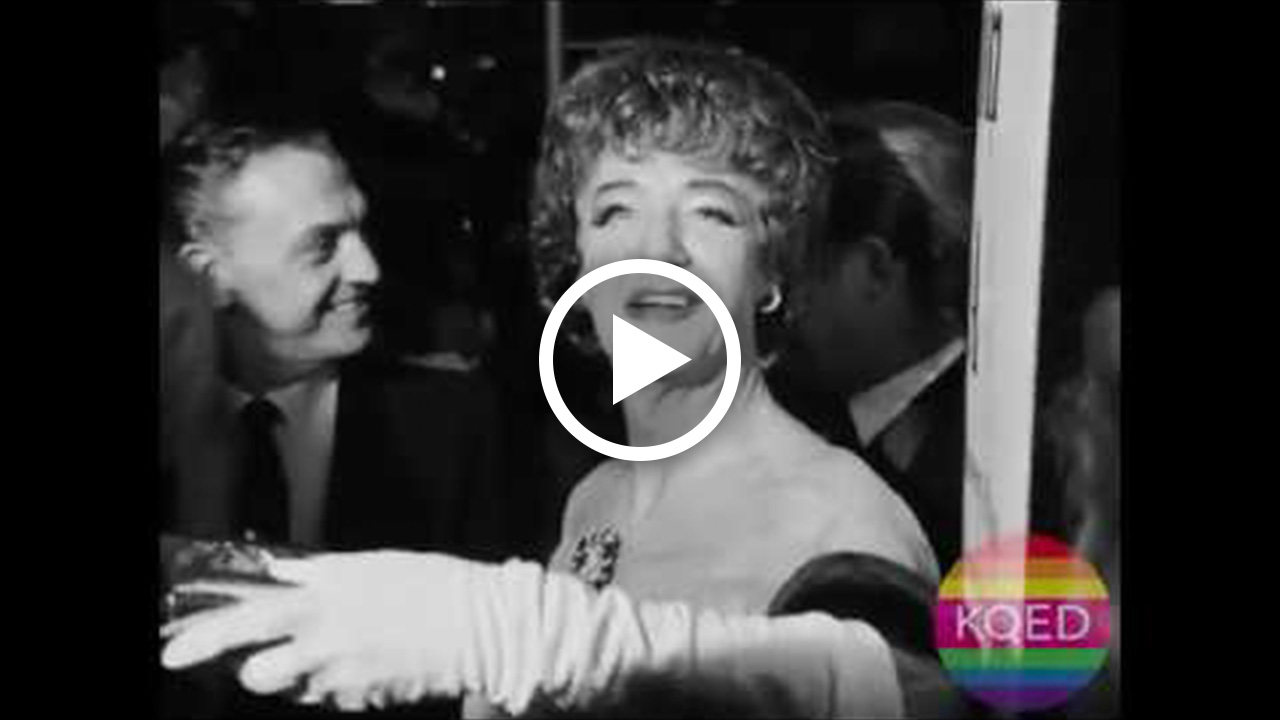
1968 Gay Costume Ball in San Francisco
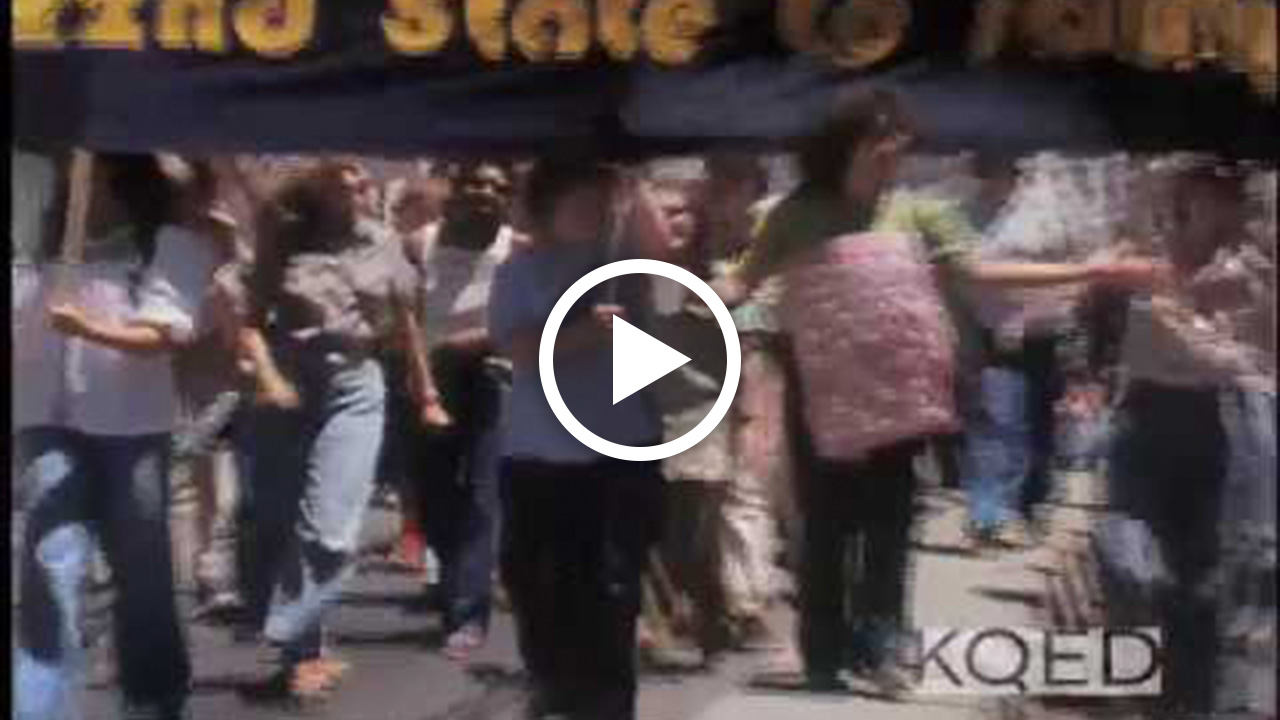
1979 Gay Freedom Parade in San Francisco
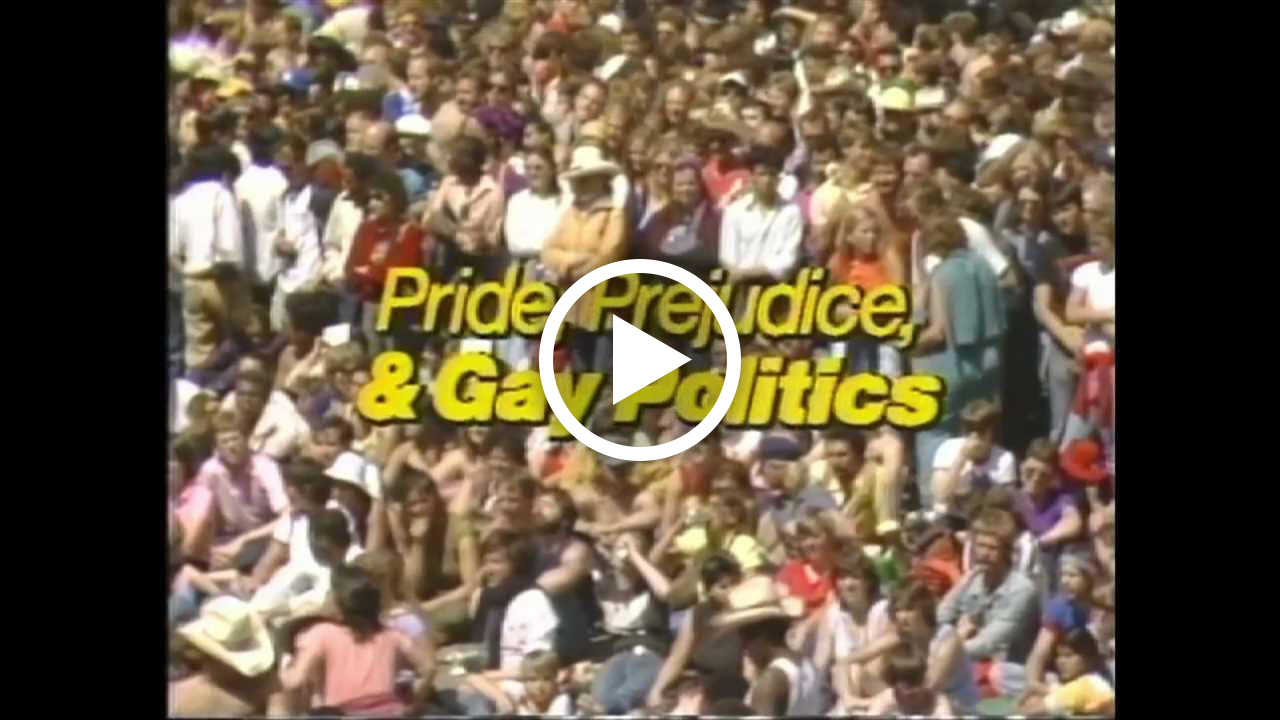
1982 Pride, Prejudice, and Gay Politics
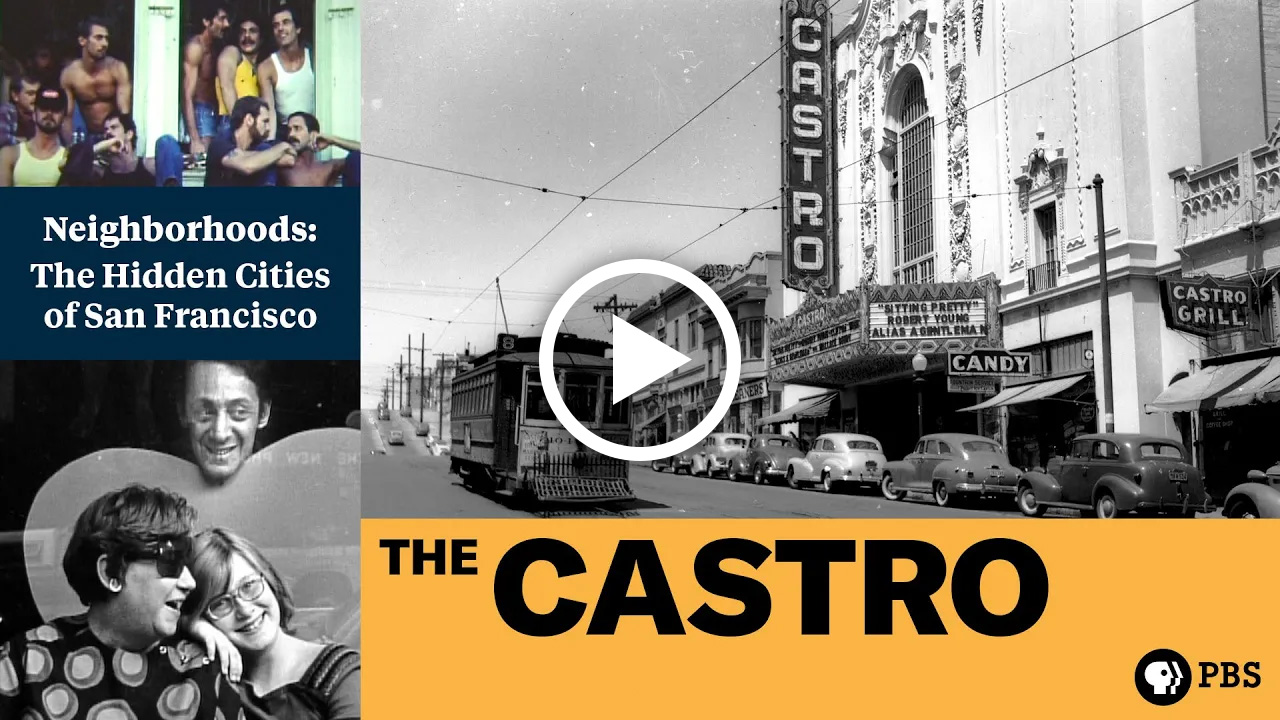
1997 History of the Castro Neighborhood
Browse the Archives
KQED’s full metadata catalogue is available via the American Archive of Public Broadcasting (AAPB). Please note that not every record includes a streaming preview. Please connect with us to check digital availability.
Preview KQED’s best of the best historic content on the Bay Area Television Archive. This collection includes highlights of our civil rights, free speech, LGBTQ+ and the women’s movements, SFSU student strike, Black Panthers, Milk/Moscone murders, and more.
License KQED Footage For Your Project
Know what you want to license? Reach out to our team for more information.
FAQs
When do I need to get a license? Are there any use cases where I can use footage for free?
KQED has made extraordinary efforts to make our archival materials available to the public free of charge through the Bay Area Television Archive, the American Archive of Public Broadcasting, and our own website and social media platforms. However, anyone wishing to use our materials outside of viewing them on these platforms, or repurpose them in another project, must obtain a license from KQED.
Why can't you just sign a release?
KQED generally licenses archival materials using its standard agreement forms and typically cannot sign outside releases or substantially revised licensing terms. This helps us manage rights consistently across a large and historically diverse archive.
What are KQED’s licensing terms?
Please see our sample license and licensing rates to review our rates and standard licensing terms and conditions.
How can I get a rate estimate?
Please use our Footage Request Form and follow the instructions on the form. We will follow up with any additional questions we may have to get you an estimate.
Can your team help me with research, locating specific footage, or searching your collections if I have a general idea of what I need?
Yes, we offer custom research services. Our research rates are listed alongside our licensing rates.
Is everything in the BATA and AAPB archives licensable?
In short, no. While most of our raw 16mm news film featured on BATA is relatively easy to license, our complete programs featured on AAPB often contain talent, third-party footage, and music that we cannot license. Many other factors may also apply, so all requests are handled on a case-by-case basis.
I have a large list of clips I’d like to use. What’s the best way to submit the list?
Please use our Footage Request Form, follow the instructions, and download our Shot List Sheet (PDF). We require this sheet in its exact format, as it helps streamline your request. It will also be attached to the license and must remain in spreadsheet format.
What if I don’t have all of the details requested in the KQED Footage Request Form?
We use the information collected on the Footage Request Form to draft licenses and agreements. Because the same form is used in many different situations, some required fields may not apply to your request. Please use your best judgment and provide any necessary clarification in writing.
I’m not ready to submit my request yet. Is there someone I can speak with about my questions?
Our preferred and fastest method of communication for all licensing inquiries is email. Please use: [email protected]
Who We’ve Worked With
Netflix
BBC
NBCUniversal
MOMA
Frameline
October Films
Citizen Film
Actual Size Films
Herzog & Co.
Looking for Something Else?
Looking for something regarding a previous broadcast or membership information? Please see our Contact Us page.
