Puerta por puerta: Cómo líderes de la comunidad afroamericana y latina luchan contra la desconfianza por la vacuna del coronavirus
Biden to Allow Some Separated Migrant Families to Reunite in the United States
Newsom, los legisladores aprueban cheques de estímulo de $600 y un impulso para los trabajadores indocumentados
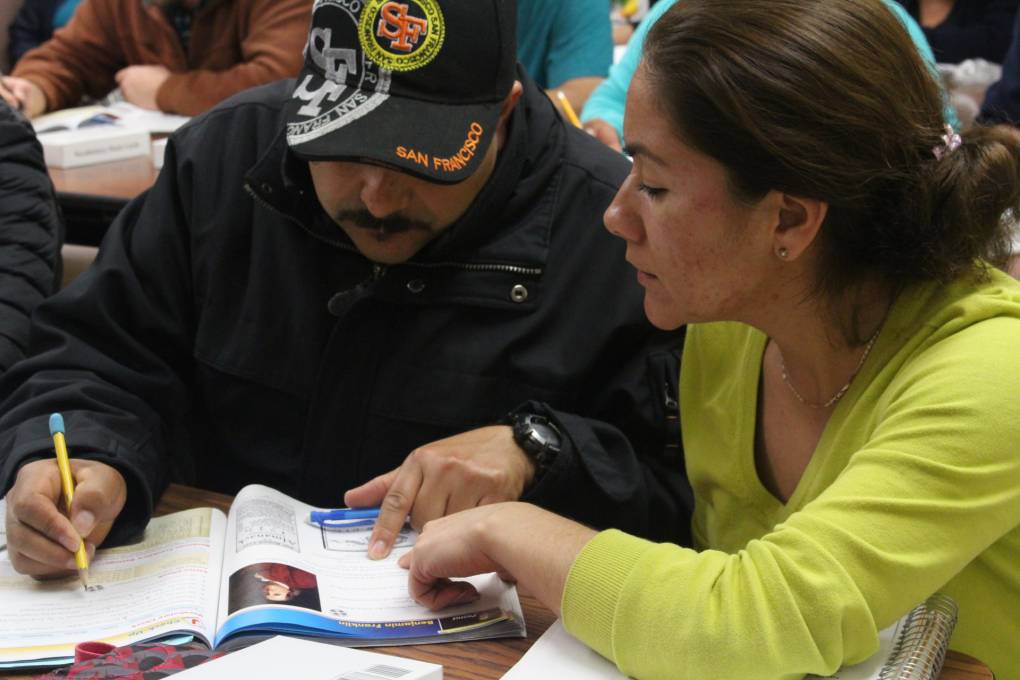
Biden Administration Scraps Longer, More Difficult Trump-Era Citizenship Test
Judge Was Right to Protect ICE Detainees From COVID-19 'Tinderbox,' Court Rules
Democrats Unveil Sweeping Immigration Bill
Newsom, Lawmakers Agree To $600 Stimulus Checks Plus Boost For Undocumented Workers
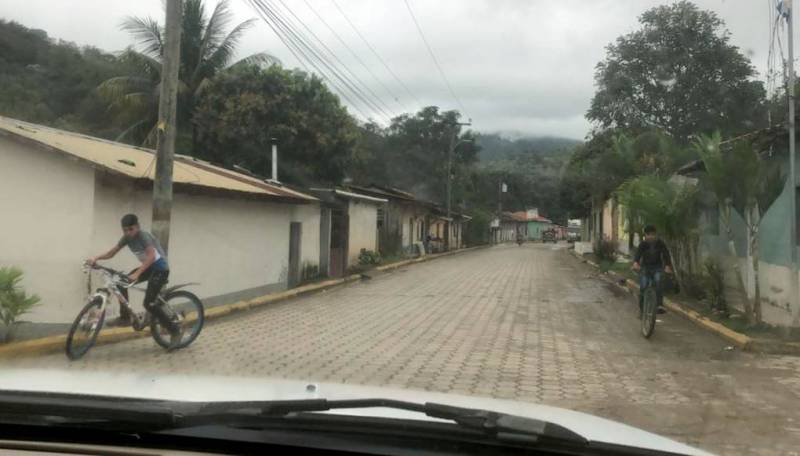
El arduo camino de una abogada hondureña para reunir a las familias separadas en la frontera sur de los EE.UU.
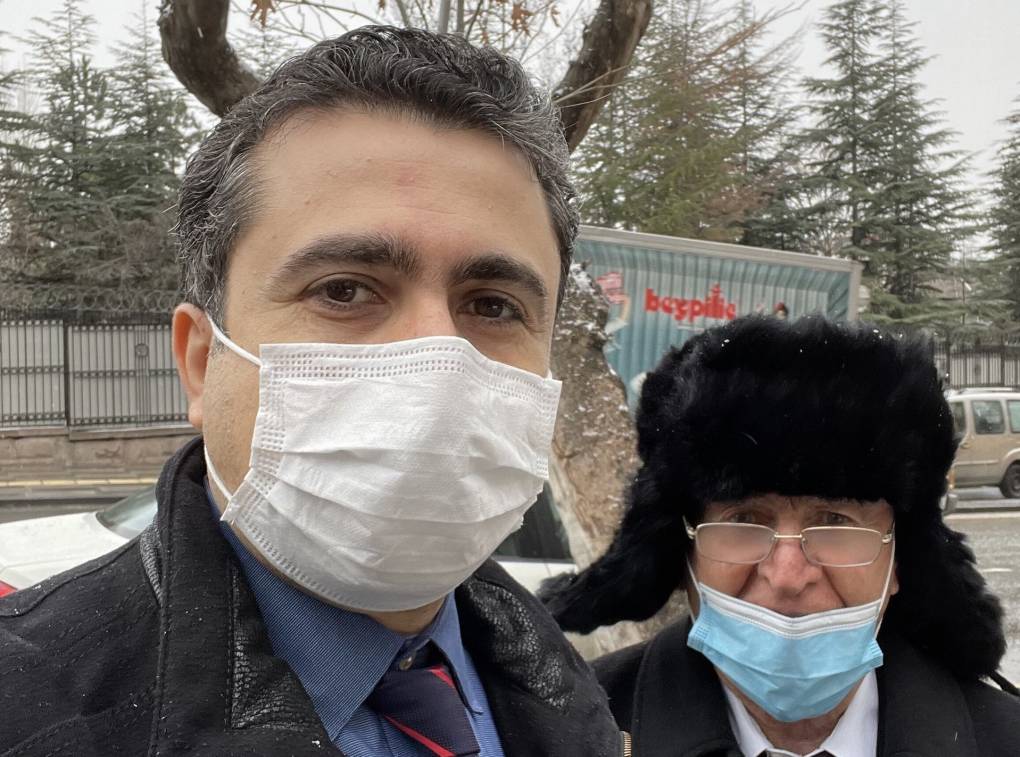
Biden Revoked the Travel Ban. California Immigrants Hope to Reunite With Families
'No nos escucharon': Se contagia de COVID-19 un inmigrante detenido por ICE que realizó una huelga de hambre en favor de más protecciones contra la pandemia
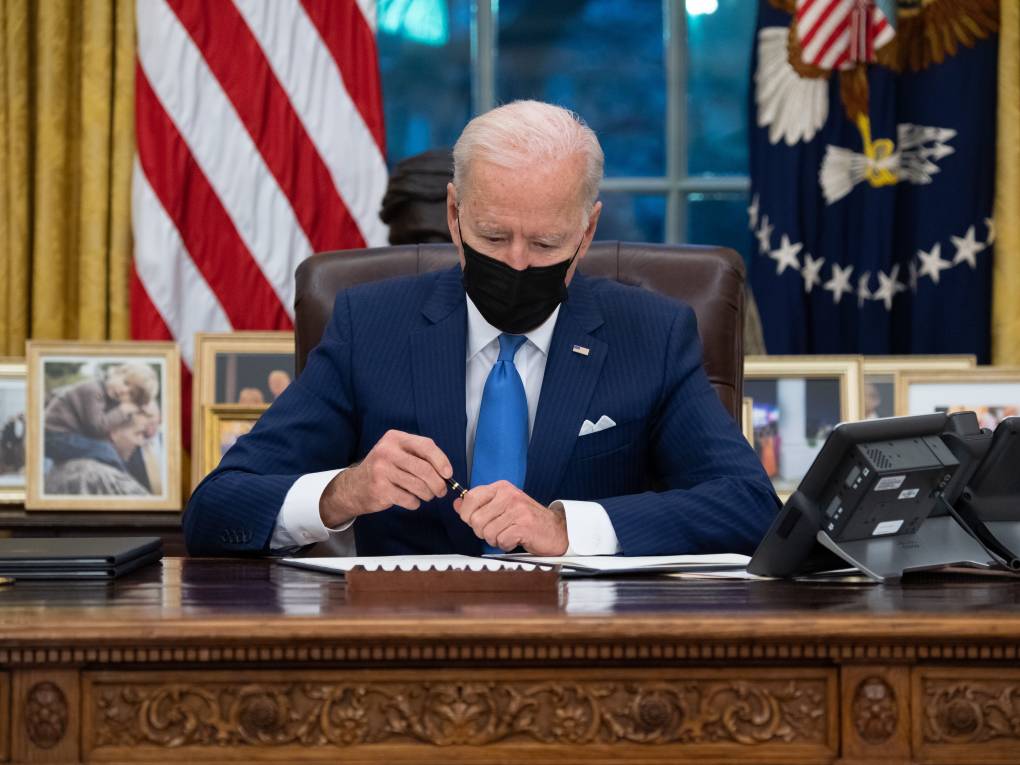
Biden Signs Immigration Executive Orders, Establishes Task Force to Reunite Separated Families
Advocates Fear Immigrant Detainees Could Be Left Out of Vaccination Plans
window.__IS_SSR__=true
window.__INITIAL_STATE__={
"attachmentsReducer": {
"audio_0": {
"type": "attachments",
"id": "audio_0",
"imgSizes": {
"kqedFullSize": {
"file": "https://ww2.kqed.org/news/wp-content/themes/KQED-unified/img/audio_bgs/background0.jpg"
}
}
},
"audio_1": {
"type": "attachments",
"id": "audio_1",
"imgSizes": {
"kqedFullSize": {
"file": "https://ww2.kqed.org/news/wp-content/themes/KQED-unified/img/audio_bgs/background1.jpg"
}
}
},
"audio_2": {
"type": "attachments",
"id": "audio_2",
"imgSizes": {
"kqedFullSize": {
"file": "https://ww2.kqed.org/news/wp-content/themes/KQED-unified/img/audio_bgs/background2.jpg"
}
}
},
"audio_3": {
"type": "attachments",
"id": "audio_3",
"imgSizes": {
"kqedFullSize": {
"file": "https://ww2.kqed.org/news/wp-content/themes/KQED-unified/img/audio_bgs/background3.jpg"
}
}
},
"audio_4": {
"type": "attachments",
"id": "audio_4",
"imgSizes": {
"kqedFullSize": {
"file": "https://ww2.kqed.org/news/wp-content/themes/KQED-unified/img/audio_bgs/background4.jpg"
}
}
},
"placeholder": {
"type": "attachments",
"id": "placeholder",
"imgSizes": {
"thumbnail": {
"file": "https://cdn.kqed.org/wp-content/uploads/2024/12/KQED-Default-Image-816638274-2000x1333-1-160x107.jpg",
"width": 160,
"height": 107,
"mimeType": "image/jpeg"
},
"medium": {
"file": "https://cdn.kqed.org/wp-content/uploads/2024/12/KQED-Default-Image-816638274-2000x1333-1-800x533.jpg",
"width": 800,
"height": 533,
"mimeType": "image/jpeg"
},
"medium_large": {
"file": "https://cdn.kqed.org/wp-content/uploads/2024/12/KQED-Default-Image-816638274-2000x1333-1-768x512.jpg",
"width": 768,
"height": 512,
"mimeType": "image/jpeg"
},
"large": {
"file": "https://cdn.kqed.org/wp-content/uploads/2024/12/KQED-Default-Image-816638274-2000x1333-1-1020x680.jpg",
"width": 1020,
"height": 680,
"mimeType": "image/jpeg"
},
"1536x1536": {
"file": "https://cdn.kqed.org/wp-content/uploads/2024/12/KQED-Default-Image-816638274-2000x1333-1-1536x1024.jpg",
"width": 1536,
"height": 1024,
"mimeType": "image/jpeg"
},
"fd-lrg": {
"file": "https://cdn.kqed.org/wp-content/uploads/2024/12/KQED-Default-Image-816638274-2000x1333-1-1536x1024.jpg",
"width": 1536,
"height": 1024,
"mimeType": "image/jpeg"
},
"fd-med": {
"file": "https://cdn.kqed.org/wp-content/uploads/2024/12/KQED-Default-Image-816638274-2000x1333-1-1020x680.jpg",
"width": 1020,
"height": 680,
"mimeType": "image/jpeg"
},
"fd-sm": {
"file": "https://cdn.kqed.org/wp-content/uploads/2024/12/KQED-Default-Image-816638274-2000x1333-1-800x533.jpg",
"width": 800,
"height": 533,
"mimeType": "image/jpeg"
},
"post-thumbnail": {
"file": "https://cdn.kqed.org/wp-content/uploads/2024/12/KQED-Default-Image-816638274-2000x1333-1-672x372.jpg",
"width": 672,
"height": 372,
"mimeType": "image/jpeg"
},
"twentyfourteen-full-width": {
"file": "https://cdn.kqed.org/wp-content/uploads/2024/12/KQED-Default-Image-816638274-2000x1333-1-1038x576.jpg",
"width": 1038,
"height": 576,
"mimeType": "image/jpeg"
},
"xxsmall": {
"file": "https://cdn.kqed.org/wp-content/uploads/2024/12/KQED-Default-Image-816638274-2000x1333-1-160x107.jpg",
"width": 160,
"height": 107,
"mimeType": "image/jpeg"
},
"xsmall": {
"file": "https://cdn.kqed.org/wp-content/uploads/2024/12/KQED-Default-Image-816638274-2000x1333-1-672x372.jpg",
"width": 672,
"height": 372,
"mimeType": "image/jpeg"
},
"small": {
"file": "https://cdn.kqed.org/wp-content/uploads/2024/12/KQED-Default-Image-816638274-2000x1333-1-672x372.jpg",
"width": 672,
"height": 372,
"mimeType": "image/jpeg"
},
"xlarge": {
"file": "https://cdn.kqed.org/wp-content/uploads/2024/12/KQED-Default-Image-816638274-2000x1333-1-1020x680.jpg",
"width": 1020,
"height": 680,
"mimeType": "image/jpeg"
},
"full-width": {
"file": "https://cdn.kqed.org/wp-content/uploads/2024/12/KQED-Default-Image-816638274-2000x1333-1-1920x1280.jpg",
"width": 1920,
"height": 1280,
"mimeType": "image/jpeg"
},
"guest-author-32": {
"file": "https://cdn.kqed.org/wp-content/uploads/2025/01/KQED-Default-Image-816638274-1333x1333-1-160x160.jpg",
"width": 32,
"height": 32,
"mimeType": "image/jpeg"
},
"guest-author-50": {
"file": "https://cdn.kqed.org/wp-content/uploads/2025/01/KQED-Default-Image-816638274-1333x1333-1-160x160.jpg",
"width": 50,
"height": 50,
"mimeType": "image/jpeg"
},
"guest-author-64": {
"file": "https://cdn.kqed.org/wp-content/uploads/2025/01/KQED-Default-Image-816638274-1333x1333-1-160x160.jpg",
"width": 64,
"height": 64,
"mimeType": "image/jpeg"
},
"guest-author-96": {
"file": "https://cdn.kqed.org/wp-content/uploads/2025/01/KQED-Default-Image-816638274-1333x1333-1-160x160.jpg",
"width": 96,
"height": 96,
"mimeType": "image/jpeg"
},
"guest-author-128": {
"file": "https://cdn.kqed.org/wp-content/uploads/2025/01/KQED-Default-Image-816638274-1333x1333-1-160x160.jpg",
"width": 128,
"height": 128,
"mimeType": "image/jpeg"
},
"detail": {
"file": "https://cdn.kqed.org/wp-content/uploads/2025/01/KQED-Default-Image-816638274-1333x1333-1-160x160.jpg",
"width": 160,
"height": 160,
"mimeType": "image/jpeg"
},
"kqedFullSize": {
"file": "https://cdn.kqed.org/wp-content/uploads/2024/12/KQED-Default-Image-816638274-2000x1333-1.jpg",
"width": 2000,
"height": 1333
}
}
},
"news_11863103": {
"type": "attachments",
"id": "news_11863103",
"meta": {
"index": "attachments_1716263798",
"site": "news",
"id": "11863103",
"found": true
},
"parent": 11863098,
"imgSizes": {
"apple_news_ca_landscape_5_5": {
"file": "https://ww2.kqed.org/app/uploads/sites/10/2021/03/RS47040_008_SanJose_COVIDTesting_02032021-qut-1044x783.jpg",
"width": 1044,
"mimeType": "image/jpeg",
"height": 783
},
"apple_news_ca_square_4_0": {
"file": "https://ww2.kqed.org/app/uploads/sites/10/2021/03/RS47040_008_SanJose_COVIDTesting_02032021-qut-470x470.jpg",
"width": 470,
"mimeType": "image/jpeg",
"height": 470
},
"twentyfourteen-full-width": {
"file": "https://ww2.kqed.org/app/uploads/sites/10/2021/03/RS47040_008_SanJose_COVIDTesting_02032021-qut-1038x576.jpg",
"width": 1038,
"mimeType": "image/jpeg",
"height": 576
},
"thumbnail": {
"file": "https://ww2.kqed.org/app/uploads/sites/10/2021/03/RS47040_008_SanJose_COVIDTesting_02032021-qut-160x107.jpg",
"width": 160,
"mimeType": "image/jpeg",
"height": 107
},
"post-thumbnail": {
"file": "https://ww2.kqed.org/app/uploads/sites/10/2021/03/RS47040_008_SanJose_COVIDTesting_02032021-qut-672x372.jpg",
"width": 672,
"mimeType": "image/jpeg",
"height": 372
},
"kqedFullSize": {
"file": "https://ww2.kqed.org/app/uploads/sites/10/2021/03/RS47040_008_SanJose_COVIDTesting_02032021-qut.jpg",
"width": 1920,
"height": 1280
},
"apple_news_ca_landscape_4_7": {
"file": "https://ww2.kqed.org/app/uploads/sites/10/2021/03/RS47040_008_SanJose_COVIDTesting_02032021-qut-632x474.jpg",
"width": 632,
"mimeType": "image/jpeg",
"height": 474
},
"large": {
"file": "https://ww2.kqed.org/app/uploads/sites/10/2021/03/RS47040_008_SanJose_COVIDTesting_02032021-qut-1020x680.jpg",
"width": 1020,
"mimeType": "image/jpeg",
"height": 680
},
"apple_news_ca_landscape_4_0": {
"file": "https://ww2.kqed.org/app/uploads/sites/10/2021/03/RS47040_008_SanJose_COVIDTesting_02032021-qut-536x402.jpg",
"width": 536,
"mimeType": "image/jpeg",
"height": 402
},
"apple_news_ca_portrait_12_9": {
"file": "https://ww2.kqed.org/app/uploads/sites/10/2021/03/RS47040_008_SanJose_COVIDTesting_02032021-qut-1122x1280.jpg",
"width": 1122,
"mimeType": "image/jpeg",
"height": 1280
},
"medium": {
"file": "https://ww2.kqed.org/app/uploads/sites/10/2021/03/RS47040_008_SanJose_COVIDTesting_02032021-qut-800x533.jpg",
"width": 800,
"mimeType": "image/jpeg",
"height": 533
},
"apple_news_ca_portrait_4_0": {
"file": "https://ww2.kqed.org/app/uploads/sites/10/2021/03/RS47040_008_SanJose_COVIDTesting_02032021-qut-354x472.jpg",
"width": 354,
"mimeType": "image/jpeg",
"height": 472
},
"apple_news_ca_portrait_9_7": {
"file": "https://ww2.kqed.org/app/uploads/sites/10/2021/03/RS47040_008_SanJose_COVIDTesting_02032021-qut-840x1120.jpg",
"width": 840,
"mimeType": "image/jpeg",
"height": 1120
},
"apple_news_ca_landscape_12_9": {
"file": "https://ww2.kqed.org/app/uploads/sites/10/2021/03/RS47040_008_SanJose_COVIDTesting_02032021-qut-1832x1280.jpg",
"width": 1832,
"mimeType": "image/jpeg",
"height": 1280
},
"apple_news_ca_square_9_7": {
"file": "https://ww2.kqed.org/app/uploads/sites/10/2021/03/RS47040_008_SanJose_COVIDTesting_02032021-qut-1104x1104.jpg",
"width": 1104,
"mimeType": "image/jpeg",
"height": 1104
},
"1536x1536": {
"file": "https://ww2.kqed.org/app/uploads/sites/10/2021/03/RS47040_008_SanJose_COVIDTesting_02032021-qut-1536x1024.jpg",
"width": 1536,
"mimeType": "image/jpeg",
"height": 1024
},
"apple_news_ca_portrait_4_7": {
"file": "https://ww2.kqed.org/app/uploads/sites/10/2021/03/RS47040_008_SanJose_COVIDTesting_02032021-qut-414x552.jpg",
"width": 414,
"mimeType": "image/jpeg",
"height": 552
},
"apple_news_ca_square_12_9": {
"file": "https://ww2.kqed.org/app/uploads/sites/10/2021/03/RS47040_008_SanJose_COVIDTesting_02032021-qut-1472x1280.jpg",
"width": 1472,
"mimeType": "image/jpeg",
"height": 1280
},
"apple_news_ca_portrait_5_5": {
"file": "https://ww2.kqed.org/app/uploads/sites/10/2021/03/RS47040_008_SanJose_COVIDTesting_02032021-qut-687x916.jpg",
"width": 687,
"mimeType": "image/jpeg",
"height": 916
},
"apple_news_ca_square_4_7": {
"file": "https://ww2.kqed.org/app/uploads/sites/10/2021/03/RS47040_008_SanJose_COVIDTesting_02032021-qut-550x550.jpg",
"width": 550,
"mimeType": "image/jpeg",
"height": 550
},
"apple_news_ca_landscape_9_7": {
"file": "https://ww2.kqed.org/app/uploads/sites/10/2021/03/RS47040_008_SanJose_COVIDTesting_02032021-qut-1376x1032.jpg",
"width": 1376,
"mimeType": "image/jpeg",
"height": 1032
},
"apple_news_ca_square_5_5": {
"file": "https://ww2.kqed.org/app/uploads/sites/10/2021/03/RS47040_008_SanJose_COVIDTesting_02032021-qut-912x912.jpg",
"width": 912,
"mimeType": "image/jpeg",
"height": 912
}
},
"publishDate": 1614815331,
"modified": 1614815453,
"caption": "La familia Orona Franco recibe una visita de los trabajadores de salud del condado de Santa Clara en San José el 3 de febrero de 2021. El condado se ha asociado con un grupo de promotoras de META, una organización sin fines de lucro con sede en el este de San José, para ofrecer pruebas en casa e información sobre la vacuna contra el coronavirus en una de las áreas más afectadas del condado.",
"description": null,
"title": "RS47040_008_SanJose_COVIDTesting_02032021-qut",
"credit": "Beth LaBerge/KQED",
"status": "inherit",
"altTag": null,
"isLoading": false,
"fetchFailed": false
},
"news_11860901": {
"type": "attachments",
"id": "news_11860901",
"meta": {
"index": "attachments_1716263798",
"site": "news",
"id": "11860901",
"found": true
},
"parent": 11860883,
"imgSizes": {
"apple_news_ca_landscape_5_5": {
"file": "https://ww2.kqed.org/app/uploads/sites/10/2021/02/RS47036_004_SanJose_COVIDTesting_02032021-qut-1044x783.jpg",
"width": 1044,
"mimeType": "image/jpeg",
"height": 783
},
"apple_news_ca_square_4_0": {
"file": "https://ww2.kqed.org/app/uploads/sites/10/2021/02/RS47036_004_SanJose_COVIDTesting_02032021-qut-470x470.jpg",
"width": 470,
"mimeType": "image/jpeg",
"height": 470
},
"twentyfourteen-full-width": {
"file": "https://ww2.kqed.org/app/uploads/sites/10/2021/02/RS47036_004_SanJose_COVIDTesting_02032021-qut-1038x576.jpg",
"width": 1038,
"mimeType": "image/jpeg",
"height": 576
},
"thumbnail": {
"file": "https://ww2.kqed.org/app/uploads/sites/10/2021/02/RS47036_004_SanJose_COVIDTesting_02032021-qut-160x107.jpg",
"width": 160,
"mimeType": "image/jpeg",
"height": 107
},
"post-thumbnail": {
"file": "https://ww2.kqed.org/app/uploads/sites/10/2021/02/RS47036_004_SanJose_COVIDTesting_02032021-qut-672x372.jpg",
"width": 672,
"mimeType": "image/jpeg",
"height": 372
},
"kqedFullSize": {
"file": "https://ww2.kqed.org/app/uploads/sites/10/2021/02/RS47036_004_SanJose_COVIDTesting_02032021-qut.jpg",
"width": 1920,
"height": 1280
},
"apple_news_ca_landscape_4_7": {
"file": "https://ww2.kqed.org/app/uploads/sites/10/2021/02/RS47036_004_SanJose_COVIDTesting_02032021-qut-632x474.jpg",
"width": 632,
"mimeType": "image/jpeg",
"height": 474
},
"large": {
"file": "https://ww2.kqed.org/app/uploads/sites/10/2021/02/RS47036_004_SanJose_COVIDTesting_02032021-qut-1020x680.jpg",
"width": 1020,
"mimeType": "image/jpeg",
"height": 680
},
"apple_news_ca_landscape_4_0": {
"file": "https://ww2.kqed.org/app/uploads/sites/10/2021/02/RS47036_004_SanJose_COVIDTesting_02032021-qut-536x402.jpg",
"width": 536,
"mimeType": "image/jpeg",
"height": 402
},
"apple_news_ca_portrait_12_9": {
"file": "https://ww2.kqed.org/app/uploads/sites/10/2021/02/RS47036_004_SanJose_COVIDTesting_02032021-qut-1122x1280.jpg",
"width": 1122,
"mimeType": "image/jpeg",
"height": 1280
},
"medium": {
"file": "https://ww2.kqed.org/app/uploads/sites/10/2021/02/RS47036_004_SanJose_COVIDTesting_02032021-qut-800x533.jpg",
"width": 800,
"mimeType": "image/jpeg",
"height": 533
},
"apple_news_ca_portrait_4_0": {
"file": "https://ww2.kqed.org/app/uploads/sites/10/2021/02/RS47036_004_SanJose_COVIDTesting_02032021-qut-354x472.jpg",
"width": 354,
"mimeType": "image/jpeg",
"height": 472
},
"apple_news_ca_portrait_9_7": {
"file": "https://ww2.kqed.org/app/uploads/sites/10/2021/02/RS47036_004_SanJose_COVIDTesting_02032021-qut-840x1120.jpg",
"width": 840,
"mimeType": "image/jpeg",
"height": 1120
},
"apple_news_ca_landscape_12_9": {
"file": "https://ww2.kqed.org/app/uploads/sites/10/2021/02/RS47036_004_SanJose_COVIDTesting_02032021-qut-1832x1280.jpg",
"width": 1832,
"mimeType": "image/jpeg",
"height": 1280
},
"apple_news_ca_square_9_7": {
"file": "https://ww2.kqed.org/app/uploads/sites/10/2021/02/RS47036_004_SanJose_COVIDTesting_02032021-qut-1104x1104.jpg",
"width": 1104,
"mimeType": "image/jpeg",
"height": 1104
},
"1536x1536": {
"file": "https://ww2.kqed.org/app/uploads/sites/10/2021/02/RS47036_004_SanJose_COVIDTesting_02032021-qut-1536x1024.jpg",
"width": 1536,
"mimeType": "image/jpeg",
"height": 1024
},
"apple_news_ca_portrait_4_7": {
"file": "https://ww2.kqed.org/app/uploads/sites/10/2021/02/RS47036_004_SanJose_COVIDTesting_02032021-qut-414x552.jpg",
"width": 414,
"mimeType": "image/jpeg",
"height": 552
},
"apple_news_ca_square_12_9": {
"file": "https://ww2.kqed.org/app/uploads/sites/10/2021/02/RS47036_004_SanJose_COVIDTesting_02032021-qut-1472x1280.jpg",
"width": 1472,
"mimeType": "image/jpeg",
"height": 1280
},
"apple_news_ca_portrait_5_5": {
"file": "https://ww2.kqed.org/app/uploads/sites/10/2021/02/RS47036_004_SanJose_COVIDTesting_02032021-qut-687x916.jpg",
"width": 687,
"mimeType": "image/jpeg",
"height": 916
},
"apple_news_ca_square_4_7": {
"file": "https://ww2.kqed.org/app/uploads/sites/10/2021/02/RS47036_004_SanJose_COVIDTesting_02032021-qut-550x550.jpg",
"width": 550,
"mimeType": "image/jpeg",
"height": 550
},
"apple_news_ca_landscape_9_7": {
"file": "https://ww2.kqed.org/app/uploads/sites/10/2021/02/RS47036_004_SanJose_COVIDTesting_02032021-qut-1376x1032.jpg",
"width": 1376,
"mimeType": "image/jpeg",
"height": 1032
},
"apple_news_ca_square_5_5": {
"file": "https://ww2.kqed.org/app/uploads/sites/10/2021/02/RS47036_004_SanJose_COVIDTesting_02032021-qut-912x912.jpg",
"width": 912,
"mimeType": "image/jpeg",
"height": 912
}
},
"publishDate": 1613671497,
"modified": 1613760689,
"caption": "The Orona Franco family receives a COVID-19 home testing visit by Santa Clara County Public Health workers in San Jose on Feb. 3, 2021. Santa Clara County has partnered up with a group of promotoras from META, a community nonprofit based in East San Jose, to offer home testing and information about the coronavirus vaccine in one of the county's worst affected areas.",
"description": "The Orona Franco family receives a COVID-19 home testing visit by Santa Clara County Public Health workers in San Jose on Feb. 3, 2021. Santa Clara County has partnered up with a group of promotoras from META, a community nonprofit based in East San Jose, to offer home testing and information about the coronavirus vaccine in one of the county's worst affected areas.",
"title": "RS47036_004_SanJose_COVIDTesting_02032021-qut",
"credit": "Beth LaBerge/KQED",
"status": "inherit",
"altTag": null,
"isLoading": false,
"fetchFailed": false
},
"news_11862666": {
"type": "attachments",
"id": "news_11862666",
"meta": {
"index": "attachments_1716263798",
"site": "news",
"id": "11862666",
"found": true
},
"parent": 11862665,
"imgSizes": {
"apple_news_ca_landscape_5_5": {
"file": "https://ww2.kqed.org/app/uploads/sites/10/2021/03/gettyimages-1231458573-mayorkas-family-separation-1edc6f5492604084c4f958399c2e779caabff293-1-1044x783.jpg",
"width": 1044,
"mimeType": "image/jpeg",
"height": 783
},
"apple_news_ca_square_4_0": {
"file": "https://ww2.kqed.org/app/uploads/sites/10/2021/03/gettyimages-1231458573-mayorkas-family-separation-1edc6f5492604084c4f958399c2e779caabff293-1-470x470.jpg",
"width": 470,
"mimeType": "image/jpeg",
"height": 470
},
"twentyfourteen-full-width": {
"file": "https://ww2.kqed.org/app/uploads/sites/10/2021/03/gettyimages-1231458573-mayorkas-family-separation-1edc6f5492604084c4f958399c2e779caabff293-1-1038x576.jpg",
"width": 1038,
"mimeType": "image/jpeg",
"height": 576
},
"thumbnail": {
"file": "https://ww2.kqed.org/app/uploads/sites/10/2021/03/gettyimages-1231458573-mayorkas-family-separation-1edc6f5492604084c4f958399c2e779caabff293-1-160x120.jpg",
"width": 160,
"mimeType": "image/jpeg",
"height": 120
},
"post-thumbnail": {
"file": "https://ww2.kqed.org/app/uploads/sites/10/2021/03/gettyimages-1231458573-mayorkas-family-separation-1edc6f5492604084c4f958399c2e779caabff293-1-672x372.jpg",
"width": 672,
"mimeType": "image/jpeg",
"height": 372
},
"kqedFullSize": {
"file": "https://ww2.kqed.org/app/uploads/sites/10/2021/03/gettyimages-1231458573-mayorkas-family-separation-1edc6f5492604084c4f958399c2e779caabff293-1-scaled.jpg",
"width": 2560,
"height": 1920
},
"2048x2048": {
"file": "https://ww2.kqed.org/app/uploads/sites/10/2021/03/gettyimages-1231458573-mayorkas-family-separation-1edc6f5492604084c4f958399c2e779caabff293-1-2048x1536.jpg",
"width": 2048,
"mimeType": "image/jpeg",
"height": 1536
},
"apple_news_ca_landscape_4_7": {
"file": "https://ww2.kqed.org/app/uploads/sites/10/2021/03/gettyimages-1231458573-mayorkas-family-separation-1edc6f5492604084c4f958399c2e779caabff293-1-632x474.jpg",
"width": 632,
"mimeType": "image/jpeg",
"height": 474
},
"large": {
"file": "https://ww2.kqed.org/app/uploads/sites/10/2021/03/gettyimages-1231458573-mayorkas-family-separation-1edc6f5492604084c4f958399c2e779caabff293-1-1020x765.jpg",
"width": 1020,
"mimeType": "image/jpeg",
"height": 765
},
"apple_news_ca_landscape_4_0": {
"file": "https://ww2.kqed.org/app/uploads/sites/10/2021/03/gettyimages-1231458573-mayorkas-family-separation-1edc6f5492604084c4f958399c2e779caabff293-1-536x402.jpg",
"width": 536,
"mimeType": "image/jpeg",
"height": 402
},
"apple_news_ca_portrait_12_9": {
"file": "https://ww2.kqed.org/app/uploads/sites/10/2021/03/gettyimages-1231458573-mayorkas-family-separation-1edc6f5492604084c4f958399c2e779caabff293-1-1122x1496.jpg",
"width": 1122,
"mimeType": "image/jpeg",
"height": 1496
},
"medium": {
"file": "https://ww2.kqed.org/app/uploads/sites/10/2021/03/gettyimages-1231458573-mayorkas-family-separation-1edc6f5492604084c4f958399c2e779caabff293-1-800x600.jpg",
"width": 800,
"mimeType": "image/jpeg",
"height": 600
},
"apple_news_ca_portrait_4_0": {
"file": "https://ww2.kqed.org/app/uploads/sites/10/2021/03/gettyimages-1231458573-mayorkas-family-separation-1edc6f5492604084c4f958399c2e779caabff293-1-354x472.jpg",
"width": 354,
"mimeType": "image/jpeg",
"height": 472
},
"apple_news_ca_portrait_9_7": {
"file": "https://ww2.kqed.org/app/uploads/sites/10/2021/03/gettyimages-1231458573-mayorkas-family-separation-1edc6f5492604084c4f958399c2e779caabff293-1-840x1120.jpg",
"width": 840,
"mimeType": "image/jpeg",
"height": 1120
},
"apple_news_ca_landscape_12_9": {
"file": "https://ww2.kqed.org/app/uploads/sites/10/2021/03/gettyimages-1231458573-mayorkas-family-separation-1edc6f5492604084c4f958399c2e779caabff293-1-1832x1374.jpg",
"width": 1832,
"mimeType": "image/jpeg",
"height": 1374
},
"apple_news_ca_square_9_7": {
"file": "https://ww2.kqed.org/app/uploads/sites/10/2021/03/gettyimages-1231458573-mayorkas-family-separation-1edc6f5492604084c4f958399c2e779caabff293-1-1104x1104.jpg",
"width": 1104,
"mimeType": "image/jpeg",
"height": 1104
},
"1536x1536": {
"file": "https://ww2.kqed.org/app/uploads/sites/10/2021/03/gettyimages-1231458573-mayorkas-family-separation-1edc6f5492604084c4f958399c2e779caabff293-1-1536x1152.jpg",
"width": 1536,
"mimeType": "image/jpeg",
"height": 1152
},
"apple_news_ca_portrait_4_7": {
"file": "https://ww2.kqed.org/app/uploads/sites/10/2021/03/gettyimages-1231458573-mayorkas-family-separation-1edc6f5492604084c4f958399c2e779caabff293-1-414x552.jpg",
"width": 414,
"mimeType": "image/jpeg",
"height": 552
},
"apple_news_ca_square_12_9": {
"file": "https://ww2.kqed.org/app/uploads/sites/10/2021/03/gettyimages-1231458573-mayorkas-family-separation-1edc6f5492604084c4f958399c2e779caabff293-1-1472x1472.jpg",
"width": 1472,
"mimeType": "image/jpeg",
"height": 1472
},
"apple_news_ca_portrait_5_5": {
"file": "https://ww2.kqed.org/app/uploads/sites/10/2021/03/gettyimages-1231458573-mayorkas-family-separation-1edc6f5492604084c4f958399c2e779caabff293-1-687x916.jpg",
"width": 687,
"mimeType": "image/jpeg",
"height": 916
},
"full-width": {
"file": "https://ww2.kqed.org/app/uploads/sites/10/2021/03/gettyimages-1231458573-mayorkas-family-separation-1edc6f5492604084c4f958399c2e779caabff293-1-1920x1440.jpg",
"width": 1920,
"mimeType": "image/jpeg",
"height": 1440
},
"apple_news_ca_square_4_7": {
"file": "https://ww2.kqed.org/app/uploads/sites/10/2021/03/gettyimages-1231458573-mayorkas-family-separation-1edc6f5492604084c4f958399c2e779caabff293-1-550x550.jpg",
"width": 550,
"mimeType": "image/jpeg",
"height": 550
},
"apple_news_ca_landscape_9_7": {
"file": "https://ww2.kqed.org/app/uploads/sites/10/2021/03/gettyimages-1231458573-mayorkas-family-separation-1edc6f5492604084c4f958399c2e779caabff293-1-1376x1032.jpg",
"width": 1376,
"mimeType": "image/jpeg",
"height": 1032
},
"apple_news_ca_square_5_5": {
"file": "https://ww2.kqed.org/app/uploads/sites/10/2021/03/gettyimages-1231458573-mayorkas-family-separation-1edc6f5492604084c4f958399c2e779caabff293-1-912x912.jpg",
"width": 912,
"mimeType": "image/jpeg",
"height": 912
}
},
"publishDate": 1614643614,
"modified": 1614643793,
"caption": "Homeland Security Secretary Alejandro Mayorkas told reporters that reuniting families was a 'moral imperative' for the Biden administration.",
"description": "Homeland Security Secretary Alejandro Mayorkas told reporters that reuniting families was a 'moral imperative' for the Biden administration.",
"title": "Homeland Security Secretary Alejandro Mayorkas told reporters that reuniting families was a \"moral imperative\" for the Biden administration.",
"credit": "Drew Angerer/Getty Images",
"status": "inherit",
"altTag": null,
"isLoading": false,
"fetchFailed": false
},
"news_11861938": {
"type": "attachments",
"id": "news_11861938",
"meta": {
"index": "attachments_1716263798",
"site": "news",
"id": "11861938",
"found": true
},
"parent": 11861919,
"imgSizes": {
"apple_news_ca_square_4_0": {
"file": "https://ww2.kqed.org/app/uploads/sites/10/2021/02/RS47252_GettyImages-1209901726-qut-1020x679-1-470x470.jpg",
"width": 470,
"mimeType": "image/jpeg",
"height": 470
},
"twentyfourteen-full-width": {
"file": "https://ww2.kqed.org/app/uploads/sites/10/2021/02/RS47252_GettyImages-1209901726-qut-1020x679-1-1020x576.jpg",
"width": 1020,
"mimeType": "image/jpeg",
"height": 576
},
"thumbnail": {
"file": "https://ww2.kqed.org/app/uploads/sites/10/2021/02/RS47252_GettyImages-1209901726-qut-1020x679-1-160x107.jpg",
"width": 160,
"mimeType": "image/jpeg",
"height": 107
},
"post-thumbnail": {
"file": "https://ww2.kqed.org/app/uploads/sites/10/2021/02/RS47252_GettyImages-1209901726-qut-1020x679-1-672x372.jpg",
"width": 672,
"mimeType": "image/jpeg",
"height": 372
},
"kqedFullSize": {
"file": "https://ww2.kqed.org/app/uploads/sites/10/2021/02/RS47252_GettyImages-1209901726-qut-1020x679-1.jpg",
"width": 1020,
"height": 679
},
"apple_news_ca_landscape_4_7": {
"file": "https://ww2.kqed.org/app/uploads/sites/10/2021/02/RS47252_GettyImages-1209901726-qut-1020x679-1-632x474.jpg",
"width": 632,
"mimeType": "image/jpeg",
"height": 474
},
"apple_news_ca_landscape_4_0": {
"file": "https://ww2.kqed.org/app/uploads/sites/10/2021/02/RS47252_GettyImages-1209901726-qut-1020x679-1-536x402.jpg",
"width": 536,
"mimeType": "image/jpeg",
"height": 402
},
"medium": {
"file": "https://ww2.kqed.org/app/uploads/sites/10/2021/02/RS47252_GettyImages-1209901726-qut-1020x679-1-800x533.jpg",
"width": 800,
"mimeType": "image/jpeg",
"height": 533
},
"apple_news_ca_portrait_4_0": {
"file": "https://ww2.kqed.org/app/uploads/sites/10/2021/02/RS47252_GettyImages-1209901726-qut-1020x679-1-354x472.jpg",
"width": 354,
"mimeType": "image/jpeg",
"height": 472
},
"apple_news_ca_portrait_9_7": {
"file": "https://ww2.kqed.org/app/uploads/sites/10/2021/02/RS47252_GettyImages-1209901726-qut-1020x679-1-840x679.jpg",
"width": 840,
"mimeType": "image/jpeg",
"height": 679
},
"apple_news_ca_portrait_4_7": {
"file": "https://ww2.kqed.org/app/uploads/sites/10/2021/02/RS47252_GettyImages-1209901726-qut-1020x679-1-414x552.jpg",
"width": 414,
"mimeType": "image/jpeg",
"height": 552
},
"apple_news_ca_portrait_5_5": {
"file": "https://ww2.kqed.org/app/uploads/sites/10/2021/02/RS47252_GettyImages-1209901726-qut-1020x679-1-687x679.jpg",
"width": 687,
"mimeType": "image/jpeg",
"height": 679
},
"apple_news_ca_square_4_7": {
"file": "https://ww2.kqed.org/app/uploads/sites/10/2021/02/RS47252_GettyImages-1209901726-qut-1020x679-1-550x550.jpg",
"width": 550,
"mimeType": "image/jpeg",
"height": 550
},
"apple_news_ca_square_5_5": {
"file": "https://ww2.kqed.org/app/uploads/sites/10/2021/02/RS47252_GettyImages-1209901726-qut-1020x679-1-912x679.jpg",
"width": 912,
"mimeType": "image/jpeg",
"height": 679
}
},
"publishDate": 1614200452,
"modified": 1614200581,
"caption": "Trabajadores participan en la \"Caravana por Trabajadores Esenciales y Excluidos\" ",
"description": null,
"title": "RS47252_GettyImages-1209901726-qut-1020x679",
"credit": " (Robyn Beck/AFP via Getty Images)",
"status": "inherit",
"altTag": null,
"isLoading": false,
"fetchFailed": false
},
"news_11849163": {
"type": "attachments",
"id": "news_11849163",
"meta": {
"index": "attachments_1716263798",
"site": "news",
"id": "11849163",
"found": true
},
"parent": 11849159,
"imgSizes": {
"apple_news_ca_landscape_5_5": {
"file": "https://ww2.kqed.org/app/uploads/sites/10/2020/11/RS30419_IMG_1464-Mirabel-Bermudez-44-and-Jacqueline-Castillo-32-work-on-a-worksheet-during-a-citizenship-class-at-Fair-Oaks-Community-Center-in-Redwood-City-Calif-on-March-22-2018-qut-1044x783.jpg",
"width": 1044,
"mimeType": "image/jpeg",
"height": 783
},
"apple_news_ca_square_4_0": {
"file": "https://ww2.kqed.org/app/uploads/sites/10/2020/11/RS30419_IMG_1464-Mirabel-Bermudez-44-and-Jacqueline-Castillo-32-work-on-a-worksheet-during-a-citizenship-class-at-Fair-Oaks-Community-Center-in-Redwood-City-Calif-on-March-22-2018-qut-470x470.jpg",
"width": 470,
"mimeType": "image/jpeg",
"height": 470
},
"twentyfourteen-full-width": {
"file": "https://ww2.kqed.org/app/uploads/sites/10/2020/11/RS30419_IMG_1464-Mirabel-Bermudez-44-and-Jacqueline-Castillo-32-work-on-a-worksheet-during-a-citizenship-class-at-Fair-Oaks-Community-Center-in-Redwood-City-Calif-on-March-22-2018-qut-1038x576.jpg",
"width": 1038,
"mimeType": "image/jpeg",
"height": 576
},
"thumbnail": {
"file": "https://ww2.kqed.org/app/uploads/sites/10/2020/11/RS30419_IMG_1464-Mirabel-Bermudez-44-and-Jacqueline-Castillo-32-work-on-a-worksheet-during-a-citizenship-class-at-Fair-Oaks-Community-Center-in-Redwood-City-Calif-on-March-22-2018-qut-160x107.jpg",
"width": 160,
"mimeType": "image/jpeg",
"height": 107
},
"post-thumbnail": {
"file": "https://ww2.kqed.org/app/uploads/sites/10/2020/11/RS30419_IMG_1464-Mirabel-Bermudez-44-and-Jacqueline-Castillo-32-work-on-a-worksheet-during-a-citizenship-class-at-Fair-Oaks-Community-Center-in-Redwood-City-Calif-on-March-22-2018-qut-672x372.jpg",
"width": 672,
"mimeType": "image/jpeg",
"height": 372
},
"kqedFullSize": {
"file": "https://ww2.kqed.org/app/uploads/sites/10/2020/11/RS30419_IMG_1464-Mirabel-Bermudez-44-and-Jacqueline-Castillo-32-work-on-a-worksheet-during-a-citizenship-class-at-Fair-Oaks-Community-Center-in-Redwood-City-Calif-on-March-22-2018-qut.jpg",
"width": 1920,
"height": 1280
},
"apple_news_ca_landscape_4_7": {
"file": "https://ww2.kqed.org/app/uploads/sites/10/2020/11/RS30419_IMG_1464-Mirabel-Bermudez-44-and-Jacqueline-Castillo-32-work-on-a-worksheet-during-a-citizenship-class-at-Fair-Oaks-Community-Center-in-Redwood-City-Calif-on-March-22-2018-qut-632x474.jpg",
"width": 632,
"mimeType": "image/jpeg",
"height": 474
},
"large": {
"file": "https://ww2.kqed.org/app/uploads/sites/10/2020/11/RS30419_IMG_1464-Mirabel-Bermudez-44-and-Jacqueline-Castillo-32-work-on-a-worksheet-during-a-citizenship-class-at-Fair-Oaks-Community-Center-in-Redwood-City-Calif-on-March-22-2018-qut-1020x680.jpg",
"width": 1020,
"mimeType": "image/jpeg",
"height": 680
},
"apple_news_ca_landscape_4_0": {
"file": "https://ww2.kqed.org/app/uploads/sites/10/2020/11/RS30419_IMG_1464-Mirabel-Bermudez-44-and-Jacqueline-Castillo-32-work-on-a-worksheet-during-a-citizenship-class-at-Fair-Oaks-Community-Center-in-Redwood-City-Calif-on-March-22-2018-qut-536x402.jpg",
"width": 536,
"mimeType": "image/jpeg",
"height": 402
},
"apple_news_ca_portrait_12_9": {
"file": "https://ww2.kqed.org/app/uploads/sites/10/2020/11/RS30419_IMG_1464-Mirabel-Bermudez-44-and-Jacqueline-Castillo-32-work-on-a-worksheet-during-a-citizenship-class-at-Fair-Oaks-Community-Center-in-Redwood-City-Calif-on-March-22-2018-qut-1122x1280.jpg",
"width": 1122,
"mimeType": "image/jpeg",
"height": 1280
},
"medium": {
"file": "https://ww2.kqed.org/app/uploads/sites/10/2020/11/RS30419_IMG_1464-Mirabel-Bermudez-44-and-Jacqueline-Castillo-32-work-on-a-worksheet-during-a-citizenship-class-at-Fair-Oaks-Community-Center-in-Redwood-City-Calif-on-March-22-2018-qut-800x533.jpg",
"width": 800,
"mimeType": "image/jpeg",
"height": 533
},
"apple_news_ca_portrait_4_0": {
"file": "https://ww2.kqed.org/app/uploads/sites/10/2020/11/RS30419_IMG_1464-Mirabel-Bermudez-44-and-Jacqueline-Castillo-32-work-on-a-worksheet-during-a-citizenship-class-at-Fair-Oaks-Community-Center-in-Redwood-City-Calif-on-March-22-2018-qut-354x472.jpg",
"width": 354,
"mimeType": "image/jpeg",
"height": 472
},
"apple_news_ca_portrait_9_7": {
"file": "https://ww2.kqed.org/app/uploads/sites/10/2020/11/RS30419_IMG_1464-Mirabel-Bermudez-44-and-Jacqueline-Castillo-32-work-on-a-worksheet-during-a-citizenship-class-at-Fair-Oaks-Community-Center-in-Redwood-City-Calif-on-March-22-2018-qut-840x1120.jpg",
"width": 840,
"mimeType": "image/jpeg",
"height": 1120
},
"apple_news_ca_landscape_12_9": {
"file": "https://ww2.kqed.org/app/uploads/sites/10/2020/11/RS30419_IMG_1464-Mirabel-Bermudez-44-and-Jacqueline-Castillo-32-work-on-a-worksheet-during-a-citizenship-class-at-Fair-Oaks-Community-Center-in-Redwood-City-Calif-on-March-22-2018-qut-1832x1280.jpg",
"width": 1832,
"mimeType": "image/jpeg",
"height": 1280
},
"apple_news_ca_square_9_7": {
"file": "https://ww2.kqed.org/app/uploads/sites/10/2020/11/RS30419_IMG_1464-Mirabel-Bermudez-44-and-Jacqueline-Castillo-32-work-on-a-worksheet-during-a-citizenship-class-at-Fair-Oaks-Community-Center-in-Redwood-City-Calif-on-March-22-2018-qut-1104x1104.jpg",
"width": 1104,
"mimeType": "image/jpeg",
"height": 1104
},
"1536x1536": {
"file": "https://ww2.kqed.org/app/uploads/sites/10/2020/11/RS30419_IMG_1464-Mirabel-Bermudez-44-and-Jacqueline-Castillo-32-work-on-a-worksheet-during-a-citizenship-class-at-Fair-Oaks-Community-Center-in-Redwood-City-Calif-on-March-22-2018-qut-1536x1024.jpg",
"width": 1536,
"mimeType": "image/jpeg",
"height": 1024
},
"apple_news_ca_portrait_4_7": {
"file": "https://ww2.kqed.org/app/uploads/sites/10/2020/11/RS30419_IMG_1464-Mirabel-Bermudez-44-and-Jacqueline-Castillo-32-work-on-a-worksheet-during-a-citizenship-class-at-Fair-Oaks-Community-Center-in-Redwood-City-Calif-on-March-22-2018-qut-414x552.jpg",
"width": 414,
"mimeType": "image/jpeg",
"height": 552
},
"apple_news_ca_square_12_9": {
"file": "https://ww2.kqed.org/app/uploads/sites/10/2020/11/RS30419_IMG_1464-Mirabel-Bermudez-44-and-Jacqueline-Castillo-32-work-on-a-worksheet-during-a-citizenship-class-at-Fair-Oaks-Community-Center-in-Redwood-City-Calif-on-March-22-2018-qut-1472x1280.jpg",
"width": 1472,
"mimeType": "image/jpeg",
"height": 1280
},
"apple_news_ca_portrait_5_5": {
"file": "https://ww2.kqed.org/app/uploads/sites/10/2020/11/RS30419_IMG_1464-Mirabel-Bermudez-44-and-Jacqueline-Castillo-32-work-on-a-worksheet-during-a-citizenship-class-at-Fair-Oaks-Community-Center-in-Redwood-City-Calif-on-March-22-2018-qut-687x916.jpg",
"width": 687,
"mimeType": "image/jpeg",
"height": 916
},
"apple_news_ca_square_4_7": {
"file": "https://ww2.kqed.org/app/uploads/sites/10/2020/11/RS30419_IMG_1464-Mirabel-Bermudez-44-and-Jacqueline-Castillo-32-work-on-a-worksheet-during-a-citizenship-class-at-Fair-Oaks-Community-Center-in-Redwood-City-Calif-on-March-22-2018-qut-550x550.jpg",
"width": 550,
"mimeType": "image/jpeg",
"height": 550
},
"apple_news_ca_landscape_9_7": {
"file": "https://ww2.kqed.org/app/uploads/sites/10/2020/11/RS30419_IMG_1464-Mirabel-Bermudez-44-and-Jacqueline-Castillo-32-work-on-a-worksheet-during-a-citizenship-class-at-Fair-Oaks-Community-Center-in-Redwood-City-Calif-on-March-22-2018-qut-1376x1032.jpg",
"width": 1376,
"mimeType": "image/jpeg",
"height": 1032
},
"apple_news_ca_square_5_5": {
"file": "https://ww2.kqed.org/app/uploads/sites/10/2020/11/RS30419_IMG_1464-Mirabel-Bermudez-44-and-Jacqueline-Castillo-32-work-on-a-worksheet-during-a-citizenship-class-at-Fair-Oaks-Community-Center-in-Redwood-City-Calif-on-March-22-2018-qut-912x912.jpg",
"width": 912,
"mimeType": "image/jpeg",
"height": 912
}
},
"publishDate": 1606788756,
"modified": 1606848445,
"caption": "Mirabel Bermudez, 44 and Jacqueline Castillo, 32, study for the citizenship test at Fair Oaks Community Center in Redwood City, California, on March 22, 2018.",
"description": "Mirabel Bermudez, 44 and Jacqueline Castillo, 32, study for the citizenship test at Fair Oaks Community Center in Redwood City, Calif. on March 22, 2018",
"title": "RS30419_IMG_1464 Mirabel Bermudez, 44 and Jacqueline Castillo, 32 work on a worksheet during a citizenship class at Fair Oaks Community Center in Redwood City, Calif on March 22, 2018-qut",
"credit": "Farida Jhabvala Romero/KQED",
"status": "inherit",
"isLoading": false,
"fetchFailed": false
},
"news_11861403": {
"type": "attachments",
"id": "news_11861403",
"meta": {
"index": "attachments_1716263798",
"site": "news",
"id": "11861403",
"found": true
},
"parent": 11861367,
"imgSizes": {
"apple_news_ca_landscape_5_5": {
"file": "https://ww2.kqed.org/app/uploads/sites/10/2021/02/RS26107_jail-hallway-with-bars-01-11-17-qut-1044x783.jpg",
"width": 1044,
"mimeType": "image/jpeg",
"height": 783
},
"apple_news_ca_square_4_0": {
"file": "https://ww2.kqed.org/app/uploads/sites/10/2021/02/RS26107_jail-hallway-with-bars-01-11-17-qut-470x470.jpg",
"width": 470,
"mimeType": "image/jpeg",
"height": 470
},
"twentyfourteen-full-width": {
"file": "https://ww2.kqed.org/app/uploads/sites/10/2021/02/RS26107_jail-hallway-with-bars-01-11-17-qut-1038x576.jpg",
"width": 1038,
"mimeType": "image/jpeg",
"height": 576
},
"thumbnail": {
"file": "https://ww2.kqed.org/app/uploads/sites/10/2021/02/RS26107_jail-hallway-with-bars-01-11-17-qut-160x90.jpg",
"width": 160,
"mimeType": "image/jpeg",
"height": 90
},
"post-thumbnail": {
"file": "https://ww2.kqed.org/app/uploads/sites/10/2021/02/RS26107_jail-hallway-with-bars-01-11-17-qut-672x372.jpg",
"width": 672,
"mimeType": "image/jpeg",
"height": 372
},
"kqedFullSize": {
"file": "https://ww2.kqed.org/app/uploads/sites/10/2021/02/RS26107_jail-hallway-with-bars-01-11-17-qut.jpg",
"width": 1920,
"height": 1080
},
"apple_news_ca_landscape_4_7": {
"file": "https://ww2.kqed.org/app/uploads/sites/10/2021/02/RS26107_jail-hallway-with-bars-01-11-17-qut-632x474.jpg",
"width": 632,
"mimeType": "image/jpeg",
"height": 474
},
"large": {
"file": "https://ww2.kqed.org/app/uploads/sites/10/2021/02/RS26107_jail-hallway-with-bars-01-11-17-qut-1020x574.jpg",
"width": 1020,
"mimeType": "image/jpeg",
"height": 574
},
"apple_news_ca_landscape_4_0": {
"file": "https://ww2.kqed.org/app/uploads/sites/10/2021/02/RS26107_jail-hallway-with-bars-01-11-17-qut-536x402.jpg",
"width": 536,
"mimeType": "image/jpeg",
"height": 402
},
"apple_news_ca_portrait_12_9": {
"file": "https://ww2.kqed.org/app/uploads/sites/10/2021/02/RS26107_jail-hallway-with-bars-01-11-17-qut-1122x1080.jpg",
"width": 1122,
"mimeType": "image/jpeg",
"height": 1080
},
"medium": {
"file": "https://ww2.kqed.org/app/uploads/sites/10/2021/02/RS26107_jail-hallway-with-bars-01-11-17-qut-800x450.jpg",
"width": 800,
"mimeType": "image/jpeg",
"height": 450
},
"apple_news_ca_portrait_4_0": {
"file": "https://ww2.kqed.org/app/uploads/sites/10/2021/02/RS26107_jail-hallway-with-bars-01-11-17-qut-354x472.jpg",
"width": 354,
"mimeType": "image/jpeg",
"height": 472
},
"apple_news_ca_portrait_9_7": {
"file": "https://ww2.kqed.org/app/uploads/sites/10/2021/02/RS26107_jail-hallway-with-bars-01-11-17-qut-840x1080.jpg",
"width": 840,
"mimeType": "image/jpeg",
"height": 1080
},
"apple_news_ca_landscape_12_9": {
"file": "https://ww2.kqed.org/app/uploads/sites/10/2021/02/RS26107_jail-hallway-with-bars-01-11-17-qut-1832x1080.jpg",
"width": 1832,
"mimeType": "image/jpeg",
"height": 1080
},
"apple_news_ca_square_9_7": {
"file": "https://ww2.kqed.org/app/uploads/sites/10/2021/02/RS26107_jail-hallway-with-bars-01-11-17-qut-1104x1080.jpg",
"width": 1104,
"mimeType": "image/jpeg",
"height": 1080
},
"1536x1536": {
"file": "https://ww2.kqed.org/app/uploads/sites/10/2021/02/RS26107_jail-hallway-with-bars-01-11-17-qut-1536x864.jpg",
"width": 1536,
"mimeType": "image/jpeg",
"height": 864
},
"apple_news_ca_portrait_4_7": {
"file": "https://ww2.kqed.org/app/uploads/sites/10/2021/02/RS26107_jail-hallway-with-bars-01-11-17-qut-414x552.jpg",
"width": 414,
"mimeType": "image/jpeg",
"height": 552
},
"apple_news_ca_square_12_9": {
"file": "https://ww2.kqed.org/app/uploads/sites/10/2021/02/RS26107_jail-hallway-with-bars-01-11-17-qut-1472x1080.jpg",
"width": 1472,
"mimeType": "image/jpeg",
"height": 1080
},
"apple_news_ca_portrait_5_5": {
"file": "https://ww2.kqed.org/app/uploads/sites/10/2021/02/RS26107_jail-hallway-with-bars-01-11-17-qut-687x916.jpg",
"width": 687,
"mimeType": "image/jpeg",
"height": 916
},
"apple_news_ca_square_4_7": {
"file": "https://ww2.kqed.org/app/uploads/sites/10/2021/02/RS26107_jail-hallway-with-bars-01-11-17-qut-550x550.jpg",
"width": 550,
"mimeType": "image/jpeg",
"height": 550
},
"apple_news_ca_landscape_9_7": {
"file": "https://ww2.kqed.org/app/uploads/sites/10/2021/02/RS26107_jail-hallway-with-bars-01-11-17-qut-1376x1032.jpg",
"width": 1376,
"mimeType": "image/jpeg",
"height": 1032
},
"apple_news_ca_square_5_5": {
"file": "https://ww2.kqed.org/app/uploads/sites/10/2021/02/RS26107_jail-hallway-with-bars-01-11-17-qut-912x912.jpg",
"width": 912,
"mimeType": "image/jpeg",
"height": 912
}
},
"publishDate": 1613785026,
"modified": 1670595655,
"caption": null,
"description": "A corridor inside the Yuba County Jail, one of two California facilities a U.S. district judge called a 'tinderbox' of COVID-19 risk for the ICE detainees held there.",
"title": "RS26107_jail-hallway-with-bars-01-11-17-qut",
"credit": "Courtesy Rosen Bien Galvan & Grunfeld LLP",
"status": "inherit",
"altTag": "Yuba County Jail",
"isLoading": false,
"fetchFailed": false
},
"news_11860928": {
"type": "attachments",
"id": "news_11860928",
"meta": {
"index": "attachments_1716263798",
"site": "news",
"id": "11860928",
"found": true
},
"parent": 11860927,
"imgSizes": {
"apple_news_ca_landscape_5_5": {
"file": "https://ww2.kqed.org/app/uploads/sites/10/2021/02/gettyimages-1302313471_custom-9d36302700f4fdc4f8b9a0c17c938b2c164ff986-1044x783.jpg",
"width": 1044,
"mimeType": "image/jpeg",
"height": 783
},
"apple_news_ca_square_4_0": {
"file": "https://ww2.kqed.org/app/uploads/sites/10/2021/02/gettyimages-1302313471_custom-9d36302700f4fdc4f8b9a0c17c938b2c164ff986-470x470.jpg",
"width": 470,
"mimeType": "image/jpeg",
"height": 470
},
"twentyfourteen-full-width": {
"file": "https://ww2.kqed.org/app/uploads/sites/10/2021/02/gettyimages-1302313471_custom-9d36302700f4fdc4f8b9a0c17c938b2c164ff986-1038x576.jpg",
"width": 1038,
"mimeType": "image/jpeg",
"height": 576
},
"thumbnail": {
"file": "https://ww2.kqed.org/app/uploads/sites/10/2021/02/gettyimages-1302313471_custom-9d36302700f4fdc4f8b9a0c17c938b2c164ff986-160x112.jpg",
"width": 160,
"mimeType": "image/jpeg",
"height": 112
},
"post-thumbnail": {
"file": "https://ww2.kqed.org/app/uploads/sites/10/2021/02/gettyimages-1302313471_custom-9d36302700f4fdc4f8b9a0c17c938b2c164ff986-672x372.jpg",
"width": 672,
"mimeType": "image/jpeg",
"height": 372
},
"kqedFullSize": {
"file": "https://ww2.kqed.org/app/uploads/sites/10/2021/02/gettyimages-1302313471_custom-9d36302700f4fdc4f8b9a0c17c938b2c164ff986-scaled.jpg",
"width": 2560,
"height": 1795
},
"2048x2048": {
"file": "https://ww2.kqed.org/app/uploads/sites/10/2021/02/gettyimages-1302313471_custom-9d36302700f4fdc4f8b9a0c17c938b2c164ff986-2048x1436.jpg",
"width": 2048,
"mimeType": "image/jpeg",
"height": 1436
},
"apple_news_ca_landscape_4_7": {
"file": "https://ww2.kqed.org/app/uploads/sites/10/2021/02/gettyimages-1302313471_custom-9d36302700f4fdc4f8b9a0c17c938b2c164ff986-632x474.jpg",
"width": 632,
"mimeType": "image/jpeg",
"height": 474
},
"large": {
"file": "https://ww2.kqed.org/app/uploads/sites/10/2021/02/gettyimages-1302313471_custom-9d36302700f4fdc4f8b9a0c17c938b2c164ff986-1020x715.jpg",
"width": 1020,
"mimeType": "image/jpeg",
"height": 715
},
"apple_news_ca_landscape_4_0": {
"file": "https://ww2.kqed.org/app/uploads/sites/10/2021/02/gettyimages-1302313471_custom-9d36302700f4fdc4f8b9a0c17c938b2c164ff986-536x402.jpg",
"width": 536,
"mimeType": "image/jpeg",
"height": 402
},
"apple_news_ca_portrait_12_9": {
"file": "https://ww2.kqed.org/app/uploads/sites/10/2021/02/gettyimages-1302313471_custom-9d36302700f4fdc4f8b9a0c17c938b2c164ff986-1122x1496.jpg",
"width": 1122,
"mimeType": "image/jpeg",
"height": 1496
},
"medium": {
"file": "https://ww2.kqed.org/app/uploads/sites/10/2021/02/gettyimages-1302313471_custom-9d36302700f4fdc4f8b9a0c17c938b2c164ff986-800x561.jpg",
"width": 800,
"mimeType": "image/jpeg",
"height": 561
},
"apple_news_ca_portrait_4_0": {
"file": "https://ww2.kqed.org/app/uploads/sites/10/2021/02/gettyimages-1302313471_custom-9d36302700f4fdc4f8b9a0c17c938b2c164ff986-354x472.jpg",
"width": 354,
"mimeType": "image/jpeg",
"height": 472
},
"apple_news_ca_portrait_9_7": {
"file": "https://ww2.kqed.org/app/uploads/sites/10/2021/02/gettyimages-1302313471_custom-9d36302700f4fdc4f8b9a0c17c938b2c164ff986-840x1120.jpg",
"width": 840,
"mimeType": "image/jpeg",
"height": 1120
},
"apple_news_ca_landscape_12_9": {
"file": "https://ww2.kqed.org/app/uploads/sites/10/2021/02/gettyimages-1302313471_custom-9d36302700f4fdc4f8b9a0c17c938b2c164ff986-1832x1374.jpg",
"width": 1832,
"mimeType": "image/jpeg",
"height": 1374
},
"apple_news_ca_square_9_7": {
"file": "https://ww2.kqed.org/app/uploads/sites/10/2021/02/gettyimages-1302313471_custom-9d36302700f4fdc4f8b9a0c17c938b2c164ff986-1104x1104.jpg",
"width": 1104,
"mimeType": "image/jpeg",
"height": 1104
},
"1536x1536": {
"file": "https://ww2.kqed.org/app/uploads/sites/10/2021/02/gettyimages-1302313471_custom-9d36302700f4fdc4f8b9a0c17c938b2c164ff986-1536x1077.jpg",
"width": 1536,
"mimeType": "image/jpeg",
"height": 1077
},
"apple_news_ca_portrait_4_7": {
"file": "https://ww2.kqed.org/app/uploads/sites/10/2021/02/gettyimages-1302313471_custom-9d36302700f4fdc4f8b9a0c17c938b2c164ff986-414x552.jpg",
"width": 414,
"mimeType": "image/jpeg",
"height": 552
},
"apple_news_ca_square_12_9": {
"file": "https://ww2.kqed.org/app/uploads/sites/10/2021/02/gettyimages-1302313471_custom-9d36302700f4fdc4f8b9a0c17c938b2c164ff986-1472x1472.jpg",
"width": 1472,
"mimeType": "image/jpeg",
"height": 1472
},
"apple_news_ca_portrait_5_5": {
"file": "https://ww2.kqed.org/app/uploads/sites/10/2021/02/gettyimages-1302313471_custom-9d36302700f4fdc4f8b9a0c17c938b2c164ff986-687x916.jpg",
"width": 687,
"mimeType": "image/jpeg",
"height": 916
},
"full-width": {
"file": "https://ww2.kqed.org/app/uploads/sites/10/2021/02/gettyimages-1302313471_custom-9d36302700f4fdc4f8b9a0c17c938b2c164ff986-1920x1346.jpg",
"width": 1920,
"mimeType": "image/jpeg",
"height": 1346
},
"apple_news_ca_square_4_7": {
"file": "https://ww2.kqed.org/app/uploads/sites/10/2021/02/gettyimages-1302313471_custom-9d36302700f4fdc4f8b9a0c17c938b2c164ff986-550x550.jpg",
"width": 550,
"mimeType": "image/jpeg",
"height": 550
},
"apple_news_ca_landscape_9_7": {
"file": "https://ww2.kqed.org/app/uploads/sites/10/2021/02/gettyimages-1302313471_custom-9d36302700f4fdc4f8b9a0c17c938b2c164ff986-1376x1032.jpg",
"width": 1376,
"mimeType": "image/jpeg",
"height": 1032
},
"apple_news_ca_square_5_5": {
"file": "https://ww2.kqed.org/app/uploads/sites/10/2021/02/gettyimages-1302313471_custom-9d36302700f4fdc4f8b9a0c17c938b2c164ff986-912x912.jpg",
"width": 912,
"mimeType": "image/jpeg",
"height": 912
}
},
"publishDate": 1613675642,
"modified": 1613676986,
"caption": "Democrats on Thursday unveiled Biden-backed legislation to overhaul the immigration system, which includes setting up a path to citizenship for undocumented immigrants.",
"description": "Democrats on Thursday unveiled Biden-backed legislation to overhaul the immigration system, which includes setting up a path to citizenship for undocumented immigrants.",
"title": "Democrats on Thursday unveiled Biden-backed legislation to overhaul the immigration system, which includes setting up a path to citizenship for undocumented immigrants.",
"credit": "Jemal Countess/Getty Images for UndocuBlack Net",
"status": "inherit",
"altTag": "An L.E.D. truck displaying messages expressing concern over the continuing mass deportations of Black immigrants drives past the White House prior to a #BidenAlsoDeports rally on February 15, 2021 in Washington, DC.",
"isLoading": false,
"fetchFailed": false
},
"news_11860888": {
"type": "attachments",
"id": "news_11860888",
"meta": {
"index": "attachments_1716263798",
"site": "news",
"id": "11860888",
"found": true
},
"parent": 11860759,
"imgSizes": {
"apple_news_ca_landscape_5_5": {
"file": "https://ww2.kqed.org/app/uploads/sites/10/2021/02/RS47252_GettyImages-1209901726-qut-1044x783.jpg",
"width": 1044,
"mimeType": "image/jpeg",
"height": 783
},
"apple_news_ca_square_4_0": {
"file": "https://ww2.kqed.org/app/uploads/sites/10/2021/02/RS47252_GettyImages-1209901726-qut-470x470.jpg",
"width": 470,
"mimeType": "image/jpeg",
"height": 470
},
"twentyfourteen-full-width": {
"file": "https://ww2.kqed.org/app/uploads/sites/10/2021/02/RS47252_GettyImages-1209901726-qut-1038x576.jpg",
"width": 1038,
"mimeType": "image/jpeg",
"height": 576
},
"thumbnail": {
"file": "https://ww2.kqed.org/app/uploads/sites/10/2021/02/RS47252_GettyImages-1209901726-qut-160x107.jpg",
"width": 160,
"mimeType": "image/jpeg",
"height": 107
},
"post-thumbnail": {
"file": "https://ww2.kqed.org/app/uploads/sites/10/2021/02/RS47252_GettyImages-1209901726-qut-672x372.jpg",
"width": 672,
"mimeType": "image/jpeg",
"height": 372
},
"kqedFullSize": {
"file": "https://ww2.kqed.org/app/uploads/sites/10/2021/02/RS47252_GettyImages-1209901726-qut.jpg",
"width": 1920,
"height": 1278
},
"apple_news_ca_landscape_4_7": {
"file": "https://ww2.kqed.org/app/uploads/sites/10/2021/02/RS47252_GettyImages-1209901726-qut-632x474.jpg",
"width": 632,
"mimeType": "image/jpeg",
"height": 474
},
"large": {
"file": "https://ww2.kqed.org/app/uploads/sites/10/2021/02/RS47252_GettyImages-1209901726-qut-1020x679.jpg",
"width": 1020,
"mimeType": "image/jpeg",
"height": 679
},
"apple_news_ca_landscape_4_0": {
"file": "https://ww2.kqed.org/app/uploads/sites/10/2021/02/RS47252_GettyImages-1209901726-qut-536x402.jpg",
"width": 536,
"mimeType": "image/jpeg",
"height": 402
},
"apple_news_ca_portrait_12_9": {
"file": "https://ww2.kqed.org/app/uploads/sites/10/2021/02/RS47252_GettyImages-1209901726-qut-1122x1278.jpg",
"width": 1122,
"mimeType": "image/jpeg",
"height": 1278
},
"medium": {
"file": "https://ww2.kqed.org/app/uploads/sites/10/2021/02/RS47252_GettyImages-1209901726-qut-800x533.jpg",
"width": 800,
"mimeType": "image/jpeg",
"height": 533
},
"apple_news_ca_portrait_4_0": {
"file": "https://ww2.kqed.org/app/uploads/sites/10/2021/02/RS47252_GettyImages-1209901726-qut-354x472.jpg",
"width": 354,
"mimeType": "image/jpeg",
"height": 472
},
"apple_news_ca_portrait_9_7": {
"file": "https://ww2.kqed.org/app/uploads/sites/10/2021/02/RS47252_GettyImages-1209901726-qut-840x1120.jpg",
"width": 840,
"mimeType": "image/jpeg",
"height": 1120
},
"apple_news_ca_landscape_12_9": {
"file": "https://ww2.kqed.org/app/uploads/sites/10/2021/02/RS47252_GettyImages-1209901726-qut-1832x1278.jpg",
"width": 1832,
"mimeType": "image/jpeg",
"height": 1278
},
"apple_news_ca_square_9_7": {
"file": "https://ww2.kqed.org/app/uploads/sites/10/2021/02/RS47252_GettyImages-1209901726-qut-1104x1104.jpg",
"width": 1104,
"mimeType": "image/jpeg",
"height": 1104
},
"1536x1536": {
"file": "https://ww2.kqed.org/app/uploads/sites/10/2021/02/RS47252_GettyImages-1209901726-qut-1536x1022.jpg",
"width": 1536,
"mimeType": "image/jpeg",
"height": 1022
},
"apple_news_ca_portrait_4_7": {
"file": "https://ww2.kqed.org/app/uploads/sites/10/2021/02/RS47252_GettyImages-1209901726-qut-414x552.jpg",
"width": 414,
"mimeType": "image/jpeg",
"height": 552
},
"apple_news_ca_square_12_9": {
"file": "https://ww2.kqed.org/app/uploads/sites/10/2021/02/RS47252_GettyImages-1209901726-qut-1472x1278.jpg",
"width": 1472,
"mimeType": "image/jpeg",
"height": 1278
},
"apple_news_ca_portrait_5_5": {
"file": "https://ww2.kqed.org/app/uploads/sites/10/2021/02/RS47252_GettyImages-1209901726-qut-687x916.jpg",
"width": 687,
"mimeType": "image/jpeg",
"height": 916
},
"apple_news_ca_square_4_7": {
"file": "https://ww2.kqed.org/app/uploads/sites/10/2021/02/RS47252_GettyImages-1209901726-qut-550x550.jpg",
"width": 550,
"mimeType": "image/jpeg",
"height": 550
},
"apple_news_ca_landscape_9_7": {
"file": "https://ww2.kqed.org/app/uploads/sites/10/2021/02/RS47252_GettyImages-1209901726-qut-1376x1032.jpg",
"width": 1376,
"mimeType": "image/jpeg",
"height": 1032
},
"apple_news_ca_square_5_5": {
"file": "https://ww2.kqed.org/app/uploads/sites/10/2021/02/RS47252_GettyImages-1209901726-qut-912x912.jpg",
"width": 912,
"mimeType": "image/jpeg",
"height": 912
}
},
"publishDate": 1613669556,
"modified": 1613675512,
"caption": "Workers participate in a 'Caravan for Essential and Excluded Workers' that called on Gov. Gavin Newsom to ensure that COVID-19-related emergency aid from the federal CARES Act reaches day laborers, undocumented workers and their families, on April 14, 2020 in Los Angeles. Now, as Congress debates President Biden’s $1.9 trillion stimulus package, state lawmakers have been negotiating their own plan to send cash to struggling Californians, splitting over whether to target the cash to undocumented workers left out of federal relief.",
"description": "Workers participate in a \"Caravan for Essential and Excluded Workers'' that called on Gov. Newsom to ensure that COVID-19 related emergency aid from the federal CARES Act reaches day laborers, undocumented workers and their families, on April 14, 2020 in Los Angeles. Now, as Congress debates President Biden’s $1.9 trillion stimulus package, state lawmakers have been negotiating their own plan to send cash to struggling Californians, splitting over whether to target the cash to undocumented workers left out of federal relief.",
"title": "US-HEALTH-VIRUS",
"credit": "Robyn Beck/AFP via Getty Images",
"status": "inherit",
"altTag": null,
"isLoading": false,
"fetchFailed": false
},
"news_11859443": {
"type": "attachments",
"id": "news_11859443",
"meta": {
"index": "attachments_1716263798",
"site": "news",
"id": "11859443",
"found": true
},
"parent": 11859436,
"imgSizes": {
"apple_news_ca_square_4_0": {
"file": "https://ww2.kqed.org/app/uploads/sites/10/2021/02/Honduras-Road-Main-1020x581-1-470x470.jpg",
"width": 470,
"mimeType": "image/jpeg",
"height": 470
},
"twentyfourteen-full-width": {
"file": "https://ww2.kqed.org/app/uploads/sites/10/2021/02/Honduras-Road-Main-1020x581-1-1020x576.jpg",
"width": 1020,
"mimeType": "image/jpeg",
"height": 576
},
"thumbnail": {
"file": "https://ww2.kqed.org/app/uploads/sites/10/2021/02/Honduras-Road-Main-1020x581-1-160x91.jpg",
"width": 160,
"mimeType": "image/jpeg",
"height": 91
},
"post-thumbnail": {
"file": "https://ww2.kqed.org/app/uploads/sites/10/2021/02/Honduras-Road-Main-1020x581-1-672x372.jpg",
"width": 672,
"mimeType": "image/jpeg",
"height": 372
},
"kqedFullSize": {
"file": "https://ww2.kqed.org/app/uploads/sites/10/2021/02/Honduras-Road-Main-1020x581-1.jpg",
"width": 1020,
"height": 581
},
"apple_news_ca_landscape_4_7": {
"file": "https://ww2.kqed.org/app/uploads/sites/10/2021/02/Honduras-Road-Main-1020x581-1-632x474.jpg",
"width": 632,
"mimeType": "image/jpeg",
"height": 474
},
"apple_news_ca_landscape_4_0": {
"file": "https://ww2.kqed.org/app/uploads/sites/10/2021/02/Honduras-Road-Main-1020x581-1-536x402.jpg",
"width": 536,
"mimeType": "image/jpeg",
"height": 402
},
"medium": {
"file": "https://ww2.kqed.org/app/uploads/sites/10/2021/02/Honduras-Road-Main-1020x581-1-800x456.jpg",
"width": 800,
"mimeType": "image/jpeg",
"height": 456
},
"apple_news_ca_portrait_4_0": {
"file": "https://ww2.kqed.org/app/uploads/sites/10/2021/02/Honduras-Road-Main-1020x581-1-354x472.jpg",
"width": 354,
"mimeType": "image/jpeg",
"height": 472
},
"apple_news_ca_portrait_9_7": {
"file": "https://ww2.kqed.org/app/uploads/sites/10/2021/02/Honduras-Road-Main-1020x581-1-840x581.jpg",
"width": 840,
"mimeType": "image/jpeg",
"height": 581
},
"apple_news_ca_portrait_4_7": {
"file": "https://ww2.kqed.org/app/uploads/sites/10/2021/02/Honduras-Road-Main-1020x581-1-414x552.jpg",
"width": 414,
"mimeType": "image/jpeg",
"height": 552
},
"apple_news_ca_portrait_5_5": {
"file": "https://ww2.kqed.org/app/uploads/sites/10/2021/02/Honduras-Road-Main-1020x581-1-687x581.jpg",
"width": 687,
"mimeType": "image/jpeg",
"height": 581
},
"apple_news_ca_square_4_7": {
"file": "https://ww2.kqed.org/app/uploads/sites/10/2021/02/Honduras-Road-Main-1020x581-1-550x550.jpg",
"width": 550,
"mimeType": "image/jpeg",
"height": 550
},
"apple_news_ca_square_5_5": {
"file": "https://ww2.kqed.org/app/uploads/sites/10/2021/02/Honduras-Road-Main-1020x581-1-912x581.jpg",
"width": 912,
"mimeType": "image/jpeg",
"height": 581
}
},
"publishDate": 1612907402,
"modified": 1612907677,
"caption": "La abogada Dora Melara conduce por un pequeño pueblo en Honduras, en busca de un padre que fue separado de su hijo adolescente en la frontera de Estados Unidos y México en 2018.",
"description": null,
"title": "Honduras-Road-Main-1020x581",
"credit": "Cortesía de Dora Melara",
"status": "inherit",
"altTag": null,
"isLoading": false,
"fetchFailed": false
},
"news_11859476": {
"type": "attachments",
"id": "news_11859476",
"meta": {
"index": "attachments_1716263798",
"site": "news",
"id": "11859476",
"found": true
},
"parent": 11859385,
"imgSizes": {
"apple_news_ca_landscape_5_5": {
"file": "https://ww2.kqed.org/app/uploads/sites/10/2021/02/RS47186_IMG_6672-qut-3-1044x783.jpg",
"width": 1044,
"mimeType": "image/jpeg",
"height": 783
},
"apple_news_ca_square_4_0": {
"file": "https://ww2.kqed.org/app/uploads/sites/10/2021/02/RS47186_IMG_6672-qut-3-470x470.jpg",
"width": 470,
"mimeType": "image/jpeg",
"height": 470
},
"twentyfourteen-full-width": {
"file": "https://ww2.kqed.org/app/uploads/sites/10/2021/02/RS47186_IMG_6672-qut-3-1038x576.jpg",
"width": 1038,
"mimeType": "image/jpeg",
"height": 576
},
"thumbnail": {
"file": "https://ww2.kqed.org/app/uploads/sites/10/2021/02/RS47186_IMG_6672-qut-3-160x119.jpg",
"width": 160,
"mimeType": "image/jpeg",
"height": 119
},
"post-thumbnail": {
"file": "https://ww2.kqed.org/app/uploads/sites/10/2021/02/RS47186_IMG_6672-qut-3-672x372.jpg",
"width": 672,
"mimeType": "image/jpeg",
"height": 372
},
"kqedFullSize": {
"file": "https://ww2.kqed.org/app/uploads/sites/10/2021/02/RS47186_IMG_6672-qut-3.jpg",
"width": 1917,
"height": 1423
},
"apple_news_ca_landscape_4_7": {
"file": "https://ww2.kqed.org/app/uploads/sites/10/2021/02/RS47186_IMG_6672-qut-3-632x474.jpg",
"width": 632,
"mimeType": "image/jpeg",
"height": 474
},
"large": {
"file": "https://ww2.kqed.org/app/uploads/sites/10/2021/02/RS47186_IMG_6672-qut-3-1020x757.jpg",
"width": 1020,
"mimeType": "image/jpeg",
"height": 757
},
"apple_news_ca_landscape_4_0": {
"file": "https://ww2.kqed.org/app/uploads/sites/10/2021/02/RS47186_IMG_6672-qut-3-536x402.jpg",
"width": 536,
"mimeType": "image/jpeg",
"height": 402
},
"apple_news_ca_portrait_12_9": {
"file": "https://ww2.kqed.org/app/uploads/sites/10/2021/02/RS47186_IMG_6672-qut-3-1122x1423.jpg",
"width": 1122,
"mimeType": "image/jpeg",
"height": 1423
},
"medium": {
"file": "https://ww2.kqed.org/app/uploads/sites/10/2021/02/RS47186_IMG_6672-qut-3-800x594.jpg",
"width": 800,
"mimeType": "image/jpeg",
"height": 594
},
"apple_news_ca_portrait_4_0": {
"file": "https://ww2.kqed.org/app/uploads/sites/10/2021/02/RS47186_IMG_6672-qut-3-354x472.jpg",
"width": 354,
"mimeType": "image/jpeg",
"height": 472
},
"apple_news_ca_portrait_9_7": {
"file": "https://ww2.kqed.org/app/uploads/sites/10/2021/02/RS47186_IMG_6672-qut-3-840x1120.jpg",
"width": 840,
"mimeType": "image/jpeg",
"height": 1120
},
"apple_news_ca_landscape_12_9": {
"file": "https://ww2.kqed.org/app/uploads/sites/10/2021/02/RS47186_IMG_6672-qut-3-1832x1374.jpg",
"width": 1832,
"mimeType": "image/jpeg",
"height": 1374
},
"apple_news_ca_square_9_7": {
"file": "https://ww2.kqed.org/app/uploads/sites/10/2021/02/RS47186_IMG_6672-qut-3-1104x1104.jpg",
"width": 1104,
"mimeType": "image/jpeg",
"height": 1104
},
"1536x1536": {
"file": "https://ww2.kqed.org/app/uploads/sites/10/2021/02/RS47186_IMG_6672-qut-3-1536x1140.jpg",
"width": 1536,
"mimeType": "image/jpeg",
"height": 1140
},
"apple_news_ca_portrait_4_7": {
"file": "https://ww2.kqed.org/app/uploads/sites/10/2021/02/RS47186_IMG_6672-qut-3-414x552.jpg",
"width": 414,
"mimeType": "image/jpeg",
"height": 552
},
"apple_news_ca_square_12_9": {
"file": "https://ww2.kqed.org/app/uploads/sites/10/2021/02/RS47186_IMG_6672-qut-3-1472x1423.jpg",
"width": 1472,
"mimeType": "image/jpeg",
"height": 1423
},
"apple_news_ca_portrait_5_5": {
"file": "https://ww2.kqed.org/app/uploads/sites/10/2021/02/RS47186_IMG_6672-qut-3-687x916.jpg",
"width": 687,
"mimeType": "image/jpeg",
"height": 916
},
"apple_news_ca_square_4_7": {
"file": "https://ww2.kqed.org/app/uploads/sites/10/2021/02/RS47186_IMG_6672-qut-3-550x550.jpg",
"width": 550,
"mimeType": "image/jpeg",
"height": 550
},
"apple_news_ca_landscape_9_7": {
"file": "https://ww2.kqed.org/app/uploads/sites/10/2021/02/RS47186_IMG_6672-qut-3-1376x1032.jpg",
"width": 1376,
"mimeType": "image/jpeg",
"height": 1032
},
"apple_news_ca_square_5_5": {
"file": "https://ww2.kqed.org/app/uploads/sites/10/2021/02/RS47186_IMG_6672-qut-3-912x912.jpg",
"width": 912,
"mimeType": "image/jpeg",
"height": 912
}
},
"publishDate": 1612911423,
"modified": 1612914354,
"caption": "Armin Deroee (left) and his father, Ebrahim, on a trip to the U.S. Embassy in Ankara, Turkey, on Jan. 15, 2021. Deroee, an American citizen, has for years petitioned the U.S. government to allow his dad, who is from Iran, to move to the U.S.",
"description": null,
"title": "RS47186_IMG_6672-qut",
"credit": "Courtesy of Armin Deroee",
"status": "inherit",
"altTag": null,
"isLoading": false,
"fetchFailed": false
},
"news_11858608": {
"type": "attachments",
"id": "news_11858608",
"meta": {
"index": "attachments_1716263798",
"site": "news",
"id": "11858608",
"found": true
},
"parent": 11858607,
"imgSizes": {
"apple_news_ca_square_4_0": {
"file": "https://ww2.kqed.org/app/uploads/sites/10/2021/02/Herrera-1020x771-1-470x470.jpg",
"width": 470,
"mimeType": "image/jpeg",
"height": 470
},
"twentyfourteen-full-width": {
"file": "https://ww2.kqed.org/app/uploads/sites/10/2021/02/Herrera-1020x771-1-1020x576.jpg",
"width": 1020,
"mimeType": "image/jpeg",
"height": 576
},
"thumbnail": {
"file": "https://ww2.kqed.org/app/uploads/sites/10/2021/02/Herrera-1020x771-1-160x121.jpg",
"width": 160,
"mimeType": "image/jpeg",
"height": 121
},
"post-thumbnail": {
"file": "https://ww2.kqed.org/app/uploads/sites/10/2021/02/Herrera-1020x771-1-672x372.jpg",
"width": 672,
"mimeType": "image/jpeg",
"height": 372
},
"kqedFullSize": {
"file": "https://ww2.kqed.org/app/uploads/sites/10/2021/02/Herrera-1020x771-1.jpg",
"width": 1020,
"height": 771
},
"apple_news_ca_landscape_4_7": {
"file": "https://ww2.kqed.org/app/uploads/sites/10/2021/02/Herrera-1020x771-1-632x474.jpg",
"width": 632,
"mimeType": "image/jpeg",
"height": 474
},
"apple_news_ca_landscape_4_0": {
"file": "https://ww2.kqed.org/app/uploads/sites/10/2021/02/Herrera-1020x771-1-536x402.jpg",
"width": 536,
"mimeType": "image/jpeg",
"height": 402
},
"medium": {
"file": "https://ww2.kqed.org/app/uploads/sites/10/2021/02/Herrera-1020x771-1-800x605.jpg",
"width": 800,
"mimeType": "image/jpeg",
"height": 605
},
"apple_news_ca_portrait_4_0": {
"file": "https://ww2.kqed.org/app/uploads/sites/10/2021/02/Herrera-1020x771-1-354x472.jpg",
"width": 354,
"mimeType": "image/jpeg",
"height": 472
},
"apple_news_ca_portrait_9_7": {
"file": "https://ww2.kqed.org/app/uploads/sites/10/2021/02/Herrera-1020x771-1-840x771.jpg",
"width": 840,
"mimeType": "image/jpeg",
"height": 771
},
"apple_news_ca_portrait_4_7": {
"file": "https://ww2.kqed.org/app/uploads/sites/10/2021/02/Herrera-1020x771-1-414x552.jpg",
"width": 414,
"mimeType": "image/jpeg",
"height": 552
},
"apple_news_ca_portrait_5_5": {
"file": "https://ww2.kqed.org/app/uploads/sites/10/2021/02/Herrera-1020x771-1-687x771.jpg",
"width": 687,
"mimeType": "image/jpeg",
"height": 771
},
"apple_news_ca_square_4_7": {
"file": "https://ww2.kqed.org/app/uploads/sites/10/2021/02/Herrera-1020x771-1-550x550.jpg",
"width": 550,
"mimeType": "image/jpeg",
"height": 550
},
"apple_news_ca_square_5_5": {
"file": "https://ww2.kqed.org/app/uploads/sites/10/2021/02/Herrera-1020x771-1-912x771.jpg",
"width": 912,
"mimeType": "image/jpeg",
"height": 771
}
},
"publishDate": 1612455442,
"modified": 1612455532,
"caption": "Juan José Erazo Herrera fue fotografiado un poco antes de cumplir 19 años en la custodia de ICE en marzo de 2019.",
"description": null,
"title": "Herrera-1020x771",
"credit": "Cortesía de Juan José Erazo Herrera",
"status": "inherit",
"altTag": null,
"isLoading": false,
"fetchFailed": false
},
"news_11858317": {
"type": "attachments",
"id": "news_11858317",
"meta": {
"index": "attachments_1716263798",
"site": "news",
"id": "11858317",
"found": true
},
"parent": 11858316,
"imgSizes": {
"apple_news_ca_landscape_5_5": {
"file": "https://ww2.kqed.org/app/uploads/sites/10/2021/02/gettyimages-1230936271-66a4f28f0f4c76f8936d96115f8be7f11c103ec7-1044x783.jpg",
"width": 1044,
"mimeType": "image/jpeg",
"height": 783
},
"apple_news_ca_square_4_0": {
"file": "https://ww2.kqed.org/app/uploads/sites/10/2021/02/gettyimages-1230936271-66a4f28f0f4c76f8936d96115f8be7f11c103ec7-470x470.jpg",
"width": 470,
"mimeType": "image/jpeg",
"height": 470
},
"twentyfourteen-full-width": {
"file": "https://ww2.kqed.org/app/uploads/sites/10/2021/02/gettyimages-1230936271-66a4f28f0f4c76f8936d96115f8be7f11c103ec7-1038x576.jpg",
"width": 1038,
"mimeType": "image/jpeg",
"height": 576
},
"thumbnail": {
"file": "https://ww2.kqed.org/app/uploads/sites/10/2021/02/gettyimages-1230936271-66a4f28f0f4c76f8936d96115f8be7f11c103ec7-160x120.jpg",
"width": 160,
"mimeType": "image/jpeg",
"height": 120
},
"post-thumbnail": {
"file": "https://ww2.kqed.org/app/uploads/sites/10/2021/02/gettyimages-1230936271-66a4f28f0f4c76f8936d96115f8be7f11c103ec7-672x372.jpg",
"width": 672,
"mimeType": "image/jpeg",
"height": 372
},
"kqedFullSize": {
"file": "https://ww2.kqed.org/app/uploads/sites/10/2021/02/gettyimages-1230936271-66a4f28f0f4c76f8936d96115f8be7f11c103ec7-scaled.jpg",
"width": 2560,
"height": 1920
},
"2048x2048": {
"file": "https://ww2.kqed.org/app/uploads/sites/10/2021/02/gettyimages-1230936271-66a4f28f0f4c76f8936d96115f8be7f11c103ec7-2048x1536.jpg",
"width": 2048,
"mimeType": "image/jpeg",
"height": 1536
},
"apple_news_ca_landscape_4_7": {
"file": "https://ww2.kqed.org/app/uploads/sites/10/2021/02/gettyimages-1230936271-66a4f28f0f4c76f8936d96115f8be7f11c103ec7-632x474.jpg",
"width": 632,
"mimeType": "image/jpeg",
"height": 474
},
"large": {
"file": "https://ww2.kqed.org/app/uploads/sites/10/2021/02/gettyimages-1230936271-66a4f28f0f4c76f8936d96115f8be7f11c103ec7-1020x765.jpg",
"width": 1020,
"mimeType": "image/jpeg",
"height": 765
},
"apple_news_ca_landscape_4_0": {
"file": "https://ww2.kqed.org/app/uploads/sites/10/2021/02/gettyimages-1230936271-66a4f28f0f4c76f8936d96115f8be7f11c103ec7-536x402.jpg",
"width": 536,
"mimeType": "image/jpeg",
"height": 402
},
"apple_news_ca_portrait_12_9": {
"file": "https://ww2.kqed.org/app/uploads/sites/10/2021/02/gettyimages-1230936271-66a4f28f0f4c76f8936d96115f8be7f11c103ec7-1122x1496.jpg",
"width": 1122,
"mimeType": "image/jpeg",
"height": 1496
},
"medium": {
"file": "https://ww2.kqed.org/app/uploads/sites/10/2021/02/gettyimages-1230936271-66a4f28f0f4c76f8936d96115f8be7f11c103ec7-800x600.jpg",
"width": 800,
"mimeType": "image/jpeg",
"height": 600
},
"apple_news_ca_portrait_4_0": {
"file": "https://ww2.kqed.org/app/uploads/sites/10/2021/02/gettyimages-1230936271-66a4f28f0f4c76f8936d96115f8be7f11c103ec7-354x472.jpg",
"width": 354,
"mimeType": "image/jpeg",
"height": 472
},
"apple_news_ca_portrait_9_7": {
"file": "https://ww2.kqed.org/app/uploads/sites/10/2021/02/gettyimages-1230936271-66a4f28f0f4c76f8936d96115f8be7f11c103ec7-840x1120.jpg",
"width": 840,
"mimeType": "image/jpeg",
"height": 1120
},
"apple_news_ca_landscape_12_9": {
"file": "https://ww2.kqed.org/app/uploads/sites/10/2021/02/gettyimages-1230936271-66a4f28f0f4c76f8936d96115f8be7f11c103ec7-1832x1374.jpg",
"width": 1832,
"mimeType": "image/jpeg",
"height": 1374
},
"apple_news_ca_square_9_7": {
"file": "https://ww2.kqed.org/app/uploads/sites/10/2021/02/gettyimages-1230936271-66a4f28f0f4c76f8936d96115f8be7f11c103ec7-1104x1104.jpg",
"width": 1104,
"mimeType": "image/jpeg",
"height": 1104
},
"1536x1536": {
"file": "https://ww2.kqed.org/app/uploads/sites/10/2021/02/gettyimages-1230936271-66a4f28f0f4c76f8936d96115f8be7f11c103ec7-1536x1152.jpg",
"width": 1536,
"mimeType": "image/jpeg",
"height": 1152
},
"apple_news_ca_portrait_4_7": {
"file": "https://ww2.kqed.org/app/uploads/sites/10/2021/02/gettyimages-1230936271-66a4f28f0f4c76f8936d96115f8be7f11c103ec7-414x552.jpg",
"width": 414,
"mimeType": "image/jpeg",
"height": 552
},
"apple_news_ca_square_12_9": {
"file": "https://ww2.kqed.org/app/uploads/sites/10/2021/02/gettyimages-1230936271-66a4f28f0f4c76f8936d96115f8be7f11c103ec7-1472x1472.jpg",
"width": 1472,
"mimeType": "image/jpeg",
"height": 1472
},
"apple_news_ca_portrait_5_5": {
"file": "https://ww2.kqed.org/app/uploads/sites/10/2021/02/gettyimages-1230936271-66a4f28f0f4c76f8936d96115f8be7f11c103ec7-687x916.jpg",
"width": 687,
"mimeType": "image/jpeg",
"height": 916
},
"full-width": {
"file": "https://ww2.kqed.org/app/uploads/sites/10/2021/02/gettyimages-1230936271-66a4f28f0f4c76f8936d96115f8be7f11c103ec7-1920x1440.jpg",
"width": 1920,
"mimeType": "image/jpeg",
"height": 1440
},
"apple_news_ca_square_4_7": {
"file": "https://ww2.kqed.org/app/uploads/sites/10/2021/02/gettyimages-1230936271-66a4f28f0f4c76f8936d96115f8be7f11c103ec7-550x550.jpg",
"width": 550,
"mimeType": "image/jpeg",
"height": 550
},
"apple_news_ca_landscape_9_7": {
"file": "https://ww2.kqed.org/app/uploads/sites/10/2021/02/gettyimages-1230936271-66a4f28f0f4c76f8936d96115f8be7f11c103ec7-1376x1032.jpg",
"width": 1376,
"mimeType": "image/jpeg",
"height": 1032
},
"apple_news_ca_square_5_5": {
"file": "https://ww2.kqed.org/app/uploads/sites/10/2021/02/gettyimages-1230936271-66a4f28f0f4c76f8936d96115f8be7f11c103ec7-912x912.jpg",
"width": 912,
"mimeType": "image/jpeg",
"height": 912
}
},
"publishDate": 1612308197,
"modified": 1612313243,
"caption": "President Biden signed three executive orders related to immigration on Tuesday. His aides said work to reverse his predecessor's immigration policies has only just begun.",
"description": "President Biden signed three executive orders related to immigration on Tuesday. His aides said work to reverse his predecessor's immigration policies has only just begun.",
"title": "President Biden signed three executive orders related to immigration. His aides said work to reverse his predecessors' immigration policies has only just begun.",
"credit": "Saul Loeb/AFP via Getty Images",
"status": "inherit",
"altTag": null,
"isLoading": false,
"fetchFailed": false
},
"news_11857833": {
"type": "attachments",
"id": "news_11857833",
"meta": {
"index": "attachments_1716263798",
"site": "news",
"id": "11857833",
"found": true
},
"parent": 11857822,
"imgSizes": {
"apple_news_ca_landscape_5_5": {
"file": "https://ww2.kqed.org/app/uploads/sites/10/2021/01/GettyImages-1230147443-1044x783.jpg",
"width": 1044,
"mimeType": "image/jpeg",
"height": 783
},
"apple_news_ca_square_4_0": {
"file": "https://ww2.kqed.org/app/uploads/sites/10/2021/01/GettyImages-1230147443-470x470.jpg",
"width": 470,
"mimeType": "image/jpeg",
"height": 470
},
"twentyfourteen-full-width": {
"file": "https://ww2.kqed.org/app/uploads/sites/10/2021/01/GettyImages-1230147443-1038x576.jpg",
"width": 1038,
"mimeType": "image/jpeg",
"height": 576
},
"thumbnail": {
"file": "https://ww2.kqed.org/app/uploads/sites/10/2021/01/GettyImages-1230147443-160x90.jpg",
"width": 160,
"mimeType": "image/jpeg",
"height": 90
},
"post-thumbnail": {
"file": "https://ww2.kqed.org/app/uploads/sites/10/2021/01/GettyImages-1230147443-672x372.jpg",
"width": 672,
"mimeType": "image/jpeg",
"height": 372
},
"kqedFullSize": {
"file": "https://ww2.kqed.org/app/uploads/sites/10/2021/01/GettyImages-1230147443.jpg",
"width": 1920,
"height": 1080
},
"apple_news_ca_landscape_4_7": {
"file": "https://ww2.kqed.org/app/uploads/sites/10/2021/01/GettyImages-1230147443-632x474.jpg",
"width": 632,
"mimeType": "image/jpeg",
"height": 474
},
"large": {
"file": "https://ww2.kqed.org/app/uploads/sites/10/2021/01/GettyImages-1230147443-1020x574.jpg",
"width": 1020,
"mimeType": "image/jpeg",
"height": 574
},
"apple_news_ca_landscape_4_0": {
"file": "https://ww2.kqed.org/app/uploads/sites/10/2021/01/GettyImages-1230147443-536x402.jpg",
"width": 536,
"mimeType": "image/jpeg",
"height": 402
},
"apple_news_ca_portrait_12_9": {
"file": "https://ww2.kqed.org/app/uploads/sites/10/2021/01/GettyImages-1230147443-1122x1080.jpg",
"width": 1122,
"mimeType": "image/jpeg",
"height": 1080
},
"medium": {
"file": "https://ww2.kqed.org/app/uploads/sites/10/2021/01/GettyImages-1230147443-800x450.jpg",
"width": 800,
"mimeType": "image/jpeg",
"height": 450
},
"apple_news_ca_portrait_4_0": {
"file": "https://ww2.kqed.org/app/uploads/sites/10/2021/01/GettyImages-1230147443-354x472.jpg",
"width": 354,
"mimeType": "image/jpeg",
"height": 472
},
"apple_news_ca_portrait_9_7": {
"file": "https://ww2.kqed.org/app/uploads/sites/10/2021/01/GettyImages-1230147443-840x1080.jpg",
"width": 840,
"mimeType": "image/jpeg",
"height": 1080
},
"apple_news_ca_landscape_12_9": {
"file": "https://ww2.kqed.org/app/uploads/sites/10/2021/01/GettyImages-1230147443-1832x1080.jpg",
"width": 1832,
"mimeType": "image/jpeg",
"height": 1080
},
"apple_news_ca_square_9_7": {
"file": "https://ww2.kqed.org/app/uploads/sites/10/2021/01/GettyImages-1230147443-1104x1080.jpg",
"width": 1104,
"mimeType": "image/jpeg",
"height": 1080
},
"1536x1536": {
"file": "https://ww2.kqed.org/app/uploads/sites/10/2021/01/GettyImages-1230147443-1536x864.jpg",
"width": 1536,
"mimeType": "image/jpeg",
"height": 864
},
"apple_news_ca_portrait_4_7": {
"file": "https://ww2.kqed.org/app/uploads/sites/10/2021/01/GettyImages-1230147443-414x552.jpg",
"width": 414,
"mimeType": "image/jpeg",
"height": 552
},
"apple_news_ca_square_12_9": {
"file": "https://ww2.kqed.org/app/uploads/sites/10/2021/01/GettyImages-1230147443-1472x1080.jpg",
"width": 1472,
"mimeType": "image/jpeg",
"height": 1080
},
"apple_news_ca_portrait_5_5": {
"file": "https://ww2.kqed.org/app/uploads/sites/10/2021/01/GettyImages-1230147443-687x916.jpg",
"width": 687,
"mimeType": "image/jpeg",
"height": 916
},
"apple_news_ca_square_4_7": {
"file": "https://ww2.kqed.org/app/uploads/sites/10/2021/01/GettyImages-1230147443-550x550.jpg",
"width": 550,
"mimeType": "image/jpeg",
"height": 550
},
"apple_news_ca_landscape_9_7": {
"file": "https://ww2.kqed.org/app/uploads/sites/10/2021/01/GettyImages-1230147443-1376x1032.jpg",
"width": 1376,
"mimeType": "image/jpeg",
"height": 1032
},
"apple_news_ca_square_5_5": {
"file": "https://ww2.kqed.org/app/uploads/sites/10/2021/01/GettyImages-1230147443-912x912.jpg",
"width": 912,
"mimeType": "image/jpeg",
"height": 912
}
},
"publishDate": 1611970246,
"modified": 1611973113,
"caption": "Pfizer's Covid-19 vaccine is pictured at Rady Children's Hospital before it's placed back in the refrigerator in San Diego, California on December 15, 2020.",
"description": "Pfizer's Covid-19 vaccine is pictured at Rady Children's Hospital before it's placed back in the refrigerator in San Diego, California on December 15, 2020.",
"title": "GettyImages-1230147443",
"credit": "Ariana Drehsler/AFP via Getty Images",
"status": "inherit",
"altTag": "Pfizer's Covid-19 vaccine is pictured at Rady Children's Hospital before it's placed back in the refrigerator in San Diego, California on December 15, 2020. (Photo by ARIANA DREHSLER / AFP) (Photo by ARIANA DREHSLER/AFP via Getty Images)",
"isLoading": false,
"fetchFailed": false
}
},
"audioPlayerReducer": {
"postId": "stream_live",
"isPaused": true,
"isPlaying": false,
"pfsActive": false,
"pledgeModalIsOpen": true,
"playerDrawerIsOpen": false,
"liveAudioPlayStartedAt": 0,
"liveAudioPlayContext": ""
},
"authorsReducer": {
"byline_news_11862665": {
"type": "authors",
"id": "byline_news_11862665",
"meta": {
"override": true
},
"slug": "byline_news_11862665",
"name": "Franco Ordoñez",
"isLoading": false
},
"byline_news_11861919": {
"type": "authors",
"id": "byline_news_11861919",
"meta": {
"override": true
},
"slug": "byline_news_11861919",
"name": "Jackie Botts para CalMatters",
"isLoading": false
},
"byline_news_11860927": {
"type": "authors",
"id": "byline_news_11860927",
"meta": {
"override": true
},
"slug": "byline_news_11860927",
"name": "\u003ca href=\"https://www.npr.org/people/468259099/barbara-sprunt\">Barbara Sprunt\u003c/a>, \u003ca href=\"https://www.npr.org/people/731633770/claudia-grisales\">Claudia Grisales\u003c/a>",
"isLoading": false
},
"byline_news_11860759": {
"type": "authors",
"id": "byline_news_11860759",
"meta": {
"override": true
},
"slug": "byline_news_11860759",
"name": "\u003ca href=\"https://calmatters.org/author/jackie-botts/\">Jackie Botts\u003c/a> ",
"isLoading": false
},
"kqednewsstaffandwires": {
"type": "authors",
"id": "237",
"meta": {
"index": "authors_1716337520",
"id": "237",
"found": true
},
"name": "KQED News Staff and Wires",
"firstName": "KQED News Staff and Wires",
"lastName": null,
"slug": "kqednewsstaffandwires",
"email": "onlinenewsstaff@kqed.org",
"display_author_email": false,
"staff_mastheads": [],
"title": null,
"bio": null,
"avatar": "https://secure.gravatar.com/avatar/72295af8ebbfbd19a4948f5271285664?s=600&d=blank&r=g",
"twitter": null,
"facebook": null,
"instagram": null,
"linkedin": null,
"sites": [
{
"site": "arts",
"roles": [
"contributor"
]
},
{
"site": "news",
"roles": [
"contributor"
]
},
{
"site": "lowdown",
"roles": [
"author"
]
},
{
"site": "stateofhealth",
"roles": [
"contributor"
]
},
{
"site": "food",
"roles": [
"author"
]
}
],
"headData": {
"title": "KQED News Staff and Wires | KQED",
"description": null,
"ogImgSrc": "https://secure.gravatar.com/avatar/72295af8ebbfbd19a4948f5271285664?s=600&d=blank&r=g",
"twImgSrc": "https://secure.gravatar.com/avatar/72295af8ebbfbd19a4948f5271285664?s=600&d=blank&r=g"
},
"isLoading": false,
"link": "/author/kqednewsstaffandwires"
},
"tychehendricks": {
"type": "authors",
"id": "259",
"meta": {
"index": "authors_1716337520",
"id": "259",
"found": true
},
"name": "Tyche Hendricks",
"firstName": "Tyche",
"lastName": "Hendricks",
"slug": "tychehendricks",
"email": "thendricks@kqed.org",
"display_author_email": true,
"staff_mastheads": [
"news"
],
"title": "KQED Senior Editor, Immigration",
"bio": "\u003cspan style=\"font-weight: 400;\">Tyche Hendricks is KQED’s senior editor for immigration, leading coverage of the policy and politics that affect California’s immigrant communities. Her work for KQED’s radio and online audiences is also carried on NPR and other national outlets. She has been recognized with awards from the Radio and Television News Directors Association, the Society for Professional Journalists; the Education Writers Association; the Best of the West and the National Federation of Community Broadcasters. Before joining KQED in 2010, Tyche spent more than a dozen years as a newspaper reporter, notably at the \u003c/span>\u003ci>\u003cspan style=\"font-weight: 400;\">San Francisco Chronicle\u003c/span>\u003c/i>\u003cspan style=\"font-weight: 400;\">. At different times she has covered criminal justice, government and politics and urban planning. Tyche has taught in the MFA Creative Writing program at the University of San Francisco and at UC Berkeley’s Graduate School of Journalism, where she was co-director of a national immigration symposium for professional journalists. She is the author of \u003c/span>\u003ci>\u003cspan style=\"font-weight: 400;\">The Wind Doesn't Need a Passport: Stories from the U.S.-Mexico Borderlands\u003c/span>\u003c/i>\u003cspan style=\"font-weight: 400;\"> (University of California Press). \u003c/span>",
"avatar": "https://secure.gravatar.com/avatar/b8ee458e2731c2d43df86882ce17267e?s=600&d=blank&r=g",
"twitter": "tychehendricks",
"facebook": null,
"instagram": null,
"linkedin": null,
"sites": [
{
"site": "news",
"roles": [
"editor"
]
},
{
"site": "stateofhealth",
"roles": [
"editor"
]
}
],
"headData": {
"title": "Tyche Hendricks | KQED",
"description": "KQED Senior Editor, Immigration",
"ogImgSrc": "https://secure.gravatar.com/avatar/b8ee458e2731c2d43df86882ce17267e?s=600&d=blank&r=g",
"twImgSrc": "https://secure.gravatar.com/avatar/b8ee458e2731c2d43df86882ce17267e?s=600&d=blank&r=g"
},
"isLoading": false,
"link": "/author/tychehendricks"
},
"fjhabvala": {
"type": "authors",
"id": "8659",
"meta": {
"index": "authors_1716337520",
"id": "8659",
"found": true
},
"name": "Farida Jhabvala Romero",
"firstName": "Farida",
"lastName": "Jhabvala Romero",
"slug": "fjhabvala",
"email": "fjhabvala@kqed.org",
"display_author_email": true,
"staff_mastheads": [
"news"
],
"title": "KQED Contributor",
"bio": "\u003cspan style=\"font-weight: 400;\">Farida Jhabvala Romero is a Labor Correspondent for KQED. She previously covered immigration. Farida was \u003ca href=\"https://www.ccnma.org/2022-most-influential-latina-journalists\">named\u003c/a> one of the 10 Most Influential Latina Journalists in California in 2022 by the California Chicano News Media Association. Her work has won awards from the Society of Professional Journalists (Northern California), as well as a national and regional Edward M. Murrow Award for the collaborative reporting projects “Dangerous Air” and “Graying California.” \u003c/span>\u003cspan style=\"font-weight: 400;\">Before joining KQED, Farida worked as a producer at Radio Bilingüe, a national public radio network. Farida earned her master’s degree in journalism from Stanford University.\u003c/span>",
"avatar": "https://secure.gravatar.com/avatar/c3ab27c5554b67b478f80971e515aa02?s=600&d=blank&r=g",
"twitter": "FaridaJhabvala",
"facebook": null,
"instagram": null,
"linkedin": "https://www.linkedin.com/in/faridajhabvala/",
"sites": [
{
"site": "news",
"roles": [
"editor"
]
},
{
"site": "stateofhealth",
"roles": [
"author"
]
}
],
"headData": {
"title": "Farida Jhabvala Romero | KQED",
"description": "KQED Contributor",
"ogImgSrc": "https://secure.gravatar.com/avatar/c3ab27c5554b67b478f80971e515aa02?s=600&d=blank&r=g",
"twImgSrc": "https://secure.gravatar.com/avatar/c3ab27c5554b67b478f80971e515aa02?s=600&d=blank&r=g"
},
"isLoading": false,
"link": "/author/fjhabvala"
},
"mwiley": {
"type": "authors",
"id": "11526",
"meta": {
"index": "authors_1716337520",
"id": "11526",
"found": true
},
"name": "Michelle Wiley",
"firstName": "Michelle",
"lastName": "Wiley",
"slug": "mwiley",
"email": "mwiley@KQED.org",
"display_author_email": true,
"staff_mastheads": [],
"title": null,
"bio": "Michelle Wiley was the senior editor of weekends.",
"avatar": "https://secure.gravatar.com/avatar/3b897d82a09e8587e8e73fa69fbcc635?s=600&d=blank&r=g",
"twitter": "michelleewiley",
"facebook": null,
"instagram": null,
"linkedin": null,
"sites": [
{
"site": "",
"roles": [
"editor"
]
},
{
"site": "arts",
"roles": [
"editor"
]
},
{
"site": "news",
"roles": [
"subscriber"
]
},
{
"site": "lowdown",
"roles": [
"editor"
]
},
{
"site": "science",
"roles": [
"editor"
]
},
{
"site": "podcasts",
"roles": [
"editor"
]
}
],
"headData": {
"title": "Michelle Wiley | KQED",
"description": null,
"ogImgSrc": "https://secure.gravatar.com/avatar/3b897d82a09e8587e8e73fa69fbcc635?s=600&d=blank&r=g",
"twImgSrc": "https://secure.gravatar.com/avatar/3b897d82a09e8587e8e73fa69fbcc635?s=600&d=blank&r=g"
},
"isLoading": false,
"link": "/author/mwiley"
},
"ccabreralomeli": {
"type": "authors",
"id": "11708",
"meta": {
"index": "authors_1716337520",
"id": "11708",
"found": true
},
"name": "Carlos Cabrera-Lomelí",
"firstName": "Carlos",
"lastName": "Cabrera-Lomelí",
"slug": "ccabreralomeli",
"email": "ccabreralomeli@KQED.org",
"display_author_email": true,
"staff_mastheads": [
"news"
],
"title": "Community Reporter",
"bio": "Carlos Cabrera-Lomelí is a community reporter with KQED's digital engagement team. He also reports and co-produces for KQED's bilingual news hub KQED en Español. He grew up in San Francisco's Mission District and has previously worked with Univision, 48 Hills and REFORMA in Mexico City.",
"avatar": "https://secure.gravatar.com/avatar/e95ff80bb2eaf18a8f2af4dcf7ffb54b?s=600&d=mm&r=g",
"twitter": "@LomeliCabrera",
"facebook": null,
"instagram": null,
"linkedin": null,
"sites": [
{
"site": "arts",
"roles": [
"editor"
]
},
{
"site": "news",
"roles": [
"editor"
]
},
{
"site": "about",
"roles": [
"editor"
]
},
{
"site": "science",
"roles": [
"editor"
]
},
{
"site": "perspectives",
"roles": [
"editor"
]
},
{
"site": "elections",
"roles": [
"editor"
]
},
{
"site": "liveblog",
"roles": [
"contributor"
]
}
],
"headData": {
"title": "Carlos Cabrera-Lomelí | KQED",
"description": "Community Reporter",
"ogImgSrc": "https://secure.gravatar.com/avatar/e95ff80bb2eaf18a8f2af4dcf7ffb54b?s=600&d=mm&r=g",
"twImgSrc": "https://secure.gravatar.com/avatar/e95ff80bb2eaf18a8f2af4dcf7ffb54b?s=600&d=mm&r=g"
},
"isLoading": false,
"link": "/author/ccabreralomeli"
}
},
"pagesReducer": {
"news_tag_immigration": {
"type": "terms",
"id": "news_20202",
"meta": {
"index": "terms_1716263798",
"site": "news",
"id": "20202",
"score": 6.90447
},
"featImg": null,
"name": "immigration",
"description": null,
"taxonomy": "tag",
"headData": {
"twImgId": null,
"twTitle": null,
"ogTitle": null,
"ogImgId": null,
"twDescription": null,
"description": null,
"title": "immigration Archives | KQED News",
"ogDescription": null
},
"ttid": 20219,
"slug": "immigration",
"isLoading": false,
"title": "immigration",
"pageMeta": {
"site": "news",
"WpPageTemplate": "page-topic-editorial",
"currentPage": 57
},
"blocks": [
{
"blockName": "kqed/post-list",
"attrs": {
"layout": "cardArticle2",
"query": "posts/news?tag=immigration",
"seeMore": false,
"paginated": true,
"page": 57
}
},
{
"blockName": "kqed/ad"
}
]
}
},
"pfsSessionReducer": {},
"postsReducer": {
"stream_live": {
"type": "live",
"id": "stream_live",
"audioUrl": "https://streams.kqed.org/kqedradio",
"title": "Live Stream",
"excerpt": "Live Stream information currently unavailable.",
"link": "/radio",
"featImg": "",
"label": {
"name": "KQED Live",
"link": "/"
}
},
"stream_kqedNewscast": {
"type": "posts",
"id": "stream_kqedNewscast",
"audioUrl": "https://www.kqed.org/.stream/anon/radio/RDnews/newscast.mp3?_=1",
"title": "KQED Newscast",
"featImg": "",
"label": {
"name": "88.5 FM",
"link": "/"
}
},
"news_11863146": {
"type": "posts",
"id": "news_11863146",
"meta": {
"index": "posts_1716263798",
"site": "news",
"id": "11863146",
"score": null,
"sort": [
1614822899000
]
},
"guestAuthors": [],
"slug": "puerta-por-puerta-como-lideres-de-la-comunidad-afroamericana-y-latina-luchan-contra-la-desconfianza-por-la-vacuna-del-coronavirus",
"title": "Puerta por puerta: Cómo líderes de la comunidad afroamericana y latina luchan contra la desconfianza por la vacuna del coronavirus",
"publishDate": 1614822899,
"format": "image",
"headTitle": "Puerta por puerta: Cómo líderes de la comunidad afroamericana y latina luchan contra la desconfianza por la vacuna del coronavirus | KQED",
"labelTerm": {},
"content": "\u003cp>\u003ca href=\"https://www.kqed.org/news/11860883/trusted-leaders-are-fighting-covid-19-vaccine-fears-in-black-and-latino-communities\">\u003cem>Read in English\u003c/em>\u003c/a>\u003c/p>\n\u003cp>[dropcap]L[/dropcap]uz María Abonce llegó a San José hace más de 15 años. A lo largo del tiempo, ha asistido a graduaciones, quinceañeras y talleres, formando nuevas amistades por todo el este de la ciudad. Ahora, durante la pandemia, puede ver de nuevo a muchas de estas amistades, cuando ella toca sus puertas.\u003c/p>\n\u003cp>“Salimos a tocar las puertas con muchas ganas, tocamos, a veces nos abren, a veces no nos abren, pero allí estamos ofreciendo nuestros servicios los cuales son las pruebas de COVID-19”, dijo Abonce.\u003c/p>\n\u003cp>Ella es una promotora, una trabajadora de salud comunitaria que trabaja con META (Mujeres Emprendedoras Tomando Acción) y \u003ca href=\"https://www.somosmayfair.org/\">SOMOS Mayfair\u003c/a>, dos organizaciones sin fines de lucro que colaboran con el departamento de salud pública del condado de Santa Clara.\u003c/p>\n\u003cp>“Las promotoras son líderes confiables en la comunidad”, afirmó Analilia García, gerente de equidad racial y de salud del condado de Santa Clara. “Ellos tienen la confianza y las conexiones que nosotros como condado no tenemos”, dijo.\u003c/p>\n\u003cp>[pullquote align=\"right\" size=\"medium\" citation=\"Janet Franco Orona, residente de San José\"]‘Cuando la comunidad une todos sus esfuerzos, siempre vamos a abrir la puerta a uno de los nuestros.’[/pullquote]Los latinos representan el \u003ca href=\"https://www.sccgov.org/sites/covid19/Pages/dashboard-demographics-of-cases-and-deaths-es.aspx\">51% de los casos de coronavirus\u003c/a> en el condado de Santa Clara, pese a que tan sólo forman el 25.8% de la población de esa región. Algunos de los códigos postales que \u003ca href=\"https://www.sccgov.org/sites/covid19/Pages/dashboard-cases-by-zip-code-and-city.aspx\">reportan los índices de infecciones más altos\u003c/a> en el condado se encuentran en el este de San José y Gilroy, zonas mayormente latinas.\u003c/p>\n\u003cp>Según \u003ca href=\"https://www.sccgov.org/sites/covid19/Pages/dashboard-vaccine-CAIR2.aspx?mc_cid=fe1c613fca&mc_eid=555c140dcd\">datos del condado\u003c/a> publicados el 19 de febrero, 249 mil 442 residentes del condado de Santa Clara han recibido al menos una dosis de la vacuna. Alrededor del 20% de este grupo son latinos, una cifra por debajo del porcentaje de latinos que han sido contagiados o han muerto a causa de complicaciones relacionadas al COVID-19.\u003c/p>\n\u003cp>Las \u003ca href=\"https://www.sccgov.org/sites/covid19/Pages/press-release-2-11-2021-SCC-launches-drop-in-vaccine-clinic-expand-in-areas-hardest-hit.aspx\">autoridades de salud han expandido\u003c/a> los centros de pruebas y sitios de vacunaciones en estas áreas, cerca de lugares del vecindario muy conocidos como La Placita Tropicana y la Plaza de la herencia mexicana en el este de San José y el centro para adultos mayores en Gilroy.\u003c/p>\n\u003cp>Pero el condado reconoce que la apertura de un nuevo plantel no siempre resulta en que más residentes de ese vecindario se puedan vacunar o hacer la prueba de COVID-19.\u003c/p>\n\u003cp>“Para algunos, puede ser una brecha digital. Para otros, puede ser una cuestión de tiempo por los horarios del trabajo o quizás no se sientan cómodos al ir al sitio”, explicó García.\u003c/p>\n\u003cp>El programa de las promotoras cierra esa brecha, algo que métodos más tradicionales de salud pública no pueden hacer.\u003c/p>\n\u003cfigure id=\"attachment_11863110\" class=\"wp-caption alignnone\" style=\"max-width: 1920px\">\u003cimg loading=\"lazy\" decoding=\"async\" class=\"size-full wp-image-11863110\" src=\"https://ww2.kqed.org/app/uploads/sites/10/2021/03/RS47059_027_SanJose_COVIDTesting_02032021-qut.jpg\" alt=\"\" width=\"1920\" height=\"1280\" srcset=\"https://cdn.kqed.org/wp-content/uploads/sites/10/2021/03/RS47059_027_SanJose_COVIDTesting_02032021-qut.jpg 1920w, https://cdn.kqed.org/wp-content/uploads/sites/10/2021/03/RS47059_027_SanJose_COVIDTesting_02032021-qut-800x533.jpg 800w, https://cdn.kqed.org/wp-content/uploads/sites/10/2021/03/RS47059_027_SanJose_COVIDTesting_02032021-qut-1020x680.jpg 1020w, https://cdn.kqed.org/wp-content/uploads/sites/10/2021/03/RS47059_027_SanJose_COVIDTesting_02032021-qut-160x107.jpg 160w, https://cdn.kqed.org/wp-content/uploads/sites/10/2021/03/RS47059_027_SanJose_COVIDTesting_02032021-qut-1536x1024.jpg 1536w\" sizes=\"(max-width: 1920px) 100vw, 1920px\">\u003cfigcaption class=\"wp-caption-text\">La trabajadora de salud pública del condado de Santa Clara, Rocío Ramos, prepara un hisopo nasal para Antonio Orona para una prueba de COVID-19 autoadministrada en su casa en San José el 3 de febrero de 2021. El condado espera que a través de estos intercambios puerta por puerta, se formen relaciones personales que pueden limitar el impacto de la desinformación sobre el virus y la vacuna. \u003ccite>(Beth LaBerge/KQED)\u003c/cite>\u003c/figcaption>\u003c/figure>\n\u003cp>García señala que las promotoras forman conexiones profundas con las familias que conocen, algo que en cambio no siempre ocurre en el portal electrónico para agendar una prueba de coronavirus. A menudo, las promotoras logran convencer a familias enteras que se hagan la prueba. Una de esas familias era la de Janet Franco Orona, residente del este de San José. Ella vive con su marido, suegra e hijo de 1 año.\u003c/p>\n\u003cp>Aunque ya se ha hecho la prueba antes, Franco Orona se siente un poco nerviosa de llevar a su suegra, quien es una persona de la tercera edad, a uno de los centros de pruebas públicos. “¿Habrá mucha gente contagiada? ¿Nos van a cobrar? Todo esto nos preocupa cuando estamos planeado salir de la casa”, dijo ella.\u003c/p>\n\u003cp>Pero la promotora que tocó su puerta resultó ser una vieja amiga y ex vecina de su suegra.\u003c/p>\n\u003cp>“Cuando la comunidad une todos sus esfuerzos, siempre vamos a abrir la puerta a uno de los nuestros”, dijo Franco Orona.\u003c/p>\n\u003cp>Junto con Abonce, otras ocho promotoras van puerta por puerta en el este de San José. A cada residente se les ofrece la oportunidad de hacerse la prueba de COVID-19 sin que se tengan que salir de sus hogares. Las promotoras llevan consigo equipos de pruebas y son los habitantes que usan los hisopos para recolectar las muestras.\u003c/p>\n\u003cp>Mientras que los residentes se hacen la prueba, ella les responde cualquier pregunta que tengan. Muchos quieren saber sobre las nuevas cepas del virus o qué puede hacer el condado si\u003cbr>\nes que ellos dan positivo. Pero cada vez recibe más preguntas sobre la vacuna contra COVID-19.\u003c/p>\n\u003cp>“Hemos escuchado muchísimas cosas que a veces decimos, ‘wow, ¡cómo inventan!'”, ella explicó. “Nos dicen, ‘yo no me voy a vacunar, porque la sacaron bien rápido’, ‘porque me dijeron que sólo le están poniendo pura agua’, otros dicen que le están poniendo un chip a la vacuna”, dijo Abonce.\u003c/p>\n\u003cfigure id=\"attachment_11863114\" class=\"wp-caption alignnone\" style=\"max-width: 1920px\">\u003cimg loading=\"lazy\" decoding=\"async\" class=\"size-full wp-image-11863114\" src=\"https://ww2.kqed.org/app/uploads/sites/10/2021/03/RS47056_024_SanJose_COVIDTesting_02032021-qut.jpg\" alt=\"\" width=\"1920\" height=\"1280\" srcset=\"https://cdn.kqed.org/wp-content/uploads/sites/10/2021/03/RS47056_024_SanJose_COVIDTesting_02032021-qut.jpg 1920w, https://cdn.kqed.org/wp-content/uploads/sites/10/2021/03/RS47056_024_SanJose_COVIDTesting_02032021-qut-800x533.jpg 800w, https://cdn.kqed.org/wp-content/uploads/sites/10/2021/03/RS47056_024_SanJose_COVIDTesting_02032021-qut-1020x680.jpg 1020w, https://cdn.kqed.org/wp-content/uploads/sites/10/2021/03/RS47056_024_SanJose_COVIDTesting_02032021-qut-160x107.jpg 160w, https://cdn.kqed.org/wp-content/uploads/sites/10/2021/03/RS47056_024_SanJose_COVIDTesting_02032021-qut-1536x1024.jpg 1536w\" sizes=\"(max-width: 1920px) 100vw, 1920px\">\u003cfigcaption class=\"wp-caption-text\">Después de hacerse la prueba de COVID-19, los residentes pueden hacer preguntas a las promotoras sobre el virus o los recursos que ofrece el condado para quienes dan positivo. Sin embargo, las promotoras ahora escuchan a menudo los temores y desinformación de los residentes sobre la vacuna contra el coronavirus. \u003ccite>(Beth LaBerge/KQED)\u003c/cite>\u003c/figcaption>\u003c/figure>\n\u003ch3>“Me voy a vacunar pero no confío en la vacuna”: En donde la historia choca con los miedos\u003c/h3>\n\u003cp>Incluso antes de que la Administración de medicamentos y alimentos (o FDA por sus siglas en inglés) aprobara una vacuna contra coronavirus para usos de emergencia, activistas en favor de la equidad en la salud pública \u003ca href=\"https://www.kqed.org/news/11849892/california-may-consider-historical-injustice-in-deciding-how-to-allocate-coronavirus-vaccine\">aconsejaban a las autoridades estatales\u003c/a> que se modificara la estrategia para distribuir las vacunas.\u003c/p>\n\u003cp>Según estos grupos, cualquier plan de distribución \u003ca href=\"https://www.kqed.org/news/11849892/california-may-consider-historical-injustice-in-deciding-how-to-allocate-coronavirus-vaccine\">debería tomar en cuenta el impacto inmediato\u003c/a> que ha tenido la pandemia en las comunidades de color California y también las lecciones aprendidas de los esfuerzos para realizar pruebas dentro de estas poblaciones.\u003c/p>\n\u003cp>En California, \u003ca href=\"https://covid19.ca.gov/es/vaccines/\">ya se han otorgado\u003c/a> 9 millones de vacunas y tan sólo 2.9% de quienes han sido vacunados se consideran afroamericanos pese a que este grupo conforma el 6.2% de las muertes por coronavirus en el estado. Los latinos representan el 46.2% de las \u003ca href=\"https://covid19.ca.gov/es/state-dashboard/\">muertes relacionadas al COVID-19\u003c/a> en California pero sólo han recibido el 16% de las inmunizaciones.\u003c/p>\n\u003cp>[aside postID=\"news_11856006\" hero=\"https://ww2.kqed.org/app/uploads/sites/10/2021/02/Vaccination-Prep-1020x680.jpg\"]Cambios repentinos en el \u003ca href=\"https://www.kqed.org/news/11856006/cuando-y-donde-puede-vacunarse-contra-covid-19-en-el-area-de-la-bahia-aqui-tiene-las-respuestas\">plan de vacunación del estado\u003c/a> han provocado confusión entre los californianos y un bajo suministro de dosis ha limitado el impacto que pudiesen tener los centros de vacunación masiva, lo que podría complicar aún más el proceso para conectar las vacunas con las poblaciones que más las necesitan.\u003c/p>\n\u003cp>Maurice Foster y Paula Petty, una pareja de Oakland, tienen miedo de enfermarse y han hecho todo lo posible para evitar contraer COVID-19. Pero cuentan que perdieron la poca confianza que tenían en las autoridades federales y estatales para que estas provean una vacuna segura cuando vieron la manera en que California ha distribuido las dosis.\u003c/p>\n\u003cp>“Me voy a vacunar pero no confío en la vacuna”, dijo Foster. “Yo no confío en el gobierno. He visto que el Presidente y la primera dama se han vacunado pero aún así. Me voy a vacunar porque no quiero morir, no porque confío en la vacuna,” agregó.\u003c/p>\n\u003cp>Él cree que el proceso para desarrollar la vacuna no fue transparente y le preocupa que el gobierno de Donald Trump influyó la investigación por razones políticas.\u003c/p>\n\u003cp>“No pienso que los afroamericanos son más vulnerables a COVID-19”, él afirmó. “Pienso que el gobierno tiene más prejuicio en contra los afroamericanos”.\u003c/p>\n\u003cfigure id=\"attachment_11863123\" class=\"wp-caption alignnone\" style=\"max-width: 1971px\">\u003cimg loading=\"lazy\" decoding=\"async\" class=\"size-full wp-image-11863123\" src=\"https://ww2.kqed.org/app/uploads/sites/10/2021/03/152258286_756817738286257_6296328330243481974_n.jpg\" alt=\"\" width=\"1971\" height=\"1314\" srcset=\"https://cdn.kqed.org/wp-content/uploads/sites/10/2021/03/152258286_756817738286257_6296328330243481974_n.jpg 1971w, https://cdn.kqed.org/wp-content/uploads/sites/10/2021/03/152258286_756817738286257_6296328330243481974_n-800x533.jpg 800w, https://cdn.kqed.org/wp-content/uploads/sites/10/2021/03/152258286_756817738286257_6296328330243481974_n-1020x680.jpg 1020w, https://cdn.kqed.org/wp-content/uploads/sites/10/2021/03/152258286_756817738286257_6296328330243481974_n-160x107.jpg 160w, https://cdn.kqed.org/wp-content/uploads/sites/10/2021/03/152258286_756817738286257_6296328330243481974_n-1536x1024.jpg 1536w, https://cdn.kqed.org/wp-content/uploads/sites/10/2021/03/152258286_756817738286257_6296328330243481974_n-1920x1280.jpg 1920w\" sizes=\"(max-width: 1971px) 100vw, 1971px\">\u003cfigcaption class=\"wp-caption-text\">Paula Petty, izquierda, y Maurice Foster, residentes de Oakland, han hecho todo lo posible para evitar contraer COVID-19. Consideran que tomar la vacuna es un riesgo necesario pero peligroso. \u003ccite>(Carlos Cabrera-Lomelí/KQED)\u003c/cite>\u003c/figcaption>\u003c/figure>\n\u003cp>En San Francisco, Dara Montejo Chel es una estudiante del último año de preparatoria quien ha aprendido sobre los múltiples casos de negligencia médica en las comunidades de color, en especial los casos de esterilizaciones poco éticos que han reportado mujeres afroamericanas y latinas.\u003c/p>\n\u003cp>Cuando Dawn Wooten, una enfermera de un albergue de migrantes detenidos en Georgia, \u003ca href=\"https://www.univision.com/noticias/inmigracion/denuncian-irregularidades-en-carcel-de-ice-en-georgia-entre-ellas-histerectomias-a-indocumentadas\">presentó una queja\u003c/a> el septiembre pasado, el cual afirma que médicos del plantel estaban realizando histerectomías en las mujeres migrantes sin tener su consentimiento fundamentado, Montejo Chel sintió una corriente de ansiedad por todo su cuerpo.\u003c/p>\n\u003cp>Ella sabe que la vacuna contra COVID-19 no es una herramienta para esterilizar a la población y cree en la ciencia de la inmunidad. Pero esta historia prevalece en su mente. “Cuando hablamos de investigaciones médicas, nosotros las minorías siempre somos quienes corren más riesgo”, ella dijo. “Por mucho tiempo, el campo médico no ha demostrado que se preocupe por nosotros”.\u003c/p>\n\u003cp>[pullquote size=\"medium\" align=\"right\" citation=\"Dra. Alicia Fernández, UCSF\"]‘Reconozco que hay muchas razones para que la gente no confíe en sus doctores en este tipo de situación. Resurge la historia de los casos de abusos en Puerto Rico, como en la República Dominicana y otros lugares.’[/pullquote]La doctora \u003ca href=\"https://profiles.ucsf.edu/alicia.fernandez\">Alicia Fernández\u003c/a>, profesora de medicina en la Universidad de California en San Francisco (UCSF), ha escuchado algo similar cuando plática con sus pacientes.\u003c/p>\n\u003cp>Fernández investiga cómo expandir el acceso que tienen las comunidades inmigrantes y latinas a cuidados primarios y forma parte de la iniciativa ‘\u003ca href=\"https://unitedinhealth.org/\">Unidos en Salud\u003c/a>‘ que ha desarrollado varios centros de pruebas de COVID-19 en el distrito de la Misión en San Francisco y el distrito de Fruitvale en Oakland.\u003c/p>\n\u003cp>Los miedos por la vacuna, afirma Fernández, se encuentran en todos los sectores demográficos pero factores como el acceso a información médica de calidad y las experiencias de vida pueden crear distinciones entre estos sentimientos. Ella ha identificado unas cuantas categorías que le ayudan responder a estas ansiedades de una manera más efectiva.\u003c/p>\n\u003cp>“La primera categoría es la desinformación”, dijo ella. La desinformación incluye las creencias que la vacuna tiene efectos secundarios peligrosos (como la infertilidad y una mutación) o que fue desarrollada de una manera muy repentina.\u003c/p>\n\u003cp>La segunda categoría incluye lo que Fernández describe como creencias alternativas de la salud: ideas que están profundamente arraigadas sobre la medicina profesional o que complican que un individuo busque ser inoculado. Creencias alternativas sobre el bienestar algunas a veces pueden tener raíz en tradiciones familiares o la necesidad de recibir atención médica cuando no se puede ir al hospital a causa de falta de cobertura médica o fluidez del idioma en inglés.\u003c/p>\n\u003cp>“Una de estas creencias podría ser nunca vacunarse, nunca poner algo dentro de su cuerpo”, explicó ella.\u003c/p>\n\u003cp>Y luego hay todo lo demás, pero Fernández señaló que detrás de todas estas experiencias, existe una gran preocupación sobre la salud y la experiencia de recibir atención médica.\u003c/p>\n\u003cp>“Lo que trato de hacer es poner en orden todo lo que la gente está sintiendo. Reconozco que hay muchas razones para que la gente no confíe en sus doctores en este tipo de situación”, dijo ella. “Resurge la historia de los casos de abusos en Puerto Rico, como en la República Dominicana y otros lugares”, agregó.\u003c/p>\n\u003cp>[aside label ='Cobertura Relacionada' tag='kqed-en-espanol']A lo largo del siglo 20, el Consejo de eugenesia de Puerto Rico \u003ca href=\"https://www.lanoticia.com/estados-unidos-tiene-una-larga-historia-de-esterilizaciones-forzadas/\">impulsó y monitoreó cientos de miles de esterilizaciones\u003c/a> de mujeres en la isla como un método para controlar el crecimiento de la población. Muchas de estas mujeres no recibieron suficiente información por parte de su doctor sobre el procedimiento y tenían la impresión de que la cirugía podría ser revertida fácilmente.\u003c/p>\n\u003cp>Las pláticas en persona entre un paciente y su doctor son cruciales, sostiene Fernández, porque es en ese momento que un médico puede escuchar e intentar comprender todo lo que siente su paciente.\u003c/p>\n\u003cp>“Si el doctor se siente cómodo haciéndolo, es importante compartir un poco de nuestras historias de porque decidimos tomar la vacuna”, dijo ella.\u003c/p>\n\u003cp>Poder hablar de su propia experiencia con la vacuna ha resultado ser una estrategia bastante efectiva para el doctor Adrian James, jefe de medicina de la clínica \u003ca href=\"https://westoaklandhealth.org/\">West Oakland Health Council\u003c/a> (o WOHC por sus siglas en inglés), quien ha tenido que resolver las preocupaciones no sólo de sus pacientes sino también de su personal.\u003c/p>\n\u003cp>WOHC atiende a casi 8 mil pacientes al año, muchos de ellos son residentes afroamericanos del este de la Bahía. El pasado diciembre, WOHC anunció una colaboración con el sistema de salud estatal Covered California para enfrentar los miedos de la vacuna en las comunidades afroamericanas en el estado.\u003c/p>\n\u003cp>“Hago claro que este es un problema comunitario”, dijo James. “Esto es de todos. Esto no es el experimento Tuskegee, cuando sólo se trataba de hombres afroamericanos. Esta es una situación que involucra a toda la comunidad. Le estamos pidiendo a todos que se vacunen”, afirmó.\u003c/p>\n\u003cp>[pullquote align=\"right\" size=\"medium\" citation=\"Dr. Adrian James, jefe de médicina, West Oakland Health Council\"]‘Como pueblo, sí tenemos razón para tener dudas. Pero ahora no es el tiempo para eso. Hay mucha gente que se está muriendo.’[/pullquote]James se refiere al estudio de 1932 por el Servicio de salud pública de Estados Unidos y el Instituto de Tuskegee sobre la salud de un grupo de hombres afroamericanos que trabajaban como aparceros en Alabama. Se les informó a estos hombres que recibirían atención médica gratuita. Sin embargo, nunca se les dijo que en verdad eran parte de un estudio para observar los efectos de la sífilis cuando esta enfermedad no es tratada.\u003c/p>\n\u003cp>Cuando los detalles de este experimento salieron a la luz 40 años después, cientos de participantes murieron sin saber que tenían la enfermedad y nunca recibieron tratamiento. Ahora, \u003ca href=\"https://www.npr.org/2021/02/16/967011614/in-tuskegee-painful-history-shadows-efforts-to-vaccinate-african-americans\">líderes de la comunidad afroamericana en Alabama\u003c/a> laboran para recuperar la confianza de residentes que conectan el experimento de Tuskegee con la vacuna de COVID-19.\u003c/p>\n\u003cp>“Como pueblo, sí tenemos razón para tener dudas”, dijo James. “Pero ahora no es el tiempo para eso. Hay mucha gente que se está muriendo”.\u003cbr>\n[ad fullwidth]\u003c/p>\n\u003ch3>‘Yo quiero ser una de ellos que se está vacunando’\u003c/h3>\n\u003cp>Durante los últimos nueve meses, el grupo de trabajo Latino Task Force, una colaboración compuesta de decenas de organizaciones sin fines de lucro, el Departamento de salud pública de San Francisco y el programa Unidos en Salud de UCSF, ha ofrecido sitios de pruebas de COVID-19 cada semana.\u003c/p>\n\u003cp>En estos centros, Jon Jacobo, jefe de salud del grupo de trabajo, ha podido hablar con cientos de residentes latinos e inmigrantes mientras esperan hacer la prueba del coronavirus o ser vacunados contra la influenza. Ha notado que los sentimientos acerca de vacunarse, tanto para la influenza como para COVID-19, pueden diferir según la generación y la experiencia de inmigración.\u003c/p>\n\u003cp>“Cuando tuvimos el taller para recibir la vacuna contra la influenza el septiembre pasado, las personas que venían a vacunarse más eran por gran parte quienes sólo hablan español”, dijo él.\u003c/p>\n\u003cp>Según Jacobo, los inmigrantes que acababan de llegar al país eran los que estaban más entusiasmados.\u003c/p>\n\u003cp>“En nuestros países, quizás no tienes acceso a cuidado de salud gratuito. Y ahora que estás en Estados Unidos y esto se ofrece, podría ser una muy buena idea aprovechar de esta oportunidad”, explicó Jacobo.\u003c/p>\n\u003cp>[pullquote align=\"right\" size=\"medium\" citation=\"Jon Jacobo, jefe de salud, Latino Task Force\"]‘No creo que ninguno de nosotros quiera volver a ignorar las desigualdades y las dolorosas y flagrantes realidades que viven los desposeídos de la ciudad.’[/pullquote]Por otro lado, es entre los hijos y nietos de inmigrantes y los residentes más jóvenes en donde él ha notado que existen más dudas acerca de la vacuna.\u003c/p>\n\u003cp>“Para quienes nacieron y fueron criados aquí, hay mucha más desinformación en las redes sociales”, dijo Jacobo.\u003c/p>\n\u003cp>Sin embargo, él señala que a pesar de todo, estos sentimientos negativos son mucho menos comunes de lo esperado. El mes pasado, Latino Task Force logró sondear a más de 6 mil personas en su sitios de pruebas ubicado en la esquina de las calles Misión y 24. Jacobo calcula que más del 80% de quienes respondieron a la encuesta tienen una opinión muy favorable de la vacuna.\u003c/p>\n\u003cp>Él espera que su equipo pueda publicar todos los datos de la encuesta en los próximos meses, pero según Jacobo, los resultados iniciales indican que los encuestados confían mucho menos en las autoridades locales y estatales que en los doctores e iniciativas comunitarias como Latino Task Force.\u003c/p>\n\u003cp>“Creo que la ciudad debe de aprender que está bien no siempre tener todas las respuestas a cada momento”, explicó él. “A veces no siempre tenemos que tener una respuesta lista. Tenemos que sentirnos cómodos con decir, ‘Estamos trabajando en eso y llegaremos a ese punto’ “.\u003c/p>\n\u003cp>Pero factores como la confusión sobre dónde y cómo se puede vacunar uno y una falta de acceso a estos lugares puede provocar desconfianza para la vacuna en lugares en donde esto no existía antes, agregó Jacobo.\u003c/p>\n\u003cp>El primer centro comunitario de vacunación en San Francisco abrió sus puertas el pasado \u003ca href=\"https://www.kqed.org/coronavirusliveupdates/news/11858171/san-francisco-opens-mission-district-vaccine-site\">2 de febrero\u003c/a>, en el distrito de la Misión, gracias en parte a los esfuerzos de de Latino Task Force, que hizo claro la necesidad de proveer vacunas en el corazón de la Misión, a una cuadra de la estación del BART de la calle 24, donde se ofrecen pruebas cada semana.\u003c/p>\n\u003cp>Esfuerzos comunitarios, como Latino Task Force, necesitan a proveedores de salud y autoridades de salud pública tanto como estos necesitan a la comunidad para proveer confianza y credibilidad a los esfuerzos de vacunación, dijo Jacobo. Esta colaboración es efectiva cuando miembros de la comunidad lideran e influyen las iniciativas mientras que los otros dos colaboradores escuchan siguen y financian de una manera activa este trabajo.\u003c/p>\n\u003cp>“Como una médico académica, en verdad me ha ayudado mucho trabajar más de cerca con organizaciones de la comunidad”, dijo Fernández de UCSF. Ella piensa que este modelo diseñado para contener la pandemia y ampliar el acceso a la vacuna puede ser replicado para combatir otras crisis que afectan de manera desproporcionada a poblaciones afroamericanas y latinas, como la diabetes y la obesidad.\u003c/p>\n\u003cp>“Vamos a necesitar mucho más cambio estructural, que conlleva cambiar los factores determinantes de la salud y eso va a requerir que todos nosotros trabajemos juntos”, dijo ella.\u003c/p>\n\u003cp>En cuanto al futuro de la coalición, estos esfuerzos no deben terminar después de que termine la pandemia, dijo Jacobo. “Sé que a partir de ahora, vamos a estar trabajando con la ciudad en esta nueva normalidad”.\u003c/p>\n\u003cp>Agregó, “No creo que ninguno de nosotros quiera volver a ignorar las desigualdades y las dolorosas y flagrantes realidades que viven los desposeídos de la ciudad”.\u003c/p>\n\u003cfigure id=\"attachment_11863135\" class=\"wp-caption alignnone\" style=\"max-width: 2023px\">\u003cimg loading=\"lazy\" decoding=\"async\" class=\"size-full wp-image-11863135\" src=\"https://ww2.kqed.org/app/uploads/sites/10/2021/03/151211137_785673258823087_7892150034492824497_n.jpg\" alt=\"\" width=\"2023\" height=\"1349\" srcset=\"https://cdn.kqed.org/wp-content/uploads/sites/10/2021/03/151211137_785673258823087_7892150034492824497_n.jpg 2023w, https://cdn.kqed.org/wp-content/uploads/sites/10/2021/03/151211137_785673258823087_7892150034492824497_n-800x533.jpg 800w, https://cdn.kqed.org/wp-content/uploads/sites/10/2021/03/151211137_785673258823087_7892150034492824497_n-1020x680.jpg 1020w, https://cdn.kqed.org/wp-content/uploads/sites/10/2021/03/151211137_785673258823087_7892150034492824497_n-160x107.jpg 160w, https://cdn.kqed.org/wp-content/uploads/sites/10/2021/03/151211137_785673258823087_7892150034492824497_n-1536x1024.jpg 1536w, https://cdn.kqed.org/wp-content/uploads/sites/10/2021/03/151211137_785673258823087_7892150034492824497_n-1920x1280.jpg 1920w\" sizes=\"(max-width: 2023px) 100vw, 2023px\">\u003cfigcaption class=\"wp-caption-text\">Esteban Torres, un estudiante de primer año en City College of San Francisco, ayuda cada semana como voluntario en el centro de alimentos en ‘Mission Food Hub’, donde ha escuchado a los adultos mayores de su comunidad lo emocionados que están de recibir la vacuna. Pero no fue hasta que vio a los miembros de Latino Task Force vacunarse que se sintió completamente preparado para vacunarse (cuando esto sea una opción para él). \u003ccite>(Carlos Cabrera-Lomelí/KQED)\u003c/cite>\u003c/figcaption>\u003c/figure>\n\u003cp>En enero, Jacobo, junto con otros miembros de Latino Task Force que laboran en los esfuerzos para proveer pruebas, recibió su vacuna. Algunos voluntarios lograron presenciar el momento de primera mano. Uno de ellos era Esteban Torres, un estudiante de primer año de la universidad comunitaria City College of San Francisco.\u003c/p>\n\u003cp>Ya por varias semanas, Torres se había sentido inseguro de recibir la vacuna durante algunas semanas. Pero cuando vio a sus amigos y parientes más cercanos tomar la vacuna, sintió un gran alivio. Y también una gran responsabilidad.\u003c/p>\n\u003cp>“Cuando vi eso, supe en ese instante que quería ser parte de eso. Quería ser una de esas personas tomando la vacuna, haciendo lo necesario para mi familia y lo más que pueda para mi comunidad”, dijo él.\u003c/p>\n\u003chr>\n\u003cp>\u003cem>KQED ha preparado información sobre cómo y dónde puede vacunarse contra el coronavirus en el Área de la Bahía y está respondiendo las preguntas que tenga sobre el proceso. Revise nuestra guía, disponible en \u003ca href=\"https://www.kqed.org/news/11856006/cuando-y-donde-puede-vacunarse-contra-covid-19-en-el-area-de-la-bahia-aqui-tiene-las-respuestas\">español\u003c/a> e \u003ca href=\"https://www.kqed.org/news/11855623/where-can-i-get-a-covid-19-vaccine-in-the-bay-area-your-questions-answered\">inglés\u003c/a> aquí.\u003c/em>\u003c/p>\n\u003cp>[ad floatright]\u003c/p>\n",
"blocks": [],
"excerpt": "Desde San José a San Francisco hasta Oakland, líderes comunitarios están ayudando a combatir la desinformación sobre la vacuna contra el coronavirus en las poblaciones afroamericanas y latinas, usando estrategias originales.",
"status": "publish",
"parent": 0,
"modified": 1721128649,
"stats": {
"hasAudio": false,
"hasVideo": false,
"hasChartOrMap": false,
"iframeSrcs": [],
"hasGoogleForm": false,
"hasGallery": false,
"hasHearkenModule": false,
"hasPolis": false,
"paragraphCount": 68,
"wordCount": 3954
},
"headData": {
"title": "Puerta por puerta: Cómo líderes de la comunidad afroamericana y latina luchan contra la desconfianza por la vacuna del coronavirus | KQED",
"description": "Desde San José a San Francisco hasta Oakland, líderes comunitarios están ayudando a combatir la desinformación sobre la vacuna contra el coronavirus en las poblaciones afroamericanas y latinas, usando estrategias originales.",
"ogTitle": "",
"ogDescription": "",
"ogImgId": "news_11860901",
"twTitle": "",
"twDescription": "",
"twImgId": "news_11860901",
"schema": {
"@context": "https://schema.org",
"@type": "NewsArticle",
"headline": "Puerta por puerta: Cómo líderes de la comunidad afroamericana y latina luchan contra la desconfianza por la vacuna del coronavirus",
"datePublished": "2021-03-03T17:54:59-08:00",
"dateModified": "2024-07-16T04:17:29-07:00",
"image": "https://cdn.kqed.org/wp-content/uploads/2020/02/KQED-OG-Image@1x.png",
"isAccessibleForFree": "True",
"publisher": {
"@type": "NewsMediaOrganization",
"@id": "https://www.kqed.org/#organization",
"name": "KQED",
"logo": "https://cdn.kqed.org/wp-content/uploads/2020/02/KQED-OG-Image@1x.png",
"url": "https://www.kqed.org",
"sameAs": [
"https://www.facebook.com/KQED",
"https://twitter.com/KQED",
"https://www.instagram.com/kqed/",
"https://www.tiktok.com/@kqedofficial",
"https://www.linkedin.com/company/kqed",
"https://www.youtube.com/channel/UCeC0IOo7i1P_61zVUWbJ4nw"
]
}
}
},
"source": "KQED en Español",
"sourceUrl": "https://www.kqed.org/kqedenespanol",
"audioUrl": "https://traffic.omny.fm/d/clips/0af137ef-751e-4b19-a055-aaef00d2d578/ffca7e9f-6831-41c5-bcaf-aaef00f5a073/6a7df85e-d55c-49d3-9a4d-acd900fce52c/audio.mp3",
"sticky": false,
"path": "/news/11863146/puerta-por-puerta-como-lideres-de-la-comunidad-afroamericana-y-latina-luchan-contra-la-desconfianza-por-la-vacuna-del-coronavirus",
"audioTrackLength": null,
"parsedContent": [
{
"type": "contentString",
"content": "\u003cdiv class=\"post-body\">\u003cp>\u003cp>\u003ca href=\"https://www.kqed.org/news/11860883/trusted-leaders-are-fighting-covid-19-vaccine-fears-in-black-and-latino-communities\">\u003cem>Read in English\u003c/em>\u003c/a>\u003c/p>\n\u003cp>\u003c/p>\u003cp>\u003cspan class=\"utils-parseShortcode-shortcodes-__dropcapShortcode__dropcap\">L\u003c/span>\u003c/p>\u003cp>uz María Abonce llegó a San José hace más de 15 años. A lo largo del tiempo, ha asistido a graduaciones, quinceañeras y talleres, formando nuevas amistades por todo el este de la ciudad. Ahora, durante la pandemia, puede ver de nuevo a muchas de estas amistades, cuando ella toca sus puertas.\u003c/p>\n\u003cp>“Salimos a tocar las puertas con muchas ganas, tocamos, a veces nos abren, a veces no nos abren, pero allí estamos ofreciendo nuestros servicios los cuales son las pruebas de COVID-19”, dijo Abonce.\u003c/p>\n\u003cp>Ella es una promotora, una trabajadora de salud comunitaria que trabaja con META (Mujeres Emprendedoras Tomando Acción) y \u003ca href=\"https://www.somosmayfair.org/\">SOMOS Mayfair\u003c/a>, dos organizaciones sin fines de lucro que colaboran con el departamento de salud pública del condado de Santa Clara.\u003c/p>\n\u003cp>“Las promotoras son líderes confiables en la comunidad”, afirmó Analilia García, gerente de equidad racial y de salud del condado de Santa Clara. “Ellos tienen la confianza y las conexiones que nosotros como condado no tenemos”, dijo.\u003c/p>\n\u003cp>\u003c/p>\u003c/div>",
"attributes": {
"named": {},
"numeric": []
}
},
{
"type": "component",
"content": "‘Cuando la comunidad une todos sus esfuerzos, siempre vamos a abrir la puerta a uno de los nuestros.’",
"name": "pullquote",
"attributes": {
"named": {
"align": "right",
"size": "medium",
"citation": "Janet Franco Orona, residente de San José",
"label": ""
},
"numeric": []
}
},
{
"type": "contentString",
"content": "\u003cdiv class=\"post-body\">\u003cp>Los latinos representan el \u003ca href=\"https://www.sccgov.org/sites/covid19/Pages/dashboard-demographics-of-cases-and-deaths-es.aspx\">51% de los casos de coronavirus\u003c/a> en el condado de Santa Clara, pese a que tan sólo forman el 25.8% de la población de esa región. Algunos de los códigos postales que \u003ca href=\"https://www.sccgov.org/sites/covid19/Pages/dashboard-cases-by-zip-code-and-city.aspx\">reportan los índices de infecciones más altos\u003c/a> en el condado se encuentran en el este de San José y Gilroy, zonas mayormente latinas.\u003c/p>\n\u003cp>Según \u003ca href=\"https://www.sccgov.org/sites/covid19/Pages/dashboard-vaccine-CAIR2.aspx?mc_cid=fe1c613fca&mc_eid=555c140dcd\">datos del condado\u003c/a> publicados el 19 de febrero, 249 mil 442 residentes del condado de Santa Clara han recibido al menos una dosis de la vacuna. Alrededor del 20% de este grupo son latinos, una cifra por debajo del porcentaje de latinos que han sido contagiados o han muerto a causa de complicaciones relacionadas al COVID-19.\u003c/p>\n\u003cp>Las \u003ca href=\"https://www.sccgov.org/sites/covid19/Pages/press-release-2-11-2021-SCC-launches-drop-in-vaccine-clinic-expand-in-areas-hardest-hit.aspx\">autoridades de salud han expandido\u003c/a> los centros de pruebas y sitios de vacunaciones en estas áreas, cerca de lugares del vecindario muy conocidos como La Placita Tropicana y la Plaza de la herencia mexicana en el este de San José y el centro para adultos mayores en Gilroy.\u003c/p>\n\u003cp>Pero el condado reconoce que la apertura de un nuevo plantel no siempre resulta en que más residentes de ese vecindario se puedan vacunar o hacer la prueba de COVID-19.\u003c/p>\n\u003cp>“Para algunos, puede ser una brecha digital. Para otros, puede ser una cuestión de tiempo por los horarios del trabajo o quizás no se sientan cómodos al ir al sitio”, explicó García.\u003c/p>\n\u003cp>El programa de las promotoras cierra esa brecha, algo que métodos más tradicionales de salud pública no pueden hacer.\u003c/p>\n\u003cfigure id=\"attachment_11863110\" class=\"wp-caption alignnone\" style=\"max-width: 1920px\">\u003cimg loading=\"lazy\" decoding=\"async\" class=\"size-full wp-image-11863110\" src=\"https://ww2.kqed.org/app/uploads/sites/10/2021/03/RS47059_027_SanJose_COVIDTesting_02032021-qut.jpg\" alt=\"\" width=\"1920\" height=\"1280\" srcset=\"https://cdn.kqed.org/wp-content/uploads/sites/10/2021/03/RS47059_027_SanJose_COVIDTesting_02032021-qut.jpg 1920w, https://cdn.kqed.org/wp-content/uploads/sites/10/2021/03/RS47059_027_SanJose_COVIDTesting_02032021-qut-800x533.jpg 800w, https://cdn.kqed.org/wp-content/uploads/sites/10/2021/03/RS47059_027_SanJose_COVIDTesting_02032021-qut-1020x680.jpg 1020w, https://cdn.kqed.org/wp-content/uploads/sites/10/2021/03/RS47059_027_SanJose_COVIDTesting_02032021-qut-160x107.jpg 160w, https://cdn.kqed.org/wp-content/uploads/sites/10/2021/03/RS47059_027_SanJose_COVIDTesting_02032021-qut-1536x1024.jpg 1536w\" sizes=\"(max-width: 1920px) 100vw, 1920px\">\u003cfigcaption class=\"wp-caption-text\">La trabajadora de salud pública del condado de Santa Clara, Rocío Ramos, prepara un hisopo nasal para Antonio Orona para una prueba de COVID-19 autoadministrada en su casa en San José el 3 de febrero de 2021. El condado espera que a través de estos intercambios puerta por puerta, se formen relaciones personales que pueden limitar el impacto de la desinformación sobre el virus y la vacuna. \u003ccite>(Beth LaBerge/KQED)\u003c/cite>\u003c/figcaption>\u003c/figure>\n\u003cp>García señala que las promotoras forman conexiones profundas con las familias que conocen, algo que en cambio no siempre ocurre en el portal electrónico para agendar una prueba de coronavirus. A menudo, las promotoras logran convencer a familias enteras que se hagan la prueba. Una de esas familias era la de Janet Franco Orona, residente del este de San José. Ella vive con su marido, suegra e hijo de 1 año.\u003c/p>\n\u003cp>Aunque ya se ha hecho la prueba antes, Franco Orona se siente un poco nerviosa de llevar a su suegra, quien es una persona de la tercera edad, a uno de los centros de pruebas públicos. “¿Habrá mucha gente contagiada? ¿Nos van a cobrar? Todo esto nos preocupa cuando estamos planeado salir de la casa”, dijo ella.\u003c/p>\n\u003cp>Pero la promotora que tocó su puerta resultó ser una vieja amiga y ex vecina de su suegra.\u003c/p>\n\u003cp>“Cuando la comunidad une todos sus esfuerzos, siempre vamos a abrir la puerta a uno de los nuestros”, dijo Franco Orona.\u003c/p>\n\u003cp>Junto con Abonce, otras ocho promotoras van puerta por puerta en el este de San José. A cada residente se les ofrece la oportunidad de hacerse la prueba de COVID-19 sin que se tengan que salir de sus hogares. Las promotoras llevan consigo equipos de pruebas y son los habitantes que usan los hisopos para recolectar las muestras.\u003c/p>\n\u003cp>Mientras que los residentes se hacen la prueba, ella les responde cualquier pregunta que tengan. Muchos quieren saber sobre las nuevas cepas del virus o qué puede hacer el condado si\u003cbr>\nes que ellos dan positivo. Pero cada vez recibe más preguntas sobre la vacuna contra COVID-19.\u003c/p>\n\u003cp>“Hemos escuchado muchísimas cosas que a veces decimos, ‘wow, ¡cómo inventan!'”, ella explicó. “Nos dicen, ‘yo no me voy a vacunar, porque la sacaron bien rápido’, ‘porque me dijeron que sólo le están poniendo pura agua’, otros dicen que le están poniendo un chip a la vacuna”, dijo Abonce.\u003c/p>\n\u003cfigure id=\"attachment_11863114\" class=\"wp-caption alignnone\" style=\"max-width: 1920px\">\u003cimg loading=\"lazy\" decoding=\"async\" class=\"size-full wp-image-11863114\" src=\"https://ww2.kqed.org/app/uploads/sites/10/2021/03/RS47056_024_SanJose_COVIDTesting_02032021-qut.jpg\" alt=\"\" width=\"1920\" height=\"1280\" srcset=\"https://cdn.kqed.org/wp-content/uploads/sites/10/2021/03/RS47056_024_SanJose_COVIDTesting_02032021-qut.jpg 1920w, https://cdn.kqed.org/wp-content/uploads/sites/10/2021/03/RS47056_024_SanJose_COVIDTesting_02032021-qut-800x533.jpg 800w, https://cdn.kqed.org/wp-content/uploads/sites/10/2021/03/RS47056_024_SanJose_COVIDTesting_02032021-qut-1020x680.jpg 1020w, https://cdn.kqed.org/wp-content/uploads/sites/10/2021/03/RS47056_024_SanJose_COVIDTesting_02032021-qut-160x107.jpg 160w, https://cdn.kqed.org/wp-content/uploads/sites/10/2021/03/RS47056_024_SanJose_COVIDTesting_02032021-qut-1536x1024.jpg 1536w\" sizes=\"(max-width: 1920px) 100vw, 1920px\">\u003cfigcaption class=\"wp-caption-text\">Después de hacerse la prueba de COVID-19, los residentes pueden hacer preguntas a las promotoras sobre el virus o los recursos que ofrece el condado para quienes dan positivo. Sin embargo, las promotoras ahora escuchan a menudo los temores y desinformación de los residentes sobre la vacuna contra el coronavirus. \u003ccite>(Beth LaBerge/KQED)\u003c/cite>\u003c/figcaption>\u003c/figure>\n\u003ch3>“Me voy a vacunar pero no confío en la vacuna”: En donde la historia choca con los miedos\u003c/h3>\n\u003cp>Incluso antes de que la Administración de medicamentos y alimentos (o FDA por sus siglas en inglés) aprobara una vacuna contra coronavirus para usos de emergencia, activistas en favor de la equidad en la salud pública \u003ca href=\"https://www.kqed.org/news/11849892/california-may-consider-historical-injustice-in-deciding-how-to-allocate-coronavirus-vaccine\">aconsejaban a las autoridades estatales\u003c/a> que se modificara la estrategia para distribuir las vacunas.\u003c/p>\n\u003cp>Según estos grupos, cualquier plan de distribución \u003ca href=\"https://www.kqed.org/news/11849892/california-may-consider-historical-injustice-in-deciding-how-to-allocate-coronavirus-vaccine\">debería tomar en cuenta el impacto inmediato\u003c/a> que ha tenido la pandemia en las comunidades de color California y también las lecciones aprendidas de los esfuerzos para realizar pruebas dentro de estas poblaciones.\u003c/p>\n\u003cp>En California, \u003ca href=\"https://covid19.ca.gov/es/vaccines/\">ya se han otorgado\u003c/a> 9 millones de vacunas y tan sólo 2.9% de quienes han sido vacunados se consideran afroamericanos pese a que este grupo conforma el 6.2% de las muertes por coronavirus en el estado. Los latinos representan el 46.2% de las \u003ca href=\"https://covid19.ca.gov/es/state-dashboard/\">muertes relacionadas al COVID-19\u003c/a> en California pero sólo han recibido el 16% de las inmunizaciones.\u003c/p>\n\u003cp>\u003c/p>\u003c/div>",
"attributes": {
"named": {},
"numeric": []
}
},
{
"type": "component",
"content": "",
"name": "aside",
"attributes": {
"named": {
"postid": "news_11856006",
"hero": "https://ww2.kqed.org/app/uploads/sites/10/2021/02/Vaccination-Prep-1020x680.jpg",
"label": ""
},
"numeric": []
}
},
{
"type": "contentString",
"content": "\u003cdiv class=\"post-body\">\u003cp>Cambios repentinos en el \u003ca href=\"https://www.kqed.org/news/11856006/cuando-y-donde-puede-vacunarse-contra-covid-19-en-el-area-de-la-bahia-aqui-tiene-las-respuestas\">plan de vacunación del estado\u003c/a> han provocado confusión entre los californianos y un bajo suministro de dosis ha limitado el impacto que pudiesen tener los centros de vacunación masiva, lo que podría complicar aún más el proceso para conectar las vacunas con las poblaciones que más las necesitan.\u003c/p>\n\u003cp>Maurice Foster y Paula Petty, una pareja de Oakland, tienen miedo de enfermarse y han hecho todo lo posible para evitar contraer COVID-19. Pero cuentan que perdieron la poca confianza que tenían en las autoridades federales y estatales para que estas provean una vacuna segura cuando vieron la manera en que California ha distribuido las dosis.\u003c/p>\n\u003cp>“Me voy a vacunar pero no confío en la vacuna”, dijo Foster. “Yo no confío en el gobierno. He visto que el Presidente y la primera dama se han vacunado pero aún así. Me voy a vacunar porque no quiero morir, no porque confío en la vacuna,” agregó.\u003c/p>\n\u003cp>Él cree que el proceso para desarrollar la vacuna no fue transparente y le preocupa que el gobierno de Donald Trump influyó la investigación por razones políticas.\u003c/p>\n\u003cp>“No pienso que los afroamericanos son más vulnerables a COVID-19”, él afirmó. “Pienso que el gobierno tiene más prejuicio en contra los afroamericanos”.\u003c/p>\n\u003cfigure id=\"attachment_11863123\" class=\"wp-caption alignnone\" style=\"max-width: 1971px\">\u003cimg loading=\"lazy\" decoding=\"async\" class=\"size-full wp-image-11863123\" src=\"https://ww2.kqed.org/app/uploads/sites/10/2021/03/152258286_756817738286257_6296328330243481974_n.jpg\" alt=\"\" width=\"1971\" height=\"1314\" srcset=\"https://cdn.kqed.org/wp-content/uploads/sites/10/2021/03/152258286_756817738286257_6296328330243481974_n.jpg 1971w, https://cdn.kqed.org/wp-content/uploads/sites/10/2021/03/152258286_756817738286257_6296328330243481974_n-800x533.jpg 800w, https://cdn.kqed.org/wp-content/uploads/sites/10/2021/03/152258286_756817738286257_6296328330243481974_n-1020x680.jpg 1020w, https://cdn.kqed.org/wp-content/uploads/sites/10/2021/03/152258286_756817738286257_6296328330243481974_n-160x107.jpg 160w, https://cdn.kqed.org/wp-content/uploads/sites/10/2021/03/152258286_756817738286257_6296328330243481974_n-1536x1024.jpg 1536w, https://cdn.kqed.org/wp-content/uploads/sites/10/2021/03/152258286_756817738286257_6296328330243481974_n-1920x1280.jpg 1920w\" sizes=\"(max-width: 1971px) 100vw, 1971px\">\u003cfigcaption class=\"wp-caption-text\">Paula Petty, izquierda, y Maurice Foster, residentes de Oakland, han hecho todo lo posible para evitar contraer COVID-19. Consideran que tomar la vacuna es un riesgo necesario pero peligroso. \u003ccite>(Carlos Cabrera-Lomelí/KQED)\u003c/cite>\u003c/figcaption>\u003c/figure>\n\u003cp>En San Francisco, Dara Montejo Chel es una estudiante del último año de preparatoria quien ha aprendido sobre los múltiples casos de negligencia médica en las comunidades de color, en especial los casos de esterilizaciones poco éticos que han reportado mujeres afroamericanas y latinas.\u003c/p>\n\u003cp>Cuando Dawn Wooten, una enfermera de un albergue de migrantes detenidos en Georgia, \u003ca href=\"https://www.univision.com/noticias/inmigracion/denuncian-irregularidades-en-carcel-de-ice-en-georgia-entre-ellas-histerectomias-a-indocumentadas\">presentó una queja\u003c/a> el septiembre pasado, el cual afirma que médicos del plantel estaban realizando histerectomías en las mujeres migrantes sin tener su consentimiento fundamentado, Montejo Chel sintió una corriente de ansiedad por todo su cuerpo.\u003c/p>\n\u003cp>Ella sabe que la vacuna contra COVID-19 no es una herramienta para esterilizar a la población y cree en la ciencia de la inmunidad. Pero esta historia prevalece en su mente. “Cuando hablamos de investigaciones médicas, nosotros las minorías siempre somos quienes corren más riesgo”, ella dijo. “Por mucho tiempo, el campo médico no ha demostrado que se preocupe por nosotros”.\u003c/p>\n\u003cp>\u003c/p>\u003c/div>",
"attributes": {
"named": {},
"numeric": []
}
},
{
"type": "component",
"content": "‘Reconozco que hay muchas razones para que la gente no confíe en sus doctores en este tipo de situación. Resurge la historia de los casos de abusos en Puerto Rico, como en la República Dominicana y otros lugares.’",
"name": "pullquote",
"attributes": {
"named": {
"size": "medium",
"align": "right",
"citation": "Dra. Alicia Fernández, UCSF",
"label": ""
},
"numeric": []
}
},
{
"type": "contentString",
"content": "\u003cdiv class=\"post-body\">\u003cp>La doctora \u003ca href=\"https://profiles.ucsf.edu/alicia.fernandez\">Alicia Fernández\u003c/a>, profesora de medicina en la Universidad de California en San Francisco (UCSF), ha escuchado algo similar cuando plática con sus pacientes.\u003c/p>\n\u003cp>Fernández investiga cómo expandir el acceso que tienen las comunidades inmigrantes y latinas a cuidados primarios y forma parte de la iniciativa ‘\u003ca href=\"https://unitedinhealth.org/\">Unidos en Salud\u003c/a>‘ que ha desarrollado varios centros de pruebas de COVID-19 en el distrito de la Misión en San Francisco y el distrito de Fruitvale en Oakland.\u003c/p>\n\u003cp>Los miedos por la vacuna, afirma Fernández, se encuentran en todos los sectores demográficos pero factores como el acceso a información médica de calidad y las experiencias de vida pueden crear distinciones entre estos sentimientos. Ella ha identificado unas cuantas categorías que le ayudan responder a estas ansiedades de una manera más efectiva.\u003c/p>\n\u003cp>“La primera categoría es la desinformación”, dijo ella. La desinformación incluye las creencias que la vacuna tiene efectos secundarios peligrosos (como la infertilidad y una mutación) o que fue desarrollada de una manera muy repentina.\u003c/p>\n\u003cp>La segunda categoría incluye lo que Fernández describe como creencias alternativas de la salud: ideas que están profundamente arraigadas sobre la medicina profesional o que complican que un individuo busque ser inoculado. Creencias alternativas sobre el bienestar algunas a veces pueden tener raíz en tradiciones familiares o la necesidad de recibir atención médica cuando no se puede ir al hospital a causa de falta de cobertura médica o fluidez del idioma en inglés.\u003c/p>\n\u003cp>“Una de estas creencias podría ser nunca vacunarse, nunca poner algo dentro de su cuerpo”, explicó ella.\u003c/p>\n\u003cp>Y luego hay todo lo demás, pero Fernández señaló que detrás de todas estas experiencias, existe una gran preocupación sobre la salud y la experiencia de recibir atención médica.\u003c/p>\n\u003cp>“Lo que trato de hacer es poner en orden todo lo que la gente está sintiendo. Reconozco que hay muchas razones para que la gente no confíe en sus doctores en este tipo de situación”, dijo ella. “Resurge la historia de los casos de abusos en Puerto Rico, como en la República Dominicana y otros lugares”, agregó.\u003c/p>\n\u003cp>\u003c/p>\u003c/div>",
"attributes": {
"named": {},
"numeric": []
}
},
{
"type": "component",
"content": "",
"name": "aside",
"attributes": {
"named": {
"label": "Cobertura Relacionada ",
"tag": "kqed-en-espanol"
},
"numeric": []
}
},
{
"type": "contentString",
"content": "\u003cdiv class=\"post-body\">\u003cp>A lo largo del siglo 20, el Consejo de eugenesia de Puerto Rico \u003ca href=\"https://www.lanoticia.com/estados-unidos-tiene-una-larga-historia-de-esterilizaciones-forzadas/\">impulsó y monitoreó cientos de miles de esterilizaciones\u003c/a> de mujeres en la isla como un método para controlar el crecimiento de la población. Muchas de estas mujeres no recibieron suficiente información por parte de su doctor sobre el procedimiento y tenían la impresión de que la cirugía podría ser revertida fácilmente.\u003c/p>\n\u003cp>Las pláticas en persona entre un paciente y su doctor son cruciales, sostiene Fernández, porque es en ese momento que un médico puede escuchar e intentar comprender todo lo que siente su paciente.\u003c/p>\n\u003cp>“Si el doctor se siente cómodo haciéndolo, es importante compartir un poco de nuestras historias de porque decidimos tomar la vacuna”, dijo ella.\u003c/p>\n\u003cp>Poder hablar de su propia experiencia con la vacuna ha resultado ser una estrategia bastante efectiva para el doctor Adrian James, jefe de medicina de la clínica \u003ca href=\"https://westoaklandhealth.org/\">West Oakland Health Council\u003c/a> (o WOHC por sus siglas en inglés), quien ha tenido que resolver las preocupaciones no sólo de sus pacientes sino también de su personal.\u003c/p>\n\u003cp>WOHC atiende a casi 8 mil pacientes al año, muchos de ellos son residentes afroamericanos del este de la Bahía. El pasado diciembre, WOHC anunció una colaboración con el sistema de salud estatal Covered California para enfrentar los miedos de la vacuna en las comunidades afroamericanas en el estado.\u003c/p>\n\u003cp>“Hago claro que este es un problema comunitario”, dijo James. “Esto es de todos. Esto no es el experimento Tuskegee, cuando sólo se trataba de hombres afroamericanos. Esta es una situación que involucra a toda la comunidad. Le estamos pidiendo a todos que se vacunen”, afirmó.\u003c/p>\n\u003cp>\u003c/p>\u003c/div>",
"attributes": {
"named": {},
"numeric": []
}
},
{
"type": "component",
"content": "‘Como pueblo, sí tenemos razón para tener dudas. Pero ahora no es el tiempo para eso. Hay mucha gente que se está muriendo.’",
"name": "pullquote",
"attributes": {
"named": {
"align": "right",
"size": "medium",
"citation": "Dr. Adrian James, jefe de médicina, West Oakland Health Council",
"label": ""
},
"numeric": []
}
},
{
"type": "contentString",
"content": "\u003cdiv class=\"post-body\">\u003cp>James se refiere al estudio de 1932 por el Servicio de salud pública de Estados Unidos y el Instituto de Tuskegee sobre la salud de un grupo de hombres afroamericanos que trabajaban como aparceros en Alabama. Se les informó a estos hombres que recibirían atención médica gratuita. Sin embargo, nunca se les dijo que en verdad eran parte de un estudio para observar los efectos de la sífilis cuando esta enfermedad no es tratada.\u003c/p>\n\u003cp>Cuando los detalles de este experimento salieron a la luz 40 años después, cientos de participantes murieron sin saber que tenían la enfermedad y nunca recibieron tratamiento. Ahora, \u003ca href=\"https://www.npr.org/2021/02/16/967011614/in-tuskegee-painful-history-shadows-efforts-to-vaccinate-african-americans\">líderes de la comunidad afroamericana en Alabama\u003c/a> laboran para recuperar la confianza de residentes que conectan el experimento de Tuskegee con la vacuna de COVID-19.\u003c/p>\n\u003cp>“Como pueblo, sí tenemos razón para tener dudas”, dijo James. “Pero ahora no es el tiempo para eso. Hay mucha gente que se está muriendo”.\u003cbr>\n\u003c/p>\u003c/div>",
"attributes": {
"named": {},
"numeric": []
}
},
{
"type": "component",
"content": "",
"name": "ad",
"attributes": {
"named": {
"label": "fullwidth"
},
"numeric": [
"fullwidth"
]
}
},
{
"type": "contentString",
"content": "\u003cdiv class=\"post-body\">\u003cp>\u003c/p>\n\u003ch3>‘Yo quiero ser una de ellos que se está vacunando’\u003c/h3>\n\u003cp>Durante los últimos nueve meses, el grupo de trabajo Latino Task Force, una colaboración compuesta de decenas de organizaciones sin fines de lucro, el Departamento de salud pública de San Francisco y el programa Unidos en Salud de UCSF, ha ofrecido sitios de pruebas de COVID-19 cada semana.\u003c/p>\n\u003cp>En estos centros, Jon Jacobo, jefe de salud del grupo de trabajo, ha podido hablar con cientos de residentes latinos e inmigrantes mientras esperan hacer la prueba del coronavirus o ser vacunados contra la influenza. Ha notado que los sentimientos acerca de vacunarse, tanto para la influenza como para COVID-19, pueden diferir según la generación y la experiencia de inmigración.\u003c/p>\n\u003cp>“Cuando tuvimos el taller para recibir la vacuna contra la influenza el septiembre pasado, las personas que venían a vacunarse más eran por gran parte quienes sólo hablan español”, dijo él.\u003c/p>\n\u003cp>Según Jacobo, los inmigrantes que acababan de llegar al país eran los que estaban más entusiasmados.\u003c/p>\n\u003cp>“En nuestros países, quizás no tienes acceso a cuidado de salud gratuito. Y ahora que estás en Estados Unidos y esto se ofrece, podría ser una muy buena idea aprovechar de esta oportunidad”, explicó Jacobo.\u003c/p>\n\u003cp>\u003c/p>\u003c/div>",
"attributes": {
"named": {},
"numeric": []
}
},
{
"type": "component",
"content": "‘No creo que ninguno de nosotros quiera volver a ignorar las desigualdades y las dolorosas y flagrantes realidades que viven los desposeídos de la ciudad.’",
"name": "pullquote",
"attributes": {
"named": {
"align": "right",
"size": "medium",
"citation": "Jon Jacobo, jefe de salud, Latino Task Force",
"label": ""
},
"numeric": []
}
},
{
"type": "contentString",
"content": "\u003cdiv class=\"post-body\">\u003cp>Por otro lado, es entre los hijos y nietos de inmigrantes y los residentes más jóvenes en donde él ha notado que existen más dudas acerca de la vacuna.\u003c/p>\n\u003cp>“Para quienes nacieron y fueron criados aquí, hay mucha más desinformación en las redes sociales”, dijo Jacobo.\u003c/p>\n\u003cp>Sin embargo, él señala que a pesar de todo, estos sentimientos negativos son mucho menos comunes de lo esperado. El mes pasado, Latino Task Force logró sondear a más de 6 mil personas en su sitios de pruebas ubicado en la esquina de las calles Misión y 24. Jacobo calcula que más del 80% de quienes respondieron a la encuesta tienen una opinión muy favorable de la vacuna.\u003c/p>\n\u003cp>Él espera que su equipo pueda publicar todos los datos de la encuesta en los próximos meses, pero según Jacobo, los resultados iniciales indican que los encuestados confían mucho menos en las autoridades locales y estatales que en los doctores e iniciativas comunitarias como Latino Task Force.\u003c/p>\n\u003cp>“Creo que la ciudad debe de aprender que está bien no siempre tener todas las respuestas a cada momento”, explicó él. “A veces no siempre tenemos que tener una respuesta lista. Tenemos que sentirnos cómodos con decir, ‘Estamos trabajando en eso y llegaremos a ese punto’ “.\u003c/p>\n\u003cp>Pero factores como la confusión sobre dónde y cómo se puede vacunar uno y una falta de acceso a estos lugares puede provocar desconfianza para la vacuna en lugares en donde esto no existía antes, agregó Jacobo.\u003c/p>\n\u003cp>El primer centro comunitario de vacunación en San Francisco abrió sus puertas el pasado \u003ca href=\"https://www.kqed.org/coronavirusliveupdates/news/11858171/san-francisco-opens-mission-district-vaccine-site\">2 de febrero\u003c/a>, en el distrito de la Misión, gracias en parte a los esfuerzos de de Latino Task Force, que hizo claro la necesidad de proveer vacunas en el corazón de la Misión, a una cuadra de la estación del BART de la calle 24, donde se ofrecen pruebas cada semana.\u003c/p>\n\u003cp>Esfuerzos comunitarios, como Latino Task Force, necesitan a proveedores de salud y autoridades de salud pública tanto como estos necesitan a la comunidad para proveer confianza y credibilidad a los esfuerzos de vacunación, dijo Jacobo. Esta colaboración es efectiva cuando miembros de la comunidad lideran e influyen las iniciativas mientras que los otros dos colaboradores escuchan siguen y financian de una manera activa este trabajo.\u003c/p>\n\u003cp>“Como una médico académica, en verdad me ha ayudado mucho trabajar más de cerca con organizaciones de la comunidad”, dijo Fernández de UCSF. Ella piensa que este modelo diseñado para contener la pandemia y ampliar el acceso a la vacuna puede ser replicado para combatir otras crisis que afectan de manera desproporcionada a poblaciones afroamericanas y latinas, como la diabetes y la obesidad.\u003c/p>\n\u003cp>“Vamos a necesitar mucho más cambio estructural, que conlleva cambiar los factores determinantes de la salud y eso va a requerir que todos nosotros trabajemos juntos”, dijo ella.\u003c/p>\n\u003cp>En cuanto al futuro de la coalición, estos esfuerzos no deben terminar después de que termine la pandemia, dijo Jacobo. “Sé que a partir de ahora, vamos a estar trabajando con la ciudad en esta nueva normalidad”.\u003c/p>\n\u003cp>Agregó, “No creo que ninguno de nosotros quiera volver a ignorar las desigualdades y las dolorosas y flagrantes realidades que viven los desposeídos de la ciudad”.\u003c/p>\n\u003cfigure id=\"attachment_11863135\" class=\"wp-caption alignnone\" style=\"max-width: 2023px\">\u003cimg loading=\"lazy\" decoding=\"async\" class=\"size-full wp-image-11863135\" src=\"https://ww2.kqed.org/app/uploads/sites/10/2021/03/151211137_785673258823087_7892150034492824497_n.jpg\" alt=\"\" width=\"2023\" height=\"1349\" srcset=\"https://cdn.kqed.org/wp-content/uploads/sites/10/2021/03/151211137_785673258823087_7892150034492824497_n.jpg 2023w, https://cdn.kqed.org/wp-content/uploads/sites/10/2021/03/151211137_785673258823087_7892150034492824497_n-800x533.jpg 800w, https://cdn.kqed.org/wp-content/uploads/sites/10/2021/03/151211137_785673258823087_7892150034492824497_n-1020x680.jpg 1020w, https://cdn.kqed.org/wp-content/uploads/sites/10/2021/03/151211137_785673258823087_7892150034492824497_n-160x107.jpg 160w, https://cdn.kqed.org/wp-content/uploads/sites/10/2021/03/151211137_785673258823087_7892150034492824497_n-1536x1024.jpg 1536w, https://cdn.kqed.org/wp-content/uploads/sites/10/2021/03/151211137_785673258823087_7892150034492824497_n-1920x1280.jpg 1920w\" sizes=\"(max-width: 2023px) 100vw, 2023px\">\u003cfigcaption class=\"wp-caption-text\">Esteban Torres, un estudiante de primer año en City College of San Francisco, ayuda cada semana como voluntario en el centro de alimentos en ‘Mission Food Hub’, donde ha escuchado a los adultos mayores de su comunidad lo emocionados que están de recibir la vacuna. Pero no fue hasta que vio a los miembros de Latino Task Force vacunarse que se sintió completamente preparado para vacunarse (cuando esto sea una opción para él). \u003ccite>(Carlos Cabrera-Lomelí/KQED)\u003c/cite>\u003c/figcaption>\u003c/figure>\n\u003cp>En enero, Jacobo, junto con otros miembros de Latino Task Force que laboran en los esfuerzos para proveer pruebas, recibió su vacuna. Algunos voluntarios lograron presenciar el momento de primera mano. Uno de ellos era Esteban Torres, un estudiante de primer año de la universidad comunitaria City College of San Francisco.\u003c/p>\n\u003cp>Ya por varias semanas, Torres se había sentido inseguro de recibir la vacuna durante algunas semanas. Pero cuando vio a sus amigos y parientes más cercanos tomar la vacuna, sintió un gran alivio. Y también una gran responsabilidad.\u003c/p>\n\u003cp>“Cuando vi eso, supe en ese instante que quería ser parte de eso. Quería ser una de esas personas tomando la vacuna, haciendo lo necesario para mi familia y lo más que pueda para mi comunidad”, dijo él.\u003c/p>\n\u003chr>\n\u003cp>\u003cem>KQED ha preparado información sobre cómo y dónde puede vacunarse contra el coronavirus en el Área de la Bahía y está respondiendo las preguntas que tenga sobre el proceso. Revise nuestra guía, disponible en \u003ca href=\"https://www.kqed.org/news/11856006/cuando-y-donde-puede-vacunarse-contra-covid-19-en-el-area-de-la-bahia-aqui-tiene-las-respuestas\">español\u003c/a> e \u003ca href=\"https://www.kqed.org/news/11855623/where-can-i-get-a-covid-19-vaccine-in-the-bay-area-your-questions-answered\">inglés\u003c/a> aquí.\u003c/em>\u003c/p>\n\u003cp>\u003c/p>\u003c/div>",
"attributes": {
"named": {},
"numeric": []
}
},
{
"type": "component",
"content": "",
"name": "ad",
"attributes": {
"named": {
"label": "floatright"
},
"numeric": [
"floatright"
]
}
},
{
"type": "contentString",
"content": "\u003cdiv class=\"post-body\">\u003cp>\u003c/p>\n\u003c/div>\u003c/p>",
"attributes": {
"named": {},
"numeric": []
}
}
],
"link": "/news/11863146/puerta-por-puerta-como-lideres-de-la-comunidad-afroamericana-y-latina-luchan-contra-la-desconfianza-por-la-vacuna-del-coronavirus",
"authors": [
"11708"
],
"categories": [
"news_28523"
],
"tags": [
"news_18538",
"news_20013",
"news_27735",
"news_28586",
"news_20202",
"news_28535",
"news_27775",
"news_28444",
"news_20605",
"news_38",
"news_18541",
"news_28875",
"news_28935",
"news_28584"
],
"featImg": "news_11863103",
"label": "source_news_11863146"
},
"news_11862665": {
"type": "posts",
"id": "news_11862665",
"meta": {
"index": "posts_1716263798",
"site": "news",
"id": "11862665",
"score": null,
"sort": [
1614644116000
]
},
"guestAuthors": [],
"slug": "biden-to-allow-some-separated-migrant-families-to-reunite-in-the-united-states",
"title": "Biden to Allow Some Separated Migrant Families to Reunite in the United States",
"publishDate": 1614644116,
"format": "standard",
"headTitle": "Biden to Allow Some Separated Migrant Families to Reunite in the United States | KQED",
"labelTerm": {},
"content": "\u003cp>Hundreds of migrant children still separated from their parents by the Trump administration may be allowed to reunite with their families in the United States — and some families may have the opportunity to stay, Homeland Security Secretary Alejandro Mayorkas announced on Monday.\u003c/p>\n\u003cp>Reuniting the families is one of the Biden administration’s top priorities, something Mayorkas described as a “moral imperative.” \u003c/p>\n\u003cp>During former President Donald Trump’s time in office, \u003ca href=\"https://www.npr.org/transcripts/961301353\">more than 5,500 migrant children\u003c/a> were separated from their parents when they entered the country, and more than 1,400 parents were ultimately deported without their children.\u003c/p>\n\u003cp>[pullquote size=\"medium\" align=\"right\" citation=\"Homeland Security Secretary Alejandro Mayorkas\"]‘It takes time to build out of the depths of cruelty that the administration before us established.’[/pullquote]\u003c/p>\n\u003cp>“We are hoping to reunite the families either here or in the country of origin,” Mayorkas said, explaining the government hopes to give migrants the choice. \u003c/p>\n\u003cp>“And if, in fact, they seek to reunite here in the United States, we will explore lawful pathways for them to remain in the United States and to address the family needs so we are acting as restoratively as possible,” he said, without giving details.\u003c/p>\n\u003cp>[ad fullwidth]\u003c/p>\n\u003cp>DHS said in a statement that the option of reuniting and staying in the United States would be provided “to the extent permissible under law” but did not provide more elaboration.\u003c/p>\n\u003cp>Advocates representing families who have been separated applauded the decision, but said they wanted more information. \u003c/p>\n\u003cp>[aside label='Related Coverage' tag='family-separations']“Of course, the devil is in the details and Secretary Mayorkas has to shed all the caveats and qualifications around his announcement and follow through with everything that’s necessary to right the wrong,” Anthony Romero, executive director of the ACLU, said in a statement.\u003c/p>\n\u003cp>“These separated families suffered unfathomably because of what our government did, and we owe them restitution. This includes a permanent pathway to citizenship, care, and resources to help them,” Romero said.\u003c/p>\n\u003cp>Mayorkas called the separation of children from their families “the most powerful example of cruelty” by the Trump administration, which had pushed to curb immigration. About 105 families have already been reunited since Biden took office, he said.\u003c/p>\n\u003cp>It’s one of several Trump-era immigration policies that Biden’s DHS is working to reverse, but Mayorkas warned changes would not happen overnight. \u003c/p>\n\u003cp>“It takes time to build out of the depths of cruelty that the administration before us established,” he said. \u003c/p>\n\u003cdiv class=\"fullattribution\">Copyright 2021 NPR. To see more, visit \u003ca href=\"https://www.npr.org\">NPR.org\u003c/a>.\u003cimg decoding=\"async\" src=\"https://www.google-analytics.com/__utm.gif?utmac=UA-5828686-4&utmdt=Biden+To+Allow+Some+Separated+Migrant+Families+To+Reunite+In+The+United+States&utme=8(APIKey)9(MDAxOTAwOTE4MDEyMTkxMDAzNjczZDljZA004)\">\u003c/div>\n\u003cp>\u003c/p>\n",
"blocks": [],
"excerpt": "'It takes time to build out of the depths of cruelty that the administration before us established,' DHS Secretary Alejandro Mayorkas said.",
"status": "publish",
"parent": 0,
"modified": 1739475067,
"stats": {
"hasAudio": false,
"hasVideo": false,
"hasChartOrMap": false,
"iframeSrcs": [],
"hasGoogleForm": false,
"hasGallery": false,
"hasHearkenModule": false,
"hasPolis": false,
"paragraphCount": 15,
"wordCount": 445
},
"headData": {
"title": "Biden to Allow Some Separated Migrant Families to Reunite in the United States | KQED",
"description": "'It takes time to build out of the depths of cruelty that the administration before us established,' DHS Secretary Alejandro Mayorkas said.",
"ogTitle": "",
"ogDescription": "",
"ogImgId": "",
"twTitle": "",
"twDescription": "",
"twImgId": "",
"schema": {
"@context": "https://schema.org",
"@type": "NewsArticle",
"headline": "Biden to Allow Some Separated Migrant Families to Reunite in the United States",
"datePublished": "2021-03-01T16:15:16-08:00",
"dateModified": "2025-02-13T11:31:07-08:00",
"image": "https://cdn.kqed.org/wp-content/uploads/2020/02/KQED-OG-Image@1x.png",
"isAccessibleForFree": "True",
"publisher": {
"@type": "NewsMediaOrganization",
"@id": "https://www.kqed.org/#organization",
"name": "KQED",
"logo": "https://cdn.kqed.org/wp-content/uploads/2020/02/KQED-OG-Image@1x.png",
"url": "https://www.kqed.org",
"sameAs": [
"https://www.facebook.com/KQED",
"https://twitter.com/KQED",
"https://www.instagram.com/kqed/",
"https://www.tiktok.com/@kqedofficial",
"https://www.linkedin.com/company/kqed",
"https://www.youtube.com/channel/UCeC0IOo7i1P_61zVUWbJ4nw"
]
}
}
},
"source": "NPR",
"sourceUrl": "https://www.npr.org/",
"sticky": false,
"nprImageCredit": "Drew Angerer",
"nprByline": "Franco Ordoñez",
"nprImageAgency": "Getty Images",
"nprStoryId": "972562860",
"nprApiLink": "http://api.npr.org/query?id=972562860&apiKey=MDAxOTAwOTE4MDEyMTkxMDAzNjczZDljZA004",
"nprHtmlLink": "https://www.npr.org/2021/03/01/972562860/biden-to-allow-separated-migrant-families-to-reunite-in-the-united-states?ft=nprml&f=972562860",
"nprRetrievedStory": "1",
"nprPubDate": "Mon, 01 Mar 2021 17:07:00 -0500",
"nprStoryDate": "Mon, 01 Mar 2021 15:11:54 -0500",
"nprLastModifiedDate": "Mon, 01 Mar 2021 17:07:58 -0500",
"path": "/news/11862665/biden-to-allow-some-separated-migrant-families-to-reunite-in-the-united-states",
"audioTrackLength": null,
"parsedContent": [
{
"type": "contentString",
"content": "\u003cdiv class=\"post-body\">\u003cp>\u003cp>Hundreds of migrant children still separated from their parents by the Trump administration may be allowed to reunite with their families in the United States — and some families may have the opportunity to stay, Homeland Security Secretary Alejandro Mayorkas announced on Monday.\u003c/p>\n\u003cp>Reuniting the families is one of the Biden administration’s top priorities, something Mayorkas described as a “moral imperative.” \u003c/p>\n\u003cp>During former President Donald Trump’s time in office, \u003ca href=\"https://www.npr.org/transcripts/961301353\">more than 5,500 migrant children\u003c/a> were separated from their parents when they entered the country, and more than 1,400 parents were ultimately deported without their children.\u003c/p>\n\u003cp>\u003c/p>\u003c/div>",
"attributes": {
"named": {},
"numeric": []
}
},
{
"type": "component",
"content": "‘It takes time to build out of the depths of cruelty that the administration before us established.’",
"name": "pullquote",
"attributes": {
"named": {
"size": "medium",
"align": "right",
"citation": "Homeland Security Secretary Alejandro Mayorkas",
"label": ""
},
"numeric": []
}
},
{
"type": "contentString",
"content": "\u003cdiv class=\"post-body\">\u003cp>\u003c/p>\n\u003cp>“We are hoping to reunite the families either here or in the country of origin,” Mayorkas said, explaining the government hopes to give migrants the choice. \u003c/p>\n\u003cp>“And if, in fact, they seek to reunite here in the United States, we will explore lawful pathways for them to remain in the United States and to address the family needs so we are acting as restoratively as possible,” he said, without giving details.\u003c/p>\n\u003cp>\u003c/p>\u003c/div>",
"attributes": {
"named": {},
"numeric": []
}
},
{
"type": "component",
"content": "",
"name": "ad",
"attributes": {
"named": {
"label": "fullwidth"
},
"numeric": [
"fullwidth"
]
}
},
{
"type": "contentString",
"content": "\u003cdiv class=\"post-body\">\u003cp>\u003c/p>\n\u003cp>DHS said in a statement that the option of reuniting and staying in the United States would be provided “to the extent permissible under law” but did not provide more elaboration.\u003c/p>\n\u003cp>Advocates representing families who have been separated applauded the decision, but said they wanted more information. \u003c/p>\n\u003cp>\u003c/p>\u003c/div>",
"attributes": {
"named": {},
"numeric": []
}
},
{
"type": "component",
"content": "",
"name": "aside",
"attributes": {
"named": {
"label": "Related Coverage ",
"tag": "family-separations"
},
"numeric": []
}
},
{
"type": "contentString",
"content": "\u003cdiv class=\"post-body\">\u003cp>“Of course, the devil is in the details and Secretary Mayorkas has to shed all the caveats and qualifications around his announcement and follow through with everything that’s necessary to right the wrong,” Anthony Romero, executive director of the ACLU, said in a statement.\u003c/p>\n\u003cp>“These separated families suffered unfathomably because of what our government did, and we owe them restitution. This includes a permanent pathway to citizenship, care, and resources to help them,” Romero said.\u003c/p>\n\u003cp>Mayorkas called the separation of children from their families “the most powerful example of cruelty” by the Trump administration, which had pushed to curb immigration. About 105 families have already been reunited since Biden took office, he said.\u003c/p>\n\u003cp>It’s one of several Trump-era immigration policies that Biden’s DHS is working to reverse, but Mayorkas warned changes would not happen overnight. \u003c/p>\n\u003cp>“It takes time to build out of the depths of cruelty that the administration before us established,” he said. \u003c/p>\n\u003cdiv class=\"fullattribution\">Copyright 2021 NPR. To see more, visit \u003ca href=\"https://www.npr.org\">NPR.org\u003c/a>.\u003cimg decoding=\"async\" src=\"https://www.google-analytics.com/__utm.gif?utmac=UA-5828686-4&utmdt=Biden+To+Allow+Some+Separated+Migrant+Families+To+Reunite+In+The+United+States&utme=8(APIKey)9(MDAxOTAwOTE4MDEyMTkxMDAzNjczZDljZA004)\">\u003c/div>\n\u003cp>\u003c/p>\n\u003c/div>\u003c/p>",
"attributes": {
"named": {},
"numeric": []
}
}
],
"link": "/news/11862665/biden-to-allow-some-separated-migrant-families-to-reunite-in-the-united-states",
"authors": [
"byline_news_11862665"
],
"categories": [
"news_1169",
"news_6188",
"news_8",
"news_13"
],
"tags": [
"news_23456",
"news_20202",
"news_717"
],
"featImg": "news_11862666",
"label": "source_news_11862665"
},
"news_11861919": {
"type": "posts",
"id": "news_11861919",
"meta": {
"index": "posts_1716263798",
"site": "news",
"id": "11861919",
"score": null,
"sort": [
1614204046000
]
},
"guestAuthors": [],
"slug": "newsom-los-legisladores-aprueban-cheques-de-estimulo-de-600-y-un-impulso-para-los-trabajadores-indocumentados",
"title": "Newsom, los legisladores aprueban cheques de estímulo de $600 y un impulso para los trabajadores indocumentados",
"publishDate": 1614204046,
"format": "image",
"headTitle": "Newsom, los legisladores aprueban cheques de estímulo de $600 y un impulso para los trabajadores indocumentados | KQED",
"labelTerm": {},
"content": "\u003cp>\u003ca href=\"https://www.kqed.org/news/11860759/california-considers-stimulus-for-undocumented-workers-left-out-of-federal-aid\">\u003cem>Read in English\u003c/em>\u003c/a>\u003c/p>\n\u003cp>Mientras el Congreso elabora el paquete de estímulo de $1.9 trillones del presidente Joe Biden, los legisladores de California están elaborando su propio plan para llevar dinero en efectivo a las manos de los californianos en apuros, en particular las familias indocumentadas que quedaron fuera de la asistencia federal.\u003c/p>\n\u003cp>Después de semanas de audiencias públicas y negociaciones a puerta cerrada, el gobernador Gavin Newsom, el líder del Senado Toni G. Atkins y el presidente de la Asamblea Anthony Rendon anunciaron hoy pagos únicos de $600 a los hogares que reciben el crédito tributario por ingresos del trabajo del estado, junto con $600 adicionales para contribuyentes indocumentados que ganan menos de $75,000 que no eran elegibles para pagos de estímulo federal previos y otra asistencia para residentes de bajos ingresos.\u003c/p>\n\u003cp>[pullquote size='medium' align='right' citation='Líder del Senado Toni G. Atkins']‘La gente tiene hambre y está sufriendo… Estoy orgulloso de que pudiéramos unirnos para brindarles a los californianos el alivio que necesitaban.’[/pullquote]\u003c/p>\n\u003cp>El acuerdo es una versión de compromiso del paquete de estímulo \u003ca href=\"https://calmatters.org/california-divide/2021/01/newsom-wants-extra-600-stimulus-for-low-wage-californians/\">Golden State\u003c/a> de Newsom y ayudaría a aproximadamente 5.7 millones de californianos. Ahora necesita la aprobación formal de la Legislatura estatal como parte de un\u003ca href=\"https://www.gov.ca.gov/2021/02/17/governor-newsom-legislative-leaders-announce-immediate-action-agreement-for-relief-to-californians-experiencing-pandemic-hardship/\"> paquete de estímulo económico\u003c/a> de California de $9,6 mil millones destinado a ayudar a los trabajadores y las pequeñas empresas. La votación podría realizarse el lunes.\u003c/p>\n\u003cp>“La gente tiene hambre y está sufriendo”, dijo Atkins, un demócrata de San Diego, en un comunicado. “Estoy orgulloso de que pudiéramos unirnos para brindarles a los californianos el alivio que necesitaban”.\u003c/p>\n\u003cp>Según la propuesta original de $2.4 mil millones de Newsom, California habría enviado pagos de $600 a las familias de aproximadamente 4 millones de trabajadores con ingresos anuales inferiores a $30,000, incluidos algunos trabajadores indocumentados. Pero algunos defensores y legisladores argumentaron que sería mejor gastar el dinero en llenar los vacíos en el alivio federal, en lugar de tratar de reactivar la economía. En cambio, presionaron por dos alternativas que enviarían pagos en efectivo mucho más grandes a \u003ca href=\"https://www.ppic.org/publication/undocumented-immigrants-in-california/\">casi uno de cada 10\u003c/a> trabajadores que son indocumentados.\u003c/p>\n\u003cp>[aside label ='Historias Relacionadas' tag='alquiler']El acuerdo del estímulo Golden State de $3.8 mil millones de hoy tuvo en cuenta esas preocupaciones. California enviará ahora devoluciones de impuestos de $600 a 3.8 millones de trabajadores que ganaron menos de $30,000 el año pasado. Además de eso, se estima que 575,000 trabajadores indocumentados que ganan hasta $75,000 al año obtendrán un $600 adicional, en algunos casos llevando su ayuda total a $1,200.\u003c/p>\n\u003cp>Las subvenciones de $600 también se otorgarán a 405,000 familias de muy bajos ingresos con niños inscritos en CalWorks, así como a 1.2 millones de personas mayores, ciegas y discapacitadas que reciben la Seguridad de Ingreso Suplementario o el \u003ca href=\"https://www.cdss.ca.gov/capi\">Programa de Asistencia Monetaria\u003c/a> para Inmigrantes.\u003c/p>\n\u003ch3>Enviar más efectivo\u003c/h3>\n\u003cp>Las arcas de California han crecido desde la propuesta de Newsom de enero, probablemente aumentando el apetito de los legisladores por enviar más efectivo. \u003ca href=\"https://twitter.com/GavinNewsom/status/1357089574288117760?s=20\">El estado ahora espera\u003c/a> $10,3 mil millones más en ingresos de lo proyectado en enero, impulsado por las \u003ca href=\"https://calmatters.org/california-divide/2021/01/california-budget-depends-on-staggering-wealth-gap/\">ganancias pandémicas\u003c/a> de los residentes más ricos del estado.\u003c/p>\n\u003cp>Enviar miles de dolares en ayuda a los inmigrantes indocumentados no sería políticamente efectivo en la mayoría de las otras partes del país. Pero no en California, que ha utilizado su creciente supermayoría demócrata de legisladores – de los cuales \u003ca href=\"https://calmatters.org/politics/california-legislature/2021/01/how-diverse-california-legislature/\">uno de cada cuatro\u003c/a> son latinos – para romper las barreras económicas para las personas sin estatus legal, otorgándoles licencias de conducir, enviándoles reembolsos de impuestos por bajos ingresos y expandiendo la atención médica para niños y adultos jóvenes indocumentados.\u003c/p>\n\u003cp>“Pienso en mi comunidad y en los 2 millones de personas en todo el estado que se han quedado fuera de cualquier tipo de asistencia”, dijo la asambleísta Wendy Carrillo, una demócrata de Los Ángeles que ella misma era formalmente indocumentada, en una audiencia sobre la propuesta.\u003c/p>\n\u003ch3>No elegible para ayuda federal\u003c/h3>\n\u003cp>Los californianos indocumentados, muchos de los cuales trabajan en industrias devastadas por los cierres pandémicos y por el coronavirus, no califican para los pagos de estímulo federal y los beneficios por desempleo. Tampoco son elegibles en gran medida para otros beneficios de la red de seguridad, como cupones de alimentos. Newsom creó un programa para enviar $500 a inmigrantes indocumentados la primavera pasada, pero solo había suficiente dinero para unas 150.000 personas.\u003c/p>\n\u003cp>Durante el verano, Newsom también creó Housing for the Harvest para proporcionar habitaciones de hotel a los trabajadores agrícolas que no pueden ponerse en cuarentena en casa de manera segura. Pero a finales de enero, \u003ca href=\"https://calmatters.org/california-divide/2020/12/why-few-farmworkers-isolate-in-californias-free-covid-19-hotel-rooms/\">solo se habían\u003c/a> reservado 119 habitaciones. Hoy temprano, Newsom reconoció que el programa ha sido “infrautilizado”. El acuerdo de acción temprana duplica el programa, invirtiendo $24 millones en asistencia financiera y servicios para los trabajadores agrícolas.\u003cbr>\n[ad fullwidth]\u003c/p>\n\u003cp>El estímulo de Newsom actuará como un impulso al Crédito Tributario por Ingreso del Trabajo de California, que ya está disponible para los trabajadores indocumentados que declaran impuestos con un Número de Identificación Personal del Contribuyente (ITIN), gracias a un \u003ca href=\"https://calmatters.org/california-divide/2020/09/newsom-weighs-pandemic-relief-for-undocumented-immigrants/\">nueva ley aprobada\u003c/a> el año pasado.\u003c/p>\n\u003cp>Durante las audiencias legislativas, la Oficina del Analista Legislativo no partidista recomendó enviar \u003ca href=\"https://abgt.assembly.ca.gov/sites/abgt.assembly.ca.gov/files/Feb%202%20Sub%204%20LAO%20The-2021-22-Budget-Golden-State-Stimulus-012221.pdf\">pagos de $1,800\u003c/a> solo para los contribuyentes de ITIN de bajos ingresos, reduciendo el precio del plan a menos de $1 mil millones. Luego distribuya los fondos restantes a aproximadamente la mitad de los trabajadores indocumentados que no tienen un ITIN u otros californianos de muy bajos ingresos.\u003c/p>\n\u003cp>[aside label ='Historias Relacionadas' tag='kqed-en-espanol']\u003c/p>\n\u003ch3>Destinar ayuda a las personas indocumentadas\u003c/h3>\n\u003cp>El analista fiscal y de políticas Chas Alamo dijo que la propuesta de $2.4 mil millones de Newsom era demasiado pequeña para estimular la economía de $3.1 billones de California. Por el contrario, señaló que los californianos recibieron alrededor de $4 mil millones en beneficios de desempleo cada semana durante 2020.\u003c/p>\n\u003cp>La alternativa de la Oficina del Analista Legislativo había ganado el apoyo de un grupo de 17 asambleístas demócratas.\u003c/p>\n\u003cp>“Debemos seguir trabajando juntos para abordar el vacío creado por años de inacción por parte del gobierno federal que ha dejado a nuestra población de trabajadores indocumentados en el frío, sin ningún apoyo económico viable para sobrevivir a esta pandemia”, escribieron los legisladores en una carta al comité de presupuesto.\u003c/p>\n\u003cp>Mientras tanto, una coalición de grupos de defensa a favor de los inmigrantes y contra la pobreza había pedido a los legisladores que construyeran un alivio para los inmigrantes además de la propuesta original de Newsom: para la mayoría de los trabajadores, querían mantener los créditos fiscales de $600. Para los hogares que ganaban menos de $50,000 el año pasado que declaraban impuestos con ITINS, le pidieron a California que enviara $1,200 por padre e hijo.\u003c/p>\n\u003cp>El compromiso con Newsom fue menor. Los defensores aplaudieron a los legisladores por enviar ayuda adicional a los inmigrantes indocumentados, pero dijeron que no fue suficientemente.\u003c/p>\n\u003cp>“Con un superávit de miles de millones de dólares, deberíamos estar creando una verdadera California para todos”, dijo Sasha Feldstein, gerente de políticas de justicia económica del California Immigrant Policy Center. “Y eso significa llenar todos los vacíos que dejaron los esfuerzos de ayuda federal excluyentes, no solo piezas”.\u003c/p>\n\u003cp>\u003cem>Este artículo es parte de California Divide, una colaboración entre redacciones que examina la desigualdad de ingresos y la supervivencia económica en California.\u003c/em>\u003c/p>\n\u003cp>\u003cem>CalMatters.org es una organización de medios de comunicación sin fines de lucro, no partidista, que explica las políticas públicas y los temas políticos de California.\u003c/em>\u003c/p>\n\u003cp>[ad floatright]\u003c/p>\n",
"blocks": [],
"excerpt": "Gavin Newsom, anunció estímulos económicos únicos de $600 a los hogares que reciben el crédito tributario por ingresos del trabajo del estado, junto con $600 adicionales para contribuyentes indocumentados. ",
"status": "publish",
"parent": 0,
"modified": 1721128119,
"stats": {
"hasAudio": false,
"hasVideo": false,
"hasChartOrMap": false,
"iframeSrcs": [],
"hasGoogleForm": false,
"hasGallery": false,
"hasHearkenModule": false,
"hasPolis": false,
"paragraphCount": 26,
"wordCount": 1498
},
"headData": {
"title": "Newsom, los legisladores aprueban cheques de estímulo de $600 y un impulso para los trabajadores indocumentados | KQED",
"description": "Gavin Newsom, anunció estímulos económicos únicos de $600 a los hogares que reciben el crédito tributario por ingresos del trabajo del estado, junto con $600 adicionales para contribuyentes indocumentados. ",
"ogTitle": "",
"ogDescription": "",
"ogImgId": "",
"twTitle": "",
"twDescription": "",
"twImgId": "",
"schema": {
"@context": "https://schema.org",
"@type": "NewsArticle",
"headline": "Newsom, los legisladores aprueban cheques de estímulo de $600 y un impulso para los trabajadores indocumentados",
"datePublished": "2021-02-24T14:00:46-08:00",
"dateModified": "2024-07-16T04:08:39-07:00",
"image": "https://cdn.kqed.org/wp-content/uploads/2020/02/KQED-OG-Image@1x.png",
"isAccessibleForFree": "True",
"publisher": {
"@type": "NewsMediaOrganization",
"@id": "https://www.kqed.org/#organization",
"name": "KQED",
"logo": "https://cdn.kqed.org/wp-content/uploads/2020/02/KQED-OG-Image@1x.png",
"url": "https://www.kqed.org",
"sameAs": [
"https://www.facebook.com/KQED",
"https://twitter.com/KQED",
"https://www.instagram.com/kqed/",
"https://www.tiktok.com/@kqedofficial",
"https://www.linkedin.com/company/kqed",
"https://www.youtube.com/channel/UCeC0IOo7i1P_61zVUWbJ4nw"
]
}
}
},
"source": "KQED en Español",
"sourceUrl": "https://www.kqed.org/kqedenespanol",
"sticky": false,
"nprByline": "Jackie Botts para CalMatters",
"path": "/news/11861919/newsom-los-legisladores-aprueban-cheques-de-estimulo-de-600-y-un-impulso-para-los-trabajadores-indocumentados",
"audioTrackLength": null,
"parsedContent": [
{
"type": "contentString",
"content": "\u003cdiv class=\"post-body\">\u003cp>\u003cp>\u003ca href=\"https://www.kqed.org/news/11860759/california-considers-stimulus-for-undocumented-workers-left-out-of-federal-aid\">\u003cem>Read in English\u003c/em>\u003c/a>\u003c/p>\n\u003cp>Mientras el Congreso elabora el paquete de estímulo de $1.9 trillones del presidente Joe Biden, los legisladores de California están elaborando su propio plan para llevar dinero en efectivo a las manos de los californianos en apuros, en particular las familias indocumentadas que quedaron fuera de la asistencia federal.\u003c/p>\n\u003cp>Después de semanas de audiencias públicas y negociaciones a puerta cerrada, el gobernador Gavin Newsom, el líder del Senado Toni G. Atkins y el presidente de la Asamblea Anthony Rendon anunciaron hoy pagos únicos de $600 a los hogares que reciben el crédito tributario por ingresos del trabajo del estado, junto con $600 adicionales para contribuyentes indocumentados que ganan menos de $75,000 que no eran elegibles para pagos de estímulo federal previos y otra asistencia para residentes de bajos ingresos.\u003c/p>\n\u003cp>\u003c/p>\u003c/div>",
"attributes": {
"named": {},
"numeric": []
}
},
{
"type": "component",
"content": "‘La gente tiene hambre y está sufriendo… Estoy orgulloso de que pudiéramos unirnos para brindarles a los californianos el alivio que necesitaban.’",
"name": "pullquote",
"attributes": {
"named": {
"size": "medium",
"align": "right",
"citation": "Líder del Senado Toni G. Atkins",
"label": ""
},
"numeric": []
}
},
{
"type": "contentString",
"content": "\u003cdiv class=\"post-body\">\u003cp>\u003c/p>\n\u003cp>El acuerdo es una versión de compromiso del paquete de estímulo \u003ca href=\"https://calmatters.org/california-divide/2021/01/newsom-wants-extra-600-stimulus-for-low-wage-californians/\">Golden State\u003c/a> de Newsom y ayudaría a aproximadamente 5.7 millones de californianos. Ahora necesita la aprobación formal de la Legislatura estatal como parte de un\u003ca href=\"https://www.gov.ca.gov/2021/02/17/governor-newsom-legislative-leaders-announce-immediate-action-agreement-for-relief-to-californians-experiencing-pandemic-hardship/\"> paquete de estímulo económico\u003c/a> de California de $9,6 mil millones destinado a ayudar a los trabajadores y las pequeñas empresas. La votación podría realizarse el lunes.\u003c/p>\n\u003cp>“La gente tiene hambre y está sufriendo”, dijo Atkins, un demócrata de San Diego, en un comunicado. “Estoy orgulloso de que pudiéramos unirnos para brindarles a los californianos el alivio que necesitaban”.\u003c/p>\n\u003cp>Según la propuesta original de $2.4 mil millones de Newsom, California habría enviado pagos de $600 a las familias de aproximadamente 4 millones de trabajadores con ingresos anuales inferiores a $30,000, incluidos algunos trabajadores indocumentados. Pero algunos defensores y legisladores argumentaron que sería mejor gastar el dinero en llenar los vacíos en el alivio federal, en lugar de tratar de reactivar la economía. En cambio, presionaron por dos alternativas que enviarían pagos en efectivo mucho más grandes a \u003ca href=\"https://www.ppic.org/publication/undocumented-immigrants-in-california/\">casi uno de cada 10\u003c/a> trabajadores que son indocumentados.\u003c/p>\n\u003cp>\u003c/p>\u003c/div>",
"attributes": {
"named": {},
"numeric": []
}
},
{
"type": "component",
"content": "",
"name": "aside",
"attributes": {
"named": {
"label": "Historias Relacionadas ",
"tag": "alquiler"
},
"numeric": []
}
},
{
"type": "contentString",
"content": "\u003cdiv class=\"post-body\">\u003cp>El acuerdo del estímulo Golden State de $3.8 mil millones de hoy tuvo en cuenta esas preocupaciones. California enviará ahora devoluciones de impuestos de $600 a 3.8 millones de trabajadores que ganaron menos de $30,000 el año pasado. Además de eso, se estima que 575,000 trabajadores indocumentados que ganan hasta $75,000 al año obtendrán un $600 adicional, en algunos casos llevando su ayuda total a $1,200.\u003c/p>\n\u003cp>Las subvenciones de $600 también se otorgarán a 405,000 familias de muy bajos ingresos con niños inscritos en CalWorks, así como a 1.2 millones de personas mayores, ciegas y discapacitadas que reciben la Seguridad de Ingreso Suplementario o el \u003ca href=\"https://www.cdss.ca.gov/capi\">Programa de Asistencia Monetaria\u003c/a> para Inmigrantes.\u003c/p>\n\u003ch3>Enviar más efectivo\u003c/h3>\n\u003cp>Las arcas de California han crecido desde la propuesta de Newsom de enero, probablemente aumentando el apetito de los legisladores por enviar más efectivo. \u003ca href=\"https://twitter.com/GavinNewsom/status/1357089574288117760?s=20\">El estado ahora espera\u003c/a> $10,3 mil millones más en ingresos de lo proyectado en enero, impulsado por las \u003ca href=\"https://calmatters.org/california-divide/2021/01/california-budget-depends-on-staggering-wealth-gap/\">ganancias pandémicas\u003c/a> de los residentes más ricos del estado.\u003c/p>\n\u003cp>Enviar miles de dolares en ayuda a los inmigrantes indocumentados no sería políticamente efectivo en la mayoría de las otras partes del país. Pero no en California, que ha utilizado su creciente supermayoría demócrata de legisladores – de los cuales \u003ca href=\"https://calmatters.org/politics/california-legislature/2021/01/how-diverse-california-legislature/\">uno de cada cuatro\u003c/a> son latinos – para romper las barreras económicas para las personas sin estatus legal, otorgándoles licencias de conducir, enviándoles reembolsos de impuestos por bajos ingresos y expandiendo la atención médica para niños y adultos jóvenes indocumentados.\u003c/p>\n\u003cp>“Pienso en mi comunidad y en los 2 millones de personas en todo el estado que se han quedado fuera de cualquier tipo de asistencia”, dijo la asambleísta Wendy Carrillo, una demócrata de Los Ángeles que ella misma era formalmente indocumentada, en una audiencia sobre la propuesta.\u003c/p>\n\u003ch3>No elegible para ayuda federal\u003c/h3>\n\u003cp>Los californianos indocumentados, muchos de los cuales trabajan en industrias devastadas por los cierres pandémicos y por el coronavirus, no califican para los pagos de estímulo federal y los beneficios por desempleo. Tampoco son elegibles en gran medida para otros beneficios de la red de seguridad, como cupones de alimentos. Newsom creó un programa para enviar $500 a inmigrantes indocumentados la primavera pasada, pero solo había suficiente dinero para unas 150.000 personas.\u003c/p>\n\u003cp>Durante el verano, Newsom también creó Housing for the Harvest para proporcionar habitaciones de hotel a los trabajadores agrícolas que no pueden ponerse en cuarentena en casa de manera segura. Pero a finales de enero, \u003ca href=\"https://calmatters.org/california-divide/2020/12/why-few-farmworkers-isolate-in-californias-free-covid-19-hotel-rooms/\">solo se habían\u003c/a> reservado 119 habitaciones. Hoy temprano, Newsom reconoció que el programa ha sido “infrautilizado”. El acuerdo de acción temprana duplica el programa, invirtiendo $24 millones en asistencia financiera y servicios para los trabajadores agrícolas.\u003cbr>\n\u003c/p>\u003c/div>",
"attributes": {
"named": {},
"numeric": []
}
},
{
"type": "component",
"content": "",
"name": "ad",
"attributes": {
"named": {
"label": "fullwidth"
},
"numeric": [
"fullwidth"
]
}
},
{
"type": "contentString",
"content": "\u003cdiv class=\"post-body\">\u003cp>\u003c/p>\n\u003cp>El estímulo de Newsom actuará como un impulso al Crédito Tributario por Ingreso del Trabajo de California, que ya está disponible para los trabajadores indocumentados que declaran impuestos con un Número de Identificación Personal del Contribuyente (ITIN), gracias a un \u003ca href=\"https://calmatters.org/california-divide/2020/09/newsom-weighs-pandemic-relief-for-undocumented-immigrants/\">nueva ley aprobada\u003c/a> el año pasado.\u003c/p>\n\u003cp>Durante las audiencias legislativas, la Oficina del Analista Legislativo no partidista recomendó enviar \u003ca href=\"https://abgt.assembly.ca.gov/sites/abgt.assembly.ca.gov/files/Feb%202%20Sub%204%20LAO%20The-2021-22-Budget-Golden-State-Stimulus-012221.pdf\">pagos de $1,800\u003c/a> solo para los contribuyentes de ITIN de bajos ingresos, reduciendo el precio del plan a menos de $1 mil millones. Luego distribuya los fondos restantes a aproximadamente la mitad de los trabajadores indocumentados que no tienen un ITIN u otros californianos de muy bajos ingresos.\u003c/p>\n\u003cp>\u003c/p>\u003c/div>",
"attributes": {
"named": {},
"numeric": []
}
},
{
"type": "component",
"content": "",
"name": "aside",
"attributes": {
"named": {
"label": "Historias Relacionadas ",
"tag": "kqed-en-espanol"
},
"numeric": []
}
},
{
"type": "contentString",
"content": "\u003cdiv class=\"post-body\">\u003cp>\u003c/p>\n\u003ch3>Destinar ayuda a las personas indocumentadas\u003c/h3>\n\u003cp>El analista fiscal y de políticas Chas Alamo dijo que la propuesta de $2.4 mil millones de Newsom era demasiado pequeña para estimular la economía de $3.1 billones de California. Por el contrario, señaló que los californianos recibieron alrededor de $4 mil millones en beneficios de desempleo cada semana durante 2020.\u003c/p>\n\u003cp>La alternativa de la Oficina del Analista Legislativo había ganado el apoyo de un grupo de 17 asambleístas demócratas.\u003c/p>\n\u003cp>“Debemos seguir trabajando juntos para abordar el vacío creado por años de inacción por parte del gobierno federal que ha dejado a nuestra población de trabajadores indocumentados en el frío, sin ningún apoyo económico viable para sobrevivir a esta pandemia”, escribieron los legisladores en una carta al comité de presupuesto.\u003c/p>\n\u003cp>Mientras tanto, una coalición de grupos de defensa a favor de los inmigrantes y contra la pobreza había pedido a los legisladores que construyeran un alivio para los inmigrantes además de la propuesta original de Newsom: para la mayoría de los trabajadores, querían mantener los créditos fiscales de $600. Para los hogares que ganaban menos de $50,000 el año pasado que declaraban impuestos con ITINS, le pidieron a California que enviara $1,200 por padre e hijo.\u003c/p>\n\u003cp>El compromiso con Newsom fue menor. Los defensores aplaudieron a los legisladores por enviar ayuda adicional a los inmigrantes indocumentados, pero dijeron que no fue suficientemente.\u003c/p>\n\u003cp>“Con un superávit de miles de millones de dólares, deberíamos estar creando una verdadera California para todos”, dijo Sasha Feldstein, gerente de políticas de justicia económica del California Immigrant Policy Center. “Y eso significa llenar todos los vacíos que dejaron los esfuerzos de ayuda federal excluyentes, no solo piezas”.\u003c/p>\n\u003cp>\u003cem>Este artículo es parte de California Divide, una colaboración entre redacciones que examina la desigualdad de ingresos y la supervivencia económica en California.\u003c/em>\u003c/p>\n\u003cp>\u003cem>CalMatters.org es una organización de medios de comunicación sin fines de lucro, no partidista, que explica las políticas públicas y los temas políticos de California.\u003c/em>\u003c/p>\n\u003cp>\u003c/p>\u003c/div>",
"attributes": {
"named": {},
"numeric": []
}
},
{
"type": "component",
"content": "",
"name": "ad",
"attributes": {
"named": {
"label": "floatright"
},
"numeric": [
"floatright"
]
}
},
{
"type": "contentString",
"content": "\u003cdiv class=\"post-body\">\u003cp>\u003c/p>\n\u003c/div>\u003c/p>",
"attributes": {
"named": {},
"numeric": []
}
}
],
"link": "/news/11861919/newsom-los-legisladores-aprueban-cheques-de-estimulo-de-600-y-un-impulso-para-los-trabajadores-indocumentados",
"authors": [
"byline_news_11861919"
],
"series": [
"news_28487"
],
"categories": [
"news_28523"
],
"tags": [
"news_28056",
"news_20202",
"news_27775"
],
"featImg": "news_11861938",
"label": "source_news_11861919"
},
"news_11849159": {
"type": "posts",
"id": "news_11849159",
"meta": {
"index": "posts_1716263798",
"site": "news",
"id": "11849159",
"score": null,
"sort": [
1614028244000
]
},
"guestAuthors": [],
"slug": "new-citizenship-test-is-longer-and-could-deter-immigrants-from-applying-advocates-say",
"title": "Biden Administration Scraps Longer, More Difficult Trump-Era Citizenship Test",
"publishDate": 1614028244,
"format": "standard",
"headTitle": "Biden Administration Scraps Longer, More Difficult Trump-Era Citizenship Test | KQED",
"labelTerm": {
"term": 72,
"site": "news"
},
"content": "\u003cp>\u003cem>This post was originally published on Dec. 1, 2020. It was updated Feb. 22, 2021 at 1 p.m.\u003c/em>\u003c/p>\n\u003cp>The Biden administration is discarding a Trump-era civics test that immigrants must pass to become American citizens, claiming the test, which was launched in December 2020, could create unnecessary barriers to naturalization.\u003c/p>\n\u003cp>U.S. Citizenship and Immigration Services announced Monday it is reverting to a 2008 version of the civics test, which the agency said was thoroughly developed during a multiyear period and piloted before its implementation. The reversal is part of a broad review of the naturalization process announced by President Biden last month “to eliminate barriers and make the process more accessible to all eligible individuals,” according to a statement by the agency.\u003c/p>\n\u003cp>Immigrant advocates had criticized the 2020 version of the exam, which was longer and potentially more difficult, as a last-ditch effort in the waning weeks of Donald Trump’s presidency to prevent immigrants from gaining the benefits of U.S. citizenship, including the ability to vote.\u003c/p>\n\u003cp>“President Trump’s citizenship test was the product of bigotry and xenophobia, not civics, or a desire to improve the naturalization process,” Melissa Rodgers, who directs programs for the Immigrant Legal Resource Center in San Francisco, said in a statement. “We applaud USCIS and the Biden administration for taking this critical step.”\u003c/p>\n\u003cp>Immigrants who filed their application for citizenship between Dec. 1, 2020 and March 1, 2021 will have the option to take either the 2020 civics test or the 2008 version. USCIS said the 2020 test will be phased out on April 19, 2021.\u003c/p>\n\u003cp>\u003cstrong>Original post from Dec. 1, 2020\u003c/strong>\u003c/p>\n\u003cp>\u003ca href=\"https://www.kqed.org/news/11850118/extienden-el-examen-para-la-ciudadania-defensores-de-inmigrantes-temen-que-esto-complique-mas-el-proceso\">\u003cem>Leer en español\u003c/em>\u003c/a>\u003c/p>\n\u003cp>Starting today, new applicants to become U.S. citizens will be required to pass a revised civics test that is longer and potentially more difficult than the previous version that had been in place for more than a decade.\u003c/p>\n\u003cp>The \u003ca href=\"https://www.uscis.gov/citizenship/find-study-materials-and-resources/study-for-the-test\">2020 version\u003c/a> of the civics test could impact an estimated 2.2 million green card holders in California who are eligible to naturalize, the most of any state.\u003c/p>\n\u003cp>U.S. Citizenship and Immigration Services, the agency that processes naturalization applications, doubled the length of the oral exam. USCIS officers will now ask citizenship candidates 20 out of 128 possible questions. Applicants must answer 12 questions correctly in order to pass.\u003c/p>\n\u003cp>[aside tag=\"immigration\" label=\"more coverage\"]\u003c/p>\n\u003cp>In the previous version of the test, candidates were asked up to 10 out of 100 questions. Immigrants who filed their applications before Dec. 1 will continue to take that version.\u003c/p>\n\u003cp>The agency said it revised the test to better assess an applicant’s required understanding of U.S. history and civics, and prepare them to participate in American democracy. The exam was last updated in 2008.\u003c/p>\n\u003cp>“U.S. citizenship is the most significant immigration benefit our country offers,” said Sharon Rummery, a USCIS spokeswoman. “Preparing for the naturalization test helps aspiring citizens fully understand the meaning and responsibilities of U.S. citizenship. This allows them to become successful, assimilated citizens who share the fundamental values that unite all Americans.”\u003c/p>\n\u003cp>But immigrant advocates denounced the revision as a last-ditch effort by the outgoing Trump administration to hinder immigrants’ ability to gain the benefits of American citizenship, including the right to vote in local, state and federal elections.\u003c/p>\n\u003cp>“We think that it’s a way to discourage people from applying for citizenship,” said Bethzy Garcia, who coordinates naturalization assistance at the Coalition for Humane Immigrant Rights in Los Angeles (CHIRLA). “It’s a way to intimidate people. As it is, many of our applicants feel very anxious about going to the test.”\u003c/p>\n\u003cp>Garcia said CHIRLA helps more than 1,000 people per year with the naturalization process, many of whom are older immigrants who may have limited English skills or trouble memorizing answers. [ad fullwidth]\u003c/p>\n\u003cp>In addition to understanding U.S. civics fundamentals, candidates for citizenship must be adults who can read and write basic English, and show good moral character, among other \u003ca href=\"https://www.uscis.gov/citizenship/learn-about-citizenship/citizenship-and-naturalization\">requirements\u003c/a>.\u003c/p>\n\u003cp>By law, USCIS will continue to provide special consideration for applicants who are 65 or older and who have been U.S. lawful permanent residents for at least 20 years. These applicants may study just 20 questions and take the test in the language of their choice.\u003c/p>\n\u003cp>Nearly 9 million immigrants are eligible to apply for naturalization, according to \u003ca href=\"https://dornsife.usc.edu/csii/eligible-to-naturalize-map/\">estimates\u003c/a> by the Center for the Study of Immigrant Integration at the University of Southern California. But many decline to take that step, \u003ca href=\"https://www.pewresearch.org/hispanic/2017/06/29/mexican-lawful-immigrants-among-least-likely-to-become-u-s-citizens/\">citing\u003c/a> a lack of English skills and the price tag of the U.S. citizenship application, which is currently $725.\u003c/p>\n\u003cp>Earlier this year, the Trump administration tried to dramatically \u003ca href=\"https://www.kqed.org/news/11831748/a-wealth-test-for-citizenship-california-advocates-slam-trump-plan-to-hike-fees\">increase\u003c/a> the fee to apply for citizenship to up to $1,170, as well as hike the cost of work permits and other immigration benefits. But a federal court in San Francisco blocked the fee increases just days before they were set to go into effect on Oct. 2.\u003c/p>\n\u003cp>[pullquote size='medium' align='right' citation='Diego Iñiguez-López, policy and campaigns manager with the National Partnership for New Americans']‘It’s very consistent with hundreds of anti-immigrant measures that we’ve seen under consideration.’[/pullquote]\u003c/p>\n\u003cp>Still, applying for citizenship has become more burdensome under President Trump, with USCIS officials requiring more documentation from applicants, such as up to 10 years of travel history instead of five, said Diego Iñiguez-López, policy and campaigns manager with the National Partnership for New Americans, a coalition of immigrant rights organizations.\u003c/p>\n\u003cp>The new civics test is another Trump administration policy aiming to prevent immigrants from obtaining U.S. citizenship, he said.\u003c/p>\n\u003cp>“It’s very consistent with hundreds of anti-immigrant measures that we’ve seen under consideration,” Iñiguez-López said. “And it’s part of a larger attempt to exclude immigrants from the concepts of democracy and political representation.”\u003c/p>\n\u003cp>USCIS said it worked in close coordination with community-based organizations and adult educators throughout the revision process. But Iñiguez-López said there was “minimal effort” by the administration to get input from nonprofits and naturalization experts.\u003c/p>\n\u003cp>He and other advocates criticized the phrasing and answers to some questions, including one that asks who a U.S. senator represents. In the previous test, the correct answer was “all people in a state.” Now, applicants must answer “citizens of their state.”\u003c/p>\n\u003cp>“With that question, one, it’s incorrect, and two, it shows the anti-immigrant bias of the Trump administration in the form of the civics test,” Iñiguez-López said. “Senators represent all of the persons in their state.”\u003c/p>\n\u003cp>He and other advocates are asking President-elect Joe Biden to restore the previous test. They also want the Biden administration to take steps to expand access to naturalization by canceling the proposed fee increases and streamlining the citizenship application process to reduce the backlog of more than \u003ca href=\"https://www.uscis.gov/sites/default/files/document/reports/N400_performancedata_fy2020_qtr3.pdf\">740,000\u003c/a> pending requests.\u003c/p>\n\u003cp>[ad floatright]\u003c/p>\n",
"blocks": [],
"excerpt": "U.S. Citizenship and Immigration Services announced Monday it would be reverting to a shorter 2008 version of the civics test following appeals from immigration advocates, who said the new Trump-era test was unnecessarily difficult and would dissuade many people from applying. ",
"status": "publish",
"parent": 0,
"modified": 1721123526,
"stats": {
"hasAudio": false,
"hasVideo": false,
"hasChartOrMap": false,
"iframeSrcs": [],
"hasGoogleForm": false,
"hasGallery": false,
"hasHearkenModule": false,
"hasPolis": false,
"paragraphCount": 31,
"wordCount": 1210
},
"headData": {
"title": "Biden Administration Scraps Longer, More Difficult Trump-Era Citizenship Test | KQED",
"description": "U.S. Citizenship and Immigration Services announced Monday it would be reverting to a shorter 2008 version of the civics test following appeals from immigration advocates, who said the new Trump-era test was unnecessarily difficult and would dissuade many people from applying. ",
"ogTitle": "",
"ogDescription": "",
"ogImgId": "",
"twTitle": "",
"twDescription": "",
"twImgId": "",
"schema": {
"@context": "https://schema.org",
"@type": "NewsArticle",
"headline": "Biden Administration Scraps Longer, More Difficult Trump-Era Citizenship Test",
"datePublished": "2021-02-22T13:10:44-08:00",
"dateModified": "2024-07-16T02:52:06-07:00",
"image": "https://cdn.kqed.org/wp-content/uploads/2020/02/KQED-OG-Image@1x.png",
"isAccessibleForFree": "True",
"publisher": {
"@type": "NewsMediaOrganization",
"@id": "https://www.kqed.org/#organization",
"name": "KQED",
"logo": "https://cdn.kqed.org/wp-content/uploads/2020/02/KQED-OG-Image@1x.png",
"url": "https://www.kqed.org",
"sameAs": [
"https://www.facebook.com/KQED",
"https://twitter.com/KQED",
"https://www.instagram.com/kqed/",
"https://www.tiktok.com/@kqedofficial",
"https://www.linkedin.com/company/kqed",
"https://www.youtube.com/channel/UCeC0IOo7i1P_61zVUWbJ4nw"
]
}
}
},
"audioUrl": "https://traffic.omny.fm/d/clips/0af137ef-751e-4b19-a055-aaef00d2d578/ffca7e9f-6831-41c5-bcaf-aaef00f5a073/7f21b612-9497-4ff0-abcd-ac83011a94a8/audio.mp3",
"sticky": false,
"path": "/news/11849159/new-citizenship-test-is-longer-and-could-deter-immigrants-from-applying-advocates-say",
"audioTrackLength": null,
"parsedContent": [
{
"type": "contentString",
"content": "\u003cdiv class=\"post-body\">\u003cp>\u003cp>\u003cem>This post was originally published on Dec. 1, 2020. It was updated Feb. 22, 2021 at 1 p.m.\u003c/em>\u003c/p>\n\u003cp>The Biden administration is discarding a Trump-era civics test that immigrants must pass to become American citizens, claiming the test, which was launched in December 2020, could create unnecessary barriers to naturalization.\u003c/p>\n\u003cp>U.S. Citizenship and Immigration Services announced Monday it is reverting to a 2008 version of the civics test, which the agency said was thoroughly developed during a multiyear period and piloted before its implementation. The reversal is part of a broad review of the naturalization process announced by President Biden last month “to eliminate barriers and make the process more accessible to all eligible individuals,” according to a statement by the agency.\u003c/p>\n\u003cp>Immigrant advocates had criticized the 2020 version of the exam, which was longer and potentially more difficult, as a last-ditch effort in the waning weeks of Donald Trump’s presidency to prevent immigrants from gaining the benefits of U.S. citizenship, including the ability to vote.\u003c/p>\n\u003cp>“President Trump’s citizenship test was the product of bigotry and xenophobia, not civics, or a desire to improve the naturalization process,” Melissa Rodgers, who directs programs for the Immigrant Legal Resource Center in San Francisco, said in a statement. “We applaud USCIS and the Biden administration for taking this critical step.”\u003c/p>\n\u003cp>Immigrants who filed their application for citizenship between Dec. 1, 2020 and March 1, 2021 will have the option to take either the 2020 civics test or the 2008 version. USCIS said the 2020 test will be phased out on April 19, 2021.\u003c/p>\n\u003cp>\u003cstrong>Original post from Dec. 1, 2020\u003c/strong>\u003c/p>\n\u003cp>\u003ca href=\"https://www.kqed.org/news/11850118/extienden-el-examen-para-la-ciudadania-defensores-de-inmigrantes-temen-que-esto-complique-mas-el-proceso\">\u003cem>Leer en español\u003c/em>\u003c/a>\u003c/p>\n\u003cp>Starting today, new applicants to become U.S. citizens will be required to pass a revised civics test that is longer and potentially more difficult than the previous version that had been in place for more than a decade.\u003c/p>\n\u003cp>The \u003ca href=\"https://www.uscis.gov/citizenship/find-study-materials-and-resources/study-for-the-test\">2020 version\u003c/a> of the civics test could impact an estimated 2.2 million green card holders in California who are eligible to naturalize, the most of any state.\u003c/p>\n\u003cp>U.S. Citizenship and Immigration Services, the agency that processes naturalization applications, doubled the length of the oral exam. USCIS officers will now ask citizenship candidates 20 out of 128 possible questions. Applicants must answer 12 questions correctly in order to pass.\u003c/p>\n\u003cp>\u003c/p>\u003c/div>",
"attributes": {
"named": {},
"numeric": []
}
},
{
"type": "component",
"content": "",
"name": "aside",
"attributes": {
"named": {
"tag": "immigration",
"label": "more coverage "
},
"numeric": []
}
},
{
"type": "contentString",
"content": "\u003cdiv class=\"post-body\">\u003cp>\u003c/p>\n\u003cp>In the previous version of the test, candidates were asked up to 10 out of 100 questions. Immigrants who filed their applications before Dec. 1 will continue to take that version.\u003c/p>\n\u003cp>The agency said it revised the test to better assess an applicant’s required understanding of U.S. history and civics, and prepare them to participate in American democracy. The exam was last updated in 2008.\u003c/p>\n\u003cp>“U.S. citizenship is the most significant immigration benefit our country offers,” said Sharon Rummery, a USCIS spokeswoman. “Preparing for the naturalization test helps aspiring citizens fully understand the meaning and responsibilities of U.S. citizenship. This allows them to become successful, assimilated citizens who share the fundamental values that unite all Americans.”\u003c/p>\n\u003cp>But immigrant advocates denounced the revision as a last-ditch effort by the outgoing Trump administration to hinder immigrants’ ability to gain the benefits of American citizenship, including the right to vote in local, state and federal elections.\u003c/p>\n\u003cp>“We think that it’s a way to discourage people from applying for citizenship,” said Bethzy Garcia, who coordinates naturalization assistance at the Coalition for Humane Immigrant Rights in Los Angeles (CHIRLA). “It’s a way to intimidate people. As it is, many of our applicants feel very anxious about going to the test.”\u003c/p>\n\u003cp>Garcia said CHIRLA helps more than 1,000 people per year with the naturalization process, many of whom are older immigrants who may have limited English skills or trouble memorizing answers. \u003c/p>\u003c/div>",
"attributes": {
"named": {},
"numeric": []
}
},
{
"type": "component",
"content": "",
"name": "ad",
"attributes": {
"named": {
"label": "fullwidth"
},
"numeric": [
"fullwidth"
]
}
},
{
"type": "contentString",
"content": "\u003cdiv class=\"post-body\">\u003cp>\u003c/p>\n\u003cp>In addition to understanding U.S. civics fundamentals, candidates for citizenship must be adults who can read and write basic English, and show good moral character, among other \u003ca href=\"https://www.uscis.gov/citizenship/learn-about-citizenship/citizenship-and-naturalization\">requirements\u003c/a>.\u003c/p>\n\u003cp>By law, USCIS will continue to provide special consideration for applicants who are 65 or older and who have been U.S. lawful permanent residents for at least 20 years. These applicants may study just 20 questions and take the test in the language of their choice.\u003c/p>\n\u003cp>Nearly 9 million immigrants are eligible to apply for naturalization, according to \u003ca href=\"https://dornsife.usc.edu/csii/eligible-to-naturalize-map/\">estimates\u003c/a> by the Center for the Study of Immigrant Integration at the University of Southern California. But many decline to take that step, \u003ca href=\"https://www.pewresearch.org/hispanic/2017/06/29/mexican-lawful-immigrants-among-least-likely-to-become-u-s-citizens/\">citing\u003c/a> a lack of English skills and the price tag of the U.S. citizenship application, which is currently $725.\u003c/p>\n\u003cp>Earlier this year, the Trump administration tried to dramatically \u003ca href=\"https://www.kqed.org/news/11831748/a-wealth-test-for-citizenship-california-advocates-slam-trump-plan-to-hike-fees\">increase\u003c/a> the fee to apply for citizenship to up to $1,170, as well as hike the cost of work permits and other immigration benefits. But a federal court in San Francisco blocked the fee increases just days before they were set to go into effect on Oct. 2.\u003c/p>\n\u003cp>\u003c/p>\u003c/div>",
"attributes": {
"named": {},
"numeric": []
}
},
{
"type": "component",
"content": "‘It’s very consistent with hundreds of anti-immigrant measures that we’ve seen under consideration.’",
"name": "pullquote",
"attributes": {
"named": {
"size": "medium",
"align": "right",
"citation": "Diego Iñiguez-López, policy and campaigns manager with the National Partnership for New Americans",
"label": ""
},
"numeric": []
}
},
{
"type": "contentString",
"content": "\u003cdiv class=\"post-body\">\u003cp>\u003c/p>\n\u003cp>Still, applying for citizenship has become more burdensome under President Trump, with USCIS officials requiring more documentation from applicants, such as up to 10 years of travel history instead of five, said Diego Iñiguez-López, policy and campaigns manager with the National Partnership for New Americans, a coalition of immigrant rights organizations.\u003c/p>\n\u003cp>The new civics test is another Trump administration policy aiming to prevent immigrants from obtaining U.S. citizenship, he said.\u003c/p>\n\u003cp>“It’s very consistent with hundreds of anti-immigrant measures that we’ve seen under consideration,” Iñiguez-López said. “And it’s part of a larger attempt to exclude immigrants from the concepts of democracy and political representation.”\u003c/p>\n\u003cp>USCIS said it worked in close coordination with community-based organizations and adult educators throughout the revision process. But Iñiguez-López said there was “minimal effort” by the administration to get input from nonprofits and naturalization experts.\u003c/p>\n\u003cp>He and other advocates criticized the phrasing and answers to some questions, including one that asks who a U.S. senator represents. In the previous test, the correct answer was “all people in a state.” Now, applicants must answer “citizens of their state.”\u003c/p>\n\u003cp>“With that question, one, it’s incorrect, and two, it shows the anti-immigrant bias of the Trump administration in the form of the civics test,” Iñiguez-López said. “Senators represent all of the persons in their state.”\u003c/p>\n\u003cp>He and other advocates are asking President-elect Joe Biden to restore the previous test. They also want the Biden administration to take steps to expand access to naturalization by canceling the proposed fee increases and streamlining the citizenship application process to reduce the backlog of more than \u003ca href=\"https://www.uscis.gov/sites/default/files/document/reports/N400_performancedata_fy2020_qtr3.pdf\">740,000\u003c/a> pending requests.\u003c/p>\n\u003cp>\u003c/p>\u003c/div>",
"attributes": {
"named": {},
"numeric": []
}
},
{
"type": "component",
"content": "",
"name": "ad",
"attributes": {
"named": {
"label": "floatright"
},
"numeric": [
"floatright"
]
}
},
{
"type": "contentString",
"content": "\u003cdiv class=\"post-body\">\u003cp>\u003c/p>\n\u003c/div>\u003c/p>",
"attributes": {
"named": {},
"numeric": []
}
}
],
"link": "/news/11849159/new-citizenship-test-is-longer-and-could-deter-immigrants-from-applying-advocates-say",
"authors": [
"8659"
],
"programs": [
"news_72"
],
"categories": [
"news_1169",
"news_8"
],
"tags": [
"news_22883",
"news_20202",
"news_26537"
],
"featImg": "news_11849163",
"label": "news_72"
},
"news_11861367": {
"type": "posts",
"id": "news_11861367",
"meta": {
"index": "posts_1716263798",
"site": "news",
"id": "11861367",
"score": null,
"sort": [
1613785578000
]
},
"guestAuthors": [],
"slug": "judge-was-right-to-protect-ice-detainees-from-covid-19-tinderbox-court-rules",
"title": "Judge Was Right to Protect ICE Detainees From COVID-19 'Tinderbox,' Court Rules",
"publishDate": 1613785578,
"format": "standard",
"headTitle": "Judge Was Right to Protect ICE Detainees From COVID-19 ‘Tinderbox,’ Court Rules | KQED",
"labelTerm": {
"site": "news"
},
"content": "\u003cp>Immigrants who sued to be released from detention during the COVID-19 pandemic have won support from a federal appeals court in San Francisco. A three-judge panel of the 9th U.S. Circuit Court of Appeals agreed Thursday afternoon that conditions in two California facilities were so hazardous they likely violated the Constitution.\u003c/p>\n\u003cp>Last spring, \u003ca href=\"https://www.kqed.org/news/11813475/sf-public-defender-sues-for-release-of-ice-detainees-to-reduce-crowding\">the detainees sued\u003c/a> U.S. Immigration and Customs Enforcement, saying the impossibility of social distancing and the lack of COVID-19 testing and measures like masks and disinfectant put them at risk of illness and death.\u003c/p>\n\u003cp>U.S. District Judge Vince Chhabria agreed, calling crowded conditions a “tinderbox” at the Yuba County Jail and the privately run Mesa Verde ICE Processing Facility in Bakersfield.\u003c/p>\n\u003cp>Chhabria issued a series of injunctions \u003ca href=\"https://www.kqed.org/news/11832472/people-are-terrified-sf-judge-orders-covid-19-testing-at-ice-facility\">to force ICE to improve\u003c/a> the conditions of confinement. And he reviewed scores of bail applications, eventually releasing more than 130 people from the two facilities.\u003c/p>\n\u003cp>The Trump administration and the private prison company GEO Group appealed, saying the judge lacked authority to remedy conditions or release detainees.\u003c/p>\n\u003cp>[ad fullwidth]\u003c/p>\n\u003cp>In an unpublished ruling Thursday, the 9th U.S. Circuit Court of Appeals disagreed, saying that Chhabria had acted properly and that the plaintiffs had shown they were likely to succeed in proving that detention conditions in April violated their right to due process under the Fifth Amendment to the U.S. Constitution.\u003c/p>\n\u003cp>Citing an earlier decision, the three judges – Marsha Berzon, Morgan Christen and Bridget Bade – wrote, “The Fifth Amendment requires the government to provide conditions of reasonable health and safety to people in its custody.”\u003c/p>\n\u003cp>Ultimately the Mesa Verde facility suffered an outbreak of COVID-19 in August, and the Yuba County Jail was hit by the virus in December. Almost 70 detained immigrants eventually contracted COVID-19 at the two facilities, \u003ca href=\"https://www.ice.gov/coronavirus#detStat\">according to ICE\u003c/a>. Those who got sick included \u003ca href=\"https://www.kqed.org/news/11856995/they-didnt-listen-to-us-ice-detainee-who-waged-hunger-strikes-for-covid-19-protections-gets-virus\">one man who had participated in hunger strikes\u003c/a> to draw attention to COVID-19 risks at Yuba County Jail.\u003c/p>\n\u003cp>[aside postID=news_11856995 hero='https://ww2.kqed.org/app/uploads/sites/10/2021/01/Herrera-1020x771.jpg']Bree Bernwanger, a senior attorney with the Lawyers’ Committee for Civil Rights of the San Francisco Bay Area, argued the case. She said the 9th Circuit’s ruling is a reminder that ICE officials must prioritize the safety of people in their custody over the agency’s interest in detaining them.\u003c/p>\n\u003cp>“ICE violates the Constitution when it subjects people to an unreasonable risk of harm in detention,” she said. “And the risk of contracting COVID is a serious one that is constitutionally protected.”\u003c/p>\n\u003cp>Bernwanger also noted that ICE detention is a form of civil custody, meant to hold people facing possible deportation if they are a danger to the public or unlikely to appear in immigration court as scheduled.\u003c/p>\n\u003cp>She said the fact that those who were let free are back in their homes, safe from the pandemic, and with only rare allegations that any of them violated the court order for their release shows that ICE detention is largely unnecessary.\u003c/p>\n\u003cp>“ICE detention is a sham,” Bernwanger said. “It hasn’t been keeping anyone safer. It’s actually just been more dangerous to our communities.”\u003c/p>\n\u003cp>An ICE spokesman said the agency is currently reviewing the 9th Circuit’s decision and has no further comment because the matter is in litigation.\u003c/p>\n\u003cp>\u003c/p>\n\u003cp>The 9th Circuit panel referred the case to a mediation program to work out next steps, noting that conditions in ICE detention have changed considerably in recent months, as the pandemic progressed and Chhabria ordered additional protections.\u003c/p>\n\n",
"blocks": [],
"excerpt": "Crowded conditions and ICE’s lack of action posed grave health risks that likely violated the constitutional rights of detained immigrants, the 9th U.S. Circuit Court of Appeals ruled.",
"status": "publish",
"parent": 0,
"modified": 1738715767,
"stats": {
"hasAudio": false,
"hasVideo": false,
"hasChartOrMap": false,
"iframeSrcs": [],
"hasGoogleForm": false,
"hasGallery": false,
"hasHearkenModule": false,
"hasPolis": false,
"paragraphCount": 17,
"wordCount": 611
},
"headData": {
"title": "Judge Was Right to Protect ICE Detainees From COVID-19 'Tinderbox,' Court Rules | KQED",
"description": "Crowded conditions and ICE’s lack of action posed grave health risks that likely violated the constitutional rights of detained immigrants, the 9th U.S. Circuit Court of Appeals ruled.",
"ogTitle": "",
"ogDescription": "",
"ogImgId": "",
"twTitle": "",
"twDescription": "",
"twImgId": "",
"schema": {
"@context": "https://schema.org",
"@type": "NewsArticle",
"headline": "Judge Was Right to Protect ICE Detainees From COVID-19 'Tinderbox,' Court Rules",
"datePublished": "2021-02-19T17:46:18-08:00",
"dateModified": "2025-02-04T16:36:07-08:00",
"image": "https://cdn.kqed.org/wp-content/uploads/2020/02/KQED-OG-Image@1x.png",
"isAccessibleForFree": "True",
"publisher": {
"@type": "NewsMediaOrganization",
"@id": "https://www.kqed.org/#organization",
"name": "KQED",
"logo": "https://cdn.kqed.org/wp-content/uploads/2020/02/KQED-OG-Image@1x.png",
"url": "https://www.kqed.org",
"sameAs": [
"https://www.facebook.com/KQED",
"https://twitter.com/KQED",
"https://www.instagram.com/kqed/",
"https://www.tiktok.com/@kqedofficial",
"https://www.linkedin.com/company/kqed",
"https://www.youtube.com/channel/UCeC0IOo7i1P_61zVUWbJ4nw"
]
}
}
},
"audioUrl": "https://www.kqed.org/.stream/anon/radio/RDnews/2021/02/HendricksImmigrantDetentionRuling20210219.mp3",
"sticky": false,
"path": "/news/11861367/judge-was-right-to-protect-ice-detainees-from-covid-19-tinderbox-court-rules",
"audioTrackLength": null,
"parsedContent": [
{
"type": "contentString",
"content": "\u003cdiv class=\"post-body\">\u003cp>\u003cp>Immigrants who sued to be released from detention during the COVID-19 pandemic have won support from a federal appeals court in San Francisco. A three-judge panel of the 9th U.S. Circuit Court of Appeals agreed Thursday afternoon that conditions in two California facilities were so hazardous they likely violated the Constitution.\u003c/p>\n\u003cp>Last spring, \u003ca href=\"https://www.kqed.org/news/11813475/sf-public-defender-sues-for-release-of-ice-detainees-to-reduce-crowding\">the detainees sued\u003c/a> U.S. Immigration and Customs Enforcement, saying the impossibility of social distancing and the lack of COVID-19 testing and measures like masks and disinfectant put them at risk of illness and death.\u003c/p>\n\u003cp>U.S. District Judge Vince Chhabria agreed, calling crowded conditions a “tinderbox” at the Yuba County Jail and the privately run Mesa Verde ICE Processing Facility in Bakersfield.\u003c/p>\n\u003cp>Chhabria issued a series of injunctions \u003ca href=\"https://www.kqed.org/news/11832472/people-are-terrified-sf-judge-orders-covid-19-testing-at-ice-facility\">to force ICE to improve\u003c/a> the conditions of confinement. And he reviewed scores of bail applications, eventually releasing more than 130 people from the two facilities.\u003c/p>\n\u003cp>The Trump administration and the private prison company GEO Group appealed, saying the judge lacked authority to remedy conditions or release detainees.\u003c/p>\n\u003cp>\u003c/p>\u003c/div>",
"attributes": {
"named": {},
"numeric": []
}
},
{
"type": "component",
"content": "",
"name": "ad",
"attributes": {
"named": {
"label": "fullwidth"
},
"numeric": [
"fullwidth"
]
}
},
{
"type": "contentString",
"content": "\u003cdiv class=\"post-body\">\u003cp>\u003c/p>\n\u003cp>In an unpublished ruling Thursday, the 9th U.S. Circuit Court of Appeals disagreed, saying that Chhabria had acted properly and that the plaintiffs had shown they were likely to succeed in proving that detention conditions in April violated their right to due process under the Fifth Amendment to the U.S. Constitution.\u003c/p>\n\u003cp>Citing an earlier decision, the three judges – Marsha Berzon, Morgan Christen and Bridget Bade – wrote, “The Fifth Amendment requires the government to provide conditions of reasonable health and safety to people in its custody.”\u003c/p>\n\u003cp>Ultimately the Mesa Verde facility suffered an outbreak of COVID-19 in August, and the Yuba County Jail was hit by the virus in December. Almost 70 detained immigrants eventually contracted COVID-19 at the two facilities, \u003ca href=\"https://www.ice.gov/coronavirus#detStat\">according to ICE\u003c/a>. Those who got sick included \u003ca href=\"https://www.kqed.org/news/11856995/they-didnt-listen-to-us-ice-detainee-who-waged-hunger-strikes-for-covid-19-protections-gets-virus\">one man who had participated in hunger strikes\u003c/a> to draw attention to COVID-19 risks at Yuba County Jail.\u003c/p>\n\u003cp>\u003c/p>\u003c/div>",
"attributes": {
"named": {},
"numeric": []
}
},
{
"type": "component",
"content": "",
"name": "aside",
"attributes": {
"named": {
"postid": "news_11856995",
"hero": "https://ww2.kqed.org/app/uploads/sites/10/2021/01/Herrera-1020x771.jpg",
"label": ""
},
"numeric": []
}
},
{
"type": "contentString",
"content": "\u003cdiv class=\"post-body\">\u003cp>Bree Bernwanger, a senior attorney with the Lawyers’ Committee for Civil Rights of the San Francisco Bay Area, argued the case. She said the 9th Circuit’s ruling is a reminder that ICE officials must prioritize the safety of people in their custody over the agency’s interest in detaining them.\u003c/p>\n\u003cp>“ICE violates the Constitution when it subjects people to an unreasonable risk of harm in detention,” she said. “And the risk of contracting COVID is a serious one that is constitutionally protected.”\u003c/p>\n\u003cp>Bernwanger also noted that ICE detention is a form of civil custody, meant to hold people facing possible deportation if they are a danger to the public or unlikely to appear in immigration court as scheduled.\u003c/p>\n\u003cp>She said the fact that those who were let free are back in their homes, safe from the pandemic, and with only rare allegations that any of them violated the court order for their release shows that ICE detention is largely unnecessary.\u003c/p>\n\u003cp>“ICE detention is a sham,” Bernwanger said. “It hasn’t been keeping anyone safer. It’s actually just been more dangerous to our communities.”\u003c/p>\n\u003cp>An ICE spokesman said the agency is currently reviewing the 9th Circuit’s decision and has no further comment because the matter is in litigation.\u003c/p>\n\u003cp>\u003c/p>\n\u003cp>The 9th Circuit panel referred the case to a mediation program to work out next steps, noting that conditions in ICE detention have changed considerably in recent months, as the pandemic progressed and Chhabria ordered additional protections.\u003c/p>\n\n\u003c/div>\u003c/p>",
"attributes": {
"named": {},
"numeric": []
}
}
],
"link": "/news/11861367/judge-was-right-to-protect-ice-detainees-from-covid-19-tinderbox-court-rules",
"authors": [
"259"
],
"categories": [
"news_34167",
"news_1169",
"news_6188",
"news_8"
],
"tags": [
"news_4863",
"news_27350",
"news_27504",
"news_17725",
"news_21027",
"news_6884",
"news_20202",
"news_27797",
"news_20530",
"news_27660",
"news_17907",
"news_25025"
],
"featImg": "news_11861403",
"label": "news"
},
"news_11860927": {
"type": "posts",
"id": "news_11860927",
"meta": {
"index": "posts_1716263798",
"site": "news",
"id": "11860927",
"score": null,
"sort": [
1613677788000
]
},
"guestAuthors": [],
"slug": "democrats-unveil-sweeping-immigration-bill",
"title": "Democrats Unveil Sweeping Immigration Bill",
"publishDate": 1613677788,
"format": "standard",
"headTitle": "Democrats Unveil Sweeping Immigration Bill | KQED",
"labelTerm": {},
"content": "\u003cp>Congressional Democrats unveiled a sweeping immigration bill Thursday that includes setting up a path to citizenship for the estimated 11 million undocumented immigrants living in the United States.\u003c/p>\n\u003cp>The measure is backed by President Biden and closely aligns with the plan he proposed on his \u003ca href=\"https://www.npr.org/sections/inauguration-day-live-updates/2021/01/20/958626092/on-immigration-biden-goes-big-in-opening-bid-to-congress\">first day in office\u003c/a>. His administration and congressional Democrats are under pressure from immigration advocates to act quickly to move the bill, but it’s unclear how quickly they will pursue passage.\u003c/p>\n\u003cp>[pullquote size='medium' align='right' citation='Rep. Linda Sánchez, D-Los Angeles']‘I am the daughter of immigrant parents from Mexico. They came to this country and they work hard and they sacrificed every day to provide for me and my brothers and sisters … Their story is like the story of so many others.’[/pullquote]\u003c/p>\n\u003cp>“We have 11 million undocumented people living, working and raising families in our communities without legal status,” Sen. Bob Menendez, D-New Jersey, said during a news conference Thursday morning. “These are good and decent people who believe in the promise of America down to their bones.”\u003c/p>\n\u003cp>Menendez was joined by Rep. Linda Sánchez, D-California, who shared her family’s story of immigrating to the U.S.\u003c/p>\n\u003cp>“I am the daughter of immigrant parents from Mexico. They came to this country and they work hard and they sacrificed every day to provide for me and my brothers and sisters,” she said. “Their story is like the story of so many others.”\u003c/p>\n\u003cp>The Democratic bill includes a fast-track process for immigrants who were brought to the country by their parents at a young age (otherwise known as “DREAMers”), along with certain farmworkers and past recipients of temporary protected status, such as people who fled wars. [ad fullwidth]\u003c/p>\n\u003cp>The plan seeks to boost the diversity visa program, a sharp departure from the Trump administration’s goal to eliminate the program. The bill also replaces the term “alien” in U.S. immigration laws with “noncitizen.”\u003c/p>\n\u003cp>It’s anticipated that Republicans will oppose many provisions in the legislation, which could signal that Democrats will need to employ alternative measures to push it through the Senate where, under current rules, it needs 60 votes to proceed. [aside tag=\"immigration\" label=\"more coverage\"]\u003c/p>\n\u003cp>“The reason we have not gotten immigration reform over the finish line is not because of a lack of will,” Menendez said. “It is because time and time again, we have compromised too much and capitulated too quickly to fringe voices who have refused to accept the humanity and contributions of immigrants to our country and dismiss everything, no matter how significant it is in terms of the national security, as amnesty.”\u003c/p>\n\u003cp>During a CNN town hall on Tuesday, Biden indicated that though he considers a pathway to citizenship essential, he may be open to a piecemeal approach to immigration.\u003c/p>\n\u003cp>“There’s things that I would deal by itself, but not at the expense of saying, ‘I’m never going to do the other,’ ” he \u003ca href=\"https://www.whitehouse.gov/briefing-room/speeches-remarks/2021/02/17/remarks-by-president-biden-in-a-cnn-town-hall-with-anderson-cooper/\">said\u003c/a>. “There is a reasonable path to citizenship.”\u003c/p>\n\u003cp>Both former Presidents Barack Obama and George W. Bush had attempted to put their stamp on immigration by unveiling proposals that included pathways to citizenship, but both plans were rejected by Congress.\u003c/p>\n\u003cdiv class=\"fullattribution\">Copyright 2021 NPR. To see more, visit https://www.npr.org.\u003cimg decoding=\"async\" src=\"https://www.google-analytics.com/__utm.gif?utmac=UA-5828686-4&utmdt=Democrats+Unveil+Sweeping+Immigration+Bill&utme=8(APIKey)9(MDAxOTAwOTE4MDEyMTkxMDAzNjczZDljZA004)\">\u003c/div>\n\u003cp>\u003c/p>\n",
"blocks": [],
"excerpt": "The legislation includes setting up a path to citizenship for undocumented immigrants, but its fate in Congress, which has rejected such measures for the past two decades, is uncertain.",
"status": "publish",
"parent": 0,
"modified": 1722645219,
"stats": {
"hasAudio": false,
"hasVideo": false,
"hasChartOrMap": false,
"iframeSrcs": [],
"hasGoogleForm": false,
"hasGallery": false,
"hasHearkenModule": false,
"hasPolis": false,
"paragraphCount": 14,
"wordCount": 584
},
"headData": {
"title": "Democrats Unveil Sweeping Immigration Bill | KQED",
"description": "The legislation includes setting up a path to citizenship for undocumented immigrants, but its fate in Congress, which has rejected such measures for the past two decades, is uncertain.",
"ogTitle": "",
"ogDescription": "",
"ogImgId": "",
"twTitle": "",
"twDescription": "",
"twImgId": "",
"schema": {
"@context": "https://schema.org",
"@type": "NewsArticle",
"headline": "Democrats Unveil Sweeping Immigration Bill",
"datePublished": "2021-02-18T11:49:48-08:00",
"dateModified": "2024-08-02T17:33:39-07:00",
"image": "https://cdn.kqed.org/wp-content/uploads/2020/02/KQED-OG-Image@1x.png",
"isAccessibleForFree": "True",
"publisher": {
"@type": "NewsMediaOrganization",
"@id": "https://www.kqed.org/#organization",
"name": "KQED",
"logo": "https://cdn.kqed.org/wp-content/uploads/2020/02/KQED-OG-Image@1x.png",
"url": "https://www.kqed.org",
"sameAs": [
"https://www.facebook.com/KQED",
"https://twitter.com/KQED",
"https://www.instagram.com/kqed/",
"https://www.tiktok.com/@kqedofficial",
"https://www.linkedin.com/company/kqed",
"https://www.youtube.com/channel/UCeC0IOo7i1P_61zVUWbJ4nw"
]
}
}
},
"source": "NPR",
"sourceUrl": "https://www.npr.org",
"sticky": false,
"nprImageCredit": "Jemal Countess",
"nprByline": "\u003ca href=\"https://www.npr.org/people/468259099/barbara-sprunt\">Barbara Sprunt\u003c/a>, \u003ca href=\"https://www.npr.org/people/731633770/claudia-grisales\">Claudia Grisales\u003c/a>",
"nprImageAgency": "Getty Images for UndocuBlack Net",
"nprStoryId": "968989967",
"nprApiLink": "http://api.npr.org/query?id=968989967&apiKey=MDAxOTAwOTE4MDEyMTkxMDAzNjczZDljZA004",
"nprHtmlLink": "https://www.npr.org/2021/02/18/968989967/democrats-unveil-sweeping-immigration-bill?ft=nprml&f=968989967",
"nprRetrievedStory": "1",
"nprPubDate": "Thu, 18 Feb 2021 13:57:00 -0500",
"nprStoryDate": "Thu, 18 Feb 2021 12:17:36 -0500",
"nprLastModifiedDate": "Thu, 18 Feb 2021 13:57:21 -0500",
"path": "/news/11860927/democrats-unveil-sweeping-immigration-bill",
"audioTrackLength": null,
"parsedContent": [
{
"type": "contentString",
"content": "\u003cdiv class=\"post-body\">\u003cp>\u003cp>Congressional Democrats unveiled a sweeping immigration bill Thursday that includes setting up a path to citizenship for the estimated 11 million undocumented immigrants living in the United States.\u003c/p>\n\u003cp>The measure is backed by President Biden and closely aligns with the plan he proposed on his \u003ca href=\"https://www.npr.org/sections/inauguration-day-live-updates/2021/01/20/958626092/on-immigration-biden-goes-big-in-opening-bid-to-congress\">first day in office\u003c/a>. His administration and congressional Democrats are under pressure from immigration advocates to act quickly to move the bill, but it’s unclear how quickly they will pursue passage.\u003c/p>\n\u003cp>\u003c/p>\u003c/div>",
"attributes": {
"named": {},
"numeric": []
}
},
{
"type": "component",
"content": "‘I am the daughter of immigrant parents from Mexico. They came to this country and they work hard and they sacrificed every day to provide for me and my brothers and sisters … Their story is like the story of so many others.’",
"name": "pullquote",
"attributes": {
"named": {
"size": "medium",
"align": "right",
"citation": "Rep. Linda Sánchez, D-Los Angeles",
"label": ""
},
"numeric": []
}
},
{
"type": "contentString",
"content": "\u003cdiv class=\"post-body\">\u003cp>\u003c/p>\n\u003cp>“We have 11 million undocumented people living, working and raising families in our communities without legal status,” Sen. Bob Menendez, D-New Jersey, said during a news conference Thursday morning. “These are good and decent people who believe in the promise of America down to their bones.”\u003c/p>\n\u003cp>Menendez was joined by Rep. Linda Sánchez, D-California, who shared her family’s story of immigrating to the U.S.\u003c/p>\n\u003cp>“I am the daughter of immigrant parents from Mexico. They came to this country and they work hard and they sacrificed every day to provide for me and my brothers and sisters,” she said. “Their story is like the story of so many others.”\u003c/p>\n\u003cp>The Democratic bill includes a fast-track process for immigrants who were brought to the country by their parents at a young age (otherwise known as “DREAMers”), along with certain farmworkers and past recipients of temporary protected status, such as people who fled wars. \u003c/p>\u003c/div>",
"attributes": {
"named": {},
"numeric": []
}
},
{
"type": "component",
"content": "",
"name": "ad",
"attributes": {
"named": {
"label": "fullwidth"
},
"numeric": [
"fullwidth"
]
}
},
{
"type": "contentString",
"content": "\u003cdiv class=\"post-body\">\u003cp>\u003c/p>\n\u003cp>The plan seeks to boost the diversity visa program, a sharp departure from the Trump administration’s goal to eliminate the program. The bill also replaces the term “alien” in U.S. immigration laws with “noncitizen.”\u003c/p>\n\u003cp>It’s anticipated that Republicans will oppose many provisions in the legislation, which could signal that Democrats will need to employ alternative measures to push it through the Senate where, under current rules, it needs 60 votes to proceed. \u003c/p>\u003c/div>",
"attributes": {
"named": {},
"numeric": []
}
},
{
"type": "component",
"content": "",
"name": "aside",
"attributes": {
"named": {
"tag": "immigration",
"label": "more coverage "
},
"numeric": []
}
},
{
"type": "contentString",
"content": "\u003cdiv class=\"post-body\">\u003cp>\u003c/p>\n\u003cp>“The reason we have not gotten immigration reform over the finish line is not because of a lack of will,” Menendez said. “It is because time and time again, we have compromised too much and capitulated too quickly to fringe voices who have refused to accept the humanity and contributions of immigrants to our country and dismiss everything, no matter how significant it is in terms of the national security, as amnesty.”\u003c/p>\n\u003cp>During a CNN town hall on Tuesday, Biden indicated that though he considers a pathway to citizenship essential, he may be open to a piecemeal approach to immigration.\u003c/p>\n\u003cp>“There’s things that I would deal by itself, but not at the expense of saying, ‘I’m never going to do the other,’ ” he \u003ca href=\"https://www.whitehouse.gov/briefing-room/speeches-remarks/2021/02/17/remarks-by-president-biden-in-a-cnn-town-hall-with-anderson-cooper/\">said\u003c/a>. “There is a reasonable path to citizenship.”\u003c/p>\n\u003cp>Both former Presidents Barack Obama and George W. Bush had attempted to put their stamp on immigration by unveiling proposals that included pathways to citizenship, but both plans were rejected by Congress.\u003c/p>\n\u003cdiv class=\"fullattribution\">Copyright 2021 NPR. To see more, visit https://www.npr.org.\u003cimg decoding=\"async\" src=\"https://www.google-analytics.com/__utm.gif?utmac=UA-5828686-4&utmdt=Democrats+Unveil+Sweeping+Immigration+Bill&utme=8(APIKey)9(MDAxOTAwOTE4MDEyMTkxMDAzNjczZDljZA004)\">\u003c/div>\n\u003cp>\u003c/p>\n\u003c/div>\u003c/p>",
"attributes": {
"named": {},
"numeric": []
}
}
],
"link": "/news/11860927/democrats-unveil-sweeping-immigration-bill",
"authors": [
"byline_news_11860927"
],
"categories": [
"news_1169",
"news_8"
],
"tags": [
"news_20202",
"news_717"
],
"featImg": "news_11860928",
"label": "source_news_11860927"
},
"news_11860759": {
"type": "posts",
"id": "news_11860759",
"meta": {
"index": "posts_1716263798",
"site": "news",
"id": "11860759",
"score": null,
"sort": [
1613656892000
]
},
"parent": 0,
"labelTerm": {},
"blocks": [],
"publishDate": 1613656892,
"format": "standard",
"disqusTitle": "Newsom, Lawmakers Agree To $600 Stimulus Checks Plus Boost For Undocumented Workers",
"title": "Newsom, Lawmakers Agree To $600 Stimulus Checks Plus Boost For Undocumented Workers",
"headTitle": "KQED News",
"content": "\u003cp>\u003cem>This post has been updated.\u003c/em>\u003c/p>\n\u003cp>As Congress hammers out President Joe Biden’s $1.9 trillion stimulus package, California has worked out its own plan to get more cash into the hands of struggling Californians, particularly undocumented families left out of federal assistance.\u003c/p>\n\u003cp>After weeks of public hearings and closed-door negotiations, Gov. Gavin Newsom, Senate leader Toni G. Atkins and Assembly Speaker Anthony Rendon today announced $600 one-time payments to households receiving the state’s earned income tax credit, along with an extra $600 for undocumented taxpayers earning less than $75,000 who were ineligible for previous federal stimulus payments and other assistance for low-income residents.\u003c/p>\n\u003cp>The deal is a compromise version of Newsom’s \u003ca href=\"https://calmatters.org/california-divide/2021/01/newsom-wants-extra-600-stimulus-for-low-wage-californians/\">Golden State Stimulus\u003c/a> package and would help an estimated 5.7 million Californians. It now needs formal approval in the state Legislature as part of a \u003ca href=\"https://www.gov.ca.gov/2021/02/17/governor-newsom-legislative-leaders-announce-immediate-action-agreement-for-relief-to-californians-experiencing-pandemic-hardship/\">$9.6 billion California economic stimulus package\u003c/a> aimed at helping workers and small businesses. A vote could come as soon as Monday.\u003c/p>\n\u003cp>“People are hungry and hurting,” Atkins, a San Diego Democrat, said in a statement. “I’m proud we were able to come together to get Californians some needed relief.”\u003c/p>\n\u003cp>[pullquote size='medium' align='right' citation='Senate leader Toni G. Atkins']'People are hungry and hurting ... I’m proud we were able to come together to get Californians some needed relief.'[/pullquote]\u003c/p>\n\u003cp>Under Newsom’s original $2.4 billion proposal, California would have sent $600 payments to the families of approximately 4 million workers with annual incomes below $30,000, including some undocumented workers. But some advocates and lawmakers argued that the money would be better spent on filling gaps in federal relief, rather than trying to jumpstart the economy. Instead, they pushed for two alternatives that would send much larger cash payments payments to California’s \u003ca href=\"https://www.ppic.org/publication/undocumented-immigrants-in-california/\">nearly one in 10 workers\u003c/a> who are undocumented.\u003c/p>\n\u003cp>Today’s $3.8 billion Golden State Stimulus deal took those concerns into account. California will now send $600 tax rebates out to 3.8 million workers who made less than $30,000 last year. On top of that, an estimated 575,000 undocumented workers who make up to $75,000 a year will get an extra $600, in some cases bringing their total aid to $1,200.\u003c/p>\n\u003cp>Grants of $600 will also go out to 405,000 very low-income families with children enrolled in CalWorks, as well as 1.2 million elderly, blind and disabled recipients of Supplemental Security Income or the \u003ca href=\"https://www.cdss.ca.gov/capi\">state’s Cash Assistance Program for Immigrants\u003c/a>.\u003c/p>\n\u003ch3>Sending Out More Cash\u003c/h3>\n\u003cp>California’s coffers have grown since Newsom’s January proposal, likely increasing lawmakers’ appetite to send out more cash. \u003ca href=\"https://twitter.com/GavinNewsom/status/1357089574288117760?s=20\">The state now expects\u003c/a> $10.3 billion more in revenue than was projected in January, \u003ca href=\"https://calmatters.org/california-divide/2021/01/california-budget-depends-on-staggering-wealth-gap/\">driven by the pandemic gains of the state’s wealthiest residents\u003c/a>.\u003c/p>\n\u003cp>Sending thousands in relief to undocumented immigrants would be a political nonstarter in most other parts of the country. But not in California, which has used its growing Democratic super majority of legislators — \u003ca href=\"https://calmatters.org/politics/california-legislature/2021/01/how-diverse-california-legislature/\">of which one in four are Latino\u003c/a> — to break economic barriers for those without legal status, granting them driver’s licenses, sending them low-income tax refunds and expanding health care for undocumented children and young adults.\u003c/p>\n\u003cp>“I think about my community and the 2 million people across the state who have been left out of any type of assistance,” said Assembly Member Wendy Carrillo, a Democrat from Los Angeles who was formally undocumented herself, in a hearing on the proposal. [ad fullwidth]\u003c/p>\n\u003ch3>Ineligible For Federal Aid\u003c/h3>\n\u003cp>Undocumented Californians, many who work in industries ravaged both by pandemic closures and the coronavirus itself, don’t qualify for federal stimulus payments and unemployment benefits. They are also largely ineligible for other safety net benefits, like food stamps. Newsom created a program to send $500 to undocumented immigrants last spring, but there was only enough money for about 150,000 people.\u003c/p>\n\u003cp>Over the summer, Newsom also created Housing for the Harvest to provide hotel rooms for farmworkers who can’t safely quarantine at home. But as of late January, \u003ca href=\"https://calmatters.org/california-divide/2020/12/why-few-farmworkers-isolate-in-californias-free-covid-19-hotel-rooms/\">just 119 rooms had been reserved\u003c/a>. Earlier today Newsom acknowledged that the program has been “underutilized.” The early action deal doubles down on the program, investing $24 million in financial assistance and services for farmworkers.\u003c/p>\n\u003cp>Newsom’s stimulus will act like a boost to the California’s Earned Income Tax Credit, which is already available to undocumented workers who file taxes with an Individual Taxpayer Identification Number, thanks to a \u003ca href=\"https://calmatters.org/california-divide/2020/09/newsom-weighs-pandemic-relief-for-undocumented-immigrants/\">new law passed last year\u003c/a>.\u003c/p>\n\u003cp>During legislative hearings, the nonpartisan Legislative Analyst’s Office recommended sending \u003ca href=\"https://abgt.assembly.ca.gov/sites/abgt.assembly.ca.gov/files/Feb%202%20Sub%204%20LAO%20The-2021-22-Budget-Golden-State-Stimulus-012221.pdf\">$1,800 payments\u003c/a> just to the low-income ITIN filers, cutting the plan’s price tag to under $1 billion. Then distribute the remaining funds to the approximately half of undocumented workers who don’t have ITINS or other very low-income Californians.\u003c/p>\n\u003ch3>Target Aid To Undocumented\u003c/h3>\n\u003cp>Fiscal and policy analyst Chas Alamo said Newsom’s $2.4 billion proposal was too small to stimulate California’s $3.1 trillion economy. By contrast, he noted Californians received about $4 billion in unemployment benefits each week during 2020.\u003c/p>\n\u003cp>The LAO alternative had gained support from a group of 17 Assembly Democrats. [aside tag=\"immigration\" label=\"more coverage\"]\u003c/p>\n\u003cp>“We must continue to work together to address the void created by years of inaction by the federal government that has left our undocumented worker population in the cold, without any viable economic support to survive this pandemic,” the lawmakers wrote in a letter to the budget committee.\u003c/p>\n\u003cp>Meanwhile, a coalition of pro-immigrant and anti-poverty advocacy groups had called for lawmakers to build immigrant relief on top of Newsom’s original proposal: For most workers, they wanted to keep the $600 tax credits. For households making less than $50,000 last year that file taxes with ITINS, they asked California to send $1,200 per parent and child.\u003c/p>\n\u003cp>The compromise with Newsom was less. Advocates applauded lawmakers for sending extra help to undocumented immigrants, but said it didn’t go far enough.\u003c/p>\n\u003cp>“With a multibillion dollar surplus we should be creating a real California for All,” said Sasha Feldstein, economic justice policy manager at the California Immigrant Policy Center. “And that means filling in all of the gaps left by exclusionary federal relief efforts, not just pieces.”\u003c/p>\n\u003cp>\u003c/p>\n",
"disqusIdentifier": "11860759 https://ww2.kqed.org/news/?p=11860759",
"disqusUrl": "https://ww2.kqed.org/news/2021/02/18/california-considers-stimulus-for-undocumented-workers-left-out-of-federal-aid/",
"stats": {
"hasVideo": false,
"hasChartOrMap": false,
"hasAudio": false,
"hasPolis": false,
"wordCount": 1092,
"hasGoogleForm": false,
"hasGallery": false,
"hasHearkenModule": false,
"iframeSrcs": [],
"paragraphCount": 23
},
"modified": 1613688917,
"excerpt": "As Congress debates President Biden’s $1.9 trillion stimulus package, state lawmakers have been negotiating their own plan to send cash to struggling Californians, splitting over whether to target the cash to undocumented workers left out of federal relief.",
"headData": {
"twImgId": "",
"twTitle": "",
"ogTitle": "",
"ogImgId": "",
"twDescription": "",
"description": "As Congress debates President Biden’s $1.9 trillion stimulus package, state lawmakers have been negotiating their own plan to send cash to struggling Californians, splitting over whether to target the cash to undocumented workers left out of federal relief.",
"title": "Newsom, Lawmakers Agree To $600 Stimulus Checks Plus Boost For Undocumented Workers | KQED",
"ogDescription": "",
"schema": {
"@context": "https://schema.org",
"@type": "NewsArticle",
"headline": "Newsom, Lawmakers Agree To $600 Stimulus Checks Plus Boost For Undocumented Workers",
"datePublished": "2021-02-18T06:01:32-08:00",
"dateModified": "2021-02-18T14:55:17-08:00",
"image": "https://cdn.kqed.org/wp-content/uploads/2020/02/KQED-OG-Image@1x.png",
"isAccessibleForFree": "True",
"publisher": {
"@type": "NewsMediaOrganization",
"@id": "https://www.kqed.org/#organization",
"name": "KQED",
"logo": "https://cdn.kqed.org/wp-content/uploads/2020/02/KQED-OG-Image@1x.png",
"url": "https://www.kqed.org",
"sameAs": [
"https://www.facebook.com/KQED",
"https://twitter.com/KQED",
"https://www.instagram.com/kqed/",
"https://www.tiktok.com/@kqedofficial",
"https://www.linkedin.com/company/kqed",
"https://www.youtube.com/channel/UCeC0IOo7i1P_61zVUWbJ4nw"
]
}
}
},
"guestAuthors": [],
"slug": "california-considers-stimulus-for-undocumented-workers-left-out-of-federal-aid",
"status": "publish",
"sourceUrl": "https://calmatters.org/",
"nprByline": "\u003ca href=\"https://calmatters.org/author/jackie-botts/\">Jackie Botts\u003c/a> ",
"source": "CalMatters",
"path": "/news/11860759/california-considers-stimulus-for-undocumented-workers-left-out-of-federal-aid",
"audioTrackLength": null,
"parsedContent": [
{
"type": "contentString",
"content": "\u003cdiv class=\"post-body\">\u003cp>\u003cp>\u003cem>This post has been updated.\u003c/em>\u003c/p>\n\u003cp>As Congress hammers out President Joe Biden’s $1.9 trillion stimulus package, California has worked out its own plan to get more cash into the hands of struggling Californians, particularly undocumented families left out of federal assistance.\u003c/p>\n\u003cp>After weeks of public hearings and closed-door negotiations, Gov. Gavin Newsom, Senate leader Toni G. Atkins and Assembly Speaker Anthony Rendon today announced $600 one-time payments to households receiving the state’s earned income tax credit, along with an extra $600 for undocumented taxpayers earning less than $75,000 who were ineligible for previous federal stimulus payments and other assistance for low-income residents.\u003c/p>\n\u003cp>The deal is a compromise version of Newsom’s \u003ca href=\"https://calmatters.org/california-divide/2021/01/newsom-wants-extra-600-stimulus-for-low-wage-californians/\">Golden State Stimulus\u003c/a> package and would help an estimated 5.7 million Californians. It now needs formal approval in the state Legislature as part of a \u003ca href=\"https://www.gov.ca.gov/2021/02/17/governor-newsom-legislative-leaders-announce-immediate-action-agreement-for-relief-to-californians-experiencing-pandemic-hardship/\">$9.6 billion California economic stimulus package\u003c/a> aimed at helping workers and small businesses. A vote could come as soon as Monday.\u003c/p>\n\u003cp>“People are hungry and hurting,” Atkins, a San Diego Democrat, said in a statement. “I’m proud we were able to come together to get Californians some needed relief.”\u003c/p>\n\u003cp>\u003c/p>\u003c/div>",
"attributes": {
"named": {},
"numeric": []
}
},
{
"type": "component",
"content": "'People are hungry and hurting ... I’m proud we were able to come together to get Californians some needed relief.'",
"name": "pullquote",
"attributes": {
"named": {
"size": "medium",
"align": "right",
"citation": "Senate leader Toni G. Atkins",
"label": ""
},
"numeric": []
}
},
{
"type": "contentString",
"content": "\u003cdiv class=\"post-body\">\u003cp>\u003c/p>\n\u003cp>Under Newsom’s original $2.4 billion proposal, California would have sent $600 payments to the families of approximately 4 million workers with annual incomes below $30,000, including some undocumented workers. But some advocates and lawmakers argued that the money would be better spent on filling gaps in federal relief, rather than trying to jumpstart the economy. Instead, they pushed for two alternatives that would send much larger cash payments payments to California’s \u003ca href=\"https://www.ppic.org/publication/undocumented-immigrants-in-california/\">nearly one in 10 workers\u003c/a> who are undocumented.\u003c/p>\n\u003cp>Today’s $3.8 billion Golden State Stimulus deal took those concerns into account. California will now send $600 tax rebates out to 3.8 million workers who made less than $30,000 last year. On top of that, an estimated 575,000 undocumented workers who make up to $75,000 a year will get an extra $600, in some cases bringing their total aid to $1,200.\u003c/p>\n\u003cp>Grants of $600 will also go out to 405,000 very low-income families with children enrolled in CalWorks, as well as 1.2 million elderly, blind and disabled recipients of Supplemental Security Income or the \u003ca href=\"https://www.cdss.ca.gov/capi\">state’s Cash Assistance Program for Immigrants\u003c/a>.\u003c/p>\n\u003ch3>Sending Out More Cash\u003c/h3>\n\u003cp>California’s coffers have grown since Newsom’s January proposal, likely increasing lawmakers’ appetite to send out more cash. \u003ca href=\"https://twitter.com/GavinNewsom/status/1357089574288117760?s=20\">The state now expects\u003c/a> $10.3 billion more in revenue than was projected in January, \u003ca href=\"https://calmatters.org/california-divide/2021/01/california-budget-depends-on-staggering-wealth-gap/\">driven by the pandemic gains of the state’s wealthiest residents\u003c/a>.\u003c/p>\n\u003cp>Sending thousands in relief to undocumented immigrants would be a political nonstarter in most other parts of the country. But not in California, which has used its growing Democratic super majority of legislators — \u003ca href=\"https://calmatters.org/politics/california-legislature/2021/01/how-diverse-california-legislature/\">of which one in four are Latino\u003c/a> — to break economic barriers for those without legal status, granting them driver’s licenses, sending them low-income tax refunds and expanding health care for undocumented children and young adults.\u003c/p>\n\u003cp>“I think about my community and the 2 million people across the state who have been left out of any type of assistance,” said Assembly Member Wendy Carrillo, a Democrat from Los Angeles who was formally undocumented herself, in a hearing on the proposal. \u003c/p>\u003c/div>",
"attributes": {
"named": {},
"numeric": []
}
},
{
"type": "component",
"content": "",
"name": "ad",
"attributes": {
"named": {
"label": "fullwidth"
},
"numeric": [
"fullwidth"
]
}
},
{
"type": "contentString",
"content": "\u003cdiv class=\"post-body\">\u003cp>\u003c/p>\n\u003ch3>Ineligible For Federal Aid\u003c/h3>\n\u003cp>Undocumented Californians, many who work in industries ravaged both by pandemic closures and the coronavirus itself, don’t qualify for federal stimulus payments and unemployment benefits. They are also largely ineligible for other safety net benefits, like food stamps. Newsom created a program to send $500 to undocumented immigrants last spring, but there was only enough money for about 150,000 people.\u003c/p>\n\u003cp>Over the summer, Newsom also created Housing for the Harvest to provide hotel rooms for farmworkers who can’t safely quarantine at home. But as of late January, \u003ca href=\"https://calmatters.org/california-divide/2020/12/why-few-farmworkers-isolate-in-californias-free-covid-19-hotel-rooms/\">just 119 rooms had been reserved\u003c/a>. Earlier today Newsom acknowledged that the program has been “underutilized.” The early action deal doubles down on the program, investing $24 million in financial assistance and services for farmworkers.\u003c/p>\n\u003cp>Newsom’s stimulus will act like a boost to the California’s Earned Income Tax Credit, which is already available to undocumented workers who file taxes with an Individual Taxpayer Identification Number, thanks to a \u003ca href=\"https://calmatters.org/california-divide/2020/09/newsom-weighs-pandemic-relief-for-undocumented-immigrants/\">new law passed last year\u003c/a>.\u003c/p>\n\u003cp>During legislative hearings, the nonpartisan Legislative Analyst’s Office recommended sending \u003ca href=\"https://abgt.assembly.ca.gov/sites/abgt.assembly.ca.gov/files/Feb%202%20Sub%204%20LAO%20The-2021-22-Budget-Golden-State-Stimulus-012221.pdf\">$1,800 payments\u003c/a> just to the low-income ITIN filers, cutting the plan’s price tag to under $1 billion. Then distribute the remaining funds to the approximately half of undocumented workers who don’t have ITINS or other very low-income Californians.\u003c/p>\n\u003ch3>Target Aid To Undocumented\u003c/h3>\n\u003cp>Fiscal and policy analyst Chas Alamo said Newsom’s $2.4 billion proposal was too small to stimulate California’s $3.1 trillion economy. By contrast, he noted Californians received about $4 billion in unemployment benefits each week during 2020.\u003c/p>\n\u003cp>The LAO alternative had gained support from a group of 17 Assembly Democrats. \u003c/p>\u003c/div>",
"attributes": {
"named": {},
"numeric": []
}
},
{
"type": "component",
"content": "",
"name": "aside",
"attributes": {
"named": {
"tag": "immigration",
"label": "more coverage "
},
"numeric": []
}
},
{
"type": "contentString",
"content": "\u003cdiv class=\"post-body\">\u003cp>\u003c/p>\n\u003cp>“We must continue to work together to address the void created by years of inaction by the federal government that has left our undocumented worker population in the cold, without any viable economic support to survive this pandemic,” the lawmakers wrote in a letter to the budget committee.\u003c/p>\n\u003cp>Meanwhile, a coalition of pro-immigrant and anti-poverty advocacy groups had called for lawmakers to build immigrant relief on top of Newsom’s original proposal: For most workers, they wanted to keep the $600 tax credits. For households making less than $50,000 last year that file taxes with ITINS, they asked California to send $1,200 per parent and child.\u003c/p>\n\u003cp>The compromise with Newsom was less. Advocates applauded lawmakers for sending extra help to undocumented immigrants, but said it didn’t go far enough.\u003c/p>\n\u003cp>“With a multibillion dollar surplus we should be creating a real California for All,” said Sasha Feldstein, economic justice policy manager at the California Immigrant Policy Center. “And that means filling in all of the gaps left by exclusionary federal relief efforts, not just pieces.”\u003c/p>\n\u003cp>\u003c/p>\n\u003c/div>\u003c/p>",
"attributes": {
"named": {},
"numeric": []
}
}
],
"link": "/news/11860759/california-considers-stimulus-for-undocumented-workers-left-out-of-federal-aid",
"authors": [
"byline_news_11860759"
],
"categories": [
"news_1169",
"news_8",
"news_13"
],
"tags": [
"news_18538",
"news_27698",
"news_20202",
"news_17968",
"news_244",
"news_4569"
],
"featImg": "news_11860888",
"label": "source_news_11860759"
},
"news_11859436": {
"type": "posts",
"id": "news_11859436",
"meta": {
"index": "posts_1716263798",
"site": "news",
"id": "11859436",
"score": null,
"sort": [
1612998039000
]
},
"guestAuthors": [],
"slug": "el-arduo-camino-de-una-abogada-hondurena-para-reunir-a-las-familias-separadas-en-la-frontera-sur-de-los-ee-uu",
"title": "El arduo camino de una abogada hondureña para reunir a las familias separadas en la frontera sur de los EE.UU.",
"publishDate": 1612998039,
"format": "standard",
"headTitle": "El arduo camino de una abogada hondureña para reunir a las familias separadas en la frontera sur de los EE.UU. | KQED",
"labelTerm": {},
"content": "\u003cp>\u003cem>\u003ca href=\"https://www.kqed.org/news/11858627/the-winding-journey-to-reunite-families-separated-at-the-u-s-border\">Read in English\u003c/a>\u003c/em>\u003c/p>\n\u003cp>\u003cem>Este artículo fue traducido por los periodistas \u003ca href=\"https://www.kqed.org/author/ccabreralomeli\">Carlos Cabrera-Lomelí\u003c/a> y \u003ca href=\"https://www.kqed.org/author/amorga\">Adriana Morga\u003c/a>.\u003c/em>\u003c/p>\n\u003cp>Son las 10 de la noche en San Pedro Sula, Honduras. La fecha es 17 de enero y Dora Melara, de 42 años, está empacando una mochila. Se lleva un poco de ropa y documentos importantes y antes de irse se hace unos sándwiches.\u003c/p>\n\u003cp>Cuando amanezca, ella comenzará su búsqueda por un padre hondureño que fue separado de su hijo adolescente en la frontera de México y Estados Unidos en 2018. Debido a que el proceso legal es bastante delicado y permanece en un limbo legal, no compartiremos sus nombres.\u003c/p>\n\u003cp>Melara no sabe por cuánto tiempo estará lejos de casa, una noche o quizás más. Sabe que este tipo de trabajo puede ser muy impredecible.\u003c/p>\n\u003cp>\u003ca href=\"https://www.kqed.org/news/11839182/covid-19-hace-mas-dificil-encontrar-y-reunir-a-familias-migrantes-separadas\">Melara\u003c/a> es una abogada que trabaja para ‘\u003ca href=\"https://www.guidestar.org/profile/72-1597864\">Justice in Motion\u003c/a>‘ (o en español, ‘Justicia en movimiento’), una organización con sede en los Estados Unidos que tiene la responsabilidad de encontrar y reunir a las familias separadas en la frontera.\u003c/p>\n\u003cp>[aside tag='kqedenespanol' label='Leer más artículos de KQED en Español']Trabajan junto con la Unión estadounidense por las libertades civiles (o ACLU por sus siglas en inglés) y otras organizaciones defensoras de inmigrantes como parte de una \u003ca href=\"https://www.aclu.org/legal-document/ms-l-v-ice-complaint\">demanda colectiva\u003c/a> presentada en contra el gobierno del expresidente Trump.\u003c/p>\n\u003cp>Hasta ahora, han sido unas cuantas organizaciones sin fines de lucro y redes de abogados que realizan gran parte de la labor de localizar a las familias, en especial en Honduras y Guatemala, países donde provienen gran parte de las familias separadas por la administración de Trump.\u003c/p>\n\u003cp>A principios de febrero, el presidente Joe Biden firmó una orden ejecutiva que establece un \u003ca href=\"https://www.kqed.org/news/11858316/biden-signs-immigration-executive-orders-establishes-task-force-to-reunite-separated-families\">equipo de trabajo\u003c/a> que tiene como objetivo reunir a las familias separadas por el gobierno anterior.\u003c/p>\n\u003cp>El equipo de trabajo aún no ha comenzado a ejercer sus funciones entonces por ahora, le toca a gente como Melara hacer estos viajes en busca de gente que fue separada de sus hijos pero que nunca recibieron ayuda del gobierno de Trump para encontrarlos. El enfoque de Melara son casos cerca de su hogar en Honduras.\u003c/p>\n\u003cp>[ad fullwidth]\u003c/p>\n\u003ch3>Día uno\u003c/h3>\n\u003cp>Son las 5 de la mañana y Melara inicia su viaje junto un colega que suele acompañarla durante estas búsquedas. El destino de hoy es un pueblo en las montañas cerca de la frontera con Guatemala. En un día agradable, el viaje podría durar cuatro horas. Pero hoy está lloviendo y hace frío. El tráfico se está amontonando ya que todos a esta hora van a trabajo. Esto podría alargar el viaje.\u003c/p>\n\u003cp>Esta es la segunda vez que Melara hace este viaje en los últimos cuatro meses. Desde 2019, ella ha realizado decenas de búsquedas, y muchas de ellas son exitosas. Dice que lo que la motiva es el daño que han sufrido quienes viajaron a Estados Unidos para solicitar asilo.\u003c/p>\n\u003cfigure id=\"attachment_11859456\" class=\"wp-caption alignright\" style=\"max-width: 720px\">\u003cimg loading=\"lazy\" decoding=\"async\" class=\"size-full wp-image-11859456\" src=\"https://ww2.kqed.org/app/uploads/sites/10/2021/02/Photo-5-1.jpeg\" alt=\"\" width=\"720\" height=\"1280\" srcset=\"https://cdn.kqed.org/wp-content/uploads/sites/10/2021/02/Photo-5-1.jpeg 720w, https://cdn.kqed.org/wp-content/uploads/sites/10/2021/02/Photo-5-1-160x284.jpeg 160w\" sizes=\"(max-width: 720px) 100vw, 720px\">\u003cfigcaption class=\"wp-caption-text\">Dora Melara llega a una gasolinería durante su búsqueda para recargar el tanque de su carro. \u003ccite>(Cortesía de Dora Melara)\u003c/cite>\u003c/figcaption>\u003c/figure>\n\u003cp>“Son personas que fueron humilladas, quienes vieron como sus derechos fueron violados”, dijo Melara. “Tienen la oportunidad de recibir justicia por todo lo que han experimentado”, agregó.\u003c/p>\n\u003cp>Ella también es una madre. Este trabajo la impacta profundamente.\u003c/p>\n\u003cp>“Cada entrevista que hago y cada historia que cuentan los padres me entristece y me conmueve”, dijo Melara. “Como padres, queremos proteger a nuestros hijos”.\u003c/p>\n\u003cp>El gobierno de Trump \u003ca href=\"https://www.univision.com/noticias/inmigracion/el-gobierno-de-trump-separo-casi-2-000-ninos-de-sus-padres-en-la-frontera\">separó a más de 5 mil 500 niños de sus padres\u003c/a>. Y pese a que la mayoría de los padres ya han sido localizados, aún se desconoce el último paradero de cientos de padres. Esto se debe a que el gobierno de Trump no guardó récord de dónde fueron los padres. Y la base de datos con información para contactar a los padres no está actualizada y hasta veces está incompleta.\u003c/p>\n\u003cp>Cuando Melara comienza una búsqueda, ella normalmente cuenta con muy poca información, un nombre, apellido y quizás una dirección. Resulta a menudo que una familia se ha mudado o que los datos que ella tiene son incorrectos. También busca en documentos gubernamentales y las redes sociales por más información pero no siempre encuentra lo que necesita.\u003c/p>\n\u003cp>En cambio, tiene que confiar en la bondad de los desconocidos, como parientes del padre o los vecinos, para que sepa a dónde ir. Pero para recibir esta información, tiene que ganarse la confianza de estas personas a través de estos viajes.\u003c/p>\n\u003cp>Por eso Melara maneja por largas distancias con la más mínima esperanza de encontrar a un padre, pese a todos los retos, los cuales sobran. Ha seguido realizando búsquedas a lo largo de la pandemia. Pero un toque de queda ordenado por el gobierno impidió que viajara. Fue hasta agosto que pudo reanudar sus búsquedas en persona pero aún persiste el miedo del coronavirus, el cual le complica desarrollar una conexión con estas personas.\u003c/p>\n\u003cp>Y luego en noviembre, dos huracanes mortales, Eta e Iota, azotaron a Honduras, \u003ca href=\"https://www.bbc.com/mundo/noticias-america-latina-55479861\">desplazando a más de 150 mil personas\u003c/a> y cobrando la vida de cientos.\u003c/p>\n\u003cp>La devastación causada por los huracanes ha afectado a Melara directamente. Las inundaciones llegaron a su casa en San Pedro Sula y a pesar de que su hogar no fue destruido, casi todo lo que estaba adentro lo fue.\u003c/p>\n\u003cp>“No se puede entrar a la casa ahora, está llena de lodo”, ella explicó.\u003c/p>\n\u003cp>Desde entonces, ella se ha quedado con sus parientes.\u003c/p>\n\u003cp>Tan sólo han pasado dos horas desde que comenzó su viaje pero Melara ya ha visto cuatro deslaves de rocas\u003c/p>\n\u003cp>“Hay avisos a lado de la carretera que dicen que los caminos han sido afectados y que debemos de manejar con mucho cuidado”, dijo ella. “Estos son letreros improvisados que la misma gente puso aquí”, agregó.\u003c/p>\n\u003cp>Tienen que frenar a menudo para evitar los grandes baches.\u003c/p>\n\u003cfigure id=\"attachment_11859460\" class=\"wp-caption alignnone\" style=\"max-width: 800px\">\u003cimg loading=\"lazy\" decoding=\"async\" class=\"size-medium wp-image-11859460\" src=\"https://ww2.kqed.org/app/uploads/sites/10/2021/02/Photo-6-1-800x450.jpeg\" alt=\"\" width=\"800\" height=\"450\" srcset=\"https://cdn.kqed.org/wp-content/uploads/sites/10/2021/02/Photo-6-1-800x450.jpeg 800w, https://cdn.kqed.org/wp-content/uploads/sites/10/2021/02/Photo-6-1-1020x574.jpeg 1020w, https://cdn.kqed.org/wp-content/uploads/sites/10/2021/02/Photo-6-1-160x90.jpeg 160w, https://cdn.kqed.org/wp-content/uploads/sites/10/2021/02/Photo-6-1.jpeg 1280w\" sizes=\"(max-width: 800px) 100vw, 800px\">\u003cfigcaption class=\"wp-caption-text\">Uno de los numerosos deslaves de rocas que Melara tuvo que evitar en su viaje. Estos fueron causados en parte por los huracanes que devastaron partes de Honduras en 2020. \u003ccite>(Cortesía de Dora Melara)\u003c/cite>\u003c/figcaption>\u003c/figure>\n\u003cp>Alrededor del mediodía, llegan al primer pueblo. Melara quiere que esta sea una visita rápida ya que la combinación del mal tiempo y las carreteras deterioradas causan que conducir después de que oscurezca sea algo peligroso.\u003c/p>\n\u003cp>Un \u003ca href=\"https://www.hrw.org/es/world-report/2021/country-chapters/377435#\">reporte\u003c/a> publicado por la organización ‘Human Rights Watch’ en 2021 reveló que el crimen organizado “sigue alterando a la sociedad hondureña” y ha causado que muchos intenten huir del país. Según un\u003ca href=\"https://reliefweb.int/report/honduras/informe-del-alto-comisionado-de-las-naciones-unidas-para-los-derechos-humanos-sobre\"> reporte especial de las Naciones Unidas\u003c/a> publicado en 2019, los abogados y defensores de los derechos humanos son algunas de las personas que corren más riesgo de sufrir violencia, y la gran mayoría “no tienen acceso a un ambiente seguro y alentador”.\u003c/p>\n\u003cp>Consciente que pronto se hará de noche, Melara se reúne con los líderes de la comunidad. Les comparte el nombre completo del padre y explica por qué lo está buscando. Ellos le responden que la única persona que conocen con ese apellido vive en otro pueblo, a 40 minutos de distancia.\u003c/p>\n\u003cp>Sin embargo, no tiene una dirección ni tampoco un contacto en el otro pueblo. Aún así, viaja a ese pueblo y busca a los líderes locales, quienes le dicen que mejor busque en otra aldea, esta vez a dos horas de distancia.\u003c/p>\n\u003cp>Pero ya está bajando el sol y ha comenzado a llover.\u003c/p>\n\u003cp>“Tendremos que pasar la noche aquí”, dijo Melara y explicó que “la lluvia no va parar y no se puede ver bien por la neblina. El camino no es seguro y hay partes que fueron destruidas por los huracanes”.\u003c/p>\n\u003cp>Por ahora no hay nada más que hacer pero dormir y esperar hasta mañana para quizás tener mejor suerte.\u003c/p>\n\u003cul>\n\u003cli>\u003cem>\u003cstrong>¿Tiene algo que quiera compartir con nosotros? Encuéntrenos en Instagram como \u003ca href=\"https://www.instagram.com/kqedenespanol/\">@kqedenespanol.\u003c/a>\u003c/strong>\u003c/em>\u003c/li>\n\u003c/ul>\n\u003ch3>Día dos\u003c/h3>\n\u003cp>Melara se despierta temprano y sale del hotel para retomar su camino.\u003c/p>\n\u003cp>Llega al siguiente pueblo, el tercero que visita en tan sólo dos días y busca a los líderes de la comunidad para explicarles cuál es su misión.\u003c/p>\n\u003cp>Esta vez, habrá más suerte. Al parecer, alguien sabe dónde vive el padre que busca.\u003c/p>\n\u003cp>“¡Tenemos una dirección!”, dijo Melara.\u003c/p>\n\u003cp>Pero el tramo final de la carretera que deben cruzar está muy empinado y si eso no fuera poco, también está cubierto de lodo. Melara decide que lo mejor será que deje atrás el automóvil y se vaya en pie.\u003c/p>\n\u003cp>Cuando llega a la cima de la colina, encuentra unas cuantas casas pequeñas. Un niño corre a saludarla. Pregunta qué está haciendo Melara acá y ella le explica.\u003c/p>\n\u003cp>Finalmente, después de dos días de búsqueda, un hombre sale de una de las casas. Es el padre.\u003c/p>\n\u003cfigure id=\"attachment_11859462\" class=\"wp-caption alignnone\" style=\"max-width: 800px\">\u003cimg loading=\"lazy\" decoding=\"async\" class=\"size-medium wp-image-11859462\" src=\"https://ww2.kqed.org/app/uploads/sites/10/2021/02/Photo-10-1-800x450.jpeg\" alt=\"\" width=\"800\" height=\"450\" srcset=\"https://cdn.kqed.org/wp-content/uploads/sites/10/2021/02/Photo-10-1-800x450.jpeg 800w, https://cdn.kqed.org/wp-content/uploads/sites/10/2021/02/Photo-10-1-1020x574.jpeg 1020w, https://cdn.kqed.org/wp-content/uploads/sites/10/2021/02/Photo-10-1-160x90.jpeg 160w, https://cdn.kqed.org/wp-content/uploads/sites/10/2021/02/Photo-10-1.jpeg 1280w\" sizes=\"(max-width: 800px) 100vw, 800px\">\u003cfigcaption class=\"wp-caption-text\">Melara enfrenta niebla y lluvia intensa a lo largo de su viaje, lo que hace aún más peligroso conducir por las carreteras que ya están dañadas. \u003ccite>(Cortesía de Dora Melara)\u003c/cite>\u003c/figcaption>\u003c/figure>\n\u003ch3>Lo que se pierde, se encuentra\u003c/h3>\n\u003cp>Al principio, el padre está sorprendido al ver a Melara.\u003c/p>\n\u003cp>“No se imaginaba que lo estábamos buscando”, dijo ella.\u003c/p>\n\u003cp>[pullquote align=\"right\" size=\"medium\" citation=\"Dora Melara, abogada\"]‘Hay padres que me han dicho, ‘Sentí el deseo de morir. Sentí el deseo de no querer regresar a mi tierra. Sentía vergüenza al ver a mi esposa y saber que llevé a mi hijo y regresé sin él.’[/pullquote]Luego de oír la razón de Melara, el hombre se relaja y la invita a que se siente. Ella le pregunta si sabe dónde está su hijo y si ha podido contactarlo.\u003c/p>\n\u003cp>“Tiene una idea de dónde está su hijo pero no ha entrado en contacto con él”, dijo Melara.\u003c/p>\n\u003cp>Señala que esto no es algo fuera de lo común. Los padres quizás no tienen acceso a un teléfono o quizás tienen que caminar por largas distancias para poder conectarse a una señal.\u003c/p>\n\u003cp>Melara y el padre terminan hablando por más de una hora. Ella escucha su historia, hablan sobre su hijo e intercambian información. Ella espera que se mantengan en contacto.\u003c/p>\n\u003cp>Unos días después, Melara reflexiona sobre lo que le han dicho algunos padres sobre cómo se sienten de haber sido separados de sus hijos al intentar entrar a Estados Unidos. Dice que algunos sienten vergüenza. Otros no quieren regresar a casa ya que tendrían que enfrentar a sus familias y explicarles que perdieron a sus hijos.\u003c/p>\n\u003cp>“Hay padres que me han dicho, ‘Sentí el deseo de morir. Sentí el deseo de no querer regresar a mi tierra. Sentía vergüenza al ver a mi esposa y saber que llevé a mi hijo y regresé sin él. ¿Qué diría mi esposa?'”, ella explicó.\u003c/p>\n\u003cp>Aunque sabe que no puede cambiar algo inmediatamente, Melara afirma que estas reuniones con los padres, donde escucha todo lo que tienen que decir, pueden tener un gran impacto. Ella dice que cuando los padres se dan cuenta de que alguien más quiere lo mejor para su familia y reconoce por todo lo que han pasado, les da un poco de esperanza.\u003c/p>\n\u003cp>“Ya no se sienten tan solos”, dijo ella.\u003c/p>\n\u003cfigure id=\"attachment_11858657\" class=\"wp-caption alignnone\" style=\"max-width: 800px\">\u003cimg loading=\"lazy\" decoding=\"async\" class=\"size-medium wp-image-11858657\" src=\"https://ww2.kqed.org/app/uploads/sites/10/2021/02/Photo-8-800x599.jpeg\" alt=\"\" width=\"800\" height=\"599\" srcset=\"https://cdn.kqed.org/wp-content/uploads/sites/10/2021/02/Photo-8-800x599.jpeg 800w, https://cdn.kqed.org/wp-content/uploads/sites/10/2021/02/Photo-8-1020x763.jpeg 1020w, https://cdn.kqed.org/wp-content/uploads/sites/10/2021/02/Photo-8-160x120.jpeg 160w, https://cdn.kqed.org/wp-content/uploads/sites/10/2021/02/Photo-8-1044x783.jpeg 1044w, https://cdn.kqed.org/wp-content/uploads/sites/10/2021/02/Photo-8-632x474.jpeg 632w, https://cdn.kqed.org/wp-content/uploads/sites/10/2021/02/Photo-8-536x402.jpeg 536w, https://cdn.kqed.org/wp-content/uploads/sites/10/2021/02/Photo-8.jpeg 1280w\" sizes=\"(max-width: 800px) 100vw, 800px\">\u003cfigcaption class=\"wp-caption-text\">La iglesia que se encuentra en una de las áreas que Dora Melada busca por el padre (Cortesía de Dora Melara) \u003ccite>(Courtesy of Dora Melara)\u003c/cite>\u003c/figcaption>\u003c/figure>\n\u003ch3>‘Me necesita con él’\u003c/h3>\n\u003cp>Un padre le dijo a los abogados de \u003cem>Justice in Motion \u003c/em>que cuando lo encontraron lo tomó por sorpresa.\u003c/p>\n\u003cp>Este hombre, a quien se mantendrá anónimo por su seguridad, huyó a los Estados Unidos en abril del 2018, buscando asilo junto con su hijo de 5 años. Pandillas en el área habían asesinado a una persona cercana a él y lo estaban buscando.\u003c/p>\n\u003cp>“[Huí] por miedo”, dijo por medio del intérprete. “Tenía mucho miedo porque ellos mataron a mi primo, él era como mi hermano y amigo. Así que no quería que eso nos pasara a nosotros”.\u003c/p>\n\u003cp>[aside label ='Historias relacionadas' tag='inmigracion, inmigrantes']Cuando él cruzó para los Estados Unidos, agentes fronterizos los llevaron a él y a su hijo a la hielera, una habitación fría donde muchas veces las personas que buscan asilo son detenidas. Él dijo que los agentes fronterizos le dijeron que los llevaría a la corte y que lo más seguro es que fuera a ser deportado, pero su hijo se quedaría con ellos.\u003c/p>\n\u003cp>“Le pregunté ‘Por favor, depórteme con mi hijo’. El agente dijo, ‘No, tu hijo se quedará en este país y tu vas a ser deportado’,” dijo él.\u003c/p>\n\u003cp>El gente le dijo a él que su hijo sería enviado con su hermana, donde ellos planeaban quedarse, pero él no podría acompañarlos.\u003c/p>\n\u003cp>Su hijo fue separado de él mientras estaban en la corte. El padre dice que nunca tuvo la oportunidad de decirle adiós. Fuero 20 días después que se enteró donde estaba su hijo, y no fue hasta que fue deportado a Centroamérica que pudo ponerse en contacto con él.\u003c/p>\n\u003cp>Ahora, su hijo tiene 7 años. Él dijo que cuando hablan por teléfono, su hijo seguido le pregunta por qué él no está con él.\u003c/p>\n\u003cp>‘Me extraña mucho”, dijo él. “Cuando habla conmigo siempre me está preguntado cuándo voy a ir con él y me ha dicho que son un mal padre porque lo abandoné en EEUU”.\u003c/p>\n\u003cp>Y en ocasiones, el padre piensa lo mismo.\u003c/p>\n\u003cp>A pesar que el gobierno estadounidense es responsable por la manera en que fueron separados, y que él hizo todo lo posible para prevenirlo, él todavía siente que fue su culpa.\u003c/p>\n\u003cp>“Para ser honestos, sentí y a veces todavía siento que fallé como padre”, dijo él.\u003c/p>\n\u003cp>Él intentó de acostumbrarse a su nueva vida con el dolor de su pérdida.\u003c/p>\n\u003cp>Fue entonces, hace poco más de un año, que un abogado le llamó.\u003c/p>\n\u003cp>“No estaba esperando nada. De verdad no sabía qué estaba pasando”, dijo él.\u003c/p>\n\u003cp>El abogado le explicó con quién estaban trabajando y sus opciones posibles. Ellos le ayudaron a ponerse en contacto con Justice in Motion y Melara, quien ha estado trabajando en su caso.\u003c/p>\n\u003cp>“Fue muy emocionante conocerla porque, de verdad, son pocas las personas que están ayudando. Estoy muy agradecido por ella”, dijo él.\u003c/p>\n\u003cp>Fue por esto que él se pudo contactar con \u003ca href=\"https://www.immigrationadvocates.org/nonprofit/jobs/item.9742-Staff_Attorney_Al_Otro_Lado#:~:text=Al%20Otro%20Lado%20is%20a,violate%20the%20rights%20of%20migrants.&text=Current%20litigation%20includes%20Al%20Otro%20Lado%20v.\">Al Otro Lado\u003c/a>, una organización de abogacía binacional en California, que actualmente está ayudándole a obtener asilo. Mientras espera, él se está escondiendo en Centroamérica.\u003c/p>\n\u003cp>El pasado martes, Biden firmó una orden ejecutiva creando un equipo que se encargue de resolver algunos de los problemas causados por la separación de familias.\u003c/p>\n\u003cp>Pero defensores dicen que la orden \u003ca href=\"https://www.nbcnews.com/politics/immigration/biden-effort-reunite-migrant-families-separated-under-trump-not-enough-n1256495\">no es suficiente\u003c/a>. La orden se enfoca principalmente en reunir a familias que aún están separadas. Pero no específica qué se hará para ayudar a los padres que fueron obligados a escoger ser deportados con sus hijos en lugar de ser separados, o a aquellos que encontraron la manera de reunirse.\u003c/p>\n\u003cp>“Este equipo debe de ser expandido para ayudar a todas las familias afectadas, incluidas aquellas que sus hijos regresaron a su país de origen”, dijo Cathleen Carob, fundadora y directora ejecutiva de \u003cem>Justice in Motion\u003c/em>, \u003ca href=\"https://www.justiceinmotion.org/pressstatement-2-2-21\">en una declaración\u003c/a>. “Ellos han sido afectados de manera inimaginable e incluso después de ser reunificados, el trauma y miedo se queda. Solo permitiendo que estas familias regresen a los Estados Unidos y otorgándoles estatus legal puede garantizar su seguridad y habilidad de obtener recursos que necesitan para recuperarse del trauma”.\u003c/p>\n\u003cp>La orden no garantiza ningún estatus legal para aquellos afectados o asegura servicios sociales serán distribuidos, pero recomienda que el equipo discuta estos temas.\u003c/p>\n\u003cp>Conforme al caso del padre que Melara estaba trabajando—el problema del estatus legal es inminente.\u003c/p>\n\u003cp>Melissa Flores, encargada de comunicaciones de Al Otro Lado, dijo que sin tener la garantía de asilo, hay una posibilidad que la petición del padre sea negada otra vez, “resultando en una experiencia doblemente traumática debido a la multiple separación de su hijo”.\u003c/p>\n\u003cp>De todas maneras, el padre dijo que tiene esperanza en el futuro—con la ayuda que recibe de Al Otro Lado y otros—él siente que el volver a reunirse sigue siendo posible.\u003c/p>\n\u003cp>“Espero poderme reunir con mi hijo porque el aún es muy pequeño y me necesita con él”, dijo él.\u003c/p>\n\u003cp>\u003cem>Monica Campbell de The World contribuyó a este reportaje. \u003c/em>\u003c/p>\n\u003chr>\n\u003cp>\u003cstrong>\u003cem>Una coalición de grupos defensores de niños e inmigrantes ofrece números internacionales gratuitos para los padres que fueron separadas de sus niños mientras solicitaban amparo en la frontera sur de EE.UU. entre 2017 y 2018. \u003c/em>\u003c/strong>\u003c/p>\n\u003cp>\u003cstrong>\u003cem>Si usted o alguien que conoce busca reunirse con su hijo o hija, puede llamar a la línea de 1-888-582-2853 de los EE.UU. para hablar con una organización que pueda brindarle más información.\u003c/em>\u003c/strong>\u003c/p>\n\u003cp>[ad floatright]\u003c/p>\n",
"blocks": [],
"excerpt": "La labor de reunir a las familias migrantes que fueron separadas en la frontera sur de Estados Unidos le ha tocado, por gran parte, a organizaciones sin fines de lucro y abogados como Dora Melara. Acompañamos a Melara en una busqueda por un padre.",
"status": "publish",
"parent": 0,
"modified": 1721128429,
"stats": {
"hasAudio": false,
"hasVideo": false,
"hasChartOrMap": false,
"iframeSrcs": [],
"hasGoogleForm": false,
"hasGallery": false,
"hasHearkenModule": false,
"hasPolis": false,
"paragraphCount": 81,
"wordCount": 3301
},
"headData": {
"title": "El arduo camino de una abogada hondureña para reunir a las familias separadas en la frontera sur de los EE.UU. | KQED",
"description": "La labor de reunir a las familias migrantes que fueron separadas en la frontera sur de Estados Unidos le ha tocado, por gran parte, a organizaciones sin fines de lucro y abogados como Dora Melara. Acompañamos a Melara en una busqueda por un padre.",
"ogTitle": "",
"ogDescription": "",
"ogImgId": "",
"twTitle": "",
"twDescription": "",
"twImgId": "",
"schema": {
"@context": "https://schema.org",
"@type": "NewsArticle",
"headline": "El arduo camino de una abogada hondureña para reunir a las familias separadas en la frontera sur de los EE.UU.",
"datePublished": "2021-02-10T15:00:39-08:00",
"dateModified": "2024-07-16T04:13:49-07:00",
"image": "https://cdn.kqed.org/wp-content/uploads/2020/02/KQED-OG-Image@1x.png",
"isAccessibleForFree": "True",
"publisher": {
"@type": "NewsMediaOrganization",
"@id": "https://www.kqed.org/#organization",
"name": "KQED",
"logo": "https://cdn.kqed.org/wp-content/uploads/2020/02/KQED-OG-Image@1x.png",
"url": "https://www.kqed.org",
"sameAs": [
"https://www.facebook.com/KQED",
"https://twitter.com/KQED",
"https://www.instagram.com/kqed/",
"https://www.tiktok.com/@kqedofficial",
"https://www.linkedin.com/company/kqed",
"https://www.youtube.com/channel/UCeC0IOo7i1P_61zVUWbJ4nw"
]
}
}
},
"source": "KQED en Español",
"sourceUrl": "https://www.kqed.org/kqedenespanol",
"sticky": false,
"path": "/news/11859436/el-arduo-camino-de-una-abogada-hondurena-para-reunir-a-las-familias-separadas-en-la-frontera-sur-de-los-ee-uu",
"audioTrackLength": null,
"parsedContent": [
{
"type": "contentString",
"content": "\u003cdiv class=\"post-body\">\u003cp>\u003cp>\u003cem>\u003ca href=\"https://www.kqed.org/news/11858627/the-winding-journey-to-reunite-families-separated-at-the-u-s-border\">Read in English\u003c/a>\u003c/em>\u003c/p>\n\u003cp>\u003cem>Este artículo fue traducido por los periodistas \u003ca href=\"https://www.kqed.org/author/ccabreralomeli\">Carlos Cabrera-Lomelí\u003c/a> y \u003ca href=\"https://www.kqed.org/author/amorga\">Adriana Morga\u003c/a>.\u003c/em>\u003c/p>\n\u003cp>Son las 10 de la noche en San Pedro Sula, Honduras. La fecha es 17 de enero y Dora Melara, de 42 años, está empacando una mochila. Se lleva un poco de ropa y documentos importantes y antes de irse se hace unos sándwiches.\u003c/p>\n\u003cp>Cuando amanezca, ella comenzará su búsqueda por un padre hondureño que fue separado de su hijo adolescente en la frontera de México y Estados Unidos en 2018. Debido a que el proceso legal es bastante delicado y permanece en un limbo legal, no compartiremos sus nombres.\u003c/p>\n\u003cp>Melara no sabe por cuánto tiempo estará lejos de casa, una noche o quizás más. Sabe que este tipo de trabajo puede ser muy impredecible.\u003c/p>\n\u003cp>\u003ca href=\"https://www.kqed.org/news/11839182/covid-19-hace-mas-dificil-encontrar-y-reunir-a-familias-migrantes-separadas\">Melara\u003c/a> es una abogada que trabaja para ‘\u003ca href=\"https://www.guidestar.org/profile/72-1597864\">Justice in Motion\u003c/a>‘ (o en español, ‘Justicia en movimiento’), una organización con sede en los Estados Unidos que tiene la responsabilidad de encontrar y reunir a las familias separadas en la frontera.\u003c/p>\n\u003cp>\u003c/p>\u003c/div>",
"attributes": {
"named": {},
"numeric": []
}
},
{
"type": "component",
"content": "",
"name": "aside",
"attributes": {
"named": {
"tag": "kqedenespanol",
"label": "Leer más artículos de KQED en Español "
},
"numeric": []
}
},
{
"type": "contentString",
"content": "\u003cdiv class=\"post-body\">\u003cp>Trabajan junto con la Unión estadounidense por las libertades civiles (o ACLU por sus siglas en inglés) y otras organizaciones defensoras de inmigrantes como parte de una \u003ca href=\"https://www.aclu.org/legal-document/ms-l-v-ice-complaint\">demanda colectiva\u003c/a> presentada en contra el gobierno del expresidente Trump.\u003c/p>\n\u003cp>Hasta ahora, han sido unas cuantas organizaciones sin fines de lucro y redes de abogados que realizan gran parte de la labor de localizar a las familias, en especial en Honduras y Guatemala, países donde provienen gran parte de las familias separadas por la administración de Trump.\u003c/p>\n\u003cp>A principios de febrero, el presidente Joe Biden firmó una orden ejecutiva que establece un \u003ca href=\"https://www.kqed.org/news/11858316/biden-signs-immigration-executive-orders-establishes-task-force-to-reunite-separated-families\">equipo de trabajo\u003c/a> que tiene como objetivo reunir a las familias separadas por el gobierno anterior.\u003c/p>\n\u003cp>El equipo de trabajo aún no ha comenzado a ejercer sus funciones entonces por ahora, le toca a gente como Melara hacer estos viajes en busca de gente que fue separada de sus hijos pero que nunca recibieron ayuda del gobierno de Trump para encontrarlos. El enfoque de Melara son casos cerca de su hogar en Honduras.\u003c/p>\n\u003cp>\u003c/p>\u003c/div>",
"attributes": {
"named": {},
"numeric": []
}
},
{
"type": "component",
"content": "",
"name": "ad",
"attributes": {
"named": {
"label": "fullwidth"
},
"numeric": [
"fullwidth"
]
}
},
{
"type": "contentString",
"content": "\u003cdiv class=\"post-body\">\u003cp>\u003c/p>\n\u003ch3>Día uno\u003c/h3>\n\u003cp>Son las 5 de la mañana y Melara inicia su viaje junto un colega que suele acompañarla durante estas búsquedas. El destino de hoy es un pueblo en las montañas cerca de la frontera con Guatemala. En un día agradable, el viaje podría durar cuatro horas. Pero hoy está lloviendo y hace frío. El tráfico se está amontonando ya que todos a esta hora van a trabajo. Esto podría alargar el viaje.\u003c/p>\n\u003cp>Esta es la segunda vez que Melara hace este viaje en los últimos cuatro meses. Desde 2019, ella ha realizado decenas de búsquedas, y muchas de ellas son exitosas. Dice que lo que la motiva es el daño que han sufrido quienes viajaron a Estados Unidos para solicitar asilo.\u003c/p>\n\u003cfigure id=\"attachment_11859456\" class=\"wp-caption alignright\" style=\"max-width: 720px\">\u003cimg loading=\"lazy\" decoding=\"async\" class=\"size-full wp-image-11859456\" src=\"https://ww2.kqed.org/app/uploads/sites/10/2021/02/Photo-5-1.jpeg\" alt=\"\" width=\"720\" height=\"1280\" srcset=\"https://cdn.kqed.org/wp-content/uploads/sites/10/2021/02/Photo-5-1.jpeg 720w, https://cdn.kqed.org/wp-content/uploads/sites/10/2021/02/Photo-5-1-160x284.jpeg 160w\" sizes=\"(max-width: 720px) 100vw, 720px\">\u003cfigcaption class=\"wp-caption-text\">Dora Melara llega a una gasolinería durante su búsqueda para recargar el tanque de su carro. \u003ccite>(Cortesía de Dora Melara)\u003c/cite>\u003c/figcaption>\u003c/figure>\n\u003cp>“Son personas que fueron humilladas, quienes vieron como sus derechos fueron violados”, dijo Melara. “Tienen la oportunidad de recibir justicia por todo lo que han experimentado”, agregó.\u003c/p>\n\u003cp>Ella también es una madre. Este trabajo la impacta profundamente.\u003c/p>\n\u003cp>“Cada entrevista que hago y cada historia que cuentan los padres me entristece y me conmueve”, dijo Melara. “Como padres, queremos proteger a nuestros hijos”.\u003c/p>\n\u003cp>El gobierno de Trump \u003ca href=\"https://www.univision.com/noticias/inmigracion/el-gobierno-de-trump-separo-casi-2-000-ninos-de-sus-padres-en-la-frontera\">separó a más de 5 mil 500 niños de sus padres\u003c/a>. Y pese a que la mayoría de los padres ya han sido localizados, aún se desconoce el último paradero de cientos de padres. Esto se debe a que el gobierno de Trump no guardó récord de dónde fueron los padres. Y la base de datos con información para contactar a los padres no está actualizada y hasta veces está incompleta.\u003c/p>\n\u003cp>Cuando Melara comienza una búsqueda, ella normalmente cuenta con muy poca información, un nombre, apellido y quizás una dirección. Resulta a menudo que una familia se ha mudado o que los datos que ella tiene son incorrectos. También busca en documentos gubernamentales y las redes sociales por más información pero no siempre encuentra lo que necesita.\u003c/p>\n\u003cp>En cambio, tiene que confiar en la bondad de los desconocidos, como parientes del padre o los vecinos, para que sepa a dónde ir. Pero para recibir esta información, tiene que ganarse la confianza de estas personas a través de estos viajes.\u003c/p>\n\u003cp>Por eso Melara maneja por largas distancias con la más mínima esperanza de encontrar a un padre, pese a todos los retos, los cuales sobran. Ha seguido realizando búsquedas a lo largo de la pandemia. Pero un toque de queda ordenado por el gobierno impidió que viajara. Fue hasta agosto que pudo reanudar sus búsquedas en persona pero aún persiste el miedo del coronavirus, el cual le complica desarrollar una conexión con estas personas.\u003c/p>\n\u003cp>Y luego en noviembre, dos huracanes mortales, Eta e Iota, azotaron a Honduras, \u003ca href=\"https://www.bbc.com/mundo/noticias-america-latina-55479861\">desplazando a más de 150 mil personas\u003c/a> y cobrando la vida de cientos.\u003c/p>\n\u003cp>La devastación causada por los huracanes ha afectado a Melara directamente. Las inundaciones llegaron a su casa en San Pedro Sula y a pesar de que su hogar no fue destruido, casi todo lo que estaba adentro lo fue.\u003c/p>\n\u003cp>“No se puede entrar a la casa ahora, está llena de lodo”, ella explicó.\u003c/p>\n\u003cp>Desde entonces, ella se ha quedado con sus parientes.\u003c/p>\n\u003cp>Tan sólo han pasado dos horas desde que comenzó su viaje pero Melara ya ha visto cuatro deslaves de rocas\u003c/p>\n\u003cp>“Hay avisos a lado de la carretera que dicen que los caminos han sido afectados y que debemos de manejar con mucho cuidado”, dijo ella. “Estos son letreros improvisados que la misma gente puso aquí”, agregó.\u003c/p>\n\u003cp>Tienen que frenar a menudo para evitar los grandes baches.\u003c/p>\n\u003cfigure id=\"attachment_11859460\" class=\"wp-caption alignnone\" style=\"max-width: 800px\">\u003cimg loading=\"lazy\" decoding=\"async\" class=\"size-medium wp-image-11859460\" src=\"https://ww2.kqed.org/app/uploads/sites/10/2021/02/Photo-6-1-800x450.jpeg\" alt=\"\" width=\"800\" height=\"450\" srcset=\"https://cdn.kqed.org/wp-content/uploads/sites/10/2021/02/Photo-6-1-800x450.jpeg 800w, https://cdn.kqed.org/wp-content/uploads/sites/10/2021/02/Photo-6-1-1020x574.jpeg 1020w, https://cdn.kqed.org/wp-content/uploads/sites/10/2021/02/Photo-6-1-160x90.jpeg 160w, https://cdn.kqed.org/wp-content/uploads/sites/10/2021/02/Photo-6-1.jpeg 1280w\" sizes=\"(max-width: 800px) 100vw, 800px\">\u003cfigcaption class=\"wp-caption-text\">Uno de los numerosos deslaves de rocas que Melara tuvo que evitar en su viaje. Estos fueron causados en parte por los huracanes que devastaron partes de Honduras en 2020. \u003ccite>(Cortesía de Dora Melara)\u003c/cite>\u003c/figcaption>\u003c/figure>\n\u003cp>Alrededor del mediodía, llegan al primer pueblo. Melara quiere que esta sea una visita rápida ya que la combinación del mal tiempo y las carreteras deterioradas causan que conducir después de que oscurezca sea algo peligroso.\u003c/p>\n\u003cp>Un \u003ca href=\"https://www.hrw.org/es/world-report/2021/country-chapters/377435#\">reporte\u003c/a> publicado por la organización ‘Human Rights Watch’ en 2021 reveló que el crimen organizado “sigue alterando a la sociedad hondureña” y ha causado que muchos intenten huir del país. Según un\u003ca href=\"https://reliefweb.int/report/honduras/informe-del-alto-comisionado-de-las-naciones-unidas-para-los-derechos-humanos-sobre\"> reporte especial de las Naciones Unidas\u003c/a> publicado en 2019, los abogados y defensores de los derechos humanos son algunas de las personas que corren más riesgo de sufrir violencia, y la gran mayoría “no tienen acceso a un ambiente seguro y alentador”.\u003c/p>\n\u003cp>Consciente que pronto se hará de noche, Melara se reúne con los líderes de la comunidad. Les comparte el nombre completo del padre y explica por qué lo está buscando. Ellos le responden que la única persona que conocen con ese apellido vive en otro pueblo, a 40 minutos de distancia.\u003c/p>\n\u003cp>Sin embargo, no tiene una dirección ni tampoco un contacto en el otro pueblo. Aún así, viaja a ese pueblo y busca a los líderes locales, quienes le dicen que mejor busque en otra aldea, esta vez a dos horas de distancia.\u003c/p>\n\u003cp>Pero ya está bajando el sol y ha comenzado a llover.\u003c/p>\n\u003cp>“Tendremos que pasar la noche aquí”, dijo Melara y explicó que “la lluvia no va parar y no se puede ver bien por la neblina. El camino no es seguro y hay partes que fueron destruidas por los huracanes”.\u003c/p>\n\u003cp>Por ahora no hay nada más que hacer pero dormir y esperar hasta mañana para quizás tener mejor suerte.\u003c/p>\n\u003cul>\n\u003cli>\u003cem>\u003cstrong>¿Tiene algo que quiera compartir con nosotros? Encuéntrenos en Instagram como \u003ca href=\"https://www.instagram.com/kqedenespanol/\">@kqedenespanol.\u003c/a>\u003c/strong>\u003c/em>\u003c/li>\n\u003c/ul>\n\u003ch3>Día dos\u003c/h3>\n\u003cp>Melara se despierta temprano y sale del hotel para retomar su camino.\u003c/p>\n\u003cp>Llega al siguiente pueblo, el tercero que visita en tan sólo dos días y busca a los líderes de la comunidad para explicarles cuál es su misión.\u003c/p>\n\u003cp>Esta vez, habrá más suerte. Al parecer, alguien sabe dónde vive el padre que busca.\u003c/p>\n\u003cp>“¡Tenemos una dirección!”, dijo Melara.\u003c/p>\n\u003cp>Pero el tramo final de la carretera que deben cruzar está muy empinado y si eso no fuera poco, también está cubierto de lodo. Melara decide que lo mejor será que deje atrás el automóvil y se vaya en pie.\u003c/p>\n\u003cp>Cuando llega a la cima de la colina, encuentra unas cuantas casas pequeñas. Un niño corre a saludarla. Pregunta qué está haciendo Melara acá y ella le explica.\u003c/p>\n\u003cp>Finalmente, después de dos días de búsqueda, un hombre sale de una de las casas. Es el padre.\u003c/p>\n\u003cfigure id=\"attachment_11859462\" class=\"wp-caption alignnone\" style=\"max-width: 800px\">\u003cimg loading=\"lazy\" decoding=\"async\" class=\"size-medium wp-image-11859462\" src=\"https://ww2.kqed.org/app/uploads/sites/10/2021/02/Photo-10-1-800x450.jpeg\" alt=\"\" width=\"800\" height=\"450\" srcset=\"https://cdn.kqed.org/wp-content/uploads/sites/10/2021/02/Photo-10-1-800x450.jpeg 800w, https://cdn.kqed.org/wp-content/uploads/sites/10/2021/02/Photo-10-1-1020x574.jpeg 1020w, https://cdn.kqed.org/wp-content/uploads/sites/10/2021/02/Photo-10-1-160x90.jpeg 160w, https://cdn.kqed.org/wp-content/uploads/sites/10/2021/02/Photo-10-1.jpeg 1280w\" sizes=\"(max-width: 800px) 100vw, 800px\">\u003cfigcaption class=\"wp-caption-text\">Melara enfrenta niebla y lluvia intensa a lo largo de su viaje, lo que hace aún más peligroso conducir por las carreteras que ya están dañadas. \u003ccite>(Cortesía de Dora Melara)\u003c/cite>\u003c/figcaption>\u003c/figure>\n\u003ch3>Lo que se pierde, se encuentra\u003c/h3>\n\u003cp>Al principio, el padre está sorprendido al ver a Melara.\u003c/p>\n\u003cp>“No se imaginaba que lo estábamos buscando”, dijo ella.\u003c/p>\n\u003cp>\u003c/p>\u003c/div>",
"attributes": {
"named": {},
"numeric": []
}
},
{
"type": "component",
"content": "‘Hay padres que me han dicho, ‘Sentí el deseo de morir. Sentí el deseo de no querer regresar a mi tierra. Sentía vergüenza al ver a mi esposa y saber que llevé a mi hijo y regresé sin él.’",
"name": "pullquote",
"attributes": {
"named": {
"align": "right",
"size": "medium",
"citation": "Dora Melara, abogada",
"label": ""
},
"numeric": []
}
},
{
"type": "contentString",
"content": "\u003cdiv class=\"post-body\">\u003cp>Luego de oír la razón de Melara, el hombre se relaja y la invita a que se siente. Ella le pregunta si sabe dónde está su hijo y si ha podido contactarlo.\u003c/p>\n\u003cp>“Tiene una idea de dónde está su hijo pero no ha entrado en contacto con él”, dijo Melara.\u003c/p>\n\u003cp>Señala que esto no es algo fuera de lo común. Los padres quizás no tienen acceso a un teléfono o quizás tienen que caminar por largas distancias para poder conectarse a una señal.\u003c/p>\n\u003cp>Melara y el padre terminan hablando por más de una hora. Ella escucha su historia, hablan sobre su hijo e intercambian información. Ella espera que se mantengan en contacto.\u003c/p>\n\u003cp>Unos días después, Melara reflexiona sobre lo que le han dicho algunos padres sobre cómo se sienten de haber sido separados de sus hijos al intentar entrar a Estados Unidos. Dice que algunos sienten vergüenza. Otros no quieren regresar a casa ya que tendrían que enfrentar a sus familias y explicarles que perdieron a sus hijos.\u003c/p>\n\u003cp>“Hay padres que me han dicho, ‘Sentí el deseo de morir. Sentí el deseo de no querer regresar a mi tierra. Sentía vergüenza al ver a mi esposa y saber que llevé a mi hijo y regresé sin él. ¿Qué diría mi esposa?'”, ella explicó.\u003c/p>\n\u003cp>Aunque sabe que no puede cambiar algo inmediatamente, Melara afirma que estas reuniones con los padres, donde escucha todo lo que tienen que decir, pueden tener un gran impacto. Ella dice que cuando los padres se dan cuenta de que alguien más quiere lo mejor para su familia y reconoce por todo lo que han pasado, les da un poco de esperanza.\u003c/p>\n\u003cp>“Ya no se sienten tan solos”, dijo ella.\u003c/p>\n\u003cfigure id=\"attachment_11858657\" class=\"wp-caption alignnone\" style=\"max-width: 800px\">\u003cimg loading=\"lazy\" decoding=\"async\" class=\"size-medium wp-image-11858657\" src=\"https://ww2.kqed.org/app/uploads/sites/10/2021/02/Photo-8-800x599.jpeg\" alt=\"\" width=\"800\" height=\"599\" srcset=\"https://cdn.kqed.org/wp-content/uploads/sites/10/2021/02/Photo-8-800x599.jpeg 800w, https://cdn.kqed.org/wp-content/uploads/sites/10/2021/02/Photo-8-1020x763.jpeg 1020w, https://cdn.kqed.org/wp-content/uploads/sites/10/2021/02/Photo-8-160x120.jpeg 160w, https://cdn.kqed.org/wp-content/uploads/sites/10/2021/02/Photo-8-1044x783.jpeg 1044w, https://cdn.kqed.org/wp-content/uploads/sites/10/2021/02/Photo-8-632x474.jpeg 632w, https://cdn.kqed.org/wp-content/uploads/sites/10/2021/02/Photo-8-536x402.jpeg 536w, https://cdn.kqed.org/wp-content/uploads/sites/10/2021/02/Photo-8.jpeg 1280w\" sizes=\"(max-width: 800px) 100vw, 800px\">\u003cfigcaption class=\"wp-caption-text\">La iglesia que se encuentra en una de las áreas que Dora Melada busca por el padre (Cortesía de Dora Melara) \u003ccite>(Courtesy of Dora Melara)\u003c/cite>\u003c/figcaption>\u003c/figure>\n\u003ch3>‘Me necesita con él’\u003c/h3>\n\u003cp>Un padre le dijo a los abogados de \u003cem>Justice in Motion \u003c/em>que cuando lo encontraron lo tomó por sorpresa.\u003c/p>\n\u003cp>Este hombre, a quien se mantendrá anónimo por su seguridad, huyó a los Estados Unidos en abril del 2018, buscando asilo junto con su hijo de 5 años. Pandillas en el área habían asesinado a una persona cercana a él y lo estaban buscando.\u003c/p>\n\u003cp>“[Huí] por miedo”, dijo por medio del intérprete. “Tenía mucho miedo porque ellos mataron a mi primo, él era como mi hermano y amigo. Así que no quería que eso nos pasara a nosotros”.\u003c/p>\n\u003cp>\u003c/p>\u003c/div>",
"attributes": {
"named": {},
"numeric": []
}
},
{
"type": "component",
"content": "",
"name": "aside",
"attributes": {
"named": {
"label": "Historias relacionadas ",
"tag": "inmigracion, inmigrantes"
},
"numeric": []
}
},
{
"type": "contentString",
"content": "\u003cdiv class=\"post-body\">\u003cp>Cuando él cruzó para los Estados Unidos, agentes fronterizos los llevaron a él y a su hijo a la hielera, una habitación fría donde muchas veces las personas que buscan asilo son detenidas. Él dijo que los agentes fronterizos le dijeron que los llevaría a la corte y que lo más seguro es que fuera a ser deportado, pero su hijo se quedaría con ellos.\u003c/p>\n\u003cp>“Le pregunté ‘Por favor, depórteme con mi hijo’. El agente dijo, ‘No, tu hijo se quedará en este país y tu vas a ser deportado’,” dijo él.\u003c/p>\n\u003cp>El gente le dijo a él que su hijo sería enviado con su hermana, donde ellos planeaban quedarse, pero él no podría acompañarlos.\u003c/p>\n\u003cp>Su hijo fue separado de él mientras estaban en la corte. El padre dice que nunca tuvo la oportunidad de decirle adiós. Fuero 20 días después que se enteró donde estaba su hijo, y no fue hasta que fue deportado a Centroamérica que pudo ponerse en contacto con él.\u003c/p>\n\u003cp>Ahora, su hijo tiene 7 años. Él dijo que cuando hablan por teléfono, su hijo seguido le pregunta por qué él no está con él.\u003c/p>\n\u003cp>‘Me extraña mucho”, dijo él. “Cuando habla conmigo siempre me está preguntado cuándo voy a ir con él y me ha dicho que son un mal padre porque lo abandoné en EEUU”.\u003c/p>\n\u003cp>Y en ocasiones, el padre piensa lo mismo.\u003c/p>\n\u003cp>A pesar que el gobierno estadounidense es responsable por la manera en que fueron separados, y que él hizo todo lo posible para prevenirlo, él todavía siente que fue su culpa.\u003c/p>\n\u003cp>“Para ser honestos, sentí y a veces todavía siento que fallé como padre”, dijo él.\u003c/p>\n\u003cp>Él intentó de acostumbrarse a su nueva vida con el dolor de su pérdida.\u003c/p>\n\u003cp>Fue entonces, hace poco más de un año, que un abogado le llamó.\u003c/p>\n\u003cp>“No estaba esperando nada. De verdad no sabía qué estaba pasando”, dijo él.\u003c/p>\n\u003cp>El abogado le explicó con quién estaban trabajando y sus opciones posibles. Ellos le ayudaron a ponerse en contacto con Justice in Motion y Melara, quien ha estado trabajando en su caso.\u003c/p>\n\u003cp>“Fue muy emocionante conocerla porque, de verdad, son pocas las personas que están ayudando. Estoy muy agradecido por ella”, dijo él.\u003c/p>\n\u003cp>Fue por esto que él se pudo contactar con \u003ca href=\"https://www.immigrationadvocates.org/nonprofit/jobs/item.9742-Staff_Attorney_Al_Otro_Lado#:~:text=Al%20Otro%20Lado%20is%20a,violate%20the%20rights%20of%20migrants.&text=Current%20litigation%20includes%20Al%20Otro%20Lado%20v.\">Al Otro Lado\u003c/a>, una organización de abogacía binacional en California, que actualmente está ayudándole a obtener asilo. Mientras espera, él se está escondiendo en Centroamérica.\u003c/p>\n\u003cp>El pasado martes, Biden firmó una orden ejecutiva creando un equipo que se encargue de resolver algunos de los problemas causados por la separación de familias.\u003c/p>\n\u003cp>Pero defensores dicen que la orden \u003ca href=\"https://www.nbcnews.com/politics/immigration/biden-effort-reunite-migrant-families-separated-under-trump-not-enough-n1256495\">no es suficiente\u003c/a>. La orden se enfoca principalmente en reunir a familias que aún están separadas. Pero no específica qué se hará para ayudar a los padres que fueron obligados a escoger ser deportados con sus hijos en lugar de ser separados, o a aquellos que encontraron la manera de reunirse.\u003c/p>\n\u003cp>“Este equipo debe de ser expandido para ayudar a todas las familias afectadas, incluidas aquellas que sus hijos regresaron a su país de origen”, dijo Cathleen Carob, fundadora y directora ejecutiva de \u003cem>Justice in Motion\u003c/em>, \u003ca href=\"https://www.justiceinmotion.org/pressstatement-2-2-21\">en una declaración\u003c/a>. “Ellos han sido afectados de manera inimaginable e incluso después de ser reunificados, el trauma y miedo se queda. Solo permitiendo que estas familias regresen a los Estados Unidos y otorgándoles estatus legal puede garantizar su seguridad y habilidad de obtener recursos que necesitan para recuperarse del trauma”.\u003c/p>\n\u003cp>La orden no garantiza ningún estatus legal para aquellos afectados o asegura servicios sociales serán distribuidos, pero recomienda que el equipo discuta estos temas.\u003c/p>\n\u003cp>Conforme al caso del padre que Melara estaba trabajando—el problema del estatus legal es inminente.\u003c/p>\n\u003cp>Melissa Flores, encargada de comunicaciones de Al Otro Lado, dijo que sin tener la garantía de asilo, hay una posibilidad que la petición del padre sea negada otra vez, “resultando en una experiencia doblemente traumática debido a la multiple separación de su hijo”.\u003c/p>\n\u003cp>De todas maneras, el padre dijo que tiene esperanza en el futuro—con la ayuda que recibe de Al Otro Lado y otros—él siente que el volver a reunirse sigue siendo posible.\u003c/p>\n\u003cp>“Espero poderme reunir con mi hijo porque el aún es muy pequeño y me necesita con él”, dijo él.\u003c/p>\n\u003cp>\u003cem>Monica Campbell de The World contribuyó a este reportaje. \u003c/em>\u003c/p>\n\u003chr>\n\u003cp>\u003cstrong>\u003cem>Una coalición de grupos defensores de niños e inmigrantes ofrece números internacionales gratuitos para los padres que fueron separadas de sus niños mientras solicitaban amparo en la frontera sur de EE.UU. entre 2017 y 2018. \u003c/em>\u003c/strong>\u003c/p>\n\u003cp>\u003cstrong>\u003cem>Si usted o alguien que conoce busca reunirse con su hijo o hija, puede llamar a la línea de 1-888-582-2853 de los EE.UU. para hablar con una organización que pueda brindarle más información.\u003c/em>\u003c/strong>\u003c/p>\n\u003cp>\u003c/p>\u003c/div>",
"attributes": {
"named": {},
"numeric": []
}
},
{
"type": "component",
"content": "",
"name": "ad",
"attributes": {
"named": {
"label": "floatright"
},
"numeric": [
"floatright"
]
}
},
{
"type": "contentString",
"content": "\u003cdiv class=\"post-body\">\u003cp>\u003c/p>\n\u003c/div>\u003c/p>",
"attributes": {
"named": {},
"numeric": []
}
}
],
"link": "/news/11859436/el-arduo-camino-de-una-abogada-hondurena-para-reunir-a-las-familias-separadas-en-la-frontera-sur-de-los-ee-uu",
"authors": [
"11526"
],
"categories": [
"news_28523"
],
"tags": [
"news_28586",
"news_22527",
"news_20202",
"news_28535",
"news_27775",
"news_28444"
],
"featImg": "news_11859443",
"label": "source_news_11859436"
},
"news_11859385": {
"type": "posts",
"id": "news_11859385",
"meta": {
"index": "posts_1716263798",
"site": "news",
"id": "11859385",
"score": null,
"sort": [
1612910904000
]
},
"parent": 0,
"labelTerm": {
"site": "news",
"term": 72
},
"blocks": [],
"publishDate": 1612910904,
"format": "standard",
"disqusTitle": "Biden Revoked the Travel Ban. California Immigrants Hope to Reunite With Families",
"title": "Biden Revoked the Travel Ban. California Immigrants Hope to Reunite With Families",
"headTitle": "The California Report | KQED News",
"content": "\u003cp>For six years, Armin Deroee has been trying to bring his elderly father to live with him in California.\u003c/p>\n\u003cp>But Deroee’s 82-year-old dad is in Iran, and the Trump administration's travel ban created an obstacle the family struggled to surmount, despite hiring lawyers, applying for a waiver and persistently writing to U.S. officials.\u003c/p>\n\u003cp>“Too much time, too much emotion ... and we do not have our dad here yet,” said Deroee, 42, a naturalized U.S. citizen who is an anesthesiologist living in the Central Valley city of Visalia. “It’s been a rough six years for us.”[pullquote align=\"right\" size=\"medium\" citation=\"Armin Deroee\"]'When I look back at what we’ve been through, I don’t think it’s imaginable for whoever has not been through that process.'[/pullquote]Now that President Biden has revoked the travel restrictions for people from 13 Muslim-majority and African nations, Deroee and others feel hopeful they’ll finally be able to reunite with relatives from those countries.\u003c/p>\n\u003cp>Biden’s \u003ca href=\"https://www.whitehouse.gov/briefing-room/presidential-actions/2021/01/20/proclamation-ending-discriminatory-bans-on-entry-to-the-united-states/\">proclamation\u003c/a>, signed on his first day in office, labeled the ban discriminatory and detrimental to national security. But it represents just the start of a long process to fully reverse the restrictions, according to advocates who fought the Trump-era policy.\u003c/p>\n\u003cp>“The rescission of the ban is an important first step, but it does not actually fix the situation for people,” said Aarti Kohli, executive director of Asian Americans Advancing Justice — Asian Law Caucus in San Francisco.\u003c/p>\n\u003cp>“We will be watching carefully, working with the administration to make sure that all these people who've been separated from their partners, from their children ... can be reunited with family and in a timely manner,” she added.\u003c/p>\n\u003cp>Biden has ordered the U.S. State Department to resume processing pending visas for people from the countries targeted by the travel ban: Iran, Eritrea, Libya, Kyrgyzstan, Myanmar, Nigeria, Somalia, Sudan, Syria, Tanzania, Yemen and North Korea, as well as certain government officials from Venezuela.\u003c/p>\n\u003cp>In a statement, a State Department spokesperson said the agency will provide guidance to embassies and consulates on how to prioritize processing those pending applications. But the official added that delays may continue for several months as a result of the COVID-19 pandemic.\u003c/p>\n\u003cp>“The pandemic continues to severely impact the number of visas our embassies and consulates abroad are able to process,” the spokesperson said. “We do not expect to be able to safely return to pre-pandemic workload levels until mid-2021 at the earliest.”\u003c/p>\n\u003cp>Under Biden’s order, the State Department must draft a plan within a month for reconsidering visa requests that were denied under the travel ban, and decide whether those applicants should pay additional fees to reopen their cases.\u003c/p>\n\u003cfigure id=\"attachment_11859388\" class=\"wp-caption alignright\" style=\"max-width: 405px\">\u003ca href=\"https://ww2.kqed.org/app/uploads/sites/10/2021/02/RS47187_59a85ff6-5b89-48e5-bfe5-51dc4d976fbb-qut.jpg\">\u003cimg class=\"wp-image-11859388 size-full\" src=\"https://ww2.kqed.org/app/uploads/sites/10/2021/02/RS47187_59a85ff6-5b89-48e5-bfe5-51dc4d976fbb-qut.jpg\" alt=\"\" width=\"405\" height=\"540\" srcset=\"https://ww2.kqed.org/app/uploads/sites/10/2021/02/RS47187_59a85ff6-5b89-48e5-bfe5-51dc4d976fbb-qut.jpg 405w, https://ww2.kqed.org/app/uploads/sites/10/2021/02/RS47187_59a85ff6-5b89-48e5-bfe5-51dc4d976fbb-qut-160x213.jpg 160w, https://ww2.kqed.org/app/uploads/sites/10/2021/02/RS47187_59a85ff6-5b89-48e5-bfe5-51dc4d976fbb-qut-354x472.jpg 354w\" sizes=\"(max-width: 405px) 100vw, 405px\">\u003c/a>\u003cfigcaption class=\"wp-caption-text\">Mohammed Albarak, 26, with his daughter, Amira, on her first birthday on June 20, 2020 in Ibb, Yemen. Albarak, an American citizen who lives in the Bay Area, has asked the U.S. government to allow his Yemeni wife and their daughter to move here. \u003ccite>(Courtesy of Mohammed Albarak)\u003c/cite>\u003c/figcaption>\u003c/figure>\n\u003cp>The State Department denied more than \u003ca href=\"https://www.kqed.org/news/11847545/huge-relief-california-immigrants-counting-on-biden-to-end-travel-ban\">41,000 visa requests\u003c/a> due to Trump’s travel restrictions, most of them from Iran. But civil rights groups and immigrant advocates say many more people were impacted by the policy, including those who were discouraged from applying.\u003c/p>\n\u003ch3>Trump's Ban\u003c/h3>\n\u003cp>Shortly after taking office in January 2017, Trump suspended the entry of nationals from \u003ca href=\"https://www.npr.org/sections/thetwo-way/2017/01/30/512438879/7-targeted-countries-react-to-trumps-ban-on-immigration\">seven Muslim-majority nations\u003c/a> and indefinitely banned refugees from Syria, arguing the measure was necessary to protect the U.S. from terrorist threats.\u003c/p>\n\u003cp>The order sparked large protests at airports throughout the country and was challenged in the courts, forcing the administration to twice amend the language.\u003c/p>\n\u003cp>After the U.S. Supreme Court allowed its implementation, the ban went into full effect in December 2017. Last year, Trump expanded the restrictions to include some citizens from six mostly African countries.\u003c/p>\n\u003cp>Mohammed Albarak, a Yemeni American man who works at his father’s corner store in San Francisco, is another U.S. citizen whose family was affected by the ban. Albarak said he didn’t even bother applying to bring over his wife from Yemen until recently.\u003c/p>\n\u003cp>“Since the travel ban was there, I knew I would have to spend so much time on getting nowhere,” said Albarak, 26, referring to the difficulty of obtaining a waiver, something reserved for people who could prove they suffered “undue hardship.”\u003c/p>\n\u003cp>Albarak returned to Yemen in 2018 for his wedding. Last September, he came back to the U.S. to apply for his wife’s visa — and to vote for Biden, in hopes he would end the travel ban.\u003c/p>\n\u003cp>Albarak said he believes his family now has a better chance of reuniting in the U.S, though he expects the application to take more than seven months. In the meantime, his wife and 1-year-old daughter are stuck in a country engulfed in war.\u003cbr>\n[ad fullwidth]\u003c/p>\n\u003cp>“I can't imagine, like in three or four years when my daughter grows up, how would she even function psychologically and intellectually?” said Albarak, a graduate of UC Davis. “There's no schooling ... the situation is so desperate, you can always hear gunshots nearby.”\u003c/p>\n\u003ch3>‘What’s Going to Happen Next?’\u003c/h3>\n\u003cp>Meanwhile, Deroee, the anesthesiologist, fears for the well-being of his father, an ear, nose and throat doctor. The years-long struggle to get his dad a visa has taken a toll, he said.\u003c/p>\n\u003cp>“I can definitely see some depression, anxiety and the feel of hopelessness in my father,” Deroee said.\u003c/p>\n\u003cp>[aside label=\"related coverage\" tag=\"immigration\"]Deroee recently flew to Turkey to accompany his dad to a medical exam at the U.S. Embassy. The exam is a required part of the visa application, but it couldn’t be done in Tehran, since the U.S. has no embassy in Iran.\u003c/p>\n\u003cp>He hopes this is the last step his father must complete for an application that began in 2015, when Deroee’s sister requested visas for both of their parents. U.S. officials granted his mother's visa the following year, but required his father to undergo additional screening. Before that was completed, Trump imposed the travel ban.\u003c/p>\n\u003cp>Eventually, the family won a waiver to the ban, but then faced another barrier: a Trump proclamation that suspended certain visas to protect American jobs during the pandemic. Though that is still in effect, Deroee’s family succeeded in circumventing it after they joined a successful lawsuit.\u003c/p>\n\u003cp>“When I look back at what we’ve been through, I don’t think it’s imaginable for whoever has not been through that process,” said Deroee. “All of us have been in this sense of suspense, of, ‘What’s going to happen next?’ ”\u003c/p>\n\u003cp>Deroee said his father, who was 77 when the visa process started, has gone through several rounds of background checks, each of which can take months to complete. He hopes Biden’s administration makes that vetting process less onerous.\u003c/p>\n\u003cp>Biden’s proclamation revoking the travel ban also orders the State and Homeland Security departments to recommend ways to improve the screening of people who seek entry into the U.S.\u003c/p>\n\u003cp>“I understand it’s a necessary process, but it needs to be more efficient,” Deroee said. “The time and energy of these staff in government can be used in better ways, and they are being paid from our tax money.”\u003c/p>\n\u003cp>[ad floatright]\u003c/p>\n",
"disqusIdentifier": "11859385 https://ww2.kqed.org/news/?p=11859385",
"disqusUrl": "https://ww2.kqed.org/news/2021/02/09/biden-revoked-the-travel-ban-california-immigrants-hope-to-reunite-with-families/",
"stats": {
"hasVideo": false,
"hasChartOrMap": false,
"hasAudio": false,
"hasPolis": false,
"wordCount": 1293,
"hasGoogleForm": false,
"hasGallery": false,
"hasHearkenModule": false,
"iframeSrcs": [],
"paragraphCount": 29
},
"modified": 1612917059,
"excerpt": "Calling it discriminatory and detrimental to national security, President Biden quickly scrapped the Trump administration's travel ban. But that just begins a long process to fully reverse the ban's wide-ranging restrictions. ",
"headData": {
"twImgId": "",
"twTitle": "",
"ogTitle": "",
"ogImgId": "",
"twDescription": "",
"description": "Calling it discriminatory and detrimental to national security, President Biden quickly scrapped the Trump administration's travel ban. But that just begins a long process to fully reverse the ban's wide-ranging restrictions. ",
"title": "Biden Revoked the Travel Ban. California Immigrants Hope to Reunite With Families | KQED",
"ogDescription": "",
"schema": {
"@context": "https://schema.org",
"@type": "NewsArticle",
"headline": "Biden Revoked the Travel Ban. California Immigrants Hope to Reunite With Families",
"datePublished": "2021-02-09T14:48:24-08:00",
"dateModified": "2021-02-09T16:30:59-08:00",
"image": "https://cdn.kqed.org/wp-content/uploads/2020/02/KQED-OG-Image@1x.png",
"isAccessibleForFree": "True",
"publisher": {
"@type": "NewsMediaOrganization",
"@id": "https://www.kqed.org/#organization",
"name": "KQED",
"logo": "https://cdn.kqed.org/wp-content/uploads/2020/02/KQED-OG-Image@1x.png",
"url": "https://www.kqed.org",
"sameAs": [
"https://www.facebook.com/KQED",
"https://twitter.com/KQED",
"https://www.instagram.com/kqed/",
"https://www.tiktok.com/@kqedofficial",
"https://www.linkedin.com/company/kqed",
"https://www.youtube.com/channel/UCeC0IOo7i1P_61zVUWbJ4nw"
]
}
}
},
"guestAuthors": [],
"slug": "biden-revoked-the-travel-ban-california-immigrants-hope-to-reunite-with-families",
"status": "publish",
"audioUrl": "https:// https://traffic.omny.fm/d/clips/0af137ef-751e-4b19-a055-aaef00d2d578/ffca7e9f-6831-4[…]f-aaef00f5a073/811a0fa1-437a-41a7-8534-acc9011667a9/audio.mp3",
"path": "/news/11859385/biden-revoked-the-travel-ban-california-immigrants-hope-to-reunite-with-families",
"audioTrackLength": null,
"parsedContent": [
{
"type": "contentString",
"content": "\u003cdiv class=\"post-body\">\u003cp>\u003cp>For six years, Armin Deroee has been trying to bring his elderly father to live with him in California.\u003c/p>\n\u003cp>But Deroee’s 82-year-old dad is in Iran, and the Trump administration's travel ban created an obstacle the family struggled to surmount, despite hiring lawyers, applying for a waiver and persistently writing to U.S. officials.\u003c/p>\n\u003cp>“Too much time, too much emotion ... and we do not have our dad here yet,” said Deroee, 42, a naturalized U.S. citizen who is an anesthesiologist living in the Central Valley city of Visalia. “It’s been a rough six years for us.”\u003c/p>\u003c/div>",
"attributes": {
"named": {},
"numeric": []
}
},
{
"type": "component",
"content": "'When I look back at what we’ve been through, I don’t think it’s imaginable for whoever has not been through that process.'",
"name": "pullquote",
"attributes": {
"named": {
"align": "right",
"size": "medium",
"citation": "Armin Deroee",
"label": ""
},
"numeric": []
}
},
{
"type": "contentString",
"content": "\u003cdiv class=\"post-body\">\u003cp>Now that President Biden has revoked the travel restrictions for people from 13 Muslim-majority and African nations, Deroee and others feel hopeful they’ll finally be able to reunite with relatives from those countries.\u003c/p>\n\u003cp>Biden’s \u003ca href=\"https://www.whitehouse.gov/briefing-room/presidential-actions/2021/01/20/proclamation-ending-discriminatory-bans-on-entry-to-the-united-states/\">proclamation\u003c/a>, signed on his first day in office, labeled the ban discriminatory and detrimental to national security. But it represents just the start of a long process to fully reverse the restrictions, according to advocates who fought the Trump-era policy.\u003c/p>\n\u003cp>“The rescission of the ban is an important first step, but it does not actually fix the situation for people,” said Aarti Kohli, executive director of Asian Americans Advancing Justice — Asian Law Caucus in San Francisco.\u003c/p>\n\u003cp>“We will be watching carefully, working with the administration to make sure that all these people who've been separated from their partners, from their children ... can be reunited with family and in a timely manner,” she added.\u003c/p>\n\u003cp>Biden has ordered the U.S. State Department to resume processing pending visas for people from the countries targeted by the travel ban: Iran, Eritrea, Libya, Kyrgyzstan, Myanmar, Nigeria, Somalia, Sudan, Syria, Tanzania, Yemen and North Korea, as well as certain government officials from Venezuela.\u003c/p>\n\u003cp>In a statement, a State Department spokesperson said the agency will provide guidance to embassies and consulates on how to prioritize processing those pending applications. But the official added that delays may continue for several months as a result of the COVID-19 pandemic.\u003c/p>\n\u003cp>“The pandemic continues to severely impact the number of visas our embassies and consulates abroad are able to process,” the spokesperson said. “We do not expect to be able to safely return to pre-pandemic workload levels until mid-2021 at the earliest.”\u003c/p>\n\u003cp>Under Biden’s order, the State Department must draft a plan within a month for reconsidering visa requests that were denied under the travel ban, and decide whether those applicants should pay additional fees to reopen their cases.\u003c/p>\n\u003cfigure id=\"attachment_11859388\" class=\"wp-caption alignright\" style=\"max-width: 405px\">\u003ca href=\"https://ww2.kqed.org/app/uploads/sites/10/2021/02/RS47187_59a85ff6-5b89-48e5-bfe5-51dc4d976fbb-qut.jpg\">\u003cimg class=\"wp-image-11859388 size-full\" src=\"https://ww2.kqed.org/app/uploads/sites/10/2021/02/RS47187_59a85ff6-5b89-48e5-bfe5-51dc4d976fbb-qut.jpg\" alt=\"\" width=\"405\" height=\"540\" srcset=\"https://ww2.kqed.org/app/uploads/sites/10/2021/02/RS47187_59a85ff6-5b89-48e5-bfe5-51dc4d976fbb-qut.jpg 405w, https://ww2.kqed.org/app/uploads/sites/10/2021/02/RS47187_59a85ff6-5b89-48e5-bfe5-51dc4d976fbb-qut-160x213.jpg 160w, https://ww2.kqed.org/app/uploads/sites/10/2021/02/RS47187_59a85ff6-5b89-48e5-bfe5-51dc4d976fbb-qut-354x472.jpg 354w\" sizes=\"(max-width: 405px) 100vw, 405px\">\u003c/a>\u003cfigcaption class=\"wp-caption-text\">Mohammed Albarak, 26, with his daughter, Amira, on her first birthday on June 20, 2020 in Ibb, Yemen. Albarak, an American citizen who lives in the Bay Area, has asked the U.S. government to allow his Yemeni wife and their daughter to move here. \u003ccite>(Courtesy of Mohammed Albarak)\u003c/cite>\u003c/figcaption>\u003c/figure>\n\u003cp>The State Department denied more than \u003ca href=\"https://www.kqed.org/news/11847545/huge-relief-california-immigrants-counting-on-biden-to-end-travel-ban\">41,000 visa requests\u003c/a> due to Trump’s travel restrictions, most of them from Iran. But civil rights groups and immigrant advocates say many more people were impacted by the policy, including those who were discouraged from applying.\u003c/p>\n\u003ch3>Trump's Ban\u003c/h3>\n\u003cp>Shortly after taking office in January 2017, Trump suspended the entry of nationals from \u003ca href=\"https://www.npr.org/sections/thetwo-way/2017/01/30/512438879/7-targeted-countries-react-to-trumps-ban-on-immigration\">seven Muslim-majority nations\u003c/a> and indefinitely banned refugees from Syria, arguing the measure was necessary to protect the U.S. from terrorist threats.\u003c/p>\n\u003cp>The order sparked large protests at airports throughout the country and was challenged in the courts, forcing the administration to twice amend the language.\u003c/p>\n\u003cp>After the U.S. Supreme Court allowed its implementation, the ban went into full effect in December 2017. Last year, Trump expanded the restrictions to include some citizens from six mostly African countries.\u003c/p>\n\u003cp>Mohammed Albarak, a Yemeni American man who works at his father’s corner store in San Francisco, is another U.S. citizen whose family was affected by the ban. Albarak said he didn’t even bother applying to bring over his wife from Yemen until recently.\u003c/p>\n\u003cp>“Since the travel ban was there, I knew I would have to spend so much time on getting nowhere,” said Albarak, 26, referring to the difficulty of obtaining a waiver, something reserved for people who could prove they suffered “undue hardship.”\u003c/p>\n\u003cp>Albarak returned to Yemen in 2018 for his wedding. Last September, he came back to the U.S. to apply for his wife’s visa — and to vote for Biden, in hopes he would end the travel ban.\u003c/p>\n\u003cp>Albarak said he believes his family now has a better chance of reuniting in the U.S, though he expects the application to take more than seven months. In the meantime, his wife and 1-year-old daughter are stuck in a country engulfed in war.\u003cbr>\n\u003c/p>\u003c/div>",
"attributes": {
"named": {},
"numeric": []
}
},
{
"type": "component",
"content": "",
"name": "ad",
"attributes": {
"named": {
"label": "fullwidth"
},
"numeric": [
"fullwidth"
]
}
},
{
"type": "contentString",
"content": "\u003cdiv class=\"post-body\">\u003cp>\u003c/p>\n\u003cp>“I can't imagine, like in three or four years when my daughter grows up, how would she even function psychologically and intellectually?” said Albarak, a graduate of UC Davis. “There's no schooling ... the situation is so desperate, you can always hear gunshots nearby.”\u003c/p>\n\u003ch3>‘What’s Going to Happen Next?’\u003c/h3>\n\u003cp>Meanwhile, Deroee, the anesthesiologist, fears for the well-being of his father, an ear, nose and throat doctor. The years-long struggle to get his dad a visa has taken a toll, he said.\u003c/p>\n\u003cp>“I can definitely see some depression, anxiety and the feel of hopelessness in my father,” Deroee said.\u003c/p>\n\u003cp>\u003c/p>\u003c/div>",
"attributes": {
"named": {},
"numeric": []
}
},
{
"type": "component",
"content": "",
"name": "aside",
"attributes": {
"named": {
"label": "related coverage ",
"tag": "immigration"
},
"numeric": []
}
},
{
"type": "contentString",
"content": "\u003cdiv class=\"post-body\">\u003cp>Deroee recently flew to Turkey to accompany his dad to a medical exam at the U.S. Embassy. The exam is a required part of the visa application, but it couldn’t be done in Tehran, since the U.S. has no embassy in Iran.\u003c/p>\n\u003cp>He hopes this is the last step his father must complete for an application that began in 2015, when Deroee’s sister requested visas for both of their parents. U.S. officials granted his mother's visa the following year, but required his father to undergo additional screening. Before that was completed, Trump imposed the travel ban.\u003c/p>\n\u003cp>Eventually, the family won a waiver to the ban, but then faced another barrier: a Trump proclamation that suspended certain visas to protect American jobs during the pandemic. Though that is still in effect, Deroee’s family succeeded in circumventing it after they joined a successful lawsuit.\u003c/p>\n\u003cp>“When I look back at what we’ve been through, I don’t think it’s imaginable for whoever has not been through that process,” said Deroee. “All of us have been in this sense of suspense, of, ‘What’s going to happen next?’ ”\u003c/p>\n\u003cp>Deroee said his father, who was 77 when the visa process started, has gone through several rounds of background checks, each of which can take months to complete. He hopes Biden’s administration makes that vetting process less onerous.\u003c/p>\n\u003cp>Biden’s proclamation revoking the travel ban also orders the State and Homeland Security departments to recommend ways to improve the screening of people who seek entry into the U.S.\u003c/p>\n\u003cp>“I understand it’s a necessary process, but it needs to be more efficient,” Deroee said. “The time and energy of these staff in government can be used in better ways, and they are being paid from our tax money.”\u003c/p>\n\u003cp>\u003c/p>\u003c/div>",
"attributes": {
"named": {},
"numeric": []
}
},
{
"type": "component",
"content": "",
"name": "ad",
"attributes": {
"named": {
"label": "floatright"
},
"numeric": [
"floatright"
]
}
},
{
"type": "contentString",
"content": "\u003cdiv class=\"post-body\">\u003cp>\u003c/p>\n\u003c/div>\u003c/p>",
"attributes": {
"named": {},
"numeric": []
}
}
],
"link": "/news/11859385/biden-revoked-the-travel-ban-california-immigrants-hope-to-reunite-with-families",
"authors": [
"8659"
],
"programs": [
"news_72"
],
"categories": [
"news_1169",
"news_8"
],
"tags": [
"news_29052",
"news_27626",
"news_20829",
"news_20202",
"news_29148",
"news_20467"
],
"featImg": "news_11859476",
"label": "news_72"
},
"news_11858607": {
"type": "posts",
"id": "news_11858607",
"meta": {
"index": "posts_1716263798",
"site": "news",
"id": "11858607",
"score": null,
"sort": [
1612479338000
]
},
"guestAuthors": [],
"slug": "no-nos-escucharon-se-contagia-de-covid-19-el-inmigrante-detenido-por-ice-que-realizo-una-huelga-de-hambre-en-favor-de-mas-protecciones-contra-la-pandemia",
"title": "'No nos escucharon': Se contagia de COVID-19 un inmigrante detenido por ICE que realizó una huelga de hambre en favor de más protecciones contra la pandemia",
"publishDate": 1612479338,
"format": "standard",
"headTitle": "‘No nos escucharon’: Se contagia de COVID-19 un inmigrante detenido por ICE que realizó una huelga de hambre en favor de más protecciones contra la pandemia | KQED",
"labelTerm": {},
"content": "\u003cp>\u003ca href=\"https://www.kqed.org/news/11856995/they-didnt-listen-to-us-ice-detainee-who-waged-hunger-strikes-for-covid-19-protections-gets-virus\">\u003cem>Read in English\u003c/em>\u003c/a>\u003c/p>\n\u003cp>A principios de enero, Juan José Erazo Herrera comenzó a toser sangre y se le hizo muy difícil respirar. El migrante con 20 años de edad llegó a territorio estadounidense buscando asilo pero ahora se encontraba en la custodia de las autoridades migratorias en una cárcel al norte de Sacramento.\u003c/p>\n\u003cp>El pasado 7 de enero dio positivo a una prueba de COVID-19, unos días después de que comenzara a experimentar síntomas.[pullquote align=\"right\" size=\"medium\" citation=\"Juan José Erazo Herrera, Inmigrante detenido por ICE en la cárcel del Condado de Yuba \"]‘No es nuestra culpa que nos enfermemos cuando no podemos protegernos.’[/pullquote]\u003c/p>\n\u003cp>El resultado positivo se sintió como un aguijón para Erazo Herrera. Varias veces le exigió a los oficiales del Servicio de control de inmigración y aduanas (o ICE por sus siglas en inglés) y los de la cárcel del Condado de Yuba que hicieran más para prevenir un brote de coronavirus en la prisión. El año pasado, realizó una \u003ca href=\"https://www.kqed.org/news/11835611/ice-detainees-at-yuba-jail-press-for-covid-19-protections\">huelga de hambre\u003c/a> en rechazo de lo que él consideraba condiciones inseguras.\u003c/p>\n\u003cp>“No nos escucharon”, dijo Erazo Herrera. “Y en verdad no es justo. No es nuestra culpa que nos enfermemos cuando no podemos protegernos”, agregó.\u003c/p>\n\u003cp>El coronavirus se ha propagado rápidamente dentro de la cárcel del Condado de Yuba y alrededor de la mitad de todos los reclusos han sido contagiados. Desde el mes pasado, más de 120 reos del condado y 9 de ICE han dado positivo en pruebas de COVID-19.\u003c/p>\n\u003cp>Erazo Herrera cuenta cómo los guardias lo aislaron en una pequeña celda de concreto sin ventanas por 12 días. Cuando llegó a la celda, se acuerda de cómo el espacio estaba en pésimas condiciones, el inodoro estaba muy sucio, moho cubría las paredes y la cama estaba llena de los pelos de otras personas.\u003c/p>\n\u003cp>“No voy a mentirte, cuando vi la celda por primera vez, empecé a llorar”, dijo Erazo Herrera, quien proviene de El Salvador. “Intenté quejarme. Me dio tanta tristeza ver qué tan sucio estaba todo”.\u003c/p>\n\u003cp>Los guardias le dijeron que esta era la única celda disponible para hacer cuarentena. Menciona que les pidió productos de limpieza y terminó por limpiar todo a pesar de que tenía un intenso dolor de cabeza y le faltaba el aire.\u003c/p>\n\u003cp>A lo largo de la pandemia, un juez federal en San Francisco ha monitoreado las condiciones en la cárcel, la cual está localizada en la ciudad de Marysville. El pasado 23 de diciembre fue cuando el magistrado ordenó a ICE que tomará acción para proteger a los detenidos, incluyendo que la dependencia realizará pruebas de COVID-19 al menos una vez a la semana y que se asegurará que las celdas estén limpias y desinfectadas.\u003c/p>\n\u003cp>Vince Chhabria, juez federal de distrito, se involucró luego de que un grupo de inmigrantes detenidos en la cárcel del Condado de Yuba \u003ca href=\"https://www.kqed.org/news/11832472/people-are-terrified-sf-judge-orders-covid-19-testing-at-ice-facility\">presentó una demanda en contra de ICE\u003c/a> para que esta agencia comenzará a liberar a inmigrantes bajo su custodia con el propósito de reducir el número de detenidos y por ende facilitar el distanciamiento social.\u003c/p>\n\u003cp>[ad fullwidth]\u003c/p>\n\u003cp>Pero la orden de limpiar las celdas no está siendo cumplida en la cárcel del Condado de Yuba, afirma Kelly Wells, una abogada del equipo migratorio de la Oficina del defensor público de San Francisco, y la representante de Erazo Herrera.\u003c/p>\n\u003cp>“Hemos escuchado varias veces de cada uno de los detenidos que cada vez que los mueven de celda, les toca celdas muy sucias que no han sido limpiadas, mucho menos desinfectadas”, dijo Wells.\u003c/p>\n\u003cfigure id=\"attachment_11858612\" class=\"wp-caption alignnone\" style=\"max-width: 800px\">\u003cimg loading=\"lazy\" decoding=\"async\" class=\"size-full wp-image-11858612\" src=\"https://ww2.kqed.org/app/uploads/sites/10/2021/02/Yuba-County-Jail-Cells.jpg\" alt=\"\" width=\"800\" height=\"577\" srcset=\"https://cdn.kqed.org/wp-content/uploads/sites/10/2021/02/Yuba-County-Jail-Cells.jpg 800w, https://cdn.kqed.org/wp-content/uploads/sites/10/2021/02/Yuba-County-Jail-Cells-160x115.jpg 160w\" sizes=\"auto, (max-width: 800px) 100vw, 800px\">\u003cfigcaption class=\"wp-caption-text\">Los reclusos de la cárcel del Condado de Yuba, entre ellos se incluye los detenidos de la agencia migratoria ICE, pueden ser puestos en confinamiento solitario por varios días en ‘celdas de seguridad’, las cuales no tienen ventanas. \u003ccite>(Cortesía de Rosen Bien Galvan & Grunfeld LLP)\u003c/cite>\u003c/figcaption>\u003c/figure>\n\u003cp>Una vocera de la Oficina del alguacil del Condado de Yuba, que supervisa la cárcel, remitió todas las preguntas a ICE. Por su parte, la agencia migratoria se rehusó a proveer una respuesta sobre las condiciones de la cuarentena de Erazo Herrera.\u003c/p>\n\u003cp>“El Servicio de control de inmigración y aduanas no puede dar un comentario a causa del litigio pendiente”, expresó Jonathan Moor, vocero de ICE, a través de un comunicado. “Sin embargo, la falta de un comentario no significa que la agencia esté de acuerdo con cualquiera de las acusaciones y tampoco está notando una estipulación”.\u003c/p>\n\u003cp>Casi 9 mil personas han dado positivo por COVID-19 en custodia de ICE, según \u003ca href=\"https://www.ice.gov/coronavirus#detStat\">cifras proveídas por la misma dependencia\u003c/a>.\u003c/p>\n\u003cp>Los centros de detención de ICE deben asegurarse que el aislamiento médico sea “distinto de manera operacional” de cualquier otro tipo de alojamiento disciplinario, según las \u003ca href=\"https://www.ice.gov/doclib/coronavirus/eroCOVID19responseReqsCleanFacilities.pdf\">pautas de gestión de emergencias\u003c/a> de la agencia. Por ejemplo, estos planteles deben de proveer a los detenidos acceso a la televisión, libros y otros tipos de recreación cuanto más se pueda mientras estos cumplen con su cuarentena.\u003c/p>\n\u003cp>Sin embargo, ya varios inmigrantes detenidos por ICE, incluyendo algunos que se encuentran como reclusos en prisiones privadas y cárceles al nivel del condado, reportan que la agencia migratoria está usando el confinamiento solitario como una manera para \u003ca href=\"https://www.kqed.org/news/11841120/ice-misusing-solitary-confinement-for-covid-19-quarantine-detainees-say\">realizar las cuarentenas del COVID-19\u003c/a>. Erazo Herrera dijo que su cuarentena de 12 días se sintió como un castigo y que su salud mental empeoró.\u003c/p>\n\u003cp>[aside label ='Historias Relacionadas' tag='kqed-en-espanol']Tuvo que permanecer en su celda 22 horas cada día, completamente solo. Por varios días, no había nada que hacer para poder pasar el tiempo, hasta que la cárcel permitió que recibiera los libros que sus amigos le mandaban desde afuera de la prisión.\u003c/p>\n\u003cp>“Esa celda no es para un ser humano, está hecha para mantener a un animal salvaje encerrado. No hay televisión, no hay nada”, contó Erazo Herrera. “Empiezas a sentirte tan deprimido que hasta consideras suicidarte. Te preguntas qué has hecho para merecer este trato que recibes”.\u003c/p>\n\u003cp>El muchacho finalmente fue liberado del aislamiento médico la semana pasada y dice que ya no siente los síntomas severos del COVID-19.\u003c/p>\n\u003cp>Desde abril del año pasado, la población de los reclusos de ICE en la cárcel del condado de Yuba ha disminuido de 144 personas a 16. El juez Chhabria ordenó que la agencia liberara a más de 50 inmigrantes del penal.\u003c/p>\n\u003cp>Algunos fueron transferidos a otras prisiones, otros fueron deportados o liberados de la custodia de ICE. Las autoridades migratorias pueden liberar a un individuo luego de identificar los riesgos que podrían representar contra la seguridad pública o de posiblemente fugarse.\u003c/p>\n\u003cp>La abogada Wells afirma que las condiciones dentro del penal del Condado de Yuba son tan miserables que algunos inmigrantes detenidos se han rendido y han aceptado ser deportados, luego de tan sólo un mes de estar en custodia. Pero Erazo Herrera ha aguantado tres años en esa cárcel mientras espera que las cortes decidan el futuro de su solicitud de asilo.\u003c/p>\n\u003cp>“Juan José no ha aceptado ser deportado porque él se encuentra en una situación bastante crítica”, dijo Wells. “Aparte del abuso que sufrió en las manos de su madre, también fue golpeado varias veces por pandilleros y fue amenazado de muerte”, explicó la abogada.\u003c/p>\n\u003cp>A los 16 años, Erazo Herrera huyó de El Salvador y cruzó solo la frontera sur de Estados Unidos. Los funcionarios de la Oficina de reasentamiento de refugiados (ORR), la dependencia encargada con el cuidado de los jóvenes migrantes no acompañados, se hicieron cargo de él y luego lo mandaron a Nueva York para que viviera con su hermano mayor, informa Wells.\u003c/p>\n\u003cp>En Nueva York, Erazo Herrera se vio involucrado en un robo y fue sentenciado a cumplir una condena en una prisión de menores. Cuando cumplió los 18 años, ICE lo arrestó y lo mandó al penal en el Condado de Yuba.\u003c/p>\n\u003cfigure id=\"attachment_11858613\" class=\"wp-caption alignnone\" style=\"max-width: 800px\">\u003cimg loading=\"lazy\" decoding=\"async\" class=\"size-medium wp-image-11858613\" src=\"https://ww2.kqed.org/app/uploads/sites/10/2021/02/Herrera-Snow-800x547.jpg\" alt=\"\" width=\"800\" height=\"547\" srcset=\"https://cdn.kqed.org/wp-content/uploads/sites/10/2021/02/Herrera-Snow-800x547.jpg 800w, https://cdn.kqed.org/wp-content/uploads/sites/10/2021/02/Herrera-Snow-1020x698.jpg 1020w, https://cdn.kqed.org/wp-content/uploads/sites/10/2021/02/Herrera-Snow-160x109.jpg 160w, https://cdn.kqed.org/wp-content/uploads/sites/10/2021/02/Herrera-Snow.jpg 1200w\" sizes=\"auto, (max-width: 800px) 100vw, 800px\">\u003cfigcaption class=\"wp-caption-text\">Juan José Erazo Herrera juega en la nieve en Nueva York, donde vivía con su hermano y donde también se vio involucrado en un robo, el cual resultó en que ICE lo detuviera. \u003ccite>(Cortesía de Juan José Erazo Herrera)\u003c/cite>\u003c/figcaption>\u003c/figure>\n\u003cp>Para Erazo Herrera, el robo fue un error y sigue sintiendo mucho remordimiento por sus acciones.\u003c/p>\n\u003cp>“Ya pagué por eso. No he tenido mi libertad desde que tenía 16 años”, dijo él. “Yo sólo quiero tener la oportunidad de enseñarles que soy alguien distinto, que he aprendido mucho desde que fui encerrado aquí. No soy el mismo chico que era en ese entonces”, declaró.\u003c/p>\n\u003cp>Un juez de la corte superior del Condado de Yuba recientemente concedió a Erazo Herrera un estatus especial de joven inmigrante, el cual está reservado para inmigrantes indocumentados con menos de 21 años que fueron abusados por un padre y que regresar a su país natal podría perjudicarlos.\u003c/p>\n\u003cp>Este estatus no es suficiente para que sea liberado de la custodia de ICE, señala Wells, pero podría abrir el camino a que aplique para la residencia. Aún así, eso podría tardar años.\u003c/p>\n\u003cp>Erazo Herrera espera que cuando finalmente salga del centro de detención tenga la oportunidad de ir a la escuela, trabajar y un día formar una organización que apoye a los jóvenes inmigrantes indocumentados.\u003c/p>\n\u003cp>“Quiero ayudar a otros chicos que hayan pasado por lo mismo que yo”, dijo él.\u003c/p>\n\u003cp>\u003cem>Este artículo fue traducido por el periodista, \u003ca href=\"https://www.kqed.org/author/ccabreralomeli\">Carlos Cabrera-Lomelí\u003c/a>.\u003c/em>\u003c/p>\n\u003cp>[ad floatright]\u003c/p>\n",
"blocks": [],
"excerpt": "Juan José Erazo Herrera llegó a Estados Unidos solo luego de huir de la violencia en el El Salvador. Ahora está detenido por ICE en una cárcel del Condado de Yuba donde fue contagiado de COVID-19.",
"status": "publish",
"parent": 0,
"modified": 1738715375,
"stats": {
"hasAudio": false,
"hasVideo": false,
"hasChartOrMap": false,
"iframeSrcs": [],
"hasGoogleForm": false,
"hasGallery": false,
"hasHearkenModule": false,
"hasPolis": false,
"paragraphCount": 36,
"wordCount": 1821
},
"headData": {
"title": "'No nos escucharon': Se contagia de COVID-19 un inmigrante detenido por ICE que realizó una huelga de hambre en favor de más protecciones contra la pandemia | KQED",
"description": "Juan José Erazo Herrera llegó a Estados Unidos solo luego de huir de la violencia en el El Salvador. Ahora está detenido por ICE en una cárcel del Condado de Yuba donde fue contagiado de COVID-19.",
"ogTitle": "",
"ogDescription": "",
"ogImgId": "",
"twTitle": "",
"twDescription": "",
"twImgId": "",
"schema": {
"@context": "https://schema.org",
"@type": "NewsArticle",
"headline": "'No nos escucharon': Se contagia de COVID-19 un inmigrante detenido por ICE que realizó una huelga de hambre en favor de más protecciones contra la pandemia",
"datePublished": "2021-02-04T14:55:38-08:00",
"dateModified": "2025-02-04T16:29:35-08:00",
"image": "https://cdn.kqed.org/wp-content/uploads/2020/02/KQED-OG-Image@1x.png",
"isAccessibleForFree": "True",
"publisher": {
"@type": "NewsMediaOrganization",
"@id": "https://www.kqed.org/#organization",
"name": "KQED",
"logo": "https://cdn.kqed.org/wp-content/uploads/2020/02/KQED-OG-Image@1x.png",
"url": "https://www.kqed.org",
"sameAs": [
"https://www.facebook.com/KQED",
"https://twitter.com/KQED",
"https://www.instagram.com/kqed/",
"https://www.tiktok.com/@kqedofficial",
"https://www.linkedin.com/company/kqed",
"https://www.youtube.com/channel/UCeC0IOo7i1P_61zVUWbJ4nw"
]
}
}
},
"source": "KQED en Español",
"sourceUrl": "https://www.kqed.org/kqedenespanol",
"audioUrl": "https://www.kqed.org/.stream/anon/radio/tcrmag/2021/01/RomeroYubaImmigrantCovidMAG.mp3",
"sticky": false,
"path": "/news/11858607/no-nos-escucharon-se-contagia-de-covid-19-el-inmigrante-detenido-por-ice-que-realizo-una-huelga-de-hambre-en-favor-de-mas-protecciones-contra-la-pandemia",
"audioTrackLength": null,
"parsedContent": [
{
"type": "contentString",
"content": "\u003cdiv class=\"post-body\">\u003cp>\u003cp>\u003ca href=\"https://www.kqed.org/news/11856995/they-didnt-listen-to-us-ice-detainee-who-waged-hunger-strikes-for-covid-19-protections-gets-virus\">\u003cem>Read in English\u003c/em>\u003c/a>\u003c/p>\n\u003cp>A principios de enero, Juan José Erazo Herrera comenzó a toser sangre y se le hizo muy difícil respirar. El migrante con 20 años de edad llegó a territorio estadounidense buscando asilo pero ahora se encontraba en la custodia de las autoridades migratorias en una cárcel al norte de Sacramento.\u003c/p>\n\u003cp>El pasado 7 de enero dio positivo a una prueba de COVID-19, unos días después de que comenzara a experimentar síntomas.\u003c/p>\u003c/div>",
"attributes": {
"named": {},
"numeric": []
}
},
{
"type": "component",
"content": "‘No es nuestra culpa que nos enfermemos cuando no podemos protegernos.’",
"name": "pullquote",
"attributes": {
"named": {
"align": "right",
"size": "medium",
"citation": "Juan José Erazo Herrera, Inmigrante detenido por ICE en la cárcel del Condado de Yuba ",
"label": ""
},
"numeric": []
}
},
{
"type": "contentString",
"content": "\u003cdiv class=\"post-body\">\u003cp>\u003c/p>\n\u003cp>El resultado positivo se sintió como un aguijón para Erazo Herrera. Varias veces le exigió a los oficiales del Servicio de control de inmigración y aduanas (o ICE por sus siglas en inglés) y los de la cárcel del Condado de Yuba que hicieran más para prevenir un brote de coronavirus en la prisión. El año pasado, realizó una \u003ca href=\"https://www.kqed.org/news/11835611/ice-detainees-at-yuba-jail-press-for-covid-19-protections\">huelga de hambre\u003c/a> en rechazo de lo que él consideraba condiciones inseguras.\u003c/p>\n\u003cp>“No nos escucharon”, dijo Erazo Herrera. “Y en verdad no es justo. No es nuestra culpa que nos enfermemos cuando no podemos protegernos”, agregó.\u003c/p>\n\u003cp>El coronavirus se ha propagado rápidamente dentro de la cárcel del Condado de Yuba y alrededor de la mitad de todos los reclusos han sido contagiados. Desde el mes pasado, más de 120 reos del condado y 9 de ICE han dado positivo en pruebas de COVID-19.\u003c/p>\n\u003cp>Erazo Herrera cuenta cómo los guardias lo aislaron en una pequeña celda de concreto sin ventanas por 12 días. Cuando llegó a la celda, se acuerda de cómo el espacio estaba en pésimas condiciones, el inodoro estaba muy sucio, moho cubría las paredes y la cama estaba llena de los pelos de otras personas.\u003c/p>\n\u003cp>“No voy a mentirte, cuando vi la celda por primera vez, empecé a llorar”, dijo Erazo Herrera, quien proviene de El Salvador. “Intenté quejarme. Me dio tanta tristeza ver qué tan sucio estaba todo”.\u003c/p>\n\u003cp>Los guardias le dijeron que esta era la única celda disponible para hacer cuarentena. Menciona que les pidió productos de limpieza y terminó por limpiar todo a pesar de que tenía un intenso dolor de cabeza y le faltaba el aire.\u003c/p>\n\u003cp>A lo largo de la pandemia, un juez federal en San Francisco ha monitoreado las condiciones en la cárcel, la cual está localizada en la ciudad de Marysville. El pasado 23 de diciembre fue cuando el magistrado ordenó a ICE que tomará acción para proteger a los detenidos, incluyendo que la dependencia realizará pruebas de COVID-19 al menos una vez a la semana y que se asegurará que las celdas estén limpias y desinfectadas.\u003c/p>\n\u003cp>Vince Chhabria, juez federal de distrito, se involucró luego de que un grupo de inmigrantes detenidos en la cárcel del Condado de Yuba \u003ca href=\"https://www.kqed.org/news/11832472/people-are-terrified-sf-judge-orders-covid-19-testing-at-ice-facility\">presentó una demanda en contra de ICE\u003c/a> para que esta agencia comenzará a liberar a inmigrantes bajo su custodia con el propósito de reducir el número de detenidos y por ende facilitar el distanciamiento social.\u003c/p>\n\u003cp>\u003c/p>\u003c/div>",
"attributes": {
"named": {},
"numeric": []
}
},
{
"type": "component",
"content": "",
"name": "ad",
"attributes": {
"named": {
"label": "fullwidth"
},
"numeric": [
"fullwidth"
]
}
},
{
"type": "contentString",
"content": "\u003cdiv class=\"post-body\">\u003cp>\u003c/p>\n\u003cp>Pero la orden de limpiar las celdas no está siendo cumplida en la cárcel del Condado de Yuba, afirma Kelly Wells, una abogada del equipo migratorio de la Oficina del defensor público de San Francisco, y la representante de Erazo Herrera.\u003c/p>\n\u003cp>“Hemos escuchado varias veces de cada uno de los detenidos que cada vez que los mueven de celda, les toca celdas muy sucias que no han sido limpiadas, mucho menos desinfectadas”, dijo Wells.\u003c/p>\n\u003cfigure id=\"attachment_11858612\" class=\"wp-caption alignnone\" style=\"max-width: 800px\">\u003cimg loading=\"lazy\" decoding=\"async\" class=\"size-full wp-image-11858612\" src=\"https://ww2.kqed.org/app/uploads/sites/10/2021/02/Yuba-County-Jail-Cells.jpg\" alt=\"\" width=\"800\" height=\"577\" srcset=\"https://cdn.kqed.org/wp-content/uploads/sites/10/2021/02/Yuba-County-Jail-Cells.jpg 800w, https://cdn.kqed.org/wp-content/uploads/sites/10/2021/02/Yuba-County-Jail-Cells-160x115.jpg 160w\" sizes=\"auto, (max-width: 800px) 100vw, 800px\">\u003cfigcaption class=\"wp-caption-text\">Los reclusos de la cárcel del Condado de Yuba, entre ellos se incluye los detenidos de la agencia migratoria ICE, pueden ser puestos en confinamiento solitario por varios días en ‘celdas de seguridad’, las cuales no tienen ventanas. \u003ccite>(Cortesía de Rosen Bien Galvan & Grunfeld LLP)\u003c/cite>\u003c/figcaption>\u003c/figure>\n\u003cp>Una vocera de la Oficina del alguacil del Condado de Yuba, que supervisa la cárcel, remitió todas las preguntas a ICE. Por su parte, la agencia migratoria se rehusó a proveer una respuesta sobre las condiciones de la cuarentena de Erazo Herrera.\u003c/p>\n\u003cp>“El Servicio de control de inmigración y aduanas no puede dar un comentario a causa del litigio pendiente”, expresó Jonathan Moor, vocero de ICE, a través de un comunicado. “Sin embargo, la falta de un comentario no significa que la agencia esté de acuerdo con cualquiera de las acusaciones y tampoco está notando una estipulación”.\u003c/p>\n\u003cp>Casi 9 mil personas han dado positivo por COVID-19 en custodia de ICE, según \u003ca href=\"https://www.ice.gov/coronavirus#detStat\">cifras proveídas por la misma dependencia\u003c/a>.\u003c/p>\n\u003cp>Los centros de detención de ICE deben asegurarse que el aislamiento médico sea “distinto de manera operacional” de cualquier otro tipo de alojamiento disciplinario, según las \u003ca href=\"https://www.ice.gov/doclib/coronavirus/eroCOVID19responseReqsCleanFacilities.pdf\">pautas de gestión de emergencias\u003c/a> de la agencia. Por ejemplo, estos planteles deben de proveer a los detenidos acceso a la televisión, libros y otros tipos de recreación cuanto más se pueda mientras estos cumplen con su cuarentena.\u003c/p>\n\u003cp>Sin embargo, ya varios inmigrantes detenidos por ICE, incluyendo algunos que se encuentran como reclusos en prisiones privadas y cárceles al nivel del condado, reportan que la agencia migratoria está usando el confinamiento solitario como una manera para \u003ca href=\"https://www.kqed.org/news/11841120/ice-misusing-solitary-confinement-for-covid-19-quarantine-detainees-say\">realizar las cuarentenas del COVID-19\u003c/a>. Erazo Herrera dijo que su cuarentena de 12 días se sintió como un castigo y que su salud mental empeoró.\u003c/p>\n\u003cp>\u003c/p>\u003c/div>",
"attributes": {
"named": {},
"numeric": []
}
},
{
"type": "component",
"content": "",
"name": "aside",
"attributes": {
"named": {
"label": "Historias Relacionadas ",
"tag": "kqed-en-espanol"
},
"numeric": []
}
},
{
"type": "contentString",
"content": "\u003cdiv class=\"post-body\">\u003cp>Tuvo que permanecer en su celda 22 horas cada día, completamente solo. Por varios días, no había nada que hacer para poder pasar el tiempo, hasta que la cárcel permitió que recibiera los libros que sus amigos le mandaban desde afuera de la prisión.\u003c/p>\n\u003cp>“Esa celda no es para un ser humano, está hecha para mantener a un animal salvaje encerrado. No hay televisión, no hay nada”, contó Erazo Herrera. “Empiezas a sentirte tan deprimido que hasta consideras suicidarte. Te preguntas qué has hecho para merecer este trato que recibes”.\u003c/p>\n\u003cp>El muchacho finalmente fue liberado del aislamiento médico la semana pasada y dice que ya no siente los síntomas severos del COVID-19.\u003c/p>\n\u003cp>Desde abril del año pasado, la población de los reclusos de ICE en la cárcel del condado de Yuba ha disminuido de 144 personas a 16. El juez Chhabria ordenó que la agencia liberara a más de 50 inmigrantes del penal.\u003c/p>\n\u003cp>Algunos fueron transferidos a otras prisiones, otros fueron deportados o liberados de la custodia de ICE. Las autoridades migratorias pueden liberar a un individuo luego de identificar los riesgos que podrían representar contra la seguridad pública o de posiblemente fugarse.\u003c/p>\n\u003cp>La abogada Wells afirma que las condiciones dentro del penal del Condado de Yuba son tan miserables que algunos inmigrantes detenidos se han rendido y han aceptado ser deportados, luego de tan sólo un mes de estar en custodia. Pero Erazo Herrera ha aguantado tres años en esa cárcel mientras espera que las cortes decidan el futuro de su solicitud de asilo.\u003c/p>\n\u003cp>“Juan José no ha aceptado ser deportado porque él se encuentra en una situación bastante crítica”, dijo Wells. “Aparte del abuso que sufrió en las manos de su madre, también fue golpeado varias veces por pandilleros y fue amenazado de muerte”, explicó la abogada.\u003c/p>\n\u003cp>A los 16 años, Erazo Herrera huyó de El Salvador y cruzó solo la frontera sur de Estados Unidos. Los funcionarios de la Oficina de reasentamiento de refugiados (ORR), la dependencia encargada con el cuidado de los jóvenes migrantes no acompañados, se hicieron cargo de él y luego lo mandaron a Nueva York para que viviera con su hermano mayor, informa Wells.\u003c/p>\n\u003cp>En Nueva York, Erazo Herrera se vio involucrado en un robo y fue sentenciado a cumplir una condena en una prisión de menores. Cuando cumplió los 18 años, ICE lo arrestó y lo mandó al penal en el Condado de Yuba.\u003c/p>\n\u003cfigure id=\"attachment_11858613\" class=\"wp-caption alignnone\" style=\"max-width: 800px\">\u003cimg loading=\"lazy\" decoding=\"async\" class=\"size-medium wp-image-11858613\" src=\"https://ww2.kqed.org/app/uploads/sites/10/2021/02/Herrera-Snow-800x547.jpg\" alt=\"\" width=\"800\" height=\"547\" srcset=\"https://cdn.kqed.org/wp-content/uploads/sites/10/2021/02/Herrera-Snow-800x547.jpg 800w, https://cdn.kqed.org/wp-content/uploads/sites/10/2021/02/Herrera-Snow-1020x698.jpg 1020w, https://cdn.kqed.org/wp-content/uploads/sites/10/2021/02/Herrera-Snow-160x109.jpg 160w, https://cdn.kqed.org/wp-content/uploads/sites/10/2021/02/Herrera-Snow.jpg 1200w\" sizes=\"auto, (max-width: 800px) 100vw, 800px\">\u003cfigcaption class=\"wp-caption-text\">Juan José Erazo Herrera juega en la nieve en Nueva York, donde vivía con su hermano y donde también se vio involucrado en un robo, el cual resultó en que ICE lo detuviera. \u003ccite>(Cortesía de Juan José Erazo Herrera)\u003c/cite>\u003c/figcaption>\u003c/figure>\n\u003cp>Para Erazo Herrera, el robo fue un error y sigue sintiendo mucho remordimiento por sus acciones.\u003c/p>\n\u003cp>“Ya pagué por eso. No he tenido mi libertad desde que tenía 16 años”, dijo él. “Yo sólo quiero tener la oportunidad de enseñarles que soy alguien distinto, que he aprendido mucho desde que fui encerrado aquí. No soy el mismo chico que era en ese entonces”, declaró.\u003c/p>\n\u003cp>Un juez de la corte superior del Condado de Yuba recientemente concedió a Erazo Herrera un estatus especial de joven inmigrante, el cual está reservado para inmigrantes indocumentados con menos de 21 años que fueron abusados por un padre y que regresar a su país natal podría perjudicarlos.\u003c/p>\n\u003cp>Este estatus no es suficiente para que sea liberado de la custodia de ICE, señala Wells, pero podría abrir el camino a que aplique para la residencia. Aún así, eso podría tardar años.\u003c/p>\n\u003cp>Erazo Herrera espera que cuando finalmente salga del centro de detención tenga la oportunidad de ir a la escuela, trabajar y un día formar una organización que apoye a los jóvenes inmigrantes indocumentados.\u003c/p>\n\u003cp>“Quiero ayudar a otros chicos que hayan pasado por lo mismo que yo”, dijo él.\u003c/p>\n\u003cp>\u003cem>Este artículo fue traducido por el periodista, \u003ca href=\"https://www.kqed.org/author/ccabreralomeli\">Carlos Cabrera-Lomelí\u003c/a>.\u003c/em>\u003c/p>\n\u003cp>\u003c/p>\u003c/div>",
"attributes": {
"named": {},
"numeric": []
}
},
{
"type": "component",
"content": "",
"name": "ad",
"attributes": {
"named": {
"label": "floatright"
},
"numeric": [
"floatright"
]
}
},
{
"type": "contentString",
"content": "\u003cdiv class=\"post-body\">\u003cp>\u003c/p>\n\u003c/div>\u003c/p>",
"attributes": {
"named": {},
"numeric": []
}
}
],
"link": "/news/11858607/no-nos-escucharon-se-contagia-de-covid-19-el-inmigrante-detenido-por-ice-que-realizo-una-huelga-de-hambre-en-favor-de-mas-protecciones-contra-la-pandemia",
"authors": [
"8659"
],
"categories": [
"news_1169",
"news_28523"
],
"tags": [
"news_22334",
"news_28586",
"news_20202",
"news_28535",
"news_28640",
"news_27775",
"news_28444"
],
"featImg": "news_11858608",
"label": "source_news_11858607"
},
"news_11858316": {
"type": "posts",
"id": "news_11858316",
"meta": {
"index": "posts_1716263798",
"site": "news",
"id": "11858316",
"score": null,
"sort": [
1612314347000
]
},
"guestAuthors": [],
"slug": "biden-signs-immigration-executive-orders-establishes-task-force-to-reunite-separated-families",
"title": "Biden Signs Immigration Executive Orders, Establishes Task Force to Reunite Separated Families",
"publishDate": 1612314347,
"format": "audio",
"headTitle": "Biden Signs Immigration Executive Orders, Establishes Task Force to Reunite Separated Families | KQED",
"labelTerm": {
"site": "news"
},
"content": "\u003cp>President Biden signed three executive orders on Tuesday that he said he would lead to a more “fair, orderly, humane” immigration system, including one that would begin the difficult process of reuniting migrant children separated from their parents after crossing the United States border.\u003c/p>\n\u003cp>“There’s a lot of talk, with good reason, about the number of executive orders that I’ve signed. I’m not making new law — I’m eliminating bad policy,” Biden told reporters in the Oval Office before signing three actions to begin to roll back former President Donald Trump’s hard-line immigration measures.\u003c/p>\n\u003cp>One of the orders creates a task force to find ways to reunite children in the U.S. with their parents who have been deported without them — something Biden said was a “moral and national shame.”\u003c/p>\n\u003cp>The job is made challenging by a lack of records. Details of how reunifications will happen are still to be determined. The task force will make recommendations on how to do it, working with representatives of families and other stakeholders.\u003c/p>\n\u003cp>[pullquote size=\"medium\" align=\"right\" citation=\"Cathleen Caron, director of Justice in Motion, a nonprofit working to reunite separated families\"]‘They were deeply, deeply scarred by having their children taken away. So they don’t have any reason to believe the U.S. government is going to do anything to help them.’[/pullquote]The task force will issue a report on its progress in 120 days, and every 60 days thereafter, White House press secretary Jen Psaki told reporters.\u003c/p>\n\u003cp>But advocates said urgent action is needed.\u003c/p>\n\u003cp>“What we need now is an immediate commitment to specific remedies, including reunification in the U.S., permanent legal status, and restitution for all of the 5,500-plus families separated by the Trump administration,” said the ACLU’s Lee Gelernt, who fought the issue in court.\u003c/p>\n\u003cp>“Anything short of that will be extremely troubling given that the U.S. government engaged in deliberate child abuse,” Gelernt said in a statement.\u003c/p>\n\u003cp>Officials who previewed the executive actions to reporters said change won’t happen overnight. In fact, more actions are almost certain to follow. “It takes time to review everything, so we are starting with these right now, but that doesn’t mean it’s the end of it,” one of the officials said.\u003c/p>\n\u003ch3>Confronting a Deep Lack of Trust\u003c/h3>\n\u003cp>Cathleen Caron, founder and director of Justice in Motion, a U.S.-based nonprofit working to reunify separated families, emphasized how important it is that Biden’s task force plans to work with representatives of families who were separated from their children.\u003c/p>\n\u003cp>She said many of those families have difficulty trusting people from the United States — and especially the government — after everything that has happened to them.\u003c/p>\n\u003cp>“They were deeply, deeply scarred by having their children taken away,” she said. “So they don’t have any reason to believe the U.S. government is going to do anything to help them. Why should they, right?”\u003c/p>\n\u003cp>[ad fullwidth]\u003c/p>\n\u003cp>Caron said relying on trusted partners and advocates in separated families’ countries of origin will be key.\u003c/p>\n\u003cp>“What we want are partners that will support what the affected migrant families need and want,” she said. “Partners in the countries of origin who are from there and have been communicating with these families… And the families themselves. They need to be at the center of this so the families aren’t unintentionally traumatized [and] hurt again.”\u003c/p>\n\u003cp>As to one possible avenue for beginning to rebuild trust with separated families? University of San Francisco law and migration studies Professor Bill Hing suggested offering visas to parents who were deported to return to the U.S.\u003c/p>\n\u003cp>“We’ve damaged them. And there are visas in our law already, for example, [for] victims of crime, victims of domestic violence… Well, why not a visa for someone who has been victimized by the United States government?” Hing said. “That might add some incentives. And if you couple that with most likely much needed mental health counseling, regular health counseling, of course, they all need that.”\u003c/p>\n\u003cp>[aside label='Related Coverage' tag='family-separations']\u003c/p>\n\u003ch3>Restoring Asylum\u003c/h3>\n\u003cp>A second order Biden signed Tuesday looks at how to address the surge of migrants seeking asylum in the U.S. in recent years and will look at how to replace the Migrant Protection Protocols program — what Trump referred to as “Remain in Mexico.”\u003c/p>\n\u003cp>Biden suspended that program on his first day in office. He has vowed to help countries in Central America address the underlying causes of migration. But the administration wants to restore the asylum system, officials said — and do something to help people stuck in camps at the border. The details of how that will happen are not yet clear.\u003c/p>\n\u003cp>“We want to put in place an immigration process here that is humane, that is moral, that considers applications for refugees, applications for people to come into this country at the border in a way that treat people as human beings. That’s going to take some time. It’s not going to happen overnight,” Psaki told reporters.\u003c/p>\n\u003cp>The third order requires agencies to do a “top-to-bottom review of recent regulations, policies and guidance that have set up barriers to our legal immigration system.” The first one to go: Trump’s \u003ca href=\"https://www.npr.org/2019/08/12/748328652/trump-administration-rule-would-penalize-immigrants-for-using-benefits\">“public charge” rule\u003c/a>, which prevented immigrants from getting permanent resident or “green card” status if they had or were likely to require public benefits such as housing subsidies.\u003c/p>\n\u003cp>Advocacy groups said ending the public charge rule would help immigrants struggling with health care and food insecurity amid the COVID-19 crisis.\u003c/p>\n\u003cp>The new administration is \u003ca href=\"https://www.npr.org/2020/12/13/944791054/on-immigration-activists-demands-may-exceed-biden-realities\">under pressure from immigration activists\u003c/a> who are worried that reforms will stall as Biden rushes to deal with the response to the health and economic crises caused by the COVID-19 pandemic — as well as climate change and racial equity priorities.\u003c/p>\n\u003cp>Biden sent a \u003ca href=\"https://www.npr.org/sections/inauguration-day-live-updates/2021/01/20/958626092/on-immigration-biden-goes-big-in-opening-bid-to-congress\">sweeping immigration legislative proposal\u003c/a> to Congress the day he was sworn into office, but it’s unclear how quickly the plan may be considered.\u003c/p>\n\u003cp>\u003cem>This story includes reporting from NPR’s Franco Ordoñez and Joel Rose, and KQED’s Michelle Wiley. \u003c/em>\u003c/p>\n\u003cp>[ad floatright]\u003c/p>\n",
"blocks": [],
"excerpt": "President Biden has been working to unwind many of the executive actions taken by former President Donald Trump. But the administration has warned that the changes will take time.",
"status": "publish",
"parent": 0,
"modified": 1739475073,
"stats": {
"hasAudio": false,
"hasVideo": false,
"hasChartOrMap": false,
"iframeSrcs": [],
"hasGoogleForm": false,
"hasGallery": false,
"hasHearkenModule": false,
"hasPolis": false,
"paragraphCount": 27,
"wordCount": 1093
},
"headData": {
"title": "Biden Signs Immigration Executive Orders, Establishes Task Force to Reunite Separated Families | KQED",
"description": "President Biden has been working to unwind many of the executive actions taken by former President Donald Trump. But the administration has warned that the changes will take time.",
"ogTitle": "",
"ogDescription": "",
"ogImgId": "",
"twTitle": "",
"twDescription": "",
"twImgId": "",
"schema": {
"@context": "https://schema.org",
"@type": "NewsArticle",
"headline": "Biden Signs Immigration Executive Orders, Establishes Task Force to Reunite Separated Families",
"datePublished": "2021-02-02T17:05:47-08:00",
"dateModified": "2025-02-13T11:31:13-08:00",
"image": "https://cdn.kqed.org/wp-content/uploads/2020/02/KQED-OG-Image@1x.png",
"isAccessibleForFree": "True",
"publisher": {
"@type": "NewsMediaOrganization",
"@id": "https://www.kqed.org/#organization",
"name": "KQED",
"logo": "https://cdn.kqed.org/wp-content/uploads/2020/02/KQED-OG-Image@1x.png",
"url": "https://www.kqed.org",
"sameAs": [
"https://www.facebook.com/KQED",
"https://twitter.com/KQED",
"https://www.instagram.com/kqed/",
"https://www.tiktok.com/@kqedofficial",
"https://www.linkedin.com/company/kqed",
"https://www.youtube.com/channel/UCeC0IOo7i1P_61zVUWbJ4nw"
]
}
}
},
"audioUrl": "https://traffic.omny.fm/d/clips/0af137ef-751e-4b19-a055-aaef00d2d578/ffca7e9f-6831-41c5-bcaf-aaef00f5a073/648f1d35-e8a9-442b-8ae9-acc4011b1541/audio.mp3",
"sticky": false,
"nprImageCredit": "Saul Loeb",
"nprImageAgency": "AFP via Getty Images",
"nprStoryId": "962995562",
"nprApiLink": "http://api.npr.org/query?id=962995562&apiKey=MDAxOTAwOTE4MDEyMTkxMDAzNjczZDljZA004",
"nprHtmlLink": "https://www.npr.org/sections/president-biden-takes-office/2021/02/02/962995562/here-are-the-immigration-actions-president-biden-plans-to-sign?ft=nprml&f=962995562",
"nprRetrievedStory": "1",
"nprPubDate": "Tue, 02 Feb 2021 18:19:00 -0500",
"nprStoryDate": "Tue, 02 Feb 2021 05:01:00 -0500",
"nprLastModifiedDate": "Tue, 02 Feb 2021 18:19:15 -0500",
"nprAudio": "https://ondemand.npr.org/anon.npr-mp3/npr/me/2021/02/20210202_me_here_are_the_immigration_actions_president_biden_plans_to_sign.mp3?orgId=1&topicId=1014&d=219&p=3&story=962995562&ft=nprml&f=962995562",
"nprAudioM3u": "http://api.npr.org/m3u/1963115568-d4d368.m3u?orgId=1&topicId=1014&d=219&p=3&story=962995562&ft=nprml&f=962995562",
"path": "/news/11858316/biden-signs-immigration-executive-orders-establishes-task-force-to-reunite-separated-families",
"audioDuration": 94000,
"audioTrackLength": null,
"parsedContent": [
{
"type": "contentString",
"content": "\u003cdiv class=\"post-body\">\u003cp>\u003cp>President Biden signed three executive orders on Tuesday that he said he would lead to a more “fair, orderly, humane” immigration system, including one that would begin the difficult process of reuniting migrant children separated from their parents after crossing the United States border.\u003c/p>\n\u003cp>“There’s a lot of talk, with good reason, about the number of executive orders that I’ve signed. I’m not making new law — I’m eliminating bad policy,” Biden told reporters in the Oval Office before signing three actions to begin to roll back former President Donald Trump’s hard-line immigration measures.\u003c/p>\n\u003cp>One of the orders creates a task force to find ways to reunite children in the U.S. with their parents who have been deported without them — something Biden said was a “moral and national shame.”\u003c/p>\n\u003cp>The job is made challenging by a lack of records. Details of how reunifications will happen are still to be determined. The task force will make recommendations on how to do it, working with representatives of families and other stakeholders.\u003c/p>\n\u003cp>\u003c/p>\u003c/div>",
"attributes": {
"named": {},
"numeric": []
}
},
{
"type": "component",
"content": "‘They were deeply, deeply scarred by having their children taken away. So they don’t have any reason to believe the U.S. government is going to do anything to help them.’",
"name": "pullquote",
"attributes": {
"named": {
"size": "medium",
"align": "right",
"citation": "Cathleen Caron, director of Justice in Motion, a nonprofit working to reunite separated families",
"label": ""
},
"numeric": []
}
},
{
"type": "contentString",
"content": "\u003cdiv class=\"post-body\">\u003cp>The task force will issue a report on its progress in 120 days, and every 60 days thereafter, White House press secretary Jen Psaki told reporters.\u003c/p>\n\u003cp>But advocates said urgent action is needed.\u003c/p>\n\u003cp>“What we need now is an immediate commitment to specific remedies, including reunification in the U.S., permanent legal status, and restitution for all of the 5,500-plus families separated by the Trump administration,” said the ACLU’s Lee Gelernt, who fought the issue in court.\u003c/p>\n\u003cp>“Anything short of that will be extremely troubling given that the U.S. government engaged in deliberate child abuse,” Gelernt said in a statement.\u003c/p>\n\u003cp>Officials who previewed the executive actions to reporters said change won’t happen overnight. In fact, more actions are almost certain to follow. “It takes time to review everything, so we are starting with these right now, but that doesn’t mean it’s the end of it,” one of the officials said.\u003c/p>\n\u003ch3>Confronting a Deep Lack of Trust\u003c/h3>\n\u003cp>Cathleen Caron, founder and director of Justice in Motion, a U.S.-based nonprofit working to reunify separated families, emphasized how important it is that Biden’s task force plans to work with representatives of families who were separated from their children.\u003c/p>\n\u003cp>She said many of those families have difficulty trusting people from the United States — and especially the government — after everything that has happened to them.\u003c/p>\n\u003cp>“They were deeply, deeply scarred by having their children taken away,” she said. “So they don’t have any reason to believe the U.S. government is going to do anything to help them. Why should they, right?”\u003c/p>\n\u003cp>\u003c/p>\u003c/div>",
"attributes": {
"named": {},
"numeric": []
}
},
{
"type": "component",
"content": "",
"name": "ad",
"attributes": {
"named": {
"label": "fullwidth"
},
"numeric": [
"fullwidth"
]
}
},
{
"type": "contentString",
"content": "\u003cdiv class=\"post-body\">\u003cp>\u003c/p>\n\u003cp>Caron said relying on trusted partners and advocates in separated families’ countries of origin will be key.\u003c/p>\n\u003cp>“What we want are partners that will support what the affected migrant families need and want,” she said. “Partners in the countries of origin who are from there and have been communicating with these families… And the families themselves. They need to be at the center of this so the families aren’t unintentionally traumatized [and] hurt again.”\u003c/p>\n\u003cp>As to one possible avenue for beginning to rebuild trust with separated families? University of San Francisco law and migration studies Professor Bill Hing suggested offering visas to parents who were deported to return to the U.S.\u003c/p>\n\u003cp>“We’ve damaged them. And there are visas in our law already, for example, [for] victims of crime, victims of domestic violence… Well, why not a visa for someone who has been victimized by the United States government?” Hing said. “That might add some incentives. And if you couple that with most likely much needed mental health counseling, regular health counseling, of course, they all need that.”\u003c/p>\n\u003cp>\u003c/p>\u003c/div>",
"attributes": {
"named": {},
"numeric": []
}
},
{
"type": "component",
"content": "",
"name": "aside",
"attributes": {
"named": {
"label": "Related Coverage ",
"tag": "family-separations"
},
"numeric": []
}
},
{
"type": "contentString",
"content": "\u003cdiv class=\"post-body\">\u003cp>\u003c/p>\n\u003ch3>Restoring Asylum\u003c/h3>\n\u003cp>A second order Biden signed Tuesday looks at how to address the surge of migrants seeking asylum in the U.S. in recent years and will look at how to replace the Migrant Protection Protocols program — what Trump referred to as “Remain in Mexico.”\u003c/p>\n\u003cp>Biden suspended that program on his first day in office. He has vowed to help countries in Central America address the underlying causes of migration. But the administration wants to restore the asylum system, officials said — and do something to help people stuck in camps at the border. The details of how that will happen are not yet clear.\u003c/p>\n\u003cp>“We want to put in place an immigration process here that is humane, that is moral, that considers applications for refugees, applications for people to come into this country at the border in a way that treat people as human beings. That’s going to take some time. It’s not going to happen overnight,” Psaki told reporters.\u003c/p>\n\u003cp>The third order requires agencies to do a “top-to-bottom review of recent regulations, policies and guidance that have set up barriers to our legal immigration system.” The first one to go: Trump’s \u003ca href=\"https://www.npr.org/2019/08/12/748328652/trump-administration-rule-would-penalize-immigrants-for-using-benefits\">“public charge” rule\u003c/a>, which prevented immigrants from getting permanent resident or “green card” status if they had or were likely to require public benefits such as housing subsidies.\u003c/p>\n\u003cp>Advocacy groups said ending the public charge rule would help immigrants struggling with health care and food insecurity amid the COVID-19 crisis.\u003c/p>\n\u003cp>The new administration is \u003ca href=\"https://www.npr.org/2020/12/13/944791054/on-immigration-activists-demands-may-exceed-biden-realities\">under pressure from immigration activists\u003c/a> who are worried that reforms will stall as Biden rushes to deal with the response to the health and economic crises caused by the COVID-19 pandemic — as well as climate change and racial equity priorities.\u003c/p>\n\u003cp>Biden sent a \u003ca href=\"https://www.npr.org/sections/inauguration-day-live-updates/2021/01/20/958626092/on-immigration-biden-goes-big-in-opening-bid-to-congress\">sweeping immigration legislative proposal\u003c/a> to Congress the day he was sworn into office, but it’s unclear how quickly the plan may be considered.\u003c/p>\n\u003cp>\u003cem>This story includes reporting from NPR’s Franco Ordoñez and Joel Rose, and KQED’s Michelle Wiley. \u003c/em>\u003c/p>\n\u003cp>\u003c/p>\u003c/div>",
"attributes": {
"named": {},
"numeric": []
}
},
{
"type": "component",
"content": "",
"name": "ad",
"attributes": {
"named": {
"label": "floatright"
},
"numeric": [
"floatright"
]
}
},
{
"type": "contentString",
"content": "\u003cdiv class=\"post-body\">\u003cp>\u003c/p>\n\u003c/div>\u003c/p>",
"attributes": {
"named": {},
"numeric": []
}
}
],
"link": "/news/11858316/biden-signs-immigration-executive-orders-establishes-task-force-to-reunite-separated-families",
"authors": [
"237"
],
"categories": [
"news_1169",
"news_8",
"news_13"
],
"tags": [
"news_26233",
"news_23653",
"news_24736",
"news_23456",
"news_20202",
"news_717"
],
"featImg": "news_11858317",
"label": "news"
},
"news_11857822": {
"type": "posts",
"id": "news_11857822",
"meta": {
"index": "posts_1716263798",
"site": "news",
"id": "11857822",
"score": null,
"sort": [
1611972192000
]
},
"guestAuthors": [],
"slug": "advocates-fear-immigrant-detainees-could-be-left-out-of-vaccination-plans",
"title": "Advocates Fear Immigrant Detainees Could Be Left Out of Vaccination Plans",
"publishDate": 1611972192,
"format": "standard",
"headTitle": "Advocates Fear Immigrant Detainees Could Be Left Out of Vaccination Plans | KQED",
"labelTerm": {
"site": "news"
},
"content": "\u003cp>Even as California has begun providing the COVID-19 vaccine to thousands of incarcerated people, advocates fear vulnerable detained immigrants are being forgotten, with neither federal nor state authorities seeming to take responsibility for this population.\u003c/p>\n\u003cp>U.S. Immigration and Customs Enforcement officials maintain California is in charge of distributing the vaccine to immigrants held in facilities throughout the state.\u003c/p>\n\u003cp>“Vaccines for detainees are being allocated by local and state health departments, and timelines vary based on availability and priorities within each state,” said Danielle Bennett, an ICE spokesperson, in a statement this week.\u003c/p>\n\u003cp>“ICE has been working with state and local health departments to ensure that the ICE detainee population is included in state vaccination plans,” she added. [pullquote size=\"medium\" align=\"right\" citation=\"Hamid Yazdan Panah, advocacy director for Immigrant Defense Advocates\"]‘Not only have they not been vaccinating folks in ICE detention, but there seemingly does not appear to be a plan in place.’[/pullquote]\u003c/p>\n\u003cp>But until recently, California officials believed ICE was leading inoculation efforts for people in its custody, according to members of an advisory group tasked with helping public health officials distribute the vaccine equitably.\u003c/p>\n\u003cp>“I think everyone prior to this week was under the assumption that it is federal property, so it was going to be up to the federal government,” said Orville Thomas, who sits on the state’s \u003ca href=\"https://www.cdph.ca.gov/Programs/CID/DCDC/Pages/COVID-19/Community-Vaccine-Advisory-Committee.aspx\" target=\"_blank\" rel=\"noopener noreferrer\">Community Vaccine Advisory Committee\u003c/a>.\u003c/p>\n\u003cp>The governor’s office did not return repeated requests for comment, and the California Department of Public Health referred questions to ICE.\u003c/p>\n\u003cp>“Suggest you reach out to ICE for information,” a CDPH spokesperson told KQED in an email. “When we have additional information to share, we will loop back with you.”\u003c/p>\n\u003cp>Immigration detention centers, like other congregate settings, pose a greater risk of COVID-19 infection, with one study estimating the mean case rate among ICE detainees was about \u003ca href=\"https://www.usatoday.com/story/news/health/2020/11/11/covid-ice-detainee-case-rate-higher-than-general-us-study/6220333002/\">13 times\u003c/a> higher than for the U.S. population overall during the first six months of the pandemic.\u003c/p>\n\u003cp>[ad fullwidth]\u003c/p>\n\u003cp>In California, the coronavirus has swept through nearly all of the seven immigration detention facilities, infecting hundreds of detainees and dozens of staffers. In May, a 57-year-old Salvadoran man held at the Otay Mesa Detention Center, near San Diego, became the first person to die from COVID-19 in ICE custody.\u003c/p>\n\u003cp>“These are lives that are at greater risk considering what we know happens at these facilities,” said Thomas, who directs government affairs at the California Immigrant Policy Center in Sacramento. “So if the ball was dropped, it needs to get picked up.”\u003c/p>\n\u003cp>The state initially prioritized people in congregate settings, including those incarcerated, for vaccine allocation. More than 8,700 state prison inmates — 9% of the total prison population — have received the first round of the vaccine, according to the California Department of Corrections and Rehabilitation.\u003c/p>\n\u003cp>But it is unclear if any immigrant detainees in the state have been inoculated yet.\u003c/p>\n\u003cp>ICE and two private prison companies operating most of the detention facilities in California — the GEO Group and CoreCivic — declined to answer whether any detainees in their custody had received the vaccine.\u003c/p>\n\u003cp>Issa Arnita, a spokesman with Management & Training Corp., which runs the Imperial Regional Detention Facility in Calexico, said while some staffers have received doses, the vaccine “has not yet reached detainees.”\u003c/p>\n\u003cp>However, Arnita said that the company would offer the vaccine to people held in its facilities once local authorities deliver it. [aside tag=\"ice, immigration, migration\" label=\"More Related Stories\"]\u003c/p>\n\u003cp>“As soon as we can get more vaccines from the health department, we will make them available to all staff and detainees,” he said.\u003c/p>\n\u003cp>Advocates and lawyers representing ICE detainees in California said they didn’t know of anyone held at these facilities who had received the vaccine.\u003c/p>\n\u003cp>This week, dozens of organizations renewed their calls for state officials to include immigrant detainees in their vaccination plans and disclose the details and timeline, sending a \u003ca href=\"https://docs.google.com/document/d/1hl1OQfsm1vtz0bFw4K7hZixnEBvGW8NLmb9z3YWVIoM/edit?usp=sharing\">letter\u003c/a> to Governor Gavin Newsom and Dr. Tomás Aragón, the head of the California Department of Public Health.\u003c/p>\n\u003cp>“Not only have they not been vaccinating folks in ICE detention, but there seemingly does not appear to be a plan in place,” said Hamid Yazdan Panah, who directs advocacy for Immigrant Defense Advocates, one of the letter’s main signatories.\u003c/p>\n\u003cp>There are currently over 1,200 ICE detainees in California. The number of people held in immigration detention centers has plummeted during the pandemic to 14,200 nationwide — from 23,400 last June — in part because courts have ordered ICE to release vulnerable immigrants.\u003c/p>\n\u003cp>Still, nearly 9,000 people who were or are in ICE detention have tested positive for the virus so far, including hundreds in California, according to agency figures.\u003c/p>\n\u003cp>The state has argued in court recently that it has the right to protect people’s safety and health within its borders, even those who are in federal detention facilities. Yet with ICE declining responsibility, and California seeming to take no action, Yazdan Panah worries that immigrant detainees may not be able to receive the vaccine at all.\u003c/p>\n\u003cp>“What we want to see is California exercising [its] right and ensuring that individuals in these facilities are protected,” he said.\u003c/p>\n\u003cp>The bureaucratic confusion comes as the state struggles with one of the slowest vaccine rollouts in the nation. One of the biggest problems is that the federal government hasn’t delivered enough doses to the state, said Kiran Savage-Sangwan, who directs the California Pan-Ethnic Health Network and also sits on the CDPH’s Community Vaccine Advisory Committee.\u003c/p>\n\u003cp>Even with the limited supply, California is trying to speed up delivery by shifting from a complex list of at-risk populations and essential workers, to a simpler age-based system, with those 65 and older first in line.\u003c/p>\n\u003cp>That change, and the state’s lack of clarity around who is in charge of vaccinating immigrant detainees, may delay COVID-19 protections even longer for people held at ICE facilities, she said.\u003c/p>\n\u003cp>“I hope it gets resolved because it’s so important,” said Savage-Sangwan. “We really have seen major outbreaks in the detention centers and we have to, you know, not be playing hot potato with this issue.”\u003c/p>\n\u003cp>[ad floatright]\u003c/p>\n",
"blocks": [],
"excerpt": "Even as California has begun providing the COVID-19 vaccine to thousands of prison inmates, advocates fear vulnerable detained immigrants are being forgotten, with neither federal nor state authorities seeming to take responsibility for this incarcerated population.",
"status": "publish",
"parent": 0,
"modified": 1740699706,
"stats": {
"hasAudio": false,
"hasVideo": false,
"hasChartOrMap": false,
"iframeSrcs": [],
"hasGoogleForm": false,
"hasGallery": false,
"hasHearkenModule": false,
"hasPolis": false,
"paragraphCount": 30,
"wordCount": 1081
},
"headData": {
"title": "Advocates Fear Immigrant Detainees Could Be Left Out of Vaccination Plans | KQED",
"description": "Even as California has begun providing the COVID-19 vaccine to thousands of prison inmates, advocates fear vulnerable detained immigrants are being forgotten, with neither federal nor state authorities seeming to take responsibility for this incarcerated population.",
"ogTitle": "",
"ogDescription": "",
"ogImgId": "",
"twTitle": "",
"twDescription": "",
"twImgId": "",
"schema": {
"@context": "https://schema.org",
"@type": "NewsArticle",
"headline": "Advocates Fear Immigrant Detainees Could Be Left Out of Vaccination Plans",
"datePublished": "2021-01-29T18:03:12-08:00",
"dateModified": "2025-02-27T15:41:46-08:00",
"image": "https://cdn.kqed.org/wp-content/uploads/2020/02/KQED-OG-Image@1x.png",
"isAccessibleForFree": "True",
"publisher": {
"@type": "NewsMediaOrganization",
"@id": "https://www.kqed.org/#organization",
"name": "KQED",
"logo": "https://cdn.kqed.org/wp-content/uploads/2020/02/KQED-OG-Image@1x.png",
"url": "https://www.kqed.org",
"sameAs": [
"https://www.facebook.com/KQED",
"https://twitter.com/KQED",
"https://www.instagram.com/kqed/",
"https://www.tiktok.com/@kqedofficial",
"https://www.linkedin.com/company/kqed",
"https://www.youtube.com/channel/UCeC0IOo7i1P_61zVUWbJ4nw"
]
}
}
},
"sticky": false,
"path": "/news/11857822/advocates-fear-immigrant-detainees-could-be-left-out-of-vaccination-plans",
"audioTrackLength": null,
"parsedContent": [
{
"type": "contentString",
"content": "\u003cdiv class=\"post-body\">\u003cp>\u003cp>Even as California has begun providing the COVID-19 vaccine to thousands of incarcerated people, advocates fear vulnerable detained immigrants are being forgotten, with neither federal nor state authorities seeming to take responsibility for this population.\u003c/p>\n\u003cp>U.S. Immigration and Customs Enforcement officials maintain California is in charge of distributing the vaccine to immigrants held in facilities throughout the state.\u003c/p>\n\u003cp>“Vaccines for detainees are being allocated by local and state health departments, and timelines vary based on availability and priorities within each state,” said Danielle Bennett, an ICE spokesperson, in a statement this week.\u003c/p>\n\u003cp>“ICE has been working with state and local health departments to ensure that the ICE detainee population is included in state vaccination plans,” she added. \u003c/p>\u003c/div>",
"attributes": {
"named": {},
"numeric": []
}
},
{
"type": "component",
"content": "‘Not only have they not been vaccinating folks in ICE detention, but there seemingly does not appear to be a plan in place.’",
"name": "pullquote",
"attributes": {
"named": {
"size": "medium",
"align": "right",
"citation": "Hamid Yazdan Panah, advocacy director for Immigrant Defense Advocates",
"label": ""
},
"numeric": []
}
},
{
"type": "contentString",
"content": "\u003cdiv class=\"post-body\">\u003cp>\u003c/p>\n\u003cp>But until recently, California officials believed ICE was leading inoculation efforts for people in its custody, according to members of an advisory group tasked with helping public health officials distribute the vaccine equitably.\u003c/p>\n\u003cp>“I think everyone prior to this week was under the assumption that it is federal property, so it was going to be up to the federal government,” said Orville Thomas, who sits on the state’s \u003ca href=\"https://www.cdph.ca.gov/Programs/CID/DCDC/Pages/COVID-19/Community-Vaccine-Advisory-Committee.aspx\" target=\"_blank\" rel=\"noopener noreferrer\">Community Vaccine Advisory Committee\u003c/a>.\u003c/p>\n\u003cp>The governor’s office did not return repeated requests for comment, and the California Department of Public Health referred questions to ICE.\u003c/p>\n\u003cp>“Suggest you reach out to ICE for information,” a CDPH spokesperson told KQED in an email. “When we have additional information to share, we will loop back with you.”\u003c/p>\n\u003cp>Immigration detention centers, like other congregate settings, pose a greater risk of COVID-19 infection, with one study estimating the mean case rate among ICE detainees was about \u003ca href=\"https://www.usatoday.com/story/news/health/2020/11/11/covid-ice-detainee-case-rate-higher-than-general-us-study/6220333002/\">13 times\u003c/a> higher than for the U.S. population overall during the first six months of the pandemic.\u003c/p>\n\u003cp>\u003c/p>\u003c/div>",
"attributes": {
"named": {},
"numeric": []
}
},
{
"type": "component",
"content": "",
"name": "ad",
"attributes": {
"named": {
"label": "fullwidth"
},
"numeric": [
"fullwidth"
]
}
},
{
"type": "contentString",
"content": "\u003cdiv class=\"post-body\">\u003cp>\u003c/p>\n\u003cp>In California, the coronavirus has swept through nearly all of the seven immigration detention facilities, infecting hundreds of detainees and dozens of staffers. In May, a 57-year-old Salvadoran man held at the Otay Mesa Detention Center, near San Diego, became the first person to die from COVID-19 in ICE custody.\u003c/p>\n\u003cp>“These are lives that are at greater risk considering what we know happens at these facilities,” said Thomas, who directs government affairs at the California Immigrant Policy Center in Sacramento. “So if the ball was dropped, it needs to get picked up.”\u003c/p>\n\u003cp>The state initially prioritized people in congregate settings, including those incarcerated, for vaccine allocation. More than 8,700 state prison inmates — 9% of the total prison population — have received the first round of the vaccine, according to the California Department of Corrections and Rehabilitation.\u003c/p>\n\u003cp>But it is unclear if any immigrant detainees in the state have been inoculated yet.\u003c/p>\n\u003cp>ICE and two private prison companies operating most of the detention facilities in California — the GEO Group and CoreCivic — declined to answer whether any detainees in their custody had received the vaccine.\u003c/p>\n\u003cp>Issa Arnita, a spokesman with Management & Training Corp., which runs the Imperial Regional Detention Facility in Calexico, said while some staffers have received doses, the vaccine “has not yet reached detainees.”\u003c/p>\n\u003cp>However, Arnita said that the company would offer the vaccine to people held in its facilities once local authorities deliver it. \u003c/p>\u003c/div>",
"attributes": {
"named": {},
"numeric": []
}
},
{
"type": "component",
"content": "",
"name": "aside",
"attributes": {
"named": {
"tag": "ice, immigration, migration",
"label": "More Related Stories "
},
"numeric": []
}
},
{
"type": "contentString",
"content": "\u003cdiv class=\"post-body\">\u003cp>\u003c/p>\n\u003cp>“As soon as we can get more vaccines from the health department, we will make them available to all staff and detainees,” he said.\u003c/p>\n\u003cp>Advocates and lawyers representing ICE detainees in California said they didn’t know of anyone held at these facilities who had received the vaccine.\u003c/p>\n\u003cp>This week, dozens of organizations renewed their calls for state officials to include immigrant detainees in their vaccination plans and disclose the details and timeline, sending a \u003ca href=\"https://docs.google.com/document/d/1hl1OQfsm1vtz0bFw4K7hZixnEBvGW8NLmb9z3YWVIoM/edit?usp=sharing\">letter\u003c/a> to Governor Gavin Newsom and Dr. Tomás Aragón, the head of the California Department of Public Health.\u003c/p>\n\u003cp>“Not only have they not been vaccinating folks in ICE detention, but there seemingly does not appear to be a plan in place,” said Hamid Yazdan Panah, who directs advocacy for Immigrant Defense Advocates, one of the letter’s main signatories.\u003c/p>\n\u003cp>There are currently over 1,200 ICE detainees in California. The number of people held in immigration detention centers has plummeted during the pandemic to 14,200 nationwide — from 23,400 last June — in part because courts have ordered ICE to release vulnerable immigrants.\u003c/p>\n\u003cp>Still, nearly 9,000 people who were or are in ICE detention have tested positive for the virus so far, including hundreds in California, according to agency figures.\u003c/p>\n\u003cp>The state has argued in court recently that it has the right to protect people’s safety and health within its borders, even those who are in federal detention facilities. Yet with ICE declining responsibility, and California seeming to take no action, Yazdan Panah worries that immigrant detainees may not be able to receive the vaccine at all.\u003c/p>\n\u003cp>“What we want to see is California exercising [its] right and ensuring that individuals in these facilities are protected,” he said.\u003c/p>\n\u003cp>The bureaucratic confusion comes as the state struggles with one of the slowest vaccine rollouts in the nation. One of the biggest problems is that the federal government hasn’t delivered enough doses to the state, said Kiran Savage-Sangwan, who directs the California Pan-Ethnic Health Network and also sits on the CDPH’s Community Vaccine Advisory Committee.\u003c/p>\n\u003cp>Even with the limited supply, California is trying to speed up delivery by shifting from a complex list of at-risk populations and essential workers, to a simpler age-based system, with those 65 and older first in line.\u003c/p>\n\u003cp>That change, and the state’s lack of clarity around who is in charge of vaccinating immigrant detainees, may delay COVID-19 protections even longer for people held at ICE facilities, she said.\u003c/p>\n\u003cp>“I hope it gets resolved because it’s so important,” said Savage-Sangwan. “We really have seen major outbreaks in the detention centers and we have to, you know, not be playing hot potato with this issue.”\u003c/p>\n\u003cp>\u003c/p>\u003c/div>",
"attributes": {
"named": {},
"numeric": []
}
},
{
"type": "component",
"content": "",
"name": "ad",
"attributes": {
"named": {
"label": "floatright"
},
"numeric": [
"floatright"
]
}
},
{
"type": "contentString",
"content": "\u003cdiv class=\"post-body\">\u003cp>\u003c/p>\n\u003c/div>\u003c/p>",
"attributes": {
"named": {},
"numeric": []
}
}
],
"link": "/news/11857822/advocates-fear-immigrant-detainees-could-be-left-out-of-vaccination-plans",
"authors": [
"8659"
],
"categories": [
"news_1169",
"news_8"
],
"tags": [
"news_18538",
"news_27350",
"news_27626",
"news_21027",
"news_20202",
"news_981"
],
"featImg": "news_11857833",
"label": "news"
}
},
"podcastsReducer": {
"isFetching": false,
"fetchFailed": false,
"hasFetched": false,
"podcasts": {}
},
"radioProgramsReducer": {
"isFetching": false,
"fetchFailed": false,
"hasFetched": false,
"radioPrograms": {}
},
"programsReducer": {
"all-things-considered": {
"id": "all-things-considered",
"title": "All Things Considered",
"info": "Every weekday, \u003cem>All Things Considered\u003c/em> hosts Robert Siegel, Audie Cornish, Ari Shapiro, and Kelly McEvers present the program's trademark mix of news, interviews, commentaries, reviews, and offbeat features. Michel Martin hosts on the weekends.",
"airtime": "MON-FRI 1pm-2pm, 4:30pm-6:30pm\u003cbr />SAT-SUN 5pm-6pm",
"imageSrc": "https://cdn.kqed.org/wp-content/uploads/2024/04/All-Things-Considered-Podcast-Tile-360x360-1.jpg",
"officialWebsiteLink": "https://www.npr.org/programs/all-things-considered/",
"meta": {
"site": "news",
"source": "npr"
},
"link": "/radio/program/all-things-considered"
},
"american-suburb-podcast": {
"id": "american-suburb-podcast",
"title": "American Suburb: The Podcast",
"tagline": "The flip side of gentrification, told through one town",
"info": "Gentrification is changing cities across America, forcing people from neighborhoods they have long called home. Call them the displaced. Now those priced out of the Bay Area are looking for a better life in an unlikely place. American Suburb follows this migration to one California town along the Delta, 45 miles from San Francisco. But is this once sleepy suburb ready for them?",
"imageSrc": "https://cdn.kqed.org/wp-content/uploads/2024/04/American-Suburb-Podcast-Tile-703x703-1.jpg",
"officialWebsiteLink": "/news/series/american-suburb-podcast",
"meta": {
"site": "news",
"source": "kqed",
"order": 19
},
"link": "/news/series/american-suburb-podcast/",
"subscribe": {
"npr": "https://rpb3r.app.goo.gl/RBrW",
"apple": "https://itunes.apple.com/WebObjects/MZStore.woa/wa/viewPodcast?mt=2&id=1287748328",
"tuneIn": "https://tunein.com/radio/American-Suburb-p1086805/",
"rss": "https://ww2.kqed.org/news/series/american-suburb-podcast/feed/podcast",
"google": "https://podcasts.google.com/feed/aHR0cHM6Ly9mZWVkcy5tZWdhcGhvbmUuZm0vS1FJTkMzMDExODgxNjA5"
}
},
"baycurious": {
"id": "baycurious",
"title": "Bay Curious",
"tagline": "Exploring the Bay Area, one question at a time",
"info": "KQED’s new podcast, Bay Curious, gets to the bottom of the mysteries — both profound and peculiar — that give the Bay Area its unique identity. And we’ll do it with your help! You ask the questions. You decide what Bay Curious investigates. And you join us on the journey to find the answers.",
"imageSrc": "https://cdn.kqed.org/wp-content/uploads/2024/04/Bay-Curious-Podcast-Tile-703x703-1.jpg",
"imageAlt": "KQED Bay Curious",
"officialWebsiteLink": "/news/series/baycurious",
"meta": {
"site": "news",
"source": "kqed",
"order": 3
},
"link": "/podcasts/baycurious",
"subscribe": {
"apple": "https://podcasts.apple.com/us/podcast/bay-curious/id1172473406",
"npr": "https://www.npr.org/podcasts/500557090/bay-curious",
"rss": "https://ww2.kqed.org/news/category/bay-curious-podcast/feed/podcast",
"amazon": "https://music.amazon.com/podcasts/9a90d476-aa04-455d-9a4c-0871ed6216d4/bay-curious",
"stitcher": "https://www.stitcher.com/podcast/kqed/bay-curious",
"spotify": "https://open.spotify.com/show/6O76IdmhixfijmhTZLIJ8k"
}
},
"bbc-world-service": {
"id": "bbc-world-service",
"title": "BBC World Service",
"info": "The day's top stories from BBC News compiled twice daily in the week, once at weekends.",
"airtime": "MON-FRI 9pm-10pm, TUE-FRI 1am-2am",
"imageSrc": "https://cdn.kqed.org/wp-content/uploads/2024/04/BBC-World-Service-Podcast-Tile-360x360-1.jpg",
"officialWebsiteLink": "https://www.bbc.co.uk/sounds/play/live:bbc_world_service",
"meta": {
"site": "news",
"source": "BBC World Service"
},
"link": "/radio/program/bbc-world-service",
"subscribe": {
"apple": "https://itunes.apple.com/us/podcast/global-news-podcast/id135067274?mt=2",
"tuneIn": "https://tunein.com/radio/BBC-World-Service-p455581/",
"rss": "https://podcasts.files.bbci.co.uk/p02nq0gn.rss"
}
},
"californiareport": {
"id": "californiareport",
"title": "The California Report",
"tagline": "California, day by day",
"info": "KQED’s statewide radio news program providing daily coverage of issues, trends and public policy decisions.",
"imageSrc": "https://cdn.kqed.org/wp-content/uploads/2024/04/The-California-Report-Podcast-Tile-703x703-1.jpg",
"imageAlt": "KQED The California Report",
"officialWebsiteLink": "/californiareport",
"meta": {
"site": "news",
"source": "kqed",
"order": 8
},
"link": "/californiareport",
"subscribe": {
"apple": "https://podcasts.apple.com/us/podcast/kqeds-the-california-report/id79681292",
"amazon": "https://music.amazon.com/podcasts/26099305-72af-4542-9dde-ac1807fe36d5/kqed-s-the-california-report",
"npr": "https://www.npr.org/podcasts/432285393/the-california-report",
"stitcher": "https://www.stitcher.com/podcast/kqedfm-kqeds-the-california-report-podcast-8838",
"rss": "https://ww2.kqed.org/news/tag/tcram/feed/podcast"
}
},
"californiareportmagazine": {
"id": "californiareportmagazine",
"title": "The California Report Magazine",
"tagline": "Your state, your stories",
"info": "Every week, The California Report Magazine takes you on a road trip for the ears: to visit the places and meet the people who make California unique. The in-depth storytelling podcast from the California Report.",
"airtime": "FRI 4:30pm-5pm, 6:30pm-7pm, 11pm-11:30pm",
"imageSrc": "https://cdn.kqed.org/wp-content/uploads/2024/04/The-California-Report-Magazine-Podcast-Tile-703x703-1.jpg",
"imageAlt": "KQED The California Report Magazine",
"officialWebsiteLink": "/californiareportmagazine",
"meta": {
"site": "news",
"source": "kqed",
"order": 10
},
"link": "/californiareportmagazine",
"subscribe": {
"apple": "https://podcasts.apple.com/us/podcast/the-california-report-magazine/id1314750545",
"google": "https://podcasts.google.com/feed/aHR0cHM6Ly9mZWVkcy5tZWdhcGhvbmUuZm0vS1FJTkM3NjkwNjk1OTAz",
"npr": "https://www.npr.org/podcasts/564733126/the-california-report-magazine",
"stitcher": "https://www.stitcher.com/podcast/kqed/the-california-report-magazine",
"rss": "https://ww2.kqed.org/news/tag/tcrmag/feed/podcast"
}
},
"city-arts": {
"id": "city-arts",
"title": "City Arts & Lectures",
"info": "A one-hour radio program to hear celebrated writers, artists and thinkers address contemporary ideas and values, often discussing the creative process. Please note: tapes or transcripts are not available",
"imageSrc": "https://ww2.kqed.org/radio/wp-content/uploads/sites/50/2018/05/cityartsandlecture-300x300.jpg",
"officialWebsiteLink": "https://www.cityarts.net/",
"airtime": "SUN 1pm-2pm, TUE 10pm, WED 1am",
"meta": {
"site": "news",
"source": "City Arts & Lectures"
},
"link": "https://www.cityarts.net",
"subscribe": {
"tuneIn": "https://tunein.com/radio/City-Arts-and-Lectures-p692/",
"rss": "https://www.cityarts.net/feed/"
}
},
"closealltabs": {
"id": "closealltabs",
"title": "Close All Tabs",
"tagline": "Your irreverent guide to the trends redefining our world",
"info": "Close All Tabs breaks down how digital culture shapes our world through thoughtful insights and irreverent humor.",
"imageSrc": "https://cdn.kqed.org/wp-content/uploads/2025/02/CAT_2_Tile-scaled.jpg",
"imageAlt": "KQED Close All Tabs",
"officialWebsiteLink": "/podcasts/closealltabs",
"meta": {
"site": "news",
"source": "kqed",
"order": 1
},
"link": "/podcasts/closealltabs",
"subscribe": {
"apple": "https://podcasts.apple.com/us/podcast/close-all-tabs/id214663465",
"rss": "https://feeds.megaphone.fm/KQINC6993880386",
"amazon": "https://music.amazon.com/podcasts/92d9d4ac-67a3-4eed-b10a-fb45d45b1ef2/close-all-tabs",
"spotify": "https://open.spotify.com/show/6LAJFHnGK1pYXYzv6SIol6?si=deb0cae19813417c"
}
},
"code-switch-life-kit": {
"id": "code-switch-life-kit",
"title": "Code Switch / Life Kit",
"info": "\u003cem>Code Switch\u003c/em>, which listeners will hear in the first part of the hour, has fearless and much-needed conversations about race. Hosted by journalists of color, the show tackles the subject of race head-on, exploring how it impacts every part of society — from politics and pop culture to history, sports and more.\u003cbr />\u003cbr />\u003cem>Life Kit\u003c/em>, which will be in the second part of the hour, guides you through spaces and feelings no one prepares you for — from finances to mental health, from workplace microaggressions to imposter syndrome, from relationships to parenting. The show features experts with real world experience and shares their knowledge. Because everyone needs a little help being human.\u003cbr />\u003cbr />\u003ca href=\"https://www.npr.org/podcasts/510312/codeswitch\">\u003cem>Code Switch\u003c/em> offical site and podcast\u003c/a>\u003cbr />\u003ca href=\"https://www.npr.org/lifekit\">\u003cem>Life Kit\u003c/em> offical site and podcast\u003c/a>\u003cbr />",
"airtime": "SUN 9pm-10pm",
"imageSrc": "https://cdn.kqed.org/wp-content/uploads/2024/04/Code-Switch-Life-Kit-Podcast-Tile-360x360-1.jpg",
"meta": {
"site": "radio",
"source": "npr"
},
"link": "/radio/program/code-switch-life-kit",
"subscribe": {
"apple": "https://podcasts.apple.com/podcast/1112190608?mt=2&at=11l79Y&ct=nprdirectory",
"google": "https://podcasts.google.com/feed/aHR0cHM6Ly93d3cubnByLm9yZy9yc3MvcG9kY2FzdC5waHA_aWQ9NTEwMzEy",
"spotify": "https://open.spotify.com/show/3bExJ9JQpkwNhoHvaIIuyV",
"rss": "https://feeds.npr.org/510312/podcast.xml"
}
},
"commonwealth-club": {
"id": "commonwealth-club",
"title": "Commonwealth Club of California Podcast",
"info": "The Commonwealth Club of California is the nation's oldest and largest public affairs forum. As a non-partisan forum, The Club brings to the public airwaves diverse viewpoints on important topics. The Club's weekly radio broadcast - the oldest in the U.S., dating back to 1924 - is carried across the nation on public radio stations and is now podcasting. Our website archive features audio of our recent programs, as well as selected speeches from our long and distinguished history. This podcast feed is usually updated twice a week and is always un-edited.",
"airtime": "THU 10pm, FRI 1am",
"imageSrc": "https://cdn.kqed.org/wp-content/uploads/2024/04/Commonwealth-Club-Podcast-Tile-360x360-1.jpg",
"officialWebsiteLink": "https://www.commonwealthclub.org/podcasts",
"meta": {
"site": "news",
"source": "Commonwealth Club of California"
},
"link": "/radio/program/commonwealth-club",
"subscribe": {
"apple": "https://itunes.apple.com/us/podcast/commonwealth-club-of-california-podcast/id976334034?mt=2",
"google": "https://podcasts.google.com/feed/aHR0cDovL3d3dy5jb21tb253ZWFsdGhjbHViLm9yZy9hdWRpby9wb2RjYXN0L3dlZWtseS54bWw",
"tuneIn": "https://tunein.com/radio/Commonwealth-Club-of-California-p1060/"
}
},
"forum": {
"id": "forum",
"title": "Forum",
"tagline": "The conversation starts here",
"info": "KQED’s live call-in program discussing local, state, national and international issues, as well as in-depth interviews.",
"airtime": "MON-FRI 9am-11am, 10pm-11pm",
"imageSrc": "https://cdn.kqed.org/wp-content/uploads/2024/04/Forum-Podcast-Tile-703x703-1.jpg",
"imageAlt": "KQED Forum with Mina Kim and Alexis Madrigal",
"officialWebsiteLink": "/forum",
"meta": {
"site": "news",
"source": "kqed",
"order": 9
},
"link": "/forum",
"subscribe": {
"apple": "https://podcasts.apple.com/us/podcast/kqeds-forum/id73329719",
"google": "https://podcasts.google.com/feed/aHR0cHM6Ly9mZWVkcy5tZWdhcGhvbmUuZm0vS1FJTkM5NTU3MzgxNjMz",
"npr": "https://www.npr.org/podcasts/432307980/forum",
"stitcher": "https://www.stitcher.com/podcast/kqedfm-kqeds-forum-podcast",
"rss": "https://feeds.megaphone.fm/KQINC9557381633"
}
},
"freakonomics-radio": {
"id": "freakonomics-radio",
"title": "Freakonomics Radio",
"info": "Freakonomics Radio is a one-hour award-winning podcast and public-radio project hosted by Stephen Dubner, with co-author Steve Levitt as a regular guest. It is produced in partnership with WNYC.",
"imageSrc": "https://ww2.kqed.org/news/wp-content/uploads/sites/10/2018/05/freakonomicsRadio.png",
"officialWebsiteLink": "http://freakonomics.com/",
"airtime": "SUN 1am-2am, SAT 3pm-4pm",
"meta": {
"site": "radio",
"source": "WNYC"
},
"link": "/radio/program/freakonomics-radio",
"subscribe": {
"npr": "https://rpb3r.app.goo.gl/4s8b",
"apple": "https://itunes.apple.com/us/podcast/freakonomics-radio/id354668519",
"tuneIn": "https://tunein.com/podcasts/WNYC-Podcasts/Freakonomics-Radio-p272293/",
"rss": "https://feeds.feedburner.com/freakonomicsradio"
}
},
"fresh-air": {
"id": "fresh-air",
"title": "Fresh Air",
"info": "Hosted by Terry Gross, \u003cem>Fresh Air from WHYY\u003c/em> is the Peabody Award-winning weekday magazine of contemporary arts and issues. One of public radio's most popular programs, Fresh Air features intimate conversations with today's biggest luminaries.",
"airtime": "MON-FRI 7pm-8pm",
"imageSrc": "https://cdn.kqed.org/wp-content/uploads/2024/04/Fresh-Air-Podcast-Tile-360x360-1.jpg",
"officialWebsiteLink": "https://www.npr.org/programs/fresh-air/",
"meta": {
"site": "radio",
"source": "npr"
},
"link": "/radio/program/fresh-air",
"subscribe": {
"npr": "https://rpb3r.app.goo.gl/4s8b",
"apple": "https://itunes.apple.com/WebObjects/MZStore.woa/wa/viewPodcast?s=143441&mt=2&id=214089682&at=11l79Y&ct=nprdirectory",
"tuneIn": "https://tunein.com/radio/Fresh-Air-p17/",
"rss": "https://feeds.npr.org/381444908/podcast.xml"
}
},
"here-and-now": {
"id": "here-and-now",
"title": "Here & Now",
"info": "A live production of NPR and WBUR Boston, in collaboration with stations across the country, Here & Now reflects the fluid world of news as it's happening in the middle of the day, with timely, in-depth news, interviews and conversation. Hosted by Robin Young, Jeremy Hobson and Tonya Mosley.",
"airtime": "MON-THU 11am-12pm",
"imageSrc": "https://cdn.kqed.org/wp-content/uploads/2024/04/Here-And-Now-Podcast-Tile-360x360-1.jpg",
"officialWebsiteLink": "http://www.wbur.org/hereandnow",
"meta": {
"site": "news",
"source": "npr"
},
"link": "/radio/program/here-and-now",
"subsdcribe": {
"apple": "https://itunes.apple.com/WebObjects/MZStore.woa/wa/viewPodcast?mt=2&id=426698661",
"tuneIn": "https://tunein.com/radio/Here--Now-p211/",
"rss": "https://feeds.npr.org/510051/podcast.xml"
}
},
"hidden-brain": {
"id": "hidden-brain",
"title": "Hidden Brain",
"info": "Shankar Vedantam uses science and storytelling to reveal the unconscious patterns that drive human behavior, shape our choices and direct our relationships.",
"imageSrc": "https://ww2.kqed.org/radio/wp-content/uploads/sites/50/2018/05/hiddenbrain.jpg",
"officialWebsiteLink": "https://www.npr.org/series/423302056/hidden-brain",
"airtime": "SUN 7pm-8pm",
"meta": {
"site": "news",
"source": "NPR"
},
"link": "/radio/program/hidden-brain",
"subscribe": {
"apple": "https://itunes.apple.com/us/podcast/hidden-brain/id1028908750?mt=2",
"tuneIn": "https://tunein.com/podcasts/Science-Podcasts/Hidden-Brain-p787503/",
"rss": "https://feeds.npr.org/510308/podcast.xml"
}
},
"how-i-built-this": {
"id": "how-i-built-this",
"title": "How I Built This with Guy Raz",
"info": "Guy Raz dives into the stories behind some of the world's best known companies. How I Built This weaves a narrative journey about innovators, entrepreneurs and idealists—and the movements they built.",
"imageSrc": "https://ww2.kqed.org/news/wp-content/uploads/sites/10/2018/05/howIBuiltThis.png",
"officialWebsiteLink": "https://www.npr.org/podcasts/510313/how-i-built-this",
"airtime": "SUN 7:30pm-8pm",
"meta": {
"site": "news",
"source": "npr"
},
"link": "/radio/program/how-i-built-this",
"subscribe": {
"npr": "https://rpb3r.app.goo.gl/3zxy",
"apple": "https://itunes.apple.com/us/podcast/how-i-built-this-with-guy-raz/id1150510297?mt=2",
"tuneIn": "https://tunein.com/podcasts/Arts--Culture-Podcasts/How-I-Built-This-p910896/",
"rss": "https://feeds.npr.org/510313/podcast.xml"
}
},
"hyphenacion": {
"id": "hyphenacion",
"title": "Hyphenación",
"tagline": "Where conversation and cultura meet",
"info": "What kind of no sabo word is Hyphenación? For us, it’s about living within a hyphenation. Like being a third-gen Mexican-American from the Texas border now living that Bay Area Chicano life. Like Xorje! Each week we bring together a couple of hyphenated Latinos to talk all about personal life choices: family, careers, relationships, belonging … everything is on the table. ",
"imageSrc": "https://cdn.kqed.org/wp-content/uploads/2025/03/Hyphenacion_FinalAssets_PodcastTile.png",
"imageAlt": "KQED Hyphenación",
"officialWebsiteLink": "/podcasts/hyphenacion",
"meta": {
"site": "news",
"source": "kqed",
"order": 15
},
"link": "/podcasts/hyphenacion",
"subscribe": {
"apple": "https://podcasts.apple.com/us/podcast/hyphenaci%C3%B3n/id1191591838",
"spotify": "https://open.spotify.com/show/2p3Fifq96nw9BPcmFdIq0o?si=39209f7b25774f38",
"youtube": "https://www.youtube.com/c/kqedarts",
"amazon": "https://music.amazon.com/podcasts/6c3dd23c-93fb-4aab-97ba-1725fa6315f1/hyphenaci%C3%B3n",
"rss": "https://feeds.megaphone.fm/KQINC2275451163"
}
},
"jerrybrown": {
"id": "jerrybrown",
"title": "The Political Mind of Jerry Brown",
"tagline": "Lessons from a lifetime in politics",
"info": "The Political Mind of Jerry Brown brings listeners the wisdom of the former Governor, Mayor, and presidential candidate. Scott Shafer interviewed Brown for more than 40 hours, covering the former governor's life and half-century in the political game – and Brown has some lessons he'd like to share. ",
"imageSrc": "https://cdn.kqed.org/wp-content/uploads/2024/04/The-Political-Mind-of-Jerry-Brown-Podcast-Tile-703x703-1.jpg",
"imageAlt": "KQED The Political Mind of Jerry Brown",
"officialWebsiteLink": "/podcasts/jerrybrown",
"meta": {
"site": "news",
"source": "kqed",
"order": 18
},
"link": "/podcasts/jerrybrown",
"subscribe": {
"npr": "https://www.npr.org/podcasts/790253322/the-political-mind-of-jerry-brown",
"apple": "https://itunes.apple.com/us/podcast/id1492194549",
"rss": "https://ww2.kqed.org/news/series/jerrybrown/feed/podcast/",
"tuneIn": "http://tun.in/pjGcK",
"stitcher": "https://www.stitcher.com/podcast/kqed/the-political-mind-of-jerry-brown",
"spotify": "https://open.spotify.com/show/54C1dmuyFyKMFttY6X2j6r?si=K8SgRCoISNK6ZbjpXrX5-w",
"amazon": "https://music.amazon.com/podcasts/44420f75-3b0e-4301-ab3b-16da6b09e543/the-political-mind-of-jerry-brown"
}
},
"latino-usa": {
"id": "latino-usa",
"title": "Latino USA",
"airtime": "MON 1am-2am, SUN 6pm-7pm",
"info": "Latino USA, the radio journal of news and culture, is the only national, English-language radio program produced from a Latino perspective.",
"imageSrc": "https://ww2.kqed.org/radio/wp-content/uploads/sites/50/2018/04/latinoUsa.jpg",
"officialWebsiteLink": "http://latinousa.org/",
"meta": {
"site": "news",
"source": "npr"
},
"link": "/radio/program/latino-usa",
"subscribe": {
"npr": "https://rpb3r.app.goo.gl/xtTd",
"apple": "https://itunes.apple.com/WebObjects/MZStore.woa/wa/viewPodcast?s=143441&mt=2&id=79681317&at=11l79Y&ct=nprdirectory",
"tuneIn": "https://tunein.com/radio/Latino-USA-p621/",
"rss": "https://feeds.npr.org/510016/podcast.xml"
}
},
"marketplace": {
"id": "marketplace",
"title": "Marketplace",
"info": "Our flagship program, helmed by Kai Ryssdal, examines what the day in money delivered, through stories, conversations, newsworthy numbers and more. Updated Monday through Friday at about 3:30 p.m. PT.",
"airtime": "MON-FRI 4pm-4:30pm, MON-WED 6:30pm-7pm",
"imageSrc": "https://cdn.kqed.org/wp-content/uploads/2024/04/Marketplace-Podcast-Tile-360x360-1.jpg",
"officialWebsiteLink": "https://www.marketplace.org/",
"meta": {
"site": "news",
"source": "American Public Media"
},
"link": "/radio/program/marketplace",
"subscribe": {
"apple": "https://itunes.apple.com/WebObjects/MZStore.woa/wa/viewPodcast?s=143441&mt=2&id=201853034&at=11l79Y&ct=nprdirectory",
"tuneIn": "https://tunein.com/radio/APM-Marketplace-p88/",
"rss": "https://feeds.publicradio.org/public_feeds/marketplace-pm/rss/rss"
}
},
"masters-of-scale": {
"id": "masters-of-scale",
"title": "Masters of Scale",
"info": "Masters of Scale is an original podcast in which LinkedIn co-founder and Greylock Partner Reid Hoffman sets out to describe and prove theories that explain how great entrepreneurs take their companies from zero to a gazillion in ingenious fashion.",
"airtime": "Every other Wednesday June 12 through October 16 at 8pm (repeats Thursdays at 2am)",
"imageSrc": "https://cdn.kqed.org/wp-content/uploads/2024/04/Masters-of-Scale-Podcast-Tile-360x360-1.jpg",
"officialWebsiteLink": "https://mastersofscale.com/",
"meta": {
"site": "radio",
"source": "WaitWhat"
},
"link": "/radio/program/masters-of-scale",
"subscribe": {
"apple": "http://mastersofscale.app.link/",
"rss": "https://rss.art19.com/masters-of-scale"
}
},
"mindshift": {
"id": "mindshift",
"title": "MindShift",
"tagline": "A podcast about the future of learning and how we raise our kids",
"info": "The MindShift podcast explores the innovations in education that are shaping how kids learn. Hosts Ki Sung and Katrina Schwartz introduce listeners to educators, researchers, parents and students who are developing effective ways to improve how kids learn. We cover topics like how fed-up administrators are developing surprising tactics to deal with classroom disruptions; how listening to podcasts are helping kids develop reading skills; the consequences of overparenting; and why interdisciplinary learning can engage students on all ends of the traditional achievement spectrum. This podcast is part of the MindShift education site, a division of KQED News. KQED is an NPR/PBS member station based in San Francisco. You can also visit the MindShift website for episodes and supplemental blog posts or tweet us \u003ca href=\"https://twitter.com/MindShiftKQED\">@MindShiftKQED\u003c/a> or visit us at \u003ca href=\"/mindshift\">MindShift.KQED.org\u003c/a>",
"imageSrc": "https://cdn.kqed.org/wp-content/uploads/2024/04/Mindshift-Podcast-Tile-703x703-1.jpg",
"imageAlt": "KQED MindShift: How We Will Learn",
"officialWebsiteLink": "/mindshift/",
"meta": {
"site": "news",
"source": "kqed",
"order": 12
},
"link": "/podcasts/mindshift",
"subscribe": {
"apple": "https://podcasts.apple.com/us/podcast/mindshift-podcast/id1078765985",
"google": "https://podcasts.google.com/feed/aHR0cHM6Ly9mZWVkcy5tZWdhcGhvbmUuZm0vS1FJTkM1NzY0NjAwNDI5",
"npr": "https://www.npr.org/podcasts/464615685/mind-shift-podcast",
"stitcher": "https://www.stitcher.com/podcast/kqed/stories-teachers-share",
"spotify": "https://open.spotify.com/show/0MxSpNYZKNprFLCl7eEtyx"
}
},
"morning-edition": {
"id": "morning-edition",
"title": "Morning Edition",
"info": "\u003cem>Morning Edition\u003c/em> takes listeners around the country and the world with multi-faceted stories and commentaries every weekday. Hosts Steve Inskeep, David Greene and Rachel Martin bring you the latest breaking news and features to prepare you for the day.",
"airtime": "MON-FRI 3am-9am",
"imageSrc": "https://cdn.kqed.org/wp-content/uploads/2024/04/Morning-Edition-Podcast-Tile-360x360-1.jpg",
"officialWebsiteLink": "https://www.npr.org/programs/morning-edition/",
"meta": {
"site": "news",
"source": "npr"
},
"link": "/radio/program/morning-edition"
},
"onourwatch": {
"id": "onourwatch",
"title": "On Our Watch",
"tagline": "Deeply-reported investigative journalism",
"info": "For decades, the process for how police police themselves has been inconsistent – if not opaque. In some states, like California, these proceedings were completely hidden. After a new police transparency law unsealed scores of internal affairs files, our reporters set out to examine these cases and the shadow world of police discipline. On Our Watch brings listeners into the rooms where officers are questioned and witnesses are interrogated to find out who this system is really protecting. Is it the officers, or the public they've sworn to serve?",
"imageSrc": "https://cdn.kqed.org/wp-content/uploads/2024/04/On-Our-Watch-Podcast-Tile-703x703-1.jpg",
"imageAlt": "On Our Watch from NPR and KQED",
"officialWebsiteLink": "/podcasts/onourwatch",
"meta": {
"site": "news",
"source": "kqed",
"order": 11
},
"link": "/podcasts/onourwatch",
"subscribe": {
"apple": "https://podcasts.apple.com/podcast/id1567098962",
"google": "https://podcasts.google.com/feed/aHR0cHM6Ly9mZWVkcy5ucHIub3JnLzUxMDM2MC9wb2RjYXN0LnhtbD9zYz1nb29nbGVwb2RjYXN0cw",
"npr": "https://rpb3r.app.goo.gl/onourwatch",
"spotify": "https://open.spotify.com/show/0OLWoyizopu6tY1XiuX70x",
"tuneIn": "https://tunein.com/radio/On-Our-Watch-p1436229/",
"stitcher": "https://www.stitcher.com/show/on-our-watch",
"rss": "https://feeds.npr.org/510360/podcast.xml"
}
},
"on-the-media": {
"id": "on-the-media",
"title": "On The Media",
"info": "Our weekly podcast explores how the media 'sausage' is made, casts an incisive eye on fluctuations in the marketplace of ideas, and examines threats to the freedom of information and expression in America and abroad. For one hour a week, the show tries to lift the veil from the process of \"making media,\" especially news media, because it's through that lens that we see the world and the world sees us",
"airtime": "SUN 2pm-3pm, MON 12am-1am",
"imageSrc": "https://ww2.kqed.org/radio/wp-content/uploads/sites/50/2018/04/onTheMedia.png",
"officialWebsiteLink": "https://www.wnycstudios.org/shows/otm",
"meta": {
"site": "news",
"source": "wnyc"
},
"link": "/radio/program/on-the-media",
"subscribe": {
"apple": "https://itunes.apple.com/us/podcast/on-the-media/id73330715?mt=2",
"tuneIn": "https://tunein.com/radio/On-the-Media-p69/",
"rss": "http://feeds.wnyc.org/onthemedia"
}
},
"pbs-newshour": {
"id": "pbs-newshour",
"title": "PBS NewsHour",
"info": "Analysis, background reports and updates from the PBS NewsHour putting today's news in context.",
"airtime": "MON-FRI 3pm-4pm",
"imageSrc": "https://cdn.kqed.org/wp-content/uploads/2024/04/PBS-News-Hour-Podcast-Tile-360x360-1.jpg",
"officialWebsiteLink": "https://www.pbs.org/newshour/",
"meta": {
"site": "news",
"source": "pbs"
},
"link": "/radio/program/pbs-newshour",
"subscribe": {
"apple": "https://itunes.apple.com/us/podcast/pbs-newshour-full-show/id394432287?mt=2",
"tuneIn": "https://tunein.com/radio/PBS-NewsHour---Full-Show-p425698/",
"rss": "https://www.pbs.org/newshour/feeds/rss/podcasts/show"
}
},
"perspectives": {
"id": "perspectives",
"title": "Perspectives",
"tagline": "KQED's series of daily listener commentaries since 1991",
"info": "KQED's series of daily listener commentaries since 1991.",
"imageSrc": "https://cdn.kqed.org/wp-content/uploads/2025/01/Perspectives_Tile_Final.jpg",
"imageAlt": "KQED Perspectives",
"officialWebsiteLink": "/perspectives/",
"meta": {
"site": "radio",
"source": "kqed",
"order": 14
},
"link": "/perspectives",
"subscribe": {
"apple": "https://podcasts.apple.com/us/podcast/id73801135",
"npr": "https://www.npr.org/podcasts/432309616/perspectives",
"rss": "https://ww2.kqed.org/perspectives/category/perspectives/feed/",
"google": "https://podcasts.google.com/feed/aHR0cHM6Ly93dzIua3FlZC5vcmcvcGVyc3BlY3RpdmVzL2NhdGVnb3J5L3BlcnNwZWN0aXZlcy9mZWVkLw"
}
},
"planet-money": {
"id": "planet-money",
"title": "Planet Money",
"info": "The economy explained. Imagine you could call up a friend and say, Meet me at the bar and tell me what's going on with the economy. Now imagine that's actually a fun evening.",
"airtime": "SUN 3pm-4pm",
"imageSrc": "https://ww2.kqed.org/radio/wp-content/uploads/sites/50/2018/04/planetmoney.jpg",
"officialWebsiteLink": "https://www.npr.org/sections/money/",
"meta": {
"site": "news",
"source": "npr"
},
"link": "/radio/program/planet-money",
"subscribe": {
"npr": "https://rpb3r.app.goo.gl/M4f5",
"apple": "https://itunes.apple.com/us/podcast/planet-money/id290783428?mt=2",
"tuneIn": "https://tunein.com/podcasts/Business--Economics-Podcasts/Planet-Money-p164680/",
"rss": "https://feeds.npr.org/510289/podcast.xml"
}
},
"politicalbreakdown": {
"id": "politicalbreakdown",
"title": "Political Breakdown",
"tagline": "Politics from a personal perspective",
"info": "Political Breakdown is a new series that explores the political intersection of California and the nation. Each week hosts Scott Shafer and Marisa Lagos are joined with a new special guest to unpack politics -- with personality — and offer an insider’s glimpse at how politics happens.",
"airtime": "THU 6:30pm-7pm",
"imageSrc": "https://cdn.kqed.org/wp-content/uploads/2024/04/Political-Breakdown-2024-Podcast-Tile-703x703-1.jpg",
"imageAlt": "KQED Political Breakdown",
"officialWebsiteLink": "/podcasts/politicalbreakdown",
"meta": {
"site": "radio",
"source": "kqed",
"order": 5
},
"link": "/podcasts/politicalbreakdown",
"subscribe": {
"apple": "https://podcasts.apple.com/us/podcast/political-breakdown/id1327641087",
"amazon": "https://music.amazon.com/podcasts/e0c2d153-ad36-4c8d-901d-f1da6a724824/political-breakdown",
"npr": "https://www.npr.org/podcasts/572155894/political-breakdown",
"stitcher": "https://www.stitcher.com/podcast/kqed/political-breakdown",
"spotify": "https://open.spotify.com/show/07RVyIjIdk2WDuVehvBMoN",
"rss": "https://ww2.kqed.org/news/tag/political-breakdown/feed/podcast"
}
},
"possible": {
"id": "possible",
"title": "Possible",
"info": "Possible is hosted by entrepreneur Reid Hoffman and writer Aria Finger. Together in Possible, Hoffman and Finger lead enlightening discussions about building a brighter collective future. The show features interviews with visionary guests like Trevor Noah, Sam Altman and Janette Sadik-Khan. Possible paints an optimistic portrait of the world we can create through science, policy, business, art and our shared humanity. It asks: What if everything goes right for once? How can we get there? Each episode also includes a short fiction story generated by advanced AI GPT-4, serving as a thought-provoking springboard to speculate how humanity could leverage technology for good.",
"airtime": "SUN 2pm",
"imageSrc": "https://cdn.kqed.org/wp-content/uploads/2024/04/Possible-Podcast-Tile-360x360-1.jpg",
"officialWebsiteLink": "https://www.possible.fm/",
"meta": {
"site": "news",
"source": "Possible"
},
"link": "/radio/program/possible",
"subscribe": {
"apple": "https://podcasts.apple.com/us/podcast/possible/id1677184070",
"spotify": "https://open.spotify.com/show/730YpdUSNlMyPQwNnyjp4k"
}
},
"pri-the-world": {
"id": "pri-the-world",
"title": "PRI's The World: Latest Edition",
"info": "Each weekday, host Marco Werman and his team of producers bring you the world's most interesting stories in an hour of radio that reminds us just how small our planet really is.",
"airtime": "MON-FRI 2pm-3pm",
"imageSrc": "https://cdn.kqed.org/wp-content/uploads/2024/04/The-World-Podcast-Tile-360x360-1.jpg",
"officialWebsiteLink": "https://www.pri.org/programs/the-world",
"meta": {
"site": "news",
"source": "PRI"
},
"link": "/radio/program/pri-the-world",
"subscribe": {
"apple": "https://itunes.apple.com/us/podcast/pris-the-world-latest-edition/id278196007?mt=2",
"tuneIn": "https://tunein.com/podcasts/News--Politics-Podcasts/PRIs-The-World-p24/",
"rss": "http://feeds.feedburner.com/pri/theworld"
}
},
"radiolab": {
"id": "radiolab",
"title": "Radiolab",
"info": "A two-time Peabody Award-winner, Radiolab is an investigation told through sounds and stories, and centered around one big idea. In the Radiolab world, information sounds like music and science and culture collide. Hosted by Jad Abumrad and Robert Krulwich, the show is designed for listeners who demand skepticism, but appreciate wonder. WNYC Studios is the producer of other leading podcasts including Freakonomics Radio, Death, Sex & Money, On the Media and many more.",
"airtime": "SUN 12am-1am, SAT 2pm-3pm",
"imageSrc": "https://ww2.kqed.org/radio/wp-content/uploads/sites/50/2018/04/radiolab1400.png",
"officialWebsiteLink": "https://www.wnycstudios.org/shows/radiolab/",
"meta": {
"site": "science",
"source": "WNYC"
},
"link": "/radio/program/radiolab",
"subscribe": {
"apple": "https://itunes.apple.com/us/podcast/radiolab/id152249110?mt=2",
"tuneIn": "https://tunein.com/radio/RadioLab-p68032/",
"rss": "https://feeds.wnyc.org/radiolab"
}
},
"reveal": {
"id": "reveal",
"title": "Reveal",
"info": "Created by The Center for Investigative Reporting and PRX, Reveal is public radios first one-hour weekly radio show and podcast dedicated to investigative reporting. Credible, fact based and without a partisan agenda, Reveal combines the power and artistry of driveway moment storytelling with data-rich reporting on critically important issues. The result is stories that inform and inspire, arming our listeners with information to right injustices, hold the powerful accountable and improve lives.Reveal is hosted by Al Letson and showcases the award-winning work of CIR and newsrooms large and small across the nation. In a radio and podcast market crowded with choices, Reveal focuses on important and often surprising stories that illuminate the world for our listeners.",
"airtime": "SAT 4pm-5pm",
"imageSrc": "https://ww2.kqed.org/radio/wp-content/uploads/sites/50/2018/04/reveal300px.png",
"officialWebsiteLink": "https://www.revealnews.org/episodes/",
"meta": {
"site": "news",
"source": "npr"
},
"link": "/radio/program/reveal",
"subscribe": {
"apple": "https://itunes.apple.com/us/podcast/reveal/id886009669",
"tuneIn": "https://tunein.com/radio/Reveal-p679597/",
"rss": "http://feeds.revealradio.org/revealpodcast"
}
},
"rightnowish": {
"id": "rightnowish",
"title": "Rightnowish",
"tagline": "Art is where you find it",
"info": "Rightnowish digs into life in the Bay Area right now… ish. Journalist Pendarvis Harshaw takes us to galleries painted on the sides of liquor stores in West Oakland. We'll dance in warehouses in the Bayview, make smoothies with kids in South Berkeley, and listen to classical music in a 1984 Cutlass Supreme in Richmond. Every week, Pen talks to movers and shakers about how the Bay Area shapes what they create, and how they shape the place we call home.",
"imageSrc": "https://cdn.kqed.org/wp-content/uploads/2024/04/Rightnowish-Podcast-Tile-500x500-1.jpg",
"imageAlt": "KQED Rightnowish with Pendarvis Harshaw",
"officialWebsiteLink": "/podcasts/rightnowish",
"meta": {
"site": "arts",
"source": "kqed",
"order": 16
},
"link": "/podcasts/rightnowish",
"subscribe": {
"npr": "https://www.npr.org/podcasts/721590300/rightnowish",
"rss": "https://ww2.kqed.org/arts/programs/rightnowish/feed/podcast",
"apple": "https://podcasts.apple.com/us/podcast/rightnowish/id1482187648",
"stitcher": "https://www.stitcher.com/podcast/kqed/rightnowish",
"google": "https://podcasts.google.com/feed/aHR0cHM6Ly9mZWVkcy5tZWdhcGhvbmUuZm0vS1FJTkMxMjU5MTY3NDc4",
"spotify": "https://open.spotify.com/show/7kEJuafTzTVan7B78ttz1I"
}
},
"science-friday": {
"id": "science-friday",
"title": "Science Friday",
"info": "Science Friday is a weekly science talk show, broadcast live over public radio stations nationwide. Each week, the show focuses on science topics that are in the news and tries to bring an educated, balanced discussion to bear on the scientific issues at hand. Panels of expert guests join host Ira Flatow, a veteran science journalist, to discuss science and to take questions from listeners during the call-in portion of the program.",
"airtime": "FRI 11am-1pm",
"imageSrc": "https://cdn.kqed.org/wp-content/uploads/2024/04/Science-Friday-Podcast-Tile-360x360-1.jpg",
"officialWebsiteLink": "https://www.wnycstudios.org/shows/science-friday",
"meta": {
"site": "news",
"source": "npr"
},
"link": "/radio/program/science-friday",
"subscribe": {
"apple": "https://itunes.apple.com/WebObjects/MZStore.woa/wa/viewPodcast?s=143441&mt=2&id=73329284&at=11l79Y&ct=nprdirectory",
"tuneIn": "https://tunein.com/radio/Science-Friday-p394/",
"rss": "http://feeds.wnyc.org/science-friday"
}
},
"snap-judgment": {
"id": "snap-judgment",
"title": "Snap Judgment",
"tagline": "Real stories with killer beats",
"info": "The Snap Judgment radio show and podcast mixes real stories with killer beats to produce cinematic, dramatic radio. Snap's musical brand of storytelling dares listeners to see the world through the eyes of another. This is storytelling... with a BEAT!! Snap first aired on public radio stations nationwide in July 2010. Today, Snap Judgment airs on over 450 public radio stations and is brought to the airwaves by KQED & PRX.",
"airtime": "SAT 1pm-2pm, 9pm-10pm",
"imageSrc": "https://cdn.kqed.org/wp-content/uploads/2024/05/Snap-Judgment-Podcast-Tile-703x703-1.jpg",
"imageAlt": "KQED Snap Judgment",
"officialWebsiteLink": "https://snapjudgment.org",
"meta": {
"site": "arts",
"source": "kqed",
"order": 4
},
"link": "https://snapjudgment.org",
"subscribe": {
"apple": "https://podcasts.apple.com/us/podcast/snap-judgment/id283657561",
"npr": "https://www.npr.org/podcasts/449018144/snap-judgment",
"stitcher": "https://www.pandora.com/podcast/snap-judgment/PC:241?source=stitcher-sunset",
"spotify": "https://open.spotify.com/show/3Cct7ZWmxHNAtLgBTqjC5v",
"rss": "https://snap.feed.snapjudgment.org/"
}
},
"soldout": {
"id": "soldout",
"title": "SOLD OUT: Rethinking Housing in America",
"tagline": "A new future for housing",
"info": "Sold Out: Rethinking Housing in America",
"imageSrc": "https://cdn.kqed.org/wp-content/uploads/2024/04/Sold-Out-Podcast-Tile-703x703-1.jpg",
"imageAlt": "KQED Sold Out: Rethinking Housing in America",
"officialWebsiteLink": "/podcasts/soldout",
"meta": {
"site": "news",
"source": "kqed",
"order": 13
},
"link": "/podcasts/soldout",
"subscribe": {
"npr": "https://www.npr.org/podcasts/911586047/s-o-l-d-o-u-t-a-new-future-for-housing",
"apple": "https://podcasts.apple.com/us/podcast/introducing-sold-out-rethinking-housing-in-america/id1531354937",
"rss": "https://feeds.megaphone.fm/soldout",
"spotify": "https://open.spotify.com/show/38dTBSk2ISFoPiyYNoKn1X",
"stitcher": "https://www.stitcher.com/podcast/kqed/sold-out-rethinking-housing-in-america",
"tunein": "https://tunein.com/radio/SOLD-OUT-Rethinking-Housing-in-America-p1365871/"
}
},
"spooked": {
"id": "spooked",
"title": "Spooked",
"tagline": "True-life supernatural stories",
"info": "",
"imageSrc": "https://cdn.kqed.org/wp-content/uploads/2024/10/Spooked-Podcast-Tile-703x703-1.jpg",
"imageAlt": "KQED Spooked",
"officialWebsiteLink": "https://spookedpodcast.org/",
"meta": {
"site": "news",
"source": "kqed",
"order": 7
},
"link": "https://spookedpodcast.org/",
"subscribe": {
"apple": "https://podcasts.apple.com/us/podcast/spooked/id1279361017",
"npr": "https://www.npr.org/podcasts/549547848/snap-judgment-presents-spooked",
"spotify": "https://open.spotify.com/show/76571Rfl3m7PLJQZKQIGCT",
"rss": "https://feeds.simplecast.com/TBotaapn"
}
},
"tech-nation": {
"id": "tech-nation",
"title": "Tech Nation Radio Podcast",
"info": "Tech Nation is a weekly public radio program, hosted by Dr. Moira Gunn. Founded in 1993, it has grown from a simple interview show to a multi-faceted production, featuring conversations with noted technology and science leaders, and a weekly science and technology-related commentary.",
"airtime": "FRI 10pm",
"imageSrc": "https://cdn.kqed.org/wp-content/uploads/2024/04/Tech-Nation-Radio-Podcast-Tile-360x360-1.jpg",
"officialWebsiteLink": "http://technation.podomatic.com/",
"meta": {
"site": "science",
"source": "Tech Nation Media"
},
"link": "/radio/program/tech-nation",
"subscribe": {
"rss": "https://technation.podomatic.com/rss2.xml"
}
},
"ted-radio-hour": {
"id": "ted-radio-hour",
"title": "TED Radio Hour",
"info": "The TED Radio Hour is a journey through fascinating ideas, astonishing inventions, fresh approaches to old problems, and new ways to think and create.",
"airtime": "SUN 3pm-4pm, SAT 10pm-11pm",
"imageSrc": "https://ww2.kqed.org/radio/wp-content/uploads/sites/50/2018/04/tedRadioHour.jpg",
"officialWebsiteLink": "https://www.npr.org/programs/ted-radio-hour/?showDate=2018-06-22",
"meta": {
"site": "news",
"source": "npr"
},
"link": "/radio/program/ted-radio-hour",
"subscribe": {
"npr": "https://rpb3r.app.goo.gl/8vsS",
"apple": "https://itunes.apple.com/WebObjects/MZStore.woa/wa/viewPodcast?s=143441&mt=2&id=523121474&at=11l79Y&ct=nprdirectory",
"tuneIn": "https://tunein.com/radio/TED-Radio-Hour-p418021/",
"rss": "https://feeds.npr.org/510298/podcast.xml"
}
},
"thebay": {
"id": "thebay",
"title": "The Bay",
"tagline": "Local news to keep you rooted",
"info": "Host Devin Katayama walks you through the biggest story of the day with reporters and newsmakers.",
"imageSrc": "https://cdn.kqed.org/wp-content/uploads/2024/04/The-Bay-Podcast-Tile-703x703-1.jpg",
"imageAlt": "KQED The Bay",
"officialWebsiteLink": "/podcasts/thebay",
"meta": {
"site": "radio",
"source": "kqed",
"order": 2
},
"link": "/podcasts/thebay",
"subscribe": {
"apple": "https://podcasts.apple.com/us/podcast/the-bay/id1350043452",
"amazon": "https://music.amazon.com/podcasts/d800ea4c-7a2c-42f2-b861-edaf78a5db0b/the-bay",
"npr": "https://www.npr.org/podcasts/586725995/the-bay",
"stitcher": "https://www.stitcher.com/podcast/kqed/the-bay",
"spotify": "https://open.spotify.com/show/4BIKBKIujizLHlIlBNaAqQ",
"rss": "https://feeds.megaphone.fm/KQINC8259786327"
}
},
"thelatest": {
"id": "thelatest",
"title": "The Latest",
"tagline": "Trusted local news in real time",
"info": "",
"imageSrc": "https://cdn.kqed.org/wp-content/uploads/2025/05/The-Latest-2025-Podcast-Tile-703x703-1.jpg",
"imageAlt": "KQED The Latest",
"officialWebsiteLink": "/thelatest",
"meta": {
"site": "news",
"source": "kqed",
"order": 6
},
"link": "/thelatest",
"subscribe": {
"apple": "https://podcasts.apple.com/us/podcast/the-latest-from-kqed/id1197721799",
"npr": "https://www.npr.org/podcasts/1257949365/the-latest-from-k-q-e-d",
"spotify": "https://open.spotify.com/show/5KIIXMgM9GTi5AepwOYvIZ?si=bd3053fec7244dba",
"rss": "https://feeds.megaphone.fm/KQINC9137121918"
}
},
"theleap": {
"id": "theleap",
"title": "The Leap",
"tagline": "What if you closed your eyes, and jumped?",
"info": "Stories about people making dramatic, risky changes, told by award-winning public radio reporter Judy Campbell.",
"imageSrc": "https://cdn.kqed.org/wp-content/uploads/2024/04/The-Leap-Podcast-Tile-703x703-1.jpg",
"imageAlt": "KQED The Leap",
"officialWebsiteLink": "/podcasts/theleap",
"meta": {
"site": "news",
"source": "kqed",
"order": 17
},
"link": "/podcasts/theleap",
"subscribe": {
"apple": "https://podcasts.apple.com/us/podcast/the-leap/id1046668171",
"npr": "https://www.npr.org/podcasts/447248267/the-leap",
"stitcher": "https://www.stitcher.com/podcast/kqed/the-leap",
"spotify": "https://open.spotify.com/show/3sSlVHHzU0ytLwuGs1SD1U",
"rss": "https://ww2.kqed.org/news/programs/the-leap/feed/podcast"
}
},
"the-moth-radio-hour": {
"id": "the-moth-radio-hour",
"title": "The Moth Radio Hour",
"info": "Since its launch in 1997, The Moth has presented thousands of true stories, told live and without notes, to standing-room-only crowds worldwide. Moth storytellers stand alone, under a spotlight, with only a microphone and a roomful of strangers. The storyteller and the audience embark on a high-wire act of shared experience which is both terrifying and exhilarating. Since 2008, The Moth podcast has featured many of our favorite stories told live on Moth stages around the country. For information on all of our programs and live events, visit themoth.org.",
"airtime": "SAT 8pm-9pm and SUN 11am-12pm",
"imageSrc": "https://ww2.kqed.org/radio/wp-content/uploads/sites/50/2018/04/theMoth.jpg",
"officialWebsiteLink": "https://themoth.org/",
"meta": {
"site": "arts",
"source": "prx"
},
"link": "/radio/program/the-moth-radio-hour",
"subscribe": {
"apple": "https://itunes.apple.com/us/podcast/the-moth-podcast/id275699983?mt=2",
"tuneIn": "https://tunein.com/radio/The-Moth-p273888/",
"rss": "http://feeds.themoth.org/themothpodcast"
}
},
"the-new-yorker-radio-hour": {
"id": "the-new-yorker-radio-hour",
"title": "The New Yorker Radio Hour",
"info": "The New Yorker Radio Hour is a weekly program presented by the magazine's editor, David Remnick, and produced by WNYC Studios and The New Yorker. Each episode features a diverse mix of interviews, profiles, storytelling, and an occasional burst of humor inspired by the magazine, and shaped by its writers, artists, and editors. This isn't a radio version of a magazine, but something all its own, reflecting the rich possibilities of audio storytelling and conversation. Theme music for the show was composed and performed by Merrill Garbus of tUnE-YArDs.",
"airtime": "SAT 10am-11am",
"imageSrc": "https://cdn.kqed.org/wp-content/uploads/2024/04/The-New-Yorker-Podcast-Tile-360x360-1.jpg",
"officialWebsiteLink": "https://www.wnycstudios.org/shows/tnyradiohour",
"meta": {
"site": "arts",
"source": "WNYC"
},
"link": "/radio/program/the-new-yorker-radio-hour",
"subscribe": {
"apple": "https://itunes.apple.com/us/podcast/id1050430296",
"tuneIn": "https://tunein.com/podcasts/WNYC-Podcasts/New-Yorker-Radio-Hour-p803804/",
"rss": "https://feeds.feedburner.com/newyorkerradiohour"
}
},
"the-sam-sanders-show": {
"id": "the-sam-sanders-show",
"title": "The Sam Sanders Show",
"info": "One of public radio's most dynamic voices, Sam Sanders helped launch The NPR Politics Podcast and hosted NPR's hit show It's Been A Minute. Now, the award-winning host returns with something brand new, The Sam Sanders Show. Every week, Sam Sanders and friends dig into the culture that shapes our lives: what's driving the biggest trends, how artists really think, and even the memes you can't stop scrolling past. Sam is beloved for his way of unpacking the world and bringing you up close to fresh currents and engaging conversations. The Sam Sanders Show is smart, funny and always a good time.",
"airtime": "FRI 12-1pm AND SAT 11am-12pm",
"imageSrc": "https://cdn.kqed.org/wp-content/uploads/2025/11/The-Sam-Sanders-Show-Podcast-Tile-400x400-1.jpg",
"officialWebsiteLink": "https://www.kcrw.com/shows/the-sam-sanders-show/latest",
"meta": {
"site": "arts",
"source": "KCRW"
},
"link": "https://www.kcrw.com/shows/the-sam-sanders-show/latest",
"subscribe": {
"rss": "https://feed.cdnstream1.com/zjb/feed/download/ac/28/59/ac28594c-e1d0-4231-8728-61865cdc80e8.xml"
}
},
"the-splendid-table": {
"id": "the-splendid-table",
"title": "The Splendid Table",
"info": "\u003cem>The Splendid Table\u003c/em> hosts our nation's conversations about cooking, sustainability and food culture.",
"imageSrc": "https://cdn.kqed.org/wp-content/uploads/2024/04/The-Splendid-Table-Podcast-Tile-360x360-1.jpg",
"officialWebsiteLink": "https://www.splendidtable.org/",
"airtime": "SUN 10-11 pm",
"meta": {
"site": "radio",
"source": "npr"
},
"link": "/radio/program/the-splendid-table"
},
"this-american-life": {
"id": "this-american-life",
"title": "This American Life",
"info": "This American Life is a weekly public radio show, heard by 2.2 million people on more than 500 stations. Another 2.5 million people download the weekly podcast. It is hosted by Ira Glass, produced in collaboration with Chicago Public Media, delivered to stations by PRX The Public Radio Exchange, and has won all of the major broadcasting awards.",
"airtime": "SAT 12pm-1pm, 7pm-8pm",
"imageSrc": "https://ww2.kqed.org/radio/wp-content/uploads/sites/50/2018/04/thisAmericanLife.png",
"officialWebsiteLink": "https://www.thisamericanlife.org/",
"meta": {
"site": "news",
"source": "wbez"
},
"link": "/radio/program/this-american-life",
"subscribe": {
"apple": "https://itunes.apple.com/WebObjects/MZStore.woa/wa/viewPodcast?s=143441&mt=2&id=201671138&at=11l79Y&ct=nprdirectory",
"rss": "https://www.thisamericanlife.org/podcast/rss.xml"
}
},
"tinydeskradio": {
"id": "tinydeskradio",
"title": "Tiny Desk Radio",
"info": "We're bringing the best of Tiny Desk to the airwaves, only on public radio.",
"airtime": "SUN 8pm and SAT 9pm",
"imageSrc": "https://cdn.kqed.org/wp-content/uploads/2025/04/300x300-For-Member-Station-Logo-Tiny-Desk-Radio-@2x.png",
"officialWebsiteLink": "https://www.npr.org/series/g-s1-52030/tiny-desk-radio",
"meta": {
"site": "news",
"source": "npr"
},
"link": "/radio/program/tinydeskradio",
"subscribe": {
"rss": "https://feeds.npr.org/g-s1-52030/rss.xml"
}
},
"wait-wait-dont-tell-me": {
"id": "wait-wait-dont-tell-me",
"title": "Wait Wait... Don't Tell Me!",
"info": "Peter Sagal and Bill Kurtis host the weekly NPR News quiz show alongside some of the best and brightest news and entertainment personalities.",
"airtime": "SUN 10am-11am, SAT 11am-12pm, SAT 6pm-7pm",
"imageSrc": "https://cdn.kqed.org/wp-content/uploads/2024/04/Wait-Wait-Podcast-Tile-300x300-1.jpg",
"officialWebsiteLink": "https://www.npr.org/programs/wait-wait-dont-tell-me/",
"meta": {
"site": "news",
"source": "npr"
},
"link": "/radio/program/wait-wait-dont-tell-me",
"subscribe": {
"npr": "https://rpb3r.app.goo.gl/Xogv",
"apple": "https://itunes.apple.com/WebObjects/MZStore.woa/wa/viewPodcast?s=143441&mt=2&id=121493804&at=11l79Y&ct=nprdirectory",
"tuneIn": "https://tunein.com/radio/Wait-Wait-Dont-Tell-Me-p46/",
"rss": "https://feeds.npr.org/344098539/podcast.xml"
}
},
"weekend-edition-saturday": {
"id": "weekend-edition-saturday",
"title": "Weekend Edition Saturday",
"info": "Weekend Edition Saturday wraps up the week's news and offers a mix of analysis and features on a wide range of topics, including arts, sports, entertainment, and human interest stories. The two-hour program is hosted by NPR's Peabody Award-winning Scott Simon.",
"airtime": "SAT 5am-10am",
"imageSrc": "https://cdn.kqed.org/wp-content/uploads/2024/04/Weekend-Edition-Podcast-Tile-360x360-1.jpg",
"officialWebsiteLink": "https://www.npr.org/programs/weekend-edition-saturday/",
"meta": {
"site": "news",
"source": "npr"
},
"link": "/radio/program/weekend-edition-saturday"
},
"weekend-edition-sunday": {
"id": "weekend-edition-sunday",
"title": "Weekend Edition Sunday",
"info": "Weekend Edition Sunday features interviews with newsmakers, artists, scientists, politicians, musicians, writers, theologians and historians. The program has covered news events from Nelson Mandela's 1990 release from a South African prison to the capture of Saddam Hussein.",
"airtime": "SUN 5am-10am",
"imageSrc": "https://cdn.kqed.org/wp-content/uploads/2024/04/Weekend-Edition-Podcast-Tile-360x360-1.jpg",
"officialWebsiteLink": "https://www.npr.org/programs/weekend-edition-sunday/",
"meta": {
"site": "news",
"source": "npr"
},
"link": "/radio/program/weekend-edition-sunday"
}
},
"racesReducer": {},
"racesGenElectionReducer": {},
"racesGenElection2026Reducer": {},
"radioSchedulesReducer": {},
"listsReducer": {
"posts/news?tag=immigration": {
"isFetching": false,
"latestQuery": {
"from": 672,
"size": 12
},
"vitalsOnly": false,
"totalRequested": 12,
"isLoading": false,
"isLoadingMore": true,
"total": {
"value": 1098,
"relation": "eq"
},
"items": [
"news_11863146",
"news_11862665",
"news_11861919",
"news_11849159",
"news_11861367",
"news_11860927",
"news_11860759",
"news_11859436",
"news_11859385",
"news_11858607",
"news_11858316",
"news_11857822"
],
"complete": true
}
},
"recallGuideReducer": {
"intros": {},
"policy": {},
"candidates": {}
},
"savedArticleReducer": {
"articles": [],
"status": {}
},
"newslettersReducer": {
"isFetching": false,
"fetchFailed": false,
"hasFetched": false,
"newsletters": {},
"isSubscribing": false,
"isUnsubscribing": false,
"subscribedNewsletters": {}
},
"termsReducer": {
"about": {
"name": "About",
"type": "terms",
"id": "about",
"slug": "about",
"link": "/about",
"taxonomy": "site"
},
"arts": {
"name": "Arts & Culture",
"grouping": [
"arts",
"pop",
"trulyca"
],
"description": "KQED Arts provides daily in-depth coverage of the Bay Area's music, art, film, performing arts, literature and arts news, as well as cultural commentary and criticism.",
"type": "terms",
"id": "arts",
"slug": "arts",
"link": "/arts",
"taxonomy": "site"
},
"artschool": {
"name": "Art School",
"parent": "arts",
"type": "terms",
"id": "artschool",
"slug": "artschool",
"link": "/artschool",
"taxonomy": "site"
},
"bayareabites": {
"name": "KQED food",
"grouping": [
"food",
"bayareabites",
"checkplease"
],
"parent": "food",
"type": "terms",
"id": "bayareabites",
"slug": "bayareabites",
"link": "/food",
"taxonomy": "site"
},
"bayareahiphop": {
"name": "Bay Area Hiphop",
"type": "terms",
"id": "bayareahiphop",
"slug": "bayareahiphop",
"link": "/bayareahiphop",
"taxonomy": "site"
},
"campaign21": {
"name": "Campaign 21",
"type": "terms",
"id": "campaign21",
"slug": "campaign21",
"link": "/campaign21",
"taxonomy": "site"
},
"careers": {
"name": "Careers",
"type": "terms",
"id": "careers",
"slug": "careers",
"link": "/careers",
"taxonomy": "site"
},
"checkplease": {
"name": "KQED food",
"grouping": [
"food",
"bayareabites",
"checkplease"
],
"parent": "food",
"type": "terms",
"id": "checkplease",
"slug": "checkplease",
"link": "/food",
"taxonomy": "site"
},
"education": {
"name": "Education",
"grouping": [
"education"
],
"type": "terms",
"id": "education",
"slug": "education",
"link": "/education",
"taxonomy": "site"
},
"elections": {
"name": "Elections",
"type": "terms",
"id": "elections",
"slug": "elections",
"link": "/elections",
"taxonomy": "site"
},
"events": {
"name": "Events",
"type": "terms",
"id": "events",
"slug": "events",
"link": "/events",
"taxonomy": "site"
},
"event": {
"name": "Event",
"alias": "events",
"type": "terms",
"id": "event",
"slug": "event",
"link": "/event",
"taxonomy": "site"
},
"filmschoolshorts": {
"name": "Film School Shorts",
"type": "terms",
"id": "filmschoolshorts",
"slug": "filmschoolshorts",
"link": "/filmschoolshorts",
"taxonomy": "site"
},
"food": {
"name": "KQED food",
"grouping": [
"food",
"bayareabites",
"checkplease"
],
"type": "terms",
"id": "food",
"slug": "food",
"link": "/food",
"taxonomy": "site"
},
"forum": {
"name": "Forum",
"relatedContentQuery": "posts/forum?",
"parent": "news",
"type": "terms",
"id": "forum",
"slug": "forum",
"link": "/forum",
"taxonomy": "site"
},
"futureofyou": {
"name": "Future of You",
"grouping": [
"science",
"futureofyou"
],
"parent": "science",
"type": "terms",
"id": "futureofyou",
"slug": "futureofyou",
"link": "/futureofyou",
"taxonomy": "site"
},
"jpepinheart": {
"name": "KQED food",
"relatedContentQuery": "posts/food,bayareabites,checkplease",
"parent": "food",
"type": "terms",
"id": "jpepinheart",
"slug": "jpepinheart",
"link": "/food",
"taxonomy": "site"
},
"liveblog": {
"name": "Live Blog",
"type": "terms",
"id": "liveblog",
"slug": "liveblog",
"link": "/liveblog",
"taxonomy": "site"
},
"livetv": {
"name": "Live TV",
"parent": "tv",
"type": "terms",
"id": "livetv",
"slug": "livetv",
"link": "/livetv",
"taxonomy": "site"
},
"lowdown": {
"name": "The Lowdown",
"relatedContentQuery": "posts/lowdown?",
"parent": "news",
"type": "terms",
"id": "lowdown",
"slug": "lowdown",
"link": "/lowdown",
"taxonomy": "site"
},
"mindshift": {
"name": "Mindshift",
"parent": "news",
"description": "MindShift explores the future of education by highlighting the innovative – and sometimes counterintuitive – ways educators and parents are helping all children succeed.",
"type": "terms",
"id": "mindshift",
"slug": "mindshift",
"link": "/mindshift",
"taxonomy": "site"
},
"news": {
"name": "News",
"grouping": [
"news",
"forum"
],
"type": "terms",
"id": "news",
"slug": "news",
"link": "/news",
"taxonomy": "site"
},
"newsletters": {
"name": "newsletters",
"type": "terms",
"id": "newsletters",
"slug": "newsletters",
"link": "/newsletters",
"taxonomy": "site"
},
"perspectives": {
"name": "Perspectives",
"parent": "radio",
"type": "terms",
"id": "perspectives",
"slug": "perspectives",
"link": "/perspectives",
"taxonomy": "site"
},
"podcasts": {
"name": "Podcasts",
"type": "terms",
"id": "podcasts",
"slug": "podcasts",
"link": "/podcasts",
"taxonomy": "site"
},
"pop": {
"name": "Pop",
"parent": "arts",
"type": "terms",
"id": "pop",
"slug": "pop",
"link": "/pop",
"taxonomy": "site"
},
"pressroom": {
"name": "Pressroom",
"type": "terms",
"id": "pressroom",
"slug": "pressroom",
"link": "/pressroom",
"taxonomy": "site"
},
"quest": {
"name": "Quest",
"parent": "science",
"type": "terms",
"id": "quest",
"slug": "quest",
"link": "/quest",
"taxonomy": "site"
},
"radio": {
"name": "Radio",
"grouping": [
"forum",
"perspectives"
],
"description": "Listen to KQED Public Radio – home of Forum and The California Report – on 88.5 FM in San Francisco, 89.3 FM in Sacramento, 88.3 FM in Santa Rosa and 88.1 FM in Martinez.",
"type": "terms",
"id": "radio",
"slug": "radio",
"link": "/radio",
"taxonomy": "site"
},
"root": {
"name": "KQED",
"image": "https://ww2.kqed.org/app/uploads/2020/02/KQED-OG-Image@1x.png",
"imageWidth": 1200,
"imageHeight": 630,
"headData": {
"title": "KQED | News, Radio, Podcasts, TV | Public Media for Northern California",
"description": "KQED provides public radio, television, and independent reporting on issues that matter to the Bay Area. We’re the NPR and PBS member station for Northern California."
},
"type": "terms",
"id": "root",
"slug": "root",
"link": "/root",
"taxonomy": "site"
},
"science": {
"name": "Science",
"grouping": [
"science",
"futureofyou"
],
"description": "KQED Science brings you award-winning science and environment coverage from the Bay Area and beyond.",
"type": "terms",
"id": "science",
"slug": "science",
"link": "/science",
"taxonomy": "site"
},
"stateofhealth": {
"name": "State of Health",
"parent": "science",
"type": "terms",
"id": "stateofhealth",
"slug": "stateofhealth",
"link": "/stateofhealth",
"taxonomy": "site"
},
"support": {
"name": "Support",
"type": "terms",
"id": "support",
"slug": "support",
"link": "/support",
"taxonomy": "site"
},
"thedolist": {
"name": "The Do List",
"parent": "arts",
"type": "terms",
"id": "thedolist",
"slug": "thedolist",
"link": "/thedolist",
"taxonomy": "site"
},
"trulyca": {
"name": "Truly CA",
"grouping": [
"arts",
"pop",
"trulyca"
],
"parent": "arts",
"type": "terms",
"id": "trulyca",
"slug": "trulyca",
"link": "/trulyca",
"taxonomy": "site"
},
"tv": {
"name": "TV",
"type": "terms",
"id": "tv",
"slug": "tv",
"link": "/tv",
"taxonomy": "site"
},
"voterguide": {
"name": "Voter Guide",
"parent": "elections",
"alias": "elections",
"type": "terms",
"id": "voterguide",
"slug": "voterguide",
"link": "/voterguide",
"taxonomy": "site"
},
"guiaelectoral": {
"name": "Guia Electoral",
"parent": "elections",
"alias": "elections",
"type": "terms",
"id": "guiaelectoral",
"slug": "guiaelectoral",
"link": "/guiaelectoral",
"taxonomy": "site"
},
"news_tag_immigration": {
"isLoading": true
},
"news_20202": {
"type": "terms",
"id": "news_20202",
"meta": {
"index": "terms_1716263798",
"site": "news",
"id": "20202",
"found": true
},
"relationships": {},
"featImg": null,
"name": "immigration",
"description": null,
"taxonomy": "tag",
"headData": {
"twImgId": null,
"twTitle": null,
"ogTitle": null,
"ogImgId": null,
"twDescription": null,
"description": null,
"title": "immigration Archives | KQED News",
"ogDescription": null
},
"ttid": 20219,
"slug": "immigration",
"isLoading": false,
"link": "/news/tag/immigration"
},
"source_news_11863146": {
"type": "terms",
"id": "source_news_11863146",
"meta": {
"override": true
},
"name": "KQED en Español",
"link": "https://www.kqed.org/kqedenespanol",
"isLoading": false
},
"source_news_11862665": {
"type": "terms",
"id": "source_news_11862665",
"meta": {
"override": true
},
"name": "NPR",
"link": "https://www.npr.org/",
"isLoading": false
},
"source_news_11861919": {
"type": "terms",
"id": "source_news_11861919",
"meta": {
"override": true
},
"name": "KQED en Español",
"link": "https://www.kqed.org/kqedenespanol",
"isLoading": false
},
"source_news_11860927": {
"type": "terms",
"id": "source_news_11860927",
"meta": {
"override": true
},
"name": "NPR",
"link": "https://www.npr.org",
"isLoading": false
},
"source_news_11860759": {
"type": "terms",
"id": "source_news_11860759",
"meta": {
"override": true
},
"name": "CalMatters",
"link": "https://calmatters.org/",
"isLoading": false
},
"source_news_11859436": {
"type": "terms",
"id": "source_news_11859436",
"meta": {
"override": true
},
"name": "KQED en Español",
"link": "https://www.kqed.org/kqedenespanol",
"isLoading": false
},
"source_news_11858607": {
"type": "terms",
"id": "source_news_11858607",
"meta": {
"override": true
},
"name": "KQED en Español",
"link": "https://www.kqed.org/kqedenespanol",
"isLoading": false
},
"news_28523": {
"type": "terms",
"id": "news_28523",
"meta": {
"index": "terms_1716263798",
"site": "news",
"id": "28523",
"found": true
},
"relationships": {},
"featImg": null,
"name": "KQED en Español",
"description": null,
"taxonomy": "category",
"headData": {
"twImgId": null,
"twTitle": null,
"ogTitle": null,
"ogImgId": null,
"twDescription": null,
"description": null,
"title": "KQED en Español Archives | KQED News",
"ogDescription": null
},
"ttid": 28540,
"slug": "kqed-en-espanol",
"isLoading": false,
"link": "/news/category/kqed-en-espanol"
},
"news_18538": {
"type": "terms",
"id": "news_18538",
"meta": {
"index": "terms_1716263798",
"site": "news",
"id": "18538",
"found": true
},
"relationships": {},
"featImg": null,
"name": "California",
"description": null,
"taxonomy": "tag",
"headData": {
"twImgId": null,
"twTitle": null,
"ogTitle": null,
"ogImgId": null,
"twDescription": null,
"description": null,
"title": "California Archives | KQED News",
"ogDescription": null
},
"ttid": 31,
"slug": "california",
"isLoading": false,
"link": "/news/tag/california"
},
"news_20013": {
"type": "terms",
"id": "news_20013",
"meta": {
"index": "terms_1716263798",
"site": "news",
"id": "20013",
"found": true
},
"relationships": {},
"featImg": null,
"name": "education",
"description": null,
"taxonomy": "tag",
"headData": {
"twImgId": null,
"twTitle": null,
"ogTitle": null,
"ogImgId": null,
"twDescription": null,
"description": null,
"title": "education Archives | KQED News",
"ogDescription": null
},
"ttid": 20030,
"slug": "education",
"isLoading": false,
"link": "/news/tag/education"
},
"news_27735": {
"type": "terms",
"id": "news_27735",
"meta": {
"index": "terms_1716263798",
"site": "news",
"id": "27735",
"found": true
},
"relationships": {},
"featImg": null,
"name": "elcoronavirus",
"description": null,
"taxonomy": "tag",
"headData": {
"twImgId": null,
"twTitle": null,
"ogTitle": null,
"ogImgId": null,
"twDescription": null,
"description": null,
"title": "elcoronavirus Archives | KQED News",
"ogDescription": null
},
"ttid": 27752,
"slug": "elcoronavirus",
"isLoading": false,
"link": "/news/tag/elcoronavirus"
},
"news_28586": {
"type": "terms",
"id": "news_28586",
"meta": {
"index": "terms_1716263798",
"site": "news",
"id": "28586",
"found": true
},
"relationships": {},
"featImg": null,
"name": "en español",
"description": null,
"taxonomy": "tag",
"headData": {
"twImgId": null,
"twTitle": null,
"ogTitle": null,
"ogImgId": null,
"twDescription": null,
"description": null,
"title": "en español Archives | KQED News",
"ogDescription": null
},
"ttid": 28603,
"slug": "en-espanol",
"isLoading": false,
"link": "/news/tag/en-espanol"
},
"news_28535": {
"type": "terms",
"id": "news_28535",
"meta": {
"index": "terms_1716263798",
"site": "news",
"id": "28535",
"found": true
},
"relationships": {},
"featImg": null,
"name": "inmigración",
"description": null,
"taxonomy": "tag",
"headData": {
"twImgId": null,
"twTitle": null,
"ogTitle": null,
"ogImgId": null,
"twDescription": null,
"description": null,
"title": "inmigración Archives | KQED News",
"ogDescription": null
},
"ttid": 28552,
"slug": "inmigracion",
"isLoading": false,
"link": "/news/tag/inmigracion"
},
"news_27775": {
"type": "terms",
"id": "news_27775",
"meta": {
"index": "terms_1716263798",
"site": "news",
"id": "27775",
"found": true
},
"relationships": {},
"featImg": null,
"name": "kqed en español",
"description": null,
"taxonomy": "tag",
"headData": {
"twImgId": null,
"twTitle": null,
"ogTitle": null,
"ogImgId": null,
"twDescription": null,
"description": null,
"title": "kqed en español Archives | KQED News",
"ogDescription": null
},
"ttid": 27792,
"slug": "kqed-en-espanol",
"isLoading": false,
"link": "/news/tag/kqed-en-espanol"
},
"news_28444": {
"type": "terms",
"id": "news_28444",
"meta": {
"index": "terms_1716263798",
"site": "news",
"id": "28444",
"found": true
},
"relationships": {},
"featImg": null,
"name": "kqedenespanol",
"description": null,
"taxonomy": "tag",
"headData": {
"twImgId": null,
"twTitle": null,
"ogTitle": null,
"ogImgId": null,
"twDescription": null,
"description": null,
"title": "kqedenespanol Archives | KQED News",
"ogDescription": null
},
"ttid": 28461,
"slug": "kqedenespanol",
"isLoading": false,
"link": "/news/tag/kqedenespanol"
},
"news_20605": {
"type": "terms",
"id": "news_20605",
"meta": {
"index": "terms_1716263798",
"site": "news",
"id": "20605",
"found": true
},
"relationships": {},
"featImg": null,
"name": "Latino",
"description": null,
"taxonomy": "tag",
"headData": {
"twImgId": null,
"twTitle": null,
"ogTitle": null,
"ogImgId": null,
"twDescription": null,
"description": null,
"title": "Latino Archives | KQED News",
"ogDescription": null
},
"ttid": 20622,
"slug": "latino",
"isLoading": false,
"link": "/news/tag/latino"
},
"news_38": {
"type": "terms",
"id": "news_38",
"meta": {
"index": "terms_1716263798",
"site": "news",
"id": "38",
"found": true
},
"relationships": {},
"featImg": null,
"name": "San Francisco",
"description": null,
"taxonomy": "tag",
"headData": {
"twImgId": null,
"twTitle": null,
"ogTitle": null,
"ogImgId": null,
"twDescription": null,
"description": null,
"title": "San Francisco Archives | KQED News",
"ogDescription": null
},
"ttid": 58,
"slug": "san-francisco",
"isLoading": false,
"link": "/news/tag/san-francisco"
},
"news_18541": {
"type": "terms",
"id": "news_18541",
"meta": {
"index": "terms_1716263798",
"site": "news",
"id": "18541",
"found": true
},
"relationships": {},
"featImg": null,
"name": "San Jose",
"description": null,
"taxonomy": "tag",
"headData": {
"twImgId": null,
"twTitle": null,
"ogTitle": null,
"ogImgId": null,
"twDescription": null,
"description": null,
"title": "San Jose Archives | KQED News",
"ogDescription": null
},
"ttid": 91,
"slug": "san-jose",
"isLoading": false,
"link": "/news/tag/san-jose"
},
"news_28875": {
"type": "terms",
"id": "news_28875",
"meta": {
"index": "terms_1716263798",
"site": "news",
"id": "28875",
"found": true
},
"relationships": {},
"featImg": null,
"name": "vacuna",
"description": null,
"taxonomy": "tag",
"headData": {
"twImgId": null,
"twTitle": null,
"ogTitle": null,
"ogImgId": null,
"twDescription": null,
"description": null,
"title": "vacuna Archives | KQED News",
"ogDescription": null
},
"ttid": 28892,
"slug": "vacuna",
"isLoading": false,
"link": "/news/tag/vacuna"
},
"news_28935": {
"type": "terms",
"id": "news_28935",
"meta": {
"index": "terms_1716263798",
"site": "news",
"id": "28935",
"found": true
},
"relationships": {},
"featImg": null,
"name": "vacuna contra covid-19",
"description": null,
"taxonomy": "tag",
"headData": {
"twImgId": null,
"twTitle": null,
"ogTitle": null,
"ogImgId": null,
"twDescription": null,
"description": null,
"title": "vacuna contra covid-19 Archives | KQED News",
"ogDescription": null
},
"ttid": 28952,
"slug": "vacuna-contra-covid-19",
"isLoading": false,
"link": "/news/tag/vacuna-contra-covid-19"
},
"news_28584": {
"type": "terms",
"id": "news_28584",
"meta": {
"index": "terms_1716263798",
"site": "news",
"id": "28584",
"found": true
},
"relationships": {},
"featImg": null,
"name": "vacunas",
"description": null,
"taxonomy": "tag",
"headData": {
"twImgId": null,
"twTitle": null,
"ogTitle": null,
"ogImgId": null,
"twDescription": null,
"description": null,
"title": "vacunas Archives | KQED News",
"ogDescription": null
},
"ttid": 28601,
"slug": "vacunas",
"isLoading": false,
"link": "/news/tag/vacunas"
},
"news_1169": {
"type": "terms",
"id": "news_1169",
"meta": {
"index": "terms_1716263798",
"site": "news",
"id": "1169",
"found": true
},
"relationships": {},
"featImg": null,
"name": "Immigration",
"description": null,
"taxonomy": "category",
"headData": {
"twImgId": null,
"twTitle": null,
"ogTitle": null,
"ogImgId": null,
"twDescription": null,
"description": null,
"title": "Immigration Archives | KQED News",
"ogDescription": null
},
"ttid": 1180,
"slug": "immigration",
"isLoading": false,
"link": "/news/category/immigration"
},
"news_6188": {
"type": "terms",
"id": "news_6188",
"meta": {
"index": "terms_1716263798",
"site": "news",
"id": "6188",
"found": true
},
"relationships": {},
"featImg": null,
"name": "Law and Justice",
"description": null,
"taxonomy": "category",
"headData": {
"twImgId": null,
"twTitle": null,
"ogTitle": null,
"ogImgId": null,
"twDescription": null,
"description": null,
"title": "Law and Justice Archives | KQED News",
"ogDescription": null
},
"ttid": 6212,
"slug": "law-and-justice",
"isLoading": false,
"link": "/news/category/law-and-justice"
},
"news_8": {
"type": "terms",
"id": "news_8",
"meta": {
"index": "terms_1716263798",
"site": "news",
"id": "8",
"found": true
},
"relationships": {},
"featImg": null,
"name": "News",
"description": null,
"taxonomy": "category",
"headData": {
"twImgId": null,
"twTitle": null,
"ogTitle": null,
"ogImgId": null,
"twDescription": null,
"description": null,
"title": "News Archives | KQED News",
"ogDescription": null
},
"ttid": 8,
"slug": "news",
"isLoading": false,
"link": "/news/category/news"
},
"news_13": {
"type": "terms",
"id": "news_13",
"meta": {
"index": "terms_1716263798",
"site": "news",
"id": "13",
"found": true
},
"relationships": {},
"name": "Politics",
"slug": "politics",
"taxonomy": "category",
"description": null,
"featImg": null,
"headData": {
"title": "Politics | KQED News",
"description": null,
"ogTitle": null,
"ogDescription": null,
"ogImgId": null,
"twTitle": null,
"twDescription": null,
"twImgId": null
},
"ttid": 13,
"isLoading": false,
"link": "/news/category/politics"
},
"news_23456": {
"type": "terms",
"id": "news_23456",
"meta": {
"index": "terms_1716263798",
"site": "news",
"id": "23456",
"found": true
},
"relationships": {},
"featImg": null,
"name": "family separation",
"description": null,
"taxonomy": "tag",
"headData": {
"twImgId": null,
"twTitle": null,
"ogTitle": null,
"ogImgId": null,
"twDescription": null,
"description": null,
"title": "family separation Archives | KQED News",
"ogDescription": null
},
"ttid": 23473,
"slug": "family-separation",
"isLoading": false,
"link": "/news/tag/family-separation"
},
"news_717": {
"type": "terms",
"id": "news_717",
"meta": {
"index": "terms_1716263798",
"site": "news",
"id": "717",
"found": true
},
"relationships": {},
"featImg": null,
"name": "Joe Biden",
"description": null,
"taxonomy": "tag",
"headData": {
"twImgId": null,
"twTitle": null,
"ogTitle": null,
"ogImgId": null,
"twDescription": null,
"description": null,
"title": "Joe Biden Archives | KQED News",
"ogDescription": null
},
"ttid": 726,
"slug": "joe-biden",
"isLoading": false,
"link": "/news/tag/joe-biden"
},
"news_28487": {
"type": "terms",
"id": "news_28487",
"meta": {
"index": "terms_1716263798",
"site": "news",
"id": "28487",
"found": true
},
"relationships": {},
"featImg": null,
"name": "KQED en Espanol",
"description": null,
"taxonomy": "series",
"headData": {
"twImgId": null,
"twTitle": null,
"ogTitle": null,
"ogImgId": null,
"twDescription": null,
"description": null,
"title": "KQED en Espanol Archives | KQED News",
"ogDescription": null
},
"ttid": 28504,
"slug": "kqed-en-espanol",
"isLoading": false,
"link": "/news/series/kqed-en-espanol"
},
"news_28056": {
"type": "terms",
"id": "news_28056",
"meta": {
"index": "terms_1716263798",
"site": "news",
"id": "28056",
"found": true
},
"relationships": {},
"featImg": null,
"name": "el coronavirus",
"description": null,
"taxonomy": "tag",
"headData": {
"twImgId": null,
"twTitle": null,
"ogTitle": null,
"ogImgId": null,
"twDescription": null,
"description": null,
"title": "el coronavirus Archives | KQED News",
"ogDescription": null
},
"ttid": 28073,
"slug": "el-coronavirus",
"isLoading": false,
"link": "/news/tag/el-coronavirus"
},
"news_72": {
"type": "terms",
"id": "news_72",
"meta": {
"index": "terms_1716263798",
"site": "news",
"id": "72",
"found": true
},
"relationships": {},
"featImg": "https://ww2.kqed.org/app/uploads/sites/10/2014/10/TCR-2-Logo-Web-Banners-03.png",
"name": "The California Report",
"description": null,
"taxonomy": "program",
"headData": {
"twImgId": null,
"twTitle": null,
"ogTitle": null,
"ogImgId": null,
"twDescription": null,
"description": null,
"title": "The California Report Archives | KQED News",
"ogDescription": null
},
"ttid": 6969,
"slug": "the-california-report",
"isLoading": false,
"link": "/news/program/the-california-report"
},
"news_22883": {
"type": "terms",
"id": "news_22883",
"meta": {
"index": "terms_1716263798",
"site": "news",
"id": "22883",
"found": true
},
"relationships": {},
"featImg": null,
"name": "citizenship",
"description": null,
"taxonomy": "tag",
"headData": {
"twImgId": null,
"twTitle": null,
"ogTitle": null,
"ogImgId": null,
"twDescription": null,
"description": null,
"title": "citizenship Archives | KQED News",
"ogDescription": null
},
"ttid": 22900,
"slug": "citizenship",
"isLoading": false,
"link": "/news/tag/citizenship"
},
"news_26537": {
"type": "terms",
"id": "news_26537",
"meta": {
"index": "terms_1716263798",
"site": "news",
"id": "26537",
"found": true
},
"relationships": {},
"featImg": null,
"name": "USCIS",
"description": null,
"taxonomy": "tag",
"headData": {
"twImgId": null,
"twTitle": null,
"ogTitle": null,
"ogImgId": null,
"twDescription": null,
"description": null,
"title": "USCIS Archives | KQED News",
"ogDescription": null
},
"ttid": 26554,
"slug": "uscis",
"isLoading": false,
"link": "/news/tag/uscis"
},
"news_34167": {
"type": "terms",
"id": "news_34167",
"meta": {
"index": "terms_1716263798",
"site": "news",
"id": "34167",
"found": true
},
"relationships": {},
"name": "Criminal Justice",
"slug": "criminal-justice",
"taxonomy": "category",
"description": null,
"featImg": null,
"headData": {
"title": "Criminal Justice Archives | KQED News",
"description": null,
"ogTitle": null,
"ogDescription": null,
"ogImgId": null,
"twTitle": null,
"twDescription": null,
"twImgId": null
},
"ttid": 34184,
"isLoading": false,
"link": "/news/category/criminal-justice"
},
"news_4863": {
"type": "terms",
"id": "news_4863",
"meta": {
"index": "terms_1716263798",
"site": "news",
"id": "4863",
"found": true
},
"relationships": {},
"name": "9th U.S. Circuit Court of Appeals",
"slug": "9th-u-s-circuit-court-of-appeals",
"taxonomy": "tag",
"description": null,
"featImg": null,
"headData": {
"title": "9th U.S. Circuit Court of Appeals | KQED News",
"description": null,
"ogTitle": null,
"ogDescription": null,
"ogImgId": null,
"twTitle": null,
"twDescription": null,
"twImgId": null,
"metaRobotsNoIndex": "noindex"
},
"ttid": 4882,
"isLoading": false,
"link": "/news/tag/9th-u-s-circuit-court-of-appeals"
},
"news_27350": {
"type": "terms",
"id": "news_27350",
"meta": {
"index": "terms_1716263798",
"site": "news",
"id": "27350",
"found": true
},
"relationships": {},
"featImg": null,
"name": "coronavirus",
"description": null,
"taxonomy": "tag",
"headData": {
"twImgId": null,
"twTitle": null,
"ogTitle": null,
"ogImgId": null,
"twDescription": null,
"description": null,
"title": "coronavirus Archives | KQED News",
"ogDescription": null
},
"ttid": 27367,
"slug": "coronavirus",
"isLoading": false,
"link": "/news/tag/coronavirus"
},
"news_27504": {
"type": "terms",
"id": "news_27504",
"meta": {
"index": "terms_1716263798",
"site": "news",
"id": "27504",
"found": true
},
"relationships": {},
"featImg": null,
"name": "covid-19",
"description": null,
"taxonomy": "tag",
"headData": {
"twImgId": null,
"twTitle": null,
"ogTitle": null,
"ogImgId": null,
"twDescription": null,
"description": null,
"title": "covid-19 Archives | KQED News",
"ogDescription": null
},
"ttid": 27521,
"slug": "covid-19",
"isLoading": false,
"link": "/news/tag/covid-19"
},
"news_17725": {
"type": "terms",
"id": "news_17725",
"meta": {
"index": "terms_1716263798",
"site": "news",
"id": "17725",
"found": true
},
"relationships": {},
"featImg": null,
"name": "criminal justice",
"description": null,
"taxonomy": "tag",
"headData": {
"twImgId": null,
"twTitle": null,
"ogTitle": null,
"ogImgId": null,
"twDescription": null,
"description": null,
"title": "criminal justice Archives | KQED News",
"ogDescription": null
},
"ttid": 17759,
"slug": "criminal-justice",
"isLoading": false,
"link": "/news/tag/criminal-justice"
},
"news_21027": {
"type": "terms",
"id": "news_21027",
"meta": {
"index": "terms_1716263798",
"site": "news",
"id": "21027",
"found": true
},
"relationships": {},
"featImg": null,
"name": "ICE",
"description": null,
"taxonomy": "tag",
"headData": {
"twImgId": null,
"twTitle": null,
"ogTitle": null,
"ogImgId": null,
"twDescription": null,
"description": null,
"title": "ICE Archives | KQED News",
"ogDescription": null
},
"ttid": 21044,
"slug": "ice",
"isLoading": false,
"link": "/news/tag/ice"
},
"news_6884": {
"type": "terms",
"id": "news_6884",
"meta": {
"index": "terms_1716263798",
"site": "news",
"id": "6884",
"found": true
},
"relationships": {},
"featImg": null,
"name": "ICE detention",
"description": null,
"taxonomy": "tag",
"headData": {
"twImgId": null,
"twTitle": null,
"ogTitle": null,
"ogImgId": null,
"twDescription": null,
"description": null,
"title": "ICE detention Archives | KQED News",
"ogDescription": null
},
"ttid": 6908,
"slug": "ice-detention",
"isLoading": false,
"link": "/news/tag/ice-detention"
},
"news_27797": {
"type": "terms",
"id": "news_27797",
"meta": {
"index": "terms_1716263798",
"site": "news",
"id": "27797",
"found": true
},
"relationships": {},
"featImg": null,
"name": "Mesa Verde",
"description": null,
"taxonomy": "tag",
"headData": {
"twImgId": null,
"twTitle": null,
"ogTitle": null,
"ogImgId": null,
"twDescription": null,
"description": null,
"title": "Mesa Verde Archives | KQED News",
"ogDescription": null
},
"ttid": 27814,
"slug": "mesa-verde",
"isLoading": false,
"link": "/news/tag/mesa-verde"
},
"news_20530": {
"type": "terms",
"id": "news_20530",
"meta": {
"index": "terms_1716263798",
"site": "news",
"id": "20530",
"found": true
},
"relationships": {},
"featImg": null,
"name": "ninth circuit",
"description": null,
"taxonomy": "tag",
"headData": {
"twImgId": null,
"twTitle": null,
"ogTitle": null,
"ogImgId": null,
"twDescription": null,
"description": null,
"title": "ninth circuit Archives | KQED News",
"ogDescription": null
},
"ttid": 20547,
"slug": "ninth-circuit",
"isLoading": false,
"link": "/news/tag/ninth-circuit"
},
"news_27660": {
"type": "terms",
"id": "news_27660",
"meta": {
"index": "terms_1716263798",
"site": "news",
"id": "27660",
"found": true
},
"relationships": {},
"featImg": null,
"name": "pandemic",
"description": null,
"taxonomy": "tag",
"headData": {
"twImgId": null,
"twTitle": null,
"ogTitle": null,
"ogImgId": null,
"twDescription": null,
"description": null,
"title": "pandemic Archives | KQED News",
"ogDescription": null
},
"ttid": 27677,
"slug": "pandemic",
"isLoading": false,
"link": "/news/tag/pandemic"
},
"news_17907": {
"type": "terms",
"id": "news_17907",
"meta": {
"index": "terms_1716263798",
"site": "news",
"id": "17907",
"found": true
},
"relationships": {},
"featImg": null,
"name": "U.S. 9th Circuit Court of Appeals",
"description": null,
"taxonomy": "tag",
"headData": {
"twImgId": null,
"twTitle": null,
"ogTitle": null,
"ogImgId": null,
"twDescription": null,
"description": null,
"title": "U.S. 9th Circuit Court of Appeals Archives | KQED News",
"ogDescription": null
},
"ttid": 17941,
"slug": "u-s-9th-circuit-court-of-appeals",
"isLoading": false,
"link": "/news/tag/u-s-9th-circuit-court-of-appeals"
},
"news_25025": {
"type": "terms",
"id": "news_25025",
"meta": {
"index": "terms_1716263798",
"site": "news",
"id": "25025",
"found": true
},
"relationships": {},
"featImg": null,
"name": "Yuba County Jail",
"description": null,
"taxonomy": "tag",
"headData": {
"twImgId": null,
"twTitle": null,
"ogTitle": null,
"ogImgId": null,
"twDescription": null,
"description": null,
"title": "Yuba County Jail Archives | KQED News",
"ogDescription": null
},
"ttid": 25042,
"slug": "yuba-county-jail",
"isLoading": false,
"link": "/news/tag/yuba-county-jail"
},
"news_27698": {
"type": "terms",
"id": "news_27698",
"meta": {
"index": "terms_1716263798",
"site": "news",
"id": "27698",
"found": true
},
"relationships": {},
"featImg": null,
"name": "essential workers",
"description": null,
"taxonomy": "tag",
"headData": {
"twImgId": null,
"twTitle": null,
"ogTitle": null,
"ogImgId": null,
"twDescription": null,
"description": null,
"title": "essential workers Archives | KQED News",
"ogDescription": null
},
"ttid": 27715,
"slug": "essential-workers",
"isLoading": false,
"link": "/news/tag/essential-workers"
},
"news_17968": {
"type": "terms",
"id": "news_17968",
"meta": {
"index": "terms_1716263798",
"site": "news",
"id": "17968",
"found": true
},
"relationships": {},
"name": "Politics",
"slug": "politics",
"taxonomy": "tag",
"description": null,
"featImg": null,
"headData": {
"title": "Politics | KQED News",
"description": null,
"ogTitle": null,
"ogDescription": null,
"ogImgId": null,
"twTitle": null,
"twDescription": null,
"twImgId": null
},
"ttid": 18002,
"isLoading": false,
"link": "/news/tag/politics"
},
"news_244": {
"type": "terms",
"id": "news_244",
"meta": {
"index": "terms_1716263798",
"site": "news",
"id": "244",
"found": true
},
"relationships": {},
"featImg": null,
"name": "undocumented immigrants",
"description": null,
"taxonomy": "tag",
"headData": {
"twImgId": null,
"twTitle": null,
"ogTitle": null,
"ogImgId": null,
"twDescription": null,
"description": null,
"title": "undocumented immigrants Archives | KQED News",
"ogDescription": null
},
"ttid": 252,
"slug": "undocumented-immigrants",
"isLoading": false,
"link": "/news/tag/undocumented-immigrants"
},
"news_4569": {
"type": "terms",
"id": "news_4569",
"meta": {
"index": "terms_1716263798",
"site": "news",
"id": "4569",
"found": true
},
"relationships": {},
"featImg": null,
"name": "Workers",
"description": null,
"taxonomy": "tag",
"headData": {
"twImgId": null,
"twTitle": null,
"ogTitle": null,
"ogImgId": null,
"twDescription": null,
"description": null,
"title": "Workers Archives | KQED News",
"ogDescription": null
},
"ttid": 4588,
"slug": "workers",
"isLoading": false,
"link": "/news/tag/workers"
},
"news_22527": {
"type": "terms",
"id": "news_22527",
"meta": {
"index": "terms_1716263798",
"site": "news",
"id": "22527",
"found": true
},
"relationships": {},
"featImg": null,
"name": "Honduras",
"description": null,
"taxonomy": "tag",
"headData": {
"twImgId": null,
"twTitle": null,
"ogTitle": null,
"ogImgId": null,
"twDescription": null,
"description": null,
"title": "Honduras Archives | KQED News",
"ogDescription": null
},
"ttid": 22544,
"slug": "honduras",
"isLoading": false,
"link": "/news/tag/honduras"
},
"news_29052": {
"type": "terms",
"id": "news_29052",
"meta": {
"index": "terms_1716263798",
"site": "news",
"id": "29052",
"found": true
},
"relationships": {},
"featImg": null,
"name": "biden administration",
"description": null,
"taxonomy": "tag",
"headData": {
"twImgId": null,
"twTitle": null,
"ogTitle": null,
"ogImgId": null,
"twDescription": null,
"description": null,
"title": "biden administration Archives | KQED News",
"ogDescription": null
},
"ttid": 29069,
"slug": "biden-administration",
"isLoading": false,
"link": "/news/tag/biden-administration"
},
"news_27626": {
"type": "terms",
"id": "news_27626",
"meta": {
"index": "terms_1716263798",
"site": "news",
"id": "27626",
"found": true
},
"relationships": {},
"featImg": null,
"name": "featured-news",
"description": null,
"taxonomy": "tag",
"headData": {
"twImgId": null,
"twTitle": null,
"ogTitle": null,
"ogImgId": null,
"twDescription": null,
"description": null,
"title": "featured-news Archives | KQED News",
"ogDescription": null
},
"ttid": 27643,
"slug": "featured-news",
"isLoading": false,
"link": "/news/tag/featured-news"
},
"news_20829": {
"type": "terms",
"id": "news_20829",
"meta": {
"index": "terms_1716263798",
"site": "news",
"id": "20829",
"found": true
},
"relationships": {},
"featImg": null,
"name": "green card",
"description": null,
"taxonomy": "tag",
"headData": {
"twImgId": null,
"twTitle": null,
"ogTitle": null,
"ogImgId": null,
"twDescription": null,
"description": null,
"title": "green card Archives | KQED News",
"ogDescription": null
},
"ttid": 20846,
"slug": "green-card",
"isLoading": false,
"link": "/news/tag/green-card"
},
"news_20467": {
"type": "terms",
"id": "news_20467",
"meta": {
"index": "terms_1716263798",
"site": "news",
"id": "20467",
"found": true
},
"relationships": {},
"featImg": null,
"name": "Travel Ban",
"description": null,
"taxonomy": "tag",
"headData": {
"twImgId": null,
"twTitle": null,
"ogTitle": null,
"ogImgId": null,
"twDescription": null,
"description": null,
"title": "Travel Ban Archives | KQED News",
"ogDescription": null
},
"ttid": 20484,
"slug": "travel-ban",
"isLoading": false,
"link": "/news/tag/travel-ban"
},
"news_22334": {
"type": "terms",
"id": "news_22334",
"meta": {
"index": "terms_1716263798",
"site": "news",
"id": "22334",
"found": true
},
"relationships": {},
"featImg": null,
"name": "El Salvador",
"description": null,
"taxonomy": "tag",
"headData": {
"twImgId": null,
"twTitle": null,
"ogTitle": null,
"ogImgId": null,
"twDescription": null,
"description": null,
"title": "El Salvador Archives | KQED News",
"ogDescription": null
},
"ttid": 22351,
"slug": "el-salvador",
"isLoading": false,
"link": "/news/tag/el-salvador"
},
"news_28640": {
"type": "terms",
"id": "news_28640",
"meta": {
"index": "terms_1716263798",
"site": "news",
"id": "28640",
"found": true
},
"relationships": {},
"featImg": null,
"name": "inmigrantes indocumentados",
"description": null,
"taxonomy": "tag",
"headData": {
"twImgId": null,
"twTitle": null,
"ogTitle": null,
"ogImgId": null,
"twDescription": null,
"description": null,
"title": "inmigrantes indocumentados Archives | KQED News",
"ogDescription": null
},
"ttid": 28657,
"slug": "inmigrantes-indocumentados",
"isLoading": false,
"link": "/news/tag/inmigrantes-indocumentados"
},
"news_26233": {
"type": "terms",
"id": "news_26233",
"meta": {
"index": "terms_1716263798",
"site": "news",
"id": "26233",
"found": true
},
"relationships": {},
"featImg": null,
"name": "asylum seeker",
"description": null,
"taxonomy": "tag",
"headData": {
"twImgId": null,
"twTitle": null,
"ogTitle": null,
"ogImgId": null,
"twDescription": null,
"description": null,
"title": "asylum seeker Archives | KQED News",
"ogDescription": null
},
"ttid": 26250,
"slug": "asylum-seeker",
"isLoading": false,
"link": "/news/tag/asylum-seeker"
},
"news_23653": {
"type": "terms",
"id": "news_23653",
"meta": {
"index": "terms_1716263798",
"site": "news",
"id": "23653",
"found": true
},
"relationships": {},
"featImg": null,
"name": "Asylum-seekers",
"description": null,
"taxonomy": "tag",
"headData": {
"twImgId": null,
"twTitle": null,
"ogTitle": null,
"ogImgId": null,
"twDescription": null,
"description": null,
"title": "Asylum-seekers Archives | KQED News",
"ogDescription": null
},
"ttid": 23670,
"slug": "asylum-seekers",
"isLoading": false,
"link": "/news/tag/asylum-seekers"
},
"news_24736": {
"type": "terms",
"id": "news_24736",
"meta": {
"index": "terms_1716263798",
"site": "news",
"id": "24736",
"found": true
},
"relationships": {},
"featImg": null,
"name": "CBP",
"description": null,
"taxonomy": "tag",
"headData": {
"twImgId": null,
"twTitle": null,
"ogTitle": null,
"ogImgId": null,
"twDescription": null,
"description": null,
"title": "CBP Archives | KQED News",
"ogDescription": null
},
"ttid": 24753,
"slug": "cbp",
"isLoading": false,
"link": "/news/tag/cbp"
},
"news_981": {
"type": "terms",
"id": "news_981",
"meta": {
"index": "terms_1716263798",
"site": "news",
"id": "981",
"found": true
},
"relationships": {},
"name": "Vaccines",
"slug": "vaccines",
"taxonomy": "tag",
"description": null,
"featImg": null,
"headData": {
"title": "Vaccines | KQED News",
"description": null,
"ogTitle": null,
"ogDescription": null,
"ogImgId": null,
"twTitle": null,
"twDescription": null,
"twImgId": null
},
"ttid": 991,
"isLoading": false,
"link": "/news/tag/vaccines"
}
},
"userPermissionsReducer": {
"wpLoggedIn": false
},
"eventsReducer": {},
"fssReducer": {},
"tvDailyScheduleReducer": {},
"tvWeeklyScheduleReducer": {},
"tvPrimetimeScheduleReducer": {},
"tvMonthlyScheduleReducer": {},
"userAccountReducer": {
"user": {
"email": null,
"emailStatus": "EMAIL_UNVALIDATED",
"loggedStatus": "LOGGED_OUT",
"loggingChecked": false,
"articles": [],
"firstName": null,
"lastName": null,
"phoneNumber": null,
"fetchingMembership": false,
"membershipError": false,
"memberships": [
{
"id": null,
"startDate": null,
"firstName": null,
"lastName": null,
"familyNumber": null,
"memberNumber": null,
"memberSince": null,
"expirationDate": null,
"pfsEligible": false,
"isSustaining": false,
"membershipLevel": "Prospect",
"membershipStatus": "Non Member",
"lastGiftDate": null,
"renewalDate": null,
"lastDonationAmount": null
}
]
},
"authModal": {
"isOpen": false,
"view": "LANDING_VIEW"
},
"error": null
},
"youthMediaReducer": {},
"checkPleaseReducer": {
"filterData": {
"region": {
"key": "Restaurant Region",
"filters": [
"Any Region"
]
},
"cuisine": {
"key": "Restaurant Cuisine",
"filters": [
"Any Cuisine"
]
}
},
"restaurantDataById": {},
"restaurantIdsSorted": [],
"error": null
},
"userAgentReducer": {
"userAgent": "Mozilla/5.0 AppleWebKit/537.36 (KHTML, like Gecko; compatible; ClaudeBot/1.0; +claudebot@anthropic.com)",
"isBot": true
}
}