window.__IS_SSR__=true
window.__INITIAL_STATE__={
"attachmentsReducer": {
"audio_0": {
"type": "attachments",
"id": "audio_0",
"imgSizes": {
"kqedFullSize": {
"file": "https://ww2.kqed.org/news/wp-content/themes/KQED-unified/img/audio_bgs/background0.jpg"
}
}
},
"audio_1": {
"type": "attachments",
"id": "audio_1",
"imgSizes": {
"kqedFullSize": {
"file": "https://ww2.kqed.org/news/wp-content/themes/KQED-unified/img/audio_bgs/background1.jpg"
}
}
},
"audio_2": {
"type": "attachments",
"id": "audio_2",
"imgSizes": {
"kqedFullSize": {
"file": "https://ww2.kqed.org/news/wp-content/themes/KQED-unified/img/audio_bgs/background2.jpg"
}
}
},
"audio_3": {
"type": "attachments",
"id": "audio_3",
"imgSizes": {
"kqedFullSize": {
"file": "https://ww2.kqed.org/news/wp-content/themes/KQED-unified/img/audio_bgs/background3.jpg"
}
}
},
"audio_4": {
"type": "attachments",
"id": "audio_4",
"imgSizes": {
"kqedFullSize": {
"file": "https://ww2.kqed.org/news/wp-content/themes/KQED-unified/img/audio_bgs/background4.jpg"
}
}
},
"placeholder": {
"type": "attachments",
"id": "placeholder",
"imgSizes": {
"thumbnail": {
"file": "https://cdn.kqed.org/wp-content/uploads/2024/12/KQED-Default-Image-816638274-2000x1333-1-160x107.jpg",
"width": 160,
"height": 107,
"mimeType": "image/jpeg"
},
"medium": {
"file": "https://cdn.kqed.org/wp-content/uploads/2024/12/KQED-Default-Image-816638274-2000x1333-1-800x533.jpg",
"width": 800,
"height": 533,
"mimeType": "image/jpeg"
},
"medium_large": {
"file": "https://cdn.kqed.org/wp-content/uploads/2024/12/KQED-Default-Image-816638274-2000x1333-1-768x512.jpg",
"width": 768,
"height": 512,
"mimeType": "image/jpeg"
},
"large": {
"file": "https://cdn.kqed.org/wp-content/uploads/2024/12/KQED-Default-Image-816638274-2000x1333-1-1020x680.jpg",
"width": 1020,
"height": 680,
"mimeType": "image/jpeg"
},
"1536x1536": {
"file": "https://cdn.kqed.org/wp-content/uploads/2024/12/KQED-Default-Image-816638274-2000x1333-1-1536x1024.jpg",
"width": 1536,
"height": 1024,
"mimeType": "image/jpeg"
},
"fd-lrg": {
"file": "https://cdn.kqed.org/wp-content/uploads/2024/12/KQED-Default-Image-816638274-2000x1333-1-1536x1024.jpg",
"width": 1536,
"height": 1024,
"mimeType": "image/jpeg"
},
"fd-med": {
"file": "https://cdn.kqed.org/wp-content/uploads/2024/12/KQED-Default-Image-816638274-2000x1333-1-1020x680.jpg",
"width": 1020,
"height": 680,
"mimeType": "image/jpeg"
},
"fd-sm": {
"file": "https://cdn.kqed.org/wp-content/uploads/2024/12/KQED-Default-Image-816638274-2000x1333-1-800x533.jpg",
"width": 800,
"height": 533,
"mimeType": "image/jpeg"
},
"post-thumbnail": {
"file": "https://cdn.kqed.org/wp-content/uploads/2024/12/KQED-Default-Image-816638274-2000x1333-1-672x372.jpg",
"width": 672,
"height": 372,
"mimeType": "image/jpeg"
},
"twentyfourteen-full-width": {
"file": "https://cdn.kqed.org/wp-content/uploads/2024/12/KQED-Default-Image-816638274-2000x1333-1-1038x576.jpg",
"width": 1038,
"height": 576,
"mimeType": "image/jpeg"
},
"xxsmall": {
"file": "https://cdn.kqed.org/wp-content/uploads/2024/12/KQED-Default-Image-816638274-2000x1333-1-160x107.jpg",
"width": 160,
"height": 107,
"mimeType": "image/jpeg"
},
"xsmall": {
"file": "https://cdn.kqed.org/wp-content/uploads/2024/12/KQED-Default-Image-816638274-2000x1333-1-672x372.jpg",
"width": 672,
"height": 372,
"mimeType": "image/jpeg"
},
"small": {
"file": "https://cdn.kqed.org/wp-content/uploads/2024/12/KQED-Default-Image-816638274-2000x1333-1-672x372.jpg",
"width": 672,
"height": 372,
"mimeType": "image/jpeg"
},
"xlarge": {
"file": "https://cdn.kqed.org/wp-content/uploads/2024/12/KQED-Default-Image-816638274-2000x1333-1-1020x680.jpg",
"width": 1020,
"height": 680,
"mimeType": "image/jpeg"
},
"full-width": {
"file": "https://cdn.kqed.org/wp-content/uploads/2024/12/KQED-Default-Image-816638274-2000x1333-1-1920x1280.jpg",
"width": 1920,
"height": 1280,
"mimeType": "image/jpeg"
},
"guest-author-32": {
"file": "https://cdn.kqed.org/wp-content/uploads/2025/01/KQED-Default-Image-816638274-1333x1333-1-160x160.jpg",
"width": 32,
"height": 32,
"mimeType": "image/jpeg"
},
"guest-author-50": {
"file": "https://cdn.kqed.org/wp-content/uploads/2025/01/KQED-Default-Image-816638274-1333x1333-1-160x160.jpg",
"width": 50,
"height": 50,
"mimeType": "image/jpeg"
},
"guest-author-64": {
"file": "https://cdn.kqed.org/wp-content/uploads/2025/01/KQED-Default-Image-816638274-1333x1333-1-160x160.jpg",
"width": 64,
"height": 64,
"mimeType": "image/jpeg"
},
"guest-author-96": {
"file": "https://cdn.kqed.org/wp-content/uploads/2025/01/KQED-Default-Image-816638274-1333x1333-1-160x160.jpg",
"width": 96,
"height": 96,
"mimeType": "image/jpeg"
},
"guest-author-128": {
"file": "https://cdn.kqed.org/wp-content/uploads/2025/01/KQED-Default-Image-816638274-1333x1333-1-160x160.jpg",
"width": 128,
"height": 128,
"mimeType": "image/jpeg"
},
"detail": {
"file": "https://cdn.kqed.org/wp-content/uploads/2025/01/KQED-Default-Image-816638274-1333x1333-1-160x160.jpg",
"width": 160,
"height": 160,
"mimeType": "image/jpeg"
},
"kqedFullSize": {
"file": "https://cdn.kqed.org/wp-content/uploads/2024/12/KQED-Default-Image-816638274-2000x1333-1.jpg",
"width": 2000,
"height": 1333
}
}
},
"news_11827800": {
"type": "attachments",
"id": "news_11827800",
"meta": {
"index": "attachments_1716263798",
"site": "news",
"id": "11827800",
"found": true
},
"parent": 11827732,
"imgSizes": {
"apple_news_ca_landscape_5_5": {
"file": "https://ww2.kqed.org/app/uploads/sites/10/2020/07/model_070720_final-1044x783.jpg",
"width": 1044,
"mimeType": "image/jpeg",
"height": 783
},
"apple_news_ca_square_4_0": {
"file": "https://ww2.kqed.org/app/uploads/sites/10/2020/07/model_070720_final-470x470.jpg",
"width": 470,
"mimeType": "image/jpeg",
"height": 470
},
"twentyfourteen-full-width": {
"file": "https://ww2.kqed.org/app/uploads/sites/10/2020/07/model_070720_final-1038x576.jpg",
"width": 1038,
"mimeType": "image/jpeg",
"height": 576
},
"thumbnail": {
"file": "https://ww2.kqed.org/app/uploads/sites/10/2020/07/model_070720_final-160x120.jpg",
"width": 160,
"mimeType": "image/jpeg",
"height": 120
},
"post-thumbnail": {
"file": "https://ww2.kqed.org/app/uploads/sites/10/2020/07/model_070720_final-672x372.jpg",
"width": 672,
"mimeType": "image/jpeg",
"height": 372
},
"kqedFullSize": {
"file": "https://ww2.kqed.org/app/uploads/sites/10/2020/07/model_070720_final.jpg",
"width": 1920,
"height": 1443
},
"apple_news_ca_landscape_4_7": {
"file": "https://ww2.kqed.org/app/uploads/sites/10/2020/07/model_070720_final-632x474.jpg",
"width": 632,
"mimeType": "image/jpeg",
"height": 474
},
"large": {
"file": "https://ww2.kqed.org/app/uploads/sites/10/2020/07/model_070720_final-1020x767.jpg",
"width": 1020,
"mimeType": "image/jpeg",
"height": 767
},
"apple_news_ca_landscape_4_0": {
"file": "https://ww2.kqed.org/app/uploads/sites/10/2020/07/model_070720_final-536x402.jpg",
"width": 536,
"mimeType": "image/jpeg",
"height": 402
},
"apple_news_ca_portrait_12_9": {
"file": "https://ww2.kqed.org/app/uploads/sites/10/2020/07/model_070720_final-1122x1443.jpg",
"width": 1122,
"mimeType": "image/jpeg",
"height": 1443
},
"medium": {
"file": "https://ww2.kqed.org/app/uploads/sites/10/2020/07/model_070720_final-800x601.jpg",
"width": 800,
"mimeType": "image/jpeg",
"height": 601
},
"apple_news_ca_portrait_4_0": {
"file": "https://ww2.kqed.org/app/uploads/sites/10/2020/07/model_070720_final-354x472.jpg",
"width": 354,
"mimeType": "image/jpeg",
"height": 472
},
"apple_news_ca_portrait_9_7": {
"file": "https://ww2.kqed.org/app/uploads/sites/10/2020/07/model_070720_final-840x1120.jpg",
"width": 840,
"mimeType": "image/jpeg",
"height": 1120
},
"apple_news_ca_landscape_12_9": {
"file": "https://ww2.kqed.org/app/uploads/sites/10/2020/07/model_070720_final-1832x1374.jpg",
"width": 1832,
"mimeType": "image/jpeg",
"height": 1374
},
"apple_news_ca_square_9_7": {
"file": "https://ww2.kqed.org/app/uploads/sites/10/2020/07/model_070720_final-1104x1104.jpg",
"width": 1104,
"mimeType": "image/jpeg",
"height": 1104
},
"1536x1536": {
"file": "https://ww2.kqed.org/app/uploads/sites/10/2020/07/model_070720_final-1536x1154.jpg",
"width": 1536,
"mimeType": "image/jpeg",
"height": 1154
},
"apple_news_ca_portrait_4_7": {
"file": "https://ww2.kqed.org/app/uploads/sites/10/2020/07/model_070720_final-414x552.jpg",
"width": 414,
"mimeType": "image/jpeg",
"height": 552
},
"apple_news_ca_square_12_9": {
"file": "https://ww2.kqed.org/app/uploads/sites/10/2020/07/model_070720_final-1472x1443.jpg",
"width": 1472,
"mimeType": "image/jpeg",
"height": 1443
},
"apple_news_ca_portrait_5_5": {
"file": "https://ww2.kqed.org/app/uploads/sites/10/2020/07/model_070720_final-687x916.jpg",
"width": 687,
"mimeType": "image/jpeg",
"height": 916
},
"apple_news_ca_square_4_7": {
"file": "https://ww2.kqed.org/app/uploads/sites/10/2020/07/model_070720_final-550x550.jpg",
"width": 550,
"mimeType": "image/jpeg",
"height": 550
},
"apple_news_ca_landscape_9_7": {
"file": "https://ww2.kqed.org/app/uploads/sites/10/2020/07/model_070720_final-1376x1032.jpg",
"width": 1376,
"mimeType": "image/jpeg",
"height": 1032
},
"apple_news_ca_square_5_5": {
"file": "https://ww2.kqed.org/app/uploads/sites/10/2020/07/model_070720_final-912x912.jpg",
"width": 912,
"mimeType": "image/jpeg",
"height": 912
}
},
"publishDate": 1594162509,
"modified": 1594162532,
"caption": null,
"description": null,
"title": "model_070720_final",
"credit": null,
"status": "inherit",
"isLoading": false,
"fetchFailed": false
},
"news_11827659": {
"type": "attachments",
"id": "news_11827659",
"meta": {
"index": "attachments_1716263798",
"site": "news",
"id": "11827659",
"found": true
},
"parent": 11826151,
"imgSizes": {
"apple_news_ca_landscape_5_5": {
"file": "https://ww2.kqed.org/app/uploads/sites/10/2020/10/serra-ventura-1044x783.jpg",
"width": 1044,
"mimeType": "image/jpeg",
"height": 783
},
"apple_news_ca_square_4_0": {
"file": "https://ww2.kqed.org/app/uploads/sites/10/2020/10/serra-ventura-470x470.jpg",
"width": 470,
"mimeType": "image/jpeg",
"height": 470
},
"twentyfourteen-full-width": {
"file": "https://ww2.kqed.org/app/uploads/sites/10/2020/10/serra-ventura-1038x576.jpg",
"width": 1038,
"mimeType": "image/jpeg",
"height": 576
},
"thumbnail": {
"file": "https://ww2.kqed.org/app/uploads/sites/10/2020/10/serra-ventura-160x108.jpg",
"width": 160,
"mimeType": "image/jpeg",
"height": 108
},
"post-thumbnail": {
"file": "https://ww2.kqed.org/app/uploads/sites/10/2020/10/serra-ventura-672x372.jpg",
"width": 672,
"mimeType": "image/jpeg",
"height": 372
},
"kqedFullSize": {
"file": "https://ww2.kqed.org/app/uploads/sites/10/2020/10/serra-ventura.jpg",
"width": 1900,
"height": 1280
},
"apple_news_ca_landscape_4_7": {
"file": "https://ww2.kqed.org/app/uploads/sites/10/2020/10/serra-ventura-632x474.jpg",
"width": 632,
"mimeType": "image/jpeg",
"height": 474
},
"large": {
"file": "https://ww2.kqed.org/app/uploads/sites/10/2020/10/serra-ventura-1020x687.jpg",
"width": 1020,
"mimeType": "image/jpeg",
"height": 687
},
"apple_news_ca_landscape_4_0": {
"file": "https://ww2.kqed.org/app/uploads/sites/10/2020/10/serra-ventura-536x402.jpg",
"width": 536,
"mimeType": "image/jpeg",
"height": 402
},
"apple_news_ca_portrait_12_9": {
"file": "https://ww2.kqed.org/app/uploads/sites/10/2020/10/serra-ventura-1122x1280.jpg",
"width": 1122,
"mimeType": "image/jpeg",
"height": 1280
},
"medium": {
"file": "https://ww2.kqed.org/app/uploads/sites/10/2020/10/serra-ventura-800x539.jpg",
"width": 800,
"mimeType": "image/jpeg",
"height": 539
},
"apple_news_ca_portrait_4_0": {
"file": "https://ww2.kqed.org/app/uploads/sites/10/2020/10/serra-ventura-354x472.jpg",
"width": 354,
"mimeType": "image/jpeg",
"height": 472
},
"apple_news_ca_portrait_9_7": {
"file": "https://ww2.kqed.org/app/uploads/sites/10/2020/10/serra-ventura-840x1120.jpg",
"width": 840,
"mimeType": "image/jpeg",
"height": 1120
},
"apple_news_ca_landscape_12_9": {
"file": "https://ww2.kqed.org/app/uploads/sites/10/2020/10/serra-ventura-1832x1280.jpg",
"width": 1832,
"mimeType": "image/jpeg",
"height": 1280
},
"apple_news_ca_square_9_7": {
"file": "https://ww2.kqed.org/app/uploads/sites/10/2020/10/serra-ventura-1104x1104.jpg",
"width": 1104,
"mimeType": "image/jpeg",
"height": 1104
},
"1536x1536": {
"file": "https://ww2.kqed.org/app/uploads/sites/10/2020/10/serra-ventura-1536x1035.jpg",
"width": 1536,
"mimeType": "image/jpeg",
"height": 1035
},
"apple_news_ca_portrait_4_7": {
"file": "https://ww2.kqed.org/app/uploads/sites/10/2020/10/serra-ventura-414x552.jpg",
"width": 414,
"mimeType": "image/jpeg",
"height": 552
},
"apple_news_ca_square_12_9": {
"file": "https://ww2.kqed.org/app/uploads/sites/10/2020/10/serra-ventura-1472x1280.jpg",
"width": 1472,
"mimeType": "image/jpeg",
"height": 1280
},
"apple_news_ca_portrait_5_5": {
"file": "https://ww2.kqed.org/app/uploads/sites/10/2020/10/serra-ventura-687x916.jpg",
"width": 687,
"mimeType": "image/jpeg",
"height": 916
},
"apple_news_ca_square_4_7": {
"file": "https://ww2.kqed.org/app/uploads/sites/10/2020/10/serra-ventura-550x550.jpg",
"width": 550,
"mimeType": "image/jpeg",
"height": 550
},
"apple_news_ca_landscape_9_7": {
"file": "https://ww2.kqed.org/app/uploads/sites/10/2020/10/serra-ventura-1376x1032.jpg",
"width": 1376,
"mimeType": "image/jpeg",
"height": 1032
},
"apple_news_ca_square_5_5": {
"file": "https://ww2.kqed.org/app/uploads/sites/10/2020/10/serra-ventura-912x912.jpg",
"width": 912,
"mimeType": "image/jpeg",
"height": 912
}
},
"publishDate": 1594079378,
"modified": 1594154093,
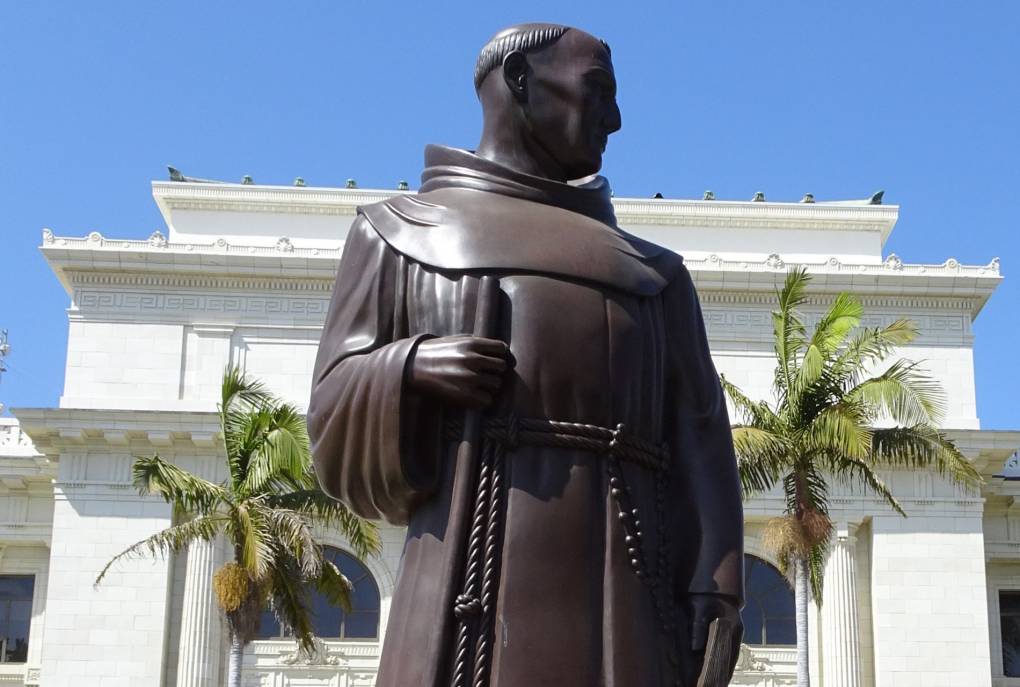
"caption": "A bronze figure of the 18th century missionary Junípero Serra stands outside Ventura City Hall, sculpted in 1936 by Uno John Palo Kangas. Indigenous activists say a reckoning with Serra's legacy is long overdue.",
"description": "A bronze figure of the 18th century missionary Junípero Serra stands outside Ventura City Hall, sculpted in 1936 by Uno John Palo Kangas. Indigenous activists say a reckoning with Serra's legacy is long overdue.",
"title": "serra ventura",
"credit": "Cbl62/Wikimedia Commons",
"status": "inherit",
"isLoading": false,
"fetchFailed": false
},
"news_11827103": {
"type": "attachments",
"id": "news_11827103",
"meta": {
"index": "attachments_1716263798",
"site": "news",
"id": "11827103",
"found": true
},
"parent": 11827083,
"imgSizes": {
"apple_news_ca_landscape_5_5": {
"file": "https://ww2.kqed.org/app/uploads/sites/10/2020/07/bars3-1044x783.jpg",
"width": 1044,
"mimeType": "image/jpeg",
"height": 783
},
"apple_news_ca_square_4_0": {
"file": "https://ww2.kqed.org/app/uploads/sites/10/2020/07/bars3-470x470.jpg",
"width": 470,
"mimeType": "image/jpeg",
"height": 470
},
"twentyfourteen-full-width": {
"file": "https://ww2.kqed.org/app/uploads/sites/10/2020/07/bars3-1038x576.jpg",
"width": 1038,
"mimeType": "image/jpeg",
"height": 576
},
"thumbnail": {
"file": "https://ww2.kqed.org/app/uploads/sites/10/2020/07/bars3-160x108.jpg",
"width": 160,
"mimeType": "image/jpeg",
"height": 108
},
"post-thumbnail": {
"file": "https://ww2.kqed.org/app/uploads/sites/10/2020/07/bars3-672x372.jpg",
"width": 672,
"mimeType": "image/jpeg",
"height": 372
},
"kqedFullSize": {
"file": "https://ww2.kqed.org/app/uploads/sites/10/2020/07/bars3.jpg",
"width": 1900,
"height": 1280
},
"apple_news_ca_landscape_4_7": {
"file": "https://ww2.kqed.org/app/uploads/sites/10/2020/07/bars3-632x474.jpg",
"width": 632,
"mimeType": "image/jpeg",
"height": 474
},
"large": {
"file": "https://ww2.kqed.org/app/uploads/sites/10/2020/07/bars3-1020x687.jpg",
"width": 1020,
"mimeType": "image/jpeg",
"height": 687
},
"apple_news_ca_landscape_4_0": {
"file": "https://ww2.kqed.org/app/uploads/sites/10/2020/07/bars3-536x402.jpg",
"width": 536,
"mimeType": "image/jpeg",
"height": 402
},
"apple_news_ca_portrait_12_9": {
"file": "https://ww2.kqed.org/app/uploads/sites/10/2020/07/bars3-1122x1280.jpg",
"width": 1122,
"mimeType": "image/jpeg",
"height": 1280
},
"medium": {
"file": "https://ww2.kqed.org/app/uploads/sites/10/2020/07/bars3-800x539.jpg",
"width": 800,
"mimeType": "image/jpeg",
"height": 539
},
"apple_news_ca_portrait_4_0": {
"file": "https://ww2.kqed.org/app/uploads/sites/10/2020/07/bars3-354x472.jpg",
"width": 354,
"mimeType": "image/jpeg",
"height": 472
},
"apple_news_ca_portrait_9_7": {
"file": "https://ww2.kqed.org/app/uploads/sites/10/2020/07/bars3-840x1120.jpg",
"width": 840,
"mimeType": "image/jpeg",
"height": 1120
},
"apple_news_ca_landscape_12_9": {
"file": "https://ww2.kqed.org/app/uploads/sites/10/2020/07/bars3-1832x1280.jpg",
"width": 1832,
"mimeType": "image/jpeg",
"height": 1280
},
"apple_news_ca_square_9_7": {
"file": "https://ww2.kqed.org/app/uploads/sites/10/2020/07/bars3-1104x1104.jpg",
"width": 1104,
"mimeType": "image/jpeg",
"height": 1104
},
"1536x1536": {
"file": "https://ww2.kqed.org/app/uploads/sites/10/2020/07/bars3-1536x1035.jpg",
"width": 1536,
"mimeType": "image/jpeg",
"height": 1035
},
"apple_news_ca_portrait_4_7": {
"file": "https://ww2.kqed.org/app/uploads/sites/10/2020/07/bars3-414x552.jpg",
"width": 414,
"mimeType": "image/jpeg",
"height": 552
},
"apple_news_ca_square_12_9": {
"file": "https://ww2.kqed.org/app/uploads/sites/10/2020/07/bars3-1472x1280.jpg",
"width": 1472,
"mimeType": "image/jpeg",
"height": 1280
},
"apple_news_ca_portrait_5_5": {
"file": "https://ww2.kqed.org/app/uploads/sites/10/2020/07/bars3-687x916.jpg",
"width": 687,
"mimeType": "image/jpeg",
"height": 916
},
"apple_news_ca_square_4_7": {
"file": "https://ww2.kqed.org/app/uploads/sites/10/2020/07/bars3-550x550.jpg",
"width": 550,
"mimeType": "image/jpeg",
"height": 550
},
"apple_news_ca_landscape_9_7": {
"file": "https://ww2.kqed.org/app/uploads/sites/10/2020/07/bars3-1376x1032.jpg",
"width": 1376,
"mimeType": "image/jpeg",
"height": 1032
},
"apple_news_ca_square_5_5": {
"file": "https://ww2.kqed.org/app/uploads/sites/10/2020/07/bars3-912x912.jpg",
"width": 912,
"mimeType": "image/jpeg",
"height": 912
}
},
"publishDate": 1593643332,
"modified": 1593662914,
"caption": "All bars in 19 California counties have been ordered to close to limit the spread of COVID-19.",
"description": "All bars in 19 California counties have been ordered to close to limit the spread of COVID-19.",
"title": "bars3",
"credit": "Mike Yakaites/Pexels",
"status": "inherit",
"isLoading": false,
"fetchFailed": false
},
"news_11814940": {
"type": "attachments",
"id": "news_11814940",
"meta": {
"index": "attachments_1716263798",
"site": "news",
"id": "11814940",
"found": true
},
"parent": 11809833,
"imgSizes": {
"apple_news_ca_landscape_5_5": {
"file": "https://ww2.kqed.org/app/uploads/sites/10/2020/03/RS42470_001_KQED_SanFrancisco_RentStrike_03312020-qut-1044x783.jpg",
"width": 1044,
"mimeType": "image/jpeg",
"height": 783
},
"apple_news_ca_square_4_0": {
"file": "https://ww2.kqed.org/app/uploads/sites/10/2020/03/RS42470_001_KQED_SanFrancisco_RentStrike_03312020-qut-470x470.jpg",
"width": 470,
"mimeType": "image/jpeg",
"height": 470
},
"twentyfourteen-full-width": {
"file": "https://ww2.kqed.org/app/uploads/sites/10/2020/03/RS42470_001_KQED_SanFrancisco_RentStrike_03312020-qut-1038x576.jpg",
"width": 1038,
"mimeType": "image/jpeg",
"height": 576
},
"thumbnail": {
"file": "https://ww2.kqed.org/app/uploads/sites/10/2020/03/RS42470_001_KQED_SanFrancisco_RentStrike_03312020-qut-160x107.jpg",
"width": 160,
"mimeType": "image/jpeg",
"height": 107
},
"post-thumbnail": {
"file": "https://ww2.kqed.org/app/uploads/sites/10/2020/03/RS42470_001_KQED_SanFrancisco_RentStrike_03312020-qut-672x372.jpg",
"width": 672,
"mimeType": "image/jpeg",
"height": 372
},
"kqedFullSize": {
"file": "https://ww2.kqed.org/app/uploads/sites/10/2020/03/RS42470_001_KQED_SanFrancisco_RentStrike_03312020-qut.jpg",
"width": 1920,
"height": 1280
},
"apple_news_ca_landscape_4_7": {
"file": "https://ww2.kqed.org/app/uploads/sites/10/2020/03/RS42470_001_KQED_SanFrancisco_RentStrike_03312020-qut-632x474.jpg",
"width": 632,
"mimeType": "image/jpeg",
"height": 474
},
"large": {
"file": "https://ww2.kqed.org/app/uploads/sites/10/2020/03/RS42470_001_KQED_SanFrancisco_RentStrike_03312020-qut-1020x680.jpg",
"width": 1020,
"mimeType": "image/jpeg",
"height": 680
},
"apple_news_ca_landscape_4_0": {
"file": "https://ww2.kqed.org/app/uploads/sites/10/2020/03/RS42470_001_KQED_SanFrancisco_RentStrike_03312020-qut-536x402.jpg",
"width": 536,
"mimeType": "image/jpeg",
"height": 402
},
"apple_news_ca_portrait_12_9": {
"file": "https://ww2.kqed.org/app/uploads/sites/10/2020/03/RS42470_001_KQED_SanFrancisco_RentStrike_03312020-qut-1122x1280.jpg",
"width": 1122,
"mimeType": "image/jpeg",
"height": 1280
},
"medium": {
"file": "https://ww2.kqed.org/app/uploads/sites/10/2020/03/RS42470_001_KQED_SanFrancisco_RentStrike_03312020-qut-800x533.jpg",
"width": 800,
"mimeType": "image/jpeg",
"height": 533
},
"apple_news_ca_portrait_4_0": {
"file": "https://ww2.kqed.org/app/uploads/sites/10/2020/03/RS42470_001_KQED_SanFrancisco_RentStrike_03312020-qut-354x472.jpg",
"width": 354,
"mimeType": "image/jpeg",
"height": 472
},
"apple_news_ca_portrait_9_7": {
"file": "https://ww2.kqed.org/app/uploads/sites/10/2020/03/RS42470_001_KQED_SanFrancisco_RentStrike_03312020-qut-840x1120.jpg",
"width": 840,
"mimeType": "image/jpeg",
"height": 1120
},
"apple_news_ca_landscape_12_9": {
"file": "https://ww2.kqed.org/app/uploads/sites/10/2020/03/RS42470_001_KQED_SanFrancisco_RentStrike_03312020-qut-1832x1280.jpg",
"width": 1832,
"mimeType": "image/jpeg",
"height": 1280
},
"apple_news_ca_square_9_7": {
"file": "https://ww2.kqed.org/app/uploads/sites/10/2020/03/RS42470_001_KQED_SanFrancisco_RentStrike_03312020-qut-1104x1104.jpg",
"width": 1104,
"mimeType": "image/jpeg",
"height": 1104
},
"apple_news_ca_portrait_4_7": {
"file": "https://ww2.kqed.org/app/uploads/sites/10/2020/03/RS42470_001_KQED_SanFrancisco_RentStrike_03312020-qut-414x552.jpg",
"width": 414,
"mimeType": "image/jpeg",
"height": 552
},
"apple_news_ca_square_12_9": {
"file": "https://ww2.kqed.org/app/uploads/sites/10/2020/03/RS42470_001_KQED_SanFrancisco_RentStrike_03312020-qut-1472x1280.jpg",
"width": 1472,
"mimeType": "image/jpeg",
"height": 1280
},
"apple_news_ca_portrait_5_5": {
"file": "https://ww2.kqed.org/app/uploads/sites/10/2020/03/RS42470_001_KQED_SanFrancisco_RentStrike_03312020-qut-687x916.jpg",
"width": 687,
"mimeType": "image/jpeg",
"height": 916
},
"full-width": {
"file": "https://ww2.kqed.org/app/uploads/sites/10/2020/03/RS42470_001_KQED_SanFrancisco_RentStrike_03312020-qut-1920x1280.jpg",
"width": 1920,
"mimeType": "image/jpeg",
"height": 1280
},
"apple_news_ca_square_4_7": {
"file": "https://ww2.kqed.org/app/uploads/sites/10/2020/03/RS42470_001_KQED_SanFrancisco_RentStrike_03312020-qut-550x550.jpg",
"width": 550,
"mimeType": "image/jpeg",
"height": 550
},
"apple_news_ca_landscape_9_7": {
"file": "https://ww2.kqed.org/app/uploads/sites/10/2020/03/RS42470_001_KQED_SanFrancisco_RentStrike_03312020-qut-1376x1032.jpg",
"width": 1376,
"mimeType": "image/jpeg",
"height": 1032
},
"apple_news_ca_square_5_5": {
"file": "https://ww2.kqed.org/app/uploads/sites/10/2020/03/RS42470_001_KQED_SanFrancisco_RentStrike_03312020-qut-912x912.jpg",
"width": 912,
"mimeType": "image/jpeg",
"height": 912
}
},
"publishDate": 1588178458,
"modified": 1589412146,
"caption": "A row of houses in the Mission District of San Francisco on Tuesday, March 31, 2020. (Photo by Beth LaBerge/KQED)",
"description": "A row of houses in the Mission District of San Francisco on Tuesday, March 31, 2020.",
"title": "RS42470_001_KQED_SanFrancisco_RentStrike_03312020-qut",
"credit": "Beth LaBerge/KQED",
"status": "inherit",
"isLoading": false,
"fetchFailed": false
},
"news_11826462": {
"type": "attachments",
"id": "news_11826462",
"meta": {
"index": "attachments_1716263798",
"site": "news",
"id": "11826462",
"found": true
},
"parent": 11826457,
"imgSizes": {
"apple_news_ca_landscape_5_5": {
"file": "https://ww2.kqed.org/app/uploads/sites/10/2020/06/RS42386_031_KQED_BethLaBerge_BloomEnergy_Newsom_03282020-qut-1044x783.jpg",
"width": 1044,
"mimeType": "image/jpeg",
"height": 783
},
"apple_news_ca_square_4_0": {
"file": "https://ww2.kqed.org/app/uploads/sites/10/2020/06/RS42386_031_KQED_BethLaBerge_BloomEnergy_Newsom_03282020-qut-470x470.jpg",
"width": 470,
"mimeType": "image/jpeg",
"height": 470
},
"twentyfourteen-full-width": {
"file": "https://ww2.kqed.org/app/uploads/sites/10/2020/06/RS42386_031_KQED_BethLaBerge_BloomEnergy_Newsom_03282020-qut-1038x576.jpg",
"width": 1038,
"mimeType": "image/jpeg",
"height": 576
},
"thumbnail": {
"file": "https://ww2.kqed.org/app/uploads/sites/10/2020/06/RS42386_031_KQED_BethLaBerge_BloomEnergy_Newsom_03282020-qut-160x107.jpg",
"width": 160,
"mimeType": "image/jpeg",
"height": 107
},
"post-thumbnail": {
"file": "https://ww2.kqed.org/app/uploads/sites/10/2020/06/RS42386_031_KQED_BethLaBerge_BloomEnergy_Newsom_03282020-qut-672x372.jpg",
"width": 672,
"mimeType": "image/jpeg",
"height": 372
},
"kqedFullSize": {
"file": "https://ww2.kqed.org/app/uploads/sites/10/2020/06/RS42386_031_KQED_BethLaBerge_BloomEnergy_Newsom_03282020-qut.jpg",
"width": 1920,
"height": 1278
},
"apple_news_ca_landscape_4_7": {
"file": "https://ww2.kqed.org/app/uploads/sites/10/2020/06/RS42386_031_KQED_BethLaBerge_BloomEnergy_Newsom_03282020-qut-632x474.jpg",
"width": 632,
"mimeType": "image/jpeg",
"height": 474
},
"large": {
"file": "https://ww2.kqed.org/app/uploads/sites/10/2020/06/RS42386_031_KQED_BethLaBerge_BloomEnergy_Newsom_03282020-qut-1020x679.jpg",
"width": 1020,
"mimeType": "image/jpeg",
"height": 679
},
"apple_news_ca_landscape_4_0": {
"file": "https://ww2.kqed.org/app/uploads/sites/10/2020/06/RS42386_031_KQED_BethLaBerge_BloomEnergy_Newsom_03282020-qut-536x402.jpg",
"width": 536,
"mimeType": "image/jpeg",
"height": 402
},
"apple_news_ca_portrait_12_9": {
"file": "https://ww2.kqed.org/app/uploads/sites/10/2020/06/RS42386_031_KQED_BethLaBerge_BloomEnergy_Newsom_03282020-qut-1122x1278.jpg",
"width": 1122,
"mimeType": "image/jpeg",
"height": 1278
},
"medium": {
"file": "https://ww2.kqed.org/app/uploads/sites/10/2020/06/RS42386_031_KQED_BethLaBerge_BloomEnergy_Newsom_03282020-qut-800x533.jpg",
"width": 800,
"mimeType": "image/jpeg",
"height": 533
},
"apple_news_ca_portrait_4_0": {
"file": "https://ww2.kqed.org/app/uploads/sites/10/2020/06/RS42386_031_KQED_BethLaBerge_BloomEnergy_Newsom_03282020-qut-354x472.jpg",
"width": 354,
"mimeType": "image/jpeg",
"height": 472
},
"apple_news_ca_portrait_9_7": {
"file": "https://ww2.kqed.org/app/uploads/sites/10/2020/06/RS42386_031_KQED_BethLaBerge_BloomEnergy_Newsom_03282020-qut-840x1120.jpg",
"width": 840,
"mimeType": "image/jpeg",
"height": 1120
},
"apple_news_ca_landscape_12_9": {
"file": "https://ww2.kqed.org/app/uploads/sites/10/2020/06/RS42386_031_KQED_BethLaBerge_BloomEnergy_Newsom_03282020-qut-1832x1278.jpg",
"width": 1832,
"mimeType": "image/jpeg",
"height": 1278
},
"apple_news_ca_square_9_7": {
"file": "https://ww2.kqed.org/app/uploads/sites/10/2020/06/RS42386_031_KQED_BethLaBerge_BloomEnergy_Newsom_03282020-qut-1104x1104.jpg",
"width": 1104,
"mimeType": "image/jpeg",
"height": 1104
},
"1536x1536": {
"file": "https://ww2.kqed.org/app/uploads/sites/10/2020/06/RS42386_031_KQED_BethLaBerge_BloomEnergy_Newsom_03282020-qut-1536x1022.jpg",
"width": 1536,
"mimeType": "image/jpeg",
"height": 1022
},
"apple_news_ca_portrait_4_7": {
"file": "https://ww2.kqed.org/app/uploads/sites/10/2020/06/RS42386_031_KQED_BethLaBerge_BloomEnergy_Newsom_03282020-qut-414x552.jpg",
"width": 414,
"mimeType": "image/jpeg",
"height": 552
},
"apple_news_ca_square_12_9": {
"file": "https://ww2.kqed.org/app/uploads/sites/10/2020/06/RS42386_031_KQED_BethLaBerge_BloomEnergy_Newsom_03282020-qut-1472x1278.jpg",
"width": 1472,
"mimeType": "image/jpeg",
"height": 1278
},
"apple_news_ca_portrait_5_5": {
"file": "https://ww2.kqed.org/app/uploads/sites/10/2020/06/RS42386_031_KQED_BethLaBerge_BloomEnergy_Newsom_03282020-qut-687x916.jpg",
"width": 687,
"mimeType": "image/jpeg",
"height": 916
},
"apple_news_ca_square_4_7": {
"file": "https://ww2.kqed.org/app/uploads/sites/10/2020/06/RS42386_031_KQED_BethLaBerge_BloomEnergy_Newsom_03282020-qut-550x550.jpg",
"width": 550,
"mimeType": "image/jpeg",
"height": 550
},
"apple_news_ca_landscape_9_7": {
"file": "https://ww2.kqed.org/app/uploads/sites/10/2020/06/RS42386_031_KQED_BethLaBerge_BloomEnergy_Newsom_03282020-qut-1376x1032.jpg",
"width": 1376,
"mimeType": "image/jpeg",
"height": 1032
},
"apple_news_ca_square_5_5": {
"file": "https://ww2.kqed.org/app/uploads/sites/10/2020/06/RS42386_031_KQED_BethLaBerge_BloomEnergy_Newsom_03282020-qut-912x912.jpg",
"width": 912,
"mimeType": "image/jpeg",
"height": 912
}
},
"publishDate": 1593270592,
"modified": 1593270782,
"caption": "Gov. Gavin Newsom speaks with Bloom Energy CEO KR Sridhar at the Bloom Energy Sunnyvale campus on March 28, 2020. Bloom Energy is a fuel cell generator company that switched over to refurbishing ventilators as an increasing number of patients experience respiratory issues as a result of COVID-19.",
"description": null,
"title": "RS42386_031_KQED_BethLaBerge_BloomEnergy_Newsom_03282020-qut",
"credit": "Beth LaBerge/KQED",
"status": "inherit",
"isLoading": false,
"fetchFailed": false
},
"news_11825788": {
"type": "attachments",
"id": "news_11825788",
"meta": {
"index": "attachments_1716263798",
"site": "news",
"id": "11825788",
"found": true
},
"parent": 11825653,
"imgSizes": {
"apple_news_ca_landscape_5_5": {
"file": "https://ww2.kqed.org/app/uploads/sites/10/2020/06/Alan-Tolbert-Project-Roomkey-1044x783.jpg",
"width": 1044,
"mimeType": "image/jpeg",
"height": 783
},
"apple_news_ca_square_4_0": {
"file": "https://ww2.kqed.org/app/uploads/sites/10/2020/06/Alan-Tolbert-Project-Roomkey-470x470.jpg",
"width": 470,
"mimeType": "image/jpeg",
"height": 470
},
"twentyfourteen-full-width": {
"file": "https://ww2.kqed.org/app/uploads/sites/10/2020/06/Alan-Tolbert-Project-Roomkey-1038x576.jpg",
"width": 1038,
"mimeType": "image/jpeg",
"height": 576
},
"thumbnail": {
"file": "https://ww2.kqed.org/app/uploads/sites/10/2020/06/Alan-Tolbert-Project-Roomkey-160x120.jpg",
"width": 160,
"mimeType": "image/jpeg",
"height": 120
},
"post-thumbnail": {
"file": "https://ww2.kqed.org/app/uploads/sites/10/2020/06/Alan-Tolbert-Project-Roomkey-672x372.jpg",
"width": 672,
"mimeType": "image/jpeg",
"height": 372
},
"kqedFullSize": {
"file": "https://ww2.kqed.org/app/uploads/sites/10/2020/06/Alan-Tolbert-Project-Roomkey.jpg",
"width": 1920,
"height": 1440
},
"apple_news_ca_landscape_4_7": {
"file": "https://ww2.kqed.org/app/uploads/sites/10/2020/06/Alan-Tolbert-Project-Roomkey-632x474.jpg",
"width": 632,
"mimeType": "image/jpeg",
"height": 474
},
"large": {
"file": "https://ww2.kqed.org/app/uploads/sites/10/2020/06/Alan-Tolbert-Project-Roomkey-1020x765.jpg",
"width": 1020,
"mimeType": "image/jpeg",
"height": 765
},
"apple_news_ca_landscape_4_0": {
"file": "https://ww2.kqed.org/app/uploads/sites/10/2020/06/Alan-Tolbert-Project-Roomkey-536x402.jpg",
"width": 536,
"mimeType": "image/jpeg",
"height": 402
},
"apple_news_ca_portrait_12_9": {
"file": "https://ww2.kqed.org/app/uploads/sites/10/2020/06/Alan-Tolbert-Project-Roomkey-1122x1440.jpg",
"width": 1122,
"mimeType": "image/jpeg",
"height": 1440
},
"medium": {
"file": "https://ww2.kqed.org/app/uploads/sites/10/2020/06/Alan-Tolbert-Project-Roomkey-800x600.jpg",
"width": 800,
"mimeType": "image/jpeg",
"height": 600
},
"apple_news_ca_portrait_4_0": {
"file": "https://ww2.kqed.org/app/uploads/sites/10/2020/06/Alan-Tolbert-Project-Roomkey-354x472.jpg",
"width": 354,
"mimeType": "image/jpeg",
"height": 472
},
"apple_news_ca_portrait_9_7": {
"file": "https://ww2.kqed.org/app/uploads/sites/10/2020/06/Alan-Tolbert-Project-Roomkey-840x1120.jpg",
"width": 840,
"mimeType": "image/jpeg",
"height": 1120
},
"apple_news_ca_landscape_12_9": {
"file": "https://ww2.kqed.org/app/uploads/sites/10/2020/06/Alan-Tolbert-Project-Roomkey-1832x1374.jpg",
"width": 1832,
"mimeType": "image/jpeg",
"height": 1374
},
"apple_news_ca_square_9_7": {
"file": "https://ww2.kqed.org/app/uploads/sites/10/2020/06/Alan-Tolbert-Project-Roomkey-1104x1104.jpg",
"width": 1104,
"mimeType": "image/jpeg",
"height": 1104
},
"1536x1536": {
"file": "https://ww2.kqed.org/app/uploads/sites/10/2020/06/Alan-Tolbert-Project-Roomkey-1536x1152.jpg",
"width": 1536,
"mimeType": "image/jpeg",
"height": 1152
},
"apple_news_ca_portrait_4_7": {
"file": "https://ww2.kqed.org/app/uploads/sites/10/2020/06/Alan-Tolbert-Project-Roomkey-414x552.jpg",
"width": 414,
"mimeType": "image/jpeg",
"height": 552
},
"apple_news_ca_square_12_9": {
"file": "https://ww2.kqed.org/app/uploads/sites/10/2020/06/Alan-Tolbert-Project-Roomkey-1472x1440.jpg",
"width": 1472,
"mimeType": "image/jpeg",
"height": 1440
},
"apple_news_ca_portrait_5_5": {
"file": "https://ww2.kqed.org/app/uploads/sites/10/2020/06/Alan-Tolbert-Project-Roomkey-687x916.jpg",
"width": 687,
"mimeType": "image/jpeg",
"height": 916
},
"apple_news_ca_square_4_7": {
"file": "https://ww2.kqed.org/app/uploads/sites/10/2020/06/Alan-Tolbert-Project-Roomkey-550x550.jpg",
"width": 550,
"mimeType": "image/jpeg",
"height": 550
},
"apple_news_ca_landscape_9_7": {
"file": "https://ww2.kqed.org/app/uploads/sites/10/2020/06/Alan-Tolbert-Project-Roomkey-1376x1032.jpg",
"width": 1376,
"mimeType": "image/jpeg",
"height": 1032
},
"apple_news_ca_square_5_5": {
"file": "https://ww2.kqed.org/app/uploads/sites/10/2020/06/Alan-Tolbert-Project-Roomkey-912x912.jpg",
"width": 912,
"mimeType": "image/jpeg",
"height": 912
}
},
"publishDate": 1592938037,
"modified": 1592938083,
"caption": "Alan Tolbert and his dog, Coco, inside their room at Hotel Whitcomb.",
"description": "Alan Tolbert and his dog, Coco, inside their room at Hotel Whitcomb.",
"title": "Alan-Tolbert-Project-Roomkey",
"credit": "Courtesy Alan Tolbert",
"status": "inherit",
"isLoading": false,
"fetchFailed": false
},
"news_11825578": {
"type": "attachments",
"id": "news_11825578",
"meta": {
"index": "attachments_1716263798",
"site": "news",
"id": "11825578",
"found": true
},
"parent": 11825573,
"imgSizes": {
"apple_news_ca_square_4_0": {
"file": "https://ww2.kqed.org/app/uploads/sites/10/2020/06/1920_1280px-Etnic_Studies_Hunger_Strike_SF_State-470x470.jpg",
"width": 470,
"mimeType": "image/jpeg",
"height": 470
},
"twentyfourteen-full-width": {
"file": "https://ww2.kqed.org/app/uploads/sites/10/2020/06/1920_1280px-Etnic_Studies_Hunger_Strike_SF_State-1031x576.jpg",
"width": 1031,
"mimeType": "image/jpeg",
"height": 576
},
"thumbnail": {
"file": "https://ww2.kqed.org/app/uploads/sites/10/2020/06/1920_1280px-Etnic_Studies_Hunger_Strike_SF_State-160x90.jpg",
"width": 160,
"mimeType": "image/jpeg",
"height": 90
},
"post-thumbnail": {
"file": "https://ww2.kqed.org/app/uploads/sites/10/2020/06/1920_1280px-Etnic_Studies_Hunger_Strike_SF_State-672x372.jpg",
"width": 672,
"mimeType": "image/jpeg",
"height": 372
},
"kqedFullSize": {
"file": "https://ww2.kqed.org/app/uploads/sites/10/2020/06/1920_1280px-Etnic_Studies_Hunger_Strike_SF_State.jpg",
"width": 1031,
"height": 580
},
"apple_news_ca_landscape_4_7": {
"file": "https://ww2.kqed.org/app/uploads/sites/10/2020/06/1920_1280px-Etnic_Studies_Hunger_Strike_SF_State-632x474.jpg",
"width": 632,
"mimeType": "image/jpeg",
"height": 474
},
"large": {
"file": "https://ww2.kqed.org/app/uploads/sites/10/2020/06/1920_1280px-Etnic_Studies_Hunger_Strike_SF_State-1020x574.jpg",
"width": 1020,
"mimeType": "image/jpeg",
"height": 574
},
"apple_news_ca_landscape_4_0": {
"file": "https://ww2.kqed.org/app/uploads/sites/10/2020/06/1920_1280px-Etnic_Studies_Hunger_Strike_SF_State-536x402.jpg",
"width": 536,
"mimeType": "image/jpeg",
"height": 402
},
"medium": {
"file": "https://ww2.kqed.org/app/uploads/sites/10/2020/06/1920_1280px-Etnic_Studies_Hunger_Strike_SF_State-800x450.jpg",
"width": 800,
"mimeType": "image/jpeg",
"height": 450
},
"apple_news_ca_portrait_4_0": {
"file": "https://ww2.kqed.org/app/uploads/sites/10/2020/06/1920_1280px-Etnic_Studies_Hunger_Strike_SF_State-354x472.jpg",
"width": 354,
"mimeType": "image/jpeg",
"height": 472
},
"apple_news_ca_portrait_9_7": {
"file": "https://ww2.kqed.org/app/uploads/sites/10/2020/06/1920_1280px-Etnic_Studies_Hunger_Strike_SF_State-840x580.jpg",
"width": 840,
"mimeType": "image/jpeg",
"height": 580
},
"apple_news_ca_portrait_4_7": {
"file": "https://ww2.kqed.org/app/uploads/sites/10/2020/06/1920_1280px-Etnic_Studies_Hunger_Strike_SF_State-414x552.jpg",
"width": 414,
"mimeType": "image/jpeg",
"height": 552
},
"apple_news_ca_portrait_5_5": {
"file": "https://ww2.kqed.org/app/uploads/sites/10/2020/06/1920_1280px-Etnic_Studies_Hunger_Strike_SF_State-687x580.jpg",
"width": 687,
"mimeType": "image/jpeg",
"height": 580
},
"apple_news_ca_square_4_7": {
"file": "https://ww2.kqed.org/app/uploads/sites/10/2020/06/1920_1280px-Etnic_Studies_Hunger_Strike_SF_State-550x550.jpg",
"width": 550,
"mimeType": "image/jpeg",
"height": 550
},
"apple_news_ca_square_5_5": {
"file": "https://ww2.kqed.org/app/uploads/sites/10/2020/06/1920_1280px-Etnic_Studies_Hunger_Strike_SF_State-912x580.jpg",
"width": 912,
"mimeType": "image/jpeg",
"height": 580
}
},
"publishDate": 1592765437,
"modified": 1592765469,
"caption": "A San Francisco State Student holds a sign in solidarity and support of the students on a hunger strike to defend Ethnic Studies, during an a press conference on May 9, 2016. ",
"description": null,
"title": "1920_1280px-Etnic_Studies_Hunger_Strike_SF_State",
"credit": "Melissa Minton/Wikimedia",
"status": "inherit",
"isLoading": false,
"fetchFailed": false
},
"news_11825152": {
"type": "attachments",
"id": "news_11825152",
"meta": {
"index": "attachments_1716263798",
"site": "news",
"id": "11825152",
"found": true
},
"parent": 11825151,
"imgSizes": {
"apple_news_ca_landscape_5_5": {
"file": "https://ww2.kqed.org/app/uploads/sites/10/2020/06/robert-fuller-c75f8ebd98724245e246e6a350516e5047181d10-1044x783.jpg",
"width": 1044,
"mimeType": "image/jpeg",
"height": 783
},
"apple_news_ca_square_4_0": {
"file": "https://ww2.kqed.org/app/uploads/sites/10/2020/06/robert-fuller-c75f8ebd98724245e246e6a350516e5047181d10-470x470.jpg",
"width": 470,
"mimeType": "image/jpeg",
"height": 470
},
"twentyfourteen-full-width": {
"file": "https://ww2.kqed.org/app/uploads/sites/10/2020/06/robert-fuller-c75f8ebd98724245e246e6a350516e5047181d10-1038x576.jpg",
"width": 1038,
"mimeType": "image/jpeg",
"height": 576
},
"thumbnail": {
"file": "https://ww2.kqed.org/app/uploads/sites/10/2020/06/robert-fuller-c75f8ebd98724245e246e6a350516e5047181d10-160x120.jpg",
"width": 160,
"mimeType": "image/jpeg",
"height": 120
},
"post-thumbnail": {
"file": "https://ww2.kqed.org/app/uploads/sites/10/2020/06/robert-fuller-c75f8ebd98724245e246e6a350516e5047181d10-672x372.jpg",
"width": 672,
"mimeType": "image/jpeg",
"height": 372
},
"kqedFullSize": {
"file": "https://ww2.kqed.org/app/uploads/sites/10/2020/06/robert-fuller-c75f8ebd98724245e246e6a350516e5047181d10-e1592507716851.jpg",
"width": 1920,
"height": 1440
},
"apple_news_ca_landscape_4_7": {
"file": "https://ww2.kqed.org/app/uploads/sites/10/2020/06/robert-fuller-c75f8ebd98724245e246e6a350516e5047181d10-632x474.jpg",
"width": 632,
"mimeType": "image/jpeg",
"height": 474
},
"large": {
"file": "https://ww2.kqed.org/app/uploads/sites/10/2020/06/robert-fuller-c75f8ebd98724245e246e6a350516e5047181d10-1020x765.jpg",
"width": 1020,
"mimeType": "image/jpeg",
"height": 765
},
"apple_news_ca_landscape_4_0": {
"file": "https://ww2.kqed.org/app/uploads/sites/10/2020/06/robert-fuller-c75f8ebd98724245e246e6a350516e5047181d10-536x402.jpg",
"width": 536,
"mimeType": "image/jpeg",
"height": 402
},
"apple_news_ca_portrait_12_9": {
"file": "https://ww2.kqed.org/app/uploads/sites/10/2020/06/robert-fuller-c75f8ebd98724245e246e6a350516e5047181d10-1122x1496.jpg",
"width": 1122,
"mimeType": "image/jpeg",
"height": 1496
},
"medium": {
"file": "https://ww2.kqed.org/app/uploads/sites/10/2020/06/robert-fuller-c75f8ebd98724245e246e6a350516e5047181d10-800x600.jpg",
"width": 800,
"mimeType": "image/jpeg",
"height": 600
},
"apple_news_ca_portrait_4_0": {
"file": "https://ww2.kqed.org/app/uploads/sites/10/2020/06/robert-fuller-c75f8ebd98724245e246e6a350516e5047181d10-354x472.jpg",
"width": 354,
"mimeType": "image/jpeg",
"height": 472
},
"apple_news_ca_portrait_9_7": {
"file": "https://ww2.kqed.org/app/uploads/sites/10/2020/06/robert-fuller-c75f8ebd98724245e246e6a350516e5047181d10-840x1120.jpg",
"width": 840,
"mimeType": "image/jpeg",
"height": 1120
},
"apple_news_ca_landscape_12_9": {
"file": "https://ww2.kqed.org/app/uploads/sites/10/2020/06/robert-fuller-c75f8ebd98724245e246e6a350516e5047181d10-1832x1374.jpg",
"width": 1832,
"mimeType": "image/jpeg",
"height": 1374
},
"apple_news_ca_square_9_7": {
"file": "https://ww2.kqed.org/app/uploads/sites/10/2020/06/robert-fuller-c75f8ebd98724245e246e6a350516e5047181d10-1104x1104.jpg",
"width": 1104,
"mimeType": "image/jpeg",
"height": 1104
},
"apple_news_ca_portrait_4_7": {
"file": "https://ww2.kqed.org/app/uploads/sites/10/2020/06/robert-fuller-c75f8ebd98724245e246e6a350516e5047181d10-414x552.jpg",
"width": 414,
"mimeType": "image/jpeg",
"height": 552
},
"apple_news_ca_square_12_9": {
"file": "https://ww2.kqed.org/app/uploads/sites/10/2020/06/robert-fuller-c75f8ebd98724245e246e6a350516e5047181d10-1472x1472.jpg",
"width": 1472,
"mimeType": "image/jpeg",
"height": 1472
},
"apple_news_ca_portrait_5_5": {
"file": "https://ww2.kqed.org/app/uploads/sites/10/2020/06/robert-fuller-c75f8ebd98724245e246e6a350516e5047181d10-687x916.jpg",
"width": 687,
"mimeType": "image/jpeg",
"height": 916
},
"full-width": {
"file": "https://ww2.kqed.org/app/uploads/sites/10/2020/06/robert-fuller-c75f8ebd98724245e246e6a350516e5047181d10-1920x1440.jpg",
"width": 1920,
"mimeType": "image/jpeg",
"height": 1440
},
"apple_news_ca_square_4_7": {
"file": "https://ww2.kqed.org/app/uploads/sites/10/2020/06/robert-fuller-c75f8ebd98724245e246e6a350516e5047181d10-550x550.jpg",
"width": 550,
"mimeType": "image/jpeg",
"height": 550
},
"apple_news_ca_landscape_9_7": {
"file": "https://ww2.kqed.org/app/uploads/sites/10/2020/06/robert-fuller-c75f8ebd98724245e246e6a350516e5047181d10-1376x1032.jpg",
"width": 1376,
"mimeType": "image/jpeg",
"height": 1032
},
"apple_news_ca_square_5_5": {
"file": "https://ww2.kqed.org/app/uploads/sites/10/2020/06/robert-fuller-c75f8ebd98724245e246e6a350516e5047181d10-912x912.jpg",
"width": 912,
"mimeType": "image/jpeg",
"height": 912
}
},
"publishDate": 1592507363,
"modified": 1592507708,
"caption": "Robert Fuller was found dead and hanging from a tree on June 10 in Poncitlán Square in Palmdale. His half brother was shot by law enforcement Wednesday, a family attorney says.",
"description": "Robert Fuller was found dead and hanging from a tree on June 10 in Poncitlán Square in Palmdale. His half brother was shot by law enforcement Wednesday, a family attorney says.",
"title": "Robert Fuller was found dead and hanging from a tree on June 10 in Poncitlán Square in Palmdale, Calif. His half brother was shot by law enforcement Wednesday, a family attorney says.",
"credit": "Robert Fuller Family via AP",
"status": "inherit",
"isLoading": false,
"fetchFailed": false
},
"news_11825091": {
"type": "attachments",
"id": "news_11825091",
"meta": {
"index": "attachments_1716263798",
"site": "news",
"id": "11825091",
"found": true
},
"parent": 11825090,
"imgSizes": {
"apple_news_ca_landscape_5_5": {
"file": "https://ww2.kqed.org/app/uploads/sites/10/2020/06/gettyimages-1220880247_custom-8add8aa20727cec807a4123d548ec1035da19f98-1044x783.jpg",
"width": 1044,
"mimeType": "image/jpeg",
"height": 783
},
"apple_news_ca_square_4_0": {
"file": "https://ww2.kqed.org/app/uploads/sites/10/2020/06/gettyimages-1220880247_custom-8add8aa20727cec807a4123d548ec1035da19f98-470x470.jpg",
"width": 470,
"mimeType": "image/jpeg",
"height": 470
},
"twentyfourteen-full-width": {
"file": "https://ww2.kqed.org/app/uploads/sites/10/2020/06/gettyimages-1220880247_custom-8add8aa20727cec807a4123d548ec1035da19f98-1038x576.jpg",
"width": 1038,
"mimeType": "image/jpeg",
"height": 576
},
"thumbnail": {
"file": "https://ww2.kqed.org/app/uploads/sites/10/2020/06/gettyimages-1220880247_custom-8add8aa20727cec807a4123d548ec1035da19f98-160x96.jpg",
"width": 160,
"mimeType": "image/jpeg",
"height": 96
},
"post-thumbnail": {
"file": "https://ww2.kqed.org/app/uploads/sites/10/2020/06/gettyimages-1220880247_custom-8add8aa20727cec807a4123d548ec1035da19f98-672x372.jpg",
"width": 672,
"mimeType": "image/jpeg",
"height": 372
},
"kqedFullSize": {
"file": "https://ww2.kqed.org/app/uploads/sites/10/2020/06/gettyimages-1220880247_custom-8add8aa20727cec807a4123d548ec1035da19f98-e1592493951669.jpg",
"width": 1920,
"height": 1155
},
"apple_news_ca_landscape_4_7": {
"file": "https://ww2.kqed.org/app/uploads/sites/10/2020/06/gettyimages-1220880247_custom-8add8aa20727cec807a4123d548ec1035da19f98-632x474.jpg",
"width": 632,
"mimeType": "image/jpeg",
"height": 474
},
"large": {
"file": "https://ww2.kqed.org/app/uploads/sites/10/2020/06/gettyimages-1220880247_custom-8add8aa20727cec807a4123d548ec1035da19f98-1020x614.jpg",
"width": 1020,
"mimeType": "image/jpeg",
"height": 614
},
"apple_news_ca_landscape_4_0": {
"file": "https://ww2.kqed.org/app/uploads/sites/10/2020/06/gettyimages-1220880247_custom-8add8aa20727cec807a4123d548ec1035da19f98-536x402.jpg",
"width": 536,
"mimeType": "image/jpeg",
"height": 402
},
"apple_news_ca_portrait_12_9": {
"file": "https://ww2.kqed.org/app/uploads/sites/10/2020/06/gettyimages-1220880247_custom-8add8aa20727cec807a4123d548ec1035da19f98-1122x1496.jpg",
"width": 1122,
"mimeType": "image/jpeg",
"height": 1496
},
"medium": {
"file": "https://ww2.kqed.org/app/uploads/sites/10/2020/06/gettyimages-1220880247_custom-8add8aa20727cec807a4123d548ec1035da19f98-800x481.jpg",
"width": 800,
"mimeType": "image/jpeg",
"height": 481
},
"apple_news_ca_portrait_4_0": {
"file": "https://ww2.kqed.org/app/uploads/sites/10/2020/06/gettyimages-1220880247_custom-8add8aa20727cec807a4123d548ec1035da19f98-354x472.jpg",
"width": 354,
"mimeType": "image/jpeg",
"height": 472
},
"apple_news_ca_portrait_9_7": {
"file": "https://ww2.kqed.org/app/uploads/sites/10/2020/06/gettyimages-1220880247_custom-8add8aa20727cec807a4123d548ec1035da19f98-840x1120.jpg",
"width": 840,
"mimeType": "image/jpeg",
"height": 1120
},
"apple_news_ca_landscape_12_9": {
"file": "https://ww2.kqed.org/app/uploads/sites/10/2020/06/gettyimages-1220880247_custom-8add8aa20727cec807a4123d548ec1035da19f98-1832x1374.jpg",
"width": 1832,
"mimeType": "image/jpeg",
"height": 1374
},
"apple_news_ca_square_9_7": {
"file": "https://ww2.kqed.org/app/uploads/sites/10/2020/06/gettyimages-1220880247_custom-8add8aa20727cec807a4123d548ec1035da19f98-1104x1104.jpg",
"width": 1104,
"mimeType": "image/jpeg",
"height": 1104
},
"apple_news_ca_portrait_4_7": {
"file": "https://ww2.kqed.org/app/uploads/sites/10/2020/06/gettyimages-1220880247_custom-8add8aa20727cec807a4123d548ec1035da19f98-414x552.jpg",
"width": 414,
"mimeType": "image/jpeg",
"height": 552
},
"apple_news_ca_square_12_9": {
"file": "https://ww2.kqed.org/app/uploads/sites/10/2020/06/gettyimages-1220880247_custom-8add8aa20727cec807a4123d548ec1035da19f98-1472x1472.jpg",
"width": 1472,
"mimeType": "image/jpeg",
"height": 1472
},
"apple_news_ca_portrait_5_5": {
"file": "https://ww2.kqed.org/app/uploads/sites/10/2020/06/gettyimages-1220880247_custom-8add8aa20727cec807a4123d548ec1035da19f98-687x916.jpg",
"width": 687,
"mimeType": "image/jpeg",
"height": 916
},
"full-width": {
"file": "https://ww2.kqed.org/app/uploads/sites/10/2020/06/gettyimages-1220880247_custom-8add8aa20727cec807a4123d548ec1035da19f98-1920x1155.jpg",
"width": 1920,
"mimeType": "image/jpeg",
"height": 1155
},
"apple_news_ca_square_4_7": {
"file": "https://ww2.kqed.org/app/uploads/sites/10/2020/06/gettyimages-1220880247_custom-8add8aa20727cec807a4123d548ec1035da19f98-550x550.jpg",
"width": 550,
"mimeType": "image/jpeg",
"height": 550
},
"apple_news_ca_landscape_9_7": {
"file": "https://ww2.kqed.org/app/uploads/sites/10/2020/06/gettyimages-1220880247_custom-8add8aa20727cec807a4123d548ec1035da19f98-1376x1032.jpg",
"width": 1376,
"mimeType": "image/jpeg",
"height": 1032
},
"apple_news_ca_square_5_5": {
"file": "https://ww2.kqed.org/app/uploads/sites/10/2020/06/gettyimages-1220880247_custom-8add8aa20727cec807a4123d548ec1035da19f98-912x912.jpg",
"width": 912,
"mimeType": "image/jpeg",
"height": 912
}
},
"publishDate": 1592493703,
"modified": 1592493974,
"caption": "Activists hold a banner in front of the Supreme Court in Washington, D.C., on Thursday, as the court rejected the Trump administration's move to rescind the Deferred Action for Childhood Arrivals program.",
"description": "Activists hold a banner in front of the Supreme Court in Washington, D.C., on Thursday, as the court rejected the Trump administration's move to rescind the Deferred Action for Childhood Arrivals program.",
"title": "Activists hold a banner in front of the Supreme Court in Washington, D.C., on Thursday, as the court rejected the Trump administration's move to rescind the Deferred Action for Childhood Arrivals program.",
"credit": "Nicholas Kamm/AFP via Getty Images",
"status": "inherit",
"isLoading": false,
"fetchFailed": false
},
"news_11824866": {
"type": "attachments",
"id": "news_11824866",
"meta": {
"index": "attachments_1716263798",
"site": "news",
"id": "11824866",
"found": true
},
"parent": 11823958,
"imgSizes": {
"apple_news_ca_landscape_5_5": {
"file": "https://ww2.kqed.org/app/uploads/sites/10/2020/06/Defund-police-oakland-george-floyd-protest-1044x783.jpg",
"width": 1044,
"mimeType": "image/jpeg",
"height": 783
},
"apple_news_ca_square_4_0": {
"file": "https://ww2.kqed.org/app/uploads/sites/10/2020/06/Defund-police-oakland-george-floyd-protest-470x470.jpg",
"width": 470,
"mimeType": "image/jpeg",
"height": 470
},
"twentyfourteen-full-width": {
"file": "https://ww2.kqed.org/app/uploads/sites/10/2020/06/Defund-police-oakland-george-floyd-protest-1038x576.jpg",
"width": 1038,
"mimeType": "image/jpeg",
"height": 576
},
"thumbnail": {
"file": "https://ww2.kqed.org/app/uploads/sites/10/2020/06/Defund-police-oakland-george-floyd-protest-160x107.jpg",
"width": 160,
"mimeType": "image/jpeg",
"height": 107
},
"post-thumbnail": {
"file": "https://ww2.kqed.org/app/uploads/sites/10/2020/06/Defund-police-oakland-george-floyd-protest-672x372.jpg",
"width": 672,
"mimeType": "image/jpeg",
"height": 372
},
"kqedFullSize": {
"file": "https://ww2.kqed.org/app/uploads/sites/10/2020/06/Defund-police-oakland-george-floyd-protest.jpg",
"width": 1920,
"height": 1280
},
"apple_news_ca_landscape_4_7": {
"file": "https://ww2.kqed.org/app/uploads/sites/10/2020/06/Defund-police-oakland-george-floyd-protest-632x474.jpg",
"width": 632,
"mimeType": "image/jpeg",
"height": 474
},
"large": {
"file": "https://ww2.kqed.org/app/uploads/sites/10/2020/06/Defund-police-oakland-george-floyd-protest-1020x680.jpg",
"width": 1020,
"mimeType": "image/jpeg",
"height": 680
},
"apple_news_ca_landscape_4_0": {
"file": "https://ww2.kqed.org/app/uploads/sites/10/2020/06/Defund-police-oakland-george-floyd-protest-536x402.jpg",
"width": 536,
"mimeType": "image/jpeg",
"height": 402
},
"apple_news_ca_portrait_12_9": {
"file": "https://ww2.kqed.org/app/uploads/sites/10/2020/06/Defund-police-oakland-george-floyd-protest-1122x1280.jpg",
"width": 1122,
"mimeType": "image/jpeg",
"height": 1280
},
"medium": {
"file": "https://ww2.kqed.org/app/uploads/sites/10/2020/06/Defund-police-oakland-george-floyd-protest-800x533.jpg",
"width": 800,
"mimeType": "image/jpeg",
"height": 533
},
"apple_news_ca_portrait_4_0": {
"file": "https://ww2.kqed.org/app/uploads/sites/10/2020/06/Defund-police-oakland-george-floyd-protest-354x472.jpg",
"width": 354,
"mimeType": "image/jpeg",
"height": 472
},
"apple_news_ca_portrait_9_7": {
"file": "https://ww2.kqed.org/app/uploads/sites/10/2020/06/Defund-police-oakland-george-floyd-protest-840x1120.jpg",
"width": 840,
"mimeType": "image/jpeg",
"height": 1120
},
"apple_news_ca_landscape_12_9": {
"file": "https://ww2.kqed.org/app/uploads/sites/10/2020/06/Defund-police-oakland-george-floyd-protest-1832x1280.jpg",
"width": 1832,
"mimeType": "image/jpeg",
"height": 1280
},
"apple_news_ca_square_9_7": {
"file": "https://ww2.kqed.org/app/uploads/sites/10/2020/06/Defund-police-oakland-george-floyd-protest-1104x1104.jpg",
"width": 1104,
"mimeType": "image/jpeg",
"height": 1104
},
"apple_news_ca_portrait_4_7": {
"file": "https://ww2.kqed.org/app/uploads/sites/10/2020/06/Defund-police-oakland-george-floyd-protest-414x552.jpg",
"width": 414,
"mimeType": "image/jpeg",
"height": 552
},
"apple_news_ca_square_12_9": {
"file": "https://ww2.kqed.org/app/uploads/sites/10/2020/06/Defund-police-oakland-george-floyd-protest-1472x1280.jpg",
"width": 1472,
"mimeType": "image/jpeg",
"height": 1280
},
"apple_news_ca_portrait_5_5": {
"file": "https://ww2.kqed.org/app/uploads/sites/10/2020/06/Defund-police-oakland-george-floyd-protest-687x916.jpg",
"width": 687,
"mimeType": "image/jpeg",
"height": 916
},
"full-width": {
"file": "https://ww2.kqed.org/app/uploads/sites/10/2020/06/Defund-police-oakland-george-floyd-protest-1920x1280.jpg",
"width": 1920,
"mimeType": "image/jpeg",
"height": 1280
},
"apple_news_ca_square_4_7": {
"file": "https://ww2.kqed.org/app/uploads/sites/10/2020/06/Defund-police-oakland-george-floyd-protest-550x550.jpg",
"width": 550,
"mimeType": "image/jpeg",
"height": 550
},
"apple_news_ca_landscape_9_7": {
"file": "https://ww2.kqed.org/app/uploads/sites/10/2020/06/Defund-police-oakland-george-floyd-protest-1376x1032.jpg",
"width": 1376,
"mimeType": "image/jpeg",
"height": 1032
},
"apple_news_ca_square_5_5": {
"file": "https://ww2.kqed.org/app/uploads/sites/10/2020/06/Defund-police-oakland-george-floyd-protest-912x912.jpg",
"width": 912,
"mimeType": "image/jpeg",
"height": 912
}
},
"publishDate": 1592423971,
"modified": 1592424015,
"caption": "Demonstrators gather in Downtown Oakland to listen to speakers during a protest against police violence on June 3, 2020.",
"description": "Demonstrators gather in Downtown Oakland to listen to speakers during a protest against police violence on June 3, 2020.",
"title": "Defund-police-oakland-george-floyd-protest",
"credit": "Beth LaBerge/KQED",
"status": "inherit",
"isLoading": false,
"fetchFailed": false
},
"news_11824598": {
"type": "attachments",
"id": "news_11824598",
"meta": {
"index": "attachments_1716263798",
"site": "news",
"id": "11824598",
"found": true
},
"parent": 11824596,
"imgSizes": {
"apple_news_ca_landscape_5_5": {
"file": "https://ww2.kqed.org/app/uploads/sites/10/2020/06/RS33914_111318_AW_CampFire_02-qut-1044x783.jpg",
"width": 1044,
"mimeType": "image/jpeg",
"height": 783
},
"apple_news_ca_square_4_0": {
"file": "https://ww2.kqed.org/app/uploads/sites/10/2020/06/RS33914_111318_AW_CampFire_02-qut-470x470.jpg",
"width": 470,
"mimeType": "image/jpeg",
"height": 470
},
"twentyfourteen-full-width": {
"file": "https://ww2.kqed.org/app/uploads/sites/10/2020/06/RS33914_111318_AW_CampFire_02-qut-1038x576.jpg",
"width": 1038,
"mimeType": "image/jpeg",
"height": 576
},
"thumbnail": {
"file": "https://ww2.kqed.org/app/uploads/sites/10/2020/06/RS33914_111318_AW_CampFire_02-qut-160x107.jpg",
"width": 160,
"mimeType": "image/jpeg",
"height": 107
},
"post-thumbnail": {
"file": "https://ww2.kqed.org/app/uploads/sites/10/2020/06/RS33914_111318_AW_CampFire_02-qut-672x372.jpg",
"width": 672,
"mimeType": "image/jpeg",
"height": 372
},
"kqedFullSize": {
"file": "https://ww2.kqed.org/app/uploads/sites/10/2020/06/RS33914_111318_AW_CampFire_02-qut.jpg",
"width": 1920,
"height": 1280
},
"apple_news_ca_landscape_4_7": {
"file": "https://ww2.kqed.org/app/uploads/sites/10/2020/06/RS33914_111318_AW_CampFire_02-qut-632x474.jpg",
"width": 632,
"mimeType": "image/jpeg",
"height": 474
},
"large": {
"file": "https://ww2.kqed.org/app/uploads/sites/10/2020/06/RS33914_111318_AW_CampFire_02-qut-1020x680.jpg",
"width": 1020,
"mimeType": "image/jpeg",
"height": 680
},
"apple_news_ca_landscape_4_0": {
"file": "https://ww2.kqed.org/app/uploads/sites/10/2020/06/RS33914_111318_AW_CampFire_02-qut-536x402.jpg",
"width": 536,
"mimeType": "image/jpeg",
"height": 402
},
"apple_news_ca_portrait_12_9": {
"file": "https://ww2.kqed.org/app/uploads/sites/10/2020/06/RS33914_111318_AW_CampFire_02-qut-1122x1280.jpg",
"width": 1122,
"mimeType": "image/jpeg",
"height": 1280
},
"medium": {
"file": "https://ww2.kqed.org/app/uploads/sites/10/2020/06/RS33914_111318_AW_CampFire_02-qut-800x533.jpg",
"width": 800,
"mimeType": "image/jpeg",
"height": 533
},
"apple_news_ca_portrait_4_0": {
"file": "https://ww2.kqed.org/app/uploads/sites/10/2020/06/RS33914_111318_AW_CampFire_02-qut-354x472.jpg",
"width": 354,
"mimeType": "image/jpeg",
"height": 472
},
"apple_news_ca_portrait_9_7": {
"file": "https://ww2.kqed.org/app/uploads/sites/10/2020/06/RS33914_111318_AW_CampFire_02-qut-840x1120.jpg",
"width": 840,
"mimeType": "image/jpeg",
"height": 1120
},
"apple_news_ca_landscape_12_9": {
"file": "https://ww2.kqed.org/app/uploads/sites/10/2020/06/RS33914_111318_AW_CampFire_02-qut-1832x1280.jpg",
"width": 1832,
"mimeType": "image/jpeg",
"height": 1280
},
"apple_news_ca_square_9_7": {
"file": "https://ww2.kqed.org/app/uploads/sites/10/2020/06/RS33914_111318_AW_CampFire_02-qut-1104x1104.jpg",
"width": 1104,
"mimeType": "image/jpeg",
"height": 1104
},
"apple_news_ca_portrait_4_7": {
"file": "https://ww2.kqed.org/app/uploads/sites/10/2020/06/RS33914_111318_AW_CampFire_02-qut-414x552.jpg",
"width": 414,
"mimeType": "image/jpeg",
"height": 552
},
"apple_news_ca_square_12_9": {
"file": "https://ww2.kqed.org/app/uploads/sites/10/2020/06/RS33914_111318_AW_CampFire_02-qut-1472x1280.jpg",
"width": 1472,
"mimeType": "image/jpeg",
"height": 1280
},
"apple_news_ca_portrait_5_5": {
"file": "https://ww2.kqed.org/app/uploads/sites/10/2020/06/RS33914_111318_AW_CampFire_02-qut-687x916.jpg",
"width": 687,
"mimeType": "image/jpeg",
"height": 916
},
"full-width": {
"file": "https://ww2.kqed.org/app/uploads/sites/10/2020/06/RS33914_111318_AW_CampFire_02-qut-1920x1280.jpg",
"width": 1920,
"mimeType": "image/jpeg",
"height": 1280
},
"apple_news_ca_square_4_7": {
"file": "https://ww2.kqed.org/app/uploads/sites/10/2020/06/RS33914_111318_AW_CampFire_02-qut-550x550.jpg",
"width": 550,
"mimeType": "image/jpeg",
"height": 550
},
"apple_news_ca_landscape_9_7": {
"file": "https://ww2.kqed.org/app/uploads/sites/10/2020/06/RS33914_111318_AW_CampFire_02-qut-1376x1032.jpg",
"width": 1376,
"mimeType": "image/jpeg",
"height": 1032
},
"apple_news_ca_square_5_5": {
"file": "https://ww2.kqed.org/app/uploads/sites/10/2020/06/RS33914_111318_AW_CampFire_02-qut-912x912.jpg",
"width": 912,
"mimeType": "image/jpeg",
"height": 912
}
},
"publishDate": 1592330727,
"modified": 1592333597,
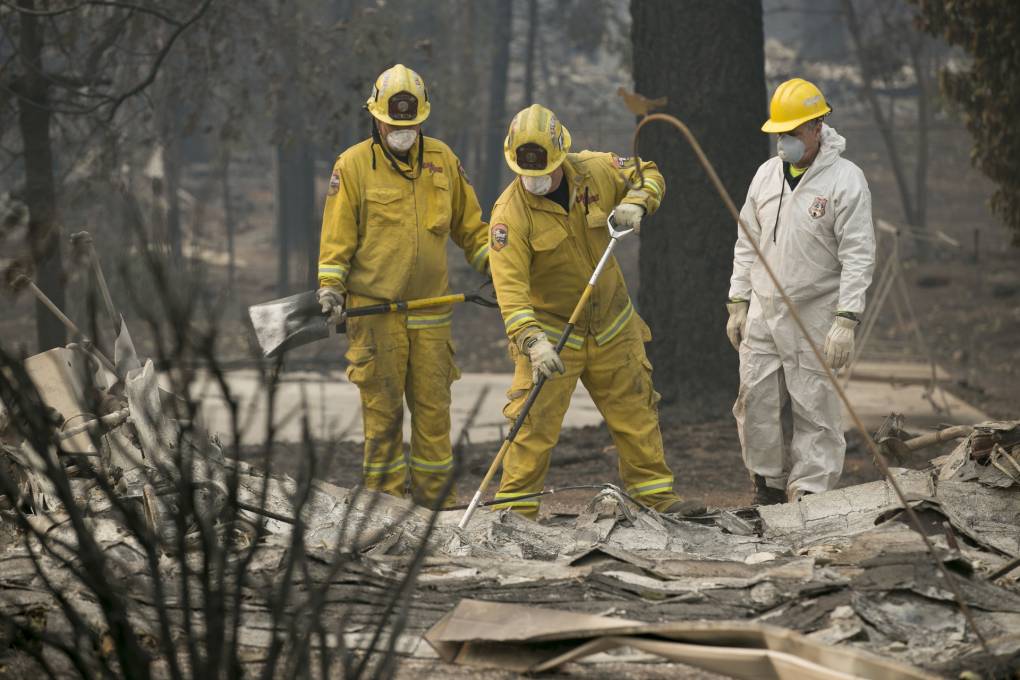
"caption": "Rescue crews search through rubble in an effort to locate remains of victims of the Camp Fire on Nov. 13, 2018.",
"description": "Rescue crews search through rubble in an effort to locate remains of victims of the Camp Fire on Nov. 13, 2018.",
"title": "RS33914_111318_AW_CampFire_02-qut",
"credit": "Anne Wernikoff/KQED",
"status": "inherit",
"isLoading": false,
"fetchFailed": false
},
"news_11824119": {
"type": "attachments",
"id": "news_11824119",
"meta": {
"index": "attachments_1716263798",
"site": "news",
"id": "11824119",
"found": true
},
"parent": 11823854,
"imgSizes": {
"apple_news_ca_landscape_5_5": {
"file": "https://ww2.kqed.org/app/uploads/sites/10/2020/06/cheers-1044x783.jpg",
"width": 1044,
"mimeType": "image/jpeg",
"height": 783
},
"apple_news_ca_square_4_0": {
"file": "https://ww2.kqed.org/app/uploads/sites/10/2020/06/cheers-470x470.jpg",
"width": 470,
"mimeType": "image/jpeg",
"height": 470
},
"twentyfourteen-full-width": {
"file": "https://ww2.kqed.org/app/uploads/sites/10/2020/06/cheers-1038x576.jpg",
"width": 1038,
"mimeType": "image/jpeg",
"height": 576
},
"thumbnail": {
"file": "https://ww2.kqed.org/app/uploads/sites/10/2020/06/cheers-160x107.jpg",
"width": 160,
"mimeType": "image/jpeg",
"height": 107
},
"post-thumbnail": {
"file": "https://ww2.kqed.org/app/uploads/sites/10/2020/06/cheers-672x372.jpg",
"width": 672,
"mimeType": "image/jpeg",
"height": 372
},
"kqedFullSize": {
"file": "https://ww2.kqed.org/app/uploads/sites/10/2020/06/cheers.jpg",
"width": 1920,
"height": 1280
},
"apple_news_ca_landscape_4_7": {
"file": "https://ww2.kqed.org/app/uploads/sites/10/2020/06/cheers-632x474.jpg",
"width": 632,
"mimeType": "image/jpeg",
"height": 474
},
"large": {
"file": "https://ww2.kqed.org/app/uploads/sites/10/2020/06/cheers-1020x680.jpg",
"width": 1020,
"mimeType": "image/jpeg",
"height": 680
},
"apple_news_ca_landscape_4_0": {
"file": "https://ww2.kqed.org/app/uploads/sites/10/2020/06/cheers-536x402.jpg",
"width": 536,
"mimeType": "image/jpeg",
"height": 402
},
"apple_news_ca_portrait_12_9": {
"file": "https://ww2.kqed.org/app/uploads/sites/10/2020/06/cheers-1122x1280.jpg",
"width": 1122,
"mimeType": "image/jpeg",
"height": 1280
},
"medium": {
"file": "https://ww2.kqed.org/app/uploads/sites/10/2020/06/cheers-800x533.jpg",
"width": 800,
"mimeType": "image/jpeg",
"height": 533
},
"apple_news_ca_portrait_4_0": {
"file": "https://ww2.kqed.org/app/uploads/sites/10/2020/06/cheers-354x472.jpg",
"width": 354,
"mimeType": "image/jpeg",
"height": 472
},
"apple_news_ca_portrait_9_7": {
"file": "https://ww2.kqed.org/app/uploads/sites/10/2020/06/cheers-840x1120.jpg",
"width": 840,
"mimeType": "image/jpeg",
"height": 1120
},
"apple_news_ca_landscape_12_9": {
"file": "https://ww2.kqed.org/app/uploads/sites/10/2020/06/cheers-1832x1280.jpg",
"width": 1832,
"mimeType": "image/jpeg",
"height": 1280
},
"apple_news_ca_square_9_7": {
"file": "https://ww2.kqed.org/app/uploads/sites/10/2020/06/cheers-1104x1104.jpg",
"width": 1104,
"mimeType": "image/jpeg",
"height": 1104
},
"apple_news_ca_portrait_4_7": {
"file": "https://ww2.kqed.org/app/uploads/sites/10/2020/06/cheers-414x552.jpg",
"width": 414,
"mimeType": "image/jpeg",
"height": 552
},
"apple_news_ca_square_12_9": {
"file": "https://ww2.kqed.org/app/uploads/sites/10/2020/06/cheers-1472x1280.jpg",
"width": 1472,
"mimeType": "image/jpeg",
"height": 1280
},
"apple_news_ca_portrait_5_5": {
"file": "https://ww2.kqed.org/app/uploads/sites/10/2020/06/cheers-687x916.jpg",
"width": 687,
"mimeType": "image/jpeg",
"height": 916
},
"full-width": {
"file": "https://ww2.kqed.org/app/uploads/sites/10/2020/06/cheers-1920x1280.jpg",
"width": 1920,
"mimeType": "image/jpeg",
"height": 1280
},
"apple_news_ca_square_4_7": {
"file": "https://ww2.kqed.org/app/uploads/sites/10/2020/06/cheers-550x550.jpg",
"width": 550,
"mimeType": "image/jpeg",
"height": 550
},
"apple_news_ca_landscape_9_7": {
"file": "https://ww2.kqed.org/app/uploads/sites/10/2020/06/cheers-1376x1032.jpg",
"width": 1376,
"mimeType": "image/jpeg",
"height": 1032
},
"apple_news_ca_square_5_5": {
"file": "https://ww2.kqed.org/app/uploads/sites/10/2020/06/cheers-912x912.jpg",
"width": 912,
"mimeType": "image/jpeg",
"height": 912
}
},
"publishDate": 1591923525,
"modified": 1591925334,
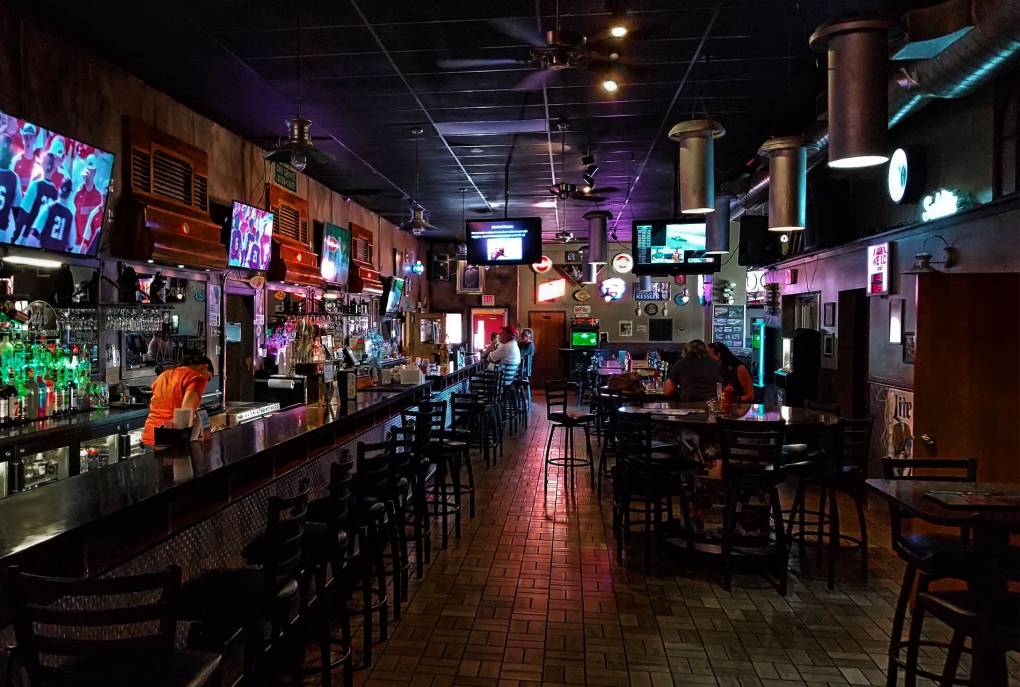
"caption": "Bars and restaurants have been given the green light for further reopening in California, but it won't look quite like this in the Bay Area for a while.",
"description": "Bars and restaurants have been given the green light for further reopening in California, but it won't look quite like this in the Bay Area for a while.",
"title": "cheers",
"credit": "Elevate/Pexels",
"status": "inherit",
"isLoading": false,
"fetchFailed": false
}
},
"audioPlayerReducer": {
"postId": "stream_live",
"isPaused": true,
"isPlaying": false,
"pfsActive": false,
"pledgeModalIsOpen": true,
"playerDrawerIsOpen": false,
"liveAudioPlayStartedAt": 0,
"liveAudioPlayContext": ""
},
"authorsReducer": {
"byline_news_11826457": {
"type": "authors",
"id": "byline_news_11826457",
"meta": {
"override": true
},
"slug": "byline_news_11826457",
"name": "Kathleen Ronayne and Janie Har \u003cbr> Associated Press ",
"isLoading": false
},
"byline_news_11825573": {
"type": "authors",
"id": "byline_news_11825573",
"meta": {
"override": true
},
"slug": "byline_news_11825573",
"name": "Cuneyt Dil \u003cbr> Associated Press",
"isLoading": false
},
"byline_news_11825151": {
"type": "authors",
"id": "byline_news_11825151",
"meta": {
"override": true
},
"slug": "byline_news_11825151",
"name": "\u003ca href=\"https://www.npr.org/people/348744480/brakkton-booker\">Brakkton Booker\u003c/a>",
"isLoading": false
},
"byline_news_11825090": {
"type": "authors",
"id": "byline_news_11825090",
"meta": {
"override": true
},
"slug": "byline_news_11825090",
"name": "Nina Totenberg",
"isLoading": false
},
"byline_news_11824596": {
"type": "authors",
"id": "byline_news_11824596",
"meta": {
"override": true
},
"slug": "byline_news_11824596",
"name": "Michael Liedtke and Janie Har\u003cbr>The Associated Press",
"isLoading": false
},
"matthewgreen": {
"type": "authors",
"id": "1263",
"meta": {
"index": "authors_1716337520",
"id": "1263",
"found": true
},
"name": "Matthew Green",
"firstName": "Matthew",
"lastName": "Green",
"slug": "matthewgreen",
"email": "mgreen@kqed.org",
"display_author_email": false,
"staff_mastheads": [],
"title": "KQED Editor/Reporter",
"bio": "Matthew Green is a digital media producer for KQED News. He previously produced \u003ca href=\"http://www.kqed.org/lowdown\">The Lowdown\u003c/a>, KQED’s multimedia news education blog. Matthew's written for numerous Bay Area publications, including the Oakland Tribune and San Francisco Chronicle. He also taught journalism classes at Fremont High School in East Oakland.\r\n\r\nEmail: mgreen@kqed.org; Twitter: @MGreenKQED",
"avatar": "https://secure.gravatar.com/avatar/3bf498d1267ca02c8494f33d8cfc575e?s=600&d=blank&r=g",
"twitter": "MGreenKQED",
"facebook": null,
"instagram": null,
"linkedin": null,
"sites": [
{
"site": "news",
"roles": []
},
{
"site": "lowdown",
"roles": []
},
{
"site": "science",
"roles": []
},
{
"site": "education",
"roles": []
},
{
"site": "quest",
"roles": []
},
{
"site": "liveblog",
"roles": []
}
],
"headData": {
"title": "Matthew Green | KQED",
"description": "KQED Editor/Reporter",
"ogImgSrc": "https://secure.gravatar.com/avatar/3bf498d1267ca02c8494f33d8cfc575e?s=600&d=blank&r=g",
"twImgSrc": "https://secure.gravatar.com/avatar/3bf498d1267ca02c8494f33d8cfc575e?s=600&d=blank&r=g"
},
"isLoading": false,
"link": "/author/matthewgreen"
},
"markfiore": {
"type": "authors",
"id": "3236",
"meta": {
"index": "authors_1716337520",
"id": "3236",
"found": true
},
"name": "Mark Fiore",
"firstName": "Mark",
"lastName": "Fiore",
"slug": "markfiore",
"email": "mark@markfiore.com",
"display_author_email": false,
"staff_mastheads": [
"news"
],
"title": "KQED News Cartoonist",
"bio": "\u003ca href=\"http://www.MarkFiore.com\">MarkFiore.com\u003c/a> | \u003ca href=\"https://twitter.com/markfiore\">Follow on Twitter\u003c/a> | \u003ca href=\"https://www.facebook.com/pages/Mark-Fiore-Animated-Political-Cartoons/94451707396?ref=bookmarks\">Facebook\u003c/a> | \u003ca href=\"mailto:mark@markfiore.com\">email\u003c/a>\r\n\r\nPulitzer Prize-winner, Mark Fiore, who the Wall Street Journal has called “the undisputed guru of the form,” creates animated political cartoons in San Francisco, where his work has been featured regularly on the San Francisco Chronicle’s web site, SFGate.com. His work has appeared on Newsweek.com, Slate.com, CBSNews.com, MotherJones.com, DailyKos.com and NPR’s web site. Fiore’s political animation has appeared on CNN, Frontline, Bill Moyers Journal, Salon.com and cable and broadcast outlets across the globe.\r\n\r\nBeginning his professional life by drawing traditional political cartoons for newspapers, Fiore’s work appeared in publications ranging from the Washington Post to the Los Angeles Times. In the late 1990s, he began to experiment with animating political cartoons and, after a short stint at the San Jose Mercury News as their staff cartoonist, Fiore devoted all his energies to animation.\r\nGrowing up in California, Fiore also spent a good portion of his life in the backwoods of Idaho. It was this combination that shaped him politically. Mark majored in political science at Colorado College, where, in a perfect send-off for a cartoonist, he received his diploma in 1991 as commencement speaker Dick Cheney smiled approvingly.\r\nMark Fiore was awarded the Pulitzer Prize for political cartooning in 2010, a Robert F. Kennedy Journalism Award in 2004 and has twice received an Online Journalism Award for commentary from the Online News Association (2002, 2008). Fiore has received two awards for his work in new media from the National Cartoonists Society (2001, 2002), and in 2006 received The James Madison Freedom of Information Award from The Society of Professional Journalists.",
"avatar": "https://secure.gravatar.com/avatar/fc4e2a612b15b67bad0c6f0e1db4ca9b?s=600&d=blank&r=g",
"twitter": "MarkFiore",
"facebook": null,
"instagram": "https://www.instagram.com/markfiore/?hl=en",
"linkedin": null,
"sites": [
{
"site": "arts",
"roles": [
"contributor"
]
},
{
"site": "news",
"roles": [
"editor"
]
},
{
"site": "futureofyou",
"roles": [
"editor"
]
},
{
"site": "science",
"roles": [
"editor"
]
}
],
"headData": {
"title": "Mark Fiore | KQED",
"description": "KQED News Cartoonist",
"ogImgSrc": "https://secure.gravatar.com/avatar/fc4e2a612b15b67bad0c6f0e1db4ca9b?s=600&d=blank&r=g",
"twImgSrc": "https://secure.gravatar.com/avatar/fc4e2a612b15b67bad0c6f0e1db4ca9b?s=600&d=blank&r=g"
},
"isLoading": false,
"link": "/author/markfiore"
},
"carlysevern": {
"type": "authors",
"id": "3243",
"meta": {
"index": "authors_1716337520",
"id": "3243",
"found": true
},
"name": "Carly Severn",
"firstName": "Carly",
"lastName": "Severn",
"slug": "carlysevern",
"email": "csevern@kqed.org",
"display_author_email": false,
"staff_mastheads": [
"news"
],
"title": "Senior Editor, Audience News ",
"bio": "Carly is KQED's Senior Editor of Audience News on the Digital News team, and has reported for the California Report Magazine, Bay Curious and KQED Arts. She's formerly the host of \u003ca href=\"http://ww2.kqed.org/pop/category/the-cooler/\" rel=\"noopener noreferrer\">The Cooler\u003c/a> podcast.",
"avatar": "https://secure.gravatar.com/avatar/2d8d6765f186e64c798cf7f0c8088a41?s=600&d=blank&r=g",
"twitter": "teacupinthebay",
"facebook": null,
"instagram": null,
"linkedin": null,
"sites": [
{
"site": "",
"roles": [
"editor"
]
},
{
"site": "arts",
"roles": [
"editor"
]
},
{
"site": "news",
"roles": [
"administrator"
]
},
{
"site": "pop",
"roles": [
"editor"
]
},
{
"site": "futureofyou",
"roles": [
"editor"
]
},
{
"site": "about",
"roles": [
"administrator"
]
},
{
"site": "mindshift",
"roles": [
"editor"
]
},
{
"site": "bayareabites",
"roles": [
"editor"
]
},
{
"site": "stateofhealth",
"roles": [
"editor"
]
},
{
"site": "science",
"roles": [
"editor"
]
},
{
"site": "food",
"roles": [
"contributor"
]
},
{
"site": "forum",
"roles": [
"editor"
]
},
{
"site": "perspectives",
"roles": [
"administrator"
]
},
{
"site": "liveblog",
"roles": [
"editor"
]
}
],
"headData": {
"title": "Carly Severn | KQED",
"description": "Senior Editor, Audience News ",
"ogImgSrc": "https://secure.gravatar.com/avatar/2d8d6765f186e64c798cf7f0c8088a41?s=600&d=blank&r=g",
"twImgSrc": "https://secure.gravatar.com/avatar/2d8d6765f186e64c798cf7f0c8088a41?s=600&d=blank&r=g"
},
"isLoading": false,
"link": "/author/carlysevern"
},
"mwiley": {
"type": "authors",
"id": "11526",
"meta": {
"index": "authors_1716337520",
"id": "11526",
"found": true
},
"name": "Michelle Wiley",
"firstName": "Michelle",
"lastName": "Wiley",
"slug": "mwiley",
"email": "mwiley@KQED.org",
"display_author_email": true,
"staff_mastheads": [],
"title": null,
"bio": "Michelle Wiley was the senior editor of weekends.",
"avatar": "https://secure.gravatar.com/avatar/3b897d82a09e8587e8e73fa69fbcc635?s=600&d=blank&r=g",
"twitter": "michelleewiley",
"facebook": null,
"instagram": null,
"linkedin": null,
"sites": [
{
"site": "",
"roles": [
"editor"
]
},
{
"site": "arts",
"roles": [
"editor"
]
},
{
"site": "news",
"roles": [
"subscriber"
]
},
{
"site": "lowdown",
"roles": [
"editor"
]
},
{
"site": "science",
"roles": [
"editor"
]
},
{
"site": "podcasts",
"roles": [
"editor"
]
}
],
"headData": {
"title": "Michelle Wiley | KQED",
"description": null,
"ogImgSrc": "https://secure.gravatar.com/avatar/3b897d82a09e8587e8e73fa69fbcc635?s=600&d=blank&r=g",
"twImgSrc": "https://secure.gravatar.com/avatar/3b897d82a09e8587e8e73fa69fbcc635?s=600&d=blank&r=g"
},
"isLoading": false,
"link": "/author/mwiley"
},
"msolomon": {
"type": "authors",
"id": "11651",
"meta": {
"index": "authors_1716337520",
"id": "11651",
"found": true
},
"name": "Molly Solomon",
"firstName": "Molly",
"lastName": "Solomon",
"slug": "msolomon",
"email": "msolomon@KQED.org",
"display_author_email": false,
"staff_mastheads": [
"news"
],
"title": "Senior Editor",
"bio": "Molly Solomon is the senior editor of KQED's California Politics and Government Desk. Previously, she was the station's editor-at-large, with a focus on editing early childhood education, politics, and criminal justice. Before that, she managed and edited statewide election coverage for The California Newsroom, a collaboration of local public radio stations, CalMatters and NPR. Molly joined KQED in 2019 to launch the station’s housing affordability desk, where she reported on homelessness, evictions and is the co-host of KQED’s housing podcast, SOLD OUT: Rethinking Housing in America. Before that, she was the Southwest Washington Bureau Chief for Oregon Public Broadcasting and a reporter at Hawaii Public Radio. Her stories have aired on NPR’s \u003cem>Morning Edition\u003c/em>, \u003cem>All Things Considered\u003c/em>, \u003cem>Here & Now\u003c/em>, \u003cem>Science Friday\u003c/em> and \u003cem>Marketplace\u003c/em>. Molly's award-winning reporting has been honored by the Best of the West, Edward R. Murrow awards, Society of Professional Journalists, National Headliner Awards, and the Asian American Journalists Association. Born and raised in Berkeley, Molly is a big fan of burritos and her scruffy terrier, Ollie.",
"avatar": "https://secure.gravatar.com/avatar/9ad9794616923d81c9a79897161545bd?s=600&d=blank&r=g",
"twitter": "solomonout",
"facebook": null,
"instagram": null,
"linkedin": null,
"sites": [
{
"site": "news",
"roles": [
"editor"
]
},
{
"site": "science",
"roles": [
"editor"
]
}
],
"headData": {
"title": "Molly Solomon | KQED",
"description": "Senior Editor",
"ogImgSrc": "https://secure.gravatar.com/avatar/9ad9794616923d81c9a79897161545bd?s=600&d=blank&r=g",
"twImgSrc": "https://secure.gravatar.com/avatar/9ad9794616923d81c9a79897161545bd?s=600&d=blank&r=g"
},
"isLoading": false,
"link": "/author/msolomon"
},
"ebaldassari": {
"type": "authors",
"id": "11652",
"meta": {
"index": "authors_1716337520",
"id": "11652",
"found": true
},
"name": "Erin Baldassari",
"firstName": "Erin",
"lastName": "Baldassari",
"slug": "ebaldassari",
"email": "ebaldassari@KQED.org",
"display_author_email": true,
"staff_mastheads": [
"news"
],
"title": "Staff Writer",
"bio": "Erin Baldassari covers housing for KQED. She's a former print journalist and most recently worked as the transportation reporter for the \u003cem>Mercury News\u003c/em> and \u003cem>East Bay Times. \u003c/em>There, she focused on how the Bay Area’s housing shortage has changed the way people move around the region. She also served on the \u003cem>East Bay Times\u003c/em>’ 2017 Pulitzer Prize-winning team for coverage of the Ghost Ship Fire in Oakland. Prior to that, Erin worked as a breaking news and general assignment reporter for a variety of outlets in the Bay Area and the greater Boston area. A Tufts University alumna, Erin grew up in the foothills of the Sierra Nevada mountains and in Sonoma County. She is a life-long KQED listener.",
"avatar": "https://secure.gravatar.com/avatar/660ce35d088ca54ad606d7e941abc652?s=600&d=mm&r=g",
"twitter": "e_baldi",
"facebook": null,
"instagram": null,
"linkedin": null,
"sites": [
{
"site": "news",
"roles": [
"edit_others_posts",
"editor"
]
},
{
"site": "science",
"roles": [
"editor"
]
},
{
"site": "liveblog",
"roles": [
"editor"
]
}
],
"headData": {
"title": "Erin Baldassari | KQED",
"description": "Staff Writer",
"ogImgSrc": "https://secure.gravatar.com/avatar/660ce35d088ca54ad606d7e941abc652?s=600&d=mm&r=g",
"twImgSrc": "https://secure.gravatar.com/avatar/660ce35d088ca54ad606d7e941abc652?s=600&d=mm&r=g"
},
"isLoading": false,
"link": "/author/ebaldassari"
}
},
"pagesReducer": {
"news_tag_california": {
"type": "terms",
"id": "news_18538",
"meta": {
"index": "terms_1716263798",
"site": "news",
"id": "18538",
"score": 6.8456693
},
"featImg": null,
"name": "California",
"description": null,
"taxonomy": "tag",
"headData": {
"twImgId": null,
"twTitle": null,
"ogTitle": null,
"ogImgId": null,
"twDescription": null,
"description": null,
"title": "California Archives | KQED News",
"ogDescription": null
},
"ttid": 31,
"slug": "california",
"isLoading": false,
"title": "California",
"pageMeta": {
"site": "news",
"WpPageTemplate": "page-topic-editorial",
"currentPage": 200
},
"blocks": [
{
"blockName": "kqed/post-list",
"attrs": {
"layout": "cardArticle2",
"query": "posts/news?tag=california",
"seeMore": false,
"paginated": true,
"page": 200
}
},
{
"blockName": "kqed/ad"
}
]
}
},
"pfsSessionReducer": {},
"postsReducer": {
"stream_live": {
"type": "live",
"id": "stream_live",
"audioUrl": "https://streams.kqed.org/kqedradio",
"title": "Live Stream",
"excerpt": "Live Stream information currently unavailable.",
"link": "/radio",
"featImg": "",
"label": {
"name": "KQED Live",
"link": "/"
}
},
"stream_kqedNewscast": {
"type": "posts",
"id": "stream_kqedNewscast",
"audioUrl": "https://www.kqed.org/.stream/anon/radio/RDnews/newscast.mp3?_=1",
"title": "KQED Newscast",
"featImg": "",
"label": {
"name": "88.5 FM",
"link": "/"
}
},
"news_11827732": {
"type": "posts",
"id": "news_11827732",
"meta": {
"index": "posts_1716263798",
"site": "news",
"id": "11827732",
"score": null,
"sort": [
1594162603000
]
},
"guestAuthors": [],
"slug": "not-so-model-missions",
"title": "Not-So-Model Missions",
"publishDate": 1594162603,
"format": "standard",
"headTitle": "Not-So-Model Missions | KQED",
"labelTerm": {
"term": 18515,
"site": "news"
},
"content": "\u003cp>Many people in California grew up with a simplified, mythologized version of Junípero Serra that included building models of Spanish missions.\u003c/p>\n\u003cp>While espousing beatings for Indigenous peoples, Serra \u003ca href=\"https://www.kqed.org/news/11826151/how-do-we-heal-toppling-the-myth-of-junipero-serra\">helped preside over a system of enslavement\u003c/a> in the name of spreading Catholicism.\u003c/p>\n\u003cp>Attending Catholic schools while growing up in California, I distinctly remember making tiny clay blocks for my Spanish mission project, but I definitely don’t remember being taught that Father Serra’s missionary work led to a 90% decline of the Native population.\u003c/p>\n\u003cp>[ad fullwidth]\u003c/p>\n\u003cp>\u003c/p>\n",
"blocks": [],
"excerpt": "Many people in California grew up with a simplified, mythologized version of Junípero Serra that included building models of Spanish missions.",
"status": "publish",
"parent": 0,
"modified": 1721155856,
"stats": {
"hasAudio": false,
"hasVideo": false,
"hasChartOrMap": false,
"iframeSrcs": [],
"hasGoogleForm": false,
"hasGallery": false,
"hasHearkenModule": false,
"hasPolis": false,
"paragraphCount": 5,
"wordCount": 90
},
"headData": {
"title": "Not-So-Model Missions | KQED",
"description": "Many people in California grew up with a simplified, mythologized version of Junípero Serra that included building models of Spanish missions.",
"ogTitle": "",
"ogDescription": "",
"ogImgId": "",
"twTitle": "",
"twDescription": "",
"twImgId": "",
"schema": {
"@context": "https://schema.org",
"@type": "NewsArticle",
"headline": "Not-So-Model Missions",
"datePublished": "2020-07-07T15:56:43-07:00",
"dateModified": "2024-07-16T11:50:56-07:00",
"image": "https://cdn.kqed.org/wp-content/uploads/2020/02/KQED-OG-Image@1x.png",
"isAccessibleForFree": "True",
"publisher": {
"@type": "NewsMediaOrganization",
"@id": "https://www.kqed.org/#organization",
"name": "KQED",
"logo": "https://cdn.kqed.org/wp-content/uploads/2020/02/KQED-OG-Image@1x.png",
"url": "https://www.kqed.org",
"sameAs": [
"https://www.facebook.com/KQED",
"https://twitter.com/KQED",
"https://www.instagram.com/kqed/",
"https://www.tiktok.com/@kqedofficial",
"https://www.linkedin.com/company/kqed",
"https://www.youtube.com/channel/UCeC0IOo7i1P_61zVUWbJ4nw"
]
}
}
},
"sticky": false,
"path": "/news/11827732/not-so-model-missions",
"audioTrackLength": null,
"parsedContent": [
{
"type": "contentString",
"content": "\u003cdiv class=\"post-body\">\u003cp>\u003cp>Many people in California grew up with a simplified, mythologized version of Junípero Serra that included building models of Spanish missions.\u003c/p>\n\u003cp>While espousing beatings for Indigenous peoples, Serra \u003ca href=\"https://www.kqed.org/news/11826151/how-do-we-heal-toppling-the-myth-of-junipero-serra\">helped preside over a system of enslavement\u003c/a> in the name of spreading Catholicism.\u003c/p>\n\u003cp>Attending Catholic schools while growing up in California, I distinctly remember making tiny clay blocks for my Spanish mission project, but I definitely don’t remember being taught that Father Serra’s missionary work led to a 90% decline of the Native population.\u003c/p>\n\u003cp>\u003c/p>\u003c/div>",
"attributes": {
"named": {},
"numeric": []
}
},
{
"type": "component",
"content": "",
"name": "ad",
"attributes": {
"named": {
"label": "fullwidth"
},
"numeric": [
"fullwidth"
]
}
},
{
"type": "contentString",
"content": "\u003cdiv class=\"post-body\">\u003cp>\u003c/p>\n\u003cp>\u003c/p>\n\u003c/div>\u003c/p>",
"attributes": {
"named": {},
"numeric": []
}
}
],
"link": "/news/11827732/not-so-model-missions",
"authors": [
"3236"
],
"series": [
"news_18515"
],
"categories": [
"news_18540",
"news_13"
],
"tags": [
"news_18538",
"news_20397",
"news_27966",
"news_28122",
"news_20949",
"news_1262"
],
"featImg": "news_11827800",
"label": "news_18515"
},
"news_11826151": {
"type": "posts",
"id": "news_11826151",
"meta": {
"index": "posts_1716263798",
"site": "news",
"id": "11826151",
"score": null,
"sort": [
1594159269000
]
},
"guestAuthors": [],
"slug": "how-do-we-heal-toppling-the-myth-of-junipero-serra",
"title": "'How Do We Heal?' Toppling the Myth of Junípero Serra",
"publishDate": 1594159269,
"format": "image",
"headTitle": "‘How Do We Heal?’ Toppling the Myth of Junípero Serra | KQED",
"labelTerm": {
"site": "news"
},
"content": "\u003cp>\u003cstrong>Skip to:\u003c/strong>\u003c/p>\n\u003cul>\n\u003cli>\u003cstrong>\u003cstrong>\u003ca href=\"#serra\">Who was Junípero Serra, and what did he do? \u003c/a>\u003c/strong>\u003c/strong>\u003cstrong>\u003ca href=\"#serra\"> \u003c/a>\u003c/strong>\u003c/li>\n\u003cli>\u003cstrong>\u003ca href=\"#removal\">How statues get officially removed – and what you can do personally\u003c/a>\u003c/strong>\u003c/li>\n\u003c/ul>\n\u003cp>[dropcap]O[/dropcap]n June 19, people around the Bay Area \u003ca href=\"https://www.kqed.org/news/11825274/updates-bay-area-honors-juneteenth-on-the-streets\">took to the streets to mark Juneteenth\u003c/a>: the date in 1865 when the last enslaved people in Texas learned they were free, more than two years after slavery officially ended in the United States. The rallies followed weeks of \u003ca href=\"https://www.kqed.org/news/tag/protests\">intense protest\u003c/a> across the country over the killings of George Floyd and other Black people by police, and over systemic racism in the United States.\u003c/p>\n\u003cp>That evening, protesters \u003ca href=\"https://twitter.com/FitzTheReporter/status/1274374501925453824\">pulled down a bronze statue\u003c/a> that had stood 30 feet high over San Francisco’s Golden Gate Park for more than a century, spattering it with red paint.\u003c/p>\n\u003cfigure id=\"attachment_11827294\" class=\"wp-caption alignnone\" style=\"max-width: 1900px\">\u003cimg loading=\"lazy\" decoding=\"async\" class=\"size-full wp-image-11827294\" src=\"https://ww2.kqed.org/app/uploads/sites/10/2020/07/Serra-toppled.jpg\" alt=\"\" width=\"1900\" height=\"1280\" srcset=\"https://cdn.kqed.org/wp-content/uploads/sites/10/2020/07/Serra-toppled.jpg 1900w, https://cdn.kqed.org/wp-content/uploads/sites/10/2020/07/Serra-toppled-800x539.jpg 800w, https://cdn.kqed.org/wp-content/uploads/sites/10/2020/07/Serra-toppled-1020x687.jpg 1020w, https://cdn.kqed.org/wp-content/uploads/sites/10/2020/07/Serra-toppled-160x108.jpg 160w, https://cdn.kqed.org/wp-content/uploads/sites/10/2020/07/Serra-toppled-1536x1035.jpg 1536w\" sizes=\"(max-width: 1900px) 100vw, 1900px\">\u003cfigcaption class=\"wp-caption-text\">A statue of Junípero Serra toppled from its plinth in San Francisco’s Golden Gate Park by protesters on June 18, 2020. \u003ccite>(Joe Fitzgerald Rodriguez/KQED)\u003c/cite>\u003c/figcaption>\u003c/figure>\n\u003cp>The 1907 monument was a tribute to Father Junípero Serra: the 18th century Franciscan priest who presided over the colonizing Spanish mission system in California that resulted in the decimation of the Indigenous population, and who was \u003ca href=\"https://www.kqed.org/news/10682571/pope-francis-courts-controversy-over-junipero-serra-sainthood\">made a saint\u003c/a> by Pope Francis in 2015. Monuments to Ulysses S. Grant and Francis Scott Key, who both enslaved Black people, were also pulled down in the park that night.\u003c/p>\n\u003cp>The Juneteenth topplings followed the \u003ca href=\"https://www.kqed.org/news/11825103/san-francisco-removes-controversial-christopher-columbus-statue-on-telegraph-hill\">removal\u003c/a> of a Christopher Columbus statue in San Francisco’s North Beach neighborhood by city workers ahead of plans by protesters to topple it themselves, and the removal of a Sacramento \u003ca href=\"https://www.kqed.org/news/11824573/statue-of-john-sutter-pioneer-who-enslaved-native-americans-removed-in-sacramento\">monument to John Sutter\u003c/a> — a 19th century colonizer who enslaved Native Americans at his mill. The day after the Golden Gate Park statues fell, Indigenous activists in downtown Los Angeles watched as a 1932 park monument to Serra \u003ca href=\"https://www.latimes.com/entertainment-arts/story/2020-06-20/statue-junipero-serra-monument-protest-activists-take-down-los-angeles\">was ripped off its pedestal\u003c/a>.\u003c/p>\n\u003cfigure id=\"attachment_11827292\" class=\"wp-caption aligncenter\" style=\"max-width: 1900px\">\u003cimg loading=\"lazy\" decoding=\"async\" class=\"size-full wp-image-11827292\" src=\"https://ww2.kqed.org/app/uploads/sites/10/2020/07/serra-graffiti.jpg\" alt=\"Graffiti at the former site of a statue of Junípero Serra reads 'Stolen land, stolen people.'\" width=\"1900\" height=\"1280\" srcset=\"https://cdn.kqed.org/wp-content/uploads/sites/10/2020/07/serra-graffiti.jpg 1900w, https://cdn.kqed.org/wp-content/uploads/sites/10/2020/07/serra-graffiti-800x539.jpg 800w, https://cdn.kqed.org/wp-content/uploads/sites/10/2020/07/serra-graffiti-1020x687.jpg 1020w, https://cdn.kqed.org/wp-content/uploads/sites/10/2020/07/serra-graffiti-160x108.jpg 160w, https://cdn.kqed.org/wp-content/uploads/sites/10/2020/07/serra-graffiti-1536x1035.jpg 1536w\" sizes=\"(max-width: 1900px) 100vw, 1900px\">\u003cfigcaption class=\"wp-caption-text\">Graffiti at the former site of a statue of Junípero Serra reads ‘Stolen land, stolen people.’ \u003ccite>(Joe Fitzgerald Rodriguez/KQED)\u003c/cite>\u003c/figcaption>\u003c/figure>\n\u003cp>And this past July 4, another statue of Serra was \u003ca href=\"https://www.sacbee.com/news/local/article244012732.html\">torn down in Sacramento’s Capitol Park\u003c/a> by protesters following a day of peaceful marches by demonstrators aligned with the Black Lives Matter movement. The same day, Indigenous activists \u003ca href=\"https://www.latimes.com/california/story/2020-07-04/indigenous-groups-black-lives-matters-join-forces-to-mark-historical-sins-on-july-4th\">joined forces with Black Lives Matter organizers\u003c/a> for a march in Los Angeles, calling for unity and decrying the historical ‘sins’ of the United States.\u003c/p>\n\u003ch3>Black Lives Matter and the Fight Against Serra Monuments\u003c/h3>\n\u003cp>Like the timing of the July 4 marches, the Juneteenth timing of the Golden Gate Park Serra statue toppling was highly symbolic.\u003c/p>\n\u003cp>“It’s emotional for sure,” says Morning Star Gali about how it feels to see statues come down. A member of the Ajumawi band of the Pit River Tribe — and the project director of the organization Restoring Justice for Indigenous Peoples — Gali has been involved in campaigns for the removal of several statues in the state.\u003c/p>\n\u003cp>She campaigned against the Sacramento monument to Sutter, and was there to watch it fall. She was present too at the contentious \u003ca href=\"https://www.kqed.org/arts/13859733/sf-had-right-to-remove-early-days-statue-deemed-racist-judge-says\">removal of the Early Days\u003c/a> statue in San Francisco in 2018, which she and others had worked to remove from public view on account of its portrayal of Native Americans.\u003c/p>\n\u003cfigure id=\"attachment_11827286\" class=\"wp-caption aligncenter\" style=\"max-width: 1900px\">\u003cimg loading=\"lazy\" decoding=\"async\" class=\"size-full wp-image-11827286\" src=\"https://ww2.kqed.org/app/uploads/sites/10/2020/07/early-days.jpg\" alt=\"\" width=\"1900\" height=\"1758\" srcset=\"https://cdn.kqed.org/wp-content/uploads/sites/10/2020/07/early-days.jpg 1900w, https://cdn.kqed.org/wp-content/uploads/sites/10/2020/07/early-days-800x740.jpg 800w, https://cdn.kqed.org/wp-content/uploads/sites/10/2020/07/early-days-1020x944.jpg 1020w, https://cdn.kqed.org/wp-content/uploads/sites/10/2020/07/early-days-160x148.jpg 160w, https://cdn.kqed.org/wp-content/uploads/sites/10/2020/07/early-days-1536x1421.jpg 1536w\" sizes=\"(max-width: 1900px) 100vw, 1900px\">\u003cfigcaption class=\"wp-caption-text\">‘Early Days,’ part of the Pioneer Monument in San Francisco’s Civic Center, was removed in 2018. \u003ccite>(Sam Lefebvre/KQED)\u003c/cite>\u003c/figcaption>\u003c/figure>\n\u003cp>America’s current movement toward social justice, and the deep reckoning with U.S. history that it demands, is “absolutely intersectional,” says Gali.\u003c/p>\n\u003cp>“There is absolutely a mutual understanding of Black and brown and Indigenous liberation that we understand, and we’ve done a lot of work in the past year to get to the point where we’re at.”\u003c/p>\n\u003cp>She and her fellow Indigenous activists are active partners with the Anti Police-Terror Project — work that’s seen them hold memorials and vigils to honor Black victims of police brutality. In Sacramento, Gali’s efforts to \u003ca href=\"https://www.antipoliceterrorproject.org/sac-events/2020/6/17/community-conversations-to-de-serra-sacramento\">“de-Serra” the city\u003c/a> were purposefully held in partnership with the Anti Police-Terror Project, to “really show the solidarity that we have with one another.”\u003c/p>\n\u003cp>These statues are, Gali emphasizes, “monuments to racism. These are monuments to genocide. And it’s time for them to come down.”\u003c/p>\n\u003cfigure id=\"attachment_11827564\" class=\"wp-caption alignnone\" style=\"max-width: 1900px\">\u003cimg loading=\"lazy\" decoding=\"async\" class=\"size-full wp-image-11827564\" src=\"https://ww2.kqed.org/app/uploads/sites/10/2020/10/Gali-Brooke.jpg\" alt=\"\" width=\"1900\" height=\"1280\" srcset=\"https://cdn.kqed.org/wp-content/uploads/sites/10/2020/10/Gali-Brooke.jpg 1900w, https://cdn.kqed.org/wp-content/uploads/sites/10/2020/10/Gali-Brooke-800x539.jpg 800w, https://cdn.kqed.org/wp-content/uploads/sites/10/2020/10/Gali-Brooke-1020x687.jpg 1020w, https://cdn.kqed.org/wp-content/uploads/sites/10/2020/10/Gali-Brooke-160x108.jpg 160w, https://cdn.kqed.org/wp-content/uploads/sites/10/2020/10/Gali-Brooke-1536x1035.jpg 1536w\" sizes=\"(max-width: 1900px) 100vw, 1900px\">\u003cfigcaption class=\"wp-caption-text\">Morning Star Gali, with her youngest daughters. \u003ccite>(Brooke Anderson)\u003c/cite>\u003c/figcaption>\u003c/figure>\n\u003cp>Author and academic Greg Sarris is the chairman of the Federated Indians of Graton Rancheria, and lecturer at Sonoma State University’s Native American Studies program. In support of “everyone who is suffering the legacy of racism and injustice,” Sarris says that he and his tribe fully stand behind the Black Lives Matter movement.\u003c/p>\n\u003cp>“Let us not forget that the Indians on this continent were the first to find out what European insensitivity would do to us,” he says. “And do to others.”\u003c/p>\n\u003cp>As statues of colonizers are brought down around California — mirroring actions against Confederate monuments further east — Serra remains a particular focus. And for years, he’s been a reviled figure among many Indigenous people for his leadership over a system that resulted in the incalculable loss of Native lives, and forever altered the Indigenous way of life in California.\u003c/p>\n\u003cp>When it comes to Serra, this is a fight that has been sustained by Indigenous activists for decades. And far from being a matter that relates mainly to California’s history, it says everything about our state’s present — and future.\u003c/p>\n\u003ch3>\u003ca id=\"serra\">\u003c/a>Who Was Junípero Serra?\u003c/h3>\n\u003cp>Born in Spain, Junípero Serra first traveled to the Americas in 1749 while in his thirties, to work as a Catholic missionary in Mexico. In 1768, he traveled north to California, and founded a string of missions stretching from San Diego to San Francisco.\u003c/p>\n\u003cfigure id=\"attachment_10406942\" class=\"wp-caption alignnone\" style=\"max-width: 1440px\">\u003cimg loading=\"lazy\" decoding=\"async\" class=\"size-full wp-image-10406942\" src=\"https://ww2.kqed.org/app/uploads/sites/10/2015/01/juniperoserra-e1421339520709.jpeg\" alt=\"\" width=\"1440\" height=\"1036\">\u003cfigcaption class=\"wp-caption-text\">Father Junípero Serra in a portrait by Father Jose Mosqueda. \u003ccite>(Huntington Library)\u003c/cite>\u003c/figcaption>\u003c/figure>\n\u003cp>If members of a nearby Indigenous tribe were baptized, they were then brought into a mission where they were ordered to abandon many aspects of their culture and customs, and forced into labor — and prevented from leaving. Anyone who tried to escape the mission was subject to being hunted down and brought back.\u003c/p>\n\u003cp>The Native people in Serra’s missions were subjected to physical punishments like whippings and beating, which Serra himself justified in 1780, \u003ca href=\"https://www.pbs.org/weta/thewest/people/s_z/serra.htm\">writing\u003c/a> “that spiritual fathers should punish their sons, the Indians, with blows appears to be as old as the conquest of [the Americas]; so general in fact that the saints do not seem to be any exception to the rule.”\u003c/p>\n\u003cfigure id=\"attachment_11827259\" class=\"wp-caption alignnone\" style=\"max-width: 1900px\">\u003cimg loading=\"lazy\" decoding=\"async\" class=\"size-full wp-image-11827259\" src=\"https://ww2.kqed.org/app/uploads/sites/10/2020/07/Map.jpg\" alt=\"\" width=\"1900\" height=\"1579\" srcset=\"https://cdn.kqed.org/wp-content/uploads/sites/10/2020/07/Map.jpg 1900w, https://cdn.kqed.org/wp-content/uploads/sites/10/2020/07/Map-800x665.jpg 800w, https://cdn.kqed.org/wp-content/uploads/sites/10/2020/07/Map-1020x848.jpg 1020w, https://cdn.kqed.org/wp-content/uploads/sites/10/2020/07/Map-160x133.jpg 160w, https://cdn.kqed.org/wp-content/uploads/sites/10/2020/07/Map-1536x1276.jpg 1536w\" sizes=\"(max-width: 1900px) 100vw, 1900px\">\u003cfigcaption class=\"wp-caption-text\">A map of North America dated 1789, showing California when it was part of Spanish-controlled “New Spain.” \u003ccite>(Dobson's Encyclopædia)\u003c/cite>\u003c/figcaption>\u003c/figure>\n\u003cp>Thousands of Indigenous people in the missions died from exposure to European diseases and from the brutal labor they were forced to perform. It was the discovery of the missions’ birth and death rolls — and the revelation that more Native people died under Serra’s system than were born — that sparked a more widespread re-evaluation of his legacy in the 20th century.\u003c/p>\n\u003cp>The hard physical labor performed by Indigenous people in Serra’s missions was, for years, characterized in history books as ‘work.’ The word for it used today by many, including the descendants of those people, is ‘slavery.’\u003c/p>\n\u003cp>“Here we were enslaved in the missions, and whipped and beaten,” says Greg Sarris. “Up to 90% of the population [was] decimated, from which we never really recovered.”\u003c/p>\n\u003cp>The missions “were concentration camps,” \u003ca href=\"https://www.montereyherald.com/2015/04/01/easter-sunday-protest-over-serra-planned-at-carmel-mission/\">said Corine Fairbanks\u003c/a> of the American Indian Movement Southern California in 2015, ahead of a protest at Serra’s canonization at the Carmel mission. “They were places of death.”\u003c/p>\n\u003cp>Centuries of spiritual and cultural heritage were erased by the Spanish conversion system.\u003c/p>\n\u003cp>“Serra did not just bring us Christianity,” \u003ca href=\"https://www.nytimes.com/2015/01/22/us/to-some-indians-in-california-father-serra-is-far-from-a-saint.html\">said academic Deborah Miranda\u003c/a>, a member of the Ohlone Costanoan Esselen Nation and author of “Bad Indians”, in 2015. “He imposed it, giving us no choice in the matter. He did incalculable damage to a whole culture.”\u003c/p>\n\u003ch3>Serra the Saint\u003c/h3>\n\u003cp>In 2015, Pope Francis announced his \u003ca href=\"https://www.kqed.org/news/10682571/pope-francis-courts-controversy-over-junipero-serra-sainthood\">decision to make Junípero Serra a saint\u003c/a>. The news was met with outrage in California, with protests taking place in San Francisco’s Mission Dolores, Mission Carmel and Mission San Juan Bautista.\u003c/p>\n\u003cfigure id=\"attachment_11748397\" class=\"wp-caption aligncenter\" style=\"max-width: 1920px\">\u003cimg loading=\"lazy\" decoding=\"async\" class=\"size-full wp-image-11748397\" src=\"https://ww2.kqed.org/app/uploads/sites/10/2019/05/RS37187_GettyImages-489795578-qut.jpg\" alt=\"Pope Francis pauses in front of a sculpture of Spanish-born Junipero Serra, the Franciscan Friar known for starting missions in California, in Statuary Hall at the U.S. Capitol on September 24, 2015 in Washington, DC.\" width=\"1920\" height=\"1280\" srcset=\"https://cdn.kqed.org/wp-content/uploads/sites/10/2019/05/RS37187_GettyImages-489795578-qut.jpg 1920w, https://cdn.kqed.org/wp-content/uploads/sites/10/2019/05/RS37187_GettyImages-489795578-qut-160x107.jpg 160w, https://cdn.kqed.org/wp-content/uploads/sites/10/2019/05/RS37187_GettyImages-489795578-qut-800x533.jpg 800w, https://cdn.kqed.org/wp-content/uploads/sites/10/2019/05/RS37187_GettyImages-489795578-qut-1020x680.jpg 1020w, https://cdn.kqed.org/wp-content/uploads/sites/10/2019/05/RS37187_GettyImages-489795578-qut-1200x800.jpg 1200w\" sizes=\"(max-width: 1920px) 100vw, 1920px\">\u003cfigcaption class=\"wp-caption-text\">Pope Francis pauses in front of a sculpture of Junípero Serra in Statuary Hall at the U.S. Capitol on September 24, 2015 in Washington, DC. He canonized Serra on this visit. \u003ccite>(Michael Reynolds-Pool/Getty Images)\u003c/cite>\u003c/figcaption>\u003c/figure>\n\u003cp>An Indigenous-authored \u003ca href=\"https://sign.moveon.org/petitions/urge-pope-francis-to?mailing_id=28356&r_by=504037&source=s.icn.em.cr\">petition\u003c/a> urging the pope to reconsider the canonization received over 11,000 signatures, stating that “it is imperative he is enlightened to understand that Father Serra was responsible for the deception, exploitation, oppression, enslavement and genocide of thousands of Indigenous Californians, ultimately resulting in the largest ethnic cleansing in North America.”\u003c/p>\n\u003cp>A week after the canonization, a statue of Serra in Monterey was decapitated. Two years later in Santa Barbara, another Serra monument at the city’s mission was also decapitated and covered with red paint.\u003c/p>\n\u003cp>This wasn’t the first time the Church had attempted to elevate Serra’s holy stature. Almost three decades earlier, in 1988, Francis’ predecessor Pope John Paul II had actually kicked off the sanctification process by beatifying Serra. That announcement too was greeted with horror by Indigenous voices, but even back then, it represented only the latest articulation of of anti-Serra protest.\u003c/p>\n\u003cfigure id=\"attachment_11827261\" class=\"wp-caption aligncenter\" style=\"max-width: 1920px\">\u003cimg loading=\"lazy\" decoding=\"async\" class=\"size-full wp-image-11827261\" src=\"https://ww2.kqed.org/app/uploads/sites/10/2020/07/RS43838_001_KQED_280_JuniperoSerraStatue_06302020-qut.jpg\" alt=\"A statue of Junípero Serra at a rest stop along Interstate 280 near Hillsborough.\" width=\"1920\" height=\"1280\" srcset=\"https://cdn.kqed.org/wp-content/uploads/sites/10/2020/07/RS43838_001_KQED_280_JuniperoSerraStatue_06302020-qut.jpg 1920w, https://cdn.kqed.org/wp-content/uploads/sites/10/2020/07/RS43838_001_KQED_280_JuniperoSerraStatue_06302020-qut-800x533.jpg 800w, https://cdn.kqed.org/wp-content/uploads/sites/10/2020/07/RS43838_001_KQED_280_JuniperoSerraStatue_06302020-qut-1020x680.jpg 1020w, https://cdn.kqed.org/wp-content/uploads/sites/10/2020/07/RS43838_001_KQED_280_JuniperoSerraStatue_06302020-qut-160x107.jpg 160w, https://cdn.kqed.org/wp-content/uploads/sites/10/2020/07/RS43838_001_KQED_280_JuniperoSerraStatue_06302020-qut-1536x1024.jpg 1536w\" sizes=\"(max-width: 1920px) 100vw, 1920px\">\u003cfigcaption class=\"wp-caption-text\">A statue of Junípero Serra at a rest stop along Interstate 280 near Hillsborough. \u003ccite>(Beth LaBerge/KQED)\u003c/cite>\u003c/figcaption>\u003c/figure>\n\u003cp>Some saw the canonization as a Catholic matter for Catholic people.\u003c/p>\n\u003cp>In \u003ca href=\"https://www.youtube.com/watch?v=R4LLtN2fjLA\">a 1989 episode of the TV talk show “Firing Line,”\u003c/a> host William F. Buckley Jr. suggests to guest Edward Castillo – a Cahuilla-Luiseño professor of Native American studies at Sonoma State University and a Serra critic who participated in the 1969 occupation of Alcatraz Island — that as as a non-Christian, “it’s none of your business who the church canonizes.”\u003c/p>\n\u003cp>In 2015, L.A. Native activist Norma Flores – who worked with the Kizh Nation/Gabrieleño Band of Mission Indians to author the anti-canonization petition — disagreed. “Junípero Serra is being canonized for being an evangelist of the Native peoples in California,” she said. “Why do we not have an active say in this?”\u003c/p>\n\u003ch3>What Replaces Serra?\u003c/h3>\n\u003cp>Amid a national reckoning with U.S. history, how California deals with Serra is fundamental — not just to the state’s view of its past, but also to how it imagines its future, and the stories it wishes to tell.\u003c/p>\n\u003cfigure id=\"attachment_11827271\" class=\"wp-caption aligncenter\" style=\"max-width: 1900px\">\u003cimg loading=\"lazy\" decoding=\"async\" class=\"size-full wp-image-11827271\" src=\"https://ww2.kqed.org/app/uploads/sites/10/2020/07/san-bautista.jpg\" alt=\"A statue of Father Junípero Serra at Old Mission San Juan Bautista in San Juan Bautista, San Benito County, California.\" width=\"1900\" height=\"1280\" srcset=\"https://cdn.kqed.org/wp-content/uploads/sites/10/2020/07/san-bautista.jpg 1900w, https://cdn.kqed.org/wp-content/uploads/sites/10/2020/07/san-bautista-800x539.jpg 800w, https://cdn.kqed.org/wp-content/uploads/sites/10/2020/07/san-bautista-1020x687.jpg 1020w, https://cdn.kqed.org/wp-content/uploads/sites/10/2020/07/san-bautista-160x108.jpg 160w, https://cdn.kqed.org/wp-content/uploads/sites/10/2020/07/san-bautista-1536x1035.jpg 1536w\" sizes=\"(max-width: 1900px) 100vw, 1900px\">\u003cfigcaption class=\"wp-caption-text\">A statue of Father Junípero Serra at Old Mission San Juan Bautista in San Juan Bautista, San Benito County, California. \u003ccite>(The Jon B. Lovelace Collection of California Photographs in Carol M. Highsmith's America Project, Library of Congress, Prints and Photographs Division)\u003c/cite>\u003c/figcaption>\u003c/figure>\n\u003cp>“Most people that are crying about these statues being removed cannot name the local tribe of where they live,” says Gali. “The fact that they can’t name that San Francisco is Ramaytush Ohlone territory just goes to show the lack of education, really.” She attributes this lack of understanding to an active “suppression of information about the local tribes.”\u003c/p>\n\u003cp>So if a statue comes down, or a place is renamed, what \u003cem>is\u003c/em> the way forward? Should a statue of Serra be replaced by a figure from local Indigenous history?\u003c/p>\n\u003cp>It’s not that simple, says April McGill, director of community partnerships and projects at the California Consortium for Urban Indian Health, and the executive director of the American Indian Cultural Center in San Francisco.\u003c/p>\n\u003cp>An American Indian of Yuki, Wappo, Little Lake Pomo and Wailaki descent, McGill stresses that statues of colonizers like Serra coming down is the start, \u003cem>not\u003c/em> the solution. Especially when a city doesn’t work to involve Indigenous people in that removal process, and in what comes next.\u003c/p>\n\u003cfigure id=\"attachment_11827672\" class=\"wp-caption aligncenter\" style=\"max-width: 1900px\">\u003cimg loading=\"lazy\" decoding=\"async\" class=\"wp-image-11827672 size-full\" src=\"https://ww2.kqed.org/app/uploads/sites/10/2020/10/April.jpg\" alt=\"\" width=\"1900\" height=\"1280\" srcset=\"https://cdn.kqed.org/wp-content/uploads/sites/10/2020/10/April.jpg 1900w, https://cdn.kqed.org/wp-content/uploads/sites/10/2020/10/April-800x539.jpg 800w, https://cdn.kqed.org/wp-content/uploads/sites/10/2020/10/April-1020x687.jpg 1020w, https://cdn.kqed.org/wp-content/uploads/sites/10/2020/10/April-160x108.jpg 160w, https://cdn.kqed.org/wp-content/uploads/sites/10/2020/10/April-1536x1035.jpg 1536w\" sizes=\"(max-width: 1900px) 100vw, 1900px\">\u003cfigcaption class=\"wp-caption-text\">April McGill, an American Indian of Yuki, Wappo, Little Lake Pomo and Wailaki descent. \u003ccite>(April McGill)\u003c/cite>\u003c/figcaption>\u003c/figure>\n\u003cp>When the city of San Francisco removed its Christopher Columbus statue, for example, McGill saw a lack of “Native presence there to follow a protocol” for marking the event. “There’s always somebody speaking \u003cem>for\u003c/em> our people,” she notes.\u003c/p>\n\u003cp>When it comes to the ‘what next’ after a statue comes down, McGill cautions against thinking only in terms of \u003cem>replacing\u003c/em> the monuments. After all, statues commemorating individuals are “a white thing,” she says, referencing recent words by \u003ca class=\"c-link\" href=\"https://slack-redir.net/link?url=https%3A%2F%2Fwww.sfchronicle.com%2Fbayarea%2Farticle%2FIn-reckoning-with-oppression-don-t-rush-to-15372699.php\" target=\"_blank\" rel=\"noopener noreferrer\" data-stringify-link=\"https://www.sfchronicle.com/bayarea/article/In-reckoning-with-oppression-don-t-rush-to-15372699.php\" data-sk=\"tooltip_parent\" aria-describedby=\"sk-tooltip-32618\">Jonathan Cordero, chairperson of the Ramaytush Ohlone\u003c/a>.\u003c/p>\n\u003cp>As to recompense and restitution for the damage done to a region’s Native peoples down the centuries, McGill says a city can begin to truly do right by its Native peoples by recognizing them as living communities with needs.\u003c/p>\n\u003cp>“I honestly say: give them a space,” she says. “Give them a park. Create a dance arena. Give them back\u003ca href=\"https://www.kqed.org/news/11704679/there-were-once-more-than-425-shellmounds-in-the-bay-area-where-did-they-go\"> their shellmounds\u003c/a> … a place to continue to hold their ceremonies, and grow their indigenous food.” And federal land like San Francisco’s Presidio, McGill says, should be given to “the original stewards of that land,” the Ohlone people.\u003c/p>\n\u003cp>“\u003cem>That’s\u003c/em> how you honor them — not via a statue.”\u003c/p>\n\u003cp>Ultimately, McGill says, it’s about answering the question, ‘How do we heal?’\u003c/p>\n\u003ch3>Serra in Schools\u003c/h3>\n\u003cp>If you grew up in California in the last few decades, you could be forgiven for being confused about why statues in Junípero Serra’s honor are being pulled down.\u003c/p>\n\u003cfigure id=\"attachment_11619652\" class=\"wp-caption alignnone\" style=\"max-width: 1920px\">\u003cimg loading=\"lazy\" decoding=\"async\" class=\"size-full wp-image-11619652\" src=\"https://ww2.kqed.org/app/uploads/sites/10/2017/09/MissionProject.jpg\" alt=\"The new History-Social Science framework suggests replacing the Mission-building project with assignments that provide more context to the Spanish missions.\" width=\"1920\" height=\"1536\" srcset=\"https://cdn.kqed.org/wp-content/uploads/sites/10/2017/09/MissionProject.jpg 1920w, https://cdn.kqed.org/wp-content/uploads/sites/10/2017/09/MissionProject-160x128.jpg 160w, https://cdn.kqed.org/wp-content/uploads/sites/10/2017/09/MissionProject-800x640.jpg 800w, https://cdn.kqed.org/wp-content/uploads/sites/10/2017/09/MissionProject-1020x816.jpg 1020w, https://cdn.kqed.org/wp-content/uploads/sites/10/2017/09/MissionProject-1180x944.jpg 1180w, https://cdn.kqed.org/wp-content/uploads/sites/10/2017/09/MissionProject-960x768.jpg 960w, https://cdn.kqed.org/wp-content/uploads/sites/10/2017/09/MissionProject-240x192.jpg 240w, https://cdn.kqed.org/wp-content/uploads/sites/10/2017/09/MissionProject-375x300.jpg 375w, https://cdn.kqed.org/wp-content/uploads/sites/10/2017/09/MissionProject-520x416.jpg 520w\" sizes=\"(max-width: 1920px) 100vw, 1920px\">\u003cfigcaption class=\"wp-caption-text\">The new history-social science framework suggests replacing the mission-building project with assignments that provide more context to the Spanish missions. \u003ccite>(DAVID LOFINK/FLICKR CREATIVE COMMONS)\u003c/cite>\u003c/figcaption>\u003c/figure>\n\u003cp>Generations of California-educated people chiefly remember their fourth-grade “build a model mission” projects — and a conspicuous lack of criticism around Serra and his actions.\u003c/p>\n\u003cp>https://twitter.com/hbluv2surf/status/1276257873987637248?s=20\u003c/p>\n\u003cp>Of her own fourth grade mission education, Morning Star Gali says she knew “even back then that it was bogus.”\u003c/p>\n\u003cp>Two years ago, when her now 12-year-old son’s fourth grade teacher announced plans for a class visit to a Spanish mission, Gali says she flatly objected.\u003c/p>\n\u003cp>“I said, absolutely not. That’s not happening. I will take my son to the nearby state park, to the nearby roundhouse where he can learn about our California Indian teaching that way. But he will not be doing any ‘mission field trip.'”\u003c/p>\n\u003cp>https://twitter.com/sarahmirk/status/1276225222681563136\u003c/p>\n\u003cp>The California Department of Education’s \u003ca href=\"https://www.cde.ca.gov/ci/hs/cf/hssframework.asp\">current guidelines\u003c/a> for fourth grade education on the missions were adopted in 2016-2017. After learning about what life was like for Native peoples in California “before other settlers arrived,” the framework asks teachers to move onto the “colonizing” of California from 1769.\u003c/p>\n\u003cp>The public school guidelines emphasize how Indigenous peoples were “initially attracted” to the missions, “impressed by the pageantry, material wealth, and abundant food of the Catholic Church,” but that as colonization increasingly disrupted existing food sources and village life, Native peoples began to be drawn into the missions out of survival — and once baptized, missionaries and military forces “conspired to forcibly keep” them there, and pressed them into “forced labor.”\u003c/p>\n\u003cp>https://twitter.com/thyanhvo/status/1276229718744813568\u003c/p>\n\u003cp>The state framework for teachers attributes the “extremely high” death rate among the Indigenous populations during the mission period to not only disease, but “the hardships of forced labor and separation from traditional ways of life.”\u003c/p>\n\u003cp>At the same time, it encourages educators to “sensitize” their students to “the various ways in which Indians exhibited agency in the mission system.” They say it’s in the pursuit of “a more comprehensive view of the era.”\u003c/p>\n\u003cp>Greg Sarris says he’s hopeful about the possibility that Indigenous voices have enough influence to make change when it comes to furthering knowledge of Native American history — albeit “sadly,” he says, “only because of the money generated from our casinos that let us use that power.”\u003c/p>\n\u003cfigure id=\"attachment_11827675\" class=\"wp-caption alignnone\" style=\"max-width: 1900px\">\u003cimg loading=\"lazy\" decoding=\"async\" class=\"wp-image-11827675 size-full\" src=\"https://ww2.kqed.org/app/uploads/sites/10/2020/10/Greg-cropped.jpg\" alt=\"\" width=\"1900\" height=\"1280\" srcset=\"https://cdn.kqed.org/wp-content/uploads/sites/10/2020/10/Greg-cropped.jpg 1900w, https://cdn.kqed.org/wp-content/uploads/sites/10/2020/10/Greg-cropped-800x539.jpg 800w, https://cdn.kqed.org/wp-content/uploads/sites/10/2020/10/Greg-cropped-1020x687.jpg 1020w, https://cdn.kqed.org/wp-content/uploads/sites/10/2020/10/Greg-cropped-160x108.jpg 160w, https://cdn.kqed.org/wp-content/uploads/sites/10/2020/10/Greg-cropped-1536x1035.jpg 1536w\" sizes=\"(max-width: 1900px) 100vw, 1900px\">\u003cfigcaption class=\"wp-caption-text\">Greg Sarris, chairman of the Federated Indians of Graton Rancheria \u003ccite>(Greg Sarris)\u003c/cite>\u003c/figcaption>\u003c/figure>\n\u003cp>The Federated Indians of Graton Rancheria, of which Sarris is chairman, own the land on which the Graton Resort & Casino in Rohnert Park resides. Sarris says he’s working with the National Museum of the American Indian at the Smithsonian, where he’s on the Board of Trustees, and Gov. Newsom to privately finance a new template for California public schools to better teach children about their state’s Indigenous history.\u003c/p>\n\u003ch3>Who Gets to Define Serra for California?\u003c/h3>\n\u003cp>Critics of statue-toppling in California have characterized ongoing protests as a passing moment, or somehow opportunistic of the current anti-racism uprising in the nation’s streets.\u003c/p>\n\u003cp>After releasing \u003ca href=\"https://sfarchdiocese.org/letters-and-statements\">statements in June on the killing of George Floyd\u003c/a> by Minneapolis police, which called for readers “to join together in prayer for an end to racism in all its pernicious manifestations,” the Archdiocese of San Francisco released \u003ca href=\"https://sfarchdiocese.org/letters-and-statements\">a statement on the “destruction” of Golden Gate Park Serra statue\u003c/a>. It was subtitled “Healing of Memories and Historical Accuracy.”\u003c/p>\n\u003cfigure id=\"attachment_10682581\" class=\"wp-caption alignnone\" style=\"max-width: 1920px\">\u003cimg loading=\"lazy\" decoding=\"async\" class=\"size-full wp-image-10682581\" src=\"https://ww2.kqed.org/app/uploads/sites/10/2015/09/RS16659_FullSizeRender-7-Copy-qut.jpg\" alt=\"A statue of Father Junípero Serra outside the San Gabriel Mission.\" width=\"1920\" height=\"1440\" srcset=\"https://cdn.kqed.org/wp-content/uploads/sites/10/2015/09/RS16659_FullSizeRender-7-Copy-qut.jpg 1920w, https://cdn.kqed.org/wp-content/uploads/sites/10/2015/09/RS16659_FullSizeRender-7-Copy-qut-400x300.jpg 400w, https://cdn.kqed.org/wp-content/uploads/sites/10/2015/09/RS16659_FullSizeRender-7-Copy-qut-800x600.jpg 800w, https://cdn.kqed.org/wp-content/uploads/sites/10/2015/09/RS16659_FullSizeRender-7-Copy-qut-1440x1080.jpg 1440w, https://cdn.kqed.org/wp-content/uploads/sites/10/2015/09/RS16659_FullSizeRender-7-Copy-qut-1180x885.jpg 1180w, https://cdn.kqed.org/wp-content/uploads/sites/10/2015/09/RS16659_FullSizeRender-7-Copy-qut-960x720.jpg 960w\" sizes=\"(max-width: 1920px) 100vw, 1920px\">\u003cfigcaption class=\"wp-caption-text\">A statue of Father Junípero Serra outside the San Gabriel Mission. \u003ccite>(George Lavender/KQED)\u003c/cite>\u003c/figcaption>\u003c/figure>\n\u003cp>Its author, Archbishop Salvatore Cordileone, called the removal “the latest example” of how “a renewed national movement to heal memories and correct the injustices of racism and police brutality in our country has been hijacked by some into a movement of violence, looting and vandalism.”\u003c/p>\n\u003cp>“The memorialization of historic figures,” he stated, “merits an honest and fair discussion as to how and to whom such honor should be given.” Instead, it characterized the statue toppling as “mob rule” — enacted against the memory of a man who “made heroic sacrifices to protect the indigenous people of California from their Spanish conquerors” and offered them “the best thing he had: the knowledge and love of Jesus Christ.”\u003c/p>\n\u003cp>[ad fullwidth]\u003c/p>\n\u003cp>On June 27, Archbishop Cordileone and other Catholics joined at the site of the topped Serra statue in Golden Gate Park to \u003ca href=\"https://sanfrancisco.cbslocal.com/2020/06/30/san-francisco-archbishop-exorcism-golden-gate-park-junipero-serra-statue-toppled/\">perform an exorcism\u003c/a>, saying that “evil has made itself present here” owing to the monument being “blasphemously torn down.”\u003c/p>\n\u003cp>The New York-based Catholic League for Religious and Civil Rights reacted to the Golden Gate Park incident with even more vehemence, with president Bill Donohue commenting that “Smashing statues of American icons is all the rage among urban barbarians. Ignorant of history, they are destroying statues of those who were among the most enlightened persons of their time.”\u003c/p>\n\u003cp>Serra, Donohue says, “fought hard for the rights of Indians, and was rightfully canonized by Pope Francis in 2015.”\u003c/p>\n\u003cp>Comparing the Catholic Church’s view of the missions with the perspectives of Indigenous activists can make it seem like there are two Serras; two completely different versions of the Californian timeline. Yet as Dara Lind writes in her\u003ca href=\"https://www.vox.com/2015/9/24/9391995/junipero-serra-saint-pope-francis\"> 2015 Vox explainer\u003c/a> on Pope Francis’s decision to sanctify, Serra “was canonized because what he did during his life was good \u003cem>according to Catholic teaching\u003c/em>.”\u003c/p>\n\u003cfigure id=\"attachment_11827264\" class=\"wp-caption alignnone\" style=\"max-width: 1900px\">\u003cimg loading=\"lazy\" decoding=\"async\" class=\"size-full wp-image-11827264\" src=\"https://ww2.kqed.org/app/uploads/sites/10/2020/07/Serra-GG-park.jpg\" alt=\"\" width=\"1900\" height=\"1280\" srcset=\"https://cdn.kqed.org/wp-content/uploads/sites/10/2020/07/Serra-GG-park.jpg 1900w, https://cdn.kqed.org/wp-content/uploads/sites/10/2020/07/Serra-GG-park-800x539.jpg 800w, https://cdn.kqed.org/wp-content/uploads/sites/10/2020/07/Serra-GG-park-1020x687.jpg 1020w, https://cdn.kqed.org/wp-content/uploads/sites/10/2020/07/Serra-GG-park-160x108.jpg 160w, https://cdn.kqed.org/wp-content/uploads/sites/10/2020/07/Serra-GG-park-1536x1035.jpg 1536w\" sizes=\"(max-width: 1900px) 100vw, 1900px\">\u003cfigcaption class=\"wp-caption-text\">The statue of Junípero Serra in Golden Gate Park, before it was torn down on June 18, 2020 \u003ccite>(Burkhard Mücke)\u003c/cite>\u003c/figcaption>\u003c/figure>\n\u003cp>Morning Star Gali says she’s tired of the ‘historical vandalism’ narrative in much of the mainstream commentary she sees around statue removals.\u003c/p>\n\u003cp>“People are treating it like, ‘oh, this is such an awful thing; this is erasure of history.’ No, it’s erasure of the lies that are perpetuated to support white supremacy.”\u003c/p>\n\u003cp>Gali’s own message regarding “the healing of memories and historical accuracy?” — “Tear down these monuments to genocide, tear down white supremacy: One statue at a time.”\u003c/p>\n\u003ch3>When Serra Became a Myth\u003c/h3>\n\u003cp>To understand why Junípero Serra looms so large in the California consciousness, from the statues around us to the things we (still) teach our schoolchildren, it helps to know that his status as a California legend appears to have been no accident. It was rather an integral part of how California wished to see itself — and be seen — during the Gold Rush.\u003c/p>\n\u003cp>Serra’s reputation as a kind of California founding father was intentionally built at the end of the 19th century, in what \u003ca href=\"https://www.theatlantic.com/politics/archive/2015/09/junipero-serra-pope-francis-colonialism/406306/\">Atlantic writer Emma Green calls\u003c/a> “basically a marketing effort as settlers came to Southern California in the 1880s.”\u003c/p>\n\u003cfigure id=\"attachment_11827266\" class=\"wp-caption alignnone\" style=\"max-width: 1900px\">\u003cimg loading=\"lazy\" decoding=\"async\" class=\"size-full wp-image-11827266\" src=\"https://ww2.kqed.org/app/uploads/sites/10/2020/07/Monterey.jpg\" alt=\"\" width=\"1900\" height=\"1280\" srcset=\"https://cdn.kqed.org/wp-content/uploads/sites/10/2020/07/Monterey.jpg 1900w, https://cdn.kqed.org/wp-content/uploads/sites/10/2020/07/Monterey-800x539.jpg 800w, https://cdn.kqed.org/wp-content/uploads/sites/10/2020/07/Monterey-1020x687.jpg 1020w, https://cdn.kqed.org/wp-content/uploads/sites/10/2020/07/Monterey-160x108.jpg 160w, https://cdn.kqed.org/wp-content/uploads/sites/10/2020/07/Monterey-1536x1035.jpg 1536w\" sizes=\"(max-width: 1900px) 100vw, 1900px\">\u003cfigcaption class=\"wp-caption-text\">An 1877 painting by Léon Trousset: ‘Father Serra Celebrates Mass at Monterey.’ \u003ccite>(Public Domain)\u003c/cite>\u003c/figcaption>\u003c/figure>\n\u003cp>\u003ca href=\"https://www.theatlantic.com/politics/archive/2015/09/junipero-serra-pope-francis-colonialism/406306/\">According to historian Bob Senkewicz\u003c/a>, author and professor at Santa Clara University, this drive to justify white westward expansion at a time when the state’s prosperity depended on it resulted in the creation of “a mission mythology of dedicated, selfless missionaries and happy, contented Indians. And this mythology created a notion of California before the U.S. as a kind of bucolic arcadia.”\u003c/p>\n\u003cp>Native people have “always been the tabula rasa on which Californians can write their fantasies,” says Greg Sarris. “One of which is Junípero Serra. And we’ve been so decimated that we haven’t had the power or a loud enough or big enough voice to say, no, you cannot write our story.”\u003c/p>\n\u003cp>The legacy of that 19th century “marketing effort” lingers not only in the Serra statues and countless Serra place names across California — and in \u003ca href=\"https://www.kqed.org/news/11621122/el-camino-not-so-real-the-true-story-of-the-ancient-road\">the mythology of the “Camino Real”\u003c/a> — but on a national stage. In 1985, the U.S. Postal Service commemorated Serra with his own postage stamp.\u003c/p>\n\u003cfigure id=\"attachment_11827267\" class=\"wp-caption alignnone\" style=\"max-width: 1900px\">\u003cimg loading=\"lazy\" decoding=\"async\" class=\"size-full wp-image-11827267\" src=\"https://ww2.kqed.org/app/uploads/sites/10/2020/07/slo-MISSION.jpg\" alt=\"\" width=\"1900\" height=\"1280\" srcset=\"https://cdn.kqed.org/wp-content/uploads/sites/10/2020/07/slo-MISSION.jpg 1900w, https://cdn.kqed.org/wp-content/uploads/sites/10/2020/07/slo-MISSION-800x539.jpg 800w, https://cdn.kqed.org/wp-content/uploads/sites/10/2020/07/slo-MISSION-1020x687.jpg 1020w, https://cdn.kqed.org/wp-content/uploads/sites/10/2020/07/slo-MISSION-160x108.jpg 160w, https://cdn.kqed.org/wp-content/uploads/sites/10/2020/07/slo-MISSION-1536x1035.jpg 1536w\" sizes=\"(max-width: 1900px) 100vw, 1900px\">\u003cfigcaption class=\"wp-caption-text\">Mission San Luis Obispo de Tolosa, a Spanish mission founded in 1772 by Serra in the present-day city of San Luis Obispo. \u003ccite>(The Jon B. Lovelace Collection of California Photographs in Carol M. Highsmith's America Project, Library of Congress, Prints and Photographs Division)\u003c/cite>\u003c/figcaption>\u003c/figure>\n\u003cp>In the U.S. Capitol collection of state statues, several states are represented by 21st-century statues of Indigenous people, such as New Mexico (Pueblo leader Po’pay) and Wyoming (Chief Washakie of the Shoshone) — but a bronze figure of Serra has represented California since 1931.\u003c/p>\n\u003cp>Alongside it, the state of Virginia is still represented by a 1909 statue of Confederate general Robert E. Lee.\u003c/p>\n\u003ch3>Serra as Symbol\u003c/h3>\n\u003cp>Why has Serra in particular — and the monuments erected in his honor — become \u003cem>such\u003c/em> a flashpoint in this moment, as anti-racism campaigners take their fight to the streets?\u003c/p>\n\u003cp>For Sarris, Serra represents a way of thinking about Indigenous culture — as something not to be understood and preserved, but colonized and assimilated — that has traumatic repercussions today. “Here was a man who represented a culture that felt entitled to dominate another culture,” he says. “The cultural insensitivity that resulted in violence and the death of 90% of the California Indian population is something to be understood, and not cherished.”\u003c/p>\n\u003cp>Compared with the drive against Confederate statues on the East Coast, Sarris just doesn’t see “enough interest or understanding of the violence against California Indians for the larger California general public to say, take down Junípero Serra.” At least, not yet. And for him, that lack of urgency from non-Native people around Serra’s legacy stems from fundamental misunderstandings about California’s Native history and culture.\u003c/p>\n\u003cfigure id=\"attachment_11824391\" class=\"wp-caption alignnone\" style=\"max-width: 1920px\">\u003cimg loading=\"lazy\" decoding=\"async\" class=\"size-full wp-image-11824391\" src=\"https://ww2.kqed.org/app/uploads/sites/10/2020/06/RS43652_GettyImages-1219619841-qut.jpg\" alt=\"\" width=\"1920\" height=\"1280\" srcset=\"https://cdn.kqed.org/wp-content/uploads/sites/10/2020/06/RS43652_GettyImages-1219619841-qut.jpg 1920w, https://cdn.kqed.org/wp-content/uploads/sites/10/2020/06/RS43652_GettyImages-1219619841-qut-160x107.jpg 160w, https://cdn.kqed.org/wp-content/uploads/sites/10/2020/06/RS43652_GettyImages-1219619841-qut-800x533.jpg 800w, https://cdn.kqed.org/wp-content/uploads/sites/10/2020/06/RS43652_GettyImages-1219619841-qut-1020x680.jpg 1020w\" sizes=\"(max-width: 1920px) 100vw, 1920px\">\u003cfigcaption class=\"wp-caption-text\">A rainbow is projected over the statue of Confederate General Robert Lee on June 12, 2020 in Richmond, Virginia. Virginia Gov. Ralph Northam ordered the removal of the General Lee statue as soon as possible but legal proceedings have temporarily halted those plans. \u003ccite>(Eze Amos/Getty Images)\u003c/cite>\u003c/figcaption>\u003c/figure>\n\u003cp>For Morning Star Gali, the still-standing Serra statues represent a visual emblem of the wider issue at hand: California’s systemic inaction towards its Native peoples. She notes that June marks one year since Gov. Gavin Newsom \u003ca href=\"https://www.nytimes.com/2019/06/19/us/newsom-native-american-apology.html\">delivered an apology\u003c/a> “for the many instances of violence, mistreatment and neglect inflicted upon California Native Americans throughout the state’s history.”\u003c/p>\n\u003cp>But, Gali notes, “an apology is nothing without action” — especially where it concerns vital decisions being made for Indigenous people without their input.\u003c/p>\n\u003cp>Most recently, she says, where is that action regarding the coronavirus relief funds provided by the CARES Act? Funds were dispersed only to Native tribes that are federally recognized, to the exclusion of tribes that have been terminated, disenrolled and disenfranchised. The federal government, Gali notes, still “gets to decide who is and who is not a Native person in California.”\u003c/p>\n\u003cp>In the lack of a specific apology from the Catholic Church for Serra’s legacy, Gali sees this same inaction.\u003c/p>\n\u003cp>“Until that’s done,” she says, “there is still a gaping wound that needs to be healed.”\u003c/p>\n\u003ch3>\u003ca id=\"removal\">\u003c/a>How Can You Challenge a Statue or Place Name?\u003c/h3>\n\u003cp>If there’s a statue or place name in your area that you want to officially challenge, how can you do that as a member of the public?\u003c/p>\n\u003cp>Arianna Antone-Ramirez is a research associate at the California Consortium for Urban Indian Health, and is on the board of the American Indian Cultural Center of San Francisco. Born and raised in the Mission District of San Francisco, she’s a member of the Tohono O’odham Nation in Arizona and was a part of the campaign to remove San Francisco’s Early Days statue. Her key advice for activism in this field? “Let the community lead” — especially if you’re a non-Indigenous ally.\u003c/p>\n\u003cp>Antone-Ramirez recommends beginning by researching the communities who are “directly affected” by the issue at hand, finding out what they’re already working on, and offering support to their organizers.\u003c/p>\n\u003cfigure id=\"attachment_11827558\" class=\"wp-caption alignnone\" style=\"max-width: 1900px\">\u003cimg loading=\"lazy\" decoding=\"async\" class=\"size-full wp-image-11827558\" src=\"https://ww2.kqed.org/app/uploads/sites/10/2020/10/Arriana.jpg\" alt=\"\" width=\"1900\" height=\"1280\" srcset=\"https://cdn.kqed.org/wp-content/uploads/sites/10/2020/10/Arriana.jpg 1900w, https://cdn.kqed.org/wp-content/uploads/sites/10/2020/10/Arriana-800x539.jpg 800w, https://cdn.kqed.org/wp-content/uploads/sites/10/2020/10/Arriana-1020x687.jpg 1020w, https://cdn.kqed.org/wp-content/uploads/sites/10/2020/10/Arriana-160x108.jpg 160w, https://cdn.kqed.org/wp-content/uploads/sites/10/2020/10/Arriana-1536x1035.jpg 1536w\" sizes=\"(max-width: 1900px) 100vw, 1900px\">\u003cfigcaption class=\"wp-caption-text\">Arianna Antone-Ramirez is a member of the Tohono O’odham Nation in Arizona, and was a part of the campaign to remove San Francisco’s Early Days statue. \u003ccite>(Arianna Antone-Ramirez)\u003c/cite>\u003c/figcaption>\u003c/figure>\n\u003cp>She also advises embarking on your \u003cem>own\u003c/em> bureaucratic research.\u003c/p>\n\u003cp>“Has anything come up in my city council? Wherever you live, have there been any hearings about this? … Where is this issue now? Is it in a committee?” Acquiring this familiarity with civic processes, says Antone-Ramirez, will really help these efforts.\u003c/p>\n\u003cp>And what \u003cem>are\u003c/em> these processes?\u003c/p>\n\u003cp>The best approach for challenging a statue or place name is “the same as approaching the city government for any other civic inquiry,” says Rebekah Krell, acting director of cultural affairs at the San Francisco Arts Commission – the city body that was involved in the removal of the Early Days statue.\u003c/p>\n\u003cp>The governmental bodies she recommends contacting:\u003c/p>\n\u003cul>\n\u003cli>Your District Supervisor\u003c/li>\n\u003cli>The Mayor’s office of your town/city\u003c/li>\n\u003cli>The local Arts Commission\u003c/li>\n\u003cli>Your local non-emergency 311 line\u003c/li>\n\u003c/ul>\n\u003cp>Krell also advises attending “any number of public meetings” to “pose general public comment.” This, she says, is how member of the public campaigning for the removal of the Early Days monument “got the ball rolling”– “the community came to a [monthly] public Arts Commission meeting” and spoke up.\u003c/p>\n\u003cp>If a group is specifically looking to challenge a monument or public artwork, Krell says that the agency governing these can differ from municipality. It could be an Arts Commission (as in San Francisco), a Parks Department or your city’s Public Works.\u003c/p>\n\u003cp>“But when all else fails,” she says, “your elected city representative (council member, district supervisor, etc.) office should be able to direct your concern.”\u003c/p>\n\u003cp>The San Francisco Arts Commission has \u003ca href=\"https://www.kqed.org/arts/13883431/city-to-evaluate-public-monuments-but-community-questions-its-track-record\">announced plans\u003c/a> to now evaluate the the city’s nearly one hundred public monuments and memorials — and whether any of them should be removed. The plans will apparently entail the city examining factors including the story behind the historical figure a work depicts, the artist who made it, the community’s response so far, and the cost of its removal.\u003c/p>\n\u003cp>\u003cem>The original story incorrectly listed Greg Sarris as the owner of Graton Resort & Casino and has since been corrected.\u003c/em>\u003c/p>\n\u003cp>[ad floatright]\u003c/p>\n",
"blocks": [],
"excerpt": "Why are statues of Junípero Serra being torn down all over California? Indigenous activists say a reckoning with the 18th century missionary's legacy is long overdue.",
"status": "publish",
"parent": 0,
"modified": 1721112199,
"stats": {
"hasAudio": false,
"hasVideo": false,
"hasChartOrMap": false,
"iframeSrcs": [],
"hasGoogleForm": false,
"hasGallery": false,
"hasHearkenModule": false,
"hasPolis": false,
"paragraphCount": 96,
"wordCount": 4886
},
"headData": {
"title": "'How Do We Heal?' Toppling the Myth of Junípero Serra | KQED",
"description": "Why are statues of Junípero Serra being torn down all over California? Indigenous activists say a reckoning with the missionary's legacy is long overdue.",
"ogTitle": "",
"ogDescription": "",
"ogImgId": "",
"twTitle": "",
"twDescription": "",
"twImgId": "",
"socialDescription": "Why are statues of Junípero Serra being torn down all over California? Indigenous activists say a reckoning with the missionary's legacy is long overdue.",
"schema": {
"@context": "https://schema.org",
"@type": "NewsArticle",
"headline": "'How Do We Heal?' Toppling the Myth of Junípero Serra",
"datePublished": "2020-07-07T15:01:09-07:00",
"dateModified": "2024-07-15T23:43:19-07:00",
"image": "https://cdn.kqed.org/wp-content/uploads/2020/02/KQED-OG-Image@1x.png",
"isAccessibleForFree": "True",
"publisher": {
"@type": "NewsMediaOrganization",
"@id": "https://www.kqed.org/#organization",
"name": "KQED",
"logo": "https://cdn.kqed.org/wp-content/uploads/2020/02/KQED-OG-Image@1x.png",
"url": "https://www.kqed.org",
"sameAs": [
"https://www.facebook.com/KQED",
"https://twitter.com/KQED",
"https://www.instagram.com/kqed/",
"https://www.tiktok.com/@kqedofficial",
"https://www.linkedin.com/company/kqed",
"https://www.youtube.com/channel/UCeC0IOo7i1P_61zVUWbJ4nw"
]
}
}
},
"sticky": false,
"path": "/news/11826151/how-do-we-heal-toppling-the-myth-of-junipero-serra",
"audioTrackLength": null,
"parsedContent": [
{
"type": "contentString",
"content": "\u003cdiv class=\"post-body\">\u003cp>\u003cp>\u003cstrong>Skip to:\u003c/strong>\u003c/p>\n\u003cul>\n\u003cli>\u003cstrong>\u003cstrong>\u003ca href=\"#serra\">Who was Junípero Serra, and what did he do? \u003c/a>\u003c/strong>\u003c/strong>\u003cstrong>\u003ca href=\"#serra\"> \u003c/a>\u003c/strong>\u003c/li>\n\u003cli>\u003cstrong>\u003ca href=\"#removal\">How statues get officially removed – and what you can do personally\u003c/a>\u003c/strong>\u003c/li>\n\u003c/ul>\n\u003cp>\u003c/p>\u003cp>\u003cspan class=\"utils-parseShortcode-shortcodes-__dropcapShortcode__dropcap\">O\u003c/span>\u003c/p>\u003cp>n June 19, people around the Bay Area \u003ca href=\"https://www.kqed.org/news/11825274/updates-bay-area-honors-juneteenth-on-the-streets\">took to the streets to mark Juneteenth\u003c/a>: the date in 1865 when the last enslaved people in Texas learned they were free, more than two years after slavery officially ended in the United States. The rallies followed weeks of \u003ca href=\"https://www.kqed.org/news/tag/protests\">intense protest\u003c/a> across the country over the killings of George Floyd and other Black people by police, and over systemic racism in the United States.\u003c/p>\n\u003cp>That evening, protesters \u003ca href=\"https://twitter.com/FitzTheReporter/status/1274374501925453824\">pulled down a bronze statue\u003c/a> that had stood 30 feet high over San Francisco’s Golden Gate Park for more than a century, spattering it with red paint.\u003c/p>\n\u003cfigure id=\"attachment_11827294\" class=\"wp-caption alignnone\" style=\"max-width: 1900px\">\u003cimg loading=\"lazy\" decoding=\"async\" class=\"size-full wp-image-11827294\" src=\"https://ww2.kqed.org/app/uploads/sites/10/2020/07/Serra-toppled.jpg\" alt=\"\" width=\"1900\" height=\"1280\" srcset=\"https://cdn.kqed.org/wp-content/uploads/sites/10/2020/07/Serra-toppled.jpg 1900w, https://cdn.kqed.org/wp-content/uploads/sites/10/2020/07/Serra-toppled-800x539.jpg 800w, https://cdn.kqed.org/wp-content/uploads/sites/10/2020/07/Serra-toppled-1020x687.jpg 1020w, https://cdn.kqed.org/wp-content/uploads/sites/10/2020/07/Serra-toppled-160x108.jpg 160w, https://cdn.kqed.org/wp-content/uploads/sites/10/2020/07/Serra-toppled-1536x1035.jpg 1536w\" sizes=\"(max-width: 1900px) 100vw, 1900px\">\u003cfigcaption class=\"wp-caption-text\">A statue of Junípero Serra toppled from its plinth in San Francisco’s Golden Gate Park by protesters on June 18, 2020. \u003ccite>(Joe Fitzgerald Rodriguez/KQED)\u003c/cite>\u003c/figcaption>\u003c/figure>\n\u003cp>The 1907 monument was a tribute to Father Junípero Serra: the 18th century Franciscan priest who presided over the colonizing Spanish mission system in California that resulted in the decimation of the Indigenous population, and who was \u003ca href=\"https://www.kqed.org/news/10682571/pope-francis-courts-controversy-over-junipero-serra-sainthood\">made a saint\u003c/a> by Pope Francis in 2015. Monuments to Ulysses S. Grant and Francis Scott Key, who both enslaved Black people, were also pulled down in the park that night.\u003c/p>\n\u003cp>The Juneteenth topplings followed the \u003ca href=\"https://www.kqed.org/news/11825103/san-francisco-removes-controversial-christopher-columbus-statue-on-telegraph-hill\">removal\u003c/a> of a Christopher Columbus statue in San Francisco’s North Beach neighborhood by city workers ahead of plans by protesters to topple it themselves, and the removal of a Sacramento \u003ca href=\"https://www.kqed.org/news/11824573/statue-of-john-sutter-pioneer-who-enslaved-native-americans-removed-in-sacramento\">monument to John Sutter\u003c/a> — a 19th century colonizer who enslaved Native Americans at his mill. The day after the Golden Gate Park statues fell, Indigenous activists in downtown Los Angeles watched as a 1932 park monument to Serra \u003ca href=\"https://www.latimes.com/entertainment-arts/story/2020-06-20/statue-junipero-serra-monument-protest-activists-take-down-los-angeles\">was ripped off its pedestal\u003c/a>.\u003c/p>\n\u003cfigure id=\"attachment_11827292\" class=\"wp-caption aligncenter\" style=\"max-width: 1900px\">\u003cimg loading=\"lazy\" decoding=\"async\" class=\"size-full wp-image-11827292\" src=\"https://ww2.kqed.org/app/uploads/sites/10/2020/07/serra-graffiti.jpg\" alt=\"Graffiti at the former site of a statue of Junípero Serra reads 'Stolen land, stolen people.'\" width=\"1900\" height=\"1280\" srcset=\"https://cdn.kqed.org/wp-content/uploads/sites/10/2020/07/serra-graffiti.jpg 1900w, https://cdn.kqed.org/wp-content/uploads/sites/10/2020/07/serra-graffiti-800x539.jpg 800w, https://cdn.kqed.org/wp-content/uploads/sites/10/2020/07/serra-graffiti-1020x687.jpg 1020w, https://cdn.kqed.org/wp-content/uploads/sites/10/2020/07/serra-graffiti-160x108.jpg 160w, https://cdn.kqed.org/wp-content/uploads/sites/10/2020/07/serra-graffiti-1536x1035.jpg 1536w\" sizes=\"(max-width: 1900px) 100vw, 1900px\">\u003cfigcaption class=\"wp-caption-text\">Graffiti at the former site of a statue of Junípero Serra reads ‘Stolen land, stolen people.’ \u003ccite>(Joe Fitzgerald Rodriguez/KQED)\u003c/cite>\u003c/figcaption>\u003c/figure>\n\u003cp>And this past July 4, another statue of Serra was \u003ca href=\"https://www.sacbee.com/news/local/article244012732.html\">torn down in Sacramento’s Capitol Park\u003c/a> by protesters following a day of peaceful marches by demonstrators aligned with the Black Lives Matter movement. The same day, Indigenous activists \u003ca href=\"https://www.latimes.com/california/story/2020-07-04/indigenous-groups-black-lives-matters-join-forces-to-mark-historical-sins-on-july-4th\">joined forces with Black Lives Matter organizers\u003c/a> for a march in Los Angeles, calling for unity and decrying the historical ‘sins’ of the United States.\u003c/p>\n\u003ch3>Black Lives Matter and the Fight Against Serra Monuments\u003c/h3>\n\u003cp>Like the timing of the July 4 marches, the Juneteenth timing of the Golden Gate Park Serra statue toppling was highly symbolic.\u003c/p>\n\u003cp>“It’s emotional for sure,” says Morning Star Gali about how it feels to see statues come down. A member of the Ajumawi band of the Pit River Tribe — and the project director of the organization Restoring Justice for Indigenous Peoples — Gali has been involved in campaigns for the removal of several statues in the state.\u003c/p>\n\u003cp>She campaigned against the Sacramento monument to Sutter, and was there to watch it fall. She was present too at the contentious \u003ca href=\"https://www.kqed.org/arts/13859733/sf-had-right-to-remove-early-days-statue-deemed-racist-judge-says\">removal of the Early Days\u003c/a> statue in San Francisco in 2018, which she and others had worked to remove from public view on account of its portrayal of Native Americans.\u003c/p>\n\u003cfigure id=\"attachment_11827286\" class=\"wp-caption aligncenter\" style=\"max-width: 1900px\">\u003cimg loading=\"lazy\" decoding=\"async\" class=\"size-full wp-image-11827286\" src=\"https://ww2.kqed.org/app/uploads/sites/10/2020/07/early-days.jpg\" alt=\"\" width=\"1900\" height=\"1758\" srcset=\"https://cdn.kqed.org/wp-content/uploads/sites/10/2020/07/early-days.jpg 1900w, https://cdn.kqed.org/wp-content/uploads/sites/10/2020/07/early-days-800x740.jpg 800w, https://cdn.kqed.org/wp-content/uploads/sites/10/2020/07/early-days-1020x944.jpg 1020w, https://cdn.kqed.org/wp-content/uploads/sites/10/2020/07/early-days-160x148.jpg 160w, https://cdn.kqed.org/wp-content/uploads/sites/10/2020/07/early-days-1536x1421.jpg 1536w\" sizes=\"(max-width: 1900px) 100vw, 1900px\">\u003cfigcaption class=\"wp-caption-text\">‘Early Days,’ part of the Pioneer Monument in San Francisco’s Civic Center, was removed in 2018. \u003ccite>(Sam Lefebvre/KQED)\u003c/cite>\u003c/figcaption>\u003c/figure>\n\u003cp>America’s current movement toward social justice, and the deep reckoning with U.S. history that it demands, is “absolutely intersectional,” says Gali.\u003c/p>\n\u003cp>“There is absolutely a mutual understanding of Black and brown and Indigenous liberation that we understand, and we’ve done a lot of work in the past year to get to the point where we’re at.”\u003c/p>\n\u003cp>She and her fellow Indigenous activists are active partners with the Anti Police-Terror Project — work that’s seen them hold memorials and vigils to honor Black victims of police brutality. In Sacramento, Gali’s efforts to \u003ca href=\"https://www.antipoliceterrorproject.org/sac-events/2020/6/17/community-conversations-to-de-serra-sacramento\">“de-Serra” the city\u003c/a> were purposefully held in partnership with the Anti Police-Terror Project, to “really show the solidarity that we have with one another.”\u003c/p>\n\u003cp>These statues are, Gali emphasizes, “monuments to racism. These are monuments to genocide. And it’s time for them to come down.”\u003c/p>\n\u003cfigure id=\"attachment_11827564\" class=\"wp-caption alignnone\" style=\"max-width: 1900px\">\u003cimg loading=\"lazy\" decoding=\"async\" class=\"size-full wp-image-11827564\" src=\"https://ww2.kqed.org/app/uploads/sites/10/2020/10/Gali-Brooke.jpg\" alt=\"\" width=\"1900\" height=\"1280\" srcset=\"https://cdn.kqed.org/wp-content/uploads/sites/10/2020/10/Gali-Brooke.jpg 1900w, https://cdn.kqed.org/wp-content/uploads/sites/10/2020/10/Gali-Brooke-800x539.jpg 800w, https://cdn.kqed.org/wp-content/uploads/sites/10/2020/10/Gali-Brooke-1020x687.jpg 1020w, https://cdn.kqed.org/wp-content/uploads/sites/10/2020/10/Gali-Brooke-160x108.jpg 160w, https://cdn.kqed.org/wp-content/uploads/sites/10/2020/10/Gali-Brooke-1536x1035.jpg 1536w\" sizes=\"(max-width: 1900px) 100vw, 1900px\">\u003cfigcaption class=\"wp-caption-text\">Morning Star Gali, with her youngest daughters. \u003ccite>(Brooke Anderson)\u003c/cite>\u003c/figcaption>\u003c/figure>\n\u003cp>Author and academic Greg Sarris is the chairman of the Federated Indians of Graton Rancheria, and lecturer at Sonoma State University’s Native American Studies program. In support of “everyone who is suffering the legacy of racism and injustice,” Sarris says that he and his tribe fully stand behind the Black Lives Matter movement.\u003c/p>\n\u003cp>“Let us not forget that the Indians on this continent were the first to find out what European insensitivity would do to us,” he says. “And do to others.”\u003c/p>\n\u003cp>As statues of colonizers are brought down around California — mirroring actions against Confederate monuments further east — Serra remains a particular focus. And for years, he’s been a reviled figure among many Indigenous people for his leadership over a system that resulted in the incalculable loss of Native lives, and forever altered the Indigenous way of life in California.\u003c/p>\n\u003cp>When it comes to Serra, this is a fight that has been sustained by Indigenous activists for decades. And far from being a matter that relates mainly to California’s history, it says everything about our state’s present — and future.\u003c/p>\n\u003ch3>\u003ca id=\"serra\">\u003c/a>Who Was Junípero Serra?\u003c/h3>\n\u003cp>Born in Spain, Junípero Serra first traveled to the Americas in 1749 while in his thirties, to work as a Catholic missionary in Mexico. In 1768, he traveled north to California, and founded a string of missions stretching from San Diego to San Francisco.\u003c/p>\n\u003cfigure id=\"attachment_10406942\" class=\"wp-caption alignnone\" style=\"max-width: 1440px\">\u003cimg loading=\"lazy\" decoding=\"async\" class=\"size-full wp-image-10406942\" src=\"https://ww2.kqed.org/app/uploads/sites/10/2015/01/juniperoserra-e1421339520709.jpeg\" alt=\"\" width=\"1440\" height=\"1036\">\u003cfigcaption class=\"wp-caption-text\">Father Junípero Serra in a portrait by Father Jose Mosqueda. \u003ccite>(Huntington Library)\u003c/cite>\u003c/figcaption>\u003c/figure>\n\u003cp>If members of a nearby Indigenous tribe were baptized, they were then brought into a mission where they were ordered to abandon many aspects of their culture and customs, and forced into labor — and prevented from leaving. Anyone who tried to escape the mission was subject to being hunted down and brought back.\u003c/p>\n\u003cp>The Native people in Serra’s missions were subjected to physical punishments like whippings and beating, which Serra himself justified in 1780, \u003ca href=\"https://www.pbs.org/weta/thewest/people/s_z/serra.htm\">writing\u003c/a> “that spiritual fathers should punish their sons, the Indians, with blows appears to be as old as the conquest of [the Americas]; so general in fact that the saints do not seem to be any exception to the rule.”\u003c/p>\n\u003cfigure id=\"attachment_11827259\" class=\"wp-caption alignnone\" style=\"max-width: 1900px\">\u003cimg loading=\"lazy\" decoding=\"async\" class=\"size-full wp-image-11827259\" src=\"https://ww2.kqed.org/app/uploads/sites/10/2020/07/Map.jpg\" alt=\"\" width=\"1900\" height=\"1579\" srcset=\"https://cdn.kqed.org/wp-content/uploads/sites/10/2020/07/Map.jpg 1900w, https://cdn.kqed.org/wp-content/uploads/sites/10/2020/07/Map-800x665.jpg 800w, https://cdn.kqed.org/wp-content/uploads/sites/10/2020/07/Map-1020x848.jpg 1020w, https://cdn.kqed.org/wp-content/uploads/sites/10/2020/07/Map-160x133.jpg 160w, https://cdn.kqed.org/wp-content/uploads/sites/10/2020/07/Map-1536x1276.jpg 1536w\" sizes=\"(max-width: 1900px) 100vw, 1900px\">\u003cfigcaption class=\"wp-caption-text\">A map of North America dated 1789, showing California when it was part of Spanish-controlled “New Spain.” \u003ccite>(Dobson's Encyclopædia)\u003c/cite>\u003c/figcaption>\u003c/figure>\n\u003cp>Thousands of Indigenous people in the missions died from exposure to European diseases and from the brutal labor they were forced to perform. It was the discovery of the missions’ birth and death rolls — and the revelation that more Native people died under Serra’s system than were born — that sparked a more widespread re-evaluation of his legacy in the 20th century.\u003c/p>\n\u003cp>The hard physical labor performed by Indigenous people in Serra’s missions was, for years, characterized in history books as ‘work.’ The word for it used today by many, including the descendants of those people, is ‘slavery.’\u003c/p>\n\u003cp>“Here we were enslaved in the missions, and whipped and beaten,” says Greg Sarris. “Up to 90% of the population [was] decimated, from which we never really recovered.”\u003c/p>\n\u003cp>The missions “were concentration camps,” \u003ca href=\"https://www.montereyherald.com/2015/04/01/easter-sunday-protest-over-serra-planned-at-carmel-mission/\">said Corine Fairbanks\u003c/a> of the American Indian Movement Southern California in 2015, ahead of a protest at Serra’s canonization at the Carmel mission. “They were places of death.”\u003c/p>\n\u003cp>Centuries of spiritual and cultural heritage were erased by the Spanish conversion system.\u003c/p>\n\u003cp>“Serra did not just bring us Christianity,” \u003ca href=\"https://www.nytimes.com/2015/01/22/us/to-some-indians-in-california-father-serra-is-far-from-a-saint.html\">said academic Deborah Miranda\u003c/a>, a member of the Ohlone Costanoan Esselen Nation and author of “Bad Indians”, in 2015. “He imposed it, giving us no choice in the matter. He did incalculable damage to a whole culture.”\u003c/p>\n\u003ch3>Serra the Saint\u003c/h3>\n\u003cp>In 2015, Pope Francis announced his \u003ca href=\"https://www.kqed.org/news/10682571/pope-francis-courts-controversy-over-junipero-serra-sainthood\">decision to make Junípero Serra a saint\u003c/a>. The news was met with outrage in California, with protests taking place in San Francisco’s Mission Dolores, Mission Carmel and Mission San Juan Bautista.\u003c/p>\n\u003cfigure id=\"attachment_11748397\" class=\"wp-caption aligncenter\" style=\"max-width: 1920px\">\u003cimg loading=\"lazy\" decoding=\"async\" class=\"size-full wp-image-11748397\" src=\"https://ww2.kqed.org/app/uploads/sites/10/2019/05/RS37187_GettyImages-489795578-qut.jpg\" alt=\"Pope Francis pauses in front of a sculpture of Spanish-born Junipero Serra, the Franciscan Friar known for starting missions in California, in Statuary Hall at the U.S. Capitol on September 24, 2015 in Washington, DC.\" width=\"1920\" height=\"1280\" srcset=\"https://cdn.kqed.org/wp-content/uploads/sites/10/2019/05/RS37187_GettyImages-489795578-qut.jpg 1920w, https://cdn.kqed.org/wp-content/uploads/sites/10/2019/05/RS37187_GettyImages-489795578-qut-160x107.jpg 160w, https://cdn.kqed.org/wp-content/uploads/sites/10/2019/05/RS37187_GettyImages-489795578-qut-800x533.jpg 800w, https://cdn.kqed.org/wp-content/uploads/sites/10/2019/05/RS37187_GettyImages-489795578-qut-1020x680.jpg 1020w, https://cdn.kqed.org/wp-content/uploads/sites/10/2019/05/RS37187_GettyImages-489795578-qut-1200x800.jpg 1200w\" sizes=\"(max-width: 1920px) 100vw, 1920px\">\u003cfigcaption class=\"wp-caption-text\">Pope Francis pauses in front of a sculpture of Junípero Serra in Statuary Hall at the U.S. Capitol on September 24, 2015 in Washington, DC. He canonized Serra on this visit. \u003ccite>(Michael Reynolds-Pool/Getty Images)\u003c/cite>\u003c/figcaption>\u003c/figure>\n\u003cp>An Indigenous-authored \u003ca href=\"https://sign.moveon.org/petitions/urge-pope-francis-to?mailing_id=28356&r_by=504037&source=s.icn.em.cr\">petition\u003c/a> urging the pope to reconsider the canonization received over 11,000 signatures, stating that “it is imperative he is enlightened to understand that Father Serra was responsible for the deception, exploitation, oppression, enslavement and genocide of thousands of Indigenous Californians, ultimately resulting in the largest ethnic cleansing in North America.”\u003c/p>\n\u003cp>A week after the canonization, a statue of Serra in Monterey was decapitated. Two years later in Santa Barbara, another Serra monument at the city’s mission was also decapitated and covered with red paint.\u003c/p>\n\u003cp>This wasn’t the first time the Church had attempted to elevate Serra’s holy stature. Almost three decades earlier, in 1988, Francis’ predecessor Pope John Paul II had actually kicked off the sanctification process by beatifying Serra. That announcement too was greeted with horror by Indigenous voices, but even back then, it represented only the latest articulation of of anti-Serra protest.\u003c/p>\n\u003cfigure id=\"attachment_11827261\" class=\"wp-caption aligncenter\" style=\"max-width: 1920px\">\u003cimg loading=\"lazy\" decoding=\"async\" class=\"size-full wp-image-11827261\" src=\"https://ww2.kqed.org/app/uploads/sites/10/2020/07/RS43838_001_KQED_280_JuniperoSerraStatue_06302020-qut.jpg\" alt=\"A statue of Junípero Serra at a rest stop along Interstate 280 near Hillsborough.\" width=\"1920\" height=\"1280\" srcset=\"https://cdn.kqed.org/wp-content/uploads/sites/10/2020/07/RS43838_001_KQED_280_JuniperoSerraStatue_06302020-qut.jpg 1920w, https://cdn.kqed.org/wp-content/uploads/sites/10/2020/07/RS43838_001_KQED_280_JuniperoSerraStatue_06302020-qut-800x533.jpg 800w, https://cdn.kqed.org/wp-content/uploads/sites/10/2020/07/RS43838_001_KQED_280_JuniperoSerraStatue_06302020-qut-1020x680.jpg 1020w, https://cdn.kqed.org/wp-content/uploads/sites/10/2020/07/RS43838_001_KQED_280_JuniperoSerraStatue_06302020-qut-160x107.jpg 160w, https://cdn.kqed.org/wp-content/uploads/sites/10/2020/07/RS43838_001_KQED_280_JuniperoSerraStatue_06302020-qut-1536x1024.jpg 1536w\" sizes=\"(max-width: 1920px) 100vw, 1920px\">\u003cfigcaption class=\"wp-caption-text\">A statue of Junípero Serra at a rest stop along Interstate 280 near Hillsborough. \u003ccite>(Beth LaBerge/KQED)\u003c/cite>\u003c/figcaption>\u003c/figure>\n\u003cp>Some saw the canonization as a Catholic matter for Catholic people.\u003c/p>\n\u003cp>In \u003ca href=\"https://www.youtube.com/watch?v=R4LLtN2fjLA\">a 1989 episode of the TV talk show “Firing Line,”\u003c/a> host William F. Buckley Jr. suggests to guest Edward Castillo – a Cahuilla-Luiseño professor of Native American studies at Sonoma State University and a Serra critic who participated in the 1969 occupation of Alcatraz Island — that as as a non-Christian, “it’s none of your business who the church canonizes.”\u003c/p>\n\u003cp>In 2015, L.A. Native activist Norma Flores – who worked with the Kizh Nation/Gabrieleño Band of Mission Indians to author the anti-canonization petition — disagreed. “Junípero Serra is being canonized for being an evangelist of the Native peoples in California,” she said. “Why do we not have an active say in this?”\u003c/p>\n\u003ch3>What Replaces Serra?\u003c/h3>\n\u003cp>Amid a national reckoning with U.S. history, how California deals with Serra is fundamental — not just to the state’s view of its past, but also to how it imagines its future, and the stories it wishes to tell.\u003c/p>\n\u003cfigure id=\"attachment_11827271\" class=\"wp-caption aligncenter\" style=\"max-width: 1900px\">\u003cimg loading=\"lazy\" decoding=\"async\" class=\"size-full wp-image-11827271\" src=\"https://ww2.kqed.org/app/uploads/sites/10/2020/07/san-bautista.jpg\" alt=\"A statue of Father Junípero Serra at Old Mission San Juan Bautista in San Juan Bautista, San Benito County, California.\" width=\"1900\" height=\"1280\" srcset=\"https://cdn.kqed.org/wp-content/uploads/sites/10/2020/07/san-bautista.jpg 1900w, https://cdn.kqed.org/wp-content/uploads/sites/10/2020/07/san-bautista-800x539.jpg 800w, https://cdn.kqed.org/wp-content/uploads/sites/10/2020/07/san-bautista-1020x687.jpg 1020w, https://cdn.kqed.org/wp-content/uploads/sites/10/2020/07/san-bautista-160x108.jpg 160w, https://cdn.kqed.org/wp-content/uploads/sites/10/2020/07/san-bautista-1536x1035.jpg 1536w\" sizes=\"(max-width: 1900px) 100vw, 1900px\">\u003cfigcaption class=\"wp-caption-text\">A statue of Father Junípero Serra at Old Mission San Juan Bautista in San Juan Bautista, San Benito County, California. \u003ccite>(The Jon B. Lovelace Collection of California Photographs in Carol M. Highsmith's America Project, Library of Congress, Prints and Photographs Division)\u003c/cite>\u003c/figcaption>\u003c/figure>\n\u003cp>“Most people that are crying about these statues being removed cannot name the local tribe of where they live,” says Gali. “The fact that they can’t name that San Francisco is Ramaytush Ohlone territory just goes to show the lack of education, really.” She attributes this lack of understanding to an active “suppression of information about the local tribes.”\u003c/p>\n\u003cp>So if a statue comes down, or a place is renamed, what \u003cem>is\u003c/em> the way forward? Should a statue of Serra be replaced by a figure from local Indigenous history?\u003c/p>\n\u003cp>It’s not that simple, says April McGill, director of community partnerships and projects at the California Consortium for Urban Indian Health, and the executive director of the American Indian Cultural Center in San Francisco.\u003c/p>\n\u003cp>An American Indian of Yuki, Wappo, Little Lake Pomo and Wailaki descent, McGill stresses that statues of colonizers like Serra coming down is the start, \u003cem>not\u003c/em> the solution. Especially when a city doesn’t work to involve Indigenous people in that removal process, and in what comes next.\u003c/p>\n\u003cfigure id=\"attachment_11827672\" class=\"wp-caption aligncenter\" style=\"max-width: 1900px\">\u003cimg loading=\"lazy\" decoding=\"async\" class=\"wp-image-11827672 size-full\" src=\"https://ww2.kqed.org/app/uploads/sites/10/2020/10/April.jpg\" alt=\"\" width=\"1900\" height=\"1280\" srcset=\"https://cdn.kqed.org/wp-content/uploads/sites/10/2020/10/April.jpg 1900w, https://cdn.kqed.org/wp-content/uploads/sites/10/2020/10/April-800x539.jpg 800w, https://cdn.kqed.org/wp-content/uploads/sites/10/2020/10/April-1020x687.jpg 1020w, https://cdn.kqed.org/wp-content/uploads/sites/10/2020/10/April-160x108.jpg 160w, https://cdn.kqed.org/wp-content/uploads/sites/10/2020/10/April-1536x1035.jpg 1536w\" sizes=\"(max-width: 1900px) 100vw, 1900px\">\u003cfigcaption class=\"wp-caption-text\">April McGill, an American Indian of Yuki, Wappo, Little Lake Pomo and Wailaki descent. \u003ccite>(April McGill)\u003c/cite>\u003c/figcaption>\u003c/figure>\n\u003cp>When the city of San Francisco removed its Christopher Columbus statue, for example, McGill saw a lack of “Native presence there to follow a protocol” for marking the event. “There’s always somebody speaking \u003cem>for\u003c/em> our people,” she notes.\u003c/p>\n\u003cp>When it comes to the ‘what next’ after a statue comes down, McGill cautions against thinking only in terms of \u003cem>replacing\u003c/em> the monuments. After all, statues commemorating individuals are “a white thing,” she says, referencing recent words by \u003ca class=\"c-link\" href=\"https://slack-redir.net/link?url=https%3A%2F%2Fwww.sfchronicle.com%2Fbayarea%2Farticle%2FIn-reckoning-with-oppression-don-t-rush-to-15372699.php\" target=\"_blank\" rel=\"noopener noreferrer\" data-stringify-link=\"https://www.sfchronicle.com/bayarea/article/In-reckoning-with-oppression-don-t-rush-to-15372699.php\" data-sk=\"tooltip_parent\" aria-describedby=\"sk-tooltip-32618\">Jonathan Cordero, chairperson of the Ramaytush Ohlone\u003c/a>.\u003c/p>\n\u003cp>As to recompense and restitution for the damage done to a region’s Native peoples down the centuries, McGill says a city can begin to truly do right by its Native peoples by recognizing them as living communities with needs.\u003c/p>\n\u003cp>“I honestly say: give them a space,” she says. “Give them a park. Create a dance arena. Give them back\u003ca href=\"https://www.kqed.org/news/11704679/there-were-once-more-than-425-shellmounds-in-the-bay-area-where-did-they-go\"> their shellmounds\u003c/a> … a place to continue to hold their ceremonies, and grow their indigenous food.” And federal land like San Francisco’s Presidio, McGill says, should be given to “the original stewards of that land,” the Ohlone people.\u003c/p>\n\u003cp>“\u003cem>That’s\u003c/em> how you honor them — not via a statue.”\u003c/p>\n\u003cp>Ultimately, McGill says, it’s about answering the question, ‘How do we heal?’\u003c/p>\n\u003ch3>Serra in Schools\u003c/h3>\n\u003cp>If you grew up in California in the last few decades, you could be forgiven for being confused about why statues in Junípero Serra’s honor are being pulled down.\u003c/p>\n\u003cfigure id=\"attachment_11619652\" class=\"wp-caption alignnone\" style=\"max-width: 1920px\">\u003cimg loading=\"lazy\" decoding=\"async\" class=\"size-full wp-image-11619652\" src=\"https://ww2.kqed.org/app/uploads/sites/10/2017/09/MissionProject.jpg\" alt=\"The new History-Social Science framework suggests replacing the Mission-building project with assignments that provide more context to the Spanish missions.\" width=\"1920\" height=\"1536\" srcset=\"https://cdn.kqed.org/wp-content/uploads/sites/10/2017/09/MissionProject.jpg 1920w, https://cdn.kqed.org/wp-content/uploads/sites/10/2017/09/MissionProject-160x128.jpg 160w, https://cdn.kqed.org/wp-content/uploads/sites/10/2017/09/MissionProject-800x640.jpg 800w, https://cdn.kqed.org/wp-content/uploads/sites/10/2017/09/MissionProject-1020x816.jpg 1020w, https://cdn.kqed.org/wp-content/uploads/sites/10/2017/09/MissionProject-1180x944.jpg 1180w, https://cdn.kqed.org/wp-content/uploads/sites/10/2017/09/MissionProject-960x768.jpg 960w, https://cdn.kqed.org/wp-content/uploads/sites/10/2017/09/MissionProject-240x192.jpg 240w, https://cdn.kqed.org/wp-content/uploads/sites/10/2017/09/MissionProject-375x300.jpg 375w, https://cdn.kqed.org/wp-content/uploads/sites/10/2017/09/MissionProject-520x416.jpg 520w\" sizes=\"(max-width: 1920px) 100vw, 1920px\">\u003cfigcaption class=\"wp-caption-text\">The new history-social science framework suggests replacing the mission-building project with assignments that provide more context to the Spanish missions. \u003ccite>(DAVID LOFINK/FLICKR CREATIVE COMMONS)\u003c/cite>\u003c/figcaption>\u003c/figure>\n\u003cp>Generations of California-educated people chiefly remember their fourth-grade “build a model mission” projects — and a conspicuous lack of criticism around Serra and his actions.\u003c/p>\u003c/p>\u003c/div>",
"attributes": {
"named": {},
"numeric": []
}
},
{
"type": "component",
"content": "",
"name": "singleTwitterStatus",
"attributes": {
"named": {
"id": "1276257873987637248"
},
"numeric": []
}
},
{
"type": "contentString",
"content": "\u003cdiv class=\"post-body\">\u003cp>\n\u003cp>Of her own fourth grade mission education, Morning Star Gali says she knew “even back then that it was bogus.”\u003c/p>\n\u003cp>Two years ago, when her now 12-year-old son’s fourth grade teacher announced plans for a class visit to a Spanish mission, Gali says she flatly objected.\u003c/p>\n\u003cp>“I said, absolutely not. That’s not happening. I will take my son to the nearby state park, to the nearby roundhouse where he can learn about our California Indian teaching that way. But he will not be doing any ‘mission field trip.'”\u003c/p>\u003c/p>\u003c/div>",
"attributes": {
"named": {},
"numeric": []
}
},
{
"type": "component",
"content": "",
"name": "singleTwitterStatus",
"attributes": {
"named": {
"id": "1276225222681563136"
},
"numeric": []
}
},
{
"type": "contentString",
"content": "\u003cdiv class=\"post-body\">\u003cp>\n\u003cp>The California Department of Education’s \u003ca href=\"https://www.cde.ca.gov/ci/hs/cf/hssframework.asp\">current guidelines\u003c/a> for fourth grade education on the missions were adopted in 2016-2017. After learning about what life was like for Native peoples in California “before other settlers arrived,” the framework asks teachers to move onto the “colonizing” of California from 1769.\u003c/p>\n\u003cp>The public school guidelines emphasize how Indigenous peoples were “initially attracted” to the missions, “impressed by the pageantry, material wealth, and abundant food of the Catholic Church,” but that as colonization increasingly disrupted existing food sources and village life, Native peoples began to be drawn into the missions out of survival — and once baptized, missionaries and military forces “conspired to forcibly keep” them there, and pressed them into “forced labor.”\u003c/p>\u003c/p>\u003c/div>",
"attributes": {
"named": {},
"numeric": []
}
},
{
"type": "component",
"content": "",
"name": "singleTwitterStatus",
"attributes": {
"named": {
"id": "1276229718744813568"
},
"numeric": []
}
},
{
"type": "contentString",
"content": "\u003cdiv class=\"post-body\">\u003cp>\n\u003cp>The state framework for teachers attributes the “extremely high” death rate among the Indigenous populations during the mission period to not only disease, but “the hardships of forced labor and separation from traditional ways of life.”\u003c/p>\n\u003cp>At the same time, it encourages educators to “sensitize” their students to “the various ways in which Indians exhibited agency in the mission system.” They say it’s in the pursuit of “a more comprehensive view of the era.”\u003c/p>\n\u003cp>Greg Sarris says he’s hopeful about the possibility that Indigenous voices have enough influence to make change when it comes to furthering knowledge of Native American history — albeit “sadly,” he says, “only because of the money generated from our casinos that let us use that power.”\u003c/p>\n\u003cfigure id=\"attachment_11827675\" class=\"wp-caption alignnone\" style=\"max-width: 1900px\">\u003cimg loading=\"lazy\" decoding=\"async\" class=\"wp-image-11827675 size-full\" src=\"https://ww2.kqed.org/app/uploads/sites/10/2020/10/Greg-cropped.jpg\" alt=\"\" width=\"1900\" height=\"1280\" srcset=\"https://cdn.kqed.org/wp-content/uploads/sites/10/2020/10/Greg-cropped.jpg 1900w, https://cdn.kqed.org/wp-content/uploads/sites/10/2020/10/Greg-cropped-800x539.jpg 800w, https://cdn.kqed.org/wp-content/uploads/sites/10/2020/10/Greg-cropped-1020x687.jpg 1020w, https://cdn.kqed.org/wp-content/uploads/sites/10/2020/10/Greg-cropped-160x108.jpg 160w, https://cdn.kqed.org/wp-content/uploads/sites/10/2020/10/Greg-cropped-1536x1035.jpg 1536w\" sizes=\"(max-width: 1900px) 100vw, 1900px\">\u003cfigcaption class=\"wp-caption-text\">Greg Sarris, chairman of the Federated Indians of Graton Rancheria \u003ccite>(Greg Sarris)\u003c/cite>\u003c/figcaption>\u003c/figure>\n\u003cp>The Federated Indians of Graton Rancheria, of which Sarris is chairman, own the land on which the Graton Resort & Casino in Rohnert Park resides. Sarris says he’s working with the National Museum of the American Indian at the Smithsonian, where he’s on the Board of Trustees, and Gov. Newsom to privately finance a new template for California public schools to better teach children about their state’s Indigenous history.\u003c/p>\n\u003ch3>Who Gets to Define Serra for California?\u003c/h3>\n\u003cp>Critics of statue-toppling in California have characterized ongoing protests as a passing moment, or somehow opportunistic of the current anti-racism uprising in the nation’s streets.\u003c/p>\n\u003cp>After releasing \u003ca href=\"https://sfarchdiocese.org/letters-and-statements\">statements in June on the killing of George Floyd\u003c/a> by Minneapolis police, which called for readers “to join together in prayer for an end to racism in all its pernicious manifestations,” the Archdiocese of San Francisco released \u003ca href=\"https://sfarchdiocese.org/letters-and-statements\">a statement on the “destruction” of Golden Gate Park Serra statue\u003c/a>. It was subtitled “Healing of Memories and Historical Accuracy.”\u003c/p>\n\u003cfigure id=\"attachment_10682581\" class=\"wp-caption alignnone\" style=\"max-width: 1920px\">\u003cimg loading=\"lazy\" decoding=\"async\" class=\"size-full wp-image-10682581\" src=\"https://ww2.kqed.org/app/uploads/sites/10/2015/09/RS16659_FullSizeRender-7-Copy-qut.jpg\" alt=\"A statue of Father Junípero Serra outside the San Gabriel Mission.\" width=\"1920\" height=\"1440\" srcset=\"https://cdn.kqed.org/wp-content/uploads/sites/10/2015/09/RS16659_FullSizeRender-7-Copy-qut.jpg 1920w, https://cdn.kqed.org/wp-content/uploads/sites/10/2015/09/RS16659_FullSizeRender-7-Copy-qut-400x300.jpg 400w, https://cdn.kqed.org/wp-content/uploads/sites/10/2015/09/RS16659_FullSizeRender-7-Copy-qut-800x600.jpg 800w, https://cdn.kqed.org/wp-content/uploads/sites/10/2015/09/RS16659_FullSizeRender-7-Copy-qut-1440x1080.jpg 1440w, https://cdn.kqed.org/wp-content/uploads/sites/10/2015/09/RS16659_FullSizeRender-7-Copy-qut-1180x885.jpg 1180w, https://cdn.kqed.org/wp-content/uploads/sites/10/2015/09/RS16659_FullSizeRender-7-Copy-qut-960x720.jpg 960w\" sizes=\"(max-width: 1920px) 100vw, 1920px\">\u003cfigcaption class=\"wp-caption-text\">A statue of Father Junípero Serra outside the San Gabriel Mission. \u003ccite>(George Lavender/KQED)\u003c/cite>\u003c/figcaption>\u003c/figure>\n\u003cp>Its author, Archbishop Salvatore Cordileone, called the removal “the latest example” of how “a renewed national movement to heal memories and correct the injustices of racism and police brutality in our country has been hijacked by some into a movement of violence, looting and vandalism.”\u003c/p>\n\u003cp>“The memorialization of historic figures,” he stated, “merits an honest and fair discussion as to how and to whom such honor should be given.” Instead, it characterized the statue toppling as “mob rule” — enacted against the memory of a man who “made heroic sacrifices to protect the indigenous people of California from their Spanish conquerors” and offered them “the best thing he had: the knowledge and love of Jesus Christ.”\u003c/p>\n\u003cp>\u003c/p>\u003c/div>",
"attributes": {
"named": {},
"numeric": []
}
},
{
"type": "component",
"content": "",
"name": "ad",
"attributes": {
"named": {
"label": "fullwidth"
},
"numeric": [
"fullwidth"
]
}
},
{
"type": "contentString",
"content": "\u003cdiv class=\"post-body\">\u003cp>\u003c/p>\n\u003cp>On June 27, Archbishop Cordileone and other Catholics joined at the site of the topped Serra statue in Golden Gate Park to \u003ca href=\"https://sanfrancisco.cbslocal.com/2020/06/30/san-francisco-archbishop-exorcism-golden-gate-park-junipero-serra-statue-toppled/\">perform an exorcism\u003c/a>, saying that “evil has made itself present here” owing to the monument being “blasphemously torn down.”\u003c/p>\n\u003cp>The New York-based Catholic League for Religious and Civil Rights reacted to the Golden Gate Park incident with even more vehemence, with president Bill Donohue commenting that “Smashing statues of American icons is all the rage among urban barbarians. Ignorant of history, they are destroying statues of those who were among the most enlightened persons of their time.”\u003c/p>\n\u003cp>Serra, Donohue says, “fought hard for the rights of Indians, and was rightfully canonized by Pope Francis in 2015.”\u003c/p>\n\u003cp>Comparing the Catholic Church’s view of the missions with the perspectives of Indigenous activists can make it seem like there are two Serras; two completely different versions of the Californian timeline. Yet as Dara Lind writes in her\u003ca href=\"https://www.vox.com/2015/9/24/9391995/junipero-serra-saint-pope-francis\"> 2015 Vox explainer\u003c/a> on Pope Francis’s decision to sanctify, Serra “was canonized because what he did during his life was good \u003cem>according to Catholic teaching\u003c/em>.”\u003c/p>\n\u003cfigure id=\"attachment_11827264\" class=\"wp-caption alignnone\" style=\"max-width: 1900px\">\u003cimg loading=\"lazy\" decoding=\"async\" class=\"size-full wp-image-11827264\" src=\"https://ww2.kqed.org/app/uploads/sites/10/2020/07/Serra-GG-park.jpg\" alt=\"\" width=\"1900\" height=\"1280\" srcset=\"https://cdn.kqed.org/wp-content/uploads/sites/10/2020/07/Serra-GG-park.jpg 1900w, https://cdn.kqed.org/wp-content/uploads/sites/10/2020/07/Serra-GG-park-800x539.jpg 800w, https://cdn.kqed.org/wp-content/uploads/sites/10/2020/07/Serra-GG-park-1020x687.jpg 1020w, https://cdn.kqed.org/wp-content/uploads/sites/10/2020/07/Serra-GG-park-160x108.jpg 160w, https://cdn.kqed.org/wp-content/uploads/sites/10/2020/07/Serra-GG-park-1536x1035.jpg 1536w\" sizes=\"(max-width: 1900px) 100vw, 1900px\">\u003cfigcaption class=\"wp-caption-text\">The statue of Junípero Serra in Golden Gate Park, before it was torn down on June 18, 2020 \u003ccite>(Burkhard Mücke)\u003c/cite>\u003c/figcaption>\u003c/figure>\n\u003cp>Morning Star Gali says she’s tired of the ‘historical vandalism’ narrative in much of the mainstream commentary she sees around statue removals.\u003c/p>\n\u003cp>“People are treating it like, ‘oh, this is such an awful thing; this is erasure of history.’ No, it’s erasure of the lies that are perpetuated to support white supremacy.”\u003c/p>\n\u003cp>Gali’s own message regarding “the healing of memories and historical accuracy?” — “Tear down these monuments to genocide, tear down white supremacy: One statue at a time.”\u003c/p>\n\u003ch3>When Serra Became a Myth\u003c/h3>\n\u003cp>To understand why Junípero Serra looms so large in the California consciousness, from the statues around us to the things we (still) teach our schoolchildren, it helps to know that his status as a California legend appears to have been no accident. It was rather an integral part of how California wished to see itself — and be seen — during the Gold Rush.\u003c/p>\n\u003cp>Serra’s reputation as a kind of California founding father was intentionally built at the end of the 19th century, in what \u003ca href=\"https://www.theatlantic.com/politics/archive/2015/09/junipero-serra-pope-francis-colonialism/406306/\">Atlantic writer Emma Green calls\u003c/a> “basically a marketing effort as settlers came to Southern California in the 1880s.”\u003c/p>\n\u003cfigure id=\"attachment_11827266\" class=\"wp-caption alignnone\" style=\"max-width: 1900px\">\u003cimg loading=\"lazy\" decoding=\"async\" class=\"size-full wp-image-11827266\" src=\"https://ww2.kqed.org/app/uploads/sites/10/2020/07/Monterey.jpg\" alt=\"\" width=\"1900\" height=\"1280\" srcset=\"https://cdn.kqed.org/wp-content/uploads/sites/10/2020/07/Monterey.jpg 1900w, https://cdn.kqed.org/wp-content/uploads/sites/10/2020/07/Monterey-800x539.jpg 800w, https://cdn.kqed.org/wp-content/uploads/sites/10/2020/07/Monterey-1020x687.jpg 1020w, https://cdn.kqed.org/wp-content/uploads/sites/10/2020/07/Monterey-160x108.jpg 160w, https://cdn.kqed.org/wp-content/uploads/sites/10/2020/07/Monterey-1536x1035.jpg 1536w\" sizes=\"(max-width: 1900px) 100vw, 1900px\">\u003cfigcaption class=\"wp-caption-text\">An 1877 painting by Léon Trousset: ‘Father Serra Celebrates Mass at Monterey.’ \u003ccite>(Public Domain)\u003c/cite>\u003c/figcaption>\u003c/figure>\n\u003cp>\u003ca href=\"https://www.theatlantic.com/politics/archive/2015/09/junipero-serra-pope-francis-colonialism/406306/\">According to historian Bob Senkewicz\u003c/a>, author and professor at Santa Clara University, this drive to justify white westward expansion at a time when the state’s prosperity depended on it resulted in the creation of “a mission mythology of dedicated, selfless missionaries and happy, contented Indians. And this mythology created a notion of California before the U.S. as a kind of bucolic arcadia.”\u003c/p>\n\u003cp>Native people have “always been the tabula rasa on which Californians can write their fantasies,” says Greg Sarris. “One of which is Junípero Serra. And we’ve been so decimated that we haven’t had the power or a loud enough or big enough voice to say, no, you cannot write our story.”\u003c/p>\n\u003cp>The legacy of that 19th century “marketing effort” lingers not only in the Serra statues and countless Serra place names across California — and in \u003ca href=\"https://www.kqed.org/news/11621122/el-camino-not-so-real-the-true-story-of-the-ancient-road\">the mythology of the “Camino Real”\u003c/a> — but on a national stage. In 1985, the U.S. Postal Service commemorated Serra with his own postage stamp.\u003c/p>\n\u003cfigure id=\"attachment_11827267\" class=\"wp-caption alignnone\" style=\"max-width: 1900px\">\u003cimg loading=\"lazy\" decoding=\"async\" class=\"size-full wp-image-11827267\" src=\"https://ww2.kqed.org/app/uploads/sites/10/2020/07/slo-MISSION.jpg\" alt=\"\" width=\"1900\" height=\"1280\" srcset=\"https://cdn.kqed.org/wp-content/uploads/sites/10/2020/07/slo-MISSION.jpg 1900w, https://cdn.kqed.org/wp-content/uploads/sites/10/2020/07/slo-MISSION-800x539.jpg 800w, https://cdn.kqed.org/wp-content/uploads/sites/10/2020/07/slo-MISSION-1020x687.jpg 1020w, https://cdn.kqed.org/wp-content/uploads/sites/10/2020/07/slo-MISSION-160x108.jpg 160w, https://cdn.kqed.org/wp-content/uploads/sites/10/2020/07/slo-MISSION-1536x1035.jpg 1536w\" sizes=\"(max-width: 1900px) 100vw, 1900px\">\u003cfigcaption class=\"wp-caption-text\">Mission San Luis Obispo de Tolosa, a Spanish mission founded in 1772 by Serra in the present-day city of San Luis Obispo. \u003ccite>(The Jon B. Lovelace Collection of California Photographs in Carol M. Highsmith's America Project, Library of Congress, Prints and Photographs Division)\u003c/cite>\u003c/figcaption>\u003c/figure>\n\u003cp>In the U.S. Capitol collection of state statues, several states are represented by 21st-century statues of Indigenous people, such as New Mexico (Pueblo leader Po’pay) and Wyoming (Chief Washakie of the Shoshone) — but a bronze figure of Serra has represented California since 1931.\u003c/p>\n\u003cp>Alongside it, the state of Virginia is still represented by a 1909 statue of Confederate general Robert E. Lee.\u003c/p>\n\u003ch3>Serra as Symbol\u003c/h3>\n\u003cp>Why has Serra in particular — and the monuments erected in his honor — become \u003cem>such\u003c/em> a flashpoint in this moment, as anti-racism campaigners take their fight to the streets?\u003c/p>\n\u003cp>For Sarris, Serra represents a way of thinking about Indigenous culture — as something not to be understood and preserved, but colonized and assimilated — that has traumatic repercussions today. “Here was a man who represented a culture that felt entitled to dominate another culture,” he says. “The cultural insensitivity that resulted in violence and the death of 90% of the California Indian population is something to be understood, and not cherished.”\u003c/p>\n\u003cp>Compared with the drive against Confederate statues on the East Coast, Sarris just doesn’t see “enough interest or understanding of the violence against California Indians for the larger California general public to say, take down Junípero Serra.” At least, not yet. And for him, that lack of urgency from non-Native people around Serra’s legacy stems from fundamental misunderstandings about California’s Native history and culture.\u003c/p>\n\u003cfigure id=\"attachment_11824391\" class=\"wp-caption alignnone\" style=\"max-width: 1920px\">\u003cimg loading=\"lazy\" decoding=\"async\" class=\"size-full wp-image-11824391\" src=\"https://ww2.kqed.org/app/uploads/sites/10/2020/06/RS43652_GettyImages-1219619841-qut.jpg\" alt=\"\" width=\"1920\" height=\"1280\" srcset=\"https://cdn.kqed.org/wp-content/uploads/sites/10/2020/06/RS43652_GettyImages-1219619841-qut.jpg 1920w, https://cdn.kqed.org/wp-content/uploads/sites/10/2020/06/RS43652_GettyImages-1219619841-qut-160x107.jpg 160w, https://cdn.kqed.org/wp-content/uploads/sites/10/2020/06/RS43652_GettyImages-1219619841-qut-800x533.jpg 800w, https://cdn.kqed.org/wp-content/uploads/sites/10/2020/06/RS43652_GettyImages-1219619841-qut-1020x680.jpg 1020w\" sizes=\"(max-width: 1920px) 100vw, 1920px\">\u003cfigcaption class=\"wp-caption-text\">A rainbow is projected over the statue of Confederate General Robert Lee on June 12, 2020 in Richmond, Virginia. Virginia Gov. Ralph Northam ordered the removal of the General Lee statue as soon as possible but legal proceedings have temporarily halted those plans. \u003ccite>(Eze Amos/Getty Images)\u003c/cite>\u003c/figcaption>\u003c/figure>\n\u003cp>For Morning Star Gali, the still-standing Serra statues represent a visual emblem of the wider issue at hand: California’s systemic inaction towards its Native peoples. She notes that June marks one year since Gov. Gavin Newsom \u003ca href=\"https://www.nytimes.com/2019/06/19/us/newsom-native-american-apology.html\">delivered an apology\u003c/a> “for the many instances of violence, mistreatment and neglect inflicted upon California Native Americans throughout the state’s history.”\u003c/p>\n\u003cp>But, Gali notes, “an apology is nothing without action” — especially where it concerns vital decisions being made for Indigenous people without their input.\u003c/p>\n\u003cp>Most recently, she says, where is that action regarding the coronavirus relief funds provided by the CARES Act? Funds were dispersed only to Native tribes that are federally recognized, to the exclusion of tribes that have been terminated, disenrolled and disenfranchised. The federal government, Gali notes, still “gets to decide who is and who is not a Native person in California.”\u003c/p>\n\u003cp>In the lack of a specific apology from the Catholic Church for Serra’s legacy, Gali sees this same inaction.\u003c/p>\n\u003cp>“Until that’s done,” she says, “there is still a gaping wound that needs to be healed.”\u003c/p>\n\u003ch3>\u003ca id=\"removal\">\u003c/a>How Can You Challenge a Statue or Place Name?\u003c/h3>\n\u003cp>If there’s a statue or place name in your area that you want to officially challenge, how can you do that as a member of the public?\u003c/p>\n\u003cp>Arianna Antone-Ramirez is a research associate at the California Consortium for Urban Indian Health, and is on the board of the American Indian Cultural Center of San Francisco. Born and raised in the Mission District of San Francisco, she’s a member of the Tohono O’odham Nation in Arizona and was a part of the campaign to remove San Francisco’s Early Days statue. Her key advice for activism in this field? “Let the community lead” — especially if you’re a non-Indigenous ally.\u003c/p>\n\u003cp>Antone-Ramirez recommends beginning by researching the communities who are “directly affected” by the issue at hand, finding out what they’re already working on, and offering support to their organizers.\u003c/p>\n\u003cfigure id=\"attachment_11827558\" class=\"wp-caption alignnone\" style=\"max-width: 1900px\">\u003cimg loading=\"lazy\" decoding=\"async\" class=\"size-full wp-image-11827558\" src=\"https://ww2.kqed.org/app/uploads/sites/10/2020/10/Arriana.jpg\" alt=\"\" width=\"1900\" height=\"1280\" srcset=\"https://cdn.kqed.org/wp-content/uploads/sites/10/2020/10/Arriana.jpg 1900w, https://cdn.kqed.org/wp-content/uploads/sites/10/2020/10/Arriana-800x539.jpg 800w, https://cdn.kqed.org/wp-content/uploads/sites/10/2020/10/Arriana-1020x687.jpg 1020w, https://cdn.kqed.org/wp-content/uploads/sites/10/2020/10/Arriana-160x108.jpg 160w, https://cdn.kqed.org/wp-content/uploads/sites/10/2020/10/Arriana-1536x1035.jpg 1536w\" sizes=\"(max-width: 1900px) 100vw, 1900px\">\u003cfigcaption class=\"wp-caption-text\">Arianna Antone-Ramirez is a member of the Tohono O’odham Nation in Arizona, and was a part of the campaign to remove San Francisco’s Early Days statue. \u003ccite>(Arianna Antone-Ramirez)\u003c/cite>\u003c/figcaption>\u003c/figure>\n\u003cp>She also advises embarking on your \u003cem>own\u003c/em> bureaucratic research.\u003c/p>\n\u003cp>“Has anything come up in my city council? Wherever you live, have there been any hearings about this? … Where is this issue now? Is it in a committee?” Acquiring this familiarity with civic processes, says Antone-Ramirez, will really help these efforts.\u003c/p>\n\u003cp>And what \u003cem>are\u003c/em> these processes?\u003c/p>\n\u003cp>The best approach for challenging a statue or place name is “the same as approaching the city government for any other civic inquiry,” says Rebekah Krell, acting director of cultural affairs at the San Francisco Arts Commission – the city body that was involved in the removal of the Early Days statue.\u003c/p>\n\u003cp>The governmental bodies she recommends contacting:\u003c/p>\n\u003cul>\n\u003cli>Your District Supervisor\u003c/li>\n\u003cli>The Mayor’s office of your town/city\u003c/li>\n\u003cli>The local Arts Commission\u003c/li>\n\u003cli>Your local non-emergency 311 line\u003c/li>\n\u003c/ul>\n\u003cp>Krell also advises attending “any number of public meetings” to “pose general public comment.” This, she says, is how member of the public campaigning for the removal of the Early Days monument “got the ball rolling”– “the community came to a [monthly] public Arts Commission meeting” and spoke up.\u003c/p>\n\u003cp>If a group is specifically looking to challenge a monument or public artwork, Krell says that the agency governing these can differ from municipality. It could be an Arts Commission (as in San Francisco), a Parks Department or your city’s Public Works.\u003c/p>\n\u003cp>“But when all else fails,” she says, “your elected city representative (council member, district supervisor, etc.) office should be able to direct your concern.”\u003c/p>\n\u003cp>The San Francisco Arts Commission has \u003ca href=\"https://www.kqed.org/arts/13883431/city-to-evaluate-public-monuments-but-community-questions-its-track-record\">announced plans\u003c/a> to now evaluate the the city’s nearly one hundred public monuments and memorials — and whether any of them should be removed. The plans will apparently entail the city examining factors including the story behind the historical figure a work depicts, the artist who made it, the community’s response so far, and the cost of its removal.\u003c/p>\n\u003cp>\u003cem>The original story incorrectly listed Greg Sarris as the owner of Graton Resort & Casino and has since been corrected.\u003c/em>\u003c/p>\n\u003cp>\u003c/p>\u003c/div>",
"attributes": {
"named": {},
"numeric": []
}
},
{
"type": "component",
"content": "",
"name": "ad",
"attributes": {
"named": {
"label": "floatright"
},
"numeric": [
"floatright"
]
}
},
{
"type": "contentString",
"content": "\u003cdiv class=\"post-body\">\u003cp>\u003c/p>\n\u003c/div>\u003c/p>",
"attributes": {
"named": {},
"numeric": []
}
}
],
"link": "/news/11826151/how-do-we-heal-toppling-the-myth-of-junipero-serra",
"authors": [
"3243"
],
"categories": [
"news_223",
"news_18540",
"news_8"
],
"tags": [
"news_19971",
"news_18538",
"news_20397",
"news_27626",
"news_28031",
"news_28122",
"news_3986",
"news_21512",
"news_1261",
"news_1262",
"news_856",
"news_2439"
],
"featImg": "news_11827659",
"label": "news"
},
"news_11827083": {
"type": "posts",
"id": "news_11827083",
"meta": {
"index": "posts_1716263798",
"site": "news",
"id": "11827083",
"score": null,
"sort": [
1593651441000
]
},
"parent": 0,
"labelTerm": {
"site": "news"
},
"blocks": [],
"publishDate": 1593651441,
"format": "image",
"disqusTitle": "Newsom's California Closures Ahead of July 4th: What You Need to Know",
"title": "Newsom's California Closures Ahead of July 4th: What You Need to Know",
"headTitle": "KQED News",
"content": "\u003cp>California looked like it was \u003ca href=\"https://www.kqed.org/news/11823854/california-reopening-bars-gyms-movie-theaters-friday-but-not-so-fast-bay-area\">opening back up\u003c/a> ... and then it wasn't.\u003c/p>\n\u003cp>Gov. Gavin Newsom on Wednesday \u003ca href=\"https://www.kqed.org/coronavirusliveupdates/news/11827052/newsom-orders-closure-of-bars-restaurants-and-movie-theaters-in-19-counties-ahead-of-july-4-weekend\">announced the closure\u003c/a> of many commercial indoor activities in \u003ca href=\"https://twitter.com/GavinNewsom/status/1278406469663158272\">19 counties\u003c/a>, including Contra Costa, Santa Clara and Solano counties in the Bay Area. All bars, indoor restaurants, movie theaters, wineries, museums, family entertainment centers, zoos and card room gambling businesses will be closed in those counties for at least three weeks.\u003c/p>\n\u003cp>This move is prompted by an alarming jump in COVID-19 cases and hospitalizations, and seeks to limit the transmission of the coronavirus in indoor spaces.\u003c/p>\n\u003cp>\"The bottom line is: The spread of this virus continues at a rate that is particularly concerning,\" Newsom said.\u003c/p>\n\u003cp>Ahead of what's expected to be a busy Independence Day holiday weekend, Newsom said that he wanted to be \"proactive and get us through the 4th of July weekend in a way not to see a spike in cases.\"\u003c/p>\n\u003cp>[ad fullwidth]\u003c/p>\n\u003cp>These are \u003cem>big\u003c/em> changes: Nearly three-quarters of California's roughly 40 million residents live in these 19 affected counties. And even if you don't live in Contra Costa, Santa Clara or Solano Counties, there are \u003cem>also\u003c/em> certain changes ahead of this holiday weekend that may still affect you in the Bay Area.\u003c/p>\n\u003cp>Read on for how and why your plans might change.\u003c/p>\n\u003ch3>What's this \"county monitoring list\" I'm hearing about?\u003c/h3>\n\u003cp>These changes to the shelter-in-place restrictions are part of the \u003ca href=\"https://www.kqed.org/news/11812296/newsoms-roadmap-to-guide-california-out-of-isolation\">\"dimmer switch\" approach\u003c/a> Newsom has long promised to use in reopening the state, in which restrictions can be reinstated as well as eased. Where California officials decide to make those changes depends on how each county performs on the state Department of Public Health's \u003ca href=\"https://www.cdph.ca.gov/Programs/CID/DCDC/Pages/COVID-19/COVID19CountyDataTable.aspx\">monitoring list\u003c/a>.\u003c/p>\n\u003cp>The list records elevated disease transmission, increasing hospitalizations and limited hospital capacity metrics for every county. If a county isn't meeting threshold criteria (i.e. if it's starting to concern the state), you'll see blue numbers on this tracker, because it's joined the \"watch list.\" The 19 counties subject to Newsom's new order were called out because they've been on the watch list for at least three consecutive days.\u003c/p>\n\u003ch3>I live in one of the Bay Area counties listed. What changes for me?\u003c/h3>\n\u003cfigure id=\"attachment_11827105\" class=\"wp-caption alignnone\" style=\"max-width: 1900px\">\u003cimg class=\"size-full wp-image-11827105\" src=\"https://ww2.kqed.org/app/uploads/sites/10/2020/07/movie.jpg\" alt=\"\" width=\"1900\" height=\"1280\" srcset=\"https://ww2.kqed.org/app/uploads/sites/10/2020/07/movie.jpg 1900w, https://ww2.kqed.org/app/uploads/sites/10/2020/07/movie-800x539.jpg 800w, https://ww2.kqed.org/app/uploads/sites/10/2020/07/movie-1020x687.jpg 1020w, https://ww2.kqed.org/app/uploads/sites/10/2020/07/movie-160x108.jpg 160w, https://ww2.kqed.org/app/uploads/sites/10/2020/07/movie-1536x1035.jpg 1536w\" sizes=\"(max-width: 1900px) 100vw, 1900px\">\u003cfigcaption class=\"wp-caption-text\">Indoor movie theaters are among the businesses in 19 counties subject to Gavin Newsom's July 1 order. \u003ccite>(Monica Silvestre/Pexels)\u003c/cite>\u003c/figcaption>\u003c/figure>\n\u003cp>As of Wednesday, July 1, if you live in Contra Costa, Santa Clara or Solano Counties, or any of the other 16 counties on the list, you'll see the following closures — either sustained or newly-imposed — for \u003cem>indoor\u003c/em> operations of:\u003c/p>\n\u003cul>\n\u003cli>Movie theaters\u003c/li>\n\u003cli>Wineries and tasting rooms\u003c/li>\n\u003cli>Family entertainment centers\u003c/li>\n\u003cli>Zoos\u003c/li>\n\u003cli>Museums\u003c/li>\n\u003cli>Card room gambling\u003c/li>\n\u003c/ul>\n\u003cp>...and \u003cem>all\u003c/em> bars, whether drinks are served inside or outside.\u003c/p>\n\u003cp>Remember, this order affects indoor operations, since indoor spaces pose a higher risk of transmitting COVID-19: A restaurant's outdoor operations, for example, won't be closed by these new rules.\u003c/p>\n\u003cp>Bookmark your county's reopening plans to see what's in store:\u003c/p>\n\u003cul>\n\u003cli>\u003ca href=\"https://www.coronavirus.cchealth.org/\">Contra Costa\u003c/a>\u003c/li>\n\u003cli>\u003ca href=\"https://www.sccgov.org/sites/covid19/Pages/public-health-orders.aspx\">Santa Clara\u003c/a>\u003c/li>\n\u003cli>\u003ca href=\"https://www.solanocounty.com/depts/ph/coronavirus_links/roadmap_to_recovery.asp\">Solano\u003c/a>\u003c/li>\n\u003c/ul>\n\u003ch3>What about open spaces and beaches in the Bay Area?\u003c/h3>\n\u003cp>The governor announced that parking lots at many state beaches near highly populated areas will be closed — and in counties with closed local beaches, state beaches will \u003cem>also\u003c/em> be closed.\u003c/p>\n\u003cp>In the Bay Area, parking lots will now be closed for beaches over the weekend in Marin, Monterey, San Francisco, San Mateo, Santa Cruz and Sonoma counties. That's in addition to existing closures of open spaces and trails around the region because of shelter-in-place orders — so if you're planning to head outside this weekend, make sure you check online before you leave.\u003c/p>\n\u003ch3>Why is Newsom so worried about July 4?\u003c/h3>\n\u003cp>In his address, Newsom said family gatherings have contributed to the state's recent increase in transmission — and that it's an understandable impulse to want to get together, especially over a long holiday weekend.\u003c/p>\n\u003cp>\"Patriotism in a COVID-19 environment can be expressed in a little bit different way,\" Newsom said, asking people to reconsider attending gatherings with those who are not in their immediate household.\u003c/p>\n\u003cp>Also, holidays mean celebration, and that often means alcohol. The governor said people may start off a gathering with good intentions, wearing face masks, but after a drink or two, might let their guard (as well as their masks) down — and begin to mix in ways that increase the transmission of COVID-19.\u003c/p>\n\u003cp>Newsom urged Californians to continue adhering to social distancing protocols and wearing face coverings to limit the transmission of the disease. \"Wearing a face covering is a sign of toughness, of resolve, of someone who gives a damn,\" he said.\u003c/p>\n\u003ch3>Why did Newsom mention firework displays?\u003c/h3>\n\u003cfigure id=\"attachment_11827109\" class=\"wp-caption alignnone\" style=\"max-width: 1900px\">\u003cimg class=\"size-full wp-image-11827109\" src=\"https://ww2.kqed.org/app/uploads/sites/10/2020/07/fireworks.jpg\" alt=\"\" width=\"1900\" height=\"1280\" srcset=\"https://ww2.kqed.org/app/uploads/sites/10/2020/07/fireworks.jpg 1900w, https://ww2.kqed.org/app/uploads/sites/10/2020/07/fireworks-800x539.jpg 800w, https://ww2.kqed.org/app/uploads/sites/10/2020/07/fireworks-1020x687.jpg 1020w, https://ww2.kqed.org/app/uploads/sites/10/2020/07/fireworks-160x108.jpg 160w, https://ww2.kqed.org/app/uploads/sites/10/2020/07/fireworks-1536x1035.jpg 1536w\" sizes=\"(max-width: 1900px) 100vw, 1900px\">\u003cfigcaption class=\"wp-caption-text\">Fireworks displays are affected \u003ccite>(Suvan Chowdhury/Pexels)\u003c/cite>\u003c/figcaption>\u003c/figure>\n\u003cp>Newsom recommended that the 19 counties subject to mandatory closures also consider canceling July 4 fireworks displays, to limit large crowds that could increase transmission of the coronavirus.\u003c/p>\n\u003cp>But if you're in the Bay Area, this hardly represents a change: Even if you feel like you're \u003ca href=\"https://www.kqed.org/news/11825976\">hearing fireworks in your street\u003c/a> most nights, virtually all official firework displays in the Bay Area have already been canceled.\u003c/p>\n\u003ch3>What if a business doesn't obey these new closure orders?\u003c/h3>\n\u003cp>Newsom’s order is a carrot and stick approach, and it comes with some teeth.\u003c/p>\n\u003cp>The governor acknowledged that in a state of 40 million people, the order will be hard to enforce if people turn their backs on the guidelines. In response, the state has created multi-agency \"strike teams\" that will go after those who Newsom says are “thumbing their nose” at safety measures. State agencies included are the Department of Alcohol Beverage Control, the Barbers and Cosmetology Board, California Highway Patrol and Cal/OSHA.\u003c/p>\n\u003cp>\"It's more education. I'm not coming out with a fist,\" Newsom said, who spoke of wanting to recognize the \"magnitude\" of these modifications.\u003c/p>\n\u003cp>Mark Ghilarducci, director of California’s Office of Emergency Services (Cal OES) said the strike teams will begin enforcing measures on July 1, with the authority to issue citations for noncompliance. The initial focus will be on the 19 counties on the watch list, he said.\u003c/p>\n\u003cp>[ad floatright]\u003c/p>\n\u003cp>These teams will target noncompliant workplaces — for failing to protect the public, but also their workers — and will build partnerships with local public health departments and businesses, Ghilarducci said.\u003c/p>\n\n",
"disqusIdentifier": "11827083 https://ww2.kqed.org/news/?p=11827083",
"disqusUrl": "https://ww2.kqed.org/news/2020/07/01/newsoms-california-closures-ahead-of-july-4th-what-you-need-to-know/",
"stats": {
"hasVideo": false,
"hasChartOrMap": false,
"hasAudio": false,
"hasPolis": false,
"wordCount": 1081,
"hasGoogleForm": false,
"hasGallery": false,
"hasHearkenModule": false,
"iframeSrcs": [],
"paragraphCount": 28
},
"modified": 1593735361,
"excerpt": "Gov. Newsom has ordered the closure of indoor restaurants, movie theaters and all bars in these 19 California counties. How does that affect you in the Bay Area?",
"headData": {
"twImgId": "",
"twTitle": "",
"ogTitle": "",
"ogImgId": "",
"twDescription": "",
"description": "Gov. Newsom has ordered the closure of indoor restaurants, movie theaters and all bars in these 19 counties. How does that affect you in the Bay Area?",
"title": "Newsom's California Closures Ahead of July 4th: What You Need to Know | KQED",
"ogDescription": "",
"schema": {
"@context": "https://schema.org",
"@type": "NewsArticle",
"headline": "Newsom's California Closures Ahead of July 4th: What You Need to Know",
"datePublished": "2020-07-01T17:57:21-07:00",
"dateModified": "2020-07-02T17:16:01-07:00",
"image": "https://cdn.kqed.org/wp-content/uploads/2020/02/KQED-OG-Image@1x.png",
"isAccessibleForFree": "True",
"publisher": {
"@type": "NewsMediaOrganization",
"@id": "https://www.kqed.org/#organization",
"name": "KQED",
"logo": "https://cdn.kqed.org/wp-content/uploads/2020/02/KQED-OG-Image@1x.png",
"url": "https://www.kqed.org",
"sameAs": [
"https://www.facebook.com/KQED",
"https://twitter.com/KQED",
"https://www.instagram.com/kqed/",
"https://www.tiktok.com/@kqedofficial",
"https://www.linkedin.com/company/kqed",
"https://www.youtube.com/channel/UCeC0IOo7i1P_61zVUWbJ4nw"
]
}
}
},
"guestAuthors": [],
"slug": "newsoms-california-closures-ahead-of-july-4th-what-you-need-to-know",
"status": "publish",
"path": "/news/11827083/newsoms-california-closures-ahead-of-july-4th-what-you-need-to-know",
"audioTrackLength": null,
"parsedContent": [
{
"type": "contentString",
"content": "\u003cdiv class=\"post-body\">\u003cp>\u003cp>California looked like it was \u003ca href=\"https://www.kqed.org/news/11823854/california-reopening-bars-gyms-movie-theaters-friday-but-not-so-fast-bay-area\">opening back up\u003c/a> ... and then it wasn't.\u003c/p>\n\u003cp>Gov. Gavin Newsom on Wednesday \u003ca href=\"https://www.kqed.org/coronavirusliveupdates/news/11827052/newsom-orders-closure-of-bars-restaurants-and-movie-theaters-in-19-counties-ahead-of-july-4-weekend\">announced the closure\u003c/a> of many commercial indoor activities in \u003ca href=\"https://twitter.com/GavinNewsom/status/1278406469663158272\">19 counties\u003c/a>, including Contra Costa, Santa Clara and Solano counties in the Bay Area. All bars, indoor restaurants, movie theaters, wineries, museums, family entertainment centers, zoos and card room gambling businesses will be closed in those counties for at least three weeks.\u003c/p>\n\u003cp>This move is prompted by an alarming jump in COVID-19 cases and hospitalizations, and seeks to limit the transmission of the coronavirus in indoor spaces.\u003c/p>\n\u003cp>\"The bottom line is: The spread of this virus continues at a rate that is particularly concerning,\" Newsom said.\u003c/p>\n\u003cp>Ahead of what's expected to be a busy Independence Day holiday weekend, Newsom said that he wanted to be \"proactive and get us through the 4th of July weekend in a way not to see a spike in cases.\"\u003c/p>\n\u003cp>\u003c/p>\u003c/div>",
"attributes": {
"named": {},
"numeric": []
}
},
{
"type": "component",
"content": "",
"name": "ad",
"attributes": {
"named": {
"label": "fullwidth"
},
"numeric": [
"fullwidth"
]
}
},
{
"type": "contentString",
"content": "\u003cdiv class=\"post-body\">\u003cp>\u003c/p>\n\u003cp>These are \u003cem>big\u003c/em> changes: Nearly three-quarters of California's roughly 40 million residents live in these 19 affected counties. And even if you don't live in Contra Costa, Santa Clara or Solano Counties, there are \u003cem>also\u003c/em> certain changes ahead of this holiday weekend that may still affect you in the Bay Area.\u003c/p>\n\u003cp>Read on for how and why your plans might change.\u003c/p>\n\u003ch3>What's this \"county monitoring list\" I'm hearing about?\u003c/h3>\n\u003cp>These changes to the shelter-in-place restrictions are part of the \u003ca href=\"https://www.kqed.org/news/11812296/newsoms-roadmap-to-guide-california-out-of-isolation\">\"dimmer switch\" approach\u003c/a> Newsom has long promised to use in reopening the state, in which restrictions can be reinstated as well as eased. Where California officials decide to make those changes depends on how each county performs on the state Department of Public Health's \u003ca href=\"https://www.cdph.ca.gov/Programs/CID/DCDC/Pages/COVID-19/COVID19CountyDataTable.aspx\">monitoring list\u003c/a>.\u003c/p>\n\u003cp>The list records elevated disease transmission, increasing hospitalizations and limited hospital capacity metrics for every county. If a county isn't meeting threshold criteria (i.e. if it's starting to concern the state), you'll see blue numbers on this tracker, because it's joined the \"watch list.\" The 19 counties subject to Newsom's new order were called out because they've been on the watch list for at least three consecutive days.\u003c/p>\n\u003ch3>I live in one of the Bay Area counties listed. What changes for me?\u003c/h3>\n\u003cfigure id=\"attachment_11827105\" class=\"wp-caption alignnone\" style=\"max-width: 1900px\">\u003cimg class=\"size-full wp-image-11827105\" src=\"https://ww2.kqed.org/app/uploads/sites/10/2020/07/movie.jpg\" alt=\"\" width=\"1900\" height=\"1280\" srcset=\"https://ww2.kqed.org/app/uploads/sites/10/2020/07/movie.jpg 1900w, https://ww2.kqed.org/app/uploads/sites/10/2020/07/movie-800x539.jpg 800w, https://ww2.kqed.org/app/uploads/sites/10/2020/07/movie-1020x687.jpg 1020w, https://ww2.kqed.org/app/uploads/sites/10/2020/07/movie-160x108.jpg 160w, https://ww2.kqed.org/app/uploads/sites/10/2020/07/movie-1536x1035.jpg 1536w\" sizes=\"(max-width: 1900px) 100vw, 1900px\">\u003cfigcaption class=\"wp-caption-text\">Indoor movie theaters are among the businesses in 19 counties subject to Gavin Newsom's July 1 order. \u003ccite>(Monica Silvestre/Pexels)\u003c/cite>\u003c/figcaption>\u003c/figure>\n\u003cp>As of Wednesday, July 1, if you live in Contra Costa, Santa Clara or Solano Counties, or any of the other 16 counties on the list, you'll see the following closures — either sustained or newly-imposed — for \u003cem>indoor\u003c/em> operations of:\u003c/p>\n\u003cul>\n\u003cli>Movie theaters\u003c/li>\n\u003cli>Wineries and tasting rooms\u003c/li>\n\u003cli>Family entertainment centers\u003c/li>\n\u003cli>Zoos\u003c/li>\n\u003cli>Museums\u003c/li>\n\u003cli>Card room gambling\u003c/li>\n\u003c/ul>\n\u003cp>...and \u003cem>all\u003c/em> bars, whether drinks are served inside or outside.\u003c/p>\n\u003cp>Remember, this order affects indoor operations, since indoor spaces pose a higher risk of transmitting COVID-19: A restaurant's outdoor operations, for example, won't be closed by these new rules.\u003c/p>\n\u003cp>Bookmark your county's reopening plans to see what's in store:\u003c/p>\n\u003cul>\n\u003cli>\u003ca href=\"https://www.coronavirus.cchealth.org/\">Contra Costa\u003c/a>\u003c/li>\n\u003cli>\u003ca href=\"https://www.sccgov.org/sites/covid19/Pages/public-health-orders.aspx\">Santa Clara\u003c/a>\u003c/li>\n\u003cli>\u003ca href=\"https://www.solanocounty.com/depts/ph/coronavirus_links/roadmap_to_recovery.asp\">Solano\u003c/a>\u003c/li>\n\u003c/ul>\n\u003ch3>What about open spaces and beaches in the Bay Area?\u003c/h3>\n\u003cp>The governor announced that parking lots at many state beaches near highly populated areas will be closed — and in counties with closed local beaches, state beaches will \u003cem>also\u003c/em> be closed.\u003c/p>\n\u003cp>In the Bay Area, parking lots will now be closed for beaches over the weekend in Marin, Monterey, San Francisco, San Mateo, Santa Cruz and Sonoma counties. That's in addition to existing closures of open spaces and trails around the region because of shelter-in-place orders — so if you're planning to head outside this weekend, make sure you check online before you leave.\u003c/p>\n\u003ch3>Why is Newsom so worried about July 4?\u003c/h3>\n\u003cp>In his address, Newsom said family gatherings have contributed to the state's recent increase in transmission — and that it's an understandable impulse to want to get together, especially over a long holiday weekend.\u003c/p>\n\u003cp>\"Patriotism in a COVID-19 environment can be expressed in a little bit different way,\" Newsom said, asking people to reconsider attending gatherings with those who are not in their immediate household.\u003c/p>\n\u003cp>Also, holidays mean celebration, and that often means alcohol. The governor said people may start off a gathering with good intentions, wearing face masks, but after a drink or two, might let their guard (as well as their masks) down — and begin to mix in ways that increase the transmission of COVID-19.\u003c/p>\n\u003cp>Newsom urged Californians to continue adhering to social distancing protocols and wearing face coverings to limit the transmission of the disease. \"Wearing a face covering is a sign of toughness, of resolve, of someone who gives a damn,\" he said.\u003c/p>\n\u003ch3>Why did Newsom mention firework displays?\u003c/h3>\n\u003cfigure id=\"attachment_11827109\" class=\"wp-caption alignnone\" style=\"max-width: 1900px\">\u003cimg class=\"size-full wp-image-11827109\" src=\"https://ww2.kqed.org/app/uploads/sites/10/2020/07/fireworks.jpg\" alt=\"\" width=\"1900\" height=\"1280\" srcset=\"https://ww2.kqed.org/app/uploads/sites/10/2020/07/fireworks.jpg 1900w, https://ww2.kqed.org/app/uploads/sites/10/2020/07/fireworks-800x539.jpg 800w, https://ww2.kqed.org/app/uploads/sites/10/2020/07/fireworks-1020x687.jpg 1020w, https://ww2.kqed.org/app/uploads/sites/10/2020/07/fireworks-160x108.jpg 160w, https://ww2.kqed.org/app/uploads/sites/10/2020/07/fireworks-1536x1035.jpg 1536w\" sizes=\"(max-width: 1900px) 100vw, 1900px\">\u003cfigcaption class=\"wp-caption-text\">Fireworks displays are affected \u003ccite>(Suvan Chowdhury/Pexels)\u003c/cite>\u003c/figcaption>\u003c/figure>\n\u003cp>Newsom recommended that the 19 counties subject to mandatory closures also consider canceling July 4 fireworks displays, to limit large crowds that could increase transmission of the coronavirus.\u003c/p>\n\u003cp>But if you're in the Bay Area, this hardly represents a change: Even if you feel like you're \u003ca href=\"https://www.kqed.org/news/11825976\">hearing fireworks in your street\u003c/a> most nights, virtually all official firework displays in the Bay Area have already been canceled.\u003c/p>\n\u003ch3>What if a business doesn't obey these new closure orders?\u003c/h3>\n\u003cp>Newsom’s order is a carrot and stick approach, and it comes with some teeth.\u003c/p>\n\u003cp>The governor acknowledged that in a state of 40 million people, the order will be hard to enforce if people turn their backs on the guidelines. In response, the state has created multi-agency \"strike teams\" that will go after those who Newsom says are “thumbing their nose” at safety measures. State agencies included are the Department of Alcohol Beverage Control, the Barbers and Cosmetology Board, California Highway Patrol and Cal/OSHA.\u003c/p>\n\u003cp>\"It's more education. I'm not coming out with a fist,\" Newsom said, who spoke of wanting to recognize the \"magnitude\" of these modifications.\u003c/p>\n\u003cp>Mark Ghilarducci, director of California’s Office of Emergency Services (Cal OES) said the strike teams will begin enforcing measures on July 1, with the authority to issue citations for noncompliance. The initial focus will be on the 19 counties on the watch list, he said.\u003c/p>\n\u003cp>\u003c/p>\u003c/div>",
"attributes": {
"named": {},
"numeric": []
}
},
{
"type": "component",
"content": "",
"name": "ad",
"attributes": {
"named": {
"label": "floatright"
},
"numeric": [
"floatright"
]
}
},
{
"type": "contentString",
"content": "\u003cdiv class=\"post-body\">\u003cp>\u003c/p>\n\u003cp>These teams will target noncompliant workplaces — for failing to protect the public, but also their workers — and will build partnerships with local public health departments and businesses, Ghilarducci said.\u003c/p>\n\n\u003c/div>\u003c/p>",
"attributes": {
"named": {},
"numeric": []
}
}
],
"link": "/news/11827083/newsoms-california-closures-ahead-of-july-4th-what-you-need-to-know",
"authors": [
"3243"
],
"categories": [
"news_1758",
"news_457",
"news_8",
"news_13"
],
"tags": [
"news_1386",
"news_18538",
"news_27350",
"news_27504",
"news_27626",
"news_16",
"news_17968"
],
"featImg": "news_11827103",
"label": "news"
},
"news_11809833": {
"type": "posts",
"id": "news_11809833",
"meta": {
"index": "posts_1716263798",
"site": "news",
"id": "11809833",
"score": null,
"sort": [
1593543701000
]
},
"parent": 0,
"labelTerm": {},
"blocks": [],
"publishDate": 1593543701,
"format": "standard",
"disqusTitle": "Stressed About Paying July Rent? Check Here First",
"title": "Stressed About Paying July Rent? Check Here First",
"headTitle": "KQED News",
"content": "\u003cp>\u003ca href=\"https://www.kqed.org/news/11811074/se-encuentra-estresado-por-no-poder-pagar-su-renta-lea-esto-primero\" target=\"_blank\" rel=\"noopener noreferrer\">\u003cem>Leer en español. \u003c/em>\u003c/a>\u003c/p>\n\u003cp>\u003cem>A previous version of this story was published on June 1.\u003c/em>\u003c/p>\n\u003cp>As California begins the slow, and halted, process of reopening, cities and counties across the Bay Area are extending eviction moratoriums to protect renters who have been financially impacted by regional shelter-in-place orders.\u003c/p>\n\u003cp>Most of the protections have been in place since the coronavirus pandemic began, to ease the burden of owed rent for tenants, some who have had their hours cut or lost their jobs entirely.\u003c/p>\n\u003cp>\u003ca href=\"https://www.npr.org/sections/coronavirus-live-updates/2020/05/28/863120102/40-8-million-out-of-work-in-the-past-10-weeks\">Well over 40 million Americans\u003c/a> have filed for unemployment benefits since COVID-19 prompted shelter-in-place orders in mid-March. That’s one in four American workers. \u003ca href=\"https://www.census.gov/data-tools/demo/hhp/#/table?measures=JLR\">A recent survey from the U.S. Census Bureau\u003c/a> found more than half of California households have lost income due to the coronavirus pandemic. And nationally, more than a fifth of respondents said they had little to no confidence that they would be able to pay their rent or mortgage payments in June.\u003c/p>\n\u003cp>“It's going to be really difficult for a lot of folks to resume normal rent payments when some of the eviction moratoriums start to expire,” said Michael Trujillo, an attorney at the Law Foundation of Silicon Valley.\u003c/p>\n\u003cp>For now, most Bay Area residents will be protected through July.\u003c/p>\n\u003cp>That's because \u003ca href=\"https://www.kqed.org/news/11811012/california-court-leaders-suspend-evictions-amid-pandemic\">the state Judicial Council’s order on April 6 to suspend eviction and foreclosure filings\u003c/a> — a de facto moratorium — is still in effect across California.\u003c/p>\n\u003cp>Sasha Harnden, a policy advocate with the Western Center on Law and Poverty, said, \"The Judicial Council order is temporary procedural relief meant to prevent what would otherwise happen, which is driving thousands of people to the courthouses at a time when it's really not advisable. It does not provide substantive protections in terms of new defenses a tenant can raise to stay in their homes.\"\u003c/p>\n\u003cp>In non-pandemic times, if a landlord wanted to evict a tenant, they would file a three-day notice to pay the rent or be forced to vacate the premises. If the tenant doesn’t respond within the three days, the landlord would file an eviction lawsuit in court. The court would then send the tenant a notice to respond to the lawsuit within five days, or the judge automatically rules in favor of the landlord.\u003c/p>\n\u003cp>Under the Judicial Council’s order, the courts won’t send that five-day notice until the order is rescinded or expires. It’s currently set to expire 90 days after the governor lifts the state of emergency.\u003c/p>\n\u003cp>\"That's where local protections may come in, depending on where you are,\" Harnden said.\u003c/p>\n\u003cp>Cities and counties around the Bay have passed local moratoria that add protections on top of what's provided by the Judicial Council's order.\u003c/p>\n\u003cp>In most cases, they provide additional protections for tenants by allowing tenants to use the local moratorium as a defense against a future eviction case, once those cases can be filed. And, many of the moratoria provide a time period for tenants to repay back rent —from two months after the expiration of the moratorium in the case of Sonoma County to up to 12 months in the case of Solano County.\u003c/p>\n\u003cp>For local rules, it all depends on where you live. Below is a list of the moratoria for the eight Bay Area counties that have them (Napa County does not have its own). San Jose, Oakland and Alameda are among the cities that have passed their own rules -- \u003ca href=\"https://sf.curbed.com/2020/3/31/21198571/bay-area-eviction-rent-help-oakland-coronavirus\">check here\u003c/a> for details.\u003c/p>\n\u003ch3>Alameda County\u003c/h3>\n\u003cp>Expires: 30 days after end of local public health emergency\u003c/p>\n\u003cp>Repayment term: up to 12 months after end of moratorium\u003c/p>\n\u003cp>For more info, \u003ca href=\"http://acgov.org/documents/ACEvictionMoratorium-Update-FAQ.pdf\">click here\u003c/a>.\u003c/p>\n\u003ch3>Contra Costa County\u003c/h3>\n\u003cp>Expires: July 15\u003c/p>\n\u003cp>Repayment term: until Nov. 15, 2020\u003c/p>\n\u003cp>For more info, \u003ca href=\"https://www.contracosta.ca.gov/DocumentCenter/View/67175/Board-of-Supervisors-Extends-a-Modified-Eviction-Protection--Rent-Freeze-Ordinance-News-Release-5262020\">click here\u003c/a>.\u003c/p>\n\u003ch3>Marin County\u003c/h3>\n\u003cp>Expires: June 30\u003c/p>\n\u003cp>Repayment term: up to 90 days after the end of moratorium\u003c/p>\n\u003cp>For more info, \u003ca href=\"https://www.marincounty.org/main/county-press-releases/press-releases/2020/cda-covid-evictionmoratorium-052220\">click here\u003c/a>.\u003c/p>\n\u003ch3>San Francisco County\u003c/h3>\n\u003cp>Expires: July 31\u003c/p>\n\u003cp>Repayment term: until Jan. 31, 2021\u003c/p>\n\u003cp>For more info, \u003ca href=\"https://sfrb.org/temporary-eviction-moratorium\">click here\u003c/a>.\u003c/p>\n\u003ch3>San Mateo County\u003c/h3>\n\u003cp>Expires: July 28\u003c/p>\n\u003cp>Repayment term: up to 90 days after the end of state of emergency, with three, one-month extensions\u003c/p>\n\u003cp>For more info, \u003ca href=\"https://housing.smcgov.org/covid-19-smc-eviction-regulations\">click here\u003c/a>.\u003c/p>\n\u003ch3>Santa Clara County\u003c/h3>\n\u003cp>Expires: July 28\u003c/p>\n\u003cp>Repayment term: up to 6 months after moratorium ends to repay at least 50% of the past-due rent, and up to 12 months after moratorium ends to repay past-due in full\u003c/p>\n\u003cp>For more info, \u003ca href=\"https://www.sccgov.org/sites/osh/EvictionMoratorium/Pages/home.aspx\">click here\u003c/a>.\u003c/p>\n\u003ch3>Solano County\u003c/h3>\n\u003cp>Expires: 90 days after state of emergency ends\u003c/p>\n\u003cp>Repayment term: up to 12 months after state of emergency ends\u003c/p>\n\u003cp>For more info, \u003ca href=\"https://caanet.org/app/uploads/2020/04/Solano-County-BOS-Countywide-Eviction-Moratorium.pdf\">click here\u003c/a>.\u003c/p>\n\u003ch3>Sonoma County\u003c/h3>\n\u003cp>Expires: 60 days after state of emergency ends\u003c/p>\n\u003cp>Repayment term: up to two months after state of emergency ends\u003c/p>\n\u003cp>For more info, \u003ca href=\"https://sonomacounty.ca.gov/CAO/Press-Releases/Board-of-Supervisors-Approves-Eviction-Defense-Ordinance/#:~:text=The%20ordinance%20prevents%20evictions%20for,to%20make%20up%20unpaid%20rent.&text=The%20Ordinance%20is%20available%20here,B3CB%2DFDAA3D9F69E6%26Options%3D%26Search%3D.\">click here\u003c/a>.\u003c/p>\n\u003cp>So what else is available to tenants? Here's what we know.\u003c/p>\n\u003cp>\u003cstrong>Reminder:\u003c/strong> There is currently no rent freeze or moratorium on rent in California. So if you can't pay, action is likely required on your part.\u003c/p>\n\u003cp>\u003cstrong>And remember:\u003c/strong> Partial payment of rent does not prevent your landlord or property manager from starting the eviction process, unless you get a written agreement.\u003c/p>\n\u003ch3>Do I have to pay rent?\u003c/h3>\n\u003cp>If you can afford it, yes.\u003c/p>\n\u003cp>State and local eviction moratoriums \u003cstrong>do not\u003c/strong> prevent rent from being due, and local officials are encouraging those who are healthy and employed to pay it.\u003c/p>\n\u003ch3>What do I do if I can't pay rent?\u003c/h3>\n\u003cp>If you can't pay rent due to coronavirus-related circumstances, here's what you should do:\u003c/p>\n\u003cul>\n\u003cli>\u003cstrong>Put your case in writing: \u003c/strong>Declare, in writing, the reason you cannot pay your rent. The advocacy group Tenants Together created \u003ca href=\"https://docs.google.com/document/d/1N9RIovWtkDwPnKg0ruXxHsQoGMM07Hx2_EoSXaEPVVY/edit\">this sample letter\u003c/a> you can use.\u003c/li>\n\u003cli>\u003cstrong>Provide specific documentation\u003c/strong>\u003cstrong>: \u003c/strong>Include documents that show your income has been impacted by the pandemic and resulting shelter-in-place orders. That could be a letter or text from your employer detailing a reduction in work hours, pay stubs showing a decrease in wages or some documentation demonstrating a loss of available work opportunity — like decreases in Lyft rides or Postmates deliveries.\u003c/li>\n\u003cli>\u003cstrong>Submit documents\u003c/strong> \u003cstrong>to your landlord or property manager\u003c/strong>: Ideally, you'd do this before rent is due. So make sure you get it in as soon as possible.\u003c/li>\n\u003cli>\u003cstrong>Keep a copy of all documentation for your records:\u003c/strong> If your landlord decides to pursue the eviction, or take you to small claims court, you'll need these documents. Store them somewhere safe!\u003c/li>\n\u003cli>\u003cstrong>Reach out to a lawyer or advocate\u003c/strong>: To get ahead of any potential court proceeding, you can reach out to an attorney or legal aid office ahead of time. Check \u003ca href=\"#resources\">here\u003c/a> for more resources.\u003c/li>\n\u003c/ul>\n\u003cp>[ad fullwidth]\u003c/p>\n\u003ch3>How do local and statewide eviction moratoriums work?\u003c/h3>\n\u003cp>In early April, the Judicial Council of California adopted an emergency rule that effectively prevents evictions, other than those necessary for health and safety. This is a much stronger ruling that the \u003ca href=\"https://www.kqed.org/news/11809328/newsoms-eviction-moratorium-useless-misleading-tenants-groups-say\">statewide eviction moratorium\u003c/a> set by Gov. Gavin Newsom in March.\u003c/p>\n\u003cp>Here's what the new rule does:\u003c/p>\n\u003cul>\n\u003cli>\u003cstrong>Prevents a court from issuing a summons\u003c/strong> \u003cstrong>after a landlord files an eviction case: \u003c/strong>Except when necessary to protect health and safety, this means that tenants will not be under the normal five-day response deadline and will instead have time to respond up until the courts' emergency rule is lifted.\u003c/li>\n\u003cli>\u003cstrong>Prevents default judgments: \u003c/strong>Normally, if the tenant failed to file a response, the court would issue a default judgment. Often siding with the landlord. This prevents that, except in cases of health and safety. Or if the tenant failed to file a response before the statewide order was lifted.\u003c/li>\n\u003cli>\u003cstrong>Extends time for trials\u003c/strong>: If an eviction case is already in process, and the tenant has already responded or appeared, judges must set the hearing for a time that is 60 days after the date requested, unless necessary to set it earlier for health and safety.\u003c/li>\n\u003c/ul>\n\u003cp>You can read more about the rule, including how it applies to foreclosures, \u003ca href=\"https://wclp.org/summary-california-courts-emergency-rule-on-evictions-and-foreclosures/\">here\u003c/a>.\u003c/p>\n\u003cp>[aside label=\"related coverage\" tag=\"evictions\"]\u003c/p>\n\u003ch3>What if I get an eviction notice?\u003c/h3>\n\u003cp>If for some reason you do receive an eviction notice, \u003cstrong>get in touch with a lawyer or legal aid office as soon as possible\u003c/strong>. Many local legal aid offices are still operating — albeit remotely — and should have the best resources to help navigate through the particular rules in your city and county.\u003c/p>\n\u003cp>Here are a few tenant resources you can use for help with an eviction notice:\u003c/p>\n\u003cp>San Francisco:\u003c/p>\n\u003cul>\n\u003cli>\u003ca href=\"https://evictiondefense.org\">Eviction Defense Collaborative\u003c/a>: For legal assistance, contact the clinic at 415-659-9184 or email legal@evictiondefense.org.\u003c/li>\n\u003cli>\u003ca href=\"http://hrcsf.org\">Housing Rights Committee of San Francisco\u003c/a>: If you're in the Mission District, call 415-703-8644. In the Richmond District, call 415-947-9085.\u003c/li>\n\u003cli>\u003ca href=\"https://www.sftu.org\">San Francisco Tenants Union\u003c/a>: For counseling hours, call 415-282-6622 or sign up \u003ca href=\"https://www.sftu.org/drop-in-clinic/\">here\u003c/a>.\u003c/li>\n\u003cli>\u003ca href=\"https://www.chinatowncdc.org\">Chinatown Community Development Center\u003c/a>: For counseling, call 415-984-2728 to make an appointment.\u003c/li>\n\u003c/ul>\n\u003cp>Alameda County:\u003c/p>\n\u003cul>\n\u003cli>\u003ca href=\"https://ebclc.org\">East Bay Community Law Center\u003c/a>: Call 510-548-4040 to schedule a free legal consultation.\u003c/li>\n\u003cli>\u003ca href=\"https://www.evictiondefensecenteroakland.org\">Eviction Defense Center\u003c/a>: Call 510-452-4541 for free and low-cost legal services.\u003c/li>\n\u003cli>\u003ca href=\"https://www.centrolegal.org\">Centro Legal de la Raza\u003c/a>: Reach out via 510-437-1554 to request legal consults and assistance.\u003c/li>\n\u003cli>\u003ca href=\"https://baylegal.org\">Bay Area Legal Aid\u003c/a>: The Housing Unit is available for telephone counsel and advice through the Tenants Rights Line (for Alameda County residents) at 866-346-3405, or the Legal Advice Line at 800-551-5554 (for residents of all other counties in their service area).\u003c/li>\n\u003c/ul>\n\u003cp>Santa Clara County:\u003c/p>\n\u003cul>\n\u003cli>\u003ca href=\"https://www.lawfoundation.org\">Law Foundation of Silicon Valley\u003c/a>: Contact the Law Foundation at 408-280-2424.\u003c/li>\n\u003cli>\u003ca href=\"https://sacredheartcs.org\">Sacred Heart Community Services\u003c/a>: You can apply \u003ca href=\"https://sacredheartcs.org/covid19/\">here\u003c/a> if you need financial assistance related to COVID-19\u003c/li>\n\u003c/ul>\n\u003cp>San Mateo County:\u003c/p>\n\u003cul>\n\u003cli>\u003ca href=\"https://www.legalaidsmc.org\">The Legal Aid Society of San Mateo County\u003c/a>: If you need legal assistance, call 650-558-0915.\u003c/li>\n\u003c/ul>\n\u003cp>Tenants Together has also compiled a list of resources for renters \u003ca href=\"http://www.tenantstogether.org/resource-directory\">here \u003c/a>and \u003ca href=\"https://docs.google.com/document/d/1G-n_wK1JXuNHc2drqFjq3JdY-8ILG343zvbM5q8Ykx8/edit?fbclid=IwAR2A2royDMtVAM6b6yYM5GkMGhwmD0Lm5Ploz2lDcL2jIBpqxJ3OkebAef0\">here\u003c/a>.\u003c/p>\n\u003cp>\u003cem>KQED's Erin Baldassari contributed to this report.\u003c/em>\u003cbr>\n\u003cem>A version of this story was originally published March 31.\u003c/em>\u003c/p>\n\u003cp>[ad floatright]\u003c/p>\n",
"disqusIdentifier": "11809833 https://ww2.kqed.org/news/?p=11809833",
"disqusUrl": "https://ww2.kqed.org/news/2020/06/30/stressed-about-paying-your-april-rent-check-here-first/",
"stats": {
"hasVideo": false,
"hasChartOrMap": false,
"hasAudio": false,
"hasPolis": false,
"wordCount": 1680,
"hasGoogleForm": false,
"hasGallery": false,
"hasHearkenModule": false,
"iframeSrcs": [],
"paragraphCount": 59
},
"modified": 1598375861,
"excerpt": "If you're unable to pay your July rent due to COVID-19, check here to see what steps you might need to take. ",
"headData": {
"twImgId": "",
"twTitle": "",
"ogTitle": "",
"ogImgId": "",
"twDescription": "",
"description": "If you're unable to pay your July rent due to COVID-19, check here to see what steps you might need to take. ",
"title": "Stressed About Paying July Rent? Check Here First | KQED",
"ogDescription": "",
"schema": {
"@context": "https://schema.org",
"@type": "NewsArticle",
"headline": "Stressed About Paying July Rent? Check Here First",
"datePublished": "2020-06-30T12:01:41-07:00",
"dateModified": "2020-08-25T10:17:41-07:00",
"image": "https://cdn.kqed.org/wp-content/uploads/2020/02/KQED-OG-Image@1x.png",
"isAccessibleForFree": "True",
"publisher": {
"@type": "NewsMediaOrganization",
"@id": "https://www.kqed.org/#organization",
"name": "KQED",
"logo": "https://cdn.kqed.org/wp-content/uploads/2020/02/KQED-OG-Image@1x.png",
"url": "https://www.kqed.org",
"sameAs": [
"https://www.facebook.com/KQED",
"https://twitter.com/KQED",
"https://www.instagram.com/kqed/",
"https://www.tiktok.com/@kqedofficial",
"https://www.linkedin.com/company/kqed",
"https://www.youtube.com/channel/UCeC0IOo7i1P_61zVUWbJ4nw"
]
}
}
},
"guestAuthors": [],
"slug": "stressed-about-paying-your-april-rent-check-here-first",
"status": "publish",
"sourceUrl": "https://www.kqed.org/coronavirus",
"audioUrl": "https://traffic.omny.fm/d/clips/0af137ef-751e-4b19-a055-aaef00d2d578/ffca7e9f-6831-41c5-bcaf-aaef00f5a073/0b2365c4-51ff-43e2-831f-ab8f012c672a/audio.mp3",
"source": "Coronavirus",
"path": "/news/11809833/stressed-about-paying-your-april-rent-check-here-first",
"audioTrackLength": null,
"parsedContent": [
{
"type": "contentString",
"content": "\u003cdiv class=\"post-body\">\u003cp>\u003cp>\u003ca href=\"https://www.kqed.org/news/11811074/se-encuentra-estresado-por-no-poder-pagar-su-renta-lea-esto-primero\" target=\"_blank\" rel=\"noopener noreferrer\">\u003cem>Leer en español. \u003c/em>\u003c/a>\u003c/p>\n\u003cp>\u003cem>A previous version of this story was published on June 1.\u003c/em>\u003c/p>\n\u003cp>As California begins the slow, and halted, process of reopening, cities and counties across the Bay Area are extending eviction moratoriums to protect renters who have been financially impacted by regional shelter-in-place orders.\u003c/p>\n\u003cp>Most of the protections have been in place since the coronavirus pandemic began, to ease the burden of owed rent for tenants, some who have had their hours cut or lost their jobs entirely.\u003c/p>\n\u003cp>\u003ca href=\"https://www.npr.org/sections/coronavirus-live-updates/2020/05/28/863120102/40-8-million-out-of-work-in-the-past-10-weeks\">Well over 40 million Americans\u003c/a> have filed for unemployment benefits since COVID-19 prompted shelter-in-place orders in mid-March. That’s one in four American workers. \u003ca href=\"https://www.census.gov/data-tools/demo/hhp/#/table?measures=JLR\">A recent survey from the U.S. Census Bureau\u003c/a> found more than half of California households have lost income due to the coronavirus pandemic. And nationally, more than a fifth of respondents said they had little to no confidence that they would be able to pay their rent or mortgage payments in June.\u003c/p>\n\u003cp>“It's going to be really difficult for a lot of folks to resume normal rent payments when some of the eviction moratoriums start to expire,” said Michael Trujillo, an attorney at the Law Foundation of Silicon Valley.\u003c/p>\n\u003cp>For now, most Bay Area residents will be protected through July.\u003c/p>\n\u003cp>That's because \u003ca href=\"https://www.kqed.org/news/11811012/california-court-leaders-suspend-evictions-amid-pandemic\">the state Judicial Council’s order on April 6 to suspend eviction and foreclosure filings\u003c/a> — a de facto moratorium — is still in effect across California.\u003c/p>\n\u003cp>Sasha Harnden, a policy advocate with the Western Center on Law and Poverty, said, \"The Judicial Council order is temporary procedural relief meant to prevent what would otherwise happen, which is driving thousands of people to the courthouses at a time when it's really not advisable. It does not provide substantive protections in terms of new defenses a tenant can raise to stay in their homes.\"\u003c/p>\n\u003cp>In non-pandemic times, if a landlord wanted to evict a tenant, they would file a three-day notice to pay the rent or be forced to vacate the premises. If the tenant doesn’t respond within the three days, the landlord would file an eviction lawsuit in court. The court would then send the tenant a notice to respond to the lawsuit within five days, or the judge automatically rules in favor of the landlord.\u003c/p>\n\u003cp>Under the Judicial Council’s order, the courts won’t send that five-day notice until the order is rescinded or expires. It’s currently set to expire 90 days after the governor lifts the state of emergency.\u003c/p>\n\u003cp>\"That's where local protections may come in, depending on where you are,\" Harnden said.\u003c/p>\n\u003cp>Cities and counties around the Bay have passed local moratoria that add protections on top of what's provided by the Judicial Council's order.\u003c/p>\n\u003cp>In most cases, they provide additional protections for tenants by allowing tenants to use the local moratorium as a defense against a future eviction case, once those cases can be filed. And, many of the moratoria provide a time period for tenants to repay back rent —from two months after the expiration of the moratorium in the case of Sonoma County to up to 12 months in the case of Solano County.\u003c/p>\n\u003cp>For local rules, it all depends on where you live. Below is a list of the moratoria for the eight Bay Area counties that have them (Napa County does not have its own). San Jose, Oakland and Alameda are among the cities that have passed their own rules -- \u003ca href=\"https://sf.curbed.com/2020/3/31/21198571/bay-area-eviction-rent-help-oakland-coronavirus\">check here\u003c/a> for details.\u003c/p>\n\u003ch3>Alameda County\u003c/h3>\n\u003cp>Expires: 30 days after end of local public health emergency\u003c/p>\n\u003cp>Repayment term: up to 12 months after end of moratorium\u003c/p>\n\u003cp>For more info, \u003ca href=\"http://acgov.org/documents/ACEvictionMoratorium-Update-FAQ.pdf\">click here\u003c/a>.\u003c/p>\n\u003ch3>Contra Costa County\u003c/h3>\n\u003cp>Expires: July 15\u003c/p>\n\u003cp>Repayment term: until Nov. 15, 2020\u003c/p>\n\u003cp>For more info, \u003ca href=\"https://www.contracosta.ca.gov/DocumentCenter/View/67175/Board-of-Supervisors-Extends-a-Modified-Eviction-Protection--Rent-Freeze-Ordinance-News-Release-5262020\">click here\u003c/a>.\u003c/p>\n\u003ch3>Marin County\u003c/h3>\n\u003cp>Expires: June 30\u003c/p>\n\u003cp>Repayment term: up to 90 days after the end of moratorium\u003c/p>\n\u003cp>For more info, \u003ca href=\"https://www.marincounty.org/main/county-press-releases/press-releases/2020/cda-covid-evictionmoratorium-052220\">click here\u003c/a>.\u003c/p>\n\u003ch3>San Francisco County\u003c/h3>\n\u003cp>Expires: July 31\u003c/p>\n\u003cp>Repayment term: until Jan. 31, 2021\u003c/p>\n\u003cp>For more info, \u003ca href=\"https://sfrb.org/temporary-eviction-moratorium\">click here\u003c/a>.\u003c/p>\n\u003ch3>San Mateo County\u003c/h3>\n\u003cp>Expires: July 28\u003c/p>\n\u003cp>Repayment term: up to 90 days after the end of state of emergency, with three, one-month extensions\u003c/p>\n\u003cp>For more info, \u003ca href=\"https://housing.smcgov.org/covid-19-smc-eviction-regulations\">click here\u003c/a>.\u003c/p>\n\u003ch3>Santa Clara County\u003c/h3>\n\u003cp>Expires: July 28\u003c/p>\n\u003cp>Repayment term: up to 6 months after moratorium ends to repay at least 50% of the past-due rent, and up to 12 months after moratorium ends to repay past-due in full\u003c/p>\n\u003cp>For more info, \u003ca href=\"https://www.sccgov.org/sites/osh/EvictionMoratorium/Pages/home.aspx\">click here\u003c/a>.\u003c/p>\n\u003ch3>Solano County\u003c/h3>\n\u003cp>Expires: 90 days after state of emergency ends\u003c/p>\n\u003cp>Repayment term: up to 12 months after state of emergency ends\u003c/p>\n\u003cp>For more info, \u003ca href=\"https://caanet.org/app/uploads/2020/04/Solano-County-BOS-Countywide-Eviction-Moratorium.pdf\">click here\u003c/a>.\u003c/p>\n\u003ch3>Sonoma County\u003c/h3>\n\u003cp>Expires: 60 days after state of emergency ends\u003c/p>\n\u003cp>Repayment term: up to two months after state of emergency ends\u003c/p>\n\u003cp>For more info, \u003ca href=\"https://sonomacounty.ca.gov/CAO/Press-Releases/Board-of-Supervisors-Approves-Eviction-Defense-Ordinance/#:~:text=The%20ordinance%20prevents%20evictions%20for,to%20make%20up%20unpaid%20rent.&text=The%20Ordinance%20is%20available%20here,B3CB%2DFDAA3D9F69E6%26Options%3D%26Search%3D.\">click here\u003c/a>.\u003c/p>\n\u003cp>So what else is available to tenants? Here's what we know.\u003c/p>\n\u003cp>\u003cstrong>Reminder:\u003c/strong> There is currently no rent freeze or moratorium on rent in California. So if you can't pay, action is likely required on your part.\u003c/p>\n\u003cp>\u003cstrong>And remember:\u003c/strong> Partial payment of rent does not prevent your landlord or property manager from starting the eviction process, unless you get a written agreement.\u003c/p>\n\u003ch3>Do I have to pay rent?\u003c/h3>\n\u003cp>If you can afford it, yes.\u003c/p>\n\u003cp>State and local eviction moratoriums \u003cstrong>do not\u003c/strong> prevent rent from being due, and local officials are encouraging those who are healthy and employed to pay it.\u003c/p>\n\u003ch3>What do I do if I can't pay rent?\u003c/h3>\n\u003cp>If you can't pay rent due to coronavirus-related circumstances, here's what you should do:\u003c/p>\n\u003cul>\n\u003cli>\u003cstrong>Put your case in writing: \u003c/strong>Declare, in writing, the reason you cannot pay your rent. The advocacy group Tenants Together created \u003ca href=\"https://docs.google.com/document/d/1N9RIovWtkDwPnKg0ruXxHsQoGMM07Hx2_EoSXaEPVVY/edit\">this sample letter\u003c/a> you can use.\u003c/li>\n\u003cli>\u003cstrong>Provide specific documentation\u003c/strong>\u003cstrong>: \u003c/strong>Include documents that show your income has been impacted by the pandemic and resulting shelter-in-place orders. That could be a letter or text from your employer detailing a reduction in work hours, pay stubs showing a decrease in wages or some documentation demonstrating a loss of available work opportunity — like decreases in Lyft rides or Postmates deliveries.\u003c/li>\n\u003cli>\u003cstrong>Submit documents\u003c/strong> \u003cstrong>to your landlord or property manager\u003c/strong>: Ideally, you'd do this before rent is due. So make sure you get it in as soon as possible.\u003c/li>\n\u003cli>\u003cstrong>Keep a copy of all documentation for your records:\u003c/strong> If your landlord decides to pursue the eviction, or take you to small claims court, you'll need these documents. Store them somewhere safe!\u003c/li>\n\u003cli>\u003cstrong>Reach out to a lawyer or advocate\u003c/strong>: To get ahead of any potential court proceeding, you can reach out to an attorney or legal aid office ahead of time. Check \u003ca href=\"#resources\">here\u003c/a> for more resources.\u003c/li>\n\u003c/ul>\n\u003cp>\u003c/p>\u003c/div>",
"attributes": {
"named": {},
"numeric": []
}
},
{
"type": "component",
"content": "",
"name": "ad",
"attributes": {
"named": {
"label": "fullwidth"
},
"numeric": [
"fullwidth"
]
}
},
{
"type": "contentString",
"content": "\u003cdiv class=\"post-body\">\u003cp>\u003c/p>\n\u003ch3>How do local and statewide eviction moratoriums work?\u003c/h3>\n\u003cp>In early April, the Judicial Council of California adopted an emergency rule that effectively prevents evictions, other than those necessary for health and safety. This is a much stronger ruling that the \u003ca href=\"https://www.kqed.org/news/11809328/newsoms-eviction-moratorium-useless-misleading-tenants-groups-say\">statewide eviction moratorium\u003c/a> set by Gov. Gavin Newsom in March.\u003c/p>\n\u003cp>Here's what the new rule does:\u003c/p>\n\u003cul>\n\u003cli>\u003cstrong>Prevents a court from issuing a summons\u003c/strong> \u003cstrong>after a landlord files an eviction case: \u003c/strong>Except when necessary to protect health and safety, this means that tenants will not be under the normal five-day response deadline and will instead have time to respond up until the courts' emergency rule is lifted.\u003c/li>\n\u003cli>\u003cstrong>Prevents default judgments: \u003c/strong>Normally, if the tenant failed to file a response, the court would issue a default judgment. Often siding with the landlord. This prevents that, except in cases of health and safety. Or if the tenant failed to file a response before the statewide order was lifted.\u003c/li>\n\u003cli>\u003cstrong>Extends time for trials\u003c/strong>: If an eviction case is already in process, and the tenant has already responded or appeared, judges must set the hearing for a time that is 60 days after the date requested, unless necessary to set it earlier for health and safety.\u003c/li>\n\u003c/ul>\n\u003cp>You can read more about the rule, including how it applies to foreclosures, \u003ca href=\"https://wclp.org/summary-california-courts-emergency-rule-on-evictions-and-foreclosures/\">here\u003c/a>.\u003c/p>\n\u003cp>\u003c/p>\u003c/div>",
"attributes": {
"named": {},
"numeric": []
}
},
{
"type": "component",
"content": "",
"name": "aside",
"attributes": {
"named": {
"label": "related coverage ",
"tag": "evictions"
},
"numeric": []
}
},
{
"type": "contentString",
"content": "\u003cdiv class=\"post-body\">\u003cp>\u003c/p>\n\u003ch3>What if I get an eviction notice?\u003c/h3>\n\u003cp>If for some reason you do receive an eviction notice, \u003cstrong>get in touch with a lawyer or legal aid office as soon as possible\u003c/strong>. Many local legal aid offices are still operating — albeit remotely — and should have the best resources to help navigate through the particular rules in your city and county.\u003c/p>\n\u003cp>Here are a few tenant resources you can use for help with an eviction notice:\u003c/p>\n\u003cp>San Francisco:\u003c/p>\n\u003cul>\n\u003cli>\u003ca href=\"https://evictiondefense.org\">Eviction Defense Collaborative\u003c/a>: For legal assistance, contact the clinic at 415-659-9184 or email legal@evictiondefense.org.\u003c/li>\n\u003cli>\u003ca href=\"http://hrcsf.org\">Housing Rights Committee of San Francisco\u003c/a>: If you're in the Mission District, call 415-703-8644. In the Richmond District, call 415-947-9085.\u003c/li>\n\u003cli>\u003ca href=\"https://www.sftu.org\">San Francisco Tenants Union\u003c/a>: For counseling hours, call 415-282-6622 or sign up \u003ca href=\"https://www.sftu.org/drop-in-clinic/\">here\u003c/a>.\u003c/li>\n\u003cli>\u003ca href=\"https://www.chinatowncdc.org\">Chinatown Community Development Center\u003c/a>: For counseling, call 415-984-2728 to make an appointment.\u003c/li>\n\u003c/ul>\n\u003cp>Alameda County:\u003c/p>\n\u003cul>\n\u003cli>\u003ca href=\"https://ebclc.org\">East Bay Community Law Center\u003c/a>: Call 510-548-4040 to schedule a free legal consultation.\u003c/li>\n\u003cli>\u003ca href=\"https://www.evictiondefensecenteroakland.org\">Eviction Defense Center\u003c/a>: Call 510-452-4541 for free and low-cost legal services.\u003c/li>\n\u003cli>\u003ca href=\"https://www.centrolegal.org\">Centro Legal de la Raza\u003c/a>: Reach out via 510-437-1554 to request legal consults and assistance.\u003c/li>\n\u003cli>\u003ca href=\"https://baylegal.org\">Bay Area Legal Aid\u003c/a>: The Housing Unit is available for telephone counsel and advice through the Tenants Rights Line (for Alameda County residents) at 866-346-3405, or the Legal Advice Line at 800-551-5554 (for residents of all other counties in their service area).\u003c/li>\n\u003c/ul>\n\u003cp>Santa Clara County:\u003c/p>\n\u003cul>\n\u003cli>\u003ca href=\"https://www.lawfoundation.org\">Law Foundation of Silicon Valley\u003c/a>: Contact the Law Foundation at 408-280-2424.\u003c/li>\n\u003cli>\u003ca href=\"https://sacredheartcs.org\">Sacred Heart Community Services\u003c/a>: You can apply \u003ca href=\"https://sacredheartcs.org/covid19/\">here\u003c/a> if you need financial assistance related to COVID-19\u003c/li>\n\u003c/ul>\n\u003cp>San Mateo County:\u003c/p>\n\u003cul>\n\u003cli>\u003ca href=\"https://www.legalaidsmc.org\">The Legal Aid Society of San Mateo County\u003c/a>: If you need legal assistance, call 650-558-0915.\u003c/li>\n\u003c/ul>\n\u003cp>Tenants Together has also compiled a list of resources for renters \u003ca href=\"http://www.tenantstogether.org/resource-directory\">here \u003c/a>and \u003ca href=\"https://docs.google.com/document/d/1G-n_wK1JXuNHc2drqFjq3JdY-8ILG343zvbM5q8Ykx8/edit?fbclid=IwAR2A2royDMtVAM6b6yYM5GkMGhwmD0Lm5Ploz2lDcL2jIBpqxJ3OkebAef0\">here\u003c/a>.\u003c/p>\n\u003cp>\u003cem>KQED's Erin Baldassari contributed to this report.\u003c/em>\u003cbr>\n\u003cem>A version of this story was originally published March 31.\u003c/em>\u003c/p>\n\u003cp>\u003c/p>\u003c/div>",
"attributes": {
"named": {},
"numeric": []
}
},
{
"type": "component",
"content": "",
"name": "ad",
"attributes": {
"named": {
"label": "floatright"
},
"numeric": [
"floatright"
]
}
},
{
"type": "contentString",
"content": "\u003cdiv class=\"post-body\">\u003cp>\u003c/p>\n\u003c/div>\u003c/p>",
"attributes": {
"named": {},
"numeric": []
}
}
],
"link": "/news/11809833/stressed-about-paying-your-april-rent-check-here-first",
"authors": [
"11526",
"11651",
"11652"
],
"categories": [
"news_457",
"news_6266",
"news_8"
],
"tags": [
"news_18538",
"news_27350",
"news_27504",
"news_27701",
"news_27808"
],
"featImg": "news_11814940",
"label": "source_news_11809833"
},
"news_11826457": {
"type": "posts",
"id": "news_11826457",
"meta": {
"index": "posts_1716263798",
"site": "news",
"id": "11826457",
"score": null,
"sort": [
1593277245000
]
},
"guestAuthors": [],
"slug": "newsom-steps-up-urgency-of-virus-messaging",
"title": "Newsom Steps Up Urgency of Virus Messaging",
"publishDate": 1593277245,
"format": "standard",
"headTitle": "Newsom Steps Up Urgency of Virus Messaging | KQED",
"labelTerm": {},
"content": "\u003cp>Gov. Gavin Newsom issued his sharpest warning yet on the rising coronavirus threat, announcing for the first time the state wanted a county to shut down again, pleading with residents to wear masks and reminding them that dozens of people are dying each day — 79 more reported Friday.\u003c/p>\n\u003cp>“Please, even if you don’t feel sick, you may be transmitting this disease,” he said. “Please, please, practice common sense, common decency. Protect yourself, but also protect others. … What more evidence do we need?”\u003c/p>\n\u003cp>His tone marked a shift from his previous style on display at three press conferences earlier in the week, where he talked about data modeling and delivered a trove of statistics, but offered assurances that the state’s hospitals were prepared to deal with patients.\u003c/p>\n\u003cp>https://twitter.com/GavinNewsom/status/1276606160666103808 The emotional appeal came as Newsom was pressed repeatedly on whether California’s messages about the virus were clear. While California has allowed most counties to open everything from restaurants to gyms, Newsom and other officials have warned about the risks of private gatherings, particularly inside. As caseloads and hospitalizations rise, Newsom has stated that a broad shutdown isn’t necessary because of hospital capacity.\u003c/p>\n\u003cp>Meanwhile, local health officials had been sounding the alarm.\u003c/p>\n\u003cp>[ad fullwidth]\u003c/p>\n\u003cp>Santa Cruz County health officer Dr. Gail Newel said the county opened its beaches Friday, sooner than planned, after finding it was impossible for law enforcement to keep crowds away. She said it also made no sense to keep beaches closed to keep out-of-county visitors away when the governor was visiting restaurants and promoting tourism.\u003c/p>\n\u003cp>“It made it hard for us to continue to message that tourism was not welcome when tourism is clearly an important part” of the governor’s plan to reopen the economy, Newel said.\u003c/p>\n\u003cp>She also said it took too long for the state to come out with a face coverings mandate and the state could do more to bolster public health officers who are bearing the brunt of public anger over closures and mask orders.\u003c/p>\n\u003cp>David Canepa, a San Mateo County supervisor, said he wrote to Newsom Tuesday urging him to enforce his mandatory statewide order for people to wear face coverings with fines from community service officers.\u003c/p>\n\u003cp>“This is the time where the governor is going to have to make decisions that may be offensive to 40% of the population, but he’s already done it. He’s done it through shelter in place,” he said.\u003c/p>\n\u003cp>https://twitter.com/Schwarzenegger/status/1275052731485454337 Newsom dismissed the idea as punitive and likened it to ticketing jaywalkers. Canepa said the governor rightly gave local governments leeway in responding to the pandemic, but he’s now seeking much more decisive messaging as the virus surges, even though it may be politically risky.\u003c/p>\n\u003cp>Stephanie Roberson, government relations director for the California Nurses Association, said the union also wanted the state to require masks before Memorial Day, something Newsom didn’t do until three weeks later.\u003c/p>\n\u003cp>But on Friday, Newsom announced he’d asked Imperial County, an agricultural county that borders Mexico, to reimpose a stay-at-home order as officials failed to stop a surge in confirmed cases and hospitalizations. He said other counties might soon decide to roll back on reopening and promised the state would soon launch a new public awareness campaign, though he gave no details.\u003c/p>\n\u003cp>At the same time, San Francisco Mayor London Breed announced the city would halt its reopening of some businesses.\u003c/p>\n\u003cp>“You’re seeing a lot of leadership (at the) local level,” Newsom said. “It’s not just one person selling down a vision, it’s all of us that have the responsibility to communicate this message.”\u003c/p>\n\u003cp>The governor dropped his near-daily virus briefings in May as the coronavirus stabilized and his attention turned to other issues like the state budget and protests against police brutality that gripped the state. [aside tag=\"coronavirus\" label=\"More Related Stories.\"]\u003c/p>\n\u003cp>As confirmed cases began to rise earlier this month, officials initially said the numbers may be due to dramatically more testing. When Newsom ordered that people wear face masks last week, the announcement was made via news release. But Newsom resumed his regular news conferences this week as hospitalizations and the rate of positive tests rose.\u003c/p>\n\u003cp>On Wednesday, Newsom announced the state budget included $2.5 billion he could withhold from counties if they didn’t enforce state requirements, including wearing masks. The next day, he talked at length about a new data modeling portal.\u003c/p>\n\u003cp>Sherry Bebitch Jeffe, a professor of public policy communication at the University of Southern California, said Newsom’s focus on data shines through in his news conferences, sometimes at the expense of clearer messages.\u003c/p>\n\u003cp>“He’s a policy wonk and maybe he actually believes that the people who are watching him and listening to him want that data more than they want the simpler message, the more powerful message,” she said.\u003c/p>\n\u003cp>\u003c/p>\n\u003cp>\u003cem>Har reported from San Francisco. Associated Press writers Amy Taxin in Orange County and Michelle L. Price in Las Vegas contributed.\u003c/em>\u003c/p>\n\n",
"blocks": [],
"excerpt": "'Please, even if you don’t feel sick, you may be transmitting this disease,' said Gov. Newsom. 'Please, please, practice common sense, common decency. Protect yourself, but also protect others. ... What more evidence do we need?'",
"status": "publish",
"parent": 0,
"modified": 1726006929,
"stats": {
"hasAudio": false,
"hasVideo": false,
"hasChartOrMap": false,
"iframeSrcs": [],
"hasGoogleForm": false,
"hasGallery": false,
"hasHearkenModule": false,
"hasPolis": false,
"paragraphCount": 21,
"wordCount": 877
},
"headData": {
"title": "Newsom Steps Up Urgency of Virus Messaging | KQED",
"description": "'Please, even if you don’t feel sick, you may be transmitting this disease,' said Gov. Newsom. 'Please, please, practice common sense, common decency. Protect yourself, but also protect others. ... What more evidence do we need?'",
"ogTitle": "",
"ogDescription": "",
"ogImgId": "",
"twTitle": "",
"twDescription": "",
"twImgId": "",
"schema": {
"@context": "https://schema.org",
"@type": "NewsArticle",
"headline": "Newsom Steps Up Urgency of Virus Messaging",
"datePublished": "2020-06-27T10:00:45-07:00",
"dateModified": "2024-09-10T15:22:09-07:00",
"image": "https://cdn.kqed.org/wp-content/uploads/2020/02/KQED-OG-Image@1x.png",
"isAccessibleForFree": "True",
"publisher": {
"@type": "NewsMediaOrganization",
"@id": "https://www.kqed.org/#organization",
"name": "KQED",
"logo": "https://cdn.kqed.org/wp-content/uploads/2020/02/KQED-OG-Image@1x.png",
"url": "https://www.kqed.org",
"sameAs": [
"https://www.facebook.com/KQED",
"https://twitter.com/KQED",
"https://www.instagram.com/kqed/",
"https://www.tiktok.com/@kqedofficial",
"https://www.linkedin.com/company/kqed",
"https://www.youtube.com/channel/UCeC0IOo7i1P_61zVUWbJ4nw"
]
}
}
},
"source": "News",
"sticky": false,
"nprByline": "Kathleen Ronayne and Janie Har \u003cbr> Associated Press ",
"path": "/news/11826457/newsom-steps-up-urgency-of-virus-messaging",
"audioTrackLength": null,
"parsedContent": [
{
"type": "contentString",
"content": "\u003cdiv class=\"post-body\">\u003cp>\u003cp>Gov. Gavin Newsom issued his sharpest warning yet on the rising coronavirus threat, announcing for the first time the state wanted a county to shut down again, pleading with residents to wear masks and reminding them that dozens of people are dying each day — 79 more reported Friday.\u003c/p>\n\u003cp>“Please, even if you don’t feel sick, you may be transmitting this disease,” he said. “Please, please, practice common sense, common decency. Protect yourself, but also protect others. … What more evidence do we need?”\u003c/p>\n\u003cp>His tone marked a shift from his previous style on display at three press conferences earlier in the week, where he talked about data modeling and delivered a trove of statistics, but offered assurances that the state’s hospitals were prepared to deal with patients.\u003c/p>\u003c/p>\u003c/div>",
"attributes": {
"named": {},
"numeric": []
}
},
{
"type": "component",
"content": "",
"name": "singleTwitterStatus",
"attributes": {
"named": {
"id": "1276606160666103808"
},
"numeric": []
}
},
{
"type": "contentString",
"content": "\u003cdiv class=\"post-body\">\u003cp> The emotional appeal came as Newsom was pressed repeatedly on whether California’s messages about the virus were clear. While California has allowed most counties to open everything from restaurants to gyms, Newsom and other officials have warned about the risks of private gatherings, particularly inside. As caseloads and hospitalizations rise, Newsom has stated that a broad shutdown isn’t necessary because of hospital capacity.\u003c/p>\n\u003cp>Meanwhile, local health officials had been sounding the alarm.\u003c/p>\n\u003cp>\u003c/p>\u003c/div>",
"attributes": {
"named": {},
"numeric": []
}
},
{
"type": "component",
"content": "",
"name": "ad",
"attributes": {
"named": {
"label": "fullwidth"
},
"numeric": [
"fullwidth"
]
}
},
{
"type": "contentString",
"content": "\u003cdiv class=\"post-body\">\u003cp>\u003c/p>\n\u003cp>Santa Cruz County health officer Dr. Gail Newel said the county opened its beaches Friday, sooner than planned, after finding it was impossible for law enforcement to keep crowds away. She said it also made no sense to keep beaches closed to keep out-of-county visitors away when the governor was visiting restaurants and promoting tourism.\u003c/p>\n\u003cp>“It made it hard for us to continue to message that tourism was not welcome when tourism is clearly an important part” of the governor’s plan to reopen the economy, Newel said.\u003c/p>\n\u003cp>She also said it took too long for the state to come out with a face coverings mandate and the state could do more to bolster public health officers who are bearing the brunt of public anger over closures and mask orders.\u003c/p>\n\u003cp>David Canepa, a San Mateo County supervisor, said he wrote to Newsom Tuesday urging him to enforce his mandatory statewide order for people to wear face coverings with fines from community service officers.\u003c/p>\n\u003cp>“This is the time where the governor is going to have to make decisions that may be offensive to 40% of the population, but he’s already done it. He’s done it through shelter in place,” he said.\u003c/p>\u003c/p>\u003c/div>",
"attributes": {
"named": {},
"numeric": []
}
},
{
"type": "component",
"content": "",
"name": "singleTwitterStatus",
"attributes": {
"named": {
"id": "1275052731485454337"
},
"numeric": []
}
},
{
"type": "contentString",
"content": "\u003cdiv class=\"post-body\">\u003cp> Newsom dismissed the idea as punitive and likened it to ticketing jaywalkers. Canepa said the governor rightly gave local governments leeway in responding to the pandemic, but he’s now seeking much more decisive messaging as the virus surges, even though it may be politically risky.\u003c/p>\n\u003cp>Stephanie Roberson, government relations director for the California Nurses Association, said the union also wanted the state to require masks before Memorial Day, something Newsom didn’t do until three weeks later.\u003c/p>\n\u003cp>But on Friday, Newsom announced he’d asked Imperial County, an agricultural county that borders Mexico, to reimpose a stay-at-home order as officials failed to stop a surge in confirmed cases and hospitalizations. He said other counties might soon decide to roll back on reopening and promised the state would soon launch a new public awareness campaign, though he gave no details.\u003c/p>\n\u003cp>At the same time, San Francisco Mayor London Breed announced the city would halt its reopening of some businesses.\u003c/p>\n\u003cp>“You’re seeing a lot of leadership (at the) local level,” Newsom said. “It’s not just one person selling down a vision, it’s all of us that have the responsibility to communicate this message.”\u003c/p>\n\u003cp>The governor dropped his near-daily virus briefings in May as the coronavirus stabilized and his attention turned to other issues like the state budget and protests against police brutality that gripped the state. \u003c/p>\u003c/div>",
"attributes": {
"named": {},
"numeric": []
}
},
{
"type": "component",
"content": "",
"name": "aside",
"attributes": {
"named": {
"tag": "coronavirus",
"label": "More Related Stories. "
},
"numeric": []
}
},
{
"type": "contentString",
"content": "\u003cdiv class=\"post-body\">\u003cp>\u003c/p>\n\u003cp>As confirmed cases began to rise earlier this month, officials initially said the numbers may be due to dramatically more testing. When Newsom ordered that people wear face masks last week, the announcement was made via news release. But Newsom resumed his regular news conferences this week as hospitalizations and the rate of positive tests rose.\u003c/p>\n\u003cp>On Wednesday, Newsom announced the state budget included $2.5 billion he could withhold from counties if they didn’t enforce state requirements, including wearing masks. The next day, he talked at length about a new data modeling portal.\u003c/p>\n\u003cp>Sherry Bebitch Jeffe, a professor of public policy communication at the University of Southern California, said Newsom’s focus on data shines through in his news conferences, sometimes at the expense of clearer messages.\u003c/p>\n\u003cp>“He’s a policy wonk and maybe he actually believes that the people who are watching him and listening to him want that data more than they want the simpler message, the more powerful message,” she said.\u003c/p>\n\u003cp>\u003c/p>\n\u003cp>\u003cem>Har reported from San Francisco. Associated Press writers Amy Taxin in Orange County and Michelle L. Price in Las Vegas contributed.\u003c/em>\u003c/p>\n\n\u003c/div>\u003c/p>",
"attributes": {
"named": {},
"numeric": []
}
}
],
"link": "/news/11826457/newsom-steps-up-urgency-of-virus-messaging",
"authors": [
"byline_news_11826457"
],
"categories": [
"news_457",
"news_8",
"news_13"
],
"tags": [
"news_18538",
"news_27350",
"news_27504",
"news_27626",
"news_152",
"news_18543",
"news_38"
],
"featImg": "news_11826462",
"label": "source_news_11826457"
},
"news_11825653": {
"type": "posts",
"id": "news_11825653",
"meta": {
"index": "posts_1716263798",
"site": "news",
"id": "11825653",
"score": null,
"sort": [
1592942190000
]
},
"guestAuthors": [],
"slug": "california-found-hotels-for-10000-homeless-residents-what-next",
"title": "California Found Hotels for 10,000 Homeless Residents. What Next?",
"publishDate": 1592942190,
"format": "audio",
"headTitle": "California Found Hotels for 10,000 Homeless Residents. What Next? | KQED",
"labelTerm": {},
"content": "\u003cp>When Alan Tolbert first walked into San Francisco’s Hotel Whitcomb in April, he couldn’t help but smile. For the first time in two years, he had a room to call his own.\u003c/p>\n\u003cp>“It’s just great being here,” said Tolbert, who shares his room with his pitbull terrier, Coco. “I love it.”\u003c/p>\n\u003cp>Tolbert is one of more than 10,000 homeless seniors and people with medical conditions who were able to move into hotel rooms in California through a state-led effort to isolate and quarantine people during the coronavirus pandemic.\u003c/p>\n\u003cp>Gov. Gavin Newsom introduced the program, dubbed \u003ca href=\"https://www.kqed.org/news/11818462/newsoms-budget-puts-new-focus-on-buying-hotels-to-house-homeless\">Project Roomkey\u003c/a>, in April as a temporary solution to reduce the potential spread of COVID-19 among people living in emergency shelters and outdoor tent communities. As of Friday, the state had filled 10,644 hotel rooms, and leased a total of 15,837.\u003c/p>\n\u003cp>[pullquote size=\"medium\" align=\"right\" citation=\"Alan Tolbert, unhoused resident moved into an SF hotel due to COVID-19\"]‘They’re not going to put us on the street… That defeats the purpose. They’re going to have to do something, right?’[/pullquote]\u003c/p>\n\u003cp>Now, Newsom says he wants to turn that temporary solution into a permanent one by helping counties buy hotels and motels across the state. Advocates for people experiencing homelessness say it’s a rare opportunity to put a meaningful dent in the state’s housing shortage by providing housing for around 10% of the state’s more than 150,000 homeless residents.\u003c/p>\n\u003cp>It’s also a unique chance to avoid some of the complex funding and permitting schemes that often stymie such projects, said Amanda Wehrman, deputy director of HomeBase, a public policy nonprofit focused on addressing homelessness. That’s not to say the project hasn’t been without \u003ca href=\"https://www.whittierdailynews.com/city-officials-oppose-plan-to-house-homeless-in-norwalk-motel-county-vows-to-sue\" target=\"_blank\" rel=\"noopener noreferrer\">neighborhood opposition\u003c/a> in a few cities.\u003c/p>\n\u003cp>“Right now is a moment where we can take some meaningful steps to address the needs around homelessness,” Wehrman said. “The next thing that needs to happen is to make sure we can address our public health crisis and address homelessness through these opportunities.”\u003c/p>\n\u003cp>[ad fullwidth]\u003c/p>\n\u003cp>In the Bay Area’s nine counties, officials have leased a total of 5,169 rooms, with individuals and families living in 3,339 of them, according to the state’s Department of Social Services. And so far, FEMA has agreed to provide a 75% reimbursement to counties for the rooms through June 30, unless the federal agency agrees to \u003ca href=\"https://www.cdss.ca.gov/Portals/9/FEMA/202006-CA_NCS-all-others-TE%20Response_6012020.pdf\" target=\"_blank\" rel=\"noopener noreferrer\">an extension\u003c/a>.\u003c/p>\n\u003cp>Newsom’s May budget proposal included $600 million in federal funds from the CARES Act to help counties purchase the hotels — but it’s unclear where the money will come from to operate the hotels and provide services for the people who live there after FEMA’s subsidies end.\u003c/p>\n\u003ch3>Devil in the Details\u003c/h3>\n\u003cp>Contra Costa County spends roughly $2.5 million a month to house 550 people in five hotels. That includes the cost of the rooms, plus food, staffing and supportive services, said Jaime Jenett, a spokesperson for the county office of Health, Housing and Homeless Services. The leases will end in August unless extended, she said.\u003c/p>\n\u003cp>“There’s the initial outlay of purchasing a hotel, and then there is the ongoing costs of actually running programs,” Jenett said. “And a lot of what the future looks like depends on funding.”\u003c/p>\n\u003cp>Kerry Abbott, director of Alameda County’s Office of Homeless Care and Coordination, says it’s likely costs will fall when the facilities become permanent and social distancing protocols are lifted.\u003c/p>\n\u003cp>Alameda County estimates the cost of providing housing with supportive services to formerly homeless people on an ongoing basis to about $60 per night, per household, compared to $100 during the pandemic.\u003c/p>\n\u003cp>That’s because there are higher transportation, medical and cleaning costs associated with providing housing during a public health emergency, she said.\u003c/p>\n\u003cp>For hotel guests who have tested positive for COVID-19 or are awaiting test results, Abbott said, transportation is “much more expensive because we can only move one or two people at a time to allow for distancing.”\u003c/p>\n\u003cfigure id=\"attachment_11825792\" class=\"wp-caption aligncenter\" style=\"max-width: 1920px\">\u003cimg loading=\"lazy\" decoding=\"async\" class=\"size-full wp-image-11825792\" src=\"https://ww2.kqed.org/app/uploads/sites/10/2020/06/AlCo-Hotel-PPE.jpg\" alt=\"Alameda County public health staff take part in a training on how to use personal protective equipment while working with guests at the Radisson Hotel in Oakland in late March.\" width=\"1920\" height=\"1208\" srcset=\"https://cdn.kqed.org/wp-content/uploads/sites/10/2020/06/AlCo-Hotel-PPE.jpg 1920w, https://cdn.kqed.org/wp-content/uploads/sites/10/2020/06/AlCo-Hotel-PPE-800x503.jpg 800w, https://cdn.kqed.org/wp-content/uploads/sites/10/2020/06/AlCo-Hotel-PPE-1020x642.jpg 1020w, https://cdn.kqed.org/wp-content/uploads/sites/10/2020/06/AlCo-Hotel-PPE-160x101.jpg 160w, https://cdn.kqed.org/wp-content/uploads/sites/10/2020/06/AlCo-Hotel-PPE-1536x966.jpg 1536w\" sizes=\"auto, (max-width: 1920px) 100vw, 1920px\">\u003cfigcaption class=\"wp-caption-text\">Alameda County public health staff take part in a training on how to use personal protective equipment while working with guests at the Radisson Hotel in Oakland in late March. \u003ccite>(Courtesy Alameda County Health Care Services Agency)\u003c/cite>\u003c/figcaption>\u003c/figure>\n\u003cp>But whether Alameda County purchases the actual hotels where guests are staying right now remains to be seen. Not all of the hotels have a suitable layout for long-term use, Abbott said, especially for an older population with mobility impairments.\u003c/p>\n\u003cp>And others are “further along in their lifetime and need significant rehabilitation,” she said.\u003c/p>\n\u003cp>That’s true of several of the hotels being leased throughout the Bay Area. At the Hotel Whitcomb, Alan Tolbert said it can take several hours for shower water to drain due to a persistent clog.\u003c/p>\n\u003cp>“It’s unsanitary,” he said. “I’ve been asking staff for weeks to solve this problem.”\u003c/p>\n\u003cp>[aside label='Related Coverage' tag='homelessness']The difficulty in retrofitting hotels for long-term use is why officials in Alameda County are eyeing other sites for permanent housing. The Alameda County Board of Supervisors \u003ca href=\"http://www.acgov.org/board/bos_calendar/documents/DocsAgendaReg_06_09_20/HEALTH%20CARE%20SERVICES/Regular%20Calendar/HCSA_GSA_296977.pdf\" target=\"_blank\" rel=\"noopener noreferrer\">earlier this month\u003c/a> approved a $23.3 million purchase of three buildings, including \u003ca href=\"https://www.berkeleyside.com/2020/06/11/oaklands-old-lake-merritt-lodge-will-become-a-covid-19-homeless-shelter\" target=\"_blank\" rel=\"noopener noreferrer\">two near Oakland’s Lake Merritt\u003c/a>.\u003c/p>\n\u003cp>But at the same time, Abbott said Alameda County is working with the state to rapidly place at least 400 families and individuals staying at the hotels into existing subsidized, affordable apartments.\u003c/p>\n\u003cp>“[We’re] trying to really get people into housing now, because obviously that’s an even better situation than Project Roomkey,” she said, “but also to keep the non-congregate hotel shelters available as long as COVID continues to be so prevalent in the community.”\u003c/p>\n\u003ch3>No Going Back\u003c/h3>\n\u003cp>Anita de Asis Miralle, the founder and director of The Village, a community-based homeless services provider in Oakland, said her organization has a similar exit strategy. The Village has housed about 40 families and individuals in hotel rooms as an alternative to the county and the state-led Project Roomkey. It’s been able to pay for the rooms with nearly $100,000 in philanthropic donations.\u003c/p>\n\u003cp>Her group is working on finding places to move people as they exit hotel rooms, anything from apartments or rooms to rent, tiny homes or working RVs. But, she says, finding those affordable options has been a real challenge.\u003c/p>\n\u003cp>“What is very clear to us is that having people in a stable environment for any amount of time and then releasing them back into the streets is going to cause so much trauma and mental hardship,” de Asis Miralle said. “We’re not going to allow that to happen to our folks.”\u003c/p>\n\u003cfigure id=\"attachment_11825657\" class=\"wp-caption aligncenter\" style=\"max-width: 1920px\">\u003cimg loading=\"lazy\" decoding=\"async\" class=\"size-full wp-image-11825657\" src=\"https://ww2.kqed.org/app/uploads/sites/10/2020/06/AlCo-Hotels_WEB-e1592937750672.jpg\" alt=\"This Comfort Inn in Oakland was one of the first hotels to become part of Project Roomkey.\" width=\"1920\" height=\"1576\">\u003cfigcaption class=\"wp-caption-text\">This Comfort Inn in Oakland was one of the first hotels to become part of Project Roomkey. \u003ccite>(Courtesy Alameda County Health Care Services Agency)\u003c/cite>\u003c/figcaption>\u003c/figure>\n\u003cp>For Alan Tolbert, the opportunity to have a room in a San Francisco hotel has been transformative. The 48-year-old has congestive heart failure but saw his health improve soon after moving in, he said.\u003c/p>\n\u003cp>“It’s a big difference,” Tolbert said. “The feeling of privacy, I can sleep better. My stress levels are down. It’s really calmed me.”\u003c/p>\n\u003cp>Tolbert said there were times he would feel shortness of breath just walking through the city, because of his medical condition and the chaos of living in a shelter.\u003c/p>\n\u003cp>“I feel better now, healthier,” he said.\u003c/p>\n\u003cp>With the future of his hotel room still unknown, Tolbert said he can’t imagine going back to a congregate shelter now, with the threat of the coronavirus still looming.\u003c/p>\n\u003cp>“They’re not going to put us on the street,” he said. “That defeats the purpose.”\u003c/p>\n\u003cp>Tolbert wondered, “They’re going to have to do something, right?”\u003c/p>\n\u003cp>[ad floatright]\u003c/p>\n",
"blocks": [],
"excerpt": "The state quarantined thousands of unhoused people vulnerable to COVID-19 in hotels. As California moves toward reopening, health officials are scrambling to find permanent housing.",
"status": "publish",
"parent": 0,
"modified": 1740517230,
"stats": {
"hasAudio": false,
"hasVideo": false,
"hasChartOrMap": false,
"iframeSrcs": [],
"hasGoogleForm": false,
"hasGallery": false,
"hasHearkenModule": false,
"hasPolis": false,
"paragraphCount": 35,
"wordCount": 1368
},
"headData": {
"title": "California Found Hotels for 10,000 Homeless Residents. What Next? | KQED",
"description": "The state quarantined thousands of unhoused people vulnerable to COVID-19 in hotels. Now, health officials are scrambling to find permanent housing.",
"ogTitle": "",
"ogDescription": "",
"ogImgId": "",
"twTitle": "",
"twDescription": "",
"twImgId": "",
"socialDescription": "The state quarantined thousands of unhoused people vulnerable to COVID-19 in hotels. Now, health officials are scrambling to find permanent housing.",
"schema": {
"@context": "https://schema.org",
"@type": "NewsArticle",
"headline": "California Found Hotels for 10,000 Homeless Residents. What Next?",
"datePublished": "2020-06-23T12:56:30-07:00",
"dateModified": "2025-02-25T13:00:30-08:00",
"image": "https://cdn.kqed.org/wp-content/uploads/2020/02/KQED-OG-Image@1x.png",
"isAccessibleForFree": "True",
"publisher": {
"@type": "NewsMediaOrganization",
"@id": "https://www.kqed.org/#organization",
"name": "KQED",
"logo": "https://cdn.kqed.org/wp-content/uploads/2020/02/KQED-OG-Image@1x.png",
"url": "https://www.kqed.org",
"sameAs": [
"https://www.facebook.com/KQED",
"https://twitter.com/KQED",
"https://www.instagram.com/kqed/",
"https://www.tiktok.com/@kqedofficial",
"https://www.linkedin.com/company/kqed",
"https://www.youtube.com/channel/UCeC0IOo7i1P_61zVUWbJ4nw"
]
}
}
},
"source": "Coronavirus",
"sourceUrl": "https://www.kqed.org/coronavirus",
"audioUrl": "https://traffic.omny.fm/d/clips/0af137ef-751e-4b19-a055-aaef00d2d578/ffca7e9f-6831-41c5-bcaf-aaef00f5a073/cf104c8f-ddf8-4759-8208-abe5012e634c/audio.mp3",
"sticky": false,
"path": "/news/11825653/california-found-hotels-for-10000-homeless-residents-what-next",
"audioDuration": 232000,
"audioTrackLength": null,
"parsedContent": [
{
"type": "contentString",
"content": "\u003cdiv class=\"post-body\">\u003cp>\u003cp>When Alan Tolbert first walked into San Francisco’s Hotel Whitcomb in April, he couldn’t help but smile. For the first time in two years, he had a room to call his own.\u003c/p>\n\u003cp>“It’s just great being here,” said Tolbert, who shares his room with his pitbull terrier, Coco. “I love it.”\u003c/p>\n\u003cp>Tolbert is one of more than 10,000 homeless seniors and people with medical conditions who were able to move into hotel rooms in California through a state-led effort to isolate and quarantine people during the coronavirus pandemic.\u003c/p>\n\u003cp>Gov. Gavin Newsom introduced the program, dubbed \u003ca href=\"https://www.kqed.org/news/11818462/newsoms-budget-puts-new-focus-on-buying-hotels-to-house-homeless\">Project Roomkey\u003c/a>, in April as a temporary solution to reduce the potential spread of COVID-19 among people living in emergency shelters and outdoor tent communities. As of Friday, the state had filled 10,644 hotel rooms, and leased a total of 15,837.\u003c/p>\n\u003cp>\u003c/p>\u003c/div>",
"attributes": {
"named": {},
"numeric": []
}
},
{
"type": "component",
"content": "‘They’re not going to put us on the street… That defeats the purpose. They’re going to have to do something, right?’",
"name": "pullquote",
"attributes": {
"named": {
"size": "medium",
"align": "right",
"citation": "Alan Tolbert, unhoused resident moved into an SF hotel due to COVID-19",
"label": ""
},
"numeric": []
}
},
{
"type": "contentString",
"content": "\u003cdiv class=\"post-body\">\u003cp>\u003c/p>\n\u003cp>Now, Newsom says he wants to turn that temporary solution into a permanent one by helping counties buy hotels and motels across the state. Advocates for people experiencing homelessness say it’s a rare opportunity to put a meaningful dent in the state’s housing shortage by providing housing for around 10% of the state’s more than 150,000 homeless residents.\u003c/p>\n\u003cp>It’s also a unique chance to avoid some of the complex funding and permitting schemes that often stymie such projects, said Amanda Wehrman, deputy director of HomeBase, a public policy nonprofit focused on addressing homelessness. That’s not to say the project hasn’t been without \u003ca href=\"https://www.whittierdailynews.com/city-officials-oppose-plan-to-house-homeless-in-norwalk-motel-county-vows-to-sue\" target=\"_blank\" rel=\"noopener noreferrer\">neighborhood opposition\u003c/a> in a few cities.\u003c/p>\n\u003cp>“Right now is a moment where we can take some meaningful steps to address the needs around homelessness,” Wehrman said. “The next thing that needs to happen is to make sure we can address our public health crisis and address homelessness through these opportunities.”\u003c/p>\n\u003cp>\u003c/p>\u003c/div>",
"attributes": {
"named": {},
"numeric": []
}
},
{
"type": "component",
"content": "",
"name": "ad",
"attributes": {
"named": {
"label": "fullwidth"
},
"numeric": [
"fullwidth"
]
}
},
{
"type": "contentString",
"content": "\u003cdiv class=\"post-body\">\u003cp>\u003c/p>\n\u003cp>In the Bay Area’s nine counties, officials have leased a total of 5,169 rooms, with individuals and families living in 3,339 of them, according to the state’s Department of Social Services. And so far, FEMA has agreed to provide a 75% reimbursement to counties for the rooms through June 30, unless the federal agency agrees to \u003ca href=\"https://www.cdss.ca.gov/Portals/9/FEMA/202006-CA_NCS-all-others-TE%20Response_6012020.pdf\" target=\"_blank\" rel=\"noopener noreferrer\">an extension\u003c/a>.\u003c/p>\n\u003cp>Newsom’s May budget proposal included $600 million in federal funds from the CARES Act to help counties purchase the hotels — but it’s unclear where the money will come from to operate the hotels and provide services for the people who live there after FEMA’s subsidies end.\u003c/p>\n\u003ch3>Devil in the Details\u003c/h3>\n\u003cp>Contra Costa County spends roughly $2.5 million a month to house 550 people in five hotels. That includes the cost of the rooms, plus food, staffing and supportive services, said Jaime Jenett, a spokesperson for the county office of Health, Housing and Homeless Services. The leases will end in August unless extended, she said.\u003c/p>\n\u003cp>“There’s the initial outlay of purchasing a hotel, and then there is the ongoing costs of actually running programs,” Jenett said. “And a lot of what the future looks like depends on funding.”\u003c/p>\n\u003cp>Kerry Abbott, director of Alameda County’s Office of Homeless Care and Coordination, says it’s likely costs will fall when the facilities become permanent and social distancing protocols are lifted.\u003c/p>\n\u003cp>Alameda County estimates the cost of providing housing with supportive services to formerly homeless people on an ongoing basis to about $60 per night, per household, compared to $100 during the pandemic.\u003c/p>\n\u003cp>That’s because there are higher transportation, medical and cleaning costs associated with providing housing during a public health emergency, she said.\u003c/p>\n\u003cp>For hotel guests who have tested positive for COVID-19 or are awaiting test results, Abbott said, transportation is “much more expensive because we can only move one or two people at a time to allow for distancing.”\u003c/p>\n\u003cfigure id=\"attachment_11825792\" class=\"wp-caption aligncenter\" style=\"max-width: 1920px\">\u003cimg loading=\"lazy\" decoding=\"async\" class=\"size-full wp-image-11825792\" src=\"https://ww2.kqed.org/app/uploads/sites/10/2020/06/AlCo-Hotel-PPE.jpg\" alt=\"Alameda County public health staff take part in a training on how to use personal protective equipment while working with guests at the Radisson Hotel in Oakland in late March.\" width=\"1920\" height=\"1208\" srcset=\"https://cdn.kqed.org/wp-content/uploads/sites/10/2020/06/AlCo-Hotel-PPE.jpg 1920w, https://cdn.kqed.org/wp-content/uploads/sites/10/2020/06/AlCo-Hotel-PPE-800x503.jpg 800w, https://cdn.kqed.org/wp-content/uploads/sites/10/2020/06/AlCo-Hotel-PPE-1020x642.jpg 1020w, https://cdn.kqed.org/wp-content/uploads/sites/10/2020/06/AlCo-Hotel-PPE-160x101.jpg 160w, https://cdn.kqed.org/wp-content/uploads/sites/10/2020/06/AlCo-Hotel-PPE-1536x966.jpg 1536w\" sizes=\"auto, (max-width: 1920px) 100vw, 1920px\">\u003cfigcaption class=\"wp-caption-text\">Alameda County public health staff take part in a training on how to use personal protective equipment while working with guests at the Radisson Hotel in Oakland in late March. \u003ccite>(Courtesy Alameda County Health Care Services Agency)\u003c/cite>\u003c/figcaption>\u003c/figure>\n\u003cp>But whether Alameda County purchases the actual hotels where guests are staying right now remains to be seen. Not all of the hotels have a suitable layout for long-term use, Abbott said, especially for an older population with mobility impairments.\u003c/p>\n\u003cp>And others are “further along in their lifetime and need significant rehabilitation,” she said.\u003c/p>\n\u003cp>That’s true of several of the hotels being leased throughout the Bay Area. At the Hotel Whitcomb, Alan Tolbert said it can take several hours for shower water to drain due to a persistent clog.\u003c/p>\n\u003cp>“It’s unsanitary,” he said. “I’ve been asking staff for weeks to solve this problem.”\u003c/p>\n\u003cp>\u003c/p>\u003c/div>",
"attributes": {
"named": {},
"numeric": []
}
},
{
"type": "component",
"content": "",
"name": "aside",
"attributes": {
"named": {
"label": "Related Coverage ",
"tag": "homelessness"
},
"numeric": []
}
},
{
"type": "contentString",
"content": "\u003cdiv class=\"post-body\">\u003cp>The difficulty in retrofitting hotels for long-term use is why officials in Alameda County are eyeing other sites for permanent housing. The Alameda County Board of Supervisors \u003ca href=\"http://www.acgov.org/board/bos_calendar/documents/DocsAgendaReg_06_09_20/HEALTH%20CARE%20SERVICES/Regular%20Calendar/HCSA_GSA_296977.pdf\" target=\"_blank\" rel=\"noopener noreferrer\">earlier this month\u003c/a> approved a $23.3 million purchase of three buildings, including \u003ca href=\"https://www.berkeleyside.com/2020/06/11/oaklands-old-lake-merritt-lodge-will-become-a-covid-19-homeless-shelter\" target=\"_blank\" rel=\"noopener noreferrer\">two near Oakland’s Lake Merritt\u003c/a>.\u003c/p>\n\u003cp>But at the same time, Abbott said Alameda County is working with the state to rapidly place at least 400 families and individuals staying at the hotels into existing subsidized, affordable apartments.\u003c/p>\n\u003cp>“[We’re] trying to really get people into housing now, because obviously that’s an even better situation than Project Roomkey,” she said, “but also to keep the non-congregate hotel shelters available as long as COVID continues to be so prevalent in the community.”\u003c/p>\n\u003ch3>No Going Back\u003c/h3>\n\u003cp>Anita de Asis Miralle, the founder and director of The Village, a community-based homeless services provider in Oakland, said her organization has a similar exit strategy. The Village has housed about 40 families and individuals in hotel rooms as an alternative to the county and the state-led Project Roomkey. It’s been able to pay for the rooms with nearly $100,000 in philanthropic donations.\u003c/p>\n\u003cp>Her group is working on finding places to move people as they exit hotel rooms, anything from apartments or rooms to rent, tiny homes or working RVs. But, she says, finding those affordable options has been a real challenge.\u003c/p>\n\u003cp>“What is very clear to us is that having people in a stable environment for any amount of time and then releasing them back into the streets is going to cause so much trauma and mental hardship,” de Asis Miralle said. “We’re not going to allow that to happen to our folks.”\u003c/p>\n\u003cfigure id=\"attachment_11825657\" class=\"wp-caption aligncenter\" style=\"max-width: 1920px\">\u003cimg loading=\"lazy\" decoding=\"async\" class=\"size-full wp-image-11825657\" src=\"https://ww2.kqed.org/app/uploads/sites/10/2020/06/AlCo-Hotels_WEB-e1592937750672.jpg\" alt=\"This Comfort Inn in Oakland was one of the first hotels to become part of Project Roomkey.\" width=\"1920\" height=\"1576\">\u003cfigcaption class=\"wp-caption-text\">This Comfort Inn in Oakland was one of the first hotels to become part of Project Roomkey. \u003ccite>(Courtesy Alameda County Health Care Services Agency)\u003c/cite>\u003c/figcaption>\u003c/figure>\n\u003cp>For Alan Tolbert, the opportunity to have a room in a San Francisco hotel has been transformative. The 48-year-old has congestive heart failure but saw his health improve soon after moving in, he said.\u003c/p>\n\u003cp>“It’s a big difference,” Tolbert said. “The feeling of privacy, I can sleep better. My stress levels are down. It’s really calmed me.”\u003c/p>\n\u003cp>Tolbert said there were times he would feel shortness of breath just walking through the city, because of his medical condition and the chaos of living in a shelter.\u003c/p>\n\u003cp>“I feel better now, healthier,” he said.\u003c/p>\n\u003cp>With the future of his hotel room still unknown, Tolbert said he can’t imagine going back to a congregate shelter now, with the threat of the coronavirus still looming.\u003c/p>\n\u003cp>“They’re not going to put us on the street,” he said. “That defeats the purpose.”\u003c/p>\n\u003cp>Tolbert wondered, “They’re going to have to do something, right?”\u003c/p>\n\u003cp>\u003c/p>\u003c/div>",
"attributes": {
"named": {},
"numeric": []
}
},
{
"type": "component",
"content": "",
"name": "ad",
"attributes": {
"named": {
"label": "floatright"
},
"numeric": [
"floatright"
]
}
},
{
"type": "contentString",
"content": "\u003cdiv class=\"post-body\">\u003cp>\u003c/p>\n\u003c/div>\u003c/p>",
"attributes": {
"named": {},
"numeric": []
}
}
],
"link": "/news/11825653/california-found-hotels-for-10000-homeless-residents-what-next",
"authors": [
"11652",
"11651"
],
"categories": [
"news_1758",
"news_457",
"news_6266",
"news_8"
],
"tags": [
"news_3921",
"news_18538",
"news_27350",
"news_27504",
"news_27626",
"news_16",
"news_4020",
"news_6114"
],
"featImg": "news_11825788",
"label": "source_news_11825653"
},
"news_11825573": {
"type": "posts",
"id": "news_11825573",
"meta": {
"index": "posts_1716263798",
"site": "news",
"id": "11825573",
"score": null,
"sort": [
1592773241000
]
},
"parent": 0,
"labelTerm": {},
"blocks": [],
"publishDate": 1592773241,
"format": "standard",
"disqusTitle": "Ethnic Studies to be Required for Cal-State University Students",
"title": "Ethnic Studies to be Required for Cal-State University Students",
"headTitle": "KQED News",
"content": "\u003cp>Students at California State University, the nation’s largest four-year public university system, will be required to take courses in ethnic studies under legislation advanced Thursday.\u003c/p>\n\u003cp>The state Senate bill would make ethnic studies a graduation requirement for all 481,000 CSU students across the 23 statewide campuses. The bill had been in the chamber for more than a year.\u003c/p>\n\u003cp>The history of ethnic studies is rooted at San Francisco State University — a \u003ca href=\"https://ethnicstudies.sfsu.edu/history\" target=\"_blank\" rel=\"noopener noreferrer\">1968 shutdown\u003c/a> of the campus eventually resulted in the nation’s first and only College of Ethnic Studies. Dr. Ramona Tascoe was one of the first students protesters to be arrested at SF State. She’s also one of the students featured in the 2016 documentary \u003ca href=\"https://vimeo.com/ondemand/agentsofchange/317317338\" target=\"_blank\" rel=\"noopener noreferrer\">\u003cem>Agents of Change\u003c/em>\u003c/a>.\u003c/p>\n\u003cp>“The situation that we find ourselves in today, post George Floyd, is a seminal moment,\" said Tascoe. \"It ties very directly to what occurred at San Francisco State 50 years ago.\" Tascoe explained that the negative impact of racism, discrimination and white supremacy continue to be an issue to day for \"those who have been miseducated.” [pullquote size=\"medium\" align=\"right\" citation=\"—Dr. Ramona Tascoe\"]'The situation that we find ourselves in today, post George Floyd, is a seminal moment... It ties very directly to what occurred at San Francisco State 50 years ago.[/pullquote]\u003c/p>\n\u003cp>Tascoe was a member of an expert advisory panel regarding the establishment of ethnic studies for grades K-12 within the state of California. “It is critical to the healing and the development of students of color and varying ethnicity to be able to learn about themselves and their history in its more accurate form,” she said in a phone call with KQED. Teaching a more complete history, including an ethnic studies curriculum, can destroy stereotyping for everyone.\u003c/p>\n\u003cp>[ad fullwidth]\u003c/p>\n\u003cp>More recently, the discussion for including ethnic studies as a statewide requirement dates back to 2014, when Chancellor Timothy P. White formed a statewide committee called the CSU Task Force on the Advancement of Ethnic Studies. One of the 10 recommendations of the task force was making ethnic studies a general education requirement throughout the CSU system.\u003c/p>\n\u003cp>“Ethnic studies courses play an important role in building an inclusive multicultural democracy,” states the \u003ca href=\"https://leginfo.legislature.ca.gov/faces/billTextClient.xhtml?bill_id=201920200AB1460\" target=\"_blank\" rel=\"noopener noreferrer\">text of the bill\u003c/a>.\u003c/p>\n\u003cp>A research review concluded that \"evidence shows that well-designed and well-taught ethnic studies curricula have positive academic and social outcomes for students.” The research also stated that, “positive findings should not be interpreted, to mean schools can assign any teacher an ethnic studies curriculum to teach, or that students of color will automatically achieve more if ethnic content is added to the curriculum.”\u003c/p>\n\u003cp>For supporters, debate over the bill took on more urgency after the police killing of George Floyd in Minneapolis, saying the new rules would ensure students learn a more complete picture of American history and the experiences of marginalized communities.\u003c/p>\n\u003cp>Critics said the legislature should not impose course decisions on academia and that the public college system’s 23 campuses were already facing lean budgets because of the pandemic. According to the senate appropriations committee, the CSU estimates ongoing costs of approximately $16.5 million each year to provide ethnic studies courses.\u003c/p>\n\u003cp>On Thursday, after over an hour and a half of discussion, which sometimes turned personal as lawmakers shared stories about times they witnessed discrimination, the Senate passed the bill 30-5. The Assembly has to review minor amendments before sending it to the governor.\u003c/p>\n\u003cp>“For over 400 years, we have sanitized and white-washed history,” said Sen. Steven Bradford, D-Gardena, who presented the legislation authored by Assemblywoman Shirley Weber, D-San Diego.\u003c/p>\n\u003cp>On Wednesday, a Senate committee also passed a bill that would place a ballot initiative to end California’s ban on affirmative action policies for employment and admissions in public colleges. [pullquote size=\"medium\" align=\"right\" citation=\"—Sen. Steven Bradford, D-Gardena\"]'For over 400 years, we have sanitized and white-washed history.[/pullquote]\u003c/p>\n\u003cp>The ethnic studies bill would require California State University campuses starting in the 2021-2022 academic year to offer courses on race and ethnicity focusing on Native Americans, African Americans, Asian Americans and Latina and Latino Americans. Students would need to take one 3-credit course to graduate. A separate bill requiring ethnic studies in high school has been sitting in a Senate committee since last summer.\u003c/p>\n\u003cp>California State University has opposed the measure for over a year and said it’s in the middle of approving reforms that would require students take courses on a wider array of marginalized communities that include Jewish, Muslim and LGBTQ groups. The university’s proposed Ethnic Studies and Social Justice requirement is before its board of trustees.\u003c/p>\n\u003cp>“The CSU requirement avoids setting a dangerous precedent for legislative interference and keeps the higher education curriculum setting process within those institutions,” Toni Molle, director of public affairs at the university, wrote in an email.\u003c/p>\n\u003cp>Supporting the university’s stance, Sen. Steve Glazer, D-Contra Costa, said courses on Armenian studies, for instance, would not count toward the bill’s graduation requirement. He warned of “political interference in the academy.”\u003c/p>\n\u003cp>Sen. Andreas Borgeas, R-Fresno, said schools in the middle of tough economic times would have trouble setting new courses and hiring professors to teach them.\u003c/p>\n\u003cp>But senators who backed the bill praised its target on requiring classes about racial minorities and people of color.\u003c/p>\n\u003cp>“It does not explicitly exclude the fact that others here in our country have experienced bias or discrimination,” said Sen. Nancy Skinner, D-Berkeley.\u003c/p>\n\u003cp>Bradford, who is Black, said many minorities aren’t even taught about their own communities and history in schools. As a freshman at San Diego State University, Bradford said he briefly took an African American studies course by the bill’s author, Shirley Weber.\u003c/p>\n\u003cp>“I dropped it three weeks into it,” he said on the Senate floor. “Because I had a better chance of passing microbiology than African American studies, because I realized how ill equipped I was to know about my own history.”\u003c/p>\n\u003cp>\u003c/p>\n\u003cp>\u003cem>KQED’s Lakshmi Sarah contributed to this report.\u003c/em>\u003c/p>\n\n",
"disqusIdentifier": "11825573 https://ww2.kqed.org/news/?p=11825573",
"disqusUrl": "https://ww2.kqed.org/news/2020/06/21/ethnic-studies-to-be-required-for-cal-state-university-students/",
"stats": {
"hasVideo": false,
"hasChartOrMap": false,
"hasAudio": false,
"hasPolis": false,
"wordCount": 1049,
"hasGoogleForm": false,
"hasGallery": false,
"hasHearkenModule": false,
"iframeSrcs": [],
"paragraphCount": 25
},
"modified": 1592774915,
"excerpt": "Students at California State University campuses will need to take courses in ethnic studies under legislation advanced Thursday, a move by lawmakers to impose new graduation requirements that some colleges want to be able to set themselves.",
"headData": {
"twImgId": "",
"twTitle": "",
"ogTitle": "",
"ogImgId": "",
"twDescription": "",
"description": "Students at California State University campuses will need to take courses in ethnic studies under legislation advanced Thursday, a move by lawmakers to impose new graduation requirements that some colleges want to be able to set themselves.",
"title": "Ethnic Studies to be Required for Cal-State University Students | KQED",
"ogDescription": "",
"schema": {
"@context": "https://schema.org",
"@type": "NewsArticle",
"headline": "Ethnic Studies to be Required for Cal-State University Students",
"datePublished": "2020-06-21T14:00:41-07:00",
"dateModified": "2020-06-21T14:28:35-07:00",
"image": "https://cdn.kqed.org/wp-content/uploads/2020/02/KQED-OG-Image@1x.png",
"isAccessibleForFree": "True",
"publisher": {
"@type": "NewsMediaOrganization",
"@id": "https://www.kqed.org/#organization",
"name": "KQED",
"logo": "https://cdn.kqed.org/wp-content/uploads/2020/02/KQED-OG-Image@1x.png",
"url": "https://www.kqed.org",
"sameAs": [
"https://www.facebook.com/KQED",
"https://twitter.com/KQED",
"https://www.instagram.com/kqed/",
"https://www.tiktok.com/@kqedofficial",
"https://www.linkedin.com/company/kqed",
"https://www.youtube.com/channel/UCeC0IOo7i1P_61zVUWbJ4nw"
]
}
}
},
"guestAuthors": [],
"slug": "ethnic-studies-to-be-required-for-cal-state-university-students",
"status": "publish",
"sourceUrl": "http://kqed.org/",
"nprByline": "Cuneyt Dil \u003cbr> Associated Press",
"source": "News",
"path": "/news/11825573/ethnic-studies-to-be-required-for-cal-state-university-students",
"audioTrackLength": null,
"parsedContent": [
{
"type": "contentString",
"content": "\u003cdiv class=\"post-body\">\u003cp>\u003cp>Students at California State University, the nation’s largest four-year public university system, will be required to take courses in ethnic studies under legislation advanced Thursday.\u003c/p>\n\u003cp>The state Senate bill would make ethnic studies a graduation requirement for all 481,000 CSU students across the 23 statewide campuses. The bill had been in the chamber for more than a year.\u003c/p>\n\u003cp>The history of ethnic studies is rooted at San Francisco State University — a \u003ca href=\"https://ethnicstudies.sfsu.edu/history\" target=\"_blank\" rel=\"noopener noreferrer\">1968 shutdown\u003c/a> of the campus eventually resulted in the nation’s first and only College of Ethnic Studies. Dr. Ramona Tascoe was one of the first students protesters to be arrested at SF State. She’s also one of the students featured in the 2016 documentary \u003ca href=\"https://vimeo.com/ondemand/agentsofchange/317317338\" target=\"_blank\" rel=\"noopener noreferrer\">\u003cem>Agents of Change\u003c/em>\u003c/a>.\u003c/p>\n\u003cp>“The situation that we find ourselves in today, post George Floyd, is a seminal moment,\" said Tascoe. \"It ties very directly to what occurred at San Francisco State 50 years ago.\" Tascoe explained that the negative impact of racism, discrimination and white supremacy continue to be an issue to day for \"those who have been miseducated.” \u003c/p>\u003c/div>",
"attributes": {
"named": {},
"numeric": []
}
},
{
"type": "component",
"content": "'The situation that we find ourselves in today, post George Floyd, is a seminal moment... It ties very directly to what occurred at San Francisco State 50 years ago.",
"name": "pullquote",
"attributes": {
"named": {
"size": "medium",
"align": "right",
"citation": "—Dr. Ramona Tascoe",
"label": ""
},
"numeric": []
}
},
{
"type": "contentString",
"content": "\u003cdiv class=\"post-body\">\u003cp>\u003c/p>\n\u003cp>Tascoe was a member of an expert advisory panel regarding the establishment of ethnic studies for grades K-12 within the state of California. “It is critical to the healing and the development of students of color and varying ethnicity to be able to learn about themselves and their history in its more accurate form,” she said in a phone call with KQED. Teaching a more complete history, including an ethnic studies curriculum, can destroy stereotyping for everyone.\u003c/p>\n\u003cp>\u003c/p>\u003c/div>",
"attributes": {
"named": {},
"numeric": []
}
},
{
"type": "component",
"content": "",
"name": "ad",
"attributes": {
"named": {
"label": "fullwidth"
},
"numeric": [
"fullwidth"
]
}
},
{
"type": "contentString",
"content": "\u003cdiv class=\"post-body\">\u003cp>\u003c/p>\n\u003cp>More recently, the discussion for including ethnic studies as a statewide requirement dates back to 2014, when Chancellor Timothy P. White formed a statewide committee called the CSU Task Force on the Advancement of Ethnic Studies. One of the 10 recommendations of the task force was making ethnic studies a general education requirement throughout the CSU system.\u003c/p>\n\u003cp>“Ethnic studies courses play an important role in building an inclusive multicultural democracy,” states the \u003ca href=\"https://leginfo.legislature.ca.gov/faces/billTextClient.xhtml?bill_id=201920200AB1460\" target=\"_blank\" rel=\"noopener noreferrer\">text of the bill\u003c/a>.\u003c/p>\n\u003cp>A research review concluded that \"evidence shows that well-designed and well-taught ethnic studies curricula have positive academic and social outcomes for students.” The research also stated that, “positive findings should not be interpreted, to mean schools can assign any teacher an ethnic studies curriculum to teach, or that students of color will automatically achieve more if ethnic content is added to the curriculum.”\u003c/p>\n\u003cp>For supporters, debate over the bill took on more urgency after the police killing of George Floyd in Minneapolis, saying the new rules would ensure students learn a more complete picture of American history and the experiences of marginalized communities.\u003c/p>\n\u003cp>Critics said the legislature should not impose course decisions on academia and that the public college system’s 23 campuses were already facing lean budgets because of the pandemic. According to the senate appropriations committee, the CSU estimates ongoing costs of approximately $16.5 million each year to provide ethnic studies courses.\u003c/p>\n\u003cp>On Thursday, after over an hour and a half of discussion, which sometimes turned personal as lawmakers shared stories about times they witnessed discrimination, the Senate passed the bill 30-5. The Assembly has to review minor amendments before sending it to the governor.\u003c/p>\n\u003cp>“For over 400 years, we have sanitized and white-washed history,” said Sen. Steven Bradford, D-Gardena, who presented the legislation authored by Assemblywoman Shirley Weber, D-San Diego.\u003c/p>\n\u003cp>On Wednesday, a Senate committee also passed a bill that would place a ballot initiative to end California’s ban on affirmative action policies for employment and admissions in public colleges. \u003c/p>\u003c/div>",
"attributes": {
"named": {},
"numeric": []
}
},
{
"type": "component",
"content": "'For over 400 years, we have sanitized and white-washed history.",
"name": "pullquote",
"attributes": {
"named": {
"size": "medium",
"align": "right",
"citation": "—Sen. Steven Bradford, D-Gardena",
"label": ""
},
"numeric": []
}
},
{
"type": "contentString",
"content": "\u003cdiv class=\"post-body\">\u003cp>\u003c/p>\n\u003cp>The ethnic studies bill would require California State University campuses starting in the 2021-2022 academic year to offer courses on race and ethnicity focusing on Native Americans, African Americans, Asian Americans and Latina and Latino Americans. Students would need to take one 3-credit course to graduate. A separate bill requiring ethnic studies in high school has been sitting in a Senate committee since last summer.\u003c/p>\n\u003cp>California State University has opposed the measure for over a year and said it’s in the middle of approving reforms that would require students take courses on a wider array of marginalized communities that include Jewish, Muslim and LGBTQ groups. The university’s proposed Ethnic Studies and Social Justice requirement is before its board of trustees.\u003c/p>\n\u003cp>“The CSU requirement avoids setting a dangerous precedent for legislative interference and keeps the higher education curriculum setting process within those institutions,” Toni Molle, director of public affairs at the university, wrote in an email.\u003c/p>\n\u003cp>Supporting the university’s stance, Sen. Steve Glazer, D-Contra Costa, said courses on Armenian studies, for instance, would not count toward the bill’s graduation requirement. He warned of “political interference in the academy.”\u003c/p>\n\u003cp>Sen. Andreas Borgeas, R-Fresno, said schools in the middle of tough economic times would have trouble setting new courses and hiring professors to teach them.\u003c/p>\n\u003cp>But senators who backed the bill praised its target on requiring classes about racial minorities and people of color.\u003c/p>\n\u003cp>“It does not explicitly exclude the fact that others here in our country have experienced bias or discrimination,” said Sen. Nancy Skinner, D-Berkeley.\u003c/p>\n\u003cp>Bradford, who is Black, said many minorities aren’t even taught about their own communities and history in schools. As a freshman at San Diego State University, Bradford said he briefly took an African American studies course by the bill’s author, Shirley Weber.\u003c/p>\n\u003cp>“I dropped it three weeks into it,” he said on the Senate floor. “Because I had a better chance of passing microbiology than African American studies, because I realized how ill equipped I was to know about my own history.”\u003c/p>\n\u003cp>\u003c/p>\n\u003cp>\u003cem>KQED’s Lakshmi Sarah contributed to this report.\u003c/em>\u003c/p>\n\n\u003c/div>\u003c/p>",
"attributes": {
"named": {},
"numeric": []
}
}
],
"link": "/news/11825573/ethnic-studies-to-be-required-for-cal-state-university-students",
"authors": [
"byline_news_11825573"
],
"categories": [
"news_18540",
"news_8"
],
"tags": [
"news_18538",
"news_221",
"news_18738",
"news_19203",
"news_27626",
"news_27967",
"news_1260"
],
"featImg": "news_11825578",
"label": "source_news_11825573"
},
"news_11825151": {
"type": "posts",
"id": "news_11825151",
"meta": {
"index": "posts_1716263798",
"site": "news",
"id": "11825151",
"score": null,
"sort": [
1592508188000
]
},
"guestAuthors": [],
"slug": "sheriffs-deputies-shoot-and-kill-half-brother-of-man-found-hanging-in-palmdale",
"title": "Sheriff's Deputies Shoot and Kill Half Brother of Man Found Hanging in Palmdale",
"publishDate": 1592508188,
"format": "standard",
"headTitle": "Sheriff’s Deputies Shoot and Kill Half Brother of Man Found Hanging in Palmdale | KQED",
"labelTerm": {},
"content": "\u003cp>The half brother of \u003ca href=\"https://www.kqed.org/news/11824444/palmdale-residents-demand-answers-after-black-man-found-hanging-from-tree\">Robert Fuller\u003c/a>, a Black man found hanging from a tree last week in Southern California, was shot and killed during an interaction with Los Angeles County sheriff’s deputies, according to a statement from a lawyer for the Fuller family.\u003c/p>\n\u003cp>The sheriff’s department did not identify the man shot Wednesday in Kern County, but the family’s attorney, Jamon Hicks, said it was Terron Jammal Boone.\u003c/p>\n\u003cp>The shooting took place around 4:30 p.m. Wednesday in Rosamond, the sheriff’s office said in a statement. According to officials, it began as a search for “a kidnap domestic assault suspect” by the department’s Major Crimes Bureau.\u003c/p>\n\u003cp>“The Detectives observed and positively identified a male matching the suspect’s description in a vehicle,” Deputy James Nagao \u003ca href=\"http://nixle.us/BYMQL\">said in the statement\u003c/a>.\u003c/p>\n\u003cp>“Detectives followed the vehicle and attempted a traffic stop,” he added. “The suspect opened the front passenger door of the vehicle and engaged the Deputies by firing multiple rounds at them with a handgun.\u003c/p>\n\u003cp>“At that time, an Officer involved shooting occurred during which the suspect was struck several times in the upper torso,” the report said. He was pronounced dead at the scene.\u003c/p>\n\u003cp>The female driver of the vehicle was also struck by gunfire, according to the report. She was treated at the hospital and released. A 7-year-old girl was in the car but was not injured.\u003c/p>\n\u003cp>“This afternoon I had to notify the sisters of Robert Fuller that their half brother Terron Jammal Boone was killed by Los Angeles County sheriff’s deputies in Kern County,” Hicks said in a statement. “At this time, until we receive all of the information, the family and their legal team [don’t] have any further comment on this incident.”\u003c/p>\n\u003cp>[ad fullwidth]\u003c/p>\n\u003cp>There is no law enforcement video available of the shooting, the \u003ca href=\"https://www.latimes.com/california/story/2020-06-17/la-me-rosamond-shooting-sheriff\">Los Angeles Times reported\u003c/a>.\u003c/p>\n\u003cp>“None of the detectives nor their vehicles were equipped with cameras, but investigators are trying to recover footage from Ring cameras and other home video systems in the area,” the newspaper said.\u003c/p>\n\u003cp>This latest killing of a Black person by law enforcement comes as national protests continue across many cities in the U.S. calling for an end to police brutality and racial injustices in the criminal justice system.\u003c/p>\n\u003cp>It also comes as community activists in California have been applying pressure for a more transparent investigation into Fuller’s death.\u003c/p>\n\u003cp>[aside label='Related Coverage' tag='robert-fuller']\u003c/p>\n\u003cp>His body was found hanging from a tree on June 10 in Poncitlán Square near City Hall in Palmdale, about 20 miles south of Rosamond, where his half brother was shot and killed.\u003c/p>\n\u003cp>Los Angeles County officials originally ruled Fuller’s death a suicide before \u003ca href=\"https://www.lamag.com/citythinkblog/robert-fuller-suicide-investigation/\">walking back those statements\u003c/a> this week.\u003c/p>\n\u003cp>According to Los Angeles Magazine\u003cem>,\u003c/em> Los Angeles County’s chief medical examiner-coroner, Jonathan Lucas, said Monday that officials earlier classified Fuller’s death a suicide because there was no evidence indicating a homicide that was obvious at the scene.\u003c/p>\n\u003cp>“Initially, there wasn’t any evidence or information that [led] us to believe that there was anything other than a suicide,” he said, according to the magazine. “But that changed, or, I should say, we felt better that we should look into it a little bit more deeply and carefully, just considering all the circumstances at play.”\u003c/p>\n\u003cp>Another Black man, \u003ca href=\"https://www.latimes.com/california/story/2020-06-17/victorville-hanging-death-black-man-outrage-suspicion\">Malcolm Harsch\u003c/a>, was found hanging from a tree May 31 in the California city of Victorville.\u003c/p>\n\u003cp>The\u003ca href=\"https://www.latimes.com/california/story/2020-06-15/la-sheriff-to-address-hanging-death-of-robert-fuller-in-palmdale\"> Times reported\u003c/a> that federal agencies, including the FBI and the Department of Justice’s civil rights division, are reviewing the hanging deaths.\u003c/p>\n\u003cdiv class=\"fullattribution\">Copyright 2020 NPR. To see more, visit \u003ca href=\"https://www.npr.org\">NPR.org\u003c/a>.\u003cimg decoding=\"async\" src=\"https://www.google-analytics.com/__utm.gif?utmac=UA-5828686-4&utmdt=Sheriff%27s+Deputies+Shoot+And+Kill+Half+Brother+Of+Man+Found+Hanging+In+California+&utme=8(APIKey)9(MDAxOTAwOTE4MDEyMTkxMDAzNjczZDljZA004)\">\u003c/div>\n\u003cp>\u003c/p>\n",
"blocks": [],
"excerpt": "The family's attorney says the man killed is Robert Fuller's half brother, Terron Jammal Boone. The Los Angeles Sheriff's Department says the man fired several rounds at deputies first.",
"status": "publish",
"parent": 0,
"modified": 1721155769,
"stats": {
"hasAudio": false,
"hasVideo": false,
"hasChartOrMap": false,
"iframeSrcs": [],
"hasGoogleForm": false,
"hasGallery": false,
"hasHearkenModule": false,
"hasPolis": false,
"paragraphCount": 21,
"wordCount": 644
},
"headData": {
"title": "Sheriff's Deputies Shoot and Kill Half Brother of Man Found Hanging in Palmdale | KQED",
"description": "The family's attorney says the man killed is Robert Fuller's half brother, Terron Jammal Boone. The Los Angeles Sheriff's Department says the man fired several rounds at deputies first.",
"ogTitle": "",
"ogDescription": "",
"ogImgId": "",
"twTitle": "",
"twDescription": "",
"twImgId": "",
"schema": {
"@context": "https://schema.org",
"@type": "NewsArticle",
"headline": "Sheriff's Deputies Shoot and Kill Half Brother of Man Found Hanging in Palmdale",
"datePublished": "2020-06-18T12:23:08-07:00",
"dateModified": "2024-07-16T11:49:29-07:00",
"image": "https://cdn.kqed.org/wp-content/uploads/2020/02/KQED-OG-Image@1x.png",
"isAccessibleForFree": "True",
"publisher": {
"@type": "NewsMediaOrganization",
"@id": "https://www.kqed.org/#organization",
"name": "KQED",
"logo": "https://cdn.kqed.org/wp-content/uploads/2020/02/KQED-OG-Image@1x.png",
"url": "https://www.kqed.org",
"sameAs": [
"https://www.facebook.com/KQED",
"https://twitter.com/KQED",
"https://www.instagram.com/kqed/",
"https://www.tiktok.com/@kqedofficial",
"https://www.linkedin.com/company/kqed",
"https://www.youtube.com/channel/UCeC0IOo7i1P_61zVUWbJ4nw"
]
}
}
},
"source": "NPR",
"sourceUrl": "https://www.npr.org/",
"sticky": false,
"nprByline": "\u003ca href=\"https://www.npr.org/people/348744480/brakkton-booker\">Brakkton Booker\u003c/a>",
"nprImageAgency": "Robert Fuller Family via AP",
"nprStoryId": "880014632",
"nprApiLink": "http://api.npr.org/query?id=880014632&apiKey=MDAxOTAwOTE4MDEyMTkxMDAzNjczZDljZA004",
"nprHtmlLink": "https://www.npr.org/sections/live-updates-protests-for-racial-justice/2020/06/18/880014632/sheriffs-deputies-shot-and-killed-half-brother-of-man-found-hanging-in-californi?ft=nprml&f=880014632",
"nprRetrievedStory": "1",
"nprPubDate": "Thu, 18 Jun 2020 14:12:00 -0400",
"nprStoryDate": "Thu, 18 Jun 2020 11:23:07 -0400",
"nprLastModifiedDate": "Thu, 18 Jun 2020 14:12:42 -0400",
"path": "/news/11825151/sheriffs-deputies-shoot-and-kill-half-brother-of-man-found-hanging-in-palmdale",
"audioTrackLength": null,
"parsedContent": [
{
"type": "contentString",
"content": "\u003cdiv class=\"post-body\">\u003cp>\u003cp>The half brother of \u003ca href=\"https://www.kqed.org/news/11824444/palmdale-residents-demand-answers-after-black-man-found-hanging-from-tree\">Robert Fuller\u003c/a>, a Black man found hanging from a tree last week in Southern California, was shot and killed during an interaction with Los Angeles County sheriff’s deputies, according to a statement from a lawyer for the Fuller family.\u003c/p>\n\u003cp>The sheriff’s department did not identify the man shot Wednesday in Kern County, but the family’s attorney, Jamon Hicks, said it was Terron Jammal Boone.\u003c/p>\n\u003cp>The shooting took place around 4:30 p.m. Wednesday in Rosamond, the sheriff’s office said in a statement. According to officials, it began as a search for “a kidnap domestic assault suspect” by the department’s Major Crimes Bureau.\u003c/p>\n\u003cp>“The Detectives observed and positively identified a male matching the suspect’s description in a vehicle,” Deputy James Nagao \u003ca href=\"http://nixle.us/BYMQL\">said in the statement\u003c/a>.\u003c/p>\n\u003cp>“Detectives followed the vehicle and attempted a traffic stop,” he added. “The suspect opened the front passenger door of the vehicle and engaged the Deputies by firing multiple rounds at them with a handgun.\u003c/p>\n\u003cp>“At that time, an Officer involved shooting occurred during which the suspect was struck several times in the upper torso,” the report said. He was pronounced dead at the scene.\u003c/p>\n\u003cp>The female driver of the vehicle was also struck by gunfire, according to the report. She was treated at the hospital and released. A 7-year-old girl was in the car but was not injured.\u003c/p>\n\u003cp>“This afternoon I had to notify the sisters of Robert Fuller that their half brother Terron Jammal Boone was killed by Los Angeles County sheriff’s deputies in Kern County,” Hicks said in a statement. “At this time, until we receive all of the information, the family and their legal team [don’t] have any further comment on this incident.”\u003c/p>\n\u003cp>\u003c/p>\u003c/div>",
"attributes": {
"named": {},
"numeric": []
}
},
{
"type": "component",
"content": "",
"name": "ad",
"attributes": {
"named": {
"label": "fullwidth"
},
"numeric": [
"fullwidth"
]
}
},
{
"type": "contentString",
"content": "\u003cdiv class=\"post-body\">\u003cp>\u003c/p>\n\u003cp>There is no law enforcement video available of the shooting, the \u003ca href=\"https://www.latimes.com/california/story/2020-06-17/la-me-rosamond-shooting-sheriff\">Los Angeles Times reported\u003c/a>.\u003c/p>\n\u003cp>“None of the detectives nor their vehicles were equipped with cameras, but investigators are trying to recover footage from Ring cameras and other home video systems in the area,” the newspaper said.\u003c/p>\n\u003cp>This latest killing of a Black person by law enforcement comes as national protests continue across many cities in the U.S. calling for an end to police brutality and racial injustices in the criminal justice system.\u003c/p>\n\u003cp>It also comes as community activists in California have been applying pressure for a more transparent investigation into Fuller’s death.\u003c/p>\n\u003cp>\u003c/p>\u003c/div>",
"attributes": {
"named": {},
"numeric": []
}
},
{
"type": "component",
"content": "",
"name": "aside",
"attributes": {
"named": {
"label": "Related Coverage ",
"tag": "robert-fuller"
},
"numeric": []
}
},
{
"type": "contentString",
"content": "\u003cdiv class=\"post-body\">\u003cp>\u003c/p>\n\u003cp>His body was found hanging from a tree on June 10 in Poncitlán Square near City Hall in Palmdale, about 20 miles south of Rosamond, where his half brother was shot and killed.\u003c/p>\n\u003cp>Los Angeles County officials originally ruled Fuller’s death a suicide before \u003ca href=\"https://www.lamag.com/citythinkblog/robert-fuller-suicide-investigation/\">walking back those statements\u003c/a> this week.\u003c/p>\n\u003cp>According to Los Angeles Magazine\u003cem>,\u003c/em> Los Angeles County’s chief medical examiner-coroner, Jonathan Lucas, said Monday that officials earlier classified Fuller’s death a suicide because there was no evidence indicating a homicide that was obvious at the scene.\u003c/p>\n\u003cp>“Initially, there wasn’t any evidence or information that [led] us to believe that there was anything other than a suicide,” he said, according to the magazine. “But that changed, or, I should say, we felt better that we should look into it a little bit more deeply and carefully, just considering all the circumstances at play.”\u003c/p>\n\u003cp>Another Black man, \u003ca href=\"https://www.latimes.com/california/story/2020-06-17/victorville-hanging-death-black-man-outrage-suspicion\">Malcolm Harsch\u003c/a>, was found hanging from a tree May 31 in the California city of Victorville.\u003c/p>\n\u003cp>The\u003ca href=\"https://www.latimes.com/california/story/2020-06-15/la-sheriff-to-address-hanging-death-of-robert-fuller-in-palmdale\"> Times reported\u003c/a> that federal agencies, including the FBI and the Department of Justice’s civil rights division, are reviewing the hanging deaths.\u003c/p>\n\u003cdiv class=\"fullattribution\">Copyright 2020 NPR. To see more, visit \u003ca href=\"https://www.npr.org\">NPR.org\u003c/a>.\u003cimg decoding=\"async\" src=\"https://www.google-analytics.com/__utm.gif?utmac=UA-5828686-4&utmdt=Sheriff%27s+Deputies+Shoot+And+Kill+Half+Brother+Of+Man+Found+Hanging+In+California+&utme=8(APIKey)9(MDAxOTAwOTE4MDEyMTkxMDAzNjczZDljZA004)\">\u003c/div>\n\u003cp>\u003c/p>\n\u003c/div>\u003c/p>",
"attributes": {
"named": {},
"numeric": []
}
}
],
"link": "/news/11825151/sheriffs-deputies-shoot-and-kill-half-brother-of-man-found-hanging-in-palmdale",
"authors": [
"byline_news_11825151"
],
"categories": [
"news_6188",
"news_8"
],
"tags": [
"news_18538",
"news_17725",
"news_28113",
"news_18046",
"news_20625"
],
"featImg": "news_11825152",
"label": "source_news_11825151"
},
"news_11825090": {
"type": "posts",
"id": "news_11825090",
"meta": {
"index": "posts_1716263798",
"site": "news",
"id": "11825090",
"score": null,
"sort": [
1592494492000
]
},
"parent": 0,
"labelTerm": {},
"blocks": [],
"publishDate": 1592494492,
"format": "standard",
"disqusTitle": "Supreme Court Rules Against Trump Administration in DACA Case",
"title": "Supreme Court Rules Against Trump Administration in DACA Case",
"headTitle": "KQED News",
"content": "\u003cp>\u003cstrong>Updated at 8:34 a.m. PST\u003c/strong>\u003c/p>\n\u003cp>A narrowly divided U.S. Supreme Court extended a life-support line to some 650,000 so-called DREAMers on Thursday, allowing them to remain safe from deportation for now, while the Trump administration jumps through the administrative hoops that the court said are required before ending the program.\u003c/p>\n\u003cp>The vote was 5-4 with Chief Justice John Roberts casting the decisive fifth vote that sought to bridge the liberal and conservative wings of the court.\u003c/p>\n\u003cp>Roberts and the court's four liberal justices said the Department of Homeland Security's decision to rescind the Deferred Action for Childhood Arrivals program, or DACA, was arbitrary and capricious under the Administrative Procedure Act. (\u003ca href=\"https://apps.npr.org/documents/document.html?id=6951500-DACA-Decision\">Read the decision here\u003c/a>.)\u003c/p>\n\u003cp>In his opinion, Roberts wrote: \"The appropriate recourse is therefore to remand to DHS so that it may reconsider the problem anew.\" \u003c/p>\n\u003cp>President Trump \u003ca href=\"https://twitter.com/realDonaldTrump/status/1273633632742191106\">dismissed the ruling\u003c/a> as \"politically charged,\" turning it into a rallying cry for the 2020 election and the opportunity to appoint more conservative justices. The DACA decision follows another major ruling earlier in the week that \u003ca href=\"https://www.npr.org/863498848\">granted employment protections\u003c/a> for LGBTQ people.\u003c/p>\n\u003cp>https://twitter.com/realDonaldTrump/status/1273633632742191106?s=20\u003c/p>\n\u003cp>Begun in 2012, the DACA program gave temporary protection from deportation to qualified individuals brought to the U.S. illegally as children. Under the program, the DREAMers were allowed to work legally and apply for college loans if they met certain requirements and passed a background check.\u003c/p>\n\u003cp>President Trump \u003ca href=\"https://www.npr.org/2017/09/05/546423550/trump-signals-end-to-daca-calls-on-congress-to-act\">sought to end the program\u003c/a> shortly after he took office, maintaining that it was illegal and unconstitutional from the start.\u003c/p>\n\u003cp>But he was blocked by the lower courts and \u003ca href=\"https://www.npr.org/2019/06/28/733774906/supreme-court-takes-up-daca-appeal\">appealed to the Supreme Court\u003c/a>, where Thursday the justices divided over both substance and timing.\u003c/p>\n\u003cp>[ad fullwidth]\u003c/p>\n\u003cp>The muddled state of play likely prevents the administration from enacting any plans to begin deportations immediately, but there is little doubt that should Trump be reelected, the second-term president almost certainly would seek to end the program.\u003c/p>\n\u003cp>Justice Clarence Thomas, in his dissent, wrote: \"Today's decision must be recognized for what it is: an effort to avoid a politically controversial but legally correct decision.\" \u003c/p>\n\u003cp>The court's decision presents a particularly delicate political problem for congressional Republicans just months before the national election in November.\u003c/p>\n\u003cp>DACA has been an enormously popular program, \u003ca href=\"https://www.npr.org/2018/02/06/583402634/npr-poll-2-in-3-support-legal-status-for-dreamers-majority-oppose-building-a-wal\">with public opinion polls\u003c/a> showing widespread support for it among Democrats, independents and Republicans.\u003c/p>\n\u003cp>DACA recipients have gotten advanced degrees; they have started businesses; they have bought houses and had children who are U.S. citizens; and 90% have jobs. Indeed,\u003ca href=\"https://www.americanprogress.org/issues/immigration/news/2020/04/06/482708/demographic-profile-daca-recipients-frontlines-coronavirus-response/\"> 29,000 are health care professionals\u003c/a>, working on the front lines of the COVID-19 response.\u003c/p>\n\u003cp>So popular has the DACA program been that the Senate Republican leadership not once, but twice, worked closely with Democrats to work out a deal to protect the Dreamers, only to have Trump renege at the last moment.\u003c/p>\n\u003ch3>California Leaders Applaud Ruling\u003c/h3>\n\u003cp>“Today’s decision is an important victory, for now, for the hundreds of thousands of Dreamers – including over 200,000 Californians – who contribute deeply to their communities each day,\" said Gov. Gavin Newsom in a statement following the ruling. \"They are our neighbors, our coworkers and our friends, and in California, we will continue to have their backs.\"\u003c/p>\n\u003cp>\"We need a permanent solution for undocumented Californians and acknowledge that a pathway to citizenship is not enough. This moment reminds us we are confronting the systemic injustice and racism that exists within our nation and institutions,\" Newsom added.\u003c/p>\n\u003cp>[aside label='DACA Coverage' tag='daca']Attorney General Xavier Becerra also applauded Thursday's decision. \u003c/p>\n\u003cp>“Today, justice prevailed for every Dreamer who has worked hard to help build our country — our neighbors, teachers, doctors, and first responders,\" Becerra said in a statement. \"Today, America told the Dreamers that this is their home.\"\u003c/p>\n\u003cp>University of California President Janet Napolitano, who helped create DACA when she served as Secretary of Homeland Security under President Obama, called the ruling a victory for \"hundreds of thousands of young people who are making vital contributions to their families, schools, employers, and the nation.\"\u003c/p>\n\u003cp>“Justice and the rule of law won the day,” Napolitano said in a statement.\u003c/p>\n\u003cp>What Trump will do before the November election is anyone's guess. The heart of his political base is opposed to immigration in just about every form. But this is no ordinary time.\u003c/p>\n\u003cp>Amid pandemic and racial crisis, the court's ruling is likely to focus on yet another issue where the president is at odds with public sentiment, while at the same time putting Republican officeholders between the rock of their president's views and the hard place of their own reelection bids. \u003c/p>\n\u003cp>\u003cem>This story includes reporting from KQED's Julie Small.\u003c/em>\u003c/p>\n\u003cp>[documentcloud url=\"https://www.documentcloud.org/documents/6951589-SCOTUS-DACA-18-587-5ifl.html\" responsive=true]\u003c/p>\n\u003cdiv class=\"fullattribution\">Copyright 2020 NPR. To see more, visit \u003ca href=\"https://www.npr.org\">NPR.org\u003c/a>.\u003cimg src=\"https://www.google-analytics.com/__utm.gif?utmac=UA-5828686-4&utmdt=Supreme+Court+Rules+Against+Trump+Administration+In+DACA+Case&utme=8(APIKey)9(MDAxOTAwOTE4MDEyMTkxMDAzNjczZDljZA004)\">\u003c/div>\n\u003cp>\u003c/p>\n",
"disqusIdentifier": "11825090 https://ww2.kqed.org/news/?p=11825090",
"disqusUrl": "https://ww2.kqed.org/news/2020/06/18/supreme-court-rules-against-trump-administration-in-daca-case/",
"stats": {
"hasVideo": false,
"hasChartOrMap": false,
"hasAudio": false,
"hasPolis": false,
"wordCount": 821,
"hasGoogleForm": false,
"hasGallery": false,
"hasHearkenModule": false,
"iframeSrcs": [],
"paragraphCount": 27
},
"modified": 1592505400,
"excerpt": "The decision is a dramatic victory for immigration advocates and gives a new lease on life for the so-called DREAMers, immigrants who were brought to the U.S. illegally as children.",
"headData": {
"twImgId": "",
"twTitle": "",
"ogTitle": "",
"ogImgId": "",
"twDescription": "",
"description": "The decision is a dramatic victory for immigration advocates and gives a new lease on life for the so-called DREAMers, immigrants who were brought to the U.S. illegally as children.",
"title": "Supreme Court Rules Against Trump Administration in DACA Case | KQED",
"ogDescription": "",
"schema": {
"@context": "https://schema.org",
"@type": "NewsArticle",
"headline": "Supreme Court Rules Against Trump Administration in DACA Case",
"datePublished": "2020-06-18T08:34:52-07:00",
"dateModified": "2020-06-18T11:36:40-07:00",
"image": "https://cdn.kqed.org/wp-content/uploads/2020/02/KQED-OG-Image@1x.png",
"isAccessibleForFree": "True",
"publisher": {
"@type": "NewsMediaOrganization",
"@id": "https://www.kqed.org/#organization",
"name": "KQED",
"logo": "https://cdn.kqed.org/wp-content/uploads/2020/02/KQED-OG-Image@1x.png",
"url": "https://www.kqed.org",
"sameAs": [
"https://www.facebook.com/KQED",
"https://twitter.com/KQED",
"https://www.instagram.com/kqed/",
"https://www.tiktok.com/@kqedofficial",
"https://www.linkedin.com/company/kqed",
"https://www.youtube.com/channel/UCeC0IOo7i1P_61zVUWbJ4nw"
]
}
}
},
"guestAuthors": [],
"slug": "supreme-court-rules-against-trump-administration-in-daca-case",
"status": "publish",
"sourceUrl": "https://www.npr.org/",
"nprApiLink": "http://api.npr.org/query?id=829858289&apiKey=MDAxOTAwOTE4MDEyMTkxMDAzNjczZDljZA004",
"nprByline": "Nina Totenberg",
"nprStoryDate": "Thu, 18 Jun 2020 10:12:52 -0400",
"nprLastModifiedDate": "Thu, 18 Jun 2020 11:46:15 -0400",
"nprHtmlLink": "https://www.npr.org/2020/06/18/829858289/supreme-court-upholds-daca-in-blow-to-trump-administration?ft=nprml&f=829858289",
"nprImageAgency": "AFP via Getty Images",
"nprImageCredit": "Nicholas Kamm",
"source": "NPR",
"nprStoryId": "829858289",
"nprRetrievedStory": "1",
"nprPubDate": "Thu, 18 Jun 2020 11:46:00 -0400",
"path": "/news/11825090/supreme-court-rules-against-trump-administration-in-daca-case",
"audioTrackLength": null,
"parsedContent": [
{
"type": "contentString",
"content": "\u003cdiv class=\"post-body\">\u003cp>\u003cp>\u003cstrong>Updated at 8:34 a.m. PST\u003c/strong>\u003c/p>\n\u003cp>A narrowly divided U.S. Supreme Court extended a life-support line to some 650,000 so-called DREAMers on Thursday, allowing them to remain safe from deportation for now, while the Trump administration jumps through the administrative hoops that the court said are required before ending the program.\u003c/p>\n\u003cp>The vote was 5-4 with Chief Justice John Roberts casting the decisive fifth vote that sought to bridge the liberal and conservative wings of the court.\u003c/p>\n\u003cp>Roberts and the court's four liberal justices said the Department of Homeland Security's decision to rescind the Deferred Action for Childhood Arrivals program, or DACA, was arbitrary and capricious under the Administrative Procedure Act. (\u003ca href=\"https://apps.npr.org/documents/document.html?id=6951500-DACA-Decision\">Read the decision here\u003c/a>.)\u003c/p>\n\u003cp>In his opinion, Roberts wrote: \"The appropriate recourse is therefore to remand to DHS so that it may reconsider the problem anew.\" \u003c/p>\n\u003cp>President Trump \u003ca href=\"https://twitter.com/realDonaldTrump/status/1273633632742191106\">dismissed the ruling\u003c/a> as \"politically charged,\" turning it into a rallying cry for the 2020 election and the opportunity to appoint more conservative justices. The DACA decision follows another major ruling earlier in the week that \u003ca href=\"https://www.npr.org/863498848\">granted employment protections\u003c/a> for LGBTQ people.\u003c/p>\u003c/p>\u003c/div>",
"attributes": {
"named": {},
"numeric": []
}
},
{
"type": "component",
"content": "",
"name": "singleTwitterStatus",
"attributes": {
"named": {
"id": "1273633632742191106"
},
"numeric": []
}
},
{
"type": "contentString",
"content": "\u003cdiv class=\"post-body\">\u003cp>\n\u003cp>Begun in 2012, the DACA program gave temporary protection from deportation to qualified individuals brought to the U.S. illegally as children. Under the program, the DREAMers were allowed to work legally and apply for college loans if they met certain requirements and passed a background check.\u003c/p>\n\u003cp>President Trump \u003ca href=\"https://www.npr.org/2017/09/05/546423550/trump-signals-end-to-daca-calls-on-congress-to-act\">sought to end the program\u003c/a> shortly after he took office, maintaining that it was illegal and unconstitutional from the start.\u003c/p>\n\u003cp>But he was blocked by the lower courts and \u003ca href=\"https://www.npr.org/2019/06/28/733774906/supreme-court-takes-up-daca-appeal\">appealed to the Supreme Court\u003c/a>, where Thursday the justices divided over both substance and timing.\u003c/p>\n\u003cp>\u003c/p>\u003c/div>",
"attributes": {
"named": {},
"numeric": []
}
},
{
"type": "component",
"content": "",
"name": "ad",
"attributes": {
"named": {
"label": "fullwidth"
},
"numeric": [
"fullwidth"
]
}
},
{
"type": "contentString",
"content": "\u003cdiv class=\"post-body\">\u003cp>\u003c/p>\n\u003cp>The muddled state of play likely prevents the administration from enacting any plans to begin deportations immediately, but there is little doubt that should Trump be reelected, the second-term president almost certainly would seek to end the program.\u003c/p>\n\u003cp>Justice Clarence Thomas, in his dissent, wrote: \"Today's decision must be recognized for what it is: an effort to avoid a politically controversial but legally correct decision.\" \u003c/p>\n\u003cp>The court's decision presents a particularly delicate political problem for congressional Republicans just months before the national election in November.\u003c/p>\n\u003cp>DACA has been an enormously popular program, \u003ca href=\"https://www.npr.org/2018/02/06/583402634/npr-poll-2-in-3-support-legal-status-for-dreamers-majority-oppose-building-a-wal\">with public opinion polls\u003c/a> showing widespread support for it among Democrats, independents and Republicans.\u003c/p>\n\u003cp>DACA recipients have gotten advanced degrees; they have started businesses; they have bought houses and had children who are U.S. citizens; and 90% have jobs. Indeed,\u003ca href=\"https://www.americanprogress.org/issues/immigration/news/2020/04/06/482708/demographic-profile-daca-recipients-frontlines-coronavirus-response/\"> 29,000 are health care professionals\u003c/a>, working on the front lines of the COVID-19 response.\u003c/p>\n\u003cp>So popular has the DACA program been that the Senate Republican leadership not once, but twice, worked closely with Democrats to work out a deal to protect the Dreamers, only to have Trump renege at the last moment.\u003c/p>\n\u003ch3>California Leaders Applaud Ruling\u003c/h3>\n\u003cp>“Today’s decision is an important victory, for now, for the hundreds of thousands of Dreamers – including over 200,000 Californians – who contribute deeply to their communities each day,\" said Gov. Gavin Newsom in a statement following the ruling. \"They are our neighbors, our coworkers and our friends, and in California, we will continue to have their backs.\"\u003c/p>\n\u003cp>\"We need a permanent solution for undocumented Californians and acknowledge that a pathway to citizenship is not enough. This moment reminds us we are confronting the systemic injustice and racism that exists within our nation and institutions,\" Newsom added.\u003c/p>\n\u003cp>\u003c/p>\u003c/div>",
"attributes": {
"named": {},
"numeric": []
}
},
{
"type": "component",
"content": "",
"name": "aside",
"attributes": {
"named": {
"label": "DACA Coverage ",
"tag": "daca"
},
"numeric": []
}
},
{
"type": "contentString",
"content": "\u003cdiv class=\"post-body\">\u003cp>Attorney General Xavier Becerra also applauded Thursday's decision. \u003c/p>\n\u003cp>“Today, justice prevailed for every Dreamer who has worked hard to help build our country — our neighbors, teachers, doctors, and first responders,\" Becerra said in a statement. \"Today, America told the Dreamers that this is their home.\"\u003c/p>\n\u003cp>University of California President Janet Napolitano, who helped create DACA when she served as Secretary of Homeland Security under President Obama, called the ruling a victory for \"hundreds of thousands of young people who are making vital contributions to their families, schools, employers, and the nation.\"\u003c/p>\n\u003cp>“Justice and the rule of law won the day,” Napolitano said in a statement.\u003c/p>\n\u003cp>What Trump will do before the November election is anyone's guess. The heart of his political base is opposed to immigration in just about every form. But this is no ordinary time.\u003c/p>\n\u003cp>Amid pandemic and racial crisis, the court's ruling is likely to focus on yet another issue where the president is at odds with public sentiment, while at the same time putting Republican officeholders between the rock of their president's views and the hard place of their own reelection bids. \u003c/p>\n\u003cp>\u003cem>This story includes reporting from KQED's Julie Small.\u003c/em>\u003c/p>\n\u003cp>\u003c/p>\u003c/div>",
"attributes": {
"named": {},
"numeric": []
}
},
{
"type": "component",
"content": "",
"name": "documentcloud",
"attributes": {
"named": {
"url": "https://www.documentcloud.org/documents/6951589-SCOTUS-DACA-18-587-5ifl.html",
"responsive": "true",
"label": ""
},
"numeric": []
}
},
{
"type": "contentString",
"content": "\u003cdiv class=\"post-body\">\u003cp>\u003c/p>\n\u003cdiv class=\"fullattribution\">Copyright 2020 NPR. To see more, visit \u003ca href=\"https://www.npr.org\">NPR.org\u003c/a>.\u003cimg src=\"https://www.google-analytics.com/__utm.gif?utmac=UA-5828686-4&utmdt=Supreme+Court+Rules+Against+Trump+Administration+In+DACA+Case&utme=8(APIKey)9(MDAxOTAwOTE4MDEyMTkxMDAzNjczZDljZA004)\">\u003c/div>\n\u003cp>\u003c/p>\n\u003c/div>\u003c/p>",
"attributes": {
"named": {},
"numeric": []
}
}
],
"link": "/news/11825090/supreme-court-rules-against-trump-administration-in-daca-case",
"authors": [
"byline_news_11825090"
],
"categories": [
"news_1169",
"news_6188",
"news_8",
"news_13"
],
"tags": [
"news_18538",
"news_20226",
"news_1323",
"news_27626",
"news_20202",
"news_17968",
"news_201"
],
"featImg": "news_11825091",
"label": "source_news_11825090"
},
"news_11823958": {
"type": "posts",
"id": "news_11823958",
"meta": {
"index": "posts_1716263798",
"site": "news",
"id": "11823958",
"score": null,
"sort": [
1592438373000
]
},
"parent": 0,
"labelTerm": {
"site": "news"
},
"blocks": [],
"publishDate": 1592438373,
"format": "image",
"disqusTitle": "'Defund the Police': What it Means and How Bay Area Cities Are Responding",
"title": "'Defund the Police': What it Means and How Bay Area Cities Are Responding",
"headTitle": "KQED News",
"content": "\u003cp>Among the tens of thousands of Black Lives Matter protesters who continue to pour into the streets of cities across the country — and the world — decrying America's long history of violent, racially unjust policing, one rallying cry has gained particular traction: 'Defund the police.'\u003c/p>\n\u003cp>But what that actually means varies widely depending on who you ask, from dismantling or flat-out abolishing existing police forces to slashing their hefty budgets and diverting those funds to social service programs, which proponents say would much better serve and protect many communities.\u003c/p>\n\u003cp>Broadly speaking, 'defunding the police' entails minimizing the outsize role law enforcement has come to assume in most U.S. cities as the default responder for all matters of complaints, and delegating many of those responsibilities to unarmed social workers and other behavioral health specialists.\u003c/p>\n\u003cp>“When we talk about defunding the police, what we’re saying is, ‘Invest in the resources that our communities need,'” Black Lives Matter co-founder \u003ca href=\"https://youtu.be/5NrRIIeNFfo\" target=\"_top\" rel=\"noopener noreferrer\">Alicia Garza said recently on NBC’s “Meet the Press.\"\u003c/a> So much police response, she added, “is directed toward quality-of-life issues, homelessness, drug addiction, domestic violence and conflict.”\u003c/p>\n\u003cp>As local leaders scramble to institute police reforms — from \u003ca href=\"https://www.kqed.org/news/11823629/california-legislative-leaders-back-state-sleeper-hold-ban\">banning chokeholds\u003c/a> to \u003ca href=\"https://www.kqed.org/news/11824453/state-attorney-general-calls-for-a-way-to-ban-problem-cops-other-police-reforms\">heightening accountability\u003c/a> — many activists argue those tweaks won’t ultimately fix a system they consider fundamentally unjust. Real change, they contend, can only come about through a sweeping process of tearing down police departments and rethinking public safety.\u003c/p>\n\u003cp>[ad fullwidth]\u003c/p>\n\u003ch3>A Pricey Business\u003c/h3>\n\u003cp>Since the 1970s, when tough-on-crime policies took hold, most U.S. cities have \u003ca href=\"https://www.nytimes.com/interactive/2020/06/12/upshot/cities-grew-safer-police-budgets-kept-growing.html\">funneled an increasingly large share of their budgets\u003c/a> into public safety, often at the expense of social service and anti-poverty programs. And police officers have been tasked with an ever-wider range of responsibilities.\u003c/p>\n\u003cp>In most cities, spending on local police typically dwarfs investment in just about any other sector. In Oakland, for instance, \u003ca href=\"https://cao-94612.s3.amazonaws.com/documents/FY-2019-21-Adopted-Budget-Policy-Book-FINAL-WEB-VERSION.pdf\">about 20% of the city's entire budget\u003c/a> (total expenditures, not including education) — more than $318 million — goes to policing. That's nearly double the amount of any other city department.\u003c/p>\n\u003cp>Until very recently, any proposal to divest from police departments would have been dismissed by most city leaders as politically untenable. But as public pressure mounts in response to the killing of George Floyd at the hands of Minneapolis police — among many other glaring recent incidents of police brutality — the idea has gained a strong foothold among a small but growing contingent of locally elected leaders.\u003c/p>\n\u003cp>Case in point: In Minneapolis, the epicenter of the current wave of protests, a veto-proof majority of \u003ca href=\"https://www.mprnews.org/story/2020/06/07/vetoproof-majority-minneapolis-council-members-gives-support-dismantling-police-department\">nine City Council members\u003c/a> recently said they would move to dismantle the city's long-troubled police force, even as the mayor declined to support the effort.\u003c/p>\n\u003cp>Meanwhile, Los Angeles Mayor Eric Garcetti \u003ca href=\"https://www.latimes.com/california/story/2020-06-04/lapd-budget-cuts-garcetti-protests-explainer\">grabbed headlines\u003c/a> this month when he unveiled a proposal to take $150 million from the city's massive police budget of over $1 billion and reinvest it in jobs programs, health initiatives and other services in communities of color. Although some activists say that doesn't go anywhere far enough, it marks a significant turnaround from April, when the mayor proposed a 7% funding \u003cem>increase\u003c/em> for the police. And on Monday – in an meeting once considered unthinkable – the Los Angeles City Council \u003ca href=\"https://www.latimes.com/california/story/2020-06-15/black-lives-matter-lapd-spending-peoples-budget-los-angeles-city-council\">heard from a coalition of activists\u003c/a> who presented a plan to end the city’s reliance on police officers and adopt new community safety strategies.\u003c/p>\n\u003ch3>Lessons From a City That Disbanded the Police\u003c/h3>\n\u003cp>Disbanding a police department and starting from scratch is not without precedent in the U.S. The city of Camden, New Jersey did it in 2013.\u003c/p>\n\u003cp>Following years of unabated violent crime, the city council \u003ca href=\"https://www.politico.com/news/magazine/2020/06/12/camden-policing-reforms-313750\">literally shut down the police department\u003c/a> — one that had long been considered inept and corrupt — and created an entirely new non-unionized department under county control. All officers were laid off and had to reapply for their jobs.\u003c/p>\n\u003cp>Since then, the city's homicide rate has plummeted, as have once-plentiful excessive force complaints, while community-police relations seem to have significantly improved. The overhaul wasn’t a panacea by any stretch — problems with police accountability and racial disparities still exist in the city — but the experiment is \u003ca href=\"https://www.politico.com/news/magazine/2020/06/12/camden-policing-reforms-313750\">generally considered a success\u003c/a>.\u003c/p>\n\u003cp>In California, however, many liberal leaders wary of appearing soft on crime or of incurring the wrath of powerful police unions are walking a fine line on an inherently thorny issue, acknowledging the need for reforms while clearly remaining reluctant to support sweeping overhauls.\u003c/p>\n\u003cp>[aside label=\"related coverage\" tag=\"police-violence\"]At a recent forum in Oakland on policing and racism, Gov. Gavin Newsom \u003ca href=\"https://www.mercurynews.com/2020/06/09/gov-newsom-holds-meeting-on-racism-and-system-injustices-in-oakland-visits-miss-ollies/\">tiptoed around the issue\u003c/a>.\u003c/p>\n\u003cp>“If you’re calling for eliminating police, no,” he said. “If you’re talking about reimagining and taking the opportunity to look at the responsibility and role that we place on law enforcement to be social workers, mental health workers, get involved in disputes where a badge and a gun are unnecessary, then I think absolutely this is an opportunity to look at all of the above.”\u003c/p>\n\u003cp>In the Bay Area, city leaders are beginning to propose policing reforms of various size and scope. None, though, has yet acceded to protesters' demands to completely dismantle or defund entire departments.\u003c/p>\n\u003cp>Here is the latest on what top local officials have so far proposed in the region's three largest cities, each of which has had its own troubling history of policing in Black and brown communities.\u003c/p>\n\u003ch3>San Francisco\u003c/h3>\n\u003cp>\u003cem>SFPD budget (2019-20): \u003ca href=\"https://sfmayor.org/sites/default/files/CSF_Budget_Book_June_2019_Final_Web_REV2.pdf\">$695.7 million\u003c/a>\u003cbr>\nSworn officers: 2,260\u003c/em>\u003c/p>\n\u003cp>\u003cem>Update: On July 31, San Francisco Mayor London Breed \u003ca href=\"https://www.kqed.org/news/11831527/sf-mayor-breeds-new-budget-would-redirect-120-million-from-police-to-citys-black-community\">unveiled a proposed budget\u003c/a> that includes pulling $120 million dollars from law enforcement agencies and putting it into programs that support the city’s largely underserved Black community. The previous month, Breed also directed the police department to no longer\u003ca href=\"https://www.kqed.org/news/11824152/san-francisco-police-wont-respond-to-non-criminal-calls\"> respond to noncriminal complaints\u003c/a>, revise its accountability and anti-bias practices and stop using military-grade equipment.\u003c/em>\u003c/p>\n\u003cp>Despite pressure from activists on the street, Breed made clear she has no intention of dismantling the city's police department.\u003c/p>\n\u003cp>[pullquote size=\"medium\" align=\"right\" citation=\"San Francisco Mayor London Breed\"]'Completely dismantle? It is not something at this time that I think will serve the public.'[/pullquote]“I think it's understandable that people are feeling that way, but the fact is you have people who kill people, you have people who rob people and commit really horrible acts. And in those particular cases, there is a very strong need for law enforcement,” \u003ca href=\"https://www.kqed.org/news/11823865/london-breed-on-racism-i-have-lived-this-my-whole-life\">Breed recently told KQED's Scott Shafer\u003c/a>.\u003c/p>\n\u003cp>\"I think it's important that our policies are adjusted and that we work to make our department better. And that definitely takes time. But to completely dismantle? It is not something at this time that I think will serve the public.\"\u003c/p>\n\u003cp>Last week, however, Breed — who as mayor has consistently supported increasing SFPD's budget — proposed a set of major reforms that could transform San Francisco's on-the-ground policing operations. Most notably, SFPD \u003ca href=\"https://www.kqed.org/news/11824152/san-francisco-police-wont-respond-to-non-criminal-calls\">will no longer respond to noncriminal complaints\u003c/a>, such as neighbor disputes, behavioral health crises and school discipline interventions. For calls that don't involve a threat to public safety, officers would be replaced by trained, unarmed social workers and behavioral health professionals, who Breed said are better equipped to de-escalate conflicts and limit unnecessary confrontations.\u003c/p>\n\u003cp>[aside postID=news_11824152 hero='https://ww2.kqed.org/app/uploads/sites/10/2020/06/RS5487_alt_297-1020x765.jpg']“We know that a lack of equity in our society overall leads to a lot of the problems that police are being asked to solve,” Breed said in a statement. “We are going to keep pushing for additional reforms and continue to find ways to reinvest in communities that have historically been underserved and harmed by systemic racism.”\u003c/p>\n\u003cp>Breed additionally proposed strengthening police accountability and anti-bias policies, and banning the department's use of military-grade weapons. She also joined Supervisor Shamann Walton in calling to divert an unspecified amount of funding from SFPD's budget to support programs in the city's African American community as a reparation for city policies that led to “decades of disinvestment.”\u003c/p>\n\u003cp>While few details about that plan have been given, Walton \u003ca href=\"https://missionlocal.org/2020/06/san-francisco-police-chief-bill-scott-open-to-defunding-police-department/#:~:text=The%20chief%2C%20who%20oversees%20a,to%20be%20done%20%E2%80%9Cthoughtfully.%E2%80%9D\" target=\"_blank\" rel=\"noopener noreferrer\">told Mission Local\u003c/a> he wanted to see “at least $25 million” redirected from the police department “if we are really trying to change some of the systemic issues oppressing Black people here in San Francisco.”\u003c/p>\n\u003cp>Breed's reform proposals don’t include a budget or specifics, but are rather intended as a set of guidelines for the city's Police Commission and other city agencies to map out over the coming year.\u003c/p>\n\u003cp>San Francisco Police Chief Bill Scott recently said he was \"open\" to defunding a portion of his own department, as long as it's done \"thoughtfully.\"\u003c/p>\n\u003cp>“We’re at a time in policing in this country where the whole world is speaking to us and we need to hear what’s being said,” \u003ca href=\"https://www.sfchronicle.com/crime/article/Defund-San-Francisco-police-Chief-Bill-Scott-15328129.php\">Chief Scott said\u003c/a> during a panel hosted by the Alice B. Toklas LGBT Democratic Club on June 8. “And what’s being said is, ‘We have to change the way we do policing in this country.’ And I think for me, I’m open to that.”\u003c/p>\n\u003ch3>Oakland\u003c/h3>\n\u003cp>\u003cem>OPD budget (2019-20): \u003ca href=\"https://cao-94612.s3.amazonaws.com/documents/FY-2019-21-Adopted-Budget-Policy-Book-FINAL-WEB-VERSION.pdf\">$318.7 million\u003c/a>\u003cbr>\nSworn officers: 792\u003c/em>\u003c/p>\n\u003cp>\u003cem>UPDATE: On June 23, the Oakland City Council passed a budget that included \u003ca href=\"https://www.sfchronicle.com/bayarea/article/Oakland-City-Council-approves-budget-with-minimal-15362949.php\">more than $14 million\u003c/a> in cuts to its police department — mostly by shifting some non-sworn positions into other departments, freezing vacant jobs for sworn officers and delaying a police academy. City leaders pledged to reallocate those savings to fund alternative safety measures, including the creation of a non-police unit to respond to some 911 mental health crisis calls. The city also plans to convene a committee tasked with shifting public safety resources from enforcement to prevention services, with the \u003ca href=\"https://www.oaklandca.gov/news/2020/oaklands-mid-cycle-budget-cuts-14-3-million-from-police-budget-invests-additional-50-million-to-address-racial-disparities\">eventual stated goal\u003c/a> of reducing OPD's budget by 50%. Although a nod to activists' defunding demands, the new budget fell far short of the more substantial cuts that many are demanding.\u003c/em>\u003c/p>\n\u003cp>Top officials in Oakland have so far mostly supported leaving the Oakland Police Department’s hefty budget largely intact.\u003c/p>\n\u003cp>[pullquote size=\"medium\" align=\"right\" citation=\"Oakland Mayor Libby Schaaf\"]'I do not believe we need to defund in order to invest in ... community priorities.'[/pullquote]During Mayor Libby Schaaf's \u003ca href=\"https://www.facebook.com/MayorLibbySchaaf/videos/596597447632290/\" target=\"_blank\" rel=\"noopener noreferrer\">virtual town hall\u003c/a> on \"structural racism and police reform\" last week, just a day after \u003ca href=\"https://www.berkeleyside.com/2020/06/11/de-fund-the-police-protesters-march-to-oakland-mayors-house\">thousands of protesters showed up outside her house\u003c/a> demanding she defund the police department, she acknowledged the need for major changes in the city's policing model.\u003c/p>\n\u003cp>“There's a growing schism around what safety means,” Schaaf said. “Many people feel police are here to protect and serve,” she said. ”But for a growing number of people, particularly people of color, police do not invoke a sense of safety. They evoke a sense of oppression, of racism, of violence and abuse.”\u003c/p>\n\u003cp>https://twitter.com/Rickytherodas/status/1270920155753672705?s=20\u003c/p>\n\u003cp>But similar to Breed, Schaaf emphasized that defunding the department was not a prudent path to take.\u003c/p>\n\u003cp>Schaaf said Oakland needs a well-funded, capable police force to keep the streets safe. The city's police officers responded to over 100,000 calls last year, she noted, and have been instrumental in saving lives, preventing crime and bringing justice to victims.\u003c/p>\n\u003cp>“We have a moment where we can continue to see this divide, or choose a third story, where government intervention and armed response is no longer necessary,” she said.\u003c/p>\n\u003cp>Schaaf also touted her current budget proposal — one submitted before Floyd's death — as a step in the right direction. It would cut about $5 million from the police department, reflecting citywide reductions due to the coronavirus economic fallout, but add roughly $22 million to programs supporting affordable housing, homelessness services and job training, she said.\u003c/p>\n\u003cp>“I do not believe we need to defund in order to invest in these community priorities,\" Schaaf said. \"That is what this budget does.”\u003c/p>\n\u003cp>In an \u003ca href=\"https://abc7news.com/defund-the-police-what-does-mean-oakland-department-mayor/6241314/\">interview last week with ABC7\u003c/a>, she added, \"We also must invest, not divest in training and holding accountable our officers, to make sure they are policing without any bias, without any unnecessary force, that they are conducting themselves in the ways that are consistent with our progressive values in Oakland, that requires investment.\"\u003c/p>\n\u003cp>While offering little in the way of specifics, Schaaf suggested the need to invest in more \"non-law enforcement methods of safety,\" akin to Breed's proposal.\u003c/p>\n\u003cp>\"There is definitely room to create more responses that don't involve a gun or a badge,\" she said, noting a \u003ca href=\"https://www.vox.com/future-perfect/2019/7/1/20677523/mental-health-police-cahoots-oregon-oakland-sweden\">program in Eugene, Oregon\u003c/a> that dispatches mobile crisis response teams, not law enforcement, to handle about 20% of all 911 calls.\u003c/p>\n\u003cp>Meanwhile, Oakland City Councilwoman Nikki Fortunato Bas is taking a tack more in-line with protesters' demands, proposing Oakland divert some of the $300 million it spends on its police department to other social services and crisis responders.\u003c/p>\n\u003cp>To start, Bas said $25 million of the police budget should fund trained mediators and social service programs.\u003c/p>\n\u003cp>“In places like Oakland, where we've been under a negotiated settlement agreement to get to constitutional policing, and we have not achieved that in 17 years, I think the time for reform is over,” she said. “We have to rethink how we get to safety.”\u003c/p>\n\u003cp>[aside postID=news_11823933 hero='https://ww2.kqed.org/app/uploads/sites/10/2020/06/RS43611_020_KQED_HalfMoonBay_OxMountainLandfill_05292020-qut-1020x679.jpg']And last week, the Oakland Unified School District \u003ca href=\"https://www.kqed.org/news/11823933/plans-to-scrap-school-police-backed-by-oakland-education-leaders\">got one step closer\u003c/a> to dismantling its internal police force after OUSD Superintendent Kyla Johnson-Trammell announced her support for a proposal put forward by two school board members.\u003c/p>\n\u003cp>“I am recommending that we move forward to create a district-wide safety plan to ensure safe, healthy and positive school environments for students and adults without a school district police department,\" Johnson-Trammell said during a virtual school board meeting. “Together, we can reimagine how to keep our schools safe, healthy and welcoming.”\u003c/p>\n\u003cp>Activists led by the group Black Organizing Project have been pushing to dissolve the OUSD police department since 2011, when a school district police sergeant \u003ca href=\"https://www.sfgate.com/crime/article/1-million-deal-in-shooting-by-Oakland-schools-cop-4872706.php\">shot and killed Raheim Brown\u003c/a>, a 20-year-old Black man, in the passenger seat of a car parked near Skyline High School.\u003c/p>\n\u003cp>Supporters of the proposal argue the cash-strapped district should redirect its police budget to hire more school social workers, psychologists and restorative justice practitioners.\u003c/p>\n\u003cp>This is an opportunity “to redefine community safety in our schools, to reinvest in our schools, to reinvest in our students and to be a model for this entire country of what is possible,” BOP director Jackie Byers said.\u003c/p>\n\u003ch3>San Jose\u003c/h3>\n\u003cp>\u003cem>SJPD budget (2019-20): \u003ca href=\"https://www.sanjoseca.gov/home/showdocument?id=58414\">$464.5 million\u003c/a>\u003cbr>\nSworn officers: 959\u003c/em>\u003c/p>\n\u003cp>Protesters also recently \u003ca href=\"https://www.mercurynews.com/2020/06/12/police-violence-protesters-gather-outside-san-jose-mayors-house/\">paid a visit\u003c/a> to San Jose Mayor Sam Liccardo's house, similarly calling for him to defund the city's police department. Liccardo has flatly dismissed that demand.\u003c/p>\n\u003cp>[pullquote size=\"medium\" align=\"right\" citation=\"San Jose Mayor Sam Liccardo\"]'Defunding urban police departments... is the wrong idea at the worst possible time.'[/pullquote]Rather than diverting money to social or health services, Liccardo's proposed 2020-21 budget — of $4.1 billion — would keep SJPD fully funded with a stronger focus on policing reforms, including reallocating $150,000 in police overtime wages for an independent police auditor to review “use of force” policies, and creating a separate city office to address racial inequities in the nation's 10th largest city.\u003c/p>\n\u003cp>https://twitter.com/anda_chu/status/1271624933395685376?s=20\u003c/p>\n\u003cp>“We have much work to do to confront our long and terrible history of police brutality against black and brown Americans,” he said in a June 8 statement. \"Defunding urban police departments won’t help us do it. It is the wrong idea at the worst possible time.\"\u003c/p>\n\u003cp>Liccardo said he wants to build on the success of reform measures the city has recently instituted, such as mandatory violence de-escalation and implicit racial bias training, and enhanced data collection to track and publish every pat-down, arrest or use of force incident by the race. Those efforts, he said, all require funding.\u003c/p>\n\u003cp>In his \u003ca href=\"https://www.sanjoseca.gov/Home/ShowDocument?id=59606\">annual budget message\u003c/a>, released last week, Liccardo said he agrees with protesters that now is the time to discuss how to “reduce police involvement in social problems for which they may be poorly equipped or trained.”\u003c/p>\n\u003cp>But “defunding the police will undermine our efforts to keep San Jose’s community safe — particularly for those members of our community who have suffered the most from systemic racism,” he added. “Our residents have told us, again and again, they want more police — not fewer.”\u003c/p>\n\u003cp>Activists say Liccardo's incremental approach won't result in meaningful change.\u003c/p>\n\u003cp>“I’d ask that you begin to listen and hear the voices of Black and brown communities and communities of color here in San Jose, respectfully, sir,” resident Matt Cohen told Liccardo during an emotional virtual public hearing Monday, ahead of the City Council's budget vote.\u003c/p>\n\u003cp>“You have been very out of touch in the last few weeks, and I think your insistence that you will not defund the police is clearly communicating that you are not listening.”\u003c/p>\n\u003cp>\u003cem>This post includes reporting from KQED's Sara Hossaini and Vanessa Rancaño.\u003c/em>\u003c/p>\n\u003cp>[ad floatright]\u003c/p>\n",
"disqusIdentifier": "11823958 https://ww2.kqed.org/news/?p=11823958",
"disqusUrl": "https://ww2.kqed.org/news/2020/06/17/defund-the-police-what-it-means-and-how-bay-area-cities-are-responding/",
"stats": {
"hasVideo": false,
"hasChartOrMap": false,
"hasAudio": false,
"hasPolis": false,
"wordCount": 2989,
"hasGoogleForm": false,
"hasGallery": false,
"hasHearkenModule": false,
"iframeSrcs": [],
"paragraphCount": 64
},
"modified": 1596327040,
"excerpt": "A look Inside the growing movement to defund police departments and where leaders in Bay Area cities stand on the issue.",
"headData": {
"twImgId": "",
"twTitle": "",
"ogTitle": "",
"ogImgId": "",
"twDescription": "",
"description": "A look Inside the growing movement to defund police departments and where leaders in Bay Area cities stand on the issue.",
"title": "'Defund the Police': What it Means and How Bay Area Cities Are Responding | KQED",
"ogDescription": "",
"schema": {
"@context": "https://schema.org",
"@type": "NewsArticle",
"headline": "'Defund the Police': What it Means and How Bay Area Cities Are Responding",
"datePublished": "2020-06-17T16:59:33-07:00",
"dateModified": "2020-08-01T17:10:40-07:00",
"image": "https://cdn.kqed.org/wp-content/uploads/2020/02/KQED-OG-Image@1x.png",
"isAccessibleForFree": "True",
"publisher": {
"@type": "NewsMediaOrganization",
"@id": "https://www.kqed.org/#organization",
"name": "KQED",
"logo": "https://cdn.kqed.org/wp-content/uploads/2020/02/KQED-OG-Image@1x.png",
"url": "https://www.kqed.org",
"sameAs": [
"https://www.facebook.com/KQED",
"https://twitter.com/KQED",
"https://www.instagram.com/kqed/",
"https://www.tiktok.com/@kqedofficial",
"https://www.linkedin.com/company/kqed",
"https://www.youtube.com/channel/UCeC0IOo7i1P_61zVUWbJ4nw"
]
}
}
},
"guestAuthors": [],
"slug": "defund-the-police-what-it-means-and-how-bay-area-cities-are-responding",
"status": "publish",
"path": "/news/11823958/defund-the-police-what-it-means-and-how-bay-area-cities-are-responding",
"audioTrackLength": null,
"parsedContent": [
{
"type": "contentString",
"content": "\u003cdiv class=\"post-body\">\u003cp>\u003cp>Among the tens of thousands of Black Lives Matter protesters who continue to pour into the streets of cities across the country — and the world — decrying America's long history of violent, racially unjust policing, one rallying cry has gained particular traction: 'Defund the police.'\u003c/p>\n\u003cp>But what that actually means varies widely depending on who you ask, from dismantling or flat-out abolishing existing police forces to slashing their hefty budgets and diverting those funds to social service programs, which proponents say would much better serve and protect many communities.\u003c/p>\n\u003cp>Broadly speaking, 'defunding the police' entails minimizing the outsize role law enforcement has come to assume in most U.S. cities as the default responder for all matters of complaints, and delegating many of those responsibilities to unarmed social workers and other behavioral health specialists.\u003c/p>\n\u003cp>“When we talk about defunding the police, what we’re saying is, ‘Invest in the resources that our communities need,'” Black Lives Matter co-founder \u003ca href=\"https://youtu.be/5NrRIIeNFfo\" target=\"_top\" rel=\"noopener noreferrer\">Alicia Garza said recently on NBC’s “Meet the Press.\"\u003c/a> So much police response, she added, “is directed toward quality-of-life issues, homelessness, drug addiction, domestic violence and conflict.”\u003c/p>\n\u003cp>As local leaders scramble to institute police reforms — from \u003ca href=\"https://www.kqed.org/news/11823629/california-legislative-leaders-back-state-sleeper-hold-ban\">banning chokeholds\u003c/a> to \u003ca href=\"https://www.kqed.org/news/11824453/state-attorney-general-calls-for-a-way-to-ban-problem-cops-other-police-reforms\">heightening accountability\u003c/a> — many activists argue those tweaks won’t ultimately fix a system they consider fundamentally unjust. Real change, they contend, can only come about through a sweeping process of tearing down police departments and rethinking public safety.\u003c/p>\n\u003cp>\u003c/p>\u003c/div>",
"attributes": {
"named": {},
"numeric": []
}
},
{
"type": "component",
"content": "",
"name": "ad",
"attributes": {
"named": {
"label": "fullwidth"
},
"numeric": [
"fullwidth"
]
}
},
{
"type": "contentString",
"content": "\u003cdiv class=\"post-body\">\u003cp>\u003c/p>\n\u003ch3>A Pricey Business\u003c/h3>\n\u003cp>Since the 1970s, when tough-on-crime policies took hold, most U.S. cities have \u003ca href=\"https://www.nytimes.com/interactive/2020/06/12/upshot/cities-grew-safer-police-budgets-kept-growing.html\">funneled an increasingly large share of their budgets\u003c/a> into public safety, often at the expense of social service and anti-poverty programs. And police officers have been tasked with an ever-wider range of responsibilities.\u003c/p>\n\u003cp>In most cities, spending on local police typically dwarfs investment in just about any other sector. In Oakland, for instance, \u003ca href=\"https://cao-94612.s3.amazonaws.com/documents/FY-2019-21-Adopted-Budget-Policy-Book-FINAL-WEB-VERSION.pdf\">about 20% of the city's entire budget\u003c/a> (total expenditures, not including education) — more than $318 million — goes to policing. That's nearly double the amount of any other city department.\u003c/p>\n\u003cp>Until very recently, any proposal to divest from police departments would have been dismissed by most city leaders as politically untenable. But as public pressure mounts in response to the killing of George Floyd at the hands of Minneapolis police — among many other glaring recent incidents of police brutality — the idea has gained a strong foothold among a small but growing contingent of locally elected leaders.\u003c/p>\n\u003cp>Case in point: In Minneapolis, the epicenter of the current wave of protests, a veto-proof majority of \u003ca href=\"https://www.mprnews.org/story/2020/06/07/vetoproof-majority-minneapolis-council-members-gives-support-dismantling-police-department\">nine City Council members\u003c/a> recently said they would move to dismantle the city's long-troubled police force, even as the mayor declined to support the effort.\u003c/p>\n\u003cp>Meanwhile, Los Angeles Mayor Eric Garcetti \u003ca href=\"https://www.latimes.com/california/story/2020-06-04/lapd-budget-cuts-garcetti-protests-explainer\">grabbed headlines\u003c/a> this month when he unveiled a proposal to take $150 million from the city's massive police budget of over $1 billion and reinvest it in jobs programs, health initiatives and other services in communities of color. Although some activists say that doesn't go anywhere far enough, it marks a significant turnaround from April, when the mayor proposed a 7% funding \u003cem>increase\u003c/em> for the police. And on Monday – in an meeting once considered unthinkable – the Los Angeles City Council \u003ca href=\"https://www.latimes.com/california/story/2020-06-15/black-lives-matter-lapd-spending-peoples-budget-los-angeles-city-council\">heard from a coalition of activists\u003c/a> who presented a plan to end the city’s reliance on police officers and adopt new community safety strategies.\u003c/p>\n\u003ch3>Lessons From a City That Disbanded the Police\u003c/h3>\n\u003cp>Disbanding a police department and starting from scratch is not without precedent in the U.S. The city of Camden, New Jersey did it in 2013.\u003c/p>\n\u003cp>Following years of unabated violent crime, the city council \u003ca href=\"https://www.politico.com/news/magazine/2020/06/12/camden-policing-reforms-313750\">literally shut down the police department\u003c/a> — one that had long been considered inept and corrupt — and created an entirely new non-unionized department under county control. All officers were laid off and had to reapply for their jobs.\u003c/p>\n\u003cp>Since then, the city's homicide rate has plummeted, as have once-plentiful excessive force complaints, while community-police relations seem to have significantly improved. The overhaul wasn’t a panacea by any stretch — problems with police accountability and racial disparities still exist in the city — but the experiment is \u003ca href=\"https://www.politico.com/news/magazine/2020/06/12/camden-policing-reforms-313750\">generally considered a success\u003c/a>.\u003c/p>\n\u003cp>In California, however, many liberal leaders wary of appearing soft on crime or of incurring the wrath of powerful police unions are walking a fine line on an inherently thorny issue, acknowledging the need for reforms while clearly remaining reluctant to support sweeping overhauls.\u003c/p>\n\u003cp>\u003c/p>\u003c/div>",
"attributes": {
"named": {},
"numeric": []
}
},
{
"type": "component",
"content": "",
"name": "aside",
"attributes": {
"named": {
"label": "related coverage ",
"tag": "police-violence"
},
"numeric": []
}
},
{
"type": "contentString",
"content": "\u003cdiv class=\"post-body\">\u003cp>At a recent forum in Oakland on policing and racism, Gov. Gavin Newsom \u003ca href=\"https://www.mercurynews.com/2020/06/09/gov-newsom-holds-meeting-on-racism-and-system-injustices-in-oakland-visits-miss-ollies/\">tiptoed around the issue\u003c/a>.\u003c/p>\n\u003cp>“If you’re calling for eliminating police, no,” he said. “If you’re talking about reimagining and taking the opportunity to look at the responsibility and role that we place on law enforcement to be social workers, mental health workers, get involved in disputes where a badge and a gun are unnecessary, then I think absolutely this is an opportunity to look at all of the above.”\u003c/p>\n\u003cp>In the Bay Area, city leaders are beginning to propose policing reforms of various size and scope. None, though, has yet acceded to protesters' demands to completely dismantle or defund entire departments.\u003c/p>\n\u003cp>Here is the latest on what top local officials have so far proposed in the region's three largest cities, each of which has had its own troubling history of policing in Black and brown communities.\u003c/p>\n\u003ch3>San Francisco\u003c/h3>\n\u003cp>\u003cem>SFPD budget (2019-20): \u003ca href=\"https://sfmayor.org/sites/default/files/CSF_Budget_Book_June_2019_Final_Web_REV2.pdf\">$695.7 million\u003c/a>\u003cbr>\nSworn officers: 2,260\u003c/em>\u003c/p>\n\u003cp>\u003cem>Update: On July 31, San Francisco Mayor London Breed \u003ca href=\"https://www.kqed.org/news/11831527/sf-mayor-breeds-new-budget-would-redirect-120-million-from-police-to-citys-black-community\">unveiled a proposed budget\u003c/a> that includes pulling $120 million dollars from law enforcement agencies and putting it into programs that support the city’s largely underserved Black community. The previous month, Breed also directed the police department to no longer\u003ca href=\"https://www.kqed.org/news/11824152/san-francisco-police-wont-respond-to-non-criminal-calls\"> respond to noncriminal complaints\u003c/a>, revise its accountability and anti-bias practices and stop using military-grade equipment.\u003c/em>\u003c/p>\n\u003cp>Despite pressure from activists on the street, Breed made clear she has no intention of dismantling the city's police department.\u003c/p>\n\u003cp>\u003c/p>\u003c/div>",
"attributes": {
"named": {},
"numeric": []
}
},
{
"type": "component",
"content": "'Completely dismantle? It is not something at this time that I think will serve the public.'",
"name": "pullquote",
"attributes": {
"named": {
"size": "medium",
"align": "right",
"citation": "San Francisco Mayor London Breed",
"label": ""
},
"numeric": []
}
},
{
"type": "contentString",
"content": "\u003cdiv class=\"post-body\">\u003cp>“I think it's understandable that people are feeling that way, but the fact is you have people who kill people, you have people who rob people and commit really horrible acts. And in those particular cases, there is a very strong need for law enforcement,” \u003ca href=\"https://www.kqed.org/news/11823865/london-breed-on-racism-i-have-lived-this-my-whole-life\">Breed recently told KQED's Scott Shafer\u003c/a>.\u003c/p>\n\u003cp>\"I think it's important that our policies are adjusted and that we work to make our department better. And that definitely takes time. But to completely dismantle? It is not something at this time that I think will serve the public.\"\u003c/p>\n\u003cp>Last week, however, Breed — who as mayor has consistently supported increasing SFPD's budget — proposed a set of major reforms that could transform San Francisco's on-the-ground policing operations. Most notably, SFPD \u003ca href=\"https://www.kqed.org/news/11824152/san-francisco-police-wont-respond-to-non-criminal-calls\">will no longer respond to noncriminal complaints\u003c/a>, such as neighbor disputes, behavioral health crises and school discipline interventions. For calls that don't involve a threat to public safety, officers would be replaced by trained, unarmed social workers and behavioral health professionals, who Breed said are better equipped to de-escalate conflicts and limit unnecessary confrontations.\u003c/p>\n\u003cp>\u003c/p>\u003c/div>",
"attributes": {
"named": {},
"numeric": []
}
},
{
"type": "component",
"content": "",
"name": "aside",
"attributes": {
"named": {
"postid": "news_11824152",
"hero": "https://ww2.kqed.org/app/uploads/sites/10/2020/06/RS5487_alt_297-1020x765.jpg",
"label": ""
},
"numeric": []
}
},
{
"type": "contentString",
"content": "\u003cdiv class=\"post-body\">\u003cp>“We know that a lack of equity in our society overall leads to a lot of the problems that police are being asked to solve,” Breed said in a statement. “We are going to keep pushing for additional reforms and continue to find ways to reinvest in communities that have historically been underserved and harmed by systemic racism.”\u003c/p>\n\u003cp>Breed additionally proposed strengthening police accountability and anti-bias policies, and banning the department's use of military-grade weapons. She also joined Supervisor Shamann Walton in calling to divert an unspecified amount of funding from SFPD's budget to support programs in the city's African American community as a reparation for city policies that led to “decades of disinvestment.”\u003c/p>\n\u003cp>While few details about that plan have been given, Walton \u003ca href=\"https://missionlocal.org/2020/06/san-francisco-police-chief-bill-scott-open-to-defunding-police-department/#:~:text=The%20chief%2C%20who%20oversees%20a,to%20be%20done%20%E2%80%9Cthoughtfully.%E2%80%9D\" target=\"_blank\" rel=\"noopener noreferrer\">told Mission Local\u003c/a> he wanted to see “at least $25 million” redirected from the police department “if we are really trying to change some of the systemic issues oppressing Black people here in San Francisco.”\u003c/p>\n\u003cp>Breed's reform proposals don’t include a budget or specifics, but are rather intended as a set of guidelines for the city's Police Commission and other city agencies to map out over the coming year.\u003c/p>\n\u003cp>San Francisco Police Chief Bill Scott recently said he was \"open\" to defunding a portion of his own department, as long as it's done \"thoughtfully.\"\u003c/p>\n\u003cp>“We’re at a time in policing in this country where the whole world is speaking to us and we need to hear what’s being said,” \u003ca href=\"https://www.sfchronicle.com/crime/article/Defund-San-Francisco-police-Chief-Bill-Scott-15328129.php\">Chief Scott said\u003c/a> during a panel hosted by the Alice B. Toklas LGBT Democratic Club on June 8. “And what’s being said is, ‘We have to change the way we do policing in this country.’ And I think for me, I’m open to that.”\u003c/p>\n\u003ch3>Oakland\u003c/h3>\n\u003cp>\u003cem>OPD budget (2019-20): \u003ca href=\"https://cao-94612.s3.amazonaws.com/documents/FY-2019-21-Adopted-Budget-Policy-Book-FINAL-WEB-VERSION.pdf\">$318.7 million\u003c/a>\u003cbr>\nSworn officers: 792\u003c/em>\u003c/p>\n\u003cp>\u003cem>UPDATE: On June 23, the Oakland City Council passed a budget that included \u003ca href=\"https://www.sfchronicle.com/bayarea/article/Oakland-City-Council-approves-budget-with-minimal-15362949.php\">more than $14 million\u003c/a> in cuts to its police department — mostly by shifting some non-sworn positions into other departments, freezing vacant jobs for sworn officers and delaying a police academy. City leaders pledged to reallocate those savings to fund alternative safety measures, including the creation of a non-police unit to respond to some 911 mental health crisis calls. The city also plans to convene a committee tasked with shifting public safety resources from enforcement to prevention services, with the \u003ca href=\"https://www.oaklandca.gov/news/2020/oaklands-mid-cycle-budget-cuts-14-3-million-from-police-budget-invests-additional-50-million-to-address-racial-disparities\">eventual stated goal\u003c/a> of reducing OPD's budget by 50%. Although a nod to activists' defunding demands, the new budget fell far short of the more substantial cuts that many are demanding.\u003c/em>\u003c/p>\n\u003cp>Top officials in Oakland have so far mostly supported leaving the Oakland Police Department’s hefty budget largely intact.\u003c/p>\n\u003cp>\u003c/p>\u003c/div>",
"attributes": {
"named": {},
"numeric": []
}
},
{
"type": "component",
"content": "'I do not believe we need to defund in order to invest in ... community priorities.'",
"name": "pullquote",
"attributes": {
"named": {
"size": "medium",
"align": "right",
"citation": "Oakland Mayor Libby Schaaf",
"label": ""
},
"numeric": []
}
},
{
"type": "contentString",
"content": "\u003cdiv class=\"post-body\">\u003cp>During Mayor Libby Schaaf's \u003ca href=\"https://www.facebook.com/MayorLibbySchaaf/videos/596597447632290/\" target=\"_blank\" rel=\"noopener noreferrer\">virtual town hall\u003c/a> on \"structural racism and police reform\" last week, just a day after \u003ca href=\"https://www.berkeleyside.com/2020/06/11/de-fund-the-police-protesters-march-to-oakland-mayors-house\">thousands of protesters showed up outside her house\u003c/a> demanding she defund the police department, she acknowledged the need for major changes in the city's policing model.\u003c/p>\n\u003cp>“There's a growing schism around what safety means,” Schaaf said. “Many people feel police are here to protect and serve,” she said. ”But for a growing number of people, particularly people of color, police do not invoke a sense of safety. They evoke a sense of oppression, of racism, of violence and abuse.”\u003c/p>\u003c/p>\u003c/div>",
"attributes": {
"named": {},
"numeric": []
}
},
{
"type": "component",
"content": "",
"name": "singleTwitterStatus",
"attributes": {
"named": {
"id": "1270920155753672705"
},
"numeric": []
}
},
{
"type": "contentString",
"content": "\u003cdiv class=\"post-body\">\u003cp>\n\u003cp>But similar to Breed, Schaaf emphasized that defunding the department was not a prudent path to take.\u003c/p>\n\u003cp>Schaaf said Oakland needs a well-funded, capable police force to keep the streets safe. The city's police officers responded to over 100,000 calls last year, she noted, and have been instrumental in saving lives, preventing crime and bringing justice to victims.\u003c/p>\n\u003cp>“We have a moment where we can continue to see this divide, or choose a third story, where government intervention and armed response is no longer necessary,” she said.\u003c/p>\n\u003cp>Schaaf also touted her current budget proposal — one submitted before Floyd's death — as a step in the right direction. It would cut about $5 million from the police department, reflecting citywide reductions due to the coronavirus economic fallout, but add roughly $22 million to programs supporting affordable housing, homelessness services and job training, she said.\u003c/p>\n\u003cp>“I do not believe we need to defund in order to invest in these community priorities,\" Schaaf said. \"That is what this budget does.”\u003c/p>\n\u003cp>In an \u003ca href=\"https://abc7news.com/defund-the-police-what-does-mean-oakland-department-mayor/6241314/\">interview last week with ABC7\u003c/a>, she added, \"We also must invest, not divest in training and holding accountable our officers, to make sure they are policing without any bias, without any unnecessary force, that they are conducting themselves in the ways that are consistent with our progressive values in Oakland, that requires investment.\"\u003c/p>\n\u003cp>While offering little in the way of specifics, Schaaf suggested the need to invest in more \"non-law enforcement methods of safety,\" akin to Breed's proposal.\u003c/p>\n\u003cp>\"There is definitely room to create more responses that don't involve a gun or a badge,\" she said, noting a \u003ca href=\"https://www.vox.com/future-perfect/2019/7/1/20677523/mental-health-police-cahoots-oregon-oakland-sweden\">program in Eugene, Oregon\u003c/a> that dispatches mobile crisis response teams, not law enforcement, to handle about 20% of all 911 calls.\u003c/p>\n\u003cp>Meanwhile, Oakland City Councilwoman Nikki Fortunato Bas is taking a tack more in-line with protesters' demands, proposing Oakland divert some of the $300 million it spends on its police department to other social services and crisis responders.\u003c/p>\n\u003cp>To start, Bas said $25 million of the police budget should fund trained mediators and social service programs.\u003c/p>\n\u003cp>“In places like Oakland, where we've been under a negotiated settlement agreement to get to constitutional policing, and we have not achieved that in 17 years, I think the time for reform is over,” she said. “We have to rethink how we get to safety.”\u003c/p>\n\u003cp>\u003c/p>\u003c/div>",
"attributes": {
"named": {},
"numeric": []
}
},
{
"type": "component",
"content": "",
"name": "aside",
"attributes": {
"named": {
"postid": "news_11823933",
"hero": "https://ww2.kqed.org/app/uploads/sites/10/2020/06/RS43611_020_KQED_HalfMoonBay_OxMountainLandfill_05292020-qut-1020x679.jpg",
"label": ""
},
"numeric": []
}
},
{
"type": "contentString",
"content": "\u003cdiv class=\"post-body\">\u003cp>And last week, the Oakland Unified School District \u003ca href=\"https://www.kqed.org/news/11823933/plans-to-scrap-school-police-backed-by-oakland-education-leaders\">got one step closer\u003c/a> to dismantling its internal police force after OUSD Superintendent Kyla Johnson-Trammell announced her support for a proposal put forward by two school board members.\u003c/p>\n\u003cp>“I am recommending that we move forward to create a district-wide safety plan to ensure safe, healthy and positive school environments for students and adults without a school district police department,\" Johnson-Trammell said during a virtual school board meeting. “Together, we can reimagine how to keep our schools safe, healthy and welcoming.”\u003c/p>\n\u003cp>Activists led by the group Black Organizing Project have been pushing to dissolve the OUSD police department since 2011, when a school district police sergeant \u003ca href=\"https://www.sfgate.com/crime/article/1-million-deal-in-shooting-by-Oakland-schools-cop-4872706.php\">shot and killed Raheim Brown\u003c/a>, a 20-year-old Black man, in the passenger seat of a car parked near Skyline High School.\u003c/p>\n\u003cp>Supporters of the proposal argue the cash-strapped district should redirect its police budget to hire more school social workers, psychologists and restorative justice practitioners.\u003c/p>\n\u003cp>This is an opportunity “to redefine community safety in our schools, to reinvest in our schools, to reinvest in our students and to be a model for this entire country of what is possible,” BOP director Jackie Byers said.\u003c/p>\n\u003ch3>San Jose\u003c/h3>\n\u003cp>\u003cem>SJPD budget (2019-20): \u003ca href=\"https://www.sanjoseca.gov/home/showdocument?id=58414\">$464.5 million\u003c/a>\u003cbr>\nSworn officers: 959\u003c/em>\u003c/p>\n\u003cp>Protesters also recently \u003ca href=\"https://www.mercurynews.com/2020/06/12/police-violence-protesters-gather-outside-san-jose-mayors-house/\">paid a visit\u003c/a> to San Jose Mayor Sam Liccardo's house, similarly calling for him to defund the city's police department. Liccardo has flatly dismissed that demand.\u003c/p>\n\u003cp>\u003c/p>\u003c/div>",
"attributes": {
"named": {},
"numeric": []
}
},
{
"type": "component",
"content": "'Defunding urban police departments... is the wrong idea at the worst possible time.'",
"name": "pullquote",
"attributes": {
"named": {
"size": "medium",
"align": "right",
"citation": "San Jose Mayor Sam Liccardo",
"label": ""
},
"numeric": []
}
},
{
"type": "contentString",
"content": "\u003cdiv class=\"post-body\">\u003cp>Rather than diverting money to social or health services, Liccardo's proposed 2020-21 budget — of $4.1 billion — would keep SJPD fully funded with a stronger focus on policing reforms, including reallocating $150,000 in police overtime wages for an independent police auditor to review “use of force” policies, and creating a separate city office to address racial inequities in the nation's 10th largest city.\u003c/p>\u003c/p>\u003c/div>",
"attributes": {
"named": {},
"numeric": []
}
},
{
"type": "component",
"content": "",
"name": "singleTwitterStatus",
"attributes": {
"named": {
"id": "1271624933395685376"
},
"numeric": []
}
},
{
"type": "contentString",
"content": "\u003cdiv class=\"post-body\">\u003cp>\n\u003cp>“We have much work to do to confront our long and terrible history of police brutality against black and brown Americans,” he said in a June 8 statement. \"Defunding urban police departments won’t help us do it. It is the wrong idea at the worst possible time.\"\u003c/p>\n\u003cp>Liccardo said he wants to build on the success of reform measures the city has recently instituted, such as mandatory violence de-escalation and implicit racial bias training, and enhanced data collection to track and publish every pat-down, arrest or use of force incident by the race. Those efforts, he said, all require funding.\u003c/p>\n\u003cp>In his \u003ca href=\"https://www.sanjoseca.gov/Home/ShowDocument?id=59606\">annual budget message\u003c/a>, released last week, Liccardo said he agrees with protesters that now is the time to discuss how to “reduce police involvement in social problems for which they may be poorly equipped or trained.”\u003c/p>\n\u003cp>But “defunding the police will undermine our efforts to keep San Jose’s community safe — particularly for those members of our community who have suffered the most from systemic racism,” he added. “Our residents have told us, again and again, they want more police — not fewer.”\u003c/p>\n\u003cp>Activists say Liccardo's incremental approach won't result in meaningful change.\u003c/p>\n\u003cp>“I’d ask that you begin to listen and hear the voices of Black and brown communities and communities of color here in San Jose, respectfully, sir,” resident Matt Cohen told Liccardo during an emotional virtual public hearing Monday, ahead of the City Council's budget vote.\u003c/p>\n\u003cp>“You have been very out of touch in the last few weeks, and I think your insistence that you will not defund the police is clearly communicating that you are not listening.”\u003c/p>\n\u003cp>\u003cem>This post includes reporting from KQED's Sara Hossaini and Vanessa Rancaño.\u003c/em>\u003c/p>\n\u003cp>\u003c/p>\u003c/div>",
"attributes": {
"named": {},
"numeric": []
}
},
{
"type": "component",
"content": "",
"name": "ad",
"attributes": {
"named": {
"label": "floatright"
},
"numeric": [
"floatright"
]
}
},
{
"type": "contentString",
"content": "\u003cdiv class=\"post-body\">\u003cp>\u003c/p>\n\u003c/div>\u003c/p>",
"attributes": {
"named": {},
"numeric": []
}
}
],
"link": "/news/11823958/defund-the-police-what-it-means-and-how-bay-area-cities-are-responding",
"authors": [
"1263"
],
"categories": [
"news_6188",
"news_8",
"news_13"
],
"tags": [
"news_18538",
"news_17725",
"news_28105",
"news_27626",
"news_28031",
"news_416",
"news_116",
"news_20081",
"news_20625",
"news_545",
"news_667"
],
"featImg": "news_11824866",
"label": "news"
},
"news_11824596": {
"type": "posts",
"id": "news_11824596",
"meta": {
"index": "posts_1716263798",
"site": "news",
"id": "11824596",
"score": null,
"sort": [
1592334146000
]
},
"parent": 0,
"labelTerm": {
"site": "news"
},
"blocks": [],
"publishDate": 1592334146,
"format": "standard",
"disqusTitle": "As PG&E Pleads Guilty to 84 Deaths in Camp Fire, Report Says It Put Profits Over Safety",
"title": "As PG&E Pleads Guilty to 84 Deaths in Camp Fire, Report Says It Put Profits Over Safety",
"headTitle": "KQED News",
"content": "\u003cp>Pacific Gas & Electric confessed Tuesday to killing \u003ca href=\"https://www.kqed.org/news/11710884/list-of-those-who-died-in-butte-county-paradise-camp-fire\">84 people\u003c/a> by causing the deadliest and most destructive wildfire in modern California history during a dramatic court hearing Tuesday, punctuated by a promise from the company's outgoing CEO that the utility will never again put profits ahead of safety.\u003c/p>\n\u003cp>PG&E CEO Bill Johnson appeared in a Butte County courthouse to plead guilty to 84 felony counts of involuntary manslaughter stemming from the November 2018 Camp Fire, which was \u003ca href=\"https://www.kqed.org/news/11747485/cal-fires-official-finding-pge-equipment-touched-off-camp-fire/\">ignited by the utility's crumbling electrical grid\u003c/a>. The blaze nearly wiped out the entire town of Paradise and drove PG&E into bankruptcy early last year.\u003c/p>\n\u003cp>Besides the mass deaths it caused, PG&E also pleaded guilty to one felony count of unlawfully starting a fire as part of an \u003ca href=\"https://apnews.com/b9a1b0ea20a2f76307cafcc6c64000bc\">agreement\u003c/a> with District Attorney Mike Ramsey.\u003c/p>\n\u003cp>As Butte County Superior Court Judge Michael Deems read the names of each victim, Johnson acknowledged the horrific toll of PG&E's history of neglect while solemnly staring at photos of each dead person shown on a screen set up in the courtroom.\u003c/p>\n\u003cp>“No words from me could ever reduce the magnitude of that devastation or do anything to repair the damage,\" Johnson said in a statement afterward. “I hope the actions taken today bring some measure of peace.\"\u003c/p>\n\u003cp>[aside postID=news_11710884 hero='https://ww2.kqed.org/app/uploads/sites/10/2018/12/GettyImages-1070764466-e1544221282927-1038x576.jpg']He also assured the judge that PG&E took responsibility for all the unnecessary devastation that it caused “with eyes wide open to what happened and to what must never happen again.\"\u003c/p>\n\u003cp>Johnson was hired about six months after the Camp Fire and plans to step down as CEO on June 30, when PG&E hopes to have won court approval for its plan to get out of its second bankruptcy case in 16 years. A mostly new board of directors recently announced by PG&E as part of a deal with California will hire his replacement.\u003c/p>\n\u003cp>Tuesday's extraordinary court hearing was set up to publicly shame PG&E for past practices that emphasized boosting profits to keep investors happy instead upgrading and maintaining its crumbling equipment to protect the 16 million people who rely on the utility for power.\u003c/p>\n\u003cp>[ad fullwidth]\u003c/p>\n\u003cp>Many of the fire's victims were elderly or disabled. They took desperate measures to save themselves.\u003c/p>\n\u003cp>Dennis Clark, Jr., 49, was found in the passenger seat of a car his 72-year-old mother was driving. Their car was in a line of three other vehicles with bodies of victims in each one.\u003c/p>\n\u003cp>Sara Magnuson, 75, was found inside her home, wrapped in a wet carpet in the bathtub in a futile attempt to save herself.\u003c/p>\n\u003cp>More than 20 family members of the people killed are expected to make statements in court Wednesday. Deems is expected to formally sentence PG&E either Thursday or Friday.\u003c/p>\n\u003cp>Prosecutors said they discussed charging utility individuals but decided they lacked the evidence to do so, which means no one will go to prison for the crimes.\u003c/p>\n\u003cp>[pullquote size=\"medium\" align=\"right\" citation=\"Mike Ramsey, Butte County district attorney\"]'We show that [PG&E] was absolutely criminally responsible for the death and destruction visited upon our friends, family and neighbors here in Butte County.'[/pullquote]PG&E has agreed to pay a maximum fine of $3.5 million in addition to $500,000 for the cost of the investigation.\u003c/p>\n\u003cp>The proceeding unfolded as PG&E approaches the end of a complicated bankruptcy case that it used to work out $25.5 billion in settlements to pay for the damages from the fire and others that torched wide swaths of Northern California and killed dozens of others in 2017. The bankruptcy deals include $13.5 billion earmarked for wildfire victims. A federal judge is expected to issue a final decision on PG&E’s plan by June 30.\u003c/p>\n\u003ch3>PG&E Put Profits Over Safety, Grand Jury Report Says\u003c/h3>\n\u003cp>Butte County's district attorney also released a summary of a scathing grand jury report Tuesday, finding that PG&E officials repeatedly ignored warnings about its failing power lines, performed inadequate inspections to focus on profits and refused to learn from past catastrophes.\u003c/p>\n\u003cp>\"We show that [PG&E] was absolutely criminally responsible for the death and destruction visited upon our friends, family and neighbors here in Butte County,\" District Attorney Mike Ramsey said. \"We uncovered a corporate culture that started sometime back, but specifically in the mid '90s, to squeeze every dime they could with creative risk management mumbo jumbo, and to find creative financing to get as much profit as they could. They basically put profit above safety.\"\u003c/p>\n\u003cp>PG&E exhibited “a callous disregard” for the life and property of residents before its equipment ignited the Camp Fire, the 92-page summary said. “Through a corporate culture of elevating profits over safety by taking shortcuts in the safe delivery of an extremely dangerous product – high-voltage electricity – PG&E certainly lead otherwise good people down an ultimately destructive path.\"\u003c/p>\n\u003cp>The report paints a damning picture of PG&E as an entity that regularly shirked accountability and was shameless in its unwillingness to learn from past failures. The San Francisco-based utility was convicted in 2016 of multiple federal felonies after one of its gas transmission lines exploded in San Bruno in 2010, killing eight people. That tragedy resulted in a criminal conviction that put PG&E on a five-year probation that ends in January 2022.\u003c/p>\n\u003cp>Investigators determined the cause of the Camp Fire was a suspension “C” hook on a transmission tower that had worn through after decades hanging in the Feather River Canyon. The report notes PG&E would have known had it bothered to inventory the hook, maintain thorough inspections with qualified inspectors or even listened to its own employees. But its line inspections were designed not to detect flaws.\u003c/p>\n\u003cfigure id=\"attachment_11759835\" class=\"wp-caption aligncenter\" style=\"max-width: 1020px\">\u003cimg class=\"size-full wp-image-11759835\" src=\"https://ww2.kqed.org/app/uploads/sites/10/2019/07/PGE-Transmission-Line-Camp-Fire-1-1020x679.jpg\" alt=\"PG&E transmission line towers on the Caribou-Palermo line are seen adjacent to the Feather River in Butte County, near the spot where the Camp Fire began. In February, PG&E said it's "probable" that its equipment caused the blaze, the deadliest and most destructive in modern California history. Cal Fire investigators later confirmed that to be the case.\" width=\"1020\" height=\"679\" srcset=\"https://ww2.kqed.org/app/uploads/sites/10/2019/07/PGE-Transmission-Line-Camp-Fire-1-1020x679.jpg 1020w, https://ww2.kqed.org/app/uploads/sites/10/2019/07/PGE-Transmission-Line-Camp-Fire-1-1020x679-160x107.jpg 160w, https://ww2.kqed.org/app/uploads/sites/10/2019/07/PGE-Transmission-Line-Camp-Fire-1-1020x679-800x533.jpg 800w\" sizes=\"(max-width: 1020px) 100vw, 1020px\">\u003cfigcaption class=\"wp-caption-text\">Transmission towers on PG&E's Caribou-Palermo line are seen adjacent to the Feather River in Butte County, near the spot where the Camp Fire began. In February, PG&E said it's \"probable\" that its equipment caused the blaze, the deadliest and most destructive in modern California history. Cal Fire investigators later confirmed that to be the case. \u003ccite>(Josh Edelson/AFP-Getty Images)\u003c/cite>\u003c/figcaption>\u003c/figure>\n\u003cp>PG&E acquired the transmission line from the Great Western Power Company in 1930 and, despite realizing it was likely at the end of its life, did minimal maintenance and repair.\u003c/p>\n\u003cp>“In essence, in 1930 PG&E blindly bought a used car. PG&E drove that car until it fell apart,\" according to the report. “A reasonable person has the common sense to know that service and maintenance become more important as the car ages and the miles accumulate.”\u003c/p>\n\u003cp>“Catastrophic failure ... was not an ‘if' question; it was a ‘when’ question.”\u003c/p>\n\u003cp>In 2007, the report notes, a PG&E engineer requested $800,000 to replace a section of the Caribou-Palermo line, writing of “multiple conductor failures” because of aging equipment. The engineer noted “the probability of that failure is imminent due to the age of both the towers and the conductor.”\u003c/p>\n\u003cp>Utility officials allocated $200,000 to the project, but the work was scrapped in 2009 against the project manager’s concerns that without upgrades, “we could be picking up these towers out of the Feather River Canyon when they fall over.\"\u003c/p>\n\u003cp>[aside tag=\"pge\" label=\"related coverage\"]In December 2012, a transmission tower on the line collapsed, dragging down four other towers and damaging a fifth. A PG&E engineer recommended inspecting the other towers, which did not happen “consistent with PG&E’s practice of not following up on clearly established potential safety and/or maintenance issues,” the report said.\u003c/p>\n\u003cp>Prosecutors found the inspections and patrols of the Caribou-Palermo line were hastily done and conducted by inexperienced, untrained and unqualified “troublemen.” The company also routinely moved money for repairs to its capital budget so it could pass the costs to consumers rather than shareholders, the grand jury found.\u003c/p>\n\u003cp>Despite being on probation that meant the company must not commit another crime, investigators said its negligence resulted in multiple wildfires in recent years.\u003c/p>\n\u003cp>Although it acknowledges it still has a lot of catching up to do after years of neglecting its equipment, PG&E maintains its electrical grid is far less dangerous than before the Camp Fire. Under a judge's orders, it says it has spent more than $1 billion trimming 1.3 million trees near its power lines and conducting exhaustive inspections for potential trouble spots. PG&E has budgeted another $1.3 billion this year.\u003c/p>\n\u003cp>“We are intently focused on reducing the risk of wildfire in our communities,” PG&E CEO Bill Johnson pledged after pleading guilty on behalf of the utility Tuesday.\u003c/p>\n\u003cp>Johnson also indicated in court that the grand jury findings wouldn't say anything PG&E doesn't already know.\u003c/p>\n\u003cp>“Our equipment started that fire,” Johnson ruefully acknowledged. ”PG&E will never forget the Camp Fire and all that it took away from the region.”\u003c/p>\n\u003cp>Despite PG&E’s pledge, critics fear more danger looms during an upcoming wildfire season after an unusually dry winter in Northern California.\u003c/p>\n\u003cp>\u003cem>This story includes reporting from KQED's Lily Jamali.\u003c/em>\u003c/p>\n\u003cp>\u003cem>This story has been updated.\u003c/em>\u003c/p>\n\u003cp>[ad floatright]\u003c/p>\n",
"disqusIdentifier": "11824596 https://ww2.kqed.org/news/?p=11824596",
"disqusUrl": "https://ww2.kqed.org/news/2020/06/16/pge-pleads-guilty-to-84-deaths-in-wildfire-that-destroyed-paradise/",
"stats": {
"hasVideo": false,
"hasChartOrMap": false,
"hasAudio": false,
"hasPolis": false,
"wordCount": 1625,
"hasGoogleForm": false,
"hasGallery": false,
"hasHearkenModule": false,
"iframeSrcs": [],
"paragraphCount": 37
},
"modified": 1592355291,
"excerpt": "'Our equipment started that fire,' said PG&E CEO Bill Johnson, who apologized directly to families of Camp Fire victims in a hearing on Tuesday.",
"headData": {
"twImgId": "",
"twTitle": "",
"ogTitle": "",
"ogImgId": "",
"twDescription": "",
"description": "'Our equipment started that fire,' said PG&E CEO Bill Johnson, who apologized directly to families of Camp Fire victims in a hearing on Tuesday.",
"title": "As PG&E Pleads Guilty to 84 Deaths in Camp Fire, Report Says It Put Profits Over Safety | KQED",
"ogDescription": "",
"schema": {
"@context": "https://schema.org",
"@type": "NewsArticle",
"headline": "As PG&E Pleads Guilty to 84 Deaths in Camp Fire, Report Says It Put Profits Over Safety",
"datePublished": "2020-06-16T12:02:26-07:00",
"dateModified": "2020-06-16T17:54:51-07:00",
"image": "https://cdn.kqed.org/wp-content/uploads/2020/02/KQED-OG-Image@1x.png",
"isAccessibleForFree": "True",
"publisher": {
"@type": "NewsMediaOrganization",
"@id": "https://www.kqed.org/#organization",
"name": "KQED",
"logo": "https://cdn.kqed.org/wp-content/uploads/2020/02/KQED-OG-Image@1x.png",
"url": "https://www.kqed.org",
"sameAs": [
"https://www.facebook.com/KQED",
"https://twitter.com/KQED",
"https://www.instagram.com/kqed/",
"https://www.tiktok.com/@kqedofficial",
"https://www.linkedin.com/company/kqed",
"https://www.youtube.com/channel/UCeC0IOo7i1P_61zVUWbJ4nw"
]
}
}
},
"guestAuthors": [],
"slug": "pge-pleads-guilty-to-84-deaths-in-wildfire-that-destroyed-paradise",
"status": "publish",
"nprByline": "Michael Liedtke and Janie Har\u003cbr>The Associated Press",
"path": "/news/11824596/pge-pleads-guilty-to-84-deaths-in-wildfire-that-destroyed-paradise",
"audioTrackLength": null,
"parsedContent": [
{
"type": "contentString",
"content": "\u003cdiv class=\"post-body\">\u003cp>\u003cp>Pacific Gas & Electric confessed Tuesday to killing \u003ca href=\"https://www.kqed.org/news/11710884/list-of-those-who-died-in-butte-county-paradise-camp-fire\">84 people\u003c/a> by causing the deadliest and most destructive wildfire in modern California history during a dramatic court hearing Tuesday, punctuated by a promise from the company's outgoing CEO that the utility will never again put profits ahead of safety.\u003c/p>\n\u003cp>PG&E CEO Bill Johnson appeared in a Butte County courthouse to plead guilty to 84 felony counts of involuntary manslaughter stemming from the November 2018 Camp Fire, which was \u003ca href=\"https://www.kqed.org/news/11747485/cal-fires-official-finding-pge-equipment-touched-off-camp-fire/\">ignited by the utility's crumbling electrical grid\u003c/a>. The blaze nearly wiped out the entire town of Paradise and drove PG&E into bankruptcy early last year.\u003c/p>\n\u003cp>Besides the mass deaths it caused, PG&E also pleaded guilty to one felony count of unlawfully starting a fire as part of an \u003ca href=\"https://apnews.com/b9a1b0ea20a2f76307cafcc6c64000bc\">agreement\u003c/a> with District Attorney Mike Ramsey.\u003c/p>\n\u003cp>As Butte County Superior Court Judge Michael Deems read the names of each victim, Johnson acknowledged the horrific toll of PG&E's history of neglect while solemnly staring at photos of each dead person shown on a screen set up in the courtroom.\u003c/p>\n\u003cp>“No words from me could ever reduce the magnitude of that devastation or do anything to repair the damage,\" Johnson said in a statement afterward. “I hope the actions taken today bring some measure of peace.\"\u003c/p>\n\u003cp>\u003c/p>\u003c/div>",
"attributes": {
"named": {},
"numeric": []
}
},
{
"type": "component",
"content": "",
"name": "aside",
"attributes": {
"named": {
"postid": "news_11710884",
"hero": "https://ww2.kqed.org/app/uploads/sites/10/2018/12/GettyImages-1070764466-e1544221282927-1038x576.jpg",
"label": ""
},
"numeric": []
}
},
{
"type": "contentString",
"content": "\u003cdiv class=\"post-body\">\u003cp>He also assured the judge that PG&E took responsibility for all the unnecessary devastation that it caused “with eyes wide open to what happened and to what must never happen again.\"\u003c/p>\n\u003cp>Johnson was hired about six months after the Camp Fire and plans to step down as CEO on June 30, when PG&E hopes to have won court approval for its plan to get out of its second bankruptcy case in 16 years. A mostly new board of directors recently announced by PG&E as part of a deal with California will hire his replacement.\u003c/p>\n\u003cp>Tuesday's extraordinary court hearing was set up to publicly shame PG&E for past practices that emphasized boosting profits to keep investors happy instead upgrading and maintaining its crumbling equipment to protect the 16 million people who rely on the utility for power.\u003c/p>\n\u003cp>\u003c/p>\u003c/div>",
"attributes": {
"named": {},
"numeric": []
}
},
{
"type": "component",
"content": "",
"name": "ad",
"attributes": {
"named": {
"label": "fullwidth"
},
"numeric": [
"fullwidth"
]
}
},
{
"type": "contentString",
"content": "\u003cdiv class=\"post-body\">\u003cp>\u003c/p>\n\u003cp>Many of the fire's victims were elderly or disabled. They took desperate measures to save themselves.\u003c/p>\n\u003cp>Dennis Clark, Jr., 49, was found in the passenger seat of a car his 72-year-old mother was driving. Their car was in a line of three other vehicles with bodies of victims in each one.\u003c/p>\n\u003cp>Sara Magnuson, 75, was found inside her home, wrapped in a wet carpet in the bathtub in a futile attempt to save herself.\u003c/p>\n\u003cp>More than 20 family members of the people killed are expected to make statements in court Wednesday. Deems is expected to formally sentence PG&E either Thursday or Friday.\u003c/p>\n\u003cp>Prosecutors said they discussed charging utility individuals but decided they lacked the evidence to do so, which means no one will go to prison for the crimes.\u003c/p>\n\u003cp>\u003c/p>\u003c/div>",
"attributes": {
"named": {},
"numeric": []
}
},
{
"type": "component",
"content": "'We show that [PG&E] was absolutely criminally responsible for the death and destruction visited upon our friends, family and neighbors here in Butte County.'",
"name": "pullquote",
"attributes": {
"named": {
"size": "medium",
"align": "right",
"citation": "Mike Ramsey, Butte County district attorney",
"label": ""
},
"numeric": []
}
},
{
"type": "contentString",
"content": "\u003cdiv class=\"post-body\">\u003cp>PG&E has agreed to pay a maximum fine of $3.5 million in addition to $500,000 for the cost of the investigation.\u003c/p>\n\u003cp>The proceeding unfolded as PG&E approaches the end of a complicated bankruptcy case that it used to work out $25.5 billion in settlements to pay for the damages from the fire and others that torched wide swaths of Northern California and killed dozens of others in 2017. The bankruptcy deals include $13.5 billion earmarked for wildfire victims. A federal judge is expected to issue a final decision on PG&E’s plan by June 30.\u003c/p>\n\u003ch3>PG&E Put Profits Over Safety, Grand Jury Report Says\u003c/h3>\n\u003cp>Butte County's district attorney also released a summary of a scathing grand jury report Tuesday, finding that PG&E officials repeatedly ignored warnings about its failing power lines, performed inadequate inspections to focus on profits and refused to learn from past catastrophes.\u003c/p>\n\u003cp>\"We show that [PG&E] was absolutely criminally responsible for the death and destruction visited upon our friends, family and neighbors here in Butte County,\" District Attorney Mike Ramsey said. \"We uncovered a corporate culture that started sometime back, but specifically in the mid '90s, to squeeze every dime they could with creative risk management mumbo jumbo, and to find creative financing to get as much profit as they could. They basically put profit above safety.\"\u003c/p>\n\u003cp>PG&E exhibited “a callous disregard” for the life and property of residents before its equipment ignited the Camp Fire, the 92-page summary said. “Through a corporate culture of elevating profits over safety by taking shortcuts in the safe delivery of an extremely dangerous product – high-voltage electricity – PG&E certainly lead otherwise good people down an ultimately destructive path.\"\u003c/p>\n\u003cp>The report paints a damning picture of PG&E as an entity that regularly shirked accountability and was shameless in its unwillingness to learn from past failures. The San Francisco-based utility was convicted in 2016 of multiple federal felonies after one of its gas transmission lines exploded in San Bruno in 2010, killing eight people. That tragedy resulted in a criminal conviction that put PG&E on a five-year probation that ends in January 2022.\u003c/p>\n\u003cp>Investigators determined the cause of the Camp Fire was a suspension “C” hook on a transmission tower that had worn through after decades hanging in the Feather River Canyon. The report notes PG&E would have known had it bothered to inventory the hook, maintain thorough inspections with qualified inspectors or even listened to its own employees. But its line inspections were designed not to detect flaws.\u003c/p>\n\u003cfigure id=\"attachment_11759835\" class=\"wp-caption aligncenter\" style=\"max-width: 1020px\">\u003cimg class=\"size-full wp-image-11759835\" src=\"https://ww2.kqed.org/app/uploads/sites/10/2019/07/PGE-Transmission-Line-Camp-Fire-1-1020x679.jpg\" alt=\"PG&E transmission line towers on the Caribou-Palermo line are seen adjacent to the Feather River in Butte County, near the spot where the Camp Fire began. In February, PG&E said it's "probable" that its equipment caused the blaze, the deadliest and most destructive in modern California history. Cal Fire investigators later confirmed that to be the case.\" width=\"1020\" height=\"679\" srcset=\"https://ww2.kqed.org/app/uploads/sites/10/2019/07/PGE-Transmission-Line-Camp-Fire-1-1020x679.jpg 1020w, https://ww2.kqed.org/app/uploads/sites/10/2019/07/PGE-Transmission-Line-Camp-Fire-1-1020x679-160x107.jpg 160w, https://ww2.kqed.org/app/uploads/sites/10/2019/07/PGE-Transmission-Line-Camp-Fire-1-1020x679-800x533.jpg 800w\" sizes=\"(max-width: 1020px) 100vw, 1020px\">\u003cfigcaption class=\"wp-caption-text\">Transmission towers on PG&E's Caribou-Palermo line are seen adjacent to the Feather River in Butte County, near the spot where the Camp Fire began. In February, PG&E said it's \"probable\" that its equipment caused the blaze, the deadliest and most destructive in modern California history. Cal Fire investigators later confirmed that to be the case. \u003ccite>(Josh Edelson/AFP-Getty Images)\u003c/cite>\u003c/figcaption>\u003c/figure>\n\u003cp>PG&E acquired the transmission line from the Great Western Power Company in 1930 and, despite realizing it was likely at the end of its life, did minimal maintenance and repair.\u003c/p>\n\u003cp>“In essence, in 1930 PG&E blindly bought a used car. PG&E drove that car until it fell apart,\" according to the report. “A reasonable person has the common sense to know that service and maintenance become more important as the car ages and the miles accumulate.”\u003c/p>\n\u003cp>“Catastrophic failure ... was not an ‘if' question; it was a ‘when’ question.”\u003c/p>\n\u003cp>In 2007, the report notes, a PG&E engineer requested $800,000 to replace a section of the Caribou-Palermo line, writing of “multiple conductor failures” because of aging equipment. The engineer noted “the probability of that failure is imminent due to the age of both the towers and the conductor.”\u003c/p>\n\u003cp>Utility officials allocated $200,000 to the project, but the work was scrapped in 2009 against the project manager’s concerns that without upgrades, “we could be picking up these towers out of the Feather River Canyon when they fall over.\"\u003c/p>\n\u003cp>\u003c/p>\u003c/div>",
"attributes": {
"named": {},
"numeric": []
}
},
{
"type": "component",
"content": "",
"name": "aside",
"attributes": {
"named": {
"tag": "pge",
"label": "related coverage "
},
"numeric": []
}
},
{
"type": "contentString",
"content": "\u003cdiv class=\"post-body\">\u003cp>In December 2012, a transmission tower on the line collapsed, dragging down four other towers and damaging a fifth. A PG&E engineer recommended inspecting the other towers, which did not happen “consistent with PG&E’s practice of not following up on clearly established potential safety and/or maintenance issues,” the report said.\u003c/p>\n\u003cp>Prosecutors found the inspections and patrols of the Caribou-Palermo line were hastily done and conducted by inexperienced, untrained and unqualified “troublemen.” The company also routinely moved money for repairs to its capital budget so it could pass the costs to consumers rather than shareholders, the grand jury found.\u003c/p>\n\u003cp>Despite being on probation that meant the company must not commit another crime, investigators said its negligence resulted in multiple wildfires in recent years.\u003c/p>\n\u003cp>Although it acknowledges it still has a lot of catching up to do after years of neglecting its equipment, PG&E maintains its electrical grid is far less dangerous than before the Camp Fire. Under a judge's orders, it says it has spent more than $1 billion trimming 1.3 million trees near its power lines and conducting exhaustive inspections for potential trouble spots. PG&E has budgeted another $1.3 billion this year.\u003c/p>\n\u003cp>“We are intently focused on reducing the risk of wildfire in our communities,” PG&E CEO Bill Johnson pledged after pleading guilty on behalf of the utility Tuesday.\u003c/p>\n\u003cp>Johnson also indicated in court that the grand jury findings wouldn't say anything PG&E doesn't already know.\u003c/p>\n\u003cp>“Our equipment started that fire,” Johnson ruefully acknowledged. ”PG&E will never forget the Camp Fire and all that it took away from the region.”\u003c/p>\n\u003cp>Despite PG&E’s pledge, critics fear more danger looms during an upcoming wildfire season after an unusually dry winter in Northern California.\u003c/p>\n\u003cp>\u003cem>This story includes reporting from KQED's Lily Jamali.\u003c/em>\u003c/p>\n\u003cp>\u003cem>This story has been updated.\u003c/em>\u003c/p>\n\u003cp>\u003c/p>\u003c/div>",
"attributes": {
"named": {},
"numeric": []
}
},
{
"type": "component",
"content": "",
"name": "ad",
"attributes": {
"named": {
"label": "floatright"
},
"numeric": [
"floatright"
]
}
},
{
"type": "contentString",
"content": "\u003cdiv class=\"post-body\">\u003cp>\u003c/p>\n\u003c/div>\u003c/p>",
"attributes": {
"named": {},
"numeric": []
}
}
],
"link": "/news/11824596/pge-pleads-guilty-to-84-deaths-in-wildfire-that-destroyed-paradise",
"authors": [
"byline_news_11824596"
],
"categories": [
"news_19906",
"news_6188",
"news_8"
],
"tags": [
"news_25270",
"news_22754",
"news_18538",
"news_24483",
"news_27626",
"news_22753",
"news_140",
"news_4463"
],
"featImg": "news_11824598",
"label": "news"
},
"news_11823854": {
"type": "posts",
"id": "news_11823854",
"meta": {
"index": "posts_1716263798",
"site": "news",
"id": "11823854",
"score": null,
"sort": [
1591924084000
]
},
"parent": 0,
"labelTerm": {
"site": "news"
},
"blocks": [],
"publishDate": 1591924084,
"format": "image",
"disqusTitle": "Newsom Orders Statewide Shutdown of All Bars, Indoor Restaurants, Entertainment Centers",
"title": "Newsom Orders Statewide Shutdown of All Bars, Indoor Restaurants, Entertainment Centers",
"headTitle": "KQED News",
"content": "\u003cp>\u003cstrong>\u003cem>Last updated July 17, 3:45pm. \u003c/em>\u003c/strong>\u003c/p>\n\u003cp>\u003cstrong>\u003cem>Looking for the latest reopening news? This post is no longer being updated, but click \u003ca href=\"https://www.kqed.org/science/1963889/coronavirus-some-bay-area-counties-are-about-to-open-up-more-heres-where-your-county-stands\">here\u003c/a> for up-to-date \u003ca href=\"https://www.kqed.org/science/1963889/coronavirus-some-bay-area-counties-are-about-to-open-up-more-heres-where-your-county-stands\">information\u003c/a> on what's open (or closed) in your county.\u003c/em>\u003c/strong>\u003c/p>\n\u003cp>Gov. Gavin Newsom always said that his approach to reopening California during the COVID-19 pandemic would be \u003ca href=\"https://www.kqed.org/news/11812296/newsoms-roadmap-to-guide-california-out-of-isolation\">more of a \"dimmer switch\"\u003c/a> than an on/off button —\u003cem> \u003c/em>and now we're seeing how drastically that switch can move down as well as up.\u003c/p>\n\u003cp>As COVID-19 cases and hospitalizations continue to surge across much of California, on July 13 Newsom \u003ca href=\"https://covid19.ca.gov/roadmap-counties/\">ordered every county in the state\u003c/a> to \u003ca href=\"https://twitter.com/CAPublicHealth/status/1283068880747978753\">immediately shutter\u003c/a> all bars and shut down indoor service in restaurants, wineries, zoos, museums, cardrooms, movie theaters and family entertainment centers (like bowling alleys and batting cages). Additionally, he ordered 30 counties — comprising about 80% of the state's population — to close indoor operations at fitness centers, places of worship, non-essential business offices, personal care services, malls, hair salons and barbershops.\u003c/p>\n\u003cp>https://twitter.com/CAPublicHealth/status/1283068880747978753\u003c/p>\n\u003cp>Newsom \u003cem>has\u003c/em> targeted the indoor operations of businesses like bars and restaurants — but not on this statewide scale. Just days before the July holiday, he announced the\u003ca href=\"https://www.kqed.org/news/11827083/newsoms-california-closures-ahead-of-july-4th-what-you-need-to-know\"> three-week closure of many commercial indoor activities\u003c/a> in 19 counties, to address the increase in confirmed cases of the coronavirus in the state.\u003c/p>\n\u003cp>The state's COVID-19 \u003ca href=\"https://www.cdph.ca.gov/Programs/CID/DCDC/Pages/COVID-19/COVID19CountyDataTable.aspx\">watch list \u003c/a>now includes San Francisco, Alameda, Contra Costa, Solano, Marin, Sonoma, Santa Clara and Napa in the Bay Area.\u003c/p>\n\u003ch3>Closures Come One Month After \"Reopening\"\u003c/h3>\n\u003cp>Newsom's last major statewide order, back on June 12, was about \u003cem>reopening\u003c/em> not closing. While much of the Bay Area chose to hold back, many counties across California were able to \u003ca href=\"https://www.cdph.ca.gov/Programs/OPA/Pages/NR20-113.aspx#\">reopen public businesses\u003c/a> including movie theaters, gyms and bars, after getting a green light from the state's Department of Public Health. Many of these were the same businesses that are now being ordered to close back up.\u003c/p>\n\u003cp>That June loosening of COVID-19-related restrictions represented California’s shift into \u003ca href=\"https://covid19.ca.gov/roadmap/#top\">Stage 3\u003c/a> of its reopening plans. The majority of California’s counties — including Napa, Solano and Sonoma — were quickly approved by the state to move into this next phase, pending clearance from local public health officials.\u003c/p>\n\u003cp>While the Bay Area's six other counties — San Francisco, Alameda, Contra Costa, Marin, San Mateo and Santa Clara — initially opted for a slower, more cautious reopening timeline, they all then also chose to apply for this \"variance attestation\" to follow the state's timeline, with Alameda as \u003ca href=\"https://www.nbcbayarea.com/news/local/east-bay/oakland-zoo-may-reopen-soon-after-county-votes-to-support-covid-19-variance/2326079/\">the last to apply\u003c/a>.\u003c/p>\n\u003cp>As COVID-19 cases began to rise again locally, San Francisco's surge toward and then \u003cem>away\u003c/em> from reopening was perhaps one of the most dramatic in the Bay Area. In mid-June, S.F. applied for its variance alongside a \u003ca href=\"https://www.sfexaminer.com/news/supes-support-greater-flexibility-in-easing-covid-19-restrictions/\">newly-accelerated timeline\u003c/a> that would have seen \u003ca href=\"https://sf.gov/step-by-step/reopening-san-francisco\">businesses like outdoor bars reopening\u003c/a> on June 29, several weeks before originally projected. On June 26 those plans were then \"temporarily\" placed on hold by Mayor London Breed, who attributed her decision to the number of COVID-19 cases in the city \u003ca href=\"https://twitter.com/LondonBreed/status/1276596917770715136?s=20\">\"rapidly rising.\" \u003c/a>A revised date of July 13 was set for these S.F. reopenings, but on July 7 that projection was \u003cem>also\u003c/em> put on pause, with \u003ca href=\"https://twitter.com/LondonBreed/status/1280573763239596032\">Breed saying\u003c/a> \"our public health experts feel it is not safe to move forward.\"\u003c/p>\n\u003cp>Scroll down to see what's still cleared for reopening in California from that June order, what's been closed again by the most recent announcement, and whether these new rules will apply to \u003cem>your\u003c/em> county ... or not.\u003c/p>\n\u003cp>[ad fullwidth]\u003c/p>\n\u003ch3>Gyms\u003c/h3>\n\u003cfigure id=\"attachment_11824024\" class=\"wp-caption aligncenter\" style=\"max-width: 1900px\">\u003cimg class=\"wp-image-11824024 size-full\" src=\"https://ww2.kqed.org/app/uploads/sites/10/2020/06/10-lb-rogue-weight-plate-near-people-gathered-703016-NEW.jpg\" alt=\"\" width=\"1900\" height=\"1267\" srcset=\"https://ww2.kqed.org/app/uploads/sites/10/2020/06/10-lb-rogue-weight-plate-near-people-gathered-703016-NEW.jpg 1900w, https://ww2.kqed.org/app/uploads/sites/10/2020/06/10-lb-rogue-weight-plate-near-people-gathered-703016-NEW-160x107.jpg 160w, https://ww2.kqed.org/app/uploads/sites/10/2020/06/10-lb-rogue-weight-plate-near-people-gathered-703016-NEW-800x533.jpg 800w, https://ww2.kqed.org/app/uploads/sites/10/2020/06/10-lb-rogue-weight-plate-near-people-gathered-703016-NEW-1020x680.jpg 1020w\" sizes=\"(max-width: 1900px) 100vw, 1900px\">\u003cfigcaption class=\"wp-caption-text\">California has given the green light to gyms reopening in the state. But don't expect to see the Bay Area's fitness facilities opening up en masse any time soon. \u003ccite>(Victor Freitas/Pexels)\u003c/cite>\u003c/figcaption>\u003c/figure>\n\u003cp>California's gyms were \u003ca href=\"https://covid19.ca.gov/pdf/guidance-fitness.pdf\">permitted to open their doors again\u003c/a> starting June 12 in approved counties, but counties on the state's watch list have now been \u003ca href=\"https://twitter.com/CAPublicHealth/status/1283068880747978753/photo/2\">ordered to close them\u003c/a>.\u003c/p>\n\u003cp>State guidance (understandably) emphasizes the cleaning and disinfecting of exercise equipment and locker rooms and the provision of sanitation products like hand sanitizer and sanitizing wipes for gym-goers. It also recommends facilities provide special gym hours for seniors and the medically vulnerable, and limit exercise class sizes. Swimming pools can reopen, but saunas and steam rooms must stay closed.\u003c/p>\n\u003cp>\u003cstrong>What about the Bay Area?\u003c/strong>\u003c/p>\n\u003cp>Alameda, Contra Costa, Solano, Marin, Sonoma, Santa Clara and Napa are on the state's watch list, which means their gyms must now shut — or pause any plans for reopening.\u003c/p>\n\u003cp>What does that look like? \u003ca href=\"https://www.solanocounty.com/civicax/filebank/blobdload.aspx?BlobID=32289\">Solano\u003c/a>, \u003ca href=\"https://www.smcgov.org/smc-reopening\">San Mateo\u003c/a>, \u003ca href=\"https://socoemergency.org/order-of-the-health-officer-c19-15-stay-well-sonoma-county/\">Sonoma\u003c/a>, \u003ca href=\"https://www.countyofnapa.org/2840/Industry-Guidance\">Napa\u003c/a> counties \u003cem>had\u003c/em> already reopened gyms, and now only San Mateo can keep theirs open. Marin had planned to \u003ca href=\"https://www.kqed.org/science/1963889/coronavirus-some-bay-area-counties-are-about-to-open-up-more-heres-where-your-county-stands#Marin\">reopen gyms on June 29\u003c/a>, but postponed after a spike in COVID-19 cases. Santa Clara previously wanted to \u003ca href=\"https://www.sccgov.org/sites/covid19/Documents/07-02-20_executive_summary.pdf\">open its gyms\u003c/a> soon after its application to join the state's reopening timeline is approved (if it \u003cem>is\u003c/em> approved.) Alameda had \u003ca href=\"http://www.acphd.org/media/584319/alameda-county-covid-19-reopening-plan-english.pdf\">listed gym reopening\u003c/a> in its plan, but provided no set timeframe.\u003c/p>\n\u003cp>Contra Costa \u003ca href=\"https://cchealth.org/press-releases/2020/0629-Postpone-COVID-19-Reopening-Timeline.php\">postponed its July 1 reopening of gyms\u003c/a> after being placed on the state Department of Public Health watch list for rising COVID-19 cases, and on July 2 announced a \u003ca href=\"https://www.sccgov.org/sites/covid19/Pages/order-health-officer-07-13-20.aspx\" target=\"_blank\" rel=\"noopener noreferrer\">new health order\u003c/a> establishing mandatory criteria that businesses must meet to reopen. The new order does not include \"phases\" or specific dates when businesses might reopen — a \u003ca href=\"https://www.sccgov.org/sites/covid19/Documents/07-02-20_executive_summary.pdf\" target=\"_blank\" rel=\"noopener noreferrer\">strategy\u003c/a> that county officials say is about long-term risk reduction.\u003c/p>\n\u003cp>What about counties \u003cem>not\u003c/em> on the watch list? San Francisco \u003ca href=\"https://sf.gov/information/reopening-san-francisco\">says its gyms will reopen\u003c/a> in its \"August and beyond\" period for Phase 3, but has also declared\u003ca href=\"https://www.kqed.org/news/11829432/san-francisco-added-to-states-covid-19-watch-list-reopening-plans-paused-indefinitely\"> all reopening plans on pause\u003c/a> now the county is on the state watch list. Other Bay Area counties have opted to not yet specifically address gyms in their reopening schedules, or have not provided a projected date.\u003c/p>\n\u003cp>Gyms have been among the businesses hit especially hard by the coronavirus closures. The San Ramon-headquartered gym chain 24 Hour Fitness\u003ca href=\"https://www.sfchronicle.com/business/article/24-Hour-Fitness-closes-10-Bay-Area-clubs-15339441.php\"> announced on June 15\u003c/a> that it was filing for bankruptcy and permanently closing over 100 of its locations, \u003ca href=\"https://www.24hourfitness.com/health_clubs/club-closures/\">including these 13 in the Bay Area\u003c/a>.\u003c/p>\n\u003ch3>Bars\u003c/h3>\n\u003cfigure id=\"attachment_11824058\" class=\"wp-caption aligncenter\" style=\"max-width: 1920px\">\u003cimg class=\"size-full wp-image-11824058\" src=\"https://ww2.kqed.org/app/uploads/sites/10/2020/06/bars.jpg\" alt=\"\" width=\"1920\" height=\"1280\" srcset=\"https://ww2.kqed.org/app/uploads/sites/10/2020/06/bars.jpg 1920w, https://ww2.kqed.org/app/uploads/sites/10/2020/06/bars-160x107.jpg 160w, https://ww2.kqed.org/app/uploads/sites/10/2020/06/bars-800x533.jpg 800w, https://ww2.kqed.org/app/uploads/sites/10/2020/06/bars-1020x680.jpg 1020w\" sizes=\"(max-width: 1920px) 100vw, 1920px\">\u003cfigcaption class=\"wp-caption-text\">Are Bay Area bars reopening? It's... complicated. \u003ccite>(Chris F/Pexels)\u003c/cite>\u003c/figcaption>\u003c/figure>\n\u003cp>Newsom's statewide order now mandates the closure of all bars in California, regardless of whether a county is on the state monitoring list.\u003c/p>\n\u003cp>California's bars had previously got the state's greenlight to reopen starting June 12, although only ones in counties that met the state's requirements. That guidance also\u003ca href=\"https://www.abc.ca.gov/modification-of-covid-19-relief-regarding-on-premises-meal-requirements/\"> removed the previous stipulation\u003c/a> that a bar had to serve food to be able to serve alcohol, although this rule still applied to bars offering to-go drinks.\u003c/p>\n\u003cp>Because of their potential to enable the spread of COVID-19, Newsom had previously targeted bars for widepread closure back on June 28, when he ordered the \u003ca href=\"https://www.kqed.org/news/11826532/newsom-orders-bars-closed-in-7-counties-hit-hardest-by-covid-19\">mandatory and immediate closure of all bars for 14 days or more\u003c/a> in the other counties on the state's \"County Monitoring List,\" citing the need for Californians to \"remain vigilant against this virus\" amid rising case numbers.\u003c/p>\n\u003cp>The rules for bars that were allowed to remain open were much like those for \u003ca href=\"#restaurants\">restaurants\u003c/a>, although bars with games like pool tables or shuffleboard are directed to follow the state's \u003ca href=\"https://covid19.ca.gov/pdf/guidance-family-entertainment.pdf\">guidelines for Family Entertainment Centers\u003c/a>, which encourage the disinfecting of equipment and the use of partitions between activity spaces to maintain social distancing. Like restaurants, bars were also not yet permitted to host any concerts, performances or private parties.\u003c/p>\n\u003cp>Like at a restaurant, you could have expected to be screened for COVID-19 symptoms upon arrival, asked to use hand sanitizer and asked to wear a face covering when you were not eating or drinking. An establishment could also cancel your reservation if you arrived with symptoms.\u003c/p>\n\u003cp>\u003cstrong>What about the Bay Area?\u003c/strong>\u003c/p>\n\u003cp>All bars in the Bay Area must now shut, or pause any plans for reopening. Previously, bars were able to reopen whenever the county you live in allowed it (provided your county met the state's reopening requirements).\u003c/p>\n\u003cp>The statewide order does allows bars, pubs, brewpubs, and breweries, to \u003ca href=\"https://www.cdph.ca.gov/Programs/CID/DCDC/CDPH%20Document%20Library/COVID-19/SHO%20Order%20Dimming%20Entire%20State%207-13-2020.pdf\">continue \u003cem>outdoor\u003c/em> operations\u003c/a> if they are \"offering sit-down, outdoor, dine-in meals.\"\u003c/p>\n\u003cp>Newsom's July 1 three-week closure order for bars, wineries and tasting rooms had already affected Solano, where bars and wineries \u003cem>had\u003c/em> opened, and Santa Clara and Contra Costa, which paused any existing plans to reopen these establishments.\u003c/p>\n\u003cp>Wineries and tasting rooms are included in the statewide closure order, but \u003ca href=\"https://www.cdph.ca.gov/Programs/CID/DCDC/CDPH%20Document%20Library/COVID-19/SHO%20Order%20Dimming%20Entire%20State%207-13-2020.pdf\">are permitted\u003c/a> to keep their outdoor operations open. \u003ca href=\"https://www.kqed.org/bayareabites/137342/wine-country-reopens-for-tastings\">Wineries had opened their doors again several weeks ago\u003c/a> in Sonoma and Napa. Sonoma's \u003ca href=\"https://socoemergency.org/17932-2/\">guidance\u003c/a> had allowed wineries and breweries to reopen but not bars, while \u003ca href=\"https://www.countyofnapa.org/2840/Industry-Guidance\">Napa\u003c/a> \u003cem>did\u003c/em> also permit their bars to reopen. San Mateo had announced its bars were allowed to \u003ca href=\"https://www.smcgov.org/smc-reopening\">reopen on June 17.\u003c/a>\u003c/p>\n\u003cp>Even without the new closure order, the rest of the Bay Area was being cautious when it came to bars. San Francisco originally set a tentative date of \"August and beyond\" for its booze-only bars, then moved that up to June 29 (and then July 13) for its outdoor bars \u003cem>if\u003c/em> the state approved \u003ca href=\"https://sf.gov/step-by-step/reopening-san-francisco\">its newly-accelerated timeline for certain businesses \u003c/a>— but declared those plans \"on hold\" due to rising numbers of COVID-19 cases. No other Bay Area counties have given dates for bars to reopen ... yet.\u003c/p>\n\u003ch3>\u003ca id=\"restaurants\">\u003c/a>Restaurants\u003c/h3>\n\u003cfigure id=\"attachment_11824061\" class=\"wp-caption aligncenter\" style=\"max-width: 1920px\">\u003cimg class=\"size-full wp-image-11824061\" src=\"https://ww2.kqed.org/app/uploads/sites/10/2020/06/restaurants.jpg\" alt=\"\" width=\"1920\" height=\"1280\" srcset=\"https://ww2.kqed.org/app/uploads/sites/10/2020/06/restaurants.jpg 1920w, https://ww2.kqed.org/app/uploads/sites/10/2020/06/restaurants-160x107.jpg 160w, https://ww2.kqed.org/app/uploads/sites/10/2020/06/restaurants-800x533.jpg 800w, https://ww2.kqed.org/app/uploads/sites/10/2020/06/restaurants-1020x680.jpg 1020w\" sizes=\"(max-width: 1920px) 100vw, 1920px\">\u003cfigcaption class=\"wp-caption-text\">Outdoor dining has reopened around the Bay Area, but dine-in services will be a while longer. \u003ccite>(Creative Vix/Pexels)\u003c/cite>\u003c/figcaption>\u003c/figure>\n\u003cp>Newsom has ordered the closure of all indoor restaurant operations in California, regardless of whether a county is on the state monitoring list.\u003c/p>\n\u003cp>California had previously \u003ca href=\"https://www.kqed.org/coronavirusliveupdates/news/11817749/gov-newsom-announces-guidance-for-reopening-dine-in-restaurants\">permitted the reopening of restaurants\u003c/a> in state-approved counties back in May, but then began \u003ca href=\"https://www.kqed.org/news/11827083/newsoms-california-closures-ahead-of-july-4th-what-you-need-to-know\">mandating closures\u003c/a> in counties on the state's watch list. The statewide reopening advisory included \u003ca href=\"https://covid19.ca.gov/pdf/guidance-restaurants-bars.pdf\">additional guidance\u003c/a> for restaurants, including cleaning protocols, temperature checks for workers, the use of face coverings when not actively drinking or eating and keeping restaurant music low so servers could keep their distance from diners and still hear their orders.\u003c/p>\n\u003cp>[aside postID=bayareabites_137434 hero='https://ww2.kqed.org/app/uploads/sites/24/2020/06/ZAK02755-1038x576.jpg']\u003c/p>\n\u003cp>\u003cstrong>What about the Bay Area?\u003c/strong>\u003c/p>\n\u003cp>All indoor restaurant operations in the Bay Area must now shut — or pause any plans for reopening.\u003c/p>\n\u003cp>\u003ca href=\"https://www.kqed.org/bayareabites/137434/this-is-what-restaurant-reopening-looks-like-bizarre-and-confusing\">Dine-in restaurant service\u003c/a> had previously returned to several Bay Area counties including Sonoma, Napa and San Mateo — and \u003cem>had\u003c/em> returned to Solano and Marin, which had already been forced to close those establishments owing to their spots on the state's watch list. Likewise, Santa Clara and Contra Costa had to halt their plans for reopening indoor restaurants. All the while, more Bay Area counties were actively planning for the return of indoor dining, although on July 7 San Francisco announced it was \u003ca href=\"https://twitter.com/LondonBreed/status/1280573763239596032\">hitting pause\u003c/a> on its planned reopening date of\u003ca href=\"https://sf.gov/step-by-step/reopening-san-francisco\"> July 13\u003c/a>.\u003c/p>\n\u003cp>Outdoor dining service has already been reintroduced in all Bay Area counties, where it can still continue even as indoor operations shut.\u003c/p>\n\u003cp>Alameda was the last county to reopen outdoor restaurant operations, \u003ca href=\"http://www.acphd.org/media/584319/alameda-county-covid-19-reopening-plan-english.pdf\">on June 19 ,\u003c/a> and was initially \u003ca href=\"https://www.sfgate.com/bayarea/article/Alameda-County-outdoor-dining-reopening-variance-15401548.php\">ordered to \u003cem>close\u003c/em> it again\u003c/a> by the state — because the county hadn't yet applied for a variance attestation. As of July 15, with Alameda's newly-approved variance, they've been \u003ca href=\"https://www.nbcbayarea.com/news/local/east-bay/oakland-zoo-may-reopen-soon-after-county-votes-to-support-covid-19-variance/2326079/\">ok-ed to open outdoor dining\u003c/a> once more.\u003c/p>\n\u003cp>Check where your county stands \u003ca href=\"https://www.kqed.org/science/1963889/coronavirus-some-bay-area-counties-are-about-to-open-up-more-heres-where-your-county-stands\">here\u003c/a>.\u003c/p>\n\u003ch3>Movie Theaters\u003c/h3>\n\u003cfigure id=\"attachment_11824062\" class=\"wp-caption aligncenter\" style=\"max-width: 1920px\">\u003ca href=\"heatr\">\u003cimg class=\"size-full wp-image-11824062\" src=\"https://ww2.kqed.org/app/uploads/sites/10/2020/06/cinema.jpg\" alt=\"\" width=\"1920\" height=\"1280\" srcset=\"https://ww2.kqed.org/app/uploads/sites/10/2020/06/cinema.jpg 1920w, https://ww2.kqed.org/app/uploads/sites/10/2020/06/cinema-160x107.jpg 160w, https://ww2.kqed.org/app/uploads/sites/10/2020/06/cinema-800x533.jpg 800w, https://ww2.kqed.org/app/uploads/sites/10/2020/06/cinema-1020x680.jpg 1020w\" sizes=\"(max-width: 1920px) 100vw, 1920px\">\u003c/a>\u003cfigcaption class=\"wp-caption-text\">Movie theaters have been cleared to reopen in California -- with caveats. \u003ccite>(Donald Tong/Pexels)\u003c/cite>\u003c/figcaption>\u003c/figure>\n\u003cp>All movie theaters in California have been ordered to close. Movie theaters in California \u003ca href=\"https://covid19.ca.gov/pdf/guidance-family-entertainment.pdf\">were previously permitted to reopen\u003c/a> if they limited theater capacity to 25% or no more than 100 attendees, but more and more counties on the state's watch list were then \u003ca href=\"https://www.kqed.org/news/11827083/newsoms-california-closures-ahead-of-july-4th-what-you-need-to-know\">ordered to close them\u003c/a>.\u003c/p>\n\u003cp>State guidance recommended movie theaters implement reservation systems, designate arrival times and assign certain seats that people can use so that moviegoers could maintain 6 feet of distance from other groups. Patrons were asked, at a minimum, wear face coverings when entering and exiting the theater or buying concessions.\u003c/p>\n\u003cp>\u003cstrong>What about the Bay Area?\u003c/strong>\u003c/p>\n\u003cp>Only \u003ca href=\"http://www.solanocounty.com/depts/ph/coronavirus_links/roadmap_to_recovery.asp\">Solano\u003c/a> and \u003ca href=\"https://www.smcgov.org/smc-reopening\">San Mateo\u003c/a> counties had permitted movie theaters to reopen at 25%, capacity per state guidance — and they must now close their operations.\u003c/p>\n\u003cp>We're not seeing any counties with active plans to reopen their indoor movie theaters … yet. That said, \u003ca href=\"https://www.kqed.org/arts/13879772/hooray-you-can-go-to-the-movies-again-at-a-drive-in-theater\">a few drive-in movie theaters have reopened\u003c/a> in the Bay Area.\u003c/p>\n\u003ch3>Schools\u003c/h3>\n\u003cfigure id=\"attachment_11824064\" class=\"wp-caption aligncenter\" style=\"max-width: 1920px\">\u003cimg class=\"size-full wp-image-11824064\" src=\"https://ww2.kqed.org/app/uploads/sites/10/2020/06/school.jpg\" alt=\"\" width=\"1920\" height=\"1280\" srcset=\"https://ww2.kqed.org/app/uploads/sites/10/2020/06/school.jpg 1920w, https://ww2.kqed.org/app/uploads/sites/10/2020/06/school-160x107.jpg 160w, https://ww2.kqed.org/app/uploads/sites/10/2020/06/school-800x533.jpg 800w, https://ww2.kqed.org/app/uploads/sites/10/2020/06/school-1020x680.jpg 1020w\" sizes=\"(max-width: 1920px) 100vw, 1920px\">\u003cfigcaption class=\"wp-caption-text\">California just released new guidelines for schools reopening. \u003ccite>(Caleb Oquendo/Pexels)\u003c/cite>\u003c/figcaption>\u003c/figure>\n\u003cp>While the new guidance for California's public schools technically started on June 12, most will reopen with the new school year. In that guidance, \u003ca href=\"https://www.kqed.org/news/11823500/california-schools-reopening-education-chief-details-plan\">California’s education chief\u003c/a> provided a glimpse of what 6.2 million California students can expect when they return to school, including temperature checks upon entering schools and buses, extensive hand washing throughout the day, physical distancing requirements and face coverings for students and staff at all times except when eating and drinking.\u003c/p>\n\u003cp>\u003cstrong>What about the Bay Area?\u003c/strong>\u003c/p>\n\u003cp>The region's public schools remain closed, and still plan to reopen in the fall, along with most other schools in California, although districts are divided on whether instruction will be in-person or remote. Schools in Napa County \u003ca href=\"https://www.kqed.org/science/1963889/coronavirus-some-bay-area-counties-are-about-to-open-up-more-heres-where-your-county-stands#Napa\">were actually permitted to reopen\u003c/a> June 1 subject to rules and modifications — but the county opted to continue to suspend teaching through the end of the school year.\u003c/p>\n\u003ch3>Museums\u003c/h3>\n\u003cfigure id=\"attachment_11824068\" class=\"wp-caption aligncenter\" style=\"max-width: 1920px\">\u003cimg class=\"wp-image-11824068 size-full\" src=\"https://ww2.kqed.org/app/uploads/sites/10/2020/06/museums.jpg\" alt=\"Indoor museums are cleared for reopening in California — but the Bay Area isn't following suit immediately.\" width=\"1920\" height=\"1280\" srcset=\"https://ww2.kqed.org/app/uploads/sites/10/2020/06/museums.jpg 1920w, https://ww2.kqed.org/app/uploads/sites/10/2020/06/museums-160x107.jpg 160w, https://ww2.kqed.org/app/uploads/sites/10/2020/06/museums-800x533.jpg 800w, https://ww2.kqed.org/app/uploads/sites/10/2020/06/museums-1020x680.jpg 1020w\" sizes=\"(max-width: 1920px) 100vw, 1920px\">\u003cfigcaption class=\"wp-caption-text\">Indoor museums are cleared for reopening in California — but the Bay Area isn't following suit immediately. \u003ccite>(Una Laurencic/Pexels)\u003c/cite>\u003c/figcaption>\u003c/figure>\n\u003cp>All museums in California have been ordered to close with Newsom's latest announcement. California had \u003ca href=\"https://covid19.ca.gov/pdf/guidance-zoos-museums.pdf\">OK'd the reopening of \u003cem>outdoor\u003c/em> museums\u003c/a> back in May, and then permitted the state's indoor museums to reopen too — including galleries, botanical gardens, zoos and aquariums. Museums were already being closed in counties on the state watch list with that July 1 closure order.\u003c/p>\n\u003cp>The state guidance for these establishments didn't apply to amusement, theme or water parks, which must remain closed. The guidance issued emphasized facilitating social distancing and one-way movement through exhibits, and cleaning protocols for shared areas.\u003c/p>\n\u003cp>\u003cstrong>What about the Bay Area?\u003c/strong>\u003c/p>\n\u003cp>\u003ca href=\"https://www.solanocounty.com/civicax/filebank/blobdload.aspx?BlobID=32398\">Solano \u003c/a>and \u003ca href=\"https://www.smcgov.org/smc-reopening\">San Mateo\u003c/a> were the only Bay Area counties to have reopened their indoor museums, which must now stay closed after their \u003cem>initial\u003c/em> closure due to being on the state's watch list.\u003c/p>\n\u003cp>All other Bay Area counties must now keep their plans for reopening indoor museums on pause. Contra Costa County had already postponed the return of indoor museums when they opted to\u003ca href=\"https://cchealth.org/press-releases/2020/0629-Postpone-COVID-19-Reopening-Timeline.php\"> pause their July 1 reopening plans\u003c/a>, even before they were included in Newsom's closure order for being on the watch list. San Francisco originally set indoor museum reopenings for \"August and beyond,\" and then moved that up to June 29, according to its newly-accelerated timeline for certain businesses, but \u003cem>then\u003c/em> the city\u003ca href=\"https://sf.gov/step-by-step/reopening-san-francisco\"> declared the reopening \"on hold.\"\u003c/a> Alameda County was planning for indoor museums to be \u003ca href=\"http://www.acphd.org/media/584319/alameda-county-covid-19-reopening-plan-english.pdf\">still \u003cem>several\u003c/em> phases of reopening away\u003c/a>.\u003c/p>\n\u003ch3>A Final Reminder\u003c/h3>\n\u003cp>Remember: certain businesses and activities remain firmly \u003cem>off\u003c/em> California’s list for imminent reopening, including live theater, saunas and steam rooms, nightclubs, concert venues, festivals and theme parks. This means it’ll definitely be more time before you see any of \u003cem>those\u003c/em> open back up in the Bay Area, even if Newsom and the state Department of Public Health decide to give the green light.\u003c/p>\n\u003cp>Regardless of what state officials announce, whether \u003cem>you\u003c/em> can finally return to your gym, hair salon or beloved bar in the future is almost entirely dependent on what your particular county decides. How far a county can “reopen” depends on whether it meets certain metrics, including number of cases, positive test rates and testing and tracing capabilities. We're tracking what's reopening around the Bay Area \u003ca href=\"https://www.kqed.org/science/1963889/coronavirus-some-bay-area-counties-are-about-to-open-up-more-heres-where-your-county-stands#Marin\">here\u003c/a>, but if in doubt, check your county's reopening plans directly below:\u003c/p>\n\u003cul>\n\u003cli>\u003ca href=\"http://www.acphd.org/2019-ncov.aspx\">Alameda \u003c/a>\u003c/li>\n\u003cli>\u003ca href=\"https://www.coronavirus.cchealth.org/\">Contra Costa\u003c/a>\u003c/li>\n\u003cli>\u003ca href=\"https://marinrecovers.com/\">Marin\u003c/a>\u003c/li>\n\u003cli>\u003ca href=\"https://www.countyofnapa.org/2840/Industry-Guidance\">Napa\u003c/a>\u003c/li>\n\u003cli>\u003ca href=\"https://sf.gov/information/reopening-san-francisco\">San Francisco\u003c/a>\u003c/li>\n\u003cli>\u003ca href=\"https://www.smcgov.org/shelter-place-faqs\">San Mateo\u003c/a>\u003c/li>\n\u003cli>\u003ca href=\"https://www.sccgov.org/sites/covid19/Pages/public-health-orders.aspx\">Santa Clara\u003c/a>\u003c/li>\n\u003cli>\u003ca href=\"https://www.solanocounty.com/depts/ph/coronavirus_links/roadmap_to_recovery.asp\">Solano\u003c/a>\u003c/li>\n\u003cli>\u003ca href=\"https://socoemergency.org/emergency/novel-coronavirus/?v=1\">Sonoma\u003c/a>\u003c/li>\n\u003c/ul>\n\u003cdiv>\n\u003c!-- iframe plugin v.4.3 wordpress.org/plugins/iframe/ -->\u003cbr>\n\u003ciframe src=\"https://laist.com/projects/2020/coronavirus-tracker/app/california/index.html\" width=\"1000\" height=\"2300\" scrolling=\"yes\" class=\"iframe-class\" frameborder=\"0\">\u003c/iframe>\n\u003c/div>\n\u003cp>\u003cem>This story has been updated.\u003c/em>\u003c/p>\n\u003cp>[ad floatright]\u003c/p>\n",
"disqusIdentifier": "11823854 https://ww2.kqed.org/news/?p=11823854",
"disqusUrl": "https://ww2.kqed.org/news/2020/06/11/california-reopening-bars-gyms-movie-theaters-friday-but-not-so-fast-bay-area/",
"stats": {
"hasVideo": false,
"hasChartOrMap": false,
"hasAudio": false,
"hasPolis": false,
"wordCount": 2703,
"hasGoogleForm": false,
"hasGallery": false,
"hasHearkenModule": false,
"iframeSrcs": [],
"paragraphCount": 57
},
"modified": 1595025642,
"excerpt": "Just weeks after allowing counties across California to reopen their bars, indoor restaurants and other indoor businesses, Newsom in early July ordered a large portion of the state to reverse course, amid spiking coronavirus cases. Now that shutdown order has been expanded statewide.",
"headData": {
"twImgId": "",
"twTitle": "",
"ogTitle": "",
"ogImgId": "",
"twDescription": "",
"description": "Residents of Solano, Santa Clara, Alameda, Contra Costa, San Francisco and more: check your county's reopening schedule here.",
"title": "California Reopening Gyms, Bars and Movie Theaters – But Not So Fast, Bay Area | KQED",
"ogDescription": "",
"schema": {
"@context": "https://schema.org",
"@type": "NewsArticle",
"headline": "Newsom Orders Statewide Shutdown of All Bars, Indoor Restaurants, Entertainment Centers",
"datePublished": "2020-06-11T18:08:04-07:00",
"dateModified": "2020-07-17T15:40:42-07:00",
"image": "https://cdn.kqed.org/wp-content/uploads/2020/02/KQED-OG-Image@1x.png",
"isAccessibleForFree": "True",
"publisher": {
"@type": "NewsMediaOrganization",
"@id": "https://www.kqed.org/#organization",
"name": "KQED",
"logo": "https://cdn.kqed.org/wp-content/uploads/2020/02/KQED-OG-Image@1x.png",
"url": "https://www.kqed.org",
"sameAs": [
"https://www.facebook.com/KQED",
"https://twitter.com/KQED",
"https://www.instagram.com/kqed/",
"https://www.tiktok.com/@kqedofficial",
"https://www.linkedin.com/company/kqed",
"https://www.youtube.com/channel/UCeC0IOo7i1P_61zVUWbJ4nw"
]
}
}
},
"guestAuthors": [],
"slug": "california-reopening-bars-gyms-movie-theaters-friday-but-not-so-fast-bay-area",
"status": "publish",
"path": "/news/11823854/california-reopening-bars-gyms-movie-theaters-friday-but-not-so-fast-bay-area",
"audioTrackLength": null,
"parsedContent": [
{
"type": "contentString",
"content": "\u003cdiv class=\"post-body\">\u003cp>\u003cp>\u003cstrong>\u003cem>Last updated July 17, 3:45pm. \u003c/em>\u003c/strong>\u003c/p>\n\u003cp>\u003cstrong>\u003cem>Looking for the latest reopening news? This post is no longer being updated, but click \u003ca href=\"https://www.kqed.org/science/1963889/coronavirus-some-bay-area-counties-are-about-to-open-up-more-heres-where-your-county-stands\">here\u003c/a> for up-to-date \u003ca href=\"https://www.kqed.org/science/1963889/coronavirus-some-bay-area-counties-are-about-to-open-up-more-heres-where-your-county-stands\">information\u003c/a> on what's open (or closed) in your county.\u003c/em>\u003c/strong>\u003c/p>\n\u003cp>Gov. Gavin Newsom always said that his approach to reopening California during the COVID-19 pandemic would be \u003ca href=\"https://www.kqed.org/news/11812296/newsoms-roadmap-to-guide-california-out-of-isolation\">more of a \"dimmer switch\"\u003c/a> than an on/off button —\u003cem> \u003c/em>and now we're seeing how drastically that switch can move down as well as up.\u003c/p>\n\u003cp>As COVID-19 cases and hospitalizations continue to surge across much of California, on July 13 Newsom \u003ca href=\"https://covid19.ca.gov/roadmap-counties/\">ordered every county in the state\u003c/a> to \u003ca href=\"https://twitter.com/CAPublicHealth/status/1283068880747978753\">immediately shutter\u003c/a> all bars and shut down indoor service in restaurants, wineries, zoos, museums, cardrooms, movie theaters and family entertainment centers (like bowling alleys and batting cages). Additionally, he ordered 30 counties — comprising about 80% of the state's population — to close indoor operations at fitness centers, places of worship, non-essential business offices, personal care services, malls, hair salons and barbershops.\u003c/p>\u003c/p>\u003c/div>",
"attributes": {
"named": {},
"numeric": []
}
},
{
"type": "component",
"content": "",
"name": "singleTwitterStatus",
"attributes": {
"named": {
"id": "1283068880747978753"
},
"numeric": []
}
},
{
"type": "contentString",
"content": "\u003cdiv class=\"post-body\">\u003cp>\n\u003cp>Newsom \u003cem>has\u003c/em> targeted the indoor operations of businesses like bars and restaurants — but not on this statewide scale. Just days before the July holiday, he announced the\u003ca href=\"https://www.kqed.org/news/11827083/newsoms-california-closures-ahead-of-july-4th-what-you-need-to-know\"> three-week closure of many commercial indoor activities\u003c/a> in 19 counties, to address the increase in confirmed cases of the coronavirus in the state.\u003c/p>\n\u003cp>The state's COVID-19 \u003ca href=\"https://www.cdph.ca.gov/Programs/CID/DCDC/Pages/COVID-19/COVID19CountyDataTable.aspx\">watch list \u003c/a>now includes San Francisco, Alameda, Contra Costa, Solano, Marin, Sonoma, Santa Clara and Napa in the Bay Area.\u003c/p>\n\u003ch3>Closures Come One Month After \"Reopening\"\u003c/h3>\n\u003cp>Newsom's last major statewide order, back on June 12, was about \u003cem>reopening\u003c/em> not closing. While much of the Bay Area chose to hold back, many counties across California were able to \u003ca href=\"https://www.cdph.ca.gov/Programs/OPA/Pages/NR20-113.aspx#\">reopen public businesses\u003c/a> including movie theaters, gyms and bars, after getting a green light from the state's Department of Public Health. Many of these were the same businesses that are now being ordered to close back up.\u003c/p>\n\u003cp>That June loosening of COVID-19-related restrictions represented California’s shift into \u003ca href=\"https://covid19.ca.gov/roadmap/#top\">Stage 3\u003c/a> of its reopening plans. The majority of California’s counties — including Napa, Solano and Sonoma — were quickly approved by the state to move into this next phase, pending clearance from local public health officials.\u003c/p>\n\u003cp>While the Bay Area's six other counties — San Francisco, Alameda, Contra Costa, Marin, San Mateo and Santa Clara — initially opted for a slower, more cautious reopening timeline, they all then also chose to apply for this \"variance attestation\" to follow the state's timeline, with Alameda as \u003ca href=\"https://www.nbcbayarea.com/news/local/east-bay/oakland-zoo-may-reopen-soon-after-county-votes-to-support-covid-19-variance/2326079/\">the last to apply\u003c/a>.\u003c/p>\n\u003cp>As COVID-19 cases began to rise again locally, San Francisco's surge toward and then \u003cem>away\u003c/em> from reopening was perhaps one of the most dramatic in the Bay Area. In mid-June, S.F. applied for its variance alongside a \u003ca href=\"https://www.sfexaminer.com/news/supes-support-greater-flexibility-in-easing-covid-19-restrictions/\">newly-accelerated timeline\u003c/a> that would have seen \u003ca href=\"https://sf.gov/step-by-step/reopening-san-francisco\">businesses like outdoor bars reopening\u003c/a> on June 29, several weeks before originally projected. On June 26 those plans were then \"temporarily\" placed on hold by Mayor London Breed, who attributed her decision to the number of COVID-19 cases in the city \u003ca href=\"https://twitter.com/LondonBreed/status/1276596917770715136?s=20\">\"rapidly rising.\" \u003c/a>A revised date of July 13 was set for these S.F. reopenings, but on July 7 that projection was \u003cem>also\u003c/em> put on pause, with \u003ca href=\"https://twitter.com/LondonBreed/status/1280573763239596032\">Breed saying\u003c/a> \"our public health experts feel it is not safe to move forward.\"\u003c/p>\n\u003cp>Scroll down to see what's still cleared for reopening in California from that June order, what's been closed again by the most recent announcement, and whether these new rules will apply to \u003cem>your\u003c/em> county ... or not.\u003c/p>\n\u003cp>\u003c/p>\u003c/div>",
"attributes": {
"named": {},
"numeric": []
}
},
{
"type": "component",
"content": "",
"name": "ad",
"attributes": {
"named": {
"label": "fullwidth"
},
"numeric": [
"fullwidth"
]
}
},
{
"type": "contentString",
"content": "\u003cdiv class=\"post-body\">\u003cp>\u003c/p>\n\u003ch3>Gyms\u003c/h3>\n\u003cfigure id=\"attachment_11824024\" class=\"wp-caption aligncenter\" style=\"max-width: 1900px\">\u003cimg class=\"wp-image-11824024 size-full\" src=\"https://ww2.kqed.org/app/uploads/sites/10/2020/06/10-lb-rogue-weight-plate-near-people-gathered-703016-NEW.jpg\" alt=\"\" width=\"1900\" height=\"1267\" srcset=\"https://ww2.kqed.org/app/uploads/sites/10/2020/06/10-lb-rogue-weight-plate-near-people-gathered-703016-NEW.jpg 1900w, https://ww2.kqed.org/app/uploads/sites/10/2020/06/10-lb-rogue-weight-plate-near-people-gathered-703016-NEW-160x107.jpg 160w, https://ww2.kqed.org/app/uploads/sites/10/2020/06/10-lb-rogue-weight-plate-near-people-gathered-703016-NEW-800x533.jpg 800w, https://ww2.kqed.org/app/uploads/sites/10/2020/06/10-lb-rogue-weight-plate-near-people-gathered-703016-NEW-1020x680.jpg 1020w\" sizes=\"(max-width: 1900px) 100vw, 1900px\">\u003cfigcaption class=\"wp-caption-text\">California has given the green light to gyms reopening in the state. But don't expect to see the Bay Area's fitness facilities opening up en masse any time soon. \u003ccite>(Victor Freitas/Pexels)\u003c/cite>\u003c/figcaption>\u003c/figure>\n\u003cp>California's gyms were \u003ca href=\"https://covid19.ca.gov/pdf/guidance-fitness.pdf\">permitted to open their doors again\u003c/a> starting June 12 in approved counties, but counties on the state's watch list have now been \u003ca href=\"https://twitter.com/CAPublicHealth/status/1283068880747978753/photo/2\">ordered to close them\u003c/a>.\u003c/p>\n\u003cp>State guidance (understandably) emphasizes the cleaning and disinfecting of exercise equipment and locker rooms and the provision of sanitation products like hand sanitizer and sanitizing wipes for gym-goers. It also recommends facilities provide special gym hours for seniors and the medically vulnerable, and limit exercise class sizes. Swimming pools can reopen, but saunas and steam rooms must stay closed.\u003c/p>\n\u003cp>\u003cstrong>What about the Bay Area?\u003c/strong>\u003c/p>\n\u003cp>Alameda, Contra Costa, Solano, Marin, Sonoma, Santa Clara and Napa are on the state's watch list, which means their gyms must now shut — or pause any plans for reopening.\u003c/p>\n\u003cp>What does that look like? \u003ca href=\"https://www.solanocounty.com/civicax/filebank/blobdload.aspx?BlobID=32289\">Solano\u003c/a>, \u003ca href=\"https://www.smcgov.org/smc-reopening\">San Mateo\u003c/a>, \u003ca href=\"https://socoemergency.org/order-of-the-health-officer-c19-15-stay-well-sonoma-county/\">Sonoma\u003c/a>, \u003ca href=\"https://www.countyofnapa.org/2840/Industry-Guidance\">Napa\u003c/a> counties \u003cem>had\u003c/em> already reopened gyms, and now only San Mateo can keep theirs open. Marin had planned to \u003ca href=\"https://www.kqed.org/science/1963889/coronavirus-some-bay-area-counties-are-about-to-open-up-more-heres-where-your-county-stands#Marin\">reopen gyms on June 29\u003c/a>, but postponed after a spike in COVID-19 cases. Santa Clara previously wanted to \u003ca href=\"https://www.sccgov.org/sites/covid19/Documents/07-02-20_executive_summary.pdf\">open its gyms\u003c/a> soon after its application to join the state's reopening timeline is approved (if it \u003cem>is\u003c/em> approved.) Alameda had \u003ca href=\"http://www.acphd.org/media/584319/alameda-county-covid-19-reopening-plan-english.pdf\">listed gym reopening\u003c/a> in its plan, but provided no set timeframe.\u003c/p>\n\u003cp>Contra Costa \u003ca href=\"https://cchealth.org/press-releases/2020/0629-Postpone-COVID-19-Reopening-Timeline.php\">postponed its July 1 reopening of gyms\u003c/a> after being placed on the state Department of Public Health watch list for rising COVID-19 cases, and on July 2 announced a \u003ca href=\"https://www.sccgov.org/sites/covid19/Pages/order-health-officer-07-13-20.aspx\" target=\"_blank\" rel=\"noopener noreferrer\">new health order\u003c/a> establishing mandatory criteria that businesses must meet to reopen. The new order does not include \"phases\" or specific dates when businesses might reopen — a \u003ca href=\"https://www.sccgov.org/sites/covid19/Documents/07-02-20_executive_summary.pdf\" target=\"_blank\" rel=\"noopener noreferrer\">strategy\u003c/a> that county officials say is about long-term risk reduction.\u003c/p>\n\u003cp>What about counties \u003cem>not\u003c/em> on the watch list? San Francisco \u003ca href=\"https://sf.gov/information/reopening-san-francisco\">says its gyms will reopen\u003c/a> in its \"August and beyond\" period for Phase 3, but has also declared\u003ca href=\"https://www.kqed.org/news/11829432/san-francisco-added-to-states-covid-19-watch-list-reopening-plans-paused-indefinitely\"> all reopening plans on pause\u003c/a> now the county is on the state watch list. Other Bay Area counties have opted to not yet specifically address gyms in their reopening schedules, or have not provided a projected date.\u003c/p>\n\u003cp>Gyms have been among the businesses hit especially hard by the coronavirus closures. The San Ramon-headquartered gym chain 24 Hour Fitness\u003ca href=\"https://www.sfchronicle.com/business/article/24-Hour-Fitness-closes-10-Bay-Area-clubs-15339441.php\"> announced on June 15\u003c/a> that it was filing for bankruptcy and permanently closing over 100 of its locations, \u003ca href=\"https://www.24hourfitness.com/health_clubs/club-closures/\">including these 13 in the Bay Area\u003c/a>.\u003c/p>\n\u003ch3>Bars\u003c/h3>\n\u003cfigure id=\"attachment_11824058\" class=\"wp-caption aligncenter\" style=\"max-width: 1920px\">\u003cimg class=\"size-full wp-image-11824058\" src=\"https://ww2.kqed.org/app/uploads/sites/10/2020/06/bars.jpg\" alt=\"\" width=\"1920\" height=\"1280\" srcset=\"https://ww2.kqed.org/app/uploads/sites/10/2020/06/bars.jpg 1920w, https://ww2.kqed.org/app/uploads/sites/10/2020/06/bars-160x107.jpg 160w, https://ww2.kqed.org/app/uploads/sites/10/2020/06/bars-800x533.jpg 800w, https://ww2.kqed.org/app/uploads/sites/10/2020/06/bars-1020x680.jpg 1020w\" sizes=\"(max-width: 1920px) 100vw, 1920px\">\u003cfigcaption class=\"wp-caption-text\">Are Bay Area bars reopening? It's... complicated. \u003ccite>(Chris F/Pexels)\u003c/cite>\u003c/figcaption>\u003c/figure>\n\u003cp>Newsom's statewide order now mandates the closure of all bars in California, regardless of whether a county is on the state monitoring list.\u003c/p>\n\u003cp>California's bars had previously got the state's greenlight to reopen starting June 12, although only ones in counties that met the state's requirements. That guidance also\u003ca href=\"https://www.abc.ca.gov/modification-of-covid-19-relief-regarding-on-premises-meal-requirements/\"> removed the previous stipulation\u003c/a> that a bar had to serve food to be able to serve alcohol, although this rule still applied to bars offering to-go drinks.\u003c/p>\n\u003cp>Because of their potential to enable the spread of COVID-19, Newsom had previously targeted bars for widepread closure back on June 28, when he ordered the \u003ca href=\"https://www.kqed.org/news/11826532/newsom-orders-bars-closed-in-7-counties-hit-hardest-by-covid-19\">mandatory and immediate closure of all bars for 14 days or more\u003c/a> in the other counties on the state's \"County Monitoring List,\" citing the need for Californians to \"remain vigilant against this virus\" amid rising case numbers.\u003c/p>\n\u003cp>The rules for bars that were allowed to remain open were much like those for \u003ca href=\"#restaurants\">restaurants\u003c/a>, although bars with games like pool tables or shuffleboard are directed to follow the state's \u003ca href=\"https://covid19.ca.gov/pdf/guidance-family-entertainment.pdf\">guidelines for Family Entertainment Centers\u003c/a>, which encourage the disinfecting of equipment and the use of partitions between activity spaces to maintain social distancing. Like restaurants, bars were also not yet permitted to host any concerts, performances or private parties.\u003c/p>\n\u003cp>Like at a restaurant, you could have expected to be screened for COVID-19 symptoms upon arrival, asked to use hand sanitizer and asked to wear a face covering when you were not eating or drinking. An establishment could also cancel your reservation if you arrived with symptoms.\u003c/p>\n\u003cp>\u003cstrong>What about the Bay Area?\u003c/strong>\u003c/p>\n\u003cp>All bars in the Bay Area must now shut, or pause any plans for reopening. Previously, bars were able to reopen whenever the county you live in allowed it (provided your county met the state's reopening requirements).\u003c/p>\n\u003cp>The statewide order does allows bars, pubs, brewpubs, and breweries, to \u003ca href=\"https://www.cdph.ca.gov/Programs/CID/DCDC/CDPH%20Document%20Library/COVID-19/SHO%20Order%20Dimming%20Entire%20State%207-13-2020.pdf\">continue \u003cem>outdoor\u003c/em> operations\u003c/a> if they are \"offering sit-down, outdoor, dine-in meals.\"\u003c/p>\n\u003cp>Newsom's July 1 three-week closure order for bars, wineries and tasting rooms had already affected Solano, where bars and wineries \u003cem>had\u003c/em> opened, and Santa Clara and Contra Costa, which paused any existing plans to reopen these establishments.\u003c/p>\n\u003cp>Wineries and tasting rooms are included in the statewide closure order, but \u003ca href=\"https://www.cdph.ca.gov/Programs/CID/DCDC/CDPH%20Document%20Library/COVID-19/SHO%20Order%20Dimming%20Entire%20State%207-13-2020.pdf\">are permitted\u003c/a> to keep their outdoor operations open. \u003ca href=\"https://www.kqed.org/bayareabites/137342/wine-country-reopens-for-tastings\">Wineries had opened their doors again several weeks ago\u003c/a> in Sonoma and Napa. Sonoma's \u003ca href=\"https://socoemergency.org/17932-2/\">guidance\u003c/a> had allowed wineries and breweries to reopen but not bars, while \u003ca href=\"https://www.countyofnapa.org/2840/Industry-Guidance\">Napa\u003c/a> \u003cem>did\u003c/em> also permit their bars to reopen. San Mateo had announced its bars were allowed to \u003ca href=\"https://www.smcgov.org/smc-reopening\">reopen on June 17.\u003c/a>\u003c/p>\n\u003cp>Even without the new closure order, the rest of the Bay Area was being cautious when it came to bars. San Francisco originally set a tentative date of \"August and beyond\" for its booze-only bars, then moved that up to June 29 (and then July 13) for its outdoor bars \u003cem>if\u003c/em> the state approved \u003ca href=\"https://sf.gov/step-by-step/reopening-san-francisco\">its newly-accelerated timeline for certain businesses \u003c/a>— but declared those plans \"on hold\" due to rising numbers of COVID-19 cases. No other Bay Area counties have given dates for bars to reopen ... yet.\u003c/p>\n\u003ch3>\u003ca id=\"restaurants\">\u003c/a>Restaurants\u003c/h3>\n\u003cfigure id=\"attachment_11824061\" class=\"wp-caption aligncenter\" style=\"max-width: 1920px\">\u003cimg class=\"size-full wp-image-11824061\" src=\"https://ww2.kqed.org/app/uploads/sites/10/2020/06/restaurants.jpg\" alt=\"\" width=\"1920\" height=\"1280\" srcset=\"https://ww2.kqed.org/app/uploads/sites/10/2020/06/restaurants.jpg 1920w, https://ww2.kqed.org/app/uploads/sites/10/2020/06/restaurants-160x107.jpg 160w, https://ww2.kqed.org/app/uploads/sites/10/2020/06/restaurants-800x533.jpg 800w, https://ww2.kqed.org/app/uploads/sites/10/2020/06/restaurants-1020x680.jpg 1020w\" sizes=\"(max-width: 1920px) 100vw, 1920px\">\u003cfigcaption class=\"wp-caption-text\">Outdoor dining has reopened around the Bay Area, but dine-in services will be a while longer. \u003ccite>(Creative Vix/Pexels)\u003c/cite>\u003c/figcaption>\u003c/figure>\n\u003cp>Newsom has ordered the closure of all indoor restaurant operations in California, regardless of whether a county is on the state monitoring list.\u003c/p>\n\u003cp>California had previously \u003ca href=\"https://www.kqed.org/coronavirusliveupdates/news/11817749/gov-newsom-announces-guidance-for-reopening-dine-in-restaurants\">permitted the reopening of restaurants\u003c/a> in state-approved counties back in May, but then began \u003ca href=\"https://www.kqed.org/news/11827083/newsoms-california-closures-ahead-of-july-4th-what-you-need-to-know\">mandating closures\u003c/a> in counties on the state's watch list. The statewide reopening advisory included \u003ca href=\"https://covid19.ca.gov/pdf/guidance-restaurants-bars.pdf\">additional guidance\u003c/a> for restaurants, including cleaning protocols, temperature checks for workers, the use of face coverings when not actively drinking or eating and keeping restaurant music low so servers could keep their distance from diners and still hear their orders.\u003c/p>\n\u003cp>\u003c/p>\u003c/div>",
"attributes": {
"named": {},
"numeric": []
}
},
{
"type": "component",
"content": "",
"name": "aside",
"attributes": {
"named": {
"postid": "bayareabites_137434",
"hero": "https://ww2.kqed.org/app/uploads/sites/24/2020/06/ZAK02755-1038x576.jpg",
"label": ""
},
"numeric": []
}
},
{
"type": "contentString",
"content": "\u003cdiv class=\"post-body\">\u003cp>\u003c/p>\n\u003cp>\u003cstrong>What about the Bay Area?\u003c/strong>\u003c/p>\n\u003cp>All indoor restaurant operations in the Bay Area must now shut — or pause any plans for reopening.\u003c/p>\n\u003cp>\u003ca href=\"https://www.kqed.org/bayareabites/137434/this-is-what-restaurant-reopening-looks-like-bizarre-and-confusing\">Dine-in restaurant service\u003c/a> had previously returned to several Bay Area counties including Sonoma, Napa and San Mateo — and \u003cem>had\u003c/em> returned to Solano and Marin, which had already been forced to close those establishments owing to their spots on the state's watch list. Likewise, Santa Clara and Contra Costa had to halt their plans for reopening indoor restaurants. All the while, more Bay Area counties were actively planning for the return of indoor dining, although on July 7 San Francisco announced it was \u003ca href=\"https://twitter.com/LondonBreed/status/1280573763239596032\">hitting pause\u003c/a> on its planned reopening date of\u003ca href=\"https://sf.gov/step-by-step/reopening-san-francisco\"> July 13\u003c/a>.\u003c/p>\n\u003cp>Outdoor dining service has already been reintroduced in all Bay Area counties, where it can still continue even as indoor operations shut.\u003c/p>\n\u003cp>Alameda was the last county to reopen outdoor restaurant operations, \u003ca href=\"http://www.acphd.org/media/584319/alameda-county-covid-19-reopening-plan-english.pdf\">on June 19 ,\u003c/a> and was initially \u003ca href=\"https://www.sfgate.com/bayarea/article/Alameda-County-outdoor-dining-reopening-variance-15401548.php\">ordered to \u003cem>close\u003c/em> it again\u003c/a> by the state — because the county hadn't yet applied for a variance attestation. As of July 15, with Alameda's newly-approved variance, they've been \u003ca href=\"https://www.nbcbayarea.com/news/local/east-bay/oakland-zoo-may-reopen-soon-after-county-votes-to-support-covid-19-variance/2326079/\">ok-ed to open outdoor dining\u003c/a> once more.\u003c/p>\n\u003cp>Check where your county stands \u003ca href=\"https://www.kqed.org/science/1963889/coronavirus-some-bay-area-counties-are-about-to-open-up-more-heres-where-your-county-stands\">here\u003c/a>.\u003c/p>\n\u003ch3>Movie Theaters\u003c/h3>\n\u003cfigure id=\"attachment_11824062\" class=\"wp-caption aligncenter\" style=\"max-width: 1920px\">\u003ca href=\"heatr\">\u003cimg class=\"size-full wp-image-11824062\" src=\"https://ww2.kqed.org/app/uploads/sites/10/2020/06/cinema.jpg\" alt=\"\" width=\"1920\" height=\"1280\" srcset=\"https://ww2.kqed.org/app/uploads/sites/10/2020/06/cinema.jpg 1920w, https://ww2.kqed.org/app/uploads/sites/10/2020/06/cinema-160x107.jpg 160w, https://ww2.kqed.org/app/uploads/sites/10/2020/06/cinema-800x533.jpg 800w, https://ww2.kqed.org/app/uploads/sites/10/2020/06/cinema-1020x680.jpg 1020w\" sizes=\"(max-width: 1920px) 100vw, 1920px\">\u003c/a>\u003cfigcaption class=\"wp-caption-text\">Movie theaters have been cleared to reopen in California -- with caveats. \u003ccite>(Donald Tong/Pexels)\u003c/cite>\u003c/figcaption>\u003c/figure>\n\u003cp>All movie theaters in California have been ordered to close. Movie theaters in California \u003ca href=\"https://covid19.ca.gov/pdf/guidance-family-entertainment.pdf\">were previously permitted to reopen\u003c/a> if they limited theater capacity to 25% or no more than 100 attendees, but more and more counties on the state's watch list were then \u003ca href=\"https://www.kqed.org/news/11827083/newsoms-california-closures-ahead-of-july-4th-what-you-need-to-know\">ordered to close them\u003c/a>.\u003c/p>\n\u003cp>State guidance recommended movie theaters implement reservation systems, designate arrival times and assign certain seats that people can use so that moviegoers could maintain 6 feet of distance from other groups. Patrons were asked, at a minimum, wear face coverings when entering and exiting the theater or buying concessions.\u003c/p>\n\u003cp>\u003cstrong>What about the Bay Area?\u003c/strong>\u003c/p>\n\u003cp>Only \u003ca href=\"http://www.solanocounty.com/depts/ph/coronavirus_links/roadmap_to_recovery.asp\">Solano\u003c/a> and \u003ca href=\"https://www.smcgov.org/smc-reopening\">San Mateo\u003c/a> counties had permitted movie theaters to reopen at 25%, capacity per state guidance — and they must now close their operations.\u003c/p>\n\u003cp>We're not seeing any counties with active plans to reopen their indoor movie theaters … yet. That said, \u003ca href=\"https://www.kqed.org/arts/13879772/hooray-you-can-go-to-the-movies-again-at-a-drive-in-theater\">a few drive-in movie theaters have reopened\u003c/a> in the Bay Area.\u003c/p>\n\u003ch3>Schools\u003c/h3>\n\u003cfigure id=\"attachment_11824064\" class=\"wp-caption aligncenter\" style=\"max-width: 1920px\">\u003cimg class=\"size-full wp-image-11824064\" src=\"https://ww2.kqed.org/app/uploads/sites/10/2020/06/school.jpg\" alt=\"\" width=\"1920\" height=\"1280\" srcset=\"https://ww2.kqed.org/app/uploads/sites/10/2020/06/school.jpg 1920w, https://ww2.kqed.org/app/uploads/sites/10/2020/06/school-160x107.jpg 160w, https://ww2.kqed.org/app/uploads/sites/10/2020/06/school-800x533.jpg 800w, https://ww2.kqed.org/app/uploads/sites/10/2020/06/school-1020x680.jpg 1020w\" sizes=\"(max-width: 1920px) 100vw, 1920px\">\u003cfigcaption class=\"wp-caption-text\">California just released new guidelines for schools reopening. \u003ccite>(Caleb Oquendo/Pexels)\u003c/cite>\u003c/figcaption>\u003c/figure>\n\u003cp>While the new guidance for California's public schools technically started on June 12, most will reopen with the new school year. In that guidance, \u003ca href=\"https://www.kqed.org/news/11823500/california-schools-reopening-education-chief-details-plan\">California’s education chief\u003c/a> provided a glimpse of what 6.2 million California students can expect when they return to school, including temperature checks upon entering schools and buses, extensive hand washing throughout the day, physical distancing requirements and face coverings for students and staff at all times except when eating and drinking.\u003c/p>\n\u003cp>\u003cstrong>What about the Bay Area?\u003c/strong>\u003c/p>\n\u003cp>The region's public schools remain closed, and still plan to reopen in the fall, along with most other schools in California, although districts are divided on whether instruction will be in-person or remote. Schools in Napa County \u003ca href=\"https://www.kqed.org/science/1963889/coronavirus-some-bay-area-counties-are-about-to-open-up-more-heres-where-your-county-stands#Napa\">were actually permitted to reopen\u003c/a> June 1 subject to rules and modifications — but the county opted to continue to suspend teaching through the end of the school year.\u003c/p>\n\u003ch3>Museums\u003c/h3>\n\u003cfigure id=\"attachment_11824068\" class=\"wp-caption aligncenter\" style=\"max-width: 1920px\">\u003cimg class=\"wp-image-11824068 size-full\" src=\"https://ww2.kqed.org/app/uploads/sites/10/2020/06/museums.jpg\" alt=\"Indoor museums are cleared for reopening in California — but the Bay Area isn't following suit immediately.\" width=\"1920\" height=\"1280\" srcset=\"https://ww2.kqed.org/app/uploads/sites/10/2020/06/museums.jpg 1920w, https://ww2.kqed.org/app/uploads/sites/10/2020/06/museums-160x107.jpg 160w, https://ww2.kqed.org/app/uploads/sites/10/2020/06/museums-800x533.jpg 800w, https://ww2.kqed.org/app/uploads/sites/10/2020/06/museums-1020x680.jpg 1020w\" sizes=\"(max-width: 1920px) 100vw, 1920px\">\u003cfigcaption class=\"wp-caption-text\">Indoor museums are cleared for reopening in California — but the Bay Area isn't following suit immediately. \u003ccite>(Una Laurencic/Pexels)\u003c/cite>\u003c/figcaption>\u003c/figure>\n\u003cp>All museums in California have been ordered to close with Newsom's latest announcement. California had \u003ca href=\"https://covid19.ca.gov/pdf/guidance-zoos-museums.pdf\">OK'd the reopening of \u003cem>outdoor\u003c/em> museums\u003c/a> back in May, and then permitted the state's indoor museums to reopen too — including galleries, botanical gardens, zoos and aquariums. Museums were already being closed in counties on the state watch list with that July 1 closure order.\u003c/p>\n\u003cp>The state guidance for these establishments didn't apply to amusement, theme or water parks, which must remain closed. The guidance issued emphasized facilitating social distancing and one-way movement through exhibits, and cleaning protocols for shared areas.\u003c/p>\n\u003cp>\u003cstrong>What about the Bay Area?\u003c/strong>\u003c/p>\n\u003cp>\u003ca href=\"https://www.solanocounty.com/civicax/filebank/blobdload.aspx?BlobID=32398\">Solano \u003c/a>and \u003ca href=\"https://www.smcgov.org/smc-reopening\">San Mateo\u003c/a> were the only Bay Area counties to have reopened their indoor museums, which must now stay closed after their \u003cem>initial\u003c/em> closure due to being on the state's watch list.\u003c/p>\n\u003cp>All other Bay Area counties must now keep their plans for reopening indoor museums on pause. Contra Costa County had already postponed the return of indoor museums when they opted to\u003ca href=\"https://cchealth.org/press-releases/2020/0629-Postpone-COVID-19-Reopening-Timeline.php\"> pause their July 1 reopening plans\u003c/a>, even before they were included in Newsom's closure order for being on the watch list. San Francisco originally set indoor museum reopenings for \"August and beyond,\" and then moved that up to June 29, according to its newly-accelerated timeline for certain businesses, but \u003cem>then\u003c/em> the city\u003ca href=\"https://sf.gov/step-by-step/reopening-san-francisco\"> declared the reopening \"on hold.\"\u003c/a> Alameda County was planning for indoor museums to be \u003ca href=\"http://www.acphd.org/media/584319/alameda-county-covid-19-reopening-plan-english.pdf\">still \u003cem>several\u003c/em> phases of reopening away\u003c/a>.\u003c/p>\n\u003ch3>A Final Reminder\u003c/h3>\n\u003cp>Remember: certain businesses and activities remain firmly \u003cem>off\u003c/em> California’s list for imminent reopening, including live theater, saunas and steam rooms, nightclubs, concert venues, festivals and theme parks. This means it’ll definitely be more time before you see any of \u003cem>those\u003c/em> open back up in the Bay Area, even if Newsom and the state Department of Public Health decide to give the green light.\u003c/p>\n\u003cp>Regardless of what state officials announce, whether \u003cem>you\u003c/em> can finally return to your gym, hair salon or beloved bar in the future is almost entirely dependent on what your particular county decides. How far a county can “reopen” depends on whether it meets certain metrics, including number of cases, positive test rates and testing and tracing capabilities. We're tracking what's reopening around the Bay Area \u003ca href=\"https://www.kqed.org/science/1963889/coronavirus-some-bay-area-counties-are-about-to-open-up-more-heres-where-your-county-stands#Marin\">here\u003c/a>, but if in doubt, check your county's reopening plans directly below:\u003c/p>\n\u003cul>\n\u003cli>\u003ca href=\"http://www.acphd.org/2019-ncov.aspx\">Alameda \u003c/a>\u003c/li>\n\u003cli>\u003ca href=\"https://www.coronavirus.cchealth.org/\">Contra Costa\u003c/a>\u003c/li>\n\u003cli>\u003ca href=\"https://marinrecovers.com/\">Marin\u003c/a>\u003c/li>\n\u003cli>\u003ca href=\"https://www.countyofnapa.org/2840/Industry-Guidance\">Napa\u003c/a>\u003c/li>\n\u003cli>\u003ca href=\"https://sf.gov/information/reopening-san-francisco\">San Francisco\u003c/a>\u003c/li>\n\u003cli>\u003ca href=\"https://www.smcgov.org/shelter-place-faqs\">San Mateo\u003c/a>\u003c/li>\n\u003cli>\u003ca href=\"https://www.sccgov.org/sites/covid19/Pages/public-health-orders.aspx\">Santa Clara\u003c/a>\u003c/li>\n\u003cli>\u003ca href=\"https://www.solanocounty.com/depts/ph/coronavirus_links/roadmap_to_recovery.asp\">Solano\u003c/a>\u003c/li>\n\u003cli>\u003ca href=\"https://socoemergency.org/emergency/novel-coronavirus/?v=1\">Sonoma\u003c/a>\u003c/li>\n\u003c/ul>\n\u003cdiv>\n\u003c!-- iframe plugin v.4.3 wordpress.org/plugins/iframe/ -->\u003cbr>\n\u003ciframe src=\"https://laist.com/projects/2020/coronavirus-tracker/app/california/index.html\" width=\"1000\" height=\"2300\" scrolling=\"yes\" class=\"iframe-class\" frameborder=\"0\">\u003c/iframe>\n\u003c/div>\n\u003cp>\u003cem>This story has been updated.\u003c/em>\u003c/p>\n\u003cp>\u003c/p>\u003c/div>",
"attributes": {
"named": {},
"numeric": []
}
},
{
"type": "component",
"content": "",
"name": "ad",
"attributes": {
"named": {
"label": "floatright"
},
"numeric": [
"floatright"
]
}
},
{
"type": "contentString",
"content": "\u003cdiv class=\"post-body\">\u003cp>\u003c/p>\n\u003c/div>\u003c/p>",
"attributes": {
"named": {},
"numeric": []
}
}
],
"link": "/news/11823854/california-reopening-bars-gyms-movie-theaters-friday-but-not-so-fast-bay-area",
"authors": [
"3243"
],
"categories": [
"news_1758",
"news_24114",
"news_457",
"news_8"
],
"tags": [
"news_17611",
"news_18538",
"news_27350",
"news_27504",
"news_27626",
"news_27645",
"news_27881",
"news_27808"
],
"featImg": "news_11824119",
"label": "news"
}
},
"podcastsReducer": {
"isFetching": false,
"fetchFailed": false,
"hasFetched": false,
"podcasts": {}
},
"radioProgramsReducer": {
"isFetching": false,
"fetchFailed": false,
"hasFetched": false,
"radioPrograms": {}
},
"programsReducer": {
"all-things-considered": {
"id": "all-things-considered",
"title": "All Things Considered",
"info": "Every weekday, \u003cem>All Things Considered\u003c/em> hosts Robert Siegel, Audie Cornish, Ari Shapiro, and Kelly McEvers present the program's trademark mix of news, interviews, commentaries, reviews, and offbeat features. Michel Martin hosts on the weekends.",
"airtime": "MON-FRI 1pm-2pm, 4:30pm-6:30pm\u003cbr />SAT-SUN 5pm-6pm",
"imageSrc": "https://cdn.kqed.org/wp-content/uploads/2024/04/All-Things-Considered-Podcast-Tile-360x360-1.jpg",
"officialWebsiteLink": "https://www.npr.org/programs/all-things-considered/",
"meta": {
"site": "news",
"source": "npr"
},
"link": "/radio/program/all-things-considered"
},
"american-suburb-podcast": {
"id": "american-suburb-podcast",
"title": "American Suburb: The Podcast",
"tagline": "The flip side of gentrification, told through one town",
"info": "Gentrification is changing cities across America, forcing people from neighborhoods they have long called home. Call them the displaced. Now those priced out of the Bay Area are looking for a better life in an unlikely place. American Suburb follows this migration to one California town along the Delta, 45 miles from San Francisco. But is this once sleepy suburb ready for them?",
"imageSrc": "https://cdn.kqed.org/wp-content/uploads/2024/04/American-Suburb-Podcast-Tile-703x703-1.jpg",
"officialWebsiteLink": "/news/series/american-suburb-podcast",
"meta": {
"site": "news",
"source": "kqed",
"order": 19
},
"link": "/news/series/american-suburb-podcast/",
"subscribe": {
"npr": "https://rpb3r.app.goo.gl/RBrW",
"apple": "https://itunes.apple.com/WebObjects/MZStore.woa/wa/viewPodcast?mt=2&id=1287748328",
"tuneIn": "https://tunein.com/radio/American-Suburb-p1086805/",
"rss": "https://ww2.kqed.org/news/series/american-suburb-podcast/feed/podcast",
"google": "https://podcasts.google.com/feed/aHR0cHM6Ly9mZWVkcy5tZWdhcGhvbmUuZm0vS1FJTkMzMDExODgxNjA5"
}
},
"baycurious": {
"id": "baycurious",
"title": "Bay Curious",
"tagline": "Exploring the Bay Area, one question at a time",
"info": "KQED’s new podcast, Bay Curious, gets to the bottom of the mysteries — both profound and peculiar — that give the Bay Area its unique identity. And we’ll do it with your help! You ask the questions. You decide what Bay Curious investigates. And you join us on the journey to find the answers.",
"imageSrc": "https://cdn.kqed.org/wp-content/uploads/2024/04/Bay-Curious-Podcast-Tile-703x703-1.jpg",
"imageAlt": "KQED Bay Curious",
"officialWebsiteLink": "/news/series/baycurious",
"meta": {
"site": "news",
"source": "kqed",
"order": 3
},
"link": "/podcasts/baycurious",
"subscribe": {
"apple": "https://podcasts.apple.com/us/podcast/bay-curious/id1172473406",
"npr": "https://www.npr.org/podcasts/500557090/bay-curious",
"rss": "https://ww2.kqed.org/news/category/bay-curious-podcast/feed/podcast",
"amazon": "https://music.amazon.com/podcasts/9a90d476-aa04-455d-9a4c-0871ed6216d4/bay-curious",
"stitcher": "https://www.stitcher.com/podcast/kqed/bay-curious",
"spotify": "https://open.spotify.com/show/6O76IdmhixfijmhTZLIJ8k"
}
},
"bbc-world-service": {
"id": "bbc-world-service",
"title": "BBC World Service",
"info": "The day's top stories from BBC News compiled twice daily in the week, once at weekends.",
"airtime": "MON-FRI 9pm-10pm, TUE-FRI 1am-2am",
"imageSrc": "https://cdn.kqed.org/wp-content/uploads/2024/04/BBC-World-Service-Podcast-Tile-360x360-1.jpg",
"officialWebsiteLink": "https://www.bbc.co.uk/sounds/play/live:bbc_world_service",
"meta": {
"site": "news",
"source": "BBC World Service"
},
"link": "/radio/program/bbc-world-service",
"subscribe": {
"apple": "https://itunes.apple.com/us/podcast/global-news-podcast/id135067274?mt=2",
"tuneIn": "https://tunein.com/radio/BBC-World-Service-p455581/",
"rss": "https://podcasts.files.bbci.co.uk/p02nq0gn.rss"
}
},
"californiareport": {
"id": "californiareport",
"title": "The California Report",
"tagline": "California, day by day",
"info": "KQED’s statewide radio news program providing daily coverage of issues, trends and public policy decisions.",
"imageSrc": "https://cdn.kqed.org/wp-content/uploads/2024/04/The-California-Report-Podcast-Tile-703x703-1.jpg",
"imageAlt": "KQED The California Report",
"officialWebsiteLink": "/californiareport",
"meta": {
"site": "news",
"source": "kqed",
"order": 8
},
"link": "/californiareport",
"subscribe": {
"apple": "https://podcasts.apple.com/us/podcast/kqeds-the-california-report/id79681292",
"amazon": "https://music.amazon.com/podcasts/26099305-72af-4542-9dde-ac1807fe36d5/kqed-s-the-california-report",
"npr": "https://www.npr.org/podcasts/432285393/the-california-report",
"stitcher": "https://www.stitcher.com/podcast/kqedfm-kqeds-the-california-report-podcast-8838",
"rss": "https://ww2.kqed.org/news/tag/tcram/feed/podcast"
}
},
"californiareportmagazine": {
"id": "californiareportmagazine",
"title": "The California Report Magazine",
"tagline": "Your state, your stories",
"info": "Every week, The California Report Magazine takes you on a road trip for the ears: to visit the places and meet the people who make California unique. The in-depth storytelling podcast from the California Report.",
"airtime": "FRI 4:30pm-5pm, 6:30pm-7pm, 11pm-11:30pm",
"imageSrc": "https://cdn.kqed.org/wp-content/uploads/2024/04/The-California-Report-Magazine-Podcast-Tile-703x703-1.jpg",
"imageAlt": "KQED The California Report Magazine",
"officialWebsiteLink": "/californiareportmagazine",
"meta": {
"site": "news",
"source": "kqed",
"order": 10
},
"link": "/californiareportmagazine",
"subscribe": {
"apple": "https://podcasts.apple.com/us/podcast/the-california-report-magazine/id1314750545",
"google": "https://podcasts.google.com/feed/aHR0cHM6Ly9mZWVkcy5tZWdhcGhvbmUuZm0vS1FJTkM3NjkwNjk1OTAz",
"npr": "https://www.npr.org/podcasts/564733126/the-california-report-magazine",
"stitcher": "https://www.stitcher.com/podcast/kqed/the-california-report-magazine",
"rss": "https://ww2.kqed.org/news/tag/tcrmag/feed/podcast"
}
},
"city-arts": {
"id": "city-arts",
"title": "City Arts & Lectures",
"info": "A one-hour radio program to hear celebrated writers, artists and thinkers address contemporary ideas and values, often discussing the creative process. Please note: tapes or transcripts are not available",
"imageSrc": "https://ww2.kqed.org/radio/wp-content/uploads/sites/50/2018/05/cityartsandlecture-300x300.jpg",
"officialWebsiteLink": "https://www.cityarts.net/",
"airtime": "SUN 1pm-2pm, TUE 10pm, WED 1am",
"meta": {
"site": "news",
"source": "City Arts & Lectures"
},
"link": "https://www.cityarts.net",
"subscribe": {
"tuneIn": "https://tunein.com/radio/City-Arts-and-Lectures-p692/",
"rss": "https://www.cityarts.net/feed/"
}
},
"closealltabs": {
"id": "closealltabs",
"title": "Close All Tabs",
"tagline": "Your irreverent guide to the trends redefining our world",
"info": "Close All Tabs breaks down how digital culture shapes our world through thoughtful insights and irreverent humor.",
"imageSrc": "https://cdn.kqed.org/wp-content/uploads/2025/02/CAT_2_Tile-scaled.jpg",
"imageAlt": "KQED Close All Tabs",
"officialWebsiteLink": "/podcasts/closealltabs",
"meta": {
"site": "news",
"source": "kqed",
"order": 1
},
"link": "/podcasts/closealltabs",
"subscribe": {
"apple": "https://podcasts.apple.com/us/podcast/close-all-tabs/id214663465",
"rss": "https://feeds.megaphone.fm/KQINC6993880386",
"amazon": "https://music.amazon.com/podcasts/92d9d4ac-67a3-4eed-b10a-fb45d45b1ef2/close-all-tabs",
"spotify": "https://open.spotify.com/show/6LAJFHnGK1pYXYzv6SIol6?si=deb0cae19813417c"
}
},
"code-switch-life-kit": {
"id": "code-switch-life-kit",
"title": "Code Switch / Life Kit",
"info": "\u003cem>Code Switch\u003c/em>, which listeners will hear in the first part of the hour, has fearless and much-needed conversations about race. Hosted by journalists of color, the show tackles the subject of race head-on, exploring how it impacts every part of society — from politics and pop culture to history, sports and more.\u003cbr />\u003cbr />\u003cem>Life Kit\u003c/em>, which will be in the second part of the hour, guides you through spaces and feelings no one prepares you for — from finances to mental health, from workplace microaggressions to imposter syndrome, from relationships to parenting. The show features experts with real world experience and shares their knowledge. Because everyone needs a little help being human.\u003cbr />\u003cbr />\u003ca href=\"https://www.npr.org/podcasts/510312/codeswitch\">\u003cem>Code Switch\u003c/em> offical site and podcast\u003c/a>\u003cbr />\u003ca href=\"https://www.npr.org/lifekit\">\u003cem>Life Kit\u003c/em> offical site and podcast\u003c/a>\u003cbr />",
"airtime": "SUN 9pm-10pm",
"imageSrc": "https://cdn.kqed.org/wp-content/uploads/2024/04/Code-Switch-Life-Kit-Podcast-Tile-360x360-1.jpg",
"meta": {
"site": "radio",
"source": "npr"
},
"link": "/radio/program/code-switch-life-kit",
"subscribe": {
"apple": "https://podcasts.apple.com/podcast/1112190608?mt=2&at=11l79Y&ct=nprdirectory",
"google": "https://podcasts.google.com/feed/aHR0cHM6Ly93d3cubnByLm9yZy9yc3MvcG9kY2FzdC5waHA_aWQ9NTEwMzEy",
"spotify": "https://open.spotify.com/show/3bExJ9JQpkwNhoHvaIIuyV",
"rss": "https://feeds.npr.org/510312/podcast.xml"
}
},
"commonwealth-club": {
"id": "commonwealth-club",
"title": "Commonwealth Club of California Podcast",
"info": "The Commonwealth Club of California is the nation's oldest and largest public affairs forum. As a non-partisan forum, The Club brings to the public airwaves diverse viewpoints on important topics. The Club's weekly radio broadcast - the oldest in the U.S., dating back to 1924 - is carried across the nation on public radio stations and is now podcasting. Our website archive features audio of our recent programs, as well as selected speeches from our long and distinguished history. This podcast feed is usually updated twice a week and is always un-edited.",
"airtime": "THU 10pm, FRI 1am",
"imageSrc": "https://cdn.kqed.org/wp-content/uploads/2024/04/Commonwealth-Club-Podcast-Tile-360x360-1.jpg",
"officialWebsiteLink": "https://www.commonwealthclub.org/podcasts",
"meta": {
"site": "news",
"source": "Commonwealth Club of California"
},
"link": "/radio/program/commonwealth-club",
"subscribe": {
"apple": "https://itunes.apple.com/us/podcast/commonwealth-club-of-california-podcast/id976334034?mt=2",
"google": "https://podcasts.google.com/feed/aHR0cDovL3d3dy5jb21tb253ZWFsdGhjbHViLm9yZy9hdWRpby9wb2RjYXN0L3dlZWtseS54bWw",
"tuneIn": "https://tunein.com/radio/Commonwealth-Club-of-California-p1060/"
}
},
"forum": {
"id": "forum",
"title": "Forum",
"tagline": "The conversation starts here",
"info": "KQED’s live call-in program discussing local, state, national and international issues, as well as in-depth interviews.",
"airtime": "MON-FRI 9am-11am, 10pm-11pm",
"imageSrc": "https://cdn.kqed.org/wp-content/uploads/2024/04/Forum-Podcast-Tile-703x703-1.jpg",
"imageAlt": "KQED Forum with Mina Kim and Alexis Madrigal",
"officialWebsiteLink": "/forum",
"meta": {
"site": "news",
"source": "kqed",
"order": 9
},
"link": "/forum",
"subscribe": {
"apple": "https://podcasts.apple.com/us/podcast/kqeds-forum/id73329719",
"google": "https://podcasts.google.com/feed/aHR0cHM6Ly9mZWVkcy5tZWdhcGhvbmUuZm0vS1FJTkM5NTU3MzgxNjMz",
"npr": "https://www.npr.org/podcasts/432307980/forum",
"stitcher": "https://www.stitcher.com/podcast/kqedfm-kqeds-forum-podcast",
"rss": "https://feeds.megaphone.fm/KQINC9557381633"
}
},
"freakonomics-radio": {
"id": "freakonomics-radio",
"title": "Freakonomics Radio",
"info": "Freakonomics Radio is a one-hour award-winning podcast and public-radio project hosted by Stephen Dubner, with co-author Steve Levitt as a regular guest. It is produced in partnership with WNYC.",
"imageSrc": "https://ww2.kqed.org/news/wp-content/uploads/sites/10/2018/05/freakonomicsRadio.png",
"officialWebsiteLink": "http://freakonomics.com/",
"airtime": "SUN 1am-2am, SAT 3pm-4pm",
"meta": {
"site": "radio",
"source": "WNYC"
},
"link": "/radio/program/freakonomics-radio",
"subscribe": {
"npr": "https://rpb3r.app.goo.gl/4s8b",
"apple": "https://itunes.apple.com/us/podcast/freakonomics-radio/id354668519",
"tuneIn": "https://tunein.com/podcasts/WNYC-Podcasts/Freakonomics-Radio-p272293/",
"rss": "https://feeds.feedburner.com/freakonomicsradio"
}
},
"fresh-air": {
"id": "fresh-air",
"title": "Fresh Air",
"info": "Hosted by Terry Gross, \u003cem>Fresh Air from WHYY\u003c/em> is the Peabody Award-winning weekday magazine of contemporary arts and issues. One of public radio's most popular programs, Fresh Air features intimate conversations with today's biggest luminaries.",
"airtime": "MON-FRI 7pm-8pm",
"imageSrc": "https://cdn.kqed.org/wp-content/uploads/2024/04/Fresh-Air-Podcast-Tile-360x360-1.jpg",
"officialWebsiteLink": "https://www.npr.org/programs/fresh-air/",
"meta": {
"site": "radio",
"source": "npr"
},
"link": "/radio/program/fresh-air",
"subscribe": {
"npr": "https://rpb3r.app.goo.gl/4s8b",
"apple": "https://itunes.apple.com/WebObjects/MZStore.woa/wa/viewPodcast?s=143441&mt=2&id=214089682&at=11l79Y&ct=nprdirectory",
"tuneIn": "https://tunein.com/radio/Fresh-Air-p17/",
"rss": "https://feeds.npr.org/381444908/podcast.xml"
}
},
"here-and-now": {
"id": "here-and-now",
"title": "Here & Now",
"info": "A live production of NPR and WBUR Boston, in collaboration with stations across the country, Here & Now reflects the fluid world of news as it's happening in the middle of the day, with timely, in-depth news, interviews and conversation. Hosted by Robin Young, Jeremy Hobson and Tonya Mosley.",
"airtime": "MON-THU 11am-12pm",
"imageSrc": "https://cdn.kqed.org/wp-content/uploads/2024/04/Here-And-Now-Podcast-Tile-360x360-1.jpg",
"officialWebsiteLink": "http://www.wbur.org/hereandnow",
"meta": {
"site": "news",
"source": "npr"
},
"link": "/radio/program/here-and-now",
"subsdcribe": {
"apple": "https://itunes.apple.com/WebObjects/MZStore.woa/wa/viewPodcast?mt=2&id=426698661",
"tuneIn": "https://tunein.com/radio/Here--Now-p211/",
"rss": "https://feeds.npr.org/510051/podcast.xml"
}
},
"hidden-brain": {
"id": "hidden-brain",
"title": "Hidden Brain",
"info": "Shankar Vedantam uses science and storytelling to reveal the unconscious patterns that drive human behavior, shape our choices and direct our relationships.",
"imageSrc": "https://ww2.kqed.org/radio/wp-content/uploads/sites/50/2018/05/hiddenbrain.jpg",
"officialWebsiteLink": "https://www.npr.org/series/423302056/hidden-brain",
"airtime": "SUN 7pm-8pm",
"meta": {
"site": "news",
"source": "NPR"
},
"link": "/radio/program/hidden-brain",
"subscribe": {
"apple": "https://itunes.apple.com/us/podcast/hidden-brain/id1028908750?mt=2",
"tuneIn": "https://tunein.com/podcasts/Science-Podcasts/Hidden-Brain-p787503/",
"rss": "https://feeds.npr.org/510308/podcast.xml"
}
},
"how-i-built-this": {
"id": "how-i-built-this",
"title": "How I Built This with Guy Raz",
"info": "Guy Raz dives into the stories behind some of the world's best known companies. How I Built This weaves a narrative journey about innovators, entrepreneurs and idealists—and the movements they built.",
"imageSrc": "https://ww2.kqed.org/news/wp-content/uploads/sites/10/2018/05/howIBuiltThis.png",
"officialWebsiteLink": "https://www.npr.org/podcasts/510313/how-i-built-this",
"airtime": "SUN 7:30pm-8pm",
"meta": {
"site": "news",
"source": "npr"
},
"link": "/radio/program/how-i-built-this",
"subscribe": {
"npr": "https://rpb3r.app.goo.gl/3zxy",
"apple": "https://itunes.apple.com/us/podcast/how-i-built-this-with-guy-raz/id1150510297?mt=2",
"tuneIn": "https://tunein.com/podcasts/Arts--Culture-Podcasts/How-I-Built-This-p910896/",
"rss": "https://feeds.npr.org/510313/podcast.xml"
}
},
"hyphenacion": {
"id": "hyphenacion",
"title": "Hyphenación",
"tagline": "Where conversation and cultura meet",
"info": "What kind of no sabo word is Hyphenación? For us, it’s about living within a hyphenation. Like being a third-gen Mexican-American from the Texas border now living that Bay Area Chicano life. Like Xorje! Each week we bring together a couple of hyphenated Latinos to talk all about personal life choices: family, careers, relationships, belonging … everything is on the table. ",
"imageSrc": "https://cdn.kqed.org/wp-content/uploads/2025/03/Hyphenacion_FinalAssets_PodcastTile.png",
"imageAlt": "KQED Hyphenación",
"officialWebsiteLink": "/podcasts/hyphenacion",
"meta": {
"site": "news",
"source": "kqed",
"order": 15
},
"link": "/podcasts/hyphenacion",
"subscribe": {
"apple": "https://podcasts.apple.com/us/podcast/hyphenaci%C3%B3n/id1191591838",
"spotify": "https://open.spotify.com/show/2p3Fifq96nw9BPcmFdIq0o?si=39209f7b25774f38",
"youtube": "https://www.youtube.com/c/kqedarts",
"amazon": "https://music.amazon.com/podcasts/6c3dd23c-93fb-4aab-97ba-1725fa6315f1/hyphenaci%C3%B3n",
"rss": "https://feeds.megaphone.fm/KQINC2275451163"
}
},
"jerrybrown": {
"id": "jerrybrown",
"title": "The Political Mind of Jerry Brown",
"tagline": "Lessons from a lifetime in politics",
"info": "The Political Mind of Jerry Brown brings listeners the wisdom of the former Governor, Mayor, and presidential candidate. Scott Shafer interviewed Brown for more than 40 hours, covering the former governor's life and half-century in the political game – and Brown has some lessons he'd like to share. ",
"imageSrc": "https://cdn.kqed.org/wp-content/uploads/2024/04/The-Political-Mind-of-Jerry-Brown-Podcast-Tile-703x703-1.jpg",
"imageAlt": "KQED The Political Mind of Jerry Brown",
"officialWebsiteLink": "/podcasts/jerrybrown",
"meta": {
"site": "news",
"source": "kqed",
"order": 18
},
"link": "/podcasts/jerrybrown",
"subscribe": {
"npr": "https://www.npr.org/podcasts/790253322/the-political-mind-of-jerry-brown",
"apple": "https://itunes.apple.com/us/podcast/id1492194549",
"rss": "https://ww2.kqed.org/news/series/jerrybrown/feed/podcast/",
"tuneIn": "http://tun.in/pjGcK",
"stitcher": "https://www.stitcher.com/podcast/kqed/the-political-mind-of-jerry-brown",
"spotify": "https://open.spotify.com/show/54C1dmuyFyKMFttY6X2j6r?si=K8SgRCoISNK6ZbjpXrX5-w",
"amazon": "https://music.amazon.com/podcasts/44420f75-3b0e-4301-ab3b-16da6b09e543/the-political-mind-of-jerry-brown"
}
},
"latino-usa": {
"id": "latino-usa",
"title": "Latino USA",
"airtime": "MON 1am-2am, SUN 6pm-7pm",
"info": "Latino USA, the radio journal of news and culture, is the only national, English-language radio program produced from a Latino perspective.",
"imageSrc": "https://ww2.kqed.org/radio/wp-content/uploads/sites/50/2018/04/latinoUsa.jpg",
"officialWebsiteLink": "http://latinousa.org/",
"meta": {
"site": "news",
"source": "npr"
},
"link": "/radio/program/latino-usa",
"subscribe": {
"npr": "https://rpb3r.app.goo.gl/xtTd",
"apple": "https://itunes.apple.com/WebObjects/MZStore.woa/wa/viewPodcast?s=143441&mt=2&id=79681317&at=11l79Y&ct=nprdirectory",
"tuneIn": "https://tunein.com/radio/Latino-USA-p621/",
"rss": "https://feeds.npr.org/510016/podcast.xml"
}
},
"marketplace": {
"id": "marketplace",
"title": "Marketplace",
"info": "Our flagship program, helmed by Kai Ryssdal, examines what the day in money delivered, through stories, conversations, newsworthy numbers and more. Updated Monday through Friday at about 3:30 p.m. PT.",
"airtime": "MON-FRI 4pm-4:30pm, MON-WED 6:30pm-7pm",
"imageSrc": "https://cdn.kqed.org/wp-content/uploads/2024/04/Marketplace-Podcast-Tile-360x360-1.jpg",
"officialWebsiteLink": "https://www.marketplace.org/",
"meta": {
"site": "news",
"source": "American Public Media"
},
"link": "/radio/program/marketplace",
"subscribe": {
"apple": "https://itunes.apple.com/WebObjects/MZStore.woa/wa/viewPodcast?s=143441&mt=2&id=201853034&at=11l79Y&ct=nprdirectory",
"tuneIn": "https://tunein.com/radio/APM-Marketplace-p88/",
"rss": "https://feeds.publicradio.org/public_feeds/marketplace-pm/rss/rss"
}
},
"masters-of-scale": {
"id": "masters-of-scale",
"title": "Masters of Scale",
"info": "Masters of Scale is an original podcast in which LinkedIn co-founder and Greylock Partner Reid Hoffman sets out to describe and prove theories that explain how great entrepreneurs take their companies from zero to a gazillion in ingenious fashion.",
"airtime": "Every other Wednesday June 12 through October 16 at 8pm (repeats Thursdays at 2am)",
"imageSrc": "https://cdn.kqed.org/wp-content/uploads/2024/04/Masters-of-Scale-Podcast-Tile-360x360-1.jpg",
"officialWebsiteLink": "https://mastersofscale.com/",
"meta": {
"site": "radio",
"source": "WaitWhat"
},
"link": "/radio/program/masters-of-scale",
"subscribe": {
"apple": "http://mastersofscale.app.link/",
"rss": "https://rss.art19.com/masters-of-scale"
}
},
"mindshift": {
"id": "mindshift",
"title": "MindShift",
"tagline": "A podcast about the future of learning and how we raise our kids",
"info": "The MindShift podcast explores the innovations in education that are shaping how kids learn. Hosts Ki Sung and Katrina Schwartz introduce listeners to educators, researchers, parents and students who are developing effective ways to improve how kids learn. We cover topics like how fed-up administrators are developing surprising tactics to deal with classroom disruptions; how listening to podcasts are helping kids develop reading skills; the consequences of overparenting; and why interdisciplinary learning can engage students on all ends of the traditional achievement spectrum. This podcast is part of the MindShift education site, a division of KQED News. KQED is an NPR/PBS member station based in San Francisco. You can also visit the MindShift website for episodes and supplemental blog posts or tweet us \u003ca href=\"https://twitter.com/MindShiftKQED\">@MindShiftKQED\u003c/a> or visit us at \u003ca href=\"/mindshift\">MindShift.KQED.org\u003c/a>",
"imageSrc": "https://cdn.kqed.org/wp-content/uploads/2024/04/Mindshift-Podcast-Tile-703x703-1.jpg",
"imageAlt": "KQED MindShift: How We Will Learn",
"officialWebsiteLink": "/mindshift/",
"meta": {
"site": "news",
"source": "kqed",
"order": 12
},
"link": "/podcasts/mindshift",
"subscribe": {
"apple": "https://podcasts.apple.com/us/podcast/mindshift-podcast/id1078765985",
"google": "https://podcasts.google.com/feed/aHR0cHM6Ly9mZWVkcy5tZWdhcGhvbmUuZm0vS1FJTkM1NzY0NjAwNDI5",
"npr": "https://www.npr.org/podcasts/464615685/mind-shift-podcast",
"stitcher": "https://www.stitcher.com/podcast/kqed/stories-teachers-share",
"spotify": "https://open.spotify.com/show/0MxSpNYZKNprFLCl7eEtyx"
}
},
"morning-edition": {
"id": "morning-edition",
"title": "Morning Edition",
"info": "\u003cem>Morning Edition\u003c/em> takes listeners around the country and the world with multi-faceted stories and commentaries every weekday. Hosts Steve Inskeep, David Greene and Rachel Martin bring you the latest breaking news and features to prepare you for the day.",
"airtime": "MON-FRI 3am-9am",
"imageSrc": "https://cdn.kqed.org/wp-content/uploads/2024/04/Morning-Edition-Podcast-Tile-360x360-1.jpg",
"officialWebsiteLink": "https://www.npr.org/programs/morning-edition/",
"meta": {
"site": "news",
"source": "npr"
},
"link": "/radio/program/morning-edition"
},
"onourwatch": {
"id": "onourwatch",
"title": "On Our Watch",
"tagline": "Deeply-reported investigative journalism",
"info": "For decades, the process for how police police themselves has been inconsistent – if not opaque. In some states, like California, these proceedings were completely hidden. After a new police transparency law unsealed scores of internal affairs files, our reporters set out to examine these cases and the shadow world of police discipline. On Our Watch brings listeners into the rooms where officers are questioned and witnesses are interrogated to find out who this system is really protecting. Is it the officers, or the public they've sworn to serve?",
"imageSrc": "https://cdn.kqed.org/wp-content/uploads/2024/04/On-Our-Watch-Podcast-Tile-703x703-1.jpg",
"imageAlt": "On Our Watch from NPR and KQED",
"officialWebsiteLink": "/podcasts/onourwatch",
"meta": {
"site": "news",
"source": "kqed",
"order": 11
},
"link": "/podcasts/onourwatch",
"subscribe": {
"apple": "https://podcasts.apple.com/podcast/id1567098962",
"google": "https://podcasts.google.com/feed/aHR0cHM6Ly9mZWVkcy5ucHIub3JnLzUxMDM2MC9wb2RjYXN0LnhtbD9zYz1nb29nbGVwb2RjYXN0cw",
"npr": "https://rpb3r.app.goo.gl/onourwatch",
"spotify": "https://open.spotify.com/show/0OLWoyizopu6tY1XiuX70x",
"tuneIn": "https://tunein.com/radio/On-Our-Watch-p1436229/",
"stitcher": "https://www.stitcher.com/show/on-our-watch",
"rss": "https://feeds.npr.org/510360/podcast.xml"
}
},
"on-the-media": {
"id": "on-the-media",
"title": "On The Media",
"info": "Our weekly podcast explores how the media 'sausage' is made, casts an incisive eye on fluctuations in the marketplace of ideas, and examines threats to the freedom of information and expression in America and abroad. For one hour a week, the show tries to lift the veil from the process of \"making media,\" especially news media, because it's through that lens that we see the world and the world sees us",
"airtime": "SUN 2pm-3pm, MON 12am-1am",
"imageSrc": "https://ww2.kqed.org/radio/wp-content/uploads/sites/50/2018/04/onTheMedia.png",
"officialWebsiteLink": "https://www.wnycstudios.org/shows/otm",
"meta": {
"site": "news",
"source": "wnyc"
},
"link": "/radio/program/on-the-media",
"subscribe": {
"apple": "https://itunes.apple.com/us/podcast/on-the-media/id73330715?mt=2",
"tuneIn": "https://tunein.com/radio/On-the-Media-p69/",
"rss": "http://feeds.wnyc.org/onthemedia"
}
},
"pbs-newshour": {
"id": "pbs-newshour",
"title": "PBS NewsHour",
"info": "Analysis, background reports and updates from the PBS NewsHour putting today's news in context.",
"airtime": "MON-FRI 3pm-4pm",
"imageSrc": "https://cdn.kqed.org/wp-content/uploads/2024/04/PBS-News-Hour-Podcast-Tile-360x360-1.jpg",
"officialWebsiteLink": "https://www.pbs.org/newshour/",
"meta": {
"site": "news",
"source": "pbs"
},
"link": "/radio/program/pbs-newshour",
"subscribe": {
"apple": "https://itunes.apple.com/us/podcast/pbs-newshour-full-show/id394432287?mt=2",
"tuneIn": "https://tunein.com/radio/PBS-NewsHour---Full-Show-p425698/",
"rss": "https://www.pbs.org/newshour/feeds/rss/podcasts/show"
}
},
"perspectives": {
"id": "perspectives",
"title": "Perspectives",
"tagline": "KQED's series of daily listener commentaries since 1991",
"info": "KQED's series of daily listener commentaries since 1991.",
"imageSrc": "https://cdn.kqed.org/wp-content/uploads/2025/01/Perspectives_Tile_Final.jpg",
"imageAlt": "KQED Perspectives",
"officialWebsiteLink": "/perspectives/",
"meta": {
"site": "radio",
"source": "kqed",
"order": 14
},
"link": "/perspectives",
"subscribe": {
"apple": "https://podcasts.apple.com/us/podcast/id73801135",
"npr": "https://www.npr.org/podcasts/432309616/perspectives",
"rss": "https://ww2.kqed.org/perspectives/category/perspectives/feed/",
"google": "https://podcasts.google.com/feed/aHR0cHM6Ly93dzIua3FlZC5vcmcvcGVyc3BlY3RpdmVzL2NhdGVnb3J5L3BlcnNwZWN0aXZlcy9mZWVkLw"
}
},
"planet-money": {
"id": "planet-money",
"title": "Planet Money",
"info": "The economy explained. Imagine you could call up a friend and say, Meet me at the bar and tell me what's going on with the economy. Now imagine that's actually a fun evening.",
"airtime": "SUN 3pm-4pm",
"imageSrc": "https://ww2.kqed.org/radio/wp-content/uploads/sites/50/2018/04/planetmoney.jpg",
"officialWebsiteLink": "https://www.npr.org/sections/money/",
"meta": {
"site": "news",
"source": "npr"
},
"link": "/radio/program/planet-money",
"subscribe": {
"npr": "https://rpb3r.app.goo.gl/M4f5",
"apple": "https://itunes.apple.com/us/podcast/planet-money/id290783428?mt=2",
"tuneIn": "https://tunein.com/podcasts/Business--Economics-Podcasts/Planet-Money-p164680/",
"rss": "https://feeds.npr.org/510289/podcast.xml"
}
},
"politicalbreakdown": {
"id": "politicalbreakdown",
"title": "Political Breakdown",
"tagline": "Politics from a personal perspective",
"info": "Political Breakdown is a new series that explores the political intersection of California and the nation. Each week hosts Scott Shafer and Marisa Lagos are joined with a new special guest to unpack politics -- with personality — and offer an insider’s glimpse at how politics happens.",
"airtime": "THU 6:30pm-7pm",
"imageSrc": "https://cdn.kqed.org/wp-content/uploads/2024/04/Political-Breakdown-2024-Podcast-Tile-703x703-1.jpg",
"imageAlt": "KQED Political Breakdown",
"officialWebsiteLink": "/podcasts/politicalbreakdown",
"meta": {
"site": "radio",
"source": "kqed",
"order": 5
},
"link": "/podcasts/politicalbreakdown",
"subscribe": {
"apple": "https://podcasts.apple.com/us/podcast/political-breakdown/id1327641087",
"amazon": "https://music.amazon.com/podcasts/e0c2d153-ad36-4c8d-901d-f1da6a724824/political-breakdown",
"npr": "https://www.npr.org/podcasts/572155894/political-breakdown",
"stitcher": "https://www.stitcher.com/podcast/kqed/political-breakdown",
"spotify": "https://open.spotify.com/show/07RVyIjIdk2WDuVehvBMoN",
"rss": "https://ww2.kqed.org/news/tag/political-breakdown/feed/podcast"
}
},
"possible": {
"id": "possible",
"title": "Possible",
"info": "Possible is hosted by entrepreneur Reid Hoffman and writer Aria Finger. Together in Possible, Hoffman and Finger lead enlightening discussions about building a brighter collective future. The show features interviews with visionary guests like Trevor Noah, Sam Altman and Janette Sadik-Khan. Possible paints an optimistic portrait of the world we can create through science, policy, business, art and our shared humanity. It asks: What if everything goes right for once? How can we get there? Each episode also includes a short fiction story generated by advanced AI GPT-4, serving as a thought-provoking springboard to speculate how humanity could leverage technology for good.",
"airtime": "SUN 2pm",
"imageSrc": "https://cdn.kqed.org/wp-content/uploads/2024/04/Possible-Podcast-Tile-360x360-1.jpg",
"officialWebsiteLink": "https://www.possible.fm/",
"meta": {
"site": "news",
"source": "Possible"
},
"link": "/radio/program/possible",
"subscribe": {
"apple": "https://podcasts.apple.com/us/podcast/possible/id1677184070",
"spotify": "https://open.spotify.com/show/730YpdUSNlMyPQwNnyjp4k"
}
},
"pri-the-world": {
"id": "pri-the-world",
"title": "PRI's The World: Latest Edition",
"info": "Each weekday, host Marco Werman and his team of producers bring you the world's most interesting stories in an hour of radio that reminds us just how small our planet really is.",
"airtime": "MON-FRI 2pm-3pm",
"imageSrc": "https://cdn.kqed.org/wp-content/uploads/2024/04/The-World-Podcast-Tile-360x360-1.jpg",
"officialWebsiteLink": "https://www.pri.org/programs/the-world",
"meta": {
"site": "news",
"source": "PRI"
},
"link": "/radio/program/pri-the-world",
"subscribe": {
"apple": "https://itunes.apple.com/us/podcast/pris-the-world-latest-edition/id278196007?mt=2",
"tuneIn": "https://tunein.com/podcasts/News--Politics-Podcasts/PRIs-The-World-p24/",
"rss": "http://feeds.feedburner.com/pri/theworld"
}
},
"radiolab": {
"id": "radiolab",
"title": "Radiolab",
"info": "A two-time Peabody Award-winner, Radiolab is an investigation told through sounds and stories, and centered around one big idea. In the Radiolab world, information sounds like music and science and culture collide. Hosted by Jad Abumrad and Robert Krulwich, the show is designed for listeners who demand skepticism, but appreciate wonder. WNYC Studios is the producer of other leading podcasts including Freakonomics Radio, Death, Sex & Money, On the Media and many more.",
"airtime": "SUN 12am-1am, SAT 2pm-3pm",
"imageSrc": "https://ww2.kqed.org/radio/wp-content/uploads/sites/50/2018/04/radiolab1400.png",
"officialWebsiteLink": "https://www.wnycstudios.org/shows/radiolab/",
"meta": {
"site": "science",
"source": "WNYC"
},
"link": "/radio/program/radiolab",
"subscribe": {
"apple": "https://itunes.apple.com/us/podcast/radiolab/id152249110?mt=2",
"tuneIn": "https://tunein.com/radio/RadioLab-p68032/",
"rss": "https://feeds.wnyc.org/radiolab"
}
},
"reveal": {
"id": "reveal",
"title": "Reveal",
"info": "Created by The Center for Investigative Reporting and PRX, Reveal is public radios first one-hour weekly radio show and podcast dedicated to investigative reporting. Credible, fact based and without a partisan agenda, Reveal combines the power and artistry of driveway moment storytelling with data-rich reporting on critically important issues. The result is stories that inform and inspire, arming our listeners with information to right injustices, hold the powerful accountable and improve lives.Reveal is hosted by Al Letson and showcases the award-winning work of CIR and newsrooms large and small across the nation. In a radio and podcast market crowded with choices, Reveal focuses on important and often surprising stories that illuminate the world for our listeners.",
"airtime": "SAT 4pm-5pm",
"imageSrc": "https://ww2.kqed.org/radio/wp-content/uploads/sites/50/2018/04/reveal300px.png",
"officialWebsiteLink": "https://www.revealnews.org/episodes/",
"meta": {
"site": "news",
"source": "npr"
},
"link": "/radio/program/reveal",
"subscribe": {
"apple": "https://itunes.apple.com/us/podcast/reveal/id886009669",
"tuneIn": "https://tunein.com/radio/Reveal-p679597/",
"rss": "http://feeds.revealradio.org/revealpodcast"
}
},
"rightnowish": {
"id": "rightnowish",
"title": "Rightnowish",
"tagline": "Art is where you find it",
"info": "Rightnowish digs into life in the Bay Area right now… ish. Journalist Pendarvis Harshaw takes us to galleries painted on the sides of liquor stores in West Oakland. We'll dance in warehouses in the Bayview, make smoothies with kids in South Berkeley, and listen to classical music in a 1984 Cutlass Supreme in Richmond. Every week, Pen talks to movers and shakers about how the Bay Area shapes what they create, and how they shape the place we call home.",
"imageSrc": "https://cdn.kqed.org/wp-content/uploads/2024/04/Rightnowish-Podcast-Tile-500x500-1.jpg",
"imageAlt": "KQED Rightnowish with Pendarvis Harshaw",
"officialWebsiteLink": "/podcasts/rightnowish",
"meta": {
"site": "arts",
"source": "kqed",
"order": 16
},
"link": "/podcasts/rightnowish",
"subscribe": {
"npr": "https://www.npr.org/podcasts/721590300/rightnowish",
"rss": "https://ww2.kqed.org/arts/programs/rightnowish/feed/podcast",
"apple": "https://podcasts.apple.com/us/podcast/rightnowish/id1482187648",
"stitcher": "https://www.stitcher.com/podcast/kqed/rightnowish",
"google": "https://podcasts.google.com/feed/aHR0cHM6Ly9mZWVkcy5tZWdhcGhvbmUuZm0vS1FJTkMxMjU5MTY3NDc4",
"spotify": "https://open.spotify.com/show/7kEJuafTzTVan7B78ttz1I"
}
},
"science-friday": {
"id": "science-friday",
"title": "Science Friday",
"info": "Science Friday is a weekly science talk show, broadcast live over public radio stations nationwide. Each week, the show focuses on science topics that are in the news and tries to bring an educated, balanced discussion to bear on the scientific issues at hand. Panels of expert guests join host Ira Flatow, a veteran science journalist, to discuss science and to take questions from listeners during the call-in portion of the program.",
"airtime": "FRI 11am-1pm",
"imageSrc": "https://cdn.kqed.org/wp-content/uploads/2024/04/Science-Friday-Podcast-Tile-360x360-1.jpg",
"officialWebsiteLink": "https://www.wnycstudios.org/shows/science-friday",
"meta": {
"site": "news",
"source": "npr"
},
"link": "/radio/program/science-friday",
"subscribe": {
"apple": "https://itunes.apple.com/WebObjects/MZStore.woa/wa/viewPodcast?s=143441&mt=2&id=73329284&at=11l79Y&ct=nprdirectory",
"tuneIn": "https://tunein.com/radio/Science-Friday-p394/",
"rss": "http://feeds.wnyc.org/science-friday"
}
},
"snap-judgment": {
"id": "snap-judgment",
"title": "Snap Judgment",
"tagline": "Real stories with killer beats",
"info": "The Snap Judgment radio show and podcast mixes real stories with killer beats to produce cinematic, dramatic radio. Snap's musical brand of storytelling dares listeners to see the world through the eyes of another. This is storytelling... with a BEAT!! Snap first aired on public radio stations nationwide in July 2010. Today, Snap Judgment airs on over 450 public radio stations and is brought to the airwaves by KQED & PRX.",
"airtime": "SAT 1pm-2pm, 9pm-10pm",
"imageSrc": "https://cdn.kqed.org/wp-content/uploads/2024/05/Snap-Judgment-Podcast-Tile-703x703-1.jpg",
"imageAlt": "KQED Snap Judgment",
"officialWebsiteLink": "https://snapjudgment.org",
"meta": {
"site": "arts",
"source": "kqed",
"order": 4
},
"link": "https://snapjudgment.org",
"subscribe": {
"apple": "https://podcasts.apple.com/us/podcast/snap-judgment/id283657561",
"npr": "https://www.npr.org/podcasts/449018144/snap-judgment",
"stitcher": "https://www.pandora.com/podcast/snap-judgment/PC:241?source=stitcher-sunset",
"spotify": "https://open.spotify.com/show/3Cct7ZWmxHNAtLgBTqjC5v",
"rss": "https://snap.feed.snapjudgment.org/"
}
},
"soldout": {
"id": "soldout",
"title": "SOLD OUT: Rethinking Housing in America",
"tagline": "A new future for housing",
"info": "Sold Out: Rethinking Housing in America",
"imageSrc": "https://cdn.kqed.org/wp-content/uploads/2024/04/Sold-Out-Podcast-Tile-703x703-1.jpg",
"imageAlt": "KQED Sold Out: Rethinking Housing in America",
"officialWebsiteLink": "/podcasts/soldout",
"meta": {
"site": "news",
"source": "kqed",
"order": 13
},
"link": "/podcasts/soldout",
"subscribe": {
"npr": "https://www.npr.org/podcasts/911586047/s-o-l-d-o-u-t-a-new-future-for-housing",
"apple": "https://podcasts.apple.com/us/podcast/introducing-sold-out-rethinking-housing-in-america/id1531354937",
"rss": "https://feeds.megaphone.fm/soldout",
"spotify": "https://open.spotify.com/show/38dTBSk2ISFoPiyYNoKn1X",
"stitcher": "https://www.stitcher.com/podcast/kqed/sold-out-rethinking-housing-in-america",
"tunein": "https://tunein.com/radio/SOLD-OUT-Rethinking-Housing-in-America-p1365871/"
}
},
"spooked": {
"id": "spooked",
"title": "Spooked",
"tagline": "True-life supernatural stories",
"info": "",
"imageSrc": "https://cdn.kqed.org/wp-content/uploads/2024/10/Spooked-Podcast-Tile-703x703-1.jpg",
"imageAlt": "KQED Spooked",
"officialWebsiteLink": "https://spookedpodcast.org/",
"meta": {
"site": "news",
"source": "kqed",
"order": 7
},
"link": "https://spookedpodcast.org/",
"subscribe": {
"apple": "https://podcasts.apple.com/us/podcast/spooked/id1279361017",
"npr": "https://www.npr.org/podcasts/549547848/snap-judgment-presents-spooked",
"spotify": "https://open.spotify.com/show/76571Rfl3m7PLJQZKQIGCT",
"rss": "https://feeds.simplecast.com/TBotaapn"
}
},
"tech-nation": {
"id": "tech-nation",
"title": "Tech Nation Radio Podcast",
"info": "Tech Nation is a weekly public radio program, hosted by Dr. Moira Gunn. Founded in 1993, it has grown from a simple interview show to a multi-faceted production, featuring conversations with noted technology and science leaders, and a weekly science and technology-related commentary.",
"airtime": "FRI 10pm",
"imageSrc": "https://cdn.kqed.org/wp-content/uploads/2024/04/Tech-Nation-Radio-Podcast-Tile-360x360-1.jpg",
"officialWebsiteLink": "http://technation.podomatic.com/",
"meta": {
"site": "science",
"source": "Tech Nation Media"
},
"link": "/radio/program/tech-nation",
"subscribe": {
"rss": "https://technation.podomatic.com/rss2.xml"
}
},
"ted-radio-hour": {
"id": "ted-radio-hour",
"title": "TED Radio Hour",
"info": "The TED Radio Hour is a journey through fascinating ideas, astonishing inventions, fresh approaches to old problems, and new ways to think and create.",
"airtime": "SUN 3pm-4pm, SAT 10pm-11pm",
"imageSrc": "https://ww2.kqed.org/radio/wp-content/uploads/sites/50/2018/04/tedRadioHour.jpg",
"officialWebsiteLink": "https://www.npr.org/programs/ted-radio-hour/?showDate=2018-06-22",
"meta": {
"site": "news",
"source": "npr"
},
"link": "/radio/program/ted-radio-hour",
"subscribe": {
"npr": "https://rpb3r.app.goo.gl/8vsS",
"apple": "https://itunes.apple.com/WebObjects/MZStore.woa/wa/viewPodcast?s=143441&mt=2&id=523121474&at=11l79Y&ct=nprdirectory",
"tuneIn": "https://tunein.com/radio/TED-Radio-Hour-p418021/",
"rss": "https://feeds.npr.org/510298/podcast.xml"
}
},
"thebay": {
"id": "thebay",
"title": "The Bay",
"tagline": "Local news to keep you rooted",
"info": "Host Devin Katayama walks you through the biggest story of the day with reporters and newsmakers.",
"imageSrc": "https://cdn.kqed.org/wp-content/uploads/2024/04/The-Bay-Podcast-Tile-703x703-1.jpg",
"imageAlt": "KQED The Bay",
"officialWebsiteLink": "/podcasts/thebay",
"meta": {
"site": "radio",
"source": "kqed",
"order": 2
},
"link": "/podcasts/thebay",
"subscribe": {
"apple": "https://podcasts.apple.com/us/podcast/the-bay/id1350043452",
"amazon": "https://music.amazon.com/podcasts/d800ea4c-7a2c-42f2-b861-edaf78a5db0b/the-bay",
"npr": "https://www.npr.org/podcasts/586725995/the-bay",
"stitcher": "https://www.stitcher.com/podcast/kqed/the-bay",
"spotify": "https://open.spotify.com/show/4BIKBKIujizLHlIlBNaAqQ",
"rss": "https://feeds.megaphone.fm/KQINC8259786327"
}
},
"thelatest": {
"id": "thelatest",
"title": "The Latest",
"tagline": "Trusted local news in real time",
"info": "",
"imageSrc": "https://cdn.kqed.org/wp-content/uploads/2025/05/The-Latest-2025-Podcast-Tile-703x703-1.jpg",
"imageAlt": "KQED The Latest",
"officialWebsiteLink": "/thelatest",
"meta": {
"site": "news",
"source": "kqed",
"order": 6
},
"link": "/thelatest",
"subscribe": {
"apple": "https://podcasts.apple.com/us/podcast/the-latest-from-kqed/id1197721799",
"npr": "https://www.npr.org/podcasts/1257949365/the-latest-from-k-q-e-d",
"spotify": "https://open.spotify.com/show/5KIIXMgM9GTi5AepwOYvIZ?si=bd3053fec7244dba",
"rss": "https://feeds.megaphone.fm/KQINC9137121918"
}
},
"theleap": {
"id": "theleap",
"title": "The Leap",
"tagline": "What if you closed your eyes, and jumped?",
"info": "Stories about people making dramatic, risky changes, told by award-winning public radio reporter Judy Campbell.",
"imageSrc": "https://cdn.kqed.org/wp-content/uploads/2024/04/The-Leap-Podcast-Tile-703x703-1.jpg",
"imageAlt": "KQED The Leap",
"officialWebsiteLink": "/podcasts/theleap",
"meta": {
"site": "news",
"source": "kqed",
"order": 17
},
"link": "/podcasts/theleap",
"subscribe": {
"apple": "https://podcasts.apple.com/us/podcast/the-leap/id1046668171",
"npr": "https://www.npr.org/podcasts/447248267/the-leap",
"stitcher": "https://www.stitcher.com/podcast/kqed/the-leap",
"spotify": "https://open.spotify.com/show/3sSlVHHzU0ytLwuGs1SD1U",
"rss": "https://ww2.kqed.org/news/programs/the-leap/feed/podcast"
}
},
"the-moth-radio-hour": {
"id": "the-moth-radio-hour",
"title": "The Moth Radio Hour",
"info": "Since its launch in 1997, The Moth has presented thousands of true stories, told live and without notes, to standing-room-only crowds worldwide. Moth storytellers stand alone, under a spotlight, with only a microphone and a roomful of strangers. The storyteller and the audience embark on a high-wire act of shared experience which is both terrifying and exhilarating. Since 2008, The Moth podcast has featured many of our favorite stories told live on Moth stages around the country. For information on all of our programs and live events, visit themoth.org.",
"airtime": "SAT 8pm-9pm and SUN 11am-12pm",
"imageSrc": "https://ww2.kqed.org/radio/wp-content/uploads/sites/50/2018/04/theMoth.jpg",
"officialWebsiteLink": "https://themoth.org/",
"meta": {
"site": "arts",
"source": "prx"
},
"link": "/radio/program/the-moth-radio-hour",
"subscribe": {
"apple": "https://itunes.apple.com/us/podcast/the-moth-podcast/id275699983?mt=2",
"tuneIn": "https://tunein.com/radio/The-Moth-p273888/",
"rss": "http://feeds.themoth.org/themothpodcast"
}
},
"the-new-yorker-radio-hour": {
"id": "the-new-yorker-radio-hour",
"title": "The New Yorker Radio Hour",
"info": "The New Yorker Radio Hour is a weekly program presented by the magazine's editor, David Remnick, and produced by WNYC Studios and The New Yorker. Each episode features a diverse mix of interviews, profiles, storytelling, and an occasional burst of humor inspired by the magazine, and shaped by its writers, artists, and editors. This isn't a radio version of a magazine, but something all its own, reflecting the rich possibilities of audio storytelling and conversation. Theme music for the show was composed and performed by Merrill Garbus of tUnE-YArDs.",
"airtime": "SAT 10am-11am",
"imageSrc": "https://cdn.kqed.org/wp-content/uploads/2024/04/The-New-Yorker-Podcast-Tile-360x360-1.jpg",
"officialWebsiteLink": "https://www.wnycstudios.org/shows/tnyradiohour",
"meta": {
"site": "arts",
"source": "WNYC"
},
"link": "/radio/program/the-new-yorker-radio-hour",
"subscribe": {
"apple": "https://itunes.apple.com/us/podcast/id1050430296",
"tuneIn": "https://tunein.com/podcasts/WNYC-Podcasts/New-Yorker-Radio-Hour-p803804/",
"rss": "https://feeds.feedburner.com/newyorkerradiohour"
}
},
"the-sam-sanders-show": {
"id": "the-sam-sanders-show",
"title": "The Sam Sanders Show",
"info": "One of public radio's most dynamic voices, Sam Sanders helped launch The NPR Politics Podcast and hosted NPR's hit show It's Been A Minute. Now, the award-winning host returns with something brand new, The Sam Sanders Show. Every week, Sam Sanders and friends dig into the culture that shapes our lives: what's driving the biggest trends, how artists really think, and even the memes you can't stop scrolling past. Sam is beloved for his way of unpacking the world and bringing you up close to fresh currents and engaging conversations. The Sam Sanders Show is smart, funny and always a good time.",
"airtime": "FRI 12-1pm AND SAT 11am-12pm",
"imageSrc": "https://cdn.kqed.org/wp-content/uploads/2025/11/The-Sam-Sanders-Show-Podcast-Tile-400x400-1.jpg",
"officialWebsiteLink": "https://www.kcrw.com/shows/the-sam-sanders-show/latest",
"meta": {
"site": "arts",
"source": "KCRW"
},
"link": "https://www.kcrw.com/shows/the-sam-sanders-show/latest",
"subscribe": {
"rss": "https://feed.cdnstream1.com/zjb/feed/download/ac/28/59/ac28594c-e1d0-4231-8728-61865cdc80e8.xml"
}
},
"the-splendid-table": {
"id": "the-splendid-table",
"title": "The Splendid Table",
"info": "\u003cem>The Splendid Table\u003c/em> hosts our nation's conversations about cooking, sustainability and food culture.",
"imageSrc": "https://cdn.kqed.org/wp-content/uploads/2024/04/The-Splendid-Table-Podcast-Tile-360x360-1.jpg",
"officialWebsiteLink": "https://www.splendidtable.org/",
"airtime": "SUN 10-11 pm",
"meta": {
"site": "radio",
"source": "npr"
},
"link": "/radio/program/the-splendid-table"
},
"this-american-life": {
"id": "this-american-life",
"title": "This American Life",
"info": "This American Life is a weekly public radio show, heard by 2.2 million people on more than 500 stations. Another 2.5 million people download the weekly podcast. It is hosted by Ira Glass, produced in collaboration with Chicago Public Media, delivered to stations by PRX The Public Radio Exchange, and has won all of the major broadcasting awards.",
"airtime": "SAT 12pm-1pm, 7pm-8pm",
"imageSrc": "https://ww2.kqed.org/radio/wp-content/uploads/sites/50/2018/04/thisAmericanLife.png",
"officialWebsiteLink": "https://www.thisamericanlife.org/",
"meta": {
"site": "news",
"source": "wbez"
},
"link": "/radio/program/this-american-life",
"subscribe": {
"apple": "https://itunes.apple.com/WebObjects/MZStore.woa/wa/viewPodcast?s=143441&mt=2&id=201671138&at=11l79Y&ct=nprdirectory",
"rss": "https://www.thisamericanlife.org/podcast/rss.xml"
}
},
"tinydeskradio": {
"id": "tinydeskradio",
"title": "Tiny Desk Radio",
"info": "We're bringing the best of Tiny Desk to the airwaves, only on public radio.",
"airtime": "SUN 8pm and SAT 9pm",
"imageSrc": "https://cdn.kqed.org/wp-content/uploads/2025/04/300x300-For-Member-Station-Logo-Tiny-Desk-Radio-@2x.png",
"officialWebsiteLink": "https://www.npr.org/series/g-s1-52030/tiny-desk-radio",
"meta": {
"site": "news",
"source": "npr"
},
"link": "/radio/program/tinydeskradio",
"subscribe": {
"rss": "https://feeds.npr.org/g-s1-52030/rss.xml"
}
},
"wait-wait-dont-tell-me": {
"id": "wait-wait-dont-tell-me",
"title": "Wait Wait... Don't Tell Me!",
"info": "Peter Sagal and Bill Kurtis host the weekly NPR News quiz show alongside some of the best and brightest news and entertainment personalities.",
"airtime": "SUN 10am-11am, SAT 11am-12pm, SAT 6pm-7pm",
"imageSrc": "https://cdn.kqed.org/wp-content/uploads/2024/04/Wait-Wait-Podcast-Tile-300x300-1.jpg",
"officialWebsiteLink": "https://www.npr.org/programs/wait-wait-dont-tell-me/",
"meta": {
"site": "news",
"source": "npr"
},
"link": "/radio/program/wait-wait-dont-tell-me",
"subscribe": {
"npr": "https://rpb3r.app.goo.gl/Xogv",
"apple": "https://itunes.apple.com/WebObjects/MZStore.woa/wa/viewPodcast?s=143441&mt=2&id=121493804&at=11l79Y&ct=nprdirectory",
"tuneIn": "https://tunein.com/radio/Wait-Wait-Dont-Tell-Me-p46/",
"rss": "https://feeds.npr.org/344098539/podcast.xml"
}
},
"weekend-edition-saturday": {
"id": "weekend-edition-saturday",
"title": "Weekend Edition Saturday",
"info": "Weekend Edition Saturday wraps up the week's news and offers a mix of analysis and features on a wide range of topics, including arts, sports, entertainment, and human interest stories. The two-hour program is hosted by NPR's Peabody Award-winning Scott Simon.",
"airtime": "SAT 5am-10am",
"imageSrc": "https://cdn.kqed.org/wp-content/uploads/2024/04/Weekend-Edition-Podcast-Tile-360x360-1.jpg",
"officialWebsiteLink": "https://www.npr.org/programs/weekend-edition-saturday/",
"meta": {
"site": "news",
"source": "npr"
},
"link": "/radio/program/weekend-edition-saturday"
},
"weekend-edition-sunday": {
"id": "weekend-edition-sunday",
"title": "Weekend Edition Sunday",
"info": "Weekend Edition Sunday features interviews with newsmakers, artists, scientists, politicians, musicians, writers, theologians and historians. The program has covered news events from Nelson Mandela's 1990 release from a South African prison to the capture of Saddam Hussein.",
"airtime": "SUN 5am-10am",
"imageSrc": "https://cdn.kqed.org/wp-content/uploads/2024/04/Weekend-Edition-Podcast-Tile-360x360-1.jpg",
"officialWebsiteLink": "https://www.npr.org/programs/weekend-edition-sunday/",
"meta": {
"site": "news",
"source": "npr"
},
"link": "/radio/program/weekend-edition-sunday"
}
},
"racesReducer": {},
"racesGenElectionReducer": {},
"racesGenElection2026Reducer": {},
"radioSchedulesReducer": {},
"listsReducer": {
"posts/news?tag=california": {
"isFetching": false,
"latestQuery": {
"from": 2388,
"size": 12
},
"vitalsOnly": false,
"totalRequested": 12,
"isLoading": false,
"isLoadingMore": true,
"total": {
"value": 2769,
"relation": "eq"
},
"items": [
"news_11827732",
"news_11826151",
"news_11827083",
"news_11809833",
"news_11826457",
"news_11825653",
"news_11825573",
"news_11825151",
"news_11825090",
"news_11823958",
"news_11824596",
"news_11823854"
],
"complete": true
}
},
"recallGuideReducer": {
"intros": {},
"policy": {},
"candidates": {}
},
"savedArticleReducer": {
"articles": [],
"status": {}
},
"newslettersReducer": {
"isFetching": false,
"fetchFailed": false,
"hasFetched": false,
"newsletters": {},
"isSubscribing": false,
"isUnsubscribing": false,
"subscribedNewsletters": {}
},
"termsReducer": {
"about": {
"name": "About",
"type": "terms",
"id": "about",
"slug": "about",
"link": "/about",
"taxonomy": "site"
},
"arts": {
"name": "Arts & Culture",
"grouping": [
"arts",
"pop",
"trulyca"
],
"description": "KQED Arts provides daily in-depth coverage of the Bay Area's music, art, film, performing arts, literature and arts news, as well as cultural commentary and criticism.",
"type": "terms",
"id": "arts",
"slug": "arts",
"link": "/arts",
"taxonomy": "site"
},
"artschool": {
"name": "Art School",
"parent": "arts",
"type": "terms",
"id": "artschool",
"slug": "artschool",
"link": "/artschool",
"taxonomy": "site"
},
"bayareabites": {
"name": "KQED food",
"grouping": [
"food",
"bayareabites",
"checkplease"
],
"parent": "food",
"type": "terms",
"id": "bayareabites",
"slug": "bayareabites",
"link": "/food",
"taxonomy": "site"
},
"bayareahiphop": {
"name": "Bay Area Hiphop",
"type": "terms",
"id": "bayareahiphop",
"slug": "bayareahiphop",
"link": "/bayareahiphop",
"taxonomy": "site"
},
"campaign21": {
"name": "Campaign 21",
"type": "terms",
"id": "campaign21",
"slug": "campaign21",
"link": "/campaign21",
"taxonomy": "site"
},
"careers": {
"name": "Careers",
"type": "terms",
"id": "careers",
"slug": "careers",
"link": "/careers",
"taxonomy": "site"
},
"checkplease": {
"name": "KQED food",
"grouping": [
"food",
"bayareabites",
"checkplease"
],
"parent": "food",
"type": "terms",
"id": "checkplease",
"slug": "checkplease",
"link": "/food",
"taxonomy": "site"
},
"education": {
"name": "Education",
"grouping": [
"education"
],
"type": "terms",
"id": "education",
"slug": "education",
"link": "/education",
"taxonomy": "site"
},
"elections": {
"name": "Elections",
"type": "terms",
"id": "elections",
"slug": "elections",
"link": "/elections",
"taxonomy": "site"
},
"events": {
"name": "Events",
"type": "terms",
"id": "events",
"slug": "events",
"link": "/events",
"taxonomy": "site"
},
"event": {
"name": "Event",
"alias": "events",
"type": "terms",
"id": "event",
"slug": "event",
"link": "/event",
"taxonomy": "site"
},
"filmschoolshorts": {
"name": "Film School Shorts",
"type": "terms",
"id": "filmschoolshorts",
"slug": "filmschoolshorts",
"link": "/filmschoolshorts",
"taxonomy": "site"
},
"food": {
"name": "KQED food",
"grouping": [
"food",
"bayareabites",
"checkplease"
],
"type": "terms",
"id": "food",
"slug": "food",
"link": "/food",
"taxonomy": "site"
},
"forum": {
"name": "Forum",
"relatedContentQuery": "posts/forum?",
"parent": "news",
"type": "terms",
"id": "forum",
"slug": "forum",
"link": "/forum",
"taxonomy": "site"
},
"futureofyou": {
"name": "Future of You",
"grouping": [
"science",
"futureofyou"
],
"parent": "science",
"type": "terms",
"id": "futureofyou",
"slug": "futureofyou",
"link": "/futureofyou",
"taxonomy": "site"
},
"jpepinheart": {
"name": "KQED food",
"relatedContentQuery": "posts/food,bayareabites,checkplease",
"parent": "food",
"type": "terms",
"id": "jpepinheart",
"slug": "jpepinheart",
"link": "/food",
"taxonomy": "site"
},
"liveblog": {
"name": "Live Blog",
"type": "terms",
"id": "liveblog",
"slug": "liveblog",
"link": "/liveblog",
"taxonomy": "site"
},
"livetv": {
"name": "Live TV",
"parent": "tv",
"type": "terms",
"id": "livetv",
"slug": "livetv",
"link": "/livetv",
"taxonomy": "site"
},
"lowdown": {
"name": "The Lowdown",
"relatedContentQuery": "posts/lowdown?",
"parent": "news",
"type": "terms",
"id": "lowdown",
"slug": "lowdown",
"link": "/lowdown",
"taxonomy": "site"
},
"mindshift": {
"name": "Mindshift",
"parent": "news",
"description": "MindShift explores the future of education by highlighting the innovative – and sometimes counterintuitive – ways educators and parents are helping all children succeed.",
"type": "terms",
"id": "mindshift",
"slug": "mindshift",
"link": "/mindshift",
"taxonomy": "site"
},
"news": {
"name": "News",
"grouping": [
"news",
"forum"
],
"type": "terms",
"id": "news",
"slug": "news",
"link": "/news",
"taxonomy": "site"
},
"newsletters": {
"name": "newsletters",
"type": "terms",
"id": "newsletters",
"slug": "newsletters",
"link": "/newsletters",
"taxonomy": "site"
},
"perspectives": {
"name": "Perspectives",
"parent": "radio",
"type": "terms",
"id": "perspectives",
"slug": "perspectives",
"link": "/perspectives",
"taxonomy": "site"
},
"podcasts": {
"name": "Podcasts",
"type": "terms",
"id": "podcasts",
"slug": "podcasts",
"link": "/podcasts",
"taxonomy": "site"
},
"pop": {
"name": "Pop",
"parent": "arts",
"type": "terms",
"id": "pop",
"slug": "pop",
"link": "/pop",
"taxonomy": "site"
},
"pressroom": {
"name": "Pressroom",
"type": "terms",
"id": "pressroom",
"slug": "pressroom",
"link": "/pressroom",
"taxonomy": "site"
},
"quest": {
"name": "Quest",
"parent": "science",
"type": "terms",
"id": "quest",
"slug": "quest",
"link": "/quest",
"taxonomy": "site"
},
"radio": {
"name": "Radio",
"grouping": [
"forum",
"perspectives"
],
"description": "Listen to KQED Public Radio – home of Forum and The California Report – on 88.5 FM in San Francisco, 89.3 FM in Sacramento, 88.3 FM in Santa Rosa and 88.1 FM in Martinez.",
"type": "terms",
"id": "radio",
"slug": "radio",
"link": "/radio",
"taxonomy": "site"
},
"root": {
"name": "KQED",
"image": "https://ww2.kqed.org/app/uploads/2020/02/KQED-OG-Image@1x.png",
"imageWidth": 1200,
"imageHeight": 630,
"headData": {
"title": "KQED | News, Radio, Podcasts, TV | Public Media for Northern California",
"description": "KQED provides public radio, television, and independent reporting on issues that matter to the Bay Area. We’re the NPR and PBS member station for Northern California."
},
"type": "terms",
"id": "root",
"slug": "root",
"link": "/root",
"taxonomy": "site"
},
"science": {
"name": "Science",
"grouping": [
"science",
"futureofyou"
],
"description": "KQED Science brings you award-winning science and environment coverage from the Bay Area and beyond.",
"type": "terms",
"id": "science",
"slug": "science",
"link": "/science",
"taxonomy": "site"
},
"stateofhealth": {
"name": "State of Health",
"parent": "science",
"type": "terms",
"id": "stateofhealth",
"slug": "stateofhealth",
"link": "/stateofhealth",
"taxonomy": "site"
},
"support": {
"name": "Support",
"type": "terms",
"id": "support",
"slug": "support",
"link": "/support",
"taxonomy": "site"
},
"thedolist": {
"name": "The Do List",
"parent": "arts",
"type": "terms",
"id": "thedolist",
"slug": "thedolist",
"link": "/thedolist",
"taxonomy": "site"
},
"trulyca": {
"name": "Truly CA",
"grouping": [
"arts",
"pop",
"trulyca"
],
"parent": "arts",
"type": "terms",
"id": "trulyca",
"slug": "trulyca",
"link": "/trulyca",
"taxonomy": "site"
},
"tv": {
"name": "TV",
"type": "terms",
"id": "tv",
"slug": "tv",
"link": "/tv",
"taxonomy": "site"
},
"voterguide": {
"name": "Voter Guide",
"parent": "elections",
"alias": "elections",
"type": "terms",
"id": "voterguide",
"slug": "voterguide",
"link": "/voterguide",
"taxonomy": "site"
},
"guiaelectoral": {
"name": "Guia Electoral",
"parent": "elections",
"alias": "elections",
"type": "terms",
"id": "guiaelectoral",
"slug": "guiaelectoral",
"link": "/guiaelectoral",
"taxonomy": "site"
},
"news_tag_california": {
"isLoading": true
},
"news_18538": {
"type": "terms",
"id": "news_18538",
"meta": {
"index": "terms_1716263798",
"site": "news",
"id": "18538",
"found": true
},
"relationships": {},
"featImg": null,
"name": "California",
"description": null,
"taxonomy": "tag",
"headData": {
"twImgId": null,
"twTitle": null,
"ogTitle": null,
"ogImgId": null,
"twDescription": null,
"description": null,
"title": "California Archives | KQED News",
"ogDescription": null
},
"ttid": 31,
"slug": "california",
"isLoading": false,
"link": "/news/tag/california"
},
"source_news_11809833": {
"type": "terms",
"id": "source_news_11809833",
"meta": {
"override": true
},
"name": "Coronavirus",
"link": "https://www.kqed.org/coronavirus",
"isLoading": false
},
"source_news_11826457": {
"type": "terms",
"id": "source_news_11826457",
"meta": {
"override": true
},
"name": "News",
"isLoading": false
},
"source_news_11825653": {
"type": "terms",
"id": "source_news_11825653",
"meta": {
"override": true
},
"name": "Coronavirus",
"link": "https://www.kqed.org/coronavirus",
"isLoading": false
},
"source_news_11825573": {
"type": "terms",
"id": "source_news_11825573",
"meta": {
"override": true
},
"name": "News",
"link": "http://kqed.org/",
"isLoading": false
},
"source_news_11825151": {
"type": "terms",
"id": "source_news_11825151",
"meta": {
"override": true
},
"name": "NPR",
"link": "https://www.npr.org/",
"isLoading": false
},
"source_news_11825090": {
"type": "terms",
"id": "source_news_11825090",
"meta": {
"override": true
},
"name": "NPR",
"link": "https://www.npr.org/",
"isLoading": false
},
"news_18515": {
"type": "terms",
"id": "news_18515",
"meta": {
"index": "terms_1716263798",
"site": "news",
"id": "18515",
"found": true
},
"relationships": {},
"featImg": "https://ww2.kqed.org/app/uploads/sites/10/2015/09/DrawnBayHeader.jpg",
"name": "Mark Fiore: Drawn to the Bay",
"description": "\"Mark Fiore: Drawn to the Bay\" is a look at the Bay Area through the eyes of a longtime local cartoonist. Sometimes current, sometimes quirky, always interesting and engaging, you can find Drawn to the Bay here and on KQED’s Facebook, Twitter and Instagram feeds Monday through Friday. Mark Fiore is a Pulitzer Prize-winning political animator and cartoonist who hatched in California before the Intertubes were even invented.\r\n",
"taxonomy": "series",
"headData": {
"twImgId": null,
"twTitle": null,
"ogTitle": null,
"ogImgId": null,
"twDescription": null,
"description": "\"Mark Fiore: Drawn to the Bay\" is a look at the Bay Area through the eyes of a longtime local cartoonist. Sometimes current, sometimes quirky, always interesting and engaging, you can find Drawn to the Bay here and on KQED’s Facebook, Twitter and Instagram feeds Monday through Friday. Mark Fiore is a Pulitzer Prize-winning political animator and cartoonist who hatched in California before the Intertubes were even invented.",
"title": "Mark Fiore: Drawn to the Bay Archives | KQED News",
"ogDescription": null
},
"ttid": 18549,
"slug": "mark-fiore-drawn-to-the-bay",
"isLoading": false,
"link": "/news/series/mark-fiore-drawn-to-the-bay"
},
"news_18540": {
"type": "terms",
"id": "news_18540",
"meta": {
"index": "terms_1716263798",
"site": "news",
"id": "18540",
"found": true
},
"relationships": {},
"featImg": null,
"name": "Education",
"description": null,
"taxonomy": "category",
"headData": {
"twImgId": null,
"twTitle": null,
"ogTitle": null,
"ogImgId": null,
"twDescription": null,
"description": null,
"title": "Education Archives | KQED News",
"ogDescription": null
},
"ttid": 2595,
"slug": "education",
"isLoading": false,
"link": "/news/category/education"
},
"news_13": {
"type": "terms",
"id": "news_13",
"meta": {
"index": "terms_1716263798",
"site": "news",
"id": "13",
"found": true
},
"relationships": {},
"name": "Politics",
"slug": "politics",
"taxonomy": "category",
"description": null,
"featImg": null,
"headData": {
"title": "Politics | KQED News",
"description": null,
"ogTitle": null,
"ogDescription": null,
"ogImgId": null,
"twTitle": null,
"twDescription": null,
"twImgId": null
},
"ttid": 13,
"isLoading": false,
"link": "/news/category/politics"
},
"news_20397": {
"type": "terms",
"id": "news_20397",
"meta": {
"index": "terms_1716263798",
"site": "news",
"id": "20397",
"found": true
},
"relationships": {},
"featImg": null,
"name": "California history",
"description": null,
"taxonomy": "tag",
"headData": {
"twImgId": null,
"twTitle": null,
"ogTitle": null,
"ogImgId": null,
"twDescription": null,
"description": null,
"title": "California history Archives | KQED News",
"ogDescription": null
},
"ttid": 20414,
"slug": "california-history",
"isLoading": false,
"link": "/news/tag/california-history"
},
"news_27966": {
"type": "terms",
"id": "news_27966",
"meta": {
"index": "terms_1716263798",
"site": "news",
"id": "27966",
"found": true
},
"relationships": {},
"featImg": null,
"name": "indigenous",
"description": null,
"taxonomy": "tag",
"headData": {
"twImgId": null,
"twTitle": null,
"ogTitle": null,
"ogImgId": null,
"twDescription": null,
"description": null,
"title": "indigenous Archives | KQED News",
"ogDescription": null
},
"ttid": 27983,
"slug": "indigenous",
"isLoading": false,
"link": "/news/tag/indigenous"
},
"news_28122": {
"type": "terms",
"id": "news_28122",
"meta": {
"index": "terms_1716263798",
"site": "news",
"id": "28122",
"found": true
},
"relationships": {},
"name": "Junipero Serra",
"slug": "junipero-serra",
"taxonomy": "tag",
"description": null,
"featImg": null,
"headData": {
"title": "Junipero Serra | KQED News",
"description": null,
"ogTitle": null,
"ogDescription": null,
"ogImgId": null,
"twTitle": null,
"twDescription": null,
"twImgId": null,
"metaRobotsNoIndex": "noindex"
},
"ttid": 28139,
"isLoading": false,
"link": "/news/tag/junipero-serra"
},
"news_20949": {
"type": "terms",
"id": "news_20949",
"meta": {
"index": "terms_1716263798",
"site": "news",
"id": "20949",
"found": true
},
"relationships": {},
"featImg": null,
"name": "mark-fiore-drawn-to-the-bay-featured",
"description": null,
"taxonomy": "tag",
"headData": {
"twImgId": null,
"twTitle": null,
"ogTitle": null,
"ogImgId": null,
"twDescription": null,
"description": null,
"title": "mark-fiore-drawn-to-the-bay-featured Archives | KQED News",
"ogDescription": null
},
"ttid": 20966,
"slug": "mark-fiore-drawn-to-the-bay-featured",
"isLoading": false,
"link": "/news/tag/mark-fiore-drawn-to-the-bay-featured"
},
"news_1262": {
"type": "terms",
"id": "news_1262",
"meta": {
"index": "terms_1716263798",
"site": "news",
"id": "1262",
"found": true
},
"relationships": {},
"featImg": null,
"name": "native americans",
"description": null,
"taxonomy": "tag",
"headData": {
"twImgId": null,
"twTitle": null,
"ogTitle": null,
"ogImgId": null,
"twDescription": null,
"description": null,
"title": "native americans Archives | KQED News",
"ogDescription": null
},
"ttid": 1274,
"slug": "native-americans",
"isLoading": false,
"link": "/news/tag/native-americans"
},
"news_223": {
"type": "terms",
"id": "news_223",
"meta": {
"index": "terms_1716263798",
"site": "news",
"id": "223",
"found": true
},
"relationships": {},
"featImg": null,
"name": "Arts and Culture",
"description": null,
"taxonomy": "category",
"headData": {
"twImgId": null,
"twTitle": null,
"ogTitle": null,
"ogImgId": null,
"twDescription": null,
"description": null,
"title": "Arts and Culture Archives | KQED News",
"ogDescription": null
},
"ttid": 231,
"slug": "arts-and-culture",
"isLoading": false,
"link": "/news/category/arts-and-culture"
},
"news_8": {
"type": "terms",
"id": "news_8",
"meta": {
"index": "terms_1716263798",
"site": "news",
"id": "8",
"found": true
},
"relationships": {},
"featImg": null,
"name": "News",
"description": null,
"taxonomy": "category",
"headData": {
"twImgId": null,
"twTitle": null,
"ogTitle": null,
"ogImgId": null,
"twDescription": null,
"description": null,
"title": "News Archives | KQED News",
"ogDescription": null
},
"ttid": 8,
"slug": "news",
"isLoading": false,
"link": "/news/category/news"
},
"news_19971": {
"type": "terms",
"id": "news_19971",
"meta": {
"index": "terms_1716263798",
"site": "news",
"id": "19971",
"found": true
},
"relationships": {},
"featImg": null,
"name": "black lives matter",
"description": null,
"taxonomy": "tag",
"headData": {
"twImgId": null,
"twTitle": null,
"ogTitle": null,
"ogImgId": null,
"twDescription": null,
"description": null,
"title": "black lives matter Archives | KQED News",
"ogDescription": null
},
"ttid": 19988,
"slug": "black-lives-matter",
"isLoading": false,
"link": "/news/tag/black-lives-matter"
},
"news_27626": {
"type": "terms",
"id": "news_27626",
"meta": {
"index": "terms_1716263798",
"site": "news",
"id": "27626",
"found": true
},
"relationships": {},
"featImg": null,
"name": "featured-news",
"description": null,
"taxonomy": "tag",
"headData": {
"twImgId": null,
"twTitle": null,
"ogTitle": null,
"ogImgId": null,
"twDescription": null,
"description": null,
"title": "featured-news Archives | KQED News",
"ogDescription": null
},
"ttid": 27643,
"slug": "featured-news",
"isLoading": false,
"link": "/news/tag/featured-news"
},
"news_28031": {
"type": "terms",
"id": "news_28031",
"meta": {
"index": "terms_1716263798",
"site": "news",
"id": "28031",
"found": true
},
"relationships": {},
"featImg": null,
"name": "George Floyd",
"description": null,
"taxonomy": "tag",
"headData": {
"twImgId": null,
"twTitle": null,
"ogTitle": null,
"ogImgId": null,
"twDescription": null,
"description": null,
"title": "George Floyd Archives | KQED News",
"ogDescription": null
},
"ttid": 28048,
"slug": "george-floyd",
"isLoading": false,
"link": "/news/tag/george-floyd"
},
"news_3986": {
"type": "terms",
"id": "news_3986",
"meta": {
"index": "terms_1716263798",
"site": "news",
"id": "3986",
"found": true
},
"relationships": {},
"featImg": null,
"name": "Mission",
"description": null,
"taxonomy": "tag",
"headData": {
"twImgId": null,
"twTitle": null,
"ogTitle": null,
"ogImgId": null,
"twDescription": null,
"description": null,
"title": "Mission Archives | KQED News",
"ogDescription": null
},
"ttid": 4005,
"slug": "mission",
"isLoading": false,
"link": "/news/tag/mission"
},
"news_21512": {
"type": "terms",
"id": "news_21512",
"meta": {
"index": "terms_1716263798",
"site": "news",
"id": "21512",
"found": true
},
"relationships": {},
"featImg": null,
"name": "Native American",
"description": null,
"taxonomy": "tag",
"headData": {
"twImgId": null,
"twTitle": null,
"ogTitle": null,
"ogImgId": null,
"twDescription": null,
"description": null,
"title": "Native American Archives | KQED News",
"ogDescription": null
},
"ttid": 21529,
"slug": "native-american",
"isLoading": false,
"link": "/news/tag/native-american"
},
"news_1261": {
"type": "terms",
"id": "news_1261",
"meta": {
"index": "terms_1716263798",
"site": "news",
"id": "1261",
"found": true
},
"relationships": {},
"featImg": null,
"name": "Native American Issues",
"description": null,
"taxonomy": "tag",
"headData": {
"twImgId": null,
"twTitle": null,
"ogTitle": null,
"ogImgId": null,
"twDescription": null,
"description": null,
"title": "Native American Issues Archives | KQED News",
"ogDescription": null
},
"ttid": 1273,
"slug": "native-american-issues",
"isLoading": false,
"link": "/news/tag/native-american-issues"
},
"news_856": {
"type": "terms",
"id": "news_856",
"meta": {
"index": "terms_1716263798",
"site": "news",
"id": "856",
"found": true
},
"relationships": {},
"featImg": null,
"name": "Religion",
"description": null,
"taxonomy": "tag",
"headData": {
"twImgId": null,
"twTitle": null,
"ogTitle": null,
"ogImgId": null,
"twDescription": null,
"description": null,
"title": "Religion Archives | KQED News",
"ogDescription": null
},
"ttid": 866,
"slug": "religion",
"isLoading": false,
"link": "/news/tag/religion"
},
"news_2439": {
"type": "terms",
"id": "news_2439",
"meta": {
"index": "terms_1716263798",
"site": "news",
"id": "2439",
"found": true
},
"relationships": {},
"featImg": null,
"name": "San Francisco Archdiocese",
"description": null,
"taxonomy": "tag",
"headData": {
"twImgId": null,
"twTitle": null,
"ogTitle": null,
"ogImgId": null,
"twDescription": null,
"description": null,
"title": "San Francisco Archdiocese Archives | KQED News",
"ogDescription": null
},
"ttid": 2454,
"slug": "san-francisco-archdiocese",
"isLoading": false,
"link": "/news/tag/san-francisco-archdiocese"
},
"news_1758": {
"type": "terms",
"id": "news_1758",
"meta": {
"index": "terms_1716263798",
"site": "news",
"id": "1758",
"found": true
},
"relationships": {},
"featImg": null,
"name": "Economy",
"description": null,
"taxonomy": "category",
"headData": {
"twImgId": null,
"twTitle": null,
"ogTitle": null,
"ogImgId": null,
"twDescription": null,
"description": "Full coverage of the economy",
"title": "Economy Archives | KQED News",
"ogDescription": null
},
"ttid": 2648,
"slug": "economy",
"isLoading": false,
"link": "/news/category/economy"
},
"news_457": {
"type": "terms",
"id": "news_457",
"meta": {
"index": "terms_1716263798",
"site": "news",
"id": "457",
"found": true
},
"relationships": {},
"featImg": null,
"name": "Health",
"description": null,
"taxonomy": "category",
"headData": {
"twImgId": null,
"twTitle": null,
"ogTitle": null,
"ogImgId": null,
"twDescription": null,
"description": null,
"title": "Health Archives | KQED News",
"ogDescription": null
},
"ttid": 16998,
"slug": "health",
"isLoading": false,
"link": "/news/category/health"
},
"news_1386": {
"type": "terms",
"id": "news_1386",
"meta": {
"index": "terms_1716263798",
"site": "news",
"id": "1386",
"found": true
},
"relationships": {},
"featImg": null,
"name": "Bay Area",
"description": null,
"taxonomy": "tag",
"headData": {
"twImgId": null,
"twTitle": null,
"ogTitle": null,
"ogImgId": null,
"twDescription": null,
"description": null,
"title": "Bay Area Archives | KQED News",
"ogDescription": null
},
"ttid": 1398,
"slug": "bay-area",
"isLoading": false,
"link": "/news/tag/bay-area"
},
"news_27350": {
"type": "terms",
"id": "news_27350",
"meta": {
"index": "terms_1716263798",
"site": "news",
"id": "27350",
"found": true
},
"relationships": {},
"featImg": null,
"name": "coronavirus",
"description": null,
"taxonomy": "tag",
"headData": {
"twImgId": null,
"twTitle": null,
"ogTitle": null,
"ogImgId": null,
"twDescription": null,
"description": null,
"title": "coronavirus Archives | KQED News",
"ogDescription": null
},
"ttid": 27367,
"slug": "coronavirus",
"isLoading": false,
"link": "/news/tag/coronavirus"
},
"news_27504": {
"type": "terms",
"id": "news_27504",
"meta": {
"index": "terms_1716263798",
"site": "news",
"id": "27504",
"found": true
},
"relationships": {},
"featImg": null,
"name": "covid-19",
"description": null,
"taxonomy": "tag",
"headData": {
"twImgId": null,
"twTitle": null,
"ogTitle": null,
"ogImgId": null,
"twDescription": null,
"description": null,
"title": "covid-19 Archives | KQED News",
"ogDescription": null
},
"ttid": 27521,
"slug": "covid-19",
"isLoading": false,
"link": "/news/tag/covid-19"
},
"news_16": {
"type": "terms",
"id": "news_16",
"meta": {
"index": "terms_1716263798",
"site": "news",
"id": "16",
"found": true
},
"relationships": {},
"featImg": null,
"name": "Gavin Newsom",
"description": null,
"taxonomy": "tag",
"headData": {
"twImgId": null,
"twTitle": null,
"ogTitle": null,
"ogImgId": null,
"twDescription": null,
"description": null,
"title": "Gavin Newsom Archives | KQED News",
"ogDescription": null
},
"ttid": 16,
"slug": "gavin-newsom",
"isLoading": false,
"link": "/news/tag/gavin-newsom"
},
"news_17968": {
"type": "terms",
"id": "news_17968",
"meta": {
"index": "terms_1716263798",
"site": "news",
"id": "17968",
"found": true
},
"relationships": {},
"name": "Politics",
"slug": "politics",
"taxonomy": "tag",
"description": null,
"featImg": null,
"headData": {
"title": "Politics | KQED News",
"description": null,
"ogTitle": null,
"ogDescription": null,
"ogImgId": null,
"twTitle": null,
"twDescription": null,
"twImgId": null
},
"ttid": 18002,
"isLoading": false,
"link": "/news/tag/politics"
},
"news_6266": {
"type": "terms",
"id": "news_6266",
"meta": {
"index": "terms_1716263798",
"site": "news",
"id": "6266",
"found": true
},
"relationships": {},
"featImg": null,
"name": "Housing",
"description": null,
"taxonomy": "category",
"headData": {
"twImgId": null,
"twTitle": null,
"ogTitle": null,
"ogImgId": null,
"twDescription": null,
"description": null,
"title": "Housing Archives | KQED News",
"ogDescription": null
},
"ttid": 6290,
"slug": "housing",
"isLoading": false,
"link": "/news/category/housing"
},
"news_27701": {
"type": "terms",
"id": "news_27701",
"meta": {
"index": "terms_1716263798",
"site": "news",
"id": "27701",
"found": true
},
"relationships": {},
"featImg": null,
"name": "eviction moratorium",
"description": null,
"taxonomy": "tag",
"headData": {
"twImgId": null,
"twTitle": null,
"ogTitle": null,
"ogImgId": null,
"twDescription": null,
"description": null,
"title": "eviction moratorium Archives | KQED News",
"ogDescription": null
},
"ttid": 27718,
"slug": "eviction-moratorium",
"isLoading": false,
"link": "/news/tag/eviction-moratorium"
},
"news_27808": {
"type": "terms",
"id": "news_27808",
"meta": {
"index": "terms_1716263798",
"site": "news",
"id": "27808",
"found": true
},
"relationships": {},
"featImg": null,
"name": "resource",
"description": null,
"taxonomy": "tag",
"headData": {
"twImgId": null,
"twTitle": null,
"ogTitle": null,
"ogImgId": null,
"twDescription": null,
"description": null,
"title": "resource Archives | KQED News",
"ogDescription": null
},
"ttid": 27825,
"slug": "resource",
"isLoading": false,
"link": "/news/tag/resource"
},
"news_152": {
"type": "terms",
"id": "news_152",
"meta": {
"index": "terms_1716263798",
"site": "news",
"id": "152",
"found": true
},
"relationships": {},
"featImg": null,
"name": "Government",
"description": null,
"taxonomy": "tag",
"headData": {
"twImgId": null,
"twTitle": null,
"ogTitle": null,
"ogImgId": null,
"twDescription": null,
"description": null,
"title": "Government Archives | KQED News",
"ogDescription": null
},
"ttid": 159,
"slug": "government",
"isLoading": false,
"link": "/news/tag/government"
},
"news_18543": {
"type": "terms",
"id": "news_18543",
"meta": {
"index": "terms_1716263798",
"site": "news",
"id": "18543",
"found": true
},
"relationships": {},
"featImg": null,
"name": "Health",
"description": null,
"taxonomy": "tag",
"headData": {
"twImgId": null,
"twTitle": null,
"ogTitle": null,
"ogImgId": null,
"twDescription": null,
"description": null,
"title": "Health Archives | KQED News",
"ogDescription": null
},
"ttid": 466,
"slug": "health",
"isLoading": false,
"link": "/news/tag/health"
},
"news_38": {
"type": "terms",
"id": "news_38",
"meta": {
"index": "terms_1716263798",
"site": "news",
"id": "38",
"found": true
},
"relationships": {},
"featImg": null,
"name": "San Francisco",
"description": null,
"taxonomy": "tag",
"headData": {
"twImgId": null,
"twTitle": null,
"ogTitle": null,
"ogImgId": null,
"twDescription": null,
"description": null,
"title": "San Francisco Archives | KQED News",
"ogDescription": null
},
"ttid": 58,
"slug": "san-francisco",
"isLoading": false,
"link": "/news/tag/san-francisco"
},
"news_3921": {
"type": "terms",
"id": "news_3921",
"meta": {
"index": "terms_1716263798",
"site": "news",
"id": "3921",
"found": true
},
"relationships": {},
"featImg": null,
"name": "affordable housing",
"description": null,
"taxonomy": "tag",
"headData": {
"twImgId": null,
"twTitle": null,
"ogTitle": null,
"ogImgId": null,
"twDescription": null,
"description": null,
"title": "affordable housing Archives | KQED News",
"ogDescription": null
},
"ttid": 3940,
"slug": "affordable-housing",
"isLoading": false,
"link": "/news/tag/affordable-housing"
},
"news_4020": {
"type": "terms",
"id": "news_4020",
"meta": {
"index": "terms_1716263798",
"site": "news",
"id": "4020",
"found": true
},
"relationships": {},
"name": "Homelessness",
"slug": "homelessness",
"taxonomy": "tag",
"description": null,
"featImg": null,
"headData": {
"title": "Homelessness | KQED News",
"description": null,
"ogTitle": null,
"ogDescription": null,
"ogImgId": null,
"twTitle": null,
"twDescription": null,
"twImgId": null,
"metaRobotsNoIndex": "index"
},
"ttid": 4039,
"isLoading": false,
"link": "/news/tag/homelessness"
},
"news_6114": {
"type": "terms",
"id": "news_6114",
"meta": {
"index": "terms_1716263798",
"site": "news",
"id": "6114",
"found": true
},
"relationships": {},
"featImg": null,
"name": "hotels",
"description": null,
"taxonomy": "tag",
"headData": {
"twImgId": null,
"twTitle": null,
"ogTitle": null,
"ogImgId": null,
"twDescription": null,
"description": null,
"title": "hotels Archives | KQED News",
"ogDescription": null
},
"ttid": 6138,
"slug": "hotels",
"isLoading": false,
"link": "/news/tag/hotels"
},
"news_221": {
"type": "terms",
"id": "news_221",
"meta": {
"index": "terms_1716263798",
"site": "news",
"id": "221",
"found": true
},
"relationships": {},
"featImg": null,
"name": "California State University",
"description": null,
"taxonomy": "tag",
"headData": {
"twImgId": null,
"twTitle": null,
"ogTitle": null,
"ogImgId": null,
"twDescription": null,
"description": null,
"title": "California State University Archives | KQED News",
"ogDescription": null
},
"ttid": 229,
"slug": "california-state-university",
"isLoading": false,
"link": "/news/tag/california-state-university"
},
"news_18738": {
"type": "terms",
"id": "news_18738",
"meta": {
"index": "terms_1716263798",
"site": "news",
"id": "18738",
"found": true
},
"relationships": {},
"featImg": null,
"name": "CSU",
"description": null,
"taxonomy": "tag",
"headData": {
"twImgId": null,
"twTitle": null,
"ogTitle": null,
"ogImgId": null,
"twDescription": null,
"description": null,
"title": "CSU Archives | KQED News",
"ogDescription": null
},
"ttid": 18755,
"slug": "csu",
"isLoading": false,
"link": "/news/tag/csu"
},
"news_19203": {
"type": "terms",
"id": "news_19203",
"meta": {
"index": "terms_1716263798",
"site": "news",
"id": "19203",
"found": true
},
"relationships": {},
"featImg": null,
"name": "ethnic studies",
"description": null,
"taxonomy": "tag",
"headData": {
"twImgId": null,
"twTitle": null,
"ogTitle": null,
"ogImgId": null,
"twDescription": null,
"description": null,
"title": "ethnic studies Archives | KQED News",
"ogDescription": null
},
"ttid": 19220,
"slug": "ethnic-studies",
"isLoading": false,
"link": "/news/tag/ethnic-studies"
},
"news_27967": {
"type": "terms",
"id": "news_27967",
"meta": {
"index": "terms_1716263798",
"site": "news",
"id": "27967",
"found": true
},
"relationships": {},
"featImg": null,
"name": "graduation",
"description": null,
"taxonomy": "tag",
"headData": {
"twImgId": null,
"twTitle": null,
"ogTitle": null,
"ogImgId": null,
"twDescription": null,
"description": null,
"title": "graduation Archives | KQED News",
"ogDescription": null
},
"ttid": 27984,
"slug": "graduation",
"isLoading": false,
"link": "/news/tag/graduation"
},
"news_1260": {
"type": "terms",
"id": "news_1260",
"meta": {
"index": "terms_1716263798",
"site": "news",
"id": "1260",
"found": true
},
"relationships": {},
"featImg": null,
"name": "San Francisco State",
"description": null,
"taxonomy": "tag",
"headData": {
"twImgId": null,
"twTitle": null,
"ogTitle": null,
"ogImgId": null,
"twDescription": null,
"description": null,
"title": "San Francisco State Archives | KQED News",
"ogDescription": null
},
"ttid": 1272,
"slug": "san-francisco-state",
"isLoading": false,
"link": "/news/tag/san-francisco-state"
},
"news_6188": {
"type": "terms",
"id": "news_6188",
"meta": {
"index": "terms_1716263798",
"site": "news",
"id": "6188",
"found": true
},
"relationships": {},
"featImg": null,
"name": "Law and Justice",
"description": null,
"taxonomy": "category",
"headData": {
"twImgId": null,
"twTitle": null,
"ogTitle": null,
"ogImgId": null,
"twDescription": null,
"description": null,
"title": "Law and Justice Archives | KQED News",
"ogDescription": null
},
"ttid": 6212,
"slug": "law-and-justice",
"isLoading": false,
"link": "/news/category/law-and-justice"
},
"news_17725": {
"type": "terms",
"id": "news_17725",
"meta": {
"index": "terms_1716263798",
"site": "news",
"id": "17725",
"found": true
},
"relationships": {},
"featImg": null,
"name": "criminal justice",
"description": null,
"taxonomy": "tag",
"headData": {
"twImgId": null,
"twTitle": null,
"ogTitle": null,
"ogImgId": null,
"twDescription": null,
"description": null,
"title": "criminal justice Archives | KQED News",
"ogDescription": null
},
"ttid": 17759,
"slug": "criminal-justice",
"isLoading": false,
"link": "/news/tag/criminal-justice"
},
"news_28113": {
"type": "terms",
"id": "news_28113",
"meta": {
"index": "terms_1716263798",
"site": "news",
"id": "28113",
"found": true
},
"relationships": {},
"name": "Palmdale",
"slug": "palmdale",
"taxonomy": "tag",
"description": null,
"featImg": null,
"headData": {
"title": "Palmdale | KQED News",
"description": null,
"ogTitle": null,
"ogDescription": null,
"ogImgId": null,
"twTitle": null,
"twDescription": null,
"twImgId": null,
"metaRobotsNoIndex": "noindex"
},
"ttid": 28130,
"isLoading": false,
"link": "/news/tag/palmdale"
},
"news_18046": {
"type": "terms",
"id": "news_18046",
"meta": {
"index": "terms_1716263798",
"site": "news",
"id": "18046",
"found": true
},
"relationships": {},
"featImg": null,
"name": "police violence",
"description": null,
"taxonomy": "tag",
"headData": {
"twImgId": null,
"twTitle": null,
"ogTitle": null,
"ogImgId": null,
"twDescription": null,
"description": null,
"title": "police violence Archives | KQED News",
"ogDescription": null
},
"ttid": 18080,
"slug": "police-violence",
"isLoading": false,
"link": "/news/tag/police-violence"
},
"news_20625": {
"type": "terms",
"id": "news_20625",
"meta": {
"index": "terms_1716263798",
"site": "news",
"id": "20625",
"found": true
},
"relationships": {},
"featImg": null,
"name": "policing",
"description": null,
"taxonomy": "tag",
"headData": {
"twImgId": null,
"twTitle": null,
"ogTitle": null,
"ogImgId": null,
"twDescription": null,
"description": null,
"title": "policing Archives | KQED News",
"ogDescription": null
},
"ttid": 20642,
"slug": "policing",
"isLoading": false,
"link": "/news/tag/policing"
},
"news_1169": {
"type": "terms",
"id": "news_1169",
"meta": {
"index": "terms_1716263798",
"site": "news",
"id": "1169",
"found": true
},
"relationships": {},
"featImg": null,
"name": "Immigration",
"description": null,
"taxonomy": "category",
"headData": {
"twImgId": null,
"twTitle": null,
"ogTitle": null,
"ogImgId": null,
"twDescription": null,
"description": null,
"title": "Immigration Archives | KQED News",
"ogDescription": null
},
"ttid": 1180,
"slug": "immigration",
"isLoading": false,
"link": "/news/category/immigration"
},
"news_20226": {
"type": "terms",
"id": "news_20226",
"meta": {
"index": "terms_1716263798",
"site": "news",
"id": "20226",
"found": true
},
"relationships": {},
"featImg": null,
"name": "DACA",
"description": null,
"taxonomy": "tag",
"headData": {
"twImgId": null,
"twTitle": null,
"ogTitle": null,
"ogImgId": null,
"twDescription": null,
"description": null,
"title": "DACA Archives | KQED News",
"ogDescription": null
},
"ttid": 20243,
"slug": "daca",
"isLoading": false,
"link": "/news/tag/daca"
},
"news_1323": {
"type": "terms",
"id": "news_1323",
"meta": {
"index": "terms_1716263798",
"site": "news",
"id": "1323",
"found": true
},
"relationships": {},
"featImg": null,
"name": "Donald Trump",
"description": null,
"taxonomy": "tag",
"headData": {
"twImgId": null,
"twTitle": null,
"ogTitle": null,
"ogImgId": null,
"twDescription": null,
"description": null,
"title": "Donald Trump Archives | KQED News",
"ogDescription": null
},
"ttid": 1335,
"slug": "donald-trump",
"isLoading": false,
"link": "/news/tag/donald-trump"
},
"news_20202": {
"type": "terms",
"id": "news_20202",
"meta": {
"index": "terms_1716263798",
"site": "news",
"id": "20202",
"found": true
},
"relationships": {},
"featImg": null,
"name": "immigration",
"description": null,
"taxonomy": "tag",
"headData": {
"twImgId": null,
"twTitle": null,
"ogTitle": null,
"ogImgId": null,
"twDescription": null,
"description": null,
"title": "immigration Archives | KQED News",
"ogDescription": null
},
"ttid": 20219,
"slug": "immigration",
"isLoading": false,
"link": "/news/tag/immigration"
},
"news_201": {
"type": "terms",
"id": "news_201",
"meta": {
"index": "terms_1716263798",
"site": "news",
"id": "201",
"found": true
},
"relationships": {},
"featImg": null,
"name": "SCOTUS",
"description": null,
"taxonomy": "tag",
"headData": {
"twImgId": null,
"twTitle": null,
"ogTitle": null,
"ogImgId": null,
"twDescription": null,
"description": null,
"title": "SCOTUS Archives | KQED News",
"ogDescription": null
},
"ttid": 209,
"slug": "scotus",
"isLoading": false,
"link": "/news/tag/scotus"
},
"news_28105": {
"type": "terms",
"id": "news_28105",
"meta": {
"index": "terms_1716263798",
"site": "news",
"id": "28105",
"found": true
},
"relationships": {},
"featImg": null,
"name": "defund the police",
"description": null,
"taxonomy": "tag",
"headData": {
"twImgId": null,
"twTitle": null,
"ogTitle": null,
"ogImgId": null,
"twDescription": null,
"description": null,
"title": "defund the police Archives | KQED News",
"ogDescription": null
},
"ttid": 28122,
"slug": "defund-the-police",
"isLoading": false,
"link": "/news/tag/defund-the-police"
},
"news_416": {
"type": "terms",
"id": "news_416",
"meta": {
"index": "terms_1716263798",
"site": "news",
"id": "416",
"found": true
},
"relationships": {},
"featImg": null,
"name": "Oakland Police Department",
"description": null,
"taxonomy": "tag",
"headData": {
"twImgId": null,
"twTitle": null,
"ogTitle": null,
"ogImgId": null,
"twDescription": null,
"description": null,
"title": "Oakland Police Department Archives | KQED News",
"ogDescription": null
},
"ttid": 425,
"slug": "oakland-police-department",
"isLoading": false,
"link": "/news/tag/oakland-police-department"
},
"news_116": {
"type": "terms",
"id": "news_116",
"meta": {
"index": "terms_1716263798",
"site": "news",
"id": "116",
"found": true
},
"relationships": {},
"featImg": null,
"name": "police",
"description": null,
"taxonomy": "tag",
"headData": {
"twImgId": null,
"twTitle": null,
"ogTitle": null,
"ogImgId": null,
"twDescription": null,
"description": null,
"title": "police Archives | KQED News",
"ogDescription": null
},
"ttid": 120,
"slug": "police",
"isLoading": false,
"link": "/news/tag/police"
},
"news_20081": {
"type": "terms",
"id": "news_20081",
"meta": {
"index": "terms_1716263798",
"site": "news",
"id": "20081",
"found": true
},
"relationships": {},
"featImg": null,
"name": "police reform",
"description": null,
"taxonomy": "tag",
"headData": {
"twImgId": null,
"twTitle": null,
"ogTitle": null,
"ogImgId": null,
"twDescription": null,
"description": null,
"title": "police reform Archives | KQED News",
"ogDescription": null
},
"ttid": 20098,
"slug": "police-reform",
"isLoading": false,
"link": "/news/tag/police-reform"
},
"news_545": {
"type": "terms",
"id": "news_545",
"meta": {
"index": "terms_1716263798",
"site": "news",
"id": "545",
"found": true
},
"relationships": {},
"featImg": null,
"name": "San Francisco Police Department",
"description": null,
"taxonomy": "tag",
"headData": {
"twImgId": null,
"twTitle": null,
"ogTitle": null,
"ogImgId": null,
"twDescription": null,
"description": null,
"title": "San Francisco Police Department Archives | KQED News",
"ogDescription": null
},
"ttid": 554,
"slug": "san-francisco-police-department",
"isLoading": false,
"link": "/news/tag/san-francisco-police-department"
},
"news_667": {
"type": "terms",
"id": "news_667",
"meta": {
"index": "terms_1716263798",
"site": "news",
"id": "667",
"found": true
},
"relationships": {},
"featImg": null,
"name": "San Jose police",
"description": null,
"taxonomy": "tag",
"headData": {
"twImgId": null,
"twTitle": null,
"ogTitle": null,
"ogImgId": null,
"twDescription": null,
"description": null,
"title": "San Jose police Archives | KQED News",
"ogDescription": null
},
"ttid": 676,
"slug": "san-jose-police",
"isLoading": false,
"link": "/news/tag/san-jose-police"
},
"news_19906": {
"type": "terms",
"id": "news_19906",
"meta": {
"index": "terms_1716263798",
"site": "news",
"id": "19906",
"found": true
},
"relationships": {},
"featImg": null,
"name": "Environment",
"description": null,
"taxonomy": "category",
"headData": {
"twImgId": null,
"twTitle": null,
"ogTitle": null,
"ogImgId": null,
"twDescription": null,
"description": null,
"title": "Environment Archives | KQED News",
"ogDescription": null
},
"ttid": 19923,
"slug": "environment",
"isLoading": false,
"link": "/news/category/environment"
},
"news_25270": {
"type": "terms",
"id": "news_25270",
"meta": {
"index": "terms_1716263798",
"site": "news",
"id": "25270",
"found": true
},
"relationships": {},
"featImg": null,
"name": "Bill Johnson",
"description": null,
"taxonomy": "tag",
"headData": {
"twImgId": null,
"twTitle": null,
"ogTitle": null,
"ogImgId": null,
"twDescription": null,
"description": null,
"title": "Bill Johnson Archives | KQED News",
"ogDescription": null
},
"ttid": 25287,
"slug": "bill-johnson",
"isLoading": false,
"link": "/news/tag/bill-johnson"
},
"news_22754": {
"type": "terms",
"id": "news_22754",
"meta": {
"index": "terms_1716263798",
"site": "news",
"id": "22754",
"found": true
},
"relationships": {},
"featImg": null,
"name": "Butte County",
"description": null,
"taxonomy": "tag",
"headData": {
"twImgId": null,
"twTitle": null,
"ogTitle": null,
"ogImgId": null,
"twDescription": null,
"description": null,
"title": "Butte County Archives | KQED News",
"ogDescription": null
},
"ttid": 22771,
"slug": "butte-county",
"isLoading": false,
"link": "/news/tag/butte-county"
},
"news_24483": {
"type": "terms",
"id": "news_24483",
"meta": {
"index": "terms_1716263798",
"site": "news",
"id": "24483",
"found": true
},
"relationships": {},
"featImg": null,
"name": "Camp Fire",
"description": null,
"taxonomy": "tag",
"headData": {
"twImgId": null,
"twTitle": null,
"ogTitle": null,
"ogImgId": null,
"twDescription": null,
"description": null,
"title": "Camp Fire Archives | KQED News",
"ogDescription": null
},
"ttid": 24500,
"slug": "camp-fire",
"isLoading": false,
"link": "/news/tag/camp-fire"
},
"news_22753": {
"type": "terms",
"id": "news_22753",
"meta": {
"index": "terms_1716263798",
"site": "news",
"id": "22753",
"found": true
},
"relationships": {},
"featImg": null,
"name": "Paradise",
"description": null,
"taxonomy": "tag",
"headData": {
"twImgId": null,
"twTitle": null,
"ogTitle": null,
"ogImgId": null,
"twDescription": null,
"description": null,
"title": "Paradise Archives | KQED News",
"ogDescription": null
},
"ttid": 22770,
"slug": "paradise",
"isLoading": false,
"link": "/news/tag/paradise"
},
"news_140": {
"type": "terms",
"id": "news_140",
"meta": {
"index": "terms_1716263798",
"site": "news",
"id": "140",
"found": true
},
"relationships": {},
"featImg": null,
"name": "PG&E",
"description": null,
"taxonomy": "tag",
"headData": {
"twImgId": null,
"twTitle": null,
"ogTitle": null,
"ogImgId": null,
"twDescription": null,
"description": null,
"title": "PG&E Archives | KQED News",
"ogDescription": null
},
"ttid": 144,
"slug": "pge",
"isLoading": false,
"link": "/news/tag/pge"
},
"news_4463": {
"type": "terms",
"id": "news_4463",
"meta": {
"index": "terms_1716263798",
"site": "news",
"id": "4463",
"found": true
},
"relationships": {},
"featImg": null,
"name": "wildfires",
"description": null,
"taxonomy": "tag",
"headData": {
"twImgId": null,
"twTitle": null,
"ogTitle": null,
"ogImgId": null,
"twDescription": null,
"description": null,
"title": "wildfires Archives | KQED News",
"ogDescription": null
},
"ttid": 4482,
"slug": "wildfires",
"isLoading": false,
"link": "/news/tag/wildfires"
},
"news_24114": {
"type": "terms",
"id": "news_24114",
"meta": {
"index": "terms_1716263798",
"site": "news",
"id": "24114",
"found": true
},
"relationships": {},
"featImg": null,
"name": "Food",
"description": null,
"taxonomy": "category",
"headData": {
"twImgId": null,
"twTitle": null,
"ogTitle": null,
"ogImgId": null,
"twDescription": null,
"description": null,
"title": "Food Archives | KQED News",
"ogDescription": null
},
"ttid": 24131,
"slug": "food",
"isLoading": false,
"link": "/news/category/food"
},
"news_17611": {
"type": "terms",
"id": "news_17611",
"meta": {
"index": "terms_1716263798",
"site": "news",
"id": "17611",
"found": true
},
"relationships": {},
"featImg": null,
"name": "business",
"description": null,
"taxonomy": "tag",
"headData": {
"twImgId": null,
"twTitle": null,
"ogTitle": null,
"ogImgId": null,
"twDescription": null,
"description": null,
"title": "business Archives | KQED News",
"ogDescription": null
},
"ttid": 17645,
"slug": "business",
"isLoading": false,
"link": "/news/tag/business"
},
"news_27881": {
"type": "terms",
"id": "news_27881",
"meta": {
"index": "terms_1716263798",
"site": "news",
"id": "27881",
"found": true
},
"relationships": {},
"featImg": null,
"name": "reopening",
"description": null,
"taxonomy": "tag",
"headData": {
"twImgId": null,
"twTitle": null,
"ogTitle": null,
"ogImgId": null,
"twDescription": null,
"description": null,
"title": "reopening Archives | KQED News",
"ogDescription": null
},
"ttid": 27898,
"slug": "reopening",
"isLoading": false,
"link": "/news/tag/reopening"
}
},
"userPermissionsReducer": {
"wpLoggedIn": false
},
"eventsReducer": {},
"fssReducer": {},
"tvDailyScheduleReducer": {},
"tvWeeklyScheduleReducer": {},
"tvPrimetimeScheduleReducer": {},
"tvMonthlyScheduleReducer": {},
"userAccountReducer": {
"user": {
"email": null,
"emailStatus": "EMAIL_UNVALIDATED",
"loggedStatus": "LOGGED_OUT",
"loggingChecked": false,
"articles": [],
"firstName": null,
"lastName": null,
"phoneNumber": null,
"fetchingMembership": false,
"membershipError": false,
"memberships": [
{
"id": null,
"startDate": null,
"firstName": null,
"lastName": null,
"familyNumber": null,
"memberNumber": null,
"memberSince": null,
"expirationDate": null,
"pfsEligible": false,
"isSustaining": false,
"membershipLevel": "Prospect",
"membershipStatus": "Non Member",
"lastGiftDate": null,
"renewalDate": null,
"lastDonationAmount": null
}
]
},
"authModal": {
"isOpen": false,
"view": "LANDING_VIEW"
},
"error": null
},
"youthMediaReducer": {},
"checkPleaseReducer": {
"filterData": {
"region": {
"key": "Restaurant Region",
"filters": [
"Any Region"
]
},
"cuisine": {
"key": "Restaurant Cuisine",
"filters": [
"Any Cuisine"
]
}
},
"restaurantDataById": {},
"restaurantIdsSorted": [],
"error": null
},
"userAgentReducer": {
"userAgent": "Mozilla/5.0 AppleWebKit/537.36 (KHTML, like Gecko; compatible; ClaudeBot/1.0; +claudebot@anthropic.com)",
"isBot": true
}
}