window.__IS_SSR__=true
window.__INITIAL_STATE__={
"attachmentsReducer": {
"audio_0": {
"type": "attachments",
"id": "audio_0",
"imgSizes": {
"kqedFullSize": {
"file": "https://ww2.kqed.org/news/wp-content/themes/KQED-unified/img/audio_bgs/background0.jpg"
}
}
},
"audio_1": {
"type": "attachments",
"id": "audio_1",
"imgSizes": {
"kqedFullSize": {
"file": "https://ww2.kqed.org/news/wp-content/themes/KQED-unified/img/audio_bgs/background1.jpg"
}
}
},
"audio_2": {
"type": "attachments",
"id": "audio_2",
"imgSizes": {
"kqedFullSize": {
"file": "https://ww2.kqed.org/news/wp-content/themes/KQED-unified/img/audio_bgs/background2.jpg"
}
}
},
"audio_3": {
"type": "attachments",
"id": "audio_3",
"imgSizes": {
"kqedFullSize": {
"file": "https://ww2.kqed.org/news/wp-content/themes/KQED-unified/img/audio_bgs/background3.jpg"
}
}
},
"audio_4": {
"type": "attachments",
"id": "audio_4",
"imgSizes": {
"kqedFullSize": {
"file": "https://ww2.kqed.org/news/wp-content/themes/KQED-unified/img/audio_bgs/background4.jpg"
}
}
},
"placeholder": {
"type": "attachments",
"id": "placeholder",
"imgSizes": {
"thumbnail": {
"file": "https://cdn.kqed.org/wp-content/uploads/2024/12/KQED-Default-Image-816638274-2000x1333-1-160x107.jpg",
"width": 160,
"height": 107,
"mimeType": "image/jpeg"
},
"medium": {
"file": "https://cdn.kqed.org/wp-content/uploads/2024/12/KQED-Default-Image-816638274-2000x1333-1-800x533.jpg",
"width": 800,
"height": 533,
"mimeType": "image/jpeg"
},
"medium_large": {
"file": "https://cdn.kqed.org/wp-content/uploads/2024/12/KQED-Default-Image-816638274-2000x1333-1-768x512.jpg",
"width": 768,
"height": 512,
"mimeType": "image/jpeg"
},
"large": {
"file": "https://cdn.kqed.org/wp-content/uploads/2024/12/KQED-Default-Image-816638274-2000x1333-1-1020x680.jpg",
"width": 1020,
"height": 680,
"mimeType": "image/jpeg"
},
"1536x1536": {
"file": "https://cdn.kqed.org/wp-content/uploads/2024/12/KQED-Default-Image-816638274-2000x1333-1-1536x1024.jpg",
"width": 1536,
"height": 1024,
"mimeType": "image/jpeg"
},
"fd-lrg": {
"file": "https://cdn.kqed.org/wp-content/uploads/2024/12/KQED-Default-Image-816638274-2000x1333-1-1536x1024.jpg",
"width": 1536,
"height": 1024,
"mimeType": "image/jpeg"
},
"fd-med": {
"file": "https://cdn.kqed.org/wp-content/uploads/2024/12/KQED-Default-Image-816638274-2000x1333-1-1020x680.jpg",
"width": 1020,
"height": 680,
"mimeType": "image/jpeg"
},
"fd-sm": {
"file": "https://cdn.kqed.org/wp-content/uploads/2024/12/KQED-Default-Image-816638274-2000x1333-1-800x533.jpg",
"width": 800,
"height": 533,
"mimeType": "image/jpeg"
},
"post-thumbnail": {
"file": "https://cdn.kqed.org/wp-content/uploads/2024/12/KQED-Default-Image-816638274-2000x1333-1-672x372.jpg",
"width": 672,
"height": 372,
"mimeType": "image/jpeg"
},
"twentyfourteen-full-width": {
"file": "https://cdn.kqed.org/wp-content/uploads/2024/12/KQED-Default-Image-816638274-2000x1333-1-1038x576.jpg",
"width": 1038,
"height": 576,
"mimeType": "image/jpeg"
},
"xxsmall": {
"file": "https://cdn.kqed.org/wp-content/uploads/2024/12/KQED-Default-Image-816638274-2000x1333-1-160x107.jpg",
"width": 160,
"height": 107,
"mimeType": "image/jpeg"
},
"xsmall": {
"file": "https://cdn.kqed.org/wp-content/uploads/2024/12/KQED-Default-Image-816638274-2000x1333-1-672x372.jpg",
"width": 672,
"height": 372,
"mimeType": "image/jpeg"
},
"small": {
"file": "https://cdn.kqed.org/wp-content/uploads/2024/12/KQED-Default-Image-816638274-2000x1333-1-672x372.jpg",
"width": 672,
"height": 372,
"mimeType": "image/jpeg"
},
"xlarge": {
"file": "https://cdn.kqed.org/wp-content/uploads/2024/12/KQED-Default-Image-816638274-2000x1333-1-1020x680.jpg",
"width": 1020,
"height": 680,
"mimeType": "image/jpeg"
},
"full-width": {
"file": "https://cdn.kqed.org/wp-content/uploads/2024/12/KQED-Default-Image-816638274-2000x1333-1-1920x1280.jpg",
"width": 1920,
"height": 1280,
"mimeType": "image/jpeg"
},
"guest-author-32": {
"file": "https://cdn.kqed.org/wp-content/uploads/2025/01/KQED-Default-Image-816638274-1333x1333-1-160x160.jpg",
"width": 32,
"height": 32,
"mimeType": "image/jpeg"
},
"guest-author-50": {
"file": "https://cdn.kqed.org/wp-content/uploads/2025/01/KQED-Default-Image-816638274-1333x1333-1-160x160.jpg",
"width": 50,
"height": 50,
"mimeType": "image/jpeg"
},
"guest-author-64": {
"file": "https://cdn.kqed.org/wp-content/uploads/2025/01/KQED-Default-Image-816638274-1333x1333-1-160x160.jpg",
"width": 64,
"height": 64,
"mimeType": "image/jpeg"
},
"guest-author-96": {
"file": "https://cdn.kqed.org/wp-content/uploads/2025/01/KQED-Default-Image-816638274-1333x1333-1-160x160.jpg",
"width": 96,
"height": 96,
"mimeType": "image/jpeg"
},
"guest-author-128": {
"file": "https://cdn.kqed.org/wp-content/uploads/2025/01/KQED-Default-Image-816638274-1333x1333-1-160x160.jpg",
"width": 128,
"height": 128,
"mimeType": "image/jpeg"
},
"detail": {
"file": "https://cdn.kqed.org/wp-content/uploads/2025/01/KQED-Default-Image-816638274-1333x1333-1-160x160.jpg",
"width": 160,
"height": 160,
"mimeType": "image/jpeg"
},
"kqedFullSize": {
"file": "https://cdn.kqed.org/wp-content/uploads/2024/12/KQED-Default-Image-816638274-2000x1333-1.jpg",
"width": 2000,
"height": 1333
}
}
},
"news_11824060": {
"type": "attachments",
"id": "news_11824060",
"meta": {
"index": "attachments_1716263798",
"site": "news",
"id": "11824060",
"found": true
},
"parent": 11824053,
"imgSizes": {
"apple_news_ca_landscape_5_5": {
"file": "https://ww2.kqed.org/app/uploads/sites/10/2020/06/Shirley-Weber-1044x783.jpg",
"width": 1044,
"mimeType": "image/jpeg",
"height": 783
},
"apple_news_ca_square_4_0": {
"file": "https://ww2.kqed.org/app/uploads/sites/10/2020/06/Shirley-Weber-470x470.jpg",
"width": 470,
"mimeType": "image/jpeg",
"height": 470
},
"twentyfourteen-full-width": {
"file": "https://ww2.kqed.org/app/uploads/sites/10/2020/06/Shirley-Weber-1038x576.jpg",
"width": 1038,
"mimeType": "image/jpeg",
"height": 576
},
"thumbnail": {
"file": "https://ww2.kqed.org/app/uploads/sites/10/2020/06/Shirley-Weber-160x109.jpg",
"width": 160,
"mimeType": "image/jpeg",
"height": 109
},
"post-thumbnail": {
"file": "https://ww2.kqed.org/app/uploads/sites/10/2020/06/Shirley-Weber-672x372.jpg",
"width": 672,
"mimeType": "image/jpeg",
"height": 372
},
"kqedFullSize": {
"file": "https://ww2.kqed.org/app/uploads/sites/10/2020/06/Shirley-Weber.jpg",
"width": 1920,
"height": 1306
},
"apple_news_ca_landscape_4_7": {
"file": "https://ww2.kqed.org/app/uploads/sites/10/2020/06/Shirley-Weber-632x474.jpg",
"width": 632,
"mimeType": "image/jpeg",
"height": 474
},
"large": {
"file": "https://ww2.kqed.org/app/uploads/sites/10/2020/06/Shirley-Weber-1020x694.jpg",
"width": 1020,
"mimeType": "image/jpeg",
"height": 694
},
"apple_news_ca_landscape_4_0": {
"file": "https://ww2.kqed.org/app/uploads/sites/10/2020/06/Shirley-Weber-536x402.jpg",
"width": 536,
"mimeType": "image/jpeg",
"height": 402
},
"apple_news_ca_portrait_12_9": {
"file": "https://ww2.kqed.org/app/uploads/sites/10/2020/06/Shirley-Weber-1122x1306.jpg",
"width": 1122,
"mimeType": "image/jpeg",
"height": 1306
},
"medium": {
"file": "https://ww2.kqed.org/app/uploads/sites/10/2020/06/Shirley-Weber-800x544.jpg",
"width": 800,
"mimeType": "image/jpeg",
"height": 544
},
"apple_news_ca_portrait_4_0": {
"file": "https://ww2.kqed.org/app/uploads/sites/10/2020/06/Shirley-Weber-354x472.jpg",
"width": 354,
"mimeType": "image/jpeg",
"height": 472
},
"apple_news_ca_portrait_9_7": {
"file": "https://ww2.kqed.org/app/uploads/sites/10/2020/06/Shirley-Weber-840x1120.jpg",
"width": 840,
"mimeType": "image/jpeg",
"height": 1120
},
"apple_news_ca_landscape_12_9": {
"file": "https://ww2.kqed.org/app/uploads/sites/10/2020/06/Shirley-Weber-1832x1306.jpg",
"width": 1832,
"mimeType": "image/jpeg",
"height": 1306
},
"apple_news_ca_square_9_7": {
"file": "https://ww2.kqed.org/app/uploads/sites/10/2020/06/Shirley-Weber-1104x1104.jpg",
"width": 1104,
"mimeType": "image/jpeg",
"height": 1104
},
"apple_news_ca_portrait_4_7": {
"file": "https://ww2.kqed.org/app/uploads/sites/10/2020/06/Shirley-Weber-414x552.jpg",
"width": 414,
"mimeType": "image/jpeg",
"height": 552
},
"apple_news_ca_square_12_9": {
"file": "https://ww2.kqed.org/app/uploads/sites/10/2020/06/Shirley-Weber-1472x1306.jpg",
"width": 1472,
"mimeType": "image/jpeg",
"height": 1306
},
"apple_news_ca_portrait_5_5": {
"file": "https://ww2.kqed.org/app/uploads/sites/10/2020/06/Shirley-Weber-687x916.jpg",
"width": 687,
"mimeType": "image/jpeg",
"height": 916
},
"full-width": {
"file": "https://ww2.kqed.org/app/uploads/sites/10/2020/06/Shirley-Weber-1920x1306.jpg",
"width": 1920,
"mimeType": "image/jpeg",
"height": 1306
},
"apple_news_ca_square_4_7": {
"file": "https://ww2.kqed.org/app/uploads/sites/10/2020/06/Shirley-Weber-550x550.jpg",
"width": 550,
"mimeType": "image/jpeg",
"height": 550
},
"apple_news_ca_landscape_9_7": {
"file": "https://ww2.kqed.org/app/uploads/sites/10/2020/06/Shirley-Weber-1376x1032.jpg",
"width": 1376,
"mimeType": "image/jpeg",
"height": 1032
},
"apple_news_ca_square_5_5": {
"file": "https://ww2.kqed.org/app/uploads/sites/10/2020/06/Shirley-Weber-912x912.jpg",
"width": 912,
"mimeType": "image/jpeg",
"height": 912
}
},
"publishDate": 1591917349,
"modified": 1648655651,
"caption": null,
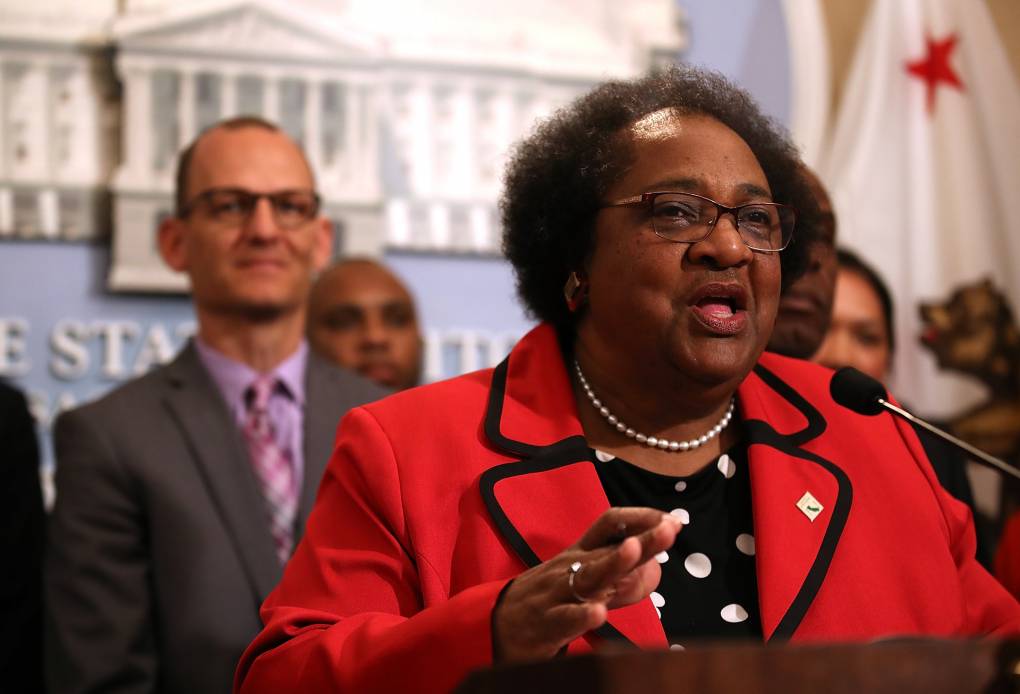
"description": "California Assemblymember Shirley Weber (D-San Diego) speaks during a news conference in 2018. A bill Weber wrote to create a task force on reparations for Black Americans passed the Assembly on Thursday.",
"title": "California Lawmakers Announce Bill To Alter Police Use Of Lethal Force Policy",
"credit": "Justin Sullivan/Getty Images",
"status": "inherit",
"altTag": "California Assemblymember Shirley Weber (D-San Diego) speaks during a news conference in 2018. A bill Weber wrote to create a task force on reparations for Black Americans passed the Assembly on Thursday.",
"isLoading": false,
"fetchFailed": false
},
"news_11823791": {
"type": "attachments",
"id": "news_11823791",
"meta": {
"index": "attachments_1716263798",
"site": "news",
"id": "11823791",
"found": true
},
"parent": 11823707,
"imgSizes": {
"apple_news_ca_landscape_5_5": {
"file": "https://ww2.kqed.org/app/uploads/sites/10/2020/06/Gavin-Newsom-1044x783.jpg",
"width": 1044,
"mimeType": "image/jpeg",
"height": 783
},
"apple_news_ca_square_4_0": {
"file": "https://ww2.kqed.org/app/uploads/sites/10/2020/06/Gavin-Newsom-470x470.jpg",
"width": 470,
"mimeType": "image/jpeg",
"height": 470
},
"twentyfourteen-full-width": {
"file": "https://ww2.kqed.org/app/uploads/sites/10/2020/06/Gavin-Newsom-1038x576.jpg",
"width": 1038,
"mimeType": "image/jpeg",
"height": 576
},
"thumbnail": {
"file": "https://ww2.kqed.org/app/uploads/sites/10/2020/06/Gavin-Newsom-160x107.jpg",
"width": 160,
"mimeType": "image/jpeg",
"height": 107
},
"post-thumbnail": {
"file": "https://ww2.kqed.org/app/uploads/sites/10/2020/06/Gavin-Newsom-672x372.jpg",
"width": 672,
"mimeType": "image/jpeg",
"height": 372
},
"kqedFullSize": {
"file": "https://ww2.kqed.org/app/uploads/sites/10/2020/06/Gavin-Newsom.jpg",
"width": 1920,
"height": 1278
},
"apple_news_ca_landscape_4_7": {
"file": "https://ww2.kqed.org/app/uploads/sites/10/2020/06/Gavin-Newsom-632x474.jpg",
"width": 632,
"mimeType": "image/jpeg",
"height": 474
},
"large": {
"file": "https://ww2.kqed.org/app/uploads/sites/10/2020/06/Gavin-Newsom-1020x679.jpg",
"width": 1020,
"mimeType": "image/jpeg",
"height": 679
},
"apple_news_ca_landscape_4_0": {
"file": "https://ww2.kqed.org/app/uploads/sites/10/2020/06/Gavin-Newsom-536x402.jpg",
"width": 536,
"mimeType": "image/jpeg",
"height": 402
},
"apple_news_ca_portrait_12_9": {
"file": "https://ww2.kqed.org/app/uploads/sites/10/2020/06/Gavin-Newsom-1122x1278.jpg",
"width": 1122,
"mimeType": "image/jpeg",
"height": 1278
},
"medium": {
"file": "https://ww2.kqed.org/app/uploads/sites/10/2020/06/Gavin-Newsom-800x533.jpg",
"width": 800,
"mimeType": "image/jpeg",
"height": 533
},
"apple_news_ca_portrait_4_0": {
"file": "https://ww2.kqed.org/app/uploads/sites/10/2020/06/Gavin-Newsom-354x472.jpg",
"width": 354,
"mimeType": "image/jpeg",
"height": 472
},
"apple_news_ca_portrait_9_7": {
"file": "https://ww2.kqed.org/app/uploads/sites/10/2020/06/Gavin-Newsom-840x1120.jpg",
"width": 840,
"mimeType": "image/jpeg",
"height": 1120
},
"apple_news_ca_landscape_12_9": {
"file": "https://ww2.kqed.org/app/uploads/sites/10/2020/06/Gavin-Newsom-1832x1278.jpg",
"width": 1832,
"mimeType": "image/jpeg",
"height": 1278
},
"apple_news_ca_square_9_7": {
"file": "https://ww2.kqed.org/app/uploads/sites/10/2020/06/Gavin-Newsom-1104x1104.jpg",
"width": 1104,
"mimeType": "image/jpeg",
"height": 1104
},
"apple_news_ca_portrait_4_7": {
"file": "https://ww2.kqed.org/app/uploads/sites/10/2020/06/Gavin-Newsom-414x552.jpg",
"width": 414,
"mimeType": "image/jpeg",
"height": 552
},
"apple_news_ca_square_12_9": {
"file": "https://ww2.kqed.org/app/uploads/sites/10/2020/06/Gavin-Newsom-1472x1278.jpg",
"width": 1472,
"mimeType": "image/jpeg",
"height": 1278
},
"apple_news_ca_portrait_5_5": {
"file": "https://ww2.kqed.org/app/uploads/sites/10/2020/06/Gavin-Newsom-687x916.jpg",
"width": 687,
"mimeType": "image/jpeg",
"height": 916
},
"full-width": {
"file": "https://ww2.kqed.org/app/uploads/sites/10/2020/06/Gavin-Newsom-1920x1278.jpg",
"width": 1920,
"mimeType": "image/jpeg",
"height": 1278
},
"apple_news_ca_square_4_7": {
"file": "https://ww2.kqed.org/app/uploads/sites/10/2020/06/Gavin-Newsom-550x550.jpg",
"width": 550,
"mimeType": "image/jpeg",
"height": 550
},
"apple_news_ca_landscape_9_7": {
"file": "https://ww2.kqed.org/app/uploads/sites/10/2020/06/Gavin-Newsom-1376x1032.jpg",
"width": 1376,
"mimeType": "image/jpeg",
"height": 1032
},
"apple_news_ca_square_5_5": {
"file": "https://ww2.kqed.org/app/uploads/sites/10/2020/06/Gavin-Newsom-912x912.jpg",
"width": 912,
"mimeType": "image/jpeg",
"height": 912
}
},
"publishDate": 1591809288,
"modified": 1591809507,
"caption": "Gov. Gavin Newsom did not include expansion of California's Earned Income Tax Credit to undocumented workers in his January budget, before the pandemic-induced recession hit.",
"description": "Gov. Gavin Newsom did not include expansion of California's Earned Income Tax Credit to undocumented workers in his January budget, before the pandemic-induced recession hit.",
"title": "Gavin-Newsom",
"credit": "Beth LaBerge/KQED",
"status": "inherit",
"isLoading": false,
"fetchFailed": false
},
"news_11823689": {
"type": "attachments",
"id": "news_11823689",
"meta": {
"index": "attachments_1716263798",
"site": "news",
"id": "11823689",
"found": true
},
"parent": 11823522,
"imgSizes": {
"apple_news_ca_landscape_5_5": {
"file": "https://ww2.kqed.org/app/uploads/sites/10/2020/06/RS33642_GettyImages-1058184788-qut-1044x783.jpg",
"width": 1044,
"mimeType": "image/jpeg",
"height": 783
},
"apple_news_ca_square_4_0": {
"file": "https://ww2.kqed.org/app/uploads/sites/10/2020/06/RS33642_GettyImages-1058184788-qut-470x470.jpg",
"width": 470,
"mimeType": "image/jpeg",
"height": 470
},
"twentyfourteen-full-width": {
"file": "https://ww2.kqed.org/app/uploads/sites/10/2020/06/RS33642_GettyImages-1058184788-qut-1038x576.jpg",
"width": 1038,
"mimeType": "image/jpeg",
"height": 576
},
"thumbnail": {
"file": "https://ww2.kqed.org/app/uploads/sites/10/2020/06/RS33642_GettyImages-1058184788-qut-160x103.jpg",
"width": 160,
"mimeType": "image/jpeg",
"height": 103
},
"post-thumbnail": {
"file": "https://ww2.kqed.org/app/uploads/sites/10/2020/06/RS33642_GettyImages-1058184788-qut-672x372.jpg",
"width": 672,
"mimeType": "image/jpeg",
"height": 372
},
"kqedFullSize": {
"file": "https://ww2.kqed.org/app/uploads/sites/10/2020/06/RS33642_GettyImages-1058184788-qut.jpg",
"width": 1920,
"height": 1238
},
"apple_news_ca_landscape_4_7": {
"file": "https://ww2.kqed.org/app/uploads/sites/10/2020/06/RS33642_GettyImages-1058184788-qut-632x474.jpg",
"width": 632,
"mimeType": "image/jpeg",
"height": 474
},
"large": {
"file": "https://ww2.kqed.org/app/uploads/sites/10/2020/06/RS33642_GettyImages-1058184788-qut-1020x658.jpg",
"width": 1020,
"mimeType": "image/jpeg",
"height": 658
},
"apple_news_ca_landscape_4_0": {
"file": "https://ww2.kqed.org/app/uploads/sites/10/2020/06/RS33642_GettyImages-1058184788-qut-536x402.jpg",
"width": 536,
"mimeType": "image/jpeg",
"height": 402
},
"apple_news_ca_portrait_12_9": {
"file": "https://ww2.kqed.org/app/uploads/sites/10/2020/06/RS33642_GettyImages-1058184788-qut-1122x1238.jpg",
"width": 1122,
"mimeType": "image/jpeg",
"height": 1238
},
"medium": {
"file": "https://ww2.kqed.org/app/uploads/sites/10/2020/06/RS33642_GettyImages-1058184788-qut-800x516.jpg",
"width": 800,
"mimeType": "image/jpeg",
"height": 516
},
"apple_news_ca_portrait_4_0": {
"file": "https://ww2.kqed.org/app/uploads/sites/10/2020/06/RS33642_GettyImages-1058184788-qut-354x472.jpg",
"width": 354,
"mimeType": "image/jpeg",
"height": 472
},
"apple_news_ca_portrait_9_7": {
"file": "https://ww2.kqed.org/app/uploads/sites/10/2020/06/RS33642_GettyImages-1058184788-qut-840x1120.jpg",
"width": 840,
"mimeType": "image/jpeg",
"height": 1120
},
"apple_news_ca_landscape_12_9": {
"file": "https://ww2.kqed.org/app/uploads/sites/10/2020/06/RS33642_GettyImages-1058184788-qut-1832x1238.jpg",
"width": 1832,
"mimeType": "image/jpeg",
"height": 1238
},
"apple_news_ca_square_9_7": {
"file": "https://ww2.kqed.org/app/uploads/sites/10/2020/06/RS33642_GettyImages-1058184788-qut-1104x1104.jpg",
"width": 1104,
"mimeType": "image/jpeg",
"height": 1104
},
"apple_news_ca_portrait_4_7": {
"file": "https://ww2.kqed.org/app/uploads/sites/10/2020/06/RS33642_GettyImages-1058184788-qut-414x552.jpg",
"width": 414,
"mimeType": "image/jpeg",
"height": 552
},
"apple_news_ca_square_12_9": {
"file": "https://ww2.kqed.org/app/uploads/sites/10/2020/06/RS33642_GettyImages-1058184788-qut-1472x1238.jpg",
"width": 1472,
"mimeType": "image/jpeg",
"height": 1238
},
"apple_news_ca_portrait_5_5": {
"file": "https://ww2.kqed.org/app/uploads/sites/10/2020/06/RS33642_GettyImages-1058184788-qut-687x916.jpg",
"width": 687,
"mimeType": "image/jpeg",
"height": 916
},
"full-width": {
"file": "https://ww2.kqed.org/app/uploads/sites/10/2020/06/RS33642_GettyImages-1058184788-qut-1920x1238.jpg",
"width": 1920,
"mimeType": "image/jpeg",
"height": 1238
},
"apple_news_ca_square_4_7": {
"file": "https://ww2.kqed.org/app/uploads/sites/10/2020/06/RS33642_GettyImages-1058184788-qut-550x550.jpg",
"width": 550,
"mimeType": "image/jpeg",
"height": 550
},
"apple_news_ca_landscape_9_7": {
"file": "https://ww2.kqed.org/app/uploads/sites/10/2020/06/RS33642_GettyImages-1058184788-qut-1376x1032.jpg",
"width": 1376,
"mimeType": "image/jpeg",
"height": 1032
},
"apple_news_ca_square_5_5": {
"file": "https://ww2.kqed.org/app/uploads/sites/10/2020/06/RS33642_GettyImages-1058184788-qut-912x912.jpg",
"width": 912,
"mimeType": "image/jpeg",
"height": 912
}
},
"publishDate": 1591738711,
"modified": 1591738874,
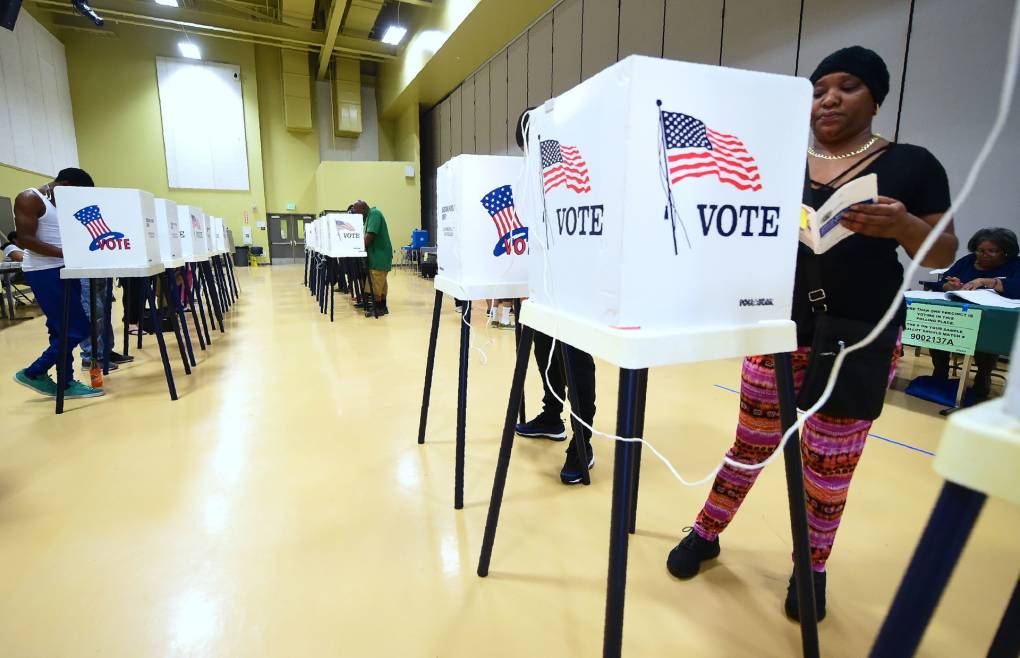
"caption": "People cast their ballots at voting booths in Los Angeles in November, 2018. In the wake of the COVID-19 pandemic, ballot ideas promising to raise billions of dollars in new revenues are likely to be pitched as lifelines for the state budget and the services they fund.",
"description": "People cast their ballots at voting booths in Los Angeles in November, 2018. In the wake of the COVID-19 pandemic, ballot ideas promising to raise billions of dollars in new revenues are likely to be pitched as lifelines for the state budget and the services they fund.",
"title": "US-POLITICS-VOTE",
"credit": "FREDERIC J. BROWN/AFP/Getty Images",
"status": "inherit",
"isLoading": false,
"fetchFailed": false
},
"news_11823543": {
"type": "attachments",
"id": "news_11823543",
"meta": {
"index": "attachments_1716263798",
"site": "news",
"id": "11823543",
"found": true
},
"parent": 11823500,
"imgSizes": {
"apple_news_ca_landscape_5_5": {
"file": "https://ww2.kqed.org/app/uploads/sites/10/2020/06/School-Empty-Coronavirus-Hall-Locker-1044x783.jpg",
"width": 1044,
"mimeType": "image/jpeg",
"height": 783
},
"apple_news_ca_square_4_0": {
"file": "https://ww2.kqed.org/app/uploads/sites/10/2020/06/School-Empty-Coronavirus-Hall-Locker-470x470.jpg",
"width": 470,
"mimeType": "image/jpeg",
"height": 470
},
"twentyfourteen-full-width": {
"file": "https://ww2.kqed.org/app/uploads/sites/10/2020/06/School-Empty-Coronavirus-Hall-Locker-1038x576.jpg",
"width": 1038,
"mimeType": "image/jpeg",
"height": 576
},
"thumbnail": {
"file": "https://ww2.kqed.org/app/uploads/sites/10/2020/06/School-Empty-Coronavirus-Hall-Locker-160x107.jpg",
"width": 160,
"mimeType": "image/jpeg",
"height": 107
},
"post-thumbnail": {
"file": "https://ww2.kqed.org/app/uploads/sites/10/2020/06/School-Empty-Coronavirus-Hall-Locker-672x372.jpg",
"width": 672,
"mimeType": "image/jpeg",
"height": 372
},
"kqedFullSize": {
"file": "https://ww2.kqed.org/app/uploads/sites/10/2020/06/School-Empty-Coronavirus-Hall-Locker.jpg",
"width": 1920,
"height": 1280
},
"apple_news_ca_landscape_4_7": {
"file": "https://ww2.kqed.org/app/uploads/sites/10/2020/06/School-Empty-Coronavirus-Hall-Locker-632x474.jpg",
"width": 632,
"mimeType": "image/jpeg",
"height": 474
},
"large": {
"file": "https://ww2.kqed.org/app/uploads/sites/10/2020/06/School-Empty-Coronavirus-Hall-Locker-1020x680.jpg",
"width": 1020,
"mimeType": "image/jpeg",
"height": 680
},
"apple_news_ca_landscape_4_0": {
"file": "https://ww2.kqed.org/app/uploads/sites/10/2020/06/School-Empty-Coronavirus-Hall-Locker-536x402.jpg",
"width": 536,
"mimeType": "image/jpeg",
"height": 402
},
"apple_news_ca_portrait_12_9": {
"file": "https://ww2.kqed.org/app/uploads/sites/10/2020/06/School-Empty-Coronavirus-Hall-Locker-1122x1280.jpg",
"width": 1122,
"mimeType": "image/jpeg",
"height": 1280
},
"medium": {
"file": "https://ww2.kqed.org/app/uploads/sites/10/2020/06/School-Empty-Coronavirus-Hall-Locker-800x533.jpg",
"width": 800,
"mimeType": "image/jpeg",
"height": 533
},
"apple_news_ca_portrait_4_0": {
"file": "https://ww2.kqed.org/app/uploads/sites/10/2020/06/School-Empty-Coronavirus-Hall-Locker-354x472.jpg",
"width": 354,
"mimeType": "image/jpeg",
"height": 472
},
"apple_news_ca_portrait_9_7": {
"file": "https://ww2.kqed.org/app/uploads/sites/10/2020/06/School-Empty-Coronavirus-Hall-Locker-840x1120.jpg",
"width": 840,
"mimeType": "image/jpeg",
"height": 1120
},
"apple_news_ca_landscape_12_9": {
"file": "https://ww2.kqed.org/app/uploads/sites/10/2020/06/School-Empty-Coronavirus-Hall-Locker-1832x1280.jpg",
"width": 1832,
"mimeType": "image/jpeg",
"height": 1280
},
"apple_news_ca_square_9_7": {
"file": "https://ww2.kqed.org/app/uploads/sites/10/2020/06/School-Empty-Coronavirus-Hall-Locker-1104x1104.jpg",
"width": 1104,
"mimeType": "image/jpeg",
"height": 1104
},
"apple_news_ca_portrait_4_7": {
"file": "https://ww2.kqed.org/app/uploads/sites/10/2020/06/School-Empty-Coronavirus-Hall-Locker-414x552.jpg",
"width": 414,
"mimeType": "image/jpeg",
"height": 552
},
"apple_news_ca_square_12_9": {
"file": "https://ww2.kqed.org/app/uploads/sites/10/2020/06/School-Empty-Coronavirus-Hall-Locker-1472x1280.jpg",
"width": 1472,
"mimeType": "image/jpeg",
"height": 1280
},
"apple_news_ca_portrait_5_5": {
"file": "https://ww2.kqed.org/app/uploads/sites/10/2020/06/School-Empty-Coronavirus-Hall-Locker-687x916.jpg",
"width": 687,
"mimeType": "image/jpeg",
"height": 916
},
"full-width": {
"file": "https://ww2.kqed.org/app/uploads/sites/10/2020/06/School-Empty-Coronavirus-Hall-Locker-1920x1280.jpg",
"width": 1920,
"mimeType": "image/jpeg",
"height": 1280
},
"apple_news_ca_square_4_7": {
"file": "https://ww2.kqed.org/app/uploads/sites/10/2020/06/School-Empty-Coronavirus-Hall-Locker-550x550.jpg",
"width": 550,
"mimeType": "image/jpeg",
"height": 550
},
"apple_news_ca_landscape_9_7": {
"file": "https://ww2.kqed.org/app/uploads/sites/10/2020/06/School-Empty-Coronavirus-Hall-Locker-1376x1032.jpg",
"width": 1376,
"mimeType": "image/jpeg",
"height": 1032
},
"apple_news_ca_square_5_5": {
"file": "https://ww2.kqed.org/app/uploads/sites/10/2020/06/School-Empty-Coronavirus-Hall-Locker-912x912.jpg",
"width": 912,
"mimeType": "image/jpeg",
"height": 912
}
},
"publishDate": 1591657535,
"modified": 1591657587,
"caption": "Hallways sit empty at Kent Middle School due to the coronavirus pandemic on April 1, 2020 in Kentfield.",
"description": "Hallways sit empty at Kent Middle School due to the coronavirus pandemic on April 1, 2020 in Kentfield.",
"title": "Coronavirus Pandemic Causes Climate Of Anxiety And Changing Routines In America",
"credit": "Justin Sullivan/Getty Images",
"status": "inherit",
"isLoading": false,
"fetchFailed": false
},
"news_11822854": {
"type": "attachments",
"id": "news_11822854",
"meta": {
"index": "attachments_1716263798",
"site": "news",
"id": "11822854",
"found": true
},
"parent": 11822771,
"imgSizes": {
"apple_news_ca_landscape_5_5": {
"file": "https://ww2.kqed.org/app/uploads/sites/10/2020/06/002_KQED_Oakland_GeorgeFloydProtest_06032020-1044x783.jpg",
"width": 1044,
"mimeType": "image/jpeg",
"height": 783
},
"apple_news_ca_square_4_0": {
"file": "https://ww2.kqed.org/app/uploads/sites/10/2020/06/002_KQED_Oakland_GeorgeFloydProtest_06032020-470x470.jpg",
"width": 470,
"mimeType": "image/jpeg",
"height": 470
},
"twentyfourteen-full-width": {
"file": "https://ww2.kqed.org/app/uploads/sites/10/2020/06/002_KQED_Oakland_GeorgeFloydProtest_06032020-1038x576.jpg",
"width": 1038,
"mimeType": "image/jpeg",
"height": 576
},
"thumbnail": {
"file": "https://ww2.kqed.org/app/uploads/sites/10/2020/06/002_KQED_Oakland_GeorgeFloydProtest_06032020-160x107.jpg",
"width": 160,
"mimeType": "image/jpeg",
"height": 107
},
"post-thumbnail": {
"file": "https://ww2.kqed.org/app/uploads/sites/10/2020/06/002_KQED_Oakland_GeorgeFloydProtest_06032020-672x372.jpg",
"width": 672,
"mimeType": "image/jpeg",
"height": 372
},
"kqedFullSize": {
"file": "https://ww2.kqed.org/app/uploads/sites/10/2020/06/002_KQED_Oakland_GeorgeFloydProtest_06032020.jpg",
"width": 1920,
"height": 1280
},
"apple_news_ca_landscape_4_7": {
"file": "https://ww2.kqed.org/app/uploads/sites/10/2020/06/002_KQED_Oakland_GeorgeFloydProtest_06032020-632x474.jpg",
"width": 632,
"mimeType": "image/jpeg",
"height": 474
},
"large": {
"file": "https://ww2.kqed.org/app/uploads/sites/10/2020/06/002_KQED_Oakland_GeorgeFloydProtest_06032020-1020x680.jpg",
"width": 1020,
"mimeType": "image/jpeg",
"height": 680
},
"apple_news_ca_landscape_4_0": {
"file": "https://ww2.kqed.org/app/uploads/sites/10/2020/06/002_KQED_Oakland_GeorgeFloydProtest_06032020-536x402.jpg",
"width": 536,
"mimeType": "image/jpeg",
"height": 402
},
"apple_news_ca_portrait_12_9": {
"file": "https://ww2.kqed.org/app/uploads/sites/10/2020/06/002_KQED_Oakland_GeorgeFloydProtest_06032020-1122x1280.jpg",
"width": 1122,
"mimeType": "image/jpeg",
"height": 1280
},
"medium": {
"file": "https://ww2.kqed.org/app/uploads/sites/10/2020/06/002_KQED_Oakland_GeorgeFloydProtest_06032020-800x533.jpg",
"width": 800,
"mimeType": "image/jpeg",
"height": 533
},
"apple_news_ca_portrait_4_0": {
"file": "https://ww2.kqed.org/app/uploads/sites/10/2020/06/002_KQED_Oakland_GeorgeFloydProtest_06032020-354x472.jpg",
"width": 354,
"mimeType": "image/jpeg",
"height": 472
},
"apple_news_ca_portrait_9_7": {
"file": "https://ww2.kqed.org/app/uploads/sites/10/2020/06/002_KQED_Oakland_GeorgeFloydProtest_06032020-840x1120.jpg",
"width": 840,
"mimeType": "image/jpeg",
"height": 1120
},
"apple_news_ca_landscape_12_9": {
"file": "https://ww2.kqed.org/app/uploads/sites/10/2020/06/002_KQED_Oakland_GeorgeFloydProtest_06032020-1832x1280.jpg",
"width": 1832,
"mimeType": "image/jpeg",
"height": 1280
},
"apple_news_ca_square_9_7": {
"file": "https://ww2.kqed.org/app/uploads/sites/10/2020/06/002_KQED_Oakland_GeorgeFloydProtest_06032020-1104x1104.jpg",
"width": 1104,
"mimeType": "image/jpeg",
"height": 1104
},
"apple_news_ca_portrait_4_7": {
"file": "https://ww2.kqed.org/app/uploads/sites/10/2020/06/002_KQED_Oakland_GeorgeFloydProtest_06032020-414x552.jpg",
"width": 414,
"mimeType": "image/jpeg",
"height": 552
},
"apple_news_ca_square_12_9": {
"file": "https://ww2.kqed.org/app/uploads/sites/10/2020/06/002_KQED_Oakland_GeorgeFloydProtest_06032020-1472x1280.jpg",
"width": 1472,
"mimeType": "image/jpeg",
"height": 1280
},
"apple_news_ca_portrait_5_5": {
"file": "https://ww2.kqed.org/app/uploads/sites/10/2020/06/002_KQED_Oakland_GeorgeFloydProtest_06032020-687x916.jpg",
"width": 687,
"mimeType": "image/jpeg",
"height": 916
},
"full-width": {
"file": "https://ww2.kqed.org/app/uploads/sites/10/2020/06/002_KQED_Oakland_GeorgeFloydProtest_06032020-1920x1280.jpg",
"width": 1920,
"mimeType": "image/jpeg",
"height": 1280
},
"apple_news_ca_square_4_7": {
"file": "https://ww2.kqed.org/app/uploads/sites/10/2020/06/002_KQED_Oakland_GeorgeFloydProtest_06032020-550x550.jpg",
"width": 550,
"mimeType": "image/jpeg",
"height": 550
},
"apple_news_ca_landscape_9_7": {
"file": "https://ww2.kqed.org/app/uploads/sites/10/2020/06/002_KQED_Oakland_GeorgeFloydProtest_06032020-1376x1032.jpg",
"width": 1376,
"mimeType": "image/jpeg",
"height": 1032
},
"apple_news_ca_square_5_5": {
"file": "https://ww2.kqed.org/app/uploads/sites/10/2020/06/002_KQED_Oakland_GeorgeFloydProtest_06032020-912x912.jpg",
"width": 912,
"mimeType": "image/jpeg",
"height": 912
}
},
"publishDate": 1591257695,
"modified": 1591661555,
"caption": "Ashley Williams and Dujuanna Archable stand during a protest against police violence at 14th and Broadway in Oakland on June 3, 2020.",
"description": null,
"title": "002_KQED_Oakland_GeorgeFloydProtest_06032020",
"credit": "Beth LaBerge/KQED",
"status": "inherit",
"isLoading": false,
"fetchFailed": false
},
"news_11823044": {
"type": "attachments",
"id": "news_11823044",
"meta": {
"index": "attachments_1716263798",
"site": "news",
"id": "11823044",
"found": true
},
"parent": 11823040,
"imgSizes": {
"apple_news_ca_landscape_5_5": {
"file": "https://ww2.kqed.org/app/uploads/sites/10/2020/06/RS27553_19637481-BA6D-4488-AA6C-578662946976-qut-1044x783.jpg",
"width": 1044,
"mimeType": "image/jpeg",
"height": 783
},
"apple_news_ca_square_4_0": {
"file": "https://ww2.kqed.org/app/uploads/sites/10/2020/06/RS27553_19637481-BA6D-4488-AA6C-578662946976-qut-470x470.jpg",
"width": 470,
"mimeType": "image/jpeg",
"height": 470
},
"twentyfourteen-full-width": {
"file": "https://ww2.kqed.org/app/uploads/sites/10/2020/06/RS27553_19637481-BA6D-4488-AA6C-578662946976-qut-1038x576.jpg",
"width": 1038,
"mimeType": "image/jpeg",
"height": 576
},
"thumbnail": {
"file": "https://ww2.kqed.org/app/uploads/sites/10/2020/06/RS27553_19637481-BA6D-4488-AA6C-578662946976-qut-160x120.jpg",
"width": 160,
"mimeType": "image/jpeg",
"height": 120
},
"post-thumbnail": {
"file": "https://ww2.kqed.org/app/uploads/sites/10/2020/06/RS27553_19637481-BA6D-4488-AA6C-578662946976-qut-672x372.jpg",
"width": 672,
"mimeType": "image/jpeg",
"height": 372
},
"kqedFullSize": {
"file": "https://ww2.kqed.org/app/uploads/sites/10/2020/06/RS27553_19637481-BA6D-4488-AA6C-578662946976-qut.jpg",
"width": 1920,
"height": 1440
},
"apple_news_ca_landscape_4_7": {
"file": "https://ww2.kqed.org/app/uploads/sites/10/2020/06/RS27553_19637481-BA6D-4488-AA6C-578662946976-qut-632x474.jpg",
"width": 632,
"mimeType": "image/jpeg",
"height": 474
},
"large": {
"file": "https://ww2.kqed.org/app/uploads/sites/10/2020/06/RS27553_19637481-BA6D-4488-AA6C-578662946976-qut-1020x765.jpg",
"width": 1020,
"mimeType": "image/jpeg",
"height": 765
},
"apple_news_ca_landscape_4_0": {
"file": "https://ww2.kqed.org/app/uploads/sites/10/2020/06/RS27553_19637481-BA6D-4488-AA6C-578662946976-qut-536x402.jpg",
"width": 536,
"mimeType": "image/jpeg",
"height": 402
},
"apple_news_ca_portrait_12_9": {
"file": "https://ww2.kqed.org/app/uploads/sites/10/2020/06/RS27553_19637481-BA6D-4488-AA6C-578662946976-qut-1122x1440.jpg",
"width": 1122,
"mimeType": "image/jpeg",
"height": 1440
},
"medium": {
"file": "https://ww2.kqed.org/app/uploads/sites/10/2020/06/RS27553_19637481-BA6D-4488-AA6C-578662946976-qut-800x600.jpg",
"width": 800,
"mimeType": "image/jpeg",
"height": 600
},
"apple_news_ca_portrait_4_0": {
"file": "https://ww2.kqed.org/app/uploads/sites/10/2020/06/RS27553_19637481-BA6D-4488-AA6C-578662946976-qut-354x472.jpg",
"width": 354,
"mimeType": "image/jpeg",
"height": 472
},
"apple_news_ca_portrait_9_7": {
"file": "https://ww2.kqed.org/app/uploads/sites/10/2020/06/RS27553_19637481-BA6D-4488-AA6C-578662946976-qut-840x1120.jpg",
"width": 840,
"mimeType": "image/jpeg",
"height": 1120
},
"apple_news_ca_landscape_12_9": {
"file": "https://ww2.kqed.org/app/uploads/sites/10/2020/06/RS27553_19637481-BA6D-4488-AA6C-578662946976-qut-1832x1374.jpg",
"width": 1832,
"mimeType": "image/jpeg",
"height": 1374
},
"apple_news_ca_square_9_7": {
"file": "https://ww2.kqed.org/app/uploads/sites/10/2020/06/RS27553_19637481-BA6D-4488-AA6C-578662946976-qut-1104x1104.jpg",
"width": 1104,
"mimeType": "image/jpeg",
"height": 1104
},
"apple_news_ca_portrait_4_7": {
"file": "https://ww2.kqed.org/app/uploads/sites/10/2020/06/RS27553_19637481-BA6D-4488-AA6C-578662946976-qut-414x552.jpg",
"width": 414,
"mimeType": "image/jpeg",
"height": 552
},
"apple_news_ca_square_12_9": {
"file": "https://ww2.kqed.org/app/uploads/sites/10/2020/06/RS27553_19637481-BA6D-4488-AA6C-578662946976-qut-1472x1440.jpg",
"width": 1472,
"mimeType": "image/jpeg",
"height": 1440
},
"apple_news_ca_portrait_5_5": {
"file": "https://ww2.kqed.org/app/uploads/sites/10/2020/06/RS27553_19637481-BA6D-4488-AA6C-578662946976-qut-687x916.jpg",
"width": 687,
"mimeType": "image/jpeg",
"height": 916
},
"full-width": {
"file": "https://ww2.kqed.org/app/uploads/sites/10/2020/06/RS27553_19637481-BA6D-4488-AA6C-578662946976-qut-1920x1440.jpg",
"width": 1920,
"mimeType": "image/jpeg",
"height": 1440
},
"apple_news_ca_square_4_7": {
"file": "https://ww2.kqed.org/app/uploads/sites/10/2020/06/RS27553_19637481-BA6D-4488-AA6C-578662946976-qut-550x550.jpg",
"width": 550,
"mimeType": "image/jpeg",
"height": 550
},
"apple_news_ca_landscape_9_7": {
"file": "https://ww2.kqed.org/app/uploads/sites/10/2020/06/RS27553_19637481-BA6D-4488-AA6C-578662946976-qut-1376x1032.jpg",
"width": 1376,
"mimeType": "image/jpeg",
"height": 1032
},
"apple_news_ca_square_5_5": {
"file": "https://ww2.kqed.org/app/uploads/sites/10/2020/06/RS27553_19637481-BA6D-4488-AA6C-578662946976-qut-912x912.jpg",
"width": 912,
"mimeType": "image/jpeg",
"height": 912
}
},
"publishDate": 1591331726,
"modified": 1591331787,
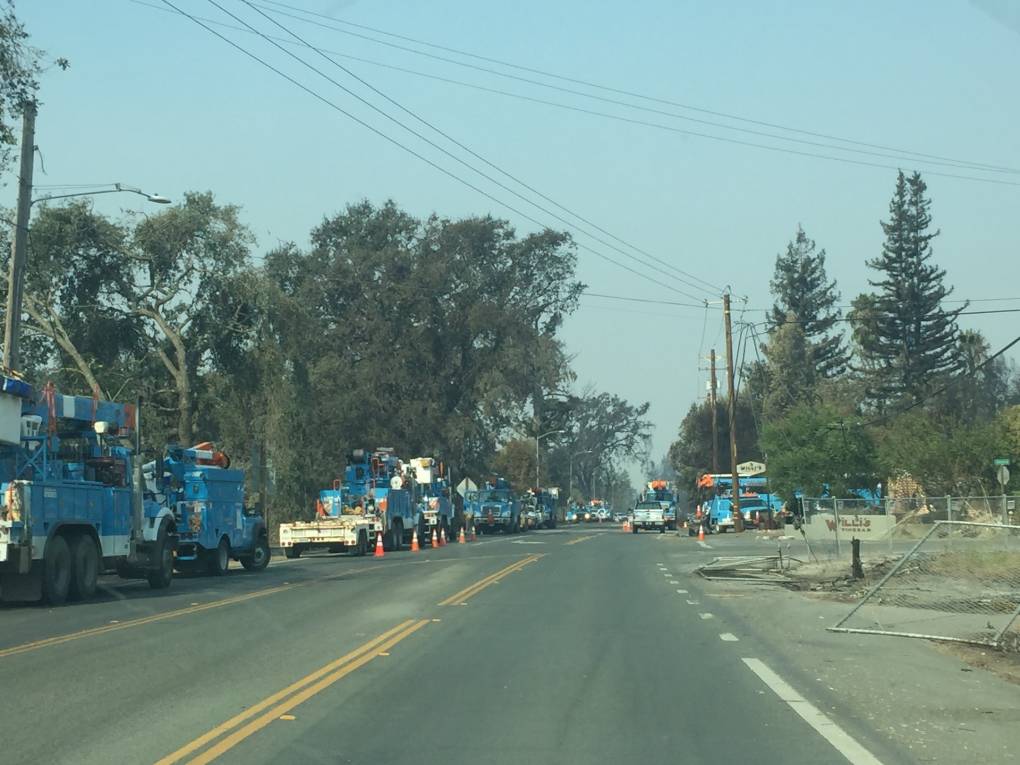
"caption": "PG&E crews in Sonoma.",
"description": null,
"title": "RS27553_19637481-BA6D-4488-AA6C-578662946976-qut",
"credit": "Julia McEvoy/KQED",
"status": "inherit",
"isLoading": false,
"fetchFailed": false
},
"news_11822708": {
"type": "attachments",
"id": "news_11822708",
"meta": {
"index": "attachments_1716263798",
"site": "news",
"id": "11822708",
"found": true
},
"parent": 11822384,
"imgSizes": {
"apple_news_ca_landscape_5_5": {
"file": "https://ww2.kqed.org/app/uploads/sites/10/2020/06/RS43533_GettyImages-1060763496-qut-1044x783.jpg",
"width": 1044,
"mimeType": "image/jpeg",
"height": 783
},
"apple_news_ca_square_4_0": {
"file": "https://ww2.kqed.org/app/uploads/sites/10/2020/06/RS43533_GettyImages-1060763496-qut-470x470.jpg",
"width": 470,
"mimeType": "image/jpeg",
"height": 470
},
"twentyfourteen-full-width": {
"file": "https://ww2.kqed.org/app/uploads/sites/10/2020/06/RS43533_GettyImages-1060763496-qut-1038x576.jpg",
"width": 1038,
"mimeType": "image/jpeg",
"height": 576
},
"thumbnail": {
"file": "https://ww2.kqed.org/app/uploads/sites/10/2020/06/RS43533_GettyImages-1060763496-qut-160x101.jpg",
"width": 160,
"mimeType": "image/jpeg",
"height": 101
},
"post-thumbnail": {
"file": "https://ww2.kqed.org/app/uploads/sites/10/2020/06/RS43533_GettyImages-1060763496-qut-672x372.jpg",
"width": 672,
"mimeType": "image/jpeg",
"height": 372
},
"kqedFullSize": {
"file": "https://ww2.kqed.org/app/uploads/sites/10/2020/06/RS43533_GettyImages-1060763496-qut.jpg",
"width": 1920,
"height": 1211
},
"apple_news_ca_landscape_4_7": {
"file": "https://ww2.kqed.org/app/uploads/sites/10/2020/06/RS43533_GettyImages-1060763496-qut-632x474.jpg",
"width": 632,
"mimeType": "image/jpeg",
"height": 474
},
"large": {
"file": "https://ww2.kqed.org/app/uploads/sites/10/2020/06/RS43533_GettyImages-1060763496-qut-1020x643.jpg",
"width": 1020,
"mimeType": "image/jpeg",
"height": 643
},
"apple_news_ca_landscape_4_0": {
"file": "https://ww2.kqed.org/app/uploads/sites/10/2020/06/RS43533_GettyImages-1060763496-qut-536x402.jpg",
"width": 536,
"mimeType": "image/jpeg",
"height": 402
},
"apple_news_ca_portrait_12_9": {
"file": "https://ww2.kqed.org/app/uploads/sites/10/2020/06/RS43533_GettyImages-1060763496-qut-1122x1211.jpg",
"width": 1122,
"mimeType": "image/jpeg",
"height": 1211
},
"medium": {
"file": "https://ww2.kqed.org/app/uploads/sites/10/2020/06/RS43533_GettyImages-1060763496-qut-800x505.jpg",
"width": 800,
"mimeType": "image/jpeg",
"height": 505
},
"apple_news_ca_portrait_4_0": {
"file": "https://ww2.kqed.org/app/uploads/sites/10/2020/06/RS43533_GettyImages-1060763496-qut-354x472.jpg",
"width": 354,
"mimeType": "image/jpeg",
"height": 472
},
"apple_news_ca_portrait_9_7": {
"file": "https://ww2.kqed.org/app/uploads/sites/10/2020/06/RS43533_GettyImages-1060763496-qut-840x1120.jpg",
"width": 840,
"mimeType": "image/jpeg",
"height": 1120
},
"apple_news_ca_landscape_12_9": {
"file": "https://ww2.kqed.org/app/uploads/sites/10/2020/06/RS43533_GettyImages-1060763496-qut-1832x1211.jpg",
"width": 1832,
"mimeType": "image/jpeg",
"height": 1211
},
"apple_news_ca_square_9_7": {
"file": "https://ww2.kqed.org/app/uploads/sites/10/2020/06/RS43533_GettyImages-1060763496-qut-1104x1104.jpg",
"width": 1104,
"mimeType": "image/jpeg",
"height": 1104
},
"apple_news_ca_portrait_4_7": {
"file": "https://ww2.kqed.org/app/uploads/sites/10/2020/06/RS43533_GettyImages-1060763496-qut-414x552.jpg",
"width": 414,
"mimeType": "image/jpeg",
"height": 552
},
"apple_news_ca_square_12_9": {
"file": "https://ww2.kqed.org/app/uploads/sites/10/2020/06/RS43533_GettyImages-1060763496-qut-1472x1211.jpg",
"width": 1472,
"mimeType": "image/jpeg",
"height": 1211
},
"apple_news_ca_portrait_5_5": {
"file": "https://ww2.kqed.org/app/uploads/sites/10/2020/06/RS43533_GettyImages-1060763496-qut-687x916.jpg",
"width": 687,
"mimeType": "image/jpeg",
"height": 916
},
"full-width": {
"file": "https://ww2.kqed.org/app/uploads/sites/10/2020/06/RS43533_GettyImages-1060763496-qut-1920x1211.jpg",
"width": 1920,
"mimeType": "image/jpeg",
"height": 1211
},
"apple_news_ca_square_4_7": {
"file": "https://ww2.kqed.org/app/uploads/sites/10/2020/06/RS43533_GettyImages-1060763496-qut-550x550.jpg",
"width": 550,
"mimeType": "image/jpeg",
"height": 550
},
"apple_news_ca_landscape_9_7": {
"file": "https://ww2.kqed.org/app/uploads/sites/10/2020/06/RS43533_GettyImages-1060763496-qut-1376x1032.jpg",
"width": 1376,
"mimeType": "image/jpeg",
"height": 1032
},
"apple_news_ca_square_5_5": {
"file": "https://ww2.kqed.org/app/uploads/sites/10/2020/06/RS43533_GettyImages-1060763496-qut-912x912.jpg",
"width": 912,
"mimeType": "image/jpeg",
"height": 912
}
},
"publishDate": 1591221529,
"modified": 1591221641,
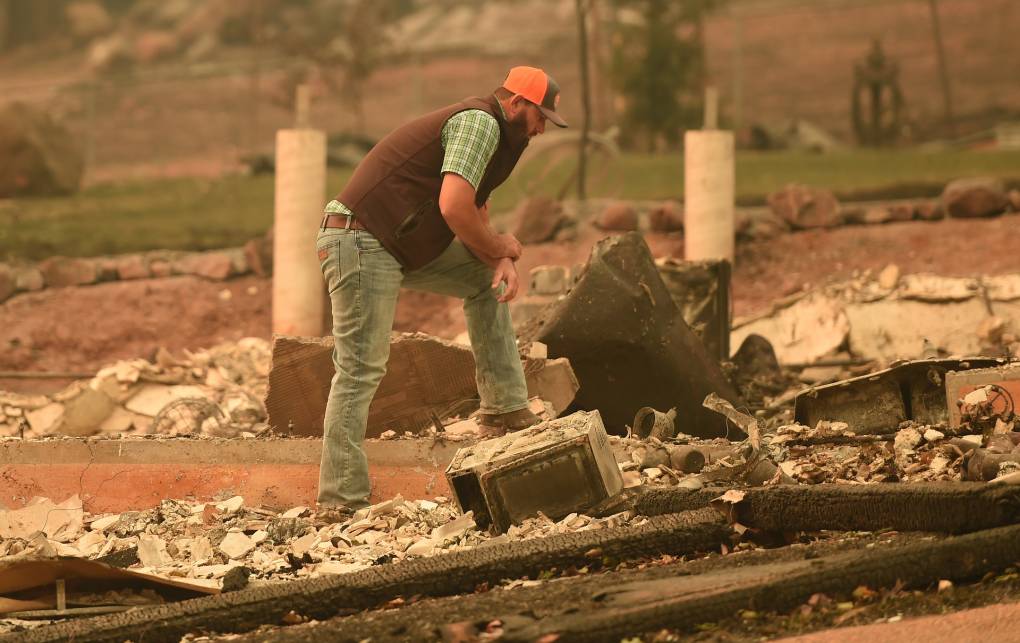
"caption": "A Camp Fire survivor looks over the remains of his burned home in Paradise on Nov. 12, 2018. The blaze - the deadliest and most destructive in modern California history - was sparked by PG&E equipment.",
"description": "A Camp Fire survivor looks over the remains of his burned home in Paradise on Nov. 12, 2018. The blaze - the deadliest and most destructive in modern California history - was sparked by PG&E equipment.",
"title": "US-FIRE-CALIFORNIA-ENVIORNMENT-WEATHER",
"credit": "JOSH EDELSON/AFP via Getty Images",
"status": "inherit",
"isLoading": false,
"fetchFailed": false
},
"news_11822268": {
"type": "attachments",
"id": "news_11822268",
"meta": {
"index": "attachments_1716263798",
"site": "news",
"id": "11822268",
"found": true
},
"parent": 11822159,
"imgSizes": {
"apple_news_ca_landscape_5_5": {
"file": "https://ww2.kqed.org/app/uploads/sites/10/2020/06/Michael-Tubbs-1044x783.jpg",
"width": 1044,
"mimeType": "image/jpeg",
"height": 783
},
"apple_news_ca_square_4_0": {
"file": "https://ww2.kqed.org/app/uploads/sites/10/2020/06/Michael-Tubbs-470x470.jpg",
"width": 470,
"mimeType": "image/jpeg",
"height": 470
},
"twentyfourteen-full-width": {
"file": "https://ww2.kqed.org/app/uploads/sites/10/2020/06/Michael-Tubbs-1038x576.jpg",
"width": 1038,
"mimeType": "image/jpeg",
"height": 576
},
"thumbnail": {
"file": "https://ww2.kqed.org/app/uploads/sites/10/2020/06/Michael-Tubbs-160x119.jpg",
"width": 160,
"mimeType": "image/jpeg",
"height": 119
},
"post-thumbnail": {
"file": "https://ww2.kqed.org/app/uploads/sites/10/2020/06/Michael-Tubbs-672x372.jpg",
"width": 672,
"mimeType": "image/jpeg",
"height": 372
},
"kqedFullSize": {
"file": "https://ww2.kqed.org/app/uploads/sites/10/2020/06/Michael-Tubbs.jpg",
"width": 1920,
"height": 1424
},
"apple_news_ca_landscape_4_7": {
"file": "https://ww2.kqed.org/app/uploads/sites/10/2020/06/Michael-Tubbs-632x474.jpg",
"width": 632,
"mimeType": "image/jpeg",
"height": 474
},
"large": {
"file": "https://ww2.kqed.org/app/uploads/sites/10/2020/06/Michael-Tubbs-1020x757.jpg",
"width": 1020,
"mimeType": "image/jpeg",
"height": 757
},
"apple_news_ca_landscape_4_0": {
"file": "https://ww2.kqed.org/app/uploads/sites/10/2020/06/Michael-Tubbs-536x402.jpg",
"width": 536,
"mimeType": "image/jpeg",
"height": 402
},
"apple_news_ca_portrait_12_9": {
"file": "https://ww2.kqed.org/app/uploads/sites/10/2020/06/Michael-Tubbs-1122x1424.jpg",
"width": 1122,
"mimeType": "image/jpeg",
"height": 1424
},
"medium": {
"file": "https://ww2.kqed.org/app/uploads/sites/10/2020/06/Michael-Tubbs-800x593.jpg",
"width": 800,
"mimeType": "image/jpeg",
"height": 593
},
"apple_news_ca_portrait_4_0": {
"file": "https://ww2.kqed.org/app/uploads/sites/10/2020/06/Michael-Tubbs-354x472.jpg",
"width": 354,
"mimeType": "image/jpeg",
"height": 472
},
"apple_news_ca_portrait_9_7": {
"file": "https://ww2.kqed.org/app/uploads/sites/10/2020/06/Michael-Tubbs-840x1120.jpg",
"width": 840,
"mimeType": "image/jpeg",
"height": 1120
},
"apple_news_ca_landscape_12_9": {
"file": "https://ww2.kqed.org/app/uploads/sites/10/2020/06/Michael-Tubbs-1832x1374.jpg",
"width": 1832,
"mimeType": "image/jpeg",
"height": 1374
},
"apple_news_ca_square_9_7": {
"file": "https://ww2.kqed.org/app/uploads/sites/10/2020/06/Michael-Tubbs-1104x1104.jpg",
"width": 1104,
"mimeType": "image/jpeg",
"height": 1104
},
"apple_news_ca_portrait_4_7": {
"file": "https://ww2.kqed.org/app/uploads/sites/10/2020/06/Michael-Tubbs-414x552.jpg",
"width": 414,
"mimeType": "image/jpeg",
"height": 552
},
"apple_news_ca_square_12_9": {
"file": "https://ww2.kqed.org/app/uploads/sites/10/2020/06/Michael-Tubbs-1472x1424.jpg",
"width": 1472,
"mimeType": "image/jpeg",
"height": 1424
},
"apple_news_ca_portrait_5_5": {
"file": "https://ww2.kqed.org/app/uploads/sites/10/2020/06/Michael-Tubbs-687x916.jpg",
"width": 687,
"mimeType": "image/jpeg",
"height": 916
},
"full-width": {
"file": "https://ww2.kqed.org/app/uploads/sites/10/2020/06/Michael-Tubbs-1920x1424.jpg",
"width": 1920,
"mimeType": "image/jpeg",
"height": 1424
},
"apple_news_ca_square_4_7": {
"file": "https://ww2.kqed.org/app/uploads/sites/10/2020/06/Michael-Tubbs-550x550.jpg",
"width": 550,
"mimeType": "image/jpeg",
"height": 550
},
"apple_news_ca_landscape_9_7": {
"file": "https://ww2.kqed.org/app/uploads/sites/10/2020/06/Michael-Tubbs-1376x1032.jpg",
"width": 1376,
"mimeType": "image/jpeg",
"height": 1032
},
"apple_news_ca_square_5_5": {
"file": "https://ww2.kqed.org/app/uploads/sites/10/2020/06/Michael-Tubbs-912x912.jpg",
"width": 912,
"mimeType": "image/jpeg",
"height": 912
}
},
"publishDate": 1591052307,
"modified": 1591061468,
"caption": "Stockton Mayor Michael Tubbs in his office.",
"description": "Stockton Mayor Michael Tubbs in his office.",
"title": "Michael-Tubbs",
"credit": "Nick Otto/AFP via Getty Images",
"status": "inherit",
"isLoading": false,
"fetchFailed": false
},
"news_11821905": {
"type": "attachments",
"id": "news_11821905",
"meta": {
"index": "attachments_1716263798",
"site": "news",
"id": "11821905",
"found": true
},
"parent": 11821834,
"imgSizes": {
"apple_news_ca_landscape_5_5": {
"file": "https://ww2.kqed.org/app/uploads/sites/10/2020/05/Image-from-iOS-2-1-1044x783.jpg",
"width": 1044,
"mimeType": "image/jpeg",
"height": 783
},
"apple_news_ca_square_4_0": {
"file": "https://ww2.kqed.org/app/uploads/sites/10/2020/05/Image-from-iOS-2-1-470x470.jpg",
"width": 470,
"mimeType": "image/jpeg",
"height": 470
},
"twentyfourteen-full-width": {
"file": "https://ww2.kqed.org/app/uploads/sites/10/2020/05/Image-from-iOS-2-1-1038x576.jpg",
"width": 1038,
"mimeType": "image/jpeg",
"height": 576
},
"thumbnail": {
"file": "https://ww2.kqed.org/app/uploads/sites/10/2020/05/Image-from-iOS-2-1-160x107.jpg",
"width": 160,
"mimeType": "image/jpeg",
"height": 107
},
"post-thumbnail": {
"file": "https://ww2.kqed.org/app/uploads/sites/10/2020/05/Image-from-iOS-2-1-672x372.jpg",
"width": 672,
"mimeType": "image/jpeg",
"height": 372
},
"kqedFullSize": {
"file": "https://ww2.kqed.org/app/uploads/sites/10/2020/05/Image-from-iOS-2-1.jpg",
"width": 1515,
"height": 1010
},
"apple_news_ca_landscape_4_7": {
"file": "https://ww2.kqed.org/app/uploads/sites/10/2020/05/Image-from-iOS-2-1-632x474.jpg",
"width": 632,
"mimeType": "image/jpeg",
"height": 474
},
"large": {
"file": "https://ww2.kqed.org/app/uploads/sites/10/2020/05/Image-from-iOS-2-1-1020x680.jpg",
"width": 1020,
"mimeType": "image/jpeg",
"height": 680
},
"apple_news_ca_landscape_4_0": {
"file": "https://ww2.kqed.org/app/uploads/sites/10/2020/05/Image-from-iOS-2-1-536x402.jpg",
"width": 536,
"mimeType": "image/jpeg",
"height": 402
},
"apple_news_ca_portrait_12_9": {
"file": "https://ww2.kqed.org/app/uploads/sites/10/2020/05/Image-from-iOS-2-1-1122x1010.jpg",
"width": 1122,
"mimeType": "image/jpeg",
"height": 1010
},
"medium": {
"file": "https://ww2.kqed.org/app/uploads/sites/10/2020/05/Image-from-iOS-2-1-800x533.jpg",
"width": 800,
"mimeType": "image/jpeg",
"height": 533
},
"apple_news_ca_portrait_4_0": {
"file": "https://ww2.kqed.org/app/uploads/sites/10/2020/05/Image-from-iOS-2-1-354x472.jpg",
"width": 354,
"mimeType": "image/jpeg",
"height": 472
},
"apple_news_ca_portrait_9_7": {
"file": "https://ww2.kqed.org/app/uploads/sites/10/2020/05/Image-from-iOS-2-1-840x1010.jpg",
"width": 840,
"mimeType": "image/jpeg",
"height": 1010
},
"apple_news_ca_square_9_7": {
"file": "https://ww2.kqed.org/app/uploads/sites/10/2020/05/Image-from-iOS-2-1-1104x1010.jpg",
"width": 1104,
"mimeType": "image/jpeg",
"height": 1010
},
"apple_news_ca_portrait_4_7": {
"file": "https://ww2.kqed.org/app/uploads/sites/10/2020/05/Image-from-iOS-2-1-414x552.jpg",
"width": 414,
"mimeType": "image/jpeg",
"height": 552
},
"apple_news_ca_square_12_9": {
"file": "https://ww2.kqed.org/app/uploads/sites/10/2020/05/Image-from-iOS-2-1-1472x1010.jpg",
"width": 1472,
"mimeType": "image/jpeg",
"height": 1010
},
"apple_news_ca_portrait_5_5": {
"file": "https://ww2.kqed.org/app/uploads/sites/10/2020/05/Image-from-iOS-2-1-687x916.jpg",
"width": 687,
"mimeType": "image/jpeg",
"height": 916
},
"apple_news_ca_square_4_7": {
"file": "https://ww2.kqed.org/app/uploads/sites/10/2020/05/Image-from-iOS-2-1-550x550.jpg",
"width": 550,
"mimeType": "image/jpeg",
"height": 550
},
"apple_news_ca_landscape_9_7": {
"file": "https://ww2.kqed.org/app/uploads/sites/10/2020/05/Image-from-iOS-2-1-1376x1010.jpg",
"width": 1376,
"mimeType": "image/jpeg",
"height": 1010
},
"apple_news_ca_square_5_5": {
"file": "https://ww2.kqed.org/app/uploads/sites/10/2020/05/Image-from-iOS-2-1-912x912.jpg",
"width": 912,
"mimeType": "image/jpeg",
"height": 912
}
},
"publishDate": 1590819869,
"modified": 1590827413,
"caption": "Candace Alsalloom, one of the hundreds who turned out for Friday night's Oakland protest over the Minneapolis police killing of George Floyd. The 46-year-old African American man pleaded with a police officer who was kneeling on his neck by saying repeatedly, \"I can't breathe.\" ",
"description": null,
"title": "Oakland-George Floyd Protest",
"credit": "Beth LaBerge/KQED",
"status": "inherit",
"isLoading": false,
"fetchFailed": false
},
"news_11821638": {
"type": "attachments",
"id": "news_11821638",
"meta": {
"index": "attachments_1716263798",
"site": "news",
"id": "11821638",
"found": true
},
"parent": 11821421,
"imgSizes": {
"apple_news_ca_landscape_5_5": {
"file": "https://ww2.kqed.org/app/uploads/sites/10/2020/05/illo4-2-1044x783.jpg",
"width": 1044,
"mimeType": "image/jpeg",
"height": 783
},
"apple_news_ca_square_4_0": {
"file": "https://ww2.kqed.org/app/uploads/sites/10/2020/05/illo4-2-470x470.jpg",
"width": 470,
"mimeType": "image/jpeg",
"height": 470
},
"twentyfourteen-full-width": {
"file": "https://ww2.kqed.org/app/uploads/sites/10/2020/05/illo4-2-1038x576.jpg",
"width": 1038,
"mimeType": "image/jpeg",
"height": 576
},
"thumbnail": {
"file": "https://ww2.kqed.org/app/uploads/sites/10/2020/05/illo4-2-160x100.jpg",
"width": 160,
"mimeType": "image/jpeg",
"height": 100
},
"post-thumbnail": {
"file": "https://ww2.kqed.org/app/uploads/sites/10/2020/05/illo4-2-672x372.jpg",
"width": 672,
"mimeType": "image/jpeg",
"height": 372
},
"kqedFullSize": {
"file": "https://ww2.kqed.org/app/uploads/sites/10/2020/05/illo4-2-e1590768933509.jpg",
"width": 1919,
"height": 1199
},
"apple_news_ca_landscape_4_7": {
"file": "https://ww2.kqed.org/app/uploads/sites/10/2020/05/illo4-2-632x474.jpg",
"width": 632,
"mimeType": "image/jpeg",
"height": 474
},
"large": {
"file": "https://ww2.kqed.org/app/uploads/sites/10/2020/05/illo4-2-1020x638.jpg",
"width": 1020,
"mimeType": "image/jpeg",
"height": 638
},
"apple_news_ca_landscape_4_0": {
"file": "https://ww2.kqed.org/app/uploads/sites/10/2020/05/illo4-2-536x402.jpg",
"width": 536,
"mimeType": "image/jpeg",
"height": 402
},
"apple_news_ca_portrait_12_9": {
"file": "https://ww2.kqed.org/app/uploads/sites/10/2020/05/illo4-2-1122x1200.jpg",
"width": 1122,
"mimeType": "image/jpeg",
"height": 1200
},
"medium": {
"file": "https://ww2.kqed.org/app/uploads/sites/10/2020/05/illo4-2-800x500.jpg",
"width": 800,
"mimeType": "image/jpeg",
"height": 500
},
"apple_news_ca_portrait_4_0": {
"file": "https://ww2.kqed.org/app/uploads/sites/10/2020/05/illo4-2-354x472.jpg",
"width": 354,
"mimeType": "image/jpeg",
"height": 472
},
"apple_news_ca_portrait_9_7": {
"file": "https://ww2.kqed.org/app/uploads/sites/10/2020/05/illo4-2-840x1120.jpg",
"width": 840,
"mimeType": "image/jpeg",
"height": 1120
},
"apple_news_ca_landscape_12_9": {
"file": "https://ww2.kqed.org/app/uploads/sites/10/2020/05/illo4-2-1832x1200.jpg",
"width": 1832,
"mimeType": "image/jpeg",
"height": 1200
},
"apple_news_ca_square_9_7": {
"file": "https://ww2.kqed.org/app/uploads/sites/10/2020/05/illo4-2-1104x1104.jpg",
"width": 1104,
"mimeType": "image/jpeg",
"height": 1104
},
"apple_news_ca_portrait_4_7": {
"file": "https://ww2.kqed.org/app/uploads/sites/10/2020/05/illo4-2-414x552.jpg",
"width": 414,
"mimeType": "image/jpeg",
"height": 552
},
"apple_news_ca_square_12_9": {
"file": "https://ww2.kqed.org/app/uploads/sites/10/2020/05/illo4-2-1472x1200.jpg",
"width": 1472,
"mimeType": "image/jpeg",
"height": 1200
},
"apple_news_ca_portrait_5_5": {
"file": "https://ww2.kqed.org/app/uploads/sites/10/2020/05/illo4-2-687x916.jpg",
"width": 687,
"mimeType": "image/jpeg",
"height": 916
},
"full-width": {
"file": "https://ww2.kqed.org/app/uploads/sites/10/2020/05/illo4-2-1920x1200.jpg",
"width": 1920,
"mimeType": "image/jpeg",
"height": 1200
},
"apple_news_ca_square_4_7": {
"file": "https://ww2.kqed.org/app/uploads/sites/10/2020/05/illo4-2-550x550.jpg",
"width": 550,
"mimeType": "image/jpeg",
"height": 550
},
"apple_news_ca_landscape_9_7": {
"file": "https://ww2.kqed.org/app/uploads/sites/10/2020/05/illo4-2-1376x1032.jpg",
"width": 1376,
"mimeType": "image/jpeg",
"height": 1032
},
"apple_news_ca_square_5_5": {
"file": "https://ww2.kqed.org/app/uploads/sites/10/2020/05/illo4-2-912x912.jpg",
"width": 912,
"mimeType": "image/jpeg",
"height": 912
}
},
"publishDate": 1590768895,
"modified": 1590768925,
"caption": null,
"description": null,
"title": "illo4-2",
"credit": "Anna Vignet/KQED",
"status": "inherit",
"isLoading": false,
"fetchFailed": false
},
"news_11821548": {
"type": "attachments",
"id": "news_11821548",
"meta": {
"index": "attachments_1716263798",
"site": "news",
"id": "11821548",
"found": true
},
"parent": 11821371,
"imgSizes": {
"apple_news_ca_landscape_5_5": {
"file": "https://ww2.kqed.org/app/uploads/sites/10/2020/05/RS43409_GettyImages-967865190-qut-1044x783.jpg",
"width": 1044,
"mimeType": "image/jpeg",
"height": 783
},
"apple_news_ca_square_4_0": {
"file": "https://ww2.kqed.org/app/uploads/sites/10/2020/05/RS43409_GettyImages-967865190-qut-470x470.jpg",
"width": 470,
"mimeType": "image/jpeg",
"height": 470
},
"twentyfourteen-full-width": {
"file": "https://ww2.kqed.org/app/uploads/sites/10/2020/05/RS43409_GettyImages-967865190-qut-1038x576.jpg",
"width": 1038,
"mimeType": "image/jpeg",
"height": 576
},
"thumbnail": {
"file": "https://ww2.kqed.org/app/uploads/sites/10/2020/05/RS43409_GettyImages-967865190-qut-160x107.jpg",
"width": 160,
"mimeType": "image/jpeg",
"height": 107
},
"post-thumbnail": {
"file": "https://ww2.kqed.org/app/uploads/sites/10/2020/05/RS43409_GettyImages-967865190-qut-672x372.jpg",
"width": 672,
"mimeType": "image/jpeg",
"height": 372
},
"kqedFullSize": {
"file": "https://ww2.kqed.org/app/uploads/sites/10/2020/05/RS43409_GettyImages-967865190-qut.jpg",
"width": 1920,
"height": 1280
},
"apple_news_ca_landscape_4_7": {
"file": "https://ww2.kqed.org/app/uploads/sites/10/2020/05/RS43409_GettyImages-967865190-qut-632x474.jpg",
"width": 632,
"mimeType": "image/jpeg",
"height": 474
},
"large": {
"file": "https://ww2.kqed.org/app/uploads/sites/10/2020/05/RS43409_GettyImages-967865190-qut-1020x680.jpg",
"width": 1020,
"mimeType": "image/jpeg",
"height": 680
},
"apple_news_ca_landscape_4_0": {
"file": "https://ww2.kqed.org/app/uploads/sites/10/2020/05/RS43409_GettyImages-967865190-qut-536x402.jpg",
"width": 536,
"mimeType": "image/jpeg",
"height": 402
},
"apple_news_ca_portrait_12_9": {
"file": "https://ww2.kqed.org/app/uploads/sites/10/2020/05/RS43409_GettyImages-967865190-qut-1122x1280.jpg",
"width": 1122,
"mimeType": "image/jpeg",
"height": 1280
},
"medium": {
"file": "https://ww2.kqed.org/app/uploads/sites/10/2020/05/RS43409_GettyImages-967865190-qut-800x533.jpg",
"width": 800,
"mimeType": "image/jpeg",
"height": 533
},
"apple_news_ca_portrait_4_0": {
"file": "https://ww2.kqed.org/app/uploads/sites/10/2020/05/RS43409_GettyImages-967865190-qut-354x472.jpg",
"width": 354,
"mimeType": "image/jpeg",
"height": 472
},
"apple_news_ca_portrait_9_7": {
"file": "https://ww2.kqed.org/app/uploads/sites/10/2020/05/RS43409_GettyImages-967865190-qut-840x1120.jpg",
"width": 840,
"mimeType": "image/jpeg",
"height": 1120
},
"apple_news_ca_landscape_12_9": {
"file": "https://ww2.kqed.org/app/uploads/sites/10/2020/05/RS43409_GettyImages-967865190-qut-1832x1280.jpg",
"width": 1832,
"mimeType": "image/jpeg",
"height": 1280
},
"apple_news_ca_square_9_7": {
"file": "https://ww2.kqed.org/app/uploads/sites/10/2020/05/RS43409_GettyImages-967865190-qut-1104x1104.jpg",
"width": 1104,
"mimeType": "image/jpeg",
"height": 1104
},
"apple_news_ca_portrait_4_7": {
"file": "https://ww2.kqed.org/app/uploads/sites/10/2020/05/RS43409_GettyImages-967865190-qut-414x552.jpg",
"width": 414,
"mimeType": "image/jpeg",
"height": 552
},
"apple_news_ca_square_12_9": {
"file": "https://ww2.kqed.org/app/uploads/sites/10/2020/05/RS43409_GettyImages-967865190-qut-1472x1280.jpg",
"width": 1472,
"mimeType": "image/jpeg",
"height": 1280
},
"apple_news_ca_portrait_5_5": {
"file": "https://ww2.kqed.org/app/uploads/sites/10/2020/05/RS43409_GettyImages-967865190-qut-687x916.jpg",
"width": 687,
"mimeType": "image/jpeg",
"height": 916
},
"full-width": {
"file": "https://ww2.kqed.org/app/uploads/sites/10/2020/05/RS43409_GettyImages-967865190-qut-1920x1280.jpg",
"width": 1920,
"mimeType": "image/jpeg",
"height": 1280
},
"apple_news_ca_square_4_7": {
"file": "https://ww2.kqed.org/app/uploads/sites/10/2020/05/RS43409_GettyImages-967865190-qut-550x550.jpg",
"width": 550,
"mimeType": "image/jpeg",
"height": 550
},
"apple_news_ca_landscape_9_7": {
"file": "https://ww2.kqed.org/app/uploads/sites/10/2020/05/RS43409_GettyImages-967865190-qut-1376x1032.jpg",
"width": 1376,
"mimeType": "image/jpeg",
"height": 1032
},
"apple_news_ca_square_5_5": {
"file": "https://ww2.kqed.org/app/uploads/sites/10/2020/05/RS43409_GettyImages-967865190-qut-912x912.jpg",
"width": 912,
"mimeType": "image/jpeg",
"height": 912
}
},
"publishDate": 1590708064,
"modified": 1656602839,
"caption": null,
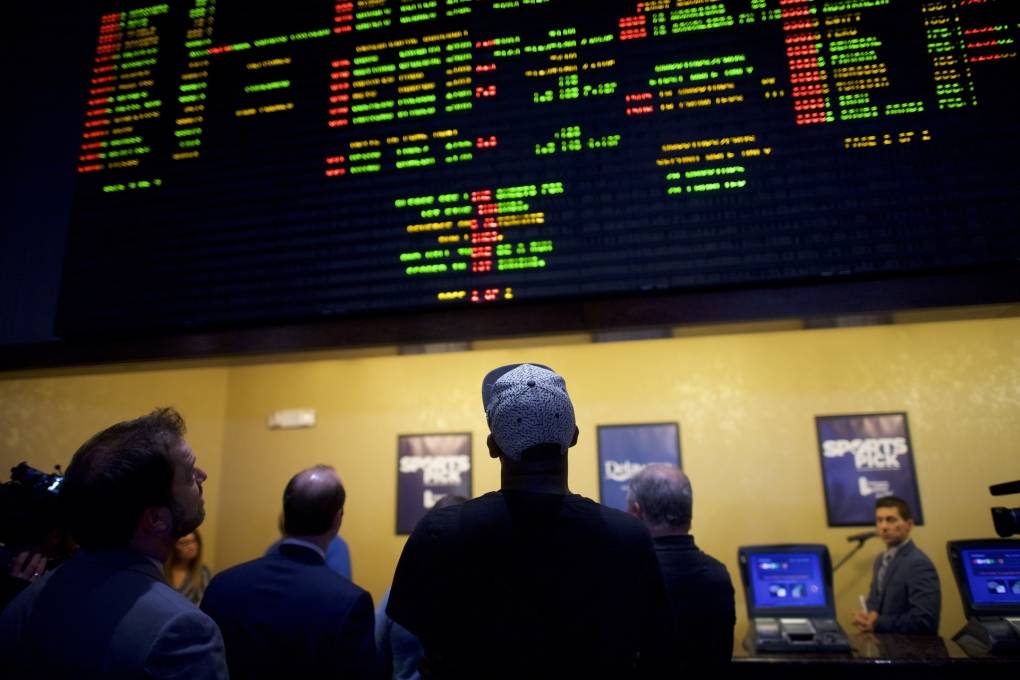
"description": "Sports bettors place wagers at a casino on June 5, 2018 in Delaware, the first state to launch legal sports betting since a Supreme Court decision allowing it.",
"title": "Delaware Becomes First State To Launch Legal Sports Betting",
"credit": "Mark Makela/Getty Images",
"status": "inherit",
"altTag": "Sports bettors place wagers at a casino on June 5, 2018 in Delaware, the first state to launch legal sports betting since a Supreme Court decision allowing it.",
"isLoading": false,
"fetchFailed": false
},
"news_11821293": {
"type": "attachments",
"id": "news_11821293",
"meta": {
"index": "attachments_1716263798",
"site": "news",
"id": "11821293",
"found": true
},
"parent": 11821292,
"imgSizes": {
"apple_news_ca_landscape_5_5": {
"file": "https://ww2.kqed.org/app/uploads/sites/10/2020/05/RS43406_GettyImages-1218434229-qut-1044x783.jpg",
"width": 1044,
"mimeType": "image/jpeg",
"height": 783
},
"apple_news_ca_square_4_0": {
"file": "https://ww2.kqed.org/app/uploads/sites/10/2020/05/RS43406_GettyImages-1218434229-qut-470x470.jpg",
"width": 470,
"mimeType": "image/jpeg",
"height": 470
},
"twentyfourteen-full-width": {
"file": "https://ww2.kqed.org/app/uploads/sites/10/2020/05/RS43406_GettyImages-1218434229-qut-1038x576.jpg",
"width": 1038,
"mimeType": "image/jpeg",
"height": 576
},
"thumbnail": {
"file": "https://ww2.kqed.org/app/uploads/sites/10/2020/05/RS43406_GettyImages-1218434229-qut-160x107.jpg",
"width": 160,
"mimeType": "image/jpeg",
"height": 107
},
"post-thumbnail": {
"file": "https://ww2.kqed.org/app/uploads/sites/10/2020/05/RS43406_GettyImages-1218434229-qut-672x372.jpg",
"width": 672,
"mimeType": "image/jpeg",
"height": 372
},
"kqedFullSize": {
"file": "https://ww2.kqed.org/app/uploads/sites/10/2020/05/RS43406_GettyImages-1218434229-qut.jpg",
"width": 1920,
"height": 1280
},
"apple_news_ca_landscape_4_7": {
"file": "https://ww2.kqed.org/app/uploads/sites/10/2020/05/RS43406_GettyImages-1218434229-qut-632x474.jpg",
"width": 632,
"mimeType": "image/jpeg",
"height": 474
},
"large": {
"file": "https://ww2.kqed.org/app/uploads/sites/10/2020/05/RS43406_GettyImages-1218434229-qut-1020x680.jpg",
"width": 1020,
"mimeType": "image/jpeg",
"height": 680
},
"apple_news_ca_landscape_4_0": {
"file": "https://ww2.kqed.org/app/uploads/sites/10/2020/05/RS43406_GettyImages-1218434229-qut-536x402.jpg",
"width": 536,
"mimeType": "image/jpeg",
"height": 402
},
"apple_news_ca_portrait_12_9": {
"file": "https://ww2.kqed.org/app/uploads/sites/10/2020/05/RS43406_GettyImages-1218434229-qut-1122x1280.jpg",
"width": 1122,
"mimeType": "image/jpeg",
"height": 1280
},
"medium": {
"file": "https://ww2.kqed.org/app/uploads/sites/10/2020/05/RS43406_GettyImages-1218434229-qut-800x533.jpg",
"width": 800,
"mimeType": "image/jpeg",
"height": 533
},
"apple_news_ca_portrait_4_0": {
"file": "https://ww2.kqed.org/app/uploads/sites/10/2020/05/RS43406_GettyImages-1218434229-qut-354x472.jpg",
"width": 354,
"mimeType": "image/jpeg",
"height": 472
},
"apple_news_ca_portrait_9_7": {
"file": "https://ww2.kqed.org/app/uploads/sites/10/2020/05/RS43406_GettyImages-1218434229-qut-840x1120.jpg",
"width": 840,
"mimeType": "image/jpeg",
"height": 1120
},
"apple_news_ca_landscape_12_9": {
"file": "https://ww2.kqed.org/app/uploads/sites/10/2020/05/RS43406_GettyImages-1218434229-qut-1832x1280.jpg",
"width": 1832,
"mimeType": "image/jpeg",
"height": 1280
},
"apple_news_ca_square_9_7": {
"file": "https://ww2.kqed.org/app/uploads/sites/10/2020/05/RS43406_GettyImages-1218434229-qut-1104x1104.jpg",
"width": 1104,
"mimeType": "image/jpeg",
"height": 1104
},
"apple_news_ca_portrait_4_7": {
"file": "https://ww2.kqed.org/app/uploads/sites/10/2020/05/RS43406_GettyImages-1218434229-qut-414x552.jpg",
"width": 414,
"mimeType": "image/jpeg",
"height": 552
},
"apple_news_ca_square_12_9": {
"file": "https://ww2.kqed.org/app/uploads/sites/10/2020/05/RS43406_GettyImages-1218434229-qut-1472x1280.jpg",
"width": 1472,
"mimeType": "image/jpeg",
"height": 1280
},
"apple_news_ca_portrait_5_5": {
"file": "https://ww2.kqed.org/app/uploads/sites/10/2020/05/RS43406_GettyImages-1218434229-qut-687x916.jpg",
"width": 687,
"mimeType": "image/jpeg",
"height": 916
},
"full-width": {
"file": "https://ww2.kqed.org/app/uploads/sites/10/2020/05/RS43406_GettyImages-1218434229-qut-1920x1280.jpg",
"width": 1920,
"mimeType": "image/jpeg",
"height": 1280
},
"apple_news_ca_square_4_7": {
"file": "https://ww2.kqed.org/app/uploads/sites/10/2020/05/RS43406_GettyImages-1218434229-qut-550x550.jpg",
"width": 550,
"mimeType": "image/jpeg",
"height": 550
},
"apple_news_ca_landscape_9_7": {
"file": "https://ww2.kqed.org/app/uploads/sites/10/2020/05/RS43406_GettyImages-1218434229-qut-1376x1032.jpg",
"width": 1376,
"mimeType": "image/jpeg",
"height": 1032
},
"apple_news_ca_square_5_5": {
"file": "https://ww2.kqed.org/app/uploads/sites/10/2020/05/RS43406_GettyImages-1218434229-qut-912x912.jpg",
"width": 912,
"mimeType": "image/jpeg",
"height": 912
}
},
"publishDate": 1590635948,
"modified": 1590636714,
"caption": "An empty church parking lot is seen on Easter Sunday during the coronavirus pandemic on April 12, 2020 in Los Angeles, California.",
"description": null,
"title": "Americans Celebrate Easter Sunday As Most Of The Nation Isolates During Coronavirus Pandemic",
"credit": "Matt Winkelmeyer/Getty Images",
"status": "inherit",
"isLoading": false,
"fetchFailed": false
}
},
"audioPlayerReducer": {
"postId": "stream_live",
"isPaused": true,
"isPlaying": false,
"pfsActive": false,
"pledgeModalIsOpen": true,
"playerDrawerIsOpen": false,
"liveAudioPlayStartedAt": 0,
"liveAudioPlayContext": ""
},
"authorsReducer": {
"byline_news_11824053": {
"type": "authors",
"id": "byline_news_11824053",
"meta": {
"override": true
},
"slug": "byline_news_11824053",
"name": "Cuneyt Dil \u003cbr> The Associated Press",
"isLoading": false
},
"byline_news_11823500": {
"type": "authors",
"id": "byline_news_11823500",
"meta": {
"override": true
},
"slug": "byline_news_11823500",
"name": "Jocelyn Gecker \u003cbr> The Associated Press",
"isLoading": false
},
"byline_news_11823040": {
"type": "authors",
"id": "byline_news_11823040",
"meta": {
"override": true
},
"slug": "byline_news_11823040",
"name": "Michael Liedtke \u003cbr> Associated Press",
"isLoading": false
},
"danbrekke": {
"type": "authors",
"id": "222",
"meta": {
"index": "authors_1716337520",
"id": "222",
"found": true
},
"name": "Dan Brekke",
"firstName": "Dan",
"lastName": "Brekke",
"slug": "danbrekke",
"email": "dbrekke@kqed.org",
"display_author_email": true,
"staff_mastheads": [
"news",
"science"
],
"title": "KQED Editor and Reporter",
"bio": "Dan Brekke is a reporter and editor for KQED News, responsible for coverage of topics ranging from California water issues to the Bay Area's transportation challenges. In a newsroom career that began in Chicago in 1972, Dan has worked for \u003cem>The San Francisco Examiner,\u003c/em> Wired and TechTV and has been published in The New York Times, The New York Times Magazine, Business 2.0, Salon and elsewhere.\r\n\r\nSince joining KQED in 2007, Dan has reported, edited and produced both radio and online features and breaking news pieces. He has shared as both editor and reporter in four Society of Professional Journalists Norcal Excellence in Journalism awards and one Edward R. Murrow regional award. He was chosen for a spring 2017 residency at the Mesa Refuge to advance his research on California salmon.\r\n\r\nEmail Dan at: \u003ca href=\"mailto:dbrekke@kqed.org\">dbrekke@kqed.org\u003c/a>\r\n\r\n\u003cstrong>Twitter:\u003c/strong> \u003ca href=\"https://twitter.com/danbrekke\" rel=\"noopener noreferrer\">twitter.com/danbrekke\u003c/a>\r\n\u003cstrong>Facebook:\u003c/strong> \u003ca href=\"https://www.facebook.com/danbrekke\" rel=\"noopener noreferrer\">www.facebook.com/danbrekke\u003c/a>\r\n\u003cstrong>LinkedIn:\u003c/strong> \u003ca href=\"https://www.linkedin.com/in/danbrekke\" rel=\"noopener noreferrer\">www.linkedin.com/in/danbrekke\u003c/a>",
"avatar": "https://secure.gravatar.com/avatar/c8126230345efca3f7aa89b1a402be45?s=600&d=mm&r=g",
"twitter": "danbrekke",
"facebook": null,
"instagram": "https://www.instagram.com/dan.brekke/",
"linkedin": "https://www.linkedin.com/in/danbrekke/",
"sites": [
{
"site": "news",
"roles": [
"administrator",
"create_posts"
]
},
{
"site": "stateofhealth",
"roles": [
"editor"
]
},
{
"site": "science",
"roles": [
"editor"
]
},
{
"site": "quest",
"roles": [
"contributor"
]
},
{
"site": "food",
"roles": [
"contributor"
]
},
{
"site": "forum",
"roles": [
"contributor"
]
},
{
"site": "liveblog",
"roles": [
"editor"
]
}
],
"headData": {
"title": "Dan Brekke | KQED",
"description": "KQED Editor and Reporter",
"ogImgSrc": "https://secure.gravatar.com/avatar/c8126230345efca3f7aa89b1a402be45?s=600&d=mm&r=g",
"twImgSrc": "https://secure.gravatar.com/avatar/c8126230345efca3f7aa89b1a402be45?s=600&d=mm&r=g"
},
"isLoading": false,
"link": "/author/danbrekke"
},
"gmarzorati": {
"type": "authors",
"id": "227",
"meta": {
"index": "authors_1716337520",
"id": "227",
"found": true
},
"name": "Guy Marzorati",
"firstName": "Guy",
"lastName": "Marzorati",
"slug": "gmarzorati",
"email": "gmarzorati@KQED.org",
"display_author_email": true,
"staff_mastheads": [
"news"
],
"title": "Correspondent",
"bio": "Guy Marzorati is a correspondent on KQED's California Politics and Government Desk, based in San Jose. A graduate of Santa Clara University, Guy joined KQED in 2013. He reports on state and local politics and produces KQED's digital voter guide.",
"avatar": "https://secure.gravatar.com/avatar/e7038b8dbfd55b104369b76b1cd0b9de?s=600&d=blank&r=g",
"twitter": "guymarzorati",
"facebook": null,
"instagram": null,
"linkedin": null,
"sites": [
{
"site": "",
"roles": [
"editor"
]
},
{
"site": "news",
"roles": [
"editor"
]
},
{
"site": "science",
"roles": [
"editor"
]
},
{
"site": "forum",
"roles": [
"editor"
]
},
{
"site": "elections",
"roles": [
"editor"
]
},
{
"site": "liveblog",
"roles": [
"editor"
]
}
],
"headData": {
"title": "Guy Marzorati | KQED",
"description": "Correspondent",
"ogImgSrc": "https://secure.gravatar.com/avatar/e7038b8dbfd55b104369b76b1cd0b9de?s=600&d=blank&r=g",
"twImgSrc": "https://secure.gravatar.com/avatar/e7038b8dbfd55b104369b76b1cd0b9de?s=600&d=blank&r=g"
},
"isLoading": false,
"link": "/author/gmarzorati"
},
"scottshafer": {
"type": "authors",
"id": "255",
"meta": {
"index": "authors_1716337520",
"id": "255",
"found": true
},
"name": "Scott Shafer",
"firstName": "Scott",
"lastName": "Shafer",
"slug": "scottshafer",
"email": "sshafer@kqed.org",
"display_author_email": false,
"staff_mastheads": [
"news"
],
"title": "KQED Contributor",
"bio": "Scott Shafer is a senior editor with the KQED Politics and Government desk. He is co-host of Political Breakdown, the award-winning radio show and podcast with a personal take on the world of politics. Scott came to KQED in 1998 to host the statewide\u003cem> California Report\u003c/em>. Prior to that he had extended stints in politics and government\u003cem>.\u003c/em> He uses that inside experience at KQED in his, reporting, hosting and analysis for the politics desk. Scott collaborated \u003cem>Political Breakdown a\u003c/em>nd on \u003cem>The Political Mind of Jerry Brown, \u003c/em>an eight-part series about the life and extraordinary political career of the former governor. For fun, he plays water polo with the San Francisco Tsunami.",
"avatar": "https://secure.gravatar.com/avatar/a62ebae45b79d7aed1a39a0e3bf68104?s=600&d=blank&r=g",
"twitter": "scottshafer",
"bluesky": null,
"facebook": null,
"instagram": null,
"linkedin": null,
"sites": [
{
"site": "news",
"roles": [
"editor"
]
},
{
"site": "stateofhealth",
"roles": [
"author"
]
},
{
"site": "science",
"roles": [
"author"
]
},
{
"site": "forum",
"roles": [
"subscriber"
]
},
{
"site": "liveblog",
"roles": [
"author"
]
}
],
"headData": {
"title": "Scott Shafer | KQED",
"description": "KQED Contributor",
"ogImgSrc": "https://secure.gravatar.com/avatar/a62ebae45b79d7aed1a39a0e3bf68104?s=600&d=blank&r=g",
"twImgSrc": "https://secure.gravatar.com/avatar/a62ebae45b79d7aed1a39a0e3bf68104?s=600&d=blank&r=g"
},
"isLoading": false,
"link": "/author/scottshafer"
},
"aemslie": {
"type": "authors",
"id": "3206",
"meta": {
"index": "authors_1716337520",
"id": "3206",
"found": true
},
"name": "Alex Emslie",
"firstName": "Alex",
"lastName": "Emslie",
"slug": "aemslie",
"email": "aemslie@kqed.org",
"display_author_email": true,
"staff_mastheads": [
"news"
],
"title": "KQED Senior Editor",
"bio": "Alex Emslie is senior editor of talent and development at KQED, where he manages dozens of early career journalists and oversees news department internships.\r\n\r\nHe is a former carpenter and proud graduate of City College of San Francisco and San Francisco State University, where he studied journalism and criminal justice before joining KQED in 2013.\r\n\r\nAlex produced investigative journalism focused on \u003ca href=\"https://www.kqed.org/news/11667594/the-trials-of-marvin-mutch-video\">criminal justice\u003c/a> and policing for most of a decade. He has broken major stories about \u003ca href=\"https://www.kqed.org/news/135682/amid-a-series-of-vallejo-police-shootings-one-officers-name-stands-out\">police use of deadly force\u003c/a>, \u003ca href=\"https://www.kqed.org/news/10454955/racist-texts-prompt-sfpd-internal-investigation\">officer misconduct\u003c/a> and \u003ca href=\"https://www.kqed.org/news/11712239/terrorist-or-troll-judge-to-weigh-whether-oakland-man-really-intended-to-attack-bay-area\">other\u003c/a> \u003ca href=\"https://www.kqed.org/news/11221414/hayward-paid-159000-to-husband-of-retired-police-chief-documents-show\">high\u003c/a>-\u003ca href=\"https://www.kqed.org/news/10622762/the-forgotten-tracking-two-homicides-in-san-francisco-public-housing\">profile\u003c/a> \u003ca href=\"https://www.kqed.org/news/11624516/federal-agency-promoted-ranger-just-months-after-his-gun-was-stolen-and-used-in-steinle-killing\">cases\u003c/a>. He co-founded the \u003ca href=\"https://projects.scpr.org/california-reporting-project/\">California Reporting Project\u003c/a> in 2019 to obtain and report on previously confidential police internal investigations. The effort produced well over 100 original stories and changed the course of multiple criminal cases.\r\n\r\nHis work has been recognized with numerous journalism awards, including a national Edward R. Murrow award for several years of \u003ca href=\"https://www.kqed.org/news/11688481/sfpd-officers-in-mario-woods-case-recount-shooting-in-newly-filed-depositions\">reporting\u003c/a> on the San Francisco Police shooting of Mario Woods. His \u003ca href=\"https://www.kqed.org/news/147854/half-of-those-killed-by-san-francisco-police-are-mentally-ill\">reporting\u003c/a> on police killings of people in psychiatric crisis was cited in amicus briefs before the U.S. Supreme Court.\r\n\r\nAlex now enjoys mentoring the next generation of journalists at KQED.",
"avatar": "https://secure.gravatar.com/avatar/e691e65209f20e9da202bd730ead5663?s=600&d=blank&r=g",
"twitter": "SFNewsReporter",
"facebook": null,
"instagram": null,
"linkedin": null,
"sites": [
{
"site": "arts",
"roles": [
"editor"
]
},
{
"site": "news",
"roles": [
"editor"
]
},
{
"site": "mindshift",
"roles": [
"editor"
]
},
{
"site": "stateofhealth",
"roles": [
"editor"
]
},
{
"site": "science",
"roles": [
"administrator"
]
}
],
"headData": {
"title": "Alex Emslie | KQED",
"description": "KQED Senior Editor",
"ogImgSrc": "https://secure.gravatar.com/avatar/e691e65209f20e9da202bd730ead5663?s=600&d=blank&r=g",
"twImgSrc": "https://secure.gravatar.com/avatar/e691e65209f20e9da202bd730ead5663?s=600&d=blank&r=g"
},
"isLoading": false,
"link": "/author/aemslie"
},
"fjhabvala": {
"type": "authors",
"id": "8659",
"meta": {
"index": "authors_1716337520",
"id": "8659",
"found": true
},
"name": "Farida Jhabvala Romero",
"firstName": "Farida",
"lastName": "Jhabvala Romero",
"slug": "fjhabvala",
"email": "fjhabvala@kqed.org",
"display_author_email": true,
"staff_mastheads": [
"news"
],
"title": "KQED Contributor",
"bio": "\u003cspan style=\"font-weight: 400;\">Farida Jhabvala Romero is a Labor Correspondent for KQED. She previously covered immigration. Farida was \u003ca href=\"https://www.ccnma.org/2022-most-influential-latina-journalists\">named\u003c/a> one of the 10 Most Influential Latina Journalists in California in 2022 by the California Chicano News Media Association. Her work has won awards from the Society of Professional Journalists (Northern California), as well as a national and regional Edward M. Murrow Award for the collaborative reporting projects “Dangerous Air” and “Graying California.” \u003c/span>\u003cspan style=\"font-weight: 400;\">Before joining KQED, Farida worked as a producer at Radio Bilingüe, a national public radio network. Farida earned her master’s degree in journalism from Stanford University.\u003c/span>",
"avatar": "https://secure.gravatar.com/avatar/c3ab27c5554b67b478f80971e515aa02?s=600&d=blank&r=g",
"twitter": "FaridaJhabvala",
"facebook": null,
"instagram": null,
"linkedin": "https://www.linkedin.com/in/faridajhabvala/",
"sites": [
{
"site": "news",
"roles": [
"editor"
]
},
{
"site": "stateofhealth",
"roles": [
"author"
]
}
],
"headData": {
"title": "Farida Jhabvala Romero | KQED",
"description": "KQED Contributor",
"ogImgSrc": "https://secure.gravatar.com/avatar/c3ab27c5554b67b478f80971e515aa02?s=600&d=blank&r=g",
"twImgSrc": "https://secure.gravatar.com/avatar/c3ab27c5554b67b478f80971e515aa02?s=600&d=blank&r=g"
},
"isLoading": false,
"link": "/author/fjhabvala"
},
"korr": {
"type": "authors",
"id": "11200",
"meta": {
"index": "authors_1716337520",
"id": "11200",
"found": true
},
"name": "Katie Orr",
"firstName": "Katie",
"lastName": "Orr",
"slug": "korr",
"email": "korr@kqed.org",
"display_author_email": false,
"staff_mastheads": [],
"title": "KQED Contributor",
"bio": "Katie Orr was a Sacramento-based reporter for KQED's Politics and Government Desk, covering the state Capitol and a variety of issues including women in politics, voting and elections and legislation. Prior to joining KQED in 2016, Katie was state government reporter for Capital Public Radio in Sacramento. She's also worked for KPBS in San Diego, where she covered City Hall.\r\n\r\nKatie received her masters degree in political science from San Diego State University and holds a Bachelors degree in broadcast journalism from Arizona State University.\r\n\r\nIn 2015 Katie won a national Clarion Award for a series of stories she did on women in California politics. She's been honored by the Society for Professional Journalists and, in 2013, was named by \u003cem>The Washington Post\u003c/em> as one of the country's top state Capitol reporters. She's also reported for the award-winning documentary series \u003cem>The View from Here \u003c/em>and was part of the team that won national PRNDI and Gabriel Awards in 2015. She lives in Sacramento with her husband. Twitter: @1KatieOrr",
"avatar": "https://secure.gravatar.com/avatar/41a40b25845adc78f50808670860449e?s=600&d=blank&r=g",
"twitter": "1katieorr",
"facebook": null,
"instagram": null,
"linkedin": null,
"sites": [
{
"site": "news",
"roles": [
"subscriber"
]
},
{
"site": "stateofhealth",
"roles": [
"author"
]
},
{
"site": "forum",
"roles": [
"author"
]
}
],
"headData": {
"title": "Katie Orr | KQED",
"description": "KQED Contributor",
"ogImgSrc": "https://secure.gravatar.com/avatar/41a40b25845adc78f50808670860449e?s=600&d=blank&r=g",
"twImgSrc": "https://secure.gravatar.com/avatar/41a40b25845adc78f50808670860449e?s=600&d=blank&r=g"
},
"isLoading": false,
"link": "/author/korr"
},
"mfederis": {
"type": "authors",
"id": "11509",
"meta": {
"index": "authors_1716337520",
"id": "11509",
"found": true
},
"name": "Marnette Federis",
"firstName": "Marnette",
"lastName": "Federis",
"slug": "mfederis",
"email": "mfederis@kqed.org",
"display_author_email": false,
"staff_mastheads": [],
"title": "KQED Contributor",
"bio": null,
"avatar": "https://secure.gravatar.com/avatar/6553b16260501cef36787444651fa5ed?s=600&d=blank&r=g",
"twitter": null,
"facebook": null,
"instagram": null,
"linkedin": null,
"sites": [
{
"site": "news",
"roles": [
"editor"
]
},
{
"site": "mindshift",
"roles": [
"editor"
]
},
{
"site": "science",
"roles": [
"editor"
]
},
{
"site": "podcasts",
"roles": [
"editor"
]
}
],
"headData": {
"title": "Marnette Federis | KQED",
"description": "KQED Contributor",
"ogImgSrc": "https://secure.gravatar.com/avatar/6553b16260501cef36787444651fa5ed?s=600&d=blank&r=g",
"twImgSrc": "https://secure.gravatar.com/avatar/6553b16260501cef36787444651fa5ed?s=600&d=blank&r=g"
},
"isLoading": false,
"link": "/author/mfederis"
},
"mwiley": {
"type": "authors",
"id": "11526",
"meta": {
"index": "authors_1716337520",
"id": "11526",
"found": true
},
"name": "Michelle Wiley",
"firstName": "Michelle",
"lastName": "Wiley",
"slug": "mwiley",
"email": "mwiley@KQED.org",
"display_author_email": true,
"staff_mastheads": [],
"title": null,
"bio": "Michelle Wiley was the senior editor of weekends.",
"avatar": "https://secure.gravatar.com/avatar/3b897d82a09e8587e8e73fa69fbcc635?s=600&d=blank&r=g",
"twitter": "michelleewiley",
"facebook": null,
"instagram": null,
"linkedin": null,
"sites": [
{
"site": "",
"roles": [
"editor"
]
},
{
"site": "arts",
"roles": [
"editor"
]
},
{
"site": "news",
"roles": [
"subscriber"
]
},
{
"site": "lowdown",
"roles": [
"editor"
]
},
{
"site": "science",
"roles": [
"editor"
]
},
{
"site": "podcasts",
"roles": [
"editor"
]
}
],
"headData": {
"title": "Michelle Wiley | KQED",
"description": null,
"ogImgSrc": "https://secure.gravatar.com/avatar/3b897d82a09e8587e8e73fa69fbcc635?s=600&d=blank&r=g",
"twImgSrc": "https://secure.gravatar.com/avatar/3b897d82a09e8587e8e73fa69fbcc635?s=600&d=blank&r=g"
},
"isLoading": false,
"link": "/author/mwiley"
},
"ljamali": {
"type": "authors",
"id": "11552",
"meta": {
"index": "authors_1716337520",
"id": "11552",
"found": true
},
"name": "Lily Jamali",
"firstName": "Lily",
"lastName": "Jamali",
"slug": "ljamali",
"email": "ljamali@kqed.org",
"display_author_email": false,
"staff_mastheads": [],
"title": "KQED Contributor",
"bio": "Lily was the former co-host of the daily morning show, The California Report.",
"avatar": "https://secure.gravatar.com/avatar/dbf7b30d159e697731046a10d25a9e29?s=600&d=blank&r=g",
"twitter": "lilyjamali",
"facebook": null,
"instagram": null,
"linkedin": null,
"sites": [
{
"site": "news",
"roles": [
"create_posts",
"subscriber"
]
},
{
"site": "forum",
"roles": [
"editor"
]
}
],
"headData": {
"title": "Lily Jamali | KQED",
"description": "KQED Contributor",
"ogImgSrc": "https://secure.gravatar.com/avatar/dbf7b30d159e697731046a10d25a9e29?s=600&d=blank&r=g",
"twImgSrc": "https://secure.gravatar.com/avatar/dbf7b30d159e697731046a10d25a9e29?s=600&d=blank&r=g"
},
"isLoading": false,
"link": "/author/ljamali"
},
"sgonzalez": {
"type": "authors",
"id": "11621",
"meta": {
"index": "authors_1716337520",
"id": "11621",
"found": true
},
"name": "Saul Gonzalez",
"firstName": "Saul",
"lastName": "Gonzalez",
"slug": "sgonzalez",
"email": "sgonzalez@KQED.org",
"display_author_email": false,
"staff_mastheads": [
"news"
],
"title": "Host, The California Report",
"bio": "A Golden State native, Saul has been the Los Angeles co-host of \u003cem>The California Report\u003c/em>since 2019, covering such issues as homelessness and housing policy, the state's response to climate change and the ravages of the Covid pandemic. Whenever possible, tries to be outside of the studio, connecting these big issues to the daily lives of Californians experiencing them in very personal ways.\r\n\r\nBefore joining KQED, Saul worked for the PBS \u003cem>NewsHour, Religion & Ethics Newsweekly, \u003c/em>and public radio affiliate KCRW in Santa Monica, where he also hosted the podcast series \"There Goes the Neighborhood\" about gentrification. For his work, Saul has been honored with several Emmys and is a two-time winner of the L.A. Press Club's Radio Journalist of the Year Award.\r\n\r\nWhen not working, Saul spends his time trying to hone his amateur photography skills and spending as much time as possible in bookstores and coffee houses.",
"avatar": "https://secure.gravatar.com/avatar/06e10f8ad252ef896cc4dc6bbee5f901?s=600&d=blank&r=g",
"twitter": null,
"facebook": null,
"instagram": null,
"linkedin": null,
"sites": [
{
"site": "news",
"roles": [
"author"
]
}
],
"headData": {
"title": "Saul Gonzalez | KQED",
"description": "Host, The California Report",
"ogImgSrc": "https://secure.gravatar.com/avatar/06e10f8ad252ef896cc4dc6bbee5f901?s=600&d=blank&r=g",
"twImgSrc": "https://secure.gravatar.com/avatar/06e10f8ad252ef896cc4dc6bbee5f901?s=600&d=blank&r=g"
},
"isLoading": false,
"link": "/author/sgonzalez"
},
"msolomon": {
"type": "authors",
"id": "11651",
"meta": {
"index": "authors_1716337520",
"id": "11651",
"found": true
},
"name": "Molly Solomon",
"firstName": "Molly",
"lastName": "Solomon",
"slug": "msolomon",
"email": "msolomon@KQED.org",
"display_author_email": false,
"staff_mastheads": [
"news"
],
"title": "Senior Editor",
"bio": "Molly Solomon is the senior editor of KQED's California Politics and Government Desk. Previously, she was the station's editor-at-large, with a focus on editing early childhood education, politics, and criminal justice. Before that, she managed and edited statewide election coverage for The California Newsroom, a collaboration of local public radio stations, CalMatters and NPR. Molly joined KQED in 2019 to launch the station’s housing affordability desk, where she reported on homelessness, evictions and is the co-host of KQED’s housing podcast, SOLD OUT: Rethinking Housing in America. Before that, she was the Southwest Washington Bureau Chief for Oregon Public Broadcasting and a reporter at Hawaii Public Radio. Her stories have aired on NPR’s \u003cem>Morning Edition\u003c/em>, \u003cem>All Things Considered\u003c/em>, \u003cem>Here & Now\u003c/em>, \u003cem>Science Friday\u003c/em> and \u003cem>Marketplace\u003c/em>. Molly's award-winning reporting has been honored by the Best of the West, Edward R. Murrow awards, Society of Professional Journalists, National Headliner Awards, and the Asian American Journalists Association. Born and raised in Berkeley, Molly is a big fan of burritos and her scruffy terrier, Ollie.",
"avatar": "https://secure.gravatar.com/avatar/9ad9794616923d81c9a79897161545bd?s=600&d=blank&r=g",
"twitter": "solomonout",
"facebook": null,
"instagram": null,
"linkedin": null,
"sites": [
{
"site": "news",
"roles": [
"editor"
]
},
{
"site": "science",
"roles": [
"editor"
]
}
],
"headData": {
"title": "Molly Solomon | KQED",
"description": "Senior Editor",
"ogImgSrc": "https://secure.gravatar.com/avatar/9ad9794616923d81c9a79897161545bd?s=600&d=blank&r=g",
"twImgSrc": "https://secure.gravatar.com/avatar/9ad9794616923d81c9a79897161545bd?s=600&d=blank&r=g"
},
"isLoading": false,
"link": "/author/msolomon"
},
"ebaldassari": {
"type": "authors",
"id": "11652",
"meta": {
"index": "authors_1716337520",
"id": "11652",
"found": true
},
"name": "Erin Baldassari",
"firstName": "Erin",
"lastName": "Baldassari",
"slug": "ebaldassari",
"email": "ebaldassari@KQED.org",
"display_author_email": true,
"staff_mastheads": [
"news"
],
"title": "Staff Writer",
"bio": "Erin Baldassari covers housing for KQED. She's a former print journalist and most recently worked as the transportation reporter for the \u003cem>Mercury News\u003c/em> and \u003cem>East Bay Times. \u003c/em>There, she focused on how the Bay Area’s housing shortage has changed the way people move around the region. She also served on the \u003cem>East Bay Times\u003c/em>’ 2017 Pulitzer Prize-winning team for coverage of the Ghost Ship Fire in Oakland. Prior to that, Erin worked as a breaking news and general assignment reporter for a variety of outlets in the Bay Area and the greater Boston area. A Tufts University alumna, Erin grew up in the foothills of the Sierra Nevada mountains and in Sonoma County. She is a life-long KQED listener.",
"avatar": "https://secure.gravatar.com/avatar/660ce35d088ca54ad606d7e941abc652?s=600&d=mm&r=g",
"twitter": "e_baldi",
"facebook": null,
"instagram": null,
"linkedin": null,
"sites": [
{
"site": "news",
"roles": [
"edit_others_posts",
"editor"
]
},
{
"site": "science",
"roles": [
"editor"
]
},
{
"site": "liveblog",
"roles": [
"editor"
]
}
],
"headData": {
"title": "Erin Baldassari | KQED",
"description": "Staff Writer",
"ogImgSrc": "https://secure.gravatar.com/avatar/660ce35d088ca54ad606d7e941abc652?s=600&d=mm&r=g",
"twImgSrc": "https://secure.gravatar.com/avatar/660ce35d088ca54ad606d7e941abc652?s=600&d=mm&r=g"
},
"isLoading": false,
"link": "/author/ebaldassari"
},
"aberman": {
"type": "authors",
"id": "11656",
"meta": {
"index": "authors_1716337520",
"id": "11656",
"found": true
},
"name": "Annie Berman",
"firstName": "Annie",
"lastName": "Berman",
"slug": "aberman",
"email": "aberman@kqed.org",
"display_author_email": false,
"staff_mastheads": [],
"title": "KQED Contributor",
"bio": null,
"avatar": "https://secure.gravatar.com/avatar/83332899c2dbb7da3216c3a174279263?s=600&d=blank&r=g",
"twitter": null,
"bluesky": null,
"facebook": null,
"instagram": null,
"linkedin": null,
"sites": [
{
"site": "news",
"roles": []
}
],
"headData": {
"title": "Annie Berman | KQED",
"description": "KQED Contributor",
"ogImgSrc": "https://secure.gravatar.com/avatar/83332899c2dbb7da3216c3a174279263?s=600&d=blank&r=g",
"twImgSrc": "https://secure.gravatar.com/avatar/83332899c2dbb7da3216c3a174279263?s=600&d=blank&r=g"
},
"isLoading": false,
"link": "/author/aberman"
},
"jrodriguez": {
"type": "authors",
"id": "11690",
"meta": {
"index": "authors_1716337520",
"id": "11690",
"found": true
},
"name": "Joe Fitzgerald Rodriguez",
"firstName": "Joe",
"lastName": "Fitzgerald Rodriguez",
"slug": "jrodriguez",
"email": "jrodriguez@kqed.org",
"display_author_email": true,
"staff_mastheads": [
"news"
],
"title": "Reporter and Producer",
"bio": "Joe Fitzgerald Rodriguez is a reporter and digital producer for KQED covering politics. Joe most recently wrote for the \u003cem>San Francisco Examiner\u003c/em> as a political columnist covering The City. He was raised in San Francisco and has spent his reporting career in his beloved, foggy, city by the bay. Joe was 12-years-old when he conducted his first interview in journalism, grilling former San Francisco Mayor Willie Brown for the Marina Middle School newspaper, \u003cem>The Penguin Press, \u003c/em>and he continues to report on the San Francisco Bay Area to this day.",
"avatar": "https://secure.gravatar.com/avatar/2247beb0564c1e9c62228d5649d2edac?s=600&d=blank&r=g",
"twitter": "FitztheReporter",
"facebook": null,
"instagram": "https://www.instagram.com/fitzthereporter/",
"linkedin": null,
"sites": [
{
"site": "",
"roles": [
"editor"
]
},
{
"site": "arts",
"roles": [
"editor"
]
},
{
"site": "news",
"roles": [
"editor"
]
},
{
"site": "science",
"roles": [
"editor"
]
},
{
"site": "elections",
"roles": [
"editor"
]
},
{
"site": "liveblog",
"roles": [
"editor"
]
}
],
"headData": {
"title": "Joe Fitzgerald Rodriguez | KQED",
"description": "Reporter and Producer",
"ogImgSrc": "https://secure.gravatar.com/avatar/2247beb0564c1e9c62228d5649d2edac?s=600&d=blank&r=g",
"twImgSrc": "https://secure.gravatar.com/avatar/2247beb0564c1e9c62228d5649d2edac?s=600&d=blank&r=g"
},
"isLoading": false,
"link": "/author/jrodriguez"
}
},
"pagesReducer": {
"news_tag_california": {
"type": "terms",
"id": "news_18538",
"meta": {
"index": "terms_1716263798",
"site": "news",
"id": "18538",
"score": 6.8456693
},
"featImg": null,
"name": "California",
"description": null,
"taxonomy": "tag",
"headData": {
"twImgId": null,
"twTitle": null,
"ogTitle": null,
"ogImgId": null,
"twDescription": null,
"description": null,
"title": "California Archives | KQED News",
"ogDescription": null
},
"ttid": 31,
"slug": "california",
"isLoading": false,
"title": "California",
"pageMeta": {
"site": "news",
"WpPageTemplate": "page-topic-editorial",
"currentPage": 201
},
"blocks": [
{
"blockName": "kqed/post-list",
"attrs": {
"layout": "cardArticle2",
"query": "posts/news?tag=california",
"seeMore": false,
"paginated": true,
"page": 201
}
},
{
"blockName": "kqed/ad"
}
]
}
},
"pfsSessionReducer": {},
"postsReducer": {
"stream_live": {
"type": "live",
"id": "stream_live",
"audioUrl": "https://streams.kqed.org/kqedradio",
"title": "Live Stream",
"excerpt": "Live Stream information currently unavailable.",
"link": "/radio",
"featImg": "",
"label": {
"name": "KQED Live",
"link": "/"
}
},
"stream_kqedNewscast": {
"type": "posts",
"id": "stream_kqedNewscast",
"audioUrl": "https://www.kqed.org/.stream/anon/radio/RDnews/newscast.mp3?_=1",
"title": "KQED Newscast",
"featImg": "",
"label": {
"name": "88.5 FM",
"link": "/"
}
},
"news_11824053": {
"type": "posts",
"id": "news_11824053",
"meta": {
"index": "posts_1716263798",
"site": "news",
"id": "11824053",
"score": null,
"sort": [
1591918764000
]
},
"parent": 0,
"labelTerm": {
"site": "news"
},
"blocks": [],
"publishDate": 1591918764,
"format": "standard",
"disqusTitle": "California Moves a Step Closer to Creating a Reparations Task Force",
"title": "California Moves a Step Closer to Creating a Reparations Task Force",
"headTitle": "KQED News",
"content": "\u003cp>A proposal to establish a task force to study and prepare recommendations for how to give reparations to Black Americans passed the California Assembly on Thursday.\u003c/p>\n\u003cp>The bill advanced with a 56-5 vote as protests nationwide over police brutality re-energized the movement for racial justice and activists pressed for sweeping reforms. It is a top priority for California's Legislative Black Caucus.\u003c/p>\n\u003cp>If the bill passes the state Senate and is signed into law by Gov. Gavin Newsom, eight people with backgrounds in racial justice reforms would lead a study into who would be eligible for compensation due to slavery and how it should be awarded.\u003c/p>\n\u003cp>Assemblywoman Shirley Weber, a Democrat from San Diego who wrote the bill, said the study would reiterate California's history of abetting slavery, even as it joined the union as a \"free state\" in 1850. \u003c/p>\n\u003cp>\"The discriminatory practices of the past echo into the everyday lives of today's Californians,\" said Weber, who leads the Legislative Black Caucus.\u003c/p>\n\u003cp>[ad fullwidth]\u003c/p>\n\u003cp>The panel would start meeting no later than June 2021.\u003c/p>\n\u003cp>The panel's top matter will be how it lays out the case for justifying reparations, 155 years after slavery was abolished, said Lisa Holder, an attorney who teaches about civil rights at UCLA School of Law.\u003c/p>\n\u003cp>\"The response really has to be framed around the issue of continuing racial injustice that started back in 1619 when Africans were stolen from Africa and brought here as enslaved people,\" Holder said, adding that Black people still deal with racial discrimination. \"Then you don't get into this messy, unintelligible notion of who is directly linked to a slave.\"\u003c/p>\n\u003cp>[aside postID=news_11818409,news_11818362 label='Related Coverage']\u003c/p>\n\u003cp>Congress last June held the first hearing on reparations in over a decade about a bill to study providing compensation to atone for the country's history of slavery. But the legislation did not make it to a vote. \u003c/p>\n\u003cp>The federal government has given reparations before. After 120,000 Japanese Americans were held at internment camps during World War II, the U.S. government apologized and in 1988 paid $20,000 to each surviving victim.\u003c/p>\n\u003cp>\"We seem to recognize that justice requires that those who have been treated unjustly need the means to make themselves whole again,\" Weber said.\u003c/p>\n\u003cp>Another priority of California's Legislative Black Caucus passed Wednesday when the Assembly approved a proposal to repeal California's affirmative action ban. \u003c/p>\n\u003cp>Voters will decide on the measure in November if the Senate approves the bill by June 25.\u003c/p>\n\u003cp>\u003c/p>\n",
"disqusIdentifier": "11824053 https://ww2.kqed.org/news/?p=11824053",
"disqusUrl": "https://ww2.kqed.org/news/2020/06/11/california-moves-a-step-closer-to-creating-a-reparations-task-force/",
"stats": {
"hasVideo": false,
"hasChartOrMap": false,
"hasAudio": false,
"hasPolis": false,
"wordCount": 421,
"hasGoogleForm": false,
"hasGallery": false,
"hasHearkenModule": false,
"iframeSrcs": [],
"paragraphCount": 16
},
"modified": 1591918764,
"excerpt": "If the bill passes the Senate and Gov. Newsom signs it, eight people would lead a study into who would be eligible for compensation due to slavery and how it should be awarded.",
"headData": {
"twImgId": "",
"twTitle": "",
"ogTitle": "",
"ogImgId": "",
"twDescription": "",
"description": "Under a bill passed by the Assembly on Thursday, a state panel would be created to study who would be eligible for compensation due to slavery.",
"title": "California Moves a Step Closer to Creating a Reparations Task Force | KQED",
"ogDescription": "",
"schema": {
"@context": "https://schema.org",
"@type": "NewsArticle",
"headline": "California Moves a Step Closer to Creating a Reparations Task Force",
"datePublished": "2020-06-11T16:39:24-07:00",
"dateModified": "2020-06-11T16:39:24-07:00",
"image": "https://cdn.kqed.org/wp-content/uploads/2020/02/KQED-OG-Image@1x.png",
"isAccessibleForFree": "True",
"publisher": {
"@type": "NewsMediaOrganization",
"@id": "https://www.kqed.org/#organization",
"name": "KQED",
"logo": "https://cdn.kqed.org/wp-content/uploads/2020/02/KQED-OG-Image@1x.png",
"url": "https://www.kqed.org",
"sameAs": [
"https://www.facebook.com/KQED",
"https://twitter.com/KQED",
"https://www.instagram.com/kqed/",
"https://www.tiktok.com/@kqedofficial",
"https://www.linkedin.com/company/kqed",
"https://www.youtube.com/channel/UCeC0IOo7i1P_61zVUWbJ4nw"
]
}
}
},
"guestAuthors": [],
"slug": "california-moves-a-step-closer-to-creating-a-reparations-task-force",
"status": "publish",
"nprByline": "Cuneyt Dil \u003cbr> The Associated Press",
"path": "/news/11824053/california-moves-a-step-closer-to-creating-a-reparations-task-force",
"audioTrackLength": null,
"parsedContent": [
{
"type": "contentString",
"content": "\u003cdiv class=\"post-body\">\u003cp>\u003cp>A proposal to establish a task force to study and prepare recommendations for how to give reparations to Black Americans passed the California Assembly on Thursday.\u003c/p>\n\u003cp>The bill advanced with a 56-5 vote as protests nationwide over police brutality re-energized the movement for racial justice and activists pressed for sweeping reforms. It is a top priority for California's Legislative Black Caucus.\u003c/p>\n\u003cp>If the bill passes the state Senate and is signed into law by Gov. Gavin Newsom, eight people with backgrounds in racial justice reforms would lead a study into who would be eligible for compensation due to slavery and how it should be awarded.\u003c/p>\n\u003cp>Assemblywoman Shirley Weber, a Democrat from San Diego who wrote the bill, said the study would reiterate California's history of abetting slavery, even as it joined the union as a \"free state\" in 1850. \u003c/p>\n\u003cp>\"The discriminatory practices of the past echo into the everyday lives of today's Californians,\" said Weber, who leads the Legislative Black Caucus.\u003c/p>\n\u003cp>\u003c/p>\u003c/div>",
"attributes": {
"named": {},
"numeric": []
}
},
{
"type": "component",
"content": "",
"name": "ad",
"attributes": {
"named": {
"label": "fullwidth"
},
"numeric": [
"fullwidth"
]
}
},
{
"type": "contentString",
"content": "\u003cdiv class=\"post-body\">\u003cp>\u003c/p>\n\u003cp>The panel would start meeting no later than June 2021.\u003c/p>\n\u003cp>The panel's top matter will be how it lays out the case for justifying reparations, 155 years after slavery was abolished, said Lisa Holder, an attorney who teaches about civil rights at UCLA School of Law.\u003c/p>\n\u003cp>\"The response really has to be framed around the issue of continuing racial injustice that started back in 1619 when Africans were stolen from Africa and brought here as enslaved people,\" Holder said, adding that Black people still deal with racial discrimination. \"Then you don't get into this messy, unintelligible notion of who is directly linked to a slave.\"\u003c/p>\n\u003cp>\u003c/p>\u003c/div>",
"attributes": {
"named": {},
"numeric": []
}
},
{
"type": "component",
"content": "",
"name": "aside",
"attributes": {
"named": {
"postid": "news_11818409,news_11818362",
"label": "Related Coverage "
},
"numeric": []
}
},
{
"type": "contentString",
"content": "\u003cdiv class=\"post-body\">\u003cp>\u003c/p>\n\u003cp>Congress last June held the first hearing on reparations in over a decade about a bill to study providing compensation to atone for the country's history of slavery. But the legislation did not make it to a vote. \u003c/p>\n\u003cp>The federal government has given reparations before. After 120,000 Japanese Americans were held at internment camps during World War II, the U.S. government apologized and in 1988 paid $20,000 to each surviving victim.\u003c/p>\n\u003cp>\"We seem to recognize that justice requires that those who have been treated unjustly need the means to make themselves whole again,\" Weber said.\u003c/p>\n\u003cp>Another priority of California's Legislative Black Caucus passed Wednesday when the Assembly approved a proposal to repeal California's affirmative action ban. \u003c/p>\n\u003cp>Voters will decide on the measure in November if the Senate approves the bill by June 25.\u003c/p>\n\u003cp>\u003c/p>\n\u003c/div>\u003c/p>",
"attributes": {
"named": {},
"numeric": []
}
}
],
"link": "/news/11824053/california-moves-a-step-closer-to-creating-a-reparations-task-force",
"authors": [
"byline_news_11824053"
],
"categories": [
"news_6188",
"news_8",
"news_13"
],
"tags": [
"news_18538",
"news_913",
"news_17968",
"news_19216",
"news_2923",
"news_25419"
],
"featImg": "news_11824060",
"label": "news"
},
"news_11823707": {
"type": "posts",
"id": "news_11823707",
"meta": {
"index": "posts_1716263798",
"site": "news",
"id": "11823707",
"score": null,
"sort": [
1591779918000
]
},
"parent": 0,
"labelTerm": {
"site": "news"
},
"blocks": [],
"publishDate": 1591779918,
"format": "audio",
"disqusTitle": "Will Newsom Back Benefits for Undocumented Californians?",
"title": "Will Newsom Back Benefits for Undocumented Californians?",
"headTitle": "KQED News",
"content": "\u003cp>The coronavirus pandemic and recent protests over the use of excessive force by police have laid bare what many knew before: income and wealth inequality and all its consequences are rampant throughout the California, especially in communities of color.\u003c/p>\n\u003cp>This week, as legislative leaders and Gov. Gavin Newsom hammer out a final state budget agreement, we'll learn the fate of two programs aimed at helping segments of that population: undocumented seniors and a tax credit for low-income working families.\u003c/p>\n\u003cp>In 2015, California created its own modest version of a federal program called the Earned Income Tax Credit, or EITC. California adopted the same guidelines established by the federal government in 1996, which gives eligible people who file federal income taxes a cash refund – but only if they file with a Social Security number.\u003c/p>\n\u003cp>Since then, both governors Jerry Brown and Gavin Newsom have supported expanding the program to more people, while maintaining the ban on undocumented filers who use Individual Tax Identification Numbers (ITINs).\u003c/p>\n\u003cp>Supporters of the Cal EITC, like Sasha Feldstein with the California Immigrant Policy Center, say there is bipartisan support for the program because it rewards work.\u003c/p>\n\u003cp>[ad fullwidth]\u003c/p>\n\u003cp>\"Because the more that you earn, the more you can get through their credit. So that's a reason why conservatives and Republicans tend to like the EITCs,\" Feldstein said.\u003c/p>\n\u003cp>But Feldstein is less enamored of the federal limitations California adopted, which prevent those who use ITINs from getting the tax refund. In fact, if one or more family members file taxes with an ITIN, the entire family is ineligible for the refund.\u003c/p>\n\u003cp>Gov. Newsom, who has supported and initiated several programs benefiting low-income Californians, did not include expansion of Cal EITC to undocumented workers in his January budget, before the pandemic-induced recession hit.\u003c/p>\n\u003cp>Feldstein said the governor has been asked about it, \"but he just says 'it's not a priority right now.' And that's about it. So, yeah, it's pretty baffling to me why the governor hasn't supported this.\"\u003c/p>\n\u003cp>\"You know, these are people who are working, many of them on the frontlines of the COVID-19 crisis, farmworkers, warehouse workers, domestic workers, restaurant workers. They're working, they're paying taxes. And so there's no reason why they shouldn't be eligible for this tax credit,\" Feldstein said.\u003c/p>\n\u003cp>In fact, undocumented immigrants are ineligible for a wide range of safety net programs, like Social Security and the recent $3 trillion federal stimulus. When Gov. Newsom announced a program to give them one-time cash payments during the pandemic in April, he noted how little undocumented immigrants get back for the taxes they pay.\u003c/p>\n\u003cp>\"[They're] paying just last year over $2.5 billion of local and state and local taxes. And yet many mixed-status families are having a hard time taking care of their children,\" the governor noted.\u003c/p>\n\u003cp>And yet while Newsom supports the Cal-EITC generally, he is yet to embrace extending it to undocumented tax filers.\u003c/p>\n\u003cp>[aside label='Related Coverage' tag='immigration']Assemblywoman Eloise Reyes, D-San Bernardino, is sponsoring a bill, \u003ca href=\"https://leginfo.legislature.ca.gov/faces/billTextClient.xhtml?bill_id=201920200AB1593\" target=\"_blank\" rel=\"noopener noreferrer\">AB 1593\u003c/a>, to change that.\u003c/p>\n\u003cp>\"These immigrants are going to continue to live here. Many have U.S.-born children. And most importantly they are working and they’re filing their taxes here,\" Reyes said.\u003c/p>\n\u003cp>Reyes notes that the Latino Caucus in the Legislature is making AB 1593 a priority for this legislative session. In fact, the caucuses representing Latino, African American, API, LGBT and Jewish lawmakers sent a letter to the governor in support of the change.\u003c/p>\n\u003cp>Alissa Anderson with the California Budget and Policy Center said expanding the Cal EITC to all eligible families – including ITIN filers – would help up to 460,000 households in California at a cost of about $65 million, according to an Assembly fiscal analysis.\u003c/p>\n\u003cp>\"It's really just a fraction of what the state spends on tax breaks overall, which overwhelmingly go to people with money,\" said Anderson. \"So ending the exclusion of immigrants from the Cal EITC is just a drop in the bucket compared to what the state spends on tax expenditures overall.\"\u003c/p>\n\u003cp>Expanding the Cal EITC now, as the state faces a $54 billion budget deficit, might be a heavy lift. And yet, the scaled-back version adopted by the Legislature in its budget framework supports a limited expansion to help only ITIN-filing families with children younger than six.\u003c/p>\n\u003cp>We’ll find out this week during final budget negotiations whether Gov. Newsom accepts that as well as an expansion of Medi-Cal to undocumented seniors.\u003c/p>\n\u003cp>Newsom is not opposed to the idea of expanding the state’s low-income health insurance program. He actually proposed more than $80 million for it in his \u003ca href=\"http://www.ebudget.ca.gov/2020-21/pdf/BudgetSummary/HealthandHumanServices.pdf\">January budget plan\u003c/a>. But since then, the coronavirus has decimated the state’s economy. And when Newsom announced his revised budget plan in May, the Medi-Cal expansion wasn’t in it.\u003c/p>\n\u003cp>“That's just one of the many things that we wanted to do, that I announced, at least my support and intention, in January that unfortunately we're not in a position at this time to advance,\" Newsom said.\u003c/p>\n\u003cp>The Legislature doesn’t agree. Lawmakers included the expansion in \u003ca href=\"https://sbud.senate.ca.gov/sites/sbud.senate.ca.gov/files/Legislatures_Version_June_3_2020.pdf\">their budget proposal\u003c/a>, though they pushed back the implementation to 2022 and gave the governor the ability to delay it further.\u003c/p>\n\u003cp>Rachel Linn Gish from Health Access California said the delay is disappointing, but she’s happy the Legislature is still considering the needs of undocumented seniors.\u003c/p>\n\u003cp>“They've always needed this care. They need it now more than ever,\" she said. \"We're in the middle of a pandemic that is especially preying on our senior population. And undocumented seniors are even more at risk because they are excluded from these programs.”\u003c/p>\n\u003cp>Shana Charles, assistant professor of public health at California State University Fullerton, said past Medi-Cal expansions have shown covering more people is a good investment for the state.\u003c/p>\n\u003cp>“We get savings in terms of reduced health care costs,\" Charles said. \"When people have insurance, then they are much more likely to get care earlier. And that's much cheaper care.”\u003c/p>\n\u003cp>\u003c/p>\n\u003cp>The Legislature must pass a balanced budget by next Monday.\u003c/p>\n\n",
"disqusIdentifier": "11823707 https://ww2.kqed.org/news/?p=11823707",
"disqusUrl": "https://ww2.kqed.org/news/2020/06/10/will-newsom-back-benefits-for-undocumented-californians/",
"stats": {
"hasVideo": false,
"hasChartOrMap": false,
"hasAudio": false,
"hasPolis": false,
"wordCount": 1054,
"hasGoogleForm": false,
"hasGallery": false,
"hasHearkenModule": false,
"iframeSrcs": [],
"paragraphCount": 30
},
"modified": 1591834985,
"excerpt": "The fate of two programs aimed at helping low-income immigrants will be decided in budget negotiations this week.",
"headData": {
"twImgId": "",
"twTitle": "",
"ogTitle": "",
"ogImgId": "",
"twDescription": "",
"description": "The fate of two programs aimed at helping low-income immigrants will be decided in budget negotiations this week.",
"title": "Will Newsom Back Benefits for Undocumented Californians? | KQED",
"ogDescription": "",
"schema": {
"@context": "https://schema.org",
"@type": "NewsArticle",
"headline": "Will Newsom Back Benefits for Undocumented Californians?",
"datePublished": "2020-06-10T02:05:18-07:00",
"dateModified": "2020-06-10T17:23:05-07:00",
"image": "https://cdn.kqed.org/wp-content/uploads/2020/02/KQED-OG-Image@1x.png",
"isAccessibleForFree": "True",
"publisher": {
"@type": "NewsMediaOrganization",
"@id": "https://www.kqed.org/#organization",
"name": "KQED",
"logo": "https://cdn.kqed.org/wp-content/uploads/2020/02/KQED-OG-Image@1x.png",
"url": "https://www.kqed.org",
"sameAs": [
"https://www.facebook.com/KQED",
"https://twitter.com/KQED",
"https://www.instagram.com/kqed/",
"https://www.tiktok.com/@kqedofficial",
"https://www.linkedin.com/company/kqed",
"https://www.youtube.com/channel/UCeC0IOo7i1P_61zVUWbJ4nw"
]
}
}
},
"guestAuthors": [],
"slug": "will-newsom-back-benefits-for-undocumented-californians",
"status": "publish",
"audioUrl": "https://traffic.omny.fm/d/clips/0af137ef-751e-4b19-a055-aaef00d2d578/ffca7e9f-6831-41c5-bcaf-aaef00f5a073/d97102f4-bc33-4e82-8f52-abd6011180c7/audio.mp3",
"path": "/news/11823707/will-newsom-back-benefits-for-undocumented-californians",
"audioDuration": 329000,
"audioTrackLength": null,
"parsedContent": [
{
"type": "contentString",
"content": "\u003cdiv class=\"post-body\">\u003cp>\u003cp>The coronavirus pandemic and recent protests over the use of excessive force by police have laid bare what many knew before: income and wealth inequality and all its consequences are rampant throughout the California, especially in communities of color.\u003c/p>\n\u003cp>This week, as legislative leaders and Gov. Gavin Newsom hammer out a final state budget agreement, we'll learn the fate of two programs aimed at helping segments of that population: undocumented seniors and a tax credit for low-income working families.\u003c/p>\n\u003cp>In 2015, California created its own modest version of a federal program called the Earned Income Tax Credit, or EITC. California adopted the same guidelines established by the federal government in 1996, which gives eligible people who file federal income taxes a cash refund – but only if they file with a Social Security number.\u003c/p>\n\u003cp>Since then, both governors Jerry Brown and Gavin Newsom have supported expanding the program to more people, while maintaining the ban on undocumented filers who use Individual Tax Identification Numbers (ITINs).\u003c/p>\n\u003cp>Supporters of the Cal EITC, like Sasha Feldstein with the California Immigrant Policy Center, say there is bipartisan support for the program because it rewards work.\u003c/p>\n\u003cp>\u003c/p>\u003c/div>",
"attributes": {
"named": {},
"numeric": []
}
},
{
"type": "component",
"content": "",
"name": "ad",
"attributes": {
"named": {
"label": "fullwidth"
},
"numeric": [
"fullwidth"
]
}
},
{
"type": "contentString",
"content": "\u003cdiv class=\"post-body\">\u003cp>\u003c/p>\n\u003cp>\"Because the more that you earn, the more you can get through their credit. So that's a reason why conservatives and Republicans tend to like the EITCs,\" Feldstein said.\u003c/p>\n\u003cp>But Feldstein is less enamored of the federal limitations California adopted, which prevent those who use ITINs from getting the tax refund. In fact, if one or more family members file taxes with an ITIN, the entire family is ineligible for the refund.\u003c/p>\n\u003cp>Gov. Newsom, who has supported and initiated several programs benefiting low-income Californians, did not include expansion of Cal EITC to undocumented workers in his January budget, before the pandemic-induced recession hit.\u003c/p>\n\u003cp>Feldstein said the governor has been asked about it, \"but he just says 'it's not a priority right now.' And that's about it. So, yeah, it's pretty baffling to me why the governor hasn't supported this.\"\u003c/p>\n\u003cp>\"You know, these are people who are working, many of them on the frontlines of the COVID-19 crisis, farmworkers, warehouse workers, domestic workers, restaurant workers. They're working, they're paying taxes. And so there's no reason why they shouldn't be eligible for this tax credit,\" Feldstein said.\u003c/p>\n\u003cp>In fact, undocumented immigrants are ineligible for a wide range of safety net programs, like Social Security and the recent $3 trillion federal stimulus. When Gov. Newsom announced a program to give them one-time cash payments during the pandemic in April, he noted how little undocumented immigrants get back for the taxes they pay.\u003c/p>\n\u003cp>\"[They're] paying just last year over $2.5 billion of local and state and local taxes. And yet many mixed-status families are having a hard time taking care of their children,\" the governor noted.\u003c/p>\n\u003cp>And yet while Newsom supports the Cal-EITC generally, he is yet to embrace extending it to undocumented tax filers.\u003c/p>\n\u003cp>\u003c/p>\u003c/div>",
"attributes": {
"named": {},
"numeric": []
}
},
{
"type": "component",
"content": "",
"name": "aside",
"attributes": {
"named": {
"label": "Related Coverage ",
"tag": "immigration"
},
"numeric": []
}
},
{
"type": "contentString",
"content": "\u003cdiv class=\"post-body\">\u003cp>Assemblywoman Eloise Reyes, D-San Bernardino, is sponsoring a bill, \u003ca href=\"https://leginfo.legislature.ca.gov/faces/billTextClient.xhtml?bill_id=201920200AB1593\" target=\"_blank\" rel=\"noopener noreferrer\">AB 1593\u003c/a>, to change that.\u003c/p>\n\u003cp>\"These immigrants are going to continue to live here. Many have U.S.-born children. And most importantly they are working and they’re filing their taxes here,\" Reyes said.\u003c/p>\n\u003cp>Reyes notes that the Latino Caucus in the Legislature is making AB 1593 a priority for this legislative session. In fact, the caucuses representing Latino, African American, API, LGBT and Jewish lawmakers sent a letter to the governor in support of the change.\u003c/p>\n\u003cp>Alissa Anderson with the California Budget and Policy Center said expanding the Cal EITC to all eligible families – including ITIN filers – would help up to 460,000 households in California at a cost of about $65 million, according to an Assembly fiscal analysis.\u003c/p>\n\u003cp>\"It's really just a fraction of what the state spends on tax breaks overall, which overwhelmingly go to people with money,\" said Anderson. \"So ending the exclusion of immigrants from the Cal EITC is just a drop in the bucket compared to what the state spends on tax expenditures overall.\"\u003c/p>\n\u003cp>Expanding the Cal EITC now, as the state faces a $54 billion budget deficit, might be a heavy lift. And yet, the scaled-back version adopted by the Legislature in its budget framework supports a limited expansion to help only ITIN-filing families with children younger than six.\u003c/p>\n\u003cp>We’ll find out this week during final budget negotiations whether Gov. Newsom accepts that as well as an expansion of Medi-Cal to undocumented seniors.\u003c/p>\n\u003cp>Newsom is not opposed to the idea of expanding the state’s low-income health insurance program. He actually proposed more than $80 million for it in his \u003ca href=\"http://www.ebudget.ca.gov/2020-21/pdf/BudgetSummary/HealthandHumanServices.pdf\">January budget plan\u003c/a>. But since then, the coronavirus has decimated the state’s economy. And when Newsom announced his revised budget plan in May, the Medi-Cal expansion wasn’t in it.\u003c/p>\n\u003cp>“That's just one of the many things that we wanted to do, that I announced, at least my support and intention, in January that unfortunately we're not in a position at this time to advance,\" Newsom said.\u003c/p>\n\u003cp>The Legislature doesn’t agree. Lawmakers included the expansion in \u003ca href=\"https://sbud.senate.ca.gov/sites/sbud.senate.ca.gov/files/Legislatures_Version_June_3_2020.pdf\">their budget proposal\u003c/a>, though they pushed back the implementation to 2022 and gave the governor the ability to delay it further.\u003c/p>\n\u003cp>Rachel Linn Gish from Health Access California said the delay is disappointing, but she’s happy the Legislature is still considering the needs of undocumented seniors.\u003c/p>\n\u003cp>“They've always needed this care. They need it now more than ever,\" she said. \"We're in the middle of a pandemic that is especially preying on our senior population. And undocumented seniors are even more at risk because they are excluded from these programs.”\u003c/p>\n\u003cp>Shana Charles, assistant professor of public health at California State University Fullerton, said past Medi-Cal expansions have shown covering more people is a good investment for the state.\u003c/p>\n\u003cp>“We get savings in terms of reduced health care costs,\" Charles said. \"When people have insurance, then they are much more likely to get care earlier. And that's much cheaper care.”\u003c/p>\n\u003cp>\u003c/p>\n\u003cp>The Legislature must pass a balanced budget by next Monday.\u003c/p>\n\n\u003c/div>\u003c/p>",
"attributes": {
"named": {},
"numeric": []
}
}
],
"link": "/news/11823707/will-newsom-back-benefits-for-undocumented-californians",
"authors": [
"255",
"11200"
],
"categories": [
"news_1169",
"news_8",
"news_13"
],
"tags": [
"news_18538",
"news_402",
"news_17708",
"news_20202",
"news_17968",
"news_244"
],
"featImg": "news_11823791",
"label": "news"
},
"news_11823522": {
"type": "posts",
"id": "news_11823522",
"meta": {
"index": "posts_1716263798",
"site": "news",
"id": "11823522",
"score": null,
"sort": [
1591739015000
]
},
"parent": 0,
"labelTerm": {
"site": "news"
},
"blocks": [],
"publishDate": 1591739015,
"format": "standard",
"disqusTitle": "Will California Voters Support New Taxes to Avoid Painful Budget Cuts?",
"title": "Will California Voters Support New Taxes to Avoid Painful Budget Cuts?",
"headTitle": "KQED News",
"content": "\u003cp>When supporters of increasing commercial property taxes, reshaping property tax transfer rules and legalizing sports gambling began formulating initiatives to put before voters in November, California's economy was riding high — unemployment was at historic lows and state coffers were flush with fat surpluses.\u003c/p>\n\u003cp>With less than five months until Election Day, campaigns are now facing a different reality. California's economy has cratered due to the pandemic, leaving lawmakers scrambling to fill tens of billions of dollars in lost revenues.\u003c/p>\n\u003cp>It also reshaped the political landscape.\u003c/p>\n\u003cp>\"When you start an initiative campaign, you start so much ahead of when the actual ballot contest is that the entire world changes under your feet before you actually get to the ballot,\" said Gale Kaufman, a political consultant with experience on dozens of high-profile ballot campaigns. \"And certainly this go round, it's moved several times and very dramatically.\"\u003c/p>\n\u003cp>Now, ballot ideas promising to raise billions of dollars in new revenues are likely to be pitched as lifelines for the state budget and the services they fund. And supporters are betting that Californians will again be willing to support new taxes on the ballot if the alternative is \u003ca href=\"https://www.kqed.org/news/11822452/newsoms-proposed-cuts-to-child-care-rates-have-advocates-worried\" target=\"_blank\" rel=\"noopener noreferrer\">painful cuts to schools\u003c/a> and \u003ca href=\"https://www.kqed.org/coronavirusliveupdates/news/11819605/advocates-warn-proposed-budget-cuts-will-put-more-seniors-into-nursing-homes\" target=\"_blank\" rel=\"noopener noreferrer\">social services\u003c/a>, as voters did during the last economic downturn.\u003c/p>\n\u003cp>[pullquote size=\"medium\" align=\"right\" citation=\"Napa Sen. Bill Dodd, author of a new sports gaming measure\"]'In a COVID-19 environment, raising money from as many sources as possible so we can make fewer cuts to this already devastated budget is so incredibly important.'[/pullquote]The largest and most controversial new revenue measure would roll back part of Proposition 13, the landmark initiative passed by voters in 1978, to raise taxes on commercial properties worth over $3 million while leaving residential property taxes untouched.\u003c/p>\n\u003cp>The idea of so-called \"split-roll\" reform has been around for decades. Under this version, backed largely by unions representing teachers and others, the increased assessments of commercial properties could raise up to $12 billion a year for local governments and schools.\u003c/p>\n\u003cp>With local governments weighing deep cuts and schools facing increased costs to safely reopen in light of the coronavirus, \"this measure is needed now more than ever,\" said Alex Stack, a spokesman for the Schools and Communities First ballot campaign.\u003c/p>\n\u003cp>The budget crunch could also give a boost to initiative ideas that do more than just raise revenue.\u003c/p>\n\u003cp>[ad fullwidth]\u003c/p>\n\u003cp>A ballot measure sponsored by the California Association of Realtors would make it easier for homeowners to transfer their existing property tax rate to a new home, similar to Proposition 5, which California voters rejected in 2018.\u003c/p>\n\u003cp>But unlike that measure, the realtors' new initiative would also require property tax reassessments for inherited properties, which could ultimately result in schools and local governments reaping hundreds of millions of dollars in new tax revenue every year.\u003c/p>\n\u003cp>\"Right now local governments are facing severe budget deficits across the state,\" said Becky Warren, a spokeswoman for the campaign. \"This does not increase the tax rate while still providing some additional new revenues that could be used to fill some of those budget deficits.\"\u003c/p>\n\u003cp>Legislators are getting into the game also. At the state Capitol, a proposal to \u003ca href=\"https://www.kqed.org/news/11821371/should-california-legalize-and-tax-sports-betting-voters-could-decide\" target=\"_blank\" rel=\"noopener noreferrer\">legalize and tax sports wagering\u003c/a> has been in the works for a year. Now, supporters of the idea hope the desperate state budget situation will entice support from voters who have no interest in ever placing a bet.\u003c/p>\n\u003cp>[aside postID=news_11821371 hero='https://ww2.kqed.org/app/uploads/sites/10/2020/05/RS43409_GettyImages-967865190-qut-1020x680.jpg']\"In a COVID-19 environment, raising money from as many sources as possible so we can make fewer cuts to this already devastated budget is so incredibly important,\" said State Sen. Bill Dodd, D-Napa, the author of the sports gaming measure.\u003c/p>\n\u003cp>Sports gaming industry analysts estimate that taxes on sports wagering could bring in $500 to $700 million in new general fund revenues each year. The measure still faces an uncertain path to the ballot, as it will require a two-thirds vote in both houses of the Legislature.\u003c/p>\n\u003cp>As state lawmakers have weighed billions in cuts to child care, senior services and health care, some have pointed to recent history for hopeful examples of voters rescuing the state budget at the ballot.\u003c/p>\n\u003cp>\"$14 billion in trigger cuts would be a disaster,\" said Assemblyman Kevin McCarty, D-Sacramento, referring to state spending reductions set to happen unless federal funding come through. \"We need to look at other options, whether that's internal borrowing or going to the voters like Governor [Jerry] Brown did in 2012 with Prop 30.\"\u003c/p>\n\u003cp>Proposition 30 raised sales taxes as well as income taxes on the state's highest earners to generate billions of dollars for the state's general fund.\u003c/p>\n\u003cp>The measure followed \u003ca href=\"https://www.kqed.org/news/11819069/what-lawmakers-learned-from-the-last-budget-crisis\" target=\"_blank\" rel=\"noopener noreferrer\">years of budget cuts\u003c/a> that slashed billions from schools, libraries and services for the disabled after the Great Recession ravaged the economy and government budgets. Brown warned that if Proposition 30 was rejected, further cuts would follow if voters didn't come to the rescue.\u003c/p>\n\u003cp>By contrast, the state's current fiscal situation has quickly spiraled downhill; just six months ago, state lawmakers were planning historic investments in schools and housing.\u003c/p>\n\u003cp>\"With Prop 30, you had several years where [voters] saw teachers being laid off. They saw serious cuts taking effect in their classrooms,\" said Kaufman, who worked to get Proposition 30 on the ballot. \"This is not the same because it hasn't happened yet.\"\u003c/p>\n\u003cp>[aside label='More Politics Coverage' tag='politics']And opponents of the tax measures say it would be unfair to turn to voters, millions of whom out are of work or struggling to keep businesses afloat, to solve the state's budget problem.\u003c/p>\n\u003cp>\"To say that this is the time to raise taxes is utterly irrational and very dangerous,\" said Susan Shelley of the Howard Jarvis Taxpayers Association, which opposes both the split roll and property tax transfer initiatives.\u003c/p>\n\u003cp>Shelley said that changing Proposition 13 to raise taxes on large commercial property owners could result in further layoffs, while the realtors' property tax measure could saddle children with an enormous bill for any property they inherit.\u003c/p>\n\u003cp>The more applicable history lesson, Shelley said, is the result of California's March primary, when voters rejected a statewide school bond and several local bond measures.\u003c/p>\n\u003cp>\"Voters were already sending a message that they are taxed at the limit and they can't pay anymore,\" she said. \"This is an indication that voters in California are squeezed and they can't pay anymore.\"\u003c/p>\n\u003cp>Given the uncertainty on what economic and public health realities voters will face in November, the ballot campaigns may have to shift their messages more than once in the next five months, said Kaufman.\u003c/p>\n\u003cp>\"I think anyone running one of those campaigns can attempt to do it based on good, solid data, but to be honest, right now, the data has gotta be really about today. It's really not a prospective look at how people are going to feel in two months or three months,\" she said. \"And that's troubling.\"\u003c/p>\n\u003cp>[ad floatright]\u003c/p>\n",
"disqusIdentifier": "11823522 https://ww2.kqed.org/news/?p=11823522",
"disqusUrl": "https://ww2.kqed.org/news/2020/06/09/will-california-voters-support-new-taxes-to-avoid-painful-budget-cuts/",
"stats": {
"hasVideo": false,
"hasChartOrMap": false,
"hasAudio": false,
"hasPolis": false,
"wordCount": 1192,
"hasGoogleForm": false,
"hasGallery": false,
"hasHearkenModule": false,
"iframeSrcs": [],
"paragraphCount": 30
},
"modified": 1591740058,
"excerpt": "Ballot measures to change Proposition 13, end inheritance tax breaks and legalize sports gambling could bring billions in revenue – but will recession-impacted voters go for it?",
"headData": {
"twImgId": "",
"twTitle": "",
"ogTitle": "",
"ogImgId": "",
"twDescription": "",
"description": "Measures to change Prop. 13, axe inheritance tax breaks and legalize sports gambling could bring billions in revenue. Will recession-weary voters go for it?",
"title": "Will California Voters Support New Taxes to Avoid Painful Budget Cuts? | KQED",
"ogDescription": "",
"schema": {
"@context": "https://schema.org",
"@type": "NewsArticle",
"headline": "Will California Voters Support New Taxes to Avoid Painful Budget Cuts?",
"datePublished": "2020-06-09T14:43:35-07:00",
"dateModified": "2020-06-09T15:00:58-07:00",
"image": "https://cdn.kqed.org/wp-content/uploads/2020/02/KQED-OG-Image@1x.png",
"isAccessibleForFree": "True",
"publisher": {
"@type": "NewsMediaOrganization",
"@id": "https://www.kqed.org/#organization",
"name": "KQED",
"logo": "https://cdn.kqed.org/wp-content/uploads/2020/02/KQED-OG-Image@1x.png",
"url": "https://www.kqed.org",
"sameAs": [
"https://www.facebook.com/KQED",
"https://twitter.com/KQED",
"https://www.instagram.com/kqed/",
"https://www.tiktok.com/@kqedofficial",
"https://www.linkedin.com/company/kqed",
"https://www.youtube.com/channel/UCeC0IOo7i1P_61zVUWbJ4nw"
]
}
}
},
"guestAuthors": [],
"slug": "will-california-voters-support-new-taxes-to-avoid-painful-budget-cuts",
"status": "publish",
"path": "/news/11823522/will-california-voters-support-new-taxes-to-avoid-painful-budget-cuts",
"audioTrackLength": null,
"parsedContent": [
{
"type": "contentString",
"content": "\u003cdiv class=\"post-body\">\u003cp>\u003cp>When supporters of increasing commercial property taxes, reshaping property tax transfer rules and legalizing sports gambling began formulating initiatives to put before voters in November, California's economy was riding high — unemployment was at historic lows and state coffers were flush with fat surpluses.\u003c/p>\n\u003cp>With less than five months until Election Day, campaigns are now facing a different reality. California's economy has cratered due to the pandemic, leaving lawmakers scrambling to fill tens of billions of dollars in lost revenues.\u003c/p>\n\u003cp>It also reshaped the political landscape.\u003c/p>\n\u003cp>\"When you start an initiative campaign, you start so much ahead of when the actual ballot contest is that the entire world changes under your feet before you actually get to the ballot,\" said Gale Kaufman, a political consultant with experience on dozens of high-profile ballot campaigns. \"And certainly this go round, it's moved several times and very dramatically.\"\u003c/p>\n\u003cp>Now, ballot ideas promising to raise billions of dollars in new revenues are likely to be pitched as lifelines for the state budget and the services they fund. And supporters are betting that Californians will again be willing to support new taxes on the ballot if the alternative is \u003ca href=\"https://www.kqed.org/news/11822452/newsoms-proposed-cuts-to-child-care-rates-have-advocates-worried\" target=\"_blank\" rel=\"noopener noreferrer\">painful cuts to schools\u003c/a> and \u003ca href=\"https://www.kqed.org/coronavirusliveupdates/news/11819605/advocates-warn-proposed-budget-cuts-will-put-more-seniors-into-nursing-homes\" target=\"_blank\" rel=\"noopener noreferrer\">social services\u003c/a>, as voters did during the last economic downturn.\u003c/p>\n\u003cp>\u003c/p>\u003c/div>",
"attributes": {
"named": {},
"numeric": []
}
},
{
"type": "component",
"content": "'In a COVID-19 environment, raising money from as many sources as possible so we can make fewer cuts to this already devastated budget is so incredibly important.'",
"name": "pullquote",
"attributes": {
"named": {
"size": "medium",
"align": "right",
"citation": "Napa Sen. Bill Dodd, author of a new sports gaming measure",
"label": ""
},
"numeric": []
}
},
{
"type": "contentString",
"content": "\u003cdiv class=\"post-body\">\u003cp>The largest and most controversial new revenue measure would roll back part of Proposition 13, the landmark initiative passed by voters in 1978, to raise taxes on commercial properties worth over $3 million while leaving residential property taxes untouched.\u003c/p>\n\u003cp>The idea of so-called \"split-roll\" reform has been around for decades. Under this version, backed largely by unions representing teachers and others, the increased assessments of commercial properties could raise up to $12 billion a year for local governments and schools.\u003c/p>\n\u003cp>With local governments weighing deep cuts and schools facing increased costs to safely reopen in light of the coronavirus, \"this measure is needed now more than ever,\" said Alex Stack, a spokesman for the Schools and Communities First ballot campaign.\u003c/p>\n\u003cp>The budget crunch could also give a boost to initiative ideas that do more than just raise revenue.\u003c/p>\n\u003cp>\u003c/p>\u003c/div>",
"attributes": {
"named": {},
"numeric": []
}
},
{
"type": "component",
"content": "",
"name": "ad",
"attributes": {
"named": {
"label": "fullwidth"
},
"numeric": [
"fullwidth"
]
}
},
{
"type": "contentString",
"content": "\u003cdiv class=\"post-body\">\u003cp>\u003c/p>\n\u003cp>A ballot measure sponsored by the California Association of Realtors would make it easier for homeowners to transfer their existing property tax rate to a new home, similar to Proposition 5, which California voters rejected in 2018.\u003c/p>\n\u003cp>But unlike that measure, the realtors' new initiative would also require property tax reassessments for inherited properties, which could ultimately result in schools and local governments reaping hundreds of millions of dollars in new tax revenue every year.\u003c/p>\n\u003cp>\"Right now local governments are facing severe budget deficits across the state,\" said Becky Warren, a spokeswoman for the campaign. \"This does not increase the tax rate while still providing some additional new revenues that could be used to fill some of those budget deficits.\"\u003c/p>\n\u003cp>Legislators are getting into the game also. At the state Capitol, a proposal to \u003ca href=\"https://www.kqed.org/news/11821371/should-california-legalize-and-tax-sports-betting-voters-could-decide\" target=\"_blank\" rel=\"noopener noreferrer\">legalize and tax sports wagering\u003c/a> has been in the works for a year. Now, supporters of the idea hope the desperate state budget situation will entice support from voters who have no interest in ever placing a bet.\u003c/p>\n\u003cp>\u003c/p>\u003c/div>",
"attributes": {
"named": {},
"numeric": []
}
},
{
"type": "component",
"content": "",
"name": "aside",
"attributes": {
"named": {
"postid": "news_11821371",
"hero": "https://ww2.kqed.org/app/uploads/sites/10/2020/05/RS43409_GettyImages-967865190-qut-1020x680.jpg",
"label": ""
},
"numeric": []
}
},
{
"type": "contentString",
"content": "\u003cdiv class=\"post-body\">\u003cp>\"In a COVID-19 environment, raising money from as many sources as possible so we can make fewer cuts to this already devastated budget is so incredibly important,\" said State Sen. Bill Dodd, D-Napa, the author of the sports gaming measure.\u003c/p>\n\u003cp>Sports gaming industry analysts estimate that taxes on sports wagering could bring in $500 to $700 million in new general fund revenues each year. The measure still faces an uncertain path to the ballot, as it will require a two-thirds vote in both houses of the Legislature.\u003c/p>\n\u003cp>As state lawmakers have weighed billions in cuts to child care, senior services and health care, some have pointed to recent history for hopeful examples of voters rescuing the state budget at the ballot.\u003c/p>\n\u003cp>\"$14 billion in trigger cuts would be a disaster,\" said Assemblyman Kevin McCarty, D-Sacramento, referring to state spending reductions set to happen unless federal funding come through. \"We need to look at other options, whether that's internal borrowing or going to the voters like Governor [Jerry] Brown did in 2012 with Prop 30.\"\u003c/p>\n\u003cp>Proposition 30 raised sales taxes as well as income taxes on the state's highest earners to generate billions of dollars for the state's general fund.\u003c/p>\n\u003cp>The measure followed \u003ca href=\"https://www.kqed.org/news/11819069/what-lawmakers-learned-from-the-last-budget-crisis\" target=\"_blank\" rel=\"noopener noreferrer\">years of budget cuts\u003c/a> that slashed billions from schools, libraries and services for the disabled after the Great Recession ravaged the economy and government budgets. Brown warned that if Proposition 30 was rejected, further cuts would follow if voters didn't come to the rescue.\u003c/p>\n\u003cp>By contrast, the state's current fiscal situation has quickly spiraled downhill; just six months ago, state lawmakers were planning historic investments in schools and housing.\u003c/p>\n\u003cp>\"With Prop 30, you had several years where [voters] saw teachers being laid off. They saw serious cuts taking effect in their classrooms,\" said Kaufman, who worked to get Proposition 30 on the ballot. \"This is not the same because it hasn't happened yet.\"\u003c/p>\n\u003cp>\u003c/p>\u003c/div>",
"attributes": {
"named": {},
"numeric": []
}
},
{
"type": "component",
"content": "",
"name": "aside",
"attributes": {
"named": {
"label": "More Politics Coverage ",
"tag": "politics"
},
"numeric": []
}
},
{
"type": "contentString",
"content": "\u003cdiv class=\"post-body\">\u003cp>And opponents of the tax measures say it would be unfair to turn to voters, millions of whom out are of work or struggling to keep businesses afloat, to solve the state's budget problem.\u003c/p>\n\u003cp>\"To say that this is the time to raise taxes is utterly irrational and very dangerous,\" said Susan Shelley of the Howard Jarvis Taxpayers Association, which opposes both the split roll and property tax transfer initiatives.\u003c/p>\n\u003cp>Shelley said that changing Proposition 13 to raise taxes on large commercial property owners could result in further layoffs, while the realtors' property tax measure could saddle children with an enormous bill for any property they inherit.\u003c/p>\n\u003cp>The more applicable history lesson, Shelley said, is the result of California's March primary, when voters rejected a statewide school bond and several local bond measures.\u003c/p>\n\u003cp>\"Voters were already sending a message that they are taxed at the limit and they can't pay anymore,\" she said. \"This is an indication that voters in California are squeezed and they can't pay anymore.\"\u003c/p>\n\u003cp>Given the uncertainty on what economic and public health realities voters will face in November, the ballot campaigns may have to shift their messages more than once in the next five months, said Kaufman.\u003c/p>\n\u003cp>\"I think anyone running one of those campaigns can attempt to do it based on good, solid data, but to be honest, right now, the data has gotta be really about today. It's really not a prospective look at how people are going to feel in two months or three months,\" she said. \"And that's troubling.\"\u003c/p>\n\u003cp>\u003c/p>\u003c/div>",
"attributes": {
"named": {},
"numeric": []
}
},
{
"type": "component",
"content": "",
"name": "ad",
"attributes": {
"named": {
"label": "floatright"
},
"numeric": [
"floatright"
]
}
},
{
"type": "contentString",
"content": "\u003cdiv class=\"post-body\">\u003cp>\u003c/p>\n\u003c/div>\u003c/p>",
"attributes": {
"named": {},
"numeric": []
}
}
],
"link": "/news/11823522/will-california-voters-support-new-taxes-to-avoid-painful-budget-cuts",
"authors": [
"227"
],
"categories": [
"news_1758",
"news_8",
"news_13"
],
"tags": [
"news_21595",
"news_18538",
"news_27350",
"news_27504",
"news_27370",
"news_17968",
"news_725"
],
"featImg": "news_11823689",
"label": "news"
},
"news_11823500": {
"type": "posts",
"id": "news_11823500",
"meta": {
"index": "posts_1716263798",
"site": "news",
"id": "11823500",
"score": null,
"sort": [
1591658963000
]
},
"parent": 0,
"labelTerm": {
"site": "news"
},
"blocks": [],
"publishDate": 1591658963,
"format": "audio",
"disqusTitle": "California Schools Reopening: Education Chief Details Plan",
"title": "California Schools Reopening: Education Chief Details Plan",
"headTitle": "KQED News",
"content": "\u003cp>Beyond face masks and physical distancing, a new detailed guide to safely reopen California schools suggests a radical overhaul of classroom instruction to prevent the spread of the coronavirus.\u003c/p>\n\u003cp>The new guidelines in a \u003ca href=\"https://www.cde.ca.gov/ls/he/hn/documents/strongertogether.pdf\">55-page how-to manual\u003c/a> released Monday by California's Department of Education make clear that everything about school will be different, from start to finish, when the fall term starts. California's 6.2 million students can expect temperature checks upon entering schools and buses, extensive hand washing throughout the day, physical distancing requirements — in classes, in hallways, at recess, on school buses — and face coverings for students and staff at all times except when eating and drinking.\u003c/p>\n\u003cp>\"The COVID-19 pandemic has had a devastating effect on everything we know about providing education,\" said State Superintendent of Public Instruction Tony Thurmond. \"It forces us to enter into a new conversation about the way we provide instruction.\"\u003c/p>\n\u003cp>Ultimately, school districts will decide when and how to reopen campuses. Thurmond stressed that the guidelines are not mandatory and can't offer a one-size-fits-all model for the state's 1,000 school districts. But they aim to provide multiple scenarios to help schools find the best approach for safely reopening.\u003c/p>\n\u003cp>[ad fullwidth]\u003c/p>\n\u003cp>The manual titled, \"Stronger Together: A Guidebook for the Safe Reopening of California's Public Schools,\" can serve as a road map for school districts as they prepare for the return of classes, Thurmond said.\u003c/p>\n\u003cp>Many parents have expressed interest in continuing distance learning for safety reasons, and Thurmond said he is encouraging districts to maintain at-home instruction to the extent they can to ensure smaller class sizes.\u003c/p>\n\u003cp>\"Parents are asking for it, let's use that as a strategy, let's plan for it,\" Thurmond said about continued online learning in the fall, which will be needed as schools accommodate a smaller number of students at a time. The department also recommends schools be prepared to shutter again and go online because of a virus outbreak, power shut-offs to prevent wildfires, or other natural disasters.\u003c/p>\n\u003cp>\"There's high anxiety at so many levels on this ... We just have to be kind to each other,\" said Mary Jane Burke, Marin County superintendent of schools. \"But also be clear that it's not ‘Are we going to open schools?’ It's ‘What are the conditions that need to be in place?’ because we have got to get kids back into classrooms.\"\u003c/p>\n\u003ch3>School Won't Look the Same\u003c/h3>\n\u003cp>The guidelines include new models for classroom instruction, such as rotating students into classes just two days a week with the remainder of days at home doing distance learning or sending half the class to school for \"in-person learning\" several days a week while the rest of the class stays home for distance learning. The students would alternate each week.\u003c/p>\n\u003cp>Schools might also opt to stagger schedules, with AM-PM rotations of students.\u003c/p>\n\u003cp>[pullquote size=\"medium\" align=\"right\"]Everything from lining up when the bell rings to classroom seating, recess and lunchtime will have to be rethought – as will the types of toys students can play with.[/pullquote]\u003c/p>\n\u003cp>The guidelines suggest temperature checks and hand sanitizing for students and teachers before they enter school campuses and buses.\u003c/p>\n\u003cp>New rules and seating plans will be applied on school buses to keep students 6 feet apart. One option could be to seat one student per bench and skip every other row, the guidelines say. Choosing seats would not be allowed, students should be seated from the rear of the bus forward to prevent walking past each other.\u003c/p>\n\u003cp>Transportation of students with special learning needs is one of the hurdles districts are having to tackle without specific information from the state on how many students should be on a standard bus, for example.\u003c/p>\n\u003cp>Solving some of these problems is going to take creativity, said Alameda County Schools Superintendent Karen Monroe.\u003c/p>\n\u003cp>\"Because if you're looking at something like special ed, keeping on masks and six feet apart is not always going to be possible for students who need hands-on support,\" Monroe said. \"Every district is going to consider their staffing and their ability to staff and fund any model that they have. So it has to start with your resources to actually do this.\"\u003c/p>\n\u003cp>The state's new guidelines also rule out a number of social activities, such as field trips and school assemblies, and place a variety of restrictions on the act of sharing.\u003c/p>\n\u003cp>\"Avoid sharing electronic devices, toys, books and other games,\" the guidelines say as part of recommendations for schools to meet \"high standards of cleanliness.\" Schools are asked to disinfect high-touch surfaces at least daily, such as doorknobs, handrails, drinking fountains, playground equipment, sink handles and bathrooms.\u003c/p>\n\u003cp>The state Department of Public Health on Friday released its own 14-page guidance designed to help districts prepare, with many of the same recommendations.\u003c/p>\n\u003cp>The state said it plans to supply every school and child care center with the following:\u003c/p>\n\u003cul>\n\u003cli>No-touch thermometers\u003c/li>\n\u003cli>Hand sanitizer\u003c/li>\n\u003cli>Face shields for every teacher\u003c/li>\n\u003cli>Cloth face coverings for staff and students\u003c/li>\n\u003cli>Tight-fitting N-95 masks for health care professionals in schools\u003c/li>\n\u003c/ul>\n\u003ch3>Logistical, Financial Challenges for Districts\u003c/h3>\n\u003cp>Educators say the new safety measures pose massive logistical and financial challenges, particularly at a time of shrinking budgets. Districts are facing the prospect of billions of dollars in budget cuts as the state scrambles to plug a deficit brought on by the virus.\u003c/p>\n\u003cp>The California Education Coalition, which includes the nine statewide K-12 public education associations, has urged Newsom and state legislators to reject the cuts. Teachers, superintendents, principals and others say they support the need to implement physical distancing at schools, which would require decreased class sizes and dramatically increased cleaning. But all of that will cost more money.\u003c/p>\n\u003cp>[aside label='Related Coverage' tag='education']Schools have been closed since mid-March, when Gov. Gavin Newsom issued a statewide stay-at-home order, and developed distance-learning plans on the fly. The idea of classes resuming is a relief for both teachers and parents, but raises a host of new questions. Working parents will find it challenging to cope with extended distance learning plans. Teachers say they are wondering how they will keep students 6 feet apart.\u003c/p>\n\u003cp>\"That's the million-dollar question,\" said Heather Peterson, a kindergarten teacher in Long Beach. Everything from lining up when the school bell rings to classroom seating, recess and lunchtime will have to be rethought. As will the types of toys students can play with.\u003c/p>\n\u003cp>\"I've got Legos, and Tinker Toys and we do fun Friday free time, where the kids get to play with a partner. I don't know how that's going to look. Because everything a kid touches will have to be cleaned,\" said Peterson, who wonders how she will monitor what each child touches.\u003c/p>\n\u003cp>Peterson has always tried to instill independence in her students — letting them go to the bathroom without asking, getting up for a pencil if they need it — but she assumes that will need to be curtailed.\u003c/p>\n\u003cp>\"They'll need to be at their designated spot for the day,\" she said, and ask permission to leave their seat to avoid getting too close to others. On the bright side, by the time students return to school, the concept of staying apart won't be new, Peterson said.\u003c/p>\n\u003cp>\"It's not ideal. I think it will be tricky to monitor at school. But when they return in September, at least they'll have a lot of experience with social distancing,\" Peterson said.\u003c/p>\n\u003cp>\u003cem>This story includes reporting from KQED's Julia McEvoy.\u003c/em>\u003c/p>\n\u003cp>[ad floatright]\u003c/p>\n",
"disqusIdentifier": "11823500 https://ww2.kqed.org/news/?p=11823500",
"disqusUrl": "https://ww2.kqed.org/news/2020/06/08/california-schools-reopening-education-chief-details-plan/",
"stats": {
"hasVideo": false,
"hasChartOrMap": false,
"hasAudio": false,
"hasPolis": false,
"wordCount": 1291,
"hasGoogleForm": false,
"hasGallery": false,
"hasHearkenModule": false,
"iframeSrcs": [],
"paragraphCount": 31
},
"modified": 1591726868,
"excerpt": "A new detailed guide to safely reopen California schools suggests a radical overhaul of classroom instruction to prevent the spread of the coronavirus.",
"headData": {
"twImgId": "",
"twTitle": "",
"ogTitle": "",
"ogImgId": "",
"twDescription": "",
"description": "A new detailed guide to safely reopen California schools suggests a radical overhaul of classroom instruction to prevent the spread of the coronavirus.",
"title": "California Schools Reopening: Education Chief Details Plan | KQED",
"ogDescription": "",
"schema": {
"@context": "https://schema.org",
"@type": "NewsArticle",
"headline": "California Schools Reopening: Education Chief Details Plan",
"datePublished": "2020-06-08T16:29:23-07:00",
"dateModified": "2020-06-09T11:21:08-07:00",
"image": "https://cdn.kqed.org/wp-content/uploads/2020/02/KQED-OG-Image@1x.png",
"isAccessibleForFree": "True",
"publisher": {
"@type": "NewsMediaOrganization",
"@id": "https://www.kqed.org/#organization",
"name": "KQED",
"logo": "https://cdn.kqed.org/wp-content/uploads/2020/02/KQED-OG-Image@1x.png",
"url": "https://www.kqed.org",
"sameAs": [
"https://www.facebook.com/KQED",
"https://twitter.com/KQED",
"https://www.instagram.com/kqed/",
"https://www.tiktok.com/@kqedofficial",
"https://www.linkedin.com/company/kqed",
"https://www.youtube.com/channel/UCeC0IOo7i1P_61zVUWbJ4nw"
]
}
}
},
"guestAuthors": [],
"slug": "california-schools-reopening-education-chief-details-plan",
"status": "publish",
"audioUrl": "https://traffic.omny.fm/d/clips/0af137ef-751e-4b19-a055-aaef00d2d578/ffca7e9f-6831-41c5-bcaf-aaef00f5a073/780963bc-dba5-4e5e-aeef-abd50126e1f5/audio.mp3",
"nprByline": "Jocelyn Gecker \u003cbr> The Associated Press",
"path": "/news/11823500/california-schools-reopening-education-chief-details-plan",
"audioDuration": 424000,
"audioTrackLength": null,
"parsedContent": [
{
"type": "contentString",
"content": "\u003cdiv class=\"post-body\">\u003cp>\u003cp>Beyond face masks and physical distancing, a new detailed guide to safely reopen California schools suggests a radical overhaul of classroom instruction to prevent the spread of the coronavirus.\u003c/p>\n\u003cp>The new guidelines in a \u003ca href=\"https://www.cde.ca.gov/ls/he/hn/documents/strongertogether.pdf\">55-page how-to manual\u003c/a> released Monday by California's Department of Education make clear that everything about school will be different, from start to finish, when the fall term starts. California's 6.2 million students can expect temperature checks upon entering schools and buses, extensive hand washing throughout the day, physical distancing requirements — in classes, in hallways, at recess, on school buses — and face coverings for students and staff at all times except when eating and drinking.\u003c/p>\n\u003cp>\"The COVID-19 pandemic has had a devastating effect on everything we know about providing education,\" said State Superintendent of Public Instruction Tony Thurmond. \"It forces us to enter into a new conversation about the way we provide instruction.\"\u003c/p>\n\u003cp>Ultimately, school districts will decide when and how to reopen campuses. Thurmond stressed that the guidelines are not mandatory and can't offer a one-size-fits-all model for the state's 1,000 school districts. But they aim to provide multiple scenarios to help schools find the best approach for safely reopening.\u003c/p>\n\u003cp>\u003c/p>\u003c/div>",
"attributes": {
"named": {},
"numeric": []
}
},
{
"type": "component",
"content": "",
"name": "ad",
"attributes": {
"named": {
"label": "fullwidth"
},
"numeric": [
"fullwidth"
]
}
},
{
"type": "contentString",
"content": "\u003cdiv class=\"post-body\">\u003cp>\u003c/p>\n\u003cp>The manual titled, \"Stronger Together: A Guidebook for the Safe Reopening of California's Public Schools,\" can serve as a road map for school districts as they prepare for the return of classes, Thurmond said.\u003c/p>\n\u003cp>Many parents have expressed interest in continuing distance learning for safety reasons, and Thurmond said he is encouraging districts to maintain at-home instruction to the extent they can to ensure smaller class sizes.\u003c/p>\n\u003cp>\"Parents are asking for it, let's use that as a strategy, let's plan for it,\" Thurmond said about continued online learning in the fall, which will be needed as schools accommodate a smaller number of students at a time. The department also recommends schools be prepared to shutter again and go online because of a virus outbreak, power shut-offs to prevent wildfires, or other natural disasters.\u003c/p>\n\u003cp>\"There's high anxiety at so many levels on this ... We just have to be kind to each other,\" said Mary Jane Burke, Marin County superintendent of schools. \"But also be clear that it's not ‘Are we going to open schools?’ It's ‘What are the conditions that need to be in place?’ because we have got to get kids back into classrooms.\"\u003c/p>\n\u003ch3>School Won't Look the Same\u003c/h3>\n\u003cp>The guidelines include new models for classroom instruction, such as rotating students into classes just two days a week with the remainder of days at home doing distance learning or sending half the class to school for \"in-person learning\" several days a week while the rest of the class stays home for distance learning. The students would alternate each week.\u003c/p>\n\u003cp>Schools might also opt to stagger schedules, with AM-PM rotations of students.\u003c/p>\n\u003cp>\u003c/p>\u003c/div>",
"attributes": {
"named": {},
"numeric": []
}
},
{
"type": "component",
"content": "Everything from lining up when the bell rings to classroom seating, recess and lunchtime will have to be rethought – as will the types of toys students can play with.",
"name": "pullquote",
"attributes": {
"named": {
"size": "medium",
"align": "right",
"label": ""
},
"numeric": []
}
},
{
"type": "contentString",
"content": "\u003cdiv class=\"post-body\">\u003cp>\u003c/p>\n\u003cp>The guidelines suggest temperature checks and hand sanitizing for students and teachers before they enter school campuses and buses.\u003c/p>\n\u003cp>New rules and seating plans will be applied on school buses to keep students 6 feet apart. One option could be to seat one student per bench and skip every other row, the guidelines say. Choosing seats would not be allowed, students should be seated from the rear of the bus forward to prevent walking past each other.\u003c/p>\n\u003cp>Transportation of students with special learning needs is one of the hurdles districts are having to tackle without specific information from the state on how many students should be on a standard bus, for example.\u003c/p>\n\u003cp>Solving some of these problems is going to take creativity, said Alameda County Schools Superintendent Karen Monroe.\u003c/p>\n\u003cp>\"Because if you're looking at something like special ed, keeping on masks and six feet apart is not always going to be possible for students who need hands-on support,\" Monroe said. \"Every district is going to consider their staffing and their ability to staff and fund any model that they have. So it has to start with your resources to actually do this.\"\u003c/p>\n\u003cp>The state's new guidelines also rule out a number of social activities, such as field trips and school assemblies, and place a variety of restrictions on the act of sharing.\u003c/p>\n\u003cp>\"Avoid sharing electronic devices, toys, books and other games,\" the guidelines say as part of recommendations for schools to meet \"high standards of cleanliness.\" Schools are asked to disinfect high-touch surfaces at least daily, such as doorknobs, handrails, drinking fountains, playground equipment, sink handles and bathrooms.\u003c/p>\n\u003cp>The state Department of Public Health on Friday released its own 14-page guidance designed to help districts prepare, with many of the same recommendations.\u003c/p>\n\u003cp>The state said it plans to supply every school and child care center with the following:\u003c/p>\n\u003cul>\n\u003cli>No-touch thermometers\u003c/li>\n\u003cli>Hand sanitizer\u003c/li>\n\u003cli>Face shields for every teacher\u003c/li>\n\u003cli>Cloth face coverings for staff and students\u003c/li>\n\u003cli>Tight-fitting N-95 masks for health care professionals in schools\u003c/li>\n\u003c/ul>\n\u003ch3>Logistical, Financial Challenges for Districts\u003c/h3>\n\u003cp>Educators say the new safety measures pose massive logistical and financial challenges, particularly at a time of shrinking budgets. Districts are facing the prospect of billions of dollars in budget cuts as the state scrambles to plug a deficit brought on by the virus.\u003c/p>\n\u003cp>The California Education Coalition, which includes the nine statewide K-12 public education associations, has urged Newsom and state legislators to reject the cuts. Teachers, superintendents, principals and others say they support the need to implement physical distancing at schools, which would require decreased class sizes and dramatically increased cleaning. But all of that will cost more money.\u003c/p>\n\u003cp>\u003c/p>\u003c/div>",
"attributes": {
"named": {},
"numeric": []
}
},
{
"type": "component",
"content": "",
"name": "aside",
"attributes": {
"named": {
"label": "Related Coverage ",
"tag": "education"
},
"numeric": []
}
},
{
"type": "contentString",
"content": "\u003cdiv class=\"post-body\">\u003cp>Schools have been closed since mid-March, when Gov. Gavin Newsom issued a statewide stay-at-home order, and developed distance-learning plans on the fly. The idea of classes resuming is a relief for both teachers and parents, but raises a host of new questions. Working parents will find it challenging to cope with extended distance learning plans. Teachers say they are wondering how they will keep students 6 feet apart.\u003c/p>\n\u003cp>\"That's the million-dollar question,\" said Heather Peterson, a kindergarten teacher in Long Beach. Everything from lining up when the school bell rings to classroom seating, recess and lunchtime will have to be rethought. As will the types of toys students can play with.\u003c/p>\n\u003cp>\"I've got Legos, and Tinker Toys and we do fun Friday free time, where the kids get to play with a partner. I don't know how that's going to look. Because everything a kid touches will have to be cleaned,\" said Peterson, who wonders how she will monitor what each child touches.\u003c/p>\n\u003cp>Peterson has always tried to instill independence in her students — letting them go to the bathroom without asking, getting up for a pencil if they need it — but she assumes that will need to be curtailed.\u003c/p>\n\u003cp>\"They'll need to be at their designated spot for the day,\" she said, and ask permission to leave their seat to avoid getting too close to others. On the bright side, by the time students return to school, the concept of staying apart won't be new, Peterson said.\u003c/p>\n\u003cp>\"It's not ideal. I think it will be tricky to monitor at school. But when they return in September, at least they'll have a lot of experience with social distancing,\" Peterson said.\u003c/p>\n\u003cp>\u003cem>This story includes reporting from KQED's Julia McEvoy.\u003c/em>\u003c/p>\n\u003cp>\u003c/p>\u003c/div>",
"attributes": {
"named": {},
"numeric": []
}
},
{
"type": "component",
"content": "",
"name": "ad",
"attributes": {
"named": {
"label": "floatright"
},
"numeric": [
"floatright"
]
}
},
{
"type": "contentString",
"content": "\u003cdiv class=\"post-body\">\u003cp>\u003c/p>\n\u003c/div>\u003c/p>",
"attributes": {
"named": {},
"numeric": []
}
}
],
"link": "/news/11823500/california-schools-reopening-education-chief-details-plan",
"authors": [
"byline_news_11823500"
],
"categories": [
"news_18540",
"news_457",
"news_8"
],
"tags": [
"news_18538",
"news_27350",
"news_27504",
"news_20013",
"news_27881",
"news_2998",
"news_23313"
],
"featImg": "news_11823543",
"label": "news"
},
"news_11823182": {
"type": "posts",
"id": "news_11823182",
"meta": {
"index": "posts_1716263798",
"site": "news",
"id": "11823182",
"score": null,
"sort": [
1591617657000
]
},
"parent": 0,
"labelTerm": {},
"blocks": [],
"publishDate": 1591617657,
"format": "image",
"disqusTitle": "Why the Fight Against Police Brutality is Also a Fight for Affordable Housing",
"title": "Why the Fight Against Police Brutality is Also a Fight for Affordable Housing",
"headTitle": "KQED News",
"content": "\u003cp>Walter Riley, 76, hadn’t left the house in more than two months. But it was a special day.\u003c/p>\n\u003cp>His grandson, Akil Riley, 19, had \u003ca href=\"https://www.kqed.org/news/11822277/bay-area-george-floyd-police-violence-protests-curfews\" target=\"_blank\" rel=\"noopener noreferrer\">organized a demonstration\u003c/a> to protest police violence against black and brown people, part of the nationwide movement following the killing of George Floyd in Minnesota.\u003c/p>\n\u003cp>Thousands of people gathered in front of Oakland Technical High School, with crowds spilling out into the street and extending for several city blocks.\u003c/p>\n\u003cp>“I hadn’t seen numbers like that since the Civil Rights Movement,” said the elder Riley, an Oakland attorney and activist who had organized similar demonstrations in the South a half a century ago. “I was impressed that so many young black people came out for this. It was a moving and powerful moment for me.”\u003c/p>\n\u003cfigure id=\"attachment_11822325\" class=\"wp-caption aligncenter\" style=\"max-width: 1024px\">\u003cimg class=\"size-full wp-image-11822325\" src=\"https://ww2.kqed.org/app/uploads/sites/10/2020/06/oaktechmarch_200601.jpeg\" alt=\"A five-block-long line of marchers moved down Broadway Monday afternoon from Oakland Technical High School toward City Hall.\" width=\"1024\" height=\"576\" srcset=\"https://ww2.kqed.org/app/uploads/sites/10/2020/06/oaktechmarch_200601.jpeg 1024w, https://ww2.kqed.org/app/uploads/sites/10/2020/06/oaktechmarch_200601-160x90.jpeg 160w, https://ww2.kqed.org/app/uploads/sites/10/2020/06/oaktechmarch_200601-800x450.jpeg 800w, https://ww2.kqed.org/app/uploads/sites/10/2020/06/oaktechmarch_200601-1020x574.jpeg 1020w\" sizes=\"(max-width: 1024px) 100vw, 1024px\">\u003cfigcaption class=\"wp-caption-text\">A five-block-long line of marchers moved down Broadway Monday afternoon from Oakland Technical High School toward City Hall. (Erin Baldassari/KQED) \u003ccite>(Erin Baldassari/KQED)\u003c/cite>\u003c/figcaption>\u003c/figure>\n\u003cp>For Riley Sr., the march was a continuation of decades fighting for racial equality. When former Minneapolis police Officer Derek Chauvin pressed his knee against the back of Floyd’s neck for nearly nine minutes, Riley Sr. said it was a knee on the necks of all struggling people.\u003c/p>\n\u003cp>[ad fullwidth]\u003c/p>\n\u003cp>“But it also symbolizes a knee on the back of all of us in this country who are trying to build a better society,” he said.\u003c/p>\n\u003cp>Akil Riley echoed his grandfather's sentiment, saying that police brutality is a symptom of persistent racial inequality. And the cure will not come from reforming police departments, but from reversing racist policies that have shortchanged black and brown families and neighborhoods for generations.\u003c/p>\n\u003cp>In America, where many view the longstanding symbol of success and security as a single-family home with a white picket fence, black and brown families have been disproportionately \u003ca href=\"https://www.revealnews.org/episodes/the-red-line-racial-disparities-in-lending/\" target=\"_blank\" rel=\"noopener noreferrer\">shut out\u003c/a>.\u003c/p>\n\u003cp>The \u003ca href=\"https://www.urban.org/urban-wire/mapping-black-homeownership-gap\" target=\"_blank\" rel=\"noopener noreferrer\">homeownership gap\u003c/a> between black families and white ones are at record highs, according to a \u003ca href=\"https://www.urban.org/urban-wire/mapping-black-homeownership-gap\" target=\"_blank\" rel=\"noopener noreferrer\">study\u003c/a> from the Urban Institute. That’s in part because black and brown communities were hit especially hard during the Great Recession. But the roots go back much farther, as those same communities have faced decades of \u003ca href=\"https://www.npr.org/2018/04/11/601131468/location-location-location\" target=\"_blank\" rel=\"noopener noreferrer\">discriminatory housing policies\u003c/a> and \u003ca href=\"https://www.cbsnews.com/news/mortgage-discrimination-black-and-latino-paying-millions-more-in-interest-study-shows/\" target=\"_blank\" rel=\"noopener noreferrer\">lending practices\u003c/a> that have favored white borrowers.\u003c/p>\n\u003cp>“If America really cared about a solution,” Akil Riley said, “they would do things like give people adequate housing and get everybody a job.”\u003c/p>\n\u003cfigure id=\"attachment_11803170\" class=\"wp-caption aligncenter\" style=\"max-width: 1920px\">\u003cimg class=\"size-full wp-image-11803170\" src=\"https://ww2.kqed.org/app/uploads/sites/10/2020/02/RS41396_003_KQED_Housing_MountainView_02192020_3309-qut.jpg\" alt=\"\" width=\"1920\" height=\"1280\" srcset=\"https://ww2.kqed.org/app/uploads/sites/10/2020/02/RS41396_003_KQED_Housing_MountainView_02192020_3309-qut.jpg 1920w, https://ww2.kqed.org/app/uploads/sites/10/2020/02/RS41396_003_KQED_Housing_MountainView_02192020_3309-qut-160x107.jpg 160w, https://ww2.kqed.org/app/uploads/sites/10/2020/02/RS41396_003_KQED_Housing_MountainView_02192020_3309-qut-800x533.jpg 800w, https://ww2.kqed.org/app/uploads/sites/10/2020/02/RS41396_003_KQED_Housing_MountainView_02192020_3309-qut-1020x680.jpg 1020w\" sizes=\"(max-width: 1920px) 100vw, 1920px\">\u003cfigcaption class=\"wp-caption-text\">Single-family houses in Mountain View. (Beth LaBerge/KQED) \u003ccite>(Beth LaBerge/KQED)\u003c/cite>\u003c/figcaption>\u003c/figure>\n\u003cp>Floyd’s death, and the protests they have sparked, could not have come at a more urgent time. Rents and home prices were continuing to surge, and the number of people experiencing homelessness in California \u003ca href=\"https://files.hudexchange.info/resources/documents/2019-AHAR-Part-1.pdf\" target=\"_blank\" rel=\"noopener noreferrer\">has grown to more than 151,000\u003c/a>. In Oakland, \u003ca href=\"https://everyonehome.org/main/continuum-of-care/everyone-counts/\" target=\"_blank\" rel=\"noopener noreferrer\">70% of the city’s homeless population is black\u003c/a>, compared to 24% of its total population.\u003c/p>\n\u003cp>The global pandemic exposed the fragility of \u003ca href=\"https://www.apartmentlist.com/rentonomics/may-housing-payments/\" target=\"_blank\" rel=\"noopener noreferrer\">tens of thousands of renters and homeowners\u003c/a>, many of whom lost their jobs or saw their hours cut, and struggled to pay rent or mortgages at a time when access to stable housing is a public health necessity. Latino and black families are \u003ca href=\"https://www.pewresearch.org/fact-tank/2020/05/05/financial-and-health-impacts-of-covid-19-vary-widely-by-race-and-ethnicity/\">bearing the brunt of COVID-related layoffs\u003c/a>, according to The Pew Research Center. [pullquote size=\"medium\" align=\"right\" citation=\"—Carroll Fife, Alliance of Californians for Community Empowerment, Oakland Chapter\"]\"It's the root cause of why our schools are underfunded. It's rampant white supremacy, racism and patriarchy. That is the root of the tree that we see all of these appendages from.\"[/pullquote]\u003c/p>\n\u003cp>At the same time, communities of color are experiencing higher rates of COVID-19 cases and deaths. Early data shows that nationwide, \u003ca href=\"https://covidtracking.com/race\" target=\"_blank\" rel=\"noopener noreferrer\">Black people are dying from COVID-19 at rates nearly twice as high as their share of the population.\u003c/a> The disparities are due to longstanding racial inequities, including crowded living conditions and lack of access to adequate healthcare.\u003c/p>\n\u003cp>“All of this lack of access is exponentially magnified for black folks,” said Carroll Fife, director of the Oakland chapter of the Alliance of Californians for Community Empowerment, or ACCE. “And [George Floyd] is just another one of those flash moments that shows us that we are not valued.”\u003c/p>\n\u003cp>Fife said the same structural inequities that lead to police oppression are also the root causes of the housing crisis.\u003c/p>\n\u003cp>“It's the root cause of why our schools are underfunded. It's rampant white supremacy, racism and patriarchy. That is the root of the tree that we see all of these appendages from,” she said. “So all of the inequity that we experience is from the same tree.”\u003c/p>\n\u003cfigure id=\"attachment_11788525\" class=\"wp-caption aligncenter\" style=\"max-width: 1037px\">\u003cimg class=\"size-full wp-image-11788525\" src=\"https://ww2.kqed.org/app/uploads/sites/10/2019/11/moms4housing.jpg\" alt=\"Dominique Walker, a member of the group Moms 4 Housing, sits in a West Oakland home that's been vacant for two years. Walker and other homeless mothers have been occupying the home since November.\" width=\"1037\" height=\"692\" srcset=\"https://ww2.kqed.org/app/uploads/sites/10/2019/11/moms4housing.jpg 1037w, https://ww2.kqed.org/app/uploads/sites/10/2019/11/moms4housing-160x107.jpg 160w, https://ww2.kqed.org/app/uploads/sites/10/2019/11/moms4housing-800x534.jpg 800w, https://ww2.kqed.org/app/uploads/sites/10/2019/11/moms4housing-1020x681.jpg 1020w\" sizes=\"(max-width: 1037px) 100vw, 1037px\">\u003cfigcaption class=\"wp-caption-text\">Dominique Walker, a member of Moms 4 Housing, sits in a West Oakland home that's been vacant for two years. Walker and other homeless mothers have been occupying the home since November 2019. (Ericka Cruz Guevarra/KQED) \u003ccite>(Ericka Cruz Guevarra/KQED)\u003c/cite>\u003c/figcaption>\u003c/figure>\n\u003cp>In November, Fife helped two homeless mothers \u003ca href=\"https://www.kqed.org/news/11795419/judge-orders-homeless-mothers-to-leave-oakland-home\" target=\"_blank\" rel=\"noopener noreferrer\">take over a vacant home in West Oakland\u003c/a>, to protest investor speculation that has contributed to the Bay Area's sky high home prices. The occupation sparked national interest, because it highlighted the housing affordability crisis hitting cities across the country, and because it worked. The moms are now in negotiation with Wedgewood, the owner of the house, to \u003ca href=\"https://www.kqed.org/news/11797001/moms-4-housing-group-reaches-agreement-to-buy-vacant-house\" target=\"_blank\" rel=\"noopener noreferrer\">purchase the home through a community land trust\u003c/a>, which will hold the house as permanently affordable.\u003c/p>\n\u003cp>Like the demonstrations this week, there has been a growing number of direct actions to reclaim affordable housing. On May 1, two homeless women, with the help of Reclaim SF, \u003ca href=\"https://flipboard.com/article/inspired-by-oakland-s-moms-4-housing-homeless-women-occupy-vacant-sf-house-kq/a-1jNbv55kRx-ELPNZ-nFVnw%3Aa%3A2895353138-37d9b718e1%2Fkqed.org\" target=\"_blank\" rel=\"noopener noreferrer\">occupied a house in the Castro District\u003c/a> for three hours. Their goal was to bring attention to the number of vacant homes in San Francisco, while the city’s homeless population was struggling to get indoors during the pandemic.\u003c/p>\n\u003cp>Later in May, Stefani Echeverría-Fenn, an advocate for people experiencing homelessness in West Oakland, \u003ca href=\"https://www.kqed.org/news/11820442/woman-barricaded-inside-oakland-motel-leaves-peacefully-after-16-hour-protest\" target=\"_blank\" rel=\"noopener noreferrer\">chained herself to a motel window\u003c/a> for more than 16 hours to demand the city place more of its homeless residents into hotel rooms.\u003c/p>\n\u003cfigure id=\"attachment_11823220\" class=\"wp-caption aligncenter\" style=\"max-width: 1920px\">\u003cimg class=\"size-full wp-image-11823220\" src=\"https://ww2.kqed.org/app/uploads/sites/10/2020/06/RS43553_012_KQED_Oakland_GeorgeFloydProtest_06032020-qut.jpg\" alt=\"\" width=\"1920\" height=\"1280\" srcset=\"https://ww2.kqed.org/app/uploads/sites/10/2020/06/RS43553_012_KQED_Oakland_GeorgeFloydProtest_06032020-qut.jpg 1920w, https://ww2.kqed.org/app/uploads/sites/10/2020/06/RS43553_012_KQED_Oakland_GeorgeFloydProtest_06032020-qut-160x107.jpg 160w, https://ww2.kqed.org/app/uploads/sites/10/2020/06/RS43553_012_KQED_Oakland_GeorgeFloydProtest_06032020-qut-800x533.jpg 800w, https://ww2.kqed.org/app/uploads/sites/10/2020/06/RS43553_012_KQED_Oakland_GeorgeFloydProtest_06032020-qut-1020x680.jpg 1020w\" sizes=\"(max-width: 1920px) 100vw, 1920px\">\u003cfigcaption class=\"wp-caption-text\">Demonstrators fill the intersection at 14th and Broadway in Oakland at a protest against police violence on June 3, 2020. (Beth LaBerge/KQED) \u003ccite>(Beth LaBerge/KQED)\u003c/cite>\u003c/figcaption>\u003c/figure>\n\u003cp>The willingness to take action and risk arrest demonstrates a disillusionment with existing avenues for change. It also represents a loss of faith in the mythology of the American dream — that hard work and education will lead to a comfortable life.\u003c/p>\n\u003cp>“That calculation does not hold anymore,” said Noni Session, the director and co-founder of the \u003ca href=\"https://ebprec.org/\" target=\"_blank\" rel=\"noopener noreferrer\">East Bay Permanent Real Estate Cooperative\u003c/a>, an organization that is working to challenge traditional ideas of capitalism. “There’s an awakening. And part of it is, that when folks are awakened, they will choose many different new realities. And what is that? That is what is being contested right now.”\u003c/p>\n\u003cp>Her organization is working to put homeownership into the hands of those who have historically been disenfranchised. The model uses community land trusts and housing cooperatives to create collective ownership and maintain spaces as permanently affordable.\u003c/p>\n\u003cp>It’s one way people are demanding change and reimagining the same institutions that have failed communities of color.\u003c/p>\n\u003cp>[ad floatright]\u003c/p>\n\u003cp>“The new normal has to be different,” said Walter Riley. “When we come out of this COVID crisis, I think lots of people are saying it can't be the same old normal.”\u003c/p>\n\n",
"disqusIdentifier": "11823182 https://ww2.kqed.org/news/?p=11823182",
"disqusUrl": "https://ww2.kqed.org/news/2020/06/08/why-the-fight-against-police-brutality-is-also-a-fight-for-affordable-housing/",
"stats": {
"hasVideo": false,
"hasChartOrMap": false,
"hasAudio": false,
"hasPolis": false,
"wordCount": 1255,
"hasGoogleForm": false,
"hasGallery": false,
"hasHearkenModule": false,
"iframeSrcs": [],
"paragraphCount": 26
},
"modified": 1591900388,
"excerpt": "Defunding police means investing in things that actually make communities safer — such as housing people can afford, education and employment. ",
"headData": {
"twImgId": "",
"twTitle": "",
"ogTitle": "",
"ogImgId": "",
"twDescription": "",
"description": "Defunding police means investing in things that actually make communities safer — such as housing people can afford, education and employment. ",
"title": "Why the Fight Against Police Brutality is Also a Fight for Affordable Housing | KQED",
"ogDescription": "",
"schema": {
"@context": "https://schema.org",
"@type": "NewsArticle",
"headline": "Why the Fight Against Police Brutality is Also a Fight for Affordable Housing",
"datePublished": "2020-06-08T05:00:57-07:00",
"dateModified": "2020-06-11T11:33:08-07:00",
"image": "https://cdn.kqed.org/wp-content/uploads/2020/02/KQED-OG-Image@1x.png",
"isAccessibleForFree": "True",
"publisher": {
"@type": "NewsMediaOrganization",
"@id": "https://www.kqed.org/#organization",
"name": "KQED",
"logo": "https://cdn.kqed.org/wp-content/uploads/2020/02/KQED-OG-Image@1x.png",
"url": "https://www.kqed.org",
"sameAs": [
"https://www.facebook.com/KQED",
"https://twitter.com/KQED",
"https://www.instagram.com/kqed/",
"https://www.tiktok.com/@kqedofficial",
"https://www.linkedin.com/company/kqed",
"https://www.youtube.com/channel/UCeC0IOo7i1P_61zVUWbJ4nw"
]
}
}
},
"guestAuthors": [],
"slug": "why-the-fight-against-police-brutality-is-also-a-fight-for-affordable-housing",
"status": "publish",
"sourceUrl": "http://kqed.org/news",
"audioUrl": "https://traffic.omny.fm/d/clips/0af137ef-751e-4b19-a055-aaef00d2d578/ffca7e9f-6831-41c5-bcaf-aaef00f5a073/bf5cf580-a678-47a7-b4ed-abd7012a54ef/audio.mp3",
"source": "News",
"path": "/news/11823182/why-the-fight-against-police-brutality-is-also-a-fight-for-affordable-housing",
"audioTrackLength": null,
"parsedContent": [
{
"type": "contentString",
"content": "\u003cdiv class=\"post-body\">\u003cp>\u003cp>Walter Riley, 76, hadn’t left the house in more than two months. But it was a special day.\u003c/p>\n\u003cp>His grandson, Akil Riley, 19, had \u003ca href=\"https://www.kqed.org/news/11822277/bay-area-george-floyd-police-violence-protests-curfews\" target=\"_blank\" rel=\"noopener noreferrer\">organized a demonstration\u003c/a> to protest police violence against black and brown people, part of the nationwide movement following the killing of George Floyd in Minnesota.\u003c/p>\n\u003cp>Thousands of people gathered in front of Oakland Technical High School, with crowds spilling out into the street and extending for several city blocks.\u003c/p>\n\u003cp>“I hadn’t seen numbers like that since the Civil Rights Movement,” said the elder Riley, an Oakland attorney and activist who had organized similar demonstrations in the South a half a century ago. “I was impressed that so many young black people came out for this. It was a moving and powerful moment for me.”\u003c/p>\n\u003cfigure id=\"attachment_11822325\" class=\"wp-caption aligncenter\" style=\"max-width: 1024px\">\u003cimg class=\"size-full wp-image-11822325\" src=\"https://ww2.kqed.org/app/uploads/sites/10/2020/06/oaktechmarch_200601.jpeg\" alt=\"A five-block-long line of marchers moved down Broadway Monday afternoon from Oakland Technical High School toward City Hall.\" width=\"1024\" height=\"576\" srcset=\"https://ww2.kqed.org/app/uploads/sites/10/2020/06/oaktechmarch_200601.jpeg 1024w, https://ww2.kqed.org/app/uploads/sites/10/2020/06/oaktechmarch_200601-160x90.jpeg 160w, https://ww2.kqed.org/app/uploads/sites/10/2020/06/oaktechmarch_200601-800x450.jpeg 800w, https://ww2.kqed.org/app/uploads/sites/10/2020/06/oaktechmarch_200601-1020x574.jpeg 1020w\" sizes=\"(max-width: 1024px) 100vw, 1024px\">\u003cfigcaption class=\"wp-caption-text\">A five-block-long line of marchers moved down Broadway Monday afternoon from Oakland Technical High School toward City Hall. (Erin Baldassari/KQED) \u003ccite>(Erin Baldassari/KQED)\u003c/cite>\u003c/figcaption>\u003c/figure>\n\u003cp>For Riley Sr., the march was a continuation of decades fighting for racial equality. When former Minneapolis police Officer Derek Chauvin pressed his knee against the back of Floyd’s neck for nearly nine minutes, Riley Sr. said it was a knee on the necks of all struggling people.\u003c/p>\n\u003cp>\u003c/p>\u003c/div>",
"attributes": {
"named": {},
"numeric": []
}
},
{
"type": "component",
"content": "",
"name": "ad",
"attributes": {
"named": {
"label": "fullwidth"
},
"numeric": [
"fullwidth"
]
}
},
{
"type": "contentString",
"content": "\u003cdiv class=\"post-body\">\u003cp>\u003c/p>\n\u003cp>“But it also symbolizes a knee on the back of all of us in this country who are trying to build a better society,” he said.\u003c/p>\n\u003cp>Akil Riley echoed his grandfather's sentiment, saying that police brutality is a symptom of persistent racial inequality. And the cure will not come from reforming police departments, but from reversing racist policies that have shortchanged black and brown families and neighborhoods for generations.\u003c/p>\n\u003cp>In America, where many view the longstanding symbol of success and security as a single-family home with a white picket fence, black and brown families have been disproportionately \u003ca href=\"https://www.revealnews.org/episodes/the-red-line-racial-disparities-in-lending/\" target=\"_blank\" rel=\"noopener noreferrer\">shut out\u003c/a>.\u003c/p>\n\u003cp>The \u003ca href=\"https://www.urban.org/urban-wire/mapping-black-homeownership-gap\" target=\"_blank\" rel=\"noopener noreferrer\">homeownership gap\u003c/a> between black families and white ones are at record highs, according to a \u003ca href=\"https://www.urban.org/urban-wire/mapping-black-homeownership-gap\" target=\"_blank\" rel=\"noopener noreferrer\">study\u003c/a> from the Urban Institute. That’s in part because black and brown communities were hit especially hard during the Great Recession. But the roots go back much farther, as those same communities have faced decades of \u003ca href=\"https://www.npr.org/2018/04/11/601131468/location-location-location\" target=\"_blank\" rel=\"noopener noreferrer\">discriminatory housing policies\u003c/a> and \u003ca href=\"https://www.cbsnews.com/news/mortgage-discrimination-black-and-latino-paying-millions-more-in-interest-study-shows/\" target=\"_blank\" rel=\"noopener noreferrer\">lending practices\u003c/a> that have favored white borrowers.\u003c/p>\n\u003cp>“If America really cared about a solution,” Akil Riley said, “they would do things like give people adequate housing and get everybody a job.”\u003c/p>\n\u003cfigure id=\"attachment_11803170\" class=\"wp-caption aligncenter\" style=\"max-width: 1920px\">\u003cimg class=\"size-full wp-image-11803170\" src=\"https://ww2.kqed.org/app/uploads/sites/10/2020/02/RS41396_003_KQED_Housing_MountainView_02192020_3309-qut.jpg\" alt=\"\" width=\"1920\" height=\"1280\" srcset=\"https://ww2.kqed.org/app/uploads/sites/10/2020/02/RS41396_003_KQED_Housing_MountainView_02192020_3309-qut.jpg 1920w, https://ww2.kqed.org/app/uploads/sites/10/2020/02/RS41396_003_KQED_Housing_MountainView_02192020_3309-qut-160x107.jpg 160w, https://ww2.kqed.org/app/uploads/sites/10/2020/02/RS41396_003_KQED_Housing_MountainView_02192020_3309-qut-800x533.jpg 800w, https://ww2.kqed.org/app/uploads/sites/10/2020/02/RS41396_003_KQED_Housing_MountainView_02192020_3309-qut-1020x680.jpg 1020w\" sizes=\"(max-width: 1920px) 100vw, 1920px\">\u003cfigcaption class=\"wp-caption-text\">Single-family houses in Mountain View. (Beth LaBerge/KQED) \u003ccite>(Beth LaBerge/KQED)\u003c/cite>\u003c/figcaption>\u003c/figure>\n\u003cp>Floyd’s death, and the protests they have sparked, could not have come at a more urgent time. Rents and home prices were continuing to surge, and the number of people experiencing homelessness in California \u003ca href=\"https://files.hudexchange.info/resources/documents/2019-AHAR-Part-1.pdf\" target=\"_blank\" rel=\"noopener noreferrer\">has grown to more than 151,000\u003c/a>. In Oakland, \u003ca href=\"https://everyonehome.org/main/continuum-of-care/everyone-counts/\" target=\"_blank\" rel=\"noopener noreferrer\">70% of the city’s homeless population is black\u003c/a>, compared to 24% of its total population.\u003c/p>\n\u003cp>The global pandemic exposed the fragility of \u003ca href=\"https://www.apartmentlist.com/rentonomics/may-housing-payments/\" target=\"_blank\" rel=\"noopener noreferrer\">tens of thousands of renters and homeowners\u003c/a>, many of whom lost their jobs or saw their hours cut, and struggled to pay rent or mortgages at a time when access to stable housing is a public health necessity. Latino and black families are \u003ca href=\"https://www.pewresearch.org/fact-tank/2020/05/05/financial-and-health-impacts-of-covid-19-vary-widely-by-race-and-ethnicity/\">bearing the brunt of COVID-related layoffs\u003c/a>, according to The Pew Research Center. \u003c/p>\u003c/div>",
"attributes": {
"named": {},
"numeric": []
}
},
{
"type": "component",
"content": "\"It's the root cause of why our schools are underfunded. It's rampant white supremacy, racism and patriarchy. That is the root of the tree that we see all of these appendages from.\"",
"name": "pullquote",
"attributes": {
"named": {
"size": "medium",
"align": "right",
"citation": "—Carroll Fife, Alliance of Californians for Community Empowerment, Oakland Chapter",
"label": ""
},
"numeric": []
}
},
{
"type": "contentString",
"content": "\u003cdiv class=\"post-body\">\u003cp>\u003c/p>\n\u003cp>At the same time, communities of color are experiencing higher rates of COVID-19 cases and deaths. Early data shows that nationwide, \u003ca href=\"https://covidtracking.com/race\" target=\"_blank\" rel=\"noopener noreferrer\">Black people are dying from COVID-19 at rates nearly twice as high as their share of the population.\u003c/a> The disparities are due to longstanding racial inequities, including crowded living conditions and lack of access to adequate healthcare.\u003c/p>\n\u003cp>“All of this lack of access is exponentially magnified for black folks,” said Carroll Fife, director of the Oakland chapter of the Alliance of Californians for Community Empowerment, or ACCE. “And [George Floyd] is just another one of those flash moments that shows us that we are not valued.”\u003c/p>\n\u003cp>Fife said the same structural inequities that lead to police oppression are also the root causes of the housing crisis.\u003c/p>\n\u003cp>“It's the root cause of why our schools are underfunded. It's rampant white supremacy, racism and patriarchy. That is the root of the tree that we see all of these appendages from,” she said. “So all of the inequity that we experience is from the same tree.”\u003c/p>\n\u003cfigure id=\"attachment_11788525\" class=\"wp-caption aligncenter\" style=\"max-width: 1037px\">\u003cimg class=\"size-full wp-image-11788525\" src=\"https://ww2.kqed.org/app/uploads/sites/10/2019/11/moms4housing.jpg\" alt=\"Dominique Walker, a member of the group Moms 4 Housing, sits in a West Oakland home that's been vacant for two years. Walker and other homeless mothers have been occupying the home since November.\" width=\"1037\" height=\"692\" srcset=\"https://ww2.kqed.org/app/uploads/sites/10/2019/11/moms4housing.jpg 1037w, https://ww2.kqed.org/app/uploads/sites/10/2019/11/moms4housing-160x107.jpg 160w, https://ww2.kqed.org/app/uploads/sites/10/2019/11/moms4housing-800x534.jpg 800w, https://ww2.kqed.org/app/uploads/sites/10/2019/11/moms4housing-1020x681.jpg 1020w\" sizes=\"(max-width: 1037px) 100vw, 1037px\">\u003cfigcaption class=\"wp-caption-text\">Dominique Walker, a member of Moms 4 Housing, sits in a West Oakland home that's been vacant for two years. Walker and other homeless mothers have been occupying the home since November 2019. (Ericka Cruz Guevarra/KQED) \u003ccite>(Ericka Cruz Guevarra/KQED)\u003c/cite>\u003c/figcaption>\u003c/figure>\n\u003cp>In November, Fife helped two homeless mothers \u003ca href=\"https://www.kqed.org/news/11795419/judge-orders-homeless-mothers-to-leave-oakland-home\" target=\"_blank\" rel=\"noopener noreferrer\">take over a vacant home in West Oakland\u003c/a>, to protest investor speculation that has contributed to the Bay Area's sky high home prices. The occupation sparked national interest, because it highlighted the housing affordability crisis hitting cities across the country, and because it worked. The moms are now in negotiation with Wedgewood, the owner of the house, to \u003ca href=\"https://www.kqed.org/news/11797001/moms-4-housing-group-reaches-agreement-to-buy-vacant-house\" target=\"_blank\" rel=\"noopener noreferrer\">purchase the home through a community land trust\u003c/a>, which will hold the house as permanently affordable.\u003c/p>\n\u003cp>Like the demonstrations this week, there has been a growing number of direct actions to reclaim affordable housing. On May 1, two homeless women, with the help of Reclaim SF, \u003ca href=\"https://flipboard.com/article/inspired-by-oakland-s-moms-4-housing-homeless-women-occupy-vacant-sf-house-kq/a-1jNbv55kRx-ELPNZ-nFVnw%3Aa%3A2895353138-37d9b718e1%2Fkqed.org\" target=\"_blank\" rel=\"noopener noreferrer\">occupied a house in the Castro District\u003c/a> for three hours. Their goal was to bring attention to the number of vacant homes in San Francisco, while the city’s homeless population was struggling to get indoors during the pandemic.\u003c/p>\n\u003cp>Later in May, Stefani Echeverría-Fenn, an advocate for people experiencing homelessness in West Oakland, \u003ca href=\"https://www.kqed.org/news/11820442/woman-barricaded-inside-oakland-motel-leaves-peacefully-after-16-hour-protest\" target=\"_blank\" rel=\"noopener noreferrer\">chained herself to a motel window\u003c/a> for more than 16 hours to demand the city place more of its homeless residents into hotel rooms.\u003c/p>\n\u003cfigure id=\"attachment_11823220\" class=\"wp-caption aligncenter\" style=\"max-width: 1920px\">\u003cimg class=\"size-full wp-image-11823220\" src=\"https://ww2.kqed.org/app/uploads/sites/10/2020/06/RS43553_012_KQED_Oakland_GeorgeFloydProtest_06032020-qut.jpg\" alt=\"\" width=\"1920\" height=\"1280\" srcset=\"https://ww2.kqed.org/app/uploads/sites/10/2020/06/RS43553_012_KQED_Oakland_GeorgeFloydProtest_06032020-qut.jpg 1920w, https://ww2.kqed.org/app/uploads/sites/10/2020/06/RS43553_012_KQED_Oakland_GeorgeFloydProtest_06032020-qut-160x107.jpg 160w, https://ww2.kqed.org/app/uploads/sites/10/2020/06/RS43553_012_KQED_Oakland_GeorgeFloydProtest_06032020-qut-800x533.jpg 800w, https://ww2.kqed.org/app/uploads/sites/10/2020/06/RS43553_012_KQED_Oakland_GeorgeFloydProtest_06032020-qut-1020x680.jpg 1020w\" sizes=\"(max-width: 1920px) 100vw, 1920px\">\u003cfigcaption class=\"wp-caption-text\">Demonstrators fill the intersection at 14th and Broadway in Oakland at a protest against police violence on June 3, 2020. (Beth LaBerge/KQED) \u003ccite>(Beth LaBerge/KQED)\u003c/cite>\u003c/figcaption>\u003c/figure>\n\u003cp>The willingness to take action and risk arrest demonstrates a disillusionment with existing avenues for change. It also represents a loss of faith in the mythology of the American dream — that hard work and education will lead to a comfortable life.\u003c/p>\n\u003cp>“That calculation does not hold anymore,” said Noni Session, the director and co-founder of the \u003ca href=\"https://ebprec.org/\" target=\"_blank\" rel=\"noopener noreferrer\">East Bay Permanent Real Estate Cooperative\u003c/a>, an organization that is working to challenge traditional ideas of capitalism. “There’s an awakening. And part of it is, that when folks are awakened, they will choose many different new realities. And what is that? That is what is being contested right now.”\u003c/p>\n\u003cp>Her organization is working to put homeownership into the hands of those who have historically been disenfranchised. The model uses community land trusts and housing cooperatives to create collective ownership and maintain spaces as permanently affordable.\u003c/p>\n\u003cp>It’s one way people are demanding change and reimagining the same institutions that have failed communities of color.\u003c/p>\n\u003cp>\u003c/p>\u003c/div>",
"attributes": {
"named": {},
"numeric": []
}
},
{
"type": "component",
"content": "",
"name": "ad",
"attributes": {
"named": {
"label": "floatright"
},
"numeric": [
"floatright"
]
}
},
{
"type": "contentString",
"content": "\u003cdiv class=\"post-body\">\u003cp>\u003c/p>\n\u003cp>“The new normal has to be different,” said Walter Riley. “When we come out of this COVID crisis, I think lots of people are saying it can't be the same old normal.”\u003c/p>\n\n\u003c/div>\u003c/p>",
"attributes": {
"named": {},
"numeric": []
}
}
],
"link": "/news/11823182/why-the-fight-against-police-brutality-is-also-a-fight-for-affordable-housing",
"authors": [
"11651",
"11652"
],
"categories": [
"news_6266",
"news_8"
],
"tags": [
"news_21077",
"news_3921",
"news_18538",
"news_27626",
"news_28031",
"news_1775",
"news_18",
"news_1100"
],
"featImg": "news_11822854",
"label": "source_news_11823182"
},
"news_11823040": {
"type": "posts",
"id": "news_11823040",
"meta": {
"index": "posts_1716263798",
"site": "news",
"id": "11823040",
"score": null,
"sort": [
1591365609000
]
},
"parent": 0,
"labelTerm": {},
"blocks": [],
"publishDate": 1591365609,
"format": "standard",
"disqusTitle": "PG&E Critics Urge Judge to Reject Utility’s Bankruptcy Plan",
"title": "PG&E Critics Urge Judge to Reject Utility’s Bankruptcy Plan",
"headTitle": "KQED News",
"content": "\u003cp>PG&E’s proposal to pay $25.5 billion for a series of deadly Northern California wildfires ignited by its equipment faced a final barrage of resistance from critics Thursday, who told a federal judge that the plan will do more to enrich savvy investors than help fire victims rebuild their lives.\u003c/p>\n\u003cp>The impassioned arguments unfolded during the closing phase of a two-week trial that will determine whether the nation’s largest utility can end its nearly year-and-half bankruptcy by a June 30 deadline. PG&E needs to close the case by that date to qualify for insurance coverage for future wildfires from a $21 billion fund created by the Legislature last year.\u003c/p>\n\u003cp>PG&E has cleared all the other key hurdles, but now needs U.S Bankruptcy Judge Dennis Montali to approve its complex plan to settle more than $50 billion in claimed losses from deadly 2017 and 2018 wildfires at a deep discount.\u003c/p>\n\u003cp>PG&E critic’s maintain the bankruptcy process was rigged in favor of Wall Street hedge funds and other investors who are poised to make billions of dollars off the case. By comparison, wildfire victims may not get all of the $13.5 billion promised to them while also having to continue to worry about the risks posed by a utility known for managerial neglect and a fraying electrical grid.\u003c/p>\n\u003cp>Critics of the plan said PG&E has not proven it has changed its corporate culture emphasizing profits over the safety of the 16 million people who rely on it for power.\u003c/p>\n\u003cp>[ad fullwidth]\u003c/p>\n\u003cp>“This plan of reorganization is not feasible because it does not restructure anything that matters for the health of Pacific Gas and Electric,” wildfire survivor William Abrams told Montali.\u003c/p>\n\u003cp>Jeremiah Hallisey, an attorney representing a handful of wildfire victims, blasted the plan as a “house of cards” that is “manifestly unfair” to the more than 80,000 people who lost family members, homes and other property in the fires.\u003c/p>\n\u003cp>Some of their arguments echoed those made Wednesday by Tom Tosdal, another lawyer for a wildfire victims. “It is fundamentally unfair for there to be profit-taking by Wall Street on the back of fire victims,” he told Montali.\u003c/p>\n\u003cp>Although PG&E’s plan designates $13.5 billion for the wildfire victims, recurring concerns raised during the past few months note that $6.75 billion of it will be paid in PG&E stock that has wildly fluctuated in recent months along with the rest of the market amid the pandemic-driven recession.\u003c/p>\n\u003cp>PG&E also is imposing restrictions likely to prevent wildfire victims from selling their stock during this year’s wildfire season and possibly next year’s, too, while other investors will be free to sell their shares whenever they want. Those handcuffs have raised fears that survivors will be left with worthless PG&E stock if the utility causes more huge fires in the next two years.\u003c/p>\n\u003cp>The San Francisco company and the bankruptcy committee representing wildfire victims are currently negotiating the date when PG&E stock can be sold.\u003c/p>\n\u003cp>Although Montali hasn’t indicated how he may rule, all signs point to PG&E’s plan being approved. Both California power regulators and Gov. Gavin Newsom have already approved it, despite being urged not to do so.\u003c/p>\n\u003cp>In balloting completed last month, more than 80% of the roughly 50,000 wildfire victims voted to support the plan. Montali has repeatedly said he will give great weight to the victims’ opinion. [aside label='Related Coverage' tag='pge']\u003c/p>\n\u003cp>In arguments Wednesday, PG&E lawyer Stephen Karotkin told Montali that there should be no doubt left about the plan’s merits and warned its rejection would mean wildfire victims might not get any money for years.\u003c/p>\n\u003cp>“The deal is indeed a remarkable achievement,” Karotkin said.\u003c/p>\n\u003cp>To pay all the parties in the plan, PG&E will nearly double its debt load to $38 billion. That has raised fears it won’t be able to make an estimated $40 billion in upgrades to its outdated equipment to minimize the risks of igniting more deadly wildfires amid the increasingly hot and windy conditions during the fall in Northern California.\u003c/p>\n\u003cp>Abrams argued that the plan will leave PG&E customers exposed to the risk of even more catastrophic wildfires during the next few years, but Montali expressed doubt whether the utility’s safety issues could be fixed in bankruptcy.\u003c/p>\n\u003cp>“To me, confirming the plan or not confirming the plan doesn’t mean it’s going to start raining,” the judge said.\u003c/p>\n\u003cp>\u003c/p>\n\u003cp>The case is expected to be submitted to Montali on Friday. The judge is expected to rule sometime ahead of the June 30 deadline.\u003c/p>\n\n",
"disqusIdentifier": "11823040 https://ww2.kqed.org/news/?p=11823040",
"disqusUrl": "https://ww2.kqed.org/news/2020/06/05/pge-critics-urge-judge-to-reject-utilitys-bankruptcy-plan/",
"stats": {
"hasVideo": false,
"hasChartOrMap": false,
"hasAudio": false,
"hasPolis": false,
"wordCount": 824,
"hasGoogleForm": false,
"hasGallery": false,
"hasHearkenModule": false,
"iframeSrcs": [],
"paragraphCount": 21
},
"modified": 1591389662,
"excerpt": "Impassioned arguments unfolded during the closing phase of a two-week trial that will determine whether the nation’s largest utility can end its nearly year-and-half bankruptcy by a June 30 deadline.",
"headData": {
"twImgId": "",
"twTitle": "",
"ogTitle": "",
"ogImgId": "",
"twDescription": "",
"description": "Impassioned arguments unfolded during the closing phase of a two-week trial that will determine whether the nation’s largest utility can end its nearly year-and-half bankruptcy by a June 30 deadline.",
"title": "PG&E Critics Urge Judge to Reject Utility’s Bankruptcy Plan | KQED",
"ogDescription": "",
"schema": {
"@context": "https://schema.org",
"@type": "NewsArticle",
"headline": "PG&E Critics Urge Judge to Reject Utility’s Bankruptcy Plan",
"datePublished": "2020-06-05T07:00:09-07:00",
"dateModified": "2020-06-05T13:41:02-07:00",
"image": "https://cdn.kqed.org/wp-content/uploads/2020/02/KQED-OG-Image@1x.png",
"isAccessibleForFree": "True",
"publisher": {
"@type": "NewsMediaOrganization",
"@id": "https://www.kqed.org/#organization",
"name": "KQED",
"logo": "https://cdn.kqed.org/wp-content/uploads/2020/02/KQED-OG-Image@1x.png",
"url": "https://www.kqed.org",
"sameAs": [
"https://www.facebook.com/KQED",
"https://twitter.com/KQED",
"https://www.instagram.com/kqed/",
"https://www.tiktok.com/@kqedofficial",
"https://www.linkedin.com/company/kqed",
"https://www.youtube.com/channel/UCeC0IOo7i1P_61zVUWbJ4nw"
]
}
}
},
"guestAuthors": [],
"slug": "pge-critics-urge-judge-to-reject-utilitys-bankruptcy-plan",
"status": "publish",
"nprByline": "Michael Liedtke \u003cbr> Associated Press",
"source": "News",
"path": "/news/11823040/pge-critics-urge-judge-to-reject-utilitys-bankruptcy-plan",
"audioTrackLength": null,
"parsedContent": [
{
"type": "contentString",
"content": "\u003cdiv class=\"post-body\">\u003cp>\u003cp>PG&E’s proposal to pay $25.5 billion for a series of deadly Northern California wildfires ignited by its equipment faced a final barrage of resistance from critics Thursday, who told a federal judge that the plan will do more to enrich savvy investors than help fire victims rebuild their lives.\u003c/p>\n\u003cp>The impassioned arguments unfolded during the closing phase of a two-week trial that will determine whether the nation’s largest utility can end its nearly year-and-half bankruptcy by a June 30 deadline. PG&E needs to close the case by that date to qualify for insurance coverage for future wildfires from a $21 billion fund created by the Legislature last year.\u003c/p>\n\u003cp>PG&E has cleared all the other key hurdles, but now needs U.S Bankruptcy Judge Dennis Montali to approve its complex plan to settle more than $50 billion in claimed losses from deadly 2017 and 2018 wildfires at a deep discount.\u003c/p>\n\u003cp>PG&E critic’s maintain the bankruptcy process was rigged in favor of Wall Street hedge funds and other investors who are poised to make billions of dollars off the case. By comparison, wildfire victims may not get all of the $13.5 billion promised to them while also having to continue to worry about the risks posed by a utility known for managerial neglect and a fraying electrical grid.\u003c/p>\n\u003cp>Critics of the plan said PG&E has not proven it has changed its corporate culture emphasizing profits over the safety of the 16 million people who rely on it for power.\u003c/p>\n\u003cp>\u003c/p>\u003c/div>",
"attributes": {
"named": {},
"numeric": []
}
},
{
"type": "component",
"content": "",
"name": "ad",
"attributes": {
"named": {
"label": "fullwidth"
},
"numeric": [
"fullwidth"
]
}
},
{
"type": "contentString",
"content": "\u003cdiv class=\"post-body\">\u003cp>\u003c/p>\n\u003cp>“This plan of reorganization is not feasible because it does not restructure anything that matters for the health of Pacific Gas and Electric,” wildfire survivor William Abrams told Montali.\u003c/p>\n\u003cp>Jeremiah Hallisey, an attorney representing a handful of wildfire victims, blasted the plan as a “house of cards” that is “manifestly unfair” to the more than 80,000 people who lost family members, homes and other property in the fires.\u003c/p>\n\u003cp>Some of their arguments echoed those made Wednesday by Tom Tosdal, another lawyer for a wildfire victims. “It is fundamentally unfair for there to be profit-taking by Wall Street on the back of fire victims,” he told Montali.\u003c/p>\n\u003cp>Although PG&E’s plan designates $13.5 billion for the wildfire victims, recurring concerns raised during the past few months note that $6.75 billion of it will be paid in PG&E stock that has wildly fluctuated in recent months along with the rest of the market amid the pandemic-driven recession.\u003c/p>\n\u003cp>PG&E also is imposing restrictions likely to prevent wildfire victims from selling their stock during this year’s wildfire season and possibly next year’s, too, while other investors will be free to sell their shares whenever they want. Those handcuffs have raised fears that survivors will be left with worthless PG&E stock if the utility causes more huge fires in the next two years.\u003c/p>\n\u003cp>The San Francisco company and the bankruptcy committee representing wildfire victims are currently negotiating the date when PG&E stock can be sold.\u003c/p>\n\u003cp>Although Montali hasn’t indicated how he may rule, all signs point to PG&E’s plan being approved. Both California power regulators and Gov. Gavin Newsom have already approved it, despite being urged not to do so.\u003c/p>\n\u003cp>In balloting completed last month, more than 80% of the roughly 50,000 wildfire victims voted to support the plan. Montali has repeatedly said he will give great weight to the victims’ opinion. \u003c/p>\u003c/div>",
"attributes": {
"named": {},
"numeric": []
}
},
{
"type": "component",
"content": "",
"name": "aside",
"attributes": {
"named": {
"label": "Related Coverage ",
"tag": "pge"
},
"numeric": []
}
},
{
"type": "contentString",
"content": "\u003cdiv class=\"post-body\">\u003cp>\u003c/p>\n\u003cp>In arguments Wednesday, PG&E lawyer Stephen Karotkin told Montali that there should be no doubt left about the plan’s merits and warned its rejection would mean wildfire victims might not get any money for years.\u003c/p>\n\u003cp>“The deal is indeed a remarkable achievement,” Karotkin said.\u003c/p>\n\u003cp>To pay all the parties in the plan, PG&E will nearly double its debt load to $38 billion. That has raised fears it won’t be able to make an estimated $40 billion in upgrades to its outdated equipment to minimize the risks of igniting more deadly wildfires amid the increasingly hot and windy conditions during the fall in Northern California.\u003c/p>\n\u003cp>Abrams argued that the plan will leave PG&E customers exposed to the risk of even more catastrophic wildfires during the next few years, but Montali expressed doubt whether the utility’s safety issues could be fixed in bankruptcy.\u003c/p>\n\u003cp>“To me, confirming the plan or not confirming the plan doesn’t mean it’s going to start raining,” the judge said.\u003c/p>\n\u003cp>\u003c/p>\n\u003cp>The case is expected to be submitted to Montali on Friday. The judge is expected to rule sometime ahead of the June 30 deadline.\u003c/p>\n\n\u003c/div>\u003c/p>",
"attributes": {
"named": {},
"numeric": []
}
}
],
"link": "/news/11823040/pge-critics-urge-judge-to-reject-utilitys-bankruptcy-plan",
"authors": [
"byline_news_11823040"
],
"categories": [
"news_8"
],
"tags": [
"news_2632",
"news_18538",
"news_787",
"news_140"
],
"featImg": "news_11823044",
"label": "source_news_11823040"
},
"news_11822384": {
"type": "posts",
"id": "news_11822384",
"meta": {
"index": "posts_1716263798",
"site": "news",
"id": "11822384",
"score": null,
"sort": [
1591222901000
]
},
"parent": 0,
"labelTerm": {
"site": "news"
},
"blocks": [],
"publishDate": 1591222901,
"format": "standard",
"disqusTitle": "In Final Days of PG&E Fire Settlement Vote, Hundreds of Survivors Still Had No Ballots",
"title": "In Final Days of PG&E Fire Settlement Vote, Hundreds of Survivors Still Had No Ballots",
"headTitle": "KQED News",
"content": "\u003cp>On the Friday before Memorial Day weekend, PG&E released results of a vote crucial to its exit from bankruptcy.\u003c/p>\n\u003cp>Fire survivors with wildfire-related claims against PG&E had overwhelmingly approved a multi-billion dollar compensation deal with the utility \"by in excess of 85 percent,\" PG&E reported.\u003c/p>\n\u003cp>But a KQED investigation found a larger subset of fire survivors than \u003ca href=\"https://www.kqed.org/news/11819900/crucial-vote-on-pge-settlement-marked-by-late-ballots-high-emotion-for-some-fire-survivors\">previously reported\u003c/a> got their ballots weeks after the dates by which PG&E said they were mailed out, raising continued questions about the integrity of the voting process.\u003c/p>\n\u003cp>PG&E is racing to have its bankruptcy plan confirmed by June 30 so that it can tap a state wildfire insurance fund in time for the peak of this year's fire season. For that to happen, two-thirds of the fire survivors who voted on the settlement deal had to approve it.\u003c/p>\n\u003cp>Nearly 45,000 of the 51,000 fire claimants who voted supported the deal, according to Prime Clerk – the company PG&E hired to manage the process – but approximately 36,000 others either did not vote or had their ballots discarded.\u003c/p>\n\u003cp>What remains unclear is how many of those 36,000 fire survivors were impacted by issues with the voting process – a margin large enough to potentially sway the vote's outcome.\u003c/p>\n\u003cp>[ad fullwidth]\u003c/p>\n\u003ch3>Late Ballots for Hundreds of Fire Survivors\u003c/h3>\n\u003cp>While PG&E maintains that all voting materials were sent out by April 8, more than 200 fire survivors interviewed by KQED said they didn't receive their packets until May. A substantial portion got their packets less than a week before May 15, the deadline they were due to be received by Prime Clerk to be counted. Some got their ballots after that deadline had passed.\u003c/p>\n\u003cp>Fire survivors were supposed to have six weeks to read through the complex materials, a timeframe agreed on by PG&E and several other parties, including the official committee for fire survivors – and approved by U.S. Judge Dennis Montali, who is presiding over PG&E's bankruptcy trial.\u003c/p>\n\u003cp>The interviews were conducted with a cross-section of fire victims, holding claims of various sizes from various fires, and expressing a range of opinions on the settlement. Claimants had the option to vote by phone, email or by mail.\u003c/p>\n\u003cp>Camp Fire survivor Amy Byrd received her packet on May 18 – three days after the deadline. That left her scrambling to figure out how to make her vote count.\u003c/p>\n\u003cp>\"I did it online and tried to find a way to put in a comment letting them know I had just received the ballot, but they would not let me do that,\" Byrd told KQED in a phone interview. In a recent court filing, Prime Clerk included Byrd's name on a list of about 1,000 votes discarded because they arrived after the deadline.\u003c/p>\n\u003cp>\"I think they dropped the ball,\" Byrd said of PG&E, despite her position in support of the settlement deal.\u003c/p>\n\u003cfigure id=\"attachment_11822717\" class=\"wp-caption aligncenter\" style=\"max-width: 1920px\">\u003cimg src=\"https://ww2.kqed.org/app/uploads/sites/10/2020/06/PGE-late-ballots.jpg\" alt=\"Camp Fire survivors Amanda Michaels and Eric Forrester noted the dates they received their voting packets on the PG&E fire settlement from Prime Clerk. Michaels reported she got her mailing on May 14, the day before the deadline to vote. Forrester said he received his on May 17, two days after ballots were due back.\" width=\"1920\" height=\"1321\" class=\"size-full wp-image-11822717\" srcset=\"https://ww2.kqed.org/app/uploads/sites/10/2020/06/PGE-late-ballots.jpg 1920w, https://ww2.kqed.org/app/uploads/sites/10/2020/06/PGE-late-ballots-160x110.jpg 160w, https://ww2.kqed.org/app/uploads/sites/10/2020/06/PGE-late-ballots-800x550.jpg 800w, https://ww2.kqed.org/app/uploads/sites/10/2020/06/PGE-late-ballots-1020x702.jpg 1020w\" sizes=\"(max-width: 1920px) 100vw, 1920px\">\u003cfigcaption class=\"wp-caption-text\">Camp Fire survivors Amanda Michaels and Eric Forrester noted the dates they received their voting packets on the PG&E fire settlement from Prime Clerk. Michaels reported she got her mailing on May 14, the day before the deadline to vote. Forrester said he received his on May 17, two days after ballots were due back. \u003ccite>(Courtesy Amanda Michaels)\u003c/cite>\u003c/figcaption>\u003c/figure>\n\u003cp>Tom Hess, another Camp Fire survivor, agreed. He got his voting packet on May 15, the day it was due back to Prime Clerk.\u003c/p>\n\u003cp>\"I just assumed that my vote did count and they would recognize my issue,\" said Hess, who noted the problem on his ballot, which he mailed to Prime Clerk in New York. Like many fire survivors, Hess learned that his vote had been discarded during his interview with KQED.\u003c/p>\n\u003cp>\"I don't have a ton of confidence in the whole system,\" Hess said.\u003c/p>\n\u003ch3>Court Weighs Integrity of Voting Process\u003c/h3>\n\u003cp>The integrity of the voting process has emerged as a central theme in PG&E's bankruptcy confirmation trial, which \u003ca href=\"https://www.kqed.org/news/11821101/pges-bankruptcy-trial-opens-with-attacks-on-wildfire-settlement-voting-process\">began last week\u003c/a>.\u003c/p>\n\u003cp>Prime Clerk has documented 10,000 holders of fire claims who were not included in the final voting tally for reasons including late receipt, lack of signature or no vote indicated. Some opponents of the deal are calling for an independent examiner to be appointed to audit the vote.\u003c/p>\n\u003cp>That request will be the subject of a hearing Thursday.\u003c/p>\n\u003cp>In recent testimony, Prime Clerk Vice President of Global Corporate Actions Christina Pullo, who supervised the voting process, acknowledged she knew some fire survivors had gotten the mailing days after the vote had ended.\u003c/p>\n\u003cp>\"We received inquiries from people stating that they had just received voting packages,\" Pullo told Camp Fire victim Mary Kim Wallace, who cross-examined her during the trial on Friday.\u003c/p>\n\u003cp>Pullo estimated that \"a handful\" of people had complained. All voting materials were served by first-class mail, but envelopes were not postmarked.\u003c/p>\n\u003cp>\"I can only say we sent out materials,\" Pullo testified. \"I can't speculate as to why they did not receive them.\"\u003c/p>\n\u003cp>[aside postID=news_11819900 hero='https://ww2.kqed.org/app/uploads/sites/10/2020/05/Camp-Fire-Aftermath-1038x576.jpg']\u003c/p>\n\u003cp>Pullo also stated that Prime Clerk emailed claimants on April 3. Wallace, who received her packet on the day after the deadline, explained that she lives without reliable internet access or cell service, as do other survivors living in the footprint of the Camp Fire.\u003c/p>\n\u003cp>Pullo and Prime Clerk's CEO, Shai Waisman, did not reply to phone calls and emails requesting comment.\u003c/p>\n\u003cp>PG&E has declined to acknowledge that delays took place despite several inquiries since early May, when KQED first \u003ca href=\"https://www.kqed.org/news/11815472/as-pge-fire-survivors-near-deadline-to-vote-on-settlement-some-still-dont-have-ballots\">reported\u003c/a> the problem.\u003c/p>\n\u003cp>\"We very much want to do right by the people and communities who have suffered so much as a result of wildfires in recent years,\" said PG&E spokesperson Andrew Castagnola in a statement. \"Our Chapter 11 process is intended to get them paid fairly and quickly, and we are in the final stages of being able to do that.”\u003c/p>\n\u003cp>[aside label='Related Coverage' tag='pge']PG&E needed support from two-thirds of fire claimants who vote. But the company failed to secure enough of a margin of \"Accept\" votes to decisively dismiss questions about the role that mailing delays may have played in the vote's outcome.\u003c/p>\n\u003cp>Pullo wrote in a court filing Tuesday that the outcome was unlikely to change because only one in six claims received late were from opponents of the plan.\u003c/p>\n\u003cp>Jared Ellias, who teaches bankruptcy law at UC Hastings College of the Law, told KQED he's not sure if the result would change if all survivors had received their voting materials on time.\u003c/p>\n\u003cp>\"The goal of the voting process was to bring everybody in, and it seems like they have fallen a little bit short,\" Ellias said. \"People voting in bankruptcy processes are often sophisticated hedge funds, and I think what we're seeing is that we may need a different paradigm when you have large numbers of disaster or tort victims.\"\u003c/p>\n\u003cp>On Wednesday, Camp Fire survivor Theresa McDonald wrote the court to register her support for an examiner of voting irregularities.\u003c/p>\n\u003cp>In explaining why it matters to fire victims, she wrote: \"It is a necessary piece of the puzzle I am trying to put together to understand the entire Camp Fire event. And make no mistake; these proceedings are part of the event.\"\u003c/p>\n\u003cp>[ad floatright]\u003c/p>\n",
"disqusIdentifier": "11822384 https://ww2.kqed.org/news/?p=11822384",
"disqusUrl": "https://ww2.kqed.org/news/2020/06/03/in-final-days-of-pge-fire-settlement-vote-hundreds-of-survivors-still-had-no-ballots/",
"stats": {
"hasVideo": false,
"hasChartOrMap": false,
"hasAudio": false,
"hasPolis": false,
"wordCount": 1258,
"hasGoogleForm": false,
"hasGallery": false,
"hasHearkenModule": false,
"iframeSrcs": [],
"paragraphCount": 35
},
"modified": 1591226622,
"excerpt": "Questions over the integrity of a vote crucial to PG&E's exit from bankruptcy continue as the court weighs a request for an independent examiner.",
"headData": {
"twImgId": "",
"twTitle": "",
"ogTitle": "",
"ogImgId": "",
"twDescription": "",
"description": "Questions over the integrity of a vote crucial to PG&E's exit from bankruptcy continue as the court weighs a request for an independent examiner.",
"title": "In Final Days of PG&E Fire Settlement Vote, Hundreds of Survivors Still Had No Ballots | KQED",
"ogDescription": "",
"schema": {
"@context": "https://schema.org",
"@type": "NewsArticle",
"headline": "In Final Days of PG&E Fire Settlement Vote, Hundreds of Survivors Still Had No Ballots",
"datePublished": "2020-06-03T15:21:41-07:00",
"dateModified": "2020-06-03T16:23:42-07:00",
"image": "https://cdn.kqed.org/wp-content/uploads/2020/02/KQED-OG-Image@1x.png",
"isAccessibleForFree": "True",
"publisher": {
"@type": "NewsMediaOrganization",
"@id": "https://www.kqed.org/#organization",
"name": "KQED",
"logo": "https://cdn.kqed.org/wp-content/uploads/2020/02/KQED-OG-Image@1x.png",
"url": "https://www.kqed.org",
"sameAs": [
"https://www.facebook.com/KQED",
"https://twitter.com/KQED",
"https://www.instagram.com/kqed/",
"https://www.tiktok.com/@kqedofficial",
"https://www.linkedin.com/company/kqed",
"https://www.youtube.com/channel/UCeC0IOo7i1P_61zVUWbJ4nw"
]
}
}
},
"guestAuthors": [],
"slug": "in-final-days-of-pge-fire-settlement-vote-hundreds-of-survivors-still-had-no-ballots",
"status": "publish",
"path": "/news/11822384/in-final-days-of-pge-fire-settlement-vote-hundreds-of-survivors-still-had-no-ballots",
"audioTrackLength": null,
"parsedContent": [
{
"type": "contentString",
"content": "\u003cdiv class=\"post-body\">\u003cp>\u003cp>On the Friday before Memorial Day weekend, PG&E released results of a vote crucial to its exit from bankruptcy.\u003c/p>\n\u003cp>Fire survivors with wildfire-related claims against PG&E had overwhelmingly approved a multi-billion dollar compensation deal with the utility \"by in excess of 85 percent,\" PG&E reported.\u003c/p>\n\u003cp>But a KQED investigation found a larger subset of fire survivors than \u003ca href=\"https://www.kqed.org/news/11819900/crucial-vote-on-pge-settlement-marked-by-late-ballots-high-emotion-for-some-fire-survivors\">previously reported\u003c/a> got their ballots weeks after the dates by which PG&E said they were mailed out, raising continued questions about the integrity of the voting process.\u003c/p>\n\u003cp>PG&E is racing to have its bankruptcy plan confirmed by June 30 so that it can tap a state wildfire insurance fund in time for the peak of this year's fire season. For that to happen, two-thirds of the fire survivors who voted on the settlement deal had to approve it.\u003c/p>\n\u003cp>Nearly 45,000 of the 51,000 fire claimants who voted supported the deal, according to Prime Clerk – the company PG&E hired to manage the process – but approximately 36,000 others either did not vote or had their ballots discarded.\u003c/p>\n\u003cp>What remains unclear is how many of those 36,000 fire survivors were impacted by issues with the voting process – a margin large enough to potentially sway the vote's outcome.\u003c/p>\n\u003cp>\u003c/p>\u003c/div>",
"attributes": {
"named": {},
"numeric": []
}
},
{
"type": "component",
"content": "",
"name": "ad",
"attributes": {
"named": {
"label": "fullwidth"
},
"numeric": [
"fullwidth"
]
}
},
{
"type": "contentString",
"content": "\u003cdiv class=\"post-body\">\u003cp>\u003c/p>\n\u003ch3>Late Ballots for Hundreds of Fire Survivors\u003c/h3>\n\u003cp>While PG&E maintains that all voting materials were sent out by April 8, more than 200 fire survivors interviewed by KQED said they didn't receive their packets until May. A substantial portion got their packets less than a week before May 15, the deadline they were due to be received by Prime Clerk to be counted. Some got their ballots after that deadline had passed.\u003c/p>\n\u003cp>Fire survivors were supposed to have six weeks to read through the complex materials, a timeframe agreed on by PG&E and several other parties, including the official committee for fire survivors – and approved by U.S. Judge Dennis Montali, who is presiding over PG&E's bankruptcy trial.\u003c/p>\n\u003cp>The interviews were conducted with a cross-section of fire victims, holding claims of various sizes from various fires, and expressing a range of opinions on the settlement. Claimants had the option to vote by phone, email or by mail.\u003c/p>\n\u003cp>Camp Fire survivor Amy Byrd received her packet on May 18 – three days after the deadline. That left her scrambling to figure out how to make her vote count.\u003c/p>\n\u003cp>\"I did it online and tried to find a way to put in a comment letting them know I had just received the ballot, but they would not let me do that,\" Byrd told KQED in a phone interview. In a recent court filing, Prime Clerk included Byrd's name on a list of about 1,000 votes discarded because they arrived after the deadline.\u003c/p>\n\u003cp>\"I think they dropped the ball,\" Byrd said of PG&E, despite her position in support of the settlement deal.\u003c/p>\n\u003cfigure id=\"attachment_11822717\" class=\"wp-caption aligncenter\" style=\"max-width: 1920px\">\u003cimg src=\"https://ww2.kqed.org/app/uploads/sites/10/2020/06/PGE-late-ballots.jpg\" alt=\"Camp Fire survivors Amanda Michaels and Eric Forrester noted the dates they received their voting packets on the PG&E fire settlement from Prime Clerk. Michaels reported she got her mailing on May 14, the day before the deadline to vote. Forrester said he received his on May 17, two days after ballots were due back.\" width=\"1920\" height=\"1321\" class=\"size-full wp-image-11822717\" srcset=\"https://ww2.kqed.org/app/uploads/sites/10/2020/06/PGE-late-ballots.jpg 1920w, https://ww2.kqed.org/app/uploads/sites/10/2020/06/PGE-late-ballots-160x110.jpg 160w, https://ww2.kqed.org/app/uploads/sites/10/2020/06/PGE-late-ballots-800x550.jpg 800w, https://ww2.kqed.org/app/uploads/sites/10/2020/06/PGE-late-ballots-1020x702.jpg 1020w\" sizes=\"(max-width: 1920px) 100vw, 1920px\">\u003cfigcaption class=\"wp-caption-text\">Camp Fire survivors Amanda Michaels and Eric Forrester noted the dates they received their voting packets on the PG&E fire settlement from Prime Clerk. Michaels reported she got her mailing on May 14, the day before the deadline to vote. Forrester said he received his on May 17, two days after ballots were due back. \u003ccite>(Courtesy Amanda Michaels)\u003c/cite>\u003c/figcaption>\u003c/figure>\n\u003cp>Tom Hess, another Camp Fire survivor, agreed. He got his voting packet on May 15, the day it was due back to Prime Clerk.\u003c/p>\n\u003cp>\"I just assumed that my vote did count and they would recognize my issue,\" said Hess, who noted the problem on his ballot, which he mailed to Prime Clerk in New York. Like many fire survivors, Hess learned that his vote had been discarded during his interview with KQED.\u003c/p>\n\u003cp>\"I don't have a ton of confidence in the whole system,\" Hess said.\u003c/p>\n\u003ch3>Court Weighs Integrity of Voting Process\u003c/h3>\n\u003cp>The integrity of the voting process has emerged as a central theme in PG&E's bankruptcy confirmation trial, which \u003ca href=\"https://www.kqed.org/news/11821101/pges-bankruptcy-trial-opens-with-attacks-on-wildfire-settlement-voting-process\">began last week\u003c/a>.\u003c/p>\n\u003cp>Prime Clerk has documented 10,000 holders of fire claims who were not included in the final voting tally for reasons including late receipt, lack of signature or no vote indicated. Some opponents of the deal are calling for an independent examiner to be appointed to audit the vote.\u003c/p>\n\u003cp>That request will be the subject of a hearing Thursday.\u003c/p>\n\u003cp>In recent testimony, Prime Clerk Vice President of Global Corporate Actions Christina Pullo, who supervised the voting process, acknowledged she knew some fire survivors had gotten the mailing days after the vote had ended.\u003c/p>\n\u003cp>\"We received inquiries from people stating that they had just received voting packages,\" Pullo told Camp Fire victim Mary Kim Wallace, who cross-examined her during the trial on Friday.\u003c/p>\n\u003cp>Pullo estimated that \"a handful\" of people had complained. All voting materials were served by first-class mail, but envelopes were not postmarked.\u003c/p>\n\u003cp>\"I can only say we sent out materials,\" Pullo testified. \"I can't speculate as to why they did not receive them.\"\u003c/p>\n\u003cp>\u003c/p>\u003c/div>",
"attributes": {
"named": {},
"numeric": []
}
},
{
"type": "component",
"content": "",
"name": "aside",
"attributes": {
"named": {
"postid": "news_11819900",
"hero": "https://ww2.kqed.org/app/uploads/sites/10/2020/05/Camp-Fire-Aftermath-1038x576.jpg",
"label": ""
},
"numeric": []
}
},
{
"type": "contentString",
"content": "\u003cdiv class=\"post-body\">\u003cp>\u003c/p>\n\u003cp>Pullo also stated that Prime Clerk emailed claimants on April 3. Wallace, who received her packet on the day after the deadline, explained that she lives without reliable internet access or cell service, as do other survivors living in the footprint of the Camp Fire.\u003c/p>\n\u003cp>Pullo and Prime Clerk's CEO, Shai Waisman, did not reply to phone calls and emails requesting comment.\u003c/p>\n\u003cp>PG&E has declined to acknowledge that delays took place despite several inquiries since early May, when KQED first \u003ca href=\"https://www.kqed.org/news/11815472/as-pge-fire-survivors-near-deadline-to-vote-on-settlement-some-still-dont-have-ballots\">reported\u003c/a> the problem.\u003c/p>\n\u003cp>\"We very much want to do right by the people and communities who have suffered so much as a result of wildfires in recent years,\" said PG&E spokesperson Andrew Castagnola in a statement. \"Our Chapter 11 process is intended to get them paid fairly and quickly, and we are in the final stages of being able to do that.”\u003c/p>\n\u003cp>\u003c/p>\u003c/div>",
"attributes": {
"named": {},
"numeric": []
}
},
{
"type": "component",
"content": "",
"name": "aside",
"attributes": {
"named": {
"label": "Related Coverage ",
"tag": "pge"
},
"numeric": []
}
},
{
"type": "contentString",
"content": "\u003cdiv class=\"post-body\">\u003cp>PG&E needed support from two-thirds of fire claimants who vote. But the company failed to secure enough of a margin of \"Accept\" votes to decisively dismiss questions about the role that mailing delays may have played in the vote's outcome.\u003c/p>\n\u003cp>Pullo wrote in a court filing Tuesday that the outcome was unlikely to change because only one in six claims received late were from opponents of the plan.\u003c/p>\n\u003cp>Jared Ellias, who teaches bankruptcy law at UC Hastings College of the Law, told KQED he's not sure if the result would change if all survivors had received their voting materials on time.\u003c/p>\n\u003cp>\"The goal of the voting process was to bring everybody in, and it seems like they have fallen a little bit short,\" Ellias said. \"People voting in bankruptcy processes are often sophisticated hedge funds, and I think what we're seeing is that we may need a different paradigm when you have large numbers of disaster or tort victims.\"\u003c/p>\n\u003cp>On Wednesday, Camp Fire survivor Theresa McDonald wrote the court to register her support for an examiner of voting irregularities.\u003c/p>\n\u003cp>In explaining why it matters to fire victims, she wrote: \"It is a necessary piece of the puzzle I am trying to put together to understand the entire Camp Fire event. And make no mistake; these proceedings are part of the event.\"\u003c/p>\n\u003cp>\u003c/p>\u003c/div>",
"attributes": {
"named": {},
"numeric": []
}
},
{
"type": "component",
"content": "",
"name": "ad",
"attributes": {
"named": {
"label": "floatright"
},
"numeric": [
"floatright"
]
}
},
{
"type": "contentString",
"content": "\u003cdiv class=\"post-body\">\u003cp>\u003c/p>\n\u003c/div>\u003c/p>",
"attributes": {
"named": {},
"numeric": []
}
}
],
"link": "/news/11822384/in-final-days-of-pge-fire-settlement-vote-hundreds-of-survivors-still-had-no-ballots",
"authors": [
"11552"
],
"categories": [
"news_19906",
"news_6188",
"news_8"
],
"tags": [
"news_18538",
"news_24483",
"news_25772",
"news_22753",
"news_140",
"news_24802",
"news_4463"
],
"featImg": "news_11822708",
"label": "news"
},
"news_11822159": {
"type": "posts",
"id": "news_11822159",
"meta": {
"index": "posts_1716263798",
"site": "news",
"id": "11822159",
"score": null,
"sort": [
1591059865000
]
},
"parent": 0,
"labelTerm": {
"site": "news",
"term": 72
},
"blocks": [],
"publishDate": 1591059865,
"format": "audio",
"disqusTitle": "'Creating a Society We Deserve': Stockton Mayor Michael Tubbs on the Role of Protest",
"title": "'Creating a Society We Deserve': Stockton Mayor Michael Tubbs on the Role of Protest",
"headTitle": "The California Report | KQED News",
"content": "\u003cp>Over the weekend, thousands took to the streets across California to protest the deaths of black Americans at the hands of police, sparked by the recent killings of \u003ca href=\"https://www.npr.org/2020/06/01/867219130/george-floyd-independent-autopsy-homicide-by-asphyxia\">George Floyd\u003c/a>, \u003ca href=\"https://www.npr.org/2020/05/26/861992342/arbery-shooting-sparks-racism-corruption-questions-about-georgia-county\">Ahmaud Arbery\u003c/a>, \u003ca href=\"https://www.nytimes.com/article/breonna-taylor-police.html\">Breonna Taylor\u003c/a> and numerous others.\u003c/p>\n\u003cp>While \u003ca href=\"https://www.kqed.org/news/11822114/photos-oakland-and-san-francisco-bike-drive-and-walk-in-protest\">largely peaceful protests\u003c/a> called for recognition, reform and solidarity, many ended with \u003ca href=\"https://www.kqed.org/news/11822056/hundreds-of-cars-caravan-across-oakland-for-george-floyd-protest\">reports\u003c/a> of widespread vandalism, theft and fires. \u003c/p>\n\u003cp>Several California cities – \u003ca href=\"https://www.kqed.org/news/11822230/curfews-expand-in-the-bay-area-check-your-town\">now including much of the Bay Area\u003c/a> – have established curfews, and some have cited and arrested numerous demonstrators for alleged violations.\u003c/p>\n\u003cp>As many Californians continue to express anger and unrest, co-host of KQED's \"The California Report\" Saul Gonzalez spoke with Stockton Mayor Michael Tubbs about his perspective on this weekend's protests.\u003c/p>\n\u003cp>[ad fullwidth]\u003c/p>\n\u003cp>\u003cem>This interview has been lightly edited for brevity and clarity.\u003c/em>\u003c/p>\n\u003cp>\u003cstrong>What's your reaction to what we've seen in California, and across the U.S., these past few days?\u003c/strong>\u003c/p>\n\u003cp>This country is hurting and this country is once again forced to grapple with a question that we've had countless fights and countless protests over since the original land theft and genocide of native people, and then the kidnapping of Africans to be brought here for child and slave labor:\u003c/p>\n\u003cp>Does the protection of the Constitution truly apply to everyone? And does everyone have equality under the law?\u003c/p>\n\u003cp>[pullquote size=\"medium\" align=\"right\" citation=\"Michael Tubbs, mayor of Stockton\"]'If you see a man who is murdered by a police officer, who put his knee on this man's neck, and it doesn't make you upset or angry — you've lost some humanity or you don't see the person who was murdered as human.'[/pullquote]\u003c/p>\n\u003cp>I think what we've seen is the expression of nihilism and hurt. And I know there's a lot of focus on some of the looting and the property damage – and of course, that's unacceptable. I think it's easy to condemn that as unacceptable. I think it's much harder to condemn structures in our society that we've seen even before the George Floyd and Breonna Taylor incidents.\u003c/p>\n\u003cp>\u003cstrong>As someone who's African American, who grew up in poverty himself — who's actually closer in age to most protesters than many officials — I'm sure you completely understand the pain and anger of many who took to the streets. But how do you explain that to people who just don't get it in this country? \u003c/strong>\u003c/p>\n\u003cp>Honestly, at this point, I think people are willfully ignorant. If you see a man who is murdered by a police officer, who put his knee on this man's neck, and it doesn't make you upset or angry — you've lost some humanity or you don't see the person who was murdered as human.\u003c/p>\n\u003cp>Being a young black man with a black wife and a black son. I have a black father who's been in jail for the last 27 years. It's definitely personal. But I know, when I see images of kids in cages, when I see images of people in Appalachia who can't eat, all those things affect me and make me upset.\u003c/p>\n\u003cp>For people who don't understand, I think part of it is reckoning with the fact that this system — the institutions that worked fine for you and your family — it doesn't work and it hasn't, historically, worked for a lot of people. And that's what people are upset about. And that's what people want to see changed.\u003c/p>\n\u003cp>[ad fullwidth]\u003c/p>\n\u003cp>\u003cstrong>As mayor, what do you think cities and civic institutions — which are already struggling with the pandemic — have to do next?\u003c/strong>\u003c/p>\n\u003cp>I think every elected official has to come up with a set of proposals. And policies aren't going stop everything. But that, at least, speaks to the very real pain.\u003c/p>\n\u003cp>And that we all start to speak very clearly about what's evil in our society. What's evil is white supremacy. What's evil is the president saying 'when the looting starts, the shooting starts.' What's evil is how routinely folks face — based on where they happen to be born and who they happen to be born to — diminished life chances and terrible life outcomes in some cases.\u003c/p>\n\u003cp>It's not easy, but I think it's necessary. I think, in this moment, it's time for leaders to lead.\u003c/p>\n\u003cp>[aside label='Related Coverage' tag='george-floyd']And also for community members: those who are protesting, those who are not. I think the folks who write racist messages on Nextdoor, for example, have a role to play. I think people who clutch their purses when they see young black men walking in hoodies on their streets have a role to play. I think each and every one of us have to examine what role do we play, what role do we want to play? And, again, just creating a society we deserve. And a society where there's true liberty and justice for all.\u003c/p>\n\u003cp>\u003cstrong>I assume your child's future is at the forefront of your thinking when you say these things.\u003c/strong>\u003c/p>\n\u003cp>100%. I look at him — he's sweet, he's brilliant, he's kind, he's loving, he's smart. And he deserves a world where he's able to walk around the street or jog in his neighborhood ... he just deserves every opportunity that every other kid gets.\u003c/p>\n\u003cp>And it's heartbreaking to think that — unless we make some drastic changes in how we think and interact with each other in this country — 15, 16 years from now, this beautiful, sweet, kind boy will be looked at as a thug, a danger or as a threat. Just because he was born to black parents.\u003c/p>\n\u003cp>I am very hopeful. We have the opportunity to really create the country that we deserve. It won't be easy, but we can do it. And I think enough people are fed up with the way things have been to get closer to that goal. I'm excited to be a partner in that work.\u003c/p>\n\u003cp>\u003c/p>\n",
"disqusIdentifier": "11822159 https://ww2.kqed.org/news/?p=11822159",
"disqusUrl": "https://ww2.kqed.org/news/2020/06/01/creating-a-society-we-deserve-stockton-mayor-michael-tubbs-on-the-role-of-protest/",
"stats": {
"hasVideo": false,
"hasChartOrMap": false,
"hasAudio": false,
"hasPolis": false,
"wordCount": 1035,
"hasGoogleForm": false,
"hasGallery": false,
"hasHearkenModule": false,
"iframeSrcs": [],
"paragraphCount": 26
},
"modified": 1591061473,
"excerpt": "As many Californians express their anger following the police killing of George Floyd, KQED spoke with Stockton Mayor Michael Tubbs about his perspective on this weekend's protests.",
"headData": {
"twImgId": "",
"twTitle": "",
"ogTitle": "",
"ogImgId": "",
"twDescription": "",
"description": "As many Californians express their anger following the police killing of George Floyd, KQED spoke with Stockton Mayor Michael Tubbs about his perspective on this weekend's protests.",
"title": "'Creating a Society We Deserve': Stockton Mayor Michael Tubbs on the Role of Protest | KQED",
"ogDescription": "",
"schema": {
"@context": "https://schema.org",
"@type": "NewsArticle",
"headline": "'Creating a Society We Deserve': Stockton Mayor Michael Tubbs on the Role of Protest",
"datePublished": "2020-06-01T18:04:25-07:00",
"dateModified": "2020-06-01T18:31:13-07:00",
"image": "https://cdn.kqed.org/wp-content/uploads/2020/02/KQED-OG-Image@1x.png",
"isAccessibleForFree": "True",
"publisher": {
"@type": "NewsMediaOrganization",
"@id": "https://www.kqed.org/#organization",
"name": "KQED",
"logo": "https://cdn.kqed.org/wp-content/uploads/2020/02/KQED-OG-Image@1x.png",
"url": "https://www.kqed.org",
"sameAs": [
"https://www.facebook.com/KQED",
"https://twitter.com/KQED",
"https://www.instagram.com/kqed/",
"https://www.tiktok.com/@kqedofficial",
"https://www.linkedin.com/company/kqed",
"https://www.youtube.com/channel/UCeC0IOo7i1P_61zVUWbJ4nw"
]
}
}
},
"guestAuthors": [],
"slug": "creating-a-society-we-deserve-stockton-mayor-michael-tubbs-on-the-role-of-protest",
"status": "publish",
"audioUrl": "https://traffic.omny.fm/d/clips/0af137ef-751e-4b19-a055-aaef00d2d578/ffca7e9f-6831-41c5-bcaf-aaef00f5a073/59081788-14fe-4310-a934-abcd01140600/audio.mp3",
"path": "/news/11822159/creating-a-society-we-deserve-stockton-mayor-michael-tubbs-on-the-role-of-protest",
"audioDuration": 215000,
"audioTrackLength": null,
"parsedContent": [
{
"type": "contentString",
"content": "\u003cdiv class=\"post-body\">\u003cp>\u003cp>Over the weekend, thousands took to the streets across California to protest the deaths of black Americans at the hands of police, sparked by the recent killings of \u003ca href=\"https://www.npr.org/2020/06/01/867219130/george-floyd-independent-autopsy-homicide-by-asphyxia\">George Floyd\u003c/a>, \u003ca href=\"https://www.npr.org/2020/05/26/861992342/arbery-shooting-sparks-racism-corruption-questions-about-georgia-county\">Ahmaud Arbery\u003c/a>, \u003ca href=\"https://www.nytimes.com/article/breonna-taylor-police.html\">Breonna Taylor\u003c/a> and numerous others.\u003c/p>\n\u003cp>While \u003ca href=\"https://www.kqed.org/news/11822114/photos-oakland-and-san-francisco-bike-drive-and-walk-in-protest\">largely peaceful protests\u003c/a> called for recognition, reform and solidarity, many ended with \u003ca href=\"https://www.kqed.org/news/11822056/hundreds-of-cars-caravan-across-oakland-for-george-floyd-protest\">reports\u003c/a> of widespread vandalism, theft and fires. \u003c/p>\n\u003cp>Several California cities – \u003ca href=\"https://www.kqed.org/news/11822230/curfews-expand-in-the-bay-area-check-your-town\">now including much of the Bay Area\u003c/a> – have established curfews, and some have cited and arrested numerous demonstrators for alleged violations.\u003c/p>\n\u003cp>As many Californians continue to express anger and unrest, co-host of KQED's \"The California Report\" Saul Gonzalez spoke with Stockton Mayor Michael Tubbs about his perspective on this weekend's protests.\u003c/p>\n\u003cp>\u003c/p>\u003c/div>",
"attributes": {
"named": {},
"numeric": []
}
},
{
"type": "component",
"content": "",
"name": "ad",
"attributes": {
"named": {
"label": "fullwidth"
},
"numeric": [
"fullwidth"
]
}
},
{
"type": "contentString",
"content": "\u003cdiv class=\"post-body\">\u003cp>\u003c/p>\n\u003cp>\u003cem>This interview has been lightly edited for brevity and clarity.\u003c/em>\u003c/p>\n\u003cp>\u003cstrong>What's your reaction to what we've seen in California, and across the U.S., these past few days?\u003c/strong>\u003c/p>\n\u003cp>This country is hurting and this country is once again forced to grapple with a question that we've had countless fights and countless protests over since the original land theft and genocide of native people, and then the kidnapping of Africans to be brought here for child and slave labor:\u003c/p>\n\u003cp>Does the protection of the Constitution truly apply to everyone? And does everyone have equality under the law?\u003c/p>\n\u003cp>\u003c/p>\u003c/div>",
"attributes": {
"named": {},
"numeric": []
}
},
{
"type": "component",
"content": "'If you see a man who is murdered by a police officer, who put his knee on this man's neck, and it doesn't make you upset or angry — you've lost some humanity or you don't see the person who was murdered as human.'",
"name": "pullquote",
"attributes": {
"named": {
"size": "medium",
"align": "right",
"citation": "Michael Tubbs, mayor of Stockton",
"label": ""
},
"numeric": []
}
},
{
"type": "contentString",
"content": "\u003cdiv class=\"post-body\">\u003cp>\u003c/p>\n\u003cp>I think what we've seen is the expression of nihilism and hurt. And I know there's a lot of focus on some of the looting and the property damage – and of course, that's unacceptable. I think it's easy to condemn that as unacceptable. I think it's much harder to condemn structures in our society that we've seen even before the George Floyd and Breonna Taylor incidents.\u003c/p>\n\u003cp>\u003cstrong>As someone who's African American, who grew up in poverty himself — who's actually closer in age to most protesters than many officials — I'm sure you completely understand the pain and anger of many who took to the streets. But how do you explain that to people who just don't get it in this country? \u003c/strong>\u003c/p>\n\u003cp>Honestly, at this point, I think people are willfully ignorant. If you see a man who is murdered by a police officer, who put his knee on this man's neck, and it doesn't make you upset or angry — you've lost some humanity or you don't see the person who was murdered as human.\u003c/p>\n\u003cp>Being a young black man with a black wife and a black son. I have a black father who's been in jail for the last 27 years. It's definitely personal. But I know, when I see images of kids in cages, when I see images of people in Appalachia who can't eat, all those things affect me and make me upset.\u003c/p>\n\u003cp>For people who don't understand, I think part of it is reckoning with the fact that this system — the institutions that worked fine for you and your family — it doesn't work and it hasn't, historically, worked for a lot of people. And that's what people are upset about. And that's what people want to see changed.\u003c/p>\n\u003cp>\u003c/p>\u003c/div>",
"attributes": {
"named": {},
"numeric": []
}
},
{
"type": "component",
"content": "",
"name": "ad",
"attributes": {
"named": {
"label": "fullwidth"
},
"numeric": [
"fullwidth"
]
}
},
{
"type": "contentString",
"content": "\u003cdiv class=\"post-body\">\u003cp>\u003c/p>\n\u003cp>\u003cstrong>As mayor, what do you think cities and civic institutions — which are already struggling with the pandemic — have to do next?\u003c/strong>\u003c/p>\n\u003cp>I think every elected official has to come up with a set of proposals. And policies aren't going stop everything. But that, at least, speaks to the very real pain.\u003c/p>\n\u003cp>And that we all start to speak very clearly about what's evil in our society. What's evil is white supremacy. What's evil is the president saying 'when the looting starts, the shooting starts.' What's evil is how routinely folks face — based on where they happen to be born and who they happen to be born to — diminished life chances and terrible life outcomes in some cases.\u003c/p>\n\u003cp>It's not easy, but I think it's necessary. I think, in this moment, it's time for leaders to lead.\u003c/p>\n\u003cp>\u003c/p>\u003c/div>",
"attributes": {
"named": {},
"numeric": []
}
},
{
"type": "component",
"content": "",
"name": "aside",
"attributes": {
"named": {
"label": "Related Coverage ",
"tag": "george-floyd"
},
"numeric": []
}
},
{
"type": "contentString",
"content": "\u003cdiv class=\"post-body\">\u003cp>And also for community members: those who are protesting, those who are not. I think the folks who write racist messages on Nextdoor, for example, have a role to play. I think people who clutch their purses when they see young black men walking in hoodies on their streets have a role to play. I think each and every one of us have to examine what role do we play, what role do we want to play? And, again, just creating a society we deserve. And a society where there's true liberty and justice for all.\u003c/p>\n\u003cp>\u003cstrong>I assume your child's future is at the forefront of your thinking when you say these things.\u003c/strong>\u003c/p>\n\u003cp>100%. I look at him — he's sweet, he's brilliant, he's kind, he's loving, he's smart. And he deserves a world where he's able to walk around the street or jog in his neighborhood ... he just deserves every opportunity that every other kid gets.\u003c/p>\n\u003cp>And it's heartbreaking to think that — unless we make some drastic changes in how we think and interact with each other in this country — 15, 16 years from now, this beautiful, sweet, kind boy will be looked at as a thug, a danger or as a threat. Just because he was born to black parents.\u003c/p>\n\u003cp>I am very hopeful. We have the opportunity to really create the country that we deserve. It won't be easy, but we can do it. And I think enough people are fed up with the way things have been to get closer to that goal. I'm excited to be a partner in that work.\u003c/p>\n\u003cp>\u003c/p>\n\u003c/div>\u003c/p>",
"attributes": {
"named": {},
"numeric": []
}
}
],
"link": "/news/11822159/creating-a-society-we-deserve-stockton-mayor-michael-tubbs-on-the-role-of-protest",
"authors": [
"11621",
"11526"
],
"programs": [
"news_72"
],
"categories": [
"news_6188",
"news_8",
"news_13"
],
"tags": [
"news_19971",
"news_18538",
"news_28031",
"news_20903",
"news_22050",
"news_24958",
"news_18046",
"news_17968",
"news_784"
],
"featImg": "news_11822268",
"label": "news_72"
},
"news_11821834": {
"type": "posts",
"id": "news_11821834",
"meta": {
"index": "posts_1716263798",
"site": "news",
"id": "11821834",
"score": null,
"sort": [
1590825630000
]
},
"parent": 0,
"labelTerm": {
"site": "news"
},
"blocks": [],
"publishDate": 1590825630,
"format": "standard",
"disqusTitle": "Bay Area's George Floyd Protests Ebb After Day and Night of Confrontations With Police",
"title": "Bay Area's George Floyd Protests Ebb After Day and Night of Confrontations With Police",
"headTitle": "KQED News",
"content": "\u003cp>\u003cem>Updated 1 a.m. Saturday\u003c/em> \u003c/p>\n\u003cp>The first day of major protests in the Bay Area over the killing of George Floyd by Minneapolis police earlier this week ended with widespread property damage in downtown Oakland and an incident in San Jose in which a motorist apparently tried to run over protesters. \u003c/p>\n\u003cp>Officers in the South Bay city worked late into the evening to break up small groups of demonstrators who gathered early Friday afternoon, blocked one of the city’s freeways, engaged in scattered vandalism and repeatedly confronted police lines. \u003c/p>\n\u003cp>A night of sporadic skirmishes around downtown San Jose, with some protesters throwing bottles and rocks at police and officers responding with \"less lethal\" rubber bullets and teargas, was punctuated by an incident in which an SUV drove toward demonstrators and \u003ca href=\"https://www.mercurynews.com/2020/05/29/protestors-gather-in-oakland-san-jose-to-decry-police-violence-george-floyds-death/\" rel=\"noopener noreferrer\" target=\"_blank\">reportedly\u003c/a> hit two of them while driving in reverse. \u003c/p>\n\u003cp>https://twitter.com/MariaKPIX/status/1266585998567239681\u003c/p>\n\u003cp>[ad fullwidth]\u003c/p>\n\u003cp>The condition of the people struck by the vehicle was not immediately known. \u003c/p>\n\u003cp>In Oakland, a largely peaceful protest took a turn about 9 p.m. when police ordered a crowd that swelled to 500 or more near Police Department headquarters on Broadway to disperse, then fired volleys of flash-bang grenades and tear gas. \u003c/p>\n\u003cp>Oakland officers acted after some members of the crowd threw bottles toward a police line. Earlier, police had warned the crowd to stop throwing and launching fireworks. Oakland police said in \u003ca href=\"https://twitter.com/oaklandpoliceca/status/1266591312708427778\" rel=\"noopener noreferrer\" target=\"_blank\">a tweet\u003c/a> that several officers were injured by projectiles. \u003c/p>\n\u003cp>https://twitter.com/FitzTheReporter/status/1266578913796317184\u003c/p>\n\u003cp>People scattered after police deployed gas and grenades. One large contingent retreated east on 7th Street and gathered between Franklin and Webster streets in Chinatown. By 10:15 p.m., another sizable crowd gathered at 14th and Broadway and were in a standoff with a line of police. \u003c/p>\n\u003cp>https://twitter.com/FitzTheReporter/status/1266599933311770625\u003c/p>\n\u003cp>Extensive property damage — rampant graffiti, smashed windows and some ransacked businesses — occurred along Broadway and nearby streets downtown. Late in the evening, a crowd started a fire on Broadway and fed it with debris and construction barricades.\u003c/p>\n\u003cp>Protesters began gathering at 14th Street and Broadway before 7 p.m. and the beginning of the evening followed what a familiar pattern. Protesters marched from Frank Ogawa/Oscar Grant Plaza outside City Hall north on Broadway, then doubled back to the Police Department Headquarters. They chanted, \"Say his name! George Floyd!\" and \"Black lives matter!\" Some members of the crowd jeered and taunted police. \u003c/p>\n\u003cfigure id=\"attachment_11821896\" class=\"wp-caption alignnone\" style=\"max-width: 800px\">\u003ca href=\"https://ww2.kqed.org/app/uploads/sites/10/2020/05/Image-from-iOS-4.jpg\">\u003cimg src=\"https://ww2.kqed.org/app/uploads/sites/10/2020/05/Image-from-iOS-4-800x533.jpg\" alt=\"\" width=\"800\" height=\"533\" class=\"size-medium wp-image-11821896\" srcset=\"https://ww2.kqed.org/app/uploads/sites/10/2020/05/Image-from-iOS-4-800x533.jpg 800w, https://ww2.kqed.org/app/uploads/sites/10/2020/05/Image-from-iOS-4-160x107.jpg 160w, https://ww2.kqed.org/app/uploads/sites/10/2020/05/Image-from-iOS-4-1020x680.jpg 1020w, https://ww2.kqed.org/app/uploads/sites/10/2020/05/Image-from-iOS-4.jpg 1620w\" sizes=\"(max-width: 800px) 100vw, 800px\">\u003c/a>\u003cfigcaption class=\"wp-caption-text\">A demonstrator outside Oakland police headquarters carries a sign carrying the dying words — \"I can't breathe\" — spoken by George Floyd, the African American man killed May 25 by police in Minneapolis. \u003ccite>(Beth LaBerge/KQED)\u003c/cite>\u003c/figcaption>\u003c/figure>\n\u003cp>Charlotte Smith, who owns a barbershop and salon in downtown Oakland, said she had been waiting for a response to the Floyd killing earlier this week. A Minneapolis police officer, Derek Chauvin, knelt on Floyd's neck for nearly 9 minutes and persisted even as the 46-year-old African American man pleaded that he couldn't breathe. \u003c/p>\n\u003cp>\"I'm excited people are coming out and saying this is not OK,\" she said as protesters chanted nearby. \"The fact that this officer did not go straight to jail until the people protest, it's an awful shame. The video showed a murder.\" \u003c/p>\n\u003cp>Smith said she's the mother of four boys and that what happened to Floyd \"should never happen to any black boy, any woman, any minority, any white — it should never happen to anyone. This is America.\" \u003c/p>\n\u003cp>[pullquote size=\"medium\" align=\"right\" citation=\"Tiffany Walker-Roper\"]'We're tired of these systemic injustices that have created these situations where people who are supposed to be serving and protecting are murdering and maiming.'[/pullquote]\u003c/p>\n\u003cp>A 22-year-old man who identified himself only as Lou said he has spent almost his entire life in Oakland and supported the protests. \u003c/p>\n\u003cp>\"Ever since the Black Panthers we've been protesting — this is not new,\" he said. \"... These protests have been around for forever. This is how you make change.\" \u003c/p>\n\u003cp>But describing the scene — \"a bunch of officers, riot gear on; a bunch of smoke; trash cans on fire; sirens everywhere; graffiti everywhere\" — he called it \"just tragic.\" \u003c/p>\n\u003cp>Tiffany Walker-Roper said she didn't intend to attend the protest but did so after being delayed in leaving downtown Oakland. \u003c/p>\n\u003cp>\"I decided to stay because this cause is extremely important,\" Walker-Roper said. \"... Black people are just out here trying to survive, and we're tired. We're tired of watching our people get killed. We're tired of the lack of opportunity in our communities. We're tired of these systemic injustices that have created these situations where people who are supposed to be serving and protecting are murdering and maiming.\" \u003c/p>\n\u003cp>Michael Houston, who said he moved to Oakland from New York City three years ago, said the protest brought him back to Black Lives Matter in his East Coast hometown. \u003c/p>\n\u003cp>\"It's the same thread that's been occurring since the civil rights movement, since slavery — the inhumane treatment of black people around the world,\" Houston said. \u003c/p>\n\u003cp>He said that when he saw the wall of police officer clad in riot gear, he wanted to ask them, \"What do you think of this situation? Regardless of your job, what do you think in a moral position, of what's happening. And really have a face to face conversation.\" \u003c/p>\n\u003cp>Separately Friday night, Oakland police said they were investigating the shooting of two security guards near the intersection of 12th and Clay streets. Although demonstrators were near the corner at the time of the shooting, police said in a tweet that they did not believe the incident was related to the protest. \u003c/p>\n\u003cp>Prior to the confrontation outside police headquarters, dozens of protesters used the Jackson Street onramp to get onto Interstate 880. Traffic on the freeway was halted in both directions for about half an hour. \u003c/p>\n\u003cp>https://twitter.com/SFNewsReporter/status/1266580634496991233\u003c/p>\n\u003cp>The closure of I-880 marked the third time during the day that a major highway artery was shut down due to the George Floyd protests. \u003c/p>\n\u003cp>At midafternoon Friday, about 100 people surged onto U.S. 101 at the Alum Rock/Santa Clara Street exit, stopping all traffic for about an hour. Early Friday evening, a coordinated effort by protesters driving on the Bay Bridge blocked all upper deck lanes several times, intermittently shutting down the flow of traffic into San Francisco. \u003c/p>\n\u003cp>Among those who came into the streets for the San Jose protest was Daniel Dominguez, a lifelong city resident who said he was struck by a rubber bullet while waving a Mexican flag. \u003c/p>\n\u003cp>\"We're representing black and brown lives,\" he said. \"We know the struggle that black lives go through every day. Brown — we do the same thing. We go through everyday struggles with the police.\" \u003c/p>\n\u003cp>\u003cem>KQED's Julie Chang, Adhiti Bandlamuti, Shannon Lin, Beth LaBerge and Lakshmi Sarah contributed to this report.\u003c/em>\u003c/p>\n\u003cp>\u003cstrong>Earlier updates to this story follow.\u003c/strong>\u003c/p>\n\u003cp>\u003cstrong>Update, 9:05 p.m. Friday: \u003c/strong>Developments in Bay Area demonstrations over the killing of George Floyd by Minneapolis police:\u003c/p>\n\u003cul>\n\u003cli>\u003cstrong>Oakland:\u003c/strong> Several dozen protesters in downtown eluded police and made it up the Jackson Street on-ramp onto Interstate 880, halting traffic in both directions. A police line held a bigger group back at the foot of the ramp.\n\u003cp>https://twitter.com/SFNewsReporter/status/1266578140626743297\u003c/p>\n\u003cp>https://twitter.com/SFNewsReporter/status/1266580634496991233\n\u003c/p>\u003c/li>\n\u003cli>\u003cstrong>Oakland:\u003c/strong> KQED's Joe Fitz Rodriguez reports that police warned protesters to stop throwing and launching fireworks — or the demonstration would declared unlawful.\n\u003cp>https://twitter.com/FitzTheReporter/status/1266581054615220224\u003c/p>\u003c/li>\n\u003c/ul>\n\u003cp>\u003cstrong>Update, 8:05 p.m. Friday\u003c/strong>: \u003c/p>\n\u003cul>\n\u003cli>\u003cstrong>San Francisco:\u003c/strong> Protesters driving on the Bay Bridge succeeded several times in briefly shutting down traffic on the upper, westbound deck of the span starting shortly after 7:30 p.m.\u003cbr>\nhttps://twitter.com/danbrekke/status/1266560249026105344\u003c/li>\n\u003cli>\u003cstrong>Oakland:\u003c/strong> A crowd that KQED's Alex Emslie says has grown to several hundred marched up Broadway from 14th Street, then reversed course and headed back south to 7th Street, outside Oakland Police Department headquarters.https://twitter.com/SFNewsReporter/status/1266562874643607552\u003c/li>\n\u003cli>\u003cstrong>San Jose: \u003c/strong>Police and crowds of protesters continue to be engaged in a slow-motion march through the downtown district. Police have deployed flash-bang grenades, tear gas, and projectiles from \"less lethal\" shotgun-type weapons as small groups of protesters throw bottles, rocks and other objects at officers. Several Dumpsters have been set on fire in the downtown area.https://twitter.com/fiona_kelliher/status/1266540718853550080\u003c/li>\n\u003c/ul>\n\u003cp>\u003cem>Original post\u003c/em>\u003c/p>\n\u003cp>\u003cem>Updated 7:05 p.m Friday, May 29\u003c/em>\u003c/p>\n\u003cp>A crowd protesting the killing of George Floyd by Minneapolis police earlier this week stopped traffic on U.S. 101 in San Jose on Friday afternoon and then marched on City Hall.\u003c/p>\n\u003cp>Protesters halted both northbound and southbound traffic at Alum Rock Avenue, bringing the highway to a standstill for more than an hour. After the freeway was cleared, protesters moved down Santa Clara Street toward downtown.\u003c/p>\n\u003cp>The situation grew tense just after 5 p.m. as a group of about 100 demonstrators stood face-to-face with a line of dozens of San Jose police officers at the corner of Santa Clara and Seventh streets, a block from City Hall.\u003c/p>\n\u003cp>https://twitter.com/fiona_kelliher/status/1266536567494991872\u003c/p>\n\u003cp>As bottles and other objects were thrown toward the police line, officers responded by firing what appeared to be \"less lethal\" projectiles at the feet of members of the crowd. In one case, officers were seen fighting with a man who approached the police line.\u003c/p>\n\u003cp>https://twitter.com/ABC7Shack/status/1266523631867199489\u003c/p>\n\u003cp>As the confrontation continued, police issued repeated warnings that the gathering was unlawful and used tear gas to try to disperse the crowd. Protesters chanted, \"Black Lives Matter,\" and at one point dozens of them knelt on Santa Clara Street in front of advancing officers.\u003c/p>\n\u003cp>https://twitter.com/ABC7Shack/status/1266509004647219200?s=20\u003c/p>\n\u003cp>The crowd grew steadily and by 6:30 appeared on lived televised coverage to be at least 200, with the focus of the event shifted to the block in front of City Hall.\u003c/p>\n\u003cp>Police at San Jose State University, adjacent to downtown, issued a warning about \"protesting and rioting\" and urged those on campus to shelter in place.\u003c/p>\n\u003cp>https://twitter.com/SJSUPOLICE/status/1266526547512397824\u003c/p>\n\u003cp>The demonstration was the prelude to what is expected to be a weekend of protest around the Bay Area over the death of Floyd, a black man, who died after a white police officer kneeled on his neck for nearly 9 minutes. That officer, Derek Chauvin, was charged with third-degree murder and manslaughter on Friday.\u003c/p>\n\u003cp>A gathering was called for 8 p.m. Friday night at Frank Ogawa/Oscar Grant Plaza outside Oakland's City Hall. Other events were planned for Saturday and Sunday.\u003c/p>\n\u003cp>Some downtown Oakland businesses boarded up in advance of the Friday night event, and small a group of 50 to 100 people had gathered at the intersection of 14th Street and Broadway before 7 p.m.\u003c/p>\n\u003cp>Oakland Police Chief Susan Manheimer said during an afternoon media briefing that the department and the city's leaders \"stand with our community\" in responding to Floyd's killing.\u003c/p>\n\u003cp>\"We stand with the community in denouncing this incident — our entire city does — and all incidents of police brutality,\" Manheim said. She said the department's role \"is to create safe places\" for protest.\u003c/p>\n\u003cp>Nevertheless, she cautioned that police would respond to acts of violence or vandalism.\u003c/p>\n\u003cp>[ad floatright]\u003c/p>\n\u003cp>\"OPD will have to take enforcement action if in fact there is damage to property or to the safe and peaceful demonstration of (protesters') voices,\" Manheimer said. She added, \"We hope not to become the story tonight.\"\u003c/p>\n\n",
"disqusIdentifier": "11821834 https://ww2.kqed.org/news/?p=11821834",
"disqusUrl": "https://ww2.kqed.org/news/2020/05/30/bay-area-protests-over-death-of-george-floyd/",
"stats": {
"hasVideo": false,
"hasChartOrMap": false,
"hasAudio": false,
"hasPolis": false,
"wordCount": 1957,
"hasGoogleForm": false,
"hasGallery": false,
"hasHearkenModule": false,
"iframeSrcs": [],
"paragraphCount": 50
},
"modified": 1593223412,
"excerpt": "Skirmishes between police and protesters in Oakland end with widespread property damage. Demonstrators in San Jose engage police in hours-long encounter. Bay Bridge is briefly shut down in a separate protest action. ",
"headData": {
"twImgId": "",
"twTitle": "",
"ogTitle": "",
"ogImgId": "",
"twDescription": "",
"description": "Skirmishes between police and protesters in Oakland end with widespread property damage. Demonstrators in San Jose engage police in hours-long encounter. Bay Bridge is briefly shut down in a separate protest action. ",
"title": "Bay Area's George Floyd Protests Ebb After Day and Night of Confrontations With Police | KQED",
"ogDescription": "",
"schema": {
"@context": "https://schema.org",
"@type": "NewsArticle",
"headline": "Bay Area's George Floyd Protests Ebb After Day and Night of Confrontations With Police",
"datePublished": "2020-05-30T01:00:30-07:00",
"dateModified": "2020-06-26T19:03:32-07:00",
"image": "https://cdn.kqed.org/wp-content/uploads/2020/02/KQED-OG-Image@1x.png",
"isAccessibleForFree": "True",
"publisher": {
"@type": "NewsMediaOrganization",
"@id": "https://www.kqed.org/#organization",
"name": "KQED",
"logo": "https://cdn.kqed.org/wp-content/uploads/2020/02/KQED-OG-Image@1x.png",
"url": "https://www.kqed.org",
"sameAs": [
"https://www.facebook.com/KQED",
"https://twitter.com/KQED",
"https://www.instagram.com/kqed/",
"https://www.tiktok.com/@kqedofficial",
"https://www.linkedin.com/company/kqed",
"https://www.youtube.com/channel/UCeC0IOo7i1P_61zVUWbJ4nw"
]
}
}
},
"guestAuthors": [],
"slug": "bay-area-protests-over-death-of-george-floyd",
"status": "publish",
"path": "/news/11821834/bay-area-protests-over-death-of-george-floyd",
"audioTrackLength": null,
"parsedContent": [
{
"type": "contentString",
"content": "\u003cdiv class=\"post-body\">\u003cp>\u003cp>\u003cem>Updated 1 a.m. Saturday\u003c/em> \u003c/p>\n\u003cp>The first day of major protests in the Bay Area over the killing of George Floyd by Minneapolis police earlier this week ended with widespread property damage in downtown Oakland and an incident in San Jose in which a motorist apparently tried to run over protesters. \u003c/p>\n\u003cp>Officers in the South Bay city worked late into the evening to break up small groups of demonstrators who gathered early Friday afternoon, blocked one of the city’s freeways, engaged in scattered vandalism and repeatedly confronted police lines. \u003c/p>\n\u003cp>A night of sporadic skirmishes around downtown San Jose, with some protesters throwing bottles and rocks at police and officers responding with \"less lethal\" rubber bullets and teargas, was punctuated by an incident in which an SUV drove toward demonstrators and \u003ca href=\"https://www.mercurynews.com/2020/05/29/protestors-gather-in-oakland-san-jose-to-decry-police-violence-george-floyds-death/\" rel=\"noopener noreferrer\" target=\"_blank\">reportedly\u003c/a> hit two of them while driving in reverse. \u003c/p>\u003c/p>\u003c/div>",
"attributes": {
"named": {},
"numeric": []
}
},
{
"type": "component",
"content": "",
"name": "singleTwitterStatus",
"attributes": {
"named": {
"id": "1266585998567239681"
},
"numeric": []
}
},
{
"type": "contentString",
"content": "\u003cdiv class=\"post-body\">\u003cp>\n\u003cp>\u003c/p>\u003c/div>",
"attributes": {
"named": {},
"numeric": []
}
},
{
"type": "component",
"content": "",
"name": "ad",
"attributes": {
"named": {
"label": "fullwidth"
},
"numeric": [
"fullwidth"
]
}
},
{
"type": "contentString",
"content": "\u003cdiv class=\"post-body\">\u003cp>\u003c/p>\n\u003cp>The condition of the people struck by the vehicle was not immediately known. \u003c/p>\n\u003cp>In Oakland, a largely peaceful protest took a turn about 9 p.m. when police ordered a crowd that swelled to 500 or more near Police Department headquarters on Broadway to disperse, then fired volleys of flash-bang grenades and tear gas. \u003c/p>\n\u003cp>Oakland officers acted after some members of the crowd threw bottles toward a police line. Earlier, police had warned the crowd to stop throwing and launching fireworks. Oakland police said in \u003ca href=\"https://twitter.com/oaklandpoliceca/status/1266591312708427778\" rel=\"noopener noreferrer\" target=\"_blank\">a tweet\u003c/a> that several officers were injured by projectiles. \u003c/p>\u003c/p>\u003c/div>",
"attributes": {
"named": {},
"numeric": []
}
},
{
"type": "component",
"content": "",
"name": "singleTwitterStatus",
"attributes": {
"named": {
"id": "1266578913796317184"
},
"numeric": []
}
},
{
"type": "contentString",
"content": "\u003cdiv class=\"post-body\">\u003cp>\n\u003cp>People scattered after police deployed gas and grenades. One large contingent retreated east on 7th Street and gathered between Franklin and Webster streets in Chinatown. By 10:15 p.m., another sizable crowd gathered at 14th and Broadway and were in a standoff with a line of police. \u003c/p>\u003c/p>\u003c/div>",
"attributes": {
"named": {},
"numeric": []
}
},
{
"type": "component",
"content": "",
"name": "singleTwitterStatus",
"attributes": {
"named": {
"id": "1266599933311770625"
},
"numeric": []
}
},
{
"type": "contentString",
"content": "\u003cdiv class=\"post-body\">\u003cp>\n\u003cp>Extensive property damage — rampant graffiti, smashed windows and some ransacked businesses — occurred along Broadway and nearby streets downtown. Late in the evening, a crowd started a fire on Broadway and fed it with debris and construction barricades.\u003c/p>\n\u003cp>Protesters began gathering at 14th Street and Broadway before 7 p.m. and the beginning of the evening followed what a familiar pattern. Protesters marched from Frank Ogawa/Oscar Grant Plaza outside City Hall north on Broadway, then doubled back to the Police Department Headquarters. They chanted, \"Say his name! George Floyd!\" and \"Black lives matter!\" Some members of the crowd jeered and taunted police. \u003c/p>\n\u003cfigure id=\"attachment_11821896\" class=\"wp-caption alignnone\" style=\"max-width: 800px\">\u003ca href=\"https://ww2.kqed.org/app/uploads/sites/10/2020/05/Image-from-iOS-4.jpg\">\u003cimg src=\"https://ww2.kqed.org/app/uploads/sites/10/2020/05/Image-from-iOS-4-800x533.jpg\" alt=\"\" width=\"800\" height=\"533\" class=\"size-medium wp-image-11821896\" srcset=\"https://ww2.kqed.org/app/uploads/sites/10/2020/05/Image-from-iOS-4-800x533.jpg 800w, https://ww2.kqed.org/app/uploads/sites/10/2020/05/Image-from-iOS-4-160x107.jpg 160w, https://ww2.kqed.org/app/uploads/sites/10/2020/05/Image-from-iOS-4-1020x680.jpg 1020w, https://ww2.kqed.org/app/uploads/sites/10/2020/05/Image-from-iOS-4.jpg 1620w\" sizes=\"(max-width: 800px) 100vw, 800px\">\u003c/a>\u003cfigcaption class=\"wp-caption-text\">A demonstrator outside Oakland police headquarters carries a sign carrying the dying words — \"I can't breathe\" — spoken by George Floyd, the African American man killed May 25 by police in Minneapolis. \u003ccite>(Beth LaBerge/KQED)\u003c/cite>\u003c/figcaption>\u003c/figure>\n\u003cp>Charlotte Smith, who owns a barbershop and salon in downtown Oakland, said she had been waiting for a response to the Floyd killing earlier this week. A Minneapolis police officer, Derek Chauvin, knelt on Floyd's neck for nearly 9 minutes and persisted even as the 46-year-old African American man pleaded that he couldn't breathe. \u003c/p>\n\u003cp>\"I'm excited people are coming out and saying this is not OK,\" she said as protesters chanted nearby. \"The fact that this officer did not go straight to jail until the people protest, it's an awful shame. The video showed a murder.\" \u003c/p>\n\u003cp>Smith said she's the mother of four boys and that what happened to Floyd \"should never happen to any black boy, any woman, any minority, any white — it should never happen to anyone. This is America.\" \u003c/p>\n\u003cp>\u003c/p>\u003c/div>",
"attributes": {
"named": {},
"numeric": []
}
},
{
"type": "component",
"content": "'We're tired of these systemic injustices that have created these situations where people who are supposed to be serving and protecting are murdering and maiming.'",
"name": "pullquote",
"attributes": {
"named": {
"size": "medium",
"align": "right",
"citation": "Tiffany Walker-Roper",
"label": ""
},
"numeric": []
}
},
{
"type": "contentString",
"content": "\u003cdiv class=\"post-body\">\u003cp>\u003c/p>\n\u003cp>A 22-year-old man who identified himself only as Lou said he has spent almost his entire life in Oakland and supported the protests. \u003c/p>\n\u003cp>\"Ever since the Black Panthers we've been protesting — this is not new,\" he said. \"... These protests have been around for forever. This is how you make change.\" \u003c/p>\n\u003cp>But describing the scene — \"a bunch of officers, riot gear on; a bunch of smoke; trash cans on fire; sirens everywhere; graffiti everywhere\" — he called it \"just tragic.\" \u003c/p>\n\u003cp>Tiffany Walker-Roper said she didn't intend to attend the protest but did so after being delayed in leaving downtown Oakland. \u003c/p>\n\u003cp>\"I decided to stay because this cause is extremely important,\" Walker-Roper said. \"... Black people are just out here trying to survive, and we're tired. We're tired of watching our people get killed. We're tired of the lack of opportunity in our communities. We're tired of these systemic injustices that have created these situations where people who are supposed to be serving and protecting are murdering and maiming.\" \u003c/p>\n\u003cp>Michael Houston, who said he moved to Oakland from New York City three years ago, said the protest brought him back to Black Lives Matter in his East Coast hometown. \u003c/p>\n\u003cp>\"It's the same thread that's been occurring since the civil rights movement, since slavery — the inhumane treatment of black people around the world,\" Houston said. \u003c/p>\n\u003cp>He said that when he saw the wall of police officer clad in riot gear, he wanted to ask them, \"What do you think of this situation? Regardless of your job, what do you think in a moral position, of what's happening. And really have a face to face conversation.\" \u003c/p>\n\u003cp>Separately Friday night, Oakland police said they were investigating the shooting of two security guards near the intersection of 12th and Clay streets. Although demonstrators were near the corner at the time of the shooting, police said in a tweet that they did not believe the incident was related to the protest. \u003c/p>\n\u003cp>Prior to the confrontation outside police headquarters, dozens of protesters used the Jackson Street onramp to get onto Interstate 880. Traffic on the freeway was halted in both directions for about half an hour. \u003c/p>\u003c/p>\u003c/div>",
"attributes": {
"named": {},
"numeric": []
}
},
{
"type": "component",
"content": "",
"name": "singleTwitterStatus",
"attributes": {
"named": {
"id": "1266580634496991233"
},
"numeric": []
}
},
{
"type": "contentString",
"content": "\u003cdiv class=\"post-body\">\u003cp>\n\u003cp>The closure of I-880 marked the third time during the day that a major highway artery was shut down due to the George Floyd protests. \u003c/p>\n\u003cp>At midafternoon Friday, about 100 people surged onto U.S. 101 at the Alum Rock/Santa Clara Street exit, stopping all traffic for about an hour. Early Friday evening, a coordinated effort by protesters driving on the Bay Bridge blocked all upper deck lanes several times, intermittently shutting down the flow of traffic into San Francisco. \u003c/p>\n\u003cp>Among those who came into the streets for the San Jose protest was Daniel Dominguez, a lifelong city resident who said he was struck by a rubber bullet while waving a Mexican flag. \u003c/p>\n\u003cp>\"We're representing black and brown lives,\" he said. \"We know the struggle that black lives go through every day. Brown — we do the same thing. We go through everyday struggles with the police.\" \u003c/p>\n\u003cp>\u003cem>KQED's Julie Chang, Adhiti Bandlamuti, Shannon Lin, Beth LaBerge and Lakshmi Sarah contributed to this report.\u003c/em>\u003c/p>\n\u003cp>\u003cstrong>Earlier updates to this story follow.\u003c/strong>\u003c/p>\n\u003cp>\u003cstrong>Update, 9:05 p.m. Friday: \u003c/strong>Developments in Bay Area demonstrations over the killing of George Floyd by Minneapolis police:\u003c/p>\n\u003cul>\n\u003cli>\u003cstrong>Oakland:\u003c/strong> Several dozen protesters in downtown eluded police and made it up the Jackson Street on-ramp onto Interstate 880, halting traffic in both directions. A police line held a bigger group back at the foot of the ramp.\u003c/p>\u003c/div>",
"attributes": {
"named": {},
"numeric": []
}
},
{
"type": "component",
"content": "",
"name": "singleTwitterStatus",
"attributes": {
"named": {
"id": "1266578140626743297"
},
"numeric": []
}
},
{
"type": "contentString",
"content": "\u003cdiv class=\"post-body\">\u003cp>\u003c/p>\u003c/div>",
"attributes": {
"named": {},
"numeric": []
}
},
{
"type": "component",
"content": "",
"name": "singleTwitterStatus",
"attributes": {
"named": {
"id": "1266580634496991233"
},
"numeric": []
}
},
{
"type": "contentString",
"content": "\u003cdiv class=\"post-body\">\u003cp>\n\u003c/p>\u003c/li>\n\u003cli>\u003cstrong>Oakland:\u003c/strong> KQED's Joe Fitz Rodriguez reports that police warned protesters to stop throwing and launching fireworks — or the demonstration would declared unlawful.\u003c/p>\u003c/div>",
"attributes": {
"named": {},
"numeric": []
}
},
{
"type": "component",
"content": "",
"name": "singleTwitterStatus",
"attributes": {
"named": {
"id": "1266581054615220224"
},
"numeric": []
}
},
{
"type": "contentString",
"content": "\u003cdiv class=\"post-body\">\u003cp>\u003c/li>\n\u003c/ul>\n\u003cp>\u003cstrong>Update, 8:05 p.m. Friday\u003c/strong>: \u003c/p>\n\u003cul>\n\u003cli>\u003cstrong>San Francisco:\u003c/strong> Protesters driving on the Bay Bridge succeeded several times in briefly shutting down traffic on the upper, westbound deck of the span starting shortly after 7:30 p.m.\u003cbr>\u003c/p>\u003c/div>",
"attributes": {
"named": {},
"numeric": []
}
},
{
"type": "component",
"content": "",
"name": "singleTwitterStatus",
"attributes": {
"named": {
"id": "1266560249026105344"
},
"numeric": []
}
},
{
"type": "contentString",
"content": "\u003cdiv class=\"post-body\">\u003cp>\u003c/li>\n\u003cli>\u003cstrong>Oakland:\u003c/strong> A crowd that KQED's Alex Emslie says has grown to several hundred marched up Broadway from 14th Street, then reversed course and headed back south to 7th Street, outside Oakland Police Department headquarters.https://twitter.com/SFNewsReporter/status/1266562874643607552\u003c/li>\n\u003cli>\u003cstrong>San Jose: \u003c/strong>Police and crowds of protesters continue to be engaged in a slow-motion march through the downtown district. Police have deployed flash-bang grenades, tear gas, and projectiles from \"less lethal\" shotgun-type weapons as small groups of protesters throw bottles, rocks and other objects at officers. Several Dumpsters have been set on fire in the downtown area.https://twitter.com/fiona_kelliher/status/1266540718853550080\u003c/li>\n\u003c/ul>\n\u003cp>\u003cem>Original post\u003c/em>\u003c/p>\n\u003cp>\u003cem>Updated 7:05 p.m Friday, May 29\u003c/em>\u003c/p>\n\u003cp>A crowd protesting the killing of George Floyd by Minneapolis police earlier this week stopped traffic on U.S. 101 in San Jose on Friday afternoon and then marched on City Hall.\u003c/p>\n\u003cp>Protesters halted both northbound and southbound traffic at Alum Rock Avenue, bringing the highway to a standstill for more than an hour. After the freeway was cleared, protesters moved down Santa Clara Street toward downtown.\u003c/p>\n\u003cp>The situation grew tense just after 5 p.m. as a group of about 100 demonstrators stood face-to-face with a line of dozens of San Jose police officers at the corner of Santa Clara and Seventh streets, a block from City Hall.\u003c/p>\u003c/p>\u003c/div>",
"attributes": {
"named": {},
"numeric": []
}
},
{
"type": "component",
"content": "",
"name": "singleTwitterStatus",
"attributes": {
"named": {
"id": "1266536567494991872"
},
"numeric": []
}
},
{
"type": "contentString",
"content": "\u003cdiv class=\"post-body\">\u003cp>\n\u003cp>As bottles and other objects were thrown toward the police line, officers responded by firing what appeared to be \"less lethal\" projectiles at the feet of members of the crowd. In one case, officers were seen fighting with a man who approached the police line.\u003c/p>\u003c/p>\u003c/div>",
"attributes": {
"named": {},
"numeric": []
}
},
{
"type": "component",
"content": "",
"name": "singleTwitterStatus",
"attributes": {
"named": {
"id": "1266523631867199489"
},
"numeric": []
}
},
{
"type": "contentString",
"content": "\u003cdiv class=\"post-body\">\u003cp>\n\u003cp>As the confrontation continued, police issued repeated warnings that the gathering was unlawful and used tear gas to try to disperse the crowd. Protesters chanted, \"Black Lives Matter,\" and at one point dozens of them knelt on Santa Clara Street in front of advancing officers.\u003c/p>\u003c/p>\u003c/div>",
"attributes": {
"named": {},
"numeric": []
}
},
{
"type": "component",
"content": "",
"name": "singleTwitterStatus",
"attributes": {
"named": {
"id": "1266509004647219200"
},
"numeric": []
}
},
{
"type": "contentString",
"content": "\u003cdiv class=\"post-body\">\u003cp>\n\u003cp>The crowd grew steadily and by 6:30 appeared on lived televised coverage to be at least 200, with the focus of the event shifted to the block in front of City Hall.\u003c/p>\n\u003cp>Police at San Jose State University, adjacent to downtown, issued a warning about \"protesting and rioting\" and urged those on campus to shelter in place.\u003c/p>\u003c/p>\u003c/div>",
"attributes": {
"named": {},
"numeric": []
}
},
{
"type": "component",
"content": "",
"name": "singleTwitterStatus",
"attributes": {
"named": {
"id": "1266526547512397824"
},
"numeric": []
}
},
{
"type": "contentString",
"content": "\u003cdiv class=\"post-body\">\u003cp>\n\u003cp>The demonstration was the prelude to what is expected to be a weekend of protest around the Bay Area over the death of Floyd, a black man, who died after a white police officer kneeled on his neck for nearly 9 minutes. That officer, Derek Chauvin, was charged with third-degree murder and manslaughter on Friday.\u003c/p>\n\u003cp>A gathering was called for 8 p.m. Friday night at Frank Ogawa/Oscar Grant Plaza outside Oakland's City Hall. Other events were planned for Saturday and Sunday.\u003c/p>\n\u003cp>Some downtown Oakland businesses boarded up in advance of the Friday night event, and small a group of 50 to 100 people had gathered at the intersection of 14th Street and Broadway before 7 p.m.\u003c/p>\n\u003cp>Oakland Police Chief Susan Manheimer said during an afternoon media briefing that the department and the city's leaders \"stand with our community\" in responding to Floyd's killing.\u003c/p>\n\u003cp>\"We stand with the community in denouncing this incident — our entire city does — and all incidents of police brutality,\" Manheim said. She said the department's role \"is to create safe places\" for protest.\u003c/p>\n\u003cp>Nevertheless, she cautioned that police would respond to acts of violence or vandalism.\u003c/p>\n\u003cp>\u003c/p>\u003c/div>",
"attributes": {
"named": {},
"numeric": []
}
},
{
"type": "component",
"content": "",
"name": "ad",
"attributes": {
"named": {
"label": "floatright"
},
"numeric": [
"floatright"
]
}
},
{
"type": "contentString",
"content": "\u003cdiv class=\"post-body\">\u003cp>\u003c/p>\n\u003cp>\"OPD will have to take enforcement action if in fact there is damage to property or to the safe and peaceful demonstration of (protesters') voices,\" Manheimer said. She added, \"We hope not to become the story tonight.\"\u003c/p>\n\n\u003c/div>\u003c/p>",
"attributes": {
"named": {},
"numeric": []
}
}
],
"link": "/news/11821834/bay-area-protests-over-death-of-george-floyd",
"authors": [
"222",
"3206",
"11652",
"11690"
],
"categories": [
"news_6188",
"news_8"
],
"tags": [
"news_19971",
"news_18538",
"news_27626",
"news_28031",
"news_18",
"news_18046",
"news_745",
"news_18541"
],
"featImg": "news_11821905",
"label": "news"
},
"news_11821421": {
"type": "posts",
"id": "news_11821421",
"meta": {
"index": "posts_1716263798",
"site": "news",
"id": "11821421",
"score": null,
"sort": [
1590788834000
]
},
"guestAuthors": [],
"slug": "13-people-1-bathroom-how-a-bay-area-mom-is-surviving-covid-19",
"title": "13 People, 1 Bathroom: How a Bay Area Immigrant Mom Is Surviving COVID-19",
"publishDate": 1590788834,
"format": "audio",
"headTitle": "13 People, 1 Bathroom: How a Bay Area Immigrant Mom Is Surviving COVID-19 | KQED",
"labelTerm": {},
"content": "\u003cp>Blanca Aleman, an asylum-seeker from El Salvador, first came to the U.S. in the summer of 2016 to reunite with relatives living in the San Francisco Bay Area.\u003c/p>\n\u003cp>Today, Aleman’s family — her two daughters, mom, aunts, brothers and nephews — live together: a total of 13 people in a three-bedroom, one-bathroom house in Richmond.\u003c/p>\n\u003cp>“It’s very difficult,” said Aleman, 35, in Spanish. “Sometimes we have to wait in line to use the bathroom, or to cook in the kitchen.”\u003c/p>\n\u003cp>During the pandemic, those inconveniences also mean Aleman’s entire household is at higher risk of getting sick and transmitting the coronavirus. In April, Aleman’s aunt tested positive for COVID-19. Shortly after, her 13-year-old daughter, Lindsay, also had it.\u003c/p>\n\u003cp>“How am I going to distance her?” asked Aleman, who shares a bed with Lindsay and her youngest, Megan, who is 3 years old. “You can’t do it. There’s not enough space at home.”\u003c/p>\n\u003cp>[pullquote size=\"medium\" align=\"right\" citation=\"Dr. Kirsten Bibbins-Domingo, UCSF\"]‘This is a twin epidemic … An epidemic of the virus and an epidemic of the economic crisis. And it’s the latter that I think will really make it much more difficult to keep the former under control.’[/pullquote]\u003c/p>\n\u003cp>Aleman, who is five months pregnant, also fears for her unborn baby. Her doctor at Lifelong Brookside Richmond Health Center said there are \u003ca href=\"https://www.cdc.gov/coronavirus/2019-ncov/need-extra-precautions/pregnancy-breastfeeding.html\" target=\"_blank\" rel=\"noopener noreferrer\">not enough data\u003c/a> to know if or how the coronavirus could hurt Aleman’s pregnancy or baby.\u003c/p>\n\u003cp>“It can affect me. But they don’t know to what degree,” Aleman said.\u003c/p>\n\u003cp>Medical professionals advise patients recovering at home from COVID-19 to stay in a room by themselves if they live with others, and avoid sharing a bathroom and kitchen utensils. But those guidelines are practically impossible to follow for many low-income immigrants doubling or tripling up to afford rent in the San Francisco Bay Area.\u003c/p>\n\u003cp>[ad fullwidth]\u003c/p>\n\u003cp>Because of high housing costs, California’s overcrowding rate is more than double the national average, according to the \u003ca href=\"https://www.ppic.org/blog/overcrowded-housing-and-covid-19-risk-among-essential-workers/\" target=\"_blank\" rel=\"noopener noreferrer\">Public Policy Institute of California\u003c/a>. Latinos are also much more likely to live in overcrowded, multigenerational homes than other racial or ethnic groups.\u003c/p>\n\u003cp>“They often don’t have the luxury to be in settings where they can really maintain the type of distance that’s required to keep themselves safe and the people around them safe,” said Dr. Kirsten Bibbins-Domingo, a professor of medicine and epidemiology at UCSF.\u003c/p>\n\u003cp>As state officials loosen stay-at-home orders and slowly reopen the economy, Bibbins-Domingo expects more outbreaks of the virus at a time when millions of Californians have lost their jobs and may struggle to afford the basics.\u003c/p>\n\u003cp>“This is a twin epidemic,” she said. “This is an epidemic of the virus and an epidemic of the economic crisis. And it’s the latter that I think will really make it much more difficult to keep the former under control, particularly in the communities that are hardest hit.”\u003c/p>\n\u003cp>Statewide, Latinos represent \u003ca href=\"https://www.cdph.ca.gov/Programs/CID/DCDC/Pages/COVID-19/Race-Ethnicity.aspx\" target=\"_blank\" rel=\"noopener noreferrer\">more than half\u003c/a> of 71,000 confirmed cases where race or ethnicity was identified. In Contra Costa County, where Aleman lives, Latinos comprise about a quarter of the population, but nearly 40% of confirmed COVID-19 cases, according to \u003ca href=\"https://www.coronavirus.cchealth.org/dashboard\" target=\"_blank\" rel=\"noopener noreferrer\">Contra Costa Health Services\u003c/a>.\u003c/p>\n\u003cp>Living in close quarters, such as in congregate settings or overcrowded homes, increases the risk of exposure to the virus after someone brings it in, said Dr. Ori Tzvieli, Contra Costa County deputy health officer and a family practitioner.\u003c/p>\n\u003cp>“The more densely people are living, the higher their risks that they would transmit coronavirus to one another,” said Tzvieli. “Most of the cases that we have seen in China and many in the United States have been through household contact.”\u003c/p>\n\u003cp>[aside label='Latest News on Coronavirus' tag='coronavirus']Contra Costa, like other counties in the Bay Area, offers free hotel stays for people who don’t have a safe place to quarantine and are confirmed positive for coronavirus or considered “under investigation” by public health officials while they await test results.\u003c/p>\n\u003cp>So far, the county has placed more than 300 high-risk people experiencing homelessness in hotels under the state’s “\u003ca href=\"https://www.coronavirus.cchealth.org/for-the-homeless\" target=\"_blank\" rel=\"noopener noreferrer\">Project Roomkey\u003c/a>” initiative, according to health officials. But Tzvieli said only a few patients with homes of their own have taken up that option.\u003c/p>\n\u003cp>“For most people, we have found a way to help them effectively isolate in their home,” he said. “But it’s good to have that option … the benefit is to the patient, their housemates and the entire community knowing that the people have a safe place to stay.”\u003c/p>\n\u003cp>Aleman said she tried to find another place to live before the pandemic. But she said smaller apartments, even in less desirable neighborhoods, were too expensive.\u003c/p>\n\u003cp>Under normal circumstances, she and her family pitch in to cover the $2,600 in monthly rent for their house. Aleman’s portion for the room she shares with her daughters is $850.\u003c/p>\n\u003cp>But after Aleman’s work as an office cleaner dried up in March and other adults in her household also lost income, the family worries about how they’ll pay June’s rent.\u003c/p>\n\u003cp>Aleman considered applying for unemployment benefits, for which she is eligible, but believed her request would be denied because the state requires a valid work authorization, and her work permit was set to expire soon.\u003c/p>\n\u003cp>It wasn’t until this month that she learned U.S. Citizenship and Immigration Services \u003ca href=\"https://www.uscis.gov/working-united-states/automatic-employment-authorization-document-ead-extension\" target=\"_blank\" rel=\"noopener noreferrer\">automatically extends\u003c/a> work permits for asylum-seekers and other immigrants who properly file renewal requests, as the agency takes several months to process those applications. Aleman submitted her renewal request in April, about a month before her permit expired.\u003c/p>\n\u003cp>For now, without having secured wage replacement benefits, Aleman relies on nearby food banks to contribute to the staples her family prepares: beans, fried rice, cheese, eggs and Aleman’s favorite — fresh, hand-made tortillas.\u003c/p>\n\u003cp>Living together helps Aleman’s family save on rent and other expenses, and they are able to support one another by taking turns to cook meals, clean the home and care for each other’s children.\u003c/p>\n\u003cp>“We live as family and that’s a great help,” Aleman said. “We have each other.”\u003c/p>\n\u003cp>Aleman is also relying on her relatives in a new way. Recently, she started feeling sick and experiencing shortness of breath and bad headaches, she said.\u003c/p>\n\u003cp>Like her daughter and aunt before her, Aleman tested positive for COVID-19 this month and became one of the nearly 37,000 Latinos so far confirmed with the coronavirus in California.\u003c/p>\n\u003cp>[ad floatright]\u003c/p>\n",
"blocks": [],
"excerpt": "Doctors advise patients recovering at home from COVID-19 to stay in a room by themselves and avoid sharing a bathroom — but for some, those guidelines are practically impossible to follow.",
"status": "publish",
"parent": 0,
"modified": 1721149200,
"stats": {
"hasAudio": false,
"hasVideo": false,
"hasChartOrMap": false,
"iframeSrcs": [],
"hasGoogleForm": false,
"hasGallery": false,
"hasHearkenModule": false,
"hasPolis": false,
"paragraphCount": 31,
"wordCount": 1163
},
"headData": {
"title": "13 People, 1 Bathroom: How a Bay Area Immigrant Mom Is Surviving COVID-19 | KQED",
"description": "Doctors advise patients recovering from COVID-19 to stay in a room by themselves and avoid sharing a bathroom — but for some, that's practically impossible.",
"ogTitle": "",
"ogDescription": "",
"ogImgId": "",
"twTitle": "",
"twDescription": "",
"twImgId": "",
"socialDescription": "Doctors advise patients recovering from COVID-19 to stay in a room by themselves and avoid sharing a bathroom — but for some, that's practically impossible.",
"schema": {
"@context": "https://schema.org",
"@type": "NewsArticle",
"headline": "13 People, 1 Bathroom: How a Bay Area Immigrant Mom Is Surviving COVID-19",
"datePublished": "2020-05-29T14:47:14-07:00",
"dateModified": "2024-07-16T10:00:00-07:00",
"image": "https://cdn.kqed.org/wp-content/uploads/2020/02/KQED-OG-Image@1x.png",
"isAccessibleForFree": "True",
"publisher": {
"@type": "NewsMediaOrganization",
"@id": "https://www.kqed.org/#organization",
"name": "KQED",
"logo": "https://cdn.kqed.org/wp-content/uploads/2020/02/KQED-OG-Image@1x.png",
"url": "https://www.kqed.org",
"sameAs": [
"https://www.facebook.com/KQED",
"https://twitter.com/KQED",
"https://www.instagram.com/kqed/",
"https://www.tiktok.com/@kqedofficial",
"https://www.linkedin.com/company/kqed",
"https://www.youtube.com/channel/UCeC0IOo7i1P_61zVUWbJ4nw"
]
}
}
},
"source": "Coronavirus",
"sourceUrl": "https://www.kqed.org/coronavirus",
"audioUrl": "https://traffic.omny.fm/d/clips/0af137ef-751e-4b19-a055-aaef00d2d578/ffca7e9f-6831-41c5-bcaf-aaef00f5a073/e6db5c18-3e7b-4c4c-bcb9-abc9010917fa/audio.mp3",
"sticky": false,
"path": "/news/11821421/13-people-1-bathroom-how-a-bay-area-mom-is-surviving-covid-19",
"audioDuration": 216000,
"audioTrackLength": null,
"parsedContent": [
{
"type": "contentString",
"content": "\u003cdiv class=\"post-body\">\u003cp>\u003cp>Blanca Aleman, an asylum-seeker from El Salvador, first came to the U.S. in the summer of 2016 to reunite with relatives living in the San Francisco Bay Area.\u003c/p>\n\u003cp>Today, Aleman’s family — her two daughters, mom, aunts, brothers and nephews — live together: a total of 13 people in a three-bedroom, one-bathroom house in Richmond.\u003c/p>\n\u003cp>“It’s very difficult,” said Aleman, 35, in Spanish. “Sometimes we have to wait in line to use the bathroom, or to cook in the kitchen.”\u003c/p>\n\u003cp>During the pandemic, those inconveniences also mean Aleman’s entire household is at higher risk of getting sick and transmitting the coronavirus. In April, Aleman’s aunt tested positive for COVID-19. Shortly after, her 13-year-old daughter, Lindsay, also had it.\u003c/p>\n\u003cp>“How am I going to distance her?” asked Aleman, who shares a bed with Lindsay and her youngest, Megan, who is 3 years old. “You can’t do it. There’s not enough space at home.”\u003c/p>\n\u003cp>\u003c/p>\u003c/div>",
"attributes": {
"named": {},
"numeric": []
}
},
{
"type": "component",
"content": "‘This is a twin epidemic … An epidemic of the virus and an epidemic of the economic crisis. And it’s the latter that I think will really make it much more difficult to keep the former under control.’",
"name": "pullquote",
"attributes": {
"named": {
"size": "medium",
"align": "right",
"citation": "Dr. Kirsten Bibbins-Domingo, UCSF",
"label": ""
},
"numeric": []
}
},
{
"type": "contentString",
"content": "\u003cdiv class=\"post-body\">\u003cp>\u003c/p>\n\u003cp>Aleman, who is five months pregnant, also fears for her unborn baby. Her doctor at Lifelong Brookside Richmond Health Center said there are \u003ca href=\"https://www.cdc.gov/coronavirus/2019-ncov/need-extra-precautions/pregnancy-breastfeeding.html\" target=\"_blank\" rel=\"noopener noreferrer\">not enough data\u003c/a> to know if or how the coronavirus could hurt Aleman’s pregnancy or baby.\u003c/p>\n\u003cp>“It can affect me. But they don’t know to what degree,” Aleman said.\u003c/p>\n\u003cp>Medical professionals advise patients recovering at home from COVID-19 to stay in a room by themselves if they live with others, and avoid sharing a bathroom and kitchen utensils. But those guidelines are practically impossible to follow for many low-income immigrants doubling or tripling up to afford rent in the San Francisco Bay Area.\u003c/p>\n\u003cp>\u003c/p>\u003c/div>",
"attributes": {
"named": {},
"numeric": []
}
},
{
"type": "component",
"content": "",
"name": "ad",
"attributes": {
"named": {
"label": "fullwidth"
},
"numeric": [
"fullwidth"
]
}
},
{
"type": "contentString",
"content": "\u003cdiv class=\"post-body\">\u003cp>\u003c/p>\n\u003cp>Because of high housing costs, California’s overcrowding rate is more than double the national average, according to the \u003ca href=\"https://www.ppic.org/blog/overcrowded-housing-and-covid-19-risk-among-essential-workers/\" target=\"_blank\" rel=\"noopener noreferrer\">Public Policy Institute of California\u003c/a>. Latinos are also much more likely to live in overcrowded, multigenerational homes than other racial or ethnic groups.\u003c/p>\n\u003cp>“They often don’t have the luxury to be in settings where they can really maintain the type of distance that’s required to keep themselves safe and the people around them safe,” said Dr. Kirsten Bibbins-Domingo, a professor of medicine and epidemiology at UCSF.\u003c/p>\n\u003cp>As state officials loosen stay-at-home orders and slowly reopen the economy, Bibbins-Domingo expects more outbreaks of the virus at a time when millions of Californians have lost their jobs and may struggle to afford the basics.\u003c/p>\n\u003cp>“This is a twin epidemic,” she said. “This is an epidemic of the virus and an epidemic of the economic crisis. And it’s the latter that I think will really make it much more difficult to keep the former under control, particularly in the communities that are hardest hit.”\u003c/p>\n\u003cp>Statewide, Latinos represent \u003ca href=\"https://www.cdph.ca.gov/Programs/CID/DCDC/Pages/COVID-19/Race-Ethnicity.aspx\" target=\"_blank\" rel=\"noopener noreferrer\">more than half\u003c/a> of 71,000 confirmed cases where race or ethnicity was identified. In Contra Costa County, where Aleman lives, Latinos comprise about a quarter of the population, but nearly 40% of confirmed COVID-19 cases, according to \u003ca href=\"https://www.coronavirus.cchealth.org/dashboard\" target=\"_blank\" rel=\"noopener noreferrer\">Contra Costa Health Services\u003c/a>.\u003c/p>\n\u003cp>Living in close quarters, such as in congregate settings or overcrowded homes, increases the risk of exposure to the virus after someone brings it in, said Dr. Ori Tzvieli, Contra Costa County deputy health officer and a family practitioner.\u003c/p>\n\u003cp>“The more densely people are living, the higher their risks that they would transmit coronavirus to one another,” said Tzvieli. “Most of the cases that we have seen in China and many in the United States have been through household contact.”\u003c/p>\n\u003cp>\u003c/p>\u003c/div>",
"attributes": {
"named": {},
"numeric": []
}
},
{
"type": "component",
"content": "",
"name": "aside",
"attributes": {
"named": {
"label": "Latest News on Coronavirus ",
"tag": "coronavirus"
},
"numeric": []
}
},
{
"type": "contentString",
"content": "\u003cdiv class=\"post-body\">\u003cp>Contra Costa, like other counties in the Bay Area, offers free hotel stays for people who don’t have a safe place to quarantine and are confirmed positive for coronavirus or considered “under investigation” by public health officials while they await test results.\u003c/p>\n\u003cp>So far, the county has placed more than 300 high-risk people experiencing homelessness in hotels under the state’s “\u003ca href=\"https://www.coronavirus.cchealth.org/for-the-homeless\" target=\"_blank\" rel=\"noopener noreferrer\">Project Roomkey\u003c/a>” initiative, according to health officials. But Tzvieli said only a few patients with homes of their own have taken up that option.\u003c/p>\n\u003cp>“For most people, we have found a way to help them effectively isolate in their home,” he said. “But it’s good to have that option … the benefit is to the patient, their housemates and the entire community knowing that the people have a safe place to stay.”\u003c/p>\n\u003cp>Aleman said she tried to find another place to live before the pandemic. But she said smaller apartments, even in less desirable neighborhoods, were too expensive.\u003c/p>\n\u003cp>Under normal circumstances, she and her family pitch in to cover the $2,600 in monthly rent for their house. Aleman’s portion for the room she shares with her daughters is $850.\u003c/p>\n\u003cp>But after Aleman’s work as an office cleaner dried up in March and other adults in her household also lost income, the family worries about how they’ll pay June’s rent.\u003c/p>\n\u003cp>Aleman considered applying for unemployment benefits, for which she is eligible, but believed her request would be denied because the state requires a valid work authorization, and her work permit was set to expire soon.\u003c/p>\n\u003cp>It wasn’t until this month that she learned U.S. Citizenship and Immigration Services \u003ca href=\"https://www.uscis.gov/working-united-states/automatic-employment-authorization-document-ead-extension\" target=\"_blank\" rel=\"noopener noreferrer\">automatically extends\u003c/a> work permits for asylum-seekers and other immigrants who properly file renewal requests, as the agency takes several months to process those applications. Aleman submitted her renewal request in April, about a month before her permit expired.\u003c/p>\n\u003cp>For now, without having secured wage replacement benefits, Aleman relies on nearby food banks to contribute to the staples her family prepares: beans, fried rice, cheese, eggs and Aleman’s favorite — fresh, hand-made tortillas.\u003c/p>\n\u003cp>Living together helps Aleman’s family save on rent and other expenses, and they are able to support one another by taking turns to cook meals, clean the home and care for each other’s children.\u003c/p>\n\u003cp>“We live as family and that’s a great help,” Aleman said. “We have each other.”\u003c/p>\n\u003cp>Aleman is also relying on her relatives in a new way. Recently, she started feeling sick and experiencing shortness of breath and bad headaches, she said.\u003c/p>\n\u003cp>Like her daughter and aunt before her, Aleman tested positive for COVID-19 this month and became one of the nearly 37,000 Latinos so far confirmed with the coronavirus in California.\u003c/p>\n\u003cp>\u003c/p>\u003c/div>",
"attributes": {
"named": {},
"numeric": []
}
},
{
"type": "component",
"content": "",
"name": "ad",
"attributes": {
"named": {
"label": "floatright"
},
"numeric": [
"floatright"
]
}
},
{
"type": "contentString",
"content": "\u003cdiv class=\"post-body\">\u003cp>\u003c/p>\n\u003c/div>\u003c/p>",
"attributes": {
"named": {},
"numeric": []
}
}
],
"link": "/news/11821421/13-people-1-bathroom-how-a-bay-area-mom-is-surviving-covid-19",
"authors": [
"8659"
],
"programs": [
"news_72"
],
"categories": [
"news_457",
"news_6266",
"news_1169",
"news_8"
],
"tags": [
"news_3921",
"news_26233",
"news_1386",
"news_18538",
"news_27350",
"news_27504",
"news_27626",
"news_1775",
"news_20605",
"news_27660"
],
"featImg": "news_11821638",
"label": "source_news_11821421"
},
"news_11821371": {
"type": "posts",
"id": "news_11821371",
"meta": {
"index": "posts_1716263798",
"site": "news",
"id": "11821371",
"score": null,
"sort": [
1590709036000
]
},
"guestAuthors": [],
"slug": "should-california-legalize-and-tax-sports-betting-voters-could-decide",
"title": "Should California Legalize and Tax Sports Betting? Voters Could Decide",
"publishDate": 1590709036,
"format": "standard",
"headTitle": "Should California Legalize and Tax Sports Betting? Voters Could Decide | KQED",
"labelTerm": {
"site": "news"
},
"content": "\u003cp>California legislators are unveiling details of a proposal to legalize sports betting through an initiative they plan to place on the November ballot.\u003c/p>\n\u003cp>With the state potentially facing billions of dollars in budget cuts, supporters of legal sports wagering are doubling down on their argument that taxing bets will provide a new revenue stream for the state.\u003c/p>\n\u003cp>“Raising money from as many sources as possible so we can make fewer cuts to this already devastated budget is so incredibly important,” said state Sen. Bill Dodd, D-Napa, the proposal’s author, in an interview. “Sports betting in the state of California is in the billions of dollars right now, and it’s totally untaxed.”\u003c/p>\n\u003cp>Nationally, the American Gaming Association estimates that $150 billion is bet illegally every year through bookies and apps based offshore.\u003c/p>\n\u003cp>Under Senate Constitutional Amendment (SCA) 6, the details of which were released on Thursday, Californians could legally place sports bets at Indian casinos and horse racing tracks.\u003c/p>\n\u003cp>Importantly, bets could also be placed online, or through mobile apps. Those online wagers could make up more than 85% of the betting in California, according to estimates from Eilers & Krejcik Gaming, a research firm focused on the gambling industry.\u003c/p>\n\u003cp>Betting on regular-season games involving California public universities would not be allowed, Dodd said.\u003c/p>\n\u003cp>[pullquote size=\"medium\" align=\"right\" citation=\"Napa Sen. Bill Dodd\"]‘Sports betting in the state of California is in the billions of dollars right now, and it’s totally untaxed.’[/pullquote]\u003c/p>\n\u003cp>SCA 6 would place a 10% tax on bets placed in person and a 15% tax on bets placed online.\u003c/p>\n\u003cp>Twenty states have already authorized sports gambling, with an average tax rate of 19%, according to Chris Grove, a partner with Eilers & Krejcik.\u003c/p>\n\u003cp>“As you move tax rates above that threshold, your ability to capture demand from the illegal market drops off disproportionately,” Grove told legislators at an informational hearing in January.\u003c/p>\n\u003cp>If SCA 6 is able to move through the Legislature in the next month it could appear on the November ballot.\u003c/p>\n\u003cp>[ad fullwidth]\u003c/p>\n\u003cp>Supporters hope their argument to bring sports gambling out of the shadows will be bolstered by the promise of new tax revenue. \u003c/p>\n\u003cp>They estimate an additional $500 million to $700 million could flow from the new taxes every year – relatively small compared with the state’s estimated $54 \u003cem>billion\u003c/em> deficit – but not insignificant either.\u003c/p>\n\u003cp>“We can put an end to this black market and restore critical public funding – that’s a win-win,” said Assemblyman Adam Gray, D-Merced, the measure’s co-author, in a statement.\u003c/p>\n\u003cp>A competing measure to legalize sports gambling is already moving toward the November ballot.\u003c/p>\n\u003cp>That plan, supported by a handful of California’s most powerful Indian tribes, would only allow bets to be placed in person at tribal casinos and racetracks.\u003c/p>\n\u003cp>The Legislative Analyst’s Office says the potential revenues from that proposal “could reach the tens of millions of dollars annually,” considerably less revenue than the Legislature’s version.\u003c/p>\n\u003cp>The tribal proposal goes beyond sports wagering: It would allow the introduction of craps at tribal casinos, and it would also make it easier to bring civil lawsuits against violations of state gaming laws. That provision is seen as a way for tribes to sue card rooms for offering games that resemble blackjack, which is currently not allowed in card rooms.\u003c/p>\n\u003cp>The constitutional amendment released Thursday seeks to strike a compromise: It would allow tribal casinos to offer craps and roulette, while also clarifying the ability of card rooms to continue to offer games they are allowed to play.\u003c/p>\n\u003cp>Card rooms, including Bay 101 Casino in San Jose, have signed onto Dodd’s proposal – but it’s unlikely the plan will have support from the state’s largest tribes, at least initially.\u003c/p>\n\u003cp>Dodd said the disagreements between card rooms and casinos over gaming rules will the biggest hurdle to getting his proposal through the Legislature.\u003c/p>\n\u003cp>“This is like trying to solve Middle East peace, to bring peace between the card rooms and the tribes,” Dodd said. “We’re giving it our best shot.”\u003c/p>\n\u003cp>\u003c/p>\n",
"blocks": [],
"excerpt": "Supporters are doubling down on their argument that taxing bets will provide a new revenue stream for the state.",
"status": "publish",
"parent": 0,
"modified": 1728430760,
"stats": {
"hasAudio": false,
"hasVideo": false,
"hasChartOrMap": false,
"iframeSrcs": [],
"hasGoogleForm": false,
"hasGallery": false,
"hasHearkenModule": false,
"hasPolis": false,
"paragraphCount": 25,
"wordCount": 717
},
"headData": {
"title": "Should California Legalize and Tax Sports Betting? Voters Could Decide | KQED",
"description": "Supporters of legal sports wagering are doubling down on their argument that taxing bets will provide a new revenue stream for the state.",
"ogTitle": "",
"ogDescription": "",
"ogImgId": "",
"twTitle": "",
"twDescription": "",
"twImgId": "",
"socialDescription": "Supporters of legal sports wagering are doubling down on their argument that taxing bets will provide a new revenue stream for the state.",
"schema": {
"@context": "https://schema.org",
"@type": "NewsArticle",
"headline": "Should California Legalize and Tax Sports Betting? Voters Could Decide",
"datePublished": "2020-05-28T16:37:16-07:00",
"dateModified": "2024-10-08T16:39:20-07:00",
"image": "https://cdn.kqed.org/wp-content/uploads/2020/02/KQED-OG-Image@1x.png",
"isAccessibleForFree": "True",
"publisher": {
"@type": "NewsMediaOrganization",
"@id": "https://www.kqed.org/#organization",
"name": "KQED",
"logo": "https://cdn.kqed.org/wp-content/uploads/2020/02/KQED-OG-Image@1x.png",
"url": "https://www.kqed.org",
"sameAs": [
"https://www.facebook.com/KQED",
"https://twitter.com/KQED",
"https://www.instagram.com/kqed/",
"https://www.tiktok.com/@kqedofficial",
"https://www.linkedin.com/company/kqed",
"https://www.youtube.com/channel/UCeC0IOo7i1P_61zVUWbJ4nw"
]
}
}
},
"sticky": false,
"path": "/news/11821371/should-california-legalize-and-tax-sports-betting-voters-could-decide",
"audioTrackLength": null,
"parsedContent": [
{
"type": "contentString",
"content": "\u003cdiv class=\"post-body\">\u003cp>\u003cp>California legislators are unveiling details of a proposal to legalize sports betting through an initiative they plan to place on the November ballot.\u003c/p>\n\u003cp>With the state potentially facing billions of dollars in budget cuts, supporters of legal sports wagering are doubling down on their argument that taxing bets will provide a new revenue stream for the state.\u003c/p>\n\u003cp>“Raising money from as many sources as possible so we can make fewer cuts to this already devastated budget is so incredibly important,” said state Sen. Bill Dodd, D-Napa, the proposal’s author, in an interview. “Sports betting in the state of California is in the billions of dollars right now, and it’s totally untaxed.”\u003c/p>\n\u003cp>Nationally, the American Gaming Association estimates that $150 billion is bet illegally every year through bookies and apps based offshore.\u003c/p>\n\u003cp>Under Senate Constitutional Amendment (SCA) 6, the details of which were released on Thursday, Californians could legally place sports bets at Indian casinos and horse racing tracks.\u003c/p>\n\u003cp>Importantly, bets could also be placed online, or through mobile apps. Those online wagers could make up more than 85% of the betting in California, according to estimates from Eilers & Krejcik Gaming, a research firm focused on the gambling industry.\u003c/p>\n\u003cp>Betting on regular-season games involving California public universities would not be allowed, Dodd said.\u003c/p>\n\u003cp>\u003c/p>\u003c/div>",
"attributes": {
"named": {},
"numeric": []
}
},
{
"type": "component",
"content": "‘Sports betting in the state of California is in the billions of dollars right now, and it’s totally untaxed.’",
"name": "pullquote",
"attributes": {
"named": {
"size": "medium",
"align": "right",
"citation": "Napa Sen. Bill Dodd",
"label": ""
},
"numeric": []
}
},
{
"type": "contentString",
"content": "\u003cdiv class=\"post-body\">\u003cp>\u003c/p>\n\u003cp>SCA 6 would place a 10% tax on bets placed in person and a 15% tax on bets placed online.\u003c/p>\n\u003cp>Twenty states have already authorized sports gambling, with an average tax rate of 19%, according to Chris Grove, a partner with Eilers & Krejcik.\u003c/p>\n\u003cp>“As you move tax rates above that threshold, your ability to capture demand from the illegal market drops off disproportionately,” Grove told legislators at an informational hearing in January.\u003c/p>\n\u003cp>If SCA 6 is able to move through the Legislature in the next month it could appear on the November ballot.\u003c/p>\n\u003cp>\u003c/p>\u003c/div>",
"attributes": {
"named": {},
"numeric": []
}
},
{
"type": "component",
"content": "",
"name": "ad",
"attributes": {
"named": {
"label": "fullwidth"
},
"numeric": [
"fullwidth"
]
}
},
{
"type": "contentString",
"content": "\u003cdiv class=\"post-body\">\u003cp>\u003c/p>\n\u003cp>Supporters hope their argument to bring sports gambling out of the shadows will be bolstered by the promise of new tax revenue. \u003c/p>\n\u003cp>They estimate an additional $500 million to $700 million could flow from the new taxes every year – relatively small compared with the state’s estimated $54 \u003cem>billion\u003c/em> deficit – but not insignificant either.\u003c/p>\n\u003cp>“We can put an end to this black market and restore critical public funding – that’s a win-win,” said Assemblyman Adam Gray, D-Merced, the measure’s co-author, in a statement.\u003c/p>\n\u003cp>A competing measure to legalize sports gambling is already moving toward the November ballot.\u003c/p>\n\u003cp>That plan, supported by a handful of California’s most powerful Indian tribes, would only allow bets to be placed in person at tribal casinos and racetracks.\u003c/p>\n\u003cp>The Legislative Analyst’s Office says the potential revenues from that proposal “could reach the tens of millions of dollars annually,” considerably less revenue than the Legislature’s version.\u003c/p>\n\u003cp>The tribal proposal goes beyond sports wagering: It would allow the introduction of craps at tribal casinos, and it would also make it easier to bring civil lawsuits against violations of state gaming laws. That provision is seen as a way for tribes to sue card rooms for offering games that resemble blackjack, which is currently not allowed in card rooms.\u003c/p>\n\u003cp>The constitutional amendment released Thursday seeks to strike a compromise: It would allow tribal casinos to offer craps and roulette, while also clarifying the ability of card rooms to continue to offer games they are allowed to play.\u003c/p>\n\u003cp>Card rooms, including Bay 101 Casino in San Jose, have signed onto Dodd’s proposal – but it’s unlikely the plan will have support from the state’s largest tribes, at least initially.\u003c/p>\n\u003cp>Dodd said the disagreements between card rooms and casinos over gaming rules will the biggest hurdle to getting his proposal through the Legislature.\u003c/p>\n\u003cp>“This is like trying to solve Middle East peace, to bring peace between the card rooms and the tribes,” Dodd said. “We’re giving it our best shot.”\u003c/p>\n\u003cp>\u003c/p>\n\u003c/div>\u003c/p>",
"attributes": {
"named": {},
"numeric": []
}
}
],
"link": "/news/11821371/should-california-legalize-and-tax-sports-betting-voters-could-decide",
"authors": [
"227"
],
"categories": [
"news_8",
"news_13"
],
"tags": [
"news_18538",
"news_28756",
"news_18745",
"news_17968",
"news_34078"
],
"featImg": "news_11821548",
"label": "news"
},
"news_11821292": {
"type": "posts",
"id": "news_11821292",
"meta": {
"index": "posts_1716263798",
"site": "news",
"id": "11821292",
"score": null,
"sort": [
1590667218000
]
},
"guestAuthors": [],
"slug": "state-of-california-says-places-of-worship-can-open-but-bay-area-leaders-are-taking-cautious-approach",
"title": "State of California Says Places of Worship Can Open, but Bay Area Leaders are Taking Cautious Approach",
"publishDate": 1590667218,
"format": "standard",
"headTitle": "State of California Says Places of Worship Can Open, but Bay Area Leaders are Taking Cautious Approach | KQED",
"labelTerm": {},
"content": "\u003cp>Despite recently released statewide guidelines allowing places of worship to restart in-person services, some Bay Area church leaders say they won’t be rushing to reopen doors any time soon.\u003c/p>\n\u003cp>Faith leaders say they are still determining what the rules are at the local level and that it will take some time to implement items outlined in the state guidance. They remain aware of the risks posed by the novel coronavirus, especially to vulnerable congregants, they say.\u003c/p>\n\u003cp>Rev. Dr. Amos C. Brown, who leads the Third Baptist Church in San Francisco, said he would carry on with virtual worship services for the foreseeable future — and called on others in the black community to do the same. [pullquote size=\"medium\" align=\"right\" citation=\"—Rev. Dr. Amos C. Brown, Third Baptist Church, San Francisco\"]‘We are enlightened enough to follow science, and we care about each other… So we will not be involved in any political ploy that would cause more black people to be lost disproportionately to this unfortunate virus.’[/pullquote]\u003c/p>\n\u003cp>“We are enlightened enough to follow science, and we care about each other,” Brown said. “So we will not be involved in any political ploy that would cause more black people to be lost disproportionately to this unfortunate virus.”\u003c/p>\n\u003cp>Brown, who is the local chapter leader of the \u003ca href=\"https://www.naacp.org/\" target=\"_blank\" rel=\"noopener noreferrer\">NAACP\u003c/a>, joined other pastors and members of the San Francisco Interfaith Council Monday on the steps of City Hall in San Francisco to urge churches in the black community and across the region to avoid putting their congregations at risk, who, due to systemic racism and social inequities, are often more vulnerable to getting sicker and dying from complications linked to COVID-19.\u003c/p>\n\u003cp>[ad fullwidth]\u003c/p>\n\u003cp>Brown’s message stands in contrast to some California religious leaders, who voiced their opposition to state and local rules that prevent in-person worship services. Last week, \u003ca href=\"https://www.kqed.org/news/11819858/1200-california-pastors-say-they-will-reopen-may-31\" target=\"_blank\" rel=\"noopener noreferrer\">more than 1,200 California pastors\u003c/a> — primarily from evangelical congregations — signed a declaration saying they would restart worship on May 31 in defiance of existing orders. A \u003ca href=\"https://www.kpbs.org/news/2020/may/23/chula-vista-church-sues-newsom-not-allowing-church/\" target=\"_blank\" rel=\"noopener noreferrer\">church in San Diego is suing\u003c/a> Gov. Gavin Newsom for his ban on in-person religious gatherings. The group lost in the lower courts and have asked the Supreme Court to consider the case. Last Friday, President Trump bolstered those clamoring to reopen by calling churches “essential” and telling governors to let them resume services.\u003c/p>\n\u003cp>But in the Bay Area, leaders seem to be taking a more cautious approach. Pastor Gerald Agee from the Friendship Christian Church in West Oakland said he’s on the same page as those who want to wait. He said the push to reopen as soon as possible seems to be more about politics rather than safety. \u003c/p>\n\u003cp>“I am offended by that,” said Agee.” I have the responsibility to look out for [the] people that I’ve been entrusted with and we’ll … yield to caution and we’ll yield to the scientific and medical professionals. And we will yield to the law from the state and local government.”\u003c/p>\n\u003cp>Agee said the board of directors of his church estimate reopening will likely not happen until mid-July.\u003c/p>\n\u003cp>Available data shows that African-Americans have experienced the highest rates of severe complications and death from the novel coronavirus. On average, the rate of black fatalities from the virus is more than twice that of whites.\u003c/p>\n\u003cp>Even before the pandemic, \u003ca href=\"https://www.usnews.com/opinion/blogs/policy-dose/articles/2016-04-14/theres-a-huge-health-equity-gap-between-whites-and-minorities\" target=\"_blank\" rel=\"noopener noreferrer\">black Americans have had higher rates of multiple chronic illnesses\u003c/a>, and a \u003ca href=\"https://www.healthaffairs.org/doi/full/10.1377/hlthaff.24.2.459\">lower life expectancy\u003c/a> than white Americans, as pointed out by Dr. Sabrina Strings in \u003ca href=\"https://www.nytimes.com/2020/05/25/opinion/coronavirus-race-obesity.html\" target=\"_blank\" rel=\"noopener noreferrer\">an op-ed\u003c/a> published in the New York Times Monday.\u003c/p>\n\u003cp>“We have had preexisting conditions from not having access to treatment for diabetes, not having access to nutritious meals because of food deserts — these are the kind of disparities that lead to death before the deadline,” Brown said.\u003c/p>\n\u003cp>Rabbi Mychal Copeland with San Francisco’s Sha’ar Zahav synagogue is also concerned about the health of congregants. Copeland said her synagogue serves the LGBT community and experienced firsthand the devastating impacts of the AIDS crisis in the 1980s. Today, Copeland said many congregants are immunocompromised due to HIV or other illnesses — and many are elderly. [pullquote size=\"medium\" align=\"right\" citation=\"—Hatem Bazian, chair of the nonprofit Northern California Islamic Council\"]‘Many of the mosques don’t have the supplies that are needed — from masks to disinfectants, to also dealing with the need to sanitize the areas after each of the prayers. Also training of the staff, we don’t have the thermometers.’[/pullquote]\u003c/p>\n\u003cp>“Just because we are religious communities, we aren’t immune,” Copeland said. “What a catastrophe it would be if any of our communities experienced an outbreak. In ours, an outbreak would be devastating.”\u003c/p>\n\u003cp>Copeland said the only path forward is to move toward re-opening slowly.\u003c/p>\n\u003cp>Places of worship may not have a choice about a more gradual re-opening. The guidelines issued by the California Department of Public Health gave individual counties the authority to decide whether religious gatherings in their jurisdictions can resume. Places of worship that get the go-ahead must limit attendance to 25% capacity or a maximum of 100 attendees — whichever is lower — for at least the first 21 days after reopening.\u003c/p>\n\u003cp>Bishop Bob Jackson, with the ACTS Full Gospel Church, said he has mixed emotions around what he’s hearing from federal, state and county officials, as well as his denomination’s leaders. \u003c/p>\n\u003cp>“I had mixed emotions concerning the dictates that we were getting from the president, from the governor, from the county, and also from my presiding bishop that’s over our denomination,” Jackson said. “And so all four of them are saying different things, so it’s kind of hard to comply with one and not be in trouble with the other one.”\u003c/p>\n\u003cp>Jackson was among a group of church leaders \u003ca href=\"https://www.mercurynews.com/2020/05/14/some-california-churches-to-reopen-may-31-with-or-without-state-approval/\">who were demanding to be allowed to have in-person services on May 31\u003c/a>, which is Pentecost, an important holiday some consider to be the birth of the Christian church. But Jackson said the leader of his denomination, the Church of God in Christ, said all churches within the group should remain closed through the end of June. Jackson said he will abide by that.\u003c/p>\n\u003cp>According to \u003ca href=\"https://covid19.ca.gov/pdf/guidance-places-of-worship.pdf\" target=\"_blank\" rel=\"noopener noreferrer\">state rules\u003c/a>, places of worship must come up with COVID-19 prevention plans, including screening workers and volunteers, and cleaning and disinfecting pews and lobbies. Religious leaders and volunteers are urged to wear gloves and to continue enforcing social distancing.\u003c/p>\n\u003cp>Hatem Bazian, chair of the nonprofit Northern California Islamic Council, a group representing 92 mosques in 10 Bay Area counties, said members of the organization want to take a cautious approach toward re-opening their doors for prayers and worshipers. Bazian said his organization’s members are worried about lacking the resources to implement all of the guidelines.\u003c/p>\n\u003cp>“Many of the mosques don’t have the supplies that are needed — from masks to disinfectants, to also dealing with the need to sanitize the areas after each of the prayers. Also training of the staff, we don’t have the thermometers,” he said. [aside tag=\"pastor, coronavirus\" label=\"More Related Coverage\"]\u003c/p>\n\u003cp>His group is asking local and state officials to commit to providing resources such as equipment.\u003c/p>\n\u003cp>When places of worship do reopen, faith leaders say services will look very different. The current state guidance advises against singing, sharing booklets or bringing prayer rugs from home. Additionally, officials said places of worship shouldn’t serve food and that congregants should refrain from touching while greeting each other or during worship service.\u003c/p>\n\u003cp>[ad floatright]\u003c/p>\n\u003cp>“As far as coming together to worship again, that paradigm will never be the same,” said Jackson.\u003c/p>\n\n",
"blocks": [],
"excerpt": "Despite recently released statewide guidelines allowing places of worship to restart in-person services, some Bay Area church leaders say they won’t be rushing to reopen doors any time soon.",
"status": "publish",
"parent": 0,
"modified": 1721125039,
"stats": {
"hasAudio": false,
"hasVideo": false,
"hasChartOrMap": false,
"iframeSrcs": [],
"hasGoogleForm": false,
"hasGallery": false,
"hasHearkenModule": false,
"hasPolis": false,
"paragraphCount": 27,
"wordCount": 1338
},
"headData": {
"title": "State of California Says Places of Worship Can Open, but Bay Area Leaders are Taking Cautious Approach | KQED",
"description": "Despite recently released statewide guidelines allowing places of worship to restart in-person services, some Bay Area church leaders say they won’t be rushing to reopen doors any time soon.",
"ogTitle": "",
"ogDescription": "",
"ogImgId": "",
"twTitle": "",
"twDescription": "",
"twImgId": "",
"schema": {
"@context": "https://schema.org",
"@type": "NewsArticle",
"headline": "State of California Says Places of Worship Can Open, but Bay Area Leaders are Taking Cautious Approach",
"datePublished": "2020-05-28T05:00:18-07:00",
"dateModified": "2024-07-16T03:17:19-07:00",
"image": "https://cdn.kqed.org/wp-content/uploads/2020/02/KQED-OG-Image@1x.png",
"isAccessibleForFree": "True",
"publisher": {
"@type": "NewsMediaOrganization",
"@id": "https://www.kqed.org/#organization",
"name": "KQED",
"logo": "https://cdn.kqed.org/wp-content/uploads/2020/02/KQED-OG-Image@1x.png",
"url": "https://www.kqed.org",
"sameAs": [
"https://www.facebook.com/KQED",
"https://twitter.com/KQED",
"https://www.instagram.com/kqed/",
"https://www.tiktok.com/@kqedofficial",
"https://www.linkedin.com/company/kqed",
"https://www.youtube.com/channel/UCeC0IOo7i1P_61zVUWbJ4nw"
]
}
}
},
"source": "Coronavirus",
"sourceUrl": "https://www.kqed.org/coronavirus",
"sticky": false,
"path": "/news/11821292/state-of-california-says-places-of-worship-can-open-but-bay-area-leaders-are-taking-cautious-approach",
"audioTrackLength": null,
"parsedContent": [
{
"type": "contentString",
"content": "\u003cdiv class=\"post-body\">\u003cp>\u003cp>Despite recently released statewide guidelines allowing places of worship to restart in-person services, some Bay Area church leaders say they won’t be rushing to reopen doors any time soon.\u003c/p>\n\u003cp>Faith leaders say they are still determining what the rules are at the local level and that it will take some time to implement items outlined in the state guidance. They remain aware of the risks posed by the novel coronavirus, especially to vulnerable congregants, they say.\u003c/p>\n\u003cp>Rev. Dr. Amos C. Brown, who leads the Third Baptist Church in San Francisco, said he would carry on with virtual worship services for the foreseeable future — and called on others in the black community to do the same. \u003c/p>\u003c/div>",
"attributes": {
"named": {},
"numeric": []
}
},
{
"type": "component",
"content": "‘We are enlightened enough to follow science, and we care about each other… So we will not be involved in any political ploy that would cause more black people to be lost disproportionately to this unfortunate virus.’",
"name": "pullquote",
"attributes": {
"named": {
"size": "medium",
"align": "right",
"citation": "—Rev. Dr. Amos C. Brown, Third Baptist Church, San Francisco",
"label": ""
},
"numeric": []
}
},
{
"type": "contentString",
"content": "\u003cdiv class=\"post-body\">\u003cp>\u003c/p>\n\u003cp>“We are enlightened enough to follow science, and we care about each other,” Brown said. “So we will not be involved in any political ploy that would cause more black people to be lost disproportionately to this unfortunate virus.”\u003c/p>\n\u003cp>Brown, who is the local chapter leader of the \u003ca href=\"https://www.naacp.org/\" target=\"_blank\" rel=\"noopener noreferrer\">NAACP\u003c/a>, joined other pastors and members of the San Francisco Interfaith Council Monday on the steps of City Hall in San Francisco to urge churches in the black community and across the region to avoid putting their congregations at risk, who, due to systemic racism and social inequities, are often more vulnerable to getting sicker and dying from complications linked to COVID-19.\u003c/p>\n\u003cp>\u003c/p>\u003c/div>",
"attributes": {
"named": {},
"numeric": []
}
},
{
"type": "component",
"content": "",
"name": "ad",
"attributes": {
"named": {
"label": "fullwidth"
},
"numeric": [
"fullwidth"
]
}
},
{
"type": "contentString",
"content": "\u003cdiv class=\"post-body\">\u003cp>\u003c/p>\n\u003cp>Brown’s message stands in contrast to some California religious leaders, who voiced their opposition to state and local rules that prevent in-person worship services. Last week, \u003ca href=\"https://www.kqed.org/news/11819858/1200-california-pastors-say-they-will-reopen-may-31\" target=\"_blank\" rel=\"noopener noreferrer\">more than 1,200 California pastors\u003c/a> — primarily from evangelical congregations — signed a declaration saying they would restart worship on May 31 in defiance of existing orders. A \u003ca href=\"https://www.kpbs.org/news/2020/may/23/chula-vista-church-sues-newsom-not-allowing-church/\" target=\"_blank\" rel=\"noopener noreferrer\">church in San Diego is suing\u003c/a> Gov. Gavin Newsom for his ban on in-person religious gatherings. The group lost in the lower courts and have asked the Supreme Court to consider the case. Last Friday, President Trump bolstered those clamoring to reopen by calling churches “essential” and telling governors to let them resume services.\u003c/p>\n\u003cp>But in the Bay Area, leaders seem to be taking a more cautious approach. Pastor Gerald Agee from the Friendship Christian Church in West Oakland said he’s on the same page as those who want to wait. He said the push to reopen as soon as possible seems to be more about politics rather than safety. \u003c/p>\n\u003cp>“I am offended by that,” said Agee.” I have the responsibility to look out for [the] people that I’ve been entrusted with and we’ll … yield to caution and we’ll yield to the scientific and medical professionals. And we will yield to the law from the state and local government.”\u003c/p>\n\u003cp>Agee said the board of directors of his church estimate reopening will likely not happen until mid-July.\u003c/p>\n\u003cp>Available data shows that African-Americans have experienced the highest rates of severe complications and death from the novel coronavirus. On average, the rate of black fatalities from the virus is more than twice that of whites.\u003c/p>\n\u003cp>Even before the pandemic, \u003ca href=\"https://www.usnews.com/opinion/blogs/policy-dose/articles/2016-04-14/theres-a-huge-health-equity-gap-between-whites-and-minorities\" target=\"_blank\" rel=\"noopener noreferrer\">black Americans have had higher rates of multiple chronic illnesses\u003c/a>, and a \u003ca href=\"https://www.healthaffairs.org/doi/full/10.1377/hlthaff.24.2.459\">lower life expectancy\u003c/a> than white Americans, as pointed out by Dr. Sabrina Strings in \u003ca href=\"https://www.nytimes.com/2020/05/25/opinion/coronavirus-race-obesity.html\" target=\"_blank\" rel=\"noopener noreferrer\">an op-ed\u003c/a> published in the New York Times Monday.\u003c/p>\n\u003cp>“We have had preexisting conditions from not having access to treatment for diabetes, not having access to nutritious meals because of food deserts — these are the kind of disparities that lead to death before the deadline,” Brown said.\u003c/p>\n\u003cp>Rabbi Mychal Copeland with San Francisco’s Sha’ar Zahav synagogue is also concerned about the health of congregants. Copeland said her synagogue serves the LGBT community and experienced firsthand the devastating impacts of the AIDS crisis in the 1980s. Today, Copeland said many congregants are immunocompromised due to HIV or other illnesses — and many are elderly. \u003c/p>\u003c/div>",
"attributes": {
"named": {},
"numeric": []
}
},
{
"type": "component",
"content": "‘Many of the mosques don’t have the supplies that are needed — from masks to disinfectants, to also dealing with the need to sanitize the areas after each of the prayers. Also training of the staff, we don’t have the thermometers.’",
"name": "pullquote",
"attributes": {
"named": {
"size": "medium",
"align": "right",
"citation": "—Hatem Bazian, chair of the nonprofit Northern California Islamic Council",
"label": ""
},
"numeric": []
}
},
{
"type": "contentString",
"content": "\u003cdiv class=\"post-body\">\u003cp>\u003c/p>\n\u003cp>“Just because we are religious communities, we aren’t immune,” Copeland said. “What a catastrophe it would be if any of our communities experienced an outbreak. In ours, an outbreak would be devastating.”\u003c/p>\n\u003cp>Copeland said the only path forward is to move toward re-opening slowly.\u003c/p>\n\u003cp>Places of worship may not have a choice about a more gradual re-opening. The guidelines issued by the California Department of Public Health gave individual counties the authority to decide whether religious gatherings in their jurisdictions can resume. Places of worship that get the go-ahead must limit attendance to 25% capacity or a maximum of 100 attendees — whichever is lower — for at least the first 21 days after reopening.\u003c/p>\n\u003cp>Bishop Bob Jackson, with the ACTS Full Gospel Church, said he has mixed emotions around what he’s hearing from federal, state and county officials, as well as his denomination’s leaders. \u003c/p>\n\u003cp>“I had mixed emotions concerning the dictates that we were getting from the president, from the governor, from the county, and also from my presiding bishop that’s over our denomination,” Jackson said. “And so all four of them are saying different things, so it’s kind of hard to comply with one and not be in trouble with the other one.”\u003c/p>\n\u003cp>Jackson was among a group of church leaders \u003ca href=\"https://www.mercurynews.com/2020/05/14/some-california-churches-to-reopen-may-31-with-or-without-state-approval/\">who were demanding to be allowed to have in-person services on May 31\u003c/a>, which is Pentecost, an important holiday some consider to be the birth of the Christian church. But Jackson said the leader of his denomination, the Church of God in Christ, said all churches within the group should remain closed through the end of June. Jackson said he will abide by that.\u003c/p>\n\u003cp>According to \u003ca href=\"https://covid19.ca.gov/pdf/guidance-places-of-worship.pdf\" target=\"_blank\" rel=\"noopener noreferrer\">state rules\u003c/a>, places of worship must come up with COVID-19 prevention plans, including screening workers and volunteers, and cleaning and disinfecting pews and lobbies. Religious leaders and volunteers are urged to wear gloves and to continue enforcing social distancing.\u003c/p>\n\u003cp>Hatem Bazian, chair of the nonprofit Northern California Islamic Council, a group representing 92 mosques in 10 Bay Area counties, said members of the organization want to take a cautious approach toward re-opening their doors for prayers and worshipers. Bazian said his organization’s members are worried about lacking the resources to implement all of the guidelines.\u003c/p>\n\u003cp>“Many of the mosques don’t have the supplies that are needed — from masks to disinfectants, to also dealing with the need to sanitize the areas after each of the prayers. Also training of the staff, we don’t have the thermometers,” he said. \u003c/p>\u003c/div>",
"attributes": {
"named": {},
"numeric": []
}
},
{
"type": "component",
"content": "",
"name": "aside",
"attributes": {
"named": {
"tag": "pastor, coronavirus",
"label": "More Related Coverage "
},
"numeric": []
}
},
{
"type": "contentString",
"content": "\u003cdiv class=\"post-body\">\u003cp>\u003c/p>\n\u003cp>His group is asking local and state officials to commit to providing resources such as equipment.\u003c/p>\n\u003cp>When places of worship do reopen, faith leaders say services will look very different. The current state guidance advises against singing, sharing booklets or bringing prayer rugs from home. Additionally, officials said places of worship shouldn’t serve food and that congregants should refrain from touching while greeting each other or during worship service.\u003c/p>\n\u003cp>\u003c/p>\u003c/div>",
"attributes": {
"named": {},
"numeric": []
}
},
{
"type": "component",
"content": "",
"name": "ad",
"attributes": {
"named": {
"label": "floatright"
},
"numeric": [
"floatright"
]
}
},
{
"type": "contentString",
"content": "\u003cdiv class=\"post-body\">\u003cp>\u003c/p>\n\u003cp>“As far as coming together to worship again, that paradigm will never be the same,” said Jackson.\u003c/p>\n\n\u003c/div>\u003c/p>",
"attributes": {
"named": {},
"numeric": []
}
}
],
"link": "/news/11821292/state-of-california-says-places-of-worship-can-open-but-bay-area-leaders-are-taking-cautious-approach",
"authors": [
"11509",
"11656"
],
"categories": [
"news_8",
"news_13"
],
"tags": [
"news_1386",
"news_18538",
"news_27350",
"news_27504",
"news_856"
],
"featImg": "news_11821293",
"label": "source_news_11821292"
}
},
"podcastsReducer": {
"isFetching": false,
"fetchFailed": false,
"hasFetched": false,
"podcasts": {}
},
"radioProgramsReducer": {
"isFetching": false,
"fetchFailed": false,
"hasFetched": false,
"radioPrograms": {}
},
"programsReducer": {
"all-things-considered": {
"id": "all-things-considered",
"title": "All Things Considered",
"info": "Every weekday, \u003cem>All Things Considered\u003c/em> hosts Robert Siegel, Audie Cornish, Ari Shapiro, and Kelly McEvers present the program's trademark mix of news, interviews, commentaries, reviews, and offbeat features. Michel Martin hosts on the weekends.",
"airtime": "MON-FRI 1pm-2pm, 4:30pm-6:30pm\u003cbr />SAT-SUN 5pm-6pm",
"imageSrc": "https://cdn.kqed.org/wp-content/uploads/2024/04/All-Things-Considered-Podcast-Tile-360x360-1.jpg",
"officialWebsiteLink": "https://www.npr.org/programs/all-things-considered/",
"meta": {
"site": "news",
"source": "npr"
},
"link": "/radio/program/all-things-considered"
},
"american-suburb-podcast": {
"id": "american-suburb-podcast",
"title": "American Suburb: The Podcast",
"tagline": "The flip side of gentrification, told through one town",
"info": "Gentrification is changing cities across America, forcing people from neighborhoods they have long called home. Call them the displaced. Now those priced out of the Bay Area are looking for a better life in an unlikely place. American Suburb follows this migration to one California town along the Delta, 45 miles from San Francisco. But is this once sleepy suburb ready for them?",
"imageSrc": "https://cdn.kqed.org/wp-content/uploads/2024/04/American-Suburb-Podcast-Tile-703x703-1.jpg",
"officialWebsiteLink": "/news/series/american-suburb-podcast",
"meta": {
"site": "news",
"source": "kqed",
"order": 19
},
"link": "/news/series/american-suburb-podcast/",
"subscribe": {
"npr": "https://rpb3r.app.goo.gl/RBrW",
"apple": "https://itunes.apple.com/WebObjects/MZStore.woa/wa/viewPodcast?mt=2&id=1287748328",
"tuneIn": "https://tunein.com/radio/American-Suburb-p1086805/",
"rss": "https://ww2.kqed.org/news/series/american-suburb-podcast/feed/podcast",
"google": "https://podcasts.google.com/feed/aHR0cHM6Ly9mZWVkcy5tZWdhcGhvbmUuZm0vS1FJTkMzMDExODgxNjA5"
}
},
"baycurious": {
"id": "baycurious",
"title": "Bay Curious",
"tagline": "Exploring the Bay Area, one question at a time",
"info": "KQED’s new podcast, Bay Curious, gets to the bottom of the mysteries — both profound and peculiar — that give the Bay Area its unique identity. And we’ll do it with your help! You ask the questions. You decide what Bay Curious investigates. And you join us on the journey to find the answers.",
"imageSrc": "https://cdn.kqed.org/wp-content/uploads/2024/04/Bay-Curious-Podcast-Tile-703x703-1.jpg",
"imageAlt": "KQED Bay Curious",
"officialWebsiteLink": "/news/series/baycurious",
"meta": {
"site": "news",
"source": "kqed",
"order": 3
},
"link": "/podcasts/baycurious",
"subscribe": {
"apple": "https://podcasts.apple.com/us/podcast/bay-curious/id1172473406",
"npr": "https://www.npr.org/podcasts/500557090/bay-curious",
"rss": "https://ww2.kqed.org/news/category/bay-curious-podcast/feed/podcast",
"amazon": "https://music.amazon.com/podcasts/9a90d476-aa04-455d-9a4c-0871ed6216d4/bay-curious",
"stitcher": "https://www.stitcher.com/podcast/kqed/bay-curious",
"spotify": "https://open.spotify.com/show/6O76IdmhixfijmhTZLIJ8k"
}
},
"bbc-world-service": {
"id": "bbc-world-service",
"title": "BBC World Service",
"info": "The day's top stories from BBC News compiled twice daily in the week, once at weekends.",
"airtime": "MON-FRI 9pm-10pm, TUE-FRI 1am-2am",
"imageSrc": "https://cdn.kqed.org/wp-content/uploads/2024/04/BBC-World-Service-Podcast-Tile-360x360-1.jpg",
"officialWebsiteLink": "https://www.bbc.co.uk/sounds/play/live:bbc_world_service",
"meta": {
"site": "news",
"source": "BBC World Service"
},
"link": "/radio/program/bbc-world-service",
"subscribe": {
"apple": "https://itunes.apple.com/us/podcast/global-news-podcast/id135067274?mt=2",
"tuneIn": "https://tunein.com/radio/BBC-World-Service-p455581/",
"rss": "https://podcasts.files.bbci.co.uk/p02nq0gn.rss"
}
},
"californiareport": {
"id": "californiareport",
"title": "The California Report",
"tagline": "California, day by day",
"info": "KQED’s statewide radio news program providing daily coverage of issues, trends and public policy decisions.",
"imageSrc": "https://cdn.kqed.org/wp-content/uploads/2024/04/The-California-Report-Podcast-Tile-703x703-1.jpg",
"imageAlt": "KQED The California Report",
"officialWebsiteLink": "/californiareport",
"meta": {
"site": "news",
"source": "kqed",
"order": 8
},
"link": "/californiareport",
"subscribe": {
"apple": "https://podcasts.apple.com/us/podcast/kqeds-the-california-report/id79681292",
"amazon": "https://music.amazon.com/podcasts/26099305-72af-4542-9dde-ac1807fe36d5/kqed-s-the-california-report",
"npr": "https://www.npr.org/podcasts/432285393/the-california-report",
"stitcher": "https://www.stitcher.com/podcast/kqedfm-kqeds-the-california-report-podcast-8838",
"rss": "https://ww2.kqed.org/news/tag/tcram/feed/podcast"
}
},
"californiareportmagazine": {
"id": "californiareportmagazine",
"title": "The California Report Magazine",
"tagline": "Your state, your stories",
"info": "Every week, The California Report Magazine takes you on a road trip for the ears: to visit the places and meet the people who make California unique. The in-depth storytelling podcast from the California Report.",
"airtime": "FRI 4:30pm-5pm, 6:30pm-7pm, 11pm-11:30pm",
"imageSrc": "https://cdn.kqed.org/wp-content/uploads/2024/04/The-California-Report-Magazine-Podcast-Tile-703x703-1.jpg",
"imageAlt": "KQED The California Report Magazine",
"officialWebsiteLink": "/californiareportmagazine",
"meta": {
"site": "news",
"source": "kqed",
"order": 10
},
"link": "/californiareportmagazine",
"subscribe": {
"apple": "https://podcasts.apple.com/us/podcast/the-california-report-magazine/id1314750545",
"google": "https://podcasts.google.com/feed/aHR0cHM6Ly9mZWVkcy5tZWdhcGhvbmUuZm0vS1FJTkM3NjkwNjk1OTAz",
"npr": "https://www.npr.org/podcasts/564733126/the-california-report-magazine",
"stitcher": "https://www.stitcher.com/podcast/kqed/the-california-report-magazine",
"rss": "https://ww2.kqed.org/news/tag/tcrmag/feed/podcast"
}
},
"city-arts": {
"id": "city-arts",
"title": "City Arts & Lectures",
"info": "A one-hour radio program to hear celebrated writers, artists and thinkers address contemporary ideas and values, often discussing the creative process. Please note: tapes or transcripts are not available",
"imageSrc": "https://ww2.kqed.org/radio/wp-content/uploads/sites/50/2018/05/cityartsandlecture-300x300.jpg",
"officialWebsiteLink": "https://www.cityarts.net/",
"airtime": "SUN 1pm-2pm, TUE 10pm, WED 1am",
"meta": {
"site": "news",
"source": "City Arts & Lectures"
},
"link": "https://www.cityarts.net",
"subscribe": {
"tuneIn": "https://tunein.com/radio/City-Arts-and-Lectures-p692/",
"rss": "https://www.cityarts.net/feed/"
}
},
"closealltabs": {
"id": "closealltabs",
"title": "Close All Tabs",
"tagline": "Your irreverent guide to the trends redefining our world",
"info": "Close All Tabs breaks down how digital culture shapes our world through thoughtful insights and irreverent humor.",
"imageSrc": "https://cdn.kqed.org/wp-content/uploads/2025/02/CAT_2_Tile-scaled.jpg",
"imageAlt": "KQED Close All Tabs",
"officialWebsiteLink": "/podcasts/closealltabs",
"meta": {
"site": "news",
"source": "kqed",
"order": 1
},
"link": "/podcasts/closealltabs",
"subscribe": {
"apple": "https://podcasts.apple.com/us/podcast/close-all-tabs/id214663465",
"rss": "https://feeds.megaphone.fm/KQINC6993880386",
"amazon": "https://music.amazon.com/podcasts/92d9d4ac-67a3-4eed-b10a-fb45d45b1ef2/close-all-tabs",
"spotify": "https://open.spotify.com/show/6LAJFHnGK1pYXYzv6SIol6?si=deb0cae19813417c"
}
},
"code-switch-life-kit": {
"id": "code-switch-life-kit",
"title": "Code Switch / Life Kit",
"info": "\u003cem>Code Switch\u003c/em>, which listeners will hear in the first part of the hour, has fearless and much-needed conversations about race. Hosted by journalists of color, the show tackles the subject of race head-on, exploring how it impacts every part of society — from politics and pop culture to history, sports and more.\u003cbr />\u003cbr />\u003cem>Life Kit\u003c/em>, which will be in the second part of the hour, guides you through spaces and feelings no one prepares you for — from finances to mental health, from workplace microaggressions to imposter syndrome, from relationships to parenting. The show features experts with real world experience and shares their knowledge. Because everyone needs a little help being human.\u003cbr />\u003cbr />\u003ca href=\"https://www.npr.org/podcasts/510312/codeswitch\">\u003cem>Code Switch\u003c/em> offical site and podcast\u003c/a>\u003cbr />\u003ca href=\"https://www.npr.org/lifekit\">\u003cem>Life Kit\u003c/em> offical site and podcast\u003c/a>\u003cbr />",
"airtime": "SUN 9pm-10pm",
"imageSrc": "https://cdn.kqed.org/wp-content/uploads/2024/04/Code-Switch-Life-Kit-Podcast-Tile-360x360-1.jpg",
"meta": {
"site": "radio",
"source": "npr"
},
"link": "/radio/program/code-switch-life-kit",
"subscribe": {
"apple": "https://podcasts.apple.com/podcast/1112190608?mt=2&at=11l79Y&ct=nprdirectory",
"google": "https://podcasts.google.com/feed/aHR0cHM6Ly93d3cubnByLm9yZy9yc3MvcG9kY2FzdC5waHA_aWQ9NTEwMzEy",
"spotify": "https://open.spotify.com/show/3bExJ9JQpkwNhoHvaIIuyV",
"rss": "https://feeds.npr.org/510312/podcast.xml"
}
},
"commonwealth-club": {
"id": "commonwealth-club",
"title": "Commonwealth Club of California Podcast",
"info": "The Commonwealth Club of California is the nation's oldest and largest public affairs forum. As a non-partisan forum, The Club brings to the public airwaves diverse viewpoints on important topics. The Club's weekly radio broadcast - the oldest in the U.S., dating back to 1924 - is carried across the nation on public radio stations and is now podcasting. Our website archive features audio of our recent programs, as well as selected speeches from our long and distinguished history. This podcast feed is usually updated twice a week and is always un-edited.",
"airtime": "THU 10pm, FRI 1am",
"imageSrc": "https://cdn.kqed.org/wp-content/uploads/2024/04/Commonwealth-Club-Podcast-Tile-360x360-1.jpg",
"officialWebsiteLink": "https://www.commonwealthclub.org/podcasts",
"meta": {
"site": "news",
"source": "Commonwealth Club of California"
},
"link": "/radio/program/commonwealth-club",
"subscribe": {
"apple": "https://itunes.apple.com/us/podcast/commonwealth-club-of-california-podcast/id976334034?mt=2",
"google": "https://podcasts.google.com/feed/aHR0cDovL3d3dy5jb21tb253ZWFsdGhjbHViLm9yZy9hdWRpby9wb2RjYXN0L3dlZWtseS54bWw",
"tuneIn": "https://tunein.com/radio/Commonwealth-Club-of-California-p1060/"
}
},
"forum": {
"id": "forum",
"title": "Forum",
"tagline": "The conversation starts here",
"info": "KQED’s live call-in program discussing local, state, national and international issues, as well as in-depth interviews.",
"airtime": "MON-FRI 9am-11am, 10pm-11pm",
"imageSrc": "https://cdn.kqed.org/wp-content/uploads/2024/04/Forum-Podcast-Tile-703x703-1.jpg",
"imageAlt": "KQED Forum with Mina Kim and Alexis Madrigal",
"officialWebsiteLink": "/forum",
"meta": {
"site": "news",
"source": "kqed",
"order": 9
},
"link": "/forum",
"subscribe": {
"apple": "https://podcasts.apple.com/us/podcast/kqeds-forum/id73329719",
"google": "https://podcasts.google.com/feed/aHR0cHM6Ly9mZWVkcy5tZWdhcGhvbmUuZm0vS1FJTkM5NTU3MzgxNjMz",
"npr": "https://www.npr.org/podcasts/432307980/forum",
"stitcher": "https://www.stitcher.com/podcast/kqedfm-kqeds-forum-podcast",
"rss": "https://feeds.megaphone.fm/KQINC9557381633"
}
},
"freakonomics-radio": {
"id": "freakonomics-radio",
"title": "Freakonomics Radio",
"info": "Freakonomics Radio is a one-hour award-winning podcast and public-radio project hosted by Stephen Dubner, with co-author Steve Levitt as a regular guest. It is produced in partnership with WNYC.",
"imageSrc": "https://ww2.kqed.org/news/wp-content/uploads/sites/10/2018/05/freakonomicsRadio.png",
"officialWebsiteLink": "http://freakonomics.com/",
"airtime": "SUN 1am-2am, SAT 3pm-4pm",
"meta": {
"site": "radio",
"source": "WNYC"
},
"link": "/radio/program/freakonomics-radio",
"subscribe": {
"npr": "https://rpb3r.app.goo.gl/4s8b",
"apple": "https://itunes.apple.com/us/podcast/freakonomics-radio/id354668519",
"tuneIn": "https://tunein.com/podcasts/WNYC-Podcasts/Freakonomics-Radio-p272293/",
"rss": "https://feeds.feedburner.com/freakonomicsradio"
}
},
"fresh-air": {
"id": "fresh-air",
"title": "Fresh Air",
"info": "Hosted by Terry Gross, \u003cem>Fresh Air from WHYY\u003c/em> is the Peabody Award-winning weekday magazine of contemporary arts and issues. One of public radio's most popular programs, Fresh Air features intimate conversations with today's biggest luminaries.",
"airtime": "MON-FRI 7pm-8pm",
"imageSrc": "https://cdn.kqed.org/wp-content/uploads/2024/04/Fresh-Air-Podcast-Tile-360x360-1.jpg",
"officialWebsiteLink": "https://www.npr.org/programs/fresh-air/",
"meta": {
"site": "radio",
"source": "npr"
},
"link": "/radio/program/fresh-air",
"subscribe": {
"npr": "https://rpb3r.app.goo.gl/4s8b",
"apple": "https://itunes.apple.com/WebObjects/MZStore.woa/wa/viewPodcast?s=143441&mt=2&id=214089682&at=11l79Y&ct=nprdirectory",
"tuneIn": "https://tunein.com/radio/Fresh-Air-p17/",
"rss": "https://feeds.npr.org/381444908/podcast.xml"
}
},
"here-and-now": {
"id": "here-and-now",
"title": "Here & Now",
"info": "A live production of NPR and WBUR Boston, in collaboration with stations across the country, Here & Now reflects the fluid world of news as it's happening in the middle of the day, with timely, in-depth news, interviews and conversation. Hosted by Robin Young, Jeremy Hobson and Tonya Mosley.",
"airtime": "MON-THU 11am-12pm",
"imageSrc": "https://cdn.kqed.org/wp-content/uploads/2024/04/Here-And-Now-Podcast-Tile-360x360-1.jpg",
"officialWebsiteLink": "http://www.wbur.org/hereandnow",
"meta": {
"site": "news",
"source": "npr"
},
"link": "/radio/program/here-and-now",
"subsdcribe": {
"apple": "https://itunes.apple.com/WebObjects/MZStore.woa/wa/viewPodcast?mt=2&id=426698661",
"tuneIn": "https://tunein.com/radio/Here--Now-p211/",
"rss": "https://feeds.npr.org/510051/podcast.xml"
}
},
"hidden-brain": {
"id": "hidden-brain",
"title": "Hidden Brain",
"info": "Shankar Vedantam uses science and storytelling to reveal the unconscious patterns that drive human behavior, shape our choices and direct our relationships.",
"imageSrc": "https://ww2.kqed.org/radio/wp-content/uploads/sites/50/2018/05/hiddenbrain.jpg",
"officialWebsiteLink": "https://www.npr.org/series/423302056/hidden-brain",
"airtime": "SUN 7pm-8pm",
"meta": {
"site": "news",
"source": "NPR"
},
"link": "/radio/program/hidden-brain",
"subscribe": {
"apple": "https://itunes.apple.com/us/podcast/hidden-brain/id1028908750?mt=2",
"tuneIn": "https://tunein.com/podcasts/Science-Podcasts/Hidden-Brain-p787503/",
"rss": "https://feeds.npr.org/510308/podcast.xml"
}
},
"how-i-built-this": {
"id": "how-i-built-this",
"title": "How I Built This with Guy Raz",
"info": "Guy Raz dives into the stories behind some of the world's best known companies. How I Built This weaves a narrative journey about innovators, entrepreneurs and idealists—and the movements they built.",
"imageSrc": "https://ww2.kqed.org/news/wp-content/uploads/sites/10/2018/05/howIBuiltThis.png",
"officialWebsiteLink": "https://www.npr.org/podcasts/510313/how-i-built-this",
"airtime": "SUN 7:30pm-8pm",
"meta": {
"site": "news",
"source": "npr"
},
"link": "/radio/program/how-i-built-this",
"subscribe": {
"npr": "https://rpb3r.app.goo.gl/3zxy",
"apple": "https://itunes.apple.com/us/podcast/how-i-built-this-with-guy-raz/id1150510297?mt=2",
"tuneIn": "https://tunein.com/podcasts/Arts--Culture-Podcasts/How-I-Built-This-p910896/",
"rss": "https://feeds.npr.org/510313/podcast.xml"
}
},
"hyphenacion": {
"id": "hyphenacion",
"title": "Hyphenación",
"tagline": "Where conversation and cultura meet",
"info": "What kind of no sabo word is Hyphenación? For us, it’s about living within a hyphenation. Like being a third-gen Mexican-American from the Texas border now living that Bay Area Chicano life. Like Xorje! Each week we bring together a couple of hyphenated Latinos to talk all about personal life choices: family, careers, relationships, belonging … everything is on the table. ",
"imageSrc": "https://cdn.kqed.org/wp-content/uploads/2025/03/Hyphenacion_FinalAssets_PodcastTile.png",
"imageAlt": "KQED Hyphenación",
"officialWebsiteLink": "/podcasts/hyphenacion",
"meta": {
"site": "news",
"source": "kqed",
"order": 15
},
"link": "/podcasts/hyphenacion",
"subscribe": {
"apple": "https://podcasts.apple.com/us/podcast/hyphenaci%C3%B3n/id1191591838",
"spotify": "https://open.spotify.com/show/2p3Fifq96nw9BPcmFdIq0o?si=39209f7b25774f38",
"youtube": "https://www.youtube.com/c/kqedarts",
"amazon": "https://music.amazon.com/podcasts/6c3dd23c-93fb-4aab-97ba-1725fa6315f1/hyphenaci%C3%B3n",
"rss": "https://feeds.megaphone.fm/KQINC2275451163"
}
},
"jerrybrown": {
"id": "jerrybrown",
"title": "The Political Mind of Jerry Brown",
"tagline": "Lessons from a lifetime in politics",
"info": "The Political Mind of Jerry Brown brings listeners the wisdom of the former Governor, Mayor, and presidential candidate. Scott Shafer interviewed Brown for more than 40 hours, covering the former governor's life and half-century in the political game – and Brown has some lessons he'd like to share. ",
"imageSrc": "https://cdn.kqed.org/wp-content/uploads/2024/04/The-Political-Mind-of-Jerry-Brown-Podcast-Tile-703x703-1.jpg",
"imageAlt": "KQED The Political Mind of Jerry Brown",
"officialWebsiteLink": "/podcasts/jerrybrown",
"meta": {
"site": "news",
"source": "kqed",
"order": 18
},
"link": "/podcasts/jerrybrown",
"subscribe": {
"npr": "https://www.npr.org/podcasts/790253322/the-political-mind-of-jerry-brown",
"apple": "https://itunes.apple.com/us/podcast/id1492194549",
"rss": "https://ww2.kqed.org/news/series/jerrybrown/feed/podcast/",
"tuneIn": "http://tun.in/pjGcK",
"stitcher": "https://www.stitcher.com/podcast/kqed/the-political-mind-of-jerry-brown",
"spotify": "https://open.spotify.com/show/54C1dmuyFyKMFttY6X2j6r?si=K8SgRCoISNK6ZbjpXrX5-w",
"amazon": "https://music.amazon.com/podcasts/44420f75-3b0e-4301-ab3b-16da6b09e543/the-political-mind-of-jerry-brown"
}
},
"latino-usa": {
"id": "latino-usa",
"title": "Latino USA",
"airtime": "MON 1am-2am, SUN 6pm-7pm",
"info": "Latino USA, the radio journal of news and culture, is the only national, English-language radio program produced from a Latino perspective.",
"imageSrc": "https://ww2.kqed.org/radio/wp-content/uploads/sites/50/2018/04/latinoUsa.jpg",
"officialWebsiteLink": "http://latinousa.org/",
"meta": {
"site": "news",
"source": "npr"
},
"link": "/radio/program/latino-usa",
"subscribe": {
"npr": "https://rpb3r.app.goo.gl/xtTd",
"apple": "https://itunes.apple.com/WebObjects/MZStore.woa/wa/viewPodcast?s=143441&mt=2&id=79681317&at=11l79Y&ct=nprdirectory",
"tuneIn": "https://tunein.com/radio/Latino-USA-p621/",
"rss": "https://feeds.npr.org/510016/podcast.xml"
}
},
"marketplace": {
"id": "marketplace",
"title": "Marketplace",
"info": "Our flagship program, helmed by Kai Ryssdal, examines what the day in money delivered, through stories, conversations, newsworthy numbers and more. Updated Monday through Friday at about 3:30 p.m. PT.",
"airtime": "MON-FRI 4pm-4:30pm, MON-WED 6:30pm-7pm",
"imageSrc": "https://cdn.kqed.org/wp-content/uploads/2024/04/Marketplace-Podcast-Tile-360x360-1.jpg",
"officialWebsiteLink": "https://www.marketplace.org/",
"meta": {
"site": "news",
"source": "American Public Media"
},
"link": "/radio/program/marketplace",
"subscribe": {
"apple": "https://itunes.apple.com/WebObjects/MZStore.woa/wa/viewPodcast?s=143441&mt=2&id=201853034&at=11l79Y&ct=nprdirectory",
"tuneIn": "https://tunein.com/radio/APM-Marketplace-p88/",
"rss": "https://feeds.publicradio.org/public_feeds/marketplace-pm/rss/rss"
}
},
"masters-of-scale": {
"id": "masters-of-scale",
"title": "Masters of Scale",
"info": "Masters of Scale is an original podcast in which LinkedIn co-founder and Greylock Partner Reid Hoffman sets out to describe and prove theories that explain how great entrepreneurs take their companies from zero to a gazillion in ingenious fashion.",
"airtime": "Every other Wednesday June 12 through October 16 at 8pm (repeats Thursdays at 2am)",
"imageSrc": "https://cdn.kqed.org/wp-content/uploads/2024/04/Masters-of-Scale-Podcast-Tile-360x360-1.jpg",
"officialWebsiteLink": "https://mastersofscale.com/",
"meta": {
"site": "radio",
"source": "WaitWhat"
},
"link": "/radio/program/masters-of-scale",
"subscribe": {
"apple": "http://mastersofscale.app.link/",
"rss": "https://rss.art19.com/masters-of-scale"
}
},
"mindshift": {
"id": "mindshift",
"title": "MindShift",
"tagline": "A podcast about the future of learning and how we raise our kids",
"info": "The MindShift podcast explores the innovations in education that are shaping how kids learn. Hosts Ki Sung and Katrina Schwartz introduce listeners to educators, researchers, parents and students who are developing effective ways to improve how kids learn. We cover topics like how fed-up administrators are developing surprising tactics to deal with classroom disruptions; how listening to podcasts are helping kids develop reading skills; the consequences of overparenting; and why interdisciplinary learning can engage students on all ends of the traditional achievement spectrum. This podcast is part of the MindShift education site, a division of KQED News. KQED is an NPR/PBS member station based in San Francisco. You can also visit the MindShift website for episodes and supplemental blog posts or tweet us \u003ca href=\"https://twitter.com/MindShiftKQED\">@MindShiftKQED\u003c/a> or visit us at \u003ca href=\"/mindshift\">MindShift.KQED.org\u003c/a>",
"imageSrc": "https://cdn.kqed.org/wp-content/uploads/2024/04/Mindshift-Podcast-Tile-703x703-1.jpg",
"imageAlt": "KQED MindShift: How We Will Learn",
"officialWebsiteLink": "/mindshift/",
"meta": {
"site": "news",
"source": "kqed",
"order": 12
},
"link": "/podcasts/mindshift",
"subscribe": {
"apple": "https://podcasts.apple.com/us/podcast/mindshift-podcast/id1078765985",
"google": "https://podcasts.google.com/feed/aHR0cHM6Ly9mZWVkcy5tZWdhcGhvbmUuZm0vS1FJTkM1NzY0NjAwNDI5",
"npr": "https://www.npr.org/podcasts/464615685/mind-shift-podcast",
"stitcher": "https://www.stitcher.com/podcast/kqed/stories-teachers-share",
"spotify": "https://open.spotify.com/show/0MxSpNYZKNprFLCl7eEtyx"
}
},
"morning-edition": {
"id": "morning-edition",
"title": "Morning Edition",
"info": "\u003cem>Morning Edition\u003c/em> takes listeners around the country and the world with multi-faceted stories and commentaries every weekday. Hosts Steve Inskeep, David Greene and Rachel Martin bring you the latest breaking news and features to prepare you for the day.",
"airtime": "MON-FRI 3am-9am",
"imageSrc": "https://cdn.kqed.org/wp-content/uploads/2024/04/Morning-Edition-Podcast-Tile-360x360-1.jpg",
"officialWebsiteLink": "https://www.npr.org/programs/morning-edition/",
"meta": {
"site": "news",
"source": "npr"
},
"link": "/radio/program/morning-edition"
},
"onourwatch": {
"id": "onourwatch",
"title": "On Our Watch",
"tagline": "Deeply-reported investigative journalism",
"info": "For decades, the process for how police police themselves has been inconsistent – if not opaque. In some states, like California, these proceedings were completely hidden. After a new police transparency law unsealed scores of internal affairs files, our reporters set out to examine these cases and the shadow world of police discipline. On Our Watch brings listeners into the rooms where officers are questioned and witnesses are interrogated to find out who this system is really protecting. Is it the officers, or the public they've sworn to serve?",
"imageSrc": "https://cdn.kqed.org/wp-content/uploads/2024/04/On-Our-Watch-Podcast-Tile-703x703-1.jpg",
"imageAlt": "On Our Watch from NPR and KQED",
"officialWebsiteLink": "/podcasts/onourwatch",
"meta": {
"site": "news",
"source": "kqed",
"order": 11
},
"link": "/podcasts/onourwatch",
"subscribe": {
"apple": "https://podcasts.apple.com/podcast/id1567098962",
"google": "https://podcasts.google.com/feed/aHR0cHM6Ly9mZWVkcy5ucHIub3JnLzUxMDM2MC9wb2RjYXN0LnhtbD9zYz1nb29nbGVwb2RjYXN0cw",
"npr": "https://rpb3r.app.goo.gl/onourwatch",
"spotify": "https://open.spotify.com/show/0OLWoyizopu6tY1XiuX70x",
"tuneIn": "https://tunein.com/radio/On-Our-Watch-p1436229/",
"stitcher": "https://www.stitcher.com/show/on-our-watch",
"rss": "https://feeds.npr.org/510360/podcast.xml"
}
},
"on-the-media": {
"id": "on-the-media",
"title": "On The Media",
"info": "Our weekly podcast explores how the media 'sausage' is made, casts an incisive eye on fluctuations in the marketplace of ideas, and examines threats to the freedom of information and expression in America and abroad. For one hour a week, the show tries to lift the veil from the process of \"making media,\" especially news media, because it's through that lens that we see the world and the world sees us",
"airtime": "SUN 2pm-3pm, MON 12am-1am",
"imageSrc": "https://ww2.kqed.org/radio/wp-content/uploads/sites/50/2018/04/onTheMedia.png",
"officialWebsiteLink": "https://www.wnycstudios.org/shows/otm",
"meta": {
"site": "news",
"source": "wnyc"
},
"link": "/radio/program/on-the-media",
"subscribe": {
"apple": "https://itunes.apple.com/us/podcast/on-the-media/id73330715?mt=2",
"tuneIn": "https://tunein.com/radio/On-the-Media-p69/",
"rss": "http://feeds.wnyc.org/onthemedia"
}
},
"pbs-newshour": {
"id": "pbs-newshour",
"title": "PBS NewsHour",
"info": "Analysis, background reports and updates from the PBS NewsHour putting today's news in context.",
"airtime": "MON-FRI 3pm-4pm",
"imageSrc": "https://cdn.kqed.org/wp-content/uploads/2024/04/PBS-News-Hour-Podcast-Tile-360x360-1.jpg",
"officialWebsiteLink": "https://www.pbs.org/newshour/",
"meta": {
"site": "news",
"source": "pbs"
},
"link": "/radio/program/pbs-newshour",
"subscribe": {
"apple": "https://itunes.apple.com/us/podcast/pbs-newshour-full-show/id394432287?mt=2",
"tuneIn": "https://tunein.com/radio/PBS-NewsHour---Full-Show-p425698/",
"rss": "https://www.pbs.org/newshour/feeds/rss/podcasts/show"
}
},
"perspectives": {
"id": "perspectives",
"title": "Perspectives",
"tagline": "KQED's series of daily listener commentaries since 1991",
"info": "KQED's series of daily listener commentaries since 1991.",
"imageSrc": "https://cdn.kqed.org/wp-content/uploads/2025/01/Perspectives_Tile_Final.jpg",
"imageAlt": "KQED Perspectives",
"officialWebsiteLink": "/perspectives/",
"meta": {
"site": "radio",
"source": "kqed",
"order": 14
},
"link": "/perspectives",
"subscribe": {
"apple": "https://podcasts.apple.com/us/podcast/id73801135",
"npr": "https://www.npr.org/podcasts/432309616/perspectives",
"rss": "https://ww2.kqed.org/perspectives/category/perspectives/feed/",
"google": "https://podcasts.google.com/feed/aHR0cHM6Ly93dzIua3FlZC5vcmcvcGVyc3BlY3RpdmVzL2NhdGVnb3J5L3BlcnNwZWN0aXZlcy9mZWVkLw"
}
},
"planet-money": {
"id": "planet-money",
"title": "Planet Money",
"info": "The economy explained. Imagine you could call up a friend and say, Meet me at the bar and tell me what's going on with the economy. Now imagine that's actually a fun evening.",
"airtime": "SUN 3pm-4pm",
"imageSrc": "https://ww2.kqed.org/radio/wp-content/uploads/sites/50/2018/04/planetmoney.jpg",
"officialWebsiteLink": "https://www.npr.org/sections/money/",
"meta": {
"site": "news",
"source": "npr"
},
"link": "/radio/program/planet-money",
"subscribe": {
"npr": "https://rpb3r.app.goo.gl/M4f5",
"apple": "https://itunes.apple.com/us/podcast/planet-money/id290783428?mt=2",
"tuneIn": "https://tunein.com/podcasts/Business--Economics-Podcasts/Planet-Money-p164680/",
"rss": "https://feeds.npr.org/510289/podcast.xml"
}
},
"politicalbreakdown": {
"id": "politicalbreakdown",
"title": "Political Breakdown",
"tagline": "Politics from a personal perspective",
"info": "Political Breakdown is a new series that explores the political intersection of California and the nation. Each week hosts Scott Shafer and Marisa Lagos are joined with a new special guest to unpack politics -- with personality — and offer an insider’s glimpse at how politics happens.",
"airtime": "THU 6:30pm-7pm",
"imageSrc": "https://cdn.kqed.org/wp-content/uploads/2024/04/Political-Breakdown-2024-Podcast-Tile-703x703-1.jpg",
"imageAlt": "KQED Political Breakdown",
"officialWebsiteLink": "/podcasts/politicalbreakdown",
"meta": {
"site": "radio",
"source": "kqed",
"order": 5
},
"link": "/podcasts/politicalbreakdown",
"subscribe": {
"apple": "https://podcasts.apple.com/us/podcast/political-breakdown/id1327641087",
"amazon": "https://music.amazon.com/podcasts/e0c2d153-ad36-4c8d-901d-f1da6a724824/political-breakdown",
"npr": "https://www.npr.org/podcasts/572155894/political-breakdown",
"stitcher": "https://www.stitcher.com/podcast/kqed/political-breakdown",
"spotify": "https://open.spotify.com/show/07RVyIjIdk2WDuVehvBMoN",
"rss": "https://ww2.kqed.org/news/tag/political-breakdown/feed/podcast"
}
},
"possible": {
"id": "possible",
"title": "Possible",
"info": "Possible is hosted by entrepreneur Reid Hoffman and writer Aria Finger. Together in Possible, Hoffman and Finger lead enlightening discussions about building a brighter collective future. The show features interviews with visionary guests like Trevor Noah, Sam Altman and Janette Sadik-Khan. Possible paints an optimistic portrait of the world we can create through science, policy, business, art and our shared humanity. It asks: What if everything goes right for once? How can we get there? Each episode also includes a short fiction story generated by advanced AI GPT-4, serving as a thought-provoking springboard to speculate how humanity could leverage technology for good.",
"airtime": "SUN 2pm",
"imageSrc": "https://cdn.kqed.org/wp-content/uploads/2024/04/Possible-Podcast-Tile-360x360-1.jpg",
"officialWebsiteLink": "https://www.possible.fm/",
"meta": {
"site": "news",
"source": "Possible"
},
"link": "/radio/program/possible",
"subscribe": {
"apple": "https://podcasts.apple.com/us/podcast/possible/id1677184070",
"spotify": "https://open.spotify.com/show/730YpdUSNlMyPQwNnyjp4k"
}
},
"pri-the-world": {
"id": "pri-the-world",
"title": "PRI's The World: Latest Edition",
"info": "Each weekday, host Marco Werman and his team of producers bring you the world's most interesting stories in an hour of radio that reminds us just how small our planet really is.",
"airtime": "MON-FRI 2pm-3pm",
"imageSrc": "https://cdn.kqed.org/wp-content/uploads/2024/04/The-World-Podcast-Tile-360x360-1.jpg",
"officialWebsiteLink": "https://www.pri.org/programs/the-world",
"meta": {
"site": "news",
"source": "PRI"
},
"link": "/radio/program/pri-the-world",
"subscribe": {
"apple": "https://itunes.apple.com/us/podcast/pris-the-world-latest-edition/id278196007?mt=2",
"tuneIn": "https://tunein.com/podcasts/News--Politics-Podcasts/PRIs-The-World-p24/",
"rss": "http://feeds.feedburner.com/pri/theworld"
}
},
"radiolab": {
"id": "radiolab",
"title": "Radiolab",
"info": "A two-time Peabody Award-winner, Radiolab is an investigation told through sounds and stories, and centered around one big idea. In the Radiolab world, information sounds like music and science and culture collide. Hosted by Jad Abumrad and Robert Krulwich, the show is designed for listeners who demand skepticism, but appreciate wonder. WNYC Studios is the producer of other leading podcasts including Freakonomics Radio, Death, Sex & Money, On the Media and many more.",
"airtime": "SUN 12am-1am, SAT 2pm-3pm",
"imageSrc": "https://ww2.kqed.org/radio/wp-content/uploads/sites/50/2018/04/radiolab1400.png",
"officialWebsiteLink": "https://www.wnycstudios.org/shows/radiolab/",
"meta": {
"site": "science",
"source": "WNYC"
},
"link": "/radio/program/radiolab",
"subscribe": {
"apple": "https://itunes.apple.com/us/podcast/radiolab/id152249110?mt=2",
"tuneIn": "https://tunein.com/radio/RadioLab-p68032/",
"rss": "https://feeds.wnyc.org/radiolab"
}
},
"reveal": {
"id": "reveal",
"title": "Reveal",
"info": "Created by The Center for Investigative Reporting and PRX, Reveal is public radios first one-hour weekly radio show and podcast dedicated to investigative reporting. Credible, fact based and without a partisan agenda, Reveal combines the power and artistry of driveway moment storytelling with data-rich reporting on critically important issues. The result is stories that inform and inspire, arming our listeners with information to right injustices, hold the powerful accountable and improve lives.Reveal is hosted by Al Letson and showcases the award-winning work of CIR and newsrooms large and small across the nation. In a radio and podcast market crowded with choices, Reveal focuses on important and often surprising stories that illuminate the world for our listeners.",
"airtime": "SAT 4pm-5pm",
"imageSrc": "https://ww2.kqed.org/radio/wp-content/uploads/sites/50/2018/04/reveal300px.png",
"officialWebsiteLink": "https://www.revealnews.org/episodes/",
"meta": {
"site": "news",
"source": "npr"
},
"link": "/radio/program/reveal",
"subscribe": {
"apple": "https://itunes.apple.com/us/podcast/reveal/id886009669",
"tuneIn": "https://tunein.com/radio/Reveal-p679597/",
"rss": "http://feeds.revealradio.org/revealpodcast"
}
},
"rightnowish": {
"id": "rightnowish",
"title": "Rightnowish",
"tagline": "Art is where you find it",
"info": "Rightnowish digs into life in the Bay Area right now… ish. Journalist Pendarvis Harshaw takes us to galleries painted on the sides of liquor stores in West Oakland. We'll dance in warehouses in the Bayview, make smoothies with kids in South Berkeley, and listen to classical music in a 1984 Cutlass Supreme in Richmond. Every week, Pen talks to movers and shakers about how the Bay Area shapes what they create, and how they shape the place we call home.",
"imageSrc": "https://cdn.kqed.org/wp-content/uploads/2024/04/Rightnowish-Podcast-Tile-500x500-1.jpg",
"imageAlt": "KQED Rightnowish with Pendarvis Harshaw",
"officialWebsiteLink": "/podcasts/rightnowish",
"meta": {
"site": "arts",
"source": "kqed",
"order": 16
},
"link": "/podcasts/rightnowish",
"subscribe": {
"npr": "https://www.npr.org/podcasts/721590300/rightnowish",
"rss": "https://ww2.kqed.org/arts/programs/rightnowish/feed/podcast",
"apple": "https://podcasts.apple.com/us/podcast/rightnowish/id1482187648",
"stitcher": "https://www.stitcher.com/podcast/kqed/rightnowish",
"google": "https://podcasts.google.com/feed/aHR0cHM6Ly9mZWVkcy5tZWdhcGhvbmUuZm0vS1FJTkMxMjU5MTY3NDc4",
"spotify": "https://open.spotify.com/show/7kEJuafTzTVan7B78ttz1I"
}
},
"science-friday": {
"id": "science-friday",
"title": "Science Friday",
"info": "Science Friday is a weekly science talk show, broadcast live over public radio stations nationwide. Each week, the show focuses on science topics that are in the news and tries to bring an educated, balanced discussion to bear on the scientific issues at hand. Panels of expert guests join host Ira Flatow, a veteran science journalist, to discuss science and to take questions from listeners during the call-in portion of the program.",
"airtime": "FRI 11am-1pm",
"imageSrc": "https://cdn.kqed.org/wp-content/uploads/2024/04/Science-Friday-Podcast-Tile-360x360-1.jpg",
"officialWebsiteLink": "https://www.wnycstudios.org/shows/science-friday",
"meta": {
"site": "news",
"source": "npr"
},
"link": "/radio/program/science-friday",
"subscribe": {
"apple": "https://itunes.apple.com/WebObjects/MZStore.woa/wa/viewPodcast?s=143441&mt=2&id=73329284&at=11l79Y&ct=nprdirectory",
"tuneIn": "https://tunein.com/radio/Science-Friday-p394/",
"rss": "http://feeds.wnyc.org/science-friday"
}
},
"snap-judgment": {
"id": "snap-judgment",
"title": "Snap Judgment",
"tagline": "Real stories with killer beats",
"info": "The Snap Judgment radio show and podcast mixes real stories with killer beats to produce cinematic, dramatic radio. Snap's musical brand of storytelling dares listeners to see the world through the eyes of another. This is storytelling... with a BEAT!! Snap first aired on public radio stations nationwide in July 2010. Today, Snap Judgment airs on over 450 public radio stations and is brought to the airwaves by KQED & PRX.",
"airtime": "SAT 1pm-2pm, 9pm-10pm",
"imageSrc": "https://cdn.kqed.org/wp-content/uploads/2024/05/Snap-Judgment-Podcast-Tile-703x703-1.jpg",
"imageAlt": "KQED Snap Judgment",
"officialWebsiteLink": "https://snapjudgment.org",
"meta": {
"site": "arts",
"source": "kqed",
"order": 4
},
"link": "https://snapjudgment.org",
"subscribe": {
"apple": "https://podcasts.apple.com/us/podcast/snap-judgment/id283657561",
"npr": "https://www.npr.org/podcasts/449018144/snap-judgment",
"stitcher": "https://www.pandora.com/podcast/snap-judgment/PC:241?source=stitcher-sunset",
"spotify": "https://open.spotify.com/show/3Cct7ZWmxHNAtLgBTqjC5v",
"rss": "https://snap.feed.snapjudgment.org/"
}
},
"soldout": {
"id": "soldout",
"title": "SOLD OUT: Rethinking Housing in America",
"tagline": "A new future for housing",
"info": "Sold Out: Rethinking Housing in America",
"imageSrc": "https://cdn.kqed.org/wp-content/uploads/2024/04/Sold-Out-Podcast-Tile-703x703-1.jpg",
"imageAlt": "KQED Sold Out: Rethinking Housing in America",
"officialWebsiteLink": "/podcasts/soldout",
"meta": {
"site": "news",
"source": "kqed",
"order": 13
},
"link": "/podcasts/soldout",
"subscribe": {
"npr": "https://www.npr.org/podcasts/911586047/s-o-l-d-o-u-t-a-new-future-for-housing",
"apple": "https://podcasts.apple.com/us/podcast/introducing-sold-out-rethinking-housing-in-america/id1531354937",
"rss": "https://feeds.megaphone.fm/soldout",
"spotify": "https://open.spotify.com/show/38dTBSk2ISFoPiyYNoKn1X",
"stitcher": "https://www.stitcher.com/podcast/kqed/sold-out-rethinking-housing-in-america",
"tunein": "https://tunein.com/radio/SOLD-OUT-Rethinking-Housing-in-America-p1365871/"
}
},
"spooked": {
"id": "spooked",
"title": "Spooked",
"tagline": "True-life supernatural stories",
"info": "",
"imageSrc": "https://cdn.kqed.org/wp-content/uploads/2024/10/Spooked-Podcast-Tile-703x703-1.jpg",
"imageAlt": "KQED Spooked",
"officialWebsiteLink": "https://spookedpodcast.org/",
"meta": {
"site": "news",
"source": "kqed",
"order": 7
},
"link": "https://spookedpodcast.org/",
"subscribe": {
"apple": "https://podcasts.apple.com/us/podcast/spooked/id1279361017",
"npr": "https://www.npr.org/podcasts/549547848/snap-judgment-presents-spooked",
"spotify": "https://open.spotify.com/show/76571Rfl3m7PLJQZKQIGCT",
"rss": "https://feeds.simplecast.com/TBotaapn"
}
},
"tech-nation": {
"id": "tech-nation",
"title": "Tech Nation Radio Podcast",
"info": "Tech Nation is a weekly public radio program, hosted by Dr. Moira Gunn. Founded in 1993, it has grown from a simple interview show to a multi-faceted production, featuring conversations with noted technology and science leaders, and a weekly science and technology-related commentary.",
"airtime": "FRI 10pm",
"imageSrc": "https://cdn.kqed.org/wp-content/uploads/2024/04/Tech-Nation-Radio-Podcast-Tile-360x360-1.jpg",
"officialWebsiteLink": "http://technation.podomatic.com/",
"meta": {
"site": "science",
"source": "Tech Nation Media"
},
"link": "/radio/program/tech-nation",
"subscribe": {
"rss": "https://technation.podomatic.com/rss2.xml"
}
},
"ted-radio-hour": {
"id": "ted-radio-hour",
"title": "TED Radio Hour",
"info": "The TED Radio Hour is a journey through fascinating ideas, astonishing inventions, fresh approaches to old problems, and new ways to think and create.",
"airtime": "SUN 3pm-4pm, SAT 10pm-11pm",
"imageSrc": "https://ww2.kqed.org/radio/wp-content/uploads/sites/50/2018/04/tedRadioHour.jpg",
"officialWebsiteLink": "https://www.npr.org/programs/ted-radio-hour/?showDate=2018-06-22",
"meta": {
"site": "news",
"source": "npr"
},
"link": "/radio/program/ted-radio-hour",
"subscribe": {
"npr": "https://rpb3r.app.goo.gl/8vsS",
"apple": "https://itunes.apple.com/WebObjects/MZStore.woa/wa/viewPodcast?s=143441&mt=2&id=523121474&at=11l79Y&ct=nprdirectory",
"tuneIn": "https://tunein.com/radio/TED-Radio-Hour-p418021/",
"rss": "https://feeds.npr.org/510298/podcast.xml"
}
},
"thebay": {
"id": "thebay",
"title": "The Bay",
"tagline": "Local news to keep you rooted",
"info": "Host Devin Katayama walks you through the biggest story of the day with reporters and newsmakers.",
"imageSrc": "https://cdn.kqed.org/wp-content/uploads/2024/04/The-Bay-Podcast-Tile-703x703-1.jpg",
"imageAlt": "KQED The Bay",
"officialWebsiteLink": "/podcasts/thebay",
"meta": {
"site": "radio",
"source": "kqed",
"order": 2
},
"link": "/podcasts/thebay",
"subscribe": {
"apple": "https://podcasts.apple.com/us/podcast/the-bay/id1350043452",
"amazon": "https://music.amazon.com/podcasts/d800ea4c-7a2c-42f2-b861-edaf78a5db0b/the-bay",
"npr": "https://www.npr.org/podcasts/586725995/the-bay",
"stitcher": "https://www.stitcher.com/podcast/kqed/the-bay",
"spotify": "https://open.spotify.com/show/4BIKBKIujizLHlIlBNaAqQ",
"rss": "https://feeds.megaphone.fm/KQINC8259786327"
}
},
"thelatest": {
"id": "thelatest",
"title": "The Latest",
"tagline": "Trusted local news in real time",
"info": "",
"imageSrc": "https://cdn.kqed.org/wp-content/uploads/2025/05/The-Latest-2025-Podcast-Tile-703x703-1.jpg",
"imageAlt": "KQED The Latest",
"officialWebsiteLink": "/thelatest",
"meta": {
"site": "news",
"source": "kqed",
"order": 6
},
"link": "/thelatest",
"subscribe": {
"apple": "https://podcasts.apple.com/us/podcast/the-latest-from-kqed/id1197721799",
"npr": "https://www.npr.org/podcasts/1257949365/the-latest-from-k-q-e-d",
"spotify": "https://open.spotify.com/show/5KIIXMgM9GTi5AepwOYvIZ?si=bd3053fec7244dba",
"rss": "https://feeds.megaphone.fm/KQINC9137121918"
}
},
"theleap": {
"id": "theleap",
"title": "The Leap",
"tagline": "What if you closed your eyes, and jumped?",
"info": "Stories about people making dramatic, risky changes, told by award-winning public radio reporter Judy Campbell.",
"imageSrc": "https://cdn.kqed.org/wp-content/uploads/2024/04/The-Leap-Podcast-Tile-703x703-1.jpg",
"imageAlt": "KQED The Leap",
"officialWebsiteLink": "/podcasts/theleap",
"meta": {
"site": "news",
"source": "kqed",
"order": 17
},
"link": "/podcasts/theleap",
"subscribe": {
"apple": "https://podcasts.apple.com/us/podcast/the-leap/id1046668171",
"npr": "https://www.npr.org/podcasts/447248267/the-leap",
"stitcher": "https://www.stitcher.com/podcast/kqed/the-leap",
"spotify": "https://open.spotify.com/show/3sSlVHHzU0ytLwuGs1SD1U",
"rss": "https://ww2.kqed.org/news/programs/the-leap/feed/podcast"
}
},
"the-moth-radio-hour": {
"id": "the-moth-radio-hour",
"title": "The Moth Radio Hour",
"info": "Since its launch in 1997, The Moth has presented thousands of true stories, told live and without notes, to standing-room-only crowds worldwide. Moth storytellers stand alone, under a spotlight, with only a microphone and a roomful of strangers. The storyteller and the audience embark on a high-wire act of shared experience which is both terrifying and exhilarating. Since 2008, The Moth podcast has featured many of our favorite stories told live on Moth stages around the country. For information on all of our programs and live events, visit themoth.org.",
"airtime": "SAT 8pm-9pm and SUN 11am-12pm",
"imageSrc": "https://ww2.kqed.org/radio/wp-content/uploads/sites/50/2018/04/theMoth.jpg",
"officialWebsiteLink": "https://themoth.org/",
"meta": {
"site": "arts",
"source": "prx"
},
"link": "/radio/program/the-moth-radio-hour",
"subscribe": {
"apple": "https://itunes.apple.com/us/podcast/the-moth-podcast/id275699983?mt=2",
"tuneIn": "https://tunein.com/radio/The-Moth-p273888/",
"rss": "http://feeds.themoth.org/themothpodcast"
}
},
"the-new-yorker-radio-hour": {
"id": "the-new-yorker-radio-hour",
"title": "The New Yorker Radio Hour",
"info": "The New Yorker Radio Hour is a weekly program presented by the magazine's editor, David Remnick, and produced by WNYC Studios and The New Yorker. Each episode features a diverse mix of interviews, profiles, storytelling, and an occasional burst of humor inspired by the magazine, and shaped by its writers, artists, and editors. This isn't a radio version of a magazine, but something all its own, reflecting the rich possibilities of audio storytelling and conversation. Theme music for the show was composed and performed by Merrill Garbus of tUnE-YArDs.",
"airtime": "SAT 10am-11am",
"imageSrc": "https://cdn.kqed.org/wp-content/uploads/2024/04/The-New-Yorker-Podcast-Tile-360x360-1.jpg",
"officialWebsiteLink": "https://www.wnycstudios.org/shows/tnyradiohour",
"meta": {
"site": "arts",
"source": "WNYC"
},
"link": "/radio/program/the-new-yorker-radio-hour",
"subscribe": {
"apple": "https://itunes.apple.com/us/podcast/id1050430296",
"tuneIn": "https://tunein.com/podcasts/WNYC-Podcasts/New-Yorker-Radio-Hour-p803804/",
"rss": "https://feeds.feedburner.com/newyorkerradiohour"
}
},
"the-sam-sanders-show": {
"id": "the-sam-sanders-show",
"title": "The Sam Sanders Show",
"info": "One of public radio's most dynamic voices, Sam Sanders helped launch The NPR Politics Podcast and hosted NPR's hit show It's Been A Minute. Now, the award-winning host returns with something brand new, The Sam Sanders Show. Every week, Sam Sanders and friends dig into the culture that shapes our lives: what's driving the biggest trends, how artists really think, and even the memes you can't stop scrolling past. Sam is beloved for his way of unpacking the world and bringing you up close to fresh currents and engaging conversations. The Sam Sanders Show is smart, funny and always a good time.",
"airtime": "FRI 12-1pm AND SAT 11am-12pm",
"imageSrc": "https://cdn.kqed.org/wp-content/uploads/2025/11/The-Sam-Sanders-Show-Podcast-Tile-400x400-1.jpg",
"officialWebsiteLink": "https://www.kcrw.com/shows/the-sam-sanders-show/latest",
"meta": {
"site": "arts",
"source": "KCRW"
},
"link": "https://www.kcrw.com/shows/the-sam-sanders-show/latest",
"subscribe": {
"rss": "https://feed.cdnstream1.com/zjb/feed/download/ac/28/59/ac28594c-e1d0-4231-8728-61865cdc80e8.xml"
}
},
"the-splendid-table": {
"id": "the-splendid-table",
"title": "The Splendid Table",
"info": "\u003cem>The Splendid Table\u003c/em> hosts our nation's conversations about cooking, sustainability and food culture.",
"imageSrc": "https://cdn.kqed.org/wp-content/uploads/2024/04/The-Splendid-Table-Podcast-Tile-360x360-1.jpg",
"officialWebsiteLink": "https://www.splendidtable.org/",
"airtime": "SUN 10-11 pm",
"meta": {
"site": "radio",
"source": "npr"
},
"link": "/radio/program/the-splendid-table"
},
"this-american-life": {
"id": "this-american-life",
"title": "This American Life",
"info": "This American Life is a weekly public radio show, heard by 2.2 million people on more than 500 stations. Another 2.5 million people download the weekly podcast. It is hosted by Ira Glass, produced in collaboration with Chicago Public Media, delivered to stations by PRX The Public Radio Exchange, and has won all of the major broadcasting awards.",
"airtime": "SAT 12pm-1pm, 7pm-8pm",
"imageSrc": "https://ww2.kqed.org/radio/wp-content/uploads/sites/50/2018/04/thisAmericanLife.png",
"officialWebsiteLink": "https://www.thisamericanlife.org/",
"meta": {
"site": "news",
"source": "wbez"
},
"link": "/radio/program/this-american-life",
"subscribe": {
"apple": "https://itunes.apple.com/WebObjects/MZStore.woa/wa/viewPodcast?s=143441&mt=2&id=201671138&at=11l79Y&ct=nprdirectory",
"rss": "https://www.thisamericanlife.org/podcast/rss.xml"
}
},
"tinydeskradio": {
"id": "tinydeskradio",
"title": "Tiny Desk Radio",
"info": "We're bringing the best of Tiny Desk to the airwaves, only on public radio.",
"airtime": "SUN 8pm and SAT 9pm",
"imageSrc": "https://cdn.kqed.org/wp-content/uploads/2025/04/300x300-For-Member-Station-Logo-Tiny-Desk-Radio-@2x.png",
"officialWebsiteLink": "https://www.npr.org/series/g-s1-52030/tiny-desk-radio",
"meta": {
"site": "news",
"source": "npr"
},
"link": "/radio/program/tinydeskradio",
"subscribe": {
"rss": "https://feeds.npr.org/g-s1-52030/rss.xml"
}
},
"wait-wait-dont-tell-me": {
"id": "wait-wait-dont-tell-me",
"title": "Wait Wait... Don't Tell Me!",
"info": "Peter Sagal and Bill Kurtis host the weekly NPR News quiz show alongside some of the best and brightest news and entertainment personalities.",
"airtime": "SUN 10am-11am, SAT 11am-12pm, SAT 6pm-7pm",
"imageSrc": "https://cdn.kqed.org/wp-content/uploads/2024/04/Wait-Wait-Podcast-Tile-300x300-1.jpg",
"officialWebsiteLink": "https://www.npr.org/programs/wait-wait-dont-tell-me/",
"meta": {
"site": "news",
"source": "npr"
},
"link": "/radio/program/wait-wait-dont-tell-me",
"subscribe": {
"npr": "https://rpb3r.app.goo.gl/Xogv",
"apple": "https://itunes.apple.com/WebObjects/MZStore.woa/wa/viewPodcast?s=143441&mt=2&id=121493804&at=11l79Y&ct=nprdirectory",
"tuneIn": "https://tunein.com/radio/Wait-Wait-Dont-Tell-Me-p46/",
"rss": "https://feeds.npr.org/344098539/podcast.xml"
}
},
"weekend-edition-saturday": {
"id": "weekend-edition-saturday",
"title": "Weekend Edition Saturday",
"info": "Weekend Edition Saturday wraps up the week's news and offers a mix of analysis and features on a wide range of topics, including arts, sports, entertainment, and human interest stories. The two-hour program is hosted by NPR's Peabody Award-winning Scott Simon.",
"airtime": "SAT 5am-10am",
"imageSrc": "https://cdn.kqed.org/wp-content/uploads/2024/04/Weekend-Edition-Podcast-Tile-360x360-1.jpg",
"officialWebsiteLink": "https://www.npr.org/programs/weekend-edition-saturday/",
"meta": {
"site": "news",
"source": "npr"
},
"link": "/radio/program/weekend-edition-saturday"
},
"weekend-edition-sunday": {
"id": "weekend-edition-sunday",
"title": "Weekend Edition Sunday",
"info": "Weekend Edition Sunday features interviews with newsmakers, artists, scientists, politicians, musicians, writers, theologians and historians. The program has covered news events from Nelson Mandela's 1990 release from a South African prison to the capture of Saddam Hussein.",
"airtime": "SUN 5am-10am",
"imageSrc": "https://cdn.kqed.org/wp-content/uploads/2024/04/Weekend-Edition-Podcast-Tile-360x360-1.jpg",
"officialWebsiteLink": "https://www.npr.org/programs/weekend-edition-sunday/",
"meta": {
"site": "news",
"source": "npr"
},
"link": "/radio/program/weekend-edition-sunday"
}
},
"racesReducer": {},
"racesGenElectionReducer": {},
"racesGenElection2026Reducer": {},
"radioSchedulesReducer": {},
"listsReducer": {
"posts/news?tag=california": {
"isFetching": false,
"latestQuery": {
"from": 2400,
"size": 12
},
"vitalsOnly": false,
"totalRequested": 12,
"isLoading": false,
"isLoadingMore": true,
"total": {
"value": 2769,
"relation": "eq"
},
"items": [
"news_11824053",
"news_11823707",
"news_11823522",
"news_11823500",
"news_11823182",
"news_11823040",
"news_11822384",
"news_11822159",
"news_11821834",
"news_11821421",
"news_11821371",
"news_11821292"
],
"complete": true
}
},
"recallGuideReducer": {
"intros": {},
"policy": {},
"candidates": {}
},
"savedArticleReducer": {
"articles": [],
"status": {}
},
"newslettersReducer": {
"isFetching": false,
"fetchFailed": false,
"hasFetched": false,
"newsletters": {},
"isSubscribing": false,
"isUnsubscribing": false,
"subscribedNewsletters": {}
},
"termsReducer": {
"about": {
"name": "About",
"type": "terms",
"id": "about",
"slug": "about",
"link": "/about",
"taxonomy": "site"
},
"arts": {
"name": "Arts & Culture",
"grouping": [
"arts",
"pop",
"trulyca"
],
"description": "KQED Arts provides daily in-depth coverage of the Bay Area's music, art, film, performing arts, literature and arts news, as well as cultural commentary and criticism.",
"type": "terms",
"id": "arts",
"slug": "arts",
"link": "/arts",
"taxonomy": "site"
},
"artschool": {
"name": "Art School",
"parent": "arts",
"type": "terms",
"id": "artschool",
"slug": "artschool",
"link": "/artschool",
"taxonomy": "site"
},
"bayareabites": {
"name": "KQED food",
"grouping": [
"food",
"bayareabites",
"checkplease"
],
"parent": "food",
"type": "terms",
"id": "bayareabites",
"slug": "bayareabites",
"link": "/food",
"taxonomy": "site"
},
"bayareahiphop": {
"name": "Bay Area Hiphop",
"type": "terms",
"id": "bayareahiphop",
"slug": "bayareahiphop",
"link": "/bayareahiphop",
"taxonomy": "site"
},
"campaign21": {
"name": "Campaign 21",
"type": "terms",
"id": "campaign21",
"slug": "campaign21",
"link": "/campaign21",
"taxonomy": "site"
},
"careers": {
"name": "Careers",
"type": "terms",
"id": "careers",
"slug": "careers",
"link": "/careers",
"taxonomy": "site"
},
"checkplease": {
"name": "KQED food",
"grouping": [
"food",
"bayareabites",
"checkplease"
],
"parent": "food",
"type": "terms",
"id": "checkplease",
"slug": "checkplease",
"link": "/food",
"taxonomy": "site"
},
"education": {
"name": "Education",
"grouping": [
"education"
],
"type": "terms",
"id": "education",
"slug": "education",
"link": "/education",
"taxonomy": "site"
},
"elections": {
"name": "Elections",
"type": "terms",
"id": "elections",
"slug": "elections",
"link": "/elections",
"taxonomy": "site"
},
"events": {
"name": "Events",
"type": "terms",
"id": "events",
"slug": "events",
"link": "/events",
"taxonomy": "site"
},
"event": {
"name": "Event",
"alias": "events",
"type": "terms",
"id": "event",
"slug": "event",
"link": "/event",
"taxonomy": "site"
},
"filmschoolshorts": {
"name": "Film School Shorts",
"type": "terms",
"id": "filmschoolshorts",
"slug": "filmschoolshorts",
"link": "/filmschoolshorts",
"taxonomy": "site"
},
"food": {
"name": "KQED food",
"grouping": [
"food",
"bayareabites",
"checkplease"
],
"type": "terms",
"id": "food",
"slug": "food",
"link": "/food",
"taxonomy": "site"
},
"forum": {
"name": "Forum",
"relatedContentQuery": "posts/forum?",
"parent": "news",
"type": "terms",
"id": "forum",
"slug": "forum",
"link": "/forum",
"taxonomy": "site"
},
"futureofyou": {
"name": "Future of You",
"grouping": [
"science",
"futureofyou"
],
"parent": "science",
"type": "terms",
"id": "futureofyou",
"slug": "futureofyou",
"link": "/futureofyou",
"taxonomy": "site"
},
"jpepinheart": {
"name": "KQED food",
"relatedContentQuery": "posts/food,bayareabites,checkplease",
"parent": "food",
"type": "terms",
"id": "jpepinheart",
"slug": "jpepinheart",
"link": "/food",
"taxonomy": "site"
},
"liveblog": {
"name": "Live Blog",
"type": "terms",
"id": "liveblog",
"slug": "liveblog",
"link": "/liveblog",
"taxonomy": "site"
},
"livetv": {
"name": "Live TV",
"parent": "tv",
"type": "terms",
"id": "livetv",
"slug": "livetv",
"link": "/livetv",
"taxonomy": "site"
},
"lowdown": {
"name": "The Lowdown",
"relatedContentQuery": "posts/lowdown?",
"parent": "news",
"type": "terms",
"id": "lowdown",
"slug": "lowdown",
"link": "/lowdown",
"taxonomy": "site"
},
"mindshift": {
"name": "Mindshift",
"parent": "news",
"description": "MindShift explores the future of education by highlighting the innovative – and sometimes counterintuitive – ways educators and parents are helping all children succeed.",
"type": "terms",
"id": "mindshift",
"slug": "mindshift",
"link": "/mindshift",
"taxonomy": "site"
},
"news": {
"name": "News",
"grouping": [
"news",
"forum"
],
"type": "terms",
"id": "news",
"slug": "news",
"link": "/news",
"taxonomy": "site"
},
"newsletters": {
"name": "newsletters",
"type": "terms",
"id": "newsletters",
"slug": "newsletters",
"link": "/newsletters",
"taxonomy": "site"
},
"perspectives": {
"name": "Perspectives",
"parent": "radio",
"type": "terms",
"id": "perspectives",
"slug": "perspectives",
"link": "/perspectives",
"taxonomy": "site"
},
"podcasts": {
"name": "Podcasts",
"type": "terms",
"id": "podcasts",
"slug": "podcasts",
"link": "/podcasts",
"taxonomy": "site"
},
"pop": {
"name": "Pop",
"parent": "arts",
"type": "terms",
"id": "pop",
"slug": "pop",
"link": "/pop",
"taxonomy": "site"
},
"pressroom": {
"name": "Pressroom",
"type": "terms",
"id": "pressroom",
"slug": "pressroom",
"link": "/pressroom",
"taxonomy": "site"
},
"quest": {
"name": "Quest",
"parent": "science",
"type": "terms",
"id": "quest",
"slug": "quest",
"link": "/quest",
"taxonomy": "site"
},
"radio": {
"name": "Radio",
"grouping": [
"forum",
"perspectives"
],
"description": "Listen to KQED Public Radio – home of Forum and The California Report – on 88.5 FM in San Francisco, 89.3 FM in Sacramento, 88.3 FM in Santa Rosa and 88.1 FM in Martinez.",
"type": "terms",
"id": "radio",
"slug": "radio",
"link": "/radio",
"taxonomy": "site"
},
"root": {
"name": "KQED",
"image": "https://ww2.kqed.org/app/uploads/2020/02/KQED-OG-Image@1x.png",
"imageWidth": 1200,
"imageHeight": 630,
"headData": {
"title": "KQED | News, Radio, Podcasts, TV | Public Media for Northern California",
"description": "KQED provides public radio, television, and independent reporting on issues that matter to the Bay Area. We’re the NPR and PBS member station for Northern California."
},
"type": "terms",
"id": "root",
"slug": "root",
"link": "/root",
"taxonomy": "site"
},
"science": {
"name": "Science",
"grouping": [
"science",
"futureofyou"
],
"description": "KQED Science brings you award-winning science and environment coverage from the Bay Area and beyond.",
"type": "terms",
"id": "science",
"slug": "science",
"link": "/science",
"taxonomy": "site"
},
"stateofhealth": {
"name": "State of Health",
"parent": "science",
"type": "terms",
"id": "stateofhealth",
"slug": "stateofhealth",
"link": "/stateofhealth",
"taxonomy": "site"
},
"support": {
"name": "Support",
"type": "terms",
"id": "support",
"slug": "support",
"link": "/support",
"taxonomy": "site"
},
"thedolist": {
"name": "The Do List",
"parent": "arts",
"type": "terms",
"id": "thedolist",
"slug": "thedolist",
"link": "/thedolist",
"taxonomy": "site"
},
"trulyca": {
"name": "Truly CA",
"grouping": [
"arts",
"pop",
"trulyca"
],
"parent": "arts",
"type": "terms",
"id": "trulyca",
"slug": "trulyca",
"link": "/trulyca",
"taxonomy": "site"
},
"tv": {
"name": "TV",
"type": "terms",
"id": "tv",
"slug": "tv",
"link": "/tv",
"taxonomy": "site"
},
"voterguide": {
"name": "Voter Guide",
"parent": "elections",
"alias": "elections",
"type": "terms",
"id": "voterguide",
"slug": "voterguide",
"link": "/voterguide",
"taxonomy": "site"
},
"guiaelectoral": {
"name": "Guia Electoral",
"parent": "elections",
"alias": "elections",
"type": "terms",
"id": "guiaelectoral",
"slug": "guiaelectoral",
"link": "/guiaelectoral",
"taxonomy": "site"
},
"news_tag_california": {
"isLoading": true
},
"news_18538": {
"type": "terms",
"id": "news_18538",
"meta": {
"index": "terms_1716263798",
"site": "news",
"id": "18538",
"found": true
},
"relationships": {},
"featImg": null,
"name": "California",
"description": null,
"taxonomy": "tag",
"headData": {
"twImgId": null,
"twTitle": null,
"ogTitle": null,
"ogImgId": null,
"twDescription": null,
"description": null,
"title": "California Archives | KQED News",
"ogDescription": null
},
"ttid": 31,
"slug": "california",
"isLoading": false,
"link": "/news/tag/california"
},
"source_news_11823182": {
"type": "terms",
"id": "source_news_11823182",
"meta": {
"override": true
},
"name": "News",
"link": "http://kqed.org/news",
"isLoading": false
},
"source_news_11823040": {
"type": "terms",
"id": "source_news_11823040",
"meta": {
"override": true
},
"name": "News",
"isLoading": false
},
"source_news_11821421": {
"type": "terms",
"id": "source_news_11821421",
"meta": {
"override": true
},
"name": "Coronavirus",
"link": "https://www.kqed.org/coronavirus",
"isLoading": false
},
"source_news_11821292": {
"type": "terms",
"id": "source_news_11821292",
"meta": {
"override": true
},
"name": "Coronavirus",
"link": "https://www.kqed.org/coronavirus",
"isLoading": false
},
"news_6188": {
"type": "terms",
"id": "news_6188",
"meta": {
"index": "terms_1716263798",
"site": "news",
"id": "6188",
"found": true
},
"relationships": {},
"featImg": null,
"name": "Law and Justice",
"description": null,
"taxonomy": "category",
"headData": {
"twImgId": null,
"twTitle": null,
"ogTitle": null,
"ogImgId": null,
"twDescription": null,
"description": null,
"title": "Law and Justice Archives | KQED News",
"ogDescription": null
},
"ttid": 6212,
"slug": "law-and-justice",
"isLoading": false,
"link": "/news/category/law-and-justice"
},
"news_8": {
"type": "terms",
"id": "news_8",
"meta": {
"index": "terms_1716263798",
"site": "news",
"id": "8",
"found": true
},
"relationships": {},
"featImg": null,
"name": "News",
"description": null,
"taxonomy": "category",
"headData": {
"twImgId": null,
"twTitle": null,
"ogTitle": null,
"ogImgId": null,
"twDescription": null,
"description": null,
"title": "News Archives | KQED News",
"ogDescription": null
},
"ttid": 8,
"slug": "news",
"isLoading": false,
"link": "/news/category/news"
},
"news_13": {
"type": "terms",
"id": "news_13",
"meta": {
"index": "terms_1716263798",
"site": "news",
"id": "13",
"found": true
},
"relationships": {},
"name": "Politics",
"slug": "politics",
"taxonomy": "category",
"description": null,
"featImg": null,
"headData": {
"title": "Politics | KQED News",
"description": null,
"ogTitle": null,
"ogDescription": null,
"ogImgId": null,
"twTitle": null,
"twDescription": null,
"twImgId": null
},
"ttid": 13,
"isLoading": false,
"link": "/news/category/politics"
},
"news_913": {
"type": "terms",
"id": "news_913",
"meta": {
"index": "terms_1716263798",
"site": "news",
"id": "913",
"found": true
},
"relationships": {},
"featImg": null,
"name": "California Assembly",
"description": null,
"taxonomy": "tag",
"headData": {
"twImgId": null,
"twTitle": null,
"ogTitle": null,
"ogImgId": null,
"twDescription": null,
"description": null,
"title": "California Assembly Archives | KQED News",
"ogDescription": null
},
"ttid": 923,
"slug": "california-assembly",
"isLoading": false,
"link": "/news/tag/california-assembly"
},
"news_17968": {
"type": "terms",
"id": "news_17968",
"meta": {
"index": "terms_1716263798",
"site": "news",
"id": "17968",
"found": true
},
"relationships": {},
"name": "Politics",
"slug": "politics",
"taxonomy": "tag",
"description": null,
"featImg": null,
"headData": {
"title": "Politics | KQED News",
"description": null,
"ogTitle": null,
"ogDescription": null,
"ogImgId": null,
"twTitle": null,
"twDescription": null,
"twImgId": null
},
"ttid": 18002,
"isLoading": false,
"link": "/news/tag/politics"
},
"news_19216": {
"type": "terms",
"id": "news_19216",
"meta": {
"index": "terms_1716263798",
"site": "news",
"id": "19216",
"found": true
},
"relationships": {},
"featImg": null,
"name": "racism",
"description": null,
"taxonomy": "tag",
"headData": {
"twImgId": null,
"twTitle": null,
"ogTitle": null,
"ogImgId": null,
"twDescription": null,
"description": null,
"title": "racism Archives | KQED News",
"ogDescription": null
},
"ttid": 19233,
"slug": "racism",
"isLoading": false,
"link": "/news/tag/racism"
},
"news_2923": {
"type": "terms",
"id": "news_2923",
"meta": {
"index": "terms_1716263798",
"site": "news",
"id": "2923",
"found": true
},
"relationships": {},
"featImg": null,
"name": "reparations",
"description": null,
"taxonomy": "tag",
"headData": {
"twImgId": null,
"twTitle": null,
"ogTitle": null,
"ogImgId": null,
"twDescription": null,
"description": null,
"title": "reparations Archives | KQED News",
"ogDescription": null
},
"ttid": 2941,
"slug": "reparations",
"isLoading": false,
"link": "/news/tag/reparations"
},
"news_25419": {
"type": "terms",
"id": "news_25419",
"meta": {
"index": "terms_1716263798",
"site": "news",
"id": "25419",
"found": true
},
"relationships": {},
"featImg": null,
"name": "Shirley Weber",
"description": null,
"taxonomy": "tag",
"headData": {
"twImgId": null,
"twTitle": null,
"ogTitle": null,
"ogImgId": null,
"twDescription": null,
"description": null,
"title": "Shirley Weber Archives | KQED News",
"ogDescription": null
},
"ttid": 25436,
"slug": "shirley-weber",
"isLoading": false,
"link": "/news/tag/shirley-weber"
},
"news_1169": {
"type": "terms",
"id": "news_1169",
"meta": {
"index": "terms_1716263798",
"site": "news",
"id": "1169",
"found": true
},
"relationships": {},
"featImg": null,
"name": "Immigration",
"description": null,
"taxonomy": "category",
"headData": {
"twImgId": null,
"twTitle": null,
"ogTitle": null,
"ogImgId": null,
"twDescription": null,
"description": null,
"title": "Immigration Archives | KQED News",
"ogDescription": null
},
"ttid": 1180,
"slug": "immigration",
"isLoading": false,
"link": "/news/category/immigration"
},
"news_402": {
"type": "terms",
"id": "news_402",
"meta": {
"index": "terms_1716263798",
"site": "news",
"id": "402",
"found": true
},
"relationships": {},
"featImg": null,
"name": "California budget",
"description": null,
"taxonomy": "tag",
"headData": {
"twImgId": null,
"twTitle": null,
"ogTitle": null,
"ogImgId": null,
"twDescription": null,
"description": null,
"title": "California budget Archives | KQED News",
"ogDescription": null
},
"ttid": 410,
"slug": "california-budget",
"isLoading": false,
"link": "/news/tag/california-budget"
},
"news_17708": {
"type": "terms",
"id": "news_17708",
"meta": {
"index": "terms_1716263798",
"site": "news",
"id": "17708",
"found": true
},
"relationships": {},
"featImg": null,
"name": "immigrants",
"description": null,
"taxonomy": "tag",
"headData": {
"twImgId": null,
"twTitle": null,
"ogTitle": null,
"ogImgId": null,
"twDescription": null,
"description": null,
"title": "immigrants Archives | KQED News",
"ogDescription": null
},
"ttid": 17742,
"slug": "immigrants",
"isLoading": false,
"link": "/news/tag/immigrants"
},
"news_20202": {
"type": "terms",
"id": "news_20202",
"meta": {
"index": "terms_1716263798",
"site": "news",
"id": "20202",
"found": true
},
"relationships": {},
"featImg": null,
"name": "immigration",
"description": null,
"taxonomy": "tag",
"headData": {
"twImgId": null,
"twTitle": null,
"ogTitle": null,
"ogImgId": null,
"twDescription": null,
"description": null,
"title": "immigration Archives | KQED News",
"ogDescription": null
},
"ttid": 20219,
"slug": "immigration",
"isLoading": false,
"link": "/news/tag/immigration"
},
"news_244": {
"type": "terms",
"id": "news_244",
"meta": {
"index": "terms_1716263798",
"site": "news",
"id": "244",
"found": true
},
"relationships": {},
"featImg": null,
"name": "undocumented immigrants",
"description": null,
"taxonomy": "tag",
"headData": {
"twImgId": null,
"twTitle": null,
"ogTitle": null,
"ogImgId": null,
"twDescription": null,
"description": null,
"title": "undocumented immigrants Archives | KQED News",
"ogDescription": null
},
"ttid": 252,
"slug": "undocumented-immigrants",
"isLoading": false,
"link": "/news/tag/undocumented-immigrants"
},
"news_1758": {
"type": "terms",
"id": "news_1758",
"meta": {
"index": "terms_1716263798",
"site": "news",
"id": "1758",
"found": true
},
"relationships": {},
"featImg": null,
"name": "Economy",
"description": null,
"taxonomy": "category",
"headData": {
"twImgId": null,
"twTitle": null,
"ogTitle": null,
"ogImgId": null,
"twDescription": null,
"description": "Full coverage of the economy",
"title": "Economy Archives | KQED News",
"ogDescription": null
},
"ttid": 2648,
"slug": "economy",
"isLoading": false,
"link": "/news/category/economy"
},
"news_21595": {
"type": "terms",
"id": "news_21595",
"meta": {
"index": "terms_1716263798",
"site": "news",
"id": "21595",
"found": true
},
"relationships": {},
"featImg": null,
"name": "Bill Dodd",
"description": null,
"taxonomy": "tag",
"headData": {
"twImgId": null,
"twTitle": null,
"ogTitle": null,
"ogImgId": null,
"twDescription": null,
"description": null,
"title": "Bill Dodd Archives | KQED News",
"ogDescription": null
},
"ttid": 21612,
"slug": "bill-dodd",
"isLoading": false,
"link": "/news/tag/bill-dodd"
},
"news_27350": {
"type": "terms",
"id": "news_27350",
"meta": {
"index": "terms_1716263798",
"site": "news",
"id": "27350",
"found": true
},
"relationships": {},
"featImg": null,
"name": "coronavirus",
"description": null,
"taxonomy": "tag",
"headData": {
"twImgId": null,
"twTitle": null,
"ogTitle": null,
"ogImgId": null,
"twDescription": null,
"description": null,
"title": "coronavirus Archives | KQED News",
"ogDescription": null
},
"ttid": 27367,
"slug": "coronavirus",
"isLoading": false,
"link": "/news/tag/coronavirus"
},
"news_27504": {
"type": "terms",
"id": "news_27504",
"meta": {
"index": "terms_1716263798",
"site": "news",
"id": "27504",
"found": true
},
"relationships": {},
"featImg": null,
"name": "covid-19",
"description": null,
"taxonomy": "tag",
"headData": {
"twImgId": null,
"twTitle": null,
"ogTitle": null,
"ogImgId": null,
"twDescription": null,
"description": null,
"title": "covid-19 Archives | KQED News",
"ogDescription": null
},
"ttid": 27521,
"slug": "covid-19",
"isLoading": false,
"link": "/news/tag/covid-19"
},
"news_27370": {
"type": "terms",
"id": "news_27370",
"meta": {
"index": "terms_1716263798",
"site": "news",
"id": "27370",
"found": true
},
"relationships": {},
"name": "Election2020",
"slug": "election2020",
"taxonomy": "tag",
"description": null,
"featImg": null,
"headData": {
"title": "Election2020 | KQED News",
"description": null,
"ogTitle": null,
"ogDescription": null,
"ogImgId": null,
"twTitle": null,
"twDescription": null,
"twImgId": null
},
"ttid": 27387,
"isLoading": false,
"link": "/news/tag/election2020"
},
"news_725": {
"type": "terms",
"id": "news_725",
"meta": {
"index": "terms_1716263798",
"site": "news",
"id": "725",
"found": true
},
"relationships": {},
"featImg": null,
"name": "Proposition 13",
"description": null,
"taxonomy": "tag",
"headData": {
"twImgId": null,
"twTitle": null,
"ogTitle": null,
"ogImgId": null,
"twDescription": null,
"description": null,
"title": "Proposition 13 Archives | KQED News",
"ogDescription": null
},
"ttid": 734,
"slug": "proposition-13",
"isLoading": false,
"link": "/news/tag/proposition-13"
},
"news_18540": {
"type": "terms",
"id": "news_18540",
"meta": {
"index": "terms_1716263798",
"site": "news",
"id": "18540",
"found": true
},
"relationships": {},
"featImg": null,
"name": "Education",
"description": null,
"taxonomy": "category",
"headData": {
"twImgId": null,
"twTitle": null,
"ogTitle": null,
"ogImgId": null,
"twDescription": null,
"description": null,
"title": "Education Archives | KQED News",
"ogDescription": null
},
"ttid": 2595,
"slug": "education",
"isLoading": false,
"link": "/news/category/education"
},
"news_457": {
"type": "terms",
"id": "news_457",
"meta": {
"index": "terms_1716263798",
"site": "news",
"id": "457",
"found": true
},
"relationships": {},
"featImg": null,
"name": "Health",
"description": null,
"taxonomy": "category",
"headData": {
"twImgId": null,
"twTitle": null,
"ogTitle": null,
"ogImgId": null,
"twDescription": null,
"description": null,
"title": "Health Archives | KQED News",
"ogDescription": null
},
"ttid": 16998,
"slug": "health",
"isLoading": false,
"link": "/news/category/health"
},
"news_20013": {
"type": "terms",
"id": "news_20013",
"meta": {
"index": "terms_1716263798",
"site": "news",
"id": "20013",
"found": true
},
"relationships": {},
"featImg": null,
"name": "education",
"description": null,
"taxonomy": "tag",
"headData": {
"twImgId": null,
"twTitle": null,
"ogTitle": null,
"ogImgId": null,
"twDescription": null,
"description": null,
"title": "education Archives | KQED News",
"ogDescription": null
},
"ttid": 20030,
"slug": "education",
"isLoading": false,
"link": "/news/tag/education"
},
"news_27881": {
"type": "terms",
"id": "news_27881",
"meta": {
"index": "terms_1716263798",
"site": "news",
"id": "27881",
"found": true
},
"relationships": {},
"featImg": null,
"name": "reopening",
"description": null,
"taxonomy": "tag",
"headData": {
"twImgId": null,
"twTitle": null,
"ogTitle": null,
"ogImgId": null,
"twDescription": null,
"description": null,
"title": "reopening Archives | KQED News",
"ogDescription": null
},
"ttid": 27898,
"slug": "reopening",
"isLoading": false,
"link": "/news/tag/reopening"
},
"news_2998": {
"type": "terms",
"id": "news_2998",
"meta": {
"index": "terms_1716263798",
"site": "news",
"id": "2998",
"found": true
},
"relationships": {},
"featImg": null,
"name": "schools",
"description": null,
"taxonomy": "tag",
"headData": {
"twImgId": null,
"twTitle": null,
"ogTitle": null,
"ogImgId": null,
"twDescription": null,
"description": null,
"title": "schools Archives | KQED News",
"ogDescription": null
},
"ttid": 3016,
"slug": "schools",
"isLoading": false,
"link": "/news/tag/schools"
},
"news_23313": {
"type": "terms",
"id": "news_23313",
"meta": {
"index": "terms_1716263798",
"site": "news",
"id": "23313",
"found": true
},
"relationships": {},
"featImg": null,
"name": "Tony Thurmond",
"description": null,
"taxonomy": "tag",
"headData": {
"twImgId": null,
"twTitle": null,
"ogTitle": null,
"ogImgId": null,
"twDescription": null,
"description": null,
"title": "Tony Thurmond Archives | KQED News",
"ogDescription": null
},
"ttid": 23330,
"slug": "tony-thurmond",
"isLoading": false,
"link": "/news/tag/tony-thurmond"
},
"news_6266": {
"type": "terms",
"id": "news_6266",
"meta": {
"index": "terms_1716263798",
"site": "news",
"id": "6266",
"found": true
},
"relationships": {},
"featImg": null,
"name": "Housing",
"description": null,
"taxonomy": "category",
"headData": {
"twImgId": null,
"twTitle": null,
"ogTitle": null,
"ogImgId": null,
"twDescription": null,
"description": null,
"title": "Housing Archives | KQED News",
"ogDescription": null
},
"ttid": 6290,
"slug": "housing",
"isLoading": false,
"link": "/news/category/housing"
},
"news_21077": {
"type": "terms",
"id": "news_21077",
"meta": {
"index": "terms_1716263798",
"site": "news",
"id": "21077",
"found": true
},
"relationships": {},
"featImg": null,
"name": "activism",
"description": null,
"taxonomy": "tag",
"headData": {
"twImgId": null,
"twTitle": null,
"ogTitle": null,
"ogImgId": null,
"twDescription": null,
"description": null,
"title": "activism Archives | KQED News",
"ogDescription": null
},
"ttid": 21094,
"slug": "activism",
"isLoading": false,
"link": "/news/tag/activism"
},
"news_3921": {
"type": "terms",
"id": "news_3921",
"meta": {
"index": "terms_1716263798",
"site": "news",
"id": "3921",
"found": true
},
"relationships": {},
"featImg": null,
"name": "affordable housing",
"description": null,
"taxonomy": "tag",
"headData": {
"twImgId": null,
"twTitle": null,
"ogTitle": null,
"ogImgId": null,
"twDescription": null,
"description": null,
"title": "affordable housing Archives | KQED News",
"ogDescription": null
},
"ttid": 3940,
"slug": "affordable-housing",
"isLoading": false,
"link": "/news/tag/affordable-housing"
},
"news_27626": {
"type": "terms",
"id": "news_27626",
"meta": {
"index": "terms_1716263798",
"site": "news",
"id": "27626",
"found": true
},
"relationships": {},
"featImg": null,
"name": "featured-news",
"description": null,
"taxonomy": "tag",
"headData": {
"twImgId": null,
"twTitle": null,
"ogTitle": null,
"ogImgId": null,
"twDescription": null,
"description": null,
"title": "featured-news Archives | KQED News",
"ogDescription": null
},
"ttid": 27643,
"slug": "featured-news",
"isLoading": false,
"link": "/news/tag/featured-news"
},
"news_28031": {
"type": "terms",
"id": "news_28031",
"meta": {
"index": "terms_1716263798",
"site": "news",
"id": "28031",
"found": true
},
"relationships": {},
"featImg": null,
"name": "George Floyd",
"description": null,
"taxonomy": "tag",
"headData": {
"twImgId": null,
"twTitle": null,
"ogTitle": null,
"ogImgId": null,
"twDescription": null,
"description": null,
"title": "George Floyd Archives | KQED News",
"ogDescription": null
},
"ttid": 28048,
"slug": "george-floyd",
"isLoading": false,
"link": "/news/tag/george-floyd"
},
"news_1775": {
"type": "terms",
"id": "news_1775",
"meta": {
"index": "terms_1716263798",
"site": "news",
"id": "1775",
"found": true
},
"relationships": {},
"featImg": null,
"name": "housing",
"description": null,
"taxonomy": "tag",
"headData": {
"twImgId": null,
"twTitle": null,
"ogTitle": null,
"ogImgId": null,
"twDescription": null,
"description": null,
"title": "housing Archives | KQED News",
"ogDescription": null
},
"ttid": 1790,
"slug": "housing",
"isLoading": false,
"link": "/news/tag/housing"
},
"news_1100": {
"type": "terms",
"id": "news_1100",
"meta": {
"index": "terms_1716263798",
"site": "news",
"id": "1100",
"found": true
},
"relationships": {},
"featImg": null,
"name": "protest",
"description": null,
"taxonomy": "tag",
"headData": {
"twImgId": null,
"twTitle": null,
"ogTitle": null,
"ogImgId": null,
"twDescription": null,
"description": null,
"title": "protest Archives | KQED News",
"ogDescription": null
},
"ttid": 1111,
"slug": "protest",
"isLoading": false,
"link": "/news/tag/protest"
},
"news_2632": {
"type": "terms",
"id": "news_2632",
"meta": {
"index": "terms_1716263798",
"site": "news",
"id": "2632",
"found": true
},
"relationships": {},
"featImg": null,
"name": "bankruptcy",
"description": null,
"taxonomy": "tag",
"headData": {
"twImgId": null,
"twTitle": null,
"ogTitle": null,
"ogImgId": null,
"twDescription": null,
"description": null,
"title": "bankruptcy Archives | KQED News",
"ogDescription": null
},
"ttid": 2649,
"slug": "bankruptcy",
"isLoading": false,
"link": "/news/tag/bankruptcy"
},
"news_787": {
"type": "terms",
"id": "news_787",
"meta": {
"index": "terms_1716263798",
"site": "news",
"id": "787",
"found": true
},
"relationships": {},
"featImg": null,
"name": "fire",
"description": null,
"taxonomy": "tag",
"headData": {
"twImgId": null,
"twTitle": null,
"ogTitle": null,
"ogImgId": null,
"twDescription": null,
"description": null,
"title": "fire Archives | KQED News",
"ogDescription": null
},
"ttid": 797,
"slug": "fire-2",
"isLoading": false,
"link": "/news/tag/fire-2"
},
"news_140": {
"type": "terms",
"id": "news_140",
"meta": {
"index": "terms_1716263798",
"site": "news",
"id": "140",
"found": true
},
"relationships": {},
"featImg": null,
"name": "PG&E",
"description": null,
"taxonomy": "tag",
"headData": {
"twImgId": null,
"twTitle": null,
"ogTitle": null,
"ogImgId": null,
"twDescription": null,
"description": null,
"title": "PG&E Archives | KQED News",
"ogDescription": null
},
"ttid": 144,
"slug": "pge",
"isLoading": false,
"link": "/news/tag/pge"
},
"news_19906": {
"type": "terms",
"id": "news_19906",
"meta": {
"index": "terms_1716263798",
"site": "news",
"id": "19906",
"found": true
},
"relationships": {},
"featImg": null,
"name": "Environment",
"description": null,
"taxonomy": "category",
"headData": {
"twImgId": null,
"twTitle": null,
"ogTitle": null,
"ogImgId": null,
"twDescription": null,
"description": null,
"title": "Environment Archives | KQED News",
"ogDescription": null
},
"ttid": 19923,
"slug": "environment",
"isLoading": false,
"link": "/news/category/environment"
},
"news_24483": {
"type": "terms",
"id": "news_24483",
"meta": {
"index": "terms_1716263798",
"site": "news",
"id": "24483",
"found": true
},
"relationships": {},
"featImg": null,
"name": "Camp Fire",
"description": null,
"taxonomy": "tag",
"headData": {
"twImgId": null,
"twTitle": null,
"ogTitle": null,
"ogImgId": null,
"twDescription": null,
"description": null,
"title": "Camp Fire Archives | KQED News",
"ogDescription": null
},
"ttid": 24500,
"slug": "camp-fire",
"isLoading": false,
"link": "/news/tag/camp-fire"
},
"news_25772": {
"type": "terms",
"id": "news_25772",
"meta": {
"index": "terms_1716263798",
"site": "news",
"id": "25772",
"found": true
},
"relationships": {},
"featImg": null,
"name": "Dennis Montali",
"description": null,
"taxonomy": "tag",
"headData": {
"twImgId": null,
"twTitle": null,
"ogTitle": null,
"ogImgId": null,
"twDescription": null,
"description": null,
"title": "Dennis Montali Archives | KQED News",
"ogDescription": null
},
"ttid": 25789,
"slug": "dennis-montali",
"isLoading": false,
"link": "/news/tag/dennis-montali"
},
"news_22753": {
"type": "terms",
"id": "news_22753",
"meta": {
"index": "terms_1716263798",
"site": "news",
"id": "22753",
"found": true
},
"relationships": {},
"featImg": null,
"name": "Paradise",
"description": null,
"taxonomy": "tag",
"headData": {
"twImgId": null,
"twTitle": null,
"ogTitle": null,
"ogImgId": null,
"twDescription": null,
"description": null,
"title": "Paradise Archives | KQED News",
"ogDescription": null
},
"ttid": 22770,
"slug": "paradise",
"isLoading": false,
"link": "/news/tag/paradise"
},
"news_24802": {
"type": "terms",
"id": "news_24802",
"meta": {
"index": "terms_1716263798",
"site": "news",
"id": "24802",
"found": true
},
"relationships": {},
"featImg": null,
"name": "PG&E bankruptcy",
"description": null,
"taxonomy": "tag",
"headData": {
"twImgId": null,
"twTitle": null,
"ogTitle": null,
"ogImgId": null,
"twDescription": null,
"description": null,
"title": "PG&E bankruptcy Archives | KQED News",
"ogDescription": null
},
"ttid": 24819,
"slug": "pge-bankruptcy",
"isLoading": false,
"link": "/news/tag/pge-bankruptcy"
},
"news_4463": {
"type": "terms",
"id": "news_4463",
"meta": {
"index": "terms_1716263798",
"site": "news",
"id": "4463",
"found": true
},
"relationships": {},
"featImg": null,
"name": "wildfires",
"description": null,
"taxonomy": "tag",
"headData": {
"twImgId": null,
"twTitle": null,
"ogTitle": null,
"ogImgId": null,
"twDescription": null,
"description": null,
"title": "wildfires Archives | KQED News",
"ogDescription": null
},
"ttid": 4482,
"slug": "wildfires",
"isLoading": false,
"link": "/news/tag/wildfires"
},
"news_72": {
"type": "terms",
"id": "news_72",
"meta": {
"index": "terms_1716263798",
"site": "news",
"id": "72",
"found": true
},
"relationships": {},
"featImg": "https://ww2.kqed.org/app/uploads/sites/10/2014/10/TCR-2-Logo-Web-Banners-03.png",
"name": "The California Report",
"description": null,
"taxonomy": "program",
"headData": {
"twImgId": null,
"twTitle": null,
"ogTitle": null,
"ogImgId": null,
"twDescription": null,
"description": null,
"title": "The California Report Archives | KQED News",
"ogDescription": null
},
"ttid": 6969,
"slug": "the-california-report",
"isLoading": false,
"link": "/news/program/the-california-report"
},
"news_19971": {
"type": "terms",
"id": "news_19971",
"meta": {
"index": "terms_1716263798",
"site": "news",
"id": "19971",
"found": true
},
"relationships": {},
"featImg": null,
"name": "black lives matter",
"description": null,
"taxonomy": "tag",
"headData": {
"twImgId": null,
"twTitle": null,
"ogTitle": null,
"ogImgId": null,
"twDescription": null,
"description": null,
"title": "black lives matter Archives | KQED News",
"ogDescription": null
},
"ttid": 19988,
"slug": "black-lives-matter",
"isLoading": false,
"link": "/news/tag/black-lives-matter"
},
"news_20903": {
"type": "terms",
"id": "news_20903",
"meta": {
"index": "terms_1716263798",
"site": "news",
"id": "20903",
"found": true
},
"relationships": {},
"featImg": null,
"name": "Michael Tubbs",
"description": null,
"taxonomy": "tag",
"headData": {
"twImgId": null,
"twTitle": null,
"ogTitle": null,
"ogImgId": null,
"twDescription": null,
"description": null,
"title": "Michael Tubbs Archives | KQED News",
"ogDescription": null
},
"ttid": 20920,
"slug": "michael-tubbs",
"isLoading": false,
"link": "/news/tag/michael-tubbs"
},
"news_22050": {
"type": "terms",
"id": "news_22050",
"meta": {
"index": "terms_1716263798",
"site": "news",
"id": "22050",
"found": true
},
"relationships": {},
"featImg": null,
"name": "police brutality",
"description": null,
"taxonomy": "tag",
"headData": {
"twImgId": null,
"twTitle": null,
"ogTitle": null,
"ogImgId": null,
"twDescription": null,
"description": null,
"title": "police brutality Archives | KQED News",
"ogDescription": null
},
"ttid": 22067,
"slug": "police-brutality",
"isLoading": false,
"link": "/news/tag/police-brutality"
},
"news_24958": {
"type": "terms",
"id": "news_24958",
"meta": {
"index": "terms_1716263798",
"site": "news",
"id": "24958",
"found": true
},
"relationships": {},
"featImg": null,
"name": "police misconduct",
"description": null,
"taxonomy": "tag",
"headData": {
"twImgId": null,
"twTitle": null,
"ogTitle": null,
"ogImgId": null,
"twDescription": null,
"description": null,
"title": "police misconduct Archives | KQED News",
"ogDescription": null
},
"ttid": 24975,
"slug": "police-misconduct",
"isLoading": false,
"link": "/news/tag/police-misconduct"
},
"news_18046": {
"type": "terms",
"id": "news_18046",
"meta": {
"index": "terms_1716263798",
"site": "news",
"id": "18046",
"found": true
},
"relationships": {},
"featImg": null,
"name": "police violence",
"description": null,
"taxonomy": "tag",
"headData": {
"twImgId": null,
"twTitle": null,
"ogTitle": null,
"ogImgId": null,
"twDescription": null,
"description": null,
"title": "police violence Archives | KQED News",
"ogDescription": null
},
"ttid": 18080,
"slug": "police-violence",
"isLoading": false,
"link": "/news/tag/police-violence"
},
"news_784": {
"type": "terms",
"id": "news_784",
"meta": {
"index": "terms_1716263798",
"site": "news",
"id": "784",
"found": true
},
"relationships": {},
"featImg": null,
"name": "Stockton",
"description": null,
"taxonomy": "tag",
"headData": {
"twImgId": null,
"twTitle": null,
"ogTitle": null,
"ogImgId": null,
"twDescription": null,
"description": null,
"title": "Stockton Archives | KQED News",
"ogDescription": null
},
"ttid": 794,
"slug": "stockton",
"isLoading": false,
"link": "/news/tag/stockton"
},
"news_745": {
"type": "terms",
"id": "news_745",
"meta": {
"index": "terms_1716263798",
"site": "news",
"id": "745",
"found": true
},
"relationships": {},
"featImg": null,
"name": "protests",
"description": null,
"taxonomy": "tag",
"headData": {
"twImgId": null,
"twTitle": null,
"ogTitle": null,
"ogImgId": null,
"twDescription": null,
"description": null,
"title": "protests Archives | KQED News",
"ogDescription": null
},
"ttid": 754,
"slug": "protests",
"isLoading": false,
"link": "/news/tag/protests"
},
"news_18541": {
"type": "terms",
"id": "news_18541",
"meta": {
"index": "terms_1716263798",
"site": "news",
"id": "18541",
"found": true
},
"relationships": {},
"featImg": null,
"name": "San Jose",
"description": null,
"taxonomy": "tag",
"headData": {
"twImgId": null,
"twTitle": null,
"ogTitle": null,
"ogImgId": null,
"twDescription": null,
"description": null,
"title": "San Jose Archives | KQED News",
"ogDescription": null
},
"ttid": 91,
"slug": "san-jose",
"isLoading": false,
"link": "/news/tag/san-jose"
},
"news_26233": {
"type": "terms",
"id": "news_26233",
"meta": {
"index": "terms_1716263798",
"site": "news",
"id": "26233",
"found": true
},
"relationships": {},
"featImg": null,
"name": "asylum seeker",
"description": null,
"taxonomy": "tag",
"headData": {
"twImgId": null,
"twTitle": null,
"ogTitle": null,
"ogImgId": null,
"twDescription": null,
"description": null,
"title": "asylum seeker Archives | KQED News",
"ogDescription": null
},
"ttid": 26250,
"slug": "asylum-seeker",
"isLoading": false,
"link": "/news/tag/asylum-seeker"
},
"news_1386": {
"type": "terms",
"id": "news_1386",
"meta": {
"index": "terms_1716263798",
"site": "news",
"id": "1386",
"found": true
},
"relationships": {},
"featImg": null,
"name": "Bay Area",
"description": null,
"taxonomy": "tag",
"headData": {
"twImgId": null,
"twTitle": null,
"ogTitle": null,
"ogImgId": null,
"twDescription": null,
"description": null,
"title": "Bay Area Archives | KQED News",
"ogDescription": null
},
"ttid": 1398,
"slug": "bay-area",
"isLoading": false,
"link": "/news/tag/bay-area"
},
"news_20605": {
"type": "terms",
"id": "news_20605",
"meta": {
"index": "terms_1716263798",
"site": "news",
"id": "20605",
"found": true
},
"relationships": {},
"featImg": null,
"name": "Latino",
"description": null,
"taxonomy": "tag",
"headData": {
"twImgId": null,
"twTitle": null,
"ogTitle": null,
"ogImgId": null,
"twDescription": null,
"description": null,
"title": "Latino Archives | KQED News",
"ogDescription": null
},
"ttid": 20622,
"slug": "latino",
"isLoading": false,
"link": "/news/tag/latino"
},
"news_27660": {
"type": "terms",
"id": "news_27660",
"meta": {
"index": "terms_1716263798",
"site": "news",
"id": "27660",
"found": true
},
"relationships": {},
"featImg": null,
"name": "pandemic",
"description": null,
"taxonomy": "tag",
"headData": {
"twImgId": null,
"twTitle": null,
"ogTitle": null,
"ogImgId": null,
"twDescription": null,
"description": null,
"title": "pandemic Archives | KQED News",
"ogDescription": null
},
"ttid": 27677,
"slug": "pandemic",
"isLoading": false,
"link": "/news/tag/pandemic"
},
"news_28756": {
"type": "terms",
"id": "news_28756",
"meta": {
"index": "terms_1716263798",
"site": "news",
"id": "28756",
"found": true
},
"relationships": {},
"name": "Election 2020",
"slug": "election-2020",
"taxonomy": "tag",
"description": null,
"featImg": null,
"headData": {
"title": "Election 2020 | KQED News",
"description": null,
"ogTitle": null,
"ogDescription": null,
"ogImgId": null,
"twTitle": null,
"twDescription": null,
"twImgId": null
},
"ttid": 28773,
"isLoading": false,
"link": "/news/tag/election-2020"
},
"news_18745": {
"type": "terms",
"id": "news_18745",
"meta": {
"index": "terms_1716263798",
"site": "news",
"id": "18745",
"found": true
},
"relationships": {},
"featImg": null,
"name": "gambling",
"description": null,
"taxonomy": "tag",
"headData": {
"twImgId": null,
"twTitle": null,
"ogTitle": null,
"ogImgId": null,
"twDescription": null,
"description": null,
"title": "gambling Archives | KQED News",
"ogDescription": null
},
"ttid": 18762,
"slug": "gambling",
"isLoading": false,
"link": "/news/tag/gambling"
},
"news_34078": {
"type": "terms",
"id": "news_34078",
"meta": {
"index": "terms_1716263798",
"site": "news",
"id": "34078",
"found": true
},
"relationships": {},
"featImg": null,
"name": "sports",
"description": null,
"taxonomy": "tag",
"headData": {
"twImgId": null,
"twTitle": null,
"ogTitle": null,
"ogImgId": null,
"twDescription": null,
"description": null,
"title": "sports Archives | KQED News",
"ogDescription": null
},
"ttid": 34095,
"slug": "sports",
"isLoading": false,
"link": "/news/tag/sports"
},
"news_856": {
"type": "terms",
"id": "news_856",
"meta": {
"index": "terms_1716263798",
"site": "news",
"id": "856",
"found": true
},
"relationships": {},
"featImg": null,
"name": "Religion",
"description": null,
"taxonomy": "tag",
"headData": {
"twImgId": null,
"twTitle": null,
"ogTitle": null,
"ogImgId": null,
"twDescription": null,
"description": null,
"title": "Religion Archives | KQED News",
"ogDescription": null
},
"ttid": 866,
"slug": "religion",
"isLoading": false,
"link": "/news/tag/religion"
}
},
"userPermissionsReducer": {
"wpLoggedIn": false
},
"eventsReducer": {},
"fssReducer": {},
"tvDailyScheduleReducer": {},
"tvWeeklyScheduleReducer": {},
"tvPrimetimeScheduleReducer": {},
"tvMonthlyScheduleReducer": {},
"userAccountReducer": {
"user": {
"email": null,
"emailStatus": "EMAIL_UNVALIDATED",
"loggedStatus": "LOGGED_OUT",
"loggingChecked": false,
"articles": [],
"firstName": null,
"lastName": null,
"phoneNumber": null,
"fetchingMembership": false,
"membershipError": false,
"memberships": [
{
"id": null,
"startDate": null,
"firstName": null,
"lastName": null,
"familyNumber": null,
"memberNumber": null,
"memberSince": null,
"expirationDate": null,
"pfsEligible": false,
"isSustaining": false,
"membershipLevel": "Prospect",
"membershipStatus": "Non Member",
"lastGiftDate": null,
"renewalDate": null,
"lastDonationAmount": null
}
]
},
"authModal": {
"isOpen": false,
"view": "LANDING_VIEW"
},
"error": null
},
"youthMediaReducer": {},
"checkPleaseReducer": {
"filterData": {
"region": {
"key": "Restaurant Region",
"filters": [
"Any Region"
]
},
"cuisine": {
"key": "Restaurant Cuisine",
"filters": [
"Any Cuisine"
]
}
},
"restaurantDataById": {},
"restaurantIdsSorted": [],
"error": null
},
"userAgentReducer": {
"userAgent": "Mozilla/5.0 AppleWebKit/537.36 (KHTML, like Gecko; compatible; ClaudeBot/1.0; +claudebot@anthropic.com)",
"isBot": true
}
}