window.__IS_SSR__=true
window.__INITIAL_STATE__={
"attachmentsReducer": {
"audio_0": {
"type": "attachments",
"id": "audio_0",
"imgSizes": {
"kqedFullSize": {
"file": "https://ww2.kqed.org/news/wp-content/themes/KQED-unified/img/audio_bgs/background0.jpg"
}
}
},
"audio_1": {
"type": "attachments",
"id": "audio_1",
"imgSizes": {
"kqedFullSize": {
"file": "https://ww2.kqed.org/news/wp-content/themes/KQED-unified/img/audio_bgs/background1.jpg"
}
}
},
"audio_2": {
"type": "attachments",
"id": "audio_2",
"imgSizes": {
"kqedFullSize": {
"file": "https://ww2.kqed.org/news/wp-content/themes/KQED-unified/img/audio_bgs/background2.jpg"
}
}
},
"audio_3": {
"type": "attachments",
"id": "audio_3",
"imgSizes": {
"kqedFullSize": {
"file": "https://ww2.kqed.org/news/wp-content/themes/KQED-unified/img/audio_bgs/background3.jpg"
}
}
},
"audio_4": {
"type": "attachments",
"id": "audio_4",
"imgSizes": {
"kqedFullSize": {
"file": "https://ww2.kqed.org/news/wp-content/themes/KQED-unified/img/audio_bgs/background4.jpg"
}
}
},
"placeholder": {
"type": "attachments",
"id": "placeholder",
"imgSizes": {
"thumbnail": {
"file": "https://cdn.kqed.org/wp-content/uploads/2024/12/KQED-Default-Image-816638274-2000x1333-1-160x107.jpg",
"width": 160,
"height": 107,
"mimeType": "image/jpeg"
},
"medium": {
"file": "https://cdn.kqed.org/wp-content/uploads/2024/12/KQED-Default-Image-816638274-2000x1333-1-800x533.jpg",
"width": 800,
"height": 533,
"mimeType": "image/jpeg"
},
"medium_large": {
"file": "https://cdn.kqed.org/wp-content/uploads/2024/12/KQED-Default-Image-816638274-2000x1333-1-768x512.jpg",
"width": 768,
"height": 512,
"mimeType": "image/jpeg"
},
"large": {
"file": "https://cdn.kqed.org/wp-content/uploads/2024/12/KQED-Default-Image-816638274-2000x1333-1-1020x680.jpg",
"width": 1020,
"height": 680,
"mimeType": "image/jpeg"
},
"1536x1536": {
"file": "https://cdn.kqed.org/wp-content/uploads/2024/12/KQED-Default-Image-816638274-2000x1333-1-1536x1024.jpg",
"width": 1536,
"height": 1024,
"mimeType": "image/jpeg"
},
"fd-lrg": {
"file": "https://cdn.kqed.org/wp-content/uploads/2024/12/KQED-Default-Image-816638274-2000x1333-1-1536x1024.jpg",
"width": 1536,
"height": 1024,
"mimeType": "image/jpeg"
},
"fd-med": {
"file": "https://cdn.kqed.org/wp-content/uploads/2024/12/KQED-Default-Image-816638274-2000x1333-1-1020x680.jpg",
"width": 1020,
"height": 680,
"mimeType": "image/jpeg"
},
"fd-sm": {
"file": "https://cdn.kqed.org/wp-content/uploads/2024/12/KQED-Default-Image-816638274-2000x1333-1-800x533.jpg",
"width": 800,
"height": 533,
"mimeType": "image/jpeg"
},
"post-thumbnail": {
"file": "https://cdn.kqed.org/wp-content/uploads/2024/12/KQED-Default-Image-816638274-2000x1333-1-672x372.jpg",
"width": 672,
"height": 372,
"mimeType": "image/jpeg"
},
"twentyfourteen-full-width": {
"file": "https://cdn.kqed.org/wp-content/uploads/2024/12/KQED-Default-Image-816638274-2000x1333-1-1038x576.jpg",
"width": 1038,
"height": 576,
"mimeType": "image/jpeg"
},
"xxsmall": {
"file": "https://cdn.kqed.org/wp-content/uploads/2024/12/KQED-Default-Image-816638274-2000x1333-1-160x107.jpg",
"width": 160,
"height": 107,
"mimeType": "image/jpeg"
},
"xsmall": {
"file": "https://cdn.kqed.org/wp-content/uploads/2024/12/KQED-Default-Image-816638274-2000x1333-1-672x372.jpg",
"width": 672,
"height": 372,
"mimeType": "image/jpeg"
},
"small": {
"file": "https://cdn.kqed.org/wp-content/uploads/2024/12/KQED-Default-Image-816638274-2000x1333-1-672x372.jpg",
"width": 672,
"height": 372,
"mimeType": "image/jpeg"
},
"xlarge": {
"file": "https://cdn.kqed.org/wp-content/uploads/2024/12/KQED-Default-Image-816638274-2000x1333-1-1020x680.jpg",
"width": 1020,
"height": 680,
"mimeType": "image/jpeg"
},
"full-width": {
"file": "https://cdn.kqed.org/wp-content/uploads/2024/12/KQED-Default-Image-816638274-2000x1333-1-1920x1280.jpg",
"width": 1920,
"height": 1280,
"mimeType": "image/jpeg"
},
"guest-author-32": {
"file": "https://cdn.kqed.org/wp-content/uploads/2025/01/KQED-Default-Image-816638274-1333x1333-1-160x160.jpg",
"width": 32,
"height": 32,
"mimeType": "image/jpeg"
},
"guest-author-50": {
"file": "https://cdn.kqed.org/wp-content/uploads/2025/01/KQED-Default-Image-816638274-1333x1333-1-160x160.jpg",
"width": 50,
"height": 50,
"mimeType": "image/jpeg"
},
"guest-author-64": {
"file": "https://cdn.kqed.org/wp-content/uploads/2025/01/KQED-Default-Image-816638274-1333x1333-1-160x160.jpg",
"width": 64,
"height": 64,
"mimeType": "image/jpeg"
},
"guest-author-96": {
"file": "https://cdn.kqed.org/wp-content/uploads/2025/01/KQED-Default-Image-816638274-1333x1333-1-160x160.jpg",
"width": 96,
"height": 96,
"mimeType": "image/jpeg"
},
"guest-author-128": {
"file": "https://cdn.kqed.org/wp-content/uploads/2025/01/KQED-Default-Image-816638274-1333x1333-1-160x160.jpg",
"width": 128,
"height": 128,
"mimeType": "image/jpeg"
},
"detail": {
"file": "https://cdn.kqed.org/wp-content/uploads/2025/01/KQED-Default-Image-816638274-1333x1333-1-160x160.jpg",
"width": 160,
"height": 160,
"mimeType": "image/jpeg"
},
"kqedFullSize": {
"file": "https://cdn.kqed.org/wp-content/uploads/2024/12/KQED-Default-Image-816638274-2000x1333-1.jpg",
"width": 2000,
"height": 1333
}
}
},
"news_11820945": {
"type": "attachments",
"id": "news_11820945",
"meta": {
"index": "attachments_1716263798",
"site": "news",
"id": "11820945",
"found": true
},
"parent": 11820796,
"imgSizes": {
"apple_news_ca_landscape_5_5": {
"file": "https://ww2.kqed.org/app/uploads/sites/10/2020/05/Image-from-iOS-1-1-1044x783.jpg",
"width": 1044,
"mimeType": "image/jpeg",
"height": 783
},
"apple_news_ca_square_4_0": {
"file": "https://ww2.kqed.org/app/uploads/sites/10/2020/05/Image-from-iOS-1-1-470x470.jpg",
"width": 470,
"mimeType": "image/jpeg",
"height": 470
},
"twentyfourteen-full-width": {
"file": "https://ww2.kqed.org/app/uploads/sites/10/2020/05/Image-from-iOS-1-1-1038x576.jpg",
"width": 1038,
"mimeType": "image/jpeg",
"height": 576
},
"thumbnail": {
"file": "https://ww2.kqed.org/app/uploads/sites/10/2020/05/Image-from-iOS-1-1-160x107.jpg",
"width": 160,
"mimeType": "image/jpeg",
"height": 107
},
"post-thumbnail": {
"file": "https://ww2.kqed.org/app/uploads/sites/10/2020/05/Image-from-iOS-1-1-672x372.jpg",
"width": 672,
"mimeType": "image/jpeg",
"height": 372
},
"kqedFullSize": {
"file": "https://ww2.kqed.org/app/uploads/sites/10/2020/05/Image-from-iOS-1-1.jpg",
"width": 1620,
"height": 1080
},
"apple_news_ca_landscape_4_7": {
"file": "https://ww2.kqed.org/app/uploads/sites/10/2020/05/Image-from-iOS-1-1-632x474.jpg",
"width": 632,
"mimeType": "image/jpeg",
"height": 474
},
"large": {
"file": "https://ww2.kqed.org/app/uploads/sites/10/2020/05/Image-from-iOS-1-1-1020x680.jpg",
"width": 1020,
"mimeType": "image/jpeg",
"height": 680
},
"apple_news_ca_landscape_4_0": {
"file": "https://ww2.kqed.org/app/uploads/sites/10/2020/05/Image-from-iOS-1-1-536x402.jpg",
"width": 536,
"mimeType": "image/jpeg",
"height": 402
},
"apple_news_ca_portrait_12_9": {
"file": "https://ww2.kqed.org/app/uploads/sites/10/2020/05/Image-from-iOS-1-1-1122x1080.jpg",
"width": 1122,
"mimeType": "image/jpeg",
"height": 1080
},
"medium": {
"file": "https://ww2.kqed.org/app/uploads/sites/10/2020/05/Image-from-iOS-1-1-800x533.jpg",
"width": 800,
"mimeType": "image/jpeg",
"height": 533
},
"apple_news_ca_portrait_4_0": {
"file": "https://ww2.kqed.org/app/uploads/sites/10/2020/05/Image-from-iOS-1-1-354x472.jpg",
"width": 354,
"mimeType": "image/jpeg",
"height": 472
},
"apple_news_ca_portrait_9_7": {
"file": "https://ww2.kqed.org/app/uploads/sites/10/2020/05/Image-from-iOS-1-1-840x1080.jpg",
"width": 840,
"mimeType": "image/jpeg",
"height": 1080
},
"apple_news_ca_square_9_7": {
"file": "https://ww2.kqed.org/app/uploads/sites/10/2020/05/Image-from-iOS-1-1-1104x1080.jpg",
"width": 1104,
"mimeType": "image/jpeg",
"height": 1080
},
"apple_news_ca_portrait_4_7": {
"file": "https://ww2.kqed.org/app/uploads/sites/10/2020/05/Image-from-iOS-1-1-414x552.jpg",
"width": 414,
"mimeType": "image/jpeg",
"height": 552
},
"apple_news_ca_square_12_9": {
"file": "https://ww2.kqed.org/app/uploads/sites/10/2020/05/Image-from-iOS-1-1-1472x1080.jpg",
"width": 1472,
"mimeType": "image/jpeg",
"height": 1080
},
"apple_news_ca_portrait_5_5": {
"file": "https://ww2.kqed.org/app/uploads/sites/10/2020/05/Image-from-iOS-1-1-687x916.jpg",
"width": 687,
"mimeType": "image/jpeg",
"height": 916
},
"apple_news_ca_square_4_7": {
"file": "https://ww2.kqed.org/app/uploads/sites/10/2020/05/Image-from-iOS-1-1-550x550.jpg",
"width": 550,
"mimeType": "image/jpeg",
"height": 550
},
"apple_news_ca_landscape_9_7": {
"file": "https://ww2.kqed.org/app/uploads/sites/10/2020/05/Image-from-iOS-1-1-1376x1032.jpg",
"width": 1376,
"mimeType": "image/jpeg",
"height": 1032
},
"apple_news_ca_square_5_5": {
"file": "https://ww2.kqed.org/app/uploads/sites/10/2020/05/Image-from-iOS-1-1-912x912.jpg",
"width": 912,
"mimeType": "image/jpeg",
"height": 912
}
},
"publishDate": 1590540727,
"modified": 1590541972,
"caption": "The SS Jeremiah O’Brien docked at the still smoldering Pier 45 in Fisherman’s Wharf on May 26, 2020.",
"description": "The SS Jeremiah O’Brien docked at the still smoldering Pier 45 in Fisherman’s Wharf on May 26, 2020.",
"title": "Image from iOS (1)",
"credit": "Beth LaBerge/KQED",
"status": "inherit",
"isLoading": false,
"fetchFailed": false
},
"news_11820580": {
"type": "attachments",
"id": "news_11820580",
"meta": {
"index": "attachments_1716263798",
"site": "news",
"id": "11820580",
"found": true
},
"parent": 11820576,
"imgSizes": {
"apple_news_ca_landscape_5_5": {
"file": "https://ww2.kqed.org/app/uploads/sites/10/2020/05/GettyImages-1211479867-1-1044x783.jpg",
"width": 1044,
"mimeType": "image/jpeg",
"height": 783
},
"apple_news_ca_square_4_0": {
"file": "https://ww2.kqed.org/app/uploads/sites/10/2020/05/GettyImages-1211479867-1-470x470.jpg",
"width": 470,
"mimeType": "image/jpeg",
"height": 470
},
"twentyfourteen-full-width": {
"file": "https://ww2.kqed.org/app/uploads/sites/10/2020/05/GettyImages-1211479867-1-1038x576.jpg",
"width": 1038,
"mimeType": "image/jpeg",
"height": 576
},
"thumbnail": {
"file": "https://ww2.kqed.org/app/uploads/sites/10/2020/05/GettyImages-1211479867-1-160x101.jpg",
"width": 160,
"mimeType": "image/jpeg",
"height": 101
},
"post-thumbnail": {
"file": "https://ww2.kqed.org/app/uploads/sites/10/2020/05/GettyImages-1211479867-1-672x372.jpg",
"width": 672,
"mimeType": "image/jpeg",
"height": 372
},
"kqedFullSize": {
"file": "https://ww2.kqed.org/app/uploads/sites/10/2020/05/GettyImages-1211479867-1.jpg",
"width": 1920,
"height": 1208
},
"apple_news_ca_landscape_4_7": {
"file": "https://ww2.kqed.org/app/uploads/sites/10/2020/05/GettyImages-1211479867-1-632x474.jpg",
"width": 632,
"mimeType": "image/jpeg",
"height": 474
},
"large": {
"file": "https://ww2.kqed.org/app/uploads/sites/10/2020/05/GettyImages-1211479867-1-1020x642.jpg",
"width": 1020,
"mimeType": "image/jpeg",
"height": 642
},
"apple_news_ca_landscape_4_0": {
"file": "https://ww2.kqed.org/app/uploads/sites/10/2020/05/GettyImages-1211479867-1-536x402.jpg",
"width": 536,
"mimeType": "image/jpeg",
"height": 402
},
"apple_news_ca_portrait_12_9": {
"file": "https://ww2.kqed.org/app/uploads/sites/10/2020/05/GettyImages-1211479867-1-1122x1208.jpg",
"width": 1122,
"mimeType": "image/jpeg",
"height": 1208
},
"medium": {
"file": "https://ww2.kqed.org/app/uploads/sites/10/2020/05/GettyImages-1211479867-1-800x503.jpg",
"width": 800,
"mimeType": "image/jpeg",
"height": 503
},
"apple_news_ca_portrait_4_0": {
"file": "https://ww2.kqed.org/app/uploads/sites/10/2020/05/GettyImages-1211479867-1-354x472.jpg",
"width": 354,
"mimeType": "image/jpeg",
"height": 472
},
"apple_news_ca_portrait_9_7": {
"file": "https://ww2.kqed.org/app/uploads/sites/10/2020/05/GettyImages-1211479867-1-840x1120.jpg",
"width": 840,
"mimeType": "image/jpeg",
"height": 1120
},
"apple_news_ca_landscape_12_9": {
"file": "https://ww2.kqed.org/app/uploads/sites/10/2020/05/GettyImages-1211479867-1-1832x1208.jpg",
"width": 1832,
"mimeType": "image/jpeg",
"height": 1208
},
"apple_news_ca_square_9_7": {
"file": "https://ww2.kqed.org/app/uploads/sites/10/2020/05/GettyImages-1211479867-1-1104x1104.jpg",
"width": 1104,
"mimeType": "image/jpeg",
"height": 1104
},
"apple_news_ca_portrait_4_7": {
"file": "https://ww2.kqed.org/app/uploads/sites/10/2020/05/GettyImages-1211479867-1-414x552.jpg",
"width": 414,
"mimeType": "image/jpeg",
"height": 552
},
"apple_news_ca_square_12_9": {
"file": "https://ww2.kqed.org/app/uploads/sites/10/2020/05/GettyImages-1211479867-1-1472x1208.jpg",
"width": 1472,
"mimeType": "image/jpeg",
"height": 1208
},
"apple_news_ca_portrait_5_5": {
"file": "https://ww2.kqed.org/app/uploads/sites/10/2020/05/GettyImages-1211479867-1-687x916.jpg",
"width": 687,
"mimeType": "image/jpeg",
"height": 916
},
"full-width": {
"file": "https://ww2.kqed.org/app/uploads/sites/10/2020/05/GettyImages-1211479867-1-1920x1208.jpg",
"width": 1920,
"mimeType": "image/jpeg",
"height": 1208
},
"apple_news_ca_square_4_7": {
"file": "https://ww2.kqed.org/app/uploads/sites/10/2020/05/GettyImages-1211479867-1-550x550.jpg",
"width": 550,
"mimeType": "image/jpeg",
"height": 550
},
"apple_news_ca_landscape_9_7": {
"file": "https://ww2.kqed.org/app/uploads/sites/10/2020/05/GettyImages-1211479867-1-1376x1032.jpg",
"width": 1376,
"mimeType": "image/jpeg",
"height": 1032
},
"apple_news_ca_square_5_5": {
"file": "https://ww2.kqed.org/app/uploads/sites/10/2020/05/GettyImages-1211479867-1-912x912.jpg",
"width": 912,
"mimeType": "image/jpeg",
"height": 912
}
},
"publishDate": 1590419447,
"modified": 1590419488,
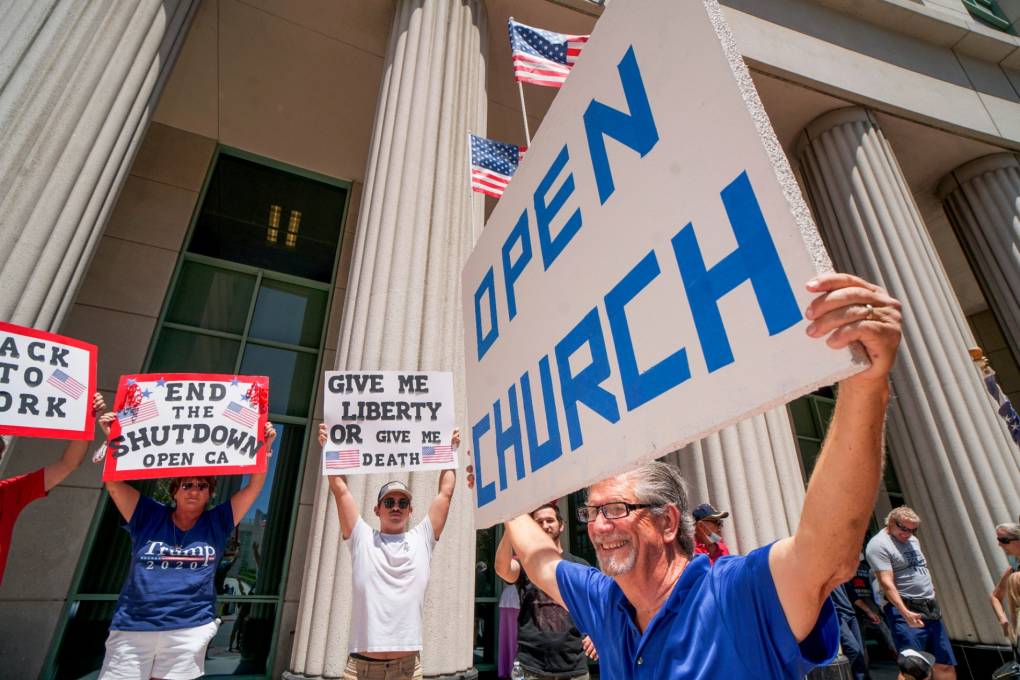
"caption": "A woman holds up a sign depicting a church as hundreds of people gather to protest the stay-at-home orders outside the state capitol building in Sacramento, California on May 01, 2020. - Some people intentionally jammed roads while honking and holding out signs while others disrespected social distancing rules by gathering in close proximity, causing police to form skirmish lines to push back protesters. \n",
"description": null,
"title": "GettyImages-1211479867 (1)",
"credit": "Josh Edelson/AFP/Getty Images",
"status": "inherit",
"isLoading": false,
"fetchFailed": false
},
"news_11820565": {
"type": "attachments",
"id": "news_11820565",
"meta": {
"index": "attachments_1716263798",
"site": "news",
"id": "11820565",
"found": true
},
"parent": 11820563,
"imgSizes": {
"apple_news_ca_landscape_5_5": {
"file": "https://ww2.kqed.org/app/uploads/sites/10/2020/05/GettyImages-1211485811-1-1044x783.jpg",
"width": 1044,
"mimeType": "image/jpeg",
"height": 783
},
"apple_news_ca_square_4_0": {
"file": "https://ww2.kqed.org/app/uploads/sites/10/2020/05/GettyImages-1211485811-1-470x470.jpg",
"width": 470,
"mimeType": "image/jpeg",
"height": 470
},
"twentyfourteen-full-width": {
"file": "https://ww2.kqed.org/app/uploads/sites/10/2020/05/GettyImages-1211485811-1-1038x576.jpg",
"width": 1038,
"mimeType": "image/jpeg",
"height": 576
},
"thumbnail": {
"file": "https://ww2.kqed.org/app/uploads/sites/10/2020/05/GettyImages-1211485811-1-160x107.jpg",
"width": 160,
"mimeType": "image/jpeg",
"height": 107
},
"post-thumbnail": {
"file": "https://ww2.kqed.org/app/uploads/sites/10/2020/05/GettyImages-1211485811-1-672x372.jpg",
"width": 672,
"mimeType": "image/jpeg",
"height": 372
},
"kqedFullSize": {
"file": "https://ww2.kqed.org/app/uploads/sites/10/2020/05/GettyImages-1211485811-1.jpg",
"width": 1900,
"height": 1267
},
"apple_news_ca_landscape_4_7": {
"file": "https://ww2.kqed.org/app/uploads/sites/10/2020/05/GettyImages-1211485811-1-632x474.jpg",
"width": 632,
"mimeType": "image/jpeg",
"height": 474
},
"large": {
"file": "https://ww2.kqed.org/app/uploads/sites/10/2020/05/GettyImages-1211485811-1-1020x680.jpg",
"width": 1020,
"mimeType": "image/jpeg",
"height": 680
},
"apple_news_ca_landscape_4_0": {
"file": "https://ww2.kqed.org/app/uploads/sites/10/2020/05/GettyImages-1211485811-1-536x402.jpg",
"width": 536,
"mimeType": "image/jpeg",
"height": 402
},
"apple_news_ca_portrait_12_9": {
"file": "https://ww2.kqed.org/app/uploads/sites/10/2020/05/GettyImages-1211485811-1-1122x1267.jpg",
"width": 1122,
"mimeType": "image/jpeg",
"height": 1267
},
"medium": {
"file": "https://ww2.kqed.org/app/uploads/sites/10/2020/05/GettyImages-1211485811-1-800x533.jpg",
"width": 800,
"mimeType": "image/jpeg",
"height": 533
},
"apple_news_ca_portrait_4_0": {
"file": "https://ww2.kqed.org/app/uploads/sites/10/2020/05/GettyImages-1211485811-1-354x472.jpg",
"width": 354,
"mimeType": "image/jpeg",
"height": 472
},
"apple_news_ca_portrait_9_7": {
"file": "https://ww2.kqed.org/app/uploads/sites/10/2020/05/GettyImages-1211485811-1-840x1120.jpg",
"width": 840,
"mimeType": "image/jpeg",
"height": 1120
},
"apple_news_ca_landscape_12_9": {
"file": "https://ww2.kqed.org/app/uploads/sites/10/2020/05/GettyImages-1211485811-1-1832x1267.jpg",
"width": 1832,
"mimeType": "image/jpeg",
"height": 1267
},
"apple_news_ca_square_9_7": {
"file": "https://ww2.kqed.org/app/uploads/sites/10/2020/05/GettyImages-1211485811-1-1104x1104.jpg",
"width": 1104,
"mimeType": "image/jpeg",
"height": 1104
},
"apple_news_ca_portrait_4_7": {
"file": "https://ww2.kqed.org/app/uploads/sites/10/2020/05/GettyImages-1211485811-1-414x552.jpg",
"width": 414,
"mimeType": "image/jpeg",
"height": 552
},
"apple_news_ca_square_12_9": {
"file": "https://ww2.kqed.org/app/uploads/sites/10/2020/05/GettyImages-1211485811-1-1472x1267.jpg",
"width": 1472,
"mimeType": "image/jpeg",
"height": 1267
},
"apple_news_ca_portrait_5_5": {
"file": "https://ww2.kqed.org/app/uploads/sites/10/2020/05/GettyImages-1211485811-1-687x916.jpg",
"width": 687,
"mimeType": "image/jpeg",
"height": 916
},
"apple_news_ca_square_4_7": {
"file": "https://ww2.kqed.org/app/uploads/sites/10/2020/05/GettyImages-1211485811-1-550x550.jpg",
"width": 550,
"mimeType": "image/jpeg",
"height": 550
},
"apple_news_ca_landscape_9_7": {
"file": "https://ww2.kqed.org/app/uploads/sites/10/2020/05/GettyImages-1211485811-1-1376x1032.jpg",
"width": 1376,
"mimeType": "image/jpeg",
"height": 1032
},
"apple_news_ca_square_5_5": {
"file": "https://ww2.kqed.org/app/uploads/sites/10/2020/05/GettyImages-1211485811-1-912x912.jpg",
"width": 912,
"mimeType": "image/jpeg",
"height": 912
}
},
"publishDate": 1590356685,
"modified": 1590356723,
"caption": "Demonstrators holding signs demanding their church to reopen, protest during a rally to re-open California and against Stay-At-Home directives on May 1, 2020 in San Diego, California. - Rallies have been held at several state capitols across the country as protesters express their deep frustration with the stay-at-home orders that are meant to stem the spread of the novel coronavirus.",
"description": "Demonstrators holding signs demanding their church to reopen, protest during a rally to re-open California and against Stay-At-Home directives on May 1, 2020 in San Diego, California. - Rallies have been held at several state capitols across the country as protesters express their deep frustration with the stay-at-home orders that are meant to stem the spread of the novel coronavirus.",
"title": "GettyImages-1211485811 (1)",
"credit": "Sandy Huffaker/AFP via Getty Images",
"status": "inherit",
"isLoading": false,
"fetchFailed": false
},
"news_11820434": {
"type": "attachments",
"id": "news_11820434",
"meta": {
"index": "attachments_1716263798",
"site": "news",
"id": "11820434",
"found": true
},
"parent": 11820299,
"imgSizes": {
"apple_news_ca_landscape_5_5": {
"file": "https://ww2.kqed.org/app/uploads/sites/10/2020/05/Erica_Chan_IMG_0070-1044x783.jpg",
"width": 1044,
"mimeType": "image/jpeg",
"height": 783
},
"apple_news_ca_square_4_0": {
"file": "https://ww2.kqed.org/app/uploads/sites/10/2020/05/Erica_Chan_IMG_0070-470x470.jpg",
"width": 470,
"mimeType": "image/jpeg",
"height": 470
},
"twentyfourteen-full-width": {
"file": "https://ww2.kqed.org/app/uploads/sites/10/2020/05/Erica_Chan_IMG_0070-1038x576.jpg",
"width": 1038,
"mimeType": "image/jpeg",
"height": 576
},
"thumbnail": {
"file": "https://ww2.kqed.org/app/uploads/sites/10/2020/05/Erica_Chan_IMG_0070-160x90.jpg",
"width": 160,
"mimeType": "image/jpeg",
"height": 90
},
"post-thumbnail": {
"file": "https://ww2.kqed.org/app/uploads/sites/10/2020/05/Erica_Chan_IMG_0070-672x372.jpg",
"width": 672,
"mimeType": "image/jpeg",
"height": 372
},
"kqedFullSize": {
"file": "https://ww2.kqed.org/app/uploads/sites/10/2020/05/Erica_Chan_IMG_0070.jpg",
"width": 1920,
"height": 1082
},
"apple_news_ca_landscape_4_7": {
"file": "https://ww2.kqed.org/app/uploads/sites/10/2020/05/Erica_Chan_IMG_0070-632x474.jpg",
"width": 632,
"mimeType": "image/jpeg",
"height": 474
},
"large": {
"file": "https://ww2.kqed.org/app/uploads/sites/10/2020/05/Erica_Chan_IMG_0070-1020x575.jpg",
"width": 1020,
"mimeType": "image/jpeg",
"height": 575
},
"apple_news_ca_landscape_4_0": {
"file": "https://ww2.kqed.org/app/uploads/sites/10/2020/05/Erica_Chan_IMG_0070-536x402.jpg",
"width": 536,
"mimeType": "image/jpeg",
"height": 402
},
"apple_news_ca_portrait_12_9": {
"file": "https://ww2.kqed.org/app/uploads/sites/10/2020/05/Erica_Chan_IMG_0070-1122x1082.jpg",
"width": 1122,
"mimeType": "image/jpeg",
"height": 1082
},
"medium": {
"file": "https://ww2.kqed.org/app/uploads/sites/10/2020/05/Erica_Chan_IMG_0070-800x451.jpg",
"width": 800,
"mimeType": "image/jpeg",
"height": 451
},
"apple_news_ca_portrait_4_0": {
"file": "https://ww2.kqed.org/app/uploads/sites/10/2020/05/Erica_Chan_IMG_0070-354x472.jpg",
"width": 354,
"mimeType": "image/jpeg",
"height": 472
},
"apple_news_ca_portrait_9_7": {
"file": "https://ww2.kqed.org/app/uploads/sites/10/2020/05/Erica_Chan_IMG_0070-840x1082.jpg",
"width": 840,
"mimeType": "image/jpeg",
"height": 1082
},
"apple_news_ca_landscape_12_9": {
"file": "https://ww2.kqed.org/app/uploads/sites/10/2020/05/Erica_Chan_IMG_0070-1832x1082.jpg",
"width": 1832,
"mimeType": "image/jpeg",
"height": 1082
},
"apple_news_ca_square_9_7": {
"file": "https://ww2.kqed.org/app/uploads/sites/10/2020/05/Erica_Chan_IMG_0070-1104x1082.jpg",
"width": 1104,
"mimeType": "image/jpeg",
"height": 1082
},
"apple_news_ca_portrait_4_7": {
"file": "https://ww2.kqed.org/app/uploads/sites/10/2020/05/Erica_Chan_IMG_0070-414x552.jpg",
"width": 414,
"mimeType": "image/jpeg",
"height": 552
},
"apple_news_ca_square_12_9": {
"file": "https://ww2.kqed.org/app/uploads/sites/10/2020/05/Erica_Chan_IMG_0070-1472x1082.jpg",
"width": 1472,
"mimeType": "image/jpeg",
"height": 1082
},
"apple_news_ca_portrait_5_5": {
"file": "https://ww2.kqed.org/app/uploads/sites/10/2020/05/Erica_Chan_IMG_0070-687x916.jpg",
"width": 687,
"mimeType": "image/jpeg",
"height": 916
},
"full-width": {
"file": "https://ww2.kqed.org/app/uploads/sites/10/2020/05/Erica_Chan_IMG_0070-1920x1082.jpg",
"width": 1920,
"mimeType": "image/jpeg",
"height": 1082
},
"apple_news_ca_square_4_7": {
"file": "https://ww2.kqed.org/app/uploads/sites/10/2020/05/Erica_Chan_IMG_0070-550x550.jpg",
"width": 550,
"mimeType": "image/jpeg",
"height": 550
},
"apple_news_ca_landscape_9_7": {
"file": "https://ww2.kqed.org/app/uploads/sites/10/2020/05/Erica_Chan_IMG_0070-1376x1032.jpg",
"width": 1376,
"mimeType": "image/jpeg",
"height": 1032
},
"apple_news_ca_square_5_5": {
"file": "https://ww2.kqed.org/app/uploads/sites/10/2020/05/Erica_Chan_IMG_0070-912x912.jpg",
"width": 912,
"mimeType": "image/jpeg",
"height": 912
}
},
"publishDate": 1590200595,
"modified": 1590200702,
"caption": "\"When you read these messages that I get — people are pleading for help. When you have information and knowledge about something, it's very hard to ignore when you know you can help,\" said\nfreelance filmmaker Erica Chan on starting a Facebook group and now a website to help Californians navigate unemployment.",
"description": null,
"title": "Erica_Chan_IMG_0070",
"credit": "Courtesy of Erica Chan",
"status": "inherit",
"isLoading": false,
"fetchFailed": false
},
"news_11820136": {
"type": "attachments",
"id": "news_11820136",
"meta": {
"index": "attachments_1716263798",
"site": "news",
"id": "11820136",
"found": true
},
"parent": 11820134,
"imgSizes": {
"apple_news_ca_landscape_5_5": {
"file": "https://ww2.kqed.org/app/uploads/sites/10/2020/05/RS23885_GettyImages-173969606-qut-1044x783.jpg",
"width": 1044,
"mimeType": "image/jpeg",
"height": 783
},
"apple_news_ca_square_4_0": {
"file": "https://ww2.kqed.org/app/uploads/sites/10/2020/05/RS23885_GettyImages-173969606-qut-470x470.jpg",
"width": 470,
"mimeType": "image/jpeg",
"height": 470
},
"twentyfourteen-full-width": {
"file": "https://ww2.kqed.org/app/uploads/sites/10/2020/05/RS23885_GettyImages-173969606-qut-1038x576.jpg",
"width": 1038,
"mimeType": "image/jpeg",
"height": 576
},
"thumbnail": {
"file": "https://ww2.kqed.org/app/uploads/sites/10/2020/05/RS23885_GettyImages-173969606-qut-160x110.jpg",
"width": 160,
"mimeType": "image/jpeg",
"height": 110
},
"post-thumbnail": {
"file": "https://ww2.kqed.org/app/uploads/sites/10/2020/05/RS23885_GettyImages-173969606-qut-672x372.jpg",
"width": 672,
"mimeType": "image/jpeg",
"height": 372
},
"kqedFullSize": {
"file": "https://ww2.kqed.org/app/uploads/sites/10/2020/05/RS23885_GettyImages-173969606-qut.jpg",
"width": 1920,
"height": 1321
},
"apple_news_ca_landscape_4_7": {
"file": "https://ww2.kqed.org/app/uploads/sites/10/2020/05/RS23885_GettyImages-173969606-qut-632x474.jpg",
"width": 632,
"mimeType": "image/jpeg",
"height": 474
},
"large": {
"file": "https://ww2.kqed.org/app/uploads/sites/10/2020/05/RS23885_GettyImages-173969606-qut-1020x702.jpg",
"width": 1020,
"mimeType": "image/jpeg",
"height": 702
},
"apple_news_ca_landscape_4_0": {
"file": "https://ww2.kqed.org/app/uploads/sites/10/2020/05/RS23885_GettyImages-173969606-qut-536x402.jpg",
"width": 536,
"mimeType": "image/jpeg",
"height": 402
},
"apple_news_ca_portrait_12_9": {
"file": "https://ww2.kqed.org/app/uploads/sites/10/2020/05/RS23885_GettyImages-173969606-qut-1122x1321.jpg",
"width": 1122,
"mimeType": "image/jpeg",
"height": 1321
},
"medium": {
"file": "https://ww2.kqed.org/app/uploads/sites/10/2020/05/RS23885_GettyImages-173969606-qut-800x550.jpg",
"width": 800,
"mimeType": "image/jpeg",
"height": 550
},
"apple_news_ca_portrait_4_0": {
"file": "https://ww2.kqed.org/app/uploads/sites/10/2020/05/RS23885_GettyImages-173969606-qut-354x472.jpg",
"width": 354,
"mimeType": "image/jpeg",
"height": 472
},
"apple_news_ca_portrait_9_7": {
"file": "https://ww2.kqed.org/app/uploads/sites/10/2020/05/RS23885_GettyImages-173969606-qut-840x1120.jpg",
"width": 840,
"mimeType": "image/jpeg",
"height": 1120
},
"apple_news_ca_landscape_12_9": {
"file": "https://ww2.kqed.org/app/uploads/sites/10/2020/05/RS23885_GettyImages-173969606-qut-1832x1321.jpg",
"width": 1832,
"mimeType": "image/jpeg",
"height": 1321
},
"apple_news_ca_square_9_7": {
"file": "https://ww2.kqed.org/app/uploads/sites/10/2020/05/RS23885_GettyImages-173969606-qut-1104x1104.jpg",
"width": 1104,
"mimeType": "image/jpeg",
"height": 1104
},
"apple_news_ca_portrait_4_7": {
"file": "https://ww2.kqed.org/app/uploads/sites/10/2020/05/RS23885_GettyImages-173969606-qut-414x552.jpg",
"width": 414,
"mimeType": "image/jpeg",
"height": 552
},
"apple_news_ca_square_12_9": {
"file": "https://ww2.kqed.org/app/uploads/sites/10/2020/05/RS23885_GettyImages-173969606-qut-1472x1321.jpg",
"width": 1472,
"mimeType": "image/jpeg",
"height": 1321
},
"apple_news_ca_portrait_5_5": {
"file": "https://ww2.kqed.org/app/uploads/sites/10/2020/05/RS23885_GettyImages-173969606-qut-687x916.jpg",
"width": 687,
"mimeType": "image/jpeg",
"height": 916
},
"full-width": {
"file": "https://ww2.kqed.org/app/uploads/sites/10/2020/05/RS23885_GettyImages-173969606-qut-1920x1321.jpg",
"width": 1920,
"mimeType": "image/jpeg",
"height": 1321
},
"apple_news_ca_square_4_7": {
"file": "https://ww2.kqed.org/app/uploads/sites/10/2020/05/RS23885_GettyImages-173969606-qut-550x550.jpg",
"width": 550,
"mimeType": "image/jpeg",
"height": 550
},
"apple_news_ca_landscape_9_7": {
"file": "https://ww2.kqed.org/app/uploads/sites/10/2020/05/RS23885_GettyImages-173969606-qut-1376x1032.jpg",
"width": 1376,
"mimeType": "image/jpeg",
"height": 1032
},
"apple_news_ca_square_5_5": {
"file": "https://ww2.kqed.org/app/uploads/sites/10/2020/05/RS23885_GettyImages-173969606-qut-912x912.jpg",
"width": 912,
"mimeType": "image/jpeg",
"height": 912
}
},
"publishDate": 1590115236,
"modified": 1590169849,
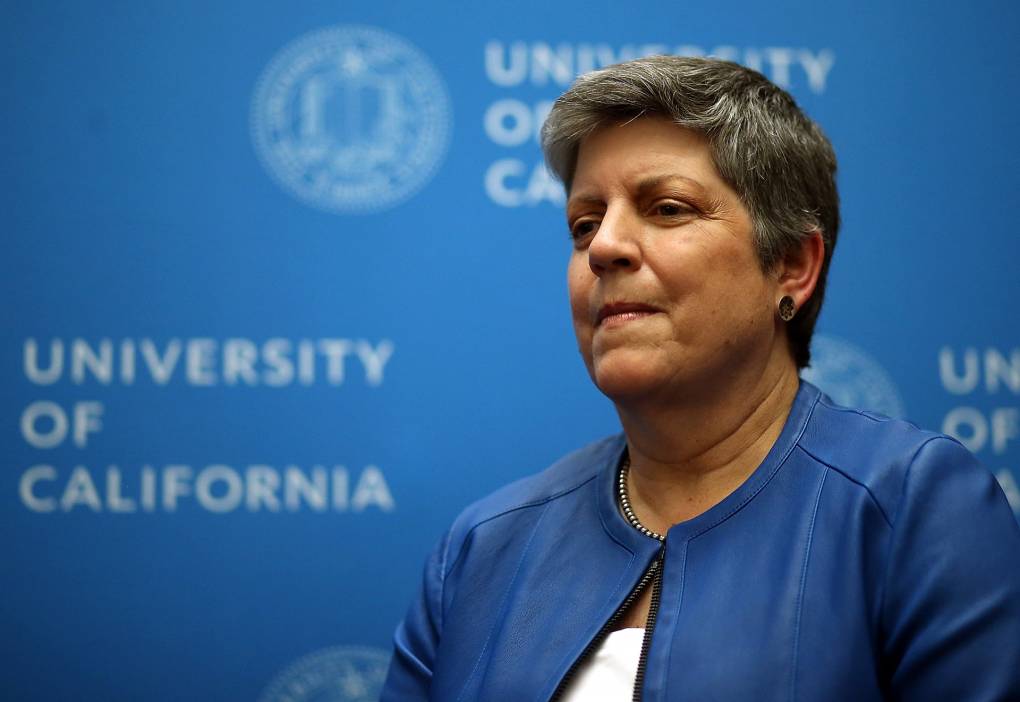
"caption": "Janet Napolitano speaks during a news conference following a University of California Board of Regents meeting in 2013. \nThe UC’s governing body, the Board of Regents, voted 23-0 Thursday to approve a proposal by Napolitano that phases the tests out over five years, at which point the UC aims to have developed its own test.",
"description": null,
"title": "RS23885_GettyImages-173969606-qut",
"credit": "Justin Sullivan/Getty Images",
"status": "inherit",
"isLoading": false,
"fetchFailed": false
},
"news_11820077": {
"type": "attachments",
"id": "news_11820077",
"meta": {
"index": "attachments_1716263798",
"site": "news",
"id": "11820077",
"found": true
},
"parent": 11819900,
"imgSizes": {
"apple_news_ca_landscape_5_5": {
"file": "https://ww2.kqed.org/app/uploads/sites/10/2020/05/Camp-Fire-Aftermath-1044x783.jpg",
"width": 1044,
"mimeType": "image/jpeg",
"height": 783
},
"apple_news_ca_square_4_0": {
"file": "https://ww2.kqed.org/app/uploads/sites/10/2020/05/Camp-Fire-Aftermath-470x470.jpg",
"width": 470,
"mimeType": "image/jpeg",
"height": 470
},
"twentyfourteen-full-width": {
"file": "https://ww2.kqed.org/app/uploads/sites/10/2020/05/Camp-Fire-Aftermath-1038x576.jpg",
"width": 1038,
"mimeType": "image/jpeg",
"height": 576
},
"thumbnail": {
"file": "https://ww2.kqed.org/app/uploads/sites/10/2020/05/Camp-Fire-Aftermath-160x107.jpg",
"width": 160,
"mimeType": "image/jpeg",
"height": 107
},
"post-thumbnail": {
"file": "https://ww2.kqed.org/app/uploads/sites/10/2020/05/Camp-Fire-Aftermath-672x372.jpg",
"width": 672,
"mimeType": "image/jpeg",
"height": 372
},
"kqedFullSize": {
"file": "https://ww2.kqed.org/app/uploads/sites/10/2020/05/Camp-Fire-Aftermath.jpg",
"width": 1920,
"height": 1280
},
"apple_news_ca_landscape_4_7": {
"file": "https://ww2.kqed.org/app/uploads/sites/10/2020/05/Camp-Fire-Aftermath-632x474.jpg",
"width": 632,
"mimeType": "image/jpeg",
"height": 474
},
"large": {
"file": "https://ww2.kqed.org/app/uploads/sites/10/2020/05/Camp-Fire-Aftermath-1020x680.jpg",
"width": 1020,
"mimeType": "image/jpeg",
"height": 680
},
"apple_news_ca_landscape_4_0": {
"file": "https://ww2.kqed.org/app/uploads/sites/10/2020/05/Camp-Fire-Aftermath-536x402.jpg",
"width": 536,
"mimeType": "image/jpeg",
"height": 402
},
"apple_news_ca_portrait_12_9": {
"file": "https://ww2.kqed.org/app/uploads/sites/10/2020/05/Camp-Fire-Aftermath-1122x1280.jpg",
"width": 1122,
"mimeType": "image/jpeg",
"height": 1280
},
"medium": {
"file": "https://ww2.kqed.org/app/uploads/sites/10/2020/05/Camp-Fire-Aftermath-800x533.jpg",
"width": 800,
"mimeType": "image/jpeg",
"height": 533
},
"apple_news_ca_portrait_4_0": {
"file": "https://ww2.kqed.org/app/uploads/sites/10/2020/05/Camp-Fire-Aftermath-354x472.jpg",
"width": 354,
"mimeType": "image/jpeg",
"height": 472
},
"apple_news_ca_portrait_9_7": {
"file": "https://ww2.kqed.org/app/uploads/sites/10/2020/05/Camp-Fire-Aftermath-840x1120.jpg",
"width": 840,
"mimeType": "image/jpeg",
"height": 1120
},
"apple_news_ca_landscape_12_9": {
"file": "https://ww2.kqed.org/app/uploads/sites/10/2020/05/Camp-Fire-Aftermath-1832x1280.jpg",
"width": 1832,
"mimeType": "image/jpeg",
"height": 1280
},
"apple_news_ca_square_9_7": {
"file": "https://ww2.kqed.org/app/uploads/sites/10/2020/05/Camp-Fire-Aftermath-1104x1104.jpg",
"width": 1104,
"mimeType": "image/jpeg",
"height": 1104
},
"apple_news_ca_portrait_4_7": {
"file": "https://ww2.kqed.org/app/uploads/sites/10/2020/05/Camp-Fire-Aftermath-414x552.jpg",
"width": 414,
"mimeType": "image/jpeg",
"height": 552
},
"apple_news_ca_square_12_9": {
"file": "https://ww2.kqed.org/app/uploads/sites/10/2020/05/Camp-Fire-Aftermath-1472x1280.jpg",
"width": 1472,
"mimeType": "image/jpeg",
"height": 1280
},
"apple_news_ca_portrait_5_5": {
"file": "https://ww2.kqed.org/app/uploads/sites/10/2020/05/Camp-Fire-Aftermath-687x916.jpg",
"width": 687,
"mimeType": "image/jpeg",
"height": 916
},
"full-width": {
"file": "https://ww2.kqed.org/app/uploads/sites/10/2020/05/Camp-Fire-Aftermath-1920x1280.jpg",
"width": 1920,
"mimeType": "image/jpeg",
"height": 1280
},
"apple_news_ca_square_4_7": {
"file": "https://ww2.kqed.org/app/uploads/sites/10/2020/05/Camp-Fire-Aftermath-550x550.jpg",
"width": 550,
"mimeType": "image/jpeg",
"height": 550
},
"apple_news_ca_landscape_9_7": {
"file": "https://ww2.kqed.org/app/uploads/sites/10/2020/05/Camp-Fire-Aftermath-1376x1032.jpg",
"width": 1376,
"mimeType": "image/jpeg",
"height": 1032
},
"apple_news_ca_square_5_5": {
"file": "https://ww2.kqed.org/app/uploads/sites/10/2020/05/Camp-Fire-Aftermath-912x912.jpg",
"width": 912,
"mimeType": "image/jpeg",
"height": 912
}
},
"publishDate": 1590104566,
"modified": 1590104953,
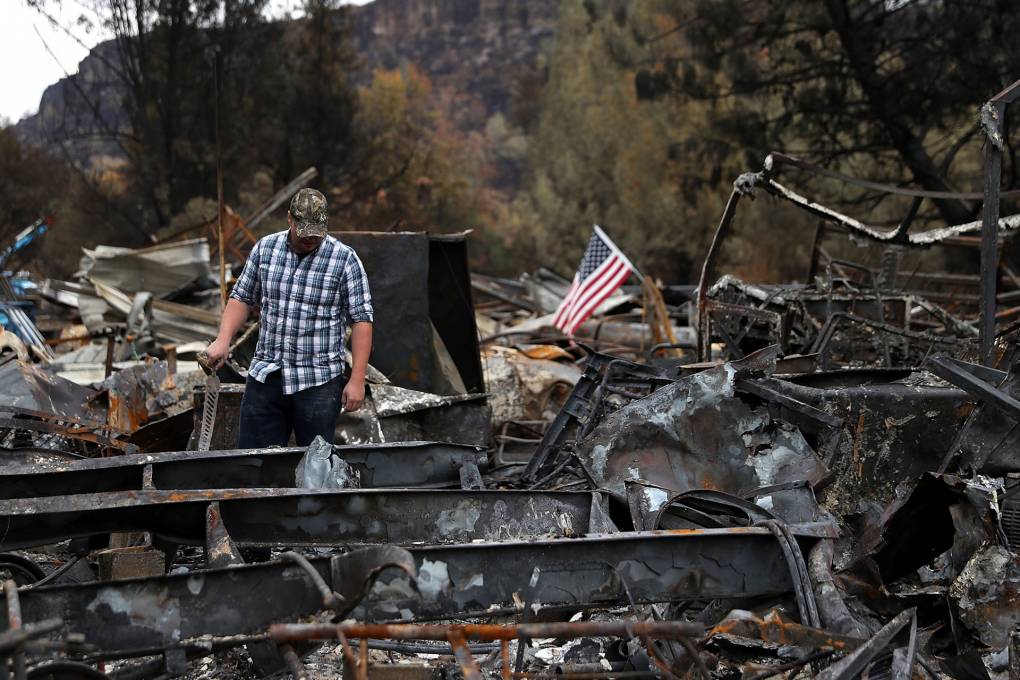
"caption": "A man looks over his burned home, destroyed by the Camp Fire in Nov. 2018 in Paradise. The deadline for 70,000 survivors of numerous fires to vote on a multi-billion-dollar settlement deal with PG&E was May 15.",
"description": "A man looks over his burned home, destroyed by the Camp Fire in Nov. 2018 in Paradise. The deadline for 70,000 survivors of numerous fires to vote on a multi-billion-dollar settlement deal with PG&E was May 15.",
"title": "Camp-Fire-Aftermath",
"credit": "Justin Sullivan/KQED",
"status": "inherit",
"isLoading": false,
"fetchFailed": false
},
"news_11819862": {
"type": "attachments",
"id": "news_11819862",
"meta": {
"index": "attachments_1716263798",
"site": "news",
"id": "11819862",
"found": true
},
"parent": 11819858,
"imgSizes": {
"apple_news_ca_landscape_5_5": {
"file": "https://ww2.kqed.org/app/uploads/sites/10/2020/05/RS43264_GettyImages-1210404266-qut-1044x783.jpg",
"width": 1044,
"mimeType": "image/jpeg",
"height": 783
},
"apple_news_ca_square_4_0": {
"file": "https://ww2.kqed.org/app/uploads/sites/10/2020/05/RS43264_GettyImages-1210404266-qut-470x470.jpg",
"width": 470,
"mimeType": "image/jpeg",
"height": 470
},
"twentyfourteen-full-width": {
"file": "https://ww2.kqed.org/app/uploads/sites/10/2020/05/RS43264_GettyImages-1210404266-qut-1038x576.jpg",
"width": 1038,
"mimeType": "image/jpeg",
"height": 576
},
"thumbnail": {
"file": "https://ww2.kqed.org/app/uploads/sites/10/2020/05/RS43264_GettyImages-1210404266-qut-160x107.jpg",
"width": 160,
"mimeType": "image/jpeg",
"height": 107
},
"post-thumbnail": {
"file": "https://ww2.kqed.org/app/uploads/sites/10/2020/05/RS43264_GettyImages-1210404266-qut-672x372.jpg",
"width": 672,
"mimeType": "image/jpeg",
"height": 372
},
"kqedFullSize": {
"file": "https://ww2.kqed.org/app/uploads/sites/10/2020/05/RS43264_GettyImages-1210404266-qut.jpg",
"width": 1920,
"height": 1280
},
"apple_news_ca_landscape_4_7": {
"file": "https://ww2.kqed.org/app/uploads/sites/10/2020/05/RS43264_GettyImages-1210404266-qut-632x474.jpg",
"width": 632,
"mimeType": "image/jpeg",
"height": 474
},
"large": {
"file": "https://ww2.kqed.org/app/uploads/sites/10/2020/05/RS43264_GettyImages-1210404266-qut-1020x680.jpg",
"width": 1020,
"mimeType": "image/jpeg",
"height": 680
},
"apple_news_ca_landscape_4_0": {
"file": "https://ww2.kqed.org/app/uploads/sites/10/2020/05/RS43264_GettyImages-1210404266-qut-536x402.jpg",
"width": 536,
"mimeType": "image/jpeg",
"height": 402
},
"apple_news_ca_portrait_12_9": {
"file": "https://ww2.kqed.org/app/uploads/sites/10/2020/05/RS43264_GettyImages-1210404266-qut-1122x1280.jpg",
"width": 1122,
"mimeType": "image/jpeg",
"height": 1280
},
"medium": {
"file": "https://ww2.kqed.org/app/uploads/sites/10/2020/05/RS43264_GettyImages-1210404266-qut-800x533.jpg",
"width": 800,
"mimeType": "image/jpeg",
"height": 533
},
"apple_news_ca_portrait_4_0": {
"file": "https://ww2.kqed.org/app/uploads/sites/10/2020/05/RS43264_GettyImages-1210404266-qut-354x472.jpg",
"width": 354,
"mimeType": "image/jpeg",
"height": 472
},
"apple_news_ca_portrait_9_7": {
"file": "https://ww2.kqed.org/app/uploads/sites/10/2020/05/RS43264_GettyImages-1210404266-qut-840x1120.jpg",
"width": 840,
"mimeType": "image/jpeg",
"height": 1120
},
"apple_news_ca_landscape_12_9": {
"file": "https://ww2.kqed.org/app/uploads/sites/10/2020/05/RS43264_GettyImages-1210404266-qut-1832x1280.jpg",
"width": 1832,
"mimeType": "image/jpeg",
"height": 1280
},
"apple_news_ca_square_9_7": {
"file": "https://ww2.kqed.org/app/uploads/sites/10/2020/05/RS43264_GettyImages-1210404266-qut-1104x1104.jpg",
"width": 1104,
"mimeType": "image/jpeg",
"height": 1104
},
"apple_news_ca_portrait_4_7": {
"file": "https://ww2.kqed.org/app/uploads/sites/10/2020/05/RS43264_GettyImages-1210404266-qut-414x552.jpg",
"width": 414,
"mimeType": "image/jpeg",
"height": 552
},
"apple_news_ca_square_12_9": {
"file": "https://ww2.kqed.org/app/uploads/sites/10/2020/05/RS43264_GettyImages-1210404266-qut-1472x1280.jpg",
"width": 1472,
"mimeType": "image/jpeg",
"height": 1280
},
"apple_news_ca_portrait_5_5": {
"file": "https://ww2.kqed.org/app/uploads/sites/10/2020/05/RS43264_GettyImages-1210404266-qut-687x916.jpg",
"width": 687,
"mimeType": "image/jpeg",
"height": 916
},
"full-width": {
"file": "https://ww2.kqed.org/app/uploads/sites/10/2020/05/RS43264_GettyImages-1210404266-qut-1920x1280.jpg",
"width": 1920,
"mimeType": "image/jpeg",
"height": 1280
},
"apple_news_ca_square_4_7": {
"file": "https://ww2.kqed.org/app/uploads/sites/10/2020/05/RS43264_GettyImages-1210404266-qut-550x550.jpg",
"width": 550,
"mimeType": "image/jpeg",
"height": 550
},
"apple_news_ca_landscape_9_7": {
"file": "https://ww2.kqed.org/app/uploads/sites/10/2020/05/RS43264_GettyImages-1210404266-qut-1376x1032.jpg",
"width": 1376,
"mimeType": "image/jpeg",
"height": 1032
},
"apple_news_ca_square_5_5": {
"file": "https://ww2.kqed.org/app/uploads/sites/10/2020/05/RS43264_GettyImages-1210404266-qut-912x912.jpg",
"width": 912,
"mimeType": "image/jpeg",
"height": 912
}
},
"publishDate": 1590034065,
"modified": 1590034612,
"caption": "Simon Cooper offers prayers to people who attended an on line Sunday Service inside their cars at the Christian '412 Church Murrieta' parking lot on April 19, 2020 in Murrieta, California. The pastor was threatening to sue Riverside County over prohibitions against religious gatherings under the coronavirus-related public health crisis. The number of deaths from the new coronavirus in the United States topped 40,000, according to a running tally by Johns Hopkins University.",
"description": null,
"title": "US-HEALTH-VIRUS-RELIGION",
"credit": "Apu Gomes/AFP",
"status": "inherit",
"isLoading": false,
"fetchFailed": false
},
"news_11819803": {
"type": "attachments",
"id": "news_11819803",
"meta": {
"index": "attachments_1716263798",
"site": "news",
"id": "11819803",
"found": true
},
"parent": 11819296,
"imgSizes": {
"apple_news_ca_landscape_5_5": {
"file": "https://ww2.kqed.org/app/uploads/sites/10/2020/05/Joshua-Tree-Masks-1044x783.jpg",
"width": 1044,
"mimeType": "image/jpeg",
"height": 783
},
"apple_news_ca_square_4_0": {
"file": "https://ww2.kqed.org/app/uploads/sites/10/2020/05/Joshua-Tree-Masks-470x470.jpg",
"width": 470,
"mimeType": "image/jpeg",
"height": 470
},
"twentyfourteen-full-width": {
"file": "https://ww2.kqed.org/app/uploads/sites/10/2020/05/Joshua-Tree-Masks-1038x576.jpg",
"width": 1038,
"mimeType": "image/jpeg",
"height": 576
},
"thumbnail": {
"file": "https://ww2.kqed.org/app/uploads/sites/10/2020/05/Joshua-Tree-Masks-160x103.jpg",
"width": 160,
"mimeType": "image/jpeg",
"height": 103
},
"post-thumbnail": {
"file": "https://ww2.kqed.org/app/uploads/sites/10/2020/05/Joshua-Tree-Masks-672x372.jpg",
"width": 672,
"mimeType": "image/jpeg",
"height": 372
},
"kqedFullSize": {
"file": "https://ww2.kqed.org/app/uploads/sites/10/2020/05/Joshua-Tree-Masks.jpg",
"width": 1920,
"height": 1230
},
"apple_news_ca_landscape_4_7": {
"file": "https://ww2.kqed.org/app/uploads/sites/10/2020/05/Joshua-Tree-Masks-632x474.jpg",
"width": 632,
"mimeType": "image/jpeg",
"height": 474
},
"large": {
"file": "https://ww2.kqed.org/app/uploads/sites/10/2020/05/Joshua-Tree-Masks-1020x653.jpg",
"width": 1020,
"mimeType": "image/jpeg",
"height": 653
},
"apple_news_ca_landscape_4_0": {
"file": "https://ww2.kqed.org/app/uploads/sites/10/2020/05/Joshua-Tree-Masks-536x402.jpg",
"width": 536,
"mimeType": "image/jpeg",
"height": 402
},
"apple_news_ca_portrait_12_9": {
"file": "https://ww2.kqed.org/app/uploads/sites/10/2020/05/Joshua-Tree-Masks-1122x1230.jpg",
"width": 1122,
"mimeType": "image/jpeg",
"height": 1230
},
"medium": {
"file": "https://ww2.kqed.org/app/uploads/sites/10/2020/05/Joshua-Tree-Masks-800x513.jpg",
"width": 800,
"mimeType": "image/jpeg",
"height": 513
},
"apple_news_ca_portrait_4_0": {
"file": "https://ww2.kqed.org/app/uploads/sites/10/2020/05/Joshua-Tree-Masks-354x472.jpg",
"width": 354,
"mimeType": "image/jpeg",
"height": 472
},
"apple_news_ca_portrait_9_7": {
"file": "https://ww2.kqed.org/app/uploads/sites/10/2020/05/Joshua-Tree-Masks-840x1120.jpg",
"width": 840,
"mimeType": "image/jpeg",
"height": 1120
},
"apple_news_ca_landscape_12_9": {
"file": "https://ww2.kqed.org/app/uploads/sites/10/2020/05/Joshua-Tree-Masks-1832x1230.jpg",
"width": 1832,
"mimeType": "image/jpeg",
"height": 1230
},
"apple_news_ca_square_9_7": {
"file": "https://ww2.kqed.org/app/uploads/sites/10/2020/05/Joshua-Tree-Masks-1104x1104.jpg",
"width": 1104,
"mimeType": "image/jpeg",
"height": 1104
},
"apple_news_ca_portrait_4_7": {
"file": "https://ww2.kqed.org/app/uploads/sites/10/2020/05/Joshua-Tree-Masks-414x552.jpg",
"width": 414,
"mimeType": "image/jpeg",
"height": 552
},
"apple_news_ca_square_12_9": {
"file": "https://ww2.kqed.org/app/uploads/sites/10/2020/05/Joshua-Tree-Masks-1472x1230.jpg",
"width": 1472,
"mimeType": "image/jpeg",
"height": 1230
},
"apple_news_ca_portrait_5_5": {
"file": "https://ww2.kqed.org/app/uploads/sites/10/2020/05/Joshua-Tree-Masks-687x916.jpg",
"width": 687,
"mimeType": "image/jpeg",
"height": 916
},
"full-width": {
"file": "https://ww2.kqed.org/app/uploads/sites/10/2020/05/Joshua-Tree-Masks-1920x1230.jpg",
"width": 1920,
"mimeType": "image/jpeg",
"height": 1230
},
"apple_news_ca_square_4_7": {
"file": "https://ww2.kqed.org/app/uploads/sites/10/2020/05/Joshua-Tree-Masks-550x550.jpg",
"width": 550,
"mimeType": "image/jpeg",
"height": 550
},
"apple_news_ca_landscape_9_7": {
"file": "https://ww2.kqed.org/app/uploads/sites/10/2020/05/Joshua-Tree-Masks-1376x1032.jpg",
"width": 1376,
"mimeType": "image/jpeg",
"height": 1032
},
"apple_news_ca_square_5_5": {
"file": "https://ww2.kqed.org/app/uploads/sites/10/2020/05/Joshua-Tree-Masks-912x912.jpg",
"width": 912,
"mimeType": "image/jpeg",
"height": 912
}
},
"publishDate": 1590019965,
"modified": 1590020055,
"caption": "Visitors wear face masks on a walking path in Joshua Tree National Park on May 18, one day after the park reopened after being closed due to the coronavirus pandemic.",
"description": "Visitors wear face masks on a walking path in Joshua Tree National Park on May 18, one day after the park reopened after being closed due to the coronavirus pandemic.",
"title": "Joshua-Tree-Masks",
"credit": "Mario Tama/Getty Images",
"status": "inherit",
"isLoading": false,
"fetchFailed": false
},
"news_11819442": {
"type": "attachments",
"id": "news_11819442",
"meta": {
"index": "attachments_1716263798",
"site": "news",
"id": "11819442",
"found": true
},
"parent": 11819441,
"imgSizes": {
"apple_news_ca_square_4_0": {
"file": "https://ww2.kqed.org/app/uploads/sites/10/2020/05/800-470x470.jpeg",
"width": 470,
"mimeType": "image/jpeg",
"height": 470
},
"thumbnail": {
"file": "https://ww2.kqed.org/app/uploads/sites/10/2020/05/800-160x107.jpeg",
"width": 160,
"mimeType": "image/jpeg",
"height": 107
},
"post-thumbnail": {
"file": "https://ww2.kqed.org/app/uploads/sites/10/2020/05/800-672x372.jpeg",
"width": 672,
"mimeType": "image/jpeg",
"height": 372
},
"kqedFullSize": {
"file": "https://ww2.kqed.org/app/uploads/sites/10/2020/05/800.jpeg",
"width": 800,
"height": 533
},
"apple_news_ca_landscape_4_7": {
"file": "https://ww2.kqed.org/app/uploads/sites/10/2020/05/800-632x474.jpeg",
"width": 632,
"mimeType": "image/jpeg",
"height": 474
},
"apple_news_ca_portrait_4_7": {
"file": "https://ww2.kqed.org/app/uploads/sites/10/2020/05/800-414x533.jpeg",
"width": 414,
"mimeType": "image/jpeg",
"height": 533
},
"apple_news_ca_portrait_5_5": {
"file": "https://ww2.kqed.org/app/uploads/sites/10/2020/05/800-687x533.jpeg",
"width": 687,
"mimeType": "image/jpeg",
"height": 533
},
"apple_news_ca_square_4_7": {
"file": "https://ww2.kqed.org/app/uploads/sites/10/2020/05/800-550x533.jpeg",
"width": 550,
"mimeType": "image/jpeg",
"height": 533
},
"apple_news_ca_landscape_4_0": {
"file": "https://ww2.kqed.org/app/uploads/sites/10/2020/05/800-536x402.jpeg",
"width": 536,
"mimeType": "image/jpeg",
"height": 402
},
"medium": {
"file": "https://ww2.kqed.org/app/uploads/sites/10/2020/05/800-800x533.jpeg",
"width": 800,
"mimeType": "image/jpeg",
"height": 533
},
"apple_news_ca_portrait_4_0": {
"file": "https://ww2.kqed.org/app/uploads/sites/10/2020/05/800-354x472.jpeg",
"width": 354,
"mimeType": "image/jpeg",
"height": 472
}
},
"publishDate": 1589951719,
"modified": 1589951955,
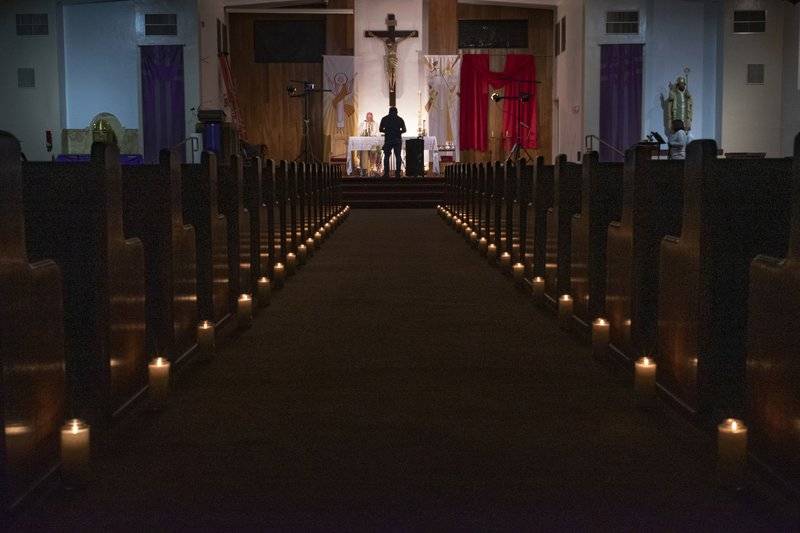
"caption": "Pastor Nicolas Sanchez, center left, celebrates Easter Vigil Mass at his empty church in North Hollywood, California. The head of the federal Justice Department's Civil Rights Division told Gov. Gavin Newsom that his plan to reopen California discriminates against churches. ",
"description": null,
"title": "800",
"credit": "Damian Dovarganes/AP Photo",
"status": "inherit",
"isLoading": false,
"fetchFailed": false
},
"news_11818989": {
"type": "attachments",
"id": "news_11818989",
"meta": {
"index": "attachments_1716263798",
"site": "news",
"id": "11818989",
"found": true
},
"parent": 11818967,
"imgSizes": {
"apple_news_ca_landscape_5_5": {
"file": "https://ww2.kqed.org/app/uploads/sites/10/2020/05/RS42587_003_KQED_SanFrancisco_SpanishLanguageSigns_04072020-qut-1044x783.jpg",
"width": 1044,
"mimeType": "image/jpeg",
"height": 783
},
"apple_news_ca_square_4_0": {
"file": "https://ww2.kqed.org/app/uploads/sites/10/2020/05/RS42587_003_KQED_SanFrancisco_SpanishLanguageSigns_04072020-qut-470x470.jpg",
"width": 470,
"mimeType": "image/jpeg",
"height": 470
},
"twentyfourteen-full-width": {
"file": "https://ww2.kqed.org/app/uploads/sites/10/2020/05/RS42587_003_KQED_SanFrancisco_SpanishLanguageSigns_04072020-qut-1038x576.jpg",
"width": 1038,
"mimeType": "image/jpeg",
"height": 576
},
"thumbnail": {
"file": "https://ww2.kqed.org/app/uploads/sites/10/2020/05/RS42587_003_KQED_SanFrancisco_SpanishLanguageSigns_04072020-qut-160x107.jpg",
"width": 160,
"mimeType": "image/jpeg",
"height": 107
},
"post-thumbnail": {
"file": "https://ww2.kqed.org/app/uploads/sites/10/2020/05/RS42587_003_KQED_SanFrancisco_SpanishLanguageSigns_04072020-qut-672x372.jpg",
"width": 672,
"mimeType": "image/jpeg",
"height": 372
},
"kqedFullSize": {
"file": "https://ww2.kqed.org/app/uploads/sites/10/2020/05/RS42587_003_KQED_SanFrancisco_SpanishLanguageSigns_04072020-qut.jpg",
"width": 1920,
"height": 1280
},
"apple_news_ca_landscape_4_7": {
"file": "https://ww2.kqed.org/app/uploads/sites/10/2020/05/RS42587_003_KQED_SanFrancisco_SpanishLanguageSigns_04072020-qut-632x474.jpg",
"width": 632,
"mimeType": "image/jpeg",
"height": 474
},
"large": {
"file": "https://ww2.kqed.org/app/uploads/sites/10/2020/05/RS42587_003_KQED_SanFrancisco_SpanishLanguageSigns_04072020-qut-1020x680.jpg",
"width": 1020,
"mimeType": "image/jpeg",
"height": 680
},
"apple_news_ca_landscape_4_0": {
"file": "https://ww2.kqed.org/app/uploads/sites/10/2020/05/RS42587_003_KQED_SanFrancisco_SpanishLanguageSigns_04072020-qut-536x402.jpg",
"width": 536,
"mimeType": "image/jpeg",
"height": 402
},
"apple_news_ca_portrait_12_9": {
"file": "https://ww2.kqed.org/app/uploads/sites/10/2020/05/RS42587_003_KQED_SanFrancisco_SpanishLanguageSigns_04072020-qut-1122x1280.jpg",
"width": 1122,
"mimeType": "image/jpeg",
"height": 1280
},
"medium": {
"file": "https://ww2.kqed.org/app/uploads/sites/10/2020/05/RS42587_003_KQED_SanFrancisco_SpanishLanguageSigns_04072020-qut-800x533.jpg",
"width": 800,
"mimeType": "image/jpeg",
"height": 533
},
"apple_news_ca_portrait_4_0": {
"file": "https://ww2.kqed.org/app/uploads/sites/10/2020/05/RS42587_003_KQED_SanFrancisco_SpanishLanguageSigns_04072020-qut-354x472.jpg",
"width": 354,
"mimeType": "image/jpeg",
"height": 472
},
"apple_news_ca_portrait_9_7": {
"file": "https://ww2.kqed.org/app/uploads/sites/10/2020/05/RS42587_003_KQED_SanFrancisco_SpanishLanguageSigns_04072020-qut-840x1120.jpg",
"width": 840,
"mimeType": "image/jpeg",
"height": 1120
},
"apple_news_ca_landscape_12_9": {
"file": "https://ww2.kqed.org/app/uploads/sites/10/2020/05/RS42587_003_KQED_SanFrancisco_SpanishLanguageSigns_04072020-qut-1832x1280.jpg",
"width": 1832,
"mimeType": "image/jpeg",
"height": 1280
},
"apple_news_ca_square_9_7": {
"file": "https://ww2.kqed.org/app/uploads/sites/10/2020/05/RS42587_003_KQED_SanFrancisco_SpanishLanguageSigns_04072020-qut-1104x1104.jpg",
"width": 1104,
"mimeType": "image/jpeg",
"height": 1104
},
"apple_news_ca_portrait_4_7": {
"file": "https://ww2.kqed.org/app/uploads/sites/10/2020/05/RS42587_003_KQED_SanFrancisco_SpanishLanguageSigns_04072020-qut-414x552.jpg",
"width": 414,
"mimeType": "image/jpeg",
"height": 552
},
"apple_news_ca_square_12_9": {
"file": "https://ww2.kqed.org/app/uploads/sites/10/2020/05/RS42587_003_KQED_SanFrancisco_SpanishLanguageSigns_04072020-qut-1472x1280.jpg",
"width": 1472,
"mimeType": "image/jpeg",
"height": 1280
},
"apple_news_ca_portrait_5_5": {
"file": "https://ww2.kqed.org/app/uploads/sites/10/2020/05/RS42587_003_KQED_SanFrancisco_SpanishLanguageSigns_04072020-qut-687x916.jpg",
"width": 687,
"mimeType": "image/jpeg",
"height": 916
},
"full-width": {
"file": "https://ww2.kqed.org/app/uploads/sites/10/2020/05/RS42587_003_KQED_SanFrancisco_SpanishLanguageSigns_04072020-qut-1920x1280.jpg",
"width": 1920,
"mimeType": "image/jpeg",
"height": 1280
},
"apple_news_ca_square_4_7": {
"file": "https://ww2.kqed.org/app/uploads/sites/10/2020/05/RS42587_003_KQED_SanFrancisco_SpanishLanguageSigns_04072020-qut-550x550.jpg",
"width": 550,
"mimeType": "image/jpeg",
"height": 550
},
"apple_news_ca_landscape_9_7": {
"file": "https://ww2.kqed.org/app/uploads/sites/10/2020/05/RS42587_003_KQED_SanFrancisco_SpanishLanguageSigns_04072020-qut-1376x1032.jpg",
"width": 1376,
"mimeType": "image/jpeg",
"height": 1032
},
"apple_news_ca_square_5_5": {
"file": "https://ww2.kqed.org/app/uploads/sites/10/2020/05/RS42587_003_KQED_SanFrancisco_SpanishLanguageSigns_04072020-qut-912x912.jpg",
"width": 912,
"mimeType": "image/jpeg",
"height": 912
}
},
"publishDate": 1589825394,
"modified": 1589911136,
"caption": "The California Disaster Relief Assistance for Immigrants (DRAI) opened May 18.",
"description": "The California Disaster Relief Assistance for Immigrants (DRAI) opens today, May 18.",
"title": "RS42587_003_KQED_SanFrancisco_SpanishLanguageSigns_04072020-qut",
"credit": "Beth LaBerge/KQED",
"status": "inherit",
"isLoading": false,
"fetchFailed": false
},
"news_11819047": {
"type": "attachments",
"id": "news_11819047",
"meta": {
"index": "attachments_1716263798",
"site": "news",
"id": "11819047",
"found": true
},
"parent": 11819027,
"imgSizes": {
"apple_news_ca_landscape_5_5": {
"file": "https://ww2.kqed.org/app/uploads/sites/10/2020/05/RS42826_003_KQED_SanFrancisco_HandSanitizer_04172020-qut-1044x783.jpg",
"width": 1044,
"mimeType": "image/jpeg",
"height": 783
},
"apple_news_ca_square_4_0": {
"file": "https://ww2.kqed.org/app/uploads/sites/10/2020/05/RS42826_003_KQED_SanFrancisco_HandSanitizer_04172020-qut-470x470.jpg",
"width": 470,
"mimeType": "image/jpeg",
"height": 470
},
"twentyfourteen-full-width": {
"file": "https://ww2.kqed.org/app/uploads/sites/10/2020/05/RS42826_003_KQED_SanFrancisco_HandSanitizer_04172020-qut-1038x576.jpg",
"width": 1038,
"mimeType": "image/jpeg",
"height": 576
},
"thumbnail": {
"file": "https://ww2.kqed.org/app/uploads/sites/10/2020/05/RS42826_003_KQED_SanFrancisco_HandSanitizer_04172020-qut-160x107.jpg",
"width": 160,
"mimeType": "image/jpeg",
"height": 107
},
"post-thumbnail": {
"file": "https://ww2.kqed.org/app/uploads/sites/10/2020/05/RS42826_003_KQED_SanFrancisco_HandSanitizer_04172020-qut-672x372.jpg",
"width": 672,
"mimeType": "image/jpeg",
"height": 372
},
"kqedFullSize": {
"file": "https://ww2.kqed.org/app/uploads/sites/10/2020/05/RS42826_003_KQED_SanFrancisco_HandSanitizer_04172020-qut.jpg",
"width": 1920,
"height": 1280
},
"apple_news_ca_landscape_4_7": {
"file": "https://ww2.kqed.org/app/uploads/sites/10/2020/05/RS42826_003_KQED_SanFrancisco_HandSanitizer_04172020-qut-632x474.jpg",
"width": 632,
"mimeType": "image/jpeg",
"height": 474
},
"large": {
"file": "https://ww2.kqed.org/app/uploads/sites/10/2020/05/RS42826_003_KQED_SanFrancisco_HandSanitizer_04172020-qut-1020x680.jpg",
"width": 1020,
"mimeType": "image/jpeg",
"height": 680
},
"apple_news_ca_landscape_4_0": {
"file": "https://ww2.kqed.org/app/uploads/sites/10/2020/05/RS42826_003_KQED_SanFrancisco_HandSanitizer_04172020-qut-536x402.jpg",
"width": 536,
"mimeType": "image/jpeg",
"height": 402
},
"apple_news_ca_portrait_12_9": {
"file": "https://ww2.kqed.org/app/uploads/sites/10/2020/05/RS42826_003_KQED_SanFrancisco_HandSanitizer_04172020-qut-1122x1280.jpg",
"width": 1122,
"mimeType": "image/jpeg",
"height": 1280
},
"medium": {
"file": "https://ww2.kqed.org/app/uploads/sites/10/2020/05/RS42826_003_KQED_SanFrancisco_HandSanitizer_04172020-qut-800x533.jpg",
"width": 800,
"mimeType": "image/jpeg",
"height": 533
},
"apple_news_ca_portrait_4_0": {
"file": "https://ww2.kqed.org/app/uploads/sites/10/2020/05/RS42826_003_KQED_SanFrancisco_HandSanitizer_04172020-qut-354x472.jpg",
"width": 354,
"mimeType": "image/jpeg",
"height": 472
},
"apple_news_ca_portrait_9_7": {
"file": "https://ww2.kqed.org/app/uploads/sites/10/2020/05/RS42826_003_KQED_SanFrancisco_HandSanitizer_04172020-qut-840x1120.jpg",
"width": 840,
"mimeType": "image/jpeg",
"height": 1120
},
"apple_news_ca_landscape_12_9": {
"file": "https://ww2.kqed.org/app/uploads/sites/10/2020/05/RS42826_003_KQED_SanFrancisco_HandSanitizer_04172020-qut-1832x1280.jpg",
"width": 1832,
"mimeType": "image/jpeg",
"height": 1280
},
"apple_news_ca_square_9_7": {
"file": "https://ww2.kqed.org/app/uploads/sites/10/2020/05/RS42826_003_KQED_SanFrancisco_HandSanitizer_04172020-qut-1104x1104.jpg",
"width": 1104,
"mimeType": "image/jpeg",
"height": 1104
},
"apple_news_ca_portrait_4_7": {
"file": "https://ww2.kqed.org/app/uploads/sites/10/2020/05/RS42826_003_KQED_SanFrancisco_HandSanitizer_04172020-qut-414x552.jpg",
"width": 414,
"mimeType": "image/jpeg",
"height": 552
},
"apple_news_ca_square_12_9": {
"file": "https://ww2.kqed.org/app/uploads/sites/10/2020/05/RS42826_003_KQED_SanFrancisco_HandSanitizer_04172020-qut-1472x1280.jpg",
"width": 1472,
"mimeType": "image/jpeg",
"height": 1280
},
"apple_news_ca_portrait_5_5": {
"file": "https://ww2.kqed.org/app/uploads/sites/10/2020/05/RS42826_003_KQED_SanFrancisco_HandSanitizer_04172020-qut-687x916.jpg",
"width": 687,
"mimeType": "image/jpeg",
"height": 916
},
"full-width": {
"file": "https://ww2.kqed.org/app/uploads/sites/10/2020/05/RS42826_003_KQED_SanFrancisco_HandSanitizer_04172020-qut-1920x1280.jpg",
"width": 1920,
"mimeType": "image/jpeg",
"height": 1280
},
"apple_news_ca_square_4_7": {
"file": "https://ww2.kqed.org/app/uploads/sites/10/2020/05/RS42826_003_KQED_SanFrancisco_HandSanitizer_04172020-qut-550x550.jpg",
"width": 550,
"mimeType": "image/jpeg",
"height": 550
},
"apple_news_ca_landscape_9_7": {
"file": "https://ww2.kqed.org/app/uploads/sites/10/2020/05/RS42826_003_KQED_SanFrancisco_HandSanitizer_04172020-qut-1376x1032.jpg",
"width": 1376,
"mimeType": "image/jpeg",
"height": 1032
},
"apple_news_ca_square_5_5": {
"file": "https://ww2.kqed.org/app/uploads/sites/10/2020/05/RS42826_003_KQED_SanFrancisco_HandSanitizer_04172020-qut-912x912.jpg",
"width": 912,
"mimeType": "image/jpeg",
"height": 912
}
},
"publishDate": 1589833313,
"modified": 1592506648,
"caption": "Chelsea Riley (right) and her father James Riley line up to receive free hand sanitizer and a face mask in the Fillmore on April 17, 2020. If you're intending to join a gathering or protest, remember to observe COVID-19 safety practices.",
"description": "Chelsea Riley (right) and her father James Riley line up to receive free hand sanitizer and a face mask in the Fillmore on April 17, 2020.",
"title": "RS42826_003_KQED_SanFrancisco_HandSanitizer_04172020-qut",
"credit": "Beth LaBerge/KQED",
"status": "inherit",
"isLoading": false,
"fetchFailed": false
},
"news_11808283": {
"type": "attachments",
"id": "news_11808283",
"meta": {
"index": "attachments_1716263798",
"site": "news",
"id": "11808283",
"found": true
},
"parent": 11808282,
"imgSizes": {
"apple_news_ca_landscape_5_5": {
"file": "https://ww2.kqed.org/app/uploads/sites/10/2020/03/San-Q-1044x783.jpg",
"width": 1044,
"mimeType": "image/jpeg",
"height": 783
},
"apple_news_ca_square_4_0": {
"file": "https://ww2.kqed.org/app/uploads/sites/10/2020/03/San-Q-470x470.jpg",
"width": 470,
"mimeType": "image/jpeg",
"height": 470
},
"twentyfourteen-full-width": {
"file": "https://ww2.kqed.org/app/uploads/sites/10/2020/03/San-Q-1038x576.jpg",
"width": 1038,
"mimeType": "image/jpeg",
"height": 576
},
"thumbnail": {
"file": "https://ww2.kqed.org/app/uploads/sites/10/2020/03/San-Q-160x107.jpg",
"width": 160,
"mimeType": "image/jpeg",
"height": 107
},
"post-thumbnail": {
"file": "https://ww2.kqed.org/app/uploads/sites/10/2020/03/San-Q-672x372.jpg",
"width": 672,
"mimeType": "image/jpeg",
"height": 372
},
"kqedFullSize": {
"file": "https://ww2.kqed.org/app/uploads/sites/10/2020/03/San-Q.jpg",
"width": 1920,
"height": 1280
},
"apple_news_ca_landscape_4_7": {
"file": "https://ww2.kqed.org/app/uploads/sites/10/2020/03/San-Q-632x474.jpg",
"width": 632,
"mimeType": "image/jpeg",
"height": 474
},
"large": {
"file": "https://ww2.kqed.org/app/uploads/sites/10/2020/03/San-Q-1020x680.jpg",
"width": 1020,
"mimeType": "image/jpeg",
"height": 680
},
"apple_news_ca_landscape_4_0": {
"file": "https://ww2.kqed.org/app/uploads/sites/10/2020/03/San-Q-536x402.jpg",
"width": 536,
"mimeType": "image/jpeg",
"height": 402
},
"apple_news_ca_portrait_12_9": {
"file": "https://ww2.kqed.org/app/uploads/sites/10/2020/03/San-Q-1122x1280.jpg",
"width": 1122,
"mimeType": "image/jpeg",
"height": 1280
},
"medium": {
"file": "https://ww2.kqed.org/app/uploads/sites/10/2020/03/San-Q-800x533.jpg",
"width": 800,
"mimeType": "image/jpeg",
"height": 533
},
"apple_news_ca_portrait_4_0": {
"file": "https://ww2.kqed.org/app/uploads/sites/10/2020/03/San-Q-354x472.jpg",
"width": 354,
"mimeType": "image/jpeg",
"height": 472
},
"apple_news_ca_portrait_9_7": {
"file": "https://ww2.kqed.org/app/uploads/sites/10/2020/03/San-Q-840x1120.jpg",
"width": 840,
"mimeType": "image/jpeg",
"height": 1120
},
"apple_news_ca_landscape_12_9": {
"file": "https://ww2.kqed.org/app/uploads/sites/10/2020/03/San-Q-1832x1280.jpg",
"width": 1832,
"mimeType": "image/jpeg",
"height": 1280
},
"apple_news_ca_square_9_7": {
"file": "https://ww2.kqed.org/app/uploads/sites/10/2020/03/San-Q-1104x1104.jpg",
"width": 1104,
"mimeType": "image/jpeg",
"height": 1104
},
"apple_news_ca_portrait_4_7": {
"file": "https://ww2.kqed.org/app/uploads/sites/10/2020/03/San-Q-414x552.jpg",
"width": 414,
"mimeType": "image/jpeg",
"height": 552
},
"apple_news_ca_square_12_9": {
"file": "https://ww2.kqed.org/app/uploads/sites/10/2020/03/San-Q-1472x1280.jpg",
"width": 1472,
"mimeType": "image/jpeg",
"height": 1280
},
"apple_news_ca_portrait_5_5": {
"file": "https://ww2.kqed.org/app/uploads/sites/10/2020/03/San-Q-687x916.jpg",
"width": 687,
"mimeType": "image/jpeg",
"height": 916
},
"full-width": {
"file": "https://ww2.kqed.org/app/uploads/sites/10/2020/03/San-Q-1920x1280.jpg",
"width": 1920,
"mimeType": "image/jpeg",
"height": 1280
},
"apple_news_ca_square_4_7": {
"file": "https://ww2.kqed.org/app/uploads/sites/10/2020/03/San-Q-550x550.jpg",
"width": 550,
"mimeType": "image/jpeg",
"height": 550
},
"apple_news_ca_landscape_9_7": {
"file": "https://ww2.kqed.org/app/uploads/sites/10/2020/03/San-Q-1376x1032.jpg",
"width": 1376,
"mimeType": "image/jpeg",
"height": 1032
},
"apple_news_ca_square_5_5": {
"file": "https://ww2.kqed.org/app/uploads/sites/10/2020/03/San-Q-912x912.jpg",
"width": 912,
"mimeType": "image/jpeg",
"height": 912
}
},
"publishDate": 1585002670,
"modified": 1589831541,
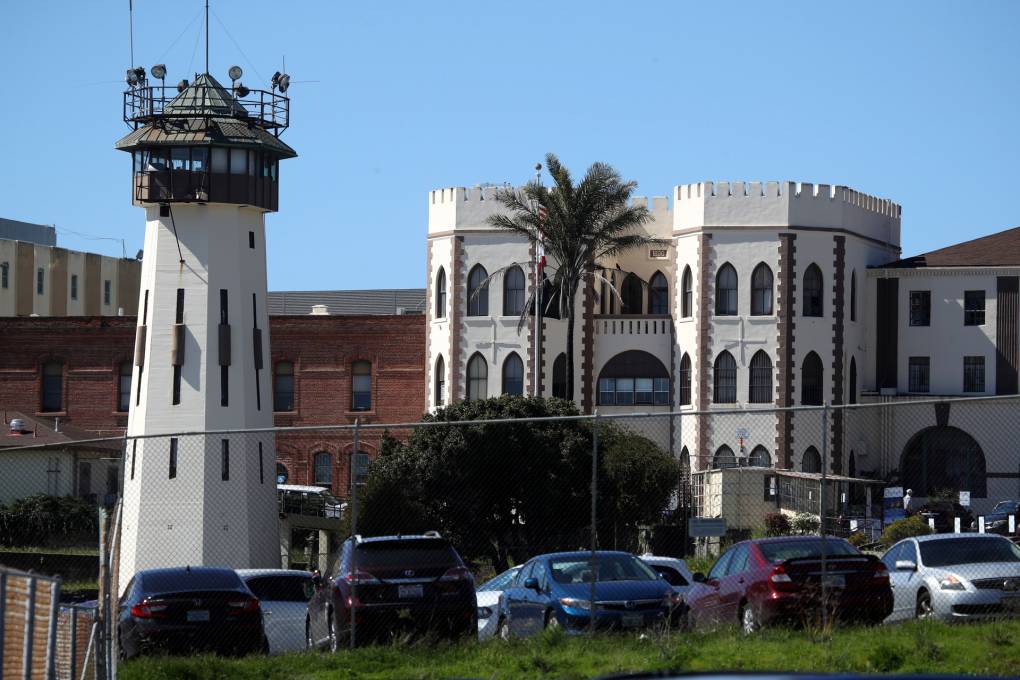
"caption": "A view of San Quentin State Prison on March 13, 2019, in San Quentin, California. ",
"description": "A view of San Quentin State Prison on March 13, 2019 in San Quentin, California. ",
"title": "Governor Gavin Newsom Announces He Will Sign Moratorium On Executions In California",
"credit": "Justin Sullivan/Getty Images",
"status": "inherit",
"isLoading": false,
"fetchFailed": false
}
},
"audioPlayerReducer": {
"postId": "stream_live",
"isPaused": true,
"isPlaying": false,
"pfsActive": false,
"pledgeModalIsOpen": true,
"playerDrawerIsOpen": false,
"liveAudioPlayStartedAt": 0,
"liveAudioPlayContext": ""
},
"authorsReducer": {
"byline_news_11820576": {
"type": "authors",
"id": "byline_news_11820576",
"meta": {
"override": true
},
"slug": "byline_news_11820576",
"name": "Christopher Weber and Daisy Nguyen",
"isLoading": false
},
"byline_news_11820563": {
"type": "authors",
"id": "byline_news_11820563",
"meta": {
"override": true
},
"slug": "byline_news_11820563",
"name": "the Associated Press",
"isLoading": false
},
"byline_news_11820134": {
"type": "authors",
"id": "byline_news_11820134",
"meta": {
"override": true
},
"slug": "byline_news_11820134",
"name": "Associated Press",
"isLoading": false
},
"byline_news_11819858": {
"type": "authors",
"id": "byline_news_11819858",
"meta": {
"override": true
},
"slug": "byline_news_11819858",
"name": "Adam Beam \u003cbr> Associated Press",
"isLoading": false
},
"byline_news_11819441": {
"type": "authors",
"id": "byline_news_11819441",
"meta": {
"override": true
},
"slug": "byline_news_11819441",
"name": "Robert Jablon, \u003ca href=\"https://apnews.com\">Associated Press\u003c/a>",
"isLoading": false
},
"byline_news_11818871": {
"type": "authors",
"id": "byline_news_11818871",
"meta": {
"override": true
},
"slug": "byline_news_11818871",
"name": "Don Thompson \u003cbr> Associated Press",
"isLoading": false
},
"katrinaschwartz": {
"type": "authors",
"id": "234",
"meta": {
"index": "authors_1716337520",
"id": "234",
"found": true
},
"name": "Katrina Schwartz",
"firstName": "Katrina",
"lastName": "Schwartz",
"slug": "katrinaschwartz",
"email": "kschwartz@kqed.org",
"display_author_email": false,
"staff_mastheads": [
"news"
],
"title": "Producer",
"bio": "Katrina Schwartz is a journalist based in San Francisco. She's worked at KPCC public radio in LA and has reported on air and online for KQED since 2010. She covered how teaching and learning is changing for MindShift between 2012 and 2020. She is the co-host of the MindShift podcast and now produces KQED's Bay Curious podcast.",
"avatar": "https://secure.gravatar.com/avatar/edb4ee79070447a018538c9aae6eeecf28786515b8a0c30e43b6b7dce5aa44c8?s=600&d=blank&r=g",
"twitter": "kschwart",
"bluesky": null,
"facebook": null,
"instagram": null,
"linkedin": null,
"sites": [
{
"site": "news",
"roles": [
"editor"
]
},
{
"site": "mindshift",
"roles": [
"administrator"
]
},
{
"site": "stateofhealth",
"roles": [
"author"
]
},
{
"site": "science",
"roles": [
"editor"
]
}
],
"headData": {
"title": "Katrina Schwartz | KQED",
"description": "Producer",
"ogImgSrc": "https://secure.gravatar.com/avatar/edb4ee79070447a018538c9aae6eeecf28786515b8a0c30e43b6b7dce5aa44c8?s=600&d=blank&r=g",
"twImgSrc": "https://secure.gravatar.com/avatar/edb4ee79070447a018538c9aae6eeecf28786515b8a0c30e43b6b7dce5aa44c8?s=600&d=blank&r=g"
},
"isLoading": false,
"link": "/author/katrinaschwartz"
},
"fjhabvala": {
"type": "authors",
"id": "8659",
"meta": {
"index": "authors_1716337520",
"id": "8659",
"found": true
},
"name": "Farida Jhabvala Romero",
"firstName": "Farida",
"lastName": "Jhabvala Romero",
"slug": "fjhabvala",
"email": "fjhabvala@kqed.org",
"display_author_email": true,
"staff_mastheads": [
"news"
],
"title": "KQED Contributor",
"bio": "\u003cspan style=\"font-weight: 400;\">Farida Jhabvala Romero is a Labor Correspondent for KQED. She previously covered immigration. Farida was \u003ca href=\"https://www.ccnma.org/2022-most-influential-latina-journalists\">named\u003c/a> one of the 10 Most Influential Latina Journalists in California in 2022 by the California Chicano News Media Association. Her work has won awards from the Society of Professional Journalists (Northern California), as well as a national and regional Edward M. Murrow Award for the collaborative reporting projects “Dangerous Air” and “Graying California.” \u003c/span>\u003cspan style=\"font-weight: 400;\">Before joining KQED, Farida worked as a producer at Radio Bilingüe, a national public radio network. Farida earned her master’s degree in journalism from Stanford University.\u003c/span>",
"avatar": "https://secure.gravatar.com/avatar/c3ab27c5554b67b478f80971e515aa02?s=600&d=blank&r=g",
"twitter": "FaridaJhabvala",
"facebook": null,
"instagram": null,
"linkedin": "https://www.linkedin.com/in/faridajhabvala/",
"sites": [
{
"site": "news",
"roles": [
"editor"
]
},
{
"site": "stateofhealth",
"roles": [
"author"
]
}
],
"headData": {
"title": "Farida Jhabvala Romero | KQED",
"description": "KQED Contributor",
"ogImgSrc": "https://secure.gravatar.com/avatar/c3ab27c5554b67b478f80971e515aa02?s=600&d=blank&r=g",
"twImgSrc": "https://secure.gravatar.com/avatar/c3ab27c5554b67b478f80971e515aa02?s=600&d=blank&r=g"
},
"isLoading": false,
"link": "/author/fjhabvala"
},
"mwiley": {
"type": "authors",
"id": "11526",
"meta": {
"index": "authors_1716337520",
"id": "11526",
"found": true
},
"name": "Michelle Wiley",
"firstName": "Michelle",
"lastName": "Wiley",
"slug": "mwiley",
"email": "mwiley@KQED.org",
"display_author_email": true,
"staff_mastheads": [],
"title": null,
"bio": "Michelle Wiley was the senior editor of weekends.",
"avatar": "https://secure.gravatar.com/avatar/3b897d82a09e8587e8e73fa69fbcc635?s=600&d=blank&r=g",
"twitter": "michelleewiley",
"facebook": null,
"instagram": null,
"linkedin": null,
"sites": [
{
"site": "",
"roles": [
"editor"
]
},
{
"site": "arts",
"roles": [
"editor"
]
},
{
"site": "news",
"roles": [
"subscriber"
]
},
{
"site": "lowdown",
"roles": [
"editor"
]
},
{
"site": "science",
"roles": [
"editor"
]
},
{
"site": "podcasts",
"roles": [
"editor"
]
}
],
"headData": {
"title": "Michelle Wiley | KQED",
"description": null,
"ogImgSrc": "https://secure.gravatar.com/avatar/3b897d82a09e8587e8e73fa69fbcc635?s=600&d=blank&r=g",
"twImgSrc": "https://secure.gravatar.com/avatar/3b897d82a09e8587e8e73fa69fbcc635?s=600&d=blank&r=g"
},
"isLoading": false,
"link": "/author/mwiley"
},
"ljamali": {
"type": "authors",
"id": "11552",
"meta": {
"index": "authors_1716337520",
"id": "11552",
"found": true
},
"name": "Lily Jamali",
"firstName": "Lily",
"lastName": "Jamali",
"slug": "ljamali",
"email": "ljamali@kqed.org",
"display_author_email": false,
"staff_mastheads": [],
"title": "KQED Contributor",
"bio": "Lily was the former co-host of the daily morning show, The California Report.",
"avatar": "https://secure.gravatar.com/avatar/dbf7b30d159e697731046a10d25a9e29?s=600&d=blank&r=g",
"twitter": "lilyjamali",
"facebook": null,
"instagram": null,
"linkedin": null,
"sites": [
{
"site": "news",
"roles": [
"create_posts",
"subscriber"
]
},
{
"site": "forum",
"roles": [
"editor"
]
}
],
"headData": {
"title": "Lily Jamali | KQED",
"description": "KQED Contributor",
"ogImgSrc": "https://secure.gravatar.com/avatar/dbf7b30d159e697731046a10d25a9e29?s=600&d=blank&r=g",
"twImgSrc": "https://secure.gravatar.com/avatar/dbf7b30d159e697731046a10d25a9e29?s=600&d=blank&r=g"
},
"isLoading": false,
"link": "/author/ljamali"
},
"lsarah": {
"type": "authors",
"id": "11626",
"meta": {
"index": "authors_1716337520",
"id": "11626",
"found": true
},
"name": "Lakshmi Sarah",
"firstName": "Lakshmi",
"lastName": "Sarah",
"slug": "lsarah",
"email": "lsarah@kqed.org",
"display_author_email": false,
"staff_mastheads": [],
"title": "Digital Producer",
"bio": "Lakshmi Sarah is an educator, author and journalist with a focus on innovative storytelling. She has worked with newspapers, radio and magazines from Ahmedabad, India to Los Angeles, California. She has written and produced for Die Zeit, Global Voices, AJ+, KQED, Fusion Media Group and the New York Times.",
"avatar": "https://secure.gravatar.com/avatar/652dcaecd8b28826fc17a8b2d6bb4e93?s=600&d=blank&r=g",
"twitter": "lakitalki",
"facebook": null,
"instagram": "https://www.instagram.com/laki.talki/",
"linkedin": "https://www.linkedin.com/in/lakisarah/",
"sites": [
{
"site": "arts",
"roles": []
},
{
"site": "news",
"roles": []
},
{
"site": "bayareabites",
"roles": []
},
{
"site": "science",
"roles": []
}
],
"headData": {
"title": "Lakshmi Sarah | KQED",
"description": "Digital Producer",
"ogImgSrc": "https://secure.gravatar.com/avatar/652dcaecd8b28826fc17a8b2d6bb4e93?s=600&d=blank&r=g",
"twImgSrc": "https://secure.gravatar.com/avatar/652dcaecd8b28826fc17a8b2d6bb4e93?s=600&d=blank&r=g"
},
"isLoading": false,
"link": "/author/lsarah"
},
"amorga": {
"type": "authors",
"id": "11629",
"meta": {
"index": "authors_1716337520",
"id": "11629",
"found": true
},
"name": "Adriana Morga",
"firstName": "Adriana",
"lastName": "Morga",
"slug": "amorga",
"email": "amorga@kqed.org",
"display_author_email": false,
"staff_mastheads": [],
"title": "KQED Contributor",
"bio": "Adriana Morga is an on-call Digital Producer for KQED en Español. She is also completing her journalism degree at San Francisco State University. She has experience working in print and radio. Morga, who was born in Tijuana, Mexico, has spent her developing career covering the Latino community for English and Spanish-language publications including KALW and El Tecolote.",
"avatar": "https://secure.gravatar.com/avatar/9ef1c5a7ff2f2ae1ab05809325f43d03?s=600&d=blank&r=g",
"twitter": null,
"facebook": null,
"instagram": null,
"linkedin": null,
"sites": [
{
"site": "arts",
"roles": []
},
{
"site": "news",
"roles": [
"author"
]
},
{
"site": "science",
"roles": [
"editor"
]
}
],
"headData": {
"title": "Adriana Morga | KQED",
"description": "KQED Contributor",
"ogImgSrc": "https://secure.gravatar.com/avatar/9ef1c5a7ff2f2ae1ab05809325f43d03?s=600&d=blank&r=g",
"twImgSrc": "https://secure.gravatar.com/avatar/9ef1c5a7ff2f2ae1ab05809325f43d03?s=600&d=blank&r=g"
},
"isLoading": false,
"link": "/author/amorga"
},
"jrodriguez": {
"type": "authors",
"id": "11690",
"meta": {
"index": "authors_1716337520",
"id": "11690",
"found": true
},
"name": "Joe Fitzgerald Rodriguez",
"firstName": "Joe",
"lastName": "Fitzgerald Rodriguez",
"slug": "jrodriguez",
"email": "jrodriguez@kqed.org",
"display_author_email": true,
"staff_mastheads": [
"news"
],
"title": "Reporter and Producer",
"bio": "Joe Fitzgerald Rodriguez is a reporter and digital producer for KQED covering politics. Joe most recently wrote for the \u003cem>San Francisco Examiner\u003c/em> as a political columnist covering The City. He was raised in San Francisco and has spent his reporting career in his beloved, foggy, city by the bay. Joe was 12-years-old when he conducted his first interview in journalism, grilling former San Francisco Mayor Willie Brown for the Marina Middle School newspaper, \u003cem>The Penguin Press, \u003c/em>and he continues to report on the San Francisco Bay Area to this day.",
"avatar": "https://secure.gravatar.com/avatar/2247beb0564c1e9c62228d5649d2edac?s=600&d=blank&r=g",
"twitter": "FitztheReporter",
"facebook": null,
"instagram": "https://www.instagram.com/fitzthereporter/",
"linkedin": null,
"sites": [
{
"site": "",
"roles": [
"editor"
]
},
{
"site": "arts",
"roles": [
"editor"
]
},
{
"site": "news",
"roles": [
"editor"
]
},
{
"site": "science",
"roles": [
"editor"
]
},
{
"site": "elections",
"roles": [
"editor"
]
},
{
"site": "liveblog",
"roles": [
"editor"
]
}
],
"headData": {
"title": "Joe Fitzgerald Rodriguez | KQED",
"description": "Reporter and Producer",
"ogImgSrc": "https://secure.gravatar.com/avatar/2247beb0564c1e9c62228d5649d2edac?s=600&d=blank&r=g",
"twImgSrc": "https://secure.gravatar.com/avatar/2247beb0564c1e9c62228d5649d2edac?s=600&d=blank&r=g"
},
"isLoading": false,
"link": "/author/jrodriguez"
}
},
"pagesReducer": {
"news_tag_california": {
"type": "terms",
"id": "news_18538",
"meta": {
"index": "terms_1716263798",
"site": "news",
"id": "18538",
"score": 6.8456693
},
"featImg": null,
"name": "California",
"description": null,
"taxonomy": "tag",
"headData": {
"twImgId": null,
"twTitle": null,
"ogTitle": null,
"ogImgId": null,
"twDescription": null,
"description": null,
"title": "California Archives | KQED News",
"ogDescription": null
},
"ttid": 31,
"slug": "california",
"isLoading": false,
"title": "California",
"pageMeta": {
"site": "news",
"WpPageTemplate": "page-topic-editorial",
"currentPage": 202
},
"blocks": [
{
"blockName": "kqed/post-list",
"attrs": {
"layout": "cardArticle2",
"query": "posts/news?tag=california",
"seeMore": false,
"paginated": true,
"page": 202
}
},
{
"blockName": "kqed/ad"
}
]
}
},
"pfsSessionReducer": {},
"postsReducer": {
"stream_live": {
"type": "live",
"id": "stream_live",
"audioUrl": "https://streams.kqed.org/kqedradio",
"title": "Live Stream",
"excerpt": "Live Stream information currently unavailable.",
"link": "/radio",
"featImg": "",
"label": {
"name": "KQED Live",
"link": "/"
}
},
"stream_kqedNewscast": {
"type": "posts",
"id": "stream_kqedNewscast",
"audioUrl": "https://www.kqed.org/.stream/anon/radio/RDnews/newscast.mp3?_=1",
"title": "KQED Newscast",
"featImg": "",
"label": {
"name": "88.5 FM",
"link": "/"
}
},
"news_11820796": {
"type": "posts",
"id": "news_11820796",
"meta": {
"index": "posts_1716263798",
"site": "news",
"id": "11820796",
"score": null,
"sort": [
1590541811000
]
},
"guestAuthors": [],
"slug": "iconic-warship-ss-jeremiah-obrien-sails-for-new-home-after-pier-45-inferno",
"title": "Iconic Warship SS Jeremiah O'Brien Sails for New Home After Pier 45 Inferno",
"publishDate": 1590541811,
"format": "standard",
"headTitle": "Iconic Warship SS Jeremiah O’Brien Sails for New Home After Pier 45 Inferno | KQED",
"labelTerm": {
"site": "news"
},
"content": "\u003cp>The four-alarm Fisherman’s Wharf fire early Saturday morning spared the historic SS Jeremiah O’Brien warship, but the pier that it has called home for 20 years was not so lucky.\u003c/p>\n\u003cp>With Pier 45 still smoldering, and one of its warehouses a pile of rubble and ash, the vessel set sail Tuesday afternoon, bound for its new temporary home at Pier 35, San Francisco’s cruise ship terminal. That places the historic floating attraction right next to another San Francisco landmark: Pier 39.\u003c/p>\n\u003cp>Matt Lasher, director of the National Liberty Ship Memorial, the nonprofit group that manages the SS Jeremiah O’Brien, said he hopes the ship will one day return to Pier 45 after the structure has been repaired.\u003c/p>\n\u003cp>Fire investigators are still conducting interviews, and city officials said Tuesday that the pier is not yet clear enough of debris to allow investigators to inspect the scene.\u003c/p>\n\u003cfigure id=\"attachment_11820944\" class=\"wp-caption alignnone\" style=\"max-width: 1620px\">\u003cimg loading=\"lazy\" decoding=\"async\" class=\"size-full wp-image-11820944\" src=\"https://ww2.kqed.org/app/uploads/sites/10/2020/05/Image-from-iOS-2.jpg\" alt=\"\" width=\"1620\" height=\"1080\" srcset=\"https://cdn.kqed.org/wp-content/uploads/sites/10/2020/05/Image-from-iOS-2.jpg 1620w, https://cdn.kqed.org/wp-content/uploads/sites/10/2020/05/Image-from-iOS-2-160x107.jpg 160w, https://cdn.kqed.org/wp-content/uploads/sites/10/2020/05/Image-from-iOS-2-800x533.jpg 800w, https://cdn.kqed.org/wp-content/uploads/sites/10/2020/05/Image-from-iOS-2-1020x680.jpg 1020w\" sizes=\"(max-width: 1620px) 100vw, 1620px\">\u003cfigcaption class=\"wp-caption-text\">The SS Jeremiah O’Brien docked at the still smoldering Pier 45 in Fisherman’s Wharf on May 26, 2020. \u003ccite>(Beth LaBerge/KQED)\u003c/cite>\u003c/figcaption>\u003c/figure>\n\u003cp>The ship, which came to San Francisco in the 1970s, offers tours and programs to locals and tourists alike. And while Lasher said it’s a shame the ship lost its home, he’s both grateful and amazed it escaped the blaze in one piece.\u003c/p>\n\u003cp>[aside label=\"related coverage\" tag=\"fishermans-wharf\"]“I think it was unbelievable the ship survived,” he said, recounting that the fire “looked like a volcano.”\u003c/p>\n\u003cp>Lasher was quick to praise the San Francisco Fire Department’s St. Francis fireboat crew, which quelled the flames in the early-morning Memorial Day weekend rescue.\u003c/p>\n\u003cp>“The fire was so hot it was melting steel” on the pier, Lasher said, adding that if the flames had gotten any closer to the ship, “you would’ve seen the hull, the paint, the structures on the ship start to melt. It could’ve been an explosion or a larger fire.”\u003c/p>\n\u003cp>The ship only had a few crew members aboard to keep watch, not even the skeleton crew needed to launch it to safety. If the firefighters hadn’t responded with speed, even “moderate” hull scorches would have damaged it beyond reasonably affordable repair and “spelled the death of the ship,” Lasher said.\u003c/p>\n\u003cp>But for the SS Jeremiah O’Brien, this is just the latest in a long succession of perilous encounters.\u003c/p>\n\u003cfigure id=\"attachment_11820946\" class=\"wp-caption alignnone\" style=\"max-width: 1620px\">\u003cimg loading=\"lazy\" decoding=\"async\" class=\"size-full wp-image-11820946\" src=\"https://ww2.kqed.org/app/uploads/sites/10/2020/05/Image-from-iOS-3.jpg\" alt=\"\" width=\"1620\" height=\"1080\" srcset=\"https://cdn.kqed.org/wp-content/uploads/sites/10/2020/05/Image-from-iOS-3.jpg 1620w, https://cdn.kqed.org/wp-content/uploads/sites/10/2020/05/Image-from-iOS-3-160x107.jpg 160w, https://cdn.kqed.org/wp-content/uploads/sites/10/2020/05/Image-from-iOS-3-800x533.jpg 800w, https://cdn.kqed.org/wp-content/uploads/sites/10/2020/05/Image-from-iOS-3-1020x680.jpg 1020w\" sizes=\"(max-width: 1620px) 100vw, 1620px\">\u003cfigcaption class=\"wp-caption-text\">A reflection of Pier 35 from a porthole on the SS Jeremiah O’Brien, as the ship prepares to dock at its new temporary home. \u003ccite>(Beth LaBerge/KQED)\u003c/cite>\u003c/figcaption>\u003c/figure>\n\u003cp>The vessel is one of the last remaining, fully functional Liberty ships among the 2,710 that were built and launched during World War II, delivering tanks, airplanes, ammunition, food and medical supplies, Lasher said. She made seven wartime voyages, with destinations as far-flung as Northern Ireland, South America, India and Australia, and it sailed 11 supply runs across the English Channel to Normandy during the 1944 D-Day invasion.\u003c/p>\n\u003cp>Along the way, the ship cheated death so many times, her crew dubbed her “Lucky O’Brien,” Lasher said.\u003c/p>\n\u003cp>On Saturday, “Lucky O’Brien” beat the odds again.\u003c/p>\n\u003cp>\u003cem>KQED reporter Marco Siler-Gonzales contributed to this report. \u003c/em>\u003cbr>\n[ad fullwidth]\u003c/p>\n\u003cp>\u003c/p>\n",
"blocks": [],
"excerpt": "The historic warship narrowly escaped Saturday's massive fire at Pier 45, and is now temporarily relocating to San Francisco's cruise ship terminal at Pier 35.",
"status": "publish",
"parent": 0,
"modified": 1721155666,
"stats": {
"hasAudio": false,
"hasVideo": false,
"hasChartOrMap": false,
"iframeSrcs": [],
"hasGoogleForm": false,
"hasGallery": false,
"hasHearkenModule": false,
"hasPolis": false,
"paragraphCount": 15,
"wordCount": 564
},
"headData": {
"title": "Iconic Warship SS Jeremiah O'Brien Sails for New Home After Pier 45 Inferno | KQED",
"description": "The historic warship narrowly escaped Saturday's massive fire at Pier 45, and is now temporarily relocating to San Francisco's cruise ship terminal at Pier 35.",
"ogTitle": "",
"ogDescription": "",
"ogImgId": "",
"twTitle": "",
"twDescription": "",
"twImgId": "",
"schema": {
"@context": "https://schema.org",
"@type": "NewsArticle",
"headline": "Iconic Warship SS Jeremiah O'Brien Sails for New Home After Pier 45 Inferno",
"datePublished": "2020-05-26T18:10:11-07:00",
"dateModified": "2024-07-16T11:47:46-07:00",
"image": "https://cdn.kqed.org/wp-content/uploads/2020/02/KQED-OG-Image@1x.png",
"isAccessibleForFree": "True",
"publisher": {
"@type": "NewsMediaOrganization",
"@id": "https://www.kqed.org/#organization",
"name": "KQED",
"logo": "https://cdn.kqed.org/wp-content/uploads/2020/02/KQED-OG-Image@1x.png",
"url": "https://www.kqed.org",
"sameAs": [
"https://www.facebook.com/KQED",
"https://twitter.com/KQED",
"https://www.instagram.com/kqed/",
"https://www.tiktok.com/@kqedofficial",
"https://www.linkedin.com/company/kqed",
"https://www.youtube.com/channel/UCeC0IOo7i1P_61zVUWbJ4nw"
]
}
}
},
"sticky": false,
"path": "/news/11820796/iconic-warship-ss-jeremiah-obrien-sails-for-new-home-after-pier-45-inferno",
"audioTrackLength": null,
"parsedContent": [
{
"type": "contentString",
"content": "\u003cdiv class=\"post-body\">\u003cp>\u003cp>The four-alarm Fisherman’s Wharf fire early Saturday morning spared the historic SS Jeremiah O’Brien warship, but the pier that it has called home for 20 years was not so lucky.\u003c/p>\n\u003cp>With Pier 45 still smoldering, and one of its warehouses a pile of rubble and ash, the vessel set sail Tuesday afternoon, bound for its new temporary home at Pier 35, San Francisco’s cruise ship terminal. That places the historic floating attraction right next to another San Francisco landmark: Pier 39.\u003c/p>\n\u003cp>Matt Lasher, director of the National Liberty Ship Memorial, the nonprofit group that manages the SS Jeremiah O’Brien, said he hopes the ship will one day return to Pier 45 after the structure has been repaired.\u003c/p>\n\u003cp>Fire investigators are still conducting interviews, and city officials said Tuesday that the pier is not yet clear enough of debris to allow investigators to inspect the scene.\u003c/p>\n\u003cfigure id=\"attachment_11820944\" class=\"wp-caption alignnone\" style=\"max-width: 1620px\">\u003cimg loading=\"lazy\" decoding=\"async\" class=\"size-full wp-image-11820944\" src=\"https://ww2.kqed.org/app/uploads/sites/10/2020/05/Image-from-iOS-2.jpg\" alt=\"\" width=\"1620\" height=\"1080\" srcset=\"https://cdn.kqed.org/wp-content/uploads/sites/10/2020/05/Image-from-iOS-2.jpg 1620w, https://cdn.kqed.org/wp-content/uploads/sites/10/2020/05/Image-from-iOS-2-160x107.jpg 160w, https://cdn.kqed.org/wp-content/uploads/sites/10/2020/05/Image-from-iOS-2-800x533.jpg 800w, https://cdn.kqed.org/wp-content/uploads/sites/10/2020/05/Image-from-iOS-2-1020x680.jpg 1020w\" sizes=\"(max-width: 1620px) 100vw, 1620px\">\u003cfigcaption class=\"wp-caption-text\">The SS Jeremiah O’Brien docked at the still smoldering Pier 45 in Fisherman’s Wharf on May 26, 2020. \u003ccite>(Beth LaBerge/KQED)\u003c/cite>\u003c/figcaption>\u003c/figure>\n\u003cp>The ship, which came to San Francisco in the 1970s, offers tours and programs to locals and tourists alike. And while Lasher said it’s a shame the ship lost its home, he’s both grateful and amazed it escaped the blaze in one piece.\u003c/p>\n\u003cp>\u003c/p>\u003c/div>",
"attributes": {
"named": {},
"numeric": []
}
},
{
"type": "component",
"content": "",
"name": "aside",
"attributes": {
"named": {
"label": "related coverage ",
"tag": "fishermans-wharf"
},
"numeric": []
}
},
{
"type": "contentString",
"content": "\u003cdiv class=\"post-body\">\u003cp>“I think it was unbelievable the ship survived,” he said, recounting that the fire “looked like a volcano.”\u003c/p>\n\u003cp>Lasher was quick to praise the San Francisco Fire Department’s St. Francis fireboat crew, which quelled the flames in the early-morning Memorial Day weekend rescue.\u003c/p>\n\u003cp>“The fire was so hot it was melting steel” on the pier, Lasher said, adding that if the flames had gotten any closer to the ship, “you would’ve seen the hull, the paint, the structures on the ship start to melt. It could’ve been an explosion or a larger fire.”\u003c/p>\n\u003cp>The ship only had a few crew members aboard to keep watch, not even the skeleton crew needed to launch it to safety. If the firefighters hadn’t responded with speed, even “moderate” hull scorches would have damaged it beyond reasonably affordable repair and “spelled the death of the ship,” Lasher said.\u003c/p>\n\u003cp>But for the SS Jeremiah O’Brien, this is just the latest in a long succession of perilous encounters.\u003c/p>\n\u003cfigure id=\"attachment_11820946\" class=\"wp-caption alignnone\" style=\"max-width: 1620px\">\u003cimg loading=\"lazy\" decoding=\"async\" class=\"size-full wp-image-11820946\" src=\"https://ww2.kqed.org/app/uploads/sites/10/2020/05/Image-from-iOS-3.jpg\" alt=\"\" width=\"1620\" height=\"1080\" srcset=\"https://cdn.kqed.org/wp-content/uploads/sites/10/2020/05/Image-from-iOS-3.jpg 1620w, https://cdn.kqed.org/wp-content/uploads/sites/10/2020/05/Image-from-iOS-3-160x107.jpg 160w, https://cdn.kqed.org/wp-content/uploads/sites/10/2020/05/Image-from-iOS-3-800x533.jpg 800w, https://cdn.kqed.org/wp-content/uploads/sites/10/2020/05/Image-from-iOS-3-1020x680.jpg 1020w\" sizes=\"(max-width: 1620px) 100vw, 1620px\">\u003cfigcaption class=\"wp-caption-text\">A reflection of Pier 35 from a porthole on the SS Jeremiah O’Brien, as the ship prepares to dock at its new temporary home. \u003ccite>(Beth LaBerge/KQED)\u003c/cite>\u003c/figcaption>\u003c/figure>\n\u003cp>The vessel is one of the last remaining, fully functional Liberty ships among the 2,710 that were built and launched during World War II, delivering tanks, airplanes, ammunition, food and medical supplies, Lasher said. She made seven wartime voyages, with destinations as far-flung as Northern Ireland, South America, India and Australia, and it sailed 11 supply runs across the English Channel to Normandy during the 1944 D-Day invasion.\u003c/p>\n\u003cp>Along the way, the ship cheated death so many times, her crew dubbed her “Lucky O’Brien,” Lasher said.\u003c/p>\n\u003cp>On Saturday, “Lucky O’Brien” beat the odds again.\u003c/p>\n\u003cp>\u003cem>KQED reporter Marco Siler-Gonzales contributed to this report. \u003c/em>\u003cbr>\n\u003c/p>\u003c/div>",
"attributes": {
"named": {},
"numeric": []
}
},
{
"type": "component",
"content": "",
"name": "ad",
"attributes": {
"named": {
"label": "fullwidth"
},
"numeric": [
"fullwidth"
]
}
},
{
"type": "contentString",
"content": "\u003cdiv class=\"post-body\">\u003cp>\u003c/p>\n\u003cp>\u003c/p>\n\u003c/div>\u003c/p>",
"attributes": {
"named": {},
"numeric": []
}
}
],
"link": "/news/11820796/iconic-warship-ss-jeremiah-obrien-sails-for-new-home-after-pier-45-inferno",
"authors": [
"11690"
],
"categories": [
"news_8"
],
"tags": [
"news_18538",
"news_27626",
"news_743",
"news_38"
],
"featImg": "news_11820945",
"label": "news"
},
"news_11820576": {
"type": "posts",
"id": "news_11820576",
"meta": {
"index": "posts_1716263798",
"site": "news",
"id": "11820576",
"score": null,
"sort": [
1590419795000
]
},
"parent": 0,
"labelTerm": {},
"blocks": [],
"publishDate": 1590419795,
"format": "standard",
"disqusTitle": "Guidelines for Religious Institutions Expected, Officials Say 2 Churches Sources of Virus Outbreaks",
"title": "Guidelines for Religious Institutions Expected, Officials Say 2 Churches Sources of Virus Outbreaks",
"headTitle": "KQED News",
"content": "\u003cp>As Gov. Gavin Newsom prepares to release plans for how religious institutions can reopen in California during the coronavirus pandemic, health officials announced that two church services that were held without authorization have been sources of outbreaks.\u003c/p>\n\u003cp>Mendocino County public health officials said Sunday that six more people who participated in a Mother’s Day service at Assembly of God Church in Redwood Valley contracted the virus, raising the number of cases to nine and making the outbreak responsible for a third of local infections.\u003c/p>\n\u003cp>Meanwhile, Butte County health officials said two of 180 people who attended a Mother’s Day church service in Oroville have tested positive for COVID-19. They said a recent spike in local cases, mostly in the Oroville area, indicate increased community spread.\u003c/p>\n\u003cp>Newsom was expected to provide plans Monday on reopening churches.\u003c/p>\n\u003cp>Some places of worship around the country opened their doors over the weekend after President Donald Trump declared such places essential and the federal Centers for Disease Control and Prevention released guidelines for reopening faith organizations.\u003c/p>\n\u003cp>[ad fullwidth]\u003c/p>\n\u003cp>Newsom has taken a more cautious approach: Last week, many counties in California had received approval to reopen businesses including retail shops and restaurants as permitted in the second phase of his plan to restart the state economy. Churches are not allowed to reopen until the plan’s third phase.\u003c/p>\n\u003cp>The approach has angered opponents who claim that California’s rules to stop the spread of the virus violate religious freedoms. Many had already announced they would violate the state order and hold in-person services next Sunday, on Pentecost.\u003c/p>\n\u003cp>A Pentecostal church in San Diego sued to reopen immediately, but lost its appeal on Friday when the 9th Circuit Court of Appeals upheld Newsom’s ban on in-person services. In a split ruling, a court panel found that government’s emergency powers override what in normal times would be fundamental constitutional rights.\u003c/p>\n\u003cp>Stay-at-home restrictions have eased across much of the state, which has seen a decline in COVID-19 hospitalizations. Some 47 of 58 counties have received permission to move deeper into the second of Newsom’s four-phase reopening by meeting state standards for controlling the virus.\u003c/p>\n\u003cp>[aside label=\"Coronavirus Coverage\" tag=\"coronavirus\"]\u003c/p>\n\u003cp>In the mountain resort community of Big Bear Lake, a steady stream of out-of-town visitors stopped at the Copper Q cafe on Sunday to pick up to-go coffee and baked goods. The city in San Bernardino County northeast of Los Angeles announced last week that it would not enforce Newsom’s safety orders, arguing it has kept COVID-19 cases manageable and there has been significant economic harm.\u003c/p>\n\u003cp>“It’s not packed, but the crowds are decent,” Copper Q manager Ashley Coleman said. “People are keeping their distance, and everyone’s wearing masks of course.”\u003c/p>\n\u003cp>Many Southern California beaches were open only for swimming, running and other activities. Sunbathing and group activities such as volleyball were prohibited.\u003c/p>\n\u003cp>Los Angeles County waterfronts saw lighter crowds than anticipated during the first weekend that officials announced reopened bike paths and some seaside parking lots, Department of Beaches and Harbor spokeswoman Nicole Mooradian said.\u003c/p>\n\u003cp>Los Angeles County park officials shut access to Eaton Canyon north of Pasadena Sunday afternoon, however, after seeing “overwhelming crowds” who were not following public health guidelines\u003c/p>\n\u003cp>Social distancing practices have been cited as the main reason rates of deaths and hospitalizations have slowed in many counties. People were urged to keep their masks on and their guard up while enjoying recently reopened bike paths, hiking trails and beaches.\u003c/p>\n\u003cp>“It’s nice outside. That doesn’t mean #COVID19 has gone away. Wash your hands. Stay 6 feet apart. Wear a face covering. Be smart. Your actions can literally save lives,” Newsom tweeted Sunday.\u003c/p>\n\u003cp>Many families flocked to San Francisco’s Baker Beach to enjoy the sunny weather and spectacular view of the Golden Gate Bridge. Sara Stewart, 27, said that as the beach got more crowded, she retreated to a sand dune to get away from people.\u003c/p>\n\u003cp>“People were trying their hardest to socially distance, but the more and more crowded it got, the harder it was,” Stewart said.\u003c/p>\n\u003cp>Volunteers patrolled Dolores Park to offer masks and ensure people were staying in large chalk “social distancing” circles drawn on the grass to show people where to sit. The park has seen large masses of people on sunny weekends, prompting Mayor London Breed to warn that she would shut it down if people weren’t more responsible.\u003c/p>\n\u003cp>[pullquote size='medium' align='right' citation=\"Sara Stewart\"]'People were trying their hardest to socially distance, but the more and more crowded it got, the harder it was.'[/pullquote]\u003c/p>\n\u003cp>Not everyone rushed to enjoy the outdoors. Several hundred protesters rallied outside Los Angeles City Hall on Sunday and outside the state Capitol in Sacramento on Saturday to demand that Newsom fully lift his restrictions on businesses, religious gatherings and other activities.\u003c/p>\n\u003cp>Los Angeles County, the state’s largest with 10 million people, is not planning to reopen more widely until the next summer holiday, July 4th, because it has a disproportionately large share of the state’s coronavirus cases and can’t meet even new, relaxed state standards for allowing additional businesses and recreational activities.\u003c/p>\n\u003cp>The county has been hardest-hit by COVID-19, with more than 44,000 cases and nearly 2,100 deaths.\u003c/p>\n\u003cp>California has close to 93,000 confirmed cases and nearly 3,800 deaths, state health officials said.\u003c/p>\n\u003cp>The state is still seeing troubling COVID-19 flare-ups. More than 150 employees at a Farmer John meatpacking plant in Vernon, an industrial city five miles south of downtown Los Angeles, contracted the coronavirus. Imperial County, across the border from Mexico, has seen a surge. Two inmates from the California Institution for Men in San Bernardino County died Sunday from what appear to be complications related to COVID-19, raising the death toll to nine, state corrections officials said.\u003c/p>\n\u003cp>For most people, the new coronavirus causes mild or moderate symptoms, such as fever and cough that clear up in two to three weeks. For some, especially older adults and people with existing health problems, it can cause more severe illness, including pneumonia, and death.\u003c/p>\n\u003cp>[ad floatright]\u003c/p>\n\u003cp>\u003cem>Nguyen reported from Oakland, California. AP photographers Jeff Chiu in San Francisco and Marcio Sanchez in Newport Beach, California, contributed to this report.\u003c/em>\u003c/p>\n\n",
"disqusIdentifier": "11820576 https://ww2.kqed.org/news/?p=11820576",
"disqusUrl": "https://ww2.kqed.org/news/2020/05/25/officials-say-2-church-services-sources-of-virus-outbreaks-newsom-prepares-to-release-guidelines-for-religious-institutions/",
"stats": {
"hasVideo": false,
"hasChartOrMap": false,
"hasAudio": false,
"hasPolis": false,
"wordCount": 1094,
"hasGoogleForm": false,
"hasGallery": false,
"hasHearkenModule": false,
"iframeSrcs": [],
"paragraphCount": 30
},
"modified": 1590532836,
"excerpt": "As Gov. Gavin Newsom prepares to release plans for how religious institutions can reopen in California during the coronavirus pandemic, health officials announced that two church services that were held without authorization have been sources of outbreaks.\r\n",
"headData": {
"twImgId": "",
"twTitle": "",
"ogTitle": "",
"ogImgId": "",
"twDescription": "",
"description": "As Gov. Gavin Newsom prepares to release plans for how religious institutions can reopen in California during the coronavirus pandemic, health officials announced that two church services that were held without authorization have been sources of outbreaks.\r\n",
"title": "Guidelines for Religious Institutions Expected, Officials Say 2 Churches Sources of Virus Outbreaks | KQED",
"ogDescription": "",
"schema": {
"@context": "https://schema.org",
"@type": "NewsArticle",
"headline": "Guidelines for Religious Institutions Expected, Officials Say 2 Churches Sources of Virus Outbreaks",
"datePublished": "2020-05-25T08:16:35-07:00",
"dateModified": "2020-05-26T15:40:36-07:00",
"image": "https://cdn.kqed.org/wp-content/uploads/2020/02/KQED-OG-Image@1x.png",
"isAccessibleForFree": "True",
"publisher": {
"@type": "NewsMediaOrganization",
"@id": "https://www.kqed.org/#organization",
"name": "KQED",
"logo": "https://cdn.kqed.org/wp-content/uploads/2020/02/KQED-OG-Image@1x.png",
"url": "https://www.kqed.org",
"sameAs": [
"https://www.facebook.com/KQED",
"https://twitter.com/KQED",
"https://www.instagram.com/kqed/",
"https://www.tiktok.com/@kqedofficial",
"https://www.linkedin.com/company/kqed",
"https://www.youtube.com/channel/UCeC0IOo7i1P_61zVUWbJ4nw"
]
}
}
},
"guestAuthors": [],
"slug": "officials-say-2-church-services-sources-of-virus-outbreaks-newsom-prepares-to-release-guidelines-for-religious-institutions",
"status": "publish",
"nprByline": "Christopher Weber and Daisy Nguyen",
"source": "The Associated Press",
"path": "/news/11820576/officials-say-2-church-services-sources-of-virus-outbreaks-newsom-prepares-to-release-guidelines-for-religious-institutions",
"audioTrackLength": null,
"parsedContent": [
{
"type": "contentString",
"content": "\u003cdiv class=\"post-body\">\u003cp>\u003cp>As Gov. Gavin Newsom prepares to release plans for how religious institutions can reopen in California during the coronavirus pandemic, health officials announced that two church services that were held without authorization have been sources of outbreaks.\u003c/p>\n\u003cp>Mendocino County public health officials said Sunday that six more people who participated in a Mother’s Day service at Assembly of God Church in Redwood Valley contracted the virus, raising the number of cases to nine and making the outbreak responsible for a third of local infections.\u003c/p>\n\u003cp>Meanwhile, Butte County health officials said two of 180 people who attended a Mother’s Day church service in Oroville have tested positive for COVID-19. They said a recent spike in local cases, mostly in the Oroville area, indicate increased community spread.\u003c/p>\n\u003cp>Newsom was expected to provide plans Monday on reopening churches.\u003c/p>\n\u003cp>Some places of worship around the country opened their doors over the weekend after President Donald Trump declared such places essential and the federal Centers for Disease Control and Prevention released guidelines for reopening faith organizations.\u003c/p>\n\u003cp>\u003c/p>\u003c/div>",
"attributes": {
"named": {},
"numeric": []
}
},
{
"type": "component",
"content": "",
"name": "ad",
"attributes": {
"named": {
"label": "fullwidth"
},
"numeric": [
"fullwidth"
]
}
},
{
"type": "contentString",
"content": "\u003cdiv class=\"post-body\">\u003cp>\u003c/p>\n\u003cp>Newsom has taken a more cautious approach: Last week, many counties in California had received approval to reopen businesses including retail shops and restaurants as permitted in the second phase of his plan to restart the state economy. Churches are not allowed to reopen until the plan’s third phase.\u003c/p>\n\u003cp>The approach has angered opponents who claim that California’s rules to stop the spread of the virus violate religious freedoms. Many had already announced they would violate the state order and hold in-person services next Sunday, on Pentecost.\u003c/p>\n\u003cp>A Pentecostal church in San Diego sued to reopen immediately, but lost its appeal on Friday when the 9th Circuit Court of Appeals upheld Newsom’s ban on in-person services. In a split ruling, a court panel found that government’s emergency powers override what in normal times would be fundamental constitutional rights.\u003c/p>\n\u003cp>Stay-at-home restrictions have eased across much of the state, which has seen a decline in COVID-19 hospitalizations. Some 47 of 58 counties have received permission to move deeper into the second of Newsom’s four-phase reopening by meeting state standards for controlling the virus.\u003c/p>\n\u003cp>\u003c/p>\u003c/div>",
"attributes": {
"named": {},
"numeric": []
}
},
{
"type": "component",
"content": "",
"name": "aside",
"attributes": {
"named": {
"label": "Coronavirus Coverage ",
"tag": "coronavirus"
},
"numeric": []
}
},
{
"type": "contentString",
"content": "\u003cdiv class=\"post-body\">\u003cp>\u003c/p>\n\u003cp>In the mountain resort community of Big Bear Lake, a steady stream of out-of-town visitors stopped at the Copper Q cafe on Sunday to pick up to-go coffee and baked goods. The city in San Bernardino County northeast of Los Angeles announced last week that it would not enforce Newsom’s safety orders, arguing it has kept COVID-19 cases manageable and there has been significant economic harm.\u003c/p>\n\u003cp>“It’s not packed, but the crowds are decent,” Copper Q manager Ashley Coleman said. “People are keeping their distance, and everyone’s wearing masks of course.”\u003c/p>\n\u003cp>Many Southern California beaches were open only for swimming, running and other activities. Sunbathing and group activities such as volleyball were prohibited.\u003c/p>\n\u003cp>Los Angeles County waterfronts saw lighter crowds than anticipated during the first weekend that officials announced reopened bike paths and some seaside parking lots, Department of Beaches and Harbor spokeswoman Nicole Mooradian said.\u003c/p>\n\u003cp>Los Angeles County park officials shut access to Eaton Canyon north of Pasadena Sunday afternoon, however, after seeing “overwhelming crowds” who were not following public health guidelines\u003c/p>\n\u003cp>Social distancing practices have been cited as the main reason rates of deaths and hospitalizations have slowed in many counties. People were urged to keep their masks on and their guard up while enjoying recently reopened bike paths, hiking trails and beaches.\u003c/p>\n\u003cp>“It’s nice outside. That doesn’t mean #COVID19 has gone away. Wash your hands. Stay 6 feet apart. Wear a face covering. Be smart. Your actions can literally save lives,” Newsom tweeted Sunday.\u003c/p>\n\u003cp>Many families flocked to San Francisco’s Baker Beach to enjoy the sunny weather and spectacular view of the Golden Gate Bridge. Sara Stewart, 27, said that as the beach got more crowded, she retreated to a sand dune to get away from people.\u003c/p>\n\u003cp>“People were trying their hardest to socially distance, but the more and more crowded it got, the harder it was,” Stewart said.\u003c/p>\n\u003cp>Volunteers patrolled Dolores Park to offer masks and ensure people were staying in large chalk “social distancing” circles drawn on the grass to show people where to sit. The park has seen large masses of people on sunny weekends, prompting Mayor London Breed to warn that she would shut it down if people weren’t more responsible.\u003c/p>\n\u003cp>\u003c/p>\u003c/div>",
"attributes": {
"named": {},
"numeric": []
}
},
{
"type": "component",
"content": "'People were trying their hardest to socially distance, but the more and more crowded it got, the harder it was.'",
"name": "pullquote",
"attributes": {
"named": {
"size": "medium",
"align": "right",
"citation": "Sara Stewart",
"label": ""
},
"numeric": []
}
},
{
"type": "contentString",
"content": "\u003cdiv class=\"post-body\">\u003cp>\u003c/p>\n\u003cp>Not everyone rushed to enjoy the outdoors. Several hundred protesters rallied outside Los Angeles City Hall on Sunday and outside the state Capitol in Sacramento on Saturday to demand that Newsom fully lift his restrictions on businesses, religious gatherings and other activities.\u003c/p>\n\u003cp>Los Angeles County, the state’s largest with 10 million people, is not planning to reopen more widely until the next summer holiday, July 4th, because it has a disproportionately large share of the state’s coronavirus cases and can’t meet even new, relaxed state standards for allowing additional businesses and recreational activities.\u003c/p>\n\u003cp>The county has been hardest-hit by COVID-19, with more than 44,000 cases and nearly 2,100 deaths.\u003c/p>\n\u003cp>California has close to 93,000 confirmed cases and nearly 3,800 deaths, state health officials said.\u003c/p>\n\u003cp>The state is still seeing troubling COVID-19 flare-ups. More than 150 employees at a Farmer John meatpacking plant in Vernon, an industrial city five miles south of downtown Los Angeles, contracted the coronavirus. Imperial County, across the border from Mexico, has seen a surge. Two inmates from the California Institution for Men in San Bernardino County died Sunday from what appear to be complications related to COVID-19, raising the death toll to nine, state corrections officials said.\u003c/p>\n\u003cp>For most people, the new coronavirus causes mild or moderate symptoms, such as fever and cough that clear up in two to three weeks. For some, especially older adults and people with existing health problems, it can cause more severe illness, including pneumonia, and death.\u003c/p>\n\u003cp>\u003c/p>\u003c/div>",
"attributes": {
"named": {},
"numeric": []
}
},
{
"type": "component",
"content": "",
"name": "ad",
"attributes": {
"named": {
"label": "floatright"
},
"numeric": [
"floatright"
]
}
},
{
"type": "contentString",
"content": "\u003cdiv class=\"post-body\">\u003cp>\u003c/p>\n\u003cp>\u003cem>Nguyen reported from Oakland, California. AP photographers Jeff Chiu in San Francisco and Marcio Sanchez in Newport Beach, California, contributed to this report.\u003c/em>\u003c/p>\n\n\u003c/div>\u003c/p>",
"attributes": {
"named": {},
"numeric": []
}
}
],
"link": "/news/11820576/officials-say-2-church-services-sources-of-virus-outbreaks-newsom-prepares-to-release-guidelines-for-religious-institutions",
"authors": [
"byline_news_11820576"
],
"categories": [
"news_457",
"news_8"
],
"tags": [
"news_18538",
"news_22060",
"news_21641",
"news_27350",
"news_27504",
"news_27626",
"news_16",
"news_856"
],
"featImg": "news_11820580",
"label": "source_news_11820576"
},
"news_11820563": {
"type": "posts",
"id": "news_11820563",
"meta": {
"index": "posts_1716263798",
"site": "news",
"id": "11820563",
"score": null,
"sort": [
1590357114000
]
},
"guestAuthors": [],
"slug": "court-upholds-ban-on-in-person-church-services-in-california",
"title": "Court Upholds Ban on In-Person Church Services in California",
"publishDate": 1590357114,
"format": "standard",
"headTitle": "Court Upholds Ban on In-Person Church Services in California | KQED",
"labelTerm": {
"site": "news"
},
"content": "\u003cp>An appeals court has upheld California Gov. Gavin Newsom’s ban on in-person church services amid the coronavirus pandemic in a split ruling that found that government’s emergency powers override what in normal times would be fundamental constitutional rights.\u003c/p>\n\u003cp>The 9th U.S. Circuit Court of Appeals ruled Friday that the South Bay United Pentecostal Church in San Diego cannot reopen immediately, the Los Angeles Times reported. In this case “constitutional standards that would normally govern our review of a Free Exercise claim should not be applied,” the two judges in the majority wrote in their order.\u003c/p>\n\u003cp>“We’re dealing here with a highly contagious and often fatal disease for which there presently is no known cure. In the words of Justice Robert Jackson, if a ‘(c)ourt does not temper its doctrinaire logic with a little practical wisdom, it will convert the constitutional Bill of Rights into a suicide pact,’” they wrote.\u003c/p>\n\u003cp>The decision is likely to further anger opponents who claim that California’s rules to stop the spread of the virus violate religious freedoms.\u003c/p>\n\u003cp>President Trump on Friday labeled churches and other houses of worship as “essential” and called on governors nationwide to let them reopen this weekend even though some areas remain under coronavirus lockdown.\u003c/p>\n\u003cp>[ad fullwidth]\u003c/p>\n\u003cp>The president threatened to “override” governors who defy him, but it was unclear what authority he has to do so.\u003c/p>\n\u003cp>The ruling came the same week pastors vowed to hold in-person services May 31, Pentecost Sunday, defying a state moratorium on religious gatherings imposed by the governor, the Times reported.[pullquote size=\"medium\" align=\"right\" citation=\"California Appeals Court judges\"]“We’re dealing here with a highly contagious and often fatal disease for which there presently is no known cure.”[/pullquote]\u003c/p>\n\u003cp>In a letter to Newsom, Robert H. Tyler, an attorney representing a Lodi church that has challenged the governor’s order in court, said more than 1,200 pastors have signed a “Declaration of Essentiality,” asserting their churches are as essential as any grocery or hardware store and should be allowed to reopen.\u003c/p>\n\u003cp>Last week, many counties in California had received approval to reopen businesses including retail shops and restaurants as permitted in the second phase of Newsom’s plan to restart the state economy. Churches are not allowed to reopen until the plan’s third phase.[aside tag=\"churches,coronavirus\" label=\"More Coronavirus Coverage\"]\u003c/p>\n\u003cp>Trump-appointed Judge Daniel Collins dissented, writing “the State’s position on this score illogically assumes that the very same people who cannot be trusted to follow the rules at their place of worship can be trusted to do so at their workplace,” according to the newspaper.\u003c/p>\n\u003cp>Newsom has vowed to provide plans on reopening churches Monday. Some churches that have opened without authorization have been sources for spreading the coronavirus, including in Butte, Mendocino and Lake counties, according to the Times.\u003c/p>\n\u003cp>\u003c/p>\n\u003cp>For most people, the new coronavirus causes mild or moderate symptoms, such as fever and cough that clear up in two to three weeks. For some, especially older adults and people with existing health problems, it can cause more severe illness, including pneumonia and death.\u003c/p>\n\n",
"blocks": [],
"excerpt": null,
"status": "publish",
"parent": 0,
"modified": 1722644610,
"stats": {
"hasAudio": false,
"hasVideo": false,
"hasChartOrMap": false,
"iframeSrcs": [],
"hasGoogleForm": false,
"hasGallery": false,
"hasHearkenModule": false,
"hasPolis": false,
"paragraphCount": 14,
"wordCount": 552
},
"headData": {
"title": "Court Upholds Ban on In-Person Church Services in California | KQED",
"description": "An appeals court has upheld California Gov. Gavin Newsom’s ban on in-person church services amid the coronavirus pandemic in a split ruling that found that government’s emergency powers override what in normal times would be fundamental constitutional rights. The 9th U.S. Circuit Court of Appeals ruled Friday that the South Bay United Pentecostal Church in San Diego cannot reopen immediately, the Los Angeles Times reported. In this case “constitutional standards that would normally govern our review of a Free Exercise claim should not be applied,” the two judges in the majority wrote in their order. “We’re dealing here with a",
"ogTitle": "",
"ogDescription": "",
"ogImgId": "",
"twTitle": "",
"twDescription": "",
"twImgId": "",
"schema": {
"@context": "https://schema.org",
"@type": "NewsArticle",
"headline": "Court Upholds Ban on In-Person Church Services in California",
"datePublished": "2020-05-24T14:51:54-07:00",
"dateModified": "2024-08-02T17:23:30-07:00",
"image": "https://cdn.kqed.org/wp-content/uploads/2020/02/KQED-OG-Image@1x.png",
"isAccessibleForFree": "True",
"publisher": {
"@type": "NewsMediaOrganization",
"@id": "https://www.kqed.org/#organization",
"name": "KQED",
"logo": "https://cdn.kqed.org/wp-content/uploads/2020/02/KQED-OG-Image@1x.png",
"url": "https://www.kqed.org",
"sameAs": [
"https://www.facebook.com/KQED",
"https://twitter.com/KQED",
"https://www.instagram.com/kqed/",
"https://www.tiktok.com/@kqedofficial",
"https://www.linkedin.com/company/kqed",
"https://www.youtube.com/channel/UCeC0IOo7i1P_61zVUWbJ4nw"
]
}
}
},
"sticky": false,
"nprByline": "the Associated Press",
"path": "/news/11820563/court-upholds-ban-on-in-person-church-services-in-california",
"audioTrackLength": null,
"parsedContent": [
{
"type": "contentString",
"content": "\u003cdiv class=\"post-body\">\u003cp>\u003cp>An appeals court has upheld California Gov. Gavin Newsom’s ban on in-person church services amid the coronavirus pandemic in a split ruling that found that government’s emergency powers override what in normal times would be fundamental constitutional rights.\u003c/p>\n\u003cp>The 9th U.S. Circuit Court of Appeals ruled Friday that the South Bay United Pentecostal Church in San Diego cannot reopen immediately, the Los Angeles Times reported. In this case “constitutional standards that would normally govern our review of a Free Exercise claim should not be applied,” the two judges in the majority wrote in their order.\u003c/p>\n\u003cp>“We’re dealing here with a highly contagious and often fatal disease for which there presently is no known cure. In the words of Justice Robert Jackson, if a ‘(c)ourt does not temper its doctrinaire logic with a little practical wisdom, it will convert the constitutional Bill of Rights into a suicide pact,’” they wrote.\u003c/p>\n\u003cp>The decision is likely to further anger opponents who claim that California’s rules to stop the spread of the virus violate religious freedoms.\u003c/p>\n\u003cp>President Trump on Friday labeled churches and other houses of worship as “essential” and called on governors nationwide to let them reopen this weekend even though some areas remain under coronavirus lockdown.\u003c/p>\n\u003cp>\u003c/p>\u003c/div>",
"attributes": {
"named": {},
"numeric": []
}
},
{
"type": "component",
"content": "",
"name": "ad",
"attributes": {
"named": {
"label": "fullwidth"
},
"numeric": [
"fullwidth"
]
}
},
{
"type": "contentString",
"content": "\u003cdiv class=\"post-body\">\u003cp>\u003c/p>\n\u003cp>The president threatened to “override” governors who defy him, but it was unclear what authority he has to do so.\u003c/p>\n\u003cp>The ruling came the same week pastors vowed to hold in-person services May 31, Pentecost Sunday, defying a state moratorium on religious gatherings imposed by the governor, the Times reported.\u003c/p>\u003c/div>",
"attributes": {
"named": {},
"numeric": []
}
},
{
"type": "component",
"content": "“We’re dealing here with a highly contagious and often fatal disease for which there presently is no known cure.”",
"name": "pullquote",
"attributes": {
"named": {
"size": "medium",
"align": "right",
"citation": "California Appeals Court judges",
"label": ""
},
"numeric": []
}
},
{
"type": "contentString",
"content": "\u003cdiv class=\"post-body\">\u003cp>\u003c/p>\n\u003cp>In a letter to Newsom, Robert H. Tyler, an attorney representing a Lodi church that has challenged the governor’s order in court, said more than 1,200 pastors have signed a “Declaration of Essentiality,” asserting their churches are as essential as any grocery or hardware store and should be allowed to reopen.\u003c/p>\n\u003cp>Last week, many counties in California had received approval to reopen businesses including retail shops and restaurants as permitted in the second phase of Newsom’s plan to restart the state economy. Churches are not allowed to reopen until the plan’s third phase.\u003c/p>\u003c/div>",
"attributes": {
"named": {},
"numeric": []
}
},
{
"type": "component",
"content": "",
"name": "aside",
"attributes": {
"named": {
"tag": "churches,coronavirus",
"label": "More Coronavirus Coverage "
},
"numeric": []
}
},
{
"type": "contentString",
"content": "\u003cdiv class=\"post-body\">\u003cp>\u003c/p>\n\u003cp>Trump-appointed Judge Daniel Collins dissented, writing “the State’s position on this score illogically assumes that the very same people who cannot be trusted to follow the rules at their place of worship can be trusted to do so at their workplace,” according to the newspaper.\u003c/p>\n\u003cp>Newsom has vowed to provide plans on reopening churches Monday. Some churches that have opened without authorization have been sources for spreading the coronavirus, including in Butte, Mendocino and Lake counties, according to the Times.\u003c/p>\n\u003cp>\u003c/p>\n\u003cp>For most people, the new coronavirus causes mild or moderate symptoms, such as fever and cough that clear up in two to three weeks. For some, especially older adults and people with existing health problems, it can cause more severe illness, including pneumonia and death.\u003c/p>\n\n\u003c/div>\u003c/p>",
"attributes": {
"named": {},
"numeric": []
}
}
],
"link": "/news/11820563/court-upholds-ban-on-in-person-church-services-in-california",
"authors": [
"byline_news_11820563"
],
"categories": [
"news_8",
"news_13"
],
"tags": [
"news_18538",
"news_21641",
"news_27350",
"news_27504",
"news_16",
"news_856"
],
"featImg": "news_11820565",
"label": "news"
},
"news_11820299": {
"type": "posts",
"id": "news_11820299",
"meta": {
"index": "posts_1716263798",
"site": "news",
"id": "11820299",
"score": null,
"sort": [
1590195418000
]
},
"guestAuthors": [],
"slug": "applying-for-unemployment-in-california-unofficial-facebook-group-creates-help-website",
"title": "Applying for Unemployment in California: 'Unofficial' Facebook Group Creates Help Website",
"publishDate": 1590195418,
"format": "standard",
"headTitle": "Applying for Unemployment in California: ‘Unofficial’ Facebook Group Creates Help Website | KQED",
"labelTerm": {},
"content": "\u003cp>In March, Erica Chan realized a lot of her friends in the freelance film world would soon need to \u003ca href=\"https://www.kqed.org/news/11806938/how-to-file-for-unemployment-in-california-during-the-coronavirus-pandemic\">apply for Unemployment Insurance\u003c/a>. As a filmmaker, she encourages others in her field to sign up for Unemployment Insurance because of the inconsistent nature of film work.\u003c/p>\n\u003cp>“I posted on my personal page that any of my friends could ask me questions, if they needed help,” said Chan.\u003c/p>\n\u003cp>Then on March 19, she created a Facebook group: \u003ca href=\"https://www.facebook.com/groups/3296311573733137\" target=\"_blank\" rel=\"noopener noreferrer\">Unofficial CA unemployment help Public Group\u003c/a>.\u003c/p>\n\u003cp>“Some started commenting about working in multiple states and being a faxed applicant. I had no answers. So I decided through the collective knowledge of the internet, I could potentially find other people and we could all help each other,” Chan said.\u003c/p>\n\u003cp>The group now has over 37,000 members on Facebook. On Friday, they launched a new website, \u003ca href=\"https://www.faqcaui.com/\" target=\"_blank\" rel=\"noopener noreferrer\">FAQ.CA.UI\u003c/a>, to provide an easier way to navigate questions, find answers and offer support.\u003c/p>\n\u003cp>[pullquote size=\"medium\" align=\"right\" citation=\"Ruddy Salazar, freelance filmmaker in Los Angeles\"]‘I like to joke and say that EDD is paying me unofficially through unemployment benefits… I can’t just stay home and do nothing. I have to find a way to be proactive.’[/pullquote]\u003c/p>\n\u003cp>The group has become a source of support and collaboration.\u003c/p>\n\u003cp>“I always see other people with so much gratitude and thanking each other for the help,” Chan said. “So many people are lost and confused. I would even say some even feel helpless — without the Facebook group.”\u003c/p>\n\u003cp>Chan said the \u003ca href=\"https://www.edd.ca.gov/about_edd/coronavirus-2019.htm\">EDD website\u003c/a> is poorly designed and the application questions are “insanely confusing.” Her new website aims to “translate the governmental jargon into verbiage that actually makes sense to someone applying.”\u003c/p>\n\u003cp>On Facebook, some of the most important information gets lost. “Even if someone were to give a good answer within the comments, another user would ask that same question five comments later. It’s so inefficient and inefficiency really bothers me — hence the website,” Chan said.\u003c/p>\n\u003cp>[ad fullwidth]\u003c/p>\n\u003cp>Chan describes the new website as “blog-style,” which includes frequently asked questions, organized by what kind of situation people are in — “1st time applicant, W2, PUA, 13-week extension, phone tips, etc.” In addition, there’s a forum section, similar to Facebook, to discuss particular issues.\u003c/p>\n\u003cp>[pullquote size=\"medium\" align=\"right\" citation=\"Erica Chan, freelance filmmaker\"]‘When you read these messages that I get — people are pleading for help. When you have information and knowledge about something, it’s very hard to ignore when you know you can help.’[/pullquote]\u003c/p>\n\u003cp>Ruddy Salazar, a freelance filmmaker based in Los Angeles, joined the group shortly after Chan started it. He’s familiar with the process of applying for Unemployment Insurance, but he’s had to call the EDD office three times since the new coronavirus began. Two of those times he said it took over 300 calls to get through. He now has a variety of tricks for making it past answering machines and he passes along what he learns to the Facebook group.\u003c/p>\n\u003cp>Salazar, who read the Cares Act when it came out, says he’ll \u003ca href=\"https://www.facebook.com/Semispaz/videos/944149006041735/\" target=\"_blank\" rel=\"noopener noreferrer\">continue doing Facebook lives\u003c/a> to answer questions. “I like to joke and say that EDD is paying me unofficially through unemployment benefits … I can’t just stay home and do nothing. I have to find a way to be proactive,” he said.\u003c/p>\n\u003cp>Salazar sometimes spends eight hours a day answering questions and responding to comments on the group page. If a case is really complicated, he’ll get on the phone with someone and try to walk through what he might do if he were in their situation. [aside tag=\"unemployment\" label=\"More Related Stories\"]\u003c/p>\n\u003cp>He says some of the biggest issues right now are identity verification and how long the process takes. “There’s people that have been waiting upwards of eight weeks to hear a response to get their identity verified and they are not being paid until then.” Another issue is “hybrids,” people with primarily 1099 income, but who are also making a small amount of W2 income.\u003c/p>\n\u003cp>Though Chan and Salazar both say they have to take breaks from spending all day assisting others, Chan said, “When you read these messages that I get — people are pleading for help. When you have information and knowledge about something, it’s very hard to ignore when you know you can help.”\u003c/p>\n\u003cp>\u003cem>Developments and guidance on how to file for unemployment insurance has been changing rapidly. For additional support, please refer to \u003ca href=\"https://www.kqed.org/news/11806938/how-to-file-for-unemployment-in-california-during-the-coronavirus-pandemic\" target=\"_blank\" rel=\"noopener noreferrer\">KQED’s guide\u003c/a>, the official \u003ca href=\"http://edd.ca.gov/\" target=\"_blank\" rel=\"noopener noreferrer\">EDD website\u003c/a>, or \u003ca href=\"https://www.faqcaui.com/\" target=\"_blank\" rel=\"noopener noreferrer\">FAQCAUI.\u003c/a>\u003c/em>\u003c/p>\n\u003cp>\u003c/p>\n",
"blocks": [],
"excerpt": "What started as a small group of friends helping answer basic questions on Unemployment Insurance, has grown into one of the most reliable sources of information on filing for unemployment. ",
"status": "publish",
"parent": 0,
"modified": 1721125078,
"stats": {
"hasAudio": false,
"hasVideo": false,
"hasChartOrMap": false,
"iframeSrcs": [],
"hasGoogleForm": false,
"hasGallery": false,
"hasHearkenModule": false,
"hasPolis": false,
"paragraphCount": 20,
"wordCount": 811
},
"headData": {
"title": "Applying for Unemployment in California: 'Unofficial' Facebook Group Creates Help Website | KQED",
"description": "What started as a small group of friends helping answer basic questions on Unemployment Insurance, has grown into one of the most reliable sources of information on filing for unemployment. ",
"ogTitle": "",
"ogDescription": "",
"ogImgId": "",
"twTitle": "",
"twDescription": "",
"twImgId": "",
"schema": {
"@context": "https://schema.org",
"@type": "NewsArticle",
"headline": "Applying for Unemployment in California: 'Unofficial' Facebook Group Creates Help Website",
"datePublished": "2020-05-22T17:56:58-07:00",
"dateModified": "2024-07-16T03:17:58-07:00",
"image": "https://cdn.kqed.org/wp-content/uploads/2020/02/KQED-OG-Image@1x.png",
"isAccessibleForFree": "True",
"publisher": {
"@type": "NewsMediaOrganization",
"@id": "https://www.kqed.org/#organization",
"name": "KQED",
"logo": "https://cdn.kqed.org/wp-content/uploads/2020/02/KQED-OG-Image@1x.png",
"url": "https://www.kqed.org",
"sameAs": [
"https://www.facebook.com/KQED",
"https://twitter.com/KQED",
"https://www.instagram.com/kqed/",
"https://www.tiktok.com/@kqedofficial",
"https://www.linkedin.com/company/kqed",
"https://www.youtube.com/channel/UCeC0IOo7i1P_61zVUWbJ4nw"
]
}
}
},
"source": "Coronavirus",
"sourceUrl": "https://www.kqed.org/coronavirus",
"sticky": false,
"path": "/news/11820299/applying-for-unemployment-in-california-unofficial-facebook-group-creates-help-website",
"audioTrackLength": null,
"parsedContent": [
{
"type": "contentString",
"content": "\u003cdiv class=\"post-body\">\u003cp>\u003cp>In March, Erica Chan realized a lot of her friends in the freelance film world would soon need to \u003ca href=\"https://www.kqed.org/news/11806938/how-to-file-for-unemployment-in-california-during-the-coronavirus-pandemic\">apply for Unemployment Insurance\u003c/a>. As a filmmaker, she encourages others in her field to sign up for Unemployment Insurance because of the inconsistent nature of film work.\u003c/p>\n\u003cp>“I posted on my personal page that any of my friends could ask me questions, if they needed help,” said Chan.\u003c/p>\n\u003cp>Then on March 19, she created a Facebook group: \u003ca href=\"https://www.facebook.com/groups/3296311573733137\" target=\"_blank\" rel=\"noopener noreferrer\">Unofficial CA unemployment help Public Group\u003c/a>.\u003c/p>\n\u003cp>“Some started commenting about working in multiple states and being a faxed applicant. I had no answers. So I decided through the collective knowledge of the internet, I could potentially find other people and we could all help each other,” Chan said.\u003c/p>\n\u003cp>The group now has over 37,000 members on Facebook. On Friday, they launched a new website, \u003ca href=\"https://www.faqcaui.com/\" target=\"_blank\" rel=\"noopener noreferrer\">FAQ.CA.UI\u003c/a>, to provide an easier way to navigate questions, find answers and offer support.\u003c/p>\n\u003cp>\u003c/p>\u003c/div>",
"attributes": {
"named": {},
"numeric": []
}
},
{
"type": "component",
"content": "‘I like to joke and say that EDD is paying me unofficially through unemployment benefits… I can’t just stay home and do nothing. I have to find a way to be proactive.’",
"name": "pullquote",
"attributes": {
"named": {
"size": "medium",
"align": "right",
"citation": "Ruddy Salazar, freelance filmmaker in Los Angeles",
"label": ""
},
"numeric": []
}
},
{
"type": "contentString",
"content": "\u003cdiv class=\"post-body\">\u003cp>\u003c/p>\n\u003cp>The group has become a source of support and collaboration.\u003c/p>\n\u003cp>“I always see other people with so much gratitude and thanking each other for the help,” Chan said. “So many people are lost and confused. I would even say some even feel helpless — without the Facebook group.”\u003c/p>\n\u003cp>Chan said the \u003ca href=\"https://www.edd.ca.gov/about_edd/coronavirus-2019.htm\">EDD website\u003c/a> is poorly designed and the application questions are “insanely confusing.” Her new website aims to “translate the governmental jargon into verbiage that actually makes sense to someone applying.”\u003c/p>\n\u003cp>On Facebook, some of the most important information gets lost. “Even if someone were to give a good answer within the comments, another user would ask that same question five comments later. It’s so inefficient and inefficiency really bothers me — hence the website,” Chan said.\u003c/p>\n\u003cp>\u003c/p>\u003c/div>",
"attributes": {
"named": {},
"numeric": []
}
},
{
"type": "component",
"content": "",
"name": "ad",
"attributes": {
"named": {
"label": "fullwidth"
},
"numeric": [
"fullwidth"
]
}
},
{
"type": "contentString",
"content": "\u003cdiv class=\"post-body\">\u003cp>\u003c/p>\n\u003cp>Chan describes the new website as “blog-style,” which includes frequently asked questions, organized by what kind of situation people are in — “1st time applicant, W2, PUA, 13-week extension, phone tips, etc.” In addition, there’s a forum section, similar to Facebook, to discuss particular issues.\u003c/p>\n\u003cp>\u003c/p>\u003c/div>",
"attributes": {
"named": {},
"numeric": []
}
},
{
"type": "component",
"content": "‘When you read these messages that I get — people are pleading for help. When you have information and knowledge about something, it’s very hard to ignore when you know you can help.’",
"name": "pullquote",
"attributes": {
"named": {
"size": "medium",
"align": "right",
"citation": "Erica Chan, freelance filmmaker",
"label": ""
},
"numeric": []
}
},
{
"type": "contentString",
"content": "\u003cdiv class=\"post-body\">\u003cp>\u003c/p>\n\u003cp>Ruddy Salazar, a freelance filmmaker based in Los Angeles, joined the group shortly after Chan started it. He’s familiar with the process of applying for Unemployment Insurance, but he’s had to call the EDD office three times since the new coronavirus began. Two of those times he said it took over 300 calls to get through. He now has a variety of tricks for making it past answering machines and he passes along what he learns to the Facebook group.\u003c/p>\n\u003cp>Salazar, who read the Cares Act when it came out, says he’ll \u003ca href=\"https://www.facebook.com/Semispaz/videos/944149006041735/\" target=\"_blank\" rel=\"noopener noreferrer\">continue doing Facebook lives\u003c/a> to answer questions. “I like to joke and say that EDD is paying me unofficially through unemployment benefits … I can’t just stay home and do nothing. I have to find a way to be proactive,” he said.\u003c/p>\n\u003cp>Salazar sometimes spends eight hours a day answering questions and responding to comments on the group page. If a case is really complicated, he’ll get on the phone with someone and try to walk through what he might do if he were in their situation. \u003c/p>\u003c/div>",
"attributes": {
"named": {},
"numeric": []
}
},
{
"type": "component",
"content": "",
"name": "aside",
"attributes": {
"named": {
"tag": "unemployment",
"label": "More Related Stories "
},
"numeric": []
}
},
{
"type": "contentString",
"content": "\u003cdiv class=\"post-body\">\u003cp>\u003c/p>\n\u003cp>He says some of the biggest issues right now are identity verification and how long the process takes. “There’s people that have been waiting upwards of eight weeks to hear a response to get their identity verified and they are not being paid until then.” Another issue is “hybrids,” people with primarily 1099 income, but who are also making a small amount of W2 income.\u003c/p>\n\u003cp>Though Chan and Salazar both say they have to take breaks from spending all day assisting others, Chan said, “When you read these messages that I get — people are pleading for help. When you have information and knowledge about something, it’s very hard to ignore when you know you can help.”\u003c/p>\n\u003cp>\u003cem>Developments and guidance on how to file for unemployment insurance has been changing rapidly. For additional support, please refer to \u003ca href=\"https://www.kqed.org/news/11806938/how-to-file-for-unemployment-in-california-during-the-coronavirus-pandemic\" target=\"_blank\" rel=\"noopener noreferrer\">KQED’s guide\u003c/a>, the official \u003ca href=\"http://edd.ca.gov/\" target=\"_blank\" rel=\"noopener noreferrer\">EDD website\u003c/a>, or \u003ca href=\"https://www.faqcaui.com/\" target=\"_blank\" rel=\"noopener noreferrer\">FAQCAUI.\u003c/a>\u003c/em>\u003c/p>\n\u003cp>\u003c/p>\n\u003c/div>\u003c/p>",
"attributes": {
"named": {},
"numeric": []
}
}
],
"link": "/news/11820299/applying-for-unemployment-in-california-unofficial-facebook-group-creates-help-website",
"authors": [
"11626"
],
"categories": [
"news_1758",
"news_8"
],
"tags": [
"news_18538",
"news_3478",
"news_1631",
"news_631",
"news_27765"
],
"featImg": "news_11820434",
"label": "source_news_11820299"
},
"news_11820134": {
"type": "posts",
"id": "news_11820134",
"meta": {
"index": "posts_1716263798",
"site": "news",
"id": "11820134",
"score": null,
"sort": [
1590115763000
]
},
"parent": 0,
"labelTerm": {},
"blocks": [],
"publishDate": 1590115763,
"format": "standard",
"disqusTitle": "University of California System to Drop SAT, ACT Test Requirements",
"title": "University of California System to Drop SAT, ACT Test Requirements",
"headTitle": "KQED News",
"content": "\u003cp>The University of California will drop the SAT and ACT tests as admission requirements through 2024 and eliminate them for California residents after that, a landmark decision by the university system.\u003c/p>\n\u003cp>The UC’s governing body, the Board of Regents, voted 23-0 Thursday to approve a proposal by UC President Janet Napolitano that phases the tests out over five years, at which point the UC aims to have developed its own test.\u003c/p>\n\u003cp>The regents met in a teleconference that lasted several hours Thursday, with expert presentations and lengthy debates that echoed a national conversation about whether the tests discriminate against disadvantaged students or help admissions offices find the most qualified applicants.\u003c/p>\n\u003cp>“I think this is an incredible step in the right direction,” Regents Chairman John Perez said.\u003c/p>\n\u003cp>Critics of the tests have long argued they put minority and low-income students at a disadvantage because the test questions often contain inherent bias that more privileged children are better equipped to answer. Wealthier students also tend to take expensive prep courses that help boost their scores, which many students can’t afford, critics say.\u003c/p>\n\u003cp>[ad fullwidth]\u003c/p>\n\u003cp>With California high school campuses closed because of the coronavirus pandemic, the UC had already made the tests optional for students who want to attend the fall 2021 sessions.\u003c/p>\n\u003cp>Under the plan approved Thursday, SAT and ACT tests will be optional for the 2021-22 and 2022-23 school years for all applicants.\u003c/p>\n\u003cp>https://twitter.com/UofCalifornia/status/1263605511242514435?s=20\u003c/p>\n\u003cp>Starting in 2023 and continuing the following year, the admissions process will be “test blind” for California residents, meaning SAT and ACT scores won’t be used in admissions decisions but could still be considered for purposes such as course placement and scholarships. Napolitano asked the school’s academic senate to work with the administration on a plan for out-of-state and international students applying as of fall 2023.\u003c/p>\n\u003cp>In 2025, the 290,000-student UC system will either replace the SAT and ACT with its own admissions test, or if it’s unable to create its own exam, will eliminate its standardized testing requirement altogether.\u003c/p>\n\u003cp>Napolitano’s office said in a statement that assessing nonresident students “presents challenges in terms of fairness and practicality,” but the options include extending the new tests for California students to out-of-state applicants or using some other standardized tests.\u003c/p>\n\u003cp>\u003c/p>\n\u003cp>The decision by the massive UC system could be influential as other colleges nationwide eye similar decisions. UC officials said they would begin working on the new test this summer.\u003c/p>\n\n",
"disqusIdentifier": "11820134 https://ww2.kqed.org/news/?p=11820134",
"disqusUrl": "https://ww2.kqed.org/news/2020/05/21/university-of-california-system-to-drop-sat-act-test-requirements/",
"stats": {
"hasVideo": false,
"hasChartOrMap": false,
"hasAudio": false,
"hasPolis": false,
"wordCount": 436,
"hasGoogleForm": false,
"hasGallery": false,
"hasHearkenModule": false,
"iframeSrcs": [],
"paragraphCount": 13
},
"modified": 1590169852,
"excerpt": "The UC’s governing body, the Board of Regents, voted 23-0 Thursday to approve a proposal by UC President Janet Napolitano that phases the tests out over five years, at which point the UC aims to have developed its own test.",
"headData": {
"twImgId": "",
"twTitle": "",
"ogTitle": "",
"ogImgId": "",
"twDescription": "",
"description": "The UC’s governing body, the Board of Regents, voted 23-0 Thursday to approve a proposal by UC President Janet Napolitano that phases the tests out over five years, at which point the UC aims to have developed its own test.",
"title": "University of California System to Drop SAT, ACT Test Requirements | KQED",
"ogDescription": "",
"schema": {
"@context": "https://schema.org",
"@type": "NewsArticle",
"headline": "University of California System to Drop SAT, ACT Test Requirements",
"datePublished": "2020-05-21T19:49:23-07:00",
"dateModified": "2020-05-22T10:50:52-07:00",
"image": "https://cdn.kqed.org/wp-content/uploads/2020/02/KQED-OG-Image@1x.png",
"isAccessibleForFree": "True",
"publisher": {
"@type": "NewsMediaOrganization",
"@id": "https://www.kqed.org/#organization",
"name": "KQED",
"logo": "https://cdn.kqed.org/wp-content/uploads/2020/02/KQED-OG-Image@1x.png",
"url": "https://www.kqed.org",
"sameAs": [
"https://www.facebook.com/KQED",
"https://twitter.com/KQED",
"https://www.instagram.com/kqed/",
"https://www.tiktok.com/@kqedofficial",
"https://www.linkedin.com/company/kqed",
"https://www.youtube.com/channel/UCeC0IOo7i1P_61zVUWbJ4nw"
]
}
}
},
"guestAuthors": [],
"slug": "university-of-california-system-to-drop-sat-act-test-requirements",
"status": "publish",
"nprByline": "Associated Press",
"source": "Coronavirus",
"path": "/news/11820134/university-of-california-system-to-drop-sat-act-test-requirements",
"audioTrackLength": null,
"parsedContent": [
{
"type": "contentString",
"content": "\u003cdiv class=\"post-body\">\u003cp>\u003cp>The University of California will drop the SAT and ACT tests as admission requirements through 2024 and eliminate them for California residents after that, a landmark decision by the university system.\u003c/p>\n\u003cp>The UC’s governing body, the Board of Regents, voted 23-0 Thursday to approve a proposal by UC President Janet Napolitano that phases the tests out over five years, at which point the UC aims to have developed its own test.\u003c/p>\n\u003cp>The regents met in a teleconference that lasted several hours Thursday, with expert presentations and lengthy debates that echoed a national conversation about whether the tests discriminate against disadvantaged students or help admissions offices find the most qualified applicants.\u003c/p>\n\u003cp>“I think this is an incredible step in the right direction,” Regents Chairman John Perez said.\u003c/p>\n\u003cp>Critics of the tests have long argued they put minority and low-income students at a disadvantage because the test questions often contain inherent bias that more privileged children are better equipped to answer. Wealthier students also tend to take expensive prep courses that help boost their scores, which many students can’t afford, critics say.\u003c/p>\n\u003cp>\u003c/p>\u003c/div>",
"attributes": {
"named": {},
"numeric": []
}
},
{
"type": "component",
"content": "",
"name": "ad",
"attributes": {
"named": {
"label": "fullwidth"
},
"numeric": [
"fullwidth"
]
}
},
{
"type": "contentString",
"content": "\u003cdiv class=\"post-body\">\u003cp>\u003c/p>\n\u003cp>With California high school campuses closed because of the coronavirus pandemic, the UC had already made the tests optional for students who want to attend the fall 2021 sessions.\u003c/p>\n\u003cp>Under the plan approved Thursday, SAT and ACT tests will be optional for the 2021-22 and 2022-23 school years for all applicants.\u003c/p>\u003c/p>\u003c/div>",
"attributes": {
"named": {},
"numeric": []
}
},
{
"type": "component",
"content": "",
"name": "singleTwitterStatus",
"attributes": {
"named": {
"id": "1263605511242514435"
},
"numeric": []
}
},
{
"type": "contentString",
"content": "\u003cdiv class=\"post-body\">\u003cp>\n\u003cp>Starting in 2023 and continuing the following year, the admissions process will be “test blind” for California residents, meaning SAT and ACT scores won’t be used in admissions decisions but could still be considered for purposes such as course placement and scholarships. Napolitano asked the school’s academic senate to work with the administration on a plan for out-of-state and international students applying as of fall 2023.\u003c/p>\n\u003cp>In 2025, the 290,000-student UC system will either replace the SAT and ACT with its own admissions test, or if it’s unable to create its own exam, will eliminate its standardized testing requirement altogether.\u003c/p>\n\u003cp>Napolitano’s office said in a statement that assessing nonresident students “presents challenges in terms of fairness and practicality,” but the options include extending the new tests for California students to out-of-state applicants or using some other standardized tests.\u003c/p>\n\u003cp>\u003c/p>\n\u003cp>The decision by the massive UC system could be influential as other colleges nationwide eye similar decisions. UC officials said they would begin working on the new test this summer.\u003c/p>\n\n\u003c/div>\u003c/p>",
"attributes": {
"named": {},
"numeric": []
}
}
],
"link": "/news/11820134/university-of-california-system-to-drop-sat-act-test-requirements",
"authors": [
"byline_news_11820134"
],
"categories": [
"news_18540",
"news_8"
],
"tags": [
"news_1505",
"news_18538",
"news_20013",
"news_22489",
"news_4844",
"news_24721",
"news_4606"
],
"featImg": "news_11820136",
"label": "source_news_11820134"
},
"news_11819900": {
"type": "posts",
"id": "news_11819900",
"meta": {
"index": "posts_1716263798",
"site": "news",
"id": "11819900",
"score": null,
"sort": [
1590107703000
]
},
"guestAuthors": [],
"slug": "crucial-vote-on-pge-settlement-marked-by-late-ballots-high-emotion-for-some-fire-survivors",
"title": "Crucial Vote on PG&E Settlement Marked by Late Ballots, High Emotion for Some Fire Survivors",
"publishDate": 1590107703,
"format": "image",
"headTitle": "Crucial Vote on PG&E Settlement Marked by Late Ballots, High Emotion for Some Fire Survivors | KQED",
"labelTerm": {
"site": "news"
},
"content": "\u003cp>Last week, Camp Fire survivor Robert Bean received a thick, battered envelope in the mail at his property in Paradise.\u003c/p>\n\u003cp>The return address on the package was PG&E Ballot Processing, care of Prime Clerk, the company hired by the utility to send detailed informational packets and voting ballots on its multibillion-dollar settlement to 70,000 fire survivors like Bean, who have wildfire-related claims against PG&E.\u003c/p>\n\u003cp>The outcome of the settlement vote is crucial for PG&E, which is racing to have its bankruptcy plan confirmed by June 30 so that it can tap a state wildfire insurance fund in time for the peak of this year’s fire season. For PG&E’s bankruptcy plan to move forward, two-thirds of the fire survivors who vote on the settlement deal must approve it.\u003c/p>\n\u003cp>Bean’s package arrived at the address of his former home, burned when \u003ca href=\"https://www.kqed.org/news/11808166/pge-pleads-guilty-to-involuntary-manslaughter-in-deadly-camp-fire\">PG&E equipment sparked the Camp Fire,\u003c/a> leveling Paradise and killing 85 people in November 2018. It came on May 14, just one day before the deadline for fire survivors to vote on the high-stakes settlement.\u003c/p>\n\u003cp>It was too late to mail in – ballots had to be received by Prime Clerk by May 15 – let alone to read the dozens of pages of complex legal documents explaining the agreement. In the final hours, Bean called Prime Clerk and cast his vote by phone.\u003c/p>\n\u003cp>“That’s one hell of a way to do business,” Bean told KQED. “I feel the integrity of the vote was violated.”\u003c/p>\n\u003cp>[ad fullwidth]\u003c/p>\n\u003cp>At a court hearing last week, PG&E bankruptcy lawyer Stephen Karotkin told Bankruptcy Judge Dennis Montali, who is overseeing the PG&E bankruptcy case, that dissemination of voting materials took place between March 30 and April 8.\u003c/p>\n\u003cp>Fire survivors were supposed to have six weeks to read through the complex materials and vote, a timeframe agreed on by PG&E and several other parties, including the official committee for fire survivors – and approved by Montali.\u003c/p>\n\u003cp>But a dozen PG&E fire survivors told KQED they didn’t get their materials in the mail until May, in the final days of the six-week voting period.\u003c/p>\n\u003cp>In an email sent in early April, some fire survivors were also given the option of receiving an electronic ballot. They just had to email Prime Clerk directly to receive one.\u003c/p>\n\u003cp>But for some, like Camp Fire survivor Mary Kim Wallace of Magalia, reliable cell service and internet access are luxuries they don’t have.\u003c/p>\n\u003cp>After making daily trips to the post office looking for her materials in the run up to the deadline, Wallace finally got her packet on May 16, the day after voting ended.\u003c/p>\n\u003cp>“You’ve got a weak population here. We’re taking care of ourselves off the grid,” said Wallace.\u003c/p>\n\u003cp>[aside label='Related Coverage' tag='pge']Less than a week before the deadline, Wallace sent a letter to Judge Montali asking him to extend the voting period by 45 days.\u003c/p>\n\u003cp>Like all of the 12 fire survivors interviewed by KQED about the delays, Wallace doesn’t have a lawyer representing her in the PG&E bankruptcy case, a group PG&E has stated in Montali’s court could comprise as many as 18,000 people.\u003c/p>\n\u003cp>PG&E and Prime Clerk are overseeing the voting, and didn’t answer specific questions about why some survivors got their materials well after the dissemination date the utility’s lawyers stated in court.\u003c/p>\n\u003cp>“While we can’t speak to those incidences or circumstances surrounding them, the court’s balloting agent — Prime Clerk — will make a filing later this week to communicate the final voting results,” said PG&E spokeswoman Ari Vanrenen.\u003c/p>\n\u003cp>The voting process has been contentious, with fire survivors opposed to the deal \u003ca href=\"https://www.kqed.org/news/11817486/pge-bankruptcy-judge-weighs-potential-conflict-of-interest-of-fire-survivors-lawyer\">taking issue with lawyers\u003c/a> who have encouraged their clients to support it. The timing of payment and final amount of the settlement – which on paper is worth $13.5 billion in \u003ca href=\"https://www.kqed.org/news/11805766/pge-victims-weigh-rare-stock-funded-trust-amid-market-turmoil\">combined cash and PG&E stock\u003c/a> – is still being negotiated with the utility, even now that voting is over.\u003c/p>\n\u003cp>PG&E \u003ca href=\"https://www.kqed.org/news/11819194/fire-survivor-vote-on-huge-pge-settlement-can-stand-says-judge-despite-concern-over-lawyers-potential-conflict\">said this week\u003c/a> that preliminary results show overwhelming support from fire survivors. Approval from two-thirds of them would give PG&E the support it needs to move forward with its Chapter 11 exit plan on time. But only those who successfully cast ballots will count in the final tally, which is set to be released on Friday.\u003c/p>\n\u003cp>A source familiar with the voting process said it’s not clear if people will be able to view their ballots afterwards to ensure that their votes were accurately counted.\u003c/p>\n\u003cp>Reaching 70,000 people was never expected to be easy, according to UC Hastings bankruptcy professor Jared Ellias, who said the challenge has been exacerbated by the enormous spectrum of circumstances that PG&E fire survivors now find themselves in.\u003c/p>\n\u003cp>“On the one hand, you have people who are so highly connected and sophisticated that they’re actively participating in the bankruptcy process,” Ellias said.\u003c/p>\n\u003cp>“On the other hand, you have people who haven’t necessary recovered personally or financially from the tragedy. Some are living in places that are on the frontier of American settlement where internet and cell service is slow, where it’s hard to participate.”\u003c/p>\n\u003cp>“Reaching and engaging that whole community is a monumental challenge,” Ellias added.\u003c/p>\n\u003cp>For Michelle Smith, who is still rebuilding after the 2017 Nuns Fire, getting her ballot on May 8 prompted her to vote online in hopes that it will be counted.\u003c/p>\n\u003cp>“They have my current address. There was no problem in finding me,” Smith said. “I feel for the people who they haven’t found yet. We were all displaced. Some left the county, I don’t have a sense of how many haven’t received one.”\u003c/p>\n\u003cp>Voting online presented challenges for Camp Fire survivor Karen Masterson, who received her packet around the same time as Smith. Masterson and her husband now live in South Carolina.\u003c/p>\n\u003cp>“After I submitted it, I realized I never accepted or rejected the proposal. It’s just frustrating,” Masterson said. Masterson called tech support at Prime Clerk to try again with a new ballot identification number but isn’t sure if it worked.\u003c/p>\n\u003cp>She’s trying to stay patient, even though voting on the settlement triggered emotions in ways she hadn’t expected.\u003c/p>\n\u003cp>“I know the bankruptcy takes time,” Masterson said. “But having to keep scratching at the scab – I can’t think of anybody who hasn’t fallen apart in the last week because of all these feelings coming back.”\u003c/p>\n\u003cp>[ad floatright]\u003c/p>\n",
"blocks": [],
"excerpt": "Fire survivors were supposed to get six weeks to evaluate a complex, $13.5 billion deal PG&E needs to emerge from bankruptcy. Some got less than a day.",
"status": "publish",
"parent": 0,
"modified": 1722634301,
"stats": {
"hasAudio": false,
"hasVideo": false,
"hasChartOrMap": false,
"iframeSrcs": [],
"hasGoogleForm": false,
"hasGallery": false,
"hasHearkenModule": false,
"hasPolis": false,
"paragraphCount": 32,
"wordCount": 1174
},
"headData": {
"title": "Crucial Vote on PG&E Settlement Marked by Late Ballots, High Emotion for Some Fire Survivors | KQED",
"description": "Fire survivors were supposed to get six weeks to evaluate a complex, $13.5 billion deal PG&E needs to emerge from bankruptcy. Some got less than a day.",
"ogTitle": "",
"ogDescription": "",
"ogImgId": "",
"twTitle": "",
"twDescription": "",
"twImgId": "",
"socialDescription": "Fire survivors were supposed to get six weeks to evaluate a complex, $13.5 billion deal PG&E needs to emerge from bankruptcy. Some got less than a day.",
"schema": {
"@context": "https://schema.org",
"@type": "NewsArticle",
"headline": "Crucial Vote on PG&E Settlement Marked by Late Ballots, High Emotion for Some Fire Survivors",
"datePublished": "2020-05-21T17:35:03-07:00",
"dateModified": "2024-08-02T14:31:41-07:00",
"image": "https://cdn.kqed.org/wp-content/uploads/2020/02/KQED-OG-Image@1x.png",
"isAccessibleForFree": "True",
"publisher": {
"@type": "NewsMediaOrganization",
"@id": "https://www.kqed.org/#organization",
"name": "KQED",
"logo": "https://cdn.kqed.org/wp-content/uploads/2020/02/KQED-OG-Image@1x.png",
"url": "https://www.kqed.org",
"sameAs": [
"https://www.facebook.com/KQED",
"https://twitter.com/KQED",
"https://www.instagram.com/kqed/",
"https://www.tiktok.com/@kqedofficial",
"https://www.linkedin.com/company/kqed",
"https://www.youtube.com/channel/UCeC0IOo7i1P_61zVUWbJ4nw"
]
}
}
},
"sticky": false,
"path": "/news/11819900/crucial-vote-on-pge-settlement-marked-by-late-ballots-high-emotion-for-some-fire-survivors",
"audioTrackLength": null,
"parsedContent": [
{
"type": "contentString",
"content": "\u003cdiv class=\"post-body\">\u003cp>\u003cp>Last week, Camp Fire survivor Robert Bean received a thick, battered envelope in the mail at his property in Paradise.\u003c/p>\n\u003cp>The return address on the package was PG&E Ballot Processing, care of Prime Clerk, the company hired by the utility to send detailed informational packets and voting ballots on its multibillion-dollar settlement to 70,000 fire survivors like Bean, who have wildfire-related claims against PG&E.\u003c/p>\n\u003cp>The outcome of the settlement vote is crucial for PG&E, which is racing to have its bankruptcy plan confirmed by June 30 so that it can tap a state wildfire insurance fund in time for the peak of this year’s fire season. For PG&E’s bankruptcy plan to move forward, two-thirds of the fire survivors who vote on the settlement deal must approve it.\u003c/p>\n\u003cp>Bean’s package arrived at the address of his former home, burned when \u003ca href=\"https://www.kqed.org/news/11808166/pge-pleads-guilty-to-involuntary-manslaughter-in-deadly-camp-fire\">PG&E equipment sparked the Camp Fire,\u003c/a> leveling Paradise and killing 85 people in November 2018. It came on May 14, just one day before the deadline for fire survivors to vote on the high-stakes settlement.\u003c/p>\n\u003cp>It was too late to mail in – ballots had to be received by Prime Clerk by May 15 – let alone to read the dozens of pages of complex legal documents explaining the agreement. In the final hours, Bean called Prime Clerk and cast his vote by phone.\u003c/p>\n\u003cp>“That’s one hell of a way to do business,” Bean told KQED. “I feel the integrity of the vote was violated.”\u003c/p>\n\u003cp>\u003c/p>\u003c/div>",
"attributes": {
"named": {},
"numeric": []
}
},
{
"type": "component",
"content": "",
"name": "ad",
"attributes": {
"named": {
"label": "fullwidth"
},
"numeric": [
"fullwidth"
]
}
},
{
"type": "contentString",
"content": "\u003cdiv class=\"post-body\">\u003cp>\u003c/p>\n\u003cp>At a court hearing last week, PG&E bankruptcy lawyer Stephen Karotkin told Bankruptcy Judge Dennis Montali, who is overseeing the PG&E bankruptcy case, that dissemination of voting materials took place between March 30 and April 8.\u003c/p>\n\u003cp>Fire survivors were supposed to have six weeks to read through the complex materials and vote, a timeframe agreed on by PG&E and several other parties, including the official committee for fire survivors – and approved by Montali.\u003c/p>\n\u003cp>But a dozen PG&E fire survivors told KQED they didn’t get their materials in the mail until May, in the final days of the six-week voting period.\u003c/p>\n\u003cp>In an email sent in early April, some fire survivors were also given the option of receiving an electronic ballot. They just had to email Prime Clerk directly to receive one.\u003c/p>\n\u003cp>But for some, like Camp Fire survivor Mary Kim Wallace of Magalia, reliable cell service and internet access are luxuries they don’t have.\u003c/p>\n\u003cp>After making daily trips to the post office looking for her materials in the run up to the deadline, Wallace finally got her packet on May 16, the day after voting ended.\u003c/p>\n\u003cp>“You’ve got a weak population here. We’re taking care of ourselves off the grid,” said Wallace.\u003c/p>\n\u003cp>\u003c/p>\u003c/div>",
"attributes": {
"named": {},
"numeric": []
}
},
{
"type": "component",
"content": "",
"name": "aside",
"attributes": {
"named": {
"label": "Related Coverage ",
"tag": "pge"
},
"numeric": []
}
},
{
"type": "contentString",
"content": "\u003cdiv class=\"post-body\">\u003cp>Less than a week before the deadline, Wallace sent a letter to Judge Montali asking him to extend the voting period by 45 days.\u003c/p>\n\u003cp>Like all of the 12 fire survivors interviewed by KQED about the delays, Wallace doesn’t have a lawyer representing her in the PG&E bankruptcy case, a group PG&E has stated in Montali’s court could comprise as many as 18,000 people.\u003c/p>\n\u003cp>PG&E and Prime Clerk are overseeing the voting, and didn’t answer specific questions about why some survivors got their materials well after the dissemination date the utility’s lawyers stated in court.\u003c/p>\n\u003cp>“While we can’t speak to those incidences or circumstances surrounding them, the court’s balloting agent — Prime Clerk — will make a filing later this week to communicate the final voting results,” said PG&E spokeswoman Ari Vanrenen.\u003c/p>\n\u003cp>The voting process has been contentious, with fire survivors opposed to the deal \u003ca href=\"https://www.kqed.org/news/11817486/pge-bankruptcy-judge-weighs-potential-conflict-of-interest-of-fire-survivors-lawyer\">taking issue with lawyers\u003c/a> who have encouraged their clients to support it. The timing of payment and final amount of the settlement – which on paper is worth $13.5 billion in \u003ca href=\"https://www.kqed.org/news/11805766/pge-victims-weigh-rare-stock-funded-trust-amid-market-turmoil\">combined cash and PG&E stock\u003c/a> – is still being negotiated with the utility, even now that voting is over.\u003c/p>\n\u003cp>PG&E \u003ca href=\"https://www.kqed.org/news/11819194/fire-survivor-vote-on-huge-pge-settlement-can-stand-says-judge-despite-concern-over-lawyers-potential-conflict\">said this week\u003c/a> that preliminary results show overwhelming support from fire survivors. Approval from two-thirds of them would give PG&E the support it needs to move forward with its Chapter 11 exit plan on time. But only those who successfully cast ballots will count in the final tally, which is set to be released on Friday.\u003c/p>\n\u003cp>A source familiar with the voting process said it’s not clear if people will be able to view their ballots afterwards to ensure that their votes were accurately counted.\u003c/p>\n\u003cp>Reaching 70,000 people was never expected to be easy, according to UC Hastings bankruptcy professor Jared Ellias, who said the challenge has been exacerbated by the enormous spectrum of circumstances that PG&E fire survivors now find themselves in.\u003c/p>\n\u003cp>“On the one hand, you have people who are so highly connected and sophisticated that they’re actively participating in the bankruptcy process,” Ellias said.\u003c/p>\n\u003cp>“On the other hand, you have people who haven’t necessary recovered personally or financially from the tragedy. Some are living in places that are on the frontier of American settlement where internet and cell service is slow, where it’s hard to participate.”\u003c/p>\n\u003cp>“Reaching and engaging that whole community is a monumental challenge,” Ellias added.\u003c/p>\n\u003cp>For Michelle Smith, who is still rebuilding after the 2017 Nuns Fire, getting her ballot on May 8 prompted her to vote online in hopes that it will be counted.\u003c/p>\n\u003cp>“They have my current address. There was no problem in finding me,” Smith said. “I feel for the people who they haven’t found yet. We were all displaced. Some left the county, I don’t have a sense of how many haven’t received one.”\u003c/p>\n\u003cp>Voting online presented challenges for Camp Fire survivor Karen Masterson, who received her packet around the same time as Smith. Masterson and her husband now live in South Carolina.\u003c/p>\n\u003cp>“After I submitted it, I realized I never accepted or rejected the proposal. It’s just frustrating,” Masterson said. Masterson called tech support at Prime Clerk to try again with a new ballot identification number but isn’t sure if it worked.\u003c/p>\n\u003cp>She’s trying to stay patient, even though voting on the settlement triggered emotions in ways she hadn’t expected.\u003c/p>\n\u003cp>“I know the bankruptcy takes time,” Masterson said. “But having to keep scratching at the scab – I can’t think of anybody who hasn’t fallen apart in the last week because of all these feelings coming back.”\u003c/p>\n\u003cp>\u003c/p>\u003c/div>",
"attributes": {
"named": {},
"numeric": []
}
},
{
"type": "component",
"content": "",
"name": "ad",
"attributes": {
"named": {
"label": "floatright"
},
"numeric": [
"floatright"
]
}
},
{
"type": "contentString",
"content": "\u003cdiv class=\"post-body\">\u003cp>\u003c/p>\n\u003c/div>\u003c/p>",
"attributes": {
"named": {},
"numeric": []
}
}
],
"link": "/news/11819900/crucial-vote-on-pge-settlement-marked-by-late-ballots-high-emotion-for-some-fire-survivors",
"authors": [
"11552"
],
"categories": [
"news_19906",
"news_6188",
"news_8"
],
"tags": [
"news_18538",
"news_24483",
"news_25772",
"news_22753",
"news_140",
"news_24802",
"news_27132",
"news_4463"
],
"featImg": "news_11820077",
"label": "news"
},
"news_11819858": {
"type": "posts",
"id": "news_11819858",
"meta": {
"index": "posts_1716263798",
"site": "news",
"id": "11819858",
"score": null,
"sort": [
1590034934000
]
},
"guestAuthors": [],
"slug": "1200-california-pastors-say-they-will-reopen-may-31",
"title": "Attorney: 1,200 California Pastors Agree to Resume In-Person Services May 31",
"publishDate": 1590034934,
"format": "standard",
"headTitle": "Attorney: 1,200 California Pastors Agree to Resume In-Person Services May 31 | KQED",
"labelTerm": {},
"content": "\u003cp>More than 1,200 California pastors say they will resume in-person services on May 31 in defiance of Gov. Gavin Newsom’s stay-at-home order to slow the spread of the coronavirus.\u003c/p>\n\u003cp>Newsom has gradually allowed some businesses to reopen as the state’s number of virus-related hospitalizations has flattened. But churches are still banned, along with hair salons and sporting events. Newsom said Monday churches could reopen in weeks, not months.\u003c/p>\n\u003cp>But many churches are tired of waiting. Wednesday, a lawyer representing a church in Lodi that has sued Newsom said more than 1,200 pastors have signed a “declaration of essentiality” that announces their plan to reopen on May 31 while observing physical distancing and other precautions.\u003c/p>\n\u003cp>Attorney Robert Tyler said some pastors represent multiple churches. He expects as many as 3,000 churches across California could have in-person services on May 31.\u003c/p>\n\u003cp>“This letter was not sent for the purposes of asking for permission,” he said.\u003c/p>\n\u003cp>[ad fullwidth]\u003c/p>\n\u003cp>The letter comes one day after the head of the U.S. Justice Department’s Civil Rights Division told Newsom in a letter that his stay-at-home order discriminates against churches and places an “unfair burden” on them.\u003c/p>\n\u003cp>Representatives from Newsom’s office and the California Department of Public Health did not respond to a request for comment.\u003c/p>\n\u003cp>California has more than 85,700 coronavirus cases and more than 3,400 deaths, according to data complied by Johns Hopkins University. The number of people infected is likely higher because of a lack of testing.\u003c/p>\n\u003cp>California was the first state to issue a mandatory stay-at-home order to slow the spread of the coronavirus. Nearly all of the state’s churches complied with the order, with most holding services online for people to worship in their homes.\u003c/p>\n\u003cp>But that’s been a problem for Temple Ner Simcha in Westlake Village. Rabbi Michael Barclay has been streaming his services, but he says some of his congregants are orthodox Jews and cannot use electricity on the Sabbath.\u003c/p>\n\u003cp>“It’s been extremely difficult to stay in contact with people, especially to deal with people and their psychological, emotional and spiritual needs,” said Barclay, who signed the letter and plans to resume services on May 31. “It really has hurt the psyche and the spirit of people.”\u003c/p>\n\u003cp>Barclay said his 300-seat sanctuary has enough room for about 40 families to practice physical distancing “without a problem.” [aside tag=\"coronavirus, religion\" label=\"More Coronavirus Coverage\"]\u003c/p>\n\u003cp>The Cross Culture Christian Center in Lodi was one of the few churches that tried to keep meeting despite the stay-at-home order. Local police entered the church during a service in March to tell them they were violating the governor’s order. The church’s landlord later changed the locks, and police threatened to cite anyone who entered the property.\u003c/p>\n\u003cp>The church sued. A federal judge earlier this month sided with Newsom, saying he had the right to ban church services in the interest of public health. Tyler said the church has appealed the ruling.\u003c/p>\n\u003cp>\u003c/p>\n\u003cp>Earlier this month, a federal judge in Kentucky ruled overturned Gov. Andy Beshear’s temporary ban of religious services, saying he did not give a “compelling reason” to limit people’s right to freely practice religion.\u003c/p>\n\n",
"blocks": [],
"excerpt": null,
"status": "publish",
"parent": 0,
"modified": 1721125045,
"stats": {
"hasAudio": false,
"hasVideo": false,
"hasChartOrMap": false,
"iframeSrcs": [],
"hasGoogleForm": false,
"hasGallery": false,
"hasHearkenModule": false,
"hasPolis": false,
"paragraphCount": 17,
"wordCount": 575
},
"headData": {
"title": "Attorney: 1,200 California Pastors Agree to Resume In-Person Services May 31 | KQED",
"description": "More than 1,200 California pastors say they will resume in-person services on May 31 in defiance of Gov. Gavin Newsom’s stay-at-home order to slow the spread of the coronavirus. Newsom has gradually allowed some businesses to reopen as the state’s number of virus-related hospitalizations has flattened. But churches are still banned, along with hair salons",
"ogTitle": "",
"ogDescription": "",
"ogImgId": "",
"twTitle": "",
"twDescription": "",
"twImgId": "",
"schema": {
"@context": "https://schema.org",
"@type": "NewsArticle",
"headline": "Attorney: 1,200 California Pastors Agree to Resume In-Person Services May 31",
"datePublished": "2020-05-20T21:22:14-07:00",
"dateModified": "2024-07-16T03:17:25-07:00",
"image": "https://cdn.kqed.org/wp-content/uploads/2020/02/KQED-OG-Image@1x.png",
"isAccessibleForFree": "True",
"publisher": {
"@type": "NewsMediaOrganization",
"@id": "https://www.kqed.org/#organization",
"name": "KQED",
"logo": "https://cdn.kqed.org/wp-content/uploads/2020/02/KQED-OG-Image@1x.png",
"url": "https://www.kqed.org",
"sameAs": [
"https://www.facebook.com/KQED",
"https://twitter.com/KQED",
"https://www.instagram.com/kqed/",
"https://www.tiktok.com/@kqedofficial",
"https://www.linkedin.com/company/kqed",
"https://www.youtube.com/channel/UCeC0IOo7i1P_61zVUWbJ4nw"
]
}
}
},
"source": "Coronavirus",
"sourceUrl": "https://www.kqed.org/coronavirus",
"sticky": false,
"nprByline": "Adam Beam \u003cbr> Associated Press",
"path": "/news/11819858/1200-california-pastors-say-they-will-reopen-may-31",
"audioTrackLength": null,
"parsedContent": [
{
"type": "contentString",
"content": "\u003cdiv class=\"post-body\">\u003cp>\u003cp>More than 1,200 California pastors say they will resume in-person services on May 31 in defiance of Gov. Gavin Newsom’s stay-at-home order to slow the spread of the coronavirus.\u003c/p>\n\u003cp>Newsom has gradually allowed some businesses to reopen as the state’s number of virus-related hospitalizations has flattened. But churches are still banned, along with hair salons and sporting events. Newsom said Monday churches could reopen in weeks, not months.\u003c/p>\n\u003cp>But many churches are tired of waiting. Wednesday, a lawyer representing a church in Lodi that has sued Newsom said more than 1,200 pastors have signed a “declaration of essentiality” that announces their plan to reopen on May 31 while observing physical distancing and other precautions.\u003c/p>\n\u003cp>Attorney Robert Tyler said some pastors represent multiple churches. He expects as many as 3,000 churches across California could have in-person services on May 31.\u003c/p>\n\u003cp>“This letter was not sent for the purposes of asking for permission,” he said.\u003c/p>\n\u003cp>\u003c/p>\u003c/div>",
"attributes": {
"named": {},
"numeric": []
}
},
{
"type": "component",
"content": "",
"name": "ad",
"attributes": {
"named": {
"label": "fullwidth"
},
"numeric": [
"fullwidth"
]
}
},
{
"type": "contentString",
"content": "\u003cdiv class=\"post-body\">\u003cp>\u003c/p>\n\u003cp>The letter comes one day after the head of the U.S. Justice Department’s Civil Rights Division told Newsom in a letter that his stay-at-home order discriminates against churches and places an “unfair burden” on them.\u003c/p>\n\u003cp>Representatives from Newsom’s office and the California Department of Public Health did not respond to a request for comment.\u003c/p>\n\u003cp>California has more than 85,700 coronavirus cases and more than 3,400 deaths, according to data complied by Johns Hopkins University. The number of people infected is likely higher because of a lack of testing.\u003c/p>\n\u003cp>California was the first state to issue a mandatory stay-at-home order to slow the spread of the coronavirus. Nearly all of the state’s churches complied with the order, with most holding services online for people to worship in their homes.\u003c/p>\n\u003cp>But that’s been a problem for Temple Ner Simcha in Westlake Village. Rabbi Michael Barclay has been streaming his services, but he says some of his congregants are orthodox Jews and cannot use electricity on the Sabbath.\u003c/p>\n\u003cp>“It’s been extremely difficult to stay in contact with people, especially to deal with people and their psychological, emotional and spiritual needs,” said Barclay, who signed the letter and plans to resume services on May 31. “It really has hurt the psyche and the spirit of people.”\u003c/p>\n\u003cp>Barclay said his 300-seat sanctuary has enough room for about 40 families to practice physical distancing “without a problem.” \u003c/p>\u003c/div>",
"attributes": {
"named": {},
"numeric": []
}
},
{
"type": "component",
"content": "",
"name": "aside",
"attributes": {
"named": {
"tag": "coronavirus, religion",
"label": "More Coronavirus Coverage "
},
"numeric": []
}
},
{
"type": "contentString",
"content": "\u003cdiv class=\"post-body\">\u003cp>\u003c/p>\n\u003cp>The Cross Culture Christian Center in Lodi was one of the few churches that tried to keep meeting despite the stay-at-home order. Local police entered the church during a service in March to tell them they were violating the governor’s order. The church’s landlord later changed the locks, and police threatened to cite anyone who entered the property.\u003c/p>\n\u003cp>The church sued. A federal judge earlier this month sided with Newsom, saying he had the right to ban church services in the interest of public health. Tyler said the church has appealed the ruling.\u003c/p>\n\u003cp>\u003c/p>\n\u003cp>Earlier this month, a federal judge in Kentucky ruled overturned Gov. Andy Beshear’s temporary ban of religious services, saying he did not give a “compelling reason” to limit people’s right to freely practice religion.\u003c/p>\n\n\u003c/div>\u003c/p>",
"attributes": {
"named": {},
"numeric": []
}
}
],
"link": "/news/11819858/1200-california-pastors-say-they-will-reopen-may-31",
"authors": [
"byline_news_11819858"
],
"categories": [
"news_8"
],
"tags": [
"news_18538",
"news_27350",
"news_27989",
"news_27504",
"news_856",
"news_27879"
],
"featImg": "news_11819862",
"label": "source_news_11819858"
},
"news_11819296": {
"type": "posts",
"id": "news_11819296",
"meta": {
"index": "posts_1716263798",
"site": "news",
"id": "11819296",
"score": null,
"sort": [
1590020235000
]
},
"guestAuthors": [],
"slug": "some-california-parks-open-again-heres-what-visitors-need-to-know-map",
"title": "Some California Parks Open Again – Here's What Visitors Need to Know",
"publishDate": 1590020235,
"format": "image",
"headTitle": "Some California Parks Open Again – Here’s What Visitors Need to Know | KQED",
"labelTerm": {
"site": "news"
},
"content": "\u003cp>After Joshua Tree National Park \u003ca href=\"https://www.kqed.org/coronavirusliveupdates/news/11819238/joshua-tree-national-park-reopening-with-limitations\">opened this week\u003c/a> for the first time since the coronavirus pandemic hit, Friends of Joshua Tree Executive Director John Lauretig said the park looked beautiful.\u003c/p>\n\u003cp>Plants were greener and vegetation fuller, with foliage spreading over normally well-worn trails, he said – a physical reminder that the park has been closed to visitors since April 1.\u003c/p>\n\u003cp>Lauretig said he hadn’t seen many people yet. But the ones he saw seemed unclear about whether or not they should wear masks.\u003c/p>\n\u003cp>“Some folks were hiking with masks, some folks were hiking with mask-in-hand in case they came across people,” Lauretig said. “And some didn’t have any masks at all.”\u003c/p>\n\u003cp>Memorial Day weekend is one of the few national holidays deeply associated with getting out of the house and exploring the great outdoors. And while the COVID-19 pandemic has upended many family outings, some park restrictions are easing.\u003c/p>\n\u003cp>[ad fullwidth]\u003c/p>\n\u003cp>Two national parks in California — \u003ca href=\"https://www.nps.gov/jotr/index.htm\">Joshua Tree National Park\u003c/a> and \u003ca href=\"https://www.nps.gov/redw/index.htm\">Redwood National Park\u003c/a> — have announced partial reopening with some restrictions. Officials at \u003ca href=\"https://www.nps.gov/yose/index.htm\">Yosemite National Park\u003c/a> have drawn up a plan to \u003ca href=\"https://www.kqed.org/coronavirusliveupdates/news/11819673/yosemite-could-be-open-by-june\">reopen as early as June\u003c/a>. And parks across the state are allowing for some vehicle access to parking lots, which have been closed for weeks. But with more options opening up, guidance for how to keep yourself and others safe in the great outdoors can be confusing.\u003c/p>\n\u003cp>That’s because, in part, counties across California are in \u003ca href=\"https://www.kqed.org/science/1963889/coronavirus-some-bay-area-counties-are-about-to-open-up-more-heres-where-your-county-stands\">different stages\u003c/a> of Gov. Gavin Newsom’s shelter-in-place order, with varying public health guidelines applying.\u003c/p>\n\u003cp>Gloria Sandoval, deputy director of public affairs for California State Parks, understands how confusing that can be, and said the best thing visitors can do before Memorial Day – and throughout the summer months – is to check online before heading out.\u003c/p>\n\u003cp>“By doing that, they will find out what regulations are in place, restrictions, whether the park is even open, if there’s any parking,” Sandoval said. “That will ensure that they’re prepared to responsibly recreate in the outdoors.”\u003c/p>\n\u003cp>Planning ahead is even more important with many local businesses still closed, or doing pickup only with limited hours. In some places that means if you forget an essential item — like sunscreen or water — you might be out of luck. Visitor centers will also be closed, so Lauretig said you should come prepared with a map of the park.\u003c/p>\n\u003cp>And you should also make sure to have a backup plan.\u003c/p>\n\u003cp>“Before you even get into the park, think about some other hikes or other places you want to go visit,” Lauretig said. “Maybe Joshua Tree National Park is way too busy to go visit on Memorial Day weekend, there’s plenty of places to explore.”\u003c/p>\n\u003cp>Before you get ready to head out, here are some recommendations:\u003c/p>\n\u003ch3>Check out the park before you go\u003c/h3>\n\u003cp>Some parks only have 50% parking lot capacity, some are only open for day use and others are closed entirely. Before you leave, call the park or check online to make sure you know the restrictions before you head out.\u003c/p>\n\u003ch3>Plan ahead\u003c/h3>\n\u003cp>Remember: Most bathroom facilities at parks are not open or will not have essential hygiene materials like soap or hand sanitizer. With many businesses closed, or operating with limited hours, make sure to pack what you need.\u003c/p>\n\u003cp>Here’s a short list to get you started:\u003c/p>\n\u003cul>\n\u003cli>Water\u003c/li>\n\u003cli>Sunscreen\u003c/li>\n\u003cli>Hand sanitizer\u003c/li>\n\u003cli>Map of the park\u003c/li>\n\u003c/ul>\n\u003ch3>Make a backup plan\u003c/h3>\n\u003cp>Let’s say you get to a state park and the parking lot is absolutely packed. Or you can see from the sidewalk that there are definitely too many people at this trailhead to allow for safe social distancing.\u003c/p>\n\u003cp>What’s your next best option? Make a mental (or physical) list of places you could go instead and make a backup plan for that.\u003c/p>\n\u003ch3>Keep an eye out for wild animals\u003c/h3>\n\u003cp>With reports across the state of increased coyote sightings and rattlesnakes sunning in the middle of park paths, Sandoval said visitors should be cautious since some wild animals have become accustomed to a human-free environment.\u003c/p>\n\u003cp>“Don’t put your hands and your feet where your eyes have not seen,” Lauretig said.\u003c/p>\n\u003cp>Folks driving to Joshua Tree and other desert parks should also be cautious of tortoises along the roadway, said Lauretig.\u003c/p>\n\u003cp>“The tortoises are foraging on all this green food and flowers and things,” he said. “So folks need to slow down and really be careful about when they pull off the road, or if they see something round down the road in front of them.”\u003c/p>\n\u003cfigure id=\"attachment_11819800\" class=\"wp-caption aligncenter\" style=\"max-width: 1920px\">\u003cimg loading=\"lazy\" decoding=\"async\" class=\"size-full wp-image-11819800\" src=\"https://ww2.kqed.org/app/uploads/sites/10/2020/05/Slow-for-Tortoise-Joshua-Tree.jpg\" alt=\"A sign reads 'Slow For Tortoise' in Joshua Tree National Park on May 18, one day after the park reopened after being closed due to the coronavirus pandemic.\" width=\"1920\" height=\"1183\" srcset=\"https://cdn.kqed.org/wp-content/uploads/sites/10/2020/05/Slow-for-Tortoise-Joshua-Tree.jpg 1920w, https://cdn.kqed.org/wp-content/uploads/sites/10/2020/05/Slow-for-Tortoise-Joshua-Tree-160x99.jpg 160w, https://cdn.kqed.org/wp-content/uploads/sites/10/2020/05/Slow-for-Tortoise-Joshua-Tree-800x493.jpg 800w, https://cdn.kqed.org/wp-content/uploads/sites/10/2020/05/Slow-for-Tortoise-Joshua-Tree-1020x628.jpg 1020w\" sizes=\"(max-width: 1920px) 100vw, 1920px\">\u003cfigcaption class=\"wp-caption-text\">A sign reads ‘Slow for Tortoise’ in Joshua Tree National Park on May 18, one day after the park reopened after being closed due to the coronavirus pandemic. \u003ccite>(Mario Tama/Getty Images)\u003c/cite>\u003c/figcaption>\u003c/figure>\n\u003ch3>Follow park rules\u003c/h3>\n\u003cp>True before the pandemic and still true now: It’s a good idea to follow the rules at a public park.\u003c/p>\n\u003cp>Sandoval said because there’s less park staff in the area due to COVID-19, visitors should take extra care to leave no trace.\u003c/p>\n\u003ch3>Keep it moving\u003c/h3>\n\u003cp>While park facilities are opening up for hiking and walking, visitors are being asked, for the most part, not to stick around in one area for too long.\u003c/p>\n\u003cp>“At the majority of the beaches, we’re asking people not to bring coolers, chairs, not to linger. Only active recreation is allowed,” Sandoval said.\u003c/p>\n\u003cp>A good rule of thumb? Don’t bring anything you don’t want to carry around all day.\u003c/p>\n\u003ch3>Stay safe!\u003c/h3>\n\u003cp>While it can be easy to forget the state of the world while standing under towering redwoods or staring at the vastness of the ocean, remember: The standard coronavirus health guidelines still apply.\u003c/p>\n\u003cp>Make sure to maintain at least 6 feet of distance from others, carry a mask with you and don’t gather with people you don’t live with.\u003c/p>\n\u003cp>\u003c/p>\n",
"blocks": [],
"excerpt": "With some state and national parks in California easing restrictions ahead of Memorial Day weekend, here's what you should keep in mind before heading out.",
"status": "publish",
"parent": 0,
"modified": 1721107111,
"stats": {
"hasAudio": false,
"hasVideo": false,
"hasChartOrMap": false,
"iframeSrcs": [],
"hasGoogleForm": false,
"hasGallery": false,
"hasHearkenModule": false,
"hasPolis": false,
"paragraphCount": 31,
"wordCount": 1026
},
"headData": {
"title": "Some California Parks Open Again – Here's What Visitors Need to Know | KQED",
"description": "With some state and national parks in California easing restrictions ahead of Memorial Day weekend, here's what you should keep in mind before heading out.",
"ogTitle": "",
"ogDescription": "",
"ogImgId": "",
"twTitle": "",
"twDescription": "",
"twImgId": "",
"socialDescription": "With some state and national parks in California easing restrictions ahead of Memorial Day weekend, here's what you should keep in mind before heading out.",
"schema": {
"@context": "https://schema.org",
"@type": "NewsArticle",
"headline": "Some California Parks Open Again – Here's What Visitors Need to Know",
"datePublished": "2020-05-20T17:17:15-07:00",
"dateModified": "2024-07-15T22:18:31-07:00",
"image": "https://cdn.kqed.org/wp-content/uploads/2020/02/KQED-OG-Image@1x.png",
"isAccessibleForFree": "True",
"publisher": {
"@type": "NewsMediaOrganization",
"@id": "https://www.kqed.org/#organization",
"name": "KQED",
"logo": "https://cdn.kqed.org/wp-content/uploads/2020/02/KQED-OG-Image@1x.png",
"url": "https://www.kqed.org",
"sameAs": [
"https://www.facebook.com/KQED",
"https://twitter.com/KQED",
"https://www.instagram.com/kqed/",
"https://www.tiktok.com/@kqedofficial",
"https://www.linkedin.com/company/kqed",
"https://www.youtube.com/channel/UCeC0IOo7i1P_61zVUWbJ4nw"
]
}
}
},
"sticky": false,
"excludeFromSiteSearch": "Include",
"articleAge": "0",
"path": "/news/11819296/some-california-parks-open-again-heres-what-visitors-need-to-know-map",
"audioTrackLength": null,
"parsedContent": [
{
"type": "contentString",
"content": "\u003cdiv class=\"post-body\">\u003cp>\u003cp>After Joshua Tree National Park \u003ca href=\"https://www.kqed.org/coronavirusliveupdates/news/11819238/joshua-tree-national-park-reopening-with-limitations\">opened this week\u003c/a> for the first time since the coronavirus pandemic hit, Friends of Joshua Tree Executive Director John Lauretig said the park looked beautiful.\u003c/p>\n\u003cp>Plants were greener and vegetation fuller, with foliage spreading over normally well-worn trails, he said – a physical reminder that the park has been closed to visitors since April 1.\u003c/p>\n\u003cp>Lauretig said he hadn’t seen many people yet. But the ones he saw seemed unclear about whether or not they should wear masks.\u003c/p>\n\u003cp>“Some folks were hiking with masks, some folks were hiking with mask-in-hand in case they came across people,” Lauretig said. “And some didn’t have any masks at all.”\u003c/p>\n\u003cp>Memorial Day weekend is one of the few national holidays deeply associated with getting out of the house and exploring the great outdoors. And while the COVID-19 pandemic has upended many family outings, some park restrictions are easing.\u003c/p>\n\u003cp>\u003c/p>\u003c/div>",
"attributes": {
"named": {},
"numeric": []
}
},
{
"type": "component",
"content": "",
"name": "ad",
"attributes": {
"named": {
"label": "fullwidth"
},
"numeric": [
"fullwidth"
]
}
},
{
"type": "contentString",
"content": "\u003cdiv class=\"post-body\">\u003cp>\u003c/p>\n\u003cp>Two national parks in California — \u003ca href=\"https://www.nps.gov/jotr/index.htm\">Joshua Tree National Park\u003c/a> and \u003ca href=\"https://www.nps.gov/redw/index.htm\">Redwood National Park\u003c/a> — have announced partial reopening with some restrictions. Officials at \u003ca href=\"https://www.nps.gov/yose/index.htm\">Yosemite National Park\u003c/a> have drawn up a plan to \u003ca href=\"https://www.kqed.org/coronavirusliveupdates/news/11819673/yosemite-could-be-open-by-june\">reopen as early as June\u003c/a>. And parks across the state are allowing for some vehicle access to parking lots, which have been closed for weeks. But with more options opening up, guidance for how to keep yourself and others safe in the great outdoors can be confusing.\u003c/p>\n\u003cp>That’s because, in part, counties across California are in \u003ca href=\"https://www.kqed.org/science/1963889/coronavirus-some-bay-area-counties-are-about-to-open-up-more-heres-where-your-county-stands\">different stages\u003c/a> of Gov. Gavin Newsom’s shelter-in-place order, with varying public health guidelines applying.\u003c/p>\n\u003cp>Gloria Sandoval, deputy director of public affairs for California State Parks, understands how confusing that can be, and said the best thing visitors can do before Memorial Day – and throughout the summer months – is to check online before heading out.\u003c/p>\n\u003cp>“By doing that, they will find out what regulations are in place, restrictions, whether the park is even open, if there’s any parking,” Sandoval said. “That will ensure that they’re prepared to responsibly recreate in the outdoors.”\u003c/p>\n\u003cp>Planning ahead is even more important with many local businesses still closed, or doing pickup only with limited hours. In some places that means if you forget an essential item — like sunscreen or water — you might be out of luck. Visitor centers will also be closed, so Lauretig said you should come prepared with a map of the park.\u003c/p>\n\u003cp>And you should also make sure to have a backup plan.\u003c/p>\n\u003cp>“Before you even get into the park, think about some other hikes or other places you want to go visit,” Lauretig said. “Maybe Joshua Tree National Park is way too busy to go visit on Memorial Day weekend, there’s plenty of places to explore.”\u003c/p>\n\u003cp>Before you get ready to head out, here are some recommendations:\u003c/p>\n\u003ch3>Check out the park before you go\u003c/h3>\n\u003cp>Some parks only have 50% parking lot capacity, some are only open for day use and others are closed entirely. Before you leave, call the park or check online to make sure you know the restrictions before you head out.\u003c/p>\n\u003ch3>Plan ahead\u003c/h3>\n\u003cp>Remember: Most bathroom facilities at parks are not open or will not have essential hygiene materials like soap or hand sanitizer. With many businesses closed, or operating with limited hours, make sure to pack what you need.\u003c/p>\n\u003cp>Here’s a short list to get you started:\u003c/p>\n\u003cul>\n\u003cli>Water\u003c/li>\n\u003cli>Sunscreen\u003c/li>\n\u003cli>Hand sanitizer\u003c/li>\n\u003cli>Map of the park\u003c/li>\n\u003c/ul>\n\u003ch3>Make a backup plan\u003c/h3>\n\u003cp>Let’s say you get to a state park and the parking lot is absolutely packed. Or you can see from the sidewalk that there are definitely too many people at this trailhead to allow for safe social distancing.\u003c/p>\n\u003cp>What’s your next best option? Make a mental (or physical) list of places you could go instead and make a backup plan for that.\u003c/p>\n\u003ch3>Keep an eye out for wild animals\u003c/h3>\n\u003cp>With reports across the state of increased coyote sightings and rattlesnakes sunning in the middle of park paths, Sandoval said visitors should be cautious since some wild animals have become accustomed to a human-free environment.\u003c/p>\n\u003cp>“Don’t put your hands and your feet where your eyes have not seen,” Lauretig said.\u003c/p>\n\u003cp>Folks driving to Joshua Tree and other desert parks should also be cautious of tortoises along the roadway, said Lauretig.\u003c/p>\n\u003cp>“The tortoises are foraging on all this green food and flowers and things,” he said. “So folks need to slow down and really be careful about when they pull off the road, or if they see something round down the road in front of them.”\u003c/p>\n\u003cfigure id=\"attachment_11819800\" class=\"wp-caption aligncenter\" style=\"max-width: 1920px\">\u003cimg loading=\"lazy\" decoding=\"async\" class=\"size-full wp-image-11819800\" src=\"https://ww2.kqed.org/app/uploads/sites/10/2020/05/Slow-for-Tortoise-Joshua-Tree.jpg\" alt=\"A sign reads 'Slow For Tortoise' in Joshua Tree National Park on May 18, one day after the park reopened after being closed due to the coronavirus pandemic.\" width=\"1920\" height=\"1183\" srcset=\"https://cdn.kqed.org/wp-content/uploads/sites/10/2020/05/Slow-for-Tortoise-Joshua-Tree.jpg 1920w, https://cdn.kqed.org/wp-content/uploads/sites/10/2020/05/Slow-for-Tortoise-Joshua-Tree-160x99.jpg 160w, https://cdn.kqed.org/wp-content/uploads/sites/10/2020/05/Slow-for-Tortoise-Joshua-Tree-800x493.jpg 800w, https://cdn.kqed.org/wp-content/uploads/sites/10/2020/05/Slow-for-Tortoise-Joshua-Tree-1020x628.jpg 1020w\" sizes=\"(max-width: 1920px) 100vw, 1920px\">\u003cfigcaption class=\"wp-caption-text\">A sign reads ‘Slow for Tortoise’ in Joshua Tree National Park on May 18, one day after the park reopened after being closed due to the coronavirus pandemic. \u003ccite>(Mario Tama/Getty Images)\u003c/cite>\u003c/figcaption>\u003c/figure>\n\u003ch3>Follow park rules\u003c/h3>\n\u003cp>True before the pandemic and still true now: It’s a good idea to follow the rules at a public park.\u003c/p>\n\u003cp>Sandoval said because there’s less park staff in the area due to COVID-19, visitors should take extra care to leave no trace.\u003c/p>\n\u003ch3>Keep it moving\u003c/h3>\n\u003cp>While park facilities are opening up for hiking and walking, visitors are being asked, for the most part, not to stick around in one area for too long.\u003c/p>\n\u003cp>“At the majority of the beaches, we’re asking people not to bring coolers, chairs, not to linger. Only active recreation is allowed,” Sandoval said.\u003c/p>\n\u003cp>A good rule of thumb? Don’t bring anything you don’t want to carry around all day.\u003c/p>\n\u003ch3>Stay safe!\u003c/h3>\n\u003cp>While it can be easy to forget the state of the world while standing under towering redwoods or staring at the vastness of the ocean, remember: The standard coronavirus health guidelines still apply.\u003c/p>\n\u003cp>Make sure to maintain at least 6 feet of distance from others, carry a mask with you and don’t gather with people you don’t live with.\u003c/p>\n\u003cp>\u003c/p>\n\u003c/div>\u003c/p>",
"attributes": {
"named": {},
"numeric": []
}
}
],
"link": "/news/11819296/some-california-parks-open-again-heres-what-visitors-need-to-know-map",
"authors": [
"11526"
],
"categories": [
"news_19906",
"news_457",
"news_8"
],
"tags": [
"news_18538",
"news_24345",
"news_27350",
"news_29029",
"news_27504",
"news_21370",
"news_2905",
"news_383",
"news_27808"
],
"featImg": "news_11819803",
"label": "news"
},
"news_11819441": {
"type": "posts",
"id": "news_11819441",
"meta": {
"index": "posts_1716263798",
"site": "news",
"id": "11819441",
"score": null,
"sort": [
1589953142000
]
},
"parent": 0,
"labelTerm": {},
"blocks": [],
"publishDate": 1589953142,
"format": "standard",
"disqusTitle": "US Says California Order Discriminates Against Churches",
"title": "US Says California Order Discriminates Against Churches",
"headTitle": "KQED News",
"content": "\u003cp>The head of the federal Justice Department’s Civil Rights Division told Gov. Gavin Newsom Tuesday that his plan to reopen California discriminates against churches.\u003c/p>\n\u003cp>In a letter to the governor, Eric S. Dreiband said that despite a coronavirus pandemic “that is unprecedented in our lifetimes,” Newsom should allow some in-person worship under the current second phase of his four-part reopening plan.\u003c/p>\n\u003cp>Restaurants and other secular businesses are being allowed to reopen under social distancing guidelines but not churches, which are limited to online and similar services.\u003c/p>\n\u003cp>That places an “unfair burden” on them that violates civil rights protections through “unequal treatment of faith communities,” the letter said.\u003c/p>\n\u003cp>“Simply put, there is no pandemic exception to the U.S. Constitution and its Bill of Rights,” said the letter.\u003c/p>\n\u003cp>[ad fullwidth]\u003c/p>\n\u003cp>A message seeking comment from the governor’s office wasn’t immediately returned.\u003c/p>\n\u003cp>Newsom this week further relaxed guidelines for counties to reopen more businesses closed under his March stay-at-home order that barred nonessential businesses to slow the spread of the coronavirus. He said churches and other religious institutions could start welcoming back the faithful for in-person services in the coming weeks.\u003c/p>\n\u003cp>A few churches have defied the ban on such services and sued to reopen, so far unsuccessfully.\u003c/p>\n\u003cp>Two Republican state lawmakers on Tuesday introduced a resolution to curtail the governor’s emergency powers.[pullquote size=\"medium\" align=\"right\" citation=\"Letter from Eric S. Dreiband, head of the federal Justice Department's Civil Rights Division\"]'Simply put, there is no pandemic exception to the U.S. Constitution and its Bill of Rights.'[/pullquote]\u003c/p>\n\u003cp>Assemblymember Kevin Kiley, R-Rocklin, said the extraordinary powers are for a governor “under conditions of extreme peril” and “were not meant to give a single person the ability to remake all of California law indefinitely.”\u003c/p>\n\u003cp>San Diego County supervisors voted Tuesday to ask the state to allow California’s second-most populous county to be a test case for more rapidly reopening businesses and allowing more gatherings and recreational options, including outdoor religious services with restrictions.\u003c/p>\n\u003cp>Sacramento County health officials said they received approval from the state Tuesday to accelerate reopening, and the county will allow “drive-through” religious services.\u003c/p>\n\u003cp>States and local governments have differed on whether houses of worship must meet social distancing rules. Some states have provided a degree of exemption for religious activity.\u003c/p>\n\u003cp>The letter by Dreiband and four U.S. attorneys for California cites a statement issued in April by Attorney General William Barr that argued the government can’t impose “special restrictions” on religious activity. Barr had taken the rare step of filing papers to side with a Mississippi church suing after several parishioners were ticketed for violating a stay-at-home order by attending drive-in services.\u003c/p>\n\u003cp>With federal prosecutors now weighing in, the national debate over how far coronavirus gathering limits can go to restrict religion could get even louder. President Trump’s reelection appeal to devout conservative voters rests in part on his vocal advocacy for religious freedom, making the issue a politically potent one for his administration to take up.\u003c/p>\n\u003cp>The letter to Newsom doesn’t threaten immediate legal action but appears to be a warning to the nation’s most populous state. The prosecutors follow a line of argument used in the church lawsuits in saying that the religious groups can provide safe, socially distanced worship.\u003c/p>\n\u003cp>\u003c/p>\n\u003cp>“Religion and religious worship continue to be central to the lives of millions of Americans. This is true now more than ever,” the letter said. “Religious communities have rallied to protect their communities from the spread of this disease by making services available online, in parking lots, or outdoors, by indoor services with a majority of pews empty, and in numerous other creative ways that otherwise comply with social distancing and sanitation guidelines.”\u003c/p>\n\n",
"disqusIdentifier": "11819441 https://ww2.kqed.org/news/?p=11819441",
"disqusUrl": "https://ww2.kqed.org/news/2020/05/19/us-says-california-order-discriminates-against-churches/",
"stats": {
"hasVideo": false,
"hasChartOrMap": false,
"hasAudio": false,
"hasPolis": false,
"wordCount": 669,
"hasGoogleForm": false,
"hasGallery": false,
"hasHearkenModule": false,
"iframeSrcs": [],
"paragraphCount": 19
},
"modified": 1590000059,
"excerpt": "The U.S. Department of Justice warns Gov. Gavin Newsom that not including churches in California's reopening plan violates civil rights protections.",
"headData": {
"twImgId": "",
"twTitle": "",
"ogTitle": "",
"ogImgId": "",
"twDescription": "",
"description": "The U.S. Department of Justice warns Gov. Gavin Newsom that not including churches in California's reopening plan violates civil rights protections.",
"title": "US Says California Order Discriminates Against Churches | KQED",
"ogDescription": "",
"schema": {
"@context": "https://schema.org",
"@type": "NewsArticle",
"headline": "US Says California Order Discriminates Against Churches",
"datePublished": "2020-05-19T22:39:02-07:00",
"dateModified": "2020-05-20T11:40:59-07:00",
"image": "https://cdn.kqed.org/wp-content/uploads/2020/02/KQED-OG-Image@1x.png",
"isAccessibleForFree": "True",
"publisher": {
"@type": "NewsMediaOrganization",
"@id": "https://www.kqed.org/#organization",
"name": "KQED",
"logo": "https://cdn.kqed.org/wp-content/uploads/2020/02/KQED-OG-Image@1x.png",
"url": "https://www.kqed.org",
"sameAs": [
"https://www.facebook.com/KQED",
"https://twitter.com/KQED",
"https://www.instagram.com/kqed/",
"https://www.tiktok.com/@kqedofficial",
"https://www.linkedin.com/company/kqed",
"https://www.youtube.com/channel/UCeC0IOo7i1P_61zVUWbJ4nw"
]
}
}
},
"guestAuthors": [],
"slug": "us-says-california-order-discriminates-against-churches",
"status": "publish",
"sourceUrl": "https://www.kqed.org/coronavirus",
"nprByline": "Robert Jablon, \u003ca href=\"https://apnews.com\">Associated Press\u003c/a>",
"source": "Coronavirus",
"path": "/news/11819441/us-says-california-order-discriminates-against-churches",
"audioTrackLength": null,
"parsedContent": [
{
"type": "contentString",
"content": "\u003cdiv class=\"post-body\">\u003cp>\u003cp>The head of the federal Justice Department’s Civil Rights Division told Gov. Gavin Newsom Tuesday that his plan to reopen California discriminates against churches.\u003c/p>\n\u003cp>In a letter to the governor, Eric S. Dreiband said that despite a coronavirus pandemic “that is unprecedented in our lifetimes,” Newsom should allow some in-person worship under the current second phase of his four-part reopening plan.\u003c/p>\n\u003cp>Restaurants and other secular businesses are being allowed to reopen under social distancing guidelines but not churches, which are limited to online and similar services.\u003c/p>\n\u003cp>That places an “unfair burden” on them that violates civil rights protections through “unequal treatment of faith communities,” the letter said.\u003c/p>\n\u003cp>“Simply put, there is no pandemic exception to the U.S. Constitution and its Bill of Rights,” said the letter.\u003c/p>\n\u003cp>\u003c/p>\u003c/div>",
"attributes": {
"named": {},
"numeric": []
}
},
{
"type": "component",
"content": "",
"name": "ad",
"attributes": {
"named": {
"label": "fullwidth"
},
"numeric": [
"fullwidth"
]
}
},
{
"type": "contentString",
"content": "\u003cdiv class=\"post-body\">\u003cp>\u003c/p>\n\u003cp>A message seeking comment from the governor’s office wasn’t immediately returned.\u003c/p>\n\u003cp>Newsom this week further relaxed guidelines for counties to reopen more businesses closed under his March stay-at-home order that barred nonessential businesses to slow the spread of the coronavirus. He said churches and other religious institutions could start welcoming back the faithful for in-person services in the coming weeks.\u003c/p>\n\u003cp>A few churches have defied the ban on such services and sued to reopen, so far unsuccessfully.\u003c/p>\n\u003cp>Two Republican state lawmakers on Tuesday introduced a resolution to curtail the governor’s emergency powers.\u003c/p>\u003c/div>",
"attributes": {
"named": {},
"numeric": []
}
},
{
"type": "component",
"content": "'Simply put, there is no pandemic exception to the U.S. Constitution and its Bill of Rights.'",
"name": "pullquote",
"attributes": {
"named": {
"size": "medium",
"align": "right",
"citation": "Letter from Eric S. Dreiband, head of the federal Justice Department's Civil Rights Division",
"label": ""
},
"numeric": []
}
},
{
"type": "contentString",
"content": "\u003cdiv class=\"post-body\">\u003cp>\u003c/p>\n\u003cp>Assemblymember Kevin Kiley, R-Rocklin, said the extraordinary powers are for a governor “under conditions of extreme peril” and “were not meant to give a single person the ability to remake all of California law indefinitely.”\u003c/p>\n\u003cp>San Diego County supervisors voted Tuesday to ask the state to allow California’s second-most populous county to be a test case for more rapidly reopening businesses and allowing more gatherings and recreational options, including outdoor religious services with restrictions.\u003c/p>\n\u003cp>Sacramento County health officials said they received approval from the state Tuesday to accelerate reopening, and the county will allow “drive-through” religious services.\u003c/p>\n\u003cp>States and local governments have differed on whether houses of worship must meet social distancing rules. Some states have provided a degree of exemption for religious activity.\u003c/p>\n\u003cp>The letter by Dreiband and four U.S. attorneys for California cites a statement issued in April by Attorney General William Barr that argued the government can’t impose “special restrictions” on religious activity. Barr had taken the rare step of filing papers to side with a Mississippi church suing after several parishioners were ticketed for violating a stay-at-home order by attending drive-in services.\u003c/p>\n\u003cp>With federal prosecutors now weighing in, the national debate over how far coronavirus gathering limits can go to restrict religion could get even louder. President Trump’s reelection appeal to devout conservative voters rests in part on his vocal advocacy for religious freedom, making the issue a politically potent one for his administration to take up.\u003c/p>\n\u003cp>The letter to Newsom doesn’t threaten immediate legal action but appears to be a warning to the nation’s most populous state. The prosecutors follow a line of argument used in the church lawsuits in saying that the religious groups can provide safe, socially distanced worship.\u003c/p>\n\u003cp>\u003c/p>\n\u003cp>“Religion and religious worship continue to be central to the lives of millions of Americans. This is true now more than ever,” the letter said. “Religious communities have rallied to protect their communities from the spread of this disease by making services available online, in parking lots, or outdoors, by indoor services with a majority of pews empty, and in numerous other creative ways that otherwise comply with social distancing and sanitation guidelines.”\u003c/p>\n\n\u003c/div>\u003c/p>",
"attributes": {
"named": {},
"numeric": []
}
}
],
"link": "/news/11819441/us-says-california-order-discriminates-against-churches",
"authors": [
"byline_news_11819441"
],
"categories": [
"news_8"
],
"tags": [
"news_18538",
"news_27350",
"news_27504",
"news_4016",
"news_16",
"news_856"
],
"featImg": "news_11819442",
"label": "source_news_11819441"
},
"news_11818967": {
"type": "posts",
"id": "news_11818967",
"meta": {
"index": "posts_1716263798",
"site": "news",
"id": "11818967",
"score": null,
"sort": [
1589852179000
]
},
"parent": 0,
"labelTerm": {},
"blocks": [],
"publishDate": 1589852179,
"format": "standard",
"disqusTitle": "How to Apply for California's Disaster Relief Assistance Fund for Undocumented Immigrants",
"title": "How to Apply for California's Disaster Relief Assistance Fund for Undocumented Immigrants",
"headTitle": "KQED News",
"content": "\u003cp>\u003cem>\u003ca href=\"https://www.kqed.org/news/11818959/como-aplicar-al-proyecto-de-asistencia-para-inmigrantes-afectados-por-la-pandemia-del-covid-19\">Leer en español. \u003c/a>\u003c/em>\u003c/p>\n\u003cp>\u003cem>Updated May 20, 12:30 p.m.\u003c/em>\u003c/p>\n\u003cp>California's Disaster Relief Assistance for Immigrants (DRAI) program, which aims to provide financial assistance for undocumented people across the state, is now accepting applications.\u003c/p>\n\u003cp>\u003ca href=\"https://cdss.ca.gov/inforesources/immigration/covid-19-drai\" target=\"_blank\" rel=\"noopener noreferrer\">To apply\u003c/a>, adult immigrants must demonstrate they have been impacted by the COVID-19 pandemic and are not eligible to receive any federal coronavirus relief, such as in the \u003ca href=\"https://www.npr.org/2020/03/26/821457551/whats-inside-the-senate-s-2-trillion-coronavirus-aid-package#individuals\">CARES Act\u003c/a>.\u003c/p>\n\u003cp>The DRAI offers a one-time direct payment of $500, with a maximum limit of $1,000 per household.\u003c/p>\n\u003cp>Starting May 18, individuals may apply for this assistance by calling the nonprofit organization assigned to their county or region. You can find the list of organizations by county \u003ca href=\"https://assets.documentcloud.org/documents/6893559/DRAI-Distribution-Table.pdf\">here\u003c/a>.\u003cbr>\n[ad fullwidth]\u003c/p>\n\u003cp>\u003cstrong>Bay Area\u003c/strong>\u003c/p>\n\u003cul>\n\u003cli>\u003ca href=\"http://www.catholiccharitiessf.org/\">Catholic Charities of California\u003c/a>: (415) 324-1011\u003c/li>\n\u003c/ul>\n\u003cp>\u003cstrong>Rural Northern California (plus Napa, Sonoma and Solano counties)\u003c/strong>\u003c/p>\n\u003cul>\n\u003cli>\u003ca href=\"http://www.californiahumandevelopment.org/\">California Human Development Corporation\u003c/a>: (707) 228-1338\u003c/li>\n\u003c/ul>\n\u003cp>\u003cstrong>Central Coast\u003c/strong>\u003c/p>\n\u003cul>\n\u003cli>Santa Barbara, Ventura counties - \u003ca href=\"http://www.mixteco.org/drai/\">Mixteco/Indigena Community Organizing Project\u003c/a>: (805) 519-7776\u003c/li>\n\u003cli>Monterey, San Benito, San Luis Obispo, Santa Cruz counties - \u003ca href=\"http://www.cabinc.org/\">Community Action Board Santa Cruz\u003c/a>: (800) 228-6820\u003c/li>\n\u003c/ul>\n\u003cp>\u003cstrong>Central Valley\u003c/strong>\u003c/p>\n\u003cul>\n\u003cli>Fresno, Kern, Kings, Madera, Merced, Tulare, Mono counties - \u003ca href=\"http://www.ufwfoundation.org/\">United Farm Workers Foundation\u003c/a>: (877) 527-6660\u003c/li>\n\u003cli>Mariposa, Sacramento, San Joaquin, Stanislaus, Sutter, Tuolumne, Yolo, Yuba counties - \u003ca href=\"http://www.crlaf.org/drai\">California Rural Legal Assistance Foundation\u003c/a>: (877) 557-0521\u003c/li>\n\u003c/ul>\n\u003cp>\u003cstrong>Los Angeles\u003c/strong>\u003c/p>\n\u003cul>\n\u003cli>Los Angeles county - \u003ca href=\"https://www.carecen-la.org/drai\">Central American Resource Center\u003c/a>: (213) 315-2659\u003c/li>\n\u003cli>Los Angeles and Orange counties - \u003ca href=\"http://www.advancingjustice-la.org/\">Asian Americans Advancing Justice\u003c/a>: (213) 241-8880\u003c/li>\n\u003cli>Los Angeles and Orange counties - \u003ca href=\"http://www.chirla.org/\">Coalition for Humane Immigrant Rights\u003c/a>: (213) 201-8700 and (213) 395-9547\u003c/li>\n\u003c/ul>\n\u003cp>\u003cstrong>Inland Empire\u003c/strong>\u003c/p>\n\u003cul>\n\u003cli>\u003ca href=\"http://www.sbcscinc.org/\">San Bernardino Community Service Center\u003c/a>: (888) 444-0170 and (909) 521-7535\u003c/li>\n\u003cli>\u003ca href=\"http://www.todec.org/\">TODEC Legal Center Perris\u003c/a>: (888) 863-3291\u003c/li>\n\u003c/ul>\n\u003cp>\u003cstrong>San Diego\u003c/strong>\u003c/p>\n\u003cul>\n\u003cli>\u003ca href=\"https://www.jfssd.org/drai-project/#espanol\">Jewish Family Service of San Diego\u003c/a>: (760) 206-3242 and (858) 206-8281\u003c/li>\n\u003c/ul>\n\u003cp>The information applicants provide will only be used to confirm eligibility and no personal information will be shared with any government agency, \u003ca href=\"https://cdss.ca.gov/Portals/13/Homepage/DRAI-Fact-Sheet-Espanol-FINAL.pdf\">according\u003c/a> to the California Department of Social Services (CDSS). But the nonprofits processing requests will send CDSS general demographics about the pool of applicants, such as age and gender.\u003c/p>\n\u003cp>So far, the response has been overwhelming. On the first day people could apply, nonprofits screening applicants in just eight counties said they got 1.3 million calls.\u003c/p>\n\u003cp>Christopher Martinez with Catholic Charities of the East Bay said their phone system crashed multiple times due to demand. Undocumented spouses of U.S. citizens, day laborers, seniors and homeless people were among more than 200,000 callers from six Bay Area counties, he said.\u003c/p>\n\u003cp>“That is absolutely unprecedented. I think that it just really shows you the enormity of the need in the community,” said Martinez.\u003c/p>\n\u003cp>The state aims to help up to 150,000 undocumented Californians with the relief. \u003c/p>\n\u003cp>In Los Angeles and Orange counties, the Coalition for Humane Immigrant Rights or CHIRLA has added a new phone line after more than 1 million people called on Monday. They expect funds won’t run out for some weeks, and advise people to keep calling until they get through.\u003c/p>\n\u003cp>\"We are working diligently to help as many people as we can and to deal with any technical issues that might arise,\" said Angelica Salas, executive director of CHIRLA, in a statement earlier this week. \"We are committed to work through every issue and to continue to advocate for our community now and in the future. We know this help is much needed and we know our community trusts us to deliver it to them.\"\u003c/p>\n\u003cp>[documentcloud url=\"https://www.documentcloud.org/documents/6895877-New-DRAI-Flyer-English-Color-With-Live-Links-5.html\" responsive=true]\u003c/p>\n\u003cp>Catholic Charities of California, the organization serving six Bay Area counties, opened an additional phone line to support the high demand for undocumented Californians seeking to apply for financial aid. People in the Bay Area seeking support can now call the new number \u003ca class=\"c-link\" href=\"tel:4153241011\" target=\"_blank\" rel=\"noopener noreferrer\" data-sk=\"tooltip_parent\" aria-describedby=\"sk-tooltip-0c998705-5799-4ac8-80ea-926ba862bca1\">415-324-1011\u003c/a>, Monday through Saturday from 8 a.m. at 8 p.m., in addition to the original phone number that had been provided on May 18, 2020, \u003ca class=\"c-link\" href=\"tel:18664903899\" target=\"_blank\" rel=\"noopener noreferrer\" data-sk=\"tooltip_parent\" aria-describedby=\"sk-tooltip-7a88c1ea-83c6-4619-962d-7414b150585e\">1-866-490-3899\u003c/a>.\u003c/p>\n\u003cp>https://twitter.com/CatholicCSF/status/1262427676280623109?ref_src=twsrc%5Etfw\u003c/p>\n\u003cp>In April, Gov. Gavin Newsom \u003ca href=\"https://www.kqed.org/news/11815468/its-not-enough-what-help-is-there-for-californias-undocumented-immigrants\">announced\u003c/a> a $75 million state fund for this project, and it makes California the first state in the country to give aid directly to undocumented people during the COVID-19 pandemic.\u003c/p>\n\u003cp>\u003ca href=\"https://covid19.ca.gov/guide-immigrant-californians/\">Here\u003c/a> is California's guide for all immigrants during the COVID-19 pandemic.\u003c/p>\n\u003cp>\u003c/p>\n",
"disqusIdentifier": "11818967 https://ww2.kqed.org/news/?p=11818967",
"disqusUrl": "https://ww2.kqed.org/news/2020/05/18/how-to-apply-for-californias-disaster-relief-assistance-fund-for-undocumented-immigrants/",
"stats": {
"hasVideo": false,
"hasChartOrMap": false,
"hasAudio": false,
"hasPolis": false,
"wordCount": 732,
"hasGoogleForm": false,
"hasGallery": false,
"hasHearkenModule": false,
"iframeSrcs": [],
"paragraphCount": 25
},
"modified": 1591734014,
"excerpt": "The fund is available for undocumented immigrants that aren't eligible to receive federal assistance related to the COVID-19 pandemic.",
"headData": {
"twImgId": "",
"twTitle": "",
"ogTitle": "",
"ogImgId": "",
"twDescription": "",
"description": "The fund is available for undocumented immigrants that aren't eligible to receive federal assistance related to the COVID-19 pandemic.",
"title": "How to Apply for California's Disaster Relief Assistance Fund for Undocumented Immigrants | KQED",
"ogDescription": "",
"schema": {
"@context": "https://schema.org",
"@type": "NewsArticle",
"headline": "How to Apply for California's Disaster Relief Assistance Fund for Undocumented Immigrants",
"datePublished": "2020-05-18T18:36:19-07:00",
"dateModified": "2020-06-09T13:20:14-07:00",
"image": "https://cdn.kqed.org/wp-content/uploads/2020/02/KQED-OG-Image@1x.png",
"isAccessibleForFree": "True",
"publisher": {
"@type": "NewsMediaOrganization",
"@id": "https://www.kqed.org/#organization",
"name": "KQED",
"logo": "https://cdn.kqed.org/wp-content/uploads/2020/02/KQED-OG-Image@1x.png",
"url": "https://www.kqed.org",
"sameAs": [
"https://www.facebook.com/KQED",
"https://twitter.com/KQED",
"https://www.instagram.com/kqed/",
"https://www.tiktok.com/@kqedofficial",
"https://www.linkedin.com/company/kqed",
"https://www.youtube.com/channel/UCeC0IOo7i1P_61zVUWbJ4nw"
]
}
}
},
"guestAuthors": [],
"slug": "how-to-apply-for-californias-disaster-relief-assistance-fund-for-undocumented-immigrants",
"status": "publish",
"sourceUrl": "https://www.kqed.org/coronavirus",
"source": "Coronavirus",
"path": "/news/11818967/how-to-apply-for-californias-disaster-relief-assistance-fund-for-undocumented-immigrants",
"audioTrackLength": null,
"parsedContent": [
{
"type": "contentString",
"content": "\u003cdiv class=\"post-body\">\u003cp>\u003cp>\u003cem>\u003ca href=\"https://www.kqed.org/news/11818959/como-aplicar-al-proyecto-de-asistencia-para-inmigrantes-afectados-por-la-pandemia-del-covid-19\">Leer en español. \u003c/a>\u003c/em>\u003c/p>\n\u003cp>\u003cem>Updated May 20, 12:30 p.m.\u003c/em>\u003c/p>\n\u003cp>California's Disaster Relief Assistance for Immigrants (DRAI) program, which aims to provide financial assistance for undocumented people across the state, is now accepting applications.\u003c/p>\n\u003cp>\u003ca href=\"https://cdss.ca.gov/inforesources/immigration/covid-19-drai\" target=\"_blank\" rel=\"noopener noreferrer\">To apply\u003c/a>, adult immigrants must demonstrate they have been impacted by the COVID-19 pandemic and are not eligible to receive any federal coronavirus relief, such as in the \u003ca href=\"https://www.npr.org/2020/03/26/821457551/whats-inside-the-senate-s-2-trillion-coronavirus-aid-package#individuals\">CARES Act\u003c/a>.\u003c/p>\n\u003cp>The DRAI offers a one-time direct payment of $500, with a maximum limit of $1,000 per household.\u003c/p>\n\u003cp>Starting May 18, individuals may apply for this assistance by calling the nonprofit organization assigned to their county or region. You can find the list of organizations by county \u003ca href=\"https://assets.documentcloud.org/documents/6893559/DRAI-Distribution-Table.pdf\">here\u003c/a>.\u003cbr>\n\u003c/p>\u003c/div>",
"attributes": {
"named": {},
"numeric": []
}
},
{
"type": "component",
"content": "",
"name": "ad",
"attributes": {
"named": {
"label": "fullwidth"
},
"numeric": [
"fullwidth"
]
}
},
{
"type": "contentString",
"content": "\u003cdiv class=\"post-body\">\u003cp>\u003c/p>\n\u003cp>\u003cstrong>Bay Area\u003c/strong>\u003c/p>\n\u003cul>\n\u003cli>\u003ca href=\"http://www.catholiccharitiessf.org/\">Catholic Charities of California\u003c/a>: (415) 324-1011\u003c/li>\n\u003c/ul>\n\u003cp>\u003cstrong>Rural Northern California (plus Napa, Sonoma and Solano counties)\u003c/strong>\u003c/p>\n\u003cul>\n\u003cli>\u003ca href=\"http://www.californiahumandevelopment.org/\">California Human Development Corporation\u003c/a>: (707) 228-1338\u003c/li>\n\u003c/ul>\n\u003cp>\u003cstrong>Central Coast\u003c/strong>\u003c/p>\n\u003cul>\n\u003cli>Santa Barbara, Ventura counties - \u003ca href=\"http://www.mixteco.org/drai/\">Mixteco/Indigena Community Organizing Project\u003c/a>: (805) 519-7776\u003c/li>\n\u003cli>Monterey, San Benito, San Luis Obispo, Santa Cruz counties - \u003ca href=\"http://www.cabinc.org/\">Community Action Board Santa Cruz\u003c/a>: (800) 228-6820\u003c/li>\n\u003c/ul>\n\u003cp>\u003cstrong>Central Valley\u003c/strong>\u003c/p>\n\u003cul>\n\u003cli>Fresno, Kern, Kings, Madera, Merced, Tulare, Mono counties - \u003ca href=\"http://www.ufwfoundation.org/\">United Farm Workers Foundation\u003c/a>: (877) 527-6660\u003c/li>\n\u003cli>Mariposa, Sacramento, San Joaquin, Stanislaus, Sutter, Tuolumne, Yolo, Yuba counties - \u003ca href=\"http://www.crlaf.org/drai\">California Rural Legal Assistance Foundation\u003c/a>: (877) 557-0521\u003c/li>\n\u003c/ul>\n\u003cp>\u003cstrong>Los Angeles\u003c/strong>\u003c/p>\n\u003cul>\n\u003cli>Los Angeles county - \u003ca href=\"https://www.carecen-la.org/drai\">Central American Resource Center\u003c/a>: (213) 315-2659\u003c/li>\n\u003cli>Los Angeles and Orange counties - \u003ca href=\"http://www.advancingjustice-la.org/\">Asian Americans Advancing Justice\u003c/a>: (213) 241-8880\u003c/li>\n\u003cli>Los Angeles and Orange counties - \u003ca href=\"http://www.chirla.org/\">Coalition for Humane Immigrant Rights\u003c/a>: (213) 201-8700 and (213) 395-9547\u003c/li>\n\u003c/ul>\n\u003cp>\u003cstrong>Inland Empire\u003c/strong>\u003c/p>\n\u003cul>\n\u003cli>\u003ca href=\"http://www.sbcscinc.org/\">San Bernardino Community Service Center\u003c/a>: (888) 444-0170 and (909) 521-7535\u003c/li>\n\u003cli>\u003ca href=\"http://www.todec.org/\">TODEC Legal Center Perris\u003c/a>: (888) 863-3291\u003c/li>\n\u003c/ul>\n\u003cp>\u003cstrong>San Diego\u003c/strong>\u003c/p>\n\u003cul>\n\u003cli>\u003ca href=\"https://www.jfssd.org/drai-project/#espanol\">Jewish Family Service of San Diego\u003c/a>: (760) 206-3242 and (858) 206-8281\u003c/li>\n\u003c/ul>\n\u003cp>The information applicants provide will only be used to confirm eligibility and no personal information will be shared with any government agency, \u003ca href=\"https://cdss.ca.gov/Portals/13/Homepage/DRAI-Fact-Sheet-Espanol-FINAL.pdf\">according\u003c/a> to the California Department of Social Services (CDSS). But the nonprofits processing requests will send CDSS general demographics about the pool of applicants, such as age and gender.\u003c/p>\n\u003cp>So far, the response has been overwhelming. On the first day people could apply, nonprofits screening applicants in just eight counties said they got 1.3 million calls.\u003c/p>\n\u003cp>Christopher Martinez with Catholic Charities of the East Bay said their phone system crashed multiple times due to demand. Undocumented spouses of U.S. citizens, day laborers, seniors and homeless people were among more than 200,000 callers from six Bay Area counties, he said.\u003c/p>\n\u003cp>“That is absolutely unprecedented. I think that it just really shows you the enormity of the need in the community,” said Martinez.\u003c/p>\n\u003cp>The state aims to help up to 150,000 undocumented Californians with the relief. \u003c/p>\n\u003cp>In Los Angeles and Orange counties, the Coalition for Humane Immigrant Rights or CHIRLA has added a new phone line after more than 1 million people called on Monday. They expect funds won’t run out for some weeks, and advise people to keep calling until they get through.\u003c/p>\n\u003cp>\"We are working diligently to help as many people as we can and to deal with any technical issues that might arise,\" said Angelica Salas, executive director of CHIRLA, in a statement earlier this week. \"We are committed to work through every issue and to continue to advocate for our community now and in the future. We know this help is much needed and we know our community trusts us to deliver it to them.\"\u003c/p>\n\u003cp>\u003c/p>\u003c/div>",
"attributes": {
"named": {},
"numeric": []
}
},
{
"type": "component",
"content": "",
"name": "documentcloud",
"attributes": {
"named": {
"url": "https://www.documentcloud.org/documents/6895877-New-DRAI-Flyer-English-Color-With-Live-Links-5.html",
"responsive": "true",
"label": ""
},
"numeric": []
}
},
{
"type": "contentString",
"content": "\u003cdiv class=\"post-body\">\u003cp>\u003c/p>\n\u003cp>Catholic Charities of California, the organization serving six Bay Area counties, opened an additional phone line to support the high demand for undocumented Californians seeking to apply for financial aid. People in the Bay Area seeking support can now call the new number \u003ca class=\"c-link\" href=\"tel:4153241011\" target=\"_blank\" rel=\"noopener noreferrer\" data-sk=\"tooltip_parent\" aria-describedby=\"sk-tooltip-0c998705-5799-4ac8-80ea-926ba862bca1\">415-324-1011\u003c/a>, Monday through Saturday from 8 a.m. at 8 p.m., in addition to the original phone number that had been provided on May 18, 2020, \u003ca class=\"c-link\" href=\"tel:18664903899\" target=\"_blank\" rel=\"noopener noreferrer\" data-sk=\"tooltip_parent\" aria-describedby=\"sk-tooltip-7a88c1ea-83c6-4619-962d-7414b150585e\">1-866-490-3899\u003c/a>.\u003c/p>\u003c/p>\u003c/div>",
"attributes": {
"named": {},
"numeric": []
}
},
{
"type": "component",
"content": "",
"name": "singleTwitterStatus",
"attributes": {
"named": {
"id": "1262427676280623109"
},
"numeric": []
}
},
{
"type": "contentString",
"content": "\u003cdiv class=\"post-body\">\u003cp>\n\u003cp>In April, Gov. Gavin Newsom \u003ca href=\"https://www.kqed.org/news/11815468/its-not-enough-what-help-is-there-for-californias-undocumented-immigrants\">announced\u003c/a> a $75 million state fund for this project, and it makes California the first state in the country to give aid directly to undocumented people during the COVID-19 pandemic.\u003c/p>\n\u003cp>\u003ca href=\"https://covid19.ca.gov/guide-immigrant-californians/\">Here\u003c/a> is California's guide for all immigrants during the COVID-19 pandemic.\u003c/p>\n\u003cp>\u003c/p>\n\u003c/div>\u003c/p>",
"attributes": {
"named": {},
"numeric": []
}
}
],
"link": "/news/11818967/how-to-apply-for-californias-disaster-relief-assistance-fund-for-undocumented-immigrants",
"authors": [
"11629",
"8659"
],
"categories": [
"news_1758",
"news_6188",
"news_8"
],
"tags": [
"news_18538",
"news_27350",
"news_27645",
"news_27808",
"news_244"
],
"featImg": "news_11818989",
"label": "source_news_11818967"
},
"news_11819027": {
"type": "posts",
"id": "news_11819027",
"meta": {
"index": "posts_1716263798",
"site": "news",
"id": "11819027",
"score": null,
"sort": [
1589842206000
]
},
"parent": 0,
"labelTerm": {},
"blocks": [],
"publishDate": 1589842206,
"format": "standard",
"disqusTitle": "As Shelter in Place Loosens, What Do New Bay Area Guidelines Mean For You?",
"title": "As Shelter in Place Loosens, What Do New Bay Area Guidelines Mean For You?",
"headTitle": "KQED News",
"content": "\u003cp>Five Bay Area counties and the city of Berkeley announced they are \u003ca href=\"https://www.kqed.org/coronavirusliveupdates/news/11818956/san-francisco-san-mateo-and-marin-open-for-curbside-pickup\">loosening some shelter-in-place restrictions\u003c/a> starting Monday, May 18. The city of Berkeley, San Francisco, Alameda, Marin, Contra Costa and Santa Clara counties will now allow retail businesses to operate curbside pickup, and manufacturing and warehouses to resume if they meet detailed guidelines for safe operation.\u003c/p>\n\u003cp>Public health officials say they’ve been monitoring the number of new cases and hospitalizations since May 4, when they last eased restrictions, and are ready for Phase 2 of Gov. Gavin Newsom’s \u003ca href=\"https://covid19.ca.gov/roadmap/\">reopening roadmap\u003c/a>. They applaud the many Bay Area residents who are following public health guidelines, which have worked to keep instances of new hospitalizations low. And they recognize the need to begin \u003ca href=\"https://www.kqed.org/science/1963889/coronavirus-some-bay-area-counties-are-about-to-open-up-more-heres-where-your-county-stands#SanFrancisco\">slowly reopening\u003c/a> shuttered businesses.\u003c/p>\n\u003cfigure id=\"attachment_11819209\" class=\"wp-caption aligncenter\" style=\"max-width: 2133px\">\u003cimg class=\"size-full wp-image-11819209\" src=\"https://ww2.kqed.org/app/uploads/sites/10/2020/05/Screen-Shot-2020-05-18-at-5.26.42-PM.png\" alt=\"Gov. Gavin Newsom's roadmap for reopening.\" width=\"2133\" height=\"1274\" srcset=\"https://ww2.kqed.org/app/uploads/sites/10/2020/05/Screen-Shot-2020-05-18-at-5.26.42-PM.png 2133w, https://ww2.kqed.org/app/uploads/sites/10/2020/05/Screen-Shot-2020-05-18-at-5.26.42-PM-160x96.png 160w, https://ww2.kqed.org/app/uploads/sites/10/2020/05/Screen-Shot-2020-05-18-at-5.26.42-PM-800x478.png 800w, https://ww2.kqed.org/app/uploads/sites/10/2020/05/Screen-Shot-2020-05-18-at-5.26.42-PM-1020x609.png 1020w, https://ww2.kqed.org/app/uploads/sites/10/2020/05/Screen-Shot-2020-05-18-at-5.26.42-PM-1920x1147.png 1920w\" sizes=\"(max-width: 2133px) 100vw, 2133px\">\u003cfigcaption class=\"wp-caption-text\">Gov. Gavin Newsom's roadmap for reopening.\u003c/figcaption>\u003c/figure>\n\u003cp>“We need to do all these different layers to continue to slow this virus,” said Alameda County Interim Health Officer Dr. Erica Pan on \u003ca href=\"https://www.kqed.org/forum/2010101877571/three-bay-area-counties-move-into-phase-two-of-reopening\">KQED’s Forum program\u003c/a>. “We also need to slowly resume some things that we think are low risk and that people can do safely.”\u003c/p>\n\u003cp>[pullquote size=\"medium\" align=\"right\" citation=\"Erin Allday, San Francisco Chronicle health reporter\"]'Part of the reason people can’t find guidelines for those specific things is because they still don’t want people doing those things.'[/pullquote]\u003c/p>\n\u003cp>As restrictions loosen, public health officers do expect to see more cases of COVID-19, but feel more prepared to handle those cases now than when the shelter-in-place order was first issued in mid-March. However, officials could tighten restrictions again if they see cases and hospitalizations spiking.\u003c/p>\n\u003cp>While no county is yet hitting testing goals, all have made \u003ca href=\"https://www.kqed.org/science/1964106/covid-19-testing-supply-shortages-have-been-resolved-bay-area-health-officers-say\">substantial progress\u003c/a>. Public health officials say a combination of testing and \u003ca href=\"https://www.kqed.org/science/1962231/for-society-to-reopen-america-needs-massive-contract-tracing-heres-what-that-is\">contact tracing\u003c/a> will be crucial as more businesses and activities open up.\u003c/p>\n\u003cp>Now, health officials will watch how recently loosened guidelines around curbside pickup and manufacturing affect confirmed cases and hospitalizations before moving onto the next phase, which would include adapting and reopening indoor retail spaces, schools, day cares and offices. San Francisco Department of Public Health Director Grant Colfax estimates the counties are still two to four weeks away from that next phase.\u003c/p>\n\u003cp>[ad fullwidth]\u003c/p>\n\u003ch3>\u003cstrong>Social Gatherings\u003c/strong>\u003c/h3>\n\u003cp>Many people are tired of communicating with friends and loved ones entirely through technology. They’re eager to begin seeing people in person and are frustrated that public health officials haven’t posted guidelines for how to do so safely.\u003c/p>\n\u003cp>\u003cimg class=\"aligncenter wp-image-11819042 size-full\" src=\"https://ww2.kqed.org/app/uploads/sites/10/2020/05/sf-TW.jpg\" alt=\"\" width=\"1024\" height=\"512\" srcset=\"https://ww2.kqed.org/app/uploads/sites/10/2020/05/sf-TW.jpg 1024w, https://ww2.kqed.org/app/uploads/sites/10/2020/05/sf-TW-160x80.jpg 160w, https://ww2.kqed.org/app/uploads/sites/10/2020/05/sf-TW-800x400.jpg 800w, https://ww2.kqed.org/app/uploads/sites/10/2020/05/sf-TW-1020x510.jpg 1020w\" sizes=\"(max-width: 1024px) 100vw, 1024px\">\u003c/p>\n\u003cp>“It’s a huge issue,” said \u003ca href=\"https://www.sfchronicle.com/author/erin-allday/\">San Francisco Chronicle health reporter Erin Allday\u003c/a> on Forum. “Part of the reason people can’t find guidelines for those specific things is because they still don’t want people doing those things.”\u003c/p>\n\u003cp>That means the official public health guidance is still no small gatherings, no backyard parties and no visits to extended families. Up until now, Bay Area public health officers have made their determinations based on data, and they still don’t have data to support allowing these types of social activities, Allday said.\u003c/p>\n\u003cp>At the same time, public health officials understand that Bay Area residents are getting antsy under quarantine, and many are beginning to make their own subjective risk assessments.\u003c/p>\n\u003cp>“They recognize this can’t go on forever, this complete isolation, families not interacting,” Allday said.\u003c/p>\n\u003cp>The problem is, they’re not sure yet how people can safely “expand their bubbles” without dramatically increasing the risk of infection. One thing they all agree on, however, is that universal adoption of masks would help.\u003c/p>\n\u003cp>“Masks are a clear intervention that reduces transmission,” Colfax said. “Remember, if you are wearing a mask, you are protecting others in case you are potentially infected with the virus.”\u003c/p>\n\u003ch3>\u003cstrong>\u003cbr>\nWorkplace Safety\u003c/strong>\u003c/h3>\n\u003cp>Businesses that are reopening for curbside retail or manufacturing must follow \u003ca href=\"https://covid19.ca.gov/industry-guidance/\">state safety guidelines\u003c/a> and post a detailed plan for keeping both customers and workers safe.\u003c/p>\n\u003cp>[pullquote size=\"medium\" align=\"right\" citation=\"Grant Colfax, San Francisco Department of Public Health director\"]'I think it’s very important that people realize the virus is still here. The virus doesn’t have a timeline and we need to learn how to best reduce risk as we move forward.'[/pullquote]\u003c/p>\n\u003cp>Some of those requirements include things like signage, plans to keep workers and customers 6 feet from one another, training employees, staggering shifts and making sure they know the symptoms of the virus. Businesses are also expected to report suspected cases to their public health offices and document them so the \u003ca href=\"https://www.kqed.org/news/11814009/coronavirus-detectives-heres-how-counties-try-to-track-everyone-exposed\">county can trace and contain\u003c/a> its spread.\u003c/p>\n\u003cp>Some care providers, like dentists, report they’ve received notification that patients must have been tested for COVID-19 seven days before coming in for an appointment. Colfax says people need to get used to the idea that frequent testing will be part of the new normal for many businesses.\u003c/p>\n\u003cp>“As we issue new guidelines and directives, various businesses and care providers are going to have to adjust to this new normal,” Colfax said.\u003c/p>\n\u003ch3>\u003cimg class=\"aligncenter size-full wp-image-11819051\" src=\"https://ww2.kqed.org/app/uploads/sites/10/2020/05/marin-TW.jpg\" alt=\"\" width=\"1024\" height=\"512\" srcset=\"https://ww2.kqed.org/app/uploads/sites/10/2020/05/marin-TW.jpg 1024w, https://ww2.kqed.org/app/uploads/sites/10/2020/05/marin-TW-160x80.jpg 160w, https://ww2.kqed.org/app/uploads/sites/10/2020/05/marin-TW-800x400.jpg 800w, https://ww2.kqed.org/app/uploads/sites/10/2020/05/marin-TW-1020x510.jpg 1020w\" sizes=\"(max-width: 1024px) 100vw, 1024px\">\u003cbr>\n\u003cstrong>When Will Schools and Summer Camps Reopen?\u003c/strong>\u003c/h3>\n\u003cp>Many parents and caregivers are getting tired of facilitating distance learning and are eager to know if summer camps will be open this year. The answer: It’s hard to know, but almost certainly not for another month or so at the earliest. Allday said that’s based on a rough, back-of-the-napkin calculation that public health officers wait two weeks to see how the change affects new cases and hospitalizations with each step of loosening restrictions.\u003c/p>\n\u003cp>[aside tag=\"resource\" label=\"Coronavirus resources\"]\u003c/p>\n\u003cp>“Taking it all the way out to summer camps — it’s really hard to manage social distancing with summer camps — it’s going to be awhile before we talk about that,” Allday predicted.\u003c/p>\n\u003cp>State education officials are currently working on what school could look like in the fall. But even if kids head back to school, it will likely include some form of distance learning so not all kids are physically in the building at the same time, Allday said. And many parents fear sending their children back to school, especially if they live in a multigenerational household.\u003c/p>\n\u003cp>“I think it’s very important that people realize the virus is still here,” Colfax said. “The virus doesn’t have a timeline and we need to learn how to best reduce risk as we move forward.”\u003c/p>\n\u003cp>While some restrictions have eased a little bit, the general public health guidance remains the same: Stay home as much as you can. When you go out, wear a mask and stay at least 6 feet away from other people. Practice basic hygiene and be mindful of surfaces other people have touched. All these steps continue to slow the spread of the disease and give officials more time to procure test kits, train contact tracing teams and ensure hospitals can provide the best care possible to people who do contract COVID-19.\u003c/p>\n\u003cp>“I’m hopeful that as we take these incremental steps to the new normal, which will include wearing masks, social distancing, basic hygiene to slow the spread of COVID-19 that the virus will be slowed,” Colfax said.\u003c/p>\n\u003cp>[ad floatright]\u003c/p>\n",
"disqusIdentifier": "11819027 https://ww2.kqed.org/news/?p=11819027",
"disqusUrl": "https://ww2.kqed.org/news/2020/05/18/as-shelter-in-place-loosens-what-do-new-bay-area-guidelines-mean-for-you/",
"stats": {
"hasVideo": false,
"hasChartOrMap": false,
"hasAudio": false,
"hasPolis": false,
"wordCount": 1238,
"hasGoogleForm": false,
"hasGallery": false,
"hasHearkenModule": false,
"iframeSrcs": [],
"paragraphCount": 29
},
"modified": 1590107924,
"excerpt": "The city of Berkeley, San Francisco, Alameda, Marin, Contra Costa and Santa Clara counties are moving into Phase 2 of Gov. Newsom's reopening plan. Here's how this might affect your daily life.",
"headData": {
"twImgId": "",
"twTitle": "",
"ogTitle": "",
"ogImgId": "",
"twDescription": "",
"description": "The city of Berkeley, San Francisco, Alameda, Marin, Contra Costa and Santa Clara counties are moving into Phase 2 of Gov. Newsom's reopening plan. Here's how this might affect your daily life.",
"title": "As Shelter in Place Loosens, What Do New Bay Area Guidelines Mean For You? | KQED",
"ogDescription": "",
"schema": {
"@context": "https://schema.org",
"@type": "NewsArticle",
"headline": "As Shelter in Place Loosens, What Do New Bay Area Guidelines Mean For You?",
"datePublished": "2020-05-18T15:50:06-07:00",
"dateModified": "2020-05-21T17:38:44-07:00",
"image": "https://cdn.kqed.org/wp-content/uploads/2020/02/KQED-OG-Image@1x.png",
"isAccessibleForFree": "True",
"publisher": {
"@type": "NewsMediaOrganization",
"@id": "https://www.kqed.org/#organization",
"name": "KQED",
"logo": "https://cdn.kqed.org/wp-content/uploads/2020/02/KQED-OG-Image@1x.png",
"url": "https://www.kqed.org",
"sameAs": [
"https://www.facebook.com/KQED",
"https://twitter.com/KQED",
"https://www.instagram.com/kqed/",
"https://www.tiktok.com/@kqedofficial",
"https://www.linkedin.com/company/kqed",
"https://www.youtube.com/channel/UCeC0IOo7i1P_61zVUWbJ4nw"
]
}
}
},
"guestAuthors": [],
"slug": "as-shelter-in-place-loosens-what-do-new-bay-area-guidelines-mean-for-you",
"status": "publish",
"sourceUrl": "https://www.kqed.org/coronavirus",
"source": "Coronavirus",
"path": "/news/11819027/as-shelter-in-place-loosens-what-do-new-bay-area-guidelines-mean-for-you",
"audioTrackLength": null,
"parsedContent": [
{
"type": "contentString",
"content": "\u003cdiv class=\"post-body\">\u003cp>\u003cp>Five Bay Area counties and the city of Berkeley announced they are \u003ca href=\"https://www.kqed.org/coronavirusliveupdates/news/11818956/san-francisco-san-mateo-and-marin-open-for-curbside-pickup\">loosening some shelter-in-place restrictions\u003c/a> starting Monday, May 18. The city of Berkeley, San Francisco, Alameda, Marin, Contra Costa and Santa Clara counties will now allow retail businesses to operate curbside pickup, and manufacturing and warehouses to resume if they meet detailed guidelines for safe operation.\u003c/p>\n\u003cp>Public health officials say they’ve been monitoring the number of new cases and hospitalizations since May 4, when they last eased restrictions, and are ready for Phase 2 of Gov. Gavin Newsom’s \u003ca href=\"https://covid19.ca.gov/roadmap/\">reopening roadmap\u003c/a>. They applaud the many Bay Area residents who are following public health guidelines, which have worked to keep instances of new hospitalizations low. And they recognize the need to begin \u003ca href=\"https://www.kqed.org/science/1963889/coronavirus-some-bay-area-counties-are-about-to-open-up-more-heres-where-your-county-stands#SanFrancisco\">slowly reopening\u003c/a> shuttered businesses.\u003c/p>\n\u003cfigure id=\"attachment_11819209\" class=\"wp-caption aligncenter\" style=\"max-width: 2133px\">\u003cimg class=\"size-full wp-image-11819209\" src=\"https://ww2.kqed.org/app/uploads/sites/10/2020/05/Screen-Shot-2020-05-18-at-5.26.42-PM.png\" alt=\"Gov. Gavin Newsom's roadmap for reopening.\" width=\"2133\" height=\"1274\" srcset=\"https://ww2.kqed.org/app/uploads/sites/10/2020/05/Screen-Shot-2020-05-18-at-5.26.42-PM.png 2133w, https://ww2.kqed.org/app/uploads/sites/10/2020/05/Screen-Shot-2020-05-18-at-5.26.42-PM-160x96.png 160w, https://ww2.kqed.org/app/uploads/sites/10/2020/05/Screen-Shot-2020-05-18-at-5.26.42-PM-800x478.png 800w, https://ww2.kqed.org/app/uploads/sites/10/2020/05/Screen-Shot-2020-05-18-at-5.26.42-PM-1020x609.png 1020w, https://ww2.kqed.org/app/uploads/sites/10/2020/05/Screen-Shot-2020-05-18-at-5.26.42-PM-1920x1147.png 1920w\" sizes=\"(max-width: 2133px) 100vw, 2133px\">\u003cfigcaption class=\"wp-caption-text\">Gov. Gavin Newsom's roadmap for reopening.\u003c/figcaption>\u003c/figure>\n\u003cp>“We need to do all these different layers to continue to slow this virus,” said Alameda County Interim Health Officer Dr. Erica Pan on \u003ca href=\"https://www.kqed.org/forum/2010101877571/three-bay-area-counties-move-into-phase-two-of-reopening\">KQED’s Forum program\u003c/a>. “We also need to slowly resume some things that we think are low risk and that people can do safely.”\u003c/p>\n\u003cp>\u003c/p>\u003c/div>",
"attributes": {
"named": {},
"numeric": []
}
},
{
"type": "component",
"content": "'Part of the reason people can’t find guidelines for those specific things is because they still don’t want people doing those things.'",
"name": "pullquote",
"attributes": {
"named": {
"size": "medium",
"align": "right",
"citation": "Erin Allday, San Francisco Chronicle health reporter",
"label": ""
},
"numeric": []
}
},
{
"type": "contentString",
"content": "\u003cdiv class=\"post-body\">\u003cp>\u003c/p>\n\u003cp>As restrictions loosen, public health officers do expect to see more cases of COVID-19, but feel more prepared to handle those cases now than when the shelter-in-place order was first issued in mid-March. However, officials could tighten restrictions again if they see cases and hospitalizations spiking.\u003c/p>\n\u003cp>While no county is yet hitting testing goals, all have made \u003ca href=\"https://www.kqed.org/science/1964106/covid-19-testing-supply-shortages-have-been-resolved-bay-area-health-officers-say\">substantial progress\u003c/a>. Public health officials say a combination of testing and \u003ca href=\"https://www.kqed.org/science/1962231/for-society-to-reopen-america-needs-massive-contract-tracing-heres-what-that-is\">contact tracing\u003c/a> will be crucial as more businesses and activities open up.\u003c/p>\n\u003cp>Now, health officials will watch how recently loosened guidelines around curbside pickup and manufacturing affect confirmed cases and hospitalizations before moving onto the next phase, which would include adapting and reopening indoor retail spaces, schools, day cares and offices. San Francisco Department of Public Health Director Grant Colfax estimates the counties are still two to four weeks away from that next phase.\u003c/p>\n\u003cp>\u003c/p>\u003c/div>",
"attributes": {
"named": {},
"numeric": []
}
},
{
"type": "component",
"content": "",
"name": "ad",
"attributes": {
"named": {
"label": "fullwidth"
},
"numeric": [
"fullwidth"
]
}
},
{
"type": "contentString",
"content": "\u003cdiv class=\"post-body\">\u003cp>\u003c/p>\n\u003ch3>\u003cstrong>Social Gatherings\u003c/strong>\u003c/h3>\n\u003cp>Many people are tired of communicating with friends and loved ones entirely through technology. They’re eager to begin seeing people in person and are frustrated that public health officials haven’t posted guidelines for how to do so safely.\u003c/p>\n\u003cp>\u003cimg class=\"aligncenter wp-image-11819042 size-full\" src=\"https://ww2.kqed.org/app/uploads/sites/10/2020/05/sf-TW.jpg\" alt=\"\" width=\"1024\" height=\"512\" srcset=\"https://ww2.kqed.org/app/uploads/sites/10/2020/05/sf-TW.jpg 1024w, https://ww2.kqed.org/app/uploads/sites/10/2020/05/sf-TW-160x80.jpg 160w, https://ww2.kqed.org/app/uploads/sites/10/2020/05/sf-TW-800x400.jpg 800w, https://ww2.kqed.org/app/uploads/sites/10/2020/05/sf-TW-1020x510.jpg 1020w\" sizes=\"(max-width: 1024px) 100vw, 1024px\">\u003c/p>\n\u003cp>“It’s a huge issue,” said \u003ca href=\"https://www.sfchronicle.com/author/erin-allday/\">San Francisco Chronicle health reporter Erin Allday\u003c/a> on Forum. “Part of the reason people can’t find guidelines for those specific things is because they still don’t want people doing those things.”\u003c/p>\n\u003cp>That means the official public health guidance is still no small gatherings, no backyard parties and no visits to extended families. Up until now, Bay Area public health officers have made their determinations based on data, and they still don’t have data to support allowing these types of social activities, Allday said.\u003c/p>\n\u003cp>At the same time, public health officials understand that Bay Area residents are getting antsy under quarantine, and many are beginning to make their own subjective risk assessments.\u003c/p>\n\u003cp>“They recognize this can’t go on forever, this complete isolation, families not interacting,” Allday said.\u003c/p>\n\u003cp>The problem is, they’re not sure yet how people can safely “expand their bubbles” without dramatically increasing the risk of infection. One thing they all agree on, however, is that universal adoption of masks would help.\u003c/p>\n\u003cp>“Masks are a clear intervention that reduces transmission,” Colfax said. “Remember, if you are wearing a mask, you are protecting others in case you are potentially infected with the virus.”\u003c/p>\n\u003ch3>\u003cstrong>\u003cbr>\nWorkplace Safety\u003c/strong>\u003c/h3>\n\u003cp>Businesses that are reopening for curbside retail or manufacturing must follow \u003ca href=\"https://covid19.ca.gov/industry-guidance/\">state safety guidelines\u003c/a> and post a detailed plan for keeping both customers and workers safe.\u003c/p>\n\u003cp>\u003c/p>\u003c/div>",
"attributes": {
"named": {},
"numeric": []
}
},
{
"type": "component",
"content": "'I think it’s very important that people realize the virus is still here. The virus doesn’t have a timeline and we need to learn how to best reduce risk as we move forward.'",
"name": "pullquote",
"attributes": {
"named": {
"size": "medium",
"align": "right",
"citation": "Grant Colfax, San Francisco Department of Public Health director",
"label": ""
},
"numeric": []
}
},
{
"type": "contentString",
"content": "\u003cdiv class=\"post-body\">\u003cp>\u003c/p>\n\u003cp>Some of those requirements include things like signage, plans to keep workers and customers 6 feet from one another, training employees, staggering shifts and making sure they know the symptoms of the virus. Businesses are also expected to report suspected cases to their public health offices and document them so the \u003ca href=\"https://www.kqed.org/news/11814009/coronavirus-detectives-heres-how-counties-try-to-track-everyone-exposed\">county can trace and contain\u003c/a> its spread.\u003c/p>\n\u003cp>Some care providers, like dentists, report they’ve received notification that patients must have been tested for COVID-19 seven days before coming in for an appointment. Colfax says people need to get used to the idea that frequent testing will be part of the new normal for many businesses.\u003c/p>\n\u003cp>“As we issue new guidelines and directives, various businesses and care providers are going to have to adjust to this new normal,” Colfax said.\u003c/p>\n\u003ch3>\u003cimg class=\"aligncenter size-full wp-image-11819051\" src=\"https://ww2.kqed.org/app/uploads/sites/10/2020/05/marin-TW.jpg\" alt=\"\" width=\"1024\" height=\"512\" srcset=\"https://ww2.kqed.org/app/uploads/sites/10/2020/05/marin-TW.jpg 1024w, https://ww2.kqed.org/app/uploads/sites/10/2020/05/marin-TW-160x80.jpg 160w, https://ww2.kqed.org/app/uploads/sites/10/2020/05/marin-TW-800x400.jpg 800w, https://ww2.kqed.org/app/uploads/sites/10/2020/05/marin-TW-1020x510.jpg 1020w\" sizes=\"(max-width: 1024px) 100vw, 1024px\">\u003cbr>\n\u003cstrong>When Will Schools and Summer Camps Reopen?\u003c/strong>\u003c/h3>\n\u003cp>Many parents and caregivers are getting tired of facilitating distance learning and are eager to know if summer camps will be open this year. The answer: It’s hard to know, but almost certainly not for another month or so at the earliest. Allday said that’s based on a rough, back-of-the-napkin calculation that public health officers wait two weeks to see how the change affects new cases and hospitalizations with each step of loosening restrictions.\u003c/p>\n\u003cp>\u003c/p>\u003c/div>",
"attributes": {
"named": {},
"numeric": []
}
},
{
"type": "component",
"content": "",
"name": "aside",
"attributes": {
"named": {
"tag": "resource",
"label": "Coronavirus resources "
},
"numeric": []
}
},
{
"type": "contentString",
"content": "\u003cdiv class=\"post-body\">\u003cp>\u003c/p>\n\u003cp>“Taking it all the way out to summer camps — it’s really hard to manage social distancing with summer camps — it’s going to be awhile before we talk about that,” Allday predicted.\u003c/p>\n\u003cp>State education officials are currently working on what school could look like in the fall. But even if kids head back to school, it will likely include some form of distance learning so not all kids are physically in the building at the same time, Allday said. And many parents fear sending their children back to school, especially if they live in a multigenerational household.\u003c/p>\n\u003cp>“I think it’s very important that people realize the virus is still here,” Colfax said. “The virus doesn’t have a timeline and we need to learn how to best reduce risk as we move forward.”\u003c/p>\n\u003cp>While some restrictions have eased a little bit, the general public health guidance remains the same: Stay home as much as you can. When you go out, wear a mask and stay at least 6 feet away from other people. Practice basic hygiene and be mindful of surfaces other people have touched. All these steps continue to slow the spread of the disease and give officials more time to procure test kits, train contact tracing teams and ensure hospitals can provide the best care possible to people who do contract COVID-19.\u003c/p>\n\u003cp>“I’m hopeful that as we take these incremental steps to the new normal, which will include wearing masks, social distancing, basic hygiene to slow the spread of COVID-19 that the virus will be slowed,” Colfax said.\u003c/p>\n\u003cp>\u003c/p>\u003c/div>",
"attributes": {
"named": {},
"numeric": []
}
},
{
"type": "component",
"content": "",
"name": "ad",
"attributes": {
"named": {
"label": "floatright"
},
"numeric": [
"floatright"
]
}
},
{
"type": "contentString",
"content": "\u003cdiv class=\"post-body\">\u003cp>\u003c/p>\n\u003c/div>\u003c/p>",
"attributes": {
"named": {},
"numeric": []
}
}
],
"link": "/news/11819027/as-shelter-in-place-loosens-what-do-new-bay-area-guidelines-mean-for-you",
"authors": [
"234"
],
"categories": [
"news_1758",
"news_457",
"news_8"
],
"tags": [
"news_18538",
"news_27350",
"news_27504",
"news_27626",
"news_16",
"news_27808",
"news_27638"
],
"featImg": "news_11819047",
"label": "source_news_11819027"
},
"news_11818871": {
"type": "posts",
"id": "news_11818871",
"meta": {
"index": "posts_1716263798",
"site": "news",
"id": "11818871",
"score": null,
"sort": [
1589666150000
]
},
"guestAuthors": [],
"slug": "california-governor-shrink-prisons-to-help-cut-budget",
"title": "California Governor: Shrink Prisons to Help Cut Budget",
"publishDate": 1589666150,
"format": "standard",
"headTitle": "California Governor: Shrink Prisons to Help Cut Budget | KQED",
"labelTerm": {
"site": "news"
},
"content": "\u003cp>Gov. Gavin Newsom is proposing to significantly shrink the footprint of California’s prison system, partly because of massive budget cuts prompted by the pandemic but also because of philosophy.\u003c/p>\n\u003cp>The revised budget he sent to state lawmakers this week envisions closing two state prisons in the coming years; cutting nearly one in five of the 43 inmate firefighter camps; and eventually closing all three state-run juvenile prisons.\u003c/p>\n\u003cp>He’s also seeking unspecified increases to sentencing credits that allow inmates to leave prison more quickly. And he proposes to shorten parole to a maximum of two years, down from five years for felonies, and let ex-felons earn their way off supervision in just a year, or 18 months for sex offenders.\u003c/p>\n\u003cp>The Democratic governor called it a “core value” of his administration to eliminate prisons and invest more in education. It follows nearly a decade of prison reform in California, starting under Gov. Jerry Brown when the state began keeping less serious criminals in county jails as one way to cut spending during the Great Recession.\u003c/p>\n\u003cp>“I think it’s incumbent upon us to do more and better in the rehabilitative space,” Newsom said Thursday.\u003c/p>\n\u003cp>[ad fullwidth]\u003c/p>\n\u003cp>The proposals drew support from reformers, condemnation from crime victims’ advocates and resistance from county officials who said they can’t take in the serious juvenile offenders who now go to state-run lockups.\u003c/p>\n\u003cp>Newsom previously won approval to move the Division of Juvenile Justice from the state’s adult prison agency to health and human services so it could focus on rehabilitating youthful offenders.\u003c/p>\n\u003cp>https://twitter.com/mlagos/status/1261012240762716160\u003c/p>\n\u003cp>He switched gears Thursday, proposing instead to bar new admissions from counties starting next year. The state would gradually close its juvenile facilities as the current 800 youthful offenders are released or turn 18 and are eventually sent to adult prisons.\u003c/p>\n\u003cp>But similar proposals have failed in the Legislature before, and county officials called the new plan unworkable.\u003c/p>\n\u003cp>Those sent to state facilities “have the most serious needs, which if left unaddressed, pose the most serious risk to our communities,” said Brian Richart, president of Chief Probation Officers of California, whose members already handle about 90% of youthful offenders. “We are not financially and structurally prepared for it.”\u003c/p>\n\u003cp>Newsom’s administration said counties have plenty of room, with about 3,600 young offenders in juvenile halls, camps and ranches designed to hold 11,200. He proposes annual competitive grants to counties of nearly $10 million for “hubs” to treat youths currently in state lockups because of serious sex behavior or mental health treatment needs.[pullquote size=\"medium\" align=\"right\" citation=\"Jay Jordan, executive director of Californians for Safety and Justice\"]“Continued wasteful spending on failed prisons is bad for safety and our budgets.”[/pullquote]\u003c/p>\n\u003cp>Center on Juvenile and Criminal Justice Executive Director Daniel Macallair hailed the long-sought shift.\u003c/p>\n\u003cp>“To reduce the number of people in confinement, we need to reduce the institutions of confinement,” Macallair said.\u003c/p>\n\u003cp>Newsom in January said he planned to close a single unspecified adult prison sometime in the next five years. With earlier releases often predicated on inmates participating in rehabilitation programs, his revised plan seeks to close one of the state’s 34 prisons by mid-2022 and a second a year later, eventually saving $400 million annually.\u003c/p>\n\u003cp>His revised budget “reflects what California voters have known for a long time — that continued wasteful spending on failed prisons is bad for safety and our budgets,” said Jay Jordan, executive director of Californians for Safety and Justice, which pushes for shorter prison sentences.\u003c/p>\n\u003cp>State Sen. John Moorlach, R-Costa Mesa, an accountant and the ranking Republican on two corrections oversight committees, welcomed the savings but said it might be even cheaper to use more private prisons, something the state has committed to ending. Prisons are often remote communities’ major employer, he cautioned, saying the governor is also imperiling unionized prison employees.\u003c/p>\n\u003cp>Democratic lawmakers who control Assembly and Senate oversight committees did not respond to requests for comment.\u003c/p>\n\u003cp>Closing eight fire camps would save a projected $7.4 million in the fiscal year that starts July 1 and double that in future years. Newsom wants to spend $200 million to hire 600 professional state firefighters and support personnel, in part to make up for a dwindling pool of prisoner fire crews because of earlier releases.\u003c/p>\n\u003cp>Even with the proposed cuts, the reform group Californians United for a Responsible Budget objected that the state’s projected $13.4 billion corrections budget would be an all-time high, and joined other reformers in calling for even more redirected spending.\u003c/p>\n\u003cp>UC Irvine criminologist Keramet Reiter said downsizing prisons makes sense, particularly since California’s are among the nation’s most expensive per inmate and historically have done a poor job of rehabilitation. But she said sending young offenders to state-run treatment programs is preferable to shifting them to county-run lockups.\u003c/p>\n\u003cp>Overall crime hasn’t spiked despite years of earlier prisoner paroles, and has generally declined despite thousands of additional prison and jail releases due to the coronavirus, Reiter said, citing a study by the nonprofit Public Policy Institute of California last month of preliminary crime reports from Los Angeles, Oakland, San Diego and San Francisco.\u003c/p>\n\u003cp>Crime Victims Alliance Director Christine Ward fears the state will reach a tipping point if more criminals are on the streets as the governor proposes cutting parole and probation programs.\u003c/p>\n\u003cp>\u003c/p>\n\u003cp>“We’re not talking about your small-time drug dealer. We’re talking about the most serious and violent felons in our state. That’s what’s left in our prisons,” she said.\u003c/p>\n\n",
"blocks": [],
"excerpt": "Gov. Gavin Newsom is proposing to significantly shrink the footprint of California’s prison system due to massive budget cuts prompted by the coronavirus pandemic, including closing two state prisons in the coming years.",
"status": "publish",
"parent": 0,
"modified": 1722644624,
"stats": {
"hasAudio": false,
"hasVideo": false,
"hasChartOrMap": false,
"iframeSrcs": [],
"hasGoogleForm": false,
"hasGallery": false,
"hasHearkenModule": false,
"hasPolis": false,
"paragraphCount": 25,
"wordCount": 977
},
"headData": {
"title": "California Governor: Shrink Prisons to Help Cut Budget | KQED",
"description": "Gov. Gavin Newsom is proposing to significantly shrink the footprint of California’s prison system due to massive budget cuts prompted by the coronavirus pandemic, including closing two state prisons in the coming years.",
"ogTitle": "",
"ogDescription": "",
"ogImgId": "",
"twTitle": "",
"twDescription": "",
"twImgId": "",
"schema": {
"@context": "https://schema.org",
"@type": "NewsArticle",
"headline": "California Governor: Shrink Prisons to Help Cut Budget",
"datePublished": "2020-05-16T14:55:50-07:00",
"dateModified": "2024-08-02T17:23:44-07:00",
"image": "https://cdn.kqed.org/wp-content/uploads/2020/02/KQED-OG-Image@1x.png",
"isAccessibleForFree": "True",
"publisher": {
"@type": "NewsMediaOrganization",
"@id": "https://www.kqed.org/#organization",
"name": "KQED",
"logo": "https://cdn.kqed.org/wp-content/uploads/2020/02/KQED-OG-Image@1x.png",
"url": "https://www.kqed.org",
"sameAs": [
"https://www.facebook.com/KQED",
"https://twitter.com/KQED",
"https://www.instagram.com/kqed/",
"https://www.tiktok.com/@kqedofficial",
"https://www.linkedin.com/company/kqed",
"https://www.youtube.com/channel/UCeC0IOo7i1P_61zVUWbJ4nw"
]
}
}
},
"sticky": false,
"nprByline": "Don Thompson \u003cbr> Associated Press",
"path": "/news/11818871/california-governor-shrink-prisons-to-help-cut-budget",
"audioTrackLength": null,
"parsedContent": [
{
"type": "contentString",
"content": "\u003cdiv class=\"post-body\">\u003cp>\u003cp>Gov. Gavin Newsom is proposing to significantly shrink the footprint of California’s prison system, partly because of massive budget cuts prompted by the pandemic but also because of philosophy.\u003c/p>\n\u003cp>The revised budget he sent to state lawmakers this week envisions closing two state prisons in the coming years; cutting nearly one in five of the 43 inmate firefighter camps; and eventually closing all three state-run juvenile prisons.\u003c/p>\n\u003cp>He’s also seeking unspecified increases to sentencing credits that allow inmates to leave prison more quickly. And he proposes to shorten parole to a maximum of two years, down from five years for felonies, and let ex-felons earn their way off supervision in just a year, or 18 months for sex offenders.\u003c/p>\n\u003cp>The Democratic governor called it a “core value” of his administration to eliminate prisons and invest more in education. It follows nearly a decade of prison reform in California, starting under Gov. Jerry Brown when the state began keeping less serious criminals in county jails as one way to cut spending during the Great Recession.\u003c/p>\n\u003cp>“I think it’s incumbent upon us to do more and better in the rehabilitative space,” Newsom said Thursday.\u003c/p>\n\u003cp>\u003c/p>\u003c/div>",
"attributes": {
"named": {},
"numeric": []
}
},
{
"type": "component",
"content": "",
"name": "ad",
"attributes": {
"named": {
"label": "fullwidth"
},
"numeric": [
"fullwidth"
]
}
},
{
"type": "contentString",
"content": "\u003cdiv class=\"post-body\">\u003cp>\u003c/p>\n\u003cp>The proposals drew support from reformers, condemnation from crime victims’ advocates and resistance from county officials who said they can’t take in the serious juvenile offenders who now go to state-run lockups.\u003c/p>\n\u003cp>Newsom previously won approval to move the Division of Juvenile Justice from the state’s adult prison agency to health and human services so it could focus on rehabilitating youthful offenders.\u003c/p>\u003c/p>\u003c/div>",
"attributes": {
"named": {},
"numeric": []
}
},
{
"type": "component",
"content": "",
"name": "singleTwitterStatus",
"attributes": {
"named": {
"id": "1261012240762716160"
},
"numeric": []
}
},
{
"type": "contentString",
"content": "\u003cdiv class=\"post-body\">\u003cp>\n\u003cp>He switched gears Thursday, proposing instead to bar new admissions from counties starting next year. The state would gradually close its juvenile facilities as the current 800 youthful offenders are released or turn 18 and are eventually sent to adult prisons.\u003c/p>\n\u003cp>But similar proposals have failed in the Legislature before, and county officials called the new plan unworkable.\u003c/p>\n\u003cp>Those sent to state facilities “have the most serious needs, which if left unaddressed, pose the most serious risk to our communities,” said Brian Richart, president of Chief Probation Officers of California, whose members already handle about 90% of youthful offenders. “We are not financially and structurally prepared for it.”\u003c/p>\n\u003cp>Newsom’s administration said counties have plenty of room, with about 3,600 young offenders in juvenile halls, camps and ranches designed to hold 11,200. He proposes annual competitive grants to counties of nearly $10 million for “hubs” to treat youths currently in state lockups because of serious sex behavior or mental health treatment needs.\u003c/p>\u003c/div>",
"attributes": {
"named": {},
"numeric": []
}
},
{
"type": "component",
"content": "“Continued wasteful spending on failed prisons is bad for safety and our budgets.”",
"name": "pullquote",
"attributes": {
"named": {
"size": "medium",
"align": "right",
"citation": "Jay Jordan, executive director of Californians for Safety and Justice",
"label": ""
},
"numeric": []
}
},
{
"type": "contentString",
"content": "\u003cdiv class=\"post-body\">\u003cp>\u003c/p>\n\u003cp>Center on Juvenile and Criminal Justice Executive Director Daniel Macallair hailed the long-sought shift.\u003c/p>\n\u003cp>“To reduce the number of people in confinement, we need to reduce the institutions of confinement,” Macallair said.\u003c/p>\n\u003cp>Newsom in January said he planned to close a single unspecified adult prison sometime in the next five years. With earlier releases often predicated on inmates participating in rehabilitation programs, his revised plan seeks to close one of the state’s 34 prisons by mid-2022 and a second a year later, eventually saving $400 million annually.\u003c/p>\n\u003cp>His revised budget “reflects what California voters have known for a long time — that continued wasteful spending on failed prisons is bad for safety and our budgets,” said Jay Jordan, executive director of Californians for Safety and Justice, which pushes for shorter prison sentences.\u003c/p>\n\u003cp>State Sen. John Moorlach, R-Costa Mesa, an accountant and the ranking Republican on two corrections oversight committees, welcomed the savings but said it might be even cheaper to use more private prisons, something the state has committed to ending. Prisons are often remote communities’ major employer, he cautioned, saying the governor is also imperiling unionized prison employees.\u003c/p>\n\u003cp>Democratic lawmakers who control Assembly and Senate oversight committees did not respond to requests for comment.\u003c/p>\n\u003cp>Closing eight fire camps would save a projected $7.4 million in the fiscal year that starts July 1 and double that in future years. Newsom wants to spend $200 million to hire 600 professional state firefighters and support personnel, in part to make up for a dwindling pool of prisoner fire crews because of earlier releases.\u003c/p>\n\u003cp>Even with the proposed cuts, the reform group Californians United for a Responsible Budget objected that the state’s projected $13.4 billion corrections budget would be an all-time high, and joined other reformers in calling for even more redirected spending.\u003c/p>\n\u003cp>UC Irvine criminologist Keramet Reiter said downsizing prisons makes sense, particularly since California’s are among the nation’s most expensive per inmate and historically have done a poor job of rehabilitation. But she said sending young offenders to state-run treatment programs is preferable to shifting them to county-run lockups.\u003c/p>\n\u003cp>Overall crime hasn’t spiked despite years of earlier prisoner paroles, and has generally declined despite thousands of additional prison and jail releases due to the coronavirus, Reiter said, citing a study by the nonprofit Public Policy Institute of California last month of preliminary crime reports from Los Angeles, Oakland, San Diego and San Francisco.\u003c/p>\n\u003cp>Crime Victims Alliance Director Christine Ward fears the state will reach a tipping point if more criminals are on the streets as the governor proposes cutting parole and probation programs.\u003c/p>\n\u003cp>\u003c/p>\n\u003cp>“We’re not talking about your small-time drug dealer. We’re talking about the most serious and violent felons in our state. That’s what’s left in our prisons,” she said.\u003c/p>\n\n\u003c/div>\u003c/p>",
"attributes": {
"named": {},
"numeric": []
}
}
],
"link": "/news/11818871/california-governor-shrink-prisons-to-help-cut-budget",
"authors": [
"byline_news_11818871"
],
"categories": [
"news_1758",
"news_6188",
"news_8"
],
"tags": [
"news_18538",
"news_402",
"news_616",
"news_17725",
"news_27626",
"news_16",
"news_4918"
],
"featImg": "news_11808283",
"label": "news"
}
},
"podcastsReducer": {
"isFetching": false,
"fetchFailed": false,
"hasFetched": false,
"podcasts": {}
},
"radioProgramsReducer": {
"isFetching": false,
"fetchFailed": false,
"hasFetched": false,
"radioPrograms": {}
},
"programsReducer": {
"all-things-considered": {
"id": "all-things-considered",
"title": "All Things Considered",
"info": "Every weekday, \u003cem>All Things Considered\u003c/em> hosts Robert Siegel, Audie Cornish, Ari Shapiro, and Kelly McEvers present the program's trademark mix of news, interviews, commentaries, reviews, and offbeat features. Michel Martin hosts on the weekends.",
"airtime": "MON-FRI 1pm-2pm, 4:30pm-6:30pm\u003cbr />SAT-SUN 5pm-6pm",
"imageSrc": "https://cdn.kqed.org/wp-content/uploads/2024/04/All-Things-Considered-Podcast-Tile-360x360-1.jpg",
"officialWebsiteLink": "https://www.npr.org/programs/all-things-considered/",
"meta": {
"site": "news",
"source": "npr"
},
"link": "/radio/program/all-things-considered"
},
"american-suburb-podcast": {
"id": "american-suburb-podcast",
"title": "American Suburb: The Podcast",
"tagline": "The flip side of gentrification, told through one town",
"info": "Gentrification is changing cities across America, forcing people from neighborhoods they have long called home. Call them the displaced. Now those priced out of the Bay Area are looking for a better life in an unlikely place. American Suburb follows this migration to one California town along the Delta, 45 miles from San Francisco. But is this once sleepy suburb ready for them?",
"imageSrc": "https://cdn.kqed.org/wp-content/uploads/2024/04/American-Suburb-Podcast-Tile-703x703-1.jpg",
"officialWebsiteLink": "/news/series/american-suburb-podcast",
"meta": {
"site": "news",
"source": "kqed",
"order": 19
},
"link": "/news/series/american-suburb-podcast/",
"subscribe": {
"npr": "https://rpb3r.app.goo.gl/RBrW",
"apple": "https://itunes.apple.com/WebObjects/MZStore.woa/wa/viewPodcast?mt=2&id=1287748328",
"tuneIn": "https://tunein.com/radio/American-Suburb-p1086805/",
"rss": "https://ww2.kqed.org/news/series/american-suburb-podcast/feed/podcast",
"google": "https://podcasts.google.com/feed/aHR0cHM6Ly9mZWVkcy5tZWdhcGhvbmUuZm0vS1FJTkMzMDExODgxNjA5"
}
},
"baycurious": {
"id": "baycurious",
"title": "Bay Curious",
"tagline": "Exploring the Bay Area, one question at a time",
"info": "KQED’s new podcast, Bay Curious, gets to the bottom of the mysteries — both profound and peculiar — that give the Bay Area its unique identity. And we’ll do it with your help! You ask the questions. You decide what Bay Curious investigates. And you join us on the journey to find the answers.",
"imageSrc": "https://cdn.kqed.org/wp-content/uploads/2024/04/Bay-Curious-Podcast-Tile-703x703-1.jpg",
"imageAlt": "KQED Bay Curious",
"officialWebsiteLink": "/news/series/baycurious",
"meta": {
"site": "news",
"source": "kqed",
"order": 3
},
"link": "/podcasts/baycurious",
"subscribe": {
"apple": "https://podcasts.apple.com/us/podcast/bay-curious/id1172473406",
"npr": "https://www.npr.org/podcasts/500557090/bay-curious",
"rss": "https://ww2.kqed.org/news/category/bay-curious-podcast/feed/podcast",
"amazon": "https://music.amazon.com/podcasts/9a90d476-aa04-455d-9a4c-0871ed6216d4/bay-curious",
"stitcher": "https://www.stitcher.com/podcast/kqed/bay-curious",
"spotify": "https://open.spotify.com/show/6O76IdmhixfijmhTZLIJ8k"
}
},
"bbc-world-service": {
"id": "bbc-world-service",
"title": "BBC World Service",
"info": "The day's top stories from BBC News compiled twice daily in the week, once at weekends.",
"airtime": "MON-FRI 9pm-10pm, TUE-FRI 1am-2am",
"imageSrc": "https://cdn.kqed.org/wp-content/uploads/2024/04/BBC-World-Service-Podcast-Tile-360x360-1.jpg",
"officialWebsiteLink": "https://www.bbc.co.uk/sounds/play/live:bbc_world_service",
"meta": {
"site": "news",
"source": "BBC World Service"
},
"link": "/radio/program/bbc-world-service",
"subscribe": {
"apple": "https://itunes.apple.com/us/podcast/global-news-podcast/id135067274?mt=2",
"tuneIn": "https://tunein.com/radio/BBC-World-Service-p455581/",
"rss": "https://podcasts.files.bbci.co.uk/p02nq0gn.rss"
}
},
"californiareport": {
"id": "californiareport",
"title": "The California Report",
"tagline": "California, day by day",
"info": "KQED’s statewide radio news program providing daily coverage of issues, trends and public policy decisions.",
"imageSrc": "https://cdn.kqed.org/wp-content/uploads/2024/04/The-California-Report-Podcast-Tile-703x703-1.jpg",
"imageAlt": "KQED The California Report",
"officialWebsiteLink": "/californiareport",
"meta": {
"site": "news",
"source": "kqed",
"order": 8
},
"link": "/californiareport",
"subscribe": {
"apple": "https://podcasts.apple.com/us/podcast/kqeds-the-california-report/id79681292",
"amazon": "https://music.amazon.com/podcasts/26099305-72af-4542-9dde-ac1807fe36d5/kqed-s-the-california-report",
"npr": "https://www.npr.org/podcasts/432285393/the-california-report",
"stitcher": "https://www.stitcher.com/podcast/kqedfm-kqeds-the-california-report-podcast-8838",
"rss": "https://ww2.kqed.org/news/tag/tcram/feed/podcast"
}
},
"californiareportmagazine": {
"id": "californiareportmagazine",
"title": "The California Report Magazine",
"tagline": "Your state, your stories",
"info": "Every week, The California Report Magazine takes you on a road trip for the ears: to visit the places and meet the people who make California unique. The in-depth storytelling podcast from the California Report.",
"airtime": "FRI 4:30pm-5pm, 6:30pm-7pm, 11pm-11:30pm",
"imageSrc": "https://cdn.kqed.org/wp-content/uploads/2024/04/The-California-Report-Magazine-Podcast-Tile-703x703-1.jpg",
"imageAlt": "KQED The California Report Magazine",
"officialWebsiteLink": "/californiareportmagazine",
"meta": {
"site": "news",
"source": "kqed",
"order": 10
},
"link": "/californiareportmagazine",
"subscribe": {
"apple": "https://podcasts.apple.com/us/podcast/the-california-report-magazine/id1314750545",
"google": "https://podcasts.google.com/feed/aHR0cHM6Ly9mZWVkcy5tZWdhcGhvbmUuZm0vS1FJTkM3NjkwNjk1OTAz",
"npr": "https://www.npr.org/podcasts/564733126/the-california-report-magazine",
"stitcher": "https://www.stitcher.com/podcast/kqed/the-california-report-magazine",
"rss": "https://ww2.kqed.org/news/tag/tcrmag/feed/podcast"
}
},
"city-arts": {
"id": "city-arts",
"title": "City Arts & Lectures",
"info": "A one-hour radio program to hear celebrated writers, artists and thinkers address contemporary ideas and values, often discussing the creative process. Please note: tapes or transcripts are not available",
"imageSrc": "https://ww2.kqed.org/radio/wp-content/uploads/sites/50/2018/05/cityartsandlecture-300x300.jpg",
"officialWebsiteLink": "https://www.cityarts.net/",
"airtime": "SUN 1pm-2pm, TUE 10pm, WED 1am",
"meta": {
"site": "news",
"source": "City Arts & Lectures"
},
"link": "https://www.cityarts.net",
"subscribe": {
"tuneIn": "https://tunein.com/radio/City-Arts-and-Lectures-p692/",
"rss": "https://www.cityarts.net/feed/"
}
},
"closealltabs": {
"id": "closealltabs",
"title": "Close All Tabs",
"tagline": "Your irreverent guide to the trends redefining our world",
"info": "Close All Tabs breaks down how digital culture shapes our world through thoughtful insights and irreverent humor.",
"imageSrc": "https://cdn.kqed.org/wp-content/uploads/2025/02/CAT_2_Tile-scaled.jpg",
"imageAlt": "KQED Close All Tabs",
"officialWebsiteLink": "/podcasts/closealltabs",
"meta": {
"site": "news",
"source": "kqed",
"order": 1
},
"link": "/podcasts/closealltabs",
"subscribe": {
"apple": "https://podcasts.apple.com/us/podcast/close-all-tabs/id214663465",
"rss": "https://feeds.megaphone.fm/KQINC6993880386",
"amazon": "https://music.amazon.com/podcasts/92d9d4ac-67a3-4eed-b10a-fb45d45b1ef2/close-all-tabs",
"spotify": "https://open.spotify.com/show/6LAJFHnGK1pYXYzv6SIol6?si=deb0cae19813417c"
}
},
"code-switch-life-kit": {
"id": "code-switch-life-kit",
"title": "Code Switch / Life Kit",
"info": "\u003cem>Code Switch\u003c/em>, which listeners will hear in the first part of the hour, has fearless and much-needed conversations about race. Hosted by journalists of color, the show tackles the subject of race head-on, exploring how it impacts every part of society — from politics and pop culture to history, sports and more.\u003cbr />\u003cbr />\u003cem>Life Kit\u003c/em>, which will be in the second part of the hour, guides you through spaces and feelings no one prepares you for — from finances to mental health, from workplace microaggressions to imposter syndrome, from relationships to parenting. The show features experts with real world experience and shares their knowledge. Because everyone needs a little help being human.\u003cbr />\u003cbr />\u003ca href=\"https://www.npr.org/podcasts/510312/codeswitch\">\u003cem>Code Switch\u003c/em> offical site and podcast\u003c/a>\u003cbr />\u003ca href=\"https://www.npr.org/lifekit\">\u003cem>Life Kit\u003c/em> offical site and podcast\u003c/a>\u003cbr />",
"airtime": "SUN 9pm-10pm",
"imageSrc": "https://cdn.kqed.org/wp-content/uploads/2024/04/Code-Switch-Life-Kit-Podcast-Tile-360x360-1.jpg",
"meta": {
"site": "radio",
"source": "npr"
},
"link": "/radio/program/code-switch-life-kit",
"subscribe": {
"apple": "https://podcasts.apple.com/podcast/1112190608?mt=2&at=11l79Y&ct=nprdirectory",
"google": "https://podcasts.google.com/feed/aHR0cHM6Ly93d3cubnByLm9yZy9yc3MvcG9kY2FzdC5waHA_aWQ9NTEwMzEy",
"spotify": "https://open.spotify.com/show/3bExJ9JQpkwNhoHvaIIuyV",
"rss": "https://feeds.npr.org/510312/podcast.xml"
}
},
"commonwealth-club": {
"id": "commonwealth-club",
"title": "Commonwealth Club of California Podcast",
"info": "The Commonwealth Club of California is the nation's oldest and largest public affairs forum. As a non-partisan forum, The Club brings to the public airwaves diverse viewpoints on important topics. The Club's weekly radio broadcast - the oldest in the U.S., dating back to 1924 - is carried across the nation on public radio stations and is now podcasting. Our website archive features audio of our recent programs, as well as selected speeches from our long and distinguished history. This podcast feed is usually updated twice a week and is always un-edited.",
"airtime": "THU 10pm, FRI 1am",
"imageSrc": "https://cdn.kqed.org/wp-content/uploads/2024/04/Commonwealth-Club-Podcast-Tile-360x360-1.jpg",
"officialWebsiteLink": "https://www.commonwealthclub.org/podcasts",
"meta": {
"site": "news",
"source": "Commonwealth Club of California"
},
"link": "/radio/program/commonwealth-club",
"subscribe": {
"apple": "https://itunes.apple.com/us/podcast/commonwealth-club-of-california-podcast/id976334034?mt=2",
"google": "https://podcasts.google.com/feed/aHR0cDovL3d3dy5jb21tb253ZWFsdGhjbHViLm9yZy9hdWRpby9wb2RjYXN0L3dlZWtseS54bWw",
"tuneIn": "https://tunein.com/radio/Commonwealth-Club-of-California-p1060/"
}
},
"forum": {
"id": "forum",
"title": "Forum",
"tagline": "The conversation starts here",
"info": "KQED’s live call-in program discussing local, state, national and international issues, as well as in-depth interviews.",
"airtime": "MON-FRI 9am-11am, 10pm-11pm",
"imageSrc": "https://cdn.kqed.org/wp-content/uploads/2024/04/Forum-Podcast-Tile-703x703-1.jpg",
"imageAlt": "KQED Forum with Mina Kim and Alexis Madrigal",
"officialWebsiteLink": "/forum",
"meta": {
"site": "news",
"source": "kqed",
"order": 9
},
"link": "/forum",
"subscribe": {
"apple": "https://podcasts.apple.com/us/podcast/kqeds-forum/id73329719",
"google": "https://podcasts.google.com/feed/aHR0cHM6Ly9mZWVkcy5tZWdhcGhvbmUuZm0vS1FJTkM5NTU3MzgxNjMz",
"npr": "https://www.npr.org/podcasts/432307980/forum",
"stitcher": "https://www.stitcher.com/podcast/kqedfm-kqeds-forum-podcast",
"rss": "https://feeds.megaphone.fm/KQINC9557381633"
}
},
"freakonomics-radio": {
"id": "freakonomics-radio",
"title": "Freakonomics Radio",
"info": "Freakonomics Radio is a one-hour award-winning podcast and public-radio project hosted by Stephen Dubner, with co-author Steve Levitt as a regular guest. It is produced in partnership with WNYC.",
"imageSrc": "https://ww2.kqed.org/news/wp-content/uploads/sites/10/2018/05/freakonomicsRadio.png",
"officialWebsiteLink": "http://freakonomics.com/",
"airtime": "SUN 1am-2am, SAT 3pm-4pm",
"meta": {
"site": "radio",
"source": "WNYC"
},
"link": "/radio/program/freakonomics-radio",
"subscribe": {
"npr": "https://rpb3r.app.goo.gl/4s8b",
"apple": "https://itunes.apple.com/us/podcast/freakonomics-radio/id354668519",
"tuneIn": "https://tunein.com/podcasts/WNYC-Podcasts/Freakonomics-Radio-p272293/",
"rss": "https://feeds.feedburner.com/freakonomicsradio"
}
},
"fresh-air": {
"id": "fresh-air",
"title": "Fresh Air",
"info": "Hosted by Terry Gross, \u003cem>Fresh Air from WHYY\u003c/em> is the Peabody Award-winning weekday magazine of contemporary arts and issues. One of public radio's most popular programs, Fresh Air features intimate conversations with today's biggest luminaries.",
"airtime": "MON-FRI 7pm-8pm",
"imageSrc": "https://cdn.kqed.org/wp-content/uploads/2024/04/Fresh-Air-Podcast-Tile-360x360-1.jpg",
"officialWebsiteLink": "https://www.npr.org/programs/fresh-air/",
"meta": {
"site": "radio",
"source": "npr"
},
"link": "/radio/program/fresh-air",
"subscribe": {
"npr": "https://rpb3r.app.goo.gl/4s8b",
"apple": "https://itunes.apple.com/WebObjects/MZStore.woa/wa/viewPodcast?s=143441&mt=2&id=214089682&at=11l79Y&ct=nprdirectory",
"tuneIn": "https://tunein.com/radio/Fresh-Air-p17/",
"rss": "https://feeds.npr.org/381444908/podcast.xml"
}
},
"here-and-now": {
"id": "here-and-now",
"title": "Here & Now",
"info": "A live production of NPR and WBUR Boston, in collaboration with stations across the country, Here & Now reflects the fluid world of news as it's happening in the middle of the day, with timely, in-depth news, interviews and conversation. Hosted by Robin Young, Jeremy Hobson and Tonya Mosley.",
"airtime": "MON-THU 11am-12pm",
"imageSrc": "https://cdn.kqed.org/wp-content/uploads/2024/04/Here-And-Now-Podcast-Tile-360x360-1.jpg",
"officialWebsiteLink": "http://www.wbur.org/hereandnow",
"meta": {
"site": "news",
"source": "npr"
},
"link": "/radio/program/here-and-now",
"subsdcribe": {
"apple": "https://itunes.apple.com/WebObjects/MZStore.woa/wa/viewPodcast?mt=2&id=426698661",
"tuneIn": "https://tunein.com/radio/Here--Now-p211/",
"rss": "https://feeds.npr.org/510051/podcast.xml"
}
},
"hidden-brain": {
"id": "hidden-brain",
"title": "Hidden Brain",
"info": "Shankar Vedantam uses science and storytelling to reveal the unconscious patterns that drive human behavior, shape our choices and direct our relationships.",
"imageSrc": "https://ww2.kqed.org/radio/wp-content/uploads/sites/50/2018/05/hiddenbrain.jpg",
"officialWebsiteLink": "https://www.npr.org/series/423302056/hidden-brain",
"airtime": "SUN 7pm-8pm",
"meta": {
"site": "news",
"source": "NPR"
},
"link": "/radio/program/hidden-brain",
"subscribe": {
"apple": "https://itunes.apple.com/us/podcast/hidden-brain/id1028908750?mt=2",
"tuneIn": "https://tunein.com/podcasts/Science-Podcasts/Hidden-Brain-p787503/",
"rss": "https://feeds.npr.org/510308/podcast.xml"
}
},
"how-i-built-this": {
"id": "how-i-built-this",
"title": "How I Built This with Guy Raz",
"info": "Guy Raz dives into the stories behind some of the world's best known companies. How I Built This weaves a narrative journey about innovators, entrepreneurs and idealists—and the movements they built.",
"imageSrc": "https://ww2.kqed.org/news/wp-content/uploads/sites/10/2018/05/howIBuiltThis.png",
"officialWebsiteLink": "https://www.npr.org/podcasts/510313/how-i-built-this",
"airtime": "SUN 7:30pm-8pm",
"meta": {
"site": "news",
"source": "npr"
},
"link": "/radio/program/how-i-built-this",
"subscribe": {
"npr": "https://rpb3r.app.goo.gl/3zxy",
"apple": "https://itunes.apple.com/us/podcast/how-i-built-this-with-guy-raz/id1150510297?mt=2",
"tuneIn": "https://tunein.com/podcasts/Arts--Culture-Podcasts/How-I-Built-This-p910896/",
"rss": "https://feeds.npr.org/510313/podcast.xml"
}
},
"hyphenacion": {
"id": "hyphenacion",
"title": "Hyphenación",
"tagline": "Where conversation and cultura meet",
"info": "What kind of no sabo word is Hyphenación? For us, it’s about living within a hyphenation. Like being a third-gen Mexican-American from the Texas border now living that Bay Area Chicano life. Like Xorje! Each week we bring together a couple of hyphenated Latinos to talk all about personal life choices: family, careers, relationships, belonging … everything is on the table. ",
"imageSrc": "https://cdn.kqed.org/wp-content/uploads/2025/03/Hyphenacion_FinalAssets_PodcastTile.png",
"imageAlt": "KQED Hyphenación",
"officialWebsiteLink": "/podcasts/hyphenacion",
"meta": {
"site": "news",
"source": "kqed",
"order": 15
},
"link": "/podcasts/hyphenacion",
"subscribe": {
"apple": "https://podcasts.apple.com/us/podcast/hyphenaci%C3%B3n/id1191591838",
"spotify": "https://open.spotify.com/show/2p3Fifq96nw9BPcmFdIq0o?si=39209f7b25774f38",
"youtube": "https://www.youtube.com/c/kqedarts",
"amazon": "https://music.amazon.com/podcasts/6c3dd23c-93fb-4aab-97ba-1725fa6315f1/hyphenaci%C3%B3n",
"rss": "https://feeds.megaphone.fm/KQINC2275451163"
}
},
"jerrybrown": {
"id": "jerrybrown",
"title": "The Political Mind of Jerry Brown",
"tagline": "Lessons from a lifetime in politics",
"info": "The Political Mind of Jerry Brown brings listeners the wisdom of the former Governor, Mayor, and presidential candidate. Scott Shafer interviewed Brown for more than 40 hours, covering the former governor's life and half-century in the political game – and Brown has some lessons he'd like to share. ",
"imageSrc": "https://cdn.kqed.org/wp-content/uploads/2024/04/The-Political-Mind-of-Jerry-Brown-Podcast-Tile-703x703-1.jpg",
"imageAlt": "KQED The Political Mind of Jerry Brown",
"officialWebsiteLink": "/podcasts/jerrybrown",
"meta": {
"site": "news",
"source": "kqed",
"order": 18
},
"link": "/podcasts/jerrybrown",
"subscribe": {
"npr": "https://www.npr.org/podcasts/790253322/the-political-mind-of-jerry-brown",
"apple": "https://itunes.apple.com/us/podcast/id1492194549",
"rss": "https://ww2.kqed.org/news/series/jerrybrown/feed/podcast/",
"tuneIn": "http://tun.in/pjGcK",
"stitcher": "https://www.stitcher.com/podcast/kqed/the-political-mind-of-jerry-brown",
"spotify": "https://open.spotify.com/show/54C1dmuyFyKMFttY6X2j6r?si=K8SgRCoISNK6ZbjpXrX5-w",
"amazon": "https://music.amazon.com/podcasts/44420f75-3b0e-4301-ab3b-16da6b09e543/the-political-mind-of-jerry-brown"
}
},
"latino-usa": {
"id": "latino-usa",
"title": "Latino USA",
"airtime": "MON 1am-2am, SUN 6pm-7pm",
"info": "Latino USA, the radio journal of news and culture, is the only national, English-language radio program produced from a Latino perspective.",
"imageSrc": "https://ww2.kqed.org/radio/wp-content/uploads/sites/50/2018/04/latinoUsa.jpg",
"officialWebsiteLink": "http://latinousa.org/",
"meta": {
"site": "news",
"source": "npr"
},
"link": "/radio/program/latino-usa",
"subscribe": {
"npr": "https://rpb3r.app.goo.gl/xtTd",
"apple": "https://itunes.apple.com/WebObjects/MZStore.woa/wa/viewPodcast?s=143441&mt=2&id=79681317&at=11l79Y&ct=nprdirectory",
"tuneIn": "https://tunein.com/radio/Latino-USA-p621/",
"rss": "https://feeds.npr.org/510016/podcast.xml"
}
},
"marketplace": {
"id": "marketplace",
"title": "Marketplace",
"info": "Our flagship program, helmed by Kai Ryssdal, examines what the day in money delivered, through stories, conversations, newsworthy numbers and more. Updated Monday through Friday at about 3:30 p.m. PT.",
"airtime": "MON-FRI 4pm-4:30pm, MON-WED 6:30pm-7pm",
"imageSrc": "https://cdn.kqed.org/wp-content/uploads/2024/04/Marketplace-Podcast-Tile-360x360-1.jpg",
"officialWebsiteLink": "https://www.marketplace.org/",
"meta": {
"site": "news",
"source": "American Public Media"
},
"link": "/radio/program/marketplace",
"subscribe": {
"apple": "https://itunes.apple.com/WebObjects/MZStore.woa/wa/viewPodcast?s=143441&mt=2&id=201853034&at=11l79Y&ct=nprdirectory",
"tuneIn": "https://tunein.com/radio/APM-Marketplace-p88/",
"rss": "https://feeds.publicradio.org/public_feeds/marketplace-pm/rss/rss"
}
},
"masters-of-scale": {
"id": "masters-of-scale",
"title": "Masters of Scale",
"info": "Masters of Scale is an original podcast in which LinkedIn co-founder and Greylock Partner Reid Hoffman sets out to describe and prove theories that explain how great entrepreneurs take their companies from zero to a gazillion in ingenious fashion.",
"airtime": "Every other Wednesday June 12 through October 16 at 8pm (repeats Thursdays at 2am)",
"imageSrc": "https://cdn.kqed.org/wp-content/uploads/2024/04/Masters-of-Scale-Podcast-Tile-360x360-1.jpg",
"officialWebsiteLink": "https://mastersofscale.com/",
"meta": {
"site": "radio",
"source": "WaitWhat"
},
"link": "/radio/program/masters-of-scale",
"subscribe": {
"apple": "http://mastersofscale.app.link/",
"rss": "https://rss.art19.com/masters-of-scale"
}
},
"mindshift": {
"id": "mindshift",
"title": "MindShift",
"tagline": "A podcast about the future of learning and how we raise our kids",
"info": "The MindShift podcast explores the innovations in education that are shaping how kids learn. Hosts Ki Sung and Katrina Schwartz introduce listeners to educators, researchers, parents and students who are developing effective ways to improve how kids learn. We cover topics like how fed-up administrators are developing surprising tactics to deal with classroom disruptions; how listening to podcasts are helping kids develop reading skills; the consequences of overparenting; and why interdisciplinary learning can engage students on all ends of the traditional achievement spectrum. This podcast is part of the MindShift education site, a division of KQED News. KQED is an NPR/PBS member station based in San Francisco. You can also visit the MindShift website for episodes and supplemental blog posts or tweet us \u003ca href=\"https://twitter.com/MindShiftKQED\">@MindShiftKQED\u003c/a> or visit us at \u003ca href=\"/mindshift\">MindShift.KQED.org\u003c/a>",
"imageSrc": "https://cdn.kqed.org/wp-content/uploads/2024/04/Mindshift-Podcast-Tile-703x703-1.jpg",
"imageAlt": "KQED MindShift: How We Will Learn",
"officialWebsiteLink": "/mindshift/",
"meta": {
"site": "news",
"source": "kqed",
"order": 12
},
"link": "/podcasts/mindshift",
"subscribe": {
"apple": "https://podcasts.apple.com/us/podcast/mindshift-podcast/id1078765985",
"google": "https://podcasts.google.com/feed/aHR0cHM6Ly9mZWVkcy5tZWdhcGhvbmUuZm0vS1FJTkM1NzY0NjAwNDI5",
"npr": "https://www.npr.org/podcasts/464615685/mind-shift-podcast",
"stitcher": "https://www.stitcher.com/podcast/kqed/stories-teachers-share",
"spotify": "https://open.spotify.com/show/0MxSpNYZKNprFLCl7eEtyx"
}
},
"morning-edition": {
"id": "morning-edition",
"title": "Morning Edition",
"info": "\u003cem>Morning Edition\u003c/em> takes listeners around the country and the world with multi-faceted stories and commentaries every weekday. Hosts Steve Inskeep, David Greene and Rachel Martin bring you the latest breaking news and features to prepare you for the day.",
"airtime": "MON-FRI 3am-9am",
"imageSrc": "https://cdn.kqed.org/wp-content/uploads/2024/04/Morning-Edition-Podcast-Tile-360x360-1.jpg",
"officialWebsiteLink": "https://www.npr.org/programs/morning-edition/",
"meta": {
"site": "news",
"source": "npr"
},
"link": "/radio/program/morning-edition"
},
"onourwatch": {
"id": "onourwatch",
"title": "On Our Watch",
"tagline": "Deeply-reported investigative journalism",
"info": "For decades, the process for how police police themselves has been inconsistent – if not opaque. In some states, like California, these proceedings were completely hidden. After a new police transparency law unsealed scores of internal affairs files, our reporters set out to examine these cases and the shadow world of police discipline. On Our Watch brings listeners into the rooms where officers are questioned and witnesses are interrogated to find out who this system is really protecting. Is it the officers, or the public they've sworn to serve?",
"imageSrc": "https://cdn.kqed.org/wp-content/uploads/2024/04/On-Our-Watch-Podcast-Tile-703x703-1.jpg",
"imageAlt": "On Our Watch from NPR and KQED",
"officialWebsiteLink": "/podcasts/onourwatch",
"meta": {
"site": "news",
"source": "kqed",
"order": 11
},
"link": "/podcasts/onourwatch",
"subscribe": {
"apple": "https://podcasts.apple.com/podcast/id1567098962",
"google": "https://podcasts.google.com/feed/aHR0cHM6Ly9mZWVkcy5ucHIub3JnLzUxMDM2MC9wb2RjYXN0LnhtbD9zYz1nb29nbGVwb2RjYXN0cw",
"npr": "https://rpb3r.app.goo.gl/onourwatch",
"spotify": "https://open.spotify.com/show/0OLWoyizopu6tY1XiuX70x",
"tuneIn": "https://tunein.com/radio/On-Our-Watch-p1436229/",
"stitcher": "https://www.stitcher.com/show/on-our-watch",
"rss": "https://feeds.npr.org/510360/podcast.xml"
}
},
"on-the-media": {
"id": "on-the-media",
"title": "On The Media",
"info": "Our weekly podcast explores how the media 'sausage' is made, casts an incisive eye on fluctuations in the marketplace of ideas, and examines threats to the freedom of information and expression in America and abroad. For one hour a week, the show tries to lift the veil from the process of \"making media,\" especially news media, because it's through that lens that we see the world and the world sees us",
"airtime": "SUN 2pm-3pm, MON 12am-1am",
"imageSrc": "https://ww2.kqed.org/radio/wp-content/uploads/sites/50/2018/04/onTheMedia.png",
"officialWebsiteLink": "https://www.wnycstudios.org/shows/otm",
"meta": {
"site": "news",
"source": "wnyc"
},
"link": "/radio/program/on-the-media",
"subscribe": {
"apple": "https://itunes.apple.com/us/podcast/on-the-media/id73330715?mt=2",
"tuneIn": "https://tunein.com/radio/On-the-Media-p69/",
"rss": "http://feeds.wnyc.org/onthemedia"
}
},
"pbs-newshour": {
"id": "pbs-newshour",
"title": "PBS NewsHour",
"info": "Analysis, background reports and updates from the PBS NewsHour putting today's news in context.",
"airtime": "MON-FRI 3pm-4pm",
"imageSrc": "https://cdn.kqed.org/wp-content/uploads/2024/04/PBS-News-Hour-Podcast-Tile-360x360-1.jpg",
"officialWebsiteLink": "https://www.pbs.org/newshour/",
"meta": {
"site": "news",
"source": "pbs"
},
"link": "/radio/program/pbs-newshour",
"subscribe": {
"apple": "https://itunes.apple.com/us/podcast/pbs-newshour-full-show/id394432287?mt=2",
"tuneIn": "https://tunein.com/radio/PBS-NewsHour---Full-Show-p425698/",
"rss": "https://www.pbs.org/newshour/feeds/rss/podcasts/show"
}
},
"perspectives": {
"id": "perspectives",
"title": "Perspectives",
"tagline": "KQED's series of daily listener commentaries since 1991",
"info": "KQED's series of daily listener commentaries since 1991.",
"imageSrc": "https://cdn.kqed.org/wp-content/uploads/2025/01/Perspectives_Tile_Final.jpg",
"imageAlt": "KQED Perspectives",
"officialWebsiteLink": "/perspectives/",
"meta": {
"site": "radio",
"source": "kqed",
"order": 14
},
"link": "/perspectives",
"subscribe": {
"apple": "https://podcasts.apple.com/us/podcast/id73801135",
"npr": "https://www.npr.org/podcasts/432309616/perspectives",
"rss": "https://ww2.kqed.org/perspectives/category/perspectives/feed/",
"google": "https://podcasts.google.com/feed/aHR0cHM6Ly93dzIua3FlZC5vcmcvcGVyc3BlY3RpdmVzL2NhdGVnb3J5L3BlcnNwZWN0aXZlcy9mZWVkLw"
}
},
"planet-money": {
"id": "planet-money",
"title": "Planet Money",
"info": "The economy explained. Imagine you could call up a friend and say, Meet me at the bar and tell me what's going on with the economy. Now imagine that's actually a fun evening.",
"airtime": "SUN 3pm-4pm",
"imageSrc": "https://ww2.kqed.org/radio/wp-content/uploads/sites/50/2018/04/planetmoney.jpg",
"officialWebsiteLink": "https://www.npr.org/sections/money/",
"meta": {
"site": "news",
"source": "npr"
},
"link": "/radio/program/planet-money",
"subscribe": {
"npr": "https://rpb3r.app.goo.gl/M4f5",
"apple": "https://itunes.apple.com/us/podcast/planet-money/id290783428?mt=2",
"tuneIn": "https://tunein.com/podcasts/Business--Economics-Podcasts/Planet-Money-p164680/",
"rss": "https://feeds.npr.org/510289/podcast.xml"
}
},
"politicalbreakdown": {
"id": "politicalbreakdown",
"title": "Political Breakdown",
"tagline": "Politics from a personal perspective",
"info": "Political Breakdown is a new series that explores the political intersection of California and the nation. Each week hosts Scott Shafer and Marisa Lagos are joined with a new special guest to unpack politics -- with personality — and offer an insider’s glimpse at how politics happens.",
"airtime": "THU 6:30pm-7pm",
"imageSrc": "https://cdn.kqed.org/wp-content/uploads/2024/04/Political-Breakdown-2024-Podcast-Tile-703x703-1.jpg",
"imageAlt": "KQED Political Breakdown",
"officialWebsiteLink": "/podcasts/politicalbreakdown",
"meta": {
"site": "radio",
"source": "kqed",
"order": 5
},
"link": "/podcasts/politicalbreakdown",
"subscribe": {
"apple": "https://podcasts.apple.com/us/podcast/political-breakdown/id1327641087",
"amazon": "https://music.amazon.com/podcasts/e0c2d153-ad36-4c8d-901d-f1da6a724824/political-breakdown",
"npr": "https://www.npr.org/podcasts/572155894/political-breakdown",
"stitcher": "https://www.stitcher.com/podcast/kqed/political-breakdown",
"spotify": "https://open.spotify.com/show/07RVyIjIdk2WDuVehvBMoN",
"rss": "https://ww2.kqed.org/news/tag/political-breakdown/feed/podcast"
}
},
"possible": {
"id": "possible",
"title": "Possible",
"info": "Possible is hosted by entrepreneur Reid Hoffman and writer Aria Finger. Together in Possible, Hoffman and Finger lead enlightening discussions about building a brighter collective future. The show features interviews with visionary guests like Trevor Noah, Sam Altman and Janette Sadik-Khan. Possible paints an optimistic portrait of the world we can create through science, policy, business, art and our shared humanity. It asks: What if everything goes right for once? How can we get there? Each episode also includes a short fiction story generated by advanced AI GPT-4, serving as a thought-provoking springboard to speculate how humanity could leverage technology for good.",
"airtime": "SUN 2pm",
"imageSrc": "https://cdn.kqed.org/wp-content/uploads/2024/04/Possible-Podcast-Tile-360x360-1.jpg",
"officialWebsiteLink": "https://www.possible.fm/",
"meta": {
"site": "news",
"source": "Possible"
},
"link": "/radio/program/possible",
"subscribe": {
"apple": "https://podcasts.apple.com/us/podcast/possible/id1677184070",
"spotify": "https://open.spotify.com/show/730YpdUSNlMyPQwNnyjp4k"
}
},
"pri-the-world": {
"id": "pri-the-world",
"title": "PRI's The World: Latest Edition",
"info": "Each weekday, host Marco Werman and his team of producers bring you the world's most interesting stories in an hour of radio that reminds us just how small our planet really is.",
"airtime": "MON-FRI 2pm-3pm",
"imageSrc": "https://cdn.kqed.org/wp-content/uploads/2024/04/The-World-Podcast-Tile-360x360-1.jpg",
"officialWebsiteLink": "https://www.pri.org/programs/the-world",
"meta": {
"site": "news",
"source": "PRI"
},
"link": "/radio/program/pri-the-world",
"subscribe": {
"apple": "https://itunes.apple.com/us/podcast/pris-the-world-latest-edition/id278196007?mt=2",
"tuneIn": "https://tunein.com/podcasts/News--Politics-Podcasts/PRIs-The-World-p24/",
"rss": "http://feeds.feedburner.com/pri/theworld"
}
},
"radiolab": {
"id": "radiolab",
"title": "Radiolab",
"info": "A two-time Peabody Award-winner, Radiolab is an investigation told through sounds and stories, and centered around one big idea. In the Radiolab world, information sounds like music and science and culture collide. Hosted by Jad Abumrad and Robert Krulwich, the show is designed for listeners who demand skepticism, but appreciate wonder. WNYC Studios is the producer of other leading podcasts including Freakonomics Radio, Death, Sex & Money, On the Media and many more.",
"airtime": "SUN 12am-1am, SAT 2pm-3pm",
"imageSrc": "https://ww2.kqed.org/radio/wp-content/uploads/sites/50/2018/04/radiolab1400.png",
"officialWebsiteLink": "https://www.wnycstudios.org/shows/radiolab/",
"meta": {
"site": "science",
"source": "WNYC"
},
"link": "/radio/program/radiolab",
"subscribe": {
"apple": "https://itunes.apple.com/us/podcast/radiolab/id152249110?mt=2",
"tuneIn": "https://tunein.com/radio/RadioLab-p68032/",
"rss": "https://feeds.wnyc.org/radiolab"
}
},
"reveal": {
"id": "reveal",
"title": "Reveal",
"info": "Created by The Center for Investigative Reporting and PRX, Reveal is public radios first one-hour weekly radio show and podcast dedicated to investigative reporting. Credible, fact based and without a partisan agenda, Reveal combines the power and artistry of driveway moment storytelling with data-rich reporting on critically important issues. The result is stories that inform and inspire, arming our listeners with information to right injustices, hold the powerful accountable and improve lives.Reveal is hosted by Al Letson and showcases the award-winning work of CIR and newsrooms large and small across the nation. In a radio and podcast market crowded with choices, Reveal focuses on important and often surprising stories that illuminate the world for our listeners.",
"airtime": "SAT 4pm-5pm",
"imageSrc": "https://ww2.kqed.org/radio/wp-content/uploads/sites/50/2018/04/reveal300px.png",
"officialWebsiteLink": "https://www.revealnews.org/episodes/",
"meta": {
"site": "news",
"source": "npr"
},
"link": "/radio/program/reveal",
"subscribe": {
"apple": "https://itunes.apple.com/us/podcast/reveal/id886009669",
"tuneIn": "https://tunein.com/radio/Reveal-p679597/",
"rss": "http://feeds.revealradio.org/revealpodcast"
}
},
"rightnowish": {
"id": "rightnowish",
"title": "Rightnowish",
"tagline": "Art is where you find it",
"info": "Rightnowish digs into life in the Bay Area right now… ish. Journalist Pendarvis Harshaw takes us to galleries painted on the sides of liquor stores in West Oakland. We'll dance in warehouses in the Bayview, make smoothies with kids in South Berkeley, and listen to classical music in a 1984 Cutlass Supreme in Richmond. Every week, Pen talks to movers and shakers about how the Bay Area shapes what they create, and how they shape the place we call home.",
"imageSrc": "https://cdn.kqed.org/wp-content/uploads/2024/04/Rightnowish-Podcast-Tile-500x500-1.jpg",
"imageAlt": "KQED Rightnowish with Pendarvis Harshaw",
"officialWebsiteLink": "/podcasts/rightnowish",
"meta": {
"site": "arts",
"source": "kqed",
"order": 16
},
"link": "/podcasts/rightnowish",
"subscribe": {
"npr": "https://www.npr.org/podcasts/721590300/rightnowish",
"rss": "https://ww2.kqed.org/arts/programs/rightnowish/feed/podcast",
"apple": "https://podcasts.apple.com/us/podcast/rightnowish/id1482187648",
"stitcher": "https://www.stitcher.com/podcast/kqed/rightnowish",
"google": "https://podcasts.google.com/feed/aHR0cHM6Ly9mZWVkcy5tZWdhcGhvbmUuZm0vS1FJTkMxMjU5MTY3NDc4",
"spotify": "https://open.spotify.com/show/7kEJuafTzTVan7B78ttz1I"
}
},
"science-friday": {
"id": "science-friday",
"title": "Science Friday",
"info": "Science Friday is a weekly science talk show, broadcast live over public radio stations nationwide. Each week, the show focuses on science topics that are in the news and tries to bring an educated, balanced discussion to bear on the scientific issues at hand. Panels of expert guests join host Ira Flatow, a veteran science journalist, to discuss science and to take questions from listeners during the call-in portion of the program.",
"airtime": "FRI 11am-1pm",
"imageSrc": "https://cdn.kqed.org/wp-content/uploads/2024/04/Science-Friday-Podcast-Tile-360x360-1.jpg",
"officialWebsiteLink": "https://www.wnycstudios.org/shows/science-friday",
"meta": {
"site": "news",
"source": "npr"
},
"link": "/radio/program/science-friday",
"subscribe": {
"apple": "https://itunes.apple.com/WebObjects/MZStore.woa/wa/viewPodcast?s=143441&mt=2&id=73329284&at=11l79Y&ct=nprdirectory",
"tuneIn": "https://tunein.com/radio/Science-Friday-p394/",
"rss": "http://feeds.wnyc.org/science-friday"
}
},
"snap-judgment": {
"id": "snap-judgment",
"title": "Snap Judgment",
"tagline": "Real stories with killer beats",
"info": "The Snap Judgment radio show and podcast mixes real stories with killer beats to produce cinematic, dramatic radio. Snap's musical brand of storytelling dares listeners to see the world through the eyes of another. This is storytelling... with a BEAT!! Snap first aired on public radio stations nationwide in July 2010. Today, Snap Judgment airs on over 450 public radio stations and is brought to the airwaves by KQED & PRX.",
"airtime": "SAT 1pm-2pm, 9pm-10pm",
"imageSrc": "https://cdn.kqed.org/wp-content/uploads/2024/05/Snap-Judgment-Podcast-Tile-703x703-1.jpg",
"imageAlt": "KQED Snap Judgment",
"officialWebsiteLink": "https://snapjudgment.org",
"meta": {
"site": "arts",
"source": "kqed",
"order": 4
},
"link": "https://snapjudgment.org",
"subscribe": {
"apple": "https://podcasts.apple.com/us/podcast/snap-judgment/id283657561",
"npr": "https://www.npr.org/podcasts/449018144/snap-judgment",
"stitcher": "https://www.pandora.com/podcast/snap-judgment/PC:241?source=stitcher-sunset",
"spotify": "https://open.spotify.com/show/3Cct7ZWmxHNAtLgBTqjC5v",
"rss": "https://snap.feed.snapjudgment.org/"
}
},
"soldout": {
"id": "soldout",
"title": "SOLD OUT: Rethinking Housing in America",
"tagline": "A new future for housing",
"info": "Sold Out: Rethinking Housing in America",
"imageSrc": "https://cdn.kqed.org/wp-content/uploads/2024/04/Sold-Out-Podcast-Tile-703x703-1.jpg",
"imageAlt": "KQED Sold Out: Rethinking Housing in America",
"officialWebsiteLink": "/podcasts/soldout",
"meta": {
"site": "news",
"source": "kqed",
"order": 13
},
"link": "/podcasts/soldout",
"subscribe": {
"npr": "https://www.npr.org/podcasts/911586047/s-o-l-d-o-u-t-a-new-future-for-housing",
"apple": "https://podcasts.apple.com/us/podcast/introducing-sold-out-rethinking-housing-in-america/id1531354937",
"rss": "https://feeds.megaphone.fm/soldout",
"spotify": "https://open.spotify.com/show/38dTBSk2ISFoPiyYNoKn1X",
"stitcher": "https://www.stitcher.com/podcast/kqed/sold-out-rethinking-housing-in-america",
"tunein": "https://tunein.com/radio/SOLD-OUT-Rethinking-Housing-in-America-p1365871/"
}
},
"spooked": {
"id": "spooked",
"title": "Spooked",
"tagline": "True-life supernatural stories",
"info": "",
"imageSrc": "https://cdn.kqed.org/wp-content/uploads/2024/10/Spooked-Podcast-Tile-703x703-1.jpg",
"imageAlt": "KQED Spooked",
"officialWebsiteLink": "https://spookedpodcast.org/",
"meta": {
"site": "news",
"source": "kqed",
"order": 7
},
"link": "https://spookedpodcast.org/",
"subscribe": {
"apple": "https://podcasts.apple.com/us/podcast/spooked/id1279361017",
"npr": "https://www.npr.org/podcasts/549547848/snap-judgment-presents-spooked",
"spotify": "https://open.spotify.com/show/76571Rfl3m7PLJQZKQIGCT",
"rss": "https://feeds.simplecast.com/TBotaapn"
}
},
"tech-nation": {
"id": "tech-nation",
"title": "Tech Nation Radio Podcast",
"info": "Tech Nation is a weekly public radio program, hosted by Dr. Moira Gunn. Founded in 1993, it has grown from a simple interview show to a multi-faceted production, featuring conversations with noted technology and science leaders, and a weekly science and technology-related commentary.",
"airtime": "FRI 10pm",
"imageSrc": "https://cdn.kqed.org/wp-content/uploads/2024/04/Tech-Nation-Radio-Podcast-Tile-360x360-1.jpg",
"officialWebsiteLink": "http://technation.podomatic.com/",
"meta": {
"site": "science",
"source": "Tech Nation Media"
},
"link": "/radio/program/tech-nation",
"subscribe": {
"rss": "https://technation.podomatic.com/rss2.xml"
}
},
"ted-radio-hour": {
"id": "ted-radio-hour",
"title": "TED Radio Hour",
"info": "The TED Radio Hour is a journey through fascinating ideas, astonishing inventions, fresh approaches to old problems, and new ways to think and create.",
"airtime": "SUN 3pm-4pm, SAT 10pm-11pm",
"imageSrc": "https://ww2.kqed.org/radio/wp-content/uploads/sites/50/2018/04/tedRadioHour.jpg",
"officialWebsiteLink": "https://www.npr.org/programs/ted-radio-hour/?showDate=2018-06-22",
"meta": {
"site": "news",
"source": "npr"
},
"link": "/radio/program/ted-radio-hour",
"subscribe": {
"npr": "https://rpb3r.app.goo.gl/8vsS",
"apple": "https://itunes.apple.com/WebObjects/MZStore.woa/wa/viewPodcast?s=143441&mt=2&id=523121474&at=11l79Y&ct=nprdirectory",
"tuneIn": "https://tunein.com/radio/TED-Radio-Hour-p418021/",
"rss": "https://feeds.npr.org/510298/podcast.xml"
}
},
"thebay": {
"id": "thebay",
"title": "The Bay",
"tagline": "Local news to keep you rooted",
"info": "Host Devin Katayama walks you through the biggest story of the day with reporters and newsmakers.",
"imageSrc": "https://cdn.kqed.org/wp-content/uploads/2024/04/The-Bay-Podcast-Tile-703x703-1.jpg",
"imageAlt": "KQED The Bay",
"officialWebsiteLink": "/podcasts/thebay",
"meta": {
"site": "radio",
"source": "kqed",
"order": 2
},
"link": "/podcasts/thebay",
"subscribe": {
"apple": "https://podcasts.apple.com/us/podcast/the-bay/id1350043452",
"amazon": "https://music.amazon.com/podcasts/d800ea4c-7a2c-42f2-b861-edaf78a5db0b/the-bay",
"npr": "https://www.npr.org/podcasts/586725995/the-bay",
"stitcher": "https://www.stitcher.com/podcast/kqed/the-bay",
"spotify": "https://open.spotify.com/show/4BIKBKIujizLHlIlBNaAqQ",
"rss": "https://feeds.megaphone.fm/KQINC8259786327"
}
},
"thelatest": {
"id": "thelatest",
"title": "The Latest",
"tagline": "Trusted local news in real time",
"info": "",
"imageSrc": "https://cdn.kqed.org/wp-content/uploads/2025/05/The-Latest-2025-Podcast-Tile-703x703-1.jpg",
"imageAlt": "KQED The Latest",
"officialWebsiteLink": "/thelatest",
"meta": {
"site": "news",
"source": "kqed",
"order": 6
},
"link": "/thelatest",
"subscribe": {
"apple": "https://podcasts.apple.com/us/podcast/the-latest-from-kqed/id1197721799",
"npr": "https://www.npr.org/podcasts/1257949365/the-latest-from-k-q-e-d",
"spotify": "https://open.spotify.com/show/5KIIXMgM9GTi5AepwOYvIZ?si=bd3053fec7244dba",
"rss": "https://feeds.megaphone.fm/KQINC9137121918"
}
},
"theleap": {
"id": "theleap",
"title": "The Leap",
"tagline": "What if you closed your eyes, and jumped?",
"info": "Stories about people making dramatic, risky changes, told by award-winning public radio reporter Judy Campbell.",
"imageSrc": "https://cdn.kqed.org/wp-content/uploads/2024/04/The-Leap-Podcast-Tile-703x703-1.jpg",
"imageAlt": "KQED The Leap",
"officialWebsiteLink": "/podcasts/theleap",
"meta": {
"site": "news",
"source": "kqed",
"order": 17
},
"link": "/podcasts/theleap",
"subscribe": {
"apple": "https://podcasts.apple.com/us/podcast/the-leap/id1046668171",
"npr": "https://www.npr.org/podcasts/447248267/the-leap",
"stitcher": "https://www.stitcher.com/podcast/kqed/the-leap",
"spotify": "https://open.spotify.com/show/3sSlVHHzU0ytLwuGs1SD1U",
"rss": "https://ww2.kqed.org/news/programs/the-leap/feed/podcast"
}
},
"the-moth-radio-hour": {
"id": "the-moth-radio-hour",
"title": "The Moth Radio Hour",
"info": "Since its launch in 1997, The Moth has presented thousands of true stories, told live and without notes, to standing-room-only crowds worldwide. Moth storytellers stand alone, under a spotlight, with only a microphone and a roomful of strangers. The storyteller and the audience embark on a high-wire act of shared experience which is both terrifying and exhilarating. Since 2008, The Moth podcast has featured many of our favorite stories told live on Moth stages around the country. For information on all of our programs and live events, visit themoth.org.",
"airtime": "SAT 8pm-9pm and SUN 11am-12pm",
"imageSrc": "https://ww2.kqed.org/radio/wp-content/uploads/sites/50/2018/04/theMoth.jpg",
"officialWebsiteLink": "https://themoth.org/",
"meta": {
"site": "arts",
"source": "prx"
},
"link": "/radio/program/the-moth-radio-hour",
"subscribe": {
"apple": "https://itunes.apple.com/us/podcast/the-moth-podcast/id275699983?mt=2",
"tuneIn": "https://tunein.com/radio/The-Moth-p273888/",
"rss": "http://feeds.themoth.org/themothpodcast"
}
},
"the-new-yorker-radio-hour": {
"id": "the-new-yorker-radio-hour",
"title": "The New Yorker Radio Hour",
"info": "The New Yorker Radio Hour is a weekly program presented by the magazine's editor, David Remnick, and produced by WNYC Studios and The New Yorker. Each episode features a diverse mix of interviews, profiles, storytelling, and an occasional burst of humor inspired by the magazine, and shaped by its writers, artists, and editors. This isn't a radio version of a magazine, but something all its own, reflecting the rich possibilities of audio storytelling and conversation. Theme music for the show was composed and performed by Merrill Garbus of tUnE-YArDs.",
"airtime": "SAT 10am-11am",
"imageSrc": "https://cdn.kqed.org/wp-content/uploads/2024/04/The-New-Yorker-Podcast-Tile-360x360-1.jpg",
"officialWebsiteLink": "https://www.wnycstudios.org/shows/tnyradiohour",
"meta": {
"site": "arts",
"source": "WNYC"
},
"link": "/radio/program/the-new-yorker-radio-hour",
"subscribe": {
"apple": "https://itunes.apple.com/us/podcast/id1050430296",
"tuneIn": "https://tunein.com/podcasts/WNYC-Podcasts/New-Yorker-Radio-Hour-p803804/",
"rss": "https://feeds.feedburner.com/newyorkerradiohour"
}
},
"the-sam-sanders-show": {
"id": "the-sam-sanders-show",
"title": "The Sam Sanders Show",
"info": "One of public radio's most dynamic voices, Sam Sanders helped launch The NPR Politics Podcast and hosted NPR's hit show It's Been A Minute. Now, the award-winning host returns with something brand new, The Sam Sanders Show. Every week, Sam Sanders and friends dig into the culture that shapes our lives: what's driving the biggest trends, how artists really think, and even the memes you can't stop scrolling past. Sam is beloved for his way of unpacking the world and bringing you up close to fresh currents and engaging conversations. The Sam Sanders Show is smart, funny and always a good time.",
"airtime": "FRI 12-1pm AND SAT 11am-12pm",
"imageSrc": "https://cdn.kqed.org/wp-content/uploads/2025/11/The-Sam-Sanders-Show-Podcast-Tile-400x400-1.jpg",
"officialWebsiteLink": "https://www.kcrw.com/shows/the-sam-sanders-show/latest",
"meta": {
"site": "arts",
"source": "KCRW"
},
"link": "https://www.kcrw.com/shows/the-sam-sanders-show/latest",
"subscribe": {
"rss": "https://feed.cdnstream1.com/zjb/feed/download/ac/28/59/ac28594c-e1d0-4231-8728-61865cdc80e8.xml"
}
},
"the-splendid-table": {
"id": "the-splendid-table",
"title": "The Splendid Table",
"info": "\u003cem>The Splendid Table\u003c/em> hosts our nation's conversations about cooking, sustainability and food culture.",
"imageSrc": "https://cdn.kqed.org/wp-content/uploads/2024/04/The-Splendid-Table-Podcast-Tile-360x360-1.jpg",
"officialWebsiteLink": "https://www.splendidtable.org/",
"airtime": "SUN 10-11 pm",
"meta": {
"site": "radio",
"source": "npr"
},
"link": "/radio/program/the-splendid-table"
},
"this-american-life": {
"id": "this-american-life",
"title": "This American Life",
"info": "This American Life is a weekly public radio show, heard by 2.2 million people on more than 500 stations. Another 2.5 million people download the weekly podcast. It is hosted by Ira Glass, produced in collaboration with Chicago Public Media, delivered to stations by PRX The Public Radio Exchange, and has won all of the major broadcasting awards.",
"airtime": "SAT 12pm-1pm, 7pm-8pm",
"imageSrc": "https://ww2.kqed.org/radio/wp-content/uploads/sites/50/2018/04/thisAmericanLife.png",
"officialWebsiteLink": "https://www.thisamericanlife.org/",
"meta": {
"site": "news",
"source": "wbez"
},
"link": "/radio/program/this-american-life",
"subscribe": {
"apple": "https://itunes.apple.com/WebObjects/MZStore.woa/wa/viewPodcast?s=143441&mt=2&id=201671138&at=11l79Y&ct=nprdirectory",
"rss": "https://www.thisamericanlife.org/podcast/rss.xml"
}
},
"tinydeskradio": {
"id": "tinydeskradio",
"title": "Tiny Desk Radio",
"info": "We're bringing the best of Tiny Desk to the airwaves, only on public radio.",
"airtime": "SUN 8pm and SAT 9pm",
"imageSrc": "https://cdn.kqed.org/wp-content/uploads/2025/04/300x300-For-Member-Station-Logo-Tiny-Desk-Radio-@2x.png",
"officialWebsiteLink": "https://www.npr.org/series/g-s1-52030/tiny-desk-radio",
"meta": {
"site": "news",
"source": "npr"
},
"link": "/radio/program/tinydeskradio",
"subscribe": {
"rss": "https://feeds.npr.org/g-s1-52030/rss.xml"
}
},
"wait-wait-dont-tell-me": {
"id": "wait-wait-dont-tell-me",
"title": "Wait Wait... Don't Tell Me!",
"info": "Peter Sagal and Bill Kurtis host the weekly NPR News quiz show alongside some of the best and brightest news and entertainment personalities.",
"airtime": "SUN 10am-11am, SAT 11am-12pm, SAT 6pm-7pm",
"imageSrc": "https://cdn.kqed.org/wp-content/uploads/2024/04/Wait-Wait-Podcast-Tile-300x300-1.jpg",
"officialWebsiteLink": "https://www.npr.org/programs/wait-wait-dont-tell-me/",
"meta": {
"site": "news",
"source": "npr"
},
"link": "/radio/program/wait-wait-dont-tell-me",
"subscribe": {
"npr": "https://rpb3r.app.goo.gl/Xogv",
"apple": "https://itunes.apple.com/WebObjects/MZStore.woa/wa/viewPodcast?s=143441&mt=2&id=121493804&at=11l79Y&ct=nprdirectory",
"tuneIn": "https://tunein.com/radio/Wait-Wait-Dont-Tell-Me-p46/",
"rss": "https://feeds.npr.org/344098539/podcast.xml"
}
},
"weekend-edition-saturday": {
"id": "weekend-edition-saturday",
"title": "Weekend Edition Saturday",
"info": "Weekend Edition Saturday wraps up the week's news and offers a mix of analysis and features on a wide range of topics, including arts, sports, entertainment, and human interest stories. The two-hour program is hosted by NPR's Peabody Award-winning Scott Simon.",
"airtime": "SAT 5am-10am",
"imageSrc": "https://cdn.kqed.org/wp-content/uploads/2024/04/Weekend-Edition-Podcast-Tile-360x360-1.jpg",
"officialWebsiteLink": "https://www.npr.org/programs/weekend-edition-saturday/",
"meta": {
"site": "news",
"source": "npr"
},
"link": "/radio/program/weekend-edition-saturday"
},
"weekend-edition-sunday": {
"id": "weekend-edition-sunday",
"title": "Weekend Edition Sunday",
"info": "Weekend Edition Sunday features interviews with newsmakers, artists, scientists, politicians, musicians, writers, theologians and historians. The program has covered news events from Nelson Mandela's 1990 release from a South African prison to the capture of Saddam Hussein.",
"airtime": "SUN 5am-10am",
"imageSrc": "https://cdn.kqed.org/wp-content/uploads/2024/04/Weekend-Edition-Podcast-Tile-360x360-1.jpg",
"officialWebsiteLink": "https://www.npr.org/programs/weekend-edition-sunday/",
"meta": {
"site": "news",
"source": "npr"
},
"link": "/radio/program/weekend-edition-sunday"
}
},
"racesReducer": {},
"racesGenElectionReducer": {},
"racesGenElection2026Reducer": {},
"radioSchedulesReducer": {},
"listsReducer": {
"posts/news?tag=california": {
"isFetching": false,
"latestQuery": {
"from": 2412,
"size": 12
},
"vitalsOnly": false,
"totalRequested": 12,
"isLoading": false,
"isLoadingMore": true,
"total": {
"value": 2768,
"relation": "eq"
},
"items": [
"news_11820796",
"news_11820576",
"news_11820563",
"news_11820299",
"news_11820134",
"news_11819900",
"news_11819858",
"news_11819296",
"news_11819441",
"news_11818967",
"news_11819027",
"news_11818871"
],
"complete": true
}
},
"recallGuideReducer": {
"intros": {},
"policy": {},
"candidates": {}
},
"savedArticleReducer": {
"articles": [],
"status": {}
},
"newslettersReducer": {
"isFetching": false,
"fetchFailed": false,
"hasFetched": false,
"newsletters": {},
"isSubscribing": false,
"isUnsubscribing": false,
"subscribedNewsletters": {}
},
"termsReducer": {
"about": {
"name": "About",
"type": "terms",
"id": "about",
"slug": "about",
"link": "/about",
"taxonomy": "site"
},
"arts": {
"name": "Arts & Culture",
"grouping": [
"arts",
"pop",
"trulyca"
],
"description": "KQED Arts provides daily in-depth coverage of the Bay Area's music, art, film, performing arts, literature and arts news, as well as cultural commentary and criticism.",
"type": "terms",
"id": "arts",
"slug": "arts",
"link": "/arts",
"taxonomy": "site"
},
"artschool": {
"name": "Art School",
"parent": "arts",
"type": "terms",
"id": "artschool",
"slug": "artschool",
"link": "/artschool",
"taxonomy": "site"
},
"bayareabites": {
"name": "KQED food",
"grouping": [
"food",
"bayareabites",
"checkplease"
],
"parent": "food",
"type": "terms",
"id": "bayareabites",
"slug": "bayareabites",
"link": "/food",
"taxonomy": "site"
},
"bayareahiphop": {
"name": "Bay Area Hiphop",
"type": "terms",
"id": "bayareahiphop",
"slug": "bayareahiphop",
"link": "/bayareahiphop",
"taxonomy": "site"
},
"campaign21": {
"name": "Campaign 21",
"type": "terms",
"id": "campaign21",
"slug": "campaign21",
"link": "/campaign21",
"taxonomy": "site"
},
"careers": {
"name": "Careers",
"type": "terms",
"id": "careers",
"slug": "careers",
"link": "/careers",
"taxonomy": "site"
},
"checkplease": {
"name": "KQED food",
"grouping": [
"food",
"bayareabites",
"checkplease"
],
"parent": "food",
"type": "terms",
"id": "checkplease",
"slug": "checkplease",
"link": "/food",
"taxonomy": "site"
},
"education": {
"name": "Education",
"grouping": [
"education"
],
"type": "terms",
"id": "education",
"slug": "education",
"link": "/education",
"taxonomy": "site"
},
"elections": {
"name": "Elections",
"type": "terms",
"id": "elections",
"slug": "elections",
"link": "/elections",
"taxonomy": "site"
},
"events": {
"name": "Events",
"type": "terms",
"id": "events",
"slug": "events",
"link": "/events",
"taxonomy": "site"
},
"event": {
"name": "Event",
"alias": "events",
"type": "terms",
"id": "event",
"slug": "event",
"link": "/event",
"taxonomy": "site"
},
"filmschoolshorts": {
"name": "Film School Shorts",
"type": "terms",
"id": "filmschoolshorts",
"slug": "filmschoolshorts",
"link": "/filmschoolshorts",
"taxonomy": "site"
},
"food": {
"name": "KQED food",
"grouping": [
"food",
"bayareabites",
"checkplease"
],
"type": "terms",
"id": "food",
"slug": "food",
"link": "/food",
"taxonomy": "site"
},
"forum": {
"name": "Forum",
"relatedContentQuery": "posts/forum?",
"parent": "news",
"type": "terms",
"id": "forum",
"slug": "forum",
"link": "/forum",
"taxonomy": "site"
},
"futureofyou": {
"name": "Future of You",
"grouping": [
"science",
"futureofyou"
],
"parent": "science",
"type": "terms",
"id": "futureofyou",
"slug": "futureofyou",
"link": "/futureofyou",
"taxonomy": "site"
},
"jpepinheart": {
"name": "KQED food",
"relatedContentQuery": "posts/food,bayareabites,checkplease",
"parent": "food",
"type": "terms",
"id": "jpepinheart",
"slug": "jpepinheart",
"link": "/food",
"taxonomy": "site"
},
"liveblog": {
"name": "Live Blog",
"type": "terms",
"id": "liveblog",
"slug": "liveblog",
"link": "/liveblog",
"taxonomy": "site"
},
"livetv": {
"name": "Live TV",
"parent": "tv",
"type": "terms",
"id": "livetv",
"slug": "livetv",
"link": "/livetv",
"taxonomy": "site"
},
"lowdown": {
"name": "The Lowdown",
"relatedContentQuery": "posts/lowdown?",
"parent": "news",
"type": "terms",
"id": "lowdown",
"slug": "lowdown",
"link": "/lowdown",
"taxonomy": "site"
},
"mindshift": {
"name": "Mindshift",
"parent": "news",
"description": "MindShift explores the future of education by highlighting the innovative – and sometimes counterintuitive – ways educators and parents are helping all children succeed.",
"type": "terms",
"id": "mindshift",
"slug": "mindshift",
"link": "/mindshift",
"taxonomy": "site"
},
"news": {
"name": "News",
"grouping": [
"news",
"forum"
],
"type": "terms",
"id": "news",
"slug": "news",
"link": "/news",
"taxonomy": "site"
},
"newsletters": {
"name": "newsletters",
"type": "terms",
"id": "newsletters",
"slug": "newsletters",
"link": "/newsletters",
"taxonomy": "site"
},
"perspectives": {
"name": "Perspectives",
"parent": "radio",
"type": "terms",
"id": "perspectives",
"slug": "perspectives",
"link": "/perspectives",
"taxonomy": "site"
},
"podcasts": {
"name": "Podcasts",
"type": "terms",
"id": "podcasts",
"slug": "podcasts",
"link": "/podcasts",
"taxonomy": "site"
},
"pop": {
"name": "Pop",
"parent": "arts",
"type": "terms",
"id": "pop",
"slug": "pop",
"link": "/pop",
"taxonomy": "site"
},
"pressroom": {
"name": "Pressroom",
"type": "terms",
"id": "pressroom",
"slug": "pressroom",
"link": "/pressroom",
"taxonomy": "site"
},
"quest": {
"name": "Quest",
"parent": "science",
"type": "terms",
"id": "quest",
"slug": "quest",
"link": "/quest",
"taxonomy": "site"
},
"radio": {
"name": "Radio",
"grouping": [
"forum",
"perspectives"
],
"description": "Listen to KQED Public Radio – home of Forum and The California Report – on 88.5 FM in San Francisco, 89.3 FM in Sacramento, 88.3 FM in Santa Rosa and 88.1 FM in Martinez.",
"type": "terms",
"id": "radio",
"slug": "radio",
"link": "/radio",
"taxonomy": "site"
},
"root": {
"name": "KQED",
"image": "https://ww2.kqed.org/app/uploads/2020/02/KQED-OG-Image@1x.png",
"imageWidth": 1200,
"imageHeight": 630,
"headData": {
"title": "KQED | News, Radio, Podcasts, TV | Public Media for Northern California",
"description": "KQED provides public radio, television, and independent reporting on issues that matter to the Bay Area. We’re the NPR and PBS member station for Northern California."
},
"type": "terms",
"id": "root",
"slug": "root",
"link": "/root",
"taxonomy": "site"
},
"science": {
"name": "Science",
"grouping": [
"science",
"futureofyou"
],
"description": "KQED Science brings you award-winning science and environment coverage from the Bay Area and beyond.",
"type": "terms",
"id": "science",
"slug": "science",
"link": "/science",
"taxonomy": "site"
},
"stateofhealth": {
"name": "State of Health",
"parent": "science",
"type": "terms",
"id": "stateofhealth",
"slug": "stateofhealth",
"link": "/stateofhealth",
"taxonomy": "site"
},
"support": {
"name": "Support",
"type": "terms",
"id": "support",
"slug": "support",
"link": "/support",
"taxonomy": "site"
},
"thedolist": {
"name": "The Do List",
"parent": "arts",
"type": "terms",
"id": "thedolist",
"slug": "thedolist",
"link": "/thedolist",
"taxonomy": "site"
},
"trulyca": {
"name": "Truly CA",
"grouping": [
"arts",
"pop",
"trulyca"
],
"parent": "arts",
"type": "terms",
"id": "trulyca",
"slug": "trulyca",
"link": "/trulyca",
"taxonomy": "site"
},
"tv": {
"name": "TV",
"type": "terms",
"id": "tv",
"slug": "tv",
"link": "/tv",
"taxonomy": "site"
},
"voterguide": {
"name": "Voter Guide",
"parent": "elections",
"alias": "elections",
"type": "terms",
"id": "voterguide",
"slug": "voterguide",
"link": "/voterguide",
"taxonomy": "site"
},
"guiaelectoral": {
"name": "Guia Electoral",
"parent": "elections",
"alias": "elections",
"type": "terms",
"id": "guiaelectoral",
"slug": "guiaelectoral",
"link": "/guiaelectoral",
"taxonomy": "site"
},
"news_tag_california": {
"isLoading": true
},
"news_18538": {
"type": "terms",
"id": "news_18538",
"meta": {
"index": "terms_1716263798",
"site": "news",
"id": "18538",
"found": true
},
"relationships": {},
"featImg": null,
"name": "California",
"description": null,
"taxonomy": "tag",
"headData": {
"twImgId": null,
"twTitle": null,
"ogTitle": null,
"ogImgId": null,
"twDescription": null,
"description": null,
"title": "California Archives | KQED News",
"ogDescription": null
},
"ttid": 31,
"slug": "california",
"isLoading": false,
"link": "/news/tag/california"
},
"source_news_11820576": {
"type": "terms",
"id": "source_news_11820576",
"meta": {
"override": true
},
"name": "The Associated Press",
"isLoading": false
},
"source_news_11820299": {
"type": "terms",
"id": "source_news_11820299",
"meta": {
"override": true
},
"name": "Coronavirus",
"link": "https://www.kqed.org/coronavirus",
"isLoading": false
},
"source_news_11820134": {
"type": "terms",
"id": "source_news_11820134",
"meta": {
"override": true
},
"name": "Coronavirus",
"isLoading": false
},
"source_news_11819858": {
"type": "terms",
"id": "source_news_11819858",
"meta": {
"override": true
},
"name": "Coronavirus",
"link": "https://www.kqed.org/coronavirus",
"isLoading": false
},
"source_news_11819441": {
"type": "terms",
"id": "source_news_11819441",
"meta": {
"override": true
},
"name": "Coronavirus",
"link": "https://www.kqed.org/coronavirus",
"isLoading": false
},
"source_news_11818967": {
"type": "terms",
"id": "source_news_11818967",
"meta": {
"override": true
},
"name": "Coronavirus",
"link": "https://www.kqed.org/coronavirus",
"isLoading": false
},
"source_news_11819027": {
"type": "terms",
"id": "source_news_11819027",
"meta": {
"override": true
},
"name": "Coronavirus",
"link": "https://www.kqed.org/coronavirus",
"isLoading": false
},
"news_8": {
"type": "terms",
"id": "news_8",
"meta": {
"index": "terms_1716263798",
"site": "news",
"id": "8",
"found": true
},
"relationships": {},
"featImg": null,
"name": "News",
"description": null,
"taxonomy": "category",
"headData": {
"twImgId": null,
"twTitle": null,
"ogTitle": null,
"ogImgId": null,
"twDescription": null,
"description": null,
"title": "News Archives | KQED News",
"ogDescription": null
},
"ttid": 8,
"slug": "news",
"isLoading": false,
"link": "/news/category/news"
},
"news_27626": {
"type": "terms",
"id": "news_27626",
"meta": {
"index": "terms_1716263798",
"site": "news",
"id": "27626",
"found": true
},
"relationships": {},
"featImg": null,
"name": "featured-news",
"description": null,
"taxonomy": "tag",
"headData": {
"twImgId": null,
"twTitle": null,
"ogTitle": null,
"ogImgId": null,
"twDescription": null,
"description": null,
"title": "featured-news Archives | KQED News",
"ogDescription": null
},
"ttid": 27643,
"slug": "featured-news",
"isLoading": false,
"link": "/news/tag/featured-news"
},
"news_743": {
"type": "terms",
"id": "news_743",
"meta": {
"index": "terms_1716263798",
"site": "news",
"id": "743",
"found": true
},
"relationships": {},
"featImg": null,
"name": "Fisherman's Wharf",
"description": null,
"taxonomy": "tag",
"headData": {
"twImgId": null,
"twTitle": null,
"ogTitle": null,
"ogImgId": null,
"twDescription": null,
"description": null,
"title": "Fisherman's Wharf Archives | KQED News",
"ogDescription": null
},
"ttid": 752,
"slug": "fishermans-wharf",
"isLoading": false,
"link": "/news/tag/fishermans-wharf"
},
"news_38": {
"type": "terms",
"id": "news_38",
"meta": {
"index": "terms_1716263798",
"site": "news",
"id": "38",
"found": true
},
"relationships": {},
"featImg": null,
"name": "San Francisco",
"description": null,
"taxonomy": "tag",
"headData": {
"twImgId": null,
"twTitle": null,
"ogTitle": null,
"ogImgId": null,
"twDescription": null,
"description": null,
"title": "San Francisco Archives | KQED News",
"ogDescription": null
},
"ttid": 58,
"slug": "san-francisco",
"isLoading": false,
"link": "/news/tag/san-francisco"
},
"news_457": {
"type": "terms",
"id": "news_457",
"meta": {
"index": "terms_1716263798",
"site": "news",
"id": "457",
"found": true
},
"relationships": {},
"featImg": null,
"name": "Health",
"description": null,
"taxonomy": "category",
"headData": {
"twImgId": null,
"twTitle": null,
"ogTitle": null,
"ogImgId": null,
"twDescription": null,
"description": null,
"title": "Health Archives | KQED News",
"ogDescription": null
},
"ttid": 16998,
"slug": "health",
"isLoading": false,
"link": "/news/category/health"
},
"news_22060": {
"type": "terms",
"id": "news_22060",
"meta": {
"index": "terms_1716263798",
"site": "news",
"id": "22060",
"found": true
},
"relationships": {},
"featImg": null,
"name": "church",
"description": null,
"taxonomy": "tag",
"headData": {
"twImgId": null,
"twTitle": null,
"ogTitle": null,
"ogImgId": null,
"twDescription": null,
"description": null,
"title": "church Archives | KQED News",
"ogDescription": null
},
"ttid": 22077,
"slug": "church",
"isLoading": false,
"link": "/news/tag/church"
},
"news_21641": {
"type": "terms",
"id": "news_21641",
"meta": {
"index": "terms_1716263798",
"site": "news",
"id": "21641",
"found": true
},
"relationships": {},
"featImg": null,
"name": "churches",
"description": null,
"taxonomy": "tag",
"headData": {
"twImgId": null,
"twTitle": null,
"ogTitle": null,
"ogImgId": null,
"twDescription": null,
"description": null,
"title": "churches Archives | KQED News",
"ogDescription": null
},
"ttid": 21658,
"slug": "churches",
"isLoading": false,
"link": "/news/tag/churches"
},
"news_27350": {
"type": "terms",
"id": "news_27350",
"meta": {
"index": "terms_1716263798",
"site": "news",
"id": "27350",
"found": true
},
"relationships": {},
"featImg": null,
"name": "coronavirus",
"description": null,
"taxonomy": "tag",
"headData": {
"twImgId": null,
"twTitle": null,
"ogTitle": null,
"ogImgId": null,
"twDescription": null,
"description": null,
"title": "coronavirus Archives | KQED News",
"ogDescription": null
},
"ttid": 27367,
"slug": "coronavirus",
"isLoading": false,
"link": "/news/tag/coronavirus"
},
"news_27504": {
"type": "terms",
"id": "news_27504",
"meta": {
"index": "terms_1716263798",
"site": "news",
"id": "27504",
"found": true
},
"relationships": {},
"featImg": null,
"name": "covid-19",
"description": null,
"taxonomy": "tag",
"headData": {
"twImgId": null,
"twTitle": null,
"ogTitle": null,
"ogImgId": null,
"twDescription": null,
"description": null,
"title": "covid-19 Archives | KQED News",
"ogDescription": null
},
"ttid": 27521,
"slug": "covid-19",
"isLoading": false,
"link": "/news/tag/covid-19"
},
"news_16": {
"type": "terms",
"id": "news_16",
"meta": {
"index": "terms_1716263798",
"site": "news",
"id": "16",
"found": true
},
"relationships": {},
"featImg": null,
"name": "Gavin Newsom",
"description": null,
"taxonomy": "tag",
"headData": {
"twImgId": null,
"twTitle": null,
"ogTitle": null,
"ogImgId": null,
"twDescription": null,
"description": null,
"title": "Gavin Newsom Archives | KQED News",
"ogDescription": null
},
"ttid": 16,
"slug": "gavin-newsom",
"isLoading": false,
"link": "/news/tag/gavin-newsom"
},
"news_856": {
"type": "terms",
"id": "news_856",
"meta": {
"index": "terms_1716263798",
"site": "news",
"id": "856",
"found": true
},
"relationships": {},
"featImg": null,
"name": "Religion",
"description": null,
"taxonomy": "tag",
"headData": {
"twImgId": null,
"twTitle": null,
"ogTitle": null,
"ogImgId": null,
"twDescription": null,
"description": null,
"title": "Religion Archives | KQED News",
"ogDescription": null
},
"ttid": 866,
"slug": "religion",
"isLoading": false,
"link": "/news/tag/religion"
},
"news_13": {
"type": "terms",
"id": "news_13",
"meta": {
"index": "terms_1716263798",
"site": "news",
"id": "13",
"found": true
},
"relationships": {},
"name": "Politics",
"slug": "politics",
"taxonomy": "category",
"description": null,
"featImg": null,
"headData": {
"title": "Politics | KQED News",
"description": null,
"ogTitle": null,
"ogDescription": null,
"ogImgId": null,
"twTitle": null,
"twDescription": null,
"twImgId": null
},
"ttid": 13,
"isLoading": false,
"link": "/news/category/politics"
},
"news_1758": {
"type": "terms",
"id": "news_1758",
"meta": {
"index": "terms_1716263798",
"site": "news",
"id": "1758",
"found": true
},
"relationships": {},
"featImg": null,
"name": "Economy",
"description": null,
"taxonomy": "category",
"headData": {
"twImgId": null,
"twTitle": null,
"ogTitle": null,
"ogImgId": null,
"twDescription": null,
"description": "Full coverage of the economy",
"title": "Economy Archives | KQED News",
"ogDescription": null
},
"ttid": 2648,
"slug": "economy",
"isLoading": false,
"link": "/news/category/economy"
},
"news_3478": {
"type": "terms",
"id": "news_3478",
"meta": {
"index": "terms_1716263798",
"site": "news",
"id": "3478",
"found": true
},
"relationships": {},
"featImg": null,
"name": "jobless",
"description": null,
"taxonomy": "tag",
"headData": {
"twImgId": null,
"twTitle": null,
"ogTitle": null,
"ogImgId": null,
"twDescription": null,
"description": null,
"title": "jobless Archives | KQED News",
"ogDescription": null
},
"ttid": 3496,
"slug": "jobless",
"isLoading": false,
"link": "/news/tag/jobless"
},
"news_1631": {
"type": "terms",
"id": "news_1631",
"meta": {
"index": "terms_1716263798",
"site": "news",
"id": "1631",
"found": true
},
"relationships": {},
"name": "Technology",
"slug": "technology",
"taxonomy": "tag",
"description": null,
"featImg": null,
"headData": {
"title": "Technology | KQED News",
"description": null,
"ogTitle": null,
"ogDescription": null,
"ogImgId": null,
"twTitle": null,
"twDescription": null,
"twImgId": null
},
"ttid": 1643,
"isLoading": false,
"link": "/news/tag/technology"
},
"news_631": {
"type": "terms",
"id": "news_631",
"meta": {
"index": "terms_1716263798",
"site": "news",
"id": "631",
"found": true
},
"relationships": {},
"featImg": null,
"name": "unemployment",
"description": null,
"taxonomy": "tag",
"headData": {
"twImgId": null,
"twTitle": null,
"ogTitle": null,
"ogImgId": null,
"twDescription": null,
"description": null,
"title": "unemployment Archives | KQED News",
"ogDescription": null
},
"ttid": 640,
"slug": "unemployment",
"isLoading": false,
"link": "/news/tag/unemployment"
},
"news_27765": {
"type": "terms",
"id": "news_27765",
"meta": {
"index": "terms_1716263798",
"site": "news",
"id": "27765",
"found": true
},
"relationships": {},
"featImg": null,
"name": "unemployment insurance",
"description": null,
"taxonomy": "tag",
"headData": {
"twImgId": null,
"twTitle": null,
"ogTitle": null,
"ogImgId": null,
"twDescription": null,
"description": null,
"title": "unemployment insurance Archives | KQED News",
"ogDescription": null
},
"ttid": 27782,
"slug": "unemployment-insurance",
"isLoading": false,
"link": "/news/tag/unemployment-insurance"
},
"news_18540": {
"type": "terms",
"id": "news_18540",
"meta": {
"index": "terms_1716263798",
"site": "news",
"id": "18540",
"found": true
},
"relationships": {},
"featImg": null,
"name": "Education",
"description": null,
"taxonomy": "category",
"headData": {
"twImgId": null,
"twTitle": null,
"ogTitle": null,
"ogImgId": null,
"twDescription": null,
"description": null,
"title": "Education Archives | KQED News",
"ogDescription": null
},
"ttid": 2595,
"slug": "education",
"isLoading": false,
"link": "/news/category/education"
},
"news_1505": {
"type": "terms",
"id": "news_1505",
"meta": {
"index": "terms_1716263798",
"site": "news",
"id": "1505",
"found": true
},
"relationships": {},
"featImg": null,
"name": "ACT",
"description": null,
"taxonomy": "tag",
"headData": {
"twImgId": null,
"twTitle": null,
"ogTitle": null,
"ogImgId": null,
"twDescription": null,
"description": null,
"title": "ACT Archives | KQED News",
"ogDescription": null
},
"ttid": 1517,
"slug": "act",
"isLoading": false,
"link": "/news/tag/act"
},
"news_20013": {
"type": "terms",
"id": "news_20013",
"meta": {
"index": "terms_1716263798",
"site": "news",
"id": "20013",
"found": true
},
"relationships": {},
"featImg": null,
"name": "education",
"description": null,
"taxonomy": "tag",
"headData": {
"twImgId": null,
"twTitle": null,
"ogTitle": null,
"ogImgId": null,
"twDescription": null,
"description": null,
"title": "education Archives | KQED News",
"ogDescription": null
},
"ttid": 20030,
"slug": "education",
"isLoading": false,
"link": "/news/tag/education"
},
"news_22489": {
"type": "terms",
"id": "news_22489",
"meta": {
"index": "terms_1716263798",
"site": "news",
"id": "22489",
"found": true
},
"relationships": {},
"featImg": null,
"name": "SAT",
"description": null,
"taxonomy": "tag",
"headData": {
"twImgId": null,
"twTitle": null,
"ogTitle": null,
"ogImgId": null,
"twDescription": null,
"description": null,
"title": "SAT Archives | KQED News",
"ogDescription": null
},
"ttid": 22506,
"slug": "sat",
"isLoading": false,
"link": "/news/tag/sat"
},
"news_4844": {
"type": "terms",
"id": "news_4844",
"meta": {
"index": "terms_1716263798",
"site": "news",
"id": "4844",
"found": true
},
"relationships": {},
"featImg": null,
"name": "standardized testing",
"description": null,
"taxonomy": "tag",
"headData": {
"twImgId": null,
"twTitle": null,
"ogTitle": null,
"ogImgId": null,
"twDescription": null,
"description": null,
"title": "standardized testing Archives | KQED News",
"ogDescription": null
},
"ttid": 4863,
"slug": "standardized-testing",
"isLoading": false,
"link": "/news/tag/standardized-testing"
},
"news_24721": {
"type": "terms",
"id": "news_24721",
"meta": {
"index": "terms_1716263798",
"site": "news",
"id": "24721",
"found": true
},
"relationships": {},
"featImg": null,
"name": "testing",
"description": null,
"taxonomy": "tag",
"headData": {
"twImgId": null,
"twTitle": null,
"ogTitle": null,
"ogImgId": null,
"twDescription": null,
"description": null,
"title": "testing Archives | KQED News",
"ogDescription": null
},
"ttid": 24738,
"slug": "testing",
"isLoading": false,
"link": "/news/tag/testing"
},
"news_4606": {
"type": "terms",
"id": "news_4606",
"meta": {
"index": "terms_1716263798",
"site": "news",
"id": "4606",
"found": true
},
"relationships": {},
"featImg": null,
"name": "UC system",
"description": null,
"taxonomy": "tag",
"headData": {
"twImgId": null,
"twTitle": null,
"ogTitle": null,
"ogImgId": null,
"twDescription": null,
"description": null,
"title": "UC system Archives | KQED News",
"ogDescription": null
},
"ttid": 4625,
"slug": "uc-system",
"isLoading": false,
"link": "/news/tag/uc-system"
},
"news_19906": {
"type": "terms",
"id": "news_19906",
"meta": {
"index": "terms_1716263798",
"site": "news",
"id": "19906",
"found": true
},
"relationships": {},
"featImg": null,
"name": "Environment",
"description": null,
"taxonomy": "category",
"headData": {
"twImgId": null,
"twTitle": null,
"ogTitle": null,
"ogImgId": null,
"twDescription": null,
"description": null,
"title": "Environment Archives | KQED News",
"ogDescription": null
},
"ttid": 19923,
"slug": "environment",
"isLoading": false,
"link": "/news/category/environment"
},
"news_6188": {
"type": "terms",
"id": "news_6188",
"meta": {
"index": "terms_1716263798",
"site": "news",
"id": "6188",
"found": true
},
"relationships": {},
"featImg": null,
"name": "Law and Justice",
"description": null,
"taxonomy": "category",
"headData": {
"twImgId": null,
"twTitle": null,
"ogTitle": null,
"ogImgId": null,
"twDescription": null,
"description": null,
"title": "Law and Justice Archives | KQED News",
"ogDescription": null
},
"ttid": 6212,
"slug": "law-and-justice",
"isLoading": false,
"link": "/news/category/law-and-justice"
},
"news_24483": {
"type": "terms",
"id": "news_24483",
"meta": {
"index": "terms_1716263798",
"site": "news",
"id": "24483",
"found": true
},
"relationships": {},
"featImg": null,
"name": "Camp Fire",
"description": null,
"taxonomy": "tag",
"headData": {
"twImgId": null,
"twTitle": null,
"ogTitle": null,
"ogImgId": null,
"twDescription": null,
"description": null,
"title": "Camp Fire Archives | KQED News",
"ogDescription": null
},
"ttid": 24500,
"slug": "camp-fire",
"isLoading": false,
"link": "/news/tag/camp-fire"
},
"news_25772": {
"type": "terms",
"id": "news_25772",
"meta": {
"index": "terms_1716263798",
"site": "news",
"id": "25772",
"found": true
},
"relationships": {},
"featImg": null,
"name": "Dennis Montali",
"description": null,
"taxonomy": "tag",
"headData": {
"twImgId": null,
"twTitle": null,
"ogTitle": null,
"ogImgId": null,
"twDescription": null,
"description": null,
"title": "Dennis Montali Archives | KQED News",
"ogDescription": null
},
"ttid": 25789,
"slug": "dennis-montali",
"isLoading": false,
"link": "/news/tag/dennis-montali"
},
"news_22753": {
"type": "terms",
"id": "news_22753",
"meta": {
"index": "terms_1716263798",
"site": "news",
"id": "22753",
"found": true
},
"relationships": {},
"featImg": null,
"name": "Paradise",
"description": null,
"taxonomy": "tag",
"headData": {
"twImgId": null,
"twTitle": null,
"ogTitle": null,
"ogImgId": null,
"twDescription": null,
"description": null,
"title": "Paradise Archives | KQED News",
"ogDescription": null
},
"ttid": 22770,
"slug": "paradise",
"isLoading": false,
"link": "/news/tag/paradise"
},
"news_140": {
"type": "terms",
"id": "news_140",
"meta": {
"index": "terms_1716263798",
"site": "news",
"id": "140",
"found": true
},
"relationships": {},
"featImg": null,
"name": "PG&E",
"description": null,
"taxonomy": "tag",
"headData": {
"twImgId": null,
"twTitle": null,
"ogTitle": null,
"ogImgId": null,
"twDescription": null,
"description": null,
"title": "PG&E Archives | KQED News",
"ogDescription": null
},
"ttid": 144,
"slug": "pge",
"isLoading": false,
"link": "/news/tag/pge"
},
"news_24802": {
"type": "terms",
"id": "news_24802",
"meta": {
"index": "terms_1716263798",
"site": "news",
"id": "24802",
"found": true
},
"relationships": {},
"featImg": null,
"name": "PG&E bankruptcy",
"description": null,
"taxonomy": "tag",
"headData": {
"twImgId": null,
"twTitle": null,
"ogTitle": null,
"ogImgId": null,
"twDescription": null,
"description": null,
"title": "PG&E bankruptcy Archives | KQED News",
"ogDescription": null
},
"ttid": 24819,
"slug": "pge-bankruptcy",
"isLoading": false,
"link": "/news/tag/pge-bankruptcy"
},
"news_27132": {
"type": "terms",
"id": "news_27132",
"meta": {
"index": "terms_1716263798",
"site": "news",
"id": "27132",
"found": true
},
"relationships": {},
"featImg": null,
"name": "PG&E settlement",
"description": null,
"taxonomy": "tag",
"headData": {
"twImgId": null,
"twTitle": null,
"ogTitle": null,
"ogImgId": null,
"twDescription": null,
"description": null,
"title": "PG&E settlement Archives | KQED News",
"ogDescription": null
},
"ttid": 27149,
"slug": "pge-settlement",
"isLoading": false,
"link": "/news/tag/pge-settlement"
},
"news_4463": {
"type": "terms",
"id": "news_4463",
"meta": {
"index": "terms_1716263798",
"site": "news",
"id": "4463",
"found": true
},
"relationships": {},
"featImg": null,
"name": "wildfires",
"description": null,
"taxonomy": "tag",
"headData": {
"twImgId": null,
"twTitle": null,
"ogTitle": null,
"ogImgId": null,
"twDescription": null,
"description": null,
"title": "wildfires Archives | KQED News",
"ogDescription": null
},
"ttid": 4482,
"slug": "wildfires",
"isLoading": false,
"link": "/news/tag/wildfires"
},
"news_27989": {
"type": "terms",
"id": "news_27989",
"meta": {
"index": "terms_1716263798",
"site": "news",
"id": "27989",
"found": true
},
"relationships": {},
"featImg": null,
"name": "covid",
"description": null,
"taxonomy": "tag",
"headData": {
"twImgId": null,
"twTitle": null,
"ogTitle": null,
"ogImgId": null,
"twDescription": null,
"description": null,
"title": "covid Archives | KQED News",
"ogDescription": null
},
"ttid": 28006,
"slug": "covid",
"isLoading": false,
"link": "/news/tag/covid"
},
"news_27879": {
"type": "terms",
"id": "news_27879",
"meta": {
"index": "terms_1716263798",
"site": "news",
"id": "27879",
"found": true
},
"relationships": {},
"featImg": null,
"name": "stay-at-home",
"description": null,
"taxonomy": "tag",
"headData": {
"twImgId": null,
"twTitle": null,
"ogTitle": null,
"ogImgId": null,
"twDescription": null,
"description": null,
"title": "stay-at-home Archives | KQED News",
"ogDescription": null
},
"ttid": 27896,
"slug": "stay-at-home",
"isLoading": false,
"link": "/news/tag/stay-at-home"
},
"news_24345": {
"type": "terms",
"id": "news_24345",
"meta": {
"index": "terms_1716263798",
"site": "news",
"id": "24345",
"found": true
},
"relationships": {},
"featImg": null,
"name": "California State Parks",
"description": null,
"taxonomy": "tag",
"headData": {
"twImgId": null,
"twTitle": null,
"ogTitle": null,
"ogImgId": null,
"twDescription": null,
"description": null,
"title": "California State Parks Archives | KQED News",
"ogDescription": null
},
"ttid": 24362,
"slug": "california-state-parks",
"isLoading": false,
"link": "/news/tag/california-state-parks"
},
"news_29029": {
"type": "terms",
"id": "news_29029",
"meta": {
"index": "terms_1716263798",
"site": "news",
"id": "29029",
"found": true
},
"relationships": {},
"featImg": null,
"name": "Coronavirus Resources and Explainers",
"description": null,
"taxonomy": "tag",
"headData": {
"twImgId": null,
"twTitle": null,
"ogTitle": null,
"ogImgId": null,
"twDescription": null,
"description": null,
"title": "Coronavirus Resources and Explainers Archives | KQED News",
"ogDescription": null
},
"ttid": 29046,
"slug": "coronavirus-resources-and-explainers",
"isLoading": false,
"link": "/news/tag/coronavirus-resources-and-explainers"
},
"news_21370": {
"type": "terms",
"id": "news_21370",
"meta": {
"index": "terms_1716263798",
"site": "news",
"id": "21370",
"found": true
},
"relationships": {},
"featImg": null,
"name": "Joshua Tree National Park",
"description": null,
"taxonomy": "tag",
"headData": {
"twImgId": null,
"twTitle": null,
"ogTitle": null,
"ogImgId": null,
"twDescription": null,
"description": null,
"title": "Joshua Tree National Park Archives | KQED News",
"ogDescription": null
},
"ttid": 21387,
"slug": "joshua-tree-national-park",
"isLoading": false,
"link": "/news/tag/joshua-tree-national-park"
},
"news_2905": {
"type": "terms",
"id": "news_2905",
"meta": {
"index": "terms_1716263798",
"site": "news",
"id": "2905",
"found": true
},
"relationships": {},
"featImg": null,
"name": "parks",
"description": null,
"taxonomy": "tag",
"headData": {
"twImgId": null,
"twTitle": null,
"ogTitle": null,
"ogImgId": null,
"twDescription": null,
"description": null,
"title": "parks Archives | KQED News",
"ogDescription": null
},
"ttid": 2923,
"slug": "parks",
"isLoading": false,
"link": "/news/tag/parks"
},
"news_383": {
"type": "terms",
"id": "news_383",
"meta": {
"index": "terms_1716263798",
"site": "news",
"id": "383",
"found": true
},
"relationships": {},
"featImg": null,
"name": "Recreation",
"description": null,
"taxonomy": "tag",
"headData": {
"twImgId": null,
"twTitle": null,
"ogTitle": null,
"ogImgId": null,
"twDescription": null,
"description": null,
"title": "Recreation Archives | KQED News",
"ogDescription": null
},
"ttid": 391,
"slug": "recreation",
"isLoading": false,
"link": "/news/tag/recreation"
},
"news_27808": {
"type": "terms",
"id": "news_27808",
"meta": {
"index": "terms_1716263798",
"site": "news",
"id": "27808",
"found": true
},
"relationships": {},
"featImg": null,
"name": "resource",
"description": null,
"taxonomy": "tag",
"headData": {
"twImgId": null,
"twTitle": null,
"ogTitle": null,
"ogImgId": null,
"twDescription": null,
"description": null,
"title": "resource Archives | KQED News",
"ogDescription": null
},
"ttid": 27825,
"slug": "resource",
"isLoading": false,
"link": "/news/tag/resource"
},
"news_4016": {
"type": "terms",
"id": "news_4016",
"meta": {
"index": "terms_1716263798",
"site": "news",
"id": "4016",
"found": true
},
"relationships": {},
"featImg": null,
"name": "Department of Justice",
"description": null,
"taxonomy": "tag",
"headData": {
"twImgId": null,
"twTitle": null,
"ogTitle": null,
"ogImgId": null,
"twDescription": null,
"description": null,
"title": "Department of Justice Archives | KQED News",
"ogDescription": null
},
"ttid": 4035,
"slug": "department-of-justice",
"isLoading": false,
"link": "/news/tag/department-of-justice"
},
"news_244": {
"type": "terms",
"id": "news_244",
"meta": {
"index": "terms_1716263798",
"site": "news",
"id": "244",
"found": true
},
"relationships": {},
"featImg": null,
"name": "undocumented immigrants",
"description": null,
"taxonomy": "tag",
"headData": {
"twImgId": null,
"twTitle": null,
"ogTitle": null,
"ogImgId": null,
"twDescription": null,
"description": null,
"title": "undocumented immigrants Archives | KQED News",
"ogDescription": null
},
"ttid": 252,
"slug": "undocumented-immigrants",
"isLoading": false,
"link": "/news/tag/undocumented-immigrants"
},
"news_27638": {
"type": "terms",
"id": "news_27638",
"meta": {
"index": "terms_1716263798",
"site": "news",
"id": "27638",
"found": true
},
"relationships": {},
"featImg": null,
"name": "shelter-in-place",
"description": null,
"taxonomy": "tag",
"headData": {
"twImgId": null,
"twTitle": null,
"ogTitle": null,
"ogImgId": null,
"twDescription": null,
"description": null,
"title": "shelter-in-place Archives | KQED News",
"ogDescription": null
},
"ttid": 27655,
"slug": "shelter-in-place",
"isLoading": false,
"link": "/news/tag/shelter-in-place"
},
"news_402": {
"type": "terms",
"id": "news_402",
"meta": {
"index": "terms_1716263798",
"site": "news",
"id": "402",
"found": true
},
"relationships": {},
"featImg": null,
"name": "California budget",
"description": null,
"taxonomy": "tag",
"headData": {
"twImgId": null,
"twTitle": null,
"ogTitle": null,
"ogImgId": null,
"twDescription": null,
"description": null,
"title": "California budget Archives | KQED News",
"ogDescription": null
},
"ttid": 410,
"slug": "california-budget",
"isLoading": false,
"link": "/news/tag/california-budget"
},
"news_616": {
"type": "terms",
"id": "news_616",
"meta": {
"index": "terms_1716263798",
"site": "news",
"id": "616",
"found": true
},
"relationships": {},
"featImg": null,
"name": "California prisons",
"description": null,
"taxonomy": "tag",
"headData": {
"twImgId": null,
"twTitle": null,
"ogTitle": null,
"ogImgId": null,
"twDescription": null,
"description": null,
"title": "California prisons Archives | KQED News",
"ogDescription": null
},
"ttid": 625,
"slug": "california-prisons",
"isLoading": false,
"link": "/news/tag/california-prisons"
},
"news_17725": {
"type": "terms",
"id": "news_17725",
"meta": {
"index": "terms_1716263798",
"site": "news",
"id": "17725",
"found": true
},
"relationships": {},
"featImg": null,
"name": "criminal justice",
"description": null,
"taxonomy": "tag",
"headData": {
"twImgId": null,
"twTitle": null,
"ogTitle": null,
"ogImgId": null,
"twDescription": null,
"description": null,
"title": "criminal justice Archives | KQED News",
"ogDescription": null
},
"ttid": 17759,
"slug": "criminal-justice",
"isLoading": false,
"link": "/news/tag/criminal-justice"
},
"news_4918": {
"type": "terms",
"id": "news_4918",
"meta": {
"index": "terms_1716263798",
"site": "news",
"id": "4918",
"found": true
},
"relationships": {},
"featImg": null,
"name": "state prisons",
"description": null,
"taxonomy": "tag",
"headData": {
"twImgId": null,
"twTitle": null,
"ogTitle": null,
"ogImgId": null,
"twDescription": null,
"description": null,
"title": "state prisons Archives | KQED News",
"ogDescription": null
},
"ttid": 4937,
"slug": "state-prisons",
"isLoading": false,
"link": "/news/tag/state-prisons"
}
},
"userPermissionsReducer": {
"wpLoggedIn": false
},
"eventsReducer": {},
"fssReducer": {},
"tvDailyScheduleReducer": {},
"tvWeeklyScheduleReducer": {},
"tvPrimetimeScheduleReducer": {},
"tvMonthlyScheduleReducer": {},
"userAccountReducer": {
"user": {
"email": null,
"emailStatus": "EMAIL_UNVALIDATED",
"loggedStatus": "LOGGED_OUT",
"loggingChecked": false,
"articles": [],
"firstName": null,
"lastName": null,
"phoneNumber": null,
"fetchingMembership": false,
"membershipError": false,
"memberships": [
{
"id": null,
"startDate": null,
"firstName": null,
"lastName": null,
"familyNumber": null,
"memberNumber": null,
"memberSince": null,
"expirationDate": null,
"pfsEligible": false,
"isSustaining": false,
"membershipLevel": "Prospect",
"membershipStatus": "Non Member",
"lastGiftDate": null,
"renewalDate": null,
"lastDonationAmount": null
}
]
},
"authModal": {
"isOpen": false,
"view": "LANDING_VIEW"
},
"error": null
},
"youthMediaReducer": {},
"checkPleaseReducer": {
"filterData": {
"region": {
"key": "Restaurant Region",
"filters": [
"Any Region"
]
},
"cuisine": {
"key": "Restaurant Cuisine",
"filters": [
"Any Cuisine"
]
}
},
"restaurantDataById": {},
"restaurantIdsSorted": [],
"error": null
},
"userAgentReducer": {
"userAgent": "Mozilla/5.0 AppleWebKit/537.36 (KHTML, like Gecko; compatible; ClaudeBot/1.0; +claudebot@anthropic.com)",
"isBot": true
}
}