window.__IS_SSR__=true
window.__INITIAL_STATE__={
"attachmentsReducer": {
"audio_0": {
"type": "attachments",
"id": "audio_0",
"imgSizes": {
"kqedFullSize": {
"file": "https://ww2.kqed.org/news/wp-content/themes/KQED-unified/img/audio_bgs/background0.jpg"
}
}
},
"audio_1": {
"type": "attachments",
"id": "audio_1",
"imgSizes": {
"kqedFullSize": {
"file": "https://ww2.kqed.org/news/wp-content/themes/KQED-unified/img/audio_bgs/background1.jpg"
}
}
},
"audio_2": {
"type": "attachments",
"id": "audio_2",
"imgSizes": {
"kqedFullSize": {
"file": "https://ww2.kqed.org/news/wp-content/themes/KQED-unified/img/audio_bgs/background2.jpg"
}
}
},
"audio_3": {
"type": "attachments",
"id": "audio_3",
"imgSizes": {
"kqedFullSize": {
"file": "https://ww2.kqed.org/news/wp-content/themes/KQED-unified/img/audio_bgs/background3.jpg"
}
}
},
"audio_4": {
"type": "attachments",
"id": "audio_4",
"imgSizes": {
"kqedFullSize": {
"file": "https://ww2.kqed.org/news/wp-content/themes/KQED-unified/img/audio_bgs/background4.jpg"
}
}
},
"placeholder": {
"type": "attachments",
"id": "placeholder",
"imgSizes": {
"thumbnail": {
"file": "https://cdn.kqed.org/wp-content/uploads/2024/12/KQED-Default-Image-816638274-2000x1333-1-160x107.jpg",
"width": 160,
"height": 107,
"mimeType": "image/jpeg"
},
"medium": {
"file": "https://cdn.kqed.org/wp-content/uploads/2024/12/KQED-Default-Image-816638274-2000x1333-1-800x533.jpg",
"width": 800,
"height": 533,
"mimeType": "image/jpeg"
},
"medium_large": {
"file": "https://cdn.kqed.org/wp-content/uploads/2024/12/KQED-Default-Image-816638274-2000x1333-1-768x512.jpg",
"width": 768,
"height": 512,
"mimeType": "image/jpeg"
},
"large": {
"file": "https://cdn.kqed.org/wp-content/uploads/2024/12/KQED-Default-Image-816638274-2000x1333-1-1020x680.jpg",
"width": 1020,
"height": 680,
"mimeType": "image/jpeg"
},
"1536x1536": {
"file": "https://cdn.kqed.org/wp-content/uploads/2024/12/KQED-Default-Image-816638274-2000x1333-1-1536x1024.jpg",
"width": 1536,
"height": 1024,
"mimeType": "image/jpeg"
},
"fd-lrg": {
"file": "https://cdn.kqed.org/wp-content/uploads/2024/12/KQED-Default-Image-816638274-2000x1333-1-1536x1024.jpg",
"width": 1536,
"height": 1024,
"mimeType": "image/jpeg"
},
"fd-med": {
"file": "https://cdn.kqed.org/wp-content/uploads/2024/12/KQED-Default-Image-816638274-2000x1333-1-1020x680.jpg",
"width": 1020,
"height": 680,
"mimeType": "image/jpeg"
},
"fd-sm": {
"file": "https://cdn.kqed.org/wp-content/uploads/2024/12/KQED-Default-Image-816638274-2000x1333-1-800x533.jpg",
"width": 800,
"height": 533,
"mimeType": "image/jpeg"
},
"post-thumbnail": {
"file": "https://cdn.kqed.org/wp-content/uploads/2024/12/KQED-Default-Image-816638274-2000x1333-1-672x372.jpg",
"width": 672,
"height": 372,
"mimeType": "image/jpeg"
},
"twentyfourteen-full-width": {
"file": "https://cdn.kqed.org/wp-content/uploads/2024/12/KQED-Default-Image-816638274-2000x1333-1-1038x576.jpg",
"width": 1038,
"height": 576,
"mimeType": "image/jpeg"
},
"xxsmall": {
"file": "https://cdn.kqed.org/wp-content/uploads/2024/12/KQED-Default-Image-816638274-2000x1333-1-160x107.jpg",
"width": 160,
"height": 107,
"mimeType": "image/jpeg"
},
"xsmall": {
"file": "https://cdn.kqed.org/wp-content/uploads/2024/12/KQED-Default-Image-816638274-2000x1333-1-672x372.jpg",
"width": 672,
"height": 372,
"mimeType": "image/jpeg"
},
"small": {
"file": "https://cdn.kqed.org/wp-content/uploads/2024/12/KQED-Default-Image-816638274-2000x1333-1-672x372.jpg",
"width": 672,
"height": 372,
"mimeType": "image/jpeg"
},
"xlarge": {
"file": "https://cdn.kqed.org/wp-content/uploads/2024/12/KQED-Default-Image-816638274-2000x1333-1-1020x680.jpg",
"width": 1020,
"height": 680,
"mimeType": "image/jpeg"
},
"full-width": {
"file": "https://cdn.kqed.org/wp-content/uploads/2024/12/KQED-Default-Image-816638274-2000x1333-1-1920x1280.jpg",
"width": 1920,
"height": 1280,
"mimeType": "image/jpeg"
},
"guest-author-32": {
"file": "https://cdn.kqed.org/wp-content/uploads/2025/01/KQED-Default-Image-816638274-1333x1333-1-160x160.jpg",
"width": 32,
"height": 32,
"mimeType": "image/jpeg"
},
"guest-author-50": {
"file": "https://cdn.kqed.org/wp-content/uploads/2025/01/KQED-Default-Image-816638274-1333x1333-1-160x160.jpg",
"width": 50,
"height": 50,
"mimeType": "image/jpeg"
},
"guest-author-64": {
"file": "https://cdn.kqed.org/wp-content/uploads/2025/01/KQED-Default-Image-816638274-1333x1333-1-160x160.jpg",
"width": 64,
"height": 64,
"mimeType": "image/jpeg"
},
"guest-author-96": {
"file": "https://cdn.kqed.org/wp-content/uploads/2025/01/KQED-Default-Image-816638274-1333x1333-1-160x160.jpg",
"width": 96,
"height": 96,
"mimeType": "image/jpeg"
},
"guest-author-128": {
"file": "https://cdn.kqed.org/wp-content/uploads/2025/01/KQED-Default-Image-816638274-1333x1333-1-160x160.jpg",
"width": 128,
"height": 128,
"mimeType": "image/jpeg"
},
"detail": {
"file": "https://cdn.kqed.org/wp-content/uploads/2025/01/KQED-Default-Image-816638274-1333x1333-1-160x160.jpg",
"width": 160,
"height": 160,
"mimeType": "image/jpeg"
},
"kqedFullSize": {
"file": "https://cdn.kqed.org/wp-content/uploads/2024/12/KQED-Default-Image-816638274-2000x1333-1.jpg",
"width": 2000,
"height": 1333
}
}
},
"news_11818703": {
"type": "attachments",
"id": "news_11818703",
"meta": {
"index": "attachments_1716263798",
"site": "news",
"id": "11818703",
"found": true
},
"parent": 11818575,
"imgSizes": {
"apple_news_ca_landscape_5_5": {
"file": "https://ww2.kqed.org/app/uploads/sites/10/2020/05/Newsom-Cymric-oil-spill-chevron-1044x783.jpg",
"width": 1044,
"mimeType": "image/jpeg",
"height": 783
},
"apple_news_ca_square_4_0": {
"file": "https://ww2.kqed.org/app/uploads/sites/10/2020/05/Newsom-Cymric-oil-spill-chevron-470x470.jpg",
"width": 470,
"mimeType": "image/jpeg",
"height": 470
},
"twentyfourteen-full-width": {
"file": "https://ww2.kqed.org/app/uploads/sites/10/2020/05/Newsom-Cymric-oil-spill-chevron-1038x576.jpg",
"width": 1038,
"mimeType": "image/jpeg",
"height": 576
},
"thumbnail": {
"file": "https://ww2.kqed.org/app/uploads/sites/10/2020/05/Newsom-Cymric-oil-spill-chevron-160x111.jpg",
"width": 160,
"mimeType": "image/jpeg",
"height": 111
},
"post-thumbnail": {
"file": "https://ww2.kqed.org/app/uploads/sites/10/2020/05/Newsom-Cymric-oil-spill-chevron-672x372.jpg",
"width": 672,
"mimeType": "image/jpeg",
"height": 372
},
"kqedFullSize": {
"file": "https://ww2.kqed.org/app/uploads/sites/10/2020/05/Newsom-Cymric-oil-spill-chevron.jpg",
"width": 1920,
"height": 1329
},
"apple_news_ca_landscape_4_7": {
"file": "https://ww2.kqed.org/app/uploads/sites/10/2020/05/Newsom-Cymric-oil-spill-chevron-632x474.jpg",
"width": 632,
"mimeType": "image/jpeg",
"height": 474
},
"large": {
"file": "https://ww2.kqed.org/app/uploads/sites/10/2020/05/Newsom-Cymric-oil-spill-chevron-1020x706.jpg",
"width": 1020,
"mimeType": "image/jpeg",
"height": 706
},
"apple_news_ca_landscape_4_0": {
"file": "https://ww2.kqed.org/app/uploads/sites/10/2020/05/Newsom-Cymric-oil-spill-chevron-536x402.jpg",
"width": 536,
"mimeType": "image/jpeg",
"height": 402
},
"apple_news_ca_portrait_12_9": {
"file": "https://ww2.kqed.org/app/uploads/sites/10/2020/05/Newsom-Cymric-oil-spill-chevron-1122x1329.jpg",
"width": 1122,
"mimeType": "image/jpeg",
"height": 1329
},
"medium": {
"file": "https://ww2.kqed.org/app/uploads/sites/10/2020/05/Newsom-Cymric-oil-spill-chevron-800x554.jpg",
"width": 800,
"mimeType": "image/jpeg",
"height": 554
},
"apple_news_ca_portrait_4_0": {
"file": "https://ww2.kqed.org/app/uploads/sites/10/2020/05/Newsom-Cymric-oil-spill-chevron-354x472.jpg",
"width": 354,
"mimeType": "image/jpeg",
"height": 472
},
"apple_news_ca_portrait_9_7": {
"file": "https://ww2.kqed.org/app/uploads/sites/10/2020/05/Newsom-Cymric-oil-spill-chevron-840x1120.jpg",
"width": 840,
"mimeType": "image/jpeg",
"height": 1120
},
"apple_news_ca_landscape_12_9": {
"file": "https://ww2.kqed.org/app/uploads/sites/10/2020/05/Newsom-Cymric-oil-spill-chevron-1832x1329.jpg",
"width": 1832,
"mimeType": "image/jpeg",
"height": 1329
},
"apple_news_ca_square_9_7": {
"file": "https://ww2.kqed.org/app/uploads/sites/10/2020/05/Newsom-Cymric-oil-spill-chevron-1104x1104.jpg",
"width": 1104,
"mimeType": "image/jpeg",
"height": 1104
},
"apple_news_ca_portrait_4_7": {
"file": "https://ww2.kqed.org/app/uploads/sites/10/2020/05/Newsom-Cymric-oil-spill-chevron-414x552.jpg",
"width": 414,
"mimeType": "image/jpeg",
"height": 552
},
"apple_news_ca_square_12_9": {
"file": "https://ww2.kqed.org/app/uploads/sites/10/2020/05/Newsom-Cymric-oil-spill-chevron-1472x1329.jpg",
"width": 1472,
"mimeType": "image/jpeg",
"height": 1329
},
"apple_news_ca_portrait_5_5": {
"file": "https://ww2.kqed.org/app/uploads/sites/10/2020/05/Newsom-Cymric-oil-spill-chevron-687x916.jpg",
"width": 687,
"mimeType": "image/jpeg",
"height": 916
},
"full-width": {
"file": "https://ww2.kqed.org/app/uploads/sites/10/2020/05/Newsom-Cymric-oil-spill-chevron-1920x1329.jpg",
"width": 1920,
"mimeType": "image/jpeg",
"height": 1329
},
"apple_news_ca_square_4_7": {
"file": "https://ww2.kqed.org/app/uploads/sites/10/2020/05/Newsom-Cymric-oil-spill-chevron-550x550.jpg",
"width": 550,
"mimeType": "image/jpeg",
"height": 550
},
"apple_news_ca_landscape_9_7": {
"file": "https://ww2.kqed.org/app/uploads/sites/10/2020/05/Newsom-Cymric-oil-spill-chevron-1376x1032.jpg",
"width": 1376,
"mimeType": "image/jpeg",
"height": 1032
},
"apple_news_ca_square_5_5": {
"file": "https://ww2.kqed.org/app/uploads/sites/10/2020/05/Newsom-Cymric-oil-spill-chevron-912x912.jpg",
"width": 912,
"mimeType": "image/jpeg",
"height": 912
}
},
"publishDate": 1589578183,
"modified": 1589586917,
"caption": "Gov. Gavin Newsom is briefed by Jason Marshall (center) of the state Division of Oil, Gas, and Geothermal Resources (DOGGR) - now called CalGEM - on July 24, 2019, while touring the Cymric Oil Field in Kern County, the site of California's largest oil spill in decades.",
"description": "Gov. Gavin Newsom is briefed by Jason Marshall (center) of the state Division of Oil, Gas, and Geothermal Resources (DOGGR) - now called CalGEM - on July 24, 2019, while touring the Cymric oil field in Kern County, the site of California's largest oil spill in decades.",
"title": "Newsom-Cymric-oil-spill-chevron",
"credit": "(Irfan Khan/Los Angeles Times/Pool",
"status": "inherit",
"isLoading": false,
"fetchFailed": false
},
"news_11818533": {
"type": "attachments",
"id": "news_11818533",
"meta": {
"index": "attachments_1716263798",
"site": "news",
"id": "11818533",
"found": true
},
"parent": 11818524,
"imgSizes": {
"apple_news_ca_landscape_5_5": {
"file": "https://ww2.kqed.org/app/uploads/sites/10/2020/05/RS42005_005_KQED_SanFrancisco_UCSF_03112020_6951-qut-1044x783.jpg",
"width": 1044,
"mimeType": "image/jpeg",
"height": 783
},
"apple_news_ca_square_4_0": {
"file": "https://ww2.kqed.org/app/uploads/sites/10/2020/05/RS42005_005_KQED_SanFrancisco_UCSF_03112020_6951-qut-470x470.jpg",
"width": 470,
"mimeType": "image/jpeg",
"height": 470
},
"twentyfourteen-full-width": {
"file": "https://ww2.kqed.org/app/uploads/sites/10/2020/05/RS42005_005_KQED_SanFrancisco_UCSF_03112020_6951-qut-1038x576.jpg",
"width": 1038,
"mimeType": "image/jpeg",
"height": 576
},
"thumbnail": {
"file": "https://ww2.kqed.org/app/uploads/sites/10/2020/05/RS42005_005_KQED_SanFrancisco_UCSF_03112020_6951-qut-160x107.jpg",
"width": 160,
"mimeType": "image/jpeg",
"height": 107
},
"post-thumbnail": {
"file": "https://ww2.kqed.org/app/uploads/sites/10/2020/05/RS42005_005_KQED_SanFrancisco_UCSF_03112020_6951-qut-672x372.jpg",
"width": 672,
"mimeType": "image/jpeg",
"height": 372
},
"kqedFullSize": {
"file": "https://ww2.kqed.org/app/uploads/sites/10/2020/05/RS42005_005_KQED_SanFrancisco_UCSF_03112020_6951-qut.jpg",
"width": 1920,
"height": 1280
},
"apple_news_ca_landscape_4_7": {
"file": "https://ww2.kqed.org/app/uploads/sites/10/2020/05/RS42005_005_KQED_SanFrancisco_UCSF_03112020_6951-qut-632x474.jpg",
"width": 632,
"mimeType": "image/jpeg",
"height": 474
},
"large": {
"file": "https://ww2.kqed.org/app/uploads/sites/10/2020/05/RS42005_005_KQED_SanFrancisco_UCSF_03112020_6951-qut-1020x680.jpg",
"width": 1020,
"mimeType": "image/jpeg",
"height": 680
},
"apple_news_ca_landscape_4_0": {
"file": "https://ww2.kqed.org/app/uploads/sites/10/2020/05/RS42005_005_KQED_SanFrancisco_UCSF_03112020_6951-qut-536x402.jpg",
"width": 536,
"mimeType": "image/jpeg",
"height": 402
},
"apple_news_ca_portrait_12_9": {
"file": "https://ww2.kqed.org/app/uploads/sites/10/2020/05/RS42005_005_KQED_SanFrancisco_UCSF_03112020_6951-qut-1122x1280.jpg",
"width": 1122,
"mimeType": "image/jpeg",
"height": 1280
},
"medium": {
"file": "https://ww2.kqed.org/app/uploads/sites/10/2020/05/RS42005_005_KQED_SanFrancisco_UCSF_03112020_6951-qut-800x533.jpg",
"width": 800,
"mimeType": "image/jpeg",
"height": 533
},
"apple_news_ca_portrait_4_0": {
"file": "https://ww2.kqed.org/app/uploads/sites/10/2020/05/RS42005_005_KQED_SanFrancisco_UCSF_03112020_6951-qut-354x472.jpg",
"width": 354,
"mimeType": "image/jpeg",
"height": 472
},
"apple_news_ca_portrait_9_7": {
"file": "https://ww2.kqed.org/app/uploads/sites/10/2020/05/RS42005_005_KQED_SanFrancisco_UCSF_03112020_6951-qut-840x1120.jpg",
"width": 840,
"mimeType": "image/jpeg",
"height": 1120
},
"apple_news_ca_landscape_12_9": {
"file": "https://ww2.kqed.org/app/uploads/sites/10/2020/05/RS42005_005_KQED_SanFrancisco_UCSF_03112020_6951-qut-1832x1280.jpg",
"width": 1832,
"mimeType": "image/jpeg",
"height": 1280
},
"apple_news_ca_square_9_7": {
"file": "https://ww2.kqed.org/app/uploads/sites/10/2020/05/RS42005_005_KQED_SanFrancisco_UCSF_03112020_6951-qut-1104x1104.jpg",
"width": 1104,
"mimeType": "image/jpeg",
"height": 1104
},
"apple_news_ca_portrait_4_7": {
"file": "https://ww2.kqed.org/app/uploads/sites/10/2020/05/RS42005_005_KQED_SanFrancisco_UCSF_03112020_6951-qut-414x552.jpg",
"width": 414,
"mimeType": "image/jpeg",
"height": 552
},
"apple_news_ca_square_12_9": {
"file": "https://ww2.kqed.org/app/uploads/sites/10/2020/05/RS42005_005_KQED_SanFrancisco_UCSF_03112020_6951-qut-1472x1280.jpg",
"width": 1472,
"mimeType": "image/jpeg",
"height": 1280
},
"apple_news_ca_portrait_5_5": {
"file": "https://ww2.kqed.org/app/uploads/sites/10/2020/05/RS42005_005_KQED_SanFrancisco_UCSF_03112020_6951-qut-687x916.jpg",
"width": 687,
"mimeType": "image/jpeg",
"height": 916
},
"full-width": {
"file": "https://ww2.kqed.org/app/uploads/sites/10/2020/05/RS42005_005_KQED_SanFrancisco_UCSF_03112020_6951-qut-1920x1280.jpg",
"width": 1920,
"mimeType": "image/jpeg",
"height": 1280
},
"apple_news_ca_square_4_7": {
"file": "https://ww2.kqed.org/app/uploads/sites/10/2020/05/RS42005_005_KQED_SanFrancisco_UCSF_03112020_6951-qut-550x550.jpg",
"width": 550,
"mimeType": "image/jpeg",
"height": 550
},
"apple_news_ca_landscape_9_7": {
"file": "https://ww2.kqed.org/app/uploads/sites/10/2020/05/RS42005_005_KQED_SanFrancisco_UCSF_03112020_6951-qut-1376x1032.jpg",
"width": 1376,
"mimeType": "image/jpeg",
"height": 1032
},
"apple_news_ca_square_5_5": {
"file": "https://ww2.kqed.org/app/uploads/sites/10/2020/05/RS42005_005_KQED_SanFrancisco_UCSF_03112020_6951-qut-912x912.jpg",
"width": 912,
"mimeType": "image/jpeg",
"height": 912
}
},
"publishDate": 1589511850,
"modified": 1589511887,
"caption": "Tents are set up outside of the UCSF Parnassus campus in San Francisco to triage patients with respiratory illness, on Mar. 11, 2020.",
"description": null,
"title": "RS42005_005_KQED_SanFrancisco_UCSF_03112020_6951-qut",
"credit": "Beth LaBerge/KQED",
"status": "inherit",
"isLoading": false,
"fetchFailed": false
},
"news_11168638": {
"type": "attachments",
"id": "news_11168638",
"meta": {
"index": "attachments_1716263798",
"site": "news",
"id": "11168638",
"found": true
},
"parent": 11168573,
"imgSizes": {
"small": {
"file": "https://ww2.kqed.org/app/uploads/sites/10/2016/11/PumpJacks-520x347.jpg",
"width": 520,
"mimeType": "image/jpeg",
"height": 347
},
"twentyfourteen-full-width": {
"file": "https://ww2.kqed.org/app/uploads/sites/10/2016/11/PumpJacks-1038x576.jpg",
"width": 1038,
"mimeType": "image/jpeg",
"height": 576
},
"thumbnail": {
"file": "https://ww2.kqed.org/app/uploads/sites/10/2016/11/PumpJacks-160x107.jpg",
"width": 160,
"mimeType": "image/jpeg",
"height": 107
},
"fd-sm": {
"file": "https://ww2.kqed.org/app/uploads/sites/10/2016/11/PumpJacks-960x641.jpg",
"width": 960,
"mimeType": "image/jpeg",
"height": 641
},
"post-thumbnail": {
"file": "https://ww2.kqed.org/app/uploads/sites/10/2016/11/PumpJacks-672x372.jpg",
"width": 672,
"mimeType": "image/jpeg",
"height": 372
},
"xsmall": {
"file": "https://ww2.kqed.org/app/uploads/sites/10/2016/11/PumpJacks-375x250.jpg",
"width": 375,
"mimeType": "image/jpeg",
"height": 250
},
"kqedFullSize": {
"file": "https://ww2.kqed.org/app/uploads/sites/10/2016/11/PumpJacks.jpg",
"width": 1920,
"height": 1281
},
"large": {
"file": "https://ww2.kqed.org/app/uploads/sites/10/2016/11/PumpJacks-1020x681.jpg",
"width": 1020,
"mimeType": "image/jpeg",
"height": 681
},
"xlarge": {
"file": "https://ww2.kqed.org/app/uploads/sites/10/2016/11/PumpJacks-1180x787.jpg",
"width": 1180,
"mimeType": "image/jpeg",
"height": 787
},
"guest-author-50": {
"file": "https://ww2.kqed.org/app/uploads/sites/10/2016/11/PumpJacks-50x50.jpg",
"width": 50,
"mimeType": "image/jpeg",
"height": 50
},
"guest-author-96": {
"file": "https://ww2.kqed.org/app/uploads/sites/10/2016/11/PumpJacks-96x96.jpg",
"width": 96,
"mimeType": "image/jpeg",
"height": 96
},
"medium": {
"file": "https://ww2.kqed.org/app/uploads/sites/10/2016/11/PumpJacks-800x534.jpg",
"width": 800,
"mimeType": "image/jpeg",
"height": 534
},
"guest-author-64": {
"file": "https://ww2.kqed.org/app/uploads/sites/10/2016/11/PumpJacks-64x64.jpg",
"width": 64,
"mimeType": "image/jpeg",
"height": 64
},
"guest-author-32": {
"file": "https://ww2.kqed.org/app/uploads/sites/10/2016/11/PumpJacks-32x32.jpg",
"width": 32,
"mimeType": "image/jpeg",
"height": 32
},
"jmtc-small-thumb": {
"file": "https://ww2.kqed.org/app/uploads/sites/10/2016/11/PumpJacks-280x150.jpg",
"width": 280,
"mimeType": "image/jpeg",
"height": 150
},
"fd-lrg": {
"file": "https://ww2.kqed.org/app/uploads/sites/10/2016/11/PumpJacks-1920x1281.jpg",
"width": 1920,
"mimeType": "image/jpeg",
"height": 1281
},
"fd-med": {
"file": "https://ww2.kqed.org/app/uploads/sites/10/2016/11/PumpJacks-1180x787.jpg",
"width": 1180,
"mimeType": "image/jpeg",
"height": 787
},
"full-width": {
"file": "https://ww2.kqed.org/app/uploads/sites/10/2016/11/PumpJacks-1920x1281.jpg",
"width": 1920,
"mimeType": "image/jpeg",
"height": 1281
},
"detail": {
"file": "https://ww2.kqed.org/app/uploads/sites/10/2016/11/PumpJacks-150x150.jpg",
"width": 150,
"mimeType": "image/jpeg",
"height": 150
},
"guest-author-128": {
"file": "https://ww2.kqed.org/app/uploads/sites/10/2016/11/PumpJacks-128x128.jpg",
"width": 128,
"mimeType": "image/jpeg",
"height": 128
},
"xxsmall": {
"file": "https://ww2.kqed.org/app/uploads/sites/10/2016/11/PumpJacks-240x160.jpg",
"width": 240,
"mimeType": "image/jpeg",
"height": 160
}
},
"publishDate": 1478811451,
"modified": 1562948454,
"caption": "Pump jacks in an oil field near the Kern County town of McKittrick.",
"description": "Pump jacks and wells in an oil field near McKittrick, in Kern County.",
"title": "pumpjacks",
"credit": "David McNew/Getty Images",
"status": "inherit",
"isLoading": false,
"fetchFailed": false
},
"news_11818149": {
"type": "attachments",
"id": "news_11818149",
"meta": {
"index": "attachments_1716263798",
"site": "news",
"id": "11818149",
"found": true
},
"parent": 11818088,
"imgSizes": {
"apple_news_ca_landscape_5_5": {
"file": "https://ww2.kqed.org/app/uploads/sites/10/2020/05/RS43176_GettyImages-1208192665-qut-1044x783.jpg",
"width": 1044,
"mimeType": "image/jpeg",
"height": 783
},
"apple_news_ca_square_4_0": {
"file": "https://ww2.kqed.org/app/uploads/sites/10/2020/05/RS43176_GettyImages-1208192665-qut-470x470.jpg",
"width": 470,
"mimeType": "image/jpeg",
"height": 470
},
"twentyfourteen-full-width": {
"file": "https://ww2.kqed.org/app/uploads/sites/10/2020/05/RS43176_GettyImages-1208192665-qut-1038x576.jpg",
"width": 1038,
"mimeType": "image/jpeg",
"height": 576
},
"thumbnail": {
"file": "https://ww2.kqed.org/app/uploads/sites/10/2020/05/RS43176_GettyImages-1208192665-qut-160x107.jpg",
"width": 160,
"mimeType": "image/jpeg",
"height": 107
},
"post-thumbnail": {
"file": "https://ww2.kqed.org/app/uploads/sites/10/2020/05/RS43176_GettyImages-1208192665-qut-672x372.jpg",
"width": 672,
"mimeType": "image/jpeg",
"height": 372
},
"kqedFullSize": {
"file": "https://ww2.kqed.org/app/uploads/sites/10/2020/05/RS43176_GettyImages-1208192665-qut.jpg",
"width": 1920,
"height": 1280
},
"apple_news_ca_landscape_4_7": {
"file": "https://ww2.kqed.org/app/uploads/sites/10/2020/05/RS43176_GettyImages-1208192665-qut-632x474.jpg",
"width": 632,
"mimeType": "image/jpeg",
"height": 474
},
"large": {
"file": "https://ww2.kqed.org/app/uploads/sites/10/2020/05/RS43176_GettyImages-1208192665-qut-1020x680.jpg",
"width": 1020,
"mimeType": "image/jpeg",
"height": 680
},
"apple_news_ca_landscape_4_0": {
"file": "https://ww2.kqed.org/app/uploads/sites/10/2020/05/RS43176_GettyImages-1208192665-qut-536x402.jpg",
"width": 536,
"mimeType": "image/jpeg",
"height": 402
},
"apple_news_ca_portrait_12_9": {
"file": "https://ww2.kqed.org/app/uploads/sites/10/2020/05/RS43176_GettyImages-1208192665-qut-1122x1280.jpg",
"width": 1122,
"mimeType": "image/jpeg",
"height": 1280
},
"medium": {
"file": "https://ww2.kqed.org/app/uploads/sites/10/2020/05/RS43176_GettyImages-1208192665-qut-800x533.jpg",
"width": 800,
"mimeType": "image/jpeg",
"height": 533
},
"apple_news_ca_portrait_4_0": {
"file": "https://ww2.kqed.org/app/uploads/sites/10/2020/05/RS43176_GettyImages-1208192665-qut-354x472.jpg",
"width": 354,
"mimeType": "image/jpeg",
"height": 472
},
"apple_news_ca_portrait_9_7": {
"file": "https://ww2.kqed.org/app/uploads/sites/10/2020/05/RS43176_GettyImages-1208192665-qut-840x1120.jpg",
"width": 840,
"mimeType": "image/jpeg",
"height": 1120
},
"apple_news_ca_landscape_12_9": {
"file": "https://ww2.kqed.org/app/uploads/sites/10/2020/05/RS43176_GettyImages-1208192665-qut-1832x1280.jpg",
"width": 1832,
"mimeType": "image/jpeg",
"height": 1280
},
"apple_news_ca_square_9_7": {
"file": "https://ww2.kqed.org/app/uploads/sites/10/2020/05/RS43176_GettyImages-1208192665-qut-1104x1104.jpg",
"width": 1104,
"mimeType": "image/jpeg",
"height": 1104
},
"apple_news_ca_portrait_4_7": {
"file": "https://ww2.kqed.org/app/uploads/sites/10/2020/05/RS43176_GettyImages-1208192665-qut-414x552.jpg",
"width": 414,
"mimeType": "image/jpeg",
"height": 552
},
"apple_news_ca_square_12_9": {
"file": "https://ww2.kqed.org/app/uploads/sites/10/2020/05/RS43176_GettyImages-1208192665-qut-1472x1280.jpg",
"width": 1472,
"mimeType": "image/jpeg",
"height": 1280
},
"apple_news_ca_portrait_5_5": {
"file": "https://ww2.kqed.org/app/uploads/sites/10/2020/05/RS43176_GettyImages-1208192665-qut-687x916.jpg",
"width": 687,
"mimeType": "image/jpeg",
"height": 916
},
"full-width": {
"file": "https://ww2.kqed.org/app/uploads/sites/10/2020/05/RS43176_GettyImages-1208192665-qut-1920x1280.jpg",
"width": 1920,
"mimeType": "image/jpeg",
"height": 1280
},
"apple_news_ca_square_4_7": {
"file": "https://ww2.kqed.org/app/uploads/sites/10/2020/05/RS43176_GettyImages-1208192665-qut-550x550.jpg",
"width": 550,
"mimeType": "image/jpeg",
"height": 550
},
"apple_news_ca_landscape_9_7": {
"file": "https://ww2.kqed.org/app/uploads/sites/10/2020/05/RS43176_GettyImages-1208192665-qut-1376x1032.jpg",
"width": 1376,
"mimeType": "image/jpeg",
"height": 1032
},
"apple_news_ca_square_5_5": {
"file": "https://ww2.kqed.org/app/uploads/sites/10/2020/05/RS43176_GettyImages-1208192665-qut-912x912.jpg",
"width": 912,
"mimeType": "image/jpeg",
"height": 912
}
},
"publishDate": 1589405471,
"modified": 1589406873,
"caption": "Stockton Mayor Michael Tubbs implemented an 18 month trial of Universal Basic Income randomly-selected residents of his city.",
"description": null,
"title": "US-HEALTH-VIRUS-ECONOMY-POVERTY",
"credit": "Nick Otto/Getty Images",
"status": "inherit",
"isLoading": false,
"fetchFailed": false
},
"news_11818153": {
"type": "attachments",
"id": "news_11818153",
"meta": {
"index": "attachments_1716263798",
"site": "news",
"id": "11818153",
"found": true
},
"parent": 11818072,
"imgSizes": {
"apple_news_ca_landscape_5_5": {
"file": "https://ww2.kqed.org/app/uploads/sites/10/2020/05/Mike-Garcia-1044x783.jpg",
"width": 1044,
"mimeType": "image/jpeg",
"height": 783
},
"apple_news_ca_square_4_0": {
"file": "https://ww2.kqed.org/app/uploads/sites/10/2020/05/Mike-Garcia-470x470.jpg",
"width": 470,
"mimeType": "image/jpeg",
"height": 470
},
"twentyfourteen-full-width": {
"file": "https://ww2.kqed.org/app/uploads/sites/10/2020/05/Mike-Garcia-1038x576.jpg",
"width": 1038,
"mimeType": "image/jpeg",
"height": 576
},
"thumbnail": {
"file": "https://ww2.kqed.org/app/uploads/sites/10/2020/05/Mike-Garcia-160x96.jpg",
"width": 160,
"mimeType": "image/jpeg",
"height": 96
},
"post-thumbnail": {
"file": "https://ww2.kqed.org/app/uploads/sites/10/2020/05/Mike-Garcia-672x372.jpg",
"width": 672,
"mimeType": "image/jpeg",
"height": 372
},
"kqedFullSize": {
"file": "https://ww2.kqed.org/app/uploads/sites/10/2020/05/Mike-Garcia.jpg",
"width": 1920,
"height": 1149
},
"apple_news_ca_landscape_4_7": {
"file": "https://ww2.kqed.org/app/uploads/sites/10/2020/05/Mike-Garcia-632x474.jpg",
"width": 632,
"mimeType": "image/jpeg",
"height": 474
},
"large": {
"file": "https://ww2.kqed.org/app/uploads/sites/10/2020/05/Mike-Garcia-1020x610.jpg",
"width": 1020,
"mimeType": "image/jpeg",
"height": 610
},
"apple_news_ca_landscape_4_0": {
"file": "https://ww2.kqed.org/app/uploads/sites/10/2020/05/Mike-Garcia-536x402.jpg",
"width": 536,
"mimeType": "image/jpeg",
"height": 402
},
"apple_news_ca_portrait_12_9": {
"file": "https://ww2.kqed.org/app/uploads/sites/10/2020/05/Mike-Garcia-1122x1149.jpg",
"width": 1122,
"mimeType": "image/jpeg",
"height": 1149
},
"medium": {
"file": "https://ww2.kqed.org/app/uploads/sites/10/2020/05/Mike-Garcia-800x479.jpg",
"width": 800,
"mimeType": "image/jpeg",
"height": 479
},
"apple_news_ca_portrait_4_0": {
"file": "https://ww2.kqed.org/app/uploads/sites/10/2020/05/Mike-Garcia-354x472.jpg",
"width": 354,
"mimeType": "image/jpeg",
"height": 472
},
"apple_news_ca_portrait_9_7": {
"file": "https://ww2.kqed.org/app/uploads/sites/10/2020/05/Mike-Garcia-840x1120.jpg",
"width": 840,
"mimeType": "image/jpeg",
"height": 1120
},
"apple_news_ca_landscape_12_9": {
"file": "https://ww2.kqed.org/app/uploads/sites/10/2020/05/Mike-Garcia-1832x1149.jpg",
"width": 1832,
"mimeType": "image/jpeg",
"height": 1149
},
"apple_news_ca_square_9_7": {
"file": "https://ww2.kqed.org/app/uploads/sites/10/2020/05/Mike-Garcia-1104x1104.jpg",
"width": 1104,
"mimeType": "image/jpeg",
"height": 1104
},
"apple_news_ca_portrait_4_7": {
"file": "https://ww2.kqed.org/app/uploads/sites/10/2020/05/Mike-Garcia-414x552.jpg",
"width": 414,
"mimeType": "image/jpeg",
"height": 552
},
"apple_news_ca_square_12_9": {
"file": "https://ww2.kqed.org/app/uploads/sites/10/2020/05/Mike-Garcia-1472x1149.jpg",
"width": 1472,
"mimeType": "image/jpeg",
"height": 1149
},
"apple_news_ca_portrait_5_5": {
"file": "https://ww2.kqed.org/app/uploads/sites/10/2020/05/Mike-Garcia-687x916.jpg",
"width": 687,
"mimeType": "image/jpeg",
"height": 916
},
"full-width": {
"file": "https://ww2.kqed.org/app/uploads/sites/10/2020/05/Mike-Garcia-1920x1149.jpg",
"width": 1920,
"mimeType": "image/jpeg",
"height": 1149
},
"apple_news_ca_square_4_7": {
"file": "https://ww2.kqed.org/app/uploads/sites/10/2020/05/Mike-Garcia-550x550.jpg",
"width": 550,
"mimeType": "image/jpeg",
"height": 550
},
"apple_news_ca_landscape_9_7": {
"file": "https://ww2.kqed.org/app/uploads/sites/10/2020/05/Mike-Garcia-1376x1032.jpg",
"width": 1376,
"mimeType": "image/jpeg",
"height": 1032
},
"apple_news_ca_square_5_5": {
"file": "https://ww2.kqed.org/app/uploads/sites/10/2020/05/Mike-Garcia-912x912.jpg",
"width": 912,
"mimeType": "image/jpeg",
"height": 912
}
},
"publishDate": 1589406031,
"modified": 1589406095,
"caption": "Republican Mike Garcia in an undated campaign photo.",
"description": "Republican Mike Garcia in an undated campaign photo.",
"title": "Mike-Garcia",
"credit": "Wikimedia Commons",
"status": "inherit",
"isLoading": false,
"fetchFailed": false
},
"news_11815895": {
"type": "attachments",
"id": "news_11815895",
"meta": {
"index": "attachments_1716263798",
"site": "news",
"id": "11815895",
"found": true
},
"parent": 11815894,
"imgSizes": {
"apple_news_ca_landscape_5_5": {
"file": "https://ww2.kqed.org/app/uploads/sites/10/2020/05/GettyImages-1211485916-1044x783.jpg",
"width": 1044,
"mimeType": "image/jpeg",
"height": 783
},
"apple_news_ca_square_4_0": {
"file": "https://ww2.kqed.org/app/uploads/sites/10/2020/05/GettyImages-1211485916-470x470.jpg",
"width": 470,
"mimeType": "image/jpeg",
"height": 470
},
"twentyfourteen-full-width": {
"file": "https://ww2.kqed.org/app/uploads/sites/10/2020/05/GettyImages-1211485916-1038x576.jpg",
"width": 1038,
"mimeType": "image/jpeg",
"height": 576
},
"thumbnail": {
"file": "https://ww2.kqed.org/app/uploads/sites/10/2020/05/GettyImages-1211485916-160x98.jpg",
"width": 160,
"mimeType": "image/jpeg",
"height": 98
},
"post-thumbnail": {
"file": "https://ww2.kqed.org/app/uploads/sites/10/2020/05/GettyImages-1211485916-672x372.jpg",
"width": 672,
"mimeType": "image/jpeg",
"height": 372
},
"kqedFullSize": {
"file": "https://ww2.kqed.org/app/uploads/sites/10/2020/05/GettyImages-1211485916.jpg",
"width": 7449,
"height": 4541
},
"apple_news_ca_landscape_4_7": {
"file": "https://ww2.kqed.org/app/uploads/sites/10/2020/05/GettyImages-1211485916-632x474.jpg",
"width": 632,
"mimeType": "image/jpeg",
"height": 474
},
"large": {
"file": "https://ww2.kqed.org/app/uploads/sites/10/2020/05/GettyImages-1211485916-1020x622.jpg",
"width": 1020,
"mimeType": "image/jpeg",
"height": 622
},
"apple_news_ca_landscape_4_0": {
"file": "https://ww2.kqed.org/app/uploads/sites/10/2020/05/GettyImages-1211485916-536x402.jpg",
"width": 536,
"mimeType": "image/jpeg",
"height": 402
},
"apple_news_ca_portrait_12_9": {
"file": "https://ww2.kqed.org/app/uploads/sites/10/2020/05/GettyImages-1211485916-1122x1496.jpg",
"width": 1122,
"mimeType": "image/jpeg",
"height": 1496
},
"medium": {
"file": "https://ww2.kqed.org/app/uploads/sites/10/2020/05/GettyImages-1211485916-800x488.jpg",
"width": 800,
"mimeType": "image/jpeg",
"height": 488
},
"apple_news_ca_portrait_4_0": {
"file": "https://ww2.kqed.org/app/uploads/sites/10/2020/05/GettyImages-1211485916-354x472.jpg",
"width": 354,
"mimeType": "image/jpeg",
"height": 472
},
"apple_news_ca_portrait_9_7": {
"file": "https://ww2.kqed.org/app/uploads/sites/10/2020/05/GettyImages-1211485916-840x1120.jpg",
"width": 840,
"mimeType": "image/jpeg",
"height": 1120
},
"apple_news_ca_landscape_12_9": {
"file": "https://ww2.kqed.org/app/uploads/sites/10/2020/05/GettyImages-1211485916-1832x1374.jpg",
"width": 1832,
"mimeType": "image/jpeg",
"height": 1374
},
"apple_news_ca_square_9_7": {
"file": "https://ww2.kqed.org/app/uploads/sites/10/2020/05/GettyImages-1211485916-1104x1104.jpg",
"width": 1104,
"mimeType": "image/jpeg",
"height": 1104
},
"apple_news_ca_portrait_4_7": {
"file": "https://ww2.kqed.org/app/uploads/sites/10/2020/05/GettyImages-1211485916-414x552.jpg",
"width": 414,
"mimeType": "image/jpeg",
"height": 552
},
"apple_news_ca_square_12_9": {
"file": "https://ww2.kqed.org/app/uploads/sites/10/2020/05/GettyImages-1211485916-1472x1472.jpg",
"width": 1472,
"mimeType": "image/jpeg",
"height": 1472
},
"apple_news_ca_portrait_5_5": {
"file": "https://ww2.kqed.org/app/uploads/sites/10/2020/05/GettyImages-1211485916-687x916.jpg",
"width": 687,
"mimeType": "image/jpeg",
"height": 916
},
"full-width": {
"file": "https://ww2.kqed.org/app/uploads/sites/10/2020/05/GettyImages-1211485916-1920x1170.jpg",
"width": 1920,
"mimeType": "image/jpeg",
"height": 1170
},
"apple_news_ca_square_4_7": {
"file": "https://ww2.kqed.org/app/uploads/sites/10/2020/05/GettyImages-1211485916-550x550.jpg",
"width": 550,
"mimeType": "image/jpeg",
"height": 550
},
"apple_news_ca_landscape_9_7": {
"file": "https://ww2.kqed.org/app/uploads/sites/10/2020/05/GettyImages-1211485916-1376x1032.jpg",
"width": 1376,
"mimeType": "image/jpeg",
"height": 1032
},
"apple_news_ca_square_5_5": {
"file": "https://ww2.kqed.org/app/uploads/sites/10/2020/05/GettyImages-1211485916-912x912.jpg",
"width": 912,
"mimeType": "image/jpeg",
"height": 912
}
},
"publishDate": 1588385735,
"modified": 1588385841,
"caption": "Hundreds of people gather to protest the stay-at-home orders outside the state capitol building in Sacramento, California on May 1, 2020. Some people intentionally jammed roads while honking and holding out signs while others disrespected social distancing rules by gathering in close proximity, causing police to form skirmish lines to push back protesters.",
"description": null,
"title": "US-HEALTH-VIRUS-PROTEST",
"credit": "Josh Edelson/Getty Images",
"status": "inherit",
"isLoading": false,
"fetchFailed": false
},
"news_11817526": {
"type": "attachments",
"id": "news_11817526",
"meta": {
"index": "attachments_1716263798",
"site": "news",
"id": "11817526",
"found": true
},
"parent": 11817505,
"imgSizes": {
"apple_news_ca_landscape_5_5": {
"file": "https://ww2.kqed.org/app/uploads/sites/10/2020/05/Screen-Shot-2020-05-11-at-12.05.53-PM-1044x783.png",
"width": 1044,
"mimeType": "image/png",
"height": 783
},
"apple_news_ca_square_4_0": {
"file": "https://ww2.kqed.org/app/uploads/sites/10/2020/05/Screen-Shot-2020-05-11-at-12.05.53-PM-470x470.png",
"width": 470,
"mimeType": "image/png",
"height": 470
},
"twentyfourteen-full-width": {
"file": "https://ww2.kqed.org/app/uploads/sites/10/2020/05/Screen-Shot-2020-05-11-at-12.05.53-PM-1038x576.png",
"width": 1038,
"mimeType": "image/png",
"height": 576
},
"thumbnail": {
"file": "https://ww2.kqed.org/app/uploads/sites/10/2020/05/Screen-Shot-2020-05-11-at-12.05.53-PM-160x105.png",
"width": 160,
"mimeType": "image/png",
"height": 105
},
"post-thumbnail": {
"file": "https://ww2.kqed.org/app/uploads/sites/10/2020/05/Screen-Shot-2020-05-11-at-12.05.53-PM-672x372.png",
"width": 672,
"mimeType": "image/png",
"height": 372
},
"kqedFullSize": {
"file": "https://ww2.kqed.org/app/uploads/sites/10/2020/05/Screen-Shot-2020-05-11-at-12.05.53-PM.png",
"width": 1189,
"height": 783
},
"apple_news_ca_landscape_4_7": {
"file": "https://ww2.kqed.org/app/uploads/sites/10/2020/05/Screen-Shot-2020-05-11-at-12.05.53-PM-632x474.png",
"width": 632,
"mimeType": "image/png",
"height": 474
},
"large": {
"file": "https://ww2.kqed.org/app/uploads/sites/10/2020/05/Screen-Shot-2020-05-11-at-12.05.53-PM-1020x672.png",
"width": 1020,
"mimeType": "image/png",
"height": 672
},
"apple_news_ca_landscape_4_0": {
"file": "https://ww2.kqed.org/app/uploads/sites/10/2020/05/Screen-Shot-2020-05-11-at-12.05.53-PM-536x402.png",
"width": 536,
"mimeType": "image/png",
"height": 402
},
"apple_news_ca_portrait_12_9": {
"file": "https://ww2.kqed.org/app/uploads/sites/10/2020/05/Screen-Shot-2020-05-11-at-12.05.53-PM-1122x783.png",
"width": 1122,
"mimeType": "image/png",
"height": 783
},
"medium": {
"file": "https://ww2.kqed.org/app/uploads/sites/10/2020/05/Screen-Shot-2020-05-11-at-12.05.53-PM-800x527.png",
"width": 800,
"mimeType": "image/png",
"height": 527
},
"apple_news_ca_portrait_4_0": {
"file": "https://ww2.kqed.org/app/uploads/sites/10/2020/05/Screen-Shot-2020-05-11-at-12.05.53-PM-354x472.png",
"width": 354,
"mimeType": "image/png",
"height": 472
},
"apple_news_ca_portrait_9_7": {
"file": "https://ww2.kqed.org/app/uploads/sites/10/2020/05/Screen-Shot-2020-05-11-at-12.05.53-PM-840x783.png",
"width": 840,
"mimeType": "image/png",
"height": 783
},
"apple_news_ca_square_9_7": {
"file": "https://ww2.kqed.org/app/uploads/sites/10/2020/05/Screen-Shot-2020-05-11-at-12.05.53-PM-1104x783.png",
"width": 1104,
"mimeType": "image/png",
"height": 783
},
"apple_news_ca_portrait_4_7": {
"file": "https://ww2.kqed.org/app/uploads/sites/10/2020/05/Screen-Shot-2020-05-11-at-12.05.53-PM-414x552.png",
"width": 414,
"mimeType": "image/png",
"height": 552
},
"apple_news_ca_portrait_5_5": {
"file": "https://ww2.kqed.org/app/uploads/sites/10/2020/05/Screen-Shot-2020-05-11-at-12.05.53-PM-687x783.png",
"width": 687,
"mimeType": "image/png",
"height": 783
},
"apple_news_ca_square_4_7": {
"file": "https://ww2.kqed.org/app/uploads/sites/10/2020/05/Screen-Shot-2020-05-11-at-12.05.53-PM-550x550.png",
"width": 550,
"mimeType": "image/png",
"height": 550
},
"apple_news_ca_square_5_5": {
"file": "https://ww2.kqed.org/app/uploads/sites/10/2020/05/Screen-Shot-2020-05-11-at-12.05.53-PM-912x783.png",
"width": 912,
"mimeType": "image/png",
"height": 783
}
},
"publishDate": 1589225894,
"modified": 1589233109,
"caption": "Ten years ago, Paul Vasquez posted on YouTube a video of a set of rainbows overlooking Mariposa County.",
"description": null,
"title": "Screen Shot 2020-05-11 at 12.05.53 PM",
"credit": "Screenshot of video by Paul Vasquez",
"status": "inherit",
"isLoading": false,
"fetchFailed": false
},
"news_11817402": {
"type": "attachments",
"id": "news_11817402",
"meta": {
"index": "attachments_1716263798",
"site": "news",
"id": "11817402",
"found": true
},
"parent": 11817399,
"imgSizes": {
"apple_news_ca_landscape_5_5": {
"file": "https://ww2.kqed.org/app/uploads/sites/10/2020/05/MuskGettyTesla-1044x783.jpg",
"width": 1044,
"mimeType": "image/jpeg",
"height": 783
},
"apple_news_ca_square_4_0": {
"file": "https://ww2.kqed.org/app/uploads/sites/10/2020/05/MuskGettyTesla-470x470.jpg",
"width": 470,
"mimeType": "image/jpeg",
"height": 470
},
"twentyfourteen-full-width": {
"file": "https://ww2.kqed.org/app/uploads/sites/10/2020/05/MuskGettyTesla-1038x576.jpg",
"width": 1038,
"mimeType": "image/jpeg",
"height": 576
},
"thumbnail": {
"file": "https://ww2.kqed.org/app/uploads/sites/10/2020/05/MuskGettyTesla-160x104.jpg",
"width": 160,
"mimeType": "image/jpeg",
"height": 104
},
"post-thumbnail": {
"file": "https://ww2.kqed.org/app/uploads/sites/10/2020/05/MuskGettyTesla-672x372.jpg",
"width": 672,
"mimeType": "image/jpeg",
"height": 372
},
"kqedFullSize": {
"file": "https://ww2.kqed.org/app/uploads/sites/10/2020/05/MuskGettyTesla.jpg",
"width": 1900,
"height": 1235
},
"apple_news_ca_landscape_4_7": {
"file": "https://ww2.kqed.org/app/uploads/sites/10/2020/05/MuskGettyTesla-632x474.jpg",
"width": 632,
"mimeType": "image/jpeg",
"height": 474
},
"large": {
"file": "https://ww2.kqed.org/app/uploads/sites/10/2020/05/MuskGettyTesla-1020x663.jpg",
"width": 1020,
"mimeType": "image/jpeg",
"height": 663
},
"apple_news_ca_landscape_4_0": {
"file": "https://ww2.kqed.org/app/uploads/sites/10/2020/05/MuskGettyTesla-536x402.jpg",
"width": 536,
"mimeType": "image/jpeg",
"height": 402
},
"apple_news_ca_portrait_12_9": {
"file": "https://ww2.kqed.org/app/uploads/sites/10/2020/05/MuskGettyTesla-1122x1235.jpg",
"width": 1122,
"mimeType": "image/jpeg",
"height": 1235
},
"medium": {
"file": "https://ww2.kqed.org/app/uploads/sites/10/2020/05/MuskGettyTesla-800x520.jpg",
"width": 800,
"mimeType": "image/jpeg",
"height": 520
},
"apple_news_ca_portrait_4_0": {
"file": "https://ww2.kqed.org/app/uploads/sites/10/2020/05/MuskGettyTesla-354x472.jpg",
"width": 354,
"mimeType": "image/jpeg",
"height": 472
},
"apple_news_ca_portrait_9_7": {
"file": "https://ww2.kqed.org/app/uploads/sites/10/2020/05/MuskGettyTesla-840x1120.jpg",
"width": 840,
"mimeType": "image/jpeg",
"height": 1120
},
"apple_news_ca_landscape_12_9": {
"file": "https://ww2.kqed.org/app/uploads/sites/10/2020/05/MuskGettyTesla-1832x1235.jpg",
"width": 1832,
"mimeType": "image/jpeg",
"height": 1235
},
"apple_news_ca_square_9_7": {
"file": "https://ww2.kqed.org/app/uploads/sites/10/2020/05/MuskGettyTesla-1104x1104.jpg",
"width": 1104,
"mimeType": "image/jpeg",
"height": 1104
},
"apple_news_ca_portrait_4_7": {
"file": "https://ww2.kqed.org/app/uploads/sites/10/2020/05/MuskGettyTesla-414x552.jpg",
"width": 414,
"mimeType": "image/jpeg",
"height": 552
},
"apple_news_ca_square_12_9": {
"file": "https://ww2.kqed.org/app/uploads/sites/10/2020/05/MuskGettyTesla-1472x1235.jpg",
"width": 1472,
"mimeType": "image/jpeg",
"height": 1235
},
"apple_news_ca_portrait_5_5": {
"file": "https://ww2.kqed.org/app/uploads/sites/10/2020/05/MuskGettyTesla-687x916.jpg",
"width": 687,
"mimeType": "image/jpeg",
"height": 916
},
"apple_news_ca_square_4_7": {
"file": "https://ww2.kqed.org/app/uploads/sites/10/2020/05/MuskGettyTesla-550x550.jpg",
"width": 550,
"mimeType": "image/jpeg",
"height": 550
},
"apple_news_ca_landscape_9_7": {
"file": "https://ww2.kqed.org/app/uploads/sites/10/2020/05/MuskGettyTesla-1376x1032.jpg",
"width": 1376,
"mimeType": "image/jpeg",
"height": 1032
},
"apple_news_ca_square_5_5": {
"file": "https://ww2.kqed.org/app/uploads/sites/10/2020/05/MuskGettyTesla-912x912.jpg",
"width": 912,
"mimeType": "image/jpeg",
"height": 912
}
},
"publishDate": 1589067889,
"modified": 1589067954,
"caption": "FREMONT, CA - SEPTEMBER 29: Tesla CEO Elon Musk speaks during an event to launch the new Tesla Model X Crossover SUV on September 29, 2015 in Fremont, California. After several production delays, Elon Musk officially launched the much anticipated Tesla Model X Crossover SUV. ",
"description": "FREMONT, CA - SEPTEMBER 29: Tesla CEO Elon Musk speaks during an event to launch the new Tesla Model X Crossover SUV on September 29, 2015 in Fremont, California. After several production delays, Elon Musk officially launched the much anticipated Tesla Model X Crossover SUV. ",
"title": "MuskGettyTesla",
"credit": "Justin Sullivan/Getty Images",
"status": "inherit",
"isLoading": false,
"fetchFailed": false
},
"news_11817323": {
"type": "attachments",
"id": "news_11817323",
"meta": {
"index": "attachments_1716263798",
"site": "news",
"id": "11817323",
"found": true
},
"parent": 11816923,
"imgSizes": {
"apple_news_ca_landscape_5_5": {
"file": "https://ww2.kqed.org/app/uploads/sites/10/2020/05/RS43127_04_030920_MountainMess_GoranZaneti-qut-1044x783.jpg",
"width": 1044,
"mimeType": "image/jpeg",
"height": 783
},
"apple_news_ca_square_4_0": {
"file": "https://ww2.kqed.org/app/uploads/sites/10/2020/05/RS43127_04_030920_MountainMess_GoranZaneti-qut-470x470.jpg",
"width": 470,
"mimeType": "image/jpeg",
"height": 470
},
"twentyfourteen-full-width": {
"file": "https://ww2.kqed.org/app/uploads/sites/10/2020/05/RS43127_04_030920_MountainMess_GoranZaneti-qut-1038x576.jpg",
"width": 1038,
"mimeType": "image/jpeg",
"height": 576
},
"thumbnail": {
"file": "https://ww2.kqed.org/app/uploads/sites/10/2020/05/RS43127_04_030920_MountainMess_GoranZaneti-qut-160x90.jpg",
"width": 160,
"mimeType": "image/jpeg",
"height": 90
},
"post-thumbnail": {
"file": "https://ww2.kqed.org/app/uploads/sites/10/2020/05/RS43127_04_030920_MountainMess_GoranZaneti-qut-672x372.jpg",
"width": 672,
"mimeType": "image/jpeg",
"height": 372
},
"kqedFullSize": {
"file": "https://ww2.kqed.org/app/uploads/sites/10/2020/05/RS43127_04_030920_MountainMess_GoranZaneti-qut.jpg",
"width": 1920,
"height": 1080
},
"apple_news_ca_landscape_4_7": {
"file": "https://ww2.kqed.org/app/uploads/sites/10/2020/05/RS43127_04_030920_MountainMess_GoranZaneti-qut-632x474.jpg",
"width": 632,
"mimeType": "image/jpeg",
"height": 474
},
"large": {
"file": "https://ww2.kqed.org/app/uploads/sites/10/2020/05/RS43127_04_030920_MountainMess_GoranZaneti-qut-1020x574.jpg",
"width": 1020,
"mimeType": "image/jpeg",
"height": 574
},
"apple_news_ca_landscape_4_0": {
"file": "https://ww2.kqed.org/app/uploads/sites/10/2020/05/RS43127_04_030920_MountainMess_GoranZaneti-qut-536x402.jpg",
"width": 536,
"mimeType": "image/jpeg",
"height": 402
},
"apple_news_ca_portrait_12_9": {
"file": "https://ww2.kqed.org/app/uploads/sites/10/2020/05/RS43127_04_030920_MountainMess_GoranZaneti-qut-1122x1080.jpg",
"width": 1122,
"mimeType": "image/jpeg",
"height": 1080
},
"medium": {
"file": "https://ww2.kqed.org/app/uploads/sites/10/2020/05/RS43127_04_030920_MountainMess_GoranZaneti-qut-800x450.jpg",
"width": 800,
"mimeType": "image/jpeg",
"height": 450
},
"apple_news_ca_portrait_4_0": {
"file": "https://ww2.kqed.org/app/uploads/sites/10/2020/05/RS43127_04_030920_MountainMess_GoranZaneti-qut-354x472.jpg",
"width": 354,
"mimeType": "image/jpeg",
"height": 472
},
"apple_news_ca_portrait_9_7": {
"file": "https://ww2.kqed.org/app/uploads/sites/10/2020/05/RS43127_04_030920_MountainMess_GoranZaneti-qut-840x1080.jpg",
"width": 840,
"mimeType": "image/jpeg",
"height": 1080
},
"apple_news_ca_landscape_12_9": {
"file": "https://ww2.kqed.org/app/uploads/sites/10/2020/05/RS43127_04_030920_MountainMess_GoranZaneti-qut-1832x1080.jpg",
"width": 1832,
"mimeType": "image/jpeg",
"height": 1080
},
"apple_news_ca_square_9_7": {
"file": "https://ww2.kqed.org/app/uploads/sites/10/2020/05/RS43127_04_030920_MountainMess_GoranZaneti-qut-1104x1080.jpg",
"width": 1104,
"mimeType": "image/jpeg",
"height": 1080
},
"apple_news_ca_portrait_4_7": {
"file": "https://ww2.kqed.org/app/uploads/sites/10/2020/05/RS43127_04_030920_MountainMess_GoranZaneti-qut-414x552.jpg",
"width": 414,
"mimeType": "image/jpeg",
"height": 552
},
"apple_news_ca_square_12_9": {
"file": "https://ww2.kqed.org/app/uploads/sites/10/2020/05/RS43127_04_030920_MountainMess_GoranZaneti-qut-1472x1080.jpg",
"width": 1472,
"mimeType": "image/jpeg",
"height": 1080
},
"apple_news_ca_portrait_5_5": {
"file": "https://ww2.kqed.org/app/uploads/sites/10/2020/05/RS43127_04_030920_MountainMess_GoranZaneti-qut-687x916.jpg",
"width": 687,
"mimeType": "image/jpeg",
"height": 916
},
"full-width": {
"file": "https://ww2.kqed.org/app/uploads/sites/10/2020/05/RS43127_04_030920_MountainMess_GoranZaneti-qut-1920x1080.jpg",
"width": 1920,
"mimeType": "image/jpeg",
"height": 1080
},
"apple_news_ca_square_4_7": {
"file": "https://ww2.kqed.org/app/uploads/sites/10/2020/05/RS43127_04_030920_MountainMess_GoranZaneti-qut-550x550.jpg",
"width": 550,
"mimeType": "image/jpeg",
"height": 550
},
"apple_news_ca_landscape_9_7": {
"file": "https://ww2.kqed.org/app/uploads/sites/10/2020/05/RS43127_04_030920_MountainMess_GoranZaneti-qut-1376x1032.jpg",
"width": 1376,
"mimeType": "image/jpeg",
"height": 1032
},
"apple_news_ca_square_5_5": {
"file": "https://ww2.kqed.org/app/uploads/sites/10/2020/05/RS43127_04_030920_MountainMess_GoranZaneti-qut-912x912.jpg",
"width": 912,
"mimeType": "image/jpeg",
"height": 912
}
},
"publishDate": 1588986286,
"modified": 1588986336,
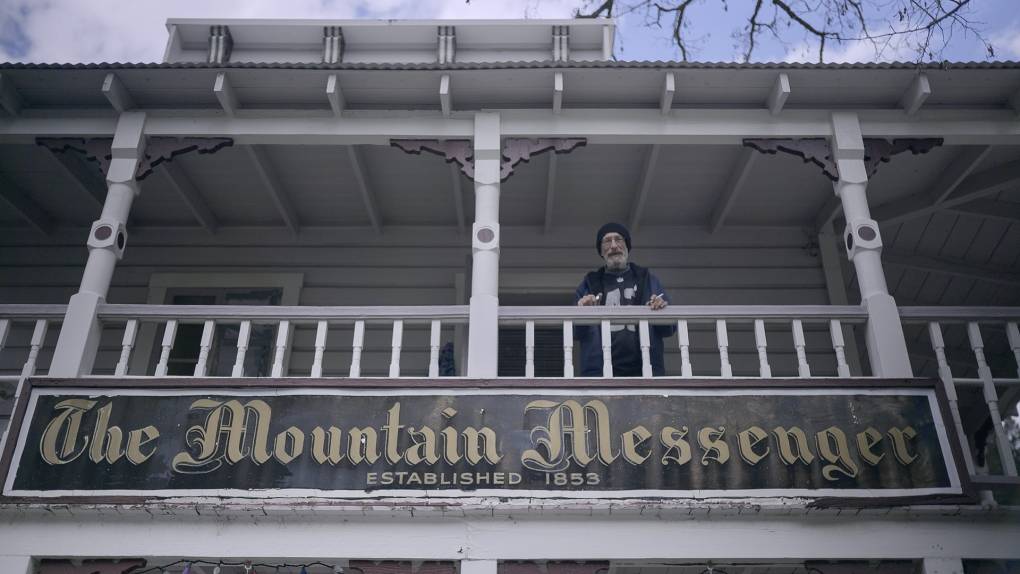
"caption": "The Mountain Messenger is California's oldest weekly newspaper.",
"description": "Goran Zaneti",
"title": "RS43127_04_030920_MountainMess_GoranZaneti-qut",
"credit": "Courtesy of Goran Zaneti",
"status": "inherit",
"isLoading": false,
"fetchFailed": false
},
"news_11817350": {
"type": "attachments",
"id": "news_11817350",
"meta": {
"index": "attachments_1716263798",
"site": "news",
"id": "11817350",
"found": true
},
"parent": 11817299,
"imgSizes": {
"apple_news_ca_landscape_5_5": {
"file": "https://ww2.kqed.org/app/uploads/sites/10/2020/05/1920_Lottery-Story_photo1-1044x783.jpg",
"width": 1044,
"mimeType": "image/jpeg",
"height": 783
},
"apple_news_ca_square_4_0": {
"file": "https://ww2.kqed.org/app/uploads/sites/10/2020/05/1920_Lottery-Story_photo1-470x470.jpg",
"width": 470,
"mimeType": "image/jpeg",
"height": 470
},
"twentyfourteen-full-width": {
"file": "https://ww2.kqed.org/app/uploads/sites/10/2020/05/1920_Lottery-Story_photo1-1038x576.jpg",
"width": 1038,
"mimeType": "image/jpeg",
"height": 576
},
"thumbnail": {
"file": "https://ww2.kqed.org/app/uploads/sites/10/2020/05/1920_Lottery-Story_photo1-160x90.jpg",
"width": 160,
"mimeType": "image/jpeg",
"height": 90
},
"post-thumbnail": {
"file": "https://ww2.kqed.org/app/uploads/sites/10/2020/05/1920_Lottery-Story_photo1-672x372.jpg",
"width": 672,
"mimeType": "image/jpeg",
"height": 372
},
"kqedFullSize": {
"file": "https://ww2.kqed.org/app/uploads/sites/10/2020/05/1920_Lottery-Story_photo1.jpg",
"width": 3609,
"height": 2030
},
"apple_news_ca_landscape_4_7": {
"file": "https://ww2.kqed.org/app/uploads/sites/10/2020/05/1920_Lottery-Story_photo1-632x474.jpg",
"width": 632,
"mimeType": "image/jpeg",
"height": 474
},
"large": {
"file": "https://ww2.kqed.org/app/uploads/sites/10/2020/05/1920_Lottery-Story_photo1-1020x574.jpg",
"width": 1020,
"mimeType": "image/jpeg",
"height": 574
},
"apple_news_ca_landscape_4_0": {
"file": "https://ww2.kqed.org/app/uploads/sites/10/2020/05/1920_Lottery-Story_photo1-536x402.jpg",
"width": 536,
"mimeType": "image/jpeg",
"height": 402
},
"apple_news_ca_portrait_12_9": {
"file": "https://ww2.kqed.org/app/uploads/sites/10/2020/05/1920_Lottery-Story_photo1-1122x1496.jpg",
"width": 1122,
"mimeType": "image/jpeg",
"height": 1496
},
"medium": {
"file": "https://ww2.kqed.org/app/uploads/sites/10/2020/05/1920_Lottery-Story_photo1-800x450.jpg",
"width": 800,
"mimeType": "image/jpeg",
"height": 450
},
"apple_news_ca_portrait_4_0": {
"file": "https://ww2.kqed.org/app/uploads/sites/10/2020/05/1920_Lottery-Story_photo1-354x472.jpg",
"width": 354,
"mimeType": "image/jpeg",
"height": 472
},
"apple_news_ca_portrait_9_7": {
"file": "https://ww2.kqed.org/app/uploads/sites/10/2020/05/1920_Lottery-Story_photo1-840x1120.jpg",
"width": 840,
"mimeType": "image/jpeg",
"height": 1120
},
"apple_news_ca_landscape_12_9": {
"file": "https://ww2.kqed.org/app/uploads/sites/10/2020/05/1920_Lottery-Story_photo1-1832x1374.jpg",
"width": 1832,
"mimeType": "image/jpeg",
"height": 1374
},
"apple_news_ca_square_9_7": {
"file": "https://ww2.kqed.org/app/uploads/sites/10/2020/05/1920_Lottery-Story_photo1-1104x1104.jpg",
"width": 1104,
"mimeType": "image/jpeg",
"height": 1104
},
"apple_news_ca_portrait_4_7": {
"file": "https://ww2.kqed.org/app/uploads/sites/10/2020/05/1920_Lottery-Story_photo1-414x552.jpg",
"width": 414,
"mimeType": "image/jpeg",
"height": 552
},
"apple_news_ca_square_12_9": {
"file": "https://ww2.kqed.org/app/uploads/sites/10/2020/05/1920_Lottery-Story_photo1-1472x1472.jpg",
"width": 1472,
"mimeType": "image/jpeg",
"height": 1472
},
"apple_news_ca_portrait_5_5": {
"file": "https://ww2.kqed.org/app/uploads/sites/10/2020/05/1920_Lottery-Story_photo1-687x916.jpg",
"width": 687,
"mimeType": "image/jpeg",
"height": 916
},
"full-width": {
"file": "https://ww2.kqed.org/app/uploads/sites/10/2020/05/1920_Lottery-Story_photo1-1920x1080.jpg",
"width": 1920,
"mimeType": "image/jpeg",
"height": 1080
},
"apple_news_ca_square_4_7": {
"file": "https://ww2.kqed.org/app/uploads/sites/10/2020/05/1920_Lottery-Story_photo1-550x550.jpg",
"width": 550,
"mimeType": "image/jpeg",
"height": 550
},
"apple_news_ca_landscape_9_7": {
"file": "https://ww2.kqed.org/app/uploads/sites/10/2020/05/1920_Lottery-Story_photo1-1376x1032.jpg",
"width": 1376,
"mimeType": "image/jpeg",
"height": 1032
},
"apple_news_ca_square_5_5": {
"file": "https://ww2.kqed.org/app/uploads/sites/10/2020/05/1920_Lottery-Story_photo1-912x912.jpg",
"width": 912,
"mimeType": "image/jpeg",
"height": 912
}
},
"publishDate": 1588995452,
"modified": 1588995703,
"caption": "A drawing of Mad Dog Cafe and Market.",
"description": null,
"title": "1920_Lottery Story_photo1",
"credit": "Courtesy of Jennifer Quilici",
"status": "inherit",
"isLoading": false,
"fetchFailed": false
},
"news_11817337": {
"type": "attachments",
"id": "news_11817337",
"meta": {
"index": "attachments_1716263798",
"site": "news",
"id": "11817337",
"found": true
},
"parent": 11817288,
"imgSizes": {
"apple_news_ca_landscape_5_5": {
"file": "https://ww2.kqed.org/app/uploads/sites/10/2020/05/chp20141206a-1-1044x783.jpg",
"width": 1044,
"mimeType": "image/jpeg",
"height": 783
},
"apple_news_ca_square_4_0": {
"file": "https://ww2.kqed.org/app/uploads/sites/10/2020/05/chp20141206a-1-470x470.jpg",
"width": 470,
"mimeType": "image/jpeg",
"height": 470
},
"twentyfourteen-full-width": {
"file": "https://ww2.kqed.org/app/uploads/sites/10/2020/05/chp20141206a-1-1038x576.jpg",
"width": 1038,
"mimeType": "image/jpeg",
"height": 576
},
"thumbnail": {
"file": "https://ww2.kqed.org/app/uploads/sites/10/2020/05/chp20141206a-1-160x105.jpg",
"width": 160,
"mimeType": "image/jpeg",
"height": 105
},
"post-thumbnail": {
"file": "https://ww2.kqed.org/app/uploads/sites/10/2020/05/chp20141206a-1-672x372.jpg",
"width": 672,
"mimeType": "image/jpeg",
"height": 372
},
"kqedFullSize": {
"file": "https://ww2.kqed.org/app/uploads/sites/10/2020/05/chp20141206a-1.jpg",
"width": 1920,
"height": 1258
},
"apple_news_ca_landscape_4_7": {
"file": "https://ww2.kqed.org/app/uploads/sites/10/2020/05/chp20141206a-1-632x474.jpg",
"width": 632,
"mimeType": "image/jpeg",
"height": 474
},
"large": {
"file": "https://ww2.kqed.org/app/uploads/sites/10/2020/05/chp20141206a-1-1020x668.jpg",
"width": 1020,
"mimeType": "image/jpeg",
"height": 668
},
"apple_news_ca_landscape_4_0": {
"file": "https://ww2.kqed.org/app/uploads/sites/10/2020/05/chp20141206a-1-536x402.jpg",
"width": 536,
"mimeType": "image/jpeg",
"height": 402
},
"apple_news_ca_portrait_12_9": {
"file": "https://ww2.kqed.org/app/uploads/sites/10/2020/05/chp20141206a-1-1122x1258.jpg",
"width": 1122,
"mimeType": "image/jpeg",
"height": 1258
},
"medium": {
"file": "https://ww2.kqed.org/app/uploads/sites/10/2020/05/chp20141206a-1-800x524.jpg",
"width": 800,
"mimeType": "image/jpeg",
"height": 524
},
"apple_news_ca_portrait_4_0": {
"file": "https://ww2.kqed.org/app/uploads/sites/10/2020/05/chp20141206a-1-354x472.jpg",
"width": 354,
"mimeType": "image/jpeg",
"height": 472
},
"apple_news_ca_portrait_9_7": {
"file": "https://ww2.kqed.org/app/uploads/sites/10/2020/05/chp20141206a-1-840x1120.jpg",
"width": 840,
"mimeType": "image/jpeg",
"height": 1120
},
"apple_news_ca_landscape_12_9": {
"file": "https://ww2.kqed.org/app/uploads/sites/10/2020/05/chp20141206a-1-1832x1258.jpg",
"width": 1832,
"mimeType": "image/jpeg",
"height": 1258
},
"apple_news_ca_square_9_7": {
"file": "https://ww2.kqed.org/app/uploads/sites/10/2020/05/chp20141206a-1-1104x1104.jpg",
"width": 1104,
"mimeType": "image/jpeg",
"height": 1104
},
"apple_news_ca_portrait_4_7": {
"file": "https://ww2.kqed.org/app/uploads/sites/10/2020/05/chp20141206a-1-414x552.jpg",
"width": 414,
"mimeType": "image/jpeg",
"height": 552
},
"apple_news_ca_square_12_9": {
"file": "https://ww2.kqed.org/app/uploads/sites/10/2020/05/chp20141206a-1-1472x1258.jpg",
"width": 1472,
"mimeType": "image/jpeg",
"height": 1258
},
"apple_news_ca_portrait_5_5": {
"file": "https://ww2.kqed.org/app/uploads/sites/10/2020/05/chp20141206a-1-687x916.jpg",
"width": 687,
"mimeType": "image/jpeg",
"height": 916
},
"full-width": {
"file": "https://ww2.kqed.org/app/uploads/sites/10/2020/05/chp20141206a-1-1920x1258.jpg",
"width": 1920,
"mimeType": "image/jpeg",
"height": 1258
},
"apple_news_ca_square_4_7": {
"file": "https://ww2.kqed.org/app/uploads/sites/10/2020/05/chp20141206a-1-550x550.jpg",
"width": 550,
"mimeType": "image/jpeg",
"height": 550
},
"apple_news_ca_landscape_9_7": {
"file": "https://ww2.kqed.org/app/uploads/sites/10/2020/05/chp20141206a-1-1376x1032.jpg",
"width": 1376,
"mimeType": "image/jpeg",
"height": 1032
},
"apple_news_ca_square_5_5": {
"file": "https://ww2.kqed.org/app/uploads/sites/10/2020/05/chp20141206a-1-912x912.jpg",
"width": 912,
"mimeType": "image/jpeg",
"height": 912
}
},
"publishDate": 1588989368,
"modified": 1588989442,
"caption": "California Highway Patrol vehicles in Berkeley, December 2014. ",
"description": null,
"title": "California Highway Patrol",
"credit": "Dan Brekke/KQED",
"status": "inherit",
"isLoading": false,
"fetchFailed": false
},
"news_11817292": {
"type": "attachments",
"id": "news_11817292",
"meta": {
"index": "attachments_1716263798",
"site": "news",
"id": "11817292",
"found": true
},
"parent": 11817261,
"imgSizes": {
"apple_news_ca_landscape_5_5": {
"file": "https://ww2.kqed.org/app/uploads/sites/10/2020/05/RS43124_GettyImages-1211310244-qut-1044x783.jpg",
"width": 1044,
"mimeType": "image/jpeg",
"height": 783
},
"apple_news_ca_square_4_0": {
"file": "https://ww2.kqed.org/app/uploads/sites/10/2020/05/RS43124_GettyImages-1211310244-qut-470x470.jpg",
"width": 470,
"mimeType": "image/jpeg",
"height": 470
},
"twentyfourteen-full-width": {
"file": "https://ww2.kqed.org/app/uploads/sites/10/2020/05/RS43124_GettyImages-1211310244-qut-1038x576.jpg",
"width": 1038,
"mimeType": "image/jpeg",
"height": 576
},
"thumbnail": {
"file": "https://ww2.kqed.org/app/uploads/sites/10/2020/05/RS43124_GettyImages-1211310244-qut-160x107.jpg",
"width": 160,
"mimeType": "image/jpeg",
"height": 107
},
"post-thumbnail": {
"file": "https://ww2.kqed.org/app/uploads/sites/10/2020/05/RS43124_GettyImages-1211310244-qut-672x372.jpg",
"width": 672,
"mimeType": "image/jpeg",
"height": 372
},
"kqedFullSize": {
"file": "https://ww2.kqed.org/app/uploads/sites/10/2020/05/RS43124_GettyImages-1211310244-qut.jpg",
"width": 1920,
"height": 1280
},
"apple_news_ca_landscape_4_7": {
"file": "https://ww2.kqed.org/app/uploads/sites/10/2020/05/RS43124_GettyImages-1211310244-qut-632x474.jpg",
"width": 632,
"mimeType": "image/jpeg",
"height": 474
},
"large": {
"file": "https://ww2.kqed.org/app/uploads/sites/10/2020/05/RS43124_GettyImages-1211310244-qut-1020x680.jpg",
"width": 1020,
"mimeType": "image/jpeg",
"height": 680
},
"apple_news_ca_landscape_4_0": {
"file": "https://ww2.kqed.org/app/uploads/sites/10/2020/05/RS43124_GettyImages-1211310244-qut-536x402.jpg",
"width": 536,
"mimeType": "image/jpeg",
"height": 402
},
"apple_news_ca_portrait_12_9": {
"file": "https://ww2.kqed.org/app/uploads/sites/10/2020/05/RS43124_GettyImages-1211310244-qut-1122x1280.jpg",
"width": 1122,
"mimeType": "image/jpeg",
"height": 1280
},
"medium": {
"file": "https://ww2.kqed.org/app/uploads/sites/10/2020/05/RS43124_GettyImages-1211310244-qut-800x533.jpg",
"width": 800,
"mimeType": "image/jpeg",
"height": 533
},
"apple_news_ca_portrait_4_0": {
"file": "https://ww2.kqed.org/app/uploads/sites/10/2020/05/RS43124_GettyImages-1211310244-qut-354x472.jpg",
"width": 354,
"mimeType": "image/jpeg",
"height": 472
},
"apple_news_ca_portrait_9_7": {
"file": "https://ww2.kqed.org/app/uploads/sites/10/2020/05/RS43124_GettyImages-1211310244-qut-840x1120.jpg",
"width": 840,
"mimeType": "image/jpeg",
"height": 1120
},
"apple_news_ca_landscape_12_9": {
"file": "https://ww2.kqed.org/app/uploads/sites/10/2020/05/RS43124_GettyImages-1211310244-qut-1832x1280.jpg",
"width": 1832,
"mimeType": "image/jpeg",
"height": 1280
},
"apple_news_ca_square_9_7": {
"file": "https://ww2.kqed.org/app/uploads/sites/10/2020/05/RS43124_GettyImages-1211310244-qut-1104x1104.jpg",
"width": 1104,
"mimeType": "image/jpeg",
"height": 1104
},
"apple_news_ca_portrait_4_7": {
"file": "https://ww2.kqed.org/app/uploads/sites/10/2020/05/RS43124_GettyImages-1211310244-qut-414x552.jpg",
"width": 414,
"mimeType": "image/jpeg",
"height": 552
},
"apple_news_ca_square_12_9": {
"file": "https://ww2.kqed.org/app/uploads/sites/10/2020/05/RS43124_GettyImages-1211310244-qut-1472x1280.jpg",
"width": 1472,
"mimeType": "image/jpeg",
"height": 1280
},
"apple_news_ca_portrait_5_5": {
"file": "https://ww2.kqed.org/app/uploads/sites/10/2020/05/RS43124_GettyImages-1211310244-qut-687x916.jpg",
"width": 687,
"mimeType": "image/jpeg",
"height": 916
},
"full-width": {
"file": "https://ww2.kqed.org/app/uploads/sites/10/2020/05/RS43124_GettyImages-1211310244-qut-1920x1280.jpg",
"width": 1920,
"mimeType": "image/jpeg",
"height": 1280
},
"apple_news_ca_square_4_7": {
"file": "https://ww2.kqed.org/app/uploads/sites/10/2020/05/RS43124_GettyImages-1211310244-qut-550x550.jpg",
"width": 550,
"mimeType": "image/jpeg",
"height": 550
},
"apple_news_ca_landscape_9_7": {
"file": "https://ww2.kqed.org/app/uploads/sites/10/2020/05/RS43124_GettyImages-1211310244-qut-1376x1032.jpg",
"width": 1376,
"mimeType": "image/jpeg",
"height": 1032
},
"apple_news_ca_square_5_5": {
"file": "https://ww2.kqed.org/app/uploads/sites/10/2020/05/RS43124_GettyImages-1211310244-qut-912x912.jpg",
"width": 912,
"mimeType": "image/jpeg",
"height": 912
}
},
"publishDate": 1588984106,
"modified": 1589235623,
"caption": "Farm laborers from Fresh Harvest working with an H-2A visa harvest romaine lettuce on a machine with heavy plastic dividers that separate workers from each other on April 27, 2020, in Greenfield, California. ",
"description": null,
"title": "Immigrant Agricultural Workers Critical To U.S. Food Security Amid COVID-19 Outbreak",
"credit": "Brent Stirton/Getty Images",
"status": "inherit",
"isLoading": false,
"fetchFailed": false
}
},
"audioPlayerReducer": {
"postId": "stream_live",
"isPaused": true,
"isPlaying": false,
"pfsActive": false,
"pledgeModalIsOpen": true,
"playerDrawerIsOpen": false,
"liveAudioPlayStartedAt": 0,
"liveAudioPlayContext": ""
},
"authorsReducer": {
"byline_news_11817686": {
"type": "authors",
"id": "byline_news_11817686",
"meta": {
"override": true
},
"slug": "byline_news_11817686",
"name": "\u003ca href=\"https://calmatters.org/author/ben-christopher/\">Ben Christopher\u003c/a>",
"isLoading": false
},
"byline_news_11817505": {
"type": "authors",
"id": "byline_news_11817505",
"meta": {
"override": true
},
"slug": "byline_news_11817505",
"name": "Associated Press",
"isLoading": false
},
"byline_news_11817399": {
"type": "authors",
"id": "byline_news_11817399",
"meta": {
"override": true
},
"slug": "byline_news_11817399",
"name": "Tom Krisher \u003cbr> Associated Press",
"isLoading": false
},
"byline_news_11816923": {
"type": "authors",
"id": "byline_news_11816923",
"meta": {
"override": true
},
"slug": "byline_news_11816923",
"name": "Katie Bernstein",
"isLoading": false
},
"byline_news_11817299": {
"type": "authors",
"id": "byline_news_11817299",
"meta": {
"override": true
},
"slug": "byline_news_11817299",
"name": "Wyatt Kroopf",
"isLoading": false
},
"gmarzorati": {
"type": "authors",
"id": "227",
"meta": {
"index": "authors_1716337520",
"id": "227",
"found": true
},
"name": "Guy Marzorati",
"firstName": "Guy",
"lastName": "Marzorati",
"slug": "gmarzorati",
"email": "gmarzorati@KQED.org",
"display_author_email": true,
"staff_mastheads": [
"news"
],
"title": "Correspondent",
"bio": "Guy Marzorati is a correspondent on KQED's California Politics and Government Desk, based in San Jose. A graduate of Santa Clara University, Guy joined KQED in 2013. He reports on state and local politics and produces KQED's digital voter guide.",
"avatar": "https://secure.gravatar.com/avatar/e7038b8dbfd55b104369b76b1cd0b9de?s=600&d=blank&r=g",
"twitter": "guymarzorati",
"facebook": null,
"instagram": null,
"linkedin": null,
"sites": [
{
"site": "",
"roles": [
"editor"
]
},
{
"site": "news",
"roles": [
"editor"
]
},
{
"site": "science",
"roles": [
"editor"
]
},
{
"site": "forum",
"roles": [
"editor"
]
},
{
"site": "elections",
"roles": [
"editor"
]
},
{
"site": "liveblog",
"roles": [
"editor"
]
}
],
"headData": {
"title": "Guy Marzorati | KQED",
"description": "Correspondent",
"ogImgSrc": "https://secure.gravatar.com/avatar/e7038b8dbfd55b104369b76b1cd0b9de?s=600&d=blank&r=g",
"twImgSrc": "https://secure.gravatar.com/avatar/e7038b8dbfd55b104369b76b1cd0b9de?s=600&d=blank&r=g"
},
"isLoading": false,
"link": "/author/gmarzorati"
},
"tgoldberg": {
"type": "authors",
"id": "258",
"meta": {
"index": "authors_1716337520",
"id": "258",
"found": true
},
"name": "Ted Goldberg",
"firstName": "Ted",
"lastName": "Goldberg",
"slug": "tgoldberg",
"email": "tgoldberg@kqed.org",
"display_author_email": true,
"staff_mastheads": [
"news"
],
"title": "KQED Managing Editor, News and Newscasts",
"bio": "Ted Goldberg is Managing Editor of News and Newscasts at KQED. His main reporting beat is the Bay Area's oil refining industry.\r\n\r\nPrior to joining KQED in 2014, Ted worked at CBS News and WCBS AM in New York and Bay City News and KCBS Radio in San Francisco. He graduated from Oberlin College in Ohio in 1998.",
"avatar": "https://secure.gravatar.com/avatar/30ce2e4fe89135e104f89be2394d16225b9d36c121b5b3cb7651ce642978b96f?s=600&d=blank&r=g",
"twitter": "TedrickG",
"bluesky": null,
"facebook": null,
"instagram": null,
"linkedin": null,
"sites": [
{
"site": "news",
"roles": [
"editor"
]
},
{
"site": "science",
"roles": [
"editor"
]
}
],
"headData": {
"title": "Ted Goldberg | KQED",
"description": "KQED Managing Editor, News and Newscasts",
"ogImgSrc": "https://secure.gravatar.com/avatar/30ce2e4fe89135e104f89be2394d16225b9d36c121b5b3cb7651ce642978b96f?s=600&d=blank&r=g",
"twImgSrc": "https://secure.gravatar.com/avatar/30ce2e4fe89135e104f89be2394d16225b9d36c121b5b3cb7651ce642978b96f?s=600&d=blank&r=g"
},
"isLoading": false,
"link": "/author/tgoldberg"
},
"adembosky": {
"type": "authors",
"id": "3205",
"meta": {
"index": "authors_1716337520",
"id": "3205",
"found": true
},
"name": "April Dembosky",
"firstName": "April",
"lastName": "Dembosky",
"slug": "adembosky",
"email": "adembosky@kqed.org",
"display_author_email": false,
"staff_mastheads": [
"news",
"science"
],
"title": "KQED Health Correspondent",
"bio": "April Dembosky is the health correspondent for KQED News and a regular contributor to NPR. She specializes in covering altered states of mind, from postpartum depression to methamphetamine-induced psychosis to the insanity defense. Her investigative series on insurance companies sidestepping mental health laws won multiple awards, including first place in beat reporting from the national Association of Health Care Journalists. She is the recipient of numerous other prizes and fellowships, including a national Edward R. Murrow award for investigative reporting, a Society of Professional Journalists award for long-form storytelling, and a Carter Center Fellowship for Mental Health Journalism.\r\n\r\nDembosky reported and produced \u003cem>Soundtrack of Silence\u003c/em>, an audio documentary about music and memory that is currently being made into a feature film by Paramount Pictures.\r\n\r\nBefore joining KQED in 2013, Dembosky covered technology and Silicon Valley for \u003cem>The Financial Times of London,\u003c/em> and contributed business and arts stories to \u003cem>Marketplace \u003c/em>and \u003cem>The New York Times.\u003c/em> She got her undergraduate degree in philosophy from Smith College and her master's in journalism from the University of California, Berkeley. She is a classically trained violinist and proud alum of the first symphony orchestra at Burning Man.",
"avatar": "https://secure.gravatar.com/avatar/ef92999be4ceb9ea60701e7dc276f813?s=600&d=blank&r=g",
"twitter": "adembosky",
"facebook": null,
"instagram": null,
"linkedin": null,
"sites": [
{
"site": "arts",
"roles": [
"author"
]
},
{
"site": "news",
"roles": [
"editor"
]
},
{
"site": "futureofyou",
"roles": [
"author"
]
},
{
"site": "stateofhealth",
"roles": [
"editor"
]
},
{
"site": "science",
"roles": [
"editor"
]
},
{
"site": "forum",
"roles": [
"editor"
]
}
],
"headData": {
"title": "April Dembosky | KQED",
"description": "KQED Health Correspondent",
"ogImgSrc": "https://secure.gravatar.com/avatar/ef92999be4ceb9ea60701e7dc276f813?s=600&d=blank&r=g",
"twImgSrc": "https://secure.gravatar.com/avatar/ef92999be4ceb9ea60701e7dc276f813?s=600&d=blank&r=g"
},
"isLoading": false,
"link": "/author/adembosky"
},
"aemslie": {
"type": "authors",
"id": "3206",
"meta": {
"index": "authors_1716337520",
"id": "3206",
"found": true
},
"name": "Alex Emslie",
"firstName": "Alex",
"lastName": "Emslie",
"slug": "aemslie",
"email": "aemslie@kqed.org",
"display_author_email": true,
"staff_mastheads": [
"news"
],
"title": "KQED Senior Editor",
"bio": "Alex Emslie is senior editor of talent and development at KQED, where he manages dozens of early career journalists and oversees news department internships.\r\n\r\nHe is a former carpenter and proud graduate of City College of San Francisco and San Francisco State University, where he studied journalism and criminal justice before joining KQED in 2013.\r\n\r\nAlex produced investigative journalism focused on \u003ca href=\"https://www.kqed.org/news/11667594/the-trials-of-marvin-mutch-video\">criminal justice\u003c/a> and policing for most of a decade. He has broken major stories about \u003ca href=\"https://www.kqed.org/news/135682/amid-a-series-of-vallejo-police-shootings-one-officers-name-stands-out\">police use of deadly force\u003c/a>, \u003ca href=\"https://www.kqed.org/news/10454955/racist-texts-prompt-sfpd-internal-investigation\">officer misconduct\u003c/a> and \u003ca href=\"https://www.kqed.org/news/11712239/terrorist-or-troll-judge-to-weigh-whether-oakland-man-really-intended-to-attack-bay-area\">other\u003c/a> \u003ca href=\"https://www.kqed.org/news/11221414/hayward-paid-159000-to-husband-of-retired-police-chief-documents-show\">high\u003c/a>-\u003ca href=\"https://www.kqed.org/news/10622762/the-forgotten-tracking-two-homicides-in-san-francisco-public-housing\">profile\u003c/a> \u003ca href=\"https://www.kqed.org/news/11624516/federal-agency-promoted-ranger-just-months-after-his-gun-was-stolen-and-used-in-steinle-killing\">cases\u003c/a>. He co-founded the \u003ca href=\"https://projects.scpr.org/california-reporting-project/\">California Reporting Project\u003c/a> in 2019 to obtain and report on previously confidential police internal investigations. The effort produced well over 100 original stories and changed the course of multiple criminal cases.\r\n\r\nHis work has been recognized with numerous journalism awards, including a national Edward R. Murrow award for several years of \u003ca href=\"https://www.kqed.org/news/11688481/sfpd-officers-in-mario-woods-case-recount-shooting-in-newly-filed-depositions\">reporting\u003c/a> on the San Francisco Police shooting of Mario Woods. His \u003ca href=\"https://www.kqed.org/news/147854/half-of-those-killed-by-san-francisco-police-are-mentally-ill\">reporting\u003c/a> on police killings of people in psychiatric crisis was cited in amicus briefs before the U.S. Supreme Court.\r\n\r\nAlex now enjoys mentoring the next generation of journalists at KQED.",
"avatar": "https://secure.gravatar.com/avatar/e691e65209f20e9da202bd730ead5663?s=600&d=blank&r=g",
"twitter": "SFNewsReporter",
"facebook": null,
"instagram": null,
"linkedin": null,
"sites": [
{
"site": "arts",
"roles": [
"editor"
]
},
{
"site": "news",
"roles": [
"editor"
]
},
{
"site": "mindshift",
"roles": [
"editor"
]
},
{
"site": "stateofhealth",
"roles": [
"editor"
]
},
{
"site": "science",
"roles": [
"administrator"
]
}
],
"headData": {
"title": "Alex Emslie | KQED",
"description": "KQED Senior Editor",
"ogImgSrc": "https://secure.gravatar.com/avatar/e691e65209f20e9da202bd730ead5663?s=600&d=blank&r=g",
"twImgSrc": "https://secure.gravatar.com/avatar/e691e65209f20e9da202bd730ead5663?s=600&d=blank&r=g"
},
"isLoading": false,
"link": "/author/aemslie"
},
"jsmall": {
"type": "authors",
"id": "6625",
"meta": {
"index": "authors_1716337520",
"id": "6625",
"found": true
},
"name": "Julie Small",
"firstName": "Julie",
"lastName": "Small",
"slug": "jsmall",
"email": "jsmall@kqed.org",
"display_author_email": true,
"staff_mastheads": [
"news"
],
"title": "KQED Contributor",
"bio": "Julie Small reports on criminal justice and immigration.\r\n\r\nShe was part of a team at KQED awarded a regional 2019 Edward R. Murrow award for continuing coverage of the Trump Administration's family separation policy.\r\n\r\nThe Society for Professional Journalists recognized Julie's 2018 \u003ca href=\"https://www.kqed.org/news/11636262/the-officer-tased-him-31-times-the-sheriff-called-his-death-an-accident\">reporting\u003c/a> on the San Joaquin County Sheriff's \u003ca href=\"https://www.kqed.org/news/11634689/autopsy-doctors-sheriff-overrode-death-findings-to-protect-law-enforcement\">interference\u003c/a> in death investigations with an Excellence in Journalism Award for Ongoing Coverage.\r\n\r\nJulie's\u003ca href=\"https://www.kqed.org/news/11039666/two-mentally-ill-inmates-died-one-month-in-santa-clara\"> reporting\u003c/a> with Lisa Pickoff-White on the treatment of mentally ill offenders in California jails earned a 2017 regional Edward R. Murrow Award for news reporting and an investigative reporting award from the SPJ of Northern California.\r\n\r\nBefore joining KQED, Julie covered government and politics in Sacramento for Southern California Public Radio (SCPR). Her 2010 \u003ca href=\"https://www.scpr.org/specials/prisonmedical/\">series\u003c/a> on lapses in California’s prison medical care also won a regional Edward R. Murrow Award for investigative reporting and a Golden Mic Award from the RTNDA of Southern California.\r\n\r\nJulie began her career in journalism in 2000 as the deputy foreign editor for public radio's \u003cem>Marketplace, \u003c/em>while earning her master's degree in journalism from USC’s Annenberg School of Communication.",
"avatar": "https://secure.gravatar.com/avatar/4baedf201468df97be97c2a9dd7585d0?s=600&d=blank&r=g",
"twitter": "@SmallRadio2",
"facebook": null,
"instagram": null,
"linkedin": null,
"sites": [
{
"site": "news",
"roles": [
"editor"
]
},
{
"site": "stateofhealth",
"roles": [
"author"
]
},
{
"site": "science",
"roles": [
"author"
]
}
],
"headData": {
"title": "Julie Small | KQED",
"description": "KQED Contributor",
"ogImgSrc": "https://secure.gravatar.com/avatar/4baedf201468df97be97c2a9dd7585d0?s=600&d=blank&r=g",
"twImgSrc": "https://secure.gravatar.com/avatar/4baedf201468df97be97c2a9dd7585d0?s=600&d=blank&r=g"
},
"isLoading": false,
"link": "/author/jsmall"
},
"fjhabvala": {
"type": "authors",
"id": "8659",
"meta": {
"index": "authors_1716337520",
"id": "8659",
"found": true
},
"name": "Farida Jhabvala Romero",
"firstName": "Farida",
"lastName": "Jhabvala Romero",
"slug": "fjhabvala",
"email": "fjhabvala@kqed.org",
"display_author_email": true,
"staff_mastheads": [
"news"
],
"title": "KQED Contributor",
"bio": "\u003cspan style=\"font-weight: 400;\">Farida Jhabvala Romero is a Labor Correspondent for KQED. She previously covered immigration. Farida was \u003ca href=\"https://www.ccnma.org/2022-most-influential-latina-journalists\">named\u003c/a> one of the 10 Most Influential Latina Journalists in California in 2022 by the California Chicano News Media Association. Her work has won awards from the Society of Professional Journalists (Northern California), as well as a national and regional Edward M. Murrow Award for the collaborative reporting projects “Dangerous Air” and “Graying California.” \u003c/span>\u003cspan style=\"font-weight: 400;\">Before joining KQED, Farida worked as a producer at Radio Bilingüe, a national public radio network. Farida earned her master’s degree in journalism from Stanford University.\u003c/span>",
"avatar": "https://secure.gravatar.com/avatar/c3ab27c5554b67b478f80971e515aa02?s=600&d=blank&r=g",
"twitter": "FaridaJhabvala",
"facebook": null,
"instagram": null,
"linkedin": "https://www.linkedin.com/in/faridajhabvala/",
"sites": [
{
"site": "news",
"roles": [
"editor"
]
},
{
"site": "stateofhealth",
"roles": [
"author"
]
}
],
"headData": {
"title": "Farida Jhabvala Romero | KQED",
"description": "KQED Contributor",
"ogImgSrc": "https://secure.gravatar.com/avatar/c3ab27c5554b67b478f80971e515aa02?s=600&d=blank&r=g",
"twImgSrc": "https://secure.gravatar.com/avatar/c3ab27c5554b67b478f80971e515aa02?s=600&d=blank&r=g"
},
"isLoading": false,
"link": "/author/fjhabvala"
},
"slewis": {
"type": "authors",
"id": "8676",
"meta": {
"index": "authors_1716337520",
"id": "8676",
"found": true
},
"name": "Sukey Lewis",
"firstName": "Sukey",
"lastName": "Lewis",
"slug": "slewis",
"email": "slewis@kqed.org",
"display_author_email": true,
"staff_mastheads": [
"news"
],
"title": "KQED Contributor",
"bio": "Sukey Lewis is a criminal justice reporter and host of \u003cem>On Our Watch\u003c/em>, a new podcast from NPR and KQED about the shadow world of police discipline. In 2018, she co-founded the California Reporting Project, a coalition of newsrooms across the state focused on obtaining previously sealed internal affairs records from law enforcement. In addition to her reporting on police accountability, Sukey has investigated the bail bonds industry, California's wildfires and the high cost of prison phone calls. Sukey earned a master's degree in journalism from the University of California at Berkeley. Send news tips to slewis@kqed.org.",
"avatar": "https://secure.gravatar.com/avatar/03fd6b21024f99d8b0a1966654586de7?s=600&d=blank&r=g",
"twitter": "SukeyLewis",
"facebook": null,
"instagram": null,
"linkedin": null,
"sites": [
{
"site": "news",
"roles": [
"author",
"edit_others_posts"
]
}
],
"headData": {
"title": "Sukey Lewis | KQED",
"description": "KQED Contributor",
"ogImgSrc": "https://secure.gravatar.com/avatar/03fd6b21024f99d8b0a1966654586de7?s=600&d=blank&r=g",
"twImgSrc": "https://secure.gravatar.com/avatar/03fd6b21024f99d8b0a1966654586de7?s=600&d=blank&r=g"
},
"isLoading": false,
"link": "/author/slewis"
},
"ljamali": {
"type": "authors",
"id": "11552",
"meta": {
"index": "authors_1716337520",
"id": "11552",
"found": true
},
"name": "Lily Jamali",
"firstName": "Lily",
"lastName": "Jamali",
"slug": "ljamali",
"email": "ljamali@kqed.org",
"display_author_email": false,
"staff_mastheads": [],
"title": "KQED Contributor",
"bio": "Lily was the former co-host of the daily morning show, The California Report.",
"avatar": "https://secure.gravatar.com/avatar/dbf7b30d159e697731046a10d25a9e29?s=600&d=blank&r=g",
"twitter": "lilyjamali",
"facebook": null,
"instagram": null,
"linkedin": null,
"sites": [
{
"site": "news",
"roles": [
"create_posts",
"subscriber"
]
},
{
"site": "forum",
"roles": [
"editor"
]
}
],
"headData": {
"title": "Lily Jamali | KQED",
"description": "KQED Contributor",
"ogImgSrc": "https://secure.gravatar.com/avatar/dbf7b30d159e697731046a10d25a9e29?s=600&d=blank&r=g",
"twImgSrc": "https://secure.gravatar.com/avatar/dbf7b30d159e697731046a10d25a9e29?s=600&d=blank&r=g"
},
"isLoading": false,
"link": "/author/ljamali"
}
},
"pagesReducer": {
"news_tag_california": {
"type": "terms",
"id": "news_18538",
"meta": {
"index": "terms_1716263798",
"site": "news",
"id": "18538",
"score": 6.8456693
},
"featImg": null,
"name": "California",
"description": null,
"taxonomy": "tag",
"headData": {
"twImgId": null,
"twTitle": null,
"ogTitle": null,
"ogImgId": null,
"twDescription": null,
"description": null,
"title": "California Archives | KQED News",
"ogDescription": null
},
"ttid": 31,
"slug": "california",
"isLoading": false,
"title": "California",
"pageMeta": {
"site": "news",
"WpPageTemplate": "page-topic-editorial",
"currentPage": 203
},
"blocks": [
{
"blockName": "kqed/post-list",
"attrs": {
"layout": "cardArticle2",
"query": "posts/news?tag=california",
"seeMore": false,
"paginated": true,
"page": 203
}
},
{
"blockName": "kqed/ad"
}
]
}
},
"pfsSessionReducer": {},
"postsReducer": {
"stream_live": {
"type": "live",
"id": "stream_live",
"audioUrl": "https://streams.kqed.org/kqedradio",
"title": "Live Stream",
"excerpt": "Live Stream information currently unavailable.",
"link": "/radio",
"featImg": "",
"label": {
"name": "KQED Live",
"link": "/"
}
},
"stream_kqedNewscast": {
"type": "posts",
"id": "stream_kqedNewscast",
"audioUrl": "https://www.kqed.org/.stream/anon/radio/RDnews/newscast.mp3?_=1",
"title": "KQED Newscast",
"featImg": "",
"label": {
"name": "88.5 FM",
"link": "/"
}
},
"news_11818575": {
"type": "posts",
"id": "news_11818575",
"meta": {
"index": "posts_1716263798",
"site": "news",
"id": "11818575",
"score": null,
"sort": [
1589583127000
]
},
"guestAuthors": [],
"slug": "newsom-kills-proposal-to-add-oil-regulators-even-though-industry-would-have-paid",
"title": "Newsom Kills Proposal to Add Oil Regulators (Even Though Industry Would Have Paid)",
"publishDate": 1589583127,
"format": "standard",
"headTitle": "Newsom Kills Proposal to Add Oil Regulators (Even Though Industry Would Have Paid) | KQED",
"labelTerm": {
"site": "news"
},
"content": "\u003cp>Gov. Gavin Newsom has dropped a bid to add dozens of staff members to the agency that oversees oil and gas drilling in California.\u003c/p>\n\u003cp>That’s after a leading energy industry group \u003ca href=\"https://www.kqed.org/news/11817384/with-oil-industry-in-slump-state-offers-a-break-on-some-well-regulations\">asked his administration for help\u003c/a> as it deals with a severe drop in fuel demand due to the state’s coronavirus stay-at-home orders.\u003c/p>\n\u003cp>The governor’s initial 2020-21 state budget \u003ca href=\"https://esd.dof.ca.gov/Documents/bcp/2021/FY2021_ORG3480_BCP3875.pdf\" target=\"_blank\" rel=\"noopener noreferrer\">proposed adding 128 analysts, engineers and geologists\u003c/a> to the California Geologic Energy Management Division, or CalGEM. Oil producers would have had to pay $24 million to fund the expansion.\u003c/p>\n\u003cp>“Earlier proposals to expand staff at CalGEM have been withdrawn due to COVID-related economic issues impacting that sector and our fiscal health in our state,” Natural Resources Agency Secretary Wade Crowfoot said Thursday after Newsom unveiled \u003ca href=\"http://dof.ca.gov/Budget/Historical_Budget_Publications/2020-21/May_Revision_Finance_Letters/documents/Resources%20Agency.pdf\" target=\"_blank\" rel=\"noopener noreferrer\">his revised budget\u003c/a>.\u003c/p>\n\u003cp>“But rest assured that CalGEM continues to ensure full regulatory oversight,” Crowfoot said.\u003c/p>\n\u003cp>At the end of March, the California Independent Petroleum Association — which represents 500 crude oil and natural gas producers — sent Crowfoot a letter urging the administration to \u003ca href=\"https://www.kqed.org/news/11812455/california-oil-producers-fighting-newsom-proposal-for-stronger-industry-oversight\" target=\"_blank\" rel=\"noopener noreferrer\">drop the CalGEM proposal\u003c/a>.\u003c/p>\n\u003cp>CIPA said at the time that the costs and extra oversight would further hurt an industry struggling after a pandemic-driven collapse in demand for gasoline and jet fuel.\u003c/p>\n\u003cp>“This proposal would have increased staffing by an additional 40 percent while in-state production has gone down,” said CIPA CEO Rock Zierman in a statement to KQED on Friday. “Adding new positions would have added general fund pension obligations for taxpayers at a time when the state is facing a massive deficit and the governor is looking at ways to reduce all state operating costs.”\u003c/p>\n\u003cp>[ad fullwidth]\u003c/p>\n\u003cp>The increase in CalGEM’s staffing came after a year in which the agency — formerly known as the Division of Oil, Gas and Geothermal Resources, or DOGGR — had come under increased scrutiny. Newsom \u003ca href=\"https://www.kqed.org/news/11760751/newsom-fires-state-oil-agency-chief-amid-spike-in-fracking-approvals\" target=\"_blank\" rel=\"noopener noreferrer\">shook up agency management\u003c/a> last year after it came to light that it had dramatically ramped up approvals for drilling projects using hydraulic fracturing, or fracking, and that some senior staffers held investments in the companies they were overseeing as regulators.\u003c/p>\n\u003cp>The Newsom administration described its proposal to expand CalGEM as designed to ensure that it could do a better job of overseeing often environmentally risky extraction techniques like fracking and cyclic steam injection. That steam process has been at the center of \u003ca href=\"https://www.kqed.org/news/11773382/chevron-faces-new-demands-from-regulators-as-kern-county-oil-releases-continue\" target=\"_blank\" rel=\"noopener noreferrer\">persistent problems\u003c/a> in the Cymric Oil Field in western Kern County.\u003c/p>\n\u003cp>[aside label='Related Coverage' tag='oil-industry']A senior staffer with the Center for Biological Diversity, an environmental group that tracks the state’s oversight of oil drilling, criticized the Newsom administration for pulling back from its CalGEM expansion.\u003c/p>\n\u003cp>“During this public health crisis it’s more important than ever to protect the air we breathe and the water we drink from oil industry pollution,” said Kassie Siegel, director of the center’s Climate Law Institute.\u003c/p>\n\u003cp>“We understand that the pandemic has wreaked havoc on Californians and the state budget, but cutting these positions won’t save a cent,” Siegel said, referring to the fact the added staff would have been paid for by the industry.\u003c/p>\n\u003cp>The administration also recently signaled it is \u003ca href=\"https://www.kqed.org/news/11817384/with-oil-industry-in-slump-state-offers-a-break-on-some-well-regulations\" target=\"_blank\" rel=\"noopener noreferrer\">willing to postpone a deadline\u003c/a> for oil and gas producers to pay fees and submit plans to manage thousands of unused oil wells after a similar request from the petroleum association.\u003c/p>\n\u003cp>State Oil and Gas Supervisor Uduak-Joe Ntuk said despite dropping the increased CalGEM staffing, California regulators will provide strong oversight of oil and gas production.\u003c/p>\n\u003cp>“While earlier proposals to expand staff have been withdrawn due to COVID-related economic issues, all CalGEM regulatory operations, including field inspections and witnessing of tests, are continuing,” Ntuk said in a statement.\u003c/p>\n\u003cp>“All regulations remain in effect and operators are still accountable for meeting them,” he said.\u003c/p>\n\u003cp>\u003cem>KQED’s Kevin Stark contributed reporting to this story. \u003c/em>\u003c/p>\n\u003cp>\u003c/p>\n",
"blocks": [],
"excerpt": "The move came after an oil producers' group asked Newsom to drop a planned increase in regulatory staff due to the economic impact of the coronavirus pandemic.",
"status": "publish",
"parent": 0,
"modified": 1721124758,
"stats": {
"hasAudio": false,
"hasVideo": false,
"hasChartOrMap": false,
"iframeSrcs": [],
"hasGoogleForm": false,
"hasGallery": false,
"hasHearkenModule": false,
"hasPolis": false,
"paragraphCount": 20,
"wordCount": 670
},
"headData": {
"title": "Newsom Kills Proposal to Add Oil Regulators (Even Though Industry Would Have Paid) | KQED",
"description": "The move came after an oil producers' group asked Newsom to drop a planned increase in regulatory staff due to economic impacts of the coronavirus pandemic.",
"ogTitle": "",
"ogDescription": "",
"ogImgId": "",
"twTitle": "",
"twDescription": "",
"twImgId": "",
"socialDescription": "The move came after an oil producers' group asked Newsom to drop a planned increase in regulatory staff due to economic impacts of the coronavirus pandemic.",
"schema": {
"@context": "https://schema.org",
"@type": "NewsArticle",
"headline": "Newsom Kills Proposal to Add Oil Regulators (Even Though Industry Would Have Paid)",
"datePublished": "2020-05-15T15:52:07-07:00",
"dateModified": "2024-07-16T03:12:38-07:00",
"image": "https://cdn.kqed.org/wp-content/uploads/2020/02/KQED-OG-Image@1x.png",
"isAccessibleForFree": "True",
"publisher": {
"@type": "NewsMediaOrganization",
"@id": "https://www.kqed.org/#organization",
"name": "KQED",
"logo": "https://cdn.kqed.org/wp-content/uploads/2020/02/KQED-OG-Image@1x.png",
"url": "https://www.kqed.org",
"sameAs": [
"https://www.facebook.com/KQED",
"https://twitter.com/KQED",
"https://www.instagram.com/kqed/",
"https://www.tiktok.com/@kqedofficial",
"https://www.linkedin.com/company/kqed",
"https://www.youtube.com/channel/UCeC0IOo7i1P_61zVUWbJ4nw"
]
}
}
},
"sticky": false,
"path": "/news/11818575/newsom-kills-proposal-to-add-oil-regulators-even-though-industry-would-have-paid",
"audioTrackLength": null,
"parsedContent": [
{
"type": "contentString",
"content": "\u003cdiv class=\"post-body\">\u003cp>\u003cp>Gov. Gavin Newsom has dropped a bid to add dozens of staff members to the agency that oversees oil and gas drilling in California.\u003c/p>\n\u003cp>That’s after a leading energy industry group \u003ca href=\"https://www.kqed.org/news/11817384/with-oil-industry-in-slump-state-offers-a-break-on-some-well-regulations\">asked his administration for help\u003c/a> as it deals with a severe drop in fuel demand due to the state’s coronavirus stay-at-home orders.\u003c/p>\n\u003cp>The governor’s initial 2020-21 state budget \u003ca href=\"https://esd.dof.ca.gov/Documents/bcp/2021/FY2021_ORG3480_BCP3875.pdf\" target=\"_blank\" rel=\"noopener noreferrer\">proposed adding 128 analysts, engineers and geologists\u003c/a> to the California Geologic Energy Management Division, or CalGEM. Oil producers would have had to pay $24 million to fund the expansion.\u003c/p>\n\u003cp>“Earlier proposals to expand staff at CalGEM have been withdrawn due to COVID-related economic issues impacting that sector and our fiscal health in our state,” Natural Resources Agency Secretary Wade Crowfoot said Thursday after Newsom unveiled \u003ca href=\"http://dof.ca.gov/Budget/Historical_Budget_Publications/2020-21/May_Revision_Finance_Letters/documents/Resources%20Agency.pdf\" target=\"_blank\" rel=\"noopener noreferrer\">his revised budget\u003c/a>.\u003c/p>\n\u003cp>“But rest assured that CalGEM continues to ensure full regulatory oversight,” Crowfoot said.\u003c/p>\n\u003cp>At the end of March, the California Independent Petroleum Association — which represents 500 crude oil and natural gas producers — sent Crowfoot a letter urging the administration to \u003ca href=\"https://www.kqed.org/news/11812455/california-oil-producers-fighting-newsom-proposal-for-stronger-industry-oversight\" target=\"_blank\" rel=\"noopener noreferrer\">drop the CalGEM proposal\u003c/a>.\u003c/p>\n\u003cp>CIPA said at the time that the costs and extra oversight would further hurt an industry struggling after a pandemic-driven collapse in demand for gasoline and jet fuel.\u003c/p>\n\u003cp>“This proposal would have increased staffing by an additional 40 percent while in-state production has gone down,” said CIPA CEO Rock Zierman in a statement to KQED on Friday. “Adding new positions would have added general fund pension obligations for taxpayers at a time when the state is facing a massive deficit and the governor is looking at ways to reduce all state operating costs.”\u003c/p>\n\u003cp>\u003c/p>\u003c/div>",
"attributes": {
"named": {},
"numeric": []
}
},
{
"type": "component",
"content": "",
"name": "ad",
"attributes": {
"named": {
"label": "fullwidth"
},
"numeric": [
"fullwidth"
]
}
},
{
"type": "contentString",
"content": "\u003cdiv class=\"post-body\">\u003cp>\u003c/p>\n\u003cp>The increase in CalGEM’s staffing came after a year in which the agency — formerly known as the Division of Oil, Gas and Geothermal Resources, or DOGGR — had come under increased scrutiny. Newsom \u003ca href=\"https://www.kqed.org/news/11760751/newsom-fires-state-oil-agency-chief-amid-spike-in-fracking-approvals\" target=\"_blank\" rel=\"noopener noreferrer\">shook up agency management\u003c/a> last year after it came to light that it had dramatically ramped up approvals for drilling projects using hydraulic fracturing, or fracking, and that some senior staffers held investments in the companies they were overseeing as regulators.\u003c/p>\n\u003cp>The Newsom administration described its proposal to expand CalGEM as designed to ensure that it could do a better job of overseeing often environmentally risky extraction techniques like fracking and cyclic steam injection. That steam process has been at the center of \u003ca href=\"https://www.kqed.org/news/11773382/chevron-faces-new-demands-from-regulators-as-kern-county-oil-releases-continue\" target=\"_blank\" rel=\"noopener noreferrer\">persistent problems\u003c/a> in the Cymric Oil Field in western Kern County.\u003c/p>\n\u003cp>\u003c/p>\u003c/div>",
"attributes": {
"named": {},
"numeric": []
}
},
{
"type": "component",
"content": "",
"name": "aside",
"attributes": {
"named": {
"label": "Related Coverage ",
"tag": "oil-industry"
},
"numeric": []
}
},
{
"type": "contentString",
"content": "\u003cdiv class=\"post-body\">\u003cp>A senior staffer with the Center for Biological Diversity, an environmental group that tracks the state’s oversight of oil drilling, criticized the Newsom administration for pulling back from its CalGEM expansion.\u003c/p>\n\u003cp>“During this public health crisis it’s more important than ever to protect the air we breathe and the water we drink from oil industry pollution,” said Kassie Siegel, director of the center’s Climate Law Institute.\u003c/p>\n\u003cp>“We understand that the pandemic has wreaked havoc on Californians and the state budget, but cutting these positions won’t save a cent,” Siegel said, referring to the fact the added staff would have been paid for by the industry.\u003c/p>\n\u003cp>The administration also recently signaled it is \u003ca href=\"https://www.kqed.org/news/11817384/with-oil-industry-in-slump-state-offers-a-break-on-some-well-regulations\" target=\"_blank\" rel=\"noopener noreferrer\">willing to postpone a deadline\u003c/a> for oil and gas producers to pay fees and submit plans to manage thousands of unused oil wells after a similar request from the petroleum association.\u003c/p>\n\u003cp>State Oil and Gas Supervisor Uduak-Joe Ntuk said despite dropping the increased CalGEM staffing, California regulators will provide strong oversight of oil and gas production.\u003c/p>\n\u003cp>“While earlier proposals to expand staff have been withdrawn due to COVID-related economic issues, all CalGEM regulatory operations, including field inspections and witnessing of tests, are continuing,” Ntuk said in a statement.\u003c/p>\n\u003cp>“All regulations remain in effect and operators are still accountable for meeting them,” he said.\u003c/p>\n\u003cp>\u003cem>KQED’s Kevin Stark contributed reporting to this story. \u003c/em>\u003c/p>\n\u003cp>\u003c/p>\n\u003c/div>\u003c/p>",
"attributes": {
"named": {},
"numeric": []
}
}
],
"link": "/news/11818575/newsom-kills-proposal-to-add-oil-regulators-even-though-industry-would-have-paid",
"authors": [
"258"
],
"categories": [
"news_19906",
"news_8",
"news_13",
"news_356"
],
"tags": [
"news_18538",
"news_22716",
"news_16",
"news_3111",
"news_21390"
],
"featImg": "news_11818703",
"label": "news"
},
"news_11818524": {
"type": "posts",
"id": "news_11818524",
"meta": {
"index": "posts_1716263798",
"site": "news",
"id": "11818524",
"score": null,
"sort": [
1589513230000
]
},
"guestAuthors": [],
"slug": "governor-proposes-painful-cuts-to-health-care-programs-to-close-budget-shortfall",
"title": "Governor Proposes Painful Cuts to Health Care Programs to Close Budget Shortfall",
"publishDate": 1589513230,
"format": "standard",
"headTitle": "Governor Proposes Painful Cuts to Health Care Programs to Close Budget Shortfall | KQED",
"labelTerm": {},
"content": "\u003cp>With so many Californians losing jobs and health insurance because of the pandemic, the state estimates 2 million more people will sign up for Medi-Cal coverage this year, bringing the total caseload in the health care program for low-income Californians to 14.5 million people.\u003c/p>\n\u003cp>To pay for the increase in enrollment, Gov. Gavin Newsom wants to cut back on some of the benefits patients will receive and the rates doctors will get paid to see them.\u003c/p>\n\u003cp>“There are areas where we clearly can’t do what we wanted to do,” Newsom said during a press conference on Thursday. “We wanted to make more progress with the January budget. Unfortunately, that progress will be delayed.” [pullquote size=\"medium\" align=\"right\" citation=\"Dr. Peter N. Bretan, president of the California Medical Association\"]“This budget will widen the inequality gap between those on public and private insurance at a time when more Californians are struggling, and an additional 2 million low-income Californians will be dependent on Medi-Cal.”[/pullquote]\u003c/p>\n\u003cp>Services like vision care, podiatry, hearing aids, and speech and physical therapy will no longer be covered by Medi-Cal under the governor’s \u003ca href=\"http://www.ebudget.ca.gov/FullBudgetSummary.pdf\" target=\"_blank\" rel=\"noopener noreferrer\">revised budget\u003c/a>. Dental services will also be greatly reduced.\u003c/p>\n\u003cp>Many of these benefits had just been restored – letters went out to recipients in January that some were now available again – after they were cut in the last economic downturn.\u003c/p>\n\u003cp>“We spent a lot of time trying to work our way out of the hole that we dug 10 years ago during the Great Recession,” said Anthony Wright, executive director of Health Access California, an advocacy group. “And we’re looking to repeat the exact same mistakes of making these cuts that have these unintended consequences throughout the health system.”\u003c/p>\n\u003cp>The governor is also proposing to reroute $1.2 billion raised from the state’s tobacco tax. Instead of \u003ca href=\"https://www.kqed.org/stateofhealth/339838/is-the-fight-over-tobacco-tax-money-about-helping-patients-or-enriching-doctors\" target=\"_blank\" rel=\"noopener noreferrer\">increasing payments to doctors\u003c/a> and clinics that treat Medi-Cal patients, as the money was intended when it was passed by voters in 2016 as Proposition 56, the state would like to redirect it to fund the growth in general Medi-Cal costs.[ad fullwidth]\u003c/p>\n\u003cp>Doctors groups, which spent millions to help pass the tobacco tax, say this cut to reimbursement rates will create more pressure and uncertainty on physician practices at a time when many are already facing big drops in revenue because of canceled surgeries and appointments. Doctors say this could force them to limit the number of Medi-Cal patients they see.\u003c/p>\n\u003cp>“This budget will widen the inequality gap between those on public and private insurance at a time when more Californians are struggling, and an additional 2 million low-income Californians will be dependent on Medi-Cal,” said Dr. Peter N. Bretan, president of the California Medical Association. “The governor’s proposal will make it harder for those patients to get the care they need when they need it.” [aside tag=\"health, coronavirus\" label=\"More Related Coverage\"]\u003c/p>\n\u003cp>In addition to the cuts in services and reimbursement rates, the state is also scrapping various plans to expand and protect Medi-Cal coverage for seniors, in particular, for undocumented adults over age 65, which was one of the governor’s main goals in bringing the state closer to universal health coverage. Undocumented children and young adults will still be eligible.\u003c/p>\n\u003cp>Tens of thousands of older Californians who are blind and disabled and earn between $16,332 and $17,609 per year will not be able to get Medi-Cal coverage, as was originally proposed in the governor’s January draft budget. And a policy that would have prevented the state from taking Medi-Cal beneficiaries’ homes or estates as payment was rescinded, serving as a deterrent for some seniors to sign up, said Health Access’ Anthony Wright.\u003c/p>\n\u003cp>“These are cuts to senior care and coverage that are really troubling,” he said, “especially since seniors are the most at risk population in this COVID-19 crisis.”\u003c/p>\n\u003cp>\u003c/p>\n",
"blocks": [],
"excerpt": "Doctors and health advocates are unhappy with the governor's cuts to the state Medi-Cal program.",
"status": "publish",
"parent": 0,
"modified": 1738186602,
"stats": {
"hasAudio": false,
"hasVideo": false,
"hasChartOrMap": false,
"iframeSrcs": [],
"hasGoogleForm": false,
"hasGallery": false,
"hasHearkenModule": false,
"hasPolis": false,
"paragraphCount": 13,
"wordCount": 688
},
"headData": {
"title": "Governor Proposes Painful Cuts to Health Care Programs to Close Budget Shortfall | KQED",
"description": "Doctors and health advocates are unhappy with the governor's cuts to the state Medi-Cal program.",
"ogTitle": "",
"ogDescription": "",
"ogImgId": "",
"twTitle": "",
"twDescription": "",
"twImgId": "",
"schema": {
"@context": "https://schema.org",
"@type": "NewsArticle",
"headline": "Governor Proposes Painful Cuts to Health Care Programs to Close Budget Shortfall",
"datePublished": "2020-05-14T20:27:10-07:00",
"dateModified": "2025-01-29T13:36:42-08:00",
"image": "https://cdn.kqed.org/wp-content/uploads/2020/02/KQED-OG-Image@1x.png",
"isAccessibleForFree": "True",
"publisher": {
"@type": "NewsMediaOrganization",
"@id": "https://www.kqed.org/#organization",
"name": "KQED",
"logo": "https://cdn.kqed.org/wp-content/uploads/2020/02/KQED-OG-Image@1x.png",
"url": "https://www.kqed.org",
"sameAs": [
"https://www.facebook.com/KQED",
"https://twitter.com/KQED",
"https://www.instagram.com/kqed/",
"https://www.tiktok.com/@kqedofficial",
"https://www.linkedin.com/company/kqed",
"https://www.youtube.com/channel/UCeC0IOo7i1P_61zVUWbJ4nw"
]
}
}
},
"source": "Coronavirus",
"sourceUrl": "https://www.kqed.org/coronavirus",
"sticky": false,
"path": "/news/11818524/governor-proposes-painful-cuts-to-health-care-programs-to-close-budget-shortfall",
"audioTrackLength": null,
"parsedContent": [
{
"type": "contentString",
"content": "\u003cdiv class=\"post-body\">\u003cp>\u003cp>With so many Californians losing jobs and health insurance because of the pandemic, the state estimates 2 million more people will sign up for Medi-Cal coverage this year, bringing the total caseload in the health care program for low-income Californians to 14.5 million people.\u003c/p>\n\u003cp>To pay for the increase in enrollment, Gov. Gavin Newsom wants to cut back on some of the benefits patients will receive and the rates doctors will get paid to see them.\u003c/p>\n\u003cp>“There are areas where we clearly can’t do what we wanted to do,” Newsom said during a press conference on Thursday. “We wanted to make more progress with the January budget. Unfortunately, that progress will be delayed.” \u003c/p>\u003c/div>",
"attributes": {
"named": {},
"numeric": []
}
},
{
"type": "component",
"content": "“This budget will widen the inequality gap between those on public and private insurance at a time when more Californians are struggling, and an additional 2 million low-income Californians will be dependent on Medi-Cal.”",
"name": "pullquote",
"attributes": {
"named": {
"size": "medium",
"align": "right",
"citation": "Dr. Peter N. Bretan, president of the California Medical Association",
"label": ""
},
"numeric": []
}
},
{
"type": "contentString",
"content": "\u003cdiv class=\"post-body\">\u003cp>\u003c/p>\n\u003cp>Services like vision care, podiatry, hearing aids, and speech and physical therapy will no longer be covered by Medi-Cal under the governor’s \u003ca href=\"http://www.ebudget.ca.gov/FullBudgetSummary.pdf\" target=\"_blank\" rel=\"noopener noreferrer\">revised budget\u003c/a>. Dental services will also be greatly reduced.\u003c/p>\n\u003cp>Many of these benefits had just been restored – letters went out to recipients in January that some were now available again – after they were cut in the last economic downturn.\u003c/p>\n\u003cp>“We spent a lot of time trying to work our way out of the hole that we dug 10 years ago during the Great Recession,” said Anthony Wright, executive director of Health Access California, an advocacy group. “And we’re looking to repeat the exact same mistakes of making these cuts that have these unintended consequences throughout the health system.”\u003c/p>\n\u003cp>The governor is also proposing to reroute $1.2 billion raised from the state’s tobacco tax. Instead of \u003ca href=\"https://www.kqed.org/stateofhealth/339838/is-the-fight-over-tobacco-tax-money-about-helping-patients-or-enriching-doctors\" target=\"_blank\" rel=\"noopener noreferrer\">increasing payments to doctors\u003c/a> and clinics that treat Medi-Cal patients, as the money was intended when it was passed by voters in 2016 as Proposition 56, the state would like to redirect it to fund the growth in general Medi-Cal costs.\u003c/p>\u003c/div>",
"attributes": {
"named": {},
"numeric": []
}
},
{
"type": "component",
"content": "",
"name": "ad",
"attributes": {
"named": {
"label": "fullwidth"
},
"numeric": [
"fullwidth"
]
}
},
{
"type": "contentString",
"content": "\u003cdiv class=\"post-body\">\u003cp>\u003c/p>\n\u003cp>Doctors groups, which spent millions to help pass the tobacco tax, say this cut to reimbursement rates will create more pressure and uncertainty on physician practices at a time when many are already facing big drops in revenue because of canceled surgeries and appointments. Doctors say this could force them to limit the number of Medi-Cal patients they see.\u003c/p>\n\u003cp>“This budget will widen the inequality gap between those on public and private insurance at a time when more Californians are struggling, and an additional 2 million low-income Californians will be dependent on Medi-Cal,” said Dr. Peter N. Bretan, president of the California Medical Association. “The governor’s proposal will make it harder for those patients to get the care they need when they need it.” \u003c/p>\u003c/div>",
"attributes": {
"named": {},
"numeric": []
}
},
{
"type": "component",
"content": "",
"name": "aside",
"attributes": {
"named": {
"tag": "health, coronavirus",
"label": "More Related Coverage "
},
"numeric": []
}
},
{
"type": "contentString",
"content": "\u003cdiv class=\"post-body\">\u003cp>\u003c/p>\n\u003cp>In addition to the cuts in services and reimbursement rates, the state is also scrapping various plans to expand and protect Medi-Cal coverage for seniors, in particular, for undocumented adults over age 65, which was one of the governor’s main goals in bringing the state closer to universal health coverage. Undocumented children and young adults will still be eligible.\u003c/p>\n\u003cp>Tens of thousands of older Californians who are blind and disabled and earn between $16,332 and $17,609 per year will not be able to get Medi-Cal coverage, as was originally proposed in the governor’s January draft budget. And a policy that would have prevented the state from taking Medi-Cal beneficiaries’ homes or estates as payment was rescinded, serving as a deterrent for some seniors to sign up, said Health Access’ Anthony Wright.\u003c/p>\n\u003cp>“These are cuts to senior care and coverage that are really troubling,” he said, “especially since seniors are the most at risk population in this COVID-19 crisis.”\u003c/p>\n\u003cp>\u003c/p>\n\u003c/div>\u003c/p>",
"attributes": {
"named": {},
"numeric": []
}
}
],
"link": "/news/11818524/governor-proposes-painful-cuts-to-health-care-programs-to-close-budget-shortfall",
"authors": [
"3205"
],
"programs": [
"news_6944",
"news_72"
],
"categories": [
"news_1758",
"news_457",
"news_8",
"news_33520",
"news_13"
],
"tags": [
"news_1759",
"news_18538",
"news_27350",
"news_16",
"news_18543",
"news_2605"
],
"featImg": "news_11818533",
"label": "source_news_11818524"
},
"news_11817384": {
"type": "posts",
"id": "news_11817384",
"meta": {
"index": "posts_1716263798",
"site": "news",
"id": "11817384",
"score": null,
"sort": [
1589464898000
]
},
"guestAuthors": [],
"slug": "with-oil-industry-in-slump-state-offers-a-break-on-some-well-regulations",
"title": "With Oil Industry in Slump, California Offers a Break on Some Well Regulations",
"publishDate": 1589464898,
"format": "standard",
"headTitle": "With Oil Industry in Slump, California Offers a Break on Some Well Regulations | KQED",
"labelTerm": {
"site": "news"
},
"content": "\u003cp>State regulators have signaled their willingness to postpone a deadline for oil and gas producers to pay fees and submit plans to manage thousands of unused oil wells after an industry group asked the Newsom administration for help as it deals with the severe drop in petroleum demand due to California’s stay-at-home orders.\u003c/p>\n\u003cp>Officials have told trade groups representing hundreds of crude oil and natural gas producers as well as some of the nation’s largest fossil fuel companies that they will consider breaks for operators who can show the coronavirus crisis has created a hardship for their businesses.\u003c/p>\n\u003cp>“I understand that the unprecedented economic impacts associated with the COVID-19 pandemic have caused significant, unanticipated financial constraints on your members,” State Oil and Gas Supervisor Uduak-Joe Ntuk wrote in letters to the groups.\u003c/p>\n\u003cp>[pullquote size=\"medium\" align=\"right\" citation=\"Uduak-Joe Ntuk, California oil and gas supervisor\"]‘Recognizing that some regulated entities may need additional compliance assistance as a result of the pandemic … CalGEM is considering some adjustments.’[/pullquote]Ntuk wrote to the Western States Petroleum Association and the California Independent Petroleum Association informing them of the potential for easing some regulatory requirements. State officials posted the changes in a \u003ca href=\"ftp://ftp.consrv.ca.gov/pub/oil/Notice_to_Operators/NTO-2020-04.pdf\" target=\"_blank\" rel=\"noopener noreferrer\">notice to operators earlier this month\u003c/a>.\u003c/p>\n\u003cp>The move came after \u003ca href=\"https://www.kqed.org/news/11812455/california-oil-producers-fighting-newsom-proposal-for-stronger-industry-oversight\" target=\"_blank\" rel=\"noopener noreferrer\">CIPA asked the Newsom administration\u003c/a> to delay or change 11 state requirements for testing wells and to scale back a budget proposal that would increase staff at the California Geologic Energy Management Division, or CalGEM.\u003c/p>\n\u003cp>The trade organization said the requirements and extra staffing, which oil and gas producers would be required to pay for, would hurt an industry suffering from huge drops in demand for gasoline and jet fuel as a result of the state’s shelter-in-place orders.\u003c/p>\n\u003cp>The answer to the group’s request on staffing at CalGEM could come this week when Gov. Gavin Newsom unveils his revised budget.\u003c/p>\n\u003cp>[ad fullwidth]\u003c/p>\n\u003cp>At least one environmental organization that follows the oil industry interpreted the state’s message to oil producers as promising an automatic delay in complying with regulations and offering potential future breaks.\u003c/p>\n\u003cp>“During this pandemic it’s all the more urgent for California officials to enforce rules meant to protect our environment, health and safety from oil industry pollution,” said Kassie Siegel, director of the Center for Biological Diversity’s Climate Law Institute.\u003c/p>\n\u003cp>She urged the Newsom administration to reject future requests from fossil fuel companies.\u003c/p>\n\u003cp>“It’s shameful that the oil industry appears willing to use the COVID-19 epidemic and economic downturn to walk away from its environmental compliance and clean-up obligations,” Siegel said.\u003c/p>\n\u003cp>But Teresa Schilling, a spokeswoman for the California Department of Conservation, which oversees CalGEM, said the agency is only offering relief to companies that can demonstrate hardship caused by the coronavirus pandemic or the state’s response to the crisis. Oil and gas operators would also have to show that the relief they’re seeking won’t lead to environmental harm. \u003c/p>\n\u003cp>“There is the possibility of a short-term extension to meet idle well requirements. But (it’s) not automatic.” Schilling said. “Operators have to make the case.”\u003c/p>\n\u003cp>[aside label='Related Coverage' tag='oil-industry']CalGEM says it will consider a one-time, two-month extension for requirements to submit idle well management plans and fees. The plans and fees were due May 1. The deadline would be pushed back to July 1.\u003c/p>\n\u003cp>At issue are wells that have not been used for at least two years and have not yet been properly plugged, sealed and closed. State officials say there are about 35,000 idle wells in California.\u003c/p>\n\u003cp>A \u003ca href=\"https://www.latimes.com/projects/california-oil-well-drilling-idle-cleanup/\" target=\"_blank\" rel=\"noopener noreferrer\">data analysis and investigation\u003c/a> by the Los Angeles Times and the Center for Public Integrity in February found that many oil operators had not set aside enough money to ensure such wells are cleaned up and made safe.\u003c/p>\n\u003cp>Rock Zierman, CEO of the California Independent Petroleum Association, called the state’s move a “reasonable action” that protects the economy and stabilizes its energy security.\u003c/p>\n\u003cp>“With these modest extensions, the state will stay on track with our climate goals and our member companies will keep oil workers on our companies’ payrolls rather than on taxpayer-funds public assistance programs that are already overwhelmed,” Zierman said.\u003c/p>\n\u003cp>Ntuk, in a statement, said the extensions did not represent a weakening of oversight.\u003c/p>\n\u003cp>“Recognizing that some regulated entities may need additional compliance assistance as a result of the pandemic and related market impacts, CalGEM is considering some adjustments, including extension of deadlines for submitting plans, on a case-by-case basis,” Ntuk said.\u003c/p>\n\u003cp>\u003c/p>\n",
"blocks": [],
"excerpt": "State's move comes after oil industry said it needed help dealing with the financial stress growing out of the coronavirus pandemic and shelter-at-home orders. ",
"status": "publish",
"parent": 0,
"modified": 1721124763,
"stats": {
"hasAudio": false,
"hasVideo": false,
"hasChartOrMap": false,
"iframeSrcs": [],
"hasGoogleForm": false,
"hasGallery": false,
"hasHearkenModule": false,
"hasPolis": false,
"paragraphCount": 22,
"wordCount": 800
},
"headData": {
"title": "With Oil Industry in Slump, California Offers a Break on Some Well Regulations | KQED",
"description": "State's move comes after oil industry said it needed help dealing with the financial stress growing out of the coronavirus pandemic and shelter-at-home orders. ",
"ogTitle": "",
"ogDescription": "",
"ogImgId": "",
"twTitle": "",
"twDescription": "",
"twImgId": "",
"schema": {
"@context": "https://schema.org",
"@type": "NewsArticle",
"headline": "With Oil Industry in Slump, California Offers a Break on Some Well Regulations",
"datePublished": "2020-05-14T07:01:38-07:00",
"dateModified": "2024-07-16T03:12:43-07:00",
"image": "https://cdn.kqed.org/wp-content/uploads/2020/02/KQED-OG-Image@1x.png",
"isAccessibleForFree": "True",
"publisher": {
"@type": "NewsMediaOrganization",
"@id": "https://www.kqed.org/#organization",
"name": "KQED",
"logo": "https://cdn.kqed.org/wp-content/uploads/2020/02/KQED-OG-Image@1x.png",
"url": "https://www.kqed.org",
"sameAs": [
"https://www.facebook.com/KQED",
"https://twitter.com/KQED",
"https://www.instagram.com/kqed/",
"https://www.tiktok.com/@kqedofficial",
"https://www.linkedin.com/company/kqed",
"https://www.youtube.com/channel/UCeC0IOo7i1P_61zVUWbJ4nw"
]
}
}
},
"sticky": false,
"path": "/news/11817384/with-oil-industry-in-slump-state-offers-a-break-on-some-well-regulations",
"audioTrackLength": null,
"parsedContent": [
{
"type": "contentString",
"content": "\u003cdiv class=\"post-body\">\u003cp>\u003cp>State regulators have signaled their willingness to postpone a deadline for oil and gas producers to pay fees and submit plans to manage thousands of unused oil wells after an industry group asked the Newsom administration for help as it deals with the severe drop in petroleum demand due to California’s stay-at-home orders.\u003c/p>\n\u003cp>Officials have told trade groups representing hundreds of crude oil and natural gas producers as well as some of the nation’s largest fossil fuel companies that they will consider breaks for operators who can show the coronavirus crisis has created a hardship for their businesses.\u003c/p>\n\u003cp>“I understand that the unprecedented economic impacts associated with the COVID-19 pandemic have caused significant, unanticipated financial constraints on your members,” State Oil and Gas Supervisor Uduak-Joe Ntuk wrote in letters to the groups.\u003c/p>\n\u003cp>\u003c/p>\u003c/div>",
"attributes": {
"named": {},
"numeric": []
}
},
{
"type": "component",
"content": "‘Recognizing that some regulated entities may need additional compliance assistance as a result of the pandemic … CalGEM is considering some adjustments.’",
"name": "pullquote",
"attributes": {
"named": {
"size": "medium",
"align": "right",
"citation": "Uduak-Joe Ntuk, California oil and gas supervisor",
"label": ""
},
"numeric": []
}
},
{
"type": "contentString",
"content": "\u003cdiv class=\"post-body\">\u003cp>Ntuk wrote to the Western States Petroleum Association and the California Independent Petroleum Association informing them of the potential for easing some regulatory requirements. State officials posted the changes in a \u003ca href=\"ftp://ftp.consrv.ca.gov/pub/oil/Notice_to_Operators/NTO-2020-04.pdf\" target=\"_blank\" rel=\"noopener noreferrer\">notice to operators earlier this month\u003c/a>.\u003c/p>\n\u003cp>The move came after \u003ca href=\"https://www.kqed.org/news/11812455/california-oil-producers-fighting-newsom-proposal-for-stronger-industry-oversight\" target=\"_blank\" rel=\"noopener noreferrer\">CIPA asked the Newsom administration\u003c/a> to delay or change 11 state requirements for testing wells and to scale back a budget proposal that would increase staff at the California Geologic Energy Management Division, or CalGEM.\u003c/p>\n\u003cp>The trade organization said the requirements and extra staffing, which oil and gas producers would be required to pay for, would hurt an industry suffering from huge drops in demand for gasoline and jet fuel as a result of the state’s shelter-in-place orders.\u003c/p>\n\u003cp>The answer to the group’s request on staffing at CalGEM could come this week when Gov. Gavin Newsom unveils his revised budget.\u003c/p>\n\u003cp>\u003c/p>\u003c/div>",
"attributes": {
"named": {},
"numeric": []
}
},
{
"type": "component",
"content": "",
"name": "ad",
"attributes": {
"named": {
"label": "fullwidth"
},
"numeric": [
"fullwidth"
]
}
},
{
"type": "contentString",
"content": "\u003cdiv class=\"post-body\">\u003cp>\u003c/p>\n\u003cp>At least one environmental organization that follows the oil industry interpreted the state’s message to oil producers as promising an automatic delay in complying with regulations and offering potential future breaks.\u003c/p>\n\u003cp>“During this pandemic it’s all the more urgent for California officials to enforce rules meant to protect our environment, health and safety from oil industry pollution,” said Kassie Siegel, director of the Center for Biological Diversity’s Climate Law Institute.\u003c/p>\n\u003cp>She urged the Newsom administration to reject future requests from fossil fuel companies.\u003c/p>\n\u003cp>“It’s shameful that the oil industry appears willing to use the COVID-19 epidemic and economic downturn to walk away from its environmental compliance and clean-up obligations,” Siegel said.\u003c/p>\n\u003cp>But Teresa Schilling, a spokeswoman for the California Department of Conservation, which oversees CalGEM, said the agency is only offering relief to companies that can demonstrate hardship caused by the coronavirus pandemic or the state’s response to the crisis. Oil and gas operators would also have to show that the relief they’re seeking won’t lead to environmental harm. \u003c/p>\n\u003cp>“There is the possibility of a short-term extension to meet idle well requirements. But (it’s) not automatic.” Schilling said. “Operators have to make the case.”\u003c/p>\n\u003cp>\u003c/p>\u003c/div>",
"attributes": {
"named": {},
"numeric": []
}
},
{
"type": "component",
"content": "",
"name": "aside",
"attributes": {
"named": {
"label": "Related Coverage ",
"tag": "oil-industry"
},
"numeric": []
}
},
{
"type": "contentString",
"content": "\u003cdiv class=\"post-body\">\u003cp>CalGEM says it will consider a one-time, two-month extension for requirements to submit idle well management plans and fees. The plans and fees were due May 1. The deadline would be pushed back to July 1.\u003c/p>\n\u003cp>At issue are wells that have not been used for at least two years and have not yet been properly plugged, sealed and closed. State officials say there are about 35,000 idle wells in California.\u003c/p>\n\u003cp>A \u003ca href=\"https://www.latimes.com/projects/california-oil-well-drilling-idle-cleanup/\" target=\"_blank\" rel=\"noopener noreferrer\">data analysis and investigation\u003c/a> by the Los Angeles Times and the Center for Public Integrity in February found that many oil operators had not set aside enough money to ensure such wells are cleaned up and made safe.\u003c/p>\n\u003cp>Rock Zierman, CEO of the California Independent Petroleum Association, called the state’s move a “reasonable action” that protects the economy and stabilizes its energy security.\u003c/p>\n\u003cp>“With these modest extensions, the state will stay on track with our climate goals and our member companies will keep oil workers on our companies’ payrolls rather than on taxpayer-funds public assistance programs that are already overwhelmed,” Zierman said.\u003c/p>\n\u003cp>Ntuk, in a statement, said the extensions did not represent a weakening of oversight.\u003c/p>\n\u003cp>“Recognizing that some regulated entities may need additional compliance assistance as a result of the pandemic and related market impacts, CalGEM is considering some adjustments, including extension of deadlines for submitting plans, on a case-by-case basis,” Ntuk said.\u003c/p>\n\u003cp>\u003c/p>\n\u003c/div>\u003c/p>",
"attributes": {
"named": {},
"numeric": []
}
}
],
"link": "/news/11817384/with-oil-industry-in-slump-state-offers-a-break-on-some-well-regulations",
"authors": [
"258"
],
"categories": [
"news_1758",
"news_19906",
"news_8"
],
"tags": [
"news_18538",
"news_27350",
"news_3111",
"news_21390"
],
"featImg": "news_11168638",
"label": "news"
},
"news_11818088": {
"type": "posts",
"id": "news_11818088",
"meta": {
"index": "posts_1716263798",
"site": "news",
"id": "11818088",
"score": null,
"sort": [
1589411277000
]
},
"parent": 0,
"labelTerm": {},
"blocks": [],
"publishDate": 1589411277,
"format": "standard",
"disqusTitle": "Stockton Mayor Tubbs: How Residents Are Using 'Guaranteed Income' During the Pandemic",
"title": "Stockton Mayor Tubbs: How Residents Are Using 'Guaranteed Income' During the Pandemic",
"headTitle": "The California Report | KQED News",
"content": "\u003cp>In early 2019, the city of Stockton began an \u003ca href=\"https://www.kqed.org/news/11777782/income-experiment-offers-stockton-residents-a-glimpse-at-the-california-dream\">experiment with guaranteed income\u003c/a> by giving 125 randomly selected individuals $500 a month with no strings attached. Mayor Michael Tubbs helped spearhead this trial.\u003c/p>\n\u003cp>KQED's Lily Jamali spoke with Tubbs about new data that shows how people are spending the money during the COVID-19 pandemic. He also revealed that the pandemic has prompted his team to work on extending the experiment, which is supposed to end this summer.\u003c/p>\n\u003cp>\u003cem>This interview has been edited for brevity.\u003c/em>\u003cbr>\n[ad fullwidth]\u003c/p>\n\u003cp>\u003cstrong>KQED's Lily Jamali: I'm very interested in new data that Stockton has access to on how people in that experiment are spending the money during COVID-19. What have you learned?\u003c/strong>\u003c/p>\n\u003cp>\u003cstrong>Mayor Michael Tubbs:\u003c/strong> We have learned that, again, just like you were doing before, a lot of folks are spending money on real necessities. So we found that during the COVID time, food spending went up, from about a third of all purchases to up to 50%. Spending declined on things like appliances and clothing, etcetera. Folks are really hunkering down and making sure they have the basics to shelter in place.\u003c/p>\n\u003cp>[pullquote size=\"medium\" align=\"right\" citation=\"Stockton Mayor Michael Tubbs\"]'It's time to really think about a social safety net and understand that we live in a time of pandemics.'[/pullquote]\u003c/p>\n\u003cp>\u003cstrong>What else has struck you about this data?\u003c/strong>\u003c/p>\n\u003cp>I think the biggest question that arises from the data [is] if these 120 individuals who were randomly selected, during this pandemic, what would they be doing if they didn't have that $500? How would they have food? Where would they get food from? That causes me to ask about the 300,000-plus other people in my city, and we're doing everything we can to make sure that folks have access to food in a way that's affordable or free.\u003c/p>\n\u003cp>\u003cstrong>The experiment is set to sunset in the next couple of months. Has there been talk about extending it out further, given what's going on with the pandemic?\u003c/strong>\u003c/p>\n\u003cp>Absolutely. We've been talking to a couple of folks about extending it further. And hopefully, in the next couple of weeks, we'll have an announcement on that. And we're working overtime to make that happen.\u003c/p>\n\u003cp>[aside tag=\"resource\" label=\"coronavirus resources\"]\u003c/p>\n\u003cp>\u003cstrong>The first time we talked about \u003ca href=\"https://www.kqed.org/news/11732253/stocktons-guaranteed-income-experiment-why-mayor-tubbs-is-doing-it\">guaranteed income in Stockton was March of 2019\u003c/a>. You've had a lot of time to absorb the results of this experiment, in addition to being really pivotal in spearheading it. It's been striking to see people like Sen. Kamala Harris advocating for a very similar structure during the pandemic. She's calling now for $2,000 a month to go to every American while this goes on. She's a moderate Democrat. Are you surprised to see people like her pushing this idea?\u003c/strong>\u003c/p>\n\u003cp>Well, actually, no. What's interesting about this concept is that it actually has bipartisan support. You have folks like Sen. Romney and others talking about direct cash assistance to folks in this pandemic. There will be a prolonged economic crisis after COVID-19, particularly for the groups who are oftentimes most impacted by downturns in the economy: people of color, women of color, etcetera. So I would argue that $2,000 a month during a pandemic is a great step, but it's time to really think about a social safety net and understand that we live in a time of pandemics. If it's not an illness, there's an earthquake. If it's not an earthquake, there's a fire. These happen yearly, so we need to make sure that folks have the tools they need to build a great foundation. I feel a guaranteed income is an important part of that solution.\u003c/p>\n\u003cp>\u003c/p>\n",
"disqusIdentifier": "11818088 https://ww2.kqed.org/news/?p=11818088",
"disqusUrl": "https://ww2.kqed.org/news/2020/05/13/stockton-mayor-tubbs-how-residents-are-using-guaranteed-income-during-the-pandemic/",
"stats": {
"hasVideo": false,
"hasChartOrMap": false,
"hasAudio": false,
"hasPolis": false,
"wordCount": 639,
"hasGoogleForm": false,
"hasGallery": false,
"hasHearkenModule": false,
"iframeSrcs": [],
"paragraphCount": 14
},
"modified": 1598864409,
"excerpt": "Stockton Mayor Michael Tubbs spoke with KQED's Lily Jamali about new data that shows how universal basic income recipients are spending the money during the COVID-19 pandemic.",
"headData": {
"twImgId": "",
"twTitle": "",
"ogTitle": "",
"ogImgId": "",
"twDescription": "",
"description": "Stockton Mayor Michael Tubbs spoke with KQED's Lily Jamali about new data that shows how universal basic income recipients are spending the money during the COVID-19 pandemic.",
"title": "Stockton Mayor Tubbs: How Residents Are Using 'Guaranteed Income' During the Pandemic | KQED",
"ogDescription": "",
"schema": {
"@context": "https://schema.org",
"@type": "NewsArticle",
"headline": "Stockton Mayor Tubbs: How Residents Are Using 'Guaranteed Income' During the Pandemic",
"datePublished": "2020-05-13T16:07:57-07:00",
"dateModified": "2020-08-31T02:00:09-07:00",
"image": "https://cdn.kqed.org/wp-content/uploads/2020/02/KQED-OG-Image@1x.png",
"isAccessibleForFree": "True",
"publisher": {
"@type": "NewsMediaOrganization",
"@id": "https://www.kqed.org/#organization",
"name": "KQED",
"logo": "https://cdn.kqed.org/wp-content/uploads/2020/02/KQED-OG-Image@1x.png",
"url": "https://www.kqed.org",
"sameAs": [
"https://www.facebook.com/KQED",
"https://twitter.com/KQED",
"https://www.instagram.com/kqed/",
"https://www.tiktok.com/@kqedofficial",
"https://www.linkedin.com/company/kqed",
"https://www.youtube.com/channel/UCeC0IOo7i1P_61zVUWbJ4nw"
]
}
}
},
"guestAuthors": [],
"slug": "stockton-mayor-tubbs-how-residents-are-using-guaranteed-income-during-the-pandemic",
"status": "publish",
"sourceUrl": "https://www.kqed.org/coronavirus",
"source": "Coronavirus",
"path": "/news/11818088/stockton-mayor-tubbs-how-residents-are-using-guaranteed-income-during-the-pandemic",
"audioTrackLength": null,
"parsedContent": [
{
"type": "contentString",
"content": "\u003cdiv class=\"post-body\">\u003cp>\u003cp>In early 2019, the city of Stockton began an \u003ca href=\"https://www.kqed.org/news/11777782/income-experiment-offers-stockton-residents-a-glimpse-at-the-california-dream\">experiment with guaranteed income\u003c/a> by giving 125 randomly selected individuals $500 a month with no strings attached. Mayor Michael Tubbs helped spearhead this trial.\u003c/p>\n\u003cp>KQED's Lily Jamali spoke with Tubbs about new data that shows how people are spending the money during the COVID-19 pandemic. He also revealed that the pandemic has prompted his team to work on extending the experiment, which is supposed to end this summer.\u003c/p>\n\u003cp>\u003cem>This interview has been edited for brevity.\u003c/em>\u003cbr>\n\u003c/p>\u003c/div>",
"attributes": {
"named": {},
"numeric": []
}
},
{
"type": "component",
"content": "",
"name": "ad",
"attributes": {
"named": {
"label": "fullwidth"
},
"numeric": [
"fullwidth"
]
}
},
{
"type": "contentString",
"content": "\u003cdiv class=\"post-body\">\u003cp>\u003c/p>\n\u003cp>\u003cstrong>KQED's Lily Jamali: I'm very interested in new data that Stockton has access to on how people in that experiment are spending the money during COVID-19. What have you learned?\u003c/strong>\u003c/p>\n\u003cp>\u003cstrong>Mayor Michael Tubbs:\u003c/strong> We have learned that, again, just like you were doing before, a lot of folks are spending money on real necessities. So we found that during the COVID time, food spending went up, from about a third of all purchases to up to 50%. Spending declined on things like appliances and clothing, etcetera. Folks are really hunkering down and making sure they have the basics to shelter in place.\u003c/p>\n\u003cp>\u003c/p>\u003c/div>",
"attributes": {
"named": {},
"numeric": []
}
},
{
"type": "component",
"content": "'It's time to really think about a social safety net and understand that we live in a time of pandemics.'",
"name": "pullquote",
"attributes": {
"named": {
"size": "medium",
"align": "right",
"citation": "Stockton Mayor Michael Tubbs",
"label": ""
},
"numeric": []
}
},
{
"type": "contentString",
"content": "\u003cdiv class=\"post-body\">\u003cp>\u003c/p>\n\u003cp>\u003cstrong>What else has struck you about this data?\u003c/strong>\u003c/p>\n\u003cp>I think the biggest question that arises from the data [is] if these 120 individuals who were randomly selected, during this pandemic, what would they be doing if they didn't have that $500? How would they have food? Where would they get food from? That causes me to ask about the 300,000-plus other people in my city, and we're doing everything we can to make sure that folks have access to food in a way that's affordable or free.\u003c/p>\n\u003cp>\u003cstrong>The experiment is set to sunset in the next couple of months. Has there been talk about extending it out further, given what's going on with the pandemic?\u003c/strong>\u003c/p>\n\u003cp>Absolutely. We've been talking to a couple of folks about extending it further. And hopefully, in the next couple of weeks, we'll have an announcement on that. And we're working overtime to make that happen.\u003c/p>\n\u003cp>\u003c/p>\u003c/div>",
"attributes": {
"named": {},
"numeric": []
}
},
{
"type": "component",
"content": "",
"name": "aside",
"attributes": {
"named": {
"tag": "resource",
"label": "coronavirus resources "
},
"numeric": []
}
},
{
"type": "contentString",
"content": "\u003cdiv class=\"post-body\">\u003cp>\u003c/p>\n\u003cp>\u003cstrong>The first time we talked about \u003ca href=\"https://www.kqed.org/news/11732253/stocktons-guaranteed-income-experiment-why-mayor-tubbs-is-doing-it\">guaranteed income in Stockton was March of 2019\u003c/a>. You've had a lot of time to absorb the results of this experiment, in addition to being really pivotal in spearheading it. It's been striking to see people like Sen. Kamala Harris advocating for a very similar structure during the pandemic. She's calling now for $2,000 a month to go to every American while this goes on. She's a moderate Democrat. Are you surprised to see people like her pushing this idea?\u003c/strong>\u003c/p>\n\u003cp>Well, actually, no. What's interesting about this concept is that it actually has bipartisan support. You have folks like Sen. Romney and others talking about direct cash assistance to folks in this pandemic. There will be a prolonged economic crisis after COVID-19, particularly for the groups who are oftentimes most impacted by downturns in the economy: people of color, women of color, etcetera. So I would argue that $2,000 a month during a pandemic is a great step, but it's time to really think about a social safety net and understand that we live in a time of pandemics. If it's not an illness, there's an earthquake. If it's not an earthquake, there's a fire. These happen yearly, so we need to make sure that folks have the tools they need to build a great foundation. I feel a guaranteed income is an important part of that solution.\u003c/p>\n\u003cp>\u003c/p>\n\u003c/div>\u003c/p>",
"attributes": {
"named": {},
"numeric": []
}
}
],
"link": "/news/11818088/stockton-mayor-tubbs-how-residents-are-using-guaranteed-income-during-the-pandemic",
"authors": [
"11552"
],
"programs": [
"news_72"
],
"categories": [
"news_1758",
"news_8",
"news_13"
],
"tags": [
"news_18538",
"news_27350",
"news_20903",
"news_784",
"news_19961"
],
"featImg": "news_11818149",
"label": "source_news_11818088"
},
"news_11818072": {
"type": "posts",
"id": "news_11818072",
"meta": {
"index": "posts_1716263798",
"site": "news",
"id": "11818072",
"score": null,
"sort": [
1589404697000
]
},
"guestAuthors": [],
"slug": "republicans-win-back-socal-congressional-seat-democrats-flipped-in-2018",
"title": "Republicans Win Back SoCal Congressional Seat Democrats Flipped in 2018",
"publishDate": 1589404697,
"format": "standard",
"headTitle": "Republicans Win Back SoCal Congressional Seat Democrats Flipped in 2018 | KQED",
"labelTerm": {
"site": "news"
},
"content": "\u003cp>Republican Mike Garcia emerged as the apparent victor Wednesday in a special election held in California’s 25th Congressional District, flipping back a seat that Democrats claimed as part of their ‘blue wave’ in 2018.\u003c/p>\n\u003cp>Garcia, a former Navy fighter pilot, opened up a wide lead over Democratic state Assemblywoman Christy Smith, in a district covering the Simi, Santa Clarita and Antelope valleys north of Los Angeles.\u003c/p>\n\u003cp>“After seeing more results last night, it is clear that our message of lower taxes and ensuring we don’t take liberal Sacramento dysfunction to Washington prevailed,” Garcia said in a statement.\u003c/p>\n\u003cp>The election was the most high-profile contest to take place during California’s stay-at-home order, and the pandemic uniquely shaped the two-month campaign. Both parties spent over $1 million in the race, crafting messages around the crisis. And because of California’s stay-at-home order, all voters received a ballot in the mail.\u003c/p>\n\u003cp>[ad fullwidth]\u003c/p>\n\u003cp>As of Wednesday morning, Garcia had captured 56% of the vote, compared to 44% for Smith.\u003c/p>\n\u003cp>“While it’s critical that we ensure every vote is counted and recorded, we believe the current tally shows Mike Garcia is the likely victor in the May 12 special election,” Smith said in a statement. “As such, I’d like to congratulate him.”\u003c/p>\n\u003cp>The congressional seat has been vacant since October when freshman Democrat Katie Hill resigned after she was accused of sexual misconduct, which she denied, and nude photos of her were published.\u003c/p>\n\u003cp>Garcia’s victory marks the first time California Republicans have flipped a congressional seat since 1998. When he takes office, Garcia will become the only Republican in Congress representing a district in which Hillary Clinton won a majority of votes in the 2016 presidential election.\u003c/p>\n\u003cfigure id=\"attachment_11818121\" class=\"wp-caption aligncenter\" style=\"max-width: 1920px\">\u003cimg loading=\"lazy\" decoding=\"async\" src=\"https://ww2.kqed.org/app/uploads/sites/10/2020/05/RS43174_GettyImages-1212813791-qut.jpg\" alt=\"People wait to vote at a voting station for the special election between Democratic state assemblywoman Christy Smith and Republican businessman and ex-Navy pilot Mike Garcia to replace former Democratic Congresswoman Katie Hill in the state's 25th Congressional District, in Santa Clarita on May 12, 2020.\" width=\"1920\" height=\"1218\" class=\"size-full wp-image-11818121\" srcset=\"https://cdn.kqed.org/wp-content/uploads/sites/10/2020/05/RS43174_GettyImages-1212813791-qut.jpg 1920w, https://cdn.kqed.org/wp-content/uploads/sites/10/2020/05/RS43174_GettyImages-1212813791-qut-160x102.jpg 160w, https://cdn.kqed.org/wp-content/uploads/sites/10/2020/05/RS43174_GettyImages-1212813791-qut-800x508.jpg 800w, https://cdn.kqed.org/wp-content/uploads/sites/10/2020/05/RS43174_GettyImages-1212813791-qut-1020x647.jpg 1020w\" sizes=\"(max-width: 1920px) 100vw, 1920px\">\u003cfigcaption class=\"wp-caption-text\">People wait to vote at a voting station for the special election between Democratic state assemblywoman Christy Smith and Republican businessman and ex-Navy pilot Mike Garcia to replace former Democratic Congresswoman Katie Hill in the state’s 25th Congressional District, in Santa Clarita on May 12, 2020. \u003ccite>(MARK RALSTON/AFP via Getty Images)\u003c/cite>\u003c/figcaption>\u003c/figure>\n\u003cp>President Donald Trump’s unpopularity in the district did not deter him from getting involved in the campaign; he tweeted multiple endorsements of Garcia, and last week labeled the election ‘rigged’ because an in-person voting center was added in Lancaster, one of the more liberal parts of the district even though it has a Republican mayor.\u003c/p>\n\u003cp>Garcia turned some conventional thinking on its head as results rolled in from Los Angeles County on Tuesday night. \u003c/p>\n\u003cp>In recent congressional elections, votes cast on Election Day have tilted left – but Garcia saw his lead grow among the thousands of voters who did venture to the polls on Tuesday. It’s unclear if that was a reflection of Democrats being less likely than Republicans to venture out to vote during the pandemic.\u003c/p>\n\u003cp>The two candidates will meet again on the ballot in November in an election for a full two-year term beginning in January.\u003c/p>\n\u003cp>\u003c/p>\n",
"blocks": [],
"excerpt": "Mike Garcia opened up a wide lead over Christy Smith in California's 25th congressional district. ",
"status": "publish",
"parent": 0,
"modified": 1728430766,
"stats": {
"hasAudio": false,
"hasVideo": false,
"hasChartOrMap": false,
"iframeSrcs": [],
"hasGoogleForm": false,
"hasGallery": false,
"hasHearkenModule": false,
"hasPolis": false,
"paragraphCount": 14,
"wordCount": 523
},
"headData": {
"title": "Republicans Win Back SoCal Congressional Seat Democrats Flipped in 2018 | KQED",
"description": "Mike Garcia opened up a wide lead over Christy Smith in California's 25th congressional district. ",
"ogTitle": "",
"ogDescription": "",
"ogImgId": "",
"twTitle": "",
"twDescription": "",
"twImgId": "",
"schema": {
"@context": "https://schema.org",
"@type": "NewsArticle",
"headline": "Republicans Win Back SoCal Congressional Seat Democrats Flipped in 2018",
"datePublished": "2020-05-13T14:18:17-07:00",
"dateModified": "2024-10-08T16:39:26-07:00",
"image": "https://cdn.kqed.org/wp-content/uploads/2020/02/KQED-OG-Image@1x.png",
"isAccessibleForFree": "True",
"publisher": {
"@type": "NewsMediaOrganization",
"@id": "https://www.kqed.org/#organization",
"name": "KQED",
"logo": "https://cdn.kqed.org/wp-content/uploads/2020/02/KQED-OG-Image@1x.png",
"url": "https://www.kqed.org",
"sameAs": [
"https://www.facebook.com/KQED",
"https://twitter.com/KQED",
"https://www.instagram.com/kqed/",
"https://www.tiktok.com/@kqedofficial",
"https://www.linkedin.com/company/kqed",
"https://www.youtube.com/channel/UCeC0IOo7i1P_61zVUWbJ4nw"
]
}
}
},
"sticky": false,
"path": "/news/11818072/republicans-win-back-socal-congressional-seat-democrats-flipped-in-2018",
"audioTrackLength": null,
"parsedContent": [
{
"type": "contentString",
"content": "\u003cdiv class=\"post-body\">\u003cp>\u003cp>Republican Mike Garcia emerged as the apparent victor Wednesday in a special election held in California’s 25th Congressional District, flipping back a seat that Democrats claimed as part of their ‘blue wave’ in 2018.\u003c/p>\n\u003cp>Garcia, a former Navy fighter pilot, opened up a wide lead over Democratic state Assemblywoman Christy Smith, in a district covering the Simi, Santa Clarita and Antelope valleys north of Los Angeles.\u003c/p>\n\u003cp>“After seeing more results last night, it is clear that our message of lower taxes and ensuring we don’t take liberal Sacramento dysfunction to Washington prevailed,” Garcia said in a statement.\u003c/p>\n\u003cp>The election was the most high-profile contest to take place during California’s stay-at-home order, and the pandemic uniquely shaped the two-month campaign. Both parties spent over $1 million in the race, crafting messages around the crisis. And because of California’s stay-at-home order, all voters received a ballot in the mail.\u003c/p>\n\u003cp>\u003c/p>\u003c/div>",
"attributes": {
"named": {},
"numeric": []
}
},
{
"type": "component",
"content": "",
"name": "ad",
"attributes": {
"named": {
"label": "fullwidth"
},
"numeric": [
"fullwidth"
]
}
},
{
"type": "contentString",
"content": "\u003cdiv class=\"post-body\">\u003cp>\u003c/p>\n\u003cp>As of Wednesday morning, Garcia had captured 56% of the vote, compared to 44% for Smith.\u003c/p>\n\u003cp>“While it’s critical that we ensure every vote is counted and recorded, we believe the current tally shows Mike Garcia is the likely victor in the May 12 special election,” Smith said in a statement. “As such, I’d like to congratulate him.”\u003c/p>\n\u003cp>The congressional seat has been vacant since October when freshman Democrat Katie Hill resigned after she was accused of sexual misconduct, which she denied, and nude photos of her were published.\u003c/p>\n\u003cp>Garcia’s victory marks the first time California Republicans have flipped a congressional seat since 1998. When he takes office, Garcia will become the only Republican in Congress representing a district in which Hillary Clinton won a majority of votes in the 2016 presidential election.\u003c/p>\n\u003cfigure id=\"attachment_11818121\" class=\"wp-caption aligncenter\" style=\"max-width: 1920px\">\u003cimg loading=\"lazy\" decoding=\"async\" src=\"https://ww2.kqed.org/app/uploads/sites/10/2020/05/RS43174_GettyImages-1212813791-qut.jpg\" alt=\"People wait to vote at a voting station for the special election between Democratic state assemblywoman Christy Smith and Republican businessman and ex-Navy pilot Mike Garcia to replace former Democratic Congresswoman Katie Hill in the state's 25th Congressional District, in Santa Clarita on May 12, 2020.\" width=\"1920\" height=\"1218\" class=\"size-full wp-image-11818121\" srcset=\"https://cdn.kqed.org/wp-content/uploads/sites/10/2020/05/RS43174_GettyImages-1212813791-qut.jpg 1920w, https://cdn.kqed.org/wp-content/uploads/sites/10/2020/05/RS43174_GettyImages-1212813791-qut-160x102.jpg 160w, https://cdn.kqed.org/wp-content/uploads/sites/10/2020/05/RS43174_GettyImages-1212813791-qut-800x508.jpg 800w, https://cdn.kqed.org/wp-content/uploads/sites/10/2020/05/RS43174_GettyImages-1212813791-qut-1020x647.jpg 1020w\" sizes=\"(max-width: 1920px) 100vw, 1920px\">\u003cfigcaption class=\"wp-caption-text\">People wait to vote at a voting station for the special election between Democratic state assemblywoman Christy Smith and Republican businessman and ex-Navy pilot Mike Garcia to replace former Democratic Congresswoman Katie Hill in the state’s 25th Congressional District, in Santa Clarita on May 12, 2020. \u003ccite>(MARK RALSTON/AFP via Getty Images)\u003c/cite>\u003c/figcaption>\u003c/figure>\n\u003cp>President Donald Trump’s unpopularity in the district did not deter him from getting involved in the campaign; he tweeted multiple endorsements of Garcia, and last week labeled the election ‘rigged’ because an in-person voting center was added in Lancaster, one of the more liberal parts of the district even though it has a Republican mayor.\u003c/p>\n\u003cp>Garcia turned some conventional thinking on its head as results rolled in from Los Angeles County on Tuesday night. \u003c/p>\n\u003cp>In recent congressional elections, votes cast on Election Day have tilted left – but Garcia saw his lead grow among the thousands of voters who did venture to the polls on Tuesday. It’s unclear if that was a reflection of Democrats being less likely than Republicans to venture out to vote during the pandemic.\u003c/p>\n\u003cp>The two candidates will meet again on the ballot in November in an election for a full two-year term beginning in January.\u003c/p>\n\u003cp>\u003c/p>\n\u003c/div>\u003c/p>",
"attributes": {
"named": {},
"numeric": []
}
}
],
"link": "/news/11818072/republicans-win-back-socal-congressional-seat-democrats-flipped-in-2018",
"authors": [
"227"
],
"categories": [
"news_8",
"news_13"
],
"tags": [
"news_18538",
"news_28756",
"news_17968"
],
"featImg": "news_11818153",
"label": "news"
},
"news_11817686": {
"type": "posts",
"id": "news_11817686",
"meta": {
"index": "posts_1716263798",
"site": "news",
"id": "11817686",
"score": null,
"sort": [
1589310240000
]
},
"guestAuthors": [],
"slug": "churches-gunshops-and-angry-brides-all-the-shutdown-lawsuits-against-newsom-explained",
"title": "Churches, Gun Shops and Angry Brides: All the Shutdown Lawsuits Against Newsom, Explained",
"publishDate": 1589310240,
"format": "standard",
"headTitle": "Churches, Gun Shops and Angry Brides: All the Shutdown Lawsuits Against Newsom, Explained | KQED",
"labelTerm": {},
"content": "\u003cp>Alongside the beachgoers denied, the indignant gun shop owners and the house-bound pastors, Gov. Gavin Newsom now has yet another ticked-off challenger to face in court: an extremely disappointed bride-to-be.\u003c/p>\n\u003cp>In the latest filing to challenge the state’s response to the coronavirus pandemic, Monica Six, an Orange County resident, is suing California’s Democratic governor for civil rights violations after his executive order “caused her significant financial hardship as well as ruined her idyllic wedding plans to get married in a special anniversary.”\u003c/p>\n\u003cp>In suing the state, Six is in crowded company. The state of California, and Newsom in particular, are facing down more than a dozen lawsuits over their response to the coronavirus pandemic. \u003ca href=\"#tracker\">Find details on all of them in the tracker below\u003c/a>.\u003c/p>\n\u003cp>The courtroom backlash is no surprise. The restrictions that the governor’s March 19 stay-at-home order have imposed on California civic and economic life are without precedent in state history. Many public health experts, both inside and outside the administration, say such drastic measures are necessary to tamp down the coronavirus pandemic and keep hospitals from becoming overwhelmed. \u003c/p>\n\u003cp>But drastic measures they are. Beyond canceled weddings, it has spelled financial calamity for households, business owners, nonprofits and city governments across the state. They have also tested the limits of executive power and the negotiability of many constitutional rights.\u003c/p>\n\u003cp>[ad fullwidth]\u003c/p>\n\u003cp>Most of the lawsuits against Newsom challenge the broad restrictions imposed by the shelter-in-place orders. Others contest the governor’s offer of state assistance to undocumented immigrants, his targeted closure of beaches in Orange County, the refusal to list gun shops as essential services and the arrest of two protestors.\u003c/p>\n\u003cp>Though the state is taking flak from an array of aggrieved Californians — gondoliers, conservative politicians and a Butte County musician reduced to playing his saxophone over Zoom are among the plaintiffs — there is a common denominator for most of these lawsuits: Her name is Harmeet Dhillon. \u003c/p>\n\u003cp>Of the more than a dozen shutdown lawsuits against Newsom thus far, the San Francisco attorney and Republican Party bigwig is representing plaintiffs in nine of them.\u003c/p>\n\u003cp>The governor, Dhillon said, “went from ‘let’s flatten the curve for two weeks’ to ‘let’s put everyone under house arrest until we find a cure.’ ” \u003c/p>\n\u003cp>More than 2,500 Californians have died of COVID-19, the respiratory disease caused by the novel coronavirus. Dhillon said she does not make light of that tragedy, but does not believe it justifies shuttering society.\u003c/p>\n\u003cp>“We do not shut down our highways because people die in car accidents,” she said. “We do not ban commerce because people die of lung disease after buying cigarettes. There’s a whole range of health issues that we manage with an acceptable level of risk.”\u003c/p>\n\u003cfigure id=\"attachment_11817690\" class=\"wp-caption aligncenter\" style=\"max-width: 800px\">\u003cimg loading=\"lazy\" decoding=\"async\" src=\"https://ww2.kqed.org/app/uploads/sites/10/2020/05/BANG_Harmeet-Dhillon-James-Damore_051120-800x533.jpg\" alt=\"\" width=\"800\" height=\"533\" class=\"size-medium wp-image-11817690\" srcset=\"https://cdn.kqed.org/wp-content/uploads/sites/10/2020/05/BANG_Harmeet-Dhillon-James-Damore_051120-800x533.jpg 800w, https://cdn.kqed.org/wp-content/uploads/sites/10/2020/05/BANG_Harmeet-Dhillon-James-Damore_051120-160x107.jpg 160w, https://cdn.kqed.org/wp-content/uploads/sites/10/2020/05/BANG_Harmeet-Dhillon-James-Damore_051120-1020x680.jpg 1020w, https://cdn.kqed.org/wp-content/uploads/sites/10/2020/05/BANG_Harmeet-Dhillon-James-Damore_051120-1920x1280.jpg 1920w, https://cdn.kqed.org/wp-content/uploads/sites/10/2020/05/BANG_Harmeet-Dhillon-James-Damore_051120.jpg 2000w\" sizes=\"(max-width: 800px) 100vw, 800px\">\u003cfigcaption class=\"wp-caption-text\">James Damore, a former Google employee who wrote a controversial diversity memo, appears alongside attorney Harmeet Dhillon during a press conference on Jan. 8, 2018, in San Francisco, announcing a lawsuit against his former employer. \u003ccite>(Karl Mondon/Bay Area News Group)\u003c/cite>\u003c/figcaption>\u003c/figure>\n\u003cp>Public health experts \u003ca href=\"https://www.propublica.org/article/this-coronavirus-is-unlike-anything-in-our-lifetime-and-we-have-to-stop-comparing-it-to-the-flu\">argue\u003c/a> that because the coronavirus is so contagious, unlike car accidents and lung cancer, “managing” the risk of an overwhelmed medical system requires tighter restrictions on social control. \u003c/p>\n\u003cp>A recent study published with the \u003ca href=\"https://www.nber.org/papers/w26992?utm_campaign=Economic%20Studies&utm_medium=email&utm_content=87636981&utm_source=hs_email\">National Bureau of Economic Research\u003c/a> estimated that the state’s shelter-in-place order resulted in 1,661 fewer deaths, which, the authors reasoned, works out to “about 400 job losses per life saved.”\u003c/p>\n\u003cp>Dhillon has long played the role of counter-puncher to the progressive ambitions of state Democrats, who now hold every state constitutional office and a big supermajority in the Legislature. When lawmakers passed \u003ca href=\"https://calmatters.org/blogs/california-election-2020/2019/11/california-trump-tax-return-law-struck-down/\">a bill requiring President Trump\u003c/a> to publish his taxes in order to appear on the ballot, it was Dhillon, the Republican Party’s national committeewoman from California, who filed suit on behalf of the California GOP. Last year, she \u003ca href=\"https://calmatters.org/blogs/california-election-2020/2019/10/california-trump-taxes-illegal-votes-fraud-tax-return-conservatives-lawsuit/\">sued Secretary of State Alex Padilla\u003c/a> for, she argued, failing to do enough to exclude non-citizens from county voter rolls. \u003c/p>\n\u003cp>Along the way, Dhillon has cobbled together a small phalanx of California Republicans to help her wage war against the liberal powers that be. Mark Meuser, who ran for secretary of state in 2018 on an anti-voter-fraud plank, is on her team. In a handful of the pandemic-era cases she’s joined by Bill Essayli — a young former prosecutor \u003ca href=\"https://calmatters.org/blogs/2018/05/im-not-running-for-president-how-the-california-republican-party-tries-to-put-on-a-new-face-in-the-era-of-trump/\">who unsuccessfully ran for Assembly\u003c/a> in 2018.\u003c/p>\n\u003cp>[aside label=\"More Coronavirus Coverage\" tag=\"coronavirus\"]\u003c/p>\n\u003cp>Even when she isn’t suing the state, Dhillon’s name has a way of popping up whenever a new culture war flashpoint breaks out in California. \u003c/p>\n\u003cp>Recall when software engineer James Damore sued Google after being fired for \u003ca href=\"https://assets.documentcloud.org/documents/3914586/Googles-Ideological-Echo-Chamber.pdf\">circulating a memo\u003c/a> asserting that the underrepresentation of women in tech had a biological basis? Or the student groups who took \u003ca href=\"https://www.washingtonpost.com/news/grade-point/wp/2017/04/24/lawsuit-filed-against-uc-berkeley-for-canceling-ann-coulter-speech/\">UC Berkeley\u003c/a> to court for canceling a planned talk by conservative firebrand Ann Coulter, citing security concerns? Or the Trump supporters in San Jose who got roughed up by counter protesters and then \u003ca href=\"https://www.sfchronicle.com/crime/article/Trump-fans-assaulted-outside-San-Jose-rally-sue-8378730.php\">sued the police\u003c/a>? Or the Orange County \u003ca href=\"https://calmatters.org/politics/2019/11/abortion-law-california-settlement-nifla-becerra-daleiden-sekulow/\">anti-abortion activist\u003c/a> who sued a \u003ca href=\"http://www.centerformedicalprogress.org/wp-content/uploads/2019/11/DaleidenCMPvGinde.pdf\">former Planned Parenthood doctor\u003c/a> for badmouthing him during a TEDx talk?\u003c/p>\n\u003cp>Dhillon is the plaintiffs’ lawyer in each of these cases. \u003c/p>\n\u003cp>Dhillon is in fact a regular on the conservative media circuit. She’s a contributor to Fox News and a frequent guest on that network’s “Tucker Carlson Tonight,” and the “Ingraham Angle,” whose host, Laura Ingraham, Dhillon has cited as a “\u003ca href=\"https://www.dailysignal.com/2020/03/19/problematic-women-ladies-know-your-first-amendment-rights/\">long-time mentor\u003c/a>.” At the Conservative Political Action Conference last year, Dhillon earned what might be the most coveted of all endorsements on the American right: “She’s a great lawyer,” \u003ca href=\"https://www.c-span.org/video/?c4783817/user-clip-donald-trump-hayden-williams-cpac-speech&fbclid=IwAR3JAUiQUeswjWY2e9tuV8-ruobH2fb6lz4BbBoqz274XayhQAwVgaelkzc\">President Trump said to Hayden Williams\u003c/a>, a conservative activist who was physically assaulted on UC Berkeley’s campus. “Sue the college, the university, and maybe sue the state.” \u003c/p>\n\u003cp>She hasn’t. “Not yet,” she said.\u003c/p>\n\u003cp>Born in India, Dhillon grew up in North Carolina before going to Dartmouth College where, like many members of the American right’s intelligentsia, she edited the Dartmouth Review. \u003c/p>\n\u003cp>After going to the University of Virginia law school and working at various firms in New York and London, she opened her own office in San Francisco in 2006. Though her views have skewed right all her life, with a practice in the Bay Area, she has not always seamlessly fit in with the rest of her party. \u003c/p>\n\u003cp>For the one, there’s the fact that she is a Sikh woman of color in a party dominated by white men. \u003c/p>\n\u003cp>During the height of the War on Terror, she sat on the board of the American Civil Liberties Union’s Northern California chapter, to the \u003ca href=\"https://www.sfgate.com/politics/joegarofoli/article/S-F-GOP-leader-slammed-by-Republicans-4254447.php\">chagrin of some GOP stalwarts\u003c/a>. When she ran for state Senate in San Francisco in 2012, she \u003ca href=\"https://www.sfgate.com/politics/article/Republicans-seek-inroads-in-liberal-San-Francisco-3416932.php\">made an effort\u003c/a> to steer clear of incendiary social issues like abortion. \u003c/p>\n\u003cp>You don’t hear much aversion to controversy from her these days.\u003c/p>\n\u003cp>In fact, more shutdown lawsuits against Newsom may soon be on the way. Dhillon said her office has been inundated with requests from potential clients. \u003c/p>\n\u003cp>“We have some quality control. We don’t just crank these out like sausages, even if it seems that way.” she said. “People are getting fed up.”\u003c/p>\n\u003cp>[pullquote size='medium' align='right' citation=\"Harmeet Dhillon, lawyer\"]‘We have some quality control. We don’t just crank these out like sausages, even if it seems that way.’[/pullquote]\u003c/p>\n\u003cp>Many of the cases brought by Dhillon are paid for by a nonprofit she founded, the Center for American Liberty. Dhillon said her law office is one of many hired by the center and that her office in turn works with other clients.\u003c/p>\n\u003cp>Funding for the center, which pays for her office’s legal services, comes from individual donors whose contributions to the nonprofit are tax exempt. Dhillon said that she is probably the top donor and that “more than 50 percent” of the center’s money comes from her seed funding and three other major donors, whom she would not name.\u003c/p>\n\u003cp>Filings with the IRS show that the center, under its prior name Publius Lex, received less than $50,000 in contributions in 2018 and was therefore not required to itemize its contributors. The filing for 2019 has not yet been made available. \u003c/p>\n\u003cp>Since the pandemic began, Dhillon said that the nonprofit has received tens of thousands of dollars in donations, but that the legal bill incurred by repeatedly suing the state “significantly exceeds” that figure. \u003c/p>\n\u003cp>“I haven’t been paid a penny for these cases yet,” she insisted. “I’m not sure I will be.”\u003c/p>\n\u003cp>Many of the lawsuits filed against California’s shelter-in-place order are funded in part by conservative-leaning nonprofits. One of the challenges to Gov. Newsom’s allocation of state funds to undocumented immigrants is supported by Judicial Watch, Inc., a longtime legal antagonist of Bill and Hillary Clinton, which recently sued the U.S. Department of Justice for information regarding ties between former Vice President Joe Biden and Ukraine. \u003c/p>\n\u003cp>Other nonprofit backers of the cases filed against California include the National Center for Law & Policy, which made headlines in 2015 when it sued the Escondido public school district for treating its students as “religious ‘guinea pigs” by \u003ca href=\"https://www.latimes.com/local/lanow/la-me-ln-yoga-legal-fight-20150612-story.html\">subjecting them to yoga classes\u003c/a>, and Freedom X, a Los Angeles-based organization that lists combating “intellectual McCarthyism” and “creeping Sharia” as its main campaigns. \u003c/p>\n\u003cp>The lawsuits against California’s shelter-in-place orders are only just beginning to wind their way through the legal system. As both the state and counties begin to relax their various shelter-in-place orders, the complaints may be irrelevant before they reach a judicial conclusion. \u003c/p>\n\u003cp>But none have had much luck so far. Of those that have requested the court to freeze the state orders while the case plays itself out, none have been granted and — so far — four have been explicitly denied. \u003c/p>\n\u003cp>That isn’t surprising, said Erwin Chemerinsky, dean of the UC Berkeley Law School. \u003c/p>\n\u003cp>[pullquote size='medium' align='left' citation=\"Erwin Chemerinsky, dean of the UC Berkeley Law School\"]‘Simply put, these lawsuits are very likely to lose, as most of these challenges around the country have failed’[/pullquote]\u003c/p>\n\u003cp>“Simply put, these lawsuits are very likely to lose, as most of these challenges around the country have failed,” he said in an email. “The government has broad powers to take emergency actions to stop the spread of communicable diseases. This includes the power to order quarantine or shelter in place, to order closure of businesses, and to limit assemblies, including for religious purposes. So long as the government’s action is reasonably related to stopping the spread of COVID-19, the government is likely to prevail.”\u003c/p>\n\u003cp>Dhillon said she is playing the long game. A few state judges have slapped down her petitions to put the statewide order on hold — she said their rationales were “fairly lacking in analysis.” But where she loses, she may appeal to a higher court. \u003c/p>\n\u003cp>In the meantime, she looks to court rulings in \u003ca href=\"https://time.com/5823881/kansas-religious-gathering-people-limits/\">Kansas\u003c/a> and \u003ca href=\"https://www.cbsnews.com/news/illinois-stay-at-home-order-pritzker-extension-judge-blocks/\">Illinois\u003c/a>, where judges have pushed back against public health decrees. \u003c/p>\n\u003cp>“One day I hope to find a judge in California who has a similarly broad view of the Constitution,” she said.\u003c/p>\n\u003cp>\u003ca id=\"tracker\">\u003c/a>This lawsuit tracker is reported by Ben Christopher and created by web developer John Osborn D’Agostino.\u003c/p>\n\u003cp>[ad floatright]\u003c/p>\n\u003cp>\u003c!-- iframe plugin v.4.3 wordpress.org/plugins/iframe/ -->\u003cbr>\n\u003ciframe loading=\"lazy\" frameborder=\"0\" src=\"https://calmatters-covid-19-lawsuit-tracker.netlify.app/\" width=\"100%\" height=\"800\" scrolling=\"yes\" class=\"iframe-class\">\u003c/iframe>\u003c/p>\n\n",
"blocks": [],
"excerpt": "Though the state is taking flak from an array of aggrieved Californians, there is a common denominator to most of these lawsuits. Her name is Harmeet Dhillon.",
"status": "publish",
"parent": 0,
"modified": 1722643847,
"stats": {
"hasAudio": false,
"hasVideo": false,
"hasChartOrMap": true,
"iframeSrcs": [
"https://calmatters-covid-19-lawsuit-tracker.netlify.app/"
],
"hasGoogleForm": false,
"hasGallery": false,
"hasHearkenModule": false,
"hasPolis": false,
"paragraphCount": 48,
"wordCount": 1996
},
"headData": {
"title": "Churches, Gun Shops and Angry Brides: All the Shutdown Lawsuits Against Newsom, Explained | KQED",
"description": "Though the state is taking flak from an array of aggrieved Californians, there is a common denominator to most of these lawsuits. Her name is Harmeet Dhillon.",
"ogTitle": "",
"ogDescription": "",
"ogImgId": "",
"twTitle": "",
"twDescription": "",
"twImgId": "",
"canonicalUrl": "https://calmatters.org/health/coronavirus/2020/05/california-shutdown-lawsuits-newsom-dhillon-coronavirus-shelter-in-place-executive-orders/#lawsuits",
"schema": {
"@context": "https://schema.org",
"@type": "NewsArticle",
"headline": "Churches, Gun Shops and Angry Brides: All the Shutdown Lawsuits Against Newsom, Explained",
"datePublished": "2020-05-12T12:04:00-07:00",
"dateModified": "2024-08-02T17:10:47-07:00",
"image": "https://cdn.kqed.org/wp-content/uploads/2020/02/KQED-OG-Image@1x.png",
"isAccessibleForFree": "True",
"publisher": {
"@type": "NewsMediaOrganization",
"@id": "https://www.kqed.org/#organization",
"name": "KQED",
"logo": "https://cdn.kqed.org/wp-content/uploads/2020/02/KQED-OG-Image@1x.png",
"url": "https://www.kqed.org",
"sameAs": [
"https://www.facebook.com/KQED",
"https://twitter.com/KQED",
"https://www.instagram.com/kqed/",
"https://www.tiktok.com/@kqedofficial",
"https://www.linkedin.com/company/kqed",
"https://www.youtube.com/channel/UCeC0IOo7i1P_61zVUWbJ4nw"
]
}
}
},
"source": "CalMatters",
"sourceUrl": "https://calmatters.org/",
"sticky": false,
"nprByline": "\u003ca href=\"https://calmatters.org/author/ben-christopher/\">Ben Christopher\u003c/a>",
"path": "https://calmatters.org/health/coronavirus/2020/05/california-shutdown-lawsuits-newsom-dhillon-coronavirus-shelter-in-place-executive-orders/#lawsuits",
"redirect": {
"type": "external",
"url": "https://calmatters.org/health/coronavirus/2020/05/california-shutdown-lawsuits-newsom-dhillon-coronavirus-shelter-in-place-executive-orders/#lawsuits"
},
"audioTrackLength": null,
"parsedContent": [
{
"type": "contentString",
"content": "\u003cdiv class=\"post-body\">\u003cp>\u003cp>Alongside the beachgoers denied, the indignant gun shop owners and the house-bound pastors, Gov. Gavin Newsom now has yet another ticked-off challenger to face in court: an extremely disappointed bride-to-be.\u003c/p>\n\u003cp>In the latest filing to challenge the state’s response to the coronavirus pandemic, Monica Six, an Orange County resident, is suing California’s Democratic governor for civil rights violations after his executive order “caused her significant financial hardship as well as ruined her idyllic wedding plans to get married in a special anniversary.”\u003c/p>\n\u003cp>In suing the state, Six is in crowded company. The state of California, and Newsom in particular, are facing down more than a dozen lawsuits over their response to the coronavirus pandemic. \u003ca href=\"#tracker\">Find details on all of them in the tracker below\u003c/a>.\u003c/p>\n\u003cp>The courtroom backlash is no surprise. The restrictions that the governor’s March 19 stay-at-home order have imposed on California civic and economic life are without precedent in state history. Many public health experts, both inside and outside the administration, say such drastic measures are necessary to tamp down the coronavirus pandemic and keep hospitals from becoming overwhelmed. \u003c/p>\n\u003cp>But drastic measures they are. Beyond canceled weddings, it has spelled financial calamity for households, business owners, nonprofits and city governments across the state. They have also tested the limits of executive power and the negotiability of many constitutional rights.\u003c/p>\n\u003cp>\u003c/p>\u003c/div>",
"attributes": {
"named": {},
"numeric": []
}
},
{
"type": "component",
"content": "",
"name": "ad",
"attributes": {
"named": {
"label": "fullwidth"
},
"numeric": [
"fullwidth"
]
}
},
{
"type": "contentString",
"content": "\u003cdiv class=\"post-body\">\u003cp>\u003c/p>\n\u003cp>Most of the lawsuits against Newsom challenge the broad restrictions imposed by the shelter-in-place orders. Others contest the governor’s offer of state assistance to undocumented immigrants, his targeted closure of beaches in Orange County, the refusal to list gun shops as essential services and the arrest of two protestors.\u003c/p>\n\u003cp>Though the state is taking flak from an array of aggrieved Californians — gondoliers, conservative politicians and a Butte County musician reduced to playing his saxophone over Zoom are among the plaintiffs — there is a common denominator for most of these lawsuits: Her name is Harmeet Dhillon. \u003c/p>\n\u003cp>Of the more than a dozen shutdown lawsuits against Newsom thus far, the San Francisco attorney and Republican Party bigwig is representing plaintiffs in nine of them.\u003c/p>\n\u003cp>The governor, Dhillon said, “went from ‘let’s flatten the curve for two weeks’ to ‘let’s put everyone under house arrest until we find a cure.’ ” \u003c/p>\n\u003cp>More than 2,500 Californians have died of COVID-19, the respiratory disease caused by the novel coronavirus. Dhillon said she does not make light of that tragedy, but does not believe it justifies shuttering society.\u003c/p>\n\u003cp>“We do not shut down our highways because people die in car accidents,” she said. “We do not ban commerce because people die of lung disease after buying cigarettes. There’s a whole range of health issues that we manage with an acceptable level of risk.”\u003c/p>\n\u003cfigure id=\"attachment_11817690\" class=\"wp-caption aligncenter\" style=\"max-width: 800px\">\u003cimg loading=\"lazy\" decoding=\"async\" src=\"https://ww2.kqed.org/app/uploads/sites/10/2020/05/BANG_Harmeet-Dhillon-James-Damore_051120-800x533.jpg\" alt=\"\" width=\"800\" height=\"533\" class=\"size-medium wp-image-11817690\" srcset=\"https://cdn.kqed.org/wp-content/uploads/sites/10/2020/05/BANG_Harmeet-Dhillon-James-Damore_051120-800x533.jpg 800w, https://cdn.kqed.org/wp-content/uploads/sites/10/2020/05/BANG_Harmeet-Dhillon-James-Damore_051120-160x107.jpg 160w, https://cdn.kqed.org/wp-content/uploads/sites/10/2020/05/BANG_Harmeet-Dhillon-James-Damore_051120-1020x680.jpg 1020w, https://cdn.kqed.org/wp-content/uploads/sites/10/2020/05/BANG_Harmeet-Dhillon-James-Damore_051120-1920x1280.jpg 1920w, https://cdn.kqed.org/wp-content/uploads/sites/10/2020/05/BANG_Harmeet-Dhillon-James-Damore_051120.jpg 2000w\" sizes=\"(max-width: 800px) 100vw, 800px\">\u003cfigcaption class=\"wp-caption-text\">James Damore, a former Google employee who wrote a controversial diversity memo, appears alongside attorney Harmeet Dhillon during a press conference on Jan. 8, 2018, in San Francisco, announcing a lawsuit against his former employer. \u003ccite>(Karl Mondon/Bay Area News Group)\u003c/cite>\u003c/figcaption>\u003c/figure>\n\u003cp>Public health experts \u003ca href=\"https://www.propublica.org/article/this-coronavirus-is-unlike-anything-in-our-lifetime-and-we-have-to-stop-comparing-it-to-the-flu\">argue\u003c/a> that because the coronavirus is so contagious, unlike car accidents and lung cancer, “managing” the risk of an overwhelmed medical system requires tighter restrictions on social control. \u003c/p>\n\u003cp>A recent study published with the \u003ca href=\"https://www.nber.org/papers/w26992?utm_campaign=Economic%20Studies&utm_medium=email&utm_content=87636981&utm_source=hs_email\">National Bureau of Economic Research\u003c/a> estimated that the state’s shelter-in-place order resulted in 1,661 fewer deaths, which, the authors reasoned, works out to “about 400 job losses per life saved.”\u003c/p>\n\u003cp>Dhillon has long played the role of counter-puncher to the progressive ambitions of state Democrats, who now hold every state constitutional office and a big supermajority in the Legislature. When lawmakers passed \u003ca href=\"https://calmatters.org/blogs/california-election-2020/2019/11/california-trump-tax-return-law-struck-down/\">a bill requiring President Trump\u003c/a> to publish his taxes in order to appear on the ballot, it was Dhillon, the Republican Party’s national committeewoman from California, who filed suit on behalf of the California GOP. Last year, she \u003ca href=\"https://calmatters.org/blogs/california-election-2020/2019/10/california-trump-taxes-illegal-votes-fraud-tax-return-conservatives-lawsuit/\">sued Secretary of State Alex Padilla\u003c/a> for, she argued, failing to do enough to exclude non-citizens from county voter rolls. \u003c/p>\n\u003cp>Along the way, Dhillon has cobbled together a small phalanx of California Republicans to help her wage war against the liberal powers that be. Mark Meuser, who ran for secretary of state in 2018 on an anti-voter-fraud plank, is on her team. In a handful of the pandemic-era cases she’s joined by Bill Essayli — a young former prosecutor \u003ca href=\"https://calmatters.org/blogs/2018/05/im-not-running-for-president-how-the-california-republican-party-tries-to-put-on-a-new-face-in-the-era-of-trump/\">who unsuccessfully ran for Assembly\u003c/a> in 2018.\u003c/p>\n\u003cp>\u003c/p>\u003c/div>",
"attributes": {
"named": {},
"numeric": []
}
},
{
"type": "component",
"content": "",
"name": "aside",
"attributes": {
"named": {
"label": "More Coronavirus Coverage ",
"tag": "coronavirus"
},
"numeric": []
}
},
{
"type": "contentString",
"content": "\u003cdiv class=\"post-body\">\u003cp>\u003c/p>\n\u003cp>Even when she isn’t suing the state, Dhillon’s name has a way of popping up whenever a new culture war flashpoint breaks out in California. \u003c/p>\n\u003cp>Recall when software engineer James Damore sued Google after being fired for \u003ca href=\"https://assets.documentcloud.org/documents/3914586/Googles-Ideological-Echo-Chamber.pdf\">circulating a memo\u003c/a> asserting that the underrepresentation of women in tech had a biological basis? Or the student groups who took \u003ca href=\"https://www.washingtonpost.com/news/grade-point/wp/2017/04/24/lawsuit-filed-against-uc-berkeley-for-canceling-ann-coulter-speech/\">UC Berkeley\u003c/a> to court for canceling a planned talk by conservative firebrand Ann Coulter, citing security concerns? Or the Trump supporters in San Jose who got roughed up by counter protesters and then \u003ca href=\"https://www.sfchronicle.com/crime/article/Trump-fans-assaulted-outside-San-Jose-rally-sue-8378730.php\">sued the police\u003c/a>? Or the Orange County \u003ca href=\"https://calmatters.org/politics/2019/11/abortion-law-california-settlement-nifla-becerra-daleiden-sekulow/\">anti-abortion activist\u003c/a> who sued a \u003ca href=\"http://www.centerformedicalprogress.org/wp-content/uploads/2019/11/DaleidenCMPvGinde.pdf\">former Planned Parenthood doctor\u003c/a> for badmouthing him during a TEDx talk?\u003c/p>\n\u003cp>Dhillon is the plaintiffs’ lawyer in each of these cases. \u003c/p>\n\u003cp>Dhillon is in fact a regular on the conservative media circuit. She’s a contributor to Fox News and a frequent guest on that network’s “Tucker Carlson Tonight,” and the “Ingraham Angle,” whose host, Laura Ingraham, Dhillon has cited as a “\u003ca href=\"https://www.dailysignal.com/2020/03/19/problematic-women-ladies-know-your-first-amendment-rights/\">long-time mentor\u003c/a>.” At the Conservative Political Action Conference last year, Dhillon earned what might be the most coveted of all endorsements on the American right: “She’s a great lawyer,” \u003ca href=\"https://www.c-span.org/video/?c4783817/user-clip-donald-trump-hayden-williams-cpac-speech&fbclid=IwAR3JAUiQUeswjWY2e9tuV8-ruobH2fb6lz4BbBoqz274XayhQAwVgaelkzc\">President Trump said to Hayden Williams\u003c/a>, a conservative activist who was physically assaulted on UC Berkeley’s campus. “Sue the college, the university, and maybe sue the state.” \u003c/p>\n\u003cp>She hasn’t. “Not yet,” she said.\u003c/p>\n\u003cp>Born in India, Dhillon grew up in North Carolina before going to Dartmouth College where, like many members of the American right’s intelligentsia, she edited the Dartmouth Review. \u003c/p>\n\u003cp>After going to the University of Virginia law school and working at various firms in New York and London, she opened her own office in San Francisco in 2006. Though her views have skewed right all her life, with a practice in the Bay Area, she has not always seamlessly fit in with the rest of her party. \u003c/p>\n\u003cp>For the one, there’s the fact that she is a Sikh woman of color in a party dominated by white men. \u003c/p>\n\u003cp>During the height of the War on Terror, she sat on the board of the American Civil Liberties Union’s Northern California chapter, to the \u003ca href=\"https://www.sfgate.com/politics/joegarofoli/article/S-F-GOP-leader-slammed-by-Republicans-4254447.php\">chagrin of some GOP stalwarts\u003c/a>. When she ran for state Senate in San Francisco in 2012, she \u003ca href=\"https://www.sfgate.com/politics/article/Republicans-seek-inroads-in-liberal-San-Francisco-3416932.php\">made an effort\u003c/a> to steer clear of incendiary social issues like abortion. \u003c/p>\n\u003cp>You don’t hear much aversion to controversy from her these days.\u003c/p>\n\u003cp>In fact, more shutdown lawsuits against Newsom may soon be on the way. Dhillon said her office has been inundated with requests from potential clients. \u003c/p>\n\u003cp>“We have some quality control. We don’t just crank these out like sausages, even if it seems that way.” she said. “People are getting fed up.”\u003c/p>\n\u003cp>\u003c/p>\u003c/div>",
"attributes": {
"named": {},
"numeric": []
}
},
{
"type": "component",
"content": "‘We have some quality control. We don’t just crank these out like sausages, even if it seems that way.’",
"name": "pullquote",
"attributes": {
"named": {
"size": "medium",
"align": "right",
"citation": "Harmeet Dhillon, lawyer",
"label": ""
},
"numeric": []
}
},
{
"type": "contentString",
"content": "\u003cdiv class=\"post-body\">\u003cp>\u003c/p>\n\u003cp>Many of the cases brought by Dhillon are paid for by a nonprofit she founded, the Center for American Liberty. Dhillon said her law office is one of many hired by the center and that her office in turn works with other clients.\u003c/p>\n\u003cp>Funding for the center, which pays for her office’s legal services, comes from individual donors whose contributions to the nonprofit are tax exempt. Dhillon said that she is probably the top donor and that “more than 50 percent” of the center’s money comes from her seed funding and three other major donors, whom she would not name.\u003c/p>\n\u003cp>Filings with the IRS show that the center, under its prior name Publius Lex, received less than $50,000 in contributions in 2018 and was therefore not required to itemize its contributors. The filing for 2019 has not yet been made available. \u003c/p>\n\u003cp>Since the pandemic began, Dhillon said that the nonprofit has received tens of thousands of dollars in donations, but that the legal bill incurred by repeatedly suing the state “significantly exceeds” that figure. \u003c/p>\n\u003cp>“I haven’t been paid a penny for these cases yet,” she insisted. “I’m not sure I will be.”\u003c/p>\n\u003cp>Many of the lawsuits filed against California’s shelter-in-place order are funded in part by conservative-leaning nonprofits. One of the challenges to Gov. Newsom’s allocation of state funds to undocumented immigrants is supported by Judicial Watch, Inc., a longtime legal antagonist of Bill and Hillary Clinton, which recently sued the U.S. Department of Justice for information regarding ties between former Vice President Joe Biden and Ukraine. \u003c/p>\n\u003cp>Other nonprofit backers of the cases filed against California include the National Center for Law & Policy, which made headlines in 2015 when it sued the Escondido public school district for treating its students as “religious ‘guinea pigs” by \u003ca href=\"https://www.latimes.com/local/lanow/la-me-ln-yoga-legal-fight-20150612-story.html\">subjecting them to yoga classes\u003c/a>, and Freedom X, a Los Angeles-based organization that lists combating “intellectual McCarthyism” and “creeping Sharia” as its main campaigns. \u003c/p>\n\u003cp>The lawsuits against California’s shelter-in-place orders are only just beginning to wind their way through the legal system. As both the state and counties begin to relax their various shelter-in-place orders, the complaints may be irrelevant before they reach a judicial conclusion. \u003c/p>\n\u003cp>But none have had much luck so far. Of those that have requested the court to freeze the state orders while the case plays itself out, none have been granted and — so far — four have been explicitly denied. \u003c/p>\n\u003cp>That isn’t surprising, said Erwin Chemerinsky, dean of the UC Berkeley Law School. \u003c/p>\n\u003cp>\u003c/p>\u003c/div>",
"attributes": {
"named": {},
"numeric": []
}
},
{
"type": "component",
"content": "‘Simply put, these lawsuits are very likely to lose, as most of these challenges around the country have failed’",
"name": "pullquote",
"attributes": {
"named": {
"size": "medium",
"align": "left",
"citation": "Erwin Chemerinsky, dean of the UC Berkeley Law School",
"label": ""
},
"numeric": []
}
},
{
"type": "contentString",
"content": "\u003cdiv class=\"post-body\">\u003cp>\u003c/p>\n\u003cp>“Simply put, these lawsuits are very likely to lose, as most of these challenges around the country have failed,” he said in an email. “The government has broad powers to take emergency actions to stop the spread of communicable diseases. This includes the power to order quarantine or shelter in place, to order closure of businesses, and to limit assemblies, including for religious purposes. So long as the government’s action is reasonably related to stopping the spread of COVID-19, the government is likely to prevail.”\u003c/p>\n\u003cp>Dhillon said she is playing the long game. A few state judges have slapped down her petitions to put the statewide order on hold — she said their rationales were “fairly lacking in analysis.” But where she loses, she may appeal to a higher court. \u003c/p>\n\u003cp>In the meantime, she looks to court rulings in \u003ca href=\"https://time.com/5823881/kansas-religious-gathering-people-limits/\">Kansas\u003c/a> and \u003ca href=\"https://www.cbsnews.com/news/illinois-stay-at-home-order-pritzker-extension-judge-blocks/\">Illinois\u003c/a>, where judges have pushed back against public health decrees. \u003c/p>\n\u003cp>“One day I hope to find a judge in California who has a similarly broad view of the Constitution,” she said.\u003c/p>\n\u003cp>\u003ca id=\"tracker\">\u003c/a>This lawsuit tracker is reported by Ben Christopher and created by web developer John Osborn D’Agostino.\u003c/p>\n\u003cp>\u003c/p>\u003c/div>",
"attributes": {
"named": {},
"numeric": []
}
},
{
"type": "component",
"content": "",
"name": "ad",
"attributes": {
"named": {
"label": "floatright"
},
"numeric": [
"floatright"
]
}
},
{
"type": "contentString",
"content": "\u003cdiv class=\"post-body\">\u003cp>\u003c/p>\n\u003cp>\u003c!-- iframe plugin v.4.3 wordpress.org/plugins/iframe/ -->\u003cbr>\n\u003ciframe loading=\"lazy\" frameborder=\"0\" src=\"https://calmatters-covid-19-lawsuit-tracker.netlify.app/\" width=\"100%\" height=\"800\" scrolling=\"yes\" class=\"iframe-class\">\u003c/iframe>\u003c/p>\n\n\u003c/div>\u003c/p>",
"attributes": {
"named": {},
"numeric": []
}
}
],
"link": "https://calmatters.org/health/coronavirus/2020/05/california-shutdown-lawsuits-newsom-dhillon-coronavirus-shelter-in-place-executive-orders/#lawsuits",
"authors": [
"byline_news_11817686"
],
"categories": [
"news_19906",
"news_457",
"news_6188",
"news_8"
],
"tags": [
"news_18538",
"news_27350",
"news_27504",
"news_16",
"news_20359",
"news_27879"
],
"affiliates": [
"news_18481"
],
"featImg": "news_11815895",
"label": "source_news_11817686"
},
"news_11817505": {
"type": "posts",
"id": "news_11817505",
"meta": {
"index": "posts_1716263798",
"site": "news",
"id": "11817505",
"score": null,
"sort": [
1589226806000
]
},
"guestAuthors": [],
"slug": "double-rainbow-guy-paul-vasquez-of-yosemite-viral-video-has-died-age-57",
"title": "'Double Rainbow Guy' Paul Vasquez of Yosemite Viral Video Has Died Age 57",
"publishDate": 1589226806,
"format": "standard",
"headTitle": "‘Double Rainbow Guy’ Paul Vasquez of Yosemite Viral Video Has Died Age 57 | KQED",
"labelTerm": {
"site": "news"
},
"content": "\u003cp>Paul Vasquez, the burly mountain man whose awestruck reaction upon seeing a double rainbow propelled him to internet stardom and turned him into a folk hero, has died in Central California. He was 57.\u003c/p>\n\u003cp>Vasquez, who called himself \u003ca href=\"https://www.youtube.com/channel/UCTyFi_QGObn2xEzasG_zR8Q\">Yosemitebear\u003c/a> on social media, died early Saturday at a hospital emergency room, the Mariposa County coroner’s office told the Modesto Bee.\u003c/p>\n\u003cp>[pullquote size=\"medium\" align=\"right\" citation=\"Paul Vasquez, in the viral video\"]‘It’s a double rainbow all the way across the sky! What does it all mean?’[/pullquote]\u003c/p>\n\u003cp>The cause of death has not been released. Vasquez had recently posted on his Facebook page that he had gone to get tested for COVID-19 but learned about another unspecified ailment.\u003c/p>\n\u003cp>In January 2010, Vasquez posted on YouTube a video shot from his mountainside house of a set of rainbows overlooking Mariposa County. He notes in the caption that the camera couldn’t capture the rainbows’ intensity and brightness.\u003c/p>\n\u003cp>But that wasn’t what led to 46 million views of the video. It was Vasquez’s reaction.\u003c/p>\n\u003cp>https://www.youtube.com/watch?v=OQSNhk5ICTI\u003c/p>\n\u003cp>Over the course of the three-minute video, he repeatedly said, “Whoa,” laughed and even sobbed as he marveled at the sight of the rainbows.\u003c/p>\n\u003cp>“It’s a double rainbow all the way across the sky!” he exclaimed.\u003c/p>\n\u003cp>He went on to ponder: “What does it all mean?”\u003c/p>\n\u003cp>The video went viral that summer after talk show host Jimmy Kimmel tweeted about it, and it led to appearances on a number of TV shows and commercials for Smartwater, Microsoft and Delta Air Lines.\u003c/p>\n\u003cp>[ad fullwidth]\u003c/p>\n\u003cp>“His ‘Double Rainbow’ basically wrote the book on what a viral video was,” Vasquez’s friend, Robert Borchard, told the Bee. He called Vasquez an “amazing character” who was always enthusiastic about the world.\u003c/p>\n\u003cp>In a 2015 interview with CNN, Vasquez said he was working as a Los Angeles County firefighter before moving in the mid-1980s to Mariposa, where he worked odd jobs and lived alone in a mobile home close to Yosemite National Park.\u003c/p>\n\u003cp>A cannabis grower and user, he said he wasn’t high when he shot the video. He told CNN that his solitude allowed him to connect to nature on a deep level and gave him a freedom most people could never understand.\u003c/p>\n\u003cp>“You can’t look at a rainbow anymore and not think about me,” he said.\u003c/p>\n\u003cp>\u003c/p>\n",
"blocks": [],
"excerpt": "The man whose awestruck reaction upon seeing a double rainbow propelled him to internet stardom and turned him into a folk hero has died. ",
"status": "publish",
"parent": 0,
"modified": 1721153036,
"stats": {
"hasAudio": false,
"hasVideo": true,
"hasChartOrMap": false,
"iframeSrcs": [],
"hasGoogleForm": false,
"hasGallery": false,
"hasHearkenModule": false,
"hasPolis": false,
"paragraphCount": 16,
"wordCount": 428
},
"headData": {
"title": "'Double Rainbow Guy' Paul Vasquez of Yosemite Viral Video Has Died Age 57 | KQED",
"description": "The man whose awestruck reaction upon seeing a double rainbow propelled him to internet stardom and turned him into a folk hero has died. ",
"ogTitle": "",
"ogDescription": "",
"ogImgId": "",
"twTitle": "",
"twDescription": "",
"twImgId": "",
"schema": {
"@context": "https://schema.org",
"@type": "NewsArticle",
"headline": "'Double Rainbow Guy' Paul Vasquez of Yosemite Viral Video Has Died Age 57",
"datePublished": "2020-05-11T12:53:26-07:00",
"dateModified": "2024-07-16T11:03:56-07:00",
"image": "https://cdn.kqed.org/wp-content/uploads/2020/02/KQED-OG-Image@1x.png",
"isAccessibleForFree": "True",
"publisher": {
"@type": "NewsMediaOrganization",
"@id": "https://www.kqed.org/#organization",
"name": "KQED",
"logo": "https://cdn.kqed.org/wp-content/uploads/2020/02/KQED-OG-Image@1x.png",
"url": "https://www.kqed.org",
"sameAs": [
"https://www.facebook.com/KQED",
"https://twitter.com/KQED",
"https://www.instagram.com/kqed/",
"https://www.tiktok.com/@kqedofficial",
"https://www.linkedin.com/company/kqed",
"https://www.youtube.com/channel/UCeC0IOo7i1P_61zVUWbJ4nw"
]
}
}
},
"sticky": false,
"nprByline": "Associated Press",
"path": "/news/11817505/double-rainbow-guy-paul-vasquez-of-yosemite-viral-video-has-died-age-57",
"audioTrackLength": null,
"parsedContent": [
{
"type": "contentString",
"content": "\u003cdiv class=\"post-body\">\u003cp>\u003cp>Paul Vasquez, the burly mountain man whose awestruck reaction upon seeing a double rainbow propelled him to internet stardom and turned him into a folk hero, has died in Central California. He was 57.\u003c/p>\n\u003cp>Vasquez, who called himself \u003ca href=\"https://www.youtube.com/channel/UCTyFi_QGObn2xEzasG_zR8Q\">Yosemitebear\u003c/a> on social media, died early Saturday at a hospital emergency room, the Mariposa County coroner’s office told the Modesto Bee.\u003c/p>\n\u003cp>\u003c/p>\u003c/div>",
"attributes": {
"named": {},
"numeric": []
}
},
{
"type": "component",
"content": "‘It’s a double rainbow all the way across the sky! What does it all mean?’",
"name": "pullquote",
"attributes": {
"named": {
"size": "medium",
"align": "right",
"citation": "Paul Vasquez, in the viral video",
"label": ""
},
"numeric": []
}
},
{
"type": "contentString",
"content": "\u003cdiv class=\"post-body\">\u003cp>\u003c/p>\n\u003cp>The cause of death has not been released. Vasquez had recently posted on his Facebook page that he had gone to get tested for COVID-19 but learned about another unspecified ailment.\u003c/p>\n\u003cp>In January 2010, Vasquez posted on YouTube a video shot from his mountainside house of a set of rainbows overlooking Mariposa County. He notes in the caption that the camera couldn’t capture the rainbows’ intensity and brightness.\u003c/p>\n\u003cp>But that wasn’t what led to 46 million views of the video. It was Vasquez’s reaction.\u003c/p>\u003c/p>\u003cp>\u003cspan class='utils-parseShortcode-shortcodes-__youtubeShortcode__embedYoutube'>\n \u003cspan class='utils-parseShortcode-shortcodes-__youtubeShortcode__embedYoutubeInside'>\n \u003ciframe\n loading='lazy'\n class='utils-parseShortcode-shortcodes-__youtubeShortcode__youtubePlayer'\n type='text/html'\n src='//www.youtube.com/embed/OQSNhk5ICTI'\n title='//www.youtube.com/embed/OQSNhk5ICTI'\n allowfullscreen='true'\n style='border:0;'>\u003c/iframe>\n \u003c/span>\n \u003c/span>\u003c/p>\u003cp>\u003cp>Over the course of the three-minute video, he repeatedly said, “Whoa,” laughed and even sobbed as he marveled at the sight of the rainbows.\u003c/p>\n\u003cp>“It’s a double rainbow all the way across the sky!” he exclaimed.\u003c/p>\n\u003cp>He went on to ponder: “What does it all mean?”\u003c/p>\n\u003cp>The video went viral that summer after talk show host Jimmy Kimmel tweeted about it, and it led to appearances on a number of TV shows and commercials for Smartwater, Microsoft and Delta Air Lines.\u003c/p>\n\u003cp>\u003c/p>\u003c/div>",
"attributes": {
"named": {},
"numeric": []
}
},
{
"type": "component",
"content": "",
"name": "ad",
"attributes": {
"named": {
"label": "fullwidth"
},
"numeric": [
"fullwidth"
]
}
},
{
"type": "contentString",
"content": "\u003cdiv class=\"post-body\">\u003cp>\u003c/p>\n\u003cp>“His ‘Double Rainbow’ basically wrote the book on what a viral video was,” Vasquez’s friend, Robert Borchard, told the Bee. He called Vasquez an “amazing character” who was always enthusiastic about the world.\u003c/p>\n\u003cp>In a 2015 interview with CNN, Vasquez said he was working as a Los Angeles County firefighter before moving in the mid-1980s to Mariposa, where he worked odd jobs and lived alone in a mobile home close to Yosemite National Park.\u003c/p>\n\u003cp>A cannabis grower and user, he said he wasn’t high when he shot the video. He told CNN that his solitude allowed him to connect to nature on a deep level and gave him a freedom most people could never understand.\u003c/p>\n\u003cp>“You can’t look at a rainbow anymore and not think about me,” he said.\u003c/p>\n\u003cp>\u003c/p>\n\u003c/div>\u003c/p>",
"attributes": {
"named": {},
"numeric": []
}
}
],
"link": "/news/11817505/double-rainbow-guy-paul-vasquez-of-yosemite-viral-video-has-died-age-57",
"authors": [
"byline_news_11817505"
],
"categories": [
"news_19906",
"news_8"
],
"tags": [
"news_18538",
"news_3",
"news_17603"
],
"featImg": "news_11817526",
"label": "news"
},
"news_11817399": {
"type": "posts",
"id": "news_11817399",
"meta": {
"index": "posts_1716263798",
"site": "news",
"id": "11817399",
"score": null,
"sort": [
1589068013000
]
},
"parent": 0,
"labelTerm": {
"site": "news"
},
"blocks": [],
"publishDate": 1589068013,
"format": "standard",
"disqusTitle": "Musk Threatens to Exit California Over Virus Restrictions",
"title": "Musk Threatens to Exit California Over Virus Restrictions",
"headTitle": "KQED News",
"content": "\u003cp>Tesla CEO Elon Musk threatened Saturday to pull the company’s factory and headquarters out of California in an escalating spat with local officials who have stopped the company from reopening its electric vehicle factory.\u003c/p>\n\u003cp>On Twitter, Musk also threatened to sue over Alameda County Health Department coronavirus restrictions that have stopped Tesla from restarting production at its factory in Fremont south of San Francisco.\u003c/p>\n\u003cp>“Frankly, this is the final straw,” he tweeted. “Tesla will now move its HQ and future programs to Texas/Nevada immediately.”\u003c/p>\n\u003cp>He wrote that whether the company keeps any manufacturing in Fremont depends on how Tesla is treated in the future.\u003c/p>\n\u003cp>Musk has been ranting about the stay-home order since the company’s April 29 first-quarter earnings were released, calling the restrictions fascist and urging governments to stop taking people’s freedom.\u003c/p>\n\u003cp>[ad fullwidth]\u003c/p>\n\u003cp>An order the San Francisco Bay Area forced Tesla to close the Fremont plant starting March 23 to help prevent the virus’ spread, and it was extended until the end of May. Public health experts say the orders have reduced the number of new coronavirus cases nationwide. California Gov. Gavin Newsom allowed the Bay Area counties to continue restrictions while easing them in other areas of the state.[pullquote size=\"medium\" align=\"right\" citation=\"Elon Musk\"]\"Frankly, this is the final straw.\"[/pullquote]\u003c/p>\n\u003cp>In a statement Saturday, Alameda County’s Health Department said it has been working with Tesla to develop a safety plan allowing the Fremont plant to reopen while protecting workers. “We look forward to coming to an agreement on an appropriate safety plan very soon,” the statement said.\u003c/p>\n\u003cp>But the statement also said residents and businesses have made sacrifices to protect the health of people in the region. “It is our collective responsibility to move through the phases of reopening and loosening the restrictions of the shelter-in-place order in the safest way possible, guided by data and science,” the department said.\u003c/p>\n\u003cp>Fremont Mayor Lily Mei wrote in a statement that she is growing concerned about the regional economy without provisions for major manufacturing to resume operations. “We know many essential businesses have proven they can successfully operate using strict safety and social distancing practices,” the statement said.\u003c/p>\n\u003cp>https://twitter.com/elonmusk/status/1259261146009178112\u003c/p>\n\u003cp>Emails seeking comment from Newsom have not been returned.\u003c/p>\n\u003cp>Despite Musk’s threat, it would be costly and difficult to quickly shift production from Fremont to Texas or Nevada. The Fremont facility, which was formerly run jointly by General Motors and Toyota, currently is Tesla’s only U.S. vehicle assembly plant, and the company would lose critical production if it shut the plant down to move equipment.\u003c/p>\n\u003cp>“Moving away from Fremont would take at least 12 to 18 months and could add risk to the manufacturing and logistics process in the meantime,” Wedbush Securities analyst Daniel Ives wrote in a note to investors.\u003c/p>\n\u003cp>But Musk plans another U.S. factory to increase output, possibly in Texas, and could move production once that plant is up and running.\u003c/p>\n\u003cp>The lack of production in Fremont cuts off Tesla’s revenue and is a big financial strain. On a conference call last month, Musk said the company only has assembly plants in Fremont and Shanghai, and the Fremont facility produces the majority of its vehicles. He called the closure of Fremont a “serious risk.”\u003c/p>\n\u003cp>The coronavirus causes mild or moderate symptoms for most people. But it has killed more than 77,000 people in the U.S., with the death toll rising.\u003c/p>\n\u003cp>Ives wrote that there’s now a high-stakes poker game between Musk and county officials — and Musk showed his cards. “Now all eyes move to the courts and the response from Alameda County and potentially California state officials.”\u003c/p>\n\u003cp>Musk’s tweets come as competing automakers are starting to reopen factories in the U.S. Toyota will restart production on Monday, while General Motors, Ford and Fiat Chrysler all plan to restart their plants gradually on May 18. Tesla is the only major automaker with a factory in California.\u003c/p>\n\u003cp>Musk’s threats came after a series of bizarre tweets earlier this month, including one that said Tesla’s stock price was too high. Musk also posted parts of the U.S. national anthem and wrote that he would sell his houses and other possessions.\u003c/p>\n\u003cp>\u003c/p>\n\u003cp>\u003cem>Associated Press reporters Michael Liedtke and Daisy Nguyen in San Francisco contributed to this report.\u003c/em>\u003c/p>\n\n",
"disqusIdentifier": "11817399 https://ww2.kqed.org/news/?p=11817399",
"disqusUrl": "https://ww2.kqed.org/news/2020/05/09/musk-threatens-to-exit-california-over-virus-restrictions/",
"stats": {
"hasVideo": false,
"hasChartOrMap": false,
"hasAudio": false,
"hasPolis": false,
"wordCount": 767,
"hasGoogleForm": false,
"hasGallery": false,
"hasHearkenModule": false,
"iframeSrcs": [],
"paragraphCount": 21
},
"modified": 1589224035,
"excerpt": "Tesla CEO Elon Musk threatened Saturday to pull the company’s factory and headquarters out of California in an escalating spat with local officials who have stopped the company from reopening its factory due to COVID-19 shelter-in-place orders. ",
"headData": {
"twImgId": "",
"twTitle": "",
"ogTitle": "",
"ogImgId": "",
"twDescription": "",
"description": "Tesla CEO Elon Musk threatened Saturday to pull the company’s factory and headquarters out of California in an escalating spat with local officials who have stopped the company from reopening its factory due to COVID-19 shelter-in-place orders. ",
"title": "Musk Threatens to Exit California Over Virus Restrictions | KQED",
"ogDescription": "",
"schema": {
"@context": "https://schema.org",
"@type": "NewsArticle",
"headline": "Musk Threatens to Exit California Over Virus Restrictions",
"datePublished": "2020-05-09T16:46:53-07:00",
"dateModified": "2020-05-11T12:07:15-07:00",
"image": "https://cdn.kqed.org/wp-content/uploads/2020/02/KQED-OG-Image@1x.png",
"isAccessibleForFree": "True",
"publisher": {
"@type": "NewsMediaOrganization",
"@id": "https://www.kqed.org/#organization",
"name": "KQED",
"logo": "https://cdn.kqed.org/wp-content/uploads/2020/02/KQED-OG-Image@1x.png",
"url": "https://www.kqed.org",
"sameAs": [
"https://www.facebook.com/KQED",
"https://twitter.com/KQED",
"https://www.instagram.com/kqed/",
"https://www.tiktok.com/@kqedofficial",
"https://www.linkedin.com/company/kqed",
"https://www.youtube.com/channel/UCeC0IOo7i1P_61zVUWbJ4nw"
]
}
}
},
"guestAuthors": [],
"slug": "musk-threatens-to-exit-california-over-virus-restrictions",
"status": "publish",
"nprByline": "Tom Krisher \u003cbr> Associated Press",
"path": "/news/11817399/musk-threatens-to-exit-california-over-virus-restrictions",
"audioTrackLength": null,
"parsedContent": [
{
"type": "contentString",
"content": "\u003cdiv class=\"post-body\">\u003cp>\u003cp>Tesla CEO Elon Musk threatened Saturday to pull the company’s factory and headquarters out of California in an escalating spat with local officials who have stopped the company from reopening its electric vehicle factory.\u003c/p>\n\u003cp>On Twitter, Musk also threatened to sue over Alameda County Health Department coronavirus restrictions that have stopped Tesla from restarting production at its factory in Fremont south of San Francisco.\u003c/p>\n\u003cp>“Frankly, this is the final straw,” he tweeted. “Tesla will now move its HQ and future programs to Texas/Nevada immediately.”\u003c/p>\n\u003cp>He wrote that whether the company keeps any manufacturing in Fremont depends on how Tesla is treated in the future.\u003c/p>\n\u003cp>Musk has been ranting about the stay-home order since the company’s April 29 first-quarter earnings were released, calling the restrictions fascist and urging governments to stop taking people’s freedom.\u003c/p>\n\u003cp>\u003c/p>\u003c/div>",
"attributes": {
"named": {},
"numeric": []
}
},
{
"type": "component",
"content": "",
"name": "ad",
"attributes": {
"named": {
"label": "fullwidth"
},
"numeric": [
"fullwidth"
]
}
},
{
"type": "contentString",
"content": "\u003cdiv class=\"post-body\">\u003cp>\u003c/p>\n\u003cp>An order the San Francisco Bay Area forced Tesla to close the Fremont plant starting March 23 to help prevent the virus’ spread, and it was extended until the end of May. Public health experts say the orders have reduced the number of new coronavirus cases nationwide. California Gov. Gavin Newsom allowed the Bay Area counties to continue restrictions while easing them in other areas of the state.\u003c/p>\u003c/div>",
"attributes": {
"named": {},
"numeric": []
}
},
{
"type": "component",
"content": "\"Frankly, this is the final straw.\"",
"name": "pullquote",
"attributes": {
"named": {
"size": "medium",
"align": "right",
"citation": "Elon Musk",
"label": ""
},
"numeric": []
}
},
{
"type": "contentString",
"content": "\u003cdiv class=\"post-body\">\u003cp>\u003c/p>\n\u003cp>In a statement Saturday, Alameda County’s Health Department said it has been working with Tesla to develop a safety plan allowing the Fremont plant to reopen while protecting workers. “We look forward to coming to an agreement on an appropriate safety plan very soon,” the statement said.\u003c/p>\n\u003cp>But the statement also said residents and businesses have made sacrifices to protect the health of people in the region. “It is our collective responsibility to move through the phases of reopening and loosening the restrictions of the shelter-in-place order in the safest way possible, guided by data and science,” the department said.\u003c/p>\n\u003cp>Fremont Mayor Lily Mei wrote in a statement that she is growing concerned about the regional economy without provisions for major manufacturing to resume operations. “We know many essential businesses have proven they can successfully operate using strict safety and social distancing practices,” the statement said.\u003c/p>\u003c/p>\u003c/div>",
"attributes": {
"named": {},
"numeric": []
}
},
{
"type": "component",
"content": "",
"name": "singleTwitterStatus",
"attributes": {
"named": {
"id": "1259261146009178112"
},
"numeric": []
}
},
{
"type": "contentString",
"content": "\u003cdiv class=\"post-body\">\u003cp>\n\u003cp>Emails seeking comment from Newsom have not been returned.\u003c/p>\n\u003cp>Despite Musk’s threat, it would be costly and difficult to quickly shift production from Fremont to Texas or Nevada. The Fremont facility, which was formerly run jointly by General Motors and Toyota, currently is Tesla’s only U.S. vehicle assembly plant, and the company would lose critical production if it shut the plant down to move equipment.\u003c/p>\n\u003cp>“Moving away from Fremont would take at least 12 to 18 months and could add risk to the manufacturing and logistics process in the meantime,” Wedbush Securities analyst Daniel Ives wrote in a note to investors.\u003c/p>\n\u003cp>But Musk plans another U.S. factory to increase output, possibly in Texas, and could move production once that plant is up and running.\u003c/p>\n\u003cp>The lack of production in Fremont cuts off Tesla’s revenue and is a big financial strain. On a conference call last month, Musk said the company only has assembly plants in Fremont and Shanghai, and the Fremont facility produces the majority of its vehicles. He called the closure of Fremont a “serious risk.”\u003c/p>\n\u003cp>The coronavirus causes mild or moderate symptoms for most people. But it has killed more than 77,000 people in the U.S., with the death toll rising.\u003c/p>\n\u003cp>Ives wrote that there’s now a high-stakes poker game between Musk and county officials — and Musk showed his cards. “Now all eyes move to the courts and the response from Alameda County and potentially California state officials.”\u003c/p>\n\u003cp>Musk’s tweets come as competing automakers are starting to reopen factories in the U.S. Toyota will restart production on Monday, while General Motors, Ford and Fiat Chrysler all plan to restart their plants gradually on May 18. Tesla is the only major automaker with a factory in California.\u003c/p>\n\u003cp>Musk’s threats came after a series of bizarre tweets earlier this month, including one that said Tesla’s stock price was too high. Musk also posted parts of the U.S. national anthem and wrote that he would sell his houses and other possessions.\u003c/p>\n\u003cp>\u003c/p>\n\u003cp>\u003cem>Associated Press reporters Michael Liedtke and Daisy Nguyen in San Francisco contributed to this report.\u003c/em>\u003c/p>\n\n\u003c/div>\u003c/p>",
"attributes": {
"named": {},
"numeric": []
}
}
],
"link": "/news/11817399/musk-threatens-to-exit-california-over-virus-restrictions",
"authors": [
"byline_news_11817399"
],
"categories": [
"news_1758",
"news_8"
],
"tags": [
"news_18538",
"news_27350",
"news_27504",
"news_18545",
"news_3897"
],
"featImg": "news_11817402",
"label": "news"
},
"news_11816923": {
"type": "posts",
"id": "news_11816923",
"meta": {
"index": "posts_1716263798",
"site": "news",
"id": "11816923",
"score": null,
"sort": [
1589064012000
]
},
"guestAuthors": [],
"slug": "how-californias-oldest-weekly-newspaper-covers-covid-19",
"title": "How California's Oldest Weekly Newspaper Covers COVID-19",
"publishDate": 1589064012,
"format": "audio",
"headTitle": "How California’s Oldest Weekly Newspaper Covers COVID-19 | KQED",
"labelTerm": {},
"content": "\u003cp>\u003ca href=\"http://themountainmessenger.org\">The Mountain Messenger\u003c/a> is California’s oldest running weekly newspaper — it’s been around since 1853 and Mark Twain was an early contributor. The newspaper has become a lifeline for people in Downieville, a remote community where local news about the coronavirus is hard to find.\u003c/p>\n\u003cp>Downieville is a quaint historic town in a canyon, surrounded by forests. It’s at the confluence of the Downie River and the North Fork of the Yuba River. While Downieville’s legacy is gold mining, today it relies mostly on tourism for economic survival. The population is older, there’s no hospital for miles and the internet service is spotty.\u003c/p>\n\u003cp>You could also say that the “Mountain Messenger” himself is Carl Butz, the paper’s new owner, who stepped in to keep the presses running earlier this year when the former owner was ready to retire.\u003c/p>\n\u003cp>Butz is 71. He’s tall and lanky. He chain-smokes. He’s got a gold front tooth and smiles easily. He says a local newspaper helps keep a community thriving.\u003c/p>\n\u003cp>“If you don’t have a newspaper, your identity goes away. It isolates you to not have some common ground that everybody knows about,” said Butz.\u003c/p>\n\u003cfigure id=\"attachment_11817322\" class=\"wp-caption alignnone\" style=\"max-width: 800px\">\u003cimg loading=\"lazy\" decoding=\"async\" class=\"size-medium wp-image-11817322\" src=\"https://ww2.kqed.org/app/uploads/sites/10/2020/05/RS43126_01_030920_MountainMess_GoranZaneti-2-qut-800x450.jpg\" alt=\"\" width=\"800\" height=\"450\" srcset=\"https://cdn.kqed.org/wp-content/uploads/sites/10/2020/05/RS43126_01_030920_MountainMess_GoranZaneti-2-qut-800x450.jpg 800w, https://cdn.kqed.org/wp-content/uploads/sites/10/2020/05/RS43126_01_030920_MountainMess_GoranZaneti-2-qut-160x90.jpg 160w, https://cdn.kqed.org/wp-content/uploads/sites/10/2020/05/RS43126_01_030920_MountainMess_GoranZaneti-2-qut-1020x574.jpg 1020w, https://cdn.kqed.org/wp-content/uploads/sites/10/2020/05/RS43126_01_030920_MountainMess_GoranZaneti-2-qut.jpg 1920w\" sizes=\"(max-width: 800px) 100vw, 800px\">\u003cfigcaption class=\"wp-caption-text\">Carl Butz, The Mountain Messenger’s new owner, stepped in to keep the presses running earlier this year when the former owner was ready to retire. \u003ccite>(Courtesy of Goran Zaneti)\u003c/cite>\u003c/figcaption>\u003c/figure>\n\u003ch3>Covering Coronavirus\u003c/h3>\n\u003cp>Butz says part of what he’s doing at The Mountain Messenger is what he calls “scrapbook journalism.” People want to see photographs of themselves and of people they know in the paper. As the editor, he covers everything from county board meetings and legal notices to local poetry contests and chili cook-offs. He also writes about the history and culture of the town.\u003c/p>\n\u003cp>[ad fullwidth]\u003c/p>\n\u003cp>His staff is tiny — it’s just Butz and a part-time office manager. But he’s rich in local volunteers who are working hard to keep the paper alive. He said he encourages people to send in their own stories.\u003c/p>\n\u003cp>“We shouldn’t let this writing business be taken over by professionals,” Butz said.\u003c/p>\n\u003cp>The paper’s contributors include a pair of college grads who are helping him lay out the paper and a sixth grader who is transcribing oral histories of Butz’s great-uncle, Chester, a local legend. He’s also printing serialized chapters of a memoir by a 90-year-old man who spent a summer here in 1948 with his buddies and a Ford Model A.[pullquote size=\"medium\" align=\"right\" citation=\"Carl Butz, owner of the Mountain Messenger\"]“Don Russell, the old editor, thought I was absolutely bonkers to even consider buying the paper.”[/pullquote]\u003c/p>\n\u003cp>In Sierra County, readers rely on The Mountain Messenger as a primary source of local news. Lately, Butz has also written pieces on unemployment and tracked COVID-19 cases in neighboring counties.\u003c/p>\n\u003cp>At last check, there have been no confirmed cases of the coronavirus locally. But residents are worried. The closest hospital is at least an hour’s drive away. They hope tourists stay home.\u003c/p>\n\u003cp>“There’s all kinds of talk about all these people coming up here bringing the virus with them,” Butz said. “I mean, there are people up here who would like to have us stop people at the county line. I mean, it’s really ironic that this county lives off of people coming to visit. You know, our only export is the beauty we’ve got.”\u003c/p>\n\u003ch3>Saving the Paper\u003c/h3>\n\u003cp>The COVID-19 crisis has been the death knell of already struggling newspapers and weeklies across the country, as advertisers and other funding sources drop off.\u003c/p>\n\u003cp>The Mountain Messenger almost met the same fate.\u003c/p>\n\u003cp>Don Russell, the paper’s former owner, put the paper up for sale last year after running it for nearly 30 years. There weren’t many bites, and most people thought it was the end of the paper’s long streak.\u003c/p>\n\u003cp>“Don Russell, the old editor, thought I was absolutely bonkers to even consider buying the paper,” said Butz. “I know he didn’t make much money on the damn thing over the years.”\u003c/p>\n\u003cp>Butz is a retired computer programmer and a labor economist for the state. He receives Social Security benefits, so he said he didn’t need the paper to earn him a paycheck. “When it got down to it, I just couldn’t stomach the idea of it not continuing,” he said.[aside tag=\"newspapers,media\" label=\"More media coverage\"]\u003c/p>\n\u003cp>Most days Butz works out of the newsroom, with a cup of coffee in hand and a cigarette at the ready, typing out headlines in the cluttered newspaper office. Unless it’s Thursday. Thursday is printing day at the press, which is in Quincy, a 90-minute drive from Downieville.\u003c/p>\n\u003cp>Once in Quincy, Butz picks up the paper from the press and packs the stacks in his Subaru, setting off across Sierra County. Butz is also the paper’s deliveryman. He drives from Quincy to Grass Valley, stopping in post offices and gas stations in between, filling newspaper stands with the week’s edition and collecting coins from its sales.\u003c/p>\n\u003cp>After he saved the paper, the story received national press and his subscriber numbers went up. He sells about 300 papers a week in newsstands across the county, but he’s got nearly 800 subscribers across 36 states.\u003c/p>\n\u003cp>Butz lives in a rustic off-grid cabin on the side of a mountain. He’s got no cell service or internet. His daughter lives out of town and worries about him. In late March, he was snowed in for several days and eventually rescued by the town snowplow.\u003c/p>\n\u003cp>At her urging, Butz moved into the newsroom. He brought in a futon and set up a makeshift kitchen in the old darkroom. He plugged in a coffee maker and prepares soft-boiled eggs in an electric kettle.\u003c/p>\n\u003cp>“I like it, actually. No commute. I’m here to work,” he said. “There’s always work to do on the newspaper.”\u003c/p>\n\u003cp>In the first issue after he took over the paper, Butz wrote about the times in his life that newspapers have been with him. \u003c/p>\n\u003cp>“Newspapers have affirmed my existence time and time again. Keeping this paper alive is maintaining a love affair,” he wrote.\u003c/p>\n\u003cp>Butz says, in some ways, keeping the paper going was like a protest, a fight against losing the essential things. Now, he continues to provide essential coverage for his community during the coronavirus crisis.\u003c/p>\n\u003cp>[ad floatright]\u003c/p>\n\u003cp>“There’s a certain amount of rebellion that’s involved in what I’ve done. It’s like, ‘God damm it, no!’ If I have a chance to make a difference in this I’m going to do it,” Butz said. “We’ll see how long I last. But so far, so good.”\u003c/p>\n\n",
"blocks": [],
"excerpt": "In Downieville, California, the state's oldest running newspaper, The Mountain Messenger, was saved by new owner Carl Butz. The paper has been around since 1853 and Mark Twain was an early contributor.",
"status": "publish",
"parent": 0,
"modified": 1721117677,
"stats": {
"hasAudio": false,
"hasVideo": false,
"hasChartOrMap": false,
"iframeSrcs": [],
"hasGoogleForm": false,
"hasGallery": false,
"hasHearkenModule": false,
"hasPolis": false,
"paragraphCount": 29,
"wordCount": 1217
},
"headData": {
"title": "How California's Oldest Weekly Newspaper Covers COVID-19 | KQED",
"description": "In Downieville, California, the state's oldest running newspaper, The Mountain Messenger, was saved by new owner Carl Butz. The paper has been around since 1853 and Mark Twain was an early contributor.",
"ogTitle": "",
"ogDescription": "",
"ogImgId": "",
"twTitle": "",
"twDescription": "",
"twImgId": "",
"schema": {
"@context": "https://schema.org",
"@type": "NewsArticle",
"headline": "How California's Oldest Weekly Newspaper Covers COVID-19",
"datePublished": "2020-05-09T15:40:12-07:00",
"dateModified": "2024-07-16T01:14:37-07:00",
"image": "https://cdn.kqed.org/wp-content/uploads/2020/02/KQED-OG-Image@1x.png",
"isAccessibleForFree": "True",
"publisher": {
"@type": "NewsMediaOrganization",
"@id": "https://www.kqed.org/#organization",
"name": "KQED",
"logo": "https://cdn.kqed.org/wp-content/uploads/2020/02/KQED-OG-Image@1x.png",
"url": "https://www.kqed.org",
"sameAs": [
"https://www.facebook.com/KQED",
"https://twitter.com/KQED",
"https://www.instagram.com/kqed/",
"https://www.tiktok.com/@kqedofficial",
"https://www.linkedin.com/company/kqed",
"https://www.youtube.com/channel/UCeC0IOo7i1P_61zVUWbJ4nw"
]
}
}
},
"source": "Coronavirus",
"sourceUrl": "https://www.kqed.org/coronavirus",
"audioUrl": "https://traffic.omny.fm/d/clips/0af137ef-751e-4b19-a055-aaef00d2d578/ffca7e9f-6831-41c5-bcaf-aaef00f5a073/d321909e-3cd8-459a-a318-abb50185e191/audio.mp3",
"sticky": false,
"nprByline": "Katie Bernstein",
"path": "/news/11816923/how-californias-oldest-weekly-newspaper-covers-covid-19",
"audioDuration": 393000,
"audioTrackLength": null,
"parsedContent": [
{
"type": "contentString",
"content": "\u003cdiv class=\"post-body\">\u003cp>\u003cp>\u003ca href=\"http://themountainmessenger.org\">The Mountain Messenger\u003c/a> is California’s oldest running weekly newspaper — it’s been around since 1853 and Mark Twain was an early contributor. The newspaper has become a lifeline for people in Downieville, a remote community where local news about the coronavirus is hard to find.\u003c/p>\n\u003cp>Downieville is a quaint historic town in a canyon, surrounded by forests. It’s at the confluence of the Downie River and the North Fork of the Yuba River. While Downieville’s legacy is gold mining, today it relies mostly on tourism for economic survival. The population is older, there’s no hospital for miles and the internet service is spotty.\u003c/p>\n\u003cp>You could also say that the “Mountain Messenger” himself is Carl Butz, the paper’s new owner, who stepped in to keep the presses running earlier this year when the former owner was ready to retire.\u003c/p>\n\u003cp>Butz is 71. He’s tall and lanky. He chain-smokes. He’s got a gold front tooth and smiles easily. He says a local newspaper helps keep a community thriving.\u003c/p>\n\u003cp>“If you don’t have a newspaper, your identity goes away. It isolates you to not have some common ground that everybody knows about,” said Butz.\u003c/p>\n\u003cfigure id=\"attachment_11817322\" class=\"wp-caption alignnone\" style=\"max-width: 800px\">\u003cimg loading=\"lazy\" decoding=\"async\" class=\"size-medium wp-image-11817322\" src=\"https://ww2.kqed.org/app/uploads/sites/10/2020/05/RS43126_01_030920_MountainMess_GoranZaneti-2-qut-800x450.jpg\" alt=\"\" width=\"800\" height=\"450\" srcset=\"https://cdn.kqed.org/wp-content/uploads/sites/10/2020/05/RS43126_01_030920_MountainMess_GoranZaneti-2-qut-800x450.jpg 800w, https://cdn.kqed.org/wp-content/uploads/sites/10/2020/05/RS43126_01_030920_MountainMess_GoranZaneti-2-qut-160x90.jpg 160w, https://cdn.kqed.org/wp-content/uploads/sites/10/2020/05/RS43126_01_030920_MountainMess_GoranZaneti-2-qut-1020x574.jpg 1020w, https://cdn.kqed.org/wp-content/uploads/sites/10/2020/05/RS43126_01_030920_MountainMess_GoranZaneti-2-qut.jpg 1920w\" sizes=\"(max-width: 800px) 100vw, 800px\">\u003cfigcaption class=\"wp-caption-text\">Carl Butz, The Mountain Messenger’s new owner, stepped in to keep the presses running earlier this year when the former owner was ready to retire. \u003ccite>(Courtesy of Goran Zaneti)\u003c/cite>\u003c/figcaption>\u003c/figure>\n\u003ch3>Covering Coronavirus\u003c/h3>\n\u003cp>Butz says part of what he’s doing at The Mountain Messenger is what he calls “scrapbook journalism.” People want to see photographs of themselves and of people they know in the paper. As the editor, he covers everything from county board meetings and legal notices to local poetry contests and chili cook-offs. He also writes about the history and culture of the town.\u003c/p>\n\u003cp>\u003c/p>\u003c/div>",
"attributes": {
"named": {},
"numeric": []
}
},
{
"type": "component",
"content": "",
"name": "ad",
"attributes": {
"named": {
"label": "fullwidth"
},
"numeric": [
"fullwidth"
]
}
},
{
"type": "contentString",
"content": "\u003cdiv class=\"post-body\">\u003cp>\u003c/p>\n\u003cp>His staff is tiny — it’s just Butz and a part-time office manager. But he’s rich in local volunteers who are working hard to keep the paper alive. He said he encourages people to send in their own stories.\u003c/p>\n\u003cp>“We shouldn’t let this writing business be taken over by professionals,” Butz said.\u003c/p>\n\u003cp>The paper’s contributors include a pair of college grads who are helping him lay out the paper and a sixth grader who is transcribing oral histories of Butz’s great-uncle, Chester, a local legend. He’s also printing serialized chapters of a memoir by a 90-year-old man who spent a summer here in 1948 with his buddies and a Ford Model A.\u003c/p>\u003c/div>",
"attributes": {
"named": {},
"numeric": []
}
},
{
"type": "component",
"content": "“Don Russell, the old editor, thought I was absolutely bonkers to even consider buying the paper.”",
"name": "pullquote",
"attributes": {
"named": {
"size": "medium",
"align": "right",
"citation": "Carl Butz, owner of the Mountain Messenger",
"label": ""
},
"numeric": []
}
},
{
"type": "contentString",
"content": "\u003cdiv class=\"post-body\">\u003cp>\u003c/p>\n\u003cp>In Sierra County, readers rely on The Mountain Messenger as a primary source of local news. Lately, Butz has also written pieces on unemployment and tracked COVID-19 cases in neighboring counties.\u003c/p>\n\u003cp>At last check, there have been no confirmed cases of the coronavirus locally. But residents are worried. The closest hospital is at least an hour’s drive away. They hope tourists stay home.\u003c/p>\n\u003cp>“There’s all kinds of talk about all these people coming up here bringing the virus with them,” Butz said. “I mean, there are people up here who would like to have us stop people at the county line. I mean, it’s really ironic that this county lives off of people coming to visit. You know, our only export is the beauty we’ve got.”\u003c/p>\n\u003ch3>Saving the Paper\u003c/h3>\n\u003cp>The COVID-19 crisis has been the death knell of already struggling newspapers and weeklies across the country, as advertisers and other funding sources drop off.\u003c/p>\n\u003cp>The Mountain Messenger almost met the same fate.\u003c/p>\n\u003cp>Don Russell, the paper’s former owner, put the paper up for sale last year after running it for nearly 30 years. There weren’t many bites, and most people thought it was the end of the paper’s long streak.\u003c/p>\n\u003cp>“Don Russell, the old editor, thought I was absolutely bonkers to even consider buying the paper,” said Butz. “I know he didn’t make much money on the damn thing over the years.”\u003c/p>\n\u003cp>Butz is a retired computer programmer and a labor economist for the state. He receives Social Security benefits, so he said he didn’t need the paper to earn him a paycheck. “When it got down to it, I just couldn’t stomach the idea of it not continuing,” he said.\u003c/p>\u003c/div>",
"attributes": {
"named": {},
"numeric": []
}
},
{
"type": "component",
"content": "",
"name": "aside",
"attributes": {
"named": {
"tag": "newspapers,media",
"label": "More media coverage "
},
"numeric": []
}
},
{
"type": "contentString",
"content": "\u003cdiv class=\"post-body\">\u003cp>\u003c/p>\n\u003cp>Most days Butz works out of the newsroom, with a cup of coffee in hand and a cigarette at the ready, typing out headlines in the cluttered newspaper office. Unless it’s Thursday. Thursday is printing day at the press, which is in Quincy, a 90-minute drive from Downieville.\u003c/p>\n\u003cp>Once in Quincy, Butz picks up the paper from the press and packs the stacks in his Subaru, setting off across Sierra County. Butz is also the paper’s deliveryman. He drives from Quincy to Grass Valley, stopping in post offices and gas stations in between, filling newspaper stands with the week’s edition and collecting coins from its sales.\u003c/p>\n\u003cp>After he saved the paper, the story received national press and his subscriber numbers went up. He sells about 300 papers a week in newsstands across the county, but he’s got nearly 800 subscribers across 36 states.\u003c/p>\n\u003cp>Butz lives in a rustic off-grid cabin on the side of a mountain. He’s got no cell service or internet. His daughter lives out of town and worries about him. In late March, he was snowed in for several days and eventually rescued by the town snowplow.\u003c/p>\n\u003cp>At her urging, Butz moved into the newsroom. He brought in a futon and set up a makeshift kitchen in the old darkroom. He plugged in a coffee maker and prepares soft-boiled eggs in an electric kettle.\u003c/p>\n\u003cp>“I like it, actually. No commute. I’m here to work,” he said. “There’s always work to do on the newspaper.”\u003c/p>\n\u003cp>In the first issue after he took over the paper, Butz wrote about the times in his life that newspapers have been with him. \u003c/p>\n\u003cp>“Newspapers have affirmed my existence time and time again. Keeping this paper alive is maintaining a love affair,” he wrote.\u003c/p>\n\u003cp>Butz says, in some ways, keeping the paper going was like a protest, a fight against losing the essential things. Now, he continues to provide essential coverage for his community during the coronavirus crisis.\u003c/p>\n\u003cp>\u003c/p>\u003c/div>",
"attributes": {
"named": {},
"numeric": []
}
},
{
"type": "component",
"content": "",
"name": "ad",
"attributes": {
"named": {
"label": "floatright"
},
"numeric": [
"floatright"
]
}
},
{
"type": "contentString",
"content": "\u003cdiv class=\"post-body\">\u003cp>\u003c/p>\n\u003cp>“There’s a certain amount of rebellion that’s involved in what I’ve done. It’s like, ‘God damm it, no!’ If I have a chance to make a difference in this I’m going to do it,” Butz said. “We’ll see how long I last. But so far, so good.”\u003c/p>\n\n\u003c/div>\u003c/p>",
"attributes": {
"named": {},
"numeric": []
}
}
],
"link": "/news/11816923/how-californias-oldest-weekly-newspaper-covers-covid-19",
"authors": [
"byline_news_11816923"
],
"programs": [
"news_26731"
],
"categories": [
"news_457",
"news_8"
],
"tags": [
"news_18538",
"news_27350",
"news_205",
"news_4747"
],
"featImg": "news_11817323",
"label": "source_news_11816923"
},
"news_11817299": {
"type": "posts",
"id": "news_11817299",
"meta": {
"index": "posts_1716263798",
"site": "news",
"id": "11817299",
"score": null,
"sort": [
1589037592000
]
},
"parent": 0,
"labelTerm": {
"site": "news",
"term": 26731
},
"blocks": [],
"publishDate": 1589037592,
"format": "audio",
"disqusTitle": "The Lottery Is the Main Attraction at This Alpine County Market",
"title": "The Lottery Is the Main Attraction at This Alpine County Market",
"headTitle": "The California Report Magazine | KQED News",
"content": "\u003cp>Alpine County is one of California’s most remote counties. On the eastern side of the Sierra Nevada and just south of Lake Tahoe, Alpine has the smallest population of any California county, with just under 1,200 residents. But it’s no tiny enclave. By comparison, Alpine County and Alameda County cover roughly the same amount of land area — about 740 square miles — but Alameda has more than 1,500 times as many residents. \u003c/p>\n\u003cp>There are only a handful of businesses in Alpine County — the Markleeville General Store, a coffee shop called Alps Haus Cafe and several lodging and recreation businesses. Most of Alpine’s economy relies on tourism and outdoor recreation. In the winter, ski resorts in Bear Valley and Kirkwood fill up, and in the summer, camping and fishing season sustain the local economy. \u003c/p>\n\u003cp>Most of the businesses are in downtown Markleeville. But, a little farther north on top of an old Pony Express stop called Woodfords Station, there’s place called the Mad Dog Cafe. Mad Dog has a deli and sells other specialty food, but that’s not their main draw.\u003c/p>\n\u003cp>A big chunk of Mad Dog’s customer base comes in just to play the California lottery. Owner Jennifer Quilici is able to pay most of her employee’s salaries through her lottery sales. “I generate a lot of revenue — over a million dollars a year in revenue for the Lotto and I get a commission off of that,” Quilici said.\u003c/p>\n\u003cfigure id=\"attachment_11817352\" class=\"wp-caption alignnone\" style=\"max-width: 800px\">\u003cimg src=\"https://ww2.kqed.org/app/uploads/sites/10/2020/05/lottery-story_photo-3-800x527.jpg\" alt=\"\" width=\"800\" height=\"527\" class=\"size-medium wp-image-11817352\" srcset=\"https://ww2.kqed.org/app/uploads/sites/10/2020/05/lottery-story_photo-3-800x527.jpg 800w, https://ww2.kqed.org/app/uploads/sites/10/2020/05/lottery-story_photo-3-160x105.jpg 160w, https://ww2.kqed.org/app/uploads/sites/10/2020/05/lottery-story_photo-3-1020x672.jpg 1020w, https://ww2.kqed.org/app/uploads/sites/10/2020/05/lottery-story_photo-3-1920x1265.jpg 1920w\" sizes=\"(max-width: 800px) 100vw, 800px\">\u003cfigcaption class=\"wp-caption-text\">With the summer season around the corner, Mad Dog is stocked up on specialty goods for the reopening. \u003ccite>(Courtesy of Jennifer Quilici)\u003c/cite>\u003c/figcaption>\u003c/figure>\n\u003cp>Most of Mad Dog’s lottery customers aren’t Californians. The market is six miles from the Nevada border and since Nevada doesn’t have a state lottery, Mad Dog is the closest place for older, retired Nevadans who love to play their scratchers. Quilici said they’re reliable customers: “I hear day in and day out that they've been playing it for 30 years since it opened.”\u003c/p>\n\u003cp>[ad fullwidth]\u003c/p>\n\u003cp>Quilici doesn’t fully understand the phenomenon. Sometimes she asks them what they’ll do with the money if they win, “And they're like, ‘Well, I may give it to my children or I don't know.’ ” She thinks that over the years, the routine has grown into a pastime for her customers.\u003c/p>\n\u003cp>When Gov. Gavin Newsom issued the shelter-in-place order in March, Mad Dog stayed open, serving to-go sandwiches and still selling lottery tickets. Their lottery sales went up in late March since they were one of the last stores in the area still open and selling them. Sales were up over 500% from the same time period last year, according to Quilici. Some customers from Nevada were driving more than an hour to get their tickets from Mad Dog. \u003c/p>\n\u003cp>Since her retiree customers are among the highest-risk population for the novel coronavirus, Quilici took precautionary measures and implemented new policies to encourage social distancing. The staff was constantly disinfecting the store with cleaning wipes, and customers were only allowed in a few at a time with cones to keep people 6 feet apart. \u003c/p>\n\u003cp>Her customers weren’t all complying. When they put chairs on top of tables to discourage groups from sitting down together, some of the lottery customers took them down. In response, staff moved the chairs out of the store. \u003c/p>\n\u003cp>Chris Howell, who works as a clerk at Mad Dog, and his wife, Joy, manage the store. He said one customer was coughing and hacking and said that he didn’t care if he died. “And Joy looked at him and says, ‘Well, I do!’ ” \u003c/p>\n\u003cp>Quilici’s concerns about the health of her customers and employees continued to grow. Alpine County’s public health officer was concerned as well. He encouraged Quilici to close Mad Dog so lottery customers would stop making the trip from Nevada. County officials’ biggest concern throughout the COVID-19 crisis has been outsiders coming to Alpine to escape urban centers and unwittingly bringing the virus with them. \u003c/p>\n\u003cfigure id=\"attachment_11817371\" class=\"wp-caption alignnone\" style=\"max-width: 724px\">\u003cimg src=\"https://ww2.kqed.org/app/uploads/sites/10/2020/05/iStock-458995375.jpg\" alt=\"\" width=\"724\" height=\"483\" class=\"size-full wp-image-11817371\" srcset=\"https://ww2.kqed.org/app/uploads/sites/10/2020/05/iStock-458995375.jpg 724w, https://ww2.kqed.org/app/uploads/sites/10/2020/05/iStock-458995375-160x107.jpg 160w\" sizes=\"(max-width: 724px) 100vw, 724px\">\u003cfigcaption class=\"wp-caption-text\">A collection of California Lottery scratcher tickets — sold in many stores with payouts of various amounts. \u003ccite>(iStock)\u003c/cite>\u003c/figcaption>\u003c/figure>\n\u003cp>Alpine is the only county in California with no hospital beds, so any outbreak could quickly overrun the county health clinic, which is only open two days a week. When the county clinic is closed, residents need to drive to either South Lake Tahoe or across the state line to Carson Valley in Nevada — both about a 30-minute drive away. The lack of medical resources is the main reason that the county ordered all short-term rentals, including Airbnb and some local rental companies, to cease operations. The U.S. Forest Service also closed down the campgrounds in Alpine.\u003c/p>\n\u003cp>In early April, Quilici decided to shut down. She says her lottery customers seemed to understand. But Howell said that when he and his wife parked in the lot to check on the store, three or four cars would pull up with people asking if they were open again. [aside tag=\"coronavirus\" label=\"More Coronavirus Coverage\"]\u003c/p>\n\u003cp>So far, only one resident in Alpine County has tested positive for COVID-19 and that person has recovered. Businesses in Alpine have reopened over the last week or so with the support of the county health department. In a statement, Alpine County Health and Human Services Director Nichole Williamson said the department “has been in contact with all restaurants in the county that are reopening and provided guidance and support to them so they can ensure the safety of their employees and customers.” \u003c/p>\n\u003cp>With the go-ahead from the county, Quilici reopened Mad Dog on May 4. But it’s not the same as pre-COVID-19. Quilici is keeping the health precautions in place; the store has tape to keep people 6 feet apart and plexiglass at the counter to separate customers and employees. She thinks this will be the new normal for a while. \u003c/p>\n\u003cp>“I think everything's gonna change now,” Quilici said. “People are going to be mindful of what can happen and how things can change so quickly and how they can affect our health.”\u003c/p>\n\u003cp>Even though they can only come in a few at a time, Mad Dog’s regulars are ecstatic about the reopening. On the day she reopened, the phone was ringing nonstop with people calling in to ask if the store was open yet. In her first two days — a Monday and a Tuesday, which are typically the slowest days — the lottery ticket sales were double their average.\u003c/p>\n\u003cp>[ad floatright]\u003c/p>\n\u003cp>Quilici’s hopeful that the business will be able to bounce back and make up for the lost revenue during the closure. At the very least, she’s happy that Mad Dog Cafe and the lottery can provide a return to normalcy and a bit of respite for her dedicated customers. \u003c/p>\n\n",
"disqusIdentifier": "11817299 https://ww2.kqed.org/news/?p=11817299",
"disqusUrl": "https://ww2.kqed.org/news/2020/05/09/the-lottery-is-the-main-attraction-at-this-alpine-county-market/",
"stats": {
"hasVideo": false,
"hasChartOrMap": false,
"hasAudio": false,
"hasPolis": false,
"wordCount": 1202,
"hasGoogleForm": false,
"hasGallery": false,
"hasHearkenModule": false,
"iframeSrcs": [],
"paragraphCount": 20
},
"modified": 1589229827,
"excerpt": "On the eastern side of the Sierra Nevada is Alpine County. With just under 1,200 residents, it's California's smallest county. Mad Dog Cafe draws people from all over for one main thing — lottery tickets.",
"headData": {
"twImgId": "",
"twTitle": "",
"ogTitle": "",
"ogImgId": "",
"twDescription": "",
"description": "On the eastern side of the Sierra Nevada is Alpine County. With just under 1,200 residents, it's California's smallest county. Mad Dog Cafe draws people from all over for one main thing — lottery tickets.",
"title": "The Lottery Is the Main Attraction at This Alpine County Market | KQED",
"ogDescription": "",
"schema": {
"@context": "https://schema.org",
"@type": "NewsArticle",
"headline": "The Lottery Is the Main Attraction at This Alpine County Market",
"datePublished": "2020-05-09T08:19:52-07:00",
"dateModified": "2020-05-11T13:43:47-07:00",
"image": "https://cdn.kqed.org/wp-content/uploads/2020/02/KQED-OG-Image@1x.png",
"isAccessibleForFree": "True",
"publisher": {
"@type": "NewsMediaOrganization",
"@id": "https://www.kqed.org/#organization",
"name": "KQED",
"logo": "https://cdn.kqed.org/wp-content/uploads/2020/02/KQED-OG-Image@1x.png",
"url": "https://www.kqed.org",
"sameAs": [
"https://www.facebook.com/KQED",
"https://twitter.com/KQED",
"https://www.instagram.com/kqed/",
"https://www.tiktok.com/@kqedofficial",
"https://www.linkedin.com/company/kqed",
"https://www.youtube.com/channel/UCeC0IOo7i1P_61zVUWbJ4nw"
]
}
}
},
"guestAuthors": [],
"slug": "the-lottery-is-the-main-attraction-at-this-alpine-county-market",
"status": "publish",
"audioUrl": "https://traffic.omny.fm/d/clips/0af137ef-751e-4b19-a055-aaef00d2d578/ffca7e9f-6831-41c5-bcaf-aaef00f5a073/2c00b752-c18d-45de-b8a3-abb50185e190/audio.mp3",
"nprByline": "Wyatt Kroopf",
"path": "/news/11817299/the-lottery-is-the-main-attraction-at-this-alpine-county-market",
"audioTrackLength": null,
"parsedContent": [
{
"type": "contentString",
"content": "\u003cdiv class=\"post-body\">\u003cp>\u003cp>Alpine County is one of California’s most remote counties. On the eastern side of the Sierra Nevada and just south of Lake Tahoe, Alpine has the smallest population of any California county, with just under 1,200 residents. But it’s no tiny enclave. By comparison, Alpine County and Alameda County cover roughly the same amount of land area — about 740 square miles — but Alameda has more than 1,500 times as many residents. \u003c/p>\n\u003cp>There are only a handful of businesses in Alpine County — the Markleeville General Store, a coffee shop called Alps Haus Cafe and several lodging and recreation businesses. Most of Alpine’s economy relies on tourism and outdoor recreation. In the winter, ski resorts in Bear Valley and Kirkwood fill up, and in the summer, camping and fishing season sustain the local economy. \u003c/p>\n\u003cp>Most of the businesses are in downtown Markleeville. But, a little farther north on top of an old Pony Express stop called Woodfords Station, there’s place called the Mad Dog Cafe. Mad Dog has a deli and sells other specialty food, but that’s not their main draw.\u003c/p>\n\u003cp>A big chunk of Mad Dog’s customer base comes in just to play the California lottery. Owner Jennifer Quilici is able to pay most of her employee’s salaries through her lottery sales. “I generate a lot of revenue — over a million dollars a year in revenue for the Lotto and I get a commission off of that,” Quilici said.\u003c/p>\n\u003cfigure id=\"attachment_11817352\" class=\"wp-caption alignnone\" style=\"max-width: 800px\">\u003cimg src=\"https://ww2.kqed.org/app/uploads/sites/10/2020/05/lottery-story_photo-3-800x527.jpg\" alt=\"\" width=\"800\" height=\"527\" class=\"size-medium wp-image-11817352\" srcset=\"https://ww2.kqed.org/app/uploads/sites/10/2020/05/lottery-story_photo-3-800x527.jpg 800w, https://ww2.kqed.org/app/uploads/sites/10/2020/05/lottery-story_photo-3-160x105.jpg 160w, https://ww2.kqed.org/app/uploads/sites/10/2020/05/lottery-story_photo-3-1020x672.jpg 1020w, https://ww2.kqed.org/app/uploads/sites/10/2020/05/lottery-story_photo-3-1920x1265.jpg 1920w\" sizes=\"(max-width: 800px) 100vw, 800px\">\u003cfigcaption class=\"wp-caption-text\">With the summer season around the corner, Mad Dog is stocked up on specialty goods for the reopening. \u003ccite>(Courtesy of Jennifer Quilici)\u003c/cite>\u003c/figcaption>\u003c/figure>\n\u003cp>Most of Mad Dog’s lottery customers aren’t Californians. The market is six miles from the Nevada border and since Nevada doesn’t have a state lottery, Mad Dog is the closest place for older, retired Nevadans who love to play their scratchers. Quilici said they’re reliable customers: “I hear day in and day out that they've been playing it for 30 years since it opened.”\u003c/p>\n\u003cp>\u003c/p>\u003c/div>",
"attributes": {
"named": {},
"numeric": []
}
},
{
"type": "component",
"content": "",
"name": "ad",
"attributes": {
"named": {
"label": "fullwidth"
},
"numeric": [
"fullwidth"
]
}
},
{
"type": "contentString",
"content": "\u003cdiv class=\"post-body\">\u003cp>\u003c/p>\n\u003cp>Quilici doesn’t fully understand the phenomenon. Sometimes she asks them what they’ll do with the money if they win, “And they're like, ‘Well, I may give it to my children or I don't know.’ ” She thinks that over the years, the routine has grown into a pastime for her customers.\u003c/p>\n\u003cp>When Gov. Gavin Newsom issued the shelter-in-place order in March, Mad Dog stayed open, serving to-go sandwiches and still selling lottery tickets. Their lottery sales went up in late March since they were one of the last stores in the area still open and selling them. Sales were up over 500% from the same time period last year, according to Quilici. Some customers from Nevada were driving more than an hour to get their tickets from Mad Dog. \u003c/p>\n\u003cp>Since her retiree customers are among the highest-risk population for the novel coronavirus, Quilici took precautionary measures and implemented new policies to encourage social distancing. The staff was constantly disinfecting the store with cleaning wipes, and customers were only allowed in a few at a time with cones to keep people 6 feet apart. \u003c/p>\n\u003cp>Her customers weren’t all complying. When they put chairs on top of tables to discourage groups from sitting down together, some of the lottery customers took them down. In response, staff moved the chairs out of the store. \u003c/p>\n\u003cp>Chris Howell, who works as a clerk at Mad Dog, and his wife, Joy, manage the store. He said one customer was coughing and hacking and said that he didn’t care if he died. “And Joy looked at him and says, ‘Well, I do!’ ” \u003c/p>\n\u003cp>Quilici’s concerns about the health of her customers and employees continued to grow. Alpine County’s public health officer was concerned as well. He encouraged Quilici to close Mad Dog so lottery customers would stop making the trip from Nevada. County officials’ biggest concern throughout the COVID-19 crisis has been outsiders coming to Alpine to escape urban centers and unwittingly bringing the virus with them. \u003c/p>\n\u003cfigure id=\"attachment_11817371\" class=\"wp-caption alignnone\" style=\"max-width: 724px\">\u003cimg src=\"https://ww2.kqed.org/app/uploads/sites/10/2020/05/iStock-458995375.jpg\" alt=\"\" width=\"724\" height=\"483\" class=\"size-full wp-image-11817371\" srcset=\"https://ww2.kqed.org/app/uploads/sites/10/2020/05/iStock-458995375.jpg 724w, https://ww2.kqed.org/app/uploads/sites/10/2020/05/iStock-458995375-160x107.jpg 160w\" sizes=\"(max-width: 724px) 100vw, 724px\">\u003cfigcaption class=\"wp-caption-text\">A collection of California Lottery scratcher tickets — sold in many stores with payouts of various amounts. \u003ccite>(iStock)\u003c/cite>\u003c/figcaption>\u003c/figure>\n\u003cp>Alpine is the only county in California with no hospital beds, so any outbreak could quickly overrun the county health clinic, which is only open two days a week. When the county clinic is closed, residents need to drive to either South Lake Tahoe or across the state line to Carson Valley in Nevada — both about a 30-minute drive away. The lack of medical resources is the main reason that the county ordered all short-term rentals, including Airbnb and some local rental companies, to cease operations. The U.S. Forest Service also closed down the campgrounds in Alpine.\u003c/p>\n\u003cp>In early April, Quilici decided to shut down. She says her lottery customers seemed to understand. But Howell said that when he and his wife parked in the lot to check on the store, three or four cars would pull up with people asking if they were open again. \u003c/p>\u003c/div>",
"attributes": {
"named": {},
"numeric": []
}
},
{
"type": "component",
"content": "",
"name": "aside",
"attributes": {
"named": {
"tag": "coronavirus",
"label": "More Coronavirus Coverage "
},
"numeric": []
}
},
{
"type": "contentString",
"content": "\u003cdiv class=\"post-body\">\u003cp>\u003c/p>\n\u003cp>So far, only one resident in Alpine County has tested positive for COVID-19 and that person has recovered. Businesses in Alpine have reopened over the last week or so with the support of the county health department. In a statement, Alpine County Health and Human Services Director Nichole Williamson said the department “has been in contact with all restaurants in the county that are reopening and provided guidance and support to them so they can ensure the safety of their employees and customers.” \u003c/p>\n\u003cp>With the go-ahead from the county, Quilici reopened Mad Dog on May 4. But it’s not the same as pre-COVID-19. Quilici is keeping the health precautions in place; the store has tape to keep people 6 feet apart and plexiglass at the counter to separate customers and employees. She thinks this will be the new normal for a while. \u003c/p>\n\u003cp>“I think everything's gonna change now,” Quilici said. “People are going to be mindful of what can happen and how things can change so quickly and how they can affect our health.”\u003c/p>\n\u003cp>Even though they can only come in a few at a time, Mad Dog’s regulars are ecstatic about the reopening. On the day she reopened, the phone was ringing nonstop with people calling in to ask if the store was open yet. In her first two days — a Monday and a Tuesday, which are typically the slowest days — the lottery ticket sales were double their average.\u003c/p>\n\u003cp>\u003c/p>\u003c/div>",
"attributes": {
"named": {},
"numeric": []
}
},
{
"type": "component",
"content": "",
"name": "ad",
"attributes": {
"named": {
"label": "floatright"
},
"numeric": [
"floatright"
]
}
},
{
"type": "contentString",
"content": "\u003cdiv class=\"post-body\">\u003cp>\u003c/p>\n\u003cp>Quilici’s hopeful that the business will be able to bounce back and make up for the lost revenue during the closure. At the very least, she’s happy that Mad Dog Cafe and the lottery can provide a return to normalcy and a bit of respite for her dedicated customers. \u003c/p>\n\n\u003c/div>\u003c/p>",
"attributes": {
"named": {},
"numeric": []
}
}
],
"link": "/news/11817299/the-lottery-is-the-main-attraction-at-this-alpine-county-market",
"authors": [
"byline_news_11817299"
],
"programs": [
"news_72",
"news_26731"
],
"categories": [
"news_8"
],
"tags": [
"news_27915",
"news_18538",
"news_27350",
"news_27917",
"news_27916"
],
"featImg": "news_11817350",
"label": "news_26731"
},
"news_11817288": {
"type": "posts",
"id": "news_11817288",
"meta": {
"index": "posts_1716263798",
"site": "news",
"id": "11817288",
"score": null,
"sort": [
1589036436000
]
},
"guestAuthors": [],
"slug": "kqed-sues-chp-over-failure-to-disclose-discipline-and-use-of-force-records",
"title": "KQED Sues CHP Over Failure to Disclose Discipline and Use-of-Force Records",
"publishDate": 1589036436,
"format": "standard",
"headTitle": "KQED Sues CHP Over Failure to Disclose Discipline and Use-of-Force Records | KQED",
"labelTerm": {
"term": 72,
"site": "news"
},
"content": "\u003cp>KQED is suing the California Highway Patrol to force the agency to disclose five years of officer misconduct and use-of-force records that a coalition of news organizations requested under the state’s new police transparency law in January 2019.\u003c/p>\n\u003cp>“For over 16 months the CHP has repeatedly failed to produce all responsive records in its possession, leaving KQED with no choice but to file this action,” the complaint filed Friday in Sacramento County Superior Court said.[aside label=\"Read the Lawsuit\" link1=\"https://assets.documentcloud.org/documents/6885830/2020-05-08-Verified-Petition-for-Writ-of-Mandate.pdf,Petition for Writ of Mandate\"]\u003c/p>\n\u003cp>The agency declined to comment on the lawsuit.\u003c/p>\n\u003cp>The filing late Friday follows a protracted back-and-forth between the agency and coalition of news organizations called the California Reporting Project, which requested records of internal investigations since 2014 that found officers had sexually assaulted members of the public or lied in police reports or testimony. \u003c/p>\n\u003cp>The coalition also sought internal investigations into officer-involved shootings and other serious uses of force. Police agencies across the state were required to make such records accessible under \u003ca href=\"//leginfo.legislature.ca.gov/faces/billTextClient.xhtml?bill_id=201720180SB1421%E2%80%9D\" target=\"”_blank”\" rel=\"noopener noreferrer\">Senate Bill 1421\u003c/a>, which took effect Jan. 1, 2019.\u003c/p>\n\u003cp>“The power and importance of public documents and government transparency has never been more apparent,” KQED News Executive Editor Ethan Toven-Lindsey said after the suit was filed. “KQED continues to believe that agencies that refuse or unreasonably delay their compliance with this state law must be held accountable.”\u003c/p>\n\u003cp>[ad fullwidth]\u003c/p>\n\u003cp>It took the CHP 14 months to produce any documents responsive to the news organizations’ public records request.\u003c/p>\n\u003cp>Those records, produced in March, involve a single disciplinary case. That episode involved a veteran CHP officer, Sgt. Timothy Larios, who resigned in 2015 after investigators discovered he’d had a romantic relationship with a confidential informant. \u003c/p>\n\u003cp>An internal CHP probe found the relationship compromised a multiagency narcotics investigation and endangered the woman helping to build that case.\u003c/p>\n\u003cp>The CHP records say Larios was lead investigator in the Shasta Interagency Narcotic Task Force in November 2013 when he met the informant, a woman who had provided information that led to the arrest of two men for possession of marijuana and conspiracy. One of the men was the informant’s former boyfriend. \u003c/p>\n\u003cp>Text messages included in the internal investigation file show Larios became distraught when the suspect later returned to the woman’s home. The probe found the CHP sergeant falsely reported crimes, including three separate occasions in which he was said to have told Shasta County law enforcement agencies that the former boyfriend was holding the woman against her will.\u003c/p>\n\u003cp>Larios’ relationship with the woman was exposed after he left a greeting card on her car in August 2014, while the boyfriend was at her house.\u003c/p>\n\u003cp>“I love you for who you are and want nothing more than to unite as one!” Larios wrote. “Love me!”\u003c/p>\n\u003cfigure id=\"attachment_11817346\" class=\"wp-caption alignnone\" style=\"max-width: 1920px\">\u003cimg loading=\"lazy\" decoding=\"async\" src=\"https://ww2.kqed.org/app/uploads/sites/10/2020/05/screen-1-card-summary.jpg\" alt=\"\" width=\"1920\" height=\"745\" class=\"size-full wp-image-11817346\" srcset=\"https://cdn.kqed.org/wp-content/uploads/sites/10/2020/05/screen-1-card-summary.jpg 1920w, https://cdn.kqed.org/wp-content/uploads/sites/10/2020/05/screen-1-card-summary-160x62.jpg 160w, https://cdn.kqed.org/wp-content/uploads/sites/10/2020/05/screen-1-card-summary-800x310.jpg 800w, https://cdn.kqed.org/wp-content/uploads/sites/10/2020/05/screen-1-card-summary-1020x396.jpg 1020w\" sizes=\"(max-width: 1920px) 100vw, 1920px\">\u003cfigcaption class=\"wp-caption-text\">A summary in a California Highway Patrol internal investigation of what Timothy Larios wrote on a greeting card he left for a confidential informant. \u003ccite>(Via California Highway Patrol)\u003c/cite>\u003c/figcaption>\u003c/figure>\n\u003cp>Larios later told investigators he had hoped the note would make the former boyfriend think the informant was in love with someone else and leave her alone.\u003c/p>\n\u003cp>Instead, when the boyfriend discovered the card, he assaulted the woman. She reportedly told him the card was from Larios. \u003c/p>\n\u003cp>Shasta County sheriff’s deputies responding to the domestic violence incident learned the card was from the CHP sergeant. \u003c/p>\n\u003cp>The investigation records say Larios admitted leaving the message.\u003c/p>\n\u003cp>“It’s embarrassing,” the documents quote him as telling investigators. “If I had to do it all over again, obviously it would not be done the same way.”\u003c/p>\n\u003cp>The discovery of the relationship between Larios and the woman led Shasta County prosecutors to dismiss felony charges against the man and his alleged accomplice.\u003c/p>\n\u003cp>Data extracted from Larios’ personal cellphone showed he had sent and received more than 20,000 text messages with the informant, often while on duty, according to a June 2015 notice of adverse action.\u003c/p>\n\u003cp>“You disclosed sensitive, operational information from a joint state and federal investigation of a drug trafficking organization” with the informant, the notice said. The woman was ”a person not authorized to possess this knowledge, and one who associated with people directly involved in criminal drug activity.”[aside tag=\"police-records\" hero=\"https://ww2.kqed.org/news/wp-content/uploads/sites/10/2019/08/Police-Art_1.gif\" heroLink=\"https://www.kqed.org/news/tag/police-records\" target=\"_blank\"]\u003c/p>\n\u003cp>That information included Larios sending pictures of himself “in action” during undercover operations. He also shared travel plans and the days he expected to conduct drug buys that were apparently part of the investigations.\u003c/p>\n\u003cp>The CHP investigation concluded Larios was guilty of an inexcusable neglect of duty, insubordination, dishonesty, willful disobedience, misuse of state property, and “other failure of good behavior.”\u003c/p>\n\u003cp>Larios retired on June 22, 2015, just days before the CHP moved to terminate him. He had been with the agency for more than 20 years and had received high marks on evaluations until his involvement with the confidential informant.\u003c/p>\n\u003cp>Larios was never charged with any crimes related to the misconduct.\u003c/p>\n\u003cp>Last year, he collected $81,822.96 in pension payments from the state, according to \u003ca href=\"https://transparentcalifornia.com/\" rel=\"noopener noreferrer\" target=\"_blank\">Transparent California\u003c/a>, a database of public employee salaries and pensions. He has received nearly $350,000 in pension payments since his retirement.\u003c/p>\n\u003cp>Larios filed a federal lawsuit against the department and individual investigators for illegal search and seizure of personal property, including his cellphone. \u003c/p>\n\u003cp>Last month, a lower court judge dismissed the suit, which argues the CHP was required to obtain a search warrant to view all the text messages on Larios’ cellphone. The case is now pending before the 9th U.S. Circuit Court of Appeals. \u003c/p>\n\u003cp>While the CHP did release the Larios file, it is unclear how many more responsive records the agency has or when it will produce them. \u003c/p>\n\u003cp>The CHP reported to the Department of Justice that its officers have shot and killed 23 people between 2014-2019. It has released no records related to those shootings. \u003c/p>\n\u003cp>The CHP did release a handful of older cases that were outside the timeframe of KQED’s request. The agency previously estimated all SB 1421 records would be disclosed sometime next month.\u003c/p>\n\u003cp>\u003cem>Dan Brekke of KQED News contributed to this report.\u003c/em>\u003c/p>\n\u003cp>\u003ca href=\"https://projects.scpr.org/california-reporting-project/\">\u003cimg loading=\"lazy\" decoding=\"async\" src=\"https://ww2.kqed.org/app/uploads/sites/10/2019/11/crp-alt-logo-1-160x155.png\" alt=\"\" width=\"160\" height=\"155\" class=\"alignleft size-thumbnail wp-image-11786993\" srcset=\"https://cdn.kqed.org/wp-content/uploads/sites/10/2019/11/crp-alt-logo-1-160x155.png 160w, https://cdn.kqed.org/wp-content/uploads/sites/10/2019/11/crp-alt-logo-1-800x777.png 800w, https://cdn.kqed.org/wp-content/uploads/sites/10/2019/11/crp-alt-logo-1-1020x990.png 1020w, https://cdn.kqed.org/wp-content/uploads/sites/10/2019/11/crp-alt-logo-1.png 1030w\" sizes=\"(max-width: 160px) 100vw, 160px\">\u003c/a>\u003cem>This story was produced by the \u003ca href=\"https://projects.scpr.org/california-reporting-project/\" rel=\"noopener noreferrer\" target=\"_blank\">California Reporting Project\u003c/a>, a coalition of 40 news organizations across the state. The project was formed to request and report on previously secret records of police misconduct and use of force in California.\u003c/em>\u003c/p>\n\u003cp>[ad floatright]\u003c/p>\n",
"blocks": [],
"excerpt": "The agency has turned over just one case record in the 16 months since a new police transparency law took effect. ",
"status": "publish",
"parent": 0,
"modified": 1721124709,
"stats": {
"hasAudio": false,
"hasVideo": false,
"hasChartOrMap": false,
"iframeSrcs": [],
"hasGoogleForm": false,
"hasGallery": false,
"hasHearkenModule": false,
"hasPolis": false,
"paragraphCount": 35,
"wordCount": 1134
},
"headData": {
"title": "KQED Sues CHP Over Failure to Disclose Discipline and Use-of-Force Records | KQED",
"description": "The agency has turned over just one case record in the 16 months since a new police transparency law took effect. ",
"ogTitle": "",
"ogDescription": "",
"ogImgId": "",
"twTitle": "",
"twDescription": "",
"twImgId": "",
"schema": {
"@context": "https://schema.org",
"@type": "NewsArticle",
"headline": "KQED Sues CHP Over Failure to Disclose Discipline and Use-of-Force Records",
"datePublished": "2020-05-09T08:00:36-07:00",
"dateModified": "2024-07-16T03:11:49-07:00",
"image": "https://cdn.kqed.org/wp-content/uploads/2020/02/KQED-OG-Image@1x.png",
"isAccessibleForFree": "True",
"publisher": {
"@type": "NewsMediaOrganization",
"@id": "https://www.kqed.org/#organization",
"name": "KQED",
"logo": "https://cdn.kqed.org/wp-content/uploads/2020/02/KQED-OG-Image@1x.png",
"url": "https://www.kqed.org",
"sameAs": [
"https://www.facebook.com/KQED",
"https://twitter.com/KQED",
"https://www.instagram.com/kqed/",
"https://www.tiktok.com/@kqedofficial",
"https://www.linkedin.com/company/kqed",
"https://www.youtube.com/channel/UCeC0IOo7i1P_61zVUWbJ4nw"
]
}
}
},
"sticky": false,
"path": "/news/11817288/kqed-sues-chp-over-failure-to-disclose-discipline-and-use-of-force-records",
"audioTrackLength": null,
"parsedContent": [
{
"type": "contentString",
"content": "\u003cdiv class=\"post-body\">\u003cp>\u003cp>KQED is suing the California Highway Patrol to force the agency to disclose five years of officer misconduct and use-of-force records that a coalition of news organizations requested under the state’s new police transparency law in January 2019.\u003c/p>\n\u003cp>“For over 16 months the CHP has repeatedly failed to produce all responsive records in its possession, leaving KQED with no choice but to file this action,” the complaint filed Friday in Sacramento County Superior Court said.\u003c/p>\u003c/div>",
"attributes": {
"named": {},
"numeric": []
}
},
{
"type": "component",
"content": "",
"name": "aside",
"attributes": {
"named": {
"label": "Read the Lawsuit ",
"link1": "https://assets.documentcloud.org/documents/6885830/2020-05-08-Verified-Petition-for-Writ-of-Mandate.pdf,Petition for Writ of Mandate"
},
"numeric": []
}
},
{
"type": "contentString",
"content": "\u003cdiv class=\"post-body\">\u003cp>\u003c/p>\n\u003cp>The agency declined to comment on the lawsuit.\u003c/p>\n\u003cp>The filing late Friday follows a protracted back-and-forth between the agency and coalition of news organizations called the California Reporting Project, which requested records of internal investigations since 2014 that found officers had sexually assaulted members of the public or lied in police reports or testimony. \u003c/p>\n\u003cp>The coalition also sought internal investigations into officer-involved shootings and other serious uses of force. Police agencies across the state were required to make such records accessible under \u003ca href=\"//leginfo.legislature.ca.gov/faces/billTextClient.xhtml?bill_id=201720180SB1421%E2%80%9D\" target=\"”_blank”\" rel=\"noopener noreferrer\">Senate Bill 1421\u003c/a>, which took effect Jan. 1, 2019.\u003c/p>\n\u003cp>“The power and importance of public documents and government transparency has never been more apparent,” KQED News Executive Editor Ethan Toven-Lindsey said after the suit was filed. “KQED continues to believe that agencies that refuse or unreasonably delay their compliance with this state law must be held accountable.”\u003c/p>\n\u003cp>\u003c/p>\u003c/div>",
"attributes": {
"named": {},
"numeric": []
}
},
{
"type": "component",
"content": "",
"name": "ad",
"attributes": {
"named": {
"label": "fullwidth"
},
"numeric": [
"fullwidth"
]
}
},
{
"type": "contentString",
"content": "\u003cdiv class=\"post-body\">\u003cp>\u003c/p>\n\u003cp>It took the CHP 14 months to produce any documents responsive to the news organizations’ public records request.\u003c/p>\n\u003cp>Those records, produced in March, involve a single disciplinary case. That episode involved a veteran CHP officer, Sgt. Timothy Larios, who resigned in 2015 after investigators discovered he’d had a romantic relationship with a confidential informant. \u003c/p>\n\u003cp>An internal CHP probe found the relationship compromised a multiagency narcotics investigation and endangered the woman helping to build that case.\u003c/p>\n\u003cp>The CHP records say Larios was lead investigator in the Shasta Interagency Narcotic Task Force in November 2013 when he met the informant, a woman who had provided information that led to the arrest of two men for possession of marijuana and conspiracy. One of the men was the informant’s former boyfriend. \u003c/p>\n\u003cp>Text messages included in the internal investigation file show Larios became distraught when the suspect later returned to the woman’s home. The probe found the CHP sergeant falsely reported crimes, including three separate occasions in which he was said to have told Shasta County law enforcement agencies that the former boyfriend was holding the woman against her will.\u003c/p>\n\u003cp>Larios’ relationship with the woman was exposed after he left a greeting card on her car in August 2014, while the boyfriend was at her house.\u003c/p>\n\u003cp>“I love you for who you are and want nothing more than to unite as one!” Larios wrote. “Love me!”\u003c/p>\n\u003cfigure id=\"attachment_11817346\" class=\"wp-caption alignnone\" style=\"max-width: 1920px\">\u003cimg loading=\"lazy\" decoding=\"async\" src=\"https://ww2.kqed.org/app/uploads/sites/10/2020/05/screen-1-card-summary.jpg\" alt=\"\" width=\"1920\" height=\"745\" class=\"size-full wp-image-11817346\" srcset=\"https://cdn.kqed.org/wp-content/uploads/sites/10/2020/05/screen-1-card-summary.jpg 1920w, https://cdn.kqed.org/wp-content/uploads/sites/10/2020/05/screen-1-card-summary-160x62.jpg 160w, https://cdn.kqed.org/wp-content/uploads/sites/10/2020/05/screen-1-card-summary-800x310.jpg 800w, https://cdn.kqed.org/wp-content/uploads/sites/10/2020/05/screen-1-card-summary-1020x396.jpg 1020w\" sizes=\"(max-width: 1920px) 100vw, 1920px\">\u003cfigcaption class=\"wp-caption-text\">A summary in a California Highway Patrol internal investigation of what Timothy Larios wrote on a greeting card he left for a confidential informant. \u003ccite>(Via California Highway Patrol)\u003c/cite>\u003c/figcaption>\u003c/figure>\n\u003cp>Larios later told investigators he had hoped the note would make the former boyfriend think the informant was in love with someone else and leave her alone.\u003c/p>\n\u003cp>Instead, when the boyfriend discovered the card, he assaulted the woman. She reportedly told him the card was from Larios. \u003c/p>\n\u003cp>Shasta County sheriff’s deputies responding to the domestic violence incident learned the card was from the CHP sergeant. \u003c/p>\n\u003cp>The investigation records say Larios admitted leaving the message.\u003c/p>\n\u003cp>“It’s embarrassing,” the documents quote him as telling investigators. “If I had to do it all over again, obviously it would not be done the same way.”\u003c/p>\n\u003cp>The discovery of the relationship between Larios and the woman led Shasta County prosecutors to dismiss felony charges against the man and his alleged accomplice.\u003c/p>\n\u003cp>Data extracted from Larios’ personal cellphone showed he had sent and received more than 20,000 text messages with the informant, often while on duty, according to a June 2015 notice of adverse action.\u003c/p>\n\u003cp>“You disclosed sensitive, operational information from a joint state and federal investigation of a drug trafficking organization” with the informant, the notice said. The woman was ”a person not authorized to possess this knowledge, and one who associated with people directly involved in criminal drug activity.”\u003c/p>\u003c/div>",
"attributes": {
"named": {},
"numeric": []
}
},
{
"type": "component",
"content": "",
"name": "aside",
"attributes": {
"named": {
"tag": "police-records",
"hero": "https://ww2.kqed.org/news/wp-content/uploads/sites/10/2019/08/Police-Art_1.gif",
"herolink": "https://www.kqed.org/news/tag/police-records",
"target": "_blank",
"label": ""
},
"numeric": []
}
},
{
"type": "contentString",
"content": "\u003cdiv class=\"post-body\">\u003cp>\u003c/p>\n\u003cp>That information included Larios sending pictures of himself “in action” during undercover operations. He also shared travel plans and the days he expected to conduct drug buys that were apparently part of the investigations.\u003c/p>\n\u003cp>The CHP investigation concluded Larios was guilty of an inexcusable neglect of duty, insubordination, dishonesty, willful disobedience, misuse of state property, and “other failure of good behavior.”\u003c/p>\n\u003cp>Larios retired on June 22, 2015, just days before the CHP moved to terminate him. He had been with the agency for more than 20 years and had received high marks on evaluations until his involvement with the confidential informant.\u003c/p>\n\u003cp>Larios was never charged with any crimes related to the misconduct.\u003c/p>\n\u003cp>Last year, he collected $81,822.96 in pension payments from the state, according to \u003ca href=\"https://transparentcalifornia.com/\" rel=\"noopener noreferrer\" target=\"_blank\">Transparent California\u003c/a>, a database of public employee salaries and pensions. He has received nearly $350,000 in pension payments since his retirement.\u003c/p>\n\u003cp>Larios filed a federal lawsuit against the department and individual investigators for illegal search and seizure of personal property, including his cellphone. \u003c/p>\n\u003cp>Last month, a lower court judge dismissed the suit, which argues the CHP was required to obtain a search warrant to view all the text messages on Larios’ cellphone. The case is now pending before the 9th U.S. Circuit Court of Appeals. \u003c/p>\n\u003cp>While the CHP did release the Larios file, it is unclear how many more responsive records the agency has or when it will produce them. \u003c/p>\n\u003cp>The CHP reported to the Department of Justice that its officers have shot and killed 23 people between 2014-2019. It has released no records related to those shootings. \u003c/p>\n\u003cp>The CHP did release a handful of older cases that were outside the timeframe of KQED’s request. The agency previously estimated all SB 1421 records would be disclosed sometime next month.\u003c/p>\n\u003cp>\u003cem>Dan Brekke of KQED News contributed to this report.\u003c/em>\u003c/p>\n\u003cp>\u003ca href=\"https://projects.scpr.org/california-reporting-project/\">\u003cimg loading=\"lazy\" decoding=\"async\" src=\"https://ww2.kqed.org/app/uploads/sites/10/2019/11/crp-alt-logo-1-160x155.png\" alt=\"\" width=\"160\" height=\"155\" class=\"alignleft size-thumbnail wp-image-11786993\" srcset=\"https://cdn.kqed.org/wp-content/uploads/sites/10/2019/11/crp-alt-logo-1-160x155.png 160w, https://cdn.kqed.org/wp-content/uploads/sites/10/2019/11/crp-alt-logo-1-800x777.png 800w, https://cdn.kqed.org/wp-content/uploads/sites/10/2019/11/crp-alt-logo-1-1020x990.png 1020w, https://cdn.kqed.org/wp-content/uploads/sites/10/2019/11/crp-alt-logo-1.png 1030w\" sizes=\"(max-width: 160px) 100vw, 160px\">\u003c/a>\u003cem>This story was produced by the \u003ca href=\"https://projects.scpr.org/california-reporting-project/\" rel=\"noopener noreferrer\" target=\"_blank\">California Reporting Project\u003c/a>, a coalition of 40 news organizations across the state. The project was formed to request and report on previously secret records of police misconduct and use of force in California.\u003c/em>\u003c/p>\n\u003cp>\u003c/p>\u003c/div>",
"attributes": {
"named": {},
"numeric": []
}
},
{
"type": "component",
"content": "",
"name": "ad",
"attributes": {
"named": {
"label": "floatright"
},
"numeric": [
"floatright"
]
}
},
{
"type": "contentString",
"content": "\u003cdiv class=\"post-body\">\u003cp>\u003c/p>\n\u003c/div>\u003c/p>",
"attributes": {
"named": {},
"numeric": []
}
}
],
"link": "/news/11817288/kqed-sues-chp-over-failure-to-disclose-discipline-and-use-of-force-records",
"authors": [
"6625",
"8676",
"3206"
],
"programs": [
"news_72"
],
"categories": [
"news_6188",
"news_8"
],
"tags": [
"news_18538",
"news_21546",
"news_27626",
"news_24958",
"news_24767",
"news_24770",
"news_25132"
],
"featImg": "news_11817337",
"label": "news_72"
},
"news_11817261": {
"type": "posts",
"id": "news_11817261",
"meta": {
"index": "posts_1716263798",
"site": "news",
"id": "11817261",
"score": null,
"sort": [
1588985129000
]
},
"parent": 0,
"labelTerm": {},
"blocks": [],
"publishDate": 1588985129,
"format": "standard",
"disqusTitle": "Poll: Most California Voters Support Farmworker Protections During the Pandemic",
"title": "Poll: Most California Voters Support Farmworker Protections During the Pandemic",
"headTitle": "KQED News",
"content": "\u003cp>Most voters in California support greater economic protections and health care for farmworkers, as they continue to help feed the country through the coronavirus pandemic, according to a new statewide poll.\u003c/p>\n\u003cp>The \u003ca href=\"https://www.igs.berkeley.edu/research/berkeley-igs-poll\" target=\"_blank\" rel=\"noopener noreferrer\">survey\u003c/a> found that 71% of voters agree that agricultural workers who contract COVID-19 should have medical benefits and paid sick leave, even if they are undocumented immigrants. The poll, released Friday, was conducted by \u003ca href=\"https://igs.berkeley.edu/\" target=\"_blank\" rel=\"noopener noreferrer\">UC Berkeley’s Institute of Governmental Studies\u003c/a> and the California Initiative for Health Equity and Action.\u003c/p>\n\u003cp>While deemed “essential” by the federal government, most field workers lack legal immigration status, and that excludes them from public benefits such as food stamps, unemployment insurance and federal emergency stimulus checks.\u003c/p>\n\u003cp>[pullquote size=\"medium\" align=\"right\" citation=\"Alein Haro, a research fellow with UC Berkeley’s School of Public Health\"]'They are literally putting their lives on the line to keep the food supply running.'[/pullquote]\u003c/p>\n\u003cp>California, which \u003ca href=\"https://www.cdfa.ca.gov/statistics/\" target=\"_blank\" rel=\"noopener noreferrer\">grows\u003c/a> two-thirds of the nation’s fruits and nuts and one-third of its vegetables, has a higher share of unauthorized field workers than other states. The U.S. Department of Labor \u003ca href=\"https://www.doleta.gov/naws/research/data-tables/\" target=\"_blank\" rel=\"noopener noreferrer\">estimates\u003c/a> 56% of the state’s farmworkers are undocumented immigrants, compared to just under half nationwide.\u003c/p>\n\u003cp>Nationwide, more than half of farmworkers lack health insurance, and nearly three in four earn less than $30,000 a year, according to the most recent National Agricultural Workers Survey \u003ca href=\"https://www.doleta.gov/naws/research/docs/NAWS_Research_Report_13.pdf\" target=\"_blank\" rel=\"noopener noreferrer\">report\u003c/a>.\u003c/p>\n\u003cp>Now, these medically and economically vulnerable workers are at higher risk of contracting the virus because they must frequently work in close proximity to others in fields and packing houses, according to the poll’s researchers.\u003c/p>\n\u003cp>“They are literally putting their lives on the line to keep the food supply running,” said Alein Haro, a research fellow with UC Berkeley’s School of Public Health who helped analyze the survey results. “The least that we can do is make sure that these workers, if they do fall sick, can actually have the resources that they need to recuperate.”\u003c/p>\n\u003cp>Among poll respondents, 94% believe employers should allow farmworkers to maintain social distancing at work and provide them with personal protective equipment and hand washing stations. About 80% of voters also agree that employers should continue paying workers who get sick and must stay at home.\u003c/p>\n\u003cp>Poll respondents who disagreed with providing greater protections for farmworkers were more likely to live in rural areas, vote Republican and approve of President Trump’s handling of the pandemic.\u003c/p>\n\u003cp>A worker’s access to paid sick leave benefits usually depends on their employer and the laws of the state they live in. Since 2015, employers in California must provide at least three days of \u003ca href=\"https://www.dir.ca.gov/dlse/2019-Novel-Coronavirus.htm\" target=\"_blank\" rel=\"noopener noreferrer\">paid sick leave\u003c/a> per year to full-time employees.\u003c/p>\n\u003cp>[ad fullwidth]\u003c/p>\n\u003cp>But in March, as the coronavirus pandemic widened, Trump signed the Families First Coronavirus Response Act, which \u003ca href=\"https://www.dol.gov/agencies/whd/pandemic/ffcra-employee-paid-leave\" target=\"_blank\" rel=\"noopener noreferrer\">required\u003c/a> many employers to provide up to two weeks of paid sick leave to employees who contract COVID-19.\u003c/p>\n\u003cp>The protections, which expire at the end of this year, did not cover private companies that employ 500 or more employees, leaving those workers without guaranteed access to the benefit.\u003c/p>\n\u003cp>In California, Gov. Gavin Newsom took steps to close that gap through an executive order that requires large companies to provide two weeks of COVID-19\u003ca href=\"https://www.gov.ca.gov/2020/04/16/governor-newsom-announces-paid-sick-leave-benefits-for-food-sector-workers-impacted-by-covid-19-additional-protections-for-consumers/\" target=\"_blank\" rel=\"noopener noreferrer\"> sick pay to farmworkers\u003c/a>, grocery store workers and other food supply employees.\u003cbr>\n[aside postID=\"news_11808267,news_11813233\" label=\"Related coverage\" hero=\"https://cdn.kqed.org/wp-content/uploads/sites/10/2020/03/RS42226_Maricruz-qut-1020x685.jpg\"]\u003c/p>\n\u003cp>Daniel Costa, who directs immigration law and policy research for the Economic Policy Institute, said he’s optimistic that farmworkers who become sick with COVID-19 will be able to benefit from paid sick leave, even if they are undocumented.\u003c/p>\n\u003cp>“I don't think that employers want sick workers who have coronavirus or might have it showing up to the fields and getting other workers sick,” said Costa, who is based in the Central Valley city of Turlock. “That could shut down their operations. I think there's a real incentive there.”\u003c/p>\n\u003cp>Costa said that as long as employees are on the books, regardless of their immigration status, they should qualify for paid sick days.\u003c/p>\n\u003cp>But many farmworkers may not be aware they are entitled to this right, especially immigrants who speak indigenous languages, said Haro, the UC Berkeley research fellow. Information about benefits is often only available in English and Spanish.\u003c/p>\n\u003cp>“We know that undocumented individuals are really most at risk in terms of having the resources that they need to get through the pandemic,” she said. “And when we think of farmworkers, we know that they had very little protections even before the pandemic.”\u003c/p>\n\u003cp>\u003c/p>\n",
"disqusIdentifier": "11817261 https://ww2.kqed.org/news/?p=11817261",
"disqusUrl": "https://ww2.kqed.org/news/2020/05/08/poll-most-california-voters-support-farmworker-protections-during-the-pandemic/",
"stats": {
"hasVideo": false,
"hasChartOrMap": false,
"hasAudio": false,
"hasPolis": false,
"wordCount": 798,
"hasGoogleForm": false,
"hasGallery": false,
"hasHearkenModule": false,
"iframeSrcs": [],
"paragraphCount": 21
},
"modified": 1589236099,
"excerpt": "The survey found that 71% of voters believe that agricultural workers who contract COVID-19 should have medical benefits and paid sick leave, even if they are undocumented immigrants.",
"headData": {
"twImgId": "",
"twTitle": "",
"ogTitle": "",
"ogImgId": "",
"twDescription": "",
"description": "The survey found that 71% of voters believe that agricultural workers who contract COVID-19 should have medical benefits and paid sick leave, even if they are undocumented immigrants.",
"title": "Poll: Most California Voters Support Farmworker Protections During the Pandemic | KQED",
"ogDescription": "",
"schema": {
"@context": "https://schema.org",
"@type": "NewsArticle",
"headline": "Poll: Most California Voters Support Farmworker Protections During the Pandemic",
"datePublished": "2020-05-08T17:45:29-07:00",
"dateModified": "2020-05-11T15:28:19-07:00",
"image": "https://cdn.kqed.org/wp-content/uploads/2020/02/KQED-OG-Image@1x.png",
"isAccessibleForFree": "True",
"publisher": {
"@type": "NewsMediaOrganization",
"@id": "https://www.kqed.org/#organization",
"name": "KQED",
"logo": "https://cdn.kqed.org/wp-content/uploads/2020/02/KQED-OG-Image@1x.png",
"url": "https://www.kqed.org",
"sameAs": [
"https://www.facebook.com/KQED",
"https://twitter.com/KQED",
"https://www.instagram.com/kqed/",
"https://www.tiktok.com/@kqedofficial",
"https://www.linkedin.com/company/kqed",
"https://www.youtube.com/channel/UCeC0IOo7i1P_61zVUWbJ4nw"
]
}
}
},
"guestAuthors": [],
"slug": "poll-most-california-voters-support-farmworker-protections-during-the-pandemic",
"status": "publish",
"sourceUrl": "https://www.kqed.org/coronavirus",
"source": "Coronavirus",
"path": "/news/11817261/poll-most-california-voters-support-farmworker-protections-during-the-pandemic",
"audioUrl": "https://traffic.omny.fm/d/clips/0af137ef-751e-4b19-a055-aaef00d2d578/ffca7e9f-6831-41c5-bcaf-aaef00f5a073/68511a99-5576-47b7-8d69-abb5010b4265/audio.mp3",
"audioDuration": 104000,
"audioTrackLength": null,
"parsedContent": [
{
"type": "contentString",
"content": "\u003cdiv class=\"post-body\">\u003cp>\u003cp>Most voters in California support greater economic protections and health care for farmworkers, as they continue to help feed the country through the coronavirus pandemic, according to a new statewide poll.\u003c/p>\n\u003cp>The \u003ca href=\"https://www.igs.berkeley.edu/research/berkeley-igs-poll\" target=\"_blank\" rel=\"noopener noreferrer\">survey\u003c/a> found that 71% of voters agree that agricultural workers who contract COVID-19 should have medical benefits and paid sick leave, even if they are undocumented immigrants. The poll, released Friday, was conducted by \u003ca href=\"https://igs.berkeley.edu/\" target=\"_blank\" rel=\"noopener noreferrer\">UC Berkeley’s Institute of Governmental Studies\u003c/a> and the California Initiative for Health Equity and Action.\u003c/p>\n\u003cp>While deemed “essential” by the federal government, most field workers lack legal immigration status, and that excludes them from public benefits such as food stamps, unemployment insurance and federal emergency stimulus checks.\u003c/p>\n\u003cp>\u003c/p>\u003c/div>",
"attributes": {
"named": {},
"numeric": []
}
},
{
"type": "component",
"content": "'They are literally putting their lives on the line to keep the food supply running.'",
"name": "pullquote",
"attributes": {
"named": {
"size": "medium",
"align": "right",
"citation": "Alein Haro, a research fellow with UC Berkeley’s School of Public Health",
"label": ""
},
"numeric": []
}
},
{
"type": "contentString",
"content": "\u003cdiv class=\"post-body\">\u003cp>\u003c/p>\n\u003cp>California, which \u003ca href=\"https://www.cdfa.ca.gov/statistics/\" target=\"_blank\" rel=\"noopener noreferrer\">grows\u003c/a> two-thirds of the nation’s fruits and nuts and one-third of its vegetables, has a higher share of unauthorized field workers than other states. The U.S. Department of Labor \u003ca href=\"https://www.doleta.gov/naws/research/data-tables/\" target=\"_blank\" rel=\"noopener noreferrer\">estimates\u003c/a> 56% of the state’s farmworkers are undocumented immigrants, compared to just under half nationwide.\u003c/p>\n\u003cp>Nationwide, more than half of farmworkers lack health insurance, and nearly three in four earn less than $30,000 a year, according to the most recent National Agricultural Workers Survey \u003ca href=\"https://www.doleta.gov/naws/research/docs/NAWS_Research_Report_13.pdf\" target=\"_blank\" rel=\"noopener noreferrer\">report\u003c/a>.\u003c/p>\n\u003cp>Now, these medically and economically vulnerable workers are at higher risk of contracting the virus because they must frequently work in close proximity to others in fields and packing houses, according to the poll’s researchers.\u003c/p>\n\u003cp>“They are literally putting their lives on the line to keep the food supply running,” said Alein Haro, a research fellow with UC Berkeley’s School of Public Health who helped analyze the survey results. “The least that we can do is make sure that these workers, if they do fall sick, can actually have the resources that they need to recuperate.”\u003c/p>\n\u003cp>Among poll respondents, 94% believe employers should allow farmworkers to maintain social distancing at work and provide them with personal protective equipment and hand washing stations. About 80% of voters also agree that employers should continue paying workers who get sick and must stay at home.\u003c/p>\n\u003cp>Poll respondents who disagreed with providing greater protections for farmworkers were more likely to live in rural areas, vote Republican and approve of President Trump’s handling of the pandemic.\u003c/p>\n\u003cp>A worker’s access to paid sick leave benefits usually depends on their employer and the laws of the state they live in. Since 2015, employers in California must provide at least three days of \u003ca href=\"https://www.dir.ca.gov/dlse/2019-Novel-Coronavirus.htm\" target=\"_blank\" rel=\"noopener noreferrer\">paid sick leave\u003c/a> per year to full-time employees.\u003c/p>\n\u003cp>\u003c/p>\u003c/div>",
"attributes": {
"named": {},
"numeric": []
}
},
{
"type": "component",
"content": "",
"name": "ad",
"attributes": {
"named": {
"label": "fullwidth"
},
"numeric": [
"fullwidth"
]
}
},
{
"type": "contentString",
"content": "\u003cdiv class=\"post-body\">\u003cp>\u003c/p>\n\u003cp>But in March, as the coronavirus pandemic widened, Trump signed the Families First Coronavirus Response Act, which \u003ca href=\"https://www.dol.gov/agencies/whd/pandemic/ffcra-employee-paid-leave\" target=\"_blank\" rel=\"noopener noreferrer\">required\u003c/a> many employers to provide up to two weeks of paid sick leave to employees who contract COVID-19.\u003c/p>\n\u003cp>The protections, which expire at the end of this year, did not cover private companies that employ 500 or more employees, leaving those workers without guaranteed access to the benefit.\u003c/p>\n\u003cp>In California, Gov. Gavin Newsom took steps to close that gap through an executive order that requires large companies to provide two weeks of COVID-19\u003ca href=\"https://www.gov.ca.gov/2020/04/16/governor-newsom-announces-paid-sick-leave-benefits-for-food-sector-workers-impacted-by-covid-19-additional-protections-for-consumers/\" target=\"_blank\" rel=\"noopener noreferrer\"> sick pay to farmworkers\u003c/a>, grocery store workers and other food supply employees.\u003cbr>\n\u003c/p>\u003c/div>",
"attributes": {
"named": {},
"numeric": []
}
},
{
"type": "component",
"content": "",
"name": "aside",
"attributes": {
"named": {
"postid": "news_11808267,news_11813233",
"label": "Related coverage ",
"hero": "https://cdn.kqed.org/wp-content/uploads/sites/10/2020/03/RS42226_Maricruz-qut-1020x685.jpg"
},
"numeric": []
}
},
{
"type": "contentString",
"content": "\u003cdiv class=\"post-body\">\u003cp>\u003c/p>\n\u003cp>Daniel Costa, who directs immigration law and policy research for the Economic Policy Institute, said he’s optimistic that farmworkers who become sick with COVID-19 will be able to benefit from paid sick leave, even if they are undocumented.\u003c/p>\n\u003cp>“I don't think that employers want sick workers who have coronavirus or might have it showing up to the fields and getting other workers sick,” said Costa, who is based in the Central Valley city of Turlock. “That could shut down their operations. I think there's a real incentive there.”\u003c/p>\n\u003cp>Costa said that as long as employees are on the books, regardless of their immigration status, they should qualify for paid sick days.\u003c/p>\n\u003cp>But many farmworkers may not be aware they are entitled to this right, especially immigrants who speak indigenous languages, said Haro, the UC Berkeley research fellow. Information about benefits is often only available in English and Spanish.\u003c/p>\n\u003cp>“We know that undocumented individuals are really most at risk in terms of having the resources that they need to get through the pandemic,” she said. “And when we think of farmworkers, we know that they had very little protections even before the pandemic.”\u003c/p>\n\u003cp>\u003c/p>\n\u003c/div>\u003c/p>",
"attributes": {
"named": {},
"numeric": []
}
}
],
"link": "/news/11817261/poll-most-california-voters-support-farmworker-protections-during-the-pandemic",
"authors": [
"8659"
],
"categories": [
"news_24114",
"news_457",
"news_8",
"news_13"
],
"tags": [
"news_18538",
"news_27350",
"news_27698",
"news_18269",
"news_27626",
"news_244"
],
"featImg": "news_11817292",
"label": "source_news_11817261"
}
},
"podcastsReducer": {
"isFetching": false,
"fetchFailed": false,
"hasFetched": false,
"podcasts": {}
},
"radioProgramsReducer": {
"isFetching": false,
"fetchFailed": false,
"hasFetched": false,
"radioPrograms": {}
},
"programsReducer": {
"all-things-considered": {
"id": "all-things-considered",
"title": "All Things Considered",
"info": "Every weekday, \u003cem>All Things Considered\u003c/em> hosts Robert Siegel, Audie Cornish, Ari Shapiro, and Kelly McEvers present the program's trademark mix of news, interviews, commentaries, reviews, and offbeat features. Michel Martin hosts on the weekends.",
"airtime": "MON-FRI 1pm-2pm, 4:30pm-6:30pm\u003cbr />SAT-SUN 5pm-6pm",
"imageSrc": "https://cdn.kqed.org/wp-content/uploads/2024/04/All-Things-Considered-Podcast-Tile-360x360-1.jpg",
"officialWebsiteLink": "https://www.npr.org/programs/all-things-considered/",
"meta": {
"site": "news",
"source": "npr"
},
"link": "/radio/program/all-things-considered"
},
"american-suburb-podcast": {
"id": "american-suburb-podcast",
"title": "American Suburb: The Podcast",
"tagline": "The flip side of gentrification, told through one town",
"info": "Gentrification is changing cities across America, forcing people from neighborhoods they have long called home. Call them the displaced. Now those priced out of the Bay Area are looking for a better life in an unlikely place. American Suburb follows this migration to one California town along the Delta, 45 miles from San Francisco. But is this once sleepy suburb ready for them?",
"imageSrc": "https://cdn.kqed.org/wp-content/uploads/2024/04/American-Suburb-Podcast-Tile-703x703-1.jpg",
"officialWebsiteLink": "/news/series/american-suburb-podcast",
"meta": {
"site": "news",
"source": "kqed",
"order": 19
},
"link": "/news/series/american-suburb-podcast/",
"subscribe": {
"npr": "https://rpb3r.app.goo.gl/RBrW",
"apple": "https://itunes.apple.com/WebObjects/MZStore.woa/wa/viewPodcast?mt=2&id=1287748328",
"tuneIn": "https://tunein.com/radio/American-Suburb-p1086805/",
"rss": "https://ww2.kqed.org/news/series/american-suburb-podcast/feed/podcast",
"google": "https://podcasts.google.com/feed/aHR0cHM6Ly9mZWVkcy5tZWdhcGhvbmUuZm0vS1FJTkMzMDExODgxNjA5"
}
},
"baycurious": {
"id": "baycurious",
"title": "Bay Curious",
"tagline": "Exploring the Bay Area, one question at a time",
"info": "KQED’s new podcast, Bay Curious, gets to the bottom of the mysteries — both profound and peculiar — that give the Bay Area its unique identity. And we’ll do it with your help! You ask the questions. You decide what Bay Curious investigates. And you join us on the journey to find the answers.",
"imageSrc": "https://cdn.kqed.org/wp-content/uploads/2024/04/Bay-Curious-Podcast-Tile-703x703-1.jpg",
"imageAlt": "KQED Bay Curious",
"officialWebsiteLink": "/news/series/baycurious",
"meta": {
"site": "news",
"source": "kqed",
"order": 3
},
"link": "/podcasts/baycurious",
"subscribe": {
"apple": "https://podcasts.apple.com/us/podcast/bay-curious/id1172473406",
"npr": "https://www.npr.org/podcasts/500557090/bay-curious",
"rss": "https://ww2.kqed.org/news/category/bay-curious-podcast/feed/podcast",
"amazon": "https://music.amazon.com/podcasts/9a90d476-aa04-455d-9a4c-0871ed6216d4/bay-curious",
"stitcher": "https://www.stitcher.com/podcast/kqed/bay-curious",
"spotify": "https://open.spotify.com/show/6O76IdmhixfijmhTZLIJ8k"
}
},
"bbc-world-service": {
"id": "bbc-world-service",
"title": "BBC World Service",
"info": "The day's top stories from BBC News compiled twice daily in the week, once at weekends.",
"airtime": "MON-FRI 9pm-10pm, TUE-FRI 1am-2am",
"imageSrc": "https://cdn.kqed.org/wp-content/uploads/2024/04/BBC-World-Service-Podcast-Tile-360x360-1.jpg",
"officialWebsiteLink": "https://www.bbc.co.uk/sounds/play/live:bbc_world_service",
"meta": {
"site": "news",
"source": "BBC World Service"
},
"link": "/radio/program/bbc-world-service",
"subscribe": {
"apple": "https://itunes.apple.com/us/podcast/global-news-podcast/id135067274?mt=2",
"tuneIn": "https://tunein.com/radio/BBC-World-Service-p455581/",
"rss": "https://podcasts.files.bbci.co.uk/p02nq0gn.rss"
}
},
"californiareport": {
"id": "californiareport",
"title": "The California Report",
"tagline": "California, day by day",
"info": "KQED’s statewide radio news program providing daily coverage of issues, trends and public policy decisions.",
"imageSrc": "https://cdn.kqed.org/wp-content/uploads/2024/04/The-California-Report-Podcast-Tile-703x703-1.jpg",
"imageAlt": "KQED The California Report",
"officialWebsiteLink": "/californiareport",
"meta": {
"site": "news",
"source": "kqed",
"order": 8
},
"link": "/californiareport",
"subscribe": {
"apple": "https://podcasts.apple.com/us/podcast/kqeds-the-california-report/id79681292",
"amazon": "https://music.amazon.com/podcasts/26099305-72af-4542-9dde-ac1807fe36d5/kqed-s-the-california-report",
"npr": "https://www.npr.org/podcasts/432285393/the-california-report",
"stitcher": "https://www.stitcher.com/podcast/kqedfm-kqeds-the-california-report-podcast-8838",
"rss": "https://ww2.kqed.org/news/tag/tcram/feed/podcast"
}
},
"californiareportmagazine": {
"id": "californiareportmagazine",
"title": "The California Report Magazine",
"tagline": "Your state, your stories",
"info": "Every week, The California Report Magazine takes you on a road trip for the ears: to visit the places and meet the people who make California unique. The in-depth storytelling podcast from the California Report.",
"airtime": "FRI 4:30pm-5pm, 6:30pm-7pm, 11pm-11:30pm",
"imageSrc": "https://cdn.kqed.org/wp-content/uploads/2024/04/The-California-Report-Magazine-Podcast-Tile-703x703-1.jpg",
"imageAlt": "KQED The California Report Magazine",
"officialWebsiteLink": "/californiareportmagazine",
"meta": {
"site": "news",
"source": "kqed",
"order": 10
},
"link": "/californiareportmagazine",
"subscribe": {
"apple": "https://podcasts.apple.com/us/podcast/the-california-report-magazine/id1314750545",
"google": "https://podcasts.google.com/feed/aHR0cHM6Ly9mZWVkcy5tZWdhcGhvbmUuZm0vS1FJTkM3NjkwNjk1OTAz",
"npr": "https://www.npr.org/podcasts/564733126/the-california-report-magazine",
"stitcher": "https://www.stitcher.com/podcast/kqed/the-california-report-magazine",
"rss": "https://ww2.kqed.org/news/tag/tcrmag/feed/podcast"
}
},
"city-arts": {
"id": "city-arts",
"title": "City Arts & Lectures",
"info": "A one-hour radio program to hear celebrated writers, artists and thinkers address contemporary ideas and values, often discussing the creative process. Please note: tapes or transcripts are not available",
"imageSrc": "https://ww2.kqed.org/radio/wp-content/uploads/sites/50/2018/05/cityartsandlecture-300x300.jpg",
"officialWebsiteLink": "https://www.cityarts.net/",
"airtime": "SUN 1pm-2pm, TUE 10pm, WED 1am",
"meta": {
"site": "news",
"source": "City Arts & Lectures"
},
"link": "https://www.cityarts.net",
"subscribe": {
"tuneIn": "https://tunein.com/radio/City-Arts-and-Lectures-p692/",
"rss": "https://www.cityarts.net/feed/"
}
},
"closealltabs": {
"id": "closealltabs",
"title": "Close All Tabs",
"tagline": "Your irreverent guide to the trends redefining our world",
"info": "Close All Tabs breaks down how digital culture shapes our world through thoughtful insights and irreverent humor.",
"imageSrc": "https://cdn.kqed.org/wp-content/uploads/2025/02/CAT_2_Tile-scaled.jpg",
"imageAlt": "KQED Close All Tabs",
"officialWebsiteLink": "/podcasts/closealltabs",
"meta": {
"site": "news",
"source": "kqed",
"order": 1
},
"link": "/podcasts/closealltabs",
"subscribe": {
"apple": "https://podcasts.apple.com/us/podcast/close-all-tabs/id214663465",
"rss": "https://feeds.megaphone.fm/KQINC6993880386",
"amazon": "https://music.amazon.com/podcasts/92d9d4ac-67a3-4eed-b10a-fb45d45b1ef2/close-all-tabs",
"spotify": "https://open.spotify.com/show/6LAJFHnGK1pYXYzv6SIol6?si=deb0cae19813417c"
}
},
"code-switch-life-kit": {
"id": "code-switch-life-kit",
"title": "Code Switch / Life Kit",
"info": "\u003cem>Code Switch\u003c/em>, which listeners will hear in the first part of the hour, has fearless and much-needed conversations about race. Hosted by journalists of color, the show tackles the subject of race head-on, exploring how it impacts every part of society — from politics and pop culture to history, sports and more.\u003cbr />\u003cbr />\u003cem>Life Kit\u003c/em>, which will be in the second part of the hour, guides you through spaces and feelings no one prepares you for — from finances to mental health, from workplace microaggressions to imposter syndrome, from relationships to parenting. The show features experts with real world experience and shares their knowledge. Because everyone needs a little help being human.\u003cbr />\u003cbr />\u003ca href=\"https://www.npr.org/podcasts/510312/codeswitch\">\u003cem>Code Switch\u003c/em> offical site and podcast\u003c/a>\u003cbr />\u003ca href=\"https://www.npr.org/lifekit\">\u003cem>Life Kit\u003c/em> offical site and podcast\u003c/a>\u003cbr />",
"airtime": "SUN 9pm-10pm",
"imageSrc": "https://cdn.kqed.org/wp-content/uploads/2024/04/Code-Switch-Life-Kit-Podcast-Tile-360x360-1.jpg",
"meta": {
"site": "radio",
"source": "npr"
},
"link": "/radio/program/code-switch-life-kit",
"subscribe": {
"apple": "https://podcasts.apple.com/podcast/1112190608?mt=2&at=11l79Y&ct=nprdirectory",
"google": "https://podcasts.google.com/feed/aHR0cHM6Ly93d3cubnByLm9yZy9yc3MvcG9kY2FzdC5waHA_aWQ9NTEwMzEy",
"spotify": "https://open.spotify.com/show/3bExJ9JQpkwNhoHvaIIuyV",
"rss": "https://feeds.npr.org/510312/podcast.xml"
}
},
"commonwealth-club": {
"id": "commonwealth-club",
"title": "Commonwealth Club of California Podcast",
"info": "The Commonwealth Club of California is the nation's oldest and largest public affairs forum. As a non-partisan forum, The Club brings to the public airwaves diverse viewpoints on important topics. The Club's weekly radio broadcast - the oldest in the U.S., dating back to 1924 - is carried across the nation on public radio stations and is now podcasting. Our website archive features audio of our recent programs, as well as selected speeches from our long and distinguished history. This podcast feed is usually updated twice a week and is always un-edited.",
"airtime": "THU 10pm, FRI 1am",
"imageSrc": "https://cdn.kqed.org/wp-content/uploads/2024/04/Commonwealth-Club-Podcast-Tile-360x360-1.jpg",
"officialWebsiteLink": "https://www.commonwealthclub.org/podcasts",
"meta": {
"site": "news",
"source": "Commonwealth Club of California"
},
"link": "/radio/program/commonwealth-club",
"subscribe": {
"apple": "https://itunes.apple.com/us/podcast/commonwealth-club-of-california-podcast/id976334034?mt=2",
"google": "https://podcasts.google.com/feed/aHR0cDovL3d3dy5jb21tb253ZWFsdGhjbHViLm9yZy9hdWRpby9wb2RjYXN0L3dlZWtseS54bWw",
"tuneIn": "https://tunein.com/radio/Commonwealth-Club-of-California-p1060/"
}
},
"forum": {
"id": "forum",
"title": "Forum",
"tagline": "The conversation starts here",
"info": "KQED’s live call-in program discussing local, state, national and international issues, as well as in-depth interviews.",
"airtime": "MON-FRI 9am-11am, 10pm-11pm",
"imageSrc": "https://cdn.kqed.org/wp-content/uploads/2024/04/Forum-Podcast-Tile-703x703-1.jpg",
"imageAlt": "KQED Forum with Mina Kim and Alexis Madrigal",
"officialWebsiteLink": "/forum",
"meta": {
"site": "news",
"source": "kqed",
"order": 9
},
"link": "/forum",
"subscribe": {
"apple": "https://podcasts.apple.com/us/podcast/kqeds-forum/id73329719",
"google": "https://podcasts.google.com/feed/aHR0cHM6Ly9mZWVkcy5tZWdhcGhvbmUuZm0vS1FJTkM5NTU3MzgxNjMz",
"npr": "https://www.npr.org/podcasts/432307980/forum",
"stitcher": "https://www.stitcher.com/podcast/kqedfm-kqeds-forum-podcast",
"rss": "https://feeds.megaphone.fm/KQINC9557381633"
}
},
"freakonomics-radio": {
"id": "freakonomics-radio",
"title": "Freakonomics Radio",
"info": "Freakonomics Radio is a one-hour award-winning podcast and public-radio project hosted by Stephen Dubner, with co-author Steve Levitt as a regular guest. It is produced in partnership with WNYC.",
"imageSrc": "https://ww2.kqed.org/news/wp-content/uploads/sites/10/2018/05/freakonomicsRadio.png",
"officialWebsiteLink": "http://freakonomics.com/",
"airtime": "SUN 1am-2am, SAT 3pm-4pm",
"meta": {
"site": "radio",
"source": "WNYC"
},
"link": "/radio/program/freakonomics-radio",
"subscribe": {
"npr": "https://rpb3r.app.goo.gl/4s8b",
"apple": "https://itunes.apple.com/us/podcast/freakonomics-radio/id354668519",
"tuneIn": "https://tunein.com/podcasts/WNYC-Podcasts/Freakonomics-Radio-p272293/",
"rss": "https://feeds.feedburner.com/freakonomicsradio"
}
},
"fresh-air": {
"id": "fresh-air",
"title": "Fresh Air",
"info": "Hosted by Terry Gross, \u003cem>Fresh Air from WHYY\u003c/em> is the Peabody Award-winning weekday magazine of contemporary arts and issues. One of public radio's most popular programs, Fresh Air features intimate conversations with today's biggest luminaries.",
"airtime": "MON-FRI 7pm-8pm",
"imageSrc": "https://cdn.kqed.org/wp-content/uploads/2024/04/Fresh-Air-Podcast-Tile-360x360-1.jpg",
"officialWebsiteLink": "https://www.npr.org/programs/fresh-air/",
"meta": {
"site": "radio",
"source": "npr"
},
"link": "/radio/program/fresh-air",
"subscribe": {
"npr": "https://rpb3r.app.goo.gl/4s8b",
"apple": "https://itunes.apple.com/WebObjects/MZStore.woa/wa/viewPodcast?s=143441&mt=2&id=214089682&at=11l79Y&ct=nprdirectory",
"tuneIn": "https://tunein.com/radio/Fresh-Air-p17/",
"rss": "https://feeds.npr.org/381444908/podcast.xml"
}
},
"here-and-now": {
"id": "here-and-now",
"title": "Here & Now",
"info": "A live production of NPR and WBUR Boston, in collaboration with stations across the country, Here & Now reflects the fluid world of news as it's happening in the middle of the day, with timely, in-depth news, interviews and conversation. Hosted by Robin Young, Jeremy Hobson and Tonya Mosley.",
"airtime": "MON-THU 11am-12pm",
"imageSrc": "https://cdn.kqed.org/wp-content/uploads/2024/04/Here-And-Now-Podcast-Tile-360x360-1.jpg",
"officialWebsiteLink": "http://www.wbur.org/hereandnow",
"meta": {
"site": "news",
"source": "npr"
},
"link": "/radio/program/here-and-now",
"subsdcribe": {
"apple": "https://itunes.apple.com/WebObjects/MZStore.woa/wa/viewPodcast?mt=2&id=426698661",
"tuneIn": "https://tunein.com/radio/Here--Now-p211/",
"rss": "https://feeds.npr.org/510051/podcast.xml"
}
},
"hidden-brain": {
"id": "hidden-brain",
"title": "Hidden Brain",
"info": "Shankar Vedantam uses science and storytelling to reveal the unconscious patterns that drive human behavior, shape our choices and direct our relationships.",
"imageSrc": "https://ww2.kqed.org/radio/wp-content/uploads/sites/50/2018/05/hiddenbrain.jpg",
"officialWebsiteLink": "https://www.npr.org/series/423302056/hidden-brain",
"airtime": "SUN 7pm-8pm",
"meta": {
"site": "news",
"source": "NPR"
},
"link": "/radio/program/hidden-brain",
"subscribe": {
"apple": "https://itunes.apple.com/us/podcast/hidden-brain/id1028908750?mt=2",
"tuneIn": "https://tunein.com/podcasts/Science-Podcasts/Hidden-Brain-p787503/",
"rss": "https://feeds.npr.org/510308/podcast.xml"
}
},
"how-i-built-this": {
"id": "how-i-built-this",
"title": "How I Built This with Guy Raz",
"info": "Guy Raz dives into the stories behind some of the world's best known companies. How I Built This weaves a narrative journey about innovators, entrepreneurs and idealists—and the movements they built.",
"imageSrc": "https://ww2.kqed.org/news/wp-content/uploads/sites/10/2018/05/howIBuiltThis.png",
"officialWebsiteLink": "https://www.npr.org/podcasts/510313/how-i-built-this",
"airtime": "SUN 7:30pm-8pm",
"meta": {
"site": "news",
"source": "npr"
},
"link": "/radio/program/how-i-built-this",
"subscribe": {
"npr": "https://rpb3r.app.goo.gl/3zxy",
"apple": "https://itunes.apple.com/us/podcast/how-i-built-this-with-guy-raz/id1150510297?mt=2",
"tuneIn": "https://tunein.com/podcasts/Arts--Culture-Podcasts/How-I-Built-This-p910896/",
"rss": "https://feeds.npr.org/510313/podcast.xml"
}
},
"hyphenacion": {
"id": "hyphenacion",
"title": "Hyphenación",
"tagline": "Where conversation and cultura meet",
"info": "What kind of no sabo word is Hyphenación? For us, it’s about living within a hyphenation. Like being a third-gen Mexican-American from the Texas border now living that Bay Area Chicano life. Like Xorje! Each week we bring together a couple of hyphenated Latinos to talk all about personal life choices: family, careers, relationships, belonging … everything is on the table. ",
"imageSrc": "https://cdn.kqed.org/wp-content/uploads/2025/03/Hyphenacion_FinalAssets_PodcastTile.png",
"imageAlt": "KQED Hyphenación",
"officialWebsiteLink": "/podcasts/hyphenacion",
"meta": {
"site": "news",
"source": "kqed",
"order": 15
},
"link": "/podcasts/hyphenacion",
"subscribe": {
"apple": "https://podcasts.apple.com/us/podcast/hyphenaci%C3%B3n/id1191591838",
"spotify": "https://open.spotify.com/show/2p3Fifq96nw9BPcmFdIq0o?si=39209f7b25774f38",
"youtube": "https://www.youtube.com/c/kqedarts",
"amazon": "https://music.amazon.com/podcasts/6c3dd23c-93fb-4aab-97ba-1725fa6315f1/hyphenaci%C3%B3n",
"rss": "https://feeds.megaphone.fm/KQINC2275451163"
}
},
"jerrybrown": {
"id": "jerrybrown",
"title": "The Political Mind of Jerry Brown",
"tagline": "Lessons from a lifetime in politics",
"info": "The Political Mind of Jerry Brown brings listeners the wisdom of the former Governor, Mayor, and presidential candidate. Scott Shafer interviewed Brown for more than 40 hours, covering the former governor's life and half-century in the political game – and Brown has some lessons he'd like to share. ",
"imageSrc": "https://cdn.kqed.org/wp-content/uploads/2024/04/The-Political-Mind-of-Jerry-Brown-Podcast-Tile-703x703-1.jpg",
"imageAlt": "KQED The Political Mind of Jerry Brown",
"officialWebsiteLink": "/podcasts/jerrybrown",
"meta": {
"site": "news",
"source": "kqed",
"order": 18
},
"link": "/podcasts/jerrybrown",
"subscribe": {
"npr": "https://www.npr.org/podcasts/790253322/the-political-mind-of-jerry-brown",
"apple": "https://itunes.apple.com/us/podcast/id1492194549",
"rss": "https://ww2.kqed.org/news/series/jerrybrown/feed/podcast/",
"tuneIn": "http://tun.in/pjGcK",
"stitcher": "https://www.stitcher.com/podcast/kqed/the-political-mind-of-jerry-brown",
"spotify": "https://open.spotify.com/show/54C1dmuyFyKMFttY6X2j6r?si=K8SgRCoISNK6ZbjpXrX5-w",
"amazon": "https://music.amazon.com/podcasts/44420f75-3b0e-4301-ab3b-16da6b09e543/the-political-mind-of-jerry-brown"
}
},
"latino-usa": {
"id": "latino-usa",
"title": "Latino USA",
"airtime": "MON 1am-2am, SUN 6pm-7pm",
"info": "Latino USA, the radio journal of news and culture, is the only national, English-language radio program produced from a Latino perspective.",
"imageSrc": "https://ww2.kqed.org/radio/wp-content/uploads/sites/50/2018/04/latinoUsa.jpg",
"officialWebsiteLink": "http://latinousa.org/",
"meta": {
"site": "news",
"source": "npr"
},
"link": "/radio/program/latino-usa",
"subscribe": {
"npr": "https://rpb3r.app.goo.gl/xtTd",
"apple": "https://itunes.apple.com/WebObjects/MZStore.woa/wa/viewPodcast?s=143441&mt=2&id=79681317&at=11l79Y&ct=nprdirectory",
"tuneIn": "https://tunein.com/radio/Latino-USA-p621/",
"rss": "https://feeds.npr.org/510016/podcast.xml"
}
},
"marketplace": {
"id": "marketplace",
"title": "Marketplace",
"info": "Our flagship program, helmed by Kai Ryssdal, examines what the day in money delivered, through stories, conversations, newsworthy numbers and more. Updated Monday through Friday at about 3:30 p.m. PT.",
"airtime": "MON-FRI 4pm-4:30pm, MON-WED 6:30pm-7pm",
"imageSrc": "https://cdn.kqed.org/wp-content/uploads/2024/04/Marketplace-Podcast-Tile-360x360-1.jpg",
"officialWebsiteLink": "https://www.marketplace.org/",
"meta": {
"site": "news",
"source": "American Public Media"
},
"link": "/radio/program/marketplace",
"subscribe": {
"apple": "https://itunes.apple.com/WebObjects/MZStore.woa/wa/viewPodcast?s=143441&mt=2&id=201853034&at=11l79Y&ct=nprdirectory",
"tuneIn": "https://tunein.com/radio/APM-Marketplace-p88/",
"rss": "https://feeds.publicradio.org/public_feeds/marketplace-pm/rss/rss"
}
},
"masters-of-scale": {
"id": "masters-of-scale",
"title": "Masters of Scale",
"info": "Masters of Scale is an original podcast in which LinkedIn co-founder and Greylock Partner Reid Hoffman sets out to describe and prove theories that explain how great entrepreneurs take their companies from zero to a gazillion in ingenious fashion.",
"airtime": "Every other Wednesday June 12 through October 16 at 8pm (repeats Thursdays at 2am)",
"imageSrc": "https://cdn.kqed.org/wp-content/uploads/2024/04/Masters-of-Scale-Podcast-Tile-360x360-1.jpg",
"officialWebsiteLink": "https://mastersofscale.com/",
"meta": {
"site": "radio",
"source": "WaitWhat"
},
"link": "/radio/program/masters-of-scale",
"subscribe": {
"apple": "http://mastersofscale.app.link/",
"rss": "https://rss.art19.com/masters-of-scale"
}
},
"mindshift": {
"id": "mindshift",
"title": "MindShift",
"tagline": "A podcast about the future of learning and how we raise our kids",
"info": "The MindShift podcast explores the innovations in education that are shaping how kids learn. Hosts Ki Sung and Katrina Schwartz introduce listeners to educators, researchers, parents and students who are developing effective ways to improve how kids learn. We cover topics like how fed-up administrators are developing surprising tactics to deal with classroom disruptions; how listening to podcasts are helping kids develop reading skills; the consequences of overparenting; and why interdisciplinary learning can engage students on all ends of the traditional achievement spectrum. This podcast is part of the MindShift education site, a division of KQED News. KQED is an NPR/PBS member station based in San Francisco. You can also visit the MindShift website for episodes and supplemental blog posts or tweet us \u003ca href=\"https://twitter.com/MindShiftKQED\">@MindShiftKQED\u003c/a> or visit us at \u003ca href=\"/mindshift\">MindShift.KQED.org\u003c/a>",
"imageSrc": "https://cdn.kqed.org/wp-content/uploads/2024/04/Mindshift-Podcast-Tile-703x703-1.jpg",
"imageAlt": "KQED MindShift: How We Will Learn",
"officialWebsiteLink": "/mindshift/",
"meta": {
"site": "news",
"source": "kqed",
"order": 12
},
"link": "/podcasts/mindshift",
"subscribe": {
"apple": "https://podcasts.apple.com/us/podcast/mindshift-podcast/id1078765985",
"google": "https://podcasts.google.com/feed/aHR0cHM6Ly9mZWVkcy5tZWdhcGhvbmUuZm0vS1FJTkM1NzY0NjAwNDI5",
"npr": "https://www.npr.org/podcasts/464615685/mind-shift-podcast",
"stitcher": "https://www.stitcher.com/podcast/kqed/stories-teachers-share",
"spotify": "https://open.spotify.com/show/0MxSpNYZKNprFLCl7eEtyx"
}
},
"morning-edition": {
"id": "morning-edition",
"title": "Morning Edition",
"info": "\u003cem>Morning Edition\u003c/em> takes listeners around the country and the world with multi-faceted stories and commentaries every weekday. Hosts Steve Inskeep, David Greene and Rachel Martin bring you the latest breaking news and features to prepare you for the day.",
"airtime": "MON-FRI 3am-9am",
"imageSrc": "https://cdn.kqed.org/wp-content/uploads/2024/04/Morning-Edition-Podcast-Tile-360x360-1.jpg",
"officialWebsiteLink": "https://www.npr.org/programs/morning-edition/",
"meta": {
"site": "news",
"source": "npr"
},
"link": "/radio/program/morning-edition"
},
"onourwatch": {
"id": "onourwatch",
"title": "On Our Watch",
"tagline": "Deeply-reported investigative journalism",
"info": "For decades, the process for how police police themselves has been inconsistent – if not opaque. In some states, like California, these proceedings were completely hidden. After a new police transparency law unsealed scores of internal affairs files, our reporters set out to examine these cases and the shadow world of police discipline. On Our Watch brings listeners into the rooms where officers are questioned and witnesses are interrogated to find out who this system is really protecting. Is it the officers, or the public they've sworn to serve?",
"imageSrc": "https://cdn.kqed.org/wp-content/uploads/2024/04/On-Our-Watch-Podcast-Tile-703x703-1.jpg",
"imageAlt": "On Our Watch from NPR and KQED",
"officialWebsiteLink": "/podcasts/onourwatch",
"meta": {
"site": "news",
"source": "kqed",
"order": 11
},
"link": "/podcasts/onourwatch",
"subscribe": {
"apple": "https://podcasts.apple.com/podcast/id1567098962",
"google": "https://podcasts.google.com/feed/aHR0cHM6Ly9mZWVkcy5ucHIub3JnLzUxMDM2MC9wb2RjYXN0LnhtbD9zYz1nb29nbGVwb2RjYXN0cw",
"npr": "https://rpb3r.app.goo.gl/onourwatch",
"spotify": "https://open.spotify.com/show/0OLWoyizopu6tY1XiuX70x",
"tuneIn": "https://tunein.com/radio/On-Our-Watch-p1436229/",
"stitcher": "https://www.stitcher.com/show/on-our-watch",
"rss": "https://feeds.npr.org/510360/podcast.xml"
}
},
"on-the-media": {
"id": "on-the-media",
"title": "On The Media",
"info": "Our weekly podcast explores how the media 'sausage' is made, casts an incisive eye on fluctuations in the marketplace of ideas, and examines threats to the freedom of information and expression in America and abroad. For one hour a week, the show tries to lift the veil from the process of \"making media,\" especially news media, because it's through that lens that we see the world and the world sees us",
"airtime": "SUN 2pm-3pm, MON 12am-1am",
"imageSrc": "https://ww2.kqed.org/radio/wp-content/uploads/sites/50/2018/04/onTheMedia.png",
"officialWebsiteLink": "https://www.wnycstudios.org/shows/otm",
"meta": {
"site": "news",
"source": "wnyc"
},
"link": "/radio/program/on-the-media",
"subscribe": {
"apple": "https://itunes.apple.com/us/podcast/on-the-media/id73330715?mt=2",
"tuneIn": "https://tunein.com/radio/On-the-Media-p69/",
"rss": "http://feeds.wnyc.org/onthemedia"
}
},
"pbs-newshour": {
"id": "pbs-newshour",
"title": "PBS NewsHour",
"info": "Analysis, background reports and updates from the PBS NewsHour putting today's news in context.",
"airtime": "MON-FRI 3pm-4pm",
"imageSrc": "https://cdn.kqed.org/wp-content/uploads/2024/04/PBS-News-Hour-Podcast-Tile-360x360-1.jpg",
"officialWebsiteLink": "https://www.pbs.org/newshour/",
"meta": {
"site": "news",
"source": "pbs"
},
"link": "/radio/program/pbs-newshour",
"subscribe": {
"apple": "https://itunes.apple.com/us/podcast/pbs-newshour-full-show/id394432287?mt=2",
"tuneIn": "https://tunein.com/radio/PBS-NewsHour---Full-Show-p425698/",
"rss": "https://www.pbs.org/newshour/feeds/rss/podcasts/show"
}
},
"perspectives": {
"id": "perspectives",
"title": "Perspectives",
"tagline": "KQED's series of daily listener commentaries since 1991",
"info": "KQED's series of daily listener commentaries since 1991.",
"imageSrc": "https://cdn.kqed.org/wp-content/uploads/2025/01/Perspectives_Tile_Final.jpg",
"imageAlt": "KQED Perspectives",
"officialWebsiteLink": "/perspectives/",
"meta": {
"site": "radio",
"source": "kqed",
"order": 14
},
"link": "/perspectives",
"subscribe": {
"apple": "https://podcasts.apple.com/us/podcast/id73801135",
"npr": "https://www.npr.org/podcasts/432309616/perspectives",
"rss": "https://ww2.kqed.org/perspectives/category/perspectives/feed/",
"google": "https://podcasts.google.com/feed/aHR0cHM6Ly93dzIua3FlZC5vcmcvcGVyc3BlY3RpdmVzL2NhdGVnb3J5L3BlcnNwZWN0aXZlcy9mZWVkLw"
}
},
"planet-money": {
"id": "planet-money",
"title": "Planet Money",
"info": "The economy explained. Imagine you could call up a friend and say, Meet me at the bar and tell me what's going on with the economy. Now imagine that's actually a fun evening.",
"airtime": "SUN 3pm-4pm",
"imageSrc": "https://ww2.kqed.org/radio/wp-content/uploads/sites/50/2018/04/planetmoney.jpg",
"officialWebsiteLink": "https://www.npr.org/sections/money/",
"meta": {
"site": "news",
"source": "npr"
},
"link": "/radio/program/planet-money",
"subscribe": {
"npr": "https://rpb3r.app.goo.gl/M4f5",
"apple": "https://itunes.apple.com/us/podcast/planet-money/id290783428?mt=2",
"tuneIn": "https://tunein.com/podcasts/Business--Economics-Podcasts/Planet-Money-p164680/",
"rss": "https://feeds.npr.org/510289/podcast.xml"
}
},
"politicalbreakdown": {
"id": "politicalbreakdown",
"title": "Political Breakdown",
"tagline": "Politics from a personal perspective",
"info": "Political Breakdown is a new series that explores the political intersection of California and the nation. Each week hosts Scott Shafer and Marisa Lagos are joined with a new special guest to unpack politics -- with personality — and offer an insider’s glimpse at how politics happens.",
"airtime": "THU 6:30pm-7pm",
"imageSrc": "https://cdn.kqed.org/wp-content/uploads/2024/04/Political-Breakdown-2024-Podcast-Tile-703x703-1.jpg",
"imageAlt": "KQED Political Breakdown",
"officialWebsiteLink": "/podcasts/politicalbreakdown",
"meta": {
"site": "radio",
"source": "kqed",
"order": 5
},
"link": "/podcasts/politicalbreakdown",
"subscribe": {
"apple": "https://podcasts.apple.com/us/podcast/political-breakdown/id1327641087",
"amazon": "https://music.amazon.com/podcasts/e0c2d153-ad36-4c8d-901d-f1da6a724824/political-breakdown",
"npr": "https://www.npr.org/podcasts/572155894/political-breakdown",
"stitcher": "https://www.stitcher.com/podcast/kqed/political-breakdown",
"spotify": "https://open.spotify.com/show/07RVyIjIdk2WDuVehvBMoN",
"rss": "https://ww2.kqed.org/news/tag/political-breakdown/feed/podcast"
}
},
"possible": {
"id": "possible",
"title": "Possible",
"info": "Possible is hosted by entrepreneur Reid Hoffman and writer Aria Finger. Together in Possible, Hoffman and Finger lead enlightening discussions about building a brighter collective future. The show features interviews with visionary guests like Trevor Noah, Sam Altman and Janette Sadik-Khan. Possible paints an optimistic portrait of the world we can create through science, policy, business, art and our shared humanity. It asks: What if everything goes right for once? How can we get there? Each episode also includes a short fiction story generated by advanced AI GPT-4, serving as a thought-provoking springboard to speculate how humanity could leverage technology for good.",
"airtime": "SUN 2pm",
"imageSrc": "https://cdn.kqed.org/wp-content/uploads/2024/04/Possible-Podcast-Tile-360x360-1.jpg",
"officialWebsiteLink": "https://www.possible.fm/",
"meta": {
"site": "news",
"source": "Possible"
},
"link": "/radio/program/possible",
"subscribe": {
"apple": "https://podcasts.apple.com/us/podcast/possible/id1677184070",
"spotify": "https://open.spotify.com/show/730YpdUSNlMyPQwNnyjp4k"
}
},
"pri-the-world": {
"id": "pri-the-world",
"title": "PRI's The World: Latest Edition",
"info": "Each weekday, host Marco Werman and his team of producers bring you the world's most interesting stories in an hour of radio that reminds us just how small our planet really is.",
"airtime": "MON-FRI 2pm-3pm",
"imageSrc": "https://cdn.kqed.org/wp-content/uploads/2024/04/The-World-Podcast-Tile-360x360-1.jpg",
"officialWebsiteLink": "https://www.pri.org/programs/the-world",
"meta": {
"site": "news",
"source": "PRI"
},
"link": "/radio/program/pri-the-world",
"subscribe": {
"apple": "https://itunes.apple.com/us/podcast/pris-the-world-latest-edition/id278196007?mt=2",
"tuneIn": "https://tunein.com/podcasts/News--Politics-Podcasts/PRIs-The-World-p24/",
"rss": "http://feeds.feedburner.com/pri/theworld"
}
},
"radiolab": {
"id": "radiolab",
"title": "Radiolab",
"info": "A two-time Peabody Award-winner, Radiolab is an investigation told through sounds and stories, and centered around one big idea. In the Radiolab world, information sounds like music and science and culture collide. Hosted by Jad Abumrad and Robert Krulwich, the show is designed for listeners who demand skepticism, but appreciate wonder. WNYC Studios is the producer of other leading podcasts including Freakonomics Radio, Death, Sex & Money, On the Media and many more.",
"airtime": "SUN 12am-1am, SAT 2pm-3pm",
"imageSrc": "https://ww2.kqed.org/radio/wp-content/uploads/sites/50/2018/04/radiolab1400.png",
"officialWebsiteLink": "https://www.wnycstudios.org/shows/radiolab/",
"meta": {
"site": "science",
"source": "WNYC"
},
"link": "/radio/program/radiolab",
"subscribe": {
"apple": "https://itunes.apple.com/us/podcast/radiolab/id152249110?mt=2",
"tuneIn": "https://tunein.com/radio/RadioLab-p68032/",
"rss": "https://feeds.wnyc.org/radiolab"
}
},
"reveal": {
"id": "reveal",
"title": "Reveal",
"info": "Created by The Center for Investigative Reporting and PRX, Reveal is public radios first one-hour weekly radio show and podcast dedicated to investigative reporting. Credible, fact based and without a partisan agenda, Reveal combines the power and artistry of driveway moment storytelling with data-rich reporting on critically important issues. The result is stories that inform and inspire, arming our listeners with information to right injustices, hold the powerful accountable and improve lives.Reveal is hosted by Al Letson and showcases the award-winning work of CIR and newsrooms large and small across the nation. In a radio and podcast market crowded with choices, Reveal focuses on important and often surprising stories that illuminate the world for our listeners.",
"airtime": "SAT 4pm-5pm",
"imageSrc": "https://ww2.kqed.org/radio/wp-content/uploads/sites/50/2018/04/reveal300px.png",
"officialWebsiteLink": "https://www.revealnews.org/episodes/",
"meta": {
"site": "news",
"source": "npr"
},
"link": "/radio/program/reveal",
"subscribe": {
"apple": "https://itunes.apple.com/us/podcast/reveal/id886009669",
"tuneIn": "https://tunein.com/radio/Reveal-p679597/",
"rss": "http://feeds.revealradio.org/revealpodcast"
}
},
"rightnowish": {
"id": "rightnowish",
"title": "Rightnowish",
"tagline": "Art is where you find it",
"info": "Rightnowish digs into life in the Bay Area right now… ish. Journalist Pendarvis Harshaw takes us to galleries painted on the sides of liquor stores in West Oakland. We'll dance in warehouses in the Bayview, make smoothies with kids in South Berkeley, and listen to classical music in a 1984 Cutlass Supreme in Richmond. Every week, Pen talks to movers and shakers about how the Bay Area shapes what they create, and how they shape the place we call home.",
"imageSrc": "https://cdn.kqed.org/wp-content/uploads/2024/04/Rightnowish-Podcast-Tile-500x500-1.jpg",
"imageAlt": "KQED Rightnowish with Pendarvis Harshaw",
"officialWebsiteLink": "/podcasts/rightnowish",
"meta": {
"site": "arts",
"source": "kqed",
"order": 16
},
"link": "/podcasts/rightnowish",
"subscribe": {
"npr": "https://www.npr.org/podcasts/721590300/rightnowish",
"rss": "https://ww2.kqed.org/arts/programs/rightnowish/feed/podcast",
"apple": "https://podcasts.apple.com/us/podcast/rightnowish/id1482187648",
"stitcher": "https://www.stitcher.com/podcast/kqed/rightnowish",
"google": "https://podcasts.google.com/feed/aHR0cHM6Ly9mZWVkcy5tZWdhcGhvbmUuZm0vS1FJTkMxMjU5MTY3NDc4",
"spotify": "https://open.spotify.com/show/7kEJuafTzTVan7B78ttz1I"
}
},
"science-friday": {
"id": "science-friday",
"title": "Science Friday",
"info": "Science Friday is a weekly science talk show, broadcast live over public radio stations nationwide. Each week, the show focuses on science topics that are in the news and tries to bring an educated, balanced discussion to bear on the scientific issues at hand. Panels of expert guests join host Ira Flatow, a veteran science journalist, to discuss science and to take questions from listeners during the call-in portion of the program.",
"airtime": "FRI 11am-1pm",
"imageSrc": "https://cdn.kqed.org/wp-content/uploads/2024/04/Science-Friday-Podcast-Tile-360x360-1.jpg",
"officialWebsiteLink": "https://www.wnycstudios.org/shows/science-friday",
"meta": {
"site": "news",
"source": "npr"
},
"link": "/radio/program/science-friday",
"subscribe": {
"apple": "https://itunes.apple.com/WebObjects/MZStore.woa/wa/viewPodcast?s=143441&mt=2&id=73329284&at=11l79Y&ct=nprdirectory",
"tuneIn": "https://tunein.com/radio/Science-Friday-p394/",
"rss": "http://feeds.wnyc.org/science-friday"
}
},
"snap-judgment": {
"id": "snap-judgment",
"title": "Snap Judgment",
"tagline": "Real stories with killer beats",
"info": "The Snap Judgment radio show and podcast mixes real stories with killer beats to produce cinematic, dramatic radio. Snap's musical brand of storytelling dares listeners to see the world through the eyes of another. This is storytelling... with a BEAT!! Snap first aired on public radio stations nationwide in July 2010. Today, Snap Judgment airs on over 450 public radio stations and is brought to the airwaves by KQED & PRX.",
"airtime": "SAT 1pm-2pm, 9pm-10pm",
"imageSrc": "https://cdn.kqed.org/wp-content/uploads/2024/05/Snap-Judgment-Podcast-Tile-703x703-1.jpg",
"imageAlt": "KQED Snap Judgment",
"officialWebsiteLink": "https://snapjudgment.org",
"meta": {
"site": "arts",
"source": "kqed",
"order": 4
},
"link": "https://snapjudgment.org",
"subscribe": {
"apple": "https://podcasts.apple.com/us/podcast/snap-judgment/id283657561",
"npr": "https://www.npr.org/podcasts/449018144/snap-judgment",
"stitcher": "https://www.pandora.com/podcast/snap-judgment/PC:241?source=stitcher-sunset",
"spotify": "https://open.spotify.com/show/3Cct7ZWmxHNAtLgBTqjC5v",
"rss": "https://snap.feed.snapjudgment.org/"
}
},
"soldout": {
"id": "soldout",
"title": "SOLD OUT: Rethinking Housing in America",
"tagline": "A new future for housing",
"info": "Sold Out: Rethinking Housing in America",
"imageSrc": "https://cdn.kqed.org/wp-content/uploads/2024/04/Sold-Out-Podcast-Tile-703x703-1.jpg",
"imageAlt": "KQED Sold Out: Rethinking Housing in America",
"officialWebsiteLink": "/podcasts/soldout",
"meta": {
"site": "news",
"source": "kqed",
"order": 13
},
"link": "/podcasts/soldout",
"subscribe": {
"npr": "https://www.npr.org/podcasts/911586047/s-o-l-d-o-u-t-a-new-future-for-housing",
"apple": "https://podcasts.apple.com/us/podcast/introducing-sold-out-rethinking-housing-in-america/id1531354937",
"rss": "https://feeds.megaphone.fm/soldout",
"spotify": "https://open.spotify.com/show/38dTBSk2ISFoPiyYNoKn1X",
"stitcher": "https://www.stitcher.com/podcast/kqed/sold-out-rethinking-housing-in-america",
"tunein": "https://tunein.com/radio/SOLD-OUT-Rethinking-Housing-in-America-p1365871/"
}
},
"spooked": {
"id": "spooked",
"title": "Spooked",
"tagline": "True-life supernatural stories",
"info": "",
"imageSrc": "https://cdn.kqed.org/wp-content/uploads/2024/10/Spooked-Podcast-Tile-703x703-1.jpg",
"imageAlt": "KQED Spooked",
"officialWebsiteLink": "https://spookedpodcast.org/",
"meta": {
"site": "news",
"source": "kqed",
"order": 7
},
"link": "https://spookedpodcast.org/",
"subscribe": {
"apple": "https://podcasts.apple.com/us/podcast/spooked/id1279361017",
"npr": "https://www.npr.org/podcasts/549547848/snap-judgment-presents-spooked",
"spotify": "https://open.spotify.com/show/76571Rfl3m7PLJQZKQIGCT",
"rss": "https://feeds.simplecast.com/TBotaapn"
}
},
"tech-nation": {
"id": "tech-nation",
"title": "Tech Nation Radio Podcast",
"info": "Tech Nation is a weekly public radio program, hosted by Dr. Moira Gunn. Founded in 1993, it has grown from a simple interview show to a multi-faceted production, featuring conversations with noted technology and science leaders, and a weekly science and technology-related commentary.",
"airtime": "FRI 10pm",
"imageSrc": "https://cdn.kqed.org/wp-content/uploads/2024/04/Tech-Nation-Radio-Podcast-Tile-360x360-1.jpg",
"officialWebsiteLink": "http://technation.podomatic.com/",
"meta": {
"site": "science",
"source": "Tech Nation Media"
},
"link": "/radio/program/tech-nation",
"subscribe": {
"rss": "https://technation.podomatic.com/rss2.xml"
}
},
"ted-radio-hour": {
"id": "ted-radio-hour",
"title": "TED Radio Hour",
"info": "The TED Radio Hour is a journey through fascinating ideas, astonishing inventions, fresh approaches to old problems, and new ways to think and create.",
"airtime": "SUN 3pm-4pm, SAT 10pm-11pm",
"imageSrc": "https://ww2.kqed.org/radio/wp-content/uploads/sites/50/2018/04/tedRadioHour.jpg",
"officialWebsiteLink": "https://www.npr.org/programs/ted-radio-hour/?showDate=2018-06-22",
"meta": {
"site": "news",
"source": "npr"
},
"link": "/radio/program/ted-radio-hour",
"subscribe": {
"npr": "https://rpb3r.app.goo.gl/8vsS",
"apple": "https://itunes.apple.com/WebObjects/MZStore.woa/wa/viewPodcast?s=143441&mt=2&id=523121474&at=11l79Y&ct=nprdirectory",
"tuneIn": "https://tunein.com/radio/TED-Radio-Hour-p418021/",
"rss": "https://feeds.npr.org/510298/podcast.xml"
}
},
"thebay": {
"id": "thebay",
"title": "The Bay",
"tagline": "Local news to keep you rooted",
"info": "Host Devin Katayama walks you through the biggest story of the day with reporters and newsmakers.",
"imageSrc": "https://cdn.kqed.org/wp-content/uploads/2024/04/The-Bay-Podcast-Tile-703x703-1.jpg",
"imageAlt": "KQED The Bay",
"officialWebsiteLink": "/podcasts/thebay",
"meta": {
"site": "radio",
"source": "kqed",
"order": 2
},
"link": "/podcasts/thebay",
"subscribe": {
"apple": "https://podcasts.apple.com/us/podcast/the-bay/id1350043452",
"amazon": "https://music.amazon.com/podcasts/d800ea4c-7a2c-42f2-b861-edaf78a5db0b/the-bay",
"npr": "https://www.npr.org/podcasts/586725995/the-bay",
"stitcher": "https://www.stitcher.com/podcast/kqed/the-bay",
"spotify": "https://open.spotify.com/show/4BIKBKIujizLHlIlBNaAqQ",
"rss": "https://feeds.megaphone.fm/KQINC8259786327"
}
},
"thelatest": {
"id": "thelatest",
"title": "The Latest",
"tagline": "Trusted local news in real time",
"info": "",
"imageSrc": "https://cdn.kqed.org/wp-content/uploads/2025/05/The-Latest-2025-Podcast-Tile-703x703-1.jpg",
"imageAlt": "KQED The Latest",
"officialWebsiteLink": "/thelatest",
"meta": {
"site": "news",
"source": "kqed",
"order": 6
},
"link": "/thelatest",
"subscribe": {
"apple": "https://podcasts.apple.com/us/podcast/the-latest-from-kqed/id1197721799",
"npr": "https://www.npr.org/podcasts/1257949365/the-latest-from-k-q-e-d",
"spotify": "https://open.spotify.com/show/5KIIXMgM9GTi5AepwOYvIZ?si=bd3053fec7244dba",
"rss": "https://feeds.megaphone.fm/KQINC9137121918"
}
},
"theleap": {
"id": "theleap",
"title": "The Leap",
"tagline": "What if you closed your eyes, and jumped?",
"info": "Stories about people making dramatic, risky changes, told by award-winning public radio reporter Judy Campbell.",
"imageSrc": "https://cdn.kqed.org/wp-content/uploads/2024/04/The-Leap-Podcast-Tile-703x703-1.jpg",
"imageAlt": "KQED The Leap",
"officialWebsiteLink": "/podcasts/theleap",
"meta": {
"site": "news",
"source": "kqed",
"order": 17
},
"link": "/podcasts/theleap",
"subscribe": {
"apple": "https://podcasts.apple.com/us/podcast/the-leap/id1046668171",
"npr": "https://www.npr.org/podcasts/447248267/the-leap",
"stitcher": "https://www.stitcher.com/podcast/kqed/the-leap",
"spotify": "https://open.spotify.com/show/3sSlVHHzU0ytLwuGs1SD1U",
"rss": "https://ww2.kqed.org/news/programs/the-leap/feed/podcast"
}
},
"the-moth-radio-hour": {
"id": "the-moth-radio-hour",
"title": "The Moth Radio Hour",
"info": "Since its launch in 1997, The Moth has presented thousands of true stories, told live and without notes, to standing-room-only crowds worldwide. Moth storytellers stand alone, under a spotlight, with only a microphone and a roomful of strangers. The storyteller and the audience embark on a high-wire act of shared experience which is both terrifying and exhilarating. Since 2008, The Moth podcast has featured many of our favorite stories told live on Moth stages around the country. For information on all of our programs and live events, visit themoth.org.",
"airtime": "SAT 8pm-9pm and SUN 11am-12pm",
"imageSrc": "https://ww2.kqed.org/radio/wp-content/uploads/sites/50/2018/04/theMoth.jpg",
"officialWebsiteLink": "https://themoth.org/",
"meta": {
"site": "arts",
"source": "prx"
},
"link": "/radio/program/the-moth-radio-hour",
"subscribe": {
"apple": "https://itunes.apple.com/us/podcast/the-moth-podcast/id275699983?mt=2",
"tuneIn": "https://tunein.com/radio/The-Moth-p273888/",
"rss": "http://feeds.themoth.org/themothpodcast"
}
},
"the-new-yorker-radio-hour": {
"id": "the-new-yorker-radio-hour",
"title": "The New Yorker Radio Hour",
"info": "The New Yorker Radio Hour is a weekly program presented by the magazine's editor, David Remnick, and produced by WNYC Studios and The New Yorker. Each episode features a diverse mix of interviews, profiles, storytelling, and an occasional burst of humor inspired by the magazine, and shaped by its writers, artists, and editors. This isn't a radio version of a magazine, but something all its own, reflecting the rich possibilities of audio storytelling and conversation. Theme music for the show was composed and performed by Merrill Garbus of tUnE-YArDs.",
"airtime": "SAT 10am-11am",
"imageSrc": "https://cdn.kqed.org/wp-content/uploads/2024/04/The-New-Yorker-Podcast-Tile-360x360-1.jpg",
"officialWebsiteLink": "https://www.wnycstudios.org/shows/tnyradiohour",
"meta": {
"site": "arts",
"source": "WNYC"
},
"link": "/radio/program/the-new-yorker-radio-hour",
"subscribe": {
"apple": "https://itunes.apple.com/us/podcast/id1050430296",
"tuneIn": "https://tunein.com/podcasts/WNYC-Podcasts/New-Yorker-Radio-Hour-p803804/",
"rss": "https://feeds.feedburner.com/newyorkerradiohour"
}
},
"the-sam-sanders-show": {
"id": "the-sam-sanders-show",
"title": "The Sam Sanders Show",
"info": "One of public radio's most dynamic voices, Sam Sanders helped launch The NPR Politics Podcast and hosted NPR's hit show It's Been A Minute. Now, the award-winning host returns with something brand new, The Sam Sanders Show. Every week, Sam Sanders and friends dig into the culture that shapes our lives: what's driving the biggest trends, how artists really think, and even the memes you can't stop scrolling past. Sam is beloved for his way of unpacking the world and bringing you up close to fresh currents and engaging conversations. The Sam Sanders Show is smart, funny and always a good time.",
"airtime": "FRI 12-1pm AND SAT 11am-12pm",
"imageSrc": "https://cdn.kqed.org/wp-content/uploads/2025/11/The-Sam-Sanders-Show-Podcast-Tile-400x400-1.jpg",
"officialWebsiteLink": "https://www.kcrw.com/shows/the-sam-sanders-show/latest",
"meta": {
"site": "arts",
"source": "KCRW"
},
"link": "https://www.kcrw.com/shows/the-sam-sanders-show/latest",
"subscribe": {
"rss": "https://feed.cdnstream1.com/zjb/feed/download/ac/28/59/ac28594c-e1d0-4231-8728-61865cdc80e8.xml"
}
},
"the-splendid-table": {
"id": "the-splendid-table",
"title": "The Splendid Table",
"info": "\u003cem>The Splendid Table\u003c/em> hosts our nation's conversations about cooking, sustainability and food culture.",
"imageSrc": "https://cdn.kqed.org/wp-content/uploads/2024/04/The-Splendid-Table-Podcast-Tile-360x360-1.jpg",
"officialWebsiteLink": "https://www.splendidtable.org/",
"airtime": "SUN 10-11 pm",
"meta": {
"site": "radio",
"source": "npr"
},
"link": "/radio/program/the-splendid-table"
},
"this-american-life": {
"id": "this-american-life",
"title": "This American Life",
"info": "This American Life is a weekly public radio show, heard by 2.2 million people on more than 500 stations. Another 2.5 million people download the weekly podcast. It is hosted by Ira Glass, produced in collaboration with Chicago Public Media, delivered to stations by PRX The Public Radio Exchange, and has won all of the major broadcasting awards.",
"airtime": "SAT 12pm-1pm, 7pm-8pm",
"imageSrc": "https://ww2.kqed.org/radio/wp-content/uploads/sites/50/2018/04/thisAmericanLife.png",
"officialWebsiteLink": "https://www.thisamericanlife.org/",
"meta": {
"site": "news",
"source": "wbez"
},
"link": "/radio/program/this-american-life",
"subscribe": {
"apple": "https://itunes.apple.com/WebObjects/MZStore.woa/wa/viewPodcast?s=143441&mt=2&id=201671138&at=11l79Y&ct=nprdirectory",
"rss": "https://www.thisamericanlife.org/podcast/rss.xml"
}
},
"tinydeskradio": {
"id": "tinydeskradio",
"title": "Tiny Desk Radio",
"info": "We're bringing the best of Tiny Desk to the airwaves, only on public radio.",
"airtime": "SUN 8pm and SAT 9pm",
"imageSrc": "https://cdn.kqed.org/wp-content/uploads/2025/04/300x300-For-Member-Station-Logo-Tiny-Desk-Radio-@2x.png",
"officialWebsiteLink": "https://www.npr.org/series/g-s1-52030/tiny-desk-radio",
"meta": {
"site": "news",
"source": "npr"
},
"link": "/radio/program/tinydeskradio",
"subscribe": {
"rss": "https://feeds.npr.org/g-s1-52030/rss.xml"
}
},
"wait-wait-dont-tell-me": {
"id": "wait-wait-dont-tell-me",
"title": "Wait Wait... Don't Tell Me!",
"info": "Peter Sagal and Bill Kurtis host the weekly NPR News quiz show alongside some of the best and brightest news and entertainment personalities.",
"airtime": "SUN 10am-11am, SAT 11am-12pm, SAT 6pm-7pm",
"imageSrc": "https://cdn.kqed.org/wp-content/uploads/2024/04/Wait-Wait-Podcast-Tile-300x300-1.jpg",
"officialWebsiteLink": "https://www.npr.org/programs/wait-wait-dont-tell-me/",
"meta": {
"site": "news",
"source": "npr"
},
"link": "/radio/program/wait-wait-dont-tell-me",
"subscribe": {
"npr": "https://rpb3r.app.goo.gl/Xogv",
"apple": "https://itunes.apple.com/WebObjects/MZStore.woa/wa/viewPodcast?s=143441&mt=2&id=121493804&at=11l79Y&ct=nprdirectory",
"tuneIn": "https://tunein.com/radio/Wait-Wait-Dont-Tell-Me-p46/",
"rss": "https://feeds.npr.org/344098539/podcast.xml"
}
},
"weekend-edition-saturday": {
"id": "weekend-edition-saturday",
"title": "Weekend Edition Saturday",
"info": "Weekend Edition Saturday wraps up the week's news and offers a mix of analysis and features on a wide range of topics, including arts, sports, entertainment, and human interest stories. The two-hour program is hosted by NPR's Peabody Award-winning Scott Simon.",
"airtime": "SAT 5am-10am",
"imageSrc": "https://cdn.kqed.org/wp-content/uploads/2024/04/Weekend-Edition-Podcast-Tile-360x360-1.jpg",
"officialWebsiteLink": "https://www.npr.org/programs/weekend-edition-saturday/",
"meta": {
"site": "news",
"source": "npr"
},
"link": "/radio/program/weekend-edition-saturday"
},
"weekend-edition-sunday": {
"id": "weekend-edition-sunday",
"title": "Weekend Edition Sunday",
"info": "Weekend Edition Sunday features interviews with newsmakers, artists, scientists, politicians, musicians, writers, theologians and historians. The program has covered news events from Nelson Mandela's 1990 release from a South African prison to the capture of Saddam Hussein.",
"airtime": "SUN 5am-10am",
"imageSrc": "https://cdn.kqed.org/wp-content/uploads/2024/04/Weekend-Edition-Podcast-Tile-360x360-1.jpg",
"officialWebsiteLink": "https://www.npr.org/programs/weekend-edition-sunday/",
"meta": {
"site": "news",
"source": "npr"
},
"link": "/radio/program/weekend-edition-sunday"
}
},
"racesReducer": {},
"racesGenElectionReducer": {},
"racesGenElection2026Reducer": {},
"radioSchedulesReducer": {},
"listsReducer": {
"posts/news?tag=california": {
"isFetching": false,
"latestQuery": {
"from": 2424,
"size": 12
},
"vitalsOnly": false,
"totalRequested": 12,
"isLoading": false,
"isLoadingMore": true,
"total": {
"value": 2768,
"relation": "eq"
},
"items": [
"news_11818575",
"news_11818524",
"news_11817384",
"news_11818088",
"news_11818072",
"news_11817686",
"news_11817505",
"news_11817399",
"news_11816923",
"news_11817299",
"news_11817288",
"news_11817261"
],
"complete": true
}
},
"recallGuideReducer": {
"intros": {},
"policy": {},
"candidates": {}
},
"savedArticleReducer": {
"articles": [],
"status": {}
},
"newslettersReducer": {
"isFetching": false,
"fetchFailed": false,
"hasFetched": false,
"newsletters": {},
"isSubscribing": false,
"isUnsubscribing": false,
"subscribedNewsletters": {}
},
"termsReducer": {
"about": {
"name": "About",
"type": "terms",
"id": "about",
"slug": "about",
"link": "/about",
"taxonomy": "site"
},
"arts": {
"name": "Arts & Culture",
"grouping": [
"arts",
"pop",
"trulyca"
],
"description": "KQED Arts provides daily in-depth coverage of the Bay Area's music, art, film, performing arts, literature and arts news, as well as cultural commentary and criticism.",
"type": "terms",
"id": "arts",
"slug": "arts",
"link": "/arts",
"taxonomy": "site"
},
"artschool": {
"name": "Art School",
"parent": "arts",
"type": "terms",
"id": "artschool",
"slug": "artschool",
"link": "/artschool",
"taxonomy": "site"
},
"bayareabites": {
"name": "KQED food",
"grouping": [
"food",
"bayareabites",
"checkplease"
],
"parent": "food",
"type": "terms",
"id": "bayareabites",
"slug": "bayareabites",
"link": "/food",
"taxonomy": "site"
},
"bayareahiphop": {
"name": "Bay Area Hiphop",
"type": "terms",
"id": "bayareahiphop",
"slug": "bayareahiphop",
"link": "/bayareahiphop",
"taxonomy": "site"
},
"campaign21": {
"name": "Campaign 21",
"type": "terms",
"id": "campaign21",
"slug": "campaign21",
"link": "/campaign21",
"taxonomy": "site"
},
"careers": {
"name": "Careers",
"type": "terms",
"id": "careers",
"slug": "careers",
"link": "/careers",
"taxonomy": "site"
},
"checkplease": {
"name": "KQED food",
"grouping": [
"food",
"bayareabites",
"checkplease"
],
"parent": "food",
"type": "terms",
"id": "checkplease",
"slug": "checkplease",
"link": "/food",
"taxonomy": "site"
},
"education": {
"name": "Education",
"grouping": [
"education"
],
"type": "terms",
"id": "education",
"slug": "education",
"link": "/education",
"taxonomy": "site"
},
"elections": {
"name": "Elections",
"type": "terms",
"id": "elections",
"slug": "elections",
"link": "/elections",
"taxonomy": "site"
},
"events": {
"name": "Events",
"type": "terms",
"id": "events",
"slug": "events",
"link": "/events",
"taxonomy": "site"
},
"event": {
"name": "Event",
"alias": "events",
"type": "terms",
"id": "event",
"slug": "event",
"link": "/event",
"taxonomy": "site"
},
"filmschoolshorts": {
"name": "Film School Shorts",
"type": "terms",
"id": "filmschoolshorts",
"slug": "filmschoolshorts",
"link": "/filmschoolshorts",
"taxonomy": "site"
},
"food": {
"name": "KQED food",
"grouping": [
"food",
"bayareabites",
"checkplease"
],
"type": "terms",
"id": "food",
"slug": "food",
"link": "/food",
"taxonomy": "site"
},
"forum": {
"name": "Forum",
"relatedContentQuery": "posts/forum?",
"parent": "news",
"type": "terms",
"id": "forum",
"slug": "forum",
"link": "/forum",
"taxonomy": "site"
},
"futureofyou": {
"name": "Future of You",
"grouping": [
"science",
"futureofyou"
],
"parent": "science",
"type": "terms",
"id": "futureofyou",
"slug": "futureofyou",
"link": "/futureofyou",
"taxonomy": "site"
},
"jpepinheart": {
"name": "KQED food",
"relatedContentQuery": "posts/food,bayareabites,checkplease",
"parent": "food",
"type": "terms",
"id": "jpepinheart",
"slug": "jpepinheart",
"link": "/food",
"taxonomy": "site"
},
"liveblog": {
"name": "Live Blog",
"type": "terms",
"id": "liveblog",
"slug": "liveblog",
"link": "/liveblog",
"taxonomy": "site"
},
"livetv": {
"name": "Live TV",
"parent": "tv",
"type": "terms",
"id": "livetv",
"slug": "livetv",
"link": "/livetv",
"taxonomy": "site"
},
"lowdown": {
"name": "The Lowdown",
"relatedContentQuery": "posts/lowdown?",
"parent": "news",
"type": "terms",
"id": "lowdown",
"slug": "lowdown",
"link": "/lowdown",
"taxonomy": "site"
},
"mindshift": {
"name": "Mindshift",
"parent": "news",
"description": "MindShift explores the future of education by highlighting the innovative – and sometimes counterintuitive – ways educators and parents are helping all children succeed.",
"type": "terms",
"id": "mindshift",
"slug": "mindshift",
"link": "/mindshift",
"taxonomy": "site"
},
"news": {
"name": "News",
"grouping": [
"news",
"forum"
],
"type": "terms",
"id": "news",
"slug": "news",
"link": "/news",
"taxonomy": "site"
},
"newsletters": {
"name": "newsletters",
"type": "terms",
"id": "newsletters",
"slug": "newsletters",
"link": "/newsletters",
"taxonomy": "site"
},
"perspectives": {
"name": "Perspectives",
"parent": "radio",
"type": "terms",
"id": "perspectives",
"slug": "perspectives",
"link": "/perspectives",
"taxonomy": "site"
},
"podcasts": {
"name": "Podcasts",
"type": "terms",
"id": "podcasts",
"slug": "podcasts",
"link": "/podcasts",
"taxonomy": "site"
},
"pop": {
"name": "Pop",
"parent": "arts",
"type": "terms",
"id": "pop",
"slug": "pop",
"link": "/pop",
"taxonomy": "site"
},
"pressroom": {
"name": "Pressroom",
"type": "terms",
"id": "pressroom",
"slug": "pressroom",
"link": "/pressroom",
"taxonomy": "site"
},
"quest": {
"name": "Quest",
"parent": "science",
"type": "terms",
"id": "quest",
"slug": "quest",
"link": "/quest",
"taxonomy": "site"
},
"radio": {
"name": "Radio",
"grouping": [
"forum",
"perspectives"
],
"description": "Listen to KQED Public Radio – home of Forum and The California Report – on 88.5 FM in San Francisco, 89.3 FM in Sacramento, 88.3 FM in Santa Rosa and 88.1 FM in Martinez.",
"type": "terms",
"id": "radio",
"slug": "radio",
"link": "/radio",
"taxonomy": "site"
},
"root": {
"name": "KQED",
"image": "https://ww2.kqed.org/app/uploads/2020/02/KQED-OG-Image@1x.png",
"imageWidth": 1200,
"imageHeight": 630,
"headData": {
"title": "KQED | News, Radio, Podcasts, TV | Public Media for Northern California",
"description": "KQED provides public radio, television, and independent reporting on issues that matter to the Bay Area. We’re the NPR and PBS member station for Northern California."
},
"type": "terms",
"id": "root",
"slug": "root",
"link": "/root",
"taxonomy": "site"
},
"science": {
"name": "Science",
"grouping": [
"science",
"futureofyou"
],
"description": "KQED Science brings you award-winning science and environment coverage from the Bay Area and beyond.",
"type": "terms",
"id": "science",
"slug": "science",
"link": "/science",
"taxonomy": "site"
},
"stateofhealth": {
"name": "State of Health",
"parent": "science",
"type": "terms",
"id": "stateofhealth",
"slug": "stateofhealth",
"link": "/stateofhealth",
"taxonomy": "site"
},
"support": {
"name": "Support",
"type": "terms",
"id": "support",
"slug": "support",
"link": "/support",
"taxonomy": "site"
},
"thedolist": {
"name": "The Do List",
"parent": "arts",
"type": "terms",
"id": "thedolist",
"slug": "thedolist",
"link": "/thedolist",
"taxonomy": "site"
},
"trulyca": {
"name": "Truly CA",
"grouping": [
"arts",
"pop",
"trulyca"
],
"parent": "arts",
"type": "terms",
"id": "trulyca",
"slug": "trulyca",
"link": "/trulyca",
"taxonomy": "site"
},
"tv": {
"name": "TV",
"type": "terms",
"id": "tv",
"slug": "tv",
"link": "/tv",
"taxonomy": "site"
},
"voterguide": {
"name": "Voter Guide",
"parent": "elections",
"alias": "elections",
"type": "terms",
"id": "voterguide",
"slug": "voterguide",
"link": "/voterguide",
"taxonomy": "site"
},
"guiaelectoral": {
"name": "Guia Electoral",
"parent": "elections",
"alias": "elections",
"type": "terms",
"id": "guiaelectoral",
"slug": "guiaelectoral",
"link": "/guiaelectoral",
"taxonomy": "site"
},
"news_tag_california": {
"isLoading": true
},
"news_18538": {
"type": "terms",
"id": "news_18538",
"meta": {
"index": "terms_1716263798",
"site": "news",
"id": "18538",
"found": true
},
"relationships": {},
"featImg": null,
"name": "California",
"description": null,
"taxonomy": "tag",
"headData": {
"twImgId": null,
"twTitle": null,
"ogTitle": null,
"ogImgId": null,
"twDescription": null,
"description": null,
"title": "California Archives | KQED News",
"ogDescription": null
},
"ttid": 31,
"slug": "california",
"isLoading": false,
"link": "/news/tag/california"
},
"source_news_11818524": {
"type": "terms",
"id": "source_news_11818524",
"meta": {
"override": true
},
"name": "Coronavirus",
"link": "https://www.kqed.org/coronavirus",
"isLoading": false
},
"source_news_11818088": {
"type": "terms",
"id": "source_news_11818088",
"meta": {
"override": true
},
"name": "Coronavirus",
"link": "https://www.kqed.org/coronavirus",
"isLoading": false
},
"source_news_11817686": {
"type": "terms",
"id": "source_news_11817686",
"meta": {
"override": true
},
"name": "CalMatters",
"link": "https://calmatters.org/",
"isLoading": false
},
"source_news_11816923": {
"type": "terms",
"id": "source_news_11816923",
"meta": {
"override": true
},
"name": "Coronavirus",
"link": "https://www.kqed.org/coronavirus",
"isLoading": false
},
"source_news_11817261": {
"type": "terms",
"id": "source_news_11817261",
"meta": {
"override": true
},
"name": "Coronavirus",
"link": "https://www.kqed.org/coronavirus",
"isLoading": false
},
"news_19906": {
"type": "terms",
"id": "news_19906",
"meta": {
"index": "terms_1716263798",
"site": "news",
"id": "19906",
"found": true
},
"relationships": {},
"featImg": null,
"name": "Environment",
"description": null,
"taxonomy": "category",
"headData": {
"twImgId": null,
"twTitle": null,
"ogTitle": null,
"ogImgId": null,
"twDescription": null,
"description": null,
"title": "Environment Archives | KQED News",
"ogDescription": null
},
"ttid": 19923,
"slug": "environment",
"isLoading": false,
"link": "/news/category/environment"
},
"news_8": {
"type": "terms",
"id": "news_8",
"meta": {
"index": "terms_1716263798",
"site": "news",
"id": "8",
"found": true
},
"relationships": {},
"featImg": null,
"name": "News",
"description": null,
"taxonomy": "category",
"headData": {
"twImgId": null,
"twTitle": null,
"ogTitle": null,
"ogImgId": null,
"twDescription": null,
"description": null,
"title": "News Archives | KQED News",
"ogDescription": null
},
"ttid": 8,
"slug": "news",
"isLoading": false,
"link": "/news/category/news"
},
"news_13": {
"type": "terms",
"id": "news_13",
"meta": {
"index": "terms_1716263798",
"site": "news",
"id": "13",
"found": true
},
"relationships": {},
"name": "Politics",
"slug": "politics",
"taxonomy": "category",
"description": null,
"featImg": null,
"headData": {
"title": "Politics | KQED News",
"description": null,
"ogTitle": null,
"ogDescription": null,
"ogImgId": null,
"twTitle": null,
"twDescription": null,
"twImgId": null
},
"ttid": 13,
"isLoading": false,
"link": "/news/category/politics"
},
"news_356": {
"type": "terms",
"id": "news_356",
"meta": {
"index": "terms_1716263798",
"site": "news",
"id": "356",
"found": true
},
"relationships": {},
"featImg": null,
"name": "Science",
"description": null,
"taxonomy": "category",
"headData": {
"twImgId": null,
"twTitle": null,
"ogTitle": null,
"ogImgId": null,
"twDescription": null,
"description": null,
"title": "Science Archives | KQED News",
"ogDescription": null
},
"ttid": 364,
"slug": "science",
"isLoading": false,
"link": "/news/category/science"
},
"news_22716": {
"type": "terms",
"id": "news_22716",
"meta": {
"index": "terms_1716263798",
"site": "news",
"id": "22716",
"found": true
},
"relationships": {},
"featImg": null,
"name": "DOGGR",
"description": null,
"taxonomy": "tag",
"headData": {
"twImgId": null,
"twTitle": null,
"ogTitle": null,
"ogImgId": null,
"twDescription": null,
"description": null,
"title": "DOGGR Archives | KQED News",
"ogDescription": null
},
"ttid": 22733,
"slug": "doggr",
"isLoading": false,
"link": "/news/tag/doggr"
},
"news_16": {
"type": "terms",
"id": "news_16",
"meta": {
"index": "terms_1716263798",
"site": "news",
"id": "16",
"found": true
},
"relationships": {},
"featImg": null,
"name": "Gavin Newsom",
"description": null,
"taxonomy": "tag",
"headData": {
"twImgId": null,
"twTitle": null,
"ogTitle": null,
"ogImgId": null,
"twDescription": null,
"description": null,
"title": "Gavin Newsom Archives | KQED News",
"ogDescription": null
},
"ttid": 16,
"slug": "gavin-newsom",
"isLoading": false,
"link": "/news/tag/gavin-newsom"
},
"news_3111": {
"type": "terms",
"id": "news_3111",
"meta": {
"index": "terms_1716263798",
"site": "news",
"id": "3111",
"found": true
},
"relationships": {},
"featImg": null,
"name": "oil",
"description": null,
"taxonomy": "tag",
"headData": {
"twImgId": null,
"twTitle": null,
"ogTitle": null,
"ogImgId": null,
"twDescription": null,
"description": null,
"title": "oil Archives | KQED News",
"ogDescription": null
},
"ttid": 3129,
"slug": "oil",
"isLoading": false,
"link": "/news/tag/oil"
},
"news_21390": {
"type": "terms",
"id": "news_21390",
"meta": {
"index": "terms_1716263798",
"site": "news",
"id": "21390",
"found": true
},
"relationships": {},
"featImg": null,
"name": "oil industry",
"description": null,
"taxonomy": "tag",
"headData": {
"twImgId": null,
"twTitle": null,
"ogTitle": null,
"ogImgId": null,
"twDescription": null,
"description": null,
"title": "oil industry Archives | KQED News",
"ogDescription": null
},
"ttid": 21407,
"slug": "oil-industry",
"isLoading": false,
"link": "/news/tag/oil-industry"
},
"news_6944": {
"type": "terms",
"id": "news_6944",
"meta": {
"index": "terms_1716263798",
"site": "news",
"id": "6944",
"found": true
},
"relationships": {},
"featImg": "https://ww2.kqed.org/app/uploads/sites/10/2014/10/News-Fix-Logo-Web-Banners-04.png",
"name": "News Fix",
"description": null,
"taxonomy": "program",
"headData": {
"twImgId": null,
"twTitle": null,
"ogTitle": null,
"ogImgId": null,
"twDescription": null,
"description": "The News Fix is a daily news podcast from KQED that breaks down the latest headlines and provides in-depth analysis of the stories that matter to the Bay Area.",
"title": "News Fix - Daily Dose of Bay Area News | KQED",
"ogDescription": null
},
"ttid": 6968,
"slug": "news-fix",
"isLoading": false,
"link": "/news/program/news-fix"
},
"news_72": {
"type": "terms",
"id": "news_72",
"meta": {
"index": "terms_1716263798",
"site": "news",
"id": "72",
"found": true
},
"relationships": {},
"featImg": "https://ww2.kqed.org/app/uploads/sites/10/2014/10/TCR-2-Logo-Web-Banners-03.png",
"name": "The California Report",
"description": null,
"taxonomy": "program",
"headData": {
"twImgId": null,
"twTitle": null,
"ogTitle": null,
"ogImgId": null,
"twDescription": null,
"description": null,
"title": "The California Report Archives | KQED News",
"ogDescription": null
},
"ttid": 6969,
"slug": "the-california-report",
"isLoading": false,
"link": "/news/program/the-california-report"
},
"news_1758": {
"type": "terms",
"id": "news_1758",
"meta": {
"index": "terms_1716263798",
"site": "news",
"id": "1758",
"found": true
},
"relationships": {},
"featImg": null,
"name": "Economy",
"description": null,
"taxonomy": "category",
"headData": {
"twImgId": null,
"twTitle": null,
"ogTitle": null,
"ogImgId": null,
"twDescription": null,
"description": "Full coverage of the economy",
"title": "Economy Archives | KQED News",
"ogDescription": null
},
"ttid": 2648,
"slug": "economy",
"isLoading": false,
"link": "/news/category/economy"
},
"news_457": {
"type": "terms",
"id": "news_457",
"meta": {
"index": "terms_1716263798",
"site": "news",
"id": "457",
"found": true
},
"relationships": {},
"featImg": null,
"name": "Health",
"description": null,
"taxonomy": "category",
"headData": {
"twImgId": null,
"twTitle": null,
"ogTitle": null,
"ogImgId": null,
"twDescription": null,
"description": null,
"title": "Health Archives | KQED News",
"ogDescription": null
},
"ttid": 16998,
"slug": "health",
"isLoading": false,
"link": "/news/category/health"
},
"news_33520": {
"type": "terms",
"id": "news_33520",
"meta": {
"index": "terms_1716263798",
"site": "news",
"id": "33520",
"found": true
},
"relationships": {},
"featImg": null,
"name": "Podcast",
"description": null,
"taxonomy": "category",
"headData": {
"twImgId": null,
"twTitle": null,
"ogTitle": null,
"ogImgId": null,
"twDescription": null,
"description": null,
"title": "Podcast Archives | KQED News",
"ogDescription": null
},
"ttid": 33537,
"slug": "podcast",
"isLoading": false,
"link": "/news/category/podcast"
},
"news_1759": {
"type": "terms",
"id": "news_1759",
"meta": {
"index": "terms_1716263798",
"site": "news",
"id": "1759",
"found": true
},
"relationships": {},
"featImg": null,
"name": "budget",
"description": null,
"taxonomy": "tag",
"headData": {
"twImgId": null,
"twTitle": null,
"ogTitle": null,
"ogImgId": null,
"twDescription": null,
"description": null,
"title": "budget Archives | KQED News",
"ogDescription": null
},
"ttid": 1772,
"slug": "budget",
"isLoading": false,
"link": "/news/tag/budget"
},
"news_27350": {
"type": "terms",
"id": "news_27350",
"meta": {
"index": "terms_1716263798",
"site": "news",
"id": "27350",
"found": true
},
"relationships": {},
"featImg": null,
"name": "coronavirus",
"description": null,
"taxonomy": "tag",
"headData": {
"twImgId": null,
"twTitle": null,
"ogTitle": null,
"ogImgId": null,
"twDescription": null,
"description": null,
"title": "coronavirus Archives | KQED News",
"ogDescription": null
},
"ttid": 27367,
"slug": "coronavirus",
"isLoading": false,
"link": "/news/tag/coronavirus"
},
"news_18543": {
"type": "terms",
"id": "news_18543",
"meta": {
"index": "terms_1716263798",
"site": "news",
"id": "18543",
"found": true
},
"relationships": {},
"featImg": null,
"name": "Health",
"description": null,
"taxonomy": "tag",
"headData": {
"twImgId": null,
"twTitle": null,
"ogTitle": null,
"ogImgId": null,
"twDescription": null,
"description": null,
"title": "Health Archives | KQED News",
"ogDescription": null
},
"ttid": 466,
"slug": "health",
"isLoading": false,
"link": "/news/tag/health"
},
"news_2605": {
"type": "terms",
"id": "news_2605",
"meta": {
"index": "terms_1716263798",
"site": "news",
"id": "2605",
"found": true
},
"relationships": {},
"featImg": null,
"name": "Medi-Cal",
"description": null,
"taxonomy": "tag",
"headData": {
"twImgId": null,
"twTitle": null,
"ogTitle": null,
"ogImgId": null,
"twDescription": null,
"description": null,
"title": "Medi-Cal Archives | KQED News",
"ogDescription": null
},
"ttid": 2621,
"slug": "medi-cal",
"isLoading": false,
"link": "/news/tag/medi-cal"
},
"news_20903": {
"type": "terms",
"id": "news_20903",
"meta": {
"index": "terms_1716263798",
"site": "news",
"id": "20903",
"found": true
},
"relationships": {},
"featImg": null,
"name": "Michael Tubbs",
"description": null,
"taxonomy": "tag",
"headData": {
"twImgId": null,
"twTitle": null,
"ogTitle": null,
"ogImgId": null,
"twDescription": null,
"description": null,
"title": "Michael Tubbs Archives | KQED News",
"ogDescription": null
},
"ttid": 20920,
"slug": "michael-tubbs",
"isLoading": false,
"link": "/news/tag/michael-tubbs"
},
"news_784": {
"type": "terms",
"id": "news_784",
"meta": {
"index": "terms_1716263798",
"site": "news",
"id": "784",
"found": true
},
"relationships": {},
"featImg": null,
"name": "Stockton",
"description": null,
"taxonomy": "tag",
"headData": {
"twImgId": null,
"twTitle": null,
"ogTitle": null,
"ogImgId": null,
"twDescription": null,
"description": null,
"title": "Stockton Archives | KQED News",
"ogDescription": null
},
"ttid": 794,
"slug": "stockton",
"isLoading": false,
"link": "/news/tag/stockton"
},
"news_19961": {
"type": "terms",
"id": "news_19961",
"meta": {
"index": "terms_1716263798",
"site": "news",
"id": "19961",
"found": true
},
"relationships": {},
"featImg": null,
"name": "universal basic income",
"description": null,
"taxonomy": "tag",
"headData": {
"twImgId": null,
"twTitle": null,
"ogTitle": null,
"ogImgId": null,
"twDescription": null,
"description": null,
"title": "universal basic income Archives | KQED News",
"ogDescription": null
},
"ttid": 19978,
"slug": "universal-basic-income",
"isLoading": false,
"link": "/news/tag/universal-basic-income"
},
"news_28756": {
"type": "terms",
"id": "news_28756",
"meta": {
"index": "terms_1716263798",
"site": "news",
"id": "28756",
"found": true
},
"relationships": {},
"name": "Election 2020",
"slug": "election-2020",
"taxonomy": "tag",
"description": null,
"featImg": null,
"headData": {
"title": "Election 2020 | KQED News",
"description": null,
"ogTitle": null,
"ogDescription": null,
"ogImgId": null,
"twTitle": null,
"twDescription": null,
"twImgId": null
},
"ttid": 28773,
"isLoading": false,
"link": "/news/tag/election-2020"
},
"news_17968": {
"type": "terms",
"id": "news_17968",
"meta": {
"index": "terms_1716263798",
"site": "news",
"id": "17968",
"found": true
},
"relationships": {},
"name": "Politics",
"slug": "politics",
"taxonomy": "tag",
"description": null,
"featImg": null,
"headData": {
"title": "Politics | KQED News",
"description": null,
"ogTitle": null,
"ogDescription": null,
"ogImgId": null,
"twTitle": null,
"twDescription": null,
"twImgId": null
},
"ttid": 18002,
"isLoading": false,
"link": "/news/tag/politics"
},
"news_6188": {
"type": "terms",
"id": "news_6188",
"meta": {
"index": "terms_1716263798",
"site": "news",
"id": "6188",
"found": true
},
"relationships": {},
"featImg": null,
"name": "Law and Justice",
"description": null,
"taxonomy": "category",
"headData": {
"twImgId": null,
"twTitle": null,
"ogTitle": null,
"ogImgId": null,
"twDescription": null,
"description": null,
"title": "Law and Justice Archives | KQED News",
"ogDescription": null
},
"ttid": 6212,
"slug": "law-and-justice",
"isLoading": false,
"link": "/news/category/law-and-justice"
},
"news_27504": {
"type": "terms",
"id": "news_27504",
"meta": {
"index": "terms_1716263798",
"site": "news",
"id": "27504",
"found": true
},
"relationships": {},
"featImg": null,
"name": "covid-19",
"description": null,
"taxonomy": "tag",
"headData": {
"twImgId": null,
"twTitle": null,
"ogTitle": null,
"ogImgId": null,
"twDescription": null,
"description": null,
"title": "covid-19 Archives | KQED News",
"ogDescription": null
},
"ttid": 27521,
"slug": "covid-19",
"isLoading": false,
"link": "/news/tag/covid-19"
},
"news_20359": {
"type": "terms",
"id": "news_20359",
"meta": {
"index": "terms_1716263798",
"site": "news",
"id": "20359",
"found": true
},
"relationships": {},
"featImg": null,
"name": "Harmeet Dhillon",
"description": null,
"taxonomy": "tag",
"headData": {
"twImgId": null,
"twTitle": null,
"ogTitle": null,
"ogImgId": null,
"twDescription": null,
"description": null,
"title": "Harmeet Dhillon Archives | KQED News",
"ogDescription": null
},
"ttid": 20376,
"slug": "harmeet-dhillon",
"isLoading": false,
"link": "/news/tag/harmeet-dhillon"
},
"news_27879": {
"type": "terms",
"id": "news_27879",
"meta": {
"index": "terms_1716263798",
"site": "news",
"id": "27879",
"found": true
},
"relationships": {},
"featImg": null,
"name": "stay-at-home",
"description": null,
"taxonomy": "tag",
"headData": {
"twImgId": null,
"twTitle": null,
"ogTitle": null,
"ogImgId": null,
"twDescription": null,
"description": null,
"title": "stay-at-home Archives | KQED News",
"ogDescription": null
},
"ttid": 27896,
"slug": "stay-at-home",
"isLoading": false,
"link": "/news/tag/stay-at-home"
},
"news_18481": {
"type": "terms",
"id": "news_18481",
"meta": {
"index": "terms_1716263798",
"site": "news",
"id": "18481",
"found": true
},
"relationships": {},
"featImg": null,
"name": "CALmatters",
"description": null,
"taxonomy": "affiliate",
"headData": {
"twImgId": null,
"twTitle": null,
"ogTitle": null,
"ogImgId": null,
"twDescription": null,
"description": null,
"title": "CALmatters Archives | KQED Arts",
"ogDescription": null
},
"ttid": 18515,
"slug": "calmatters",
"isLoading": false,
"link": "/news/affiliate/calmatters"
},
"news_3": {
"type": "terms",
"id": "news_3",
"meta": {
"index": "terms_1716263798",
"site": "news",
"id": "3",
"found": true
},
"relationships": {},
"featImg": null,
"name": "weather",
"description": null,
"taxonomy": "tag",
"headData": {
"twImgId": null,
"twTitle": null,
"ogTitle": null,
"ogImgId": null,
"twDescription": null,
"description": null,
"title": "weather Archives | KQED News",
"ogDescription": null
},
"ttid": 3,
"slug": "weather",
"isLoading": false,
"link": "/news/tag/weather"
},
"news_17603": {
"type": "terms",
"id": "news_17603",
"meta": {
"index": "terms_1716263798",
"site": "news",
"id": "17603",
"found": true
},
"relationships": {},
"featImg": null,
"name": "Yosemite",
"description": null,
"taxonomy": "tag",
"headData": {
"twImgId": null,
"twTitle": null,
"ogTitle": null,
"ogImgId": null,
"twDescription": null,
"description": null,
"title": "Yosemite Archives | KQED News",
"ogDescription": null
},
"ttid": 17637,
"slug": "yosemite",
"isLoading": false,
"link": "/news/tag/yosemite"
},
"news_18545": {
"type": "terms",
"id": "news_18545",
"meta": {
"index": "terms_1716263798",
"site": "news",
"id": "18545",
"found": true
},
"relationships": {},
"featImg": null,
"name": "Economy",
"description": null,
"taxonomy": "tag",
"headData": {
"twImgId": null,
"twTitle": null,
"ogTitle": null,
"ogImgId": null,
"twDescription": null,
"description": null,
"title": "Economy Archives | KQED News",
"ogDescription": null
},
"ttid": 1771,
"slug": "economy",
"isLoading": false,
"link": "/news/tag/economy"
},
"news_3897": {
"type": "terms",
"id": "news_3897",
"meta": {
"index": "terms_1716263798",
"site": "news",
"id": "3897",
"found": true
},
"relationships": {},
"featImg": null,
"name": "Elon Musk",
"description": null,
"taxonomy": "tag",
"headData": {
"twImgId": null,
"twTitle": null,
"ogTitle": null,
"ogImgId": null,
"twDescription": null,
"description": null,
"title": "Elon Musk Archives | KQED News",
"ogDescription": null
},
"ttid": 3916,
"slug": "elon-musk",
"isLoading": false,
"link": "/news/tag/elon-musk"
},
"news_26731": {
"type": "terms",
"id": "news_26731",
"meta": {
"index": "terms_1716263798",
"site": "news",
"id": "26731",
"found": true
},
"relationships": {},
"featImg": null,
"name": "The California Report Magazine",
"description": null,
"taxonomy": "program",
"headData": {
"twImgId": null,
"twTitle": null,
"ogTitle": null,
"ogImgId": null,
"twDescription": null,
"description": null,
"title": "The California Report Magazine Archives | KQED News",
"ogDescription": null
},
"ttid": 26748,
"slug": "the-california-report-magazine",
"isLoading": false,
"link": "/news/program/the-california-report-magazine"
},
"news_205": {
"type": "terms",
"id": "news_205",
"meta": {
"index": "terms_1716263798",
"site": "news",
"id": "205",
"found": true
},
"relationships": {},
"featImg": null,
"name": "Media",
"description": null,
"taxonomy": "tag",
"headData": {
"twImgId": null,
"twTitle": null,
"ogTitle": null,
"ogImgId": null,
"twDescription": null,
"description": null,
"title": "Media Archives | KQED News",
"ogDescription": null
},
"ttid": 213,
"slug": "media",
"isLoading": false,
"link": "/news/tag/media"
},
"news_4747": {
"type": "terms",
"id": "news_4747",
"meta": {
"index": "terms_1716263798",
"site": "news",
"id": "4747",
"found": true
},
"relationships": {},
"featImg": null,
"name": "Sierra Nevada",
"description": null,
"taxonomy": "tag",
"headData": {
"twImgId": null,
"twTitle": null,
"ogTitle": null,
"ogImgId": null,
"twDescription": null,
"description": null,
"title": "Sierra Nevada Archives | KQED News",
"ogDescription": null
},
"ttid": 4766,
"slug": "sierra-nevada",
"isLoading": false,
"link": "/news/tag/sierra-nevada"
},
"news_27915": {
"type": "terms",
"id": "news_27915",
"meta": {
"index": "terms_1716263798",
"site": "news",
"id": "27915",
"found": true
},
"relationships": {},
"name": "Alpine county",
"slug": "alpine-county",
"taxonomy": "tag",
"description": null,
"featImg": null,
"headData": {
"title": "Alpine county | KQED News",
"description": null,
"ogTitle": null,
"ogDescription": null,
"ogImgId": null,
"twTitle": null,
"twDescription": null,
"twImgId": null,
"metaRobotsNoIndex": "noindex"
},
"ttid": 27932,
"isLoading": false,
"link": "/news/tag/alpine-county"
},
"news_21546": {
"type": "terms",
"id": "news_21546",
"meta": {
"index": "terms_1716263798",
"site": "news",
"id": "21546",
"found": true
},
"relationships": {},
"featImg": null,
"name": "California Highway Patrol",
"description": null,
"taxonomy": "tag",
"headData": {
"twImgId": null,
"twTitle": null,
"ogTitle": null,
"ogImgId": null,
"twDescription": null,
"description": null,
"title": "California Highway Patrol Archives | KQED News",
"ogDescription": null
},
"ttid": 21563,
"slug": "california-highway-patrol",
"isLoading": false,
"link": "/news/tag/california-highway-patrol"
},
"news_27626": {
"type": "terms",
"id": "news_27626",
"meta": {
"index": "terms_1716263798",
"site": "news",
"id": "27626",
"found": true
},
"relationships": {},
"featImg": null,
"name": "featured-news",
"description": null,
"taxonomy": "tag",
"headData": {
"twImgId": null,
"twTitle": null,
"ogTitle": null,
"ogImgId": null,
"twDescription": null,
"description": null,
"title": "featured-news Archives | KQED News",
"ogDescription": null
},
"ttid": 27643,
"slug": "featured-news",
"isLoading": false,
"link": "/news/tag/featured-news"
},
"news_24958": {
"type": "terms",
"id": "news_24958",
"meta": {
"index": "terms_1716263798",
"site": "news",
"id": "24958",
"found": true
},
"relationships": {},
"featImg": null,
"name": "police misconduct",
"description": null,
"taxonomy": "tag",
"headData": {
"twImgId": null,
"twTitle": null,
"ogTitle": null,
"ogImgId": null,
"twDescription": null,
"description": null,
"title": "police misconduct Archives | KQED News",
"ogDescription": null
},
"ttid": 24975,
"slug": "police-misconduct",
"isLoading": false,
"link": "/news/tag/police-misconduct"
},
"news_24767": {
"type": "terms",
"id": "news_24767",
"meta": {
"index": "terms_1716263798",
"site": "news",
"id": "24767",
"found": true
},
"relationships": {},
"featImg": null,
"name": "police records",
"description": null,
"taxonomy": "tag",
"headData": {
"twImgId": null,
"twTitle": null,
"ogTitle": null,
"ogImgId": null,
"twDescription": null,
"description": null,
"title": "police records Archives | KQED News",
"ogDescription": null
},
"ttid": 24784,
"slug": "police-records",
"isLoading": false,
"link": "/news/tag/police-records"
},
"news_24770": {
"type": "terms",
"id": "news_24770",
"meta": {
"index": "terms_1716263798",
"site": "news",
"id": "24770",
"found": true
},
"relationships": {},
"featImg": null,
"name": "police records featured",
"description": null,
"taxonomy": "tag",
"headData": {
"twImgId": null,
"twTitle": null,
"ogTitle": null,
"ogImgId": null,
"twDescription": null,
"description": null,
"title": "police records featured Archives | KQED News",
"ogDescription": null
},
"ttid": 24787,
"slug": "police-records-featured",
"isLoading": false,
"link": "/news/tag/police-records-featured"
},
"news_25132": {
"type": "terms",
"id": "news_25132",
"meta": {
"index": "terms_1716263798",
"site": "news",
"id": "25132",
"found": true
},
"relationships": {},
"featImg": null,
"name": "SB 1421",
"description": null,
"taxonomy": "tag",
"headData": {
"twImgId": null,
"twTitle": null,
"ogTitle": null,
"ogImgId": null,
"twDescription": null,
"description": null,
"title": "SB 1421 Archives | KQED News",
"ogDescription": null
},
"ttid": 25149,
"slug": "sb-1421",
"isLoading": false,
"link": "/news/tag/sb-1421"
},
"news_24114": {
"type": "terms",
"id": "news_24114",
"meta": {
"index": "terms_1716263798",
"site": "news",
"id": "24114",
"found": true
},
"relationships": {},
"featImg": null,
"name": "Food",
"description": null,
"taxonomy": "category",
"headData": {
"twImgId": null,
"twTitle": null,
"ogTitle": null,
"ogImgId": null,
"twDescription": null,
"description": null,
"title": "Food Archives | KQED News",
"ogDescription": null
},
"ttid": 24131,
"slug": "food",
"isLoading": false,
"link": "/news/category/food"
},
"news_27698": {
"type": "terms",
"id": "news_27698",
"meta": {
"index": "terms_1716263798",
"site": "news",
"id": "27698",
"found": true
},
"relationships": {},
"featImg": null,
"name": "essential workers",
"description": null,
"taxonomy": "tag",
"headData": {
"twImgId": null,
"twTitle": null,
"ogTitle": null,
"ogImgId": null,
"twDescription": null,
"description": null,
"title": "essential workers Archives | KQED News",
"ogDescription": null
},
"ttid": 27715,
"slug": "essential-workers",
"isLoading": false,
"link": "/news/tag/essential-workers"
},
"news_18269": {
"type": "terms",
"id": "news_18269",
"meta": {
"index": "terms_1716263798",
"site": "news",
"id": "18269",
"found": true
},
"relationships": {},
"featImg": null,
"name": "farmworkers",
"description": null,
"taxonomy": "tag",
"headData": {
"twImgId": null,
"twTitle": null,
"ogTitle": null,
"ogImgId": null,
"twDescription": null,
"description": null,
"title": "farmworkers Archives | KQED News",
"ogDescription": null
},
"ttid": 18303,
"slug": "farmworkers",
"isLoading": false,
"link": "/news/tag/farmworkers"
},
"news_244": {
"type": "terms",
"id": "news_244",
"meta": {
"index": "terms_1716263798",
"site": "news",
"id": "244",
"found": true
},
"relationships": {},
"featImg": null,
"name": "undocumented immigrants",
"description": null,
"taxonomy": "tag",
"headData": {
"twImgId": null,
"twTitle": null,
"ogTitle": null,
"ogImgId": null,
"twDescription": null,
"description": null,
"title": "undocumented immigrants Archives | KQED News",
"ogDescription": null
},
"ttid": 252,
"slug": "undocumented-immigrants",
"isLoading": false,
"link": "/news/tag/undocumented-immigrants"
}
},
"userPermissionsReducer": {
"wpLoggedIn": false
},
"eventsReducer": {},
"fssReducer": {},
"tvDailyScheduleReducer": {},
"tvWeeklyScheduleReducer": {},
"tvPrimetimeScheduleReducer": {},
"tvMonthlyScheduleReducer": {},
"userAccountReducer": {
"user": {
"email": null,
"emailStatus": "EMAIL_UNVALIDATED",
"loggedStatus": "LOGGED_OUT",
"loggingChecked": false,
"articles": [],
"firstName": null,
"lastName": null,
"phoneNumber": null,
"fetchingMembership": false,
"membershipError": false,
"memberships": [
{
"id": null,
"startDate": null,
"firstName": null,
"lastName": null,
"familyNumber": null,
"memberNumber": null,
"memberSince": null,
"expirationDate": null,
"pfsEligible": false,
"isSustaining": false,
"membershipLevel": "Prospect",
"membershipStatus": "Non Member",
"lastGiftDate": null,
"renewalDate": null,
"lastDonationAmount": null
}
]
},
"authModal": {
"isOpen": false,
"view": "LANDING_VIEW"
},
"error": null
},
"youthMediaReducer": {},
"checkPleaseReducer": {
"filterData": {
"region": {
"key": "Restaurant Region",
"filters": [
"Any Region"
]
},
"cuisine": {
"key": "Restaurant Cuisine",
"filters": [
"Any Cuisine"
]
}
},
"restaurantDataById": {},
"restaurantIdsSorted": [],
"error": null
},
"userAgentReducer": {
"userAgent": "Mozilla/5.0 AppleWebKit/537.36 (KHTML, like Gecko; compatible; ClaudeBot/1.0; +claudebot@anthropic.com)",
"isBot": true
}
}