window.__IS_SSR__=true
window.__INITIAL_STATE__={
"attachmentsReducer": {
"audio_0": {
"type": "attachments",
"id": "audio_0",
"imgSizes": {
"kqedFullSize": {
"file": "https://ww2.kqed.org/news/wp-content/themes/KQED-unified/img/audio_bgs/background0.jpg"
}
}
},
"audio_1": {
"type": "attachments",
"id": "audio_1",
"imgSizes": {
"kqedFullSize": {
"file": "https://ww2.kqed.org/news/wp-content/themes/KQED-unified/img/audio_bgs/background1.jpg"
}
}
},
"audio_2": {
"type": "attachments",
"id": "audio_2",
"imgSizes": {
"kqedFullSize": {
"file": "https://ww2.kqed.org/news/wp-content/themes/KQED-unified/img/audio_bgs/background2.jpg"
}
}
},
"audio_3": {
"type": "attachments",
"id": "audio_3",
"imgSizes": {
"kqedFullSize": {
"file": "https://ww2.kqed.org/news/wp-content/themes/KQED-unified/img/audio_bgs/background3.jpg"
}
}
},
"audio_4": {
"type": "attachments",
"id": "audio_4",
"imgSizes": {
"kqedFullSize": {
"file": "https://ww2.kqed.org/news/wp-content/themes/KQED-unified/img/audio_bgs/background4.jpg"
}
}
},
"placeholder": {
"type": "attachments",
"id": "placeholder",
"imgSizes": {
"thumbnail": {
"file": "https://cdn.kqed.org/wp-content/uploads/2024/12/KQED-Default-Image-816638274-2000x1333-1-160x107.jpg",
"width": 160,
"height": 107,
"mimeType": "image/jpeg"
},
"medium": {
"file": "https://cdn.kqed.org/wp-content/uploads/2024/12/KQED-Default-Image-816638274-2000x1333-1-800x533.jpg",
"width": 800,
"height": 533,
"mimeType": "image/jpeg"
},
"medium_large": {
"file": "https://cdn.kqed.org/wp-content/uploads/2024/12/KQED-Default-Image-816638274-2000x1333-1-768x512.jpg",
"width": 768,
"height": 512,
"mimeType": "image/jpeg"
},
"large": {
"file": "https://cdn.kqed.org/wp-content/uploads/2024/12/KQED-Default-Image-816638274-2000x1333-1-1020x680.jpg",
"width": 1020,
"height": 680,
"mimeType": "image/jpeg"
},
"1536x1536": {
"file": "https://cdn.kqed.org/wp-content/uploads/2024/12/KQED-Default-Image-816638274-2000x1333-1-1536x1024.jpg",
"width": 1536,
"height": 1024,
"mimeType": "image/jpeg"
},
"fd-lrg": {
"file": "https://cdn.kqed.org/wp-content/uploads/2024/12/KQED-Default-Image-816638274-2000x1333-1-1536x1024.jpg",
"width": 1536,
"height": 1024,
"mimeType": "image/jpeg"
},
"fd-med": {
"file": "https://cdn.kqed.org/wp-content/uploads/2024/12/KQED-Default-Image-816638274-2000x1333-1-1020x680.jpg",
"width": 1020,
"height": 680,
"mimeType": "image/jpeg"
},
"fd-sm": {
"file": "https://cdn.kqed.org/wp-content/uploads/2024/12/KQED-Default-Image-816638274-2000x1333-1-800x533.jpg",
"width": 800,
"height": 533,
"mimeType": "image/jpeg"
},
"post-thumbnail": {
"file": "https://cdn.kqed.org/wp-content/uploads/2024/12/KQED-Default-Image-816638274-2000x1333-1-672x372.jpg",
"width": 672,
"height": 372,
"mimeType": "image/jpeg"
},
"twentyfourteen-full-width": {
"file": "https://cdn.kqed.org/wp-content/uploads/2024/12/KQED-Default-Image-816638274-2000x1333-1-1038x576.jpg",
"width": 1038,
"height": 576,
"mimeType": "image/jpeg"
},
"xxsmall": {
"file": "https://cdn.kqed.org/wp-content/uploads/2024/12/KQED-Default-Image-816638274-2000x1333-1-160x107.jpg",
"width": 160,
"height": 107,
"mimeType": "image/jpeg"
},
"xsmall": {
"file": "https://cdn.kqed.org/wp-content/uploads/2024/12/KQED-Default-Image-816638274-2000x1333-1-672x372.jpg",
"width": 672,
"height": 372,
"mimeType": "image/jpeg"
},
"small": {
"file": "https://cdn.kqed.org/wp-content/uploads/2024/12/KQED-Default-Image-816638274-2000x1333-1-672x372.jpg",
"width": 672,
"height": 372,
"mimeType": "image/jpeg"
},
"xlarge": {
"file": "https://cdn.kqed.org/wp-content/uploads/2024/12/KQED-Default-Image-816638274-2000x1333-1-1020x680.jpg",
"width": 1020,
"height": 680,
"mimeType": "image/jpeg"
},
"full-width": {
"file": "https://cdn.kqed.org/wp-content/uploads/2024/12/KQED-Default-Image-816638274-2000x1333-1-1920x1280.jpg",
"width": 1920,
"height": 1280,
"mimeType": "image/jpeg"
},
"guest-author-32": {
"file": "https://cdn.kqed.org/wp-content/uploads/2025/01/KQED-Default-Image-816638274-1333x1333-1-160x160.jpg",
"width": 32,
"height": 32,
"mimeType": "image/jpeg"
},
"guest-author-50": {
"file": "https://cdn.kqed.org/wp-content/uploads/2025/01/KQED-Default-Image-816638274-1333x1333-1-160x160.jpg",
"width": 50,
"height": 50,
"mimeType": "image/jpeg"
},
"guest-author-64": {
"file": "https://cdn.kqed.org/wp-content/uploads/2025/01/KQED-Default-Image-816638274-1333x1333-1-160x160.jpg",
"width": 64,
"height": 64,
"mimeType": "image/jpeg"
},
"guest-author-96": {
"file": "https://cdn.kqed.org/wp-content/uploads/2025/01/KQED-Default-Image-816638274-1333x1333-1-160x160.jpg",
"width": 96,
"height": 96,
"mimeType": "image/jpeg"
},
"guest-author-128": {
"file": "https://cdn.kqed.org/wp-content/uploads/2025/01/KQED-Default-Image-816638274-1333x1333-1-160x160.jpg",
"width": 128,
"height": 128,
"mimeType": "image/jpeg"
},
"detail": {
"file": "https://cdn.kqed.org/wp-content/uploads/2025/01/KQED-Default-Image-816638274-1333x1333-1-160x160.jpg",
"width": 160,
"height": 160,
"mimeType": "image/jpeg"
},
"kqedFullSize": {
"file": "https://cdn.kqed.org/wp-content/uploads/2024/12/KQED-Default-Image-816638274-2000x1333-1.jpg",
"width": 2000,
"height": 1333
}
}
},
"news_11858308": {
"type": "attachments",
"id": "news_11858308",
"meta": {
"index": "attachments_1716263798",
"site": "news",
"id": "11858308",
"found": true
},
"parent": 11858285,
"imgSizes": {
"apple_news_ca_landscape_5_5": {
"file": "https://ww2.kqed.org/app/uploads/sites/10/2021/02/novaccine_020221_final-1044x783.png",
"width": 1044,
"mimeType": "image/png",
"height": 783
},
"apple_news_ca_square_4_0": {
"file": "https://ww2.kqed.org/app/uploads/sites/10/2021/02/novaccine_020221_final-470x470.png",
"width": 470,
"mimeType": "image/png",
"height": 470
},
"twentyfourteen-full-width": {
"file": "https://ww2.kqed.org/app/uploads/sites/10/2021/02/novaccine_020221_final-1038x576.png",
"width": 1038,
"mimeType": "image/png",
"height": 576
},
"thumbnail": {
"file": "https://ww2.kqed.org/app/uploads/sites/10/2021/02/novaccine_020221_final-160x104.png",
"width": 160,
"mimeType": "image/png",
"height": 104
},
"post-thumbnail": {
"file": "https://ww2.kqed.org/app/uploads/sites/10/2021/02/novaccine_020221_final-672x372.png",
"width": 672,
"mimeType": "image/png",
"height": 372
},
"kqedFullSize": {
"file": "https://ww2.kqed.org/app/uploads/sites/10/2021/02/novaccine_020221_final.png",
"width": 1920,
"height": 1253
},
"apple_news_ca_landscape_4_7": {
"file": "https://ww2.kqed.org/app/uploads/sites/10/2021/02/novaccine_020221_final-632x474.png",
"width": 632,
"mimeType": "image/png",
"height": 474
},
"large": {
"file": "https://ww2.kqed.org/app/uploads/sites/10/2021/02/novaccine_020221_final-1020x666.png",
"width": 1020,
"mimeType": "image/png",
"height": 666
},
"apple_news_ca_landscape_4_0": {
"file": "https://ww2.kqed.org/app/uploads/sites/10/2021/02/novaccine_020221_final-536x402.png",
"width": 536,
"mimeType": "image/png",
"height": 402
},
"apple_news_ca_portrait_12_9": {
"file": "https://ww2.kqed.org/app/uploads/sites/10/2021/02/novaccine_020221_final-1122x1253.png",
"width": 1122,
"mimeType": "image/png",
"height": 1253
},
"medium": {
"file": "https://ww2.kqed.org/app/uploads/sites/10/2021/02/novaccine_020221_final-800x522.png",
"width": 800,
"mimeType": "image/png",
"height": 522
},
"apple_news_ca_portrait_4_0": {
"file": "https://ww2.kqed.org/app/uploads/sites/10/2021/02/novaccine_020221_final-354x472.png",
"width": 354,
"mimeType": "image/png",
"height": 472
},
"apple_news_ca_portrait_9_7": {
"file": "https://ww2.kqed.org/app/uploads/sites/10/2021/02/novaccine_020221_final-840x1120.png",
"width": 840,
"mimeType": "image/png",
"height": 1120
},
"apple_news_ca_landscape_12_9": {
"file": "https://ww2.kqed.org/app/uploads/sites/10/2021/02/novaccine_020221_final-1832x1253.png",
"width": 1832,
"mimeType": "image/png",
"height": 1253
},
"apple_news_ca_square_9_7": {
"file": "https://ww2.kqed.org/app/uploads/sites/10/2021/02/novaccine_020221_final-1104x1104.png",
"width": 1104,
"mimeType": "image/png",
"height": 1104
},
"1536x1536": {
"file": "https://ww2.kqed.org/app/uploads/sites/10/2021/02/novaccine_020221_final-1536x1002.png",
"width": 1536,
"mimeType": "image/png",
"height": 1002
},
"apple_news_ca_portrait_4_7": {
"file": "https://ww2.kqed.org/app/uploads/sites/10/2021/02/novaccine_020221_final-414x552.png",
"width": 414,
"mimeType": "image/png",
"height": 552
},
"apple_news_ca_square_12_9": {
"file": "https://ww2.kqed.org/app/uploads/sites/10/2021/02/novaccine_020221_final-1472x1253.png",
"width": 1472,
"mimeType": "image/png",
"height": 1253
},
"apple_news_ca_portrait_5_5": {
"file": "https://ww2.kqed.org/app/uploads/sites/10/2021/02/novaccine_020221_final-687x916.png",
"width": 687,
"mimeType": "image/png",
"height": 916
},
"apple_news_ca_square_4_7": {
"file": "https://ww2.kqed.org/app/uploads/sites/10/2021/02/novaccine_020221_final-550x550.png",
"width": 550,
"mimeType": "image/png",
"height": 550
},
"apple_news_ca_landscape_9_7": {
"file": "https://ww2.kqed.org/app/uploads/sites/10/2021/02/novaccine_020221_final-1376x1032.png",
"width": 1376,
"mimeType": "image/png",
"height": 1032
},
"apple_news_ca_square_5_5": {
"file": "https://ww2.kqed.org/app/uploads/sites/10/2021/02/novaccine_020221_final-912x912.png",
"width": 912,
"mimeType": "image/png",
"height": 912
}
},
"publishDate": 1612307577,
"modified": 1612307650,
"caption": null,
"description": null,
"title": "novaccine_020221_final",
"credit": null,
"status": "inherit",
"altTag": "A Mark Fiore cartoon featuring COVID-19 saying, \"fortunately, there's no vaccine for stupidity,\" as anti-vaxxers protest the coronavirus vaccine.",
"isLoading": false,
"fetchFailed": false
},
"news_11858081": {
"type": "attachments",
"id": "news_11858081",
"meta": {
"index": "attachments_1716263798",
"site": "news",
"id": "11858081",
"found": true
},
"parent": 11858078,
"imgSizes": {
"apple_news_ca_landscape_5_5": {
"file": "https://ww2.kqed.org/app/uploads/sites/10/2021/02/rollout_020121_final-1044x783.png",
"width": 1044,
"mimeType": "image/png",
"height": 783
},
"apple_news_ca_square_4_0": {
"file": "https://ww2.kqed.org/app/uploads/sites/10/2021/02/rollout_020121_final-470x470.png",
"width": 470,
"mimeType": "image/png",
"height": 470
},
"twentyfourteen-full-width": {
"file": "https://ww2.kqed.org/app/uploads/sites/10/2021/02/rollout_020121_final-1038x576.png",
"width": 1038,
"mimeType": "image/png",
"height": 576
},
"thumbnail": {
"file": "https://ww2.kqed.org/app/uploads/sites/10/2021/02/rollout_020121_final-160x109.png",
"width": 160,
"mimeType": "image/png",
"height": 109
},
"post-thumbnail": {
"file": "https://ww2.kqed.org/app/uploads/sites/10/2021/02/rollout_020121_final-672x372.png",
"width": 672,
"mimeType": "image/png",
"height": 372
},
"kqedFullSize": {
"file": "https://ww2.kqed.org/app/uploads/sites/10/2021/02/rollout_020121_final.png",
"width": 1920,
"height": 1309
},
"apple_news_ca_landscape_4_7": {
"file": "https://ww2.kqed.org/app/uploads/sites/10/2021/02/rollout_020121_final-632x474.png",
"width": 632,
"mimeType": "image/png",
"height": 474
},
"large": {
"file": "https://ww2.kqed.org/app/uploads/sites/10/2021/02/rollout_020121_final-1020x695.png",
"width": 1020,
"mimeType": "image/png",
"height": 695
},
"apple_news_ca_landscape_4_0": {
"file": "https://ww2.kqed.org/app/uploads/sites/10/2021/02/rollout_020121_final-536x402.png",
"width": 536,
"mimeType": "image/png",
"height": 402
},
"apple_news_ca_portrait_12_9": {
"file": "https://ww2.kqed.org/app/uploads/sites/10/2021/02/rollout_020121_final-1122x1309.png",
"width": 1122,
"mimeType": "image/png",
"height": 1309
},
"medium": {
"file": "https://ww2.kqed.org/app/uploads/sites/10/2021/02/rollout_020121_final-800x545.png",
"width": 800,
"mimeType": "image/png",
"height": 545
},
"apple_news_ca_portrait_4_0": {
"file": "https://ww2.kqed.org/app/uploads/sites/10/2021/02/rollout_020121_final-354x472.png",
"width": 354,
"mimeType": "image/png",
"height": 472
},
"apple_news_ca_portrait_9_7": {
"file": "https://ww2.kqed.org/app/uploads/sites/10/2021/02/rollout_020121_final-840x1120.png",
"width": 840,
"mimeType": "image/png",
"height": 1120
},
"apple_news_ca_landscape_12_9": {
"file": "https://ww2.kqed.org/app/uploads/sites/10/2021/02/rollout_020121_final-1832x1309.png",
"width": 1832,
"mimeType": "image/png",
"height": 1309
},
"apple_news_ca_square_9_7": {
"file": "https://ww2.kqed.org/app/uploads/sites/10/2021/02/rollout_020121_final-1104x1104.png",
"width": 1104,
"mimeType": "image/png",
"height": 1104
},
"1536x1536": {
"file": "https://ww2.kqed.org/app/uploads/sites/10/2021/02/rollout_020121_final-1536x1047.png",
"width": 1536,
"mimeType": "image/png",
"height": 1047
},
"apple_news_ca_portrait_4_7": {
"file": "https://ww2.kqed.org/app/uploads/sites/10/2021/02/rollout_020121_final-414x552.png",
"width": 414,
"mimeType": "image/png",
"height": 552
},
"apple_news_ca_square_12_9": {
"file": "https://ww2.kqed.org/app/uploads/sites/10/2021/02/rollout_020121_final-1472x1309.png",
"width": 1472,
"mimeType": "image/png",
"height": 1309
},
"apple_news_ca_portrait_5_5": {
"file": "https://ww2.kqed.org/app/uploads/sites/10/2021/02/rollout_020121_final-687x916.png",
"width": 687,
"mimeType": "image/png",
"height": 916
},
"apple_news_ca_square_4_7": {
"file": "https://ww2.kqed.org/app/uploads/sites/10/2021/02/rollout_020121_final-550x550.png",
"width": 550,
"mimeType": "image/png",
"height": 550
},
"apple_news_ca_landscape_9_7": {
"file": "https://ww2.kqed.org/app/uploads/sites/10/2021/02/rollout_020121_final-1376x1032.png",
"width": 1376,
"mimeType": "image/png",
"height": 1032
},
"apple_news_ca_square_5_5": {
"file": "https://ww2.kqed.org/app/uploads/sites/10/2021/02/rollout_020121_final-912x912.png",
"width": 912,
"mimeType": "image/png",
"height": 912
}
},
"publishDate": 1612225742,
"modified": 1612225831,
"caption": null,
"description": null,
"title": "rollout_020121_final",
"credit": null,
"status": "inherit",
"altTag": "A Mark Fiore cartoon about the COVID-19 vaccine rollout, showing people pushing boxes up supply up a hill linked to federal, state and county wheels as nuts and bolts and wheels fall off. Titled, The Rollout.",
"isLoading": false,
"fetchFailed": false
},
"news_11857833": {
"type": "attachments",
"id": "news_11857833",
"meta": {
"index": "attachments_1716263798",
"site": "news",
"id": "11857833",
"found": true
},
"parent": 11857822,
"imgSizes": {
"apple_news_ca_landscape_5_5": {
"file": "https://ww2.kqed.org/app/uploads/sites/10/2021/01/GettyImages-1230147443-1044x783.jpg",
"width": 1044,
"mimeType": "image/jpeg",
"height": 783
},
"apple_news_ca_square_4_0": {
"file": "https://ww2.kqed.org/app/uploads/sites/10/2021/01/GettyImages-1230147443-470x470.jpg",
"width": 470,
"mimeType": "image/jpeg",
"height": 470
},
"twentyfourteen-full-width": {
"file": "https://ww2.kqed.org/app/uploads/sites/10/2021/01/GettyImages-1230147443-1038x576.jpg",
"width": 1038,
"mimeType": "image/jpeg",
"height": 576
},
"thumbnail": {
"file": "https://ww2.kqed.org/app/uploads/sites/10/2021/01/GettyImages-1230147443-160x90.jpg",
"width": 160,
"mimeType": "image/jpeg",
"height": 90
},
"post-thumbnail": {
"file": "https://ww2.kqed.org/app/uploads/sites/10/2021/01/GettyImages-1230147443-672x372.jpg",
"width": 672,
"mimeType": "image/jpeg",
"height": 372
},
"kqedFullSize": {
"file": "https://ww2.kqed.org/app/uploads/sites/10/2021/01/GettyImages-1230147443.jpg",
"width": 1920,
"height": 1080
},
"apple_news_ca_landscape_4_7": {
"file": "https://ww2.kqed.org/app/uploads/sites/10/2021/01/GettyImages-1230147443-632x474.jpg",
"width": 632,
"mimeType": "image/jpeg",
"height": 474
},
"large": {
"file": "https://ww2.kqed.org/app/uploads/sites/10/2021/01/GettyImages-1230147443-1020x574.jpg",
"width": 1020,
"mimeType": "image/jpeg",
"height": 574
},
"apple_news_ca_landscape_4_0": {
"file": "https://ww2.kqed.org/app/uploads/sites/10/2021/01/GettyImages-1230147443-536x402.jpg",
"width": 536,
"mimeType": "image/jpeg",
"height": 402
},
"apple_news_ca_portrait_12_9": {
"file": "https://ww2.kqed.org/app/uploads/sites/10/2021/01/GettyImages-1230147443-1122x1080.jpg",
"width": 1122,
"mimeType": "image/jpeg",
"height": 1080
},
"medium": {
"file": "https://ww2.kqed.org/app/uploads/sites/10/2021/01/GettyImages-1230147443-800x450.jpg",
"width": 800,
"mimeType": "image/jpeg",
"height": 450
},
"apple_news_ca_portrait_4_0": {
"file": "https://ww2.kqed.org/app/uploads/sites/10/2021/01/GettyImages-1230147443-354x472.jpg",
"width": 354,
"mimeType": "image/jpeg",
"height": 472
},
"apple_news_ca_portrait_9_7": {
"file": "https://ww2.kqed.org/app/uploads/sites/10/2021/01/GettyImages-1230147443-840x1080.jpg",
"width": 840,
"mimeType": "image/jpeg",
"height": 1080
},
"apple_news_ca_landscape_12_9": {
"file": "https://ww2.kqed.org/app/uploads/sites/10/2021/01/GettyImages-1230147443-1832x1080.jpg",
"width": 1832,
"mimeType": "image/jpeg",
"height": 1080
},
"apple_news_ca_square_9_7": {
"file": "https://ww2.kqed.org/app/uploads/sites/10/2021/01/GettyImages-1230147443-1104x1080.jpg",
"width": 1104,
"mimeType": "image/jpeg",
"height": 1080
},
"1536x1536": {
"file": "https://ww2.kqed.org/app/uploads/sites/10/2021/01/GettyImages-1230147443-1536x864.jpg",
"width": 1536,
"mimeType": "image/jpeg",
"height": 864
},
"apple_news_ca_portrait_4_7": {
"file": "https://ww2.kqed.org/app/uploads/sites/10/2021/01/GettyImages-1230147443-414x552.jpg",
"width": 414,
"mimeType": "image/jpeg",
"height": 552
},
"apple_news_ca_square_12_9": {
"file": "https://ww2.kqed.org/app/uploads/sites/10/2021/01/GettyImages-1230147443-1472x1080.jpg",
"width": 1472,
"mimeType": "image/jpeg",
"height": 1080
},
"apple_news_ca_portrait_5_5": {
"file": "https://ww2.kqed.org/app/uploads/sites/10/2021/01/GettyImages-1230147443-687x916.jpg",
"width": 687,
"mimeType": "image/jpeg",
"height": 916
},
"apple_news_ca_square_4_7": {
"file": "https://ww2.kqed.org/app/uploads/sites/10/2021/01/GettyImages-1230147443-550x550.jpg",
"width": 550,
"mimeType": "image/jpeg",
"height": 550
},
"apple_news_ca_landscape_9_7": {
"file": "https://ww2.kqed.org/app/uploads/sites/10/2021/01/GettyImages-1230147443-1376x1032.jpg",
"width": 1376,
"mimeType": "image/jpeg",
"height": 1032
},
"apple_news_ca_square_5_5": {
"file": "https://ww2.kqed.org/app/uploads/sites/10/2021/01/GettyImages-1230147443-912x912.jpg",
"width": 912,
"mimeType": "image/jpeg",
"height": 912
}
},
"publishDate": 1611970246,
"modified": 1611973113,
"caption": "Pfizer's Covid-19 vaccine is pictured at Rady Children's Hospital before it's placed back in the refrigerator in San Diego, California on December 15, 2020.",
"description": "Pfizer's Covid-19 vaccine is pictured at Rady Children's Hospital before it's placed back in the refrigerator in San Diego, California on December 15, 2020.",
"title": "GettyImages-1230147443",
"credit": "Ariana Drehsler/AFP via Getty Images",
"status": "inherit",
"altTag": "Pfizer's Covid-19 vaccine is pictured at Rady Children's Hospital before it's placed back in the refrigerator in San Diego, California on December 15, 2020. (Photo by ARIANA DREHSLER / AFP) (Photo by ARIANA DREHSLER/AFP via Getty Images)",
"isLoading": false,
"fetchFailed": false
},
"news_11857381": {
"type": "attachments",
"id": "news_11857381",
"meta": {
"index": "attachments_1716263798",
"site": "news",
"id": "11857381",
"found": true
},
"parent": 11857367,
"imgSizes": {
"apple_news_ca_landscape_5_5": {
"file": "https://ww2.kqed.org/app/uploads/sites/10/2021/01/light_012721_final-1-1044x783.png",
"width": 1044,
"mimeType": "image/png",
"height": 783
},
"apple_news_ca_square_4_0": {
"file": "https://ww2.kqed.org/app/uploads/sites/10/2021/01/light_012721_final-1-470x470.png",
"width": 470,
"mimeType": "image/png",
"height": 470
},
"twentyfourteen-full-width": {
"file": "https://ww2.kqed.org/app/uploads/sites/10/2021/01/light_012721_final-1-1038x576.png",
"width": 1038,
"mimeType": "image/png",
"height": 576
},
"thumbnail": {
"file": "https://ww2.kqed.org/app/uploads/sites/10/2021/01/light_012721_final-1-160x109.png",
"width": 160,
"mimeType": "image/png",
"height": 109
},
"post-thumbnail": {
"file": "https://ww2.kqed.org/app/uploads/sites/10/2021/01/light_012721_final-1-672x372.png",
"width": 672,
"mimeType": "image/png",
"height": 372
},
"kqedFullSize": {
"file": "https://ww2.kqed.org/app/uploads/sites/10/2021/01/light_012721_final-1.png",
"width": 1920,
"height": 1313
},
"apple_news_ca_landscape_4_7": {
"file": "https://ww2.kqed.org/app/uploads/sites/10/2021/01/light_012721_final-1-632x474.png",
"width": 632,
"mimeType": "image/png",
"height": 474
},
"large": {
"file": "https://ww2.kqed.org/app/uploads/sites/10/2021/01/light_012721_final-1-1020x698.png",
"width": 1020,
"mimeType": "image/png",
"height": 698
},
"apple_news_ca_landscape_4_0": {
"file": "https://ww2.kqed.org/app/uploads/sites/10/2021/01/light_012721_final-1-536x402.png",
"width": 536,
"mimeType": "image/png",
"height": 402
},
"apple_news_ca_portrait_12_9": {
"file": "https://ww2.kqed.org/app/uploads/sites/10/2021/01/light_012721_final-1-1122x1313.png",
"width": 1122,
"mimeType": "image/png",
"height": 1313
},
"medium": {
"file": "https://ww2.kqed.org/app/uploads/sites/10/2021/01/light_012721_final-1-800x547.png",
"width": 800,
"mimeType": "image/png",
"height": 547
},
"apple_news_ca_portrait_4_0": {
"file": "https://ww2.kqed.org/app/uploads/sites/10/2021/01/light_012721_final-1-354x472.png",
"width": 354,
"mimeType": "image/png",
"height": 472
},
"apple_news_ca_portrait_9_7": {
"file": "https://ww2.kqed.org/app/uploads/sites/10/2021/01/light_012721_final-1-840x1120.png",
"width": 840,
"mimeType": "image/png",
"height": 1120
},
"apple_news_ca_landscape_12_9": {
"file": "https://ww2.kqed.org/app/uploads/sites/10/2021/01/light_012721_final-1-1832x1313.png",
"width": 1832,
"mimeType": "image/png",
"height": 1313
},
"apple_news_ca_square_9_7": {
"file": "https://ww2.kqed.org/app/uploads/sites/10/2021/01/light_012721_final-1-1104x1104.png",
"width": 1104,
"mimeType": "image/png",
"height": 1104
},
"1536x1536": {
"file": "https://ww2.kqed.org/app/uploads/sites/10/2021/01/light_012721_final-1-1536x1050.png",
"width": 1536,
"mimeType": "image/png",
"height": 1050
},
"apple_news_ca_portrait_4_7": {
"file": "https://ww2.kqed.org/app/uploads/sites/10/2021/01/light_012721_final-1-414x552.png",
"width": 414,
"mimeType": "image/png",
"height": 552
},
"apple_news_ca_square_12_9": {
"file": "https://ww2.kqed.org/app/uploads/sites/10/2021/01/light_012721_final-1-1472x1313.png",
"width": 1472,
"mimeType": "image/png",
"height": 1313
},
"apple_news_ca_portrait_5_5": {
"file": "https://ww2.kqed.org/app/uploads/sites/10/2021/01/light_012721_final-1-687x916.png",
"width": 687,
"mimeType": "image/png",
"height": 916
},
"apple_news_ca_square_4_7": {
"file": "https://ww2.kqed.org/app/uploads/sites/10/2021/01/light_012721_final-1-550x550.png",
"width": 550,
"mimeType": "image/png",
"height": 550
},
"apple_news_ca_landscape_9_7": {
"file": "https://ww2.kqed.org/app/uploads/sites/10/2021/01/light_012721_final-1-1376x1032.png",
"width": 1376,
"mimeType": "image/png",
"height": 1032
},
"apple_news_ca_square_5_5": {
"file": "https://ww2.kqed.org/app/uploads/sites/10/2021/01/light_012721_final-1-912x912.png",
"width": 912,
"mimeType": "image/png",
"height": 912
}
},
"publishDate": 1611783811,
"modified": 1611783846,
"caption": null,
"description": null,
"title": "light_012721_final",
"credit": null,
"status": "inherit",
"altTag": "A Mark Fiore cartoon showing a maze leading to the \"light at the end of the tunnel\" that is the COVID-19 vaccine.",
"isLoading": false,
"fetchFailed": false
},
"news_11856452": {
"type": "attachments",
"id": "news_11856452",
"meta": {
"index": "attachments_1716263798",
"site": "news",
"id": "11856452",
"found": true
},
"parent": 11856356,
"imgSizes": {
"apple_news_ca_square_4_0": {
"file": "https://ww2.kqed.org/app/uploads/sites/10/2021/01/GettyImages-1230679655-470x470.jpg",
"width": 470,
"mimeType": "image/jpeg",
"height": 470
},
"thumbnail": {
"file": "https://ww2.kqed.org/app/uploads/sites/10/2021/01/GettyImages-1230679655-160x88.jpg",
"width": 160,
"mimeType": "image/jpeg",
"height": 88
},
"post-thumbnail": {
"file": "https://ww2.kqed.org/app/uploads/sites/10/2021/01/GettyImages-1230679655-672x372.jpg",
"width": 672,
"mimeType": "image/jpeg",
"height": 372
},
"kqedFullSize": {
"file": "https://ww2.kqed.org/app/uploads/sites/10/2021/01/GettyImages-1230679655.jpg",
"width": 1024,
"height": 563
},
"apple_news_ca_landscape_4_7": {
"file": "https://ww2.kqed.org/app/uploads/sites/10/2021/01/GettyImages-1230679655-632x474.jpg",
"width": 632,
"mimeType": "image/jpeg",
"height": 474
},
"large": {
"file": "https://ww2.kqed.org/app/uploads/sites/10/2021/01/GettyImages-1230679655-1020x561.jpg",
"width": 1020,
"mimeType": "image/jpeg",
"height": 561
},
"apple_news_ca_landscape_4_0": {
"file": "https://ww2.kqed.org/app/uploads/sites/10/2021/01/GettyImages-1230679655-536x402.jpg",
"width": 536,
"mimeType": "image/jpeg",
"height": 402
},
"medium": {
"file": "https://ww2.kqed.org/app/uploads/sites/10/2021/01/GettyImages-1230679655-800x440.jpg",
"width": 800,
"mimeType": "image/jpeg",
"height": 440
},
"apple_news_ca_portrait_4_0": {
"file": "https://ww2.kqed.org/app/uploads/sites/10/2021/01/GettyImages-1230679655-354x472.jpg",
"width": 354,
"mimeType": "image/jpeg",
"height": 472
},
"apple_news_ca_portrait_9_7": {
"file": "https://ww2.kqed.org/app/uploads/sites/10/2021/01/GettyImages-1230679655-840x563.jpg",
"width": 840,
"mimeType": "image/jpeg",
"height": 563
},
"apple_news_ca_portrait_4_7": {
"file": "https://ww2.kqed.org/app/uploads/sites/10/2021/01/GettyImages-1230679655-414x552.jpg",
"width": 414,
"mimeType": "image/jpeg",
"height": 552
},
"apple_news_ca_portrait_5_5": {
"file": "https://ww2.kqed.org/app/uploads/sites/10/2021/01/GettyImages-1230679655-687x563.jpg",
"width": 687,
"mimeType": "image/jpeg",
"height": 563
},
"apple_news_ca_square_4_7": {
"file": "https://ww2.kqed.org/app/uploads/sites/10/2021/01/GettyImages-1230679655-550x550.jpg",
"width": 550,
"mimeType": "image/jpeg",
"height": 550
},
"apple_news_ca_square_5_5": {
"file": "https://ww2.kqed.org/app/uploads/sites/10/2021/01/GettyImages-1230679655-912x563.jpg",
"width": 912,
"mimeType": "image/jpeg",
"height": 563
}
},
"publishDate": 1611270222,
"modified": 1611274487,
"caption": "A man receives the COVID-19 vaccine in the parking lot of The Forum in Inglewood, California, on Jan. 19, 2021. Five large-scale vaccination sites recently opened throughout Los Angeles County, as California became the first state to top 3 million virus cases.",
"description": null,
"title": "US-HEALTH-VIRUS-TESTING",
"credit": "Frederic J. Brown/AFP via Getty Images",
"status": "inherit",
"altTag": null,
"isLoading": false,
"fetchFailed": false
},
"news_11852166": {
"type": "attachments",
"id": "news_11852166",
"meta": {
"index": "attachments_1716263798",
"site": "news",
"id": "11852166",
"found": true
},
"parent": 11852147,
"imgSizes": {
"apple_news_ca_landscape_5_5": {
"file": "https://ww2.kqed.org/app/uploads/sites/10/2020/12/Umoja-8-1044x783.jpg",
"width": 1044,
"mimeType": "image/jpeg",
"height": 783
},
"apple_news_ca_square_4_0": {
"file": "https://ww2.kqed.org/app/uploads/sites/10/2020/12/Umoja-8-470x470.jpg",
"width": 470,
"mimeType": "image/jpeg",
"height": 470
},
"twentyfourteen-full-width": {
"file": "https://ww2.kqed.org/app/uploads/sites/10/2020/12/Umoja-8-1038x576.jpg",
"width": 1038,
"mimeType": "image/jpeg",
"height": 576
},
"thumbnail": {
"file": "https://ww2.kqed.org/app/uploads/sites/10/2020/12/Umoja-8-160x107.jpg",
"width": 160,
"mimeType": "image/jpeg",
"height": 107
},
"post-thumbnail": {
"file": "https://ww2.kqed.org/app/uploads/sites/10/2020/12/Umoja-8-672x372.jpg",
"width": 672,
"mimeType": "image/jpeg",
"height": 372
},
"kqedFullSize": {
"file": "https://ww2.kqed.org/app/uploads/sites/10/2020/12/Umoja-8.jpg",
"width": 1920,
"height": 1280
},
"apple_news_ca_landscape_4_7": {
"file": "https://ww2.kqed.org/app/uploads/sites/10/2020/12/Umoja-8-632x474.jpg",
"width": 632,
"mimeType": "image/jpeg",
"height": 474
},
"large": {
"file": "https://ww2.kqed.org/app/uploads/sites/10/2020/12/Umoja-8-1020x680.jpg",
"width": 1020,
"mimeType": "image/jpeg",
"height": 680
},
"apple_news_ca_landscape_4_0": {
"file": "https://ww2.kqed.org/app/uploads/sites/10/2020/12/Umoja-8-536x402.jpg",
"width": 536,
"mimeType": "image/jpeg",
"height": 402
},
"apple_news_ca_portrait_12_9": {
"file": "https://ww2.kqed.org/app/uploads/sites/10/2020/12/Umoja-8-1122x1280.jpg",
"width": 1122,
"mimeType": "image/jpeg",
"height": 1280
},
"medium": {
"file": "https://ww2.kqed.org/app/uploads/sites/10/2020/12/Umoja-8-800x533.jpg",
"width": 800,
"mimeType": "image/jpeg",
"height": 533
},
"apple_news_ca_portrait_4_0": {
"file": "https://ww2.kqed.org/app/uploads/sites/10/2020/12/Umoja-8-354x472.jpg",
"width": 354,
"mimeType": "image/jpeg",
"height": 472
},
"apple_news_ca_portrait_9_7": {
"file": "https://ww2.kqed.org/app/uploads/sites/10/2020/12/Umoja-8-840x1120.jpg",
"width": 840,
"mimeType": "image/jpeg",
"height": 1120
},
"apple_news_ca_landscape_12_9": {
"file": "https://ww2.kqed.org/app/uploads/sites/10/2020/12/Umoja-8-1832x1280.jpg",
"width": 1832,
"mimeType": "image/jpeg",
"height": 1280
},
"apple_news_ca_square_9_7": {
"file": "https://ww2.kqed.org/app/uploads/sites/10/2020/12/Umoja-8-1104x1104.jpg",
"width": 1104,
"mimeType": "image/jpeg",
"height": 1104
},
"1536x1536": {
"file": "https://ww2.kqed.org/app/uploads/sites/10/2020/12/Umoja-8-1536x1024.jpg",
"width": 1536,
"mimeType": "image/jpeg",
"height": 1024
},
"apple_news_ca_portrait_4_7": {
"file": "https://ww2.kqed.org/app/uploads/sites/10/2020/12/Umoja-8-414x552.jpg",
"width": 414,
"mimeType": "image/jpeg",
"height": 552
},
"apple_news_ca_square_12_9": {
"file": "https://ww2.kqed.org/app/uploads/sites/10/2020/12/Umoja-8-1472x1280.jpg",
"width": 1472,
"mimeType": "image/jpeg",
"height": 1280
},
"apple_news_ca_portrait_5_5": {
"file": "https://ww2.kqed.org/app/uploads/sites/10/2020/12/Umoja-8-687x916.jpg",
"width": 687,
"mimeType": "image/jpeg",
"height": 916
},
"apple_news_ca_square_4_7": {
"file": "https://ww2.kqed.org/app/uploads/sites/10/2020/12/Umoja-8-550x550.jpg",
"width": 550,
"mimeType": "image/jpeg",
"height": 550
},
"apple_news_ca_landscape_9_7": {
"file": "https://ww2.kqed.org/app/uploads/sites/10/2020/12/Umoja-8-1376x1032.jpg",
"width": 1376,
"mimeType": "image/jpeg",
"height": 1032
},
"apple_news_ca_square_5_5": {
"file": "https://ww2.kqed.org/app/uploads/sites/10/2020/12/Umoja-8-912x912.jpg",
"width": 912,
"mimeType": "image/jpeg",
"height": 912
}
},
"publishDate": 1608494642,
"modified": 1608575024,
"caption": "Dr. Kim Rhoads is an epidemiologist and biostatistician at UCSF. She helped start a group called Umoja with a mission to get more African Americans to get tested for the coronavirus as well as to present a more accurate picture of positivity rates in the Black population. Rhoads is pictured wearing an Umoja T-shirt at the COVID-19 pop-up testing sites hosted by Acts Full Gospel Church in East Oakland on Oct. 31, 2020.",
"description": "Dr. Kim Rhoads is an epidemiologist and bio-statistician at UCSF. She helped start a group called Umoja with a mission to get more African Americans to get tested for the coronavirus as well as to present a more accurate picture of positivity rates in the Black population. Rhoads is pictured wearing an Umoja t-shirt at the COVID-19 pop-up testing sites hosted by Acts Full Gospel Church in East Oakland on Oct. 31, 2020.",
"title": "Umoja 8",
"credit": "Beth LaBerge/KQED",
"status": "inherit",
"altTag": "Dr. Kim Rhoads is an epidemiologist and bio-statistician at UCSF. She helped start a group called Umoja with a mission to get more African Americans to get tested for the coronavirus as well as to present a more accurate picture of positivity rates in the Black population. Rhoads is pictured wearing an Umoja t-shirt at the COVID-19 pop-up testing sites hosted by Acts Full Gospel Church in East Oakland on Oct. 31, 2020.",
"isLoading": false,
"fetchFailed": false
},
"news_11851305": {
"type": "attachments",
"id": "news_11851305",
"meta": {
"index": "attachments_1716263798",
"site": "news",
"id": "11851305",
"found": true
},
"parent": 11851270,
"imgSizes": {
"apple_news_ca_landscape_5_5": {
"file": "https://ww2.kqed.org/app/uploads/sites/10/2020/12/RS46424_GettyImages-1211310309-qut-1044x783.jpg",
"width": 1044,
"mimeType": "image/jpeg",
"height": 783
},
"apple_news_ca_square_4_0": {
"file": "https://ww2.kqed.org/app/uploads/sites/10/2020/12/RS46424_GettyImages-1211310309-qut-470x470.jpg",
"width": 470,
"mimeType": "image/jpeg",
"height": 470
},
"twentyfourteen-full-width": {
"file": "https://ww2.kqed.org/app/uploads/sites/10/2020/12/RS46424_GettyImages-1211310309-qut-1038x576.jpg",
"width": 1038,
"mimeType": "image/jpeg",
"height": 576
},
"thumbnail": {
"file": "https://ww2.kqed.org/app/uploads/sites/10/2020/12/RS46424_GettyImages-1211310309-qut-160x107.jpg",
"width": 160,
"mimeType": "image/jpeg",
"height": 107
},
"post-thumbnail": {
"file": "https://ww2.kqed.org/app/uploads/sites/10/2020/12/RS46424_GettyImages-1211310309-qut-672x372.jpg",
"width": 672,
"mimeType": "image/jpeg",
"height": 372
},
"kqedFullSize": {
"file": "https://ww2.kqed.org/app/uploads/sites/10/2020/12/RS46424_GettyImages-1211310309-qut.jpg",
"width": 1920,
"height": 1280
},
"apple_news_ca_landscape_4_7": {
"file": "https://ww2.kqed.org/app/uploads/sites/10/2020/12/RS46424_GettyImages-1211310309-qut-632x474.jpg",
"width": 632,
"mimeType": "image/jpeg",
"height": 474
},
"large": {
"file": "https://ww2.kqed.org/app/uploads/sites/10/2020/12/RS46424_GettyImages-1211310309-qut-1020x680.jpg",
"width": 1020,
"mimeType": "image/jpeg",
"height": 680
},
"apple_news_ca_landscape_4_0": {
"file": "https://ww2.kqed.org/app/uploads/sites/10/2020/12/RS46424_GettyImages-1211310309-qut-536x402.jpg",
"width": 536,
"mimeType": "image/jpeg",
"height": 402
},
"apple_news_ca_portrait_12_9": {
"file": "https://ww2.kqed.org/app/uploads/sites/10/2020/12/RS46424_GettyImages-1211310309-qut-1122x1280.jpg",
"width": 1122,
"mimeType": "image/jpeg",
"height": 1280
},
"medium": {
"file": "https://ww2.kqed.org/app/uploads/sites/10/2020/12/RS46424_GettyImages-1211310309-qut-800x533.jpg",
"width": 800,
"mimeType": "image/jpeg",
"height": 533
},
"apple_news_ca_portrait_4_0": {
"file": "https://ww2.kqed.org/app/uploads/sites/10/2020/12/RS46424_GettyImages-1211310309-qut-354x472.jpg",
"width": 354,
"mimeType": "image/jpeg",
"height": 472
},
"apple_news_ca_portrait_9_7": {
"file": "https://ww2.kqed.org/app/uploads/sites/10/2020/12/RS46424_GettyImages-1211310309-qut-840x1120.jpg",
"width": 840,
"mimeType": "image/jpeg",
"height": 1120
},
"apple_news_ca_landscape_12_9": {
"file": "https://ww2.kqed.org/app/uploads/sites/10/2020/12/RS46424_GettyImages-1211310309-qut-1832x1280.jpg",
"width": 1832,
"mimeType": "image/jpeg",
"height": 1280
},
"apple_news_ca_square_9_7": {
"file": "https://ww2.kqed.org/app/uploads/sites/10/2020/12/RS46424_GettyImages-1211310309-qut-1104x1104.jpg",
"width": 1104,
"mimeType": "image/jpeg",
"height": 1104
},
"1536x1536": {
"file": "https://ww2.kqed.org/app/uploads/sites/10/2020/12/RS46424_GettyImages-1211310309-qut-1536x1024.jpg",
"width": 1536,
"mimeType": "image/jpeg",
"height": 1024
},
"apple_news_ca_portrait_4_7": {
"file": "https://ww2.kqed.org/app/uploads/sites/10/2020/12/RS46424_GettyImages-1211310309-qut-414x552.jpg",
"width": 414,
"mimeType": "image/jpeg",
"height": 552
},
"apple_news_ca_square_12_9": {
"file": "https://ww2.kqed.org/app/uploads/sites/10/2020/12/RS46424_GettyImages-1211310309-qut-1472x1280.jpg",
"width": 1472,
"mimeType": "image/jpeg",
"height": 1280
},
"apple_news_ca_portrait_5_5": {
"file": "https://ww2.kqed.org/app/uploads/sites/10/2020/12/RS46424_GettyImages-1211310309-qut-687x916.jpg",
"width": 687,
"mimeType": "image/jpeg",
"height": 916
},
"apple_news_ca_square_4_7": {
"file": "https://ww2.kqed.org/app/uploads/sites/10/2020/12/RS46424_GettyImages-1211310309-qut-550x550.jpg",
"width": 550,
"mimeType": "image/jpeg",
"height": 550
},
"apple_news_ca_landscape_9_7": {
"file": "https://ww2.kqed.org/app/uploads/sites/10/2020/12/RS46424_GettyImages-1211310309-qut-1376x1032.jpg",
"width": 1376,
"mimeType": "image/jpeg",
"height": 1032
},
"apple_news_ca_square_5_5": {
"file": "https://ww2.kqed.org/app/uploads/sites/10/2020/12/RS46424_GettyImages-1211310309-qut-912x912.jpg",
"width": 912,
"mimeType": "image/jpeg",
"height": 912
}
},
"publishDate": 1608083968,
"modified": 1608084069,
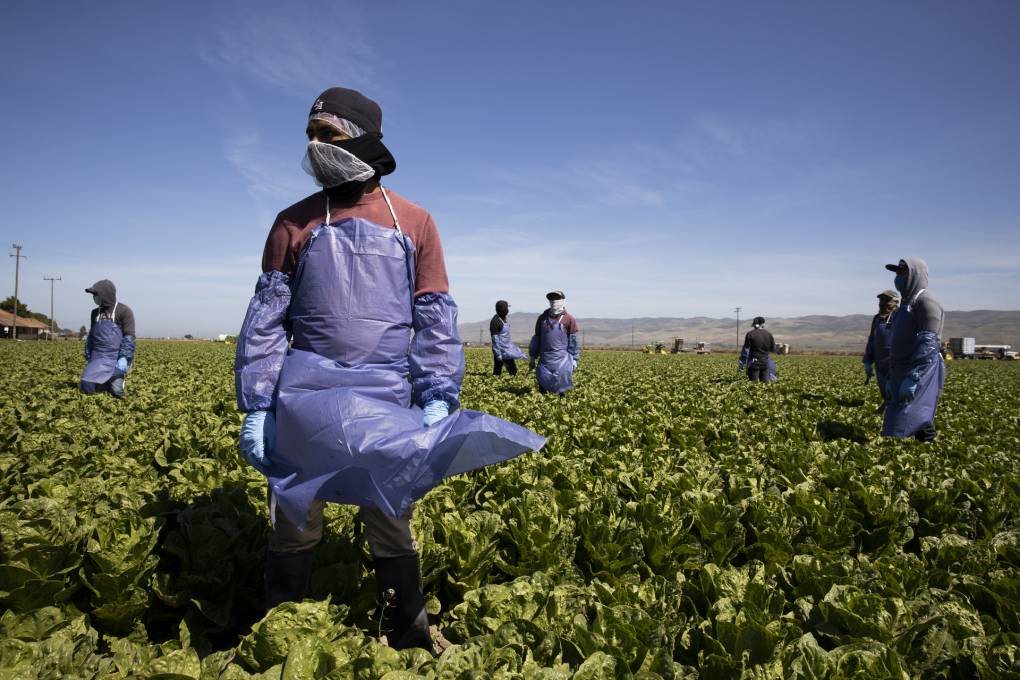
"caption": "Farm laborers from Fresh Harvest working with an H-2A visa maintain a safe distance as a machine is moved on April 27, 2020 in Greenfield, California. ",
"description": "Farm laborers from Fresh Harvest working with an H-2A visa maintain a safe distance as a machine is moved on April 27, 2020 in Greenfield, California. ",
"title": "Immigrant Agricultural Workers Critical To U.S. Food Security Amid COVID-19 Outbreak",
"credit": "Brent Stirton/Getty Images",
"status": "inherit",
"altTag": "\"\"",
"isLoading": false,
"fetchFailed": false
},
"news_11850921": {
"type": "attachments",
"id": "news_11850921",
"meta": {
"index": "attachments_1716263798",
"site": "news",
"id": "11850921",
"found": true
},
"parent": 11850750,
"imgSizes": {
"apple_news_ca_landscape_5_5": {
"file": "https://ww2.kqed.org/app/uploads/sites/10/2020/12/MARQUEE-810-1044x720.jpg",
"width": 1044,
"mimeType": "image/jpeg",
"height": 720
},
"apple_news_ca_square_4_0": {
"file": "https://ww2.kqed.org/app/uploads/sites/10/2020/12/MARQUEE-810-470x470.jpg",
"width": 470,
"mimeType": "image/jpeg",
"height": 470
},
"twentyfourteen-full-width": {
"file": "https://ww2.kqed.org/app/uploads/sites/10/2020/12/MARQUEE-810-1038x576.jpg",
"width": 1038,
"mimeType": "image/jpeg",
"height": 576
},
"thumbnail": {
"file": "https://ww2.kqed.org/app/uploads/sites/10/2020/12/MARQUEE-810-160x90.jpg",
"width": 160,
"mimeType": "image/jpeg",
"height": 90
},
"post-thumbnail": {
"file": "https://ww2.kqed.org/app/uploads/sites/10/2020/12/MARQUEE-810-672x372.jpg",
"width": 672,
"mimeType": "image/jpeg",
"height": 372
},
"kqedFullSize": {
"file": "https://ww2.kqed.org/app/uploads/sites/10/2020/12/MARQUEE-810.jpg",
"width": 1280,
"height": 720
},
"apple_news_ca_landscape_4_7": {
"file": "https://ww2.kqed.org/app/uploads/sites/10/2020/12/MARQUEE-810-632x474.jpg",
"width": 632,
"mimeType": "image/jpeg",
"height": 474
},
"large": {
"file": "https://ww2.kqed.org/app/uploads/sites/10/2020/12/MARQUEE-810-1020x574.jpg",
"width": 1020,
"mimeType": "image/jpeg",
"height": 574
},
"apple_news_ca_landscape_4_0": {
"file": "https://ww2.kqed.org/app/uploads/sites/10/2020/12/MARQUEE-810-536x402.jpg",
"width": 536,
"mimeType": "image/jpeg",
"height": 402
},
"apple_news_ca_portrait_12_9": {
"file": "https://ww2.kqed.org/app/uploads/sites/10/2020/12/MARQUEE-810-1122x720.jpg",
"width": 1122,
"mimeType": "image/jpeg",
"height": 720
},
"medium": {
"file": "https://ww2.kqed.org/app/uploads/sites/10/2020/12/MARQUEE-810-800x450.jpg",
"width": 800,
"mimeType": "image/jpeg",
"height": 450
},
"apple_news_ca_portrait_4_0": {
"file": "https://ww2.kqed.org/app/uploads/sites/10/2020/12/MARQUEE-810-354x472.jpg",
"width": 354,
"mimeType": "image/jpeg",
"height": 472
},
"apple_news_ca_portrait_9_7": {
"file": "https://ww2.kqed.org/app/uploads/sites/10/2020/12/MARQUEE-810-840x720.jpg",
"width": 840,
"mimeType": "image/jpeg",
"height": 720
},
"apple_news_ca_square_9_7": {
"file": "https://ww2.kqed.org/app/uploads/sites/10/2020/12/MARQUEE-810-1104x720.jpg",
"width": 1104,
"mimeType": "image/jpeg",
"height": 720
},
"apple_news_ca_portrait_4_7": {
"file": "https://ww2.kqed.org/app/uploads/sites/10/2020/12/MARQUEE-810-414x552.jpg",
"width": 414,
"mimeType": "image/jpeg",
"height": 552
},
"apple_news_ca_portrait_5_5": {
"file": "https://ww2.kqed.org/app/uploads/sites/10/2020/12/MARQUEE-810-687x720.jpg",
"width": 687,
"mimeType": "image/jpeg",
"height": 720
},
"apple_news_ca_square_4_7": {
"file": "https://ww2.kqed.org/app/uploads/sites/10/2020/12/MARQUEE-810-550x550.jpg",
"width": 550,
"mimeType": "image/jpeg",
"height": 550
},
"apple_news_ca_square_5_5": {
"file": "https://ww2.kqed.org/app/uploads/sites/10/2020/12/MARQUEE-810-912x720.jpg",
"width": 912,
"mimeType": "image/jpeg",
"height": 720
}
},
"publishDate": 1607737459,
"modified": 1607737459,
"caption": null,
"description": null,
"title": "MARQUEE 810",
"credit": null,
"status": "inherit",
"altTag": null,
"isLoading": false,
"fetchFailed": false
},
"news_11850224": {
"type": "attachments",
"id": "news_11850224",
"meta": {
"index": "attachments_1716263798",
"site": "news",
"id": "11850224",
"found": true
},
"parent": 11850223,
"imgSizes": {
"apple_news_ca_landscape_5_5": {
"file": "https://ww2.kqed.org/app/uploads/sites/10/2020/12/pfegettyimages-1228520860-855c39ccce4ab99692dafaf8abe0a8314e53a9ee-1044x783.jpg",
"width": 1044,
"mimeType": "image/jpeg",
"height": 783
},
"apple_news_ca_square_4_0": {
"file": "https://ww2.kqed.org/app/uploads/sites/10/2020/12/pfegettyimages-1228520860-855c39ccce4ab99692dafaf8abe0a8314e53a9ee-470x470.jpg",
"width": 470,
"mimeType": "image/jpeg",
"height": 470
},
"twentyfourteen-full-width": {
"file": "https://ww2.kqed.org/app/uploads/sites/10/2020/12/pfegettyimages-1228520860-855c39ccce4ab99692dafaf8abe0a8314e53a9ee-1038x576.jpg",
"width": 1038,
"mimeType": "image/jpeg",
"height": 576
},
"thumbnail": {
"file": "https://ww2.kqed.org/app/uploads/sites/10/2020/12/pfegettyimages-1228520860-855c39ccce4ab99692dafaf8abe0a8314e53a9ee-160x120.jpg",
"width": 160,
"mimeType": "image/jpeg",
"height": 120
},
"post-thumbnail": {
"file": "https://ww2.kqed.org/app/uploads/sites/10/2020/12/pfegettyimages-1228520860-855c39ccce4ab99692dafaf8abe0a8314e53a9ee-672x372.jpg",
"width": 672,
"mimeType": "image/jpeg",
"height": 372
},
"kqedFullSize": {
"file": "https://ww2.kqed.org/app/uploads/sites/10/2020/12/pfegettyimages-1228520860-855c39ccce4ab99692dafaf8abe0a8314e53a9ee-scaled.jpg",
"width": 2560,
"height": 1920
},
"2048x2048": {
"file": "https://ww2.kqed.org/app/uploads/sites/10/2020/12/pfegettyimages-1228520860-855c39ccce4ab99692dafaf8abe0a8314e53a9ee-2048x1536.jpg",
"width": 2048,
"mimeType": "image/jpeg",
"height": 1536
},
"apple_news_ca_landscape_4_7": {
"file": "https://ww2.kqed.org/app/uploads/sites/10/2020/12/pfegettyimages-1228520860-855c39ccce4ab99692dafaf8abe0a8314e53a9ee-632x474.jpg",
"width": 632,
"mimeType": "image/jpeg",
"height": 474
},
"large": {
"file": "https://ww2.kqed.org/app/uploads/sites/10/2020/12/pfegettyimages-1228520860-855c39ccce4ab99692dafaf8abe0a8314e53a9ee-1020x765.jpg",
"width": 1020,
"mimeType": "image/jpeg",
"height": 765
},
"apple_news_ca_landscape_4_0": {
"file": "https://ww2.kqed.org/app/uploads/sites/10/2020/12/pfegettyimages-1228520860-855c39ccce4ab99692dafaf8abe0a8314e53a9ee-536x402.jpg",
"width": 536,
"mimeType": "image/jpeg",
"height": 402
},
"apple_news_ca_portrait_12_9": {
"file": "https://ww2.kqed.org/app/uploads/sites/10/2020/12/pfegettyimages-1228520860-855c39ccce4ab99692dafaf8abe0a8314e53a9ee-1122x1496.jpg",
"width": 1122,
"mimeType": "image/jpeg",
"height": 1496
},
"medium": {
"file": "https://ww2.kqed.org/app/uploads/sites/10/2020/12/pfegettyimages-1228520860-855c39ccce4ab99692dafaf8abe0a8314e53a9ee-800x600.jpg",
"width": 800,
"mimeType": "image/jpeg",
"height": 600
},
"apple_news_ca_portrait_4_0": {
"file": "https://ww2.kqed.org/app/uploads/sites/10/2020/12/pfegettyimages-1228520860-855c39ccce4ab99692dafaf8abe0a8314e53a9ee-354x472.jpg",
"width": 354,
"mimeType": "image/jpeg",
"height": 472
},
"apple_news_ca_portrait_9_7": {
"file": "https://ww2.kqed.org/app/uploads/sites/10/2020/12/pfegettyimages-1228520860-855c39ccce4ab99692dafaf8abe0a8314e53a9ee-840x1120.jpg",
"width": 840,
"mimeType": "image/jpeg",
"height": 1120
},
"apple_news_ca_landscape_12_9": {
"file": "https://ww2.kqed.org/app/uploads/sites/10/2020/12/pfegettyimages-1228520860-855c39ccce4ab99692dafaf8abe0a8314e53a9ee-1832x1374.jpg",
"width": 1832,
"mimeType": "image/jpeg",
"height": 1374
},
"apple_news_ca_square_9_7": {
"file": "https://ww2.kqed.org/app/uploads/sites/10/2020/12/pfegettyimages-1228520860-855c39ccce4ab99692dafaf8abe0a8314e53a9ee-1104x1104.jpg",
"width": 1104,
"mimeType": "image/jpeg",
"height": 1104
},
"1536x1536": {
"file": "https://ww2.kqed.org/app/uploads/sites/10/2020/12/pfegettyimages-1228520860-855c39ccce4ab99692dafaf8abe0a8314e53a9ee-1536x1152.jpg",
"width": 1536,
"mimeType": "image/jpeg",
"height": 1152
},
"apple_news_ca_portrait_4_7": {
"file": "https://ww2.kqed.org/app/uploads/sites/10/2020/12/pfegettyimages-1228520860-855c39ccce4ab99692dafaf8abe0a8314e53a9ee-414x552.jpg",
"width": 414,
"mimeType": "image/jpeg",
"height": 552
},
"apple_news_ca_square_12_9": {
"file": "https://ww2.kqed.org/app/uploads/sites/10/2020/12/pfegettyimages-1228520860-855c39ccce4ab99692dafaf8abe0a8314e53a9ee-1472x1472.jpg",
"width": 1472,
"mimeType": "image/jpeg",
"height": 1472
},
"apple_news_ca_portrait_5_5": {
"file": "https://ww2.kqed.org/app/uploads/sites/10/2020/12/pfegettyimages-1228520860-855c39ccce4ab99692dafaf8abe0a8314e53a9ee-687x916.jpg",
"width": 687,
"mimeType": "image/jpeg",
"height": 916
},
"full-width": {
"file": "https://ww2.kqed.org/app/uploads/sites/10/2020/12/pfegettyimages-1228520860-855c39ccce4ab99692dafaf8abe0a8314e53a9ee-1920x1440.jpg",
"width": 1920,
"mimeType": "image/jpeg",
"height": 1440
},
"apple_news_ca_square_4_7": {
"file": "https://ww2.kqed.org/app/uploads/sites/10/2020/12/pfegettyimages-1228520860-855c39ccce4ab99692dafaf8abe0a8314e53a9ee-550x550.jpg",
"width": 550,
"mimeType": "image/jpeg",
"height": 550
},
"apple_news_ca_landscape_9_7": {
"file": "https://ww2.kqed.org/app/uploads/sites/10/2020/12/pfegettyimages-1228520860-855c39ccce4ab99692dafaf8abe0a8314e53a9ee-1376x1032.jpg",
"width": 1376,
"mimeType": "image/jpeg",
"height": 1032
},
"apple_news_ca_square_5_5": {
"file": "https://ww2.kqed.org/app/uploads/sites/10/2020/12/pfegettyimages-1228520860-855c39ccce4ab99692dafaf8abe0a8314e53a9ee-912x912.jpg",
"width": 912,
"mimeType": "image/jpeg",
"height": 912
}
},
"publishDate": 1607457504,
"modified": 1607460260,
"caption": "A woman wearing a face mask walks past a Pfizer logo at their headquarters.",
"description": "A woman wearing a face mask walks past a Pfizer logo at their Headquarters.",
"title": null,
"credit": "John Nacion/SOPA Images/LightRocket via Getty Images",
"status": "inherit",
"altTag": "\"\"",
"isLoading": false,
"fetchFailed": false
},
"news_11849925": {
"type": "attachments",
"id": "news_11849925",
"meta": {
"index": "attachments_1716263798",
"site": "news",
"id": "11849925",
"found": true
},
"parent": 11849892,
"imgSizes": {
"apple_news_ca_landscape_5_5": {
"file": "https://ww2.kqed.org/app/uploads/sites/10/2020/12/1920_GettyImages-1227240493-copy-1044x783.jpg",
"width": 1044,
"mimeType": "image/jpeg",
"height": 783
},
"apple_news_ca_square_4_0": {
"file": "https://ww2.kqed.org/app/uploads/sites/10/2020/12/1920_GettyImages-1227240493-copy-470x470.jpg",
"width": 470,
"mimeType": "image/jpeg",
"height": 470
},
"twentyfourteen-full-width": {
"file": "https://ww2.kqed.org/app/uploads/sites/10/2020/12/1920_GettyImages-1227240493-copy-1038x576.jpg",
"width": 1038,
"mimeType": "image/jpeg",
"height": 576
},
"thumbnail": {
"file": "https://ww2.kqed.org/app/uploads/sites/10/2020/12/1920_GettyImages-1227240493-copy-160x90.jpg",
"width": 160,
"mimeType": "image/jpeg",
"height": 90
},
"post-thumbnail": {
"file": "https://ww2.kqed.org/app/uploads/sites/10/2020/12/1920_GettyImages-1227240493-copy-672x372.jpg",
"width": 672,
"mimeType": "image/jpeg",
"height": 372
},
"kqedFullSize": {
"file": "https://ww2.kqed.org/app/uploads/sites/10/2020/12/1920_GettyImages-1227240493-copy-scaled.jpg",
"width": 2560,
"height": 1440
},
"2048x2048": {
"file": "https://ww2.kqed.org/app/uploads/sites/10/2020/12/1920_GettyImages-1227240493-copy-2048x1152.jpg",
"width": 2048,
"mimeType": "image/jpeg",
"height": 1152
},
"apple_news_ca_landscape_4_7": {
"file": "https://ww2.kqed.org/app/uploads/sites/10/2020/12/1920_GettyImages-1227240493-copy-632x474.jpg",
"width": 632,
"mimeType": "image/jpeg",
"height": 474
},
"large": {
"file": "https://ww2.kqed.org/app/uploads/sites/10/2020/12/1920_GettyImages-1227240493-copy-1020x574.jpg",
"width": 1020,
"mimeType": "image/jpeg",
"height": 574
},
"apple_news_ca_landscape_4_0": {
"file": "https://ww2.kqed.org/app/uploads/sites/10/2020/12/1920_GettyImages-1227240493-copy-536x402.jpg",
"width": 536,
"mimeType": "image/jpeg",
"height": 402
},
"apple_news_ca_portrait_12_9": {
"file": "https://ww2.kqed.org/app/uploads/sites/10/2020/12/1920_GettyImages-1227240493-copy-1122x1496.jpg",
"width": 1122,
"mimeType": "image/jpeg",
"height": 1496
},
"medium": {
"file": "https://ww2.kqed.org/app/uploads/sites/10/2020/12/1920_GettyImages-1227240493-copy-800x450.jpg",
"width": 800,
"mimeType": "image/jpeg",
"height": 450
},
"apple_news_ca_portrait_4_0": {
"file": "https://ww2.kqed.org/app/uploads/sites/10/2020/12/1920_GettyImages-1227240493-copy-354x472.jpg",
"width": 354,
"mimeType": "image/jpeg",
"height": 472
},
"apple_news_ca_portrait_9_7": {
"file": "https://ww2.kqed.org/app/uploads/sites/10/2020/12/1920_GettyImages-1227240493-copy-840x1120.jpg",
"width": 840,
"mimeType": "image/jpeg",
"height": 1120
},
"apple_news_ca_landscape_12_9": {
"file": "https://ww2.kqed.org/app/uploads/sites/10/2020/12/1920_GettyImages-1227240493-copy-1832x1374.jpg",
"width": 1832,
"mimeType": "image/jpeg",
"height": 1374
},
"apple_news_ca_square_9_7": {
"file": "https://ww2.kqed.org/app/uploads/sites/10/2020/12/1920_GettyImages-1227240493-copy-1104x1104.jpg",
"width": 1104,
"mimeType": "image/jpeg",
"height": 1104
},
"1536x1536": {
"file": "https://ww2.kqed.org/app/uploads/sites/10/2020/12/1920_GettyImages-1227240493-copy-1536x864.jpg",
"width": 1536,
"mimeType": "image/jpeg",
"height": 864
},
"apple_news_ca_portrait_4_7": {
"file": "https://ww2.kqed.org/app/uploads/sites/10/2020/12/1920_GettyImages-1227240493-copy-414x552.jpg",
"width": 414,
"mimeType": "image/jpeg",
"height": 552
},
"apple_news_ca_square_12_9": {
"file": "https://ww2.kqed.org/app/uploads/sites/10/2020/12/1920_GettyImages-1227240493-copy-1472x1472.jpg",
"width": 1472,
"mimeType": "image/jpeg",
"height": 1472
},
"apple_news_ca_portrait_5_5": {
"file": "https://ww2.kqed.org/app/uploads/sites/10/2020/12/1920_GettyImages-1227240493-copy-687x916.jpg",
"width": 687,
"mimeType": "image/jpeg",
"height": 916
},
"full-width": {
"file": "https://ww2.kqed.org/app/uploads/sites/10/2020/12/1920_GettyImages-1227240493-copy-1920x1080.jpg",
"width": 1920,
"mimeType": "image/jpeg",
"height": 1080
},
"apple_news_ca_square_4_7": {
"file": "https://ww2.kqed.org/app/uploads/sites/10/2020/12/1920_GettyImages-1227240493-copy-550x550.jpg",
"width": 550,
"mimeType": "image/jpeg",
"height": 550
},
"apple_news_ca_landscape_9_7": {
"file": "https://ww2.kqed.org/app/uploads/sites/10/2020/12/1920_GettyImages-1227240493-copy-1376x1032.jpg",
"width": 1376,
"mimeType": "image/jpeg",
"height": 1032
},
"apple_news_ca_square_5_5": {
"file": "https://ww2.kqed.org/app/uploads/sites/10/2020/12/1920_GettyImages-1227240493-copy-912x912.jpg",
"width": 912,
"mimeType": "image/jpeg",
"height": 912
}
},
"publishDate": 1607272472,
"modified": 1607272858,
"caption": "An American flag with an image of a Native American printed on it is attached to a fence outside a home amid the spread of the coronavirus on May 25, 2020 in To’Hajiilee Indian Reservation, New Mexico. The Navajo Nation suffered the highest rate of COVID-19 cases in the U.S. per capita in May. A California vaccine committee is considering taking historical injustice into account in advance of a statewide rollout.",
"description": null,
"title": "Coronavirus Hits Navajo Nation Reservations Disproportionately Hard",
"credit": "Sam Wasson/Getty Images",
"status": "inherit",
"altTag": "An American flag with an image of a Native American printed on it is attached to a fence outside a home in the East To'Hajiilee housing community amid the spread of the coronavirus on May 25, 2020 in To’Hajiilee Indian Reservation, New Mexico.",
"isLoading": false,
"fetchFailed": false
},
"news_11849588": {
"type": "attachments",
"id": "news_11849588",
"meta": {
"index": "attachments_1716263798",
"site": "news",
"id": "11849588",
"found": true
},
"parent": 11849585,
"imgSizes": {
"apple_news_ca_landscape_5_5": {
"file": "https://ww2.kqed.org/app/uploads/sites/10/2020/12/RS16165_JV0A7516-qut-1044x783.jpg",
"width": 1044,
"mimeType": "image/jpeg",
"height": 783
},
"apple_news_ca_square_4_0": {
"file": "https://ww2.kqed.org/app/uploads/sites/10/2020/12/RS16165_JV0A7516-qut-470x470.jpg",
"width": 470,
"mimeType": "image/jpeg",
"height": 470
},
"twentyfourteen-full-width": {
"file": "https://ww2.kqed.org/app/uploads/sites/10/2020/12/RS16165_JV0A7516-qut-1038x576.jpg",
"width": 1038,
"mimeType": "image/jpeg",
"height": 576
},
"thumbnail": {
"file": "https://ww2.kqed.org/app/uploads/sites/10/2020/12/RS16165_JV0A7516-qut-160x107.jpg",
"width": 160,
"mimeType": "image/jpeg",
"height": 107
},
"post-thumbnail": {
"file": "https://ww2.kqed.org/app/uploads/sites/10/2020/12/RS16165_JV0A7516-qut-672x372.jpg",
"width": 672,
"mimeType": "image/jpeg",
"height": 372
},
"kqedFullSize": {
"file": "https://ww2.kqed.org/app/uploads/sites/10/2020/12/RS16165_JV0A7516-qut.jpg",
"width": 1920,
"height": 1280
},
"apple_news_ca_landscape_4_7": {
"file": "https://ww2.kqed.org/app/uploads/sites/10/2020/12/RS16165_JV0A7516-qut-632x474.jpg",
"width": 632,
"mimeType": "image/jpeg",
"height": 474
},
"large": {
"file": "https://ww2.kqed.org/app/uploads/sites/10/2020/12/RS16165_JV0A7516-qut-1020x680.jpg",
"width": 1020,
"mimeType": "image/jpeg",
"height": 680
},
"apple_news_ca_landscape_4_0": {
"file": "https://ww2.kqed.org/app/uploads/sites/10/2020/12/RS16165_JV0A7516-qut-536x402.jpg",
"width": 536,
"mimeType": "image/jpeg",
"height": 402
},
"apple_news_ca_portrait_12_9": {
"file": "https://ww2.kqed.org/app/uploads/sites/10/2020/12/RS16165_JV0A7516-qut-1122x1280.jpg",
"width": 1122,
"mimeType": "image/jpeg",
"height": 1280
},
"medium": {
"file": "https://ww2.kqed.org/app/uploads/sites/10/2020/12/RS16165_JV0A7516-qut-800x533.jpg",
"width": 800,
"mimeType": "image/jpeg",
"height": 533
},
"apple_news_ca_portrait_4_0": {
"file": "https://ww2.kqed.org/app/uploads/sites/10/2020/12/RS16165_JV0A7516-qut-354x472.jpg",
"width": 354,
"mimeType": "image/jpeg",
"height": 472
},
"apple_news_ca_portrait_9_7": {
"file": "https://ww2.kqed.org/app/uploads/sites/10/2020/12/RS16165_JV0A7516-qut-840x1120.jpg",
"width": 840,
"mimeType": "image/jpeg",
"height": 1120
},
"apple_news_ca_landscape_12_9": {
"file": "https://ww2.kqed.org/app/uploads/sites/10/2020/12/RS16165_JV0A7516-qut-1832x1280.jpg",
"width": 1832,
"mimeType": "image/jpeg",
"height": 1280
},
"apple_news_ca_square_9_7": {
"file": "https://ww2.kqed.org/app/uploads/sites/10/2020/12/RS16165_JV0A7516-qut-1104x1104.jpg",
"width": 1104,
"mimeType": "image/jpeg",
"height": 1104
},
"1536x1536": {
"file": "https://ww2.kqed.org/app/uploads/sites/10/2020/12/RS16165_JV0A7516-qut-1536x1024.jpg",
"width": 1536,
"mimeType": "image/jpeg",
"height": 1024
},
"apple_news_ca_portrait_4_7": {
"file": "https://ww2.kqed.org/app/uploads/sites/10/2020/12/RS16165_JV0A7516-qut-414x552.jpg",
"width": 414,
"mimeType": "image/jpeg",
"height": 552
},
"apple_news_ca_square_12_9": {
"file": "https://ww2.kqed.org/app/uploads/sites/10/2020/12/RS16165_JV0A7516-qut-1472x1280.jpg",
"width": 1472,
"mimeType": "image/jpeg",
"height": 1280
},
"apple_news_ca_portrait_5_5": {
"file": "https://ww2.kqed.org/app/uploads/sites/10/2020/12/RS16165_JV0A7516-qut-687x916.jpg",
"width": 687,
"mimeType": "image/jpeg",
"height": 916
},
"apple_news_ca_square_4_7": {
"file": "https://ww2.kqed.org/app/uploads/sites/10/2020/12/RS16165_JV0A7516-qut-550x550.jpg",
"width": 550,
"mimeType": "image/jpeg",
"height": 550
},
"apple_news_ca_landscape_9_7": {
"file": "https://ww2.kqed.org/app/uploads/sites/10/2020/12/RS16165_JV0A7516-qut-1376x1032.jpg",
"width": 1376,
"mimeType": "image/jpeg",
"height": 1032
},
"apple_news_ca_square_5_5": {
"file": "https://ww2.kqed.org/app/uploads/sites/10/2020/12/RS16165_JV0A7516-qut-912x912.jpg",
"width": 912,
"mimeType": "image/jpeg",
"height": 912
}
},
"publishDate": 1607041970,
"modified": 1626996401,
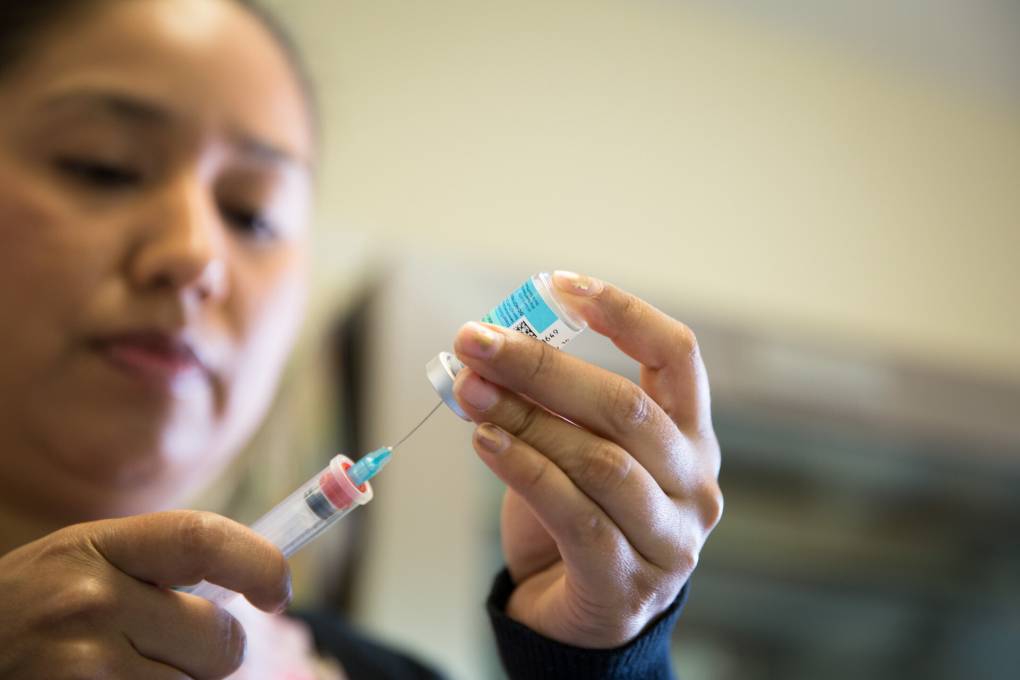
"caption": "Etzel Rubio at Berkeley Pediatrics fills a syringe in preparation to administer a vaccine.",
"description": "Etzel Rubio at Berkeley Pediatrics fills a syringe in preparation to administer a vaccine.",
"title": "RS16165_JV0A7516-qut",
"credit": "Jeremy Raff/KQED",
"status": "inherit",
"altTag": null,
"isLoading": false,
"fetchFailed": false
},
"news_11848978": {
"type": "attachments",
"id": "news_11848978",
"meta": {
"index": "attachments_1716263798",
"site": "news",
"id": "11848978",
"found": true
},
"parent": 11848963,
"imgSizes": {
"apple_news_ca_landscape_5_5": {
"file": "https://ww2.kqed.org/app/uploads/sites/10/2020/11/GettyImages-1229759730_1920x-1044x783.jpg",
"width": 1044,
"mimeType": "image/jpeg",
"height": 783
},
"apple_news_ca_square_4_0": {
"file": "https://ww2.kqed.org/app/uploads/sites/10/2020/11/GettyImages-1229759730_1920x-470x470.jpg",
"width": 470,
"mimeType": "image/jpeg",
"height": 470
},
"twentyfourteen-full-width": {
"file": "https://ww2.kqed.org/app/uploads/sites/10/2020/11/GettyImages-1229759730_1920x-1038x576.jpg",
"width": 1038,
"mimeType": "image/jpeg",
"height": 576
},
"thumbnail": {
"file": "https://ww2.kqed.org/app/uploads/sites/10/2020/11/GettyImages-1229759730_1920x-160x103.jpg",
"width": 160,
"mimeType": "image/jpeg",
"height": 103
},
"post-thumbnail": {
"file": "https://ww2.kqed.org/app/uploads/sites/10/2020/11/GettyImages-1229759730_1920x-672x372.jpg",
"width": 672,
"mimeType": "image/jpeg",
"height": 372
},
"kqedFullSize": {
"file": "https://ww2.kqed.org/app/uploads/sites/10/2020/11/GettyImages-1229759730_1920x.jpg",
"width": 1920,
"height": 1231
},
"apple_news_ca_landscape_4_7": {
"file": "https://ww2.kqed.org/app/uploads/sites/10/2020/11/GettyImages-1229759730_1920x-632x474.jpg",
"width": 632,
"mimeType": "image/jpeg",
"height": 474
},
"large": {
"file": "https://ww2.kqed.org/app/uploads/sites/10/2020/11/GettyImages-1229759730_1920x-1020x654.jpg",
"width": 1020,
"mimeType": "image/jpeg",
"height": 654
},
"apple_news_ca_landscape_4_0": {
"file": "https://ww2.kqed.org/app/uploads/sites/10/2020/11/GettyImages-1229759730_1920x-536x402.jpg",
"width": 536,
"mimeType": "image/jpeg",
"height": 402
},
"apple_news_ca_portrait_12_9": {
"file": "https://ww2.kqed.org/app/uploads/sites/10/2020/11/GettyImages-1229759730_1920x-1122x1231.jpg",
"width": 1122,
"mimeType": "image/jpeg",
"height": 1231
},
"medium": {
"file": "https://ww2.kqed.org/app/uploads/sites/10/2020/11/GettyImages-1229759730_1920x-800x513.jpg",
"width": 800,
"mimeType": "image/jpeg",
"height": 513
},
"apple_news_ca_portrait_4_0": {
"file": "https://ww2.kqed.org/app/uploads/sites/10/2020/11/GettyImages-1229759730_1920x-354x472.jpg",
"width": 354,
"mimeType": "image/jpeg",
"height": 472
},
"apple_news_ca_portrait_9_7": {
"file": "https://ww2.kqed.org/app/uploads/sites/10/2020/11/GettyImages-1229759730_1920x-840x1120.jpg",
"width": 840,
"mimeType": "image/jpeg",
"height": 1120
},
"apple_news_ca_landscape_12_9": {
"file": "https://ww2.kqed.org/app/uploads/sites/10/2020/11/GettyImages-1229759730_1920x-1832x1231.jpg",
"width": 1832,
"mimeType": "image/jpeg",
"height": 1231
},
"apple_news_ca_square_9_7": {
"file": "https://ww2.kqed.org/app/uploads/sites/10/2020/11/GettyImages-1229759730_1920x-1104x1104.jpg",
"width": 1104,
"mimeType": "image/jpeg",
"height": 1104
},
"1536x1536": {
"file": "https://ww2.kqed.org/app/uploads/sites/10/2020/11/GettyImages-1229759730_1920x-1536x985.jpg",
"width": 1536,
"mimeType": "image/jpeg",
"height": 985
},
"apple_news_ca_portrait_4_7": {
"file": "https://ww2.kqed.org/app/uploads/sites/10/2020/11/GettyImages-1229759730_1920x-414x552.jpg",
"width": 414,
"mimeType": "image/jpeg",
"height": 552
},
"apple_news_ca_square_12_9": {
"file": "https://ww2.kqed.org/app/uploads/sites/10/2020/11/GettyImages-1229759730_1920x-1472x1231.jpg",
"width": 1472,
"mimeType": "image/jpeg",
"height": 1231
},
"apple_news_ca_portrait_5_5": {
"file": "https://ww2.kqed.org/app/uploads/sites/10/2020/11/GettyImages-1229759730_1920x-687x916.jpg",
"width": 687,
"mimeType": "image/jpeg",
"height": 916
},
"apple_news_ca_square_4_7": {
"file": "https://ww2.kqed.org/app/uploads/sites/10/2020/11/GettyImages-1229759730_1920x-550x550.jpg",
"width": 550,
"mimeType": "image/jpeg",
"height": 550
},
"apple_news_ca_landscape_9_7": {
"file": "https://ww2.kqed.org/app/uploads/sites/10/2020/11/GettyImages-1229759730_1920x-1376x1032.jpg",
"width": 1376,
"mimeType": "image/jpeg",
"height": 1032
},
"apple_news_ca_square_5_5": {
"file": "https://ww2.kqed.org/app/uploads/sites/10/2020/11/GettyImages-1229759730_1920x-912x912.jpg",
"width": 912,
"mimeType": "image/jpeg",
"height": 912
}
},
"publishDate": 1606520342,
"modified": 1606775329,
"caption": "A sign on the entrance to a pharmacy reads 'COVID-19 Vaccine Not Yet Available' on Nov. 23, 2020 in Burbank, California.",
"description": "A sign on the entrance to a pharmacy reads 'COVID-19 Vaccine Not Yet Available', November 23, 2020 in Burbank, California.",
"title": "US-HEALTH-VIRUS",
"credit": "Robyn Beck/AFP via Getty Images",
"status": "inherit",
"isLoading": false,
"fetchFailed": false
}
},
"audioPlayerReducer": {
"postId": "stream_live",
"isPaused": true,
"isPlaying": false,
"pfsActive": false,
"pledgeModalIsOpen": true,
"playerDrawerIsOpen": false,
"liveAudioPlayStartedAt": 0,
"liveAudioPlayContext": ""
},
"authorsReducer": {
"byline_news_11850223": {
"type": "authors",
"id": "byline_news_11850223",
"meta": {
"override": true
},
"slug": "byline_news_11850223",
"name": "\u003ca href=\"https://www.npr.org/people/349277456/scott-hensley\">Scott Hensley\u003c/a>",
"isLoading": false
},
"kqed": {
"type": "authors",
"id": "236",
"meta": {
"index": "authors_1716337520",
"id": "236",
"found": true
},
"name": "KQED News Staff",
"firstName": "KQED News Staff",
"lastName": null,
"slug": "kqed",
"email": "faq@kqed.org",
"display_author_email": false,
"staff_mastheads": [],
"title": null,
"bio": null,
"avatar": "https://secure.gravatar.com/avatar/ef0e801a68c4c54afa9180db14084167?s=600&d=blank&r=g",
"twitter": null,
"facebook": null,
"instagram": null,
"linkedin": null,
"sites": [
{
"site": "arts",
"roles": [
"contributor"
]
},
{
"site": "news",
"roles": [
"editor"
]
},
{
"site": "futureofyou",
"roles": [
"author"
]
}
],
"headData": {
"title": "KQED News Staff | KQED",
"description": null,
"ogImgSrc": "https://secure.gravatar.com/avatar/ef0e801a68c4c54afa9180db14084167?s=600&d=blank&r=g",
"twImgSrc": "https://secure.gravatar.com/avatar/ef0e801a68c4c54afa9180db14084167?s=600&d=blank&r=g"
},
"isLoading": false,
"link": "/author/kqed"
},
"adembosky": {
"type": "authors",
"id": "3205",
"meta": {
"index": "authors_1716337520",
"id": "3205",
"found": true
},
"name": "April Dembosky",
"firstName": "April",
"lastName": "Dembosky",
"slug": "adembosky",
"email": "adembosky@kqed.org",
"display_author_email": false,
"staff_mastheads": [
"news",
"science"
],
"title": "KQED Health Correspondent",
"bio": "April Dembosky is the health correspondent for KQED News and a regular contributor to NPR. She specializes in covering altered states of mind, from postpartum depression to methamphetamine-induced psychosis to the insanity defense. Her investigative series on insurance companies sidestepping mental health laws won multiple awards, including first place in beat reporting from the national Association of Health Care Journalists. She is the recipient of numerous other prizes and fellowships, including a national Edward R. Murrow award for investigative reporting, a Society of Professional Journalists award for long-form storytelling, and a Carter Center Fellowship for Mental Health Journalism.\r\n\r\nDembosky reported and produced \u003cem>Soundtrack of Silence\u003c/em>, an audio documentary about music and memory that is currently being made into a feature film by Paramount Pictures.\r\n\r\nBefore joining KQED in 2013, Dembosky covered technology and Silicon Valley for \u003cem>The Financial Times of London,\u003c/em> and contributed business and arts stories to \u003cem>Marketplace \u003c/em>and \u003cem>The New York Times.\u003c/em> She got her undergraduate degree in philosophy from Smith College and her master's in journalism from the University of California, Berkeley. She is a classically trained violinist and proud alum of the first symphony orchestra at Burning Man.",
"avatar": "https://secure.gravatar.com/avatar/ef92999be4ceb9ea60701e7dc276f813?s=600&d=blank&r=g",
"twitter": "adembosky",
"facebook": null,
"instagram": null,
"linkedin": null,
"sites": [
{
"site": "arts",
"roles": [
"author"
]
},
{
"site": "news",
"roles": [
"editor"
]
},
{
"site": "futureofyou",
"roles": [
"author"
]
},
{
"site": "stateofhealth",
"roles": [
"editor"
]
},
{
"site": "science",
"roles": [
"editor"
]
},
{
"site": "forum",
"roles": [
"editor"
]
}
],
"headData": {
"title": "April Dembosky | KQED",
"description": "KQED Health Correspondent",
"ogImgSrc": "https://secure.gravatar.com/avatar/ef92999be4ceb9ea60701e7dc276f813?s=600&d=blank&r=g",
"twImgSrc": "https://secure.gravatar.com/avatar/ef92999be4ceb9ea60701e7dc276f813?s=600&d=blank&r=g"
},
"isLoading": false,
"link": "/author/adembosky"
},
"markfiore": {
"type": "authors",
"id": "3236",
"meta": {
"index": "authors_1716337520",
"id": "3236",
"found": true
},
"name": "Mark Fiore",
"firstName": "Mark",
"lastName": "Fiore",
"slug": "markfiore",
"email": "mark@markfiore.com",
"display_author_email": false,
"staff_mastheads": [
"news"
],
"title": "KQED News Cartoonist",
"bio": "\u003ca href=\"http://www.MarkFiore.com\">MarkFiore.com\u003c/a> | \u003ca href=\"https://twitter.com/markfiore\">Follow on Twitter\u003c/a> | \u003ca href=\"https://www.facebook.com/pages/Mark-Fiore-Animated-Political-Cartoons/94451707396?ref=bookmarks\">Facebook\u003c/a> | \u003ca href=\"mailto:mark@markfiore.com\">email\u003c/a>\r\n\r\nPulitzer Prize-winner, Mark Fiore, who the Wall Street Journal has called “the undisputed guru of the form,” creates animated political cartoons in San Francisco, where his work has been featured regularly on the San Francisco Chronicle’s web site, SFGate.com. His work has appeared on Newsweek.com, Slate.com, CBSNews.com, MotherJones.com, DailyKos.com and NPR’s web site. Fiore’s political animation has appeared on CNN, Frontline, Bill Moyers Journal, Salon.com and cable and broadcast outlets across the globe.\r\n\r\nBeginning his professional life by drawing traditional political cartoons for newspapers, Fiore’s work appeared in publications ranging from the Washington Post to the Los Angeles Times. In the late 1990s, he began to experiment with animating political cartoons and, after a short stint at the San Jose Mercury News as their staff cartoonist, Fiore devoted all his energies to animation.\r\nGrowing up in California, Fiore also spent a good portion of his life in the backwoods of Idaho. It was this combination that shaped him politically. Mark majored in political science at Colorado College, where, in a perfect send-off for a cartoonist, he received his diploma in 1991 as commencement speaker Dick Cheney smiled approvingly.\r\nMark Fiore was awarded the Pulitzer Prize for political cartooning in 2010, a Robert F. Kennedy Journalism Award in 2004 and has twice received an Online Journalism Award for commentary from the Online News Association (2002, 2008). Fiore has received two awards for his work in new media from the National Cartoonists Society (2001, 2002), and in 2006 received The James Madison Freedom of Information Award from The Society of Professional Journalists.",
"avatar": "https://secure.gravatar.com/avatar/fc4e2a612b15b67bad0c6f0e1db4ca9b?s=600&d=blank&r=g",
"twitter": "MarkFiore",
"facebook": null,
"instagram": "https://www.instagram.com/markfiore/?hl=en",
"linkedin": null,
"sites": [
{
"site": "arts",
"roles": [
"contributor"
]
},
{
"site": "news",
"roles": [
"editor"
]
},
{
"site": "futureofyou",
"roles": [
"editor"
]
},
{
"site": "science",
"roles": [
"editor"
]
}
],
"headData": {
"title": "Mark Fiore | KQED",
"description": "KQED News Cartoonist",
"ogImgSrc": "https://secure.gravatar.com/avatar/fc4e2a612b15b67bad0c6f0e1db4ca9b?s=600&d=blank&r=g",
"twImgSrc": "https://secure.gravatar.com/avatar/fc4e2a612b15b67bad0c6f0e1db4ca9b?s=600&d=blank&r=g"
},
"isLoading": false,
"link": "/author/markfiore"
},
"dkatayama": {
"type": "authors",
"id": "7240",
"meta": {
"index": "authors_1716337520",
"id": "7240",
"found": true
},
"name": "Devin Katayama",
"firstName": "Devin",
"lastName": "Katayama",
"slug": "dkatayama",
"email": "dkatayama@kqed.org",
"display_author_email": true,
"staff_mastheads": [
"news"
],
"title": "Editor of Talent and Development",
"bio": "Devin Katayama is former Editor of Talent and Development for KQED. He supported our internship program and on-call staff by looking for equitable opportunities to improve the newsroom.\r\n\r\nHe previously hosted The Bay and American Suburb podcasts from KQED News. Prior to returning to the Bay Area in 2015, Devin was the education reporter for WFPL in Louisville and worked as a producer with radio stations in Chicago and Portland, OR. His work has appeared on NPR’s \u003cem>Morning Edition, All Things Considered, The Takeaway\u003c/em> and \u003cem>Here and Now.\u003c/em>\r\n\r\nDevin earned his MA in Journalism from Columbia College Chicago, where he was a Follett Fellow and the recipient of the 2011 Studs Terkel Community Media Workshop Scholarship for his story on Chicago's homeless youth. He won WBUR's 2014 Daniel Schorr award and a regional RTNDA Edward R. Murrow Award for his documentary \"At Risk\" that looked at issues facing some of Louisville's students. Devin has also received numerous local awards from the Associated Press and the Society of Professional Journalists.",
"avatar": "https://secure.gravatar.com/avatar/d0d2978a31002fb2de107921a8e18405?s=600&d=blank&r=g",
"twitter": "RadioDevin",
"facebook": null,
"instagram": null,
"linkedin": null,
"sites": [
{
"site": "arts",
"roles": []
},
{
"site": "news",
"roles": [
"author"
]
},
{
"site": "stateofhealth",
"roles": [
"author"
]
},
{
"site": "forum",
"roles": [
"editor"
]
},
{
"site": "perspectives",
"roles": [
"editor"
]
}
],
"headData": {
"title": "Devin Katayama | KQED",
"description": "Editor of Talent and Development",
"ogImgSrc": "https://secure.gravatar.com/avatar/d0d2978a31002fb2de107921a8e18405?s=600&d=blank&r=g",
"twImgSrc": "https://secure.gravatar.com/avatar/d0d2978a31002fb2de107921a8e18405?s=600&d=blank&r=g"
},
"isLoading": false,
"link": "/author/dkatayama"
},
"ecruzguevarra": {
"type": "authors",
"id": "8654",
"meta": {
"index": "authors_1716337520",
"id": "8654",
"found": true
},
"name": "Ericka Cruz Guevarra",
"firstName": "Ericka",
"lastName": "Cruz Guevarra",
"slug": "ecruzguevarra",
"email": "ecruzguevarra@kqed.org",
"display_author_email": true,
"staff_mastheads": [
"news"
],
"title": "Producer, The Bay Podcast",
"bio": "Ericka Cruz Guevarra is host of \u003ca href=\"https://www.kqed.org/podcasts/thebay\">\u003cem>The Bay\u003c/em>\u003c/a> podcast at KQED. Before host, she was the show’s producer. Her work in that capacity includes a three-part reported series on policing in Vallejo, which won a 2020 excellence in journalism award from the Society of Professional Journalists. Ericka has worked as a breaking news reporter at Oregon Public Broadcasting, helped produce the Code Switch podcast, and was KQED’s inaugural Raul Ramirez Diversity Fund intern. She’s also an alumna of NPR’s Next Generation Radio program. Send her an email if you have strong feelings about whether Fairfield and Suisun City are the Bay. Ericka is represented by SAG-AFTRA.",
"avatar": "https://secure.gravatar.com/avatar/accefc1de4bafc7e234b69bcb9b6f6536c130fd84709bc3069ef11a78787e1bb?s=600&d=blank&r=g",
"twitter": "NotoriousECG",
"bluesky": null,
"facebook": null,
"instagram": null,
"linkedin": null,
"sites": [
{
"site": "arts",
"roles": [
"subscriber"
]
},
{
"site": "news",
"roles": [
"editor",
"manage_categories"
]
},
{
"site": "futureofyou",
"roles": [
"subscriber"
]
},
{
"site": "stateofhealth",
"roles": [
"subscriber"
]
},
{
"site": "science",
"roles": [
"editor"
]
},
{
"site": "forum",
"roles": [
"subscriber"
]
}
],
"headData": {
"title": "Ericka Cruz Guevarra | KQED",
"description": "Producer, The Bay Podcast",
"ogImgSrc": "https://secure.gravatar.com/avatar/accefc1de4bafc7e234b69bcb9b6f6536c130fd84709bc3069ef11a78787e1bb?s=600&d=blank&r=g",
"twImgSrc": "https://secure.gravatar.com/avatar/accefc1de4bafc7e234b69bcb9b6f6536c130fd84709bc3069ef11a78787e1bb?s=600&d=blank&r=g"
},
"isLoading": false,
"link": "/author/ecruzguevarra"
},
"fjhabvala": {
"type": "authors",
"id": "8659",
"meta": {
"index": "authors_1716337520",
"id": "8659",
"found": true
},
"name": "Farida Jhabvala Romero",
"firstName": "Farida",
"lastName": "Jhabvala Romero",
"slug": "fjhabvala",
"email": "fjhabvala@kqed.org",
"display_author_email": true,
"staff_mastheads": [
"news"
],
"title": "KQED Contributor",
"bio": "Farida Jhabvala Romero is a Labor Correspondent for KQED. She previously covered immigration. Farida was \u003ca href=\"https://www.ccnma.org/2022-most-influential-latina-journalists\">named\u003c/a> one of the 10 Most Influential Latina Journalists in California in 2022 by the California Chicano News Media Association. Her work has won awards from the Society of Professional Journalists (Northern California), as well as a national and regional Edward M. Murrow Award for the collaborative reporting projects “Dangerous Air” and “Graying California.” Before joining KQED, Farida worked as a producer at Radio Bilingüe, a national public radio network. Farida earned her master’s degree in journalism from Stanford University.",
"avatar": "https://secure.gravatar.com/avatar/f9f022d4e2609741874222a1e9d41f48fea74011aa7c615eef91d9a50c944ebe?s=600&d=blank&r=g",
"twitter": "FaridaJhabvala",
"bluesky": null,
"facebook": null,
"instagram": null,
"linkedin": "https://www.linkedin.com/in/faridajhabvala/",
"sites": [
{
"site": "news",
"roles": [
"editor"
]
},
{
"site": "stateofhealth",
"roles": [
"author"
]
},
{
"site": "liveblog",
"roles": [
"author"
]
}
],
"headData": {
"title": "Farida Jhabvala Romero | KQED",
"description": "KQED Contributor",
"ogImgSrc": "https://secure.gravatar.com/avatar/f9f022d4e2609741874222a1e9d41f48fea74011aa7c615eef91d9a50c944ebe?s=600&d=blank&r=g",
"twImgSrc": "https://secure.gravatar.com/avatar/f9f022d4e2609741874222a1e9d41f48fea74011aa7c615eef91d9a50c944ebe?s=600&d=blank&r=g"
},
"isLoading": false,
"link": "/author/fjhabvala"
},
"kmoghadam": {
"type": "authors",
"id": "11637",
"meta": {
"index": "authors_1716337520",
"id": "11637",
"found": true
},
"name": "Kyana Moghadam",
"firstName": "Kyana",
"lastName": "Moghadam",
"slug": "kmoghadam",
"email": "kmoghadam@kqed.org",
"display_author_email": false,
"staff_mastheads": [
"news"
],
"title": "Senior Producer ",
"bio": "Kyana Moghadam is a senior producer at KQED. Prior to joining KQED, she was an audio producer and editor with Al Jazeera, Jetty Studios, VOX Media, Democracy Now!, and Global Press.",
"avatar": "https://secure.gravatar.com/avatar/cdbd6cb0b9e99deaa9eb618abdba56f265d374a2c614710aebeb4e58decbc5f0?s=600&d=blank&r=g",
"twitter": null,
"bluesky": null,
"facebook": null,
"instagram": null,
"linkedin": "https://www.linkedin.com/in/kyanamoghadam/",
"sites": [
{
"site": "",
"roles": [
"editor"
]
},
{
"site": "arts",
"roles": [
"editor"
]
},
{
"site": "news",
"roles": [
"administrator"
]
},
{
"site": "pop",
"roles": [
"editor"
]
},
{
"site": "about",
"roles": [
"editor"
]
},
{
"site": "forum",
"roles": [
"editor"
]
},
{
"site": "perspectives",
"roles": [
"editor"
]
},
{
"site": "podcasts",
"roles": [
"administrator"
]
}
],
"headData": {
"title": "Kyana Moghadam | KQED",
"description": "Senior Producer ",
"ogImgSrc": "https://secure.gravatar.com/avatar/cdbd6cb0b9e99deaa9eb618abdba56f265d374a2c614710aebeb4e58decbc5f0?s=600&d=blank&r=g",
"twImgSrc": "https://secure.gravatar.com/avatar/cdbd6cb0b9e99deaa9eb618abdba56f265d374a2c614710aebeb4e58decbc5f0?s=600&d=blank&r=g"
},
"isLoading": false,
"link": "/author/kmoghadam"
},
"jchang": {
"type": "authors",
"id": "11642",
"meta": {
"index": "authors_1716337520",
"id": "11642",
"found": true
},
"name": "Julie Chang",
"firstName": "Julie",
"lastName": "Chang",
"slug": "jchang",
"email": "jchang@kqed.org",
"display_author_email": false,
"staff_mastheads": [
"news"
],
"title": "KQED Contributor",
"bio": "Julie Chang is a reporter and producer (and occasional anchor) with the radio and digital teams at KQED. Before KQED, she worked at WAMU 88.5 in Washington D.C. and 89.3 KPCC in Los Angeles County. Her work has been featured on NPR’s Morning Edition and All Things Considered, Here & Now, the New York Times, and more. Julie graduated from UC Berkeley’s Graduate School of Journalism. She previously taught English at Pasadena City College, Fullerton College and Cal Poly Pomona. Julie earned her M.A. in English from Cal Poly Pomona and her B.A. in English from UCI with a minor in criminology.",
"avatar": "https://secure.gravatar.com/avatar/a7afce94ef127082c5475116b4a3b77d?s=600&d=blank&r=g",
"twitter": "BayAreaJulie",
"facebook": null,
"instagram": null,
"linkedin": "https://www.linkedin.com/in/julieyc/",
"sites": [
{
"site": "",
"roles": [
"editor"
]
},
{
"site": "news",
"roles": [
"author"
]
},
{
"site": "science",
"roles": [
"editor"
]
}
],
"headData": {
"title": "Julie Chang | KQED",
"description": "KQED Contributor",
"ogImgSrc": "https://secure.gravatar.com/avatar/a7afce94ef127082c5475116b4a3b77d?s=600&d=blank&r=g",
"twImgSrc": "https://secure.gravatar.com/avatar/a7afce94ef127082c5475116b4a3b77d?s=600&d=blank&r=g"
},
"isLoading": false,
"link": "/author/jchang"
},
"amontecillo": {
"type": "authors",
"id": "11649",
"meta": {
"index": "authors_1716337520",
"id": "11649",
"found": true
},
"name": "Alan Montecillo",
"firstName": "Alan",
"lastName": "Montecillo",
"slug": "amontecillo",
"email": "amontecillo@kqed.org",
"display_author_email": false,
"staff_mastheads": [
"news"
],
"title": "KQED Contributor",
"bio": "Alan Montecillo is the senior editor of \u003cem>\u003ca href=\"http://kqed.org/thebay\">The Bay\u003c/a>, \u003c/em> KQED's local news podcast. Before moving to the Bay Area, he worked as a senior talk show producer for WILL in Champaign-Urbana, Illinois and at Oregon Public Broadcasting in Portland, Oregon. He has won journalism awards from the Society of Professional Journalists Northern California, the Public Media Journalists Association, The Signal Awards, and has also received a regional Edward R. Murrow award. Alan is a Filipino American from Hong Kong and a graduate of Reed College.",
"avatar": "https://secure.gravatar.com/avatar/268f53a2066899ea9efdd8a5900218b17c822d9862cbc9326cccec53ef41d349?s=600&d=blank&r=g",
"twitter": "alanmontecillo",
"bluesky": null,
"facebook": null,
"instagram": null,
"linkedin": null,
"sites": [
{
"site": "",
"roles": [
"editor"
]
},
{
"site": "news",
"roles": [
"editor",
"manage_categories"
]
}
],
"headData": {
"title": "Alan Montecillo | KQED",
"description": "KQED Contributor",
"ogImgSrc": "https://secure.gravatar.com/avatar/268f53a2066899ea9efdd8a5900218b17c822d9862cbc9326cccec53ef41d349?s=600&d=blank&r=g",
"twImgSrc": "https://secure.gravatar.com/avatar/268f53a2066899ea9efdd8a5900218b17c822d9862cbc9326cccec53ef41d349?s=600&d=blank&r=g"
},
"isLoading": false,
"link": "/author/amontecillo"
}
},
"pagesReducer": {
"news_tag_vaccines": {
"type": "terms",
"id": "news_981",
"meta": {
"index": "terms_1716263798",
"site": "news",
"id": "981",
"score": 8.668567
},
"name": "Vaccines",
"slug": "vaccines",
"taxonomy": "tag",
"description": null,
"featImg": null,
"headData": {
"title": "Vaccines | KQED News",
"description": null,
"ogTitle": null,
"ogDescription": null,
"ogImgId": null,
"twTitle": null,
"twDescription": null,
"twImgId": null
},
"ttid": 991,
"isLoading": false,
"title": "Vaccines",
"pageMeta": {
"site": "news",
"WpPageTemplate": "page-topic-editorial",
"currentPage": 13
},
"blocks": [
{
"blockName": "kqed/post-list",
"attrs": {
"layout": "cardArticle2",
"query": "posts/news?tag=vaccines",
"seeMore": false,
"paginated": true,
"page": 13
}
},
{
"blockName": "kqed/ad"
}
]
}
},
"pfsSessionReducer": {},
"postsReducer": {
"stream_live": {
"type": "live",
"id": "stream_live",
"audioUrl": "https://streams.kqed.org/kqedradio",
"title": "Live Stream",
"excerpt": "Live Stream information currently unavailable.",
"link": "/radio",
"featImg": "",
"label": {
"name": "KQED Live",
"link": "/"
}
},
"stream_kqedNewscast": {
"type": "posts",
"id": "stream_kqedNewscast",
"audioUrl": "https://www.kqed.org/.stream/anon/radio/RDnews/newscast.mp3?_=1",
"title": "KQED Newscast",
"featImg": "",
"label": {
"name": "88.5 FM",
"link": "/"
}
},
"news_11858285": {
"type": "posts",
"id": "news_11858285",
"meta": {
"index": "posts_1716263798",
"site": "news",
"id": "11858285",
"score": null,
"sort": [
1612309501000
]
},
"guestAuthors": [],
"slug": "anti-vaxxers-vs-reality",
"title": "Anti-Vaxxers vs. Reality",
"publishDate": 1612309501,
"format": "standard",
"headTitle": "Anti-Vaxxers vs. Reality | KQED",
"labelTerm": {
"term": 18515,
"site": "news"
},
"content": "\u003cp>Anti-vaccine protesters \u003ca href=\"http://bit.ly/fioreantivaxprotest\">blocked access to a mass COVID-19 vaccination site\u003c/a> at Dodger Stadium over the weekend in a move State Sen. Richard Pan, D-Sacramento, said is part of an escalating pattern.\u003c/p>\n\u003cp>If you remember, Pan has already been \u003ca href=\"https://www.latimes.com/california/story/2019-08-21/richard-pan-confronted-anti-vaccine-activist\">deemed persona non grata\u003c/a> by the dangerous anti-vaxxer crowd.\u003c/p>\n\u003cp>As if it weren’t enough to be battling a deadly pandemic and reeling from over 430,000 deaths in the United States, now we have to make sure anti-vaxxer conspiracy theorists don’t block our access to the vaccine.\u003c/p>\n\u003cp>It’s one thing to make the personal (and herd immunity-defying) choice of not getting vaccinated, it’s quite another to have a protest that temporarily shuts down one of the largest vaccination centers in the country.\u003c/p>\n\u003cp>[ad fullwidth]\u003c/p>\n\u003cp>\u003c/p>\n",
"blocks": [],
"excerpt": "Anti-vaccine protesters blocked access to a mass COVID-19 vaccination site at Dodger Stadium over the weekend in a move State Sen. Richard Pan said is part of an escalating pattern.",
"status": "publish",
"parent": 0,
"modified": 1740699704,
"stats": {
"hasAudio": false,
"hasVideo": false,
"hasChartOrMap": false,
"iframeSrcs": [],
"hasGoogleForm": false,
"hasGallery": false,
"hasHearkenModule": false,
"hasPolis": false,
"paragraphCount": 6,
"wordCount": 136
},
"headData": {
"title": "Anti-Vaxxers vs. Reality | KQED",
"description": "Anti-vaccine protesters blocked access to a mass COVID-19 vaccination site at Dodger Stadium over the weekend in a move State Sen. Richard Pan said is part of an escalating pattern.",
"ogTitle": "",
"ogDescription": "",
"ogImgId": "",
"twTitle": "",
"twDescription": "",
"twImgId": "",
"schema": {
"@context": "https://schema.org",
"@type": "NewsArticle",
"headline": "Anti-Vaxxers vs. Reality",
"datePublished": "2021-02-02T15:45:01-08:00",
"dateModified": "2025-02-27T15:41:44-08:00",
"image": "https://cdn.kqed.org/wp-content/uploads/2020/02/KQED-OG-Image@1x.png",
"isAccessibleForFree": "True",
"publisher": {
"@type": "NewsMediaOrganization",
"@id": "https://www.kqed.org/#organization",
"name": "KQED",
"logo": "https://cdn.kqed.org/wp-content/uploads/2020/02/KQED-OG-Image@1x.png",
"url": "https://www.kqed.org",
"sameAs": [
"https://www.facebook.com/KQED",
"https://twitter.com/KQED",
"https://www.instagram.com/kqed/",
"https://www.tiktok.com/@kqedofficial",
"https://www.linkedin.com/company/kqed",
"https://www.youtube.com/channel/UCeC0IOo7i1P_61zVUWbJ4nw"
]
}
}
},
"sticky": false,
"path": "/news/11858285/anti-vaxxers-vs-reality",
"audioTrackLength": null,
"parsedContent": [
{
"type": "contentString",
"content": "\u003cdiv class=\"post-body\">\u003cp>\u003cp>Anti-vaccine protesters \u003ca href=\"http://bit.ly/fioreantivaxprotest\">blocked access to a mass COVID-19 vaccination site\u003c/a> at Dodger Stadium over the weekend in a move State Sen. Richard Pan, D-Sacramento, said is part of an escalating pattern.\u003c/p>\n\u003cp>If you remember, Pan has already been \u003ca href=\"https://www.latimes.com/california/story/2019-08-21/richard-pan-confronted-anti-vaccine-activist\">deemed persona non grata\u003c/a> by the dangerous anti-vaxxer crowd.\u003c/p>\n\u003cp>As if it weren’t enough to be battling a deadly pandemic and reeling from over 430,000 deaths in the United States, now we have to make sure anti-vaxxer conspiracy theorists don’t block our access to the vaccine.\u003c/p>\n\u003cp>It’s one thing to make the personal (and herd immunity-defying) choice of not getting vaccinated, it’s quite another to have a protest that temporarily shuts down one of the largest vaccination centers in the country.\u003c/p>\n\u003cp>\u003c/p>\u003c/div>",
"attributes": {
"named": {},
"numeric": []
}
},
{
"type": "component",
"content": "",
"name": "ad",
"attributes": {
"named": {
"label": "fullwidth"
},
"numeric": [
"fullwidth"
]
}
},
{
"type": "contentString",
"content": "\u003cdiv class=\"post-body\">\u003cp>\u003c/p>\n\u003cp>\u003c/p>\n\u003c/div>\u003c/p>",
"attributes": {
"named": {},
"numeric": []
}
}
],
"link": "/news/11858285/anti-vaxxers-vs-reality",
"authors": [
"3236"
],
"series": [
"news_18515"
],
"categories": [
"news_457",
"news_13"
],
"tags": [
"news_29120",
"news_27350",
"news_28801",
"news_27504",
"news_20949",
"news_27660",
"news_5831",
"news_981"
],
"featImg": "news_11858308",
"label": "news_18515"
},
"news_11858078": {
"type": "posts",
"id": "news_11858078",
"meta": {
"index": "posts_1716263798",
"site": "news",
"id": "11858078",
"score": null,
"sort": [
1612231482000
]
},
"guestAuthors": [],
"slug": "not-exactly-a-well-oiled-machine",
"title": "Not Exactly a Well-Oiled Machine",
"publishDate": 1612231482,
"format": "standard",
"headTitle": "Not Exactly a Well-Oiled Machine | KQED",
"labelTerm": {
"term": 18515,
"site": "news"
},
"content": "\u003cp>As California’s troubled vaccine rollout continues and eligibility requirements change, disability advocates say they have been \u003ca href=\"http://bit.ly/fiorevaccinedisabilities\">pushed farther back in line\u003c/a>.\u003c/p>\n\u003cp>Labor unions have also been highly critical of \u003ca href=\"https://www.kqed.org/coronavirusliveupdates/news/11857077/california-to-shift-to-age-based-vaccine-eligibility-system-eliminating-job-categories\">changing vaccine distribution\u003c/a> plans.\u003c/p>\n\u003cp>No matter how you slice it, getting the coronavirus vaccine into people in California and across the country has been a mess.\u003c/p>\n\u003cp>To help you make sense of this mess, KQED has a \u003ca href=\"https://www.kqed.org/news/11855623/where-can-i-get-a-covid-19-vaccine-in-the-bay-area-your-questions-answered\">handy guide that may answer some of your questions\u003c/a> about getting the COVID-19 vaccine.\u003c/p>\n\u003cp>[ad fullwidth]\u003c/p>\u003cp>\u003c/p>\n",
"blocks": [],
"excerpt": "As California's troubled vaccine rollout continues and eligibility requirements change, disability advocates say they have been pushed farther back in line.",
"status": "publish",
"parent": 0,
"modified": 1740614876,
"stats": {
"hasAudio": false,
"hasVideo": false,
"hasChartOrMap": false,
"iframeSrcs": [],
"hasGoogleForm": false,
"hasGallery": false,
"hasHearkenModule": false,
"hasPolis": false,
"paragraphCount": 6,
"wordCount": 85
},
"headData": {
"title": "Not Exactly a Well-Oiled Machine | KQED",
"description": "As California's troubled vaccine rollout continues and eligibility requirements change, disability advocates say they have been pushed farther back in line.",
"ogTitle": "",
"ogDescription": "",
"ogImgId": "",
"twTitle": "",
"twDescription": "",
"twImgId": "",
"schema": {
"@context": "https://schema.org",
"@type": "NewsArticle",
"headline": "Not Exactly a Well-Oiled Machine",
"datePublished": "2021-02-01T18:04:42-08:00",
"dateModified": "2025-02-26T16:07:56-08:00",
"image": "https://cdn.kqed.org/wp-content/uploads/2020/02/KQED-OG-Image@1x.png",
"isAccessibleForFree": "True",
"publisher": {
"@type": "NewsMediaOrganization",
"@id": "https://www.kqed.org/#organization",
"name": "KQED",
"logo": "https://cdn.kqed.org/wp-content/uploads/2020/02/KQED-OG-Image@1x.png",
"url": "https://www.kqed.org",
"sameAs": [
"https://www.facebook.com/KQED",
"https://twitter.com/KQED",
"https://www.instagram.com/kqed/",
"https://www.tiktok.com/@kqedofficial",
"https://www.linkedin.com/company/kqed",
"https://www.youtube.com/channel/UCeC0IOo7i1P_61zVUWbJ4nw"
]
}
}
},
"sticky": false,
"path": "/news/11858078/not-exactly-a-well-oiled-machine",
"audioTrackLength": null,
"parsedContent": [
{
"type": "contentString",
"content": "\u003cdiv class=\"post-body\">\u003cp>\u003cp>As California’s troubled vaccine rollout continues and eligibility requirements change, disability advocates say they have been \u003ca href=\"http://bit.ly/fiorevaccinedisabilities\">pushed farther back in line\u003c/a>.\u003c/p>\n\u003cp>Labor unions have also been highly critical of \u003ca href=\"https://www.kqed.org/coronavirusliveupdates/news/11857077/california-to-shift-to-age-based-vaccine-eligibility-system-eliminating-job-categories\">changing vaccine distribution\u003c/a> plans.\u003c/p>\n\u003cp>No matter how you slice it, getting the coronavirus vaccine into people in California and across the country has been a mess.\u003c/p>\n\u003cp>To help you make sense of this mess, KQED has a \u003ca href=\"https://www.kqed.org/news/11855623/where-can-i-get-a-covid-19-vaccine-in-the-bay-area-your-questions-answered\">handy guide that may answer some of your questions\u003c/a> about getting the COVID-19 vaccine.\u003c/p>\n\u003cp>\u003c/p>\u003c/div>",
"attributes": {
"named": {},
"numeric": []
}
},
{
"type": "component",
"content": "",
"name": "ad",
"attributes": {
"named": {
"label": "fullwidth"
},
"numeric": [
"fullwidth"
]
}
},
{
"type": "contentString",
"content": "\u003cdiv class=\"post-body\">\u003cp>\u003c/p>\u003cp>\u003c/p>\n\u003c/div>\u003c/p>",
"attributes": {
"named": {},
"numeric": []
}
}
],
"link": "/news/11858078/not-exactly-a-well-oiled-machine",
"authors": [
"3236"
],
"series": [
"news_18515"
],
"categories": [
"news_457",
"news_13"
],
"tags": [
"news_27350",
"news_28801",
"news_27504",
"news_20949",
"news_27660",
"news_981"
],
"featImg": "news_11858081",
"label": "news_18515"
},
"news_11857822": {
"type": "posts",
"id": "news_11857822",
"meta": {
"index": "posts_1716263798",
"site": "news",
"id": "11857822",
"score": null,
"sort": [
1611972192000
]
},
"guestAuthors": [],
"slug": "advocates-fear-immigrant-detainees-could-be-left-out-of-vaccination-plans",
"title": "Advocates Fear Immigrant Detainees Could Be Left Out of Vaccination Plans",
"publishDate": 1611972192,
"format": "standard",
"headTitle": "Advocates Fear Immigrant Detainees Could Be Left Out of Vaccination Plans | KQED",
"labelTerm": {
"site": "news"
},
"content": "\u003cp>Even as California has begun providing the COVID-19 vaccine to thousands of incarcerated people, advocates fear vulnerable detained immigrants are being forgotten, with neither federal nor state authorities seeming to take responsibility for this population.\u003c/p>\n\u003cp>U.S. Immigration and Customs Enforcement officials maintain California is in charge of distributing the vaccine to immigrants held in facilities throughout the state.\u003c/p>\n\u003cp>“Vaccines for detainees are being allocated by local and state health departments, and timelines vary based on availability and priorities within each state,” said Danielle Bennett, an ICE spokesperson, in a statement this week.\u003c/p>\n\u003cp>“ICE has been working with state and local health departments to ensure that the ICE detainee population is included in state vaccination plans,” she added. [pullquote size=\"medium\" align=\"right\" citation=\"Hamid Yazdan Panah, advocacy director for Immigrant Defense Advocates\"]‘Not only have they not been vaccinating folks in ICE detention, but there seemingly does not appear to be a plan in place.’[/pullquote]\u003c/p>\n\u003cp>But until recently, California officials believed ICE was leading inoculation efforts for people in its custody, according to members of an advisory group tasked with helping public health officials distribute the vaccine equitably.\u003c/p>\n\u003cp>“I think everyone prior to this week was under the assumption that it is federal property, so it was going to be up to the federal government,” said Orville Thomas, who sits on the state’s \u003ca href=\"https://www.cdph.ca.gov/Programs/CID/DCDC/Pages/COVID-19/Community-Vaccine-Advisory-Committee.aspx\" target=\"_blank\" rel=\"noopener noreferrer\">Community Vaccine Advisory Committee\u003c/a>.\u003c/p>\n\u003cp>The governor’s office did not return repeated requests for comment, and the California Department of Public Health referred questions to ICE.\u003c/p>\n\u003cp>“Suggest you reach out to ICE for information,” a CDPH spokesperson told KQED in an email. “When we have additional information to share, we will loop back with you.”\u003c/p>\n\u003cp>Immigration detention centers, like other congregate settings, pose a greater risk of COVID-19 infection, with one study estimating the mean case rate among ICE detainees was about \u003ca href=\"https://www.usatoday.com/story/news/health/2020/11/11/covid-ice-detainee-case-rate-higher-than-general-us-study/6220333002/\">13 times\u003c/a> higher than for the U.S. population overall during the first six months of the pandemic.\u003c/p>\n\u003cp>[ad fullwidth]\u003c/p>\n\u003cp>In California, the coronavirus has swept through nearly all of the seven immigration detention facilities, infecting hundreds of detainees and dozens of staffers. In May, a 57-year-old Salvadoran man held at the Otay Mesa Detention Center, near San Diego, became the first person to die from COVID-19 in ICE custody.\u003c/p>\n\u003cp>“These are lives that are at greater risk considering what we know happens at these facilities,” said Thomas, who directs government affairs at the California Immigrant Policy Center in Sacramento. “So if the ball was dropped, it needs to get picked up.”\u003c/p>\n\u003cp>The state initially prioritized people in congregate settings, including those incarcerated, for vaccine allocation. More than 8,700 state prison inmates — 9% of the total prison population — have received the first round of the vaccine, according to the California Department of Corrections and Rehabilitation.\u003c/p>\n\u003cp>But it is unclear if any immigrant detainees in the state have been inoculated yet.\u003c/p>\n\u003cp>ICE and two private prison companies operating most of the detention facilities in California — the GEO Group and CoreCivic — declined to answer whether any detainees in their custody had received the vaccine.\u003c/p>\n\u003cp>Issa Arnita, a spokesman with Management & Training Corp., which runs the Imperial Regional Detention Facility in Calexico, said while some staffers have received doses, the vaccine “has not yet reached detainees.”\u003c/p>\n\u003cp>However, Arnita said that the company would offer the vaccine to people held in its facilities once local authorities deliver it. [aside tag=\"ice, immigration, migration\" label=\"More Related Stories\"]\u003c/p>\n\u003cp>“As soon as we can get more vaccines from the health department, we will make them available to all staff and detainees,” he said.\u003c/p>\n\u003cp>Advocates and lawyers representing ICE detainees in California said they didn’t know of anyone held at these facilities who had received the vaccine.\u003c/p>\n\u003cp>This week, dozens of organizations renewed their calls for state officials to include immigrant detainees in their vaccination plans and disclose the details and timeline, sending a \u003ca href=\"https://docs.google.com/document/d/1hl1OQfsm1vtz0bFw4K7hZixnEBvGW8NLmb9z3YWVIoM/edit?usp=sharing\">letter\u003c/a> to Governor Gavin Newsom and Dr. Tomás Aragón, the head of the California Department of Public Health.\u003c/p>\n\u003cp>“Not only have they not been vaccinating folks in ICE detention, but there seemingly does not appear to be a plan in place,” said Hamid Yazdan Panah, who directs advocacy for Immigrant Defense Advocates, one of the letter’s main signatories.\u003c/p>\n\u003cp>There are currently over 1,200 ICE detainees in California. The number of people held in immigration detention centers has plummeted during the pandemic to 14,200 nationwide — from 23,400 last June — in part because courts have ordered ICE to release vulnerable immigrants.\u003c/p>\n\u003cp>Still, nearly 9,000 people who were or are in ICE detention have tested positive for the virus so far, including hundreds in California, according to agency figures.\u003c/p>\n\u003cp>The state has argued in court recently that it has the right to protect people’s safety and health within its borders, even those who are in federal detention facilities. Yet with ICE declining responsibility, and California seeming to take no action, Yazdan Panah worries that immigrant detainees may not be able to receive the vaccine at all.\u003c/p>\n\u003cp>“What we want to see is California exercising [its] right and ensuring that individuals in these facilities are protected,” he said.\u003c/p>\n\u003cp>The bureaucratic confusion comes as the state struggles with one of the slowest vaccine rollouts in the nation. One of the biggest problems is that the federal government hasn’t delivered enough doses to the state, said Kiran Savage-Sangwan, who directs the California Pan-Ethnic Health Network and also sits on the CDPH’s Community Vaccine Advisory Committee.\u003c/p>\n\u003cp>Even with the limited supply, California is trying to speed up delivery by shifting from a complex list of at-risk populations and essential workers, to a simpler age-based system, with those 65 and older first in line.\u003c/p>\n\u003cp>That change, and the state’s lack of clarity around who is in charge of vaccinating immigrant detainees, may delay COVID-19 protections even longer for people held at ICE facilities, she said.\u003c/p>\n\u003cp>“I hope it gets resolved because it’s so important,” said Savage-Sangwan. “We really have seen major outbreaks in the detention centers and we have to, you know, not be playing hot potato with this issue.”\u003c/p>\n\u003cp>[ad floatright]\u003c/p>\n",
"blocks": [],
"excerpt": "Even as California has begun providing the COVID-19 vaccine to thousands of prison inmates, advocates fear vulnerable detained immigrants are being forgotten, with neither federal nor state authorities seeming to take responsibility for this incarcerated population.",
"status": "publish",
"parent": 0,
"modified": 1740699706,
"stats": {
"hasAudio": false,
"hasVideo": false,
"hasChartOrMap": false,
"iframeSrcs": [],
"hasGoogleForm": false,
"hasGallery": false,
"hasHearkenModule": false,
"hasPolis": false,
"paragraphCount": 30,
"wordCount": 1081
},
"headData": {
"title": "Advocates Fear Immigrant Detainees Could Be Left Out of Vaccination Plans | KQED",
"description": "Even as California has begun providing the COVID-19 vaccine to thousands of prison inmates, advocates fear vulnerable detained immigrants are being forgotten, with neither federal nor state authorities seeming to take responsibility for this incarcerated population.",
"ogTitle": "",
"ogDescription": "",
"ogImgId": "",
"twTitle": "",
"twDescription": "",
"twImgId": "",
"schema": {
"@context": "https://schema.org",
"@type": "NewsArticle",
"headline": "Advocates Fear Immigrant Detainees Could Be Left Out of Vaccination Plans",
"datePublished": "2021-01-29T18:03:12-08:00",
"dateModified": "2025-02-27T15:41:46-08:00",
"image": "https://cdn.kqed.org/wp-content/uploads/2020/02/KQED-OG-Image@1x.png",
"isAccessibleForFree": "True",
"publisher": {
"@type": "NewsMediaOrganization",
"@id": "https://www.kqed.org/#organization",
"name": "KQED",
"logo": "https://cdn.kqed.org/wp-content/uploads/2020/02/KQED-OG-Image@1x.png",
"url": "https://www.kqed.org",
"sameAs": [
"https://www.facebook.com/KQED",
"https://twitter.com/KQED",
"https://www.instagram.com/kqed/",
"https://www.tiktok.com/@kqedofficial",
"https://www.linkedin.com/company/kqed",
"https://www.youtube.com/channel/UCeC0IOo7i1P_61zVUWbJ4nw"
]
}
}
},
"sticky": false,
"path": "/news/11857822/advocates-fear-immigrant-detainees-could-be-left-out-of-vaccination-plans",
"audioTrackLength": null,
"parsedContent": [
{
"type": "contentString",
"content": "\u003cdiv class=\"post-body\">\u003cp>\u003cp>Even as California has begun providing the COVID-19 vaccine to thousands of incarcerated people, advocates fear vulnerable detained immigrants are being forgotten, with neither federal nor state authorities seeming to take responsibility for this population.\u003c/p>\n\u003cp>U.S. Immigration and Customs Enforcement officials maintain California is in charge of distributing the vaccine to immigrants held in facilities throughout the state.\u003c/p>\n\u003cp>“Vaccines for detainees are being allocated by local and state health departments, and timelines vary based on availability and priorities within each state,” said Danielle Bennett, an ICE spokesperson, in a statement this week.\u003c/p>\n\u003cp>“ICE has been working with state and local health departments to ensure that the ICE detainee population is included in state vaccination plans,” she added. \u003c/p>\u003c/div>",
"attributes": {
"named": {},
"numeric": []
}
},
{
"type": "component",
"content": "‘Not only have they not been vaccinating folks in ICE detention, but there seemingly does not appear to be a plan in place.’",
"name": "pullquote",
"attributes": {
"named": {
"size": "medium",
"align": "right",
"citation": "Hamid Yazdan Panah, advocacy director for Immigrant Defense Advocates",
"label": ""
},
"numeric": []
}
},
{
"type": "contentString",
"content": "\u003cdiv class=\"post-body\">\u003cp>\u003c/p>\n\u003cp>But until recently, California officials believed ICE was leading inoculation efforts for people in its custody, according to members of an advisory group tasked with helping public health officials distribute the vaccine equitably.\u003c/p>\n\u003cp>“I think everyone prior to this week was under the assumption that it is federal property, so it was going to be up to the federal government,” said Orville Thomas, who sits on the state’s \u003ca href=\"https://www.cdph.ca.gov/Programs/CID/DCDC/Pages/COVID-19/Community-Vaccine-Advisory-Committee.aspx\" target=\"_blank\" rel=\"noopener noreferrer\">Community Vaccine Advisory Committee\u003c/a>.\u003c/p>\n\u003cp>The governor’s office did not return repeated requests for comment, and the California Department of Public Health referred questions to ICE.\u003c/p>\n\u003cp>“Suggest you reach out to ICE for information,” a CDPH spokesperson told KQED in an email. “When we have additional information to share, we will loop back with you.”\u003c/p>\n\u003cp>Immigration detention centers, like other congregate settings, pose a greater risk of COVID-19 infection, with one study estimating the mean case rate among ICE detainees was about \u003ca href=\"https://www.usatoday.com/story/news/health/2020/11/11/covid-ice-detainee-case-rate-higher-than-general-us-study/6220333002/\">13 times\u003c/a> higher than for the U.S. population overall during the first six months of the pandemic.\u003c/p>\n\u003cp>\u003c/p>\u003c/div>",
"attributes": {
"named": {},
"numeric": []
}
},
{
"type": "component",
"content": "",
"name": "ad",
"attributes": {
"named": {
"label": "fullwidth"
},
"numeric": [
"fullwidth"
]
}
},
{
"type": "contentString",
"content": "\u003cdiv class=\"post-body\">\u003cp>\u003c/p>\n\u003cp>In California, the coronavirus has swept through nearly all of the seven immigration detention facilities, infecting hundreds of detainees and dozens of staffers. In May, a 57-year-old Salvadoran man held at the Otay Mesa Detention Center, near San Diego, became the first person to die from COVID-19 in ICE custody.\u003c/p>\n\u003cp>“These are lives that are at greater risk considering what we know happens at these facilities,” said Thomas, who directs government affairs at the California Immigrant Policy Center in Sacramento. “So if the ball was dropped, it needs to get picked up.”\u003c/p>\n\u003cp>The state initially prioritized people in congregate settings, including those incarcerated, for vaccine allocation. More than 8,700 state prison inmates — 9% of the total prison population — have received the first round of the vaccine, according to the California Department of Corrections and Rehabilitation.\u003c/p>\n\u003cp>But it is unclear if any immigrant detainees in the state have been inoculated yet.\u003c/p>\n\u003cp>ICE and two private prison companies operating most of the detention facilities in California — the GEO Group and CoreCivic — declined to answer whether any detainees in their custody had received the vaccine.\u003c/p>\n\u003cp>Issa Arnita, a spokesman with Management & Training Corp., which runs the Imperial Regional Detention Facility in Calexico, said while some staffers have received doses, the vaccine “has not yet reached detainees.”\u003c/p>\n\u003cp>However, Arnita said that the company would offer the vaccine to people held in its facilities once local authorities deliver it. \u003c/p>\u003c/div>",
"attributes": {
"named": {},
"numeric": []
}
},
{
"type": "component",
"content": "",
"name": "aside",
"attributes": {
"named": {
"tag": "ice, immigration, migration",
"label": "More Related Stories "
},
"numeric": []
}
},
{
"type": "contentString",
"content": "\u003cdiv class=\"post-body\">\u003cp>\u003c/p>\n\u003cp>“As soon as we can get more vaccines from the health department, we will make them available to all staff and detainees,” he said.\u003c/p>\n\u003cp>Advocates and lawyers representing ICE detainees in California said they didn’t know of anyone held at these facilities who had received the vaccine.\u003c/p>\n\u003cp>This week, dozens of organizations renewed their calls for state officials to include immigrant detainees in their vaccination plans and disclose the details and timeline, sending a \u003ca href=\"https://docs.google.com/document/d/1hl1OQfsm1vtz0bFw4K7hZixnEBvGW8NLmb9z3YWVIoM/edit?usp=sharing\">letter\u003c/a> to Governor Gavin Newsom and Dr. Tomás Aragón, the head of the California Department of Public Health.\u003c/p>\n\u003cp>“Not only have they not been vaccinating folks in ICE detention, but there seemingly does not appear to be a plan in place,” said Hamid Yazdan Panah, who directs advocacy for Immigrant Defense Advocates, one of the letter’s main signatories.\u003c/p>\n\u003cp>There are currently over 1,200 ICE detainees in California. The number of people held in immigration detention centers has plummeted during the pandemic to 14,200 nationwide — from 23,400 last June — in part because courts have ordered ICE to release vulnerable immigrants.\u003c/p>\n\u003cp>Still, nearly 9,000 people who were or are in ICE detention have tested positive for the virus so far, including hundreds in California, according to agency figures.\u003c/p>\n\u003cp>The state has argued in court recently that it has the right to protect people’s safety and health within its borders, even those who are in federal detention facilities. Yet with ICE declining responsibility, and California seeming to take no action, Yazdan Panah worries that immigrant detainees may not be able to receive the vaccine at all.\u003c/p>\n\u003cp>“What we want to see is California exercising [its] right and ensuring that individuals in these facilities are protected,” he said.\u003c/p>\n\u003cp>The bureaucratic confusion comes as the state struggles with one of the slowest vaccine rollouts in the nation. One of the biggest problems is that the federal government hasn’t delivered enough doses to the state, said Kiran Savage-Sangwan, who directs the California Pan-Ethnic Health Network and also sits on the CDPH’s Community Vaccine Advisory Committee.\u003c/p>\n\u003cp>Even with the limited supply, California is trying to speed up delivery by shifting from a complex list of at-risk populations and essential workers, to a simpler age-based system, with those 65 and older first in line.\u003c/p>\n\u003cp>That change, and the state’s lack of clarity around who is in charge of vaccinating immigrant detainees, may delay COVID-19 protections even longer for people held at ICE facilities, she said.\u003c/p>\n\u003cp>“I hope it gets resolved because it’s so important,” said Savage-Sangwan. “We really have seen major outbreaks in the detention centers and we have to, you know, not be playing hot potato with this issue.”\u003c/p>\n\u003cp>\u003c/p>\u003c/div>",
"attributes": {
"named": {},
"numeric": []
}
},
{
"type": "component",
"content": "",
"name": "ad",
"attributes": {
"named": {
"label": "floatright"
},
"numeric": [
"floatright"
]
}
},
{
"type": "contentString",
"content": "\u003cdiv class=\"post-body\">\u003cp>\u003c/p>\n\u003c/div>\u003c/p>",
"attributes": {
"named": {},
"numeric": []
}
}
],
"link": "/news/11857822/advocates-fear-immigrant-detainees-could-be-left-out-of-vaccination-plans",
"authors": [
"8659"
],
"categories": [
"news_1169",
"news_8"
],
"tags": [
"news_18538",
"news_27350",
"news_27626",
"news_21027",
"news_20202",
"news_981"
],
"featImg": "news_11857833",
"label": "news"
},
"news_11857367": {
"type": "posts",
"id": "news_11857367",
"meta": {
"index": "posts_1716263798",
"site": "news",
"id": "11857367",
"score": null,
"sort": [
1611784507000
]
},
"guestAuthors": [],
"slug": "the-long-and-winding-tunnel",
"title": "The Long and Winding Tunnel",
"publishDate": 1611784507,
"format": "standard",
"headTitle": "The Long and Winding Tunnel | KQED",
"labelTerm": {
"term": 18515,
"site": "news"
},
"content": "\u003cp>Disability advocates and labor unions criticized California health officials’ new \u003ca href=\"http://bit.ly/fioreagebasedvaccine\">age-based vaccine eligibility system\u003c/a> that appears to reshuffle people’s place in line.\u003c/p>\n\u003cp>Now that the state has switched to an age-based system, any tiers and phases after 1B Tier 1 will be out the window.\u003c/p>\n\u003cp>https://twitter.com/TeacupInTheBay/status/1354109615248560128\u003c/p>\n\u003cp>Until there is enough vaccine supply to go around, it unfortunately looks like distributing the vaccine in California and across the country is going to be a zero-sum game.\u003c/p>\n\u003cp>[ad fullwidth]\u003c/p>\n\u003cp>\u003c/p>\n",
"blocks": [],
"excerpt": "Disability advocates and labor unions criticized California health officials' new age-based vaccine eligibility system that appears to reshuffle people's place in line.",
"status": "publish",
"parent": 0,
"modified": 1740614884,
"stats": {
"hasAudio": false,
"hasVideo": false,
"hasChartOrMap": false,
"iframeSrcs": [],
"hasGoogleForm": false,
"hasGallery": false,
"hasHearkenModule": false,
"hasPolis": false,
"paragraphCount": 5,
"wordCount": 88
},
"headData": {
"title": "The Long and Winding Tunnel | KQED",
"description": "Disability advocates and labor unions criticized California health officials' new age-based vaccine eligibility system that appears to reshuffle people's place in line.",
"ogTitle": "",
"ogDescription": "",
"ogImgId": "",
"twTitle": "",
"twDescription": "",
"twImgId": "",
"schema": {
"@context": "https://schema.org",
"@type": "NewsArticle",
"headline": "The Long and Winding Tunnel",
"datePublished": "2021-01-27T13:55:07-08:00",
"dateModified": "2025-02-26T16:08:04-08:00",
"image": "https://cdn.kqed.org/wp-content/uploads/2020/02/KQED-OG-Image@1x.png",
"isAccessibleForFree": "True",
"publisher": {
"@type": "NewsMediaOrganization",
"@id": "https://www.kqed.org/#organization",
"name": "KQED",
"logo": "https://cdn.kqed.org/wp-content/uploads/2020/02/KQED-OG-Image@1x.png",
"url": "https://www.kqed.org",
"sameAs": [
"https://www.facebook.com/KQED",
"https://twitter.com/KQED",
"https://www.instagram.com/kqed/",
"https://www.tiktok.com/@kqedofficial",
"https://www.linkedin.com/company/kqed",
"https://www.youtube.com/channel/UCeC0IOo7i1P_61zVUWbJ4nw"
]
}
}
},
"sticky": false,
"path": "/news/11857367/the-long-and-winding-tunnel",
"audioTrackLength": null,
"parsedContent": [
{
"type": "contentString",
"content": "\u003cdiv class=\"post-body\">\u003cp>\u003cp>Disability advocates and labor unions criticized California health officials’ new \u003ca href=\"http://bit.ly/fioreagebasedvaccine\">age-based vaccine eligibility system\u003c/a> that appears to reshuffle people’s place in line.\u003c/p>\n\u003cp>Now that the state has switched to an age-based system, any tiers and phases after 1B Tier 1 will be out the window.\u003c/p>\u003c/p>\u003c/div>",
"attributes": {
"named": {},
"numeric": []
}
},
{
"type": "component",
"content": "",
"name": "singleTwitterStatus",
"attributes": {
"named": {
"id": "1354109615248560128"
},
"numeric": []
}
},
{
"type": "contentString",
"content": "\u003cdiv class=\"post-body\">\u003cp>\n\u003cp>Until there is enough vaccine supply to go around, it unfortunately looks like distributing the vaccine in California and across the country is going to be a zero-sum game.\u003c/p>\n\u003cp>\u003c/p>\u003c/div>",
"attributes": {
"named": {},
"numeric": []
}
},
{
"type": "component",
"content": "",
"name": "ad",
"attributes": {
"named": {
"label": "fullwidth"
},
"numeric": [
"fullwidth"
]
}
},
{
"type": "contentString",
"content": "\u003cdiv class=\"post-body\">\u003cp>\u003c/p>\n\u003cp>\u003c/p>\n\u003c/div>\u003c/p>",
"attributes": {
"named": {},
"numeric": []
}
}
],
"link": "/news/11857367/the-long-and-winding-tunnel",
"authors": [
"3236"
],
"series": [
"news_18515"
],
"categories": [
"news_457",
"news_13"
],
"tags": [
"news_27350",
"news_28801",
"news_27504",
"news_25262",
"news_27698",
"news_20949",
"news_27660",
"news_981"
],
"featImg": "news_11857381",
"label": "news_18515"
},
"news_11856356": {
"type": "posts",
"id": "news_11856356",
"meta": {
"index": "posts_1716263798",
"site": "news",
"id": "11856356",
"score": null,
"sort": [
1611273069000
]
},
"guestAuthors": [],
"slug": "california-considers-prioritizing-speed-over-equity-in-vaccine-distribution-plan",
"title": "California Debates Speed vs. Equity in Vaccine Distribution Plan",
"publishDate": 1611273069,
"format": "audio",
"headTitle": "California Debates Speed vs. Equity in Vaccine Distribution Plan | KQED",
"labelTerm": {
"site": "news"
},
"content": "\u003cp>An ambitious plan tailored to deliver coronavirus vaccines to California’s most vulnerable populations is fraying under pressure to simplify and speed up the state’s rocky vaccination rollout.\u003c/p>\n\u003cp>A week after Gov. Gavin Newsom expanded vaccine eligibility to residents 65 and older, state officials are now proposing a plan to complete vaccinations for all seniors before anyone else. The shift is causing frustration among health advocates who have spent the last two months hashing out a plan that prioritized essential workers and gave more weight to racial and socioeconomic factors.[pullquote align=\"right\" size=\"medium\" citation=\"Tomás Aragón, director of the California Department of Public Health\"]‘The feedback that we got is, the first system is too complicated, it’s slowing us down. Got to keep it simple. Simplicity is going to save lives.’[/pullquote]With a scarce vaccine supply and a mounting death toll, the tension between equity and efficiency is increasing.\u003c/p>\n\u003cp>“The feedback that we got is, the first system is too complicated, it’s slowing us down,” said Tomás Aragón, the new director of the state’s Department of Public Health, who helped outline the new age-based priority proposal at public meetings on Jan. 12 and Jan. 20. “Got to keep it simple. Simplicity is going to save lives.”\u003c/p>\n\u003cp>Distributing vaccines by age is easier and will help ease the burden on the state’s overwhelmed health care system, Aragón said. Older people account for 65% of ICU admissions in California and 83% of deaths, according to the \u003ca href=\"https://covid19.ca.gov/state-dashboard/\">latest state health data\u003c/a>.\u003c/p>\n\u003cp>But there are 6.2 million Californians 65 and older, and the state is only receiving up to 500,000 doses of vaccine every week, according to state epidemiologist Dr. Erica Pan. At that rate, the state wouldn’t begin vaccinating essential workers until May.\u003c/p>\n\u003ch3>Disparate Impacts\u003c/h3>\n\u003cp>Equity advocates called this proposed delay “disturbing,” arguing that many\u003ca href=\"https://www.kqed.org/news/11851270/californias-farmworkers-feed-the-world-should-they-be-next-for-a-vaccine\"> agricultural workers\u003c/a> face equal or higher health risk at work than do elderly people who may have the means to shelter at home.\u003c/p>\n\u003cp>“Not everyone that’s 65 and over has the same level of vulnerability,” said Diana Tellefson Torres, executive director of the United Farm Workers Foundation. “Farmworkers are a very vulnerable population regardless of age.”\u003c/p>\n\u003cp>For example, 13% of agricultural workers have never been to a doctor and 78% do not have insurance, according to a \u003ca href=\"https://ww2.kqed.org/app/uploads/sites/10/2021/01/image.png\">UFW Foundation survey of 14,000 workers\u003c/a>. Farmworkers, grocery store workers and meatpackers, who cannot work from home, have been disproportionately impacted by the coronavirus.\u003c/p>\n\u003cp>It’s for those reasons the state initially placed food workers — along with teachers, emergency responders and people over 74 — next in line to get the vaccine after\u003ca href=\"https://www.kqed.org/news/11848963/if-there-arent-enough-vaccines-for-all-health-care-workers-in-california-which-doctors-nurses-or-aides-will-get-it-first\"> health care workers \u003c/a>and residents and staff of long-term care homes. Some counties and employers had already notified these workers that they were next in line before the governor on Jan. 13 expanded eligibility to include people 65 and older.\u003c/p>\n\u003cp>[pullquote align=\"right\" size=\"medium\" citation=\"Diana Tellefson Torres, executive director of the United Farm Workers Foundation\"]‘Not everyone that’s 65 and over has the same level of vulnerability. Farmworkers are a very vulnerable population regardless of age.’[/pullquote]“Moving millions of people farther ahead in line, by definition, means millions of others are farther back in line,” said Mitch Steiger, legislative advocate for the California Labor Federation.\u003c/p>\n\u003cp>Steiger’s group is one of 70 the state asked to be part of the\u003ca href=\"https://www.cdph.ca.gov/Programs/CID/DCDC/Pages/COVID-19/Community-Vaccine-Advisory-Committee.aspx\"> Community Vaccine Advisory Committee\u003c/a> to help develop a “safe, equitable, transparent” distribution plan. Many members saw it as an opportunity to correct some of the entrenched inequities in the health system, and even to\u003ca href=\"https://www.kqed.org/news/11849892/california-may-consider-historical-injustice-in-deciding-how-to-allocate-coronavirus-vaccine\"> repair historical injustices\u003c/a>.\u003c/p>\n\u003cp>But now that counties and health providers are struggling with logistical challenges of administering the vaccine, some fault the committee’s work for being big on ideas but short on follow through.\u003c/p>\n\u003cp>“We have been so caught up in some of the minutia, honestly, of ‘What sectors? In which phase?’ ” said Denny Chan, senior staff attorney at Justice in Aging. “But we don’t seem to be spending the same amount of time and consideration on thinking through how you’re going to get to those people ultimately in the end.”\u003c/p>\n\u003ch3>Logistics and Flexibility\u003c/h3>\n\u003cp>Several members of the advisory group say moving to age-based priority guidelines will be a more efficient, effective means of administering scarce vaccines, while at the same time taking an equitable approach.\u003c/p>\n\u003cp>Health insurance plans say they have data on the age and underlying health conditions of their members and can easily notify them when they are eligible to receive the vaccine. But they don’t have reliable data on people’s occupations or job sectors.\u003c/p>\n\u003cp>“We know how to slice and dice the data to get to the populations that need it the most,” said Brianna Lierman, CEO of Local Health Plans of California, a trade group of insurers that cover low-income Medi-Cal patients. “Loosening it up so that we can get out there and get shots in people’s arms is absolutely the right thing to do.”\u003c/p>\n\u003cp>An age-based approach is one that is most likely to succeed and therefore can help build credibility with the public, Lierman said, adding, “A Medi-Cal lens is an equity lens.”\u003c/p>\n\u003cp>[ad fullwidth]\u003c/p>\n\u003cp>Some vaccine committee members are asking the state to give vaccinators more flexibility and discretion to help prevent doses from being wasted. That includes Mary McCune, regulatory affairs director with the California Dental Association, whose members are being tapped to help expand the state’s corps of vaccinators.\u003c/p>\n\u003cp>McCune said if there is someone like a farmworker who is 65 and has to drive an hour to a vaccination site with his wife, who’s 63, it makes sense to vaccinate them both at the same time, and maybe even their adult child who gave them a ride. That way, she added, you’re not asking each family member to travel back and forth three times before that person’s group is called.\u003c/p>\n\u003cp>This flexibility could also help overcome vaccine hesitancy in communities of color, said Kiran Savage-Sangwan, executive director of the California Pan-Ethnic Health Network.\u003c/p>\n\u003ch3>Equity in an Age-Based System\u003c/h3>\n\u003cp>After Newsom on Jan. 13 opened vaccinations to people 65 and older, seniors flooded phone lines and online registration portals, trying to get appointments at their doctors’ offices or one of the new mass-vaccination centers like those at Disneyland and Cal Expo. This overwhelmed existing health system infrastructure, and many seniors, at least those with the time and tenacity to wait it out, were left on hold for up to eight hours.\u003c/p>\n\u003cp>[aside label=\"related coverage\" tag=\"vaccine\"]“The first-come, first-serve approach will inherently favor the people who are savvy enough to navigate those systems,” and many low-income or older seniors will be left out, said Chan, from Justice in Aging. “They’re going to require different strategies than the cookie-cutter, one-size-fits-all Dodger Stadium approach.”\u003c/p>\n\u003cp>\u003ca href=\"https://www.ncbi.nlm.nih.gov/pmc/articles/PMC7183732/\">A recent study\u003c/a> investigating racial inequities in heart-failure treatment, showed white patients were more likely to receive specialty care because they were more likely to vigorously advocate for access to that care. Unless the state takes more proactive measures to reach vulnerable communities, the same trend will likely play out with vaccines, said Dr. Michelle Morse, a professor at Harvard Medical School who worked on the study.\u003c/p>\n\u003cp>“Folks who are white feel that they are entitled, or feel that they should have access to certain things that other groups have either been told that they shouldn’t have access to or actually have been intentionally excluded from having access to,” she said.\u003c/p>\n\u003cp>California health officials say they are aware of these trends and want to counteract them. They believe they can still pursue equity goals within an age-based system, said Dr. Nadine Burke-Harris, California’s surgeon general and co-chair of the vaccine committee.\u003c/p>\n\u003cp>The state, for example, is working on different ways to “operationalize equity,” she said. It is developing outreach strategies for vulnerable communities and may direct a certain percentage of vaccines to seniors in low-income neighborhoods based on the state’s \u003ca href=\"https://healthyplacesindex.org/\">Healthy Places Index\u003c/a>, which measures access to safe housing, education and health care by ZIP code.\u003c/p>\n\u003cp>“This is a data-based tool to calculate how to distribute scarce resources equitably,” she said. “It supports a need for both simplicity and equity.”\u003c/p>\n\u003cp>[ad floatright]\u003c/p>\n",
"blocks": [],
"excerpt": "Health leaders want to move to an age-based vaccination system to address the surge in hospitalizations and deaths. But will that mean trading equity for efficiency?",
"status": "publish",
"parent": 0,
"modified": 1740614886,
"stats": {
"hasAudio": false,
"hasVideo": false,
"hasChartOrMap": false,
"iframeSrcs": [],
"hasGoogleForm": false,
"hasGallery": false,
"hasHearkenModule": false,
"hasPolis": false,
"paragraphCount": 29,
"wordCount": 1485
},
"headData": {
"title": "California Debates Speed vs. Equity in Vaccine Distribution Plan | KQED",
"description": "Health leaders want to move to an age-based vaccination system to address the surge in hospitalizations and deaths. But will that mean trading equity for efficiency?",
"ogTitle": "",
"ogDescription": "",
"ogImgId": "",
"twTitle": "",
"twDescription": "",
"twImgId": "",
"schema": {
"@context": "https://schema.org",
"@type": "NewsArticle",
"headline": "California Debates Speed vs. Equity in Vaccine Distribution Plan",
"datePublished": "2021-01-21T15:51:09-08:00",
"dateModified": "2025-02-26T16:08:06-08:00",
"image": "https://cdn.kqed.org/wp-content/uploads/2020/02/KQED-OG-Image@1x.png",
"isAccessibleForFree": "True",
"publisher": {
"@type": "NewsMediaOrganization",
"@id": "https://www.kqed.org/#organization",
"name": "KQED",
"logo": "https://cdn.kqed.org/wp-content/uploads/2020/02/KQED-OG-Image@1x.png",
"url": "https://www.kqed.org",
"sameAs": [
"https://www.facebook.com/KQED",
"https://twitter.com/KQED",
"https://www.instagram.com/kqed/",
"https://www.tiktok.com/@kqedofficial",
"https://www.linkedin.com/company/kqed",
"https://www.youtube.com/channel/UCeC0IOo7i1P_61zVUWbJ4nw"
]
}
}
},
"audioUrl": "https://traffic.omny.fm/d/clips/0af137ef-751e-4b19-a055-aaef00d2d578/ffca7e9f-6831-41c5-bcaf-aaef00f5a073/713ae65f-c2b7-450f-a9e8-acb801321eb6/audio.mp3",
"sticky": false,
"path": "/news/11856356/california-considers-prioritizing-speed-over-equity-in-vaccine-distribution-plan",
"audioTrackLength": null,
"parsedContent": [
{
"type": "contentString",
"content": "\u003cdiv class=\"post-body\">\u003cp>\u003cp>An ambitious plan tailored to deliver coronavirus vaccines to California’s most vulnerable populations is fraying under pressure to simplify and speed up the state’s rocky vaccination rollout.\u003c/p>\n\u003cp>A week after Gov. Gavin Newsom expanded vaccine eligibility to residents 65 and older, state officials are now proposing a plan to complete vaccinations for all seniors before anyone else. The shift is causing frustration among health advocates who have spent the last two months hashing out a plan that prioritized essential workers and gave more weight to racial and socioeconomic factors.\u003c/p>\u003c/div>",
"attributes": {
"named": {},
"numeric": []
}
},
{
"type": "component",
"content": "‘The feedback that we got is, the first system is too complicated, it’s slowing us down. Got to keep it simple. Simplicity is going to save lives.’",
"name": "pullquote",
"attributes": {
"named": {
"align": "right",
"size": "medium",
"citation": "Tomás Aragón, director of the California Department of Public Health",
"label": ""
},
"numeric": []
}
},
{
"type": "contentString",
"content": "\u003cdiv class=\"post-body\">\u003cp>With a scarce vaccine supply and a mounting death toll, the tension between equity and efficiency is increasing.\u003c/p>\n\u003cp>“The feedback that we got is, the first system is too complicated, it’s slowing us down,” said Tomás Aragón, the new director of the state’s Department of Public Health, who helped outline the new age-based priority proposal at public meetings on Jan. 12 and Jan. 20. “Got to keep it simple. Simplicity is going to save lives.”\u003c/p>\n\u003cp>Distributing vaccines by age is easier and will help ease the burden on the state’s overwhelmed health care system, Aragón said. Older people account for 65% of ICU admissions in California and 83% of deaths, according to the \u003ca href=\"https://covid19.ca.gov/state-dashboard/\">latest state health data\u003c/a>.\u003c/p>\n\u003cp>But there are 6.2 million Californians 65 and older, and the state is only receiving up to 500,000 doses of vaccine every week, according to state epidemiologist Dr. Erica Pan. At that rate, the state wouldn’t begin vaccinating essential workers until May.\u003c/p>\n\u003ch3>Disparate Impacts\u003c/h3>\n\u003cp>Equity advocates called this proposed delay “disturbing,” arguing that many\u003ca href=\"https://www.kqed.org/news/11851270/californias-farmworkers-feed-the-world-should-they-be-next-for-a-vaccine\"> agricultural workers\u003c/a> face equal or higher health risk at work than do elderly people who may have the means to shelter at home.\u003c/p>\n\u003cp>“Not everyone that’s 65 and over has the same level of vulnerability,” said Diana Tellefson Torres, executive director of the United Farm Workers Foundation. “Farmworkers are a very vulnerable population regardless of age.”\u003c/p>\n\u003cp>For example, 13% of agricultural workers have never been to a doctor and 78% do not have insurance, according to a \u003ca href=\"https://ww2.kqed.org/app/uploads/sites/10/2021/01/image.png\">UFW Foundation survey of 14,000 workers\u003c/a>. Farmworkers, grocery store workers and meatpackers, who cannot work from home, have been disproportionately impacted by the coronavirus.\u003c/p>\n\u003cp>It’s for those reasons the state initially placed food workers — along with teachers, emergency responders and people over 74 — next in line to get the vaccine after\u003ca href=\"https://www.kqed.org/news/11848963/if-there-arent-enough-vaccines-for-all-health-care-workers-in-california-which-doctors-nurses-or-aides-will-get-it-first\"> health care workers \u003c/a>and residents and staff of long-term care homes. Some counties and employers had already notified these workers that they were next in line before the governor on Jan. 13 expanded eligibility to include people 65 and older.\u003c/p>\n\u003cp>\u003c/p>\u003c/div>",
"attributes": {
"named": {},
"numeric": []
}
},
{
"type": "component",
"content": "‘Not everyone that’s 65 and over has the same level of vulnerability. Farmworkers are a very vulnerable population regardless of age.’",
"name": "pullquote",
"attributes": {
"named": {
"align": "right",
"size": "medium",
"citation": "Diana Tellefson Torres, executive director of the United Farm Workers Foundation",
"label": ""
},
"numeric": []
}
},
{
"type": "contentString",
"content": "\u003cdiv class=\"post-body\">\u003cp>“Moving millions of people farther ahead in line, by definition, means millions of others are farther back in line,” said Mitch Steiger, legislative advocate for the California Labor Federation.\u003c/p>\n\u003cp>Steiger’s group is one of 70 the state asked to be part of the\u003ca href=\"https://www.cdph.ca.gov/Programs/CID/DCDC/Pages/COVID-19/Community-Vaccine-Advisory-Committee.aspx\"> Community Vaccine Advisory Committee\u003c/a> to help develop a “safe, equitable, transparent” distribution plan. Many members saw it as an opportunity to correct some of the entrenched inequities in the health system, and even to\u003ca href=\"https://www.kqed.org/news/11849892/california-may-consider-historical-injustice-in-deciding-how-to-allocate-coronavirus-vaccine\"> repair historical injustices\u003c/a>.\u003c/p>\n\u003cp>But now that counties and health providers are struggling with logistical challenges of administering the vaccine, some fault the committee’s work for being big on ideas but short on follow through.\u003c/p>\n\u003cp>“We have been so caught up in some of the minutia, honestly, of ‘What sectors? In which phase?’ ” said Denny Chan, senior staff attorney at Justice in Aging. “But we don’t seem to be spending the same amount of time and consideration on thinking through how you’re going to get to those people ultimately in the end.”\u003c/p>\n\u003ch3>Logistics and Flexibility\u003c/h3>\n\u003cp>Several members of the advisory group say moving to age-based priority guidelines will be a more efficient, effective means of administering scarce vaccines, while at the same time taking an equitable approach.\u003c/p>\n\u003cp>Health insurance plans say they have data on the age and underlying health conditions of their members and can easily notify them when they are eligible to receive the vaccine. But they don’t have reliable data on people’s occupations or job sectors.\u003c/p>\n\u003cp>“We know how to slice and dice the data to get to the populations that need it the most,” said Brianna Lierman, CEO of Local Health Plans of California, a trade group of insurers that cover low-income Medi-Cal patients. “Loosening it up so that we can get out there and get shots in people’s arms is absolutely the right thing to do.”\u003c/p>\n\u003cp>An age-based approach is one that is most likely to succeed and therefore can help build credibility with the public, Lierman said, adding, “A Medi-Cal lens is an equity lens.”\u003c/p>\n\u003cp>\u003c/p>\u003c/div>",
"attributes": {
"named": {},
"numeric": []
}
},
{
"type": "component",
"content": "",
"name": "ad",
"attributes": {
"named": {
"label": "fullwidth"
},
"numeric": [
"fullwidth"
]
}
},
{
"type": "contentString",
"content": "\u003cdiv class=\"post-body\">\u003cp>\u003c/p>\n\u003cp>Some vaccine committee members are asking the state to give vaccinators more flexibility and discretion to help prevent doses from being wasted. That includes Mary McCune, regulatory affairs director with the California Dental Association, whose members are being tapped to help expand the state’s corps of vaccinators.\u003c/p>\n\u003cp>McCune said if there is someone like a farmworker who is 65 and has to drive an hour to a vaccination site with his wife, who’s 63, it makes sense to vaccinate them both at the same time, and maybe even their adult child who gave them a ride. That way, she added, you’re not asking each family member to travel back and forth three times before that person’s group is called.\u003c/p>\n\u003cp>This flexibility could also help overcome vaccine hesitancy in communities of color, said Kiran Savage-Sangwan, executive director of the California Pan-Ethnic Health Network.\u003c/p>\n\u003ch3>Equity in an Age-Based System\u003c/h3>\n\u003cp>After Newsom on Jan. 13 opened vaccinations to people 65 and older, seniors flooded phone lines and online registration portals, trying to get appointments at their doctors’ offices or one of the new mass-vaccination centers like those at Disneyland and Cal Expo. This overwhelmed existing health system infrastructure, and many seniors, at least those with the time and tenacity to wait it out, were left on hold for up to eight hours.\u003c/p>\n\u003cp>\u003c/p>\u003c/div>",
"attributes": {
"named": {},
"numeric": []
}
},
{
"type": "component",
"content": "",
"name": "aside",
"attributes": {
"named": {
"label": "related coverage ",
"tag": "vaccine"
},
"numeric": []
}
},
{
"type": "contentString",
"content": "\u003cdiv class=\"post-body\">\u003cp>“The first-come, first-serve approach will inherently favor the people who are savvy enough to navigate those systems,” and many low-income or older seniors will be left out, said Chan, from Justice in Aging. “They’re going to require different strategies than the cookie-cutter, one-size-fits-all Dodger Stadium approach.”\u003c/p>\n\u003cp>\u003ca href=\"https://www.ncbi.nlm.nih.gov/pmc/articles/PMC7183732/\">A recent study\u003c/a> investigating racial inequities in heart-failure treatment, showed white patients were more likely to receive specialty care because they were more likely to vigorously advocate for access to that care. Unless the state takes more proactive measures to reach vulnerable communities, the same trend will likely play out with vaccines, said Dr. Michelle Morse, a professor at Harvard Medical School who worked on the study.\u003c/p>\n\u003cp>“Folks who are white feel that they are entitled, or feel that they should have access to certain things that other groups have either been told that they shouldn’t have access to or actually have been intentionally excluded from having access to,” she said.\u003c/p>\n\u003cp>California health officials say they are aware of these trends and want to counteract them. They believe they can still pursue equity goals within an age-based system, said Dr. Nadine Burke-Harris, California’s surgeon general and co-chair of the vaccine committee.\u003c/p>\n\u003cp>The state, for example, is working on different ways to “operationalize equity,” she said. It is developing outreach strategies for vulnerable communities and may direct a certain percentage of vaccines to seniors in low-income neighborhoods based on the state’s \u003ca href=\"https://healthyplacesindex.org/\">Healthy Places Index\u003c/a>, which measures access to safe housing, education and health care by ZIP code.\u003c/p>\n\u003cp>“This is a data-based tool to calculate how to distribute scarce resources equitably,” she said. “It supports a need for both simplicity and equity.”\u003c/p>\n\u003cp>\u003c/p>\u003c/div>",
"attributes": {
"named": {},
"numeric": []
}
},
{
"type": "component",
"content": "",
"name": "ad",
"attributes": {
"named": {
"label": "floatright"
},
"numeric": [
"floatright"
]
}
},
{
"type": "contentString",
"content": "\u003cdiv class=\"post-body\">\u003cp>\u003c/p>\n\u003c/div>\u003c/p>",
"attributes": {
"named": {},
"numeric": []
}
}
],
"link": "/news/11856356/california-considers-prioritizing-speed-over-equity-in-vaccine-distribution-plan",
"authors": [
"3205"
],
"categories": [
"news_457",
"news_8"
],
"tags": [
"news_27980",
"news_28801",
"news_27504",
"news_21405",
"news_17615",
"news_981"
],
"featImg": "news_11856452",
"label": "news"
},
"news_11852147": {
"type": "posts",
"id": "news_11852147",
"meta": {
"index": "posts_1716263798",
"site": "news",
"id": "11852147",
"score": null,
"sort": [
1608559205000
]
},
"guestAuthors": [],
"slug": "ucsf-doctor-challenges-reports-of-high-covid-rates-in-black-community",
"title": "UCSF Doctor Challenges Reports of High COVID-19 Rates in Black Community",
"publishDate": 1608559205,
"format": "standard",
"headTitle": "UCSF Doctor Challenges Reports of High COVID-19 Rates in Black Community | KQED",
"labelTerm": {
"site": "news"
},
"content": "\u003cp>When UCSF wanted to look into COVID-19 disparities in the Black community, they tapped \u003ca href=\"http://cancer.ucsf.edu/people/profiles/rhoads_kim\" target=\"_blank\" rel=\"noopener noreferrer\">Dr. Kim Rhoads\u003c/a>. Rhoads is an epidemiologist and biostatistician at UCSF who has done extensive outreach in the Bay Area’s Black community.\u003c/p>\n\u003cp>Most current research points to higher COVID-19 infection rates among Black people in the U.S.\u003c/p>\n\u003cp>The Centers for Disease Control and Prevention says Black Americans are \u003ca href=\"https://www.cdc.gov/coronavirus/2019-ncov/covid-data/investigations-discovery/hospitalization-death-by-race-ethnicity.html\" target=\"_blank\" rel=\"noopener noreferrer\">1.4 times\u003c/a> more likely to catch the virus compared to their white counterparts. (That rate was at 2.6 times more likely when KQED checked on Nov. 21.) And according to the state public health department, Black people make up approximately \u003ca href=\"https://covid19.ca.gov/state-dashboard/\" target=\"_blank\" rel=\"noopener noreferrer\">4% \u003c/a>of positive cases in California but only 6% of the total population in the state.\u003c/p>\n\u003cp>But according to Rhoads, those statistics don’t tell the full story.\u003c/p>\n\u003cp>Looking into infection rates among Black Americans in Oakland, Rhoads discovered that virus positivity may be lower than is being reported by public health departments and the media because a large portion of the Black population is being missed.\u003c/p>\n\u003cp>[ad fullwidth]\u003c/p>\n\u003cp>A sizable number of people in the community, she said, are untested, unreached and uncounted.\u003c/p>\n\u003cp>She discovered that trend after her team tested 1,000 people across Oakland at eight separate pop-up testing events, and only two Black participants came back positive, leading to a positivity rate of less than 1%.\u003c/p>\n\u003cp>\u003cstrong>Starting Umoja\u003c/strong>\u003c/p>\n\u003cp>To begin examining disparities in Oakland, Rhoads knew she needed to put together a diverse team of stakeholders — so she brought in community groups, public health departments, and, of course, UCSF.\u003c/p>\n\u003cp>The team is called \u003ca href=\"https://unitedinhealthoakland.org/en/eastoakland\" target=\"_blank\" rel=\"noopener noreferrer\">Umoja Health\u003c/a>. Umoja in Swahili means “unity,” and it’s the first principle of \u003ca href=\"https://en.wikipedia.org/wiki/Kwanzaa\" target=\"_blank\" rel=\"noopener noreferrer\">Kwanzaa\u003c/a>.\u003c/p>\n\u003cp>When they started in September, Umoja aimed to get more Black and African American folks tested for the coronavirus and to use that data to present a more accurate picture of positivity rates in the community.\u003c/p>\n\u003cp>To do that, they set up eight pop-up testing sites throughout Oakland over two months in census tracts with greater than 40% African American population represented.\u003c/p>\n\u003cp>But the pop-ups were unlike other testing sites.\u003c/p>\n\u003cp>There was a live DJ playing music, volunteers wore T-shirts that said Umoja, and they handed out goody bags with resource sheets and masks. The overall mood was festive.\u003c/p>\n\u003cp>\u003cimg loading=\"lazy\" decoding=\"async\" class=\"alignnone size-medium wp-image-11852160\" src=\"https://ww2.kqed.org/app/uploads/sites/10/2020/12/Umoja-6-800x451.png\" alt=\"\" width=\"800\" height=\"451\" srcset=\"https://cdn.kqed.org/wp-content/uploads/sites/10/2020/12/Umoja-6-800x451.png 800w, https://cdn.kqed.org/wp-content/uploads/sites/10/2020/12/Umoja-6-1020x575.png 1020w, https://cdn.kqed.org/wp-content/uploads/sites/10/2020/12/Umoja-6-160x90.png 160w, https://cdn.kqed.org/wp-content/uploads/sites/10/2020/12/Umoja-6-1536x866.png 1536w, https://cdn.kqed.org/wp-content/uploads/sites/10/2020/12/Umoja-6.png 1920w\" sizes=\"auto, (max-width: 800px) 100vw, 800px\">\u003c/p>\n\u003cp>“What we’re trying to shift is the idea that if you’re going for testing, you’re not going into a clinical or medical environment where people don’t know you and maybe they don’t care,” said Rhoads on a Saturday in September at the \u003ca href=\"https://www.cohccministries.org/\" target=\"_blank\" rel=\"noopener noreferrer\">Center of Hope Community Church\u003c/a> parking lot, one of their pop-up sites where folks could walk or drive up to get swab and antibody tests for free.\u003c/p>\n\u003cp>Rhoads said their approach was to create testing sites with familiar faces.\u003c/p>\n\u003cp>“Instead of asking people to come to the clinic, we want to bring the clinic to the people. And when we bring the clinic to the people, we want it to look like the community is bringing it to the community,” she said.\u003c/p>\n\u003cp>They got rid of the UCSF logos, the Department of Public Health signs — making the site look more like a health fair.\u003c/p>\n\u003cp>Rhoads said Black people in San Francisco weren’t getting tested despite having testing available to them. Over the summer, she helped organize COVID-19 testing sites in the city’s neighborhoods with the largest African American population, \u003ca href=\"https://www.kqed.org/news/11822167/community-led-effort-brings-free-covid-19-testing-to-bayview-hunters-point\" target=\"_blank\" rel=\"noopener noreferrer\">San Francisco’s Bayview-Hunters Point\u003c/a> and Sunnydale.\u003c/p>\n\u003cp>She said at one clinic they were only serving a fifth of their capacity and swabs were just sitting there unused, largely due to the relationship between the community and the public health department.\u003c/p>\n\u003cfigure id=\"attachment_11852156\" class=\"wp-caption alignnone\" style=\"max-width: 800px\">\u003cimg loading=\"lazy\" decoding=\"async\" class=\"size-medium wp-image-11852156\" src=\"https://ww2.kqed.org/app/uploads/sites/10/2020/12/Umoja-1-800x533.jpg\" alt=\"Phlebotomy tech Brandon Tran administers a COVID-19 swab test to Herb Sanders in his car at a COVID-19 testing pop-up site by Umoja hosted by Acts Full Gospel Church in Oakland on Oct. 31, 2020. Umoja's mission was to get more African Americans in Oakland to get tested for the coronavirus as well as to present a more accurate picture of positivity rates in the Black population.\" width=\"800\" height=\"533\" srcset=\"https://cdn.kqed.org/wp-content/uploads/sites/10/2020/12/Umoja-1-800x533.jpg 800w, https://cdn.kqed.org/wp-content/uploads/sites/10/2020/12/Umoja-1-1020x680.jpg 1020w, https://cdn.kqed.org/wp-content/uploads/sites/10/2020/12/Umoja-1-160x107.jpg 160w, https://cdn.kqed.org/wp-content/uploads/sites/10/2020/12/Umoja-1-1536x1024.jpg 1536w, https://cdn.kqed.org/wp-content/uploads/sites/10/2020/12/Umoja-1.jpg 1920w\" sizes=\"auto, (max-width: 800px) 100vw, 800px\">\u003cfigcaption class=\"wp-caption-text\">Phlebotomy tech Brandon Tran administers a COVID-19 swab test to Herb Sanders in his car at a COVID-19 testing pop-up site by Umoja hosted by Acts Full Gospel Church in Oakland on Oct. 31, 2020. Umoja’s mission was to get more African Americans in Oakland to get tested for the coronavirus as well as to present a more accurate picture of positivity rates in the Black population. \u003ccite>(Beth LaBerge/KQED)\u003c/cite>\u003c/figcaption>\u003c/figure>\n\u003cp>Rhoads said the same thing was happening in Alameda County where testing sites located in predominantly Black neighborhoods weren’t being used by Black people. She says roughly four out five people getting tested were non-Black, like at \u003ca href=\"https://rootsclinic.org/\" target=\"_blank\" rel=\"noopener noreferrer\">Roots Community Health Center\u003c/a>, an East Oakland clinic that serves mostly African Americans.\u003c/p>\n\u003cp>Jamaica Sowell, director of programs and policy with Roots Community Health Center, said 20% of people getting tested at their clinic are Black or of African descent, but added that the percentage doesn’t include those of mixed race, which often include African Americans.\u003c/p>\n\u003cp>\u003cb>Becoming Credible Messengers\u003c/b>\u003c/p>\n\u003cp>Organizers said an initiative where Black people and allies work together to serve the Black community is significant because it can help fight misinformation that has been spreading within the community since the start of the pandemic.\u003c/p>\n\u003cp>Daryle Allums Sr., executive director of local anti-gun-violence group \u003ca href=\"https://adamikavillage.org/\" target=\"_blank\" rel=\"noopener noreferrer\">Adamika Village\u003c/a>, said there’s not enough COVID-19 education in East Oakland.\u003c/p>\n\u003cp>[aside tag=\"covid-19, pandemic\" label=\"More coronavirus coverage\"]\u003c/p>\n\u003cp>“We need credible messengers that our community can trust to give this information. If that’s from a Black doctor, if that’s from a community leader, a pastor — however that look. We need to right education,” Allums said.\u003c/p>\n\u003cp>Umoja popped up at churches, the West Oakland BART station, an outdoor market featuring Black small-business owners called Akoma Market, and more.\u003c/p>\n\u003cp>At their first pop-up in Akoma Market, Rhoads said they had zero positives out of 75 people tested. “But with the rate of infection that was being reported, we should have had at least one or two,” she said.\u003c/p>\n\u003cp>\u003cstrong>The Results\u003c/strong>\u003c/p>\n\u003cp>In the end, Umoja tested exactly 1,000 people (not including volunteers), over half of whom were Black. And only a total of two Black people tested positive.\u003c/p>\n\u003cp>A positivity rate of less than 1% contrasts starkly with other reports. So how could the results be so different?\u003c/p>\n\u003cp>Rhoads said the answer lies in their testing group.\u003c/p>\n\u003cp>“We found that we were really reaching a high percentage of folks who had never been tested before,” she said. Over half of the Black people they tested said they were first-time testers.\u003c/p>\n\u003cp>According to Rhoads, that means they were capturing a larger pool of the Black American population. These are people who may be living “on the edge,” as she put it, but are generally housed. They have jobs but might not have health care or just don’t trust the health care system due to a history of systemic racism. [pullquote size=\"medium\" align=\"right\" citation=\"Dr. Kim Rhoads, UCSF epidemiologist\"]“So we’re seeing the people who are not in the system. They’re not in the congregate living setting system, and they’re not in the prison system. They’re just not in the system.”[/pullquote]\u003c/p>\n\u003cp>“So we’re seeing the people who are not in the system. They’re not in the congregate living setting system, and they’re not in the prison system. They’re just not in the system,” Rhoads said.\u003c/p>\n\u003cp>She said these testers are the “regular folks” who public health officials and the media don’t always pay attention to.\u003c/p>\n\u003cp>And misreporting the percentages as higher than they actually are can create a narrative that all Black people are disproportionately getting infected by the coronavirus. She said the mortality rate \u003cem>is\u003c/em> higher, but when public health officials and the media portray the community as a monolith, they risk feeding some ugly assumptions.\u003c/p>\n\u003cp>Rhoads said what’s missed is the fact that Black folks are being responsible — they’re wearing masks, social distancing and following public health guidelines.\u003c/p>\n\u003cp>While Rhoads is confident in her data, this is one study, and researchers need to continue probing.\u003c/p>\n\u003cp>\u003cstrong>Pivoting to Vaccines\u003c/strong>\u003c/p>\n\u003cp>When talks of vaccines emerged, Rhoads knew they’d have to leverage the credibility and trust they’ve developed in the community in order to get the word out about vaccines, but in the tried-and-true Umoja way.\u003c/p>\n\u003cp>“We would be providing information and resources and opportunity to question the vaccine,” Rhoads said.\u003c/p>\n\u003cp>“To dictate to people what they should do is very not Umoja,” she said. “In fact, it’s the old way, which is the paternalistic health care system, telling people, particularly people of color in underserved communities, why the problems that they’re having are their own fault.”\u003c/p>\n\u003cp>While that “paternalistic” approach might be comforting to folks who haven’t been historically marginalized by the health care system — especially from an esteemed institution like UCSF — that’s not the case with many Black Americans.\u003c/p>\n\u003cp>“Going back \u003ca href=\"https://www.npr.org/sections/health-shots/2017/10/25/556673640/scientists-work-to-overcome-legacy-of-tuskegee-study-henrietta-lacks\">to the Tuskegee experiment\u003c/a>, you know, Henrietta Lacks. A lot of things have been done, unfortunately, against the Black community,” said Dr. Demisha Burns, an Umoja volunteer whose day-to-day job involves \u003ca href=\"http://womenhiv.org/\" target=\"_blank\" rel=\"noopener noreferrer\">helping women affected by HIV/AIDS in Oakland\u003c/a>.\u003c/p>\n\u003cfigure id=\"attachment_11852154\" class=\"wp-caption alignnone\" style=\"max-width: 800px\">\u003cimg loading=\"lazy\" decoding=\"async\" class=\"size-medium wp-image-11852154\" src=\"https://ww2.kqed.org/app/uploads/sites/10/2020/12/Umoja-3-800x533.jpg\" alt=\"Joy Kirkwood, an outreach specialist at LifeLong Medical, receives a COVID-19 test at a COVID-19 testing pop-up site by Umoja hosted by Acts Full Gospel Church in Oakland on Oct. 31, 2020. Umoja's mission was to get more African Americans in Oakland to get tested for the coronavirus as well as to present a more accurate picture of positivity rates in the Black population.\" width=\"800\" height=\"533\" srcset=\"https://cdn.kqed.org/wp-content/uploads/sites/10/2020/12/Umoja-3-800x533.jpg 800w, https://cdn.kqed.org/wp-content/uploads/sites/10/2020/12/Umoja-3-1020x680.jpg 1020w, https://cdn.kqed.org/wp-content/uploads/sites/10/2020/12/Umoja-3-160x107.jpg 160w, https://cdn.kqed.org/wp-content/uploads/sites/10/2020/12/Umoja-3-1536x1024.jpg 1536w, https://cdn.kqed.org/wp-content/uploads/sites/10/2020/12/Umoja-3.jpg 1920w\" sizes=\"auto, (max-width: 800px) 100vw, 800px\">\u003cfigcaption class=\"wp-caption-text\">Joy Kirkwood, an outreach specialist at LifeLong Medical Care, receives a COVID-19 test at a COVID-19 testing pop-up site by Umoja hosted by Acts Full Gospel Church in Oakland on Oct. 31, 2020. Umoja’s mission was to get more African Americans in Oakland to get tested for the coronavirus as well as to present a more accurate picture of positivity rates in the Black population. \u003ccite>(Beth LaBerge/KQED)\u003c/cite>\u003c/figcaption>\u003c/figure>\n\u003cp>Henrietta Lacks was an African American woman whose cancer cells were taken without her consent in the 1950s, and companies made money using them.\u003c/p>\n\u003cp>“So, of course, people are like, ‘I’m not going to go get tested. I’m not going to go do this. I’m not going to go get a vaccine,’ ” Burns said.\u003c/p>\n\u003cp>Based on survey data collected at their pop-ups, Rhoads knew they had their work cut out for them. At an Umoja meeting in November, Rhoads said of the thousand participants, when asked about whether or not they’d be willing to get the COVID-19 vaccine, survey results showed people were equally split across getting the vaccine and not.\u003c/p>\n\u003cp>And a willingness to get the vaccine among African Americans suffered a slight drop after their last pop-up, going from 43% down to 40%.\u003c/p>\n\u003cp>Michael Shaw, director of the \u003ca href=\"https://acphd.org/urban-male-health/\">Urban Male Health Initiative\u003c/a> with the Alameda County Public Health Department, chimed in at the meeting.\u003c/p>\n\u003cp>“As I talk to folks, mainly Black folks, they say I’d like other ethnicities to try it first because we don’t trust that it’s going to be good for us. I’ve heard that comment over and over,” Shaw said.\u003c/p>\n\u003cp>Looking for practical solutions, Rhoads said it’s important for trusted community members to get vaccinated and speak about their experience, telling folks whether they had side effects or not, and so forth.\u003c/p>\n\u003cp>[ad floatright]\u003c/p>\n\u003cp>Umoja, she said, empowers people with information so they can make their own decisions.\u003c/p>\n\n",
"blocks": [],
"excerpt": null,
"status": "publish",
"parent": 0,
"modified": 1740613680,
"stats": {
"hasAudio": false,
"hasVideo": false,
"hasChartOrMap": false,
"iframeSrcs": [],
"hasGoogleForm": false,
"hasGallery": false,
"hasHearkenModule": false,
"hasPolis": false,
"paragraphCount": 57,
"wordCount": 1915
},
"headData": {
"title": "UCSF Doctor Challenges Reports of High COVID-19 Rates in Black Community | KQED",
"description": "When UCSF wanted to look into COVID-19 disparities in the Black community, they tapped Dr. Kim Rhoads. Rhoads is an epidemiologist and biostatistician at UCSF who has done extensive outreach in the Bay Area’s Black community. Most current research points to higher COVID-19 infection rates among Black people in the U.S. The Centers for Disease Control and Prevention says Black Americans are 1.4 times more likely to catch the virus compared to their white counterparts. (That rate was at 2.6 times more likely when KQED checked on Nov. 21.) And according to the state public health department, Black people make",
"ogTitle": "",
"ogDescription": "",
"ogImgId": "",
"twTitle": "",
"twDescription": "",
"twImgId": "",
"schema": {
"@context": "https://schema.org",
"@type": "NewsArticle",
"headline": "UCSF Doctor Challenges Reports of High COVID-19 Rates in Black Community",
"datePublished": "2020-12-21T06:00:05-08:00",
"dateModified": "2025-02-26T15:48:00-08:00",
"image": "https://cdn.kqed.org/wp-content/uploads/2020/02/KQED-OG-Image@1x.png",
"isAccessibleForFree": "True",
"publisher": {
"@type": "NewsMediaOrganization",
"@id": "https://www.kqed.org/#organization",
"name": "KQED",
"logo": "https://cdn.kqed.org/wp-content/uploads/2020/02/KQED-OG-Image@1x.png",
"url": "https://www.kqed.org",
"sameAs": [
"https://www.facebook.com/KQED",
"https://twitter.com/KQED",
"https://www.instagram.com/kqed/",
"https://www.tiktok.com/@kqedofficial",
"https://www.linkedin.com/company/kqed",
"https://www.youtube.com/channel/UCeC0IOo7i1P_61zVUWbJ4nw"
]
}
}
},
"sticky": false,
"path": "/news/11852147/ucsf-doctor-challenges-reports-of-high-covid-rates-in-black-community",
"audioTrackLength": null,
"parsedContent": [
{
"type": "contentString",
"content": "\u003cdiv class=\"post-body\">\u003cp>\u003cp>When UCSF wanted to look into COVID-19 disparities in the Black community, they tapped \u003ca href=\"http://cancer.ucsf.edu/people/profiles/rhoads_kim\" target=\"_blank\" rel=\"noopener noreferrer\">Dr. Kim Rhoads\u003c/a>. Rhoads is an epidemiologist and biostatistician at UCSF who has done extensive outreach in the Bay Area’s Black community.\u003c/p>\n\u003cp>Most current research points to higher COVID-19 infection rates among Black people in the U.S.\u003c/p>\n\u003cp>The Centers for Disease Control and Prevention says Black Americans are \u003ca href=\"https://www.cdc.gov/coronavirus/2019-ncov/covid-data/investigations-discovery/hospitalization-death-by-race-ethnicity.html\" target=\"_blank\" rel=\"noopener noreferrer\">1.4 times\u003c/a> more likely to catch the virus compared to their white counterparts. (That rate was at 2.6 times more likely when KQED checked on Nov. 21.) And according to the state public health department, Black people make up approximately \u003ca href=\"https://covid19.ca.gov/state-dashboard/\" target=\"_blank\" rel=\"noopener noreferrer\">4% \u003c/a>of positive cases in California but only 6% of the total population in the state.\u003c/p>\n\u003cp>But according to Rhoads, those statistics don’t tell the full story.\u003c/p>\n\u003cp>Looking into infection rates among Black Americans in Oakland, Rhoads discovered that virus positivity may be lower than is being reported by public health departments and the media because a large portion of the Black population is being missed.\u003c/p>\n\u003cp>\u003c/p>\u003c/div>",
"attributes": {
"named": {},
"numeric": []
}
},
{
"type": "component",
"content": "",
"name": "ad",
"attributes": {
"named": {
"label": "fullwidth"
},
"numeric": [
"fullwidth"
]
}
},
{
"type": "contentString",
"content": "\u003cdiv class=\"post-body\">\u003cp>\u003c/p>\n\u003cp>A sizable number of people in the community, she said, are untested, unreached and uncounted.\u003c/p>\n\u003cp>She discovered that trend after her team tested 1,000 people across Oakland at eight separate pop-up testing events, and only two Black participants came back positive, leading to a positivity rate of less than 1%.\u003c/p>\n\u003cp>\u003cstrong>Starting Umoja\u003c/strong>\u003c/p>\n\u003cp>To begin examining disparities in Oakland, Rhoads knew she needed to put together a diverse team of stakeholders — so she brought in community groups, public health departments, and, of course, UCSF.\u003c/p>\n\u003cp>The team is called \u003ca href=\"https://unitedinhealthoakland.org/en/eastoakland\" target=\"_blank\" rel=\"noopener noreferrer\">Umoja Health\u003c/a>. Umoja in Swahili means “unity,” and it’s the first principle of \u003ca href=\"https://en.wikipedia.org/wiki/Kwanzaa\" target=\"_blank\" rel=\"noopener noreferrer\">Kwanzaa\u003c/a>.\u003c/p>\n\u003cp>When they started in September, Umoja aimed to get more Black and African American folks tested for the coronavirus and to use that data to present a more accurate picture of positivity rates in the community.\u003c/p>\n\u003cp>To do that, they set up eight pop-up testing sites throughout Oakland over two months in census tracts with greater than 40% African American population represented.\u003c/p>\n\u003cp>But the pop-ups were unlike other testing sites.\u003c/p>\n\u003cp>There was a live DJ playing music, volunteers wore T-shirts that said Umoja, and they handed out goody bags with resource sheets and masks. The overall mood was festive.\u003c/p>\n\u003cp>\u003cimg loading=\"lazy\" decoding=\"async\" class=\"alignnone size-medium wp-image-11852160\" src=\"https://ww2.kqed.org/app/uploads/sites/10/2020/12/Umoja-6-800x451.png\" alt=\"\" width=\"800\" height=\"451\" srcset=\"https://cdn.kqed.org/wp-content/uploads/sites/10/2020/12/Umoja-6-800x451.png 800w, https://cdn.kqed.org/wp-content/uploads/sites/10/2020/12/Umoja-6-1020x575.png 1020w, https://cdn.kqed.org/wp-content/uploads/sites/10/2020/12/Umoja-6-160x90.png 160w, https://cdn.kqed.org/wp-content/uploads/sites/10/2020/12/Umoja-6-1536x866.png 1536w, https://cdn.kqed.org/wp-content/uploads/sites/10/2020/12/Umoja-6.png 1920w\" sizes=\"auto, (max-width: 800px) 100vw, 800px\">\u003c/p>\n\u003cp>“What we’re trying to shift is the idea that if you’re going for testing, you’re not going into a clinical or medical environment where people don’t know you and maybe they don’t care,” said Rhoads on a Saturday in September at the \u003ca href=\"https://www.cohccministries.org/\" target=\"_blank\" rel=\"noopener noreferrer\">Center of Hope Community Church\u003c/a> parking lot, one of their pop-up sites where folks could walk or drive up to get swab and antibody tests for free.\u003c/p>\n\u003cp>Rhoads said their approach was to create testing sites with familiar faces.\u003c/p>\n\u003cp>“Instead of asking people to come to the clinic, we want to bring the clinic to the people. And when we bring the clinic to the people, we want it to look like the community is bringing it to the community,” she said.\u003c/p>\n\u003cp>They got rid of the UCSF logos, the Department of Public Health signs — making the site look more like a health fair.\u003c/p>\n\u003cp>Rhoads said Black people in San Francisco weren’t getting tested despite having testing available to them. Over the summer, she helped organize COVID-19 testing sites in the city’s neighborhoods with the largest African American population, \u003ca href=\"https://www.kqed.org/news/11822167/community-led-effort-brings-free-covid-19-testing-to-bayview-hunters-point\" target=\"_blank\" rel=\"noopener noreferrer\">San Francisco’s Bayview-Hunters Point\u003c/a> and Sunnydale.\u003c/p>\n\u003cp>She said at one clinic they were only serving a fifth of their capacity and swabs were just sitting there unused, largely due to the relationship between the community and the public health department.\u003c/p>\n\u003cfigure id=\"attachment_11852156\" class=\"wp-caption alignnone\" style=\"max-width: 800px\">\u003cimg loading=\"lazy\" decoding=\"async\" class=\"size-medium wp-image-11852156\" src=\"https://ww2.kqed.org/app/uploads/sites/10/2020/12/Umoja-1-800x533.jpg\" alt=\"Phlebotomy tech Brandon Tran administers a COVID-19 swab test to Herb Sanders in his car at a COVID-19 testing pop-up site by Umoja hosted by Acts Full Gospel Church in Oakland on Oct. 31, 2020. Umoja's mission was to get more African Americans in Oakland to get tested for the coronavirus as well as to present a more accurate picture of positivity rates in the Black population.\" width=\"800\" height=\"533\" srcset=\"https://cdn.kqed.org/wp-content/uploads/sites/10/2020/12/Umoja-1-800x533.jpg 800w, https://cdn.kqed.org/wp-content/uploads/sites/10/2020/12/Umoja-1-1020x680.jpg 1020w, https://cdn.kqed.org/wp-content/uploads/sites/10/2020/12/Umoja-1-160x107.jpg 160w, https://cdn.kqed.org/wp-content/uploads/sites/10/2020/12/Umoja-1-1536x1024.jpg 1536w, https://cdn.kqed.org/wp-content/uploads/sites/10/2020/12/Umoja-1.jpg 1920w\" sizes=\"auto, (max-width: 800px) 100vw, 800px\">\u003cfigcaption class=\"wp-caption-text\">Phlebotomy tech Brandon Tran administers a COVID-19 swab test to Herb Sanders in his car at a COVID-19 testing pop-up site by Umoja hosted by Acts Full Gospel Church in Oakland on Oct. 31, 2020. Umoja’s mission was to get more African Americans in Oakland to get tested for the coronavirus as well as to present a more accurate picture of positivity rates in the Black population. \u003ccite>(Beth LaBerge/KQED)\u003c/cite>\u003c/figcaption>\u003c/figure>\n\u003cp>Rhoads said the same thing was happening in Alameda County where testing sites located in predominantly Black neighborhoods weren’t being used by Black people. She says roughly four out five people getting tested were non-Black, like at \u003ca href=\"https://rootsclinic.org/\" target=\"_blank\" rel=\"noopener noreferrer\">Roots Community Health Center\u003c/a>, an East Oakland clinic that serves mostly African Americans.\u003c/p>\n\u003cp>Jamaica Sowell, director of programs and policy with Roots Community Health Center, said 20% of people getting tested at their clinic are Black or of African descent, but added that the percentage doesn’t include those of mixed race, which often include African Americans.\u003c/p>\n\u003cp>\u003cb>Becoming Credible Messengers\u003c/b>\u003c/p>\n\u003cp>Organizers said an initiative where Black people and allies work together to serve the Black community is significant because it can help fight misinformation that has been spreading within the community since the start of the pandemic.\u003c/p>\n\u003cp>Daryle Allums Sr., executive director of local anti-gun-violence group \u003ca href=\"https://adamikavillage.org/\" target=\"_blank\" rel=\"noopener noreferrer\">Adamika Village\u003c/a>, said there’s not enough COVID-19 education in East Oakland.\u003c/p>\n\u003cp>\u003c/p>\u003c/div>",
"attributes": {
"named": {},
"numeric": []
}
},
{
"type": "component",
"content": "",
"name": "aside",
"attributes": {
"named": {
"tag": "covid-19, pandemic",
"label": "More coronavirus coverage "
},
"numeric": []
}
},
{
"type": "contentString",
"content": "\u003cdiv class=\"post-body\">\u003cp>\u003c/p>\n\u003cp>“We need credible messengers that our community can trust to give this information. If that’s from a Black doctor, if that’s from a community leader, a pastor — however that look. We need to right education,” Allums said.\u003c/p>\n\u003cp>Umoja popped up at churches, the West Oakland BART station, an outdoor market featuring Black small-business owners called Akoma Market, and more.\u003c/p>\n\u003cp>At their first pop-up in Akoma Market, Rhoads said they had zero positives out of 75 people tested. “But with the rate of infection that was being reported, we should have had at least one or two,” she said.\u003c/p>\n\u003cp>\u003cstrong>The Results\u003c/strong>\u003c/p>\n\u003cp>In the end, Umoja tested exactly 1,000 people (not including volunteers), over half of whom were Black. And only a total of two Black people tested positive.\u003c/p>\n\u003cp>A positivity rate of less than 1% contrasts starkly with other reports. So how could the results be so different?\u003c/p>\n\u003cp>Rhoads said the answer lies in their testing group.\u003c/p>\n\u003cp>“We found that we were really reaching a high percentage of folks who had never been tested before,” she said. Over half of the Black people they tested said they were first-time testers.\u003c/p>\n\u003cp>According to Rhoads, that means they were capturing a larger pool of the Black American population. These are people who may be living “on the edge,” as she put it, but are generally housed. They have jobs but might not have health care or just don’t trust the health care system due to a history of systemic racism. \u003c/p>\u003c/div>",
"attributes": {
"named": {},
"numeric": []
}
},
{
"type": "component",
"content": "“So we’re seeing the people who are not in the system. They’re not in the congregate living setting system, and they’re not in the prison system. They’re just not in the system.”",
"name": "pullquote",
"attributes": {
"named": {
"size": "medium",
"align": "right",
"citation": "Dr. Kim Rhoads, UCSF epidemiologist",
"label": ""
},
"numeric": []
}
},
{
"type": "contentString",
"content": "\u003cdiv class=\"post-body\">\u003cp>\u003c/p>\n\u003cp>“So we’re seeing the people who are not in the system. They’re not in the congregate living setting system, and they’re not in the prison system. They’re just not in the system,” Rhoads said.\u003c/p>\n\u003cp>She said these testers are the “regular folks” who public health officials and the media don’t always pay attention to.\u003c/p>\n\u003cp>And misreporting the percentages as higher than they actually are can create a narrative that all Black people are disproportionately getting infected by the coronavirus. She said the mortality rate \u003cem>is\u003c/em> higher, but when public health officials and the media portray the community as a monolith, they risk feeding some ugly assumptions.\u003c/p>\n\u003cp>Rhoads said what’s missed is the fact that Black folks are being responsible — they’re wearing masks, social distancing and following public health guidelines.\u003c/p>\n\u003cp>While Rhoads is confident in her data, this is one study, and researchers need to continue probing.\u003c/p>\n\u003cp>\u003cstrong>Pivoting to Vaccines\u003c/strong>\u003c/p>\n\u003cp>When talks of vaccines emerged, Rhoads knew they’d have to leverage the credibility and trust they’ve developed in the community in order to get the word out about vaccines, but in the tried-and-true Umoja way.\u003c/p>\n\u003cp>“We would be providing information and resources and opportunity to question the vaccine,” Rhoads said.\u003c/p>\n\u003cp>“To dictate to people what they should do is very not Umoja,” she said. “In fact, it’s the old way, which is the paternalistic health care system, telling people, particularly people of color in underserved communities, why the problems that they’re having are their own fault.”\u003c/p>\n\u003cp>While that “paternalistic” approach might be comforting to folks who haven’t been historically marginalized by the health care system — especially from an esteemed institution like UCSF — that’s not the case with many Black Americans.\u003c/p>\n\u003cp>“Going back \u003ca href=\"https://www.npr.org/sections/health-shots/2017/10/25/556673640/scientists-work-to-overcome-legacy-of-tuskegee-study-henrietta-lacks\">to the Tuskegee experiment\u003c/a>, you know, Henrietta Lacks. A lot of things have been done, unfortunately, against the Black community,” said Dr. Demisha Burns, an Umoja volunteer whose day-to-day job involves \u003ca href=\"http://womenhiv.org/\" target=\"_blank\" rel=\"noopener noreferrer\">helping women affected by HIV/AIDS in Oakland\u003c/a>.\u003c/p>\n\u003cfigure id=\"attachment_11852154\" class=\"wp-caption alignnone\" style=\"max-width: 800px\">\u003cimg loading=\"lazy\" decoding=\"async\" class=\"size-medium wp-image-11852154\" src=\"https://ww2.kqed.org/app/uploads/sites/10/2020/12/Umoja-3-800x533.jpg\" alt=\"Joy Kirkwood, an outreach specialist at LifeLong Medical, receives a COVID-19 test at a COVID-19 testing pop-up site by Umoja hosted by Acts Full Gospel Church in Oakland on Oct. 31, 2020. Umoja's mission was to get more African Americans in Oakland to get tested for the coronavirus as well as to present a more accurate picture of positivity rates in the Black population.\" width=\"800\" height=\"533\" srcset=\"https://cdn.kqed.org/wp-content/uploads/sites/10/2020/12/Umoja-3-800x533.jpg 800w, https://cdn.kqed.org/wp-content/uploads/sites/10/2020/12/Umoja-3-1020x680.jpg 1020w, https://cdn.kqed.org/wp-content/uploads/sites/10/2020/12/Umoja-3-160x107.jpg 160w, https://cdn.kqed.org/wp-content/uploads/sites/10/2020/12/Umoja-3-1536x1024.jpg 1536w, https://cdn.kqed.org/wp-content/uploads/sites/10/2020/12/Umoja-3.jpg 1920w\" sizes=\"auto, (max-width: 800px) 100vw, 800px\">\u003cfigcaption class=\"wp-caption-text\">Joy Kirkwood, an outreach specialist at LifeLong Medical Care, receives a COVID-19 test at a COVID-19 testing pop-up site by Umoja hosted by Acts Full Gospel Church in Oakland on Oct. 31, 2020. Umoja’s mission was to get more African Americans in Oakland to get tested for the coronavirus as well as to present a more accurate picture of positivity rates in the Black population. \u003ccite>(Beth LaBerge/KQED)\u003c/cite>\u003c/figcaption>\u003c/figure>\n\u003cp>Henrietta Lacks was an African American woman whose cancer cells were taken without her consent in the 1950s, and companies made money using them.\u003c/p>\n\u003cp>“So, of course, people are like, ‘I’m not going to go get tested. I’m not going to go do this. I’m not going to go get a vaccine,’ ” Burns said.\u003c/p>\n\u003cp>Based on survey data collected at their pop-ups, Rhoads knew they had their work cut out for them. At an Umoja meeting in November, Rhoads said of the thousand participants, when asked about whether or not they’d be willing to get the COVID-19 vaccine, survey results showed people were equally split across getting the vaccine and not.\u003c/p>\n\u003cp>And a willingness to get the vaccine among African Americans suffered a slight drop after their last pop-up, going from 43% down to 40%.\u003c/p>\n\u003cp>Michael Shaw, director of the \u003ca href=\"https://acphd.org/urban-male-health/\">Urban Male Health Initiative\u003c/a> with the Alameda County Public Health Department, chimed in at the meeting.\u003c/p>\n\u003cp>“As I talk to folks, mainly Black folks, they say I’d like other ethnicities to try it first because we don’t trust that it’s going to be good for us. I’ve heard that comment over and over,” Shaw said.\u003c/p>\n\u003cp>Looking for practical solutions, Rhoads said it’s important for trusted community members to get vaccinated and speak about their experience, telling folks whether they had side effects or not, and so forth.\u003c/p>\n\u003cp>\u003c/p>\u003c/div>",
"attributes": {
"named": {},
"numeric": []
}
},
{
"type": "component",
"content": "",
"name": "ad",
"attributes": {
"named": {
"label": "floatright"
},
"numeric": [
"floatright"
]
}
},
{
"type": "contentString",
"content": "\u003cdiv class=\"post-body\">\u003cp>\u003c/p>\n\u003cp>Umoja, she said, empowers people with information so they can make their own decisions.\u003c/p>\n\n\u003c/div>\u003c/p>",
"attributes": {
"named": {},
"numeric": []
}
}
],
"link": "/news/11852147/ucsf-doctor-challenges-reports-of-high-covid-rates-in-black-community",
"authors": [
"11642"
],
"categories": [
"news_18540",
"news_457",
"news_28250",
"news_8",
"news_356"
],
"tags": [
"news_28801",
"news_27504",
"news_20013",
"news_922",
"news_981"
],
"featImg": "news_11852166",
"label": "news"
},
"news_11851270": {
"type": "posts",
"id": "news_11851270",
"meta": {
"index": "posts_1716263798",
"site": "news",
"id": "11851270",
"score": null,
"sort": [
1608120103000
]
},
"guestAuthors": [],
"slug": "californias-farmworkers-feed-the-world-should-they-be-next-for-a-vaccine",
"title": "California’s Farmworkers Feed the World. Should They Be Next for a Vaccine?",
"publishDate": 1608120103,
"format": "image",
"headTitle": "California’s Farmworkers Feed the World. Should They Be Next for a Vaccine? | KQED",
"labelTerm": {
"site": "news"
},
"content": "\u003cp>This summer, while many Californians went to work in their pajamas at their kitchen tables, Vicente Reyes went to work in the grape fields of the Central Valley.\u003c/p>\n\u003cp>“Other Americans have been able to shelter in place at home, we still keep working,” he said. “And without our work, there wouldn’t be any food.”\u003c/p>\n\u003cp>California produce, meat and dairy gets shipped all over the country and the world. This is why Reyes believes agricultural workers should be next to get the COVID-19 vaccine.\u003c/p>\n\u003cp>“If there would be a shortage of food, then there would be more chaos,” he said.\u003c/p>\n\u003cfigure id=\"attachment_11851296\" class=\"wp-caption aligncenter\" style=\"max-width: 800px\">\u003cimg loading=\"lazy\" decoding=\"async\" class=\"size-full wp-image-11851296\" src=\"https://ww2.kqed.org/app/uploads/sites/10/2020/12/VicenteReyes.jpg\" alt='\"\"' width=\"800\" height=\"545\" srcset=\"https://cdn.kqed.org/wp-content/uploads/sites/10/2020/12/VicenteReyes.jpg 800w, https://cdn.kqed.org/wp-content/uploads/sites/10/2020/12/VicenteReyes-160x109.jpg 160w\" sizes=\"auto, (max-width: 800px) 100vw, 800px\">\u003cfigcaption class=\"wp-caption-text\">Vicente Reyes worked through the summer harvesting table grapes in the fields of California’s Central Valley. \u003ccite>(Courtesy Vicente Reyes)\u003c/cite>\u003c/figcaption>\u003c/figure>\n\u003cp>While doctors, nurses and other health care workers began to receive the new COVID-19 vaccine this week, the state is still actively debating which essential workers will be next in line. Officials are using a framework of risk, equity and societal impact to decide who should be prioritized — meat packers, teachers, those who manage wastewater or electrical supply — and based on discussions so far, they appear to be giving deep consideration to agricultural workers.\u003c/p>\n\u003cp>\u003ca href=\"https://news.berkeley.edu/2020/12/02/california-farmworkers-hit-hard-by-covid-19-study-finds/\" target=\"_blank\" rel=\"noopener noreferrer\">Studies\u003c/a> \u003ca href=\"https://www.cirsinc.org/phocadownload/userupload/elevated_farmworker_vulnerability_covid-19_infection_research-report_absract_final_villarejo_07-25-2020.pdf\" target=\"_blank\" rel=\"noopener noreferrer\">show\u003c/a> farmworkers are at higher risk of contracting the coronavirus than the average population because they earn lower wages that force them to live in crowded conditions or drive to work sites in crowded trucks. There have been \u003ca href=\"https://www.kqed.org/news/11850332/covid-19-again-sweeps-through-foster-farms-plants-in-central-valley\" target=\"_blank\" rel=\"noopener noreferrer\">multiple outbreaks\u003c/a> at Foster Farms’ poultry processing plants in the state. And when agricultural workers do get sick, Reyes says, they can’t afford to take time off work or go to the doctor.\u003c/p>\n\u003cp>“We try not to, because we would have to pay,” he says. “We just try to walk it out or try to find home remedies to get better.”\u003c/p>\n\u003cp>[pullquote size='medium' align='right' citation='Diana Tellefson Torres, executive director of the United Farm Workers Foundation']‘This is definitely an opportunity to redress a lot of the inequities that farmworkers have experienced, not only for decades, but for centuries.’[/pullquote]\u003c/p>\n\u003cp>\u003ca href=\"https://www.dol.gov/sites/dolgov/files/ETA/naws/pdfs/NAWS_Research_Report_13.pdf\" target=\"_blank\" rel=\"noopener noreferrer\">About 50%\u003c/a> of farmworkers are undocumented, and without legal status they have been systematically left out of U.S. labor protections, like overtime and sick pay. Under the Affordable Care Act, \u003ca href=\"https://www.kqed.org/stateofhealth/142601/farming-industry-chafed-by-obamacare-requirements\" target=\"_blank\" rel=\"noopener noreferrer\">undocumented immigrants\u003c/a> were prohibited from getting health insurance through the state’s Medicaid program or from buying it through the state’s marketplace.\u003c/p>\n\u003cp>Without health coverage, advocates say farmworkers are paying the price with their lives: Latinos are \u003ca href=\"https://www.cdc.gov/coronavirus/2019-ncov/covid-data/investigations-discovery/hospitalization-death-by-race-ethnicity.html\" target=\"_blank\" rel=\"noopener noreferrer\">almost three times\u003c/a> more likely to die from COVID-19 than white people.\u003c/p>\n\u003cp>“We’re seeing these structural inequities that are now being exacerbated because of a pandemic,” says Diana Tellefson Torres, executive director of the United Farm Workers Foundation, adding that all the barriers they face in getting care is another reason farmworkers should be prioritized for the vaccine.\u003c/p>\n\u003cp>“This is definitely an opportunity to redress a lot of the inequities that farmworkers have experienced, not only for decades, but for centuries,” she says. [ad fullwidth]\u003c/p>\n\u003ch3>\u003cstrong>Different Counties, Different Priorities\u003c/strong>\u003c/h3>\n\u003cp>The state has made clear that it’s taking equity considerations like this very seriously in its vaccine plans. But it will be up to individual counties to implement the state plan, balancing equity concerns with the complicated logistics of shipping vaccines that need to be stored at minus 94 degrees Farenheit to rural areas.\u003c/p>\n\u003cp>Some counties already have a plan.\u003c/p>\n\u003cp>“In Riverside County, we have a large farmworker population,” says Kim Saruwatari, director of public health for Riverside County. “So we know that once you take it out of the deep freeze, it’s good for five days. So, take a smaller amount, take it out to those farmworking communities, administer everything we have, get more, and take it out and keep going until we get everybody covered.”\u003c/p>\n\u003cp>[aside tag=\"covid-vaccines\" label=\"more coverage\"]\u003c/p>\n\u003cp>But smaller counties with less money may find this daunting — even impractical. For Eric Sergienko, public health officer for Mariposa County, it doesn’t make sense to vaccinate farmworkers first because the first vaccines endorsed by the Food and Drug Administration — the \u003ca href=\"https://www.kqed.org/coronavirusliveupdates/news/11850939/fda-authorizes-covid-19-vaccine-for-emergency-use-in-u-s\">Pfizer-BioNTech\u003c/a> and \u003ca href=\"https://www.kqed.org/science/1971735/fda-researchers-endorse-moderna-covid-19-vaccine\">Moderna\u003c/a> vaccines — each require two doses: the primary shot followed by a booster.\u003c/p>\n\u003cp>“So if it were just a single shot, I think we would be able to wrangle with logistics fairly easily,” Sergienko says. “But seeing as we have to find that person either 21 days or 28 days later, that adds a layer of complexity.”\u003c/p>\n\u003cp>Farmworkers are mobile, he adds. They could be working or living in a different place one month later. He says the most effective strategy could be to wait.\u003c/p>\n\u003cp>“Don’t let the perfect be the enemy of the good,” he says. “Hold us as closely to those equitable measures as possible, but recognize that it’s not going to be perfect.”\u003c/p>\n\u003cp>Sergienko is concerned about equity, but he needs to use an equation that works for his region. His county has just one hospital and no intensive care unit. If someone gets really sick and needs an ICU bed, they get flown or taken in an ambulance to a tertiary care facility, usually in Fresno or Modesto.\u003c/p>\n\u003cp>[pullquote size='medium' align='right' citation='Eric Sergienko, public health officer for Mariposa County']‘The more people I keep out of the hospital, the better the people that are actually hospitalized will do.’[/pullquote]\u003c/p>\n\u003cp>But hospitals in those regions are running out of beds. The San Joaquin Valley region had less than 2% of its ICU beds available as of Dec. 14, meaning patients have to wait longer, and get care from staff members who are stretched thin. To Sergienko, it makes sense to vaccinate frail, elderly people first because they’re most likely to need critical care.\u003c/p>\n\u003cp>“The more people I keep out of the hospital, the better the people that are actually hospitalized will do,” he says.\u003c/p>\n\u003cp>Inequity cuts across ethnicity, age and geography, Sergienko says. He hopes the state’s final vaccine plan will somehow account for this: Who needs the vaccine most in Mariposa County may be very different from who needs it most in San Diego or San Francisco.\u003c/p>\n\u003cp>[ad floatright]\u003c/p>\n",
"blocks": [],
"excerpt": "Some county officials say the challenges of vaccinating rural farmworkers may be reason to delay the effort",
"status": "publish",
"parent": 0,
"modified": 1740613687,
"stats": {
"hasAudio": false,
"hasVideo": false,
"hasChartOrMap": false,
"iframeSrcs": [],
"hasGoogleForm": false,
"hasGallery": false,
"hasHearkenModule": false,
"hasPolis": false,
"paragraphCount": 26,
"wordCount": 1072
},
"headData": {
"title": "California’s Farmworkers Feed the World. Should They Be Next for a Vaccine? | KQED",
"description": "Some county officials say the challenges of vaccinating rural farmworkers may be reason to delay the effort",
"ogTitle": "",
"ogDescription": "",
"ogImgId": "",
"twTitle": "",
"twDescription": "",
"twImgId": "",
"schema": {
"@context": "https://schema.org",
"@type": "NewsArticle",
"headline": "California’s Farmworkers Feed the World. Should They Be Next for a Vaccine?",
"datePublished": "2020-12-16T04:01:43-08:00",
"dateModified": "2025-02-26T15:48:07-08:00",
"image": "https://cdn.kqed.org/wp-content/uploads/2020/02/KQED-OG-Image@1x.png",
"isAccessibleForFree": "True",
"publisher": {
"@type": "NewsMediaOrganization",
"@id": "https://www.kqed.org/#organization",
"name": "KQED",
"logo": "https://cdn.kqed.org/wp-content/uploads/2020/02/KQED-OG-Image@1x.png",
"url": "https://www.kqed.org",
"sameAs": [
"https://www.facebook.com/KQED",
"https://twitter.com/KQED",
"https://www.instagram.com/kqed/",
"https://www.tiktok.com/@kqedofficial",
"https://www.linkedin.com/company/kqed",
"https://www.youtube.com/channel/UCeC0IOo7i1P_61zVUWbJ4nw"
]
}
}
},
"audioUrl": "https://traffic.omny.fm/d/clips/0af137ef-751e-4b19-a055-aaef00d2d578/ffca7e9f-6831-41c5-bcaf-aaef00f5a073/08344f83-e3ec-4f28-81ae-ac920109ab1a/audio.mp3",
"sticky": false,
"templateType": "standard",
"featuredImageType": "standard",
"excludeFromSiteSearch": "Include",
"articleAge": "0",
"path": "/news/11851270/californias-farmworkers-feed-the-world-should-they-be-next-for-a-vaccine",
"audioTrackLength": null,
"parsedContent": [
{
"type": "contentString",
"content": "\u003cdiv class=\"post-body\">\u003cp>\u003cp>This summer, while many Californians went to work in their pajamas at their kitchen tables, Vicente Reyes went to work in the grape fields of the Central Valley.\u003c/p>\n\u003cp>“Other Americans have been able to shelter in place at home, we still keep working,” he said. “And without our work, there wouldn’t be any food.”\u003c/p>\n\u003cp>California produce, meat and dairy gets shipped all over the country and the world. This is why Reyes believes agricultural workers should be next to get the COVID-19 vaccine.\u003c/p>\n\u003cp>“If there would be a shortage of food, then there would be more chaos,” he said.\u003c/p>\n\u003cfigure id=\"attachment_11851296\" class=\"wp-caption aligncenter\" style=\"max-width: 800px\">\u003cimg loading=\"lazy\" decoding=\"async\" class=\"size-full wp-image-11851296\" src=\"https://ww2.kqed.org/app/uploads/sites/10/2020/12/VicenteReyes.jpg\" alt='\"\"' width=\"800\" height=\"545\" srcset=\"https://cdn.kqed.org/wp-content/uploads/sites/10/2020/12/VicenteReyes.jpg 800w, https://cdn.kqed.org/wp-content/uploads/sites/10/2020/12/VicenteReyes-160x109.jpg 160w\" sizes=\"auto, (max-width: 800px) 100vw, 800px\">\u003cfigcaption class=\"wp-caption-text\">Vicente Reyes worked through the summer harvesting table grapes in the fields of California’s Central Valley. \u003ccite>(Courtesy Vicente Reyes)\u003c/cite>\u003c/figcaption>\u003c/figure>\n\u003cp>While doctors, nurses and other health care workers began to receive the new COVID-19 vaccine this week, the state is still actively debating which essential workers will be next in line. Officials are using a framework of risk, equity and societal impact to decide who should be prioritized — meat packers, teachers, those who manage wastewater or electrical supply — and based on discussions so far, they appear to be giving deep consideration to agricultural workers.\u003c/p>\n\u003cp>\u003ca href=\"https://news.berkeley.edu/2020/12/02/california-farmworkers-hit-hard-by-covid-19-study-finds/\" target=\"_blank\" rel=\"noopener noreferrer\">Studies\u003c/a> \u003ca href=\"https://www.cirsinc.org/phocadownload/userupload/elevated_farmworker_vulnerability_covid-19_infection_research-report_absract_final_villarejo_07-25-2020.pdf\" target=\"_blank\" rel=\"noopener noreferrer\">show\u003c/a> farmworkers are at higher risk of contracting the coronavirus than the average population because they earn lower wages that force them to live in crowded conditions or drive to work sites in crowded trucks. There have been \u003ca href=\"https://www.kqed.org/news/11850332/covid-19-again-sweeps-through-foster-farms-plants-in-central-valley\" target=\"_blank\" rel=\"noopener noreferrer\">multiple outbreaks\u003c/a> at Foster Farms’ poultry processing plants in the state. And when agricultural workers do get sick, Reyes says, they can’t afford to take time off work or go to the doctor.\u003c/p>\n\u003cp>“We try not to, because we would have to pay,” he says. “We just try to walk it out or try to find home remedies to get better.”\u003c/p>\n\u003cp>\u003c/p>\u003c/div>",
"attributes": {
"named": {},
"numeric": []
}
},
{
"type": "component",
"content": "‘This is definitely an opportunity to redress a lot of the inequities that farmworkers have experienced, not only for decades, but for centuries.’",
"name": "pullquote",
"attributes": {
"named": {
"size": "medium",
"align": "right",
"citation": "Diana Tellefson Torres, executive director of the United Farm Workers Foundation",
"label": ""
},
"numeric": []
}
},
{
"type": "contentString",
"content": "\u003cdiv class=\"post-body\">\u003cp>\u003c/p>\n\u003cp>\u003ca href=\"https://www.dol.gov/sites/dolgov/files/ETA/naws/pdfs/NAWS_Research_Report_13.pdf\" target=\"_blank\" rel=\"noopener noreferrer\">About 50%\u003c/a> of farmworkers are undocumented, and without legal status they have been systematically left out of U.S. labor protections, like overtime and sick pay. Under the Affordable Care Act, \u003ca href=\"https://www.kqed.org/stateofhealth/142601/farming-industry-chafed-by-obamacare-requirements\" target=\"_blank\" rel=\"noopener noreferrer\">undocumented immigrants\u003c/a> were prohibited from getting health insurance through the state’s Medicaid program or from buying it through the state’s marketplace.\u003c/p>\n\u003cp>Without health coverage, advocates say farmworkers are paying the price with their lives: Latinos are \u003ca href=\"https://www.cdc.gov/coronavirus/2019-ncov/covid-data/investigations-discovery/hospitalization-death-by-race-ethnicity.html\" target=\"_blank\" rel=\"noopener noreferrer\">almost three times\u003c/a> more likely to die from COVID-19 than white people.\u003c/p>\n\u003cp>“We’re seeing these structural inequities that are now being exacerbated because of a pandemic,” says Diana Tellefson Torres, executive director of the United Farm Workers Foundation, adding that all the barriers they face in getting care is another reason farmworkers should be prioritized for the vaccine.\u003c/p>\n\u003cp>“This is definitely an opportunity to redress a lot of the inequities that farmworkers have experienced, not only for decades, but for centuries,” she says. \u003c/p>\u003c/div>",
"attributes": {
"named": {},
"numeric": []
}
},
{
"type": "component",
"content": "",
"name": "ad",
"attributes": {
"named": {
"label": "fullwidth"
},
"numeric": [
"fullwidth"
]
}
},
{
"type": "contentString",
"content": "\u003cdiv class=\"post-body\">\u003cp>\u003c/p>\n\u003ch3>\u003cstrong>Different Counties, Different Priorities\u003c/strong>\u003c/h3>\n\u003cp>The state has made clear that it’s taking equity considerations like this very seriously in its vaccine plans. But it will be up to individual counties to implement the state plan, balancing equity concerns with the complicated logistics of shipping vaccines that need to be stored at minus 94 degrees Farenheit to rural areas.\u003c/p>\n\u003cp>Some counties already have a plan.\u003c/p>\n\u003cp>“In Riverside County, we have a large farmworker population,” says Kim Saruwatari, director of public health for Riverside County. “So we know that once you take it out of the deep freeze, it’s good for five days. So, take a smaller amount, take it out to those farmworking communities, administer everything we have, get more, and take it out and keep going until we get everybody covered.”\u003c/p>\n\u003cp>\u003c/p>\u003c/div>",
"attributes": {
"named": {},
"numeric": []
}
},
{
"type": "component",
"content": "",
"name": "aside",
"attributes": {
"named": {
"tag": "covid-vaccines",
"label": "more coverage "
},
"numeric": []
}
},
{
"type": "contentString",
"content": "\u003cdiv class=\"post-body\">\u003cp>\u003c/p>\n\u003cp>But smaller counties with less money may find this daunting — even impractical. For Eric Sergienko, public health officer for Mariposa County, it doesn’t make sense to vaccinate farmworkers first because the first vaccines endorsed by the Food and Drug Administration — the \u003ca href=\"https://www.kqed.org/coronavirusliveupdates/news/11850939/fda-authorizes-covid-19-vaccine-for-emergency-use-in-u-s\">Pfizer-BioNTech\u003c/a> and \u003ca href=\"https://www.kqed.org/science/1971735/fda-researchers-endorse-moderna-covid-19-vaccine\">Moderna\u003c/a> vaccines — each require two doses: the primary shot followed by a booster.\u003c/p>\n\u003cp>“So if it were just a single shot, I think we would be able to wrangle with logistics fairly easily,” Sergienko says. “But seeing as we have to find that person either 21 days or 28 days later, that adds a layer of complexity.”\u003c/p>\n\u003cp>Farmworkers are mobile, he adds. They could be working or living in a different place one month later. He says the most effective strategy could be to wait.\u003c/p>\n\u003cp>“Don’t let the perfect be the enemy of the good,” he says. “Hold us as closely to those equitable measures as possible, but recognize that it’s not going to be perfect.”\u003c/p>\n\u003cp>Sergienko is concerned about equity, but he needs to use an equation that works for his region. His county has just one hospital and no intensive care unit. If someone gets really sick and needs an ICU bed, they get flown or taken in an ambulance to a tertiary care facility, usually in Fresno or Modesto.\u003c/p>\n\u003cp>\u003c/p>\u003c/div>",
"attributes": {
"named": {},
"numeric": []
}
},
{
"type": "component",
"content": "‘The more people I keep out of the hospital, the better the people that are actually hospitalized will do.’",
"name": "pullquote",
"attributes": {
"named": {
"size": "medium",
"align": "right",
"citation": "Eric Sergienko, public health officer for Mariposa County",
"label": ""
},
"numeric": []
}
},
{
"type": "contentString",
"content": "\u003cdiv class=\"post-body\">\u003cp>\u003c/p>\n\u003cp>But hospitals in those regions are running out of beds. The San Joaquin Valley region had less than 2% of its ICU beds available as of Dec. 14, meaning patients have to wait longer, and get care from staff members who are stretched thin. To Sergienko, it makes sense to vaccinate frail, elderly people first because they’re most likely to need critical care.\u003c/p>\n\u003cp>“The more people I keep out of the hospital, the better the people that are actually hospitalized will do,” he says.\u003c/p>\n\u003cp>Inequity cuts across ethnicity, age and geography, Sergienko says. He hopes the state’s final vaccine plan will somehow account for this: Who needs the vaccine most in Mariposa County may be very different from who needs it most in San Diego or San Francisco.\u003c/p>\n\u003cp>\u003c/p>\u003c/div>",
"attributes": {
"named": {},
"numeric": []
}
},
{
"type": "component",
"content": "",
"name": "ad",
"attributes": {
"named": {
"label": "floatright"
},
"numeric": [
"floatright"
]
}
},
{
"type": "contentString",
"content": "\u003cdiv class=\"post-body\">\u003cp>\u003c/p>\n\u003c/div>\u003c/p>",
"attributes": {
"named": {},
"numeric": []
}
}
],
"link": "/news/11851270/californias-farmworkers-feed-the-world-should-they-be-next-for-a-vaccine",
"authors": [
"3205"
],
"categories": [
"news_457",
"news_1169",
"news_8"
],
"tags": [
"news_27350",
"news_28801",
"news_21405",
"news_18269",
"news_18543",
"news_17708",
"news_244",
"news_981"
],
"featImg": "news_11851305",
"label": "news"
},
"news_11850750": {
"type": "posts",
"id": "news_11850750",
"meta": {
"index": "posts_1716263798",
"site": "news",
"id": "11850750",
"score": null,
"sort": [
1607737621000
]
},
"guestAuthors": [],
"slug": "covid-19-surge-update-child-care-system-stressed-by-pandemic",
"title": "COVID-19 Surge Update, Child Care System Stressed by Pandemic",
"publishDate": 1607737621,
"format": "video",
"headTitle": "COVID-19 Surge Update, Child Care System Stressed by Pandemic | KQED",
"labelTerm": {
"term": 7052,
"site": "news"
},
"content": "\u003cp>\u003cb>COVID-19 Hospital and Vaccine Update\u003cbr>\n\u003c/b>\u003cspan style=\"font-weight: 400\">The surge in coronavirus cases continued its steady rise this week, as California’s ICU capacity dropped to 9%. Meanwhile, approval for a potential COVID-19 vaccine may be only days away. But until the vaccine is widely distributed — months from now — hospitals face a long, dark winter.\u003c/span>\u003c/p>\n\u003cp>\u003cb>Guests:\u003c/b>\u003c/p>\n\u003cul>\n\u003cli style=\"font-weight: 400\">\u003cspan style=\"font-weight: 400\">Dr. Robert Wachter, chair, UCSF Department of Medicine\u003c/span>\u003c/li>\n\u003cli style=\"font-weight: 400\">\u003cspan style=\"font-weight: 400\">Carmela Coyle, president and CEO, California Hospital Association\u003c/span>\u003c/li>\n\u003c/ul>\n\u003cp>\u003cb>Child Care System Stressed by the Pandemic\u003cbr>\n\u003c/b>\u003cspan style=\"font-weight: 400\">California’s Department of Social Services estimates that nearly 2,500 family child care facilities have closed permanently since the pandemic began. Advocates say the child care system, already fragile before the pandemic, is now in crisis, as many essential workers are scrambling to find reliable — and affordable — care so that they can go to work. \u003c/span>\u003c/p>\n\u003cp>\u003cb>Guests: \u003c/b>\u003c/p>\n\u003cul>\n\u003cli style=\"font-weight: 400\">\u003cspan style=\"font-weight: 400\">Loira Limbal, filmmaker, “Through the Night”\u003c/span>\u003c/li>\n\u003cli style=\"font-weight: 400\">\u003cspan style=\"font-weight: 400\">Amie Latterman, chief advancement officer, Children’s Council of San Francisco\u003c/span>\u003c/li>\n\u003c/ul>\n\u003cp>\u003cb>Something Beautiful: Cavallo Point\u003cbr>\n\u003c/b>\u003cspan style=\"font-weight: 400\">We travel to the north end of the Golden Gate Bridge to visit Cavallo Point, which was named in 1775 for the wild horses that once roamed the region.\u003c/span>\u003c/p>\n\u003cp>[ad fullwidth]\u003c/p>\u003cp>\u003c/p>\n",
"blocks": [],
"excerpt": null,
"status": "publish",
"parent": 0,
"modified": 1726006819,
"stats": {
"hasAudio": false,
"hasVideo": false,
"hasChartOrMap": false,
"iframeSrcs": [],
"hasGoogleForm": false,
"hasGallery": false,
"hasHearkenModule": false,
"hasPolis": false,
"paragraphCount": 7,
"wordCount": 198
},
"headData": {
"title": "COVID-19 Surge Update, Child Care System Stressed by Pandemic | KQED",
"description": "COVID-19 Hospital and Vaccine Update The surge in coronavirus cases continued its steady rise this week, as California’s ICU capacity dropped to 9%. Meanwhile, approval for a potential COVID-19 vaccine may be only days away. But until the vaccine is widely distributed — months from now — hospitals face a long, dark winter. Guests: Dr. Robert Wachter, chair, UCSF Department of Medicine Carmela Coyle, president and CEO, California Hospital Association Child Care System Stressed by the Pandemic California’s Department of Social Services estimates that nearly 2,500 family child care facilities have closed permanently since the pandemic began. Advocates say the",
"ogTitle": "",
"ogDescription": "",
"ogImgId": "",
"twTitle": "",
"twDescription": "",
"twImgId": "",
"schema": {
"@context": "https://schema.org",
"@type": "NewsArticle",
"headline": "COVID-19 Surge Update, Child Care System Stressed by Pandemic",
"datePublished": "2020-12-11T17:47:01-08:00",
"dateModified": "2024-09-10T15:20:19-07:00",
"image": "https://cdn.kqed.org/wp-content/uploads/2020/02/KQED-OG-Image@1x.png",
"isAccessibleForFree": "True",
"publisher": {
"@type": "NewsMediaOrganization",
"@id": "https://www.kqed.org/#organization",
"name": "KQED",
"logo": "https://cdn.kqed.org/wp-content/uploads/2020/02/KQED-OG-Image@1x.png",
"url": "https://www.kqed.org",
"sameAs": [
"https://www.facebook.com/KQED",
"https://twitter.com/KQED",
"https://www.instagram.com/kqed/",
"https://www.tiktok.com/@kqedofficial",
"https://www.linkedin.com/company/kqed",
"https://www.youtube.com/channel/UCeC0IOo7i1P_61zVUWbJ4nw"
]
}
}
},
"videoEmbed": "https://youtu.be/QfQA7gUD2xw ",
"sticky": false,
"path": "/news/11850750/covid-19-surge-update-child-care-system-stressed-by-pandemic",
"audioTrackLength": null,
"parsedContent": [
{
"type": "contentString",
"content": "\u003cdiv class=\"post-body\">\u003cp>\u003cp>\u003cb>COVID-19 Hospital and Vaccine Update\u003cbr>\n\u003c/b>\u003cspan style=\"font-weight: 400\">The surge in coronavirus cases continued its steady rise this week, as California’s ICU capacity dropped to 9%. Meanwhile, approval for a potential COVID-19 vaccine may be only days away. But until the vaccine is widely distributed — months from now — hospitals face a long, dark winter.\u003c/span>\u003c/p>\n\u003cp>\u003cb>Guests:\u003c/b>\u003c/p>\n\u003cul>\n\u003cli style=\"font-weight: 400\">\u003cspan style=\"font-weight: 400\">Dr. Robert Wachter, chair, UCSF Department of Medicine\u003c/span>\u003c/li>\n\u003cli style=\"font-weight: 400\">\u003cspan style=\"font-weight: 400\">Carmela Coyle, president and CEO, California Hospital Association\u003c/span>\u003c/li>\n\u003c/ul>\n\u003cp>\u003cb>Child Care System Stressed by the Pandemic\u003cbr>\n\u003c/b>\u003cspan style=\"font-weight: 400\">California’s Department of Social Services estimates that nearly 2,500 family child care facilities have closed permanently since the pandemic began. Advocates say the child care system, already fragile before the pandemic, is now in crisis, as many essential workers are scrambling to find reliable — and affordable — care so that they can go to work. \u003c/span>\u003c/p>\n\u003cp>\u003cb>Guests: \u003c/b>\u003c/p>\n\u003cul>\n\u003cli style=\"font-weight: 400\">\u003cspan style=\"font-weight: 400\">Loira Limbal, filmmaker, “Through the Night”\u003c/span>\u003c/li>\n\u003cli style=\"font-weight: 400\">\u003cspan style=\"font-weight: 400\">Amie Latterman, chief advancement officer, Children’s Council of San Francisco\u003c/span>\u003c/li>\n\u003c/ul>\n\u003cp>\u003cb>Something Beautiful: Cavallo Point\u003cbr>\n\u003c/b>\u003cspan style=\"font-weight: 400\">We travel to the north end of the Golden Gate Bridge to visit Cavallo Point, which was named in 1775 for the wild horses that once roamed the region.\u003c/span>\u003c/p>\n\u003cp>\u003c/p>\u003c/div>",
"attributes": {
"named": {},
"numeric": []
}
},
{
"type": "component",
"content": "",
"name": "ad",
"attributes": {
"named": {
"label": "fullwidth"
},
"numeric": [
"fullwidth"
]
}
},
{
"type": "contentString",
"content": "\u003cdiv class=\"post-body\">\u003cp>\u003c/p>\u003cp>\u003c/p>\n\u003c/div>\u003c/p>",
"attributes": {
"named": {},
"numeric": []
}
}
],
"link": "/news/11850750/covid-19-surge-update-child-care-system-stressed-by-pandemic",
"authors": [
"236"
],
"programs": [
"news_7052"
],
"categories": [
"news_223",
"news_457",
"news_28250",
"news_13",
"news_356"
],
"tags": [
"news_28920",
"news_18543",
"news_20297",
"news_19177",
"news_28919",
"news_922",
"news_981"
],
"featImg": "news_11850921",
"label": "news_7052"
},
"news_11850223": {
"type": "posts",
"id": "news_11850223",
"meta": {
"index": "posts_1716263798",
"site": "news",
"id": "11850223",
"score": null,
"sort": [
1607457906000
]
},
"guestAuthors": [],
"slug": "fda-analysis-of-pfizer-covid-19-vaccine-finds-it-effective-and-safe",
"title": "FDA Analysis of Pfizer COVID-19 Vaccine Finds It Effective and Safe",
"publishDate": 1607457906,
"format": "standard",
"headTitle": "FDA Analysis of Pfizer COVID-19 Vaccine Finds It Effective and Safe | KQED",
"labelTerm": {},
"content": "\u003cp>The Food and Drug Administration released a detailed analysis Tuesday morning of the COVID-19 vaccine from Pfizer and its partner BioNTech ahead of a Thursday meeting of a group of independent experts that will advise the agency on whether to grant the vaccine an emergency use authorization. [aside tag=\"vaccine\" label=\"more coverage\"]\u003c/p>\n\u003cp>The \u003ca href=\"https://www.fda.gov/media/144245/download\">agency’s analysis\u003c/a> finds “no specific safety concerns identified that would preclude issuance of an EUA.” Serious reactions were rare. Side effects are common, however, with a majority of study volunteers experiencing reactions at the site of injection, headaches and fatigue.\u003c/p>\n\u003cp>The analysis also affirms the previously stated vaccine effectiveness of 95%, assessed a week after two doses of vaccine. The vaccine doses are given 21 days apart.\u003c/p>\n\u003cp>The clinical data also suggest that the vaccine may be able to prevent COVID-19 after the first dose — 82% effective — though the FDA analysis says the available information doesn’t allow for a firm conclusion on that potential effect.\u003c/p>\n\u003cp>The vaccine authorization under consideration is “for active immunization for the prevention of COVID-19 caused by SARS-CoV-2 in individuals 16 years of age and older.”\u003c/p>\n\u003cp>On Thursday, the Vaccines and Related Biological Products Advisory Committee, an advisory group, will discuss the vaccine in an open public meeting. [ad fullwidth]\u003c/p>\n\u003cp>The agency will ask the experts to assess whether the available scientific evidence supports the proposed emergency use of the vaccine. Specifically, the committee will be asked whether the known and potential benefits of the vaccine outweigh its known and potential risks in people 16 and older.\u003c/p>\n\u003cp>The FDA will also ask the experts to weigh in on what additional studies should be done by the companies to further elucidate the safety and effectiveness of the vaccine after it is available under an EUA.\u003c/p>\n\u003cdiv class=\"fullattribution\">Copyright 2020 NPR. To see more, visit https://www.npr.org.\u003cimg decoding=\"async\" src=\"https://www.google-analytics.com/__utm.gif?utmac=UA-5828686-4&utmdt=FDA+Analysis+Of+Pfizer+COVID-19+Vaccine+Finds+It+Effective+And+Safe&utme=8(APIKey)9(MDAxOTAwOTE4MDEyMTkxMDAzNjczZDljZA004)\">\u003c/div>\n\u003cp>\u003c/p>\n",
"blocks": [],
"excerpt": "The Food and Drug Administration finds 'no specific safety concerns' that would stand in the way of authorization of the vaccine for emergency use. Effectiveness is 95% after two doses. ",
"status": "publish",
"parent": 0,
"modified": 1740613694,
"stats": {
"hasAudio": false,
"hasVideo": false,
"hasChartOrMap": false,
"iframeSrcs": [],
"hasGoogleForm": false,
"hasGallery": false,
"hasHearkenModule": false,
"hasPolis": false,
"paragraphCount": 9,
"wordCount": 318
},
"headData": {
"title": "FDA Analysis of Pfizer COVID-19 Vaccine Finds It Effective and Safe | KQED",
"description": "The Food and Drug Administration finds 'no specific safety concerns' that would stand in the way of authorization of the vaccine for emergency use. Effectiveness is 95% after two doses. ",
"ogTitle": "",
"ogDescription": "",
"ogImgId": "",
"twTitle": "",
"twDescription": "",
"twImgId": "",
"schema": {
"@context": "https://schema.org",
"@type": "NewsArticle",
"headline": "FDA Analysis of Pfizer COVID-19 Vaccine Finds It Effective and Safe",
"datePublished": "2020-12-08T12:05:06-08:00",
"dateModified": "2025-02-26T15:48:14-08:00",
"image": "https://cdn.kqed.org/wp-content/uploads/2020/02/KQED-OG-Image@1x.png",
"isAccessibleForFree": "True",
"publisher": {
"@type": "NewsMediaOrganization",
"@id": "https://www.kqed.org/#organization",
"name": "KQED",
"logo": "https://cdn.kqed.org/wp-content/uploads/2020/02/KQED-OG-Image@1x.png",
"url": "https://www.kqed.org",
"sameAs": [
"https://www.facebook.com/KQED",
"https://twitter.com/KQED",
"https://www.instagram.com/kqed/",
"https://www.tiktok.com/@kqedofficial",
"https://www.linkedin.com/company/kqed",
"https://www.youtube.com/channel/UCeC0IOo7i1P_61zVUWbJ4nw"
]
}
}
},
"source": "NPR",
"sourceUrl": "https://www.npr.org",
"sticky": false,
"nprImageCredit": "John Nacion",
"nprByline": "\u003ca href=\"https://www.npr.org/people/349277456/scott-hensley\">Scott Hensley\u003c/a>",
"nprImageAgency": "SOPA Images/LightRocket/Getty Images",
"nprStoryId": "944165524",
"nprApiLink": "http://api.npr.org/query?id=944165524&apiKey=MDAxOTAwOTE4MDEyMTkxMDAzNjczZDljZA004",
"nprHtmlLink": "https://www.npr.org/sections/health-shots/2020/12/08/944165524/fda-analysis-of-pfizer-covid-19-vaccine-finds-it-effective-and-safe?ft=nprml&f=944165524",
"nprRetrievedStory": "1",
"nprPubDate": "Tue, 08 Dec 2020 10:14:00 -0500",
"nprStoryDate": "Tue, 08 Dec 2020 08:34:42 -0500",
"nprLastModifiedDate": "Tue, 08 Dec 2020 10:14:55 -0500",
"path": "/news/11850223/fda-analysis-of-pfizer-covid-19-vaccine-finds-it-effective-and-safe",
"audioTrackLength": null,
"parsedContent": [
{
"type": "contentString",
"content": "\u003cdiv class=\"post-body\">\u003cp>\u003cp>The Food and Drug Administration released a detailed analysis Tuesday morning of the COVID-19 vaccine from Pfizer and its partner BioNTech ahead of a Thursday meeting of a group of independent experts that will advise the agency on whether to grant the vaccine an emergency use authorization. \u003c/p>\u003c/div>",
"attributes": {
"named": {},
"numeric": []
}
},
{
"type": "component",
"content": "",
"name": "aside",
"attributes": {
"named": {
"tag": "vaccine",
"label": "more coverage "
},
"numeric": []
}
},
{
"type": "contentString",
"content": "\u003cdiv class=\"post-body\">\u003cp>\u003c/p>\n\u003cp>The \u003ca href=\"https://www.fda.gov/media/144245/download\">agency’s analysis\u003c/a> finds “no specific safety concerns identified that would preclude issuance of an EUA.” Serious reactions were rare. Side effects are common, however, with a majority of study volunteers experiencing reactions at the site of injection, headaches and fatigue.\u003c/p>\n\u003cp>The analysis also affirms the previously stated vaccine effectiveness of 95%, assessed a week after two doses of vaccine. The vaccine doses are given 21 days apart.\u003c/p>\n\u003cp>The clinical data also suggest that the vaccine may be able to prevent COVID-19 after the first dose — 82% effective — though the FDA analysis says the available information doesn’t allow for a firm conclusion on that potential effect.\u003c/p>\n\u003cp>The vaccine authorization under consideration is “for active immunization for the prevention of COVID-19 caused by SARS-CoV-2 in individuals 16 years of age and older.”\u003c/p>\n\u003cp>On Thursday, the Vaccines and Related Biological Products Advisory Committee, an advisory group, will discuss the vaccine in an open public meeting. \u003c/p>\u003c/div>",
"attributes": {
"named": {},
"numeric": []
}
},
{
"type": "component",
"content": "",
"name": "ad",
"attributes": {
"named": {
"label": "fullwidth"
},
"numeric": [
"fullwidth"
]
}
},
{
"type": "contentString",
"content": "\u003cdiv class=\"post-body\">\u003cp>\u003c/p>\n\u003cp>The agency will ask the experts to assess whether the available scientific evidence supports the proposed emergency use of the vaccine. Specifically, the committee will be asked whether the known and potential benefits of the vaccine outweigh its known and potential risks in people 16 and older.\u003c/p>\n\u003cp>The FDA will also ask the experts to weigh in on what additional studies should be done by the companies to further elucidate the safety and effectiveness of the vaccine after it is available under an EUA.\u003c/p>\n\u003cdiv class=\"fullattribution\">Copyright 2020 NPR. To see more, visit https://www.npr.org.\u003cimg decoding=\"async\" src=\"https://www.google-analytics.com/__utm.gif?utmac=UA-5828686-4&utmdt=FDA+Analysis+Of+Pfizer+COVID-19+Vaccine+Finds+It+Effective+And+Safe&utme=8(APIKey)9(MDAxOTAwOTE4MDEyMTkxMDAzNjczZDljZA004)\">\u003c/div>\n\u003cp>\u003c/p>\n\u003c/div>\u003c/p>",
"attributes": {
"named": {},
"numeric": []
}
}
],
"link": "/news/11850223/fda-analysis-of-pfizer-covid-19-vaccine-finds-it-effective-and-safe",
"authors": [
"byline_news_11850223"
],
"categories": [
"news_457",
"news_8"
],
"tags": [
"news_27350",
"news_28801",
"news_27504",
"news_981"
],
"featImg": "news_11850224",
"label": "source_news_11850223"
},
"news_11849892": {
"type": "posts",
"id": "news_11849892",
"meta": {
"index": "posts_1716263798",
"site": "news",
"id": "11849892",
"score": null,
"sort": [
1607346077000
]
},
"guestAuthors": [],
"slug": "california-may-consider-historical-injustice-in-deciding-how-to-allocate-coronavirus-vaccine",
"title": "California May Consider Historical Injustice in Deciding How to Allocate Coronavirus Vaccine",
"publishDate": 1607346077,
"format": "standard",
"headTitle": "California May Consider Historical Injustice in Deciding How to Allocate Coronavirus Vaccine | KQED",
"labelTerm": {
"site": "news"
},
"content": "\u003cp>When Virginia Hedrick first heard about the coronavirus circulating on cruise ships off the coast of California back in March, it made her think of the first ships of European settlers that arrived centuries ago, also teeming with disease.\u003c/p>\n\u003cp>Various outbreaks and epidemics spread in the following centuries, \u003ca href=\"https://www.theatlantic.com/ideas/archive/2020/04/disease-has-never-been-just-disease-native-americans/610852/\" target=\"_blank\" rel=\"noopener noreferrer\">particularly measles and smallpox\u003c/a>, with Indigenous people suffering hugely disproportionate rates of illness and death.\u003c/p>\n\u003cp>“So some would say that it was an unintentional spread of infectious disease upon contact. Others would say it was absolutely intentional,” says Hedrick, a member of the Yurok tribe who grew up on a reservation in Humboldt County. “The United States government was absolutely distributing smallpox \u003ca href=\"https://web.stanford.edu/dept/HPS/MayorSmallpox.pdf\" target=\"_blank\" rel=\"noopener noreferrer\">infected blankets\u003c/a> to tribal communities.”\u003c/p>\n\u003cp>Now, during the 2020 coronavirus pandemic, American Indians are \u003ca href=\"https://www.cdc.gov/coronavirus/2019-ncov/covid-data/investigations-discovery/hospitalization-death-by-race-ethnicity.html\" target=\"_blank\" rel=\"noopener noreferrer\">4 times\u003c/a> more likely to be hospitalized from COVID-19 than white people and more than twice as likely to die. For all these reasons, past and present, Hedrick says, Indigenous people should be moved toward the front of the line to receive a vaccine.[pullquote size=\"medium\" align=\"right\" citation=\"Virginia Hedrick, Yurok, member of Community Vaccine Advisory Committee\"]‘When we think about the historical injustice of this nation, of California, isn’t now the time to say that for the first time we prioritized Indigenous people?’[/pullquote]\u003c/p>\n\u003cp>“When we think about the historical injustice of this nation, of California, isn’t now the time to say that for the first time we prioritized Indigenous people?” she says. “We started to make reparations in the way that we handled and treated the Indigenous people of this continent?”\u003c/p>\n\u003cp>California health officials have made clear they want equity and transparency to be a priority in deciding how to allocate the first scarce supplies of a vaccine. In divvying up the first doses for health care workers, the state is prioritizing hospitals in low-income areas before wealthy areas.\u003c/p>\n\u003cp>“We will be very aggressive in making sure that those with means, those with influence, are not crowding out those that are most deserving of the vaccines,” Gov. Gavin Newsom said at a press conference on Thursday.\u003c/p>\n\u003cp>Adding historical injustice to the equation of these decisions would take equity considerations to an even deeper level, and it is a step the state appears willing and eager to take. The state asked more than 70 organizations to join the Community Vaccine Advisory Committee to help develop an equitable vaccine distribution plan, including the Sacramento-based policy advocacy organization Hedrick runs, the \u003ca href=\"https://ccuih.org/\" target=\"_blank\" rel=\"noopener noreferrer\">California Consortium for Urban Indian Health\u003c/a>.\u003c/p>\n\u003cp>At the first meeting of the committee, Hedrick introduced the idea of considering historical injustice as a factor in deciding which groups would be next to get the vaccine after health care workers. At the second meeting, Dr. Nadine Burke Harris, the state’s surgeon general and a co-chair of the committee said: We heard you.\u003c/p>\n\u003cp>“We, of course, want to be evidence based. We, of course, want to use the highest standards of rigor,” she said. “And at the same time, we want to reflect what we’re hearing from this group.”\u003c/p>\n\u003ch4>\u003cstrong>Defining Equity\u003c/strong>\u003c/h4>\n\u003cp>Rather than defining equity as everyone having a “fair opportunity to attain their full potential,” as the World Health Organization does, Burke Harris instead proposed adopting the definition from the U.S. \u003ca href=\"https://www.minorityhealth.hhs.gov/\" target=\"_blank\" rel=\"noopener noreferrer\">Office of Minority Health\u003c/a>, which says achieving health equity requires “efforts to address avoidable inequalities and historical and contemporary injustices.”\u003c/p>\n\u003cp>“We really wanted to have that included,” Burke Harris told the committee.\u003c/p>\n\u003cp>Over the next several weeks, the group will have to figure out how to translate these considerations into actionable vaccine policy.\u003c/p>\n\u003cp>“We have some good agreement on the \u003cem>what\u003c/em>, but still some questions on the \u003cem>how\u003c/em>,” Burke Harris said.\u003c/p>\n\u003cp>The details will matter. Experts warn California could open itself to legal challenges if it uses race or historical injustice as a factor in prioritizing who gets the vaccine.\u003c/p>\n\u003cp>“That is affirmative action. That’s choosing one group over another,” said Lawrence Gostin, professor of global health law at Georgetown University.\u003c/p>\n\u003cp>[ad fullwidth]\u003c/p>\n\u003cp>The U.S. Supreme Court has looked down on plans like this in education, and would very likely be hostile to a similar plan in public health, Gostin said. Such litigation could slow down implementation of a vaccine roll out.\u003c/p>\n\u003cp>Instead of using race, he said, the state should focus on a combination of other factors that can \u003ca href=\"https://jamanetwork.com/journals/jama/fullarticle/2771874\">capture race\u003c/a>, like poverty, housing density or education disadvantage.\u003c/p>\n\u003cp>\u003ca href=\"https://papers.ssrn.com/sol3/papers.cfm?abstract_id=3740041\" target=\"_blank\" rel=\"noopener noreferrer\">Eighteen states\u003c/a> have indicated they would use the “\u003ca href=\"https://www.atsdr.cdc.gov/placeandhealth/svi/index.html\" target=\"_blank\" rel=\"noopener noreferrer\">social vulnerability index\u003c/a>,” a Centers for Disease Control and Prevention database that combines 15 socioeconomic measures to identify at-risk neighborhoods. California has relied on its own “\u003ca href=\"https://www.cdph.ca.gov/Programs/CID/DCDC/Pages/COVID-19/CaliforniaHealthEquityMetric.aspx\" target=\"_blank\" rel=\"noopener noreferrer\">health equity metric\u003c/a>” during the pandemic to guide county reopening plans, and Burke Harris indicated the state might use it in deciding vaccine allocations.\u003c/p>\n\u003cp>“Being fair, being equitable, I think that’s a noble societal goal,” Gostin said. “We just have to do it smart and keep the courts out of it.”\u003c/p>\n\u003cfigure id=\"attachment_11850088\" class=\"wp-caption aligncenter\" style=\"max-width: 800px\">\u003cimg loading=\"lazy\" decoding=\"async\" class=\"size-medium wp-image-11850088\" src=\"https://ww2.kqed.org/app/uploads/sites/10/2020/12/Virginia-Hedrick-800x600.jpeg\" alt=\"\" width=\"800\" height=\"600\">\u003cfigcaption class=\"wp-caption-text\">Virginia Hedrick is the executive director of the California Consortium for Urban Indian Health. She’s been hosting regular Facebook Live events on how American Indian communities are affected by the coronavirus since the beginning of the pandemic. \u003ccite>(Calvin Hedrick)\u003c/cite>\u003c/figcaption>\u003c/figure>\n\u003ch4>\u003cstrong>Trust as an Additional Obstacle\u003c/strong>\u003c/h4>\n\u003cp>Whatever way the state incorporates equity considerations into its vaccine allocation plans, there will still be obstacles. Hedrick is concerned Indigenous Americans may not be willing to take the vaccine first, even if it’s offered first.\u003c/p>\n\u003cp>“I’m working with a community of people who are saying, ‘Isn’t this a funny time for the federal government or state governments to say, Oh, we need racial equity, when it’s never been a concern?’ ” she says. ” ‘All of a sudden now we want to make sure brown people get this vaccine first?’ ”\u003c/p>\n\u003cp>There are more recent examples of medical harm at the hands of government that still haunt tribal communities. In the 1970s, as many as 70,000 Native women were \u003ca href=\"https://www.ladyscience.com/features/forced-sterilization-native-american-women-face-rejection-retraumatization-in-healthcare\">forcibly sterilized\u003c/a> at government-funded hospitals and clinics of the Indian Health Services.\u003c/p>\n\u003cp>Hedrick believes her own grandmother was an early victim of this campaign.\u003c/p>\n\u003cp>“She gave birth to my dad in 1943 in San Diego and said that the doctor told her then that she would never have children again, that my dad ‘ruined her,’ ” Hedrick says. “There are many stories like that that you sort of turn your head and think, ‘Were you sterilized in that hospital?’”\u003c/p>\n\u003cp>Any plan to prioritize Indigenous people for the coronavirus vaccine will have to come with serious investment in outreach and building trust, she says. Indigenous Americans need this, she adds, for their own generational healing.\u003c/p>\n\u003cp>“So that when my granddaughter’s looking back at the 2020 pandemic, she’ll say, ‘This is where we started to turn the tide,’ ” Hedrick says. “This is where we started to see actual governments do something different.”\u003c/p>\n\u003cp>[ad floatright]\u003c/p>\n",
"blocks": [],
"excerpt": "Could early access to the vaccine be a form of reparations for historical injustice? ",
"status": "publish",
"parent": 0,
"modified": 1740613700,
"stats": {
"hasAudio": false,
"hasVideo": false,
"hasChartOrMap": false,
"iframeSrcs": [],
"hasGoogleForm": false,
"hasGallery": false,
"hasHearkenModule": false,
"hasPolis": false,
"paragraphCount": 29,
"wordCount": 1214
},
"headData": {
"title": "California May Consider Historical Injustice in Deciding How to Allocate Coronavirus Vaccine | KQED",
"description": "Could early access to the vaccine be a form of reparations for historical injustice? ",
"ogTitle": "",
"ogDescription": "",
"ogImgId": "",
"twTitle": "",
"twDescription": "",
"twImgId": "",
"schema": {
"@context": "https://schema.org",
"@type": "NewsArticle",
"headline": "California May Consider Historical Injustice in Deciding How to Allocate Coronavirus Vaccine",
"datePublished": "2020-12-07T05:01:17-08:00",
"dateModified": "2025-02-26T15:48:20-08:00",
"image": "https://cdn.kqed.org/wp-content/uploads/2020/02/KQED-OG-Image@1x.png",
"isAccessibleForFree": "True",
"publisher": {
"@type": "NewsMediaOrganization",
"@id": "https://www.kqed.org/#organization",
"name": "KQED",
"logo": "https://cdn.kqed.org/wp-content/uploads/2020/02/KQED-OG-Image@1x.png",
"url": "https://www.kqed.org",
"sameAs": [
"https://www.facebook.com/KQED",
"https://twitter.com/KQED",
"https://www.instagram.com/kqed/",
"https://www.tiktok.com/@kqedofficial",
"https://www.linkedin.com/company/kqed",
"https://www.youtube.com/channel/UCeC0IOo7i1P_61zVUWbJ4nw"
]
}
}
},
"audioUrl": "https://www.kqed.org/.stream/anon/radio/science/2020/12/DemboskyHistoricalInjustice.mp3",
"sticky": false,
"path": "/news/11849892/california-may-consider-historical-injustice-in-deciding-how-to-allocate-coronavirus-vaccine",
"audioTrackLength": null,
"parsedContent": [
{
"type": "contentString",
"content": "\u003cdiv class=\"post-body\">\u003cp>\u003cp>When Virginia Hedrick first heard about the coronavirus circulating on cruise ships off the coast of California back in March, it made her think of the first ships of European settlers that arrived centuries ago, also teeming with disease.\u003c/p>\n\u003cp>Various outbreaks and epidemics spread in the following centuries, \u003ca href=\"https://www.theatlantic.com/ideas/archive/2020/04/disease-has-never-been-just-disease-native-americans/610852/\" target=\"_blank\" rel=\"noopener noreferrer\">particularly measles and smallpox\u003c/a>, with Indigenous people suffering hugely disproportionate rates of illness and death.\u003c/p>\n\u003cp>“So some would say that it was an unintentional spread of infectious disease upon contact. Others would say it was absolutely intentional,” says Hedrick, a member of the Yurok tribe who grew up on a reservation in Humboldt County. “The United States government was absolutely distributing smallpox \u003ca href=\"https://web.stanford.edu/dept/HPS/MayorSmallpox.pdf\" target=\"_blank\" rel=\"noopener noreferrer\">infected blankets\u003c/a> to tribal communities.”\u003c/p>\n\u003cp>Now, during the 2020 coronavirus pandemic, American Indians are \u003ca href=\"https://www.cdc.gov/coronavirus/2019-ncov/covid-data/investigations-discovery/hospitalization-death-by-race-ethnicity.html\" target=\"_blank\" rel=\"noopener noreferrer\">4 times\u003c/a> more likely to be hospitalized from COVID-19 than white people and more than twice as likely to die. For all these reasons, past and present, Hedrick says, Indigenous people should be moved toward the front of the line to receive a vaccine.\u003c/p>\u003c/div>",
"attributes": {
"named": {},
"numeric": []
}
},
{
"type": "component",
"content": "‘When we think about the historical injustice of this nation, of California, isn’t now the time to say that for the first time we prioritized Indigenous people?’",
"name": "pullquote",
"attributes": {
"named": {
"size": "medium",
"align": "right",
"citation": "Virginia Hedrick, Yurok, member of Community Vaccine Advisory Committee",
"label": ""
},
"numeric": []
}
},
{
"type": "contentString",
"content": "\u003cdiv class=\"post-body\">\u003cp>\u003c/p>\n\u003cp>“When we think about the historical injustice of this nation, of California, isn’t now the time to say that for the first time we prioritized Indigenous people?” she says. “We started to make reparations in the way that we handled and treated the Indigenous people of this continent?”\u003c/p>\n\u003cp>California health officials have made clear they want equity and transparency to be a priority in deciding how to allocate the first scarce supplies of a vaccine. In divvying up the first doses for health care workers, the state is prioritizing hospitals in low-income areas before wealthy areas.\u003c/p>\n\u003cp>“We will be very aggressive in making sure that those with means, those with influence, are not crowding out those that are most deserving of the vaccines,” Gov. Gavin Newsom said at a press conference on Thursday.\u003c/p>\n\u003cp>Adding historical injustice to the equation of these decisions would take equity considerations to an even deeper level, and it is a step the state appears willing and eager to take. The state asked more than 70 organizations to join the Community Vaccine Advisory Committee to help develop an equitable vaccine distribution plan, including the Sacramento-based policy advocacy organization Hedrick runs, the \u003ca href=\"https://ccuih.org/\" target=\"_blank\" rel=\"noopener noreferrer\">California Consortium for Urban Indian Health\u003c/a>.\u003c/p>\n\u003cp>At the first meeting of the committee, Hedrick introduced the idea of considering historical injustice as a factor in deciding which groups would be next to get the vaccine after health care workers. At the second meeting, Dr. Nadine Burke Harris, the state’s surgeon general and a co-chair of the committee said: We heard you.\u003c/p>\n\u003cp>“We, of course, want to be evidence based. We, of course, want to use the highest standards of rigor,” she said. “And at the same time, we want to reflect what we’re hearing from this group.”\u003c/p>\n\u003ch4>\u003cstrong>Defining Equity\u003c/strong>\u003c/h4>\n\u003cp>Rather than defining equity as everyone having a “fair opportunity to attain their full potential,” as the World Health Organization does, Burke Harris instead proposed adopting the definition from the U.S. \u003ca href=\"https://www.minorityhealth.hhs.gov/\" target=\"_blank\" rel=\"noopener noreferrer\">Office of Minority Health\u003c/a>, which says achieving health equity requires “efforts to address avoidable inequalities and historical and contemporary injustices.”\u003c/p>\n\u003cp>“We really wanted to have that included,” Burke Harris told the committee.\u003c/p>\n\u003cp>Over the next several weeks, the group will have to figure out how to translate these considerations into actionable vaccine policy.\u003c/p>\n\u003cp>“We have some good agreement on the \u003cem>what\u003c/em>, but still some questions on the \u003cem>how\u003c/em>,” Burke Harris said.\u003c/p>\n\u003cp>The details will matter. Experts warn California could open itself to legal challenges if it uses race or historical injustice as a factor in prioritizing who gets the vaccine.\u003c/p>\n\u003cp>“That is affirmative action. That’s choosing one group over another,” said Lawrence Gostin, professor of global health law at Georgetown University.\u003c/p>\n\u003cp>\u003c/p>\u003c/div>",
"attributes": {
"named": {},
"numeric": []
}
},
{
"type": "component",
"content": "",
"name": "ad",
"attributes": {
"named": {
"label": "fullwidth"
},
"numeric": [
"fullwidth"
]
}
},
{
"type": "contentString",
"content": "\u003cdiv class=\"post-body\">\u003cp>\u003c/p>\n\u003cp>The U.S. Supreme Court has looked down on plans like this in education, and would very likely be hostile to a similar plan in public health, Gostin said. Such litigation could slow down implementation of a vaccine roll out.\u003c/p>\n\u003cp>Instead of using race, he said, the state should focus on a combination of other factors that can \u003ca href=\"https://jamanetwork.com/journals/jama/fullarticle/2771874\">capture race\u003c/a>, like poverty, housing density or education disadvantage.\u003c/p>\n\u003cp>\u003ca href=\"https://papers.ssrn.com/sol3/papers.cfm?abstract_id=3740041\" target=\"_blank\" rel=\"noopener noreferrer\">Eighteen states\u003c/a> have indicated they would use the “\u003ca href=\"https://www.atsdr.cdc.gov/placeandhealth/svi/index.html\" target=\"_blank\" rel=\"noopener noreferrer\">social vulnerability index\u003c/a>,” a Centers for Disease Control and Prevention database that combines 15 socioeconomic measures to identify at-risk neighborhoods. California has relied on its own “\u003ca href=\"https://www.cdph.ca.gov/Programs/CID/DCDC/Pages/COVID-19/CaliforniaHealthEquityMetric.aspx\" target=\"_blank\" rel=\"noopener noreferrer\">health equity metric\u003c/a>” during the pandemic to guide county reopening plans, and Burke Harris indicated the state might use it in deciding vaccine allocations.\u003c/p>\n\u003cp>“Being fair, being equitable, I think that’s a noble societal goal,” Gostin said. “We just have to do it smart and keep the courts out of it.”\u003c/p>\n\u003cfigure id=\"attachment_11850088\" class=\"wp-caption aligncenter\" style=\"max-width: 800px\">\u003cimg loading=\"lazy\" decoding=\"async\" class=\"size-medium wp-image-11850088\" src=\"https://ww2.kqed.org/app/uploads/sites/10/2020/12/Virginia-Hedrick-800x600.jpeg\" alt=\"\" width=\"800\" height=\"600\">\u003cfigcaption class=\"wp-caption-text\">Virginia Hedrick is the executive director of the California Consortium for Urban Indian Health. She’s been hosting regular Facebook Live events on how American Indian communities are affected by the coronavirus since the beginning of the pandemic. \u003ccite>(Calvin Hedrick)\u003c/cite>\u003c/figcaption>\u003c/figure>\n\u003ch4>\u003cstrong>Trust as an Additional Obstacle\u003c/strong>\u003c/h4>\n\u003cp>Whatever way the state incorporates equity considerations into its vaccine allocation plans, there will still be obstacles. Hedrick is concerned Indigenous Americans may not be willing to take the vaccine first, even if it’s offered first.\u003c/p>\n\u003cp>“I’m working with a community of people who are saying, ‘Isn’t this a funny time for the federal government or state governments to say, Oh, we need racial equity, when it’s never been a concern?’ ” she says. ” ‘All of a sudden now we want to make sure brown people get this vaccine first?’ ”\u003c/p>\n\u003cp>There are more recent examples of medical harm at the hands of government that still haunt tribal communities. In the 1970s, as many as 70,000 Native women were \u003ca href=\"https://www.ladyscience.com/features/forced-sterilization-native-american-women-face-rejection-retraumatization-in-healthcare\">forcibly sterilized\u003c/a> at government-funded hospitals and clinics of the Indian Health Services.\u003c/p>\n\u003cp>Hedrick believes her own grandmother was an early victim of this campaign.\u003c/p>\n\u003cp>“She gave birth to my dad in 1943 in San Diego and said that the doctor told her then that she would never have children again, that my dad ‘ruined her,’ ” Hedrick says. “There are many stories like that that you sort of turn your head and think, ‘Were you sterilized in that hospital?’”\u003c/p>\n\u003cp>Any plan to prioritize Indigenous people for the coronavirus vaccine will have to come with serious investment in outreach and building trust, she says. Indigenous Americans need this, she adds, for their own generational healing.\u003c/p>\n\u003cp>“So that when my granddaughter’s looking back at the 2020 pandemic, she’ll say, ‘This is where we started to turn the tide,’ ” Hedrick says. “This is where we started to see actual governments do something different.”\u003c/p>\n\u003cp>\u003c/p>\u003c/div>",
"attributes": {
"named": {},
"numeric": []
}
},
{
"type": "component",
"content": "",
"name": "ad",
"attributes": {
"named": {
"label": "floatright"
},
"numeric": [
"floatright"
]
}
},
{
"type": "contentString",
"content": "\u003cdiv class=\"post-body\">\u003cp>\u003c/p>\n\u003c/div>\u003c/p>",
"attributes": {
"named": {},
"numeric": []
}
}
],
"link": "/news/11849892/california-may-consider-historical-injustice-in-deciding-how-to-allocate-coronavirus-vaccine",
"authors": [
"3205"
],
"categories": [
"news_457",
"news_8"
],
"tags": [
"news_27350",
"news_21405",
"news_27626",
"news_27966",
"news_2923",
"news_981"
],
"featImg": "news_11849925",
"label": "news"
},
"news_11849585": {
"type": "posts",
"id": "news_11849585",
"meta": {
"index": "posts_1716263798",
"site": "news",
"id": "11849585",
"score": null,
"sort": [
1607079630000
]
},
"guestAuthors": [],
"slug": "why-california-is-factoring-in-historical-social-injustice-in-the-vaccine-rollout",
"title": "Why California Is Factoring in Historical Social Injustice in the Vaccine Rollout",
"publishDate": 1607079630,
"format": "audio",
"headTitle": "Why California Is Factoring in Historical Social Injustice in the Vaccine Rollout | KQED",
"labelTerm": {},
"content": "\u003cp>California is planning its rollout of a coronavirus vaccine. Healthcare workers have already been prioritized, but figuring out who comes next and how that decision will be made is now in the hands of an advisory committee made up of health and community leaders. One factor they’ll use to decide who gets the vaccine next? A look at the nation’s history of social injustice, and which groups have been overlooked, and wronged, in the past.\u003c/p>\n\u003cp>Guest: \u003ca href=\"https://www.kqed.org/author/adembosky\" target=\"_blank\" rel=\"noopener noreferrer\">April Dembosky\u003c/a>, Health Correspondent for KQED\u003c/p>\n\u003cp>\u003c!-- iframe plugin v.4.3 wordpress.org/plugins/iframe/ -->\u003cbr>\n\u003ciframe loading=\"lazy\" frameborder=\"0\" height=\"200\" scrolling=\"no\" src=\"https://playlist.megaphone.fm?e=KQINC3390746488&light=true\" width=\"100%\" class=\"iframe-class\">\u003c/iframe>\u003c/p>\n\u003cp>Read the transcript \u003ca href=\"https://bit.ly/3lCZRQT\" target=\"_blank\" rel=\"noopener noreferrer\">here\u003c/a>.\u003c/p>\n\u003cp>\u003ca href=\"https://www.kqed.org/thebaynewsletter\" target=\"_blank\" rel=\"noopener noreferrer\">\u003cem>Sign up for our weekly newsletter! \u003c/em>\u003c/a>\u003c/p>\n\u003cp>[ad fullwidth]\u003c/p>\u003cp>\u003c/p>\n",
"blocks": [],
"excerpt": null,
"status": "publish",
"parent": 0,
"modified": 1740613706,
"stats": {
"hasAudio": true,
"hasVideo": false,
"hasChartOrMap": false,
"iframeSrcs": [],
"hasGoogleForm": false,
"hasGallery": false,
"hasHearkenModule": false,
"hasPolis": false,
"paragraphCount": 7,
"wordCount": 100
},
"headData": {
"title": "Why California Is Factoring in Historical Social Injustice in the Vaccine Rollout | KQED",
"description": "California is planning its rollout of a coronavirus vaccine. Healthcare workers have already been prioritized, but figuring out who comes next and how that decision will be made is now in the hands of an advisory committee made up of health and community leaders. One factor they’ll use to decide who gets the vaccine next? A look at the nation’s history of social injustice, and which groups have been overlooked, and wronged, in the past. Guest: April Dembosky, Health Correspondent for KQED Read the transcript here. Sign up for our weekly newsletter! ",
"ogTitle": "",
"ogDescription": "",
"ogImgId": "",
"twTitle": "",
"twDescription": "",
"twImgId": "",
"schema": {
"@context": "https://schema.org",
"@type": "NewsArticle",
"headline": "Why California Is Factoring in Historical Social Injustice in the Vaccine Rollout",
"datePublished": "2020-12-04T03:00:30-08:00",
"dateModified": "2025-02-26T15:48:26-08:00",
"image": "https://cdn.kqed.org/wp-content/uploads/2020/02/KQED-OG-Image@1x.png",
"isAccessibleForFree": "True",
"publisher": {
"@type": "NewsMediaOrganization",
"@id": "https://www.kqed.org/#organization",
"name": "KQED",
"logo": "https://cdn.kqed.org/wp-content/uploads/2020/02/KQED-OG-Image@1x.png",
"url": "https://www.kqed.org",
"sameAs": [
"https://www.facebook.com/KQED",
"https://twitter.com/KQED",
"https://www.instagram.com/kqed/",
"https://www.tiktok.com/@kqedofficial",
"https://www.linkedin.com/company/kqed",
"https://www.youtube.com/channel/UCeC0IOo7i1P_61zVUWbJ4nw"
]
}
}
},
"source": "The Bay",
"sourceUrl": "https://www.kqed.org/podcasts/thebay",
"audioUrl": "https://www.podtrac.com/pts/redirect.mp3/traffic.megaphone.fm/KQINC3390746488.mp3",
"sticky": false,
"path": "/news/11849585/why-california-is-factoring-in-historical-social-injustice-in-the-vaccine-rollout",
"audioTrackLength": null,
"parsedContent": [
{
"type": "contentString",
"content": "\u003cdiv class=\"post-body\">\u003cp>\u003cp>California is planning its rollout of a coronavirus vaccine. Healthcare workers have already been prioritized, but figuring out who comes next and how that decision will be made is now in the hands of an advisory committee made up of health and community leaders. One factor they’ll use to decide who gets the vaccine next? A look at the nation’s history of social injustice, and which groups have been overlooked, and wronged, in the past.\u003c/p>\n\u003cp>Guest: \u003ca href=\"https://www.kqed.org/author/adembosky\" target=\"_blank\" rel=\"noopener noreferrer\">April Dembosky\u003c/a>, Health Correspondent for KQED\u003c/p>\n\u003cp>\u003c!-- iframe plugin v.4.3 wordpress.org/plugins/iframe/ -->\u003cbr>\n\u003ciframe loading=\"lazy\" frameborder=\"0\" height=\"200\" scrolling=\"no\" src=\"https://playlist.megaphone.fm?e=KQINC3390746488&light=true\" width=\"100%\" class=\"iframe-class\">\u003c/iframe>\u003c/p>\n\u003cp>Read the transcript \u003ca href=\"https://bit.ly/3lCZRQT\" target=\"_blank\" rel=\"noopener noreferrer\">here\u003c/a>.\u003c/p>\n\u003cp>\u003ca href=\"https://www.kqed.org/thebaynewsletter\" target=\"_blank\" rel=\"noopener noreferrer\">\u003cem>Sign up for our weekly newsletter! \u003c/em>\u003c/a>\u003c/p>\n\u003cp>\u003c/p>\u003c/div>",
"attributes": {
"named": {},
"numeric": []
}
},
{
"type": "component",
"content": "",
"name": "ad",
"attributes": {
"named": {
"label": "fullwidth"
},
"numeric": [
"fullwidth"
]
}
},
{
"type": "contentString",
"content": "\u003cdiv class=\"post-body\">\u003cp>\u003c/p>\u003cp>\u003c/p>\n\u003c/div>\u003c/p>",
"attributes": {
"named": {},
"numeric": []
}
}
],
"link": "/news/11849585/why-california-is-factoring-in-historical-social-injustice-in-the-vaccine-rollout",
"authors": [
"11637",
"7240",
"8654",
"11649",
"3205"
],
"programs": [
"news_28779"
],
"categories": [
"news_457",
"news_33520"
],
"tags": [
"news_18538",
"news_27350",
"news_27989",
"news_27504",
"news_21405",
"news_27966",
"news_9",
"news_21512",
"news_28426",
"news_16988",
"news_22598",
"news_981"
],
"featImg": "news_11849588",
"label": "source_news_11849585"
},
"news_11848963": {
"type": "posts",
"id": "news_11848963",
"meta": {
"index": "posts_1716263798",
"site": "news",
"id": "11848963",
"score": null,
"sort": [
1606737724000
]
},
"guestAuthors": [],
"slug": "if-there-arent-enough-vaccines-for-all-health-care-workers-in-california-which-doctors-nurses-or-aides-will-get-it-first",
"title": "If There Aren’t Enough Vaccines for All Health Care Workers in California, Which Doctors, Nurses or Aides Will Get It First?",
"publishDate": 1606737724,
"format": "audio",
"headTitle": "If There Aren’t Enough Vaccines for All Health Care Workers in California, Which Doctors, Nurses or Aides Will Get It First? | KQED",
"labelTerm": {
"term": 72,
"site": "news"
},
"content": "\u003cp>When California receives its first shipment of COVID-19 vaccines in early December, experts agree \u003ca href=\"https://www.kqed.org/news/11848790/covid-19-vaccine-plans-in-california-what-we-know-so-far\">health care workers will be the first to get it\u003c/a>.\u003c/p>\n\u003cp>But while the state’s medical workforce includes 2.4 million people, officials say the first vaccine shipment is expected to contain just 1 or 2 million doses — forcing the state to “sub-prioritze.” So who moves to the front of the line: a 65-year-old emergency room nurse or a 30-year-old home health aide?\u003c/p>\n\u003cp>“These are the difficult decisions that we are wrestling with,” said Dr. Oliver Brooks, chief medical officer at Watts Healthcare Corporation in Los Angeles and co-chair of the group charged with writing the state’s vaccine allocation guidelines.\u003c/p>\n\u003cp>[pullquote size='medium' align='right' citation='Dr. Erica Pan']‘All of our preparations for the vaccine are guided by the need for safety, equity and transparency in the process.’[/pullquote]\u003c/p>\n\u003cp>Those guidelines are in draft form right now and will be refined over the next several months as scarce vaccine supplies trickle out. The Food and Drug Administration is expected to authorize the first vaccines in the coming weeks, and federal officials have said states will begin receiving doses 24 hours after they’re approved.\u003c/p>\n\u003cp>The state is drawing guidance for its overall distribution plan from the National Academy of Sciences, which recommends prioritizing people according to three main criteria: those who are at high risk of getting the virus; those most likely to suffer complications or to die if they become sick; those whose illness could have a negative impact on society.\u003c/p>\n\u003cp>This third principle — societal impact — is what puts health care workers in the top tier: If a doctor or paramedic is out sick for three or four weeks, their absence impacts the well-being of the community in a much more profound way than, say, a sick video game designer.\u003c/p>\n\u003cp>The details of these distribution plans are left to individual states to decide and implement, and California officials have emphasized that fairness and equity are top goals. They’ve established an advisory group comprised of 70 community organizations and medical associations to provide input.\u003c/p>\n\u003cp>“We must work together to ensure that vulnerable Californians, those most at risk, have equitable access to the vaccine,” said Dr. Erica Pan, acting state public health officer. “All of our preparations for the vaccine are guided by the need for safety, equity and transparency in the process.” [ad fullwidth]\u003c/p>\n\u003ch3>\u003cstrong>Which Health Care Workers Get Priority?\u003c/strong>\u003c/h3>\n\u003cp>The state is applying the same principles to deciding which health care workers should be prioritized over others — chance of getting it, chance of a bad outcome, societal impact of getting it — and adding three additional criteria to the consideration: the type of health care facility, the location of the facility and the characteristics of the people who work there.\u003c/p>\n\u003cp>For example, California’s draft plan puts acute care hospitals and congregate care facilities, like nursing homes and assisted living, at the top of its list since those workers are most at risk of contracting the disease. Primary care clinics and dental offices are lower down.\u003c/p>\n\u003cp>But the state has more than 1 million staff working at acute care hospitals alone, so the first shipment of vaccine may not cover everyone even in the state’s top tier of medical providers.\u003c/p>\n\u003cfigure id=\"attachment_11848982\" class=\"wp-caption aligncenter\" style=\"max-width: 1632px\">\u003cimg loading=\"lazy\" decoding=\"async\" class=\"wp-image-11848982 size-full\" src=\"https://ww2.kqed.org/app/uploads/sites/10/2020/11/Screen-Shot-2020-11-27-at-6.30.04-PM.png\" alt=\"\" width=\"1632\" height=\"1164\" srcset=\"https://cdn.kqed.org/wp-content/uploads/sites/10/2020/11/Screen-Shot-2020-11-27-at-6.30.04-PM.png 1632w, https://cdn.kqed.org/wp-content/uploads/sites/10/2020/11/Screen-Shot-2020-11-27-at-6.30.04-PM-800x571.png 800w, https://cdn.kqed.org/wp-content/uploads/sites/10/2020/11/Screen-Shot-2020-11-27-at-6.30.04-PM-1020x728.png 1020w, https://cdn.kqed.org/wp-content/uploads/sites/10/2020/11/Screen-Shot-2020-11-27-at-6.30.04-PM-160x114.png 160w, https://cdn.kqed.org/wp-content/uploads/sites/10/2020/11/Screen-Shot-2020-11-27-at-6.30.04-PM-1536x1096.png 1536w\" sizes=\"auto, (max-width: 1632px) 100vw, 1632px\">\u003cfigcaption class=\"wp-caption-text\">A chart of health care workers by facility type. \u003ccite>(California Department of Public Health)\u003c/cite>\u003c/figcaption>\u003c/figure>\n\u003cp>From there, the state might consider the location of the facility using principles of equity and the state’s “vulnerability index,” which measures social determinants of health in neighborhoods, like access to housing, education and transportation.\u003c/p>\n\u003cp>“Let’s say we say acute care hospitals get first pass,” Brooks said. “There are five in L.A. County. So should it go to the three that are in a low- to moderate-income area, versus somewhere that’s a higher income?”\u003c/p>\n\u003cp>If the state decides hospitals in low-income areas get priority, then officials further narrow the decision by looking at which employees in those hospitals should get it.\u003c/p>\n\u003cp>“What personal characteristics would we look at?” Brooks asked, at a recent meeting of the community advisory committee. “Occupation, age, gender, race and ethnicity, co-morbid conditions?”\u003c/p>\n\u003cp>Occupation and age are the most likely, he added, since the state has more reliable, actionable data on those categories. This suggests nurses and EMTs would get the vaccine before hospital janitors or drivers, and older nurses might get priority over younger nurses. [aside tag=\"vaccine, covid-19\" label=\"more coverage\"]\u003c/p>\n\u003cp>None of this has actually been decided yet. The state gathered feedback from community stakeholders at an advisory committee meeting on Nov. 25, and Gov. Gavin Newsom indicated a more formal plan for health care workers could be presented as early as Dec. 1.\u003c/p>\n\u003cp>But this is just the beginning. Once health care workers are vaccinated, the state will have to decide how to allocate the next shipments of vaccines among the elderly, essential workers, prison inmates, teachers, children and everyone else. The majority of Californians will not be vaccinated until spring or summer 2021.\u003c/p>\n\u003cp>“We’re having this discussion because there won’t be enough vaccine for everyone,” Brooks told the committee. “What I want the community vaccine advisory to focus on is ensuring that we have a process in place to allocate accordingly and ensure that that process is fair.”\u003c/p>\n\u003cp>\u003c/p>\n",
"blocks": [],
"excerpt": "California's medical workforce includes 2.4 million people, but officials say the first vaccine shipment is expected to contain just 1 or 2 million doses — forcing the state to “sub-prioritze” who moves to the front of the line.",
"status": "publish",
"parent": 0,
"modified": 1740613713,
"stats": {
"hasAudio": false,
"hasVideo": false,
"hasChartOrMap": false,
"iframeSrcs": [],
"hasGoogleForm": false,
"hasGallery": false,
"hasHearkenModule": false,
"hasPolis": false,
"paragraphCount": 21,
"wordCount": 937
},
"headData": {
"title": "If There Aren’t Enough Vaccines for All Health Care Workers in California, Which Doctors, Nurses or Aides Will Get It First? | KQED",
"description": "California's medical workforce includes 2.4 million people, but officials say the first vaccine shipment is expected to contain just 1 or 2 million doses — forcing the state to “sub-prioritze” who moves to the front of the line.",
"ogTitle": "",
"ogDescription": "",
"ogImgId": "",
"twTitle": "",
"twDescription": "",
"twImgId": "",
"schema": {
"@context": "https://schema.org",
"@type": "NewsArticle",
"headline": "If There Aren’t Enough Vaccines for All Health Care Workers in California, Which Doctors, Nurses or Aides Will Get It First?",
"datePublished": "2020-11-30T04:02:04-08:00",
"dateModified": "2025-02-26T15:48:33-08:00",
"image": "https://cdn.kqed.org/wp-content/uploads/2020/02/KQED-OG-Image@1x.png",
"isAccessibleForFree": "True",
"publisher": {
"@type": "NewsMediaOrganization",
"@id": "https://www.kqed.org/#organization",
"name": "KQED",
"logo": "https://cdn.kqed.org/wp-content/uploads/2020/02/KQED-OG-Image@1x.png",
"url": "https://www.kqed.org",
"sameAs": [
"https://www.facebook.com/KQED",
"https://twitter.com/KQED",
"https://www.instagram.com/kqed/",
"https://www.tiktok.com/@kqedofficial",
"https://www.linkedin.com/company/kqed",
"https://www.youtube.com/channel/UCeC0IOo7i1P_61zVUWbJ4nw"
]
}
}
},
"audioUrl": "https://traffic.omny.fm/d/clips/0af137ef-751e-4b19-a055-aaef00d2d578/ffca7e9f-6831-41c5-bcaf-aaef00f5a073/f21aa706-2aac-442d-9708-ac83011a94ae/audio.mp3",
"sticky": false,
"path": "/news/11848963/if-there-arent-enough-vaccines-for-all-health-care-workers-in-california-which-doctors-nurses-or-aides-will-get-it-first",
"audioTrackLength": null,
"parsedContent": [
{
"type": "contentString",
"content": "\u003cdiv class=\"post-body\">\u003cp>\u003cp>When California receives its first shipment of COVID-19 vaccines in early December, experts agree \u003ca href=\"https://www.kqed.org/news/11848790/covid-19-vaccine-plans-in-california-what-we-know-so-far\">health care workers will be the first to get it\u003c/a>.\u003c/p>\n\u003cp>But while the state’s medical workforce includes 2.4 million people, officials say the first vaccine shipment is expected to contain just 1 or 2 million doses — forcing the state to “sub-prioritze.” So who moves to the front of the line: a 65-year-old emergency room nurse or a 30-year-old home health aide?\u003c/p>\n\u003cp>“These are the difficult decisions that we are wrestling with,” said Dr. Oliver Brooks, chief medical officer at Watts Healthcare Corporation in Los Angeles and co-chair of the group charged with writing the state’s vaccine allocation guidelines.\u003c/p>\n\u003cp>\u003c/p>\u003c/div>",
"attributes": {
"named": {},
"numeric": []
}
},
{
"type": "component",
"content": "‘All of our preparations for the vaccine are guided by the need for safety, equity and transparency in the process.’",
"name": "pullquote",
"attributes": {
"named": {
"size": "medium",
"align": "right",
"citation": "Dr. Erica Pan",
"label": ""
},
"numeric": []
}
},
{
"type": "contentString",
"content": "\u003cdiv class=\"post-body\">\u003cp>\u003c/p>\n\u003cp>Those guidelines are in draft form right now and will be refined over the next several months as scarce vaccine supplies trickle out. The Food and Drug Administration is expected to authorize the first vaccines in the coming weeks, and federal officials have said states will begin receiving doses 24 hours after they’re approved.\u003c/p>\n\u003cp>The state is drawing guidance for its overall distribution plan from the National Academy of Sciences, which recommends prioritizing people according to three main criteria: those who are at high risk of getting the virus; those most likely to suffer complications or to die if they become sick; those whose illness could have a negative impact on society.\u003c/p>\n\u003cp>This third principle — societal impact — is what puts health care workers in the top tier: If a doctor or paramedic is out sick for three or four weeks, their absence impacts the well-being of the community in a much more profound way than, say, a sick video game designer.\u003c/p>\n\u003cp>The details of these distribution plans are left to individual states to decide and implement, and California officials have emphasized that fairness and equity are top goals. They’ve established an advisory group comprised of 70 community organizations and medical associations to provide input.\u003c/p>\n\u003cp>“We must work together to ensure that vulnerable Californians, those most at risk, have equitable access to the vaccine,” said Dr. Erica Pan, acting state public health officer. “All of our preparations for the vaccine are guided by the need for safety, equity and transparency in the process.” \u003c/p>\u003c/div>",
"attributes": {
"named": {},
"numeric": []
}
},
{
"type": "component",
"content": "",
"name": "ad",
"attributes": {
"named": {
"label": "fullwidth"
},
"numeric": [
"fullwidth"
]
}
},
{
"type": "contentString",
"content": "\u003cdiv class=\"post-body\">\u003cp>\u003c/p>\n\u003ch3>\u003cstrong>Which Health Care Workers Get Priority?\u003c/strong>\u003c/h3>\n\u003cp>The state is applying the same principles to deciding which health care workers should be prioritized over others — chance of getting it, chance of a bad outcome, societal impact of getting it — and adding three additional criteria to the consideration: the type of health care facility, the location of the facility and the characteristics of the people who work there.\u003c/p>\n\u003cp>For example, California’s draft plan puts acute care hospitals and congregate care facilities, like nursing homes and assisted living, at the top of its list since those workers are most at risk of contracting the disease. Primary care clinics and dental offices are lower down.\u003c/p>\n\u003cp>But the state has more than 1 million staff working at acute care hospitals alone, so the first shipment of vaccine may not cover everyone even in the state’s top tier of medical providers.\u003c/p>\n\u003cfigure id=\"attachment_11848982\" class=\"wp-caption aligncenter\" style=\"max-width: 1632px\">\u003cimg loading=\"lazy\" decoding=\"async\" class=\"wp-image-11848982 size-full\" src=\"https://ww2.kqed.org/app/uploads/sites/10/2020/11/Screen-Shot-2020-11-27-at-6.30.04-PM.png\" alt=\"\" width=\"1632\" height=\"1164\" srcset=\"https://cdn.kqed.org/wp-content/uploads/sites/10/2020/11/Screen-Shot-2020-11-27-at-6.30.04-PM.png 1632w, https://cdn.kqed.org/wp-content/uploads/sites/10/2020/11/Screen-Shot-2020-11-27-at-6.30.04-PM-800x571.png 800w, https://cdn.kqed.org/wp-content/uploads/sites/10/2020/11/Screen-Shot-2020-11-27-at-6.30.04-PM-1020x728.png 1020w, https://cdn.kqed.org/wp-content/uploads/sites/10/2020/11/Screen-Shot-2020-11-27-at-6.30.04-PM-160x114.png 160w, https://cdn.kqed.org/wp-content/uploads/sites/10/2020/11/Screen-Shot-2020-11-27-at-6.30.04-PM-1536x1096.png 1536w\" sizes=\"auto, (max-width: 1632px) 100vw, 1632px\">\u003cfigcaption class=\"wp-caption-text\">A chart of health care workers by facility type. \u003ccite>(California Department of Public Health)\u003c/cite>\u003c/figcaption>\u003c/figure>\n\u003cp>From there, the state might consider the location of the facility using principles of equity and the state’s “vulnerability index,” which measures social determinants of health in neighborhoods, like access to housing, education and transportation.\u003c/p>\n\u003cp>“Let’s say we say acute care hospitals get first pass,” Brooks said. “There are five in L.A. County. So should it go to the three that are in a low- to moderate-income area, versus somewhere that’s a higher income?”\u003c/p>\n\u003cp>If the state decides hospitals in low-income areas get priority, then officials further narrow the decision by looking at which employees in those hospitals should get it.\u003c/p>\n\u003cp>“What personal characteristics would we look at?” Brooks asked, at a recent meeting of the community advisory committee. “Occupation, age, gender, race and ethnicity, co-morbid conditions?”\u003c/p>\n\u003cp>Occupation and age are the most likely, he added, since the state has more reliable, actionable data on those categories. This suggests nurses and EMTs would get the vaccine before hospital janitors or drivers, and older nurses might get priority over younger nurses. \u003c/p>\u003c/div>",
"attributes": {
"named": {},
"numeric": []
}
},
{
"type": "component",
"content": "",
"name": "aside",
"attributes": {
"named": {
"tag": "vaccine, covid-19",
"label": "more coverage "
},
"numeric": []
}
},
{
"type": "contentString",
"content": "\u003cdiv class=\"post-body\">\u003cp>\u003c/p>\n\u003cp>None of this has actually been decided yet. The state gathered feedback from community stakeholders at an advisory committee meeting on Nov. 25, and Gov. Gavin Newsom indicated a more formal plan for health care workers could be presented as early as Dec. 1.\u003c/p>\n\u003cp>But this is just the beginning. Once health care workers are vaccinated, the state will have to decide how to allocate the next shipments of vaccines among the elderly, essential workers, prison inmates, teachers, children and everyone else. The majority of Californians will not be vaccinated until spring or summer 2021.\u003c/p>\n\u003cp>“We’re having this discussion because there won’t be enough vaccine for everyone,” Brooks told the committee. “What I want the community vaccine advisory to focus on is ensuring that we have a process in place to allocate accordingly and ensure that that process is fair.”\u003c/p>\n\u003cp>\u003c/p>\n\u003c/div>\u003c/p>",
"attributes": {
"named": {},
"numeric": []
}
}
],
"link": "/news/11848963/if-there-arent-enough-vaccines-for-all-health-care-workers-in-california-which-doctors-nurses-or-aides-will-get-it-first",
"authors": [
"3205"
],
"programs": [
"news_72"
],
"categories": [
"news_457",
"news_8",
"news_33520",
"news_13"
],
"tags": [
"news_18538",
"news_27350",
"news_27504",
"news_27626",
"news_18543",
"news_24939",
"news_981"
],
"featImg": "news_11848978",
"label": "news_72"
}
},
"podcastsReducer": {
"isFetching": false,
"fetchFailed": false,
"hasFetched": false,
"podcasts": {}
},
"radioProgramsReducer": {
"isFetching": false,
"fetchFailed": false,
"hasFetched": false,
"radioPrograms": {}
},
"radioSearchSegmentsReducer": {},
"programsReducer": {
"all-things-considered": {
"id": "all-things-considered",
"title": "All Things Considered",
"info": "Every weekday, \u003cem>All Things Considered\u003c/em> hosts Robert Siegel, Audie Cornish, Ari Shapiro, and Kelly McEvers present the program's trademark mix of news, interviews, commentaries, reviews, and offbeat features. Michel Martin hosts on the weekends.",
"airtime": "MON-FRI 1pm-2pm, 4:30pm-6:30pm\u003cbr />SAT-SUN 5pm-6pm",
"imageSrc": "https://cdn.kqed.org/wp-content/uploads/2024/04/All-Things-Considered-Podcast-Tile-360x360-1.jpg",
"officialWebsiteLink": "https://www.npr.org/programs/all-things-considered/",
"meta": {
"site": "news",
"source": "npr"
},
"link": "/radio/program/all-things-considered"
},
"american-suburb-podcast": {
"id": "american-suburb-podcast",
"title": "American Suburb: The Podcast",
"tagline": "The flip side of gentrification, told through one town",
"info": "Gentrification is changing cities across America, forcing people from neighborhoods they have long called home. Call them the displaced. Now those priced out of the Bay Area are looking for a better life in an unlikely place. American Suburb follows this migration to one California town along the Delta, 45 miles from San Francisco. But is this once sleepy suburb ready for them?",
"imageSrc": "https://cdn.kqed.org/wp-content/uploads/2024/04/American-Suburb-Podcast-Tile-703x703-1.jpg",
"officialWebsiteLink": "/news/series/american-suburb-podcast",
"meta": {
"site": "news",
"source": "kqed",
"order": 19
},
"link": "/news/series/american-suburb-podcast/",
"subscribe": {
"npr": "https://rpb3r.app.goo.gl/RBrW",
"apple": "https://itunes.apple.com/WebObjects/MZStore.woa/wa/viewPodcast?mt=2&id=1287748328",
"tuneIn": "https://tunein.com/radio/American-Suburb-p1086805/",
"rss": "https://ww2.kqed.org/news/series/american-suburb-podcast/feed/podcast",
"google": "https://podcasts.google.com/feed/aHR0cHM6Ly9mZWVkcy5tZWdhcGhvbmUuZm0vS1FJTkMzMDExODgxNjA5"
}
},
"baycurious": {
"id": "baycurious",
"title": "Bay Curious",
"tagline": "Exploring the Bay Area, one question at a time",
"info": "KQED’s new podcast, Bay Curious, gets to the bottom of the mysteries — both profound and peculiar — that give the Bay Area its unique identity. And we’ll do it with your help! You ask the questions. You decide what Bay Curious investigates. And you join us on the journey to find the answers.",
"imageSrc": "https://cdn.kqed.org/wp-content/uploads/2024/04/Bay-Curious-Podcast-Tile-703x703-1.jpg",
"imageAlt": "KQED Bay Curious",
"officialWebsiteLink": "/news/series/baycurious",
"meta": {
"site": "news",
"source": "kqed",
"order": 3
},
"link": "/podcasts/baycurious",
"subscribe": {
"apple": "https://podcasts.apple.com/us/podcast/bay-curious/id1172473406",
"npr": "https://www.npr.org/podcasts/500557090/bay-curious",
"rss": "https://ww2.kqed.org/news/category/bay-curious-podcast/feed/podcast",
"amazon": "https://music.amazon.com/podcasts/9a90d476-aa04-455d-9a4c-0871ed6216d4/bay-curious",
"stitcher": "https://www.stitcher.com/podcast/kqed/bay-curious",
"spotify": "https://open.spotify.com/show/6O76IdmhixfijmhTZLIJ8k"
}
},
"bbc-world-service": {
"id": "bbc-world-service",
"title": "BBC World Service",
"info": "The day's top stories from BBC News compiled twice daily in the week, once at weekends.",
"airtime": "MON-FRI 9pm-10pm, TUE-FRI 1am-2am",
"imageSrc": "https://cdn.kqed.org/wp-content/uploads/2024/04/BBC-World-Service-Podcast-Tile-360x360-1.jpg",
"officialWebsiteLink": "https://www.bbc.co.uk/sounds/play/live:bbc_world_service",
"meta": {
"site": "news",
"source": "BBC World Service"
},
"link": "/radio/program/bbc-world-service",
"subscribe": {
"apple": "https://itunes.apple.com/us/podcast/global-news-podcast/id135067274?mt=2",
"tuneIn": "https://tunein.com/radio/BBC-World-Service-p455581/",
"rss": "https://podcasts.files.bbci.co.uk/p02nq0gn.rss"
}
},
"californiareport": {
"id": "californiareport",
"title": "The California Report",
"tagline": "California, day by day",
"info": "KQED’s statewide radio news program providing daily coverage of issues, trends and public policy decisions.",
"imageSrc": "https://cdn.kqed.org/wp-content/uploads/2024/04/The-California-Report-Podcast-Tile-703x703-1.jpg",
"imageAlt": "KQED The California Report",
"officialWebsiteLink": "/californiareport",
"meta": {
"site": "news",
"source": "kqed",
"order": 8
},
"link": "/californiareport",
"subscribe": {
"apple": "https://podcasts.apple.com/us/podcast/kqeds-the-california-report/id79681292",
"amazon": "https://music.amazon.com/podcasts/26099305-72af-4542-9dde-ac1807fe36d5/kqed-s-the-california-report",
"npr": "https://www.npr.org/podcasts/432285393/the-california-report",
"stitcher": "https://www.stitcher.com/podcast/kqedfm-kqeds-the-california-report-podcast-8838",
"rss": "https://ww2.kqed.org/news/tag/tcram/feed/podcast"
}
},
"californiareportmagazine": {
"id": "californiareportmagazine",
"title": "The California Report Magazine",
"tagline": "Your state, your stories",
"info": "Every week, The California Report Magazine takes you on a road trip for the ears: to visit the places and meet the people who make California unique. The in-depth storytelling podcast from the California Report.",
"airtime": "FRI 4:30pm-5pm, 6:30pm-7pm, 11pm-11:30pm",
"imageSrc": "https://cdn.kqed.org/wp-content/uploads/2024/04/The-California-Report-Magazine-Podcast-Tile-703x703-1.jpg",
"imageAlt": "KQED The California Report Magazine",
"officialWebsiteLink": "/californiareportmagazine",
"meta": {
"site": "news",
"source": "kqed",
"order": 10
},
"link": "/californiareportmagazine",
"subscribe": {
"apple": "https://podcasts.apple.com/us/podcast/the-california-report-magazine/id1314750545",
"google": "https://podcasts.google.com/feed/aHR0cHM6Ly9mZWVkcy5tZWdhcGhvbmUuZm0vS1FJTkM3NjkwNjk1OTAz",
"npr": "https://www.npr.org/podcasts/564733126/the-california-report-magazine",
"stitcher": "https://www.stitcher.com/podcast/kqed/the-california-report-magazine",
"rss": "https://ww2.kqed.org/news/tag/tcrmag/feed/podcast"
}
},
"city-arts": {
"id": "city-arts",
"title": "City Arts & Lectures",
"info": "A one-hour radio program to hear celebrated writers, artists and thinkers address contemporary ideas and values, often discussing the creative process. Please note: tapes or transcripts are not available",
"imageSrc": "https://ww2.kqed.org/radio/wp-content/uploads/sites/50/2018/05/cityartsandlecture-300x300.jpg",
"officialWebsiteLink": "https://www.cityarts.net/",
"airtime": "SUN 1pm-2pm, TUE 10pm, WED 1am",
"meta": {
"site": "news",
"source": "City Arts & Lectures"
},
"link": "https://www.cityarts.net",
"subscribe": {
"tuneIn": "https://tunein.com/radio/City-Arts-and-Lectures-p692/",
"rss": "https://www.cityarts.net/feed/"
}
},
"closealltabs": {
"id": "closealltabs",
"title": "Close All Tabs",
"tagline": "Your irreverent guide to the trends redefining our world",
"info": "Close All Tabs breaks down how digital culture shapes our world through thoughtful insights and irreverent humor.",
"imageSrc": "https://cdn.kqed.org/wp-content/uploads/2025/02/CAT_2_Tile-scaled.jpg",
"imageAlt": "KQED Close All Tabs",
"officialWebsiteLink": "/podcasts/closealltabs",
"meta": {
"site": "news",
"source": "kqed",
"order": 1
},
"link": "/podcasts/closealltabs",
"subscribe": {
"apple": "https://podcasts.apple.com/us/podcast/close-all-tabs/id214663465",
"rss": "https://feeds.megaphone.fm/KQINC6993880386",
"amazon": "https://music.amazon.com/podcasts/92d9d4ac-67a3-4eed-b10a-fb45d45b1ef2/close-all-tabs",
"spotify": "https://open.spotify.com/show/6LAJFHnGK1pYXYzv6SIol6?si=deb0cae19813417c"
}
},
"code-switch-life-kit": {
"id": "code-switch-life-kit",
"title": "Code Switch / Life Kit",
"info": "\u003cem>Code Switch\u003c/em>, which listeners will hear in the first part of the hour, has fearless and much-needed conversations about race. Hosted by journalists of color, the show tackles the subject of race head-on, exploring how it impacts every part of society — from politics and pop culture to history, sports and more.\u003cbr />\u003cbr />\u003cem>Life Kit\u003c/em>, which will be in the second part of the hour, guides you through spaces and feelings no one prepares you for — from finances to mental health, from workplace microaggressions to imposter syndrome, from relationships to parenting. The show features experts with real world experience and shares their knowledge. Because everyone needs a little help being human.\u003cbr />\u003cbr />\u003ca href=\"https://www.npr.org/podcasts/510312/codeswitch\">\u003cem>Code Switch\u003c/em> offical site and podcast\u003c/a>\u003cbr />\u003ca href=\"https://www.npr.org/lifekit\">\u003cem>Life Kit\u003c/em> offical site and podcast\u003c/a>\u003cbr />",
"airtime": "SUN 9pm-10pm",
"imageSrc": "https://cdn.kqed.org/wp-content/uploads/2024/04/Code-Switch-Life-Kit-Podcast-Tile-360x360-1.jpg",
"meta": {
"site": "radio",
"source": "npr"
},
"link": "/radio/program/code-switch-life-kit",
"subscribe": {
"apple": "https://podcasts.apple.com/podcast/1112190608?mt=2&at=11l79Y&ct=nprdirectory",
"google": "https://podcasts.google.com/feed/aHR0cHM6Ly93d3cubnByLm9yZy9yc3MvcG9kY2FzdC5waHA_aWQ9NTEwMzEy",
"spotify": "https://open.spotify.com/show/3bExJ9JQpkwNhoHvaIIuyV",
"rss": "https://feeds.npr.org/510312/podcast.xml"
}
},
"commonwealth-club": {
"id": "commonwealth-club",
"title": "Commonwealth Club of California Podcast",
"info": "The Commonwealth Club of California is the nation's oldest and largest public affairs forum. As a non-partisan forum, The Club brings to the public airwaves diverse viewpoints on important topics. The Club's weekly radio broadcast - the oldest in the U.S., dating back to 1924 - is carried across the nation on public radio stations and is now podcasting. Our website archive features audio of our recent programs, as well as selected speeches from our long and distinguished history. This podcast feed is usually updated twice a week and is always un-edited.",
"airtime": "THU 10pm, FRI 1am",
"imageSrc": "https://cdn.kqed.org/wp-content/uploads/2024/04/Commonwealth-Club-Podcast-Tile-360x360-1.jpg",
"officialWebsiteLink": "https://www.commonwealthclub.org/podcasts",
"meta": {
"site": "news",
"source": "Commonwealth Club of California"
},
"link": "/radio/program/commonwealth-club",
"subscribe": {
"apple": "https://itunes.apple.com/us/podcast/commonwealth-club-of-california-podcast/id976334034?mt=2",
"google": "https://podcasts.google.com/feed/aHR0cDovL3d3dy5jb21tb253ZWFsdGhjbHViLm9yZy9hdWRpby9wb2RjYXN0L3dlZWtseS54bWw",
"tuneIn": "https://tunein.com/radio/Commonwealth-Club-of-California-p1060/"
}
},
"forum": {
"id": "forum",
"title": "Forum",
"tagline": "The conversation starts here",
"info": "KQED’s live call-in program discussing local, state, national and international issues, as well as in-depth interviews.",
"airtime": "MON-FRI 9am-11am, 10pm-11pm",
"imageSrc": "https://cdn.kqed.org/wp-content/uploads/2024/04/Forum-Podcast-Tile-703x703-1.jpg",
"imageAlt": "KQED Forum with Mina Kim and Alexis Madrigal",
"officialWebsiteLink": "/forum",
"meta": {
"site": "news",
"source": "kqed",
"order": 9
},
"link": "/forum",
"subscribe": {
"apple": "https://podcasts.apple.com/us/podcast/kqeds-forum/id73329719",
"google": "https://podcasts.google.com/feed/aHR0cHM6Ly9mZWVkcy5tZWdhcGhvbmUuZm0vS1FJTkM5NTU3MzgxNjMz",
"npr": "https://www.npr.org/podcasts/432307980/forum",
"stitcher": "https://www.stitcher.com/podcast/kqedfm-kqeds-forum-podcast",
"rss": "https://feeds.megaphone.fm/KQINC9557381633"
}
},
"freakonomics-radio": {
"id": "freakonomics-radio",
"title": "Freakonomics Radio",
"info": "Freakonomics Radio is a one-hour award-winning podcast and public-radio project hosted by Stephen Dubner, with co-author Steve Levitt as a regular guest. It is produced in partnership with WNYC.",
"imageSrc": "https://ww2.kqed.org/news/wp-content/uploads/sites/10/2018/05/freakonomicsRadio.png",
"officialWebsiteLink": "http://freakonomics.com/",
"airtime": "SUN 1am-2am, SAT 3pm-4pm",
"meta": {
"site": "radio",
"source": "WNYC"
},
"link": "/radio/program/freakonomics-radio",
"subscribe": {
"npr": "https://rpb3r.app.goo.gl/4s8b",
"apple": "https://itunes.apple.com/us/podcast/freakonomics-radio/id354668519",
"tuneIn": "https://tunein.com/podcasts/WNYC-Podcasts/Freakonomics-Radio-p272293/",
"rss": "https://feeds.feedburner.com/freakonomicsradio"
}
},
"fresh-air": {
"id": "fresh-air",
"title": "Fresh Air",
"info": "Hosted by Terry Gross, \u003cem>Fresh Air from WHYY\u003c/em> is the Peabody Award-winning weekday magazine of contemporary arts and issues. One of public radio's most popular programs, Fresh Air features intimate conversations with today's biggest luminaries.",
"airtime": "MON-FRI 7pm-8pm",
"imageSrc": "https://cdn.kqed.org/wp-content/uploads/2024/04/Fresh-Air-Podcast-Tile-360x360-1.jpg",
"officialWebsiteLink": "https://www.npr.org/programs/fresh-air/",
"meta": {
"site": "radio",
"source": "npr"
},
"link": "/radio/program/fresh-air",
"subscribe": {
"npr": "https://rpb3r.app.goo.gl/4s8b",
"apple": "https://itunes.apple.com/WebObjects/MZStore.woa/wa/viewPodcast?s=143441&mt=2&id=214089682&at=11l79Y&ct=nprdirectory",
"tuneIn": "https://tunein.com/radio/Fresh-Air-p17/",
"rss": "https://feeds.npr.org/381444908/podcast.xml"
}
},
"here-and-now": {
"id": "here-and-now",
"title": "Here & Now",
"info": "A live production of NPR and WBUR Boston, in collaboration with stations across the country, Here & Now reflects the fluid world of news as it's happening in the middle of the day, with timely, in-depth news, interviews and conversation. Hosted by Robin Young, Jeremy Hobson and Tonya Mosley.",
"airtime": "MON-THU 11am-12pm",
"imageSrc": "https://cdn.kqed.org/wp-content/uploads/2024/04/Here-And-Now-Podcast-Tile-360x360-1.jpg",
"officialWebsiteLink": "http://www.wbur.org/hereandnow",
"meta": {
"site": "news",
"source": "npr"
},
"link": "/radio/program/here-and-now",
"subsdcribe": {
"apple": "https://itunes.apple.com/WebObjects/MZStore.woa/wa/viewPodcast?mt=2&id=426698661",
"tuneIn": "https://tunein.com/radio/Here--Now-p211/",
"rss": "https://feeds.npr.org/510051/podcast.xml"
}
},
"hidden-brain": {
"id": "hidden-brain",
"title": "Hidden Brain",
"info": "Shankar Vedantam uses science and storytelling to reveal the unconscious patterns that drive human behavior, shape our choices and direct our relationships.",
"imageSrc": "https://ww2.kqed.org/radio/wp-content/uploads/sites/50/2018/05/hiddenbrain.jpg",
"officialWebsiteLink": "https://www.npr.org/series/423302056/hidden-brain",
"airtime": "SUN 7pm-8pm",
"meta": {
"site": "news",
"source": "NPR"
},
"link": "/radio/program/hidden-brain",
"subscribe": {
"apple": "https://itunes.apple.com/us/podcast/hidden-brain/id1028908750?mt=2",
"tuneIn": "https://tunein.com/podcasts/Science-Podcasts/Hidden-Brain-p787503/",
"rss": "https://feeds.npr.org/510308/podcast.xml"
}
},
"how-i-built-this": {
"id": "how-i-built-this",
"title": "How I Built This with Guy Raz",
"info": "Guy Raz dives into the stories behind some of the world's best known companies. How I Built This weaves a narrative journey about innovators, entrepreneurs and idealists—and the movements they built.",
"imageSrc": "https://ww2.kqed.org/news/wp-content/uploads/sites/10/2018/05/howIBuiltThis.png",
"officialWebsiteLink": "https://www.npr.org/podcasts/510313/how-i-built-this",
"airtime": "SUN 7:30pm-8pm",
"meta": {
"site": "news",
"source": "npr"
},
"link": "/radio/program/how-i-built-this",
"subscribe": {
"npr": "https://rpb3r.app.goo.gl/3zxy",
"apple": "https://itunes.apple.com/us/podcast/how-i-built-this-with-guy-raz/id1150510297?mt=2",
"tuneIn": "https://tunein.com/podcasts/Arts--Culture-Podcasts/How-I-Built-This-p910896/",
"rss": "https://feeds.npr.org/510313/podcast.xml"
}
},
"hyphenacion": {
"id": "hyphenacion",
"title": "Hyphenación",
"tagline": "Where conversation and cultura meet",
"info": "What kind of no sabo word is Hyphenación? For us, it’s about living within a hyphenation. Like being a third-gen Mexican-American from the Texas border now living that Bay Area Chicano life. Like Xorje! Each week we bring together a couple of hyphenated Latinos to talk all about personal life choices: family, careers, relationships, belonging … everything is on the table. ",
"imageSrc": "https://cdn.kqed.org/wp-content/uploads/2025/03/Hyphenacion_FinalAssets_PodcastTile.png",
"imageAlt": "KQED Hyphenación",
"officialWebsiteLink": "/podcasts/hyphenacion",
"meta": {
"site": "news",
"source": "kqed",
"order": 15
},
"link": "/podcasts/hyphenacion",
"subscribe": {
"apple": "https://podcasts.apple.com/us/podcast/hyphenaci%C3%B3n/id1191591838",
"spotify": "https://open.spotify.com/show/2p3Fifq96nw9BPcmFdIq0o?si=39209f7b25774f38",
"youtube": "https://www.youtube.com/c/kqedarts",
"amazon": "https://music.amazon.com/podcasts/6c3dd23c-93fb-4aab-97ba-1725fa6315f1/hyphenaci%C3%B3n",
"rss": "https://feeds.megaphone.fm/KQINC2275451163"
}
},
"jerrybrown": {
"id": "jerrybrown",
"title": "The Political Mind of Jerry Brown",
"tagline": "Lessons from a lifetime in politics",
"info": "The Political Mind of Jerry Brown brings listeners the wisdom of the former Governor, Mayor, and presidential candidate. Scott Shafer interviewed Brown for more than 40 hours, covering the former governor's life and half-century in the political game – and Brown has some lessons he'd like to share. ",
"imageSrc": "https://cdn.kqed.org/wp-content/uploads/2024/04/The-Political-Mind-of-Jerry-Brown-Podcast-Tile-703x703-1.jpg",
"imageAlt": "KQED The Political Mind of Jerry Brown",
"officialWebsiteLink": "/podcasts/jerrybrown",
"meta": {
"site": "news",
"source": "kqed",
"order": 18
},
"link": "/podcasts/jerrybrown",
"subscribe": {
"npr": "https://www.npr.org/podcasts/790253322/the-political-mind-of-jerry-brown",
"apple": "https://itunes.apple.com/us/podcast/id1492194549",
"rss": "https://ww2.kqed.org/news/series/jerrybrown/feed/podcast/",
"tuneIn": "http://tun.in/pjGcK",
"stitcher": "https://www.stitcher.com/podcast/kqed/the-political-mind-of-jerry-brown",
"spotify": "https://open.spotify.com/show/54C1dmuyFyKMFttY6X2j6r?si=K8SgRCoISNK6ZbjpXrX5-w",
"amazon": "https://music.amazon.com/podcasts/44420f75-3b0e-4301-ab3b-16da6b09e543/the-political-mind-of-jerry-brown"
}
},
"latino-usa": {
"id": "latino-usa",
"title": "Latino USA",
"airtime": "MON 1am-2am, SUN 6pm-7pm",
"info": "Latino USA, the radio journal of news and culture, is the only national, English-language radio program produced from a Latino perspective.",
"imageSrc": "https://ww2.kqed.org/radio/wp-content/uploads/sites/50/2018/04/latinoUsa.jpg",
"officialWebsiteLink": "http://latinousa.org/",
"meta": {
"site": "news",
"source": "npr"
},
"link": "/radio/program/latino-usa",
"subscribe": {
"npr": "https://rpb3r.app.goo.gl/xtTd",
"apple": "https://itunes.apple.com/WebObjects/MZStore.woa/wa/viewPodcast?s=143441&mt=2&id=79681317&at=11l79Y&ct=nprdirectory",
"tuneIn": "https://tunein.com/radio/Latino-USA-p621/",
"rss": "https://feeds.npr.org/510016/podcast.xml"
}
},
"marketplace": {
"id": "marketplace",
"title": "Marketplace",
"info": "Our flagship program, helmed by Kai Ryssdal, examines what the day in money delivered, through stories, conversations, newsworthy numbers and more. Updated Monday through Friday at about 3:30 p.m. PT.",
"airtime": "MON-FRI 4pm-4:30pm, MON-WED 6:30pm-7pm",
"imageSrc": "https://cdn.kqed.org/wp-content/uploads/2024/04/Marketplace-Podcast-Tile-360x360-1.jpg",
"officialWebsiteLink": "https://www.marketplace.org/",
"meta": {
"site": "news",
"source": "American Public Media"
},
"link": "/radio/program/marketplace",
"subscribe": {
"apple": "https://itunes.apple.com/WebObjects/MZStore.woa/wa/viewPodcast?s=143441&mt=2&id=201853034&at=11l79Y&ct=nprdirectory",
"tuneIn": "https://tunein.com/radio/APM-Marketplace-p88/",
"rss": "https://feeds.publicradio.org/public_feeds/marketplace-pm/rss/rss"
}
},
"masters-of-scale": {
"id": "masters-of-scale",
"title": "Masters of Scale",
"info": "Masters of Scale is an original podcast in which LinkedIn co-founder and Greylock Partner Reid Hoffman sets out to describe and prove theories that explain how great entrepreneurs take their companies from zero to a gazillion in ingenious fashion.",
"airtime": "Every other Wednesday June 12 through October 16 at 8pm (repeats Thursdays at 2am)",
"imageSrc": "https://cdn.kqed.org/wp-content/uploads/2024/04/Masters-of-Scale-Podcast-Tile-360x360-1.jpg",
"officialWebsiteLink": "https://mastersofscale.com/",
"meta": {
"site": "radio",
"source": "WaitWhat"
},
"link": "/radio/program/masters-of-scale",
"subscribe": {
"apple": "http://mastersofscale.app.link/",
"rss": "https://rss.art19.com/masters-of-scale"
}
},
"mindshift": {
"id": "mindshift",
"title": "MindShift",
"tagline": "A podcast about the future of learning and how we raise our kids",
"info": "The MindShift podcast explores the innovations in education that are shaping how kids learn. Hosts Ki Sung and Katrina Schwartz introduce listeners to educators, researchers, parents and students who are developing effective ways to improve how kids learn. We cover topics like how fed-up administrators are developing surprising tactics to deal with classroom disruptions; how listening to podcasts are helping kids develop reading skills; the consequences of overparenting; and why interdisciplinary learning can engage students on all ends of the traditional achievement spectrum. This podcast is part of the MindShift education site, a division of KQED News. KQED is an NPR/PBS member station based in San Francisco. You can also visit the MindShift website for episodes and supplemental blog posts or tweet us \u003ca href=\"https://twitter.com/MindShiftKQED\">@MindShiftKQED\u003c/a> or visit us at \u003ca href=\"/mindshift\">MindShift.KQED.org\u003c/a>",
"imageSrc": "https://cdn.kqed.org/wp-content/uploads/2024/04/Mindshift-Podcast-Tile-703x703-1.jpg",
"imageAlt": "KQED MindShift: How We Will Learn",
"officialWebsiteLink": "/mindshift/",
"meta": {
"site": "news",
"source": "kqed",
"order": 12
},
"link": "/podcasts/mindshift",
"subscribe": {
"apple": "https://podcasts.apple.com/us/podcast/mindshift-podcast/id1078765985",
"google": "https://podcasts.google.com/feed/aHR0cHM6Ly9mZWVkcy5tZWdhcGhvbmUuZm0vS1FJTkM1NzY0NjAwNDI5",
"npr": "https://www.npr.org/podcasts/464615685/mind-shift-podcast",
"stitcher": "https://www.stitcher.com/podcast/kqed/stories-teachers-share",
"spotify": "https://open.spotify.com/show/0MxSpNYZKNprFLCl7eEtyx"
}
},
"morning-edition": {
"id": "morning-edition",
"title": "Morning Edition",
"info": "\u003cem>Morning Edition\u003c/em> takes listeners around the country and the world with multi-faceted stories and commentaries every weekday. Hosts Steve Inskeep, David Greene and Rachel Martin bring you the latest breaking news and features to prepare you for the day.",
"airtime": "MON-FRI 3am-9am",
"imageSrc": "https://cdn.kqed.org/wp-content/uploads/2024/04/Morning-Edition-Podcast-Tile-360x360-1.jpg",
"officialWebsiteLink": "https://www.npr.org/programs/morning-edition/",
"meta": {
"site": "news",
"source": "npr"
},
"link": "/radio/program/morning-edition"
},
"onourwatch": {
"id": "onourwatch",
"title": "On Our Watch",
"tagline": "Deeply-reported investigative journalism",
"info": "For decades, the process for how police police themselves has been inconsistent – if not opaque. In some states, like California, these proceedings were completely hidden. After a new police transparency law unsealed scores of internal affairs files, our reporters set out to examine these cases and the shadow world of police discipline. On Our Watch brings listeners into the rooms where officers are questioned and witnesses are interrogated to find out who this system is really protecting. Is it the officers, or the public they've sworn to serve?",
"imageSrc": "https://cdn.kqed.org/wp-content/uploads/2024/04/On-Our-Watch-Podcast-Tile-703x703-1.jpg",
"imageAlt": "On Our Watch from NPR and KQED",
"officialWebsiteLink": "/podcasts/onourwatch",
"meta": {
"site": "news",
"source": "kqed",
"order": 11
},
"link": "/podcasts/onourwatch",
"subscribe": {
"apple": "https://podcasts.apple.com/podcast/id1567098962",
"google": "https://podcasts.google.com/feed/aHR0cHM6Ly9mZWVkcy5ucHIub3JnLzUxMDM2MC9wb2RjYXN0LnhtbD9zYz1nb29nbGVwb2RjYXN0cw",
"npr": "https://rpb3r.app.goo.gl/onourwatch",
"spotify": "https://open.spotify.com/show/0OLWoyizopu6tY1XiuX70x",
"tuneIn": "https://tunein.com/radio/On-Our-Watch-p1436229/",
"stitcher": "https://www.stitcher.com/show/on-our-watch",
"rss": "https://feeds.npr.org/510360/podcast.xml"
}
},
"on-the-media": {
"id": "on-the-media",
"title": "On The Media",
"info": "Our weekly podcast explores how the media 'sausage' is made, casts an incisive eye on fluctuations in the marketplace of ideas, and examines threats to the freedom of information and expression in America and abroad. For one hour a week, the show tries to lift the veil from the process of \"making media,\" especially news media, because it's through that lens that we see the world and the world sees us",
"airtime": "SUN 2pm-3pm, MON 12am-1am",
"imageSrc": "https://ww2.kqed.org/radio/wp-content/uploads/sites/50/2018/04/onTheMedia.png",
"officialWebsiteLink": "https://www.wnycstudios.org/shows/otm",
"meta": {
"site": "news",
"source": "wnyc"
},
"link": "/radio/program/on-the-media",
"subscribe": {
"apple": "https://itunes.apple.com/us/podcast/on-the-media/id73330715?mt=2",
"tuneIn": "https://tunein.com/radio/On-the-Media-p69/",
"rss": "http://feeds.wnyc.org/onthemedia"
}
},
"pbs-newshour": {
"id": "pbs-newshour",
"title": "PBS NewsHour",
"info": "Analysis, background reports and updates from the PBS NewsHour putting today's news in context.",
"airtime": "MON-FRI 3pm-4pm",
"imageSrc": "https://cdn.kqed.org/wp-content/uploads/2024/04/PBS-News-Hour-Podcast-Tile-360x360-1.jpg",
"officialWebsiteLink": "https://www.pbs.org/newshour/",
"meta": {
"site": "news",
"source": "pbs"
},
"link": "/radio/program/pbs-newshour",
"subscribe": {
"apple": "https://itunes.apple.com/us/podcast/pbs-newshour-full-show/id394432287?mt=2",
"tuneIn": "https://tunein.com/radio/PBS-NewsHour---Full-Show-p425698/",
"rss": "https://www.pbs.org/newshour/feeds/rss/podcasts/show"
}
},
"perspectives": {
"id": "perspectives",
"title": "Perspectives",
"tagline": "KQED's series of daily listener commentaries since 1991",
"info": "KQED's series of daily listener commentaries since 1991.",
"imageSrc": "https://cdn.kqed.org/wp-content/uploads/2025/01/Perspectives_Tile_Final.jpg",
"imageAlt": "KQED Perspectives",
"officialWebsiteLink": "/perspectives/",
"meta": {
"site": "radio",
"source": "kqed",
"order": 14
},
"link": "/perspectives",
"subscribe": {
"apple": "https://podcasts.apple.com/us/podcast/id73801135",
"npr": "https://www.npr.org/podcasts/432309616/perspectives",
"rss": "https://ww2.kqed.org/perspectives/category/perspectives/feed/",
"google": "https://podcasts.google.com/feed/aHR0cHM6Ly93dzIua3FlZC5vcmcvcGVyc3BlY3RpdmVzL2NhdGVnb3J5L3BlcnNwZWN0aXZlcy9mZWVkLw"
}
},
"planet-money": {
"id": "planet-money",
"title": "Planet Money",
"info": "The economy explained. Imagine you could call up a friend and say, Meet me at the bar and tell me what's going on with the economy. Now imagine that's actually a fun evening.",
"airtime": "SUN 3pm-4pm",
"imageSrc": "https://ww2.kqed.org/radio/wp-content/uploads/sites/50/2018/04/planetmoney.jpg",
"officialWebsiteLink": "https://www.npr.org/sections/money/",
"meta": {
"site": "news",
"source": "npr"
},
"link": "/radio/program/planet-money",
"subscribe": {
"npr": "https://rpb3r.app.goo.gl/M4f5",
"apple": "https://itunes.apple.com/us/podcast/planet-money/id290783428?mt=2",
"tuneIn": "https://tunein.com/podcasts/Business--Economics-Podcasts/Planet-Money-p164680/",
"rss": "https://feeds.npr.org/510289/podcast.xml"
}
},
"politicalbreakdown": {
"id": "politicalbreakdown",
"title": "Political Breakdown",
"tagline": "Politics from a personal perspective",
"info": "Political Breakdown is a new series that explores the political intersection of California and the nation. Each week hosts Scott Shafer and Marisa Lagos are joined with a new special guest to unpack politics -- with personality — and offer an insider’s glimpse at how politics happens.",
"airtime": "THU 6:30pm-7pm",
"imageSrc": "https://cdn.kqed.org/wp-content/uploads/2024/04/Political-Breakdown-2024-Podcast-Tile-703x703-1.jpg",
"imageAlt": "KQED Political Breakdown",
"officialWebsiteLink": "/podcasts/politicalbreakdown",
"meta": {
"site": "radio",
"source": "kqed",
"order": 5
},
"link": "/podcasts/politicalbreakdown",
"subscribe": {
"apple": "https://podcasts.apple.com/us/podcast/political-breakdown/id1327641087",
"amazon": "https://music.amazon.com/podcasts/e0c2d153-ad36-4c8d-901d-f1da6a724824/political-breakdown",
"npr": "https://www.npr.org/podcasts/572155894/political-breakdown",
"stitcher": "https://www.stitcher.com/podcast/kqed/political-breakdown",
"spotify": "https://open.spotify.com/show/07RVyIjIdk2WDuVehvBMoN",
"rss": "https://ww2.kqed.org/news/tag/political-breakdown/feed/podcast"
}
},
"possible": {
"id": "possible",
"title": "Possible",
"info": "Possible is hosted by entrepreneur Reid Hoffman and writer Aria Finger. Together in Possible, Hoffman and Finger lead enlightening discussions about building a brighter collective future. The show features interviews with visionary guests like Trevor Noah, Sam Altman and Janette Sadik-Khan. Possible paints an optimistic portrait of the world we can create through science, policy, business, art and our shared humanity. It asks: What if everything goes right for once? How can we get there? Each episode also includes a short fiction story generated by advanced AI GPT-4, serving as a thought-provoking springboard to speculate how humanity could leverage technology for good.",
"airtime": "SUN 2pm",
"imageSrc": "https://cdn.kqed.org/wp-content/uploads/2024/04/Possible-Podcast-Tile-360x360-1.jpg",
"officialWebsiteLink": "https://www.possible.fm/",
"meta": {
"site": "news",
"source": "Possible"
},
"link": "/radio/program/possible",
"subscribe": {
"apple": "https://podcasts.apple.com/us/podcast/possible/id1677184070",
"spotify": "https://open.spotify.com/show/730YpdUSNlMyPQwNnyjp4k"
}
},
"pri-the-world": {
"id": "pri-the-world",
"title": "PRI's The World: Latest Edition",
"info": "Each weekday, host Marco Werman and his team of producers bring you the world's most interesting stories in an hour of radio that reminds us just how small our planet really is.",
"airtime": "MON-FRI 2pm-3pm",
"imageSrc": "https://cdn.kqed.org/wp-content/uploads/2024/04/The-World-Podcast-Tile-360x360-1.jpg",
"officialWebsiteLink": "https://www.pri.org/programs/the-world",
"meta": {
"site": "news",
"source": "PRI"
},
"link": "/radio/program/pri-the-world",
"subscribe": {
"apple": "https://itunes.apple.com/us/podcast/pris-the-world-latest-edition/id278196007?mt=2",
"tuneIn": "https://tunein.com/podcasts/News--Politics-Podcasts/PRIs-The-World-p24/",
"rss": "http://feeds.feedburner.com/pri/theworld"
}
},
"radiolab": {
"id": "radiolab",
"title": "Radiolab",
"info": "A two-time Peabody Award-winner, Radiolab is an investigation told through sounds and stories, and centered around one big idea. In the Radiolab world, information sounds like music and science and culture collide. Hosted by Jad Abumrad and Robert Krulwich, the show is designed for listeners who demand skepticism, but appreciate wonder. WNYC Studios is the producer of other leading podcasts including Freakonomics Radio, Death, Sex & Money, On the Media and many more.",
"airtime": "SUN 12am-1am, SAT 2pm-3pm",
"imageSrc": "https://ww2.kqed.org/radio/wp-content/uploads/sites/50/2018/04/radiolab1400.png",
"officialWebsiteLink": "https://www.wnycstudios.org/shows/radiolab/",
"meta": {
"site": "science",
"source": "WNYC"
},
"link": "/radio/program/radiolab",
"subscribe": {
"apple": "https://itunes.apple.com/us/podcast/radiolab/id152249110?mt=2",
"tuneIn": "https://tunein.com/radio/RadioLab-p68032/",
"rss": "https://feeds.wnyc.org/radiolab"
}
},
"reveal": {
"id": "reveal",
"title": "Reveal",
"info": "Created by The Center for Investigative Reporting and PRX, Reveal is public radios first one-hour weekly radio show and podcast dedicated to investigative reporting. Credible, fact based and without a partisan agenda, Reveal combines the power and artistry of driveway moment storytelling with data-rich reporting on critically important issues. The result is stories that inform and inspire, arming our listeners with information to right injustices, hold the powerful accountable and improve lives.Reveal is hosted by Al Letson and showcases the award-winning work of CIR and newsrooms large and small across the nation. In a radio and podcast market crowded with choices, Reveal focuses on important and often surprising stories that illuminate the world for our listeners.",
"airtime": "SAT 4pm-5pm",
"imageSrc": "https://ww2.kqed.org/radio/wp-content/uploads/sites/50/2018/04/reveal300px.png",
"officialWebsiteLink": "https://www.revealnews.org/episodes/",
"meta": {
"site": "news",
"source": "npr"
},
"link": "/radio/program/reveal",
"subscribe": {
"apple": "https://itunes.apple.com/us/podcast/reveal/id886009669",
"tuneIn": "https://tunein.com/radio/Reveal-p679597/",
"rss": "http://feeds.revealradio.org/revealpodcast"
}
},
"rightnowish": {
"id": "rightnowish",
"title": "Rightnowish",
"tagline": "Art is where you find it",
"info": "Rightnowish digs into life in the Bay Area right now… ish. Journalist Pendarvis Harshaw takes us to galleries painted on the sides of liquor stores in West Oakland. We'll dance in warehouses in the Bayview, make smoothies with kids in South Berkeley, and listen to classical music in a 1984 Cutlass Supreme in Richmond. Every week, Pen talks to movers and shakers about how the Bay Area shapes what they create, and how they shape the place we call home.",
"imageSrc": "https://cdn.kqed.org/wp-content/uploads/2024/04/Rightnowish-Podcast-Tile-500x500-1.jpg",
"imageAlt": "KQED Rightnowish with Pendarvis Harshaw",
"officialWebsiteLink": "/podcasts/rightnowish",
"meta": {
"site": "arts",
"source": "kqed",
"order": 16
},
"link": "/podcasts/rightnowish",
"subscribe": {
"npr": "https://www.npr.org/podcasts/721590300/rightnowish",
"rss": "https://ww2.kqed.org/arts/programs/rightnowish/feed/podcast",
"apple": "https://podcasts.apple.com/us/podcast/rightnowish/id1482187648",
"stitcher": "https://www.stitcher.com/podcast/kqed/rightnowish",
"google": "https://podcasts.google.com/feed/aHR0cHM6Ly9mZWVkcy5tZWdhcGhvbmUuZm0vS1FJTkMxMjU5MTY3NDc4",
"spotify": "https://open.spotify.com/show/7kEJuafTzTVan7B78ttz1I"
}
},
"science-friday": {
"id": "science-friday",
"title": "Science Friday",
"info": "Science Friday is a weekly science talk show, broadcast live over public radio stations nationwide. Each week, the show focuses on science topics that are in the news and tries to bring an educated, balanced discussion to bear on the scientific issues at hand. Panels of expert guests join host Ira Flatow, a veteran science journalist, to discuss science and to take questions from listeners during the call-in portion of the program.",
"airtime": "FRI 11am-1pm",
"imageSrc": "https://cdn.kqed.org/wp-content/uploads/2024/04/Science-Friday-Podcast-Tile-360x360-1.jpg",
"officialWebsiteLink": "https://www.wnycstudios.org/shows/science-friday",
"meta": {
"site": "news",
"source": "npr"
},
"link": "/radio/program/science-friday",
"subscribe": {
"apple": "https://itunes.apple.com/WebObjects/MZStore.woa/wa/viewPodcast?s=143441&mt=2&id=73329284&at=11l79Y&ct=nprdirectory",
"tuneIn": "https://tunein.com/radio/Science-Friday-p394/",
"rss": "http://feeds.wnyc.org/science-friday"
}
},
"snap-judgment": {
"id": "snap-judgment",
"title": "Snap Judgment",
"tagline": "Real stories with killer beats",
"info": "The Snap Judgment radio show and podcast mixes real stories with killer beats to produce cinematic, dramatic radio. Snap's musical brand of storytelling dares listeners to see the world through the eyes of another. This is storytelling... with a BEAT!! Snap first aired on public radio stations nationwide in July 2010. Today, Snap Judgment airs on over 450 public radio stations and is brought to the airwaves by KQED & PRX.",
"airtime": "SAT 1pm-2pm, 9pm-10pm",
"imageSrc": "https://cdn.kqed.org/wp-content/uploads/2024/05/Snap-Judgment-Podcast-Tile-703x703-1.jpg",
"imageAlt": "KQED Snap Judgment",
"officialWebsiteLink": "https://snapjudgment.org",
"meta": {
"site": "arts",
"source": "kqed",
"order": 4
},
"link": "https://snapjudgment.org",
"subscribe": {
"apple": "https://podcasts.apple.com/us/podcast/snap-judgment/id283657561",
"npr": "https://www.npr.org/podcasts/449018144/snap-judgment",
"stitcher": "https://www.pandora.com/podcast/snap-judgment/PC:241?source=stitcher-sunset",
"spotify": "https://open.spotify.com/show/3Cct7ZWmxHNAtLgBTqjC5v",
"rss": "https://snap.feed.snapjudgment.org/"
}
},
"soldout": {
"id": "soldout",
"title": "SOLD OUT: Rethinking Housing in America",
"tagline": "A new future for housing",
"info": "Sold Out: Rethinking Housing in America",
"imageSrc": "https://cdn.kqed.org/wp-content/uploads/2024/04/Sold-Out-Podcast-Tile-703x703-1.jpg",
"imageAlt": "KQED Sold Out: Rethinking Housing in America",
"officialWebsiteLink": "/podcasts/soldout",
"meta": {
"site": "news",
"source": "kqed",
"order": 13
},
"link": "/podcasts/soldout",
"subscribe": {
"npr": "https://www.npr.org/podcasts/911586047/s-o-l-d-o-u-t-a-new-future-for-housing",
"apple": "https://podcasts.apple.com/us/podcast/introducing-sold-out-rethinking-housing-in-america/id1531354937",
"rss": "https://feeds.megaphone.fm/soldout",
"spotify": "https://open.spotify.com/show/38dTBSk2ISFoPiyYNoKn1X",
"stitcher": "https://www.stitcher.com/podcast/kqed/sold-out-rethinking-housing-in-america",
"tunein": "https://tunein.com/radio/SOLD-OUT-Rethinking-Housing-in-America-p1365871/"
}
},
"spooked": {
"id": "spooked",
"title": "Spooked",
"tagline": "True-life supernatural stories",
"info": "",
"imageSrc": "https://cdn.kqed.org/wp-content/uploads/2024/10/Spooked-Podcast-Tile-703x703-1.jpg",
"imageAlt": "KQED Spooked",
"officialWebsiteLink": "https://spookedpodcast.org/",
"meta": {
"site": "news",
"source": "kqed",
"order": 7
},
"link": "https://spookedpodcast.org/",
"subscribe": {
"apple": "https://podcasts.apple.com/us/podcast/spooked/id1279361017",
"npr": "https://www.npr.org/podcasts/549547848/snap-judgment-presents-spooked",
"spotify": "https://open.spotify.com/show/76571Rfl3m7PLJQZKQIGCT",
"rss": "https://feeds.simplecast.com/TBotaapn"
}
},
"tech-nation": {
"id": "tech-nation",
"title": "Tech Nation Radio Podcast",
"info": "Tech Nation is a weekly public radio program, hosted by Dr. Moira Gunn. Founded in 1993, it has grown from a simple interview show to a multi-faceted production, featuring conversations with noted technology and science leaders, and a weekly science and technology-related commentary.",
"airtime": "FRI 10pm",
"imageSrc": "https://cdn.kqed.org/wp-content/uploads/2024/04/Tech-Nation-Radio-Podcast-Tile-360x360-1.jpg",
"officialWebsiteLink": "http://technation.podomatic.com/",
"meta": {
"site": "science",
"source": "Tech Nation Media"
},
"link": "/radio/program/tech-nation",
"subscribe": {
"rss": "https://technation.podomatic.com/rss2.xml"
}
},
"ted-radio-hour": {
"id": "ted-radio-hour",
"title": "TED Radio Hour",
"info": "The TED Radio Hour is a journey through fascinating ideas, astonishing inventions, fresh approaches to old problems, and new ways to think and create.",
"airtime": "SUN 3pm-4pm, SAT 10pm-11pm",
"imageSrc": "https://ww2.kqed.org/radio/wp-content/uploads/sites/50/2018/04/tedRadioHour.jpg",
"officialWebsiteLink": "https://www.npr.org/programs/ted-radio-hour/?showDate=2018-06-22",
"meta": {
"site": "news",
"source": "npr"
},
"link": "/radio/program/ted-radio-hour",
"subscribe": {
"npr": "https://rpb3r.app.goo.gl/8vsS",
"apple": "https://itunes.apple.com/WebObjects/MZStore.woa/wa/viewPodcast?s=143441&mt=2&id=523121474&at=11l79Y&ct=nprdirectory",
"tuneIn": "https://tunein.com/radio/TED-Radio-Hour-p418021/",
"rss": "https://feeds.npr.org/510298/podcast.xml"
}
},
"thebay": {
"id": "thebay",
"title": "The Bay",
"tagline": "Local news to keep you rooted",
"info": "Host Devin Katayama walks you through the biggest story of the day with reporters and newsmakers.",
"imageSrc": "https://cdn.kqed.org/wp-content/uploads/2024/04/The-Bay-Podcast-Tile-703x703-1.jpg",
"imageAlt": "KQED The Bay",
"officialWebsiteLink": "/podcasts/thebay",
"meta": {
"site": "radio",
"source": "kqed",
"order": 2
},
"link": "/podcasts/thebay",
"subscribe": {
"apple": "https://podcasts.apple.com/us/podcast/the-bay/id1350043452",
"amazon": "https://music.amazon.com/podcasts/d800ea4c-7a2c-42f2-b861-edaf78a5db0b/the-bay",
"npr": "https://www.npr.org/podcasts/586725995/the-bay",
"stitcher": "https://www.stitcher.com/podcast/kqed/the-bay",
"spotify": "https://open.spotify.com/show/4BIKBKIujizLHlIlBNaAqQ",
"rss": "https://feeds.megaphone.fm/KQINC8259786327"
}
},
"thelatest": {
"id": "thelatest",
"title": "The Latest",
"tagline": "Trusted local news in real time",
"info": "",
"imageSrc": "https://cdn.kqed.org/wp-content/uploads/2025/05/The-Latest-2025-Podcast-Tile-703x703-1.jpg",
"imageAlt": "KQED The Latest",
"officialWebsiteLink": "/thelatest",
"meta": {
"site": "news",
"source": "kqed",
"order": 6
},
"link": "/thelatest",
"subscribe": {
"apple": "https://podcasts.apple.com/us/podcast/the-latest-from-kqed/id1197721799",
"npr": "https://www.npr.org/podcasts/1257949365/the-latest-from-k-q-e-d",
"spotify": "https://open.spotify.com/show/5KIIXMgM9GTi5AepwOYvIZ?si=bd3053fec7244dba",
"rss": "https://feeds.megaphone.fm/KQINC9137121918"
}
},
"theleap": {
"id": "theleap",
"title": "The Leap",
"tagline": "What if you closed your eyes, and jumped?",
"info": "Stories about people making dramatic, risky changes, told by award-winning public radio reporter Judy Campbell.",
"imageSrc": "https://cdn.kqed.org/wp-content/uploads/2024/04/The-Leap-Podcast-Tile-703x703-1.jpg",
"imageAlt": "KQED The Leap",
"officialWebsiteLink": "/podcasts/theleap",
"meta": {
"site": "news",
"source": "kqed",
"order": 17
},
"link": "/podcasts/theleap",
"subscribe": {
"apple": "https://podcasts.apple.com/us/podcast/the-leap/id1046668171",
"npr": "https://www.npr.org/podcasts/447248267/the-leap",
"stitcher": "https://www.stitcher.com/podcast/kqed/the-leap",
"spotify": "https://open.spotify.com/show/3sSlVHHzU0ytLwuGs1SD1U",
"rss": "https://ww2.kqed.org/news/programs/the-leap/feed/podcast"
}
},
"the-moth-radio-hour": {
"id": "the-moth-radio-hour",
"title": "The Moth Radio Hour",
"info": "Since its launch in 1997, The Moth has presented thousands of true stories, told live and without notes, to standing-room-only crowds worldwide. Moth storytellers stand alone, under a spotlight, with only a microphone and a roomful of strangers. The storyteller and the audience embark on a high-wire act of shared experience which is both terrifying and exhilarating. Since 2008, The Moth podcast has featured many of our favorite stories told live on Moth stages around the country. For information on all of our programs and live events, visit themoth.org.",
"airtime": "SAT 8pm-9pm and SUN 11am-12pm",
"imageSrc": "https://ww2.kqed.org/radio/wp-content/uploads/sites/50/2018/04/theMoth.jpg",
"officialWebsiteLink": "https://themoth.org/",
"meta": {
"site": "arts",
"source": "prx"
},
"link": "/radio/program/the-moth-radio-hour",
"subscribe": {
"apple": "https://itunes.apple.com/us/podcast/the-moth-podcast/id275699983?mt=2",
"tuneIn": "https://tunein.com/radio/The-Moth-p273888/",
"rss": "http://feeds.themoth.org/themothpodcast"
}
},
"the-new-yorker-radio-hour": {
"id": "the-new-yorker-radio-hour",
"title": "The New Yorker Radio Hour",
"info": "The New Yorker Radio Hour is a weekly program presented by the magazine's editor, David Remnick, and produced by WNYC Studios and The New Yorker. Each episode features a diverse mix of interviews, profiles, storytelling, and an occasional burst of humor inspired by the magazine, and shaped by its writers, artists, and editors. This isn't a radio version of a magazine, but something all its own, reflecting the rich possibilities of audio storytelling and conversation. Theme music for the show was composed and performed by Merrill Garbus of tUnE-YArDs.",
"airtime": "SAT 10am-11am",
"imageSrc": "https://cdn.kqed.org/wp-content/uploads/2024/04/The-New-Yorker-Podcast-Tile-360x360-1.jpg",
"officialWebsiteLink": "https://www.wnycstudios.org/shows/tnyradiohour",
"meta": {
"site": "arts",
"source": "WNYC"
},
"link": "/radio/program/the-new-yorker-radio-hour",
"subscribe": {
"apple": "https://itunes.apple.com/us/podcast/id1050430296",
"tuneIn": "https://tunein.com/podcasts/WNYC-Podcasts/New-Yorker-Radio-Hour-p803804/",
"rss": "https://feeds.feedburner.com/newyorkerradiohour"
}
},
"the-sam-sanders-show": {
"id": "the-sam-sanders-show",
"title": "The Sam Sanders Show",
"info": "One of public radio's most dynamic voices, Sam Sanders helped launch The NPR Politics Podcast and hosted NPR's hit show It's Been A Minute. Now, the award-winning host returns with something brand new, The Sam Sanders Show. Every week, Sam Sanders and friends dig into the culture that shapes our lives: what's driving the biggest trends, how artists really think, and even the memes you can't stop scrolling past. Sam is beloved for his way of unpacking the world and bringing you up close to fresh currents and engaging conversations. The Sam Sanders Show is smart, funny and always a good time.",
"airtime": "FRI 12-1pm AND SAT 11am-12pm",
"imageSrc": "https://cdn.kqed.org/wp-content/uploads/2025/11/The-Sam-Sanders-Show-Podcast-Tile-400x400-1.jpg",
"officialWebsiteLink": "https://www.kcrw.com/shows/the-sam-sanders-show/latest",
"meta": {
"site": "arts",
"source": "KCRW"
},
"link": "https://www.kcrw.com/shows/the-sam-sanders-show/latest",
"subscribe": {
"rss": "https://feed.cdnstream1.com/zjb/feed/download/ac/28/59/ac28594c-e1d0-4231-8728-61865cdc80e8.xml"
}
},
"the-splendid-table": {
"id": "the-splendid-table",
"title": "The Splendid Table",
"info": "\u003cem>The Splendid Table\u003c/em> hosts our nation's conversations about cooking, sustainability and food culture.",
"imageSrc": "https://cdn.kqed.org/wp-content/uploads/2024/04/The-Splendid-Table-Podcast-Tile-360x360-1.jpg",
"officialWebsiteLink": "https://www.splendidtable.org/",
"airtime": "SUN 10-11 pm",
"meta": {
"site": "radio",
"source": "npr"
},
"link": "/radio/program/the-splendid-table"
},
"this-american-life": {
"id": "this-american-life",
"title": "This American Life",
"info": "This American Life is a weekly public radio show, heard by 2.2 million people on more than 500 stations. Another 2.5 million people download the weekly podcast. It is hosted by Ira Glass, produced in collaboration with Chicago Public Media, delivered to stations by PRX The Public Radio Exchange, and has won all of the major broadcasting awards.",
"airtime": "SAT 12pm-1pm, 7pm-8pm",
"imageSrc": "https://ww2.kqed.org/radio/wp-content/uploads/sites/50/2018/04/thisAmericanLife.png",
"officialWebsiteLink": "https://www.thisamericanlife.org/",
"meta": {
"site": "news",
"source": "wbez"
},
"link": "/radio/program/this-american-life",
"subscribe": {
"apple": "https://itunes.apple.com/WebObjects/MZStore.woa/wa/viewPodcast?s=143441&mt=2&id=201671138&at=11l79Y&ct=nprdirectory",
"rss": "https://www.thisamericanlife.org/podcast/rss.xml"
}
},
"tinydeskradio": {
"id": "tinydeskradio",
"title": "Tiny Desk Radio",
"info": "We're bringing the best of Tiny Desk to the airwaves, only on public radio.",
"airtime": "SUN 8pm and SAT 9pm",
"imageSrc": "https://cdn.kqed.org/wp-content/uploads/2025/04/300x300-For-Member-Station-Logo-Tiny-Desk-Radio-@2x.png",
"officialWebsiteLink": "https://www.npr.org/series/g-s1-52030/tiny-desk-radio",
"meta": {
"site": "news",
"source": "npr"
},
"link": "/radio/program/tinydeskradio",
"subscribe": {
"rss": "https://feeds.npr.org/g-s1-52030/rss.xml"
}
},
"wait-wait-dont-tell-me": {
"id": "wait-wait-dont-tell-me",
"title": "Wait Wait... Don't Tell Me!",
"info": "Peter Sagal and Bill Kurtis host the weekly NPR News quiz show alongside some of the best and brightest news and entertainment personalities.",
"airtime": "SUN 10am-11am, SAT 11am-12pm, SAT 6pm-7pm",
"imageSrc": "https://cdn.kqed.org/wp-content/uploads/2024/04/Wait-Wait-Podcast-Tile-300x300-1.jpg",
"officialWebsiteLink": "https://www.npr.org/programs/wait-wait-dont-tell-me/",
"meta": {
"site": "news",
"source": "npr"
},
"link": "/radio/program/wait-wait-dont-tell-me",
"subscribe": {
"npr": "https://rpb3r.app.goo.gl/Xogv",
"apple": "https://itunes.apple.com/WebObjects/MZStore.woa/wa/viewPodcast?s=143441&mt=2&id=121493804&at=11l79Y&ct=nprdirectory",
"tuneIn": "https://tunein.com/radio/Wait-Wait-Dont-Tell-Me-p46/",
"rss": "https://feeds.npr.org/344098539/podcast.xml"
}
},
"weekend-edition-saturday": {
"id": "weekend-edition-saturday",
"title": "Weekend Edition Saturday",
"info": "Weekend Edition Saturday wraps up the week's news and offers a mix of analysis and features on a wide range of topics, including arts, sports, entertainment, and human interest stories. The two-hour program is hosted by NPR's Peabody Award-winning Scott Simon.",
"airtime": "SAT 5am-10am",
"imageSrc": "https://cdn.kqed.org/wp-content/uploads/2024/04/Weekend-Edition-Podcast-Tile-360x360-1.jpg",
"officialWebsiteLink": "https://www.npr.org/programs/weekend-edition-saturday/",
"meta": {
"site": "news",
"source": "npr"
},
"link": "/radio/program/weekend-edition-saturday"
},
"weekend-edition-sunday": {
"id": "weekend-edition-sunday",
"title": "Weekend Edition Sunday",
"info": "Weekend Edition Sunday features interviews with newsmakers, artists, scientists, politicians, musicians, writers, theologians and historians. The program has covered news events from Nelson Mandela's 1990 release from a South African prison to the capture of Saddam Hussein.",
"airtime": "SUN 5am-10am",
"imageSrc": "https://cdn.kqed.org/wp-content/uploads/2024/04/Weekend-Edition-Podcast-Tile-360x360-1.jpg",
"officialWebsiteLink": "https://www.npr.org/programs/weekend-edition-sunday/",
"meta": {
"site": "news",
"source": "npr"
},
"link": "/radio/program/weekend-edition-sunday"
}
},
"racesReducer": {},
"racesGenElectionReducer": {},
"racesGenElection2026Reducer": {},
"radioSchedulesReducer": {},
"listsReducer": {
"posts/news?tag=vaccines": {
"isFetching": false,
"latestQuery": {
"from": 144,
"size": 12
},
"vitalsOnly": false,
"totalRequested": 12,
"isLoading": false,
"isLoadingMore": true,
"total": {
"value": 180,
"relation": "eq"
},
"items": [
"news_11858285",
"news_11858078",
"news_11857822",
"news_11857367",
"news_11856356",
"news_11852147",
"news_11851270",
"news_11850750",
"news_11850223",
"news_11849892",
"news_11849585",
"news_11848963"
],
"complete": true
}
},
"recallGuideReducer": {
"intros": {},
"policy": {},
"candidates": {}
},
"savedArticleReducer": {
"articles": [],
"status": {}
},
"newslettersReducer": {
"isFetching": false,
"fetchFailed": false,
"hasFetched": false,
"newsletters": {},
"isSubscribing": false,
"isUnsubscribing": false,
"subscribedNewsletters": {}
},
"termsReducer": {
"about": {
"name": "About",
"type": "terms",
"id": "about",
"slug": "about",
"link": "/about",
"taxonomy": "site"
},
"arts": {
"name": "Arts & Culture",
"grouping": [
"arts",
"pop",
"trulyca"
],
"description": "KQED Arts provides daily in-depth coverage of the Bay Area's music, art, film, performing arts, literature and arts news, as well as cultural commentary and criticism.",
"type": "terms",
"id": "arts",
"slug": "arts",
"link": "/arts",
"taxonomy": "site"
},
"artschool": {
"name": "Art School",
"parent": "arts",
"type": "terms",
"id": "artschool",
"slug": "artschool",
"link": "/artschool",
"taxonomy": "site"
},
"bayareabites": {
"name": "KQED food",
"grouping": [
"food",
"bayareabites",
"checkplease"
],
"parent": "food",
"type": "terms",
"id": "bayareabites",
"slug": "bayareabites",
"link": "/food",
"taxonomy": "site"
},
"bayareahiphop": {
"name": "Bay Area Hiphop",
"type": "terms",
"id": "bayareahiphop",
"slug": "bayareahiphop",
"link": "/bayareahiphop",
"taxonomy": "site"
},
"campaign21": {
"name": "Campaign 21",
"type": "terms",
"id": "campaign21",
"slug": "campaign21",
"link": "/campaign21",
"taxonomy": "site"
},
"careers": {
"name": "Careers",
"type": "terms",
"id": "careers",
"slug": "careers",
"link": "/careers",
"taxonomy": "site"
},
"checkplease": {
"name": "KQED food",
"grouping": [
"food",
"bayareabites",
"checkplease"
],
"parent": "food",
"type": "terms",
"id": "checkplease",
"slug": "checkplease",
"link": "/food",
"taxonomy": "site"
},
"education": {
"name": "Education",
"grouping": [
"education"
],
"type": "terms",
"id": "education",
"slug": "education",
"link": "/education",
"taxonomy": "site"
},
"elections": {
"name": "Elections",
"type": "terms",
"id": "elections",
"slug": "elections",
"link": "/elections",
"taxonomy": "site"
},
"events": {
"name": "Events",
"type": "terms",
"id": "events",
"slug": "events",
"link": "/events",
"taxonomy": "site"
},
"event": {
"name": "Event",
"alias": "events",
"type": "terms",
"id": "event",
"slug": "event",
"link": "/event",
"taxonomy": "site"
},
"filmschoolshorts": {
"name": "Film School Shorts",
"type": "terms",
"id": "filmschoolshorts",
"slug": "filmschoolshorts",
"link": "/filmschoolshorts",
"taxonomy": "site"
},
"food": {
"name": "KQED food",
"grouping": [
"food",
"bayareabites",
"checkplease"
],
"type": "terms",
"id": "food",
"slug": "food",
"link": "/food",
"taxonomy": "site"
},
"forum": {
"name": "Forum",
"relatedContentQuery": "posts/forum?",
"parent": "news",
"type": "terms",
"id": "forum",
"slug": "forum",
"link": "/forum",
"taxonomy": "site"
},
"futureofyou": {
"name": "Future of You",
"grouping": [
"science",
"futureofyou"
],
"parent": "science",
"type": "terms",
"id": "futureofyou",
"slug": "futureofyou",
"link": "/futureofyou",
"taxonomy": "site"
},
"jpepinheart": {
"name": "KQED food",
"relatedContentQuery": "posts/food,bayareabites,checkplease",
"parent": "food",
"type": "terms",
"id": "jpepinheart",
"slug": "jpepinheart",
"link": "/food",
"taxonomy": "site"
},
"liveblog": {
"name": "Live Blog",
"type": "terms",
"id": "liveblog",
"slug": "liveblog",
"link": "/liveblog",
"taxonomy": "site"
},
"livetv": {
"name": "Live TV",
"parent": "tv",
"type": "terms",
"id": "livetv",
"slug": "livetv",
"link": "/livetv",
"taxonomy": "site"
},
"lowdown": {
"name": "The Lowdown",
"relatedContentQuery": "posts/lowdown?",
"parent": "news",
"type": "terms",
"id": "lowdown",
"slug": "lowdown",
"link": "/lowdown",
"taxonomy": "site"
},
"mindshift": {
"name": "Mindshift",
"parent": "news",
"description": "MindShift explores the future of education by highlighting the innovative – and sometimes counterintuitive – ways educators and parents are helping all children succeed.",
"type": "terms",
"id": "mindshift",
"slug": "mindshift",
"link": "/mindshift",
"taxonomy": "site"
},
"news": {
"name": "News",
"grouping": [
"news",
"forum"
],
"type": "terms",
"id": "news",
"slug": "news",
"link": "/news",
"taxonomy": "site"
},
"newsletters": {
"name": "newsletters",
"type": "terms",
"id": "newsletters",
"slug": "newsletters",
"link": "/newsletters",
"taxonomy": "site"
},
"perspectives": {
"name": "Perspectives",
"parent": "radio",
"type": "terms",
"id": "perspectives",
"slug": "perspectives",
"link": "/perspectives",
"taxonomy": "site"
},
"podcasts": {
"name": "Podcasts",
"type": "terms",
"id": "podcasts",
"slug": "podcasts",
"link": "/podcasts",
"taxonomy": "site"
},
"pop": {
"name": "Pop",
"parent": "arts",
"type": "terms",
"id": "pop",
"slug": "pop",
"link": "/pop",
"taxonomy": "site"
},
"pressroom": {
"name": "Pressroom",
"type": "terms",
"id": "pressroom",
"slug": "pressroom",
"link": "/pressroom",
"taxonomy": "site"
},
"quest": {
"name": "Quest",
"parent": "science",
"type": "terms",
"id": "quest",
"slug": "quest",
"link": "/quest",
"taxonomy": "site"
},
"radio": {
"name": "Radio",
"grouping": [
"forum",
"perspectives"
],
"description": "Listen to KQED Public Radio – home of Forum and The California Report – on 88.5 FM in San Francisco, 89.3 FM in Sacramento, 88.3 FM in Santa Rosa and 88.1 FM in Martinez.",
"type": "terms",
"id": "radio",
"slug": "radio",
"link": "/radio",
"taxonomy": "site"
},
"root": {
"name": "KQED",
"image": "https://ww2.kqed.org/app/uploads/2020/02/KQED-OG-Image@1x.png",
"imageWidth": 1200,
"imageHeight": 630,
"headData": {
"title": "KQED | News, Radio, Podcasts, TV | Public Media for Northern California",
"description": "KQED provides public radio, television, and independent reporting on issues that matter to the Bay Area. We’re the NPR and PBS member station for Northern California."
},
"type": "terms",
"id": "root",
"slug": "root",
"link": "/root",
"taxonomy": "site"
},
"science": {
"name": "Science",
"grouping": [
"science",
"futureofyou"
],
"description": "KQED Science brings you award-winning science and environment coverage from the Bay Area and beyond.",
"type": "terms",
"id": "science",
"slug": "science",
"link": "/science",
"taxonomy": "site"
},
"stateofhealth": {
"name": "State of Health",
"parent": "science",
"type": "terms",
"id": "stateofhealth",
"slug": "stateofhealth",
"link": "/stateofhealth",
"taxonomy": "site"
},
"support": {
"name": "Support",
"type": "terms",
"id": "support",
"slug": "support",
"link": "/support",
"taxonomy": "site"
},
"thedolist": {
"name": "The Do List",
"parent": "arts",
"type": "terms",
"id": "thedolist",
"slug": "thedolist",
"link": "/thedolist",
"taxonomy": "site"
},
"trulyca": {
"name": "Truly CA",
"grouping": [
"arts",
"pop",
"trulyca"
],
"parent": "arts",
"type": "terms",
"id": "trulyca",
"slug": "trulyca",
"link": "/trulyca",
"taxonomy": "site"
},
"tv": {
"name": "TV",
"type": "terms",
"id": "tv",
"slug": "tv",
"link": "/tv",
"taxonomy": "site"
},
"voterguide": {
"name": "Voter Guide",
"parent": "elections",
"alias": "elections",
"type": "terms",
"id": "voterguide",
"slug": "voterguide",
"link": "/voterguide",
"taxonomy": "site"
},
"guiaelectoral": {
"name": "Guia Electoral",
"parent": "elections",
"alias": "elections",
"type": "terms",
"id": "guiaelectoral",
"slug": "guiaelectoral",
"link": "/guiaelectoral",
"taxonomy": "site"
},
"news_tag_vaccines": {
"isLoading": true
},
"news_981": {
"type": "terms",
"id": "news_981",
"meta": {
"index": "terms_1716263798",
"site": "news",
"id": "981",
"found": true
},
"relationships": {},
"name": "Vaccines",
"slug": "vaccines",
"taxonomy": "tag",
"description": null,
"featImg": null,
"headData": {
"title": "Vaccines | KQED News",
"description": null,
"ogTitle": null,
"ogDescription": null,
"ogImgId": null,
"twTitle": null,
"twDescription": null,
"twImgId": null
},
"ttid": 991,
"isLoading": false,
"link": "/news/tag/vaccines"
},
"source_news_11850223": {
"type": "terms",
"id": "source_news_11850223",
"meta": {
"override": true
},
"name": "NPR",
"link": "https://www.npr.org",
"isLoading": false
},
"source_news_11849585": {
"type": "terms",
"id": "source_news_11849585",
"meta": {
"override": true
},
"name": "The Bay",
"link": "https://www.kqed.org/podcasts/thebay",
"isLoading": false
},
"news_18515": {
"type": "terms",
"id": "news_18515",
"meta": {
"index": "terms_1716263798",
"site": "news",
"id": "18515",
"found": true
},
"relationships": {},
"featImg": "https://ww2.kqed.org/app/uploads/sites/10/2015/09/DrawnBayHeader.jpg",
"name": "Mark Fiore: Drawn to the Bay",
"description": "\"Mark Fiore: Drawn to the Bay\" is a look at the Bay Area through the eyes of a longtime local cartoonist. Sometimes current, sometimes quirky, always interesting and engaging, you can find Drawn to the Bay here and on KQED’s Facebook, Twitter and Instagram feeds Monday through Friday. Mark Fiore is a Pulitzer Prize-winning political animator and cartoonist who hatched in California before the Intertubes were even invented.\r\n",
"taxonomy": "series",
"headData": {
"twImgId": null,
"twTitle": null,
"ogTitle": null,
"ogImgId": null,
"twDescription": null,
"description": "\"Mark Fiore: Drawn to the Bay\" is a look at the Bay Area through the eyes of a longtime local cartoonist. Sometimes current, sometimes quirky, always interesting and engaging, you can find Drawn to the Bay here and on KQED’s Facebook, Twitter and Instagram feeds Monday through Friday. Mark Fiore is a Pulitzer Prize-winning political animator and cartoonist who hatched in California before the Intertubes were even invented.",
"title": "Mark Fiore: Drawn to the Bay Archives | KQED News",
"ogDescription": null
},
"ttid": 18549,
"slug": "mark-fiore-drawn-to-the-bay",
"isLoading": false,
"link": "/news/series/mark-fiore-drawn-to-the-bay"
},
"news_457": {
"type": "terms",
"id": "news_457",
"meta": {
"index": "terms_1716263798",
"site": "news",
"id": "457",
"found": true
},
"relationships": {},
"featImg": null,
"name": "Health",
"description": null,
"taxonomy": "category",
"headData": {
"twImgId": null,
"twTitle": null,
"ogTitle": null,
"ogImgId": null,
"twDescription": null,
"description": null,
"title": "Health Archives | KQED News",
"ogDescription": null
},
"ttid": 16998,
"slug": "health",
"isLoading": false,
"link": "/news/category/health"
},
"news_13": {
"type": "terms",
"id": "news_13",
"meta": {
"index": "terms_1716263798",
"site": "news",
"id": "13",
"found": true
},
"relationships": {},
"name": "Politics",
"slug": "politics",
"taxonomy": "category",
"description": null,
"featImg": null,
"headData": {
"title": "Politics | KQED News",
"description": null,
"ogTitle": null,
"ogDescription": null,
"ogImgId": null,
"twTitle": null,
"twDescription": null,
"twImgId": null
},
"ttid": 13,
"isLoading": false,
"link": "/news/category/politics"
},
"news_29120": {
"type": "terms",
"id": "news_29120",
"meta": {
"index": "terms_1716263798",
"site": "news",
"id": "29120",
"found": true
},
"relationships": {},
"featImg": null,
"name": "anti-vaxxers",
"description": null,
"taxonomy": "tag",
"headData": {
"twImgId": null,
"twTitle": null,
"ogTitle": null,
"ogImgId": null,
"twDescription": null,
"description": null,
"title": "anti-vaxxers Archives | KQED News",
"ogDescription": null
},
"ttid": 29137,
"slug": "anti-vaxxers",
"isLoading": false,
"link": "/news/tag/anti-vaxxers"
},
"news_27350": {
"type": "terms",
"id": "news_27350",
"meta": {
"index": "terms_1716263798",
"site": "news",
"id": "27350",
"found": true
},
"relationships": {},
"featImg": null,
"name": "coronavirus",
"description": null,
"taxonomy": "tag",
"headData": {
"twImgId": null,
"twTitle": null,
"ogTitle": null,
"ogImgId": null,
"twDescription": null,
"description": null,
"title": "coronavirus Archives | KQED News",
"ogDescription": null
},
"ttid": 27367,
"slug": "coronavirus",
"isLoading": false,
"link": "/news/tag/coronavirus"
},
"news_28801": {
"type": "terms",
"id": "news_28801",
"meta": {
"index": "terms_1716263798",
"site": "news",
"id": "28801",
"found": true
},
"relationships": {},
"name": "COVID vaccines",
"slug": "covid-vaccines",
"taxonomy": "tag",
"description": null,
"featImg": null,
"headData": {
"title": "COVID vaccines | KQED News",
"description": null,
"ogTitle": null,
"ogDescription": null,
"ogImgId": null,
"twTitle": null,
"twDescription": null,
"twImgId": null
},
"ttid": 28818,
"isLoading": false,
"link": "/news/tag/covid-vaccines"
},
"news_27504": {
"type": "terms",
"id": "news_27504",
"meta": {
"index": "terms_1716263798",
"site": "news",
"id": "27504",
"found": true
},
"relationships": {},
"featImg": null,
"name": "covid-19",
"description": null,
"taxonomy": "tag",
"headData": {
"twImgId": null,
"twTitle": null,
"ogTitle": null,
"ogImgId": null,
"twDescription": null,
"description": null,
"title": "covid-19 Archives | KQED News",
"ogDescription": null
},
"ttid": 27521,
"slug": "covid-19",
"isLoading": false,
"link": "/news/tag/covid-19"
},
"news_20949": {
"type": "terms",
"id": "news_20949",
"meta": {
"index": "terms_1716263798",
"site": "news",
"id": "20949",
"found": true
},
"relationships": {},
"featImg": null,
"name": "mark-fiore-drawn-to-the-bay-featured",
"description": null,
"taxonomy": "tag",
"headData": {
"twImgId": null,
"twTitle": null,
"ogTitle": null,
"ogImgId": null,
"twDescription": null,
"description": null,
"title": "mark-fiore-drawn-to-the-bay-featured Archives | KQED News",
"ogDescription": null
},
"ttid": 20966,
"slug": "mark-fiore-drawn-to-the-bay-featured",
"isLoading": false,
"link": "/news/tag/mark-fiore-drawn-to-the-bay-featured"
},
"news_27660": {
"type": "terms",
"id": "news_27660",
"meta": {
"index": "terms_1716263798",
"site": "news",
"id": "27660",
"found": true
},
"relationships": {},
"featImg": null,
"name": "pandemic",
"description": null,
"taxonomy": "tag",
"headData": {
"twImgId": null,
"twTitle": null,
"ogTitle": null,
"ogImgId": null,
"twDescription": null,
"description": null,
"title": "pandemic Archives | KQED News",
"ogDescription": null
},
"ttid": 27677,
"slug": "pandemic",
"isLoading": false,
"link": "/news/tag/pandemic"
},
"news_5831": {
"type": "terms",
"id": "news_5831",
"meta": {
"index": "terms_1716263798",
"site": "news",
"id": "5831",
"found": true
},
"relationships": {},
"featImg": null,
"name": "Richard Pan",
"description": null,
"taxonomy": "tag",
"headData": {
"twImgId": null,
"twTitle": null,
"ogTitle": null,
"ogImgId": null,
"twDescription": null,
"description": null,
"title": "Richard Pan Archives | KQED News",
"ogDescription": null
},
"ttid": 5855,
"slug": "richard-pan",
"isLoading": false,
"link": "/news/tag/richard-pan"
},
"news_1169": {
"type": "terms",
"id": "news_1169",
"meta": {
"index": "terms_1716263798",
"site": "news",
"id": "1169",
"found": true
},
"relationships": {},
"featImg": null,
"name": "Immigration",
"description": null,
"taxonomy": "category",
"headData": {
"twImgId": null,
"twTitle": null,
"ogTitle": null,
"ogImgId": null,
"twDescription": null,
"description": null,
"title": "Immigration Archives | KQED News",
"ogDescription": null
},
"ttid": 1180,
"slug": "immigration",
"isLoading": false,
"link": "/news/category/immigration"
},
"news_8": {
"type": "terms",
"id": "news_8",
"meta": {
"index": "terms_1716263798",
"site": "news",
"id": "8",
"found": true
},
"relationships": {},
"featImg": null,
"name": "News",
"description": null,
"taxonomy": "category",
"headData": {
"twImgId": null,
"twTitle": null,
"ogTitle": null,
"ogImgId": null,
"twDescription": null,
"description": null,
"title": "News Archives | KQED News",
"ogDescription": null
},
"ttid": 8,
"slug": "news",
"isLoading": false,
"link": "/news/category/news"
},
"news_18538": {
"type": "terms",
"id": "news_18538",
"meta": {
"index": "terms_1716263798",
"site": "news",
"id": "18538",
"found": true
},
"relationships": {},
"featImg": null,
"name": "California",
"description": null,
"taxonomy": "tag",
"headData": {
"twImgId": null,
"twTitle": null,
"ogTitle": null,
"ogImgId": null,
"twDescription": null,
"description": null,
"title": "California Archives | KQED News",
"ogDescription": null
},
"ttid": 31,
"slug": "california",
"isLoading": false,
"link": "/news/tag/california"
},
"news_27626": {
"type": "terms",
"id": "news_27626",
"meta": {
"index": "terms_1716263798",
"site": "news",
"id": "27626",
"found": true
},
"relationships": {},
"featImg": null,
"name": "featured-news",
"description": null,
"taxonomy": "tag",
"headData": {
"twImgId": null,
"twTitle": null,
"ogTitle": null,
"ogImgId": null,
"twDescription": null,
"description": null,
"title": "featured-news Archives | KQED News",
"ogDescription": null
},
"ttid": 27643,
"slug": "featured-news",
"isLoading": false,
"link": "/news/tag/featured-news"
},
"news_21027": {
"type": "terms",
"id": "news_21027",
"meta": {
"index": "terms_1716263798",
"site": "news",
"id": "21027",
"found": true
},
"relationships": {},
"featImg": null,
"name": "ICE",
"description": null,
"taxonomy": "tag",
"headData": {
"twImgId": null,
"twTitle": null,
"ogTitle": null,
"ogImgId": null,
"twDescription": null,
"description": null,
"title": "ICE Archives | KQED News",
"ogDescription": null
},
"ttid": 21044,
"slug": "ice",
"isLoading": false,
"link": "/news/tag/ice"
},
"news_20202": {
"type": "terms",
"id": "news_20202",
"meta": {
"index": "terms_1716263798",
"site": "news",
"id": "20202",
"found": true
},
"relationships": {},
"featImg": null,
"name": "immigration",
"description": null,
"taxonomy": "tag",
"headData": {
"twImgId": null,
"twTitle": null,
"ogTitle": null,
"ogImgId": null,
"twDescription": null,
"description": null,
"title": "immigration Archives | KQED News",
"ogDescription": null
},
"ttid": 20219,
"slug": "immigration",
"isLoading": false,
"link": "/news/tag/immigration"
},
"news_25262": {
"type": "terms",
"id": "news_25262",
"meta": {
"index": "terms_1716263798",
"site": "news",
"id": "25262",
"found": true
},
"relationships": {},
"featImg": null,
"name": "disability rights",
"description": null,
"taxonomy": "tag",
"headData": {
"twImgId": null,
"twTitle": null,
"ogTitle": null,
"ogImgId": null,
"twDescription": null,
"description": null,
"title": "disability rights Archives | KQED News",
"ogDescription": null
},
"ttid": 25279,
"slug": "disability-rights",
"isLoading": false,
"link": "/news/tag/disability-rights"
},
"news_27698": {
"type": "terms",
"id": "news_27698",
"meta": {
"index": "terms_1716263798",
"site": "news",
"id": "27698",
"found": true
},
"relationships": {},
"featImg": null,
"name": "essential workers",
"description": null,
"taxonomy": "tag",
"headData": {
"twImgId": null,
"twTitle": null,
"ogTitle": null,
"ogImgId": null,
"twDescription": null,
"description": null,
"title": "essential workers Archives | KQED News",
"ogDescription": null
},
"ttid": 27715,
"slug": "essential-workers",
"isLoading": false,
"link": "/news/tag/essential-workers"
},
"news_27980": {
"type": "terms",
"id": "news_27980",
"meta": {
"index": "terms_1716263798",
"site": "news",
"id": "27980",
"found": true
},
"relationships": {},
"featImg": null,
"name": "Coronavirus deaths",
"description": null,
"taxonomy": "tag",
"headData": {
"twImgId": null,
"twTitle": null,
"ogTitle": null,
"ogImgId": null,
"twDescription": null,
"description": null,
"title": "Coronavirus deaths Archives | KQED News",
"ogDescription": null
},
"ttid": 27997,
"slug": "coronavirus-deaths",
"isLoading": false,
"link": "/news/tag/coronavirus-deaths"
},
"news_21405": {
"type": "terms",
"id": "news_21405",
"meta": {
"index": "terms_1716263798",
"site": "news",
"id": "21405",
"found": true
},
"relationships": {},
"featImg": null,
"name": "equity",
"description": null,
"taxonomy": "tag",
"headData": {
"twImgId": null,
"twTitle": null,
"ogTitle": null,
"ogImgId": null,
"twDescription": null,
"description": null,
"title": "equity Archives | KQED News",
"ogDescription": null
},
"ttid": 21422,
"slug": "equity",
"isLoading": false,
"link": "/news/tag/equity"
},
"news_17615": {
"type": "terms",
"id": "news_17615",
"meta": {
"index": "terms_1716263798",
"site": "news",
"id": "17615",
"found": true
},
"relationships": {},
"featImg": null,
"name": "vaccinations",
"description": null,
"taxonomy": "tag",
"headData": {
"twImgId": null,
"twTitle": null,
"ogTitle": null,
"ogImgId": null,
"twDescription": null,
"description": null,
"title": "vaccinations Archives | KQED News",
"ogDescription": null
},
"ttid": 17649,
"slug": "vaccinations",
"isLoading": false,
"link": "/news/tag/vaccinations"
},
"news_18540": {
"type": "terms",
"id": "news_18540",
"meta": {
"index": "terms_1716263798",
"site": "news",
"id": "18540",
"found": true
},
"relationships": {},
"featImg": null,
"name": "Education",
"description": null,
"taxonomy": "category",
"headData": {
"twImgId": null,
"twTitle": null,
"ogTitle": null,
"ogImgId": null,
"twDescription": null,
"description": null,
"title": "Education Archives | KQED News",
"ogDescription": null
},
"ttid": 2595,
"slug": "education",
"isLoading": false,
"link": "/news/category/education"
},
"news_28250": {
"type": "terms",
"id": "news_28250",
"meta": {
"index": "terms_1716263798",
"site": "news",
"id": "28250",
"found": true
},
"relationships": {},
"featImg": null,
"name": "Local",
"description": null,
"taxonomy": "category",
"headData": {
"twImgId": null,
"twTitle": null,
"ogTitle": null,
"ogImgId": null,
"twDescription": null,
"description": null,
"title": "Local Archives | KQED News",
"ogDescription": null
},
"ttid": 28267,
"slug": "local",
"isLoading": false,
"link": "/news/category/local"
},
"news_356": {
"type": "terms",
"id": "news_356",
"meta": {
"index": "terms_1716263798",
"site": "news",
"id": "356",
"found": true
},
"relationships": {},
"featImg": null,
"name": "Science",
"description": null,
"taxonomy": "category",
"headData": {
"twImgId": null,
"twTitle": null,
"ogTitle": null,
"ogImgId": null,
"twDescription": null,
"description": null,
"title": "Science Archives | KQED News",
"ogDescription": null
},
"ttid": 364,
"slug": "science",
"isLoading": false,
"link": "/news/category/science"
},
"news_20013": {
"type": "terms",
"id": "news_20013",
"meta": {
"index": "terms_1716263798",
"site": "news",
"id": "20013",
"found": true
},
"relationships": {},
"featImg": null,
"name": "education",
"description": null,
"taxonomy": "tag",
"headData": {
"twImgId": null,
"twTitle": null,
"ogTitle": null,
"ogImgId": null,
"twDescription": null,
"description": null,
"title": "education Archives | KQED News",
"ogDescription": null
},
"ttid": 20030,
"slug": "education",
"isLoading": false,
"link": "/news/tag/education"
},
"news_922": {
"type": "terms",
"id": "news_922",
"meta": {
"index": "terms_1716263798",
"site": "news",
"id": "922",
"found": true
},
"relationships": {},
"featImg": null,
"name": "ucsf",
"description": null,
"taxonomy": "tag",
"headData": {
"twImgId": null,
"twTitle": null,
"ogTitle": null,
"ogImgId": null,
"twDescription": null,
"description": null,
"title": "ucsf Archives | KQED News",
"ogDescription": null
},
"ttid": 932,
"slug": "ucsf",
"isLoading": false,
"link": "/news/tag/ucsf"
},
"news_18269": {
"type": "terms",
"id": "news_18269",
"meta": {
"index": "terms_1716263798",
"site": "news",
"id": "18269",
"found": true
},
"relationships": {},
"featImg": null,
"name": "farmworkers",
"description": null,
"taxonomy": "tag",
"headData": {
"twImgId": null,
"twTitle": null,
"ogTitle": null,
"ogImgId": null,
"twDescription": null,
"description": null,
"title": "farmworkers Archives | KQED News",
"ogDescription": null
},
"ttid": 18303,
"slug": "farmworkers",
"isLoading": false,
"link": "/news/tag/farmworkers"
},
"news_18543": {
"type": "terms",
"id": "news_18543",
"meta": {
"index": "terms_1716263798",
"site": "news",
"id": "18543",
"found": true
},
"relationships": {},
"featImg": null,
"name": "Health",
"description": null,
"taxonomy": "tag",
"headData": {
"twImgId": null,
"twTitle": null,
"ogTitle": null,
"ogImgId": null,
"twDescription": null,
"description": null,
"title": "Health Archives | KQED News",
"ogDescription": null
},
"ttid": 466,
"slug": "health",
"isLoading": false,
"link": "/news/tag/health"
},
"news_17708": {
"type": "terms",
"id": "news_17708",
"meta": {
"index": "terms_1716263798",
"site": "news",
"id": "17708",
"found": true
},
"relationships": {},
"featImg": null,
"name": "immigrants",
"description": null,
"taxonomy": "tag",
"headData": {
"twImgId": null,
"twTitle": null,
"ogTitle": null,
"ogImgId": null,
"twDescription": null,
"description": null,
"title": "immigrants Archives | KQED News",
"ogDescription": null
},
"ttid": 17742,
"slug": "immigrants",
"isLoading": false,
"link": "/news/tag/immigrants"
},
"news_244": {
"type": "terms",
"id": "news_244",
"meta": {
"index": "terms_1716263798",
"site": "news",
"id": "244",
"found": true
},
"relationships": {},
"featImg": null,
"name": "undocumented immigrants",
"description": null,
"taxonomy": "tag",
"headData": {
"twImgId": null,
"twTitle": null,
"ogTitle": null,
"ogImgId": null,
"twDescription": null,
"description": null,
"title": "undocumented immigrants Archives | KQED News",
"ogDescription": null
},
"ttid": 252,
"slug": "undocumented-immigrants",
"isLoading": false,
"link": "/news/tag/undocumented-immigrants"
},
"news_7052": {
"type": "terms",
"id": "news_7052",
"meta": {
"index": "terms_1716263798",
"site": "news",
"id": "7052",
"found": true
},
"relationships": {
"ogImgId": {
"data": {
"type": "attachments",
"id": "news_117396"
}
}
},
"featImg": "https://ww2.kqed.org/app/uploads/sites/10/2014/10/KQED-Newsroom-Logo-Web-Banners-051.png",
"name": "KQED Newsroom",
"description": null,
"taxonomy": "program",
"headData": {
"twImgId": null,
"twTitle": null,
"ogTitle": "KQED Newsroom",
"ogImgId": "news_117396",
"twDescription": null,
"description": "KQED Newsroom airs every Friday on KQED-9",
"title": "KQED Newsroom | KQED Arts",
"ogDescription": "KQED Newsroom is our weekly show highlighting the issues that matter most to the people of Northern California."
},
"ttid": 7078,
"slug": "kqed-newsroom",
"isLoading": false,
"link": "/news/program/kqed-newsroom"
},
"news_223": {
"type": "terms",
"id": "news_223",
"meta": {
"index": "terms_1716263798",
"site": "news",
"id": "223",
"found": true
},
"relationships": {},
"featImg": null,
"name": "Arts and Culture",
"description": null,
"taxonomy": "category",
"headData": {
"twImgId": null,
"twTitle": null,
"ogTitle": null,
"ogImgId": null,
"twDescription": null,
"description": null,
"title": "Arts and Culture Archives | KQED News",
"ogDescription": null
},
"ttid": 231,
"slug": "arts-and-culture",
"isLoading": false,
"link": "/news/category/arts-and-culture"
},
"news_28920": {
"type": "terms",
"id": "news_28920",
"meta": {
"index": "terms_1716263798",
"site": "news",
"id": "28920",
"found": true
},
"relationships": {},
"name": "california hospital association",
"slug": "california-hospital-association",
"taxonomy": "tag",
"description": null,
"featImg": null,
"headData": {
"title": "california hospital association | KQED News",
"description": null,
"ogTitle": null,
"ogDescription": null,
"ogImgId": null,
"twTitle": null,
"twDescription": null,
"twImgId": null,
"metaRobotsNoIndex": "noindex"
},
"ttid": 28937,
"isLoading": false,
"link": "/news/tag/california-hospital-association"
},
"news_20297": {
"type": "terms",
"id": "news_20297",
"meta": {
"index": "terms_1716263798",
"site": "news",
"id": "20297",
"found": true
},
"relationships": {},
"featImg": "https://ww2.kqed.org/app/uploads/sites/10/2014/10/KQED-Newsroom-Logo-Web-Banners-051.png",
"name": "KQED Newsroom Full Episodes",
"description": null,
"taxonomy": "tag",
"headData": {
"twImgId": null,
"twTitle": null,
"ogTitle": null,
"ogImgId": null,
"twDescription": null,
"description": null,
"title": "KQED Newsroom Full Episodes Archives | KQED News",
"ogDescription": null
},
"ttid": 20314,
"slug": "kqed-newsroom-episode",
"isLoading": false,
"link": "/news/tag/kqed-newsroom-episode"
},
"news_19177": {
"type": "terms",
"id": "news_19177",
"meta": {
"index": "terms_1716263798",
"site": "news",
"id": "19177",
"found": true
},
"relationships": {},
"featImg": null,
"name": "kqed-newsroom-featured",
"description": null,
"taxonomy": "tag",
"headData": {
"twImgId": null,
"twTitle": null,
"ogTitle": null,
"ogImgId": null,
"twDescription": null,
"description": null,
"title": "kqed-newsroom-featured Archives | KQED News",
"ogDescription": null
},
"ttid": 19194,
"slug": "kqed-newsroom-featured",
"isLoading": false,
"link": "/news/tag/kqed-newsroom-featured"
},
"news_28919": {
"type": "terms",
"id": "news_28919",
"meta": {
"index": "terms_1716263798",
"site": "news",
"id": "28919",
"found": true
},
"relationships": {},
"featImg": null,
"name": "pfizer",
"description": null,
"taxonomy": "tag",
"headData": {
"twImgId": null,
"twTitle": null,
"ogTitle": null,
"ogImgId": null,
"twDescription": null,
"description": null,
"title": "pfizer Archives | KQED News",
"ogDescription": null
},
"ttid": 28936,
"slug": "pfizer",
"isLoading": false,
"link": "/news/tag/pfizer"
},
"news_27966": {
"type": "terms",
"id": "news_27966",
"meta": {
"index": "terms_1716263798",
"site": "news",
"id": "27966",
"found": true
},
"relationships": {},
"featImg": null,
"name": "indigenous",
"description": null,
"taxonomy": "tag",
"headData": {
"twImgId": null,
"twTitle": null,
"ogTitle": null,
"ogImgId": null,
"twDescription": null,
"description": null,
"title": "indigenous Archives | KQED News",
"ogDescription": null
},
"ttid": 27983,
"slug": "indigenous",
"isLoading": false,
"link": "/news/tag/indigenous"
},
"news_2923": {
"type": "terms",
"id": "news_2923",
"meta": {
"index": "terms_1716263798",
"site": "news",
"id": "2923",
"found": true
},
"relationships": {},
"featImg": null,
"name": "reparations",
"description": null,
"taxonomy": "tag",
"headData": {
"twImgId": null,
"twTitle": null,
"ogTitle": null,
"ogImgId": null,
"twDescription": null,
"description": null,
"title": "reparations Archives | KQED News",
"ogDescription": null
},
"ttid": 2941,
"slug": "reparations",
"isLoading": false,
"link": "/news/tag/reparations"
},
"news_28779": {
"type": "terms",
"id": "news_28779",
"meta": {
"index": "terms_1716263798",
"site": "news",
"id": "28779",
"found": true
},
"relationships": {},
"featImg": null,
"name": "The Bay",
"description": null,
"taxonomy": "program",
"headData": {
"twImgId": null,
"twTitle": null,
"ogTitle": null,
"ogImgId": null,
"twDescription": null,
"description": "The Bay is a daily news and culture program from KQED that covers the latest headlines, trends, and stories that matter to the Bay Area.",
"title": "The Bay Area Archives | KQED",
"ogDescription": null
},
"ttid": 28796,
"slug": "the-bay",
"isLoading": false,
"link": "/news/program/the-bay"
},
"news_33520": {
"type": "terms",
"id": "news_33520",
"meta": {
"index": "terms_1716263798",
"site": "news",
"id": "33520",
"found": true
},
"relationships": {},
"featImg": null,
"name": "Podcast",
"description": null,
"taxonomy": "category",
"headData": {
"twImgId": null,
"twTitle": null,
"ogTitle": null,
"ogImgId": null,
"twDescription": null,
"description": null,
"title": "Podcast Archives | KQED News",
"ogDescription": null
},
"ttid": 33537,
"slug": "podcast",
"isLoading": false,
"link": "/news/category/podcast"
},
"news_27989": {
"type": "terms",
"id": "news_27989",
"meta": {
"index": "terms_1716263798",
"site": "news",
"id": "27989",
"found": true
},
"relationships": {},
"featImg": null,
"name": "covid",
"description": null,
"taxonomy": "tag",
"headData": {
"twImgId": null,
"twTitle": null,
"ogTitle": null,
"ogImgId": null,
"twDescription": null,
"description": null,
"title": "covid Archives | KQED News",
"ogDescription": null
},
"ttid": 28006,
"slug": "covid",
"isLoading": false,
"link": "/news/tag/covid"
},
"news_9": {
"type": "terms",
"id": "news_9",
"meta": {
"index": "terms_1716263798",
"site": "news",
"id": "9",
"found": true
},
"relationships": {},
"featImg": null,
"name": "KQED",
"description": null,
"taxonomy": "tag",
"headData": {
"twImgId": null,
"twTitle": null,
"ogTitle": null,
"ogImgId": null,
"twDescription": null,
"description": null,
"title": "KQED Archives | KQED News",
"ogDescription": null
},
"ttid": 150,
"slug": "kqed",
"isLoading": false,
"link": "/news/tag/kqed"
},
"news_21512": {
"type": "terms",
"id": "news_21512",
"meta": {
"index": "terms_1716263798",
"site": "news",
"id": "21512",
"found": true
},
"relationships": {},
"featImg": null,
"name": "Native American",
"description": null,
"taxonomy": "tag",
"headData": {
"twImgId": null,
"twTitle": null,
"ogTitle": null,
"ogImgId": null,
"twDescription": null,
"description": null,
"title": "Native American Archives | KQED News",
"ogDescription": null
},
"ttid": 21529,
"slug": "native-american",
"isLoading": false,
"link": "/news/tag/native-american"
},
"news_28426": {
"type": "terms",
"id": "news_28426",
"meta": {
"index": "terms_1716263798",
"site": "news",
"id": "28426",
"found": true
},
"relationships": {},
"featImg": null,
"name": "podcast",
"description": null,
"taxonomy": "tag",
"headData": {
"twImgId": null,
"twTitle": null,
"ogTitle": null,
"ogImgId": null,
"twDescription": null,
"description": null,
"title": "podcast Archives | KQED News",
"ogDescription": null
},
"ttid": 28443,
"slug": "podcast",
"isLoading": false,
"link": "/news/tag/podcast"
},
"news_16988": {
"type": "terms",
"id": "news_16988",
"meta": {
"index": "terms_1716263798",
"site": "news",
"id": "16988",
"found": true
},
"relationships": {},
"featImg": null,
"name": "social justice",
"description": null,
"taxonomy": "tag",
"headData": {
"twImgId": null,
"twTitle": null,
"ogTitle": null,
"ogImgId": null,
"twDescription": null,
"description": null,
"title": "social justice Archives | KQED News",
"ogDescription": null
},
"ttid": 17014,
"slug": "social-justice",
"isLoading": false,
"link": "/news/tag/social-justice"
},
"news_22598": {
"type": "terms",
"id": "news_22598",
"meta": {
"index": "terms_1716263798",
"site": "news",
"id": "22598",
"found": true
},
"relationships": {},
"featImg": null,
"name": "The Bay",
"description": "\u003cimg class=\"alignnone size-medium wp-image-11638190\" src=\"https://ww2.kqed.org/news/wp-content/uploads/sites/10/2018/02/TheBay_1200x6301.png\" alt=\"\" />\r\n\u003cbr/>\r\n\r\nEvery good story starts local. So that’s where we start. \u003ci>The Bay\u003c/i> is storytelling for daily news. KQED host Devin Katayama talks with reporters to help us make sense of what’s happening in the Bay Area. One story. One conversation. One idea.\r\n\r\n\u003cstrong>Subscribe to The Bay:\u003c/strong>\r\n\r\n\u003ca href=\"https://itunes.apple.com/us/podcast/the-bay/id1350043452?mt=2\">\u003cimg src=\"https://ww2.kqed.org/news/wp-content/uploads/sites/10/2018/01/Listen_on_Apple_Podcasts_sRGB_US-e1515635079510.png\" />\u003c/a>",
"taxonomy": "tag",
"headData": {
"twImgId": null,
"twTitle": null,
"ogTitle": null,
"ogImgId": null,
"twDescription": null,
"description": "Every good story starts local. So that’s where we start. The Bay is storytelling for daily news. KQED host Devin Katayama talks with reporters to help us make sense of what’s happening in the Bay Area. One story. One conversation. One idea. Subscribe to The Bay:",
"title": "The Bay Archives | KQED News",
"ogDescription": null
},
"ttid": 22615,
"slug": "the-bay",
"isLoading": false,
"link": "/news/tag/the-bay"
},
"news_72": {
"type": "terms",
"id": "news_72",
"meta": {
"index": "terms_1716263798",
"site": "news",
"id": "72",
"found": true
},
"relationships": {},
"featImg": "https://ww2.kqed.org/app/uploads/sites/10/2014/10/TCR-2-Logo-Web-Banners-03.png",
"name": "The California Report",
"description": null,
"taxonomy": "program",
"headData": {
"twImgId": null,
"twTitle": null,
"ogTitle": null,
"ogImgId": null,
"twDescription": null,
"description": null,
"title": "The California Report Archives | KQED News",
"ogDescription": null
},
"ttid": 6969,
"slug": "the-california-report",
"isLoading": false,
"link": "/news/program/the-california-report"
},
"news_24939": {
"type": "terms",
"id": "news_24939",
"meta": {
"index": "terms_1716263798",
"site": "news",
"id": "24939",
"found": true
},
"relationships": {},
"featImg": null,
"name": "health care workers",
"description": null,
"taxonomy": "tag",
"headData": {
"twImgId": null,
"twTitle": null,
"ogTitle": null,
"ogImgId": null,
"twDescription": null,
"description": null,
"title": "health care workers Archives | KQED News",
"ogDescription": null
},
"ttid": 24956,
"slug": "health-care-workers",
"isLoading": false,
"link": "/news/tag/health-care-workers"
}
},
"userPermissionsReducer": {
"wpLoggedIn": false
},
"eventsReducer": {},
"fssReducer": {},
"tvDailyScheduleReducer": {},
"tvWeeklyScheduleReducer": {},
"tvPrimetimeScheduleReducer": {},
"tvMonthlyScheduleReducer": {},
"userAccountReducer": {
"user": {
"email": null,
"emailStatus": "EMAIL_UNVALIDATED",
"loggedStatus": "LOGGED_OUT",
"loggingChecked": false,
"articles": [],
"firstName": null,
"lastName": null,
"phoneNumber": null,
"fetchingMembership": false,
"membershipError": false,
"memberships": [
{
"id": null,
"startDate": null,
"firstName": null,
"lastName": null,
"familyNumber": null,
"memberNumber": null,
"memberSince": null,
"expirationDate": null,
"pfsEligible": false,
"isSustaining": false,
"membershipLevel": "Prospect",
"membershipStatus": "Non Member",
"lastGiftDate": null,
"renewalDate": null,
"lastDonationAmount": null
}
]
},
"authModal": {
"isOpen": false,
"view": "LANDING_VIEW"
},
"error": null
},
"youthMediaReducer": {},
"checkPleaseReducer": {
"filterData": {
"region": {
"key": "Restaurant Region",
"filters": [
"Any Region"
]
},
"cuisine": {
"key": "Restaurant Cuisine",
"filters": [
"Any Cuisine"
]
}
},
"restaurantDataById": {},
"restaurantIdsSorted": [],
"error": null
},
"userAgentReducer": {
"userAgent": "Mozilla/5.0 AppleWebKit/537.36 (KHTML, like Gecko; compatible; ClaudeBot/1.0; +claudebot@anthropic.com)",
"isBot": true
},
"requestOutcomesReducer": {
"notFound": []
}
}