window.__IS_SSR__=true
window.__INITIAL_STATE__={
"attachmentsReducer": {
"audio_0": {
"type": "attachments",
"id": "audio_0",
"imgSizes": {
"kqedFullSize": {
"file": "https://ww2.kqed.org/news/wp-content/themes/KQED-unified/img/audio_bgs/background0.jpg"
}
}
},
"audio_1": {
"type": "attachments",
"id": "audio_1",
"imgSizes": {
"kqedFullSize": {
"file": "https://ww2.kqed.org/news/wp-content/themes/KQED-unified/img/audio_bgs/background1.jpg"
}
}
},
"audio_2": {
"type": "attachments",
"id": "audio_2",
"imgSizes": {
"kqedFullSize": {
"file": "https://ww2.kqed.org/news/wp-content/themes/KQED-unified/img/audio_bgs/background2.jpg"
}
}
},
"audio_3": {
"type": "attachments",
"id": "audio_3",
"imgSizes": {
"kqedFullSize": {
"file": "https://ww2.kqed.org/news/wp-content/themes/KQED-unified/img/audio_bgs/background3.jpg"
}
}
},
"audio_4": {
"type": "attachments",
"id": "audio_4",
"imgSizes": {
"kqedFullSize": {
"file": "https://ww2.kqed.org/news/wp-content/themes/KQED-unified/img/audio_bgs/background4.jpg"
}
}
},
"placeholder": {
"type": "attachments",
"id": "placeholder",
"imgSizes": {
"thumbnail": {
"file": "https://cdn.kqed.org/wp-content/uploads/2024/12/KQED-Default-Image-816638274-2000x1333-1-160x107.jpg",
"width": 160,
"height": 107,
"mimeType": "image/jpeg"
},
"medium": {
"file": "https://cdn.kqed.org/wp-content/uploads/2024/12/KQED-Default-Image-816638274-2000x1333-1-800x533.jpg",
"width": 800,
"height": 533,
"mimeType": "image/jpeg"
},
"medium_large": {
"file": "https://cdn.kqed.org/wp-content/uploads/2024/12/KQED-Default-Image-816638274-2000x1333-1-768x512.jpg",
"width": 768,
"height": 512,
"mimeType": "image/jpeg"
},
"large": {
"file": "https://cdn.kqed.org/wp-content/uploads/2024/12/KQED-Default-Image-816638274-2000x1333-1-1020x680.jpg",
"width": 1020,
"height": 680,
"mimeType": "image/jpeg"
},
"1536x1536": {
"file": "https://cdn.kqed.org/wp-content/uploads/2024/12/KQED-Default-Image-816638274-2000x1333-1-1536x1024.jpg",
"width": 1536,
"height": 1024,
"mimeType": "image/jpeg"
},
"fd-lrg": {
"file": "https://cdn.kqed.org/wp-content/uploads/2024/12/KQED-Default-Image-816638274-2000x1333-1-1536x1024.jpg",
"width": 1536,
"height": 1024,
"mimeType": "image/jpeg"
},
"fd-med": {
"file": "https://cdn.kqed.org/wp-content/uploads/2024/12/KQED-Default-Image-816638274-2000x1333-1-1020x680.jpg",
"width": 1020,
"height": 680,
"mimeType": "image/jpeg"
},
"fd-sm": {
"file": "https://cdn.kqed.org/wp-content/uploads/2024/12/KQED-Default-Image-816638274-2000x1333-1-800x533.jpg",
"width": 800,
"height": 533,
"mimeType": "image/jpeg"
},
"post-thumbnail": {
"file": "https://cdn.kqed.org/wp-content/uploads/2024/12/KQED-Default-Image-816638274-2000x1333-1-672x372.jpg",
"width": 672,
"height": 372,
"mimeType": "image/jpeg"
},
"twentyfourteen-full-width": {
"file": "https://cdn.kqed.org/wp-content/uploads/2024/12/KQED-Default-Image-816638274-2000x1333-1-1038x576.jpg",
"width": 1038,
"height": 576,
"mimeType": "image/jpeg"
},
"xxsmall": {
"file": "https://cdn.kqed.org/wp-content/uploads/2024/12/KQED-Default-Image-816638274-2000x1333-1-160x107.jpg",
"width": 160,
"height": 107,
"mimeType": "image/jpeg"
},
"xsmall": {
"file": "https://cdn.kqed.org/wp-content/uploads/2024/12/KQED-Default-Image-816638274-2000x1333-1-672x372.jpg",
"width": 672,
"height": 372,
"mimeType": "image/jpeg"
},
"small": {
"file": "https://cdn.kqed.org/wp-content/uploads/2024/12/KQED-Default-Image-816638274-2000x1333-1-672x372.jpg",
"width": 672,
"height": 372,
"mimeType": "image/jpeg"
},
"xlarge": {
"file": "https://cdn.kqed.org/wp-content/uploads/2024/12/KQED-Default-Image-816638274-2000x1333-1-1020x680.jpg",
"width": 1020,
"height": 680,
"mimeType": "image/jpeg"
},
"full-width": {
"file": "https://cdn.kqed.org/wp-content/uploads/2024/12/KQED-Default-Image-816638274-2000x1333-1-1920x1280.jpg",
"width": 1920,
"height": 1280,
"mimeType": "image/jpeg"
},
"guest-author-32": {
"file": "https://cdn.kqed.org/wp-content/uploads/2025/01/KQED-Default-Image-816638274-1333x1333-1-160x160.jpg",
"width": 32,
"height": 32,
"mimeType": "image/jpeg"
},
"guest-author-50": {
"file": "https://cdn.kqed.org/wp-content/uploads/2025/01/KQED-Default-Image-816638274-1333x1333-1-160x160.jpg",
"width": 50,
"height": 50,
"mimeType": "image/jpeg"
},
"guest-author-64": {
"file": "https://cdn.kqed.org/wp-content/uploads/2025/01/KQED-Default-Image-816638274-1333x1333-1-160x160.jpg",
"width": 64,
"height": 64,
"mimeType": "image/jpeg"
},
"guest-author-96": {
"file": "https://cdn.kqed.org/wp-content/uploads/2025/01/KQED-Default-Image-816638274-1333x1333-1-160x160.jpg",
"width": 96,
"height": 96,
"mimeType": "image/jpeg"
},
"guest-author-128": {
"file": "https://cdn.kqed.org/wp-content/uploads/2025/01/KQED-Default-Image-816638274-1333x1333-1-160x160.jpg",
"width": 128,
"height": 128,
"mimeType": "image/jpeg"
},
"detail": {
"file": "https://cdn.kqed.org/wp-content/uploads/2025/01/KQED-Default-Image-816638274-1333x1333-1-160x160.jpg",
"width": 160,
"height": 160,
"mimeType": "image/jpeg"
},
"kqedFullSize": {
"file": "https://cdn.kqed.org/wp-content/uploads/2024/12/KQED-Default-Image-816638274-2000x1333-1.jpg",
"width": 2000,
"height": 1333
}
}
},
"futureofyou_281486": {
"type": "attachments",
"id": "futureofyou_281486",
"meta": {
"index": "attachments_1716263798",
"site": "futureofyou",
"id": "281486",
"found": true
},
"parent": 277993,
"imgSizes": {
"small": {
"file": "https://ww2.kqed.org/app/uploads/sites/13/2016/11/Cuba_high-res-520x355.jpg",
"width": 520,
"mimeType": "image/jpeg",
"height": 355
},
"twentyfourteen-full-width": {
"file": "https://ww2.kqed.org/app/uploads/sites/13/2016/11/Cuba_high-res-1024x576.jpg",
"width": 1024,
"mimeType": "image/jpeg",
"height": 576
},
"thumbnail": {
"file": "https://ww2.kqed.org/app/uploads/sites/13/2016/11/Cuba_high-res-160x109.jpg",
"width": 160,
"mimeType": "image/jpeg",
"height": 109
},
"fd-sm": {
"file": "https://ww2.kqed.org/app/uploads/sites/13/2016/11/Cuba_high-res-960x656.jpg",
"width": 960,
"mimeType": "image/jpeg",
"height": 656
},
"post-thumbnail": {
"file": "https://ww2.kqed.org/app/uploads/sites/13/2016/11/Cuba_high-res-672x372.jpg",
"width": 672,
"mimeType": "image/jpeg",
"height": 372
},
"xsmall": {
"file": "https://ww2.kqed.org/app/uploads/sites/13/2016/11/Cuba_high-res-375x256.jpg",
"width": 375,
"mimeType": "image/jpeg",
"height": 256
},
"kqedFullSize": {
"file": "https://ww2.kqed.org/app/uploads/sites/13/2016/11/Cuba_high-res.jpg",
"width": 1024,
"height": 700
},
"large": {
"file": "https://ww2.kqed.org/app/uploads/sites/13/2016/11/Cuba_high-res-1020x697.jpg",
"width": 1020,
"mimeType": "image/jpeg",
"height": 697
},
"guest-author-50": {
"file": "https://ww2.kqed.org/app/uploads/sites/13/2016/11/Cuba_high-res-50x50.jpg",
"width": 50,
"mimeType": "image/jpeg",
"height": 50
},
"guest-author-96": {
"file": "https://ww2.kqed.org/app/uploads/sites/13/2016/11/Cuba_high-res-96x96.jpg",
"width": 96,
"mimeType": "image/jpeg",
"height": 96
},
"medium": {
"file": "https://ww2.kqed.org/app/uploads/sites/13/2016/11/Cuba_high-res-800x547.jpg",
"width": 800,
"mimeType": "image/jpeg",
"height": 547
},
"guest-author-64": {
"file": "https://ww2.kqed.org/app/uploads/sites/13/2016/11/Cuba_high-res-64x64.jpg",
"width": 64,
"mimeType": "image/jpeg",
"height": 64
},
"guest-author-32": {
"file": "https://ww2.kqed.org/app/uploads/sites/13/2016/11/Cuba_high-res-32x32.jpg",
"width": 32,
"mimeType": "image/jpeg",
"height": 32
},
"detail": {
"file": "https://ww2.kqed.org/app/uploads/sites/13/2016/11/Cuba_high-res-150x150.jpg",
"width": 150,
"mimeType": "image/jpeg",
"height": 150
},
"medium_large": {
"file": "https://ww2.kqed.org/app/uploads/sites/13/2016/11/Cuba_high-res-768x525.jpg",
"width": 768,
"mimeType": "image/jpeg",
"height": 525
},
"guest-author-128": {
"file": "https://ww2.kqed.org/app/uploads/sites/13/2016/11/Cuba_high-res-128x128.jpg",
"width": 128,
"mimeType": "image/jpeg",
"height": 128
},
"xxsmall": {
"file": "https://ww2.kqed.org/app/uploads/sites/13/2016/11/Cuba_high-res-240x164.jpg",
"width": 240,
"mimeType": "image/jpeg",
"height": 164
}
},
"publishDate": 1479100138,
"modified": 1479164192,
"caption": "Cuba's capitol building in the heart of Old Havana. Though the country's infrastructure and cars are stuck in the 1950s, its healthcare system is remarkably innovative.",
"description": null,
"title": "cuba_high-res",
"credit": "\u003ca href=\"http://blog.muchoviaje.com/semana-santa-para-todos-los-gustos-y-bolsillos/\" target=\"_blank\">MuchoViaje\u003c/a>",
"status": "inherit",
"isLoading": false,
"fetchFailed": false
},
"stateofhealth_222945": {
"type": "attachments",
"id": "stateofhealth_222945",
"meta": {
"index": "attachments_1716263798",
"site": "stateofhealth",
"id": "222945",
"found": true
},
"parent": 222927,
"imgSizes": {
"twentyfourteen-full-width": {
"file": "https://ww2.kqed.org/app/uploads/sites/27/2016/08/vaccine-1038x576.jpg",
"width": 1038,
"mimeType": "image/jpeg",
"height": 576
},
"thumbnail": {
"file": "https://ww2.kqed.org/app/uploads/sites/27/2016/08/vaccine-400x267.jpg",
"width": 400,
"mimeType": "image/jpeg",
"height": 267
},
"fd-sm": {
"file": "https://ww2.kqed.org/app/uploads/sites/27/2016/08/vaccine-960x640.jpg",
"width": 960,
"mimeType": "image/jpeg",
"height": 640
},
"post-thumbnail": {
"file": "https://ww2.kqed.org/app/uploads/sites/27/2016/08/vaccine-672x372.jpg",
"width": 672,
"mimeType": "image/jpeg",
"height": 372
},
"kqedFullSize": {
"file": "https://ww2.kqed.org/app/uploads/sites/27/2016/08/vaccine.jpg",
"width": 1920,
"height": 1280
},
"large": {
"file": "https://ww2.kqed.org/app/uploads/sites/27/2016/08/vaccine-1440x960.jpg",
"width": 1440,
"mimeType": "image/jpeg",
"height": 960
},
"guest-author-50": {
"file": "https://ww2.kqed.org/app/uploads/sites/27/2016/08/vaccine-50x50.jpg",
"width": 50,
"mimeType": "image/jpeg",
"height": 50
},
"guest-author-96": {
"file": "https://ww2.kqed.org/app/uploads/sites/27/2016/08/vaccine-96x96.jpg",
"width": 96,
"mimeType": "image/jpeg",
"height": 96
},
"medium": {
"file": "https://ww2.kqed.org/app/uploads/sites/27/2016/08/vaccine-800x533.jpg",
"width": 800,
"mimeType": "image/jpeg",
"height": 533
},
"guest-author-64": {
"file": "https://ww2.kqed.org/app/uploads/sites/27/2016/08/vaccine-64x64.jpg",
"width": 64,
"mimeType": "image/jpeg",
"height": 64
},
"guest-author-32": {
"file": "https://ww2.kqed.org/app/uploads/sites/27/2016/08/vaccine-32x32.jpg",
"width": 32,
"mimeType": "image/jpeg",
"height": 32
},
"jmtc-small-thumb": {
"file": "https://ww2.kqed.org/app/uploads/sites/27/2016/08/vaccine-280x150.jpg",
"width": 280,
"mimeType": "image/jpeg",
"height": 150
},
"fd-lrg": {
"file": "https://ww2.kqed.org/app/uploads/sites/27/2016/08/vaccine-1920x1280.jpg",
"width": 1920,
"mimeType": "image/jpeg",
"height": 1280
},
"fd-med": {
"file": "https://ww2.kqed.org/app/uploads/sites/27/2016/08/vaccine-1180x787.jpg",
"width": 1180,
"mimeType": "image/jpeg",
"height": 787
},
"detail": {
"file": "https://ww2.kqed.org/app/uploads/sites/27/2016/08/vaccine-150x150.jpg",
"width": 150,
"mimeType": "image/jpeg",
"height": 150
},
"medium_large": {
"file": "https://ww2.kqed.org/app/uploads/sites/27/2016/08/vaccine-768x512.jpg",
"width": 768,
"mimeType": "image/jpeg",
"height": 512
},
"guest-author-128": {
"file": "https://ww2.kqed.org/app/uploads/sites/27/2016/08/vaccine-128x128.jpg",
"width": 128,
"mimeType": "image/jpeg",
"height": 128
}
},
"publishDate": 1470771040,
"modified": 1470771081,
"caption": null,
"description": null,
"title": "vaccine",
"credit": "iStock/Getty images",
"status": "inherit",
"isLoading": false,
"fetchFailed": false
},
"stateofhealth_132229": {
"type": "attachments",
"id": "stateofhealth_132229",
"meta": {
"index": "attachments_1716263798",
"site": "stateofhealth",
"id": "132229",
"found": true
},
"parent": 132165,
"imgSizes": {
"twentyfourteen-full-width": {
"file": "https://ww2.kqed.org/app/uploads/sites/27/2015/12/RS15431_IMG_3353.JPG-qut-3-1038x576.jpg",
"width": 1038,
"mimeType": "image/jpeg",
"height": 576
},
"thumbnail": {
"file": "https://ww2.kqed.org/app/uploads/sites/27/2015/12/RS15431_IMG_3353.JPG-qut-3-400x300.jpg",
"width": 400,
"mimeType": "image/jpeg",
"height": 300
},
"fd-sm": {
"file": "https://ww2.kqed.org/app/uploads/sites/27/2015/12/RS15431_IMG_3353.JPG-qut-3-960x720.jpg",
"width": 960,
"mimeType": "image/jpeg",
"height": 720
},
"post-thumbnail": {
"file": "https://ww2.kqed.org/app/uploads/sites/27/2015/12/RS15431_IMG_3353.JPG-qut-3-672x372.jpg",
"width": 672,
"mimeType": "image/jpeg",
"height": 372
},
"kqedFullSize": {
"file": "https://ww2.kqed.org/app/uploads/sites/27/2015/12/RS15431_IMG_3353.JPG-qut-3.jpg",
"width": 1920,
"height": 1440
},
"large": {
"file": "https://ww2.kqed.org/app/uploads/sites/27/2015/12/RS15431_IMG_3353.JPG-qut-3-1440x1080.jpg",
"width": 1440,
"mimeType": "image/jpeg",
"height": 1080
},
"guest-author-96": {
"file": "https://ww2.kqed.org/app/uploads/sites/27/2015/12/RS15431_IMG_3353.JPG-qut-3-96x96.jpg",
"width": 96,
"mimeType": "image/jpeg",
"height": 96
},
"medium": {
"file": "https://ww2.kqed.org/app/uploads/sites/27/2015/12/RS15431_IMG_3353.JPG-qut-3-800x600.jpg",
"width": 800,
"mimeType": "image/jpeg",
"height": 600
},
"guest-author-64": {
"file": "https://ww2.kqed.org/app/uploads/sites/27/2015/12/RS15431_IMG_3353.JPG-qut-3-64x64.jpg",
"width": 64,
"mimeType": "image/jpeg",
"height": 64
},
"guest-author-32": {
"file": "https://ww2.kqed.org/app/uploads/sites/27/2015/12/RS15431_IMG_3353.JPG-qut-3-32x32.jpg",
"width": 32,
"mimeType": "image/jpeg",
"height": 32
},
"jmtc-small-thumb": {
"file": "https://ww2.kqed.org/app/uploads/sites/27/2015/12/RS15431_IMG_3353.JPG-qut-3-280x150.jpg",
"width": 280,
"mimeType": "image/jpeg",
"height": 150
},
"fd-lrg": {
"file": "https://ww2.kqed.org/app/uploads/sites/27/2015/12/RS15431_IMG_3353.JPG-qut-3-1920x1440.jpg",
"width": 1920,
"mimeType": "image/jpeg",
"height": 1440
},
"fd-med": {
"file": "https://ww2.kqed.org/app/uploads/sites/27/2015/12/RS15431_IMG_3353.JPG-qut-3-1180x885.jpg",
"width": 1180,
"mimeType": "image/jpeg",
"height": 885
},
"detail": {
"file": "https://ww2.kqed.org/app/uploads/sites/27/2015/12/RS15431_IMG_3353.JPG-qut-3-75x75.jpg",
"width": 75,
"mimeType": "image/jpeg",
"height": 75
},
"medium_large": {
"file": "https://ww2.kqed.org/app/uploads/sites/27/2015/12/RS15431_IMG_3353.JPG-qut-3-768x576.jpg",
"width": 768,
"mimeType": "image/jpeg",
"height": 576
},
"guest-author-128": {
"file": "https://ww2.kqed.org/app/uploads/sites/27/2015/12/RS15431_IMG_3353.JPG-qut-3-128x128.jpg",
"width": 128,
"mimeType": "image/jpeg",
"height": 128
}
},
"publishDate": 1451505065,
"modified": 1451517491,
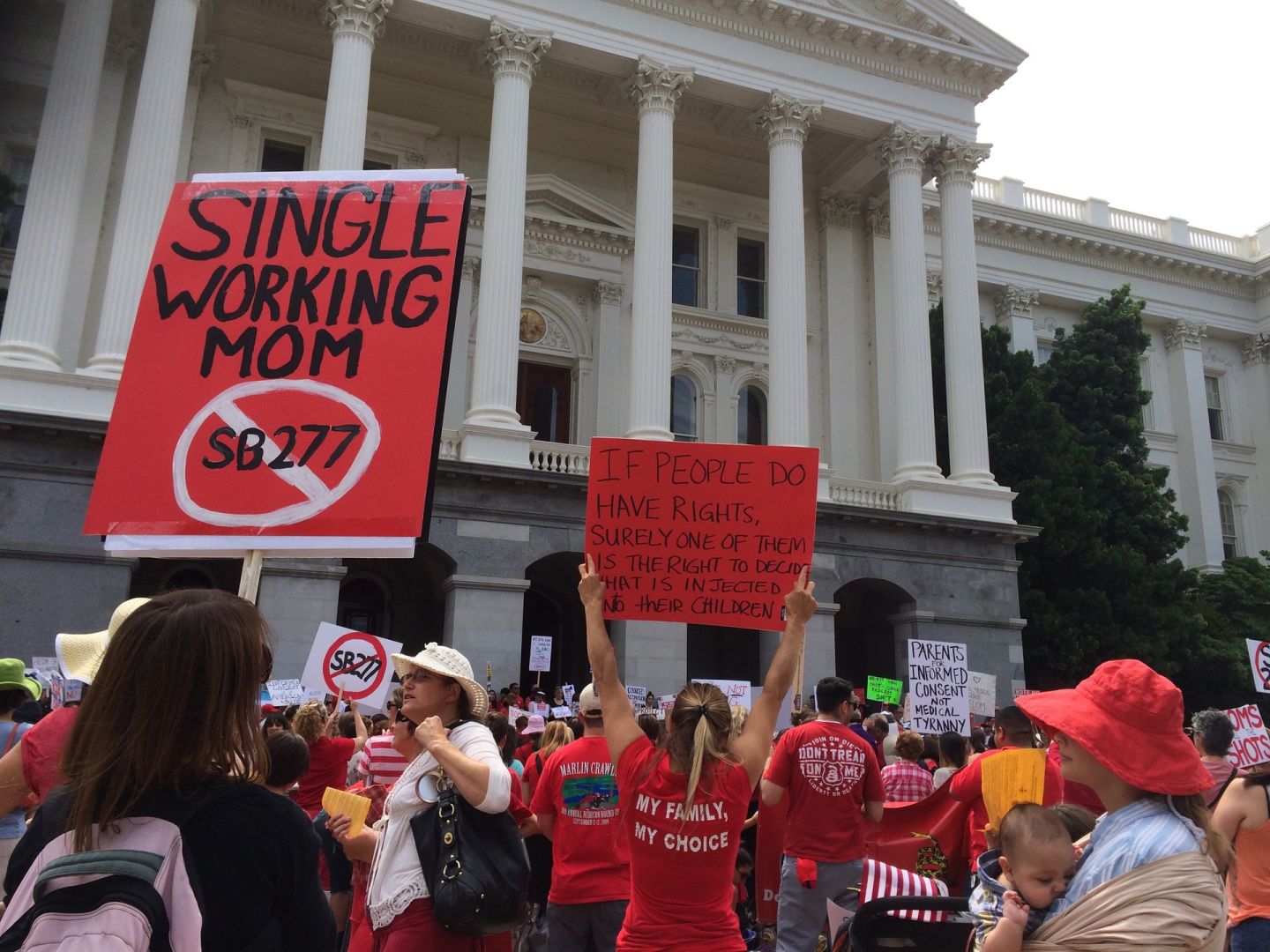
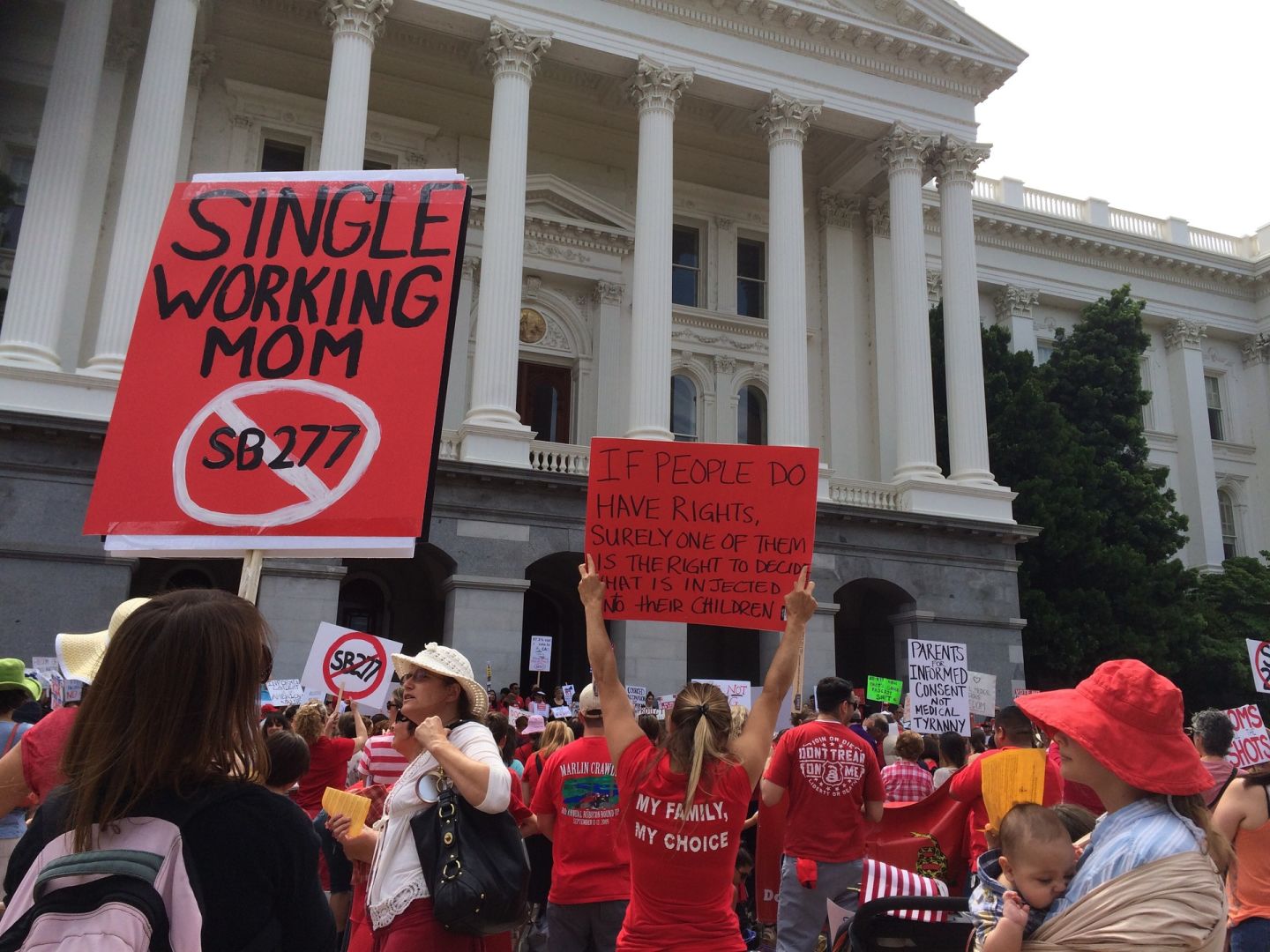
"caption": "The fight over SB277, the new law that requires California children to be vaccinated to attend school, dominated headlines for months. ",
"description": null,
"title": "RS15431_IMG_3353.JPG-qut-3",
"credit": "John Myers/KQED",
"status": "inherit",
"isLoading": false,
"fetchFailed": false
},
"stateofhealth_89625": {
"type": "attachments",
"id": "stateofhealth_89625",
"meta": {
"index": "attachments_1716263798",
"site": "stateofhealth",
"id": "89625",
"found": true
},
"parent": 89014,
"imgSizes": {
"twentyfourteen-full-width": {
"file": "https://ww2.kqed.org/app/uploads/sites/27/2015/10/RS15431_IMG_3353.JPG-qut-2-1038x576.jpg",
"width": 1038,
"mimeType": "image/jpeg",
"height": 576
},
"thumbnail": {
"file": "https://ww2.kqed.org/app/uploads/sites/27/2015/10/RS15431_IMG_3353.JPG-qut-2-400x300.jpg",
"width": 400,
"mimeType": "image/jpeg",
"height": 300
},
"fd-sm": {
"file": "https://ww2.kqed.org/app/uploads/sites/27/2015/10/RS15431_IMG_3353.JPG-qut-2-960x720.jpg",
"width": 960,
"mimeType": "image/jpeg",
"height": 720
},
"post-thumbnail": {
"file": "https://ww2.kqed.org/app/uploads/sites/27/2015/10/RS15431_IMG_3353.JPG-qut-2-672x372.jpg",
"width": 672,
"mimeType": "image/jpeg",
"height": 372
},
"kqedFullSize": {
"file": "https://ww2.kqed.org/app/uploads/sites/27/2015/10/RS15431_IMG_3353.JPG-qut-2.jpg",
"width": 1920,
"height": 1440
},
"large": {
"file": "https://ww2.kqed.org/app/uploads/sites/27/2015/10/RS15431_IMG_3353.JPG-qut-2-1440x1080.jpg",
"width": 1440,
"mimeType": "image/jpeg",
"height": 1080
},
"guest-author-96": {
"file": "https://ww2.kqed.org/app/uploads/sites/27/2015/10/RS15431_IMG_3353.JPG-qut-2-96x96.jpg",
"width": 96,
"mimeType": "image/jpeg",
"height": 96
},
"medium": {
"file": "https://ww2.kqed.org/app/uploads/sites/27/2015/10/RS15431_IMG_3353.JPG-qut-2-800x600.jpg",
"width": 800,
"mimeType": "image/jpeg",
"height": 600
},
"guest-author-64": {
"file": "https://ww2.kqed.org/app/uploads/sites/27/2015/10/RS15431_IMG_3353.JPG-qut-2-64x64.jpg",
"width": 64,
"mimeType": "image/jpeg",
"height": 64
},
"guest-author-32": {
"file": "https://ww2.kqed.org/app/uploads/sites/27/2015/10/RS15431_IMG_3353.JPG-qut-2-32x32.jpg",
"width": 32,
"mimeType": "image/jpeg",
"height": 32
},
"jmtc-small-thumb": {
"file": "https://ww2.kqed.org/app/uploads/sites/27/2015/10/RS15431_IMG_3353.JPG-qut-2-280x150.jpg",
"width": 280,
"mimeType": "image/jpeg",
"height": 150
},
"fd-lrg": {
"file": "https://ww2.kqed.org/app/uploads/sites/27/2015/10/RS15431_IMG_3353.JPG-qut-2-1920x1440.jpg",
"width": 1920,
"mimeType": "image/jpeg",
"height": 1440
},
"fd-med": {
"file": "https://ww2.kqed.org/app/uploads/sites/27/2015/10/RS15431_IMG_3353.JPG-qut-2-1180x885.jpg",
"width": 1180,
"mimeType": "image/jpeg",
"height": 885
},
"detail": {
"file": "https://ww2.kqed.org/app/uploads/sites/27/2015/10/RS15431_IMG_3353.JPG-qut-2-75x75.jpg",
"width": 75,
"mimeType": "image/jpeg",
"height": 75
},
"guest-author-128": {
"file": "https://ww2.kqed.org/app/uploads/sites/27/2015/10/RS15431_IMG_3353.JPG-qut-2-128x128.jpg",
"width": 128,
"mimeType": "image/jpeg",
"height": 128
}
},
"publishDate": 1444172561,
"modified": 1444174423,
"caption": "Protesters demonstrated at the state Capitol in June against Senate Bill 277, which requires nearly all California schoolchildren to be vaccinated. ",
"description": null,
"title": "RS15431_IMG_3353.JPG-qut-2",
"credit": "John Myers/KQED",
"status": "inherit",
"isLoading": false,
"fetchFailed": false
},
"stateofhealth_79395": {
"type": "attachments",
"id": "stateofhealth_79395",
"meta": {
"index": "attachments_1716263798",
"site": "stateofhealth",
"id": "79395",
"found": true
},
"parent": 79225,
"imgSizes": {
"twentyfourteen-full-width": {
"file": "https://ww2.kqed.org/app/uploads/sites/27/2015/09/GettyImages-488698334-1038x576.jpg",
"width": 1038,
"mimeType": "image/jpeg",
"height": 576
},
"thumbnail": {
"file": "https://ww2.kqed.org/app/uploads/sites/27/2015/09/GettyImages-488698334-400x273.jpg",
"width": 400,
"mimeType": "image/jpeg",
"height": 273
},
"fd-sm": {
"file": "https://ww2.kqed.org/app/uploads/sites/27/2015/09/GettyImages-488698334-960x654.jpg",
"width": 960,
"mimeType": "image/jpeg",
"height": 654
},
"post-thumbnail": {
"file": "https://ww2.kqed.org/app/uploads/sites/27/2015/09/GettyImages-488698334-672x372.jpg",
"width": 672,
"mimeType": "image/jpeg",
"height": 372
},
"kqedFullSize": {
"file": "https://ww2.kqed.org/app/uploads/sites/27/2015/09/GettyImages-488698334-e1442531971512.jpg",
"width": 1920,
"height": 1309
},
"large": {
"file": "https://ww2.kqed.org/app/uploads/sites/27/2015/09/GettyImages-488698334-1440x982.jpg",
"width": 1440,
"mimeType": "image/jpeg",
"height": 982
},
"guest-author-96": {
"file": "https://ww2.kqed.org/app/uploads/sites/27/2015/09/GettyImages-488698334-96x96.jpg",
"width": 96,
"mimeType": "image/jpeg",
"height": 96
},
"medium": {
"file": "https://ww2.kqed.org/app/uploads/sites/27/2015/09/GettyImages-488698334-800x545.jpg",
"width": 800,
"mimeType": "image/jpeg",
"height": 545
},
"guest-author-64": {
"file": "https://ww2.kqed.org/app/uploads/sites/27/2015/09/GettyImages-488698334-64x64.jpg",
"width": 64,
"mimeType": "image/jpeg",
"height": 64
},
"guest-author-32": {
"file": "https://ww2.kqed.org/app/uploads/sites/27/2015/09/GettyImages-488698334-32x32.jpg",
"width": 32,
"mimeType": "image/jpeg",
"height": 32
},
"jmtc-small-thumb": {
"file": "https://ww2.kqed.org/app/uploads/sites/27/2015/09/GettyImages-488698334-280x150.jpg",
"width": 280,
"mimeType": "image/jpeg",
"height": 150
},
"fd-lrg": {
"file": "https://ww2.kqed.org/app/uploads/sites/27/2015/09/GettyImages-488698334-1920x1309.jpg",
"width": 1920,
"mimeType": "image/jpeg",
"height": 1309
},
"fd-med": {
"file": "https://ww2.kqed.org/app/uploads/sites/27/2015/09/GettyImages-488698334-1180x804.jpg",
"width": 1180,
"mimeType": "image/jpeg",
"height": 804
},
"detail": {
"file": "https://ww2.kqed.org/app/uploads/sites/27/2015/09/GettyImages-488698334-75x75.jpg",
"width": 75,
"mimeType": "image/jpeg",
"height": 75
},
"guest-author-128": {
"file": "https://ww2.kqed.org/app/uploads/sites/27/2015/09/GettyImages-488698334-128x128.jpg",
"width": 128,
"mimeType": "image/jpeg",
"height": 128
}
},
"publishDate": 1442531878,
"modified": 1442531963,
"caption": "Republican presidential hopeful Donald Trump at the Republican Presidential Debate at the Ronald Reagan Presidential Library in Simi Valley last night.",
"description": null,
"title": "US-VOTE-REPUBLICANS-DEBATE",
"credit": "Frederic J. Brown/AFP/Getty Images",
"status": "inherit",
"isLoading": false,
"fetchFailed": false
},
"stateofhealth_27308": {
"type": "attachments",
"id": "stateofhealth_27308",
"meta": {
"index": "attachments_1716263798",
"site": "stateofhealth",
"id": "27308",
"found": true
},
"parent": 27292,
"imgSizes": {
"twentyfourteen-full-width": {
"file": "https://ww2.kqed.org/app/uploads/sites/27/2015/05/462294288-1038x576.jpg",
"width": 1038,
"mimeType": "image/jpeg",
"height": 576
},
"thumbnail": {
"file": "https://ww2.kqed.org/app/uploads/sites/27/2015/05/462294288-400x276.jpg",
"width": 400,
"mimeType": "image/jpeg",
"height": 276
},
"fd-sm": {
"file": "https://ww2.kqed.org/app/uploads/sites/27/2015/05/462294288-960x662.jpg",
"width": 960,
"mimeType": "image/jpeg",
"height": 662
},
"post-thumbnail": {
"file": "https://ww2.kqed.org/app/uploads/sites/27/2015/05/462294288-672x372.jpg",
"width": 672,
"mimeType": "image/jpeg",
"height": 372
},
"kqedFullSize": {
"file": "https://ww2.kqed.org/app/uploads/sites/27/2015/05/462294288-e1431629128325.jpg",
"width": 1920,
"height": 1324
},
"large": {
"file": "https://ww2.kqed.org/app/uploads/sites/27/2015/05/462294288-1440x993.jpg",
"width": 1440,
"mimeType": "image/jpeg",
"height": 993
},
"guest-author-96": {
"file": "https://ww2.kqed.org/app/uploads/sites/27/2015/05/462294288-96x96.jpg",
"width": 96,
"mimeType": "image/jpeg",
"height": 96
},
"medium": {
"file": "https://ww2.kqed.org/app/uploads/sites/27/2015/05/462294288-800x552.jpg",
"width": 800,
"mimeType": "image/jpeg",
"height": 552
},
"guest-author-64": {
"file": "https://ww2.kqed.org/app/uploads/sites/27/2015/05/462294288-64x64.jpg",
"width": 64,
"mimeType": "image/jpeg",
"height": 64
},
"guest-author-32": {
"file": "https://ww2.kqed.org/app/uploads/sites/27/2015/05/462294288-32x32.jpg",
"width": 32,
"mimeType": "image/jpeg",
"height": 32
},
"fd-med": {
"file": "https://ww2.kqed.org/app/uploads/sites/27/2015/05/462294288-1180x814.jpg",
"width": 1180,
"mimeType": "image/jpeg",
"height": 814
},
"detail": {
"file": "https://ww2.kqed.org/app/uploads/sites/27/2015/05/462294288-75x75.jpg",
"width": 75,
"mimeType": "image/jpeg",
"height": 75
},
"guest-author-128": {
"file": "https://ww2.kqed.org/app/uploads/sites/27/2015/05/462294288-128x128.jpg",
"width": 128,
"mimeType": "image/jpeg",
"height": 128
}
},
"publishDate": 1431629119,
"modified": 1437323370,
"caption": null,
"description": "Measles, vaccine, MMR",
"title": "Large Outbreak Of Measles Reported In California",
"credit": "Justin Sullivan/Getty Images",
"status": "inherit",
"isLoading": false,
"fetchFailed": false
},
"stateofhealth_27368": {
"type": "attachments",
"id": "stateofhealth_27368",
"meta": {
"index": "attachments_1716263798",
"site": "stateofhealth",
"id": "27368",
"found": true
},
"parent": 27292,
"imgSizes": {
"twentyfourteen-full-width": {
"file": "https://ww2.kqed.org/app/uploads/sites/27/2015/05/Pan-1038x576.jpg",
"width": 1038,
"mimeType": "image/jpeg",
"height": 576
},
"thumbnail": {
"file": "https://ww2.kqed.org/app/uploads/sites/27/2015/05/Pan-400x261.jpg",
"width": 400,
"mimeType": "image/jpeg",
"height": 261
},
"fd-sm": {
"file": "https://ww2.kqed.org/app/uploads/sites/27/2015/05/Pan-960x627.jpg",
"width": 960,
"mimeType": "image/jpeg",
"height": 627
},
"post-thumbnail": {
"file": "https://ww2.kqed.org/app/uploads/sites/27/2015/05/Pan-672x372.jpg",
"width": 672,
"mimeType": "image/jpeg",
"height": 372
},
"kqedFullSize": {
"file": "https://ww2.kqed.org/app/uploads/sites/27/2015/05/Pan-e1431647084619.jpg",
"width": 1920,
"height": 1255
},
"large": {
"file": "https://ww2.kqed.org/app/uploads/sites/27/2015/05/Pan-1440x941.jpg",
"width": 1440,
"mimeType": "image/jpeg",
"height": 941
},
"guest-author-96": {
"file": "https://ww2.kqed.org/app/uploads/sites/27/2015/05/Pan-96x96.jpg",
"width": 96,
"mimeType": "image/jpeg",
"height": 96
},
"medium": {
"file": "https://ww2.kqed.org/app/uploads/sites/27/2015/05/Pan-800x523.jpg",
"width": 800,
"mimeType": "image/jpeg",
"height": 523
},
"guest-author-64": {
"file": "https://ww2.kqed.org/app/uploads/sites/27/2015/05/Pan-64x64.jpg",
"width": 64,
"mimeType": "image/jpeg",
"height": 64
},
"guest-author-32": {
"file": "https://ww2.kqed.org/app/uploads/sites/27/2015/05/Pan-32x32.jpg",
"width": 32,
"mimeType": "image/jpeg",
"height": 32
},
"fd-med": {
"file": "https://ww2.kqed.org/app/uploads/sites/27/2015/05/Pan-1180x771.jpg",
"width": 1180,
"mimeType": "image/jpeg",
"height": 771
},
"detail": {
"file": "https://ww2.kqed.org/app/uploads/sites/27/2015/05/Pan-75x75.jpg",
"width": 75,
"mimeType": "image/jpeg",
"height": 75
},
"guest-author-128": {
"file": "https://ww2.kqed.org/app/uploads/sites/27/2015/05/Pan-128x128.jpg",
"width": 128,
"mimeType": "image/jpeg",
"height": 128
}
},
"publishDate": 1431647001,
"modified": 1431647920,
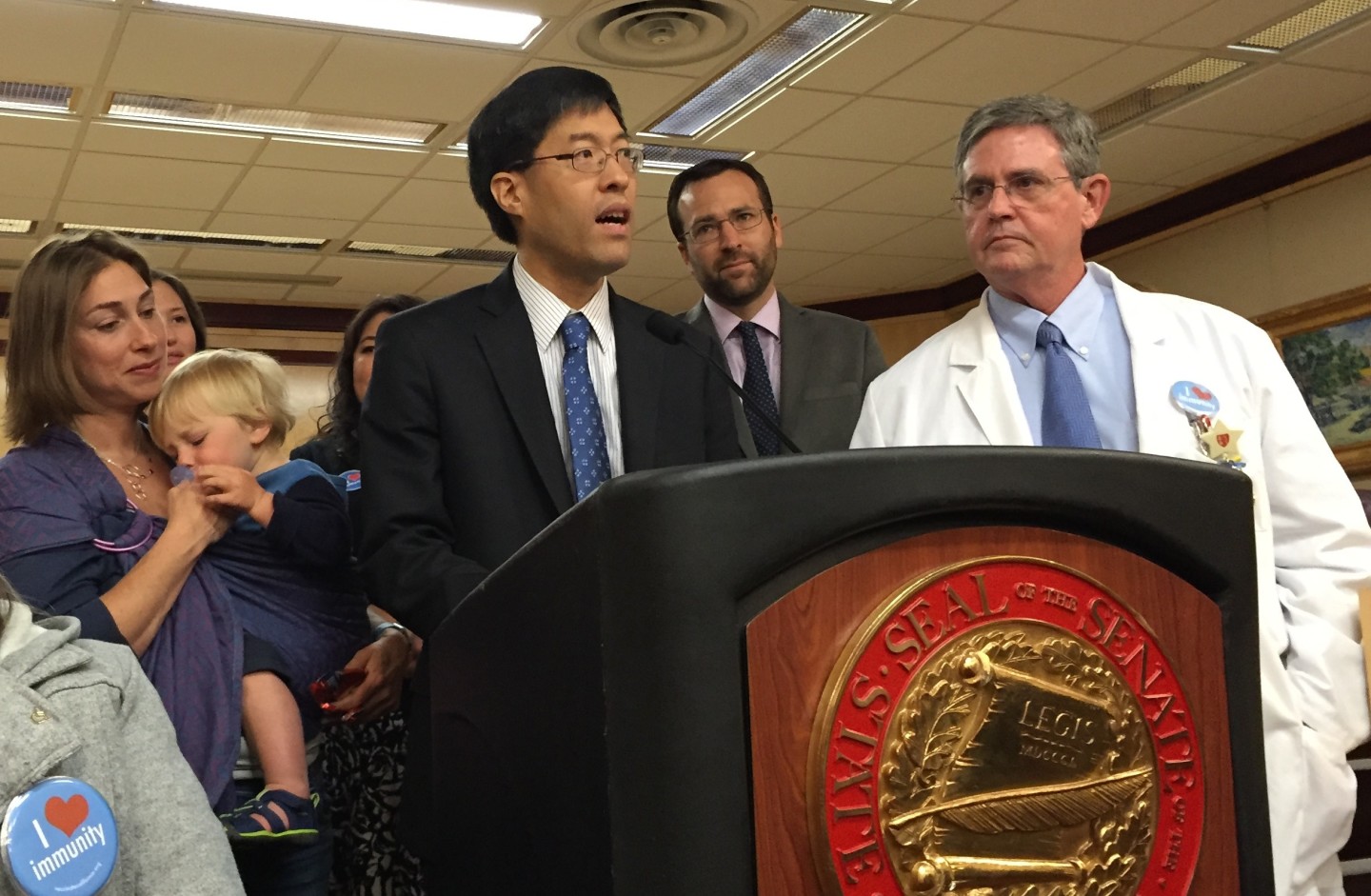
"caption": "Sen. Richard Pan (D-Sacramento) talks to reporters after the Senate approved a bill he co-authored. It would require virtually all children to be vaccinated. ",
"description": null,
"title": "Pan",
"credit": "Pauline Bartolone/Capital Public Radio",
"status": "inherit",
"isLoading": false,
"fetchFailed": false
},
"news_139103": {
"type": "attachments",
"id": "news_139103",
"meta": {
"index": "attachments_1716263798",
"site": "news",
"id": "139103",
"found": true
},
"parent": 139101,
"imgSizes": {
"kqedFullSize": {
"file": "https://ww2.kqed.org/app/uploads/sites/10/2014/06/RS8622_104228158-lpr-e1428429867630.jpg",
"width": 1920,
"height": 1278
}
},
"publishDate": 1402690548,
"modified": 1435611652,
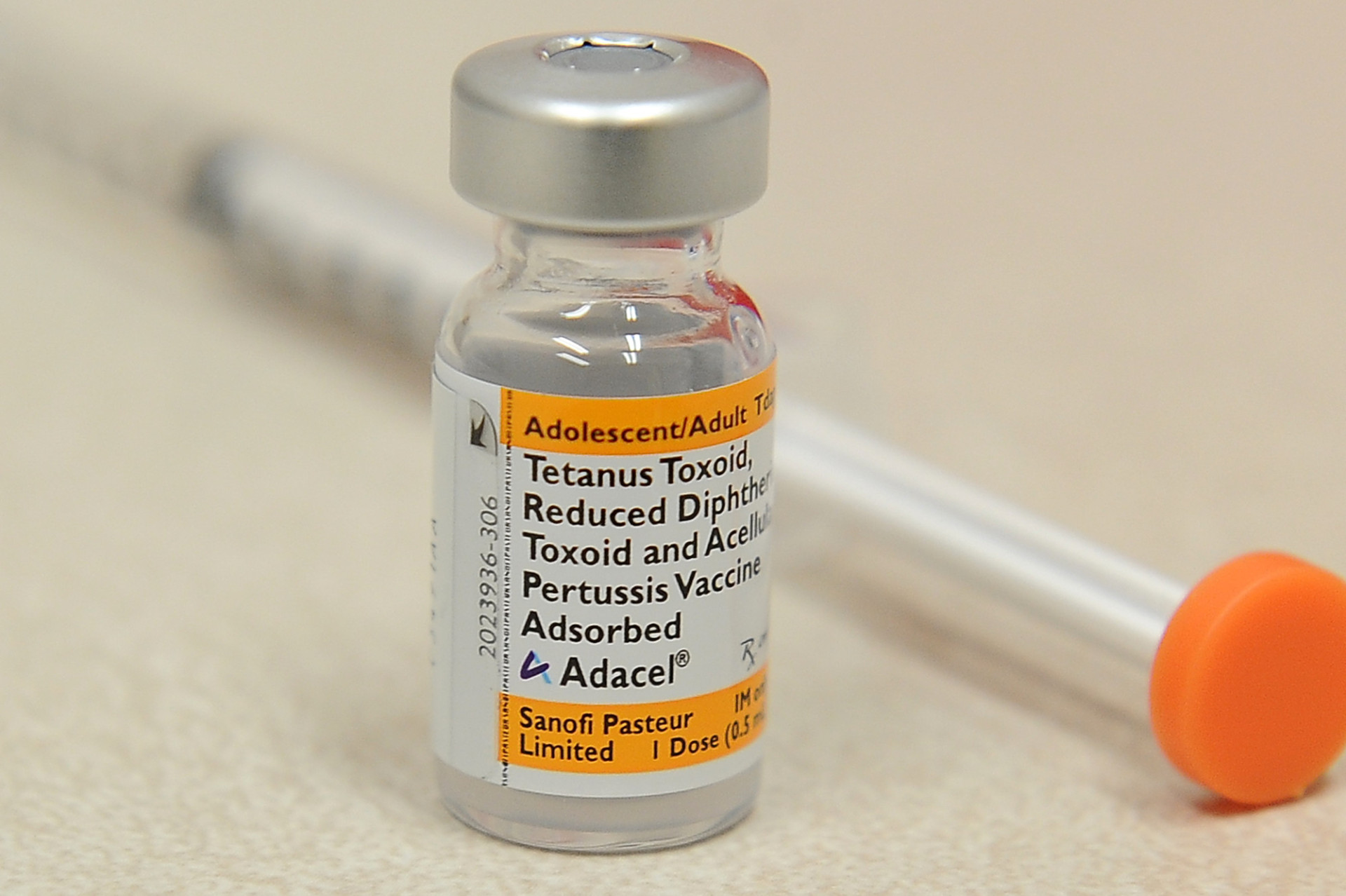
"caption": "A vial of diphtheria, pertussis and tetanus vaccine. ",
"description": "A vial containing pertussis vaccine. (Robyn Beck/AFP-Getty Images)",
"title": "Pertussis-Whooping Cough-Vaccine",
"credit": "Robyn Beck/AFP-Getty Images",
"status": "inherit",
"isLoading": false,
"fetchFailed": false
},
"stateofhealth_17972": {
"type": "attachments",
"id": "stateofhealth_17972",
"meta": {
"index": "attachments_1716263798",
"site": "stateofhealth",
"id": "17972",
"found": true
},
"parent": 17971,
"imgSizes": {
"thumbnail": {
"file": "https://ww2.kqed.org/app/uploads/sites/27/2014/03/Screen-Shot-2014-03-04-at-3.29.21-PM-e1393975849793-400x183.png",
"width": 400,
"mimeType": "image/png",
"height": 183
},
"fd-sm": {
"file": "https://ww2.kqed.org/app/uploads/sites/27/2014/03/Screen-Shot-2014-03-04-at-3.29.21-PM-e1393975849793-320x146.png",
"width": 320,
"mimeType": "image/png",
"height": 146
},
"kqedFullSize": {
"file": "https://ww2.kqed.org/app/uploads/sites/27/2014/03/Screen-Shot-2014-03-04-at-3.29.21-PM-e1393975849793.png",
"width": 639,
"height": 292
},
"guest-author-96": {
"file": "https://ww2.kqed.org/app/uploads/sites/27/2014/03/Screen-Shot-2014-03-04-at-3.29.21-PM-e1393975849793-96x96.png",
"width": 96,
"mimeType": "image/png",
"height": 96
},
"guest-author-64": {
"file": "https://ww2.kqed.org/app/uploads/sites/27/2014/03/Screen-Shot-2014-03-04-at-3.29.21-PM-e1393975849793-64x64.png",
"width": 64,
"mimeType": "image/png",
"height": 64
},
"detail": {
"file": "https://ww2.kqed.org/app/uploads/sites/27/2014/03/Screen-Shot-2014-03-04-at-3.29.21-PM-e1393975849793-75x75.png",
"width": 75,
"mimeType": "image/png",
"height": 75
},
"guest-author-32": {
"file": "https://ww2.kqed.org/app/uploads/sites/27/2014/03/Screen-Shot-2014-03-04-at-3.29.21-PM-e1393975849793-32x32.png",
"width": 32,
"mimeType": "image/png",
"height": 32
},
"guest-author-128": {
"file": "https://ww2.kqed.org/app/uploads/sites/27/2014/03/Screen-Shot-2014-03-04-at-3.29.21-PM-e1393975849793-128x128.png",
"width": 128,
"mimeType": "image/png",
"height": 128
}
},
"publishDate": 1393975838,
"modified": 1393975838,
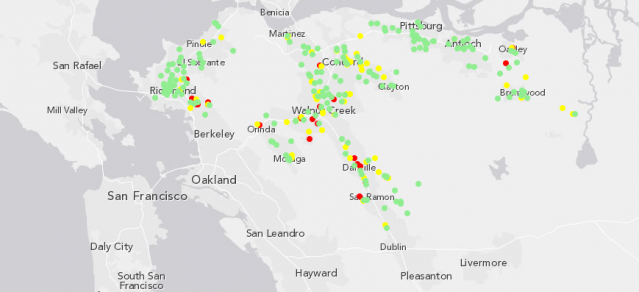
"caption": "The red dots mark a school or childcare facility where the vaccine opt-out rate is 10 percent or more. ",
"description": null,
"title": "Screen Shot 2014-03-04 at 3.29.21 PM",
"credit": null,
"status": "inherit",
"isLoading": false,
"fetchFailed": false
}
},
"audioPlayerReducer": {
"postId": "stream_live",
"isPaused": true,
"isPlaying": false,
"pfsActive": false,
"pledgeModalIsOpen": true,
"playerDrawerIsOpen": false,
"liveAudioPlayStartedAt": 0,
"liveAudioPlayContext": ""
},
"authorsReducer": {
"byline_stateofhealth_222927": {
"type": "authors",
"id": "byline_stateofhealth_222927",
"meta": {
"override": true
},
"slug": "byline_stateofhealth_222927",
"name": "Jane Meredith Adams\u003cbr />\u003ca href=\"http://edsource.org\">Ed Source\u003c/a>",
"isLoading": false
},
"jbrooks": {
"type": "authors",
"id": "80",
"meta": {
"index": "authors_1716337520",
"id": "80",
"found": true
},
"name": "Jon Brooks",
"firstName": "Jon",
"lastName": "Brooks",
"slug": "jbrooks",
"email": "jbrooks@kqed.org",
"display_author_email": true,
"staff_mastheads": [
"science"
],
"title": "Digital Editor",
"bio": "Jon Brooks is a former Digital Editor for KQED Science. He is the former editor of KQED’s daily news blog, News Fix. In 2014, he won a California Journalism Award for his coverage of ride services like Uber and Lyft and the taxi industry. A veteran blogger, he previously worked for Yahoo! in various news writing and editing roles. Jon is also a playwright whose work has been produced in San Francisco, New York, Italy, and around the U.S. He has written about film for his own blog and studied film at Boston University.",
"avatar": "https://secure.gravatar.com/avatar/98887f7ed1c876ed414d4c915e969584?s=600&d=blank&r=g",
"twitter": "jbrooksfoy",
"facebook": null,
"instagram": null,
"linkedin": null,
"sites": [
{
"site": "arts",
"roles": [
"Contributor",
"editor"
]
},
{
"site": "news",
"roles": [
"author"
]
},
{
"site": "futureofyou",
"roles": [
"administrator"
]
},
{
"site": "mindshift",
"roles": [
"editor"
]
},
{
"site": "stateofhealth",
"roles": [
"editor"
]
},
{
"site": "science",
"roles": [
"administrator"
]
},
{
"site": "quest",
"roles": [
"editor"
]
}
],
"headData": {
"title": "Jon Brooks | KQED",
"description": "Digital Editor",
"ogImgSrc": "https://secure.gravatar.com/avatar/98887f7ed1c876ed414d4c915e969584?s=600&d=blank&r=g",
"twImgSrc": "https://secure.gravatar.com/avatar/98887f7ed1c876ed414d4c915e969584?s=600&d=blank&r=g"
},
"isLoading": false,
"link": "/author/jbrooks"
},
"kqednewsstaffandwires": {
"type": "authors",
"id": "237",
"meta": {
"index": "authors_1716337520",
"id": "237",
"found": true
},
"name": "KQED News Staff and Wires",
"firstName": "KQED News Staff and Wires",
"lastName": null,
"slug": "kqednewsstaffandwires",
"email": "onlinenewsstaff@kqed.org",
"display_author_email": false,
"staff_mastheads": [],
"title": null,
"bio": null,
"avatar": "https://secure.gravatar.com/avatar/72295af8ebbfbd19a4948f5271285664?s=600&d=blank&r=g",
"twitter": null,
"facebook": null,
"instagram": null,
"linkedin": null,
"sites": [
{
"site": "arts",
"roles": [
"contributor"
]
},
{
"site": "news",
"roles": [
"contributor"
]
},
{
"site": "lowdown",
"roles": [
"author"
]
},
{
"site": "stateofhealth",
"roles": [
"contributor"
]
},
{
"site": "food",
"roles": [
"author"
]
}
],
"headData": {
"title": "KQED News Staff and Wires | KQED",
"description": null,
"ogImgSrc": "https://secure.gravatar.com/avatar/72295af8ebbfbd19a4948f5271285664?s=600&d=blank&r=g",
"twImgSrc": "https://secure.gravatar.com/avatar/72295af8ebbfbd19a4948f5271285664?s=600&d=blank&r=g"
},
"isLoading": false,
"link": "/author/kqednewsstaffandwires"
},
"lisaaliferis": {
"type": "authors",
"id": "240",
"meta": {
"index": "authors_1716337520",
"id": "240",
"found": true
},
"name": "Lisa Aliferis",
"firstName": "Lisa",
"lastName": "Aliferis",
"slug": "lisaaliferis",
"email": "laliferis@kqed.org",
"display_author_email": false,
"staff_mastheads": [],
"title": "KQED Contributor",
"bio": "Lisa Aliferis is the founding editor of KQED's \u003cem>State of Health\u003c/em> blog. Since 2011, she's been writing and editing stories for the site. Before taking up blogging, she toiled for many years (more than we can count) producing health stories for television, including\u003cem> Dateline NBC\u003c/em> and San Francisco's CBS affiliate, KPIX-TV. She also wrote up a \u003ca title=\"http://www.kqed.org/news/health/obamacare/obamacare-guide.jsp\" href=\"http://www.kqed.org/news/health/obamacare/obamacare-guide.jsp\">handy guide to the Affordable Care Act\u003c/a>, especially for Californians. Her work has been honored for many awards. Most recently she was a finalist for \"Best Topical Reporting\" from the Online News Association. You can follow her on Twitter: \u003ca title=\"https://twitter.com/laliferis\" href=\"https://twitter.com/laliferis\">@laliferis\u003c/a>",
"avatar": "https://secure.gravatar.com/avatar/86c339d5cdcb0dcd2b6cf5d7c3f5886b?s=600&d=mm&r=g",
"twitter": "laliferis",
"facebook": null,
"instagram": null,
"linkedin": null,
"sites": [
{
"site": "news",
"roles": [
"subscriber"
]
},
{
"site": "futureofyou",
"roles": [
"subscriber"
]
},
{
"site": "stateofhealth",
"roles": [
"subscriber"
]
},
{
"site": "science",
"roles": [
"subscriber"
]
},
{
"site": "food",
"roles": []
}
],
"headData": {
"title": "Lisa Aliferis | KQED",
"description": "KQED Contributor",
"ogImgSrc": "https://secure.gravatar.com/avatar/86c339d5cdcb0dcd2b6cf5d7c3f5886b?s=600&d=mm&r=g",
"twImgSrc": "https://secure.gravatar.com/avatar/86c339d5cdcb0dcd2b6cf5d7c3f5886b?s=600&d=mm&r=g"
},
"isLoading": false,
"link": "/author/lisaaliferis"
},
"adembosky": {
"type": "authors",
"id": "3205",
"meta": {
"index": "authors_1716337520",
"id": "3205",
"found": true
},
"name": "April Dembosky",
"firstName": "April",
"lastName": "Dembosky",
"slug": "adembosky",
"email": "adembosky@kqed.org",
"display_author_email": false,
"staff_mastheads": [
"news",
"science"
],
"title": "KQED Health Correspondent",
"bio": "April Dembosky is the health correspondent for KQED News and a regular contributor to NPR. She specializes in covering altered states of mind, from postpartum depression to methamphetamine-induced psychosis to the insanity defense. Her investigative series on insurance companies sidestepping mental health laws won multiple awards, including first place in beat reporting from the national Association of Health Care Journalists. She is the recipient of numerous other prizes and fellowships, including a national Edward R. Murrow award for investigative reporting, a Society of Professional Journalists award for long-form storytelling, and a Carter Center Fellowship for Mental Health Journalism.\r\n\r\nDembosky reported and produced \u003cem>Soundtrack of Silence\u003c/em>, an audio documentary about music and memory that is currently being made into a feature film by Paramount Pictures.\r\n\r\nBefore joining KQED in 2013, Dembosky covered technology and Silicon Valley for \u003cem>The Financial Times of London,\u003c/em> and contributed business and arts stories to \u003cem>Marketplace \u003c/em>and \u003cem>The New York Times.\u003c/em> She got her undergraduate degree in philosophy from Smith College and her master's in journalism from the University of California, Berkeley. She is a classically trained violinist and proud alum of the first symphony orchestra at Burning Man.",
"avatar": "https://secure.gravatar.com/avatar/ef92999be4ceb9ea60701e7dc276f813?s=600&d=blank&r=g",
"twitter": "adembosky",
"facebook": null,
"instagram": null,
"linkedin": null,
"sites": [
{
"site": "arts",
"roles": [
"author"
]
},
{
"site": "news",
"roles": [
"editor"
]
},
{
"site": "futureofyou",
"roles": [
"author"
]
},
{
"site": "stateofhealth",
"roles": [
"editor"
]
},
{
"site": "science",
"roles": [
"editor"
]
},
{
"site": "forum",
"roles": [
"editor"
]
}
],
"headData": {
"title": "April Dembosky | KQED",
"description": "KQED Health Correspondent",
"ogImgSrc": "https://secure.gravatar.com/avatar/ef92999be4ceb9ea60701e7dc276f813?s=600&d=blank&r=g",
"twImgSrc": "https://secure.gravatar.com/avatar/ef92999be4ceb9ea60701e7dc276f813?s=600&d=blank&r=g"
},
"isLoading": false,
"link": "/author/adembosky"
},
"lindseyhoshaw": {
"type": "authors",
"id": "5432",
"meta": {
"index": "authors_1716337520",
"id": "5432",
"found": true
},
"name": "Lindsey Hoshaw",
"firstName": "Lindsey",
"lastName": "Hoshaw",
"slug": "lindseyhoshaw",
"email": "lhoshaw@kqed.org",
"display_author_email": false,
"staff_mastheads": [],
"title": "KQED Contributor",
"bio": "Lindsey Hoshaw is a former interactive producer for KQED Science. Before joining KQED, Lindsey was a science correspondent for The New York Times, The Boston Globe, Forbes and Scientific American. On Twitter @lindseyhoshaw",
"avatar": "https://secure.gravatar.com/avatar/274b07694c998eaa8f26cfabaa941186?s=600&d=mm&r=g",
"twitter": "lindseyhoshaw",
"facebook": "lindsey.hoshaw.9",
"instagram": null,
"linkedin": null,
"sites": [
{
"site": "arts",
"roles": [
"author"
]
},
{
"site": "news",
"roles": [
"subscriber"
]
},
{
"site": "futureofyou",
"roles": [
"editor"
]
},
{
"site": "bayareabites",
"roles": [
"contributor"
]
},
{
"site": "stateofhealth",
"roles": [
"author"
]
},
{
"site": "science",
"roles": [
"edit_theme_options",
"subscriber"
]
},
{
"site": "quest",
"roles": [
"edit_post_subscriptions",
"edit_usergroups",
"unfiltered_html",
"unfiltered_upload",
"leadcoordinator",
"editor"
]
},
{
"site": "food",
"roles": []
}
],
"headData": {
"title": "Lindsey Hoshaw | KQED",
"description": "KQED Contributor",
"ogImgSrc": "https://secure.gravatar.com/avatar/274b07694c998eaa8f26cfabaa941186?s=600&d=mm&r=g",
"twImgSrc": "https://secure.gravatar.com/avatar/274b07694c998eaa8f26cfabaa941186?s=600&d=mm&r=g"
},
"isLoading": false,
"link": "/author/lindseyhoshaw"
}
},
"pagesReducer": {
"news_tag_vaccines": {
"type": "terms",
"id": "news_981",
"meta": {
"index": "terms_1716263798",
"site": "news",
"id": "981",
"score": 8.668587
},
"name": "Vaccines",
"slug": "vaccines",
"taxonomy": "tag",
"description": null,
"featImg": null,
"headData": {
"title": "Vaccines | KQED News",
"description": null,
"ogTitle": null,
"ogDescription": null,
"ogImgId": null,
"twTitle": null,
"twDescription": null,
"twImgId": null
},
"ttid": 991,
"isLoading": false,
"title": "Vaccines",
"pageMeta": {
"site": "news",
"WpPageTemplate": "page-topic-editorial",
"currentPage": 15
},
"blocks": [
{
"blockName": "kqed/post-list",
"attrs": {
"layout": "cardArticle2",
"query": "posts/news?tag=vaccines",
"seeMore": false,
"paginated": true,
"page": 15
}
},
{
"blockName": "kqed/ad"
}
]
}
},
"pfsSessionReducer": {},
"postsReducer": {
"stream_live": {
"type": "live",
"id": "stream_live",
"audioUrl": "https://streams.kqed.org/kqedradio",
"title": "Live Stream",
"excerpt": "Live Stream information currently unavailable.",
"link": "/radio",
"featImg": "",
"label": {
"name": "KQED Live",
"link": "/"
}
},
"stream_kqedNewscast": {
"type": "posts",
"id": "stream_kqedNewscast",
"audioUrl": "https://www.kqed.org/.stream/anon/radio/RDnews/newscast.mp3?_=1",
"title": "KQED Newscast",
"featImg": "",
"label": {
"name": "88.5 FM",
"link": "/"
}
},
"futureofyou_277993": {
"type": "posts",
"id": "futureofyou_277993",
"meta": {
"index": "posts_1716263798",
"site": "futureofyou",
"id": "277993",
"score": null,
"sort": [
1480696267000
]
},
"parent": 0,
"labelTerm": {},
"blocks": [],
"publishDate": 1480696267,
"format": "standard",
"disqusTitle": "Cuba Has a Lung Cancer Vaccine; Now U.S. Patients Will Test It",
"title": "Cuba Has a Lung Cancer Vaccine; Now U.S. Patients Will Test It",
"headTitle": "KQED Future of You | KQED Science",
"content": "\u003cp>Mick Phillips' doctor is surprised he's still alive.\u003c/p>\n\u003cp>The 69-year-old Wisconsin man was diagnosed with late-stage lung cancer in 2010 and his doctor said he had less than a year to live.\u003c/p>\n\u003cp>That was six years ago.\u003c/p>\n\u003cp>\"For all intents and purposes he shouldn’t be here,\" says Phillips' oncologist, \u003ca href=\"http://www.fvho.org/providers/timothy-goggins-md/\" target=\"_blank\">Timothy Goggins\u003c/a>.\u003c/p>\n\u003cp>Dr. Goggins and Phillips both credit his survival to a lung cancer drug that isn't available in the U.S. and that Phillips has had to purchase illegally in Cuba.\u003c/p>\n\u003caside class=\"pullquote alignright\">'Cancer won’t be cured, it will be turned into a chronic condition.’\u003ccite>Agustin Lage,Cuba’s Center of Molecular Immunology\u003c/cite>\u003c/aside>\n\u003cp>U.S. researchers think if the treatment works it could be used to prevent lung cancer in patients that are high risk. \u003ca href=\"https://www.roswellpark.org/\" target=\"_blank\">Roswell Park Cancer Institute\u003c/a> in Buffalo, New York has begun testing CIMAvax, the Cuban-developed immunotherapy for lung cancer. If successful, the trial will pave the way for potential FDA approval, after which the drug could become commercially available in the U.S.\u003c/p>\n\u003cp>[ad fullwidth]\u003c/p>\n\u003cp>The medicine has relatively minor side effects and appears to have \u003ca href=\"http://clincancerres.aacrjournals.org/content/early/2016/02/27/1078-0432.CCR-15-0855\" target=\"_blank\">prolonged the lives of patients\u003c/a> who have stage four lung cancer.\u003c/p>\n\u003cp>CIMAvax stimulates the body's immune system to fight the lung cancer. In this way it's a vaccine, but one that you take to stop the spread of late-stage cancer rather than prevent it in the first place.\u003c/p>\n\u003cp>“It’s like a flu vaccine,\" says \u003ca href=\"https://www.roswellpark.org/grace-dy\" target=\"_blank\">Dr. Grace Dy\u003c/a>, principal investigator for the trial. \"It’s the same concept. You give a drug so the body develops an antibody to the drug;\u003cb> \u003c/b>you’re using your body’s own natural systems to develop a therapy.\"\u003c/p>\n\u003cp>\u003cspan style=\"font-weight: 400\">Lung cancer kills \u003ca href=\"http://www.lung.org/lung-health-and-diseases/lung-disease-lookup/lung-cancer/learn-about-lung-cancer/lung-cancer-fact-sheet.html?referrer=https://www.google.com/\" target=\"_blank\">nearly 160,000 Americans\u003c/a> annually. \u003c/span>Most people are diagnosed at a late stage and more than half die within a year.\u003c/p>\n\u003cp>This is likely the first time the \u003ca href=\"https://clinicaltrials.gov/ct2/show/NCT02955290\" target=\"_blank\">FDA has allowed\u003c/a> a clinical trial of a Cuban-made therapy in a U.S. health care facility. It's not uncommon for the\u003cstrong> \u003c/strong>FDA to allow U.S. clinical trials in order to study therapies from other countries. It is extremely rare, however, for that therapy to come from Cuba.\u003c/p>\n\u003cp>And it's popular\u003cstrong>.\u003c/strong>\u003c/p>\n\u003cp>\u003cspan style=\"font-weight: 400\">As of mid-November, nearly 200 people had \u003ca href=\"https://www.roswellpark.org/cimavax-form/?utm_source=page&utm_medium=button&utm_term=form1&utm_content=cimavax\" target=\"_blank\">applied online\u003c/a> to participate in the 60-90 person Phase II and Phase III studies.\u003c/span>\u003c/p>\n\u003cp>\"I’m not surprised that there’s interest,” says Dr. Dy. \u003cspan style=\"font-weight: 400\">“When you have cancer and it’s potentially life-threatening you want to explore all the options.\"\u003c/span>\u003c/p>\n\u003cfigure id=\"attachment_281617\" class=\"wp-caption aligncenter\" style=\"max-width: 960px\">\u003cimg class=\"size-full wp-image-281617\" src=\"http://ww2.kqed.org/futureofyou/wp-content/uploads/sites/13/2016/11/DrAgustinLage.jpg\" alt=\"Dr. Augustin Lage (left) in Havana with Mick Phillips, researcher Gisela Gonzalez, and Maya Phillips.\" width=\"960\" height=\"720\" srcset=\"https://ww2.kqed.org/app/uploads/sites/13/2016/11/DrAgustinLage.jpg 960w, https://ww2.kqed.org/app/uploads/sites/13/2016/11/DrAgustinLage-160x120.jpg 160w, https://ww2.kqed.org/app/uploads/sites/13/2016/11/DrAgustinLage-800x600.jpg 800w, https://ww2.kqed.org/app/uploads/sites/13/2016/11/DrAgustinLage-768x576.jpg 768w, https://ww2.kqed.org/app/uploads/sites/13/2016/11/DrAgustinLage-240x180.jpg 240w, https://ww2.kqed.org/app/uploads/sites/13/2016/11/DrAgustinLage-375x281.jpg 375w, https://ww2.kqed.org/app/uploads/sites/13/2016/11/DrAgustinLage-520x390.jpg 520w\" sizes=\"(max-width: 960px) 100vw, 960px\">\u003cfigcaption class=\"wp-caption-text\">Dr. Augustin Lage (left) in Havana with Mick Phillips, researcher Gisela Gonzalez, and Maya Phillips. \u003ccite>(Courtesy Maya Phillips)\u003c/cite>\u003c/figcaption>\u003c/figure>\n\u003cp>Mick Phillips didn't think he had much longer to live when he brought back CIMAvax from Cuba in 2011 and asked a nurse friend to give him the injections.\u003c/p>\n\u003cp>\"He had a 5 percent chance of living five years,\" says Dr. Goggins who practices at \u003ca href=\"http://www.fvho.org/\" target=\"_blank\">Fox Valley Hemotology & Oncology\u003c/a> in Appleton, Wisconsin.\u003c/p>\n\u003cp>Today, Phillips is in remission from stage 4 lung cancer.\u003c/p>\n\u003cp>\"I keep telling people, if you believe in God, it’s God,\" says Dr. Goggins. \"If you believe in science, it’s CIMAvax.”\u003c/p>\n\u003cp>\u003cstrong>How\u003c/strong> \u003cstrong>the Cancer Vaccine Works\u003c/strong>\u003c/p>\n\u003cp>Lung cancer cells feed off a protein called epidermal growth factor or EGF. The protein supports normal cell growth but also fuels cancer cells.\u003c/p>\n\u003cp>The vaccine triggers the immune system to create antibodies that bind to and remove\u003cb> \u003c/b>EGF, thereby starving the cancer of its \"food.\"\u003c/p>\n\u003cp>\u003c!-- iframe plugin v.4.3 wordpress.org/plugins/iframe/ -->\u003cbr>\n\u003ciframe width=\"100%\" src=\"https://www.youtube.com/embed/RaP4TsslJGw?rel=0\" frameborder=\"0\" height=\"500\" scrolling=\"yes\" class=\"iframe-class\">\u003c/iframe>\u003c/p>\n\u003cp>Normal cells can live without EGF and use other growth-promoting proteins instead. But the cancer cells can't, and without EGF they're unable to multiply and spread.\u003c/p>\n\u003cp>CIMAvax has relatively few side effects when compared to chemotherapy, the traditional standard of care for late stage lung cancer. Chemo is hard on the body because it kills healthy cells (in addition to cancer cells) and causes side effects like hair loss, vomiting, loss of appetite and exhaustion.\u003c/p>\n\u003cp>Because CIMAvax doesn't kill cells, its side effects are relatively minor, such as chills or a fever that can be treated with over-the-counter medications.\u003c/p>\n\u003cp>Cuban patients that responded to CIMAvax had high levels of EGF, and t\u003cspan style=\"font-weight: 400\">heir bodies produced high levels of antibodies to combat the protein after they received the vaccine.\u003cstrong> \u003c/strong>\u003c/span>\u003c/p>\n\u003cp>Roswell Park will be looking to see if the same response emerges in its clinical trial— whether the most significant improvement is in patients with high EGF and antibody levels.\u003c/p>\n\u003cp>If the study shows promise it could be good news for other types of cancer that also rely on EGF, such as prostate, breast and colon cancer.\u003c/p>\n\u003cp>The most recent \u003ca href=\"http://clincancerres.aacrjournals.org/content/early/2016/06/24/1078-0432.CCR-15-0855\" target=\"_blank\">Cuban clinical trial \u003c/a>of CIMAvax is comparatively small at about 400 patients, which raises questions about how reliable the findings are.\u003c/p>\n\u003cp>UCSF oncologist \u003ca href=\"http://www.bivonalab.net/people/\" target=\"_blank\">Trever Bivona\u003c/a> says the study isn't large enough to determine whether the findings are statistically significant.\u003c/p>\n\u003cfigure id=\"attachment_278549\" class=\"wp-caption alignright\" style=\"max-width: 1920px\">\u003cimg class=\"size-full wp-image-278549\" src=\"http://ww2.kqed.org/futureofyou/wp-content/uploads/sites/13/2016/11/CIMAvax-EGF-3.jpeg\" alt=\"The lung cancer vaccine is currently available in Cuba, Peru, Venezuela, Paraguay, Colombia and Bosnia and Herzegovina. U.S. researchers start clinical trials this month.\" width=\"1920\" height=\"1240\" srcset=\"https://ww2.kqed.org/app/uploads/sites/13/2016/11/CIMAvax-EGF-3.jpeg 1920w, https://ww2.kqed.org/app/uploads/sites/13/2016/11/CIMAvax-EGF-3-160x103.jpeg 160w, https://ww2.kqed.org/app/uploads/sites/13/2016/11/CIMAvax-EGF-3-800x517.jpeg 800w, https://ww2.kqed.org/app/uploads/sites/13/2016/11/CIMAvax-EGF-3-768x496.jpeg 768w, https://ww2.kqed.org/app/uploads/sites/13/2016/11/CIMAvax-EGF-3-1020x659.jpeg 1020w, https://ww2.kqed.org/app/uploads/sites/13/2016/11/CIMAvax-EGF-3-1180x762.jpeg 1180w, https://ww2.kqed.org/app/uploads/sites/13/2016/11/CIMAvax-EGF-3-960x620.jpeg 960w, https://ww2.kqed.org/app/uploads/sites/13/2016/11/CIMAvax-EGF-3-240x155.jpeg 240w, https://ww2.kqed.org/app/uploads/sites/13/2016/11/CIMAvax-EGF-3-375x242.jpeg 375w, https://ww2.kqed.org/app/uploads/sites/13/2016/11/CIMAvax-EGF-3-520x336.jpeg 520w\" sizes=\"(max-width: 1920px) 100vw, 1920px\">\u003cfigcaption class=\"wp-caption-text\">The lung cancer vaccine is currently available in Cuba, Peru, Venezuela, Paraguay, Colombia and Bosnia and Herzegovina. U.S. researchers start clinical trials this month. \u003ccite>(Centro de Inmunología Molecular)\u003c/cite>\u003c/figcaption>\u003c/figure>\n\u003cp>\"I think we need a bigger more controlled study before making any conclusions,\" Bivona says.\u003c/p>\n\u003cp>The other problem with the Cuba study is that it had no control group. It compared patients getting CIMAvax to patients getting palliative care.\u003c/p>\n\u003cp>\"There may be preliminary findings here,\" Bivona says, \"but it’s certainly not a slam dunk.\"\u003c/p>\n\u003cp>\u003cstrong>Will Cuban Drugs Be Approved Under Trump?\u003c/strong>\u003c/p>\n\u003cp>If you're contemplating a flight to Havana, it's important to note that most U.S. travel to Cuba is still restricted.\u003c/p>\n\u003cp>The \u003cspan style=\"font-weight: 400\">U.S. Treasury Office of Foreign Assets Control says people and companies can \u003ca href=\"https://www.treasury.gov/resource-center/sanctions/Pages/licensing.aspx\" target=\"_blank\">apply for a specific license\u003c/a> to visit Cuba and purchase pharmaceuticals like CIMAvax. \u003c/span>\u003c/p>\n\u003cp>\u003cspan style=\"font-weight: 400\">Because the relationship between\u003c/span>\u003cspan style=\"font-weight: 400\"> Cuba and America has warmed, federal officials could potentially approve an application due to this change in \"foreign relations.\"\u003c/span>\u003c/p>\n\u003cp>However, President-elect Donald Trump has vowed to overturn all of President Obama's executive orders. Though it's unclear what that means, Obama's \u003ca href=\"https://www.whitehouse.gov/the-press-office/2014/12/17/fact-sheet-charting-new-course-cuba\" target=\"_blank\">2014 executive order\u003c/a> on Cuba expanded opportunities for Americans to legally visit Cuba.\u003c/p>\n\u003cp>And Vice President-elect Mike Pence has specifically said he will \"\u003ca href=\"http://www.politico.com/story/2016/10/mike-pence-cuba-executive-orders-229827\" target=\"_blank\">reverse Barack Obama’s executive orders on Cuba\u003c/a>.\"\u003c/p>\n\u003cp>[ad floatright]\u003c/p>\n\u003cp>Regardless, Dr. Dy says CIMAvax won't be available in pharmacies anytime soon. Roswell Park will start phase I of the clinical trial this month and it'll be months before it can start phase II and then phase III. She says an ambitious goal would be to have the medicine available by 2021.\u003c/p>\n\n",
"disqusIdentifier": "277993 http://ww2.kqed.org/futureofyou/?p=277993",
"disqusUrl": "https://ww2.kqed.org/futureofyou/2016/12/02/cuba-has-a-lung-cancer-vaccine-now-u-s-patients-will-test-it/",
"stats": {
"hasVideo": true,
"hasChartOrMap": false,
"hasAudio": false,
"hasPolis": false,
"wordCount": 1167,
"hasGoogleForm": false,
"hasGallery": false,
"hasHearkenModule": false,
"iframeSrcs": [],
"paragraphCount": 42
},
"modified": 1480705549,
"excerpt": "A New York hospital is the nation's first to test a Cuban-developed lung cancer vaccine.",
"headData": {
"twImgId": "",
"twTitle": "",
"ogTitle": "",
"ogImgId": "",
"twDescription": "",
"description": "A New York hospital is the nation's first to test a Cuban-developed lung cancer vaccine.",
"title": "Cuba Has a Lung Cancer Vaccine; Now U.S. Patients Will Test It | KQED",
"ogDescription": "",
"schema": {
"@context": "https://schema.org",
"@type": "Article",
"headline": "Cuba Has a Lung Cancer Vaccine; Now U.S. Patients Will Test It",
"datePublished": "2016-12-02T08:31:07-08:00",
"dateModified": "2016-12-02T11:05:49-08:00",
"image": "https://cdn.kqed.org/wp-content/uploads/2020/02/KQED-OG-Image@1x.png"
}
},
"guestAuthors": [],
"slug": "cuba-has-a-lung-cancer-vaccine-now-u-s-patients-will-test-it",
"status": "publish",
"customPermalink": "2016/11/16/cuba-has-a-lung-cancer-vaccine-now-u-s-patients-will-test-it/",
"source": "Future of You",
"path": "/futureofyou/277993/cuba-has-a-lung-cancer-vaccine-now-u-s-patients-will-test-it",
"audioTrackLength": null,
"parsedContent": [
{
"type": "contentString",
"content": "\u003cdiv class=\"post-body\">\u003cp>\u003cp>Mick Phillips' doctor is surprised he's still alive.\u003c/p>\n\u003cp>The 69-year-old Wisconsin man was diagnosed with late-stage lung cancer in 2010 and his doctor said he had less than a year to live.\u003c/p>\n\u003cp>That was six years ago.\u003c/p>\n\u003cp>\"For all intents and purposes he shouldn’t be here,\" says Phillips' oncologist, \u003ca href=\"http://www.fvho.org/providers/timothy-goggins-md/\" target=\"_blank\">Timothy Goggins\u003c/a>.\u003c/p>\n\u003cp>Dr. Goggins and Phillips both credit his survival to a lung cancer drug that isn't available in the U.S. and that Phillips has had to purchase illegally in Cuba.\u003c/p>\n\u003caside class=\"pullquote alignright\">'Cancer won’t be cured, it will be turned into a chronic condition.’\u003ccite>Agustin Lage,Cuba’s Center of Molecular Immunology\u003c/cite>\u003c/aside>\n\u003cp>U.S. researchers think if the treatment works it could be used to prevent lung cancer in patients that are high risk. \u003ca href=\"https://www.roswellpark.org/\" target=\"_blank\">Roswell Park Cancer Institute\u003c/a> in Buffalo, New York has begun testing CIMAvax, the Cuban-developed immunotherapy for lung cancer. If successful, the trial will pave the way for potential FDA approval, after which the drug could become commercially available in the U.S.\u003c/p>\n\u003cp>\u003c/p>\u003c/div>",
"attributes": {
"named": {},
"numeric": []
}
},
{
"type": "component",
"content": "",
"name": "ad",
"attributes": {
"named": {
"label": "fullwidth"
},
"numeric": [
"fullwidth"
]
}
},
{
"type": "contentString",
"content": "\u003cdiv class=\"post-body\">\u003cp>\u003c/p>\n\u003cp>The medicine has relatively minor side effects and appears to have \u003ca href=\"http://clincancerres.aacrjournals.org/content/early/2016/02/27/1078-0432.CCR-15-0855\" target=\"_blank\">prolonged the lives of patients\u003c/a> who have stage four lung cancer.\u003c/p>\n\u003cp>CIMAvax stimulates the body's immune system to fight the lung cancer. In this way it's a vaccine, but one that you take to stop the spread of late-stage cancer rather than prevent it in the first place.\u003c/p>\n\u003cp>“It’s like a flu vaccine,\" says \u003ca href=\"https://www.roswellpark.org/grace-dy\" target=\"_blank\">Dr. Grace Dy\u003c/a>, principal investigator for the trial. \"It’s the same concept. You give a drug so the body develops an antibody to the drug;\u003cb> \u003c/b>you’re using your body’s own natural systems to develop a therapy.\"\u003c/p>\n\u003cp>\u003cspan style=\"font-weight: 400\">Lung cancer kills \u003ca href=\"http://www.lung.org/lung-health-and-diseases/lung-disease-lookup/lung-cancer/learn-about-lung-cancer/lung-cancer-fact-sheet.html?referrer=https://www.google.com/\" target=\"_blank\">nearly 160,000 Americans\u003c/a> annually. \u003c/span>Most people are diagnosed at a late stage and more than half die within a year.\u003c/p>\n\u003cp>This is likely the first time the \u003ca href=\"https://clinicaltrials.gov/ct2/show/NCT02955290\" target=\"_blank\">FDA has allowed\u003c/a> a clinical trial of a Cuban-made therapy in a U.S. health care facility. It's not uncommon for the\u003cstrong> \u003c/strong>FDA to allow U.S. clinical trials in order to study therapies from other countries. It is extremely rare, however, for that therapy to come from Cuba.\u003c/p>\n\u003cp>And it's popular\u003cstrong>.\u003c/strong>\u003c/p>\n\u003cp>\u003cspan style=\"font-weight: 400\">As of mid-November, nearly 200 people had \u003ca href=\"https://www.roswellpark.org/cimavax-form/?utm_source=page&utm_medium=button&utm_term=form1&utm_content=cimavax\" target=\"_blank\">applied online\u003c/a> to participate in the 60-90 person Phase II and Phase III studies.\u003c/span>\u003c/p>\n\u003cp>\"I’m not surprised that there’s interest,” says Dr. Dy. \u003cspan style=\"font-weight: 400\">“When you have cancer and it’s potentially life-threatening you want to explore all the options.\"\u003c/span>\u003c/p>\n\u003cfigure id=\"attachment_281617\" class=\"wp-caption aligncenter\" style=\"max-width: 960px\">\u003cimg class=\"size-full wp-image-281617\" src=\"http://ww2.kqed.org/futureofyou/wp-content/uploads/sites/13/2016/11/DrAgustinLage.jpg\" alt=\"Dr. Augustin Lage (left) in Havana with Mick Phillips, researcher Gisela Gonzalez, and Maya Phillips.\" width=\"960\" height=\"720\" srcset=\"https://ww2.kqed.org/app/uploads/sites/13/2016/11/DrAgustinLage.jpg 960w, https://ww2.kqed.org/app/uploads/sites/13/2016/11/DrAgustinLage-160x120.jpg 160w, https://ww2.kqed.org/app/uploads/sites/13/2016/11/DrAgustinLage-800x600.jpg 800w, https://ww2.kqed.org/app/uploads/sites/13/2016/11/DrAgustinLage-768x576.jpg 768w, https://ww2.kqed.org/app/uploads/sites/13/2016/11/DrAgustinLage-240x180.jpg 240w, https://ww2.kqed.org/app/uploads/sites/13/2016/11/DrAgustinLage-375x281.jpg 375w, https://ww2.kqed.org/app/uploads/sites/13/2016/11/DrAgustinLage-520x390.jpg 520w\" sizes=\"(max-width: 960px) 100vw, 960px\">\u003cfigcaption class=\"wp-caption-text\">Dr. Augustin Lage (left) in Havana with Mick Phillips, researcher Gisela Gonzalez, and Maya Phillips. \u003ccite>(Courtesy Maya Phillips)\u003c/cite>\u003c/figcaption>\u003c/figure>\n\u003cp>Mick Phillips didn't think he had much longer to live when he brought back CIMAvax from Cuba in 2011 and asked a nurse friend to give him the injections.\u003c/p>\n\u003cp>\"He had a 5 percent chance of living five years,\" says Dr. Goggins who practices at \u003ca href=\"http://www.fvho.org/\" target=\"_blank\">Fox Valley Hemotology & Oncology\u003c/a> in Appleton, Wisconsin.\u003c/p>\n\u003cp>Today, Phillips is in remission from stage 4 lung cancer.\u003c/p>\n\u003cp>\"I keep telling people, if you believe in God, it’s God,\" says Dr. Goggins. \"If you believe in science, it’s CIMAvax.”\u003c/p>\n\u003cp>\u003cstrong>How\u003c/strong> \u003cstrong>the Cancer Vaccine Works\u003c/strong>\u003c/p>\n\u003cp>Lung cancer cells feed off a protein called epidermal growth factor or EGF. The protein supports normal cell growth but also fuels cancer cells.\u003c/p>\n\u003cp>The vaccine triggers the immune system to create antibodies that bind to and remove\u003cb> \u003c/b>EGF, thereby starving the cancer of its \"food.\"\u003c/p>\n\u003cp>\u003c!-- iframe plugin v.4.3 wordpress.org/plugins/iframe/ -->\u003cbr>\n\u003ciframe width=\"100%\" src=\"https://www.youtube.com/embed/RaP4TsslJGw?rel=0\" frameborder=\"0\" height=\"500\" scrolling=\"yes\" class=\"iframe-class\">\u003c/iframe>\u003c/p>\n\u003cp>Normal cells can live without EGF and use other growth-promoting proteins instead. But the cancer cells can't, and without EGF they're unable to multiply and spread.\u003c/p>\n\u003cp>CIMAvax has relatively few side effects when compared to chemotherapy, the traditional standard of care for late stage lung cancer. Chemo is hard on the body because it kills healthy cells (in addition to cancer cells) and causes side effects like hair loss, vomiting, loss of appetite and exhaustion.\u003c/p>\n\u003cp>Because CIMAvax doesn't kill cells, its side effects are relatively minor, such as chills or a fever that can be treated with over-the-counter medications.\u003c/p>\n\u003cp>Cuban patients that responded to CIMAvax had high levels of EGF, and t\u003cspan style=\"font-weight: 400\">heir bodies produced high levels of antibodies to combat the protein after they received the vaccine.\u003cstrong> \u003c/strong>\u003c/span>\u003c/p>\n\u003cp>Roswell Park will be looking to see if the same response emerges in its clinical trial— whether the most significant improvement is in patients with high EGF and antibody levels.\u003c/p>\n\u003cp>If the study shows promise it could be good news for other types of cancer that also rely on EGF, such as prostate, breast and colon cancer.\u003c/p>\n\u003cp>The most recent \u003ca href=\"http://clincancerres.aacrjournals.org/content/early/2016/06/24/1078-0432.CCR-15-0855\" target=\"_blank\">Cuban clinical trial \u003c/a>of CIMAvax is comparatively small at about 400 patients, which raises questions about how reliable the findings are.\u003c/p>\n\u003cp>UCSF oncologist \u003ca href=\"http://www.bivonalab.net/people/\" target=\"_blank\">Trever Bivona\u003c/a> says the study isn't large enough to determine whether the findings are statistically significant.\u003c/p>\n\u003cfigure id=\"attachment_278549\" class=\"wp-caption alignright\" style=\"max-width: 1920px\">\u003cimg class=\"size-full wp-image-278549\" src=\"http://ww2.kqed.org/futureofyou/wp-content/uploads/sites/13/2016/11/CIMAvax-EGF-3.jpeg\" alt=\"The lung cancer vaccine is currently available in Cuba, Peru, Venezuela, Paraguay, Colombia and Bosnia and Herzegovina. U.S. researchers start clinical trials this month.\" width=\"1920\" height=\"1240\" srcset=\"https://ww2.kqed.org/app/uploads/sites/13/2016/11/CIMAvax-EGF-3.jpeg 1920w, https://ww2.kqed.org/app/uploads/sites/13/2016/11/CIMAvax-EGF-3-160x103.jpeg 160w, https://ww2.kqed.org/app/uploads/sites/13/2016/11/CIMAvax-EGF-3-800x517.jpeg 800w, https://ww2.kqed.org/app/uploads/sites/13/2016/11/CIMAvax-EGF-3-768x496.jpeg 768w, https://ww2.kqed.org/app/uploads/sites/13/2016/11/CIMAvax-EGF-3-1020x659.jpeg 1020w, https://ww2.kqed.org/app/uploads/sites/13/2016/11/CIMAvax-EGF-3-1180x762.jpeg 1180w, https://ww2.kqed.org/app/uploads/sites/13/2016/11/CIMAvax-EGF-3-960x620.jpeg 960w, https://ww2.kqed.org/app/uploads/sites/13/2016/11/CIMAvax-EGF-3-240x155.jpeg 240w, https://ww2.kqed.org/app/uploads/sites/13/2016/11/CIMAvax-EGF-3-375x242.jpeg 375w, https://ww2.kqed.org/app/uploads/sites/13/2016/11/CIMAvax-EGF-3-520x336.jpeg 520w\" sizes=\"(max-width: 1920px) 100vw, 1920px\">\u003cfigcaption class=\"wp-caption-text\">The lung cancer vaccine is currently available in Cuba, Peru, Venezuela, Paraguay, Colombia and Bosnia and Herzegovina. U.S. researchers start clinical trials this month. \u003ccite>(Centro de Inmunología Molecular)\u003c/cite>\u003c/figcaption>\u003c/figure>\n\u003cp>\"I think we need a bigger more controlled study before making any conclusions,\" Bivona says.\u003c/p>\n\u003cp>The other problem with the Cuba study is that it had no control group. It compared patients getting CIMAvax to patients getting palliative care.\u003c/p>\n\u003cp>\"There may be preliminary findings here,\" Bivona says, \"but it’s certainly not a slam dunk.\"\u003c/p>\n\u003cp>\u003cstrong>Will Cuban Drugs Be Approved Under Trump?\u003c/strong>\u003c/p>\n\u003cp>If you're contemplating a flight to Havana, it's important to note that most U.S. travel to Cuba is still restricted.\u003c/p>\n\u003cp>The \u003cspan style=\"font-weight: 400\">U.S. Treasury Office of Foreign Assets Control says people and companies can \u003ca href=\"https://www.treasury.gov/resource-center/sanctions/Pages/licensing.aspx\" target=\"_blank\">apply for a specific license\u003c/a> to visit Cuba and purchase pharmaceuticals like CIMAvax. \u003c/span>\u003c/p>\n\u003cp>\u003cspan style=\"font-weight: 400\">Because the relationship between\u003c/span>\u003cspan style=\"font-weight: 400\"> Cuba and America has warmed, federal officials could potentially approve an application due to this change in \"foreign relations.\"\u003c/span>\u003c/p>\n\u003cp>However, President-elect Donald Trump has vowed to overturn all of President Obama's executive orders. Though it's unclear what that means, Obama's \u003ca href=\"https://www.whitehouse.gov/the-press-office/2014/12/17/fact-sheet-charting-new-course-cuba\" target=\"_blank\">2014 executive order\u003c/a> on Cuba expanded opportunities for Americans to legally visit Cuba.\u003c/p>\n\u003cp>And Vice President-elect Mike Pence has specifically said he will \"\u003ca href=\"http://www.politico.com/story/2016/10/mike-pence-cuba-executive-orders-229827\" target=\"_blank\">reverse Barack Obama’s executive orders on Cuba\u003c/a>.\"\u003c/p>\n\u003cp>\u003c/p>\u003c/div>",
"attributes": {
"named": {},
"numeric": []
}
},
{
"type": "component",
"content": "",
"name": "ad",
"attributes": {
"named": {
"label": "floatright"
},
"numeric": [
"floatright"
]
}
},
{
"type": "contentString",
"content": "\u003cdiv class=\"post-body\">\u003cp>\u003c/p>\n\u003cp>Regardless, Dr. Dy says CIMAvax won't be available in pharmacies anytime soon. Roswell Park will start phase I of the clinical trial this month and it'll be months before it can start phase II and then phase III. She says an ambitious goal would be to have the medicine available by 2021.\u003c/p>\n\n\u003c/div>\u003c/p>",
"attributes": {
"named": {},
"numeric": []
}
}
],
"link": "/futureofyou/277993/cuba-has-a-lung-cancer-vaccine-now-u-s-patients-will-test-it",
"authors": [
"5432"
],
"categories": [
"futureofyou_452",
"futureofyou_1062",
"futureofyou_1",
"futureofyou_73"
],
"tags": [
"futureofyou_686"
],
"featImg": "futureofyou_281486",
"label": "source_futureofyou_277993"
},
"stateofhealth_222927": {
"type": "posts",
"id": "stateofhealth_222927",
"meta": {
"index": "posts_1716263798",
"site": "stateofhealth",
"id": "222927",
"score": null,
"sort": [
1470777382000
]
},
"parent": 0,
"labelTerm": {
"site": "stateofhealth"
},
"blocks": [],
"publishDate": 1470777382,
"format": "standard",
"disqusTitle": "California's New Vaccine Law Expected to Send Disease Rates Plummeting",
"title": "California's New Vaccine Law Expected to Send Disease Rates Plummeting",
"headTitle": "State of Health | KQED News",
"content": "\u003cp>Mississippi hasn’t had a case of measles since 1992. West Virginia last saw measles – a highly contagious virus that kills an estimated 314 people worldwide every day – in 2009. Now, with California’s new vaccination law rolling out shot by shot, the state joins Mississippi and West Virginia to become the third in the nation to adopt stringent vaccination school entrance requirements. And medical experts say disease rates are likely to fall in California as they have in those states.\u003c/p>\n\u003cp>“It’s a good club to be in,” said Rahul Gupta, state health officer in West Virginia, who was effusive in welcoming California – home to more than eight times the number of children under the age of 18 as Mississippi and West Virginia combined – as a public health leader in school vaccinations, a role that the two Southern states have played for decades. “What we are seeing in West Virginia is a significant decline in vaccine-preventable diseases,” he said. “We expect the same in California.”\u003c/p>\n\u003cp>“We haven’t had a measles case in a schoolchild in decades,” said Thomas Dobbs, state epidemiologist in Mississippi, which has the highest school vaccination rate in the nation for measles, mumps and rubella with 99.7 percent of students receiving the immunization.\u003c/p>\n\u003cp>More than a year after a measles outbreak at Disneyland and Disney California Adventure spread to 134 Californians, as well as to residents in six other states and two other countries, the new law removes the personal belief exemptions that allowed parents not to vaccinate their children in public or private schools or child care centers based on an opposition to vaccines. As in Mississippi and West Virginia, California now allows only children who have a medical reason to be excused from the mandate if they wish to attend public or private schools and child care centers. Child by child, the new vaccination requirements, which took effect July 1, are being applied to babies, toddlers and students entering public or private child care, kindergarten and 7th grade.\u003c/p>\n\u003cp>Passing the law, known by its legislative number as Senate Bill 277, was arduous at times, as vaccination opponents traveled to Sacramento legislative hearings to voice their belief in a retracted 1998 case study that suggested a link between vaccinations and autism – a case study that the British Medical Journal declared to be “an elaborate fraud.” Public health advocates now are having a moment.\u003c/p>\n\u003cp>[ad fullwidth]\u003c/p>\n\u003cp>“Policies need to be based on science, not unfounded conjecture,” Dobbs said. “I am very impressed with California.”\u003c/p>\n\u003cp>California has more than 9 million children under the age of 18, compared with 737,000 children in Mississippi and 382,000 children in West Virginia, according to 2015 figures, making the impact of improved vaccination rates all that more significant.\u003c/p>\n\u003cp>“Nobody – myself included – was very confident that we could accomplish this law,” said Mark Sawyer, a member of the American Academy of Pediatrics Committee on Infectious Diseases and a medical school professor at UC San Diego. “Now people can see that it can be done – the legislators weighed the risks. I think other states will follow.”\u003c/p>\n\u003cp>“The likelihood is very strong that the end result will be fewer cases of vaccine-preventable diseases in California,” said Arthur Reingold, professor of epidemiology at the UC Berkeley School of Public Health. Several studies have documented that the easier it is for parents to decline to immunize their children, the higher the opt-out rates are and the greater the risk of outbreaks of measles and pertussis, also known as whooping cough.\u003c/p>\n\u003cp>In the absence of a federal law requiring school children to be immunized, state governments set the standards. Every state allows children to be exempt from vaccinations if they have a medical reason, such as a compromised immune system or a severe allergy. But 47 states allow parents to choose not to vaccinate their children because of a personal or religious opposition to vaccination. A parent’s right not to vaccinate a child based on beliefs has been defeated several times in Supreme Court rulings that state there is a greater public good in widespread immunization.\u003c/p>\n\u003cp>West Virginia instituted its vaccination requirements in 1987, has been strengthening them ever since and has never had a religious or personal belief exemption. Mississippi set its vaccination requirements in 1972, never had a personal belief exemption and ended its religious exemption in 1979, when the state Supreme Court ruled against such exemptions.\u003c/p>\n\u003cp>But in the ensuing decades, the fraudulent paper on the possible link between vaccinations and autism by Andrew Wakefield, a British doctor who was stripped of his medical license by a government review board, has sowed fear in parents and wreaked havoc on vaccination rates in Europe and, to a lesser extent, in the U.S. Both Gupta and Dobbs noted that it is far easier never to have had exemptions to vaccination requirements, or to have removed them decades ago, than to remove them in 2015 as California did.\u003c/p>\n\u003cp>West Virginia legislators continue to strengthen vaccination laws and in 2015 extended vaccination requirements to preschoolers. Amid complaints from a few parents that medical exemptions were being granted or denied without consistency, legislators last year created the position of state immunization officer, who is in charge of ruling whether a medical exemption is warranted. Having the state immunization officer has reduced complaints to legislators, Gupta said, “and significantly reduced criticism” of the vaccination requirements.\u003c/p>\n\u003cp>In California and elsewhere, non-medical exemptions have created pockets of unvaccinated children that have facilitated the spread of potentially life-threatening diseases, particularly measles and pertussis, according to a 2016 research review published in the Journal of the American Medical Association in 2016.\u003c/p>\n\u003cp>\u003c/p>\n\u003cp>The most at-risk groups for the diseases are infants who are too young to be vaccinated and individuals with compromised immune systems, Sawyer said. On July 15, a previously healthy 5-month-old San Diego infant died of pertussis, according to the San Diego County Health and Human Services Agency. On the same day, a 51-year-old San Diego man said to have underlying health issues died of complications from chicken pox, the health agency said.\u003c/p>\n\n",
"disqusIdentifier": "222927 http://ww2.kqed.org/stateofhealth/?p=222927",
"disqusUrl": "https://ww2.kqed.org/stateofhealth/2016/08/09/californias-new-vaccine-law-expected-to-send-disease-rates-plummeting/",
"stats": {
"hasVideo": false,
"hasChartOrMap": false,
"hasAudio": false,
"hasPolis": false,
"wordCount": 1061,
"hasGoogleForm": false,
"hasGallery": false,
"hasHearkenModule": false,
"iframeSrcs": [],
"paragraphCount": 17
},
"modified": 1470777382,
"excerpt": "The stringent vaccination school entrance requirements took effect July 1.",
"headData": {
"twImgId": "",
"twTitle": "",
"ogTitle": "",
"ogImgId": "",
"twDescription": "",
"description": "The stringent vaccination school entrance requirements took effect July 1.",
"title": "California's New Vaccine Law Expected to Send Disease Rates Plummeting | KQED",
"ogDescription": "",
"schema": {
"@context": "https://schema.org",
"@type": "Article",
"headline": "California's New Vaccine Law Expected to Send Disease Rates Plummeting",
"datePublished": "2016-08-09T14:16:22-07:00",
"dateModified": "2016-08-09T14:16:22-07:00",
"image": "https://cdn.kqed.org/wp-content/uploads/2020/02/KQED-OG-Image@1x.png"
}
},
"guestAuthors": [],
"slug": "californias-new-vaccine-law-expected-to-send-disease-rates-plummeting",
"status": "publish",
"nprByline": "Jane Meredith Adams\u003cbr />\u003ca href=\"http://edsource.org\">Ed Source\u003c/a>",
"path": "/stateofhealth/222927/californias-new-vaccine-law-expected-to-send-disease-rates-plummeting",
"audioTrackLength": null,
"parsedContent": [
{
"type": "contentString",
"content": "\u003cdiv class=\"post-body\">\u003cp>\u003cp>Mississippi hasn’t had a case of measles since 1992. West Virginia last saw measles – a highly contagious virus that kills an estimated 314 people worldwide every day – in 2009. Now, with California’s new vaccination law rolling out shot by shot, the state joins Mississippi and West Virginia to become the third in the nation to adopt stringent vaccination school entrance requirements. And medical experts say disease rates are likely to fall in California as they have in those states.\u003c/p>\n\u003cp>“It’s a good club to be in,” said Rahul Gupta, state health officer in West Virginia, who was effusive in welcoming California – home to more than eight times the number of children under the age of 18 as Mississippi and West Virginia combined – as a public health leader in school vaccinations, a role that the two Southern states have played for decades. “What we are seeing in West Virginia is a significant decline in vaccine-preventable diseases,” he said. “We expect the same in California.”\u003c/p>\n\u003cp>“We haven’t had a measles case in a schoolchild in decades,” said Thomas Dobbs, state epidemiologist in Mississippi, which has the highest school vaccination rate in the nation for measles, mumps and rubella with 99.7 percent of students receiving the immunization.\u003c/p>\n\u003cp>More than a year after a measles outbreak at Disneyland and Disney California Adventure spread to 134 Californians, as well as to residents in six other states and two other countries, the new law removes the personal belief exemptions that allowed parents not to vaccinate their children in public or private schools or child care centers based on an opposition to vaccines. As in Mississippi and West Virginia, California now allows only children who have a medical reason to be excused from the mandate if they wish to attend public or private schools and child care centers. Child by child, the new vaccination requirements, which took effect July 1, are being applied to babies, toddlers and students entering public or private child care, kindergarten and 7th grade.\u003c/p>\n\u003cp>Passing the law, known by its legislative number as Senate Bill 277, was arduous at times, as vaccination opponents traveled to Sacramento legislative hearings to voice their belief in a retracted 1998 case study that suggested a link between vaccinations and autism – a case study that the British Medical Journal declared to be “an elaborate fraud.” Public health advocates now are having a moment.\u003c/p>\n\u003cp>\u003c/p>\u003c/div>",
"attributes": {
"named": {},
"numeric": []
}
},
{
"type": "component",
"content": "",
"name": "ad",
"attributes": {
"named": {
"label": "fullwidth"
},
"numeric": [
"fullwidth"
]
}
},
{
"type": "contentString",
"content": "\u003cdiv class=\"post-body\">\u003cp>\u003c/p>\n\u003cp>“Policies need to be based on science, not unfounded conjecture,” Dobbs said. “I am very impressed with California.”\u003c/p>\n\u003cp>California has more than 9 million children under the age of 18, compared with 737,000 children in Mississippi and 382,000 children in West Virginia, according to 2015 figures, making the impact of improved vaccination rates all that more significant.\u003c/p>\n\u003cp>“Nobody – myself included – was very confident that we could accomplish this law,” said Mark Sawyer, a member of the American Academy of Pediatrics Committee on Infectious Diseases and a medical school professor at UC San Diego. “Now people can see that it can be done – the legislators weighed the risks. I think other states will follow.”\u003c/p>\n\u003cp>“The likelihood is very strong that the end result will be fewer cases of vaccine-preventable diseases in California,” said Arthur Reingold, professor of epidemiology at the UC Berkeley School of Public Health. Several studies have documented that the easier it is for parents to decline to immunize their children, the higher the opt-out rates are and the greater the risk of outbreaks of measles and pertussis, also known as whooping cough.\u003c/p>\n\u003cp>In the absence of a federal law requiring school children to be immunized, state governments set the standards. Every state allows children to be exempt from vaccinations if they have a medical reason, such as a compromised immune system or a severe allergy. But 47 states allow parents to choose not to vaccinate their children because of a personal or religious opposition to vaccination. A parent’s right not to vaccinate a child based on beliefs has been defeated several times in Supreme Court rulings that state there is a greater public good in widespread immunization.\u003c/p>\n\u003cp>West Virginia instituted its vaccination requirements in 1987, has been strengthening them ever since and has never had a religious or personal belief exemption. Mississippi set its vaccination requirements in 1972, never had a personal belief exemption and ended its religious exemption in 1979, when the state Supreme Court ruled against such exemptions.\u003c/p>\n\u003cp>But in the ensuing decades, the fraudulent paper on the possible link between vaccinations and autism by Andrew Wakefield, a British doctor who was stripped of his medical license by a government review board, has sowed fear in parents and wreaked havoc on vaccination rates in Europe and, to a lesser extent, in the U.S. Both Gupta and Dobbs noted that it is far easier never to have had exemptions to vaccination requirements, or to have removed them decades ago, than to remove them in 2015 as California did.\u003c/p>\n\u003cp>West Virginia legislators continue to strengthen vaccination laws and in 2015 extended vaccination requirements to preschoolers. Amid complaints from a few parents that medical exemptions were being granted or denied without consistency, legislators last year created the position of state immunization officer, who is in charge of ruling whether a medical exemption is warranted. Having the state immunization officer has reduced complaints to legislators, Gupta said, “and significantly reduced criticism” of the vaccination requirements.\u003c/p>\n\u003cp>In California and elsewhere, non-medical exemptions have created pockets of unvaccinated children that have facilitated the spread of potentially life-threatening diseases, particularly measles and pertussis, according to a 2016 research review published in the Journal of the American Medical Association in 2016.\u003c/p>\n\u003cp>\u003c/p>\n\u003cp>The most at-risk groups for the diseases are infants who are too young to be vaccinated and individuals with compromised immune systems, Sawyer said. On July 15, a previously healthy 5-month-old San Diego infant died of pertussis, according to the San Diego County Health and Human Services Agency. On the same day, a 51-year-old San Diego man said to have underlying health issues died of complications from chicken pox, the health agency said.\u003c/p>\n\n\u003c/div>\u003c/p>",
"attributes": {
"named": {},
"numeric": []
}
}
],
"link": "/stateofhealth/222927/californias-new-vaccine-law-expected-to-send-disease-rates-plummeting",
"authors": [
"byline_stateofhealth_222927"
],
"categories": [
"stateofhealth_2746"
],
"tags": [
"stateofhealth_2808",
"stateofhealth_726",
"stateofhealth_2519",
"stateofhealth_725",
"stateofhealth_31"
],
"featImg": "stateofhealth_222945",
"label": "stateofhealth"
},
"stateofhealth_132165": {
"type": "posts",
"id": "stateofhealth_132165",
"meta": {
"index": "posts_1716263798",
"site": "stateofhealth",
"id": "132165",
"score": null,
"sort": [
1451505314000
]
},
"parent": 0,
"labelTerm": {
"site": "stateofhealth"
},
"blocks": [],
"publishDate": 1451505314,
"format": "standard",
"disqusTitle": "California's New Health Laws Coming in 2016",
"title": "California's New Health Laws Coming in 2016",
"headTitle": "State of Health | KQED News",
"content": "\u003cp>The new year arrives Friday, and with it a host of new state laws.\u003c/p>\n\u003cp>Here's our roundup of new ones coming in health. Most take effect on Friday, except where noted:\u003c/p>\n\u003cp>\u003cstrong>Vaccines: \u003c/strong>\u003ca href=\"https://leginfo.legislature.ca.gov/faces/billNavClient.xhtml?bill_id=201520160SB277\" target=\"_blank\">SB 277\u003c/a> was perhaps the most vehemently debated bill in Sacramento in a long time. Sen. Richard Pan (D-Sacramento) introduced the bill just weeks after a measles outbreak tied to Disneyland. The law requires that all children be fully vaccinated to attend school -- both public and private -- unless they have a medical exemption. The law takes effect July 1, in advance of the 2016-2017 school year.\u003ca href=\"https://leginfo.legislature.ca.gov/faces/billNavClient.xhtml?bill_id=201520160SB792\" target=\"_blank\"> A second law\u003c/a> related to vaccines requires all child-care workers to be vaccinated against measles, pertussis and influenza.\u003c/p>\n\u003cp>\u003cstrong>Physician-Assisted Suicide\u003c/strong>: Gov. Jerry Brown signed the \u003ca href=\"http://leginfo.legislature.ca.gov/faces/billNavClient.xhtml?bill_id=201520162AB15\" target=\"_blank\">End of Life Option Act \u003c/a>into law with\u003ca href=\"http://ww2.kqed.org/stateofhealth/2015/10/05/governor-brown-signs-physician-assisted-suicide-bill-into-law-california-right-to-die/\" target=\"_blank\"> an unusually personal comment.\u003c/a> The law permits physicians to prescribe lethal medication to terminally ill patients who request it. There is no firm date for the law to go into effect because it was passed as part of an ongoing special legislative session that was called by the governor to address health care financing. It won't take effect until 90 days after the session ends. California became the fifth state to allow the practice, along with Oregon, Washington, Montana and Vermont.\u003c/p>\n\u003cp>\u003cstrong>Medi-Cal for Undocumented Children\u003c/strong>: California became\u003ca href=\"http://ww2.kqed.org/stateofhealth/2015/06/17/california-budget-includes-health-coverage-of-undocumented-children-a-first-nationally/\" target=\"_blank\"> the first state in the country\u003c/a> to extend state-subsidized health coverage to children who are living in the United States illegally. An estimated 170,000 children under age 19 will become eligible for Medi-Cal, the state's health insurance problem for people who are low income, when \u003ca href=\"https://leginfo.legislature.ca.gov/faces/billNavClient.xhtml?bill_id=201520160SB4\" target=\"_blank\">the law\u003c/a> goes into effect on May 1. (Legislators are expected to consider \u003ca href=\"https://leginfo.legislature.ca.gov/faces/billNavClient.xhtml?bill_id=201520160SB10\" target=\"_blank\">SB10,\u003c/a> which would extend Medi-Cal to adults, in 2016 as well.)\u003c/p>\n\u003cp>[ad fullwidth]\u003c/p>\n\u003cp>\u003cstrong>Reproductive Services Notification\u003c/strong>: \u003ca href=\"https://leginfo.legislature.ca.gov/faces/billNavClient.xhtml?bill_id=201520160AB775\" target=\"_blank\">The new law\u003c/a> covers required notifications at two types of facilities. Unlicensed facilities now will be required to notify clients that they are not licensed as medical facilities by the state. Meanwhile, licensed medical facilities are required to notify clients that California has public programs that provide free or low-cost access to contraceptives, prenatal care and abortion services. The law was\u003ca href=\"http://ww2.kqed.org/news/2015/11/04/california-law-adds-new-twist-to-abortion-religious-freedom-debate\" target=\"_blank\"> challenged by centers \u003c/a>that do not provide abortions. Just before Christmas, \u003ca href=\"http://www.sacbee.com/news/politics-government/capitol-alert/article51197235.html\" target=\"_blank\">a federal judge upheld the law\u003c/a>.\u003c/p>\n\u003cp>\u003cstrong>Translation of Prescription Drug Information\u003c/strong>: Pharmacists are now required, upon request, \u003ca href=\"http://ww2.kqed.org/stateofhealth/2015/09/10/calif-legislature-approves-bill-requiring-prescription-labels-in-5-foreign-languages/\" target=\"_blank\">to provide labels or medication information \u003c/a>in the five most common languages in California, after English: Spanish, Tagalog, Chinese, Vietnamese or Korean.\u003c/p>\n\u003cp>\u003cstrong>Hospitals and Caregivers\u003c/strong>: \u003ca href=\"http://leginfo.legislature.ca.gov/faces/billNavClient.xhtml?bill_id=201520160SB675\" target=\"_blank\">AB675\u003c/a> requires hospitals to include family caregivers in the hospitalization and discharge process. \u003ca href=\"http://newamericamedia.org/2015/12/california-latest-state-requiring-hospitals-to-keep-caregivers-in-the-loop.php\" target=\"_blank\">The goal \u003c/a>is to improve a patient's care and reduce the chance of readmission. California is one of 18 states to pass this type of law in the last two years.\u003c/p>\n\u003cp>\u003cstrong>CONSUMER PROTECTIONS:\u003c/strong>\u003c/p>\n\u003cul>\n\u003cli>\u003cstrong>Caps on Drug Copays\u003c/strong>: \u003ca href=\"https://leginfo.legislature.ca.gov/faces/billNavClient.xhtml?bill_id=201520160AB339\" target=\"_blank\">This law\u003c/a> limits patient's cost-sharing on specialty drugs to $250 a month and prohibits placing most or all drugs used to treat a certain condition on the highest cost tier in drug formularies.\u003c/li>\n\u003cli>\u003cstrong>Accurate Provider Directories\u003c/strong>: Insurers now must maintain an accurate database of providers on a website -- and they must update that directory every week, under \u003ca href=\"http://leginfo.legislature.ca.gov/faces/billNavClient.xhtml?bill_id=201520160SB137\" target=\"_blank\">this new law. \u003c/a>The directories will include languages spoken by providers other than English.\u003c/li>\n\u003cli>\u003cstrong>Cost-sharing Limits in Family Plans\u003c/strong>: \u003ca href=\"http://leginfo.legislature.ca.gov/faces/billNavClient.xhtml?bill_id=201520160AB1305\" target=\"_blank\">This law\u003c/a> brings California into line with federal regulations, that an individual patient faces the out-of-pocket maximum set by the Affordable Care Act (now $6,600) for an individual, even if they are in a family plan (which has a max of $13,200 at present).\u003c/li>\n\u003cli>\u003cstrong>Insurance offered by Large Employers\u003c/strong>: Large employers \u003ca href=\"http://leginfo.legislature.ca.gov/faces/billNavClient.xhtml?bill_id=201520160AB248\" target=\"_blank\">must now follow consumer protections \u003c/a>that ensure they do not offer so-called junk insurance that does not offer minimum value, as defined.\u003c/li>\n\u003c/ul>\n\u003cp>\u003cstrong>LGBT HEALTH CARE:\u003c/strong>\u003c/p>\n\u003cul>\n\u003cli>\u003cstrong>Sperm Donation:\u003c/strong> \u003ca href=\"http://leginfo.legislature.ca.gov/faces/billNavClient.xhtml?bill_id=201520160AB960\" target=\"_blank\">AB960 \u003c/a>was inspired by lesbian couples who want to have children. Many receive sperm donations from friends or relatives. This law says that the donor will not be viewed as the \"natural parent\" unless otherwise agreed to in writing prior to conception of the child.\u003c/li>\n\u003cli>\u003cstrong>Demographic Data Collection\u003c/strong>: \u003ca href=\"http://leginfo.legislature.ca.gov/faces/billNavClient.xhtml?bill_id=201520160AB959\" target=\"_blank\">This law requires\u003c/a> state departments overseeing health programs to collect voluntary information about sexual orientation and gender identity just as they collect race and ethnicity data.\u003c/li>\n\u003c/ul>\n\u003cp>\u003c/p>\n\u003cp>\u003cstrong>FOSTER CHILDREN\u003c/strong>:\u003c/p>\n\u003cul>\n\u003cli>\u003cstrong>Placements for Trans Children\u003c/strong>: Foster children \u003ca href=\"http://leginfo.legislature.ca.gov/faces/billNavClient.xhtml?bill_id=201520160SB731\" target=\"_blank\">now have the right \u003c/a>to placements consistent with their gender identity.\u003c/li>\n\u003cli>\u003cstrong>Psychotropic Medications\u003c/strong>: Child welfare social workers \u003ca href=\"http://leginfo.legislature.ca.gov/faces/billNavClient.xhtml?bill_id=201520160SB238\" target=\"_blank\">will be better able \u003c/a>to oversee mental health treatments, including use of psychotropic medications, by foster children.\u003c/li>\n\u003cli>\u003cstrong>Foster Children Who Are Parents\u003c/strong>: This law \u003ca href=\"http://www.calyouthconn.org/assets/files/AB%20260%20Fact%20Sheet%20(4.1.15).pdf\" target=\"_blank\">provides support and protections\u003c/a> for foster children who are parents themselves.\u003c/li>\n\u003c/ul>\n\n",
"disqusIdentifier": "132165 http://ww2.kqed.org/stateofhealth/?p=132165",
"disqusUrl": "https://ww2.kqed.org/stateofhealth/2015/12/30/californias-new-health-laws-coming-in-2016/",
"stats": {
"hasVideo": false,
"hasChartOrMap": false,
"hasAudio": false,
"hasPolis": false,
"wordCount": 779,
"hasGoogleForm": false,
"hasGallery": false,
"hasHearkenModule": false,
"iframeSrcs": [],
"paragraphCount": 13
},
"modified": 1452014180,
"excerpt": "New laws include required vaccines for schoolchildren, physician aid-in-dying, consumer protections in health insurance and more.",
"headData": {
"twImgId": "",
"twTitle": "",
"ogTitle": "",
"ogImgId": "",
"twDescription": "",
"description": "New laws include required vaccines for schoolchildren, physician aid-in-dying, consumer protections in health insurance and more.",
"title": "California's New Health Laws Coming in 2016 | KQED",
"ogDescription": "",
"schema": {
"@context": "https://schema.org",
"@type": "Article",
"headline": "California's New Health Laws Coming in 2016",
"datePublished": "2015-12-30T11:55:14-08:00",
"dateModified": "2016-01-05T09:16:20-08:00",
"image": "https://cdn.kqed.org/wp-content/uploads/2020/02/KQED-OG-Image@1x.png"
}
},
"guestAuthors": [],
"slug": "californias-new-health-laws-coming-in-2016",
"status": "publish",
"path": "/stateofhealth/132165/californias-new-health-laws-coming-in-2016",
"audioTrackLength": null,
"parsedContent": [
{
"type": "contentString",
"content": "\u003cdiv class=\"post-body\">\u003cp>\u003cp>The new year arrives Friday, and with it a host of new state laws.\u003c/p>\n\u003cp>Here's our roundup of new ones coming in health. Most take effect on Friday, except where noted:\u003c/p>\n\u003cp>\u003cstrong>Vaccines: \u003c/strong>\u003ca href=\"https://leginfo.legislature.ca.gov/faces/billNavClient.xhtml?bill_id=201520160SB277\" target=\"_blank\">SB 277\u003c/a> was perhaps the most vehemently debated bill in Sacramento in a long time. Sen. Richard Pan (D-Sacramento) introduced the bill just weeks after a measles outbreak tied to Disneyland. The law requires that all children be fully vaccinated to attend school -- both public and private -- unless they have a medical exemption. The law takes effect July 1, in advance of the 2016-2017 school year.\u003ca href=\"https://leginfo.legislature.ca.gov/faces/billNavClient.xhtml?bill_id=201520160SB792\" target=\"_blank\"> A second law\u003c/a> related to vaccines requires all child-care workers to be vaccinated against measles, pertussis and influenza.\u003c/p>\n\u003cp>\u003cstrong>Physician-Assisted Suicide\u003c/strong>: Gov. Jerry Brown signed the \u003ca href=\"http://leginfo.legislature.ca.gov/faces/billNavClient.xhtml?bill_id=201520162AB15\" target=\"_blank\">End of Life Option Act \u003c/a>into law with\u003ca href=\"http://ww2.kqed.org/stateofhealth/2015/10/05/governor-brown-signs-physician-assisted-suicide-bill-into-law-california-right-to-die/\" target=\"_blank\"> an unusually personal comment.\u003c/a> The law permits physicians to prescribe lethal medication to terminally ill patients who request it. There is no firm date for the law to go into effect because it was passed as part of an ongoing special legislative session that was called by the governor to address health care financing. It won't take effect until 90 days after the session ends. California became the fifth state to allow the practice, along with Oregon, Washington, Montana and Vermont.\u003c/p>\n\u003cp>\u003cstrong>Medi-Cal for Undocumented Children\u003c/strong>: California became\u003ca href=\"http://ww2.kqed.org/stateofhealth/2015/06/17/california-budget-includes-health-coverage-of-undocumented-children-a-first-nationally/\" target=\"_blank\"> the first state in the country\u003c/a> to extend state-subsidized health coverage to children who are living in the United States illegally. An estimated 170,000 children under age 19 will become eligible for Medi-Cal, the state's health insurance problem for people who are low income, when \u003ca href=\"https://leginfo.legislature.ca.gov/faces/billNavClient.xhtml?bill_id=201520160SB4\" target=\"_blank\">the law\u003c/a> goes into effect on May 1. (Legislators are expected to consider \u003ca href=\"https://leginfo.legislature.ca.gov/faces/billNavClient.xhtml?bill_id=201520160SB10\" target=\"_blank\">SB10,\u003c/a> which would extend Medi-Cal to adults, in 2016 as well.)\u003c/p>\n\u003cp>\u003c/p>\u003c/div>",
"attributes": {
"named": {},
"numeric": []
}
},
{
"type": "component",
"content": "",
"name": "ad",
"attributes": {
"named": {
"label": "fullwidth"
},
"numeric": [
"fullwidth"
]
}
},
{
"type": "contentString",
"content": "\u003cdiv class=\"post-body\">\u003cp>\u003c/p>\n\u003cp>\u003cstrong>Reproductive Services Notification\u003c/strong>: \u003ca href=\"https://leginfo.legislature.ca.gov/faces/billNavClient.xhtml?bill_id=201520160AB775\" target=\"_blank\">The new law\u003c/a> covers required notifications at two types of facilities. Unlicensed facilities now will be required to notify clients that they are not licensed as medical facilities by the state. Meanwhile, licensed medical facilities are required to notify clients that California has public programs that provide free or low-cost access to contraceptives, prenatal care and abortion services. The law was\u003ca href=\"http://ww2.kqed.org/news/2015/11/04/california-law-adds-new-twist-to-abortion-religious-freedom-debate\" target=\"_blank\"> challenged by centers \u003c/a>that do not provide abortions. Just before Christmas, \u003ca href=\"http://www.sacbee.com/news/politics-government/capitol-alert/article51197235.html\" target=\"_blank\">a federal judge upheld the law\u003c/a>.\u003c/p>\n\u003cp>\u003cstrong>Translation of Prescription Drug Information\u003c/strong>: Pharmacists are now required, upon request, \u003ca href=\"http://ww2.kqed.org/stateofhealth/2015/09/10/calif-legislature-approves-bill-requiring-prescription-labels-in-5-foreign-languages/\" target=\"_blank\">to provide labels or medication information \u003c/a>in the five most common languages in California, after English: Spanish, Tagalog, Chinese, Vietnamese or Korean.\u003c/p>\n\u003cp>\u003cstrong>Hospitals and Caregivers\u003c/strong>: \u003ca href=\"http://leginfo.legislature.ca.gov/faces/billNavClient.xhtml?bill_id=201520160SB675\" target=\"_blank\">AB675\u003c/a> requires hospitals to include family caregivers in the hospitalization and discharge process. \u003ca href=\"http://newamericamedia.org/2015/12/california-latest-state-requiring-hospitals-to-keep-caregivers-in-the-loop.php\" target=\"_blank\">The goal \u003c/a>is to improve a patient's care and reduce the chance of readmission. California is one of 18 states to pass this type of law in the last two years.\u003c/p>\n\u003cp>\u003cstrong>CONSUMER PROTECTIONS:\u003c/strong>\u003c/p>\n\u003cul>\n\u003cli>\u003cstrong>Caps on Drug Copays\u003c/strong>: \u003ca href=\"https://leginfo.legislature.ca.gov/faces/billNavClient.xhtml?bill_id=201520160AB339\" target=\"_blank\">This law\u003c/a> limits patient's cost-sharing on specialty drugs to $250 a month and prohibits placing most or all drugs used to treat a certain condition on the highest cost tier in drug formularies.\u003c/li>\n\u003cli>\u003cstrong>Accurate Provider Directories\u003c/strong>: Insurers now must maintain an accurate database of providers on a website -- and they must update that directory every week, under \u003ca href=\"http://leginfo.legislature.ca.gov/faces/billNavClient.xhtml?bill_id=201520160SB137\" target=\"_blank\">this new law. \u003c/a>The directories will include languages spoken by providers other than English.\u003c/li>\n\u003cli>\u003cstrong>Cost-sharing Limits in Family Plans\u003c/strong>: \u003ca href=\"http://leginfo.legislature.ca.gov/faces/billNavClient.xhtml?bill_id=201520160AB1305\" target=\"_blank\">This law\u003c/a> brings California into line with federal regulations, that an individual patient faces the out-of-pocket maximum set by the Affordable Care Act (now $6,600) for an individual, even if they are in a family plan (which has a max of $13,200 at present).\u003c/li>\n\u003cli>\u003cstrong>Insurance offered by Large Employers\u003c/strong>: Large employers \u003ca href=\"http://leginfo.legislature.ca.gov/faces/billNavClient.xhtml?bill_id=201520160AB248\" target=\"_blank\">must now follow consumer protections \u003c/a>that ensure they do not offer so-called junk insurance that does not offer minimum value, as defined.\u003c/li>\n\u003c/ul>\n\u003cp>\u003cstrong>LGBT HEALTH CARE:\u003c/strong>\u003c/p>\n\u003cul>\n\u003cli>\u003cstrong>Sperm Donation:\u003c/strong> \u003ca href=\"http://leginfo.legislature.ca.gov/faces/billNavClient.xhtml?bill_id=201520160AB960\" target=\"_blank\">AB960 \u003c/a>was inspired by lesbian couples who want to have children. Many receive sperm donations from friends or relatives. This law says that the donor will not be viewed as the \"natural parent\" unless otherwise agreed to in writing prior to conception of the child.\u003c/li>\n\u003cli>\u003cstrong>Demographic Data Collection\u003c/strong>: \u003ca href=\"http://leginfo.legislature.ca.gov/faces/billNavClient.xhtml?bill_id=201520160AB959\" target=\"_blank\">This law requires\u003c/a> state departments overseeing health programs to collect voluntary information about sexual orientation and gender identity just as they collect race and ethnicity data.\u003c/li>\n\u003c/ul>\n\u003cp>\u003c/p>\n\u003cp>\u003cstrong>FOSTER CHILDREN\u003c/strong>:\u003c/p>\n\u003cul>\n\u003cli>\u003cstrong>Placements for Trans Children\u003c/strong>: Foster children \u003ca href=\"http://leginfo.legislature.ca.gov/faces/billNavClient.xhtml?bill_id=201520160SB731\" target=\"_blank\">now have the right \u003c/a>to placements consistent with their gender identity.\u003c/li>\n\u003cli>\u003cstrong>Psychotropic Medications\u003c/strong>: Child welfare social workers \u003ca href=\"http://leginfo.legislature.ca.gov/faces/billNavClient.xhtml?bill_id=201520160SB238\" target=\"_blank\">will be better able \u003c/a>to oversee mental health treatments, including use of psychotropic medications, by foster children.\u003c/li>\n\u003cli>\u003cstrong>Foster Children Who Are Parents\u003c/strong>: This law \u003ca href=\"http://www.calyouthconn.org/assets/files/AB%20260%20Fact%20Sheet%20(4.1.15).pdf\" target=\"_blank\">provides support and protections\u003c/a> for foster children who are parents themselves.\u003c/li>\n\u003c/ul>\n\n\u003c/div>\u003c/p>",
"attributes": {
"named": {},
"numeric": []
}
}
],
"link": "/stateofhealth/132165/californias-new-health-laws-coming-in-2016",
"authors": [
"240"
],
"categories": [
"stateofhealth_14"
],
"tags": [
"stateofhealth_160",
"stateofhealth_2519",
"stateofhealth_754",
"stateofhealth_2525",
"stateofhealth_461",
"stateofhealth_725"
],
"featImg": "stateofhealth_132229",
"label": "stateofhealth"
},
"stateofhealth_89014": {
"type": "posts",
"id": "stateofhealth_89014",
"meta": {
"index": "posts_1716263798",
"site": "stateofhealth",
"id": "89014",
"score": null,
"sort": [
1444172624000
]
},
"parent": 0,
"labelTerm": {
"site": "stateofhealth"
},
"blocks": [],
"publishDate": 1444172624,
"format": "standard",
"disqusTitle": "How U.S. Supreme Court Just Made It Tougher to Challenge California Vaccine Law",
"title": "How U.S. Supreme Court Just Made It Tougher to Challenge California Vaccine Law",
"headTitle": "State of Health | KQED News",
"content": "\u003cp>The U.S. Supreme Court will not hear a challenge to a requirement in New York state that all children be vaccinated, unless they have a religious exemption, before they can attend public school. The justices on Monday let stand lower court rulings that the policy does not violate the constitution.\u003c/p>\n\u003cp>While the particulars of the New York vaccine mandate is somewhat different than in California, this decision still matters here. A\u003ca href=\"http://ww2.kqed.org/stateofhealth/2015/06/29/bill-ending-vaccine-exemptions-passes-california-senate-moves-to-governors-desk/\" target=\"_blank\"> new law\u003c/a> passed in June requires virtually all California schoolchildren to be vaccinated against a range of diseases in order to attend school.\u003c/p>\n\u003cp>The high court's move means that potential challenges to the California law are \"not likely to succeed,\" Prof. Dorit Reiss, a vaccine law expert at UC Hastings College of the Law in San Francisco, told KQED.\u003c/p>\n\u003cp>During the rancorous debate over the bill, SB277, one of the arguments I heard from those opposing it was that the Supreme Court's major cases on childhood vaccination were decades old -- or more -- and that the world had changed dramatically since the last major rulings.\u003c/p>\n\u003cp>Yes, this is the health blog, but bear with me while we take a look at two key cases.\u003c/p>\n\u003cp>[ad fullwidth]\u003c/p>\n\u003cp>First, in 1905, the Supreme Court in \u003ca href=\"http://caselaw.findlaw.com/us-supreme-court/197/11.html\" target=\"_blank\">Jacobson v. Commonwealth of Massachusetts\u003c/a> essentially ruled that the states could enforce mandatory vaccination laws.\u003c/p>\n\u003cp>Reiss noted that Jacobson found \"states have extensive leeway to require vaccination.\"\u003c/p>\n\u003cp>California never had a religious exemption written into the law. Instead the state had only a \"personal belief exemption,\" now abolished by SB277. Only those children with a medical exemption may attend school without being vaccinated.\u003c/p>\n\u003cp>And that brings us to the second key case.\u003c/p>\n\u003cp>[contextly_sidebar id=\"XCNlz9GH0RZ29XkqsHVBKv8dlxU9i4f5\"]In 1944, the U.S. Supreme Court heard arguments in \u003ca href=\"https://www.law.cornell.edu/supremecourt/text/321/158\" target=\"_blank\">Prince v. Massachusetts\u003c/a>. The case was not explicitly about vaccines -- a Jehovah's Witness was charged with violating child labor law by having her child sell religious material. Rather, the case is seen as one that spells out limits on parental rights. Parents do not have absolute authority over their children, and that can include decisions about vaccination. From the decision:\u003c/p>\n\u003cblockquote>\u003cp> \"The right to practice religion freely does not include liberty to expose the community or the child to communicable disease or the latter to ill health or death.\"\u003c/p>\u003c/blockquote>\n\u003cp>\"You don't get out of a general law because you have a religious exemption,\" Reiss told me. She used taxes as an example. You may have a religious objection, but you still must pay. Because SB277 is \"not aimed at a particular religion,\" one cannot apply a religious exemption.\u003c/p>\n\u003cp>Returning to the challenge to the New York law, Reiss said that by declining an opportunity to consider it, the Supreme Court is not reaffirming these older decisions. But it is also declining an opportunity to reconsider those rulings.\u003c/p>\n\u003cp>It may be that the petition was denied \"because there are not four justices on the Supreme Court who think Jacobson is such bad law that it should be overturned,\" Reiss wrote on\u003ca href=\"http://www.skepticalraptor.com/skepticalraptorblog.php/vaccines-and-religious-exemptions-recent-legal-decision/\" target=\"_blank\"> Skeptical Raptor\u003c/a>.\u003c/p>\n\u003cp>Here in California the new vaccine law appears to raise a different constitutional question -- all California children have a \u003ca href=\"https://oag.ca.gov/publications/CRhandbook/ch6\" target=\"_blank\">constitutional right to an education\u003c/a>. Under SB277, children who are not vaccinated cannot attend school.\u003c/p>\n\u003cp>Is the constitutional right to an education violated by SB277?\u003c/p>\n\u003cp>Reiss said she believes a constitutional challenge on these grounds would be \"incorrect.\" She pointed to a series of famous cases in California, \u003ca href=\"http://scocal.stanford.edu/opinion/serrano-v-priest-27628\" target=\"_blank\">Serrano v. Priest\u003c/a>, which found inequity in school financing. Schools were found to be \"discriminating on wealth,\" Reiss said.\u003c/p>\n\u003cp>But requiring schoolchildren to be vaccinated is not a violation under Serrano v. Priest, Reiss said, because choosing not to vaccinate is a behavior and not a fact of one's existence, such as wealth or race. \"It is perfectly legitimate for the state to regulate behavior, which is what SB277 does,\" Reiss said.\u003c/p>\n\u003cp>The new law goes into effect next July 1.\u003c/p>\n\u003cp>\u003c/p>\n\u003cp>\u003cem>Oct. 8, 2015: this post has been updated to clarify that New York state permits a religious exemption from its vaccine mandate.\u003c/em>\u003c/p>\n\n",
"disqusIdentifier": "89014 http://ww2.kqed.org/stateofhealth/?p=89014",
"disqusUrl": "https://ww2.kqed.org/stateofhealth/2015/10/06/how-u-s-supreme-court-made-it-tougher-to-challenge-california-vaccine-law/",
"stats": {
"hasVideo": false,
"hasChartOrMap": false,
"hasAudio": false,
"hasPolis": false,
"wordCount": 693,
"hasGoogleForm": false,
"hasGallery": false,
"hasHearkenModule": false,
"iframeSrcs": [],
"paragraphCount": 21
},
"modified": 1444337458,
"excerpt": "The Supreme Court declined to hear a challenge to a New York vaccine law, and a Calif. vaccine law expert says that matters here.",
"headData": {
"twImgId": "",
"twTitle": "",
"ogTitle": "",
"ogImgId": "",
"twDescription": "",
"description": "The Supreme Court declined to hear a challenge to a New York vaccine law, and a Calif. vaccine law expert says that matters here.",
"title": "How U.S. Supreme Court Just Made It Tougher to Challenge California Vaccine Law | KQED",
"ogDescription": "",
"schema": {
"@context": "https://schema.org",
"@type": "Article",
"headline": "How U.S. Supreme Court Just Made It Tougher to Challenge California Vaccine Law",
"datePublished": "2015-10-06T16:03:44-07:00",
"dateModified": "2015-10-08T13:50:58-07:00",
"image": "https://cdn.kqed.org/wp-content/uploads/2020/02/KQED-OG-Image@1x.png"
}
},
"guestAuthors": [],
"slug": "how-u-s-supreme-court-made-it-tougher-to-challenge-california-vaccine-law",
"status": "publish",
"path": "/stateofhealth/89014/how-u-s-supreme-court-made-it-tougher-to-challenge-california-vaccine-law",
"audioTrackLength": null,
"parsedContent": [
{
"type": "contentString",
"content": "\u003cdiv class=\"post-body\">\u003cp>\u003cp>The U.S. Supreme Court will not hear a challenge to a requirement in New York state that all children be vaccinated, unless they have a religious exemption, before they can attend public school. The justices on Monday let stand lower court rulings that the policy does not violate the constitution.\u003c/p>\n\u003cp>While the particulars of the New York vaccine mandate is somewhat different than in California, this decision still matters here. A\u003ca href=\"http://ww2.kqed.org/stateofhealth/2015/06/29/bill-ending-vaccine-exemptions-passes-california-senate-moves-to-governors-desk/\" target=\"_blank\"> new law\u003c/a> passed in June requires virtually all California schoolchildren to be vaccinated against a range of diseases in order to attend school.\u003c/p>\n\u003cp>The high court's move means that potential challenges to the California law are \"not likely to succeed,\" Prof. Dorit Reiss, a vaccine law expert at UC Hastings College of the Law in San Francisco, told KQED.\u003c/p>\n\u003cp>During the rancorous debate over the bill, SB277, one of the arguments I heard from those opposing it was that the Supreme Court's major cases on childhood vaccination were decades old -- or more -- and that the world had changed dramatically since the last major rulings.\u003c/p>\n\u003cp>Yes, this is the health blog, but bear with me while we take a look at two key cases.\u003c/p>\n\u003cp>\u003c/p>\u003c/div>",
"attributes": {
"named": {},
"numeric": []
}
},
{
"type": "component",
"content": "",
"name": "ad",
"attributes": {
"named": {
"label": "fullwidth"
},
"numeric": [
"fullwidth"
]
}
},
{
"type": "contentString",
"content": "\u003cdiv class=\"post-body\">\u003cp>\u003c/p>\n\u003cp>First, in 1905, the Supreme Court in \u003ca href=\"http://caselaw.findlaw.com/us-supreme-court/197/11.html\" target=\"_blank\">Jacobson v. Commonwealth of Massachusetts\u003c/a> essentially ruled that the states could enforce mandatory vaccination laws.\u003c/p>\n\u003cp>Reiss noted that Jacobson found \"states have extensive leeway to require vaccination.\"\u003c/p>\n\u003cp>California never had a religious exemption written into the law. Instead the state had only a \"personal belief exemption,\" now abolished by SB277. Only those children with a medical exemption may attend school without being vaccinated.\u003c/p>\n\u003cp>And that brings us to the second key case.\u003c/p>\n\u003cp>\u003c/p>\u003cp>\u003c/p>\u003cp>In 1944, the U.S. Supreme Court heard arguments in \u003ca href=\"https://www.law.cornell.edu/supremecourt/text/321/158\" target=\"_blank\">Prince v. Massachusetts\u003c/a>. The case was not explicitly about vaccines -- a Jehovah's Witness was charged with violating child labor law by having her child sell religious material. Rather, the case is seen as one that spells out limits on parental rights. Parents do not have absolute authority over their children, and that can include decisions about vaccination. From the decision:\u003c/p>\n\u003cblockquote>\u003cp> \"The right to practice religion freely does not include liberty to expose the community or the child to communicable disease or the latter to ill health or death.\"\u003c/p>\u003c/blockquote>\n\u003cp>\"You don't get out of a general law because you have a religious exemption,\" Reiss told me. She used taxes as an example. You may have a religious objection, but you still must pay. Because SB277 is \"not aimed at a particular religion,\" one cannot apply a religious exemption.\u003c/p>\n\u003cp>Returning to the challenge to the New York law, Reiss said that by declining an opportunity to consider it, the Supreme Court is not reaffirming these older decisions. But it is also declining an opportunity to reconsider those rulings.\u003c/p>\n\u003cp>It may be that the petition was denied \"because there are not four justices on the Supreme Court who think Jacobson is such bad law that it should be overturned,\" Reiss wrote on\u003ca href=\"http://www.skepticalraptor.com/skepticalraptorblog.php/vaccines-and-religious-exemptions-recent-legal-decision/\" target=\"_blank\"> Skeptical Raptor\u003c/a>.\u003c/p>\n\u003cp>Here in California the new vaccine law appears to raise a different constitutional question -- all California children have a \u003ca href=\"https://oag.ca.gov/publications/CRhandbook/ch6\" target=\"_blank\">constitutional right to an education\u003c/a>. Under SB277, children who are not vaccinated cannot attend school.\u003c/p>\n\u003cp>Is the constitutional right to an education violated by SB277?\u003c/p>\n\u003cp>Reiss said she believes a constitutional challenge on these grounds would be \"incorrect.\" She pointed to a series of famous cases in California, \u003ca href=\"http://scocal.stanford.edu/opinion/serrano-v-priest-27628\" target=\"_blank\">Serrano v. Priest\u003c/a>, which found inequity in school financing. Schools were found to be \"discriminating on wealth,\" Reiss said.\u003c/p>\n\u003cp>But requiring schoolchildren to be vaccinated is not a violation under Serrano v. Priest, Reiss said, because choosing not to vaccinate is a behavior and not a fact of one's existence, such as wealth or race. \"It is perfectly legitimate for the state to regulate behavior, which is what SB277 does,\" Reiss said.\u003c/p>\n\u003cp>The new law goes into effect next July 1.\u003c/p>\n\u003cp>\u003c/p>\n\u003cp>\u003cem>Oct. 8, 2015: this post has been updated to clarify that New York state permits a religious exemption from its vaccine mandate.\u003c/em>\u003c/p>\n\n\u003c/div>\u003c/p>",
"attributes": {
"named": {},
"numeric": []
}
}
],
"link": "/stateofhealth/89014/how-u-s-supreme-court-made-it-tougher-to-challenge-california-vaccine-law",
"authors": [
"240"
],
"categories": [
"stateofhealth_14",
"stateofhealth_13"
],
"tags": [
"stateofhealth_2519",
"stateofhealth_2400",
"stateofhealth_31"
],
"featImg": "stateofhealth_89625",
"label": "stateofhealth"
},
"stateofhealth_79225": {
"type": "posts",
"id": "stateofhealth_79225",
"meta": {
"index": "posts_1716263798",
"site": "stateofhealth",
"id": "79225",
"score": null,
"sort": [
1442524792000
]
},
"parent": 0,
"labelTerm": {
"site": "stateofhealth"
},
"blocks": [],
"publishDate": 1442524792,
"format": "standard",
"disqusTitle": "Why Trump, Paul Are Wrong -- 'No Alternative Vaccine Schedule'",
"title": "Why Trump, Paul Are Wrong -- 'No Alternative Vaccine Schedule'",
"headTitle": "State of Health | KQED News",
"content": "\u003cp>Donald Trump likely wrecked the day of vaccine experts across the country in\u003ca href=\"http://ww2.kqed.org/news/2015/09/17/fiorina-seen-as-big-winner-in-debate\" target=\"_blank\"> last night's Republican debate.\u003c/a> Trump reiterated his opinion that vaccines cause autism, a belief that has been thoroughly debunked by\u003ca href=\"https://www2.aap.org/immunization/families/faq/vaccinestudies.pdf\" target=\"_blank\"> repeated studies.\u003c/a>\u003c/p>\n\u003cp>Candidate Ben Carson, a retired neurosurgeon, did refute Trump, saying, \"We have extremely well-documented proof that there's no autism associated with vaccinations.\" The Autism Self Advocacy Network also pointed to the \"wealth of scientific evidence debunking any link between autism and vaccinations,\" in its\u003ca href=\"http://autisticadvocacy.org/2015/09/asan-statement-on-gop-primary-debate-comments-on-autism-and-vaccination/\" target=\"_blank\"> own statement\u003c/a>.\u003c/p>\n\u003cp>Then pretty quickly, the discussion morphed into a challenge of the vaccine schedule itself. Worse, it started with Sen. Rand Paul, who is a physician, an ophthalmologist, and said he was for vaccines but also \"for freedom.\" He suggested spacing out vaccines.\u003c/p>\n\u003cp>Trump essentially said the same thing. “I’m in favor of vaccines,\" he said, then added the caveat: \"Do them over a longer period of time, same amount, ... But just in little sections.”\u003c/p>\n\u003cp>[contextly_sidebar id=\"O8p9ZQtXNTAMRJgH7Um67yJk3kMEayZM\"]The American Academy of Pediatrics is trying to set the record straight: \"There is no 'alternative' immunization schedule,\" Dr. Karen Remley, executive director of the group \u003ca href=\"https://www.aap.org/en-us/about-the-aap/aap-press-room/pages/American-Academy-of-Pediatrics-Reiterates-Safety-and-Importance-of-Vaccines.aspx\" target=\"_blank\">said in a statement\u003c/a>. \"Delaying vaccines only leaves a child at risk of disease for a longer period of time; it does not make vaccinating safer.\"\u003c/p>\n\u003cp>[ad fullwidth]\u003c/p>\n\u003cp>The Centers for Disease Control\u003ca href=\"http://www.cdc.gov/vaccines/parents/downloads/parent-ver-sch-0-6yrs.pdf\" target=\"_blank\"> recommends \u003c/a>vaccinating against 14 diseases, beginning at birth.\u003c/p>\n\u003cp>Dr. Paul Offit, who directs the Vaccine Education Center at Children's Hospital of Philadelphia, is one of the vaccine experts who is now spending a chunk of his day countering Trump's assertions.\u003c/p>\n\u003cp>Yes, 100 years ago, there was just one vaccine available -- smallpox. Today, there are far more. But the overall challenge to the immune system is actually smaller today, Offit says.\u003c/p>\n\u003cp>\"The number of immunological components in vaccines today is fewer than the one vaccine we got a hundred years ago,\" he said.\u003c/p>\n\u003cp>Beyond vaccines, simply living outside the womb's sterile environment, Offit says, makes your immune system work harder than today's vaccines do.\u003c/p>\n\u003cp>\"When you leave the womb,\" he said, \"very quickly you have living on the surface of your body trillions of bacteria to which you make an immune response.\"\u003c/p>\n\u003cp>\"You're always exposed to a whole wealth of immune challenges, every day, that are far greater than what you get from vaccines,\" he added.\u003c/p>\n\u003cp>Dr. Art Reingold, a professor of public health at UC Berkeley, also vouched for the safety of the schedule. \"We know we are not overwhelming the infant's immune system, that the infant on a daily basis sees more antigens just in terms of interacting with the environment and crawling around, than from vaccines.\"\u003c/p>\n\u003cp>The vaccine schedule is well-tested, Offit says, and new vaccines are not added randomly. \"You can't put a vaccine onto the existing schedule without proving that that vaccine doesn't interfere with the safety profile of existing vaccines.\"\u003c/p>\n\u003cp>So, when Donald Trump suggests that vaccines can be spaced out?\u003c/p>\n\u003cp>He's \"arguing for a schedule that's untested.\"\u003c/p>\n\u003cp>While delaying vaccines puts children at risk of contracting disease, as the American Academy of Pediatrics' Remley noted, it's unclear how great that delay would be for specific shots.\u003c/p>\n\u003cp>\"It would depend on which disease and how common it is,\" Reingold said and would be hard to quantify.\u003c/p>\n\u003cp>\u003c/p>\n\u003cp>But delaying vaccines might be the only way some parents will consent to vaccinating their child in the first place. \"There are providers who might say ... 'I'm willing to work with you on that,' \" Reingold speculated, while noting that he does not see patients himself. \"I'm sure those are difficult discussions between parents and providers.\"\u003c/p>\n\n",
"disqusIdentifier": "79225 http://ww2.kqed.org/stateofhealth/?p=79225",
"disqusUrl": "https://ww2.kqed.org/stateofhealth/2015/09/17/why-trump-paul-are-wrong-no-alternative-vaccine-schedule/",
"stats": {
"hasVideo": false,
"hasChartOrMap": false,
"hasAudio": false,
"hasPolis": false,
"wordCount": 619,
"hasGoogleForm": false,
"hasGallery": false,
"hasHearkenModule": false,
"iframeSrcs": [],
"paragraphCount": 21
},
"modified": 1443204200,
"excerpt": "The vaccine schedule is well-tested, experts say, and new vaccines are not added randomly. ",
"headData": {
"twImgId": "",
"twTitle": "",
"ogTitle": "",
"ogImgId": "",
"twDescription": "",
"description": "The vaccine schedule is well-tested, experts say, and new vaccines are not added randomly. ",
"title": "Why Trump, Paul Are Wrong -- 'No Alternative Vaccine Schedule' | KQED",
"ogDescription": "",
"schema": {
"@context": "https://schema.org",
"@type": "Article",
"headline": "Why Trump, Paul Are Wrong -- 'No Alternative Vaccine Schedule'",
"datePublished": "2015-09-17T14:19:52-07:00",
"dateModified": "2015-09-25T11:03:20-07:00",
"image": "https://cdn.kqed.org/wp-content/uploads/2020/02/KQED-OG-Image@1x.png"
}
},
"guestAuthors": [],
"slug": "why-trump-paul-are-wrong-no-alternative-vaccine-schedule",
"status": "publish",
"path": "/stateofhealth/79225/why-trump-paul-are-wrong-no-alternative-vaccine-schedule",
"audioTrackLength": null,
"parsedContent": [
{
"type": "contentString",
"content": "\u003cdiv class=\"post-body\">\u003cp>\u003cp>Donald Trump likely wrecked the day of vaccine experts across the country in\u003ca href=\"http://ww2.kqed.org/news/2015/09/17/fiorina-seen-as-big-winner-in-debate\" target=\"_blank\"> last night's Republican debate.\u003c/a> Trump reiterated his opinion that vaccines cause autism, a belief that has been thoroughly debunked by\u003ca href=\"https://www2.aap.org/immunization/families/faq/vaccinestudies.pdf\" target=\"_blank\"> repeated studies.\u003c/a>\u003c/p>\n\u003cp>Candidate Ben Carson, a retired neurosurgeon, did refute Trump, saying, \"We have extremely well-documented proof that there's no autism associated with vaccinations.\" The Autism Self Advocacy Network also pointed to the \"wealth of scientific evidence debunking any link between autism and vaccinations,\" in its\u003ca href=\"http://autisticadvocacy.org/2015/09/asan-statement-on-gop-primary-debate-comments-on-autism-and-vaccination/\" target=\"_blank\"> own statement\u003c/a>.\u003c/p>\n\u003cp>Then pretty quickly, the discussion morphed into a challenge of the vaccine schedule itself. Worse, it started with Sen. Rand Paul, who is a physician, an ophthalmologist, and said he was for vaccines but also \"for freedom.\" He suggested spacing out vaccines.\u003c/p>\n\u003cp>Trump essentially said the same thing. “I’m in favor of vaccines,\" he said, then added the caveat: \"Do them over a longer period of time, same amount, ... But just in little sections.”\u003c/p>\n\u003cp>\u003c/p>\u003cp>\u003c/p>\u003cp>The American Academy of Pediatrics is trying to set the record straight: \"There is no 'alternative' immunization schedule,\" Dr. Karen Remley, executive director of the group \u003ca href=\"https://www.aap.org/en-us/about-the-aap/aap-press-room/pages/American-Academy-of-Pediatrics-Reiterates-Safety-and-Importance-of-Vaccines.aspx\" target=\"_blank\">said in a statement\u003c/a>. \"Delaying vaccines only leaves a child at risk of disease for a longer period of time; it does not make vaccinating safer.\"\u003c/p>\n\u003cp>\u003c/p>\u003c/div>",
"attributes": {
"named": {},
"numeric": []
}
},
{
"type": "component",
"content": "",
"name": "ad",
"attributes": {
"named": {
"label": "fullwidth"
},
"numeric": [
"fullwidth"
]
}
},
{
"type": "contentString",
"content": "\u003cdiv class=\"post-body\">\u003cp>\u003c/p>\n\u003cp>The Centers for Disease Control\u003ca href=\"http://www.cdc.gov/vaccines/parents/downloads/parent-ver-sch-0-6yrs.pdf\" target=\"_blank\"> recommends \u003c/a>vaccinating against 14 diseases, beginning at birth.\u003c/p>\n\u003cp>Dr. Paul Offit, who directs the Vaccine Education Center at Children's Hospital of Philadelphia, is one of the vaccine experts who is now spending a chunk of his day countering Trump's assertions.\u003c/p>\n\u003cp>Yes, 100 years ago, there was just one vaccine available -- smallpox. Today, there are far more. But the overall challenge to the immune system is actually smaller today, Offit says.\u003c/p>\n\u003cp>\"The number of immunological components in vaccines today is fewer than the one vaccine we got a hundred years ago,\" he said.\u003c/p>\n\u003cp>Beyond vaccines, simply living outside the womb's sterile environment, Offit says, makes your immune system work harder than today's vaccines do.\u003c/p>\n\u003cp>\"When you leave the womb,\" he said, \"very quickly you have living on the surface of your body trillions of bacteria to which you make an immune response.\"\u003c/p>\n\u003cp>\"You're always exposed to a whole wealth of immune challenges, every day, that are far greater than what you get from vaccines,\" he added.\u003c/p>\n\u003cp>Dr. Art Reingold, a professor of public health at UC Berkeley, also vouched for the safety of the schedule. \"We know we are not overwhelming the infant's immune system, that the infant on a daily basis sees more antigens just in terms of interacting with the environment and crawling around, than from vaccines.\"\u003c/p>\n\u003cp>The vaccine schedule is well-tested, Offit says, and new vaccines are not added randomly. \"You can't put a vaccine onto the existing schedule without proving that that vaccine doesn't interfere with the safety profile of existing vaccines.\"\u003c/p>\n\u003cp>So, when Donald Trump suggests that vaccines can be spaced out?\u003c/p>\n\u003cp>He's \"arguing for a schedule that's untested.\"\u003c/p>\n\u003cp>While delaying vaccines puts children at risk of contracting disease, as the American Academy of Pediatrics' Remley noted, it's unclear how great that delay would be for specific shots.\u003c/p>\n\u003cp>\"It would depend on which disease and how common it is,\" Reingold said and would be hard to quantify.\u003c/p>\n\u003cp>\u003c/p>\n\u003cp>But delaying vaccines might be the only way some parents will consent to vaccinating their child in the first place. \"There are providers who might say ... 'I'm willing to work with you on that,' \" Reingold speculated, while noting that he does not see patients himself. \"I'm sure those are difficult discussions between parents and providers.\"\u003c/p>\n\n\u003c/div>\u003c/p>",
"attributes": {
"named": {},
"numeric": []
}
}
],
"link": "/stateofhealth/79225/why-trump-paul-are-wrong-no-alternative-vaccine-schedule",
"authors": [
"240"
],
"categories": [
"stateofhealth_12"
],
"tags": [
"stateofhealth_461",
"stateofhealth_31"
],
"featImg": "stateofhealth_79395",
"label": "stateofhealth"
},
"stateofhealth_41751": {
"type": "posts",
"id": "stateofhealth_41751",
"meta": {
"index": "posts_1716263798",
"site": "stateofhealth",
"id": "41751",
"score": null,
"sort": [
1435597258000
]
},
"parent": 0,
"labelTerm": {
"site": "stateofhealth"
},
"blocks": [],
"publishDate": 1435597258,
"format": "standard",
"disqusTitle": "California Ends Personal Belief Exemption for Vaccines",
"title": "California Ends Personal Belief Exemption for Vaccines",
"headTitle": "State of Health | KQED News",
"content": "\u003cp>\u003cstrong>Update, June 30\u003c/strong>: Legislation ending personal belief exemptions for vaccines is now a done deal. Gov. Jerry Brown has signed \u003ca href=\"https://leginfo.legislature.ca.gov/faces/billNavClient.xhtml?bill_id=201520160SB277\" target=\"_blank\">SB277\u003c/a> into law, and California now has one of the strictest mandatory vaccination laws in the nation. It also becomes the third state after Mississippi and West Virginia to disallow exemptions for religious reasons.\u003c/p>\n\u003cp>\"The science is clear that vaccines dramatically protect children against a number of infectious and dangerous diseases,\" Brown said in an accompanying \u003ca href=\"http://gov.ca.gov/docs/SB_277_Signing_Message.pdf\" target=\"_blank\">signing statement\u003c/a>. \"While it's true that no medical intervention is without risk, the evidence shows that immunization powerfully benefits and protects the community.\"\u003c/p>\n\u003cp>[contextly_sidebar id=\"8h6644X70B8IQ2kpxzDWXE8NITVr7Ta7\"]Passage of the law means that starting July 1, 2016, children will have to be vaccinated in order to attend public or private school. Those who opt out will have to be home-schooled or enroll in an independent study program off school grounds. Parents will still be able to secure a medical exemption from a health care provider, who can take into account family history in excusing kids from particular vaccinations -- one of the compromises the bill's authors made in order to get the bill passed.\u003c/p>\n\u003cp>The bill also contains language that would allow a certain amount of grandfathering for those who already have personal belief exemptions on file. Unvaccinated kids can stay unvaccinated and still remain in school until the next “grade span,” as long as their exemption is on file before Jan. 1, 2016. However, children with these exemptions will not be able to enter preschool, kindergarten or seventh grade, and will not be able to change schools, without the mandatory vaccinations.\u003c/p>\n\u003cp>Here are the required immunizations, as listed in the bill:\u003c/p>\n\u003cp>[ad fullwidth]\u003c/p>\n\u003cp>(1) Diphtheria\u003cbr>\n(2) Haemophilus influenzae type b\u003cbr>\n(3) Measles\u003cbr>\n(4) Mumps\u003cbr>\n(5) Pertussis (whooping cough)\u003cbr>\n(6) Poliomyelitis\u003cbr>\n(7) Rubella\u003cbr>\n(8) Tetanus\u003cbr>\n(9) Hepatitis B\u003cbr>\n(10) Varicella (chickenpox)\u003cbr>\n(11) Any other disease deemed appropriate by the state Department of Public Health, taking into consideration the recommendations of the Advisory Committee on Immunization Practices of the United States Department of Health and Human Services, the American Academy of Pediatrics, and the American Academy of Family Physicians.\u003c/p>\n\u003cp>\u003cstrong>Ongoing Conflict Over Vaccines\u003c/strong>\u003c/p>\n\u003cp>A May \u003ca href=\"http://www.ppic.org/main/publication.asp?i=1153\" target=\"_blank\"> poll by the Public Policy Institute of California\u003c/a> found that 67 percent of Californians and 65 percent of public school parents think children should not be allowed to attend public school without getting vaccinated. Large majorities also said that childhood vaccines are generally safe.\u003c/p>\n\u003cp>Ninety percent of parents in California vaccinate their children, but there are pockets in the state where the rate of opting out is high. Marin County, for example, has the highest rate of personal belief exemptions in the Bay Area and among the highest in the state. Last school year, 6.45 percent of Marin’s kindergartners went unvaccinated by invoking the exemption.\u003c/p>\n\u003cp>Those who oppose mandatory vaccinations were vocal indeed as SB277 wended its way through the Legislature, holding multiple rallies at the state Capitol, getting ejected from committee hearings, and even \u003ca href=\"http://www.sacbee.com/news/politics-government/capitol-alert/article18533915.html\" target=\"_blank\">issuing threats\u003c/a> to the bill's backers. The legislation thus became a battleground in the ongoing conflict between those who urge everyone to get vaccinated — a group that includes the scientific and medical community — and those who think the decision should remain personal. Many in that category believe vaccines are responsible for the rising autism rate, a proposition that has never been proved in any way, shape or form but remains an article of faith among some in the anti-vaccine movement.\u003c/p>\n\u003cp>State Sen. Richard Pan (D-Sacramento), a physician, and Sen. Ben Allen (Santa Monica) introduced SB277 amid the measles outbreak that started in Disneyland last December and spread to at least half a dozen additional states. A total of 117 cases were associated with the outbreak, which was declared over on April 17 of this year.\u003c/p>\n\u003cp>Here is Gov. Brown's full \u003ca href=\"http://gov.ca.gov/docs/SB_277_Signing_Message.pdf\" target=\"_blank\">SB277 signing statement \u003c/a>today.\u003c/p>\n\u003cblockquote>\u003cp>To the Members of the California State Senate:\u003c/p>\n\u003cp>SB 277 has occasioned widespread interest and controversy -- with both proponents and opponents expressing their positions with eloquence and sincerity. After carefully reviewing the materials and arguments that have been presented, I have decided to sign this bill.\u003c/p>\n\u003cp>The science is clear that vaccines dramatically protect children against a number of infectious and dangerous diseases. While it's true that no medical intervention is without risk, the evidence shows that immunization powerfully benefits and protects the community.\u003c/p>\n\u003cp>The Legislature, after considerable debate, specifically amended SB 277, to exempt a child from immunizations whenver the child's physician concludes that there are \"circumstances, including but not limited to, family medical history, for which the physician does not recommend immunization...\"\u003c/p>\n\u003cp>Thus, SB 277, while requiring that school children be vaccinated, explicitly provides an exception when a physician believes that circumstances -- in the judgement and sound discretion of the physician -- so warrant.\u003c/p>\u003c/blockquote>\n\u003cp>\u003cem>Original post\u003c/em>\u003c/p>\n\u003cp>The state Senate this afternoon passed amendments to SB277, the bill that ends the vaccine personal belief exemption for schoolchildren. The vote was 23-14 on amendments added by the Assembly. The bill now moves to the desk of Gov. Jerry Brown.\u003c/p>\n\u003cp>The amendments included a provision to allow consideration of family history by physicians when they grant medical exemptions, and one to honor existing personal belief exemptions until children either reach kindergarten or seventh grade, whichever comes first.\u003c/p>\n\u003cp>Brown has not taken a position on the bill, but as noted on \u003ca href=\"http://ww2.kqed.org/news/2015/06/19/california-budget-deal-explained-kqed-politics-podcast/\" target=\"_blank\">KQED’s California Politics Podcast\u003c/a>, some Capitol observers think the fact that his cabinet secretary, Dana Williamson, testified in support of SB277 at the Assembly’s Health Committee hearing was an indication he supported it, even though Williamson emphasized she was speaking on her own behalf.\u003c/p>\n\u003cp>In addition, the governor's staff has sent out statements that Brown “believes that vaccinations are profoundly important and a major public health benefit, and any bill that reaches his desk will be closely considered.”\u003c/p>\n\u003cp>But here's what the \u003ca href=\"http://www.mercurynews.com/health/ci_28380608/californias-vaccine-bill-state-assembly-passes-legislation-outlawing\" target=\"_blank\">San Jose Mercury News\u003c/a> wrote on Thursday:\u003c/p>\n\u003cblockquote>\u003cp>Many pundits are reluctant to predict what Brown will do.\u003cbr>\n\"The three great mysteries in life are the Holy Trinity, transubstantiation and Jerry Brown's mind,'' said Jack Pitney, a Claremont McKenna College political science professor who has studied Brown's decades-long political career.\u003c/p>\n\u003cp>The last time he endorsed a vaccine bill in 2012, the former Jesuit seminarian tweaked it to make it easier for Californians to claim religious exemptions. Will he be tempted to do that again -- and water down the current legislation?\u003c/p>\u003c/blockquote>\n\u003cp>That 2012 bill was AB2109, which requires parents who want an exemption for their children to submit a signed statement from a health care practitioner who has provided \"information regarding the benefits and risks of the immunization and the health risks of specified communicable diseases.\"\u003c/p>\n\u003cp>Brown, however, \u003ca href=\"http://gov.ca.gov/docs/AB_2109_Signing_Message.pdf\">directed the California Department of Public Health\u003c/a> to allow for a religious exemption to the requirement.\u003c/p>\n\u003cp>UC Hastings law professor Dorit Rubinstein Reiss told the Mercury News that Brown \u003cspan id=\"mn_Global\">\u003cspan id=\"MNGiSection\">\"doesn't have the authority to make this sort of change on his own. ... If someone had taken him to court, that clause could have been ruled unconstitutional.\"\u003c/span>\u003c/span>\u003c/p>\n\u003cp>Barbara O'Connor, director emeritus of the Institute for the Study of Politics and Media at Sacramento State, said to the Merc that a religious exemption would prompt the legislative analyst to \"say that's not a minor modification -- it changes the totality of the law.\"\u003c/p>\n\u003cp>[ad floatright]\u003c/p>\n\u003cp>\"If you allow people to get a religious exemption, then everyone who opposes the bill will get one,\" she told the Merc.\u003c/p>\n\n",
"disqusIdentifier": "41751 http://ww2.kqed.org/stateofhealth/?p=41751",
"disqusUrl": "https://ww2.kqed.org/stateofhealth/2015/06/29/bill-ending-vaccine-exemptions-passes-california-senate-moves-to-governors-desk/",
"stats": {
"hasVideo": false,
"hasChartOrMap": false,
"hasAudio": false,
"hasPolis": false,
"wordCount": 1259,
"hasGoogleForm": false,
"hasGallery": false,
"hasHearkenModule": false,
"iframeSrcs": [],
"paragraphCount": 32
},
"modified": 1435702765,
"excerpt": "Gov. Jerry Brown says in signing statement: 'The science is clear.'",
"headData": {
"twImgId": "",
"twTitle": "",
"ogTitle": "",
"ogImgId": "",
"twDescription": "",
"description": "Gov. Jerry Brown says in signing statement: 'The science is clear.'",
"title": "California Ends Personal Belief Exemption for Vaccines | KQED",
"ogDescription": "",
"schema": {
"@context": "https://schema.org",
"@type": "Article",
"headline": "California Ends Personal Belief Exemption for Vaccines",
"datePublished": "2015-06-29T10:00:58-07:00",
"dateModified": "2015-06-30T15:19:25-07:00",
"image": "https://cdn.kqed.org/wp-content/uploads/2020/02/KQED-OG-Image@1x.png"
}
},
"guestAuthors": [],
"slug": "bill-ending-vaccine-exemptions-passes-california-senate-moves-to-governors-desk",
"status": "publish",
"path": "/stateofhealth/41751/bill-ending-vaccine-exemptions-passes-california-senate-moves-to-governors-desk",
"audioTrackLength": null,
"parsedContent": [
{
"type": "contentString",
"content": "\u003cdiv class=\"post-body\">\u003cp>\u003cp>\u003cstrong>Update, June 30\u003c/strong>: Legislation ending personal belief exemptions for vaccines is now a done deal. Gov. Jerry Brown has signed \u003ca href=\"https://leginfo.legislature.ca.gov/faces/billNavClient.xhtml?bill_id=201520160SB277\" target=\"_blank\">SB277\u003c/a> into law, and California now has one of the strictest mandatory vaccination laws in the nation. It also becomes the third state after Mississippi and West Virginia to disallow exemptions for religious reasons.\u003c/p>\n\u003cp>\"The science is clear that vaccines dramatically protect children against a number of infectious and dangerous diseases,\" Brown said in an accompanying \u003ca href=\"http://gov.ca.gov/docs/SB_277_Signing_Message.pdf\" target=\"_blank\">signing statement\u003c/a>. \"While it's true that no medical intervention is without risk, the evidence shows that immunization powerfully benefits and protects the community.\"\u003c/p>\n\u003cp>\u003c/p>\u003cp>\u003c/p>\u003cp>Passage of the law means that starting July 1, 2016, children will have to be vaccinated in order to attend public or private school. Those who opt out will have to be home-schooled or enroll in an independent study program off school grounds. Parents will still be able to secure a medical exemption from a health care provider, who can take into account family history in excusing kids from particular vaccinations -- one of the compromises the bill's authors made in order to get the bill passed.\u003c/p>\n\u003cp>The bill also contains language that would allow a certain amount of grandfathering for those who already have personal belief exemptions on file. Unvaccinated kids can stay unvaccinated and still remain in school until the next “grade span,” as long as their exemption is on file before Jan. 1, 2016. However, children with these exemptions will not be able to enter preschool, kindergarten or seventh grade, and will not be able to change schools, without the mandatory vaccinations.\u003c/p>\n\u003cp>Here are the required immunizations, as listed in the bill:\u003c/p>\n\u003cp>\u003c/p>\u003c/div>",
"attributes": {
"named": {},
"numeric": []
}
},
{
"type": "component",
"content": "",
"name": "ad",
"attributes": {
"named": {
"label": "fullwidth"
},
"numeric": [
"fullwidth"
]
}
},
{
"type": "contentString",
"content": "\u003cdiv class=\"post-body\">\u003cp>\u003c/p>\n\u003cp>(1) Diphtheria\u003cbr>\n(2) Haemophilus influenzae type b\u003cbr>\n(3) Measles\u003cbr>\n(4) Mumps\u003cbr>\n(5) Pertussis (whooping cough)\u003cbr>\n(6) Poliomyelitis\u003cbr>\n(7) Rubella\u003cbr>\n(8) Tetanus\u003cbr>\n(9) Hepatitis B\u003cbr>\n(10) Varicella (chickenpox)\u003cbr>\n(11) Any other disease deemed appropriate by the state Department of Public Health, taking into consideration the recommendations of the Advisory Committee on Immunization Practices of the United States Department of Health and Human Services, the American Academy of Pediatrics, and the American Academy of Family Physicians.\u003c/p>\n\u003cp>\u003cstrong>Ongoing Conflict Over Vaccines\u003c/strong>\u003c/p>\n\u003cp>A May \u003ca href=\"http://www.ppic.org/main/publication.asp?i=1153\" target=\"_blank\"> poll by the Public Policy Institute of California\u003c/a> found that 67 percent of Californians and 65 percent of public school parents think children should not be allowed to attend public school without getting vaccinated. Large majorities also said that childhood vaccines are generally safe.\u003c/p>\n\u003cp>Ninety percent of parents in California vaccinate their children, but there are pockets in the state where the rate of opting out is high. Marin County, for example, has the highest rate of personal belief exemptions in the Bay Area and among the highest in the state. Last school year, 6.45 percent of Marin’s kindergartners went unvaccinated by invoking the exemption.\u003c/p>\n\u003cp>Those who oppose mandatory vaccinations were vocal indeed as SB277 wended its way through the Legislature, holding multiple rallies at the state Capitol, getting ejected from committee hearings, and even \u003ca href=\"http://www.sacbee.com/news/politics-government/capitol-alert/article18533915.html\" target=\"_blank\">issuing threats\u003c/a> to the bill's backers. The legislation thus became a battleground in the ongoing conflict between those who urge everyone to get vaccinated — a group that includes the scientific and medical community — and those who think the decision should remain personal. Many in that category believe vaccines are responsible for the rising autism rate, a proposition that has never been proved in any way, shape or form but remains an article of faith among some in the anti-vaccine movement.\u003c/p>\n\u003cp>State Sen. Richard Pan (D-Sacramento), a physician, and Sen. Ben Allen (Santa Monica) introduced SB277 amid the measles outbreak that started in Disneyland last December and spread to at least half a dozen additional states. A total of 117 cases were associated with the outbreak, which was declared over on April 17 of this year.\u003c/p>\n\u003cp>Here is Gov. Brown's full \u003ca href=\"http://gov.ca.gov/docs/SB_277_Signing_Message.pdf\" target=\"_blank\">SB277 signing statement \u003c/a>today.\u003c/p>\n\u003cblockquote>\u003cp>To the Members of the California State Senate:\u003c/p>\n\u003cp>SB 277 has occasioned widespread interest and controversy -- with both proponents and opponents expressing their positions with eloquence and sincerity. After carefully reviewing the materials and arguments that have been presented, I have decided to sign this bill.\u003c/p>\n\u003cp>The science is clear that vaccines dramatically protect children against a number of infectious and dangerous diseases. While it's true that no medical intervention is without risk, the evidence shows that immunization powerfully benefits and protects the community.\u003c/p>\n\u003cp>The Legislature, after considerable debate, specifically amended SB 277, to exempt a child from immunizations whenver the child's physician concludes that there are \"circumstances, including but not limited to, family medical history, for which the physician does not recommend immunization...\"\u003c/p>\n\u003cp>Thus, SB 277, while requiring that school children be vaccinated, explicitly provides an exception when a physician believes that circumstances -- in the judgement and sound discretion of the physician -- so warrant.\u003c/p>\u003c/blockquote>\n\u003cp>\u003cem>Original post\u003c/em>\u003c/p>\n\u003cp>The state Senate this afternoon passed amendments to SB277, the bill that ends the vaccine personal belief exemption for schoolchildren. The vote was 23-14 on amendments added by the Assembly. The bill now moves to the desk of Gov. Jerry Brown.\u003c/p>\n\u003cp>The amendments included a provision to allow consideration of family history by physicians when they grant medical exemptions, and one to honor existing personal belief exemptions until children either reach kindergarten or seventh grade, whichever comes first.\u003c/p>\n\u003cp>Brown has not taken a position on the bill, but as noted on \u003ca href=\"http://ww2.kqed.org/news/2015/06/19/california-budget-deal-explained-kqed-politics-podcast/\" target=\"_blank\">KQED’s California Politics Podcast\u003c/a>, some Capitol observers think the fact that his cabinet secretary, Dana Williamson, testified in support of SB277 at the Assembly’s Health Committee hearing was an indication he supported it, even though Williamson emphasized she was speaking on her own behalf.\u003c/p>\n\u003cp>In addition, the governor's staff has sent out statements that Brown “believes that vaccinations are profoundly important and a major public health benefit, and any bill that reaches his desk will be closely considered.”\u003c/p>\n\u003cp>But here's what the \u003ca href=\"http://www.mercurynews.com/health/ci_28380608/californias-vaccine-bill-state-assembly-passes-legislation-outlawing\" target=\"_blank\">San Jose Mercury News\u003c/a> wrote on Thursday:\u003c/p>\n\u003cblockquote>\u003cp>Many pundits are reluctant to predict what Brown will do.\u003cbr>\n\"The three great mysteries in life are the Holy Trinity, transubstantiation and Jerry Brown's mind,'' said Jack Pitney, a Claremont McKenna College political science professor who has studied Brown's decades-long political career.\u003c/p>\n\u003cp>The last time he endorsed a vaccine bill in 2012, the former Jesuit seminarian tweaked it to make it easier for Californians to claim religious exemptions. Will he be tempted to do that again -- and water down the current legislation?\u003c/p>\u003c/blockquote>\n\u003cp>That 2012 bill was AB2109, which requires parents who want an exemption for their children to submit a signed statement from a health care practitioner who has provided \"information regarding the benefits and risks of the immunization and the health risks of specified communicable diseases.\"\u003c/p>\n\u003cp>Brown, however, \u003ca href=\"http://gov.ca.gov/docs/AB_2109_Signing_Message.pdf\">directed the California Department of Public Health\u003c/a> to allow for a religious exemption to the requirement.\u003c/p>\n\u003cp>UC Hastings law professor Dorit Rubinstein Reiss told the Mercury News that Brown \u003cspan id=\"mn_Global\">\u003cspan id=\"MNGiSection\">\"doesn't have the authority to make this sort of change on his own. ... If someone had taken him to court, that clause could have been ruled unconstitutional.\"\u003c/span>\u003c/span>\u003c/p>\n\u003cp>Barbara O'Connor, director emeritus of the Institute for the Study of Politics and Media at Sacramento State, said to the Merc that a religious exemption would prompt the legislative analyst to \"say that's not a minor modification -- it changes the totality of the law.\"\u003c/p>\n\u003cp>\u003c/p>\u003c/div>",
"attributes": {
"named": {},
"numeric": []
}
},
{
"type": "component",
"content": "",
"name": "ad",
"attributes": {
"named": {
"label": "floatright"
},
"numeric": [
"floatright"
]
}
},
{
"type": "contentString",
"content": "\u003cdiv class=\"post-body\">\u003cp>\u003c/p>\n\u003cp>\"If you allow people to get a religious exemption, then everyone who opposes the bill will get one,\" she told the Merc.\u003c/p>\n\n\u003c/div>\u003c/p>",
"attributes": {
"named": {},
"numeric": []
}
}
],
"link": "/stateofhealth/41751/bill-ending-vaccine-exemptions-passes-california-senate-moves-to-governors-desk",
"authors": [
"80"
],
"categories": [
"stateofhealth_11",
"stateofhealth_14"
],
"tags": [
"stateofhealth_2400",
"stateofhealth_461",
"stateofhealth_31"
],
"featImg": "stateofhealth_27308",
"label": "stateofhealth"
},
"stateofhealth_31444": {
"type": "posts",
"id": "stateofhealth_31444",
"meta": {
"index": "posts_1716263798",
"site": "stateofhealth",
"id": "31444",
"score": null,
"sort": [
1433132869000
]
},
"parent": 0,
"labelTerm": {
"site": "stateofhealth"
},
"blocks": [],
"publishDate": 1433132869,
"format": "standard",
"disqusTitle": "Training Doctors to Talk about Vaccines Fails to Sway Parents",
"title": "Training Doctors to Talk about Vaccines Fails to Sway Parents",
"headTitle": "State of Health | KQED News",
"content": "\u003cp>After years of \u003ca href=\"http://ww2.kqed.org/stateofhealth/2014/09/11/vaccine-opt-out-rate-doubled-in-7-years-look-up-your-school-online/\" target=\"_blank\">increasing rates\u003c/a> of parents voluntarily choosing to skip vaccinations for their children, public health professionals and researchers have been looking at new ways to ease the concerns of parents who are vaccine hesitant.\u003c/p>\n\u003cp>But that turns out to be tough to do. Simply educating parents about the safety and efficacy of vaccines \u003ca href=\"http://pediatrics.aappublications.org/content/early/2014/02/25/peds.2013-2365.abstract?sid=4c82b05f-5ad9-4ab5-b91e-b187e909c237\" target=\"_blank\">doesn't increase \u003c/a>their likelihood of vaccinating their children.\u003c/p>\n\u003cp>Group Health Research Institute in Seattle tried a different approach. Since \u003ca href=\"http://www.researchgate.net/publication/6716211_Association_between_health_care_providers'_influence_on_parents_who_have_concerns_about_vaccine_safety_and_vaccination_coverage\" target=\"_blank\">numerous studies\u003c/a> show that doctors are the most trusted communicators of information about vaccines, researchers tried an intervention aimed at improving how doctors and other providers communicate with vaccine-hesitant mothers about vaccines.\u003c/p>\n\u003cp>\"The intervention was designed to involve parents and respect where they were coming from, respect that they wanted what was best for their child, and the provider wanted that, too,\" said the study's lead author, Nora Henrikson, Ph.D., a research associate with the institute. The goal, she said, was to help doctors address parents' concerns, but \"still make a strong recommendation for vaccines.\"\u003c/p>\n\u003cp>It was a lofty goal, but the upshot is this: It didn't work.\u003c/p>\n\u003cp>[ad fullwidth]\u003c/p>\n\u003cp>There was no sign that what the researchers did in the study helped to reduce vaccine hesitancy.\u003c/p>\n\u003cp>But that's not the end of this approach.\u003c/p>\n\u003cp>Scientists like to say that finding out something doesn't work can be just as important as finding out when something does. Not only researchers involved with the study -- but also those who had nothing to do with it -- say that's the case here.\u003c/p>\n\u003cp>Let's look first at what Group Health Research did in its study, which they say is the first randomized trial to test improving hesitancy about vaccination -- by directly targeting doctors.\u003c/p>\n\u003cp>The centerpiece of the new approach was a 45-minute training of a \"novel communication strategy\" with doctors and providers, It was based on \"best practices in physican-patient communication, adapted to vaccine conversations,\" the authors wrote. Doctors also received written support material, monthly emails and assistance upon request.\u003c/p>\n\u003cp>The parents themselves did not receive training. The goal was to see if giving doctors better tools in communicating about vaccines would reduce hesitancy in mothers.\u003c/p>\n\u003cp>In the study, 347 mothers of healthy newborn babies were randomized into two groups: Some received care in clinics where doctors had received the training, and the rest went to clinics that did not.\u003c/p>\n\u003cp>The study lasted six months, and vaccine hesitancy declined somewhat in both groups, but there was no statistically significant difference between the two. During the study period, there was a whooping cough outbreak in Washington, as well as a new law requiring a doctor's note before opting out of vaccines. The decline in vaccine hesitancy may have been related to those events, rather than anything in the study.\u003c/p>\n\u003cp>The study was published in the journal Pediatrics and was funded by the Group Health Foundation and the Bill and Melinda Gates Foundation.\u003c/p>\n\u003cp>\"Obviously, we were hopeful that it would improve vaccine hesitancy, so we would have preferred to see a different effect,\" Henrikson said, \"but it really raised more questions about what other projects we could do moving forward.\"\u003c/p>\n\u003cp>Brendan Nyhan, a professor of government at Dartmouth, has been looking at vaccines and testing different approaches of educating parents. He was also positive about the research.\u003c/p>\n\u003cp>\"We're headed in the right direction,\" he told State of Health. \"We're starting to ask better questions, and part of real science is that sometimes our experiments don't work out the way we expect.\"\u003c/p>\n\u003cp>In any accompanying editorial, Julie Leask, Ph.D., with the University of Sydney's School of Public Health, and Paul Kinnersley, M.D., at the Institute of Medical Education at the University of Cardiff in Wales, said the study \"required careful consideration and should be seen as the start, not the end of the story.\" It pointed to a \"clear need to develop new approaches to vaccine consultation.\"\u003c/p>\n\u003cp>One of Henrikson's big questions was whether the 45-minute training was \"a big enough dose of the intervention. It's not a bad intervention,\" she said, \"but a more intense version of it might be able to make a difference.\"\u003c/p>\n\u003cp>Since the overwhelming majority of parents do vaccinate their children, Henrikson said another area for future research could be identifying ways to \"help providers make time for parents who do have more questions and need more time.\"\u003c/p>\n\u003cp>She pointed out that concerns about vaccines are not an all-or-nothing proposition. It's a continuum, she says. On one end are people who support vaccines and ensure their children receive all recommended vaccinations. On the other end are people who refuse all vaccines.\u003c/p>\n\u003cp>\"Then there are people in between,\" Henrikson said, \"and we're still understanding that. And at what point do people really have all the information they need?\"\u003c/p>\n\u003cp>\u003c/p>\n\u003cp>\"What we want to do is build a body of evidence about how doctors can communicate about vaccines,\" Nyhan said. \"Each time we do this, we'll learn more.\"\u003c/p>\n\n",
"disqusIdentifier": "31444 http://ww2.kqed.org/stateofhealth/?p=31444",
"disqusUrl": "https://ww2.kqed.org/stateofhealth/2015/05/31/study-looks-at-new-ways-to-address-parents-vaccine-fears/",
"stats": {
"hasVideo": false,
"hasChartOrMap": false,
"hasAudio": false,
"hasPolis": false,
"wordCount": 854,
"hasGoogleForm": false,
"hasGallery": false,
"hasHearkenModule": false,
"iframeSrcs": [],
"paragraphCount": 25
},
"modified": 1433206205,
"excerpt": "But researchers say this attempt was just a first try at a worthy concept. \r\n\r\n",
"headData": {
"twImgId": "",
"twTitle": "",
"ogTitle": "",
"ogImgId": "",
"twDescription": "",
"description": "But researchers say this attempt was just a first try at a worthy concept. \r\n\r\n",
"title": "Training Doctors to Talk about Vaccines Fails to Sway Parents | KQED",
"ogDescription": "",
"schema": {
"@context": "https://schema.org",
"@type": "Article",
"headline": "Training Doctors to Talk about Vaccines Fails to Sway Parents",
"datePublished": "2015-05-31T21:27:49-07:00",
"dateModified": "2015-06-01T17:50:05-07:00",
"image": "https://cdn.kqed.org/wp-content/uploads/2020/02/KQED-OG-Image@1x.png"
}
},
"guestAuthors": [],
"slug": "study-looks-at-new-ways-to-address-parents-vaccine-fears",
"status": "publish",
"path": "/stateofhealth/31444/study-looks-at-new-ways-to-address-parents-vaccine-fears",
"audioTrackLength": null,
"parsedContent": [
{
"type": "contentString",
"content": "\u003cdiv class=\"post-body\">\u003cp>\u003cp>After years of \u003ca href=\"http://ww2.kqed.org/stateofhealth/2014/09/11/vaccine-opt-out-rate-doubled-in-7-years-look-up-your-school-online/\" target=\"_blank\">increasing rates\u003c/a> of parents voluntarily choosing to skip vaccinations for their children, public health professionals and researchers have been looking at new ways to ease the concerns of parents who are vaccine hesitant.\u003c/p>\n\u003cp>But that turns out to be tough to do. Simply educating parents about the safety and efficacy of vaccines \u003ca href=\"http://pediatrics.aappublications.org/content/early/2014/02/25/peds.2013-2365.abstract?sid=4c82b05f-5ad9-4ab5-b91e-b187e909c237\" target=\"_blank\">doesn't increase \u003c/a>their likelihood of vaccinating their children.\u003c/p>\n\u003cp>Group Health Research Institute in Seattle tried a different approach. Since \u003ca href=\"http://www.researchgate.net/publication/6716211_Association_between_health_care_providers'_influence_on_parents_who_have_concerns_about_vaccine_safety_and_vaccination_coverage\" target=\"_blank\">numerous studies\u003c/a> show that doctors are the most trusted communicators of information about vaccines, researchers tried an intervention aimed at improving how doctors and other providers communicate with vaccine-hesitant mothers about vaccines.\u003c/p>\n\u003cp>\"The intervention was designed to involve parents and respect where they were coming from, respect that they wanted what was best for their child, and the provider wanted that, too,\" said the study's lead author, Nora Henrikson, Ph.D., a research associate with the institute. The goal, she said, was to help doctors address parents' concerns, but \"still make a strong recommendation for vaccines.\"\u003c/p>\n\u003cp>It was a lofty goal, but the upshot is this: It didn't work.\u003c/p>\n\u003cp>\u003c/p>\u003c/div>",
"attributes": {
"named": {},
"numeric": []
}
},
{
"type": "component",
"content": "",
"name": "ad",
"attributes": {
"named": {
"label": "fullwidth"
},
"numeric": [
"fullwidth"
]
}
},
{
"type": "contentString",
"content": "\u003cdiv class=\"post-body\">\u003cp>\u003c/p>\n\u003cp>There was no sign that what the researchers did in the study helped to reduce vaccine hesitancy.\u003c/p>\n\u003cp>But that's not the end of this approach.\u003c/p>\n\u003cp>Scientists like to say that finding out something doesn't work can be just as important as finding out when something does. Not only researchers involved with the study -- but also those who had nothing to do with it -- say that's the case here.\u003c/p>\n\u003cp>Let's look first at what Group Health Research did in its study, which they say is the first randomized trial to test improving hesitancy about vaccination -- by directly targeting doctors.\u003c/p>\n\u003cp>The centerpiece of the new approach was a 45-minute training of a \"novel communication strategy\" with doctors and providers, It was based on \"best practices in physican-patient communication, adapted to vaccine conversations,\" the authors wrote. Doctors also received written support material, monthly emails and assistance upon request.\u003c/p>\n\u003cp>The parents themselves did not receive training. The goal was to see if giving doctors better tools in communicating about vaccines would reduce hesitancy in mothers.\u003c/p>\n\u003cp>In the study, 347 mothers of healthy newborn babies were randomized into two groups: Some received care in clinics where doctors had received the training, and the rest went to clinics that did not.\u003c/p>\n\u003cp>The study lasted six months, and vaccine hesitancy declined somewhat in both groups, but there was no statistically significant difference between the two. During the study period, there was a whooping cough outbreak in Washington, as well as a new law requiring a doctor's note before opting out of vaccines. The decline in vaccine hesitancy may have been related to those events, rather than anything in the study.\u003c/p>\n\u003cp>The study was published in the journal Pediatrics and was funded by the Group Health Foundation and the Bill and Melinda Gates Foundation.\u003c/p>\n\u003cp>\"Obviously, we were hopeful that it would improve vaccine hesitancy, so we would have preferred to see a different effect,\" Henrikson said, \"but it really raised more questions about what other projects we could do moving forward.\"\u003c/p>\n\u003cp>Brendan Nyhan, a professor of government at Dartmouth, has been looking at vaccines and testing different approaches of educating parents. He was also positive about the research.\u003c/p>\n\u003cp>\"We're headed in the right direction,\" he told State of Health. \"We're starting to ask better questions, and part of real science is that sometimes our experiments don't work out the way we expect.\"\u003c/p>\n\u003cp>In any accompanying editorial, Julie Leask, Ph.D., with the University of Sydney's School of Public Health, and Paul Kinnersley, M.D., at the Institute of Medical Education at the University of Cardiff in Wales, said the study \"required careful consideration and should be seen as the start, not the end of the story.\" It pointed to a \"clear need to develop new approaches to vaccine consultation.\"\u003c/p>\n\u003cp>One of Henrikson's big questions was whether the 45-minute training was \"a big enough dose of the intervention. It's not a bad intervention,\" she said, \"but a more intense version of it might be able to make a difference.\"\u003c/p>\n\u003cp>Since the overwhelming majority of parents do vaccinate their children, Henrikson said another area for future research could be identifying ways to \"help providers make time for parents who do have more questions and need more time.\"\u003c/p>\n\u003cp>She pointed out that concerns about vaccines are not an all-or-nothing proposition. It's a continuum, she says. On one end are people who support vaccines and ensure their children receive all recommended vaccinations. On the other end are people who refuse all vaccines.\u003c/p>\n\u003cp>\"Then there are people in between,\" Henrikson said, \"and we're still understanding that. And at what point do people really have all the information they need?\"\u003c/p>\n\u003cp>\u003c/p>\n\u003cp>\"What we want to do is build a body of evidence about how doctors can communicate about vaccines,\" Nyhan said. \"Each time we do this, we'll learn more.\"\u003c/p>\n\n\u003c/div>\u003c/p>",
"attributes": {
"named": {},
"numeric": []
}
}
],
"link": "/stateofhealth/31444/study-looks-at-new-ways-to-address-parents-vaccine-fears",
"authors": [
"240"
],
"categories": [
"stateofhealth_13"
],
"tags": [
"stateofhealth_461",
"stateofhealth_31"
],
"featImg": "stateofhealth_27308",
"label": "stateofhealth"
},
"stateofhealth_27292": {
"type": "posts",
"id": "stateofhealth_27292",
"meta": {
"index": "posts_1716263798",
"site": "stateofhealth",
"id": "27292",
"score": null,
"sort": [
1431629189000
]
},
"guestAuthors": [],
"slug": "california-senate-approves-bill-that-would-end-vaccine-opt-out",
"title": "California Senate Approves Bill That Would End Vaccine Opt-Out",
"publishDate": 1431629189,
"format": "standard",
"headTitle": "California Senate Approves Bill That Would End Vaccine Opt-Out | KQED",
"labelTerm": {
"site": "stateofhealth"
},
"content": "\u003cp>The state Senate has passed a bill that would require virtually all California schoolchildren to be vaccinated.\u003c/p>\n\u003cp>\u003ca href=\"http://www.leginfo.ca.gov/pub/15-16/bill/sen/sb_0251-0300/sb_277_bill_20150219_introduced.html\" target=\"_blank\" rel=\"noopener\">SB277\u003c/a> would end the “personal belief exemption” that allows parents to opt out of vaccines on behalf of their children and send their kids to school with some vaccinations or none at all. The Senate voted 25-10, mostly on partisan lines, after a long debate Thursday morning.\u003c/p>\n\u003cp>The bill’s co-author, Sen. Richard Pan (D-Sacramento), introduced the bill in the wake of a measles outbreak earlier this year that \u003ca href=\"http://ww2.kqed.org/stateofhealth/2015/01/07/nine-measles-cases-tied-to-disneyland-parks/\" target=\"_blank\" rel=\"noopener\">started at Disneyland\u003c/a>.\u003c/p>\n\u003cp>While statewide vaccination rates are high — over 90 percent — some communities have high rates of children with a personal belief exemption on file with their school districts. In some schools, the rate of personal belief exemptions can be \u003ca href=\"http://ww2.kqed.org/stateofhealth/2015/01/30/look-up-the-vaccine-opt-out-rate-at-your-childs-school/\" target=\"_blank\" rel=\"noopener\">50 percent or much higher\u003c/a>.\u003c/p>\n\u003cp>“When you have pockets of low vaccination,” Pan said, “we need to do more to protect our communities. … This is a matter of public safety.”\u003c/p>\n\u003cp>[ad fullwidth]\u003c/p>\n\u003cp>Several sets of amendments to the bill — including a religious exemption and a requirement to disclose vaccine ingredients — were introduced and then tabled after votes by the full Senate.\u003c/p>\n\u003cp>“Getting a religious exemption is not unreasonable,” said Sen. Joel Anderson, R-San Diego. “Don’t get caught up with zeal. … You can gain more with honey than you can with vinegar.”\u003c/p>\n\u003cp>But Pan said that he had not received any letters from mainstream religious organizations opposing the bill. He and SB277 co-author Ben Allen (D-Santa Monica) have “had our own conversations with religious leaders, including the Catholic Church, and they do not oppose vaccination or this bill,” he said.\u003c/p>\n\u003cp>A religious exemption could become an issue with Gov. Jerry Brown, who \u003ca href=\"http://ww2.kqed.org/stateofhealth/2013/11/11/how-californias-law-to-encourage-vaccination-could-backfire/\" target=\"_blank\" rel=\"noopener\">added a religious exemption in 2012 \u003c/a>when he signed into law another Pan vaccine bill — AB2109, which required those wanting a personal belief exemption to first meet with a health care provider.\u003c/p>\n\u003cp>Pan said he was open to talking with the governor about a religious exemption, but said he had not heard from Brown’s office.\u003c/p>\n\u003cp>If Pan’s bill becomes law, California would become only the third state without both a religious and personal exemption to vaccines. It would mean that children not fully vaccinated against 10 specified diseases could only be home-schooled. The bill applies to all students in public, private and parochial schools.\u003c/p>\n\u003cp>Children who cannot be vaccinated for medical reasons would be able to obtain an exemption. This includes children being treated for cancer or those with a compromised immune system.\u003c/p>\n\u003cp>\u003c/p>\n\u003cp>The bill heads next to the Assembly.\u003c/p>\n\n",
"blocks": [],
"excerpt": "The bill would require virtually all California schoolchildren to be vaccinated against 10 diseases. ",
"status": "publish",
"parent": 0,
"modified": 1721108172,
"stats": {
"hasAudio": false,
"hasVideo": false,
"hasChartOrMap": false,
"iframeSrcs": [],
"hasGoogleForm": false,
"hasGallery": false,
"hasHearkenModule": false,
"hasPolis": false,
"paragraphCount": 15,
"wordCount": 451
},
"headData": {
"title": "California Senate Approves Bill That Would End Vaccine Opt-Out",
"description": "The bill would require virtually all California schoolchildren to be vaccinated against 10 diseases. ",
"ogTitle": "",
"ogDescription": "",
"ogImgId": "",
"twTitle": "",
"twDescription": "",
"twImgId": "",
"schema": {
"@context": "https://schema.org",
"@type": "Article",
"headline": "California Senate Approves Bill That Would End Vaccine Opt-Out",
"datePublished": "2015-05-14T11:46:29-07:00",
"dateModified": "2024-07-15T22:36:12-07:00",
"image": "https://cdn.kqed.org/wp-content/uploads/2020/02/KQED-OG-Image@1x.png"
}
},
"sticky": false,
"path": "/stateofhealth/27292/california-senate-approves-bill-that-would-end-vaccine-opt-out",
"audioTrackLength": null,
"parsedContent": [
{
"type": "contentString",
"content": "\u003cdiv class=\"post-body\">\u003cp>\u003cp>The state Senate has passed a bill that would require virtually all California schoolchildren to be vaccinated.\u003c/p>\n\u003cp>\u003ca href=\"http://www.leginfo.ca.gov/pub/15-16/bill/sen/sb_0251-0300/sb_277_bill_20150219_introduced.html\" target=\"_blank\" rel=\"noopener\">SB277\u003c/a> would end the “personal belief exemption” that allows parents to opt out of vaccines on behalf of their children and send their kids to school with some vaccinations or none at all. The Senate voted 25-10, mostly on partisan lines, after a long debate Thursday morning.\u003c/p>\n\u003cp>The bill’s co-author, Sen. Richard Pan (D-Sacramento), introduced the bill in the wake of a measles outbreak earlier this year that \u003ca href=\"http://ww2.kqed.org/stateofhealth/2015/01/07/nine-measles-cases-tied-to-disneyland-parks/\" target=\"_blank\" rel=\"noopener\">started at Disneyland\u003c/a>.\u003c/p>\n\u003cp>While statewide vaccination rates are high — over 90 percent — some communities have high rates of children with a personal belief exemption on file with their school districts. In some schools, the rate of personal belief exemptions can be \u003ca href=\"http://ww2.kqed.org/stateofhealth/2015/01/30/look-up-the-vaccine-opt-out-rate-at-your-childs-school/\" target=\"_blank\" rel=\"noopener\">50 percent or much higher\u003c/a>.\u003c/p>\n\u003cp>“When you have pockets of low vaccination,” Pan said, “we need to do more to protect our communities. … This is a matter of public safety.”\u003c/p>\n\u003cp>\u003c/p>\u003c/div>",
"attributes": {
"named": {},
"numeric": []
}
},
{
"type": "component",
"content": "",
"name": "ad",
"attributes": {
"named": {
"label": "fullwidth"
},
"numeric": [
"fullwidth"
]
}
},
{
"type": "contentString",
"content": "\u003cdiv class=\"post-body\">\u003cp>\u003c/p>\n\u003cp>Several sets of amendments to the bill — including a religious exemption and a requirement to disclose vaccine ingredients — were introduced and then tabled after votes by the full Senate.\u003c/p>\n\u003cp>“Getting a religious exemption is not unreasonable,” said Sen. Joel Anderson, R-San Diego. “Don’t get caught up with zeal. … You can gain more with honey than you can with vinegar.”\u003c/p>\n\u003cp>But Pan said that he had not received any letters from mainstream religious organizations opposing the bill. He and SB277 co-author Ben Allen (D-Santa Monica) have “had our own conversations with religious leaders, including the Catholic Church, and they do not oppose vaccination or this bill,” he said.\u003c/p>\n\u003cp>A religious exemption could become an issue with Gov. Jerry Brown, who \u003ca href=\"http://ww2.kqed.org/stateofhealth/2013/11/11/how-californias-law-to-encourage-vaccination-could-backfire/\" target=\"_blank\" rel=\"noopener\">added a religious exemption in 2012 \u003c/a>when he signed into law another Pan vaccine bill — AB2109, which required those wanting a personal belief exemption to first meet with a health care provider.\u003c/p>\n\u003cp>Pan said he was open to talking with the governor about a religious exemption, but said he had not heard from Brown’s office.\u003c/p>\n\u003cp>If Pan’s bill becomes law, California would become only the third state without both a religious and personal exemption to vaccines. It would mean that children not fully vaccinated against 10 specified diseases could only be home-schooled. The bill applies to all students in public, private and parochial schools.\u003c/p>\n\u003cp>Children who cannot be vaccinated for medical reasons would be able to obtain an exemption. This includes children being treated for cancer or those with a compromised immune system.\u003c/p>\n\u003cp>\u003c/p>\n\u003cp>The bill heads next to the Assembly.\u003c/p>\n\n\u003c/div>\u003c/p>",
"attributes": {
"named": {},
"numeric": []
}
}
],
"link": "/stateofhealth/27292/california-senate-approves-bill-that-would-end-vaccine-opt-out",
"authors": [
"240"
],
"categories": [
"stateofhealth_11",
"stateofhealth_14"
],
"tags": [
"stateofhealth_618",
"stateofhealth_461",
"stateofhealth_725",
"stateofhealth_31"
],
"featImg": "stateofhealth_27368",
"label": "stateofhealth"
},
"news_10481352": {
"type": "posts",
"id": "news_10481352",
"meta": {
"index": "posts_1716263798",
"site": "news",
"id": "10481352",
"score": null,
"sort": [
1428591607000
]
},
"parent": 0,
"labelTerm": {
"site": "news",
"term": 72
},
"blocks": [],
"publishDate": 1428591607,
"format": "standard",
"disqusTitle": "State Senate Committee Votes to End Vaccine Personal Belief Exemption",
"title": "State Senate Committee Votes to End Vaccine Personal Belief Exemption",
"headTitle": "The California Report | KQED News",
"content": "\u003cp>A bill that would prevent parents from sending unvaccinated kids to school with waivers citing religious or personal beliefs succeeded in its first legislative test Wednesday, passing out of the state Senate Health Committee by 6-2.\u003c/p>\n\u003cp>The bill, \u003ca href=\"http://leginfo.legislature.ca.gov/faces/billNavClient.xhtml?bill_id=201520160SB277\" target=\"_blank\">SB277\u003c/a>, must pass two other committees before moving to the Senate floor for a vote. Then it faces another series of tests in the Assembly.\u003c/p>\n\u003cp>The public comment period before Wednesday's vote lasted for hours, with hundreds of individuals stepping to the mic to oppose the bill. One mother said she represented parents who are \"pro-choice\" on vaccinations.\u003c/p>\n\u003caside class=\"alignright\">\n\u003ch3>Hundreds of parents testified Wednesday\u003c/h3>\n\u003cp>\u003c!-- iframe plugin v.4.3 wordpress.org/plugins/iframe/ -->\u003cbr>\n\u003ciframe width=\"100%\" height=\"450\" scrolling=\"no\" frameborder=\"no\" src=\"https://w.soundcloud.com/player/?url=https%3A//api.soundcloud.com/tracks/200031189&auto_play=false&hide_related=false&show_comments=true&show_user=true&show_reposts=false&visual=true\" class=\"iframe-class\">\u003c/iframe>\u003c/p>\n\u003c/aside>\n\u003cp>But health officials say the recent Disneyland measles outbreak was fueled by unvaccinated children. A mother in support of the bill said that her 4-month-old son contracted measles in January, before he was old enough to get his vaccines, and that he's still having trouble with his eyes.\u003c/p>\n\u003cp>Earlier, hundreds of anti-vaccine protesters \u003ca href=\"http://www.insidebayarea.com/breaking-news/ci_27873770/vaccine-foes-rally-at-california-capitol?source=rss&utm_source=dlvr.it&utm_medium=twitter\" target=\"_blank\">rallied at the Capitol\u003c/a> to make their feelings known. \u003ca href=\"http://www.sacbee.com/news/politics-government/capitol-alert/article17814440.html\" target=\"_blank\">Robert F. Kennedy Jr. was also in town,\u003c/a> attending an anti-vaccine film screening.\u003c/p>\n\u003cp>[ad fullwidth]\u003c/p>\n\u003cp>\"This is a holocaust, what this is doing to our country,” said Kennedy, who is a vaccine skeptic.\u003c/p>\n\u003cp>There is \u003ca href=\"http://ww2.kqed.org/news/2013/08/21/marin-vaccinations/\" target=\"_blank\">little to no evidence\u003c/a> that vaccines cause autism or other serious illnesses, as many who renounce them claim. That has not stopped the trend of opting out. The \u003ca href=\"http://www.latimes.com/local/political/la-me-pc-senate-waivers-vaccinations-20150408-story.html\" target=\"_blank\">L.A. Times reports\u003c/a> \"more than 13,500 kindergarten students in California currently have waivers based on their parents’ personal beliefs and that number has been increasing.\"\u003c/p>\n\u003cp>If SB277 passes, California would join Mississippi and West Virginia as the states with the strictest vaccine rules in the country.\u003c/p>\n\u003cdiv class=\"callout aligncenter\">\n\u003ch3>KQED's Vaccination Coverage\u003c/h3>\n\u003cp>[contextly_sidebar id=\"H3JkdqvrAohEkwYUKOe4Sq4pFzj7IvGb\"]\u003c/p>\n\u003c/div>\n\u003cp>\u003cstrong>Original post\u003c/strong>\u003c/p>\n\u003cp>A controversial bill that would prevent California parents from opting out of vaccinations for personal reasons is headed for a key vote in the Senate Health Committee Wednesday, and a majority of the lawmakers appear to still be undecided.\u003c/p>\n\u003cp>\u003ca href=\"http://leginfo.legislature.ca.gov/faces/billNavClient.xhtml?bill_id=201520160SB277\" target=\"_blank\">SB277\u003c/a>, co-authored by Sen. Richard Pan, a pediatrician, would end the state’s personal belief exemption and require that children entering school in California be immunized for various diseases, including chickenpox, whooping cough and measles.\u003c/p>\n\u003cp>Similar efforts in Oregon and Washington state failed recently after anti-vaccine groups argued the legislation would undermine the rights of parents to make decisions for their children.\u003c/p>\n\u003cp>Reporter Tracy Seipel wrote about the legislation in the \u003ca href=\"http://www.mercurynews.com/health/ci_27854922/california-vaccine-exemption-bill-faces-crucial-first-test\" target=\"_blank\">San Jose Mercury News\u003c/a> last weekend, and KQED's Tara Siler talked to her Monday about the bill's prospects. Seipel said an informal poll of the nine-member committee showed five undecideds, with three in favor and one against. The undecideds, Seipel says, have been getting a lot of pressure from both vaccine advocates and those who believe vaccination should remain a choice.\u003c/p>\n\u003cp>Seipel also said that unlike in Oregon and Washington, the pro-vaccine contingent has gained equal traction, mobilized by the Disneyland measles outbreak.\u003c/p>\n\u003cp>You can \u003ca href=\"https://soundcloud.com/kqed/latestnewscast-2\" target=\"_blank\">listen to the full interview here\u003c/a>.\u003c/p>\n\u003cp>\u003c/p>\n\u003cp>\u003cem>April Dembosky contributed to this report.\u003c/em>\u003c/p>\n\n",
"disqusIdentifier": "10481352 http://ww2.kqed.org/news/?p=10481352",
"disqusUrl": "https://ww2.kqed.org/news/2015/04/09/bill-ending-personal-belief-exemption-for-vaccines-headed-for-key-vote/",
"stats": {
"hasVideo": false,
"hasChartOrMap": false,
"hasAudio": true,
"hasPolis": false,
"wordCount": 508,
"hasGoogleForm": false,
"hasGallery": false,
"hasHearkenModule": false,
"iframeSrcs": [],
"paragraphCount": 20
},
"modified": 1428681962,
"excerpt": "The bill would require that children entering school in California be immunized for various diseases.",
"headData": {
"twImgId": "",
"twTitle": "",
"ogTitle": "",
"ogImgId": "",
"twDescription": "",
"description": "The bill would require that children entering school in California be immunized for various diseases.",
"title": "State Senate Committee Votes to End Vaccine Personal Belief Exemption | KQED",
"ogDescription": "",
"schema": {
"@context": "https://schema.org",
"@type": "NewsArticle",
"headline": "State Senate Committee Votes to End Vaccine Personal Belief Exemption",
"datePublished": "2015-04-09T08:00:07-07:00",
"dateModified": "2015-04-10T09:06:02-07:00",
"image": "https://cdn.kqed.org/wp-content/uploads/2020/02/KQED-OG-Image@1x.png",
"isAccessibleForFree": "True",
"publisher": {
"@type": "NewsMediaOrganization",
"@id": "https://www.kqed.org/#organization",
"name": "KQED",
"logo": "https://cdn.kqed.org/wp-content/uploads/2020/02/KQED-OG-Image@1x.png",
"url": "https://www.kqed.org",
"sameAs": [
"https://www.facebook.com/KQED",
"https://twitter.com/KQED",
"https://www.instagram.com/kqed/",
"https://www.tiktok.com/@kqedofficial",
"https://www.linkedin.com/company/kqed",
"https://www.youtube.com/channel/UCeC0IOo7i1P_61zVUWbJ4nw"
]
}
}
},
"guestAuthors": [],
"slug": "bill-ending-personal-belief-exemption-for-vaccines-headed-for-key-vote",
"status": "publish",
"customPermalink": "2015/04/07/bill-ending-personal-belief-exemption-for-vaccines-headed-for-key-vote/",
"path": "/news/10481352/bill-ending-personal-belief-exemption-for-vaccines-headed-for-key-vote",
"audioTrackLength": null,
"parsedContent": [
{
"type": "contentString",
"content": "\u003cdiv class=\"post-body\">\u003cp>\u003cp>A bill that would prevent parents from sending unvaccinated kids to school with waivers citing religious or personal beliefs succeeded in its first legislative test Wednesday, passing out of the state Senate Health Committee by 6-2.\u003c/p>\n\u003cp>The bill, \u003ca href=\"http://leginfo.legislature.ca.gov/faces/billNavClient.xhtml?bill_id=201520160SB277\" target=\"_blank\">SB277\u003c/a>, must pass two other committees before moving to the Senate floor for a vote. Then it faces another series of tests in the Assembly.\u003c/p>\n\u003cp>The public comment period before Wednesday's vote lasted for hours, with hundreds of individuals stepping to the mic to oppose the bill. One mother said she represented parents who are \"pro-choice\" on vaccinations.\u003c/p>\n\u003caside class=\"alignright\">\n\u003ch3>Hundreds of parents testified Wednesday\u003c/h3>\n\u003cp>\u003c!-- iframe plugin v.4.3 wordpress.org/plugins/iframe/ -->\u003cbr>\n\u003ciframe width=\"100%\" height=\"450\" scrolling=\"no\" frameborder=\"no\" src=\"https://w.soundcloud.com/player/?url=https%3A//api.soundcloud.com/tracks/200031189&auto_play=false&hide_related=false&show_comments=true&show_user=true&show_reposts=false&visual=true\" class=\"iframe-class\">\u003c/iframe>\u003c/p>\n\u003c/aside>\n\u003cp>But health officials say the recent Disneyland measles outbreak was fueled by unvaccinated children. A mother in support of the bill said that her 4-month-old son contracted measles in January, before he was old enough to get his vaccines, and that he's still having trouble with his eyes.\u003c/p>\n\u003cp>Earlier, hundreds of anti-vaccine protesters \u003ca href=\"http://www.insidebayarea.com/breaking-news/ci_27873770/vaccine-foes-rally-at-california-capitol?source=rss&utm_source=dlvr.it&utm_medium=twitter\" target=\"_blank\">rallied at the Capitol\u003c/a> to make their feelings known. \u003ca href=\"http://www.sacbee.com/news/politics-government/capitol-alert/article17814440.html\" target=\"_blank\">Robert F. Kennedy Jr. was also in town,\u003c/a> attending an anti-vaccine film screening.\u003c/p>\n\u003cp>\u003c/p>\u003c/div>",
"attributes": {
"named": {},
"numeric": []
}
},
{
"type": "component",
"content": "",
"name": "ad",
"attributes": {
"named": {
"label": "fullwidth"
},
"numeric": [
"fullwidth"
]
}
},
{
"type": "contentString",
"content": "\u003cdiv class=\"post-body\">\u003cp>\u003c/p>\n\u003cp>\"This is a holocaust, what this is doing to our country,” said Kennedy, who is a vaccine skeptic.\u003c/p>\n\u003cp>There is \u003ca href=\"http://ww2.kqed.org/news/2013/08/21/marin-vaccinations/\" target=\"_blank\">little to no evidence\u003c/a> that vaccines cause autism or other serious illnesses, as many who renounce them claim. That has not stopped the trend of opting out. The \u003ca href=\"http://www.latimes.com/local/political/la-me-pc-senate-waivers-vaccinations-20150408-story.html\" target=\"_blank\">L.A. Times reports\u003c/a> \"more than 13,500 kindergarten students in California currently have waivers based on their parents’ personal beliefs and that number has been increasing.\"\u003c/p>\n\u003cp>If SB277 passes, California would join Mississippi and West Virginia as the states with the strictest vaccine rules in the country.\u003c/p>\n\u003cdiv class=\"callout aligncenter\">\n\u003ch3>KQED's Vaccination Coverage\u003c/h3>\n\u003cp>\u003c/p>\u003cp>\u003c/p>\u003cp>\u003c/p>\n\u003c/div>\n\u003cp>\u003cstrong>Original post\u003c/strong>\u003c/p>\n\u003cp>A controversial bill that would prevent California parents from opting out of vaccinations for personal reasons is headed for a key vote in the Senate Health Committee Wednesday, and a majority of the lawmakers appear to still be undecided.\u003c/p>\n\u003cp>\u003ca href=\"http://leginfo.legislature.ca.gov/faces/billNavClient.xhtml?bill_id=201520160SB277\" target=\"_blank\">SB277\u003c/a>, co-authored by Sen. Richard Pan, a pediatrician, would end the state’s personal belief exemption and require that children entering school in California be immunized for various diseases, including chickenpox, whooping cough and measles.\u003c/p>\n\u003cp>Similar efforts in Oregon and Washington state failed recently after anti-vaccine groups argued the legislation would undermine the rights of parents to make decisions for their children.\u003c/p>\n\u003cp>Reporter Tracy Seipel wrote about the legislation in the \u003ca href=\"http://www.mercurynews.com/health/ci_27854922/california-vaccine-exemption-bill-faces-crucial-first-test\" target=\"_blank\">San Jose Mercury News\u003c/a> last weekend, and KQED's Tara Siler talked to her Monday about the bill's prospects. Seipel said an informal poll of the nine-member committee showed five undecideds, with three in favor and one against. The undecideds, Seipel says, have been getting a lot of pressure from both vaccine advocates and those who believe vaccination should remain a choice.\u003c/p>\n\u003cp>Seipel also said that unlike in Oregon and Washington, the pro-vaccine contingent has gained equal traction, mobilized by the Disneyland measles outbreak.\u003c/p>\n\u003cp>You can \u003ca href=\"https://soundcloud.com/kqed/latestnewscast-2\" target=\"_blank\">listen to the full interview here\u003c/a>.\u003c/p>\n\u003cp>\u003c/p>\n\u003cp>\u003cem>April Dembosky contributed to this report.\u003c/em>\u003c/p>\n\n\u003c/div>\u003c/p>",
"attributes": {
"named": {},
"numeric": []
}
}
],
"link": "/news/10481352/bill-ending-personal-belief-exemption-for-vaccines-headed-for-key-vote",
"authors": [
"80",
"3205"
],
"programs": [
"news_6944",
"news_72"
],
"categories": [
"news_457",
"news_8"
],
"tags": [
"news_17286",
"news_17041",
"news_981"
],
"featImg": "news_139103",
"label": "news_72"
},
"stateofhealth_17971": {
"type": "posts",
"id": "stateofhealth_17971",
"meta": {
"index": "posts_1716263798",
"site": "stateofhealth",
"id": "17971",
"score": null,
"sort": [
1393980817000
]
},
"parent": 0,
"labelTerm": {
"site": "stateofhealth"
},
"blocks": [],
"publishDate": 1393980817,
"format": "aside",
"disqusTitle": "Contra Costa County Maps Schools by Vaccination Rates: Find Yours ",
"title": "Contra Costa County Maps Schools by Vaccination Rates: Find Yours ",
"headTitle": "State of Health | KQED News",
"content": "\u003cfigure id=\"attachment_17972\" class=\"wp-caption aligncenter\" style=\"max-width: 640px\">\u003ca href=\"http://cchealth.org/immunization/school-iz-levels.php\" target=\"_blank\">\u003cimg class=\"size-large wp-image-17972 \" src=\"http://ww2.kqed.org/stateofhealth/wp-content/uploads/sites/27/2014/03/Screen-Shot-2014-03-04-at-3.29.21-PM-640x292.png\" alt=\"The red dots mark a school or childcare facility where the vaccine opt-out rate is 10 percent or more. \" width=\"640\" height=\"292\">\u003c/a>\u003cfigcaption class=\"wp-caption-text\">The red dots mark a school or child care facility where the vaccine opt-out rate is above 9.9 percent. The statewide average is 3 percent. (Contra Costa Health Department)\u003c/figcaption>\u003c/figure>\n\u003cp>In response to the troubling number of children whose parents opt out of vaccines for them, Contra Costa Health Services (CCHS) has published an \u003ca href=\"http://cchealth.org/immunization/school-iz-levels.php\" target=\"_blank\">interactive online map of vaccine rates\u003c/a> for schools and licensed child-care facilities with at least 15 children at each site across the county.\u003c/p>\n\u003caside class=\"pullquote alignleft\">\"There's not much wiggle room. We need about 90 percent of our community to be immune.\"\u003c/aside>\n\u003cp>The screen shot above shows the map. When you visit the site you can click on any of the dots, and a box appears to show you the name of the school, its address and rate of \"personal belief exemptions.\" While state law requires that every child be fully vaccinated to enter kindergarten, parents can opt out by filing a personal belief exemption (PBE), a signed statement that vaccines are against a parent's beliefs.\u003c/p>\n\u003cp>Paul Leung, immunization program manager for Contra Costa Public Health, said the goal of producing the map was to increases awareness. \"Many community members may not realize this dangerous, disturbing trend of parents choosing to skip vaccines for their children,\" he said. \"It not only puts these kids at greater risk of serious, dangerous diseases like measles and polio,\" but it also puts others at risk, he said, including those who cannot be vaccinated, such as babies, and children or adults too sick to be vaccinated. \u003c!--more-->\u003c/p>\n\u003cp>The map color-codes schools by PBE rates -- green is a PBE rate of 2.9 percent of less; yellow is 3-9.9 percent; red is greater than 9.9 percent.\u003c/p>\n\u003cp>\"There's not much wiggle room,\" Leung said. \"We need about 90 percent of our community to be immune. What we've done with our maps is highlight schools where 10 percent or more of their incoming kids have exempted from vaccines, so these schools are more vulnerable to vaccine-preventable outbreaks.\"\u003c/p>\n\u003cp>[ad fullwidth]\u003c/p>\n\u003cp>[contextly_sidebar id=\"644a949393a3957ed06ca92570f1ee94\"]\u003c/p>\n\u003cp>Contra Costa Health Department says the kindergartens at five elementary schools and students at 22 child-care facilities had PBE rates above 9.9 percent. The schools are both public and private. East Bay Waldorf School, a private school in El Sobrante, has the highest PBE rate in the county, 50 percent, CCHD says. In 2008, county health officials briefly closed the school due to a whooping cough outbreak.\u003c/p>\n\u003cp>The statewide average for personal belief exemptions is 3 percent.\u003c/p>\n\u003cp>In January, a new state law went into effect, requiring parents seeking a personal belief exemption to first meet with a health care provider to discuss the risks and benefits of vaccines and to learn more about vaccine-preventable illnesses. Washington passed a similar law in 2011, and its personal belief exemption rate has dropped by 40 percent.\u003c/p>\n\u003cp>\u003c/p>\n\u003cp>Contra Costa's data are for the current school year -- schools are all required to report vaccination rates and PBE rates to the state after school starts in September. The state has not released its data for all counties for this school year as yet, but if you live in one of California's other 57 counties, you can \u003ca href=\"http://ww2.kqed.org/stateofhealth/2013/09/06/more-california-parents-opting-out-of-vaccines-look-up-your-school-online/\" target=\"_blank\">look up your school's vaccination rates\u003c/a> for 2012-2013.\u003c/p>\n\n",
"disqusIdentifier": "17971 http://blogs.kqed.org/stateofhealth/?p=17971",
"disqusUrl": "https://ww2.kqed.org/stateofhealth/2014/03/04/contra-costa-county-maps-schools-by-vaccination-rates-find-yours/",
"stats": {
"hasVideo": false,
"hasChartOrMap": false,
"hasAudio": false,
"hasPolis": false,
"wordCount": 553,
"hasGoogleForm": false,
"hasGallery": false,
"hasHearkenModule": false,
"iframeSrcs": [],
"paragraphCount": 12
},
"modified": 1394050123,
"excerpt": "27 schools and child-care facilities have opt-out rates above 9.9 percent, a risk for disease outbreaks.",
"headData": {
"twImgId": "",
"twTitle": "",
"ogTitle": "",
"ogImgId": "",
"twDescription": "",
"description": "27 schools and child-care facilities have opt-out rates above 9.9 percent, a risk for disease outbreaks.",
"title": "Contra Costa County Maps Schools by Vaccination Rates: Find Yours | KQED",
"ogDescription": "",
"schema": {
"@context": "https://schema.org",
"@type": "Article",
"headline": "Contra Costa County Maps Schools by Vaccination Rates: Find Yours ",
"datePublished": "2014-03-04T16:53:37-08:00",
"dateModified": "2014-03-05T12:08:43-08:00",
"image": "https://cdn.kqed.org/wp-content/uploads/2020/02/KQED-OG-Image@1x.png"
}
},
"guestAuthors": [],
"slug": "contra-costa-county-maps-schools-by-vaccination-rates-find-yours",
"status": "publish",
"path": "/stateofhealth/17971/contra-costa-county-maps-schools-by-vaccination-rates-find-yours",
"audioTrackLength": null,
"parsedContent": [
{
"type": "contentString",
"content": "\u003cdiv class=\"post-body\">\u003cp>\u003cfigure id=\"attachment_17972\" class=\"wp-caption aligncenter\" style=\"max-width: 640px\">\u003ca href=\"http://cchealth.org/immunization/school-iz-levels.php\" target=\"_blank\">\u003cimg class=\"size-large wp-image-17972 \" src=\"http://ww2.kqed.org/stateofhealth/wp-content/uploads/sites/27/2014/03/Screen-Shot-2014-03-04-at-3.29.21-PM-640x292.png\" alt=\"The red dots mark a school or childcare facility where the vaccine opt-out rate is 10 percent or more. \" width=\"640\" height=\"292\">\u003c/a>\u003cfigcaption class=\"wp-caption-text\">The red dots mark a school or child care facility where the vaccine opt-out rate is above 9.9 percent. The statewide average is 3 percent. (Contra Costa Health Department)\u003c/figcaption>\u003c/figure>\n\u003cp>In response to the troubling number of children whose parents opt out of vaccines for them, Contra Costa Health Services (CCHS) has published an \u003ca href=\"http://cchealth.org/immunization/school-iz-levels.php\" target=\"_blank\">interactive online map of vaccine rates\u003c/a> for schools and licensed child-care facilities with at least 15 children at each site across the county.\u003c/p>\n\u003caside class=\"pullquote alignleft\">\"There's not much wiggle room. We need about 90 percent of our community to be immune.\"\u003c/aside>\n\u003cp>The screen shot above shows the map. When you visit the site you can click on any of the dots, and a box appears to show you the name of the school, its address and rate of \"personal belief exemptions.\" While state law requires that every child be fully vaccinated to enter kindergarten, parents can opt out by filing a personal belief exemption (PBE), a signed statement that vaccines are against a parent's beliefs.\u003c/p>\n\u003cp>Paul Leung, immunization program manager for Contra Costa Public Health, said the goal of producing the map was to increases awareness. \"Many community members may not realize this dangerous, disturbing trend of parents choosing to skip vaccines for their children,\" he said. \"It not only puts these kids at greater risk of serious, dangerous diseases like measles and polio,\" but it also puts others at risk, he said, including those who cannot be vaccinated, such as babies, and children or adults too sick to be vaccinated. \u003c!--more-->\u003c/p>\n\u003cp>The map color-codes schools by PBE rates -- green is a PBE rate of 2.9 percent of less; yellow is 3-9.9 percent; red is greater than 9.9 percent.\u003c/p>\n\u003cp>\"There's not much wiggle room,\" Leung said. \"We need about 90 percent of our community to be immune. What we've done with our maps is highlight schools where 10 percent or more of their incoming kids have exempted from vaccines, so these schools are more vulnerable to vaccine-preventable outbreaks.\"\u003c/p>\n\u003cp>\u003c/p>\u003c/div>",
"attributes": {
"named": {},
"numeric": []
}
},
{
"type": "component",
"content": "",
"name": "ad",
"attributes": {
"named": {
"label": "fullwidth"
},
"numeric": [
"fullwidth"
]
}
},
{
"type": "contentString",
"content": "\u003cdiv class=\"post-body\">\u003cp>\u003c/p>\n\u003cp>\u003c/p>\u003cp>\u003c/p>\u003cp>\u003c/p>\n\u003cp>Contra Costa Health Department says the kindergartens at five elementary schools and students at 22 child-care facilities had PBE rates above 9.9 percent. The schools are both public and private. East Bay Waldorf School, a private school in El Sobrante, has the highest PBE rate in the county, 50 percent, CCHD says. In 2008, county health officials briefly closed the school due to a whooping cough outbreak.\u003c/p>\n\u003cp>The statewide average for personal belief exemptions is 3 percent.\u003c/p>\n\u003cp>In January, a new state law went into effect, requiring parents seeking a personal belief exemption to first meet with a health care provider to discuss the risks and benefits of vaccines and to learn more about vaccine-preventable illnesses. Washington passed a similar law in 2011, and its personal belief exemption rate has dropped by 40 percent.\u003c/p>\n\u003cp>\u003c/p>\n\u003cp>Contra Costa's data are for the current school year -- schools are all required to report vaccination rates and PBE rates to the state after school starts in September. The state has not released its data for all counties for this school year as yet, but if you live in one of California's other 57 counties, you can \u003ca href=\"http://ww2.kqed.org/stateofhealth/2013/09/06/more-california-parents-opting-out-of-vaccines-look-up-your-school-online/\" target=\"_blank\">look up your school's vaccination rates\u003c/a> for 2012-2013.\u003c/p>\n\n\u003c/div>\u003c/p>",
"attributes": {
"named": {},
"numeric": []
}
}
],
"link": "/stateofhealth/17971/contra-costa-county-maps-schools-by-vaccination-rates-find-yours",
"authors": [
"240"
],
"categories": [
"stateofhealth_11"
],
"tags": [
"stateofhealth_618",
"stateofhealth_461",
"stateofhealth_31"
],
"featImg": "stateofhealth_17972",
"label": "stateofhealth"
},
"news_75546": {
"type": "posts",
"id": "news_75546",
"meta": {
"index": "posts_1716263798",
"site": "news",
"id": "75546",
"score": null,
"sort": [
1347296042000
]
},
"guestAuthors": [],
"slug": "private-school-vaccine-opt-outs-rise",
"title": "Private School Vaccine Opt-Outs Rise",
"publishDate": 1347296042,
"format": "aside",
"headTitle": "Private School Vaccine Opt-Outs Rise | KQED",
"labelTerm": {
"term": 6944,
"site": "news"
},
"content": "\u003cp>By Hannah Dreier, Associated Press\u003c/p>\n\u003cfigure id=\"attachment_75547\" class=\"wp-caption alignleft\" style=\"max-width: 260px\">\u003ca href=\"http://ww2.kqed.org/news/wp-content/uploads/sites/10/2012/09/Vaccination-Large-Jeff-J-Mitchell-Getty.jpg\">\u003cimg loading=\"lazy\" decoding=\"async\" class=\"size-medium wp-image-75547 \" title=\"Youngsters Receive Childhood Immunization\" src=\"http://ww2.kqed.org/news/wp-content/uploads/sites/10/2012/09/Vaccination-Large-Jeff-J-Mitchell-Getty-300x192.jpg\" alt=\"\" width=\"260\" height=\"178\">\u003c/a>\u003cfigcaption class=\"wp-caption-text\">Jeff J Mitchell/Getty Images\u003c/figcaption>\u003c/figure>\n\u003cp>SACRAMENTO, Calif. (AP) Parents who send their children to private schools in California are much more likely to opt out of immunizations than their public school counterparts, an Associated Press analysis has found, and not even the recent re-emergence of whooping cough has halted the downward trajectory of vaccinations among these students.\u003c/p>\n\u003cp>The state surveys all schools with at least 10 kindergartners to determine how many have all the recommended immunizations. The AP analyzed that data and found the percentage of children in private schools who forego some or all vaccinations is more than two times greater than in public schools.\u003c/p>\n\u003caside class=\"pullquote alignleft\">\u003cstrong>“Have you ever seen a child cough themselves to death? It’s not pleasant,” said pediatrician and state Assemblyman Richard Pan.\u003c/strong>\u003c/aside>\n\u003cp>More troubling to public health officials is that the rate of children entering private schools without all of their shots jumped by 10 percent last year, while the opt-out figures held steady in public schools for the first time since 2004.\u003c/p>\n\u003cp>Public health officials believe that an immunization rate of at least 90 percent in all communities, including schools, is critical to minimizing the potential for a disease outbreak. About 15 percent of the 1,650 private schools surveyed by the state failed to reach that threshold, compared with 5 percent of public schools.\u003c/p>\n\u003cp>[ad fullwidth]\u003c/p>\n\u003cp>There were 110 private schools statewide where more than half the kindergartners skipped some or all of their shots, according to AP’s analysis, with Highland Hall Waldorf School in Northridge–where 84 percent opted out–topping the list.\u003c!--more-->\u003c/p>\n\u003cp>Parents cite a variety of reasons for not immunizing their children, among them: religious values, concerns the shots themselves could cause illness and a belief that allowing children to get sick helps them to build a stronger immune system. Likewise, there’s no single explanation that accounts for why so many more parents who send their children to private schools apparently share a suspicion of immunizations.\u003c/p>\n\u003cp>Saad Omer, a professor of global health at Emory University in Atlanta who has studied vaccine refusal in private schools, surmised more private school parents are wealthy and have the time to spread five shots over a series of years and stay home should their child get an illness like chickenpox. Neal Halsey, a professor of pediatric infectious diseases at the Johns Hopkins University, said parents who choose private schools are likely to be more skeptical of state requirements and recommendations.\u003c/p>\n\u003cp>Bibi Reber, whose children attend the Waldorf-inspired Greenwood School in Mill Valley, had her children vaccinated only for what she sees as the deadliest diseases. Greenwood has a 79 percent opt-out rate among its kindergartners.\u003c/p>\n\u003cp>“I don’t think dirt or getting sick makes you a weak person; your immune system needs to work with things,” said Reber, whose children attend the Greenwood School in the San Francisco Bay area town of Mill Valley. “We certainly don’t want to go back to having polio, but on the other hand, I don’t think we need to eradicate all the childhood diseases.”\u003c/p>\n\u003cp>Public health officials say that, regardless of why parents choose not to vaccinate their children, the result is the same: an increased risk of an outbreak of whooping cough or other communicable diseases.\u003c/p>\n\u003cp>“We’re very concerned that those schools are places where disease can spread quite rapidly through the school and into the community, should it get introduced,” said Dr. Robert Schechter, medical officer with the Immunization Branch of the California Department of Public Health.\u003c/p>\n\u003cp>That’s what prompted the Legislature to approve a bill requiring parents to discuss vaccinations with a pediatricians or a school nurse before they can opt-out. Gov. Jerry Brown has until the end of September to sign or veto it.\u003c/p>\n\u003cp>State Assemblyman Richard Pan, a pediatrician, who sponsored the bill, said he believes private school parents are more apt to mistakenly believe that the vaccinations themselves could be more dangerous than the diseases.\u003c/p>\n\u003cp>“In private school, these are people who have money, who are upper middle-class, and they are going on the Internet and seeing information and misinformation,” said Pan, D-Sacramento.\u003c/p>\n\u003cp>Increasing immunization rates for this population is critical to controlling the outbreak of diseases, he said. “Have you ever seen a child cough themselves to death? It’s not pleasant,” he said.\u003c/p>\n\u003cp>Those who choose not to vaccinate their children see the legislation as meddlesome and unnecessary.\u003c/p>\n\u003caside class=\"pullquote alignleft\">\u003cstrong>In 2008, East Bay Waldorf School in El Sobrante closed temporarily after whooping cough sickened more than a dozen students, eight of them kindergartners. The San Francisco Bay Area school had a vaccination rate of less than 50 percent.\u003c/strong>\u003c/aside>\n\u003cp>“It’s making an extra appointment and paying extra money to go in there and essentially get permission to do what I feel is right for my family,” said Dawn Kelly, who sends her unvaccinated 5-year-old son and partially vaccinated 9-year-old son to Monarch Christian School in the Los Angeles area.\u003c/p>\n\u003cp>Like many parents who refuse some or all immunization shots, Kelly worries her children’s immune system could be overwhelmed by getting too many vaccines at once.\u003c/p>\n\u003cp>Melani Gold Friedman, president of the parent association at Highland Hall Waldorf School, is concerned with what the legislation means for families who normally consult with acupuncturists, holistic healers or other alternative practitioners.\u003c/p>\n\u003cp>“The bill has an assumption that everyone’s seeing one particular kind of doctor, but the people who are opting out, chances are they’re not seeing that kind of doctor,” she said.\u003c/p>\n\u003cp>Vaccination opt-out rates nationwide have been creeping up since the mid-2000s, spurred in part by the belief the battery of vaccinations routinely given to infants could lead to autism. Several major studies have discredited that idea.\u003c/p>\n\u003cp>Parents are allowed to forego vaccines for philosophical reasons in California and 19 other states. Of those, only Washington requires parents to consult with a physician. And, in California, there’s no difference between private and public schools when it comes to what’s required for parents to opt out–they simply sign a document. The state recommends that kindergarteners receive five vaccine progressions, including protections against Polio, Hepatitis B and Measles\u003c/p>\n\u003cp>Politicians and public health experts across the nation are focusing more attention on childhood immunizations, driven by a re-emergence of diseases like whooping cough. The U.S. is in the midst of what could be its worst year for that disease in more than five decades, with nearly 25,000 cases and 13 deaths.\u003c/p>\n\u003cp>After whooping cough reached epidemic levels in California in 2010, the state took action, embarking on a public information campaign and increasing the availability of vaccines. A law was passed requiring booster shots for older students.\u003c/p>\n\u003cp>Yet the opt-out rate continued climbing in private schools. It’s more than doubled since 2004, to 2,228 kindergartners in last year’s state survey. While the overall rate of full immunization among kindergarteners hovers around 91 percent, places where the opt-out rate is greater could pose a risk for outbreak.\u003c/p>\n\u003cp>In 2008, East Bay Waldorf School in El Sobrante closed temporarily after whooping cough sickened more than a dozen students, eight of them kindergartners. The San Francisco Bay Area school had a vaccination rate of less than 50 percent.\u003c/p>\n\u003cp>State health officials are tracking the divergence of opt-out rates in private and public schools, but are not planning any studies or outreach efforts targeting this pupil population. The state is conducting a general education campaign to boost vaccinate rates.\u003c/p>\n\u003cp>The AP analysis found 20 of the 25 California private schools with the highest opt-out rates are “Waldorf schools,” a loose association of institutions founded on the teachings of 19th-century philosopher Rudolf Steiner. He favored a holistic approach to education and medicine and thought childhood illnesses could be beneficial.\u003c/p>\n\u003cp>Officials at these schools would not comment about Pan’s bill but say they trust parents to make the best decisions for their children’s health.\u003c/p>\n\u003cp>[ad floatright]\u003c/p>\n\u003cp>“Parents who are brave enough to say, ‘No, that’s not the right thing,’ should be supported,” said Patrice Maynard, spokeswoman for the Association of Waldorf Schools of North America.\u003c/p>\n\n",
"blocks": [],
"excerpt": null,
"status": "publish",
"parent": 0,
"modified": 1726010268,
"stats": {
"hasAudio": false,
"hasVideo": false,
"hasChartOrMap": false,
"iframeSrcs": [],
"hasGoogleForm": false,
"hasGallery": false,
"hasHearkenModule": false,
"hasPolis": false,
"paragraphCount": 33,
"wordCount": 1423
},
"headData": {
"title": "Private School Vaccine Opt-Outs Rise | KQED",
"description": "By Hannah Dreier, Associated Press SACRAMENTO, Calif. (AP) Parents who send their children to private schools in California are much more likely to opt out of immunizations than their public school counterparts, an Associated Press analysis has found, and not even the recent re-emergence of whooping cough has halted the downward trajectory of vaccinations among these students. The state surveys all schools with at least 10 kindergartners to determine how many have all the recommended immunizations. The AP analyzed that data and found the percentage of children in private schools who forego some or all vaccinations is more than two",
"ogTitle": "",
"ogDescription": "",
"ogImgId": "",
"twTitle": "",
"twDescription": "",
"twImgId": "",
"schema": {
"@context": "https://schema.org",
"@type": "NewsArticle",
"headline": "Private School Vaccine Opt-Outs Rise",
"datePublished": "2012-09-10T09:54:02-07:00",
"dateModified": "2024-09-10T16:17:48-07:00",
"image": "https://cdn.kqed.org/wp-content/uploads/2020/02/KQED-OG-Image@1x.png",
"isAccessibleForFree": "True",
"publisher": {
"@type": "NewsMediaOrganization",
"@id": "https://www.kqed.org/#organization",
"name": "KQED",
"logo": "https://cdn.kqed.org/wp-content/uploads/2020/02/KQED-OG-Image@1x.png",
"url": "https://www.kqed.org",
"sameAs": [
"https://www.facebook.com/KQED",
"https://twitter.com/KQED",
"https://www.instagram.com/kqed/",
"https://www.tiktok.com/@kqedofficial",
"https://www.linkedin.com/company/kqed",
"https://www.youtube.com/channel/UCeC0IOo7i1P_61zVUWbJ4nw"
]
}
}
},
"sticky": false,
"path": "/news/75546/private-school-vaccine-opt-outs-rise",
"audioTrackLength": null,
"parsedContent": [
{
"type": "contentString",
"content": "\u003cdiv class=\"post-body\">\u003cp>\u003cp>By Hannah Dreier, Associated Press\u003c/p>\n\u003cfigure id=\"attachment_75547\" class=\"wp-caption alignleft\" style=\"max-width: 260px\">\u003ca href=\"http://ww2.kqed.org/news/wp-content/uploads/sites/10/2012/09/Vaccination-Large-Jeff-J-Mitchell-Getty.jpg\">\u003cimg loading=\"lazy\" decoding=\"async\" class=\"size-medium wp-image-75547 \" title=\"Youngsters Receive Childhood Immunization\" src=\"http://ww2.kqed.org/news/wp-content/uploads/sites/10/2012/09/Vaccination-Large-Jeff-J-Mitchell-Getty-300x192.jpg\" alt=\"\" width=\"260\" height=\"178\">\u003c/a>\u003cfigcaption class=\"wp-caption-text\">Jeff J Mitchell/Getty Images\u003c/figcaption>\u003c/figure>\n\u003cp>SACRAMENTO, Calif. (AP) Parents who send their children to private schools in California are much more likely to opt out of immunizations than their public school counterparts, an Associated Press analysis has found, and not even the recent re-emergence of whooping cough has halted the downward trajectory of vaccinations among these students.\u003c/p>\n\u003cp>The state surveys all schools with at least 10 kindergartners to determine how many have all the recommended immunizations. The AP analyzed that data and found the percentage of children in private schools who forego some or all vaccinations is more than two times greater than in public schools.\u003c/p>\n\u003caside class=\"pullquote alignleft\">\u003cstrong>“Have you ever seen a child cough themselves to death? It’s not pleasant,” said pediatrician and state Assemblyman Richard Pan.\u003c/strong>\u003c/aside>\n\u003cp>More troubling to public health officials is that the rate of children entering private schools without all of their shots jumped by 10 percent last year, while the opt-out figures held steady in public schools for the first time since 2004.\u003c/p>\n\u003cp>Public health officials believe that an immunization rate of at least 90 percent in all communities, including schools, is critical to minimizing the potential for a disease outbreak. About 15 percent of the 1,650 private schools surveyed by the state failed to reach that threshold, compared with 5 percent of public schools.\u003c/p>\n\u003cp>\u003c/p>\u003c/div>",
"attributes": {
"named": {},
"numeric": []
}
},
{
"type": "component",
"content": "",
"name": "ad",
"attributes": {
"named": {
"label": "fullwidth"
},
"numeric": [
"fullwidth"
]
}
},
{
"type": "contentString",
"content": "\u003cdiv class=\"post-body\">\u003cp>\u003c/p>\n\u003cp>There were 110 private schools statewide where more than half the kindergartners skipped some or all of their shots, according to AP’s analysis, with Highland Hall Waldorf School in Northridge–where 84 percent opted out–topping the list.\u003c!--more-->\u003c/p>\n\u003cp>Parents cite a variety of reasons for not immunizing their children, among them: religious values, concerns the shots themselves could cause illness and a belief that allowing children to get sick helps them to build a stronger immune system. Likewise, there’s no single explanation that accounts for why so many more parents who send their children to private schools apparently share a suspicion of immunizations.\u003c/p>\n\u003cp>Saad Omer, a professor of global health at Emory University in Atlanta who has studied vaccine refusal in private schools, surmised more private school parents are wealthy and have the time to spread five shots over a series of years and stay home should their child get an illness like chickenpox. Neal Halsey, a professor of pediatric infectious diseases at the Johns Hopkins University, said parents who choose private schools are likely to be more skeptical of state requirements and recommendations.\u003c/p>\n\u003cp>Bibi Reber, whose children attend the Waldorf-inspired Greenwood School in Mill Valley, had her children vaccinated only for what she sees as the deadliest diseases. Greenwood has a 79 percent opt-out rate among its kindergartners.\u003c/p>\n\u003cp>“I don’t think dirt or getting sick makes you a weak person; your immune system needs to work with things,” said Reber, whose children attend the Greenwood School in the San Francisco Bay area town of Mill Valley. “We certainly don’t want to go back to having polio, but on the other hand, I don’t think we need to eradicate all the childhood diseases.”\u003c/p>\n\u003cp>Public health officials say that, regardless of why parents choose not to vaccinate their children, the result is the same: an increased risk of an outbreak of whooping cough or other communicable diseases.\u003c/p>\n\u003cp>“We’re very concerned that those schools are places where disease can spread quite rapidly through the school and into the community, should it get introduced,” said Dr. Robert Schechter, medical officer with the Immunization Branch of the California Department of Public Health.\u003c/p>\n\u003cp>That’s what prompted the Legislature to approve a bill requiring parents to discuss vaccinations with a pediatricians or a school nurse before they can opt-out. Gov. Jerry Brown has until the end of September to sign or veto it.\u003c/p>\n\u003cp>State Assemblyman Richard Pan, a pediatrician, who sponsored the bill, said he believes private school parents are more apt to mistakenly believe that the vaccinations themselves could be more dangerous than the diseases.\u003c/p>\n\u003cp>“In private school, these are people who have money, who are upper middle-class, and they are going on the Internet and seeing information and misinformation,” said Pan, D-Sacramento.\u003c/p>\n\u003cp>Increasing immunization rates for this population is critical to controlling the outbreak of diseases, he said. “Have you ever seen a child cough themselves to death? It’s not pleasant,” he said.\u003c/p>\n\u003cp>Those who choose not to vaccinate their children see the legislation as meddlesome and unnecessary.\u003c/p>\n\u003caside class=\"pullquote alignleft\">\u003cstrong>In 2008, East Bay Waldorf School in El Sobrante closed temporarily after whooping cough sickened more than a dozen students, eight of them kindergartners. The San Francisco Bay Area school had a vaccination rate of less than 50 percent.\u003c/strong>\u003c/aside>\n\u003cp>“It’s making an extra appointment and paying extra money to go in there and essentially get permission to do what I feel is right for my family,” said Dawn Kelly, who sends her unvaccinated 5-year-old son and partially vaccinated 9-year-old son to Monarch Christian School in the Los Angeles area.\u003c/p>\n\u003cp>Like many parents who refuse some or all immunization shots, Kelly worries her children’s immune system could be overwhelmed by getting too many vaccines at once.\u003c/p>\n\u003cp>Melani Gold Friedman, president of the parent association at Highland Hall Waldorf School, is concerned with what the legislation means for families who normally consult with acupuncturists, holistic healers or other alternative practitioners.\u003c/p>\n\u003cp>“The bill has an assumption that everyone’s seeing one particular kind of doctor, but the people who are opting out, chances are they’re not seeing that kind of doctor,” she said.\u003c/p>\n\u003cp>Vaccination opt-out rates nationwide have been creeping up since the mid-2000s, spurred in part by the belief the battery of vaccinations routinely given to infants could lead to autism. Several major studies have discredited that idea.\u003c/p>\n\u003cp>Parents are allowed to forego vaccines for philosophical reasons in California and 19 other states. Of those, only Washington requires parents to consult with a physician. And, in California, there’s no difference between private and public schools when it comes to what’s required for parents to opt out–they simply sign a document. The state recommends that kindergarteners receive five vaccine progressions, including protections against Polio, Hepatitis B and Measles\u003c/p>\n\u003cp>Politicians and public health experts across the nation are focusing more attention on childhood immunizations, driven by a re-emergence of diseases like whooping cough. The U.S. is in the midst of what could be its worst year for that disease in more than five decades, with nearly 25,000 cases and 13 deaths.\u003c/p>\n\u003cp>After whooping cough reached epidemic levels in California in 2010, the state took action, embarking on a public information campaign and increasing the availability of vaccines. A law was passed requiring booster shots for older students.\u003c/p>\n\u003cp>Yet the opt-out rate continued climbing in private schools. It’s more than doubled since 2004, to 2,228 kindergartners in last year’s state survey. While the overall rate of full immunization among kindergarteners hovers around 91 percent, places where the opt-out rate is greater could pose a risk for outbreak.\u003c/p>\n\u003cp>In 2008, East Bay Waldorf School in El Sobrante closed temporarily after whooping cough sickened more than a dozen students, eight of them kindergartners. The San Francisco Bay Area school had a vaccination rate of less than 50 percent.\u003c/p>\n\u003cp>State health officials are tracking the divergence of opt-out rates in private and public schools, but are not planning any studies or outreach efforts targeting this pupil population. The state is conducting a general education campaign to boost vaccinate rates.\u003c/p>\n\u003cp>The AP analysis found 20 of the 25 California private schools with the highest opt-out rates are “Waldorf schools,” a loose association of institutions founded on the teachings of 19th-century philosopher Rudolf Steiner. He favored a holistic approach to education and medicine and thought childhood illnesses could be beneficial.\u003c/p>\n\u003cp>Officials at these schools would not comment about Pan’s bill but say they trust parents to make the best decisions for their children’s health.\u003c/p>\n\u003cp>\u003c/p>\u003c/div>",
"attributes": {
"named": {},
"numeric": []
}
},
{
"type": "component",
"content": "",
"name": "ad",
"attributes": {
"named": {
"label": "floatright"
},
"numeric": [
"floatright"
]
}
},
{
"type": "contentString",
"content": "\u003cdiv class=\"post-body\">\u003cp>\u003c/p>\n\u003cp>“Parents who are brave enough to say, ‘No, that’s not the right thing,’ should be supported,” said Patrice Maynard, spokeswoman for the Association of Waldorf Schools of North America.\u003c/p>\n\n\u003c/div>\u003c/p>",
"attributes": {
"named": {},
"numeric": []
}
}
],
"link": "/news/75546/private-school-vaccine-opt-outs-rise",
"authors": [
"237"
],
"programs": [
"news_6944"
],
"categories": [
"news_457",
"news_8"
],
"tags": [
"news_18543",
"news_981",
"news_1878"
],
"label": "news_6944"
},
"news_18955": {
"type": "posts",
"id": "news_18955",
"meta": {
"index": "posts_1716263798",
"site": "news",
"id": "18955",
"score": null,
"sort": [
1299529810000
]
},
"guestAuthors": [],
"slug": "listen-live-interview-with-seth-mnookin-author-of-the-panic-virus",
"title": "Video: Author Seth Mnookin's \"The Panic Virus\" Debunks Autism Link to Vaccines",
"publishDate": 1299529810,
"format": "aside",
"headTitle": "Video: Author Seth Mnookin’s “The Panic Virus” Debunks Autism Link to Vaccines | KQED",
"labelTerm": {
"term": 6944,
"site": "news"
},
"content": "\u003cp>Journalist Seth Mnookin, author of the book \u003cem>The Panic Virus: A True Story of Medicine, Science, and Fear\u003cbr>\n\u003c/em> was on \u003ca href=\"http://www.kqed.org/a/forum/R201103070900\">Forum\u003c/a> today, talking about and debunking the link between autism and vaccines.\u003c/p>\n\u003cp>The topic is of special interest in the Bay Area because Marin County has become a hotbed of \u003ca href=\"http://www.marinij.com/marinnews/ci_12125899\">anti-vaccine activity\u003c/a>. “Marin County…has the nation’s fifth-highest average per capita income—and an exemption rate more than three times the rest of the state,” Mnookin writes in a recent \u003ca href=\"http://www.newsweek.com/2011/01/03/money-the-link-between-autism-and-vaccines.html\">Newsweek piece\u003c/a>. \u003c/p>\n\u003cp>After his interview, we caught up with him in our green room and asked him a couple of follow-ups:\u003c/p>\n\u003cp>\u003cem>Part 1\u003c/em>\u003c/p>\n\u003cdiv style=\"text-align: center\">\u003ciframe loading=\"lazy\" width=\"450\" height=\"283\" src=\"http://www.youtube.com/embed/ImF9BDC30lY\" frameborder=\"0\">\u003c/iframe>\u003c/div>\n\u003cp>\u003c/p>\n\u003c!--more-->\u003cbr>\n\u003cem>Part 2\u003c/em>\n\u003cdiv style=\"text-align: center\">\u003ciframe loading=\"lazy\" width=\"450\" height=\"283\" src=\"http://www.youtube.com/embed/S61yLVB9xLU\" frameborder=\"0\">\u003c/iframe>\u003c/div>\n\u003cp>\u003c/p>\n\u003cp>[ad fullwidth]\u003c/p>\n\u003cp>Listen to the \u003ca href=\"http://www.kqed.org/a/forum/R201103070900\">full hour with Seth Mnookin\u003c/a> on Forum\u003c/p>\n\u003cp>And if you think this isn’t a hot topic, take a look at the back-and-forth on the \u003ca href=\"http://www.kqed.org/a/forum/R201103070900\">Forum message board\u003c/a>…\u003c/p>\n\u003cp>\u003c/p>\n\u003cp>Related: \u003c/p>\n\u003cul>\n\u003cli>\u003ca href=\"http://www.newsweek.com/2011/01/03/money-the-link-between-autism-and-vaccines.html\">Autism and the Affluent\u003c/a> (Seth Mnookin, Newsweek)\n\u003c/li>\u003cli>\u003ca href=\"http://www.npr.org/2011/01/07/132740175/paul-offit-on-the-anti-vaccine-movement\">Talk of the Nation: Vaccine Researcher Paul Offit on the Anti-Vaccine Movement\u003c/a>\n\u003c/li>\u003cli>\u003ca href=\"http://blogs.babycenter.com/mom_stories/vaccines-and-autism/\">Vaccines and Autism\u003c/a> (BabyCenter)\n\u003c/li>\u003cli>\u003ca href=\"http://www.generationrescue.org/\">Generation Rescue\u003c/a> – Anti-vaccine activist Jenny McCarthy’s group\n\u003c/li>\u003cli>\u003ca href=\"http://www.salon.com/life/feature/2011/01/06/jenny_mccarthy_autism_debate\">Jenny McCarthy’s autism fight grows more misguided\u003c/a> (Salon)\n\u003c/li>\u003cli>\u003ca href=\"http://www.kqed.org/quest/television/autism-searching-for-causes\">QUEST: Searching for Autism Causes\u003c/a>\n\u003c/li>\u003c/ul>\n\n",
"blocks": [],
"excerpt": null,
"status": "publish",
"parent": 0,
"modified": 1726011287,
"stats": {
"hasAudio": false,
"hasVideo": true,
"hasChartOrMap": false,
"iframeSrcs": [],
"hasGoogleForm": false,
"hasGallery": false,
"hasHearkenModule": false,
"hasPolis": false,
"paragraphCount": 11,
"wordCount": 202
},
"headData": {
"title": "Video: Author Seth Mnookin's \"The Panic Virus\" Debunks Autism Link to Vaccines | KQED",
"description": "Journalist Seth Mnookin, author of the book The Panic Virus: A True Story of Medicine, Science, and Fear was on Forum today, talking about and debunking the link between autism and vaccines. The topic is of special interest in the Bay Area because Marin County has become a hotbed of anti-vaccine activity. "Marin County...has the nation’s fifth-highest average per capita income—and an exemption rate more than three times the rest of the state," Mnookin writes in a recent Newsweek piece. After his interview, we caught up with him in our green room and asked him a couple of follow-ups: Part",
"ogTitle": "",
"ogDescription": "",
"ogImgId": "",
"twTitle": "",
"twDescription": "",
"twImgId": "",
"schema": {
"@context": "https://schema.org",
"@type": "NewsArticle",
"headline": "Video: Author Seth Mnookin's \"The Panic Virus\" Debunks Autism Link to Vaccines",
"datePublished": "2011-03-07T12:30:10-08:00",
"dateModified": "2024-09-10T16:34:47-07:00",
"image": "https://cdn.kqed.org/wp-content/uploads/2020/02/KQED-OG-Image@1x.png",
"isAccessibleForFree": "True",
"publisher": {
"@type": "NewsMediaOrganization",
"@id": "https://www.kqed.org/#organization",
"name": "KQED",
"logo": "https://cdn.kqed.org/wp-content/uploads/2020/02/KQED-OG-Image@1x.png",
"url": "https://www.kqed.org",
"sameAs": [
"https://www.facebook.com/KQED",
"https://twitter.com/KQED",
"https://www.instagram.com/kqed/",
"https://www.tiktok.com/@kqedofficial",
"https://www.linkedin.com/company/kqed",
"https://www.youtube.com/channel/UCeC0IOo7i1P_61zVUWbJ4nw"
]
}
}
},
"sticky": false,
"templateType": "standard",
"featuredImageType": "standard",
"excludeFromSiteSearch": "Include",
"articleAge": "0",
"path": "/news/18955/listen-live-interview-with-seth-mnookin-author-of-the-panic-virus",
"audioTrackLength": null,
"parsedContent": [
{
"type": "contentString",
"content": "\u003cdiv class=\"post-body\">\u003cp>\u003cp>Journalist Seth Mnookin, author of the book \u003cem>The Panic Virus: A True Story of Medicine, Science, and Fear\u003cbr>\n\u003c/em> was on \u003ca href=\"http://www.kqed.org/a/forum/R201103070900\">Forum\u003c/a> today, talking about and debunking the link between autism and vaccines.\u003c/p>\n\u003cp>The topic is of special interest in the Bay Area because Marin County has become a hotbed of \u003ca href=\"http://www.marinij.com/marinnews/ci_12125899\">anti-vaccine activity\u003c/a>. “Marin County…has the nation’s fifth-highest average per capita income—and an exemption rate more than three times the rest of the state,” Mnookin writes in a recent \u003ca href=\"http://www.newsweek.com/2011/01/03/money-the-link-between-autism-and-vaccines.html\">Newsweek piece\u003c/a>. \u003c/p>\n\u003cp>After his interview, we caught up with him in our green room and asked him a couple of follow-ups:\u003c/p>\n\u003cp>\u003cem>Part 1\u003c/em>\u003c/p>\n\u003cdiv style=\"text-align: center\">\u003ciframe loading=\"lazy\" width=\"450\" height=\"283\" src=\"http://www.youtube.com/embed/ImF9BDC30lY\" frameborder=\"0\">\u003c/iframe>\u003c/div>\n\u003cp>\u003c/p>\n\u003c!--more-->\u003cbr>\n\u003cem>Part 2\u003c/em>\n\u003cdiv style=\"text-align: center\">\u003ciframe loading=\"lazy\" width=\"450\" height=\"283\" src=\"http://www.youtube.com/embed/S61yLVB9xLU\" frameborder=\"0\">\u003c/iframe>\u003c/div>\n\u003cp>\u003c/p>\n\u003cp>\u003c/p>\u003c/div>",
"attributes": {
"named": {},
"numeric": []
}
},
{
"type": "component",
"content": "",
"name": "ad",
"attributes": {
"named": {
"label": "fullwidth"
},
"numeric": [
"fullwidth"
]
}
},
{
"type": "contentString",
"content": "\u003cdiv class=\"post-body\">\u003cp>\u003c/p>\n\u003cp>Listen to the \u003ca href=\"http://www.kqed.org/a/forum/R201103070900\">full hour with Seth Mnookin\u003c/a> on Forum\u003c/p>\n\u003cp>And if you think this isn’t a hot topic, take a look at the back-and-forth on the \u003ca href=\"http://www.kqed.org/a/forum/R201103070900\">Forum message board\u003c/a>…\u003c/p>\n\u003cp>\u003c/p>\n\u003cp>Related: \u003c/p>\n\u003cul>\n\u003cli>\u003ca href=\"http://www.newsweek.com/2011/01/03/money-the-link-between-autism-and-vaccines.html\">Autism and the Affluent\u003c/a> (Seth Mnookin, Newsweek)\n\u003c/li>\u003cli>\u003ca href=\"http://www.npr.org/2011/01/07/132740175/paul-offit-on-the-anti-vaccine-movement\">Talk of the Nation: Vaccine Researcher Paul Offit on the Anti-Vaccine Movement\u003c/a>\n\u003c/li>\u003cli>\u003ca href=\"http://blogs.babycenter.com/mom_stories/vaccines-and-autism/\">Vaccines and Autism\u003c/a> (BabyCenter)\n\u003c/li>\u003cli>\u003ca href=\"http://www.generationrescue.org/\">Generation Rescue\u003c/a> – Anti-vaccine activist Jenny McCarthy’s group\n\u003c/li>\u003cli>\u003ca href=\"http://www.salon.com/life/feature/2011/01/06/jenny_mccarthy_autism_debate\">Jenny McCarthy’s autism fight grows more misguided\u003c/a> (Salon)\n\u003c/li>\u003cli>\u003ca href=\"http://www.kqed.org/quest/television/autism-searching-for-causes\">QUEST: Searching for Autism Causes\u003c/a>\n\u003c/li>\u003c/ul>\n\n\u003c/div>\u003c/p>",
"attributes": {
"named": {},
"numeric": []
}
}
],
"link": "/news/18955/listen-live-interview-with-seth-mnookin-author-of-the-panic-virus",
"authors": [
"80"
],
"programs": [
"news_6944"
],
"categories": [
"news_457",
"news_8"
],
"tags": [
"news_980",
"news_18543",
"news_3729",
"news_981"
],
"label": "news_6944"
}
},
"podcastsReducer": {
"isFetching": false,
"fetchFailed": false,
"hasFetched": false,
"podcasts": {}
},
"radioProgramsReducer": {
"isFetching": false,
"fetchFailed": false,
"hasFetched": false,
"radioPrograms": {}
},
"radioSearchSegmentsReducer": {},
"programsReducer": {
"all-things-considered": {
"id": "all-things-considered",
"title": "All Things Considered",
"info": "Every weekday, \u003cem>All Things Considered\u003c/em> hosts Robert Siegel, Audie Cornish, Ari Shapiro, and Kelly McEvers present the program's trademark mix of news, interviews, commentaries, reviews, and offbeat features. Michel Martin hosts on the weekends.",
"airtime": "MON-FRI 1pm-2pm, 4:30pm-6:30pm\u003cbr />SAT-SUN 5pm-6pm",
"imageSrc": "https://cdn.kqed.org/wp-content/uploads/2024/04/All-Things-Considered-Podcast-Tile-360x360-1.jpg",
"officialWebsiteLink": "https://www.npr.org/programs/all-things-considered/",
"meta": {
"site": "news",
"source": "npr"
},
"link": "/radio/program/all-things-considered"
},
"american-suburb-podcast": {
"id": "american-suburb-podcast",
"title": "American Suburb: The Podcast",
"tagline": "The flip side of gentrification, told through one town",
"info": "Gentrification is changing cities across America, forcing people from neighborhoods they have long called home. Call them the displaced. Now those priced out of the Bay Area are looking for a better life in an unlikely place. American Suburb follows this migration to one California town along the Delta, 45 miles from San Francisco. But is this once sleepy suburb ready for them?",
"imageSrc": "https://cdn.kqed.org/wp-content/uploads/2024/04/American-Suburb-Podcast-Tile-703x703-1.jpg",
"officialWebsiteLink": "/news/series/american-suburb-podcast",
"meta": {
"site": "news",
"source": "kqed",
"order": 19
},
"link": "/news/series/american-suburb-podcast/",
"subscribe": {
"npr": "https://rpb3r.app.goo.gl/RBrW",
"apple": "https://itunes.apple.com/WebObjects/MZStore.woa/wa/viewPodcast?mt=2&id=1287748328",
"tuneIn": "https://tunein.com/radio/American-Suburb-p1086805/",
"rss": "https://ww2.kqed.org/news/series/american-suburb-podcast/feed/podcast",
"google": "https://podcasts.google.com/feed/aHR0cHM6Ly9mZWVkcy5tZWdhcGhvbmUuZm0vS1FJTkMzMDExODgxNjA5"
}
},
"baycurious": {
"id": "baycurious",
"title": "Bay Curious",
"tagline": "Exploring the Bay Area, one question at a time",
"info": "KQED’s new podcast, Bay Curious, gets to the bottom of the mysteries — both profound and peculiar — that give the Bay Area its unique identity. And we’ll do it with your help! You ask the questions. You decide what Bay Curious investigates. And you join us on the journey to find the answers.",
"imageSrc": "https://cdn.kqed.org/wp-content/uploads/2024/04/Bay-Curious-Podcast-Tile-703x703-1.jpg",
"imageAlt": "KQED Bay Curious",
"officialWebsiteLink": "/news/series/baycurious",
"meta": {
"site": "news",
"source": "kqed",
"order": 3
},
"link": "/podcasts/baycurious",
"subscribe": {
"apple": "https://podcasts.apple.com/us/podcast/bay-curious/id1172473406",
"npr": "https://www.npr.org/podcasts/500557090/bay-curious",
"rss": "https://ww2.kqed.org/news/category/bay-curious-podcast/feed/podcast",
"amazon": "https://music.amazon.com/podcasts/9a90d476-aa04-455d-9a4c-0871ed6216d4/bay-curious",
"stitcher": "https://www.stitcher.com/podcast/kqed/bay-curious",
"spotify": "https://open.spotify.com/show/6O76IdmhixfijmhTZLIJ8k"
}
},
"bbc-world-service": {
"id": "bbc-world-service",
"title": "BBC World Service",
"info": "The day's top stories from BBC News compiled twice daily in the week, once at weekends.",
"airtime": "MON-FRI 9pm-10pm, TUE-FRI 1am-2am",
"imageSrc": "https://cdn.kqed.org/wp-content/uploads/2024/04/BBC-World-Service-Podcast-Tile-360x360-1.jpg",
"officialWebsiteLink": "https://www.bbc.co.uk/sounds/play/live:bbc_world_service",
"meta": {
"site": "news",
"source": "BBC World Service"
},
"link": "/radio/program/bbc-world-service",
"subscribe": {
"apple": "https://itunes.apple.com/us/podcast/global-news-podcast/id135067274?mt=2",
"tuneIn": "https://tunein.com/radio/BBC-World-Service-p455581/",
"rss": "https://podcasts.files.bbci.co.uk/p02nq0gn.rss"
}
},
"californiareport": {
"id": "californiareport",
"title": "The California Report",
"tagline": "California, day by day",
"info": "KQED’s statewide radio news program providing daily coverage of issues, trends and public policy decisions.",
"imageSrc": "https://cdn.kqed.org/wp-content/uploads/2024/04/The-California-Report-Podcast-Tile-703x703-1.jpg",
"imageAlt": "KQED The California Report",
"officialWebsiteLink": "/californiareport",
"meta": {
"site": "news",
"source": "kqed",
"order": 8
},
"link": "/californiareport",
"subscribe": {
"apple": "https://podcasts.apple.com/us/podcast/kqeds-the-california-report/id79681292",
"amazon": "https://music.amazon.com/podcasts/26099305-72af-4542-9dde-ac1807fe36d5/kqed-s-the-california-report",
"npr": "https://www.npr.org/podcasts/432285393/the-california-report",
"stitcher": "https://www.stitcher.com/podcast/kqedfm-kqeds-the-california-report-podcast-8838",
"rss": "https://ww2.kqed.org/news/tag/tcram/feed/podcast"
}
},
"californiareportmagazine": {
"id": "californiareportmagazine",
"title": "The California Report Magazine",
"tagline": "Your state, your stories",
"info": "Every week, The California Report Magazine takes you on a road trip for the ears: to visit the places and meet the people who make California unique. The in-depth storytelling podcast from the California Report.",
"airtime": "FRI 4:30pm-5pm, 6:30pm-7pm, 11pm-11:30pm",
"imageSrc": "https://cdn.kqed.org/wp-content/uploads/2024/04/The-California-Report-Magazine-Podcast-Tile-703x703-1.jpg",
"imageAlt": "KQED The California Report Magazine",
"officialWebsiteLink": "/californiareportmagazine",
"meta": {
"site": "news",
"source": "kqed",
"order": 10
},
"link": "/californiareportmagazine",
"subscribe": {
"apple": "https://podcasts.apple.com/us/podcast/the-california-report-magazine/id1314750545",
"google": "https://podcasts.google.com/feed/aHR0cHM6Ly9mZWVkcy5tZWdhcGhvbmUuZm0vS1FJTkM3NjkwNjk1OTAz",
"npr": "https://www.npr.org/podcasts/564733126/the-california-report-magazine",
"stitcher": "https://www.stitcher.com/podcast/kqed/the-california-report-magazine",
"rss": "https://ww2.kqed.org/news/tag/tcrmag/feed/podcast"
}
},
"city-arts": {
"id": "city-arts",
"title": "City Arts & Lectures",
"info": "A one-hour radio program to hear celebrated writers, artists and thinkers address contemporary ideas and values, often discussing the creative process. Please note: tapes or transcripts are not available",
"imageSrc": "https://ww2.kqed.org/radio/wp-content/uploads/sites/50/2018/05/cityartsandlecture-300x300.jpg",
"officialWebsiteLink": "https://www.cityarts.net/",
"airtime": "SUN 1pm-2pm, TUE 10pm, WED 1am",
"meta": {
"site": "news",
"source": "City Arts & Lectures"
},
"link": "https://www.cityarts.net",
"subscribe": {
"tuneIn": "https://tunein.com/radio/City-Arts-and-Lectures-p692/",
"rss": "https://www.cityarts.net/feed/"
}
},
"closealltabs": {
"id": "closealltabs",
"title": "Close All Tabs",
"tagline": "Your irreverent guide to the trends redefining our world",
"info": "Close All Tabs breaks down how digital culture shapes our world through thoughtful insights and irreverent humor.",
"imageSrc": "https://cdn.kqed.org/wp-content/uploads/2025/02/CAT_2_Tile-scaled.jpg",
"imageAlt": "KQED Close All Tabs",
"officialWebsiteLink": "/podcasts/closealltabs",
"meta": {
"site": "news",
"source": "kqed",
"order": 1
},
"link": "/podcasts/closealltabs",
"subscribe": {
"apple": "https://podcasts.apple.com/us/podcast/close-all-tabs/id214663465",
"rss": "https://feeds.megaphone.fm/KQINC6993880386",
"amazon": "https://music.amazon.com/podcasts/92d9d4ac-67a3-4eed-b10a-fb45d45b1ef2/close-all-tabs",
"spotify": "https://open.spotify.com/show/6LAJFHnGK1pYXYzv6SIol6?si=deb0cae19813417c"
}
},
"code-switch-life-kit": {
"id": "code-switch-life-kit",
"title": "Code Switch / Life Kit",
"info": "\u003cem>Code Switch\u003c/em>, which listeners will hear in the first part of the hour, has fearless and much-needed conversations about race. Hosted by journalists of color, the show tackles the subject of race head-on, exploring how it impacts every part of society — from politics and pop culture to history, sports and more.\u003cbr />\u003cbr />\u003cem>Life Kit\u003c/em>, which will be in the second part of the hour, guides you through spaces and feelings no one prepares you for — from finances to mental health, from workplace microaggressions to imposter syndrome, from relationships to parenting. The show features experts with real world experience and shares their knowledge. Because everyone needs a little help being human.\u003cbr />\u003cbr />\u003ca href=\"https://www.npr.org/podcasts/510312/codeswitch\">\u003cem>Code Switch\u003c/em> offical site and podcast\u003c/a>\u003cbr />\u003ca href=\"https://www.npr.org/lifekit\">\u003cem>Life Kit\u003c/em> offical site and podcast\u003c/a>\u003cbr />",
"airtime": "SUN 9pm-10pm",
"imageSrc": "https://cdn.kqed.org/wp-content/uploads/2024/04/Code-Switch-Life-Kit-Podcast-Tile-360x360-1.jpg",
"meta": {
"site": "radio",
"source": "npr"
},
"link": "/radio/program/code-switch-life-kit",
"subscribe": {
"apple": "https://podcasts.apple.com/podcast/1112190608?mt=2&at=11l79Y&ct=nprdirectory",
"google": "https://podcasts.google.com/feed/aHR0cHM6Ly93d3cubnByLm9yZy9yc3MvcG9kY2FzdC5waHA_aWQ9NTEwMzEy",
"spotify": "https://open.spotify.com/show/3bExJ9JQpkwNhoHvaIIuyV",
"rss": "https://feeds.npr.org/510312/podcast.xml"
}
},
"commonwealth-club": {
"id": "commonwealth-club",
"title": "Commonwealth Club of California Podcast",
"info": "The Commonwealth Club of California is the nation's oldest and largest public affairs forum. As a non-partisan forum, The Club brings to the public airwaves diverse viewpoints on important topics. The Club's weekly radio broadcast - the oldest in the U.S., dating back to 1924 - is carried across the nation on public radio stations and is now podcasting. Our website archive features audio of our recent programs, as well as selected speeches from our long and distinguished history. This podcast feed is usually updated twice a week and is always un-edited.",
"airtime": "THU 10pm, FRI 1am",
"imageSrc": "https://cdn.kqed.org/wp-content/uploads/2024/04/Commonwealth-Club-Podcast-Tile-360x360-1.jpg",
"officialWebsiteLink": "https://www.commonwealthclub.org/podcasts",
"meta": {
"site": "news",
"source": "Commonwealth Club of California"
},
"link": "/radio/program/commonwealth-club",
"subscribe": {
"apple": "https://itunes.apple.com/us/podcast/commonwealth-club-of-california-podcast/id976334034?mt=2",
"google": "https://podcasts.google.com/feed/aHR0cDovL3d3dy5jb21tb253ZWFsdGhjbHViLm9yZy9hdWRpby9wb2RjYXN0L3dlZWtseS54bWw",
"tuneIn": "https://tunein.com/radio/Commonwealth-Club-of-California-p1060/"
}
},
"forum": {
"id": "forum",
"title": "Forum",
"tagline": "The conversation starts here",
"info": "KQED’s live call-in program discussing local, state, national and international issues, as well as in-depth interviews.",
"airtime": "MON-FRI 9am-11am, 10pm-11pm",
"imageSrc": "https://cdn.kqed.org/wp-content/uploads/2024/04/Forum-Podcast-Tile-703x703-1.jpg",
"imageAlt": "KQED Forum with Mina Kim and Alexis Madrigal",
"officialWebsiteLink": "/forum",
"meta": {
"site": "news",
"source": "kqed",
"order": 9
},
"link": "/forum",
"subscribe": {
"apple": "https://podcasts.apple.com/us/podcast/kqeds-forum/id73329719",
"google": "https://podcasts.google.com/feed/aHR0cHM6Ly9mZWVkcy5tZWdhcGhvbmUuZm0vS1FJTkM5NTU3MzgxNjMz",
"npr": "https://www.npr.org/podcasts/432307980/forum",
"stitcher": "https://www.stitcher.com/podcast/kqedfm-kqeds-forum-podcast",
"rss": "https://feeds.megaphone.fm/KQINC9557381633"
}
},
"freakonomics-radio": {
"id": "freakonomics-radio",
"title": "Freakonomics Radio",
"info": "Freakonomics Radio is a one-hour award-winning podcast and public-radio project hosted by Stephen Dubner, with co-author Steve Levitt as a regular guest. It is produced in partnership with WNYC.",
"imageSrc": "https://ww2.kqed.org/news/wp-content/uploads/sites/10/2018/05/freakonomicsRadio.png",
"officialWebsiteLink": "http://freakonomics.com/",
"airtime": "SUN 1am-2am, SAT 3pm-4pm",
"meta": {
"site": "radio",
"source": "WNYC"
},
"link": "/radio/program/freakonomics-radio",
"subscribe": {
"npr": "https://rpb3r.app.goo.gl/4s8b",
"apple": "https://itunes.apple.com/us/podcast/freakonomics-radio/id354668519",
"tuneIn": "https://tunein.com/podcasts/WNYC-Podcasts/Freakonomics-Radio-p272293/",
"rss": "https://feeds.feedburner.com/freakonomicsradio"
}
},
"fresh-air": {
"id": "fresh-air",
"title": "Fresh Air",
"info": "Hosted by Terry Gross, \u003cem>Fresh Air from WHYY\u003c/em> is the Peabody Award-winning weekday magazine of contemporary arts and issues. One of public radio's most popular programs, Fresh Air features intimate conversations with today's biggest luminaries.",
"airtime": "MON-FRI 7pm-8pm",
"imageSrc": "https://cdn.kqed.org/wp-content/uploads/2024/04/Fresh-Air-Podcast-Tile-360x360-1.jpg",
"officialWebsiteLink": "https://www.npr.org/programs/fresh-air/",
"meta": {
"site": "radio",
"source": "npr"
},
"link": "/radio/program/fresh-air",
"subscribe": {
"npr": "https://rpb3r.app.goo.gl/4s8b",
"apple": "https://itunes.apple.com/WebObjects/MZStore.woa/wa/viewPodcast?s=143441&mt=2&id=214089682&at=11l79Y&ct=nprdirectory",
"tuneIn": "https://tunein.com/radio/Fresh-Air-p17/",
"rss": "https://feeds.npr.org/381444908/podcast.xml"
}
},
"here-and-now": {
"id": "here-and-now",
"title": "Here & Now",
"info": "A live production of NPR and WBUR Boston, in collaboration with stations across the country, Here & Now reflects the fluid world of news as it's happening in the middle of the day, with timely, in-depth news, interviews and conversation. Hosted by Robin Young, Jeremy Hobson and Tonya Mosley.",
"airtime": "MON-THU 11am-12pm",
"imageSrc": "https://cdn.kqed.org/wp-content/uploads/2024/04/Here-And-Now-Podcast-Tile-360x360-1.jpg",
"officialWebsiteLink": "http://www.wbur.org/hereandnow",
"meta": {
"site": "news",
"source": "npr"
},
"link": "/radio/program/here-and-now",
"subsdcribe": {
"apple": "https://itunes.apple.com/WebObjects/MZStore.woa/wa/viewPodcast?mt=2&id=426698661",
"tuneIn": "https://tunein.com/radio/Here--Now-p211/",
"rss": "https://feeds.npr.org/510051/podcast.xml"
}
},
"hidden-brain": {
"id": "hidden-brain",
"title": "Hidden Brain",
"info": "Shankar Vedantam uses science and storytelling to reveal the unconscious patterns that drive human behavior, shape our choices and direct our relationships.",
"imageSrc": "https://ww2.kqed.org/radio/wp-content/uploads/sites/50/2018/05/hiddenbrain.jpg",
"officialWebsiteLink": "https://www.npr.org/series/423302056/hidden-brain",
"airtime": "SUN 7pm-8pm",
"meta": {
"site": "news",
"source": "NPR"
},
"link": "/radio/program/hidden-brain",
"subscribe": {
"apple": "https://itunes.apple.com/us/podcast/hidden-brain/id1028908750?mt=2",
"tuneIn": "https://tunein.com/podcasts/Science-Podcasts/Hidden-Brain-p787503/",
"rss": "https://feeds.npr.org/510308/podcast.xml"
}
},
"how-i-built-this": {
"id": "how-i-built-this",
"title": "How I Built This with Guy Raz",
"info": "Guy Raz dives into the stories behind some of the world's best known companies. How I Built This weaves a narrative journey about innovators, entrepreneurs and idealists—and the movements they built.",
"imageSrc": "https://ww2.kqed.org/news/wp-content/uploads/sites/10/2018/05/howIBuiltThis.png",
"officialWebsiteLink": "https://www.npr.org/podcasts/510313/how-i-built-this",
"airtime": "SUN 7:30pm-8pm",
"meta": {
"site": "news",
"source": "npr"
},
"link": "/radio/program/how-i-built-this",
"subscribe": {
"npr": "https://rpb3r.app.goo.gl/3zxy",
"apple": "https://itunes.apple.com/us/podcast/how-i-built-this-with-guy-raz/id1150510297?mt=2",
"tuneIn": "https://tunein.com/podcasts/Arts--Culture-Podcasts/How-I-Built-This-p910896/",
"rss": "https://feeds.npr.org/510313/podcast.xml"
}
},
"hyphenacion": {
"id": "hyphenacion",
"title": "Hyphenación",
"tagline": "Where conversation and cultura meet",
"info": "What kind of no sabo word is Hyphenación? For us, it’s about living within a hyphenation. Like being a third-gen Mexican-American from the Texas border now living that Bay Area Chicano life. Like Xorje! Each week we bring together a couple of hyphenated Latinos to talk all about personal life choices: family, careers, relationships, belonging … everything is on the table. ",
"imageSrc": "https://cdn.kqed.org/wp-content/uploads/2025/03/Hyphenacion_FinalAssets_PodcastTile.png",
"imageAlt": "KQED Hyphenación",
"officialWebsiteLink": "/podcasts/hyphenacion",
"meta": {
"site": "news",
"source": "kqed",
"order": 15
},
"link": "/podcasts/hyphenacion",
"subscribe": {
"apple": "https://podcasts.apple.com/us/podcast/hyphenaci%C3%B3n/id1191591838",
"spotify": "https://open.spotify.com/show/2p3Fifq96nw9BPcmFdIq0o?si=39209f7b25774f38",
"youtube": "https://www.youtube.com/c/kqedarts",
"amazon": "https://music.amazon.com/podcasts/6c3dd23c-93fb-4aab-97ba-1725fa6315f1/hyphenaci%C3%B3n",
"rss": "https://feeds.megaphone.fm/KQINC2275451163"
}
},
"jerrybrown": {
"id": "jerrybrown",
"title": "The Political Mind of Jerry Brown",
"tagline": "Lessons from a lifetime in politics",
"info": "The Political Mind of Jerry Brown brings listeners the wisdom of the former Governor, Mayor, and presidential candidate. Scott Shafer interviewed Brown for more than 40 hours, covering the former governor's life and half-century in the political game – and Brown has some lessons he'd like to share. ",
"imageSrc": "https://cdn.kqed.org/wp-content/uploads/2024/04/The-Political-Mind-of-Jerry-Brown-Podcast-Tile-703x703-1.jpg",
"imageAlt": "KQED The Political Mind of Jerry Brown",
"officialWebsiteLink": "/podcasts/jerrybrown",
"meta": {
"site": "news",
"source": "kqed",
"order": 18
},
"link": "/podcasts/jerrybrown",
"subscribe": {
"npr": "https://www.npr.org/podcasts/790253322/the-political-mind-of-jerry-brown",
"apple": "https://itunes.apple.com/us/podcast/id1492194549",
"rss": "https://ww2.kqed.org/news/series/jerrybrown/feed/podcast/",
"tuneIn": "http://tun.in/pjGcK",
"stitcher": "https://www.stitcher.com/podcast/kqed/the-political-mind-of-jerry-brown",
"spotify": "https://open.spotify.com/show/54C1dmuyFyKMFttY6X2j6r?si=K8SgRCoISNK6ZbjpXrX5-w",
"amazon": "https://music.amazon.com/podcasts/44420f75-3b0e-4301-ab3b-16da6b09e543/the-political-mind-of-jerry-brown"
}
},
"latino-usa": {
"id": "latino-usa",
"title": "Latino USA",
"airtime": "MON 1am-2am, SUN 6pm-7pm",
"info": "Latino USA, the radio journal of news and culture, is the only national, English-language radio program produced from a Latino perspective.",
"imageSrc": "https://ww2.kqed.org/radio/wp-content/uploads/sites/50/2018/04/latinoUsa.jpg",
"officialWebsiteLink": "http://latinousa.org/",
"meta": {
"site": "news",
"source": "npr"
},
"link": "/radio/program/latino-usa",
"subscribe": {
"npr": "https://rpb3r.app.goo.gl/xtTd",
"apple": "https://itunes.apple.com/WebObjects/MZStore.woa/wa/viewPodcast?s=143441&mt=2&id=79681317&at=11l79Y&ct=nprdirectory",
"tuneIn": "https://tunein.com/radio/Latino-USA-p621/",
"rss": "https://feeds.npr.org/510016/podcast.xml"
}
},
"marketplace": {
"id": "marketplace",
"title": "Marketplace",
"info": "Our flagship program, helmed by Kai Ryssdal, examines what the day in money delivered, through stories, conversations, newsworthy numbers and more. Updated Monday through Friday at about 3:30 p.m. PT.",
"airtime": "MON-FRI 4pm-4:30pm, MON-WED 6:30pm-7pm",
"imageSrc": "https://cdn.kqed.org/wp-content/uploads/2024/04/Marketplace-Podcast-Tile-360x360-1.jpg",
"officialWebsiteLink": "https://www.marketplace.org/",
"meta": {
"site": "news",
"source": "American Public Media"
},
"link": "/radio/program/marketplace",
"subscribe": {
"apple": "https://itunes.apple.com/WebObjects/MZStore.woa/wa/viewPodcast?s=143441&mt=2&id=201853034&at=11l79Y&ct=nprdirectory",
"tuneIn": "https://tunein.com/radio/APM-Marketplace-p88/",
"rss": "https://feeds.publicradio.org/public_feeds/marketplace-pm/rss/rss"
}
},
"masters-of-scale": {
"id": "masters-of-scale",
"title": "Masters of Scale",
"info": "Masters of Scale is an original podcast in which LinkedIn co-founder and Greylock Partner Reid Hoffman sets out to describe and prove theories that explain how great entrepreneurs take their companies from zero to a gazillion in ingenious fashion.",
"airtime": "Every other Wednesday June 12 through October 16 at 8pm (repeats Thursdays at 2am)",
"imageSrc": "https://cdn.kqed.org/wp-content/uploads/2024/04/Masters-of-Scale-Podcast-Tile-360x360-1.jpg",
"officialWebsiteLink": "https://mastersofscale.com/",
"meta": {
"site": "radio",
"source": "WaitWhat"
},
"link": "/radio/program/masters-of-scale",
"subscribe": {
"apple": "http://mastersofscale.app.link/",
"rss": "https://rss.art19.com/masters-of-scale"
}
},
"mindshift": {
"id": "mindshift",
"title": "MindShift",
"tagline": "A podcast about the future of learning and how we raise our kids",
"info": "The MindShift podcast explores the innovations in education that are shaping how kids learn. Hosts Ki Sung and Katrina Schwartz introduce listeners to educators, researchers, parents and students who are developing effective ways to improve how kids learn. We cover topics like how fed-up administrators are developing surprising tactics to deal with classroom disruptions; how listening to podcasts are helping kids develop reading skills; the consequences of overparenting; and why interdisciplinary learning can engage students on all ends of the traditional achievement spectrum. This podcast is part of the MindShift education site, a division of KQED News. KQED is an NPR/PBS member station based in San Francisco. You can also visit the MindShift website for episodes and supplemental blog posts or tweet us \u003ca href=\"https://twitter.com/MindShiftKQED\">@MindShiftKQED\u003c/a> or visit us at \u003ca href=\"/mindshift\">MindShift.KQED.org\u003c/a>",
"imageSrc": "https://cdn.kqed.org/wp-content/uploads/2024/04/Mindshift-Podcast-Tile-703x703-1.jpg",
"imageAlt": "KQED MindShift: How We Will Learn",
"officialWebsiteLink": "/mindshift/",
"meta": {
"site": "news",
"source": "kqed",
"order": 12
},
"link": "/podcasts/mindshift",
"subscribe": {
"apple": "https://podcasts.apple.com/us/podcast/mindshift-podcast/id1078765985",
"google": "https://podcasts.google.com/feed/aHR0cHM6Ly9mZWVkcy5tZWdhcGhvbmUuZm0vS1FJTkM1NzY0NjAwNDI5",
"npr": "https://www.npr.org/podcasts/464615685/mind-shift-podcast",
"stitcher": "https://www.stitcher.com/podcast/kqed/stories-teachers-share",
"spotify": "https://open.spotify.com/show/0MxSpNYZKNprFLCl7eEtyx"
}
},
"morning-edition": {
"id": "morning-edition",
"title": "Morning Edition",
"info": "\u003cem>Morning Edition\u003c/em> takes listeners around the country and the world with multi-faceted stories and commentaries every weekday. Hosts Steve Inskeep, David Greene and Rachel Martin bring you the latest breaking news and features to prepare you for the day.",
"airtime": "MON-FRI 3am-9am",
"imageSrc": "https://cdn.kqed.org/wp-content/uploads/2024/04/Morning-Edition-Podcast-Tile-360x360-1.jpg",
"officialWebsiteLink": "https://www.npr.org/programs/morning-edition/",
"meta": {
"site": "news",
"source": "npr"
},
"link": "/radio/program/morning-edition"
},
"onourwatch": {
"id": "onourwatch",
"title": "On Our Watch",
"tagline": "Deeply-reported investigative journalism",
"info": "For decades, the process for how police police themselves has been inconsistent – if not opaque. In some states, like California, these proceedings were completely hidden. After a new police transparency law unsealed scores of internal affairs files, our reporters set out to examine these cases and the shadow world of police discipline. On Our Watch brings listeners into the rooms where officers are questioned and witnesses are interrogated to find out who this system is really protecting. Is it the officers, or the public they've sworn to serve?",
"imageSrc": "https://cdn.kqed.org/wp-content/uploads/2024/04/On-Our-Watch-Podcast-Tile-703x703-1.jpg",
"imageAlt": "On Our Watch from NPR and KQED",
"officialWebsiteLink": "/podcasts/onourwatch",
"meta": {
"site": "news",
"source": "kqed",
"order": 11
},
"link": "/podcasts/onourwatch",
"subscribe": {
"apple": "https://podcasts.apple.com/podcast/id1567098962",
"google": "https://podcasts.google.com/feed/aHR0cHM6Ly9mZWVkcy5ucHIub3JnLzUxMDM2MC9wb2RjYXN0LnhtbD9zYz1nb29nbGVwb2RjYXN0cw",
"npr": "https://rpb3r.app.goo.gl/onourwatch",
"spotify": "https://open.spotify.com/show/0OLWoyizopu6tY1XiuX70x",
"tuneIn": "https://tunein.com/radio/On-Our-Watch-p1436229/",
"stitcher": "https://www.stitcher.com/show/on-our-watch",
"rss": "https://feeds.npr.org/510360/podcast.xml"
}
},
"on-the-media": {
"id": "on-the-media",
"title": "On The Media",
"info": "Our weekly podcast explores how the media 'sausage' is made, casts an incisive eye on fluctuations in the marketplace of ideas, and examines threats to the freedom of information and expression in America and abroad. For one hour a week, the show tries to lift the veil from the process of \"making media,\" especially news media, because it's through that lens that we see the world and the world sees us",
"airtime": "SUN 2pm-3pm, MON 12am-1am",
"imageSrc": "https://ww2.kqed.org/radio/wp-content/uploads/sites/50/2018/04/onTheMedia.png",
"officialWebsiteLink": "https://www.wnycstudios.org/shows/otm",
"meta": {
"site": "news",
"source": "wnyc"
},
"link": "/radio/program/on-the-media",
"subscribe": {
"apple": "https://itunes.apple.com/us/podcast/on-the-media/id73330715?mt=2",
"tuneIn": "https://tunein.com/radio/On-the-Media-p69/",
"rss": "http://feeds.wnyc.org/onthemedia"
}
},
"pbs-newshour": {
"id": "pbs-newshour",
"title": "PBS NewsHour",
"info": "Analysis, background reports and updates from the PBS NewsHour putting today's news in context.",
"airtime": "MON-FRI 3pm-4pm",
"imageSrc": "https://cdn.kqed.org/wp-content/uploads/2024/04/PBS-News-Hour-Podcast-Tile-360x360-1.jpg",
"officialWebsiteLink": "https://www.pbs.org/newshour/",
"meta": {
"site": "news",
"source": "pbs"
},
"link": "/radio/program/pbs-newshour",
"subscribe": {
"apple": "https://itunes.apple.com/us/podcast/pbs-newshour-full-show/id394432287?mt=2",
"tuneIn": "https://tunein.com/radio/PBS-NewsHour---Full-Show-p425698/",
"rss": "https://www.pbs.org/newshour/feeds/rss/podcasts/show"
}
},
"perspectives": {
"id": "perspectives",
"title": "Perspectives",
"tagline": "KQED's series of daily listener commentaries since 1991",
"info": "KQED's series of daily listener commentaries since 1991.",
"imageSrc": "https://cdn.kqed.org/wp-content/uploads/2025/01/Perspectives_Tile_Final.jpg",
"imageAlt": "KQED Perspectives",
"officialWebsiteLink": "/perspectives/",
"meta": {
"site": "radio",
"source": "kqed",
"order": 14
},
"link": "/perspectives",
"subscribe": {
"apple": "https://podcasts.apple.com/us/podcast/id73801135",
"npr": "https://www.npr.org/podcasts/432309616/perspectives",
"rss": "https://ww2.kqed.org/perspectives/category/perspectives/feed/",
"google": "https://podcasts.google.com/feed/aHR0cHM6Ly93dzIua3FlZC5vcmcvcGVyc3BlY3RpdmVzL2NhdGVnb3J5L3BlcnNwZWN0aXZlcy9mZWVkLw"
}
},
"planet-money": {
"id": "planet-money",
"title": "Planet Money",
"info": "The economy explained. Imagine you could call up a friend and say, Meet me at the bar and tell me what's going on with the economy. Now imagine that's actually a fun evening.",
"airtime": "SUN 3pm-4pm",
"imageSrc": "https://ww2.kqed.org/radio/wp-content/uploads/sites/50/2018/04/planetmoney.jpg",
"officialWebsiteLink": "https://www.npr.org/sections/money/",
"meta": {
"site": "news",
"source": "npr"
},
"link": "/radio/program/planet-money",
"subscribe": {
"npr": "https://rpb3r.app.goo.gl/M4f5",
"apple": "https://itunes.apple.com/us/podcast/planet-money/id290783428?mt=2",
"tuneIn": "https://tunein.com/podcasts/Business--Economics-Podcasts/Planet-Money-p164680/",
"rss": "https://feeds.npr.org/510289/podcast.xml"
}
},
"politicalbreakdown": {
"id": "politicalbreakdown",
"title": "Political Breakdown",
"tagline": "Politics from a personal perspective",
"info": "Political Breakdown is a new series that explores the political intersection of California and the nation. Each week hosts Scott Shafer and Marisa Lagos are joined with a new special guest to unpack politics -- with personality — and offer an insider’s glimpse at how politics happens.",
"airtime": "THU 6:30pm-7pm",
"imageSrc": "https://cdn.kqed.org/wp-content/uploads/2024/04/Political-Breakdown-2024-Podcast-Tile-703x703-1.jpg",
"imageAlt": "KQED Political Breakdown",
"officialWebsiteLink": "/podcasts/politicalbreakdown",
"meta": {
"site": "radio",
"source": "kqed",
"order": 5
},
"link": "/podcasts/politicalbreakdown",
"subscribe": {
"apple": "https://podcasts.apple.com/us/podcast/political-breakdown/id1327641087",
"amazon": "https://music.amazon.com/podcasts/e0c2d153-ad36-4c8d-901d-f1da6a724824/political-breakdown",
"npr": "https://www.npr.org/podcasts/572155894/political-breakdown",
"stitcher": "https://www.stitcher.com/podcast/kqed/political-breakdown",
"spotify": "https://open.spotify.com/show/07RVyIjIdk2WDuVehvBMoN",
"rss": "https://ww2.kqed.org/news/tag/political-breakdown/feed/podcast"
}
},
"possible": {
"id": "possible",
"title": "Possible",
"info": "Possible is hosted by entrepreneur Reid Hoffman and writer Aria Finger. Together in Possible, Hoffman and Finger lead enlightening discussions about building a brighter collective future. The show features interviews with visionary guests like Trevor Noah, Sam Altman and Janette Sadik-Khan. Possible paints an optimistic portrait of the world we can create through science, policy, business, art and our shared humanity. It asks: What if everything goes right for once? How can we get there? Each episode also includes a short fiction story generated by advanced AI GPT-4, serving as a thought-provoking springboard to speculate how humanity could leverage technology for good.",
"airtime": "SUN 2pm",
"imageSrc": "https://cdn.kqed.org/wp-content/uploads/2024/04/Possible-Podcast-Tile-360x360-1.jpg",
"officialWebsiteLink": "https://www.possible.fm/",
"meta": {
"site": "news",
"source": "Possible"
},
"link": "/radio/program/possible",
"subscribe": {
"apple": "https://podcasts.apple.com/us/podcast/possible/id1677184070",
"spotify": "https://open.spotify.com/show/730YpdUSNlMyPQwNnyjp4k"
}
},
"pri-the-world": {
"id": "pri-the-world",
"title": "PRI's The World: Latest Edition",
"info": "Each weekday, host Marco Werman and his team of producers bring you the world's most interesting stories in an hour of radio that reminds us just how small our planet really is.",
"airtime": "MON-FRI 2pm-3pm",
"imageSrc": "https://cdn.kqed.org/wp-content/uploads/2024/04/The-World-Podcast-Tile-360x360-1.jpg",
"officialWebsiteLink": "https://www.pri.org/programs/the-world",
"meta": {
"site": "news",
"source": "PRI"
},
"link": "/radio/program/pri-the-world",
"subscribe": {
"apple": "https://itunes.apple.com/us/podcast/pris-the-world-latest-edition/id278196007?mt=2",
"tuneIn": "https://tunein.com/podcasts/News--Politics-Podcasts/PRIs-The-World-p24/",
"rss": "http://feeds.feedburner.com/pri/theworld"
}
},
"radiolab": {
"id": "radiolab",
"title": "Radiolab",
"info": "A two-time Peabody Award-winner, Radiolab is an investigation told through sounds and stories, and centered around one big idea. In the Radiolab world, information sounds like music and science and culture collide. Hosted by Jad Abumrad and Robert Krulwich, the show is designed for listeners who demand skepticism, but appreciate wonder. WNYC Studios is the producer of other leading podcasts including Freakonomics Radio, Death, Sex & Money, On the Media and many more.",
"airtime": "SUN 12am-1am, SAT 2pm-3pm",
"imageSrc": "https://ww2.kqed.org/radio/wp-content/uploads/sites/50/2018/04/radiolab1400.png",
"officialWebsiteLink": "https://www.wnycstudios.org/shows/radiolab/",
"meta": {
"site": "science",
"source": "WNYC"
},
"link": "/radio/program/radiolab",
"subscribe": {
"apple": "https://itunes.apple.com/us/podcast/radiolab/id152249110?mt=2",
"tuneIn": "https://tunein.com/radio/RadioLab-p68032/",
"rss": "https://feeds.wnyc.org/radiolab"
}
},
"reveal": {
"id": "reveal",
"title": "Reveal",
"info": "Created by The Center for Investigative Reporting and PRX, Reveal is public radios first one-hour weekly radio show and podcast dedicated to investigative reporting. Credible, fact based and without a partisan agenda, Reveal combines the power and artistry of driveway moment storytelling with data-rich reporting on critically important issues. The result is stories that inform and inspire, arming our listeners with information to right injustices, hold the powerful accountable and improve lives.Reveal is hosted by Al Letson and showcases the award-winning work of CIR and newsrooms large and small across the nation. In a radio and podcast market crowded with choices, Reveal focuses on important and often surprising stories that illuminate the world for our listeners.",
"airtime": "SAT 4pm-5pm",
"imageSrc": "https://ww2.kqed.org/radio/wp-content/uploads/sites/50/2018/04/reveal300px.png",
"officialWebsiteLink": "https://www.revealnews.org/episodes/",
"meta": {
"site": "news",
"source": "npr"
},
"link": "/radio/program/reveal",
"subscribe": {
"apple": "https://itunes.apple.com/us/podcast/reveal/id886009669",
"tuneIn": "https://tunein.com/radio/Reveal-p679597/",
"rss": "http://feeds.revealradio.org/revealpodcast"
}
},
"rightnowish": {
"id": "rightnowish",
"title": "Rightnowish",
"tagline": "Art is where you find it",
"info": "Rightnowish digs into life in the Bay Area right now… ish. Journalist Pendarvis Harshaw takes us to galleries painted on the sides of liquor stores in West Oakland. We'll dance in warehouses in the Bayview, make smoothies with kids in South Berkeley, and listen to classical music in a 1984 Cutlass Supreme in Richmond. Every week, Pen talks to movers and shakers about how the Bay Area shapes what they create, and how they shape the place we call home.",
"imageSrc": "https://cdn.kqed.org/wp-content/uploads/2024/04/Rightnowish-Podcast-Tile-500x500-1.jpg",
"imageAlt": "KQED Rightnowish with Pendarvis Harshaw",
"officialWebsiteLink": "/podcasts/rightnowish",
"meta": {
"site": "arts",
"source": "kqed",
"order": 16
},
"link": "/podcasts/rightnowish",
"subscribe": {
"npr": "https://www.npr.org/podcasts/721590300/rightnowish",
"rss": "https://ww2.kqed.org/arts/programs/rightnowish/feed/podcast",
"apple": "https://podcasts.apple.com/us/podcast/rightnowish/id1482187648",
"stitcher": "https://www.stitcher.com/podcast/kqed/rightnowish",
"google": "https://podcasts.google.com/feed/aHR0cHM6Ly9mZWVkcy5tZWdhcGhvbmUuZm0vS1FJTkMxMjU5MTY3NDc4",
"spotify": "https://open.spotify.com/show/7kEJuafTzTVan7B78ttz1I"
}
},
"science-friday": {
"id": "science-friday",
"title": "Science Friday",
"info": "Science Friday is a weekly science talk show, broadcast live over public radio stations nationwide. Each week, the show focuses on science topics that are in the news and tries to bring an educated, balanced discussion to bear on the scientific issues at hand. Panels of expert guests join host Ira Flatow, a veteran science journalist, to discuss science and to take questions from listeners during the call-in portion of the program.",
"airtime": "FRI 11am-1pm",
"imageSrc": "https://cdn.kqed.org/wp-content/uploads/2024/04/Science-Friday-Podcast-Tile-360x360-1.jpg",
"officialWebsiteLink": "https://www.wnycstudios.org/shows/science-friday",
"meta": {
"site": "news",
"source": "npr"
},
"link": "/radio/program/science-friday",
"subscribe": {
"apple": "https://itunes.apple.com/WebObjects/MZStore.woa/wa/viewPodcast?s=143441&mt=2&id=73329284&at=11l79Y&ct=nprdirectory",
"tuneIn": "https://tunein.com/radio/Science-Friday-p394/",
"rss": "http://feeds.wnyc.org/science-friday"
}
},
"snap-judgment": {
"id": "snap-judgment",
"title": "Snap Judgment",
"tagline": "Real stories with killer beats",
"info": "The Snap Judgment radio show and podcast mixes real stories with killer beats to produce cinematic, dramatic radio. Snap's musical brand of storytelling dares listeners to see the world through the eyes of another. This is storytelling... with a BEAT!! Snap first aired on public radio stations nationwide in July 2010. Today, Snap Judgment airs on over 450 public radio stations and is brought to the airwaves by KQED & PRX.",
"airtime": "SAT 1pm-2pm, 9pm-10pm",
"imageSrc": "https://cdn.kqed.org/wp-content/uploads/2024/05/Snap-Judgment-Podcast-Tile-703x703-1.jpg",
"imageAlt": "KQED Snap Judgment",
"officialWebsiteLink": "https://snapjudgment.org",
"meta": {
"site": "arts",
"source": "kqed",
"order": 4
},
"link": "https://snapjudgment.org",
"subscribe": {
"apple": "https://podcasts.apple.com/us/podcast/snap-judgment/id283657561",
"npr": "https://www.npr.org/podcasts/449018144/snap-judgment",
"stitcher": "https://www.pandora.com/podcast/snap-judgment/PC:241?source=stitcher-sunset",
"spotify": "https://open.spotify.com/show/3Cct7ZWmxHNAtLgBTqjC5v",
"rss": "https://snap.feed.snapjudgment.org/"
}
},
"soldout": {
"id": "soldout",
"title": "SOLD OUT: Rethinking Housing in America",
"tagline": "A new future for housing",
"info": "Sold Out: Rethinking Housing in America",
"imageSrc": "https://cdn.kqed.org/wp-content/uploads/2024/04/Sold-Out-Podcast-Tile-703x703-1.jpg",
"imageAlt": "KQED Sold Out: Rethinking Housing in America",
"officialWebsiteLink": "/podcasts/soldout",
"meta": {
"site": "news",
"source": "kqed",
"order": 13
},
"link": "/podcasts/soldout",
"subscribe": {
"npr": "https://www.npr.org/podcasts/911586047/s-o-l-d-o-u-t-a-new-future-for-housing",
"apple": "https://podcasts.apple.com/us/podcast/introducing-sold-out-rethinking-housing-in-america/id1531354937",
"rss": "https://feeds.megaphone.fm/soldout",
"spotify": "https://open.spotify.com/show/38dTBSk2ISFoPiyYNoKn1X",
"stitcher": "https://www.stitcher.com/podcast/kqed/sold-out-rethinking-housing-in-america",
"tunein": "https://tunein.com/radio/SOLD-OUT-Rethinking-Housing-in-America-p1365871/"
}
},
"spooked": {
"id": "spooked",
"title": "Spooked",
"tagline": "True-life supernatural stories",
"info": "",
"imageSrc": "https://cdn.kqed.org/wp-content/uploads/2024/10/Spooked-Podcast-Tile-703x703-1.jpg",
"imageAlt": "KQED Spooked",
"officialWebsiteLink": "https://spookedpodcast.org/",
"meta": {
"site": "news",
"source": "kqed",
"order": 7
},
"link": "https://spookedpodcast.org/",
"subscribe": {
"apple": "https://podcasts.apple.com/us/podcast/spooked/id1279361017",
"npr": "https://www.npr.org/podcasts/549547848/snap-judgment-presents-spooked",
"spotify": "https://open.spotify.com/show/76571Rfl3m7PLJQZKQIGCT",
"rss": "https://feeds.simplecast.com/TBotaapn"
}
},
"tech-nation": {
"id": "tech-nation",
"title": "Tech Nation Radio Podcast",
"info": "Tech Nation is a weekly public radio program, hosted by Dr. Moira Gunn. Founded in 1993, it has grown from a simple interview show to a multi-faceted production, featuring conversations with noted technology and science leaders, and a weekly science and technology-related commentary.",
"airtime": "FRI 10pm",
"imageSrc": "https://cdn.kqed.org/wp-content/uploads/2024/04/Tech-Nation-Radio-Podcast-Tile-360x360-1.jpg",
"officialWebsiteLink": "http://technation.podomatic.com/",
"meta": {
"site": "science",
"source": "Tech Nation Media"
},
"link": "/radio/program/tech-nation",
"subscribe": {
"rss": "https://technation.podomatic.com/rss2.xml"
}
},
"ted-radio-hour": {
"id": "ted-radio-hour",
"title": "TED Radio Hour",
"info": "The TED Radio Hour is a journey through fascinating ideas, astonishing inventions, fresh approaches to old problems, and new ways to think and create.",
"airtime": "SUN 3pm-4pm, SAT 10pm-11pm",
"imageSrc": "https://ww2.kqed.org/radio/wp-content/uploads/sites/50/2018/04/tedRadioHour.jpg",
"officialWebsiteLink": "https://www.npr.org/programs/ted-radio-hour/?showDate=2018-06-22",
"meta": {
"site": "news",
"source": "npr"
},
"link": "/radio/program/ted-radio-hour",
"subscribe": {
"npr": "https://rpb3r.app.goo.gl/8vsS",
"apple": "https://itunes.apple.com/WebObjects/MZStore.woa/wa/viewPodcast?s=143441&mt=2&id=523121474&at=11l79Y&ct=nprdirectory",
"tuneIn": "https://tunein.com/radio/TED-Radio-Hour-p418021/",
"rss": "https://feeds.npr.org/510298/podcast.xml"
}
},
"thebay": {
"id": "thebay",
"title": "The Bay",
"tagline": "Local news to keep you rooted",
"info": "Host Devin Katayama walks you through the biggest story of the day with reporters and newsmakers.",
"imageSrc": "https://cdn.kqed.org/wp-content/uploads/2024/04/The-Bay-Podcast-Tile-703x703-1.jpg",
"imageAlt": "KQED The Bay",
"officialWebsiteLink": "/podcasts/thebay",
"meta": {
"site": "radio",
"source": "kqed",
"order": 2
},
"link": "/podcasts/thebay",
"subscribe": {
"apple": "https://podcasts.apple.com/us/podcast/the-bay/id1350043452",
"amazon": "https://music.amazon.com/podcasts/d800ea4c-7a2c-42f2-b861-edaf78a5db0b/the-bay",
"npr": "https://www.npr.org/podcasts/586725995/the-bay",
"stitcher": "https://www.stitcher.com/podcast/kqed/the-bay",
"spotify": "https://open.spotify.com/show/4BIKBKIujizLHlIlBNaAqQ",
"rss": "https://feeds.megaphone.fm/KQINC8259786327"
}
},
"thelatest": {
"id": "thelatest",
"title": "The Latest",
"tagline": "Trusted local news in real time",
"info": "",
"imageSrc": "https://cdn.kqed.org/wp-content/uploads/2025/05/The-Latest-2025-Podcast-Tile-703x703-1.jpg",
"imageAlt": "KQED The Latest",
"officialWebsiteLink": "/thelatest",
"meta": {
"site": "news",
"source": "kqed",
"order": 6
},
"link": "/thelatest",
"subscribe": {
"apple": "https://podcasts.apple.com/us/podcast/the-latest-from-kqed/id1197721799",
"npr": "https://www.npr.org/podcasts/1257949365/the-latest-from-k-q-e-d",
"spotify": "https://open.spotify.com/show/5KIIXMgM9GTi5AepwOYvIZ?si=bd3053fec7244dba",
"rss": "https://feeds.megaphone.fm/KQINC9137121918"
}
},
"theleap": {
"id": "theleap",
"title": "The Leap",
"tagline": "What if you closed your eyes, and jumped?",
"info": "Stories about people making dramatic, risky changes, told by award-winning public radio reporter Judy Campbell.",
"imageSrc": "https://cdn.kqed.org/wp-content/uploads/2024/04/The-Leap-Podcast-Tile-703x703-1.jpg",
"imageAlt": "KQED The Leap",
"officialWebsiteLink": "/podcasts/theleap",
"meta": {
"site": "news",
"source": "kqed",
"order": 17
},
"link": "/podcasts/theleap",
"subscribe": {
"apple": "https://podcasts.apple.com/us/podcast/the-leap/id1046668171",
"npr": "https://www.npr.org/podcasts/447248267/the-leap",
"stitcher": "https://www.stitcher.com/podcast/kqed/the-leap",
"spotify": "https://open.spotify.com/show/3sSlVHHzU0ytLwuGs1SD1U",
"rss": "https://ww2.kqed.org/news/programs/the-leap/feed/podcast"
}
},
"the-moth-radio-hour": {
"id": "the-moth-radio-hour",
"title": "The Moth Radio Hour",
"info": "Since its launch in 1997, The Moth has presented thousands of true stories, told live and without notes, to standing-room-only crowds worldwide. Moth storytellers stand alone, under a spotlight, with only a microphone and a roomful of strangers. The storyteller and the audience embark on a high-wire act of shared experience which is both terrifying and exhilarating. Since 2008, The Moth podcast has featured many of our favorite stories told live on Moth stages around the country. For information on all of our programs and live events, visit themoth.org.",
"airtime": "SAT 8pm-9pm and SUN 11am-12pm",
"imageSrc": "https://ww2.kqed.org/radio/wp-content/uploads/sites/50/2018/04/theMoth.jpg",
"officialWebsiteLink": "https://themoth.org/",
"meta": {
"site": "arts",
"source": "prx"
},
"link": "/radio/program/the-moth-radio-hour",
"subscribe": {
"apple": "https://itunes.apple.com/us/podcast/the-moth-podcast/id275699983?mt=2",
"tuneIn": "https://tunein.com/radio/The-Moth-p273888/",
"rss": "http://feeds.themoth.org/themothpodcast"
}
},
"the-new-yorker-radio-hour": {
"id": "the-new-yorker-radio-hour",
"title": "The New Yorker Radio Hour",
"info": "The New Yorker Radio Hour is a weekly program presented by the magazine's editor, David Remnick, and produced by WNYC Studios and The New Yorker. Each episode features a diverse mix of interviews, profiles, storytelling, and an occasional burst of humor inspired by the magazine, and shaped by its writers, artists, and editors. This isn't a radio version of a magazine, but something all its own, reflecting the rich possibilities of audio storytelling and conversation. Theme music for the show was composed and performed by Merrill Garbus of tUnE-YArDs.",
"airtime": "SAT 10am-11am",
"imageSrc": "https://cdn.kqed.org/wp-content/uploads/2024/04/The-New-Yorker-Podcast-Tile-360x360-1.jpg",
"officialWebsiteLink": "https://www.wnycstudios.org/shows/tnyradiohour",
"meta": {
"site": "arts",
"source": "WNYC"
},
"link": "/radio/program/the-new-yorker-radio-hour",
"subscribe": {
"apple": "https://itunes.apple.com/us/podcast/id1050430296",
"tuneIn": "https://tunein.com/podcasts/WNYC-Podcasts/New-Yorker-Radio-Hour-p803804/",
"rss": "https://feeds.feedburner.com/newyorkerradiohour"
}
},
"the-sam-sanders-show": {
"id": "the-sam-sanders-show",
"title": "The Sam Sanders Show",
"info": "One of public radio's most dynamic voices, Sam Sanders helped launch The NPR Politics Podcast and hosted NPR's hit show It's Been A Minute. Now, the award-winning host returns with something brand new, The Sam Sanders Show. Every week, Sam Sanders and friends dig into the culture that shapes our lives: what's driving the biggest trends, how artists really think, and even the memes you can't stop scrolling past. Sam is beloved for his way of unpacking the world and bringing you up close to fresh currents and engaging conversations. The Sam Sanders Show is smart, funny and always a good time.",
"airtime": "FRI 12-1pm AND SAT 11am-12pm",
"imageSrc": "https://cdn.kqed.org/wp-content/uploads/2025/11/The-Sam-Sanders-Show-Podcast-Tile-400x400-1.jpg",
"officialWebsiteLink": "https://www.kcrw.com/shows/the-sam-sanders-show/latest",
"meta": {
"site": "arts",
"source": "KCRW"
},
"link": "https://www.kcrw.com/shows/the-sam-sanders-show/latest",
"subscribe": {
"rss": "https://feed.cdnstream1.com/zjb/feed/download/ac/28/59/ac28594c-e1d0-4231-8728-61865cdc80e8.xml"
}
},
"the-splendid-table": {
"id": "the-splendid-table",
"title": "The Splendid Table",
"info": "\u003cem>The Splendid Table\u003c/em> hosts our nation's conversations about cooking, sustainability and food culture.",
"imageSrc": "https://cdn.kqed.org/wp-content/uploads/2024/04/The-Splendid-Table-Podcast-Tile-360x360-1.jpg",
"officialWebsiteLink": "https://www.splendidtable.org/",
"airtime": "SUN 10-11 pm",
"meta": {
"site": "radio",
"source": "npr"
},
"link": "/radio/program/the-splendid-table"
},
"this-american-life": {
"id": "this-american-life",
"title": "This American Life",
"info": "This American Life is a weekly public radio show, heard by 2.2 million people on more than 500 stations. Another 2.5 million people download the weekly podcast. It is hosted by Ira Glass, produced in collaboration with Chicago Public Media, delivered to stations by PRX The Public Radio Exchange, and has won all of the major broadcasting awards.",
"airtime": "SAT 12pm-1pm, 7pm-8pm",
"imageSrc": "https://ww2.kqed.org/radio/wp-content/uploads/sites/50/2018/04/thisAmericanLife.png",
"officialWebsiteLink": "https://www.thisamericanlife.org/",
"meta": {
"site": "news",
"source": "wbez"
},
"link": "/radio/program/this-american-life",
"subscribe": {
"apple": "https://itunes.apple.com/WebObjects/MZStore.woa/wa/viewPodcast?s=143441&mt=2&id=201671138&at=11l79Y&ct=nprdirectory",
"rss": "https://www.thisamericanlife.org/podcast/rss.xml"
}
},
"tinydeskradio": {
"id": "tinydeskradio",
"title": "Tiny Desk Radio",
"info": "We're bringing the best of Tiny Desk to the airwaves, only on public radio.",
"airtime": "SUN 8pm and SAT 9pm",
"imageSrc": "https://cdn.kqed.org/wp-content/uploads/2025/04/300x300-For-Member-Station-Logo-Tiny-Desk-Radio-@2x.png",
"officialWebsiteLink": "https://www.npr.org/series/g-s1-52030/tiny-desk-radio",
"meta": {
"site": "news",
"source": "npr"
},
"link": "/radio/program/tinydeskradio",
"subscribe": {
"rss": "https://feeds.npr.org/g-s1-52030/rss.xml"
}
},
"wait-wait-dont-tell-me": {
"id": "wait-wait-dont-tell-me",
"title": "Wait Wait... Don't Tell Me!",
"info": "Peter Sagal and Bill Kurtis host the weekly NPR News quiz show alongside some of the best and brightest news and entertainment personalities.",
"airtime": "SUN 10am-11am, SAT 11am-12pm, SAT 6pm-7pm",
"imageSrc": "https://cdn.kqed.org/wp-content/uploads/2024/04/Wait-Wait-Podcast-Tile-300x300-1.jpg",
"officialWebsiteLink": "https://www.npr.org/programs/wait-wait-dont-tell-me/",
"meta": {
"site": "news",
"source": "npr"
},
"link": "/radio/program/wait-wait-dont-tell-me",
"subscribe": {
"npr": "https://rpb3r.app.goo.gl/Xogv",
"apple": "https://itunes.apple.com/WebObjects/MZStore.woa/wa/viewPodcast?s=143441&mt=2&id=121493804&at=11l79Y&ct=nprdirectory",
"tuneIn": "https://tunein.com/radio/Wait-Wait-Dont-Tell-Me-p46/",
"rss": "https://feeds.npr.org/344098539/podcast.xml"
}
},
"weekend-edition-saturday": {
"id": "weekend-edition-saturday",
"title": "Weekend Edition Saturday",
"info": "Weekend Edition Saturday wraps up the week's news and offers a mix of analysis and features on a wide range of topics, including arts, sports, entertainment, and human interest stories. The two-hour program is hosted by NPR's Peabody Award-winning Scott Simon.",
"airtime": "SAT 5am-10am",
"imageSrc": "https://cdn.kqed.org/wp-content/uploads/2024/04/Weekend-Edition-Podcast-Tile-360x360-1.jpg",
"officialWebsiteLink": "https://www.npr.org/programs/weekend-edition-saturday/",
"meta": {
"site": "news",
"source": "npr"
},
"link": "/radio/program/weekend-edition-saturday"
},
"weekend-edition-sunday": {
"id": "weekend-edition-sunday",
"title": "Weekend Edition Sunday",
"info": "Weekend Edition Sunday features interviews with newsmakers, artists, scientists, politicians, musicians, writers, theologians and historians. The program has covered news events from Nelson Mandela's 1990 release from a South African prison to the capture of Saddam Hussein.",
"airtime": "SUN 5am-10am",
"imageSrc": "https://cdn.kqed.org/wp-content/uploads/2024/04/Weekend-Edition-Podcast-Tile-360x360-1.jpg",
"officialWebsiteLink": "https://www.npr.org/programs/weekend-edition-sunday/",
"meta": {
"site": "news",
"source": "npr"
},
"link": "/radio/program/weekend-edition-sunday"
}
},
"racesReducer": {},
"racesGenElectionReducer": {},
"racesGenElection2026Reducer": {},
"radioSchedulesReducer": {},
"listsReducer": {
"posts/news?tag=vaccines": {
"isFetching": false,
"latestQuery": {
"from": 168,
"size": 12
},
"vitalsOnly": false,
"totalRequested": 12,
"isLoading": false,
"isLoadingMore": true,
"total": {
"value": 180,
"relation": "eq"
},
"items": [
"futureofyou_277993",
"stateofhealth_222927",
"stateofhealth_132165",
"stateofhealth_89014",
"stateofhealth_79225",
"stateofhealth_41751",
"stateofhealth_31444",
"stateofhealth_27292",
"news_10481352",
"stateofhealth_17971",
"news_75546",
"news_18955"
],
"complete": true
}
},
"recallGuideReducer": {
"intros": {},
"policy": {},
"candidates": {}
},
"savedArticleReducer": {
"articles": [],
"status": {}
},
"newslettersReducer": {
"isFetching": false,
"fetchFailed": false,
"hasFetched": false,
"newsletters": {},
"isSubscribing": false,
"isUnsubscribing": false,
"subscribedNewsletters": {}
},
"termsReducer": {
"about": {
"name": "About",
"type": "terms",
"id": "about",
"slug": "about",
"link": "/about",
"taxonomy": "site"
},
"arts": {
"name": "Arts & Culture",
"grouping": [
"arts",
"pop",
"trulyca"
],
"description": "KQED Arts provides daily in-depth coverage of the Bay Area's music, art, film, performing arts, literature and arts news, as well as cultural commentary and criticism.",
"type": "terms",
"id": "arts",
"slug": "arts",
"link": "/arts",
"taxonomy": "site"
},
"artschool": {
"name": "Art School",
"parent": "arts",
"type": "terms",
"id": "artschool",
"slug": "artschool",
"link": "/artschool",
"taxonomy": "site"
},
"bayareabites": {
"name": "KQED food",
"grouping": [
"food",
"bayareabites",
"checkplease"
],
"parent": "food",
"type": "terms",
"id": "bayareabites",
"slug": "bayareabites",
"link": "/food",
"taxonomy": "site"
},
"bayareahiphop": {
"name": "Bay Area Hiphop",
"type": "terms",
"id": "bayareahiphop",
"slug": "bayareahiphop",
"link": "/bayareahiphop",
"taxonomy": "site"
},
"campaign21": {
"name": "Campaign 21",
"type": "terms",
"id": "campaign21",
"slug": "campaign21",
"link": "/campaign21",
"taxonomy": "site"
},
"careers": {
"name": "Careers",
"type": "terms",
"id": "careers",
"slug": "careers",
"link": "/careers",
"taxonomy": "site"
},
"checkplease": {
"name": "KQED food",
"grouping": [
"food",
"bayareabites",
"checkplease"
],
"parent": "food",
"type": "terms",
"id": "checkplease",
"slug": "checkplease",
"link": "/food",
"taxonomy": "site"
},
"education": {
"name": "Education",
"grouping": [
"education"
],
"type": "terms",
"id": "education",
"slug": "education",
"link": "/education",
"taxonomy": "site"
},
"elections": {
"name": "Elections",
"type": "terms",
"id": "elections",
"slug": "elections",
"link": "/elections",
"taxonomy": "site"
},
"events": {
"name": "Events",
"type": "terms",
"id": "events",
"slug": "events",
"link": "/events",
"taxonomy": "site"
},
"event": {
"name": "Event",
"alias": "events",
"type": "terms",
"id": "event",
"slug": "event",
"link": "/event",
"taxonomy": "site"
},
"filmschoolshorts": {
"name": "Film School Shorts",
"type": "terms",
"id": "filmschoolshorts",
"slug": "filmschoolshorts",
"link": "/filmschoolshorts",
"taxonomy": "site"
},
"food": {
"name": "KQED food",
"grouping": [
"food",
"bayareabites",
"checkplease"
],
"type": "terms",
"id": "food",
"slug": "food",
"link": "/food",
"taxonomy": "site"
},
"forum": {
"name": "Forum",
"relatedContentQuery": "posts/forum?",
"parent": "news",
"type": "terms",
"id": "forum",
"slug": "forum",
"link": "/forum",
"taxonomy": "site"
},
"futureofyou": {
"name": "Future of You",
"grouping": [
"science",
"futureofyou"
],
"parent": "science",
"type": "terms",
"id": "futureofyou",
"slug": "futureofyou",
"link": "/futureofyou",
"taxonomy": "site"
},
"jpepinheart": {
"name": "KQED food",
"relatedContentQuery": "posts/food,bayareabites,checkplease",
"parent": "food",
"type": "terms",
"id": "jpepinheart",
"slug": "jpepinheart",
"link": "/food",
"taxonomy": "site"
},
"liveblog": {
"name": "Live Blog",
"type": "terms",
"id": "liveblog",
"slug": "liveblog",
"link": "/liveblog",
"taxonomy": "site"
},
"livetv": {
"name": "Live TV",
"parent": "tv",
"type": "terms",
"id": "livetv",
"slug": "livetv",
"link": "/livetv",
"taxonomy": "site"
},
"lowdown": {
"name": "The Lowdown",
"relatedContentQuery": "posts/lowdown?",
"parent": "news",
"type": "terms",
"id": "lowdown",
"slug": "lowdown",
"link": "/lowdown",
"taxonomy": "site"
},
"mindshift": {
"name": "Mindshift",
"parent": "news",
"description": "MindShift explores the future of education by highlighting the innovative – and sometimes counterintuitive – ways educators and parents are helping all children succeed.",
"type": "terms",
"id": "mindshift",
"slug": "mindshift",
"link": "/mindshift",
"taxonomy": "site"
},
"news": {
"name": "News",
"grouping": [
"news",
"forum"
],
"type": "terms",
"id": "news",
"slug": "news",
"link": "/news",
"taxonomy": "site"
},
"newsletters": {
"name": "newsletters",
"type": "terms",
"id": "newsletters",
"slug": "newsletters",
"link": "/newsletters",
"taxonomy": "site"
},
"perspectives": {
"name": "Perspectives",
"parent": "radio",
"type": "terms",
"id": "perspectives",
"slug": "perspectives",
"link": "/perspectives",
"taxonomy": "site"
},
"podcasts": {
"name": "Podcasts",
"type": "terms",
"id": "podcasts",
"slug": "podcasts",
"link": "/podcasts",
"taxonomy": "site"
},
"pop": {
"name": "Pop",
"parent": "arts",
"type": "terms",
"id": "pop",
"slug": "pop",
"link": "/pop",
"taxonomy": "site"
},
"pressroom": {
"name": "Pressroom",
"type": "terms",
"id": "pressroom",
"slug": "pressroom",
"link": "/pressroom",
"taxonomy": "site"
},
"quest": {
"name": "Quest",
"parent": "science",
"type": "terms",
"id": "quest",
"slug": "quest",
"link": "/quest",
"taxonomy": "site"
},
"radio": {
"name": "Radio",
"grouping": [
"forum",
"perspectives"
],
"description": "Listen to KQED Public Radio – home of Forum and The California Report – on 88.5 FM in San Francisco, 89.3 FM in Sacramento, 88.3 FM in Santa Rosa and 88.1 FM in Martinez.",
"type": "terms",
"id": "radio",
"slug": "radio",
"link": "/radio",
"taxonomy": "site"
},
"root": {
"name": "KQED",
"image": "https://ww2.kqed.org/app/uploads/2020/02/KQED-OG-Image@1x.png",
"imageWidth": 1200,
"imageHeight": 630,
"headData": {
"title": "KQED | News, Radio, Podcasts, TV | Public Media for Northern California",
"description": "KQED provides public radio, television, and independent reporting on issues that matter to the Bay Area. We’re the NPR and PBS member station for Northern California."
},
"type": "terms",
"id": "root",
"slug": "root",
"link": "/root",
"taxonomy": "site"
},
"science": {
"name": "Science",
"grouping": [
"science",
"futureofyou"
],
"description": "KQED Science brings you award-winning science and environment coverage from the Bay Area and beyond.",
"type": "terms",
"id": "science",
"slug": "science",
"link": "/science",
"taxonomy": "site"
},
"stateofhealth": {
"name": "State of Health",
"parent": "science",
"type": "terms",
"id": "stateofhealth",
"slug": "stateofhealth",
"link": "/stateofhealth",
"taxonomy": "site"
},
"support": {
"name": "Support",
"type": "terms",
"id": "support",
"slug": "support",
"link": "/support",
"taxonomy": "site"
},
"thedolist": {
"name": "The Do List",
"parent": "arts",
"type": "terms",
"id": "thedolist",
"slug": "thedolist",
"link": "/thedolist",
"taxonomy": "site"
},
"trulyca": {
"name": "Truly CA",
"grouping": [
"arts",
"pop",
"trulyca"
],
"parent": "arts",
"type": "terms",
"id": "trulyca",
"slug": "trulyca",
"link": "/trulyca",
"taxonomy": "site"
},
"tv": {
"name": "TV",
"type": "terms",
"id": "tv",
"slug": "tv",
"link": "/tv",
"taxonomy": "site"
},
"voterguide": {
"name": "Voter Guide",
"parent": "elections",
"alias": "elections",
"type": "terms",
"id": "voterguide",
"slug": "voterguide",
"link": "/voterguide",
"taxonomy": "site"
},
"guiaelectoral": {
"name": "Guia Electoral",
"parent": "elections",
"alias": "elections",
"type": "terms",
"id": "guiaelectoral",
"slug": "guiaelectoral",
"link": "/guiaelectoral",
"taxonomy": "site"
},
"news_tag_vaccines": {
"isLoading": true
},
"news_981": {
"type": "terms",
"id": "news_981",
"meta": {
"index": "terms_1716263798",
"site": "news",
"id": "981",
"found": true
},
"relationships": {},
"name": "Vaccines",
"slug": "vaccines",
"taxonomy": "tag",
"description": null,
"featImg": null,
"headData": {
"title": "Vaccines | KQED News",
"description": null,
"ogTitle": null,
"ogDescription": null,
"ogImgId": null,
"twTitle": null,
"twDescription": null,
"twImgId": null
},
"ttid": 991,
"isLoading": false,
"link": "/news/tag/vaccines"
},
"source_futureofyou_277993": {
"type": "terms",
"id": "source_futureofyou_277993",
"meta": {
"override": true
},
"name": "Future of You",
"isLoading": false
},
"futureofyou_452": {
"type": "terms",
"id": "futureofyou_452",
"meta": {
"index": "terms_1716263798",
"site": "futureofyou",
"id": "452",
"found": true
},
"relationships": {},
"featImg": null,
"name": "Health Policy",
"description": null,
"taxonomy": "category",
"headData": {
"twImgId": null,
"twTitle": null,
"ogTitle": null,
"ogImgId": null,
"twDescription": null,
"description": null,
"title": "Health Policy Archives | KQED Arts",
"ogDescription": null
},
"ttid": 452,
"slug": "health-policy",
"isLoading": false,
"link": "/futureofyou/category/health-policy"
},
"futureofyou_1062": {
"type": "terms",
"id": "futureofyou_1062",
"meta": {
"index": "terms_1716263798",
"site": "futureofyou",
"id": "1062",
"found": true
},
"relationships": {},
"featImg": null,
"name": "Hope/Hype",
"description": null,
"taxonomy": "category",
"headData": {
"twImgId": null,
"twTitle": null,
"ogTitle": null,
"ogImgId": null,
"twDescription": null,
"description": null,
"title": "Hope/Hype Archives | KQED Arts",
"ogDescription": null
},
"ttid": 1062,
"slug": "hopehype",
"isLoading": false,
"link": "/futureofyou/category/hopehype"
},
"futureofyou_1": {
"type": "terms",
"id": "futureofyou_1",
"meta": {
"index": "terms_1716263798",
"site": "futureofyou",
"id": "1",
"found": true
},
"relationships": {},
"featImg": null,
"name": "KQED Future Of You",
"description": null,
"taxonomy": "category",
"headData": {
"twImgId": null,
"twTitle": null,
"ogTitle": null,
"ogImgId": null,
"twDescription": null,
"description": null,
"title": "KQED Future Of You Archives | KQED Arts",
"ogDescription": null
},
"ttid": 1,
"slug": "future-of-you",
"isLoading": false,
"link": "/futureofyou/category/future-of-you"
},
"futureofyou_73": {
"type": "terms",
"id": "futureofyou_73",
"meta": {
"index": "terms_1716263798",
"site": "futureofyou",
"id": "73",
"found": true
},
"relationships": {},
"featImg": null,
"name": "KQED News",
"description": null,
"taxonomy": "category",
"headData": {
"twImgId": null,
"twTitle": null,
"ogTitle": null,
"ogImgId": null,
"twDescription": null,
"description": null,
"title": "KQED News Archives | KQED Arts",
"ogDescription": null
},
"ttid": 73,
"slug": "kqed-news",
"isLoading": false,
"link": "/futureofyou/category/kqed-news"
},
"futureofyou_686": {
"type": "terms",
"id": "futureofyou_686",
"meta": {
"index": "terms_1716263798",
"site": "futureofyou",
"id": "686",
"found": true
},
"relationships": {},
"featImg": null,
"name": "immunotherapy",
"description": null,
"taxonomy": "tag",
"headData": {
"twImgId": null,
"twTitle": null,
"ogTitle": null,
"ogImgId": null,
"twDescription": null,
"description": null,
"title": "immunotherapy Archives | KQED Arts",
"ogDescription": null
},
"ttid": 686,
"slug": "immunotherapy",
"isLoading": false,
"link": "/futureofyou/tag/immunotherapy"
},
"stateofhealth_2746": {
"type": "terms",
"id": "stateofhealth_2746",
"meta": {
"index": "terms_1716263798",
"site": "stateofhealth",
"id": "2746",
"found": true
},
"relationships": {},
"featImg": null,
"name": "Public Health",
"description": null,
"taxonomy": "category",
"headData": {
"twImgId": null,
"twTitle": null,
"ogTitle": null,
"ogImgId": null,
"twDescription": null,
"description": null,
"title": "Public Health Archives | KQED Arts",
"ogDescription": null
},
"ttid": 2755,
"slug": "public-health",
"isLoading": false,
"link": "/stateofhealth/category/public-health"
},
"stateofhealth_2808": {
"type": "terms",
"id": "stateofhealth_2808",
"meta": {
"index": "terms_1716263798",
"site": "stateofhealth",
"id": "2808",
"found": true
},
"relationships": {},
"featImg": null,
"name": "featured",
"description": null,
"taxonomy": "tag",
"headData": {
"twImgId": null,
"twTitle": null,
"ogTitle": null,
"ogImgId": null,
"twDescription": null,
"description": null,
"title": "featured Archives | KQED Arts",
"ogDescription": null
},
"ttid": 2817,
"slug": "featured",
"isLoading": false,
"link": "/stateofhealth/tag/featured"
},
"stateofhealth_726": {
"type": "terms",
"id": "stateofhealth_726",
"meta": {
"index": "terms_1716263798",
"site": "stateofhealth",
"id": "726",
"found": true
},
"relationships": {},
"featImg": null,
"name": "Measles",
"description": null,
"taxonomy": "tag",
"headData": {
"twImgId": null,
"twTitle": null,
"ogTitle": null,
"ogImgId": null,
"twDescription": null,
"description": null,
"title": "Measles Archives | KQED Arts",
"ogDescription": null
},
"ttid": 728,
"slug": "measles",
"isLoading": false,
"link": "/stateofhealth/tag/measles"
},
"stateofhealth_2519": {
"type": "terms",
"id": "stateofhealth_2519",
"meta": {
"index": "terms_1716263798",
"site": "stateofhealth",
"id": "2519",
"found": true
},
"relationships": {},
"featImg": null,
"name": "News",
"description": null,
"taxonomy": "tag",
"headData": {
"twImgId": null,
"twTitle": null,
"ogTitle": null,
"ogImgId": null,
"twDescription": null,
"description": null,
"title": "News Archives | KQED Arts",
"ogDescription": null
},
"ttid": 2528,
"slug": "news",
"isLoading": false,
"link": "/stateofhealth/tag/news"
},
"stateofhealth_725": {
"type": "terms",
"id": "stateofhealth_725",
"meta": {
"index": "terms_1716263798",
"site": "stateofhealth",
"id": "725",
"found": true
},
"relationships": {},
"featImg": null,
"name": "Vaccine",
"description": null,
"taxonomy": "tag",
"headData": {
"twImgId": null,
"twTitle": null,
"ogTitle": null,
"ogImgId": null,
"twDescription": null,
"description": null,
"title": "Vaccine Archives | KQED Arts",
"ogDescription": null
},
"ttid": 727,
"slug": "vaccine",
"isLoading": false,
"link": "/stateofhealth/tag/vaccine"
},
"stateofhealth_31": {
"type": "terms",
"id": "stateofhealth_31",
"meta": {
"index": "terms_1716263798",
"site": "stateofhealth",
"id": "31",
"found": true
},
"relationships": {},
"featImg": null,
"name": "Vaccines",
"description": null,
"taxonomy": "tag",
"headData": {
"twImgId": null,
"twTitle": null,
"ogTitle": null,
"ogImgId": null,
"twDescription": null,
"description": null,
"title": "Vaccines Archives | KQED Arts",
"ogDescription": null
},
"ttid": 31,
"slug": "vaccines",
"isLoading": false,
"link": "/stateofhealth/tag/vaccines"
},
"stateofhealth_14": {
"type": "terms",
"id": "stateofhealth_14",
"meta": {
"index": "terms_1716263798",
"site": "stateofhealth",
"id": "14",
"found": true
},
"relationships": {},
"featImg": null,
"name": "Policy",
"description": "Actions by people in power – lawmakers, regulators and the like – can make a difference to your health, for better or for worse. We keep you informed",
"taxonomy": "category",
"headData": {
"twImgId": null,
"twTitle": null,
"ogTitle": null,
"ogImgId": null,
"twDescription": null,
"description": "Actions by people in power – lawmakers, regulators and the like – can make a difference to your health, for better or for worse. We keep you informed",
"title": "Policy Archives | KQED Arts",
"ogDescription": null
},
"ttid": 14,
"slug": "policy",
"isLoading": false,
"link": "/stateofhealth/category/policy"
},
"stateofhealth_160": {
"type": "terms",
"id": "stateofhealth_160",
"meta": {
"index": "terms_1716263798",
"site": "stateofhealth",
"id": "160",
"found": true
},
"relationships": {},
"featImg": null,
"name": "Abortion",
"description": null,
"taxonomy": "tag",
"headData": {
"twImgId": null,
"twTitle": null,
"ogTitle": null,
"ogImgId": null,
"twDescription": null,
"description": null,
"title": "Abortion Archives | KQED Arts",
"ogDescription": null
},
"ttid": 160,
"slug": "abortion",
"isLoading": false,
"link": "/stateofhealth/tag/abortion"
},
"stateofhealth_754": {
"type": "terms",
"id": "stateofhealth_754",
"meta": {
"index": "terms_1716263798",
"site": "stateofhealth",
"id": "754",
"found": true
},
"relationships": {},
"featImg": null,
"name": "Physician-assisted Suicide",
"description": null,
"taxonomy": "tag",
"headData": {
"twImgId": null,
"twTitle": null,
"ogTitle": null,
"ogImgId": null,
"twDescription": null,
"description": null,
"title": "Physician-assisted Suicide Archives | KQED Arts",
"ogDescription": null
},
"ttid": 756,
"slug": "physician-assisted-suicide",
"isLoading": false,
"link": "/stateofhealth/tag/physician-assisted-suicide"
},
"stateofhealth_2525": {
"type": "terms",
"id": "stateofhealth_2525",
"meta": {
"index": "terms_1716263798",
"site": "stateofhealth",
"id": "2525",
"found": true
},
"relationships": {},
"featImg": null,
"name": "Prescription Drugs",
"description": null,
"taxonomy": "tag",
"headData": {
"twImgId": null,
"twTitle": null,
"ogTitle": null,
"ogImgId": null,
"twDescription": null,
"description": null,
"title": "Prescription Drugs Archives | KQED Arts",
"ogDescription": null
},
"ttid": 2534,
"slug": "prescription-drugs",
"isLoading": false,
"link": "/stateofhealth/tag/prescription-drugs"
},
"stateofhealth_461": {
"type": "terms",
"id": "stateofhealth_461",
"meta": {
"index": "terms_1716263798",
"site": "stateofhealth",
"id": "461",
"found": true
},
"relationships": {},
"featImg": null,
"name": "Science",
"description": null,
"taxonomy": "tag",
"headData": {
"twImgId": null,
"twTitle": null,
"ogTitle": null,
"ogImgId": null,
"twDescription": null,
"description": null,
"title": "Science Archives | KQED Arts",
"ogDescription": null
},
"ttid": 462,
"slug": "science",
"isLoading": false,
"link": "/stateofhealth/tag/science"
},
"stateofhealth_13": {
"type": "terms",
"id": "stateofhealth_13",
"meta": {
"index": "terms_1716263798",
"site": "stateofhealth",
"id": "13",
"found": true
},
"relationships": {},
"featImg": null,
"name": "Tests & Treatments",
"description": "Information and new research about advances in discovering and treating diseases and conditions.",
"taxonomy": "category",
"headData": {
"twImgId": null,
"twTitle": null,
"ogTitle": null,
"ogImgId": null,
"twDescription": null,
"description": "Information and new research about advances in discovering and treating diseases and conditions.",
"title": "Tests & Treatments Archives | KQED Arts",
"ogDescription": null
},
"ttid": 13,
"slug": "tests-treatments",
"isLoading": false,
"link": "/stateofhealth/category/tests-treatments"
},
"stateofhealth_2400": {
"type": "terms",
"id": "stateofhealth_2400",
"meta": {
"index": "terms_1716263798",
"site": "stateofhealth",
"id": "2400",
"found": true
},
"relationships": {},
"featImg": null,
"name": "SB277",
"description": null,
"taxonomy": "tag",
"headData": {
"twImgId": null,
"twTitle": null,
"ogTitle": null,
"ogImgId": null,
"twDescription": null,
"description": null,
"title": "SB277 Archives | KQED Arts",
"ogDescription": null
},
"ttid": 2411,
"slug": "sb277",
"isLoading": false,
"link": "/stateofhealth/tag/sb277"
},
"stateofhealth_12": {
"type": "terms",
"id": "stateofhealth_12",
"meta": {
"index": "terms_1716263798",
"site": "stateofhealth",
"id": "12",
"found": true
},
"relationships": {},
"featImg": null,
"name": "Living Healthy",
"description": "Health is about much more than medicine. We show you what's new to help you attain and maintain a healthy life",
"taxonomy": "category",
"headData": {
"twImgId": null,
"twTitle": null,
"ogTitle": null,
"ogImgId": null,
"twDescription": null,
"description": "Health is about much more than medicine. We show you what's new to help you attain and maintain a healthy life",
"title": "Living Healthy Archives | KQED Arts",
"ogDescription": null
},
"ttid": 12,
"slug": "living-healthy",
"isLoading": false,
"link": "/stateofhealth/category/living-healthy"
},
"stateofhealth_11": {
"type": "terms",
"id": "stateofhealth_11",
"meta": {
"index": "terms_1716263798",
"site": "stateofhealth",
"id": "11",
"found": true
},
"relationships": {},
"featImg": null,
"name": "Community Health",
"description": "\r\n\r\nFrom rural California to urban neighborhoods, where you live affects your health",
"taxonomy": "category",
"headData": {
"twImgId": null,
"twTitle": null,
"ogTitle": null,
"ogImgId": null,
"twDescription": null,
"description": "From rural California to urban neighborhoods, where you live affects your health",
"title": "Community Health Archives | KQED Arts",
"ogDescription": null
},
"ttid": 11,
"slug": "place-matters",
"isLoading": false,
"link": "/stateofhealth/category/place-matters"
},
"stateofhealth_618": {
"type": "terms",
"id": "stateofhealth_618",
"meta": {
"index": "terms_1716263798",
"site": "stateofhealth",
"id": "618",
"found": true
},
"relationships": {},
"featImg": null,
"name": "personal belief exemption",
"description": null,
"taxonomy": "tag",
"headData": {
"twImgId": null,
"twTitle": null,
"ogTitle": null,
"ogImgId": null,
"twDescription": null,
"description": null,
"title": "personal belief exemption Archives | KQED Arts",
"ogDescription": null
},
"ttid": 619,
"slug": "personal-belief-exemption",
"isLoading": false,
"link": "/stateofhealth/tag/personal-belief-exemption"
},
"news_6944": {
"type": "terms",
"id": "news_6944",
"meta": {
"index": "terms_1716263798",
"site": "news",
"id": "6944",
"found": true
},
"relationships": {},
"featImg": "https://ww2.kqed.org/app/uploads/sites/10/2014/10/News-Fix-Logo-Web-Banners-04.png",
"name": "News Fix",
"description": null,
"taxonomy": "program",
"headData": {
"twImgId": null,
"twTitle": null,
"ogTitle": null,
"ogImgId": null,
"twDescription": null,
"description": "The News Fix is a daily news podcast from KQED that breaks down the latest headlines and provides in-depth analysis of the stories that matter to the Bay Area.",
"title": "News Fix - Daily Dose of Bay Area News | KQED",
"ogDescription": null
},
"ttid": 6968,
"slug": "news-fix",
"isLoading": false,
"link": "/news/program/news-fix"
},
"news_72": {
"type": "terms",
"id": "news_72",
"meta": {
"index": "terms_1716263798",
"site": "news",
"id": "72",
"found": true
},
"relationships": {},
"featImg": "https://ww2.kqed.org/app/uploads/sites/10/2014/10/TCR-2-Logo-Web-Banners-03.png",
"name": "The California Report",
"description": null,
"taxonomy": "program",
"headData": {
"twImgId": null,
"twTitle": null,
"ogTitle": null,
"ogImgId": null,
"twDescription": null,
"description": null,
"title": "The California Report Archives | KQED News",
"ogDescription": null
},
"ttid": 6969,
"slug": "the-california-report",
"isLoading": false,
"link": "/news/program/the-california-report"
},
"news_457": {
"type": "terms",
"id": "news_457",
"meta": {
"index": "terms_1716263798",
"site": "news",
"id": "457",
"found": true
},
"relationships": {},
"featImg": null,
"name": "Health",
"description": null,
"taxonomy": "category",
"headData": {
"twImgId": null,
"twTitle": null,
"ogTitle": null,
"ogImgId": null,
"twDescription": null,
"description": null,
"title": "Health Archives | KQED News",
"ogDescription": null
},
"ttid": 16998,
"slug": "health",
"isLoading": false,
"link": "/news/category/health"
},
"news_8": {
"type": "terms",
"id": "news_8",
"meta": {
"index": "terms_1716263798",
"site": "news",
"id": "8",
"found": true
},
"relationships": {},
"featImg": null,
"name": "News",
"description": null,
"taxonomy": "category",
"headData": {
"twImgId": null,
"twTitle": null,
"ogTitle": null,
"ogImgId": null,
"twDescription": null,
"description": null,
"title": "News Archives | KQED News",
"ogDescription": null
},
"ttid": 8,
"slug": "news",
"isLoading": false,
"link": "/news/category/news"
},
"news_17286": {
"type": "terms",
"id": "news_17286",
"meta": {
"index": "terms_1716263798",
"site": "news",
"id": "17286",
"found": true
},
"relationships": {},
"featImg": null,
"name": "tcr",
"description": null,
"taxonomy": "tag",
"headData": {
"twImgId": null,
"twTitle": null,
"ogTitle": null,
"ogImgId": null,
"twDescription": null,
"description": null,
"title": "tcr Archives | KQED News",
"ogDescription": null
},
"ttid": 17318,
"slug": "tcr",
"isLoading": false,
"link": "/news/tag/tcr"
},
"news_17041": {
"type": "terms",
"id": "news_17041",
"meta": {
"index": "terms_1716263798",
"site": "news",
"id": "17041",
"found": true
},
"relationships": {},
"featImg": null,
"name": "the-california-report-featured",
"description": null,
"taxonomy": "tag",
"headData": {
"twImgId": null,
"twTitle": null,
"ogTitle": null,
"ogImgId": null,
"twDescription": null,
"description": null,
"title": "the-california-report-featured Archives | KQED News",
"ogDescription": null
},
"ttid": 17067,
"slug": "the-california-report-featured",
"isLoading": false,
"link": "/news/tag/the-california-report-featured"
},
"news_18543": {
"type": "terms",
"id": "news_18543",
"meta": {
"index": "terms_1716263798",
"site": "news",
"id": "18543",
"found": true
},
"relationships": {},
"featImg": null,
"name": "Health",
"description": null,
"taxonomy": "tag",
"headData": {
"twImgId": null,
"twTitle": null,
"ogTitle": null,
"ogImgId": null,
"twDescription": null,
"description": null,
"title": "Health Archives | KQED News",
"ogDescription": null
},
"ttid": 466,
"slug": "health",
"isLoading": false,
"link": "/news/tag/health"
},
"news_1878": {
"type": "terms",
"id": "news_1878",
"meta": {
"index": "terms_1716263798",
"site": "news",
"id": "1878",
"found": true
},
"relationships": {},
"featImg": null,
"name": "whooping cough",
"description": null,
"taxonomy": "tag",
"headData": {
"twImgId": null,
"twTitle": null,
"ogTitle": null,
"ogImgId": null,
"twDescription": null,
"description": null,
"title": "whooping cough Archives | KQED News",
"ogDescription": null
},
"ttid": 1893,
"slug": "whooping-cough",
"isLoading": false,
"link": "/news/tag/whooping-cough"
},
"news_980": {
"type": "terms",
"id": "news_980",
"meta": {
"index": "terms_1716263798",
"site": "news",
"id": "980",
"found": true
},
"relationships": {},
"featImg": null,
"name": "autism",
"description": null,
"taxonomy": "tag",
"headData": {
"twImgId": null,
"twTitle": null,
"ogTitle": null,
"ogImgId": null,
"twDescription": null,
"description": null,
"title": "autism Archives | KQED News",
"ogDescription": null
},
"ttid": 990,
"slug": "autism",
"isLoading": false,
"link": "/news/tag/autism"
},
"news_3729": {
"type": "terms",
"id": "news_3729",
"meta": {
"index": "terms_1716263798",
"site": "news",
"id": "3729",
"found": true
},
"relationships": {},
"featImg": null,
"name": "Marin County",
"description": null,
"taxonomy": "tag",
"headData": {
"twImgId": null,
"twTitle": null,
"ogTitle": null,
"ogImgId": null,
"twDescription": null,
"description": null,
"title": "Marin County Archives | KQED News",
"ogDescription": null
},
"ttid": 3747,
"slug": "marin-county",
"isLoading": false,
"link": "/news/tag/marin-county"
}
},
"userPermissionsReducer": {
"wpLoggedIn": false
},
"eventsReducer": {},
"fssReducer": {},
"tvDailyScheduleReducer": {},
"tvWeeklyScheduleReducer": {},
"tvPrimetimeScheduleReducer": {},
"tvMonthlyScheduleReducer": {},
"userAccountReducer": {
"user": {
"email": null,
"emailStatus": "EMAIL_UNVALIDATED",
"loggedStatus": "LOGGED_OUT",
"loggingChecked": false,
"articles": [],
"firstName": null,
"lastName": null,
"phoneNumber": null,
"fetchingMembership": false,
"membershipError": false,
"memberships": [
{
"id": null,
"startDate": null,
"firstName": null,
"lastName": null,
"familyNumber": null,
"memberNumber": null,
"memberSince": null,
"expirationDate": null,
"pfsEligible": false,
"isSustaining": false,
"membershipLevel": "Prospect",
"membershipStatus": "Non Member",
"lastGiftDate": null,
"renewalDate": null,
"lastDonationAmount": null
}
]
},
"authModal": {
"isOpen": false,
"view": "LANDING_VIEW"
},
"error": null
},
"youthMediaReducer": {},
"checkPleaseReducer": {
"filterData": {
"region": {
"key": "Restaurant Region",
"filters": [
"Any Region"
]
},
"cuisine": {
"key": "Restaurant Cuisine",
"filters": [
"Any Cuisine"
]
}
},
"restaurantDataById": {},
"restaurantIdsSorted": [],
"error": null
},
"userAgentReducer": {
"userAgent": "Mozilla/5.0 AppleWebKit/537.36 (KHTML, like Gecko; compatible; ClaudeBot/1.0; +claudebot@anthropic.com)",
"isBot": true
},
"requestOutcomesReducer": {
"notFound": []
}
}