window.__IS_SSR__=true
window.__INITIAL_STATE__={
"attachmentsReducer": {
"audio_0": {
"type": "attachments",
"id": "audio_0",
"imgSizes": {
"kqedFullSize": {
"file": "https://ww2.kqed.org/news/wp-content/themes/KQED-unified/img/audio_bgs/background0.jpg"
}
}
},
"audio_1": {
"type": "attachments",
"id": "audio_1",
"imgSizes": {
"kqedFullSize": {
"file": "https://ww2.kqed.org/news/wp-content/themes/KQED-unified/img/audio_bgs/background1.jpg"
}
}
},
"audio_2": {
"type": "attachments",
"id": "audio_2",
"imgSizes": {
"kqedFullSize": {
"file": "https://ww2.kqed.org/news/wp-content/themes/KQED-unified/img/audio_bgs/background2.jpg"
}
}
},
"audio_3": {
"type": "attachments",
"id": "audio_3",
"imgSizes": {
"kqedFullSize": {
"file": "https://ww2.kqed.org/news/wp-content/themes/KQED-unified/img/audio_bgs/background3.jpg"
}
}
},
"audio_4": {
"type": "attachments",
"id": "audio_4",
"imgSizes": {
"kqedFullSize": {
"file": "https://ww2.kqed.org/news/wp-content/themes/KQED-unified/img/audio_bgs/background4.jpg"
}
}
},
"placeholder": {
"type": "attachments",
"id": "placeholder",
"imgSizes": {
"thumbnail": {
"file": "https://cdn.kqed.org/wp-content/uploads/2024/12/KQED-Default-Image-816638274-2000x1333-1-160x107.jpg",
"width": 160,
"height": 107,
"mimeType": "image/jpeg"
},
"medium": {
"file": "https://cdn.kqed.org/wp-content/uploads/2024/12/KQED-Default-Image-816638274-2000x1333-1-800x533.jpg",
"width": 800,
"height": 533,
"mimeType": "image/jpeg"
},
"medium_large": {
"file": "https://cdn.kqed.org/wp-content/uploads/2024/12/KQED-Default-Image-816638274-2000x1333-1-768x512.jpg",
"width": 768,
"height": 512,
"mimeType": "image/jpeg"
},
"large": {
"file": "https://cdn.kqed.org/wp-content/uploads/2024/12/KQED-Default-Image-816638274-2000x1333-1-1020x680.jpg",
"width": 1020,
"height": 680,
"mimeType": "image/jpeg"
},
"1536x1536": {
"file": "https://cdn.kqed.org/wp-content/uploads/2024/12/KQED-Default-Image-816638274-2000x1333-1-1536x1024.jpg",
"width": 1536,
"height": 1024,
"mimeType": "image/jpeg"
},
"fd-lrg": {
"file": "https://cdn.kqed.org/wp-content/uploads/2024/12/KQED-Default-Image-816638274-2000x1333-1-1536x1024.jpg",
"width": 1536,
"height": 1024,
"mimeType": "image/jpeg"
},
"fd-med": {
"file": "https://cdn.kqed.org/wp-content/uploads/2024/12/KQED-Default-Image-816638274-2000x1333-1-1020x680.jpg",
"width": 1020,
"height": 680,
"mimeType": "image/jpeg"
},
"fd-sm": {
"file": "https://cdn.kqed.org/wp-content/uploads/2024/12/KQED-Default-Image-816638274-2000x1333-1-800x533.jpg",
"width": 800,
"height": 533,
"mimeType": "image/jpeg"
},
"post-thumbnail": {
"file": "https://cdn.kqed.org/wp-content/uploads/2024/12/KQED-Default-Image-816638274-2000x1333-1-672x372.jpg",
"width": 672,
"height": 372,
"mimeType": "image/jpeg"
},
"twentyfourteen-full-width": {
"file": "https://cdn.kqed.org/wp-content/uploads/2024/12/KQED-Default-Image-816638274-2000x1333-1-1038x576.jpg",
"width": 1038,
"height": 576,
"mimeType": "image/jpeg"
},
"xxsmall": {
"file": "https://cdn.kqed.org/wp-content/uploads/2024/12/KQED-Default-Image-816638274-2000x1333-1-160x107.jpg",
"width": 160,
"height": 107,
"mimeType": "image/jpeg"
},
"xsmall": {
"file": "https://cdn.kqed.org/wp-content/uploads/2024/12/KQED-Default-Image-816638274-2000x1333-1-672x372.jpg",
"width": 672,
"height": 372,
"mimeType": "image/jpeg"
},
"small": {
"file": "https://cdn.kqed.org/wp-content/uploads/2024/12/KQED-Default-Image-816638274-2000x1333-1-672x372.jpg",
"width": 672,
"height": 372,
"mimeType": "image/jpeg"
},
"xlarge": {
"file": "https://cdn.kqed.org/wp-content/uploads/2024/12/KQED-Default-Image-816638274-2000x1333-1-1020x680.jpg",
"width": 1020,
"height": 680,
"mimeType": "image/jpeg"
},
"full-width": {
"file": "https://cdn.kqed.org/wp-content/uploads/2024/12/KQED-Default-Image-816638274-2000x1333-1-1920x1280.jpg",
"width": 1920,
"height": 1280,
"mimeType": "image/jpeg"
},
"guest-author-32": {
"file": "https://cdn.kqed.org/wp-content/uploads/2025/01/KQED-Default-Image-816638274-1333x1333-1-160x160.jpg",
"width": 32,
"height": 32,
"mimeType": "image/jpeg"
},
"guest-author-50": {
"file": "https://cdn.kqed.org/wp-content/uploads/2025/01/KQED-Default-Image-816638274-1333x1333-1-160x160.jpg",
"width": 50,
"height": 50,
"mimeType": "image/jpeg"
},
"guest-author-64": {
"file": "https://cdn.kqed.org/wp-content/uploads/2025/01/KQED-Default-Image-816638274-1333x1333-1-160x160.jpg",
"width": 64,
"height": 64,
"mimeType": "image/jpeg"
},
"guest-author-96": {
"file": "https://cdn.kqed.org/wp-content/uploads/2025/01/KQED-Default-Image-816638274-1333x1333-1-160x160.jpg",
"width": 96,
"height": 96,
"mimeType": "image/jpeg"
},
"guest-author-128": {
"file": "https://cdn.kqed.org/wp-content/uploads/2025/01/KQED-Default-Image-816638274-1333x1333-1-160x160.jpg",
"width": 128,
"height": 128,
"mimeType": "image/jpeg"
},
"detail": {
"file": "https://cdn.kqed.org/wp-content/uploads/2025/01/KQED-Default-Image-816638274-1333x1333-1-160x160.jpg",
"width": 160,
"height": 160,
"mimeType": "image/jpeg"
},
"kqedFullSize": {
"file": "https://cdn.kqed.org/wp-content/uploads/2024/12/KQED-Default-Image-816638274-2000x1333-1.jpg",
"width": 2000,
"height": 1333
}
}
},
"news_11863080": {
"type": "attachments",
"id": "news_11863080",
"meta": {
"index": "attachments_1716263798",
"site": "news",
"id": "11863080",
"found": true
},
"parent": 11863075,
"imgSizes": {
"apple_news_ca_landscape_5_5": {
"file": "https://ww2.kqed.org/app/uploads/sites/10/2021/03/vaccinesupply_030321_final-1044x783.png",
"width": 1044,
"mimeType": "image/png",
"height": 783
},
"apple_news_ca_square_4_0": {
"file": "https://ww2.kqed.org/app/uploads/sites/10/2021/03/vaccinesupply_030321_final-470x470.png",
"width": 470,
"mimeType": "image/png",
"height": 470
},
"twentyfourteen-full-width": {
"file": "https://ww2.kqed.org/app/uploads/sites/10/2021/03/vaccinesupply_030321_final-1038x576.png",
"width": 1038,
"mimeType": "image/png",
"height": 576
},
"thumbnail": {
"file": "https://ww2.kqed.org/app/uploads/sites/10/2021/03/vaccinesupply_030321_final-160x105.png",
"width": 160,
"mimeType": "image/png",
"height": 105
},
"post-thumbnail": {
"file": "https://ww2.kqed.org/app/uploads/sites/10/2021/03/vaccinesupply_030321_final-672x372.png",
"width": 672,
"mimeType": "image/png",
"height": 372
},
"kqedFullSize": {
"file": "https://ww2.kqed.org/app/uploads/sites/10/2021/03/vaccinesupply_030321_final.png",
"width": 1920,
"height": 1260
},
"apple_news_ca_landscape_4_7": {
"file": "https://ww2.kqed.org/app/uploads/sites/10/2021/03/vaccinesupply_030321_final-632x474.png",
"width": 632,
"mimeType": "image/png",
"height": 474
},
"large": {
"file": "https://ww2.kqed.org/app/uploads/sites/10/2021/03/vaccinesupply_030321_final-1020x669.png",
"width": 1020,
"mimeType": "image/png",
"height": 669
},
"apple_news_ca_landscape_4_0": {
"file": "https://ww2.kqed.org/app/uploads/sites/10/2021/03/vaccinesupply_030321_final-536x402.png",
"width": 536,
"mimeType": "image/png",
"height": 402
},
"apple_news_ca_portrait_12_9": {
"file": "https://ww2.kqed.org/app/uploads/sites/10/2021/03/vaccinesupply_030321_final-1122x1260.png",
"width": 1122,
"mimeType": "image/png",
"height": 1260
},
"medium": {
"file": "https://ww2.kqed.org/app/uploads/sites/10/2021/03/vaccinesupply_030321_final-800x525.png",
"width": 800,
"mimeType": "image/png",
"height": 525
},
"apple_news_ca_portrait_4_0": {
"file": "https://ww2.kqed.org/app/uploads/sites/10/2021/03/vaccinesupply_030321_final-354x472.png",
"width": 354,
"mimeType": "image/png",
"height": 472
},
"apple_news_ca_portrait_9_7": {
"file": "https://ww2.kqed.org/app/uploads/sites/10/2021/03/vaccinesupply_030321_final-840x1120.png",
"width": 840,
"mimeType": "image/png",
"height": 1120
},
"apple_news_ca_landscape_12_9": {
"file": "https://ww2.kqed.org/app/uploads/sites/10/2021/03/vaccinesupply_030321_final-1832x1260.png",
"width": 1832,
"mimeType": "image/png",
"height": 1260
},
"apple_news_ca_square_9_7": {
"file": "https://ww2.kqed.org/app/uploads/sites/10/2021/03/vaccinesupply_030321_final-1104x1104.png",
"width": 1104,
"mimeType": "image/png",
"height": 1104
},
"1536x1536": {
"file": "https://ww2.kqed.org/app/uploads/sites/10/2021/03/vaccinesupply_030321_final-1536x1008.png",
"width": 1536,
"mimeType": "image/png",
"height": 1008
},
"apple_news_ca_portrait_4_7": {
"file": "https://ww2.kqed.org/app/uploads/sites/10/2021/03/vaccinesupply_030321_final-414x552.png",
"width": 414,
"mimeType": "image/png",
"height": 552
},
"apple_news_ca_square_12_9": {
"file": "https://ww2.kqed.org/app/uploads/sites/10/2021/03/vaccinesupply_030321_final-1472x1260.png",
"width": 1472,
"mimeType": "image/png",
"height": 1260
},
"apple_news_ca_portrait_5_5": {
"file": "https://ww2.kqed.org/app/uploads/sites/10/2021/03/vaccinesupply_030321_final-687x916.png",
"width": 687,
"mimeType": "image/png",
"height": 916
},
"apple_news_ca_square_4_7": {
"file": "https://ww2.kqed.org/app/uploads/sites/10/2021/03/vaccinesupply_030321_final-550x550.png",
"width": 550,
"mimeType": "image/png",
"height": 550
},
"apple_news_ca_landscape_9_7": {
"file": "https://ww2.kqed.org/app/uploads/sites/10/2021/03/vaccinesupply_030321_final-1376x1032.png",
"width": 1376,
"mimeType": "image/png",
"height": 1032
},
"apple_news_ca_square_5_5": {
"file": "https://ww2.kqed.org/app/uploads/sites/10/2021/03/vaccinesupply_030321_final-912x912.png",
"width": 912,
"mimeType": "image/png",
"height": 912
}
},
"publishDate": 1614812205,
"modified": 1614812284,
"caption": null,
"description": null,
"title": "vaccinesupply_030321_final",
"credit": null,
"status": "inherit",
"altTag": "A Mark Fiore cartoon featuring a graph of vaccine supply and demand, with a steep demand line covered with people awaiting their vaccine coming to a cliff where an empty box, nurse and syringe \"supply\" await.",
"isLoading": false,
"fetchFailed": false
},
"news_11862704": {
"type": "attachments",
"id": "news_11862704",
"meta": {
"index": "attachments_1716263798",
"site": "news",
"id": "11862704",
"found": true
},
"title": "RS47488_IMG_5843-qut",
"publishDate": 1614650028,
"status": "inherit",
"parent": 11862700,
"modified": 1784764070,
"caption": "State Sen. Josh Becker speaks to reporters at the Cesar Chavez Ravenswood Middle School in East Palo Alto on March 1, 2021, in a push to make more doses of the COVID-19 vaccine available to residents in the city. ",
"credit": "Courtesy of Voler Strategic Advisors",
"altTag": null,
"description": null,
"imgSizes": {
"medium": {
"file": "https://cdn.kqed.org/wp-content/uploads/sites/10/2021/03/RS47488_IMG_5843-qut-800x600.jpg",
"width": 800,
"height": 600,
"mimeType": "image/jpeg"
},
"large": {
"file": "https://cdn.kqed.org/wp-content/uploads/sites/10/2021/03/RS47488_IMG_5843-qut-1020x765.jpg",
"width": 1020,
"height": 765,
"mimeType": "image/jpeg"
},
"thumbnail": {
"file": "https://cdn.kqed.org/wp-content/uploads/sites/10/2021/03/RS47488_IMG_5843-qut-160x120.jpg",
"width": 160,
"height": 120,
"mimeType": "image/jpeg"
},
"1536x1536": {
"file": "https://cdn.kqed.org/wp-content/uploads/sites/10/2021/03/RS47488_IMG_5843-qut-1536x1152.jpg",
"width": 1536,
"height": 1152,
"mimeType": "image/jpeg"
},
"post-thumbnail": {
"file": "https://cdn.kqed.org/wp-content/uploads/sites/10/2021/03/RS47488_IMG_5843-qut-672x372.jpg",
"width": 672,
"height": 372,
"mimeType": "image/jpeg"
},
"twentyfourteen-full-width": {
"file": "https://cdn.kqed.org/wp-content/uploads/sites/10/2021/03/RS47488_IMG_5843-qut-1038x576.jpg",
"width": 1038,
"height": 576,
"mimeType": "image/jpeg"
},
"apple_news_ca_landscape_12_9": {
"file": "https://cdn.kqed.org/wp-content/uploads/sites/10/2021/03/RS47488_IMG_5843-qut-1832x1374.jpg",
"width": 1832,
"height": 1374,
"mimeType": "image/jpeg"
},
"apple_news_ca_landscape_9_7": {
"file": "https://cdn.kqed.org/wp-content/uploads/sites/10/2021/03/RS47488_IMG_5843-qut-1376x1032.jpg",
"width": 1376,
"height": 1032,
"mimeType": "image/jpeg"
},
"apple_news_ca_landscape_5_5": {
"file": "https://cdn.kqed.org/wp-content/uploads/sites/10/2021/03/RS47488_IMG_5843-qut-1044x783.jpg",
"width": 1044,
"height": 783,
"mimeType": "image/jpeg"
},
"apple_news_ca_landscape_4_7": {
"file": "https://cdn.kqed.org/wp-content/uploads/sites/10/2021/03/RS47488_IMG_5843-qut-632x474.jpg",
"width": 632,
"height": 474,
"mimeType": "image/jpeg"
},
"apple_news_ca_landscape_4_0": {
"file": "https://cdn.kqed.org/wp-content/uploads/sites/10/2021/03/RS47488_IMG_5843-qut-536x402.jpg",
"width": 536,
"height": 402,
"mimeType": "image/jpeg"
},
"apple_news_ca_portrait_12_9": {
"file": "https://cdn.kqed.org/wp-content/uploads/sites/10/2021/03/RS47488_IMG_5843-qut-1122x1440.jpg",
"width": 1122,
"height": 1440,
"mimeType": "image/jpeg"
},
"apple_news_ca_portrait_9_7": {
"file": "https://cdn.kqed.org/wp-content/uploads/sites/10/2021/03/RS47488_IMG_5843-qut-840x1120.jpg",
"width": 840,
"height": 1120,
"mimeType": "image/jpeg"
},
"apple_news_ca_portrait_5_5": {
"file": "https://cdn.kqed.org/wp-content/uploads/sites/10/2021/03/RS47488_IMG_5843-qut-687x916.jpg",
"width": 687,
"height": 916,
"mimeType": "image/jpeg"
},
"apple_news_ca_portrait_4_7": {
"file": "https://cdn.kqed.org/wp-content/uploads/sites/10/2021/03/RS47488_IMG_5843-qut-414x552.jpg",
"width": 414,
"height": 552,
"mimeType": "image/jpeg"
},
"apple_news_ca_portrait_4_0": {
"file": "https://cdn.kqed.org/wp-content/uploads/sites/10/2021/03/RS47488_IMG_5843-qut-354x472.jpg",
"width": 354,
"height": 472,
"mimeType": "image/jpeg"
},
"apple_news_ca_square_12_9": {
"file": "https://cdn.kqed.org/wp-content/uploads/sites/10/2021/03/RS47488_IMG_5843-qut-1472x1440.jpg",
"width": 1472,
"height": 1440,
"mimeType": "image/jpeg"
},
"apple_news_ca_square_9_7": {
"file": "https://cdn.kqed.org/wp-content/uploads/sites/10/2021/03/RS47488_IMG_5843-qut-1104x1104.jpg",
"width": 1104,
"height": 1104,
"mimeType": "image/jpeg"
},
"apple_news_ca_square_5_5": {
"file": "https://cdn.kqed.org/wp-content/uploads/sites/10/2021/03/RS47488_IMG_5843-qut-912x912.jpg",
"width": 912,
"height": 912,
"mimeType": "image/jpeg"
},
"apple_news_ca_square_4_7": {
"file": "https://cdn.kqed.org/wp-content/uploads/sites/10/2021/03/RS47488_IMG_5843-qut-550x550.jpg",
"width": 550,
"height": 550,
"mimeType": "image/jpeg"
},
"apple_news_ca_square_4_0": {
"file": "https://cdn.kqed.org/wp-content/uploads/sites/10/2021/03/RS47488_IMG_5843-qut-470x470.jpg",
"width": 470,
"height": 470,
"mimeType": "image/jpeg"
},
"kqedFullSize": {
"file": "https://cdn.kqed.org/wp-content/uploads/sites/10/2021/03/RS47488_IMG_5843-qut.jpg",
"width": 1920,
"height": 1440
}
},
"isLoading": false,
"fetchFailed": false
},
"news_11862337": {
"type": "attachments",
"id": "news_11862337",
"meta": {
"index": "attachments_1716263798",
"site": "news",
"id": "11862337",
"found": true
},
"parent": 11862330,
"imgSizes": {
"apple_news_ca_landscape_5_5": {
"file": "https://ww2.kqed.org/app/uploads/sites/10/2021/02/takethat_022621_final-1044x783.png",
"width": 1044,
"mimeType": "image/png",
"height": 783
},
"apple_news_ca_square_4_0": {
"file": "https://ww2.kqed.org/app/uploads/sites/10/2021/02/takethat_022621_final-470x470.png",
"width": 470,
"mimeType": "image/png",
"height": 470
},
"twentyfourteen-full-width": {
"file": "https://ww2.kqed.org/app/uploads/sites/10/2021/02/takethat_022621_final-1038x576.png",
"width": 1038,
"mimeType": "image/png",
"height": 576
},
"thumbnail": {
"file": "https://ww2.kqed.org/app/uploads/sites/10/2021/02/takethat_022621_final-160x108.png",
"width": 160,
"mimeType": "image/png",
"height": 108
},
"post-thumbnail": {
"file": "https://ww2.kqed.org/app/uploads/sites/10/2021/02/takethat_022621_final-672x372.png",
"width": 672,
"mimeType": "image/png",
"height": 372
},
"kqedFullSize": {
"file": "https://ww2.kqed.org/app/uploads/sites/10/2021/02/takethat_022621_final.png",
"width": 1920,
"height": 1293
},
"apple_news_ca_landscape_4_7": {
"file": "https://ww2.kqed.org/app/uploads/sites/10/2021/02/takethat_022621_final-632x474.png",
"width": 632,
"mimeType": "image/png",
"height": 474
},
"large": {
"file": "https://ww2.kqed.org/app/uploads/sites/10/2021/02/takethat_022621_final-1020x687.png",
"width": 1020,
"mimeType": "image/png",
"height": 687
},
"apple_news_ca_landscape_4_0": {
"file": "https://ww2.kqed.org/app/uploads/sites/10/2021/02/takethat_022621_final-536x402.png",
"width": 536,
"mimeType": "image/png",
"height": 402
},
"apple_news_ca_portrait_12_9": {
"file": "https://ww2.kqed.org/app/uploads/sites/10/2021/02/takethat_022621_final-1122x1293.png",
"width": 1122,
"mimeType": "image/png",
"height": 1293
},
"medium": {
"file": "https://ww2.kqed.org/app/uploads/sites/10/2021/02/takethat_022621_final-800x539.png",
"width": 800,
"mimeType": "image/png",
"height": 539
},
"apple_news_ca_portrait_4_0": {
"file": "https://ww2.kqed.org/app/uploads/sites/10/2021/02/takethat_022621_final-354x472.png",
"width": 354,
"mimeType": "image/png",
"height": 472
},
"apple_news_ca_portrait_9_7": {
"file": "https://ww2.kqed.org/app/uploads/sites/10/2021/02/takethat_022621_final-840x1120.png",
"width": 840,
"mimeType": "image/png",
"height": 1120
},
"apple_news_ca_landscape_12_9": {
"file": "https://ww2.kqed.org/app/uploads/sites/10/2021/02/takethat_022621_final-1832x1293.png",
"width": 1832,
"mimeType": "image/png",
"height": 1293
},
"apple_news_ca_square_9_7": {
"file": "https://ww2.kqed.org/app/uploads/sites/10/2021/02/takethat_022621_final-1104x1104.png",
"width": 1104,
"mimeType": "image/png",
"height": 1104
},
"1536x1536": {
"file": "https://ww2.kqed.org/app/uploads/sites/10/2021/02/takethat_022621_final-1536x1034.png",
"width": 1536,
"mimeType": "image/png",
"height": 1034
},
"apple_news_ca_portrait_4_7": {
"file": "https://ww2.kqed.org/app/uploads/sites/10/2021/02/takethat_022621_final-414x552.png",
"width": 414,
"mimeType": "image/png",
"height": 552
},
"apple_news_ca_square_12_9": {
"file": "https://ww2.kqed.org/app/uploads/sites/10/2021/02/takethat_022621_final-1472x1293.png",
"width": 1472,
"mimeType": "image/png",
"height": 1293
},
"apple_news_ca_portrait_5_5": {
"file": "https://ww2.kqed.org/app/uploads/sites/10/2021/02/takethat_022621_final-687x916.png",
"width": 687,
"mimeType": "image/png",
"height": 916
},
"apple_news_ca_square_4_7": {
"file": "https://ww2.kqed.org/app/uploads/sites/10/2021/02/takethat_022621_final-550x550.png",
"width": 550,
"mimeType": "image/png",
"height": 550
},
"apple_news_ca_landscape_9_7": {
"file": "https://ww2.kqed.org/app/uploads/sites/10/2021/02/takethat_022621_final-1376x1032.png",
"width": 1376,
"mimeType": "image/png",
"height": 1032
},
"apple_news_ca_square_5_5": {
"file": "https://ww2.kqed.org/app/uploads/sites/10/2021/02/takethat_022621_final-912x912.png",
"width": 912,
"mimeType": "image/png",
"height": 912
}
},
"publishDate": 1614381137,
"modified": 1614381213,
"caption": null,
"description": null,
"title": "takethat_022621_final",
"credit": null,
"status": "inherit",
"altTag": "A Mark Fiore cartoon showing a painter in front of a painting showing the dramatic drop in COVID cases in nursing homes while saying, \"I call it, 'take that, anti-vaxxers.'\"",
"isLoading": false,
"fetchFailed": false
},
"news_11862029": {
"type": "attachments",
"id": "news_11862029",
"meta": {
"index": "attachments_1716263798",
"site": "news",
"id": "11862029",
"found": true
},
"parent": 11861810,
"imgSizes": {
"apple_news_ca_landscape_5_5": {
"file": "https://ww2.kqed.org/app/uploads/sites/10/2021/02/Tuskegee-1044x745.png",
"width": 1044,
"mimeType": "image/png",
"height": 745
},
"apple_news_ca_square_4_0": {
"file": "https://ww2.kqed.org/app/uploads/sites/10/2021/02/Tuskegee-470x470.png",
"width": 470,
"mimeType": "image/png",
"height": 470
},
"twentyfourteen-full-width": {
"file": "https://ww2.kqed.org/app/uploads/sites/10/2021/02/Tuskegee-1038x576.png",
"width": 1038,
"mimeType": "image/png",
"height": 576
},
"thumbnail": {
"file": "https://ww2.kqed.org/app/uploads/sites/10/2021/02/Tuskegee-160x100.png",
"width": 160,
"mimeType": "image/png",
"height": 100
},
"post-thumbnail": {
"file": "https://ww2.kqed.org/app/uploads/sites/10/2021/02/Tuskegee-672x372.png",
"width": 672,
"mimeType": "image/png",
"height": 372
},
"kqedFullSize": {
"file": "https://ww2.kqed.org/app/uploads/sites/10/2021/02/Tuskegee.png",
"width": 1197,
"height": 745
},
"apple_news_ca_landscape_4_7": {
"file": "https://ww2.kqed.org/app/uploads/sites/10/2021/02/Tuskegee-632x474.png",
"width": 632,
"mimeType": "image/png",
"height": 474
},
"large": {
"file": "https://ww2.kqed.org/app/uploads/sites/10/2021/02/Tuskegee-1020x635.png",
"width": 1020,
"mimeType": "image/png",
"height": 635
},
"apple_news_ca_landscape_4_0": {
"file": "https://ww2.kqed.org/app/uploads/sites/10/2021/02/Tuskegee-536x402.png",
"width": 536,
"mimeType": "image/png",
"height": 402
},
"apple_news_ca_portrait_12_9": {
"file": "https://ww2.kqed.org/app/uploads/sites/10/2021/02/Tuskegee-1122x745.png",
"width": 1122,
"mimeType": "image/png",
"height": 745
},
"medium": {
"file": "https://ww2.kqed.org/app/uploads/sites/10/2021/02/Tuskegee-800x498.png",
"width": 800,
"mimeType": "image/png",
"height": 498
},
"apple_news_ca_portrait_4_0": {
"file": "https://ww2.kqed.org/app/uploads/sites/10/2021/02/Tuskegee-354x472.png",
"width": 354,
"mimeType": "image/png",
"height": 472
},
"apple_news_ca_portrait_9_7": {
"file": "https://ww2.kqed.org/app/uploads/sites/10/2021/02/Tuskegee-840x745.png",
"width": 840,
"mimeType": "image/png",
"height": 745
},
"apple_news_ca_square_9_7": {
"file": "https://ww2.kqed.org/app/uploads/sites/10/2021/02/Tuskegee-1104x745.png",
"width": 1104,
"mimeType": "image/png",
"height": 745
},
"apple_news_ca_portrait_4_7": {
"file": "https://ww2.kqed.org/app/uploads/sites/10/2021/02/Tuskegee-414x552.png",
"width": 414,
"mimeType": "image/png",
"height": 552
},
"apple_news_ca_portrait_5_5": {
"file": "https://ww2.kqed.org/app/uploads/sites/10/2021/02/Tuskegee-687x745.png",
"width": 687,
"mimeType": "image/png",
"height": 745
},
"apple_news_ca_square_4_7": {
"file": "https://ww2.kqed.org/app/uploads/sites/10/2021/02/Tuskegee-550x550.png",
"width": 550,
"mimeType": "image/png",
"height": 550
},
"apple_news_ca_square_5_5": {
"file": "https://ww2.kqed.org/app/uploads/sites/10/2021/02/Tuskegee-912x745.png",
"width": 912,
"mimeType": "image/png",
"height": 745
}
},
"publishDate": 1614214828,
"modified": 1614215287,
"caption": "A group of men who were part of the infamous 'Tuskegee Study of Untreated Syphilis in the Negro Male,' a government-sponsored study that ran for decades before it was officially shut down in 1972.",
"description": null,
"title": "Tuskegee",
"credit": "National Archives",
"status": "inherit",
"altTag": null,
"isLoading": false,
"fetchFailed": false
},
"news_11861777": {
"type": "attachments",
"id": "news_11861777",
"meta": {
"index": "attachments_1716263798",
"site": "news",
"id": "11861777",
"found": true
},
"parent": 11861758,
"imgSizes": {
"apple_news_ca_landscape_5_5": {
"file": "https://ww2.kqed.org/app/uploads/sites/10/2021/02/delivered_022321_final-1044x783.png",
"width": 1044,
"mimeType": "image/png",
"height": 783
},
"apple_news_ca_square_4_0": {
"file": "https://ww2.kqed.org/app/uploads/sites/10/2021/02/delivered_022321_final-470x470.png",
"width": 470,
"mimeType": "image/png",
"height": 470
},
"twentyfourteen-full-width": {
"file": "https://ww2.kqed.org/app/uploads/sites/10/2021/02/delivered_022321_final-1038x576.png",
"width": 1038,
"mimeType": "image/png",
"height": 576
},
"thumbnail": {
"file": "https://ww2.kqed.org/app/uploads/sites/10/2021/02/delivered_022321_final-160x103.png",
"width": 160,
"mimeType": "image/png",
"height": 103
},
"post-thumbnail": {
"file": "https://ww2.kqed.org/app/uploads/sites/10/2021/02/delivered_022321_final-672x372.png",
"width": 672,
"mimeType": "image/png",
"height": 372
},
"kqedFullSize": {
"file": "https://ww2.kqed.org/app/uploads/sites/10/2021/02/delivered_022321_final.png",
"width": 1920,
"height": 1234
},
"apple_news_ca_landscape_4_7": {
"file": "https://ww2.kqed.org/app/uploads/sites/10/2021/02/delivered_022321_final-632x474.png",
"width": 632,
"mimeType": "image/png",
"height": 474
},
"large": {
"file": "https://ww2.kqed.org/app/uploads/sites/10/2021/02/delivered_022321_final-1020x656.png",
"width": 1020,
"mimeType": "image/png",
"height": 656
},
"apple_news_ca_landscape_4_0": {
"file": "https://ww2.kqed.org/app/uploads/sites/10/2021/02/delivered_022321_final-536x402.png",
"width": 536,
"mimeType": "image/png",
"height": 402
},
"apple_news_ca_portrait_12_9": {
"file": "https://ww2.kqed.org/app/uploads/sites/10/2021/02/delivered_022321_final-1122x1234.png",
"width": 1122,
"mimeType": "image/png",
"height": 1234
},
"medium": {
"file": "https://ww2.kqed.org/app/uploads/sites/10/2021/02/delivered_022321_final-800x514.png",
"width": 800,
"mimeType": "image/png",
"height": 514
},
"apple_news_ca_portrait_4_0": {
"file": "https://ww2.kqed.org/app/uploads/sites/10/2021/02/delivered_022321_final-354x472.png",
"width": 354,
"mimeType": "image/png",
"height": 472
},
"apple_news_ca_portrait_9_7": {
"file": "https://ww2.kqed.org/app/uploads/sites/10/2021/02/delivered_022321_final-840x1120.png",
"width": 840,
"mimeType": "image/png",
"height": 1120
},
"apple_news_ca_landscape_12_9": {
"file": "https://ww2.kqed.org/app/uploads/sites/10/2021/02/delivered_022321_final-1832x1234.png",
"width": 1832,
"mimeType": "image/png",
"height": 1234
},
"apple_news_ca_square_9_7": {
"file": "https://ww2.kqed.org/app/uploads/sites/10/2021/02/delivered_022321_final-1104x1104.png",
"width": 1104,
"mimeType": "image/png",
"height": 1104
},
"1536x1536": {
"file": "https://ww2.kqed.org/app/uploads/sites/10/2021/02/delivered_022321_final-1536x987.png",
"width": 1536,
"mimeType": "image/png",
"height": 987
},
"apple_news_ca_portrait_4_7": {
"file": "https://ww2.kqed.org/app/uploads/sites/10/2021/02/delivered_022321_final-414x552.png",
"width": 414,
"mimeType": "image/png",
"height": 552
},
"apple_news_ca_square_12_9": {
"file": "https://ww2.kqed.org/app/uploads/sites/10/2021/02/delivered_022321_final-1472x1234.png",
"width": 1472,
"mimeType": "image/png",
"height": 1234
},
"apple_news_ca_portrait_5_5": {
"file": "https://ww2.kqed.org/app/uploads/sites/10/2021/02/delivered_022321_final-687x916.png",
"width": 687,
"mimeType": "image/png",
"height": 916
},
"apple_news_ca_square_4_7": {
"file": "https://ww2.kqed.org/app/uploads/sites/10/2021/02/delivered_022321_final-550x550.png",
"width": 550,
"mimeType": "image/png",
"height": 550
},
"apple_news_ca_landscape_9_7": {
"file": "https://ww2.kqed.org/app/uploads/sites/10/2021/02/delivered_022321_final-1376x1032.png",
"width": 1376,
"mimeType": "image/png",
"height": 1032
},
"apple_news_ca_square_5_5": {
"file": "https://ww2.kqed.org/app/uploads/sites/10/2021/02/delivered_022321_final-912x912.png",
"width": 912,
"mimeType": "image/png",
"height": 912
}
},
"publishDate": 1614120877,
"modified": 1614120933,
"caption": null,
"description": null,
"title": "delivered_022321_final",
"credit": null,
"status": "inherit",
"altTag": "A Mark Fiore cartoon comparing video delivered from Mars with COVID-19 vaccines that have yet to be delivered on Earth.",
"isLoading": false,
"fetchFailed": false
},
"news_11861526": {
"type": "attachments",
"id": "news_11861526",
"meta": {
"index": "attachments_1716263798",
"site": "news",
"id": "11861526",
"found": true
},
"parent": 11861442,
"imgSizes": {
"apple_news_ca_landscape_5_5": {
"file": "https://ww2.kqed.org/app/uploads/sites/10/2021/02/GettyImages-1231326933-1044x783.jpg",
"width": 1044,
"mimeType": "image/jpeg",
"height": 783
},
"apple_news_ca_square_4_0": {
"file": "https://ww2.kqed.org/app/uploads/sites/10/2021/02/GettyImages-1231326933-470x470.jpg",
"width": 470,
"mimeType": "image/jpeg",
"height": 470
},
"twentyfourteen-full-width": {
"file": "https://ww2.kqed.org/app/uploads/sites/10/2021/02/GettyImages-1231326933-1038x576.jpg",
"width": 1038,
"mimeType": "image/jpeg",
"height": 576
},
"thumbnail": {
"file": "https://ww2.kqed.org/app/uploads/sites/10/2021/02/GettyImages-1231326933-160x107.jpg",
"width": 160,
"mimeType": "image/jpeg",
"height": 107
},
"post-thumbnail": {
"file": "https://ww2.kqed.org/app/uploads/sites/10/2021/02/GettyImages-1231326933-672x372.jpg",
"width": 672,
"mimeType": "image/jpeg",
"height": 372
},
"kqedFullSize": {
"file": "https://ww2.kqed.org/app/uploads/sites/10/2021/02/GettyImages-1231326933-scaled.jpg",
"width": 2560,
"height": 1707
},
"2048x2048": {
"file": "https://ww2.kqed.org/app/uploads/sites/10/2021/02/GettyImages-1231326933-2048x1365.jpg",
"width": 2048,
"mimeType": "image/jpeg",
"height": 1365
},
"apple_news_ca_landscape_4_7": {
"file": "https://ww2.kqed.org/app/uploads/sites/10/2021/02/GettyImages-1231326933-632x474.jpg",
"width": 632,
"mimeType": "image/jpeg",
"height": 474
},
"large": {
"file": "https://ww2.kqed.org/app/uploads/sites/10/2021/02/GettyImages-1231326933-1020x680.jpg",
"width": 1020,
"mimeType": "image/jpeg",
"height": 680
},
"apple_news_ca_landscape_4_0": {
"file": "https://ww2.kqed.org/app/uploads/sites/10/2021/02/GettyImages-1231326933-536x402.jpg",
"width": 536,
"mimeType": "image/jpeg",
"height": 402
},
"apple_news_ca_portrait_12_9": {
"file": "https://ww2.kqed.org/app/uploads/sites/10/2021/02/GettyImages-1231326933-1122x1496.jpg",
"width": 1122,
"mimeType": "image/jpeg",
"height": 1496
},
"medium": {
"file": "https://ww2.kqed.org/app/uploads/sites/10/2021/02/GettyImages-1231326933-800x533.jpg",
"width": 800,
"mimeType": "image/jpeg",
"height": 533
},
"apple_news_ca_portrait_4_0": {
"file": "https://ww2.kqed.org/app/uploads/sites/10/2021/02/GettyImages-1231326933-354x472.jpg",
"width": 354,
"mimeType": "image/jpeg",
"height": 472
},
"apple_news_ca_portrait_9_7": {
"file": "https://ww2.kqed.org/app/uploads/sites/10/2021/02/GettyImages-1231326933-840x1120.jpg",
"width": 840,
"mimeType": "image/jpeg",
"height": 1120
},
"apple_news_ca_landscape_12_9": {
"file": "https://ww2.kqed.org/app/uploads/sites/10/2021/02/GettyImages-1231326933-1832x1374.jpg",
"width": 1832,
"mimeType": "image/jpeg",
"height": 1374
},
"apple_news_ca_square_9_7": {
"file": "https://ww2.kqed.org/app/uploads/sites/10/2021/02/GettyImages-1231326933-1104x1104.jpg",
"width": 1104,
"mimeType": "image/jpeg",
"height": 1104
},
"1536x1536": {
"file": "https://ww2.kqed.org/app/uploads/sites/10/2021/02/GettyImages-1231326933-1536x1024.jpg",
"width": 1536,
"mimeType": "image/jpeg",
"height": 1024
},
"apple_news_ca_portrait_4_7": {
"file": "https://ww2.kqed.org/app/uploads/sites/10/2021/02/GettyImages-1231326933-414x552.jpg",
"width": 414,
"mimeType": "image/jpeg",
"height": 552
},
"apple_news_ca_square_12_9": {
"file": "https://ww2.kqed.org/app/uploads/sites/10/2021/02/GettyImages-1231326933-1472x1472.jpg",
"width": 1472,
"mimeType": "image/jpeg",
"height": 1472
},
"apple_news_ca_portrait_5_5": {
"file": "https://ww2.kqed.org/app/uploads/sites/10/2021/02/GettyImages-1231326933-687x916.jpg",
"width": 687,
"mimeType": "image/jpeg",
"height": 916
},
"full-width": {
"file": "https://ww2.kqed.org/app/uploads/sites/10/2021/02/GettyImages-1231326933-1920x1280.jpg",
"width": 1920,
"mimeType": "image/jpeg",
"height": 1280
},
"apple_news_ca_square_4_7": {
"file": "https://ww2.kqed.org/app/uploads/sites/10/2021/02/GettyImages-1231326933-550x550.jpg",
"width": 550,
"mimeType": "image/jpeg",
"height": 550
},
"apple_news_ca_landscape_9_7": {
"file": "https://ww2.kqed.org/app/uploads/sites/10/2021/02/GettyImages-1231326933-1376x1032.jpg",
"width": 1376,
"mimeType": "image/jpeg",
"height": 1032
},
"apple_news_ca_square_5_5": {
"file": "https://ww2.kqed.org/app/uploads/sites/10/2021/02/GettyImages-1231326933-912x912.jpg",
"width": 912,
"mimeType": "image/jpeg",
"height": 912
}
},
"publishDate": 1614027213,
"modified": 1614039250,
"caption": "Gov. Gavin Newsom speaks after touring a COVID-19 vaccination site at the Long Beach Convention Center on Feb. 22, 2021. Newsom pointed out that this mass vaccination site is only operating at a third of its full capacity due to a lack of supply.",
"description": null,
"title": "US-VIRUS-HEALTH-pandemic",
"credit": "Patrick T. Fallon/AFP via Getty Images",
"status": "inherit",
"altTag": null,
"isLoading": false,
"fetchFailed": false
},
"news_11861385": {
"type": "attachments",
"id": "news_11861385",
"meta": {
"index": "attachments_1716263798",
"site": "news",
"id": "11861385",
"found": true
},
"parent": 11860883,
"imgSizes": {
"apple_news_ca_landscape_5_5": {
"file": "https://ww2.kqed.org/app/uploads/sites/10/2021/02/SanJose_COVIDTesting-1044x783.jpg",
"width": 1044,
"mimeType": "image/jpeg",
"height": 783
},
"apple_news_ca_square_4_0": {
"file": "https://ww2.kqed.org/app/uploads/sites/10/2021/02/SanJose_COVIDTesting-470x470.jpg",
"width": 470,
"mimeType": "image/jpeg",
"height": 470
},
"twentyfourteen-full-width": {
"file": "https://ww2.kqed.org/app/uploads/sites/10/2021/02/SanJose_COVIDTesting-1038x576.jpg",
"width": 1038,
"mimeType": "image/jpeg",
"height": 576
},
"thumbnail": {
"file": "https://ww2.kqed.org/app/uploads/sites/10/2021/02/SanJose_COVIDTesting-160x107.jpg",
"width": 160,
"mimeType": "image/jpeg",
"height": 107
},
"post-thumbnail": {
"file": "https://ww2.kqed.org/app/uploads/sites/10/2021/02/SanJose_COVIDTesting-672x372.jpg",
"width": 672,
"mimeType": "image/jpeg",
"height": 372
},
"kqedFullSize": {
"file": "https://ww2.kqed.org/app/uploads/sites/10/2021/02/SanJose_COVIDTesting.jpg",
"width": 1920,
"height": 1280
},
"apple_news_ca_landscape_4_7": {
"file": "https://ww2.kqed.org/app/uploads/sites/10/2021/02/SanJose_COVIDTesting-632x474.jpg",
"width": 632,
"mimeType": "image/jpeg",
"height": 474
},
"large": {
"file": "https://ww2.kqed.org/app/uploads/sites/10/2021/02/SanJose_COVIDTesting-1020x680.jpg",
"width": 1020,
"mimeType": "image/jpeg",
"height": 680
},
"apple_news_ca_landscape_4_0": {
"file": "https://ww2.kqed.org/app/uploads/sites/10/2021/02/SanJose_COVIDTesting-536x402.jpg",
"width": 536,
"mimeType": "image/jpeg",
"height": 402
},
"apple_news_ca_portrait_12_9": {
"file": "https://ww2.kqed.org/app/uploads/sites/10/2021/02/SanJose_COVIDTesting-1122x1280.jpg",
"width": 1122,
"mimeType": "image/jpeg",
"height": 1280
},
"medium": {
"file": "https://ww2.kqed.org/app/uploads/sites/10/2021/02/SanJose_COVIDTesting-800x533.jpg",
"width": 800,
"mimeType": "image/jpeg",
"height": 533
},
"apple_news_ca_portrait_4_0": {
"file": "https://ww2.kqed.org/app/uploads/sites/10/2021/02/SanJose_COVIDTesting-354x472.jpg",
"width": 354,
"mimeType": "image/jpeg",
"height": 472
},
"apple_news_ca_portrait_9_7": {
"file": "https://ww2.kqed.org/app/uploads/sites/10/2021/02/SanJose_COVIDTesting-840x1120.jpg",
"width": 840,
"mimeType": "image/jpeg",
"height": 1120
},
"apple_news_ca_landscape_12_9": {
"file": "https://ww2.kqed.org/app/uploads/sites/10/2021/02/SanJose_COVIDTesting-1832x1280.jpg",
"width": 1832,
"mimeType": "image/jpeg",
"height": 1280
},
"apple_news_ca_square_9_7": {
"file": "https://ww2.kqed.org/app/uploads/sites/10/2021/02/SanJose_COVIDTesting-1104x1104.jpg",
"width": 1104,
"mimeType": "image/jpeg",
"height": 1104
},
"1536x1536": {
"file": "https://ww2.kqed.org/app/uploads/sites/10/2021/02/SanJose_COVIDTesting-1536x1024.jpg",
"width": 1536,
"mimeType": "image/jpeg",
"height": 1024
},
"apple_news_ca_portrait_4_7": {
"file": "https://ww2.kqed.org/app/uploads/sites/10/2021/02/SanJose_COVIDTesting-414x552.jpg",
"width": 414,
"mimeType": "image/jpeg",
"height": 552
},
"apple_news_ca_square_12_9": {
"file": "https://ww2.kqed.org/app/uploads/sites/10/2021/02/SanJose_COVIDTesting-1472x1280.jpg",
"width": 1472,
"mimeType": "image/jpeg",
"height": 1280
},
"apple_news_ca_portrait_5_5": {
"file": "https://ww2.kqed.org/app/uploads/sites/10/2021/02/SanJose_COVIDTesting-687x916.jpg",
"width": 687,
"mimeType": "image/jpeg",
"height": 916
},
"apple_news_ca_square_4_7": {
"file": "https://ww2.kqed.org/app/uploads/sites/10/2021/02/SanJose_COVIDTesting-550x550.jpg",
"width": 550,
"mimeType": "image/jpeg",
"height": 550
},
"apple_news_ca_landscape_9_7": {
"file": "https://ww2.kqed.org/app/uploads/sites/10/2021/02/SanJose_COVIDTesting-1376x1032.jpg",
"width": 1376,
"mimeType": "image/jpeg",
"height": 1032
},
"apple_news_ca_square_5_5": {
"file": "https://ww2.kqed.org/app/uploads/sites/10/2021/02/SanJose_COVIDTesting-912x912.jpg",
"width": 912,
"mimeType": "image/jpeg",
"height": 912
}
},
"publishDate": 1613783481,
"modified": 1613783613,
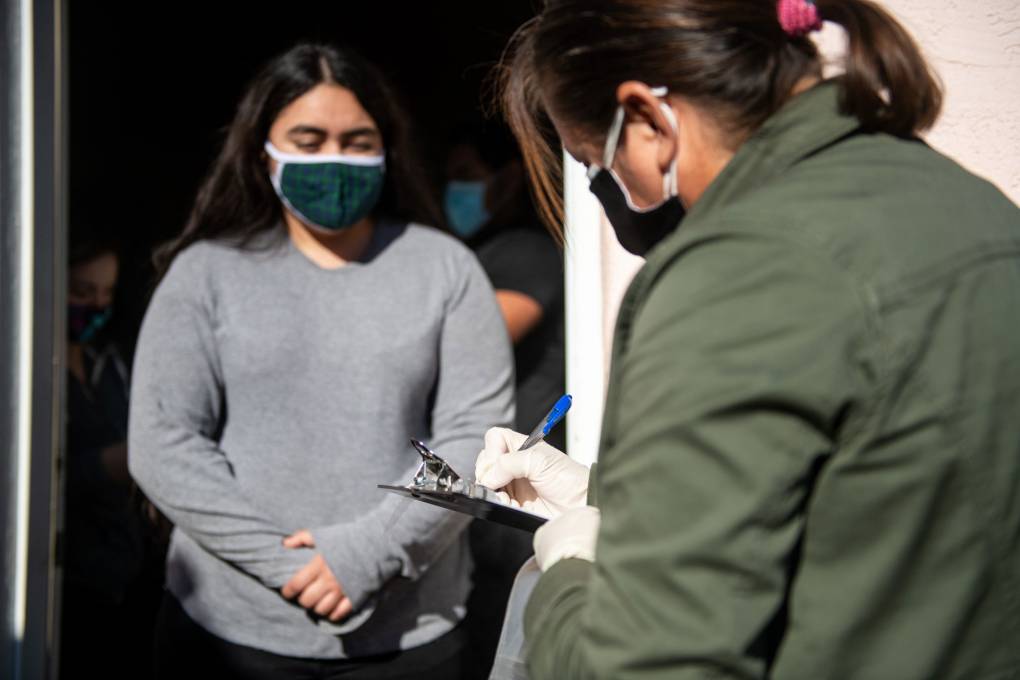
"caption": "The Orona Franco family receives a COVID-19 home testing visit from Santa Clara County health workers in San Jose on Feb. 3, 2021. The county has partnered with a group of promotoras from META, a community nonprofit based in East San Jose, to offer home testing and information about the coronavirus vaccine in one of the county's worst-affected areas.",
"description": "The Orona Franco family receives a COVID-19 home testing visit from Santa Clara County health workers in San Jose on Feb. 3, 2021. The county has partnered with a group of promotoras from META, a community nonprofit based in East San Jose, to offer home testing and information about the coronavirus vaccine in one of the county's worst-affected areas.",
"title": "SanJose_COVIDTesting",
"credit": "Beth LaBerge/KQED",
"status": "inherit",
"altTag": null,
"isLoading": false,
"fetchFailed": false
},
"news_11860899": {
"type": "attachments",
"id": "news_11860899",
"meta": {
"index": "attachments_1716263798",
"site": "news",
"id": "11860899",
"found": true
},
"parent": 11860891,
"imgSizes": {
"apple_news_ca_landscape_5_5": {
"file": "https://ww2.kqed.org/app/uploads/sites/10/2021/02/chain_021821_final-1044x783.png",
"width": 1044,
"mimeType": "image/png",
"height": 783
},
"apple_news_ca_square_4_0": {
"file": "https://ww2.kqed.org/app/uploads/sites/10/2021/02/chain_021821_final-470x470.png",
"width": 470,
"mimeType": "image/png",
"height": 470
},
"twentyfourteen-full-width": {
"file": "https://ww2.kqed.org/app/uploads/sites/10/2021/02/chain_021821_final-1038x576.png",
"width": 1038,
"mimeType": "image/png",
"height": 576
},
"thumbnail": {
"file": "https://ww2.kqed.org/app/uploads/sites/10/2021/02/chain_021821_final-160x110.png",
"width": 160,
"mimeType": "image/png",
"height": 110
},
"post-thumbnail": {
"file": "https://ww2.kqed.org/app/uploads/sites/10/2021/02/chain_021821_final-672x372.png",
"width": 672,
"mimeType": "image/png",
"height": 372
},
"kqedFullSize": {
"file": "https://ww2.kqed.org/app/uploads/sites/10/2021/02/chain_021821_final.png",
"width": 1920,
"height": 1315
},
"apple_news_ca_landscape_4_7": {
"file": "https://ww2.kqed.org/app/uploads/sites/10/2021/02/chain_021821_final-632x474.png",
"width": 632,
"mimeType": "image/png",
"height": 474
},
"large": {
"file": "https://ww2.kqed.org/app/uploads/sites/10/2021/02/chain_021821_final-1020x699.png",
"width": 1020,
"mimeType": "image/png",
"height": 699
},
"apple_news_ca_landscape_4_0": {
"file": "https://ww2.kqed.org/app/uploads/sites/10/2021/02/chain_021821_final-536x402.png",
"width": 536,
"mimeType": "image/png",
"height": 402
},
"apple_news_ca_portrait_12_9": {
"file": "https://ww2.kqed.org/app/uploads/sites/10/2021/02/chain_021821_final-1122x1315.png",
"width": 1122,
"mimeType": "image/png",
"height": 1315
},
"medium": {
"file": "https://ww2.kqed.org/app/uploads/sites/10/2021/02/chain_021821_final-800x548.png",
"width": 800,
"mimeType": "image/png",
"height": 548
},
"apple_news_ca_portrait_4_0": {
"file": "https://ww2.kqed.org/app/uploads/sites/10/2021/02/chain_021821_final-354x472.png",
"width": 354,
"mimeType": "image/png",
"height": 472
},
"apple_news_ca_portrait_9_7": {
"file": "https://ww2.kqed.org/app/uploads/sites/10/2021/02/chain_021821_final-840x1120.png",
"width": 840,
"mimeType": "image/png",
"height": 1120
},
"apple_news_ca_landscape_12_9": {
"file": "https://ww2.kqed.org/app/uploads/sites/10/2021/02/chain_021821_final-1832x1315.png",
"width": 1832,
"mimeType": "image/png",
"height": 1315
},
"apple_news_ca_square_9_7": {
"file": "https://ww2.kqed.org/app/uploads/sites/10/2021/02/chain_021821_final-1104x1104.png",
"width": 1104,
"mimeType": "image/png",
"height": 1104
},
"1536x1536": {
"file": "https://ww2.kqed.org/app/uploads/sites/10/2021/02/chain_021821_final-1536x1052.png",
"width": 1536,
"mimeType": "image/png",
"height": 1052
},
"apple_news_ca_portrait_4_7": {
"file": "https://ww2.kqed.org/app/uploads/sites/10/2021/02/chain_021821_final-414x552.png",
"width": 414,
"mimeType": "image/png",
"height": 552
},
"apple_news_ca_square_12_9": {
"file": "https://ww2.kqed.org/app/uploads/sites/10/2021/02/chain_021821_final-1472x1315.png",
"width": 1472,
"mimeType": "image/png",
"height": 1315
},
"apple_news_ca_portrait_5_5": {
"file": "https://ww2.kqed.org/app/uploads/sites/10/2021/02/chain_021821_final-687x916.png",
"width": 687,
"mimeType": "image/png",
"height": 916
},
"apple_news_ca_square_4_7": {
"file": "https://ww2.kqed.org/app/uploads/sites/10/2021/02/chain_021821_final-550x550.png",
"width": 550,
"mimeType": "image/png",
"height": 550
},
"apple_news_ca_landscape_9_7": {
"file": "https://ww2.kqed.org/app/uploads/sites/10/2021/02/chain_021821_final-1376x1032.png",
"width": 1376,
"mimeType": "image/png",
"height": 1032
},
"apple_news_ca_square_5_5": {
"file": "https://ww2.kqed.org/app/uploads/sites/10/2021/02/chain_021821_final-912x912.png",
"width": 912,
"mimeType": "image/png",
"height": 912
}
},
"publishDate": 1613671335,
"modified": 1613671402,
"caption": null,
"description": null,
"title": "chain_021821_final",
"credit": null,
"status": "inherit",
"altTag": "A Mark Fiore cartoon showing the vaccine \"supply chain\" winding through a complicated mess of federal, state, county, provider, etc. buildings before it gets to people awaiting vaccines.",
"isLoading": false,
"fetchFailed": false
},
"news_11860038": {
"type": "attachments",
"id": "news_11860038",
"meta": {
"index": "attachments_1716263798",
"site": "news",
"id": "11860038",
"found": true
},
"parent": 11860032,
"imgSizes": {
"apple_news_ca_landscape_5_5": {
"file": "https://ww2.kqed.org/app/uploads/sites/10/2021/02/vaccination_02112021_final-1044x783.png",
"width": 1044,
"mimeType": "image/png",
"height": 783
},
"apple_news_ca_square_4_0": {
"file": "https://ww2.kqed.org/app/uploads/sites/10/2021/02/vaccination_02112021_final-470x470.png",
"width": 470,
"mimeType": "image/png",
"height": 470
},
"twentyfourteen-full-width": {
"file": "https://ww2.kqed.org/app/uploads/sites/10/2021/02/vaccination_02112021_final-1038x576.png",
"width": 1038,
"mimeType": "image/png",
"height": 576
},
"thumbnail": {
"file": "https://ww2.kqed.org/app/uploads/sites/10/2021/02/vaccination_02112021_final-160x104.png",
"width": 160,
"mimeType": "image/png",
"height": 104
},
"post-thumbnail": {
"file": "https://ww2.kqed.org/app/uploads/sites/10/2021/02/vaccination_02112021_final-672x372.png",
"width": 672,
"mimeType": "image/png",
"height": 372
},
"kqedFullSize": {
"file": "https://ww2.kqed.org/app/uploads/sites/10/2021/02/vaccination_02112021_final.png",
"width": 1920,
"height": 1244
},
"apple_news_ca_landscape_4_7": {
"file": "https://ww2.kqed.org/app/uploads/sites/10/2021/02/vaccination_02112021_final-632x474.png",
"width": 632,
"mimeType": "image/png",
"height": 474
},
"large": {
"file": "https://ww2.kqed.org/app/uploads/sites/10/2021/02/vaccination_02112021_final-1020x661.png",
"width": 1020,
"mimeType": "image/png",
"height": 661
},
"apple_news_ca_landscape_4_0": {
"file": "https://ww2.kqed.org/app/uploads/sites/10/2021/02/vaccination_02112021_final-536x402.png",
"width": 536,
"mimeType": "image/png",
"height": 402
},
"apple_news_ca_portrait_12_9": {
"file": "https://ww2.kqed.org/app/uploads/sites/10/2021/02/vaccination_02112021_final-1122x1244.png",
"width": 1122,
"mimeType": "image/png",
"height": 1244
},
"medium": {
"file": "https://ww2.kqed.org/app/uploads/sites/10/2021/02/vaccination_02112021_final-800x518.png",
"width": 800,
"mimeType": "image/png",
"height": 518
},
"apple_news_ca_portrait_4_0": {
"file": "https://ww2.kqed.org/app/uploads/sites/10/2021/02/vaccination_02112021_final-354x472.png",
"width": 354,
"mimeType": "image/png",
"height": 472
},
"apple_news_ca_portrait_9_7": {
"file": "https://ww2.kqed.org/app/uploads/sites/10/2021/02/vaccination_02112021_final-840x1120.png",
"width": 840,
"mimeType": "image/png",
"height": 1120
},
"apple_news_ca_landscape_12_9": {
"file": "https://ww2.kqed.org/app/uploads/sites/10/2021/02/vaccination_02112021_final-1832x1244.png",
"width": 1832,
"mimeType": "image/png",
"height": 1244
},
"apple_news_ca_square_9_7": {
"file": "https://ww2.kqed.org/app/uploads/sites/10/2021/02/vaccination_02112021_final-1104x1104.png",
"width": 1104,
"mimeType": "image/png",
"height": 1104
},
"1536x1536": {
"file": "https://ww2.kqed.org/app/uploads/sites/10/2021/02/vaccination_02112021_final-1536x995.png",
"width": 1536,
"mimeType": "image/png",
"height": 995
},
"apple_news_ca_portrait_4_7": {
"file": "https://ww2.kqed.org/app/uploads/sites/10/2021/02/vaccination_02112021_final-414x552.png",
"width": 414,
"mimeType": "image/png",
"height": 552
},
"apple_news_ca_square_12_9": {
"file": "https://ww2.kqed.org/app/uploads/sites/10/2021/02/vaccination_02112021_final-1472x1244.png",
"width": 1472,
"mimeType": "image/png",
"height": 1244
},
"apple_news_ca_portrait_5_5": {
"file": "https://ww2.kqed.org/app/uploads/sites/10/2021/02/vaccination_02112021_final-687x916.png",
"width": 687,
"mimeType": "image/png",
"height": 916
},
"apple_news_ca_square_4_7": {
"file": "https://ww2.kqed.org/app/uploads/sites/10/2021/02/vaccination_02112021_final-550x550.png",
"width": 550,
"mimeType": "image/png",
"height": 550
},
"apple_news_ca_landscape_9_7": {
"file": "https://ww2.kqed.org/app/uploads/sites/10/2021/02/vaccination_02112021_final-1376x1032.png",
"width": 1376,
"mimeType": "image/png",
"height": 1032
},
"apple_news_ca_square_5_5": {
"file": "https://ww2.kqed.org/app/uploads/sites/10/2021/02/vaccination_02112021_final-912x912.png",
"width": 912,
"mimeType": "image/png",
"height": 912
}
},
"publishDate": 1613085543,
"modified": 1613085581,
"caption": null,
"description": null,
"title": "vaccination_02112021_final",
"credit": null,
"status": "inherit",
"altTag": "A Mark Fiore cartoon comparing vaccination sites to vaccination supply.",
"isLoading": false,
"fetchFailed": false
},
"news_11859558": {
"type": "attachments",
"id": "news_11859558",
"meta": {
"index": "attachments_1716263798",
"site": "news",
"id": "11859558",
"found": true
},
"parent": 11859495,
"imgSizes": {
"apple_news_ca_landscape_5_5": {
"file": "https://ww2.kqed.org/app/uploads/sites/10/2021/02/Image-from-iOS-25-1-1044x783.jpg",
"width": 1044,
"mimeType": "image/jpeg",
"height": 783
},
"apple_news_ca_square_4_0": {
"file": "https://ww2.kqed.org/app/uploads/sites/10/2021/02/Image-from-iOS-25-1-470x470.jpg",
"width": 470,
"mimeType": "image/jpeg",
"height": 470
},
"twentyfourteen-full-width": {
"file": "https://ww2.kqed.org/app/uploads/sites/10/2021/02/Image-from-iOS-25-1-1038x576.jpg",
"width": 1038,
"mimeType": "image/jpeg",
"height": 576
},
"thumbnail": {
"file": "https://ww2.kqed.org/app/uploads/sites/10/2021/02/Image-from-iOS-25-1-160x107.jpg",
"width": 160,
"mimeType": "image/jpeg",
"height": 107
},
"post-thumbnail": {
"file": "https://ww2.kqed.org/app/uploads/sites/10/2021/02/Image-from-iOS-25-1-672x372.jpg",
"width": 672,
"mimeType": "image/jpeg",
"height": 372
},
"kqedFullSize": {
"file": "https://ww2.kqed.org/app/uploads/sites/10/2021/02/Image-from-iOS-25-1.jpg",
"width": 1920,
"height": 1280
},
"apple_news_ca_landscape_4_7": {
"file": "https://ww2.kqed.org/app/uploads/sites/10/2021/02/Image-from-iOS-25-1-632x474.jpg",
"width": 632,
"mimeType": "image/jpeg",
"height": 474
},
"large": {
"file": "https://ww2.kqed.org/app/uploads/sites/10/2021/02/Image-from-iOS-25-1-1020x680.jpg",
"width": 1020,
"mimeType": "image/jpeg",
"height": 680
},
"apple_news_ca_landscape_4_0": {
"file": "https://ww2.kqed.org/app/uploads/sites/10/2021/02/Image-from-iOS-25-1-536x402.jpg",
"width": 536,
"mimeType": "image/jpeg",
"height": 402
},
"apple_news_ca_portrait_12_9": {
"file": "https://ww2.kqed.org/app/uploads/sites/10/2021/02/Image-from-iOS-25-1-1122x1280.jpg",
"width": 1122,
"mimeType": "image/jpeg",
"height": 1280
},
"medium": {
"file": "https://ww2.kqed.org/app/uploads/sites/10/2021/02/Image-from-iOS-25-1-800x533.jpg",
"width": 800,
"mimeType": "image/jpeg",
"height": 533
},
"apple_news_ca_portrait_4_0": {
"file": "https://ww2.kqed.org/app/uploads/sites/10/2021/02/Image-from-iOS-25-1-354x472.jpg",
"width": 354,
"mimeType": "image/jpeg",
"height": 472
},
"apple_news_ca_portrait_9_7": {
"file": "https://ww2.kqed.org/app/uploads/sites/10/2021/02/Image-from-iOS-25-1-840x1120.jpg",
"width": 840,
"mimeType": "image/jpeg",
"height": 1120
},
"apple_news_ca_landscape_12_9": {
"file": "https://ww2.kqed.org/app/uploads/sites/10/2021/02/Image-from-iOS-25-1-1832x1280.jpg",
"width": 1832,
"mimeType": "image/jpeg",
"height": 1280
},
"apple_news_ca_square_9_7": {
"file": "https://ww2.kqed.org/app/uploads/sites/10/2021/02/Image-from-iOS-25-1-1104x1104.jpg",
"width": 1104,
"mimeType": "image/jpeg",
"height": 1104
},
"1536x1536": {
"file": "https://ww2.kqed.org/app/uploads/sites/10/2021/02/Image-from-iOS-25-1-1536x1024.jpg",
"width": 1536,
"mimeType": "image/jpeg",
"height": 1024
},
"apple_news_ca_portrait_4_7": {
"file": "https://ww2.kqed.org/app/uploads/sites/10/2021/02/Image-from-iOS-25-1-414x552.jpg",
"width": 414,
"mimeType": "image/jpeg",
"height": 552
},
"apple_news_ca_square_12_9": {
"file": "https://ww2.kqed.org/app/uploads/sites/10/2021/02/Image-from-iOS-25-1-1472x1280.jpg",
"width": 1472,
"mimeType": "image/jpeg",
"height": 1280
},
"apple_news_ca_portrait_5_5": {
"file": "https://ww2.kqed.org/app/uploads/sites/10/2021/02/Image-from-iOS-25-1-687x916.jpg",
"width": 687,
"mimeType": "image/jpeg",
"height": 916
},
"apple_news_ca_square_4_7": {
"file": "https://ww2.kqed.org/app/uploads/sites/10/2021/02/Image-from-iOS-25-1-550x550.jpg",
"width": 550,
"mimeType": "image/jpeg",
"height": 550
},
"apple_news_ca_landscape_9_7": {
"file": "https://ww2.kqed.org/app/uploads/sites/10/2021/02/Image-from-iOS-25-1-1376x1032.jpg",
"width": 1376,
"mimeType": "image/jpeg",
"height": 1032
},
"apple_news_ca_square_5_5": {
"file": "https://ww2.kqed.org/app/uploads/sites/10/2021/02/Image-from-iOS-25-1-912x912.jpg",
"width": 912,
"mimeType": "image/jpeg",
"height": 912
}
},
"publishDate": 1612920976,
"modified": 1612921012,
"caption": "San Jose resident Cornelia Arzaga, 76, prepares to receive her first dose of the COVID-19 vaccine at Levi’s Stadium on Feb. 9, 2021.",
"description": "San Jose resident Cornelia Arzaga, 76, prepares to receive her first dose of the COVID-19 vaccine at Levi’s Stadium on Feb. 9, 2021.",
"title": "Image from iOS (25) (1)",
"credit": "Beth LaBerge/KQED",
"status": "inherit",
"altTag": null,
"isLoading": false,
"fetchFailed": false
},
"news_11859268": {
"type": "attachments",
"id": "news_11859268",
"meta": {
"index": "attachments_1716263798",
"site": "news",
"id": "11859268",
"found": true
},
"parent": 11858857,
"imgSizes": {
"apple_news_ca_square_4_0": {
"file": "https://ww2.kqed.org/app/uploads/sites/10/2021/02/EEA83CEA-CC03-4629-9BE5-CA5032807CB4-1-470x470.jpeg",
"width": 470,
"mimeType": "image/jpeg",
"height": 470
},
"thumbnail": {
"file": "https://ww2.kqed.org/app/uploads/sites/10/2021/02/EEA83CEA-CC03-4629-9BE5-CA5032807CB4-1-160x135.jpeg",
"width": 160,
"mimeType": "image/jpeg",
"height": 135
},
"post-thumbnail": {
"file": "https://ww2.kqed.org/app/uploads/sites/10/2021/02/EEA83CEA-CC03-4629-9BE5-CA5032807CB4-1-596x372.jpeg",
"width": 596,
"mimeType": "image/jpeg",
"height": 372
},
"kqedFullSize": {
"file": "https://ww2.kqed.org/app/uploads/sites/10/2021/02/EEA83CEA-CC03-4629-9BE5-CA5032807CB4-1.jpeg",
"width": 596,
"height": 503
},
"apple_news_ca_landscape_4_7": {
"file": "https://ww2.kqed.org/app/uploads/sites/10/2021/02/EEA83CEA-CC03-4629-9BE5-CA5032807CB4-1-596x474.jpeg",
"width": 596,
"mimeType": "image/jpeg",
"height": 474
},
"apple_news_ca_portrait_4_7": {
"file": "https://ww2.kqed.org/app/uploads/sites/10/2021/02/EEA83CEA-CC03-4629-9BE5-CA5032807CB4-1-414x503.jpeg",
"width": 414,
"mimeType": "image/jpeg",
"height": 503
},
"apple_news_ca_square_4_7": {
"file": "https://ww2.kqed.org/app/uploads/sites/10/2021/02/EEA83CEA-CC03-4629-9BE5-CA5032807CB4-1-550x503.jpeg",
"width": 550,
"mimeType": "image/jpeg",
"height": 503
},
"apple_news_ca_landscape_4_0": {
"file": "https://ww2.kqed.org/app/uploads/sites/10/2021/02/EEA83CEA-CC03-4629-9BE5-CA5032807CB4-1-536x402.jpeg",
"width": 536,
"mimeType": "image/jpeg",
"height": 402
},
"apple_news_ca_portrait_4_0": {
"file": "https://ww2.kqed.org/app/uploads/sites/10/2021/02/EEA83CEA-CC03-4629-9BE5-CA5032807CB4-1-354x472.jpeg",
"width": 354,
"mimeType": "image/jpeg",
"height": 472
}
},
"publishDate": 1612829667,
"modified": 1612829706,
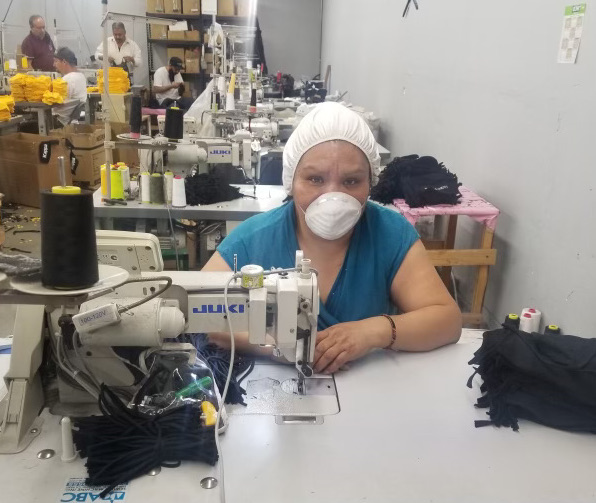
"caption": "Olegaria Ruiz at her job in a Los Angeles garment factory in June 2020.",
"description": null,
"title": "EEA83CEA-CC03-4629-9BE5-CA5032807CB4",
"credit": "Courtesy of Estela Perez, Garment Worker Center",
"status": "inherit",
"altTag": null,
"isLoading": false,
"fetchFailed": false
},
"news_11858142": {
"type": "attachments",
"id": "news_11858142",
"meta": {
"index": "attachments_1716263798",
"site": "news",
"id": "11858142",
"found": true
},
"parent": 11858139,
"imgSizes": {
"apple_news_ca_landscape_5_5": {
"file": "https://ww2.kqed.org/app/uploads/sites/10/2021/02/RS46998_pubSOUJ_46-copy-qut-1044x783.jpg",
"width": 1044,
"mimeType": "image/jpeg",
"height": 783
},
"apple_news_ca_square_4_0": {
"file": "https://ww2.kqed.org/app/uploads/sites/10/2021/02/RS46998_pubSOUJ_46-copy-qut-470x470.jpg",
"width": 470,
"mimeType": "image/jpeg",
"height": 470
},
"twentyfourteen-full-width": {
"file": "https://ww2.kqed.org/app/uploads/sites/10/2021/02/RS46998_pubSOUJ_46-copy-qut-1038x576.jpg",
"width": 1038,
"mimeType": "image/jpeg",
"height": 576
},
"thumbnail": {
"file": "https://ww2.kqed.org/app/uploads/sites/10/2021/02/RS46998_pubSOUJ_46-copy-qut-160x89.jpg",
"width": 160,
"mimeType": "image/jpeg",
"height": 89
},
"post-thumbnail": {
"file": "https://ww2.kqed.org/app/uploads/sites/10/2021/02/RS46998_pubSOUJ_46-copy-qut-672x372.jpg",
"width": 672,
"mimeType": "image/jpeg",
"height": 372
},
"kqedFullSize": {
"file": "https://ww2.kqed.org/app/uploads/sites/10/2021/02/RS46998_pubSOUJ_46-copy-qut.jpg",
"width": 1920,
"height": 1072
},
"apple_news_ca_landscape_4_7": {
"file": "https://ww2.kqed.org/app/uploads/sites/10/2021/02/RS46998_pubSOUJ_46-copy-qut-632x474.jpg",
"width": 632,
"mimeType": "image/jpeg",
"height": 474
},
"large": {
"file": "https://ww2.kqed.org/app/uploads/sites/10/2021/02/RS46998_pubSOUJ_46-copy-qut-1020x570.jpg",
"width": 1020,
"mimeType": "image/jpeg",
"height": 570
},
"apple_news_ca_landscape_4_0": {
"file": "https://ww2.kqed.org/app/uploads/sites/10/2021/02/RS46998_pubSOUJ_46-copy-qut-536x402.jpg",
"width": 536,
"mimeType": "image/jpeg",
"height": 402
},
"apple_news_ca_portrait_12_9": {
"file": "https://ww2.kqed.org/app/uploads/sites/10/2021/02/RS46998_pubSOUJ_46-copy-qut-1122x1072.jpg",
"width": 1122,
"mimeType": "image/jpeg",
"height": 1072
},
"medium": {
"file": "https://ww2.kqed.org/app/uploads/sites/10/2021/02/RS46998_pubSOUJ_46-copy-qut-800x447.jpg",
"width": 800,
"mimeType": "image/jpeg",
"height": 447
},
"apple_news_ca_portrait_4_0": {
"file": "https://ww2.kqed.org/app/uploads/sites/10/2021/02/RS46998_pubSOUJ_46-copy-qut-354x472.jpg",
"width": 354,
"mimeType": "image/jpeg",
"height": 472
},
"apple_news_ca_portrait_9_7": {
"file": "https://ww2.kqed.org/app/uploads/sites/10/2021/02/RS46998_pubSOUJ_46-copy-qut-840x1072.jpg",
"width": 840,
"mimeType": "image/jpeg",
"height": 1072
},
"apple_news_ca_landscape_12_9": {
"file": "https://ww2.kqed.org/app/uploads/sites/10/2021/02/RS46998_pubSOUJ_46-copy-qut-1832x1072.jpg",
"width": 1832,
"mimeType": "image/jpeg",
"height": 1072
},
"apple_news_ca_square_9_7": {
"file": "https://ww2.kqed.org/app/uploads/sites/10/2021/02/RS46998_pubSOUJ_46-copy-qut-1104x1072.jpg",
"width": 1104,
"mimeType": "image/jpeg",
"height": 1072
},
"1536x1536": {
"file": "https://ww2.kqed.org/app/uploads/sites/10/2021/02/RS46998_pubSOUJ_46-copy-qut-1536x858.jpg",
"width": 1536,
"mimeType": "image/jpeg",
"height": 858
},
"apple_news_ca_portrait_4_7": {
"file": "https://ww2.kqed.org/app/uploads/sites/10/2021/02/RS46998_pubSOUJ_46-copy-qut-414x552.jpg",
"width": 414,
"mimeType": "image/jpeg",
"height": 552
},
"apple_news_ca_square_12_9": {
"file": "https://ww2.kqed.org/app/uploads/sites/10/2021/02/RS46998_pubSOUJ_46-copy-qut-1472x1072.jpg",
"width": 1472,
"mimeType": "image/jpeg",
"height": 1072
},
"apple_news_ca_portrait_5_5": {
"file": "https://ww2.kqed.org/app/uploads/sites/10/2021/02/RS46998_pubSOUJ_46-copy-qut-687x916.jpg",
"width": 687,
"mimeType": "image/jpeg",
"height": 916
},
"apple_news_ca_square_4_7": {
"file": "https://ww2.kqed.org/app/uploads/sites/10/2021/02/RS46998_pubSOUJ_46-copy-qut-550x550.jpg",
"width": 550,
"mimeType": "image/jpeg",
"height": 550
},
"apple_news_ca_landscape_9_7": {
"file": "https://ww2.kqed.org/app/uploads/sites/10/2021/02/RS46998_pubSOUJ_46-copy-qut-1376x1032.jpg",
"width": 1376,
"mimeType": "image/jpeg",
"height": 1032
},
"apple_news_ca_square_5_5": {
"file": "https://ww2.kqed.org/app/uploads/sites/10/2021/02/RS46998_pubSOUJ_46-copy-qut-912x912.jpg",
"width": 912,
"mimeType": "image/jpeg",
"height": 912
}
},
"publishDate": 1612236718,
"modified": 1612248408,
"caption": "During Sojourner's closing scene, Smith showcases a group of women dressed in bold bright outfits marching together at sunrise in the Joshua Tree desert.",
"description": null,
"title": "RS46998_pubSOUJ_46 copy-qut",
"credit": "Courtesy of Cauleen Smith",
"status": "inherit",
"altTag": null,
"isLoading": false,
"fetchFailed": false
}
},
"audioPlayerReducer": {
"postId": "stream_live",
"isPaused": true,
"isPlaying": false,
"pfsActive": false,
"pledgeModalIsOpen": true,
"playerDrawerIsOpen": false,
"liveAudioPlayStartedAt": 0,
"liveAudioPlayContext": ""
},
"authorsReducer": {
"kqed": {
"type": "authors",
"id": "236",
"meta": {
"index": "authors_1716337520",
"id": "236",
"found": true
},
"name": "KQED News Staff",
"firstName": "KQED News Staff",
"lastName": null,
"slug": "kqed",
"email": "faq@kqed.org",
"display_author_email": false,
"staff_mastheads": [],
"title": null,
"bio": null,
"avatar": "https://secure.gravatar.com/avatar/ef0e801a68c4c54afa9180db14084167?s=600&d=blank&r=g",
"twitter": null,
"facebook": null,
"instagram": null,
"linkedin": null,
"sites": [
{
"site": "arts",
"roles": [
"contributor"
]
},
{
"site": "news",
"roles": [
"editor"
]
},
{
"site": "futureofyou",
"roles": [
"author"
]
}
],
"headData": {
"title": "KQED News Staff | KQED",
"description": null,
"ogImgSrc": "https://secure.gravatar.com/avatar/ef0e801a68c4c54afa9180db14084167?s=600&d=blank&r=g",
"twImgSrc": "https://secure.gravatar.com/avatar/ef0e801a68c4c54afa9180db14084167?s=600&d=blank&r=g"
},
"isLoading": false,
"link": "/author/kqed"
},
"kqednewsstaffandwires": {
"type": "authors",
"id": "237",
"meta": {
"index": "authors_1716337520",
"id": "237",
"found": true
},
"name": "KQED News Staff and Wires",
"firstName": "KQED News Staff and Wires",
"lastName": null,
"slug": "kqednewsstaffandwires",
"email": "onlinenewsstaff@kqed.org",
"display_author_email": false,
"staff_mastheads": [],
"title": null,
"bio": null,
"avatar": "https://secure.gravatar.com/avatar/72295af8ebbfbd19a4948f5271285664?s=600&d=blank&r=g",
"twitter": null,
"facebook": null,
"instagram": null,
"linkedin": null,
"sites": [
{
"site": "arts",
"roles": [
"contributor"
]
},
{
"site": "news",
"roles": [
"contributor"
]
},
{
"site": "lowdown",
"roles": [
"author"
]
},
{
"site": "stateofhealth",
"roles": [
"contributor"
]
},
{
"site": "food",
"roles": [
"author"
]
}
],
"headData": {
"title": "KQED News Staff and Wires | KQED",
"description": null,
"ogImgSrc": "https://secure.gravatar.com/avatar/72295af8ebbfbd19a4948f5271285664?s=600&d=blank&r=g",
"twImgSrc": "https://secure.gravatar.com/avatar/72295af8ebbfbd19a4948f5271285664?s=600&d=blank&r=g"
},
"isLoading": false,
"link": "/author/kqednewsstaffandwires"
},
"adembosky": {
"type": "authors",
"id": "3205",
"meta": {
"index": "authors_1716337520",
"id": "3205",
"found": true
},
"name": "April Dembosky",
"firstName": "April",
"lastName": "Dembosky",
"slug": "adembosky",
"email": "adembosky@kqed.org",
"display_author_email": false,
"staff_mastheads": [
"news",
"science"
],
"title": "KQED Health Correspondent",
"bio": "April Dembosky is the health correspondent for KQED News and a regular contributor to NPR. She specializes in covering altered states of mind, from postpartum depression to methamphetamine-induced psychosis to the insanity defense. Her investigative series on insurance companies sidestepping mental health laws won multiple awards, including first place in beat reporting from the national Association of Health Care Journalists. She is the recipient of numerous other prizes and fellowships, including a national Edward R. Murrow award for investigative reporting, a Society of Professional Journalists award for long-form storytelling, and a Carter Center Fellowship for Mental Health Journalism.\r\n\r\nDembosky reported and produced \u003cem>Soundtrack of Silence\u003c/em>, an audio documentary about music and memory that is currently being made into a feature film by Paramount Pictures.\r\n\r\nBefore joining KQED in 2013, Dembosky covered technology and Silicon Valley for \u003cem>The Financial Times of London,\u003c/em> and contributed business and arts stories to \u003cem>Marketplace \u003c/em>and \u003cem>The New York Times.\u003c/em> She got her undergraduate degree in philosophy from Smith College and her master's in journalism from the University of California, Berkeley. She is a classically trained violinist and proud alum of the first symphony orchestra at Burning Man.",
"avatar": "https://secure.gravatar.com/avatar/ef92999be4ceb9ea60701e7dc276f813?s=600&d=blank&r=g",
"twitter": "adembosky",
"facebook": null,
"instagram": null,
"linkedin": null,
"sites": [
{
"site": "arts",
"roles": [
"author"
]
},
{
"site": "news",
"roles": [
"editor"
]
},
{
"site": "futureofyou",
"roles": [
"author"
]
},
{
"site": "stateofhealth",
"roles": [
"editor"
]
},
{
"site": "science",
"roles": [
"editor"
]
},
{
"site": "forum",
"roles": [
"editor"
]
}
],
"headData": {
"title": "April Dembosky | KQED",
"description": "KQED Health Correspondent",
"ogImgSrc": "https://secure.gravatar.com/avatar/ef92999be4ceb9ea60701e7dc276f813?s=600&d=blank&r=g",
"twImgSrc": "https://secure.gravatar.com/avatar/ef92999be4ceb9ea60701e7dc276f813?s=600&d=blank&r=g"
},
"isLoading": false,
"link": "/author/adembosky"
},
"markfiore": {
"type": "authors",
"id": "3236",
"meta": {
"index": "authors_1716337520",
"id": "3236",
"found": true
},
"name": "Mark Fiore",
"firstName": "Mark",
"lastName": "Fiore",
"slug": "markfiore",
"email": "mark@markfiore.com",
"display_author_email": false,
"staff_mastheads": [
"news"
],
"title": "KQED News Cartoonist",
"bio": "\u003ca href=\"http://www.MarkFiore.com\">MarkFiore.com\u003c/a> | \u003ca href=\"https://twitter.com/markfiore\">Follow on Twitter\u003c/a> | \u003ca href=\"https://www.facebook.com/pages/Mark-Fiore-Animated-Political-Cartoons/94451707396?ref=bookmarks\">Facebook\u003c/a> | \u003ca href=\"mailto:mark@markfiore.com\">email\u003c/a>\r\n\r\nPulitzer Prize-winner, Mark Fiore, who the Wall Street Journal has called “the undisputed guru of the form,” creates animated political cartoons in San Francisco, where his work has been featured regularly on the San Francisco Chronicle’s web site, SFGate.com. His work has appeared on Newsweek.com, Slate.com, CBSNews.com, MotherJones.com, DailyKos.com and NPR’s web site. Fiore’s political animation has appeared on CNN, Frontline, Bill Moyers Journal, Salon.com and cable and broadcast outlets across the globe.\r\n\r\nBeginning his professional life by drawing traditional political cartoons for newspapers, Fiore’s work appeared in publications ranging from the Washington Post to the Los Angeles Times. In the late 1990s, he began to experiment with animating political cartoons and, after a short stint at the San Jose Mercury News as their staff cartoonist, Fiore devoted all his energies to animation.\r\nGrowing up in California, Fiore also spent a good portion of his life in the backwoods of Idaho. It was this combination that shaped him politically. Mark majored in political science at Colorado College, where, in a perfect send-off for a cartoonist, he received his diploma in 1991 as commencement speaker Dick Cheney smiled approvingly.\r\nMark Fiore was awarded the Pulitzer Prize for political cartooning in 2010, a Robert F. Kennedy Journalism Award in 2004 and has twice received an Online Journalism Award for commentary from the Online News Association (2002, 2008). Fiore has received two awards for his work in new media from the National Cartoonists Society (2001, 2002), and in 2006 received The James Madison Freedom of Information Award from The Society of Professional Journalists.",
"avatar": "https://secure.gravatar.com/avatar/fc4e2a612b15b67bad0c6f0e1db4ca9b?s=600&d=blank&r=g",
"twitter": "MarkFiore",
"facebook": null,
"instagram": "https://www.instagram.com/markfiore/?hl=en",
"linkedin": null,
"sites": [
{
"site": "arts",
"roles": [
"contributor"
]
},
{
"site": "news",
"roles": [
"editor"
]
},
{
"site": "futureofyou",
"roles": [
"editor"
]
},
{
"site": "science",
"roles": [
"editor"
]
}
],
"headData": {
"title": "Mark Fiore | KQED",
"description": "KQED News Cartoonist",
"ogImgSrc": "https://secure.gravatar.com/avatar/fc4e2a612b15b67bad0c6f0e1db4ca9b?s=600&d=blank&r=g",
"twImgSrc": "https://secure.gravatar.com/avatar/fc4e2a612b15b67bad0c6f0e1db4ca9b?s=600&d=blank&r=g"
},
"isLoading": false,
"link": "/author/markfiore"
},
"fjhabvala": {
"type": "authors",
"id": "8659",
"meta": {
"index": "authors_1716337520",
"id": "8659",
"found": true
},
"name": "Farida Jhabvala Romero",
"firstName": "Farida",
"lastName": "Jhabvala Romero",
"slug": "fjhabvala",
"email": "fjhabvala@kqed.org",
"display_author_email": true,
"staff_mastheads": [
"news"
],
"title": "KQED Contributor",
"bio": "Farida Jhabvala Romero is a Labor Correspondent for KQED. She previously covered immigration. Farida was \u003ca href=\"https://www.ccnma.org/2022-most-influential-latina-journalists\">named\u003c/a> one of the 10 Most Influential Latina Journalists in California in 2022 by the California Chicano News Media Association. Her work has won awards from the Society of Professional Journalists (Northern California), as well as a national and regional Edward M. Murrow Award for the collaborative reporting projects “Dangerous Air” and “Graying California.” Before joining KQED, Farida worked as a producer at Radio Bilingüe, a national public radio network. Farida earned her master’s degree in journalism from Stanford University.",
"avatar": "https://secure.gravatar.com/avatar/f9f022d4e2609741874222a1e9d41f48fea74011aa7c615eef91d9a50c944ebe?s=600&d=blank&r=g",
"twitter": "FaridaJhabvala",
"bluesky": null,
"facebook": null,
"instagram": null,
"linkedin": "https://www.linkedin.com/in/faridajhabvala/",
"sites": [
{
"site": "news",
"roles": [
"editor"
]
},
{
"site": "stateofhealth",
"roles": [
"author"
]
},
{
"site": "liveblog",
"roles": [
"author"
]
}
],
"headData": {
"title": "Farida Jhabvala Romero | KQED",
"description": "KQED Contributor",
"ogImgSrc": "https://secure.gravatar.com/avatar/f9f022d4e2609741874222a1e9d41f48fea74011aa7c615eef91d9a50c944ebe?s=600&d=blank&r=g",
"twImgSrc": "https://secure.gravatar.com/avatar/f9f022d4e2609741874222a1e9d41f48fea74011aa7c615eef91d9a50c944ebe?s=600&d=blank&r=g"
},
"isLoading": false,
"link": "/author/fjhabvala"
},
"ccabreralomeli": {
"type": "authors",
"id": "11708",
"meta": {
"index": "authors_1716337520",
"id": "11708",
"found": true
},
"name": "Carlos Cabrera-Lomelí",
"firstName": "Carlos",
"lastName": "Cabrera-Lomelí",
"slug": "ccabreralomeli",
"email": "ccabreralomeli@KQED.org",
"display_author_email": true,
"staff_mastheads": [
"news"
],
"title": "Community Reporter",
"bio": "Carlos Cabrera-Lomelí is a community reporter with KQED's digital engagement team. He also reports and co-produces for KQED's bilingual news hub KQED en Español. He grew up in San Francisco's Mission District and has previously worked with Univision, 48 Hills and REFORMA in Mexico City.",
"avatar": "https://secure.gravatar.com/avatar/c309be9665e484f887b818c89e273ecc673004f426f36b24d00a4d813a2e0518?s=600&d=blank&r=g",
"twitter": "@LomeliCabrera",
"bluesky": null,
"facebook": null,
"instagram": null,
"linkedin": null,
"sites": [
{
"site": "arts",
"roles": [
"editor"
]
},
{
"site": "news",
"roles": [
"editor"
]
},
{
"site": "about",
"roles": [
"editor"
]
},
{
"site": "science",
"roles": [
"editor"
]
},
{
"site": "perspectives",
"roles": [
"editor"
]
},
{
"site": "elections",
"roles": [
"editor"
]
},
{
"site": "liveblog",
"roles": [
"contributor"
]
}
],
"headData": {
"title": "Carlos Cabrera-Lomelí | KQED",
"description": "Community Reporter",
"ogImgSrc": "https://secure.gravatar.com/avatar/c309be9665e484f887b818c89e273ecc673004f426f36b24d00a4d813a2e0518?s=600&d=blank&r=g",
"twImgSrc": "https://secure.gravatar.com/avatar/c309be9665e484f887b818c89e273ecc673004f426f36b24d00a4d813a2e0518?s=600&d=blank&r=g"
},
"isLoading": false,
"link": "/author/ccabreralomeli"
},
"harzate": {
"type": "authors",
"id": "11727",
"meta": {
"index": "authors_1716337520",
"id": "11727",
"found": true
},
"name": "Héctor Alejandro Arzate",
"firstName": "Héctor Alejandro",
"lastName": "Arzate",
"slug": "harzate",
"email": "harzate@kqed.org",
"display_author_email": false,
"staff_mastheads": [],
"title": "KQED Contributor",
"bio": null,
"avatar": "https://secure.gravatar.com/avatar/23c72c3afa19f2c6801c5db997a908d8?s=600&d=blank&r=g",
"twitter": null,
"facebook": null,
"instagram": null,
"linkedin": null,
"sites": [
{
"site": "news",
"roles": [
"author"
]
}
],
"headData": {
"title": "Héctor Alejandro Arzate | KQED",
"description": "KQED Contributor",
"ogImgSrc": "https://secure.gravatar.com/avatar/23c72c3afa19f2c6801c5db997a908d8?s=600&d=blank&r=g",
"twImgSrc": "https://secure.gravatar.com/avatar/23c72c3afa19f2c6801c5db997a908d8?s=600&d=blank&r=g"
},
"isLoading": false,
"link": "/author/harzate"
}
},
"pagesReducer": {
"news_tag_vaccines": {
"type": "terms",
"id": "news_981",
"meta": {
"index": "terms_1716263798",
"site": "news",
"id": "981",
"score": 8.668567
},
"name": "Vaccines",
"slug": "vaccines",
"taxonomy": "tag",
"description": null,
"featImg": null,
"headData": {
"title": "Vaccines | KQED News",
"description": null,
"ogTitle": null,
"ogDescription": null,
"ogImgId": null,
"twTitle": null,
"twDescription": null,
"twImgId": null
},
"ttid": 991,
"isLoading": false,
"title": "Vaccines",
"pageMeta": {
"site": "news",
"WpPageTemplate": "page-topic-editorial",
"currentPage": 12
},
"blocks": [
{
"blockName": "kqed/post-list",
"attrs": {
"layout": "cardArticle2",
"query": "posts/news?tag=vaccines",
"seeMore": false,
"paginated": true,
"page": 12
}
},
{
"blockName": "kqed/ad"
}
]
}
},
"pfsSessionReducer": {},
"postsReducer": {
"stream_live": {
"type": "live",
"id": "stream_live",
"audioUrl": "https://streams.kqed.org/kqedradio",
"title": "Live Stream",
"excerpt": "Live Stream information currently unavailable.",
"link": "/radio",
"featImg": "",
"label": {
"name": "KQED Live",
"link": "/"
}
},
"stream_kqedNewscast": {
"type": "posts",
"id": "stream_kqedNewscast",
"audioUrl": "https://www.kqed.org/.stream/anon/radio/RDnews/newscast.mp3?_=1",
"title": "KQED Newscast",
"featImg": "",
"label": {
"name": "88.5 FM",
"link": "/"
}
},
"news_11863075": {
"type": "posts",
"id": "news_11863075",
"meta": {
"index": "posts_1716263798",
"site": "news",
"id": "11863075",
"score": null,
"sort": [
1614813293000
]
},
"guestAuthors": [],
"slug": "the-law-of-supply-and-demand-demand-demand",
"title": "The Law of Supply and Demand, Demand, Demand",
"publishDate": 1614813293,
"format": "standard",
"headTitle": "The Law of Supply and Demand, Demand, Demand | KQED",
"labelTerm": {
"term": 18515,
"site": "news"
},
"content": "\u003cp>The good news is more Bay Area counties are \u003ca href=\"https://www.kqed.org/coronavirusliveupdates/news/11862969/contra-costa-looking-to-move-into-red-tier-soon\">moving out of the state’s most restrictive purple tier\u003c/a> – the bad news is vaccine supply is still a mess.\u003c/p>\n\u003cp>Due to a lack of supply, Sutter Health has been forced to cancel tens of thousands of second-shot appointments for people who already received their first dose of a COVID-19 vaccine.\u003c/p>\n\u003cp>This is not the first time problems with the \u003ca href=\"https://www.kqed.org/news/11860891/the-good-news-bad-news-story-of-vaccine-distribution\">vaccine supply chain\u003c/a> have put a temporary stop to vaccinations.\u003c/p>\n\u003cp>With the number of coronavirus cases on the way down and some pandemic restrictions easing, at least we have more dining options while we await that coveted vaccine appointment.\u003c/p>\n\u003cp>[ad fullwidth]\u003c/p>\n\u003cp>\u003c/p>\n",
"blocks": [],
"excerpt": "The good news is more Bay Area counties are moving out of the state's most restrictive purple tier, the bad news is coronavirus vaccine supply is still a mess.",
"status": "publish",
"parent": 0,
"modified": 1740614489,
"stats": {
"hasAudio": false,
"hasVideo": false,
"hasChartOrMap": false,
"iframeSrcs": [],
"hasGoogleForm": false,
"hasGallery": false,
"hasHearkenModule": false,
"hasPolis": false,
"paragraphCount": 6,
"wordCount": 114
},
"headData": {
"title": "The Law of Supply and Demand, Demand, Demand | KQED",
"description": "The good news is more Bay Area counties are moving out of the state's most restrictive purple tier, the bad news is coronavirus vaccine supply is still a mess.",
"ogTitle": "",
"ogDescription": "",
"ogImgId": "",
"twTitle": "",
"twDescription": "",
"twImgId": "",
"schema": {
"@context": "https://schema.org",
"@type": "NewsArticle",
"headline": "The Law of Supply and Demand, Demand, Demand",
"datePublished": "2021-03-03T15:14:53-08:00",
"dateModified": "2025-02-26T16:01:29-08:00",
"image": "https://cdn.kqed.org/wp-content/uploads/2020/02/KQED-OG-Image@1x.png",
"isAccessibleForFree": "True",
"publisher": {
"@type": "NewsMediaOrganization",
"@id": "https://www.kqed.org/#organization",
"name": "KQED",
"logo": "https://cdn.kqed.org/wp-content/uploads/2020/02/KQED-OG-Image@1x.png",
"url": "https://www.kqed.org",
"sameAs": [
"https://www.facebook.com/KQED",
"https://twitter.com/KQED",
"https://www.instagram.com/kqed/",
"https://www.tiktok.com/@kqedofficial",
"https://www.linkedin.com/company/kqed",
"https://www.youtube.com/channel/UCeC0IOo7i1P_61zVUWbJ4nw"
]
}
}
},
"sticky": false,
"path": "/news/11863075/the-law-of-supply-and-demand-demand-demand",
"audioTrackLength": null,
"parsedContent": [
{
"type": "contentString",
"content": "\u003cdiv class=\"post-body\">\u003cp>\u003cp>The good news is more Bay Area counties are \u003ca href=\"https://www.kqed.org/coronavirusliveupdates/news/11862969/contra-costa-looking-to-move-into-red-tier-soon\">moving out of the state’s most restrictive purple tier\u003c/a> – the bad news is vaccine supply is still a mess.\u003c/p>\n\u003cp>Due to a lack of supply, Sutter Health has been forced to cancel tens of thousands of second-shot appointments for people who already received their first dose of a COVID-19 vaccine.\u003c/p>\n\u003cp>This is not the first time problems with the \u003ca href=\"https://www.kqed.org/news/11860891/the-good-news-bad-news-story-of-vaccine-distribution\">vaccine supply chain\u003c/a> have put a temporary stop to vaccinations.\u003c/p>\n\u003cp>With the number of coronavirus cases on the way down and some pandemic restrictions easing, at least we have more dining options while we await that coveted vaccine appointment.\u003c/p>\n\u003cp>\u003c/p>\u003c/div>",
"attributes": {
"named": {},
"numeric": []
}
},
{
"type": "component",
"content": "",
"name": "ad",
"attributes": {
"named": {
"label": "fullwidth"
},
"numeric": [
"fullwidth"
]
}
},
{
"type": "contentString",
"content": "\u003cdiv class=\"post-body\">\u003cp>\u003c/p>\n\u003cp>\u003c/p>\n\u003c/div>\u003c/p>",
"attributes": {
"named": {},
"numeric": []
}
}
],
"link": "/news/11863075/the-law-of-supply-and-demand-demand-demand",
"authors": [
"3236"
],
"series": [
"news_18515"
],
"categories": [
"news_457"
],
"tags": [
"news_27350",
"news_28801",
"news_27504",
"news_20949",
"news_27660",
"news_18093",
"news_981"
],
"featImg": "news_11863080",
"label": "news_18515"
},
"news_11862700": {
"type": "posts",
"id": "news_11862700",
"meta": {
"index": "posts_1716263798",
"site": "news",
"id": "11862700",
"score": null,
"sort": [
1614717086000
]
},
"guestAuthors": [],
"slug": "san-mateo-county-leaders-push-to-prioritize-east-palo-alto-for-covid-19-vaccine",
"title": "San Mateo County Leaders Push to Prioritize East Palo Alto for COVID-19 Vaccine",
"publishDate": 1614717086,
"format": "standard",
"headTitle": "San Mateo County Leaders Push to Prioritize East Palo Alto for COVID-19 Vaccine | KQED",
"labelTerm": {
"site": "news"
},
"content": "\u003cp>Elected officials in San Mateo County are calling on the federal government and California to prioritize COVID-19 vaccines for East Palo Alto and other lower-income communities that have been hardest hit by the pandemic.\u003c/p>\n\u003cp>Democratic state Sen. Josh Becker, who represents most of San Mateo County, said he is pressing for greater vaccine supply and more resources to inoculate East Palo Alto residents, many of whom are low-wage essential workers.\u003c/p>\n\u003cp>“This community has been on the front lines, and providing human capital to allow those of us who have the privilege of working from home to continue to do so,” said Becker at a press conference outside Cesar Chavez Ravenswood Middle School in East Palo Alto. “They have stood with us during our darkest hours and they must be treated like the priority that they are.”\u003c/p>\n\u003cp>[pullquote align=\"right\" size=\"medium\" citation=\"East Palo Alto Councilman Antonio López\"]‘An aggressive vaccination rollout is what the fight for racial equity and social justice is and looks like in 2021.’[/pullquote]\u003c/p>\n\u003cp>East Palo Alto has one of the county’s highest COVID-19 case rates, but also the lowest proportion of residents who’ve gotten the vaccine. Nearly 12% of people who live in the predominantly Latino city have received at least one dose of the vaccine, compared to 47% in much wealthier Atherton, according to county \u003ca href=\"https://www.smchealth.org/data-dashboard/vaccinated-residents-location-data\">figures\u003c/a>.\u003c/p>\n\u003cp>The big gap is largely due to structural inequalities that have plagued East Palo Alto for decades, said City Council member Antonio López. The city is walking distance from multibillion-dollar corporations, but many of its residents are living in poverty, he said.\u003c/p>\n\u003cp>“An aggressive vaccination rollout is what the fight for racial equity and social justice is and looks like in 2021,” said López. “There are still two sides to the Bay Area: one with instant and immediate access to basic resources, and the other living paycheck to paycheck, struggling to figure out how to keep their family safe.”\u003c/p>\n\u003cp>East Palo Alto has a slightly smaller population than neighboring Menlo Park, but three times as many COVID-19 cases, according to county \u003ca href=\"https://www.smchealth.org/data-dashboard/cases-city\">data\u003c/a>.\u003c/p>\n\u003cp>Last week, the U.S. House of Representatives passed a $1.9 trillion COVID relief \u003ca href=\"https://huffman.house.gov/imo/media/doc/UPDATED%20HR%201319%20The%20American%20Rescue%20Plan%20Act.pdf\">bill\u003c/a> that includes more than $71 billion to expand testing and vaccine distribution. The American Rescue Plan Act, which the Senate may take up in the coming days, but faces fierce opposition from Republican lawmakers, would also provide $27 billion to address health disparities and protect vulnerable populations.\u003c/p>\n\u003cp>[ad fullwidth]\u003c/p>\n\u003cp>Low-income residents often face additional challenges in getting vaccinated, such as lack of internet connectivity to sign up for appointments, or transportation constraints that make it difficult to get to an inoculation site.\u003c/p>\n\u003cp>Undocumented immigrants who live in East Palo Alto — where 40% of the population is foreign born — may not trust the vaccination process, fearing it could get them in trouble with immigration authorities.\u003c/p>\n\u003cp>County officials said to overcome those barriers, they are working with a local community clinic, Ravenswood Family Health Center, and other trusted organizations to inform East Palo Alto residents about the vaccine, and inoculate those who are eligible, said Deputy County Manager Justin Mates.\u003c/p>\n\u003cp>“San Mateo County recognizes that the persistent inequities affecting communities with the greatest exposure to COVID-19 also contribute to barriers in reaching everyone who is eligible to be vaccinated,” Mates said in a statement. “We are working with a diverse group of community partners and entities with deep roots in the East Palo Alto community to overcome these barriers and to keep learning what is necessary to increase trust and confidence in the safe and effective vaccine.”\u003c/p>\n\u003cp>Neighboring Santa Clara County has opened large vaccination sites in disproportionately impacted communities, such as \u003ca href=\"https://www.kqed.org/news/11862305/in-the-heart-of-the-pandemic-covid-19-deaths-loom-large-in-east-san-jose\">East San Jose\u003c/a>, and gone door to door to inform residents that the vaccine is safe, free of cost and available regardless of immigration status. County health officials are also distributing doses in hard-hit neighborhoods through mobile clinics that don’t require patients to have prior appointments.\u003c/p>\n\u003cp>[aside label=\"related coverage\" tag=\"vaccine-rollout\"]But San Mateo County has not yet opened a large vaccination site in East Palo Alto, nor set up mobile clinics in the area, although local officials are considering the strategy, said David Canepa, president of the San Mateo County Board of Supervisors.\u003c/p>\n\u003cp>The biggest problem has been that the state is not providing a sufficient or consistent flow of vaccine doses to counties, said Canepa, and local officials struggle to plan in advance to get the ever-changing supply into people’s arms.\u003c/p>\n\u003cp>Canepa said he is hopeful the recently approved Johnson & Johnson vaccine, which only requires one dose instead of two, could be a “game changer.” He said those new doses should be targeted to front-line workers such as those in East Palo Alto.\u003c/p>\n\u003cp>“I would suggest maybe going to those communities that need it the most that are essential workers, that we prioritize them with the J&J vaccine,” said Canepa. “Getting them their vaccine and then they can get on, instead of going back for the second dose in two or three weeks — that may be the best way and the equitable way in dealing with it.”\u003c/p>\n\u003cp>Following state guidelines, San Mateo County officials have focused on vaccinating people ages 65 and older. But fewer seniors in that age group live in East Palo Alto compared to other parts of the county, which has contributed to the lower vaccination rate in that city, said Mates, the deputy county manager.\u003c/p>\n\u003cp>But since the county recently\u003ca href=\"https://www.smchealth.org/covid-19-vaccination\"> expanded\u003c/a> vaccine eligibility to include child care providers, food service employees and other essential workers, more people in the city should now be able to get the shot, he said.\u003c/p>\n\u003cp>\u003c/p>\n",
"blocks": [],
"excerpt": "East Palo Alto has one of San Mateo County's highest COVID-19 rates, but also the lowest proportion of residents who've received the vaccine.",
"status": "publish",
"parent": 0,
"modified": 1740699699,
"stats": {
"hasAudio": false,
"hasVideo": false,
"hasChartOrMap": false,
"iframeSrcs": [],
"hasGoogleForm": false,
"hasGallery": false,
"hasHearkenModule": false,
"hasPolis": false,
"paragraphCount": 22,
"wordCount": 990
},
"headData": {
"title": "San Mateo County Leaders Push to Prioritize East Palo Alto for COVID-19 Vaccine | KQED",
"description": "East Palo Alto has one of San Mateo County's highest COVID-19 rates, but also the lowest proportion of residents who've received the vaccine.",
"ogTitle": "",
"ogDescription": "",
"ogImgId": "",
"twTitle": "",
"twDescription": "",
"twImgId": "",
"schema": {
"@context": "https://schema.org",
"@type": "NewsArticle",
"headline": "San Mateo County Leaders Push to Prioritize East Palo Alto for COVID-19 Vaccine",
"datePublished": "2021-03-02T12:31:26-08:00",
"dateModified": "2025-02-27T15:41:39-08:00",
"image": "https://cdn.kqed.org/wp-content/uploads/2020/02/KQED-OG-Image@1x.png",
"isAccessibleForFree": "True",
"publisher": {
"@type": "NewsMediaOrganization",
"@id": "https://www.kqed.org/#organization",
"name": "KQED",
"logo": "https://cdn.kqed.org/wp-content/uploads/2020/02/KQED-OG-Image@1x.png",
"url": "https://www.kqed.org",
"sameAs": [
"https://www.facebook.com/KQED",
"https://twitter.com/KQED",
"https://www.instagram.com/kqed/",
"https://www.tiktok.com/@kqedofficial",
"https://www.linkedin.com/company/kqed",
"https://www.youtube.com/channel/UCeC0IOo7i1P_61zVUWbJ4nw"
]
}
}
},
"audioUrl": "https://www.kqed.org/.stream/anon/radio/RDnews/2021/03/RomeroEastPaloAltoFolo20210302.mp3",
"sticky": false,
"path": "/news/11862700/san-mateo-county-leaders-push-to-prioritize-east-palo-alto-for-covid-19-vaccine",
"audioTrackLength": null,
"parsedContent": [
{
"type": "contentString",
"content": "\u003cdiv class=\"post-body\">\u003cp>\u003cp>Elected officials in San Mateo County are calling on the federal government and California to prioritize COVID-19 vaccines for East Palo Alto and other lower-income communities that have been hardest hit by the pandemic.\u003c/p>\n\u003cp>Democratic state Sen. Josh Becker, who represents most of San Mateo County, said he is pressing for greater vaccine supply and more resources to inoculate East Palo Alto residents, many of whom are low-wage essential workers.\u003c/p>\n\u003cp>“This community has been on the front lines, and providing human capital to allow those of us who have the privilege of working from home to continue to do so,” said Becker at a press conference outside Cesar Chavez Ravenswood Middle School in East Palo Alto. “They have stood with us during our darkest hours and they must be treated like the priority that they are.”\u003c/p>\n\u003cp>\u003c/p>\u003c/div>",
"attributes": {
"named": {},
"numeric": []
}
},
{
"type": "component",
"content": "‘An aggressive vaccination rollout is what the fight for racial equity and social justice is and looks like in 2021.’",
"name": "pullquote",
"attributes": {
"named": {
"align": "right",
"size": "medium",
"citation": "East Palo Alto Councilman Antonio López",
"label": ""
},
"numeric": []
}
},
{
"type": "contentString",
"content": "\u003cdiv class=\"post-body\">\u003cp>\u003c/p>\n\u003cp>East Palo Alto has one of the county’s highest COVID-19 case rates, but also the lowest proportion of residents who’ve gotten the vaccine. Nearly 12% of people who live in the predominantly Latino city have received at least one dose of the vaccine, compared to 47% in much wealthier Atherton, according to county \u003ca href=\"https://www.smchealth.org/data-dashboard/vaccinated-residents-location-data\">figures\u003c/a>.\u003c/p>\n\u003cp>The big gap is largely due to structural inequalities that have plagued East Palo Alto for decades, said City Council member Antonio López. The city is walking distance from multibillion-dollar corporations, but many of its residents are living in poverty, he said.\u003c/p>\n\u003cp>“An aggressive vaccination rollout is what the fight for racial equity and social justice is and looks like in 2021,” said López. “There are still two sides to the Bay Area: one with instant and immediate access to basic resources, and the other living paycheck to paycheck, struggling to figure out how to keep their family safe.”\u003c/p>\n\u003cp>East Palo Alto has a slightly smaller population than neighboring Menlo Park, but three times as many COVID-19 cases, according to county \u003ca href=\"https://www.smchealth.org/data-dashboard/cases-city\">data\u003c/a>.\u003c/p>\n\u003cp>Last week, the U.S. House of Representatives passed a $1.9 trillion COVID relief \u003ca href=\"https://huffman.house.gov/imo/media/doc/UPDATED%20HR%201319%20The%20American%20Rescue%20Plan%20Act.pdf\">bill\u003c/a> that includes more than $71 billion to expand testing and vaccine distribution. The American Rescue Plan Act, which the Senate may take up in the coming days, but faces fierce opposition from Republican lawmakers, would also provide $27 billion to address health disparities and protect vulnerable populations.\u003c/p>\n\u003cp>\u003c/p>\u003c/div>",
"attributes": {
"named": {},
"numeric": []
}
},
{
"type": "component",
"content": "",
"name": "ad",
"attributes": {
"named": {
"label": "fullwidth"
},
"numeric": [
"fullwidth"
]
}
},
{
"type": "contentString",
"content": "\u003cdiv class=\"post-body\">\u003cp>\u003c/p>\n\u003cp>Low-income residents often face additional challenges in getting vaccinated, such as lack of internet connectivity to sign up for appointments, or transportation constraints that make it difficult to get to an inoculation site.\u003c/p>\n\u003cp>Undocumented immigrants who live in East Palo Alto — where 40% of the population is foreign born — may not trust the vaccination process, fearing it could get them in trouble with immigration authorities.\u003c/p>\n\u003cp>County officials said to overcome those barriers, they are working with a local community clinic, Ravenswood Family Health Center, and other trusted organizations to inform East Palo Alto residents about the vaccine, and inoculate those who are eligible, said Deputy County Manager Justin Mates.\u003c/p>\n\u003cp>“San Mateo County recognizes that the persistent inequities affecting communities with the greatest exposure to COVID-19 also contribute to barriers in reaching everyone who is eligible to be vaccinated,” Mates said in a statement. “We are working with a diverse group of community partners and entities with deep roots in the East Palo Alto community to overcome these barriers and to keep learning what is necessary to increase trust and confidence in the safe and effective vaccine.”\u003c/p>\n\u003cp>Neighboring Santa Clara County has opened large vaccination sites in disproportionately impacted communities, such as \u003ca href=\"https://www.kqed.org/news/11862305/in-the-heart-of-the-pandemic-covid-19-deaths-loom-large-in-east-san-jose\">East San Jose\u003c/a>, and gone door to door to inform residents that the vaccine is safe, free of cost and available regardless of immigration status. County health officials are also distributing doses in hard-hit neighborhoods through mobile clinics that don’t require patients to have prior appointments.\u003c/p>\n\u003cp>\u003c/p>\u003c/div>",
"attributes": {
"named": {},
"numeric": []
}
},
{
"type": "component",
"content": "",
"name": "aside",
"attributes": {
"named": {
"label": "related coverage ",
"tag": "vaccine-rollout"
},
"numeric": []
}
},
{
"type": "contentString",
"content": "\u003cdiv class=\"post-body\">\u003cp>But San Mateo County has not yet opened a large vaccination site in East Palo Alto, nor set up mobile clinics in the area, although local officials are considering the strategy, said David Canepa, president of the San Mateo County Board of Supervisors.\u003c/p>\n\u003cp>The biggest problem has been that the state is not providing a sufficient or consistent flow of vaccine doses to counties, said Canepa, and local officials struggle to plan in advance to get the ever-changing supply into people’s arms.\u003c/p>\n\u003cp>Canepa said he is hopeful the recently approved Johnson & Johnson vaccine, which only requires one dose instead of two, could be a “game changer.” He said those new doses should be targeted to front-line workers such as those in East Palo Alto.\u003c/p>\n\u003cp>“I would suggest maybe going to those communities that need it the most that are essential workers, that we prioritize them with the J&J vaccine,” said Canepa. “Getting them their vaccine and then they can get on, instead of going back for the second dose in two or three weeks — that may be the best way and the equitable way in dealing with it.”\u003c/p>\n\u003cp>Following state guidelines, San Mateo County officials have focused on vaccinating people ages 65 and older. But fewer seniors in that age group live in East Palo Alto compared to other parts of the county, which has contributed to the lower vaccination rate in that city, said Mates, the deputy county manager.\u003c/p>\n\u003cp>But since the county recently\u003ca href=\"https://www.smchealth.org/covid-19-vaccination\"> expanded\u003c/a> vaccine eligibility to include child care providers, food service employees and other essential workers, more people in the city should now be able to get the shot, he said.\u003c/p>\n\u003cp>\u003c/p>\n\u003c/div>\u003c/p>",
"attributes": {
"named": {},
"numeric": []
}
}
],
"link": "/news/11862700/san-mateo-county-leaders-push-to-prioritize-east-palo-alto-for-covid-19-vaccine",
"authors": [
"8659"
],
"categories": [
"news_457",
"news_8"
],
"tags": [
"news_27350",
"news_28801",
"news_27504",
"news_4612",
"news_27626",
"news_981"
],
"featImg": "news_11862704",
"label": "news"
},
"news_11862330": {
"type": "posts",
"id": "news_11862330",
"meta": {
"index": "posts_1716263798",
"site": "news",
"id": "11862330",
"score": null,
"sort": [
1614382299000
]
},
"guestAuthors": [],
"slug": "the-unfolding-masterpiece",
"title": "The Unfolding Masterpiece",
"publishDate": 1614382299,
"format": "standard",
"headTitle": "The Unfolding Masterpiece | KQED",
"labelTerm": {
"term": 18515,
"site": "news"
},
"content": "\u003cp>Cases of COVID-19 in \u003ca href=\"https://www.kqed.org/coronavirusliveupdates/news/11860534/bay-area-celebrates-big-drop-in-long-term-care-cases-as-vaccine-success-cited\">long-term care facilities\u003c/a> have dropped dramatically since vaccines were introduced.\u003c/p>\n\u003cp>If you have questions about the coronavirus vaccine, \u003ca href=\"http://bit.ly/fiorevaccineanswers\">KQED has answers\u003c/a>.\u003c/p>\n\u003cp>While extremist anti-vaxxers have been railing against vaccines, it looks like vaccines have been \u003ca href=\"https://www.nytimes.com/interactive/2021/02/25/us/nursing-home-covid-vaccine.html\">busy saving lives\u003c/a> of the most vulnerable.\u003c/p>\n\u003cp>[ad fullwidth]\u003c/p>\n\u003cp>\u003c/p>\n",
"blocks": [],
"excerpt": "Cases of COVID-19 in long-term care facilities have dropped dramatically since vaccines were introduced. If you have questions about the coronavirus vaccine, KQED has answers. ",
"status": "publish",
"parent": 0,
"modified": 1740613932,
"stats": {
"hasAudio": false,
"hasVideo": false,
"hasChartOrMap": false,
"iframeSrcs": [],
"hasGoogleForm": false,
"hasGallery": false,
"hasHearkenModule": false,
"hasPolis": false,
"paragraphCount": 5,
"wordCount": 51
},
"headData": {
"title": "The Unfolding Masterpiece | KQED",
"description": "Cases of COVID-19 in long-term care facilities have dropped dramatically since vaccines were introduced. If you have questions about the coronavirus vaccine, KQED has answers. ",
"ogTitle": "",
"ogDescription": "",
"ogImgId": "",
"twTitle": "",
"twDescription": "",
"twImgId": "",
"schema": {
"@context": "https://schema.org",
"@type": "NewsArticle",
"headline": "The Unfolding Masterpiece",
"datePublished": "2021-02-26T15:31:39-08:00",
"dateModified": "2025-02-26T15:52:12-08:00",
"image": "https://cdn.kqed.org/wp-content/uploads/2020/02/KQED-OG-Image@1x.png",
"isAccessibleForFree": "True",
"publisher": {
"@type": "NewsMediaOrganization",
"@id": "https://www.kqed.org/#organization",
"name": "KQED",
"logo": "https://cdn.kqed.org/wp-content/uploads/2020/02/KQED-OG-Image@1x.png",
"url": "https://www.kqed.org",
"sameAs": [
"https://www.facebook.com/KQED",
"https://twitter.com/KQED",
"https://www.instagram.com/kqed/",
"https://www.tiktok.com/@kqedofficial",
"https://www.linkedin.com/company/kqed",
"https://www.youtube.com/channel/UCeC0IOo7i1P_61zVUWbJ4nw"
]
}
}
},
"sticky": false,
"path": "/news/11862330/the-unfolding-masterpiece",
"audioTrackLength": null,
"parsedContent": [
{
"type": "contentString",
"content": "\u003cdiv class=\"post-body\">\u003cp>\u003cp>Cases of COVID-19 in \u003ca href=\"https://www.kqed.org/coronavirusliveupdates/news/11860534/bay-area-celebrates-big-drop-in-long-term-care-cases-as-vaccine-success-cited\">long-term care facilities\u003c/a> have dropped dramatically since vaccines were introduced.\u003c/p>\n\u003cp>If you have questions about the coronavirus vaccine, \u003ca href=\"http://bit.ly/fiorevaccineanswers\">KQED has answers\u003c/a>.\u003c/p>\n\u003cp>While extremist anti-vaxxers have been railing against vaccines, it looks like vaccines have been \u003ca href=\"https://www.nytimes.com/interactive/2021/02/25/us/nursing-home-covid-vaccine.html\">busy saving lives\u003c/a> of the most vulnerable.\u003c/p>\n\u003cp>\u003c/p>\u003c/div>",
"attributes": {
"named": {},
"numeric": []
}
},
{
"type": "component",
"content": "",
"name": "ad",
"attributes": {
"named": {
"label": "fullwidth"
},
"numeric": [
"fullwidth"
]
}
},
{
"type": "contentString",
"content": "\u003cdiv class=\"post-body\">\u003cp>\u003c/p>\n\u003cp>\u003c/p>\n\u003c/div>\u003c/p>",
"attributes": {
"named": {},
"numeric": []
}
}
],
"link": "/news/11862330/the-unfolding-masterpiece",
"authors": [
"3236"
],
"series": [
"news_18515"
],
"categories": [
"news_457"
],
"tags": [
"news_29120",
"news_27350",
"news_28801",
"news_27504",
"news_20949",
"news_2813",
"news_27660",
"news_981"
],
"featImg": "news_11862337",
"label": "news_18515"
},
"news_11861810": {
"type": "posts",
"id": "news_11861810",
"meta": {
"index": "posts_1716263798",
"site": "news",
"id": "11861810",
"score": null,
"sort": [
1614258000000
]
},
"guestAuthors": [],
"slug": "no-the-tuskegee-study-is-not-the-top-reason-some-black-americans-question-the-covid-19-vaccine",
"title": "No, the Tuskegee Study Is Not the Top Reason Some Black Americans Question the COVID-19 Vaccine",
"publishDate": 1614258000,
"format": "standard",
"headTitle": "No, the Tuskegee Study Is Not the Top Reason Some Black Americans Question the COVID-19 Vaccine | KQED",
"labelTerm": {
"site": "news"
},
"content": "\u003cp>As more surveys come out showing that Black Americans are more hesitant than white Americans to get the coronavirus vaccine, more journalists, politicians and health officials — from New York \u003ca href=\"https://www.youtube.com/watch?v=UQ_50bij_Fg&feature=youtu.be\">Gov. Andrew Cuomo\u003c/a> to \u003ca href=\"https://www.youtube.com/watch?app=desktop&v=JEXB0lyxqqs\">Dr. Anthony Fauci\u003c/a> — are invoking the infamous Tuskegee syphilis study to explain why.\u003c/p>\n\u003cp>[pullquote align=\"right\" size=\"medium\" citation=\"Karen Lincoln, USC social work professor\"]‘If you continue to use it as a way of explaining why many African Americans are hesitant, it almost absolves you of having to learn more, do more, involve other people – admit that racism is actually a thing today.’[/pullquote]“It’s ‘Oh, Tuskegee, Tuskegee, Tuskegee,’ and it’s mentioned every single time,” says \u003ca href=\"https://roybal.usc.edu/our_team/karen-d-lincoln/\">Karen Lincoln\u003c/a>, a professor of social work at the University of Southern California. “We make these assumptions that it’s Tuskegee. We don’t ask people.”\u003c/p>\n\u003cp>When she asks the Black seniors she works with in Los Angeles about the vaccine, Tuskegee rarely comes up. People in the community are more interested in talking about contemporary racism and barriers to health care, she says, while it seems to be mainly academics and officials who are preoccupied with the history of Tuskegee.\u003c/p>\n\u003cp>“It’s a scapegoat,” Lincoln says. “It’s an excuse. If you continue to use it as a way of explaining why many African Americans are hesitant, it almost absolves you of having to learn more, do more, involve other people – admit that racism is actually a thing today.”\u003c/p>\n\u003cp>It’s the health inequities of today that Maxine Toler, 72, hears about when she talks to her friends and neighbors in LA about the vaccine. Toler is president of her city’s senior advocacy council and her neighborhood block club. She and most of the other Black seniors she talks to want the vaccine, but are having trouble getting it, she says, and that alone is sowing mistrust.\u003c/p>\n\u003cdiv class=\"mceTemp\">\u003c/div>\n\u003cfigure id=\"attachment_11862058\" class=\"wp-caption aligncenter\" style=\"max-width: 800px\">\u003cimg loading=\"lazy\" decoding=\"async\" class=\"wp-image-11862058 size-medium\" src=\"https://ww2.kqed.org/app/uploads/sites/10/2021/02/maxine-toler-1sm-2-800x534.jpg\" alt=\"\" width=\"800\" height=\"534\">\u003cfigcaption class=\"wp-caption-text\">Maxine Toler, 72, lives near Los Angeles, and has been asking her neighbors why they do or do not want the vaccine. \u003ccite>(Heidi de Marco/KHN)\u003c/cite>\u003c/figcaption>\u003c/figure>\n\u003cp>Those who don’t want the vaccine have very modern reasons for not wanting it. They tell Toler it’s because of religious beliefs, safety concerns or distrust for the former U.S. president and his relationship to science. Only a handful mention Tuskegee, she says, and when they do, they’re fuzzy on the details of what happened during the 40-year study.\u003c/p>\n\u003cp>[ad fullwidth]\u003c/p>\n\u003cp>“If you ask them what was it about and why do you feel like it would impact your receiving the vaccine, they can’t even tell you,” she says.\u003c/p>\n\u003cp>Toler remembers, and says the history is a distraction; it’s not relevant to what’s happening now.\u003c/p>\n\u003cp>“It’s almost the opposite of Tuskegee,” she says. “Because they were being denied treatment. And this is like, we’re pushing people forward: Go and get this vaccine. We want everybody to be protected from COVID.”\u003c/p>\n\u003ch3>\u003cstrong>Questioning the Tuskegee Legacy\u003c/strong>\u003c/h3>\n\u003cp>The “Tuskegee Study of Untreated Syphilis in the Negro Male” was a government-sponsored, taxpayer-funded study that \u003ca href=\"https://www.cdc.gov/tuskegee/timeline.htm\">began in 1932\u003c/a>. Some people believe that researchers injected the men with syphilis, but that’s not true. Rather, they recruited 399 Black men from Alabama who already had the disease, though the government doctors never told them they had it.\u003c/p>\n\u003cp>Instead, researchers told the men they had come to cure “bad blood,” though they never intended to cure anything. Even when a cure for syphilis – penicillin – became widely available in the 1940s, the researchers withheld it and continued the study for decades, determined to track the disease to its end point: autopsy.\u003c/p>\n\u003cp>By the time the study was exposed and shut down in 1972, \u003ca href=\"https://www.amazon.com/Search-Legacy-USPHS-Syphilis-Tuskegee/dp/0739147250\">128 of the men\u003c/a> involved had died from syphilis or related complications; 40 of their wives and 19 children had also been infected.\u003c/p>\n\u003cfigure id=\"attachment_11861833\" class=\"wp-caption aligncenter\" style=\"max-width: 600px\">\u003ca href=\"https://ww2.kqed.org/app/uploads/sites/10/2021/02/Tuskegee-syphilis-experiment-test-subjects.gif\">\u003cimg loading=\"lazy\" decoding=\"async\" class=\"wp-image-11861833 size-full\" src=\"https://ww2.kqed.org/app/uploads/sites/10/2021/02/Tuskegee-syphilis-experiment-test-subjects.gif\" alt=\"\" width=\"600\" height=\"393\">\u003c/a>\u003cfigcaption class=\"wp-caption-text\">A group of Tuskegee study test subjects in 1972. \u003ccite>(National Archives)\u003c/cite>\u003c/figcaption>\u003c/figure>\n\u003cp>With a horrific history like this, many scientists assumed that Black people would never want to participate in clinical research again. Over the next three decades, various books, articles and films repeated this assumption until it became gospel.\u003c/p>\n\u003cp>“That was a false assumption,” says \u003ca href=\"https://perspectivesofchange.hms.harvard.edu/node/116\">Dr. Rueben Warren\u003c/a>, director of the National Center for Bioethics in Research and Health Care at Tuskegee University in Alabama, and former associate director of Minority Health at the Centers for Disease Control and Prevention, from 1988 to 1997.\u003c/p>\n\u003cp>Several researchers began to question this assumption at a 1994 bioethics conference, where almost all the speakers seemed to accept it as a given. The doubters asked, what kind of scientific evidence is there to support the notion that Black people would refuse to participate in research because of Tuskegee?\u003c/p>\n\u003cp>When those researchers did a comprehensive search of the existing literature, they found nothing.\u003c/p>\n\u003cp>“It was apparently a ‘fact’ known more in the gut than in the head,” wrote lead doubter \u003ca href=\"https://dental.nyu.edu/faculty/ft/rvk1.html\">Ralph Katz\u003c/a>, a dentist from New York.\u003c/p>\n\u003cfigure id=\"attachment_11861971\" class=\"wp-caption aligncenter\" style=\"max-width: 800px\">\u003cimg loading=\"lazy\" decoding=\"async\" class=\"wp-image-11861971 size-medium\" src=\"https://ww2.kqed.org/app/uploads/sites/10/2021/02/Ralph-and-Rueben-800x600.jpg\" alt=\"\" width=\"800\" height=\"600\">\u003cfigcaption class=\"wp-caption-text\">Ralph Katz (left) and Rueben Warren, both dentists, together edited the book ‘The Search for the Legacy of the USPHS Syphilis Study at Tuskegee.’ \u003ccite>(Amos Ezra Katz)\u003c/cite>\u003c/figcaption>\u003c/figure>\n\u003cp>So Katz formed a research team to look for this evidence. They completed a \u003ca href=\"https://www.ncbi.nlm.nih.gov/pmc/articles/PMC1780164/\">series of studies\u003c/a> over the next 14 years, focused mainly on surveying thousands of people across seven cities, from Baltimore to San Antonio to Tuskegee.\u003c/p>\n\u003cp>[aside label=\"Related Stories\" postID=\"news_11861322,news_11860883,science_1972424\"]The conclusions were definitive: While Black people were twice as “wary” of participating in research, as compared to white people, they were equally willing to actually participate. And, there was no association between knowledge of Tuskegee and willingness to participate.\u003c/p>\n\u003cp>“The hesitancy is there, but the refusal is not. And that’s an important difference,” says Warren, who later joined Katz in editing “The Search for the Legacy of the USPHS Syphilis Study at Tuskegee,” \u003ca href=\"https://www.amazon.com/Search-Legacy-USPHS-Syphilis-Tuskegee/dp/0739147250\">a book\u003c/a> about the research. “Hesitant, yes. But not refusal.”\u003c/p>\n\u003cp>Tuskegee was not the deal breaker everyone thought it was.\u003c/p>\n\u003cp>These results did not go over well within academic and government research circles, Warren says, as they “indicted and contradicted” the common belief that low minority enrollment in research was the result of Tuskegee.\u003c/p>\n\u003cp>“That was the excuse that they used,” Warren says. “If I don’t want to go to the extra energy, resources to include the population, I can simply say they were not interested. They refused.”\u003c/p>\n\u003cp>Now, researchers had to confront the real problem. Many of them never invited Black people to participate in their studies in the first place. When they did, they didn’t try very hard. For example, \u003ca href=\"https://www.ncbi.nlm.nih.gov/pmc/articles/PMC1298944/\">two studies of cardiovascular disease\u003c/a> offered enrollment to more than 2,000 white people, compared to no more than 30 people from minority groups.\u003c/p>\n\u003cp>“We have a tendency to use Tuskegee as a scapegoat, for us, as researchers, not doing what we need to do to ensure that people are well-educated about the benefits of participating in a clinical trial,” says \u003ca href=\"https://moffitt.org/about-moffitt/executive-leadership/b-lee-green-phd/\">B. Lee Green\u003c/a>, vice president of diversity at Moffitt Cancer Center in Florida, who worked on the early research.\u003c/p>\n\u003cp>“There may be individuals in the community who absolutely remember Tuskegee, and we should not discount that,” he adds. But hesitancy “is more related to individuals’ lived experiences, what people live each and every day.”\u003c/p>\n\u003cp>\u003c!-- iframe plugin v.4.3 wordpress.org/plugins/iframe/ -->\u003cbr>\n\u003ciframe loading=\"lazy\" frameborder=\"0\" height=\"200\" scrolling=\"no\" src=\"https://playlist.megaphone.fm?e=KQINC1159684077&light=true\" width=\"100%\" class=\"iframe-class\">\u003c/iframe>\u003c/p>\n\u003ch3>\u003cstrong>‘It’s What Happened to Me Yesterday’\u003c/strong>\u003c/h3>\n\u003cp>Some of the same presumptions that were made about clinical research are resurfacing today around the coronavirus vaccine. A lot of hesitancy is being confused for refusal, Warren says. And so many of the entrenched structural barriers that are limiting access to the vaccine in Black communities are not being sufficiently addressed.\u003c/p>\n\u003cp>Tuskegee is once again being used as a scapegoat, says USC professor of social work Karen Lincoln.\u003c/p>\n\u003cp>“If you say Tuskegee, then you don’t have to acknowledge things like pharmacy deserts, things like poverty and unemployment,” she says. “You can just say, ‘That happened then. Things are different now and there’s nothing we can do about it.’ ”\u003c/p>\n\u003cp>She says the contemporary failures of the health care system are causing more distrust than the events of the past.\u003c/p>\n\u003cp>“It’s what happened to me yesterday,” she says. “Not what happened in the ’50s or ’60s, when Tuskegee was actually active.”\u003c/p>\n\u003cfigure id=\"attachment_11861882\" class=\"wp-caption aligncenter\" style=\"max-width: 800px\">\u003cimg loading=\"lazy\" decoding=\"async\" class=\"size-medium wp-image-11861882\" src=\"https://ww2.kqed.org/app/uploads/sites/10/2021/02/Karen-Lincoln-copy-800x532.jpg\" alt=\"\" width=\"800\" height=\"532\">\u003cfigcaption class=\"wp-caption-text\">USC social work professor Karen Lincoln talks with attendees at an event hosted by the group she founded, Advocates for African American Elders. \u003ccite>(Jason Duncan/for AAAE)\u003c/cite>\u003c/figcaption>\u003c/figure>\n\u003cp>The seniors she works with, through her group \u003ca href=\"https://www.aaaeonline.com/\">Advocates for African American Elders\u003c/a>, complain all the time about doctors dismissing their concerns and talking down to them, or nurses answering the hospital call buttons for their white roommates more often than for them.[pullquote align=\"right\" size=\"medium\" citation=\"Dr. Rueben Warren, Tuskegee University\"]‘The hesitancy is there, but the refusal is not. And that’s an important difference.’[/pullquote]They point to the recent Facebook Live video of \u003ca href=\"https://www.nytimes.com/2020/12/23/us/susan-moore-black-doctor-indiana.html\">Susan Moore\u003c/a> as a prime example of the unequal treatment Black people receive. Moore, a Black doctor from Indiana who got COVID-19, filmed herself from her hospital bed, an oxygen tube in her nose. She said she had to beg her physician to continue her course of Remdesivir, the drug that speeds up recovery from the disease.\u003c/p>\n\u003cp>“He said, ‘Ah, you don’t need it. You’re not even short of breath.’ I said ‘Yes, I am,’ ” Moore said into the camera. “I put forward and I maintain, if I was white, I wouldn’t have to go through that.”\u003c/p>\n\u003cp>Moore died two weeks later.\u003c/p>\n\u003cp>“She knew what kind of treatment she should be getting and she wasn’t getting it,” said Maxine Toler, the 72-year-old from LA. “We saw it up close and personal with the president, that he got the best of everything. They cured him in a couple of days, and our people are dying like flies.”\u003c/p>\n\u003cp>Toler and her neighbors are watching the same inequity play out with the vaccine. The first mass vaccination sites set up in LA – at Dodger Stadium and Disneyland – are difficult to get to from Black neighborhoods without a car, and you practically needed a computer science degree to get an online appointment for the early doses.\u003c/p>\n\u003cp>White people are snatching up appointments, \u003ca href=\"https://www.cnn.com/2021/01/30/us/new-york-vaccine-disparities/index.html\">even at clinics intended for disadvantaged communities\u003c/a>, while people of color can’t get through. So far, Black people make up just 2.9% of Californians who have received the vaccination, even though they account for 6.2% of the state’s COVID-19 deaths.\u003c/p>\n\u003cp>It’s stories like these that stoke mistrust, Lincoln says. “And the word travels fast when people have negative experiences. They share it.”\u003c/p>\n\u003cp>The key to addressing this mistrust requires a paradigm shift, says Warren of Tuskegee University. If you want Black people to trust doctors and trust the vaccine, don’t blame them for distrusting it, he says. The obligation is on health institutions to first show they are trustworthy: to listen, take responsibility, show accountability and stop making excuses. That, he adds, means providing information about the vaccine without being paternalistic and making it easier to access in Black communities.\u003c/p>\n\u003cp>[ad floatright]\u003c/p>\n\u003cp>“Prove yourself trustworthy and trust will follow,” he says.\u003c/p>\n\n",
"blocks": [],
"excerpt": "For a long time, researchers have believed Black people would not participate in clinical trials because of the infamous Tuskegee syphilis study. They were wrong. We risk repeating the same mistake with the coronavirus vaccine. ",
"status": "publish",
"parent": 0,
"modified": 1740699436,
"stats": {
"hasAudio": true,
"hasVideo": false,
"hasChartOrMap": false,
"iframeSrcs": [],
"hasGoogleForm": false,
"hasGallery": false,
"hasHearkenModule": false,
"hasPolis": false,
"paragraphCount": 43,
"wordCount": 1983
},
"headData": {
"title": "No, the Tuskegee Study Is Not the Top Reason Some Black Americans Question the COVID-19 Vaccine | KQED",
"description": "For a long time, researchers have believed Black people would not participate in clinical trials because of the infamous Tuskegee syphilis study. They were wrong. We risk repeating the same mistake with the coronavirus vaccine. ",
"ogTitle": "",
"ogDescription": "",
"ogImgId": "",
"twTitle": "",
"twDescription": "",
"twImgId": "",
"schema": {
"@context": "https://schema.org",
"@type": "NewsArticle",
"headline": "No, the Tuskegee Study Is Not the Top Reason Some Black Americans Question the COVID-19 Vaccine",
"datePublished": "2021-02-25T05:00:00-08:00",
"dateModified": "2025-02-27T15:37:16-08:00",
"image": "https://cdn.kqed.org/wp-content/uploads/2020/02/KQED-OG-Image@1x.png",
"isAccessibleForFree": "True",
"publisher": {
"@type": "NewsMediaOrganization",
"@id": "https://www.kqed.org/#organization",
"name": "KQED",
"logo": "https://cdn.kqed.org/wp-content/uploads/2020/02/KQED-OG-Image@1x.png",
"url": "https://www.kqed.org",
"sameAs": [
"https://www.facebook.com/KQED",
"https://twitter.com/KQED",
"https://www.instagram.com/kqed/",
"https://www.tiktok.com/@kqedofficial",
"https://www.linkedin.com/company/kqed",
"https://www.youtube.com/channel/UCeC0IOo7i1P_61zVUWbJ4nw"
]
}
}
},
"audioUrl": "https://traffic.omny.fm/d/clips/0af137ef-751e-4b19-a055-aaef00d2d578/ffca7e9f-6831-41c5-bcaf-aaef00f5a073/65739ace-fcfb-454f-8d23-acd80136db28/audio.mp3",
"sticky": false,
"path": "/news/11861810/no-the-tuskegee-study-is-not-the-top-reason-some-black-americans-question-the-covid-19-vaccine",
"audioTrackLength": null,
"parsedContent": [
{
"type": "contentString",
"content": "\u003cdiv class=\"post-body\">\u003cp>\u003cp>As more surveys come out showing that Black Americans are more hesitant than white Americans to get the coronavirus vaccine, more journalists, politicians and health officials — from New York \u003ca href=\"https://www.youtube.com/watch?v=UQ_50bij_Fg&feature=youtu.be\">Gov. Andrew Cuomo\u003c/a> to \u003ca href=\"https://www.youtube.com/watch?app=desktop&v=JEXB0lyxqqs\">Dr. Anthony Fauci\u003c/a> — are invoking the infamous Tuskegee syphilis study to explain why.\u003c/p>\n\u003cp>\u003c/p>\u003c/div>",
"attributes": {
"named": {},
"numeric": []
}
},
{
"type": "component",
"content": "‘If you continue to use it as a way of explaining why many African Americans are hesitant, it almost absolves you of having to learn more, do more, involve other people – admit that racism is actually a thing today.’",
"name": "pullquote",
"attributes": {
"named": {
"align": "right",
"size": "medium",
"citation": "Karen Lincoln, USC social work professor",
"label": ""
},
"numeric": []
}
},
{
"type": "contentString",
"content": "\u003cdiv class=\"post-body\">\u003cp>“It’s ‘Oh, Tuskegee, Tuskegee, Tuskegee,’ and it’s mentioned every single time,” says \u003ca href=\"https://roybal.usc.edu/our_team/karen-d-lincoln/\">Karen Lincoln\u003c/a>, a professor of social work at the University of Southern California. “We make these assumptions that it’s Tuskegee. We don’t ask people.”\u003c/p>\n\u003cp>When she asks the Black seniors she works with in Los Angeles about the vaccine, Tuskegee rarely comes up. People in the community are more interested in talking about contemporary racism and barriers to health care, she says, while it seems to be mainly academics and officials who are preoccupied with the history of Tuskegee.\u003c/p>\n\u003cp>“It’s a scapegoat,” Lincoln says. “It’s an excuse. If you continue to use it as a way of explaining why many African Americans are hesitant, it almost absolves you of having to learn more, do more, involve other people – admit that racism is actually a thing today.”\u003c/p>\n\u003cp>It’s the health inequities of today that Maxine Toler, 72, hears about when she talks to her friends and neighbors in LA about the vaccine. Toler is president of her city’s senior advocacy council and her neighborhood block club. She and most of the other Black seniors she talks to want the vaccine, but are having trouble getting it, she says, and that alone is sowing mistrust.\u003c/p>\n\u003cdiv class=\"mceTemp\">\u003c/div>\n\u003cfigure id=\"attachment_11862058\" class=\"wp-caption aligncenter\" style=\"max-width: 800px\">\u003cimg loading=\"lazy\" decoding=\"async\" class=\"wp-image-11862058 size-medium\" src=\"https://ww2.kqed.org/app/uploads/sites/10/2021/02/maxine-toler-1sm-2-800x534.jpg\" alt=\"\" width=\"800\" height=\"534\">\u003cfigcaption class=\"wp-caption-text\">Maxine Toler, 72, lives near Los Angeles, and has been asking her neighbors why they do or do not want the vaccine. \u003ccite>(Heidi de Marco/KHN)\u003c/cite>\u003c/figcaption>\u003c/figure>\n\u003cp>Those who don’t want the vaccine have very modern reasons for not wanting it. They tell Toler it’s because of religious beliefs, safety concerns or distrust for the former U.S. president and his relationship to science. Only a handful mention Tuskegee, she says, and when they do, they’re fuzzy on the details of what happened during the 40-year study.\u003c/p>\n\u003cp>\u003c/p>\u003c/div>",
"attributes": {
"named": {},
"numeric": []
}
},
{
"type": "component",
"content": "",
"name": "ad",
"attributes": {
"named": {
"label": "fullwidth"
},
"numeric": [
"fullwidth"
]
}
},
{
"type": "contentString",
"content": "\u003cdiv class=\"post-body\">\u003cp>\u003c/p>\n\u003cp>“If you ask them what was it about and why do you feel like it would impact your receiving the vaccine, they can’t even tell you,” she says.\u003c/p>\n\u003cp>Toler remembers, and says the history is a distraction; it’s not relevant to what’s happening now.\u003c/p>\n\u003cp>“It’s almost the opposite of Tuskegee,” she says. “Because they were being denied treatment. And this is like, we’re pushing people forward: Go and get this vaccine. We want everybody to be protected from COVID.”\u003c/p>\n\u003ch3>\u003cstrong>Questioning the Tuskegee Legacy\u003c/strong>\u003c/h3>\n\u003cp>The “Tuskegee Study of Untreated Syphilis in the Negro Male” was a government-sponsored, taxpayer-funded study that \u003ca href=\"https://www.cdc.gov/tuskegee/timeline.htm\">began in 1932\u003c/a>. Some people believe that researchers injected the men with syphilis, but that’s not true. Rather, they recruited 399 Black men from Alabama who already had the disease, though the government doctors never told them they had it.\u003c/p>\n\u003cp>Instead, researchers told the men they had come to cure “bad blood,” though they never intended to cure anything. Even when a cure for syphilis – penicillin – became widely available in the 1940s, the researchers withheld it and continued the study for decades, determined to track the disease to its end point: autopsy.\u003c/p>\n\u003cp>By the time the study was exposed and shut down in 1972, \u003ca href=\"https://www.amazon.com/Search-Legacy-USPHS-Syphilis-Tuskegee/dp/0739147250\">128 of the men\u003c/a> involved had died from syphilis or related complications; 40 of their wives and 19 children had also been infected.\u003c/p>\n\u003cfigure id=\"attachment_11861833\" class=\"wp-caption aligncenter\" style=\"max-width: 600px\">\u003ca href=\"https://ww2.kqed.org/app/uploads/sites/10/2021/02/Tuskegee-syphilis-experiment-test-subjects.gif\">\u003cimg loading=\"lazy\" decoding=\"async\" class=\"wp-image-11861833 size-full\" src=\"https://ww2.kqed.org/app/uploads/sites/10/2021/02/Tuskegee-syphilis-experiment-test-subjects.gif\" alt=\"\" width=\"600\" height=\"393\">\u003c/a>\u003cfigcaption class=\"wp-caption-text\">A group of Tuskegee study test subjects in 1972. \u003ccite>(National Archives)\u003c/cite>\u003c/figcaption>\u003c/figure>\n\u003cp>With a horrific history like this, many scientists assumed that Black people would never want to participate in clinical research again. Over the next three decades, various books, articles and films repeated this assumption until it became gospel.\u003c/p>\n\u003cp>“That was a false assumption,” says \u003ca href=\"https://perspectivesofchange.hms.harvard.edu/node/116\">Dr. Rueben Warren\u003c/a>, director of the National Center for Bioethics in Research and Health Care at Tuskegee University in Alabama, and former associate director of Minority Health at the Centers for Disease Control and Prevention, from 1988 to 1997.\u003c/p>\n\u003cp>Several researchers began to question this assumption at a 1994 bioethics conference, where almost all the speakers seemed to accept it as a given. The doubters asked, what kind of scientific evidence is there to support the notion that Black people would refuse to participate in research because of Tuskegee?\u003c/p>\n\u003cp>When those researchers did a comprehensive search of the existing literature, they found nothing.\u003c/p>\n\u003cp>“It was apparently a ‘fact’ known more in the gut than in the head,” wrote lead doubter \u003ca href=\"https://dental.nyu.edu/faculty/ft/rvk1.html\">Ralph Katz\u003c/a>, a dentist from New York.\u003c/p>\n\u003cfigure id=\"attachment_11861971\" class=\"wp-caption aligncenter\" style=\"max-width: 800px\">\u003cimg loading=\"lazy\" decoding=\"async\" class=\"wp-image-11861971 size-medium\" src=\"https://ww2.kqed.org/app/uploads/sites/10/2021/02/Ralph-and-Rueben-800x600.jpg\" alt=\"\" width=\"800\" height=\"600\">\u003cfigcaption class=\"wp-caption-text\">Ralph Katz (left) and Rueben Warren, both dentists, together edited the book ‘The Search for the Legacy of the USPHS Syphilis Study at Tuskegee.’ \u003ccite>(Amos Ezra Katz)\u003c/cite>\u003c/figcaption>\u003c/figure>\n\u003cp>So Katz formed a research team to look for this evidence. They completed a \u003ca href=\"https://www.ncbi.nlm.nih.gov/pmc/articles/PMC1780164/\">series of studies\u003c/a> over the next 14 years, focused mainly on surveying thousands of people across seven cities, from Baltimore to San Antonio to Tuskegee.\u003c/p>\n\u003cp>\u003c/p>\u003c/div>",
"attributes": {
"named": {},
"numeric": []
}
},
{
"type": "component",
"content": "",
"name": "aside",
"attributes": {
"named": {
"label": "Related Stories ",
"postid": "news_11861322,news_11860883,science_1972424"
},
"numeric": []
}
},
{
"type": "contentString",
"content": "\u003cdiv class=\"post-body\">\u003cp>The conclusions were definitive: While Black people were twice as “wary” of participating in research, as compared to white people, they were equally willing to actually participate. And, there was no association between knowledge of Tuskegee and willingness to participate.\u003c/p>\n\u003cp>“The hesitancy is there, but the refusal is not. And that’s an important difference,” says Warren, who later joined Katz in editing “The Search for the Legacy of the USPHS Syphilis Study at Tuskegee,” \u003ca href=\"https://www.amazon.com/Search-Legacy-USPHS-Syphilis-Tuskegee/dp/0739147250\">a book\u003c/a> about the research. “Hesitant, yes. But not refusal.”\u003c/p>\n\u003cp>Tuskegee was not the deal breaker everyone thought it was.\u003c/p>\n\u003cp>These results did not go over well within academic and government research circles, Warren says, as they “indicted and contradicted” the common belief that low minority enrollment in research was the result of Tuskegee.\u003c/p>\n\u003cp>“That was the excuse that they used,” Warren says. “If I don’t want to go to the extra energy, resources to include the population, I can simply say they were not interested. They refused.”\u003c/p>\n\u003cp>Now, researchers had to confront the real problem. Many of them never invited Black people to participate in their studies in the first place. When they did, they didn’t try very hard. For example, \u003ca href=\"https://www.ncbi.nlm.nih.gov/pmc/articles/PMC1298944/\">two studies of cardiovascular disease\u003c/a> offered enrollment to more than 2,000 white people, compared to no more than 30 people from minority groups.\u003c/p>\n\u003cp>“We have a tendency to use Tuskegee as a scapegoat, for us, as researchers, not doing what we need to do to ensure that people are well-educated about the benefits of participating in a clinical trial,” says \u003ca href=\"https://moffitt.org/about-moffitt/executive-leadership/b-lee-green-phd/\">B. Lee Green\u003c/a>, vice president of diversity at Moffitt Cancer Center in Florida, who worked on the early research.\u003c/p>\n\u003cp>“There may be individuals in the community who absolutely remember Tuskegee, and we should not discount that,” he adds. But hesitancy “is more related to individuals’ lived experiences, what people live each and every day.”\u003c/p>\n\u003cp>\u003c!-- iframe plugin v.4.3 wordpress.org/plugins/iframe/ -->\u003cbr>\n\u003ciframe loading=\"lazy\" frameborder=\"0\" height=\"200\" scrolling=\"no\" src=\"https://playlist.megaphone.fm?e=KQINC1159684077&light=true\" width=\"100%\" class=\"iframe-class\">\u003c/iframe>\u003c/p>\n\u003ch3>\u003cstrong>‘It’s What Happened to Me Yesterday’\u003c/strong>\u003c/h3>\n\u003cp>Some of the same presumptions that were made about clinical research are resurfacing today around the coronavirus vaccine. A lot of hesitancy is being confused for refusal, Warren says. And so many of the entrenched structural barriers that are limiting access to the vaccine in Black communities are not being sufficiently addressed.\u003c/p>\n\u003cp>Tuskegee is once again being used as a scapegoat, says USC professor of social work Karen Lincoln.\u003c/p>\n\u003cp>“If you say Tuskegee, then you don’t have to acknowledge things like pharmacy deserts, things like poverty and unemployment,” she says. “You can just say, ‘That happened then. Things are different now and there’s nothing we can do about it.’ ”\u003c/p>\n\u003cp>She says the contemporary failures of the health care system are causing more distrust than the events of the past.\u003c/p>\n\u003cp>“It’s what happened to me yesterday,” she says. “Not what happened in the ’50s or ’60s, when Tuskegee was actually active.”\u003c/p>\n\u003cfigure id=\"attachment_11861882\" class=\"wp-caption aligncenter\" style=\"max-width: 800px\">\u003cimg loading=\"lazy\" decoding=\"async\" class=\"size-medium wp-image-11861882\" src=\"https://ww2.kqed.org/app/uploads/sites/10/2021/02/Karen-Lincoln-copy-800x532.jpg\" alt=\"\" width=\"800\" height=\"532\">\u003cfigcaption class=\"wp-caption-text\">USC social work professor Karen Lincoln talks with attendees at an event hosted by the group she founded, Advocates for African American Elders. \u003ccite>(Jason Duncan/for AAAE)\u003c/cite>\u003c/figcaption>\u003c/figure>\n\u003cp>The seniors she works with, through her group \u003ca href=\"https://www.aaaeonline.com/\">Advocates for African American Elders\u003c/a>, complain all the time about doctors dismissing their concerns and talking down to them, or nurses answering the hospital call buttons for their white roommates more often than for them.\u003c/p>\u003c/div>",
"attributes": {
"named": {},
"numeric": []
}
},
{
"type": "component",
"content": "‘The hesitancy is there, but the refusal is not. And that’s an important difference.’",
"name": "pullquote",
"attributes": {
"named": {
"align": "right",
"size": "medium",
"citation": "Dr. Rueben Warren, Tuskegee University",
"label": ""
},
"numeric": []
}
},
{
"type": "contentString",
"content": "\u003cdiv class=\"post-body\">\u003cp>They point to the recent Facebook Live video of \u003ca href=\"https://www.nytimes.com/2020/12/23/us/susan-moore-black-doctor-indiana.html\">Susan Moore\u003c/a> as a prime example of the unequal treatment Black people receive. Moore, a Black doctor from Indiana who got COVID-19, filmed herself from her hospital bed, an oxygen tube in her nose. She said she had to beg her physician to continue her course of Remdesivir, the drug that speeds up recovery from the disease.\u003c/p>\n\u003cp>“He said, ‘Ah, you don’t need it. You’re not even short of breath.’ I said ‘Yes, I am,’ ” Moore said into the camera. “I put forward and I maintain, if I was white, I wouldn’t have to go through that.”\u003c/p>\n\u003cp>Moore died two weeks later.\u003c/p>\n\u003cp>“She knew what kind of treatment she should be getting and she wasn’t getting it,” said Maxine Toler, the 72-year-old from LA. “We saw it up close and personal with the president, that he got the best of everything. They cured him in a couple of days, and our people are dying like flies.”\u003c/p>\n\u003cp>Toler and her neighbors are watching the same inequity play out with the vaccine. The first mass vaccination sites set up in LA – at Dodger Stadium and Disneyland – are difficult to get to from Black neighborhoods without a car, and you practically needed a computer science degree to get an online appointment for the early doses.\u003c/p>\n\u003cp>White people are snatching up appointments, \u003ca href=\"https://www.cnn.com/2021/01/30/us/new-york-vaccine-disparities/index.html\">even at clinics intended for disadvantaged communities\u003c/a>, while people of color can’t get through. So far, Black people make up just 2.9% of Californians who have received the vaccination, even though they account for 6.2% of the state’s COVID-19 deaths.\u003c/p>\n\u003cp>It’s stories like these that stoke mistrust, Lincoln says. “And the word travels fast when people have negative experiences. They share it.”\u003c/p>\n\u003cp>The key to addressing this mistrust requires a paradigm shift, says Warren of Tuskegee University. If you want Black people to trust doctors and trust the vaccine, don’t blame them for distrusting it, he says. The obligation is on health institutions to first show they are trustworthy: to listen, take responsibility, show accountability and stop making excuses. That, he adds, means providing information about the vaccine without being paternalistic and making it easier to access in Black communities.\u003c/p>\n\u003cp>\u003c/p>\u003c/div>",
"attributes": {
"named": {},
"numeric": []
}
},
{
"type": "component",
"content": "",
"name": "ad",
"attributes": {
"named": {
"label": "floatright"
},
"numeric": [
"floatright"
]
}
},
{
"type": "contentString",
"content": "\u003cdiv class=\"post-body\">\u003cp>\u003c/p>\n\u003cp>“Prove yourself trustworthy and trust will follow,” he says.\u003c/p>\n\n\u003c/div>\u003c/p>",
"attributes": {
"named": {},
"numeric": []
}
}
],
"link": "/news/11861810/no-the-tuskegee-study-is-not-the-top-reason-some-black-americans-question-the-covid-19-vaccine",
"authors": [
"3205"
],
"categories": [
"news_457",
"news_8"
],
"tags": [
"news_27350",
"news_28801",
"news_27504",
"news_160",
"news_19216",
"news_981"
],
"featImg": "news_11862029",
"label": "news"
},
"news_11861758": {
"type": "posts",
"id": "news_11861758",
"meta": {
"index": "posts_1716263798",
"site": "news",
"id": "11861758",
"score": null,
"sort": [
1614121411000
]
},
"guestAuthors": [],
"slug": "if-we-can-download-video-from-mars",
"title": "If We Can Download Video From Mars ...",
"publishDate": 1614121411,
"format": "standard",
"headTitle": "If We Can Download Video From Mars … | KQED",
"labelTerm": {
"term": 18515,
"site": "news"
},
"content": "\u003cp>Vaccine supply continues to be a problem as Gov. Gavin Newsom said on Monday, “\u003ca href=\"http://bit.ly/fiorevaxsupply\">there’s not enough vaccines to accommodate the need and demand\u003c/a>.”\u003ca id=\"LPlnk359990\" class=\"OWAAutoLink\" href=\"http://bit.ly/fiorevaxsupply\">\u003c/a>\u003c/p>\n\u003cp>Also on Monday, you could \u003ca href=\"https://www.kqed.org/science/1972859/was-there-life-on-mars-the-mission-to-find-out-begins-as-perseverance-photos-video-comes-in\">watch video\u003c/a> just sent from Mars by NASA’s Perseverance rover on your mobile phone, while you were walking down the street.\u003c/p>\n\u003cp>I’m hopeful that the nation that brought the world high-definition video from Mars can also finally have a \u003ca href=\"https://www.kqed.org/news/11855623/where-can-i-get-a-covid-19-vaccine-in-the-bay-area-your-questions-answered\">successful vaccine rollout\u003c/a>.\u003c/p>\n\u003cp>[ad fullwidth]\u003c/p>\n\u003cp>\u003c/p>\n",
"blocks": [],
"excerpt": "Vaccine supply continues to be a problem as Gov. Newsom said on Monday, 'there's not enough vaccines to accommodate the need and demand.'",
"status": "publish",
"parent": 0,
"modified": 1740614510,
"stats": {
"hasAudio": false,
"hasVideo": false,
"hasChartOrMap": false,
"iframeSrcs": [],
"hasGoogleForm": false,
"hasGallery": false,
"hasHearkenModule": false,
"hasPolis": false,
"paragraphCount": 5,
"wordCount": 82
},
"headData": {
"title": "If We Can Download Video From Mars ... | KQED",
"description": "Vaccine supply continues to be a problem as Gov. Newsom said on Monday, 'there's not enough vaccines to accommodate the need and demand.'",
"ogTitle": "",
"ogDescription": "",
"ogImgId": "",
"twTitle": "",
"twDescription": "",
"twImgId": "",
"schema": {
"@context": "https://schema.org",
"@type": "NewsArticle",
"headline": "If We Can Download Video From Mars ...",
"datePublished": "2021-02-23T15:03:31-08:00",
"dateModified": "2025-02-26T16:01:50-08:00",
"image": "https://cdn.kqed.org/wp-content/uploads/2020/02/KQED-OG-Image@1x.png",
"isAccessibleForFree": "True",
"publisher": {
"@type": "NewsMediaOrganization",
"@id": "https://www.kqed.org/#organization",
"name": "KQED",
"logo": "https://cdn.kqed.org/wp-content/uploads/2020/02/KQED-OG-Image@1x.png",
"url": "https://www.kqed.org",
"sameAs": [
"https://www.facebook.com/KQED",
"https://twitter.com/KQED",
"https://www.instagram.com/kqed/",
"https://www.tiktok.com/@kqedofficial",
"https://www.linkedin.com/company/kqed",
"https://www.youtube.com/channel/UCeC0IOo7i1P_61zVUWbJ4nw"
]
}
}
},
"sticky": false,
"path": "/news/11861758/if-we-can-download-video-from-mars",
"audioTrackLength": null,
"parsedContent": [
{
"type": "contentString",
"content": "\u003cdiv class=\"post-body\">\u003cp>\u003cp>Vaccine supply continues to be a problem as Gov. Gavin Newsom said on Monday, “\u003ca href=\"http://bit.ly/fiorevaxsupply\">there’s not enough vaccines to accommodate the need and demand\u003c/a>.”\u003ca id=\"LPlnk359990\" class=\"OWAAutoLink\" href=\"http://bit.ly/fiorevaxsupply\">\u003c/a>\u003c/p>\n\u003cp>Also on Monday, you could \u003ca href=\"https://www.kqed.org/science/1972859/was-there-life-on-mars-the-mission-to-find-out-begins-as-perseverance-photos-video-comes-in\">watch video\u003c/a> just sent from Mars by NASA’s Perseverance rover on your mobile phone, while you were walking down the street.\u003c/p>\n\u003cp>I’m hopeful that the nation that brought the world high-definition video from Mars can also finally have a \u003ca href=\"https://www.kqed.org/news/11855623/where-can-i-get-a-covid-19-vaccine-in-the-bay-area-your-questions-answered\">successful vaccine rollout\u003c/a>.\u003c/p>\n\u003cp>\u003c/p>\u003c/div>",
"attributes": {
"named": {},
"numeric": []
}
},
{
"type": "component",
"content": "",
"name": "ad",
"attributes": {
"named": {
"label": "fullwidth"
},
"numeric": [
"fullwidth"
]
}
},
{
"type": "contentString",
"content": "\u003cdiv class=\"post-body\">\u003cp>\u003c/p>\n\u003cp>\u003c/p>\n\u003c/div>\u003c/p>",
"attributes": {
"named": {},
"numeric": []
}
}
],
"link": "/news/11861758/if-we-can-download-video-from-mars",
"authors": [
"3236"
],
"series": [
"news_18515"
],
"categories": [
"news_457",
"news_248"
],
"tags": [
"news_27350",
"news_28801",
"news_27504",
"news_20949",
"news_2762",
"news_355",
"news_27660",
"news_981"
],
"featImg": "news_11861777",
"label": "news_18515"
},
"news_11861490": {
"type": "posts",
"id": "news_11861490",
"meta": {
"index": "posts_1716263798",
"site": "news",
"id": "11861490",
"score": null,
"sort": [
1614039033000
]
},
"guestAuthors": [],
"slug": "not-enough-newsom-says-more-vaccine-doses-needed-as-state-transitions-to-new-centralized-system",
"title": "Manufacturer Constraints and Confusion About 'My Turn' Trouble Vaccine Rollout",
"publishDate": 1614039033,
"format": "standard",
"headTitle": "Manufacturer Constraints and Confusion About ‘My Turn’ Trouble Vaccine Rollout | KQED",
"labelTerm": {
"site": "news"
},
"content": "\u003cp>On a \u003ca href=\"https://twitter.com/LongBeachCity/status/1363896414435115008\">visit to Long Beach\u003c/a> this morning, Gov. Gavin Newsom declared in a briefing that the only thing holding back the state’s vaccination plan is the limited capacity of vaccine manufacturers.\u003c/p>\n\u003cp>“There’s not enough doses. There’s not enough vaccines to accommodate the need and demand,” Newsom said, speaking from the massive vaccination site at the Long Beach Convention Center, where local health authorities have been vaccinating teachers for about a month.\u003c/p>\n\u003cp>“Manufacturing supply in the United States of America is limited,” Newsom stressed. “While it’s good that we are administering roughly 200,000 doses a day, we’re receiving just shy of that if you average the amount of doses we receive on a weekly basis.”\u003c/p>\n\u003cp>The latest numbers from the state show that 7.4 Californians have been vaccinated, about 18% of the overall population.\u003c/p>\n\u003cp>This week, California expects to vaccinate 1.4 million more people, just as Blue Shield takes over the helm of the state’s vaccine distribution plan. According to $15 million \u003ca href=\"https://files.covid19.ca.gov/pdf/Blue-shield-of-california-GovOps.pdf\">the contract\u003c/a> signed between the state and Blue Shield, the care provider will have to amp the weekly vaccination number up to 4 million by April.\u003c/p>\n\u003cp>San Francisco and other Bay Area counties are expected to fully join the Blue Shield network next month. This system will use \u003ca href=\"https://myturn.ca.gov/\">My Turn\u003c/a> as the designated place to sign up for a vaccination.\u003c/p>\n\u003cp>Blue Shield, along with the state government, will develop an algorithm to determine how vaccines are allocated and set incentive payments and performance aimed at getting providers to give doses out more quickly and to the right populations.\u003c/p>\n\u003cp>The state also will set goals for what percentage of vaccines go to people in low-income or otherwise disadvantaged areas.\u003c/p>\n\u003cp>Newsom used the press briefing to also hold up Long Beach as an example of success on how local health authorities can move forward with reopening schools. Long Beach Unified \u003ca href=\"https://www.lbschools.net/Asset/Files/District/Coronavirus/School-Reopening-Board-Update-2021-02-17.pdf\">plans to resume in-person learning\u003c/a> for elementary schools on March 29.\u003c/p>\n\u003cp>And while Long Beach authorities seem confident about this goal, their inoculation strategy is still restricted by a low vaccine supply. Newsom commented that the Conference Center site is only operating at about a third of its full capacity.\u003c/p>\n\u003cp>Local health authorities, however, point out that confusion about which counties can move to the Blue Shield system, and when, may also make it even harder for vaccines to reach the population.\u003c/p>\n\u003cp>Brynn Carrigan, director of public health for Kern County, said she was told that as of last Sunday everyone must make appointments through My Turn, the state’s vaccine sign-up system.\u003c/p>\n\u003cp>“Our hope is there’s not a lot of hiccups and this goes smoothly.” Darrel Ng, vaccine spokesman for the state’s public health agency, declined to answer questions about what to expect during the transition.\u003c/p>\n\u003cp>[aside postID=\"news_11855623\" hero=\"https://ww2.kqed.org/app/uploads/sites/10/2021/01/GettyImages-1230603226-1020x605.jpg\"]\u003cbr>\nIn the Bay Area, eligible residents in San Francisco and Alameda County, which includes adults over 65, educators, food workers, emergency services employees and all healthcare workers listed in Phase 1A of the state’s vaccination plan, can use My Turn to make a vaccination appointment at the Oakland Coliseum.\u003c/p>\n\u003cp>Beyond the Coliseum, those wanting to get vaccinated in the Bay Area can contact their county’s health department or their medical care provider.\u003c/p>\n\u003cp>The state government hopes that by spring, My Turn will serve as the one platform Californians can go to get vaccinated, instead of having to possibly contact multiple counties, clinics or insurance companies to schedule a vaccine.\u003c/p>\n\u003cp>But there still exists challenges to get the state, Blue Shield and the vast network of vaccination providers across the state on the same page.\u003c/p>\n\u003cp>[pullquote align=\"right\" size=\"medium\" citation=\"Brynn Carrigan, Director of Public Health for Kern County\"]‘Making changes without a lot of explanation, without a lot of details, is a little bit scary for us, to be frank.’[/pullquote]Carrigan said there are currently more than 90 vaccination sites in her county of 900,000 people, and her office doesn’t have a say which ones will remain under Blue Shield.\u003c/p>\n\u003cp>The county has been using spreadsheets to keep track of vaccinations and will continue to do so for people who already have appointments and for those who have received first doses and are awaiting a second, she said.\u003c/p>\n\u003cp>“We feel like in Kern County we have this system dialed in. We’re ready. We just need more supply,” she said. “So making changes without a lot of explanation, without a lot of details, is a little bit scary for us, to be frank.”\u003c/p>\n\u003cp>\u003cem>This post includes reporting from KQED’s \u003ca href=\"https://www.kqed.org/author/ccabreralomeli\">Carlos Cabrera-Lomelí\u003c/a> and the \u003ca href=\"https://apnews.com/\">Associated Press\u003c/a>.\u003c/em>\u003c/p>\n\u003chr>\n\u003cp>\u003cem>KQED has brought together information on how and where to get vaccinated for COVID-19 in the Bay Area and is answering questions you may have about the process. \u003cstrong>Check out our guide, available in both \u003ca href=\"https://www.kqed.org/news/11855623/where-can-i-get-a-covid-19-vaccine-in-the-bay-area-your-questions-answered\">English\u003c/a> and \u003ca href=\"https://www.kqed.org/news/11856006/cuando-y-donde-puede-vacunarse-contra-covid-19-en-el-area-de-la-bahia-aqui-tiene-las-respuestas\">Spanish\u003c/a>.\u003c/strong>\u003c/em>\u003cbr>\n[ad fullwidth]\u003c/p>\n\u003cp>\u003c/p>\n",
"blocks": [],
"excerpt": "Governor Gavin Newsom made it clear he holds manufacturer constraints responsible for a slow vaccine rollout in California during a press briefing in Long Beach today.",
"status": "publish",
"parent": 0,
"modified": 1740614513,
"stats": {
"hasAudio": false,
"hasVideo": false,
"hasChartOrMap": false,
"iframeSrcs": [],
"hasGoogleForm": false,
"hasGallery": false,
"hasHearkenModule": false,
"hasPolis": false,
"paragraphCount": 23,
"wordCount": 863
},
"headData": {
"title": "Manufacturer Constraints and Confusion About 'My Turn' Trouble Vaccine Rollout | KQED",
"description": "Governor Gavin Newsom made it clear he holds manufacturer constraints responsible for a slow vaccine rollout in California during a press briefing in Long Beach today.",
"ogTitle": "",
"ogDescription": "",
"ogImgId": "",
"twTitle": "",
"twDescription": "",
"twImgId": "",
"schema": {
"@context": "https://schema.org",
"@type": "NewsArticle",
"headline": "Manufacturer Constraints and Confusion About 'My Turn' Trouble Vaccine Rollout",
"datePublished": "2021-02-22T16:10:33-08:00",
"dateModified": "2025-02-26T16:01:53-08:00",
"image": "https://cdn.kqed.org/wp-content/uploads/2020/02/KQED-OG-Image@1x.png",
"isAccessibleForFree": "True",
"publisher": {
"@type": "NewsMediaOrganization",
"@id": "https://www.kqed.org/#organization",
"name": "KQED",
"logo": "https://cdn.kqed.org/wp-content/uploads/2020/02/KQED-OG-Image@1x.png",
"url": "https://www.kqed.org",
"sameAs": [
"https://www.facebook.com/KQED",
"https://twitter.com/KQED",
"https://www.instagram.com/kqed/",
"https://www.tiktok.com/@kqedofficial",
"https://www.linkedin.com/company/kqed",
"https://www.youtube.com/channel/UCeC0IOo7i1P_61zVUWbJ4nw"
]
}
}
},
"sticky": false,
"path": "/news/11861490/not-enough-newsom-says-more-vaccine-doses-needed-as-state-transitions-to-new-centralized-system",
"audioTrackLength": null,
"parsedContent": [
{
"type": "contentString",
"content": "\u003cdiv class=\"post-body\">\u003cp>\u003cp>On a \u003ca href=\"https://twitter.com/LongBeachCity/status/1363896414435115008\">visit to Long Beach\u003c/a> this morning, Gov. Gavin Newsom declared in a briefing that the only thing holding back the state’s vaccination plan is the limited capacity of vaccine manufacturers.\u003c/p>\n\u003cp>“There’s not enough doses. There’s not enough vaccines to accommodate the need and demand,” Newsom said, speaking from the massive vaccination site at the Long Beach Convention Center, where local health authorities have been vaccinating teachers for about a month.\u003c/p>\n\u003cp>“Manufacturing supply in the United States of America is limited,” Newsom stressed. “While it’s good that we are administering roughly 200,000 doses a day, we’re receiving just shy of that if you average the amount of doses we receive on a weekly basis.”\u003c/p>\n\u003cp>The latest numbers from the state show that 7.4 Californians have been vaccinated, about 18% of the overall population.\u003c/p>\n\u003cp>This week, California expects to vaccinate 1.4 million more people, just as Blue Shield takes over the helm of the state’s vaccine distribution plan. According to $15 million \u003ca href=\"https://files.covid19.ca.gov/pdf/Blue-shield-of-california-GovOps.pdf\">the contract\u003c/a> signed between the state and Blue Shield, the care provider will have to amp the weekly vaccination number up to 4 million by April.\u003c/p>\n\u003cp>San Francisco and other Bay Area counties are expected to fully join the Blue Shield network next month. This system will use \u003ca href=\"https://myturn.ca.gov/\">My Turn\u003c/a> as the designated place to sign up for a vaccination.\u003c/p>\n\u003cp>Blue Shield, along with the state government, will develop an algorithm to determine how vaccines are allocated and set incentive payments and performance aimed at getting providers to give doses out more quickly and to the right populations.\u003c/p>\n\u003cp>The state also will set goals for what percentage of vaccines go to people in low-income or otherwise disadvantaged areas.\u003c/p>\n\u003cp>Newsom used the press briefing to also hold up Long Beach as an example of success on how local health authorities can move forward with reopening schools. Long Beach Unified \u003ca href=\"https://www.lbschools.net/Asset/Files/District/Coronavirus/School-Reopening-Board-Update-2021-02-17.pdf\">plans to resume in-person learning\u003c/a> for elementary schools on March 29.\u003c/p>\n\u003cp>And while Long Beach authorities seem confident about this goal, their inoculation strategy is still restricted by a low vaccine supply. Newsom commented that the Conference Center site is only operating at about a third of its full capacity.\u003c/p>\n\u003cp>Local health authorities, however, point out that confusion about which counties can move to the Blue Shield system, and when, may also make it even harder for vaccines to reach the population.\u003c/p>\n\u003cp>Brynn Carrigan, director of public health for Kern County, said she was told that as of last Sunday everyone must make appointments through My Turn, the state’s vaccine sign-up system.\u003c/p>\n\u003cp>“Our hope is there’s not a lot of hiccups and this goes smoothly.” Darrel Ng, vaccine spokesman for the state’s public health agency, declined to answer questions about what to expect during the transition.\u003c/p>\n\u003cp>\u003c/p>\u003c/div>",
"attributes": {
"named": {},
"numeric": []
}
},
{
"type": "component",
"content": "",
"name": "aside",
"attributes": {
"named": {
"postid": "news_11855623",
"hero": "https://ww2.kqed.org/app/uploads/sites/10/2021/01/GettyImages-1230603226-1020x605.jpg",
"label": ""
},
"numeric": []
}
},
{
"type": "contentString",
"content": "\u003cdiv class=\"post-body\">\u003cp>\u003cbr>\nIn the Bay Area, eligible residents in San Francisco and Alameda County, which includes adults over 65, educators, food workers, emergency services employees and all healthcare workers listed in Phase 1A of the state’s vaccination plan, can use My Turn to make a vaccination appointment at the Oakland Coliseum.\u003c/p>\n\u003cp>Beyond the Coliseum, those wanting to get vaccinated in the Bay Area can contact their county’s health department or their medical care provider.\u003c/p>\n\u003cp>The state government hopes that by spring, My Turn will serve as the one platform Californians can go to get vaccinated, instead of having to possibly contact multiple counties, clinics or insurance companies to schedule a vaccine.\u003c/p>\n\u003cp>But there still exists challenges to get the state, Blue Shield and the vast network of vaccination providers across the state on the same page.\u003c/p>\n\u003cp>\u003c/p>\u003c/div>",
"attributes": {
"named": {},
"numeric": []
}
},
{
"type": "component",
"content": "‘Making changes without a lot of explanation, without a lot of details, is a little bit scary for us, to be frank.’",
"name": "pullquote",
"attributes": {
"named": {
"align": "right",
"size": "medium",
"citation": "Brynn Carrigan, Director of Public Health for Kern County",
"label": ""
},
"numeric": []
}
},
{
"type": "contentString",
"content": "\u003cdiv class=\"post-body\">\u003cp>Carrigan said there are currently more than 90 vaccination sites in her county of 900,000 people, and her office doesn’t have a say which ones will remain under Blue Shield.\u003c/p>\n\u003cp>The county has been using spreadsheets to keep track of vaccinations and will continue to do so for people who already have appointments and for those who have received first doses and are awaiting a second, she said.\u003c/p>\n\u003cp>“We feel like in Kern County we have this system dialed in. We’re ready. We just need more supply,” she said. “So making changes without a lot of explanation, without a lot of details, is a little bit scary for us, to be frank.”\u003c/p>\n\u003cp>\u003cem>This post includes reporting from KQED’s \u003ca href=\"https://www.kqed.org/author/ccabreralomeli\">Carlos Cabrera-Lomelí\u003c/a> and the \u003ca href=\"https://apnews.com/\">Associated Press\u003c/a>.\u003c/em>\u003c/p>\n\u003chr>\n\u003cp>\u003cem>KQED has brought together information on how and where to get vaccinated for COVID-19 in the Bay Area and is answering questions you may have about the process. \u003cstrong>Check out our guide, available in both \u003ca href=\"https://www.kqed.org/news/11855623/where-can-i-get-a-covid-19-vaccine-in-the-bay-area-your-questions-answered\">English\u003c/a> and \u003ca href=\"https://www.kqed.org/news/11856006/cuando-y-donde-puede-vacunarse-contra-covid-19-en-el-area-de-la-bahia-aqui-tiene-las-respuestas\">Spanish\u003c/a>.\u003c/strong>\u003c/em>\u003cbr>\n\u003c/p>\u003c/div>",
"attributes": {
"named": {},
"numeric": []
}
},
{
"type": "component",
"content": "",
"name": "ad",
"attributes": {
"named": {
"label": "fullwidth"
},
"numeric": [
"fullwidth"
]
}
},
{
"type": "contentString",
"content": "\u003cdiv class=\"post-body\">\u003cp>\u003c/p>\n\u003cp>\u003c/p>\n\u003c/div>\u003c/p>",
"attributes": {
"named": {},
"numeric": []
}
}
],
"link": "/news/11861490/not-enough-newsom-says-more-vaccine-doses-needed-as-state-transitions-to-new-centralized-system",
"authors": [
"237"
],
"categories": [
"news_8"
],
"tags": [
"news_27350",
"news_28801",
"news_16",
"news_20320",
"news_981"
],
"featImg": "news_11861526",
"label": "news"
},
"news_11860883": {
"type": "posts",
"id": "news_11860883",
"meta": {
"index": "posts_1716263798",
"site": "news",
"id": "11860883",
"score": null,
"sort": [
1613995304000
]
},
"guestAuthors": [],
"slug": "trusted-leaders-are-fighting-covid-19-vaccine-fears-in-black-and-latino-communities",
"title": "Trusted Leaders Are Fighting COVID-19 Vaccine Fears in Black and Latino Communities",
"publishDate": 1613995304,
"format": "image",
"headTitle": "Trusted Leaders Are Fighting COVID-19 Vaccine Fears in Black and Latino Communities | KQED",
"labelTerm": {
"site": "news"
},
"content": "\u003cp>\u003ca href=\"https://www.kqed.org/news/11863146/puerta-por-puerta-como-lideres-de-la-comunidad-afroamericana-y-latina-luchan-contra-la-desconfianza-por-la-vacuna-del-coronavirus\">\u003cem>Leer en español\u003c/em>\u003c/a>\u003c/p>\n\u003cp>[dropcap]L[/dropcap]uz María Abonce arrived in San Jose more than 15 years ago. Over time, she’s been to graduations, quinceañeras, workshops and made dozens of friends throughout the eastern part of the city. Now she gets to see many of those neighbors and friends again when she knocks at their door.\u003c/p>\n\u003cp>“We go out into the streets, eager to knock on some doors. Sometimes they open the door for us, sometimes they don’t. But there we are, offering what we have, COVID-19 tests and information,” she said in Spanish.\u003c/p>\n\u003cp>Abonce is a promotora, a community outreach health worker with META, Mujeres Emprendedoras Tomando Acción (Entrepreneurial Women Taking Action) and SOMOS Mayfair, two nonprofit organizations that have partnered with Santa Clara County’s public health department.\u003c/p>\n\u003cp>“Promotoras are trusted leaders in the community,” said Analilia García, racial and health equity senior manager for Santa Clara County. “They have the trust and the relationships we as a county do not.”\u003c/p>\n\u003cp>[pullquote align=\"right\" size=\"medium\" citation=\"Janet Franco Orona, San Jose resident\"]‘When community comes together, they will open their doors to one of their own.’[/pullquote]Latinos \u003ca href=\"https://www.sccgov.org/sites/covid19/Pages/dashboard-demographics-of-cases-and-deaths.aspx\">account for 51% of COVID-19 cases\u003c/a> in Santa Clara County, despite only making up 25.8% of the county’s population. ZIP codes with predominantly Latino residents in East San Jose and Gilroy have \u003ca href=\"https://www.sccgov.org/sites/covid19/Pages/dashboard-cases-by-zip-code-and-city.aspx\">reported some of the county’s highest infection rates\u003c/a>.\u003c/p>\n\u003cp>As of Feb. 19, \u003ca href=\"https://www.sccgov.org/sites/covid19/Pages/dashboard-vaccine-CAIR2.aspx?mc_cid=fe1c613fca&mc_eid=555c140dcd\">according to county data\u003c/a>, 249,442 residents of Santa Clara County have now received at least one dose of the coronavirus vaccine. Just over 20% of those people are Latinos, a number that falls below the proportion of Latinos who have either been infected or died to COVID-19-related complications.\u003c/p>\n\u003cp>Health officials have expanded testing centers and pop-up vaccination sites \u003ca href=\"https://www.sccgov.org/sites/covid19/Pages/press-release-2-11-2021-SCC-launches-drop-in-vaccine-clinic-expand-in-areas-hardest-hit.aspx\">in highly impacted areas\u003c/a>, close to well-known neighborhood spots like La Placita Tropicana shopping center and in the Mexican Heritage Plaza in East San Jose, and the Gilroy Senior Center.\u003c/p>\n\u003cp>But the county acknowledges that opening up a pop-up in a hard-hit area does not necessarily result in more of its residents getting tested or vaccinated.\u003c/p>\n\u003cp>“For some people, it can be a digital divide. For others, it can be a matter of time because of work schedules or not feeling comfortable going to a location,” García explained.\u003c/p>\n\u003cp>The promotora program closes the gap that more traditional public health can’t reach.\u003c/p>\n\u003cfigure id=\"attachment_11860906\" class=\"wp-caption aligncenter\" style=\"max-width: 1920px\">\u003cimg loading=\"lazy\" decoding=\"async\" class=\"wp-image-11860906 size-full\" src=\"https://ww2.kqed.org/app/uploads/sites/10/2021/02/RS47058_026_SanJose_COVIDTesting_02032021-qut.jpg\" alt=\"\" width=\"1920\" height=\"1280\" srcset=\"https://cdn.kqed.org/wp-content/uploads/sites/10/2021/02/RS47058_026_SanJose_COVIDTesting_02032021-qut.jpg 1920w, https://cdn.kqed.org/wp-content/uploads/sites/10/2021/02/RS47058_026_SanJose_COVIDTesting_02032021-qut-800x533.jpg 800w, https://cdn.kqed.org/wp-content/uploads/sites/10/2021/02/RS47058_026_SanJose_COVIDTesting_02032021-qut-1020x680.jpg 1020w, https://cdn.kqed.org/wp-content/uploads/sites/10/2021/02/RS47058_026_SanJose_COVIDTesting_02032021-qut-160x107.jpg 160w, https://cdn.kqed.org/wp-content/uploads/sites/10/2021/02/RS47058_026_SanJose_COVIDTesting_02032021-qut-1536x1024.jpg 1536w\" sizes=\"auto, (max-width: 1920px) 100vw, 1920px\">\u003cfigcaption class=\"wp-caption-text\">Santa Clara County public health worker Rocío Ramos prepares a nose swab for Antonio Orona for a self-administered COVID-19 test at his home in San Jose on Feb. 3, 2021. The county hopes the personal relationships built during door-to-door testing can become a source of reliable information about COVID-19 and thus limit the impact of disinformation about the virus and the vaccine. \u003ccite>(Beth LaBerge/KQED)\u003c/cite>\u003c/figcaption>\u003c/figure>\n\u003cp>García points out that promotoras form personal relationships with the families they meet, something that doesn’t really happen on the county’s online testing portal. Quite frequently, promotoras end up testing entire families at once. One of those families was that of Janet Franco Orona, resident of East San Jose. She lives with her husband, mother-in-law and 1-year-old baby.\u003c/p>\n\u003cp>While she’s gotten tested before, she’s felt a bit hesitant to take her mother-in-law, a senior, to public testing spots. “Will there be a lot of people who are already infected? Will they charge? All these things worry us when we plan on leaving the house.” she said.\u003c/p>\n\u003cp>But the promotora who knocked at Franco Orona’s door turned out to be an old friend and former neighbor of her mother-in-law.\u003c/p>\n\u003cp>“When community comes together, they will open their doors to one of their own,” she said.\u003c/p>\n\u003cp>Along with Abonce, eight bilingual promotoras go knocking door-to-door across East San Jose, offering residents in some of the worst-affected areas in the city the chance to get tested for COVID-19 at their doorstep through a self-swab test.\u003c/p>\n\u003cp>While Abonce waits as residents get tested, she answers any questions they may have. Many want to know about the new strains of the virus or what help the county can provide if they test positive. But now she’s getting more questions about the COVID-19 vaccine.\u003c/p>\n\u003cp>[ad fullwidth]\u003c/p>\n\u003cp>“We hear so many things that we really wonder where these ideas come from,” she explained. “Folks tell us things like, ‘I’m not going to get vaccinated because it was released so quickly,’ ‘they told me that the vaccine is just water,’ or ‘the vaccine has a chip in it.’ ”\u003c/p>\n\u003cp>Abonce worries that these beliefs may seriously reduce the number of people who get vaccinated in the communities that need immunity the most, places where her friends and loved ones live.\u003c/p>\n\u003cp>Relying on the relationships and trust she’s built over the years, Abonce has managed to convince many neighbors to let go of these anxieties. But there are still those who refuse the vaccine, regardless of what they hear.\u003c/p>\n\u003cp>“We say that these are simply myths, that when pandemics or sicknesses spread, myths also tend to spread. Sometimes people make up these myths to create fear,” she said. “So we try to resolve those fears but sometimes we just can’t.”\u003c/p>\n\u003cp>In these cases, “The best we can do is give them the information we have,” she said.\u003c/p>\n\u003cfigure id=\"attachment_11860907\" class=\"wp-caption aligncenter\" style=\"max-width: 1920px\">\u003cimg loading=\"lazy\" decoding=\"async\" class=\"size-full wp-image-11860907\" src=\"https://ww2.kqed.org/app/uploads/sites/10/2021/02/RS47056_024_SanJose_COVIDTesting_02032021-qut.jpg\" alt=\"\" width=\"1920\" height=\"1280\" srcset=\"https://cdn.kqed.org/wp-content/uploads/sites/10/2021/02/RS47056_024_SanJose_COVIDTesting_02032021-qut.jpg 1920w, https://cdn.kqed.org/wp-content/uploads/sites/10/2021/02/RS47056_024_SanJose_COVIDTesting_02032021-qut-800x533.jpg 800w, https://cdn.kqed.org/wp-content/uploads/sites/10/2021/02/RS47056_024_SanJose_COVIDTesting_02032021-qut-1020x680.jpg 1020w, https://cdn.kqed.org/wp-content/uploads/sites/10/2021/02/RS47056_024_SanJose_COVIDTesting_02032021-qut-160x107.jpg 160w, https://cdn.kqed.org/wp-content/uploads/sites/10/2021/02/RS47056_024_SanJose_COVIDTesting_02032021-qut-1536x1024.jpg 1536w\" sizes=\"auto, (max-width: 1920px) 100vw, 1920px\">\u003cfigcaption class=\"wp-caption-text\">After getting their COVID-19 test, residents can ask promotoras questions about the virus or resources the county offers for those who test positive. However, promotoras are now hearing more fears and disinformation from residents about the coronavirus vaccine. \u003ccite>(Beth LaBerge/KQED)\u003c/cite>\u003c/figcaption>\u003c/figure>\n\u003ch3>‘I Would Take It but I Do Not Trust It’: History and Vaccine Anxiety\u003c/h3>\n\u003cp>Days before a COVID-19 vaccine received emergency authorization from the FDA, \u003ca href=\"https://www.kqed.org/news/11849892/california-may-consider-historical-injustice-in-deciding-how-to-allocate-coronavirus-vaccine\">advocates advised state authorities\u003c/a> that a vaccine distribution plan should take into account both the immediate impact the pandemic has had on Black and Latino communities in California and the lessons learned from coronavirus testing outreach in those populations.\u003c/p>\n\u003cp>While state authorities \u003ca href=\"https://www.kqed.org/news/11849892/california-may-consider-historical-injustice-in-deciding-how-to-allocate-coronavirus-vaccine\">acknowledged the need to include equity\u003c/a> in distribution plans, the latest vaccination data suggests that vaccines are reaching Black and Latino residents at rates lower than the impact the pandemic has had on those communities.\u003c/p>\n\u003cp>Out of the 6.7 million vaccine doses the state \u003ca href=\"https://covid19.ca.gov/vaccines/#California-vaccines-dashboard\">has administered so far\u003c/a>, 2.9% of those who’ve received at least one shot identify as Black, while this group accounts for 6.2% of the state’s total \u003ca href=\"https://covid19.ca.gov/state-dashboard/\">COVID-19-related deaths\u003c/a>. Latinos represent 46.2% of COVID-19 related deaths in California, but have received just 16% of vaccinations so far.\u003c/p>\n\u003cp>[aside postID=\"news_11855623\" hero=\"https://ww2.kqed.org/app/uploads/sites/10/2021/01/GettyImages-1230603226-1020x605.jpg\"]\u003ca href=\"https://www.kqed.org/news/11855623/where-can-i-get-a-covid-19-vaccine-in-the-bay-area-your-questions-answered\">Sudden changes in California’s vaccination plan\u003c/a> have resulted in confusion among residents statewide, and low dosage supply has limited the impact of massive vaccination centers, and may make it even harder for the vaccines to reach hard-hit populations.\u003c/p>\n\u003cp>Maurice Foster and Paula Petty, a married couple living in Oakland, fear getting sick and have done all they can to avoid exposing themselves to COVID-19. They said California’s vaccine rollout process has eroded the little trust they have in state and federal authorities to provide a safe vaccine.\u003c/p>\n\u003cp>“I would take it but I do not trust it,” Foster said. “I do not trust the government. I’ve seen the president and the first lady take it but still. I will take it because I don’t want to die, not because I trust it.”\u003c/p>\n\u003cp>He believes the vaccine research process was not transparent, and is concerned it may have been rushed by the Trump administration for political motives.\u003c/p>\n\u003cp>“I don’t think Black people are more vulnerable to COVID-19,” he added. “I think the government is more prejudiced towards Black people.”\u003c/p>\n\u003cfigure id=\"attachment_11860909\" class=\"wp-caption aligncenter\" style=\"max-width: 1973px\">\u003cimg loading=\"lazy\" decoding=\"async\" class=\"size-full wp-image-11860909\" src=\"https://ww2.kqed.org/app/uploads/sites/10/2021/02/152258286_756817738286257_6296328330243481974_n.jpg\" alt=\"\" width=\"1973\" height=\"1482\" srcset=\"https://cdn.kqed.org/wp-content/uploads/sites/10/2021/02/152258286_756817738286257_6296328330243481974_n.jpg 1973w, https://cdn.kqed.org/wp-content/uploads/sites/10/2021/02/152258286_756817738286257_6296328330243481974_n-800x601.jpg 800w, https://cdn.kqed.org/wp-content/uploads/sites/10/2021/02/152258286_756817738286257_6296328330243481974_n-1020x766.jpg 1020w, https://cdn.kqed.org/wp-content/uploads/sites/10/2021/02/152258286_756817738286257_6296328330243481974_n-160x120.jpg 160w, https://cdn.kqed.org/wp-content/uploads/sites/10/2021/02/152258286_756817738286257_6296328330243481974_n-1536x1154.jpg 1536w, https://cdn.kqed.org/wp-content/uploads/sites/10/2021/02/152258286_756817738286257_6296328330243481974_n-1920x1442.jpg 1920w, https://cdn.kqed.org/wp-content/uploads/sites/10/2021/02/152258286_756817738286257_6296328330243481974_n-1044x783.jpg 1044w, https://cdn.kqed.org/wp-content/uploads/sites/10/2021/02/152258286_756817738286257_6296328330243481974_n-632x474.jpg 632w, https://cdn.kqed.org/wp-content/uploads/sites/10/2021/02/152258286_756817738286257_6296328330243481974_n-536x402.jpg 536w\" sizes=\"auto, (max-width: 1973px) 100vw, 1973px\">\u003cfigcaption class=\"wp-caption-text\">Paula Petty, left, and Maurice Foster, Oakland residents, have done all they can to avoid getting COVID-19. They consider taking the vaccine a necessary but dangerous risk. \u003ccite>(Carlos Cabrera-Lomelí/KQED)\u003c/cite>\u003c/figcaption>\u003c/figure>\n\u003cp>In San Francisco, high school senior Dara Montejo Chel has learned about incidents of medical malpractice in communities of color, especially cases of unethical sterilizations among Black and Latina women.\u003c/p>\n\u003cp>When Dawn Wooten, a nurse at a migrant detention center in Georgia, \u003ca href=\"https://www.bbc.com/news/world-us-canada-54160638\">filed a whistleblower complaint\u003c/a> last September claiming that hysterectomies were being performed on detained migrant women without their fully informed consent, Montejo Chel felt her anxiety shoot up.\u003c/p>\n\u003cp>She knows the COVID-19 vaccine is not a sterilization tool and strongly believes in the science of immunity – but she said the history she’s learning weighs heavy on her mind.\u003c/p>\n\u003cp>“When it comes to medical research, we people of color are usually the ones put at greater risk,” she said. “For a long time, medicine has not shown it cares about us.”\u003c/p>\n\u003cp>[pullquote size=\"medium\" align=\"right\" citation=\"Dr. Alicia Fernández, UCSF\"]‘I acknowledge that there are many reasons patients have to not trust doctors with these sorts of issues. The history of health care abuses both in Puerto Rico, in the Dominican Republic and other places comes up.’[/pullquote]\u003ca href=\"https://profiles.ucsf.edu/alicia.fernandez\">Dr. Alicia Fernández\u003c/a>, professor of medicine at UCSF, has heard similar hesitations from her patients. Her research looks at expanding access to primary health care in immigrant and Latino communities, and she’s part of the \u003ca href=\"https://unitedinhealth.org/\">Unidos en Salud initiative\u003c/a> that’s brought COVID-19 testing into San Francisco’s Mission District and the Fruitvale District in Oakland.\u003c/p>\n\u003cp>Vaccine hesitancy, she points out, while present across different demographics, differs based on access to adequate medical information and lived experiences. She’s identified a couple broad categories so she can address these anxieties more effectively.\u003c/p>\n\u003cp>“The first bucket is misinformation,” she said. Misinformation includes believing that the vaccine has dangerous side effects (like infertility or mutations), or that it was developed too quickly.\u003c/p>\n\u003cp>The second bucket consists of what Fernández refers to as alternate health beliefs: deeply held ideas about professional medicine or different types of care that make it difficult for an individual to go out and seek immunization. Alternative understandings of wellness can sometimes come from family traditions or a desire to provide care when hospitals are inaccessible due to lack of coverage or language.\u003c/p>\n\u003cp>“These beliefs may include never getting a vaccination, never putting anything into their body,” she said.\u003c/p>\n\u003cp>Then there’s everything else, but Fernández explained that an overarching feeling of worry relating to health and receiving care explains many of these experiences.\u003c/p>\n\u003cp>“What I try to do is sort out what people are feeling. I acknowledge that there are many reasons patients have to not trust doctors with these sorts of issues,” she said. “The history of health care abuses both in Puerto Rico, in the Dominican Republic and other places comes up.”\u003c/p>\n\u003cp>[aside label ='Related Coverage' tag='vaccines']Throughout the mid-20th century, the Eugenics Board of Puerto Rico \u003ca href=\"https://www.pbs.org/independentlens/blog/unwanted-sterilization-and-eugenics-programs-in-the-united-states/\">encouraged and oversaw hundreds of thousands of sterilizations\u003c/a> of women on the island as a population-control mechanism. Many of these women were not properly informed by physicians about the procedure and believed that the operation was easily reversible.\u003c/p>\n\u003cp>One-to-one conversations between doctor and patient are critical, Fernández explains, because that is when physicians can meet their patients where they are.\u003c/p>\n\u003cp>“If the doctor is comfortable with it, it’s important to share a little bit of our own stories of why we came to take the vaccine,” she said.\u003c/p>\n\u003cp>Talking about his own vaccine experience has been effective for Dr. Adrian James, chief medical officer at the \u003ca href=\"https://westoaklandhealth.org/\">West Oakland Health Council\u003c/a>, who has cleared up vaccine worries not just with his patients but also with his staff.\u003c/p>\n\u003cp>WOHC sees almost 8,000 patients every year, many of them Black East Bay residents. Last December, WOHC announced a partnership with Covered California to tackle vaccine hesitancy among Black communities in the state.\u003c/p>\n\u003cp>“I let folks know that this is a community problem,” James said. “This is everyone. This is not the Tuskegee experiment, only dealing with African American men. This is a community issue, we’re asking everyone to get the vaccine.”\u003c/p>\n\u003cp>[pullquote align=\"right\" size=\"medium\" citation=\"Dr. Adrian James, chief medical officer, West Oakland Health Council\"]‘We as a people do have a reason to be hesitant. But this is not the time. There are too many people dying.’[/pullquote]James makes reference to a 1932 study conducted by the U.S. Public Health Service and the Tuskegee Institute on Black men working as sharecroppers in Alabama. These men were informed that they were signing up to receive free medical care – they weren’t told they would be part of a study looking at the effects of untreated syphilis.\u003c/p>\n\u003cp>When details of the experiment were leaked to the press 40 years later, hundreds of participants had died never knowing they had the disease or ever received treatment. Now, \u003ca href=\"https://www.npr.org/2021/02/16/967011614/in-tuskegee-painful-history-shadows-efforts-to-vaccinate-african-americans\">Black community leaders and health workers in Alabama\u003c/a> are organizing to regain the trust of residents who immediately think of the Tuskegee experiment when they hear about the COVID-19 vaccine.\u003c/p>\n\u003cp>“We as a people do have a reason to be hesitant,” James said. “But this is not the time. There are too many people dying.”\u003c/p>\n\u003ch3>‘I Want to Be One of Those People Taking the Vaccine’\u003c/h3>\n\u003cp>For the past nine months, the Latino Task Force, a coalition made up of dozens of community-based organizations, has partnered with the San Francisco Department of Public Health and UCSF’s Unidos en Salud to provide weekly pop-up COVID-19 testing sites.\u003c/p>\n\u003cp>During that time, Jon Jacobo, health chair of the task force, has been able to talk to the hundreds of Latino and immigrant residents while they wait in line to get tested for coronavirus or get their flu shot. He’s noticed that feelings about getting vaccinated, whether that is for the flu or COVID-19, can differ based on generation and immigration experience.\u003c/p>\n\u003cp>“When we had the pop-up for flu shots back in September, the folks that would be coming in to get vaccinated were predominantly monolingual Spanish speakers,” he said.\u003c/p>\n\u003cp>According to Jacobo, recently arrived immigrants in line were very enthusiastic.\u003c/p>\n\u003cp>“In our home countries, maybe you don’t have access to free quality health care. And so now that you’re in the U.S., and this is available, it could be very advantageous,” Jacobo explained.\u003c/p>\n\u003cp>[pullquote align=\"right\" size=\"medium\" citation=\"Jon Jacobo, health chair, Latino Task Force\"]‘I don’t think that any of us want to go back to ignoring the inequities and the painful, glaring realities lived by the have-nots in the city.’[/pullquote]On the other hand, it’s been among second-generation immigrants and younger residents where he’s noticed a cooler reception towards the COVID-19 vaccine.\u003c/p>\n\u003cp>“For folks who were born here and grew up here, a lot of misinformation is present on social media,” said Jacobo.\u003c/p>\n\u003cp>However, he points out that overall, these feelings are a lot less common than expected. While the results have not been released yet, the Latino Task Force managed to poll over 6,000 people at its testing site on the corner of Mission and 24th streets last month. Jacobo estimates that over 80% of those surveyed had a very favorable opinion of the vaccine.\u003c/p>\n\u003cp>He hopes his team can publish all the data from the survey in the coming months, but according to Jacobo, the initial findings signal that those surveyed trust local and state governments a lot less than physicians and community initiatives like the Latino Task Force.\u003c/p>\n\u003cp>“I think the city needs to learn that it’s OK to not have all the answers at the moment,” he said. “Sometimes we just don’t have an answer at the moment. And we need to be comfortable with saying, ‘We are working on it and we will get it.’ ”\u003c/p>\n\u003cp>Confusion about where vaccinations are offered and lack of accessibility to these places can end up sowing distrust for the vaccine when there wasn’t distrust before, he added.\u003c/p>\n\u003cp>The first neighborhood vaccination site in San Francisco opened up in the Mission District \u003ca href=\"https://www.kqed.org/coronavirusliveupdates/news/11858171/san-francisco-opens-mission-district-vaccine-site\">on Feb. 2\u003c/a>, thanks in part to the advocacy of the Latino Task Force, who sought to bring a vaccination center into the heart of the Mission and a block away from the 24th Street BART station, where COVID-19 tests are offered every week.\u003c/p>\n\u003cp>Community organizers need care providers and public health authorities as much as the latter needs the former to provide trust and credibility to vaccination efforts, Jacobo said. This coalition is effective when community members lead and shape the outreach while the other two partners actively follow and fund this work.\u003c/p>\n\u003cp>“As an academic physician, it’s really helped me to work more closely with community-based organizations,” said Dr. Fernández of UCSF. She thinks that the model built to combat the pandemic and provide access to the vaccine can be replicated to confront other health crises that disproportionately affect communities of color, like diabetes or obesity.\u003c/p>\n\u003cp>“We’re going to need a lot of structural change, a lot of changing the social determinants of health, and that’s going to require all of us to work together,” she said.\u003c/p>\n\u003cp>As for the coalition, that shouldn’t fall apart after the pandemic ends, Jacobo said. “I know that from here on out, we are going to be working in this city towards a new normal.”\u003c/p>\n\u003cp>He added, “I don’t think that any of us want to go back to ignoring the inequities and the painful, glaring realities lived by the have-nots in the city.”\u003c/p>\n\u003cfigure id=\"attachment_11861163\" class=\"wp-caption aligncenter\" style=\"max-width: 1920px\">\u003cimg loading=\"lazy\" decoding=\"async\" class=\"size-full wp-image-11861163\" src=\"https://ww2.kqed.org/app/uploads/sites/10/2021/02/151211137_785673258823087_7892150034492824497_n-e1613784176552.jpg\" alt=\"\" width=\"1920\" height=\"1280\">\u003cfigcaption class=\"wp-caption-text\">Esteban Torres, a first-year student at City College of San Francisco, volunteers each week at the Mission Food Hub, where he’s heard from older community members how excited they are to get the vaccine. But it wasn’t until he saw task force members get vaccinated that he felt fully ready himself (when that’s an option for him). \u003ccite>(Carlos Cabrera-Lomelí/KQED)\u003c/cite>\u003c/figcaption>\u003c/figure>\n\u003cp>Back in January, Jacobo, along with a few other members of the Latino Task Force involved in testing efforts, were vaccinated. Some volunteers got to see the moment firsthand. Among those present was Esteban Torres, a freshman at City College of San Francisco.\u003c/p>\n\u003cp>Torres had felt unsure about taking the vaccine for a few weeks. But when he saw some of his friends and older relatives take the chance, he felt a flood of relief. But also a sense of responsibility.\u003c/p>\n\u003cp>“When I saw that, I told myself I want to be part of that. I want to be one of those people taking the vaccine, doing it for everyone in my family and doing the most I can for anyone in my community,” he said.\u003c/p>\n\u003chr>\n\u003cp>\u003cem>KQED has brought together information on how and where to get vaccinated for COVID-19 in the Bay Area and is answering questions you may have about the process. Check out our guide, available in \u003ca class=\"c-link\" href=\"https://www.kqed.org/news/11855623/where-can-i-get-a-covid-19-vaccine-in-the-bay-area-your-questions-answered\" target=\"_blank\" rel=\"noopener noreferrer\" data-stringify-link=\"https://www.kqed.org/news/11855623/where-can-i-get-a-covid-19-vaccine-in-the-bay-area-your-questions-answered\" data-sk=\"tooltip_parent\">English\u003c/a> and \u003ca class=\"c-link\" href=\"https://www.kqed.org/news/11856006/cuando-y-donde-puede-vacunarse-contra-covid-19-en-el-area-de-la-bahia-aqui-tiene-las-respuestas\" target=\"_blank\" rel=\"noopener noreferrer\" data-stringify-link=\"https://www.kqed.org/news/11856006/cuando-y-donde-puede-vacunarse-contra-covid-19-en-el-area-de-la-bahia-aqui-tiene-las-respuestas\" data-sk=\"tooltip_parent\">Spanish\u003c/a> here.\u003c/em>\u003cbr>\n[ad fullwidth]\u003c/p>\n\u003cp>[ad floatright]\u003c/p>\n",
"blocks": [],
"excerpt": "From outreach workers in Santa Clara County to doctors in West Oakland, community leaders are helping battle misinformation as well as address mistrust founded on histories of abuse.",
"status": "publish",
"parent": 0,
"modified": 1740699701,
"stats": {
"hasAudio": false,
"hasVideo": false,
"hasChartOrMap": false,
"iframeSrcs": [],
"hasGoogleForm": false,
"hasGallery": false,
"hasHearkenModule": false,
"hasPolis": false,
"paragraphCount": 73,
"wordCount": 3372
},
"headData": {
"title": "Trusted Leaders Are Fighting COVID-19 Vaccine Fears in Black and Latino Communities | KQED",
"description": "From outreach workers in Santa Clara County to doctors in West Oakland, community leaders are helping battle misinformation as well as address mistrust founded on histories of abuse.",
"ogTitle": "",
"ogDescription": "",
"ogImgId": "",
"twTitle": "",
"twDescription": "",
"twImgId": "",
"schema": {
"@context": "https://schema.org",
"@type": "NewsArticle",
"headline": "Trusted Leaders Are Fighting COVID-19 Vaccine Fears in Black and Latino Communities",
"datePublished": "2021-02-22T04:01:44-08:00",
"dateModified": "2025-02-27T15:41:41-08:00",
"image": "https://cdn.kqed.org/wp-content/uploads/2020/02/KQED-OG-Image@1x.png",
"isAccessibleForFree": "True",
"publisher": {
"@type": "NewsMediaOrganization",
"@id": "https://www.kqed.org/#organization",
"name": "KQED",
"logo": "https://cdn.kqed.org/wp-content/uploads/2020/02/KQED-OG-Image@1x.png",
"url": "https://www.kqed.org",
"sameAs": [
"https://www.facebook.com/KQED",
"https://twitter.com/KQED",
"https://www.instagram.com/kqed/",
"https://www.tiktok.com/@kqedofficial",
"https://www.linkedin.com/company/kqed",
"https://www.youtube.com/channel/UCeC0IOo7i1P_61zVUWbJ4nw"
]
}
}
},
"audioUrl": "https://traffic.omny.fm/d/clips/0af137ef-751e-4b19-a055-aaef00d2d578/ffca7e9f-6831-41c5-bcaf-aaef00f5a073/6a7df85e-d55c-49d3-9a4d-acd900fce52c/audio.mp3",
"sticky": false,
"path": "/news/11860883/trusted-leaders-are-fighting-covid-19-vaccine-fears-in-black-and-latino-communities",
"audioTrackLength": null,
"parsedContent": [
{
"type": "contentString",
"content": "\u003cdiv class=\"post-body\">\u003cp>\u003cp>\u003ca href=\"https://www.kqed.org/news/11863146/puerta-por-puerta-como-lideres-de-la-comunidad-afroamericana-y-latina-luchan-contra-la-desconfianza-por-la-vacuna-del-coronavirus\">\u003cem>Leer en español\u003c/em>\u003c/a>\u003c/p>\n\u003cp>\u003c/p>\u003cp>\u003cspan class=\"utils-parseShortcode-shortcodes-__dropcapShortcode__dropcap\">L\u003c/span>\u003c/p>\u003cp>uz María Abonce arrived in San Jose more than 15 years ago. Over time, she’s been to graduations, quinceañeras, workshops and made dozens of friends throughout the eastern part of the city. Now she gets to see many of those neighbors and friends again when she knocks at their door.\u003c/p>\n\u003cp>“We go out into the streets, eager to knock on some doors. Sometimes they open the door for us, sometimes they don’t. But there we are, offering what we have, COVID-19 tests and information,” she said in Spanish.\u003c/p>\n\u003cp>Abonce is a promotora, a community outreach health worker with META, Mujeres Emprendedoras Tomando Acción (Entrepreneurial Women Taking Action) and SOMOS Mayfair, two nonprofit organizations that have partnered with Santa Clara County’s public health department.\u003c/p>\n\u003cp>“Promotoras are trusted leaders in the community,” said Analilia García, racial and health equity senior manager for Santa Clara County. “They have the trust and the relationships we as a county do not.”\u003c/p>\n\u003cp>\u003c/p>\u003c/div>",
"attributes": {
"named": {},
"numeric": []
}
},
{
"type": "component",
"content": "‘When community comes together, they will open their doors to one of their own.’",
"name": "pullquote",
"attributes": {
"named": {
"align": "right",
"size": "medium",
"citation": "Janet Franco Orona, San Jose resident",
"label": ""
},
"numeric": []
}
},
{
"type": "contentString",
"content": "\u003cdiv class=\"post-body\">\u003cp>Latinos \u003ca href=\"https://www.sccgov.org/sites/covid19/Pages/dashboard-demographics-of-cases-and-deaths.aspx\">account for 51% of COVID-19 cases\u003c/a> in Santa Clara County, despite only making up 25.8% of the county’s population. ZIP codes with predominantly Latino residents in East San Jose and Gilroy have \u003ca href=\"https://www.sccgov.org/sites/covid19/Pages/dashboard-cases-by-zip-code-and-city.aspx\">reported some of the county’s highest infection rates\u003c/a>.\u003c/p>\n\u003cp>As of Feb. 19, \u003ca href=\"https://www.sccgov.org/sites/covid19/Pages/dashboard-vaccine-CAIR2.aspx?mc_cid=fe1c613fca&mc_eid=555c140dcd\">according to county data\u003c/a>, 249,442 residents of Santa Clara County have now received at least one dose of the coronavirus vaccine. Just over 20% of those people are Latinos, a number that falls below the proportion of Latinos who have either been infected or died to COVID-19-related complications.\u003c/p>\n\u003cp>Health officials have expanded testing centers and pop-up vaccination sites \u003ca href=\"https://www.sccgov.org/sites/covid19/Pages/press-release-2-11-2021-SCC-launches-drop-in-vaccine-clinic-expand-in-areas-hardest-hit.aspx\">in highly impacted areas\u003c/a>, close to well-known neighborhood spots like La Placita Tropicana shopping center and in the Mexican Heritage Plaza in East San Jose, and the Gilroy Senior Center.\u003c/p>\n\u003cp>But the county acknowledges that opening up a pop-up in a hard-hit area does not necessarily result in more of its residents getting tested or vaccinated.\u003c/p>\n\u003cp>“For some people, it can be a digital divide. For others, it can be a matter of time because of work schedules or not feeling comfortable going to a location,” García explained.\u003c/p>\n\u003cp>The promotora program closes the gap that more traditional public health can’t reach.\u003c/p>\n\u003cfigure id=\"attachment_11860906\" class=\"wp-caption aligncenter\" style=\"max-width: 1920px\">\u003cimg loading=\"lazy\" decoding=\"async\" class=\"wp-image-11860906 size-full\" src=\"https://ww2.kqed.org/app/uploads/sites/10/2021/02/RS47058_026_SanJose_COVIDTesting_02032021-qut.jpg\" alt=\"\" width=\"1920\" height=\"1280\" srcset=\"https://cdn.kqed.org/wp-content/uploads/sites/10/2021/02/RS47058_026_SanJose_COVIDTesting_02032021-qut.jpg 1920w, https://cdn.kqed.org/wp-content/uploads/sites/10/2021/02/RS47058_026_SanJose_COVIDTesting_02032021-qut-800x533.jpg 800w, https://cdn.kqed.org/wp-content/uploads/sites/10/2021/02/RS47058_026_SanJose_COVIDTesting_02032021-qut-1020x680.jpg 1020w, https://cdn.kqed.org/wp-content/uploads/sites/10/2021/02/RS47058_026_SanJose_COVIDTesting_02032021-qut-160x107.jpg 160w, https://cdn.kqed.org/wp-content/uploads/sites/10/2021/02/RS47058_026_SanJose_COVIDTesting_02032021-qut-1536x1024.jpg 1536w\" sizes=\"auto, (max-width: 1920px) 100vw, 1920px\">\u003cfigcaption class=\"wp-caption-text\">Santa Clara County public health worker Rocío Ramos prepares a nose swab for Antonio Orona for a self-administered COVID-19 test at his home in San Jose on Feb. 3, 2021. The county hopes the personal relationships built during door-to-door testing can become a source of reliable information about COVID-19 and thus limit the impact of disinformation about the virus and the vaccine. \u003ccite>(Beth LaBerge/KQED)\u003c/cite>\u003c/figcaption>\u003c/figure>\n\u003cp>García points out that promotoras form personal relationships with the families they meet, something that doesn’t really happen on the county’s online testing portal. Quite frequently, promotoras end up testing entire families at once. One of those families was that of Janet Franco Orona, resident of East San Jose. She lives with her husband, mother-in-law and 1-year-old baby.\u003c/p>\n\u003cp>While she’s gotten tested before, she’s felt a bit hesitant to take her mother-in-law, a senior, to public testing spots. “Will there be a lot of people who are already infected? Will they charge? All these things worry us when we plan on leaving the house.” she said.\u003c/p>\n\u003cp>But the promotora who knocked at Franco Orona’s door turned out to be an old friend and former neighbor of her mother-in-law.\u003c/p>\n\u003cp>“When community comes together, they will open their doors to one of their own,” she said.\u003c/p>\n\u003cp>Along with Abonce, eight bilingual promotoras go knocking door-to-door across East San Jose, offering residents in some of the worst-affected areas in the city the chance to get tested for COVID-19 at their doorstep through a self-swab test.\u003c/p>\n\u003cp>While Abonce waits as residents get tested, she answers any questions they may have. Many want to know about the new strains of the virus or what help the county can provide if they test positive. But now she’s getting more questions about the COVID-19 vaccine.\u003c/p>\n\u003cp>\u003c/p>\u003c/div>",
"attributes": {
"named": {},
"numeric": []
}
},
{
"type": "component",
"content": "",
"name": "ad",
"attributes": {
"named": {
"label": "fullwidth"
},
"numeric": [
"fullwidth"
]
}
},
{
"type": "contentString",
"content": "\u003cdiv class=\"post-body\">\u003cp>\u003c/p>\n\u003cp>“We hear so many things that we really wonder where these ideas come from,” she explained. “Folks tell us things like, ‘I’m not going to get vaccinated because it was released so quickly,’ ‘they told me that the vaccine is just water,’ or ‘the vaccine has a chip in it.’ ”\u003c/p>\n\u003cp>Abonce worries that these beliefs may seriously reduce the number of people who get vaccinated in the communities that need immunity the most, places where her friends and loved ones live.\u003c/p>\n\u003cp>Relying on the relationships and trust she’s built over the years, Abonce has managed to convince many neighbors to let go of these anxieties. But there are still those who refuse the vaccine, regardless of what they hear.\u003c/p>\n\u003cp>“We say that these are simply myths, that when pandemics or sicknesses spread, myths also tend to spread. Sometimes people make up these myths to create fear,” she said. “So we try to resolve those fears but sometimes we just can’t.”\u003c/p>\n\u003cp>In these cases, “The best we can do is give them the information we have,” she said.\u003c/p>\n\u003cfigure id=\"attachment_11860907\" class=\"wp-caption aligncenter\" style=\"max-width: 1920px\">\u003cimg loading=\"lazy\" decoding=\"async\" class=\"size-full wp-image-11860907\" src=\"https://ww2.kqed.org/app/uploads/sites/10/2021/02/RS47056_024_SanJose_COVIDTesting_02032021-qut.jpg\" alt=\"\" width=\"1920\" height=\"1280\" srcset=\"https://cdn.kqed.org/wp-content/uploads/sites/10/2021/02/RS47056_024_SanJose_COVIDTesting_02032021-qut.jpg 1920w, https://cdn.kqed.org/wp-content/uploads/sites/10/2021/02/RS47056_024_SanJose_COVIDTesting_02032021-qut-800x533.jpg 800w, https://cdn.kqed.org/wp-content/uploads/sites/10/2021/02/RS47056_024_SanJose_COVIDTesting_02032021-qut-1020x680.jpg 1020w, https://cdn.kqed.org/wp-content/uploads/sites/10/2021/02/RS47056_024_SanJose_COVIDTesting_02032021-qut-160x107.jpg 160w, https://cdn.kqed.org/wp-content/uploads/sites/10/2021/02/RS47056_024_SanJose_COVIDTesting_02032021-qut-1536x1024.jpg 1536w\" sizes=\"auto, (max-width: 1920px) 100vw, 1920px\">\u003cfigcaption class=\"wp-caption-text\">After getting their COVID-19 test, residents can ask promotoras questions about the virus or resources the county offers for those who test positive. However, promotoras are now hearing more fears and disinformation from residents about the coronavirus vaccine. \u003ccite>(Beth LaBerge/KQED)\u003c/cite>\u003c/figcaption>\u003c/figure>\n\u003ch3>‘I Would Take It but I Do Not Trust It’: History and Vaccine Anxiety\u003c/h3>\n\u003cp>Days before a COVID-19 vaccine received emergency authorization from the FDA, \u003ca href=\"https://www.kqed.org/news/11849892/california-may-consider-historical-injustice-in-deciding-how-to-allocate-coronavirus-vaccine\">advocates advised state authorities\u003c/a> that a vaccine distribution plan should take into account both the immediate impact the pandemic has had on Black and Latino communities in California and the lessons learned from coronavirus testing outreach in those populations.\u003c/p>\n\u003cp>While state authorities \u003ca href=\"https://www.kqed.org/news/11849892/california-may-consider-historical-injustice-in-deciding-how-to-allocate-coronavirus-vaccine\">acknowledged the need to include equity\u003c/a> in distribution plans, the latest vaccination data suggests that vaccines are reaching Black and Latino residents at rates lower than the impact the pandemic has had on those communities.\u003c/p>\n\u003cp>Out of the 6.7 million vaccine doses the state \u003ca href=\"https://covid19.ca.gov/vaccines/#California-vaccines-dashboard\">has administered so far\u003c/a>, 2.9% of those who’ve received at least one shot identify as Black, while this group accounts for 6.2% of the state’s total \u003ca href=\"https://covid19.ca.gov/state-dashboard/\">COVID-19-related deaths\u003c/a>. Latinos represent 46.2% of COVID-19 related deaths in California, but have received just 16% of vaccinations so far.\u003c/p>\n\u003cp>\u003c/p>\u003c/div>",
"attributes": {
"named": {},
"numeric": []
}
},
{
"type": "component",
"content": "",
"name": "aside",
"attributes": {
"named": {
"postid": "news_11855623",
"hero": "https://ww2.kqed.org/app/uploads/sites/10/2021/01/GettyImages-1230603226-1020x605.jpg",
"label": ""
},
"numeric": []
}
},
{
"type": "contentString",
"content": "\u003cdiv class=\"post-body\">\u003cp>\u003ca href=\"https://www.kqed.org/news/11855623/where-can-i-get-a-covid-19-vaccine-in-the-bay-area-your-questions-answered\">Sudden changes in California’s vaccination plan\u003c/a> have resulted in confusion among residents statewide, and low dosage supply has limited the impact of massive vaccination centers, and may make it even harder for the vaccines to reach hard-hit populations.\u003c/p>\n\u003cp>Maurice Foster and Paula Petty, a married couple living in Oakland, fear getting sick and have done all they can to avoid exposing themselves to COVID-19. They said California’s vaccine rollout process has eroded the little trust they have in state and federal authorities to provide a safe vaccine.\u003c/p>\n\u003cp>“I would take it but I do not trust it,” Foster said. “I do not trust the government. I’ve seen the president and the first lady take it but still. I will take it because I don’t want to die, not because I trust it.”\u003c/p>\n\u003cp>He believes the vaccine research process was not transparent, and is concerned it may have been rushed by the Trump administration for political motives.\u003c/p>\n\u003cp>“I don’t think Black people are more vulnerable to COVID-19,” he added. “I think the government is more prejudiced towards Black people.”\u003c/p>\n\u003cfigure id=\"attachment_11860909\" class=\"wp-caption aligncenter\" style=\"max-width: 1973px\">\u003cimg loading=\"lazy\" decoding=\"async\" class=\"size-full wp-image-11860909\" src=\"https://ww2.kqed.org/app/uploads/sites/10/2021/02/152258286_756817738286257_6296328330243481974_n.jpg\" alt=\"\" width=\"1973\" height=\"1482\" srcset=\"https://cdn.kqed.org/wp-content/uploads/sites/10/2021/02/152258286_756817738286257_6296328330243481974_n.jpg 1973w, https://cdn.kqed.org/wp-content/uploads/sites/10/2021/02/152258286_756817738286257_6296328330243481974_n-800x601.jpg 800w, https://cdn.kqed.org/wp-content/uploads/sites/10/2021/02/152258286_756817738286257_6296328330243481974_n-1020x766.jpg 1020w, https://cdn.kqed.org/wp-content/uploads/sites/10/2021/02/152258286_756817738286257_6296328330243481974_n-160x120.jpg 160w, https://cdn.kqed.org/wp-content/uploads/sites/10/2021/02/152258286_756817738286257_6296328330243481974_n-1536x1154.jpg 1536w, https://cdn.kqed.org/wp-content/uploads/sites/10/2021/02/152258286_756817738286257_6296328330243481974_n-1920x1442.jpg 1920w, https://cdn.kqed.org/wp-content/uploads/sites/10/2021/02/152258286_756817738286257_6296328330243481974_n-1044x783.jpg 1044w, https://cdn.kqed.org/wp-content/uploads/sites/10/2021/02/152258286_756817738286257_6296328330243481974_n-632x474.jpg 632w, https://cdn.kqed.org/wp-content/uploads/sites/10/2021/02/152258286_756817738286257_6296328330243481974_n-536x402.jpg 536w\" sizes=\"auto, (max-width: 1973px) 100vw, 1973px\">\u003cfigcaption class=\"wp-caption-text\">Paula Petty, left, and Maurice Foster, Oakland residents, have done all they can to avoid getting COVID-19. They consider taking the vaccine a necessary but dangerous risk. \u003ccite>(Carlos Cabrera-Lomelí/KQED)\u003c/cite>\u003c/figcaption>\u003c/figure>\n\u003cp>In San Francisco, high school senior Dara Montejo Chel has learned about incidents of medical malpractice in communities of color, especially cases of unethical sterilizations among Black and Latina women.\u003c/p>\n\u003cp>When Dawn Wooten, a nurse at a migrant detention center in Georgia, \u003ca href=\"https://www.bbc.com/news/world-us-canada-54160638\">filed a whistleblower complaint\u003c/a> last September claiming that hysterectomies were being performed on detained migrant women without their fully informed consent, Montejo Chel felt her anxiety shoot up.\u003c/p>\n\u003cp>She knows the COVID-19 vaccine is not a sterilization tool and strongly believes in the science of immunity – but she said the history she’s learning weighs heavy on her mind.\u003c/p>\n\u003cp>“When it comes to medical research, we people of color are usually the ones put at greater risk,” she said. “For a long time, medicine has not shown it cares about us.”\u003c/p>\n\u003cp>\u003c/p>\u003c/div>",
"attributes": {
"named": {},
"numeric": []
}
},
{
"type": "component",
"content": "‘I acknowledge that there are many reasons patients have to not trust doctors with these sorts of issues. The history of health care abuses both in Puerto Rico, in the Dominican Republic and other places comes up.’",
"name": "pullquote",
"attributes": {
"named": {
"size": "medium",
"align": "right",
"citation": "Dr. Alicia Fernández, UCSF",
"label": ""
},
"numeric": []
}
},
{
"type": "contentString",
"content": "\u003cdiv class=\"post-body\">\u003cp>\u003ca href=\"https://profiles.ucsf.edu/alicia.fernandez\">Dr. Alicia Fernández\u003c/a>, professor of medicine at UCSF, has heard similar hesitations from her patients. Her research looks at expanding access to primary health care in immigrant and Latino communities, and she’s part of the \u003ca href=\"https://unitedinhealth.org/\">Unidos en Salud initiative\u003c/a> that’s brought COVID-19 testing into San Francisco’s Mission District and the Fruitvale District in Oakland.\u003c/p>\n\u003cp>Vaccine hesitancy, she points out, while present across different demographics, differs based on access to adequate medical information and lived experiences. She’s identified a couple broad categories so she can address these anxieties more effectively.\u003c/p>\n\u003cp>“The first bucket is misinformation,” she said. Misinformation includes believing that the vaccine has dangerous side effects (like infertility or mutations), or that it was developed too quickly.\u003c/p>\n\u003cp>The second bucket consists of what Fernández refers to as alternate health beliefs: deeply held ideas about professional medicine or different types of care that make it difficult for an individual to go out and seek immunization. Alternative understandings of wellness can sometimes come from family traditions or a desire to provide care when hospitals are inaccessible due to lack of coverage or language.\u003c/p>\n\u003cp>“These beliefs may include never getting a vaccination, never putting anything into their body,” she said.\u003c/p>\n\u003cp>Then there’s everything else, but Fernández explained that an overarching feeling of worry relating to health and receiving care explains many of these experiences.\u003c/p>\n\u003cp>“What I try to do is sort out what people are feeling. I acknowledge that there are many reasons patients have to not trust doctors with these sorts of issues,” she said. “The history of health care abuses both in Puerto Rico, in the Dominican Republic and other places comes up.”\u003c/p>\n\u003cp>\u003c/p>\u003c/div>",
"attributes": {
"named": {},
"numeric": []
}
},
{
"type": "component",
"content": "",
"name": "aside",
"attributes": {
"named": {
"label": "Related Coverage ",
"tag": "vaccines"
},
"numeric": []
}
},
{
"type": "contentString",
"content": "\u003cdiv class=\"post-body\">\u003cp>Throughout the mid-20th century, the Eugenics Board of Puerto Rico \u003ca href=\"https://www.pbs.org/independentlens/blog/unwanted-sterilization-and-eugenics-programs-in-the-united-states/\">encouraged and oversaw hundreds of thousands of sterilizations\u003c/a> of women on the island as a population-control mechanism. Many of these women were not properly informed by physicians about the procedure and believed that the operation was easily reversible.\u003c/p>\n\u003cp>One-to-one conversations between doctor and patient are critical, Fernández explains, because that is when physicians can meet their patients where they are.\u003c/p>\n\u003cp>“If the doctor is comfortable with it, it’s important to share a little bit of our own stories of why we came to take the vaccine,” she said.\u003c/p>\n\u003cp>Talking about his own vaccine experience has been effective for Dr. Adrian James, chief medical officer at the \u003ca href=\"https://westoaklandhealth.org/\">West Oakland Health Council\u003c/a>, who has cleared up vaccine worries not just with his patients but also with his staff.\u003c/p>\n\u003cp>WOHC sees almost 8,000 patients every year, many of them Black East Bay residents. Last December, WOHC announced a partnership with Covered California to tackle vaccine hesitancy among Black communities in the state.\u003c/p>\n\u003cp>“I let folks know that this is a community problem,” James said. “This is everyone. This is not the Tuskegee experiment, only dealing with African American men. This is a community issue, we’re asking everyone to get the vaccine.”\u003c/p>\n\u003cp>\u003c/p>\u003c/div>",
"attributes": {
"named": {},
"numeric": []
}
},
{
"type": "component",
"content": "‘We as a people do have a reason to be hesitant. But this is not the time. There are too many people dying.’",
"name": "pullquote",
"attributes": {
"named": {
"align": "right",
"size": "medium",
"citation": "Dr. Adrian James, chief medical officer, West Oakland Health Council",
"label": ""
},
"numeric": []
}
},
{
"type": "contentString",
"content": "\u003cdiv class=\"post-body\">\u003cp>James makes reference to a 1932 study conducted by the U.S. Public Health Service and the Tuskegee Institute on Black men working as sharecroppers in Alabama. These men were informed that they were signing up to receive free medical care – they weren’t told they would be part of a study looking at the effects of untreated syphilis.\u003c/p>\n\u003cp>When details of the experiment were leaked to the press 40 years later, hundreds of participants had died never knowing they had the disease or ever received treatment. Now, \u003ca href=\"https://www.npr.org/2021/02/16/967011614/in-tuskegee-painful-history-shadows-efforts-to-vaccinate-african-americans\">Black community leaders and health workers in Alabama\u003c/a> are organizing to regain the trust of residents who immediately think of the Tuskegee experiment when they hear about the COVID-19 vaccine.\u003c/p>\n\u003cp>“We as a people do have a reason to be hesitant,” James said. “But this is not the time. There are too many people dying.”\u003c/p>\n\u003ch3>‘I Want to Be One of Those People Taking the Vaccine’\u003c/h3>\n\u003cp>For the past nine months, the Latino Task Force, a coalition made up of dozens of community-based organizations, has partnered with the San Francisco Department of Public Health and UCSF’s Unidos en Salud to provide weekly pop-up COVID-19 testing sites.\u003c/p>\n\u003cp>During that time, Jon Jacobo, health chair of the task force, has been able to talk to the hundreds of Latino and immigrant residents while they wait in line to get tested for coronavirus or get their flu shot. He’s noticed that feelings about getting vaccinated, whether that is for the flu or COVID-19, can differ based on generation and immigration experience.\u003c/p>\n\u003cp>“When we had the pop-up for flu shots back in September, the folks that would be coming in to get vaccinated were predominantly monolingual Spanish speakers,” he said.\u003c/p>\n\u003cp>According to Jacobo, recently arrived immigrants in line were very enthusiastic.\u003c/p>\n\u003cp>“In our home countries, maybe you don’t have access to free quality health care. And so now that you’re in the U.S., and this is available, it could be very advantageous,” Jacobo explained.\u003c/p>\n\u003cp>\u003c/p>\u003c/div>",
"attributes": {
"named": {},
"numeric": []
}
},
{
"type": "component",
"content": "‘I don’t think that any of us want to go back to ignoring the inequities and the painful, glaring realities lived by the have-nots in the city.’",
"name": "pullquote",
"attributes": {
"named": {
"align": "right",
"size": "medium",
"citation": "Jon Jacobo, health chair, Latino Task Force",
"label": ""
},
"numeric": []
}
},
{
"type": "contentString",
"content": "\u003cdiv class=\"post-body\">\u003cp>On the other hand, it’s been among second-generation immigrants and younger residents where he’s noticed a cooler reception towards the COVID-19 vaccine.\u003c/p>\n\u003cp>“For folks who were born here and grew up here, a lot of misinformation is present on social media,” said Jacobo.\u003c/p>\n\u003cp>However, he points out that overall, these feelings are a lot less common than expected. While the results have not been released yet, the Latino Task Force managed to poll over 6,000 people at its testing site on the corner of Mission and 24th streets last month. Jacobo estimates that over 80% of those surveyed had a very favorable opinion of the vaccine.\u003c/p>\n\u003cp>He hopes his team can publish all the data from the survey in the coming months, but according to Jacobo, the initial findings signal that those surveyed trust local and state governments a lot less than physicians and community initiatives like the Latino Task Force.\u003c/p>\n\u003cp>“I think the city needs to learn that it’s OK to not have all the answers at the moment,” he said. “Sometimes we just don’t have an answer at the moment. And we need to be comfortable with saying, ‘We are working on it and we will get it.’ ”\u003c/p>\n\u003cp>Confusion about where vaccinations are offered and lack of accessibility to these places can end up sowing distrust for the vaccine when there wasn’t distrust before, he added.\u003c/p>\n\u003cp>The first neighborhood vaccination site in San Francisco opened up in the Mission District \u003ca href=\"https://www.kqed.org/coronavirusliveupdates/news/11858171/san-francisco-opens-mission-district-vaccine-site\">on Feb. 2\u003c/a>, thanks in part to the advocacy of the Latino Task Force, who sought to bring a vaccination center into the heart of the Mission and a block away from the 24th Street BART station, where COVID-19 tests are offered every week.\u003c/p>\n\u003cp>Community organizers need care providers and public health authorities as much as the latter needs the former to provide trust and credibility to vaccination efforts, Jacobo said. This coalition is effective when community members lead and shape the outreach while the other two partners actively follow and fund this work.\u003c/p>\n\u003cp>“As an academic physician, it’s really helped me to work more closely with community-based organizations,” said Dr. Fernández of UCSF. She thinks that the model built to combat the pandemic and provide access to the vaccine can be replicated to confront other health crises that disproportionately affect communities of color, like diabetes or obesity.\u003c/p>\n\u003cp>“We’re going to need a lot of structural change, a lot of changing the social determinants of health, and that’s going to require all of us to work together,” she said.\u003c/p>\n\u003cp>As for the coalition, that shouldn’t fall apart after the pandemic ends, Jacobo said. “I know that from here on out, we are going to be working in this city towards a new normal.”\u003c/p>\n\u003cp>He added, “I don’t think that any of us want to go back to ignoring the inequities and the painful, glaring realities lived by the have-nots in the city.”\u003c/p>\n\u003cfigure id=\"attachment_11861163\" class=\"wp-caption aligncenter\" style=\"max-width: 1920px\">\u003cimg loading=\"lazy\" decoding=\"async\" class=\"size-full wp-image-11861163\" src=\"https://ww2.kqed.org/app/uploads/sites/10/2021/02/151211137_785673258823087_7892150034492824497_n-e1613784176552.jpg\" alt=\"\" width=\"1920\" height=\"1280\">\u003cfigcaption class=\"wp-caption-text\">Esteban Torres, a first-year student at City College of San Francisco, volunteers each week at the Mission Food Hub, where he’s heard from older community members how excited they are to get the vaccine. But it wasn’t until he saw task force members get vaccinated that he felt fully ready himself (when that’s an option for him). \u003ccite>(Carlos Cabrera-Lomelí/KQED)\u003c/cite>\u003c/figcaption>\u003c/figure>\n\u003cp>Back in January, Jacobo, along with a few other members of the Latino Task Force involved in testing efforts, were vaccinated. Some volunteers got to see the moment firsthand. Among those present was Esteban Torres, a freshman at City College of San Francisco.\u003c/p>\n\u003cp>Torres had felt unsure about taking the vaccine for a few weeks. But when he saw some of his friends and older relatives take the chance, he felt a flood of relief. But also a sense of responsibility.\u003c/p>\n\u003cp>“When I saw that, I told myself I want to be part of that. I want to be one of those people taking the vaccine, doing it for everyone in my family and doing the most I can for anyone in my community,” he said.\u003c/p>\n\u003chr>\n\u003cp>\u003cem>KQED has brought together information on how and where to get vaccinated for COVID-19 in the Bay Area and is answering questions you may have about the process. Check out our guide, available in \u003ca class=\"c-link\" href=\"https://www.kqed.org/news/11855623/where-can-i-get-a-covid-19-vaccine-in-the-bay-area-your-questions-answered\" target=\"_blank\" rel=\"noopener noreferrer\" data-stringify-link=\"https://www.kqed.org/news/11855623/where-can-i-get-a-covid-19-vaccine-in-the-bay-area-your-questions-answered\" data-sk=\"tooltip_parent\">English\u003c/a> and \u003ca class=\"c-link\" href=\"https://www.kqed.org/news/11856006/cuando-y-donde-puede-vacunarse-contra-covid-19-en-el-area-de-la-bahia-aqui-tiene-las-respuestas\" target=\"_blank\" rel=\"noopener noreferrer\" data-stringify-link=\"https://www.kqed.org/news/11856006/cuando-y-donde-puede-vacunarse-contra-covid-19-en-el-area-de-la-bahia-aqui-tiene-las-respuestas\" data-sk=\"tooltip_parent\">Spanish\u003c/a> here.\u003c/em>\u003cbr>\n\u003c/p>\u003c/div>",
"attributes": {
"named": {},
"numeric": []
}
},
{
"type": "component",
"content": "",
"name": "ad",
"attributes": {
"named": {
"label": "fullwidth"
},
"numeric": [
"fullwidth"
]
}
},
{
"type": "contentString",
"content": "\u003cdiv class=\"post-body\">\u003cp>\u003c/p>\n\u003cp>\u003c/p>\u003c/div>",
"attributes": {
"named": {},
"numeric": []
}
},
{
"type": "component",
"content": "",
"name": "ad",
"attributes": {
"named": {
"label": "floatright"
},
"numeric": [
"floatright"
]
}
},
{
"type": "contentString",
"content": "\u003cdiv class=\"post-body\">\u003cp>\u003c/p>\n\u003c/div>\u003c/p>",
"attributes": {
"named": {},
"numeric": []
}
}
],
"link": "/news/11860883/trusted-leaders-are-fighting-covid-19-vaccine-fears-in-black-and-latino-communities",
"authors": [
"11708"
],
"categories": [
"news_18540",
"news_457",
"news_8"
],
"tags": [
"news_27350",
"news_28801",
"news_20013",
"news_27626",
"news_20605",
"news_38",
"news_18541",
"news_18188",
"news_981"
],
"featImg": "news_11861385",
"label": "news"
},
"news_11860891": {
"type": "posts",
"id": "news_11860891",
"meta": {
"index": "posts_1716263798",
"site": "news",
"id": "11860891",
"score": null,
"sort": [
1613679512000
]
},
"guestAuthors": [],
"slug": "the-good-news-bad-news-story-of-vaccine-distribution",
"title": "The Good News/Bad News Story of Vaccine Distribution",
"publishDate": 1613679512,
"format": "standard",
"headTitle": "The Good News/Bad News Story of Vaccine Distribution | KQED",
"labelTerm": {
"term": 18515,
"site": "news"
},
"content": "\u003cp>With \u003ca href=\"https://www.kqed.org/coronavirusliveupdates/news/11860650/new-federal-state-mass-vaccination-site-opens-at-oakland-coliseum\">new mass vaccination sites\u003c/a> opening as others \u003ca href=\"https://www.kqed.org/coronavirusliveupdates/news/11860413/sf-temporarily-closes-high-volume-vaccination-site-at-moscone-center-citing-inconsistent-vaccine-supply\">temporarily close\u003c/a> due to supply issues, the vaccine rollout in California and across the country has had a very rough start.\u003c/p>\n\u003cp>And by “rough start,” I mean “mess.”\u003c/p>\n\u003cp>To help you see how many COVID-19 vaccines have been administered in your county, KQED’s Matthew Green made a handy \u003ca href=\"http://bit.ly/fiorevaccinetracker\">vaccine tracker\u003c/a>.\u003c/p>\n\u003cp>On the bright side, when vaccines do get administered, they appear to have an immediately \u003ca href=\"https://www.kqed.org/coronavirusliveupdates/news/11860534/bay-area-celebrates-big-drop-in-long-term-care-cases-as-vaccine-success-cited\">positive effect\u003c/a> on the population at risk.\u003c/p>\n\u003cp>Keep those shots coming…\u003c/p>\n\u003cp>[ad fullwidth]\u003c/p>\n\u003cp>\u003c/p>\n",
"blocks": [],
"excerpt": "With new mass vaccination sites opening as others temporarily close due to supply issues, the vaccine rollout in California and across the country has had a very rough start.",
"status": "publish",
"parent": 0,
"modified": 1740614527,
"stats": {
"hasAudio": false,
"hasVideo": false,
"hasChartOrMap": false,
"iframeSrcs": [],
"hasGoogleForm": false,
"hasGallery": false,
"hasHearkenModule": false,
"hasPolis": false,
"paragraphCount": 7,
"wordCount": 94
},
"headData": {
"title": "The Good News/Bad News Story of Vaccine Distribution | KQED",
"description": "With new mass vaccination sites opening as others temporarily close due to supply issues, the vaccine rollout in California and across the country has had a very rough start.",
"ogTitle": "",
"ogDescription": "",
"ogImgId": "",
"twTitle": "",
"twDescription": "",
"twImgId": "",
"schema": {
"@context": "https://schema.org",
"@type": "NewsArticle",
"headline": "The Good News/Bad News Story of Vaccine Distribution",
"datePublished": "2021-02-18T12:18:32-08:00",
"dateModified": "2025-02-26T16:02:07-08:00",
"image": "https://cdn.kqed.org/wp-content/uploads/2020/02/KQED-OG-Image@1x.png",
"isAccessibleForFree": "True",
"publisher": {
"@type": "NewsMediaOrganization",
"@id": "https://www.kqed.org/#organization",
"name": "KQED",
"logo": "https://cdn.kqed.org/wp-content/uploads/2020/02/KQED-OG-Image@1x.png",
"url": "https://www.kqed.org",
"sameAs": [
"https://www.facebook.com/KQED",
"https://twitter.com/KQED",
"https://www.instagram.com/kqed/",
"https://www.tiktok.com/@kqedofficial",
"https://www.linkedin.com/company/kqed",
"https://www.youtube.com/channel/UCeC0IOo7i1P_61zVUWbJ4nw"
]
}
}
},
"sticky": false,
"path": "/news/11860891/the-good-news-bad-news-story-of-vaccine-distribution",
"audioTrackLength": null,
"parsedContent": [
{
"type": "contentString",
"content": "\u003cdiv class=\"post-body\">\u003cp>\u003cp>With \u003ca href=\"https://www.kqed.org/coronavirusliveupdates/news/11860650/new-federal-state-mass-vaccination-site-opens-at-oakland-coliseum\">new mass vaccination sites\u003c/a> opening as others \u003ca href=\"https://www.kqed.org/coronavirusliveupdates/news/11860413/sf-temporarily-closes-high-volume-vaccination-site-at-moscone-center-citing-inconsistent-vaccine-supply\">temporarily close\u003c/a> due to supply issues, the vaccine rollout in California and across the country has had a very rough start.\u003c/p>\n\u003cp>And by “rough start,” I mean “mess.”\u003c/p>\n\u003cp>To help you see how many COVID-19 vaccines have been administered in your county, KQED’s Matthew Green made a handy \u003ca href=\"http://bit.ly/fiorevaccinetracker\">vaccine tracker\u003c/a>.\u003c/p>\n\u003cp>On the bright side, when vaccines do get administered, they appear to have an immediately \u003ca href=\"https://www.kqed.org/coronavirusliveupdates/news/11860534/bay-area-celebrates-big-drop-in-long-term-care-cases-as-vaccine-success-cited\">positive effect\u003c/a> on the population at risk.\u003c/p>\n\u003cp>Keep those shots coming…\u003c/p>\n\u003cp>\u003c/p>\u003c/div>",
"attributes": {
"named": {},
"numeric": []
}
},
{
"type": "component",
"content": "",
"name": "ad",
"attributes": {
"named": {
"label": "fullwidth"
},
"numeric": [
"fullwidth"
]
}
},
{
"type": "contentString",
"content": "\u003cdiv class=\"post-body\">\u003cp>\u003c/p>\n\u003cp>\u003c/p>\n\u003c/div>\u003c/p>",
"attributes": {
"named": {},
"numeric": []
}
}
],
"link": "/news/11860891/the-good-news-bad-news-story-of-vaccine-distribution",
"authors": [
"3236"
],
"series": [
"news_18515"
],
"categories": [
"news_457"
],
"tags": [
"news_27350",
"news_28801",
"news_27504",
"news_20949",
"news_27660",
"news_981"
],
"featImg": "news_11860899",
"label": "news_18515"
},
"news_11860032": {
"type": "posts",
"id": "news_11860032",
"meta": {
"index": "posts_1716263798",
"site": "news",
"id": "11860032",
"score": null,
"sort": [
1613086540000
]
},
"parent": 0,
"labelTerm": {
"site": "news",
"term": 18515
},
"blocks": [],
"publishDate": 1613086540,
"format": "standard",
"disqusTitle": "Awaiting Inoculations",
"title": "Awaiting Inoculations",
"headTitle": "Mark Fiore: Drawn to the Bay | KQED News",
"content": "\u003cp>Los Angeles \u003ca href=\"https://bit.ly/376EFhF\">temporarily closed five mass vaccination sites\u003c/a> due to lack of supply as the nation's troubled COVID-19 vaccine rollout continues.\u003c/p>\n\u003cp>Between supply problems, changing eligibility requirements and even disruptive protests by \u003ca href=\"https://www.kqed.org/news/11858285/anti-vaxxers-vs-reality\">extremist anti-vaxxers\u003c/a>, the distribution of vaccines has been beset by problems from the start.\u003c/p>\n\u003cp>It's not all bad news, though.\u003c/p>\n\u003cp>California is on track to inoculate more people than ever as more doses are becoming available from the federal government.\u003c/p>\n\u003cp>[ad fullwidth]\u003c/p>\n\u003cp>\u003c/p>\n",
"disqusIdentifier": "11860032 https://ww2.kqed.org/news/?p=11860032",
"disqusUrl": "https://ww2.kqed.org/news/2021/02/11/awaiting-inoculations/",
"stats": {
"hasVideo": false,
"hasChartOrMap": false,
"hasAudio": false,
"hasPolis": false,
"wordCount": 78,
"hasGoogleForm": false,
"hasGallery": false,
"hasHearkenModule": false,
"iframeSrcs": [],
"paragraphCount": 6
},
"modified": 1613094573,
"excerpt": "Los Angeles temporarily closed five mass vaccination sites due to lack of supply as the nation's troubled vaccine rollout continues. ",
"headData": {
"twImgId": "",
"twTitle": "",
"ogTitle": "",
"ogImgId": "",
"twDescription": "",
"description": "Los Angeles temporarily closed five mass vaccination sites due to lack of supply as the nation's troubled vaccine rollout continues. ",
"title": "Awaiting Inoculations | KQED",
"ogDescription": "",
"schema": {
"@context": "https://schema.org",
"@type": "NewsArticle",
"headline": "Awaiting Inoculations",
"datePublished": "2021-02-11T15:35:40-08:00",
"dateModified": "2021-02-11T17:49:33-08:00",
"image": "https://cdn.kqed.org/wp-content/uploads/2020/02/KQED-OG-Image@1x.png",
"isAccessibleForFree": "True",
"publisher": {
"@type": "NewsMediaOrganization",
"@id": "https://www.kqed.org/#organization",
"name": "KQED",
"logo": "https://cdn.kqed.org/wp-content/uploads/2020/02/KQED-OG-Image@1x.png",
"url": "https://www.kqed.org",
"sameAs": [
"https://www.facebook.com/KQED",
"https://twitter.com/KQED",
"https://www.instagram.com/kqed/",
"https://www.tiktok.com/@kqedofficial",
"https://www.linkedin.com/company/kqed",
"https://www.youtube.com/channel/UCeC0IOo7i1P_61zVUWbJ4nw"
]
}
}
},
"guestAuthors": [],
"slug": "awaiting-inoculations",
"status": "publish",
"path": "/news/11860032/awaiting-inoculations",
"audioTrackLength": null,
"parsedContent": [
{
"type": "contentString",
"content": "\u003cdiv class=\"post-body\">\u003cp>\u003cp>Los Angeles \u003ca href=\"https://bit.ly/376EFhF\">temporarily closed five mass vaccination sites\u003c/a> due to lack of supply as the nation's troubled COVID-19 vaccine rollout continues.\u003c/p>\n\u003cp>Between supply problems, changing eligibility requirements and even disruptive protests by \u003ca href=\"https://www.kqed.org/news/11858285/anti-vaxxers-vs-reality\">extremist anti-vaxxers\u003c/a>, the distribution of vaccines has been beset by problems from the start.\u003c/p>\n\u003cp>It's not all bad news, though.\u003c/p>\n\u003cp>California is on track to inoculate more people than ever as more doses are becoming available from the federal government.\u003c/p>\n\u003cp>\u003c/p>\u003c/div>",
"attributes": {
"named": {},
"numeric": []
}
},
{
"type": "component",
"content": "",
"name": "ad",
"attributes": {
"named": {
"label": "fullwidth"
},
"numeric": [
"fullwidth"
]
}
},
{
"type": "contentString",
"content": "\u003cdiv class=\"post-body\">\u003cp>\u003c/p>\n\u003cp>\u003c/p>\n\u003c/div>\u003c/p>",
"attributes": {
"named": {},
"numeric": []
}
}
],
"link": "/news/11860032/awaiting-inoculations",
"authors": [
"3236"
],
"series": [
"news_18515"
],
"categories": [
"news_457",
"news_13"
],
"tags": [
"news_27350",
"news_28801",
"news_27504",
"news_20949",
"news_27660",
"news_3228",
"news_981"
],
"featImg": "news_11860038",
"label": "news_18515"
},
"news_11859495": {
"type": "posts",
"id": "news_11859495",
"meta": {
"index": "posts_1716263798",
"site": "news",
"id": "11859495",
"score": null,
"sort": [
1612922418000
]
},
"guestAuthors": [],
"slug": "californias-largest-covid-19-vaccination-site-opens-for-business-at-49ers-levis-stadium-in-santa-clara",
"title": "California's Largest COVID-19 Vaccination Site Opens for Business at 49ers' Levi's Stadium in Santa Clara",
"publishDate": 1612922418,
"format": "standard",
"headTitle": "California’s Largest COVID-19 Vaccination Site Opens for Business at 49ers’ Levi’s Stadium in Santa Clara | KQED",
"labelTerm": {
"site": "news"
},
"content": "\u003cp>The largest COVID-19 mass vaccination center in the state opened Tuesday at Levi’s Stadium in Santa Clara, with Gov. Gavin Newsom and local officials taking to the field to celebrate the kickoff.\u003c/p>\n\u003cp>The site, which opened for appointments at noon, has the capacity to vaccinate 5,000 people per day, with plans to ramp up to 15,000.\u003c/p>\n\u003cp>“Santa Clara County is among the leaders [in terms of vaccine administration],” Newsom said at Levi’s Stadium. “I’m honored to be here joining their partners and joining community leaders that are making this site possible.”\u003c/p>\n\u003cp>Vaccinations at the stadium will only be open to residents of Santa Clara County or health care workers who work in the county. Currently, only residents 65 years and older and health care workers are eligible for the vaccine.\u003c/p>\n\u003cp>County Supervisors Cindy Chavez and Susan Ellenberg, as well as state Assemblymember Ash Kalra, D-San Jose, joined the governor on the stadium’s field to tout the new site.\u003c/p>\n\u003cp>[ad fullwidth]\u003c/p>\n\u003cp>Ellenberg said the site will help residents across the county get vaccinated quicker and ensure more equitable access to the vaccine.\u003c/p>\n\u003cp>“Levi’s Stadium is an important site because of its central location in the county, proximity to public transportation and ability to serve a large number of residents every day,” she said.\u003c/p>\n\u003cp>To that end, the \u003ca href=\"https://www.vta.org/\">Santa Clara Valley Transportation Authority\u003c/a> is now providing front-door services to the stadium and has increased the number of buses that stop there, while also suspending fare collection on its buses and light-rail trains.\u003c/p>\n\u003cfigure id=\"attachment_11859562\" class=\"wp-caption alignnone\" style=\"max-width: 800px\">\u003cimg loading=\"lazy\" decoding=\"async\" class=\"size-medium wp-image-11859562\" src=\"https://ww2.kqed.org/app/uploads/sites/10/2021/02/Image-from-iOS-26-800x533.jpg\" alt=\"\" width=\"800\" height=\"533\" srcset=\"https://cdn.kqed.org/wp-content/uploads/sites/10/2021/02/Image-from-iOS-26-800x533.jpg 800w, https://cdn.kqed.org/wp-content/uploads/sites/10/2021/02/Image-from-iOS-26-1020x680.jpg 1020w, https://cdn.kqed.org/wp-content/uploads/sites/10/2021/02/Image-from-iOS-26-160x107.jpg 160w, https://cdn.kqed.org/wp-content/uploads/sites/10/2021/02/Image-from-iOS-26-1536x1024.jpg 1536w, https://cdn.kqed.org/wp-content/uploads/sites/10/2021/02/Image-from-iOS-26.jpg 1620w\" sizes=\"(max-width: 800px) 100vw, 800px\">\u003cfigcaption class=\"wp-caption-text\">A large screen reads, “Thanks for getting vaccinated at Levi’s stadium” above the bleachers at the vaccination site on Feb. 9, 2021. \u003ccite>(Beth LaBerge/KQED)\u003c/cite>\u003c/figcaption>\u003c/figure>\n\u003cp>Dr. Jennifer Tong, associate chief medical officer for Santa Clara Valley Medical Center, said the new site expands the county’s ability to vaccinate at scale.\u003c/p>\n\u003cp>Levi’s Stadium is Santa Clara County’s fourth mass vaccination site, joining two in San Jose and one in Mountain View.\u003c/p>\n\u003cp>So far, the county’s health system has provided more than 113,000 first doses, with more than 40,000 vaccine appointments scheduled in the week ahead, Tong said. Other providers also administered about 100,000 doses to date in the county.\u003c/p>\n\u003cp>[pullquote size=\"medium\" align=\"right\" citation=\"Gov. Gavin Newsom, speaking about vaccines\"]‘Supply is the issue. That is the constraint.’[/pullquote]\u003c/p>\n\u003cp>Eligible residents in Santa Clara County can book an appointment at Levi’s Stadium and other vaccination sites at \u003ca href=\"http://sccfreevax.org\">sccfreevax.org\u003c/a>.\u003cbr>\nThe county has also instituted a “no wrong door” policy, allowing all residents 65 years and older to get vaccinated at any site or private health care provider, regardless of their insurance.\u003c/p>\n\u003cp>California is now administering an average of about 1 million doses a week. That’s a huge jump from last month, when state officials were criticized for lagging efforts.\u003c/p>\n\u003cp>“I remind you, that’s more than double where we were a few weeks ago and more than triple where we were three to four weeks ago,” Newsom said.\u003c/p>\n\u003cp>Supersites like Levi’s Stadium now dot the state, and an increasing number of mobile units are also being dispatched to reach underserved communities, such as farm workers.\u003c/p>\n\u003cp>https://twitter.com/CAgovernor/status/1358921091477958657\u003c/p>\n\u003cp>But the effectiveness of those efforts all hinges on vaccine supply, officials noted.\u003c/p>\n\u003cp>“Supply is the issue. That is the constraint,” Newsom said.\u003c/p>\n\u003cp>To date, more than 4.9 million doses of the vaccine have been doled out in California. But that’s only been enough to accommodate a tiny percentage of the state’s massive population, the vast majority of which have yet to receive even the first of the required two doses.\u003c/p>\n\u003cp>However, Santa Clara County Executive Officer Dr. Jeff Smith on Tuesday said he was optimistic the state would soon be receiving markedly larger quantities of the vaccine.\u003c/p>\n\u003cp>“The president has promised an extra 20% allocation to all the states,” Smith said. “We know that a new vaccine is on the horizon with Johnson & Johnson. We know that more Moderna is being made, more of the Pfizer is being made.”\u003c/p>\n\u003cp>Newsom said the Johnson & Johnson vaccine, which would only require one dose and is easier to store than the Pfizer and Moderna vaccines — although not as effective — could be available by the end of the month.\u003c/p>\n\u003cp>Additionally, the Biden administration recently announced it would be sending a million doses directly to California pharmacies and may begin sending them to community clinics as well, Newsom said.\u003c/p>\n\u003cfigure id=\"attachment_11859561\" class=\"wp-caption alignnone\" style=\"max-width: 800px\">\u003cimg loading=\"lazy\" decoding=\"async\" class=\"size-medium wp-image-11859561\" src=\"https://ww2.kqed.org/app/uploads/sites/10/2021/02/Image-from-iOS-27-800x533.jpg\" alt=\"\" width=\"800\" height=\"533\" srcset=\"https://cdn.kqed.org/wp-content/uploads/sites/10/2021/02/Image-from-iOS-27-800x533.jpg 800w, https://cdn.kqed.org/wp-content/uploads/sites/10/2021/02/Image-from-iOS-27-1020x680.jpg 1020w, https://cdn.kqed.org/wp-content/uploads/sites/10/2021/02/Image-from-iOS-27-160x107.jpg 160w, https://cdn.kqed.org/wp-content/uploads/sites/10/2021/02/Image-from-iOS-27-1536x1024.jpg 1536w, https://cdn.kqed.org/wp-content/uploads/sites/10/2021/02/Image-from-iOS-27.jpg 1620w\" sizes=\"(max-width: 800px) 100vw, 800px\">\u003cfigcaption class=\"wp-caption-text\">Monitors at Levi’s Stadium read, “Pfizer Vaccine” during the first day of vaccinations at the Santa Clara County mass vaccination site on Feb. 9, 2021. \u003ccite>(Beth LaBerge/KQED)\u003c/cite>\u003c/figcaption>\u003c/figure>\n\u003cp>The governor also highlighted the \u003ca href=\"https://covid19.ca.gov/state-dashboard/\">significant drop\u003c/a> in statewide case counts, hospitalizations and deaths, all of which are a fraction of what they were a month ago.\u003c/p>\n\u003cp>The positive news comes as Newsom and state lawmakers say they are close to reaching a deal to help reopen elementary schools, as pressure mounts to get younger kids back in the classroom.\u003c/p>\n\u003cp>Newsom, on Tuesday, said the deal would include $6.6 billion in immediate money to address learning loss and safety measures, and believes the state’s youngest children can safely return to school in small groups.\u003c/p>\n\u003cfigure id=\"attachment_11859560\" class=\"wp-caption alignnone\" style=\"max-width: 800px\">\u003cimg loading=\"lazy\" decoding=\"async\" class=\"size-medium wp-image-11859560\" src=\"https://ww2.kqed.org/app/uploads/sites/10/2021/02/Image-from-iOS-28-800x534.jpg\" alt=\"\" width=\"800\" height=\"534\" srcset=\"https://cdn.kqed.org/wp-content/uploads/sites/10/2021/02/Image-from-iOS-28-800x534.jpg 800w, https://cdn.kqed.org/wp-content/uploads/sites/10/2021/02/Image-from-iOS-28-1020x680.jpg 1020w, https://cdn.kqed.org/wp-content/uploads/sites/10/2021/02/Image-from-iOS-28-160x107.jpg 160w, https://cdn.kqed.org/wp-content/uploads/sites/10/2021/02/Image-from-iOS-28.jpg 1513w\" sizes=\"(max-width: 800px) 100vw, 800px\">\u003cfigcaption class=\"wp-caption-text\">Rick and Colleen Fanciullo wait in line for their COVID-19 vaccination at Levi’s Stadium on Feb. 9, 2021. \u003ccite>(Beth LaBerge/KQED)\u003c/cite>\u003c/figcaption>\u003c/figure>\n\u003cp>“I’m committed to their safety. I’m committed to our kids’ education. And I believe the best education is in-person education,” he said. “And I believe for our youngest kids, it’s essential, particularly black and brown kids, particularly kids with special needs.”\u003c/p>\n\u003cp>Still, he acknowledged\u003ca href=\"https://www.kqed.org/news/11858457/as-battle-over-reopening-san-francisco-schools-turns-ugly-equity-emerges-as-fault-line\"> the pushback from teachers unions\u003c/a>, who have maintained that their members — most of whom have not yet received even a first dose — should be prioritized to get the vaccine before returning to the classroom.\u003c/p>\n\u003cfigure id=\"attachment_11859647\" class=\"wp-caption aligncenter\" style=\"max-width: 1456px\">\u003ca href=\"https://ww2.kqed.org/app/uploads/sites/10/2021/02/Image-from-iOS-2.jpg\">\u003cimg loading=\"lazy\" decoding=\"async\" class=\"wp-image-11859647 size-full\" src=\"https://ww2.kqed.org/app/uploads/sites/10/2021/02/Image-from-iOS-2.jpg\" alt=\"\" width=\"1456\" height=\"971\" srcset=\"https://cdn.kqed.org/wp-content/uploads/sites/10/2021/02/Image-from-iOS-2.jpg 1456w, https://cdn.kqed.org/wp-content/uploads/sites/10/2021/02/Image-from-iOS-2-800x534.jpg 800w, https://cdn.kqed.org/wp-content/uploads/sites/10/2021/02/Image-from-iOS-2-1020x680.jpg 1020w, https://cdn.kqed.org/wp-content/uploads/sites/10/2021/02/Image-from-iOS-2-160x107.jpg 160w\" sizes=\"(max-width: 1456px) 100vw, 1456px\">\u003c/a>\u003cfigcaption class=\"wp-caption-text\">Cornelia Arzaga, 76, with her son Eric after receiving the COVID-19 vaccine at Levi’s Stadium on Feb. 9, 2021. \u003ccite>(Beth LaBerge/KQED)\u003c/cite>\u003c/figcaption>\u003c/figure>\n\u003cp>“We need to be honest with people,” he said. “It’s very unlikely that we’ll be able to accomplish that very idealistic goal [to vaccinate teachers] before the end of the school year.”\u003c/p>\n\u003cp>Teachers would only be able to go to the front of the vaccine line “if we took them away from the vast majority of others are seniors and are most medically vulnerable,” Newsom said. “That’s the unfortunate position we’re all in.”\u003c/p>\n\u003cp>[ad floatright]\u003c/p>\n\u003cp>\u003cem>This article includes reporting from KQED’s Katie Orr and Matthew Green, and Bay City News.\u003c/em>\u003c/p>\n\n",
"blocks": [],
"excerpt": "Gov. Gavin Newsom unveiled the new mass vaccination site, which will eventually have the capacity to vaccinate some 15,000 people a day. He also said he's nearing with state lawmakers to reopen elementary schools, as new case counts drop significantly.",
"status": "publish",
"parent": 0,
"modified": 1722644518,
"stats": {
"hasAudio": false,
"hasVideo": false,
"hasChartOrMap": false,
"iframeSrcs": [],
"hasGoogleForm": false,
"hasGallery": false,
"hasHearkenModule": false,
"hasPolis": false,
"paragraphCount": 33,
"wordCount": 1170
},
"headData": {
"title": "California's Largest COVID-19 Vaccination Site Opens for Business at 49ers' Levi's Stadium in Santa Clara | KQED",
"description": "Gov. Gavin Newsom unveiled the new mass vaccination site, which will eventually have the capacity to vaccinate some 15,000 people a day. He also said he's nearing with state lawmakers to reopen elementary schools, as new case counts drop significantly.",
"ogTitle": "",
"ogDescription": "",
"ogImgId": "",
"twTitle": "",
"twDescription": "",
"twImgId": "",
"schema": {
"@context": "https://schema.org",
"@type": "NewsArticle",
"headline": "California's Largest COVID-19 Vaccination Site Opens for Business at 49ers' Levi's Stadium in Santa Clara",
"datePublished": "2021-02-09T18:00:18-08:00",
"dateModified": "2024-08-02T17:21:58-07:00",
"image": "https://cdn.kqed.org/wp-content/uploads/2020/02/KQED-OG-Image@1x.png",
"isAccessibleForFree": "True",
"publisher": {
"@type": "NewsMediaOrganization",
"@id": "https://www.kqed.org/#organization",
"name": "KQED",
"logo": "https://cdn.kqed.org/wp-content/uploads/2020/02/KQED-OG-Image@1x.png",
"url": "https://www.kqed.org",
"sameAs": [
"https://www.facebook.com/KQED",
"https://twitter.com/KQED",
"https://www.instagram.com/kqed/",
"https://www.tiktok.com/@kqedofficial",
"https://www.linkedin.com/company/kqed",
"https://www.youtube.com/channel/UCeC0IOo7i1P_61zVUWbJ4nw"
]
}
}
},
"sticky": false,
"path": "/news/11859495/californias-largest-covid-19-vaccination-site-opens-for-business-at-49ers-levis-stadium-in-santa-clara",
"audioTrackLength": null,
"parsedContent": [
{
"type": "contentString",
"content": "\u003cdiv class=\"post-body\">\u003cp>\u003cp>The largest COVID-19 mass vaccination center in the state opened Tuesday at Levi’s Stadium in Santa Clara, with Gov. Gavin Newsom and local officials taking to the field to celebrate the kickoff.\u003c/p>\n\u003cp>The site, which opened for appointments at noon, has the capacity to vaccinate 5,000 people per day, with plans to ramp up to 15,000.\u003c/p>\n\u003cp>“Santa Clara County is among the leaders [in terms of vaccine administration],” Newsom said at Levi’s Stadium. “I’m honored to be here joining their partners and joining community leaders that are making this site possible.”\u003c/p>\n\u003cp>Vaccinations at the stadium will only be open to residents of Santa Clara County or health care workers who work in the county. Currently, only residents 65 years and older and health care workers are eligible for the vaccine.\u003c/p>\n\u003cp>County Supervisors Cindy Chavez and Susan Ellenberg, as well as state Assemblymember Ash Kalra, D-San Jose, joined the governor on the stadium’s field to tout the new site.\u003c/p>\n\u003cp>\u003c/p>\u003c/div>",
"attributes": {
"named": {},
"numeric": []
}
},
{
"type": "component",
"content": "",
"name": "ad",
"attributes": {
"named": {
"label": "fullwidth"
},
"numeric": [
"fullwidth"
]
}
},
{
"type": "contentString",
"content": "\u003cdiv class=\"post-body\">\u003cp>\u003c/p>\n\u003cp>Ellenberg said the site will help residents across the county get vaccinated quicker and ensure more equitable access to the vaccine.\u003c/p>\n\u003cp>“Levi’s Stadium is an important site because of its central location in the county, proximity to public transportation and ability to serve a large number of residents every day,” she said.\u003c/p>\n\u003cp>To that end, the \u003ca href=\"https://www.vta.org/\">Santa Clara Valley Transportation Authority\u003c/a> is now providing front-door services to the stadium and has increased the number of buses that stop there, while also suspending fare collection on its buses and light-rail trains.\u003c/p>\n\u003cfigure id=\"attachment_11859562\" class=\"wp-caption alignnone\" style=\"max-width: 800px\">\u003cimg loading=\"lazy\" decoding=\"async\" class=\"size-medium wp-image-11859562\" src=\"https://ww2.kqed.org/app/uploads/sites/10/2021/02/Image-from-iOS-26-800x533.jpg\" alt=\"\" width=\"800\" height=\"533\" srcset=\"https://cdn.kqed.org/wp-content/uploads/sites/10/2021/02/Image-from-iOS-26-800x533.jpg 800w, https://cdn.kqed.org/wp-content/uploads/sites/10/2021/02/Image-from-iOS-26-1020x680.jpg 1020w, https://cdn.kqed.org/wp-content/uploads/sites/10/2021/02/Image-from-iOS-26-160x107.jpg 160w, https://cdn.kqed.org/wp-content/uploads/sites/10/2021/02/Image-from-iOS-26-1536x1024.jpg 1536w, https://cdn.kqed.org/wp-content/uploads/sites/10/2021/02/Image-from-iOS-26.jpg 1620w\" sizes=\"(max-width: 800px) 100vw, 800px\">\u003cfigcaption class=\"wp-caption-text\">A large screen reads, “Thanks for getting vaccinated at Levi’s stadium” above the bleachers at the vaccination site on Feb. 9, 2021. \u003ccite>(Beth LaBerge/KQED)\u003c/cite>\u003c/figcaption>\u003c/figure>\n\u003cp>Dr. Jennifer Tong, associate chief medical officer for Santa Clara Valley Medical Center, said the new site expands the county’s ability to vaccinate at scale.\u003c/p>\n\u003cp>Levi’s Stadium is Santa Clara County’s fourth mass vaccination site, joining two in San Jose and one in Mountain View.\u003c/p>\n\u003cp>So far, the county’s health system has provided more than 113,000 first doses, with more than 40,000 vaccine appointments scheduled in the week ahead, Tong said. Other providers also administered about 100,000 doses to date in the county.\u003c/p>\n\u003cp>\u003c/p>\u003c/div>",
"attributes": {
"named": {},
"numeric": []
}
},
{
"type": "component",
"content": "‘Supply is the issue. That is the constraint.’",
"name": "pullquote",
"attributes": {
"named": {
"size": "medium",
"align": "right",
"citation": "Gov. Gavin Newsom, speaking about vaccines",
"label": ""
},
"numeric": []
}
},
{
"type": "contentString",
"content": "\u003cdiv class=\"post-body\">\u003cp>\u003c/p>\n\u003cp>Eligible residents in Santa Clara County can book an appointment at Levi’s Stadium and other vaccination sites at \u003ca href=\"http://sccfreevax.org\">sccfreevax.org\u003c/a>.\u003cbr>\nThe county has also instituted a “no wrong door” policy, allowing all residents 65 years and older to get vaccinated at any site or private health care provider, regardless of their insurance.\u003c/p>\n\u003cp>California is now administering an average of about 1 million doses a week. That’s a huge jump from last month, when state officials were criticized for lagging efforts.\u003c/p>\n\u003cp>“I remind you, that’s more than double where we were a few weeks ago and more than triple where we were three to four weeks ago,” Newsom said.\u003c/p>\n\u003cp>Supersites like Levi’s Stadium now dot the state, and an increasing number of mobile units are also being dispatched to reach underserved communities, such as farm workers.\u003c/p>\u003c/p>\u003c/div>",
"attributes": {
"named": {},
"numeric": []
}
},
{
"type": "component",
"content": "",
"name": "singleTwitterStatus",
"attributes": {
"named": {
"id": "1358921091477958657"
},
"numeric": []
}
},
{
"type": "contentString",
"content": "\u003cdiv class=\"post-body\">\u003cp>\n\u003cp>But the effectiveness of those efforts all hinges on vaccine supply, officials noted.\u003c/p>\n\u003cp>“Supply is the issue. That is the constraint,” Newsom said.\u003c/p>\n\u003cp>To date, more than 4.9 million doses of the vaccine have been doled out in California. But that’s only been enough to accommodate a tiny percentage of the state’s massive population, the vast majority of which have yet to receive even the first of the required two doses.\u003c/p>\n\u003cp>However, Santa Clara County Executive Officer Dr. Jeff Smith on Tuesday said he was optimistic the state would soon be receiving markedly larger quantities of the vaccine.\u003c/p>\n\u003cp>“The president has promised an extra 20% allocation to all the states,” Smith said. “We know that a new vaccine is on the horizon with Johnson & Johnson. We know that more Moderna is being made, more of the Pfizer is being made.”\u003c/p>\n\u003cp>Newsom said the Johnson & Johnson vaccine, which would only require one dose and is easier to store than the Pfizer and Moderna vaccines — although not as effective — could be available by the end of the month.\u003c/p>\n\u003cp>Additionally, the Biden administration recently announced it would be sending a million doses directly to California pharmacies and may begin sending them to community clinics as well, Newsom said.\u003c/p>\n\u003cfigure id=\"attachment_11859561\" class=\"wp-caption alignnone\" style=\"max-width: 800px\">\u003cimg loading=\"lazy\" decoding=\"async\" class=\"size-medium wp-image-11859561\" src=\"https://ww2.kqed.org/app/uploads/sites/10/2021/02/Image-from-iOS-27-800x533.jpg\" alt=\"\" width=\"800\" height=\"533\" srcset=\"https://cdn.kqed.org/wp-content/uploads/sites/10/2021/02/Image-from-iOS-27-800x533.jpg 800w, https://cdn.kqed.org/wp-content/uploads/sites/10/2021/02/Image-from-iOS-27-1020x680.jpg 1020w, https://cdn.kqed.org/wp-content/uploads/sites/10/2021/02/Image-from-iOS-27-160x107.jpg 160w, https://cdn.kqed.org/wp-content/uploads/sites/10/2021/02/Image-from-iOS-27-1536x1024.jpg 1536w, https://cdn.kqed.org/wp-content/uploads/sites/10/2021/02/Image-from-iOS-27.jpg 1620w\" sizes=\"(max-width: 800px) 100vw, 800px\">\u003cfigcaption class=\"wp-caption-text\">Monitors at Levi’s Stadium read, “Pfizer Vaccine” during the first day of vaccinations at the Santa Clara County mass vaccination site on Feb. 9, 2021. \u003ccite>(Beth LaBerge/KQED)\u003c/cite>\u003c/figcaption>\u003c/figure>\n\u003cp>The governor also highlighted the \u003ca href=\"https://covid19.ca.gov/state-dashboard/\">significant drop\u003c/a> in statewide case counts, hospitalizations and deaths, all of which are a fraction of what they were a month ago.\u003c/p>\n\u003cp>The positive news comes as Newsom and state lawmakers say they are close to reaching a deal to help reopen elementary schools, as pressure mounts to get younger kids back in the classroom.\u003c/p>\n\u003cp>Newsom, on Tuesday, said the deal would include $6.6 billion in immediate money to address learning loss and safety measures, and believes the state’s youngest children can safely return to school in small groups.\u003c/p>\n\u003cfigure id=\"attachment_11859560\" class=\"wp-caption alignnone\" style=\"max-width: 800px\">\u003cimg loading=\"lazy\" decoding=\"async\" class=\"size-medium wp-image-11859560\" src=\"https://ww2.kqed.org/app/uploads/sites/10/2021/02/Image-from-iOS-28-800x534.jpg\" alt=\"\" width=\"800\" height=\"534\" srcset=\"https://cdn.kqed.org/wp-content/uploads/sites/10/2021/02/Image-from-iOS-28-800x534.jpg 800w, https://cdn.kqed.org/wp-content/uploads/sites/10/2021/02/Image-from-iOS-28-1020x680.jpg 1020w, https://cdn.kqed.org/wp-content/uploads/sites/10/2021/02/Image-from-iOS-28-160x107.jpg 160w, https://cdn.kqed.org/wp-content/uploads/sites/10/2021/02/Image-from-iOS-28.jpg 1513w\" sizes=\"(max-width: 800px) 100vw, 800px\">\u003cfigcaption class=\"wp-caption-text\">Rick and Colleen Fanciullo wait in line for their COVID-19 vaccination at Levi’s Stadium on Feb. 9, 2021. \u003ccite>(Beth LaBerge/KQED)\u003c/cite>\u003c/figcaption>\u003c/figure>\n\u003cp>“I’m committed to their safety. I’m committed to our kids’ education. And I believe the best education is in-person education,” he said. “And I believe for our youngest kids, it’s essential, particularly black and brown kids, particularly kids with special needs.”\u003c/p>\n\u003cp>Still, he acknowledged\u003ca href=\"https://www.kqed.org/news/11858457/as-battle-over-reopening-san-francisco-schools-turns-ugly-equity-emerges-as-fault-line\"> the pushback from teachers unions\u003c/a>, who have maintained that their members — most of whom have not yet received even a first dose — should be prioritized to get the vaccine before returning to the classroom.\u003c/p>\n\u003cfigure id=\"attachment_11859647\" class=\"wp-caption aligncenter\" style=\"max-width: 1456px\">\u003ca href=\"https://ww2.kqed.org/app/uploads/sites/10/2021/02/Image-from-iOS-2.jpg\">\u003cimg loading=\"lazy\" decoding=\"async\" class=\"wp-image-11859647 size-full\" src=\"https://ww2.kqed.org/app/uploads/sites/10/2021/02/Image-from-iOS-2.jpg\" alt=\"\" width=\"1456\" height=\"971\" srcset=\"https://cdn.kqed.org/wp-content/uploads/sites/10/2021/02/Image-from-iOS-2.jpg 1456w, https://cdn.kqed.org/wp-content/uploads/sites/10/2021/02/Image-from-iOS-2-800x534.jpg 800w, https://cdn.kqed.org/wp-content/uploads/sites/10/2021/02/Image-from-iOS-2-1020x680.jpg 1020w, https://cdn.kqed.org/wp-content/uploads/sites/10/2021/02/Image-from-iOS-2-160x107.jpg 160w\" sizes=\"(max-width: 1456px) 100vw, 1456px\">\u003c/a>\u003cfigcaption class=\"wp-caption-text\">Cornelia Arzaga, 76, with her son Eric after receiving the COVID-19 vaccine at Levi’s Stadium on Feb. 9, 2021. \u003ccite>(Beth LaBerge/KQED)\u003c/cite>\u003c/figcaption>\u003c/figure>\n\u003cp>“We need to be honest with people,” he said. “It’s very unlikely that we’ll be able to accomplish that very idealistic goal [to vaccinate teachers] before the end of the school year.”\u003c/p>\n\u003cp>Teachers would only be able to go to the front of the vaccine line “if we took them away from the vast majority of others are seniors and are most medically vulnerable,” Newsom said. “That’s the unfortunate position we’re all in.”\u003c/p>\n\u003cp>\u003c/p>\u003c/div>",
"attributes": {
"named": {},
"numeric": []
}
},
{
"type": "component",
"content": "",
"name": "ad",
"attributes": {
"named": {
"label": "floatright"
},
"numeric": [
"floatright"
]
}
},
{
"type": "contentString",
"content": "\u003cdiv class=\"post-body\">\u003cp>\u003c/p>\n\u003cp>\u003cem>This article includes reporting from KQED’s Katie Orr and Matthew Green, and Bay City News.\u003c/em>\u003c/p>\n\n\u003c/div>\u003c/p>",
"attributes": {
"named": {},
"numeric": []
}
}
],
"link": "/news/11859495/californias-largest-covid-19-vaccination-site-opens-for-business-at-49ers-levis-stadium-in-santa-clara",
"authors": [
"237"
],
"categories": [
"news_8"
],
"tags": [
"news_27350",
"news_27504",
"news_16",
"news_3228",
"news_981"
],
"featImg": "news_11859558",
"label": "news"
},
"news_11858857": {
"type": "posts",
"id": "news_11858857",
"meta": {
"index": "posts_1716263798",
"site": "news",
"id": "11858857",
"score": null,
"sort": [
1612829972000
]
},
"guestAuthors": [],
"slug": "without-vaccines-las-garment-workers-are-hanging-by-a-thread",
"title": "Without COVID-19 Vaccine, LA's Garment Workers Are Hanging by a Thread",
"publishDate": 1612829972,
"format": "standard",
"headTitle": "Without COVID-19 Vaccine, LA’s Garment Workers Are Hanging by a Thread | KQED",
"labelTerm": {
"term": 26731,
"site": "news"
},
"content": "\u003cp>Olegaria Ruiz is among scores of undocumented front-line workers who feel left out of California’s new age-based COVID-19 vaccination plan.\u003c/p>\n\u003cp>[pullquote size=\"medium\" align=\"right\" citation=\"Alex Sanchez, Garment Worker Center\" ]‘It might be funny to say, but maybe I needed to walk in somebody else’s shoes in order to understand what they’re going through.’[/pullquote]“More than anything, we need the government to help us get the vaccine, too,” said Ruiz, 46, who’s worked in the garment industry in Los Angeles for 27 years.\u003c/p>\n\u003cp>Ruiz says she doesn’t know of any co-workers, including those over 65, who have gotten the vaccine yet. A lot of them, she says, lack internet access and don’t know how to navigate the state’s complicated sign-up system.\u003c/p>\n\u003cp>Throughout the pandemic, Ruiz has worked 12-hour shifts, seven days a week to sew masks, hospital gowns and surgical hair nets for doctors and nurses, she says.\u003c/p>\n\u003cp>But she says she’s not always paid for all the hours she works and sometimes earns less than minimum wage.\u003c/p>\n\u003cfigure id=\"attachment_11858873\" class=\"wp-caption aligncenter\" style=\"max-width: 600px\">\u003ca href=\"https://ww2.kqed.org/app/uploads/sites/10/2021/02/94B2E043-0339-4F3B-8C38-A5A3EACDEB12.jpeg\">\u003cimg loading=\"lazy\" decoding=\"async\" class=\"wp-image-11858873 size-full\" src=\"https://ww2.kqed.org/app/uploads/sites/10/2021/02/94B2E043-0339-4F3B-8C38-A5A3EACDEB12.jpeg\" alt=\"\" width=\"600\" height=\"600\" srcset=\"https://cdn.kqed.org/wp-content/uploads/sites/10/2021/02/94B2E043-0339-4F3B-8C38-A5A3EACDEB12.jpeg 600w, https://cdn.kqed.org/wp-content/uploads/sites/10/2021/02/94B2E043-0339-4F3B-8C38-A5A3EACDEB12-160x160.jpeg 160w, https://cdn.kqed.org/wp-content/uploads/sites/10/2021/02/94B2E043-0339-4F3B-8C38-A5A3EACDEB12-550x550.jpeg 550w, https://cdn.kqed.org/wp-content/uploads/sites/10/2021/02/94B2E043-0339-4F3B-8C38-A5A3EACDEB12-470x470.jpeg 470w\" sizes=\"auto, (max-width: 600px) 100vw, 600px\">\u003c/a>\u003cfigcaption class=\"wp-caption-text\">Ruiz sews face masks at her station in a garment factory. \u003ccite>(Courtesy of Estela Perez, a member of the Garment Workers Center.)\u003c/cite>\u003c/figcaption>\u003c/figure>\n\u003cp>At the same time, it’s difficult to socially distance in sweatshop factories, where upward of 50 seamstresses can often be sewing in one room. To make matters worse, Ruiz says many of her co-workers workers aren’t being provided face masks by their employers.\u003c/p>\n\u003cp>[ad fullwidth]\u003c/p>\n\u003cp>[aside label=\"related coverage\" tag=\"essential-workers\"]“There’s no social distancing, and people don’t use masks,” Ruiz said. “[Some of my co-workers] sometimes can’t afford to buy masks because we aren’t being paid what we’re supposed to — a minimum salary.”\u003c/p>\n\u003cp>Ruiz worries about getting sick, but feels like she has no choice but to show up to work. As an undocumented worker, she doesn’t qualify for unemployment benefits or government stimulus payments. For now, she has to focus on keeping a roof over her family’s head.\u003c/p>\n\u003cp>“We’re afraid to work, but we have to do it,” said Ruiz. “How are we going to pay rent? How are we going to pay bills? We can’t force our children to live on the street.”\u003c/p>\n\u003cp>It’s hard to know how bad COVID-19 outbreaks have been in sweatshop factories because many of them operate in the shadows, and workers like Ruiz frequently move between jobs.\u003c/p>\n\u003cp>“I don’t believe the ICU numbers tell the whole story as far as how many people are going to live and die because of reopening [California’s economy],” said Alex Sanchez, a field organizer with the \u003ca href=\"https://garmentworkercenter.org/\">Garment Worker Center\u003c/a>, which advocates for the estimated 45,000 garment workers in Los Angeles. “I think it’s way too soon. And I don’t believe we are going to be able to flatten the curve if we still have people out there at high risk not having access to a vaccine.”\u003c/p>\n\u003cp>Sanchez, 44, contracted COVID-19 in late December, likely from his son, who works at an Amazon warehouse where there have been several outbreaks. He had no preexisting conditions, but was hospitalized in the ICU for nearly two weeks. He’s now home, recovering with the help of an oxygen machine.\u003c/p>\n\u003cblockquote class=\"twitter-tweet\">\n\u003cp dir=\"ltr\" lang=\"en\">I’ve been sick battling Covid and pneumonia since 12/27. I was hospitalized for two weeks. Even if anything reopens, please protect yourself. I am 44 years old with no pre-existing conditions and almost died. Please be safe. I’m now home on oxygen \u003ca href=\"https://t.co/BZ3lLryZNq\">pic.twitter.com/BZ3lLryZNq\u003c/a>\u003c/p>\n\u003cp>— Alex Sanchez (@LALiving213) \u003ca href=\"https://twitter.com/LALiving213/status/1353598378874085376?ref_src=twsrc%5Etfw\">January 25, 2021\u003c/a>\u003c/p>\u003c/blockquote>\n\u003cp>From his living room, he’s been trying to help older garment workers who meet the age requirements to secure vaccine appointments online.\u003c/p>\n\u003cp>In between doing hourly exercises to expand his lung capacity, Sanchez has also been advocating for all garment workers — and other low-wage essential workers who have to perform their jobs inside — to get the vaccine as soon as possible.\u003c/p>\n\u003cfigure id=\"attachment_11858875\" class=\"wp-caption aligncenter\" style=\"max-width: 640px\">\u003ca href=\"https://ww2.kqed.org/app/uploads/sites/10/2021/02/IMG_20210117_222540_6901.jpg\">\u003cimg loading=\"lazy\" decoding=\"async\" class=\"wp-image-11858875 size-large\" src=\"https://ww2.kqed.org/app/uploads/sites/10/2021/02/IMG_20210117_222540_6901-1020x1020.jpg\" alt=\"\" width=\"640\" height=\"640\" srcset=\"https://cdn.kqed.org/wp-content/uploads/sites/10/2021/02/IMG_20210117_222540_6901-1020x1020.jpg 1020w, https://cdn.kqed.org/wp-content/uploads/sites/10/2021/02/IMG_20210117_222540_6901-800x800.jpg 800w, https://cdn.kqed.org/wp-content/uploads/sites/10/2021/02/IMG_20210117_222540_6901-160x160.jpg 160w, https://cdn.kqed.org/wp-content/uploads/sites/10/2021/02/IMG_20210117_222540_6901-1472x1472.jpg 1472w, https://cdn.kqed.org/wp-content/uploads/sites/10/2021/02/IMG_20210117_222540_6901-1104x1104.jpg 1104w, https://cdn.kqed.org/wp-content/uploads/sites/10/2021/02/IMG_20210117_222540_6901-912x912.jpg 912w, https://cdn.kqed.org/wp-content/uploads/sites/10/2021/02/IMG_20210117_222540_6901-550x550.jpg 550w, https://cdn.kqed.org/wp-content/uploads/sites/10/2021/02/IMG_20210117_222540_6901-470x470.jpg 470w, https://cdn.kqed.org/wp-content/uploads/sites/10/2021/02/IMG_20210117_222540_6901.jpg 1498w\" sizes=\"auto, (max-width: 640px) 100vw, 640px\">\u003c/a>\u003cfigcaption class=\"wp-caption-text\">Alex Sanchez, field organizer for the Garment Worker Center, who is recovering from COVID-19, holds his two children while breathing oxygen. \u003ccite>(Courtesy of Alex Sanchez.)\u003c/cite>\u003c/figcaption>\u003c/figure>\n\u003cp>“Those are the people that should be focused on first,” Sanchez said. “But it just seems like they don’t have a voice or big lobbying power, that they’re being excluded from the vaccine delivery, even though they are producing masks and gowns for the health care community.”\u003c/p>\n\u003cp>\u003c/p>\n\u003cp>“I had the privilege of having health care to go to the doctor, but most folks don’t,” Sanchez added. “It might be funny to say, but maybe I needed to walk in somebody else’s shoes in order to understand what they’re going through. So maybe I had to live it in order for me to be able to preach it. So I’m glad I’m here. I’m just trying to do whatever I can to keep everybody safe.”\u003c/p>\n\n",
"blocks": [],
"excerpt": "Many garment workers have been working in sweatshops to produce masks and other kinds of PPE, often without being protected themselves. ",
"status": "publish",
"parent": 0,
"modified": 1740613653,
"stats": {
"hasAudio": false,
"hasVideo": false,
"hasChartOrMap": false,
"iframeSrcs": [],
"hasGoogleForm": false,
"hasGallery": false,
"hasHearkenModule": false,
"hasPolis": false,
"paragraphCount": 19,
"wordCount": 899
},
"headData": {
"title": "Without COVID-19 Vaccine, LA's Garment Workers Are Hanging by a Thread | KQED",
"description": "Many garment workers have been working in sweatshops to produce masks and other kinds of PPE, often without being protected themselves. ",
"ogTitle": "",
"ogDescription": "",
"ogImgId": "",
"twTitle": "",
"twDescription": "",
"twImgId": "",
"schema": {
"@context": "https://schema.org",
"@type": "NewsArticle",
"headline": "Without COVID-19 Vaccine, LA's Garment Workers Are Hanging by a Thread",
"datePublished": "2021-02-08T16:19:32-08:00",
"dateModified": "2025-02-26T15:47:33-08:00",
"image": "https://cdn.kqed.org/wp-content/uploads/2020/02/KQED-OG-Image@1x.png",
"isAccessibleForFree": "True",
"publisher": {
"@type": "NewsMediaOrganization",
"@id": "https://www.kqed.org/#organization",
"name": "KQED",
"logo": "https://cdn.kqed.org/wp-content/uploads/2020/02/KQED-OG-Image@1x.png",
"url": "https://www.kqed.org",
"sameAs": [
"https://www.facebook.com/KQED",
"https://twitter.com/KQED",
"https://www.instagram.com/kqed/",
"https://www.tiktok.com/@kqedofficial",
"https://www.linkedin.com/company/kqed",
"https://www.youtube.com/channel/UCeC0IOo7i1P_61zVUWbJ4nw"
]
}
}
},
"audioUrl": "https://traffic.omny.fm/d/clips/0af137ef-751e-4b19-a055-aaef00d2d578/ffca7e9f-6831-41c5-bcaf-aaef00f5a073/c198923f-9316-4273-856d-acc901516533/audio.mp3",
"sticky": false,
"path": "/news/11858857/without-vaccines-las-garment-workers-are-hanging-by-a-thread",
"audioTrackLength": null,
"parsedContent": [
{
"type": "contentString",
"content": "\u003cdiv class=\"post-body\">\u003cp>\u003cp>Olegaria Ruiz is among scores of undocumented front-line workers who feel left out of California’s new age-based COVID-19 vaccination plan.\u003c/p>\n\u003cp>\u003c/p>\u003c/div>",
"attributes": {
"named": {},
"numeric": []
}
},
{
"type": "component",
"content": "‘It might be funny to say, but maybe I needed to walk in somebody else’s shoes in order to understand what they’re going through.’",
"name": "pullquote",
"attributes": {
"named": {
"size": "medium",
"align": "right",
"citation": "Alex Sanchez, Garment Worker Center",
"label": ""
},
"numeric": []
}
},
{
"type": "contentString",
"content": "\u003cdiv class=\"post-body\">\u003cp>“More than anything, we need the government to help us get the vaccine, too,” said Ruiz, 46, who’s worked in the garment industry in Los Angeles for 27 years.\u003c/p>\n\u003cp>Ruiz says she doesn’t know of any co-workers, including those over 65, who have gotten the vaccine yet. A lot of them, she says, lack internet access and don’t know how to navigate the state’s complicated sign-up system.\u003c/p>\n\u003cp>Throughout the pandemic, Ruiz has worked 12-hour shifts, seven days a week to sew masks, hospital gowns and surgical hair nets for doctors and nurses, she says.\u003c/p>\n\u003cp>But she says she’s not always paid for all the hours she works and sometimes earns less than minimum wage.\u003c/p>\n\u003cfigure id=\"attachment_11858873\" class=\"wp-caption aligncenter\" style=\"max-width: 600px\">\u003ca href=\"https://ww2.kqed.org/app/uploads/sites/10/2021/02/94B2E043-0339-4F3B-8C38-A5A3EACDEB12.jpeg\">\u003cimg loading=\"lazy\" decoding=\"async\" class=\"wp-image-11858873 size-full\" src=\"https://ww2.kqed.org/app/uploads/sites/10/2021/02/94B2E043-0339-4F3B-8C38-A5A3EACDEB12.jpeg\" alt=\"\" width=\"600\" height=\"600\" srcset=\"https://cdn.kqed.org/wp-content/uploads/sites/10/2021/02/94B2E043-0339-4F3B-8C38-A5A3EACDEB12.jpeg 600w, https://cdn.kqed.org/wp-content/uploads/sites/10/2021/02/94B2E043-0339-4F3B-8C38-A5A3EACDEB12-160x160.jpeg 160w, https://cdn.kqed.org/wp-content/uploads/sites/10/2021/02/94B2E043-0339-4F3B-8C38-A5A3EACDEB12-550x550.jpeg 550w, https://cdn.kqed.org/wp-content/uploads/sites/10/2021/02/94B2E043-0339-4F3B-8C38-A5A3EACDEB12-470x470.jpeg 470w\" sizes=\"auto, (max-width: 600px) 100vw, 600px\">\u003c/a>\u003cfigcaption class=\"wp-caption-text\">Ruiz sews face masks at her station in a garment factory. \u003ccite>(Courtesy of Estela Perez, a member of the Garment Workers Center.)\u003c/cite>\u003c/figcaption>\u003c/figure>\n\u003cp>At the same time, it’s difficult to socially distance in sweatshop factories, where upward of 50 seamstresses can often be sewing in one room. To make matters worse, Ruiz says many of her co-workers workers aren’t being provided face masks by their employers.\u003c/p>\n\u003cp>\u003c/p>\u003c/div>",
"attributes": {
"named": {},
"numeric": []
}
},
{
"type": "component",
"content": "",
"name": "ad",
"attributes": {
"named": {
"label": "fullwidth"
},
"numeric": [
"fullwidth"
]
}
},
{
"type": "contentString",
"content": "\u003cdiv class=\"post-body\">\u003cp>\u003c/p>\n\u003cp>\u003c/p>\u003c/div>",
"attributes": {
"named": {},
"numeric": []
}
},
{
"type": "component",
"content": "",
"name": "aside",
"attributes": {
"named": {
"label": "related coverage ",
"tag": "essential-workers"
},
"numeric": []
}
},
{
"type": "contentString",
"content": "\u003cdiv class=\"post-body\">\u003cp>“There’s no social distancing, and people don’t use masks,” Ruiz said. “[Some of my co-workers] sometimes can’t afford to buy masks because we aren’t being paid what we’re supposed to — a minimum salary.”\u003c/p>\n\u003cp>Ruiz worries about getting sick, but feels like she has no choice but to show up to work. As an undocumented worker, she doesn’t qualify for unemployment benefits or government stimulus payments. For now, she has to focus on keeping a roof over her family’s head.\u003c/p>\n\u003cp>“We’re afraid to work, but we have to do it,” said Ruiz. “How are we going to pay rent? How are we going to pay bills? We can’t force our children to live on the street.”\u003c/p>\n\u003cp>It’s hard to know how bad COVID-19 outbreaks have been in sweatshop factories because many of them operate in the shadows, and workers like Ruiz frequently move between jobs.\u003c/p>\n\u003cp>“I don’t believe the ICU numbers tell the whole story as far as how many people are going to live and die because of reopening [California’s economy],” said Alex Sanchez, a field organizer with the \u003ca href=\"https://garmentworkercenter.org/\">Garment Worker Center\u003c/a>, which advocates for the estimated 45,000 garment workers in Los Angeles. “I think it’s way too soon. And I don’t believe we are going to be able to flatten the curve if we still have people out there at high risk not having access to a vaccine.”\u003c/p>\n\u003cp>Sanchez, 44, contracted COVID-19 in late December, likely from his son, who works at an Amazon warehouse where there have been several outbreaks. He had no preexisting conditions, but was hospitalized in the ICU for nearly two weeks. He’s now home, recovering with the help of an oxygen machine.\u003c/p>\n\u003cblockquote class=\"twitter-tweet\">\n\u003cp dir=\"ltr\" lang=\"en\">I’ve been sick battling Covid and pneumonia since 12/27. I was hospitalized for two weeks. Even if anything reopens, please protect yourself. I am 44 years old with no pre-existing conditions and almost died. Please be safe. I’m now home on oxygen \u003ca href=\"https://t.co/BZ3lLryZNq\">pic.twitter.com/BZ3lLryZNq\u003c/a>\u003c/p>\n\u003cp>— Alex Sanchez (@LALiving213) \u003ca href=\"https://twitter.com/LALiving213/status/1353598378874085376?ref_src=twsrc%5Etfw\">January 25, 2021\u003c/a>\u003c/p>\u003c/blockquote>\n\u003cp>From his living room, he’s been trying to help older garment workers who meet the age requirements to secure vaccine appointments online.\u003c/p>\n\u003cp>In between doing hourly exercises to expand his lung capacity, Sanchez has also been advocating for all garment workers — and other low-wage essential workers who have to perform their jobs inside — to get the vaccine as soon as possible.\u003c/p>\n\u003cfigure id=\"attachment_11858875\" class=\"wp-caption aligncenter\" style=\"max-width: 640px\">\u003ca href=\"https://ww2.kqed.org/app/uploads/sites/10/2021/02/IMG_20210117_222540_6901.jpg\">\u003cimg loading=\"lazy\" decoding=\"async\" class=\"wp-image-11858875 size-large\" src=\"https://ww2.kqed.org/app/uploads/sites/10/2021/02/IMG_20210117_222540_6901-1020x1020.jpg\" alt=\"\" width=\"640\" height=\"640\" srcset=\"https://cdn.kqed.org/wp-content/uploads/sites/10/2021/02/IMG_20210117_222540_6901-1020x1020.jpg 1020w, https://cdn.kqed.org/wp-content/uploads/sites/10/2021/02/IMG_20210117_222540_6901-800x800.jpg 800w, https://cdn.kqed.org/wp-content/uploads/sites/10/2021/02/IMG_20210117_222540_6901-160x160.jpg 160w, https://cdn.kqed.org/wp-content/uploads/sites/10/2021/02/IMG_20210117_222540_6901-1472x1472.jpg 1472w, https://cdn.kqed.org/wp-content/uploads/sites/10/2021/02/IMG_20210117_222540_6901-1104x1104.jpg 1104w, https://cdn.kqed.org/wp-content/uploads/sites/10/2021/02/IMG_20210117_222540_6901-912x912.jpg 912w, https://cdn.kqed.org/wp-content/uploads/sites/10/2021/02/IMG_20210117_222540_6901-550x550.jpg 550w, https://cdn.kqed.org/wp-content/uploads/sites/10/2021/02/IMG_20210117_222540_6901-470x470.jpg 470w, https://cdn.kqed.org/wp-content/uploads/sites/10/2021/02/IMG_20210117_222540_6901.jpg 1498w\" sizes=\"auto, (max-width: 640px) 100vw, 640px\">\u003c/a>\u003cfigcaption class=\"wp-caption-text\">Alex Sanchez, field organizer for the Garment Worker Center, who is recovering from COVID-19, holds his two children while breathing oxygen. \u003ccite>(Courtesy of Alex Sanchez.)\u003c/cite>\u003c/figcaption>\u003c/figure>\n\u003cp>“Those are the people that should be focused on first,” Sanchez said. “But it just seems like they don’t have a voice or big lobbying power, that they’re being excluded from the vaccine delivery, even though they are producing masks and gowns for the health care community.”\u003c/p>\n\u003cp>\u003c/p>\n\u003cp>“I had the privilege of having health care to go to the doctor, but most folks don’t,” Sanchez added. “It might be funny to say, but maybe I needed to walk in somebody else’s shoes in order to understand what they’re going through. So maybe I had to live it in order for me to be able to preach it. So I’m glad I’m here. I’m just trying to do whatever I can to keep everybody safe.”\u003c/p>\n\n\u003c/div>\u003c/p>",
"attributes": {
"named": {},
"numeric": []
}
}
],
"link": "/news/11858857/without-vaccines-las-garment-workers-are-hanging-by-a-thread",
"authors": [
"11727"
],
"programs": [
"news_72",
"news_26731"
],
"categories": [
"news_1758",
"news_457",
"news_1169",
"news_8",
"news_33520"
],
"tags": [
"news_27989",
"news_27698",
"news_18543",
"news_17708",
"news_4",
"news_27684",
"news_244",
"news_981"
],
"featImg": "news_11859268",
"label": "news_26731"
},
"news_11858936": {
"type": "posts",
"id": "news_11858936",
"meta": {
"index": "posts_1716263798",
"site": "news",
"id": "11858936",
"score": null,
"sort": [
1612570389000
]
},
"parent": 0,
"labelTerm": {
"site": "news",
"term": 26731
},
"blocks": [],
"publishDate": 1612570389,
"format": "audio",
"disqusTitle": "Creating a Black Feminist Utopia, and Garment Workers Hanging By a Thread",
"title": "Creating a Black Feminist Utopia, and Garment Workers Hanging By a Thread",
"headTitle": "The California Report Magazine | KQED News",
"content": "\u003cp>\u003cem>\u003ca href=\"http://itunes.apple.com/us/podcast/the-california-report-magazine/id1314750545?mt=2\" target=\"_blank\" rel=\"noopener noreferrer\">Listen to this and more in-depth storytelling by subscribing to The California Report Magazine podcast.\u003c/a>\u003c/em>\u003c/p>\n\u003ch2>Without Testing and Vaccines, LA’s Garment Workers Are Hanging By a Thread\u003c/h2>\n\u003cp>Alex Sanchez is 44 and had no pre-existing conditions, but almost died from COVID in January after being infected by his son, who works at an Amazon warehouse. He is still on oxygen and struggling to make it through the day, but he's trying to muster the energy to help people even more vulnerable than he is. Alex is a field organizer with the Garment Worker Center in Los Angeles, which mostly serves undocumented women who work in sweatshops. Some spend their days sewing masks and gowns for first responders. Alex says most of the 45,000 garment workers in LA aren’t getting tested for COVID, much less going to the hospital if they get sick. He’s working from his living room to help them find out where they can get vaccines, and how to stay safe during the pandemic.\u003c/p>\n\u003ch2>\u003ca href=\"https://www.kqed.org/arts/13892105/artist-cauleen-smith-on-black-utopia-in-california\">Artist Cauleen Smith on Black Feminist Utopia in California\u003c/a>\u003c/h2>\n\u003cp>We’ve brought you so many stories about struggling with the loss of hope, and how much work there’s left to do to really reckon with America’s racist history. But today we’re having a conversation with someone who creates art from a deep sense of hope, and whose work also focuses on Black joy. Cauleen Smith is an artist and filmmaker who still believes we all have the means to create utopia in our everyday lives. Her immersive installations are currently on display at SFMOMA and LACMA.\u003c/p>\n\u003ch2>\u003ca href=\"https://www.kqed.org/news/11857557/parents-unite-from-all-over-california-to-press-for-schools-reopening-unions-are-pushing-back\">Parents Unite From All Over California to Press for Reopening, But Whose Voices Are Being Amplified?\u003c/a>\u003c/h2>\n\u003cp>We are coming up on a year since most schools in California have been shut down. And now with the statewide shelter-in-place order lifted, some parents are clamoring for schools to reopen as soon as possible. This week, the city of San Francisco became the first in the nation to sue its school district and demand a plan for reopening. But getting all the pieces in place to reopen schools is really complicated. Julia McEvoy is the senior editor of KQED’s Education and Equity Desk, and joins us to unpack it all.\u003c/p>\n\u003cp>[ad fullwidth]\u003c/p>\n\u003cp>\u003c/p>\n",
"disqusIdentifier": "11858936 https://ww2.kqed.org/news/?p=11858936",
"disqusUrl": "https://ww2.kqed.org/news/2021/02/05/creating-a-black-feminist-utopia-and-garment-workers-hanging-by-a-thread/",
"stats": {
"hasVideo": false,
"hasChartOrMap": false,
"hasAudio": false,
"hasPolis": false,
"wordCount": 393,
"hasGoogleForm": false,
"hasGallery": false,
"hasHearkenModule": false,
"iframeSrcs": [],
"paragraphCount": 6
},
"modified": 1612570389,
"excerpt": null,
"headData": {
"twImgId": "",
"twTitle": "",
"ogTitle": "",
"ogImgId": "",
"twDescription": "",
"description": "Listen to this and more in-depth storytelling by subscribing to The California Report Magazine podcast. Without Testing and Vaccines, LA’s Garment Workers Are Hanging By a Thread Alex Sanchez is 44 and had no pre-existing conditions, but almost died from COVID in January after being infected by his son, who works at an Amazon warehouse.",
"title": "Creating a Black Feminist Utopia, and Garment Workers Hanging By a Thread | KQED",
"ogDescription": "",
"schema": {
"@context": "https://schema.org",
"@type": "NewsArticle",
"headline": "Creating a Black Feminist Utopia, and Garment Workers Hanging By a Thread",
"datePublished": "2021-02-05T16:13:09-08:00",
"dateModified": "2021-02-05T16:13:09-08:00",
"image": "https://cdn.kqed.org/wp-content/uploads/2020/02/KQED-OG-Image@1x.png",
"isAccessibleForFree": "True",
"publisher": {
"@type": "NewsMediaOrganization",
"@id": "https://www.kqed.org/#organization",
"name": "KQED",
"logo": "https://cdn.kqed.org/wp-content/uploads/2020/02/KQED-OG-Image@1x.png",
"url": "https://www.kqed.org",
"sameAs": [
"https://www.facebook.com/KQED",
"https://twitter.com/KQED",
"https://www.instagram.com/kqed/",
"https://www.tiktok.com/@kqedofficial",
"https://www.linkedin.com/company/kqed",
"https://www.youtube.com/channel/UCeC0IOo7i1P_61zVUWbJ4nw"
]
}
}
},
"guestAuthors": [],
"slug": "creating-a-black-feminist-utopia-and-garment-workers-hanging-by-a-thread",
"status": "publish",
"audioUrl": "https://www.podtrac.com/pts/redirect.mp3/traffic.megaphone.fm/KQINC3318379721.mp3",
"path": "/news/11858936/creating-a-black-feminist-utopia-and-garment-workers-hanging-by-a-thread",
"audioTrackLength": null,
"parsedContent": [
{
"type": "contentString",
"content": "\u003cdiv class=\"post-body\">\u003cp>\u003cp>\u003cem>\u003ca href=\"http://itunes.apple.com/us/podcast/the-california-report-magazine/id1314750545?mt=2\" target=\"_blank\" rel=\"noopener noreferrer\">Listen to this and more in-depth storytelling by subscribing to The California Report Magazine podcast.\u003c/a>\u003c/em>\u003c/p>\n\u003ch2>Without Testing and Vaccines, LA’s Garment Workers Are Hanging By a Thread\u003c/h2>\n\u003cp>Alex Sanchez is 44 and had no pre-existing conditions, but almost died from COVID in January after being infected by his son, who works at an Amazon warehouse. He is still on oxygen and struggling to make it through the day, but he's trying to muster the energy to help people even more vulnerable than he is. Alex is a field organizer with the Garment Worker Center in Los Angeles, which mostly serves undocumented women who work in sweatshops. Some spend their days sewing masks and gowns for first responders. Alex says most of the 45,000 garment workers in LA aren’t getting tested for COVID, much less going to the hospital if they get sick. He’s working from his living room to help them find out where they can get vaccines, and how to stay safe during the pandemic.\u003c/p>\n\u003ch2>\u003ca href=\"https://www.kqed.org/arts/13892105/artist-cauleen-smith-on-black-utopia-in-california\">Artist Cauleen Smith on Black Feminist Utopia in California\u003c/a>\u003c/h2>\n\u003cp>We’ve brought you so many stories about struggling with the loss of hope, and how much work there’s left to do to really reckon with America’s racist history. But today we’re having a conversation with someone who creates art from a deep sense of hope, and whose work also focuses on Black joy. Cauleen Smith is an artist and filmmaker who still believes we all have the means to create utopia in our everyday lives. Her immersive installations are currently on display at SFMOMA and LACMA.\u003c/p>\n\u003ch2>\u003ca href=\"https://www.kqed.org/news/11857557/parents-unite-from-all-over-california-to-press-for-schools-reopening-unions-are-pushing-back\">Parents Unite From All Over California to Press for Reopening, But Whose Voices Are Being Amplified?\u003c/a>\u003c/h2>\n\u003cp>We are coming up on a year since most schools in California have been shut down. And now with the statewide shelter-in-place order lifted, some parents are clamoring for schools to reopen as soon as possible. This week, the city of San Francisco became the first in the nation to sue its school district and demand a plan for reopening. But getting all the pieces in place to reopen schools is really complicated. Julia McEvoy is the senior editor of KQED’s Education and Equity Desk, and joins us to unpack it all.\u003c/p>\n\u003cp>\u003c/p>\u003c/div>",
"attributes": {
"named": {},
"numeric": []
}
},
{
"type": "component",
"content": "",
"name": "ad",
"attributes": {
"named": {
"label": "fullwidth"
},
"numeric": [
"fullwidth"
]
}
},
{
"type": "contentString",
"content": "\u003cdiv class=\"post-body\">\u003cp>\u003c/p>\n\u003cp>\u003c/p>\n\u003c/div>\u003c/p>",
"attributes": {
"named": {},
"numeric": []
}
}
],
"link": "/news/11858936/creating-a-black-feminist-utopia-and-garment-workers-hanging-by-a-thread",
"authors": [
"236"
],
"programs": [
"news_72",
"news_26731"
],
"categories": [
"news_21291"
],
"tags": [
"news_19133",
"news_27504",
"news_22973",
"news_20013",
"news_981"
],
"featImg": "news_11858142",
"label": "news_26731"
}
},
"podcastsReducer": {
"isFetching": false,
"fetchFailed": false,
"hasFetched": false,
"podcasts": {}
},
"radioProgramsReducer": {
"isFetching": false,
"fetchFailed": false,
"hasFetched": false,
"radioPrograms": {}
},
"radioSearchSegmentsReducer": {},
"programsReducer": {
"all-things-considered": {
"id": "all-things-considered",
"title": "All Things Considered",
"info": "Every weekday, \u003cem>All Things Considered\u003c/em> hosts Robert Siegel, Audie Cornish, Ari Shapiro, and Kelly McEvers present the program's trademark mix of news, interviews, commentaries, reviews, and offbeat features. Michel Martin hosts on the weekends.",
"airtime": "MON-FRI 1pm-2pm, 4:30pm-6:30pm\u003cbr />SAT-SUN 5pm-6pm",
"imageSrc": "https://cdn.kqed.org/wp-content/uploads/2024/04/All-Things-Considered-Podcast-Tile-360x360-1.jpg",
"officialWebsiteLink": "https://www.npr.org/programs/all-things-considered/",
"meta": {
"site": "news",
"source": "npr"
},
"link": "/radio/program/all-things-considered"
},
"american-suburb-podcast": {
"id": "american-suburb-podcast",
"title": "American Suburb: The Podcast",
"tagline": "The flip side of gentrification, told through one town",
"info": "Gentrification is changing cities across America, forcing people from neighborhoods they have long called home. Call them the displaced. Now those priced out of the Bay Area are looking for a better life in an unlikely place. American Suburb follows this migration to one California town along the Delta, 45 miles from San Francisco. But is this once sleepy suburb ready for them?",
"imageSrc": "https://cdn.kqed.org/wp-content/uploads/2024/04/American-Suburb-Podcast-Tile-703x703-1.jpg",
"officialWebsiteLink": "/news/series/american-suburb-podcast",
"meta": {
"site": "news",
"source": "kqed",
"order": 19
},
"link": "/news/series/american-suburb-podcast/",
"subscribe": {
"npr": "https://rpb3r.app.goo.gl/RBrW",
"apple": "https://itunes.apple.com/WebObjects/MZStore.woa/wa/viewPodcast?mt=2&id=1287748328",
"tuneIn": "https://tunein.com/radio/American-Suburb-p1086805/",
"rss": "https://ww2.kqed.org/news/series/american-suburb-podcast/feed/podcast",
"google": "https://podcasts.google.com/feed/aHR0cHM6Ly9mZWVkcy5tZWdhcGhvbmUuZm0vS1FJTkMzMDExODgxNjA5"
}
},
"baycurious": {
"id": "baycurious",
"title": "Bay Curious",
"tagline": "Exploring the Bay Area, one question at a time",
"info": "KQED’s new podcast, Bay Curious, gets to the bottom of the mysteries — both profound and peculiar — that give the Bay Area its unique identity. And we’ll do it with your help! You ask the questions. You decide what Bay Curious investigates. And you join us on the journey to find the answers.",
"imageSrc": "https://cdn.kqed.org/wp-content/uploads/2024/04/Bay-Curious-Podcast-Tile-703x703-1.jpg",
"imageAlt": "KQED Bay Curious",
"officialWebsiteLink": "/news/series/baycurious",
"meta": {
"site": "news",
"source": "kqed",
"order": 3
},
"link": "/podcasts/baycurious",
"subscribe": {
"apple": "https://podcasts.apple.com/us/podcast/bay-curious/id1172473406",
"npr": "https://www.npr.org/podcasts/500557090/bay-curious",
"rss": "https://ww2.kqed.org/news/category/bay-curious-podcast/feed/podcast",
"amazon": "https://music.amazon.com/podcasts/9a90d476-aa04-455d-9a4c-0871ed6216d4/bay-curious",
"stitcher": "https://www.stitcher.com/podcast/kqed/bay-curious",
"spotify": "https://open.spotify.com/show/6O76IdmhixfijmhTZLIJ8k"
}
},
"bbc-world-service": {
"id": "bbc-world-service",
"title": "BBC World Service",
"info": "The day's top stories from BBC News compiled twice daily in the week, once at weekends.",
"airtime": "MON-FRI 9pm-10pm, TUE-FRI 1am-2am",
"imageSrc": "https://cdn.kqed.org/wp-content/uploads/2024/04/BBC-World-Service-Podcast-Tile-360x360-1.jpg",
"officialWebsiteLink": "https://www.bbc.co.uk/sounds/play/live:bbc_world_service",
"meta": {
"site": "news",
"source": "BBC World Service"
},
"link": "/radio/program/bbc-world-service",
"subscribe": {
"apple": "https://itunes.apple.com/us/podcast/global-news-podcast/id135067274?mt=2",
"tuneIn": "https://tunein.com/radio/BBC-World-Service-p455581/",
"rss": "https://podcasts.files.bbci.co.uk/p02nq0gn.rss"
}
},
"californiareport": {
"id": "californiareport",
"title": "The California Report",
"tagline": "California, day by day",
"info": "KQED’s statewide radio news program providing daily coverage of issues, trends and public policy decisions.",
"imageSrc": "https://cdn.kqed.org/wp-content/uploads/2024/04/The-California-Report-Podcast-Tile-703x703-1.jpg",
"imageAlt": "KQED The California Report",
"officialWebsiteLink": "/californiareport",
"meta": {
"site": "news",
"source": "kqed",
"order": 8
},
"link": "/californiareport",
"subscribe": {
"apple": "https://podcasts.apple.com/us/podcast/kqeds-the-california-report/id79681292",
"amazon": "https://music.amazon.com/podcasts/26099305-72af-4542-9dde-ac1807fe36d5/kqed-s-the-california-report",
"npr": "https://www.npr.org/podcasts/432285393/the-california-report",
"stitcher": "https://www.stitcher.com/podcast/kqedfm-kqeds-the-california-report-podcast-8838",
"rss": "https://ww2.kqed.org/news/tag/tcram/feed/podcast"
}
},
"californiareportmagazine": {
"id": "californiareportmagazine",
"title": "The California Report Magazine",
"tagline": "Your state, your stories",
"info": "Every week, The California Report Magazine takes you on a road trip for the ears: to visit the places and meet the people who make California unique. The in-depth storytelling podcast from the California Report.",
"airtime": "FRI 4:30pm-5pm, 6:30pm-7pm, 11pm-11:30pm",
"imageSrc": "https://cdn.kqed.org/wp-content/uploads/2024/04/The-California-Report-Magazine-Podcast-Tile-703x703-1.jpg",
"imageAlt": "KQED The California Report Magazine",
"officialWebsiteLink": "/californiareportmagazine",
"meta": {
"site": "news",
"source": "kqed",
"order": 10
},
"link": "/californiareportmagazine",
"subscribe": {
"apple": "https://podcasts.apple.com/us/podcast/the-california-report-magazine/id1314750545",
"google": "https://podcasts.google.com/feed/aHR0cHM6Ly9mZWVkcy5tZWdhcGhvbmUuZm0vS1FJTkM3NjkwNjk1OTAz",
"npr": "https://www.npr.org/podcasts/564733126/the-california-report-magazine",
"stitcher": "https://www.stitcher.com/podcast/kqed/the-california-report-magazine",
"rss": "https://ww2.kqed.org/news/tag/tcrmag/feed/podcast"
}
},
"city-arts": {
"id": "city-arts",
"title": "City Arts & Lectures",
"info": "A one-hour radio program to hear celebrated writers, artists and thinkers address contemporary ideas and values, often discussing the creative process. Please note: tapes or transcripts are not available",
"imageSrc": "https://ww2.kqed.org/radio/wp-content/uploads/sites/50/2018/05/cityartsandlecture-300x300.jpg",
"officialWebsiteLink": "https://www.cityarts.net/",
"airtime": "SUN 1pm-2pm, TUE 10pm, WED 1am",
"meta": {
"site": "news",
"source": "City Arts & Lectures"
},
"link": "https://www.cityarts.net",
"subscribe": {
"tuneIn": "https://tunein.com/radio/City-Arts-and-Lectures-p692/",
"rss": "https://www.cityarts.net/feed/"
}
},
"closealltabs": {
"id": "closealltabs",
"title": "Close All Tabs",
"tagline": "Your irreverent guide to the trends redefining our world",
"info": "Close All Tabs breaks down how digital culture shapes our world through thoughtful insights and irreverent humor.",
"imageSrc": "https://cdn.kqed.org/wp-content/uploads/2025/02/CAT_2_Tile-scaled.jpg",
"imageAlt": "KQED Close All Tabs",
"officialWebsiteLink": "/podcasts/closealltabs",
"meta": {
"site": "news",
"source": "kqed",
"order": 1
},
"link": "/podcasts/closealltabs",
"subscribe": {
"apple": "https://podcasts.apple.com/us/podcast/close-all-tabs/id214663465",
"rss": "https://feeds.megaphone.fm/KQINC6993880386",
"amazon": "https://music.amazon.com/podcasts/92d9d4ac-67a3-4eed-b10a-fb45d45b1ef2/close-all-tabs",
"spotify": "https://open.spotify.com/show/6LAJFHnGK1pYXYzv6SIol6?si=deb0cae19813417c"
}
},
"code-switch-life-kit": {
"id": "code-switch-life-kit",
"title": "Code Switch / Life Kit",
"info": "\u003cem>Code Switch\u003c/em>, which listeners will hear in the first part of the hour, has fearless and much-needed conversations about race. Hosted by journalists of color, the show tackles the subject of race head-on, exploring how it impacts every part of society — from politics and pop culture to history, sports and more.\u003cbr />\u003cbr />\u003cem>Life Kit\u003c/em>, which will be in the second part of the hour, guides you through spaces and feelings no one prepares you for — from finances to mental health, from workplace microaggressions to imposter syndrome, from relationships to parenting. The show features experts with real world experience and shares their knowledge. Because everyone needs a little help being human.\u003cbr />\u003cbr />\u003ca href=\"https://www.npr.org/podcasts/510312/codeswitch\">\u003cem>Code Switch\u003c/em> offical site and podcast\u003c/a>\u003cbr />\u003ca href=\"https://www.npr.org/lifekit\">\u003cem>Life Kit\u003c/em> offical site and podcast\u003c/a>\u003cbr />",
"airtime": "SUN 9pm-10pm",
"imageSrc": "https://cdn.kqed.org/wp-content/uploads/2024/04/Code-Switch-Life-Kit-Podcast-Tile-360x360-1.jpg",
"meta": {
"site": "radio",
"source": "npr"
},
"link": "/radio/program/code-switch-life-kit",
"subscribe": {
"apple": "https://podcasts.apple.com/podcast/1112190608?mt=2&at=11l79Y&ct=nprdirectory",
"google": "https://podcasts.google.com/feed/aHR0cHM6Ly93d3cubnByLm9yZy9yc3MvcG9kY2FzdC5waHA_aWQ9NTEwMzEy",
"spotify": "https://open.spotify.com/show/3bExJ9JQpkwNhoHvaIIuyV",
"rss": "https://feeds.npr.org/510312/podcast.xml"
}
},
"commonwealth-club": {
"id": "commonwealth-club",
"title": "Commonwealth Club of California Podcast",
"info": "The Commonwealth Club of California is the nation's oldest and largest public affairs forum. As a non-partisan forum, The Club brings to the public airwaves diverse viewpoints on important topics. The Club's weekly radio broadcast - the oldest in the U.S., dating back to 1924 - is carried across the nation on public radio stations and is now podcasting. Our website archive features audio of our recent programs, as well as selected speeches from our long and distinguished history. This podcast feed is usually updated twice a week and is always un-edited.",
"airtime": "THU 10pm, FRI 1am",
"imageSrc": "https://cdn.kqed.org/wp-content/uploads/2024/04/Commonwealth-Club-Podcast-Tile-360x360-1.jpg",
"officialWebsiteLink": "https://www.commonwealthclub.org/podcasts",
"meta": {
"site": "news",
"source": "Commonwealth Club of California"
},
"link": "/radio/program/commonwealth-club",
"subscribe": {
"apple": "https://itunes.apple.com/us/podcast/commonwealth-club-of-california-podcast/id976334034?mt=2",
"google": "https://podcasts.google.com/feed/aHR0cDovL3d3dy5jb21tb253ZWFsdGhjbHViLm9yZy9hdWRpby9wb2RjYXN0L3dlZWtseS54bWw",
"tuneIn": "https://tunein.com/radio/Commonwealth-Club-of-California-p1060/"
}
},
"forum": {
"id": "forum",
"title": "Forum",
"tagline": "The conversation starts here",
"info": "KQED’s live call-in program discussing local, state, national and international issues, as well as in-depth interviews.",
"airtime": "MON-FRI 9am-11am, 10pm-11pm",
"imageSrc": "https://cdn.kqed.org/wp-content/uploads/2024/04/Forum-Podcast-Tile-703x703-1.jpg",
"imageAlt": "KQED Forum with Mina Kim and Alexis Madrigal",
"officialWebsiteLink": "/forum",
"meta": {
"site": "news",
"source": "kqed",
"order": 9
},
"link": "/forum",
"subscribe": {
"apple": "https://podcasts.apple.com/us/podcast/kqeds-forum/id73329719",
"google": "https://podcasts.google.com/feed/aHR0cHM6Ly9mZWVkcy5tZWdhcGhvbmUuZm0vS1FJTkM5NTU3MzgxNjMz",
"npr": "https://www.npr.org/podcasts/432307980/forum",
"stitcher": "https://www.stitcher.com/podcast/kqedfm-kqeds-forum-podcast",
"rss": "https://feeds.megaphone.fm/KQINC9557381633"
}
},
"freakonomics-radio": {
"id": "freakonomics-radio",
"title": "Freakonomics Radio",
"info": "Freakonomics Radio is a one-hour award-winning podcast and public-radio project hosted by Stephen Dubner, with co-author Steve Levitt as a regular guest. It is produced in partnership with WNYC.",
"imageSrc": "https://ww2.kqed.org/news/wp-content/uploads/sites/10/2018/05/freakonomicsRadio.png",
"officialWebsiteLink": "http://freakonomics.com/",
"airtime": "SUN 1am-2am, SAT 3pm-4pm",
"meta": {
"site": "radio",
"source": "WNYC"
},
"link": "/radio/program/freakonomics-radio",
"subscribe": {
"npr": "https://rpb3r.app.goo.gl/4s8b",
"apple": "https://itunes.apple.com/us/podcast/freakonomics-radio/id354668519",
"tuneIn": "https://tunein.com/podcasts/WNYC-Podcasts/Freakonomics-Radio-p272293/",
"rss": "https://feeds.feedburner.com/freakonomicsradio"
}
},
"fresh-air": {
"id": "fresh-air",
"title": "Fresh Air",
"info": "Hosted by Terry Gross, \u003cem>Fresh Air from WHYY\u003c/em> is the Peabody Award-winning weekday magazine of contemporary arts and issues. One of public radio's most popular programs, Fresh Air features intimate conversations with today's biggest luminaries.",
"airtime": "MON-FRI 7pm-8pm",
"imageSrc": "https://cdn.kqed.org/wp-content/uploads/2024/04/Fresh-Air-Podcast-Tile-360x360-1.jpg",
"officialWebsiteLink": "https://www.npr.org/programs/fresh-air/",
"meta": {
"site": "radio",
"source": "npr"
},
"link": "/radio/program/fresh-air",
"subscribe": {
"npr": "https://rpb3r.app.goo.gl/4s8b",
"apple": "https://itunes.apple.com/WebObjects/MZStore.woa/wa/viewPodcast?s=143441&mt=2&id=214089682&at=11l79Y&ct=nprdirectory",
"tuneIn": "https://tunein.com/radio/Fresh-Air-p17/",
"rss": "https://feeds.npr.org/381444908/podcast.xml"
}
},
"here-and-now": {
"id": "here-and-now",
"title": "Here & Now",
"info": "A live production of NPR and WBUR Boston, in collaboration with stations across the country, Here & Now reflects the fluid world of news as it's happening in the middle of the day, with timely, in-depth news, interviews and conversation. Hosted by Robin Young, Jeremy Hobson and Tonya Mosley.",
"airtime": "MON-THU 11am-12pm",
"imageSrc": "https://cdn.kqed.org/wp-content/uploads/2024/04/Here-And-Now-Podcast-Tile-360x360-1.jpg",
"officialWebsiteLink": "http://www.wbur.org/hereandnow",
"meta": {
"site": "news",
"source": "npr"
},
"link": "/radio/program/here-and-now",
"subsdcribe": {
"apple": "https://itunes.apple.com/WebObjects/MZStore.woa/wa/viewPodcast?mt=2&id=426698661",
"tuneIn": "https://tunein.com/radio/Here--Now-p211/",
"rss": "https://feeds.npr.org/510051/podcast.xml"
}
},
"hidden-brain": {
"id": "hidden-brain",
"title": "Hidden Brain",
"info": "Shankar Vedantam uses science and storytelling to reveal the unconscious patterns that drive human behavior, shape our choices and direct our relationships.",
"imageSrc": "https://ww2.kqed.org/radio/wp-content/uploads/sites/50/2018/05/hiddenbrain.jpg",
"officialWebsiteLink": "https://www.npr.org/series/423302056/hidden-brain",
"airtime": "SUN 7pm-8pm",
"meta": {
"site": "news",
"source": "NPR"
},
"link": "/radio/program/hidden-brain",
"subscribe": {
"apple": "https://itunes.apple.com/us/podcast/hidden-brain/id1028908750?mt=2",
"tuneIn": "https://tunein.com/podcasts/Science-Podcasts/Hidden-Brain-p787503/",
"rss": "https://feeds.npr.org/510308/podcast.xml"
}
},
"how-i-built-this": {
"id": "how-i-built-this",
"title": "How I Built This with Guy Raz",
"info": "Guy Raz dives into the stories behind some of the world's best known companies. How I Built This weaves a narrative journey about innovators, entrepreneurs and idealists—and the movements they built.",
"imageSrc": "https://ww2.kqed.org/news/wp-content/uploads/sites/10/2018/05/howIBuiltThis.png",
"officialWebsiteLink": "https://www.npr.org/podcasts/510313/how-i-built-this",
"airtime": "SUN 7:30pm-8pm",
"meta": {
"site": "news",
"source": "npr"
},
"link": "/radio/program/how-i-built-this",
"subscribe": {
"npr": "https://rpb3r.app.goo.gl/3zxy",
"apple": "https://itunes.apple.com/us/podcast/how-i-built-this-with-guy-raz/id1150510297?mt=2",
"tuneIn": "https://tunein.com/podcasts/Arts--Culture-Podcasts/How-I-Built-This-p910896/",
"rss": "https://feeds.npr.org/510313/podcast.xml"
}
},
"hyphenacion": {
"id": "hyphenacion",
"title": "Hyphenación",
"tagline": "Where conversation and cultura meet",
"info": "What kind of no sabo word is Hyphenación? For us, it’s about living within a hyphenation. Like being a third-gen Mexican-American from the Texas border now living that Bay Area Chicano life. Like Xorje! Each week we bring together a couple of hyphenated Latinos to talk all about personal life choices: family, careers, relationships, belonging … everything is on the table. ",
"imageSrc": "https://cdn.kqed.org/wp-content/uploads/2025/03/Hyphenacion_FinalAssets_PodcastTile.png",
"imageAlt": "KQED Hyphenación",
"officialWebsiteLink": "/podcasts/hyphenacion",
"meta": {
"site": "news",
"source": "kqed",
"order": 15
},
"link": "/podcasts/hyphenacion",
"subscribe": {
"apple": "https://podcasts.apple.com/us/podcast/hyphenaci%C3%B3n/id1191591838",
"spotify": "https://open.spotify.com/show/2p3Fifq96nw9BPcmFdIq0o?si=39209f7b25774f38",
"youtube": "https://www.youtube.com/c/kqedarts",
"amazon": "https://music.amazon.com/podcasts/6c3dd23c-93fb-4aab-97ba-1725fa6315f1/hyphenaci%C3%B3n",
"rss": "https://feeds.megaphone.fm/KQINC2275451163"
}
},
"jerrybrown": {
"id": "jerrybrown",
"title": "The Political Mind of Jerry Brown",
"tagline": "Lessons from a lifetime in politics",
"info": "The Political Mind of Jerry Brown brings listeners the wisdom of the former Governor, Mayor, and presidential candidate. Scott Shafer interviewed Brown for more than 40 hours, covering the former governor's life and half-century in the political game – and Brown has some lessons he'd like to share. ",
"imageSrc": "https://cdn.kqed.org/wp-content/uploads/2024/04/The-Political-Mind-of-Jerry-Brown-Podcast-Tile-703x703-1.jpg",
"imageAlt": "KQED The Political Mind of Jerry Brown",
"officialWebsiteLink": "/podcasts/jerrybrown",
"meta": {
"site": "news",
"source": "kqed",
"order": 18
},
"link": "/podcasts/jerrybrown",
"subscribe": {
"npr": "https://www.npr.org/podcasts/790253322/the-political-mind-of-jerry-brown",
"apple": "https://itunes.apple.com/us/podcast/id1492194549",
"rss": "https://ww2.kqed.org/news/series/jerrybrown/feed/podcast/",
"tuneIn": "http://tun.in/pjGcK",
"stitcher": "https://www.stitcher.com/podcast/kqed/the-political-mind-of-jerry-brown",
"spotify": "https://open.spotify.com/show/54C1dmuyFyKMFttY6X2j6r?si=K8SgRCoISNK6ZbjpXrX5-w",
"amazon": "https://music.amazon.com/podcasts/44420f75-3b0e-4301-ab3b-16da6b09e543/the-political-mind-of-jerry-brown"
}
},
"latino-usa": {
"id": "latino-usa",
"title": "Latino USA",
"airtime": "MON 1am-2am, SUN 6pm-7pm",
"info": "Latino USA, the radio journal of news and culture, is the only national, English-language radio program produced from a Latino perspective.",
"imageSrc": "https://ww2.kqed.org/radio/wp-content/uploads/sites/50/2018/04/latinoUsa.jpg",
"officialWebsiteLink": "http://latinousa.org/",
"meta": {
"site": "news",
"source": "npr"
},
"link": "/radio/program/latino-usa",
"subscribe": {
"npr": "https://rpb3r.app.goo.gl/xtTd",
"apple": "https://itunes.apple.com/WebObjects/MZStore.woa/wa/viewPodcast?s=143441&mt=2&id=79681317&at=11l79Y&ct=nprdirectory",
"tuneIn": "https://tunein.com/radio/Latino-USA-p621/",
"rss": "https://feeds.npr.org/510016/podcast.xml"
}
},
"marketplace": {
"id": "marketplace",
"title": "Marketplace",
"info": "Our flagship program, helmed by Kai Ryssdal, examines what the day in money delivered, through stories, conversations, newsworthy numbers and more. Updated Monday through Friday at about 3:30 p.m. PT.",
"airtime": "MON-FRI 4pm-4:30pm, MON-WED 6:30pm-7pm",
"imageSrc": "https://cdn.kqed.org/wp-content/uploads/2024/04/Marketplace-Podcast-Tile-360x360-1.jpg",
"officialWebsiteLink": "https://www.marketplace.org/",
"meta": {
"site": "news",
"source": "American Public Media"
},
"link": "/radio/program/marketplace",
"subscribe": {
"apple": "https://itunes.apple.com/WebObjects/MZStore.woa/wa/viewPodcast?s=143441&mt=2&id=201853034&at=11l79Y&ct=nprdirectory",
"tuneIn": "https://tunein.com/radio/APM-Marketplace-p88/",
"rss": "https://feeds.publicradio.org/public_feeds/marketplace-pm/rss/rss"
}
},
"masters-of-scale": {
"id": "masters-of-scale",
"title": "Masters of Scale",
"info": "Masters of Scale is an original podcast in which LinkedIn co-founder and Greylock Partner Reid Hoffman sets out to describe and prove theories that explain how great entrepreneurs take their companies from zero to a gazillion in ingenious fashion.",
"airtime": "Every other Wednesday June 12 through October 16 at 8pm (repeats Thursdays at 2am)",
"imageSrc": "https://cdn.kqed.org/wp-content/uploads/2024/04/Masters-of-Scale-Podcast-Tile-360x360-1.jpg",
"officialWebsiteLink": "https://mastersofscale.com/",
"meta": {
"site": "radio",
"source": "WaitWhat"
},
"link": "/radio/program/masters-of-scale",
"subscribe": {
"apple": "http://mastersofscale.app.link/",
"rss": "https://rss.art19.com/masters-of-scale"
}
},
"mindshift": {
"id": "mindshift",
"title": "MindShift",
"tagline": "A podcast about the future of learning and how we raise our kids",
"info": "The MindShift podcast explores the innovations in education that are shaping how kids learn. Hosts Ki Sung and Katrina Schwartz introduce listeners to educators, researchers, parents and students who are developing effective ways to improve how kids learn. We cover topics like how fed-up administrators are developing surprising tactics to deal with classroom disruptions; how listening to podcasts are helping kids develop reading skills; the consequences of overparenting; and why interdisciplinary learning can engage students on all ends of the traditional achievement spectrum. This podcast is part of the MindShift education site, a division of KQED News. KQED is an NPR/PBS member station based in San Francisco. You can also visit the MindShift website for episodes and supplemental blog posts or tweet us \u003ca href=\"https://twitter.com/MindShiftKQED\">@MindShiftKQED\u003c/a> or visit us at \u003ca href=\"/mindshift\">MindShift.KQED.org\u003c/a>",
"imageSrc": "https://cdn.kqed.org/wp-content/uploads/2024/04/Mindshift-Podcast-Tile-703x703-1.jpg",
"imageAlt": "KQED MindShift: How We Will Learn",
"officialWebsiteLink": "/mindshift/",
"meta": {
"site": "news",
"source": "kqed",
"order": 12
},
"link": "/podcasts/mindshift",
"subscribe": {
"apple": "https://podcasts.apple.com/us/podcast/mindshift-podcast/id1078765985",
"google": "https://podcasts.google.com/feed/aHR0cHM6Ly9mZWVkcy5tZWdhcGhvbmUuZm0vS1FJTkM1NzY0NjAwNDI5",
"npr": "https://www.npr.org/podcasts/464615685/mind-shift-podcast",
"stitcher": "https://www.stitcher.com/podcast/kqed/stories-teachers-share",
"spotify": "https://open.spotify.com/show/0MxSpNYZKNprFLCl7eEtyx"
}
},
"morning-edition": {
"id": "morning-edition",
"title": "Morning Edition",
"info": "\u003cem>Morning Edition\u003c/em> takes listeners around the country and the world with multi-faceted stories and commentaries every weekday. Hosts Steve Inskeep, David Greene and Rachel Martin bring you the latest breaking news and features to prepare you for the day.",
"airtime": "MON-FRI 3am-9am",
"imageSrc": "https://cdn.kqed.org/wp-content/uploads/2024/04/Morning-Edition-Podcast-Tile-360x360-1.jpg",
"officialWebsiteLink": "https://www.npr.org/programs/morning-edition/",
"meta": {
"site": "news",
"source": "npr"
},
"link": "/radio/program/morning-edition"
},
"onourwatch": {
"id": "onourwatch",
"title": "On Our Watch",
"tagline": "Deeply-reported investigative journalism",
"info": "For decades, the process for how police police themselves has been inconsistent – if not opaque. In some states, like California, these proceedings were completely hidden. After a new police transparency law unsealed scores of internal affairs files, our reporters set out to examine these cases and the shadow world of police discipline. On Our Watch brings listeners into the rooms where officers are questioned and witnesses are interrogated to find out who this system is really protecting. Is it the officers, or the public they've sworn to serve?",
"imageSrc": "https://cdn.kqed.org/wp-content/uploads/2024/04/On-Our-Watch-Podcast-Tile-703x703-1.jpg",
"imageAlt": "On Our Watch from NPR and KQED",
"officialWebsiteLink": "/podcasts/onourwatch",
"meta": {
"site": "news",
"source": "kqed",
"order": 11
},
"link": "/podcasts/onourwatch",
"subscribe": {
"apple": "https://podcasts.apple.com/podcast/id1567098962",
"google": "https://podcasts.google.com/feed/aHR0cHM6Ly9mZWVkcy5ucHIub3JnLzUxMDM2MC9wb2RjYXN0LnhtbD9zYz1nb29nbGVwb2RjYXN0cw",
"npr": "https://rpb3r.app.goo.gl/onourwatch",
"spotify": "https://open.spotify.com/show/0OLWoyizopu6tY1XiuX70x",
"tuneIn": "https://tunein.com/radio/On-Our-Watch-p1436229/",
"stitcher": "https://www.stitcher.com/show/on-our-watch",
"rss": "https://feeds.npr.org/510360/podcast.xml"
}
},
"on-the-media": {
"id": "on-the-media",
"title": "On The Media",
"info": "Our weekly podcast explores how the media 'sausage' is made, casts an incisive eye on fluctuations in the marketplace of ideas, and examines threats to the freedom of information and expression in America and abroad. For one hour a week, the show tries to lift the veil from the process of \"making media,\" especially news media, because it's through that lens that we see the world and the world sees us",
"airtime": "SUN 2pm-3pm, MON 12am-1am",
"imageSrc": "https://ww2.kqed.org/radio/wp-content/uploads/sites/50/2018/04/onTheMedia.png",
"officialWebsiteLink": "https://www.wnycstudios.org/shows/otm",
"meta": {
"site": "news",
"source": "wnyc"
},
"link": "/radio/program/on-the-media",
"subscribe": {
"apple": "https://itunes.apple.com/us/podcast/on-the-media/id73330715?mt=2",
"tuneIn": "https://tunein.com/radio/On-the-Media-p69/",
"rss": "http://feeds.wnyc.org/onthemedia"
}
},
"pbs-newshour": {
"id": "pbs-newshour",
"title": "PBS NewsHour",
"info": "Analysis, background reports and updates from the PBS NewsHour putting today's news in context.",
"airtime": "MON-FRI 3pm-4pm",
"imageSrc": "https://cdn.kqed.org/wp-content/uploads/2024/04/PBS-News-Hour-Podcast-Tile-360x360-1.jpg",
"officialWebsiteLink": "https://www.pbs.org/newshour/",
"meta": {
"site": "news",
"source": "pbs"
},
"link": "/radio/program/pbs-newshour",
"subscribe": {
"apple": "https://itunes.apple.com/us/podcast/pbs-newshour-full-show/id394432287?mt=2",
"tuneIn": "https://tunein.com/radio/PBS-NewsHour---Full-Show-p425698/",
"rss": "https://www.pbs.org/newshour/feeds/rss/podcasts/show"
}
},
"perspectives": {
"id": "perspectives",
"title": "Perspectives",
"tagline": "KQED's series of daily listener commentaries since 1991",
"info": "KQED's series of daily listener commentaries since 1991.",
"imageSrc": "https://cdn.kqed.org/wp-content/uploads/2025/01/Perspectives_Tile_Final.jpg",
"imageAlt": "KQED Perspectives",
"officialWebsiteLink": "/perspectives/",
"meta": {
"site": "radio",
"source": "kqed",
"order": 14
},
"link": "/perspectives",
"subscribe": {
"apple": "https://podcasts.apple.com/us/podcast/id73801135",
"npr": "https://www.npr.org/podcasts/432309616/perspectives",
"rss": "https://ww2.kqed.org/perspectives/category/perspectives/feed/",
"google": "https://podcasts.google.com/feed/aHR0cHM6Ly93dzIua3FlZC5vcmcvcGVyc3BlY3RpdmVzL2NhdGVnb3J5L3BlcnNwZWN0aXZlcy9mZWVkLw"
}
},
"planet-money": {
"id": "planet-money",
"title": "Planet Money",
"info": "The economy explained. Imagine you could call up a friend and say, Meet me at the bar and tell me what's going on with the economy. Now imagine that's actually a fun evening.",
"airtime": "SUN 3pm-4pm",
"imageSrc": "https://ww2.kqed.org/radio/wp-content/uploads/sites/50/2018/04/planetmoney.jpg",
"officialWebsiteLink": "https://www.npr.org/sections/money/",
"meta": {
"site": "news",
"source": "npr"
},
"link": "/radio/program/planet-money",
"subscribe": {
"npr": "https://rpb3r.app.goo.gl/M4f5",
"apple": "https://itunes.apple.com/us/podcast/planet-money/id290783428?mt=2",
"tuneIn": "https://tunein.com/podcasts/Business--Economics-Podcasts/Planet-Money-p164680/",
"rss": "https://feeds.npr.org/510289/podcast.xml"
}
},
"politicalbreakdown": {
"id": "politicalbreakdown",
"title": "Political Breakdown",
"tagline": "Politics from a personal perspective",
"info": "Political Breakdown is a new series that explores the political intersection of California and the nation. Each week hosts Scott Shafer and Marisa Lagos are joined with a new special guest to unpack politics -- with personality — and offer an insider’s glimpse at how politics happens.",
"airtime": "THU 6:30pm-7pm",
"imageSrc": "https://cdn.kqed.org/wp-content/uploads/2024/04/Political-Breakdown-2024-Podcast-Tile-703x703-1.jpg",
"imageAlt": "KQED Political Breakdown",
"officialWebsiteLink": "/podcasts/politicalbreakdown",
"meta": {
"site": "radio",
"source": "kqed",
"order": 5
},
"link": "/podcasts/politicalbreakdown",
"subscribe": {
"apple": "https://podcasts.apple.com/us/podcast/political-breakdown/id1327641087",
"amazon": "https://music.amazon.com/podcasts/e0c2d153-ad36-4c8d-901d-f1da6a724824/political-breakdown",
"npr": "https://www.npr.org/podcasts/572155894/political-breakdown",
"stitcher": "https://www.stitcher.com/podcast/kqed/political-breakdown",
"spotify": "https://open.spotify.com/show/07RVyIjIdk2WDuVehvBMoN",
"rss": "https://ww2.kqed.org/news/tag/political-breakdown/feed/podcast"
}
},
"possible": {
"id": "possible",
"title": "Possible",
"info": "Possible is hosted by entrepreneur Reid Hoffman and writer Aria Finger. Together in Possible, Hoffman and Finger lead enlightening discussions about building a brighter collective future. The show features interviews with visionary guests like Trevor Noah, Sam Altman and Janette Sadik-Khan. Possible paints an optimistic portrait of the world we can create through science, policy, business, art and our shared humanity. It asks: What if everything goes right for once? How can we get there? Each episode also includes a short fiction story generated by advanced AI GPT-4, serving as a thought-provoking springboard to speculate how humanity could leverage technology for good.",
"airtime": "SUN 2pm",
"imageSrc": "https://cdn.kqed.org/wp-content/uploads/2024/04/Possible-Podcast-Tile-360x360-1.jpg",
"officialWebsiteLink": "https://www.possible.fm/",
"meta": {
"site": "news",
"source": "Possible"
},
"link": "/radio/program/possible",
"subscribe": {
"apple": "https://podcasts.apple.com/us/podcast/possible/id1677184070",
"spotify": "https://open.spotify.com/show/730YpdUSNlMyPQwNnyjp4k"
}
},
"pri-the-world": {
"id": "pri-the-world",
"title": "PRI's The World: Latest Edition",
"info": "Each weekday, host Marco Werman and his team of producers bring you the world's most interesting stories in an hour of radio that reminds us just how small our planet really is.",
"airtime": "MON-FRI 2pm-3pm",
"imageSrc": "https://cdn.kqed.org/wp-content/uploads/2024/04/The-World-Podcast-Tile-360x360-1.jpg",
"officialWebsiteLink": "https://www.pri.org/programs/the-world",
"meta": {
"site": "news",
"source": "PRI"
},
"link": "/radio/program/pri-the-world",
"subscribe": {
"apple": "https://itunes.apple.com/us/podcast/pris-the-world-latest-edition/id278196007?mt=2",
"tuneIn": "https://tunein.com/podcasts/News--Politics-Podcasts/PRIs-The-World-p24/",
"rss": "http://feeds.feedburner.com/pri/theworld"
}
},
"radiolab": {
"id": "radiolab",
"title": "Radiolab",
"info": "A two-time Peabody Award-winner, Radiolab is an investigation told through sounds and stories, and centered around one big idea. In the Radiolab world, information sounds like music and science and culture collide. Hosted by Jad Abumrad and Robert Krulwich, the show is designed for listeners who demand skepticism, but appreciate wonder. WNYC Studios is the producer of other leading podcasts including Freakonomics Radio, Death, Sex & Money, On the Media and many more.",
"airtime": "SUN 12am-1am, SAT 2pm-3pm",
"imageSrc": "https://ww2.kqed.org/radio/wp-content/uploads/sites/50/2018/04/radiolab1400.png",
"officialWebsiteLink": "https://www.wnycstudios.org/shows/radiolab/",
"meta": {
"site": "science",
"source": "WNYC"
},
"link": "/radio/program/radiolab",
"subscribe": {
"apple": "https://itunes.apple.com/us/podcast/radiolab/id152249110?mt=2",
"tuneIn": "https://tunein.com/radio/RadioLab-p68032/",
"rss": "https://feeds.wnyc.org/radiolab"
}
},
"reveal": {
"id": "reveal",
"title": "Reveal",
"info": "Created by The Center for Investigative Reporting and PRX, Reveal is public radios first one-hour weekly radio show and podcast dedicated to investigative reporting. Credible, fact based and without a partisan agenda, Reveal combines the power and artistry of driveway moment storytelling with data-rich reporting on critically important issues. The result is stories that inform and inspire, arming our listeners with information to right injustices, hold the powerful accountable and improve lives.Reveal is hosted by Al Letson and showcases the award-winning work of CIR and newsrooms large and small across the nation. In a radio and podcast market crowded with choices, Reveal focuses on important and often surprising stories that illuminate the world for our listeners.",
"airtime": "SAT 4pm-5pm",
"imageSrc": "https://ww2.kqed.org/radio/wp-content/uploads/sites/50/2018/04/reveal300px.png",
"officialWebsiteLink": "https://www.revealnews.org/episodes/",
"meta": {
"site": "news",
"source": "npr"
},
"link": "/radio/program/reveal",
"subscribe": {
"apple": "https://itunes.apple.com/us/podcast/reveal/id886009669",
"tuneIn": "https://tunein.com/radio/Reveal-p679597/",
"rss": "http://feeds.revealradio.org/revealpodcast"
}
},
"rightnowish": {
"id": "rightnowish",
"title": "Rightnowish",
"tagline": "Art is where you find it",
"info": "Rightnowish digs into life in the Bay Area right now… ish. Journalist Pendarvis Harshaw takes us to galleries painted on the sides of liquor stores in West Oakland. We'll dance in warehouses in the Bayview, make smoothies with kids in South Berkeley, and listen to classical music in a 1984 Cutlass Supreme in Richmond. Every week, Pen talks to movers and shakers about how the Bay Area shapes what they create, and how they shape the place we call home.",
"imageSrc": "https://cdn.kqed.org/wp-content/uploads/2024/04/Rightnowish-Podcast-Tile-500x500-1.jpg",
"imageAlt": "KQED Rightnowish with Pendarvis Harshaw",
"officialWebsiteLink": "/podcasts/rightnowish",
"meta": {
"site": "arts",
"source": "kqed",
"order": 16
},
"link": "/podcasts/rightnowish",
"subscribe": {
"npr": "https://www.npr.org/podcasts/721590300/rightnowish",
"rss": "https://ww2.kqed.org/arts/programs/rightnowish/feed/podcast",
"apple": "https://podcasts.apple.com/us/podcast/rightnowish/id1482187648",
"stitcher": "https://www.stitcher.com/podcast/kqed/rightnowish",
"google": "https://podcasts.google.com/feed/aHR0cHM6Ly9mZWVkcy5tZWdhcGhvbmUuZm0vS1FJTkMxMjU5MTY3NDc4",
"spotify": "https://open.spotify.com/show/7kEJuafTzTVan7B78ttz1I"
}
},
"science-friday": {
"id": "science-friday",
"title": "Science Friday",
"info": "Science Friday is a weekly science talk show, broadcast live over public radio stations nationwide. Each week, the show focuses on science topics that are in the news and tries to bring an educated, balanced discussion to bear on the scientific issues at hand. Panels of expert guests join host Ira Flatow, a veteran science journalist, to discuss science and to take questions from listeners during the call-in portion of the program.",
"airtime": "FRI 11am-1pm",
"imageSrc": "https://cdn.kqed.org/wp-content/uploads/2024/04/Science-Friday-Podcast-Tile-360x360-1.jpg",
"officialWebsiteLink": "https://www.wnycstudios.org/shows/science-friday",
"meta": {
"site": "news",
"source": "npr"
},
"link": "/radio/program/science-friday",
"subscribe": {
"apple": "https://itunes.apple.com/WebObjects/MZStore.woa/wa/viewPodcast?s=143441&mt=2&id=73329284&at=11l79Y&ct=nprdirectory",
"tuneIn": "https://tunein.com/radio/Science-Friday-p394/",
"rss": "http://feeds.wnyc.org/science-friday"
}
},
"snap-judgment": {
"id": "snap-judgment",
"title": "Snap Judgment",
"tagline": "Real stories with killer beats",
"info": "The Snap Judgment radio show and podcast mixes real stories with killer beats to produce cinematic, dramatic radio. Snap's musical brand of storytelling dares listeners to see the world through the eyes of another. This is storytelling... with a BEAT!! Snap first aired on public radio stations nationwide in July 2010. Today, Snap Judgment airs on over 450 public radio stations and is brought to the airwaves by KQED & PRX.",
"airtime": "SAT 1pm-2pm, 9pm-10pm",
"imageSrc": "https://cdn.kqed.org/wp-content/uploads/2024/05/Snap-Judgment-Podcast-Tile-703x703-1.jpg",
"imageAlt": "KQED Snap Judgment",
"officialWebsiteLink": "https://snapjudgment.org",
"meta": {
"site": "arts",
"source": "kqed",
"order": 4
},
"link": "https://snapjudgment.org",
"subscribe": {
"apple": "https://podcasts.apple.com/us/podcast/snap-judgment/id283657561",
"npr": "https://www.npr.org/podcasts/449018144/snap-judgment",
"stitcher": "https://www.pandora.com/podcast/snap-judgment/PC:241?source=stitcher-sunset",
"spotify": "https://open.spotify.com/show/3Cct7ZWmxHNAtLgBTqjC5v",
"rss": "https://snap.feed.snapjudgment.org/"
}
},
"soldout": {
"id": "soldout",
"title": "SOLD OUT: Rethinking Housing in America",
"tagline": "A new future for housing",
"info": "Sold Out: Rethinking Housing in America",
"imageSrc": "https://cdn.kqed.org/wp-content/uploads/2024/04/Sold-Out-Podcast-Tile-703x703-1.jpg",
"imageAlt": "KQED Sold Out: Rethinking Housing in America",
"officialWebsiteLink": "/podcasts/soldout",
"meta": {
"site": "news",
"source": "kqed",
"order": 13
},
"link": "/podcasts/soldout",
"subscribe": {
"npr": "https://www.npr.org/podcasts/911586047/s-o-l-d-o-u-t-a-new-future-for-housing",
"apple": "https://podcasts.apple.com/us/podcast/introducing-sold-out-rethinking-housing-in-america/id1531354937",
"rss": "https://feeds.megaphone.fm/soldout",
"spotify": "https://open.spotify.com/show/38dTBSk2ISFoPiyYNoKn1X",
"stitcher": "https://www.stitcher.com/podcast/kqed/sold-out-rethinking-housing-in-america",
"tunein": "https://tunein.com/radio/SOLD-OUT-Rethinking-Housing-in-America-p1365871/"
}
},
"spooked": {
"id": "spooked",
"title": "Spooked",
"tagline": "True-life supernatural stories",
"info": "",
"imageSrc": "https://cdn.kqed.org/wp-content/uploads/2024/10/Spooked-Podcast-Tile-703x703-1.jpg",
"imageAlt": "KQED Spooked",
"officialWebsiteLink": "https://spookedpodcast.org/",
"meta": {
"site": "news",
"source": "kqed",
"order": 7
},
"link": "https://spookedpodcast.org/",
"subscribe": {
"apple": "https://podcasts.apple.com/us/podcast/spooked/id1279361017",
"npr": "https://www.npr.org/podcasts/549547848/snap-judgment-presents-spooked",
"spotify": "https://open.spotify.com/show/76571Rfl3m7PLJQZKQIGCT",
"rss": "https://feeds.simplecast.com/TBotaapn"
}
},
"tech-nation": {
"id": "tech-nation",
"title": "Tech Nation Radio Podcast",
"info": "Tech Nation is a weekly public radio program, hosted by Dr. Moira Gunn. Founded in 1993, it has grown from a simple interview show to a multi-faceted production, featuring conversations with noted technology and science leaders, and a weekly science and technology-related commentary.",
"airtime": "FRI 10pm",
"imageSrc": "https://cdn.kqed.org/wp-content/uploads/2024/04/Tech-Nation-Radio-Podcast-Tile-360x360-1.jpg",
"officialWebsiteLink": "http://technation.podomatic.com/",
"meta": {
"site": "science",
"source": "Tech Nation Media"
},
"link": "/radio/program/tech-nation",
"subscribe": {
"rss": "https://technation.podomatic.com/rss2.xml"
}
},
"ted-radio-hour": {
"id": "ted-radio-hour",
"title": "TED Radio Hour",
"info": "The TED Radio Hour is a journey through fascinating ideas, astonishing inventions, fresh approaches to old problems, and new ways to think and create.",
"airtime": "SUN 3pm-4pm, SAT 10pm-11pm",
"imageSrc": "https://ww2.kqed.org/radio/wp-content/uploads/sites/50/2018/04/tedRadioHour.jpg",
"officialWebsiteLink": "https://www.npr.org/programs/ted-radio-hour/?showDate=2018-06-22",
"meta": {
"site": "news",
"source": "npr"
},
"link": "/radio/program/ted-radio-hour",
"subscribe": {
"npr": "https://rpb3r.app.goo.gl/8vsS",
"apple": "https://itunes.apple.com/WebObjects/MZStore.woa/wa/viewPodcast?s=143441&mt=2&id=523121474&at=11l79Y&ct=nprdirectory",
"tuneIn": "https://tunein.com/radio/TED-Radio-Hour-p418021/",
"rss": "https://feeds.npr.org/510298/podcast.xml"
}
},
"thebay": {
"id": "thebay",
"title": "The Bay",
"tagline": "Local news to keep you rooted",
"info": "Host Devin Katayama walks you through the biggest story of the day with reporters and newsmakers.",
"imageSrc": "https://cdn.kqed.org/wp-content/uploads/2024/04/The-Bay-Podcast-Tile-703x703-1.jpg",
"imageAlt": "KQED The Bay",
"officialWebsiteLink": "/podcasts/thebay",
"meta": {
"site": "radio",
"source": "kqed",
"order": 2
},
"link": "/podcasts/thebay",
"subscribe": {
"apple": "https://podcasts.apple.com/us/podcast/the-bay/id1350043452",
"amazon": "https://music.amazon.com/podcasts/d800ea4c-7a2c-42f2-b861-edaf78a5db0b/the-bay",
"npr": "https://www.npr.org/podcasts/586725995/the-bay",
"stitcher": "https://www.stitcher.com/podcast/kqed/the-bay",
"spotify": "https://open.spotify.com/show/4BIKBKIujizLHlIlBNaAqQ",
"rss": "https://feeds.megaphone.fm/KQINC8259786327"
}
},
"thelatest": {
"id": "thelatest",
"title": "The Latest",
"tagline": "Trusted local news in real time",
"info": "",
"imageSrc": "https://cdn.kqed.org/wp-content/uploads/2025/05/The-Latest-2025-Podcast-Tile-703x703-1.jpg",
"imageAlt": "KQED The Latest",
"officialWebsiteLink": "/thelatest",
"meta": {
"site": "news",
"source": "kqed",
"order": 6
},
"link": "/thelatest",
"subscribe": {
"apple": "https://podcasts.apple.com/us/podcast/the-latest-from-kqed/id1197721799",
"npr": "https://www.npr.org/podcasts/1257949365/the-latest-from-k-q-e-d",
"spotify": "https://open.spotify.com/show/5KIIXMgM9GTi5AepwOYvIZ?si=bd3053fec7244dba",
"rss": "https://feeds.megaphone.fm/KQINC9137121918"
}
},
"theleap": {
"id": "theleap",
"title": "The Leap",
"tagline": "What if you closed your eyes, and jumped?",
"info": "Stories about people making dramatic, risky changes, told by award-winning public radio reporter Judy Campbell.",
"imageSrc": "https://cdn.kqed.org/wp-content/uploads/2024/04/The-Leap-Podcast-Tile-703x703-1.jpg",
"imageAlt": "KQED The Leap",
"officialWebsiteLink": "/podcasts/theleap",
"meta": {
"site": "news",
"source": "kqed",
"order": 17
},
"link": "/podcasts/theleap",
"subscribe": {
"apple": "https://podcasts.apple.com/us/podcast/the-leap/id1046668171",
"npr": "https://www.npr.org/podcasts/447248267/the-leap",
"stitcher": "https://www.stitcher.com/podcast/kqed/the-leap",
"spotify": "https://open.spotify.com/show/3sSlVHHzU0ytLwuGs1SD1U",
"rss": "https://ww2.kqed.org/news/programs/the-leap/feed/podcast"
}
},
"the-moth-radio-hour": {
"id": "the-moth-radio-hour",
"title": "The Moth Radio Hour",
"info": "Since its launch in 1997, The Moth has presented thousands of true stories, told live and without notes, to standing-room-only crowds worldwide. Moth storytellers stand alone, under a spotlight, with only a microphone and a roomful of strangers. The storyteller and the audience embark on a high-wire act of shared experience which is both terrifying and exhilarating. Since 2008, The Moth podcast has featured many of our favorite stories told live on Moth stages around the country. For information on all of our programs and live events, visit themoth.org.",
"airtime": "SAT 8pm-9pm and SUN 11am-12pm",
"imageSrc": "https://ww2.kqed.org/radio/wp-content/uploads/sites/50/2018/04/theMoth.jpg",
"officialWebsiteLink": "https://themoth.org/",
"meta": {
"site": "arts",
"source": "prx"
},
"link": "/radio/program/the-moth-radio-hour",
"subscribe": {
"apple": "https://itunes.apple.com/us/podcast/the-moth-podcast/id275699983?mt=2",
"tuneIn": "https://tunein.com/radio/The-Moth-p273888/",
"rss": "http://feeds.themoth.org/themothpodcast"
}
},
"the-new-yorker-radio-hour": {
"id": "the-new-yorker-radio-hour",
"title": "The New Yorker Radio Hour",
"info": "The New Yorker Radio Hour is a weekly program presented by the magazine's editor, David Remnick, and produced by WNYC Studios and The New Yorker. Each episode features a diverse mix of interviews, profiles, storytelling, and an occasional burst of humor inspired by the magazine, and shaped by its writers, artists, and editors. This isn't a radio version of a magazine, but something all its own, reflecting the rich possibilities of audio storytelling and conversation. Theme music for the show was composed and performed by Merrill Garbus of tUnE-YArDs.",
"airtime": "SAT 10am-11am",
"imageSrc": "https://cdn.kqed.org/wp-content/uploads/2024/04/The-New-Yorker-Podcast-Tile-360x360-1.jpg",
"officialWebsiteLink": "https://www.wnycstudios.org/shows/tnyradiohour",
"meta": {
"site": "arts",
"source": "WNYC"
},
"link": "/radio/program/the-new-yorker-radio-hour",
"subscribe": {
"apple": "https://itunes.apple.com/us/podcast/id1050430296",
"tuneIn": "https://tunein.com/podcasts/WNYC-Podcasts/New-Yorker-Radio-Hour-p803804/",
"rss": "https://feeds.feedburner.com/newyorkerradiohour"
}
},
"the-sam-sanders-show": {
"id": "the-sam-sanders-show",
"title": "The Sam Sanders Show",
"info": "One of public radio's most dynamic voices, Sam Sanders helped launch The NPR Politics Podcast and hosted NPR's hit show It's Been A Minute. Now, the award-winning host returns with something brand new, The Sam Sanders Show. Every week, Sam Sanders and friends dig into the culture that shapes our lives: what's driving the biggest trends, how artists really think, and even the memes you can't stop scrolling past. Sam is beloved for his way of unpacking the world and bringing you up close to fresh currents and engaging conversations. The Sam Sanders Show is smart, funny and always a good time.",
"airtime": "FRI 12-1pm AND SAT 11am-12pm",
"imageSrc": "https://cdn.kqed.org/wp-content/uploads/2025/11/The-Sam-Sanders-Show-Podcast-Tile-400x400-1.jpg",
"officialWebsiteLink": "https://www.kcrw.com/shows/the-sam-sanders-show/latest",
"meta": {
"site": "arts",
"source": "KCRW"
},
"link": "https://www.kcrw.com/shows/the-sam-sanders-show/latest",
"subscribe": {
"rss": "https://feed.cdnstream1.com/zjb/feed/download/ac/28/59/ac28594c-e1d0-4231-8728-61865cdc80e8.xml"
}
},
"the-splendid-table": {
"id": "the-splendid-table",
"title": "The Splendid Table",
"info": "\u003cem>The Splendid Table\u003c/em> hosts our nation's conversations about cooking, sustainability and food culture.",
"imageSrc": "https://cdn.kqed.org/wp-content/uploads/2024/04/The-Splendid-Table-Podcast-Tile-360x360-1.jpg",
"officialWebsiteLink": "https://www.splendidtable.org/",
"airtime": "SUN 10-11 pm",
"meta": {
"site": "radio",
"source": "npr"
},
"link": "/radio/program/the-splendid-table"
},
"this-american-life": {
"id": "this-american-life",
"title": "This American Life",
"info": "This American Life is a weekly public radio show, heard by 2.2 million people on more than 500 stations. Another 2.5 million people download the weekly podcast. It is hosted by Ira Glass, produced in collaboration with Chicago Public Media, delivered to stations by PRX The Public Radio Exchange, and has won all of the major broadcasting awards.",
"airtime": "SAT 12pm-1pm, 7pm-8pm",
"imageSrc": "https://ww2.kqed.org/radio/wp-content/uploads/sites/50/2018/04/thisAmericanLife.png",
"officialWebsiteLink": "https://www.thisamericanlife.org/",
"meta": {
"site": "news",
"source": "wbez"
},
"link": "/radio/program/this-american-life",
"subscribe": {
"apple": "https://itunes.apple.com/WebObjects/MZStore.woa/wa/viewPodcast?s=143441&mt=2&id=201671138&at=11l79Y&ct=nprdirectory",
"rss": "https://www.thisamericanlife.org/podcast/rss.xml"
}
},
"tinydeskradio": {
"id": "tinydeskradio",
"title": "Tiny Desk Radio",
"info": "We're bringing the best of Tiny Desk to the airwaves, only on public radio.",
"airtime": "SUN 8pm and SAT 9pm",
"imageSrc": "https://cdn.kqed.org/wp-content/uploads/2025/04/300x300-For-Member-Station-Logo-Tiny-Desk-Radio-@2x.png",
"officialWebsiteLink": "https://www.npr.org/series/g-s1-52030/tiny-desk-radio",
"meta": {
"site": "news",
"source": "npr"
},
"link": "/radio/program/tinydeskradio",
"subscribe": {
"rss": "https://feeds.npr.org/g-s1-52030/rss.xml"
}
},
"wait-wait-dont-tell-me": {
"id": "wait-wait-dont-tell-me",
"title": "Wait Wait... Don't Tell Me!",
"info": "Peter Sagal and Bill Kurtis host the weekly NPR News quiz show alongside some of the best and brightest news and entertainment personalities.",
"airtime": "SUN 10am-11am, SAT 11am-12pm, SAT 6pm-7pm",
"imageSrc": "https://cdn.kqed.org/wp-content/uploads/2024/04/Wait-Wait-Podcast-Tile-300x300-1.jpg",
"officialWebsiteLink": "https://www.npr.org/programs/wait-wait-dont-tell-me/",
"meta": {
"site": "news",
"source": "npr"
},
"link": "/radio/program/wait-wait-dont-tell-me",
"subscribe": {
"npr": "https://rpb3r.app.goo.gl/Xogv",
"apple": "https://itunes.apple.com/WebObjects/MZStore.woa/wa/viewPodcast?s=143441&mt=2&id=121493804&at=11l79Y&ct=nprdirectory",
"tuneIn": "https://tunein.com/radio/Wait-Wait-Dont-Tell-Me-p46/",
"rss": "https://feeds.npr.org/344098539/podcast.xml"
}
},
"weekend-edition-saturday": {
"id": "weekend-edition-saturday",
"title": "Weekend Edition Saturday",
"info": "Weekend Edition Saturday wraps up the week's news and offers a mix of analysis and features on a wide range of topics, including arts, sports, entertainment, and human interest stories. The two-hour program is hosted by NPR's Peabody Award-winning Scott Simon.",
"airtime": "SAT 5am-10am",
"imageSrc": "https://cdn.kqed.org/wp-content/uploads/2024/04/Weekend-Edition-Podcast-Tile-360x360-1.jpg",
"officialWebsiteLink": "https://www.npr.org/programs/weekend-edition-saturday/",
"meta": {
"site": "news",
"source": "npr"
},
"link": "/radio/program/weekend-edition-saturday"
},
"weekend-edition-sunday": {
"id": "weekend-edition-sunday",
"title": "Weekend Edition Sunday",
"info": "Weekend Edition Sunday features interviews with newsmakers, artists, scientists, politicians, musicians, writers, theologians and historians. The program has covered news events from Nelson Mandela's 1990 release from a South African prison to the capture of Saddam Hussein.",
"airtime": "SUN 5am-10am",
"imageSrc": "https://cdn.kqed.org/wp-content/uploads/2024/04/Weekend-Edition-Podcast-Tile-360x360-1.jpg",
"officialWebsiteLink": "https://www.npr.org/programs/weekend-edition-sunday/",
"meta": {
"site": "news",
"source": "npr"
},
"link": "/radio/program/weekend-edition-sunday"
}
},
"racesReducer": {},
"racesGenElectionReducer": {},
"racesGenElection2026Reducer": {},
"radioSchedulesReducer": {},
"listsReducer": {
"posts/news?tag=vaccines": {
"isFetching": false,
"latestQuery": {
"from": 132,
"size": 12
},
"vitalsOnly": false,
"totalRequested": 12,
"isLoading": false,
"isLoadingMore": true,
"total": {
"value": 180,
"relation": "eq"
},
"items": [
"news_11863075",
"news_11862700",
"news_11862330",
"news_11861810",
"news_11861758",
"news_11861490",
"news_11860883",
"news_11860891",
"news_11860032",
"news_11859495",
"news_11858857",
"news_11858936"
],
"complete": true
}
},
"recallGuideReducer": {
"intros": {},
"policy": {},
"candidates": {}
},
"savedArticleReducer": {
"articles": [],
"status": {}
},
"newslettersReducer": {
"isFetching": false,
"fetchFailed": false,
"hasFetched": false,
"newsletters": {},
"isSubscribing": false,
"isUnsubscribing": false,
"subscribedNewsletters": {}
},
"termsReducer": {
"about": {
"name": "About",
"type": "terms",
"id": "about",
"slug": "about",
"link": "/about",
"taxonomy": "site"
},
"arts": {
"name": "Arts & Culture",
"grouping": [
"arts",
"pop",
"trulyca"
],
"description": "KQED Arts provides daily in-depth coverage of the Bay Area's music, art, film, performing arts, literature and arts news, as well as cultural commentary and criticism.",
"type": "terms",
"id": "arts",
"slug": "arts",
"link": "/arts",
"taxonomy": "site"
},
"artschool": {
"name": "Art School",
"parent": "arts",
"type": "terms",
"id": "artschool",
"slug": "artschool",
"link": "/artschool",
"taxonomy": "site"
},
"bayareabites": {
"name": "KQED food",
"grouping": [
"food",
"bayareabites",
"checkplease"
],
"parent": "food",
"type": "terms",
"id": "bayareabites",
"slug": "bayareabites",
"link": "/food",
"taxonomy": "site"
},
"bayareahiphop": {
"name": "Bay Area Hiphop",
"type": "terms",
"id": "bayareahiphop",
"slug": "bayareahiphop",
"link": "/bayareahiphop",
"taxonomy": "site"
},
"campaign21": {
"name": "Campaign 21",
"type": "terms",
"id": "campaign21",
"slug": "campaign21",
"link": "/campaign21",
"taxonomy": "site"
},
"careers": {
"name": "Careers",
"type": "terms",
"id": "careers",
"slug": "careers",
"link": "/careers",
"taxonomy": "site"
},
"checkplease": {
"name": "KQED food",
"grouping": [
"food",
"bayareabites",
"checkplease"
],
"parent": "food",
"type": "terms",
"id": "checkplease",
"slug": "checkplease",
"link": "/food",
"taxonomy": "site"
},
"education": {
"name": "Education",
"grouping": [
"education"
],
"type": "terms",
"id": "education",
"slug": "education",
"link": "/education",
"taxonomy": "site"
},
"elections": {
"name": "Elections",
"type": "terms",
"id": "elections",
"slug": "elections",
"link": "/elections",
"taxonomy": "site"
},
"events": {
"name": "Events",
"type": "terms",
"id": "events",
"slug": "events",
"link": "/events",
"taxonomy": "site"
},
"event": {
"name": "Event",
"alias": "events",
"type": "terms",
"id": "event",
"slug": "event",
"link": "/event",
"taxonomy": "site"
},
"filmschoolshorts": {
"name": "Film School Shorts",
"type": "terms",
"id": "filmschoolshorts",
"slug": "filmschoolshorts",
"link": "/filmschoolshorts",
"taxonomy": "site"
},
"food": {
"name": "KQED food",
"grouping": [
"food",
"bayareabites",
"checkplease"
],
"type": "terms",
"id": "food",
"slug": "food",
"link": "/food",
"taxonomy": "site"
},
"forum": {
"name": "Forum",
"relatedContentQuery": "posts/forum?",
"parent": "news",
"type": "terms",
"id": "forum",
"slug": "forum",
"link": "/forum",
"taxonomy": "site"
},
"futureofyou": {
"name": "Future of You",
"grouping": [
"science",
"futureofyou"
],
"parent": "science",
"type": "terms",
"id": "futureofyou",
"slug": "futureofyou",
"link": "/futureofyou",
"taxonomy": "site"
},
"jpepinheart": {
"name": "KQED food",
"relatedContentQuery": "posts/food,bayareabites,checkplease",
"parent": "food",
"type": "terms",
"id": "jpepinheart",
"slug": "jpepinheart",
"link": "/food",
"taxonomy": "site"
},
"liveblog": {
"name": "Live Blog",
"type": "terms",
"id": "liveblog",
"slug": "liveblog",
"link": "/liveblog",
"taxonomy": "site"
},
"livetv": {
"name": "Live TV",
"parent": "tv",
"type": "terms",
"id": "livetv",
"slug": "livetv",
"link": "/livetv",
"taxonomy": "site"
},
"lowdown": {
"name": "The Lowdown",
"relatedContentQuery": "posts/lowdown?",
"parent": "news",
"type": "terms",
"id": "lowdown",
"slug": "lowdown",
"link": "/lowdown",
"taxonomy": "site"
},
"mindshift": {
"name": "Mindshift",
"parent": "news",
"description": "MindShift explores the future of education by highlighting the innovative – and sometimes counterintuitive – ways educators and parents are helping all children succeed.",
"type": "terms",
"id": "mindshift",
"slug": "mindshift",
"link": "/mindshift",
"taxonomy": "site"
},
"news": {
"name": "News",
"grouping": [
"news",
"forum"
],
"type": "terms",
"id": "news",
"slug": "news",
"link": "/news",
"taxonomy": "site"
},
"newsletters": {
"name": "newsletters",
"type": "terms",
"id": "newsletters",
"slug": "newsletters",
"link": "/newsletters",
"taxonomy": "site"
},
"perspectives": {
"name": "Perspectives",
"parent": "radio",
"type": "terms",
"id": "perspectives",
"slug": "perspectives",
"link": "/perspectives",
"taxonomy": "site"
},
"podcasts": {
"name": "Podcasts",
"type": "terms",
"id": "podcasts",
"slug": "podcasts",
"link": "/podcasts",
"taxonomy": "site"
},
"pop": {
"name": "Pop",
"parent": "arts",
"type": "terms",
"id": "pop",
"slug": "pop",
"link": "/pop",
"taxonomy": "site"
},
"pressroom": {
"name": "Pressroom",
"type": "terms",
"id": "pressroom",
"slug": "pressroom",
"link": "/pressroom",
"taxonomy": "site"
},
"quest": {
"name": "Quest",
"parent": "science",
"type": "terms",
"id": "quest",
"slug": "quest",
"link": "/quest",
"taxonomy": "site"
},
"radio": {
"name": "Radio",
"grouping": [
"forum",
"perspectives"
],
"description": "Listen to KQED Public Radio – home of Forum and The California Report – on 88.5 FM in San Francisco, 89.3 FM in Sacramento, 88.3 FM in Santa Rosa and 88.1 FM in Martinez.",
"type": "terms",
"id": "radio",
"slug": "radio",
"link": "/radio",
"taxonomy": "site"
},
"root": {
"name": "KQED",
"image": "https://ww2.kqed.org/app/uploads/2020/02/KQED-OG-Image@1x.png",
"imageWidth": 1200,
"imageHeight": 630,
"headData": {
"title": "KQED | News, Radio, Podcasts, TV | Public Media for Northern California",
"description": "KQED provides public radio, television, and independent reporting on issues that matter to the Bay Area. We’re the NPR and PBS member station for Northern California."
},
"type": "terms",
"id": "root",
"slug": "root",
"link": "/root",
"taxonomy": "site"
},
"science": {
"name": "Science",
"grouping": [
"science",
"futureofyou"
],
"description": "KQED Science brings you award-winning science and environment coverage from the Bay Area and beyond.",
"type": "terms",
"id": "science",
"slug": "science",
"link": "/science",
"taxonomy": "site"
},
"stateofhealth": {
"name": "State of Health",
"parent": "science",
"type": "terms",
"id": "stateofhealth",
"slug": "stateofhealth",
"link": "/stateofhealth",
"taxonomy": "site"
},
"support": {
"name": "Support",
"type": "terms",
"id": "support",
"slug": "support",
"link": "/support",
"taxonomy": "site"
},
"thedolist": {
"name": "The Do List",
"parent": "arts",
"type": "terms",
"id": "thedolist",
"slug": "thedolist",
"link": "/thedolist",
"taxonomy": "site"
},
"trulyca": {
"name": "Truly CA",
"grouping": [
"arts",
"pop",
"trulyca"
],
"parent": "arts",
"type": "terms",
"id": "trulyca",
"slug": "trulyca",
"link": "/trulyca",
"taxonomy": "site"
},
"tv": {
"name": "TV",
"type": "terms",
"id": "tv",
"slug": "tv",
"link": "/tv",
"taxonomy": "site"
},
"voterguide": {
"name": "Voter Guide",
"parent": "elections",
"alias": "elections",
"type": "terms",
"id": "voterguide",
"slug": "voterguide",
"link": "/voterguide",
"taxonomy": "site"
},
"guiaelectoral": {
"name": "Guia Electoral",
"parent": "elections",
"alias": "elections",
"type": "terms",
"id": "guiaelectoral",
"slug": "guiaelectoral",
"link": "/guiaelectoral",
"taxonomy": "site"
},
"news_tag_vaccines": {
"isLoading": true
},
"news_981": {
"type": "terms",
"id": "news_981",
"meta": {
"index": "terms_1716263798",
"site": "news",
"id": "981",
"found": true
},
"relationships": {},
"name": "Vaccines",
"slug": "vaccines",
"taxonomy": "tag",
"description": null,
"featImg": null,
"headData": {
"title": "Vaccines | KQED News",
"description": null,
"ogTitle": null,
"ogDescription": null,
"ogImgId": null,
"twTitle": null,
"twDescription": null,
"twImgId": null
},
"ttid": 991,
"isLoading": false,
"link": "/news/tag/vaccines"
},
"news_18515": {
"type": "terms",
"id": "news_18515",
"meta": {
"index": "terms_1716263798",
"site": "news",
"id": "18515",
"found": true
},
"relationships": {},
"featImg": "https://ww2.kqed.org/app/uploads/sites/10/2015/09/DrawnBayHeader.jpg",
"name": "Mark Fiore: Drawn to the Bay",
"description": "\"Mark Fiore: Drawn to the Bay\" is a look at the Bay Area through the eyes of a longtime local cartoonist. Sometimes current, sometimes quirky, always interesting and engaging, you can find Drawn to the Bay here and on KQED’s Facebook, Twitter and Instagram feeds Monday through Friday. Mark Fiore is a Pulitzer Prize-winning political animator and cartoonist who hatched in California before the Intertubes were even invented.\r\n",
"taxonomy": "series",
"headData": {
"twImgId": null,
"twTitle": null,
"ogTitle": null,
"ogImgId": null,
"twDescription": null,
"description": "\"Mark Fiore: Drawn to the Bay\" is a look at the Bay Area through the eyes of a longtime local cartoonist. Sometimes current, sometimes quirky, always interesting and engaging, you can find Drawn to the Bay here and on KQED’s Facebook, Twitter and Instagram feeds Monday through Friday. Mark Fiore is a Pulitzer Prize-winning political animator and cartoonist who hatched in California before the Intertubes were even invented.",
"title": "Mark Fiore: Drawn to the Bay Archives | KQED News",
"ogDescription": null
},
"ttid": 18549,
"slug": "mark-fiore-drawn-to-the-bay",
"isLoading": false,
"link": "/news/series/mark-fiore-drawn-to-the-bay"
},
"news_457": {
"type": "terms",
"id": "news_457",
"meta": {
"index": "terms_1716263798",
"site": "news",
"id": "457",
"found": true
},
"relationships": {},
"featImg": null,
"name": "Health",
"description": null,
"taxonomy": "category",
"headData": {
"twImgId": null,
"twTitle": null,
"ogTitle": null,
"ogImgId": null,
"twDescription": null,
"description": null,
"title": "Health Archives | KQED News",
"ogDescription": null
},
"ttid": 16998,
"slug": "health",
"isLoading": false,
"link": "/news/category/health"
},
"news_27350": {
"type": "terms",
"id": "news_27350",
"meta": {
"index": "terms_1716263798",
"site": "news",
"id": "27350",
"found": true
},
"relationships": {},
"featImg": null,
"name": "coronavirus",
"description": null,
"taxonomy": "tag",
"headData": {
"twImgId": null,
"twTitle": null,
"ogTitle": null,
"ogImgId": null,
"twDescription": null,
"description": null,
"title": "coronavirus Archives | KQED News",
"ogDescription": null
},
"ttid": 27367,
"slug": "coronavirus",
"isLoading": false,
"link": "/news/tag/coronavirus"
},
"news_28801": {
"type": "terms",
"id": "news_28801",
"meta": {
"index": "terms_1716263798",
"site": "news",
"id": "28801",
"found": true
},
"relationships": {},
"name": "COVID vaccines",
"slug": "covid-vaccines",
"taxonomy": "tag",
"description": null,
"featImg": null,
"headData": {
"title": "COVID vaccines | KQED News",
"description": null,
"ogTitle": null,
"ogDescription": null,
"ogImgId": null,
"twTitle": null,
"twDescription": null,
"twImgId": null
},
"ttid": 28818,
"isLoading": false,
"link": "/news/tag/covid-vaccines"
},
"news_27504": {
"type": "terms",
"id": "news_27504",
"meta": {
"index": "terms_1716263798",
"site": "news",
"id": "27504",
"found": true
},
"relationships": {},
"featImg": null,
"name": "covid-19",
"description": null,
"taxonomy": "tag",
"headData": {
"twImgId": null,
"twTitle": null,
"ogTitle": null,
"ogImgId": null,
"twDescription": null,
"description": null,
"title": "covid-19 Archives | KQED News",
"ogDescription": null
},
"ttid": 27521,
"slug": "covid-19",
"isLoading": false,
"link": "/news/tag/covid-19"
},
"news_20949": {
"type": "terms",
"id": "news_20949",
"meta": {
"index": "terms_1716263798",
"site": "news",
"id": "20949",
"found": true
},
"relationships": {},
"featImg": null,
"name": "mark-fiore-drawn-to-the-bay-featured",
"description": null,
"taxonomy": "tag",
"headData": {
"twImgId": null,
"twTitle": null,
"ogTitle": null,
"ogImgId": null,
"twDescription": null,
"description": null,
"title": "mark-fiore-drawn-to-the-bay-featured Archives | KQED News",
"ogDescription": null
},
"ttid": 20966,
"slug": "mark-fiore-drawn-to-the-bay-featured",
"isLoading": false,
"link": "/news/tag/mark-fiore-drawn-to-the-bay-featured"
},
"news_27660": {
"type": "terms",
"id": "news_27660",
"meta": {
"index": "terms_1716263798",
"site": "news",
"id": "27660",
"found": true
},
"relationships": {},
"featImg": null,
"name": "pandemic",
"description": null,
"taxonomy": "tag",
"headData": {
"twImgId": null,
"twTitle": null,
"ogTitle": null,
"ogImgId": null,
"twDescription": null,
"description": null,
"title": "pandemic Archives | KQED News",
"ogDescription": null
},
"ttid": 27677,
"slug": "pandemic",
"isLoading": false,
"link": "/news/tag/pandemic"
},
"news_18093": {
"type": "terms",
"id": "news_18093",
"meta": {
"index": "terms_1716263798",
"site": "news",
"id": "18093",
"found": true
},
"relationships": {},
"featImg": null,
"name": "Sutter Health",
"description": null,
"taxonomy": "tag",
"headData": {
"twImgId": null,
"twTitle": null,
"ogTitle": null,
"ogImgId": null,
"twDescription": null,
"description": null,
"title": "Sutter Health Archives | KQED News",
"ogDescription": null
},
"ttid": 18127,
"slug": "sutter-health",
"isLoading": false,
"link": "/news/tag/sutter-health"
},
"news_8": {
"type": "terms",
"id": "news_8",
"meta": {
"index": "terms_1716263798",
"site": "news",
"id": "8",
"found": true
},
"relationships": {},
"featImg": null,
"name": "News",
"description": null,
"taxonomy": "category",
"headData": {
"twImgId": null,
"twTitle": null,
"ogTitle": null,
"ogImgId": null,
"twDescription": null,
"description": null,
"title": "News Archives | KQED News",
"ogDescription": null
},
"ttid": 8,
"slug": "news",
"isLoading": false,
"link": "/news/category/news"
},
"news_4612": {
"type": "terms",
"id": "news_4612",
"meta": {
"index": "terms_1716263798",
"site": "news",
"id": "4612",
"found": true
},
"relationships": {},
"featImg": null,
"name": "East Palo Alto",
"description": null,
"taxonomy": "tag",
"headData": {
"twImgId": null,
"twTitle": null,
"ogTitle": null,
"ogImgId": null,
"twDescription": null,
"description": null,
"title": "East Palo Alto Archives | KQED News",
"ogDescription": null
},
"ttid": 4631,
"slug": "east-palo-alto",
"isLoading": false,
"link": "/news/tag/east-palo-alto"
},
"news_27626": {
"type": "terms",
"id": "news_27626",
"meta": {
"index": "terms_1716263798",
"site": "news",
"id": "27626",
"found": true
},
"relationships": {},
"featImg": null,
"name": "featured-news",
"description": null,
"taxonomy": "tag",
"headData": {
"twImgId": null,
"twTitle": null,
"ogTitle": null,
"ogImgId": null,
"twDescription": null,
"description": null,
"title": "featured-news Archives | KQED News",
"ogDescription": null
},
"ttid": 27643,
"slug": "featured-news",
"isLoading": false,
"link": "/news/tag/featured-news"
},
"news_29120": {
"type": "terms",
"id": "news_29120",
"meta": {
"index": "terms_1716263798",
"site": "news",
"id": "29120",
"found": true
},
"relationships": {},
"featImg": null,
"name": "anti-vaxxers",
"description": null,
"taxonomy": "tag",
"headData": {
"twImgId": null,
"twTitle": null,
"ogTitle": null,
"ogImgId": null,
"twDescription": null,
"description": null,
"title": "anti-vaxxers Archives | KQED News",
"ogDescription": null
},
"ttid": 29137,
"slug": "anti-vaxxers",
"isLoading": false,
"link": "/news/tag/anti-vaxxers"
},
"news_2813": {
"type": "terms",
"id": "news_2813",
"meta": {
"index": "terms_1716263798",
"site": "news",
"id": "2813",
"found": true
},
"relationships": {},
"featImg": null,
"name": "nursing homes",
"description": null,
"taxonomy": "tag",
"headData": {
"twImgId": null,
"twTitle": null,
"ogTitle": null,
"ogImgId": null,
"twDescription": null,
"description": null,
"title": "nursing homes Archives | KQED News",
"ogDescription": null
},
"ttid": 2831,
"slug": "nursing-homes",
"isLoading": false,
"link": "/news/tag/nursing-homes"
},
"news_160": {
"type": "terms",
"id": "news_160",
"meta": {
"index": "terms_1716263798",
"site": "news",
"id": "160",
"found": true
},
"relationships": {},
"featImg": null,
"name": "history",
"description": null,
"taxonomy": "tag",
"headData": {
"twImgId": null,
"twTitle": null,
"ogTitle": null,
"ogImgId": null,
"twDescription": null,
"description": null,
"title": "history Archives | KQED News",
"ogDescription": null
},
"ttid": 167,
"slug": "history",
"isLoading": false,
"link": "/news/tag/history"
},
"news_19216": {
"type": "terms",
"id": "news_19216",
"meta": {
"index": "terms_1716263798",
"site": "news",
"id": "19216",
"found": true
},
"relationships": {},
"featImg": null,
"name": "racism",
"description": null,
"taxonomy": "tag",
"headData": {
"twImgId": null,
"twTitle": null,
"ogTitle": null,
"ogImgId": null,
"twDescription": null,
"description": null,
"title": "racism Archives | KQED News",
"ogDescription": null
},
"ttid": 19233,
"slug": "racism",
"isLoading": false,
"link": "/news/tag/racism"
},
"news_248": {
"type": "terms",
"id": "news_248",
"meta": {
"index": "terms_1716263798",
"site": "news",
"id": "248",
"found": true
},
"relationships": {},
"featImg": null,
"name": "Technology",
"description": null,
"taxonomy": "category",
"headData": {
"twImgId": null,
"twTitle": null,
"ogTitle": null,
"ogImgId": null,
"twDescription": null,
"description": null,
"title": "Technology Archives | KQED News",
"ogDescription": null
},
"ttid": 256,
"slug": "technology",
"isLoading": false,
"link": "/news/category/technology"
},
"news_2762": {
"type": "terms",
"id": "news_2762",
"meta": {
"index": "terms_1716263798",
"site": "news",
"id": "2762",
"found": true
},
"relationships": {},
"featImg": null,
"name": "Mars",
"description": null,
"taxonomy": "tag",
"headData": {
"twImgId": null,
"twTitle": null,
"ogTitle": null,
"ogImgId": null,
"twDescription": null,
"description": null,
"title": "Mars Archives | KQED News",
"ogDescription": null
},
"ttid": 2780,
"slug": "mars",
"isLoading": false,
"link": "/news/tag/mars"
},
"news_355": {
"type": "terms",
"id": "news_355",
"meta": {
"index": "terms_1716263798",
"site": "news",
"id": "355",
"found": true
},
"relationships": {},
"featImg": null,
"name": "NASA",
"description": null,
"taxonomy": "tag",
"headData": {
"twImgId": null,
"twTitle": null,
"ogTitle": null,
"ogImgId": null,
"twDescription": null,
"description": null,
"title": "NASA Archives | KQED News",
"ogDescription": null
},
"ttid": 363,
"slug": "nasa",
"isLoading": false,
"link": "/news/tag/nasa"
},
"news_16": {
"type": "terms",
"id": "news_16",
"meta": {
"index": "terms_1716263798",
"site": "news",
"id": "16",
"found": true
},
"relationships": {},
"featImg": null,
"name": "Gavin Newsom",
"description": null,
"taxonomy": "tag",
"headData": {
"twImgId": null,
"twTitle": null,
"ogTitle": null,
"ogImgId": null,
"twDescription": null,
"description": null,
"title": "Gavin Newsom Archives | KQED News",
"ogDescription": null
},
"ttid": 16,
"slug": "gavin-newsom",
"isLoading": false,
"link": "/news/tag/gavin-newsom"
},
"news_20320": {
"type": "terms",
"id": "news_20320",
"meta": {
"index": "terms_1716263798",
"site": "news",
"id": "20320",
"found": true
},
"relationships": {},
"featImg": null,
"name": "kern county",
"description": null,
"taxonomy": "tag",
"headData": {
"twImgId": null,
"twTitle": null,
"ogTitle": null,
"ogImgId": null,
"twDescription": null,
"description": null,
"title": "kern county Archives | KQED News",
"ogDescription": null
},
"ttid": 20337,
"slug": "kern-county",
"isLoading": false,
"link": "/news/tag/kern-county"
},
"news_18540": {
"type": "terms",
"id": "news_18540",
"meta": {
"index": "terms_1716263798",
"site": "news",
"id": "18540",
"found": true
},
"relationships": {},
"featImg": null,
"name": "Education",
"description": null,
"taxonomy": "category",
"headData": {
"twImgId": null,
"twTitle": null,
"ogTitle": null,
"ogImgId": null,
"twDescription": null,
"description": null,
"title": "Education Archives | KQED News",
"ogDescription": null
},
"ttid": 2595,
"slug": "education",
"isLoading": false,
"link": "/news/category/education"
},
"news_20013": {
"type": "terms",
"id": "news_20013",
"meta": {
"index": "terms_1716263798",
"site": "news",
"id": "20013",
"found": true
},
"relationships": {},
"featImg": null,
"name": "education",
"description": null,
"taxonomy": "tag",
"headData": {
"twImgId": null,
"twTitle": null,
"ogTitle": null,
"ogImgId": null,
"twDescription": null,
"description": null,
"title": "education Archives | KQED News",
"ogDescription": null
},
"ttid": 20030,
"slug": "education",
"isLoading": false,
"link": "/news/tag/education"
},
"news_20605": {
"type": "terms",
"id": "news_20605",
"meta": {
"index": "terms_1716263798",
"site": "news",
"id": "20605",
"found": true
},
"relationships": {},
"featImg": null,
"name": "Latino",
"description": null,
"taxonomy": "tag",
"headData": {
"twImgId": null,
"twTitle": null,
"ogTitle": null,
"ogImgId": null,
"twDescription": null,
"description": null,
"title": "Latino Archives | KQED News",
"ogDescription": null
},
"ttid": 20622,
"slug": "latino",
"isLoading": false,
"link": "/news/tag/latino"
},
"news_38": {
"type": "terms",
"id": "news_38",
"meta": {
"index": "terms_1716263798",
"site": "news",
"id": "38",
"found": true
},
"relationships": {},
"featImg": null,
"name": "San Francisco",
"description": null,
"taxonomy": "tag",
"headData": {
"twImgId": null,
"twTitle": null,
"ogTitle": null,
"ogImgId": null,
"twDescription": null,
"description": null,
"title": "San Francisco Archives | KQED News",
"ogDescription": null
},
"ttid": 58,
"slug": "san-francisco",
"isLoading": false,
"link": "/news/tag/san-francisco"
},
"news_18541": {
"type": "terms",
"id": "news_18541",
"meta": {
"index": "terms_1716263798",
"site": "news",
"id": "18541",
"found": true
},
"relationships": {},
"featImg": null,
"name": "San Jose",
"description": null,
"taxonomy": "tag",
"headData": {
"twImgId": null,
"twTitle": null,
"ogTitle": null,
"ogImgId": null,
"twDescription": null,
"description": null,
"title": "San Jose Archives | KQED News",
"ogDescription": null
},
"ttid": 91,
"slug": "san-jose",
"isLoading": false,
"link": "/news/tag/san-jose"
},
"news_18188": {
"type": "terms",
"id": "news_18188",
"meta": {
"index": "terms_1716263798",
"site": "news",
"id": "18188",
"found": true
},
"relationships": {},
"featImg": null,
"name": "Santa Clara County",
"description": null,
"taxonomy": "tag",
"headData": {
"twImgId": null,
"twTitle": null,
"ogTitle": null,
"ogImgId": null,
"twDescription": null,
"description": null,
"title": "Santa Clara County Archives | KQED News",
"ogDescription": null
},
"ttid": 18222,
"slug": "santa-clara-county",
"isLoading": false,
"link": "/news/tag/santa-clara-county"
},
"news_13": {
"type": "terms",
"id": "news_13",
"meta": {
"index": "terms_1716263798",
"site": "news",
"id": "13",
"found": true
},
"relationships": {},
"name": "Politics",
"slug": "politics",
"taxonomy": "category",
"description": null,
"featImg": null,
"headData": {
"title": "Politics | KQED News",
"description": null,
"ogTitle": null,
"ogDescription": null,
"ogImgId": null,
"twTitle": null,
"twDescription": null,
"twImgId": null
},
"ttid": 13,
"isLoading": false,
"link": "/news/category/politics"
},
"news_3228": {
"type": "terms",
"id": "news_3228",
"meta": {
"index": "terms_1716263798",
"site": "news",
"id": "3228",
"found": true
},
"relationships": {},
"featImg": null,
"name": "vaccination",
"description": null,
"taxonomy": "tag",
"headData": {
"twImgId": null,
"twTitle": null,
"ogTitle": null,
"ogImgId": null,
"twDescription": null,
"description": null,
"title": "vaccination Archives | KQED News",
"ogDescription": null
},
"ttid": 3246,
"slug": "vaccination",
"isLoading": false,
"link": "/news/tag/vaccination"
},
"news_72": {
"type": "terms",
"id": "news_72",
"meta": {
"index": "terms_1716263798",
"site": "news",
"id": "72",
"found": true
},
"relationships": {},
"featImg": "https://ww2.kqed.org/app/uploads/sites/10/2014/10/TCR-2-Logo-Web-Banners-03.png",
"name": "The California Report",
"description": null,
"taxonomy": "program",
"headData": {
"twImgId": null,
"twTitle": null,
"ogTitle": null,
"ogImgId": null,
"twDescription": null,
"description": null,
"title": "The California Report Archives | KQED News",
"ogDescription": null
},
"ttid": 6969,
"slug": "the-california-report",
"isLoading": false,
"link": "/news/program/the-california-report"
},
"news_26731": {
"type": "terms",
"id": "news_26731",
"meta": {
"index": "terms_1716263798",
"site": "news",
"id": "26731",
"found": true
},
"relationships": {},
"featImg": null,
"name": "The California Report Magazine",
"description": null,
"taxonomy": "program",
"headData": {
"twImgId": null,
"twTitle": null,
"ogTitle": null,
"ogImgId": null,
"twDescription": null,
"description": null,
"title": "The California Report Magazine Archives | KQED News",
"ogDescription": null
},
"ttid": 26748,
"slug": "the-california-report-magazine",
"isLoading": false,
"link": "/news/program/the-california-report-magazine"
},
"news_1758": {
"type": "terms",
"id": "news_1758",
"meta": {
"index": "terms_1716263798",
"site": "news",
"id": "1758",
"found": true
},
"relationships": {},
"featImg": null,
"name": "Economy",
"description": null,
"taxonomy": "category",
"headData": {
"twImgId": null,
"twTitle": null,
"ogTitle": null,
"ogImgId": null,
"twDescription": null,
"description": "Full coverage of the economy",
"title": "Economy Archives | KQED News",
"ogDescription": null
},
"ttid": 2648,
"slug": "economy",
"isLoading": false,
"link": "/news/category/economy"
},
"news_1169": {
"type": "terms",
"id": "news_1169",
"meta": {
"index": "terms_1716263798",
"site": "news",
"id": "1169",
"found": true
},
"relationships": {},
"featImg": null,
"name": "Immigration",
"description": null,
"taxonomy": "category",
"headData": {
"twImgId": null,
"twTitle": null,
"ogTitle": null,
"ogImgId": null,
"twDescription": null,
"description": null,
"title": "Immigration Archives | KQED News",
"ogDescription": null
},
"ttid": 1180,
"slug": "immigration",
"isLoading": false,
"link": "/news/category/immigration"
},
"news_33520": {
"type": "terms",
"id": "news_33520",
"meta": {
"index": "terms_1716263798",
"site": "news",
"id": "33520",
"found": true
},
"relationships": {},
"featImg": null,
"name": "Podcast",
"description": null,
"taxonomy": "category",
"headData": {
"twImgId": null,
"twTitle": null,
"ogTitle": null,
"ogImgId": null,
"twDescription": null,
"description": null,
"title": "Podcast Archives | KQED News",
"ogDescription": null
},
"ttid": 33537,
"slug": "podcast",
"isLoading": false,
"link": "/news/category/podcast"
},
"news_27989": {
"type": "terms",
"id": "news_27989",
"meta": {
"index": "terms_1716263798",
"site": "news",
"id": "27989",
"found": true
},
"relationships": {},
"featImg": null,
"name": "covid",
"description": null,
"taxonomy": "tag",
"headData": {
"twImgId": null,
"twTitle": null,
"ogTitle": null,
"ogImgId": null,
"twDescription": null,
"description": null,
"title": "covid Archives | KQED News",
"ogDescription": null
},
"ttid": 28006,
"slug": "covid",
"isLoading": false,
"link": "/news/tag/covid"
},
"news_27698": {
"type": "terms",
"id": "news_27698",
"meta": {
"index": "terms_1716263798",
"site": "news",
"id": "27698",
"found": true
},
"relationships": {},
"featImg": null,
"name": "essential workers",
"description": null,
"taxonomy": "tag",
"headData": {
"twImgId": null,
"twTitle": null,
"ogTitle": null,
"ogImgId": null,
"twDescription": null,
"description": null,
"title": "essential workers Archives | KQED News",
"ogDescription": null
},
"ttid": 27715,
"slug": "essential-workers",
"isLoading": false,
"link": "/news/tag/essential-workers"
},
"news_18543": {
"type": "terms",
"id": "news_18543",
"meta": {
"index": "terms_1716263798",
"site": "news",
"id": "18543",
"found": true
},
"relationships": {},
"featImg": null,
"name": "Health",
"description": null,
"taxonomy": "tag",
"headData": {
"twImgId": null,
"twTitle": null,
"ogTitle": null,
"ogImgId": null,
"twDescription": null,
"description": null,
"title": "Health Archives | KQED News",
"ogDescription": null
},
"ttid": 466,
"slug": "health",
"isLoading": false,
"link": "/news/tag/health"
},
"news_17708": {
"type": "terms",
"id": "news_17708",
"meta": {
"index": "terms_1716263798",
"site": "news",
"id": "17708",
"found": true
},
"relationships": {},
"featImg": null,
"name": "immigrants",
"description": null,
"taxonomy": "tag",
"headData": {
"twImgId": null,
"twTitle": null,
"ogTitle": null,
"ogImgId": null,
"twDescription": null,
"description": null,
"title": "immigrants Archives | KQED News",
"ogDescription": null
},
"ttid": 17742,
"slug": "immigrants",
"isLoading": false,
"link": "/news/tag/immigrants"
},
"news_4": {
"type": "terms",
"id": "news_4",
"meta": {
"index": "terms_1716263798",
"site": "news",
"id": "4",
"found": true
},
"relationships": {},
"featImg": null,
"name": "los angeles",
"description": null,
"taxonomy": "tag",
"headData": {
"twImgId": null,
"twTitle": null,
"ogTitle": null,
"ogImgId": null,
"twDescription": null,
"description": null,
"title": "los angeles Archives | KQED News",
"ogDescription": null
},
"ttid": 4,
"slug": "los-angeles",
"isLoading": false,
"link": "/news/tag/los-angeles"
},
"news_27684": {
"type": "terms",
"id": "news_27684",
"meta": {
"index": "terms_1716263798",
"site": "news",
"id": "27684",
"found": true
},
"relationships": {},
"featImg": null,
"name": "ppe",
"description": null,
"taxonomy": "tag",
"headData": {
"twImgId": null,
"twTitle": null,
"ogTitle": null,
"ogImgId": null,
"twDescription": null,
"description": null,
"title": "ppe Archives | KQED News",
"ogDescription": null
},
"ttid": 27701,
"slug": "ppe",
"isLoading": false,
"link": "/news/tag/ppe"
},
"news_244": {
"type": "terms",
"id": "news_244",
"meta": {
"index": "terms_1716263798",
"site": "news",
"id": "244",
"found": true
},
"relationships": {},
"featImg": null,
"name": "undocumented immigrants",
"description": null,
"taxonomy": "tag",
"headData": {
"twImgId": null,
"twTitle": null,
"ogTitle": null,
"ogImgId": null,
"twDescription": null,
"description": null,
"title": "undocumented immigrants Archives | KQED News",
"ogDescription": null
},
"ttid": 252,
"slug": "undocumented-immigrants",
"isLoading": false,
"link": "/news/tag/undocumented-immigrants"
},
"news_21291": {
"type": "terms",
"id": "news_21291",
"meta": {
"index": "terms_1716263798",
"site": "news",
"id": "21291",
"found": true
},
"relationships": {},
"featImg": null,
"name": "Uncategorized",
"description": null,
"taxonomy": "category",
"headData": {
"twImgId": null,
"twTitle": null,
"ogTitle": null,
"ogImgId": null,
"twDescription": null,
"description": null,
"title": "Uncategorized Archives | KQED News",
"ogDescription": null
},
"ttid": 21308,
"slug": "uncategorized",
"isLoading": false,
"link": "/news/category/uncategorized"
},
"news_19133": {
"type": "terms",
"id": "news_19133",
"meta": {
"index": "terms_1716263798",
"site": "news",
"id": "19133",
"found": true
},
"relationships": {},
"featImg": null,
"name": "Arts",
"description": null,
"taxonomy": "tag",
"headData": {
"twImgId": null,
"twTitle": null,
"ogTitle": null,
"ogImgId": null,
"twDescription": null,
"description": null,
"title": "Arts Archives | KQED News",
"ogDescription": null
},
"ttid": 19150,
"slug": "arts",
"isLoading": false,
"link": "/news/tag/arts"
},
"news_22973": {
"type": "terms",
"id": "news_22973",
"meta": {
"index": "terms_1716263798",
"site": "news",
"id": "22973",
"found": true
},
"relationships": {},
"featImg": null,
"name": "culture",
"description": null,
"taxonomy": "tag",
"headData": {
"twImgId": null,
"twTitle": null,
"ogTitle": null,
"ogImgId": null,
"twDescription": null,
"description": null,
"title": "culture Archives | KQED News",
"ogDescription": null
},
"ttid": 22990,
"slug": "culture",
"isLoading": false,
"link": "/news/tag/culture"
}
},
"userPermissionsReducer": {
"wpLoggedIn": false
},
"eventsReducer": {},
"fssReducer": {},
"tvDailyScheduleReducer": {},
"tvWeeklyScheduleReducer": {},
"tvPrimetimeScheduleReducer": {},
"tvMonthlyScheduleReducer": {},
"userAccountReducer": {
"user": {
"email": null,
"emailStatus": "EMAIL_UNVALIDATED",
"loggedStatus": "LOGGED_OUT",
"loggingChecked": false,
"articles": [],
"firstName": null,
"lastName": null,
"phoneNumber": null,
"fetchingMembership": false,
"membershipError": false,
"memberships": [
{
"id": null,
"startDate": null,
"firstName": null,
"lastName": null,
"familyNumber": null,
"memberNumber": null,
"memberSince": null,
"expirationDate": null,
"pfsEligible": false,
"isSustaining": false,
"membershipLevel": "Prospect",
"membershipStatus": "Non Member",
"lastGiftDate": null,
"renewalDate": null,
"lastDonationAmount": null
}
]
},
"authModal": {
"isOpen": false,
"view": "LANDING_VIEW"
},
"error": null
},
"youthMediaReducer": {},
"checkPleaseReducer": {
"filterData": {
"region": {
"key": "Restaurant Region",
"filters": [
"Any Region"
]
},
"cuisine": {
"key": "Restaurant Cuisine",
"filters": [
"Any Cuisine"
]
}
},
"restaurantDataById": {},
"restaurantIdsSorted": [],
"error": null
},
"userAgentReducer": {
"userAgent": "Mozilla/5.0 AppleWebKit/537.36 (KHTML, like Gecko; compatible; ClaudeBot/1.0; +claudebot@anthropic.com)",
"isBot": true
},
"requestOutcomesReducer": {
"notFound": []
}
}