window.__IS_SSR__=true
window.__INITIAL_STATE__={
"attachmentsReducer": {
"audio_0": {
"type": "attachments",
"id": "audio_0",
"imgSizes": {
"kqedFullSize": {
"file": "https://ww2.kqed.org/news/wp-content/themes/KQED-unified/img/audio_bgs/background0.jpg"
}
}
},
"audio_1": {
"type": "attachments",
"id": "audio_1",
"imgSizes": {
"kqedFullSize": {
"file": "https://ww2.kqed.org/news/wp-content/themes/KQED-unified/img/audio_bgs/background1.jpg"
}
}
},
"audio_2": {
"type": "attachments",
"id": "audio_2",
"imgSizes": {
"kqedFullSize": {
"file": "https://ww2.kqed.org/news/wp-content/themes/KQED-unified/img/audio_bgs/background2.jpg"
}
}
},
"audio_3": {
"type": "attachments",
"id": "audio_3",
"imgSizes": {
"kqedFullSize": {
"file": "https://ww2.kqed.org/news/wp-content/themes/KQED-unified/img/audio_bgs/background3.jpg"
}
}
},
"audio_4": {
"type": "attachments",
"id": "audio_4",
"imgSizes": {
"kqedFullSize": {
"file": "https://ww2.kqed.org/news/wp-content/themes/KQED-unified/img/audio_bgs/background4.jpg"
}
}
},
"placeholder": {
"type": "attachments",
"id": "placeholder",
"imgSizes": {
"thumbnail": {
"file": "https://cdn.kqed.org/wp-content/uploads/2024/12/KQED-Default-Image-816638274-2000x1333-1-160x107.jpg",
"width": 160,
"height": 107,
"mimeType": "image/jpeg"
},
"medium": {
"file": "https://cdn.kqed.org/wp-content/uploads/2024/12/KQED-Default-Image-816638274-2000x1333-1-800x533.jpg",
"width": 800,
"height": 533,
"mimeType": "image/jpeg"
},
"medium_large": {
"file": "https://cdn.kqed.org/wp-content/uploads/2024/12/KQED-Default-Image-816638274-2000x1333-1-768x512.jpg",
"width": 768,
"height": 512,
"mimeType": "image/jpeg"
},
"large": {
"file": "https://cdn.kqed.org/wp-content/uploads/2024/12/KQED-Default-Image-816638274-2000x1333-1-1020x680.jpg",
"width": 1020,
"height": 680,
"mimeType": "image/jpeg"
},
"1536x1536": {
"file": "https://cdn.kqed.org/wp-content/uploads/2024/12/KQED-Default-Image-816638274-2000x1333-1-1536x1024.jpg",
"width": 1536,
"height": 1024,
"mimeType": "image/jpeg"
},
"fd-lrg": {
"file": "https://cdn.kqed.org/wp-content/uploads/2024/12/KQED-Default-Image-816638274-2000x1333-1-1536x1024.jpg",
"width": 1536,
"height": 1024,
"mimeType": "image/jpeg"
},
"fd-med": {
"file": "https://cdn.kqed.org/wp-content/uploads/2024/12/KQED-Default-Image-816638274-2000x1333-1-1020x680.jpg",
"width": 1020,
"height": 680,
"mimeType": "image/jpeg"
},
"fd-sm": {
"file": "https://cdn.kqed.org/wp-content/uploads/2024/12/KQED-Default-Image-816638274-2000x1333-1-800x533.jpg",
"width": 800,
"height": 533,
"mimeType": "image/jpeg"
},
"post-thumbnail": {
"file": "https://cdn.kqed.org/wp-content/uploads/2024/12/KQED-Default-Image-816638274-2000x1333-1-672x372.jpg",
"width": 672,
"height": 372,
"mimeType": "image/jpeg"
},
"twentyfourteen-full-width": {
"file": "https://cdn.kqed.org/wp-content/uploads/2024/12/KQED-Default-Image-816638274-2000x1333-1-1038x576.jpg",
"width": 1038,
"height": 576,
"mimeType": "image/jpeg"
},
"xxsmall": {
"file": "https://cdn.kqed.org/wp-content/uploads/2024/12/KQED-Default-Image-816638274-2000x1333-1-160x107.jpg",
"width": 160,
"height": 107,
"mimeType": "image/jpeg"
},
"xsmall": {
"file": "https://cdn.kqed.org/wp-content/uploads/2024/12/KQED-Default-Image-816638274-2000x1333-1-672x372.jpg",
"width": 672,
"height": 372,
"mimeType": "image/jpeg"
},
"small": {
"file": "https://cdn.kqed.org/wp-content/uploads/2024/12/KQED-Default-Image-816638274-2000x1333-1-672x372.jpg",
"width": 672,
"height": 372,
"mimeType": "image/jpeg"
},
"xlarge": {
"file": "https://cdn.kqed.org/wp-content/uploads/2024/12/KQED-Default-Image-816638274-2000x1333-1-1020x680.jpg",
"width": 1020,
"height": 680,
"mimeType": "image/jpeg"
},
"full-width": {
"file": "https://cdn.kqed.org/wp-content/uploads/2024/12/KQED-Default-Image-816638274-2000x1333-1-1920x1280.jpg",
"width": 1920,
"height": 1280,
"mimeType": "image/jpeg"
},
"guest-author-32": {
"file": "https://cdn.kqed.org/wp-content/uploads/2025/01/KQED-Default-Image-816638274-1333x1333-1-160x160.jpg",
"width": 32,
"height": 32,
"mimeType": "image/jpeg"
},
"guest-author-50": {
"file": "https://cdn.kqed.org/wp-content/uploads/2025/01/KQED-Default-Image-816638274-1333x1333-1-160x160.jpg",
"width": 50,
"height": 50,
"mimeType": "image/jpeg"
},
"guest-author-64": {
"file": "https://cdn.kqed.org/wp-content/uploads/2025/01/KQED-Default-Image-816638274-1333x1333-1-160x160.jpg",
"width": 64,
"height": 64,
"mimeType": "image/jpeg"
},
"guest-author-96": {
"file": "https://cdn.kqed.org/wp-content/uploads/2025/01/KQED-Default-Image-816638274-1333x1333-1-160x160.jpg",
"width": 96,
"height": 96,
"mimeType": "image/jpeg"
},
"guest-author-128": {
"file": "https://cdn.kqed.org/wp-content/uploads/2025/01/KQED-Default-Image-816638274-1333x1333-1-160x160.jpg",
"width": 128,
"height": 128,
"mimeType": "image/jpeg"
},
"detail": {
"file": "https://cdn.kqed.org/wp-content/uploads/2025/01/KQED-Default-Image-816638274-1333x1333-1-160x160.jpg",
"width": 160,
"height": 160,
"mimeType": "image/jpeg"
},
"kqedFullSize": {
"file": "https://cdn.kqed.org/wp-content/uploads/2024/12/KQED-Default-Image-816638274-2000x1333-1.jpg",
"width": 2000,
"height": 1333
}
}
},
"news_11868708": {
"type": "attachments",
"id": "news_11868708",
"meta": {
"index": "attachments_1716263798",
"site": "news",
"id": "11868708",
"found": true
},
"parent": 11868661,
"imgSizes": {
"twentyfourteen-full-width": {
"file": "https://ww2.kqed.org/app/uploads/sites/10/2021/04/RS48429_GettyImages-1307808036-qut-1038x576.jpg",
"width": 1038,
"mimeType": "image/jpeg",
"height": 576
},
"thumbnail": {
"file": "https://ww2.kqed.org/app/uploads/sites/10/2021/04/RS48429_GettyImages-1307808036-qut-160x112.jpg",
"width": 160,
"mimeType": "image/jpeg",
"height": 112
},
"post-thumbnail": {
"file": "https://ww2.kqed.org/app/uploads/sites/10/2021/04/RS48429_GettyImages-1307808036-qut-672x372.jpg",
"width": 672,
"mimeType": "image/jpeg",
"height": 372
},
"kqedFullSize": {
"file": "https://ww2.kqed.org/app/uploads/sites/10/2021/04/RS48429_GettyImages-1307808036-qut.jpg",
"width": 1920,
"height": 1346
},
"large": {
"file": "https://ww2.kqed.org/app/uploads/sites/10/2021/04/RS48429_GettyImages-1307808036-qut-1020x715.jpg",
"width": 1020,
"mimeType": "image/jpeg",
"height": 715
},
"1536x1536": {
"file": "https://ww2.kqed.org/app/uploads/sites/10/2021/04/RS48429_GettyImages-1307808036-qut-1536x1077.jpg",
"width": 1536,
"mimeType": "image/jpeg",
"height": 1077
},
"medium": {
"file": "https://ww2.kqed.org/app/uploads/sites/10/2021/04/RS48429_GettyImages-1307808036-qut-800x561.jpg",
"width": 800,
"mimeType": "image/jpeg",
"height": 561
}
},
"publishDate": 1617921294,
"modified": 1617925731,
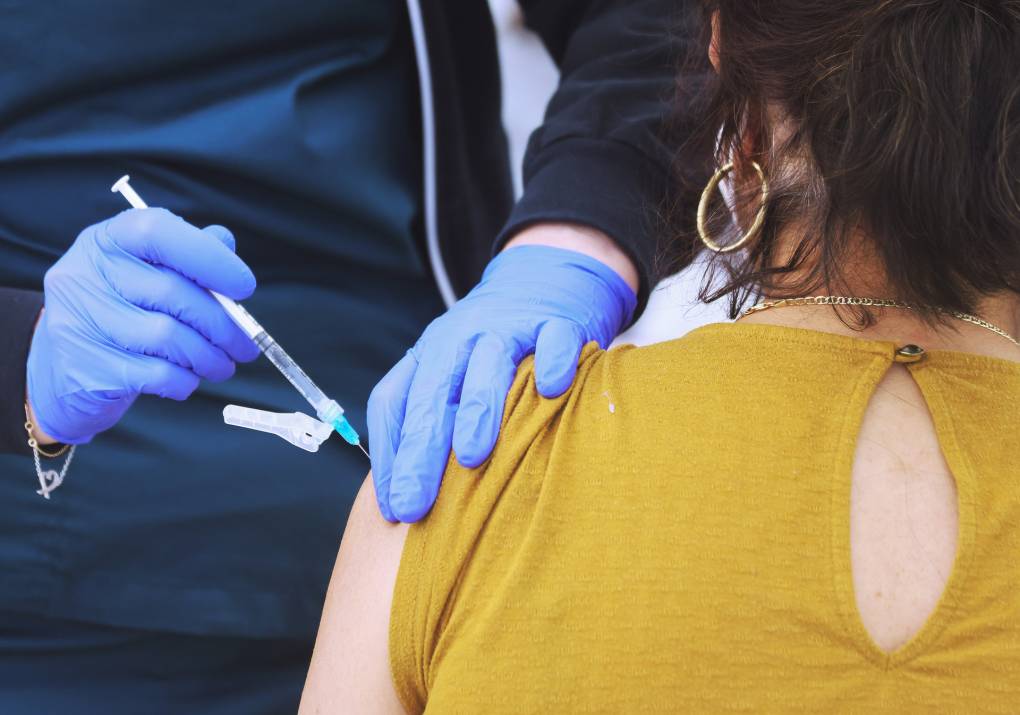
"caption": "A woman receives a COVID-19 vaccination. LightHouse for the Blind and Visually Impaired is now providing weekly pop-up vaccination clinics at their San Francisco headquarters.",
"description": "A woman receives a COVID vaccination dose. LightHouse for the Blind and Visually Impaired is now providing weekly pop-up vaccination clinics at their San Francisco headquarters.",
"title": "Residents Of L.A.'s Koreatown Get COVID-19 Vaccination",
"credit": "Mario Tama/Getty Images",
"status": "inherit",
"altTag": "woman getting COVID vaccine dose shot in the arm",
"isLoading": false,
"fetchFailed": false
},
"news_11868439": {
"type": "attachments",
"id": "news_11868439",
"meta": {
"index": "attachments_1716263798",
"site": "news",
"id": "11868439",
"found": true
},
"parent": 11868430,
"imgSizes": {
"twentyfourteen-full-width": {
"file": "https://ww2.kqed.org/app/uploads/sites/10/2021/04/GettyImages-1232069530-1038x576.jpg",
"width": 1038,
"mimeType": "image/jpeg",
"height": 576
},
"thumbnail": {
"file": "https://ww2.kqed.org/app/uploads/sites/10/2021/04/GettyImages-1232069530-160x107.jpg",
"width": 160,
"mimeType": "image/jpeg",
"height": 107
},
"post-thumbnail": {
"file": "https://ww2.kqed.org/app/uploads/sites/10/2021/04/GettyImages-1232069530-672x372.jpg",
"width": 672,
"mimeType": "image/jpeg",
"height": 372
},
"kqedFullSize": {
"file": "https://ww2.kqed.org/app/uploads/sites/10/2021/04/GettyImages-1232069530-e1617826087107.jpg",
"width": 1350,
"height": 900
},
"large": {
"file": "https://ww2.kqed.org/app/uploads/sites/10/2021/04/GettyImages-1232069530-1020x680.jpg",
"width": 1020,
"mimeType": "image/jpeg",
"height": 680
},
"medium": {
"file": "https://ww2.kqed.org/app/uploads/sites/10/2021/04/GettyImages-1232069530-800x533.jpg",
"width": 800,
"mimeType": "image/jpeg",
"height": 533
}
},
"publishDate": 1617826044,
"modified": 1617836461,
"caption": "Los Angeles County Department of Public Health holds coronavirus vaccination facility for seniors at Whispering Fountains Senior Living Community on March 31, 2021 in Lakewood, California.",
"description": "L.A. County Department of Public Health holds coronavirus vaccination facility for seniors at Whispering Fountains Senior Living Community on Wednesday, March 31, 2021 in Lakewood, CA.",
"title": "L.A. County Department of Public Health holds coronavirus vaccination facility for seniors.",
"credit": "Irfan Khan / Los Angeles Times via Getty Images",
"status": "inherit",
"altTag": null,
"isLoading": false,
"fetchFailed": false
},
"news_11805821": {
"type": "attachments",
"id": "news_11805821",
"meta": {
"index": "attachments_1716263798",
"site": "news",
"id": "11805821",
"found": true
},
"parent": 11805625,
"imgSizes": {
"apple_news_ca_landscape_5_5": {
"file": "https://ww2.kqed.org/app/uploads/sites/10/2020/03/GettyImages-1210831241_1920x-1044x783.jpg",
"width": 1044,
"mimeType": "image/jpeg",
"height": 783
},
"apple_news_ca_square_4_0": {
"file": "https://ww2.kqed.org/app/uploads/sites/10/2020/03/GettyImages-1210831241_1920x-470x470.jpg",
"width": 470,
"mimeType": "image/jpeg",
"height": 470
},
"twentyfourteen-full-width": {
"file": "https://ww2.kqed.org/app/uploads/sites/10/2020/03/GettyImages-1210831241_1920x-1038x576.jpg",
"width": 1038,
"mimeType": "image/jpeg",
"height": 576
},
"thumbnail": {
"file": "https://ww2.kqed.org/app/uploads/sites/10/2020/03/GettyImages-1210831241_1920x-160x116.jpg",
"width": 160,
"mimeType": "image/jpeg",
"height": 116
},
"post-thumbnail": {
"file": "https://ww2.kqed.org/app/uploads/sites/10/2020/03/GettyImages-1210831241_1920x-672x372.jpg",
"width": 672,
"mimeType": "image/jpeg",
"height": 372
},
"kqedFullSize": {
"file": "https://ww2.kqed.org/app/uploads/sites/10/2020/03/GettyImages-1210831241_1920x.jpg",
"width": 1920,
"height": 1391
},
"apple_news_ca_landscape_4_7": {
"file": "https://ww2.kqed.org/app/uploads/sites/10/2020/03/GettyImages-1210831241_1920x-632x474.jpg",
"width": 632,
"mimeType": "image/jpeg",
"height": 474
},
"large": {
"file": "https://ww2.kqed.org/app/uploads/sites/10/2020/03/GettyImages-1210831241_1920x-1020x739.jpg",
"width": 1020,
"mimeType": "image/jpeg",
"height": 739
},
"apple_news_ca_landscape_4_0": {
"file": "https://ww2.kqed.org/app/uploads/sites/10/2020/03/GettyImages-1210831241_1920x-536x402.jpg",
"width": 536,
"mimeType": "image/jpeg",
"height": 402
},
"apple_news_ca_portrait_12_9": {
"file": "https://ww2.kqed.org/app/uploads/sites/10/2020/03/GettyImages-1210831241_1920x-1122x1391.jpg",
"width": 1122,
"mimeType": "image/jpeg",
"height": 1391
},
"medium": {
"file": "https://ww2.kqed.org/app/uploads/sites/10/2020/03/GettyImages-1210831241_1920x-800x580.jpg",
"width": 800,
"mimeType": "image/jpeg",
"height": 580
},
"apple_news_ca_portrait_4_0": {
"file": "https://ww2.kqed.org/app/uploads/sites/10/2020/03/GettyImages-1210831241_1920x-354x472.jpg",
"width": 354,
"mimeType": "image/jpeg",
"height": 472
},
"apple_news_ca_portrait_9_7": {
"file": "https://ww2.kqed.org/app/uploads/sites/10/2020/03/GettyImages-1210831241_1920x-840x1120.jpg",
"width": 840,
"mimeType": "image/jpeg",
"height": 1120
},
"apple_news_ca_landscape_12_9": {
"file": "https://ww2.kqed.org/app/uploads/sites/10/2020/03/GettyImages-1210831241_1920x-1832x1374.jpg",
"width": 1832,
"mimeType": "image/jpeg",
"height": 1374
},
"apple_news_ca_square_9_7": {
"file": "https://ww2.kqed.org/app/uploads/sites/10/2020/03/GettyImages-1210831241_1920x-1104x1104.jpg",
"width": 1104,
"mimeType": "image/jpeg",
"height": 1104
},
"apple_news_ca_portrait_4_7": {
"file": "https://ww2.kqed.org/app/uploads/sites/10/2020/03/GettyImages-1210831241_1920x-414x552.jpg",
"width": 414,
"mimeType": "image/jpeg",
"height": 552
},
"apple_news_ca_square_12_9": {
"file": "https://ww2.kqed.org/app/uploads/sites/10/2020/03/GettyImages-1210831241_1920x-1472x1391.jpg",
"width": 1472,
"mimeType": "image/jpeg",
"height": 1391
},
"apple_news_ca_portrait_5_5": {
"file": "https://ww2.kqed.org/app/uploads/sites/10/2020/03/GettyImages-1210831241_1920x-687x916.jpg",
"width": 687,
"mimeType": "image/jpeg",
"height": 916
},
"full-width": {
"file": "https://ww2.kqed.org/app/uploads/sites/10/2020/03/GettyImages-1210831241_1920x-1920x1391.jpg",
"width": 1920,
"mimeType": "image/jpeg",
"height": 1391
},
"apple_news_ca_square_4_7": {
"file": "https://ww2.kqed.org/app/uploads/sites/10/2020/03/GettyImages-1210831241_1920x-550x550.jpg",
"width": 550,
"mimeType": "image/jpeg",
"height": 550
},
"apple_news_ca_landscape_9_7": {
"file": "https://ww2.kqed.org/app/uploads/sites/10/2020/03/GettyImages-1210831241_1920x-1376x1032.jpg",
"width": 1376,
"mimeType": "image/jpeg",
"height": 1032
},
"apple_news_ca_square_5_5": {
"file": "https://ww2.kqed.org/app/uploads/sites/10/2020/03/GettyImages-1210831241_1920x-912x912.jpg",
"width": 912,
"mimeType": "image/jpeg",
"height": 912
}
},
"publishDate": 1583784195,
"modified": 1583791334,
"caption": "A passenger wears a protective mask as she checks into an international flight at San Francisco International Airport. ",
"description": "A passenger wears a protective mask as she checks into an international flight at San Francisco International Airport. ",
"title": "Airlines Face Significant Losses As Businesses Restrict Travel Due To COVID-19",
"credit": "Justin Sullivan/Getty Images",
"status": "inherit",
"isLoading": false,
"fetchFailed": false
},
"news_11867834": {
"type": "attachments",
"id": "news_11867834",
"meta": {
"index": "attachments_1716263798",
"site": "news",
"id": "11867834",
"found": true
},
"parent": 11866747,
"imgSizes": {
"twentyfourteen-full-width": {
"file": "https://ww2.kqed.org/app/uploads/sites/10/2021/04/RS48338_GettyImages-1310180889-qut-1038x576.jpg",
"width": 1038,
"mimeType": "image/jpeg",
"height": 576
},
"thumbnail": {
"file": "https://ww2.kqed.org/app/uploads/sites/10/2021/04/RS48338_GettyImages-1310180889-qut-160x117.jpg",
"width": 160,
"mimeType": "image/jpeg",
"height": 117
},
"post-thumbnail": {
"file": "https://ww2.kqed.org/app/uploads/sites/10/2021/04/RS48338_GettyImages-1310180889-qut-672x372.jpg",
"width": 672,
"mimeType": "image/jpeg",
"height": 372
},
"kqedFullSize": {
"file": "https://ww2.kqed.org/app/uploads/sites/10/2021/04/RS48338_GettyImages-1310180889-qut.jpg",
"width": 1920,
"height": 1405
},
"large": {
"file": "https://ww2.kqed.org/app/uploads/sites/10/2021/04/RS48338_GettyImages-1310180889-qut-1020x746.jpg",
"width": 1020,
"mimeType": "image/jpeg",
"height": 746
},
"1536x1536": {
"file": "https://ww2.kqed.org/app/uploads/sites/10/2021/04/RS48338_GettyImages-1310180889-qut-1536x1124.jpg",
"width": 1536,
"mimeType": "image/jpeg",
"height": 1124
},
"medium": {
"file": "https://ww2.kqed.org/app/uploads/sites/10/2021/04/RS48338_GettyImages-1310180889-qut-800x585.jpg",
"width": 800,
"mimeType": "image/jpeg",
"height": 585
}
},
"publishDate": 1617391224,
"modified": 1617391277,
"caption": "Concentra registered nurse Deysi Fleix administers a Moderna COVID-19 vaccination to an Amazon employee at an Amazon fulfillment center on March 31, 2021 in North Las Vegas, Nevada.",
"description": null,
"title": "Amazon Employees At Nevada Fulfillment Center Receive COVID-19 Vaccinations",
"credit": "Ethan Miller/Getty Images",
"status": "inherit",
"altTag": "Person receiving a COVID-19 vaccine shot in the arm from a masked nurse",
"isLoading": false,
"fetchFailed": false
},
"news_11849588": {
"type": "attachments",
"id": "news_11849588",
"meta": {
"index": "attachments_1716263798",
"site": "news",
"id": "11849588",
"found": true
},
"parent": 11849585,
"imgSizes": {
"apple_news_ca_landscape_5_5": {
"file": "https://ww2.kqed.org/app/uploads/sites/10/2020/12/RS16165_JV0A7516-qut-1044x783.jpg",
"width": 1044,
"mimeType": "image/jpeg",
"height": 783
},
"apple_news_ca_square_4_0": {
"file": "https://ww2.kqed.org/app/uploads/sites/10/2020/12/RS16165_JV0A7516-qut-470x470.jpg",
"width": 470,
"mimeType": "image/jpeg",
"height": 470
},
"twentyfourteen-full-width": {
"file": "https://ww2.kqed.org/app/uploads/sites/10/2020/12/RS16165_JV0A7516-qut-1038x576.jpg",
"width": 1038,
"mimeType": "image/jpeg",
"height": 576
},
"thumbnail": {
"file": "https://ww2.kqed.org/app/uploads/sites/10/2020/12/RS16165_JV0A7516-qut-160x107.jpg",
"width": 160,
"mimeType": "image/jpeg",
"height": 107
},
"post-thumbnail": {
"file": "https://ww2.kqed.org/app/uploads/sites/10/2020/12/RS16165_JV0A7516-qut-672x372.jpg",
"width": 672,
"mimeType": "image/jpeg",
"height": 372
},
"kqedFullSize": {
"file": "https://ww2.kqed.org/app/uploads/sites/10/2020/12/RS16165_JV0A7516-qut.jpg",
"width": 1920,
"height": 1280
},
"apple_news_ca_landscape_4_7": {
"file": "https://ww2.kqed.org/app/uploads/sites/10/2020/12/RS16165_JV0A7516-qut-632x474.jpg",
"width": 632,
"mimeType": "image/jpeg",
"height": 474
},
"large": {
"file": "https://ww2.kqed.org/app/uploads/sites/10/2020/12/RS16165_JV0A7516-qut-1020x680.jpg",
"width": 1020,
"mimeType": "image/jpeg",
"height": 680
},
"apple_news_ca_landscape_4_0": {
"file": "https://ww2.kqed.org/app/uploads/sites/10/2020/12/RS16165_JV0A7516-qut-536x402.jpg",
"width": 536,
"mimeType": "image/jpeg",
"height": 402
},
"apple_news_ca_portrait_12_9": {
"file": "https://ww2.kqed.org/app/uploads/sites/10/2020/12/RS16165_JV0A7516-qut-1122x1280.jpg",
"width": 1122,
"mimeType": "image/jpeg",
"height": 1280
},
"medium": {
"file": "https://ww2.kqed.org/app/uploads/sites/10/2020/12/RS16165_JV0A7516-qut-800x533.jpg",
"width": 800,
"mimeType": "image/jpeg",
"height": 533
},
"apple_news_ca_portrait_4_0": {
"file": "https://ww2.kqed.org/app/uploads/sites/10/2020/12/RS16165_JV0A7516-qut-354x472.jpg",
"width": 354,
"mimeType": "image/jpeg",
"height": 472
},
"apple_news_ca_portrait_9_7": {
"file": "https://ww2.kqed.org/app/uploads/sites/10/2020/12/RS16165_JV0A7516-qut-840x1120.jpg",
"width": 840,
"mimeType": "image/jpeg",
"height": 1120
},
"apple_news_ca_landscape_12_9": {
"file": "https://ww2.kqed.org/app/uploads/sites/10/2020/12/RS16165_JV0A7516-qut-1832x1280.jpg",
"width": 1832,
"mimeType": "image/jpeg",
"height": 1280
},
"apple_news_ca_square_9_7": {
"file": "https://ww2.kqed.org/app/uploads/sites/10/2020/12/RS16165_JV0A7516-qut-1104x1104.jpg",
"width": 1104,
"mimeType": "image/jpeg",
"height": 1104
},
"1536x1536": {
"file": "https://ww2.kqed.org/app/uploads/sites/10/2020/12/RS16165_JV0A7516-qut-1536x1024.jpg",
"width": 1536,
"mimeType": "image/jpeg",
"height": 1024
},
"apple_news_ca_portrait_4_7": {
"file": "https://ww2.kqed.org/app/uploads/sites/10/2020/12/RS16165_JV0A7516-qut-414x552.jpg",
"width": 414,
"mimeType": "image/jpeg",
"height": 552
},
"apple_news_ca_square_12_9": {
"file": "https://ww2.kqed.org/app/uploads/sites/10/2020/12/RS16165_JV0A7516-qut-1472x1280.jpg",
"width": 1472,
"mimeType": "image/jpeg",
"height": 1280
},
"apple_news_ca_portrait_5_5": {
"file": "https://ww2.kqed.org/app/uploads/sites/10/2020/12/RS16165_JV0A7516-qut-687x916.jpg",
"width": 687,
"mimeType": "image/jpeg",
"height": 916
},
"apple_news_ca_square_4_7": {
"file": "https://ww2.kqed.org/app/uploads/sites/10/2020/12/RS16165_JV0A7516-qut-550x550.jpg",
"width": 550,
"mimeType": "image/jpeg",
"height": 550
},
"apple_news_ca_landscape_9_7": {
"file": "https://ww2.kqed.org/app/uploads/sites/10/2020/12/RS16165_JV0A7516-qut-1376x1032.jpg",
"width": 1376,
"mimeType": "image/jpeg",
"height": 1032
},
"apple_news_ca_square_5_5": {
"file": "https://ww2.kqed.org/app/uploads/sites/10/2020/12/RS16165_JV0A7516-qut-912x912.jpg",
"width": 912,
"mimeType": "image/jpeg",
"height": 912
}
},
"publishDate": 1607041970,
"modified": 1626996401,
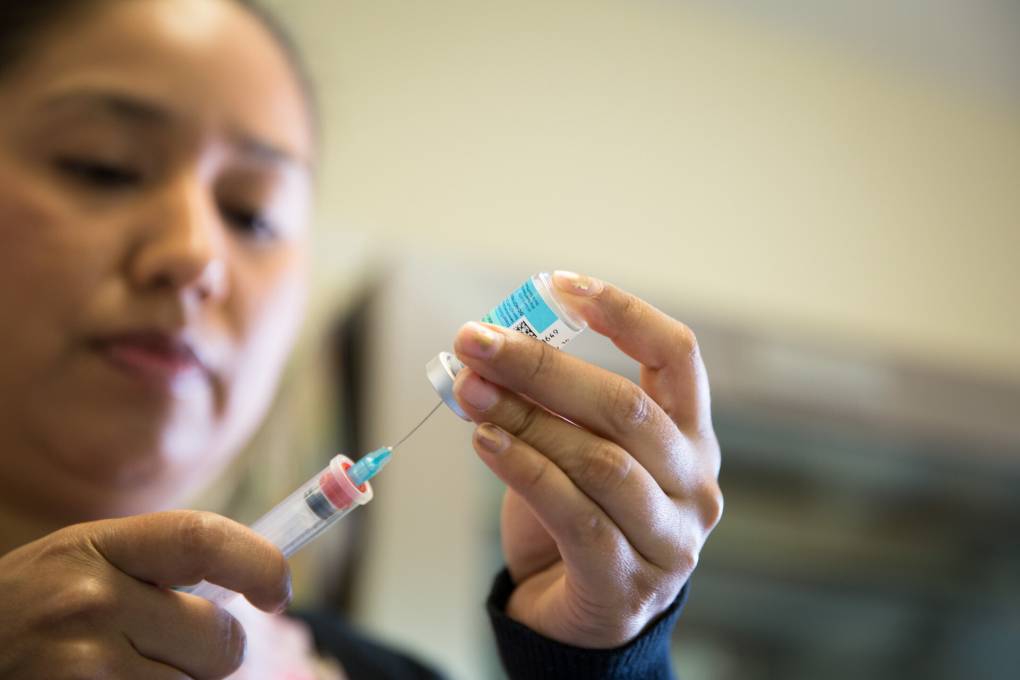
"caption": "Etzel Rubio at Berkeley Pediatrics fills a syringe in preparation to administer a vaccine.",
"description": "Etzel Rubio at Berkeley Pediatrics fills a syringe in preparation to administer a vaccine.",
"title": "RS16165_JV0A7516-qut",
"credit": "Jeremy Raff/KQED",
"status": "inherit",
"altTag": null,
"isLoading": false,
"fetchFailed": false
},
"news_11867347": {
"type": "attachments",
"id": "news_11867347",
"meta": {
"index": "attachments_1716263798",
"site": "news",
"id": "11867347",
"found": true
},
"parent": 11867299,
"imgSizes": {
"twentyfourteen-full-width": {
"file": "https://ww2.kqed.org/app/uploads/sites/10/2021/03/dimmerupdated_033121_final-1038x576.png",
"width": 1038,
"mimeType": "image/png",
"height": 576
},
"thumbnail": {
"file": "https://ww2.kqed.org/app/uploads/sites/10/2021/03/dimmerupdated_033121_final-160x99.png",
"width": 160,
"mimeType": "image/png",
"height": 99
},
"post-thumbnail": {
"file": "https://ww2.kqed.org/app/uploads/sites/10/2021/03/dimmerupdated_033121_final-672x372.png",
"width": 672,
"mimeType": "image/png",
"height": 372
},
"kqedFullSize": {
"file": "https://ww2.kqed.org/app/uploads/sites/10/2021/03/dimmerupdated_033121_final.png",
"width": 1920,
"height": 1184
},
"large": {
"file": "https://ww2.kqed.org/app/uploads/sites/10/2021/03/dimmerupdated_033121_final-1020x629.png",
"width": 1020,
"mimeType": "image/png",
"height": 629
},
"1536x1536": {
"file": "https://ww2.kqed.org/app/uploads/sites/10/2021/03/dimmerupdated_033121_final-1536x947.png",
"width": 1536,
"mimeType": "image/png",
"height": 947
},
"medium": {
"file": "https://ww2.kqed.org/app/uploads/sites/10/2021/03/dimmerupdated_033121_final-800x493.png",
"width": 800,
"mimeType": "image/png",
"height": 493
}
},
"publishDate": 1617220475,
"modified": 1617220574,
"caption": null,
"description": null,
"title": "dimmerupdated_033121_final",
"credit": null,
"status": "inherit",
"altTag": "A Mark Fiore cartoon showing a dimmer switch pointing to color tiers, from purple to green, labeled: \"God help us, please no more, well this is encouraging, is this really happening and I can't believe it.\" Caption below: Dimmer Switch Updated",
"isLoading": false,
"fetchFailed": false
},
"news_11866965": {
"type": "attachments",
"id": "news_11866965",
"meta": {
"index": "attachments_1716263798",
"site": "news",
"id": "11866965",
"found": true
},
"parent": 11866957,
"imgSizes": {
"twentyfourteen-full-width": {
"file": "https://ww2.kqed.org/app/uploads/sites/10/2021/03/normal_032921_final-1038x576.png",
"width": 1038,
"mimeType": "image/png",
"height": 576
},
"thumbnail": {
"file": "https://ww2.kqed.org/app/uploads/sites/10/2021/03/normal_032921_final-160x104.png",
"width": 160,
"mimeType": "image/png",
"height": 104
},
"post-thumbnail": {
"file": "https://ww2.kqed.org/app/uploads/sites/10/2021/03/normal_032921_final-672x372.png",
"width": 672,
"mimeType": "image/png",
"height": 372
},
"kqedFullSize": {
"file": "https://ww2.kqed.org/app/uploads/sites/10/2021/03/normal_032921_final.png",
"width": 1920,
"height": 1253
},
"large": {
"file": "https://ww2.kqed.org/app/uploads/sites/10/2021/03/normal_032921_final-1020x666.png",
"width": 1020,
"mimeType": "image/png",
"height": 666
},
"1536x1536": {
"file": "https://ww2.kqed.org/app/uploads/sites/10/2021/03/normal_032921_final-1536x1002.png",
"width": 1536,
"mimeType": "image/png",
"height": 1002
},
"medium": {
"file": "https://ww2.kqed.org/app/uploads/sites/10/2021/03/normal_032921_final-800x522.png",
"width": 800,
"mimeType": "image/png",
"height": 522
}
},
"publishDate": 1617052716,
"modified": 1617052782,
"caption": null,
"description": null,
"title": "normal_032921_final",
"credit": null,
"status": "inherit",
"altTag": "A Mark Fiore cartoon about getting back to 'normal' showing a man wearing signs cautioning people to stand back until their vaccines are effective. He says \"it feels great to be getting back to normal.\"",
"isLoading": false,
"fetchFailed": false
},
"news_11865354": {
"type": "attachments",
"id": "news_11865354",
"meta": {
"index": "attachments_1716263798",
"site": "news",
"id": "11865354",
"found": true
},
"parent": 11865351,
"imgSizes": {
"twentyfourteen-full-width": {
"file": "https://ww2.kqed.org/app/uploads/sites/10/2021/03/IMG_9669-preview-1-1038x576.jpg",
"width": 1038,
"mimeType": "image/jpeg",
"height": 576
},
"thumbnail": {
"file": "https://ww2.kqed.org/app/uploads/sites/10/2021/03/IMG_9669-preview-1-160x158.jpg",
"width": 160,
"mimeType": "image/jpeg",
"height": 158
},
"post-thumbnail": {
"file": "https://ww2.kqed.org/app/uploads/sites/10/2021/03/IMG_9669-preview-1-672x372.jpg",
"width": 672,
"mimeType": "image/jpeg",
"height": 372
},
"kqedFullSize": {
"file": "https://ww2.kqed.org/app/uploads/sites/10/2021/03/IMG_9669-preview-1-scaled.jpg",
"width": 2560,
"height": 2529
},
"2048x2048": {
"file": "https://ww2.kqed.org/app/uploads/sites/10/2021/03/IMG_9669-preview-1-2048x2023.jpg",
"width": 2048,
"mimeType": "image/jpeg",
"height": 2023
},
"large": {
"file": "https://ww2.kqed.org/app/uploads/sites/10/2021/03/IMG_9669-preview-1-1020x1008.jpg",
"width": 1020,
"mimeType": "image/jpeg",
"height": 1008
},
"1536x1536": {
"file": "https://ww2.kqed.org/app/uploads/sites/10/2021/03/IMG_9669-preview-1-1536x1517.jpg",
"width": 1536,
"mimeType": "image/jpeg",
"height": 1517
},
"full-width": {
"file": "https://ww2.kqed.org/app/uploads/sites/10/2021/03/IMG_9669-preview-1-1920x1897.jpg",
"width": 1920,
"mimeType": "image/jpeg",
"height": 1897
},
"medium": {
"file": "https://ww2.kqed.org/app/uploads/sites/10/2021/03/IMG_9669-preview-1-800x790.jpg",
"width": 800,
"mimeType": "image/jpeg",
"height": 790
}
},
"publishDate": 1616086530,
"modified": 1616094939,
"caption": "Gloria Anderson receives her second COVID-19 vaccine. ",
"description": null,
"title": "IMG_9669-preview (1)",
"credit": "Courtesy David Anderson",
"status": "inherit",
"altTag": null,
"isLoading": false,
"fetchFailed": false
},
"news_11864904": {
"type": "attachments",
"id": "news_11864904",
"meta": {
"index": "attachments_1716263798",
"site": "news",
"id": "11864904",
"found": true
},
"parent": 11864890,
"imgSizes": {
"twentyfourteen-full-width": {
"file": "https://ww2.kqed.org/app/uploads/sites/10/2021/03/homestretch_031521_final-1038x576.png",
"width": 1038,
"mimeType": "image/png",
"height": 576
},
"thumbnail": {
"file": "https://ww2.kqed.org/app/uploads/sites/10/2021/03/homestretch_031521_final-160x106.png",
"width": 160,
"mimeType": "image/png",
"height": 106
},
"post-thumbnail": {
"file": "https://ww2.kqed.org/app/uploads/sites/10/2021/03/homestretch_031521_final-672x372.png",
"width": 672,
"mimeType": "image/png",
"height": 372
},
"kqedFullSize": {
"file": "https://ww2.kqed.org/app/uploads/sites/10/2021/03/homestretch_031521_final.png",
"width": 1920,
"height": 1269
},
"large": {
"file": "https://ww2.kqed.org/app/uploads/sites/10/2021/03/homestretch_031521_final-1020x674.png",
"width": 1020,
"mimeType": "image/png",
"height": 674
},
"1536x1536": {
"file": "https://ww2.kqed.org/app/uploads/sites/10/2021/03/homestretch_031521_final-1536x1015.png",
"width": 1536,
"mimeType": "image/png",
"height": 1015
},
"medium": {
"file": "https://ww2.kqed.org/app/uploads/sites/10/2021/03/homestretch_031521_final-800x529.png",
"width": 800,
"mimeType": "image/png",
"height": 529
}
},
"publishDate": 1615846352,
"modified": 1615846391,
"caption": null,
"description": null,
"title": "homestretch_031521_final",
"credit": null,
"status": "inherit",
"altTag": "A Mark Fiore cartoon about the \"home stretch\" of the pandemic, with reopening racing vaccines and coronavirus.",
"isLoading": false,
"fetchFailed": false
},
"news_11864066": {
"type": "attachments",
"id": "news_11864066",
"meta": {
"index": "attachments_1716263798",
"site": "news",
"id": "11864066",
"found": true
},
"parent": 11864034,
"imgSizes": {
"twentyfourteen-full-width": {
"file": "https://ww2.kqed.org/app/uploads/sites/10/2021/03/GettyImages-1231619984-1-1038x576.jpg",
"width": 1038,
"mimeType": "image/jpeg",
"height": 576
},
"thumbnail": {
"file": "https://ww2.kqed.org/app/uploads/sites/10/2021/03/GettyImages-1231619984-1-160x107.jpg",
"width": 160,
"mimeType": "image/jpeg",
"height": 107
},
"post-thumbnail": {
"file": "https://ww2.kqed.org/app/uploads/sites/10/2021/03/GettyImages-1231619984-1-672x372.jpg",
"width": 672,
"mimeType": "image/jpeg",
"height": 372
},
"kqedFullSize": {
"file": "https://ww2.kqed.org/app/uploads/sites/10/2021/03/GettyImages-1231619984-1.jpg",
"width": 1920,
"height": 1280
},
"large": {
"file": "https://ww2.kqed.org/app/uploads/sites/10/2021/03/GettyImages-1231619984-1-1020x680.jpg",
"width": 1020,
"mimeType": "image/jpeg",
"height": 680
},
"1536x1536": {
"file": "https://ww2.kqed.org/app/uploads/sites/10/2021/03/GettyImages-1231619984-1-1536x1024.jpg",
"width": 1536,
"mimeType": "image/jpeg",
"height": 1024
},
"medium": {
"file": "https://ww2.kqed.org/app/uploads/sites/10/2021/03/GettyImages-1231619984-1-800x533.jpg",
"width": 800,
"mimeType": "image/jpeg",
"height": 533
}
},
"publishDate": 1615345168,
"modified": 1615400575,
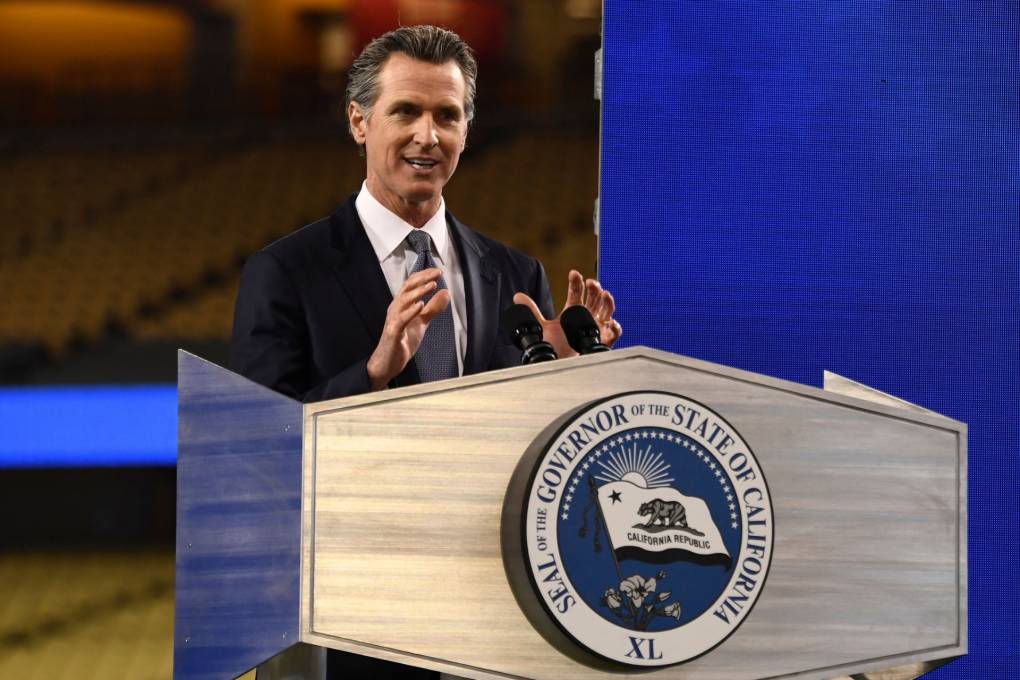
"caption": "California Gov. Gavin Newsom delivers the State of the State address at Dodger Stadium in Los Angeles on March 9, 2021.",
"description": "California Governor Gavin Newsom delivers the State of the State address at Dodger Stadium in Los Angeles, California, on March 9, 2021. ",
"title": "GettyImages-1231619984 (1)",
"credit": "Patrick T. Fallon/AFP via Getty Images",
"status": "inherit",
"altTag": null,
"isLoading": false,
"fetchFailed": false
},
"news_11863994": {
"type": "attachments",
"id": "news_11863994",
"meta": {
"index": "attachments_1716263798",
"site": "news",
"id": "11863994",
"found": true
},
"parent": 11863986,
"imgSizes": {
"twentyfourteen-full-width": {
"file": "https://ww2.kqed.org/app/uploads/sites/10/2021/03/tunnel_030921_final-1038x576.png",
"width": 1038,
"mimeType": "image/png",
"height": 576
},
"thumbnail": {
"file": "https://ww2.kqed.org/app/uploads/sites/10/2021/03/tunnel_030921_final-160x104.png",
"width": 160,
"mimeType": "image/png",
"height": 104
},
"post-thumbnail": {
"file": "https://ww2.kqed.org/app/uploads/sites/10/2021/03/tunnel_030921_final-672x372.png",
"width": 672,
"mimeType": "image/png",
"height": 372
},
"kqedFullSize": {
"file": "https://ww2.kqed.org/app/uploads/sites/10/2021/03/tunnel_030921_final.png",
"width": 1920,
"height": 1246
},
"large": {
"file": "https://ww2.kqed.org/app/uploads/sites/10/2021/03/tunnel_030921_final-1020x662.png",
"width": 1020,
"mimeType": "image/png",
"height": 662
},
"1536x1536": {
"file": "https://ww2.kqed.org/app/uploads/sites/10/2021/03/tunnel_030921_final-1536x997.png",
"width": 1536,
"mimeType": "image/png",
"height": 997
},
"medium": {
"file": "https://ww2.kqed.org/app/uploads/sites/10/2021/03/tunnel_030921_final-800x519.png",
"width": 800,
"mimeType": "image/png",
"height": 519
}
},
"publishDate": 1615334992,
"modified": 1615335034,
"caption": null,
"description": null,
"title": "tunnel_030921_final",
"credit": null,
"status": "inherit",
"altTag": "A Mark Fiore cartoon featuring a happy reunion between grandparents and grandkids at the end of a tunnel, captioned, \"the light at the end of the tunnel.\"",
"isLoading": false,
"fetchFailed": false
},
"news_11863361": {
"type": "attachments",
"id": "news_11863361",
"meta": {
"index": "attachments_1716263798",
"site": "news",
"id": "11863361",
"found": true
},
"parent": 11863348,
"imgSizes": {
"apple_news_ca_landscape_5_5": {
"file": "https://ww2.kqed.org/app/uploads/sites/10/2021/03/Kamau_Bell_Conversation_Campaign_210304_screenshot-1044x698.png",
"width": 1044,
"mimeType": "image/png",
"height": 698
},
"apple_news_ca_square_4_0": {
"file": "https://ww2.kqed.org/app/uploads/sites/10/2021/03/Kamau_Bell_Conversation_Campaign_210304_screenshot-470x470.png",
"width": 470,
"mimeType": "image/png",
"height": 470
},
"twentyfourteen-full-width": {
"file": "https://ww2.kqed.org/app/uploads/sites/10/2021/03/Kamau_Bell_Conversation_Campaign_210304_screenshot-1038x576.png",
"width": 1038,
"mimeType": "image/png",
"height": 576
},
"thumbnail": {
"file": "https://ww2.kqed.org/app/uploads/sites/10/2021/03/Kamau_Bell_Conversation_Campaign_210304_screenshot-160x87.png",
"width": 160,
"mimeType": "image/png",
"height": 87
},
"post-thumbnail": {
"file": "https://ww2.kqed.org/app/uploads/sites/10/2021/03/Kamau_Bell_Conversation_Campaign_210304_screenshot-672x372.png",
"width": 672,
"mimeType": "image/png",
"height": 372
},
"kqedFullSize": {
"file": "https://ww2.kqed.org/app/uploads/sites/10/2021/03/Kamau_Bell_Conversation_Campaign_210304_screenshot.png",
"width": 1280,
"height": 698
},
"apple_news_ca_landscape_4_7": {
"file": "https://ww2.kqed.org/app/uploads/sites/10/2021/03/Kamau_Bell_Conversation_Campaign_210304_screenshot-632x474.png",
"width": 632,
"mimeType": "image/png",
"height": 474
},
"large": {
"file": "https://ww2.kqed.org/app/uploads/sites/10/2021/03/Kamau_Bell_Conversation_Campaign_210304_screenshot-1020x556.png",
"width": 1020,
"mimeType": "image/png",
"height": 556
},
"apple_news_ca_landscape_4_0": {
"file": "https://ww2.kqed.org/app/uploads/sites/10/2021/03/Kamau_Bell_Conversation_Campaign_210304_screenshot-536x402.png",
"width": 536,
"mimeType": "image/png",
"height": 402
},
"apple_news_ca_portrait_12_9": {
"file": "https://ww2.kqed.org/app/uploads/sites/10/2021/03/Kamau_Bell_Conversation_Campaign_210304_screenshot-1122x698.png",
"width": 1122,
"mimeType": "image/png",
"height": 698
},
"medium": {
"file": "https://ww2.kqed.org/app/uploads/sites/10/2021/03/Kamau_Bell_Conversation_Campaign_210304_screenshot-800x436.png",
"width": 800,
"mimeType": "image/png",
"height": 436
},
"apple_news_ca_portrait_4_0": {
"file": "https://ww2.kqed.org/app/uploads/sites/10/2021/03/Kamau_Bell_Conversation_Campaign_210304_screenshot-354x472.png",
"width": 354,
"mimeType": "image/png",
"height": 472
},
"apple_news_ca_portrait_9_7": {
"file": "https://ww2.kqed.org/app/uploads/sites/10/2021/03/Kamau_Bell_Conversation_Campaign_210304_screenshot-840x698.png",
"width": 840,
"mimeType": "image/png",
"height": 698
},
"apple_news_ca_square_9_7": {
"file": "https://ww2.kqed.org/app/uploads/sites/10/2021/03/Kamau_Bell_Conversation_Campaign_210304_screenshot-1104x698.png",
"width": 1104,
"mimeType": "image/png",
"height": 698
},
"apple_news_ca_portrait_4_7": {
"file": "https://ww2.kqed.org/app/uploads/sites/10/2021/03/Kamau_Bell_Conversation_Campaign_210304_screenshot-414x552.png",
"width": 414,
"mimeType": "image/png",
"height": 552
},
"apple_news_ca_portrait_5_5": {
"file": "https://ww2.kqed.org/app/uploads/sites/10/2021/03/Kamau_Bell_Conversation_Campaign_210304_screenshot-687x698.png",
"width": 687,
"mimeType": "image/png",
"height": 698
},
"apple_news_ca_square_4_7": {
"file": "https://ww2.kqed.org/app/uploads/sites/10/2021/03/Kamau_Bell_Conversation_Campaign_210304_screenshot-550x550.png",
"width": 550,
"mimeType": "image/png",
"height": 550
},
"apple_news_ca_square_5_5": {
"file": "https://ww2.kqed.org/app/uploads/sites/10/2021/03/Kamau_Bell_Conversation_Campaign_210304_screenshot-912x698.png",
"width": 912,
"mimeType": "image/png",
"height": 698
}
},
"publishDate": 1614899657,
"modified": 1614899767,
"caption": "W. Kamau Bell, Bay Area comedian and CNN host, says he wants to be part of the solution to make sure Black folks get the COVID-19 vaccine.",
"description": null,
"title": "Kamau_Bell_Conversation_Campaign_210304_screenshot",
"credit": null,
"status": "inherit",
"altTag": null,
"isLoading": false,
"fetchFailed": false
}
},
"audioPlayerReducer": {
"postId": "stream_live",
"isPaused": true,
"isPlaying": false,
"pfsActive": false,
"pledgeModalIsOpen": true,
"playerDrawerIsOpen": false,
"liveAudioPlayStartedAt": 0,
"liveAudioPlayContext": ""
},
"authorsReducer": {
"byline_news_11868430": {
"type": "authors",
"id": "byline_news_11868430",
"meta": {
"override": true
},
"slug": "byline_news_11868430",
"name": "\u003ca href=\"https://khn.org/news/author/jenny-gold/\">Jenny Gold\u003c/a>",
"isLoading": false
},
"gmarzorati": {
"type": "authors",
"id": "227",
"meta": {
"index": "authors_1716337520",
"id": "227",
"found": true
},
"name": "Guy Marzorati",
"firstName": "Guy",
"lastName": "Marzorati",
"slug": "gmarzorati",
"email": "gmarzorati@KQED.org",
"display_author_email": true,
"staff_mastheads": [
"news"
],
"title": "Correspondent",
"bio": "Guy Marzorati is a correspondent on KQED's California Politics and Government Desk, based in San Jose. A graduate of Santa Clara University, Guy joined KQED in 2013. He reports on state and local politics and produces KQED's digital voter guide.",
"avatar": "https://secure.gravatar.com/avatar/e7038b8dbfd55b104369b76b1cd0b9de?s=600&d=blank&r=g",
"twitter": "guymarzorati",
"facebook": null,
"instagram": null,
"linkedin": null,
"sites": [
{
"site": "",
"roles": [
"editor"
]
},
{
"site": "news",
"roles": [
"editor"
]
},
{
"site": "science",
"roles": [
"editor"
]
},
{
"site": "forum",
"roles": [
"editor"
]
},
{
"site": "elections",
"roles": [
"editor"
]
},
{
"site": "liveblog",
"roles": [
"editor"
]
}
],
"headData": {
"title": "Guy Marzorati | KQED",
"description": "Correspondent",
"ogImgSrc": "https://secure.gravatar.com/avatar/e7038b8dbfd55b104369b76b1cd0b9de?s=600&d=blank&r=g",
"twImgSrc": "https://secure.gravatar.com/avatar/e7038b8dbfd55b104369b76b1cd0b9de?s=600&d=blank&r=g"
},
"isLoading": false,
"link": "/author/gmarzorati"
},
"markfiore": {
"type": "authors",
"id": "3236",
"meta": {
"index": "authors_1716337520",
"id": "3236",
"found": true
},
"name": "Mark Fiore",
"firstName": "Mark",
"lastName": "Fiore",
"slug": "markfiore",
"email": "mark@markfiore.com",
"display_author_email": false,
"staff_mastheads": [
"news"
],
"title": "KQED News Cartoonist",
"bio": "\u003ca href=\"http://www.MarkFiore.com\">MarkFiore.com\u003c/a> | \u003ca href=\"https://twitter.com/markfiore\">Follow on Twitter\u003c/a> | \u003ca href=\"https://www.facebook.com/pages/Mark-Fiore-Animated-Political-Cartoons/94451707396?ref=bookmarks\">Facebook\u003c/a> | \u003ca href=\"mailto:mark@markfiore.com\">email\u003c/a>\r\n\r\nPulitzer Prize-winner, Mark Fiore, who the Wall Street Journal has called “the undisputed guru of the form,” creates animated political cartoons in San Francisco, where his work has been featured regularly on the San Francisco Chronicle’s web site, SFGate.com. His work has appeared on Newsweek.com, Slate.com, CBSNews.com, MotherJones.com, DailyKos.com and NPR’s web site. Fiore’s political animation has appeared on CNN, Frontline, Bill Moyers Journal, Salon.com and cable and broadcast outlets across the globe.\r\n\r\nBeginning his professional life by drawing traditional political cartoons for newspapers, Fiore’s work appeared in publications ranging from the Washington Post to the Los Angeles Times. In the late 1990s, he began to experiment with animating political cartoons and, after a short stint at the San Jose Mercury News as their staff cartoonist, Fiore devoted all his energies to animation.\r\nGrowing up in California, Fiore also spent a good portion of his life in the backwoods of Idaho. It was this combination that shaped him politically. Mark majored in political science at Colorado College, where, in a perfect send-off for a cartoonist, he received his diploma in 1991 as commencement speaker Dick Cheney smiled approvingly.\r\nMark Fiore was awarded the Pulitzer Prize for political cartooning in 2010, a Robert F. Kennedy Journalism Award in 2004 and has twice received an Online Journalism Award for commentary from the Online News Association (2002, 2008). Fiore has received two awards for his work in new media from the National Cartoonists Society (2001, 2002), and in 2006 received The James Madison Freedom of Information Award from The Society of Professional Journalists.",
"avatar": "https://secure.gravatar.com/avatar/fc4e2a612b15b67bad0c6f0e1db4ca9b?s=600&d=blank&r=g",
"twitter": "MarkFiore",
"facebook": null,
"instagram": "https://www.instagram.com/markfiore/?hl=en",
"linkedin": null,
"sites": [
{
"site": "arts",
"roles": [
"contributor"
]
},
{
"site": "news",
"roles": [
"editor"
]
},
{
"site": "futureofyou",
"roles": [
"editor"
]
},
{
"site": "science",
"roles": [
"editor"
]
}
],
"headData": {
"title": "Mark Fiore | KQED",
"description": "KQED News Cartoonist",
"ogImgSrc": "https://secure.gravatar.com/avatar/fc4e2a612b15b67bad0c6f0e1db4ca9b?s=600&d=blank&r=g",
"twImgSrc": "https://secure.gravatar.com/avatar/fc4e2a612b15b67bad0c6f0e1db4ca9b?s=600&d=blank&r=g"
},
"isLoading": false,
"link": "/author/markfiore"
},
"carlysevern": {
"type": "authors",
"id": "3243",
"meta": {
"index": "authors_1716337520",
"id": "3243",
"found": true
},
"name": "Carly Severn",
"firstName": "Carly",
"lastName": "Severn",
"slug": "carlysevern",
"email": "csevern@kqed.org",
"display_author_email": false,
"staff_mastheads": [
"news"
],
"title": "Senior Editor, Audience News ",
"bio": "Carly is KQED's Senior Editor of Audience News on the Digital News team, and has reported for the California Report Magazine, Bay Curious and KQED Arts. She's formerly the host of \u003ca href=\"http://ww2.kqed.org/pop/category/the-cooler/\" rel=\"noopener noreferrer\">The Cooler\u003c/a> podcast.",
"avatar": "https://secure.gravatar.com/avatar/54037bf5c128fe678f0ef26cec97a93f2e7f220a22d7285703328f12c42c1b1d?s=600&d=blank&r=g",
"twitter": "teacupinthebay",
"bluesky": null,
"facebook": null,
"instagram": null,
"linkedin": null,
"sites": [
{
"site": "",
"roles": [
"editor"
]
},
{
"site": "arts",
"roles": [
"editor"
]
},
{
"site": "news",
"roles": [
"administrator"
]
},
{
"site": "pop",
"roles": [
"editor"
]
},
{
"site": "futureofyou",
"roles": [
"editor"
]
},
{
"site": "about",
"roles": [
"administrator"
]
},
{
"site": "mindshift",
"roles": [
"editor"
]
},
{
"site": "bayareabites",
"roles": [
"editor"
]
},
{
"site": "stateofhealth",
"roles": [
"editor"
]
},
{
"site": "science",
"roles": [
"editor"
]
},
{
"site": "food",
"roles": [
"contributor"
]
},
{
"site": "forum",
"roles": [
"editor"
]
},
{
"site": "perspectives",
"roles": [
"administrator"
]
},
{
"site": "liveblog",
"roles": [
"editor"
]
}
],
"headData": {
"title": "Carly Severn | KQED",
"description": "Senior Editor, Audience News ",
"ogImgSrc": "https://secure.gravatar.com/avatar/54037bf5c128fe678f0ef26cec97a93f2e7f220a22d7285703328f12c42c1b1d?s=600&d=blank&r=g",
"twImgSrc": "https://secure.gravatar.com/avatar/54037bf5c128fe678f0ef26cec97a93f2e7f220a22d7285703328f12c42c1b1d?s=600&d=blank&r=g"
},
"isLoading": false,
"link": "/author/carlysevern"
},
"dkatayama": {
"type": "authors",
"id": "7240",
"meta": {
"index": "authors_1716337520",
"id": "7240",
"found": true
},
"name": "Devin Katayama",
"firstName": "Devin",
"lastName": "Katayama",
"slug": "dkatayama",
"email": "dkatayama@kqed.org",
"display_author_email": true,
"staff_mastheads": [
"news"
],
"title": "Editor of Talent and Development",
"bio": "Devin Katayama is former Editor of Talent and Development for KQED. He supported our internship program and on-call staff by looking for equitable opportunities to improve the newsroom.\r\n\r\nHe previously hosted The Bay and American Suburb podcasts from KQED News. Prior to returning to the Bay Area in 2015, Devin was the education reporter for WFPL in Louisville and worked as a producer with radio stations in Chicago and Portland, OR. His work has appeared on NPR’s \u003cem>Morning Edition, All Things Considered, The Takeaway\u003c/em> and \u003cem>Here and Now.\u003c/em>\r\n\r\nDevin earned his MA in Journalism from Columbia College Chicago, where he was a Follett Fellow and the recipient of the 2011 Studs Terkel Community Media Workshop Scholarship for his story on Chicago's homeless youth. He won WBUR's 2014 Daniel Schorr award and a regional RTNDA Edward R. Murrow Award for his documentary \"At Risk\" that looked at issues facing some of Louisville's students. Devin has also received numerous local awards from the Associated Press and the Society of Professional Journalists.",
"avatar": "https://secure.gravatar.com/avatar/d0d2978a31002fb2de107921a8e18405?s=600&d=blank&r=g",
"twitter": "RadioDevin",
"facebook": null,
"instagram": null,
"linkedin": null,
"sites": [
{
"site": "arts",
"roles": []
},
{
"site": "news",
"roles": [
"author"
]
},
{
"site": "stateofhealth",
"roles": [
"author"
]
},
{
"site": "forum",
"roles": [
"editor"
]
},
{
"site": "perspectives",
"roles": [
"editor"
]
}
],
"headData": {
"title": "Devin Katayama | KQED",
"description": "Editor of Talent and Development",
"ogImgSrc": "https://secure.gravatar.com/avatar/d0d2978a31002fb2de107921a8e18405?s=600&d=blank&r=g",
"twImgSrc": "https://secure.gravatar.com/avatar/d0d2978a31002fb2de107921a8e18405?s=600&d=blank&r=g"
},
"isLoading": false,
"link": "/author/dkatayama"
},
"lesleymcclurg": {
"type": "authors",
"id": "11229",
"meta": {
"index": "authors_1716337520",
"id": "11229",
"found": true
},
"name": "Lesley McClurg",
"firstName": "Lesley",
"lastName": "McClurg",
"slug": "lesleymcclurg",
"email": "lmcclurg@KQED.org",
"display_author_email": false,
"staff_mastheads": [
"news",
"science"
],
"title": "KQED Health Correspondent",
"bio": "Lesley McClurg is a health correspondent and fill-in host whose work is regularly rebroadcast on NPR and PBS programs. She’s earned multiple regional Emmy awards, a national and a regional Edward R. Murrow award, and was named Best Beat Reporter by the Association of Health Care Journalists. The Society of Professional Journalists has recognized her work several times, and the Society of Environmental Journalists spotlighted her coverage of California’s historic drought.\r\n\r\nBefore joining KQED in 2016, Lesley covered food and sustainability for Capital Public Radio, environmental issues for Colorado Public Radio, and reported for KUOW and KCTS 9 in Seattle. Away from the newsroom, she loves skiing with her daughter, mountain biking with her partner, and playing with Ollie, the family’s goldendoodle. On deadline, she runs almost entirely on chocolate chips.\r\n\r\n ",
"avatar": "https://secure.gravatar.com/avatar/bab49e972ea10c774fe0f5e29dba1722b158f7c0d58a360923d1389d380b2978?s=600&d=blank&r=g",
"twitter": "lesleywmcclurg",
"bluesky": null,
"facebook": null,
"instagram": null,
"linkedin": null,
"sites": [
{
"site": "arts",
"roles": [
"author"
]
},
{
"site": "news",
"roles": [
"editor"
]
},
{
"site": "futureofyou",
"roles": [
"editor"
]
},
{
"site": "stateofhealth",
"roles": [
"author"
]
},
{
"site": "science",
"roles": [
"editor"
]
},
{
"site": "quest",
"roles": [
"subscriber"
]
},
{
"site": "forum",
"roles": [
"administrator"
]
},
{
"site": "liveblog",
"roles": [
"author"
]
}
],
"headData": {
"title": "Lesley McClurg | KQED",
"description": "KQED Health Correspondent",
"ogImgSrc": "https://secure.gravatar.com/avatar/bab49e972ea10c774fe0f5e29dba1722b158f7c0d58a360923d1389d380b2978?s=600&d=blank&r=g",
"twImgSrc": "https://secure.gravatar.com/avatar/bab49e972ea10c774fe0f5e29dba1722b158f7c0d58a360923d1389d380b2978?s=600&d=blank&r=g"
},
"isLoading": false,
"link": "/author/lesleymcclurg"
},
"bwatt": {
"type": "authors",
"id": "11238",
"meta": {
"index": "authors_1716337520",
"id": "11238",
"found": true
},
"name": "Brian Watt",
"firstName": "Brian",
"lastName": "Watt",
"slug": "bwatt",
"email": "bwatt@KQED.org",
"display_author_email": false,
"staff_mastheads": [
"news"
],
"title": "Morning News Anchor",
"bio": "Brian Watt is KQED's morning radio news anchor. He joined the KQED News team in April of 2016. Prior to that, he worked as a Reporter for KPCC in Los Angeles and a producer at \u003cem>Marketplace.\u003c/em>\r\n\r\nDuring eight years at KPCC, Brian covered business and economics, and his work won several awards. In 2008, he won the Los Angeles Press Club’s first-place award for Business and Financial Reporting, Broadcast. He’s also received honorable mention and been first runner up for the Press Club’s Radio Journalist of the Year. He won two Golden Mike awards from the Radio and TV News Association of Southern California.\r\n\r\nBrian holds degrees in theater from Yale University and the Sorbonne, and has worked as an actor in France, Italy, Brazil, Hungary and . . . Hollywood. He appeared in a few television shows, including \u003cem>The West Wing, Judging Amy\u003c/em> and \u003cem>The District.\u003c/em>\r\n\r\nEmail: bwatt@KQED.org Twitter: @RadioBWatt",
"avatar": "https://secure.gravatar.com/avatar/55393ff57ed34e2be773ba4789dd6a19?s=600&d=blank&r=g",
"twitter": "@RadioBWatt",
"facebook": null,
"instagram": null,
"linkedin": null,
"sites": [
{
"site": "arts",
"roles": [
"contributor"
]
},
{
"site": "news",
"roles": [
"editor"
]
}
],
"headData": {
"title": "Brian Watt | KQED",
"description": "Morning News Anchor",
"ogImgSrc": "https://secure.gravatar.com/avatar/55393ff57ed34e2be773ba4789dd6a19?s=600&d=blank&r=g",
"twImgSrc": "https://secure.gravatar.com/avatar/55393ff57ed34e2be773ba4789dd6a19?s=600&d=blank&r=g"
},
"isLoading": false,
"link": "/author/bwatt"
},
"mfederis": {
"type": "authors",
"id": "11509",
"meta": {
"index": "authors_1716337520",
"id": "11509",
"found": true
},
"name": "Marnette Federis",
"firstName": "Marnette",
"lastName": "Federis",
"slug": "mfederis",
"email": "mfederis@kqed.org",
"display_author_email": false,
"staff_mastheads": [],
"title": "KQED Contributor",
"bio": null,
"avatar": "https://secure.gravatar.com/avatar/6553b16260501cef36787444651fa5ed?s=600&d=blank&r=g",
"twitter": null,
"facebook": null,
"instagram": null,
"linkedin": null,
"sites": [
{
"site": "news",
"roles": [
"editor"
]
},
{
"site": "mindshift",
"roles": [
"editor"
]
},
{
"site": "science",
"roles": [
"editor"
]
},
{
"site": "podcasts",
"roles": [
"editor"
]
}
],
"headData": {
"title": "Marnette Federis | KQED",
"description": "KQED Contributor",
"ogImgSrc": "https://secure.gravatar.com/avatar/6553b16260501cef36787444651fa5ed?s=600&d=blank&r=g",
"twImgSrc": "https://secure.gravatar.com/avatar/6553b16260501cef36787444651fa5ed?s=600&d=blank&r=g"
},
"isLoading": false,
"link": "/author/mfederis"
},
"amontecillo": {
"type": "authors",
"id": "11649",
"meta": {
"index": "authors_1716337520",
"id": "11649",
"found": true
},
"name": "Alan Montecillo",
"firstName": "Alan",
"lastName": "Montecillo",
"slug": "amontecillo",
"email": "amontecillo@kqed.org",
"display_author_email": false,
"staff_mastheads": [
"news"
],
"title": "KQED Contributor",
"bio": "Alan Montecillo is the senior editor of \u003cem>\u003ca href=\"http://kqed.org/thebay\">The Bay\u003c/a>, \u003c/em> KQED's local news podcast. Before moving to the Bay Area, he worked as a senior talk show producer for WILL in Champaign-Urbana, Illinois and at Oregon Public Broadcasting in Portland, Oregon. He has won journalism awards from the Society of Professional Journalists Northern California, the Public Media Journalists Association, The Signal Awards, and has also received a regional Edward R. Murrow award. Alan is a Filipino American from Hong Kong and a graduate of Reed College.",
"avatar": "https://secure.gravatar.com/avatar/268f53a2066899ea9efdd8a5900218b17c822d9862cbc9326cccec53ef41d349?s=600&d=blank&r=g",
"twitter": "alanmontecillo",
"bluesky": null,
"facebook": null,
"instagram": null,
"linkedin": null,
"sites": [
{
"site": "",
"roles": [
"editor"
]
},
{
"site": "news",
"roles": [
"editor",
"manage_categories"
]
}
],
"headData": {
"title": "Alan Montecillo | KQED",
"description": "KQED Contributor",
"ogImgSrc": "https://secure.gravatar.com/avatar/268f53a2066899ea9efdd8a5900218b17c822d9862cbc9326cccec53ef41d349?s=600&d=blank&r=g",
"twImgSrc": "https://secure.gravatar.com/avatar/268f53a2066899ea9efdd8a5900218b17c822d9862cbc9326cccec53ef41d349?s=600&d=blank&r=g"
},
"isLoading": false,
"link": "/author/amontecillo"
},
"abandlamudi": {
"type": "authors",
"id": "11672",
"meta": {
"index": "authors_1716337520",
"id": "11672",
"found": true
},
"name": "Adhiti Bandlamudi",
"firstName": "Adhiti",
"lastName": "Bandlamudi",
"slug": "abandlamudi",
"email": "abandlamudi@kqed.org",
"display_author_email": false,
"staff_mastheads": [
"news"
],
"title": "KQED Housing Reporter",
"bio": "Adhiti Bandlamudi reports for KQED's Housing desk. She focuses on how housing gets built across the Bay Area. Before joining KQED in 2020, she reported for WUNC in Durham, North Carolina, WABE in Atlanta, Georgia and Capital Public Radio in Sacramento. In 2017, she was awarded a Kroc Fellowship at NPR where she reported on everything from sprinkles to the Golden State Killer's arrest. When she's not reporting, she's baking new recipes in her kitchen or watching movies with friends and family. She's originally from Georgia and has strong opinions about Great British Bake Off.",
"avatar": "https://secure.gravatar.com/avatar/868129c8b257bb99a3500e2c86a65400?s=600&d=mm&r=g",
"twitter": "oddity_adhiti",
"facebook": null,
"instagram": null,
"linkedin": null,
"sites": [
{
"site": "arts",
"roles": [
"author"
]
},
{
"site": "news",
"roles": [
"editor"
]
},
{
"site": "liveblog",
"roles": [
"author"
]
}
],
"headData": {
"title": "Adhiti Bandlamudi | KQED",
"description": "KQED Housing Reporter",
"ogImgSrc": "https://secure.gravatar.com/avatar/868129c8b257bb99a3500e2c86a65400?s=600&d=mm&r=g",
"twImgSrc": "https://secure.gravatar.com/avatar/868129c8b257bb99a3500e2c86a65400?s=600&d=mm&r=g"
},
"isLoading": false,
"link": "/author/abandlamudi"
},
"agonzalez": {
"type": "authors",
"id": "11724",
"meta": {
"index": "authors_1716337520",
"id": "11724",
"found": true
},
"name": "Alexander Gonzalez",
"firstName": "Alexander",
"lastName": "Gonzalez",
"slug": "agonzalez",
"email": "AlexanderGonzalez@KQED.org",
"display_author_email": false,
"staff_mastheads": [
"news"
],
"title": "KQED Contributor",
"bio": null,
"avatar": "https://secure.gravatar.com/avatar/9e291ed34e154df4c662edf858b641d70b4859939bfe40be478408f9dfd057d2?s=600&d=blank&r=g",
"twitter": null,
"bluesky": null,
"facebook": null,
"instagram": null,
"linkedin": null,
"sites": [
{
"site": "arts",
"roles": [
"editor"
]
},
{
"site": "news",
"roles": [
"editor"
]
},
{
"site": "science",
"roles": [
"editor"
]
}
],
"headData": {
"title": "Alexander Gonzalez | KQED",
"description": "KQED Contributor",
"ogImgSrc": "https://secure.gravatar.com/avatar/9e291ed34e154df4c662edf858b641d70b4859939bfe40be478408f9dfd057d2?s=600&d=blank&r=g",
"twImgSrc": "https://secure.gravatar.com/avatar/9e291ed34e154df4c662edf858b641d70b4859939bfe40be478408f9dfd057d2?s=600&d=blank&r=g"
},
"isLoading": false,
"link": "/author/agonzalez"
}
},
"pagesReducer": {
"news_tag_vaccines": {
"type": "terms",
"id": "news_981",
"meta": {
"index": "terms_1716263798",
"site": "news",
"id": "981",
"score": 8.668567
},
"name": "Vaccines",
"slug": "vaccines",
"taxonomy": "tag",
"description": null,
"featImg": null,
"headData": {
"title": "Vaccines | KQED News",
"description": null,
"ogTitle": null,
"ogDescription": null,
"ogImgId": null,
"twTitle": null,
"twDescription": null,
"twImgId": null
},
"ttid": 991,
"isLoading": false,
"title": "Vaccines",
"pageMeta": {
"site": "news",
"WpPageTemplate": "page-topic-editorial",
"currentPage": 11
},
"blocks": [
{
"blockName": "kqed/post-list",
"attrs": {
"layout": "cardArticle2",
"query": "posts/news?tag=vaccines",
"seeMore": false,
"paginated": true,
"page": 11
}
},
{
"blockName": "kqed/ad"
}
]
}
},
"pfsSessionReducer": {},
"postsReducer": {
"stream_live": {
"type": "live",
"id": "stream_live",
"audioUrl": "https://streams.kqed.org/kqedradio",
"title": "Live Stream",
"excerpt": "Live Stream information currently unavailable.",
"link": "/radio",
"featImg": "",
"label": {
"name": "KQED Live",
"link": "/"
}
},
"stream_kqedNewscast": {
"type": "posts",
"id": "stream_kqedNewscast",
"audioUrl": "https://www.kqed.org/.stream/anon/radio/RDnews/newscast.mp3?_=1",
"title": "KQED Newscast",
"featImg": "",
"label": {
"name": "88.5 FM",
"link": "/"
}
},
"news_11868661": {
"type": "posts",
"id": "news_11868661",
"meta": {
"index": "posts_1716263798",
"site": "news",
"id": "11868661",
"score": null,
"sort": [
1617921576000
]
},
"parent": 0,
"labelTerm": {
"site": "news"
},
"blocks": [],
"publishDate": 1617921576,
"format": "audio",
"disqusTitle": "Faced With Inaccessible Systems, SF's LightHouse Launches Vaccine Pop-Up for Disability Community",
"title": "Faced With Inaccessible Systems, SF's LightHouse Launches Vaccine Pop-Up for Disability Community",
"headTitle": "KQED News",
"content": "\u003cp>Finding a COVID-19 vaccine appointment near you in the Bay Area has been a challenging road for months now. And many disabled people are finding that both physical and online inaccessibility is putting up even more roadblocks between them and the vaccine.\u003c/p>\n\u003cp>As part of a community-led effort to connect disabled Californians with vaccine appointments, San Francisco nonprofit \u003ca href=\"https://lighthouse-sf.org/mc-events/lighthouse-hq-covid-19-vaccination-site-4/?mc_id=10396\">LightHouse for the Blind and Visually Impaired is now providing fully accessible pop-up vaccination clinics\u003c/a> at their San Francisco headquarters each Friday until May 7.\u003c/p>\n\u003cp>These weekly clinics offer the COVID-19 vaccine by appointment to all members of the blind, low vision, extended disability community and their caregivers.\u003c/p>\n\u003cp>\"We're super happy that the city of San Francisco worked with us so that our site is available to all people with disabilities in the Bay Area and their assistants,\" LightHouse CEO Bryan Bashin told KQED's Brian Watt this week. Bashin said LightHouse is offering around 200 vaccine doses at each of these Friday pop-up clinics.\u003c/p>\n\u003cp>[aside postID=\"news_11855623\" hero=\"https://ww2.kqed.org/app/uploads/sites/10/2021/02/Vaccination-Prep-1020x680.jpg\"]LightHouse's Friday vaccination clinic at 1155 Market St. in San Francisco is open by appointment only. To make an appointment, call 628-652-2700. You'll speak to a member of San Francisco's city vaccination call center who will ask for some basic personal information and your health care provider details, and give you more accessibility details about the appointment process and what to expect at the pop-up clinic.\u003c/p>\n\u003cp>LightHouse's appointment line is staffed from 8:30 a.m. to 5 p.m. Monday to Friday. If you need to call outside those hours, you can leave a voicemail message to request a callback. This line is available in both Spanish and English, and LightHouse says that interpreters for other languages can be made available when you leave a voicemail requesting a callback. \u003ca href=\"https://lighthouse-sf.org/mc-events/lighthouse-hq-covid-19-vaccination-site-4/?mc_id=10396\">More information about LightHouse's vaccination clinic\u003c/a>.\u003c/p>\n\u003cp>Remember: When it's your time to get vaccinated, your COVID-19 vaccine will be free. You do not need health insurance to be vaccinated. You also will not be asked for proof of citizenship.\u003c/p>\n\u003cp>[ad fullwidth]\u003c/p>\n\u003ch3>'A Moving Target'\u003c/h3>\n\u003cp>The state's vaccination rollout has not offered the full accessibility that many disabled Californians need. CEO Bashin said that LightHouse was spurred to offer these weekly pop-up vaccinations by the challenges many in the disability community were reporting around using the California Department of Public Health's vaccine appointment tool, \u003ca href=\"https://myturn.ca.gov/\">My Turn\u003c/a>.\u003c/p>\n\u003cp>[aside postID=\"science_1972824\"]My Turn, said Bashin, \"has been a moving target\" — due a combination of scarce appointment availability and the inaccessible elements of the state's site itself.\u003c/p>\n\u003cp>On his own experience using My Turn to find a vaccine, Bashin said that he \"personally faced situations where I was notified that there were vaccines, and then watched as I struggled with the app and the website to try to get an appointment — only to find that those appointments disappeared because of the inaccessibility of some of those first websites.\"\u003c/p>\n\u003cp>\"Things like, 'Take a picture of the front and back of your health insurance card,' \" noted Bashin. \"A beautiful exercise to do if you can't see.\"\u003c/p>\n\u003cp>Some of these kinds of elements have been improved, said Bashin, calling My Turn \"now very much better than what it had been.\"\u003c/p>\n\u003cp>Bashin said there's also the issue of physical vaccination sites themselves. \"Frankly, some of the major vaccination sites like the [Oakland] Coliseum or [San Francisco's] Moscone Center are giant million-square-feet behemoths. Great if you can drive in,\" said Bashin.\u003c/p>\n\u003cp>\"But if you're a person who doesn't drive, like the 40,000 blind and visually impaired people in the Bay Area, or people with other disabilities, perhaps we want to offer a more convenient way for people to get in, get out, and get their vaccine accessibly.\"\u003c/p>\n\u003cp>The city of San Francisco is offering a call center for people with disabilities who are unable to easily access the internet or schedule a vaccine appointment through their provider: call them at (628) 652-2700.\u003c/p>\n\u003cp>If you're experiencing issues using My Turn, you can call the California COVID-19 Hotline at 1-833-422-4255 (Monday-Friday, 8 a.m.-8 p.m., Saturday and Sunday 8 a.m.-5 p.m PT) and sign up over the phone. Both English-speaking and Spanish-speaking operators are available. Callers needing information in other languages will be connected to translation service that offers 254 other languages.\u003c/p>\n\u003ch3>A Stop-Start Vaccine Rollout for Disabled People\u003c/h3>\n\u003cp>As of March 15, the state opened COVID-19 vaccination up to people ages 16-64 who have certain disabilities or health conditions that put them at \"the very highest risk\" from the coronavirus. \u003ca href=\"https://www.cdph.ca.gov/Programs/CID/DCDC/Pages/COVID-19/vaccine-high-risk-factsheet.aspx\">See the list of eligible disabilities and conditions\u003c/a>.\u003c/p>\n\u003cp>Some counties and health providers have chosen to expand on the state's list. \u003ca href=\"https://sf.gov/information/other-conditions-eligible-covid-19-vaccine-sf\">San Francisco has a longer list of eligible conditions and disabilities\u003c/a>, and Kaiser Permanente has also included \u003ca href=\"https://mydoctor.kaiserpermanente.org/covid-19/vaccine-availability-eligibility\">more health conditions and disabilities in its own list\u003c/a>.\u003c/p>\n\u003cp>[aside postID=\"news_11866883\"]If you are eligible for vaccination because of your disability or your health condition, the state says that \u003ca href=\"https://www.cdph.ca.gov/Programs/CID/DCDC/Pages/COVID-19/vaccine-high-risk-factsheet.aspx\">you won't be asked to provide any verification documentation\u003c/a> of the diagnosis or type of disability you have, to protect patient confidentiality. Instead, you'll be asked to sign a self-attestation that you meet \u003ca href=\"https://www.cdph.ca.gov/Programs/CID/DCDC/Pages/COVID-19/Provider-Bulletin-2-12-21.aspx\">the criteria laid out by the state\u003c/a>.\u003c/p>\n\u003cp>The extension of vaccine eligibility to disabled people and those with health conditions was a hard-fought battle.\u003c/p>\n\u003cp>In late January, California announced that after vaccinating people in Phase 1A, \u003ca href=\"https://www.kqed.org/coronavirusliveupdates/news/11857077/california-to-shift-to-age-based-vaccine-eligibility-system-eliminating-job-categories\">the state would shift away from the phase-based system it had planned\u003c/a> in favor of a system that would be primarily age based.\u003c/p>\n\u003cp>[aside postID=\"news_11857538\"]Those now-obsolete subsequent phases included people ages 16 to 49 with underlying health conditions or disabilities, as well as many essential workers. The decision swiftly led to an \u003ca href=\"https://www.kqed.org/news/11857538/so-angry-so-sad-so-scared-disability-advocates-say-states-new-vaccine-rollout-plan-leaves-them-behind\">outcry from disability advocates\u003c/a> – among them writer and activist Alice Wong, who sparked the Twitter hashtag \u003ca href=\"https://twitter.com/search?q=%23HighRiskCA&src=typed_query\">#HighRiskCA\u003c/a> and encouraged other disabled people to share their fears about the state's move.\u003c/p>\n\u003cp>\"I don't understand the science and logic behind this decision, and I don't understand why people do not see us and value us,\" Wong said at the time.\u003c/p>\n\u003cp>Wong was one of those advocates who eventually \u003ca href=\"https://www.kqed.org/news/11866883/the-long-fight-against-ableism-and-ageism-throughout-the-covid-19-pandemic\">pushed the state to reverse its decision\u003c/a>, and people ages 16-64 with \u003ca href=\"https://www.kqed.org/news/11855623/where-can-i-get-a-covid-19-vaccine-in-the-bay-area-your-questions-answered#health\">certain disabilities or health conditions were deemed eligible once more for vaccination\u003c/a> as of March 15.\u003c/p>\n\u003cp>[ad floatright]\u003c/p>\n",
"disqusIdentifier": "11868661 https://ww2.kqed.org/news/?p=11868661",
"disqusUrl": "https://ww2.kqed.org/news/2021/04/08/faced-with-inaccessible-systems-sfs-lighthouse-launches-vaccine-pop-up-for-disability-community/",
"stats": {
"hasVideo": false,
"hasChartOrMap": false,
"hasAudio": false,
"hasPolis": false,
"wordCount": 1116,
"hasGoogleForm": false,
"hasGallery": false,
"hasHearkenModule": false,
"iframeSrcs": [],
"paragraphCount": 26
},
"modified": 1617925742,
"excerpt": "LightHouse for the Blind and Visually Impaired is now providing weekly pop-up vaccination clinics at their San Francisco headquarters.",
"headData": {
"twImgId": "",
"twTitle": "",
"ogTitle": "",
"ogImgId": "",
"twDescription": "",
"description": "LightHouse for the Blind and Visually Impaired is now providing weekly pop-up vaccination clinics at their San Francisco headquarters.",
"title": "Faced With Inaccessible Systems, SF's LightHouse Launches Vaccine Pop-Up for Disability Community | KQED",
"ogDescription": "",
"schema": {
"@context": "https://schema.org",
"@type": "NewsArticle",
"headline": "Faced With Inaccessible Systems, SF's LightHouse Launches Vaccine Pop-Up for Disability Community",
"datePublished": "2021-04-08T15:39:36-07:00",
"dateModified": "2021-04-08T16:49:02-07:00",
"image": "https://cdn.kqed.org/wp-content/uploads/2020/02/KQED-OG-Image@1x.png",
"isAccessibleForFree": "True",
"publisher": {
"@type": "NewsMediaOrganization",
"@id": "https://www.kqed.org/#organization",
"name": "KQED",
"logo": "https://cdn.kqed.org/wp-content/uploads/2020/02/KQED-OG-Image@1x.png",
"url": "https://www.kqed.org",
"sameAs": [
"https://www.facebook.com/KQED",
"https://twitter.com/KQED",
"https://www.instagram.com/kqed/",
"https://www.tiktok.com/@kqedofficial",
"https://www.linkedin.com/company/kqed",
"https://www.youtube.com/channel/UCeC0IOo7i1P_61zVUWbJ4nw"
]
}
}
},
"guestAuthors": [],
"slug": "faced-with-inaccessible-systems-sfs-lighthouse-launches-vaccine-pop-up-for-disability-community",
"status": "publish",
"audioUrl": "https://traffic.omny.fm/d/clips/0af137ef-751e-4b19-a055-aaef00d2d578/ffca7e9f-6831-41c5-bcaf-aaef00f5a073/9a0154c1-936b-45ea-804d-ad0401232295/audio.mp3",
"path": "/news/11868661/faced-with-inaccessible-systems-sfs-lighthouse-launches-vaccine-pop-up-for-disability-community",
"audioDuration": 176000,
"audioTrackLength": null,
"parsedContent": [
{
"type": "contentString",
"content": "\u003cdiv class=\"post-body\">\u003cp>\u003cp>Finding a COVID-19 vaccine appointment near you in the Bay Area has been a challenging road for months now. And many disabled people are finding that both physical and online inaccessibility is putting up even more roadblocks between them and the vaccine.\u003c/p>\n\u003cp>As part of a community-led effort to connect disabled Californians with vaccine appointments, San Francisco nonprofit \u003ca href=\"https://lighthouse-sf.org/mc-events/lighthouse-hq-covid-19-vaccination-site-4/?mc_id=10396\">LightHouse for the Blind and Visually Impaired is now providing fully accessible pop-up vaccination clinics\u003c/a> at their San Francisco headquarters each Friday until May 7.\u003c/p>\n\u003cp>These weekly clinics offer the COVID-19 vaccine by appointment to all members of the blind, low vision, extended disability community and their caregivers.\u003c/p>\n\u003cp>\"We're super happy that the city of San Francisco worked with us so that our site is available to all people with disabilities in the Bay Area and their assistants,\" LightHouse CEO Bryan Bashin told KQED's Brian Watt this week. Bashin said LightHouse is offering around 200 vaccine doses at each of these Friday pop-up clinics.\u003c/p>\n\u003cp>\u003c/p>\u003c/div>",
"attributes": {
"named": {},
"numeric": []
}
},
{
"type": "component",
"content": "",
"name": "aside",
"attributes": {
"named": {
"postid": "news_11855623",
"hero": "https://ww2.kqed.org/app/uploads/sites/10/2021/02/Vaccination-Prep-1020x680.jpg",
"label": ""
},
"numeric": []
}
},
{
"type": "contentString",
"content": "\u003cdiv class=\"post-body\">\u003cp>LightHouse's Friday vaccination clinic at 1155 Market St. in San Francisco is open by appointment only. To make an appointment, call 628-652-2700. You'll speak to a member of San Francisco's city vaccination call center who will ask for some basic personal information and your health care provider details, and give you more accessibility details about the appointment process and what to expect at the pop-up clinic.\u003c/p>\n\u003cp>LightHouse's appointment line is staffed from 8:30 a.m. to 5 p.m. Monday to Friday. If you need to call outside those hours, you can leave a voicemail message to request a callback. This line is available in both Spanish and English, and LightHouse says that interpreters for other languages can be made available when you leave a voicemail requesting a callback. \u003ca href=\"https://lighthouse-sf.org/mc-events/lighthouse-hq-covid-19-vaccination-site-4/?mc_id=10396\">More information about LightHouse's vaccination clinic\u003c/a>.\u003c/p>\n\u003cp>Remember: When it's your time to get vaccinated, your COVID-19 vaccine will be free. You do not need health insurance to be vaccinated. You also will not be asked for proof of citizenship.\u003c/p>\n\u003cp>\u003c/p>\u003c/div>",
"attributes": {
"named": {},
"numeric": []
}
},
{
"type": "component",
"content": "",
"name": "ad",
"attributes": {
"named": {
"label": "fullwidth"
},
"numeric": [
"fullwidth"
]
}
},
{
"type": "contentString",
"content": "\u003cdiv class=\"post-body\">\u003cp>\u003c/p>\n\u003ch3>'A Moving Target'\u003c/h3>\n\u003cp>The state's vaccination rollout has not offered the full accessibility that many disabled Californians need. CEO Bashin said that LightHouse was spurred to offer these weekly pop-up vaccinations by the challenges many in the disability community were reporting around using the California Department of Public Health's vaccine appointment tool, \u003ca href=\"https://myturn.ca.gov/\">My Turn\u003c/a>.\u003c/p>\n\u003cp>\u003c/p>\u003c/div>",
"attributes": {
"named": {},
"numeric": []
}
},
{
"type": "component",
"content": "",
"name": "aside",
"attributes": {
"named": {
"postid": "science_1972824",
"label": ""
},
"numeric": []
}
},
{
"type": "contentString",
"content": "\u003cdiv class=\"post-body\">\u003cp>My Turn, said Bashin, \"has been a moving target\" — due a combination of scarce appointment availability and the inaccessible elements of the state's site itself.\u003c/p>\n\u003cp>On his own experience using My Turn to find a vaccine, Bashin said that he \"personally faced situations where I was notified that there were vaccines, and then watched as I struggled with the app and the website to try to get an appointment — only to find that those appointments disappeared because of the inaccessibility of some of those first websites.\"\u003c/p>\n\u003cp>\"Things like, 'Take a picture of the front and back of your health insurance card,' \" noted Bashin. \"A beautiful exercise to do if you can't see.\"\u003c/p>\n\u003cp>Some of these kinds of elements have been improved, said Bashin, calling My Turn \"now very much better than what it had been.\"\u003c/p>\n\u003cp>Bashin said there's also the issue of physical vaccination sites themselves. \"Frankly, some of the major vaccination sites like the [Oakland] Coliseum or [San Francisco's] Moscone Center are giant million-square-feet behemoths. Great if you can drive in,\" said Bashin.\u003c/p>\n\u003cp>\"But if you're a person who doesn't drive, like the 40,000 blind and visually impaired people in the Bay Area, or people with other disabilities, perhaps we want to offer a more convenient way for people to get in, get out, and get their vaccine accessibly.\"\u003c/p>\n\u003cp>The city of San Francisco is offering a call center for people with disabilities who are unable to easily access the internet or schedule a vaccine appointment through their provider: call them at (628) 652-2700.\u003c/p>\n\u003cp>If you're experiencing issues using My Turn, you can call the California COVID-19 Hotline at 1-833-422-4255 (Monday-Friday, 8 a.m.-8 p.m., Saturday and Sunday 8 a.m.-5 p.m PT) and sign up over the phone. Both English-speaking and Spanish-speaking operators are available. Callers needing information in other languages will be connected to translation service that offers 254 other languages.\u003c/p>\n\u003ch3>A Stop-Start Vaccine Rollout for Disabled People\u003c/h3>\n\u003cp>As of March 15, the state opened COVID-19 vaccination up to people ages 16-64 who have certain disabilities or health conditions that put them at \"the very highest risk\" from the coronavirus. \u003ca href=\"https://www.cdph.ca.gov/Programs/CID/DCDC/Pages/COVID-19/vaccine-high-risk-factsheet.aspx\">See the list of eligible disabilities and conditions\u003c/a>.\u003c/p>\n\u003cp>Some counties and health providers have chosen to expand on the state's list. \u003ca href=\"https://sf.gov/information/other-conditions-eligible-covid-19-vaccine-sf\">San Francisco has a longer list of eligible conditions and disabilities\u003c/a>, and Kaiser Permanente has also included \u003ca href=\"https://mydoctor.kaiserpermanente.org/covid-19/vaccine-availability-eligibility\">more health conditions and disabilities in its own list\u003c/a>.\u003c/p>\n\u003cp>\u003c/p>\u003c/div>",
"attributes": {
"named": {},
"numeric": []
}
},
{
"type": "component",
"content": "",
"name": "aside",
"attributes": {
"named": {
"postid": "news_11866883",
"label": ""
},
"numeric": []
}
},
{
"type": "contentString",
"content": "\u003cdiv class=\"post-body\">\u003cp>If you are eligible for vaccination because of your disability or your health condition, the state says that \u003ca href=\"https://www.cdph.ca.gov/Programs/CID/DCDC/Pages/COVID-19/vaccine-high-risk-factsheet.aspx\">you won't be asked to provide any verification documentation\u003c/a> of the diagnosis or type of disability you have, to protect patient confidentiality. Instead, you'll be asked to sign a self-attestation that you meet \u003ca href=\"https://www.cdph.ca.gov/Programs/CID/DCDC/Pages/COVID-19/Provider-Bulletin-2-12-21.aspx\">the criteria laid out by the state\u003c/a>.\u003c/p>\n\u003cp>The extension of vaccine eligibility to disabled people and those with health conditions was a hard-fought battle.\u003c/p>\n\u003cp>In late January, California announced that after vaccinating people in Phase 1A, \u003ca href=\"https://www.kqed.org/coronavirusliveupdates/news/11857077/california-to-shift-to-age-based-vaccine-eligibility-system-eliminating-job-categories\">the state would shift away from the phase-based system it had planned\u003c/a> in favor of a system that would be primarily age based.\u003c/p>\n\u003cp>\u003c/p>\u003c/div>",
"attributes": {
"named": {},
"numeric": []
}
},
{
"type": "component",
"content": "",
"name": "aside",
"attributes": {
"named": {
"postid": "news_11857538",
"label": ""
},
"numeric": []
}
},
{
"type": "contentString",
"content": "\u003cdiv class=\"post-body\">\u003cp>Those now-obsolete subsequent phases included people ages 16 to 49 with underlying health conditions or disabilities, as well as many essential workers. The decision swiftly led to an \u003ca href=\"https://www.kqed.org/news/11857538/so-angry-so-sad-so-scared-disability-advocates-say-states-new-vaccine-rollout-plan-leaves-them-behind\">outcry from disability advocates\u003c/a> – among them writer and activist Alice Wong, who sparked the Twitter hashtag \u003ca href=\"https://twitter.com/search?q=%23HighRiskCA&src=typed_query\">#HighRiskCA\u003c/a> and encouraged other disabled people to share their fears about the state's move.\u003c/p>\n\u003cp>\"I don't understand the science and logic behind this decision, and I don't understand why people do not see us and value us,\" Wong said at the time.\u003c/p>\n\u003cp>Wong was one of those advocates who eventually \u003ca href=\"https://www.kqed.org/news/11866883/the-long-fight-against-ableism-and-ageism-throughout-the-covid-19-pandemic\">pushed the state to reverse its decision\u003c/a>, and people ages 16-64 with \u003ca href=\"https://www.kqed.org/news/11855623/where-can-i-get-a-covid-19-vaccine-in-the-bay-area-your-questions-answered#health\">certain disabilities or health conditions were deemed eligible once more for vaccination\u003c/a> as of March 15.\u003c/p>\n\u003cp>\u003c/p>\u003c/div>",
"attributes": {
"named": {},
"numeric": []
}
},
{
"type": "component",
"content": "",
"name": "ad",
"attributes": {
"named": {
"label": "floatright"
},
"numeric": [
"floatright"
]
}
},
{
"type": "contentString",
"content": "\u003cdiv class=\"post-body\">\u003cp>\u003c/p>\n\u003c/div>\u003c/p>",
"attributes": {
"named": {},
"numeric": []
}
}
],
"link": "/news/11868661/faced-with-inaccessible-systems-sfs-lighthouse-launches-vaccine-pop-up-for-disability-community",
"authors": [
"3243"
],
"categories": [
"news_457",
"news_8"
],
"tags": [
"news_27350",
"news_28801",
"news_27504",
"news_21845",
"news_29228",
"news_20691",
"news_38",
"news_981"
],
"featImg": "news_11868708",
"label": "news"
},
"news_11868430": {
"type": "posts",
"id": "news_11868430",
"meta": {
"index": "posts_1716263798",
"site": "news",
"id": "11868430",
"score": null,
"sort": [
1617827754000
]
},
"parent": 0,
"labelTerm": {},
"blocks": [],
"publishDate": 1617827754,
"format": "standard",
"disqusTitle": "California Counties a Hodgepodge of Highs and Lows in Vaccinating Vulnerable Seniors",
"title": "California Counties a Hodgepodge of Highs and Lows in Vaccinating Vulnerable Seniors",
"headTitle": "KQED News",
"content": "\u003cp>Even as California prepares to expand vaccine eligibility on April 15 to all residents 16 and older, the state has managed to inoculate only about half its senior population — the 65-and-older target group deemed most vulnerable to death and serious illness in the pandemic.\u003c/p>\n\u003cp>Overall, nearly 56% of California seniors have received the full course of a COVID-19 vaccine, according to the latest \u003ca href=\"https://covid.cdc.gov/covid-data-tracker/#vaccinations\">data from the federal Centers for Disease Control and Prevention\u003c/a>. That’s about average compared with other states — not nearly as high as places like South Dakota, where almost 74% of seniors are fully vaccinated, but also not as far behind as Hawaii, which has reached 44%. The data, current as of Tuesday, does not include seniors who have received only the first dose of the Pfizer-BioNTech or Moderna vaccine. [aside tag=\"vaccines\" label=\"more vaccine coverage\"]\u003c/p>\n\u003cp>But California’s overall progress masks huge variations in senior vaccination rates among the state’s 58 counties, which largely are running their own vaccine rollouts with different eligibility rules and outreach protocols. The discrepancies notably break down by geographic region, with the state’s remote rural counties — generally conservative strongholds — in some cases struggling to give away available doses, while the more populous — and generally left-leaning — metropolitan areas often have far more demand than supply.\u003c/p>\n\u003cp>In San Francisco Bay Area counties like Marin and Contra Costa, for example, more than two-thirds of seniors are fully vaccinated. Meanwhile, in the far northern reaches of the state, encompassing some of California’s most dramatic and rugged terrain, rural counties like Tehama, Shasta and Del Norte have fully vaccinated only about a third of senior residents, according to CDC data.\u003c/p>\n\u003cp>“We definitely share one thing in common and that is that we have a fairly high percentage of people who are vaccine hesitant. And that even spreads into the seniors,” Dr. Warren Rehwaldt, health officer for Del Norte County, said of the Northern California counties with relatively low vaccination rates. Del Norte, which is 62% white and voted solidly for Donald Trump in the 2020 election, has vaccinated 36.6% of residents 65 and older.\u003c/p>\n\u003cp>The county, population 28,000, has spotty internet service, leaving the health department reliant on phone appointments for its twice-weekly clinics, which have the capacity to give out 300 doses in a day.\u003c/p>\n\u003cp>“I don’t think we have filled any of them completely, and they are tapering off,” Rehwaldt said. Often, 100 or more appointment slots go unused, even after the county expanded eligibility to age 50 and up. “We expected that, but we didn’t expect it this fast,” he said. [pullquote size='medium' align='right' citation='Dr. Warren Rehwaldt, health officer for Del Norte County']'[It's] a really high hurdle to overcome serious misgivings about the vaccine itself'[/pullquote]\u003c/p>\n\u003cp>Every Thursday morning, Rehwaldt joins a local public radio broadcast to encourage people to get their shots, and the department regularly airs public service announcements. “But it’s a really high hurdle to overcome serious misgivings about the vaccine itself,” Rehwaldt said.\u003c/p>\n\u003cp>Asked what resources might help bolster vaccination rates, Rehwaldt said he’d opt for a mobile van to travel to remote areas of his county. But moments later, he sighed and said he wasn’t sure a van would help much after all. “What kind of resources are going to overcome hesitancy? It’s not a resource problem,” he said.\u003c/p>\n\u003cp>Shasta County, whose population is about 80% white and voted in even stronger numbers for Trump, is also struggling to reach the 65-plus group, with just 36.6% of seniors fully vaccinated. Public information officer Kerri Schuette acknowledged health workers were encountering some hesitancy among residents but said their efforts also were hampered by early supply issues.\u003c/p>\n\u003cp>On the other end of the spectrum are counties like Marin, a largely suburban and affluent stretch of communities just north of San Francisco where 71.4% of seniors are fully vaccinated.\u003c/p>\n\u003cp>“There’s a thread of privilege that does lead to ease of access to vaccines that needs to be acknowledged,” said county Public Health Officer Dr. Matt Willis. Many seniors in the county have access to computers and cars, he said, and have been able to access vaccine appointments with relative ease.\u003c/p>\n\u003cp>Still, the county made an aggressive plan to vaccinate seniors even before the first doses arrived, he said. Rather than waiting for the federal government’s program that relied on pharmacies to vaccinate residents in long-term care facilities, for example, the health department sent in workers as soon as it had vaccines.\u003c/p>\n\u003cp>The county also kept its eligibility rules tightly focused on seniors ages 75 and older through the middle of February, while other counties were expanding to younger age groups and a broad array of occupations. At one point, the county briefly expanded eligibility to teachers, but pulled back just one week later when doses grew scarce. [aside tag=\"coronavirus, covid-19\" label=\"more coverage\"]\u003c/p>\n\u003cp>“We showed that a dose offered to someone 75 and older in Marin was 320 times more likely to save a life than a dose offered to someone younger than 50,” Willis said.\u003c/p>\n\u003cp>Contra Costa County, a more diverse area on the other side of San Francisco Bay, has done nearly as well: 70.9% of seniors are fully vaccinated. Add in those who have received at least one dose, and the numbers are far higher: 90% of people ages 65-74 and 97% of those 75 and older, according to the county’s vaccine tracker.\u003c/p>\n\u003cp>To reach vulnerable seniors, Dr. Ori Tzvieli, Contra Costa’s deputy health officer, said the county worked with nonprofit groups to make lists of residential care facilities and low-income senior housing, then sent mobile clinics to each one. “For people who were literally homebound, we send someone inside. Otherwise, we set up a station in the lobby or right outside,” he said.\u003c/p>\n\u003cp>The county also set up mobile clinics at farms and places of worship. It gave community health workers dedicated appointments to sign up older residents directly. And rather than have residents track down their own appointment slots online, the department had people fill out forms and then scheduled appointments for them, prioritizing those who lived in low-income ZIP codes with high rates of disease.\u003c/p>\n\u003cp>With a population of just over 1 million, Contra Costa County now is able to vaccinate 100,000 people a week, Tzvieli said, and has recently opened eligibility to everyone 16 and older. But even within the county, inequalities remain. In Bay Point, for example, a largely working-class Latino community, vaccination rates are still just half of those of some wealthier communities, Tzvieli said. [ad fullwidth]\u003c/p>\n\u003cp>Farther south, in California’s agricultural Central Valley, Fresno County falls somewhere in the middle on vaccination rates. About 54% of seniors 65-plus are fully vaccinated, just under the state average. Just more than half the county’s residents are Latino, many of them farmworkers. And about a fifth of the population lives in poverty, which presents its own hurdles to a vaccination campaign.\u003c/p>\n\u003cp>“Poverty immobilizes, physically and mentally,” said Joe Prado, community health division manager in Fresno County. “For a wealthier population, going 3 to 5 miles away [to a vaccine clinic] is simple; you hop in the car and go. But if you’re living in poverty, that’s a big barrier.”\u003c/p>\n\u003cp>There are community pockets that have not engaged with the county health system, meaning health officials are coming up against vaccine hesitancy and distrust, Prado added. “Our health literacy is nowhere near where it should be, and now there’s a digital literacy problem, too,” he said. “We’re trying to deal with all this in the middle of a pandemic.” [pullquote size='medium' align='right' citation='Joe Prado, community health division manager in Fresno County']'Poverty immobilizes, physically and mentally ... For a wealthier population, going 3 to 5 miles away [to a vaccine clinic] is simple; you hop in the car and go. But if you’re living in poverty, that’s a big barrier.'[/pullquote]\u003c/p>\n\u003cp>At this point in the campaign, Prado said, most seniors eager for the vaccine have received at least an initial dose: “The final 25% is going to be the most resource-intensive, the most difficult to reach.”\u003c/p>\n\u003cp>Dr. William Schaffner, an infectious-disease specialist at Vanderbilt University, calls this public health’s “low-hanging fruit phenomenon.” As the proportion of people who are vaccinated grows, he said, “we’ll have to work proportionally harder to keep advancing these numbers, because the eager beavers go first.” In rural counties from California to Tennessee, he added, supply is already outpacing demand.\u003c/p>\n\u003cp>So far, just more than 75% of seniors in the U.S. have received at least one dose of vaccine, according to the CDC.\u003c/p>\n\u003cp>“You can look at that as the glass is half-empty or half-full,” said Michael Osterholm, director of the Center for Infectious Disease Research and Policy at the University of Minnesota, during a recent episode of his weekly podcast. That still leaves more than 13 million seniors unprotected despite facing the highest risk of death; 8 in 10 deaths from COVID-19 reported in the U.S. have been among adults 65 and older.\u003c/p>\n\u003cp>It is crucial, Osterholm said, that states continue to direct efforts toward reaching and vaccinating vulnerable seniors who are homebound or hesitant.\u003c/p>\n\u003cp>“When we say we’re going to open up eligibility to everybody 16 or 18 years and older, that seems like a victory,” he said. “In many states, that is an admission of defeat.”\u003c/p>\n\u003cp>\u003cem>KHN senior correspondent Anna Maria Barry-Jester contributed to this report.\u003c/em>\u003c/p>\n\u003cp>[ad fullwidth]\u003c/p>\n\u003cp>\u003cem>KHN (Kaiser Health News) is a national newsroom that produces in-depth journalism about health issues. Together with Policy Analysis and Polling, KHN is one of the three major operating programs at KFF (Kaiser Family Foundation). KFF is an endowed nonprofit organization providing information on health issues to the nation.\u003c/em>\u003c/p>\n\u003cp>[ad floatright]\u003c/p>\n",
"disqusIdentifier": "11868430 https://ww2.kqed.org/news/?p=11868430",
"disqusUrl": "https://ww2.kqed.org/news/2021/04/07/california-counties-a-hodgepodge-of-highs-and-lows-in-vaccinating-vulnerable-seniors/",
"stats": {
"hasVideo": false,
"hasChartOrMap": false,
"hasAudio": false,
"hasPolis": false,
"wordCount": 1746,
"hasGoogleForm": false,
"hasGallery": false,
"hasHearkenModule": false,
"iframeSrcs": [],
"paragraphCount": 32
},
"modified": 1617836463,
"excerpt": "California’s overall progress masks huge variations in senior vaccination rates among the state’s 58 counties, which largely are running their own vaccine rollouts with different eligibility rules and outreach protocols.",
"headData": {
"twImgId": "",
"twTitle": "",
"ogTitle": "",
"ogImgId": "",
"twDescription": "",
"description": "California’s overall progress masks huge variations in senior vaccination rates among the state’s 58 counties, which largely are running their own vaccine rollouts with different eligibility rules and outreach protocols.",
"title": "California Counties a Hodgepodge of Highs and Lows in Vaccinating Vulnerable Seniors | KQED",
"ogDescription": "",
"schema": {
"@context": "https://schema.org",
"@type": "NewsArticle",
"headline": "California Counties a Hodgepodge of Highs and Lows in Vaccinating Vulnerable Seniors",
"datePublished": "2021-04-07T13:35:54-07:00",
"dateModified": "2021-04-07T16:01:03-07:00",
"image": "https://cdn.kqed.org/wp-content/uploads/2020/02/KQED-OG-Image@1x.png",
"isAccessibleForFree": "True",
"publisher": {
"@type": "NewsMediaOrganization",
"@id": "https://www.kqed.org/#organization",
"name": "KQED",
"logo": "https://cdn.kqed.org/wp-content/uploads/2020/02/KQED-OG-Image@1x.png",
"url": "https://www.kqed.org",
"sameAs": [
"https://www.facebook.com/KQED",
"https://twitter.com/KQED",
"https://www.instagram.com/kqed/",
"https://www.tiktok.com/@kqedofficial",
"https://www.linkedin.com/company/kqed",
"https://www.youtube.com/channel/UCeC0IOo7i1P_61zVUWbJ4nw"
]
}
}
},
"guestAuthors": [],
"slug": "california-counties-a-hodgepodge-of-highs-and-lows-in-vaccinating-vulnerable-seniors",
"status": "publish",
"sourceUrl": "https://khn.org",
"nprByline": "\u003ca href=\"https://khn.org/news/author/jenny-gold/\">Jenny Gold\u003c/a>",
"source": "Kaiser Health News",
"path": "/news/11868430/california-counties-a-hodgepodge-of-highs-and-lows-in-vaccinating-vulnerable-seniors",
"audioTrackLength": null,
"parsedContent": [
{
"type": "contentString",
"content": "\u003cdiv class=\"post-body\">\u003cp>\u003cp>Even as California prepares to expand vaccine eligibility on April 15 to all residents 16 and older, the state has managed to inoculate only about half its senior population — the 65-and-older target group deemed most vulnerable to death and serious illness in the pandemic.\u003c/p>\n\u003cp>Overall, nearly 56% of California seniors have received the full course of a COVID-19 vaccine, according to the latest \u003ca href=\"https://covid.cdc.gov/covid-data-tracker/#vaccinations\">data from the federal Centers for Disease Control and Prevention\u003c/a>. That’s about average compared with other states — not nearly as high as places like South Dakota, where almost 74% of seniors are fully vaccinated, but also not as far behind as Hawaii, which has reached 44%. The data, current as of Tuesday, does not include seniors who have received only the first dose of the Pfizer-BioNTech or Moderna vaccine. \u003c/p>\u003c/div>",
"attributes": {
"named": {},
"numeric": []
}
},
{
"type": "component",
"content": "",
"name": "aside",
"attributes": {
"named": {
"tag": "vaccines",
"label": "more vaccine coverage "
},
"numeric": []
}
},
{
"type": "contentString",
"content": "\u003cdiv class=\"post-body\">\u003cp>\u003c/p>\n\u003cp>But California’s overall progress masks huge variations in senior vaccination rates among the state’s 58 counties, which largely are running their own vaccine rollouts with different eligibility rules and outreach protocols. The discrepancies notably break down by geographic region, with the state’s remote rural counties — generally conservative strongholds — in some cases struggling to give away available doses, while the more populous — and generally left-leaning — metropolitan areas often have far more demand than supply.\u003c/p>\n\u003cp>In San Francisco Bay Area counties like Marin and Contra Costa, for example, more than two-thirds of seniors are fully vaccinated. Meanwhile, in the far northern reaches of the state, encompassing some of California’s most dramatic and rugged terrain, rural counties like Tehama, Shasta and Del Norte have fully vaccinated only about a third of senior residents, according to CDC data.\u003c/p>\n\u003cp>“We definitely share one thing in common and that is that we have a fairly high percentage of people who are vaccine hesitant. And that even spreads into the seniors,” Dr. Warren Rehwaldt, health officer for Del Norte County, said of the Northern California counties with relatively low vaccination rates. Del Norte, which is 62% white and voted solidly for Donald Trump in the 2020 election, has vaccinated 36.6% of residents 65 and older.\u003c/p>\n\u003cp>The county, population 28,000, has spotty internet service, leaving the health department reliant on phone appointments for its twice-weekly clinics, which have the capacity to give out 300 doses in a day.\u003c/p>\n\u003cp>“I don’t think we have filled any of them completely, and they are tapering off,” Rehwaldt said. Often, 100 or more appointment slots go unused, even after the county expanded eligibility to age 50 and up. “We expected that, but we didn’t expect it this fast,” he said. \u003c/p>\u003c/div>",
"attributes": {
"named": {},
"numeric": []
}
},
{
"type": "component",
"content": "'[It's] a really high hurdle to overcome serious misgivings about the vaccine itself'",
"name": "pullquote",
"attributes": {
"named": {
"size": "medium",
"align": "right",
"citation": "Dr. Warren Rehwaldt, health officer for Del Norte County",
"label": ""
},
"numeric": []
}
},
{
"type": "contentString",
"content": "\u003cdiv class=\"post-body\">\u003cp>\u003c/p>\n\u003cp>Every Thursday morning, Rehwaldt joins a local public radio broadcast to encourage people to get their shots, and the department regularly airs public service announcements. “But it’s a really high hurdle to overcome serious misgivings about the vaccine itself,” Rehwaldt said.\u003c/p>\n\u003cp>Asked what resources might help bolster vaccination rates, Rehwaldt said he’d opt for a mobile van to travel to remote areas of his county. But moments later, he sighed and said he wasn’t sure a van would help much after all. “What kind of resources are going to overcome hesitancy? It’s not a resource problem,” he said.\u003c/p>\n\u003cp>Shasta County, whose population is about 80% white and voted in even stronger numbers for Trump, is also struggling to reach the 65-plus group, with just 36.6% of seniors fully vaccinated. Public information officer Kerri Schuette acknowledged health workers were encountering some hesitancy among residents but said their efforts also were hampered by early supply issues.\u003c/p>\n\u003cp>On the other end of the spectrum are counties like Marin, a largely suburban and affluent stretch of communities just north of San Francisco where 71.4% of seniors are fully vaccinated.\u003c/p>\n\u003cp>“There’s a thread of privilege that does lead to ease of access to vaccines that needs to be acknowledged,” said county Public Health Officer Dr. Matt Willis. Many seniors in the county have access to computers and cars, he said, and have been able to access vaccine appointments with relative ease.\u003c/p>\n\u003cp>Still, the county made an aggressive plan to vaccinate seniors even before the first doses arrived, he said. Rather than waiting for the federal government’s program that relied on pharmacies to vaccinate residents in long-term care facilities, for example, the health department sent in workers as soon as it had vaccines.\u003c/p>\n\u003cp>The county also kept its eligibility rules tightly focused on seniors ages 75 and older through the middle of February, while other counties were expanding to younger age groups and a broad array of occupations. At one point, the county briefly expanded eligibility to teachers, but pulled back just one week later when doses grew scarce. \u003c/p>\u003c/div>",
"attributes": {
"named": {},
"numeric": []
}
},
{
"type": "component",
"content": "",
"name": "aside",
"attributes": {
"named": {
"tag": "coronavirus, covid-19",
"label": "more coverage "
},
"numeric": []
}
},
{
"type": "contentString",
"content": "\u003cdiv class=\"post-body\">\u003cp>\u003c/p>\n\u003cp>“We showed that a dose offered to someone 75 and older in Marin was 320 times more likely to save a life than a dose offered to someone younger than 50,” Willis said.\u003c/p>\n\u003cp>Contra Costa County, a more diverse area on the other side of San Francisco Bay, has done nearly as well: 70.9% of seniors are fully vaccinated. Add in those who have received at least one dose, and the numbers are far higher: 90% of people ages 65-74 and 97% of those 75 and older, according to the county’s vaccine tracker.\u003c/p>\n\u003cp>To reach vulnerable seniors, Dr. Ori Tzvieli, Contra Costa’s deputy health officer, said the county worked with nonprofit groups to make lists of residential care facilities and low-income senior housing, then sent mobile clinics to each one. “For people who were literally homebound, we send someone inside. Otherwise, we set up a station in the lobby or right outside,” he said.\u003c/p>\n\u003cp>The county also set up mobile clinics at farms and places of worship. It gave community health workers dedicated appointments to sign up older residents directly. And rather than have residents track down their own appointment slots online, the department had people fill out forms and then scheduled appointments for them, prioritizing those who lived in low-income ZIP codes with high rates of disease.\u003c/p>\n\u003cp>With a population of just over 1 million, Contra Costa County now is able to vaccinate 100,000 people a week, Tzvieli said, and has recently opened eligibility to everyone 16 and older. But even within the county, inequalities remain. In Bay Point, for example, a largely working-class Latino community, vaccination rates are still just half of those of some wealthier communities, Tzvieli said. \u003c/p>\u003c/div>",
"attributes": {
"named": {},
"numeric": []
}
},
{
"type": "component",
"content": "",
"name": "ad",
"attributes": {
"named": {
"label": "fullwidth"
},
"numeric": [
"fullwidth"
]
}
},
{
"type": "contentString",
"content": "\u003cdiv class=\"post-body\">\u003cp>\u003c/p>\n\u003cp>Farther south, in California’s agricultural Central Valley, Fresno County falls somewhere in the middle on vaccination rates. About 54% of seniors 65-plus are fully vaccinated, just under the state average. Just more than half the county’s residents are Latino, many of them farmworkers. And about a fifth of the population lives in poverty, which presents its own hurdles to a vaccination campaign.\u003c/p>\n\u003cp>“Poverty immobilizes, physically and mentally,” said Joe Prado, community health division manager in Fresno County. “For a wealthier population, going 3 to 5 miles away [to a vaccine clinic] is simple; you hop in the car and go. But if you’re living in poverty, that’s a big barrier.”\u003c/p>\n\u003cp>There are community pockets that have not engaged with the county health system, meaning health officials are coming up against vaccine hesitancy and distrust, Prado added. “Our health literacy is nowhere near where it should be, and now there’s a digital literacy problem, too,” he said. “We’re trying to deal with all this in the middle of a pandemic.” \u003c/p>\u003c/div>",
"attributes": {
"named": {},
"numeric": []
}
},
{
"type": "component",
"content": "'Poverty immobilizes, physically and mentally ... For a wealthier population, going 3 to 5 miles away [to a vaccine clinic] is simple; you hop in the car and go. But if you’re living in poverty, that’s a big barrier.'",
"name": "pullquote",
"attributes": {
"named": {
"size": "medium",
"align": "right",
"citation": "Joe Prado, community health division manager in Fresno County",
"label": ""
},
"numeric": []
}
},
{
"type": "contentString",
"content": "\u003cdiv class=\"post-body\">\u003cp>\u003c/p>\n\u003cp>At this point in the campaign, Prado said, most seniors eager for the vaccine have received at least an initial dose: “The final 25% is going to be the most resource-intensive, the most difficult to reach.”\u003c/p>\n\u003cp>Dr. William Schaffner, an infectious-disease specialist at Vanderbilt University, calls this public health’s “low-hanging fruit phenomenon.” As the proportion of people who are vaccinated grows, he said, “we’ll have to work proportionally harder to keep advancing these numbers, because the eager beavers go first.” In rural counties from California to Tennessee, he added, supply is already outpacing demand.\u003c/p>\n\u003cp>So far, just more than 75% of seniors in the U.S. have received at least one dose of vaccine, according to the CDC.\u003c/p>\n\u003cp>“You can look at that as the glass is half-empty or half-full,” said Michael Osterholm, director of the Center for Infectious Disease Research and Policy at the University of Minnesota, during a recent episode of his weekly podcast. That still leaves more than 13 million seniors unprotected despite facing the highest risk of death; 8 in 10 deaths from COVID-19 reported in the U.S. have been among adults 65 and older.\u003c/p>\n\u003cp>It is crucial, Osterholm said, that states continue to direct efforts toward reaching and vaccinating vulnerable seniors who are homebound or hesitant.\u003c/p>\n\u003cp>“When we say we’re going to open up eligibility to everybody 16 or 18 years and older, that seems like a victory,” he said. “In many states, that is an admission of defeat.”\u003c/p>\n\u003cp>\u003cem>KHN senior correspondent Anna Maria Barry-Jester contributed to this report.\u003c/em>\u003c/p>\n\u003cp>\u003c/p>\u003c/div>",
"attributes": {
"named": {},
"numeric": []
}
},
{
"type": "component",
"content": "",
"name": "ad",
"attributes": {
"named": {
"label": "fullwidth"
},
"numeric": [
"fullwidth"
]
}
},
{
"type": "contentString",
"content": "\u003cdiv class=\"post-body\">\u003cp>\u003c/p>\n\u003cp>\u003cem>KHN (Kaiser Health News) is a national newsroom that produces in-depth journalism about health issues. Together with Policy Analysis and Polling, KHN is one of the three major operating programs at KFF (Kaiser Family Foundation). KFF is an endowed nonprofit organization providing information on health issues to the nation.\u003c/em>\u003c/p>\n\u003cp>\u003c/p>\u003c/div>",
"attributes": {
"named": {},
"numeric": []
}
},
{
"type": "component",
"content": "",
"name": "ad",
"attributes": {
"named": {
"label": "floatright"
},
"numeric": [
"floatright"
]
}
},
{
"type": "contentString",
"content": "\u003cdiv class=\"post-body\">\u003cp>\u003c/p>\n\u003c/div>\u003c/p>",
"attributes": {
"named": {},
"numeric": []
}
}
],
"link": "/news/11868430/california-counties-a-hodgepodge-of-highs-and-lows-in-vaccinating-vulnerable-seniors",
"authors": [
"byline_news_11868430"
],
"categories": [
"news_457",
"news_8"
],
"tags": [
"news_1467",
"news_27350",
"news_28801",
"news_27504",
"news_3729",
"news_981"
],
"featImg": "news_11868439",
"label": "source_news_11868430"
},
"news_11867934": {
"type": "posts",
"id": "news_11867934",
"meta": {
"index": "posts_1716263798",
"site": "news",
"id": "11867934",
"score": null,
"sort": [
1617750366000
]
},
"parent": 0,
"labelTerm": {
"site": "news"
},
"blocks": [],
"publishDate": 1617750366,
"format": "standard",
"disqusTitle": "COVID Vaccine Passports: How They Could Work, When You Might Need One",
"title": "COVID Vaccine Passports: How They Could Work, When You Might Need One",
"headTitle": "KQED News",
"content": "\u003cp>\u003cstrong>Skip to:\u003c/strong>\u003c/p>\n\u003cul>\n\u003cli>\u003cstrong>\u003ca href=\"#passports\">What will COVID-19 vaccine passports look like?\u003c/a>\u003c/strong>\u003c/li>\n\u003cli>\u003ca href=\"#travel\">Could I need a COVID-19 vaccine passport to travel?\u003c/a>\u003c/li>\n\u003cli>\u003cstrong>\u003ca href=\"#ethics\">The ethics and privacy concerns around vaccine passports\u003c/a>\u003c/strong>\u003c/li>\n\u003c/ul>\n\u003cp>As more people receive the COVID-19 vaccine in the United States, excitement is growing for the return to activities such as attending sporting events, watching a movie in a theater, dining in at restaurants and even getting on a plane for that long-delayed trip.\u003c/p>\n\u003cp>On April 2, \u003ca href=\"https://www.kqed.org/news/11867775/fully-vaccinated-you-can-travel-again-says-new-cdc-covid-19-guidance\">the Centers for Disease Control and Prevention (CDC) updated its travel guidelines to allow for fully vaccinated individuals to travel within the U.S.\u003c/a> without getting tested for the coronavirus and without needing to quarantine afterward.\u003c/p>\n\u003cp>Yet there’s still the question of how people can return to all these activities safely and without posing a risk to vulnerable populations. There’s one idea that's gaining traction, especially in the travel industry — vaccine passports.\u003c/p>\n\u003cp>Essentially, these are official documents that prove a person has been fully vaccinated, and therefore poses less of a risk to others. And vaccine passports are not just being discussed within the travel industry, but also for many types of businesses where people gather. You might have seen them in the news most recently for the fact that \u003ca href=\"https://www.texastribune.org/2021/04/06/texas-greg-abbott-covid-vaccine-passport/\">Texas Gov. Greg Abbott has issued a ban on vaccine passports\u003c/a> in the state, followed by \u003ca href=\"https://www.cnn.com/2021/04/03/us/florida-covid-vaccine-passport-ban/index.html\">a similar ban from Gov. Ron DeSantis in Florida\u003c/a>.\u003c/p>\n\u003cp>But what is a vaccine passport? What would it look like, and where might you need it? Would you need a vaccine passport to travel? How might vaccine passports interact with privacy considerations, like HIPAA — the federal law that restricts the release of medical information — and what ethical questions could they raise in how they'll potentially affect marginalized communities?\u003c/p>\n\u003cp>KQED Forum talked with the following experts about \u003ca href=\"https://www.kqed.org/forum/2010101882719/benefits-and-pitfalls-of-vaccine-passports\">the pros and cons of vaccine passports\u003c/a>:\u003c/p>\n\u003cul>\n\u003cli>\u003cstrong>Monica Gandhi\u003c/strong>, infectious disease expert and professor of medicine at UCSF\u003c/li>\n\u003cli>\u003cstrong>David Studdert\u003c/strong>, professor of medicine and law, Stanford University\u003c/li>\n\u003cli>\u003cstrong>Catharine Hamm\u003c/strong>, former travel editor at the Los Angeles Times\u003c/li>\n\u003cli>\u003cstrong>Alexis Hancock\u003c/strong>, staff technologist, Electronic Frontier Foundation\u003c/li>\n\u003c/ul>\n\u003ch3>\u003ca id=\"passports\">\u003c/a>What Is a Vaccine Passport?\u003c/h3>\n\u003cp>The term “vaccine passports” is currently used very loosely — and it’s unclear what they would actually look like in the U.S., said David Studdert, professor of medicine and law at Stanford University.\u003c/p>\n\u003cp>“It’s really a form of certification that says the bearer of this thing has completed vaccinations,” Studdert said. He added that passports will likely be in electronic form: “Like a QR code on your phone. But it could be in paper form, too.\"\u003cspan style=\"font-weight: 400\">[aside postID=\"news_11855623\"]\u003c/span>\u003c/p>\n\u003cp>“The idea is this would be something that you carry \u003cem>with\u003c/em> you, and it would certify your ability to participate in certain kinds of activities. The big question is: which activities? And who is going to be demanding it?\" Studdert asked.\u003c/p>\n\u003cp>A critical element of a vaccine passport is that it would need to be standardized.\u003c/p>\n\u003cp>“The move towards a passport or some more formal certification would essentially elevate this to the status of a formal document,” Studdert said. “But gathering all that information from all the vaccination sites around the country, from the counties and from the states, and ensuring that the right people are given the right authorization is a gigantic undertaking, and one that I think the government will need to guide very carefully.”\u003c/p>\n\u003ch3>\u003cstrong>Do Vaccine Passports Exist Already?\u003c/strong>\u003c/h3>\n\u003cp>Currently, broad vaccine passports \u003cem>don’t\u003c/em> exist in the U.S. And with just 17.5% of the U.S. population now fully vaccinated, according to the CDC, this talk around vaccine passports might be premature, said Dr. Monica Gandhi, infectious disease expert and professor of medicine at UCSF.\u003c/p>\n\u003cp>“There are people desperate to get the vaccine who have not been able to get the vaccine yet, we're sort of in this transition period in terms of availability,” Gandhi said. “Right now, we're already having a kind of two-tiered system where those who are vaccinated feel more safe and those who aren't, don't.\"\u003c/p>\n\u003cp>That said, early iterations of a vaccine passport \u003cem>are\u003c/em> already being seen around the world. \u003ca href=\"https://covid19vaccine.health.ny.gov/excelsior-pass\">New York just launched the Excelsior Pass\u003c/a>, which proves an individual has been vaccinated or recently tested negative for the virus. The pass will initially be accepted at Madison Square Garden and will eventually be used at various venues statewide.[aside postID=\"science_1972824\"]\u003c/p>\n\u003cp>Countries in the European Union are developing a passport that would allow for more travel for its citizens who have been vaccinated or tested negative for the virus. Meanwhile, \u003ca href=\"https://www.theguardian.com/world/2021/feb/28/green-pass-how-are-vaccine-passports-working-in-israel\">Israel’s green passports\u003c/a> allow holders, who have been vaccinated or recovered from the coronavirus, to participate in entertainment and social gatherings.\u003c/p>\n\u003cp>The airlines industry is testing a tool called the IATA Travel Pass, which verifies if a traveler meets all COVID regulations during a trip.\u003c/p>\n\u003cp>The corporate travel management platform TripActions has also built an app where users can upload necessary documentation for domestic and international travel, that can essentially be used a health passport.\u003c/p>\n\u003cfigure id=\"attachment_11829701\" class=\"wp-caption alignnone\" style=\"max-width: 1900px\">\u003cimg class=\"size-full wp-image-11829701\" src=\"https://ww2.kqed.org/app/uploads/sites/10/2020/07/air-travel.jpg\" alt=\"\" width=\"1900\" height=\"1280\" srcset=\"https://ww2.kqed.org/app/uploads/sites/10/2020/07/air-travel.jpg 1900w, https://ww2.kqed.org/app/uploads/sites/10/2020/07/air-travel-800x539.jpg 800w, https://ww2.kqed.org/app/uploads/sites/10/2020/07/air-travel-1020x687.jpg 1020w, https://ww2.kqed.org/app/uploads/sites/10/2020/07/air-travel-160x108.jpg 160w, https://ww2.kqed.org/app/uploads/sites/10/2020/07/air-travel-1536x1035.jpg 1536w\" sizes=\"(max-width: 1900px) 100vw, 1900px\">\u003cfigcaption class=\"wp-caption-text\">The airline industry has been hit hard by the COVID-19 pandemic \u003ccite>(Sourav Mishra/Pexels)\u003c/cite>\u003c/figcaption>\u003c/figure>\n\u003ch3>\u003ca id=\"travel\">\u003c/a>Will I \u003cem>Need\u003c/em> a Vaccine Passport to Travel?\u003c/h3>\n\u003cp>Travel, schools and health care are among the handful of areas where vaccines have been required, historically.\u003c/p>\n\u003cp>Vaccine passports are widely being discussed in the context of the travel industry. Studdert said many countries including the U.K., Australia and those in the EU are developing the passport idea around travel.\u003c/p>\n\u003cp>Catherine Hamm, former travel editor with the Los Angeles Times, said it’s still unclear whether vaccine passports would replace rules and restrictions that are currently in place for travel.[aside postID=\"news_11867775\"]\u003c/p>\n\u003cp>“I would think that if passports become common, and given the number that are under development, that seems likely, I think that those will be in addition to the rules,” said Hamm.\u003c/p>\n\u003cp>But she said whether not being vaccinated will prevent people from engaging in activities they’re not supposed to remains unclear.\u003c/p>\n\u003cp>“The only thing apparently in the pandemic that is certain is that there is uncertainty and confusion about what we can and cannot do, particularly as it relates to travel,” Hamm said.\u003c/p>\n\u003ch3>\u003cstrong>What Activities Could I Need a Vaccine Passport For?\u003c/strong>\u003c/h3>\n\u003cp>Businesses outside of travel are also considering how useful vaccine passports might be. And Studdert said he suspects that we'll see the vaccine passport technology and protocol coming out of the travel sector subsequently spreading to other areas of life.\u003c/p>\n\u003cp>Studdert notes, however, that there's a difference between requiring a vaccine passport for essential activities and requiring one for non-essential activities. And he doubts that the United States will see any regulation at the state or federal level around vaccine passports for \u003cem>essential\u003c/em> activities, given the \"legal questions and ethical questions there.\"\u003c/p>\n\u003cp>But when it comes to non-essential activities, like \"going to the theater, or to a sporting event or to a restaurant in a bar,\" Studdert thinks the case for businesses and premises being allowed to require vaccine passports is \"a harder case to oppose.” \"\u003cb>\u003c/b>I think that we allow that kind of thing for lots of activities in our society,\" Studdert said.\u003c/p>\n\u003cp>Whatever businesses decide, Studdert said it’s important for the government to regulate the practice and ensure that certain groups are not being discriminated against, by a place using vaccine passports as \"a pretext for excluding certain groups.\"\u003c/p>\n\u003cfigure id=\"attachment_11867483\" class=\"wp-caption alignnone\" style=\"max-width: 1900px\">\u003cimg class=\"size-full wp-image-11867483\" src=\"https://ww2.kqed.org/app/uploads/sites/10/2021/03/COVID-vaccine.jpg\" alt=\"\" width=\"1900\" height=\"1280\" srcset=\"https://ww2.kqed.org/app/uploads/sites/10/2021/03/COVID-vaccine.jpg 1900w, https://ww2.kqed.org/app/uploads/sites/10/2021/03/COVID-vaccine-800x539.jpg 800w, https://ww2.kqed.org/app/uploads/sites/10/2021/03/COVID-vaccine-1020x687.jpg 1020w, https://ww2.kqed.org/app/uploads/sites/10/2021/03/COVID-vaccine-160x108.jpg 160w, https://ww2.kqed.org/app/uploads/sites/10/2021/03/COVID-vaccine-1536x1035.jpg 1536w\" sizes=\"(max-width: 1900px) 100vw, 1900px\">\u003cfigcaption class=\"wp-caption-text\">A woman receives a dose of a COVID-19 vaccine at a vaccination clinic hosted by Providence St. Mary Medical Center on March 30, 2021 in Apple Valley, California. \u003ccite>(Mario Tama/Getty Images)\u003c/cite>\u003c/figcaption>\u003c/figure>\n\u003ch3>\u003ca id=\"ethics\">\u003c/a>What Are Other Ethical Issues Around Vaccine Passports?\u003c/h3>\n\u003cp>\u003ca href=\"https://www.npr.org/sections/health-shots/2020/09/23/914427907/as-pandemic-deaths-add-up-racial-disparities-persist-and-in-some-cases-worsen\">The pandemic has impacted poor, Black and brown communities disproportionately\u003c/a> in every aspect. Not only do these communities have less access to COVID-19 testing, but workers in those communities are usually the ones doing frontline essential work, and are therefore more at-risk.\u003c/p>\n\u003cp>BIPOC communities also have less access to vaccines. And vaccine passports will further exacerbate those inequities, said Alexis Hancock, staff technologist with Electronic Frontier Foundation.\u003c/p>\n\u003cp>“We've seen disparity between people who have gotten COVID and died from it, we've seen disparities with people with testing, and now we're seeing disparities with vaccines. They're not widely available yet,” Hancock said.\u003c/p>\n\u003cp>“Not everyone has a smartphone. And we've already seen people not being able to actually access vaccine appointments, because of technology barriers.”\u003c/p>\n\u003cp>[ad fullwidth]\u003c/p>\n\u003ch3>What About Privacy and Vaccine Passports?\u003c/h3>\n\u003cp>Hancock said vaccine passports also bring up questions around data collection depending on who issues them — whether it’s the government or a third-party company.\u003c/p>\n\u003cp>“Digital vaccine passports build an infrastructure and culture of mass surveillance,\" Hancock said.\u003c/p>\n\u003cp>He notes that while there's absolutely precedent for requiring proof of vaccinations for certain diseases for international travel, or for having your medical information stored by your school or place of work, by contrast we're now seeing a \"scope creep\" around this data: \"beyond international travel, beyond workplaces and schools, and it's going to restaurants, talking about getting services and libraries and access to that.”\u003c/p>\n\u003cp>What's more, Hancock said it’s important to think about how data will be stored and what happens to that information long-term.\u003c/p>\n\u003cp>“It could step outside of HIPAA regulations. It won’t necessarily be the medical record that you have to keep confidential between you and your health care provider, and you decide to share the information upon your own volition,” Hancock said.\u003c/p>\n\u003cp>“We have very variable privacy laws when it comes to our data. Some people out there may be saying, ‘Well, it's just showing that I'm vaccinated. What's the big deal?’ It’s the fact that you're sharing medical data \u003cem>outside\u003c/em> the context of the normal protections.”\u003c/p>\n\u003cp>[ad floatright]\u003c/p>\n",
"disqusIdentifier": "11867934 https://ww2.kqed.org/news/?p=11867934",
"disqusUrl": "https://ww2.kqed.org/news/2021/04/06/covid-vaccine-passports-how-they-could-work-when-you-might-need-one/",
"stats": {
"hasVideo": false,
"hasChartOrMap": false,
"hasAudio": false,
"hasPolis": false,
"wordCount": 1684,
"hasGoogleForm": false,
"hasGallery": false,
"hasHearkenModule": false,
"iframeSrcs": [],
"paragraphCount": 40
},
"modified": 1617983373,
"excerpt": "COVID-19 vaccine passports are being discussed around travel. But what is a vaccine passport, and where could you need one?",
"headData": {
"twImgId": "",
"twTitle": "",
"ogTitle": "",
"ogImgId": "",
"twDescription": "",
"description": "COVID-19 vaccine passports are being discussed around travel. But what is a vaccine passport, and where could you need one?",
"title": "COVID Vaccine Passports: How They Could Work, When You Might Need One | KQED",
"ogDescription": "",
"schema": {
"@context": "https://schema.org",
"@type": "NewsArticle",
"headline": "COVID Vaccine Passports: How They Could Work, When You Might Need One",
"datePublished": "2021-04-06T16:06:06-07:00",
"dateModified": "2021-04-09T08:49:33-07:00",
"image": "https://cdn.kqed.org/wp-content/uploads/2020/02/KQED-OG-Image@1x.png",
"isAccessibleForFree": "True",
"publisher": {
"@type": "NewsMediaOrganization",
"@id": "https://www.kqed.org/#organization",
"name": "KQED",
"logo": "https://cdn.kqed.org/wp-content/uploads/2020/02/KQED-OG-Image@1x.png",
"url": "https://www.kqed.org",
"sameAs": [
"https://www.facebook.com/KQED",
"https://twitter.com/KQED",
"https://www.instagram.com/kqed/",
"https://www.tiktok.com/@kqedofficial",
"https://www.linkedin.com/company/kqed",
"https://www.youtube.com/channel/UCeC0IOo7i1P_61zVUWbJ4nw"
]
}
}
},
"guestAuthors": [],
"slug": "covid-vaccine-passports-how-they-could-work-when-you-might-need-one",
"status": "publish",
"path": "/news/11867934/covid-vaccine-passports-how-they-could-work-when-you-might-need-one",
"audioTrackLength": null,
"parsedContent": [
{
"type": "contentString",
"content": "\u003cdiv class=\"post-body\">\u003cp>\u003cp>\u003cstrong>Skip to:\u003c/strong>\u003c/p>\n\u003cul>\n\u003cli>\u003cstrong>\u003ca href=\"#passports\">What will COVID-19 vaccine passports look like?\u003c/a>\u003c/strong>\u003c/li>\n\u003cli>\u003ca href=\"#travel\">Could I need a COVID-19 vaccine passport to travel?\u003c/a>\u003c/li>\n\u003cli>\u003cstrong>\u003ca href=\"#ethics\">The ethics and privacy concerns around vaccine passports\u003c/a>\u003c/strong>\u003c/li>\n\u003c/ul>\n\u003cp>As more people receive the COVID-19 vaccine in the United States, excitement is growing for the return to activities such as attending sporting events, watching a movie in a theater, dining in at restaurants and even getting on a plane for that long-delayed trip.\u003c/p>\n\u003cp>On April 2, \u003ca href=\"https://www.kqed.org/news/11867775/fully-vaccinated-you-can-travel-again-says-new-cdc-covid-19-guidance\">the Centers for Disease Control and Prevention (CDC) updated its travel guidelines to allow for fully vaccinated individuals to travel within the U.S.\u003c/a> without getting tested for the coronavirus and without needing to quarantine afterward.\u003c/p>\n\u003cp>Yet there’s still the question of how people can return to all these activities safely and without posing a risk to vulnerable populations. There’s one idea that's gaining traction, especially in the travel industry — vaccine passports.\u003c/p>\n\u003cp>Essentially, these are official documents that prove a person has been fully vaccinated, and therefore poses less of a risk to others. And vaccine passports are not just being discussed within the travel industry, but also for many types of businesses where people gather. You might have seen them in the news most recently for the fact that \u003ca href=\"https://www.texastribune.org/2021/04/06/texas-greg-abbott-covid-vaccine-passport/\">Texas Gov. Greg Abbott has issued a ban on vaccine passports\u003c/a> in the state, followed by \u003ca href=\"https://www.cnn.com/2021/04/03/us/florida-covid-vaccine-passport-ban/index.html\">a similar ban from Gov. Ron DeSantis in Florida\u003c/a>.\u003c/p>\n\u003cp>But what is a vaccine passport? What would it look like, and where might you need it? Would you need a vaccine passport to travel? How might vaccine passports interact with privacy considerations, like HIPAA — the federal law that restricts the release of medical information — and what ethical questions could they raise in how they'll potentially affect marginalized communities?\u003c/p>\n\u003cp>KQED Forum talked with the following experts about \u003ca href=\"https://www.kqed.org/forum/2010101882719/benefits-and-pitfalls-of-vaccine-passports\">the pros and cons of vaccine passports\u003c/a>:\u003c/p>\n\u003cul>\n\u003cli>\u003cstrong>Monica Gandhi\u003c/strong>, infectious disease expert and professor of medicine at UCSF\u003c/li>\n\u003cli>\u003cstrong>David Studdert\u003c/strong>, professor of medicine and law, Stanford University\u003c/li>\n\u003cli>\u003cstrong>Catharine Hamm\u003c/strong>, former travel editor at the Los Angeles Times\u003c/li>\n\u003cli>\u003cstrong>Alexis Hancock\u003c/strong>, staff technologist, Electronic Frontier Foundation\u003c/li>\n\u003c/ul>\n\u003ch3>\u003ca id=\"passports\">\u003c/a>What Is a Vaccine Passport?\u003c/h3>\n\u003cp>The term “vaccine passports” is currently used very loosely — and it’s unclear what they would actually look like in the U.S., said David Studdert, professor of medicine and law at Stanford University.\u003c/p>\n\u003cp>“It’s really a form of certification that says the bearer of this thing has completed vaccinations,” Studdert said. He added that passports will likely be in electronic form: “Like a QR code on your phone. But it could be in paper form, too.\"\u003cspan style=\"font-weight: 400\">\u003c/p>\u003c/div>",
"attributes": {
"named": {},
"numeric": []
}
},
{
"type": "component",
"content": "",
"name": "aside",
"attributes": {
"named": {
"postid": "news_11855623",
"label": ""
},
"numeric": []
}
},
{
"type": "contentString",
"content": "\u003cdiv class=\"post-body\">\u003cp>\u003c/span>\u003c/p>\n\u003cp>“The idea is this would be something that you carry \u003cem>with\u003c/em> you, and it would certify your ability to participate in certain kinds of activities. The big question is: which activities? And who is going to be demanding it?\" Studdert asked.\u003c/p>\n\u003cp>A critical element of a vaccine passport is that it would need to be standardized.\u003c/p>\n\u003cp>“The move towards a passport or some more formal certification would essentially elevate this to the status of a formal document,” Studdert said. “But gathering all that information from all the vaccination sites around the country, from the counties and from the states, and ensuring that the right people are given the right authorization is a gigantic undertaking, and one that I think the government will need to guide very carefully.”\u003c/p>\n\u003ch3>\u003cstrong>Do Vaccine Passports Exist Already?\u003c/strong>\u003c/h3>\n\u003cp>Currently, broad vaccine passports \u003cem>don’t\u003c/em> exist in the U.S. And with just 17.5% of the U.S. population now fully vaccinated, according to the CDC, this talk around vaccine passports might be premature, said Dr. Monica Gandhi, infectious disease expert and professor of medicine at UCSF.\u003c/p>\n\u003cp>“There are people desperate to get the vaccine who have not been able to get the vaccine yet, we're sort of in this transition period in terms of availability,” Gandhi said. “Right now, we're already having a kind of two-tiered system where those who are vaccinated feel more safe and those who aren't, don't.\"\u003c/p>\n\u003cp>That said, early iterations of a vaccine passport \u003cem>are\u003c/em> already being seen around the world. \u003ca href=\"https://covid19vaccine.health.ny.gov/excelsior-pass\">New York just launched the Excelsior Pass\u003c/a>, which proves an individual has been vaccinated or recently tested negative for the virus. The pass will initially be accepted at Madison Square Garden and will eventually be used at various venues statewide.\u003c/p>\u003c/div>",
"attributes": {
"named": {},
"numeric": []
}
},
{
"type": "component",
"content": "",
"name": "aside",
"attributes": {
"named": {
"postid": "science_1972824",
"label": ""
},
"numeric": []
}
},
{
"type": "contentString",
"content": "\u003cdiv class=\"post-body\">\u003cp>\u003c/p>\n\u003cp>Countries in the European Union are developing a passport that would allow for more travel for its citizens who have been vaccinated or tested negative for the virus. Meanwhile, \u003ca href=\"https://www.theguardian.com/world/2021/feb/28/green-pass-how-are-vaccine-passports-working-in-israel\">Israel’s green passports\u003c/a> allow holders, who have been vaccinated or recovered from the coronavirus, to participate in entertainment and social gatherings.\u003c/p>\n\u003cp>The airlines industry is testing a tool called the IATA Travel Pass, which verifies if a traveler meets all COVID regulations during a trip.\u003c/p>\n\u003cp>The corporate travel management platform TripActions has also built an app where users can upload necessary documentation for domestic and international travel, that can essentially be used a health passport.\u003c/p>\n\u003cfigure id=\"attachment_11829701\" class=\"wp-caption alignnone\" style=\"max-width: 1900px\">\u003cimg class=\"size-full wp-image-11829701\" src=\"https://ww2.kqed.org/app/uploads/sites/10/2020/07/air-travel.jpg\" alt=\"\" width=\"1900\" height=\"1280\" srcset=\"https://ww2.kqed.org/app/uploads/sites/10/2020/07/air-travel.jpg 1900w, https://ww2.kqed.org/app/uploads/sites/10/2020/07/air-travel-800x539.jpg 800w, https://ww2.kqed.org/app/uploads/sites/10/2020/07/air-travel-1020x687.jpg 1020w, https://ww2.kqed.org/app/uploads/sites/10/2020/07/air-travel-160x108.jpg 160w, https://ww2.kqed.org/app/uploads/sites/10/2020/07/air-travel-1536x1035.jpg 1536w\" sizes=\"(max-width: 1900px) 100vw, 1900px\">\u003cfigcaption class=\"wp-caption-text\">The airline industry has been hit hard by the COVID-19 pandemic \u003ccite>(Sourav Mishra/Pexels)\u003c/cite>\u003c/figcaption>\u003c/figure>\n\u003ch3>\u003ca id=\"travel\">\u003c/a>Will I \u003cem>Need\u003c/em> a Vaccine Passport to Travel?\u003c/h3>\n\u003cp>Travel, schools and health care are among the handful of areas where vaccines have been required, historically.\u003c/p>\n\u003cp>Vaccine passports are widely being discussed in the context of the travel industry. Studdert said many countries including the U.K., Australia and those in the EU are developing the passport idea around travel.\u003c/p>\n\u003cp>Catherine Hamm, former travel editor with the Los Angeles Times, said it’s still unclear whether vaccine passports would replace rules and restrictions that are currently in place for travel.\u003c/p>\u003c/div>",
"attributes": {
"named": {},
"numeric": []
}
},
{
"type": "component",
"content": "",
"name": "aside",
"attributes": {
"named": {
"postid": "news_11867775",
"label": ""
},
"numeric": []
}
},
{
"type": "contentString",
"content": "\u003cdiv class=\"post-body\">\u003cp>\u003c/p>\n\u003cp>“I would think that if passports become common, and given the number that are under development, that seems likely, I think that those will be in addition to the rules,” said Hamm.\u003c/p>\n\u003cp>But she said whether not being vaccinated will prevent people from engaging in activities they’re not supposed to remains unclear.\u003c/p>\n\u003cp>“The only thing apparently in the pandemic that is certain is that there is uncertainty and confusion about what we can and cannot do, particularly as it relates to travel,” Hamm said.\u003c/p>\n\u003ch3>\u003cstrong>What Activities Could I Need a Vaccine Passport For?\u003c/strong>\u003c/h3>\n\u003cp>Businesses outside of travel are also considering how useful vaccine passports might be. And Studdert said he suspects that we'll see the vaccine passport technology and protocol coming out of the travel sector subsequently spreading to other areas of life.\u003c/p>\n\u003cp>Studdert notes, however, that there's a difference between requiring a vaccine passport for essential activities and requiring one for non-essential activities. And he doubts that the United States will see any regulation at the state or federal level around vaccine passports for \u003cem>essential\u003c/em> activities, given the \"legal questions and ethical questions there.\"\u003c/p>\n\u003cp>But when it comes to non-essential activities, like \"going to the theater, or to a sporting event or to a restaurant in a bar,\" Studdert thinks the case for businesses and premises being allowed to require vaccine passports is \"a harder case to oppose.” \"\u003cb>\u003c/b>I think that we allow that kind of thing for lots of activities in our society,\" Studdert said.\u003c/p>\n\u003cp>Whatever businesses decide, Studdert said it’s important for the government to regulate the practice and ensure that certain groups are not being discriminated against, by a place using vaccine passports as \"a pretext for excluding certain groups.\"\u003c/p>\n\u003cfigure id=\"attachment_11867483\" class=\"wp-caption alignnone\" style=\"max-width: 1900px\">\u003cimg class=\"size-full wp-image-11867483\" src=\"https://ww2.kqed.org/app/uploads/sites/10/2021/03/COVID-vaccine.jpg\" alt=\"\" width=\"1900\" height=\"1280\" srcset=\"https://ww2.kqed.org/app/uploads/sites/10/2021/03/COVID-vaccine.jpg 1900w, https://ww2.kqed.org/app/uploads/sites/10/2021/03/COVID-vaccine-800x539.jpg 800w, https://ww2.kqed.org/app/uploads/sites/10/2021/03/COVID-vaccine-1020x687.jpg 1020w, https://ww2.kqed.org/app/uploads/sites/10/2021/03/COVID-vaccine-160x108.jpg 160w, https://ww2.kqed.org/app/uploads/sites/10/2021/03/COVID-vaccine-1536x1035.jpg 1536w\" sizes=\"(max-width: 1900px) 100vw, 1900px\">\u003cfigcaption class=\"wp-caption-text\">A woman receives a dose of a COVID-19 vaccine at a vaccination clinic hosted by Providence St. Mary Medical Center on March 30, 2021 in Apple Valley, California. \u003ccite>(Mario Tama/Getty Images)\u003c/cite>\u003c/figcaption>\u003c/figure>\n\u003ch3>\u003ca id=\"ethics\">\u003c/a>What Are Other Ethical Issues Around Vaccine Passports?\u003c/h3>\n\u003cp>\u003ca href=\"https://www.npr.org/sections/health-shots/2020/09/23/914427907/as-pandemic-deaths-add-up-racial-disparities-persist-and-in-some-cases-worsen\">The pandemic has impacted poor, Black and brown communities disproportionately\u003c/a> in every aspect. Not only do these communities have less access to COVID-19 testing, but workers in those communities are usually the ones doing frontline essential work, and are therefore more at-risk.\u003c/p>\n\u003cp>BIPOC communities also have less access to vaccines. And vaccine passports will further exacerbate those inequities, said Alexis Hancock, staff technologist with Electronic Frontier Foundation.\u003c/p>\n\u003cp>“We've seen disparity between people who have gotten COVID and died from it, we've seen disparities with people with testing, and now we're seeing disparities with vaccines. They're not widely available yet,” Hancock said.\u003c/p>\n\u003cp>“Not everyone has a smartphone. And we've already seen people not being able to actually access vaccine appointments, because of technology barriers.”\u003c/p>\n\u003cp>\u003c/p>\u003c/div>",
"attributes": {
"named": {},
"numeric": []
}
},
{
"type": "component",
"content": "",
"name": "ad",
"attributes": {
"named": {
"label": "fullwidth"
},
"numeric": [
"fullwidth"
]
}
},
{
"type": "contentString",
"content": "\u003cdiv class=\"post-body\">\u003cp>\u003c/p>\n\u003ch3>What About Privacy and Vaccine Passports?\u003c/h3>\n\u003cp>Hancock said vaccine passports also bring up questions around data collection depending on who issues them — whether it’s the government or a third-party company.\u003c/p>\n\u003cp>“Digital vaccine passports build an infrastructure and culture of mass surveillance,\" Hancock said.\u003c/p>\n\u003cp>He notes that while there's absolutely precedent for requiring proof of vaccinations for certain diseases for international travel, or for having your medical information stored by your school or place of work, by contrast we're now seeing a \"scope creep\" around this data: \"beyond international travel, beyond workplaces and schools, and it's going to restaurants, talking about getting services and libraries and access to that.”\u003c/p>\n\u003cp>What's more, Hancock said it’s important to think about how data will be stored and what happens to that information long-term.\u003c/p>\n\u003cp>“It could step outside of HIPAA regulations. It won’t necessarily be the medical record that you have to keep confidential between you and your health care provider, and you decide to share the information upon your own volition,” Hancock said.\u003c/p>\n\u003cp>“We have very variable privacy laws when it comes to our data. Some people out there may be saying, ‘Well, it's just showing that I'm vaccinated. What's the big deal?’ It’s the fact that you're sharing medical data \u003cem>outside\u003c/em> the context of the normal protections.”\u003c/p>\n\u003cp>\u003c/p>\u003c/div>",
"attributes": {
"named": {},
"numeric": []
}
},
{
"type": "component",
"content": "",
"name": "ad",
"attributes": {
"named": {
"label": "floatright"
},
"numeric": [
"floatright"
]
}
},
{
"type": "contentString",
"content": "\u003cdiv class=\"post-body\">\u003cp>\u003c/p>\n\u003c/div>\u003c/p>",
"attributes": {
"named": {},
"numeric": []
}
}
],
"link": "/news/11867934/covid-vaccine-passports-how-they-could-work-when-you-might-need-one",
"authors": [
"11509"
],
"categories": [
"news_457",
"news_8"
],
"tags": [
"news_29216",
"news_27350",
"news_29029",
"news_29028",
"news_28801",
"news_27504",
"news_981"
],
"featImg": "news_11805821",
"label": "news"
},
"news_11866747": {
"type": "posts",
"id": "news_11866747",
"meta": {
"index": "posts_1716263798",
"site": "news",
"id": "11866747",
"score": null,
"sort": [
1617392610000
]
},
"guestAuthors": [],
"slug": "when-covid-vaccine-websites-spring-up-what-and-who-gets-left-out",
"title": "When COVID Vaccine Websites Spring Up, What — and Who — Gets Left Out?",
"publishDate": 1617392610,
"format": "standard",
"headTitle": "When COVID Vaccine Websites Spring Up, What — and Who — Gets Left Out? | KQED",
"labelTerm": {
"site": "news"
},
"content": "\u003cp>Finding a vaccine appointment can be confusing and complicated — especially if you’re not particularly comfortable using the internet.\u003c/p>\n\u003cp>\u003ca href=\"https://www.kqed.org/news/11855623/where-can-i-get-a-covid-19-vaccine-in-the-bay-area-your-questions-answered#county\"> County public health webpages in the Bay Area\u003c/a> \u003cem>have\u003c/em> progressively gotten easier to navigate as vaccine information has become more available. But it wasn’t so easy a few months ago.\u003c/p>\n\u003cp>Zoelle Egner was working in the marketing department for a big tech company, from home in Oakland, and was also frantically trying to find vaccine information. Egner said she saw friends doing exactly the same, “calling 20, 30 locations, trying to understand [if they] were eligible for a vaccine, how they get an appointment — and over and over again, really hitting walls.”\u003c/p>\n\u003cp>So, \u003ca href=\"https://www.kqed.org/news/11856204/californias-clearest-covid-19-vaccine-appointment-dashboard-is-run-by-volunteers\">she and her friends decided to do something about it\u003c/a>. They created \u003ca href=\"https://www.vaccinateca.com/\">VaccinateCA.com\u003c/a>, an aggregator website that compiles data from clinics and pharmacies across the state. After typing in your ZIP code or county name, a list of sites will pop up with vaccination information for eligible people.\u003c/p>\n\u003cp>“If we call the people who can actually give you a vaccine and we write down what they say — do they have a vaccine, who is eligible and how do you get an appointment — then hopefully, hundreds or even thousands of phone calls don’t need to be made [by members of the public,” said Egner.\u003cspan style=\"font-weight: 400;\">[aside postID=\"news_11855623\"]\u003c/span>\u003c/p>\n\u003cp>VaccinateCA swiftly expanded as more volunteers signed up to help maintain the site. But Egner and her team weren’t the only people using technology to address information gaps around vaccination.\u003c/p>\n\u003cp>Adam Freemer created \u003ca href=\"https://www.vaxxmax.com/\">VaxxMax,\u003c/a> a website that fetches data from pharmacy websites, including Walgreens, CVS and Rite Aid, on the status of vaccination slots at each provider.\u003c/p>\n\u003cp>“I quickly became frustrated with the process you have to go through on the pharmacy sites,” Freemer said. “I brainstormed a bit and thought of a mechanism that could help in the process, originally only for my own personal use.” Freemer created a code and built a website that others could use, scraping code for Rite Aid stores. Eventually, the website expanded to other vaccine providers.\u003c/p>\n\u003cp>VaccinateCA and VaxxMax are just two of many sites that promise a clearer answer to the question on everyone’s mind: Where can I find a vaccine?\u003c/p>\n\u003cp>Some, like \u003ca href=\"https://vaccinefinder.org/\">VaccineFinder\u003c/a> and \u003ca href=\"https://www.vaccinespotter.org/CA/\">Vaccine Spotter\u003c/a>, scan available appointments at clinics and pharmacies near your ZIP code — essentially aggregating information that’s already available online.\u003c/p>\n\u003cp>Sign-up sites like \u003ca href=\"https://hidrb.com/\">Dr. B\u003c/a> go further, and will put you on a waitlist for a leftover vaccine that could be available near you at a moment’s notice.\u003c/p>\n\u003ch3>What \u003cstrong>— and Who — \u003c/strong>Gets Left Out?\u003c/h3>\n\u003cp>It’s worth clarifying that these kinds of sites aren’t run by public health departments, or the state itself. As such, their priorities — including speed and convenience — aren’t necessarily those of public health officials.\u003c/p>\n\u003cp>As a result, public health and internet ethics watchdogs have misgivings about some of these kinds of sites.\u003c/p>\n\u003cp>Irina Raicu, director of the \u003ca href=\"https://www.scu.edu/ethics/focus-areas/internet-ethics/\">internet ethics program at Santa Clara University’s Markkula Center,\u003c/a> worries that while these sites are easy to use for many Bay Area residents, they also require internet access and a fair amount of internet literacy.\u003c/p>\n\u003cp>“Anytime something is done through the internet, it means that it’s leaving some people out,” said Raicu.\u003cspan style=\"font-weight: 400;\">[aside postID=\"news_11856204\"]\u003c/span>\u003c/p>\n\u003cp>Her colleague Dr. Charles Binkley, the Markkula Center’s \u003ca href=\"https://www.scu.edu/ethics/focus-areas/bioethics/\">director of bioethics\u003c/a>, feels that the existence of \u003cem>multiple\u003c/em> sites is part of what’s confusing the public around vaccines. He also cautions that it’s impossible for people using these sites to be completely sure of their accuracy, despite the best efforts of those running them.\u003c/p>\n\u003cp>Of VaccinateCA’s method of volunteers calling vaccination sites to aggregate information, Binkley believes that “it’s very unlikely that the person who is answering the phone is going to have this global view of how many doses they have.”\u003c/p>\n\u003cp>“What I’d rather see are these engineers working within the system that’s already in place to make it better, rather than trying to duplicate it outside,” said Binkley.\u003c/p>\n\u003cp>Many of these volunteer or pop-up websites were created months ago, back when public health departments were scrambling to handle an influx of traffic from eager residents looking for vaccine information, all as eligibility shifted frequently.\u003c/p>\n\u003cp>Not only have counties somewhat improved the navigability of their public health websites, but in late January, the California Department of Public Health launched \u003ca href=\"https://myturn.ca.gov/\">My Turn \u003c/a>— a centralized place for Californians to assess their eligibility for a vaccine, and then find an appointment near them as supplies allow. And in light of these developments, Raicu believes privately created sites like VaccinateCA or Dr. B might have outlived their usefulness.\u003c/p>\n\u003cp>“It may be that this kind of site maybe made every ethical sense in the world for a week, while something better wasn’t around,” Raicu said. “And maybe it needs, at some point, to just go away — because it’s interfering with the efforts.”\u003c/p>\n\u003cp>[ad fullwidth]\u003c/p>\n\u003ch3>The Ethics of Hunting Leftover Vaccines\u003c/h3>\n\u003cp>Sites like Dr. B have encouraged people, eager for their vaccine, but not yet eligible, to be on the lookout for a leftover dose. But while some sites \u003cem>will\u003c/em> dole out leftover vaccines to ineligible people at the end of the day, other vaccination sites — especially those operated by the Federal Emergency Management Agency — have strict regulations for where leftover vaccines can go.\u003c/p>\n\u003cp>For example, the \u003ca href=\"https://www.theoaklandarena.com/ring-central\">RingCentral Coliseum\u003c/a> in Oakland is a FEMA-operated site. According to officials from the California Governor’s Office of Emergency Services, site operators will call the Alameda Office of Education, the Sheriff’s Office and the Transportation Commission to give leftover vaccines to vulnerable individuals in high-risk jobs.\u003c/p>\n\u003cp>Other sites, like San Francisco’s \u003ca href=\"https://sf.gov/location/moscone-center-south-covid-19-vaccine-site\">Moscone Center\u003c/a>, operated through Kaiser Permanente, have different guidelines that allow them to be more loose with their leftover vaccines.\u003c/p>\n\u003cp>“Standard practice is that appointments are required at the Moscone vaccination hub,” a spokesperson from San Francisco’s COVID Command Center said — but “occasionally, when small amounts of unused vaccines are left over at the end of the day, vaccines may be made available to a limited number of people who do not have appointments.”\u003c/p>\n\u003cp>But Binkley is skeptical of this standby-line model for vaccine distribution.\u003c/p>\n\u003cp>“Is ‘first-come, first-served’ really a great ethical model? Well, no,” he said. “Typically the ‘first-comers’ are not the most vulnerable, or who need it the most.”\u003c/p>\n\u003cp>Binkley worries that when people wait in line for a leftover vaccine, the people who might need a vaccine, but \u003cem>can’t\u003c/em> wait in line, aren’t able to get that shot. And he worries that sites like Dr. B perpetuate this problem.\u003c/p>\n\u003cp>If Dr. B prioritized people not by who signed up first, but instead based prioritization on a person’s personal information and health circumstances, they could “prioritize you according to the phases and the tiers that have been decided on,” Binkley said.\u003c/p>\n\u003cp>“So, if you have a line forming for leftover doses at the end of the day and you have a healthy 22-year-old at the front of the line and a 89-year-old with diabetes at the end of the line, you would prioritize the 89-year-old over the 22-year-old, just based on phases,” he said.\u003c/p>\n\u003cp>In Binkley’s ideal ethical world, Dr. B would morph into a structure of volunteers who would get the vaccine — but who would also bring along people who don’t have access to transportation, or who are from more vulnerable populations, to get the vaccine \u003cem>with\u003c/em> them.\u003c/p>\n\u003cp>“What I would love to see is people saying, ‘OK, I’m going to get my vaccine, I’m going to reach out to people I know who don’t have transportation and see if they want to go with me,” Binkley said. “So that we not only think about ourselves, and we think about our neighbor.”\u003c/p>\n\u003cp>[ad floatright]\u003c/p>\n",
"blocks": [],
"excerpt": "Getting a vaccine appointment can be difficult and confusing. Some people have created sleek unofficial solutions that are easy to use, but who might they be leaving out? ",
"status": "publish",
"parent": 0,
"modified": 1740699694,
"stats": {
"hasAudio": false,
"hasVideo": false,
"hasChartOrMap": false,
"iframeSrcs": [],
"hasGoogleForm": false,
"hasGallery": false,
"hasHearkenModule": false,
"hasPolis": false,
"paragraphCount": 34,
"wordCount": 1412
},
"headData": {
"title": "When COVID Vaccine Websites Spring Up, What — and Who — Gets Left Out? | KQED",
"description": "Getting a vaccine appointment can be difficult and confusing. Some people have created sleek unofficial solutions that are easy to use, but who might they be leaving out? ",
"ogTitle": "",
"ogDescription": "",
"ogImgId": "",
"twTitle": "",
"twDescription": "",
"twImgId": "",
"schema": {
"@context": "https://schema.org",
"@type": "NewsArticle",
"headline": "When COVID Vaccine Websites Spring Up, What — and Who — Gets Left Out?",
"datePublished": "2021-04-02T12:43:30-07:00",
"dateModified": "2025-02-27T15:41:34-08:00",
"image": "https://cdn.kqed.org/wp-content/uploads/2020/02/KQED-OG-Image@1x.png",
"isAccessibleForFree": "True",
"publisher": {
"@type": "NewsMediaOrganization",
"@id": "https://www.kqed.org/#organization",
"name": "KQED",
"logo": "https://cdn.kqed.org/wp-content/uploads/2020/02/KQED-OG-Image@1x.png",
"url": "https://www.kqed.org",
"sameAs": [
"https://www.facebook.com/KQED",
"https://twitter.com/KQED",
"https://www.instagram.com/kqed/",
"https://www.tiktok.com/@kqedofficial",
"https://www.linkedin.com/company/kqed",
"https://www.youtube.com/channel/UCeC0IOo7i1P_61zVUWbJ4nw"
]
}
}
},
"audioUrl": "https://traffic.omny.fm/d/clips/0af137ef-751e-4b19-a055-aaef00d2d578/ffca7e9f-6831-41c5-bcaf-aaef00f5a073/dc79aeac-ae3a-435f-b6c1-acf40111fef1/audio.mp3",
"sticky": false,
"path": "/news/11866747/when-covid-vaccine-websites-spring-up-what-and-who-gets-left-out",
"audioTrackLength": null,
"parsedContent": [
{
"type": "contentString",
"content": "\u003cdiv class=\"post-body\">\u003cp>\u003cp>Finding a vaccine appointment can be confusing and complicated — especially if you’re not particularly comfortable using the internet.\u003c/p>\n\u003cp>\u003ca href=\"https://www.kqed.org/news/11855623/where-can-i-get-a-covid-19-vaccine-in-the-bay-area-your-questions-answered#county\"> County public health webpages in the Bay Area\u003c/a> \u003cem>have\u003c/em> progressively gotten easier to navigate as vaccine information has become more available. But it wasn’t so easy a few months ago.\u003c/p>\n\u003cp>Zoelle Egner was working in the marketing department for a big tech company, from home in Oakland, and was also frantically trying to find vaccine information. Egner said she saw friends doing exactly the same, “calling 20, 30 locations, trying to understand [if they] were eligible for a vaccine, how they get an appointment — and over and over again, really hitting walls.”\u003c/p>\n\u003cp>So, \u003ca href=\"https://www.kqed.org/news/11856204/californias-clearest-covid-19-vaccine-appointment-dashboard-is-run-by-volunteers\">she and her friends decided to do something about it\u003c/a>. They created \u003ca href=\"https://www.vaccinateca.com/\">VaccinateCA.com\u003c/a>, an aggregator website that compiles data from clinics and pharmacies across the state. After typing in your ZIP code or county name, a list of sites will pop up with vaccination information for eligible people.\u003c/p>\n\u003cp>“If we call the people who can actually give you a vaccine and we write down what they say — do they have a vaccine, who is eligible and how do you get an appointment — then hopefully, hundreds or even thousands of phone calls don’t need to be made [by members of the public,” said Egner.\u003cspan style=\"font-weight: 400;\">\u003c/p>\u003c/div>",
"attributes": {
"named": {},
"numeric": []
}
},
{
"type": "component",
"content": "",
"name": "aside",
"attributes": {
"named": {
"postid": "news_11855623",
"label": ""
},
"numeric": []
}
},
{
"type": "contentString",
"content": "\u003cdiv class=\"post-body\">\u003cp>\u003c/span>\u003c/p>\n\u003cp>VaccinateCA swiftly expanded as more volunteers signed up to help maintain the site. But Egner and her team weren’t the only people using technology to address information gaps around vaccination.\u003c/p>\n\u003cp>Adam Freemer created \u003ca href=\"https://www.vaxxmax.com/\">VaxxMax,\u003c/a> a website that fetches data from pharmacy websites, including Walgreens, CVS and Rite Aid, on the status of vaccination slots at each provider.\u003c/p>\n\u003cp>“I quickly became frustrated with the process you have to go through on the pharmacy sites,” Freemer said. “I brainstormed a bit and thought of a mechanism that could help in the process, originally only for my own personal use.” Freemer created a code and built a website that others could use, scraping code for Rite Aid stores. Eventually, the website expanded to other vaccine providers.\u003c/p>\n\u003cp>VaccinateCA and VaxxMax are just two of many sites that promise a clearer answer to the question on everyone’s mind: Where can I find a vaccine?\u003c/p>\n\u003cp>Some, like \u003ca href=\"https://vaccinefinder.org/\">VaccineFinder\u003c/a> and \u003ca href=\"https://www.vaccinespotter.org/CA/\">Vaccine Spotter\u003c/a>, scan available appointments at clinics and pharmacies near your ZIP code — essentially aggregating information that’s already available online.\u003c/p>\n\u003cp>Sign-up sites like \u003ca href=\"https://hidrb.com/\">Dr. B\u003c/a> go further, and will put you on a waitlist for a leftover vaccine that could be available near you at a moment’s notice.\u003c/p>\n\u003ch3>What \u003cstrong>— and Who — \u003c/strong>Gets Left Out?\u003c/h3>\n\u003cp>It’s worth clarifying that these kinds of sites aren’t run by public health departments, or the state itself. As such, their priorities — including speed and convenience — aren’t necessarily those of public health officials.\u003c/p>\n\u003cp>As a result, public health and internet ethics watchdogs have misgivings about some of these kinds of sites.\u003c/p>\n\u003cp>Irina Raicu, director of the \u003ca href=\"https://www.scu.edu/ethics/focus-areas/internet-ethics/\">internet ethics program at Santa Clara University’s Markkula Center,\u003c/a> worries that while these sites are easy to use for many Bay Area residents, they also require internet access and a fair amount of internet literacy.\u003c/p>\n\u003cp>“Anytime something is done through the internet, it means that it’s leaving some people out,” said Raicu.\u003cspan style=\"font-weight: 400;\">\u003c/p>\u003c/div>",
"attributes": {
"named": {},
"numeric": []
}
},
{
"type": "component",
"content": "",
"name": "aside",
"attributes": {
"named": {
"postid": "news_11856204",
"label": ""
},
"numeric": []
}
},
{
"type": "contentString",
"content": "\u003cdiv class=\"post-body\">\u003cp>\u003c/span>\u003c/p>\n\u003cp>Her colleague Dr. Charles Binkley, the Markkula Center’s \u003ca href=\"https://www.scu.edu/ethics/focus-areas/bioethics/\">director of bioethics\u003c/a>, feels that the existence of \u003cem>multiple\u003c/em> sites is part of what’s confusing the public around vaccines. He also cautions that it’s impossible for people using these sites to be completely sure of their accuracy, despite the best efforts of those running them.\u003c/p>\n\u003cp>Of VaccinateCA’s method of volunteers calling vaccination sites to aggregate information, Binkley believes that “it’s very unlikely that the person who is answering the phone is going to have this global view of how many doses they have.”\u003c/p>\n\u003cp>“What I’d rather see are these engineers working within the system that’s already in place to make it better, rather than trying to duplicate it outside,” said Binkley.\u003c/p>\n\u003cp>Many of these volunteer or pop-up websites were created months ago, back when public health departments were scrambling to handle an influx of traffic from eager residents looking for vaccine information, all as eligibility shifted frequently.\u003c/p>\n\u003cp>Not only have counties somewhat improved the navigability of their public health websites, but in late January, the California Department of Public Health launched \u003ca href=\"https://myturn.ca.gov/\">My Turn \u003c/a>— a centralized place for Californians to assess their eligibility for a vaccine, and then find an appointment near them as supplies allow. And in light of these developments, Raicu believes privately created sites like VaccinateCA or Dr. B might have outlived their usefulness.\u003c/p>\n\u003cp>“It may be that this kind of site maybe made every ethical sense in the world for a week, while something better wasn’t around,” Raicu said. “And maybe it needs, at some point, to just go away — because it’s interfering with the efforts.”\u003c/p>\n\u003cp>\u003c/p>\u003c/div>",
"attributes": {
"named": {},
"numeric": []
}
},
{
"type": "component",
"content": "",
"name": "ad",
"attributes": {
"named": {
"label": "fullwidth"
},
"numeric": [
"fullwidth"
]
}
},
{
"type": "contentString",
"content": "\u003cdiv class=\"post-body\">\u003cp>\u003c/p>\n\u003ch3>The Ethics of Hunting Leftover Vaccines\u003c/h3>\n\u003cp>Sites like Dr. B have encouraged people, eager for their vaccine, but not yet eligible, to be on the lookout for a leftover dose. But while some sites \u003cem>will\u003c/em> dole out leftover vaccines to ineligible people at the end of the day, other vaccination sites — especially those operated by the Federal Emergency Management Agency — have strict regulations for where leftover vaccines can go.\u003c/p>\n\u003cp>For example, the \u003ca href=\"https://www.theoaklandarena.com/ring-central\">RingCentral Coliseum\u003c/a> in Oakland is a FEMA-operated site. According to officials from the California Governor’s Office of Emergency Services, site operators will call the Alameda Office of Education, the Sheriff’s Office and the Transportation Commission to give leftover vaccines to vulnerable individuals in high-risk jobs.\u003c/p>\n\u003cp>Other sites, like San Francisco’s \u003ca href=\"https://sf.gov/location/moscone-center-south-covid-19-vaccine-site\">Moscone Center\u003c/a>, operated through Kaiser Permanente, have different guidelines that allow them to be more loose with their leftover vaccines.\u003c/p>\n\u003cp>“Standard practice is that appointments are required at the Moscone vaccination hub,” a spokesperson from San Francisco’s COVID Command Center said — but “occasionally, when small amounts of unused vaccines are left over at the end of the day, vaccines may be made available to a limited number of people who do not have appointments.”\u003c/p>\n\u003cp>But Binkley is skeptical of this standby-line model for vaccine distribution.\u003c/p>\n\u003cp>“Is ‘first-come, first-served’ really a great ethical model? Well, no,” he said. “Typically the ‘first-comers’ are not the most vulnerable, or who need it the most.”\u003c/p>\n\u003cp>Binkley worries that when people wait in line for a leftover vaccine, the people who might need a vaccine, but \u003cem>can’t\u003c/em> wait in line, aren’t able to get that shot. And he worries that sites like Dr. B perpetuate this problem.\u003c/p>\n\u003cp>If Dr. B prioritized people not by who signed up first, but instead based prioritization on a person’s personal information and health circumstances, they could “prioritize you according to the phases and the tiers that have been decided on,” Binkley said.\u003c/p>\n\u003cp>“So, if you have a line forming for leftover doses at the end of the day and you have a healthy 22-year-old at the front of the line and a 89-year-old with diabetes at the end of the line, you would prioritize the 89-year-old over the 22-year-old, just based on phases,” he said.\u003c/p>\n\u003cp>In Binkley’s ideal ethical world, Dr. B would morph into a structure of volunteers who would get the vaccine — but who would also bring along people who don’t have access to transportation, or who are from more vulnerable populations, to get the vaccine \u003cem>with\u003c/em> them.\u003c/p>\n\u003cp>“What I would love to see is people saying, ‘OK, I’m going to get my vaccine, I’m going to reach out to people I know who don’t have transportation and see if they want to go with me,” Binkley said. “So that we not only think about ourselves, and we think about our neighbor.”\u003c/p>\n\u003cp>\u003c/p>\u003c/div>",
"attributes": {
"named": {},
"numeric": []
}
},
{
"type": "component",
"content": "",
"name": "ad",
"attributes": {
"named": {
"label": "floatright"
},
"numeric": [
"floatright"
]
}
},
{
"type": "contentString",
"content": "\u003cdiv class=\"post-body\">\u003cp>\u003c/p>\n\u003c/div>\u003c/p>",
"attributes": {
"named": {},
"numeric": []
}
}
],
"link": "/news/11866747/when-covid-vaccine-websites-spring-up-what-and-who-gets-left-out",
"authors": [
"11672"
],
"categories": [
"news_8",
"news_248"
],
"tags": [
"news_29216",
"news_27510",
"news_27350",
"news_27989",
"news_28801",
"news_18543",
"news_1631",
"news_981"
],
"featImg": "news_11867834",
"label": "news"
},
"news_11867754": {
"type": "posts",
"id": "news_11867754",
"meta": {
"index": "posts_1716263798",
"site": "news",
"id": "11867754",
"score": null,
"sort": [
1617357611000
]
},
"guestAuthors": [],
"slug": "strategies-for-finding-a-covid-19-vaccine-appointment-now-that-everyone-16-will-be-eligible-april-15",
"title": "Strategies for Finding a COVID-19 Vaccine Appointment — Now That Everyone 16+ Will Be Eligible April 15",
"publishDate": 1617357611,
"format": "audio",
"headTitle": "Strategies for Finding a COVID-19 Vaccine Appointment — Now That Everyone 16+ Will Be Eligible April 15 | KQED",
"labelTerm": {},
"content": "\u003cul>\n\u003cli>\u003cstrong>Related: \u003ca href=\"https://www.kqed.org/news/11855623/where-can-i-get-a-covid-19-vaccine-in-the-bay-area-your-questions-answered\">Where Can I Get a COVID-19 Vaccine Near Me? Your Questions Answered\u003c/a>\u003c/strong>\u003c/li>\n\u003c/ul>\n\u003cp>Californians ages 50 and older are now eligible for the COVID-19 vaccine. And they have two weeks to book appointments before the state opens up fuller eligibility to \u003cem>all\u003c/em> people ages 16 and older, starting on April 15.\u003c/p>\n\u003cp>But \u003ca href=\"https://www.kqed.org/news/11855623/where-can-i-get-a-covid-19-vaccine-in-the-bay-area-your-questions-answered\">booking a COVID-19 vaccine appointment near you\u003c/a> is easier said than done. Many people have already been struggling to find available slots, coming up against a lack of appointments and an often-confusing variety of online systems and sites.\u003c/p>\n\u003cp>On this episode of The Bay, we’ll give you some strategies for finding an appointment when you’re eligible. Continue reading for the April 15 vaccine appointment checklist…\u003c/p>\n\u003cp>\u003cstrong>Guest: \u003c/strong>\u003ca href=\"https://twitter.com/TeacupInTheBay\">Carly Severn\u003c/a>, KQED Senior Engagement Editor\u003c/p>\n\u003ch3>Waiting for April 15 to Get Your Vaccine? Here’s What to Do\u003c/h3>\n\u003cp>\u003cstrong>Be Proactive and Stay Vigilant\u003c/strong>\u003c/p>\n\u003cp>Can you pre-schedule your appointment before April 15? The answer is: \u003cem>Maybe\u003c/em>, because it depends on the provider you’re making your appointment through. The California Department of Public Health said that people ages 50 and older wouldn’t be able to pre-schedule their appointments on My Turn ahead of their eligibility date of April 1 — but then \u003ca href=\"https://www.kqed.org/coronavirusliveupdates/news/11867423/congratulations-you-are-eligible-californians-50-are-already-eligible-to-sign-up-for-vaccines\">My Turn opened up 50+ eligibility on March 31 anyway\u003c/a>. So stay vigilant, and familiarize yourself with the process before “opening day.” Your county might open up before you expect them to.\u003c/p>\n\u003cp>\u003cstrong>Make Sure You Aren’t \u003cem>Already\u003c/em> Eligible (Because of Where You Live or Work)\u003c/strong>\u003c/p>\n\u003cp>Your county or region may also have opened up 16+ eligibility early. For example, Contra Costa County opened up vaccine eligibility early, on March 30, to all people ages 16+ who live or work in the county. Alameda County, San Francisco, Santa Clara and Solano have all now done the same, and opened vaccinations to everyone ages 16+.\u003c/p>\n\u003cp>More widely, \u003ca href=\"https://twitter.com/UCDavisHealth/status/1379244099337908227\">UC Davis Health has also opened up vaccine appointments\u003c/a> to “anyone aged 16+”, saying that the health center has “enough vaccine supply and appointments to expand eligibility before the state’s expansion on April 15.” There’s no residency requirement, but appointments are already scarce because of demand. \u003ca href=\"https://health.ucdavis.edu/coronavirus/covid-19-vaccine/my-turn/patient-login.html\">Make an appointment as a current UC Davis Health patient\u003c/a>, or \u003ca href=\"https://vaccinescheduling.ucdavis.edu/MyChart/covid19/#/\">make an appointment as a non-UC Davis Health patient\u003c/a>.\u003c/p>\n\u003cfigure id=\"attachment_11866647\" class=\"wp-caption alignnone\" style=\"max-width: 2560px\">\u003cimg loading=\"lazy\" decoding=\"async\" class=\"size-full wp-image-11866647\" src=\"https://ww2.kqed.org/app/uploads/sites/10/2021/03/GettyImages-1231929310-scaled.jpg\" alt=\"\" width=\"2560\" height=\"1405\" srcset=\"https://cdn.kqed.org/wp-content/uploads/sites/10/2021/03/GettyImages-1231929310-scaled.jpg 2560w, https://cdn.kqed.org/wp-content/uploads/sites/10/2021/03/GettyImages-1231929310-800x439.jpg 800w, https://cdn.kqed.org/wp-content/uploads/sites/10/2021/03/GettyImages-1231929310-1020x560.jpg 1020w, https://cdn.kqed.org/wp-content/uploads/sites/10/2021/03/GettyImages-1231929310-160x88.jpg 160w, https://cdn.kqed.org/wp-content/uploads/sites/10/2021/03/GettyImages-1231929310-1536x843.jpg 1536w, https://cdn.kqed.org/wp-content/uploads/sites/10/2021/03/GettyImages-1231929310-2048x1124.jpg 2048w, https://cdn.kqed.org/wp-content/uploads/sites/10/2021/03/GettyImages-1231929310-1920x1054.jpg 1920w\" sizes=\"auto, (max-width: 2560px) 100vw, 2560px\">\u003cfigcaption class=\"wp-caption-text\">Licensed vocational nurse Denise Saldana prepares the single-dose Johnson&Johnson/Janssen COVID-19 vaccine \u003ccite>(Frederic J Brown/AFP/Getty Images)\u003c/cite>\u003c/figcaption>\u003c/figure>\n\u003cp>\u003cstrong>Familiarize Yourself With the Systems\u003c/strong>\u003c/p>\n\u003cp>It’s worth familiarizing yourself in advance with \u003ca href=\"https://www.kqed.org/news/11855623/where-can-i-get-a-covid-19-vaccine-in-the-bay-area-your-questions-answered#where\">the various systems of vaccine scheduling online\u003c/a>, so that you’re ready when your own eligibility \u003cem>does\u003c/em> come around. Get familiar with My Turn and your own county’s systems, and find out \u003ca href=\"https://www.kqed.org/news/11855623/where-can-i-get-a-covid-19-vaccine-in-the-bay-area-your-questions-answered#where\">which pharmacies near you might be offering the vaccine\u003c/a> when your time comes. Remember, starting April 15 you’ll be one of \u003cem>many\u003c/em> people out there trying to find an appointment.\u003c/p>\n\u003cp>And on that note…\u003c/p>\n\u003cp>\u003cstrong>Have Your Insurance Card Ready\u003c/strong>\u003c/p>\n\u003cp>Many appointment systems will ask you to upload details of your health insurance, if you have it. Often you’ll be asked to upload photos of the front and the back of your health insurance card, so it’s a good idea to a) know where your card is and b) even have the photos ready and waiting on your phone and on your computer, so you have them if you need them quickly.\u003c/p>\n\u003cp>If you don’t have health insurance, don’t worry: Your vaccine will still be free, and you can’t be denied your vaccine because you don’t have insurance.\u003c/p>\n\u003cp>\u003cstrong>Sign Up for Notifications \u003c/strong>\u003c/p>\n\u003cp>Even if you’re not eligible to get vaccinated right now — or you’re \u003ca href=\"https://www.kqed.org/coronavirusliveupdates/science/1973382/californians-expanding-vaccine-to-ages-50-and-up-with-universal-eligibility-to-follow\">waiting on universal eligibility to open up starting April 15 \u003c/a>— you can sign up for the state’s \u003ca href=\"https://myturn.ca.gov/\">My Turn notification tool\u003c/a>, which promises to let you know if it’s your turn to get vaccinated and schedule vaccination appointments via email or text notifications.\u003c/p>\n\u003cp>You should also \u003ca href=\"https://www.kqed.org/news/11855623/where-can-i-get-a-covid-19-vaccine-in-the-bay-area-your-questions-answered#county\">sign up for your county’s notification system\u003c/a> if they have one. \u003ca href=\"https://www.kqed.org/news/11855623/where-can-i-get-a-covid-19-vaccine-in-the-bay-area-your-questions-answered#county\">Check your county\u003c/a>. (One note for Alameda County residents: Consider also signing up for the city of Berkeley’s \u003ca href=\"https://public.govdelivery.com/accounts/CABERKE/signup/22371\">vaccine interest list, \u003c/a>as their \u003ca href=\"https://curative.com/sites/25054#9/37.8675/-122.2969\">Albany vaccination site run in partnership with Curative\u003c/a> is often open to Alameda County residents generally, not just Berkeley residents.)\u003c/p>\n\u003cp>\u003cstrong>Make Sure You Aren’t \u003cem>Already\u003c/em> Eligible (Because of Your Health)\u003c/strong>\u003c/p>\n\u003cp>People with certain health conditions and disabilities that put them at “the very highest risk” from the coronavirus according to the state became eligible for the COVID-19 vaccine back on March 15. \u003ca href=\"https://www.cdph.ca.gov/Programs/CID/DCDC/Pages/COVID-19/vaccine-high-risk-factsheet.aspx\">See the state’s list of eligible disabilities and conditions.\u003c/a>\u003c/p>\n\u003cp>But if you’re not eligible according to the state’s list, you might be according to San Francisco’s own list, which \u003ca href=\"https://sfmayor.org/article/san-francisco-expand-covid-19-vaccinations-people-disabilities-and-severe-underlying\">broadened its definitions of qualifying disabilities and health conditions beyond the state’s\u003c/a> to include \u003ca href=\"https://sf.gov/information/other-conditions-eligible-covid-19-vaccine-sf\">\u003cem>more\u003c/em> conditions and disabilities\u003c/a>. And you don’t have to live in San Francisco to be vaccinated in the city if you meet its health requirements.\u003c/p>\n\u003cp>[ad fullwidth]\u003c/p>\n\u003cp>Kaiser Permanente, which is offering the COVID-19 vaccine to its members, has also expanded upon the state of California’s high-risk criteria to include \u003ca href=\"https://mydoctor.kaiserpermanente.org/covid-19/vaccine-availability-eligibility\">more health conditions and disabilities \u003c/a>than are \u003ca href=\"https://www.cdph.ca.gov/Programs/CID/DCDC/Pages/COVID-19/vaccine-high-risk-factsheet.aspx\">listed by the state\u003c/a> — and they’re also wider than \u003ca href=\"https://sf.gov/information/other-conditions-eligible-covid-19-vaccine-sf\">San Francisco’s health criteria\u003c/a>. Find \u003ca href=\"https://www.kqed.org/news/11855623/where-can-i-get-a-covid-19-vaccine-in-the-bay-area-your-questions-answered#health\">more information about getting vaccinated this way through Kaiser Permanente\u003c/a>.\u003c/p>\n\u003cp>\u003cstrong>Visit KQED’s vaccine guide: \u003c/strong>\u003c/p>\n\u003cul>\n\u003cli>in \u003ca href=\"https://www.kqed.org/news/11855623/where-can-i-get-a-covid-19-vaccine-in-the-bay-area-your-questions-answered\" target=\"_blank\" rel=\"noopener noreferrer\">\u003cstrong>English\u003c/strong>\u003c/a>\u003c/li>\n\u003cli>en \u003ca href=\"https://www.kqed.org/news/11856006/cuando-y-donde-puede-vacunarse-contra-covid-19-en-el-area-de-la-bahia-aqui-tiene-las-respuestas\" target=\"_blank\" rel=\"noopener noreferrer\">\u003cstrong>español\u003c/strong>\u003c/a>\u003c/li>\n\u003c/ul>\n\u003cp>Episode transcript \u003ca href=\"https://bit.ly/3md4t2b\">here\u003c/a>.\u003c/p>\n\u003cp>\u003c/p>\n",
"blocks": [],
"excerpt": null,
"status": "publish",
"parent": 0,
"modified": 1740613627,
"stats": {
"hasAudio": false,
"hasVideo": false,
"hasChartOrMap": false,
"iframeSrcs": [],
"hasGoogleForm": false,
"hasGallery": false,
"hasHearkenModule": false,
"hasPolis": false,
"paragraphCount": 26,
"wordCount": 976
},
"headData": {
"title": "Strategies for Finding a COVID-19 Vaccine Appointment — Now That Everyone 16+ Will Be Eligible April 15 | KQED",
"description": "Related: Where Can I Get a COVID-19 Vaccine Near Me? Your Questions Answered Californians ages 50 and older are now eligible for the COVID-19 vaccine. And they have two weeks to book appointments before the state opens up fuller eligibility to all people ages 16 and older, starting on April 15. But booking a COVID-19 vaccine appointment near you is easier said than done. Many people have already been struggling to find available slots, coming up against a lack of appointments and an often-confusing variety of online systems and sites. On this episode of The Bay, we’ll give you some",
"ogTitle": "",
"ogDescription": "",
"ogImgId": "",
"twTitle": "",
"twDescription": "",
"twImgId": "",
"schema": {
"@context": "https://schema.org",
"@type": "NewsArticle",
"headline": "Strategies for Finding a COVID-19 Vaccine Appointment — Now That Everyone 16+ Will Be Eligible April 15",
"datePublished": "2021-04-02T03:00:11-07:00",
"dateModified": "2025-02-26T15:47:07-08:00",
"image": "https://cdn.kqed.org/wp-content/uploads/2020/02/KQED-OG-Image@1x.png",
"isAccessibleForFree": "True",
"publisher": {
"@type": "NewsMediaOrganization",
"@id": "https://www.kqed.org/#organization",
"name": "KQED",
"logo": "https://cdn.kqed.org/wp-content/uploads/2020/02/KQED-OG-Image@1x.png",
"url": "https://www.kqed.org",
"sameAs": [
"https://www.facebook.com/KQED",
"https://twitter.com/KQED",
"https://www.instagram.com/kqed/",
"https://www.tiktok.com/@kqedofficial",
"https://www.linkedin.com/company/kqed",
"https://www.youtube.com/channel/UCeC0IOo7i1P_61zVUWbJ4nw"
]
}
}
},
"source": "The Bay",
"sourceUrl": "https://www.kqed.org/podcasts/thebay",
"audioUrl": "https://www.podtrac.com/pts/redirect.mp3/traffic.megaphone.fm/KQINC3988413711.mp3",
"sticky": false,
"path": "/news/11867754/strategies-for-finding-a-covid-19-vaccine-appointment-now-that-everyone-16-will-be-eligible-april-15",
"audioTrackLength": null,
"parsedContent": [
{
"type": "contentString",
"content": "\u003cdiv class=\"post-body\">\u003cp>\u003cul>\n\u003cli>\u003cstrong>Related: \u003ca href=\"https://www.kqed.org/news/11855623/where-can-i-get-a-covid-19-vaccine-in-the-bay-area-your-questions-answered\">Where Can I Get a COVID-19 Vaccine Near Me? Your Questions Answered\u003c/a>\u003c/strong>\u003c/li>\n\u003c/ul>\n\u003cp>Californians ages 50 and older are now eligible for the COVID-19 vaccine. And they have two weeks to book appointments before the state opens up fuller eligibility to \u003cem>all\u003c/em> people ages 16 and older, starting on April 15.\u003c/p>\n\u003cp>But \u003ca href=\"https://www.kqed.org/news/11855623/where-can-i-get-a-covid-19-vaccine-in-the-bay-area-your-questions-answered\">booking a COVID-19 vaccine appointment near you\u003c/a> is easier said than done. Many people have already been struggling to find available slots, coming up against a lack of appointments and an often-confusing variety of online systems and sites.\u003c/p>\n\u003cp>On this episode of The Bay, we’ll give you some strategies for finding an appointment when you’re eligible. Continue reading for the April 15 vaccine appointment checklist…\u003c/p>\n\u003cp>\u003cstrong>Guest: \u003c/strong>\u003ca href=\"https://twitter.com/TeacupInTheBay\">Carly Severn\u003c/a>, KQED Senior Engagement Editor\u003c/p>\n\u003ch3>Waiting for April 15 to Get Your Vaccine? Here’s What to Do\u003c/h3>\n\u003cp>\u003cstrong>Be Proactive and Stay Vigilant\u003c/strong>\u003c/p>\n\u003cp>Can you pre-schedule your appointment before April 15? The answer is: \u003cem>Maybe\u003c/em>, because it depends on the provider you’re making your appointment through. The California Department of Public Health said that people ages 50 and older wouldn’t be able to pre-schedule their appointments on My Turn ahead of their eligibility date of April 1 — but then \u003ca href=\"https://www.kqed.org/coronavirusliveupdates/news/11867423/congratulations-you-are-eligible-californians-50-are-already-eligible-to-sign-up-for-vaccines\">My Turn opened up 50+ eligibility on March 31 anyway\u003c/a>. So stay vigilant, and familiarize yourself with the process before “opening day.” Your county might open up before you expect them to.\u003c/p>\n\u003cp>\u003cstrong>Make Sure You Aren’t \u003cem>Already\u003c/em> Eligible (Because of Where You Live or Work)\u003c/strong>\u003c/p>\n\u003cp>Your county or region may also have opened up 16+ eligibility early. For example, Contra Costa County opened up vaccine eligibility early, on March 30, to all people ages 16+ who live or work in the county. Alameda County, San Francisco, Santa Clara and Solano have all now done the same, and opened vaccinations to everyone ages 16+.\u003c/p>\n\u003cp>More widely, \u003ca href=\"https://twitter.com/UCDavisHealth/status/1379244099337908227\">UC Davis Health has also opened up vaccine appointments\u003c/a> to “anyone aged 16+”, saying that the health center has “enough vaccine supply and appointments to expand eligibility before the state’s expansion on April 15.” There’s no residency requirement, but appointments are already scarce because of demand. \u003ca href=\"https://health.ucdavis.edu/coronavirus/covid-19-vaccine/my-turn/patient-login.html\">Make an appointment as a current UC Davis Health patient\u003c/a>, or \u003ca href=\"https://vaccinescheduling.ucdavis.edu/MyChart/covid19/#/\">make an appointment as a non-UC Davis Health patient\u003c/a>.\u003c/p>\n\u003cfigure id=\"attachment_11866647\" class=\"wp-caption alignnone\" style=\"max-width: 2560px\">\u003cimg loading=\"lazy\" decoding=\"async\" class=\"size-full wp-image-11866647\" src=\"https://ww2.kqed.org/app/uploads/sites/10/2021/03/GettyImages-1231929310-scaled.jpg\" alt=\"\" width=\"2560\" height=\"1405\" srcset=\"https://cdn.kqed.org/wp-content/uploads/sites/10/2021/03/GettyImages-1231929310-scaled.jpg 2560w, https://cdn.kqed.org/wp-content/uploads/sites/10/2021/03/GettyImages-1231929310-800x439.jpg 800w, https://cdn.kqed.org/wp-content/uploads/sites/10/2021/03/GettyImages-1231929310-1020x560.jpg 1020w, https://cdn.kqed.org/wp-content/uploads/sites/10/2021/03/GettyImages-1231929310-160x88.jpg 160w, https://cdn.kqed.org/wp-content/uploads/sites/10/2021/03/GettyImages-1231929310-1536x843.jpg 1536w, https://cdn.kqed.org/wp-content/uploads/sites/10/2021/03/GettyImages-1231929310-2048x1124.jpg 2048w, https://cdn.kqed.org/wp-content/uploads/sites/10/2021/03/GettyImages-1231929310-1920x1054.jpg 1920w\" sizes=\"auto, (max-width: 2560px) 100vw, 2560px\">\u003cfigcaption class=\"wp-caption-text\">Licensed vocational nurse Denise Saldana prepares the single-dose Johnson&Johnson/Janssen COVID-19 vaccine \u003ccite>(Frederic J Brown/AFP/Getty Images)\u003c/cite>\u003c/figcaption>\u003c/figure>\n\u003cp>\u003cstrong>Familiarize Yourself With the Systems\u003c/strong>\u003c/p>\n\u003cp>It’s worth familiarizing yourself in advance with \u003ca href=\"https://www.kqed.org/news/11855623/where-can-i-get-a-covid-19-vaccine-in-the-bay-area-your-questions-answered#where\">the various systems of vaccine scheduling online\u003c/a>, so that you’re ready when your own eligibility \u003cem>does\u003c/em> come around. Get familiar with My Turn and your own county’s systems, and find out \u003ca href=\"https://www.kqed.org/news/11855623/where-can-i-get-a-covid-19-vaccine-in-the-bay-area-your-questions-answered#where\">which pharmacies near you might be offering the vaccine\u003c/a> when your time comes. Remember, starting April 15 you’ll be one of \u003cem>many\u003c/em> people out there trying to find an appointment.\u003c/p>\n\u003cp>And on that note…\u003c/p>\n\u003cp>\u003cstrong>Have Your Insurance Card Ready\u003c/strong>\u003c/p>\n\u003cp>Many appointment systems will ask you to upload details of your health insurance, if you have it. Often you’ll be asked to upload photos of the front and the back of your health insurance card, so it’s a good idea to a) know where your card is and b) even have the photos ready and waiting on your phone and on your computer, so you have them if you need them quickly.\u003c/p>\n\u003cp>If you don’t have health insurance, don’t worry: Your vaccine will still be free, and you can’t be denied your vaccine because you don’t have insurance.\u003c/p>\n\u003cp>\u003cstrong>Sign Up for Notifications \u003c/strong>\u003c/p>\n\u003cp>Even if you’re not eligible to get vaccinated right now — or you’re \u003ca href=\"https://www.kqed.org/coronavirusliveupdates/science/1973382/californians-expanding-vaccine-to-ages-50-and-up-with-universal-eligibility-to-follow\">waiting on universal eligibility to open up starting April 15 \u003c/a>— you can sign up for the state’s \u003ca href=\"https://myturn.ca.gov/\">My Turn notification tool\u003c/a>, which promises to let you know if it’s your turn to get vaccinated and schedule vaccination appointments via email or text notifications.\u003c/p>\n\u003cp>You should also \u003ca href=\"https://www.kqed.org/news/11855623/where-can-i-get-a-covid-19-vaccine-in-the-bay-area-your-questions-answered#county\">sign up for your county’s notification system\u003c/a> if they have one. \u003ca href=\"https://www.kqed.org/news/11855623/where-can-i-get-a-covid-19-vaccine-in-the-bay-area-your-questions-answered#county\">Check your county\u003c/a>. (One note for Alameda County residents: Consider also signing up for the city of Berkeley’s \u003ca href=\"https://public.govdelivery.com/accounts/CABERKE/signup/22371\">vaccine interest list, \u003c/a>as their \u003ca href=\"https://curative.com/sites/25054#9/37.8675/-122.2969\">Albany vaccination site run in partnership with Curative\u003c/a> is often open to Alameda County residents generally, not just Berkeley residents.)\u003c/p>\n\u003cp>\u003cstrong>Make Sure You Aren’t \u003cem>Already\u003c/em> Eligible (Because of Your Health)\u003c/strong>\u003c/p>\n\u003cp>People with certain health conditions and disabilities that put them at “the very highest risk” from the coronavirus according to the state became eligible for the COVID-19 vaccine back on March 15. \u003ca href=\"https://www.cdph.ca.gov/Programs/CID/DCDC/Pages/COVID-19/vaccine-high-risk-factsheet.aspx\">See the state’s list of eligible disabilities and conditions.\u003c/a>\u003c/p>\n\u003cp>But if you’re not eligible according to the state’s list, you might be according to San Francisco’s own list, which \u003ca href=\"https://sfmayor.org/article/san-francisco-expand-covid-19-vaccinations-people-disabilities-and-severe-underlying\">broadened its definitions of qualifying disabilities and health conditions beyond the state’s\u003c/a> to include \u003ca href=\"https://sf.gov/information/other-conditions-eligible-covid-19-vaccine-sf\">\u003cem>more\u003c/em> conditions and disabilities\u003c/a>. And you don’t have to live in San Francisco to be vaccinated in the city if you meet its health requirements.\u003c/p>\n\u003cp>\u003c/p>\u003c/div>",
"attributes": {
"named": {},
"numeric": []
}
},
{
"type": "component",
"content": "",
"name": "ad",
"attributes": {
"named": {
"label": "fullwidth"
},
"numeric": [
"fullwidth"
]
}
},
{
"type": "contentString",
"content": "\u003cdiv class=\"post-body\">\u003cp>\u003c/p>\n\u003cp>Kaiser Permanente, which is offering the COVID-19 vaccine to its members, has also expanded upon the state of California’s high-risk criteria to include \u003ca href=\"https://mydoctor.kaiserpermanente.org/covid-19/vaccine-availability-eligibility\">more health conditions and disabilities \u003c/a>than are \u003ca href=\"https://www.cdph.ca.gov/Programs/CID/DCDC/Pages/COVID-19/vaccine-high-risk-factsheet.aspx\">listed by the state\u003c/a> — and they’re also wider than \u003ca href=\"https://sf.gov/information/other-conditions-eligible-covid-19-vaccine-sf\">San Francisco’s health criteria\u003c/a>. Find \u003ca href=\"https://www.kqed.org/news/11855623/where-can-i-get-a-covid-19-vaccine-in-the-bay-area-your-questions-answered#health\">more information about getting vaccinated this way through Kaiser Permanente\u003c/a>.\u003c/p>\n\u003cp>\u003cstrong>Visit KQED’s vaccine guide: \u003c/strong>\u003c/p>\n\u003cul>\n\u003cli>in \u003ca href=\"https://www.kqed.org/news/11855623/where-can-i-get-a-covid-19-vaccine-in-the-bay-area-your-questions-answered\" target=\"_blank\" rel=\"noopener noreferrer\">\u003cstrong>English\u003c/strong>\u003c/a>\u003c/li>\n\u003cli>en \u003ca href=\"https://www.kqed.org/news/11856006/cuando-y-donde-puede-vacunarse-contra-covid-19-en-el-area-de-la-bahia-aqui-tiene-las-respuestas\" target=\"_blank\" rel=\"noopener noreferrer\">\u003cstrong>español\u003c/strong>\u003c/a>\u003c/li>\n\u003c/ul>\n\u003cp>Episode transcript \u003ca href=\"https://bit.ly/3md4t2b\">here\u003c/a>.\u003c/p>\n\u003cp>\u003c/p>\n\u003c/div>\u003c/p>",
"attributes": {
"named": {},
"numeric": []
}
}
],
"link": "/news/11867754/strategies-for-finding-a-covid-19-vaccine-appointment-now-that-everyone-16-will-be-eligible-april-15",
"authors": [
"7240",
"3243",
"11672",
"11649"
],
"programs": [
"news_28779"
],
"categories": [
"news_457",
"news_8",
"news_33520"
],
"tags": [
"news_29029",
"news_27504",
"news_27626",
"news_22598",
"news_981"
],
"featImg": "news_11849588",
"label": "source_news_11867754"
},
"news_11867299": {
"type": "posts",
"id": "news_11867299",
"meta": {
"index": "posts_1716263798",
"site": "news",
"id": "11867299",
"score": null,
"sort": [
1617221436000
]
},
"guestAuthors": [],
"slug": "dialing-it-down",
"title": "Dialing It Down",
"publishDate": 1617221436,
"format": "standard",
"headTitle": "Dialing It Down | KQED",
"labelTerm": {
"term": 18515,
"site": "news"
},
"content": "\u003cp>With \u003ca href=\"https://www.kqed.org/coronavirusliveupdates/news/11867078/all-contra-costa-county-residents-16-now-eligible-for-vaccines\">vaccine eligibility expanding\u003c/a> and more Bay Area counties entering the state’s orange tier of reopening guidelines, things are looking up.\u003c/p>\n\u003cp>If you’re wondering how to get your COVID-19 vaccine, \u003ca href=\"https://bit.ly/covid19vaccineanswers\">KQED has answers\u003c/a>.\u003c/p>\n\u003cp>The best way to keep turning that dimmer switch toward green is to go get vaccinated.\u003c/p>\n\u003cp>And for now, \u003ca href=\"https://www.kqed.org/news/11864473/what-can-you-do-after-youre-fully-vaccinated-against-covid-19\">keep wearing your face mask\u003c/a>.\u003c/p>\n\u003cp>[ad fullwidth]\u003c/p>\n\u003cp>\u003c/p>\n",
"blocks": [],
"excerpt": "With vaccine eligibility expanding and more Bay Area counties in the state's orange tier for reopening, things are looking up.",
"status": "publish",
"parent": 0,
"modified": 1740614461,
"stats": {
"hasAudio": false,
"hasVideo": false,
"hasChartOrMap": false,
"iframeSrcs": [],
"hasGoogleForm": false,
"hasGallery": false,
"hasHearkenModule": false,
"hasPolis": false,
"paragraphCount": 6,
"wordCount": 64
},
"headData": {
"title": "Dialing It Down | KQED",
"description": "With vaccine eligibility expanding and more Bay Area counties in the state's orange tier for reopening, things are looking up.",
"ogTitle": "",
"ogDescription": "",
"ogImgId": "",
"twTitle": "",
"twDescription": "",
"twImgId": "",
"schema": {
"@context": "https://schema.org",
"@type": "NewsArticle",
"headline": "Dialing It Down",
"datePublished": "2021-03-31T13:10:36-07:00",
"dateModified": "2025-02-26T16:01:01-08:00",
"image": "https://cdn.kqed.org/wp-content/uploads/2020/02/KQED-OG-Image@1x.png",
"isAccessibleForFree": "True",
"publisher": {
"@type": "NewsMediaOrganization",
"@id": "https://www.kqed.org/#organization",
"name": "KQED",
"logo": "https://cdn.kqed.org/wp-content/uploads/2020/02/KQED-OG-Image@1x.png",
"url": "https://www.kqed.org",
"sameAs": [
"https://www.facebook.com/KQED",
"https://twitter.com/KQED",
"https://www.instagram.com/kqed/",
"https://www.tiktok.com/@kqedofficial",
"https://www.linkedin.com/company/kqed",
"https://www.youtube.com/channel/UCeC0IOo7i1P_61zVUWbJ4nw"
]
}
}
},
"sticky": false,
"path": "/news/11867299/dialing-it-down",
"audioTrackLength": null,
"parsedContent": [
{
"type": "contentString",
"content": "\u003cdiv class=\"post-body\">\u003cp>\u003cp>With \u003ca href=\"https://www.kqed.org/coronavirusliveupdates/news/11867078/all-contra-costa-county-residents-16-now-eligible-for-vaccines\">vaccine eligibility expanding\u003c/a> and more Bay Area counties entering the state’s orange tier of reopening guidelines, things are looking up.\u003c/p>\n\u003cp>If you’re wondering how to get your COVID-19 vaccine, \u003ca href=\"https://bit.ly/covid19vaccineanswers\">KQED has answers\u003c/a>.\u003c/p>\n\u003cp>The best way to keep turning that dimmer switch toward green is to go get vaccinated.\u003c/p>\n\u003cp>And for now, \u003ca href=\"https://www.kqed.org/news/11864473/what-can-you-do-after-youre-fully-vaccinated-against-covid-19\">keep wearing your face mask\u003c/a>.\u003c/p>\n\u003cp>\u003c/p>\u003c/div>",
"attributes": {
"named": {},
"numeric": []
}
},
{
"type": "component",
"content": "",
"name": "ad",
"attributes": {
"named": {
"label": "fullwidth"
},
"numeric": [
"fullwidth"
]
}
},
{
"type": "contentString",
"content": "\u003cdiv class=\"post-body\">\u003cp>\u003c/p>\n\u003cp>\u003c/p>\n\u003c/div>\u003c/p>",
"attributes": {
"named": {},
"numeric": []
}
}
],
"link": "/news/11867299/dialing-it-down",
"authors": [
"3236"
],
"series": [
"news_18515"
],
"categories": [
"news_457"
],
"tags": [
"news_27350",
"news_28801",
"news_27504",
"news_20949",
"news_27660",
"news_27881",
"news_981"
],
"featImg": "news_11867347",
"label": "news_18515"
},
"news_11866957": {
"type": "posts",
"id": "news_11866957",
"meta": {
"index": "posts_1716263798",
"site": "news",
"id": "11866957",
"score": null,
"sort": [
1617053747000
]
},
"guestAuthors": [],
"slug": "normal-still-a-ways-off",
"title": "'Normal' Still a Ways Off",
"publishDate": 1617053747,
"format": "standard",
"headTitle": "‘Normal’ Still a Ways Off | KQED",
"labelTerm": {
"term": 18515,
"site": "news"
},
"content": "\u003cp>What can you do once you’re fully vaccinated against COVID-19, and what precautions do you still need to take?\u003c/p>\n\u003cp>KQED has a \u003ca href=\"http://bit.ly/fiorefullyvaccinated\">handy guide\u003c/a>.\u003c/p>\n\u003cp>Personally, I was planning on having a crowded dinner party with everyone I know in the world, seeing amazing live music at a crowded festival and hugging strangers — immediately after I get vaccinated.\u003c/p>\n\u003cp>Since I’ve been listening to experts and epidemiologists all along and will continue to let science be my guide, my post-vaccination life will have to be a bit more measured, it seems.\u003c/p>\n\u003cp>[ad fullwidth]\u003c/p>\u003cp>\u003c/p>\n",
"blocks": [],
"excerpt": "What can you do once you're fully vaccinated against COVID-19, and what precautions do you still need to take? KQED has a handy guide.",
"status": "publish",
"parent": 0,
"modified": 1740699696,
"stats": {
"hasAudio": false,
"hasVideo": false,
"hasChartOrMap": false,
"iframeSrcs": [],
"hasGoogleForm": false,
"hasGallery": false,
"hasHearkenModule": false,
"hasPolis": false,
"paragraphCount": 6,
"wordCount": 98
},
"headData": {
"title": "'Normal' Still a Ways Off | KQED",
"description": "What can you do once you're fully vaccinated against COVID-19, and what precautions do you still need to take? KQED has a handy guide.",
"ogTitle": "",
"ogDescription": "",
"ogImgId": "",
"twTitle": "",
"twDescription": "",
"twImgId": "",
"schema": {
"@context": "https://schema.org",
"@type": "NewsArticle",
"headline": "'Normal' Still a Ways Off",
"datePublished": "2021-03-29T14:35:47-07:00",
"dateModified": "2025-02-27T15:41:36-08:00",
"image": "https://cdn.kqed.org/wp-content/uploads/2020/02/KQED-OG-Image@1x.png",
"isAccessibleForFree": "True",
"publisher": {
"@type": "NewsMediaOrganization",
"@id": "https://www.kqed.org/#organization",
"name": "KQED",
"logo": "https://cdn.kqed.org/wp-content/uploads/2020/02/KQED-OG-Image@1x.png",
"url": "https://www.kqed.org",
"sameAs": [
"https://www.facebook.com/KQED",
"https://twitter.com/KQED",
"https://www.instagram.com/kqed/",
"https://www.tiktok.com/@kqedofficial",
"https://www.linkedin.com/company/kqed",
"https://www.youtube.com/channel/UCeC0IOo7i1P_61zVUWbJ4nw"
]
}
}
},
"sticky": false,
"path": "/news/11866957/normal-still-a-ways-off",
"audioTrackLength": null,
"parsedContent": [
{
"type": "contentString",
"content": "\u003cdiv class=\"post-body\">\u003cp>\u003cp>What can you do once you’re fully vaccinated against COVID-19, and what precautions do you still need to take?\u003c/p>\n\u003cp>KQED has a \u003ca href=\"http://bit.ly/fiorefullyvaccinated\">handy guide\u003c/a>.\u003c/p>\n\u003cp>Personally, I was planning on having a crowded dinner party with everyone I know in the world, seeing amazing live music at a crowded festival and hugging strangers — immediately after I get vaccinated.\u003c/p>\n\u003cp>Since I’ve been listening to experts and epidemiologists all along and will continue to let science be my guide, my post-vaccination life will have to be a bit more measured, it seems.\u003c/p>\n\u003cp>\u003c/p>\u003c/div>",
"attributes": {
"named": {},
"numeric": []
}
},
{
"type": "component",
"content": "",
"name": "ad",
"attributes": {
"named": {
"label": "fullwidth"
},
"numeric": [
"fullwidth"
]
}
},
{
"type": "contentString",
"content": "\u003cdiv class=\"post-body\">\u003cp>\u003c/p>\u003cp>\u003c/p>\n\u003c/div>\u003c/p>",
"attributes": {
"named": {},
"numeric": []
}
}
],
"link": "/news/11866957/normal-still-a-ways-off",
"authors": [
"3236"
],
"series": [
"news_18515"
],
"categories": [
"news_457"
],
"tags": [
"news_27350",
"news_28801",
"news_27504",
"news_20949",
"news_27660",
"news_27881",
"news_981"
],
"featImg": "news_11866965",
"label": "news_18515"
},
"news_11865351": {
"type": "posts",
"id": "news_11865351",
"meta": {
"index": "posts_1716263798",
"site": "news",
"id": "11865351",
"score": null,
"sort": [
1616093170000
]
},
"guestAuthors": [],
"slug": "getting-the-covid-vaccine-can-stir-big-emotions-and-memories",
"title": "Getting the COVID Vaccine Can Stir Big Emotions — and Memories",
"publishDate": 1616093170,
"format": "audio",
"headTitle": "Getting the COVID Vaccine Can Stir Big Emotions — and Memories | KQED",
"labelTerm": {
"site": "news"
},
"content": "\u003cp>\u003cspan style=\"font-weight: 400\">After a year of fear, stress and isolation, the COVID-19 vaccine often \u003c/span>\u003ca href=\"https://www.npr.org/2021/01/29/962190182/covid-19-vaccine-recipients-detail-their-emotional-reactions\">\u003cspan style=\"font-weight: 400\">produces\u003c/span>\u003c/a>\u003cspan style=\"font-weight: 400\"> something in addition to the the little pinch of sensation in your arm. \u003c/span>\u003c/p>\n\u003cp>\u003cspan style=\"font-weight: 400\">The experience is also emotional. Some feel relief. Others gratitude. Many are overcome and start crying.\u003c/span>\u003c/p>\n\u003cp>\u003cspan style=\"font-weight: 400\">Some people say the freedom constricted by the pandemic is beginning to return. And that feeling of liberty is familiar to those who have survived previous epidemics. \u003c/span>\u003c/p>\n\u003cp>\u003cspan style=\"font-weight: 400\">On a spring afternoon in 1954, 1-year-old Gloria Anderson played with a group of toddlers in Billings, Montana. Two days later her mother learned that one of the other children had contracted polio. Within days, Anderson started feeling sick: first a bit of nausea, then fever. Her mom gasped when she put Anderson in a high chair.\u003c/span>\u003c/p>\n\u003cp>\u003cspan style=\"font-weight: 400\">“I was kicking one leg,” explained Anderson. “And my mom stuck the pin in my left leg, and I didn’t move it.”\u003c/span>\u003c/p>\n\u003cp>[ad fullwidth]\u003c/p>\n\u003cp>\u003cspan style=\"font-weight: 400\">They rushed her to the hospital where she quarantined for three weeks. Even her mother couldn’t visit. The left side of her body was paralyzed, and the prognosis was dire — she would never walk again. \u003c/span>\u003c/p>\n\u003cp>\u003cspan style=\"font-weight: 400\">But Anderson was one of the lucky ones. Her immobility was temporary, and six months later she took her first steps. \u003c/span>\u003c/p>\n\u003cp>\u003cspan style=\"font-weight: 400\">In rare cases, you can contract polio twice. So when the vaccine arrived in 1955, Anderson’s mother raced her two daughters to the doctor’s office. \u003c/span>\u003c/p>\n\u003cp>\u003cspan style=\"font-weight: 400\">“It was a sugar cube,” said Anderson. “And we all took it. And my mom was radiant!”\u003c/span>\u003c/p>\n\u003cp>\u003cspan style=\"font-weight: 400\">The girls were safe. But the disease scarred Anderson both physically and emotionally for life. The left side of her body never recovered, and she’s had to endure numerous medical procedures over the years. In her 60s, Anderson started falling a lot.\u003c/span>\u003c/p>\n\u003cp>\u003cspan style=\"font-weight: 400\">Because a virus almost killed her and still affects her life, Anderson took the coronavirus seriously from the start. She and her husband religiously sheltered in place, and if they had to leave their home, they wore masks. They desperately missed their grandchildren. \u003c/span>\u003c/p>\n\u003cp>\u003cspan style=\"font-weight: 400\">“There’s heartache,” said Anderson. “These are hard times. But we do it for one another.”\u003c/span>\u003c/p>\n\u003cp>\u003cspan style=\"font-weight: 400\">Like her mother six decades ago, Anderson was beaming when she received her second vaccine shot.\u003c/span>\u003c/p>\n\u003cp>“I feel super relieved,” she said. “I am so thankful to feel safe to see my grandkids!”\u003c/p>\n\u003cp>\u003cb>AIDS in the ’80s. COVID-19 Today. \u003c/b>\u003c/p>\n\u003cp>\u003cspan style=\"font-weight: 400\">Leo Herrera also felt a familiar sense of relief when a nurse injected a second dose of the COVID vaccine into his arm. The past 12 months marked the second time the 39-year-old watched a virus rip through his community. The virus has disproportionately hit Latinos and LGBTQ people\u003c/span>\u003c/p>\n\u003cp>\u003cspan style=\"font-weight: 400\">“I’m a gay man,” the San Francisco resident said. “I have a lot of viral trauma from the HIV pandemic. I’m also a first-generation Mexican immigrant who grew up undocumented. So there’s a lot of overlap between the two pandemics.”\u003c/span>\u003c/p>\n\u003cfigure id=\"attachment_11865363\" class=\"wp-caption alignright\" style=\"max-width: 750px\">\u003cimg loading=\"lazy\" decoding=\"async\" class=\"wp-image-11865363 size-full\" src=\"https://ww2.kqed.org/app/uploads/sites/10/2021/03/20EA39B9-9373-4750-B4FE-D5A8C7E0354F.jpg\" alt=\"Leo Herrera holding a blue PrEP pill. \" width=\"750\" height=\"1012\" srcset=\"https://cdn.kqed.org/wp-content/uploads/sites/10/2021/03/20EA39B9-9373-4750-B4FE-D5A8C7E0354F.jpg 750w, https://cdn.kqed.org/wp-content/uploads/sites/10/2021/03/20EA39B9-9373-4750-B4FE-D5A8C7E0354F-160x216.jpg 160w\" sizes=\"auto, (max-width: 750px) 100vw, 750px\">\u003cfigcaption class=\"wp-caption-text\">Leo Herrera says taking a blue daily PrEP pill not only offers protection against HIV, it also lowers his stress and anxiety. \u003ccite>(Leo Herrera)\u003c/cite>\u003c/figcaption>\u003c/figure>\n\u003cp>\u003cspan style=\"font-weight: 400\">Back in 2012, Herrera was dating an HIV-positive man. That same year, \u003c/span>\u003ca href=\"https://www.cdc.gov/hiv/basics/prep.html\">\u003cspan style=\"font-weight: 400\">PrEP\u003c/span>\u003c/a>\u003cspan style=\"font-weight: 400\">, a daily pill that prevents the user from contracting the virus, hit the market. But, just like the vaccine rollout today, access tilted toward affluent communities with good insurance. \u003c/span>\u003c/p>\n\u003cp>\u003cspan style=\"font-weight: 400\">“It took years for PrEP to be distributed widely to folks of color and folks without health care,” Herrera said.\u003c/span>\u003c/p>\n\u003cp>\u003cspan style=\"font-weight: 400\">And just like today, a lot of media focused on unknowns. Would the pill lead to toxicity? Bone density issues? Maybe kidney problems? \u003c/span>\u003c/p>\n\u003cp>\u003cspan style=\"font-weight: 400\">In the end, Herrera took a leap of faith. The mental health benefits outweighed the potential physical risks. \u003c/span>\u003c/p>\n\u003cp>\u003cspan style=\"font-weight: 400\">“The first time I had sex without a condom with an HIV-positive person was a freedom and a loss of shame and anxiety that was phenomenal,” he said.\u003c/span>\u003c/p>\n\u003cp>\u003cspan style=\"font-weight: 400\">Jonathon Salinas can relate. Even though the 23-year-old San Francisco resident didn’t endure the AIDS crisis, the virus haunts his generation, too.\u003c/span>\u003c/p>\n\u003cp>\u003cspan style=\"font-weight: 400\">“When I was growing up as a gay man I was told that HIV should always be in the periphery or around the conversations of sex,” he said. So, when he learned about PrEP during a visit to Planned Parenthood, he was thrilled to start taking the daily pill. \u003c/span>\u003c/p>\n\u003cp>\u003cspan style=\"font-weight: 400\">“As soon as I got on PrEP, that anxiety, that weight off of my shoulders, it lifted almost immediately because I felt empowered,” he said. \u003c/span>\u003c/p>\n\u003cp>\u003cspan style=\"font-weight: 400\">Salinas was filled with a similar sense of relief when he received his COVID-19 vaccine. He hasn’t been able to visit his relatives for months out of fear he could bring the virus home.\u003c/span>\u003c/p>\n\u003cp>\u003cspan style=\"font-weight: 400\"> \u003c/span>\u003cspan style=\"font-weight: 400\">“I just felt so much hope,” he said about getting the vaccine. \u003c/span>\u003c/p>\n\u003cp>\u003cspan style=\"font-weight: 400\">While driving to get his second COVID-19 shot, Herrera stopped for gas. When he walked inside the station to pay, he passed a group of people without masks. \u003c/span>\u003c/p>\n\u003cp>\u003cspan style=\"font-weight: 400\">“And I thought, ‘Oh, man. I cannot wait for this to be the last time that I have to focus on what everybody else is doing to take care of me. I can finally take that power back,’ ” he said, grinning. \u003c/span>\u003c/p>\n\u003cp>\u003cspan style=\"font-weight: 400\">He’s looking forward to the time when most people are vaccinated. When he finds himself at a wedding reception or a bar, and without thinking he can open his arms to hug a stranger.\u003c/span>\u003c/p>\n\u003cp>\u003cspan style=\"font-weight: 400\"> “And the hug is going to go on for a beat too long,” he said. “And you’re going to hold on to that stranger, and you’re both going to realize what that hug means.”\u003c/span>\u003c/p>\n\u003cp>\u003c/p>\n\u003cp>\u003cspan style=\"font-weight: 400\">It will mark his second victory against a deadly virus.\u003c/span>\u003c/p>\n\n",
"blocks": [],
"excerpt": "The sense of liberty a COVID-19 vaccine brings is familiar for those who have lived through previous epidemics.",
"status": "publish",
"parent": 0,
"modified": 1740613636,
"stats": {
"hasAudio": false,
"hasVideo": false,
"hasChartOrMap": false,
"iframeSrcs": [],
"hasGoogleForm": false,
"hasGallery": false,
"hasHearkenModule": false,
"hasPolis": false,
"paragraphCount": 33,
"wordCount": 1019
},
"headData": {
"title": "Getting the COVID Vaccine Can Stir Big Emotions — and Memories | KQED",
"description": "The sense of liberty a COVID-19 vaccine brings is familiar for those who have lived through previous epidemics.",
"ogTitle": "",
"ogDescription": "",
"ogImgId": "",
"twTitle": "",
"twDescription": "",
"twImgId": "",
"schema": {
"@context": "https://schema.org",
"@type": "NewsArticle",
"headline": "Getting the COVID Vaccine Can Stir Big Emotions — and Memories",
"datePublished": "2021-03-18T11:46:10-07:00",
"dateModified": "2025-02-26T15:47:16-08:00",
"image": "https://cdn.kqed.org/wp-content/uploads/2020/02/KQED-OG-Image@1x.png",
"isAccessibleForFree": "True",
"publisher": {
"@type": "NewsMediaOrganization",
"@id": "https://www.kqed.org/#organization",
"name": "KQED",
"logo": "https://cdn.kqed.org/wp-content/uploads/2020/02/KQED-OG-Image@1x.png",
"url": "https://www.kqed.org",
"sameAs": [
"https://www.facebook.com/KQED",
"https://twitter.com/KQED",
"https://www.instagram.com/kqed/",
"https://www.tiktok.com/@kqedofficial",
"https://www.linkedin.com/company/kqed",
"https://www.youtube.com/channel/UCeC0IOo7i1P_61zVUWbJ4nw"
]
}
}
},
"audioUrl": "https://traffic.omny.fm/d/clips/0af137ef-751e-4b19-a055-aaef00d2d578/ffca7e9f-6831-4[…]f-aaef00f5a073/25fbc459-8bcd-4da5-9fb4-ace70136fb55/audio.mp3",
"sticky": false,
"path": "/news/11865351/getting-the-covid-vaccine-can-stir-big-emotions-and-memories",
"audioTrackLength": null,
"parsedContent": [
{
"type": "contentString",
"content": "\u003cdiv class=\"post-body\">\u003cp>\u003cp>\u003cspan style=\"font-weight: 400\">After a year of fear, stress and isolation, the COVID-19 vaccine often \u003c/span>\u003ca href=\"https://www.npr.org/2021/01/29/962190182/covid-19-vaccine-recipients-detail-their-emotional-reactions\">\u003cspan style=\"font-weight: 400\">produces\u003c/span>\u003c/a>\u003cspan style=\"font-weight: 400\"> something in addition to the the little pinch of sensation in your arm. \u003c/span>\u003c/p>\n\u003cp>\u003cspan style=\"font-weight: 400\">The experience is also emotional. Some feel relief. Others gratitude. Many are overcome and start crying.\u003c/span>\u003c/p>\n\u003cp>\u003cspan style=\"font-weight: 400\">Some people say the freedom constricted by the pandemic is beginning to return. And that feeling of liberty is familiar to those who have survived previous epidemics. \u003c/span>\u003c/p>\n\u003cp>\u003cspan style=\"font-weight: 400\">On a spring afternoon in 1954, 1-year-old Gloria Anderson played with a group of toddlers in Billings, Montana. Two days later her mother learned that one of the other children had contracted polio. Within days, Anderson started feeling sick: first a bit of nausea, then fever. Her mom gasped when she put Anderson in a high chair.\u003c/span>\u003c/p>\n\u003cp>\u003cspan style=\"font-weight: 400\">“I was kicking one leg,” explained Anderson. “And my mom stuck the pin in my left leg, and I didn’t move it.”\u003c/span>\u003c/p>\n\u003cp>\u003c/p>\u003c/div>",
"attributes": {
"named": {},
"numeric": []
}
},
{
"type": "component",
"content": "",
"name": "ad",
"attributes": {
"named": {
"label": "fullwidth"
},
"numeric": [
"fullwidth"
]
}
},
{
"type": "contentString",
"content": "\u003cdiv class=\"post-body\">\u003cp>\u003c/p>\n\u003cp>\u003cspan style=\"font-weight: 400\">They rushed her to the hospital where she quarantined for three weeks. Even her mother couldn’t visit. The left side of her body was paralyzed, and the prognosis was dire — she would never walk again. \u003c/span>\u003c/p>\n\u003cp>\u003cspan style=\"font-weight: 400\">But Anderson was one of the lucky ones. Her immobility was temporary, and six months later she took her first steps. \u003c/span>\u003c/p>\n\u003cp>\u003cspan style=\"font-weight: 400\">In rare cases, you can contract polio twice. So when the vaccine arrived in 1955, Anderson’s mother raced her two daughters to the doctor’s office. \u003c/span>\u003c/p>\n\u003cp>\u003cspan style=\"font-weight: 400\">“It was a sugar cube,” said Anderson. “And we all took it. And my mom was radiant!”\u003c/span>\u003c/p>\n\u003cp>\u003cspan style=\"font-weight: 400\">The girls were safe. But the disease scarred Anderson both physically and emotionally for life. The left side of her body never recovered, and she’s had to endure numerous medical procedures over the years. In her 60s, Anderson started falling a lot.\u003c/span>\u003c/p>\n\u003cp>\u003cspan style=\"font-weight: 400\">Because a virus almost killed her and still affects her life, Anderson took the coronavirus seriously from the start. She and her husband religiously sheltered in place, and if they had to leave their home, they wore masks. They desperately missed their grandchildren. \u003c/span>\u003c/p>\n\u003cp>\u003cspan style=\"font-weight: 400\">“There’s heartache,” said Anderson. “These are hard times. But we do it for one another.”\u003c/span>\u003c/p>\n\u003cp>\u003cspan style=\"font-weight: 400\">Like her mother six decades ago, Anderson was beaming when she received her second vaccine shot.\u003c/span>\u003c/p>\n\u003cp>“I feel super relieved,” she said. “I am so thankful to feel safe to see my grandkids!”\u003c/p>\n\u003cp>\u003cb>AIDS in the ’80s. COVID-19 Today. \u003c/b>\u003c/p>\n\u003cp>\u003cspan style=\"font-weight: 400\">Leo Herrera also felt a familiar sense of relief when a nurse injected a second dose of the COVID vaccine into his arm. The past 12 months marked the second time the 39-year-old watched a virus rip through his community. The virus has disproportionately hit Latinos and LGBTQ people\u003c/span>\u003c/p>\n\u003cp>\u003cspan style=\"font-weight: 400\">“I’m a gay man,” the San Francisco resident said. “I have a lot of viral trauma from the HIV pandemic. I’m also a first-generation Mexican immigrant who grew up undocumented. So there’s a lot of overlap between the two pandemics.”\u003c/span>\u003c/p>\n\u003cfigure id=\"attachment_11865363\" class=\"wp-caption alignright\" style=\"max-width: 750px\">\u003cimg loading=\"lazy\" decoding=\"async\" class=\"wp-image-11865363 size-full\" src=\"https://ww2.kqed.org/app/uploads/sites/10/2021/03/20EA39B9-9373-4750-B4FE-D5A8C7E0354F.jpg\" alt=\"Leo Herrera holding a blue PrEP pill. \" width=\"750\" height=\"1012\" srcset=\"https://cdn.kqed.org/wp-content/uploads/sites/10/2021/03/20EA39B9-9373-4750-B4FE-D5A8C7E0354F.jpg 750w, https://cdn.kqed.org/wp-content/uploads/sites/10/2021/03/20EA39B9-9373-4750-B4FE-D5A8C7E0354F-160x216.jpg 160w\" sizes=\"auto, (max-width: 750px) 100vw, 750px\">\u003cfigcaption class=\"wp-caption-text\">Leo Herrera says taking a blue daily PrEP pill not only offers protection against HIV, it also lowers his stress and anxiety. \u003ccite>(Leo Herrera)\u003c/cite>\u003c/figcaption>\u003c/figure>\n\u003cp>\u003cspan style=\"font-weight: 400\">Back in 2012, Herrera was dating an HIV-positive man. That same year, \u003c/span>\u003ca href=\"https://www.cdc.gov/hiv/basics/prep.html\">\u003cspan style=\"font-weight: 400\">PrEP\u003c/span>\u003c/a>\u003cspan style=\"font-weight: 400\">, a daily pill that prevents the user from contracting the virus, hit the market. But, just like the vaccine rollout today, access tilted toward affluent communities with good insurance. \u003c/span>\u003c/p>\n\u003cp>\u003cspan style=\"font-weight: 400\">“It took years for PrEP to be distributed widely to folks of color and folks without health care,” Herrera said.\u003c/span>\u003c/p>\n\u003cp>\u003cspan style=\"font-weight: 400\">And just like today, a lot of media focused on unknowns. Would the pill lead to toxicity? Bone density issues? Maybe kidney problems? \u003c/span>\u003c/p>\n\u003cp>\u003cspan style=\"font-weight: 400\">In the end, Herrera took a leap of faith. The mental health benefits outweighed the potential physical risks. \u003c/span>\u003c/p>\n\u003cp>\u003cspan style=\"font-weight: 400\">“The first time I had sex without a condom with an HIV-positive person was a freedom and a loss of shame and anxiety that was phenomenal,” he said.\u003c/span>\u003c/p>\n\u003cp>\u003cspan style=\"font-weight: 400\">Jonathon Salinas can relate. Even though the 23-year-old San Francisco resident didn’t endure the AIDS crisis, the virus haunts his generation, too.\u003c/span>\u003c/p>\n\u003cp>\u003cspan style=\"font-weight: 400\">“When I was growing up as a gay man I was told that HIV should always be in the periphery or around the conversations of sex,” he said. So, when he learned about PrEP during a visit to Planned Parenthood, he was thrilled to start taking the daily pill. \u003c/span>\u003c/p>\n\u003cp>\u003cspan style=\"font-weight: 400\">“As soon as I got on PrEP, that anxiety, that weight off of my shoulders, it lifted almost immediately because I felt empowered,” he said. \u003c/span>\u003c/p>\n\u003cp>\u003cspan style=\"font-weight: 400\">Salinas was filled with a similar sense of relief when he received his COVID-19 vaccine. He hasn’t been able to visit his relatives for months out of fear he could bring the virus home.\u003c/span>\u003c/p>\n\u003cp>\u003cspan style=\"font-weight: 400\"> \u003c/span>\u003cspan style=\"font-weight: 400\">“I just felt so much hope,” he said about getting the vaccine. \u003c/span>\u003c/p>\n\u003cp>\u003cspan style=\"font-weight: 400\">While driving to get his second COVID-19 shot, Herrera stopped for gas. When he walked inside the station to pay, he passed a group of people without masks. \u003c/span>\u003c/p>\n\u003cp>\u003cspan style=\"font-weight: 400\">“And I thought, ‘Oh, man. I cannot wait for this to be the last time that I have to focus on what everybody else is doing to take care of me. I can finally take that power back,’ ” he said, grinning. \u003c/span>\u003c/p>\n\u003cp>\u003cspan style=\"font-weight: 400\">He’s looking forward to the time when most people are vaccinated. When he finds himself at a wedding reception or a bar, and without thinking he can open his arms to hug a stranger.\u003c/span>\u003c/p>\n\u003cp>\u003cspan style=\"font-weight: 400\"> “And the hug is going to go on for a beat too long,” he said. “And you’re going to hold on to that stranger, and you’re both going to realize what that hug means.”\u003c/span>\u003c/p>\n\u003cp>\u003c/p>\n\u003cp>\u003cspan style=\"font-weight: 400\">It will mark his second victory against a deadly virus.\u003c/span>\u003c/p>\n\n\u003c/div>\u003c/p>",
"attributes": {
"named": {},
"numeric": []
}
}
],
"link": "/news/11865351/getting-the-covid-vaccine-can-stir-big-emotions-and-memories",
"authors": [
"11229"
],
"categories": [
"news_457",
"news_8",
"news_356"
],
"tags": [
"news_29216",
"news_27504",
"news_981"
],
"featImg": "news_11865354",
"label": "news"
},
"news_11864890": {
"type": "posts",
"id": "news_11864890",
"meta": {
"index": "posts_1716263798",
"site": "news",
"id": "11864890",
"score": null,
"sort": [
1615846812000
]
},
"guestAuthors": [],
"slug": "racing-to-the-finish",
"title": "Racing to the Finish",
"publishDate": 1615846812,
"format": "standard",
"headTitle": "Racing to the Finish | KQED",
"labelTerm": {
"term": 18515,
"site": "news"
},
"content": "\u003cp>Vaccines are becoming more widespread, but so are the coronavirus variants.\u003c/p>\n\u003cp>KQED has \u003ca href=\"http://bit.ly/covid19vaccineanswers\">answers to your questions\u003c/a> about getting vaccinated.\u003c/p>\n\u003cp>In this metaphorical cartoon race, I sure hope the coronavirus pulls a hamstring and every ligament before the finish line, and never runs again.\u003c/p>\n\u003cp>Thankfully, we don’t have to rely on that sort of luck — we have vaccines instead.\u003c/p>\n\u003cp> \u003c/p>\n\u003cp>[ad fullwidth]\u003c/p>\n\u003cp>\u003c/p>\n\u003cp> \u003c/p>\n\n",
"blocks": [],
"excerpt": "Vaccines are becoming more widespread, but so are the coronavirus variants. KQED has answers to your questions about getting vaccinated.",
"status": "publish",
"parent": 0,
"modified": 1740614476,
"stats": {
"hasAudio": false,
"hasVideo": false,
"hasChartOrMap": false,
"iframeSrcs": [],
"hasGoogleForm": false,
"hasGallery": false,
"hasHearkenModule": false,
"hasPolis": false,
"paragraphCount": 6,
"wordCount": 66
},
"headData": {
"title": "Racing to the Finish | KQED",
"description": "Vaccines are becoming more widespread, but so are the coronavirus variants. KQED has answers to your questions about getting vaccinated.",
"ogTitle": "",
"ogDescription": "",
"ogImgId": "",
"twTitle": "",
"twDescription": "",
"twImgId": "",
"schema": {
"@context": "https://schema.org",
"@type": "NewsArticle",
"headline": "Racing to the Finish",
"datePublished": "2021-03-15T15:20:12-07:00",
"dateModified": "2025-02-26T16:01:16-08:00",
"image": "https://cdn.kqed.org/wp-content/uploads/2020/02/KQED-OG-Image@1x.png",
"isAccessibleForFree": "True",
"publisher": {
"@type": "NewsMediaOrganization",
"@id": "https://www.kqed.org/#organization",
"name": "KQED",
"logo": "https://cdn.kqed.org/wp-content/uploads/2020/02/KQED-OG-Image@1x.png",
"url": "https://www.kqed.org",
"sameAs": [
"https://www.facebook.com/KQED",
"https://twitter.com/KQED",
"https://www.instagram.com/kqed/",
"https://www.tiktok.com/@kqedofficial",
"https://www.linkedin.com/company/kqed",
"https://www.youtube.com/channel/UCeC0IOo7i1P_61zVUWbJ4nw"
]
}
}
},
"sticky": false,
"path": "/news/11864890/racing-to-the-finish",
"audioTrackLength": null,
"parsedContent": [
{
"type": "contentString",
"content": "\u003cdiv class=\"post-body\">\u003cp>\u003cp>Vaccines are becoming more widespread, but so are the coronavirus variants.\u003c/p>\n\u003cp>KQED has \u003ca href=\"http://bit.ly/covid19vaccineanswers\">answers to your questions\u003c/a> about getting vaccinated.\u003c/p>\n\u003cp>In this metaphorical cartoon race, I sure hope the coronavirus pulls a hamstring and every ligament before the finish line, and never runs again.\u003c/p>\n\u003cp>Thankfully, we don’t have to rely on that sort of luck — we have vaccines instead.\u003c/p>\n\u003cp> \u003c/p>\n\u003cp>\u003c/p>\u003c/div>",
"attributes": {
"named": {},
"numeric": []
}
},
{
"type": "component",
"content": "",
"name": "ad",
"attributes": {
"named": {
"label": "fullwidth"
},
"numeric": [
"fullwidth"
]
}
},
{
"type": "contentString",
"content": "\u003cdiv class=\"post-body\">\u003cp>\u003c/p>\n\u003cp>\u003c/p>\n\u003cp> \u003c/p>\n\n\u003c/div>\u003c/p>",
"attributes": {
"named": {},
"numeric": []
}
}
],
"link": "/news/11864890/racing-to-the-finish",
"authors": [
"3236"
],
"series": [
"news_18515"
],
"categories": [
"news_457",
"news_13"
],
"tags": [
"news_27350",
"news_28801",
"news_27504",
"news_20949",
"news_27660",
"news_27881",
"news_981"
],
"featImg": "news_11864904",
"label": "news_18515"
},
"news_11864034": {
"type": "posts",
"id": "news_11864034",
"meta": {
"index": "posts_1716263798",
"site": "news",
"id": "11864034",
"score": null,
"sort": [
1615345500000
]
},
"parent": 0,
"labelTerm": {
"site": "news"
},
"blocks": [],
"publishDate": 1615345500,
"format": "audio",
"disqusTitle": "Newsom Aims for 'Brighter Days Ahead' in State of the State Address",
"title": "Newsom Aims for 'Brighter Days Ahead' in State of the State Address",
"headTitle": "KQED News",
"content": "\u003cp>Gov. Gavin Newsom delivered his annual State of the State address on Tuesday, speaking of “brighter days ahead” for the state, after a pandemic year that reshaped life for millions of Californians — and left the governor on shaky political footing.\u003c/p>\n\u003cp>In his speech, Newsom made plain his priorities for the year ahead: “Getting kids back to school, getting shots in arms and getting the economy back on its feet.”\u003c/p>\n\u003cp>Those three goals will go a long way in determining whether the governor can rebound from a dip in public approval and survive a potential recall election.\u003c/p>\n\u003cp>[ad fullwidth]\u003c/p>\n\u003cp>Newsom’s address, delivered in prime time from a nearly empty Dodger Stadium in Los Angeles, broke format with the traditional remarks made to a crowded chamber of legislators in the state Assembly.\u003c/p>\n\u003cp>The choice of venue was as much about symbolism as safety: The state’s death toll from COVID-19 nearly matches the ballpark’s capacity.\u003c/p>\n\u003cp>“54,395 Californians we now mourn with broken hearts,” Newsom said. “That’s almost the same number of empty seats behind me, marking a silent tribute to loved ones who live forever in our memories.”\u003c/p>\n\u003cfigure id=\"attachment_11864065\" class=\"wp-caption alignnone\" style=\"max-width: 1920px\">\u003cimg class=\"size-full wp-image-11864065\" src=\"https://ww2.kqed.org/app/uploads/sites/10/2021/03/GettyImages-1231619854-1.jpg\" alt=\"\" width=\"1920\" height=\"1080\" srcset=\"https://ww2.kqed.org/app/uploads/sites/10/2021/03/GettyImages-1231619854-1.jpg 1920w, https://ww2.kqed.org/app/uploads/sites/10/2021/03/GettyImages-1231619854-1-800x450.jpg 800w, https://ww2.kqed.org/app/uploads/sites/10/2021/03/GettyImages-1231619854-1-1020x574.jpg 1020w, https://ww2.kqed.org/app/uploads/sites/10/2021/03/GettyImages-1231619854-1-160x90.jpg 160w, https://ww2.kqed.org/app/uploads/sites/10/2021/03/GettyImages-1231619854-1-1536x864.jpg 1536w\" sizes=\"(max-width: 1920px) 100vw, 1920px\">\u003cfigcaption class=\"wp-caption-text\">California Gov. Gavin Newsom delivers the State of the State address at Dodger Stadium in Los Angeles on March 9, 2021. \u003ccite>(Patrick T. Fallon/AFP via Getty Images)\u003c/cite>\u003c/figcaption>\u003c/figure>\n\u003cp>As one of the state’s mass vaccination centers, Dodger Stadium also represents the pathway for California to emerge from the pandemic.\u003c/p>\n\u003cp>More than 10 million doses have been administered in California, the most of any state, leading Newsom to boast in his speech of “the most robust vaccination program in America.”\u003c/p>\n\u003cp>But \u003ca href=\"https://www.kqed.org/news/11856356/california-considers-prioritizing-speed-over-equity-in-vaccine-distribution-plan\" target=\"_blank\" rel=\"noopener noreferrer\">after a rocky start\u003c/a> to the state’s vaccine rollout, California \u003ca href=\"https://www.npr.org/sections/health-shots/2021/01/28/960901166/how-is-the-covid-19-vaccination-campaign-going-in-your-state\" target=\"_blank\" rel=\"noopener noreferrer\">still only ranks 34th out of 50 states\u003c/a> in the percentage of its supply that has been administered.\u003c/p>\n\u003cp>Newsom began his address by reflecting on the toll the pandemic has taken on Californians in the last year.\u003c/p>\n\u003cp>“COVID was no one’s fault — but it quickly became everyone’s burden,” Newsom said. “It magnified daily worries about feeding your kids, paying rent and keeping loved ones safe.”\u003c/p>\n\u003cp>In mid-March of 2020, Newsom imposed the nation’s first statewide stay-at-home order, shuttering schools, restaurants and small businesses as the rate of infections rose.\u003c/p>\n\u003cp>https://twitter.com/Kevin_Faulconer/status/1369451556471517187\u003c/p>\n\u003cp>On Tuesday, he vowed to “fight” for the “millions of Californians pushed out of the workforce and essential workers with no choice but to keep showing up.”\u003c/p>\n\u003cp>That job will be made easier with California’s surprising, rosy budget outlook. Despite a recession and a 5% jump in the state’s unemployment rate, the rising wealth of the state’s top earners has resulted in billions of dollars in unexpected revenue.\u003c/p>\n\u003cp>Newsom touted the two massive spending bills he has already enacted this year with the Legislature to revive the state’s economy and reopen public schools.\u003c/p>\n\u003cp>A \u003ca href=\"https://www.kqed.org/news/11861667/gov-newsom-signs-7-6-billion-stimulus-package\" target=\"_blank\" rel=\"noopener noreferrer\">$7.6 billion plan\u003c/a> dubbed the Golden State Stimulus will send $600 checks to millions of residents and dole out grants to small businesses.\u003c/p>\n\u003cp>And just last week, Newsom signed Assembly Bill 86, \u003ca href=\"https://www.kqed.org/news/11863208/california-legislature-approves-plan-to-reopen-schools\" target=\"_blank\" rel=\"noopener noreferrer\">sending $6.6 billion to California school districts\u003c/a> if they reopen classrooms for the state’s youngest students.\u003c/p>\n\u003cp>But neither initiative has quelled criticism of the governor, particularly among California Republicans, who have united behind an effort to remove Newsom from office through a recall election.\u003c/p>\n\u003cp>Newsom made only passing reference to what he labeled “a partisan power grab,” but the recall campaign says it will soon submit enough signatures to force an election later this year.\u003c/p>\n\u003cp>[pullquote size=\"medium\" align=\"right\" citation=\"Gov. Gavin Newsom\"]'I know our progress hasn’t always felt fast enough ... And look, we’ve made mistakes. I’ve made mistakes. But we own them, learn from them and never stop trying.'[/pullquote]The campaign gained momentum in November after Newsom was spotted eating dinner at the fancy French Laundry restaurant in Napa Valley while urging Californians to limit gatherings.\u003c/p>\n\u003cp>Weeks later, COVID-19 infections surged in the state, leading to another round of business closures. Fraud at the state’s Employment Development Department — \u003ca href=\"https://www.kqed.org/news/11858814/edd-and-bank-of-america-make-millions-on-california-unemployment\">which may total $31 billion\u003c/a> — along with prolonged school closures and a slow start to the state’s inoculation program contributed to \u003ca href=\"https://www.kqed.org/news/11858273/another-poll-finds-better-news-for-governor-gavin-newsom\" target=\"_blank\" rel=\"noopener noreferrer\">dragging down\u003c/a> Newsom’s previously sky-high approval rating.\u003c/p>\n\u003cp>“I know our progress hasn’t always felt fast enough,” Newsom said. “And look, we’ve made mistakes. I’ve made mistakes. But we own them, learn from them and never stop trying.”\u003c/p>\n\u003cp>In a videotaped address released on Tuesday afternoon, former San Diego Mayor Kevin Faulconer, a Republican aiming to replace Newsom in the recall election, said Newsom has cleared “a high bar for a recall ... several times over.”\u003c/p>\n\u003cp>https://twitter.com/GuyMarzorati/status/1369473283515584513\u003c/p>\n\u003cp>“Californians are being held back by the pandemic and a state government response that makes it clear that this crisis exceeds the current governor’s ability to deal with it,” Faulconer said.\u003c/p>\n\u003cp>In a speech delivered a political lifetime ago, Newsom’s last State of the State address in February 2020 focused exclusively on the state’s homelessness crisis.\u003c/p>\n\u003cp>On Tuesday, he touted his administration’s \u003ca href=\"https://www.kqed.org/news/11838323/heres-how-california-is-turning-hotels-into-housing-for-formerly-homeless-people\" target=\"_blank\" rel=\"noopener noreferrer\">Project Homekey\u003c/a> — which used federal funds to convert motels into supportive housing — along with \u003ca href=\"https://www.kqed.org/news/11857659/newsom-signs-bills-to-extend-statewide-eviction-protections-use-2-6-billion-to-cover-unpaid-rent\" target=\"_blank\" rel=\"noopener noreferrer\">legislation to prevent evictions\u003c/a> he signed earlier this year.\u003c/p>\n\u003cp>But that progress is unlikely to shield Newsom from criticism that the state’s cost of living still puts the California dream out of reach for too many residents.\u003c/p>\n\u003cp>[aside label=\"Related Stories\" postID=\"news_11859941,news_11858051,forum_2010101881866\"]“Gavin Newsom’s vision problems didn’t begin with the pandemic,” said John Cox, another Republican gubernatorial hopeful who Newsom defeated in the 2018 election. “Prior to the pandemic, despite Newsom’s bold campaign promises, California built fewer homes and the cost of living has kept going up, way up.\"\u003c/p>\n\u003cp>Other Republicans blasted Newsom for failing to bring up \u003ca href=\"https://www.kqed.org/forum/2010101881829/edd-spokesperson-loree-levy-responds-to-state-audits\" target=\"_blank\" rel=\"noopener noreferrer\">mismanagement and fraud at EDD\u003c/a> during his address.\u003c/p>\n\u003cp>“The governor didn’t mention the EDD and the hundreds of thousands of Californians that are trapped in red tape and bureaucracy. I didn’t see any details of how he was going to fix a state department under his watch,\" said Assemblyman Vince Fong, R-Bakersfield, on a statewide KQED/\u003ca href=\"https://www.capradio.org/\">CapRadio\u003c/a> broadcast after the speech.\u003c/p>\n\u003cp>\"Californians are so fed up that they are like, 'We want the option for a change,' \" Fong said.\u003c/p>\n\u003cp>Despite the acrimony from Republicans looking to unseat Newsom, the governor's Democratic allies voiced praise for his speech Tuesday, including Assemblymember David Chiu, D-San Francisco.\u003c/p>\n\u003cp>\"I think he struck exactly a right tone for how incredibly challenging this period has been,\" Chiu said on the broadcast. \"I would submit he has made the right decisions in so many instances to save lives, to shut down when we needed to, and to reopen when we had to.\"\u003c/p>\n\u003cp>[ad floatright]\u003c/p>\n",
"disqusIdentifier": "11864034 https://ww2.kqed.org/news/?p=11864034",
"disqusUrl": "https://ww2.kqed.org/news/2021/03/09/newsom-resolves-for-brighter-days-ahead-in-state-of-state-address/",
"stats": {
"hasVideo": false,
"hasChartOrMap": false,
"hasAudio": false,
"hasPolis": false,
"wordCount": 1210,
"hasGoogleForm": false,
"hasGallery": false,
"hasHearkenModule": false,
"iframeSrcs": [],
"paragraphCount": 35
},
"modified": 1615567932,
"excerpt": "Gov. Gavin Newsom, in his annual State of the State address, said COVID-19 forced \"hard-working Californians into impossible choices\"— going to work to risk infection or staying home and losing a job. ",
"headData": {
"twImgId": "",
"twTitle": "",
"ogTitle": "",
"ogImgId": "",
"twDescription": "",
"description": "Gov. Gavin Newsom, in his annual State of the State address, said COVID-19 forced "hard-working Californians into impossible choices"— going to work to risk infection or staying home and losing a job. ",
"title": "Newsom Aims for 'Brighter Days Ahead' in State of the State Address | KQED",
"ogDescription": "",
"schema": {
"@context": "https://schema.org",
"@type": "NewsArticle",
"headline": "Newsom Aims for 'Brighter Days Ahead' in State of the State Address",
"datePublished": "2021-03-09T19:05:00-08:00",
"dateModified": "2021-03-12T08:52:12-08:00",
"image": "https://cdn.kqed.org/wp-content/uploads/2020/02/KQED-OG-Image@1x.png",
"isAccessibleForFree": "True",
"publisher": {
"@type": "NewsMediaOrganization",
"@id": "https://www.kqed.org/#organization",
"name": "KQED",
"logo": "https://cdn.kqed.org/wp-content/uploads/2020/02/KQED-OG-Image@1x.png",
"url": "https://www.kqed.org",
"sameAs": [
"https://www.facebook.com/KQED",
"https://twitter.com/KQED",
"https://www.instagram.com/kqed/",
"https://www.tiktok.com/@kqedofficial",
"https://www.linkedin.com/company/kqed",
"https://www.youtube.com/channel/UCeC0IOo7i1P_61zVUWbJ4nw"
]
}
}
},
"guestAuthors": [],
"slug": "newsom-resolves-for-brighter-days-ahead-in-state-of-state-address",
"status": "publish",
"audioUrl": "https://traffic.omny.fm/d/clips/0af137ef-751e-4b19-a055-aaef00d2d578/ffca7e9f-6831-41c5-bcaf-aaef00f5a073/e1db49b3-a2a2-489c-b32a-ace70118f004/audio.mp3",
"path": "/news/11864034/newsom-resolves-for-brighter-days-ahead-in-state-of-state-address",
"audioDuration": 126000,
"audioTrackLength": null,
"parsedContent": [
{
"type": "contentString",
"content": "\u003cdiv class=\"post-body\">\u003cp>\u003cp>Gov. Gavin Newsom delivered his annual State of the State address on Tuesday, speaking of “brighter days ahead” for the state, after a pandemic year that reshaped life for millions of Californians — and left the governor on shaky political footing.\u003c/p>\n\u003cp>In his speech, Newsom made plain his priorities for the year ahead: “Getting kids back to school, getting shots in arms and getting the economy back on its feet.”\u003c/p>\n\u003cp>Those three goals will go a long way in determining whether the governor can rebound from a dip in public approval and survive a potential recall election.\u003c/p>\n\u003cp>\u003c/p>\u003c/div>",
"attributes": {
"named": {},
"numeric": []
}
},
{
"type": "component",
"content": "",
"name": "ad",
"attributes": {
"named": {
"label": "fullwidth"
},
"numeric": [
"fullwidth"
]
}
},
{
"type": "contentString",
"content": "\u003cdiv class=\"post-body\">\u003cp>\u003c/p>\n\u003cp>Newsom’s address, delivered in prime time from a nearly empty Dodger Stadium in Los Angeles, broke format with the traditional remarks made to a crowded chamber of legislators in the state Assembly.\u003c/p>\n\u003cp>The choice of venue was as much about symbolism as safety: The state’s death toll from COVID-19 nearly matches the ballpark’s capacity.\u003c/p>\n\u003cp>“54,395 Californians we now mourn with broken hearts,” Newsom said. “That’s almost the same number of empty seats behind me, marking a silent tribute to loved ones who live forever in our memories.”\u003c/p>\n\u003cfigure id=\"attachment_11864065\" class=\"wp-caption alignnone\" style=\"max-width: 1920px\">\u003cimg class=\"size-full wp-image-11864065\" src=\"https://ww2.kqed.org/app/uploads/sites/10/2021/03/GettyImages-1231619854-1.jpg\" alt=\"\" width=\"1920\" height=\"1080\" srcset=\"https://ww2.kqed.org/app/uploads/sites/10/2021/03/GettyImages-1231619854-1.jpg 1920w, https://ww2.kqed.org/app/uploads/sites/10/2021/03/GettyImages-1231619854-1-800x450.jpg 800w, https://ww2.kqed.org/app/uploads/sites/10/2021/03/GettyImages-1231619854-1-1020x574.jpg 1020w, https://ww2.kqed.org/app/uploads/sites/10/2021/03/GettyImages-1231619854-1-160x90.jpg 160w, https://ww2.kqed.org/app/uploads/sites/10/2021/03/GettyImages-1231619854-1-1536x864.jpg 1536w\" sizes=\"(max-width: 1920px) 100vw, 1920px\">\u003cfigcaption class=\"wp-caption-text\">California Gov. Gavin Newsom delivers the State of the State address at Dodger Stadium in Los Angeles on March 9, 2021. \u003ccite>(Patrick T. Fallon/AFP via Getty Images)\u003c/cite>\u003c/figcaption>\u003c/figure>\n\u003cp>As one of the state’s mass vaccination centers, Dodger Stadium also represents the pathway for California to emerge from the pandemic.\u003c/p>\n\u003cp>More than 10 million doses have been administered in California, the most of any state, leading Newsom to boast in his speech of “the most robust vaccination program in America.”\u003c/p>\n\u003cp>But \u003ca href=\"https://www.kqed.org/news/11856356/california-considers-prioritizing-speed-over-equity-in-vaccine-distribution-plan\" target=\"_blank\" rel=\"noopener noreferrer\">after a rocky start\u003c/a> to the state’s vaccine rollout, California \u003ca href=\"https://www.npr.org/sections/health-shots/2021/01/28/960901166/how-is-the-covid-19-vaccination-campaign-going-in-your-state\" target=\"_blank\" rel=\"noopener noreferrer\">still only ranks 34th out of 50 states\u003c/a> in the percentage of its supply that has been administered.\u003c/p>\n\u003cp>Newsom began his address by reflecting on the toll the pandemic has taken on Californians in the last year.\u003c/p>\n\u003cp>“COVID was no one’s fault — but it quickly became everyone’s burden,” Newsom said. “It magnified daily worries about feeding your kids, paying rent and keeping loved ones safe.”\u003c/p>\n\u003cp>In mid-March of 2020, Newsom imposed the nation’s first statewide stay-at-home order, shuttering schools, restaurants and small businesses as the rate of infections rose.\u003c/p>\u003c/p>\u003c/div>",
"attributes": {
"named": {},
"numeric": []
}
},
{
"type": "component",
"content": "",
"name": "singleTwitterStatus",
"attributes": {
"named": {
"id": "1369451556471517187"
},
"numeric": []
}
},
{
"type": "contentString",
"content": "\u003cdiv class=\"post-body\">\u003cp>\n\u003cp>On Tuesday, he vowed to “fight” for the “millions of Californians pushed out of the workforce and essential workers with no choice but to keep showing up.”\u003c/p>\n\u003cp>That job will be made easier with California’s surprising, rosy budget outlook. Despite a recession and a 5% jump in the state’s unemployment rate, the rising wealth of the state’s top earners has resulted in billions of dollars in unexpected revenue.\u003c/p>\n\u003cp>Newsom touted the two massive spending bills he has already enacted this year with the Legislature to revive the state’s economy and reopen public schools.\u003c/p>\n\u003cp>A \u003ca href=\"https://www.kqed.org/news/11861667/gov-newsom-signs-7-6-billion-stimulus-package\" target=\"_blank\" rel=\"noopener noreferrer\">$7.6 billion plan\u003c/a> dubbed the Golden State Stimulus will send $600 checks to millions of residents and dole out grants to small businesses.\u003c/p>\n\u003cp>And just last week, Newsom signed Assembly Bill 86, \u003ca href=\"https://www.kqed.org/news/11863208/california-legislature-approves-plan-to-reopen-schools\" target=\"_blank\" rel=\"noopener noreferrer\">sending $6.6 billion to California school districts\u003c/a> if they reopen classrooms for the state’s youngest students.\u003c/p>\n\u003cp>But neither initiative has quelled criticism of the governor, particularly among California Republicans, who have united behind an effort to remove Newsom from office through a recall election.\u003c/p>\n\u003cp>Newsom made only passing reference to what he labeled “a partisan power grab,” but the recall campaign says it will soon submit enough signatures to force an election later this year.\u003c/p>\n\u003cp>\u003c/p>\u003c/div>",
"attributes": {
"named": {},
"numeric": []
}
},
{
"type": "component",
"content": "'I know our progress hasn’t always felt fast enough ... And look, we’ve made mistakes. I’ve made mistakes. But we own them, learn from them and never stop trying.'",
"name": "pullquote",
"attributes": {
"named": {
"size": "medium",
"align": "right",
"citation": "Gov. Gavin Newsom",
"label": ""
},
"numeric": []
}
},
{
"type": "contentString",
"content": "\u003cdiv class=\"post-body\">\u003cp>The campaign gained momentum in November after Newsom was spotted eating dinner at the fancy French Laundry restaurant in Napa Valley while urging Californians to limit gatherings.\u003c/p>\n\u003cp>Weeks later, COVID-19 infections surged in the state, leading to another round of business closures. Fraud at the state’s Employment Development Department — \u003ca href=\"https://www.kqed.org/news/11858814/edd-and-bank-of-america-make-millions-on-california-unemployment\">which may total $31 billion\u003c/a> — along with prolonged school closures and a slow start to the state’s inoculation program contributed to \u003ca href=\"https://www.kqed.org/news/11858273/another-poll-finds-better-news-for-governor-gavin-newsom\" target=\"_blank\" rel=\"noopener noreferrer\">dragging down\u003c/a> Newsom’s previously sky-high approval rating.\u003c/p>\n\u003cp>“I know our progress hasn’t always felt fast enough,” Newsom said. “And look, we’ve made mistakes. I’ve made mistakes. But we own them, learn from them and never stop trying.”\u003c/p>\n\u003cp>In a videotaped address released on Tuesday afternoon, former San Diego Mayor Kevin Faulconer, a Republican aiming to replace Newsom in the recall election, said Newsom has cleared “a high bar for a recall ... several times over.”\u003c/p>\u003c/p>\u003c/div>",
"attributes": {
"named": {},
"numeric": []
}
},
{
"type": "component",
"content": "",
"name": "singleTwitterStatus",
"attributes": {
"named": {
"id": "1369473283515584513"
},
"numeric": []
}
},
{
"type": "contentString",
"content": "\u003cdiv class=\"post-body\">\u003cp>\n\u003cp>“Californians are being held back by the pandemic and a state government response that makes it clear that this crisis exceeds the current governor’s ability to deal with it,” Faulconer said.\u003c/p>\n\u003cp>In a speech delivered a political lifetime ago, Newsom’s last State of the State address in February 2020 focused exclusively on the state’s homelessness crisis.\u003c/p>\n\u003cp>On Tuesday, he touted his administration’s \u003ca href=\"https://www.kqed.org/news/11838323/heres-how-california-is-turning-hotels-into-housing-for-formerly-homeless-people\" target=\"_blank\" rel=\"noopener noreferrer\">Project Homekey\u003c/a> — which used federal funds to convert motels into supportive housing — along with \u003ca href=\"https://www.kqed.org/news/11857659/newsom-signs-bills-to-extend-statewide-eviction-protections-use-2-6-billion-to-cover-unpaid-rent\" target=\"_blank\" rel=\"noopener noreferrer\">legislation to prevent evictions\u003c/a> he signed earlier this year.\u003c/p>\n\u003cp>But that progress is unlikely to shield Newsom from criticism that the state’s cost of living still puts the California dream out of reach for too many residents.\u003c/p>\n\u003cp>\u003c/p>\u003c/div>",
"attributes": {
"named": {},
"numeric": []
}
},
{
"type": "component",
"content": "",
"name": "aside",
"attributes": {
"named": {
"label": "Related Stories ",
"postid": "news_11859941,news_11858051,forum_2010101881866"
},
"numeric": []
}
},
{
"type": "contentString",
"content": "\u003cdiv class=\"post-body\">\u003cp>“Gavin Newsom’s vision problems didn’t begin with the pandemic,” said John Cox, another Republican gubernatorial hopeful who Newsom defeated in the 2018 election. “Prior to the pandemic, despite Newsom’s bold campaign promises, California built fewer homes and the cost of living has kept going up, way up.\"\u003c/p>\n\u003cp>Other Republicans blasted Newsom for failing to bring up \u003ca href=\"https://www.kqed.org/forum/2010101881829/edd-spokesperson-loree-levy-responds-to-state-audits\" target=\"_blank\" rel=\"noopener noreferrer\">mismanagement and fraud at EDD\u003c/a> during his address.\u003c/p>\n\u003cp>“The governor didn’t mention the EDD and the hundreds of thousands of Californians that are trapped in red tape and bureaucracy. I didn’t see any details of how he was going to fix a state department under his watch,\" said Assemblyman Vince Fong, R-Bakersfield, on a statewide KQED/\u003ca href=\"https://www.capradio.org/\">CapRadio\u003c/a> broadcast after the speech.\u003c/p>\n\u003cp>\"Californians are so fed up that they are like, 'We want the option for a change,' \" Fong said.\u003c/p>\n\u003cp>Despite the acrimony from Republicans looking to unseat Newsom, the governor's Democratic allies voiced praise for his speech Tuesday, including Assemblymember David Chiu, D-San Francisco.\u003c/p>\n\u003cp>\"I think he struck exactly a right tone for how incredibly challenging this period has been,\" Chiu said on the broadcast. \"I would submit he has made the right decisions in so many instances to save lives, to shut down when we needed to, and to reopen when we had to.\"\u003c/p>\n\u003cp>\u003c/p>\u003c/div>",
"attributes": {
"named": {},
"numeric": []
}
},
{
"type": "component",
"content": "",
"name": "ad",
"attributes": {
"named": {
"label": "floatright"
},
"numeric": [
"floatright"
]
}
},
{
"type": "contentString",
"content": "\u003cdiv class=\"post-body\">\u003cp>\u003c/p>\n\u003c/div>\u003c/p>",
"attributes": {
"named": {},
"numeric": []
}
}
],
"link": "/news/11864034/newsom-resolves-for-brighter-days-ahead-in-state-of-state-address",
"authors": [
"227"
],
"categories": [
"news_8",
"news_13"
],
"tags": [
"news_18538",
"news_27350",
"news_16",
"news_17968",
"news_21509",
"news_29229",
"news_720",
"news_981"
],
"featImg": "news_11864066",
"label": "news"
},
"news_11863986": {
"type": "posts",
"id": "news_11863986",
"meta": {
"index": "posts_1716263798",
"site": "news",
"id": "11863986",
"score": null,
"sort": [
1615335584000
]
},
"parent": 0,
"labelTerm": {
"site": "news",
"term": 18515
},
"blocks": [],
"publishDate": 1615335584,
"format": "standard",
"disqusTitle": "Here's to Happy Reunions",
"title": "Here's to Happy Reunions",
"headTitle": "Mark Fiore: Drawn to the Bay | KQED News",
"content": "\u003cp>There will be some happy grandparents after the \u003ca href=\"http://bit.ly/fiorecdcvaccines\">Centers for Disease Control and Prevention gave the OK\u003c/a> for vaccinated people to meet indoors with low-risk unvaccinated people from another household — without masks or social distancing.\u003c/p>\n\u003cp>Plenty of caveats and cautions are in the new \u003ca href=\"https://www.cdc.gov/coronavirus/2019-ncov/vaccines/fully-vaccinated-guidance.html\">CDC guidelines\u003c/a> that ease social distancing recommendations for people who are now fully vaccinated, and more \u003ca href=\"https://www.washingtonpost.com/opinions/cdc-recommendations-vaccinated-masks-limited/2021/03/08/a05353ac-804e-11eb-9ca6-54e187ee4939_story.html\">perks for being vaccinated\u003c/a> may be on the way soon.\u003c/p>\n\u003cp>As people start to see the wonders of being vaccinated, let's hope that will give an incentive to more people to get vaccinated.\u003c/p>\n\u003cp>Now if we can just figure out the COVID-19 vaccine supply ...\u003c/p>\n\u003cp>[ad fullwidth]\u003c/p>\n\u003cp>\u003c/p>\n",
"disqusIdentifier": "11863986 https://ww2.kqed.org/news/?p=11863986",
"disqusUrl": "https://ww2.kqed.org/news/2021/03/09/heres-to-happy-reunions/",
"stats": {
"hasVideo": false,
"hasChartOrMap": false,
"hasAudio": false,
"hasPolis": false,
"wordCount": 110,
"hasGoogleForm": false,
"hasGallery": false,
"hasHearkenModule": false,
"iframeSrcs": [],
"paragraphCount": 6
},
"modified": 1615336367,
"excerpt": "There will be some happy grandparents after the CDC gave the OK for vaccinated people to meet indoors with low-risk unvaccinated people from another household — without masks or social distancing. ",
"headData": {
"twImgId": "",
"twTitle": "",
"ogTitle": "",
"ogImgId": "",
"twDescription": "",
"description": "There will be some happy grandparents after the CDC gave the OK for vaccinated people to meet indoors with low-risk unvaccinated people from another household — without masks or social distancing. ",
"title": "Here's to Happy Reunions | KQED",
"ogDescription": "",
"schema": {
"@context": "https://schema.org",
"@type": "NewsArticle",
"headline": "Here's to Happy Reunions",
"datePublished": "2021-03-09T16:19:44-08:00",
"dateModified": "2021-03-09T16:32:47-08:00",
"image": "https://cdn.kqed.org/wp-content/uploads/2020/02/KQED-OG-Image@1x.png",
"isAccessibleForFree": "True",
"publisher": {
"@type": "NewsMediaOrganization",
"@id": "https://www.kqed.org/#organization",
"name": "KQED",
"logo": "https://cdn.kqed.org/wp-content/uploads/2020/02/KQED-OG-Image@1x.png",
"url": "https://www.kqed.org",
"sameAs": [
"https://www.facebook.com/KQED",
"https://twitter.com/KQED",
"https://www.instagram.com/kqed/",
"https://www.tiktok.com/@kqedofficial",
"https://www.linkedin.com/company/kqed",
"https://www.youtube.com/channel/UCeC0IOo7i1P_61zVUWbJ4nw"
]
}
}
},
"guestAuthors": [],
"slug": "heres-to-happy-reunions",
"status": "publish",
"path": "/news/11863986/heres-to-happy-reunions",
"audioTrackLength": null,
"parsedContent": [
{
"type": "contentString",
"content": "\u003cdiv class=\"post-body\">\u003cp>\u003cp>There will be some happy grandparents after the \u003ca href=\"http://bit.ly/fiorecdcvaccines\">Centers for Disease Control and Prevention gave the OK\u003c/a> for vaccinated people to meet indoors with low-risk unvaccinated people from another household — without masks or social distancing.\u003c/p>\n\u003cp>Plenty of caveats and cautions are in the new \u003ca href=\"https://www.cdc.gov/coronavirus/2019-ncov/vaccines/fully-vaccinated-guidance.html\">CDC guidelines\u003c/a> that ease social distancing recommendations for people who are now fully vaccinated, and more \u003ca href=\"https://www.washingtonpost.com/opinions/cdc-recommendations-vaccinated-masks-limited/2021/03/08/a05353ac-804e-11eb-9ca6-54e187ee4939_story.html\">perks for being vaccinated\u003c/a> may be on the way soon.\u003c/p>\n\u003cp>As people start to see the wonders of being vaccinated, let's hope that will give an incentive to more people to get vaccinated.\u003c/p>\n\u003cp>Now if we can just figure out the COVID-19 vaccine supply ...\u003c/p>\n\u003cp>\u003c/p>\u003c/div>",
"attributes": {
"named": {},
"numeric": []
}
},
{
"type": "component",
"content": "",
"name": "ad",
"attributes": {
"named": {
"label": "fullwidth"
},
"numeric": [
"fullwidth"
]
}
},
{
"type": "contentString",
"content": "\u003cdiv class=\"post-body\">\u003cp>\u003c/p>\n\u003cp>\u003c/p>\n\u003c/div>\u003c/p>",
"attributes": {
"named": {},
"numeric": []
}
}
],
"link": "/news/11863986/heres-to-happy-reunions",
"authors": [
"3236"
],
"series": [
"news_18515"
],
"categories": [
"news_457",
"news_13"
],
"tags": [
"news_22221",
"news_23099",
"news_27350",
"news_28801",
"news_27504",
"news_20949",
"news_27660",
"news_981"
],
"featImg": "news_11863994",
"label": "news_18515"
},
"news_11863348": {
"type": "posts",
"id": "news_11863348",
"meta": {
"index": "posts_1716263798",
"site": "news",
"id": "11863348",
"score": null,
"sort": [
1614976261000
]
},
"parent": 0,
"labelTerm": {
"site": "news"
},
"blocks": [],
"publishDate": 1614976261,
"format": "standard",
"disqusTitle": "W. Kamau Bell on Combatting COVID-19 Vaccine Worries Among Black People — in a Country That's 'Earned Our Distrust'",
"title": "W. Kamau Bell on Combatting COVID-19 Vaccine Worries Among Black People — in a Country That's 'Earned Our Distrust'",
"headTitle": "KQED News",
"content": "\u003cp>“It makes sense that a lot of Black people of all shapes, sizes, shades would be distrustful\" of the COVID-19 vaccine, says W. Kamau Bell. \"This country has earned our distrust.”\u003c/p>\n\u003cp>The Bay Area comedian and host of “United Shades of America\" on CNN is part of a new campaign that's aiming to dispel misinformation about the COVID-19 vaccine in Black communities.\u003c/p>\n\u003cp>Bell has partnered with a coalition of Black health care professionals — including several based in the Bay Area — to create \"\u003ca href=\"http://betweenusaboutus.org/\">The Conversation: Between Us, About Us.\"\u003c/a> It’s a comprehensive video series that addresses vaccine safety, effectiveness and other frequently asked questions.\u003c/p>\n\u003cp>\u003ciframe title=\"Hello Black America! with W. Kamau Bell & Black Health Care Workers (4:58)\" width=\"640\" height=\"360\" src=\"https://www.youtube.com/embed/qp6S4C6zG_M?feature=oembed\" frameborder=\"0\" allow=\"accelerometer; autoplay; clipboard-write; encrypted-media; gyroscope; picture-in-picture\" allowfullscreen>\u003c/iframe>\u003c/p>\n\u003cp>KQED’s Brian Watt spoke with W. Kamau Bell about the campaign on \u003ca href=\"https://www.kqed.org/radio\">KQED Radio\u003c/a>. Read on for the highlights:\u003c/p>\n\u003ch3>\u003cstrong>'At the Blunt End'\u003c/strong>\u003c/h3>\n\u003cp>Surveys show that Black Americans, who have disproportionately suffered from COVID-19, are more hesitant than white Americans to get the vaccine. According to a recent \u003ca href=\"https://www.kqed.org/news/11861810/no-the-tuskegee-study-is-not-the-top-reason-some-black-americans-question-the-covid-19-vaccine\">KQED report,\u003c/a> that hesitancy is often based on \u003cem>current\u003c/em> health disparities — rather than historical references like the Tuskegee syphilis experiment.\u003c/p>\n\u003cp>“You have to take in the history of the medical industry in this country — the history of the government and how Black folks have felt like we've been at the blunt end of that,” Bell said.\u003c/p>\n\u003cp>Bell says the the campaign's approach reflects the importance of trust. He says this crucial issue couldn’t be addressed with just one person, in one short video.\u003c/p>\n\u003cp>\u003ciframe title=\"Do the COVID vaccines protect against illness? Noha Aboelata, MD (0:44)\" width=\"640\" height=\"360\" src=\"https://www.youtube.com/embed/nwAEEg9nSk8?feature=oembed\" frameborder=\"0\" allow=\"accelerometer; autoplay; clipboard-write; encrypted-media; gyroscope; picture-in-picture\" allowfullscreen>\u003c/iframe>\u003c/p>\n\u003cp>Rather, in one sequence, the doctors say they have either gotten the vaccine or are anxiously awaiting to get it. “For me, it’s the fact that it’s not just \u003cem>one\u003c/em> doctor,” Bell said.\u003c/p>\n\u003cp>“They could have very easily gotten the leading Black doctor to talk about this, or the lead Black scientist. But the fact that it’s many, many, many Black faces, you get the feeling that this is something the community is telling you.\"\u003c/p>\n\u003ch3>\u003cstrong>'The Biggest Information Gap'\u003c/strong>\u003c/h3>\n\u003cp>Health experts say communication about \u003cem>getting\u003c/em> the vaccine is just as crucial as supply and access, as the rollout continues in California and across the country.\u003c/p>\n\u003cp>Part of the challenge is that the COVID-19 pandemic has coincided with an increasing erosion of trust regarding information sources — and the coronavirus has spread during a heightened era of disinformation. With \"The Conversation: Between Us, About Us,\" Bell and his collaborators want to combat this information gap that ultimately affects everyone.\u003c/p>\n\u003cp>[ad fullwidth]\u003c/p>\n\u003cp>“It’s not just Black folks who are dealing with the fact that there's an information gap,” Bell said. “We live in maybe the biggest information gap since the Middle Age[s]. \"\u003c/p>\n\u003cp>\"So I think it is important for those of us who are in positions of privilege, who \u003ca href=\"https://twitter.com/wkamaubell?ref_src=twsrc%5Egoogle%7Ctwcamp%5Eserp%7Ctwgr%5Eauthor\">have that blue check mark on Twitter\u003c/a> to really pass the mic to people — that we say 'these are the vetted sources. These are the people who you should really be listening to.' ”\u003c/p>\n\u003cp>As scientists prepare for the next pandemic, the lesson from this COVID-19 crisis might be that the right information could save many lives.\u003c/p>\n\u003cp>And if that next pandemic arrives? “Maybe we'll handle it better — \u003cem>because\u003c/em> we have relationships with these doctors and nurses and researchers,” Bell said.\u003c/p>\n\u003cp>\u003cstrong>Find more information at \u003ca href=\"http://betweenusaboutus.org/\">BetweenUsAboutUs.org\u003c/a>\u003c/strong>\u003c/p>\n\u003cp>\u003c/p>\n",
"disqusIdentifier": "11863348 https://ww2.kqed.org/news/?p=11863348",
"disqusUrl": "https://ww2.kqed.org/news/2021/03/05/w-kamau-bell-on-combatting-covid-19-vaccine-worries-among-black-people-in-a-country-thats-earned-our-distrust/",
"stats": {
"hasVideo": true,
"hasChartOrMap": false,
"hasAudio": false,
"hasPolis": false,
"wordCount": 572,
"hasGoogleForm": false,
"hasGallery": false,
"hasHearkenModule": false,
"iframeSrcs": [],
"paragraphCount": 20
},
"modified": 1614989326,
"excerpt": "Bay Area comedian W. Kamau Bell says the approach of 'The Conversation: Between Us, About Us' reflects the importance of trust around the COVID-19 vaccine.",
"headData": {
"twImgId": "",
"twTitle": "",
"ogTitle": "",
"ogImgId": "",
"twDescription": "",
"description": "Bay Area comedian W. Kamau Bell says the approach of 'The Conversation: Between Us, About Us' reflects the importance of trust around the COVID-19 vaccine.",
"title": "W. Kamau Bell on Combatting COVID-19 Vaccine Worries Among Black People — in a Country That's 'Earned Our Distrust' | KQED",
"ogDescription": "",
"schema": {
"@context": "https://schema.org",
"@type": "NewsArticle",
"headline": "W. Kamau Bell on Combatting COVID-19 Vaccine Worries Among Black People — in a Country That's 'Earned Our Distrust'",
"datePublished": "2021-03-05T12:31:01-08:00",
"dateModified": "2021-03-05T16:08:46-08:00",
"image": "https://cdn.kqed.org/wp-content/uploads/2020/02/KQED-OG-Image@1x.png",
"isAccessibleForFree": "True",
"publisher": {
"@type": "NewsMediaOrganization",
"@id": "https://www.kqed.org/#organization",
"name": "KQED",
"logo": "https://cdn.kqed.org/wp-content/uploads/2020/02/KQED-OG-Image@1x.png",
"url": "https://www.kqed.org",
"sameAs": [
"https://www.facebook.com/KQED",
"https://twitter.com/KQED",
"https://www.instagram.com/kqed/",
"https://www.tiktok.com/@kqedofficial",
"https://www.linkedin.com/company/kqed",
"https://www.youtube.com/channel/UCeC0IOo7i1P_61zVUWbJ4nw"
]
}
}
},
"guestAuthors": [],
"slug": "w-kamau-bell-on-combatting-covid-19-vaccine-worries-among-black-people-in-a-country-thats-earned-our-distrust",
"status": "publish",
"audioUrl": "https://traffic.omny.fm/d/clips/0af137ef-751e-4b19-a055-aaef00d2d578/ffca7e9f-6831-41c5-bcaf-aaef00f5a073/cf336890-dd51-49ab-9c23-ace1013277a1/audio.mp3",
"path": "/news/11863348/w-kamau-bell-on-combatting-covid-19-vaccine-worries-among-black-people-in-a-country-thats-earned-our-distrust",
"audioTrackLength": null,
"parsedContent": [
{
"type": "contentString",
"content": "\u003cdiv class=\"post-body\">\u003cp>\u003cp>“It makes sense that a lot of Black people of all shapes, sizes, shades would be distrustful\" of the COVID-19 vaccine, says W. Kamau Bell. \"This country has earned our distrust.”\u003c/p>\n\u003cp>The Bay Area comedian and host of “United Shades of America\" on CNN is part of a new campaign that's aiming to dispel misinformation about the COVID-19 vaccine in Black communities.\u003c/p>\n\u003cp>Bell has partnered with a coalition of Black health care professionals — including several based in the Bay Area — to create \"\u003ca href=\"http://betweenusaboutus.org/\">The Conversation: Between Us, About Us.\"\u003c/a> It’s a comprehensive video series that addresses vaccine safety, effectiveness and other frequently asked questions.\u003c/p>\n\u003cp>\u003ciframe title=\"Hello Black America! with W. Kamau Bell & Black Health Care Workers (4:58)\" width=\"640\" height=\"360\" src=\"https://www.youtube.com/embed/qp6S4C6zG_M?feature=oembed\" frameborder=\"0\" allow=\"accelerometer; autoplay; clipboard-write; encrypted-media; gyroscope; picture-in-picture\" allowfullscreen>\u003c/iframe>\u003c/p>\n\u003cp>KQED’s Brian Watt spoke with W. Kamau Bell about the campaign on \u003ca href=\"https://www.kqed.org/radio\">KQED Radio\u003c/a>. Read on for the highlights:\u003c/p>\n\u003ch3>\u003cstrong>'At the Blunt End'\u003c/strong>\u003c/h3>\n\u003cp>Surveys show that Black Americans, who have disproportionately suffered from COVID-19, are more hesitant than white Americans to get the vaccine. According to a recent \u003ca href=\"https://www.kqed.org/news/11861810/no-the-tuskegee-study-is-not-the-top-reason-some-black-americans-question-the-covid-19-vaccine\">KQED report,\u003c/a> that hesitancy is often based on \u003cem>current\u003c/em> health disparities — rather than historical references like the Tuskegee syphilis experiment.\u003c/p>\n\u003cp>“You have to take in the history of the medical industry in this country — the history of the government and how Black folks have felt like we've been at the blunt end of that,” Bell said.\u003c/p>\n\u003cp>Bell says the the campaign's approach reflects the importance of trust. He says this crucial issue couldn’t be addressed with just one person, in one short video.\u003c/p>\n\u003cp>\u003ciframe title=\"Do the COVID vaccines protect against illness? Noha Aboelata, MD (0:44)\" width=\"640\" height=\"360\" src=\"https://www.youtube.com/embed/nwAEEg9nSk8?feature=oembed\" frameborder=\"0\" allow=\"accelerometer; autoplay; clipboard-write; encrypted-media; gyroscope; picture-in-picture\" allowfullscreen>\u003c/iframe>\u003c/p>\n\u003cp>Rather, in one sequence, the doctors say they have either gotten the vaccine or are anxiously awaiting to get it. “For me, it’s the fact that it’s not just \u003cem>one\u003c/em> doctor,” Bell said.\u003c/p>\n\u003cp>“They could have very easily gotten the leading Black doctor to talk about this, or the lead Black scientist. But the fact that it’s many, many, many Black faces, you get the feeling that this is something the community is telling you.\"\u003c/p>\n\u003ch3>\u003cstrong>'The Biggest Information Gap'\u003c/strong>\u003c/h3>\n\u003cp>Health experts say communication about \u003cem>getting\u003c/em> the vaccine is just as crucial as supply and access, as the rollout continues in California and across the country.\u003c/p>\n\u003cp>Part of the challenge is that the COVID-19 pandemic has coincided with an increasing erosion of trust regarding information sources — and the coronavirus has spread during a heightened era of disinformation. With \"The Conversation: Between Us, About Us,\" Bell and his collaborators want to combat this information gap that ultimately affects everyone.\u003c/p>\n\u003cp>\u003c/p>\u003c/div>",
"attributes": {
"named": {},
"numeric": []
}
},
{
"type": "component",
"content": "",
"name": "ad",
"attributes": {
"named": {
"label": "fullwidth"
},
"numeric": [
"fullwidth"
]
}
},
{
"type": "contentString",
"content": "\u003cdiv class=\"post-body\">\u003cp>\u003c/p>\n\u003cp>“It’s not just Black folks who are dealing with the fact that there's an information gap,” Bell said. “We live in maybe the biggest information gap since the Middle Age[s]. \"\u003c/p>\n\u003cp>\"So I think it is important for those of us who are in positions of privilege, who \u003ca href=\"https://twitter.com/wkamaubell?ref_src=twsrc%5Egoogle%7Ctwcamp%5Eserp%7Ctwgr%5Eauthor\">have that blue check mark on Twitter\u003c/a> to really pass the mic to people — that we say 'these are the vetted sources. These are the people who you should really be listening to.' ”\u003c/p>\n\u003cp>As scientists prepare for the next pandemic, the lesson from this COVID-19 crisis might be that the right information could save many lives.\u003c/p>\n\u003cp>And if that next pandemic arrives? “Maybe we'll handle it better — \u003cem>because\u003c/em> we have relationships with these doctors and nurses and researchers,” Bell said.\u003c/p>\n\u003cp>\u003cstrong>Find more information at \u003ca href=\"http://betweenusaboutus.org/\">BetweenUsAboutUs.org\u003c/a>\u003c/strong>\u003c/p>\n\u003cp>\u003c/p>\n\u003c/div>\u003c/p>",
"attributes": {
"named": {},
"numeric": []
}
}
],
"link": "/news/11863348/w-kamau-bell-on-combatting-covid-19-vaccine-worries-among-black-people-in-a-country-thats-earned-our-distrust",
"authors": [
"11724",
"11238"
],
"categories": [
"news_223",
"news_8"
],
"tags": [
"news_27350",
"news_27989",
"news_28801",
"news_27504",
"news_27626",
"news_981"
],
"featImg": "news_11863361",
"label": "news"
}
},
"podcastsReducer": {
"isFetching": false,
"fetchFailed": false,
"hasFetched": false,
"podcasts": {}
},
"radioProgramsReducer": {
"isFetching": false,
"fetchFailed": false,
"hasFetched": false,
"radioPrograms": {}
},
"radioSearchSegmentsReducer": {},
"programsReducer": {
"all-things-considered": {
"id": "all-things-considered",
"title": "All Things Considered",
"info": "Every weekday, \u003cem>All Things Considered\u003c/em> hosts Robert Siegel, Audie Cornish, Ari Shapiro, and Kelly McEvers present the program's trademark mix of news, interviews, commentaries, reviews, and offbeat features. Michel Martin hosts on the weekends.",
"airtime": "MON-FRI 1pm-2pm, 4:30pm-6:30pm\u003cbr />SAT-SUN 5pm-6pm",
"imageSrc": "https://cdn.kqed.org/wp-content/uploads/2024/04/All-Things-Considered-Podcast-Tile-360x360-1.jpg",
"officialWebsiteLink": "https://www.npr.org/programs/all-things-considered/",
"meta": {
"site": "news",
"source": "npr"
},
"link": "/radio/program/all-things-considered"
},
"american-suburb-podcast": {
"id": "american-suburb-podcast",
"title": "American Suburb: The Podcast",
"tagline": "The flip side of gentrification, told through one town",
"info": "Gentrification is changing cities across America, forcing people from neighborhoods they have long called home. Call them the displaced. Now those priced out of the Bay Area are looking for a better life in an unlikely place. American Suburb follows this migration to one California town along the Delta, 45 miles from San Francisco. But is this once sleepy suburb ready for them?",
"imageSrc": "https://cdn.kqed.org/wp-content/uploads/2024/04/American-Suburb-Podcast-Tile-703x703-1.jpg",
"officialWebsiteLink": "/news/series/american-suburb-podcast",
"meta": {
"site": "news",
"source": "kqed",
"order": 19
},
"link": "/news/series/american-suburb-podcast/",
"subscribe": {
"npr": "https://rpb3r.app.goo.gl/RBrW",
"apple": "https://itunes.apple.com/WebObjects/MZStore.woa/wa/viewPodcast?mt=2&id=1287748328",
"tuneIn": "https://tunein.com/radio/American-Suburb-p1086805/",
"rss": "https://ww2.kqed.org/news/series/american-suburb-podcast/feed/podcast",
"google": "https://podcasts.google.com/feed/aHR0cHM6Ly9mZWVkcy5tZWdhcGhvbmUuZm0vS1FJTkMzMDExODgxNjA5"
}
},
"baycurious": {
"id": "baycurious",
"title": "Bay Curious",
"tagline": "Exploring the Bay Area, one question at a time",
"info": "KQED’s new podcast, Bay Curious, gets to the bottom of the mysteries — both profound and peculiar — that give the Bay Area its unique identity. And we’ll do it with your help! You ask the questions. You decide what Bay Curious investigates. And you join us on the journey to find the answers.",
"imageSrc": "https://cdn.kqed.org/wp-content/uploads/2024/04/Bay-Curious-Podcast-Tile-703x703-1.jpg",
"imageAlt": "KQED Bay Curious",
"officialWebsiteLink": "/news/series/baycurious",
"meta": {
"site": "news",
"source": "kqed",
"order": 3
},
"link": "/podcasts/baycurious",
"subscribe": {
"apple": "https://podcasts.apple.com/us/podcast/bay-curious/id1172473406",
"npr": "https://www.npr.org/podcasts/500557090/bay-curious",
"rss": "https://ww2.kqed.org/news/category/bay-curious-podcast/feed/podcast",
"amazon": "https://music.amazon.com/podcasts/9a90d476-aa04-455d-9a4c-0871ed6216d4/bay-curious",
"stitcher": "https://www.stitcher.com/podcast/kqed/bay-curious",
"spotify": "https://open.spotify.com/show/6O76IdmhixfijmhTZLIJ8k"
}
},
"bbc-world-service": {
"id": "bbc-world-service",
"title": "BBC World Service",
"info": "The day's top stories from BBC News compiled twice daily in the week, once at weekends.",
"airtime": "MON-FRI 9pm-10pm, TUE-FRI 1am-2am",
"imageSrc": "https://cdn.kqed.org/wp-content/uploads/2024/04/BBC-World-Service-Podcast-Tile-360x360-1.jpg",
"officialWebsiteLink": "https://www.bbc.co.uk/sounds/play/live:bbc_world_service",
"meta": {
"site": "news",
"source": "BBC World Service"
},
"link": "/radio/program/bbc-world-service",
"subscribe": {
"apple": "https://itunes.apple.com/us/podcast/global-news-podcast/id135067274?mt=2",
"tuneIn": "https://tunein.com/radio/BBC-World-Service-p455581/",
"rss": "https://podcasts.files.bbci.co.uk/p02nq0gn.rss"
}
},
"californiareport": {
"id": "californiareport",
"title": "The California Report",
"tagline": "California, day by day",
"info": "KQED’s statewide radio news program providing daily coverage of issues, trends and public policy decisions.",
"imageSrc": "https://cdn.kqed.org/wp-content/uploads/2024/04/The-California-Report-Podcast-Tile-703x703-1.jpg",
"imageAlt": "KQED The California Report",
"officialWebsiteLink": "/californiareport",
"meta": {
"site": "news",
"source": "kqed",
"order": 8
},
"link": "/californiareport",
"subscribe": {
"apple": "https://podcasts.apple.com/us/podcast/kqeds-the-california-report/id79681292",
"amazon": "https://music.amazon.com/podcasts/26099305-72af-4542-9dde-ac1807fe36d5/kqed-s-the-california-report",
"npr": "https://www.npr.org/podcasts/432285393/the-california-report",
"stitcher": "https://www.stitcher.com/podcast/kqedfm-kqeds-the-california-report-podcast-8838",
"rss": "https://ww2.kqed.org/news/tag/tcram/feed/podcast"
}
},
"californiareportmagazine": {
"id": "californiareportmagazine",
"title": "The California Report Magazine",
"tagline": "Your state, your stories",
"info": "Every week, The California Report Magazine takes you on a road trip for the ears: to visit the places and meet the people who make California unique. The in-depth storytelling podcast from the California Report.",
"airtime": "FRI 4:30pm-5pm, 6:30pm-7pm, 11pm-11:30pm",
"imageSrc": "https://cdn.kqed.org/wp-content/uploads/2024/04/The-California-Report-Magazine-Podcast-Tile-703x703-1.jpg",
"imageAlt": "KQED The California Report Magazine",
"officialWebsiteLink": "/californiareportmagazine",
"meta": {
"site": "news",
"source": "kqed",
"order": 10
},
"link": "/californiareportmagazine",
"subscribe": {
"apple": "https://podcasts.apple.com/us/podcast/the-california-report-magazine/id1314750545",
"google": "https://podcasts.google.com/feed/aHR0cHM6Ly9mZWVkcy5tZWdhcGhvbmUuZm0vS1FJTkM3NjkwNjk1OTAz",
"npr": "https://www.npr.org/podcasts/564733126/the-california-report-magazine",
"stitcher": "https://www.stitcher.com/podcast/kqed/the-california-report-magazine",
"rss": "https://ww2.kqed.org/news/tag/tcrmag/feed/podcast"
}
},
"city-arts": {
"id": "city-arts",
"title": "City Arts & Lectures",
"info": "A one-hour radio program to hear celebrated writers, artists and thinkers address contemporary ideas and values, often discussing the creative process. Please note: tapes or transcripts are not available",
"imageSrc": "https://ww2.kqed.org/radio/wp-content/uploads/sites/50/2018/05/cityartsandlecture-300x300.jpg",
"officialWebsiteLink": "https://www.cityarts.net/",
"airtime": "SUN 1pm-2pm, TUE 10pm, WED 1am",
"meta": {
"site": "news",
"source": "City Arts & Lectures"
},
"link": "https://www.cityarts.net",
"subscribe": {
"tuneIn": "https://tunein.com/radio/City-Arts-and-Lectures-p692/",
"rss": "https://www.cityarts.net/feed/"
}
},
"closealltabs": {
"id": "closealltabs",
"title": "Close All Tabs",
"tagline": "Your irreverent guide to the trends redefining our world",
"info": "Close All Tabs breaks down how digital culture shapes our world through thoughtful insights and irreverent humor.",
"imageSrc": "https://cdn.kqed.org/wp-content/uploads/2025/02/CAT_2_Tile-scaled.jpg",
"imageAlt": "KQED Close All Tabs",
"officialWebsiteLink": "/podcasts/closealltabs",
"meta": {
"site": "news",
"source": "kqed",
"order": 1
},
"link": "/podcasts/closealltabs",
"subscribe": {
"apple": "https://podcasts.apple.com/us/podcast/close-all-tabs/id214663465",
"rss": "https://feeds.megaphone.fm/KQINC6993880386",
"amazon": "https://music.amazon.com/podcasts/92d9d4ac-67a3-4eed-b10a-fb45d45b1ef2/close-all-tabs",
"spotify": "https://open.spotify.com/show/6LAJFHnGK1pYXYzv6SIol6?si=deb0cae19813417c"
}
},
"code-switch-life-kit": {
"id": "code-switch-life-kit",
"title": "Code Switch / Life Kit",
"info": "\u003cem>Code Switch\u003c/em>, which listeners will hear in the first part of the hour, has fearless and much-needed conversations about race. Hosted by journalists of color, the show tackles the subject of race head-on, exploring how it impacts every part of society — from politics and pop culture to history, sports and more.\u003cbr />\u003cbr />\u003cem>Life Kit\u003c/em>, which will be in the second part of the hour, guides you through spaces and feelings no one prepares you for — from finances to mental health, from workplace microaggressions to imposter syndrome, from relationships to parenting. The show features experts with real world experience and shares their knowledge. Because everyone needs a little help being human.\u003cbr />\u003cbr />\u003ca href=\"https://www.npr.org/podcasts/510312/codeswitch\">\u003cem>Code Switch\u003c/em> offical site and podcast\u003c/a>\u003cbr />\u003ca href=\"https://www.npr.org/lifekit\">\u003cem>Life Kit\u003c/em> offical site and podcast\u003c/a>\u003cbr />",
"airtime": "SUN 9pm-10pm",
"imageSrc": "https://cdn.kqed.org/wp-content/uploads/2024/04/Code-Switch-Life-Kit-Podcast-Tile-360x360-1.jpg",
"meta": {
"site": "radio",
"source": "npr"
},
"link": "/radio/program/code-switch-life-kit",
"subscribe": {
"apple": "https://podcasts.apple.com/podcast/1112190608?mt=2&at=11l79Y&ct=nprdirectory",
"google": "https://podcasts.google.com/feed/aHR0cHM6Ly93d3cubnByLm9yZy9yc3MvcG9kY2FzdC5waHA_aWQ9NTEwMzEy",
"spotify": "https://open.spotify.com/show/3bExJ9JQpkwNhoHvaIIuyV",
"rss": "https://feeds.npr.org/510312/podcast.xml"
}
},
"commonwealth-club": {
"id": "commonwealth-club",
"title": "Commonwealth Club of California Podcast",
"info": "The Commonwealth Club of California is the nation's oldest and largest public affairs forum. As a non-partisan forum, The Club brings to the public airwaves diverse viewpoints on important topics. The Club's weekly radio broadcast - the oldest in the U.S., dating back to 1924 - is carried across the nation on public radio stations and is now podcasting. Our website archive features audio of our recent programs, as well as selected speeches from our long and distinguished history. This podcast feed is usually updated twice a week and is always un-edited.",
"airtime": "THU 10pm, FRI 1am",
"imageSrc": "https://cdn.kqed.org/wp-content/uploads/2024/04/Commonwealth-Club-Podcast-Tile-360x360-1.jpg",
"officialWebsiteLink": "https://www.commonwealthclub.org/podcasts",
"meta": {
"site": "news",
"source": "Commonwealth Club of California"
},
"link": "/radio/program/commonwealth-club",
"subscribe": {
"apple": "https://itunes.apple.com/us/podcast/commonwealth-club-of-california-podcast/id976334034?mt=2",
"google": "https://podcasts.google.com/feed/aHR0cDovL3d3dy5jb21tb253ZWFsdGhjbHViLm9yZy9hdWRpby9wb2RjYXN0L3dlZWtseS54bWw",
"tuneIn": "https://tunein.com/radio/Commonwealth-Club-of-California-p1060/"
}
},
"forum": {
"id": "forum",
"title": "Forum",
"tagline": "The conversation starts here",
"info": "KQED’s live call-in program discussing local, state, national and international issues, as well as in-depth interviews.",
"airtime": "MON-FRI 9am-11am, 10pm-11pm",
"imageSrc": "https://cdn.kqed.org/wp-content/uploads/2024/04/Forum-Podcast-Tile-703x703-1.jpg",
"imageAlt": "KQED Forum with Mina Kim and Alexis Madrigal",
"officialWebsiteLink": "/forum",
"meta": {
"site": "news",
"source": "kqed",
"order": 9
},
"link": "/forum",
"subscribe": {
"apple": "https://podcasts.apple.com/us/podcast/kqeds-forum/id73329719",
"google": "https://podcasts.google.com/feed/aHR0cHM6Ly9mZWVkcy5tZWdhcGhvbmUuZm0vS1FJTkM5NTU3MzgxNjMz",
"npr": "https://www.npr.org/podcasts/432307980/forum",
"stitcher": "https://www.stitcher.com/podcast/kqedfm-kqeds-forum-podcast",
"rss": "https://feeds.megaphone.fm/KQINC9557381633"
}
},
"freakonomics-radio": {
"id": "freakonomics-radio",
"title": "Freakonomics Radio",
"info": "Freakonomics Radio is a one-hour award-winning podcast and public-radio project hosted by Stephen Dubner, with co-author Steve Levitt as a regular guest. It is produced in partnership with WNYC.",
"imageSrc": "https://ww2.kqed.org/news/wp-content/uploads/sites/10/2018/05/freakonomicsRadio.png",
"officialWebsiteLink": "http://freakonomics.com/",
"airtime": "SUN 1am-2am, SAT 3pm-4pm",
"meta": {
"site": "radio",
"source": "WNYC"
},
"link": "/radio/program/freakonomics-radio",
"subscribe": {
"npr": "https://rpb3r.app.goo.gl/4s8b",
"apple": "https://itunes.apple.com/us/podcast/freakonomics-radio/id354668519",
"tuneIn": "https://tunein.com/podcasts/WNYC-Podcasts/Freakonomics-Radio-p272293/",
"rss": "https://feeds.feedburner.com/freakonomicsradio"
}
},
"fresh-air": {
"id": "fresh-air",
"title": "Fresh Air",
"info": "Hosted by Terry Gross, \u003cem>Fresh Air from WHYY\u003c/em> is the Peabody Award-winning weekday magazine of contemporary arts and issues. One of public radio's most popular programs, Fresh Air features intimate conversations with today's biggest luminaries.",
"airtime": "MON-FRI 7pm-8pm",
"imageSrc": "https://cdn.kqed.org/wp-content/uploads/2024/04/Fresh-Air-Podcast-Tile-360x360-1.jpg",
"officialWebsiteLink": "https://www.npr.org/programs/fresh-air/",
"meta": {
"site": "radio",
"source": "npr"
},
"link": "/radio/program/fresh-air",
"subscribe": {
"npr": "https://rpb3r.app.goo.gl/4s8b",
"apple": "https://itunes.apple.com/WebObjects/MZStore.woa/wa/viewPodcast?s=143441&mt=2&id=214089682&at=11l79Y&ct=nprdirectory",
"tuneIn": "https://tunein.com/radio/Fresh-Air-p17/",
"rss": "https://feeds.npr.org/381444908/podcast.xml"
}
},
"here-and-now": {
"id": "here-and-now",
"title": "Here & Now",
"info": "A live production of NPR and WBUR Boston, in collaboration with stations across the country, Here & Now reflects the fluid world of news as it's happening in the middle of the day, with timely, in-depth news, interviews and conversation. Hosted by Robin Young, Jeremy Hobson and Tonya Mosley.",
"airtime": "MON-THU 11am-12pm",
"imageSrc": "https://cdn.kqed.org/wp-content/uploads/2024/04/Here-And-Now-Podcast-Tile-360x360-1.jpg",
"officialWebsiteLink": "http://www.wbur.org/hereandnow",
"meta": {
"site": "news",
"source": "npr"
},
"link": "/radio/program/here-and-now",
"subsdcribe": {
"apple": "https://itunes.apple.com/WebObjects/MZStore.woa/wa/viewPodcast?mt=2&id=426698661",
"tuneIn": "https://tunein.com/radio/Here--Now-p211/",
"rss": "https://feeds.npr.org/510051/podcast.xml"
}
},
"hidden-brain": {
"id": "hidden-brain",
"title": "Hidden Brain",
"info": "Shankar Vedantam uses science and storytelling to reveal the unconscious patterns that drive human behavior, shape our choices and direct our relationships.",
"imageSrc": "https://ww2.kqed.org/radio/wp-content/uploads/sites/50/2018/05/hiddenbrain.jpg",
"officialWebsiteLink": "https://www.npr.org/series/423302056/hidden-brain",
"airtime": "SUN 7pm-8pm",
"meta": {
"site": "news",
"source": "NPR"
},
"link": "/radio/program/hidden-brain",
"subscribe": {
"apple": "https://itunes.apple.com/us/podcast/hidden-brain/id1028908750?mt=2",
"tuneIn": "https://tunein.com/podcasts/Science-Podcasts/Hidden-Brain-p787503/",
"rss": "https://feeds.npr.org/510308/podcast.xml"
}
},
"how-i-built-this": {
"id": "how-i-built-this",
"title": "How I Built This with Guy Raz",
"info": "Guy Raz dives into the stories behind some of the world's best known companies. How I Built This weaves a narrative journey about innovators, entrepreneurs and idealists—and the movements they built.",
"imageSrc": "https://ww2.kqed.org/news/wp-content/uploads/sites/10/2018/05/howIBuiltThis.png",
"officialWebsiteLink": "https://www.npr.org/podcasts/510313/how-i-built-this",
"airtime": "SUN 7:30pm-8pm",
"meta": {
"site": "news",
"source": "npr"
},
"link": "/radio/program/how-i-built-this",
"subscribe": {
"npr": "https://rpb3r.app.goo.gl/3zxy",
"apple": "https://itunes.apple.com/us/podcast/how-i-built-this-with-guy-raz/id1150510297?mt=2",
"tuneIn": "https://tunein.com/podcasts/Arts--Culture-Podcasts/How-I-Built-This-p910896/",
"rss": "https://feeds.npr.org/510313/podcast.xml"
}
},
"hyphenacion": {
"id": "hyphenacion",
"title": "Hyphenación",
"tagline": "Where conversation and cultura meet",
"info": "What kind of no sabo word is Hyphenación? For us, it’s about living within a hyphenation. Like being a third-gen Mexican-American from the Texas border now living that Bay Area Chicano life. Like Xorje! Each week we bring together a couple of hyphenated Latinos to talk all about personal life choices: family, careers, relationships, belonging … everything is on the table. ",
"imageSrc": "https://cdn.kqed.org/wp-content/uploads/2025/03/Hyphenacion_FinalAssets_PodcastTile.png",
"imageAlt": "KQED Hyphenación",
"officialWebsiteLink": "/podcasts/hyphenacion",
"meta": {
"site": "news",
"source": "kqed",
"order": 15
},
"link": "/podcasts/hyphenacion",
"subscribe": {
"apple": "https://podcasts.apple.com/us/podcast/hyphenaci%C3%B3n/id1191591838",
"spotify": "https://open.spotify.com/show/2p3Fifq96nw9BPcmFdIq0o?si=39209f7b25774f38",
"youtube": "https://www.youtube.com/c/kqedarts",
"amazon": "https://music.amazon.com/podcasts/6c3dd23c-93fb-4aab-97ba-1725fa6315f1/hyphenaci%C3%B3n",
"rss": "https://feeds.megaphone.fm/KQINC2275451163"
}
},
"jerrybrown": {
"id": "jerrybrown",
"title": "The Political Mind of Jerry Brown",
"tagline": "Lessons from a lifetime in politics",
"info": "The Political Mind of Jerry Brown brings listeners the wisdom of the former Governor, Mayor, and presidential candidate. Scott Shafer interviewed Brown for more than 40 hours, covering the former governor's life and half-century in the political game – and Brown has some lessons he'd like to share. ",
"imageSrc": "https://cdn.kqed.org/wp-content/uploads/2024/04/The-Political-Mind-of-Jerry-Brown-Podcast-Tile-703x703-1.jpg",
"imageAlt": "KQED The Political Mind of Jerry Brown",
"officialWebsiteLink": "/podcasts/jerrybrown",
"meta": {
"site": "news",
"source": "kqed",
"order": 18
},
"link": "/podcasts/jerrybrown",
"subscribe": {
"npr": "https://www.npr.org/podcasts/790253322/the-political-mind-of-jerry-brown",
"apple": "https://itunes.apple.com/us/podcast/id1492194549",
"rss": "https://ww2.kqed.org/news/series/jerrybrown/feed/podcast/",
"tuneIn": "http://tun.in/pjGcK",
"stitcher": "https://www.stitcher.com/podcast/kqed/the-political-mind-of-jerry-brown",
"spotify": "https://open.spotify.com/show/54C1dmuyFyKMFttY6X2j6r?si=K8SgRCoISNK6ZbjpXrX5-w",
"amazon": "https://music.amazon.com/podcasts/44420f75-3b0e-4301-ab3b-16da6b09e543/the-political-mind-of-jerry-brown"
}
},
"latino-usa": {
"id": "latino-usa",
"title": "Latino USA",
"airtime": "MON 1am-2am, SUN 6pm-7pm",
"info": "Latino USA, the radio journal of news and culture, is the only national, English-language radio program produced from a Latino perspective.",
"imageSrc": "https://ww2.kqed.org/radio/wp-content/uploads/sites/50/2018/04/latinoUsa.jpg",
"officialWebsiteLink": "http://latinousa.org/",
"meta": {
"site": "news",
"source": "npr"
},
"link": "/radio/program/latino-usa",
"subscribe": {
"npr": "https://rpb3r.app.goo.gl/xtTd",
"apple": "https://itunes.apple.com/WebObjects/MZStore.woa/wa/viewPodcast?s=143441&mt=2&id=79681317&at=11l79Y&ct=nprdirectory",
"tuneIn": "https://tunein.com/radio/Latino-USA-p621/",
"rss": "https://feeds.npr.org/510016/podcast.xml"
}
},
"marketplace": {
"id": "marketplace",
"title": "Marketplace",
"info": "Our flagship program, helmed by Kai Ryssdal, examines what the day in money delivered, through stories, conversations, newsworthy numbers and more. Updated Monday through Friday at about 3:30 p.m. PT.",
"airtime": "MON-FRI 4pm-4:30pm, MON-WED 6:30pm-7pm",
"imageSrc": "https://cdn.kqed.org/wp-content/uploads/2024/04/Marketplace-Podcast-Tile-360x360-1.jpg",
"officialWebsiteLink": "https://www.marketplace.org/",
"meta": {
"site": "news",
"source": "American Public Media"
},
"link": "/radio/program/marketplace",
"subscribe": {
"apple": "https://itunes.apple.com/WebObjects/MZStore.woa/wa/viewPodcast?s=143441&mt=2&id=201853034&at=11l79Y&ct=nprdirectory",
"tuneIn": "https://tunein.com/radio/APM-Marketplace-p88/",
"rss": "https://feeds.publicradio.org/public_feeds/marketplace-pm/rss/rss"
}
},
"masters-of-scale": {
"id": "masters-of-scale",
"title": "Masters of Scale",
"info": "Masters of Scale is an original podcast in which LinkedIn co-founder and Greylock Partner Reid Hoffman sets out to describe and prove theories that explain how great entrepreneurs take their companies from zero to a gazillion in ingenious fashion.",
"airtime": "Every other Wednesday June 12 through October 16 at 8pm (repeats Thursdays at 2am)",
"imageSrc": "https://cdn.kqed.org/wp-content/uploads/2024/04/Masters-of-Scale-Podcast-Tile-360x360-1.jpg",
"officialWebsiteLink": "https://mastersofscale.com/",
"meta": {
"site": "radio",
"source": "WaitWhat"
},
"link": "/radio/program/masters-of-scale",
"subscribe": {
"apple": "http://mastersofscale.app.link/",
"rss": "https://rss.art19.com/masters-of-scale"
}
},
"mindshift": {
"id": "mindshift",
"title": "MindShift",
"tagline": "A podcast about the future of learning and how we raise our kids",
"info": "The MindShift podcast explores the innovations in education that are shaping how kids learn. Hosts Ki Sung and Katrina Schwartz introduce listeners to educators, researchers, parents and students who are developing effective ways to improve how kids learn. We cover topics like how fed-up administrators are developing surprising tactics to deal with classroom disruptions; how listening to podcasts are helping kids develop reading skills; the consequences of overparenting; and why interdisciplinary learning can engage students on all ends of the traditional achievement spectrum. This podcast is part of the MindShift education site, a division of KQED News. KQED is an NPR/PBS member station based in San Francisco. You can also visit the MindShift website for episodes and supplemental blog posts or tweet us \u003ca href=\"https://twitter.com/MindShiftKQED\">@MindShiftKQED\u003c/a> or visit us at \u003ca href=\"/mindshift\">MindShift.KQED.org\u003c/a>",
"imageSrc": "https://cdn.kqed.org/wp-content/uploads/2024/04/Mindshift-Podcast-Tile-703x703-1.jpg",
"imageAlt": "KQED MindShift: How We Will Learn",
"officialWebsiteLink": "/mindshift/",
"meta": {
"site": "news",
"source": "kqed",
"order": 12
},
"link": "/podcasts/mindshift",
"subscribe": {
"apple": "https://podcasts.apple.com/us/podcast/mindshift-podcast/id1078765985",
"google": "https://podcasts.google.com/feed/aHR0cHM6Ly9mZWVkcy5tZWdhcGhvbmUuZm0vS1FJTkM1NzY0NjAwNDI5",
"npr": "https://www.npr.org/podcasts/464615685/mind-shift-podcast",
"stitcher": "https://www.stitcher.com/podcast/kqed/stories-teachers-share",
"spotify": "https://open.spotify.com/show/0MxSpNYZKNprFLCl7eEtyx"
}
},
"morning-edition": {
"id": "morning-edition",
"title": "Morning Edition",
"info": "\u003cem>Morning Edition\u003c/em> takes listeners around the country and the world with multi-faceted stories and commentaries every weekday. Hosts Steve Inskeep, David Greene and Rachel Martin bring you the latest breaking news and features to prepare you for the day.",
"airtime": "MON-FRI 3am-9am",
"imageSrc": "https://cdn.kqed.org/wp-content/uploads/2024/04/Morning-Edition-Podcast-Tile-360x360-1.jpg",
"officialWebsiteLink": "https://www.npr.org/programs/morning-edition/",
"meta": {
"site": "news",
"source": "npr"
},
"link": "/radio/program/morning-edition"
},
"onourwatch": {
"id": "onourwatch",
"title": "On Our Watch",
"tagline": "Deeply-reported investigative journalism",
"info": "For decades, the process for how police police themselves has been inconsistent – if not opaque. In some states, like California, these proceedings were completely hidden. After a new police transparency law unsealed scores of internal affairs files, our reporters set out to examine these cases and the shadow world of police discipline. On Our Watch brings listeners into the rooms where officers are questioned and witnesses are interrogated to find out who this system is really protecting. Is it the officers, or the public they've sworn to serve?",
"imageSrc": "https://cdn.kqed.org/wp-content/uploads/2024/04/On-Our-Watch-Podcast-Tile-703x703-1.jpg",
"imageAlt": "On Our Watch from NPR and KQED",
"officialWebsiteLink": "/podcasts/onourwatch",
"meta": {
"site": "news",
"source": "kqed",
"order": 11
},
"link": "/podcasts/onourwatch",
"subscribe": {
"apple": "https://podcasts.apple.com/podcast/id1567098962",
"google": "https://podcasts.google.com/feed/aHR0cHM6Ly9mZWVkcy5ucHIub3JnLzUxMDM2MC9wb2RjYXN0LnhtbD9zYz1nb29nbGVwb2RjYXN0cw",
"npr": "https://rpb3r.app.goo.gl/onourwatch",
"spotify": "https://open.spotify.com/show/0OLWoyizopu6tY1XiuX70x",
"tuneIn": "https://tunein.com/radio/On-Our-Watch-p1436229/",
"stitcher": "https://www.stitcher.com/show/on-our-watch",
"rss": "https://feeds.npr.org/510360/podcast.xml"
}
},
"on-the-media": {
"id": "on-the-media",
"title": "On The Media",
"info": "Our weekly podcast explores how the media 'sausage' is made, casts an incisive eye on fluctuations in the marketplace of ideas, and examines threats to the freedom of information and expression in America and abroad. For one hour a week, the show tries to lift the veil from the process of \"making media,\" especially news media, because it's through that lens that we see the world and the world sees us",
"airtime": "SUN 2pm-3pm, MON 12am-1am",
"imageSrc": "https://ww2.kqed.org/radio/wp-content/uploads/sites/50/2018/04/onTheMedia.png",
"officialWebsiteLink": "https://www.wnycstudios.org/shows/otm",
"meta": {
"site": "news",
"source": "wnyc"
},
"link": "/radio/program/on-the-media",
"subscribe": {
"apple": "https://itunes.apple.com/us/podcast/on-the-media/id73330715?mt=2",
"tuneIn": "https://tunein.com/radio/On-the-Media-p69/",
"rss": "http://feeds.wnyc.org/onthemedia"
}
},
"pbs-newshour": {
"id": "pbs-newshour",
"title": "PBS NewsHour",
"info": "Analysis, background reports and updates from the PBS NewsHour putting today's news in context.",
"airtime": "MON-FRI 3pm-4pm",
"imageSrc": "https://cdn.kqed.org/wp-content/uploads/2024/04/PBS-News-Hour-Podcast-Tile-360x360-1.jpg",
"officialWebsiteLink": "https://www.pbs.org/newshour/",
"meta": {
"site": "news",
"source": "pbs"
},
"link": "/radio/program/pbs-newshour",
"subscribe": {
"apple": "https://itunes.apple.com/us/podcast/pbs-newshour-full-show/id394432287?mt=2",
"tuneIn": "https://tunein.com/radio/PBS-NewsHour---Full-Show-p425698/",
"rss": "https://www.pbs.org/newshour/feeds/rss/podcasts/show"
}
},
"perspectives": {
"id": "perspectives",
"title": "Perspectives",
"tagline": "KQED's series of daily listener commentaries since 1991",
"info": "KQED's series of daily listener commentaries since 1991.",
"imageSrc": "https://cdn.kqed.org/wp-content/uploads/2025/01/Perspectives_Tile_Final.jpg",
"imageAlt": "KQED Perspectives",
"officialWebsiteLink": "/perspectives/",
"meta": {
"site": "radio",
"source": "kqed",
"order": 14
},
"link": "/perspectives",
"subscribe": {
"apple": "https://podcasts.apple.com/us/podcast/id73801135",
"npr": "https://www.npr.org/podcasts/432309616/perspectives",
"rss": "https://ww2.kqed.org/perspectives/category/perspectives/feed/",
"google": "https://podcasts.google.com/feed/aHR0cHM6Ly93dzIua3FlZC5vcmcvcGVyc3BlY3RpdmVzL2NhdGVnb3J5L3BlcnNwZWN0aXZlcy9mZWVkLw"
}
},
"planet-money": {
"id": "planet-money",
"title": "Planet Money",
"info": "The economy explained. Imagine you could call up a friend and say, Meet me at the bar and tell me what's going on with the economy. Now imagine that's actually a fun evening.",
"airtime": "SUN 3pm-4pm",
"imageSrc": "https://ww2.kqed.org/radio/wp-content/uploads/sites/50/2018/04/planetmoney.jpg",
"officialWebsiteLink": "https://www.npr.org/sections/money/",
"meta": {
"site": "news",
"source": "npr"
},
"link": "/radio/program/planet-money",
"subscribe": {
"npr": "https://rpb3r.app.goo.gl/M4f5",
"apple": "https://itunes.apple.com/us/podcast/planet-money/id290783428?mt=2",
"tuneIn": "https://tunein.com/podcasts/Business--Economics-Podcasts/Planet-Money-p164680/",
"rss": "https://feeds.npr.org/510289/podcast.xml"
}
},
"politicalbreakdown": {
"id": "politicalbreakdown",
"title": "Political Breakdown",
"tagline": "Politics from a personal perspective",
"info": "Political Breakdown is a new series that explores the political intersection of California and the nation. Each week hosts Scott Shafer and Marisa Lagos are joined with a new special guest to unpack politics -- with personality — and offer an insider’s glimpse at how politics happens.",
"airtime": "THU 6:30pm-7pm",
"imageSrc": "https://cdn.kqed.org/wp-content/uploads/2024/04/Political-Breakdown-2024-Podcast-Tile-703x703-1.jpg",
"imageAlt": "KQED Political Breakdown",
"officialWebsiteLink": "/podcasts/politicalbreakdown",
"meta": {
"site": "radio",
"source": "kqed",
"order": 5
},
"link": "/podcasts/politicalbreakdown",
"subscribe": {
"apple": "https://podcasts.apple.com/us/podcast/political-breakdown/id1327641087",
"amazon": "https://music.amazon.com/podcasts/e0c2d153-ad36-4c8d-901d-f1da6a724824/political-breakdown",
"npr": "https://www.npr.org/podcasts/572155894/political-breakdown",
"stitcher": "https://www.stitcher.com/podcast/kqed/political-breakdown",
"spotify": "https://open.spotify.com/show/07RVyIjIdk2WDuVehvBMoN",
"rss": "https://ww2.kqed.org/news/tag/political-breakdown/feed/podcast"
}
},
"possible": {
"id": "possible",
"title": "Possible",
"info": "Possible is hosted by entrepreneur Reid Hoffman and writer Aria Finger. Together in Possible, Hoffman and Finger lead enlightening discussions about building a brighter collective future. The show features interviews with visionary guests like Trevor Noah, Sam Altman and Janette Sadik-Khan. Possible paints an optimistic portrait of the world we can create through science, policy, business, art and our shared humanity. It asks: What if everything goes right for once? How can we get there? Each episode also includes a short fiction story generated by advanced AI GPT-4, serving as a thought-provoking springboard to speculate how humanity could leverage technology for good.",
"airtime": "SUN 2pm",
"imageSrc": "https://cdn.kqed.org/wp-content/uploads/2024/04/Possible-Podcast-Tile-360x360-1.jpg",
"officialWebsiteLink": "https://www.possible.fm/",
"meta": {
"site": "news",
"source": "Possible"
},
"link": "/radio/program/possible",
"subscribe": {
"apple": "https://podcasts.apple.com/us/podcast/possible/id1677184070",
"spotify": "https://open.spotify.com/show/730YpdUSNlMyPQwNnyjp4k"
}
},
"pri-the-world": {
"id": "pri-the-world",
"title": "PRI's The World: Latest Edition",
"info": "Each weekday, host Marco Werman and his team of producers bring you the world's most interesting stories in an hour of radio that reminds us just how small our planet really is.",
"airtime": "MON-FRI 2pm-3pm",
"imageSrc": "https://cdn.kqed.org/wp-content/uploads/2024/04/The-World-Podcast-Tile-360x360-1.jpg",
"officialWebsiteLink": "https://www.pri.org/programs/the-world",
"meta": {
"site": "news",
"source": "PRI"
},
"link": "/radio/program/pri-the-world",
"subscribe": {
"apple": "https://itunes.apple.com/us/podcast/pris-the-world-latest-edition/id278196007?mt=2",
"tuneIn": "https://tunein.com/podcasts/News--Politics-Podcasts/PRIs-The-World-p24/",
"rss": "http://feeds.feedburner.com/pri/theworld"
}
},
"radiolab": {
"id": "radiolab",
"title": "Radiolab",
"info": "A two-time Peabody Award-winner, Radiolab is an investigation told through sounds and stories, and centered around one big idea. In the Radiolab world, information sounds like music and science and culture collide. Hosted by Jad Abumrad and Robert Krulwich, the show is designed for listeners who demand skepticism, but appreciate wonder. WNYC Studios is the producer of other leading podcasts including Freakonomics Radio, Death, Sex & Money, On the Media and many more.",
"airtime": "SUN 12am-1am, SAT 2pm-3pm",
"imageSrc": "https://ww2.kqed.org/radio/wp-content/uploads/sites/50/2018/04/radiolab1400.png",
"officialWebsiteLink": "https://www.wnycstudios.org/shows/radiolab/",
"meta": {
"site": "science",
"source": "WNYC"
},
"link": "/radio/program/radiolab",
"subscribe": {
"apple": "https://itunes.apple.com/us/podcast/radiolab/id152249110?mt=2",
"tuneIn": "https://tunein.com/radio/RadioLab-p68032/",
"rss": "https://feeds.wnyc.org/radiolab"
}
},
"reveal": {
"id": "reveal",
"title": "Reveal",
"info": "Created by The Center for Investigative Reporting and PRX, Reveal is public radios first one-hour weekly radio show and podcast dedicated to investigative reporting. Credible, fact based and without a partisan agenda, Reveal combines the power and artistry of driveway moment storytelling with data-rich reporting on critically important issues. The result is stories that inform and inspire, arming our listeners with information to right injustices, hold the powerful accountable and improve lives.Reveal is hosted by Al Letson and showcases the award-winning work of CIR and newsrooms large and small across the nation. In a radio and podcast market crowded with choices, Reveal focuses on important and often surprising stories that illuminate the world for our listeners.",
"airtime": "SAT 4pm-5pm",
"imageSrc": "https://ww2.kqed.org/radio/wp-content/uploads/sites/50/2018/04/reveal300px.png",
"officialWebsiteLink": "https://www.revealnews.org/episodes/",
"meta": {
"site": "news",
"source": "npr"
},
"link": "/radio/program/reveal",
"subscribe": {
"apple": "https://itunes.apple.com/us/podcast/reveal/id886009669",
"tuneIn": "https://tunein.com/radio/Reveal-p679597/",
"rss": "http://feeds.revealradio.org/revealpodcast"
}
},
"rightnowish": {
"id": "rightnowish",
"title": "Rightnowish",
"tagline": "Art is where you find it",
"info": "Rightnowish digs into life in the Bay Area right now… ish. Journalist Pendarvis Harshaw takes us to galleries painted on the sides of liquor stores in West Oakland. We'll dance in warehouses in the Bayview, make smoothies with kids in South Berkeley, and listen to classical music in a 1984 Cutlass Supreme in Richmond. Every week, Pen talks to movers and shakers about how the Bay Area shapes what they create, and how they shape the place we call home.",
"imageSrc": "https://cdn.kqed.org/wp-content/uploads/2024/04/Rightnowish-Podcast-Tile-500x500-1.jpg",
"imageAlt": "KQED Rightnowish with Pendarvis Harshaw",
"officialWebsiteLink": "/podcasts/rightnowish",
"meta": {
"site": "arts",
"source": "kqed",
"order": 16
},
"link": "/podcasts/rightnowish",
"subscribe": {
"npr": "https://www.npr.org/podcasts/721590300/rightnowish",
"rss": "https://ww2.kqed.org/arts/programs/rightnowish/feed/podcast",
"apple": "https://podcasts.apple.com/us/podcast/rightnowish/id1482187648",
"stitcher": "https://www.stitcher.com/podcast/kqed/rightnowish",
"google": "https://podcasts.google.com/feed/aHR0cHM6Ly9mZWVkcy5tZWdhcGhvbmUuZm0vS1FJTkMxMjU5MTY3NDc4",
"spotify": "https://open.spotify.com/show/7kEJuafTzTVan7B78ttz1I"
}
},
"science-friday": {
"id": "science-friday",
"title": "Science Friday",
"info": "Science Friday is a weekly science talk show, broadcast live over public radio stations nationwide. Each week, the show focuses on science topics that are in the news and tries to bring an educated, balanced discussion to bear on the scientific issues at hand. Panels of expert guests join host Ira Flatow, a veteran science journalist, to discuss science and to take questions from listeners during the call-in portion of the program.",
"airtime": "FRI 11am-1pm",
"imageSrc": "https://cdn.kqed.org/wp-content/uploads/2024/04/Science-Friday-Podcast-Tile-360x360-1.jpg",
"officialWebsiteLink": "https://www.wnycstudios.org/shows/science-friday",
"meta": {
"site": "news",
"source": "npr"
},
"link": "/radio/program/science-friday",
"subscribe": {
"apple": "https://itunes.apple.com/WebObjects/MZStore.woa/wa/viewPodcast?s=143441&mt=2&id=73329284&at=11l79Y&ct=nprdirectory",
"tuneIn": "https://tunein.com/radio/Science-Friday-p394/",
"rss": "http://feeds.wnyc.org/science-friday"
}
},
"snap-judgment": {
"id": "snap-judgment",
"title": "Snap Judgment",
"tagline": "Real stories with killer beats",
"info": "The Snap Judgment radio show and podcast mixes real stories with killer beats to produce cinematic, dramatic radio. Snap's musical brand of storytelling dares listeners to see the world through the eyes of another. This is storytelling... with a BEAT!! Snap first aired on public radio stations nationwide in July 2010. Today, Snap Judgment airs on over 450 public radio stations and is brought to the airwaves by KQED & PRX.",
"airtime": "SAT 1pm-2pm, 9pm-10pm",
"imageSrc": "https://cdn.kqed.org/wp-content/uploads/2024/05/Snap-Judgment-Podcast-Tile-703x703-1.jpg",
"imageAlt": "KQED Snap Judgment",
"officialWebsiteLink": "https://snapjudgment.org",
"meta": {
"site": "arts",
"source": "kqed",
"order": 4
},
"link": "https://snapjudgment.org",
"subscribe": {
"apple": "https://podcasts.apple.com/us/podcast/snap-judgment/id283657561",
"npr": "https://www.npr.org/podcasts/449018144/snap-judgment",
"stitcher": "https://www.pandora.com/podcast/snap-judgment/PC:241?source=stitcher-sunset",
"spotify": "https://open.spotify.com/show/3Cct7ZWmxHNAtLgBTqjC5v",
"rss": "https://snap.feed.snapjudgment.org/"
}
},
"soldout": {
"id": "soldout",
"title": "SOLD OUT: Rethinking Housing in America",
"tagline": "A new future for housing",
"info": "Sold Out: Rethinking Housing in America",
"imageSrc": "https://cdn.kqed.org/wp-content/uploads/2024/04/Sold-Out-Podcast-Tile-703x703-1.jpg",
"imageAlt": "KQED Sold Out: Rethinking Housing in America",
"officialWebsiteLink": "/podcasts/soldout",
"meta": {
"site": "news",
"source": "kqed",
"order": 13
},
"link": "/podcasts/soldout",
"subscribe": {
"npr": "https://www.npr.org/podcasts/911586047/s-o-l-d-o-u-t-a-new-future-for-housing",
"apple": "https://podcasts.apple.com/us/podcast/introducing-sold-out-rethinking-housing-in-america/id1531354937",
"rss": "https://feeds.megaphone.fm/soldout",
"spotify": "https://open.spotify.com/show/38dTBSk2ISFoPiyYNoKn1X",
"stitcher": "https://www.stitcher.com/podcast/kqed/sold-out-rethinking-housing-in-america",
"tunein": "https://tunein.com/radio/SOLD-OUT-Rethinking-Housing-in-America-p1365871/"
}
},
"spooked": {
"id": "spooked",
"title": "Spooked",
"tagline": "True-life supernatural stories",
"info": "",
"imageSrc": "https://cdn.kqed.org/wp-content/uploads/2024/10/Spooked-Podcast-Tile-703x703-1.jpg",
"imageAlt": "KQED Spooked",
"officialWebsiteLink": "https://spookedpodcast.org/",
"meta": {
"site": "news",
"source": "kqed",
"order": 7
},
"link": "https://spookedpodcast.org/",
"subscribe": {
"apple": "https://podcasts.apple.com/us/podcast/spooked/id1279361017",
"npr": "https://www.npr.org/podcasts/549547848/snap-judgment-presents-spooked",
"spotify": "https://open.spotify.com/show/76571Rfl3m7PLJQZKQIGCT",
"rss": "https://feeds.simplecast.com/TBotaapn"
}
},
"tech-nation": {
"id": "tech-nation",
"title": "Tech Nation Radio Podcast",
"info": "Tech Nation is a weekly public radio program, hosted by Dr. Moira Gunn. Founded in 1993, it has grown from a simple interview show to a multi-faceted production, featuring conversations with noted technology and science leaders, and a weekly science and technology-related commentary.",
"airtime": "FRI 10pm",
"imageSrc": "https://cdn.kqed.org/wp-content/uploads/2024/04/Tech-Nation-Radio-Podcast-Tile-360x360-1.jpg",
"officialWebsiteLink": "http://technation.podomatic.com/",
"meta": {
"site": "science",
"source": "Tech Nation Media"
},
"link": "/radio/program/tech-nation",
"subscribe": {
"rss": "https://technation.podomatic.com/rss2.xml"
}
},
"ted-radio-hour": {
"id": "ted-radio-hour",
"title": "TED Radio Hour",
"info": "The TED Radio Hour is a journey through fascinating ideas, astonishing inventions, fresh approaches to old problems, and new ways to think and create.",
"airtime": "SUN 3pm-4pm, SAT 10pm-11pm",
"imageSrc": "https://ww2.kqed.org/radio/wp-content/uploads/sites/50/2018/04/tedRadioHour.jpg",
"officialWebsiteLink": "https://www.npr.org/programs/ted-radio-hour/?showDate=2018-06-22",
"meta": {
"site": "news",
"source": "npr"
},
"link": "/radio/program/ted-radio-hour",
"subscribe": {
"npr": "https://rpb3r.app.goo.gl/8vsS",
"apple": "https://itunes.apple.com/WebObjects/MZStore.woa/wa/viewPodcast?s=143441&mt=2&id=523121474&at=11l79Y&ct=nprdirectory",
"tuneIn": "https://tunein.com/radio/TED-Radio-Hour-p418021/",
"rss": "https://feeds.npr.org/510298/podcast.xml"
}
},
"thebay": {
"id": "thebay",
"title": "The Bay",
"tagline": "Local news to keep you rooted",
"info": "Host Devin Katayama walks you through the biggest story of the day with reporters and newsmakers.",
"imageSrc": "https://cdn.kqed.org/wp-content/uploads/2024/04/The-Bay-Podcast-Tile-703x703-1.jpg",
"imageAlt": "KQED The Bay",
"officialWebsiteLink": "/podcasts/thebay",
"meta": {
"site": "radio",
"source": "kqed",
"order": 2
},
"link": "/podcasts/thebay",
"subscribe": {
"apple": "https://podcasts.apple.com/us/podcast/the-bay/id1350043452",
"amazon": "https://music.amazon.com/podcasts/d800ea4c-7a2c-42f2-b861-edaf78a5db0b/the-bay",
"npr": "https://www.npr.org/podcasts/586725995/the-bay",
"stitcher": "https://www.stitcher.com/podcast/kqed/the-bay",
"spotify": "https://open.spotify.com/show/4BIKBKIujizLHlIlBNaAqQ",
"rss": "https://feeds.megaphone.fm/KQINC8259786327"
}
},
"thelatest": {
"id": "thelatest",
"title": "The Latest",
"tagline": "Trusted local news in real time",
"info": "",
"imageSrc": "https://cdn.kqed.org/wp-content/uploads/2025/05/The-Latest-2025-Podcast-Tile-703x703-1.jpg",
"imageAlt": "KQED The Latest",
"officialWebsiteLink": "/thelatest",
"meta": {
"site": "news",
"source": "kqed",
"order": 6
},
"link": "/thelatest",
"subscribe": {
"apple": "https://podcasts.apple.com/us/podcast/the-latest-from-kqed/id1197721799",
"npr": "https://www.npr.org/podcasts/1257949365/the-latest-from-k-q-e-d",
"spotify": "https://open.spotify.com/show/5KIIXMgM9GTi5AepwOYvIZ?si=bd3053fec7244dba",
"rss": "https://feeds.megaphone.fm/KQINC9137121918"
}
},
"theleap": {
"id": "theleap",
"title": "The Leap",
"tagline": "What if you closed your eyes, and jumped?",
"info": "Stories about people making dramatic, risky changes, told by award-winning public radio reporter Judy Campbell.",
"imageSrc": "https://cdn.kqed.org/wp-content/uploads/2024/04/The-Leap-Podcast-Tile-703x703-1.jpg",
"imageAlt": "KQED The Leap",
"officialWebsiteLink": "/podcasts/theleap",
"meta": {
"site": "news",
"source": "kqed",
"order": 17
},
"link": "/podcasts/theleap",
"subscribe": {
"apple": "https://podcasts.apple.com/us/podcast/the-leap/id1046668171",
"npr": "https://www.npr.org/podcasts/447248267/the-leap",
"stitcher": "https://www.stitcher.com/podcast/kqed/the-leap",
"spotify": "https://open.spotify.com/show/3sSlVHHzU0ytLwuGs1SD1U",
"rss": "https://ww2.kqed.org/news/programs/the-leap/feed/podcast"
}
},
"the-moth-radio-hour": {
"id": "the-moth-radio-hour",
"title": "The Moth Radio Hour",
"info": "Since its launch in 1997, The Moth has presented thousands of true stories, told live and without notes, to standing-room-only crowds worldwide. Moth storytellers stand alone, under a spotlight, with only a microphone and a roomful of strangers. The storyteller and the audience embark on a high-wire act of shared experience which is both terrifying and exhilarating. Since 2008, The Moth podcast has featured many of our favorite stories told live on Moth stages around the country. For information on all of our programs and live events, visit themoth.org.",
"airtime": "SAT 8pm-9pm and SUN 11am-12pm",
"imageSrc": "https://ww2.kqed.org/radio/wp-content/uploads/sites/50/2018/04/theMoth.jpg",
"officialWebsiteLink": "https://themoth.org/",
"meta": {
"site": "arts",
"source": "prx"
},
"link": "/radio/program/the-moth-radio-hour",
"subscribe": {
"apple": "https://itunes.apple.com/us/podcast/the-moth-podcast/id275699983?mt=2",
"tuneIn": "https://tunein.com/radio/The-Moth-p273888/",
"rss": "http://feeds.themoth.org/themothpodcast"
}
},
"the-new-yorker-radio-hour": {
"id": "the-new-yorker-radio-hour",
"title": "The New Yorker Radio Hour",
"info": "The New Yorker Radio Hour is a weekly program presented by the magazine's editor, David Remnick, and produced by WNYC Studios and The New Yorker. Each episode features a diverse mix of interviews, profiles, storytelling, and an occasional burst of humor inspired by the magazine, and shaped by its writers, artists, and editors. This isn't a radio version of a magazine, but something all its own, reflecting the rich possibilities of audio storytelling and conversation. Theme music for the show was composed and performed by Merrill Garbus of tUnE-YArDs.",
"airtime": "SAT 10am-11am",
"imageSrc": "https://cdn.kqed.org/wp-content/uploads/2024/04/The-New-Yorker-Podcast-Tile-360x360-1.jpg",
"officialWebsiteLink": "https://www.wnycstudios.org/shows/tnyradiohour",
"meta": {
"site": "arts",
"source": "WNYC"
},
"link": "/radio/program/the-new-yorker-radio-hour",
"subscribe": {
"apple": "https://itunes.apple.com/us/podcast/id1050430296",
"tuneIn": "https://tunein.com/podcasts/WNYC-Podcasts/New-Yorker-Radio-Hour-p803804/",
"rss": "https://feeds.feedburner.com/newyorkerradiohour"
}
},
"the-sam-sanders-show": {
"id": "the-sam-sanders-show",
"title": "The Sam Sanders Show",
"info": "One of public radio's most dynamic voices, Sam Sanders helped launch The NPR Politics Podcast and hosted NPR's hit show It's Been A Minute. Now, the award-winning host returns with something brand new, The Sam Sanders Show. Every week, Sam Sanders and friends dig into the culture that shapes our lives: what's driving the biggest trends, how artists really think, and even the memes you can't stop scrolling past. Sam is beloved for his way of unpacking the world and bringing you up close to fresh currents and engaging conversations. The Sam Sanders Show is smart, funny and always a good time.",
"airtime": "FRI 12-1pm AND SAT 11am-12pm",
"imageSrc": "https://cdn.kqed.org/wp-content/uploads/2025/11/The-Sam-Sanders-Show-Podcast-Tile-400x400-1.jpg",
"officialWebsiteLink": "https://www.kcrw.com/shows/the-sam-sanders-show/latest",
"meta": {
"site": "arts",
"source": "KCRW"
},
"link": "https://www.kcrw.com/shows/the-sam-sanders-show/latest",
"subscribe": {
"rss": "https://feed.cdnstream1.com/zjb/feed/download/ac/28/59/ac28594c-e1d0-4231-8728-61865cdc80e8.xml"
}
},
"the-splendid-table": {
"id": "the-splendid-table",
"title": "The Splendid Table",
"info": "\u003cem>The Splendid Table\u003c/em> hosts our nation's conversations about cooking, sustainability and food culture.",
"imageSrc": "https://cdn.kqed.org/wp-content/uploads/2024/04/The-Splendid-Table-Podcast-Tile-360x360-1.jpg",
"officialWebsiteLink": "https://www.splendidtable.org/",
"airtime": "SUN 10-11 pm",
"meta": {
"site": "radio",
"source": "npr"
},
"link": "/radio/program/the-splendid-table"
},
"this-american-life": {
"id": "this-american-life",
"title": "This American Life",
"info": "This American Life is a weekly public radio show, heard by 2.2 million people on more than 500 stations. Another 2.5 million people download the weekly podcast. It is hosted by Ira Glass, produced in collaboration with Chicago Public Media, delivered to stations by PRX The Public Radio Exchange, and has won all of the major broadcasting awards.",
"airtime": "SAT 12pm-1pm, 7pm-8pm",
"imageSrc": "https://ww2.kqed.org/radio/wp-content/uploads/sites/50/2018/04/thisAmericanLife.png",
"officialWebsiteLink": "https://www.thisamericanlife.org/",
"meta": {
"site": "news",
"source": "wbez"
},
"link": "/radio/program/this-american-life",
"subscribe": {
"apple": "https://itunes.apple.com/WebObjects/MZStore.woa/wa/viewPodcast?s=143441&mt=2&id=201671138&at=11l79Y&ct=nprdirectory",
"rss": "https://www.thisamericanlife.org/podcast/rss.xml"
}
},
"tinydeskradio": {
"id": "tinydeskradio",
"title": "Tiny Desk Radio",
"info": "We're bringing the best of Tiny Desk to the airwaves, only on public radio.",
"airtime": "SUN 8pm and SAT 9pm",
"imageSrc": "https://cdn.kqed.org/wp-content/uploads/2025/04/300x300-For-Member-Station-Logo-Tiny-Desk-Radio-@2x.png",
"officialWebsiteLink": "https://www.npr.org/series/g-s1-52030/tiny-desk-radio",
"meta": {
"site": "news",
"source": "npr"
},
"link": "/radio/program/tinydeskradio",
"subscribe": {
"rss": "https://feeds.npr.org/g-s1-52030/rss.xml"
}
},
"wait-wait-dont-tell-me": {
"id": "wait-wait-dont-tell-me",
"title": "Wait Wait... Don't Tell Me!",
"info": "Peter Sagal and Bill Kurtis host the weekly NPR News quiz show alongside some of the best and brightest news and entertainment personalities.",
"airtime": "SUN 10am-11am, SAT 11am-12pm, SAT 6pm-7pm",
"imageSrc": "https://cdn.kqed.org/wp-content/uploads/2024/04/Wait-Wait-Podcast-Tile-300x300-1.jpg",
"officialWebsiteLink": "https://www.npr.org/programs/wait-wait-dont-tell-me/",
"meta": {
"site": "news",
"source": "npr"
},
"link": "/radio/program/wait-wait-dont-tell-me",
"subscribe": {
"npr": "https://rpb3r.app.goo.gl/Xogv",
"apple": "https://itunes.apple.com/WebObjects/MZStore.woa/wa/viewPodcast?s=143441&mt=2&id=121493804&at=11l79Y&ct=nprdirectory",
"tuneIn": "https://tunein.com/radio/Wait-Wait-Dont-Tell-Me-p46/",
"rss": "https://feeds.npr.org/344098539/podcast.xml"
}
},
"weekend-edition-saturday": {
"id": "weekend-edition-saturday",
"title": "Weekend Edition Saturday",
"info": "Weekend Edition Saturday wraps up the week's news and offers a mix of analysis and features on a wide range of topics, including arts, sports, entertainment, and human interest stories. The two-hour program is hosted by NPR's Peabody Award-winning Scott Simon.",
"airtime": "SAT 5am-10am",
"imageSrc": "https://cdn.kqed.org/wp-content/uploads/2024/04/Weekend-Edition-Podcast-Tile-360x360-1.jpg",
"officialWebsiteLink": "https://www.npr.org/programs/weekend-edition-saturday/",
"meta": {
"site": "news",
"source": "npr"
},
"link": "/radio/program/weekend-edition-saturday"
},
"weekend-edition-sunday": {
"id": "weekend-edition-sunday",
"title": "Weekend Edition Sunday",
"info": "Weekend Edition Sunday features interviews with newsmakers, artists, scientists, politicians, musicians, writers, theologians and historians. The program has covered news events from Nelson Mandela's 1990 release from a South African prison to the capture of Saddam Hussein.",
"airtime": "SUN 5am-10am",
"imageSrc": "https://cdn.kqed.org/wp-content/uploads/2024/04/Weekend-Edition-Podcast-Tile-360x360-1.jpg",
"officialWebsiteLink": "https://www.npr.org/programs/weekend-edition-sunday/",
"meta": {
"site": "news",
"source": "npr"
},
"link": "/radio/program/weekend-edition-sunday"
}
},
"racesReducer": {},
"racesGenElectionReducer": {},
"racesGenElection2026Reducer": {},
"radioSchedulesReducer": {},
"listsReducer": {
"posts/news?tag=vaccines": {
"isFetching": false,
"latestQuery": {
"from": 120,
"size": 12
},
"vitalsOnly": false,
"totalRequested": 12,
"isLoading": false,
"isLoadingMore": true,
"total": {
"value": 180,
"relation": "eq"
},
"items": [
"news_11868661",
"news_11868430",
"news_11867934",
"news_11866747",
"news_11867754",
"news_11867299",
"news_11866957",
"news_11865351",
"news_11864890",
"news_11864034",
"news_11863986",
"news_11863348"
],
"complete": true
}
},
"recallGuideReducer": {
"intros": {},
"policy": {},
"candidates": {}
},
"savedArticleReducer": {
"articles": [],
"status": {}
},
"newslettersReducer": {
"isFetching": false,
"fetchFailed": false,
"hasFetched": false,
"newsletters": {},
"isSubscribing": false,
"isUnsubscribing": false,
"subscribedNewsletters": {}
},
"termsReducer": {
"about": {
"name": "About",
"type": "terms",
"id": "about",
"slug": "about",
"link": "/about",
"taxonomy": "site"
},
"arts": {
"name": "Arts & Culture",
"grouping": [
"arts",
"pop",
"trulyca"
],
"description": "KQED Arts provides daily in-depth coverage of the Bay Area's music, art, film, performing arts, literature and arts news, as well as cultural commentary and criticism.",
"type": "terms",
"id": "arts",
"slug": "arts",
"link": "/arts",
"taxonomy": "site"
},
"artschool": {
"name": "Art School",
"parent": "arts",
"type": "terms",
"id": "artschool",
"slug": "artschool",
"link": "/artschool",
"taxonomy": "site"
},
"bayareabites": {
"name": "KQED food",
"grouping": [
"food",
"bayareabites",
"checkplease"
],
"parent": "food",
"type": "terms",
"id": "bayareabites",
"slug": "bayareabites",
"link": "/food",
"taxonomy": "site"
},
"bayareahiphop": {
"name": "Bay Area Hiphop",
"type": "terms",
"id": "bayareahiphop",
"slug": "bayareahiphop",
"link": "/bayareahiphop",
"taxonomy": "site"
},
"campaign21": {
"name": "Campaign 21",
"type": "terms",
"id": "campaign21",
"slug": "campaign21",
"link": "/campaign21",
"taxonomy": "site"
},
"careers": {
"name": "Careers",
"type": "terms",
"id": "careers",
"slug": "careers",
"link": "/careers",
"taxonomy": "site"
},
"checkplease": {
"name": "KQED food",
"grouping": [
"food",
"bayareabites",
"checkplease"
],
"parent": "food",
"type": "terms",
"id": "checkplease",
"slug": "checkplease",
"link": "/food",
"taxonomy": "site"
},
"education": {
"name": "Education",
"grouping": [
"education"
],
"type": "terms",
"id": "education",
"slug": "education",
"link": "/education",
"taxonomy": "site"
},
"elections": {
"name": "Elections",
"type": "terms",
"id": "elections",
"slug": "elections",
"link": "/elections",
"taxonomy": "site"
},
"events": {
"name": "Events",
"type": "terms",
"id": "events",
"slug": "events",
"link": "/events",
"taxonomy": "site"
},
"event": {
"name": "Event",
"alias": "events",
"type": "terms",
"id": "event",
"slug": "event",
"link": "/event",
"taxonomy": "site"
},
"filmschoolshorts": {
"name": "Film School Shorts",
"type": "terms",
"id": "filmschoolshorts",
"slug": "filmschoolshorts",
"link": "/filmschoolshorts",
"taxonomy": "site"
},
"food": {
"name": "KQED food",
"grouping": [
"food",
"bayareabites",
"checkplease"
],
"type": "terms",
"id": "food",
"slug": "food",
"link": "/food",
"taxonomy": "site"
},
"forum": {
"name": "Forum",
"relatedContentQuery": "posts/forum?",
"parent": "news",
"type": "terms",
"id": "forum",
"slug": "forum",
"link": "/forum",
"taxonomy": "site"
},
"futureofyou": {
"name": "Future of You",
"grouping": [
"science",
"futureofyou"
],
"parent": "science",
"type": "terms",
"id": "futureofyou",
"slug": "futureofyou",
"link": "/futureofyou",
"taxonomy": "site"
},
"jpepinheart": {
"name": "KQED food",
"relatedContentQuery": "posts/food,bayareabites,checkplease",
"parent": "food",
"type": "terms",
"id": "jpepinheart",
"slug": "jpepinheart",
"link": "/food",
"taxonomy": "site"
},
"liveblog": {
"name": "Live Blog",
"type": "terms",
"id": "liveblog",
"slug": "liveblog",
"link": "/liveblog",
"taxonomy": "site"
},
"livetv": {
"name": "Live TV",
"parent": "tv",
"type": "terms",
"id": "livetv",
"slug": "livetv",
"link": "/livetv",
"taxonomy": "site"
},
"lowdown": {
"name": "The Lowdown",
"relatedContentQuery": "posts/lowdown?",
"parent": "news",
"type": "terms",
"id": "lowdown",
"slug": "lowdown",
"link": "/lowdown",
"taxonomy": "site"
},
"mindshift": {
"name": "Mindshift",
"parent": "news",
"description": "MindShift explores the future of education by highlighting the innovative – and sometimes counterintuitive – ways educators and parents are helping all children succeed.",
"type": "terms",
"id": "mindshift",
"slug": "mindshift",
"link": "/mindshift",
"taxonomy": "site"
},
"news": {
"name": "News",
"grouping": [
"news",
"forum"
],
"type": "terms",
"id": "news",
"slug": "news",
"link": "/news",
"taxonomy": "site"
},
"newsletters": {
"name": "newsletters",
"type": "terms",
"id": "newsletters",
"slug": "newsletters",
"link": "/newsletters",
"taxonomy": "site"
},
"perspectives": {
"name": "Perspectives",
"parent": "radio",
"type": "terms",
"id": "perspectives",
"slug": "perspectives",
"link": "/perspectives",
"taxonomy": "site"
},
"podcasts": {
"name": "Podcasts",
"type": "terms",
"id": "podcasts",
"slug": "podcasts",
"link": "/podcasts",
"taxonomy": "site"
},
"pop": {
"name": "Pop",
"parent": "arts",
"type": "terms",
"id": "pop",
"slug": "pop",
"link": "/pop",
"taxonomy": "site"
},
"pressroom": {
"name": "Pressroom",
"type": "terms",
"id": "pressroom",
"slug": "pressroom",
"link": "/pressroom",
"taxonomy": "site"
},
"quest": {
"name": "Quest",
"parent": "science",
"type": "terms",
"id": "quest",
"slug": "quest",
"link": "/quest",
"taxonomy": "site"
},
"radio": {
"name": "Radio",
"grouping": [
"forum",
"perspectives"
],
"description": "Listen to KQED Public Radio – home of Forum and The California Report – on 88.5 FM in San Francisco, 89.3 FM in Sacramento, 88.3 FM in Santa Rosa and 88.1 FM in Martinez.",
"type": "terms",
"id": "radio",
"slug": "radio",
"link": "/radio",
"taxonomy": "site"
},
"root": {
"name": "KQED",
"image": "https://ww2.kqed.org/app/uploads/2020/02/KQED-OG-Image@1x.png",
"imageWidth": 1200,
"imageHeight": 630,
"headData": {
"title": "KQED | News, Radio, Podcasts, TV | Public Media for Northern California",
"description": "KQED provides public radio, television, and independent reporting on issues that matter to the Bay Area. We’re the NPR and PBS member station for Northern California."
},
"type": "terms",
"id": "root",
"slug": "root",
"link": "/root",
"taxonomy": "site"
},
"science": {
"name": "Science",
"grouping": [
"science",
"futureofyou"
],
"description": "KQED Science brings you award-winning science and environment coverage from the Bay Area and beyond.",
"type": "terms",
"id": "science",
"slug": "science",
"link": "/science",
"taxonomy": "site"
},
"stateofhealth": {
"name": "State of Health",
"parent": "science",
"type": "terms",
"id": "stateofhealth",
"slug": "stateofhealth",
"link": "/stateofhealth",
"taxonomy": "site"
},
"support": {
"name": "Support",
"type": "terms",
"id": "support",
"slug": "support",
"link": "/support",
"taxonomy": "site"
},
"thedolist": {
"name": "The Do List",
"parent": "arts",
"type": "terms",
"id": "thedolist",
"slug": "thedolist",
"link": "/thedolist",
"taxonomy": "site"
},
"trulyca": {
"name": "Truly CA",
"grouping": [
"arts",
"pop",
"trulyca"
],
"parent": "arts",
"type": "terms",
"id": "trulyca",
"slug": "trulyca",
"link": "/trulyca",
"taxonomy": "site"
},
"tv": {
"name": "TV",
"type": "terms",
"id": "tv",
"slug": "tv",
"link": "/tv",
"taxonomy": "site"
},
"voterguide": {
"name": "Voter Guide",
"parent": "elections",
"alias": "elections",
"type": "terms",
"id": "voterguide",
"slug": "voterguide",
"link": "/voterguide",
"taxonomy": "site"
},
"guiaelectoral": {
"name": "Guia Electoral",
"parent": "elections",
"alias": "elections",
"type": "terms",
"id": "guiaelectoral",
"slug": "guiaelectoral",
"link": "/guiaelectoral",
"taxonomy": "site"
},
"news_tag_vaccines": {
"isLoading": true
},
"news_981": {
"type": "terms",
"id": "news_981",
"meta": {
"index": "terms_1716263798",
"site": "news",
"id": "981",
"found": true
},
"relationships": {},
"name": "Vaccines",
"slug": "vaccines",
"taxonomy": "tag",
"description": null,
"featImg": null,
"headData": {
"title": "Vaccines | KQED News",
"description": null,
"ogTitle": null,
"ogDescription": null,
"ogImgId": null,
"twTitle": null,
"twDescription": null,
"twImgId": null
},
"ttid": 991,
"isLoading": false,
"link": "/news/tag/vaccines"
},
"source_news_11868430": {
"type": "terms",
"id": "source_news_11868430",
"meta": {
"override": true
},
"name": "Kaiser Health News",
"link": "https://khn.org",
"isLoading": false
},
"source_news_11867754": {
"type": "terms",
"id": "source_news_11867754",
"meta": {
"override": true
},
"name": "The Bay",
"link": "https://www.kqed.org/podcasts/thebay",
"isLoading": false
},
"news_457": {
"type": "terms",
"id": "news_457",
"meta": {
"index": "terms_1716263798",
"site": "news",
"id": "457",
"found": true
},
"relationships": {},
"featImg": null,
"name": "Health",
"description": null,
"taxonomy": "category",
"headData": {
"twImgId": null,
"twTitle": null,
"ogTitle": null,
"ogImgId": null,
"twDescription": null,
"description": null,
"title": "Health Archives | KQED News",
"ogDescription": null
},
"ttid": 16998,
"slug": "health",
"isLoading": false,
"link": "/news/category/health"
},
"news_8": {
"type": "terms",
"id": "news_8",
"meta": {
"index": "terms_1716263798",
"site": "news",
"id": "8",
"found": true
},
"relationships": {},
"featImg": null,
"name": "News",
"description": null,
"taxonomy": "category",
"headData": {
"twImgId": null,
"twTitle": null,
"ogTitle": null,
"ogImgId": null,
"twDescription": null,
"description": null,
"title": "News Archives | KQED News",
"ogDescription": null
},
"ttid": 8,
"slug": "news",
"isLoading": false,
"link": "/news/category/news"
},
"news_27350": {
"type": "terms",
"id": "news_27350",
"meta": {
"index": "terms_1716263798",
"site": "news",
"id": "27350",
"found": true
},
"relationships": {},
"featImg": null,
"name": "coronavirus",
"description": null,
"taxonomy": "tag",
"headData": {
"twImgId": null,
"twTitle": null,
"ogTitle": null,
"ogImgId": null,
"twDescription": null,
"description": null,
"title": "coronavirus Archives | KQED News",
"ogDescription": null
},
"ttid": 27367,
"slug": "coronavirus",
"isLoading": false,
"link": "/news/tag/coronavirus"
},
"news_28801": {
"type": "terms",
"id": "news_28801",
"meta": {
"index": "terms_1716263798",
"site": "news",
"id": "28801",
"found": true
},
"relationships": {},
"name": "COVID vaccines",
"slug": "covid-vaccines",
"taxonomy": "tag",
"description": null,
"featImg": null,
"headData": {
"title": "COVID vaccines | KQED News",
"description": null,
"ogTitle": null,
"ogDescription": null,
"ogImgId": null,
"twTitle": null,
"twDescription": null,
"twImgId": null
},
"ttid": 28818,
"isLoading": false,
"link": "/news/tag/covid-vaccines"
},
"news_27504": {
"type": "terms",
"id": "news_27504",
"meta": {
"index": "terms_1716263798",
"site": "news",
"id": "27504",
"found": true
},
"relationships": {},
"featImg": null,
"name": "covid-19",
"description": null,
"taxonomy": "tag",
"headData": {
"twImgId": null,
"twTitle": null,
"ogTitle": null,
"ogImgId": null,
"twDescription": null,
"description": null,
"title": "covid-19 Archives | KQED News",
"ogDescription": null
},
"ttid": 27521,
"slug": "covid-19",
"isLoading": false,
"link": "/news/tag/covid-19"
},
"news_21845": {
"type": "terms",
"id": "news_21845",
"meta": {
"index": "terms_1716263798",
"site": "news",
"id": "21845",
"found": true
},
"relationships": {},
"featImg": null,
"name": "disability",
"description": null,
"taxonomy": "tag",
"headData": {
"twImgId": null,
"twTitle": null,
"ogTitle": null,
"ogImgId": null,
"twDescription": null,
"description": null,
"title": "disability Archives | KQED News",
"ogDescription": null
},
"ttid": 21862,
"slug": "disability",
"isLoading": false,
"link": "/news/tag/disability"
},
"news_29228": {
"type": "terms",
"id": "news_29228",
"meta": {
"index": "terms_1716263798",
"site": "news",
"id": "29228",
"found": true
},
"relationships": {},
"featImg": null,
"name": "disability community",
"description": null,
"taxonomy": "tag",
"headData": {
"twImgId": null,
"twTitle": null,
"ogTitle": null,
"ogImgId": null,
"twDescription": null,
"description": null,
"title": "disability community Archives | KQED News",
"ogDescription": null
},
"ttid": 29245,
"slug": "disability-community",
"isLoading": false,
"link": "/news/tag/disability-community"
},
"news_20691": {
"type": "terms",
"id": "news_20691",
"meta": {
"index": "terms_1716263798",
"site": "news",
"id": "20691",
"found": true
},
"relationships": {},
"featImg": null,
"name": "LightHouse for the Blind and Visually Impaired",
"description": null,
"taxonomy": "tag",
"headData": {
"twImgId": null,
"twTitle": null,
"ogTitle": null,
"ogImgId": null,
"twDescription": null,
"description": null,
"title": "LightHouse for the Blind and Visually Impaired Archives | KQED News",
"ogDescription": null
},
"ttid": 20708,
"slug": "lighthouse-for-the-blind-and-visually-impaired",
"isLoading": false,
"link": "/news/tag/lighthouse-for-the-blind-and-visually-impaired"
},
"news_38": {
"type": "terms",
"id": "news_38",
"meta": {
"index": "terms_1716263798",
"site": "news",
"id": "38",
"found": true
},
"relationships": {},
"featImg": null,
"name": "San Francisco",
"description": null,
"taxonomy": "tag",
"headData": {
"twImgId": null,
"twTitle": null,
"ogTitle": null,
"ogImgId": null,
"twDescription": null,
"description": null,
"title": "San Francisco Archives | KQED News",
"ogDescription": null
},
"ttid": 58,
"slug": "san-francisco",
"isLoading": false,
"link": "/news/tag/san-francisco"
},
"news_1467": {
"type": "terms",
"id": "news_1467",
"meta": {
"index": "terms_1716263798",
"site": "news",
"id": "1467",
"found": true
},
"relationships": {},
"featImg": null,
"name": "Contra Costa County",
"description": null,
"taxonomy": "tag",
"headData": {
"twImgId": null,
"twTitle": null,
"ogTitle": null,
"ogImgId": null,
"twDescription": null,
"description": null,
"title": "Contra Costa County Archives | KQED News",
"ogDescription": null
},
"ttid": 1479,
"slug": "contra-costa-county",
"isLoading": false,
"link": "/news/tag/contra-costa-county"
},
"news_3729": {
"type": "terms",
"id": "news_3729",
"meta": {
"index": "terms_1716263798",
"site": "news",
"id": "3729",
"found": true
},
"relationships": {},
"featImg": null,
"name": "Marin County",
"description": null,
"taxonomy": "tag",
"headData": {
"twImgId": null,
"twTitle": null,
"ogTitle": null,
"ogImgId": null,
"twDescription": null,
"description": null,
"title": "Marin County Archives | KQED News",
"ogDescription": null
},
"ttid": 3747,
"slug": "marin-county",
"isLoading": false,
"link": "/news/tag/marin-county"
},
"news_29216": {
"type": "terms",
"id": "news_29216",
"meta": {
"index": "terms_1716263798",
"site": "news",
"id": "29216",
"found": true
},
"relationships": {},
"name": "A Year of COVID",
"slug": "a-year-of-covid",
"taxonomy": "tag",
"description": null,
"featImg": null,
"headData": {
"title": "A Year of COVID | KQED News",
"description": null,
"ogTitle": null,
"ogDescription": null,
"ogImgId": null,
"twTitle": null,
"twDescription": null,
"twImgId": null,
"metaRobotsNoIndex": "noindex"
},
"ttid": 29233,
"isLoading": false,
"link": "/news/tag/a-year-of-covid"
},
"news_29029": {
"type": "terms",
"id": "news_29029",
"meta": {
"index": "terms_1716263798",
"site": "news",
"id": "29029",
"found": true
},
"relationships": {},
"featImg": null,
"name": "Coronavirus Resources and Explainers",
"description": null,
"taxonomy": "tag",
"headData": {
"twImgId": null,
"twTitle": null,
"ogTitle": null,
"ogImgId": null,
"twDescription": null,
"description": null,
"title": "Coronavirus Resources and Explainers Archives | KQED News",
"ogDescription": null
},
"ttid": 29046,
"slug": "coronavirus-resources-and-explainers",
"isLoading": false,
"link": "/news/tag/coronavirus-resources-and-explainers"
},
"news_29028": {
"type": "terms",
"id": "news_29028",
"meta": {
"index": "terms_1716263798",
"site": "news",
"id": "29028",
"found": true
},
"relationships": {},
"featImg": null,
"name": "Coronavirus-Explainers-and-Resources",
"description": null,
"taxonomy": "tag",
"headData": {
"twImgId": null,
"twTitle": null,
"ogTitle": null,
"ogImgId": null,
"twDescription": null,
"description": null,
"title": "Coronavirus-Explainers-and-Resources Archives | KQED News",
"ogDescription": null
},
"ttid": 29045,
"slug": "coronavirus-explainers-and-resources",
"isLoading": false,
"link": "/news/tag/coronavirus-explainers-and-resources"
},
"news_248": {
"type": "terms",
"id": "news_248",
"meta": {
"index": "terms_1716263798",
"site": "news",
"id": "248",
"found": true
},
"relationships": {},
"featImg": null,
"name": "Technology",
"description": null,
"taxonomy": "category",
"headData": {
"twImgId": null,
"twTitle": null,
"ogTitle": null,
"ogImgId": null,
"twDescription": null,
"description": null,
"title": "Technology Archives | KQED News",
"ogDescription": null
},
"ttid": 256,
"slug": "technology",
"isLoading": false,
"link": "/news/category/technology"
},
"news_27510": {
"type": "terms",
"id": "news_27510",
"meta": {
"index": "terms_1716263798",
"site": "news",
"id": "27510",
"found": true
},
"relationships": {},
"featImg": null,
"name": "Adhiti Bandlamudi",
"description": null,
"taxonomy": "tag",
"headData": {
"twImgId": null,
"twTitle": null,
"ogTitle": null,
"ogImgId": null,
"twDescription": null,
"description": null,
"title": "Adhiti Bandlamudi Archives | KQED News",
"ogDescription": null
},
"ttid": 27527,
"slug": "adhiti-bandlamudi",
"isLoading": false,
"link": "/news/tag/adhiti-bandlamudi"
},
"news_27989": {
"type": "terms",
"id": "news_27989",
"meta": {
"index": "terms_1716263798",
"site": "news",
"id": "27989",
"found": true
},
"relationships": {},
"featImg": null,
"name": "covid",
"description": null,
"taxonomy": "tag",
"headData": {
"twImgId": null,
"twTitle": null,
"ogTitle": null,
"ogImgId": null,
"twDescription": null,
"description": null,
"title": "covid Archives | KQED News",
"ogDescription": null
},
"ttid": 28006,
"slug": "covid",
"isLoading": false,
"link": "/news/tag/covid"
},
"news_18543": {
"type": "terms",
"id": "news_18543",
"meta": {
"index": "terms_1716263798",
"site": "news",
"id": "18543",
"found": true
},
"relationships": {},
"featImg": null,
"name": "Health",
"description": null,
"taxonomy": "tag",
"headData": {
"twImgId": null,
"twTitle": null,
"ogTitle": null,
"ogImgId": null,
"twDescription": null,
"description": null,
"title": "Health Archives | KQED News",
"ogDescription": null
},
"ttid": 466,
"slug": "health",
"isLoading": false,
"link": "/news/tag/health"
},
"news_1631": {
"type": "terms",
"id": "news_1631",
"meta": {
"index": "terms_1716263798",
"site": "news",
"id": "1631",
"found": true
},
"relationships": {},
"name": "Technology",
"slug": "technology",
"taxonomy": "tag",
"description": null,
"featImg": null,
"headData": {
"title": "Technology | KQED News",
"description": null,
"ogTitle": null,
"ogDescription": null,
"ogImgId": null,
"twTitle": null,
"twDescription": null,
"twImgId": null
},
"ttid": 1643,
"isLoading": false,
"link": "/news/tag/technology"
},
"news_28779": {
"type": "terms",
"id": "news_28779",
"meta": {
"index": "terms_1716263798",
"site": "news",
"id": "28779",
"found": true
},
"relationships": {},
"featImg": null,
"name": "The Bay",
"description": null,
"taxonomy": "program",
"headData": {
"twImgId": null,
"twTitle": null,
"ogTitle": null,
"ogImgId": null,
"twDescription": null,
"description": "The Bay is a daily news and culture program from KQED that covers the latest headlines, trends, and stories that matter to the Bay Area.",
"title": "The Bay Area Archives | KQED",
"ogDescription": null
},
"ttid": 28796,
"slug": "the-bay",
"isLoading": false,
"link": "/news/program/the-bay"
},
"news_33520": {
"type": "terms",
"id": "news_33520",
"meta": {
"index": "terms_1716263798",
"site": "news",
"id": "33520",
"found": true
},
"relationships": {},
"featImg": null,
"name": "Podcast",
"description": null,
"taxonomy": "category",
"headData": {
"twImgId": null,
"twTitle": null,
"ogTitle": null,
"ogImgId": null,
"twDescription": null,
"description": null,
"title": "Podcast Archives | KQED News",
"ogDescription": null
},
"ttid": 33537,
"slug": "podcast",
"isLoading": false,
"link": "/news/category/podcast"
},
"news_27626": {
"type": "terms",
"id": "news_27626",
"meta": {
"index": "terms_1716263798",
"site": "news",
"id": "27626",
"found": true
},
"relationships": {},
"featImg": null,
"name": "featured-news",
"description": null,
"taxonomy": "tag",
"headData": {
"twImgId": null,
"twTitle": null,
"ogTitle": null,
"ogImgId": null,
"twDescription": null,
"description": null,
"title": "featured-news Archives | KQED News",
"ogDescription": null
},
"ttid": 27643,
"slug": "featured-news",
"isLoading": false,
"link": "/news/tag/featured-news"
},
"news_22598": {
"type": "terms",
"id": "news_22598",
"meta": {
"index": "terms_1716263798",
"site": "news",
"id": "22598",
"found": true
},
"relationships": {},
"featImg": null,
"name": "The Bay",
"description": "\u003cimg class=\"alignnone size-medium wp-image-11638190\" src=\"https://ww2.kqed.org/news/wp-content/uploads/sites/10/2018/02/TheBay_1200x6301.png\" alt=\"\" />\r\n\u003cbr/>\r\n\r\nEvery good story starts local. So that’s where we start. \u003ci>The Bay\u003c/i> is storytelling for daily news. KQED host Devin Katayama talks with reporters to help us make sense of what’s happening in the Bay Area. One story. One conversation. One idea.\r\n\r\n\u003cstrong>Subscribe to The Bay:\u003c/strong>\r\n\r\n\u003ca href=\"https://itunes.apple.com/us/podcast/the-bay/id1350043452?mt=2\">\u003cimg src=\"https://ww2.kqed.org/news/wp-content/uploads/sites/10/2018/01/Listen_on_Apple_Podcasts_sRGB_US-e1515635079510.png\" />\u003c/a>",
"taxonomy": "tag",
"headData": {
"twImgId": null,
"twTitle": null,
"ogTitle": null,
"ogImgId": null,
"twDescription": null,
"description": "Every good story starts local. So that’s where we start. The Bay is storytelling for daily news. KQED host Devin Katayama talks with reporters to help us make sense of what’s happening in the Bay Area. One story. One conversation. One idea. Subscribe to The Bay:",
"title": "The Bay Archives | KQED News",
"ogDescription": null
},
"ttid": 22615,
"slug": "the-bay",
"isLoading": false,
"link": "/news/tag/the-bay"
},
"news_18515": {
"type": "terms",
"id": "news_18515",
"meta": {
"index": "terms_1716263798",
"site": "news",
"id": "18515",
"found": true
},
"relationships": {},
"featImg": "https://ww2.kqed.org/app/uploads/sites/10/2015/09/DrawnBayHeader.jpg",
"name": "Mark Fiore: Drawn to the Bay",
"description": "\"Mark Fiore: Drawn to the Bay\" is a look at the Bay Area through the eyes of a longtime local cartoonist. Sometimes current, sometimes quirky, always interesting and engaging, you can find Drawn to the Bay here and on KQED’s Facebook, Twitter and Instagram feeds Monday through Friday. Mark Fiore is a Pulitzer Prize-winning political animator and cartoonist who hatched in California before the Intertubes were even invented.\r\n",
"taxonomy": "series",
"headData": {
"twImgId": null,
"twTitle": null,
"ogTitle": null,
"ogImgId": null,
"twDescription": null,
"description": "\"Mark Fiore: Drawn to the Bay\" is a look at the Bay Area through the eyes of a longtime local cartoonist. Sometimes current, sometimes quirky, always interesting and engaging, you can find Drawn to the Bay here and on KQED’s Facebook, Twitter and Instagram feeds Monday through Friday. Mark Fiore is a Pulitzer Prize-winning political animator and cartoonist who hatched in California before the Intertubes were even invented.",
"title": "Mark Fiore: Drawn to the Bay Archives | KQED News",
"ogDescription": null
},
"ttid": 18549,
"slug": "mark-fiore-drawn-to-the-bay",
"isLoading": false,
"link": "/news/series/mark-fiore-drawn-to-the-bay"
},
"news_20949": {
"type": "terms",
"id": "news_20949",
"meta": {
"index": "terms_1716263798",
"site": "news",
"id": "20949",
"found": true
},
"relationships": {},
"featImg": null,
"name": "mark-fiore-drawn-to-the-bay-featured",
"description": null,
"taxonomy": "tag",
"headData": {
"twImgId": null,
"twTitle": null,
"ogTitle": null,
"ogImgId": null,
"twDescription": null,
"description": null,
"title": "mark-fiore-drawn-to-the-bay-featured Archives | KQED News",
"ogDescription": null
},
"ttid": 20966,
"slug": "mark-fiore-drawn-to-the-bay-featured",
"isLoading": false,
"link": "/news/tag/mark-fiore-drawn-to-the-bay-featured"
},
"news_27660": {
"type": "terms",
"id": "news_27660",
"meta": {
"index": "terms_1716263798",
"site": "news",
"id": "27660",
"found": true
},
"relationships": {},
"featImg": null,
"name": "pandemic",
"description": null,
"taxonomy": "tag",
"headData": {
"twImgId": null,
"twTitle": null,
"ogTitle": null,
"ogImgId": null,
"twDescription": null,
"description": null,
"title": "pandemic Archives | KQED News",
"ogDescription": null
},
"ttid": 27677,
"slug": "pandemic",
"isLoading": false,
"link": "/news/tag/pandemic"
},
"news_27881": {
"type": "terms",
"id": "news_27881",
"meta": {
"index": "terms_1716263798",
"site": "news",
"id": "27881",
"found": true
},
"relationships": {},
"featImg": null,
"name": "reopening",
"description": null,
"taxonomy": "tag",
"headData": {
"twImgId": null,
"twTitle": null,
"ogTitle": null,
"ogImgId": null,
"twDescription": null,
"description": null,
"title": "reopening Archives | KQED News",
"ogDescription": null
},
"ttid": 27898,
"slug": "reopening",
"isLoading": false,
"link": "/news/tag/reopening"
},
"news_356": {
"type": "terms",
"id": "news_356",
"meta": {
"index": "terms_1716263798",
"site": "news",
"id": "356",
"found": true
},
"relationships": {},
"featImg": null,
"name": "Science",
"description": null,
"taxonomy": "category",
"headData": {
"twImgId": null,
"twTitle": null,
"ogTitle": null,
"ogImgId": null,
"twDescription": null,
"description": null,
"title": "Science Archives | KQED News",
"ogDescription": null
},
"ttid": 364,
"slug": "science",
"isLoading": false,
"link": "/news/category/science"
},
"news_13": {
"type": "terms",
"id": "news_13",
"meta": {
"index": "terms_1716263798",
"site": "news",
"id": "13",
"found": true
},
"relationships": {},
"name": "Politics",
"slug": "politics",
"taxonomy": "category",
"description": null,
"featImg": null,
"headData": {
"title": "Politics | KQED News",
"description": null,
"ogTitle": null,
"ogDescription": null,
"ogImgId": null,
"twTitle": null,
"twDescription": null,
"twImgId": null
},
"ttid": 13,
"isLoading": false,
"link": "/news/category/politics"
},
"news_18538": {
"type": "terms",
"id": "news_18538",
"meta": {
"index": "terms_1716263798",
"site": "news",
"id": "18538",
"found": true
},
"relationships": {},
"featImg": null,
"name": "California",
"description": null,
"taxonomy": "tag",
"headData": {
"twImgId": null,
"twTitle": null,
"ogTitle": null,
"ogImgId": null,
"twDescription": null,
"description": null,
"title": "California Archives | KQED News",
"ogDescription": null
},
"ttid": 31,
"slug": "california",
"isLoading": false,
"link": "/news/tag/california"
},
"news_16": {
"type": "terms",
"id": "news_16",
"meta": {
"index": "terms_1716263798",
"site": "news",
"id": "16",
"found": true
},
"relationships": {},
"featImg": null,
"name": "Gavin Newsom",
"description": null,
"taxonomy": "tag",
"headData": {
"twImgId": null,
"twTitle": null,
"ogTitle": null,
"ogImgId": null,
"twDescription": null,
"description": null,
"title": "Gavin Newsom Archives | KQED News",
"ogDescription": null
},
"ttid": 16,
"slug": "gavin-newsom",
"isLoading": false,
"link": "/news/tag/gavin-newsom"
},
"news_17968": {
"type": "terms",
"id": "news_17968",
"meta": {
"index": "terms_1716263798",
"site": "news",
"id": "17968",
"found": true
},
"relationships": {},
"name": "Politics",
"slug": "politics",
"taxonomy": "tag",
"description": null,
"featImg": null,
"headData": {
"title": "Politics | KQED News",
"description": null,
"ogTitle": null,
"ogDescription": null,
"ogImgId": null,
"twTitle": null,
"twDescription": null,
"twImgId": null
},
"ttid": 18002,
"isLoading": false,
"link": "/news/tag/politics"
},
"news_21509": {
"type": "terms",
"id": "news_21509",
"meta": {
"index": "terms_1716263798",
"site": "news",
"id": "21509",
"found": true
},
"relationships": {},
"featImg": null,
"name": "recall",
"description": null,
"taxonomy": "tag",
"headData": {
"twImgId": null,
"twTitle": null,
"ogTitle": null,
"ogImgId": null,
"twDescription": null,
"description": null,
"title": "recall Archives | KQED News",
"ogDescription": null
},
"ttid": 21526,
"slug": "recall",
"isLoading": false,
"link": "/news/tag/recall"
},
"news_29229": {
"type": "terms",
"id": "news_29229",
"meta": {
"index": "terms_1716263798",
"site": "news",
"id": "29229",
"found": true
},
"relationships": {},
"featImg": null,
"name": "school reopenings",
"description": null,
"taxonomy": "tag",
"headData": {
"twImgId": null,
"twTitle": null,
"ogTitle": null,
"ogImgId": null,
"twDescription": null,
"description": null,
"title": "school reopenings Archives | KQED News",
"ogDescription": null
},
"ttid": 29246,
"slug": "school-reopenings",
"isLoading": false,
"link": "/news/tag/school-reopenings"
},
"news_720": {
"type": "terms",
"id": "news_720",
"meta": {
"index": "terms_1716263798",
"site": "news",
"id": "720",
"found": true
},
"relationships": {},
"featImg": null,
"name": "State of the State",
"description": null,
"taxonomy": "tag",
"headData": {
"twImgId": null,
"twTitle": null,
"ogTitle": null,
"ogImgId": null,
"twDescription": null,
"description": null,
"title": "State of the State Archives | KQED News",
"ogDescription": null
},
"ttid": 729,
"slug": "state-of-the-state",
"isLoading": false,
"link": "/news/tag/state-of-the-state"
},
"news_22221": {
"type": "terms",
"id": "news_22221",
"meta": {
"index": "terms_1716263798",
"site": "news",
"id": "22221",
"found": true
},
"relationships": {},
"featImg": null,
"name": "cdc",
"description": null,
"taxonomy": "tag",
"headData": {
"twImgId": null,
"twTitle": null,
"ogTitle": null,
"ogImgId": null,
"twDescription": null,
"description": null,
"title": "cdc Archives | KQED News",
"ogDescription": null
},
"ttid": 22238,
"slug": "cdc",
"isLoading": false,
"link": "/news/tag/cdc"
},
"news_23099": {
"type": "terms",
"id": "news_23099",
"meta": {
"index": "terms_1716263798",
"site": "news",
"id": "23099",
"found": true
},
"relationships": {},
"featImg": null,
"name": "Centers for Disease Control and Prevention",
"description": null,
"taxonomy": "tag",
"headData": {
"twImgId": null,
"twTitle": null,
"ogTitle": null,
"ogImgId": null,
"twDescription": null,
"description": null,
"title": "Centers for Disease Control and Prevention Archives | KQED News",
"ogDescription": null
},
"ttid": 23116,
"slug": "centers-for-disease-control-and-prevention",
"isLoading": false,
"link": "/news/tag/centers-for-disease-control-and-prevention"
},
"news_223": {
"type": "terms",
"id": "news_223",
"meta": {
"index": "terms_1716263798",
"site": "news",
"id": "223",
"found": true
},
"relationships": {},
"featImg": null,
"name": "Arts and Culture",
"description": null,
"taxonomy": "category",
"headData": {
"twImgId": null,
"twTitle": null,
"ogTitle": null,
"ogImgId": null,
"twDescription": null,
"description": null,
"title": "Arts and Culture Archives | KQED News",
"ogDescription": null
},
"ttid": 231,
"slug": "arts-and-culture",
"isLoading": false,
"link": "/news/category/arts-and-culture"
}
},
"userPermissionsReducer": {
"wpLoggedIn": false
},
"eventsReducer": {},
"fssReducer": {},
"tvDailyScheduleReducer": {},
"tvWeeklyScheduleReducer": {},
"tvPrimetimeScheduleReducer": {},
"tvMonthlyScheduleReducer": {},
"userAccountReducer": {
"user": {
"email": null,
"emailStatus": "EMAIL_UNVALIDATED",
"loggedStatus": "LOGGED_OUT",
"loggingChecked": false,
"articles": [],
"firstName": null,
"lastName": null,
"phoneNumber": null,
"fetchingMembership": false,
"membershipError": false,
"memberships": [
{
"id": null,
"startDate": null,
"firstName": null,
"lastName": null,
"familyNumber": null,
"memberNumber": null,
"memberSince": null,
"expirationDate": null,
"pfsEligible": false,
"isSustaining": false,
"membershipLevel": "Prospect",
"membershipStatus": "Non Member",
"lastGiftDate": null,
"renewalDate": null,
"lastDonationAmount": null
}
]
},
"authModal": {
"isOpen": false,
"view": "LANDING_VIEW"
},
"error": null
},
"youthMediaReducer": {},
"checkPleaseReducer": {
"filterData": {
"region": {
"key": "Restaurant Region",
"filters": [
"Any Region"
]
},
"cuisine": {
"key": "Restaurant Cuisine",
"filters": [
"Any Cuisine"
]
}
},
"restaurantDataById": {},
"restaurantIdsSorted": [],
"error": null
},
"userAgentReducer": {
"userAgent": "Mozilla/5.0 AppleWebKit/537.36 (KHTML, like Gecko; compatible; ClaudeBot/1.0; +claudebot@anthropic.com)",
"isBot": true
},
"requestOutcomesReducer": {
"notFound": []
}
}