window.__IS_SSR__=true
window.__INITIAL_STATE__={
"attachmentsReducer": {
"audio_0": {
"type": "attachments",
"id": "audio_0",
"imgSizes": {
"kqedFullSize": {
"file": "https://ww2.kqed.org/news/wp-content/themes/KQED-unified/img/audio_bgs/background0.jpg"
}
}
},
"audio_1": {
"type": "attachments",
"id": "audio_1",
"imgSizes": {
"kqedFullSize": {
"file": "https://ww2.kqed.org/news/wp-content/themes/KQED-unified/img/audio_bgs/background1.jpg"
}
}
},
"audio_2": {
"type": "attachments",
"id": "audio_2",
"imgSizes": {
"kqedFullSize": {
"file": "https://ww2.kqed.org/news/wp-content/themes/KQED-unified/img/audio_bgs/background2.jpg"
}
}
},
"audio_3": {
"type": "attachments",
"id": "audio_3",
"imgSizes": {
"kqedFullSize": {
"file": "https://ww2.kqed.org/news/wp-content/themes/KQED-unified/img/audio_bgs/background3.jpg"
}
}
},
"audio_4": {
"type": "attachments",
"id": "audio_4",
"imgSizes": {
"kqedFullSize": {
"file": "https://ww2.kqed.org/news/wp-content/themes/KQED-unified/img/audio_bgs/background4.jpg"
}
}
},
"placeholder": {
"type": "attachments",
"id": "placeholder",
"imgSizes": {
"thumbnail": {
"file": "https://cdn.kqed.org/wp-content/uploads/2024/12/KQED-Default-Image-816638274-2000x1333-1-160x107.jpg",
"width": 160,
"height": 107,
"mimeType": "image/jpeg"
},
"medium": {
"file": "https://cdn.kqed.org/wp-content/uploads/2024/12/KQED-Default-Image-816638274-2000x1333-1-800x533.jpg",
"width": 800,
"height": 533,
"mimeType": "image/jpeg"
},
"medium_large": {
"file": "https://cdn.kqed.org/wp-content/uploads/2024/12/KQED-Default-Image-816638274-2000x1333-1-768x512.jpg",
"width": 768,
"height": 512,
"mimeType": "image/jpeg"
},
"large": {
"file": "https://cdn.kqed.org/wp-content/uploads/2024/12/KQED-Default-Image-816638274-2000x1333-1-1020x680.jpg",
"width": 1020,
"height": 680,
"mimeType": "image/jpeg"
},
"1536x1536": {
"file": "https://cdn.kqed.org/wp-content/uploads/2024/12/KQED-Default-Image-816638274-2000x1333-1-1536x1024.jpg",
"width": 1536,
"height": 1024,
"mimeType": "image/jpeg"
},
"fd-lrg": {
"file": "https://cdn.kqed.org/wp-content/uploads/2024/12/KQED-Default-Image-816638274-2000x1333-1-1536x1024.jpg",
"width": 1536,
"height": 1024,
"mimeType": "image/jpeg"
},
"fd-med": {
"file": "https://cdn.kqed.org/wp-content/uploads/2024/12/KQED-Default-Image-816638274-2000x1333-1-1020x680.jpg",
"width": 1020,
"height": 680,
"mimeType": "image/jpeg"
},
"fd-sm": {
"file": "https://cdn.kqed.org/wp-content/uploads/2024/12/KQED-Default-Image-816638274-2000x1333-1-800x533.jpg",
"width": 800,
"height": 533,
"mimeType": "image/jpeg"
},
"post-thumbnail": {
"file": "https://cdn.kqed.org/wp-content/uploads/2024/12/KQED-Default-Image-816638274-2000x1333-1-672x372.jpg",
"width": 672,
"height": 372,
"mimeType": "image/jpeg"
},
"twentyfourteen-full-width": {
"file": "https://cdn.kqed.org/wp-content/uploads/2024/12/KQED-Default-Image-816638274-2000x1333-1-1038x576.jpg",
"width": 1038,
"height": 576,
"mimeType": "image/jpeg"
},
"xxsmall": {
"file": "https://cdn.kqed.org/wp-content/uploads/2024/12/KQED-Default-Image-816638274-2000x1333-1-160x107.jpg",
"width": 160,
"height": 107,
"mimeType": "image/jpeg"
},
"xsmall": {
"file": "https://cdn.kqed.org/wp-content/uploads/2024/12/KQED-Default-Image-816638274-2000x1333-1-672x372.jpg",
"width": 672,
"height": 372,
"mimeType": "image/jpeg"
},
"small": {
"file": "https://cdn.kqed.org/wp-content/uploads/2024/12/KQED-Default-Image-816638274-2000x1333-1-672x372.jpg",
"width": 672,
"height": 372,
"mimeType": "image/jpeg"
},
"xlarge": {
"file": "https://cdn.kqed.org/wp-content/uploads/2024/12/KQED-Default-Image-816638274-2000x1333-1-1020x680.jpg",
"width": 1020,
"height": 680,
"mimeType": "image/jpeg"
},
"full-width": {
"file": "https://cdn.kqed.org/wp-content/uploads/2024/12/KQED-Default-Image-816638274-2000x1333-1-1920x1280.jpg",
"width": 1920,
"height": 1280,
"mimeType": "image/jpeg"
},
"guest-author-32": {
"file": "https://cdn.kqed.org/wp-content/uploads/2025/01/KQED-Default-Image-816638274-1333x1333-1-160x160.jpg",
"width": 32,
"height": 32,
"mimeType": "image/jpeg"
},
"guest-author-50": {
"file": "https://cdn.kqed.org/wp-content/uploads/2025/01/KQED-Default-Image-816638274-1333x1333-1-160x160.jpg",
"width": 50,
"height": 50,
"mimeType": "image/jpeg"
},
"guest-author-64": {
"file": "https://cdn.kqed.org/wp-content/uploads/2025/01/KQED-Default-Image-816638274-1333x1333-1-160x160.jpg",
"width": 64,
"height": 64,
"mimeType": "image/jpeg"
},
"guest-author-96": {
"file": "https://cdn.kqed.org/wp-content/uploads/2025/01/KQED-Default-Image-816638274-1333x1333-1-160x160.jpg",
"width": 96,
"height": 96,
"mimeType": "image/jpeg"
},
"guest-author-128": {
"file": "https://cdn.kqed.org/wp-content/uploads/2025/01/KQED-Default-Image-816638274-1333x1333-1-160x160.jpg",
"width": 128,
"height": 128,
"mimeType": "image/jpeg"
},
"detail": {
"file": "https://cdn.kqed.org/wp-content/uploads/2025/01/KQED-Default-Image-816638274-1333x1333-1-160x160.jpg",
"width": 160,
"height": 160,
"mimeType": "image/jpeg"
},
"kqedFullSize": {
"file": "https://cdn.kqed.org/wp-content/uploads/2024/12/KQED-Default-Image-816638274-2000x1333-1.jpg",
"width": 2000,
"height": 1333
}
}
},
"news_11854055": {
"type": "attachments",
"id": "news_11854055",
"meta": {
"index": "attachments_1716263798",
"site": "news",
"id": "11854055",
"found": true
},
"parent": 11854009,
"imgSizes": {
"apple_news_ca_landscape_5_5": {
"file": "https://ww2.kqed.org/app/uploads/sites/10/2021/01/Trump-Flag-Broken-Doors-1044x783.jpg",
"width": 1044,
"mimeType": "image/jpeg",
"height": 783
},
"apple_news_ca_square_4_0": {
"file": "https://ww2.kqed.org/app/uploads/sites/10/2021/01/Trump-Flag-Broken-Doors-470x470.jpg",
"width": 470,
"mimeType": "image/jpeg",
"height": 470
},
"twentyfourteen-full-width": {
"file": "https://ww2.kqed.org/app/uploads/sites/10/2021/01/Trump-Flag-Broken-Doors-1038x576.jpg",
"width": 1038,
"mimeType": "image/jpeg",
"height": 576
},
"thumbnail": {
"file": "https://ww2.kqed.org/app/uploads/sites/10/2021/01/Trump-Flag-Broken-Doors-160x107.jpg",
"width": 160,
"mimeType": "image/jpeg",
"height": 107
},
"post-thumbnail": {
"file": "https://ww2.kqed.org/app/uploads/sites/10/2021/01/Trump-Flag-Broken-Doors-672x372.jpg",
"width": 672,
"mimeType": "image/jpeg",
"height": 372
},
"kqedFullSize": {
"file": "https://ww2.kqed.org/app/uploads/sites/10/2021/01/Trump-Flag-Broken-Doors.jpg",
"width": 1920,
"height": 1281
},
"apple_news_ca_landscape_4_7": {
"file": "https://ww2.kqed.org/app/uploads/sites/10/2021/01/Trump-Flag-Broken-Doors-632x474.jpg",
"width": 632,
"mimeType": "image/jpeg",
"height": 474
},
"large": {
"file": "https://ww2.kqed.org/app/uploads/sites/10/2021/01/Trump-Flag-Broken-Doors-1020x681.jpg",
"width": 1020,
"mimeType": "image/jpeg",
"height": 681
},
"apple_news_ca_landscape_4_0": {
"file": "https://ww2.kqed.org/app/uploads/sites/10/2021/01/Trump-Flag-Broken-Doors-536x402.jpg",
"width": 536,
"mimeType": "image/jpeg",
"height": 402
},
"apple_news_ca_portrait_12_9": {
"file": "https://ww2.kqed.org/app/uploads/sites/10/2021/01/Trump-Flag-Broken-Doors-1122x1281.jpg",
"width": 1122,
"mimeType": "image/jpeg",
"height": 1281
},
"medium": {
"file": "https://ww2.kqed.org/app/uploads/sites/10/2021/01/Trump-Flag-Broken-Doors-800x534.jpg",
"width": 800,
"mimeType": "image/jpeg",
"height": 534
},
"apple_news_ca_portrait_4_0": {
"file": "https://ww2.kqed.org/app/uploads/sites/10/2021/01/Trump-Flag-Broken-Doors-354x472.jpg",
"width": 354,
"mimeType": "image/jpeg",
"height": 472
},
"apple_news_ca_portrait_9_7": {
"file": "https://ww2.kqed.org/app/uploads/sites/10/2021/01/Trump-Flag-Broken-Doors-840x1120.jpg",
"width": 840,
"mimeType": "image/jpeg",
"height": 1120
},
"apple_news_ca_landscape_12_9": {
"file": "https://ww2.kqed.org/app/uploads/sites/10/2021/01/Trump-Flag-Broken-Doors-1832x1281.jpg",
"width": 1832,
"mimeType": "image/jpeg",
"height": 1281
},
"apple_news_ca_square_9_7": {
"file": "https://ww2.kqed.org/app/uploads/sites/10/2021/01/Trump-Flag-Broken-Doors-1104x1104.jpg",
"width": 1104,
"mimeType": "image/jpeg",
"height": 1104
},
"1536x1536": {
"file": "https://ww2.kqed.org/app/uploads/sites/10/2021/01/Trump-Flag-Broken-Doors-1536x1025.jpg",
"width": 1536,
"mimeType": "image/jpeg",
"height": 1025
},
"apple_news_ca_portrait_4_7": {
"file": "https://ww2.kqed.org/app/uploads/sites/10/2021/01/Trump-Flag-Broken-Doors-414x552.jpg",
"width": 414,
"mimeType": "image/jpeg",
"height": 552
},
"apple_news_ca_square_12_9": {
"file": "https://ww2.kqed.org/app/uploads/sites/10/2021/01/Trump-Flag-Broken-Doors-1472x1281.jpg",
"width": 1472,
"mimeType": "image/jpeg",
"height": 1281
},
"apple_news_ca_portrait_5_5": {
"file": "https://ww2.kqed.org/app/uploads/sites/10/2021/01/Trump-Flag-Broken-Doors-687x916.jpg",
"width": 687,
"mimeType": "image/jpeg",
"height": 916
},
"apple_news_ca_square_4_7": {
"file": "https://ww2.kqed.org/app/uploads/sites/10/2021/01/Trump-Flag-Broken-Doors-550x550.jpg",
"width": 550,
"mimeType": "image/jpeg",
"height": 550
},
"apple_news_ca_landscape_9_7": {
"file": "https://ww2.kqed.org/app/uploads/sites/10/2021/01/Trump-Flag-Broken-Doors-1376x1032.jpg",
"width": 1376,
"mimeType": "image/jpeg",
"height": 1032
},
"apple_news_ca_square_5_5": {
"file": "https://ww2.kqed.org/app/uploads/sites/10/2021/01/Trump-Flag-Broken-Doors-912x912.jpg",
"width": 912,
"mimeType": "image/jpeg",
"height": 912
}
},
"publishDate": 1609982692,
"modified": 1609986808,
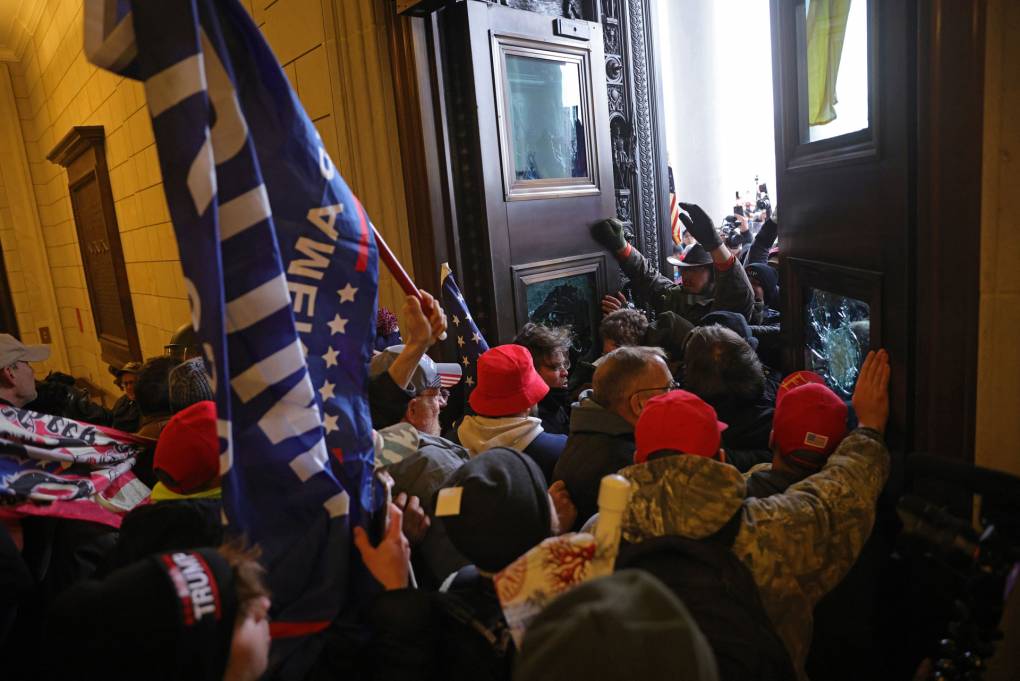
"caption": "A mob of pro-Trump extremists break into the U.S. Capitol on Jan. 06, 2021 in Washington, D.C.",
"description": "A mob of pro-Trump extremists breaks into the U.S. Capitol on Jan. 06, 2021 in Washington, D.C.",
"title": "Trump-Flag-Broken-Doors",
"credit": "Win McNamee/Getty Images",
"status": "inherit",
"altTag": null,
"isLoading": false,
"fetchFailed": false
},
"news_11854024": {
"type": "attachments",
"id": "news_11854024",
"meta": {
"index": "attachments_1716263798",
"site": "news",
"id": "11854024",
"found": true
},
"parent": 11853921,
"imgSizes": {
"apple_news_ca_landscape_5_5": {
"file": "https://ww2.kqed.org/app/uploads/sites/10/2021/01/Capitol-Window-Smashed-Trump-Extremists-1044x783.jpg",
"width": 1044,
"mimeType": "image/jpeg",
"height": 783
},
"apple_news_ca_square_4_0": {
"file": "https://ww2.kqed.org/app/uploads/sites/10/2021/01/Capitol-Window-Smashed-Trump-Extremists-470x470.jpg",
"width": 470,
"mimeType": "image/jpeg",
"height": 470
},
"twentyfourteen-full-width": {
"file": "https://ww2.kqed.org/app/uploads/sites/10/2021/01/Capitol-Window-Smashed-Trump-Extremists-1038x576.jpg",
"width": 1038,
"mimeType": "image/jpeg",
"height": 576
},
"thumbnail": {
"file": "https://ww2.kqed.org/app/uploads/sites/10/2021/01/Capitol-Window-Smashed-Trump-Extremists-160x107.jpg",
"width": 160,
"mimeType": "image/jpeg",
"height": 107
},
"post-thumbnail": {
"file": "https://ww2.kqed.org/app/uploads/sites/10/2021/01/Capitol-Window-Smashed-Trump-Extremists-672x372.jpg",
"width": 672,
"mimeType": "image/jpeg",
"height": 372
},
"kqedFullSize": {
"file": "https://ww2.kqed.org/app/uploads/sites/10/2021/01/Capitol-Window-Smashed-Trump-Extremists.jpg",
"width": 1920,
"height": 1280
},
"apple_news_ca_landscape_4_7": {
"file": "https://ww2.kqed.org/app/uploads/sites/10/2021/01/Capitol-Window-Smashed-Trump-Extremists-632x474.jpg",
"width": 632,
"mimeType": "image/jpeg",
"height": 474
},
"large": {
"file": "https://ww2.kqed.org/app/uploads/sites/10/2021/01/Capitol-Window-Smashed-Trump-Extremists-1020x680.jpg",
"width": 1020,
"mimeType": "image/jpeg",
"height": 680
},
"apple_news_ca_landscape_4_0": {
"file": "https://ww2.kqed.org/app/uploads/sites/10/2021/01/Capitol-Window-Smashed-Trump-Extremists-536x402.jpg",
"width": 536,
"mimeType": "image/jpeg",
"height": 402
},
"apple_news_ca_portrait_12_9": {
"file": "https://ww2.kqed.org/app/uploads/sites/10/2021/01/Capitol-Window-Smashed-Trump-Extremists-1122x1280.jpg",
"width": 1122,
"mimeType": "image/jpeg",
"height": 1280
},
"medium": {
"file": "https://ww2.kqed.org/app/uploads/sites/10/2021/01/Capitol-Window-Smashed-Trump-Extremists-800x533.jpg",
"width": 800,
"mimeType": "image/jpeg",
"height": 533
},
"apple_news_ca_portrait_4_0": {
"file": "https://ww2.kqed.org/app/uploads/sites/10/2021/01/Capitol-Window-Smashed-Trump-Extremists-354x472.jpg",
"width": 354,
"mimeType": "image/jpeg",
"height": 472
},
"apple_news_ca_portrait_9_7": {
"file": "https://ww2.kqed.org/app/uploads/sites/10/2021/01/Capitol-Window-Smashed-Trump-Extremists-840x1120.jpg",
"width": 840,
"mimeType": "image/jpeg",
"height": 1120
},
"apple_news_ca_landscape_12_9": {
"file": "https://ww2.kqed.org/app/uploads/sites/10/2021/01/Capitol-Window-Smashed-Trump-Extremists-1832x1280.jpg",
"width": 1832,
"mimeType": "image/jpeg",
"height": 1280
},
"apple_news_ca_square_9_7": {
"file": "https://ww2.kqed.org/app/uploads/sites/10/2021/01/Capitol-Window-Smashed-Trump-Extremists-1104x1104.jpg",
"width": 1104,
"mimeType": "image/jpeg",
"height": 1104
},
"1536x1536": {
"file": "https://ww2.kqed.org/app/uploads/sites/10/2021/01/Capitol-Window-Smashed-Trump-Extremists-1536x1024.jpg",
"width": 1536,
"mimeType": "image/jpeg",
"height": 1024
},
"apple_news_ca_portrait_4_7": {
"file": "https://ww2.kqed.org/app/uploads/sites/10/2021/01/Capitol-Window-Smashed-Trump-Extremists-414x552.jpg",
"width": 414,
"mimeType": "image/jpeg",
"height": 552
},
"apple_news_ca_square_12_9": {
"file": "https://ww2.kqed.org/app/uploads/sites/10/2021/01/Capitol-Window-Smashed-Trump-Extremists-1472x1280.jpg",
"width": 1472,
"mimeType": "image/jpeg",
"height": 1280
},
"apple_news_ca_portrait_5_5": {
"file": "https://ww2.kqed.org/app/uploads/sites/10/2021/01/Capitol-Window-Smashed-Trump-Extremists-687x916.jpg",
"width": 687,
"mimeType": "image/jpeg",
"height": 916
},
"apple_news_ca_square_4_7": {
"file": "https://ww2.kqed.org/app/uploads/sites/10/2021/01/Capitol-Window-Smashed-Trump-Extremists-550x550.jpg",
"width": 550,
"mimeType": "image/jpeg",
"height": 550
},
"apple_news_ca_landscape_9_7": {
"file": "https://ww2.kqed.org/app/uploads/sites/10/2021/01/Capitol-Window-Smashed-Trump-Extremists-1376x1032.jpg",
"width": 1376,
"mimeType": "image/jpeg",
"height": 1032
},
"apple_news_ca_square_5_5": {
"file": "https://ww2.kqed.org/app/uploads/sites/10/2021/01/Capitol-Window-Smashed-Trump-Extremists-912x912.jpg",
"width": 912,
"mimeType": "image/jpeg",
"height": 912
}
},
"publishDate": 1609977034,
"modified": 1609982345,
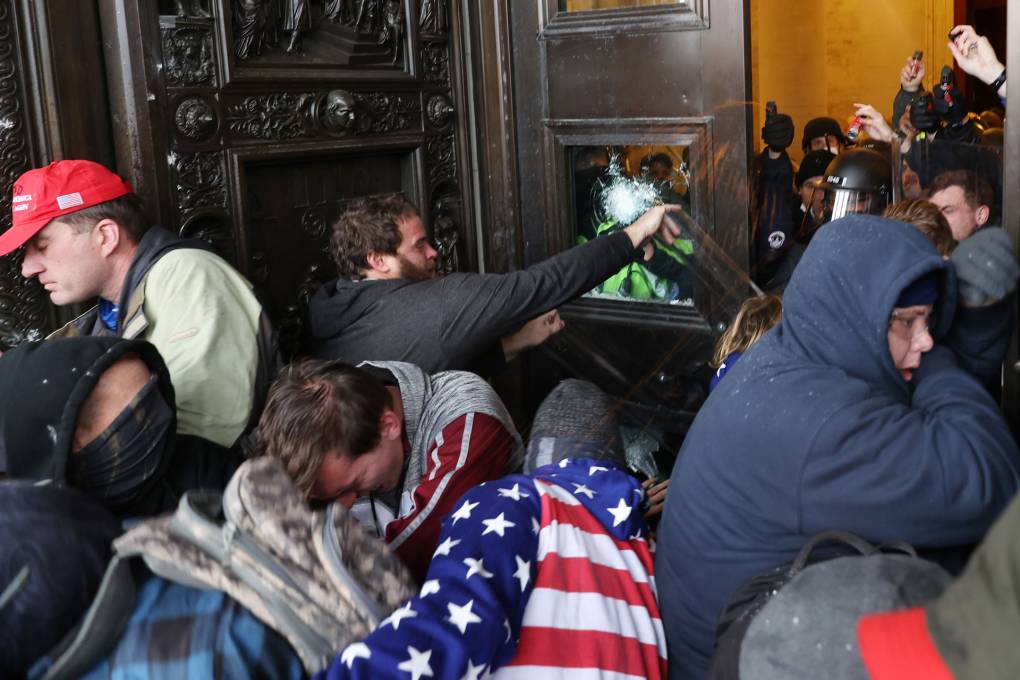
"caption": "A mob of violent pro-Trump extremists smash windows on a door of the U.S. Capitol in Washington, D.C. on Jan. 6, 2021.",
"description": "A mob of violent pro-Trump extremists smash windows on a door of the U.S. Capitol in Washington, D.C. on Jan. 6, 2021.",
"title": "Capitol-Window-Smashed-Trump-Extremists",
"credit": "Tasos Katopodis/Getty Images",
"status": "inherit",
"altTag": null,
"isLoading": false,
"fetchFailed": false
},
"news_11853999": {
"type": "attachments",
"id": "news_11853999",
"meta": {
"index": "attachments_1716263798",
"site": "news",
"id": "11853999",
"found": true
},
"parent": 11853981,
"imgSizes": {
"apple_news_ca_landscape_5_5": {
"file": "https://ww2.kqed.org/app/uploads/sites/10/2021/01/capitol_010621_final-1044x783.png",
"width": 1044,
"mimeType": "image/png",
"height": 783
},
"apple_news_ca_square_4_0": {
"file": "https://ww2.kqed.org/app/uploads/sites/10/2021/01/capitol_010621_final-470x470.png",
"width": 470,
"mimeType": "image/png",
"height": 470
},
"twentyfourteen-full-width": {
"file": "https://ww2.kqed.org/app/uploads/sites/10/2021/01/capitol_010621_final-1038x576.png",
"width": 1038,
"mimeType": "image/png",
"height": 576
},
"thumbnail": {
"file": "https://ww2.kqed.org/app/uploads/sites/10/2021/01/capitol_010621_final-160x97.png",
"width": 160,
"mimeType": "image/png",
"height": 97
},
"post-thumbnail": {
"file": "https://ww2.kqed.org/app/uploads/sites/10/2021/01/capitol_010621_final-672x372.png",
"width": 672,
"mimeType": "image/png",
"height": 372
},
"kqedFullSize": {
"file": "https://ww2.kqed.org/app/uploads/sites/10/2021/01/capitol_010621_final.png",
"width": 1920,
"height": 1164
},
"apple_news_ca_landscape_4_7": {
"file": "https://ww2.kqed.org/app/uploads/sites/10/2021/01/capitol_010621_final-632x474.png",
"width": 632,
"mimeType": "image/png",
"height": 474
},
"large": {
"file": "https://ww2.kqed.org/app/uploads/sites/10/2021/01/capitol_010621_final-1020x618.png",
"width": 1020,
"mimeType": "image/png",
"height": 618
},
"apple_news_ca_landscape_4_0": {
"file": "https://ww2.kqed.org/app/uploads/sites/10/2021/01/capitol_010621_final-536x402.png",
"width": 536,
"mimeType": "image/png",
"height": 402
},
"apple_news_ca_portrait_12_9": {
"file": "https://ww2.kqed.org/app/uploads/sites/10/2021/01/capitol_010621_final-1122x1164.png",
"width": 1122,
"mimeType": "image/png",
"height": 1164
},
"medium": {
"file": "https://ww2.kqed.org/app/uploads/sites/10/2021/01/capitol_010621_final-800x485.png",
"width": 800,
"mimeType": "image/png",
"height": 485
},
"apple_news_ca_portrait_4_0": {
"file": "https://ww2.kqed.org/app/uploads/sites/10/2021/01/capitol_010621_final-354x472.png",
"width": 354,
"mimeType": "image/png",
"height": 472
},
"apple_news_ca_portrait_9_7": {
"file": "https://ww2.kqed.org/app/uploads/sites/10/2021/01/capitol_010621_final-840x1120.png",
"width": 840,
"mimeType": "image/png",
"height": 1120
},
"apple_news_ca_landscape_12_9": {
"file": "https://ww2.kqed.org/app/uploads/sites/10/2021/01/capitol_010621_final-1832x1164.png",
"width": 1832,
"mimeType": "image/png",
"height": 1164
},
"apple_news_ca_square_9_7": {
"file": "https://ww2.kqed.org/app/uploads/sites/10/2021/01/capitol_010621_final-1104x1104.png",
"width": 1104,
"mimeType": "image/png",
"height": 1104
},
"1536x1536": {
"file": "https://ww2.kqed.org/app/uploads/sites/10/2021/01/capitol_010621_final-1536x931.png",
"width": 1536,
"mimeType": "image/png",
"height": 931
},
"apple_news_ca_portrait_4_7": {
"file": "https://ww2.kqed.org/app/uploads/sites/10/2021/01/capitol_010621_final-414x552.png",
"width": 414,
"mimeType": "image/png",
"height": 552
},
"apple_news_ca_square_12_9": {
"file": "https://ww2.kqed.org/app/uploads/sites/10/2021/01/capitol_010621_final-1472x1164.png",
"width": 1472,
"mimeType": "image/png",
"height": 1164
},
"apple_news_ca_portrait_5_5": {
"file": "https://ww2.kqed.org/app/uploads/sites/10/2021/01/capitol_010621_final-687x916.png",
"width": 687,
"mimeType": "image/png",
"height": 916
},
"apple_news_ca_square_4_7": {
"file": "https://ww2.kqed.org/app/uploads/sites/10/2021/01/capitol_010621_final-550x550.png",
"width": 550,
"mimeType": "image/png",
"height": 550
},
"apple_news_ca_landscape_9_7": {
"file": "https://ww2.kqed.org/app/uploads/sites/10/2021/01/capitol_010621_final-1376x1032.png",
"width": 1376,
"mimeType": "image/png",
"height": 1032
},
"apple_news_ca_square_5_5": {
"file": "https://ww2.kqed.org/app/uploads/sites/10/2021/01/capitol_010621_final-912x912.png",
"width": 912,
"mimeType": "image/png",
"height": 912
}
},
"publishDate": 1609973947,
"modified": 1609974005,
"caption": null,
"description": null,
"title": "capitol_010621_final",
"credit": null,
"status": "inherit",
"altTag": "A Mark Fiore cartoon featuring a Trump MAGA snake throttling the U.S. Capitol Building.",
"isLoading": false,
"fetchFailed": false
},
"news_11853557": {
"type": "attachments",
"id": "news_11853557",
"meta": {
"index": "attachments_1716263798",
"site": "news",
"id": "11853557",
"found": true
},
"parent": 11853556,
"imgSizes": {
"apple_news_ca_landscape_5_5": {
"file": "https://ww2.kqed.org/app/uploads/sites/10/2021/01/GettyImages-1230414286-1-1044x783.jpg",
"width": 1044,
"mimeType": "image/jpeg",
"height": 783
},
"apple_news_ca_square_4_0": {
"file": "https://ww2.kqed.org/app/uploads/sites/10/2021/01/GettyImages-1230414286-1-470x470.jpg",
"width": 470,
"mimeType": "image/jpeg",
"height": 470
},
"twentyfourteen-full-width": {
"file": "https://ww2.kqed.org/app/uploads/sites/10/2021/01/GettyImages-1230414286-1-1038x576.jpg",
"width": 1038,
"mimeType": "image/jpeg",
"height": 576
},
"thumbnail": {
"file": "https://ww2.kqed.org/app/uploads/sites/10/2021/01/GettyImages-1230414286-1-160x107.jpg",
"width": 160,
"mimeType": "image/jpeg",
"height": 107
},
"post-thumbnail": {
"file": "https://ww2.kqed.org/app/uploads/sites/10/2021/01/GettyImages-1230414286-1-672x372.jpg",
"width": 672,
"mimeType": "image/jpeg",
"height": 372
},
"kqedFullSize": {
"file": "https://ww2.kqed.org/app/uploads/sites/10/2021/01/GettyImages-1230414286-1.jpg",
"width": 1900,
"height": 1266
},
"apple_news_ca_landscape_4_7": {
"file": "https://ww2.kqed.org/app/uploads/sites/10/2021/01/GettyImages-1230414286-1-632x474.jpg",
"width": 632,
"mimeType": "image/jpeg",
"height": 474
},
"large": {
"file": "https://ww2.kqed.org/app/uploads/sites/10/2021/01/GettyImages-1230414286-1-1020x680.jpg",
"width": 1020,
"mimeType": "image/jpeg",
"height": 680
},
"apple_news_ca_landscape_4_0": {
"file": "https://ww2.kqed.org/app/uploads/sites/10/2021/01/GettyImages-1230414286-1-536x402.jpg",
"width": 536,
"mimeType": "image/jpeg",
"height": 402
},
"apple_news_ca_portrait_12_9": {
"file": "https://ww2.kqed.org/app/uploads/sites/10/2021/01/GettyImages-1230414286-1-1122x1266.jpg",
"width": 1122,
"mimeType": "image/jpeg",
"height": 1266
},
"medium": {
"file": "https://ww2.kqed.org/app/uploads/sites/10/2021/01/GettyImages-1230414286-1-800x533.jpg",
"width": 800,
"mimeType": "image/jpeg",
"height": 533
},
"apple_news_ca_portrait_4_0": {
"file": "https://ww2.kqed.org/app/uploads/sites/10/2021/01/GettyImages-1230414286-1-354x472.jpg",
"width": 354,
"mimeType": "image/jpeg",
"height": 472
},
"apple_news_ca_portrait_9_7": {
"file": "https://ww2.kqed.org/app/uploads/sites/10/2021/01/GettyImages-1230414286-1-840x1120.jpg",
"width": 840,
"mimeType": "image/jpeg",
"height": 1120
},
"apple_news_ca_landscape_12_9": {
"file": "https://ww2.kqed.org/app/uploads/sites/10/2021/01/GettyImages-1230414286-1-1832x1266.jpg",
"width": 1832,
"mimeType": "image/jpeg",
"height": 1266
},
"apple_news_ca_square_9_7": {
"file": "https://ww2.kqed.org/app/uploads/sites/10/2021/01/GettyImages-1230414286-1-1104x1104.jpg",
"width": 1104,
"mimeType": "image/jpeg",
"height": 1104
},
"1536x1536": {
"file": "https://ww2.kqed.org/app/uploads/sites/10/2021/01/GettyImages-1230414286-1-1536x1023.jpg",
"width": 1536,
"mimeType": "image/jpeg",
"height": 1023
},
"apple_news_ca_portrait_4_7": {
"file": "https://ww2.kqed.org/app/uploads/sites/10/2021/01/GettyImages-1230414286-1-414x552.jpg",
"width": 414,
"mimeType": "image/jpeg",
"height": 552
},
"apple_news_ca_square_12_9": {
"file": "https://ww2.kqed.org/app/uploads/sites/10/2021/01/GettyImages-1230414286-1-1472x1266.jpg",
"width": 1472,
"mimeType": "image/jpeg",
"height": 1266
},
"apple_news_ca_portrait_5_5": {
"file": "https://ww2.kqed.org/app/uploads/sites/10/2021/01/GettyImages-1230414286-1-687x916.jpg",
"width": 687,
"mimeType": "image/jpeg",
"height": 916
},
"apple_news_ca_square_4_7": {
"file": "https://ww2.kqed.org/app/uploads/sites/10/2021/01/GettyImages-1230414286-1-550x550.jpg",
"width": 550,
"mimeType": "image/jpeg",
"height": 550
},
"apple_news_ca_landscape_9_7": {
"file": "https://ww2.kqed.org/app/uploads/sites/10/2021/01/GettyImages-1230414286-1-1376x1032.jpg",
"width": 1376,
"mimeType": "image/jpeg",
"height": 1032
},
"apple_news_ca_square_5_5": {
"file": "https://ww2.kqed.org/app/uploads/sites/10/2021/01/GettyImages-1230414286-1-912x912.jpg",
"width": 912,
"mimeType": "image/jpeg",
"height": 912
}
},
"publishDate": 1609725780,
"modified": 1609725814,
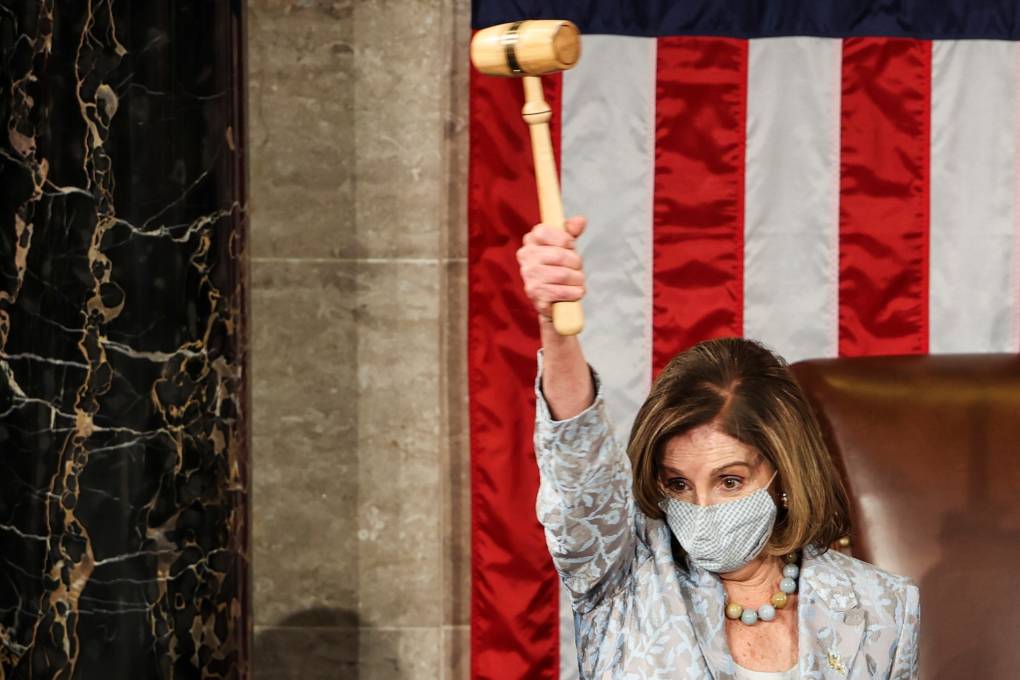
"caption": "Speaker of the House Nancy Pelosi (D-CA) waves a gavel during the first session of the 117th Congress in the House Chamber at the US Capitol on January 3, 2021 in Washington, DC.",
"description": "Speaker of the House Nancy Pelosi (D-CA) waves a gavel during the first session of the 117th Congress in the House Chamber at the US Capitol on January 3, 2021 in Washington, DC.",
"title": "GettyImages-1230414286 (1)",
"credit": "Photo by Tasos Katopodis / POOL / AFP) (Photo by TASOS KATOPODIS/POOL/AFP via Getty Images",
"status": "inherit",
"altTag": null,
"isLoading": false,
"fetchFailed": false
},
"news_11768547": {
"type": "attachments",
"id": "news_11768547",
"meta": {
"index": "attachments_1716263798",
"site": "news",
"id": "11768547",
"found": true
},
"parent": 11768464,
"imgSizes": {
"apple_news_ca_landscape_5_5": {
"file": "https://ww2.kqed.org/app/uploads/sites/10/2019/08/RS38619_GettyImages-941502770-qut-1044x783.jpg",
"width": 1044,
"mimeType": "image/jpeg",
"height": 783
},
"apple_news_ca_square_4_0": {
"file": "https://ww2.kqed.org/app/uploads/sites/10/2019/08/RS38619_GettyImages-941502770-qut-470x470.jpg",
"width": 470,
"mimeType": "image/jpeg",
"height": 470
},
"twentyfourteen-full-width": {
"file": "https://ww2.kqed.org/app/uploads/sites/10/2019/08/RS38619_GettyImages-941502770-qut-1038x576.jpg",
"width": 1038,
"mimeType": "image/jpeg",
"height": 576
},
"thumbnail": {
"file": "https://ww2.kqed.org/app/uploads/sites/10/2019/08/RS38619_GettyImages-941502770-qut-160x107.jpg",
"width": 160,
"mimeType": "image/jpeg",
"height": 107
},
"post-thumbnail": {
"file": "https://ww2.kqed.org/app/uploads/sites/10/2019/08/RS38619_GettyImages-941502770-qut-672x372.jpg",
"width": 672,
"mimeType": "image/jpeg",
"height": 372
},
"kqedFullSize": {
"file": "https://ww2.kqed.org/app/uploads/sites/10/2019/08/RS38619_GettyImages-941502770-qut.jpg",
"width": 1920,
"height": 1280
},
"apple_news_ca_landscape_4_7": {
"file": "https://ww2.kqed.org/app/uploads/sites/10/2019/08/RS38619_GettyImages-941502770-qut-632x474.jpg",
"width": 632,
"mimeType": "image/jpeg",
"height": 474
},
"large": {
"file": "https://ww2.kqed.org/app/uploads/sites/10/2019/08/RS38619_GettyImages-941502770-qut-1020x680.jpg",
"width": 1020,
"mimeType": "image/jpeg",
"height": 680
},
"complete_open_graph": {
"file": "https://ww2.kqed.org/app/uploads/sites/10/2019/08/RS38619_GettyImages-941502770-qut-1200x800.jpg",
"width": 1200,
"mimeType": "image/jpeg",
"height": 800
},
"apple_news_ca_landscape_4_0": {
"file": "https://ww2.kqed.org/app/uploads/sites/10/2019/08/RS38619_GettyImages-941502770-qut-536x402.jpg",
"width": 536,
"mimeType": "image/jpeg",
"height": 402
},
"apple_news_ca_portrait_12_9": {
"file": "https://ww2.kqed.org/app/uploads/sites/10/2019/08/RS38619_GettyImages-941502770-qut-1122x1280.jpg",
"width": 1122,
"mimeType": "image/jpeg",
"height": 1280
},
"medium": {
"file": "https://ww2.kqed.org/app/uploads/sites/10/2019/08/RS38619_GettyImages-941502770-qut-800x533.jpg",
"width": 800,
"mimeType": "image/jpeg",
"height": 533
},
"apple_news_ca_portrait_4_0": {
"file": "https://ww2.kqed.org/app/uploads/sites/10/2019/08/RS38619_GettyImages-941502770-qut-354x472.jpg",
"width": 354,
"mimeType": "image/jpeg",
"height": 472
},
"apple_news_ca_portrait_9_7": {
"file": "https://ww2.kqed.org/app/uploads/sites/10/2019/08/RS38619_GettyImages-941502770-qut-840x1120.jpg",
"width": 840,
"mimeType": "image/jpeg",
"height": 1120
},
"apple_news_ca_landscape_12_9": {
"file": "https://ww2.kqed.org/app/uploads/sites/10/2019/08/RS38619_GettyImages-941502770-qut-1832x1280.jpg",
"width": 1832,
"mimeType": "image/jpeg",
"height": 1280
},
"apple_news_ca_square_9_7": {
"file": "https://ww2.kqed.org/app/uploads/sites/10/2019/08/RS38619_GettyImages-941502770-qut-1104x1104.jpg",
"width": 1104,
"mimeType": "image/jpeg",
"height": 1104
},
"apple_news_ca_portrait_4_7": {
"file": "https://ww2.kqed.org/app/uploads/sites/10/2019/08/RS38619_GettyImages-941502770-qut-414x552.jpg",
"width": 414,
"mimeType": "image/jpeg",
"height": 552
},
"apple_news_ca_square_12_9": {
"file": "https://ww2.kqed.org/app/uploads/sites/10/2019/08/RS38619_GettyImages-941502770-qut-1472x1280.jpg",
"width": 1472,
"mimeType": "image/jpeg",
"height": 1280
},
"apple_news_ca_portrait_5_5": {
"file": "https://ww2.kqed.org/app/uploads/sites/10/2019/08/RS38619_GettyImages-941502770-qut-687x916.jpg",
"width": 687,
"mimeType": "image/jpeg",
"height": 916
},
"full-width": {
"file": "https://ww2.kqed.org/app/uploads/sites/10/2019/08/RS38619_GettyImages-941502770-qut-1920x1280.jpg",
"width": 1920,
"mimeType": "image/jpeg",
"height": 1280
},
"apple_news_ca_square_4_7": {
"file": "https://ww2.kqed.org/app/uploads/sites/10/2019/08/RS38619_GettyImages-941502770-qut-550x550.jpg",
"width": 550,
"mimeType": "image/jpeg",
"height": 550
},
"apple_news_ca_landscape_9_7": {
"file": "https://ww2.kqed.org/app/uploads/sites/10/2019/08/RS38619_GettyImages-941502770-qut-1376x1032.jpg",
"width": 1376,
"mimeType": "image/jpeg",
"height": 1032
},
"apple_news_ca_square_5_5": {
"file": "https://ww2.kqed.org/app/uploads/sites/10/2019/08/RS38619_GettyImages-941502770-qut-912x912.jpg",
"width": 912,
"mimeType": "image/jpeg",
"height": 912
}
},
"publishDate": 1566257647,
"modified": 1609442623,
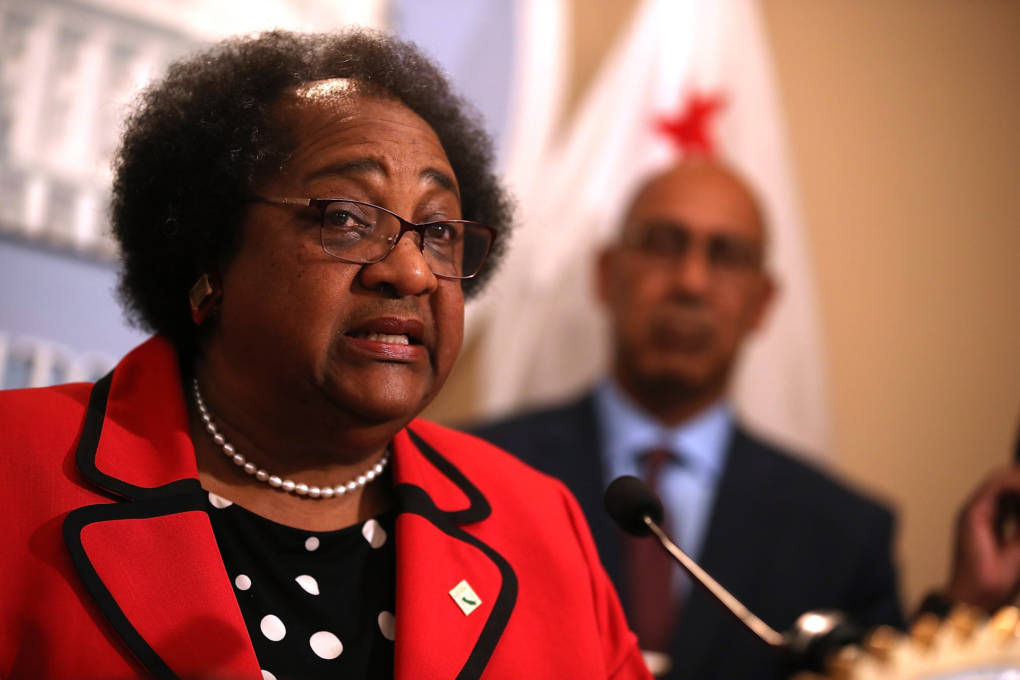
"caption": "California state Assemblywoman Shirley Weber, D-San Diego, speaks during a news conference to announce new legislation to address recent deadly police shootings on April 3, 2018 in Sacramento, California.",
"description": "California State Assemblymember Shirley Weber (D-San Diego) speaks during a news conference to announce new legislation to address recent deadly police shootings on April 3, 2018 in Sacramento, California.",
"title": "California Lawmakers Announce Bill To Alter Police Use Of Lethal Force Policy",
"credit": "Justin Sullivan/Getty Images",
"status": "inherit",
"altTag": "California State Assemblymember Shirley Weber (D-San Diego) speaks during a news conference to announce new legislation to address recent deadly police shootings on April 3, 2018 in Sacramento, California.",
"isLoading": false,
"fetchFailed": false
},
"news_11852435": {
"type": "attachments",
"id": "news_11852435",
"meta": {
"index": "attachments_1716263798",
"site": "news",
"id": "11852435",
"found": true
},
"parent": 11852409,
"imgSizes": {
"apple_news_ca_square_4_0": {
"file": "https://ww2.kqed.org/app/uploads/sites/10/2020/12/GettyImages-907820910-470x470.jpg",
"width": 470,
"mimeType": "image/jpeg",
"height": 470
},
"twentyfourteen-full-width": {
"file": "https://ww2.kqed.org/app/uploads/sites/10/2020/12/GettyImages-907820910-1024x576.jpg",
"width": 1024,
"mimeType": "image/jpeg",
"height": 576
},
"thumbnail": {
"file": "https://ww2.kqed.org/app/uploads/sites/10/2020/12/GettyImages-907820910-160x122.jpg",
"width": 160,
"mimeType": "image/jpeg",
"height": 122
},
"post-thumbnail": {
"file": "https://ww2.kqed.org/app/uploads/sites/10/2020/12/GettyImages-907820910-672x372.jpg",
"width": 672,
"mimeType": "image/jpeg",
"height": 372
},
"kqedFullSize": {
"file": "https://ww2.kqed.org/app/uploads/sites/10/2020/12/GettyImages-907820910.jpg",
"width": 1024,
"height": 780
},
"apple_news_ca_landscape_4_7": {
"file": "https://ww2.kqed.org/app/uploads/sites/10/2020/12/GettyImages-907820910-632x474.jpg",
"width": 632,
"mimeType": "image/jpeg",
"height": 474
},
"large": {
"file": "https://ww2.kqed.org/app/uploads/sites/10/2020/12/GettyImages-907820910-1020x777.jpg",
"width": 1020,
"mimeType": "image/jpeg",
"height": 777
},
"apple_news_ca_landscape_4_0": {
"file": "https://ww2.kqed.org/app/uploads/sites/10/2020/12/GettyImages-907820910-536x402.jpg",
"width": 536,
"mimeType": "image/jpeg",
"height": 402
},
"medium": {
"file": "https://ww2.kqed.org/app/uploads/sites/10/2020/12/GettyImages-907820910-800x609.jpg",
"width": 800,
"mimeType": "image/jpeg",
"height": 609
},
"apple_news_ca_portrait_4_0": {
"file": "https://ww2.kqed.org/app/uploads/sites/10/2020/12/GettyImages-907820910-354x472.jpg",
"width": 354,
"mimeType": "image/jpeg",
"height": 472
},
"apple_news_ca_portrait_9_7": {
"file": "https://ww2.kqed.org/app/uploads/sites/10/2020/12/GettyImages-907820910-840x780.jpg",
"width": 840,
"mimeType": "image/jpeg",
"height": 780
},
"apple_news_ca_portrait_4_7": {
"file": "https://ww2.kqed.org/app/uploads/sites/10/2020/12/GettyImages-907820910-414x552.jpg",
"width": 414,
"mimeType": "image/jpeg",
"height": 552
},
"apple_news_ca_portrait_5_5": {
"file": "https://ww2.kqed.org/app/uploads/sites/10/2020/12/GettyImages-907820910-687x780.jpg",
"width": 687,
"mimeType": "image/jpeg",
"height": 780
},
"apple_news_ca_square_4_7": {
"file": "https://ww2.kqed.org/app/uploads/sites/10/2020/12/GettyImages-907820910-550x550.jpg",
"width": 550,
"mimeType": "image/jpeg",
"height": 550
},
"apple_news_ca_square_5_5": {
"file": "https://ww2.kqed.org/app/uploads/sites/10/2020/12/GettyImages-907820910-912x780.jpg",
"width": 912,
"mimeType": "image/jpeg",
"height": 780
}
},
"publishDate": 1608666021,
"modified": 1608668233,
"caption": "California Secretary of State Alex Padilla speaks onstage at the Women's March Los Angeles on Jan. 20, 2018.",
"description": null,
"title": "2018 Women's March Los Angeles",
"credit": "Amanda Edwards/Getty Images",
"status": "inherit",
"altTag": null,
"isLoading": false,
"fetchFailed": false
},
"news_11851852": {
"type": "attachments",
"id": "news_11851852",
"meta": {
"index": "attachments_1716263798",
"site": "news",
"id": "11851852",
"found": true
},
"parent": 11851601,
"imgSizes": {
"apple_news_ca_landscape_5_5": {
"file": "https://ww2.kqed.org/app/uploads/sites/10/2020/12/RS45475_023_KQED_Oakland_RegistrarofVoters_10272020-qut-1044x783.jpg",
"width": 1044,
"mimeType": "image/jpeg",
"height": 783
},
"apple_news_ca_square_4_0": {
"file": "https://ww2.kqed.org/app/uploads/sites/10/2020/12/RS45475_023_KQED_Oakland_RegistrarofVoters_10272020-qut-470x470.jpg",
"width": 470,
"mimeType": "image/jpeg",
"height": 470
},
"twentyfourteen-full-width": {
"file": "https://ww2.kqed.org/app/uploads/sites/10/2020/12/RS45475_023_KQED_Oakland_RegistrarofVoters_10272020-qut-1038x576.jpg",
"width": 1038,
"mimeType": "image/jpeg",
"height": 576
},
"thumbnail": {
"file": "https://ww2.kqed.org/app/uploads/sites/10/2020/12/RS45475_023_KQED_Oakland_RegistrarofVoters_10272020-qut-160x107.jpg",
"width": 160,
"mimeType": "image/jpeg",
"height": 107
},
"post-thumbnail": {
"file": "https://ww2.kqed.org/app/uploads/sites/10/2020/12/RS45475_023_KQED_Oakland_RegistrarofVoters_10272020-qut-672x372.jpg",
"width": 672,
"mimeType": "image/jpeg",
"height": 372
},
"kqedFullSize": {
"file": "https://ww2.kqed.org/app/uploads/sites/10/2020/12/RS45475_023_KQED_Oakland_RegistrarofVoters_10272020-qut.jpg",
"width": 1920,
"height": 1280
},
"apple_news_ca_landscape_4_7": {
"file": "https://ww2.kqed.org/app/uploads/sites/10/2020/12/RS45475_023_KQED_Oakland_RegistrarofVoters_10272020-qut-632x474.jpg",
"width": 632,
"mimeType": "image/jpeg",
"height": 474
},
"large": {
"file": "https://ww2.kqed.org/app/uploads/sites/10/2020/12/RS45475_023_KQED_Oakland_RegistrarofVoters_10272020-qut-1020x680.jpg",
"width": 1020,
"mimeType": "image/jpeg",
"height": 680
},
"apple_news_ca_landscape_4_0": {
"file": "https://ww2.kqed.org/app/uploads/sites/10/2020/12/RS45475_023_KQED_Oakland_RegistrarofVoters_10272020-qut-536x402.jpg",
"width": 536,
"mimeType": "image/jpeg",
"height": 402
},
"apple_news_ca_portrait_12_9": {
"file": "https://ww2.kqed.org/app/uploads/sites/10/2020/12/RS45475_023_KQED_Oakland_RegistrarofVoters_10272020-qut-1122x1280.jpg",
"width": 1122,
"mimeType": "image/jpeg",
"height": 1280
},
"medium": {
"file": "https://ww2.kqed.org/app/uploads/sites/10/2020/12/RS45475_023_KQED_Oakland_RegistrarofVoters_10272020-qut-800x533.jpg",
"width": 800,
"mimeType": "image/jpeg",
"height": 533
},
"apple_news_ca_portrait_4_0": {
"file": "https://ww2.kqed.org/app/uploads/sites/10/2020/12/RS45475_023_KQED_Oakland_RegistrarofVoters_10272020-qut-354x472.jpg",
"width": 354,
"mimeType": "image/jpeg",
"height": 472
},
"apple_news_ca_portrait_9_7": {
"file": "https://ww2.kqed.org/app/uploads/sites/10/2020/12/RS45475_023_KQED_Oakland_RegistrarofVoters_10272020-qut-840x1120.jpg",
"width": 840,
"mimeType": "image/jpeg",
"height": 1120
},
"apple_news_ca_landscape_12_9": {
"file": "https://ww2.kqed.org/app/uploads/sites/10/2020/12/RS45475_023_KQED_Oakland_RegistrarofVoters_10272020-qut-1832x1280.jpg",
"width": 1832,
"mimeType": "image/jpeg",
"height": 1280
},
"apple_news_ca_square_9_7": {
"file": "https://ww2.kqed.org/app/uploads/sites/10/2020/12/RS45475_023_KQED_Oakland_RegistrarofVoters_10272020-qut-1104x1104.jpg",
"width": 1104,
"mimeType": "image/jpeg",
"height": 1104
},
"1536x1536": {
"file": "https://ww2.kqed.org/app/uploads/sites/10/2020/12/RS45475_023_KQED_Oakland_RegistrarofVoters_10272020-qut-1536x1024.jpg",
"width": 1536,
"mimeType": "image/jpeg",
"height": 1024
},
"apple_news_ca_portrait_4_7": {
"file": "https://ww2.kqed.org/app/uploads/sites/10/2020/12/RS45475_023_KQED_Oakland_RegistrarofVoters_10272020-qut-414x552.jpg",
"width": 414,
"mimeType": "image/jpeg",
"height": 552
},
"apple_news_ca_square_12_9": {
"file": "https://ww2.kqed.org/app/uploads/sites/10/2020/12/RS45475_023_KQED_Oakland_RegistrarofVoters_10272020-qut-1472x1280.jpg",
"width": 1472,
"mimeType": "image/jpeg",
"height": 1280
},
"apple_news_ca_portrait_5_5": {
"file": "https://ww2.kqed.org/app/uploads/sites/10/2020/12/RS45475_023_KQED_Oakland_RegistrarofVoters_10272020-qut-687x916.jpg",
"width": 687,
"mimeType": "image/jpeg",
"height": 916
},
"apple_news_ca_square_4_7": {
"file": "https://ww2.kqed.org/app/uploads/sites/10/2020/12/RS45475_023_KQED_Oakland_RegistrarofVoters_10272020-qut-550x550.jpg",
"width": 550,
"mimeType": "image/jpeg",
"height": 550
},
"apple_news_ca_landscape_9_7": {
"file": "https://ww2.kqed.org/app/uploads/sites/10/2020/12/RS45475_023_KQED_Oakland_RegistrarofVoters_10272020-qut-1376x1032.jpg",
"width": 1376,
"mimeType": "image/jpeg",
"height": 1032
},
"apple_news_ca_square_5_5": {
"file": "https://ww2.kqed.org/app/uploads/sites/10/2020/12/RS45475_023_KQED_Oakland_RegistrarofVoters_10272020-qut-912x912.jpg",
"width": 912,
"mimeType": "image/jpeg",
"height": 912
}
},
"publishDate": 1608317287,
"modified": 1608317325,
"caption": "A Vote by Mail ballot collection box at the Alameda County Registrar of Voters in Oakland on Oct. 27, 2020.",
"description": null,
"title": "RS45475_023_KQED_Oakland_RegistrarofVoters_10272020-qut",
"credit": "Beth LaBerge/KQED",
"status": "inherit",
"altTag": null,
"isLoading": false,
"fetchFailed": false
},
"news_11852071": {
"type": "attachments",
"id": "news_11852071",
"meta": {
"index": "attachments_1716263798",
"site": "news",
"id": "11852071",
"found": true
},
"parent": 11851695,
"imgSizes": {
"apple_news_ca_landscape_5_5": {
"file": "https://ww2.kqed.org/app/uploads/sites/10/2020/12/RS46438_pexels-kaboompics-com-6111-qut-1044x783.jpg",
"width": 1044,
"mimeType": "image/jpeg",
"height": 783
},
"apple_news_ca_square_4_0": {
"file": "https://ww2.kqed.org/app/uploads/sites/10/2020/12/RS46438_pexels-kaboompics-com-6111-qut-470x470.jpg",
"width": 470,
"mimeType": "image/jpeg",
"height": 470
},
"twentyfourteen-full-width": {
"file": "https://ww2.kqed.org/app/uploads/sites/10/2020/12/RS46438_pexels-kaboompics-com-6111-qut-1038x576.jpg",
"width": 1038,
"mimeType": "image/jpeg",
"height": 576
},
"thumbnail": {
"file": "https://ww2.kqed.org/app/uploads/sites/10/2020/12/RS46438_pexels-kaboompics-com-6111-qut-160x107.jpg",
"width": 160,
"mimeType": "image/jpeg",
"height": 107
},
"post-thumbnail": {
"file": "https://ww2.kqed.org/app/uploads/sites/10/2020/12/RS46438_pexels-kaboompics-com-6111-qut-672x372.jpg",
"width": 672,
"mimeType": "image/jpeg",
"height": 372
},
"kqedFullSize": {
"file": "https://ww2.kqed.org/app/uploads/sites/10/2020/12/RS46438_pexels-kaboompics-com-6111-qut.jpg",
"width": 1920,
"height": 1280
},
"apple_news_ca_landscape_4_7": {
"file": "https://ww2.kqed.org/app/uploads/sites/10/2020/12/RS46438_pexels-kaboompics-com-6111-qut-632x474.jpg",
"width": 632,
"mimeType": "image/jpeg",
"height": 474
},
"large": {
"file": "https://ww2.kqed.org/app/uploads/sites/10/2020/12/RS46438_pexels-kaboompics-com-6111-qut-1020x680.jpg",
"width": 1020,
"mimeType": "image/jpeg",
"height": 680
},
"apple_news_ca_landscape_4_0": {
"file": "https://ww2.kqed.org/app/uploads/sites/10/2020/12/RS46438_pexels-kaboompics-com-6111-qut-536x402.jpg",
"width": 536,
"mimeType": "image/jpeg",
"height": 402
},
"apple_news_ca_portrait_12_9": {
"file": "https://ww2.kqed.org/app/uploads/sites/10/2020/12/RS46438_pexels-kaboompics-com-6111-qut-1122x1280.jpg",
"width": 1122,
"mimeType": "image/jpeg",
"height": 1280
},
"medium": {
"file": "https://ww2.kqed.org/app/uploads/sites/10/2020/12/RS46438_pexels-kaboompics-com-6111-qut-800x533.jpg",
"width": 800,
"mimeType": "image/jpeg",
"height": 533
},
"apple_news_ca_portrait_4_0": {
"file": "https://ww2.kqed.org/app/uploads/sites/10/2020/12/RS46438_pexels-kaboompics-com-6111-qut-354x472.jpg",
"width": 354,
"mimeType": "image/jpeg",
"height": 472
},
"apple_news_ca_portrait_9_7": {
"file": "https://ww2.kqed.org/app/uploads/sites/10/2020/12/RS46438_pexels-kaboompics-com-6111-qut-840x1120.jpg",
"width": 840,
"mimeType": "image/jpeg",
"height": 1120
},
"apple_news_ca_landscape_12_9": {
"file": "https://ww2.kqed.org/app/uploads/sites/10/2020/12/RS46438_pexels-kaboompics-com-6111-qut-1832x1280.jpg",
"width": 1832,
"mimeType": "image/jpeg",
"height": 1280
},
"apple_news_ca_square_9_7": {
"file": "https://ww2.kqed.org/app/uploads/sites/10/2020/12/RS46438_pexels-kaboompics-com-6111-qut-1104x1104.jpg",
"width": 1104,
"mimeType": "image/jpeg",
"height": 1104
},
"1536x1536": {
"file": "https://ww2.kqed.org/app/uploads/sites/10/2020/12/RS46438_pexels-kaboompics-com-6111-qut-1536x1024.jpg",
"width": 1536,
"mimeType": "image/jpeg",
"height": 1024
},
"apple_news_ca_portrait_4_7": {
"file": "https://ww2.kqed.org/app/uploads/sites/10/2020/12/RS46438_pexels-kaboompics-com-6111-qut-414x552.jpg",
"width": 414,
"mimeType": "image/jpeg",
"height": 552
},
"apple_news_ca_square_12_9": {
"file": "https://ww2.kqed.org/app/uploads/sites/10/2020/12/RS46438_pexels-kaboompics-com-6111-qut-1472x1280.jpg",
"width": 1472,
"mimeType": "image/jpeg",
"height": 1280
},
"apple_news_ca_portrait_5_5": {
"file": "https://ww2.kqed.org/app/uploads/sites/10/2020/12/RS46438_pexels-kaboompics-com-6111-qut-687x916.jpg",
"width": 687,
"mimeType": "image/jpeg",
"height": 916
},
"apple_news_ca_square_4_7": {
"file": "https://ww2.kqed.org/app/uploads/sites/10/2020/12/RS46438_pexels-kaboompics-com-6111-qut-550x550.jpg",
"width": 550,
"mimeType": "image/jpeg",
"height": 550
},
"apple_news_ca_landscape_9_7": {
"file": "https://ww2.kqed.org/app/uploads/sites/10/2020/12/RS46438_pexels-kaboompics-com-6111-qut-1376x1032.jpg",
"width": 1376,
"mimeType": "image/jpeg",
"height": 1032
},
"apple_news_ca_square_5_5": {
"file": "https://ww2.kqed.org/app/uploads/sites/10/2020/12/RS46438_pexels-kaboompics-com-6111-qut-912x912.jpg",
"width": 912,
"mimeType": "image/jpeg",
"height": 912
}
},
"publishDate": 1608338755,
"modified": 1608585622,
"caption": "Back in August, Facebook conducted a preelection misinformation sweep and deleted a bunch of groups.",
"description": "Back in August, Facebook conducted a pre-election misinformation sweep and deleted a bunch of groups.",
"title": "RS46438_pexels-kaboompics-com-6111-qut",
"credit": "Kaboompics/Pexels",
"status": "inherit",
"altTag": "Cellphone in hands",
"isLoading": false,
"fetchFailed": false
},
"news_11850930": {
"type": "attachments",
"id": "news_11850930",
"meta": {
"index": "attachments_1716263798",
"site": "news",
"id": "11850930",
"found": true
},
"parent": 11850755,
"imgSizes": {
"apple_news_ca_square_4_0": {
"file": "https://ww2.kqed.org/app/uploads/sites/10/2020/12/GettyImages-1229606187-470x470.jpg",
"width": 470,
"mimeType": "image/jpeg",
"height": 470
},
"twentyfourteen-full-width": {
"file": "https://ww2.kqed.org/app/uploads/sites/10/2020/12/GettyImages-1229606187-1024x576.jpg",
"width": 1024,
"mimeType": "image/jpeg",
"height": 576
},
"thumbnail": {
"file": "https://ww2.kqed.org/app/uploads/sites/10/2020/12/GettyImages-1229606187-160x107.jpg",
"width": 160,
"mimeType": "image/jpeg",
"height": 107
},
"post-thumbnail": {
"file": "https://ww2.kqed.org/app/uploads/sites/10/2020/12/GettyImages-1229606187-672x372.jpg",
"width": 672,
"mimeType": "image/jpeg",
"height": 372
},
"kqedFullSize": {
"file": "https://ww2.kqed.org/app/uploads/sites/10/2020/12/GettyImages-1229606187.jpg",
"width": 1024,
"height": 683
},
"apple_news_ca_landscape_4_7": {
"file": "https://ww2.kqed.org/app/uploads/sites/10/2020/12/GettyImages-1229606187-632x474.jpg",
"width": 632,
"mimeType": "image/jpeg",
"height": 474
},
"large": {
"file": "https://ww2.kqed.org/app/uploads/sites/10/2020/12/GettyImages-1229606187-1020x680.jpg",
"width": 1020,
"mimeType": "image/jpeg",
"height": 680
},
"apple_news_ca_landscape_4_0": {
"file": "https://ww2.kqed.org/app/uploads/sites/10/2020/12/GettyImages-1229606187-536x402.jpg",
"width": 536,
"mimeType": "image/jpeg",
"height": 402
},
"medium": {
"file": "https://ww2.kqed.org/app/uploads/sites/10/2020/12/GettyImages-1229606187-800x534.jpg",
"width": 800,
"mimeType": "image/jpeg",
"height": 534
},
"apple_news_ca_portrait_4_0": {
"file": "https://ww2.kqed.org/app/uploads/sites/10/2020/12/GettyImages-1229606187-354x472.jpg",
"width": 354,
"mimeType": "image/jpeg",
"height": 472
},
"apple_news_ca_portrait_9_7": {
"file": "https://ww2.kqed.org/app/uploads/sites/10/2020/12/GettyImages-1229606187-840x683.jpg",
"width": 840,
"mimeType": "image/jpeg",
"height": 683
},
"apple_news_ca_portrait_4_7": {
"file": "https://ww2.kqed.org/app/uploads/sites/10/2020/12/GettyImages-1229606187-414x552.jpg",
"width": 414,
"mimeType": "image/jpeg",
"height": 552
},
"apple_news_ca_portrait_5_5": {
"file": "https://ww2.kqed.org/app/uploads/sites/10/2020/12/GettyImages-1229606187-687x683.jpg",
"width": 687,
"mimeType": "image/jpeg",
"height": 683
},
"apple_news_ca_square_4_7": {
"file": "https://ww2.kqed.org/app/uploads/sites/10/2020/12/GettyImages-1229606187-550x550.jpg",
"width": 550,
"mimeType": "image/jpeg",
"height": 550
},
"apple_news_ca_square_5_5": {
"file": "https://ww2.kqed.org/app/uploads/sites/10/2020/12/GettyImages-1229606187-912x683.jpg",
"width": 912,
"mimeType": "image/jpeg",
"height": 683
}
},
"publishDate": 1607738641,
"modified": 1607738820,
"caption": "Republican Congresswoman-elect Michelle Steel, of California's 48th Congressional District, arrives at the U.S. Capitol on Nov. 13, 2020 for an orientation. She is one of four Republicans from California who flipped their districts.",
"description": null,
"title": "Newly-Elected Members Of Congress Attend Orientation On Capitol Hill",
"credit": "Samuel Corum/Getty Images",
"status": "inherit",
"altTag": null,
"isLoading": false,
"fetchFailed": false
},
"news_11850544": {
"type": "attachments",
"id": "news_11850544",
"meta": {
"index": "attachments_1716263798",
"site": "news",
"id": "11850544",
"found": true
},
"parent": 11850489,
"imgSizes": {
"apple_news_ca_landscape_5_5": {
"file": "https://ww2.kqed.org/app/uploads/sites/10/2020/12/MuniBusMaskRequired-1044x783.jpg",
"width": 1044,
"mimeType": "image/jpeg",
"height": 783
},
"apple_news_ca_square_4_0": {
"file": "https://ww2.kqed.org/app/uploads/sites/10/2020/12/MuniBusMaskRequired-470x470.jpg",
"width": 470,
"mimeType": "image/jpeg",
"height": 470
},
"twentyfourteen-full-width": {
"file": "https://ww2.kqed.org/app/uploads/sites/10/2020/12/MuniBusMaskRequired-1038x576.jpg",
"width": 1038,
"mimeType": "image/jpeg",
"height": 576
},
"thumbnail": {
"file": "https://ww2.kqed.org/app/uploads/sites/10/2020/12/MuniBusMaskRequired-160x107.jpg",
"width": 160,
"mimeType": "image/jpeg",
"height": 107
},
"post-thumbnail": {
"file": "https://ww2.kqed.org/app/uploads/sites/10/2020/12/MuniBusMaskRequired-672x372.jpg",
"width": 672,
"mimeType": "image/jpeg",
"height": 372
},
"kqedFullSize": {
"file": "https://ww2.kqed.org/app/uploads/sites/10/2020/12/MuniBusMaskRequired.jpg",
"width": 1920,
"height": 1280
},
"apple_news_ca_landscape_4_7": {
"file": "https://ww2.kqed.org/app/uploads/sites/10/2020/12/MuniBusMaskRequired-632x474.jpg",
"width": 632,
"mimeType": "image/jpeg",
"height": 474
},
"large": {
"file": "https://ww2.kqed.org/app/uploads/sites/10/2020/12/MuniBusMaskRequired-1020x680.jpg",
"width": 1020,
"mimeType": "image/jpeg",
"height": 680
},
"apple_news_ca_landscape_4_0": {
"file": "https://ww2.kqed.org/app/uploads/sites/10/2020/12/MuniBusMaskRequired-536x402.jpg",
"width": 536,
"mimeType": "image/jpeg",
"height": 402
},
"apple_news_ca_portrait_12_9": {
"file": "https://ww2.kqed.org/app/uploads/sites/10/2020/12/MuniBusMaskRequired-1122x1280.jpg",
"width": 1122,
"mimeType": "image/jpeg",
"height": 1280
},
"medium": {
"file": "https://ww2.kqed.org/app/uploads/sites/10/2020/12/MuniBusMaskRequired-800x533.jpg",
"width": 800,
"mimeType": "image/jpeg",
"height": 533
},
"apple_news_ca_portrait_4_0": {
"file": "https://ww2.kqed.org/app/uploads/sites/10/2020/12/MuniBusMaskRequired-354x472.jpg",
"width": 354,
"mimeType": "image/jpeg",
"height": 472
},
"apple_news_ca_portrait_9_7": {
"file": "https://ww2.kqed.org/app/uploads/sites/10/2020/12/MuniBusMaskRequired-840x1120.jpg",
"width": 840,
"mimeType": "image/jpeg",
"height": 1120
},
"apple_news_ca_landscape_12_9": {
"file": "https://ww2.kqed.org/app/uploads/sites/10/2020/12/MuniBusMaskRequired-1832x1280.jpg",
"width": 1832,
"mimeType": "image/jpeg",
"height": 1280
},
"apple_news_ca_square_9_7": {
"file": "https://ww2.kqed.org/app/uploads/sites/10/2020/12/MuniBusMaskRequired-1104x1104.jpg",
"width": 1104,
"mimeType": "image/jpeg",
"height": 1104
},
"1536x1536": {
"file": "https://ww2.kqed.org/app/uploads/sites/10/2020/12/MuniBusMaskRequired-1536x1024.jpg",
"width": 1536,
"mimeType": "image/jpeg",
"height": 1024
},
"apple_news_ca_portrait_4_7": {
"file": "https://ww2.kqed.org/app/uploads/sites/10/2020/12/MuniBusMaskRequired-414x552.jpg",
"width": 414,
"mimeType": "image/jpeg",
"height": 552
},
"apple_news_ca_square_12_9": {
"file": "https://ww2.kqed.org/app/uploads/sites/10/2020/12/MuniBusMaskRequired-1472x1280.jpg",
"width": 1472,
"mimeType": "image/jpeg",
"height": 1280
},
"apple_news_ca_portrait_5_5": {
"file": "https://ww2.kqed.org/app/uploads/sites/10/2020/12/MuniBusMaskRequired-687x916.jpg",
"width": 687,
"mimeType": "image/jpeg",
"height": 916
},
"apple_news_ca_square_4_7": {
"file": "https://ww2.kqed.org/app/uploads/sites/10/2020/12/MuniBusMaskRequired-550x550.jpg",
"width": 550,
"mimeType": "image/jpeg",
"height": 550
},
"apple_news_ca_landscape_9_7": {
"file": "https://ww2.kqed.org/app/uploads/sites/10/2020/12/MuniBusMaskRequired-1376x1032.jpg",
"width": 1376,
"mimeType": "image/jpeg",
"height": 1032
},
"apple_news_ca_square_5_5": {
"file": "https://ww2.kqed.org/app/uploads/sites/10/2020/12/MuniBusMaskRequired-912x912.jpg",
"width": 912,
"mimeType": "image/jpeg",
"height": 912
}
},
"publishDate": 1607561583,
"modified": 1607561681,
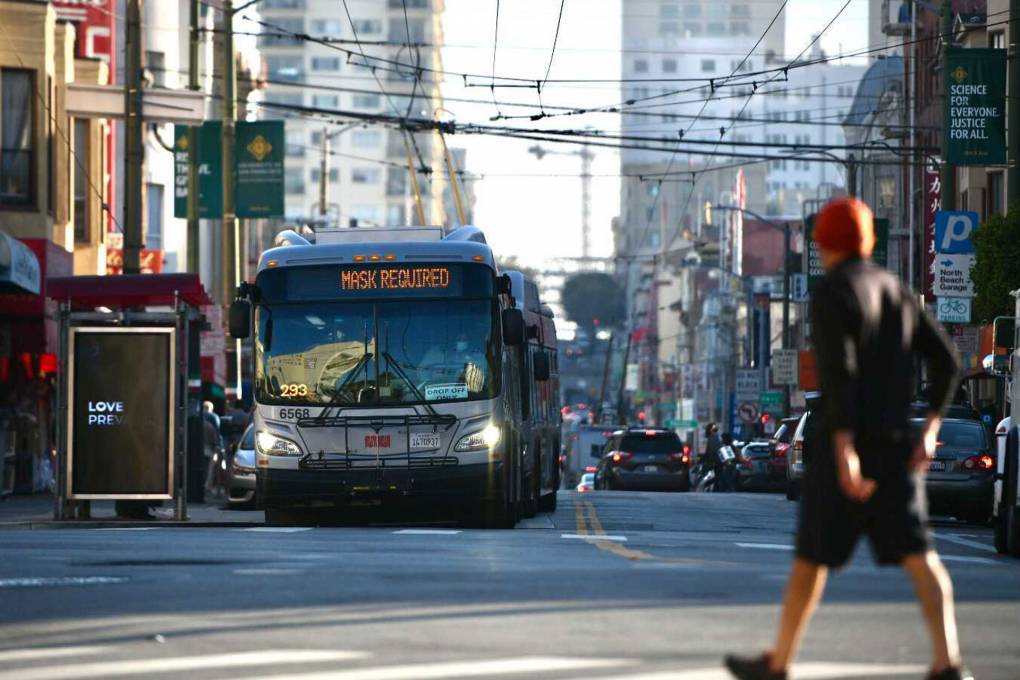
"caption": "A pedestrian walks near a Muni bus with a marquee reading 'Masks Required' in San Francisco on Dec. 4, 2020.",
"description": "A pedestrian walks near a Muni bus with a marquee reading 'Masks Required' in San Francisco on Dec. 4, 2020.",
"title": "MuniBusMaskRequired",
"credit": "Beth LaBerge/KQED",
"status": "inherit",
"altTag": "Pedestrian walks in North Beach, bus in the background",
"isLoading": false,
"fetchFailed": false
},
"news_11825065": {
"type": "attachments",
"id": "news_11825065",
"meta": {
"index": "attachments_1716263798",
"site": "news",
"id": "11825065",
"found": true
},
"parent": 11824855,
"imgSizes": {
"apple_news_ca_landscape_5_5": {
"file": "https://ww2.kqed.org/app/uploads/sites/10/2020/06/RS21716_GettyImages-84931235-qut-1044x783.jpg",
"width": 1044,
"mimeType": "image/jpeg",
"height": 783
},
"apple_news_ca_square_4_0": {
"file": "https://ww2.kqed.org/app/uploads/sites/10/2020/06/RS21716_GettyImages-84931235-qut-470x470.jpg",
"width": 470,
"mimeType": "image/jpeg",
"height": 470
},
"twentyfourteen-full-width": {
"file": "https://ww2.kqed.org/app/uploads/sites/10/2020/06/RS21716_GettyImages-84931235-qut-1038x576.jpg",
"width": 1038,
"mimeType": "image/jpeg",
"height": 576
},
"thumbnail": {
"file": "https://ww2.kqed.org/app/uploads/sites/10/2020/06/RS21716_GettyImages-84931235-qut-160x106.jpg",
"width": 160,
"mimeType": "image/jpeg",
"height": 106
},
"post-thumbnail": {
"file": "https://ww2.kqed.org/app/uploads/sites/10/2020/06/RS21716_GettyImages-84931235-qut-672x372.jpg",
"width": 672,
"mimeType": "image/jpeg",
"height": 372
},
"kqedFullSize": {
"file": "https://ww2.kqed.org/app/uploads/sites/10/2020/06/RS21716_GettyImages-84931235-qut.jpg",
"width": 1920,
"height": 1270
},
"apple_news_ca_landscape_4_7": {
"file": "https://ww2.kqed.org/app/uploads/sites/10/2020/06/RS21716_GettyImages-84931235-qut-632x474.jpg",
"width": 632,
"mimeType": "image/jpeg",
"height": 474
},
"large": {
"file": "https://ww2.kqed.org/app/uploads/sites/10/2020/06/RS21716_GettyImages-84931235-qut-1020x675.jpg",
"width": 1020,
"mimeType": "image/jpeg",
"height": 675
},
"apple_news_ca_landscape_4_0": {
"file": "https://ww2.kqed.org/app/uploads/sites/10/2020/06/RS21716_GettyImages-84931235-qut-536x402.jpg",
"width": 536,
"mimeType": "image/jpeg",
"height": 402
},
"apple_news_ca_portrait_12_9": {
"file": "https://ww2.kqed.org/app/uploads/sites/10/2020/06/RS21716_GettyImages-84931235-qut-1122x1270.jpg",
"width": 1122,
"mimeType": "image/jpeg",
"height": 1270
},
"medium": {
"file": "https://ww2.kqed.org/app/uploads/sites/10/2020/06/RS21716_GettyImages-84931235-qut-800x529.jpg",
"width": 800,
"mimeType": "image/jpeg",
"height": 529
},
"apple_news_ca_portrait_4_0": {
"file": "https://ww2.kqed.org/app/uploads/sites/10/2020/06/RS21716_GettyImages-84931235-qut-354x472.jpg",
"width": 354,
"mimeType": "image/jpeg",
"height": 472
},
"apple_news_ca_portrait_9_7": {
"file": "https://ww2.kqed.org/app/uploads/sites/10/2020/06/RS21716_GettyImages-84931235-qut-840x1120.jpg",
"width": 840,
"mimeType": "image/jpeg",
"height": 1120
},
"apple_news_ca_landscape_12_9": {
"file": "https://ww2.kqed.org/app/uploads/sites/10/2020/06/RS21716_GettyImages-84931235-qut-1832x1270.jpg",
"width": 1832,
"mimeType": "image/jpeg",
"height": 1270
},
"apple_news_ca_square_9_7": {
"file": "https://ww2.kqed.org/app/uploads/sites/10/2020/06/RS21716_GettyImages-84931235-qut-1104x1104.jpg",
"width": 1104,
"mimeType": "image/jpeg",
"height": 1104
},
"apple_news_ca_portrait_4_7": {
"file": "https://ww2.kqed.org/app/uploads/sites/10/2020/06/RS21716_GettyImages-84931235-qut-414x552.jpg",
"width": 414,
"mimeType": "image/jpeg",
"height": 552
},
"apple_news_ca_square_12_9": {
"file": "https://ww2.kqed.org/app/uploads/sites/10/2020/06/RS21716_GettyImages-84931235-qut-1472x1270.jpg",
"width": 1472,
"mimeType": "image/jpeg",
"height": 1270
},
"apple_news_ca_portrait_5_5": {
"file": "https://ww2.kqed.org/app/uploads/sites/10/2020/06/RS21716_GettyImages-84931235-qut-687x916.jpg",
"width": 687,
"mimeType": "image/jpeg",
"height": 916
},
"full-width": {
"file": "https://ww2.kqed.org/app/uploads/sites/10/2020/06/RS21716_GettyImages-84931235-qut-1920x1270.jpg",
"width": 1920,
"mimeType": "image/jpeg",
"height": 1270
},
"apple_news_ca_square_4_7": {
"file": "https://ww2.kqed.org/app/uploads/sites/10/2020/06/RS21716_GettyImages-84931235-qut-550x550.jpg",
"width": 550,
"mimeType": "image/jpeg",
"height": 550
},
"apple_news_ca_landscape_9_7": {
"file": "https://ww2.kqed.org/app/uploads/sites/10/2020/06/RS21716_GettyImages-84931235-qut-1376x1032.jpg",
"width": 1376,
"mimeType": "image/jpeg",
"height": 1032
},
"apple_news_ca_square_5_5": {
"file": "https://ww2.kqed.org/app/uploads/sites/10/2020/06/RS21716_GettyImages-84931235-qut-912x912.jpg",
"width": 912,
"mimeType": "image/jpeg",
"height": 912
}
},
"publishDate": 1592456349,
"modified": 1610754214,
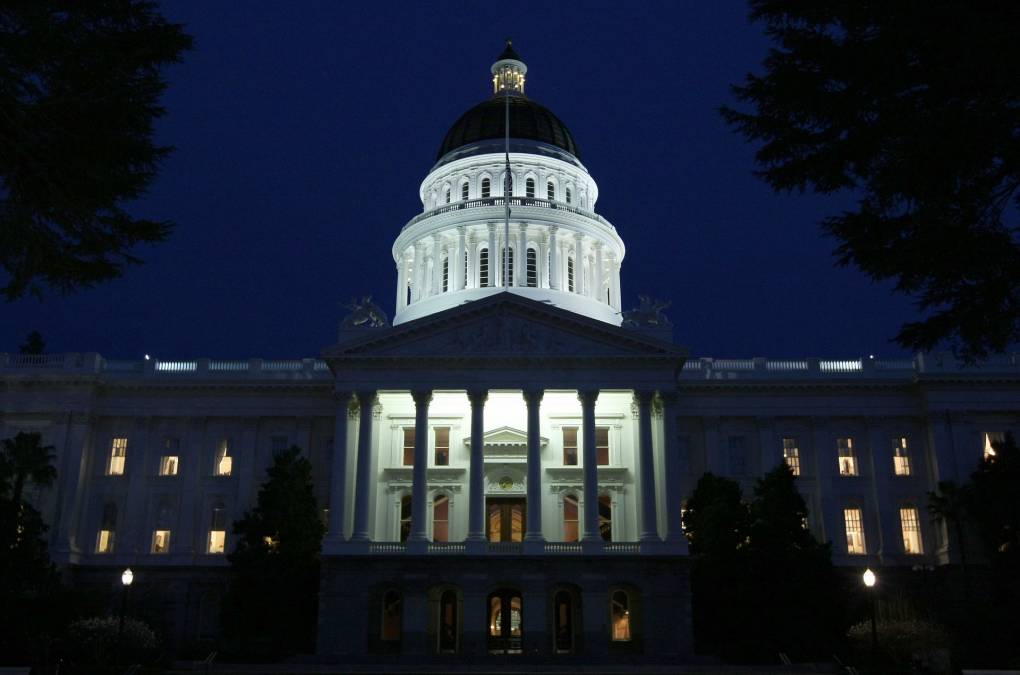
"caption": "A view of the California state Capitol in Sacramento.",
"description": "A view of the California State Capitol. ",
"title": "RS21716_GettyImages-84931235-qut",
"credit": "Justin Sullivan/Getty Images",
"status": "inherit",
"altTag": null,
"isLoading": false,
"fetchFailed": false
},
"news_11850121": {
"type": "attachments",
"id": "news_11850121",
"meta": {
"index": "attachments_1716263798",
"site": "news",
"id": "11850121",
"found": true
},
"title": "California Gov. Newsom And CA Attorney Gen. Becerra Hold News Conference Responding To Trump Revoking State's Emissions Waiver",
"publishDate": 1607385365,
"status": "inherit",
"parent": 11850090,
"modified": 1778885595,
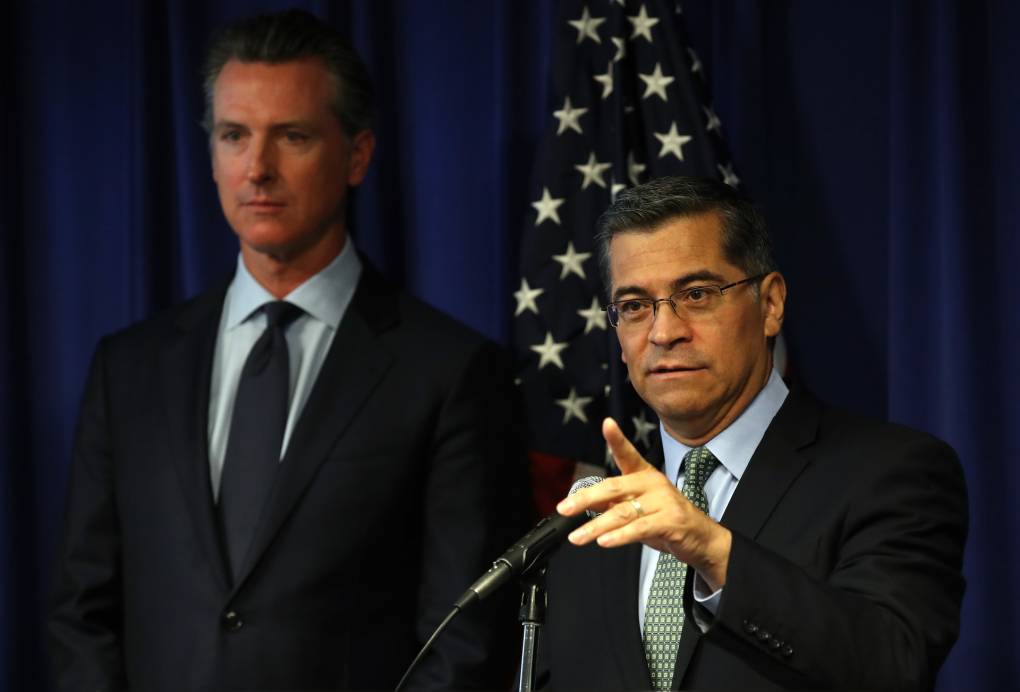
"caption": "Former California Attorney General Xavier Becerra speaks as Gov. Gavin Newsom looks on during a news conference in September 2019.",
"credit": "Justin Sullivan/Getty Images",
"altTag": "\"\"",
"description": "California Attorney General Xavier Becerra speaks as Gov. Gavin Newsom looks on during a news conference in Sept. 2019.",
"imgSizes": {
"medium": {
"file": "https://cdn.kqed.org/wp-content/uploads/sites/10/2020/12/RS46247_GettyImages-1175529279-qut-800x543.jpg",
"width": 800,
"height": 543,
"mimeType": "image/jpeg"
},
"large": {
"file": "https://cdn.kqed.org/wp-content/uploads/sites/10/2020/12/RS46247_GettyImages-1175529279-qut-1020x692.jpg",
"width": 1020,
"height": 692,
"mimeType": "image/jpeg"
},
"thumbnail": {
"file": "https://cdn.kqed.org/wp-content/uploads/sites/10/2020/12/RS46247_GettyImages-1175529279-qut-160x109.jpg",
"width": 160,
"height": 109,
"mimeType": "image/jpeg"
},
"1536x1536": {
"file": "https://cdn.kqed.org/wp-content/uploads/sites/10/2020/12/RS46247_GettyImages-1175529279-qut-1536x1042.jpg",
"width": 1536,
"height": 1042,
"mimeType": "image/jpeg"
},
"post-thumbnail": {
"file": "https://cdn.kqed.org/wp-content/uploads/sites/10/2020/12/RS46247_GettyImages-1175529279-qut-672x372.jpg",
"width": 672,
"height": 372,
"mimeType": "image/jpeg"
},
"twentyfourteen-full-width": {
"file": "https://cdn.kqed.org/wp-content/uploads/sites/10/2020/12/RS46247_GettyImages-1175529279-qut-1038x576.jpg",
"width": 1038,
"height": 576,
"mimeType": "image/jpeg"
},
"apple_news_ca_landscape_12_9": {
"file": "https://cdn.kqed.org/wp-content/uploads/sites/10/2020/12/RS46247_GettyImages-1175529279-qut-1832x1302.jpg",
"width": 1832,
"height": 1302,
"mimeType": "image/jpeg"
},
"apple_news_ca_landscape_9_7": {
"file": "https://cdn.kqed.org/wp-content/uploads/sites/10/2020/12/RS46247_GettyImages-1175529279-qut-1376x1032.jpg",
"width": 1376,
"height": 1032,
"mimeType": "image/jpeg"
},
"apple_news_ca_landscape_5_5": {
"file": "https://cdn.kqed.org/wp-content/uploads/sites/10/2020/12/RS46247_GettyImages-1175529279-qut-1044x783.jpg",
"width": 1044,
"height": 783,
"mimeType": "image/jpeg"
},
"apple_news_ca_landscape_4_7": {
"file": "https://cdn.kqed.org/wp-content/uploads/sites/10/2020/12/RS46247_GettyImages-1175529279-qut-632x474.jpg",
"width": 632,
"height": 474,
"mimeType": "image/jpeg"
},
"apple_news_ca_landscape_4_0": {
"file": "https://cdn.kqed.org/wp-content/uploads/sites/10/2020/12/RS46247_GettyImages-1175529279-qut-536x402.jpg",
"width": 536,
"height": 402,
"mimeType": "image/jpeg"
},
"apple_news_ca_portrait_12_9": {
"file": "https://cdn.kqed.org/wp-content/uploads/sites/10/2020/12/RS46247_GettyImages-1175529279-qut-1122x1302.jpg",
"width": 1122,
"height": 1302,
"mimeType": "image/jpeg"
},
"apple_news_ca_portrait_9_7": {
"file": "https://cdn.kqed.org/wp-content/uploads/sites/10/2020/12/RS46247_GettyImages-1175529279-qut-840x1120.jpg",
"width": 840,
"height": 1120,
"mimeType": "image/jpeg"
},
"apple_news_ca_portrait_5_5": {
"file": "https://cdn.kqed.org/wp-content/uploads/sites/10/2020/12/RS46247_GettyImages-1175529279-qut-687x916.jpg",
"width": 687,
"height": 916,
"mimeType": "image/jpeg"
},
"apple_news_ca_portrait_4_7": {
"file": "https://cdn.kqed.org/wp-content/uploads/sites/10/2020/12/RS46247_GettyImages-1175529279-qut-414x552.jpg",
"width": 414,
"height": 552,
"mimeType": "image/jpeg"
},
"apple_news_ca_portrait_4_0": {
"file": "https://cdn.kqed.org/wp-content/uploads/sites/10/2020/12/RS46247_GettyImages-1175529279-qut-354x472.jpg",
"width": 354,
"height": 472,
"mimeType": "image/jpeg"
},
"apple_news_ca_square_12_9": {
"file": "https://cdn.kqed.org/wp-content/uploads/sites/10/2020/12/RS46247_GettyImages-1175529279-qut-1472x1302.jpg",
"width": 1472,
"height": 1302,
"mimeType": "image/jpeg"
},
"apple_news_ca_square_9_7": {
"file": "https://cdn.kqed.org/wp-content/uploads/sites/10/2020/12/RS46247_GettyImages-1175529279-qut-1104x1104.jpg",
"width": 1104,
"height": 1104,
"mimeType": "image/jpeg"
},
"apple_news_ca_square_5_5": {
"file": "https://cdn.kqed.org/wp-content/uploads/sites/10/2020/12/RS46247_GettyImages-1175529279-qut-912x912.jpg",
"width": 912,
"height": 912,
"mimeType": "image/jpeg"
},
"apple_news_ca_square_4_7": {
"file": "https://cdn.kqed.org/wp-content/uploads/sites/10/2020/12/RS46247_GettyImages-1175529279-qut-550x550.jpg",
"width": 550,
"height": 550,
"mimeType": "image/jpeg"
},
"apple_news_ca_square_4_0": {
"file": "https://cdn.kqed.org/wp-content/uploads/sites/10/2020/12/RS46247_GettyImages-1175529279-qut-470x470.jpg",
"width": 470,
"height": 470,
"mimeType": "image/jpeg"
},
"kqedFullSize": {
"file": "https://cdn.kqed.org/wp-content/uploads/sites/10/2020/12/RS46247_GettyImages-1175529279-qut.jpg",
"width": 1920,
"height": 1302
}
},
"isLoading": false,
"fetchFailed": false
}
},
"audioPlayerReducer": {
"postId": "stream_live",
"isPaused": true,
"isPlaying": false,
"pfsActive": false,
"pledgeModalIsOpen": true,
"playerDrawerIsOpen": false,
"liveAudioPlayStartedAt": 0,
"liveAudioPlayContext": ""
},
"authorsReducer": {
"byline_news_11853556": {
"type": "authors",
"id": "byline_news_11853556",
"meta": {
"override": true
},
"slug": "byline_news_11853556",
"name": "Philip Ewing",
"isLoading": false
},
"gmarzorati": {
"type": "authors",
"id": "227",
"meta": {
"index": "authors_1716337520",
"id": "227",
"found": true
},
"name": "Guy Marzorati",
"firstName": "Guy",
"lastName": "Marzorati",
"slug": "gmarzorati",
"email": "gmarzorati@KQED.org",
"display_author_email": true,
"staff_mastheads": [
"news"
],
"title": "Correspondent",
"bio": "Guy Marzorati is a correspondent on KQED's California Politics and Government Desk, based in San Jose. A graduate of Santa Clara University, Guy joined KQED in 2013. He reports on state and local politics and produces KQED's digital voter guide.",
"avatar": "https://secure.gravatar.com/avatar/e7038b8dbfd55b104369b76b1cd0b9de?s=600&d=blank&r=g",
"twitter": "guymarzorati",
"facebook": null,
"instagram": null,
"linkedin": null,
"sites": [
{
"site": "",
"roles": [
"editor"
]
},
{
"site": "news",
"roles": [
"editor"
]
},
{
"site": "science",
"roles": [
"editor"
]
},
{
"site": "forum",
"roles": [
"editor"
]
},
{
"site": "elections",
"roles": [
"editor"
]
},
{
"site": "liveblog",
"roles": [
"editor"
]
}
],
"headData": {
"title": "Guy Marzorati | KQED",
"description": "Correspondent",
"ogImgSrc": "https://secure.gravatar.com/avatar/e7038b8dbfd55b104369b76b1cd0b9de?s=600&d=blank&r=g",
"twImgSrc": "https://secure.gravatar.com/avatar/e7038b8dbfd55b104369b76b1cd0b9de?s=600&d=blank&r=g"
},
"isLoading": false,
"link": "/author/gmarzorati"
},
"kqednewsstaffandwires": {
"type": "authors",
"id": "237",
"meta": {
"index": "authors_1716337520",
"id": "237",
"found": true
},
"name": "KQED News Staff and Wires",
"firstName": "KQED News Staff and Wires",
"lastName": null,
"slug": "kqednewsstaffandwires",
"email": "onlinenewsstaff@kqed.org",
"display_author_email": false,
"staff_mastheads": [],
"title": null,
"bio": null,
"avatar": "https://secure.gravatar.com/avatar/72295af8ebbfbd19a4948f5271285664?s=600&d=blank&r=g",
"twitter": null,
"facebook": null,
"instagram": null,
"linkedin": null,
"sites": [
{
"site": "arts",
"roles": [
"contributor"
]
},
{
"site": "news",
"roles": [
"contributor"
]
},
{
"site": "lowdown",
"roles": [
"author"
]
},
{
"site": "stateofhealth",
"roles": [
"contributor"
]
},
{
"site": "food",
"roles": [
"author"
]
}
],
"headData": {
"title": "KQED News Staff and Wires | KQED",
"description": null,
"ogImgSrc": "https://secure.gravatar.com/avatar/72295af8ebbfbd19a4948f5271285664?s=600&d=blank&r=g",
"twImgSrc": "https://secure.gravatar.com/avatar/72295af8ebbfbd19a4948f5271285664?s=600&d=blank&r=g"
},
"isLoading": false,
"link": "/author/kqednewsstaffandwires"
},
"rachael-myrow": {
"type": "authors",
"id": "251",
"meta": {
"index": "authors_1716337520",
"id": "251",
"found": true
},
"name": "Rachael Myrow",
"firstName": "Rachael",
"lastName": "Myrow",
"slug": "rachael-myrow",
"email": "rmyrow@kqed.org",
"display_author_email": true,
"staff_mastheads": [
"news"
],
"title": "Senior Editor of KQED's Silicon Valley News Desk",
"bio": "• I write and edit stories about how Silicon Valley power and policies shape everyday life in California. I’m also passionate about making Bay Area history and culture more accessible to a broad public. • I’ve been a journalist for most of my life, starting in high school with The Franklin Press in Los Angeles, where I grew up. While earning my first degree in English at UC Berkeley, I got my start in public radio at KALX-FM. After completing a second degree in journalism at Cal, I landed my first professional job at Marketplace, then moved on to KPCC (now LAist), and then KQED, where I hosted The California Report for more than seven years. • My reporting has appeared on NPR, The World, WBUR’s \u003ci>Here & Now\u003c/i>, and the BBC. I also guest host for KQED’s \u003ci>Forum\u003c/i>, as well as the Commonwealth Club in San Francisco. • I speak periodically on media, democracy and technology issues, and do voiceover work for documentaries and educational video projects. • Outside of the studio, you'll find me hiking Bay Area trails and whipping up Insta-ready meals in my kitchen. • I do not accept gifts, money, or favors from anyone connected to my reporting, I don't pay people for information, and I do not support or donate to political causes. • I strive to treat the people I report on with fairness, honesty, and respect. I also recognize there are often multiple sides to a story and work to verify information through multiple sources and documentation. If I get something wrong, I correct it.",
"avatar": "https://secure.gravatar.com/avatar/3ed8a3c5f26025e4a805ba634cda8cd764906b97438a6d9ce216b044e340da4e?s=600&d=blank&r=g",
"twitter": "rachaelmyrow",
"bluesky": null,
"facebook": null,
"instagram": null,
"linkedin": "https://www.linkedin.com/in/rachaelmyrow/",
"sites": [
{
"site": "arts",
"roles": [
"administrator"
]
},
{
"site": "news",
"roles": [
"edit_others_posts",
"editor"
]
},
{
"site": "futureofyou",
"roles": [
"editor"
]
},
{
"site": "bayareabites",
"roles": [
"editor"
]
},
{
"site": "stateofhealth",
"roles": [
"editor"
]
},
{
"site": "science",
"roles": [
"editor"
]
},
{
"site": "food",
"roles": [
"editor"
]
},
{
"site": "forum",
"roles": [
"editor"
]
},
{
"site": "liveblog",
"roles": [
"author"
]
}
],
"headData": {
"title": "Rachael Myrow | KQED",
"description": "Senior Editor of KQED's Silicon Valley News Desk",
"ogImgSrc": "https://secure.gravatar.com/avatar/3ed8a3c5f26025e4a805ba634cda8cd764906b97438a6d9ce216b044e340da4e?s=600&d=blank&r=g",
"twImgSrc": "https://secure.gravatar.com/avatar/3ed8a3c5f26025e4a805ba634cda8cd764906b97438a6d9ce216b044e340da4e?s=600&d=blank&r=g"
},
"isLoading": false,
"link": "/author/rachael-myrow"
},
"scottshafer": {
"type": "authors",
"id": "255",
"meta": {
"index": "authors_1716337520",
"id": "255",
"found": true
},
"name": "Scott Shafer",
"firstName": "Scott",
"lastName": "Shafer",
"slug": "scottshafer",
"email": "sshafer@kqed.org",
"display_author_email": false,
"staff_mastheads": [
"news"
],
"title": "KQED Contributor",
"bio": "Scott Shafer is a senior editor with the KQED Politics and Government desk. He is co-host of Political Breakdown, the award-winning radio show and podcast with a personal take on the world of politics. Scott came to KQED in 1998 to host the statewide\u003cem> California Report\u003c/em>. Prior to that he had extended stints in politics and government\u003cem>.\u003c/em> He uses that inside experience at KQED in his, reporting, hosting and analysis for the politics desk. Scott collaborated \u003cem>Political Breakdown a\u003c/em>nd on \u003cem>The Political Mind of Jerry Brown, \u003c/em>an eight-part series about the life and extraordinary political career of the former governor. For fun, he plays water polo with the San Francisco Tsunami.",
"avatar": "https://secure.gravatar.com/avatar/a62ebae45b79d7aed1a39a0e3bf68104?s=600&d=blank&r=g",
"twitter": "scottshafer",
"bluesky": null,
"facebook": null,
"instagram": null,
"linkedin": null,
"sites": [
{
"site": "news",
"roles": [
"editor"
]
},
{
"site": "stateofhealth",
"roles": [
"author"
]
},
{
"site": "science",
"roles": [
"author"
]
},
{
"site": "forum",
"roles": [
"subscriber"
]
},
{
"site": "liveblog",
"roles": [
"author"
]
}
],
"headData": {
"title": "Scott Shafer | KQED",
"description": "KQED Contributor",
"ogImgSrc": "https://secure.gravatar.com/avatar/a62ebae45b79d7aed1a39a0e3bf68104?s=600&d=blank&r=g",
"twImgSrc": "https://secure.gravatar.com/avatar/a62ebae45b79d7aed1a39a0e3bf68104?s=600&d=blank&r=g"
},
"isLoading": false,
"link": "/author/scottshafer"
},
"matthewgreen": {
"type": "authors",
"id": "1263",
"meta": {
"index": "authors_1716337520",
"id": "1263",
"found": true
},
"name": "Matthew Green",
"firstName": "Matthew",
"lastName": "Green",
"slug": "matthewgreen",
"email": "mgreen@kqed.org",
"display_author_email": false,
"staff_mastheads": [],
"title": "KQED Editor/Reporter",
"bio": "Matthew Green is a digital media producer for KQED News. He previously produced \u003ca href=\"http://www.kqed.org/lowdown\">The Lowdown\u003c/a>, KQED’s multimedia news education blog. Matthew's written for numerous Bay Area publications, including the Oakland Tribune and San Francisco Chronicle. He also taught journalism classes at Fremont High School in East Oakland.\r\n\r\nEmail: mgreen@kqed.org; Twitter: @MGreenKQED",
"avatar": "https://secure.gravatar.com/avatar/3bf498d1267ca02c8494f33d8cfc575e?s=600&d=blank&r=g",
"twitter": "MGreenKQED",
"facebook": null,
"instagram": null,
"linkedin": null,
"sites": [
{
"site": "news",
"roles": []
},
{
"site": "lowdown",
"roles": []
},
{
"site": "science",
"roles": []
},
{
"site": "education",
"roles": []
},
{
"site": "quest",
"roles": []
},
{
"site": "liveblog",
"roles": []
}
],
"headData": {
"title": "Matthew Green | KQED",
"description": "KQED Editor/Reporter",
"ogImgSrc": "https://secure.gravatar.com/avatar/3bf498d1267ca02c8494f33d8cfc575e?s=600&d=blank&r=g",
"twImgSrc": "https://secure.gravatar.com/avatar/3bf498d1267ca02c8494f33d8cfc575e?s=600&d=blank&r=g"
},
"isLoading": false,
"link": "/author/matthewgreen"
},
"markfiore": {
"type": "authors",
"id": "3236",
"meta": {
"index": "authors_1716337520",
"id": "3236",
"found": true
},
"name": "Mark Fiore",
"firstName": "Mark",
"lastName": "Fiore",
"slug": "markfiore",
"email": "mark@markfiore.com",
"display_author_email": false,
"staff_mastheads": [
"news"
],
"title": "KQED News Cartoonist",
"bio": "\u003ca href=\"http://www.MarkFiore.com\">MarkFiore.com\u003c/a> | \u003ca href=\"https://twitter.com/markfiore\">Follow on Twitter\u003c/a> | \u003ca href=\"https://www.facebook.com/pages/Mark-Fiore-Animated-Political-Cartoons/94451707396?ref=bookmarks\">Facebook\u003c/a> | \u003ca href=\"mailto:mark@markfiore.com\">email\u003c/a>\r\n\r\nPulitzer Prize-winner, Mark Fiore, who the Wall Street Journal has called “the undisputed guru of the form,” creates animated political cartoons in San Francisco, where his work has been featured regularly on the San Francisco Chronicle’s web site, SFGate.com. His work has appeared on Newsweek.com, Slate.com, CBSNews.com, MotherJones.com, DailyKos.com and NPR’s web site. Fiore’s political animation has appeared on CNN, Frontline, Bill Moyers Journal, Salon.com and cable and broadcast outlets across the globe.\r\n\r\nBeginning his professional life by drawing traditional political cartoons for newspapers, Fiore’s work appeared in publications ranging from the Washington Post to the Los Angeles Times. In the late 1990s, he began to experiment with animating political cartoons and, after a short stint at the San Jose Mercury News as their staff cartoonist, Fiore devoted all his energies to animation.\r\nGrowing up in California, Fiore also spent a good portion of his life in the backwoods of Idaho. It was this combination that shaped him politically. Mark majored in political science at Colorado College, where, in a perfect send-off for a cartoonist, he received his diploma in 1991 as commencement speaker Dick Cheney smiled approvingly.\r\nMark Fiore was awarded the Pulitzer Prize for political cartooning in 2010, a Robert F. Kennedy Journalism Award in 2004 and has twice received an Online Journalism Award for commentary from the Online News Association (2002, 2008). Fiore has received two awards for his work in new media from the National Cartoonists Society (2001, 2002), and in 2006 received The James Madison Freedom of Information Award from The Society of Professional Journalists.",
"avatar": "https://secure.gravatar.com/avatar/fc4e2a612b15b67bad0c6f0e1db4ca9b?s=600&d=blank&r=g",
"twitter": "MarkFiore",
"facebook": null,
"instagram": "https://www.instagram.com/markfiore/?hl=en",
"linkedin": null,
"sites": [
{
"site": "arts",
"roles": [
"contributor"
]
},
{
"site": "news",
"roles": [
"editor"
]
},
{
"site": "futureofyou",
"roles": [
"editor"
]
},
{
"site": "science",
"roles": [
"editor"
]
}
],
"headData": {
"title": "Mark Fiore | KQED",
"description": "KQED News Cartoonist",
"ogImgSrc": "https://secure.gravatar.com/avatar/fc4e2a612b15b67bad0c6f0e1db4ca9b?s=600&d=blank&r=g",
"twImgSrc": "https://secure.gravatar.com/avatar/fc4e2a612b15b67bad0c6f0e1db4ca9b?s=600&d=blank&r=g"
},
"isLoading": false,
"link": "/author/markfiore"
},
"korr": {
"type": "authors",
"id": "11200",
"meta": {
"index": "authors_1716337520",
"id": "11200",
"found": true
},
"name": "Katie Orr",
"firstName": "Katie",
"lastName": "Orr",
"slug": "korr",
"email": "korr@kqed.org",
"display_author_email": false,
"staff_mastheads": [],
"title": "KQED Contributor",
"bio": "Katie Orr was a Sacramento-based reporter for KQED's Politics and Government Desk, covering the state Capitol and a variety of issues including women in politics, voting and elections and legislation. Prior to joining KQED in 2016, Katie was state government reporter for Capital Public Radio in Sacramento. She's also worked for KPBS in San Diego, where she covered City Hall.\r\n\r\nKatie received her masters degree in political science from San Diego State University and holds a Bachelors degree in broadcast journalism from Arizona State University.\r\n\r\nIn 2015 Katie won a national Clarion Award for a series of stories she did on women in California politics. She's been honored by the Society for Professional Journalists and, in 2013, was named by \u003cem>The Washington Post\u003c/em> as one of the country's top state Capitol reporters. She's also reported for the award-winning documentary series \u003cem>The View from Here \u003c/em>and was part of the team that won national PRNDI and Gabriel Awards in 2015. She lives in Sacramento with her husband. Twitter: @1KatieOrr",
"avatar": "https://secure.gravatar.com/avatar/41a40b25845adc78f50808670860449e?s=600&d=blank&r=g",
"twitter": "1katieorr",
"facebook": null,
"instagram": null,
"linkedin": null,
"sites": [
{
"site": "news",
"roles": [
"subscriber"
]
},
{
"site": "stateofhealth",
"roles": [
"author"
]
},
{
"site": "forum",
"roles": [
"author"
]
}
],
"headData": {
"title": "Katie Orr | KQED",
"description": "KQED Contributor",
"ogImgSrc": "https://secure.gravatar.com/avatar/41a40b25845adc78f50808670860449e?s=600&d=blank&r=g",
"twImgSrc": "https://secure.gravatar.com/avatar/41a40b25845adc78f50808670860449e?s=600&d=blank&r=g"
},
"isLoading": false,
"link": "/author/korr"
}
},
"pagesReducer": {
"news_tag_politics": {
"type": "terms",
"id": "news_17968",
"meta": {
"index": "terms_1716263798",
"site": "news",
"id": "17968",
"score": 8.003165
},
"name": "Politics",
"slug": "politics",
"taxonomy": "tag",
"description": null,
"featImg": null,
"headData": {
"title": "Politics | KQED News",
"description": null,
"ogTitle": null,
"ogDescription": null,
"ogImgId": null,
"twTitle": null,
"twDescription": null,
"twImgId": null
},
"ttid": 18002,
"isLoading": false,
"title": "Politics",
"pageMeta": {
"site": "news",
"WpPageTemplate": "page-topic-editorial",
"currentPage": 198
},
"blocks": [
{
"blockName": "kqed/post-list",
"attrs": {
"layout": "cardArticle2",
"query": "posts/news?tag=politics",
"seeMore": false,
"paginated": true,
"page": 198
}
},
{
"blockName": "kqed/ad"
}
]
}
},
"pfsSessionReducer": {},
"postsReducer": {
"stream_live": {
"type": "live",
"id": "stream_live",
"audioUrl": "https://streams.kqed.org/kqedradio",
"title": "Live Stream",
"excerpt": "Live Stream information currently unavailable.",
"link": "/radio",
"featImg": "",
"label": {
"name": "KQED Live",
"link": "/"
}
},
"stream_kqedNewscast": {
"type": "posts",
"id": "stream_kqedNewscast",
"audioUrl": "https://www.kqed.org/.stream/anon/radio/RDnews/newscast.mp3?_=1",
"title": "KQED Newscast",
"featImg": "",
"label": {
"name": "88.5 FM",
"link": "/"
}
},
"news_11854009": {
"type": "posts",
"id": "news_11854009",
"meta": {
"index": "posts_1716263798",
"site": "news",
"id": "11854009",
"score": null,
"sort": [
1609985109000
]
},
"guestAuthors": [],
"slug": "a-shameful-assault-bay-area-leaders-react-to-rioting-in-the-nations-capital",
"title": "‘A Shameful Assault’: Bay Area Leaders React to Rioting in the Nation's Capital",
"publishDate": 1609985109,
"format": "standard",
"headTitle": "‘A Shameful Assault’: Bay Area Leaders React to Rioting in the Nation’s Capital | KQED",
"labelTerm": {
"site": "news"
},
"content": "\u003cp>Calling it “an attempted coup” and an act of “domestic terrorism,” Bay Area elected officials were quick to vehemently denounce the actions of extremist supporters of President Trump, who \u003ca href=\"https://www.kqed.org/news/11853921/u-s-capitol-locked-down-as-far-right-protesters-enter-the-building\">violently broke into the U.S. Capitol on Wednesday\u003c/a> in an unprecedented effort to overturn the results of the presidential election.\u003c/p>\n\u003cp>In a statement released late Wednesday afternoon, House Speaker Nancy Pelosi condemned the insurrection as a “shameful assault” on American democracy that had been “anointed at the highest level of government.” After hours in lockdown before officials declared the Capitol secure, Congress \u003ca href=\"https://www.npr.org/sections/congress-electoral-college-tally-live-updates/2021/01/06/954164654/congress-reconvenes-after-violent-rioters-breach-u-s-capitol\">reconvened Wednesday night\u003c/a> to finish certifying the Electoral College results and validate Joe Biden’s election.\u003c/p>\n\u003cp>“The night may still be long,” Pelosi said, “but our purpose will be accomplished.”\u003c/p>\n\u003cp>[pullquote size=\"medium\" align=\"right\" citation=\"East Bay Rep. Mark DeSaulnier\"]‘[Trump] is the person who created this. He should resign immediately.’[/pullquote]\u003c/p>\n\u003cp>A growing number of Democratic members of Congress, including Bay Area Reps. Jackie Speier and Mike Thompson, urged Vice President Mike Pence to invoke the 25th Amendment and remove Trump from office, with just two weeks remaining in his term.\u003c/p>\n\u003cp>“This domestic terrorist group that was incited by the president of the United States cannot be tolerated,” Speier \u003ca href=\"https://www.radio.com/wben/news/calls-to-invoke-25th-amendment-growing\">told KCBS\u003c/a>. “I am one that believes the 25th Amendment should be exercised. We should take the power away from President Trump over the next 14 days.”\u003c/p>\n\u003cp>https://twitter.com/RepSpeier/status/1346969368584925184?s=20\u003c/p>\n\u003cp>Thompson called it a “disgusting insurrection, one that Trump was “directly responsible” for. Everyone involved, including the president, should be held accountable, he added.\u003c/p>\n\u003cp>“[It was] people just embarrassingly showing their allegiance to a president who has failed the country,” he said. “This is a terrible place we are right now.”\u003c/p>\n\u003cp>Silicon Valley Congresswoman Anna Eshoo called it “the saddest day of my life.”\u003c/p>\n\u003cp>She joined a growing chorus of officials who demanded that the perpetrators — including Trump himself — be held accountable.\u003c/p>\n\u003cp>“Every American should understand at once how precious democracy is and how fragile it is. There are traitors under the dome of the United State Capitol because they are accomplices to this,” she said, referring to the \u003ca href=\"https://www.npr.org/sections/congress-electoral-college-tally-live-updates/2021/01/06/953714213/here-are-the-republicans-challenging-congress-tally-of-election-results\">dozens of GOP members of Congress\u003c/a> who planned to challenge Electoral College vote results without evidence of the kind of widespread voter fraud Trump continues to baselessly claim took place.\u003c/p>\n\u003cp>[ad fullwidth]\u003c/p>\n\u003cp>East Bay Congressman Mark DeSaulnier described the unrest as “surreal and sad,” calling Trump “the number one mobster who could have prevented this and instead incited it.”\u003c/p>\n\u003cp>“What he did today was unconscionable and he’s done a lot of those things,” DeSaulnier said. “He can’t claim innocence in my view. He’s the person who created this. He should resign immediately.”\u003c/p>\n\u003cp>https://twitter.com/RepDeSaulnier/status/1346985341547204610?s=20\u003c/p>\n\u003cp>Other local officials suggested the possibility of complicity — or complete incompetence — on the part of the U.S. Capitol Police, who failed to prevent rioters from easily breaking into the building and threatening the safety of members of Congress.\u003c/p>\n\u003cp>“The only reason [that police force] exists is to keep members of Congress safe and to keep that building functional, said Democratic state Sen. Scott Wiener of San Francisco. “They don’t exist for any other reason. And what, they put just a few random cops out there to, like, say, ‘pretty please don’t storm the building with guns’ because they didn’t go through security and they literally have guns out and they’re all swarming? I mean, there has to be a huge reckoning on the Capitol Police on this.”\u003c/p>\n\u003cp>https://twitter.com/Scott_Wiener/status/1346900135129726979?s=20\u003cbr>\n[aside label=\"related coverage\" tag=\"congress\"]In Sacramento, Gov. Gavin Newsom canceled his COVID-19 news conference out of “an abundance of caution,” after hundreds of pro-Trump protesters gathered outside the state Capitol, although no major incidents or attempts to access the building were reported.\u003c/p>\n\u003cp>“Peaceful protest is an important mechanism of our democracy but what we are witnessing in our nation’s Capitol building is reprehensible and an outright assault to our democracy and Democratic institutions,” he said in a statement.\u003c/p>\n\u003cp>Meanwhile, mayors of major Bay Area cities on Wednesday did not hold back in expressing their outrage and disbelief at the chaos unfolding in the nation’s capital, as rioters forced their way into the Capitol chambers, vandalizing the building and forcing members of Congress, journalists and staff to evacuate.\u003c/p>\n\u003cp>“This is an attempted coup encouraged by the President of the United States,” San Francisco Mayor London Breed wrote in a tweet. “It’s a dark day for our democracy, and the culmination of all of his anti-democratic words and actions from his campaign through his presidency.”\u003c/p>\n\u003cp>https://twitter.com/LondonBreed/status/1346929863320510468\u003c/p>\n\u003cp>Breed also offered sharp words in response to the \u003ca href=\"https://www.cnn.com/videos/politics/2021/01/06/donald-trump-go-home-message-rioters-jake-tapper-vpx.cnn\">video message\u003c/a> Trump released later in the day, in which he told rioters to go home while simultaneously praising them and reiterating false claims about election fraud.\u003c/p>\n\u003cp>“That’s not a strong statement,” she said. “Get your ass out there and do what you’re supposed to do, which you took an oath to do in the first place.”\u003c/p>\n\u003cp>Oakland Mayor Libby Schaaf called it an act of “terrorism.”\u003c/p>\n\u003cp>“This is chaos and violence incited by Trump’s continuous assault on our democracy,” she tweeted. “Ultimately our country will withstand this moment, and then we must hold the perpetrators accountable.”\u003c/p>\n\u003cp>https://twitter.com/LibbySchaaf/status/1346922501880696835\u003c/p>\n\u003cp>And San Jose Mayor Sam Liccardo, \u003ca href=\"https://twitter.com/sliccardo/status/1346915241108508672\">in a tweet\u003c/a>, said President Trump should be tried for sedition “for this atrocious, sickening display in our Capitol Building.”\u003c/p>\n\u003cp>https://twitter.com/sliccardo/status/1346915241108508672?s=20\u003c/p>\n\u003cp>\u003cem>KQED’s Guy Marzorati and April Dembosky contributed to this post.\u003c/em>\u003c/p>\n\u003cp>\u003c/p>\n",
"blocks": [],
"excerpt": "Elected officials demanded President Trump be held accountable after extremist rioters violently breached the U.S. Capitol on Wednesday in an effort to overturn the presidential election.",
"status": "publish",
"parent": 0,
"modified": 1738109340,
"stats": {
"hasAudio": false,
"hasVideo": false,
"hasChartOrMap": false,
"iframeSrcs": [],
"hasGoogleForm": false,
"hasGallery": false,
"hasHearkenModule": false,
"hasPolis": false,
"paragraphCount": 26,
"wordCount": 1030
},
"headData": {
"title": "‘A Shameful Assault’: Bay Area Leaders React to Rioting in the Nation's Capital | KQED",
"description": "Elected officials demanded President Trump be held accountable after extremist rioters violently breached the U.S. Capitol on Wednesday in an effort to overturn the presidential election.",
"ogTitle": "",
"ogDescription": "",
"ogImgId": "",
"twTitle": "",
"twDescription": "",
"twImgId": "",
"schema": {
"@context": "https://schema.org",
"@type": "NewsArticle",
"headline": "‘A Shameful Assault’: Bay Area Leaders React to Rioting in the Nation's Capital",
"datePublished": "2021-01-06T18:05:09-08:00",
"dateModified": "2025-01-28T16:09:00-08:00",
"image": "https://cdn.kqed.org/wp-content/uploads/2020/02/KQED-OG-Image@1x.png",
"isAccessibleForFree": "True",
"publisher": {
"@type": "NewsMediaOrganization",
"@id": "https://www.kqed.org/#organization",
"name": "KQED",
"logo": "https://cdn.kqed.org/wp-content/uploads/2020/02/KQED-OG-Image@1x.png",
"url": "https://www.kqed.org",
"sameAs": [
"https://www.facebook.com/KQED",
"https://twitter.com/KQED",
"https://www.instagram.com/kqed/",
"https://www.tiktok.com/@kqedofficial",
"https://www.linkedin.com/company/kqed",
"https://www.youtube.com/channel/UCeC0IOo7i1P_61zVUWbJ4nw"
]
}
}
},
"sticky": false,
"path": "/news/11854009/a-shameful-assault-bay-area-leaders-react-to-rioting-in-the-nations-capital",
"audioTrackLength": null,
"parsedContent": [
{
"type": "contentString",
"content": "\u003cdiv class=\"post-body\">\u003cp>\u003cp>Calling it “an attempted coup” and an act of “domestic terrorism,” Bay Area elected officials were quick to vehemently denounce the actions of extremist supporters of President Trump, who \u003ca href=\"https://www.kqed.org/news/11853921/u-s-capitol-locked-down-as-far-right-protesters-enter-the-building\">violently broke into the U.S. Capitol on Wednesday\u003c/a> in an unprecedented effort to overturn the results of the presidential election.\u003c/p>\n\u003cp>In a statement released late Wednesday afternoon, House Speaker Nancy Pelosi condemned the insurrection as a “shameful assault” on American democracy that had been “anointed at the highest level of government.” After hours in lockdown before officials declared the Capitol secure, Congress \u003ca href=\"https://www.npr.org/sections/congress-electoral-college-tally-live-updates/2021/01/06/954164654/congress-reconvenes-after-violent-rioters-breach-u-s-capitol\">reconvened Wednesday night\u003c/a> to finish certifying the Electoral College results and validate Joe Biden’s election.\u003c/p>\n\u003cp>“The night may still be long,” Pelosi said, “but our purpose will be accomplished.”\u003c/p>\n\u003cp>\u003c/p>\u003c/div>",
"attributes": {
"named": {},
"numeric": []
}
},
{
"type": "component",
"content": "‘[Trump] is the person who created this. He should resign immediately.’",
"name": "pullquote",
"attributes": {
"named": {
"size": "medium",
"align": "right",
"citation": "East Bay Rep. Mark DeSaulnier",
"label": ""
},
"numeric": []
}
},
{
"type": "contentString",
"content": "\u003cdiv class=\"post-body\">\u003cp>\u003c/p>\n\u003cp>A growing number of Democratic members of Congress, including Bay Area Reps. Jackie Speier and Mike Thompson, urged Vice President Mike Pence to invoke the 25th Amendment and remove Trump from office, with just two weeks remaining in his term.\u003c/p>\n\u003cp>“This domestic terrorist group that was incited by the president of the United States cannot be tolerated,” Speier \u003ca href=\"https://www.radio.com/wben/news/calls-to-invoke-25th-amendment-growing\">told KCBS\u003c/a>. “I am one that believes the 25th Amendment should be exercised. We should take the power away from President Trump over the next 14 days.”\u003c/p>\u003c/p>\u003c/div>",
"attributes": {
"named": {},
"numeric": []
}
},
{
"type": "component",
"content": "",
"name": "singleTwitterStatus",
"attributes": {
"named": {
"id": "1346969368584925184"
},
"numeric": []
}
},
{
"type": "contentString",
"content": "\u003cdiv class=\"post-body\">\u003cp>\n\u003cp>Thompson called it a “disgusting insurrection, one that Trump was “directly responsible” for. Everyone involved, including the president, should be held accountable, he added.\u003c/p>\n\u003cp>“[It was] people just embarrassingly showing their allegiance to a president who has failed the country,” he said. “This is a terrible place we are right now.”\u003c/p>\n\u003cp>Silicon Valley Congresswoman Anna Eshoo called it “the saddest day of my life.”\u003c/p>\n\u003cp>She joined a growing chorus of officials who demanded that the perpetrators — including Trump himself — be held accountable.\u003c/p>\n\u003cp>“Every American should understand at once how precious democracy is and how fragile it is. There are traitors under the dome of the United State Capitol because they are accomplices to this,” she said, referring to the \u003ca href=\"https://www.npr.org/sections/congress-electoral-college-tally-live-updates/2021/01/06/953714213/here-are-the-republicans-challenging-congress-tally-of-election-results\">dozens of GOP members of Congress\u003c/a> who planned to challenge Electoral College vote results without evidence of the kind of widespread voter fraud Trump continues to baselessly claim took place.\u003c/p>\n\u003cp>\u003c/p>\u003c/div>",
"attributes": {
"named": {},
"numeric": []
}
},
{
"type": "component",
"content": "",
"name": "ad",
"attributes": {
"named": {
"label": "fullwidth"
},
"numeric": [
"fullwidth"
]
}
},
{
"type": "contentString",
"content": "\u003cdiv class=\"post-body\">\u003cp>\u003c/p>\n\u003cp>East Bay Congressman Mark DeSaulnier described the unrest as “surreal and sad,” calling Trump “the number one mobster who could have prevented this and instead incited it.”\u003c/p>\n\u003cp>“What he did today was unconscionable and he’s done a lot of those things,” DeSaulnier said. “He can’t claim innocence in my view. He’s the person who created this. He should resign immediately.”\u003c/p>\u003c/p>\u003c/div>",
"attributes": {
"named": {},
"numeric": []
}
},
{
"type": "component",
"content": "",
"name": "singleTwitterStatus",
"attributes": {
"named": {
"id": "1346985341547204610"
},
"numeric": []
}
},
{
"type": "contentString",
"content": "\u003cdiv class=\"post-body\">\u003cp>\n\u003cp>Other local officials suggested the possibility of complicity — or complete incompetence — on the part of the U.S. Capitol Police, who failed to prevent rioters from easily breaking into the building and threatening the safety of members of Congress.\u003c/p>\n\u003cp>“The only reason [that police force] exists is to keep members of Congress safe and to keep that building functional, said Democratic state Sen. Scott Wiener of San Francisco. “They don’t exist for any other reason. And what, they put just a few random cops out there to, like, say, ‘pretty please don’t storm the building with guns’ because they didn’t go through security and they literally have guns out and they’re all swarming? I mean, there has to be a huge reckoning on the Capitol Police on this.”\u003c/p>\u003c/p>\u003c/div>",
"attributes": {
"named": {},
"numeric": []
}
},
{
"type": "component",
"content": "",
"name": "singleTwitterStatus",
"attributes": {
"named": {
"id": "1346900135129726979"
},
"numeric": []
}
},
{
"type": "contentString",
"content": "\u003cdiv class=\"post-body\">\u003cp>\u003cbr>\n\u003c/p>\u003c/div>",
"attributes": {
"named": {},
"numeric": []
}
},
{
"type": "component",
"content": "",
"name": "aside",
"attributes": {
"named": {
"label": "related coverage ",
"tag": "congress"
},
"numeric": []
}
},
{
"type": "contentString",
"content": "\u003cdiv class=\"post-body\">\u003cp>In Sacramento, Gov. Gavin Newsom canceled his COVID-19 news conference out of “an abundance of caution,” after hundreds of pro-Trump protesters gathered outside the state Capitol, although no major incidents or attempts to access the building were reported.\u003c/p>\n\u003cp>“Peaceful protest is an important mechanism of our democracy but what we are witnessing in our nation’s Capitol building is reprehensible and an outright assault to our democracy and Democratic institutions,” he said in a statement.\u003c/p>\n\u003cp>Meanwhile, mayors of major Bay Area cities on Wednesday did not hold back in expressing their outrage and disbelief at the chaos unfolding in the nation’s capital, as rioters forced their way into the Capitol chambers, vandalizing the building and forcing members of Congress, journalists and staff to evacuate.\u003c/p>\n\u003cp>“This is an attempted coup encouraged by the President of the United States,” San Francisco Mayor London Breed wrote in a tweet. “It’s a dark day for our democracy, and the culmination of all of his anti-democratic words and actions from his campaign through his presidency.”\u003c/p>\u003c/p>\u003c/div>",
"attributes": {
"named": {},
"numeric": []
}
},
{
"type": "component",
"content": "",
"name": "singleTwitterStatus",
"attributes": {
"named": {
"id": "1346929863320510468"
},
"numeric": []
}
},
{
"type": "contentString",
"content": "\u003cdiv class=\"post-body\">\u003cp>\n\u003cp>Breed also offered sharp words in response to the \u003ca href=\"https://www.cnn.com/videos/politics/2021/01/06/donald-trump-go-home-message-rioters-jake-tapper-vpx.cnn\">video message\u003c/a> Trump released later in the day, in which he told rioters to go home while simultaneously praising them and reiterating false claims about election fraud.\u003c/p>\n\u003cp>“That’s not a strong statement,” she said. “Get your ass out there and do what you’re supposed to do, which you took an oath to do in the first place.”\u003c/p>\n\u003cp>Oakland Mayor Libby Schaaf called it an act of “terrorism.”\u003c/p>\n\u003cp>“This is chaos and violence incited by Trump’s continuous assault on our democracy,” she tweeted. “Ultimately our country will withstand this moment, and then we must hold the perpetrators accountable.”\u003c/p>\u003c/p>\u003c/div>",
"attributes": {
"named": {},
"numeric": []
}
},
{
"type": "component",
"content": "",
"name": "singleTwitterStatus",
"attributes": {
"named": {
"id": "1346922501880696835"
},
"numeric": []
}
},
{
"type": "contentString",
"content": "\u003cdiv class=\"post-body\">\u003cp>\n\u003cp>And San Jose Mayor Sam Liccardo, \u003ca href=\"https://twitter.com/sliccardo/status/1346915241108508672\">in a tweet\u003c/a>, said President Trump should be tried for sedition “for this atrocious, sickening display in our Capitol Building.”\u003c/p>\u003c/p>\u003c/div>",
"attributes": {
"named": {},
"numeric": []
}
},
{
"type": "component",
"content": "",
"name": "singleTwitterStatus",
"attributes": {
"named": {
"id": "1346915241108508672"
},
"numeric": []
}
},
{
"type": "contentString",
"content": "\u003cdiv class=\"post-body\">\u003cp>\n\u003cp>\u003cem>KQED’s Guy Marzorati and April Dembosky contributed to this post.\u003c/em>\u003c/p>\n\u003cp>\u003c/p>\n\u003c/div>\u003c/p>",
"attributes": {
"named": {},
"numeric": []
}
}
],
"link": "/news/11854009/a-shameful-assault-bay-area-leaders-react-to-rioting-in-the-nations-capital",
"authors": [
"1263"
],
"categories": [
"news_6188",
"news_8",
"news_13"
],
"tags": [
"news_1323",
"news_28756",
"news_27626",
"news_28987",
"news_17968",
"news_29111",
"news_28983"
],
"featImg": "news_11854055",
"label": "news"
},
"news_11853921": {
"type": "posts",
"id": "news_11853921",
"meta": {
"index": "posts_1716263798",
"site": "news",
"id": "11853921",
"score": null,
"sort": [
1609977417000
]
},
"parent": 0,
"labelTerm": {
"site": "news"
},
"blocks": [],
"publishDate": 1609977417,
"format": "standard",
"disqusTitle": "US Capitol Secured After Pro-Trump Extremist Mob Breaches Building; Woman Is Killed",
"title": "US Capitol Secured After Pro-Trump Extremist Mob Breaches Building; Woman Is Killed",
"headTitle": "KQED News",
"content": "\u003cp>\u003cem>Watch coverage \u003ca href=\"https://www.youtube.com/watch?v=BKy84YmL-sU\">via PBS NewsHour\u003c/a>\u003c/em>\u003c/p>\n\u003cp>\u003cem>Updated at 5:05 p.m. PST\u003c/em>\u003c/p>\n\u003cp>The U.S. Capitol was the scene of chaos on Wednesday, as extremist supporters of President Trump responded to his call to head to the complex and then breached it, instigating unprecedented violence in the seat of America's federal government.\u003c/p>\n\u003cp>A woman was shot and killed during the assault on the Capitol, according to Washington, D.C., police. Her identity was not made public.\u003c/p>\n\u003cp>A law enforcement official familiar with the investigation told NPR's Carrie Johnson that the alleged shooter of the woman was a senior U.S. Capitol Police officer and that the woman who was killed was unarmed.\u003c/p>\n\u003cp>The insurrectionists interrupted proceedings in the House and Senate, as members of Congress were tallying President-elect Joe Biden's Electoral College victory. The counting of the votes is normally a relatively pro forma session.\u003c/p>\n\u003cp>But for two months, Trump has falsely and continuously claimed the election was stolen from him, and \u003ca href=\"https://www.npr.org/sections/congress-electoral-college-tally-live-updates/2021/01/06/953714213/here-are-the-republicans-challenging-congress-tally-of-election-results\">dozens of fellow Republicans\u003c/a> had planned to object to slates of electors from various states they considered contested.\u003c/p>\n\u003cp>Lawmakers were debating an objection to Arizona's results — a state Trump lost narrowly — when the sessions were recessed as the U.S. Capitol Police attempted to put the complex on lockdown.\u003c/p>\n\u003cp>Violent pro-Trump insurrectionists were seen smashing windows and occupying the House and Senate floors and various offices. Police were seen with guns drawn in the House chamber, pointing their firearms at windows that were smashed.\u003c/p>\n\u003cfigure id=\"attachment_11853944\" class=\"wp-caption aligncenter\" style=\"max-width: 1600px\">\u003cimg src=\"https://ww2.kqed.org/app/uploads/sites/10/2021/01/ap21006717947235-edit_custom-c4abe38dac30495873149de5f92fe131b0b80ad5-s1600-c85.jpg\" alt=\"\" width=\"1600\" height=\"1065\" class=\"size-full wp-image-11853944\" srcset=\"https://ww2.kqed.org/app/uploads/sites/10/2021/01/ap21006717947235-edit_custom-c4abe38dac30495873149de5f92fe131b0b80ad5-s1600-c85.jpg 1600w, https://ww2.kqed.org/app/uploads/sites/10/2021/01/ap21006717947235-edit_custom-c4abe38dac30495873149de5f92fe131b0b80ad5-s1600-c85-800x533.jpg 800w, https://ww2.kqed.org/app/uploads/sites/10/2021/01/ap21006717947235-edit_custom-c4abe38dac30495873149de5f92fe131b0b80ad5-s1600-c85-1020x679.jpg 1020w, https://ww2.kqed.org/app/uploads/sites/10/2021/01/ap21006717947235-edit_custom-c4abe38dac30495873149de5f92fe131b0b80ad5-s1600-c85-160x107.jpg 160w, https://ww2.kqed.org/app/uploads/sites/10/2021/01/ap21006717947235-edit_custom-c4abe38dac30495873149de5f92fe131b0b80ad5-s1600-c85-1536x1022.jpg 1536w\" sizes=\"(max-width: 1600px) 100vw, 1600px\" />\u003cfigcaption class=\"wp-caption-text\">Police with guns drawn watch as violent pro-Trump extremists try to break into the House chamber at the U.S. Capitol on Wednesday, Jan. 6, 2021, in Washington, D.C. \u003ccite>(J. Scott Applewhite/AP)\u003c/cite>\u003c/figcaption>\u003c/figure>\n\u003cp>People inside the building were told to shelter in place, and members of Congress were told that tear gas was being used in the Capitol rotunda and that they \u003ca href=\"https://twitter.com/PeterWelch/status/1346904269375594505\">should get ready to put masks on\u003c/a>.\u003c/p>\n\u003cp>In an email to KQED on Wednesday morning, a staffer for Rep. Ro Khanna, D-Santa Clara, described the situation: “It’s very tense to say the least. Super chaotic, Capitol police just ran down every hall shouting to get out and bring our flow hoods, which to my understanding means there’s a fear of a gas attack.”\u003c/p>\n\u003cp>An unnamed Capitol Hill staffer for a Bay Area House representative wrote: “Everyone has been ordered to lock their doors, windows, and stay away from windows/shelter and stay silent.”\u003c/p>\n\u003cp>As the chaos ensued, several Democratic Bay Area members of Congress tweeted and told KQED that they were in secure locations. “My staff and I are safe in the Capitol complex,” \u003ca href=\"https://twitter.com/RepDeSaulnier/status/1346927822892191750\">tweeted\u003c/a> East Bay Rep. Mark DeSaulnier just after 1 p.m. “This type of violence has no place in a democracy.” Aides to San Mateo Rep. Jackie Speier and San Jose Rep. Zoe Lofgren confirmed that both congresswomen were also safe.\u003c/p>\n\u003ch3>'It's Insurrection'\u003c/h3>\n\u003cp>In mid-afternoon televised remarks, President-elect Joe Biden called on Trump to \"go on national television now to fulfill his oath and defend the Constitution and demand an end to this siege\" at the Capitol.\u003c/p>\n\u003cp>\"Let me be very clear,\" Biden added, \"the scenes of chaos at the Capitol do not reflect a true America, do not reflect who we are,\" he said, calling the violent Trump supporters a \"small number of extremists dedicated to lawlessness.\"\u003c/p>\n\u003cp>\"It borders on sedition and it must end now,\" Biden said. \"It's not protest; it's insurrection.\"\u003c/p>\n\u003cp>https://www.youtube.com/watch?v=c1LZYRDmjTA\u003c/p>\n\u003cp>\"At this hour, our democracy is under unprecedented assault,\" Biden said. \"The words of a president matter. At their best, the words of a president can inspire. At their worst, they can incite.\"\u003c/p>\n\u003ch3>Trump Urges Peace but Doubles Down on Election Falsehoods\u003c/h3>\n\u003cp>On Twitter, Trump asked people to remain peaceful. He then posted a video on social media, asking people to go home — but not before reiterating his baseless claims about the election being stolen and saying: \"You're very special.\"\u003c/p>\n\u003cp>Twitter and Facebook \u003ca href=\"https://www.npr.org/sections/congress-electoral-college-tally-live-updates/2021/01/06/954111914/twitter-restricts-the-reach-of-trumps-video-message-citing-a-risk-of-violence\">moved to restrict the reach\u003c/a> of the video.\u003c/p>\n\u003cp>Trump's response to the violence came just a few hours after a midday address to supporters outside the White House, in which he repeatedly denied the results of the election, claiming without evidence that it was rigged against his campaign.\u003c/p>\n\u003cp>\"This election was stolen from you, from me, from the country,\" he said in the earlier remarks. He also urged his supporters to head to the Capitol, adding: \"You'll never take back our country with weakness.\"\u003c/p>\n\u003cfigure id=\"attachment_11853946\" class=\"wp-caption aligncenter\" style=\"max-width: 1600px\">\u003cimg src=\"https://ww2.kqed.org/app/uploads/sites/10/2021/01/gettyimages-1294930289_custom-8bad6cd744c0531ade29bdf9a131430925cd3136-s1600-c85.jpg\" alt=\"\" width=\"1600\" height=\"1065\" class=\"size-full wp-image-11853946\" srcset=\"https://ww2.kqed.org/app/uploads/sites/10/2021/01/gettyimages-1294930289_custom-8bad6cd744c0531ade29bdf9a131430925cd3136-s1600-c85.jpg 1600w, https://ww2.kqed.org/app/uploads/sites/10/2021/01/gettyimages-1294930289_custom-8bad6cd744c0531ade29bdf9a131430925cd3136-s1600-c85-800x533.jpg 800w, https://ww2.kqed.org/app/uploads/sites/10/2021/01/gettyimages-1294930289_custom-8bad6cd744c0531ade29bdf9a131430925cd3136-s1600-c85-1020x679.jpg 1020w, https://ww2.kqed.org/app/uploads/sites/10/2021/01/gettyimages-1294930289_custom-8bad6cd744c0531ade29bdf9a131430925cd3136-s1600-c85-160x107.jpg 160w, https://ww2.kqed.org/app/uploads/sites/10/2021/01/gettyimages-1294930289_custom-8bad6cd744c0531ade29bdf9a131430925cd3136-s1600-c85-1536x1022.jpg 1536w\" sizes=\"(max-width: 1600px) 100vw, 1600px\" />\u003cfigcaption class=\"wp-caption-text\">Members of Congress run for cover as violent Trump supporters try to enter the House chamber during a joint session of Congress. \u003ccite>(Drew Angerer/Getty Images)\u003c/cite>\u003c/figcaption>\u003c/figure>\n\u003cp>Vice President Pence \u003ca href=\"https://twitter.com/Mike_Pence/status/1346918219991420928\">more forcefully condemned the violence\u003c/a>, saying that the chaos engulfing the Capitol was an \"attack on our Capitol,\" and tweeting that people involved must \"immediately leave the building\" and would be \"prosecuted to the fullest extent of the law.\"\u003c/p>\n\u003cp>Federal and local authorities \u003ca href=\"https://www.npr.org/sections/congress-electoral-college-tally-live-updates/2021/01/06/954109355/authorities-send-reinforcements-to-help-secure-the-capitol\">scrambled\u003c/a> to send forces to help secure the Capitol after it was overrun by the pro-Trump extremists. Reinforcements were also being deployed from the nearby states of Virginia, Maryland and New Jersey.\u003c/p>\n\u003cp>Meanwhile, in downtown Sacramento just across from the Capitol building, hundreds of Trump supporters — including members of the Proud Boys — rallied late Wednesday morning, with some minor scuffles flaring up. As tensions mounted, Sacramento police fenced off the Capitol grounds, KQED’s Katie Orr reported. The situation, she \u003ca href=\"https://twitter.com/1KatieOrr/status/1346901226827309057\">tweeted\u003c/a>, \"feels pretty volatile.\" By mid-afternoon, however, Orr reported that demonstrations had fizzled out.\u003c/p>\n\u003cp>The unrest prompted California Gov. Gavin Newsom to cancel his planned 2 p.m. COVID-19 update “out of an abundance of caution to ensure the safety of Governor’s Office staff,” his office reported. “Peaceful protest is an important mechanism of our democracy but what we are witnessing in our nation’s Capitol building is reprehensible and an outright assault to our democracy and Democratic institutions,” Newsom said in a statement.\u003c/p>\n\u003cp>In a tweet, White House press secretary Kayleigh McEnany wrote that the National Guard had been called in at Trump's direction.\u003c/p>\n\u003cp>\"We reiterate President Trump's call against violence and to remain peaceful,\" she wrote.\u003c/p>\n\u003cp>Law enforcement eventually gained control of the scene, ushering people out of the Capitol. The House sergeant-at-arms informed lawmakers and staff after 5 p.m. that the Capitol had been cleared.\u003c/p>\n\u003cp>Washington, D.C., instituted a 12-hour curfew that went into effect at 6 p.m. ET.\u003c/p>\n\u003cfigure id=\"attachment_11853922\" class=\"wp-caption aligncenter\" style=\"max-width: 1920px\">\u003cimg src=\"https://ww2.kqed.org/app/uploads/sites/10/2021/01/ap21006702439804-edit_custom-dfbc66a6b31db68d1e724e9a57194eb401e49a17-1-scaled-e1609964727413.jpg\" alt=\"\" width=\"1920\" height=\"1279\" class=\"size-full wp-image-11853922\" />\u003cfigcaption class=\"wp-caption-text\">Extremist Trump supporters gesture to U.S. Capitol Police in the hallway outside of the Senate chamber at the Capitol in Washington, Wednesday, Jan. 6, 2021, near the Ohio Clock. \u003ccite>(Manuel Balce Ceneta/AP)\u003c/cite>\u003c/figcaption>\u003c/figure>\n\u003ch3>'The President Bears Responsibility'\u003c/h3>\n\u003cp>The events came as thousands of pro-Trump and far-right demonstrators congregated in downtown Washington to contest the results of the presidential election.\u003c/p>\n\u003cp>Many Republicans, who spent the summer castigating the mostly peaceful protests against racial police violence, had previously encouraged demonstrations calling to overturn the election results.\u003c/p>\n\u003cp>But Republicans and Democrats blasted those who breached the Capitol, with many — including some in his own party — also blaming Trump for inciting the mob through his repeated claims of a stolen election.\u003c/p>\n\u003cp>\"President Trump incited his followers to violence,\" Sen. Dick Durbin, D-Ill., said. \"They stormed the Capitol and stopped the House and Senate in session.\"\u003c/p>\n\u003cfigure id=\"attachment_11853924\" class=\"wp-caption aligncenter\" style=\"max-width: 1920px\">\u003cimg src=\"https://ww2.kqed.org/app/uploads/sites/10/2021/01/ap_21006685943540_custom-1b213882c422b09aab1d90c58c62f9288289e18e-1-scaled-e1609965246900.jpg\" alt=\"\" width=\"1920\" height=\"1279\" class=\"size-full wp-image-11853924\" />\u003cfigcaption class=\"wp-caption-text\">Far-right Trump supporters try to break through a police barrier at the U.S. Capitol Wednesday, prompting U.S. Capitol Police to take further security measures. \u003ccite>(Julio Cortez/AP)\u003c/cite>\u003c/figcaption>\u003c/figure>\n\u003cp>\"The President bears responsibility for today's events by promoting the unfounded conspiracy theories that have led to this point,\" Sen. Richard Burr, R-N.C., said in a statement. \"It is past time to accept the will of American voters and to allow our nation to move forward.\"\u003c/p>\n\u003cp>Republican Sen. Mitt Romney of Utah, a frequent critic of Trump, described the breach of the U.S. Capitol as \"an insurrection, incited by the president of the United States.\"\u003c/p>\n\u003cp>Ben Sasse, a Republican senator from Nebraska, in a statement described the Capitol as being \"ransacked while the leader of the free world cowered behind his keyboard.\"\u003c/p>\n\u003cp>He continued: \"Lies have consequences. This violence was the inevitable and ugly outcome of the President's addiction to constantly stoking division.\"\u003c/p>\n\u003cp>\"This is banana republic crap that we're watching happen right now,\" Republican Rep. Mike Gallagher of Wisconsin said in a \u003ca href=\"https://twitter.com/RepGallagher/status/1346912246291603465?s=20\">video message\u003c/a> from lockdown in his congressional office. \"This is the cost of countenancing an effort by Congress to overturn the election and telling thousands of people that there is a legitimate shot of overturning the election today, even though you know that is not true.\u003c/p>\n\u003cp>\"We have got to stop this. Mr. President, you have got to stop this,\" he said. \"The election is over. Call it off.\"\u003c/p>\n\u003ch3>'Finish the Work'\u003c/h3>\n\u003cp>Despite the violent breach, congressional leaders were looking to continue the process of officially recognizing the results of the presidential election.\u003c/p>\n\u003cp>\"Today, a shameful assault was made on our democracy,\" House Speaker Nancy Pelosi, D-Calif., wrote in a letter to members. \"It was anointed at the highest level of government. It cannot, however, deter us from our responsibility to validate the election of Joe Biden.\"\u003c/p>\n\u003cp>A senior Senate aide told NPR the Senate was aiming to reconvene around 8 p.m. ET to continue the electoral vote count and \"finish the work.\"\u003c/p>\n\u003cp>Earlier Wednesday, Sen. Jeff Merkley, D-Ore., wrote on Twitter that the Electoral College ballots had been \"rescued from the Senate floor. If our capable floor staff hadn't grabbed them, they would have been burned by the mob.\"\u003c/p>\n\u003cp>https://twitter.com/SenJeffMerkley/status/1346938705932648451?s=20\u003c/p>\n\u003cp>\u003cem>NPR's Elena Moore, Deirdre Walsh and Kelsey Snell contributed to this story. This story includes reporting from KQED's Katie Orr, Ted Goldberg, Matthew Green and David Marks.\u003c/em> \u003c/p>\n\u003cdiv class=\"fullattribution\">Copyright 2021 NPR. To see more, visit \u003ca href=\"https://www.npr.org\">NPR.org\u003c/a>.\u003cimg src=\"https://www.google-analytics.com/__utm.gif?utmac=UA-5828686-4&utmdt=U.S.+Capitol+Locked+Down+As+Trump+Supporters+Breach+The+Building&utme=8(APIKey)9(MDAxOTAwOTE4MDEyMTkxMDAzNjczZDljZA004)\"/>\u003c/div>\n",
"disqusIdentifier": "11853921 https://ww2.kqed.org/news/?p=11853921",
"disqusUrl": "https://ww2.kqed.org/news/2021/01/06/u-s-capitol-locked-down-as-far-right-protesters-enter-the-building/",
"stats": {
"hasVideo": true,
"hasChartOrMap": false,
"hasAudio": false,
"hasPolis": false,
"wordCount": 1659,
"hasGoogleForm": false,
"hasGallery": false,
"hasHearkenModule": false,
"iframeSrcs": [],
"paragraphCount": 44
},
"modified": 1610052411,
"excerpt": "As thousands of pro-Trump demonstrators marched in downtown D.C. Wednesday, violent insurrectionists entered the U.S. Capitol and clashed with police.",
"headData": {
"twImgId": "",
"twTitle": "",
"ogTitle": "",
"ogImgId": "",
"twDescription": "",
"description": "As thousands of pro-Trump demonstrators marched in downtown D.C. Wednesday, violent insurrectionists entered the U.S. Capitol and clashed with police.",
"title": "US Capitol Secured After Pro-Trump Extremist Mob Breaches Building; Woman Is Killed | KQED",
"ogDescription": "",
"schema": {
"@context": "https://schema.org",
"@type": "NewsArticle",
"headline": "US Capitol Secured After Pro-Trump Extremist Mob Breaches Building; Woman Is Killed",
"datePublished": "2021-01-06T15:56:57-08:00",
"dateModified": "2021-01-07T12:46:51-08:00",
"image": "https://cdn.kqed.org/wp-content/uploads/2020/02/KQED-OG-Image@1x.png",
"isAccessibleForFree": "True",
"publisher": {
"@type": "NewsMediaOrganization",
"@id": "https://www.kqed.org/#organization",
"name": "KQED",
"logo": "https://cdn.kqed.org/wp-content/uploads/2020/02/KQED-OG-Image@1x.png",
"url": "https://www.kqed.org",
"sameAs": [
"https://www.facebook.com/KQED",
"https://twitter.com/KQED",
"https://www.instagram.com/kqed/",
"https://www.tiktok.com/@kqedofficial",
"https://www.linkedin.com/company/kqed",
"https://www.youtube.com/channel/UCeC0IOo7i1P_61zVUWbJ4nw"
]
}
}
},
"guestAuthors": [],
"slug": "u-s-capitol-locked-down-as-far-right-protesters-enter-the-building",
"status": "publish",
"nprApiLink": "http://api.npr.org/query?id=954028436&apiKey=MDAxOTAwOTE4MDEyMTkxMDAzNjczZDljZA004",
"nprStoryDate": "Wed, 06 Jan 2021 14:40:57 -0500",
"nprLastModifiedDate": "Wed, 06 Jan 2021 15:33:33 -0500",
"nprHtmlLink": "https://www.npr.org/sections/congress-electoral-college-tally-live-updates/2021/01/06/954028436/u-s-capitol-locked-down-amid-escalating-far-right-protests?ft=nprml&f=954028436",
"nprImageAgency": "AP",
"nprImageCredit": "Manuel Balce Ceneta",
"nprStoryId": "954028436",
"nprRetrievedStory": "1",
"nprPubDate": "Wed, 06 Jan 2021 15:33:00 -0500",
"path": "/news/11853921/u-s-capitol-locked-down-as-far-right-protesters-enter-the-building",
"audioTrackLength": null,
"parsedContent": [
{
"type": "contentString",
"content": "\u003cdiv class=\"post-body\">\u003cp>\u003cp>\u003cem>Watch coverage \u003ca href=\"https://www.youtube.com/watch?v=BKy84YmL-sU\">via PBS NewsHour\u003c/a>\u003c/em>\u003c/p>\n\u003cp>\u003cem>Updated at 5:05 p.m. PST\u003c/em>\u003c/p>\n\u003cp>The U.S. Capitol was the scene of chaos on Wednesday, as extremist supporters of President Trump responded to his call to head to the complex and then breached it, instigating unprecedented violence in the seat of America's federal government.\u003c/p>\n\u003cp>A woman was shot and killed during the assault on the Capitol, according to Washington, D.C., police. Her identity was not made public.\u003c/p>\n\u003cp>A law enforcement official familiar with the investigation told NPR's Carrie Johnson that the alleged shooter of the woman was a senior U.S. Capitol Police officer and that the woman who was killed was unarmed.\u003c/p>\n\u003cp>The insurrectionists interrupted proceedings in the House and Senate, as members of Congress were tallying President-elect Joe Biden's Electoral College victory. The counting of the votes is normally a relatively pro forma session.\u003c/p>\n\u003cp>But for two months, Trump has falsely and continuously claimed the election was stolen from him, and \u003ca href=\"https://www.npr.org/sections/congress-electoral-college-tally-live-updates/2021/01/06/953714213/here-are-the-republicans-challenging-congress-tally-of-election-results\">dozens of fellow Republicans\u003c/a> had planned to object to slates of electors from various states they considered contested.\u003c/p>\n\u003cp>Lawmakers were debating an objection to Arizona's results — a state Trump lost narrowly — when the sessions were recessed as the U.S. Capitol Police attempted to put the complex on lockdown.\u003c/p>\n\u003cp>Violent pro-Trump insurrectionists were seen smashing windows and occupying the House and Senate floors and various offices. Police were seen with guns drawn in the House chamber, pointing their firearms at windows that were smashed.\u003c/p>\n\u003cfigure id=\"attachment_11853944\" class=\"wp-caption aligncenter\" style=\"max-width: 1600px\">\u003cimg src=\"https://ww2.kqed.org/app/uploads/sites/10/2021/01/ap21006717947235-edit_custom-c4abe38dac30495873149de5f92fe131b0b80ad5-s1600-c85.jpg\" alt=\"\" width=\"1600\" height=\"1065\" class=\"size-full wp-image-11853944\" srcset=\"https://ww2.kqed.org/app/uploads/sites/10/2021/01/ap21006717947235-edit_custom-c4abe38dac30495873149de5f92fe131b0b80ad5-s1600-c85.jpg 1600w, https://ww2.kqed.org/app/uploads/sites/10/2021/01/ap21006717947235-edit_custom-c4abe38dac30495873149de5f92fe131b0b80ad5-s1600-c85-800x533.jpg 800w, https://ww2.kqed.org/app/uploads/sites/10/2021/01/ap21006717947235-edit_custom-c4abe38dac30495873149de5f92fe131b0b80ad5-s1600-c85-1020x679.jpg 1020w, https://ww2.kqed.org/app/uploads/sites/10/2021/01/ap21006717947235-edit_custom-c4abe38dac30495873149de5f92fe131b0b80ad5-s1600-c85-160x107.jpg 160w, https://ww2.kqed.org/app/uploads/sites/10/2021/01/ap21006717947235-edit_custom-c4abe38dac30495873149de5f92fe131b0b80ad5-s1600-c85-1536x1022.jpg 1536w\" sizes=\"(max-width: 1600px) 100vw, 1600px\" />\u003cfigcaption class=\"wp-caption-text\">Police with guns drawn watch as violent pro-Trump extremists try to break into the House chamber at the U.S. Capitol on Wednesday, Jan. 6, 2021, in Washington, D.C. \u003ccite>(J. Scott Applewhite/AP)\u003c/cite>\u003c/figcaption>\u003c/figure>\n\u003cp>People inside the building were told to shelter in place, and members of Congress were told that tear gas was being used in the Capitol rotunda and that they \u003ca href=\"https://twitter.com/PeterWelch/status/1346904269375594505\">should get ready to put masks on\u003c/a>.\u003c/p>\n\u003cp>In an email to KQED on Wednesday morning, a staffer for Rep. Ro Khanna, D-Santa Clara, described the situation: “It’s very tense to say the least. Super chaotic, Capitol police just ran down every hall shouting to get out and bring our flow hoods, which to my understanding means there’s a fear of a gas attack.”\u003c/p>\n\u003cp>An unnamed Capitol Hill staffer for a Bay Area House representative wrote: “Everyone has been ordered to lock their doors, windows, and stay away from windows/shelter and stay silent.”\u003c/p>\n\u003cp>As the chaos ensued, several Democratic Bay Area members of Congress tweeted and told KQED that they were in secure locations. “My staff and I are safe in the Capitol complex,” \u003ca href=\"https://twitter.com/RepDeSaulnier/status/1346927822892191750\">tweeted\u003c/a> East Bay Rep. Mark DeSaulnier just after 1 p.m. “This type of violence has no place in a democracy.” Aides to San Mateo Rep. Jackie Speier and San Jose Rep. Zoe Lofgren confirmed that both congresswomen were also safe.\u003c/p>\n\u003ch3>'It's Insurrection'\u003c/h3>\n\u003cp>In mid-afternoon televised remarks, President-elect Joe Biden called on Trump to \"go on national television now to fulfill his oath and defend the Constitution and demand an end to this siege\" at the Capitol.\u003c/p>\n\u003cp>\"Let me be very clear,\" Biden added, \"the scenes of chaos at the Capitol do not reflect a true America, do not reflect who we are,\" he said, calling the violent Trump supporters a \"small number of extremists dedicated to lawlessness.\"\u003c/p>\n\u003cp>\"It borders on sedition and it must end now,\" Biden said. \"It's not protest; it's insurrection.\"\u003c/p>\u003c/p>\u003cp>\u003cspan class='utils-parseShortcode-shortcodes-__youtubeShortcode__embedYoutube'>\n \u003cspan class='utils-parseShortcode-shortcodes-__youtubeShortcode__embedYoutubeInside'>\n \u003ciframe\n loading='lazy'\n class='utils-parseShortcode-shortcodes-__youtubeShortcode__youtubePlayer'\n type='text/html'\n src='//www.youtube.com/embed/c1LZYRDmjTA'\n title='//www.youtube.com/embed/c1LZYRDmjTA'\n allowfullscreen='true'\n style='border:0;'>\u003c/iframe>\n \u003c/span>\n \u003c/span>\u003c/p>\u003cp>\u003cp>\"At this hour, our democracy is under unprecedented assault,\" Biden said. \"The words of a president matter. At their best, the words of a president can inspire. At their worst, they can incite.\"\u003c/p>\n\u003ch3>Trump Urges Peace but Doubles Down on Election Falsehoods\u003c/h3>\n\u003cp>On Twitter, Trump asked people to remain peaceful. He then posted a video on social media, asking people to go home — but not before reiterating his baseless claims about the election being stolen and saying: \"You're very special.\"\u003c/p>\n\u003cp>Twitter and Facebook \u003ca href=\"https://www.npr.org/sections/congress-electoral-college-tally-live-updates/2021/01/06/954111914/twitter-restricts-the-reach-of-trumps-video-message-citing-a-risk-of-violence\">moved to restrict the reach\u003c/a> of the video.\u003c/p>\n\u003cp>Trump's response to the violence came just a few hours after a midday address to supporters outside the White House, in which he repeatedly denied the results of the election, claiming without evidence that it was rigged against his campaign.\u003c/p>\n\u003cp>\"This election was stolen from you, from me, from the country,\" he said in the earlier remarks. He also urged his supporters to head to the Capitol, adding: \"You'll never take back our country with weakness.\"\u003c/p>\n\u003cfigure id=\"attachment_11853946\" class=\"wp-caption aligncenter\" style=\"max-width: 1600px\">\u003cimg src=\"https://ww2.kqed.org/app/uploads/sites/10/2021/01/gettyimages-1294930289_custom-8bad6cd744c0531ade29bdf9a131430925cd3136-s1600-c85.jpg\" alt=\"\" width=\"1600\" height=\"1065\" class=\"size-full wp-image-11853946\" srcset=\"https://ww2.kqed.org/app/uploads/sites/10/2021/01/gettyimages-1294930289_custom-8bad6cd744c0531ade29bdf9a131430925cd3136-s1600-c85.jpg 1600w, https://ww2.kqed.org/app/uploads/sites/10/2021/01/gettyimages-1294930289_custom-8bad6cd744c0531ade29bdf9a131430925cd3136-s1600-c85-800x533.jpg 800w, https://ww2.kqed.org/app/uploads/sites/10/2021/01/gettyimages-1294930289_custom-8bad6cd744c0531ade29bdf9a131430925cd3136-s1600-c85-1020x679.jpg 1020w, https://ww2.kqed.org/app/uploads/sites/10/2021/01/gettyimages-1294930289_custom-8bad6cd744c0531ade29bdf9a131430925cd3136-s1600-c85-160x107.jpg 160w, https://ww2.kqed.org/app/uploads/sites/10/2021/01/gettyimages-1294930289_custom-8bad6cd744c0531ade29bdf9a131430925cd3136-s1600-c85-1536x1022.jpg 1536w\" sizes=\"(max-width: 1600px) 100vw, 1600px\" />\u003cfigcaption class=\"wp-caption-text\">Members of Congress run for cover as violent Trump supporters try to enter the House chamber during a joint session of Congress. \u003ccite>(Drew Angerer/Getty Images)\u003c/cite>\u003c/figcaption>\u003c/figure>\n\u003cp>Vice President Pence \u003ca href=\"https://twitter.com/Mike_Pence/status/1346918219991420928\">more forcefully condemned the violence\u003c/a>, saying that the chaos engulfing the Capitol was an \"attack on our Capitol,\" and tweeting that people involved must \"immediately leave the building\" and would be \"prosecuted to the fullest extent of the law.\"\u003c/p>\n\u003cp>Federal and local authorities \u003ca href=\"https://www.npr.org/sections/congress-electoral-college-tally-live-updates/2021/01/06/954109355/authorities-send-reinforcements-to-help-secure-the-capitol\">scrambled\u003c/a> to send forces to help secure the Capitol after it was overrun by the pro-Trump extremists. Reinforcements were also being deployed from the nearby states of Virginia, Maryland and New Jersey.\u003c/p>\n\u003cp>Meanwhile, in downtown Sacramento just across from the Capitol building, hundreds of Trump supporters — including members of the Proud Boys — rallied late Wednesday morning, with some minor scuffles flaring up. As tensions mounted, Sacramento police fenced off the Capitol grounds, KQED’s Katie Orr reported. The situation, she \u003ca href=\"https://twitter.com/1KatieOrr/status/1346901226827309057\">tweeted\u003c/a>, \"feels pretty volatile.\" By mid-afternoon, however, Orr reported that demonstrations had fizzled out.\u003c/p>\n\u003cp>The unrest prompted California Gov. Gavin Newsom to cancel his planned 2 p.m. COVID-19 update “out of an abundance of caution to ensure the safety of Governor’s Office staff,” his office reported. “Peaceful protest is an important mechanism of our democracy but what we are witnessing in our nation’s Capitol building is reprehensible and an outright assault to our democracy and Democratic institutions,” Newsom said in a statement.\u003c/p>\n\u003cp>In a tweet, White House press secretary Kayleigh McEnany wrote that the National Guard had been called in at Trump's direction.\u003c/p>\n\u003cp>\"We reiterate President Trump's call against violence and to remain peaceful,\" she wrote.\u003c/p>\n\u003cp>Law enforcement eventually gained control of the scene, ushering people out of the Capitol. The House sergeant-at-arms informed lawmakers and staff after 5 p.m. that the Capitol had been cleared.\u003c/p>\n\u003cp>Washington, D.C., instituted a 12-hour curfew that went into effect at 6 p.m. ET.\u003c/p>\n\u003cfigure id=\"attachment_11853922\" class=\"wp-caption aligncenter\" style=\"max-width: 1920px\">\u003cimg src=\"https://ww2.kqed.org/app/uploads/sites/10/2021/01/ap21006702439804-edit_custom-dfbc66a6b31db68d1e724e9a57194eb401e49a17-1-scaled-e1609964727413.jpg\" alt=\"\" width=\"1920\" height=\"1279\" class=\"size-full wp-image-11853922\" />\u003cfigcaption class=\"wp-caption-text\">Extremist Trump supporters gesture to U.S. Capitol Police in the hallway outside of the Senate chamber at the Capitol in Washington, Wednesday, Jan. 6, 2021, near the Ohio Clock. \u003ccite>(Manuel Balce Ceneta/AP)\u003c/cite>\u003c/figcaption>\u003c/figure>\n\u003ch3>'The President Bears Responsibility'\u003c/h3>\n\u003cp>The events came as thousands of pro-Trump and far-right demonstrators congregated in downtown Washington to contest the results of the presidential election.\u003c/p>\n\u003cp>Many Republicans, who spent the summer castigating the mostly peaceful protests against racial police violence, had previously encouraged demonstrations calling to overturn the election results.\u003c/p>\n\u003cp>But Republicans and Democrats blasted those who breached the Capitol, with many — including some in his own party — also blaming Trump for inciting the mob through his repeated claims of a stolen election.\u003c/p>\n\u003cp>\"President Trump incited his followers to violence,\" Sen. Dick Durbin, D-Ill., said. \"They stormed the Capitol and stopped the House and Senate in session.\"\u003c/p>\n\u003cfigure id=\"attachment_11853924\" class=\"wp-caption aligncenter\" style=\"max-width: 1920px\">\u003cimg src=\"https://ww2.kqed.org/app/uploads/sites/10/2021/01/ap_21006685943540_custom-1b213882c422b09aab1d90c58c62f9288289e18e-1-scaled-e1609965246900.jpg\" alt=\"\" width=\"1920\" height=\"1279\" class=\"size-full wp-image-11853924\" />\u003cfigcaption class=\"wp-caption-text\">Far-right Trump supporters try to break through a police barrier at the U.S. Capitol Wednesday, prompting U.S. Capitol Police to take further security measures. \u003ccite>(Julio Cortez/AP)\u003c/cite>\u003c/figcaption>\u003c/figure>\n\u003cp>\"The President bears responsibility for today's events by promoting the unfounded conspiracy theories that have led to this point,\" Sen. Richard Burr, R-N.C., said in a statement. \"It is past time to accept the will of American voters and to allow our nation to move forward.\"\u003c/p>\n\u003cp>Republican Sen. Mitt Romney of Utah, a frequent critic of Trump, described the breach of the U.S. Capitol as \"an insurrection, incited by the president of the United States.\"\u003c/p>\n\u003cp>Ben Sasse, a Republican senator from Nebraska, in a statement described the Capitol as being \"ransacked while the leader of the free world cowered behind his keyboard.\"\u003c/p>\n\u003cp>He continued: \"Lies have consequences. This violence was the inevitable and ugly outcome of the President's addiction to constantly stoking division.\"\u003c/p>\n\u003cp>\"This is banana republic crap that we're watching happen right now,\" Republican Rep. Mike Gallagher of Wisconsin said in a \u003ca href=\"https://twitter.com/RepGallagher/status/1346912246291603465?s=20\">video message\u003c/a> from lockdown in his congressional office. \"This is the cost of countenancing an effort by Congress to overturn the election and telling thousands of people that there is a legitimate shot of overturning the election today, even though you know that is not true.\u003c/p>\n\u003cp>\"We have got to stop this. Mr. President, you have got to stop this,\" he said. \"The election is over. Call it off.\"\u003c/p>\n\u003ch3>'Finish the Work'\u003c/h3>\n\u003cp>Despite the violent breach, congressional leaders were looking to continue the process of officially recognizing the results of the presidential election.\u003c/p>\n\u003cp>\"Today, a shameful assault was made on our democracy,\" House Speaker Nancy Pelosi, D-Calif., wrote in a letter to members. \"It was anointed at the highest level of government. It cannot, however, deter us from our responsibility to validate the election of Joe Biden.\"\u003c/p>\n\u003cp>A senior Senate aide told NPR the Senate was aiming to reconvene around 8 p.m. ET to continue the electoral vote count and \"finish the work.\"\u003c/p>\n\u003cp>Earlier Wednesday, Sen. Jeff Merkley, D-Ore., wrote on Twitter that the Electoral College ballots had been \"rescued from the Senate floor. If our capable floor staff hadn't grabbed them, they would have been burned by the mob.\"\u003c/p>\u003c/p>\u003c/div>",
"attributes": {
"named": {},
"numeric": []
}
},
{
"type": "component",
"content": "",
"name": "singleTwitterStatus",
"attributes": {
"named": {
"id": "1346938705932648451"
},
"numeric": []
}
},
{
"type": "contentString",
"content": "\u003cdiv class=\"post-body\">\u003cp>\n\u003cp>\u003cem>NPR's Elena Moore, Deirdre Walsh and Kelsey Snell contributed to this story. This story includes reporting from KQED's Katie Orr, Ted Goldberg, Matthew Green and David Marks.\u003c/em> \u003c/p>\n\u003cdiv class=\"fullattribution\">Copyright 2021 NPR. To see more, visit \u003ca href=\"https://www.npr.org\">NPR.org\u003c/a>.\u003cimg src=\"https://www.google-analytics.com/__utm.gif?utmac=UA-5828686-4&utmdt=U.S.+Capitol+Locked+Down+As+Trump+Supporters+Breach+The+Building&utme=8(APIKey)9(MDAxOTAwOTE4MDEyMTkxMDAzNjczZDljZA004)\"/>\u003c/div>\n\u003c/div>\u003c/p>",
"attributes": {
"named": {},
"numeric": []
}
}
],
"link": "/news/11853921/u-s-capitol-locked-down-as-far-right-protesters-enter-the-building",
"authors": [
"237"
],
"categories": [
"news_6188",
"news_8",
"news_13"
],
"tags": [
"news_20149",
"news_1323",
"news_27370",
"news_27626",
"news_28987",
"news_17968"
],
"featImg": "news_11854024",
"label": "news"
},
"news_11853981": {
"type": "posts",
"id": "news_11853981",
"meta": {
"index": "posts_1716263798",
"site": "news",
"id": "11853981",
"score": null,
"sort": [
1609975369000
]
},
"guestAuthors": [],
"slug": "a-bad-day-for-democracy",
"title": "A Bad Day for Democracy",
"publishDate": 1609975369,
"format": "standard",
"headTitle": "A Bad Day for Democracy | KQED",
"labelTerm": {
"term": 18515,
"site": "news"
},
"content": "\u003cp>As members of Congress met to certify President-elect Joe Biden’s Electoral College win, extremist Trump supporters \u003ca href=\"http://bit.ly/fiorecapitolbreach\">violently took over the U.S. Capitol Building\u003c/a>.\u003c/p>\n\u003cp>Even while the mobs were still swarming the Capitol, President Trump \u003ca href=\"https://twitter.com/realDonaldTrump/status/1346928882595885058\">released a video\u003c/a> decrying the “stolen” election.\u003c/p>\n\u003cp>Sure, he half-heartedly urged peace, but even if Trump suddenly became a full-throated anti-violence advocate, he and his \u003ca href=\"https://www.npr.org/sections/congress-electoral-college-tally-live-updates/2021/01/06/953714213/here-are-the-republicans-challenging-congress-tally-of-election-results\">Republican allies\u003c/a> are responsible for the hordes who attacked our democracy today.\u003c/p>\n\u003cp>[ad fullwidth]\u003c/p>\n\u003cp>\u003c/p>\n",
"blocks": [],
"excerpt": "As members of Congress met to certify President-elect Joe Biden's Electoral College win, extremist Trump supporters violently took over the U.S. Capitol Building. ",
"status": "publish",
"parent": 0,
"modified": 1722892090,
"stats": {
"hasAudio": false,
"hasVideo": false,
"hasChartOrMap": false,
"iframeSrcs": [],
"hasGoogleForm": false,
"hasGallery": false,
"hasHearkenModule": false,
"hasPolis": false,
"paragraphCount": 5,
"wordCount": 82
},
"headData": {
"title": "A Bad Day for Democracy | KQED",
"description": "As members of Congress met to certify President-elect Joe Biden's Electoral College win, extremist Trump supporters violently took over the U.S. Capitol Building. ",
"ogTitle": "",
"ogDescription": "",
"ogImgId": "",
"twTitle": "",
"twDescription": "",
"twImgId": "",
"schema": {
"@context": "https://schema.org",
"@type": "NewsArticle",
"headline": "A Bad Day for Democracy",
"datePublished": "2021-01-06T15:22:49-08:00",
"dateModified": "2024-08-05T14:08:10-07:00",
"image": "https://cdn.kqed.org/wp-content/uploads/2020/02/KQED-OG-Image@1x.png",
"isAccessibleForFree": "True",
"publisher": {
"@type": "NewsMediaOrganization",
"@id": "https://www.kqed.org/#organization",
"name": "KQED",
"logo": "https://cdn.kqed.org/wp-content/uploads/2020/02/KQED-OG-Image@1x.png",
"url": "https://www.kqed.org",
"sameAs": [
"https://www.facebook.com/KQED",
"https://twitter.com/KQED",
"https://www.instagram.com/kqed/",
"https://www.tiktok.com/@kqedofficial",
"https://www.linkedin.com/company/kqed",
"https://www.youtube.com/channel/UCeC0IOo7i1P_61zVUWbJ4nw"
]
}
}
},
"sticky": false,
"path": "/news/11853981/a-bad-day-for-democracy",
"audioTrackLength": null,
"parsedContent": [
{
"type": "contentString",
"content": "\u003cdiv class=\"post-body\">\u003cp>\u003cp>As members of Congress met to certify President-elect Joe Biden’s Electoral College win, extremist Trump supporters \u003ca href=\"http://bit.ly/fiorecapitolbreach\">violently took over the U.S. Capitol Building\u003c/a>.\u003c/p>\n\u003cp>Even while the mobs were still swarming the Capitol, President Trump \u003ca href=\"https://twitter.com/realDonaldTrump/status/1346928882595885058\">released a video\u003c/a> decrying the “stolen” election.\u003c/p>\n\u003cp>Sure, he half-heartedly urged peace, but even if Trump suddenly became a full-throated anti-violence advocate, he and his \u003ca href=\"https://www.npr.org/sections/congress-electoral-college-tally-live-updates/2021/01/06/953714213/here-are-the-republicans-challenging-congress-tally-of-election-results\">Republican allies\u003c/a> are responsible for the hordes who attacked our democracy today.\u003c/p>\n\u003cp>\u003c/p>\u003c/div>",
"attributes": {
"named": {},
"numeric": []
}
},
{
"type": "component",
"content": "",
"name": "ad",
"attributes": {
"named": {
"label": "fullwidth"
},
"numeric": [
"fullwidth"
]
}
},
{
"type": "contentString",
"content": "\u003cdiv class=\"post-body\">\u003cp>\u003c/p>\n\u003cp>\u003c/p>\n\u003c/div>\u003c/p>",
"attributes": {
"named": {},
"numeric": []
}
}
],
"link": "/news/11853981/a-bad-day-for-democracy",
"authors": [
"3236"
],
"series": [
"news_18515"
],
"categories": [
"news_6188",
"news_13"
],
"tags": [
"news_1323",
"news_28756",
"news_20949",
"news_17968",
"news_28983"
],
"featImg": "news_11853999",
"label": "news_18515"
},
"news_11853556": {
"type": "posts",
"id": "news_11853556",
"meta": {
"index": "posts_1716263798",
"site": "news",
"id": "11853556",
"score": null,
"sort": [
1609725962000
]
},
"guestAuthors": [],
"slug": "pelosi-is-narrowly-reelected-speaker",
"title": "Pelosi Is Narrowly Reelected Speaker",
"publishDate": 1609725962,
"format": "standard",
"headTitle": "Pelosi Is Narrowly Reelected Speaker | KQED",
"labelTerm": {},
"content": "\u003cp>House Speaker Nancy Pelosi was narrowly reelected leader of the chamber on Sunday, continuing her control of the Democratic majority at a time of questions about the path ahead for Congress and who may take the gavel after her.\u003c/p>\n\u003cp>Pelosi garnered 216 votes Sunday, seven more than the 209 for House Republican Leader Kevin McCarthy of California.\u003c/p>\n\u003cp>Five House Democrats did not vote for Pelosi. Three voted present, while Maine Rep. Jared Golden cast a ballot for Illinois Sen. Tammy Duckworth and Pennsylvania Rep. Conor Lamb voted for New York Rep. Hakeem Jeffries.\u003c/p>\n\u003cp>In remarks, Pelosi told her fellow members that they “begin the new Congress during a time of extraordinary difficulty.” After the last Congress passed a relief package in its waning days, she stressed that lawmakers’ “most urgent priority will continue to be defeating the coronavirus.”\u003c/p>\n\u003cp>“It gives me great pride,” she said, “to serve as speaker of the most diverse House in American history, with a record-shattering 122 women, 100 years after women won the right to vote.”\u003c/p>\n\u003ch3>A more divided House\u003c/h3>\n\u003cp>Democrats \u003ca href=\"https://www.npr.org/2020/11/15/934586955/house-democrats-dissect-what-went-wrong-and-how-to-rebound-from-losses\">have a tighter majority after the November election\u003c/a>, which meant there was little room for dissent for Pelosi to be reelected.\u003c/p>\n\u003cp>[ad fullwidth]\u003c/p>\n\u003cp>Pelosi, a California Democrat, is 80 and has served in Congress for 33 years. She hinted last year that this might be her final term as the leader of the House. She has no clear heir apparent, and her closest deputies, Rep. Steny Hoyer of Maryland and Rep. Jim Clyburn of South Carolina, are 81 and 80, respectively.\u003c/p>\n\u003cp>https://twitter.com/SpeakerPelosi/status/1345857232437727234\u003c/p>\n\u003cp>Pelosi has sought to knit together a caucus divided between relatively moderate suburban members and much more liberal urban ones. Although Democrats have preserved their majority, the speaker and her lieutenants presided over a net loss of seats in the 2020 election.\u003c/p>\n\u003cp>Democrats have groused among themselves about the causes of the losses in 2020. One complaint has been that the party’s failure to repudiate issues said to be perceived by voters as extreme, such as “defund the police,” hurt it with the moderate voters it sought amid the broader presidential election.\u003c/p>\n\u003cp>https://twitter.com/GOPLeader/status/1345852816624148482\u003c/p>\n\u003cp>The most liberal members, including New York Rep. Alexandria Ocasio-Cortez, reject the idea that Democrats’ messaging tacked too far left.\u003c/p>\n\u003cp>Managing the tension between the two sides will be a big challenge as Pelosi continues her stewardship of the majority.\u003c/p>\n\u003ch3>The game has changed\u003c/h3>\n\u003cp>Much of the speaker’s workload will shift, however, from resisting a Republican administration to helping advance the goals of her fellow Democrat, President-elect Joe Biden. Pelosi likely will work every opportunity available to help pass Biden’s agenda, including more coronavirus relief legislation.\u003c/p>\n\u003cp>But the immediate focus in Washington and national politics has shifted to the Senate, control of which is up for grabs depending on the outcome of Tuesday’s runoff elections in Georgia. If Republicans preserve their majority in the upper chamber, they’ll likely prevent Biden and Pelosi from achieving many of their aims.\u003c/p>\n\u003cp>\u003c/p>\n\u003cp>Although it is seen as a less likely outcome, if Democrats win the Georgia races and give the party a slim majority in the Senate, the whole ballgame will change, and Pelosi will march into her new term as speaker with far greater power.\u003c/p>\n\n",
"blocks": [],
"excerpt": "House Speaker Nancy Pelosi was narrowly reelected leader of the chamber on Sunday, continuing her control of the Democratic majority despite losing seats in the House and facing divided Democrats.",
"status": "publish",
"parent": 0,
"modified": 1727475581,
"stats": {
"hasAudio": false,
"hasVideo": false,
"hasChartOrMap": false,
"iframeSrcs": [],
"hasGoogleForm": false,
"hasGallery": false,
"hasHearkenModule": false,
"hasPolis": false,
"paragraphCount": 16,
"wordCount": 568
},
"headData": {
"title": "Pelosi Is Narrowly Reelected Speaker | KQED",
"description": "House Speaker Nancy Pelosi was narrowly reelected leader of the chamber on Sunday, continuing her control of the Democratic majority despite losing seats in the House and facing divided Democrats.",
"ogTitle": "",
"ogDescription": "",
"ogImgId": "",
"twTitle": "",
"twDescription": "",
"twImgId": "",
"schema": {
"@context": "https://schema.org",
"@type": "NewsArticle",
"headline": "Pelosi Is Narrowly Reelected Speaker",
"datePublished": "2021-01-03T18:06:02-08:00",
"dateModified": "2024-09-27T15:19:41-07:00",
"image": "https://cdn.kqed.org/wp-content/uploads/2020/02/KQED-OG-Image@1x.png",
"isAccessibleForFree": "True",
"publisher": {
"@type": "NewsMediaOrganization",
"@id": "https://www.kqed.org/#organization",
"name": "KQED",
"logo": "https://cdn.kqed.org/wp-content/uploads/2020/02/KQED-OG-Image@1x.png",
"url": "https://www.kqed.org",
"sameAs": [
"https://www.facebook.com/KQED",
"https://twitter.com/KQED",
"https://www.instagram.com/kqed/",
"https://www.tiktok.com/@kqedofficial",
"https://www.linkedin.com/company/kqed",
"https://www.youtube.com/channel/UCeC0IOo7i1P_61zVUWbJ4nw"
]
}
}
},
"source": "NPR",
"sticky": false,
"nprByline": "Philip Ewing",
"path": "/news/11853556/pelosi-is-narrowly-reelected-speaker",
"audioTrackLength": null,
"parsedContent": [
{
"type": "contentString",
"content": "\u003cdiv class=\"post-body\">\u003cp>\u003cp>House Speaker Nancy Pelosi was narrowly reelected leader of the chamber on Sunday, continuing her control of the Democratic majority at a time of questions about the path ahead for Congress and who may take the gavel after her.\u003c/p>\n\u003cp>Pelosi garnered 216 votes Sunday, seven more than the 209 for House Republican Leader Kevin McCarthy of California.\u003c/p>\n\u003cp>Five House Democrats did not vote for Pelosi. Three voted present, while Maine Rep. Jared Golden cast a ballot for Illinois Sen. Tammy Duckworth and Pennsylvania Rep. Conor Lamb voted for New York Rep. Hakeem Jeffries.\u003c/p>\n\u003cp>In remarks, Pelosi told her fellow members that they “begin the new Congress during a time of extraordinary difficulty.” After the last Congress passed a relief package in its waning days, she stressed that lawmakers’ “most urgent priority will continue to be defeating the coronavirus.”\u003c/p>\n\u003cp>“It gives me great pride,” she said, “to serve as speaker of the most diverse House in American history, with a record-shattering 122 women, 100 years after women won the right to vote.”\u003c/p>\n\u003ch3>A more divided House\u003c/h3>\n\u003cp>Democrats \u003ca href=\"https://www.npr.org/2020/11/15/934586955/house-democrats-dissect-what-went-wrong-and-how-to-rebound-from-losses\">have a tighter majority after the November election\u003c/a>, which meant there was little room for dissent for Pelosi to be reelected.\u003c/p>\n\u003cp>\u003c/p>\u003c/div>",
"attributes": {
"named": {},
"numeric": []
}
},
{
"type": "component",
"content": "",
"name": "ad",
"attributes": {
"named": {
"label": "fullwidth"
},
"numeric": [
"fullwidth"
]
}
},
{
"type": "contentString",
"content": "\u003cdiv class=\"post-body\">\u003cp>\u003c/p>\n\u003cp>Pelosi, a California Democrat, is 80 and has served in Congress for 33 years. She hinted last year that this might be her final term as the leader of the House. She has no clear heir apparent, and her closest deputies, Rep. Steny Hoyer of Maryland and Rep. Jim Clyburn of South Carolina, are 81 and 80, respectively.\u003c/p>\u003c/p>\u003c/div>",
"attributes": {
"named": {},
"numeric": []
}
},
{
"type": "component",
"content": "",
"name": "singleTwitterStatus",
"attributes": {
"named": {
"id": "1345857232437727234"
},
"numeric": []
}
},
{
"type": "contentString",
"content": "\u003cdiv class=\"post-body\">\u003cp>\n\u003cp>Pelosi has sought to knit together a caucus divided between relatively moderate suburban members and much more liberal urban ones. Although Democrats have preserved their majority, the speaker and her lieutenants presided over a net loss of seats in the 2020 election.\u003c/p>\n\u003cp>Democrats have groused among themselves about the causes of the losses in 2020. One complaint has been that the party’s failure to repudiate issues said to be perceived by voters as extreme, such as “defund the police,” hurt it with the moderate voters it sought amid the broader presidential election.\u003c/p>\u003c/p>\u003c/div>",
"attributes": {
"named": {},
"numeric": []
}
},
{
"type": "component",
"content": "",
"name": "singleTwitterStatus",
"attributes": {
"named": {
"id": "1345852816624148482"
},
"numeric": []
}
},
{
"type": "contentString",
"content": "\u003cdiv class=\"post-body\">\u003cp>\n\u003cp>The most liberal members, including New York Rep. Alexandria Ocasio-Cortez, reject the idea that Democrats’ messaging tacked too far left.\u003c/p>\n\u003cp>Managing the tension between the two sides will be a big challenge as Pelosi continues her stewardship of the majority.\u003c/p>\n\u003ch3>The game has changed\u003c/h3>\n\u003cp>Much of the speaker’s workload will shift, however, from resisting a Republican administration to helping advance the goals of her fellow Democrat, President-elect Joe Biden. Pelosi likely will work every opportunity available to help pass Biden’s agenda, including more coronavirus relief legislation.\u003c/p>\n\u003cp>But the immediate focus in Washington and national politics has shifted to the Senate, control of which is up for grabs depending on the outcome of Tuesday’s runoff elections in Georgia. If Republicans preserve their majority in the upper chamber, they’ll likely prevent Biden and Pelosi from achieving many of their aims.\u003c/p>\n\u003cp>\u003c/p>\n\u003cp>Although it is seen as a less likely outcome, if Democrats win the Georgia races and give the party a slim majority in the Senate, the whole ballgame will change, and Pelosi will march into her new term as speaker with far greater power.\u003c/p>\n\n\u003c/div>\u003c/p>",
"attributes": {
"named": {},
"numeric": []
}
}
],
"link": "/news/11853556/pelosi-is-narrowly-reelected-speaker",
"authors": [
"byline_news_11853556"
],
"categories": [
"news_13"
],
"tags": [
"news_20149",
"news_1323",
"news_27626",
"news_177",
"news_17968"
],
"featImg": "news_11853557",
"label": "source_news_11853556"
},
"news_11853252": {
"type": "posts",
"id": "news_11853252",
"meta": {
"index": "posts_1716263798",
"site": "news",
"id": "11853252",
"score": null,
"sort": [
1609423214000
]
},
"parent": 0,
"labelTerm": {
"site": "news"
},
"blocks": [],
"publishDate": 1609423214,
"format": "standard",
"disqusTitle": "Make Universal Vote by Mail ‘Permanent,’ Says California Secretary of State Nominee Shirley Weber",
"title": "Make Universal Vote by Mail ‘Permanent,’ Says California Secretary of State Nominee Shirley Weber",
"headTitle": "KQED News",
"content": "\u003cp>Assemblywoman Shirley Weber, D-San Diego, is poised to assume the management of California's elections at a crucial juncture as the state continues a yearslong shift in the way voters cast their ballots.\u003c/p>\n\u003cp>In an interview with KQED, the nominee for California secretary of state said she hopes to continue reforms that led to historic levels of voter participation in this year's election, where \u003ca href=\"https://electionresults.sos.ca.gov/returns/maps/voter-turnout\">over 80%\u003c/a> of registered voters in the state cast a ballot.\u003c/p>\n\u003cp>Those reforms include mailing every voter a ballot by default, which was piloted this year in order to prevent crowding at the polls during the COVID-19 pandemic.\u003c/p>\n\u003cp>Weber said she supports making that change permanent.\u003c/p>\n\u003cp>The San Diego Democrat was nominated by Gov. Gavin Newsom to replace current Secretary of State Alex Padilla, who will fill Vice President-elect Kamala Harris' seat in the U.S. Senate.\u003c/p>\n\u003cp>[ad fullwidth]\u003c/p>\n\u003cp>Weber has served in the state Assembly since 2012 and is a member (and former chair) of the Assembly Committee on Elections. The \u003ca href=\"https://www.kqed.org/news/11815526/dr-shirley-weber-on-her-familys-journey-to-california-and-the-teachers-who-paved-her-path\" target=\"_blank\" rel=\"noopener noreferrer\">daughter of sharecroppers, her father fled a lynch mob in Arkansas and ended up in Los Angeles\u003c/a>, where Weber was raised. Her grandfather died before the passage of the Voting Rights Act and never was able to cast a ballot.\u003c/p>\n\u003cp>KQED Politics and Government reporter Guy Marzorati spoke with Weber about what she hopes to accomplish as secretary of state if the Legislature confirms her nomination next month.\u003c/p>\n\u003cp>\u003cem>This interview has been edited for length and clarity.\u003c/em>\u003c/p>\n\u003cp>\u003cstrong>Guy Marzorati: Can you give us a preview of your agenda in leading the secretary of state’s office?\u003c/strong>\u003c/p>\n\u003cp>\u003cspan style=\"font-weight: 400\">[pullquote size=\"medium\" align=\"right\" citation=\"Assemblywoman Shirley Weber\"]'I think it's extremely important to make sure that we're transparent, that we restore people's confidence in our voting system, but also make it accessible and open to everyone.'[/pullquote]\u003c/span>\u003cstrong>Assemblywoman Shirley Weber:\u003c/strong> My goal is to continue opening up the process, making sure that we have access to voting in a variety of ways. The last election was a good example of the fact that people not only had the opportunity to vote by mail, but they could vote in person, they could vote early, all those kinds of things.\u003c/p>\n\u003cp>In this environment we're finding ourselves under attack in terms of voting, sometimes without good rationale. There's a lot of folks — and not always in California but across the nation — that are throwing things at voting and then discovering that there's nothing out of the ordinary. I think it's extremely important to make sure that we're transparent, that we restore people's confidence in our voting system, but also make it accessible and open to everyone. And so we want to continue those efforts in my administration.\u003c/p>\n\u003cp>\u003cstrong>In order to avoid crowding at the polls during the pandemic, California mailed every voter a ballot. Do you support making that change permanent?\u003cbr>\n\u003c/strong>\u003c/p>\n\u003cp>I do support that and the Legislature may as well. It is an option that's available that people can take advantage of and it worked well, I think, in California this last time. I do support making it a permanent fixture of California's options available to voters.\u003c/p>\n\u003cp>\u003cstrong>In many ways, the pandemic \u003ca href=\"https://www.kqed.org/news/11847064/inside-californias-pandemic-election-how-covid-19-changes-could-shape-the-future-of-voting\" target=\"_blank\" rel=\"noopener noreferrer\">accelerated California’s shift\u003c/a> under the Voter's Choice Act, with many counties opting for larger countywide vote centers instead of traditional assigned polling places. Will you encourage more counties to take that step?\u003c/strong>\u003c/p>\n\u003cp>The pandemic did push us in a lot of areas and a lot of ways that would have taken us longer to come to. I think we would have arrived there, but it would have been a slower process.\u003c/p>\n\u003cp>But it has pushed us, it has pushed us to try some new things and not only in voting but probably in every aspect of our lives. I mean, most of us didn't even know what Zoom was and now we've discovered that.\u003c/p>\n\u003cp>\u003cstrong>What do you see as the future of in-person voting in California?\u003c/strong>\u003c/p>\n\u003cp>I think in-person voting will continue to exist. I think we're going to see the shift where it's going to become a lot less [used].\u003c/p>\n\u003cp>\u003cspan style=\"font-weight: 400\">[pullquote size=\"medium\" align=\"right\" citation=\"Assemblywoman Shirley Weber\"]'Investing in outreach, investing in creating opportunities for people to vote, giving them more options, creates a better voting environment, a stronger democracy.'[/pullquote]\u003c/span>My mother used to be the poll supervisor in our home, in our living room. So that's always been part of my culture and part of who I am. And then you had part of the culture that was afraid to vote by mail because they figured in the South they would throw their ballots away. And so we're still confronted with some of that.\u003c/p>\n\u003cp>But it's interesting that I think more and more of that will go away, as I deal with individuals and communities that sometimes cannot get to the polls or have various challenges in getting there, they are much more willing to take that ballot and to mark it in advance.\u003c/p>\n\u003cp>\u003cstrong>There was some confusion and controversy this year over California's ballot collection law, labeled by some as “ballot harvesting.” The Republican party even \u003ca href=\"https://www.kqed.org/news/11842237/battle-heats-up-over-legal-challenge-to-unofficial-gop-drop-boxes\" target=\"_blank\" rel=\"noopener noreferrer\">set up their own private collection boxes\u003c/a> in some counties. Does the state’s ballot collection law need any changes in your mind?\u003c/strong>\u003c/p>\n\u003cp>I think at some point there will be a discussion about it — there should be — in the Legislature as to whether or not this is something we want to either put more regulations and restrictions on, or basically leave it as it is. There may be a need for greater restrictions or at least a definition of what a ballot box has to look like and maybe you have to get permission to have one.\u003c/p>\n\u003cp>It's a good challenge to say, 'OK, if we're going to have various places that people can drop them off, do we need to define where those places are? Do we need to make sure that the collection is occurring, that there's someone responsible for it?'\u003c/p>\n\u003cp>People were shocked when they saw the [GOP] ballot boxes and were like, 'There's a flaw in this somehow and there needs to be some clear restrictions and definitions.' And I think that should happen, and we may be requesting that.\u003c/p>\n\u003cp>\u003cstrong>You led the effort in 2016 to \u003ca href=\"https://leginfo.legislature.ca.gov/faces/billTextClient.xhtml?bill_id=201520160AB2466\" target=\"_blank\" rel=\"noopener noreferrer\">ensure the right to vote for Californians in county jail\u003c/a>. Now voters have re-enfranchised tens of thousands of parolees \u003ca href=\"https://www.kqed.org/news/11845049/proposition-17-passes-restoring-voting-rights-to-parolees-in-california\" target=\"_blank\" rel=\"noopener noreferrer\">with the passage of Proposition 17\u003c/a>. What does your office plan to do to spread info about this right to vote to Californians on parole?\u003c/strong>\u003c/p>\n\u003cp>[aside postID=\"news_11815526,news_11847064\" label=\"Related Coverage\"]California is a very progressive state. And yet that was one of the areas in which we weren't very progressive. People had served time, sometimes 20, 25 years, and were out on parole, sometimes parole terms were very long depending on certain circumstances and they didn't have the right to vote. I think the public said very clearly, yes, they should have the right to vote.\u003c/p>\n\u003cp>There was a bill that was going to come forward this year that I had been asked to carry. And I hope someone else [will introduce it]. It talked about when people are released, they should be given certain information. And one of those things should be a driver's license. Maybe the other thing should be a registration card so they can register to vote.\u003c/p>\n\u003cp>\u003cstrong>One thing I heard from election officials up and down the state this year is that they finally had the money they needed to run elections, largely because of funding from the federal CARES Act. Given that some tough budget years may be ahead in California, what’s your pitch to the governor and to your soon-to-be-former colleagues in the Legislature to make elections a budget priority?\u003c/strong>\u003c/p>\n\u003cp>Well, you know, being able to vote and having access to voting is truly, truly a part of what democracy is all about, and I think we have to prioritize that. I hope the Legislature saw that when you put the money into it, you get better results. You get people who go to vote. Investing in outreach, investing in creating opportunities for people to vote, giving them more options, creates a better voting environment, a stronger democracy.\u003c/p>\n\u003cp>[ad floatright]\u003c/p>\n\u003cp>So I'm going to do my best to make sure my colleagues — and they know I'm very persuasive — will know just how important it is. I know why it's extremely important for people to vote. And I also know what happens when people are disenfranchised. It is devastating and it's equally harmful when they not just vote, but when they're disenfranchised. And that can be a lack of opportunity with regards to not understanding our rights ... that voting is not accessible and it's too difficult for people to get to the polls. It's the highest priority of this democracy and we should make it that by what we do with the programs in the budget.\u003c/p>\n\n",
"disqusIdentifier": "11853252 https://ww2.kqed.org/news/?p=11853252",
"disqusUrl": "https://ww2.kqed.org/news/2020/12/31/make-universal-vote-by-mail-permanent-says-california-secretary-of-state-nominee-shirley-weber/",
"stats": {
"hasVideo": false,
"hasChartOrMap": false,
"hasAudio": false,
"hasPolis": false,
"wordCount": 1540,
"hasGoogleForm": false,
"hasGallery": false,
"hasHearkenModule": false,
"iframeSrcs": [],
"paragraphCount": 32
},
"modified": 1609442627,
"excerpt": "In an interview with KQED, Weber previewed her agenda if she is confirmed as secretary of state. ",
"headData": {
"twImgId": "",
"twTitle": "",
"ogTitle": "",
"ogImgId": "",
"twDescription": "",
"description": "In an interview with KQED, Weber previewed her agenda if she is confirmed as secretary of state. ",
"title": "Make Universal Vote by Mail ‘Permanent,’ Says California Secretary of State Nominee Shirley Weber | KQED",
"ogDescription": "",
"schema": {
"@context": "https://schema.org",
"@type": "NewsArticle",
"headline": "Make Universal Vote by Mail ‘Permanent,’ Says California Secretary of State Nominee Shirley Weber",
"datePublished": "2020-12-31T06:00:14-08:00",
"dateModified": "2020-12-31T11:23:47-08:00",
"image": "https://cdn.kqed.org/wp-content/uploads/2020/02/KQED-OG-Image@1x.png",
"isAccessibleForFree": "True",
"publisher": {
"@type": "NewsMediaOrganization",
"@id": "https://www.kqed.org/#organization",
"name": "KQED",
"logo": "https://cdn.kqed.org/wp-content/uploads/2020/02/KQED-OG-Image@1x.png",
"url": "https://www.kqed.org",
"sameAs": [
"https://www.facebook.com/KQED",
"https://twitter.com/KQED",
"https://www.instagram.com/kqed/",
"https://www.tiktok.com/@kqedofficial",
"https://www.linkedin.com/company/kqed",
"https://www.youtube.com/channel/UCeC0IOo7i1P_61zVUWbJ4nw"
]
}
}
},
"guestAuthors": [],
"slug": "make-universal-vote-by-mail-permanent-says-california-secretary-of-state-nominee-shirley-weber",
"status": "publish",
"path": "/news/11853252/make-universal-vote-by-mail-permanent-says-california-secretary-of-state-nominee-shirley-weber",
"audioTrackLength": null,
"parsedContent": [
{
"type": "contentString",
"content": "\u003cdiv class=\"post-body\">\u003cp>\u003cp>Assemblywoman Shirley Weber, D-San Diego, is poised to assume the management of California's elections at a crucial juncture as the state continues a yearslong shift in the way voters cast their ballots.\u003c/p>\n\u003cp>In an interview with KQED, the nominee for California secretary of state said she hopes to continue reforms that led to historic levels of voter participation in this year's election, where \u003ca href=\"https://electionresults.sos.ca.gov/returns/maps/voter-turnout\">over 80%\u003c/a> of registered voters in the state cast a ballot.\u003c/p>\n\u003cp>Those reforms include mailing every voter a ballot by default, which was piloted this year in order to prevent crowding at the polls during the COVID-19 pandemic.\u003c/p>\n\u003cp>Weber said she supports making that change permanent.\u003c/p>\n\u003cp>The San Diego Democrat was nominated by Gov. Gavin Newsom to replace current Secretary of State Alex Padilla, who will fill Vice President-elect Kamala Harris' seat in the U.S. Senate.\u003c/p>\n\u003cp>\u003c/p>\u003c/div>",
"attributes": {
"named": {},
"numeric": []
}
},
{
"type": "component",
"content": "",
"name": "ad",
"attributes": {
"named": {
"label": "fullwidth"
},
"numeric": [
"fullwidth"
]
}
},
{
"type": "contentString",
"content": "\u003cdiv class=\"post-body\">\u003cp>\u003c/p>\n\u003cp>Weber has served in the state Assembly since 2012 and is a member (and former chair) of the Assembly Committee on Elections. The \u003ca href=\"https://www.kqed.org/news/11815526/dr-shirley-weber-on-her-familys-journey-to-california-and-the-teachers-who-paved-her-path\" target=\"_blank\" rel=\"noopener noreferrer\">daughter of sharecroppers, her father fled a lynch mob in Arkansas and ended up in Los Angeles\u003c/a>, where Weber was raised. Her grandfather died before the passage of the Voting Rights Act and never was able to cast a ballot.\u003c/p>\n\u003cp>KQED Politics and Government reporter Guy Marzorati spoke with Weber about what she hopes to accomplish as secretary of state if the Legislature confirms her nomination next month.\u003c/p>\n\u003cp>\u003cem>This interview has been edited for length and clarity.\u003c/em>\u003c/p>\n\u003cp>\u003cstrong>Guy Marzorati: Can you give us a preview of your agenda in leading the secretary of state’s office?\u003c/strong>\u003c/p>\n\u003cp>\u003cspan style=\"font-weight: 400\">\u003c/p>\u003c/div>",
"attributes": {
"named": {},
"numeric": []
}
},
{
"type": "component",
"content": "'I think it's extremely important to make sure that we're transparent, that we restore people's confidence in our voting system, but also make it accessible and open to everyone.'",
"name": "pullquote",
"attributes": {
"named": {
"size": "medium",
"align": "right",
"citation": "Assemblywoman Shirley Weber",
"label": ""
},
"numeric": []
}
},
{
"type": "contentString",
"content": "\u003cdiv class=\"post-body\">\u003cp>\u003c/span>\u003cstrong>Assemblywoman Shirley Weber:\u003c/strong> My goal is to continue opening up the process, making sure that we have access to voting in a variety of ways. The last election was a good example of the fact that people not only had the opportunity to vote by mail, but they could vote in person, they could vote early, all those kinds of things.\u003c/p>\n\u003cp>In this environment we're finding ourselves under attack in terms of voting, sometimes without good rationale. There's a lot of folks — and not always in California but across the nation — that are throwing things at voting and then discovering that there's nothing out of the ordinary. I think it's extremely important to make sure that we're transparent, that we restore people's confidence in our voting system, but also make it accessible and open to everyone. And so we want to continue those efforts in my administration.\u003c/p>\n\u003cp>\u003cstrong>In order to avoid crowding at the polls during the pandemic, California mailed every voter a ballot. Do you support making that change permanent?\u003cbr>\n\u003c/strong>\u003c/p>\n\u003cp>I do support that and the Legislature may as well. It is an option that's available that people can take advantage of and it worked well, I think, in California this last time. I do support making it a permanent fixture of California's options available to voters.\u003c/p>\n\u003cp>\u003cstrong>In many ways, the pandemic \u003ca href=\"https://www.kqed.org/news/11847064/inside-californias-pandemic-election-how-covid-19-changes-could-shape-the-future-of-voting\" target=\"_blank\" rel=\"noopener noreferrer\">accelerated California’s shift\u003c/a> under the Voter's Choice Act, with many counties opting for larger countywide vote centers instead of traditional assigned polling places. Will you encourage more counties to take that step?\u003c/strong>\u003c/p>\n\u003cp>The pandemic did push us in a lot of areas and a lot of ways that would have taken us longer to come to. I think we would have arrived there, but it would have been a slower process.\u003c/p>\n\u003cp>But it has pushed us, it has pushed us to try some new things and not only in voting but probably in every aspect of our lives. I mean, most of us didn't even know what Zoom was and now we've discovered that.\u003c/p>\n\u003cp>\u003cstrong>What do you see as the future of in-person voting in California?\u003c/strong>\u003c/p>\n\u003cp>I think in-person voting will continue to exist. I think we're going to see the shift where it's going to become a lot less [used].\u003c/p>\n\u003cp>\u003cspan style=\"font-weight: 400\">\u003c/p>\u003c/div>",
"attributes": {
"named": {},
"numeric": []
}
},
{
"type": "component",
"content": "'Investing in outreach, investing in creating opportunities for people to vote, giving them more options, creates a better voting environment, a stronger democracy.'",
"name": "pullquote",
"attributes": {
"named": {
"size": "medium",
"align": "right",
"citation": "Assemblywoman Shirley Weber",
"label": ""
},
"numeric": []
}
},
{
"type": "contentString",
"content": "\u003cdiv class=\"post-body\">\u003cp>\u003c/span>My mother used to be the poll supervisor in our home, in our living room. So that's always been part of my culture and part of who I am. And then you had part of the culture that was afraid to vote by mail because they figured in the South they would throw their ballots away. And so we're still confronted with some of that.\u003c/p>\n\u003cp>But it's interesting that I think more and more of that will go away, as I deal with individuals and communities that sometimes cannot get to the polls or have various challenges in getting there, they are much more willing to take that ballot and to mark it in advance.\u003c/p>\n\u003cp>\u003cstrong>There was some confusion and controversy this year over California's ballot collection law, labeled by some as “ballot harvesting.” The Republican party even \u003ca href=\"https://www.kqed.org/news/11842237/battle-heats-up-over-legal-challenge-to-unofficial-gop-drop-boxes\" target=\"_blank\" rel=\"noopener noreferrer\">set up their own private collection boxes\u003c/a> in some counties. Does the state’s ballot collection law need any changes in your mind?\u003c/strong>\u003c/p>\n\u003cp>I think at some point there will be a discussion about it — there should be — in the Legislature as to whether or not this is something we want to either put more regulations and restrictions on, or basically leave it as it is. There may be a need for greater restrictions or at least a definition of what a ballot box has to look like and maybe you have to get permission to have one.\u003c/p>\n\u003cp>It's a good challenge to say, 'OK, if we're going to have various places that people can drop them off, do we need to define where those places are? Do we need to make sure that the collection is occurring, that there's someone responsible for it?'\u003c/p>\n\u003cp>People were shocked when they saw the [GOP] ballot boxes and were like, 'There's a flaw in this somehow and there needs to be some clear restrictions and definitions.' And I think that should happen, and we may be requesting that.\u003c/p>\n\u003cp>\u003cstrong>You led the effort in 2016 to \u003ca href=\"https://leginfo.legislature.ca.gov/faces/billTextClient.xhtml?bill_id=201520160AB2466\" target=\"_blank\" rel=\"noopener noreferrer\">ensure the right to vote for Californians in county jail\u003c/a>. Now voters have re-enfranchised tens of thousands of parolees \u003ca href=\"https://www.kqed.org/news/11845049/proposition-17-passes-restoring-voting-rights-to-parolees-in-california\" target=\"_blank\" rel=\"noopener noreferrer\">with the passage of Proposition 17\u003c/a>. What does your office plan to do to spread info about this right to vote to Californians on parole?\u003c/strong>\u003c/p>\n\u003cp>\u003c/p>\u003c/div>",
"attributes": {
"named": {},
"numeric": []
}
},
{
"type": "component",
"content": "",
"name": "aside",
"attributes": {
"named": {
"postid": "news_11815526,news_11847064",
"label": "Related Coverage "
},
"numeric": []
}
},
{
"type": "contentString",
"content": "\u003cdiv class=\"post-body\">\u003cp>California is a very progressive state. And yet that was one of the areas in which we weren't very progressive. People had served time, sometimes 20, 25 years, and were out on parole, sometimes parole terms were very long depending on certain circumstances and they didn't have the right to vote. I think the public said very clearly, yes, they should have the right to vote.\u003c/p>\n\u003cp>There was a bill that was going to come forward this year that I had been asked to carry. And I hope someone else [will introduce it]. It talked about when people are released, they should be given certain information. And one of those things should be a driver's license. Maybe the other thing should be a registration card so they can register to vote.\u003c/p>\n\u003cp>\u003cstrong>One thing I heard from election officials up and down the state this year is that they finally had the money they needed to run elections, largely because of funding from the federal CARES Act. Given that some tough budget years may be ahead in California, what’s your pitch to the governor and to your soon-to-be-former colleagues in the Legislature to make elections a budget priority?\u003c/strong>\u003c/p>\n\u003cp>Well, you know, being able to vote and having access to voting is truly, truly a part of what democracy is all about, and I think we have to prioritize that. I hope the Legislature saw that when you put the money into it, you get better results. You get people who go to vote. Investing in outreach, investing in creating opportunities for people to vote, giving them more options, creates a better voting environment, a stronger democracy.\u003c/p>\n\u003cp>\u003c/p>\u003c/div>",
"attributes": {
"named": {},
"numeric": []
}
},
{
"type": "component",
"content": "",
"name": "ad",
"attributes": {
"named": {
"label": "floatright"
},
"numeric": [
"floatright"
]
}
},
{
"type": "contentString",
"content": "\u003cdiv class=\"post-body\">\u003cp>\u003c/p>\n\u003cp>So I'm going to do my best to make sure my colleagues — and they know I'm very persuasive — will know just how important it is. I know why it's extremely important for people to vote. And I also know what happens when people are disenfranchised. It is devastating and it's equally harmful when they not just vote, but when they're disenfranchised. And that can be a lack of opportunity with regards to not understanding our rights ... that voting is not accessible and it's too difficult for people to get to the polls. It's the highest priority of this democracy and we should make it that by what we do with the programs in the budget.\u003c/p>\n\n\u003c/div>\u003c/p>",
"attributes": {
"named": {},
"numeric": []
}
}
],
"link": "/news/11853252/make-universal-vote-by-mail-permanent-says-california-secretary-of-state-nominee-shirley-weber",
"authors": [
"227"
],
"categories": [
"news_8"
],
"tags": [
"news_18538",
"news_27166",
"news_23420",
"news_28403",
"news_17968",
"news_25419",
"news_19319",
"news_2027"
],
"featImg": "news_11768547",
"label": "news"
},
"news_11852409": {
"type": "posts",
"id": "news_11852409",
"meta": {
"index": "posts_1716263798",
"site": "news",
"id": "11852409",
"score": null,
"sort": [
1608666201000
]
},
"guestAuthors": [],
"slug": "secretary-of-state-alex-padilla-named-californias-new-u-s-senator",
"title": "Newsom Taps California Election Chief Alex Padilla for US Senate",
"publishDate": 1608666201,
"format": "standard",
"headTitle": "Newsom Taps California Election Chief Alex Padilla for US Senate | KQED",
"labelTerm": {
"site": "news"
},
"content": "\u003cp>California Secretary of State Alex Padilla has been tapped by Gov. Gavin Newsom to fill the final two years of Vice President-elect Kamala Harris’ U.S. Senate term, the governor’s office announced Tuesday.\u003c/p>\n\u003cp>Padilla, who will become California’s first Latino U.S. senator, has served six years as the state’s top elections official and more than a dozen years in state and local government.\u003c/p>\n\u003cp>Newsom offered Padilla the position in a \u003ca href=\"https://twitter.com/GavinNewsom/status/1341444411700350976\" target=\"_blank\" rel=\"noopener noreferrer\">video conference call\u003c/a> recorded on Monday night, and released by the governor’s office on Tuesday morning. During the call, Padilla reflected on his working-class roots and the sacrifices his parents made.\u003c/p>\n\u003cp>“That’s why I try so hard to make sure our democracy is as inclusive in California as we’ve built,” Padilla said. “And it’s a hell of an important perspective to bring to Washington.”\u003c/p>\n\u003cp>Padilla was long the favorite to fill the Senate vacancy — created when then-Sen. Harris was elected vice president.\u003c/p>\n\u003cp>[ad fullwidth]\u003c/p>\n\u003cp>Still, Newsom weighed the decision for weeks \u003ca href=\"https://www.kqed.org/news/11849699/pressure-mounts-on-newsom-over-pick-to-succeed-harris-as-californias-new-senator\" target=\"_blank\" rel=\"noopener noreferrer\">amid calls from allies\u003c/a> to name a Black, Latino or LGBT candidate. Harris is currently the only Black woman in the U.S. Senate.\u003c/p>\n\u003cp>Should he seek to keep his Senate seat, Padilla will appear on the ballot for reelection alongside Newsom in 2022. At just 47 years old, he is poised to hold the seat for decades to come.\u003c/p>\n\u003cp>“Through his tenacity, integrity, smarts and grit, California is gaining a tested fighter in their corner who will be a fierce ally in D.C., lifting up our state’s values and making sure we secure the critical resources to emerge stronger from this pandemic,” Newsom said in a statement.\u003c/p>\n\u003cp>Padilla grew up in the city of Pacoima, in Los Angeles’ San Fernando Valley. His parents were both immigrants from Mexico; his father was a short-order cook and his mother cleaned houses.\u003c/p>\n\u003cp>https://twitter.com/scottshafer/status/1341447355233550337\u003c/p>\n\u003cp>At San Fernando High School, teachers encouraged Padilla to apply to the Massachusetts Institute of Technology — a school he had only seen in brochures.\u003c/p>\n\u003cp>“An acceptance letter was not just a chance of a lifetime for me, but frankly, the fulfillment of my parents’ dreams and struggles and sacrifice,” Padilla told KQED’s \u003ca href=\"https://www.kqed.org/news/11812695/alex-padilla-on-preparing-for-the-november-vote-and-his-stint-as-mayor-of-l-a-on-9-11\" target=\"_blank\" rel=\"noopener noreferrer\">Political Breakdown\u003c/a> earlier this year.\u003c/p>\n\u003cp>Padilla returned home from college in 1994 to work for Hughes Aircraft Company as an engineer, but found the aerospace industry in post-Cold War decline.\u003c/p>\n\u003cp>It didn’t take long for him to find his new calling.\u003c/p>\n\u003cp>Like many California Latino politicians of his generation, Padilla’s interest in politics blossomed that fall in response to Proposition 187, the ballot measure that aimed to block undocumented immigrants from accessing public services.\u003c/p>\n\u003cp>“Prop. 187 changed my life trajectory dramatically,” Padilla said. “I realized that I needed to engage politically, finally, if we wanted to not be scapegoated anymore.”\u003c/p>\n\u003cp>After a brief stint working as an aide for California Democratic Sen. Dianne Feinstein, Padilla ran the upstart state Assembly campaign of Tony Cárdenas, a fellow Pacoima native, who won the seat in 1996.\u003c/p>\n\u003cp>“I went from volunteer to a volunteer organizer to campaign manager within a couple of months,” Padilla recalled.\u003c/p>\n\u003cp>In 1999, Padilla won a seat on the Los Angeles City Council, and two years later, he became the council president at just 28 years old.\u003c/p>\n\u003cp>[aside label=\"related coverage\" tag=\"alex-padilla\"]Padilla’s first political trial by fire came just after the 9/11 terrorist attacks in 2001. With Los Angeles Mayor James Hahn stranded on a lobbying trip in Washington, D.C, Padilla was left as acting mayor — giving daily briefings in English and Spanish, and urging Angelenos to return to work and school.\u003c/p>\n\u003cp>Padilla went on to serve eight years in the state Senate before being elected secretary of state in 2014.\u003c/p>\n\u003cp>He inherited an office that \u003ca href=\"https://www.kqed.org/news/132384/california-and-mississippi-together-again-at-the-bottom-in-elections\">faced criticism \u003c/a>over its administration of elections — and took the helm on the heels of a midterm with \u003ca href=\"https://www.kqed.org/news/10429365/californias-2014-voter-turnout-was-even-worse-than-you-thought\">historically low voter turnout\u003c/a>.\u003c/p>\n\u003cp>Padilla presided over a number of initiatives credited with boosting democratic participation in the state, including a new “motor voter” program that automatically registered DMV visitors to vote, and the 2016 Voter’s Choice Act, under which more than a dozen counties automatically sent every registered voter a ballot.\u003c/p>\n\u003cp>After the COVID-19 pandemic hit, Padilla urged lawmakers to expand the principles of the Voter’s Choice Act statewide, backing a plan to send every registered voter a ballot while consolidating many in-person voting locations.\u003c/p>\n\u003cp>The changes resulted in historic turnout: More than 70% of eligible Californians cast a ballot (the highest mark since 1952), and the state \u003ca href=\"https://www.kqed.org/news/11847064/inside-californias-pandemic-election-how-covid-19-changes-could-shape-the-future-of-voting\">avoided having any widespread voting issues\u003c/a>.\u003c/p>\n\u003cp>However, not every initiative Padilla pursued as secretary of state went off without a hitch. A state audit found the “motor voter” program was responsible for hundreds of thousands of \u003ca href=\"https://apnews.com/article/42cd6b5eeda94a218caa250b460b8503\">discrepancies in voter registration files\u003c/a>. And Los Angeles County’s transition to the Voter’s Choice Act model resulted in \u003ca href=\"https://www.kqed.org/news/11805477/lawmakers-demand-changes-to-los-angeles-voting-after-long-lines-and-delays\">long lines and delays\u003c/a> during the March 2020 primary.\u003c/p>\n\u003cp>\u003c/p>\n\u003cp>And though his job calls for the nonpartisan administration of elections, \u003ca href=\"https://www.kqed.org/news/11841574/some-wonder-if-californias-election-chief-is-too-partisan\">Padilla has raised some eyebrows\u003c/a> by remaining active in Democratic party politics, regularly endorsing candidates and ballot measures. This fall, he was \u003ca href=\"https://apnews.com/article/election-2020-virus-outbreak-ca-state-wire-us-news-dd6828533f65960c4dbfe823a662cd56\">criticized for authorizing a contract\u003c/a> for voter outreach with a firm that had ties to Joe Biden’s presidential campaign.\u003c/p>\n\n",
"blocks": [],
"excerpt": "In a highly anticipated appointment, Gov. Gavin Newsom tapped Padilla to fill Vice President-elect Kamala Harris' Senate seat. He will become California's first Latino senator. ",
"status": "publish",
"parent": 0,
"modified": 1721126203,
"stats": {
"hasAudio": false,
"hasVideo": false,
"hasChartOrMap": false,
"iframeSrcs": [],
"hasGoogleForm": false,
"hasGallery": false,
"hasHearkenModule": false,
"hasPolis": false,
"paragraphCount": 28,
"wordCount": 933
},
"headData": {
"title": "Newsom Taps California Election Chief Alex Padilla for US Senate | KQED",
"description": "In a highly anticipated appointment, Gov. Gavin Newsom tapped Padilla to fill Vice President-elect Kamala Harris' Senate seat. He will become California's first Latino senator. ",
"ogTitle": "",
"ogDescription": "",
"ogImgId": "",
"twTitle": "",
"twDescription": "",
"twImgId": "",
"schema": {
"@context": "https://schema.org",
"@type": "NewsArticle",
"headline": "Newsom Taps California Election Chief Alex Padilla for US Senate",
"datePublished": "2020-12-22T11:43:21-08:00",
"dateModified": "2024-07-16T03:36:43-07:00",
"image": "https://cdn.kqed.org/wp-content/uploads/2020/02/KQED-OG-Image@1x.png",
"isAccessibleForFree": "True",
"publisher": {
"@type": "NewsMediaOrganization",
"@id": "https://www.kqed.org/#organization",
"name": "KQED",
"logo": "https://cdn.kqed.org/wp-content/uploads/2020/02/KQED-OG-Image@1x.png",
"url": "https://www.kqed.org",
"sameAs": [
"https://www.facebook.com/KQED",
"https://twitter.com/KQED",
"https://www.instagram.com/kqed/",
"https://www.tiktok.com/@kqedofficial",
"https://www.linkedin.com/company/kqed",
"https://www.youtube.com/channel/UCeC0IOo7i1P_61zVUWbJ4nw"
]
}
}
},
"audioUrl": "https://traffic.omny.fm/d/clips/0af137ef-751e-4b19-a055-aaef00d2d578/ffca7e9f-6831-41c5-bcaf-aaef00f5a073/09151411-1670-4ad7-be32-ac9a011f8633/audio.mp3",
"sticky": false,
"path": "/news/11852409/secretary-of-state-alex-padilla-named-californias-new-u-s-senator",
"audioTrackLength": null,
"parsedContent": [
{
"type": "contentString",
"content": "\u003cdiv class=\"post-body\">\u003cp>\u003cp>California Secretary of State Alex Padilla has been tapped by Gov. Gavin Newsom to fill the final two years of Vice President-elect Kamala Harris’ U.S. Senate term, the governor’s office announced Tuesday.\u003c/p>\n\u003cp>Padilla, who will become California’s first Latino U.S. senator, has served six years as the state’s top elections official and more than a dozen years in state and local government.\u003c/p>\n\u003cp>Newsom offered Padilla the position in a \u003ca href=\"https://twitter.com/GavinNewsom/status/1341444411700350976\" target=\"_blank\" rel=\"noopener noreferrer\">video conference call\u003c/a> recorded on Monday night, and released by the governor’s office on Tuesday morning. During the call, Padilla reflected on his working-class roots and the sacrifices his parents made.\u003c/p>\n\u003cp>“That’s why I try so hard to make sure our democracy is as inclusive in California as we’ve built,” Padilla said. “And it’s a hell of an important perspective to bring to Washington.”\u003c/p>\n\u003cp>Padilla was long the favorite to fill the Senate vacancy — created when then-Sen. Harris was elected vice president.\u003c/p>\n\u003cp>\u003c/p>\u003c/div>",
"attributes": {
"named": {},
"numeric": []
}
},
{
"type": "component",
"content": "",
"name": "ad",
"attributes": {
"named": {
"label": "fullwidth"
},
"numeric": [
"fullwidth"
]
}
},
{
"type": "contentString",
"content": "\u003cdiv class=\"post-body\">\u003cp>\u003c/p>\n\u003cp>Still, Newsom weighed the decision for weeks \u003ca href=\"https://www.kqed.org/news/11849699/pressure-mounts-on-newsom-over-pick-to-succeed-harris-as-californias-new-senator\" target=\"_blank\" rel=\"noopener noreferrer\">amid calls from allies\u003c/a> to name a Black, Latino or LGBT candidate. Harris is currently the only Black woman in the U.S. Senate.\u003c/p>\n\u003cp>Should he seek to keep his Senate seat, Padilla will appear on the ballot for reelection alongside Newsom in 2022. At just 47 years old, he is poised to hold the seat for decades to come.\u003c/p>\n\u003cp>“Through his tenacity, integrity, smarts and grit, California is gaining a tested fighter in their corner who will be a fierce ally in D.C., lifting up our state’s values and making sure we secure the critical resources to emerge stronger from this pandemic,” Newsom said in a statement.\u003c/p>\n\u003cp>Padilla grew up in the city of Pacoima, in Los Angeles’ San Fernando Valley. His parents were both immigrants from Mexico; his father was a short-order cook and his mother cleaned houses.\u003c/p>\u003c/p>\u003c/div>",
"attributes": {
"named": {},
"numeric": []
}
},
{
"type": "component",
"content": "",
"name": "singleTwitterStatus",
"attributes": {
"named": {
"id": "1341447355233550337"
},
"numeric": []
}
},
{
"type": "contentString",
"content": "\u003cdiv class=\"post-body\">\u003cp>\n\u003cp>At San Fernando High School, teachers encouraged Padilla to apply to the Massachusetts Institute of Technology — a school he had only seen in brochures.\u003c/p>\n\u003cp>“An acceptance letter was not just a chance of a lifetime for me, but frankly, the fulfillment of my parents’ dreams and struggles and sacrifice,” Padilla told KQED’s \u003ca href=\"https://www.kqed.org/news/11812695/alex-padilla-on-preparing-for-the-november-vote-and-his-stint-as-mayor-of-l-a-on-9-11\" target=\"_blank\" rel=\"noopener noreferrer\">Political Breakdown\u003c/a> earlier this year.\u003c/p>\n\u003cp>Padilla returned home from college in 1994 to work for Hughes Aircraft Company as an engineer, but found the aerospace industry in post-Cold War decline.\u003c/p>\n\u003cp>It didn’t take long for him to find his new calling.\u003c/p>\n\u003cp>Like many California Latino politicians of his generation, Padilla’s interest in politics blossomed that fall in response to Proposition 187, the ballot measure that aimed to block undocumented immigrants from accessing public services.\u003c/p>\n\u003cp>“Prop. 187 changed my life trajectory dramatically,” Padilla said. “I realized that I needed to engage politically, finally, if we wanted to not be scapegoated anymore.”\u003c/p>\n\u003cp>After a brief stint working as an aide for California Democratic Sen. Dianne Feinstein, Padilla ran the upstart state Assembly campaign of Tony Cárdenas, a fellow Pacoima native, who won the seat in 1996.\u003c/p>\n\u003cp>“I went from volunteer to a volunteer organizer to campaign manager within a couple of months,” Padilla recalled.\u003c/p>\n\u003cp>In 1999, Padilla won a seat on the Los Angeles City Council, and two years later, he became the council president at just 28 years old.\u003c/p>\n\u003cp>\u003c/p>\u003c/div>",
"attributes": {
"named": {},
"numeric": []
}
},
{
"type": "component",
"content": "",
"name": "aside",
"attributes": {
"named": {
"label": "related coverage ",
"tag": "alex-padilla"
},
"numeric": []
}
},
{
"type": "contentString",
"content": "\u003cdiv class=\"post-body\">\u003cp>Padilla’s first political trial by fire came just after the 9/11 terrorist attacks in 2001. With Los Angeles Mayor James Hahn stranded on a lobbying trip in Washington, D.C, Padilla was left as acting mayor — giving daily briefings in English and Spanish, and urging Angelenos to return to work and school.\u003c/p>\n\u003cp>Padilla went on to serve eight years in the state Senate before being elected secretary of state in 2014.\u003c/p>\n\u003cp>He inherited an office that \u003ca href=\"https://www.kqed.org/news/132384/california-and-mississippi-together-again-at-the-bottom-in-elections\">faced criticism \u003c/a>over its administration of elections — and took the helm on the heels of a midterm with \u003ca href=\"https://www.kqed.org/news/10429365/californias-2014-voter-turnout-was-even-worse-than-you-thought\">historically low voter turnout\u003c/a>.\u003c/p>\n\u003cp>Padilla presided over a number of initiatives credited with boosting democratic participation in the state, including a new “motor voter” program that automatically registered DMV visitors to vote, and the 2016 Voter’s Choice Act, under which more than a dozen counties automatically sent every registered voter a ballot.\u003c/p>\n\u003cp>After the COVID-19 pandemic hit, Padilla urged lawmakers to expand the principles of the Voter’s Choice Act statewide, backing a plan to send every registered voter a ballot while consolidating many in-person voting locations.\u003c/p>\n\u003cp>The changes resulted in historic turnout: More than 70% of eligible Californians cast a ballot (the highest mark since 1952), and the state \u003ca href=\"https://www.kqed.org/news/11847064/inside-californias-pandemic-election-how-covid-19-changes-could-shape-the-future-of-voting\">avoided having any widespread voting issues\u003c/a>.\u003c/p>\n\u003cp>However, not every initiative Padilla pursued as secretary of state went off without a hitch. A state audit found the “motor voter” program was responsible for hundreds of thousands of \u003ca href=\"https://apnews.com/article/42cd6b5eeda94a218caa250b460b8503\">discrepancies in voter registration files\u003c/a>. And Los Angeles County’s transition to the Voter’s Choice Act model resulted in \u003ca href=\"https://www.kqed.org/news/11805477/lawmakers-demand-changes-to-los-angeles-voting-after-long-lines-and-delays\">long lines and delays\u003c/a> during the March 2020 primary.\u003c/p>\n\u003cp>\u003c/p>\n\u003cp>And though his job calls for the nonpartisan administration of elections, \u003ca href=\"https://www.kqed.org/news/11841574/some-wonder-if-californias-election-chief-is-too-partisan\">Padilla has raised some eyebrows\u003c/a> by remaining active in Democratic party politics, regularly endorsing candidates and ballot measures. This fall, he was \u003ca href=\"https://apnews.com/article/election-2020-virus-outbreak-ca-state-wire-us-news-dd6828533f65960c4dbfe823a662cd56\">criticized for authorizing a contract\u003c/a> for voter outreach with a firm that had ties to Joe Biden’s presidential campaign.\u003c/p>\n\n\u003c/div>\u003c/p>",
"attributes": {
"named": {},
"numeric": []
}
}
],
"link": "/news/11852409/secretary-of-state-alex-padilla-named-californias-new-u-s-senator",
"authors": [
"227"
],
"categories": [
"news_8",
"news_13"
],
"tags": [
"news_19112",
"news_27626",
"news_16",
"news_61",
"news_17968"
],
"featImg": "news_11852435",
"label": "news"
},
"news_11851601": {
"type": "posts",
"id": "news_11851601",
"meta": {
"index": "posts_1716263798",
"site": "news",
"id": "11851601",
"score": null,
"sort": [
1608624102000
]
},
"guestAuthors": [],
"slug": "voting-issues-in-alameda-county-raise-questions-about-election-management",
"title": "Voting Issues in Alameda County Raise Questions About Election Management",
"publishDate": 1608624102,
"format": "audio",
"headTitle": "Voting Issues in Alameda County Raise Questions About Election Management | KQED",
"labelTerm": {
"site": "news"
},
"content": "\u003cp>It was mid-morning on Election Day when Julie Mendel, a poll worker at a voting location at Mills College in Oakland, realized that something had gone horribly wrong.\u003c/p>\n\u003cp>A voter had approached her with a printout from a ballot-marking device, a machine that spits out a voter’s choices onto a piece of paper (the voter’s ballot) after they have made their selections on a touchscreen. The voter then submits the ballot into a collection bag.\u003c/p>\n\u003cp>For more than three days of voting, Mendel and her fellow poll workers had told voters that the piece of paper was a receipt, with the actual votes submitted electronically though the machine. She had heard the guidance from a higher-ranking poll worker at the location, and never questioned it until she looked closely at the piece of paper the man was showing her. It read ‘Official Ballot.’\u003c/p>\n\u003cp>“We felt really awful just about the possibility that we had told these people to walk away with their votes uncast,” said Mendel.\u003c/p>\n\u003cp>For the rest of the day, Mendel and other poll workers scrambled to contact the Alameda County Registrar of Voters Office, trying in vain to get clear guidance and help correcting their error.\u003c/p>\n\u003cp>[pullquote size=\"medium\" align=\"right\" citation=\"Julie Mendel, poll worker\"]“We felt really awful just about the possibility that we had told these people to walk away with their votes uncast.”[/pullquote]\u003c/p>\n\u003cp>“Nobody was like, ‘This is really concerning, I’m going to try to figure out how to solve this problem and get back to you,’ or, ‘I’m going to send an employee to the site to talk to you and figure out what’s going on,’ ” Mendel remembered. “It was like realizing we had made this giant mistake and feeling incredibly alone in trying to handle it.”\u003c/p>\n\u003cp>The lost votes at the Mills College location (the registrar estimates as many as 160 voters may have inadvertently taken their ballots home) were not the only issue that emerged in Alameda County’s administration of this year’s election. And more than a month after the election, the county’s Board of Supervisors has been virtually silent in response to the issues.\u003c/p>\n\u003cp>\u003cstrong>Problems in 2020 ‘More Systemic and Significant’\u003c/strong>\u003c/p>\n\u003cp>Voting rights advocates have slammed the county for a delay in setting up vote-by-mail drop boxes, and for failing to post sample ballots in multiple languages, as required by law.\u003c/p>\n\u003cp>“We have seen issues off and on in past election cycles, but they really came to a head this cycle and were more systemic and significant than we’ve seen previously,” said Julia Marks, voting rights attorney with Asian Americans Advancing Justice — Asian Law Caucus.\u003c/p>\n\u003cp>[pullquote size=\"medium\" align=\"right\" citation=\"Julia Marks, voting rights attorney with Asian Americans Advancing Justice — Asian Law Caucus\"]“We have seen issues off and on in past election cycles, but they really came to a head this cycle and were more systemic and significant than we’ve seen previously.”[/pullquote]\u003c/p>\n\u003cp>The 2020 election provided a host of novel challenges for California counties and their election workers, who \u003ca href=\"https://www.kqed.org/news/11847064/inside-californias-pandemic-election-how-covid-19-changes-could-shape-the-future-of-voting\" target=\"_blank\" rel=\"noopener noreferrer\">implemented changes to the voting process\u003c/a> on a short timetable in the midst of a pandemic — with levels of turnout not matched in decades.\u003c/p>\n\u003cp>But the issues in Alameda County raise questions about the management of the registrar’s office, and whether the state’s seventh-largest county should continue to task their top elections official with simultaneously running the county’s information technology department.\u003c/p>\n\u003cp>“There is no other county in California that is the size of Alameda County that does not have someone who is a full time registrar of voters,” said Kim Alexander, president of the California Voter Foundation. “It’s a big job, and a county the size of Alameda has a lot of voters and many diverse voters whose needs they need to address.”\u003c/p>\n\u003cp>Alameda County Registrar of Voters Tim Dupuis did not respond to requests for an interview for this story.\u003c/p>\n\u003cp>\u003cstrong>Poll Workers at Mills College ‘Desperate for Support’ \u003c/strong>\u003c/p>\n\u003cp>After a coalition of voting rights groups first raised the issues at the Mills College voting location, Dupuis \u003ca href=\"http://www.acgov.org/news/pressreleases/TimDupuis-Nov132020-ROVElectionLong.pdf\" target=\"_blank\" rel=\"noopener noreferrer\">said in a statement\u003c/a> that poll workers should have known that the touchscreen printouts were not receipts, and that by Nov. 13, the county had tracked down 22 of the ballots.\u003c/p>\n\u003cp>Dupuis said the county’s poll worker helpline “was up and running for on-the -spot poll worker questions and problem solving.”\u003c/p>\n\u003cp>But poll workers at the Mills College location said it was difficult to get a clear answer to their questions or instructions on how to rectify the errors they had made.\u003c/p>\n\u003cp>“As we started to realize that something wasn’t right, we were desperate for support and for help,” said Claire Calderón, another poll worker at the site.\u003c/p>\n\u003cp>Like Mendel, Calderón was volunteering at the polls for the first time, after she heard about \u003ca href=\"https://www.kqed.org/news/11833846/bay-areas-faithful-election-poll-workers-sidelined-by-pandemic\" target=\"_blank\" rel=\"noopener noreferrer\">many older poll workers staying home\u003c/a> to avoid contracting COVID-19.\u003c/p>\n\u003cp>Calderón said it took multiple calls to determine whether the printouts were, in fact, ballots. And when she asked what could be done to track down the votes, she says she was told to “sit on her hands” and let her team captain take the blame.\u003c/p>\n\u003cp>“It was easily something like 70-75% Black and elderly folks at our voting location,” Calderón said. “It will go down as one of the most haunting experiences of my life, realizing that I had unintentionally participated in voter disenfranchisement and that I had seen close up the apathy with which voters’ votes were treated.”\u003c/p>\n\u003cfigure id=\"attachment_11851873\" class=\"wp-caption alignnone\" style=\"max-width: 800px\">\u003cimg loading=\"lazy\" decoding=\"async\" class=\"size-medium wp-image-11851873\" src=\"https://ww2.kqed.org/app/uploads/sites/10/2020/12/RS45652_020_KQED_Oakland_Coliseum_PollingPlace_10312020-qut-800x533.jpg\" alt=\"\" width=\"800\" height=\"533\" srcset=\"https://cdn.kqed.org/wp-content/uploads/sites/10/2020/12/RS45652_020_KQED_Oakland_Coliseum_PollingPlace_10312020-qut-800x533.jpg 800w, https://cdn.kqed.org/wp-content/uploads/sites/10/2020/12/RS45652_020_KQED_Oakland_Coliseum_PollingPlace_10312020-qut-1020x680.jpg 1020w, https://cdn.kqed.org/wp-content/uploads/sites/10/2020/12/RS45652_020_KQED_Oakland_Coliseum_PollingPlace_10312020-qut-160x107.jpg 160w, https://cdn.kqed.org/wp-content/uploads/sites/10/2020/12/RS45652_020_KQED_Oakland_Coliseum_PollingPlace_10312020-qut-1536x1024.jpg 1536w, https://cdn.kqed.org/wp-content/uploads/sites/10/2020/12/RS45652_020_KQED_Oakland_Coliseum_PollingPlace_10312020-qut.jpg 1920w\" sizes=\"(max-width: 800px) 100vw, 800px\">\u003cfigcaption class=\"wp-caption-text\">Voting rights advocates say Alameda County failed to meet language access requirements at multiple voting locations, including at Oakland Arena. (Beth LaBerge/KQED) \u003ccite>(Beth LaBerge/KQED)\u003c/cite>\u003c/figcaption>\u003c/figure>\n\u003cp>\u003cstrong>Problems With Drop Boxes, Language Access \u003c/strong>\u003c/p>\n\u003cp>In \u003ca href=\"https://www.aclunc.org/sites/default/files/2020.11.12_Advocate_Letter_to_Alameda_ROV_final.pdf\" target=\"_blank\" rel=\"noopener noreferrer\">a letter to the registrar of voters\u003c/a>, a coalition of voting rights groups that included the ACLU, Asian Americans Advancing Justice — Asian Law Caucus and Oakland Rising claimed that Alameda County’s election troubles started before Election Day.\u003c/p>\n\u003cp>The county was late in setting up 38 of the more than 60 vote-by-mail ballot drop boxes it was required to provide. Some neighborhoods \u003ca href=\"https://www.nbcbayarea.com/news/politics/alameda-county-voters-wait-on-critical-materials-needed-to-cast-their-ballots/2376964/\" target=\"_blank\" rel=\"noopener noreferrer\">lacked drop boxes for days\u003c/a> after the early voting period began. The registrar said the delay was a result of the drop box vendor and supplier getting deluged by orders.\u003c/p>\n\u003cp>The letter also charged the registrar with failing to provide ballot materials for voters with limited English proficiency. Under state law, the county is required to post copies of ballots, called facsimile ballots, in languages prevalent in the community.\u003c/p>\n\u003cp>“There are more than 200,000 limited-English proficient people in Alameda County,” Marks said. “And so having adequate language assistance is really important to make sure we’re not disenfranchising people who live here.”\u003c/p>\n\u003cp>During the first few days of early voting, Alameda County posted notices that the facsimile ballots were available on demand, but did not post the actual facsimile ballots, citing a burden in printing thousands of pages for each of the county’s 100 voting locations.\u003c/p>\n\u003cp>Like the poll workers at Mills College, voting advocates say it was difficult to get a response from county officials to address the problem.\u003c/p>\n\u003cp>“If there is an election actively underway, there needs to be extremely responsive communication and problem solving from the county,” said Marks.\u003c/p>\n\u003cp>Language access issues have plagued Alameda County in past elections: The U.S. Department of Justice sued the county in 2011 for violating the rights of Spanish-, Mandarin- and Cantonese-speaking voters. The suit resulted in a \u003ca href=\"https://www.justice.gov/crt/case-document/file/1176851/download\" target=\"_blank\" rel=\"noopener noreferrer\">consent decree\u003c/a> that required federal monitors to supervise voting in subsequent elections. A similar Justice Department suit against the county in the 1990’s also resulted in language assistance mandates.\u003c/p>\n\u003cp>In their letter to the registrar after this fall’s election, voting rights organizations said “advocates have long been concerned about your office’s lack of preparedness and transparency regarding how Alameda County prepares for elections.”\u003c/p>\n\u003cp>\u003cstrong>Unique Management of Elections Department\u003c/strong>\u003c/p>\n\u003cp>The county’s election management structure dates back to 2006, when longtime IT head Dave MacDonald was appointed acting registrar by the Board of Supervisors, after the departure of the county’s previous election chief.\u003c/p>\n\u003cp>The Oakland Tribune reported at the time that MacDonald was only slated to hold both roles temporarily, and that a permanent registrar was to be appointed “before the November [2006] election.”\u003c/p>\n\u003cp>Fourteen years later, Alameda still tasks one official to run the county’s elections department as well as its technology support division.\u003c/p>\n\u003cp>Some counties, such as Los Angeles, consolidate record-keeping responsibilities with the registrar’s job. But Alameda is the only county of its size in California with a registrar in charge of another department, and Dupuis is the\u003ca href=\"https://acgov.org/org_charts/gov_overview.pdf\" target=\"_blank\" rel=\"noopener noreferrer\"> only dual-department head\u003c/a> in Alameda County.\u003c/p>\n\u003cp>Dupuis has held those roles since 2012 — before that, as chief technology officer, he was credited with developing the county’s first mobile app and transitioning the county’s website to the smartphone era.\u003c/p>\n\u003cp>In 2019, \u003ca href=\"https://www.techwire.net/news/alameda-county-cio.html#:~:text=News-,For%20Alameda%20County%20CIO%2C%20Cybersecurity%20and%20Change%20Management%20Are%20Key,or%20two%20down%20the%20road.\" target=\"_blank\" rel=\"noopener noreferrer\">he told TechWire\u003c/a>, a trade website for government technology news, that technology is a key component of the county’s voter outreach programs.\u003c/p>\n\u003cp>“As the ROV/CIO I can bring an understanding of both professions together,” Dupuis said.\u003c/p>\n\u003cp>But election administration has become more complex in California. In 2020, election officials were tasked with sending every voter a mail ballot while still operating in-person voting sites — a management responsibility akin to “putting on a war,” said Alexander, with the California Voter Foundation.\u003c/p>\n\u003cp>“I do think that it’s important for the person who is managing elections in a county the size of Alameda to have that as their number one job and their only job,” Alexander said.\u003c/p>\n\u003cp>[pullquote size=\"medium\" align=\"right\" citation=\"Kim Alexander, president of the California Voter Foundation\"]“I do think that it’s important for the person who is managing elections in a county the size of Alameda to have that as their number one job and their only job.”[/pullquote]\u003c/p>\n\u003cp>Any changes to Alameda County’s current elections leadership would come from the Board of Supervisors.\u003c/p>\n\u003cp>“Ultimately, it’s the responsibility of the Alameda County Board of Supervisors to make sure that the personnel that they’ve put in charge of elections for their voters in the county have the support and the staffing and the resources that they need to do the job to the voters’ expectations,” Alexander added.\u003c/p>\n\u003cp>None of Alameda County’s five supervisors agreed to an interview for this story.\u003c/p>\n\u003cp>In a statement, Supervisor Keith Carson said that the board met with Dupuis in mid-November to review and discuss the election in a closed session, “because of the threat of litigation.”\u003c/p>\n\u003cp>Among the list of requests from voting rights organizations is an ask for more communication between the registrar and voting rights groups in the lead-up to the election.\u003c/p>\n\u003cp>“Having a conversation between the registrar and the board behind closed doors can be a first step,” said Marks. “But there has to be something that the public can see because the registrar is accountable to everyone in Alameda County, and we all want to be assured that this won’t happen again.”\u003c/p>\n\u003cp>[ad fullwidth]\u003c/p>\n\u003cp>[ad floatright]\u003c/p>\n",
"blocks": [],
"excerpt": "After election errors, should the county's elections chief still oversee multiple departments?",
"status": "publish",
"parent": 0,
"modified": 1728430485,
"stats": {
"hasAudio": false,
"hasVideo": false,
"hasChartOrMap": false,
"iframeSrcs": [],
"hasGoogleForm": false,
"hasGallery": false,
"hasHearkenModule": false,
"hasPolis": false,
"paragraphCount": 53,
"wordCount": 1984
},
"headData": {
"title": "Voting Issues in Alameda County Raise Questions About Election Management | KQED",
"description": "After election errors, should the county's elections chief still oversee multiple departments?",
"ogTitle": "",
"ogDescription": "",
"ogImgId": "",
"twTitle": "",
"twDescription": "",
"twImgId": "",
"schema": {
"@context": "https://schema.org",
"@type": "NewsArticle",
"headline": "Voting Issues in Alameda County Raise Questions About Election Management",
"datePublished": "2020-12-22T00:01:42-08:00",
"dateModified": "2024-10-08T16:34:45-07:00",
"image": "https://cdn.kqed.org/wp-content/uploads/2020/02/KQED-OG-Image@1x.png",
"isAccessibleForFree": "True",
"publisher": {
"@type": "NewsMediaOrganization",
"@id": "https://www.kqed.org/#organization",
"name": "KQED",
"logo": "https://cdn.kqed.org/wp-content/uploads/2020/02/KQED-OG-Image@1x.png",
"url": "https://www.kqed.org",
"sameAs": [
"https://www.facebook.com/KQED",
"https://twitter.com/KQED",
"https://www.instagram.com/kqed/",
"https://www.tiktok.com/@kqedofficial",
"https://www.linkedin.com/company/kqed",
"https://www.youtube.com/channel/UCeC0IOo7i1P_61zVUWbJ4nw"
]
}
}
},
"audioUrl": "https://traffic.omny.fm/d/clips/0af137ef-751e-4b19-a055-aaef00d2d578/ffca7e9f-6831-4[…]f-aaef00f5a073/3e3ce577-16b1-4019-a1ce-ac99013ab7e8/audio.mp3",
"sticky": false,
"path": "/news/11851601/voting-issues-in-alameda-county-raise-questions-about-election-management",
"audioTrackLength": null,
"parsedContent": [
{
"type": "contentString",
"content": "\u003cdiv class=\"post-body\">\u003cp>\u003cp>It was mid-morning on Election Day when Julie Mendel, a poll worker at a voting location at Mills College in Oakland, realized that something had gone horribly wrong.\u003c/p>\n\u003cp>A voter had approached her with a printout from a ballot-marking device, a machine that spits out a voter’s choices onto a piece of paper (the voter’s ballot) after they have made their selections on a touchscreen. The voter then submits the ballot into a collection bag.\u003c/p>\n\u003cp>For more than three days of voting, Mendel and her fellow poll workers had told voters that the piece of paper was a receipt, with the actual votes submitted electronically though the machine. She had heard the guidance from a higher-ranking poll worker at the location, and never questioned it until she looked closely at the piece of paper the man was showing her. It read ‘Official Ballot.’\u003c/p>\n\u003cp>“We felt really awful just about the possibility that we had told these people to walk away with their votes uncast,” said Mendel.\u003c/p>\n\u003cp>For the rest of the day, Mendel and other poll workers scrambled to contact the Alameda County Registrar of Voters Office, trying in vain to get clear guidance and help correcting their error.\u003c/p>\n\u003cp>\u003c/p>\u003c/div>",
"attributes": {
"named": {},
"numeric": []
}
},
{
"type": "component",
"content": "“We felt really awful just about the possibility that we had told these people to walk away with their votes uncast.”",
"name": "pullquote",
"attributes": {
"named": {
"size": "medium",
"align": "right",
"citation": "Julie Mendel, poll worker",
"label": ""
},
"numeric": []
}
},
{
"type": "contentString",
"content": "\u003cdiv class=\"post-body\">\u003cp>\u003c/p>\n\u003cp>“Nobody was like, ‘This is really concerning, I’m going to try to figure out how to solve this problem and get back to you,’ or, ‘I’m going to send an employee to the site to talk to you and figure out what’s going on,’ ” Mendel remembered. “It was like realizing we had made this giant mistake and feeling incredibly alone in trying to handle it.”\u003c/p>\n\u003cp>The lost votes at the Mills College location (the registrar estimates as many as 160 voters may have inadvertently taken their ballots home) were not the only issue that emerged in Alameda County’s administration of this year’s election. And more than a month after the election, the county’s Board of Supervisors has been virtually silent in response to the issues.\u003c/p>\n\u003cp>\u003cstrong>Problems in 2020 ‘More Systemic and Significant’\u003c/strong>\u003c/p>\n\u003cp>Voting rights advocates have slammed the county for a delay in setting up vote-by-mail drop boxes, and for failing to post sample ballots in multiple languages, as required by law.\u003c/p>\n\u003cp>“We have seen issues off and on in past election cycles, but they really came to a head this cycle and were more systemic and significant than we’ve seen previously,” said Julia Marks, voting rights attorney with Asian Americans Advancing Justice — Asian Law Caucus.\u003c/p>\n\u003cp>\u003c/p>\u003c/div>",
"attributes": {
"named": {},
"numeric": []
}
},
{
"type": "component",
"content": "“We have seen issues off and on in past election cycles, but they really came to a head this cycle and were more systemic and significant than we’ve seen previously.”",
"name": "pullquote",
"attributes": {
"named": {
"size": "medium",
"align": "right",
"citation": "Julia Marks, voting rights attorney with Asian Americans Advancing Justice — Asian Law Caucus",
"label": ""
},
"numeric": []
}
},
{
"type": "contentString",
"content": "\u003cdiv class=\"post-body\">\u003cp>\u003c/p>\n\u003cp>The 2020 election provided a host of novel challenges for California counties and their election workers, who \u003ca href=\"https://www.kqed.org/news/11847064/inside-californias-pandemic-election-how-covid-19-changes-could-shape-the-future-of-voting\" target=\"_blank\" rel=\"noopener noreferrer\">implemented changes to the voting process\u003c/a> on a short timetable in the midst of a pandemic — with levels of turnout not matched in decades.\u003c/p>\n\u003cp>But the issues in Alameda County raise questions about the management of the registrar’s office, and whether the state’s seventh-largest county should continue to task their top elections official with simultaneously running the county’s information technology department.\u003c/p>\n\u003cp>“There is no other county in California that is the size of Alameda County that does not have someone who is a full time registrar of voters,” said Kim Alexander, president of the California Voter Foundation. “It’s a big job, and a county the size of Alameda has a lot of voters and many diverse voters whose needs they need to address.”\u003c/p>\n\u003cp>Alameda County Registrar of Voters Tim Dupuis did not respond to requests for an interview for this story.\u003c/p>\n\u003cp>\u003cstrong>Poll Workers at Mills College ‘Desperate for Support’ \u003c/strong>\u003c/p>\n\u003cp>After a coalition of voting rights groups first raised the issues at the Mills College voting location, Dupuis \u003ca href=\"http://www.acgov.org/news/pressreleases/TimDupuis-Nov132020-ROVElectionLong.pdf\" target=\"_blank\" rel=\"noopener noreferrer\">said in a statement\u003c/a> that poll workers should have known that the touchscreen printouts were not receipts, and that by Nov. 13, the county had tracked down 22 of the ballots.\u003c/p>\n\u003cp>Dupuis said the county’s poll worker helpline “was up and running for on-the -spot poll worker questions and problem solving.”\u003c/p>\n\u003cp>But poll workers at the Mills College location said it was difficult to get a clear answer to their questions or instructions on how to rectify the errors they had made.\u003c/p>\n\u003cp>“As we started to realize that something wasn’t right, we were desperate for support and for help,” said Claire Calderón, another poll worker at the site.\u003c/p>\n\u003cp>Like Mendel, Calderón was volunteering at the polls for the first time, after she heard about \u003ca href=\"https://www.kqed.org/news/11833846/bay-areas-faithful-election-poll-workers-sidelined-by-pandemic\" target=\"_blank\" rel=\"noopener noreferrer\">many older poll workers staying home\u003c/a> to avoid contracting COVID-19.\u003c/p>\n\u003cp>Calderón said it took multiple calls to determine whether the printouts were, in fact, ballots. And when she asked what could be done to track down the votes, she says she was told to “sit on her hands” and let her team captain take the blame.\u003c/p>\n\u003cp>“It was easily something like 70-75% Black and elderly folks at our voting location,” Calderón said. “It will go down as one of the most haunting experiences of my life, realizing that I had unintentionally participated in voter disenfranchisement and that I had seen close up the apathy with which voters’ votes were treated.”\u003c/p>\n\u003cfigure id=\"attachment_11851873\" class=\"wp-caption alignnone\" style=\"max-width: 800px\">\u003cimg loading=\"lazy\" decoding=\"async\" class=\"size-medium wp-image-11851873\" src=\"https://ww2.kqed.org/app/uploads/sites/10/2020/12/RS45652_020_KQED_Oakland_Coliseum_PollingPlace_10312020-qut-800x533.jpg\" alt=\"\" width=\"800\" height=\"533\" srcset=\"https://cdn.kqed.org/wp-content/uploads/sites/10/2020/12/RS45652_020_KQED_Oakland_Coliseum_PollingPlace_10312020-qut-800x533.jpg 800w, https://cdn.kqed.org/wp-content/uploads/sites/10/2020/12/RS45652_020_KQED_Oakland_Coliseum_PollingPlace_10312020-qut-1020x680.jpg 1020w, https://cdn.kqed.org/wp-content/uploads/sites/10/2020/12/RS45652_020_KQED_Oakland_Coliseum_PollingPlace_10312020-qut-160x107.jpg 160w, https://cdn.kqed.org/wp-content/uploads/sites/10/2020/12/RS45652_020_KQED_Oakland_Coliseum_PollingPlace_10312020-qut-1536x1024.jpg 1536w, https://cdn.kqed.org/wp-content/uploads/sites/10/2020/12/RS45652_020_KQED_Oakland_Coliseum_PollingPlace_10312020-qut.jpg 1920w\" sizes=\"(max-width: 800px) 100vw, 800px\">\u003cfigcaption class=\"wp-caption-text\">Voting rights advocates say Alameda County failed to meet language access requirements at multiple voting locations, including at Oakland Arena. (Beth LaBerge/KQED) \u003ccite>(Beth LaBerge/KQED)\u003c/cite>\u003c/figcaption>\u003c/figure>\n\u003cp>\u003cstrong>Problems With Drop Boxes, Language Access \u003c/strong>\u003c/p>\n\u003cp>In \u003ca href=\"https://www.aclunc.org/sites/default/files/2020.11.12_Advocate_Letter_to_Alameda_ROV_final.pdf\" target=\"_blank\" rel=\"noopener noreferrer\">a letter to the registrar of voters\u003c/a>, a coalition of voting rights groups that included the ACLU, Asian Americans Advancing Justice — Asian Law Caucus and Oakland Rising claimed that Alameda County’s election troubles started before Election Day.\u003c/p>\n\u003cp>The county was late in setting up 38 of the more than 60 vote-by-mail ballot drop boxes it was required to provide. Some neighborhoods \u003ca href=\"https://www.nbcbayarea.com/news/politics/alameda-county-voters-wait-on-critical-materials-needed-to-cast-their-ballots/2376964/\" target=\"_blank\" rel=\"noopener noreferrer\">lacked drop boxes for days\u003c/a> after the early voting period began. The registrar said the delay was a result of the drop box vendor and supplier getting deluged by orders.\u003c/p>\n\u003cp>The letter also charged the registrar with failing to provide ballot materials for voters with limited English proficiency. Under state law, the county is required to post copies of ballots, called facsimile ballots, in languages prevalent in the community.\u003c/p>\n\u003cp>“There are more than 200,000 limited-English proficient people in Alameda County,” Marks said. “And so having adequate language assistance is really important to make sure we’re not disenfranchising people who live here.”\u003c/p>\n\u003cp>During the first few days of early voting, Alameda County posted notices that the facsimile ballots were available on demand, but did not post the actual facsimile ballots, citing a burden in printing thousands of pages for each of the county’s 100 voting locations.\u003c/p>\n\u003cp>Like the poll workers at Mills College, voting advocates say it was difficult to get a response from county officials to address the problem.\u003c/p>\n\u003cp>“If there is an election actively underway, there needs to be extremely responsive communication and problem solving from the county,” said Marks.\u003c/p>\n\u003cp>Language access issues have plagued Alameda County in past elections: The U.S. Department of Justice sued the county in 2011 for violating the rights of Spanish-, Mandarin- and Cantonese-speaking voters. The suit resulted in a \u003ca href=\"https://www.justice.gov/crt/case-document/file/1176851/download\" target=\"_blank\" rel=\"noopener noreferrer\">consent decree\u003c/a> that required federal monitors to supervise voting in subsequent elections. A similar Justice Department suit against the county in the 1990’s also resulted in language assistance mandates.\u003c/p>\n\u003cp>In their letter to the registrar after this fall’s election, voting rights organizations said “advocates have long been concerned about your office’s lack of preparedness and transparency regarding how Alameda County prepares for elections.”\u003c/p>\n\u003cp>\u003cstrong>Unique Management of Elections Department\u003c/strong>\u003c/p>\n\u003cp>The county’s election management structure dates back to 2006, when longtime IT head Dave MacDonald was appointed acting registrar by the Board of Supervisors, after the departure of the county’s previous election chief.\u003c/p>\n\u003cp>The Oakland Tribune reported at the time that MacDonald was only slated to hold both roles temporarily, and that a permanent registrar was to be appointed “before the November [2006] election.”\u003c/p>\n\u003cp>Fourteen years later, Alameda still tasks one official to run the county’s elections department as well as its technology support division.\u003c/p>\n\u003cp>Some counties, such as Los Angeles, consolidate record-keeping responsibilities with the registrar’s job. But Alameda is the only county of its size in California with a registrar in charge of another department, and Dupuis is the\u003ca href=\"https://acgov.org/org_charts/gov_overview.pdf\" target=\"_blank\" rel=\"noopener noreferrer\"> only dual-department head\u003c/a> in Alameda County.\u003c/p>\n\u003cp>Dupuis has held those roles since 2012 — before that, as chief technology officer, he was credited with developing the county’s first mobile app and transitioning the county’s website to the smartphone era.\u003c/p>\n\u003cp>In 2019, \u003ca href=\"https://www.techwire.net/news/alameda-county-cio.html#:~:text=News-,For%20Alameda%20County%20CIO%2C%20Cybersecurity%20and%20Change%20Management%20Are%20Key,or%20two%20down%20the%20road.\" target=\"_blank\" rel=\"noopener noreferrer\">he told TechWire\u003c/a>, a trade website for government technology news, that technology is a key component of the county’s voter outreach programs.\u003c/p>\n\u003cp>“As the ROV/CIO I can bring an understanding of both professions together,” Dupuis said.\u003c/p>\n\u003cp>But election administration has become more complex in California. In 2020, election officials were tasked with sending every voter a mail ballot while still operating in-person voting sites — a management responsibility akin to “putting on a war,” said Alexander, with the California Voter Foundation.\u003c/p>\n\u003cp>“I do think that it’s important for the person who is managing elections in a county the size of Alameda to have that as their number one job and their only job,” Alexander said.\u003c/p>\n\u003cp>\u003c/p>\u003c/div>",
"attributes": {
"named": {},
"numeric": []
}
},
{
"type": "component",
"content": "“I do think that it’s important for the person who is managing elections in a county the size of Alameda to have that as their number one job and their only job.”",
"name": "pullquote",
"attributes": {
"named": {
"size": "medium",
"align": "right",
"citation": "Kim Alexander, president of the California Voter Foundation",
"label": ""
},
"numeric": []
}
},
{
"type": "contentString",
"content": "\u003cdiv class=\"post-body\">\u003cp>\u003c/p>\n\u003cp>Any changes to Alameda County’s current elections leadership would come from the Board of Supervisors.\u003c/p>\n\u003cp>“Ultimately, it’s the responsibility of the Alameda County Board of Supervisors to make sure that the personnel that they’ve put in charge of elections for their voters in the county have the support and the staffing and the resources that they need to do the job to the voters’ expectations,” Alexander added.\u003c/p>\n\u003cp>None of Alameda County’s five supervisors agreed to an interview for this story.\u003c/p>\n\u003cp>In a statement, Supervisor Keith Carson said that the board met with Dupuis in mid-November to review and discuss the election in a closed session, “because of the threat of litigation.”\u003c/p>\n\u003cp>Among the list of requests from voting rights organizations is an ask for more communication between the registrar and voting rights groups in the lead-up to the election.\u003c/p>\n\u003cp>“Having a conversation between the registrar and the board behind closed doors can be a first step,” said Marks. “But there has to be something that the public can see because the registrar is accountable to everyone in Alameda County, and we all want to be assured that this won’t happen again.”\u003c/p>\n\u003cp>\u003c/p>\u003c/div>",
"attributes": {
"named": {},
"numeric": []
}
},
{
"type": "component",
"content": "",
"name": "ad",
"attributes": {
"named": {
"label": "fullwidth"
},
"numeric": [
"fullwidth"
]
}
},
{
"type": "contentString",
"content": "\u003cdiv class=\"post-body\">\u003cp>\u003c/p>\n\u003cp>\u003c/p>\u003c/div>",
"attributes": {
"named": {},
"numeric": []
}
},
{
"type": "component",
"content": "",
"name": "ad",
"attributes": {
"named": {
"label": "floatright"
},
"numeric": [
"floatright"
]
}
},
{
"type": "contentString",
"content": "\u003cdiv class=\"post-body\">\u003cp>\u003c/p>\n\u003c/div>\u003c/p>",
"attributes": {
"named": {},
"numeric": []
}
}
],
"link": "/news/11851601/voting-issues-in-alameda-county-raise-questions-about-election-management",
"authors": [
"227"
],
"categories": [
"news_8"
],
"tags": [
"news_260",
"news_28756",
"news_17968"
],
"featImg": "news_11851852",
"label": "news"
},
"news_11851695": {
"type": "posts",
"id": "news_11851695",
"meta": {
"index": "posts_1716263798",
"site": "news",
"id": "11851695",
"score": null,
"sort": [
1608559242000
]
},
"guestAuthors": [],
"slug": "facebook-deleted-your-account-good-luck-retrieving-your-data",
"title": "Facebook Deleted Your Account? Good Luck Retrieving Your Data",
"publishDate": 1608559242,
"format": "audio",
"headTitle": "Facebook Deleted Your Account? Good Luck Retrieving Your Data | KQED",
"labelTerm": {
"site": "news"
},
"content": "\u003cp>With some 2.7 billion monthly active users, Facebook deletes accounts all the time, including fake accounts and accounts linked to hate speech, terrorism or misinformation. It’s hard to shed any tears for professional political operatives or people who write bot software, but when there’s a real human behind the account, you’d think they could reach somebody in customer service for an explanation and their data.\u003c/p>\n\u003cp>Back in August, Facebook conducted a \u003ca href=\"https://www.nytimes.com/2020/09/03/technology/facebook-election-chaos-november.html\" target=\"_blank\" rel=\"noopener noreferrer\">preelection misinformation sweep\u003c/a>. The social media giant deleted a bunch of groups, including a group that Rheba Estante of Walnut Creek was an administrator for.\u003c/p>\n\u003cp>[pullquote size='medium' align='right' citation='Rheba Estante of Walnut Creek']‘Private company. You have a right to kick me off. You have a right to ban me. It’s not a constitutional right to have a Facebook account.’[/pullquote]\u003c/p>\n\u003cp>“A lot of the stuff that I posted came from OANN — One America News [Network],” she said, naming a far-right, pro-Trump cable TV channel. Far-right, pro-Trump news outlets and politicians have more \u003ca href=\"https://www.kqed.org/news/11847579/claiming-censorship-conservatives-head-to-alternative-social-media-sites-post-election\" target=\"_blank\" rel=\"noopener noreferrer\">commonly been flagged\u003c/a> for posting misinformation this year, but Estante says it’s a mistake to presume she was always posting in agreement with the articles.\u003c/p>\n\u003cp>“There was a big thing with the QAnon. I did not like it. I think I even posted a Newsweek article about the kind of psychological need that this kind of conspiracy thing was feeding,” she said.\u003c/p>\n\u003cp>Facebook did not respond to requests for comment on this story, so it’s not possible to confirm exactly why Estante’s group was deactivated, but she suspects artificial intelligence software flagged the group because its admins and roughly 2,000 members posted a lot of links about hot-button topics, like QAnon. [ad fullwidth]\u003c/p>\n\u003cp>Fair enough, she thought at first. “Private company. You have a right to kick me off. You have a right to ban me. It’s not a constitutional right to have a Facebook account.”\u003c/p>\n\u003cp>She was even sanguine about the fact Facebook deleted the group’s administrators, too. But then Estante discovered she was blocked from 13 years worth of photos she posted on Facebook — many of them her only copies.\u003c/p>\n\u003cp>“I want my grandmothers’ photos, actually. I didn’t have certain photos of her that were on my account on the anniversary of her death,” she said, adding she’s also lost access to photos of her dead German Shepherd/Doberman mix, Benji. “That dog was my companion everywhere. I’m pretty heartbroken.”\u003c/p>\n\u003cfigure id=\"attachment_11851744\" class=\"wp-caption alignright\" style=\"max-width: 653px\">\u003cimg loading=\"lazy\" decoding=\"async\" class=\"size-full wp-image-11851744\" src=\"https://ww2.kqed.org/app/uploads/sites/10/2020/12/D1DF5A56-02BD-4C62-ABB1-98D0FD40DF02-2.jpeg\" alt=\"A screenshot from one of Rheba Estante's politically conservative friends on social media. Estante estimates she knows of 10 who have had their accounts deleted in the months leading up to the election in November. \" width=\"653\" height=\"764\" srcset=\"https://cdn.kqed.org/wp-content/uploads/sites/10/2020/12/D1DF5A56-02BD-4C62-ABB1-98D0FD40DF02-2.jpeg 653w, https://cdn.kqed.org/wp-content/uploads/sites/10/2020/12/D1DF5A56-02BD-4C62-ABB1-98D0FD40DF02-2-160x187.jpeg 160w\" sizes=\"(max-width: 653px) 100vw, 653px\">\u003cfigcaption class=\"wp-caption-text\">A screenshot from one of Rheba Estante’s politically conservative friends on social media. Estante estimates she knows of 10 who have had their accounts deleted in the months leading up to the election in November. \u003ccite>(Courtesy of Rheba Estante)\u003c/cite>\u003c/figcaption>\u003c/figure>\n\u003cp>She’s also upset on behalf of fellow administrators, some of them grandmothers and great-grandmothers, who lost years of family photos as well as personal contact information for friends and family members. “I honestly just wanted my mom’s pictures, as she is gone and I can’t get those memories back,” wrote one friend of Estante’s, Tiffanie Skibicki of Minnesota.\u003c/p>\n\u003cp>It’s not that hard to download your profile data on Facebook, and even move your photos to competing platforms — if your account hasn’t been deleted.\u003c/p>\n\u003cp>Estante is a health care events producer now, but she’s worked in public relations before and figures she’s fairly savvy about advocating for herself as a consumer. She contacted Facebook customer support. She looked up Facebook executives on LinkedIn and contacted them directly. She opened a dispute with \u003ca href=\"https://trustarc.com\" target=\"_blank\" rel=\"noopener noreferrer\">TrustArc\u003c/a>, a privacy compliance company that contracts with Facebook. She sent both companies copies of her driver’s license and passport, repeatedly.\u003c/p>\n\u003cp>“This has been going on since, you know, mid-August. It should not be this herculean task. Literally, let me just download it, and buh-bye,” Estante said.\u003c/p>\n\u003cp>She feels the same way about her Instagram account, deleted one week after the election, though she says she sticks to New York Times links on Instagram during election years.\u003c/p>\n\u003cp>Estante even tried to line up a lawyer, but according to the state attorney general’s office, neither the \u003ca href=\"https://www.npr.org/2019/12/30/791190150/california-rings-in-the-new-year-with-a-new-data-privacy-law\" target=\"_blank\" rel=\"noopener noreferrer\">California Consumer Privacy Act\u003c/a> or the \u003ca href=\"https://www.kqed.org/news/11844163/proposition-24-californians-say-yes-to-expanding-on-nations-toughest-data-privacy-law\" target=\"_blank\" rel=\"noopener noreferrer\">Privacy Rights Act\u003c/a> voters just approved would prohibit a company from deleting data or disabling accounts.\u003c/p>\n\u003cp>Perhaps more to the point, neither law provides consumers with a private right of action if a business does not comply with a consumer’s requests, wrote a spokesperson for the office, adding, “We encourage any Californian who believes they have been wronged to \u003ca href=\"http://www.oag.ca.gov/report\" target=\"_blank\" rel=\"noopener noreferrer\">file a complaint\u003c/a> with our office.” That said, there is no promise to follow up on any individual complaint, and no threshold number of complaints that will trigger an investigation.\u003c/p>\n\u003cp>[aside tag=\"misinformation\" label=\"More Coverage\"]“Any service with 2 billion users is going to make mistakes, right?” said University of New Hampshire law professor Roger Ford, who studies privacy and social media platforms.\u003c/p>\n\u003cp>Ford added, “We want them to be taking down bad content, and so the law assumes that you’re going to want to immunize people who are doing that, because we don’t want people to worry about getting sued for making those mistakes. And so they don’t have a lot of legal incentive to make it easy to fix them.”\u003c/p>\n\u003cp>That’s an idea perhaps more vexing to political activists and journalists than private citizens like Estante, who says she doesn’t care if she ever gets back on Facebook or Instagram.\u003c/p>\n\u003cp>Much noise has been made by lawmakers about the social media giants’ monopolies of late. Is there any hope the tech backlash we’re seeing in Washington, D.C. will make tech giants more responsive to consumer concerns?\u003c/p>\n\u003cp>“I could see the platforms deciding that because of that scrutiny they need to step up their content moderation and step up their customer service and step up their public relations a bit, but the likelihood that anything significant is going to come out of Congress or the FTC [Federal Trade Commission] or state attorney generals about the content moderation specifically is very low,” Ford said.\u003c/p>\n\u003cp>In short, Estante and her friends have learned the hard way that no social media platform is a safe space for personal data archiving.\u003c/p>\n\u003cp>[ad floatright]\u003c/p>\n",
"blocks": [],
"excerpt": "A Bay Area woman learned the hard way that social media platforms are not required to give deleted account holders access to their own data.",
"status": "publish",
"parent": 0,
"modified": 1729028005,
"stats": {
"hasAudio": false,
"hasVideo": false,
"hasChartOrMap": false,
"iframeSrcs": [],
"hasGoogleForm": false,
"hasGallery": false,
"hasHearkenModule": false,
"hasPolis": false,
"paragraphCount": 23,
"wordCount": 1113
},
"headData": {
"title": "Facebook Deleted Your Account? Good Luck Retrieving Your Data | KQED",
"description": "A Bay Area woman learned the hard way that social media platforms are not required to give deleted account holders access to their own data.",
"ogTitle": "",
"ogDescription": "",
"ogImgId": "",
"twTitle": "",
"twDescription": "",
"twImgId": "",
"schema": {
"@context": "https://schema.org",
"@type": "NewsArticle",
"headline": "Facebook Deleted Your Account? Good Luck Retrieving Your Data",
"datePublished": "2020-12-21T06:00:42-08:00",
"dateModified": "2024-10-15T14:33:25-07:00",
"image": "https://cdn.kqed.org/wp-content/uploads/2020/02/KQED-OG-Image@1x.png",
"isAccessibleForFree": "True",
"publisher": {
"@type": "NewsMediaOrganization",
"@id": "https://www.kqed.org/#organization",
"name": "KQED",
"logo": "https://cdn.kqed.org/wp-content/uploads/2020/02/KQED-OG-Image@1x.png",
"url": "https://www.kqed.org",
"sameAs": [
"https://www.facebook.com/KQED",
"https://twitter.com/KQED",
"https://www.instagram.com/kqed/",
"https://www.tiktok.com/@kqedofficial",
"https://www.linkedin.com/company/kqed",
"https://www.youtube.com/channel/UCeC0IOo7i1P_61zVUWbJ4nw"
]
}
}
},
"audioUrl": "https://traffic.omny.fm/d/clips/0af137ef-751e-4b19-a055-aaef00d2d578/ffca7e9f-6831-4[…]f-aaef00f5a073/e8d7099d-5842-462f-8c87-ac98011aea2b/audio.mp3",
"sticky": false,
"path": "/news/11851695/facebook-deleted-your-account-good-luck-retrieving-your-data",
"audioTrackLength": null,
"parsedContent": [
{
"type": "contentString",
"content": "\u003cdiv class=\"post-body\">\u003cp>\u003cp>With some 2.7 billion monthly active users, Facebook deletes accounts all the time, including fake accounts and accounts linked to hate speech, terrorism or misinformation. It’s hard to shed any tears for professional political operatives or people who write bot software, but when there’s a real human behind the account, you’d think they could reach somebody in customer service for an explanation and their data.\u003c/p>\n\u003cp>Back in August, Facebook conducted a \u003ca href=\"https://www.nytimes.com/2020/09/03/technology/facebook-election-chaos-november.html\" target=\"_blank\" rel=\"noopener noreferrer\">preelection misinformation sweep\u003c/a>. The social media giant deleted a bunch of groups, including a group that Rheba Estante of Walnut Creek was an administrator for.\u003c/p>\n\u003cp>\u003c/p>\u003c/div>",
"attributes": {
"named": {},
"numeric": []
}
},
{
"type": "component",
"content": "‘Private company. You have a right to kick me off. You have a right to ban me. It’s not a constitutional right to have a Facebook account.’",
"name": "pullquote",
"attributes": {
"named": {
"size": "medium",
"align": "right",
"citation": "Rheba Estante of Walnut Creek",
"label": ""
},
"numeric": []
}
},
{
"type": "contentString",
"content": "\u003cdiv class=\"post-body\">\u003cp>\u003c/p>\n\u003cp>“A lot of the stuff that I posted came from OANN — One America News [Network],” she said, naming a far-right, pro-Trump cable TV channel. Far-right, pro-Trump news outlets and politicians have more \u003ca href=\"https://www.kqed.org/news/11847579/claiming-censorship-conservatives-head-to-alternative-social-media-sites-post-election\" target=\"_blank\" rel=\"noopener noreferrer\">commonly been flagged\u003c/a> for posting misinformation this year, but Estante says it’s a mistake to presume she was always posting in agreement with the articles.\u003c/p>\n\u003cp>“There was a big thing with the QAnon. I did not like it. I think I even posted a Newsweek article about the kind of psychological need that this kind of conspiracy thing was feeding,” she said.\u003c/p>\n\u003cp>Facebook did not respond to requests for comment on this story, so it’s not possible to confirm exactly why Estante’s group was deactivated, but she suspects artificial intelligence software flagged the group because its admins and roughly 2,000 members posted a lot of links about hot-button topics, like QAnon. \u003c/p>\u003c/div>",
"attributes": {
"named": {},
"numeric": []
}
},
{
"type": "component",
"content": "",
"name": "ad",
"attributes": {
"named": {
"label": "fullwidth"
},
"numeric": [
"fullwidth"
]
}
},
{
"type": "contentString",
"content": "\u003cdiv class=\"post-body\">\u003cp>\u003c/p>\n\u003cp>Fair enough, she thought at first. “Private company. You have a right to kick me off. You have a right to ban me. It’s not a constitutional right to have a Facebook account.”\u003c/p>\n\u003cp>She was even sanguine about the fact Facebook deleted the group’s administrators, too. But then Estante discovered she was blocked from 13 years worth of photos she posted on Facebook — many of them her only copies.\u003c/p>\n\u003cp>“I want my grandmothers’ photos, actually. I didn’t have certain photos of her that were on my account on the anniversary of her death,” she said, adding she’s also lost access to photos of her dead German Shepherd/Doberman mix, Benji. “That dog was my companion everywhere. I’m pretty heartbroken.”\u003c/p>\n\u003cfigure id=\"attachment_11851744\" class=\"wp-caption alignright\" style=\"max-width: 653px\">\u003cimg loading=\"lazy\" decoding=\"async\" class=\"size-full wp-image-11851744\" src=\"https://ww2.kqed.org/app/uploads/sites/10/2020/12/D1DF5A56-02BD-4C62-ABB1-98D0FD40DF02-2.jpeg\" alt=\"A screenshot from one of Rheba Estante's politically conservative friends on social media. Estante estimates she knows of 10 who have had their accounts deleted in the months leading up to the election in November. \" width=\"653\" height=\"764\" srcset=\"https://cdn.kqed.org/wp-content/uploads/sites/10/2020/12/D1DF5A56-02BD-4C62-ABB1-98D0FD40DF02-2.jpeg 653w, https://cdn.kqed.org/wp-content/uploads/sites/10/2020/12/D1DF5A56-02BD-4C62-ABB1-98D0FD40DF02-2-160x187.jpeg 160w\" sizes=\"(max-width: 653px) 100vw, 653px\">\u003cfigcaption class=\"wp-caption-text\">A screenshot from one of Rheba Estante’s politically conservative friends on social media. Estante estimates she knows of 10 who have had their accounts deleted in the months leading up to the election in November. \u003ccite>(Courtesy of Rheba Estante)\u003c/cite>\u003c/figcaption>\u003c/figure>\n\u003cp>She’s also upset on behalf of fellow administrators, some of them grandmothers and great-grandmothers, who lost years of family photos as well as personal contact information for friends and family members. “I honestly just wanted my mom’s pictures, as she is gone and I can’t get those memories back,” wrote one friend of Estante’s, Tiffanie Skibicki of Minnesota.\u003c/p>\n\u003cp>It’s not that hard to download your profile data on Facebook, and even move your photos to competing platforms — if your account hasn’t been deleted.\u003c/p>\n\u003cp>Estante is a health care events producer now, but she’s worked in public relations before and figures she’s fairly savvy about advocating for herself as a consumer. She contacted Facebook customer support. She looked up Facebook executives on LinkedIn and contacted them directly. She opened a dispute with \u003ca href=\"https://trustarc.com\" target=\"_blank\" rel=\"noopener noreferrer\">TrustArc\u003c/a>, a privacy compliance company that contracts with Facebook. She sent both companies copies of her driver’s license and passport, repeatedly.\u003c/p>\n\u003cp>“This has been going on since, you know, mid-August. It should not be this herculean task. Literally, let me just download it, and buh-bye,” Estante said.\u003c/p>\n\u003cp>She feels the same way about her Instagram account, deleted one week after the election, though she says she sticks to New York Times links on Instagram during election years.\u003c/p>\n\u003cp>Estante even tried to line up a lawyer, but according to the state attorney general’s office, neither the \u003ca href=\"https://www.npr.org/2019/12/30/791190150/california-rings-in-the-new-year-with-a-new-data-privacy-law\" target=\"_blank\" rel=\"noopener noreferrer\">California Consumer Privacy Act\u003c/a> or the \u003ca href=\"https://www.kqed.org/news/11844163/proposition-24-californians-say-yes-to-expanding-on-nations-toughest-data-privacy-law\" target=\"_blank\" rel=\"noopener noreferrer\">Privacy Rights Act\u003c/a> voters just approved would prohibit a company from deleting data or disabling accounts.\u003c/p>\n\u003cp>Perhaps more to the point, neither law provides consumers with a private right of action if a business does not comply with a consumer’s requests, wrote a spokesperson for the office, adding, “We encourage any Californian who believes they have been wronged to \u003ca href=\"http://www.oag.ca.gov/report\" target=\"_blank\" rel=\"noopener noreferrer\">file a complaint\u003c/a> with our office.” That said, there is no promise to follow up on any individual complaint, and no threshold number of complaints that will trigger an investigation.\u003c/p>\n\u003cp>\u003c/p>\u003c/div>",
"attributes": {
"named": {},
"numeric": []
}
},
{
"type": "component",
"content": "",
"name": "aside",
"attributes": {
"named": {
"tag": "misinformation",
"label": "More Coverage "
},
"numeric": []
}
},
{
"type": "contentString",
"content": "\u003cdiv class=\"post-body\">\u003cp>“Any service with 2 billion users is going to make mistakes, right?” said University of New Hampshire law professor Roger Ford, who studies privacy and social media platforms.\u003c/p>\n\u003cp>Ford added, “We want them to be taking down bad content, and so the law assumes that you’re going to want to immunize people who are doing that, because we don’t want people to worry about getting sued for making those mistakes. And so they don’t have a lot of legal incentive to make it easy to fix them.”\u003c/p>\n\u003cp>That’s an idea perhaps more vexing to political activists and journalists than private citizens like Estante, who says she doesn’t care if she ever gets back on Facebook or Instagram.\u003c/p>\n\u003cp>Much noise has been made by lawmakers about the social media giants’ monopolies of late. Is there any hope the tech backlash we’re seeing in Washington, D.C. will make tech giants more responsive to consumer concerns?\u003c/p>\n\u003cp>“I could see the platforms deciding that because of that scrutiny they need to step up their content moderation and step up their customer service and step up their public relations a bit, but the likelihood that anything significant is going to come out of Congress or the FTC [Federal Trade Commission] or state attorney generals about the content moderation specifically is very low,” Ford said.\u003c/p>\n\u003cp>In short, Estante and her friends have learned the hard way that no social media platform is a safe space for personal data archiving.\u003c/p>\n\u003cp>\u003c/p>\u003c/div>",
"attributes": {
"named": {},
"numeric": []
}
},
{
"type": "component",
"content": "",
"name": "ad",
"attributes": {
"named": {
"label": "floatright"
},
"numeric": [
"floatright"
]
}
},
{
"type": "contentString",
"content": "\u003cdiv class=\"post-body\">\u003cp>\u003c/p>\n\u003c/div>\u003c/p>",
"attributes": {
"named": {},
"numeric": []
}
}
],
"link": "/news/11851695/facebook-deleted-your-account-good-luck-retrieving-your-data",
"authors": [
"251"
],
"categories": [
"news_8",
"news_13",
"news_248"
],
"tags": [
"news_22845",
"news_249",
"news_2451",
"news_17968",
"news_2011",
"news_1631"
],
"featImg": "news_11852071",
"label": "news"
},
"news_11850755": {
"type": "posts",
"id": "news_11850755",
"meta": {
"index": "posts_1716263798",
"site": "news",
"id": "11850755",
"score": null,
"sort": [
1607936404000
]
},
"guestAuthors": [],
"slug": "voters-in-california-swing-seats-reject-trump-but-back-house-republicans",
"title": "Voters in California Swing Seats Reject Trump, But Back House Republicans",
"publishDate": 1607936404,
"format": "standard",
"headTitle": "Voters in California Swing Seats Reject Trump, But Back House Republicans | KQED",
"labelTerm": {
"site": "news"
},
"content": "\u003cp>Republican campaigns to win back seven California House seats the party lost in 2018 had to contend with a basic truth in this last election: Voters there had not warmed to President Trump during his first term.\u003c/p>\n\u003cp>“If the race was going to come down to Trump, we had a very good idea how these seven seats were going to play out again in 2020,” said Sam Oh, a Republican consultant with the firm Targeted Victory.\u003c/p>\n\u003cp>Oh led the winning campaigns of Congresswomen-elect Young Kim and Michelle Steel, two of the four Republicans who ultimately flipped House seats that Democrats won in the 2018 midterms.\u003c/p>\n\u003cfigure id=\"attachment_11850925\" class=\"wp-caption alignright\" style=\"max-width: 1270px\">\u003ca href=\"https://ww2.kqed.org/app/uploads/sites/10/2020/12/CD-Races.png\">\u003cimg loading=\"lazy\" decoding=\"async\" class=\"wp-image-11850925 size-full\" src=\"https://ww2.kqed.org/app/uploads/sites/10/2020/12/CD-Races.png\" alt=\"\" width=\"1270\" height=\"2020\" srcset=\"https://cdn.kqed.org/wp-content/uploads/sites/10/2020/12/CD-Races.png 1270w, https://cdn.kqed.org/wp-content/uploads/sites/10/2020/12/CD-Races-800x1272.png 800w, https://cdn.kqed.org/wp-content/uploads/sites/10/2020/12/CD-Races-1020x1622.png 1020w, https://cdn.kqed.org/wp-content/uploads/sites/10/2020/12/CD-Races-160x254.png 160w, https://cdn.kqed.org/wp-content/uploads/sites/10/2020/12/CD-Races-966x1536.png 966w\" sizes=\"(max-width: 1270px) 100vw, 1270px\">\u003c/a>\u003cfigcaption class=\"wp-caption-text\">Election results in four California congressional districts that Republicans flipped in 2020. Source: California Target Book \u003ccite>(Matthew Green/KQED)\u003c/cite>\u003c/figcaption>\u003c/figure>\n\u003cp>“We knew that going into the campaign, there was a very good chance that the Democratic [presidential] nominee would carry these districts again,” said Oh on \u003ca href=\"https://www.kqed.org/news/11850650/sam-oh-on-how-the-gop-flipped-back-house-seats-in-california\" target=\"_blank\" rel=\"noopener noreferrer\">KQED’s Political Breakdown\u003c/a>. “And one of the things that we wanted to do was create a path to victory that made sense, that we thought was realistic.”\u003c/p>\n\u003cp>That path included factors the campaigns could control, like recruiting diverse candidates with local roots, focusing on issues close to home and making selective (though rare) breaks with the president. The campaigns also may have benefited from having Trump on the ballot to bear the brunt of voter disappointment in his performance, potentially shielding down-ballot candidates.\u003c/p>\n\u003cp>In these four key California House districts, voters picked Joe Biden (often by wide margins) over Trump, but still sent Republicans to Congress, according to district data from the non-partisan California Target Book.\u003c/p>\n\u003cp>“The results confirm that in these districts, as in California as a whole, Trump is pretty massively unpopular,” said Darry Sragow, publisher of the California Target Book and a former Democratic consultant. “But it doesn’t mean the Republicans have abandoned their faith.”\u003c/p>\n\u003cp>The Republican victories in 2020 came in the Central Valley’s 21st District, the 25th District in northern Los Angeles and Ventura counties and the 39th and 48th districts in Orange County.\u003c/p>\n\u003cp>In 2016, Trump lost all four districts, which caught the attention of national Democrats and led to the 2018 “Blue Wave” — when Democrats flipped those seats and three others in California.\u003c/p>\n\u003cp>In 2018, the president remained personally unpopular in California, and his policies, including the attempted repeal of the Affordable Care Act, family separations at the border and tax reform that limited deductions for many California suburbanites, drew the ire of Golden State voters.\u003c/p>\n\u003cp>“But in 2018, Trump wasn’t on the ballot,” Sragow said. “And so you can conclude that voters who might otherwise vote for Republican candidates for congressional and legislative seats took their anger out on the party and did not vote for those Republican candidates who they otherwise would have supported.”\u003c/p>\n\u003cp>[ad fullwidth]This year, Republicans in Orange County hoped that a more diverse slate of candidates — Kim and Steel are both Korean American immigrants — and a focus on small-dollar donations could help close the gap against Democratic incumbents Gil Cisneros and Harley Rouda.\u003c/p>\n\u003cp>Oh said the campaigns specifically targeted Vietnamese American voters in Orange County, who they believed might be open to voting for both Biden and a Republican congresswoman.\u003c/p>\n\u003cp>“One of the things that dynamic candidates, different candidates like Michelle Steel and Young Kim can do, is they can look to ethnic communities for ticket-splitters,” Oh said. “We campaigned very heavily in the 48th District to Vietnamese voters, and as we know … they are people who show up to vote, they lean Republican.”\u003c/p>\n\u003cp>That outreach even included gently criticizing the president, as \u003ca href=\"https://www.washingtontimes.com/news/2018/dec/20/why-vietnamese-refugees-also-need-the-first-step/\" target=\"_blank\" rel=\"noopener noreferrer\">Steel did over a Trump proposal\u003c/a> that opened the door to the deportation of some Vietnamese refugees convicted of crimes. However, other successful GOP candidates like \u003ca href=\"https://www.kqed.org/news/11839743/congressional-rematch-pits-central-valley-democrat-against-the-republican-he-beat-in-2018\" target=\"_blank\" rel=\"noopener noreferrer\">David Valadao\u003c/a> and \u003ca href=\"https://www.kqed.org/news/11843447/north-of-los-angeles-two-republicans-chart-different-paths-for-political-survival\" target=\"_blank\" rel=\"noopener noreferrer\">Mike Garcia chose to align themselves\u003c/a> more closely with the president.\u003c/p>\n\u003cp>California’s increase in vote-by-mail participation (every registered voter received a mail ballot in 2020) could have also contributed to the ticket-splitting between the presidential and congressional contests, said Sragow.\u003c/p>\n\u003cp>With more time to research and mull over down-ballot candidates from the comfort of their homes, voters may have felt more comfortable splitting their ticket instead of casting a party-line vote or skipping the congressional races altogether, he said.\u003c/p>\n\u003cp>The difference in the total number of votes cast for president and for Congress has decreased in each election cycle since the four districts were created: from an average gap of 12,295 in 2012, to 8,280 in 2016, to just 2,970 this year.\u003c/p>\n\u003cp>[aside label=\"related coverage\" tag=\"election-2020\"]Voters may also have consciously aimed for the president and Congress to serve as checks on one another, said Rob Stutzman, a Republican consultant.\u003c/p>\n\u003cp>“We’re in an era here of over 20 years now of American voters seeking divided government, splitting the power between the branches of government,” Stutzman said.\u003c/p>\n\u003cp>Ticket-splitting was rare in U.S. Senate contests across the country this cycle, but more common in suburban districts like those in Orange County and northern Los Angeles County.\u003c/p>\n\u003cp>And voters’ desire for moderation could inform how both parties approach the 2022 midterms, when Democrats will defend their narrow House majority in a new map determined by next year’s redistricting process.\u003c/p>\n\u003cp>“To Republicans, I think the cautionary tale is these are voters that are seeking a center, center-right direction for the country, but they certainly rejected Trump,” Stutzman said. Democrats, he added, “can’t just hang Trump around Republicans, especially going forward. Now that he’s out of office, you’re going to have to compete with ideas.”\u003c/p>\n\u003cp>\u003c/p>\n",
"blocks": [],
"excerpt": "In four key California House districts, voters picked Joe Biden, but still sent Republicans to Congress. ",
"status": "publish",
"parent": 0,
"modified": 1721126866,
"stats": {
"hasAudio": false,
"hasVideo": false,
"hasChartOrMap": false,
"iframeSrcs": [],
"hasGoogleForm": false,
"hasGallery": false,
"hasHearkenModule": false,
"hasPolis": false,
"paragraphCount": 24,
"wordCount": 985
},
"headData": {
"title": "Voters in California Swing Seats Reject Trump, But Back House Republicans | KQED",
"description": "In four key California House districts, voters picked Joe Biden, but still sent Republicans to Congress. ",
"ogTitle": "",
"ogDescription": "",
"ogImgId": "",
"twTitle": "",
"twDescription": "",
"twImgId": "",
"schema": {
"@context": "https://schema.org",
"@type": "NewsArticle",
"headline": "Voters in California Swing Seats Reject Trump, But Back House Republicans",
"datePublished": "2020-12-14T01:00:04-08:00",
"dateModified": "2024-07-16T03:47:46-07:00",
"image": "https://cdn.kqed.org/wp-content/uploads/2020/02/KQED-OG-Image@1x.png",
"isAccessibleForFree": "True",
"publisher": {
"@type": "NewsMediaOrganization",
"@id": "https://www.kqed.org/#organization",
"name": "KQED",
"logo": "https://cdn.kqed.org/wp-content/uploads/2020/02/KQED-OG-Image@1x.png",
"url": "https://www.kqed.org",
"sameAs": [
"https://www.facebook.com/KQED",
"https://twitter.com/KQED",
"https://www.instagram.com/kqed/",
"https://www.tiktok.com/@kqedofficial",
"https://www.linkedin.com/company/kqed",
"https://www.youtube.com/channel/UCeC0IOo7i1P_61zVUWbJ4nw"
]
}
}
},
"sticky": false,
"path": "/news/11850755/voters-in-california-swing-seats-reject-trump-but-back-house-republicans",
"audioTrackLength": null,
"parsedContent": [
{
"type": "contentString",
"content": "\u003cdiv class=\"post-body\">\u003cp>\u003cp>Republican campaigns to win back seven California House seats the party lost in 2018 had to contend with a basic truth in this last election: Voters there had not warmed to President Trump during his first term.\u003c/p>\n\u003cp>“If the race was going to come down to Trump, we had a very good idea how these seven seats were going to play out again in 2020,” said Sam Oh, a Republican consultant with the firm Targeted Victory.\u003c/p>\n\u003cp>Oh led the winning campaigns of Congresswomen-elect Young Kim and Michelle Steel, two of the four Republicans who ultimately flipped House seats that Democrats won in the 2018 midterms.\u003c/p>\n\u003cfigure id=\"attachment_11850925\" class=\"wp-caption alignright\" style=\"max-width: 1270px\">\u003ca href=\"https://ww2.kqed.org/app/uploads/sites/10/2020/12/CD-Races.png\">\u003cimg loading=\"lazy\" decoding=\"async\" class=\"wp-image-11850925 size-full\" src=\"https://ww2.kqed.org/app/uploads/sites/10/2020/12/CD-Races.png\" alt=\"\" width=\"1270\" height=\"2020\" srcset=\"https://cdn.kqed.org/wp-content/uploads/sites/10/2020/12/CD-Races.png 1270w, https://cdn.kqed.org/wp-content/uploads/sites/10/2020/12/CD-Races-800x1272.png 800w, https://cdn.kqed.org/wp-content/uploads/sites/10/2020/12/CD-Races-1020x1622.png 1020w, https://cdn.kqed.org/wp-content/uploads/sites/10/2020/12/CD-Races-160x254.png 160w, https://cdn.kqed.org/wp-content/uploads/sites/10/2020/12/CD-Races-966x1536.png 966w\" sizes=\"(max-width: 1270px) 100vw, 1270px\">\u003c/a>\u003cfigcaption class=\"wp-caption-text\">Election results in four California congressional districts that Republicans flipped in 2020. Source: California Target Book \u003ccite>(Matthew Green/KQED)\u003c/cite>\u003c/figcaption>\u003c/figure>\n\u003cp>“We knew that going into the campaign, there was a very good chance that the Democratic [presidential] nominee would carry these districts again,” said Oh on \u003ca href=\"https://www.kqed.org/news/11850650/sam-oh-on-how-the-gop-flipped-back-house-seats-in-california\" target=\"_blank\" rel=\"noopener noreferrer\">KQED’s Political Breakdown\u003c/a>. “And one of the things that we wanted to do was create a path to victory that made sense, that we thought was realistic.”\u003c/p>\n\u003cp>That path included factors the campaigns could control, like recruiting diverse candidates with local roots, focusing on issues close to home and making selective (though rare) breaks with the president. The campaigns also may have benefited from having Trump on the ballot to bear the brunt of voter disappointment in his performance, potentially shielding down-ballot candidates.\u003c/p>\n\u003cp>In these four key California House districts, voters picked Joe Biden (often by wide margins) over Trump, but still sent Republicans to Congress, according to district data from the non-partisan California Target Book.\u003c/p>\n\u003cp>“The results confirm that in these districts, as in California as a whole, Trump is pretty massively unpopular,” said Darry Sragow, publisher of the California Target Book and a former Democratic consultant. “But it doesn’t mean the Republicans have abandoned their faith.”\u003c/p>\n\u003cp>The Republican victories in 2020 came in the Central Valley’s 21st District, the 25th District in northern Los Angeles and Ventura counties and the 39th and 48th districts in Orange County.\u003c/p>\n\u003cp>In 2016, Trump lost all four districts, which caught the attention of national Democrats and led to the 2018 “Blue Wave” — when Democrats flipped those seats and three others in California.\u003c/p>\n\u003cp>In 2018, the president remained personally unpopular in California, and his policies, including the attempted repeal of the Affordable Care Act, family separations at the border and tax reform that limited deductions for many California suburbanites, drew the ire of Golden State voters.\u003c/p>\n\u003cp>“But in 2018, Trump wasn’t on the ballot,” Sragow said. “And so you can conclude that voters who might otherwise vote for Republican candidates for congressional and legislative seats took their anger out on the party and did not vote for those Republican candidates who they otherwise would have supported.”\u003c/p>\n\u003cp>\u003c/p>\u003c/div>",
"attributes": {
"named": {},
"numeric": []
}
},
{
"type": "component",
"content": "",
"name": "ad",
"attributes": {
"named": {
"label": "fullwidth"
},
"numeric": [
"fullwidth"
]
}
},
{
"type": "contentString",
"content": "\u003cdiv class=\"post-body\">\u003cp>This year, Republicans in Orange County hoped that a more diverse slate of candidates — Kim and Steel are both Korean American immigrants — and a focus on small-dollar donations could help close the gap against Democratic incumbents Gil Cisneros and Harley Rouda.\u003c/p>\n\u003cp>Oh said the campaigns specifically targeted Vietnamese American voters in Orange County, who they believed might be open to voting for both Biden and a Republican congresswoman.\u003c/p>\n\u003cp>“One of the things that dynamic candidates, different candidates like Michelle Steel and Young Kim can do, is they can look to ethnic communities for ticket-splitters,” Oh said. “We campaigned very heavily in the 48th District to Vietnamese voters, and as we know … they are people who show up to vote, they lean Republican.”\u003c/p>\n\u003cp>That outreach even included gently criticizing the president, as \u003ca href=\"https://www.washingtontimes.com/news/2018/dec/20/why-vietnamese-refugees-also-need-the-first-step/\" target=\"_blank\" rel=\"noopener noreferrer\">Steel did over a Trump proposal\u003c/a> that opened the door to the deportation of some Vietnamese refugees convicted of crimes. However, other successful GOP candidates like \u003ca href=\"https://www.kqed.org/news/11839743/congressional-rematch-pits-central-valley-democrat-against-the-republican-he-beat-in-2018\" target=\"_blank\" rel=\"noopener noreferrer\">David Valadao\u003c/a> and \u003ca href=\"https://www.kqed.org/news/11843447/north-of-los-angeles-two-republicans-chart-different-paths-for-political-survival\" target=\"_blank\" rel=\"noopener noreferrer\">Mike Garcia chose to align themselves\u003c/a> more closely with the president.\u003c/p>\n\u003cp>California’s increase in vote-by-mail participation (every registered voter received a mail ballot in 2020) could have also contributed to the ticket-splitting between the presidential and congressional contests, said Sragow.\u003c/p>\n\u003cp>With more time to research and mull over down-ballot candidates from the comfort of their homes, voters may have felt more comfortable splitting their ticket instead of casting a party-line vote or skipping the congressional races altogether, he said.\u003c/p>\n\u003cp>The difference in the total number of votes cast for president and for Congress has decreased in each election cycle since the four districts were created: from an average gap of 12,295 in 2012, to 8,280 in 2016, to just 2,970 this year.\u003c/p>\n\u003cp>\u003c/p>\u003c/div>",
"attributes": {
"named": {},
"numeric": []
}
},
{
"type": "component",
"content": "",
"name": "aside",
"attributes": {
"named": {
"label": "related coverage ",
"tag": "election-2020"
},
"numeric": []
}
},
{
"type": "contentString",
"content": "\u003cdiv class=\"post-body\">\u003cp>Voters may also have consciously aimed for the president and Congress to serve as checks on one another, said Rob Stutzman, a Republican consultant.\u003c/p>\n\u003cp>“We’re in an era here of over 20 years now of American voters seeking divided government, splitting the power between the branches of government,” Stutzman said.\u003c/p>\n\u003cp>Ticket-splitting was rare in U.S. Senate contests across the country this cycle, but more common in suburban districts like those in Orange County and northern Los Angeles County.\u003c/p>\n\u003cp>And voters’ desire for moderation could inform how both parties approach the 2022 midterms, when Democrats will defend their narrow House majority in a new map determined by next year’s redistricting process.\u003c/p>\n\u003cp>“To Republicans, I think the cautionary tale is these are voters that are seeking a center, center-right direction for the country, but they certainly rejected Trump,” Stutzman said. Democrats, he added, “can’t just hang Trump around Republicans, especially going forward. Now that he’s out of office, you’re going to have to compete with ideas.”\u003c/p>\n\u003cp>\u003c/p>\n\u003c/div>\u003c/p>",
"attributes": {
"named": {},
"numeric": []
}
}
],
"link": "/news/11850755/voters-in-california-swing-seats-reject-trump-but-back-house-republicans",
"authors": [
"227"
],
"categories": [
"news_8",
"news_13"
],
"tags": [
"news_23240",
"news_23237",
"news_23728",
"news_20717",
"news_1323",
"news_28756",
"news_23394",
"news_27626",
"news_717",
"news_28753",
"news_17968",
"news_24198"
],
"featImg": "news_11850930",
"label": "news"
},
"news_11850489": {
"type": "posts",
"id": "news_11850489",
"meta": {
"index": "posts_1716263798",
"site": "news",
"id": "11850489",
"score": null,
"sort": [
1607576411000
]
},
"parent": 0,
"labelTerm": {
"site": "news"
},
"blocks": [],
"publishDate": 1607576411,
"format": "standard",
"disqusTitle": "Californians Pessimistic About Economic Future, Link Disparities to Racial Discrimination, Survey Finds",
"title": "Californians Pessimistic About Economic Future, Link Disparities to Racial Discrimination, Survey Finds",
"headTitle": "KQED News",
"content": "\u003cp>Most Californians aren’t feeling optimistic about the economic future of the state.\u003c/p>\n\u003cp>A \u003ca href=\"http://www.ppic.org/publication/statewide-survey-californians-and-their-economic-well-being-december-2020/\">new survey\u003c/a> released Wednesday by the Public Policy Institute of California found that more than 60% of Californians believe children growing up in the state will be worse off financially than their parents. Nearly 70% believe the gap between rich and poor in their part of the state is getting wider.\u003c/p>\n\u003cp>The survey also found that Californians link economic disparities to racial and ethnic discrimination.\u003c/p>\n\u003cp>“Overwhelming majorities of Californians – including nine in 10 African Americans – say that racial and ethnic discrimination contributes to economic inequality in the U.S.,” said Mark Baldassare, PPIC president and CEO.\u003c/p>\n\u003cp>Nearly 60% of Californians also believe there will be periods of widespread unemployment or depression in the coming year, the survey found. \u003c/p>\n\u003cp>[ad fullwidth]\u003c/p>\n\u003cp>Those at the lower end of the income scale have already been experiencing financial hardships. More than 40% of households earning less than $40,000 a year have seen their work hours cut or their pay reduced in the last year. The same amount reported cutting back on their food to save money.\u003c/p>\n\u003cp>The negative affects of the COVID-19 pandemic aren't being felt equally around the state, either. \u003c/p>\n\u003cp>“The pandemic is continuing to have a disproportionate impact on Californians with lower incomes and on Latino households,” Baldassare said.\u003c/p>\n\u003cp>Of Latinos, 44% are very worried that either they or someone in their family will become sick from the coronavirus. That’s higher than Asians, African Americans or white adults. Nearly 40% of Latinos are also very worried COVID-19 will have a negative impact on their finances or their families’ finances, again higher than other demographic groups.\u003c/p>\n\u003cp>\u003c/p>\n\u003cp>But the negative view of the economy doesn’t appear to be hurting Gov. Gavin Newsom. Nearly 60% of adults approve of how Newsom is handling the economy.\u003c/p>\n\n",
"disqusIdentifier": "11850489 https://ww2.kqed.org/news/?p=11850489",
"disqusUrl": "https://ww2.kqed.org/news/2020/12/09/californians-pessimistic-about-economic-future-link-disparities-to-racial-discrimination-survey-finds/",
"stats": {
"hasVideo": false,
"hasChartOrMap": false,
"hasAudio": false,
"hasPolis": false,
"wordCount": 320,
"hasGoogleForm": false,
"hasGallery": false,
"hasHearkenModule": false,
"iframeSrcs": [],
"paragraphCount": 12
},
"modified": 1607563951,
"excerpt": "A new PPIC survey finds that most Californians also believe the gap between rich and poor in their part of the state is getting wider – and that periods of widespread unemployment are on the way.",
"headData": {
"twImgId": "",
"twTitle": "",
"ogTitle": "",
"ogImgId": "",
"twDescription": "",
"description": "A new PPIC survey finds that most Californians also believe the gap between rich and poor in their part of the state is getting wider – and that periods of widespread unemployment are on the way.",
"title": "Californians Pessimistic About Economic Future, Link Disparities to Racial Discrimination, Survey Finds | KQED",
"ogDescription": "",
"schema": {
"@context": "https://schema.org",
"@type": "NewsArticle",
"headline": "Californians Pessimistic About Economic Future, Link Disparities to Racial Discrimination, Survey Finds",
"datePublished": "2020-12-09T21:00:11-08:00",
"dateModified": "2020-12-09T17:32:31-08:00",
"image": "https://cdn.kqed.org/wp-content/uploads/2020/02/KQED-OG-Image@1x.png",
"isAccessibleForFree": "True",
"publisher": {
"@type": "NewsMediaOrganization",
"@id": "https://www.kqed.org/#organization",
"name": "KQED",
"logo": "https://cdn.kqed.org/wp-content/uploads/2020/02/KQED-OG-Image@1x.png",
"url": "https://www.kqed.org",
"sameAs": [
"https://www.facebook.com/KQED",
"https://twitter.com/KQED",
"https://www.instagram.com/kqed/",
"https://www.tiktok.com/@kqedofficial",
"https://www.linkedin.com/company/kqed",
"https://www.youtube.com/channel/UCeC0IOo7i1P_61zVUWbJ4nw"
]
}
}
},
"guestAuthors": [],
"slug": "californians-pessimistic-about-economic-future-link-disparities-to-racial-discrimination-survey-finds",
"status": "publish",
"path": "/news/11850489/californians-pessimistic-about-economic-future-link-disparities-to-racial-discrimination-survey-finds",
"audioTrackLength": null,
"parsedContent": [
{
"type": "contentString",
"content": "\u003cdiv class=\"post-body\">\u003cp>\u003cp>Most Californians aren’t feeling optimistic about the economic future of the state.\u003c/p>\n\u003cp>A \u003ca href=\"http://www.ppic.org/publication/statewide-survey-californians-and-their-economic-well-being-december-2020/\">new survey\u003c/a> released Wednesday by the Public Policy Institute of California found that more than 60% of Californians believe children growing up in the state will be worse off financially than their parents. Nearly 70% believe the gap between rich and poor in their part of the state is getting wider.\u003c/p>\n\u003cp>The survey also found that Californians link economic disparities to racial and ethnic discrimination.\u003c/p>\n\u003cp>“Overwhelming majorities of Californians – including nine in 10 African Americans – say that racial and ethnic discrimination contributes to economic inequality in the U.S.,” said Mark Baldassare, PPIC president and CEO.\u003c/p>\n\u003cp>Nearly 60% of Californians also believe there will be periods of widespread unemployment or depression in the coming year, the survey found. \u003c/p>\n\u003cp>\u003c/p>\u003c/div>",
"attributes": {
"named": {},
"numeric": []
}
},
{
"type": "component",
"content": "",
"name": "ad",
"attributes": {
"named": {
"label": "fullwidth"
},
"numeric": [
"fullwidth"
]
}
},
{
"type": "contentString",
"content": "\u003cdiv class=\"post-body\">\u003cp>\u003c/p>\n\u003cp>Those at the lower end of the income scale have already been experiencing financial hardships. More than 40% of households earning less than $40,000 a year have seen their work hours cut or their pay reduced in the last year. The same amount reported cutting back on their food to save money.\u003c/p>\n\u003cp>The negative affects of the COVID-19 pandemic aren't being felt equally around the state, either. \u003c/p>\n\u003cp>“The pandemic is continuing to have a disproportionate impact on Californians with lower incomes and on Latino households,” Baldassare said.\u003c/p>\n\u003cp>Of Latinos, 44% are very worried that either they or someone in their family will become sick from the coronavirus. That’s higher than Asians, African Americans or white adults. Nearly 40% of Latinos are also very worried COVID-19 will have a negative impact on their finances or their families’ finances, again higher than other demographic groups.\u003c/p>\n\u003cp>\u003c/p>\n\u003cp>But the negative view of the economy doesn’t appear to be hurting Gov. Gavin Newsom. Nearly 60% of adults approve of how Newsom is handling the economy.\u003c/p>\n\n\u003c/div>\u003c/p>",
"attributes": {
"named": {},
"numeric": []
}
}
],
"link": "/news/11850489/californians-pessimistic-about-economic-future-link-disparities-to-racial-discrimination-survey-finds",
"authors": [
"11200"
],
"categories": [
"news_1758",
"news_8",
"news_13"
],
"tags": [
"news_18538",
"news_3651",
"news_27350",
"news_27504",
"news_18545",
"news_17968",
"news_347"
],
"featImg": "news_11850544",
"label": "news"
},
"news_11850102": {
"type": "posts",
"id": "news_11850102",
"meta": {
"index": "posts_1716263798",
"site": "news",
"id": "11850102",
"score": null,
"sort": [
1607392892000
]
},
"guestAuthors": [],
"slug": "california-legislature-reconvenes-amid-covid-19-surge",
"title": "California Legislature Reconvenes Amid COVID-19 Surge",
"publishDate": 1607392892,
"format": "standard",
"headTitle": "California Legislature Reconvenes Amid COVID-19 Surge | KQED",
"labelTerm": {
"site": "news"
},
"content": "\u003cp>The start of California’s new two-year legislative session on Monday looked unlike anything before it.\u003c/p>\n\u003cp>For one, members of the state Assembly took the oath of office not in their Capitol chamber, but a few blocks away on the floor of the cavernous Sacramento Kings basketball arena — after everyone had been tested for COVID-19.\u003c/p>\n\u003cp>The state Senate, meanwhile, did meet at the state Capitol as usual, but with a beefed up air filtration system and strict rules banning visitors. Only 15 of the 20 senators being sworn in were actually on the chamber floor. Two others were sworn in via Zoom, while three were still making arrangements. All in-person attendees were separated by plexiglass shields and wore masks.\u003c/p>\n\u003cp>Lawmakers gathered indoors to carry out what they call their “essential” constitutional duty on the same day that more than 33 million Californians were ordered to stay home because of a surge of new coronavirus cases.\u003c/p>\n\u003cp>“When our constituents are delaying wedding and graduations and other important life events, the California state Senate understands and will gladly take a pass on some of the pomp and circumstance that we would normally enjoy,” state Sen. Toni Atkins, D-San Diego, said shortly after being reelected as the Senate’s president pro tempore.\u003c/p>\n\u003cp>[ad fullwidth]\u003c/p>\n\u003cp>Monday’s meetings are mostly for organizing purposes and swearing in lawmakers who were elected last month — the regular legislative sessions begin next month. But it’s also the first day for lawmakers to file legislation, offering a glimpse of what the Democratic-dominated Legislature plans to tackle in the new year.\u003c/p>\n\u003cp>Atkins said dealing with the coronavirus pandemic is a top priority.\u003c/p>\n\u003cp>“In the coming year, the Senate will continue to focus on COVID-19, on economic relief and recovery and on addressing chronic challenges that have been exacerbated by this crisis,” she said.\u003c/p>\n\u003cp>Those challenges include police reform, expanded access to broadband internet and emergency preparedness. Atkins said she also plans to, once again, put forward a package of affordable housing legislation. Several housing-related bills, including one introduced by Atkins, were unsuccessful during the last session.\u003c/p>\n\u003cp>[aside label=\"related coverage\" tag=\"california-legislature\"]“Affordable housing has been a crisis in California actually for years, and it’s been made even worse in every part of our state by COVID-19,” she said. “So housing will be back.”\u003c/p>\n\u003cp>The Assembly on Monday reelected Anthony Rendon, D-Lakewood, for another term as speaker over Republican leader Marie Waldron of Escondido. Rendon said the Assembly must pass laws to provide more high-speed internet access to residents.\u003c/p>\n\u003cp>“It has to happen this session,” he said, noting that the pandemic has shone a spotlight on the many needs of underserved Californians.\u003c/p>\n\u003cp>“We’ve seen a need to protect people in dire circumstances from being evicted. We’ve seen a need to provide greater unemployment benefits in crisis situations,” he said. “We’ve seen an upsurge in racial tensions and bigotry as segments of our population are unfairly singled out and ignorantly blamed for starting or spreading the virus.”\u003c/p>\n\u003cp>Rendon said the incoming Biden administration will be good for California and that it will be remarkable to have Vice President-elect Kamala Harris, who has represented California in the U.S. Senate, advocating for the state.\u003c/p>\n\u003cp>One looming deadline for lawmakers is Jan. 31, when eviction protections expire for tenants who have been unable to pay their rent because of the economic fallout from the pandemic.\u003c/p>\n\u003cp>Earlier this year, lawmakers passed a law allowing tenants to stay in their homes through at least Jan. 31, but only if tenants could pay at least 25% of rent owed since Sept. 1.\u003c/p>\n\u003cp>Assemblyman David Chiu, D-San Francisco, said he will introduce a bill on Monday that would extend those protections through Dec. 31 of next year.\u003c/p>\n\u003cp>“We are again staring down an eviction cliff that could leave millions homeless in the middle of a deadly pandemic,” Chiu said in a statement. “We must keep Californians housed and look toward providing relief to struggling renters and landlords.”\u003c/p>\n\u003cp>Republicans said they will push bills to tackle the state’s struggles to process unemployment benefits for millions of people who have lost their jobs because of the pandemic. Assemblywoman Marie Waldron, the Republican leader from Escondido, said she will author a bill that puts a deadline on the state Employment Development Department to process new claims.\u003c/p>\n\u003cp>And Assemblyman Phillip Chen, R-Diamond Bar, said he will author a bill requiring the state to cross check unemployment claim applications with state and county correctional inmate data. That follows revelations that the state OK’d about $400 million in fraudulent unemployment benefits in the names of state inmates.\u003c/p>\n\u003cp>Other potential bills include a proposal from Assemblywoman Lorena Gonzalez, D-San Diego, to require the Employment Development Department to offer the option of receiving unemployment benefits via direct deposit instead of from debit cards in a bid to reduce fraud.\u003c/p>\n\u003cp>Democratic state Sen. Lena Gonzalez of Long Beach said she will introduce a bill to spend $1 billion to install high-speed internet access for low-income, rural and minority communities.\u003c/p>\n\u003cp>“This is a crisis for students and the education community and a growing barrier to accessing health care for our most vulnerable populations,” she said.\u003c/p>\n\u003cp>\u003c/p>\n\u003cp>\u003cem>The post includes additional reporting from the Associated Press’ Adam Beam.\u003c/em>\u003c/p>\n\n",
"blocks": [],
"excerpt": "California’s newest class of state lawmakers was sworn into office Monday in a session unlike any other.",
"status": "publish",
"parent": 0,
"modified": 1721126301,
"stats": {
"hasAudio": false,
"hasVideo": false,
"hasChartOrMap": false,
"iframeSrcs": [],
"hasGoogleForm": false,
"hasGallery": false,
"hasHearkenModule": false,
"hasPolis": false,
"paragraphCount": 26,
"wordCount": 929
},
"headData": {
"title": "California Legislature Reconvenes Amid COVID-19 Surge | KQED",
"description": "California’s newest class of state lawmakers was sworn into office Monday in a session unlike any other.",
"ogTitle": "",
"ogDescription": "",
"ogImgId": "",
"twTitle": "",
"twDescription": "",
"twImgId": "",
"schema": {
"@context": "https://schema.org",
"@type": "NewsArticle",
"headline": "California Legislature Reconvenes Amid COVID-19 Surge",
"datePublished": "2020-12-07T18:01:32-08:00",
"dateModified": "2024-07-16T03:38:21-07:00",
"image": "https://cdn.kqed.org/wp-content/uploads/2020/02/KQED-OG-Image@1x.png",
"isAccessibleForFree": "True",
"publisher": {
"@type": "NewsMediaOrganization",
"@id": "https://www.kqed.org/#organization",
"name": "KQED",
"logo": "https://cdn.kqed.org/wp-content/uploads/2020/02/KQED-OG-Image@1x.png",
"url": "https://www.kqed.org",
"sameAs": [
"https://www.facebook.com/KQED",
"https://twitter.com/KQED",
"https://www.instagram.com/kqed/",
"https://www.tiktok.com/@kqedofficial",
"https://www.linkedin.com/company/kqed",
"https://www.youtube.com/channel/UCeC0IOo7i1P_61zVUWbJ4nw"
]
}
}
},
"sticky": false,
"path": "/news/11850102/california-legislature-reconvenes-amid-covid-19-surge",
"audioTrackLength": null,
"parsedContent": [
{
"type": "contentString",
"content": "\u003cdiv class=\"post-body\">\u003cp>\u003cp>The start of California’s new two-year legislative session on Monday looked unlike anything before it.\u003c/p>\n\u003cp>For one, members of the state Assembly took the oath of office not in their Capitol chamber, but a few blocks away on the floor of the cavernous Sacramento Kings basketball arena — after everyone had been tested for COVID-19.\u003c/p>\n\u003cp>The state Senate, meanwhile, did meet at the state Capitol as usual, but with a beefed up air filtration system and strict rules banning visitors. Only 15 of the 20 senators being sworn in were actually on the chamber floor. Two others were sworn in via Zoom, while three were still making arrangements. All in-person attendees were separated by plexiglass shields and wore masks.\u003c/p>\n\u003cp>Lawmakers gathered indoors to carry out what they call their “essential” constitutional duty on the same day that more than 33 million Californians were ordered to stay home because of a surge of new coronavirus cases.\u003c/p>\n\u003cp>“When our constituents are delaying wedding and graduations and other important life events, the California state Senate understands and will gladly take a pass on some of the pomp and circumstance that we would normally enjoy,” state Sen. Toni Atkins, D-San Diego, said shortly after being reelected as the Senate’s president pro tempore.\u003c/p>\n\u003cp>\u003c/p>\u003c/div>",
"attributes": {
"named": {},
"numeric": []
}
},
{
"type": "component",
"content": "",
"name": "ad",
"attributes": {
"named": {
"label": "fullwidth"
},
"numeric": [
"fullwidth"
]
}
},
{
"type": "contentString",
"content": "\u003cdiv class=\"post-body\">\u003cp>\u003c/p>\n\u003cp>Monday’s meetings are mostly for organizing purposes and swearing in lawmakers who were elected last month — the regular legislative sessions begin next month. But it’s also the first day for lawmakers to file legislation, offering a glimpse of what the Democratic-dominated Legislature plans to tackle in the new year.\u003c/p>\n\u003cp>Atkins said dealing with the coronavirus pandemic is a top priority.\u003c/p>\n\u003cp>“In the coming year, the Senate will continue to focus on COVID-19, on economic relief and recovery and on addressing chronic challenges that have been exacerbated by this crisis,” she said.\u003c/p>\n\u003cp>Those challenges include police reform, expanded access to broadband internet and emergency preparedness. Atkins said she also plans to, once again, put forward a package of affordable housing legislation. Several housing-related bills, including one introduced by Atkins, were unsuccessful during the last session.\u003c/p>\n\u003cp>\u003c/p>\u003c/div>",
"attributes": {
"named": {},
"numeric": []
}
},
{
"type": "component",
"content": "",
"name": "aside",
"attributes": {
"named": {
"label": "related coverage ",
"tag": "california-legislature"
},
"numeric": []
}
},
{
"type": "contentString",
"content": "\u003cdiv class=\"post-body\">\u003cp>“Affordable housing has been a crisis in California actually for years, and it’s been made even worse in every part of our state by COVID-19,” she said. “So housing will be back.”\u003c/p>\n\u003cp>The Assembly on Monday reelected Anthony Rendon, D-Lakewood, for another term as speaker over Republican leader Marie Waldron of Escondido. Rendon said the Assembly must pass laws to provide more high-speed internet access to residents.\u003c/p>\n\u003cp>“It has to happen this session,” he said, noting that the pandemic has shone a spotlight on the many needs of underserved Californians.\u003c/p>\n\u003cp>“We’ve seen a need to protect people in dire circumstances from being evicted. We’ve seen a need to provide greater unemployment benefits in crisis situations,” he said. “We’ve seen an upsurge in racial tensions and bigotry as segments of our population are unfairly singled out and ignorantly blamed for starting or spreading the virus.”\u003c/p>\n\u003cp>Rendon said the incoming Biden administration will be good for California and that it will be remarkable to have Vice President-elect Kamala Harris, who has represented California in the U.S. Senate, advocating for the state.\u003c/p>\n\u003cp>One looming deadline for lawmakers is Jan. 31, when eviction protections expire for tenants who have been unable to pay their rent because of the economic fallout from the pandemic.\u003c/p>\n\u003cp>Earlier this year, lawmakers passed a law allowing tenants to stay in their homes through at least Jan. 31, but only if tenants could pay at least 25% of rent owed since Sept. 1.\u003c/p>\n\u003cp>Assemblyman David Chiu, D-San Francisco, said he will introduce a bill on Monday that would extend those protections through Dec. 31 of next year.\u003c/p>\n\u003cp>“We are again staring down an eviction cliff that could leave millions homeless in the middle of a deadly pandemic,” Chiu said in a statement. “We must keep Californians housed and look toward providing relief to struggling renters and landlords.”\u003c/p>\n\u003cp>Republicans said they will push bills to tackle the state’s struggles to process unemployment benefits for millions of people who have lost their jobs because of the pandemic. Assemblywoman Marie Waldron, the Republican leader from Escondido, said she will author a bill that puts a deadline on the state Employment Development Department to process new claims.\u003c/p>\n\u003cp>And Assemblyman Phillip Chen, R-Diamond Bar, said he will author a bill requiring the state to cross check unemployment claim applications with state and county correctional inmate data. That follows revelations that the state OK’d about $400 million in fraudulent unemployment benefits in the names of state inmates.\u003c/p>\n\u003cp>Other potential bills include a proposal from Assemblywoman Lorena Gonzalez, D-San Diego, to require the Employment Development Department to offer the option of receiving unemployment benefits via direct deposit instead of from debit cards in a bid to reduce fraud.\u003c/p>\n\u003cp>Democratic state Sen. Lena Gonzalez of Long Beach said she will introduce a bill to spend $1 billion to install high-speed internet access for low-income, rural and minority communities.\u003c/p>\n\u003cp>“This is a crisis for students and the education community and a growing barrier to accessing health care for our most vulnerable populations,” she said.\u003c/p>\n\u003cp>\u003c/p>\n\u003cp>\u003cem>The post includes additional reporting from the Associated Press’ Adam Beam.\u003c/em>\u003c/p>\n\n\u003c/div>\u003c/p>",
"attributes": {
"named": {},
"numeric": []
}
}
],
"link": "/news/11850102/california-legislature-reconvenes-amid-covid-19-surge",
"authors": [
"11200"
],
"categories": [
"news_8"
],
"tags": [
"news_2704",
"news_27504",
"news_61",
"news_1852",
"news_17968"
],
"featImg": "news_11825065",
"label": "news"
},
"news_11850090": {
"type": "posts",
"id": "news_11850090",
"meta": {
"index": "posts_1716263798",
"site": "news",
"id": "11850090",
"score": null,
"sort": [
1607390724000
]
},
"guestAuthors": [],
"slug": "why-some-advocates-say-ag-becerra-makes-sense-as-bidens-health-secretary",
"title": "Why Some Advocates Say AG Becerra Makes Sense as Biden’s Health Secretary",
"publishDate": 1607390724,
"format": "audio",
"headTitle": "Why Some Advocates Say AG Becerra Makes Sense as Biden’s Health Secretary | KQED",
"labelTerm": {
"site": "news"
},
"content": "\u003cp>That President-elect Joe Biden wants Xavier Becerra to be part of his administration is not surprising, but choosing California’s top law enforcement official to be his health secretary raised a few eyebrows.\u003c/p>\n\u003cp>Becerra, the 62-year-old son of immigrants from Mexico, was rumored to be on Biden’s short list for attorney general. But it wasn’t until recent days that he emerged as a serious contender to head up the Department of Health and Human Services — a massive bureaucracy whose portfolio includes overseeing Medicare, the U.S. Food and Drug Administration and the Centers for Disease Control and Prevention.\u003c/p>\n\u003cp>Neither Biden nor Becerra have commented on reports that the attorney general is the choice for health secretary, but NPR and many other news organizations have confirmed it, and Gov. Gavin Newsom tweeted his congratulations to Becerra.\u003c/p>\n\u003cp>https://twitter.com/GavinNewsom/status/1335730236562886658?s=20\u003c/p>\n\u003cp>A formal announcement could come any day.\u003c/p>\n\u003cp>“He’s almost ideally suited to lead that department,” said Drew Altman, president and CEO of the Kaiser Family Foundation. “These days, health care is dominated by politics and by money. And you have to know how to navigate those waters to get stuff done.”\u003c/p>\n\u003cp>Altman and others noted Becerra’s 12 terms in Congress where he represented Los Angeles and became a staunch advocate for access to health care before then-Gov. Jerry Brown picked him to replace Attorney General Kamala Harris when she was elected to the U.S. Senate.\u003c/p>\n\u003cp>“He has probably been the number one defender of the Affordable Care Act under the Trump administration, and he’s done it well and articulately,” said Peter Lee, executive director of Covered California, which oversees the state’s implementation of the ACA. “But it doesn’t end there because he … also recognizes that health care in America has problems that need to be addressed, that go beyond what the Affordable Care Act alone.”\u003c/p>\n\u003cp>[pullquote size='medium' align='right' citation='Drew Altman, president and CEO of the Kaiser Family Foundation']‘He’s almost ideally suited to lead that department … These days, health care is dominated by politics and by money. And you have to know how to navigate those waters to get stuff done.’[/pullquote]\u003c/p>\n\u003cp>As California’s attorney general, Becerra has sued the Trump administration more than a hundred times over issues ranging from immigration to the environment and health care.\u003c/p>\n\u003cp>“He’s really been the leading national champion against the Trump administration in order to protect health care for Americans both in California and across the country,” said Mayra Alvarez, president of the Children’s Partnership in Los Angeles. “Reproductive health, health coverage, you name it. He was there front and center, pushing back on regulation changes and other efforts by the Trump administration that would have taken away health care for some 20 million Americans.”\u003c/p>\n\u003cp>But Becerra’s tenure as attorney general has not been met with universal praise. Advocates of releasing personnel and use-of-force records of problematic police officers based on Senate Bill 1421, a law signed by Gov. Jerry Brown, have been extremely critical of Becerra’s unwillingness to fully comply with the law until forced to do so by the courts.\u003c/p>\n\u003cp>“He is no friend of government transparency,” said David Snyder, executive director of the First Amendment Coalition.\u003c/p>\n\u003cp>Snyder said Becerra’s position on SB 1421 was devoid of valid legal arguments. While stopping short of opposing the law, Becerra said the courts should weigh in on various challenges brought by law enforcement unions throughout the state. KQED joined the First Amendment Coalition’s lawsuit last year against the attorney general and state Department of Justice for access to those records. [aside tag=\"health-care\" label=\"more coverage\"]\u003c/p>\n\u003cp>“That’s just not a position that the state’s highest law enforcement officer should be taking if they want to directly oppose the law and they want to take the position that certain records simply don’t have to be released,” Snyder said.\u003c/p>\n\u003cp>Becerra was born in Sacramento in 1958 to parents who came to the U.S. from Mexico. In an interview with KQED’s \u003ca href=\"https://www.kqed.org/news/11680365/attorney-general-xavier-becerra-on-californias-legal-battles-with-the-trump-administration\" target=\"_blank\" rel=\"noopener noreferrer\">Political Breakdown\u003c/a> after he became attorney general, Becerra talked about how his parents influenced him.\u003c/p>\n\u003cp>“My dad couldn’t walk into a restaurant because of the signs that said ‘no dogs or Mexicans allowed’ even though he was a U.S. citizen! This is when he was a younger man. But you know, he never spoke one time in any of the times that I’ve had an opportunity with him ill about this country because it’s offered him so much and it let his four kids go on and have college or serve in the military,” Becerra said.\u003c/p>\n\u003cp>It seems like Becerra’s focus in public life and policymaking is in some ways a response to the injustices he witnessed, and continues to see directed at immigrants.\u003c/p>\n\u003cp>Becerra said he thinks his parents, and immigrant in the state “feel very proud that there’s an attorney general for the state of California that can absorb, learn and punch back.”\u003c/p>\n\u003cp>[ad fullwidth]\u003c/p>\n\u003cp>If confirmed, Becerra will take over HHS at a time when the coronavirus pandemic is raging and the nation prepares to begin distributing vaccines that hopefully will bring an end to this era of death, despair and disagreement over masks and government shutdowns.\u003c/p>\n\u003cp>“The good news is in a year, the pandemic is going to be behind us and we should be focusing on issues of health disparities, focusing on how the CDC gets ramped up better. What do we do about the FDA? How do Medicare and Medicaid truly meet the needs of all Americans?” said Covered California’s Lee.\u003c/p>\n\u003cp>He’s hopeful that Becerra’s ascension to health secretary will usher in a new era of more equity in the delivery of health care in the United States.\u003c/p>\n\u003cp>“Having someone at the top of Health and Human Services that understands from experience that health care is defined all too often by the color of your skin and your ZIP code. That’s not the America we want to have,” Lee said.\u003c/p>\n\u003cp>If Becerra is confirmed, his replacement will be chosen by Newsom, who already has a plum appointment still to be made for the remainder of Vice President-elect Kamala Harris’s U.S. Senate term.\u003c/p>\n\u003cp>\u003cem>KQED’s Alex Emslie contributed to this report.\u003c/em>\u003c/p>\n\u003cp>[ad floatright]\u003c/p>\n",
"blocks": [],
"excerpt": "Xavier Becerra was rumored to be on Biden’s short list for attorney general. It wasn’t until recent days that he emerged as a serious contender to head up the Department of Health and Human Services.",
"status": "publish",
"parent": 0,
"modified": 1738186589,
"stats": {
"hasAudio": false,
"hasVideo": false,
"hasChartOrMap": false,
"iframeSrcs": [],
"hasGoogleForm": false,
"hasGallery": false,
"hasHearkenModule": false,
"hasPolis": false,
"paragraphCount": 26,
"wordCount": 1135
},
"headData": {
"title": "Why Some Advocates Say AG Becerra Makes Sense as Biden’s Health Secretary | KQED",
"description": "Xavier Becerra was rumored to be on Biden’s short list for attorney general. It wasn’t until recent days that he emerged as a serious contender to head up the Department of Health and Human Services.",
"ogTitle": "",
"ogDescription": "",
"ogImgId": "",
"twTitle": "",
"twDescription": "",
"twImgId": "",
"schema": {
"@context": "https://schema.org",
"@type": "NewsArticle",
"headline": "Why Some Advocates Say AG Becerra Makes Sense as Biden’s Health Secretary",
"datePublished": "2020-12-07T17:25:24-08:00",
"dateModified": "2025-01-29T13:36:29-08:00",
"image": "https://cdn.kqed.org/wp-content/uploads/2020/02/KQED-OG-Image@1x.png",
"isAccessibleForFree": "True",
"publisher": {
"@type": "NewsMediaOrganization",
"@id": "https://www.kqed.org/#organization",
"name": "KQED",
"logo": "https://cdn.kqed.org/wp-content/uploads/2020/02/KQED-OG-Image@1x.png",
"url": "https://www.kqed.org",
"sameAs": [
"https://www.facebook.com/KQED",
"https://twitter.com/KQED",
"https://www.instagram.com/kqed/",
"https://www.tiktok.com/@kqedofficial",
"https://www.linkedin.com/company/kqed",
"https://www.youtube.com/channel/UCeC0IOo7i1P_61zVUWbJ4nw"
]
}
}
},
"audioUrl": "https://traffic.omny.fm/d/clips/0af137ef-751e-4b19-a055-aaef00d2d578/ffca7e9f-6831-41c5-bcaf-aaef00f5a073/db3e0fdb-a05d-42e8-b2ba-ac8a01132cfe/audio.mp3",
"sticky": false,
"path": "/news/11850090/why-some-advocates-say-ag-becerra-makes-sense-as-bidens-health-secretary",
"audioTrackLength": null,
"parsedContent": [
{
"type": "contentString",
"content": "\u003cdiv class=\"post-body\">\u003cp>\u003cp>That President-elect Joe Biden wants Xavier Becerra to be part of his administration is not surprising, but choosing California’s top law enforcement official to be his health secretary raised a few eyebrows.\u003c/p>\n\u003cp>Becerra, the 62-year-old son of immigrants from Mexico, was rumored to be on Biden’s short list for attorney general. But it wasn’t until recent days that he emerged as a serious contender to head up the Department of Health and Human Services — a massive bureaucracy whose portfolio includes overseeing Medicare, the U.S. Food and Drug Administration and the Centers for Disease Control and Prevention.\u003c/p>\n\u003cp>Neither Biden nor Becerra have commented on reports that the attorney general is the choice for health secretary, but NPR and many other news organizations have confirmed it, and Gov. Gavin Newsom tweeted his congratulations to Becerra.\u003c/p>\u003c/p>\u003c/div>",
"attributes": {
"named": {},
"numeric": []
}
},
{
"type": "component",
"content": "",
"name": "singleTwitterStatus",
"attributes": {
"named": {
"id": "1335730236562886658"
},
"numeric": []
}
},
{
"type": "contentString",
"content": "\u003cdiv class=\"post-body\">\u003cp>\n\u003cp>A formal announcement could come any day.\u003c/p>\n\u003cp>“He’s almost ideally suited to lead that department,” said Drew Altman, president and CEO of the Kaiser Family Foundation. “These days, health care is dominated by politics and by money. And you have to know how to navigate those waters to get stuff done.”\u003c/p>\n\u003cp>Altman and others noted Becerra’s 12 terms in Congress where he represented Los Angeles and became a staunch advocate for access to health care before then-Gov. Jerry Brown picked him to replace Attorney General Kamala Harris when she was elected to the U.S. Senate.\u003c/p>\n\u003cp>“He has probably been the number one defender of the Affordable Care Act under the Trump administration, and he’s done it well and articulately,” said Peter Lee, executive director of Covered California, which oversees the state’s implementation of the ACA. “But it doesn’t end there because he … also recognizes that health care in America has problems that need to be addressed, that go beyond what the Affordable Care Act alone.”\u003c/p>\n\u003cp>\u003c/p>\u003c/div>",
"attributes": {
"named": {},
"numeric": []
}
},
{
"type": "component",
"content": "‘He’s almost ideally suited to lead that department … These days, health care is dominated by politics and by money. And you have to know how to navigate those waters to get stuff done.’",
"name": "pullquote",
"attributes": {
"named": {
"size": "medium",
"align": "right",
"citation": "Drew Altman, president and CEO of the Kaiser Family Foundation",
"label": ""
},
"numeric": []
}
},
{
"type": "contentString",
"content": "\u003cdiv class=\"post-body\">\u003cp>\u003c/p>\n\u003cp>As California’s attorney general, Becerra has sued the Trump administration more than a hundred times over issues ranging from immigration to the environment and health care.\u003c/p>\n\u003cp>“He’s really been the leading national champion against the Trump administration in order to protect health care for Americans both in California and across the country,” said Mayra Alvarez, president of the Children’s Partnership in Los Angeles. “Reproductive health, health coverage, you name it. He was there front and center, pushing back on regulation changes and other efforts by the Trump administration that would have taken away health care for some 20 million Americans.”\u003c/p>\n\u003cp>But Becerra’s tenure as attorney general has not been met with universal praise. Advocates of releasing personnel and use-of-force records of problematic police officers based on Senate Bill 1421, a law signed by Gov. Jerry Brown, have been extremely critical of Becerra’s unwillingness to fully comply with the law until forced to do so by the courts.\u003c/p>\n\u003cp>“He is no friend of government transparency,” said David Snyder, executive director of the First Amendment Coalition.\u003c/p>\n\u003cp>Snyder said Becerra’s position on SB 1421 was devoid of valid legal arguments. While stopping short of opposing the law, Becerra said the courts should weigh in on various challenges brought by law enforcement unions throughout the state. KQED joined the First Amendment Coalition’s lawsuit last year against the attorney general and state Department of Justice for access to those records. \u003c/p>\u003c/div>",
"attributes": {
"named": {},
"numeric": []
}
},
{
"type": "component",
"content": "",
"name": "aside",
"attributes": {
"named": {
"tag": "health-care",
"label": "more coverage "
},
"numeric": []
}
},
{
"type": "contentString",
"content": "\u003cdiv class=\"post-body\">\u003cp>\u003c/p>\n\u003cp>“That’s just not a position that the state’s highest law enforcement officer should be taking if they want to directly oppose the law and they want to take the position that certain records simply don’t have to be released,” Snyder said.\u003c/p>\n\u003cp>Becerra was born in Sacramento in 1958 to parents who came to the U.S. from Mexico. In an interview with KQED’s \u003ca href=\"https://www.kqed.org/news/11680365/attorney-general-xavier-becerra-on-californias-legal-battles-with-the-trump-administration\" target=\"_blank\" rel=\"noopener noreferrer\">Political Breakdown\u003c/a> after he became attorney general, Becerra talked about how his parents influenced him.\u003c/p>\n\u003cp>“My dad couldn’t walk into a restaurant because of the signs that said ‘no dogs or Mexicans allowed’ even though he was a U.S. citizen! This is when he was a younger man. But you know, he never spoke one time in any of the times that I’ve had an opportunity with him ill about this country because it’s offered him so much and it let his four kids go on and have college or serve in the military,” Becerra said.\u003c/p>\n\u003cp>It seems like Becerra’s focus in public life and policymaking is in some ways a response to the injustices he witnessed, and continues to see directed at immigrants.\u003c/p>\n\u003cp>Becerra said he thinks his parents, and immigrant in the state “feel very proud that there’s an attorney general for the state of California that can absorb, learn and punch back.”\u003c/p>\n\u003cp>\u003c/p>\u003c/div>",
"attributes": {
"named": {},
"numeric": []
}
},
{
"type": "component",
"content": "",
"name": "ad",
"attributes": {
"named": {
"label": "fullwidth"
},
"numeric": [
"fullwidth"
]
}
},
{
"type": "contentString",
"content": "\u003cdiv class=\"post-body\">\u003cp>\u003c/p>\n\u003cp>If confirmed, Becerra will take over HHS at a time when the coronavirus pandemic is raging and the nation prepares to begin distributing vaccines that hopefully will bring an end to this era of death, despair and disagreement over masks and government shutdowns.\u003c/p>\n\u003cp>“The good news is in a year, the pandemic is going to be behind us and we should be focusing on issues of health disparities, focusing on how the CDC gets ramped up better. What do we do about the FDA? How do Medicare and Medicaid truly meet the needs of all Americans?” said Covered California’s Lee.\u003c/p>\n\u003cp>He’s hopeful that Becerra’s ascension to health secretary will usher in a new era of more equity in the delivery of health care in the United States.\u003c/p>\n\u003cp>“Having someone at the top of Health and Human Services that understands from experience that health care is defined all too often by the color of your skin and your ZIP code. That’s not the America we want to have,” Lee said.\u003c/p>\n\u003cp>If Becerra is confirmed, his replacement will be chosen by Newsom, who already has a plum appointment still to be made for the remainder of Vice President-elect Kamala Harris’s U.S. Senate term.\u003c/p>\n\u003cp>\u003cem>KQED’s Alex Emslie contributed to this report.\u003c/em>\u003c/p>\n\u003cp>\u003c/p>\u003c/div>",
"attributes": {
"named": {},
"numeric": []
}
},
{
"type": "component",
"content": "",
"name": "ad",
"attributes": {
"named": {
"label": "floatright"
},
"numeric": [
"floatright"
]
}
},
{
"type": "contentString",
"content": "\u003cdiv class=\"post-body\">\u003cp>\u003c/p>\n\u003c/div>\u003c/p>",
"attributes": {
"named": {},
"numeric": []
}
}
],
"link": "/news/11850090/why-some-advocates-say-ag-becerra-makes-sense-as-bidens-health-secretary",
"authors": [
"255"
],
"categories": [
"news_6188",
"news_8",
"news_13"
],
"tags": [
"news_2409",
"news_18543",
"news_17968",
"news_24935",
"news_20378"
],
"featImg": "news_11850121",
"label": "news"
}
},
"podcastsReducer": {
"isFetching": false,
"fetchFailed": false,
"hasFetched": false,
"podcasts": {}
},
"radioProgramsReducer": {
"isFetching": false,
"fetchFailed": false,
"hasFetched": false,
"radioPrograms": {}
},
"programsReducer": {
"all-things-considered": {
"id": "all-things-considered",
"title": "All Things Considered",
"info": "Every weekday, \u003cem>All Things Considered\u003c/em> hosts Robert Siegel, Audie Cornish, Ari Shapiro, and Kelly McEvers present the program's trademark mix of news, interviews, commentaries, reviews, and offbeat features. Michel Martin hosts on the weekends.",
"airtime": "MON-FRI 1pm-2pm, 4:30pm-6:30pm\u003cbr />SAT-SUN 5pm-6pm",
"imageSrc": "https://cdn.kqed.org/wp-content/uploads/2024/04/All-Things-Considered-Podcast-Tile-360x360-1.jpg",
"officialWebsiteLink": "https://www.npr.org/programs/all-things-considered/",
"meta": {
"site": "news",
"source": "npr"
},
"link": "/radio/program/all-things-considered"
},
"american-suburb-podcast": {
"id": "american-suburb-podcast",
"title": "American Suburb: The Podcast",
"tagline": "The flip side of gentrification, told through one town",
"info": "Gentrification is changing cities across America, forcing people from neighborhoods they have long called home. Call them the displaced. Now those priced out of the Bay Area are looking for a better life in an unlikely place. American Suburb follows this migration to one California town along the Delta, 45 miles from San Francisco. But is this once sleepy suburb ready for them?",
"imageSrc": "https://cdn.kqed.org/wp-content/uploads/2024/04/American-Suburb-Podcast-Tile-703x703-1.jpg",
"officialWebsiteLink": "/news/series/american-suburb-podcast",
"meta": {
"site": "news",
"source": "kqed",
"order": 19
},
"link": "/news/series/american-suburb-podcast/",
"subscribe": {
"npr": "https://rpb3r.app.goo.gl/RBrW",
"apple": "https://itunes.apple.com/WebObjects/MZStore.woa/wa/viewPodcast?mt=2&id=1287748328",
"tuneIn": "https://tunein.com/radio/American-Suburb-p1086805/",
"rss": "https://ww2.kqed.org/news/series/american-suburb-podcast/feed/podcast",
"google": "https://podcasts.google.com/feed/aHR0cHM6Ly9mZWVkcy5tZWdhcGhvbmUuZm0vS1FJTkMzMDExODgxNjA5"
}
},
"baycurious": {
"id": "baycurious",
"title": "Bay Curious",
"tagline": "Exploring the Bay Area, one question at a time",
"info": "KQED’s new podcast, Bay Curious, gets to the bottom of the mysteries — both profound and peculiar — that give the Bay Area its unique identity. And we’ll do it with your help! You ask the questions. You decide what Bay Curious investigates. And you join us on the journey to find the answers.",
"imageSrc": "https://cdn.kqed.org/wp-content/uploads/2024/04/Bay-Curious-Podcast-Tile-703x703-1.jpg",
"imageAlt": "KQED Bay Curious",
"officialWebsiteLink": "/news/series/baycurious",
"meta": {
"site": "news",
"source": "kqed",
"order": 3
},
"link": "/podcasts/baycurious",
"subscribe": {
"apple": "https://podcasts.apple.com/us/podcast/bay-curious/id1172473406",
"npr": "https://www.npr.org/podcasts/500557090/bay-curious",
"rss": "https://ww2.kqed.org/news/category/bay-curious-podcast/feed/podcast",
"amazon": "https://music.amazon.com/podcasts/9a90d476-aa04-455d-9a4c-0871ed6216d4/bay-curious",
"stitcher": "https://www.stitcher.com/podcast/kqed/bay-curious",
"spotify": "https://open.spotify.com/show/6O76IdmhixfijmhTZLIJ8k"
}
},
"bbc-world-service": {
"id": "bbc-world-service",
"title": "BBC World Service",
"info": "The day's top stories from BBC News compiled twice daily in the week, once at weekends.",
"airtime": "MON-FRI 9pm-10pm, TUE-FRI 1am-2am",
"imageSrc": "https://cdn.kqed.org/wp-content/uploads/2024/04/BBC-World-Service-Podcast-Tile-360x360-1.jpg",
"officialWebsiteLink": "https://www.bbc.co.uk/sounds/play/live:bbc_world_service",
"meta": {
"site": "news",
"source": "BBC World Service"
},
"link": "/radio/program/bbc-world-service",
"subscribe": {
"apple": "https://itunes.apple.com/us/podcast/global-news-podcast/id135067274?mt=2",
"tuneIn": "https://tunein.com/radio/BBC-World-Service-p455581/",
"rss": "https://podcasts.files.bbci.co.uk/p02nq0gn.rss"
}
},
"californiareport": {
"id": "californiareport",
"title": "The California Report",
"tagline": "California, day by day",
"info": "KQED’s statewide radio news program providing daily coverage of issues, trends and public policy decisions.",
"imageSrc": "https://cdn.kqed.org/wp-content/uploads/2024/04/The-California-Report-Podcast-Tile-703x703-1.jpg",
"imageAlt": "KQED The California Report",
"officialWebsiteLink": "/californiareport",
"meta": {
"site": "news",
"source": "kqed",
"order": 8
},
"link": "/californiareport",
"subscribe": {
"apple": "https://podcasts.apple.com/us/podcast/kqeds-the-california-report/id79681292",
"amazon": "https://music.amazon.com/podcasts/26099305-72af-4542-9dde-ac1807fe36d5/kqed-s-the-california-report",
"npr": "https://www.npr.org/podcasts/432285393/the-california-report",
"stitcher": "https://www.stitcher.com/podcast/kqedfm-kqeds-the-california-report-podcast-8838",
"rss": "https://ww2.kqed.org/news/tag/tcram/feed/podcast"
}
},
"californiareportmagazine": {
"id": "californiareportmagazine",
"title": "The California Report Magazine",
"tagline": "Your state, your stories",
"info": "Every week, The California Report Magazine takes you on a road trip for the ears: to visit the places and meet the people who make California unique. The in-depth storytelling podcast from the California Report.",
"airtime": "FRI 4:30pm-5pm, 6:30pm-7pm, 11pm-11:30pm",
"imageSrc": "https://cdn.kqed.org/wp-content/uploads/2024/04/The-California-Report-Magazine-Podcast-Tile-703x703-1.jpg",
"imageAlt": "KQED The California Report Magazine",
"officialWebsiteLink": "/californiareportmagazine",
"meta": {
"site": "news",
"source": "kqed",
"order": 10
},
"link": "/californiareportmagazine",
"subscribe": {
"apple": "https://podcasts.apple.com/us/podcast/the-california-report-magazine/id1314750545",
"google": "https://podcasts.google.com/feed/aHR0cHM6Ly9mZWVkcy5tZWdhcGhvbmUuZm0vS1FJTkM3NjkwNjk1OTAz",
"npr": "https://www.npr.org/podcasts/564733126/the-california-report-magazine",
"stitcher": "https://www.stitcher.com/podcast/kqed/the-california-report-magazine",
"rss": "https://ww2.kqed.org/news/tag/tcrmag/feed/podcast"
}
},
"city-arts": {
"id": "city-arts",
"title": "City Arts & Lectures",
"info": "A one-hour radio program to hear celebrated writers, artists and thinkers address contemporary ideas and values, often discussing the creative process. Please note: tapes or transcripts are not available",
"imageSrc": "https://ww2.kqed.org/radio/wp-content/uploads/sites/50/2018/05/cityartsandlecture-300x300.jpg",
"officialWebsiteLink": "https://www.cityarts.net/",
"airtime": "SUN 1pm-2pm, TUE 10pm, WED 1am",
"meta": {
"site": "news",
"source": "City Arts & Lectures"
},
"link": "https://www.cityarts.net",
"subscribe": {
"tuneIn": "https://tunein.com/radio/City-Arts-and-Lectures-p692/",
"rss": "https://www.cityarts.net/feed/"
}
},
"closealltabs": {
"id": "closealltabs",
"title": "Close All Tabs",
"tagline": "Your irreverent guide to the trends redefining our world",
"info": "Close All Tabs breaks down how digital culture shapes our world through thoughtful insights and irreverent humor.",
"imageSrc": "https://cdn.kqed.org/wp-content/uploads/2025/02/CAT_2_Tile-scaled.jpg",
"imageAlt": "KQED Close All Tabs",
"officialWebsiteLink": "/podcasts/closealltabs",
"meta": {
"site": "news",
"source": "kqed",
"order": 1
},
"link": "/podcasts/closealltabs",
"subscribe": {
"apple": "https://podcasts.apple.com/us/podcast/close-all-tabs/id214663465",
"rss": "https://feeds.megaphone.fm/KQINC6993880386",
"amazon": "https://music.amazon.com/podcasts/92d9d4ac-67a3-4eed-b10a-fb45d45b1ef2/close-all-tabs",
"spotify": "https://open.spotify.com/show/6LAJFHnGK1pYXYzv6SIol6?si=deb0cae19813417c"
}
},
"code-switch-life-kit": {
"id": "code-switch-life-kit",
"title": "Code Switch / Life Kit",
"info": "\u003cem>Code Switch\u003c/em>, which listeners will hear in the first part of the hour, has fearless and much-needed conversations about race. Hosted by journalists of color, the show tackles the subject of race head-on, exploring how it impacts every part of society — from politics and pop culture to history, sports and more.\u003cbr />\u003cbr />\u003cem>Life Kit\u003c/em>, which will be in the second part of the hour, guides you through spaces and feelings no one prepares you for — from finances to mental health, from workplace microaggressions to imposter syndrome, from relationships to parenting. The show features experts with real world experience and shares their knowledge. Because everyone needs a little help being human.\u003cbr />\u003cbr />\u003ca href=\"https://www.npr.org/podcasts/510312/codeswitch\">\u003cem>Code Switch\u003c/em> offical site and podcast\u003c/a>\u003cbr />\u003ca href=\"https://www.npr.org/lifekit\">\u003cem>Life Kit\u003c/em> offical site and podcast\u003c/a>\u003cbr />",
"airtime": "SUN 9pm-10pm",
"imageSrc": "https://cdn.kqed.org/wp-content/uploads/2024/04/Code-Switch-Life-Kit-Podcast-Tile-360x360-1.jpg",
"meta": {
"site": "radio",
"source": "npr"
},
"link": "/radio/program/code-switch-life-kit",
"subscribe": {
"apple": "https://podcasts.apple.com/podcast/1112190608?mt=2&at=11l79Y&ct=nprdirectory",
"google": "https://podcasts.google.com/feed/aHR0cHM6Ly93d3cubnByLm9yZy9yc3MvcG9kY2FzdC5waHA_aWQ9NTEwMzEy",
"spotify": "https://open.spotify.com/show/3bExJ9JQpkwNhoHvaIIuyV",
"rss": "https://feeds.npr.org/510312/podcast.xml"
}
},
"commonwealth-club": {
"id": "commonwealth-club",
"title": "Commonwealth Club of California Podcast",
"info": "The Commonwealth Club of California is the nation's oldest and largest public affairs forum. As a non-partisan forum, The Club brings to the public airwaves diverse viewpoints on important topics. The Club's weekly radio broadcast - the oldest in the U.S., dating back to 1924 - is carried across the nation on public radio stations and is now podcasting. Our website archive features audio of our recent programs, as well as selected speeches from our long and distinguished history. This podcast feed is usually updated twice a week and is always un-edited.",
"airtime": "THU 10pm, FRI 1am",
"imageSrc": "https://cdn.kqed.org/wp-content/uploads/2024/04/Commonwealth-Club-Podcast-Tile-360x360-1.jpg",
"officialWebsiteLink": "https://www.commonwealthclub.org/podcasts",
"meta": {
"site": "news",
"source": "Commonwealth Club of California"
},
"link": "/radio/program/commonwealth-club",
"subscribe": {
"apple": "https://itunes.apple.com/us/podcast/commonwealth-club-of-california-podcast/id976334034?mt=2",
"google": "https://podcasts.google.com/feed/aHR0cDovL3d3dy5jb21tb253ZWFsdGhjbHViLm9yZy9hdWRpby9wb2RjYXN0L3dlZWtseS54bWw",
"tuneIn": "https://tunein.com/radio/Commonwealth-Club-of-California-p1060/"
}
},
"forum": {
"id": "forum",
"title": "Forum",
"tagline": "The conversation starts here",
"info": "KQED’s live call-in program discussing local, state, national and international issues, as well as in-depth interviews.",
"airtime": "MON-FRI 9am-11am, 10pm-11pm",
"imageSrc": "https://cdn.kqed.org/wp-content/uploads/2024/04/Forum-Podcast-Tile-703x703-1.jpg",
"imageAlt": "KQED Forum with Mina Kim and Alexis Madrigal",
"officialWebsiteLink": "/forum",
"meta": {
"site": "news",
"source": "kqed",
"order": 9
},
"link": "/forum",
"subscribe": {
"apple": "https://podcasts.apple.com/us/podcast/kqeds-forum/id73329719",
"google": "https://podcasts.google.com/feed/aHR0cHM6Ly9mZWVkcy5tZWdhcGhvbmUuZm0vS1FJTkM5NTU3MzgxNjMz",
"npr": "https://www.npr.org/podcasts/432307980/forum",
"stitcher": "https://www.stitcher.com/podcast/kqedfm-kqeds-forum-podcast",
"rss": "https://feeds.megaphone.fm/KQINC9557381633"
}
},
"freakonomics-radio": {
"id": "freakonomics-radio",
"title": "Freakonomics Radio",
"info": "Freakonomics Radio is a one-hour award-winning podcast and public-radio project hosted by Stephen Dubner, with co-author Steve Levitt as a regular guest. It is produced in partnership with WNYC.",
"imageSrc": "https://ww2.kqed.org/news/wp-content/uploads/sites/10/2018/05/freakonomicsRadio.png",
"officialWebsiteLink": "http://freakonomics.com/",
"airtime": "SUN 1am-2am, SAT 3pm-4pm",
"meta": {
"site": "radio",
"source": "WNYC"
},
"link": "/radio/program/freakonomics-radio",
"subscribe": {
"npr": "https://rpb3r.app.goo.gl/4s8b",
"apple": "https://itunes.apple.com/us/podcast/freakonomics-radio/id354668519",
"tuneIn": "https://tunein.com/podcasts/WNYC-Podcasts/Freakonomics-Radio-p272293/",
"rss": "https://feeds.feedburner.com/freakonomicsradio"
}
},
"fresh-air": {
"id": "fresh-air",
"title": "Fresh Air",
"info": "Hosted by Terry Gross, \u003cem>Fresh Air from WHYY\u003c/em> is the Peabody Award-winning weekday magazine of contemporary arts and issues. One of public radio's most popular programs, Fresh Air features intimate conversations with today's biggest luminaries.",
"airtime": "MON-FRI 7pm-8pm",
"imageSrc": "https://cdn.kqed.org/wp-content/uploads/2024/04/Fresh-Air-Podcast-Tile-360x360-1.jpg",
"officialWebsiteLink": "https://www.npr.org/programs/fresh-air/",
"meta": {
"site": "radio",
"source": "npr"
},
"link": "/radio/program/fresh-air",
"subscribe": {
"npr": "https://rpb3r.app.goo.gl/4s8b",
"apple": "https://itunes.apple.com/WebObjects/MZStore.woa/wa/viewPodcast?s=143441&mt=2&id=214089682&at=11l79Y&ct=nprdirectory",
"tuneIn": "https://tunein.com/radio/Fresh-Air-p17/",
"rss": "https://feeds.npr.org/381444908/podcast.xml"
}
},
"here-and-now": {
"id": "here-and-now",
"title": "Here & Now",
"info": "A live production of NPR and WBUR Boston, in collaboration with stations across the country, Here & Now reflects the fluid world of news as it's happening in the middle of the day, with timely, in-depth news, interviews and conversation. Hosted by Robin Young, Jeremy Hobson and Tonya Mosley.",
"airtime": "MON-THU 11am-12pm",
"imageSrc": "https://cdn.kqed.org/wp-content/uploads/2024/04/Here-And-Now-Podcast-Tile-360x360-1.jpg",
"officialWebsiteLink": "http://www.wbur.org/hereandnow",
"meta": {
"site": "news",
"source": "npr"
},
"link": "/radio/program/here-and-now",
"subsdcribe": {
"apple": "https://itunes.apple.com/WebObjects/MZStore.woa/wa/viewPodcast?mt=2&id=426698661",
"tuneIn": "https://tunein.com/radio/Here--Now-p211/",
"rss": "https://feeds.npr.org/510051/podcast.xml"
}
},
"hidden-brain": {
"id": "hidden-brain",
"title": "Hidden Brain",
"info": "Shankar Vedantam uses science and storytelling to reveal the unconscious patterns that drive human behavior, shape our choices and direct our relationships.",
"imageSrc": "https://ww2.kqed.org/radio/wp-content/uploads/sites/50/2018/05/hiddenbrain.jpg",
"officialWebsiteLink": "https://www.npr.org/series/423302056/hidden-brain",
"airtime": "SUN 7pm-8pm",
"meta": {
"site": "news",
"source": "NPR"
},
"link": "/radio/program/hidden-brain",
"subscribe": {
"apple": "https://itunes.apple.com/us/podcast/hidden-brain/id1028908750?mt=2",
"tuneIn": "https://tunein.com/podcasts/Science-Podcasts/Hidden-Brain-p787503/",
"rss": "https://feeds.npr.org/510308/podcast.xml"
}
},
"how-i-built-this": {
"id": "how-i-built-this",
"title": "How I Built This with Guy Raz",
"info": "Guy Raz dives into the stories behind some of the world's best known companies. How I Built This weaves a narrative journey about innovators, entrepreneurs and idealists—and the movements they built.",
"imageSrc": "https://ww2.kqed.org/news/wp-content/uploads/sites/10/2018/05/howIBuiltThis.png",
"officialWebsiteLink": "https://www.npr.org/podcasts/510313/how-i-built-this",
"airtime": "SUN 7:30pm-8pm",
"meta": {
"site": "news",
"source": "npr"
},
"link": "/radio/program/how-i-built-this",
"subscribe": {
"npr": "https://rpb3r.app.goo.gl/3zxy",
"apple": "https://itunes.apple.com/us/podcast/how-i-built-this-with-guy-raz/id1150510297?mt=2",
"tuneIn": "https://tunein.com/podcasts/Arts--Culture-Podcasts/How-I-Built-This-p910896/",
"rss": "https://feeds.npr.org/510313/podcast.xml"
}
},
"hyphenacion": {
"id": "hyphenacion",
"title": "Hyphenación",
"tagline": "Where conversation and cultura meet",
"info": "What kind of no sabo word is Hyphenación? For us, it’s about living within a hyphenation. Like being a third-gen Mexican-American from the Texas border now living that Bay Area Chicano life. Like Xorje! Each week we bring together a couple of hyphenated Latinos to talk all about personal life choices: family, careers, relationships, belonging … everything is on the table. ",
"imageSrc": "https://cdn.kqed.org/wp-content/uploads/2025/03/Hyphenacion_FinalAssets_PodcastTile.png",
"imageAlt": "KQED Hyphenación",
"officialWebsiteLink": "/podcasts/hyphenacion",
"meta": {
"site": "news",
"source": "kqed",
"order": 15
},
"link": "/podcasts/hyphenacion",
"subscribe": {
"apple": "https://podcasts.apple.com/us/podcast/hyphenaci%C3%B3n/id1191591838",
"spotify": "https://open.spotify.com/show/2p3Fifq96nw9BPcmFdIq0o?si=39209f7b25774f38",
"youtube": "https://www.youtube.com/c/kqedarts",
"amazon": "https://music.amazon.com/podcasts/6c3dd23c-93fb-4aab-97ba-1725fa6315f1/hyphenaci%C3%B3n",
"rss": "https://feeds.megaphone.fm/KQINC2275451163"
}
},
"jerrybrown": {
"id": "jerrybrown",
"title": "The Political Mind of Jerry Brown",
"tagline": "Lessons from a lifetime in politics",
"info": "The Political Mind of Jerry Brown brings listeners the wisdom of the former Governor, Mayor, and presidential candidate. Scott Shafer interviewed Brown for more than 40 hours, covering the former governor's life and half-century in the political game – and Brown has some lessons he'd like to share. ",
"imageSrc": "https://cdn.kqed.org/wp-content/uploads/2024/04/The-Political-Mind-of-Jerry-Brown-Podcast-Tile-703x703-1.jpg",
"imageAlt": "KQED The Political Mind of Jerry Brown",
"officialWebsiteLink": "/podcasts/jerrybrown",
"meta": {
"site": "news",
"source": "kqed",
"order": 18
},
"link": "/podcasts/jerrybrown",
"subscribe": {
"npr": "https://www.npr.org/podcasts/790253322/the-political-mind-of-jerry-brown",
"apple": "https://itunes.apple.com/us/podcast/id1492194549",
"rss": "https://ww2.kqed.org/news/series/jerrybrown/feed/podcast/",
"tuneIn": "http://tun.in/pjGcK",
"stitcher": "https://www.stitcher.com/podcast/kqed/the-political-mind-of-jerry-brown",
"spotify": "https://open.spotify.com/show/54C1dmuyFyKMFttY6X2j6r?si=K8SgRCoISNK6ZbjpXrX5-w",
"amazon": "https://music.amazon.com/podcasts/44420f75-3b0e-4301-ab3b-16da6b09e543/the-political-mind-of-jerry-brown"
}
},
"latino-usa": {
"id": "latino-usa",
"title": "Latino USA",
"airtime": "MON 1am-2am, SUN 6pm-7pm",
"info": "Latino USA, the radio journal of news and culture, is the only national, English-language radio program produced from a Latino perspective.",
"imageSrc": "https://ww2.kqed.org/radio/wp-content/uploads/sites/50/2018/04/latinoUsa.jpg",
"officialWebsiteLink": "http://latinousa.org/",
"meta": {
"site": "news",
"source": "npr"
},
"link": "/radio/program/latino-usa",
"subscribe": {
"npr": "https://rpb3r.app.goo.gl/xtTd",
"apple": "https://itunes.apple.com/WebObjects/MZStore.woa/wa/viewPodcast?s=143441&mt=2&id=79681317&at=11l79Y&ct=nprdirectory",
"tuneIn": "https://tunein.com/radio/Latino-USA-p621/",
"rss": "https://feeds.npr.org/510016/podcast.xml"
}
},
"marketplace": {
"id": "marketplace",
"title": "Marketplace",
"info": "Our flagship program, helmed by Kai Ryssdal, examines what the day in money delivered, through stories, conversations, newsworthy numbers and more. Updated Monday through Friday at about 3:30 p.m. PT.",
"airtime": "MON-FRI 4pm-4:30pm, MON-WED 6:30pm-7pm",
"imageSrc": "https://cdn.kqed.org/wp-content/uploads/2024/04/Marketplace-Podcast-Tile-360x360-1.jpg",
"officialWebsiteLink": "https://www.marketplace.org/",
"meta": {
"site": "news",
"source": "American Public Media"
},
"link": "/radio/program/marketplace",
"subscribe": {
"apple": "https://itunes.apple.com/WebObjects/MZStore.woa/wa/viewPodcast?s=143441&mt=2&id=201853034&at=11l79Y&ct=nprdirectory",
"tuneIn": "https://tunein.com/radio/APM-Marketplace-p88/",
"rss": "https://feeds.publicradio.org/public_feeds/marketplace-pm/rss/rss"
}
},
"masters-of-scale": {
"id": "masters-of-scale",
"title": "Masters of Scale",
"info": "Masters of Scale is an original podcast in which LinkedIn co-founder and Greylock Partner Reid Hoffman sets out to describe and prove theories that explain how great entrepreneurs take their companies from zero to a gazillion in ingenious fashion.",
"airtime": "Every other Wednesday June 12 through October 16 at 8pm (repeats Thursdays at 2am)",
"imageSrc": "https://cdn.kqed.org/wp-content/uploads/2024/04/Masters-of-Scale-Podcast-Tile-360x360-1.jpg",
"officialWebsiteLink": "https://mastersofscale.com/",
"meta": {
"site": "radio",
"source": "WaitWhat"
},
"link": "/radio/program/masters-of-scale",
"subscribe": {
"apple": "http://mastersofscale.app.link/",
"rss": "https://rss.art19.com/masters-of-scale"
}
},
"mindshift": {
"id": "mindshift",
"title": "MindShift",
"tagline": "A podcast about the future of learning and how we raise our kids",
"info": "The MindShift podcast explores the innovations in education that are shaping how kids learn. Hosts Ki Sung and Katrina Schwartz introduce listeners to educators, researchers, parents and students who are developing effective ways to improve how kids learn. We cover topics like how fed-up administrators are developing surprising tactics to deal with classroom disruptions; how listening to podcasts are helping kids develop reading skills; the consequences of overparenting; and why interdisciplinary learning can engage students on all ends of the traditional achievement spectrum. This podcast is part of the MindShift education site, a division of KQED News. KQED is an NPR/PBS member station based in San Francisco. You can also visit the MindShift website for episodes and supplemental blog posts or tweet us \u003ca href=\"https://twitter.com/MindShiftKQED\">@MindShiftKQED\u003c/a> or visit us at \u003ca href=\"/mindshift\">MindShift.KQED.org\u003c/a>",
"imageSrc": "https://cdn.kqed.org/wp-content/uploads/2024/04/Mindshift-Podcast-Tile-703x703-1.jpg",
"imageAlt": "KQED MindShift: How We Will Learn",
"officialWebsiteLink": "/mindshift/",
"meta": {
"site": "news",
"source": "kqed",
"order": 12
},
"link": "/podcasts/mindshift",
"subscribe": {
"apple": "https://podcasts.apple.com/us/podcast/mindshift-podcast/id1078765985",
"google": "https://podcasts.google.com/feed/aHR0cHM6Ly9mZWVkcy5tZWdhcGhvbmUuZm0vS1FJTkM1NzY0NjAwNDI5",
"npr": "https://www.npr.org/podcasts/464615685/mind-shift-podcast",
"stitcher": "https://www.stitcher.com/podcast/kqed/stories-teachers-share",
"spotify": "https://open.spotify.com/show/0MxSpNYZKNprFLCl7eEtyx"
}
},
"morning-edition": {
"id": "morning-edition",
"title": "Morning Edition",
"info": "\u003cem>Morning Edition\u003c/em> takes listeners around the country and the world with multi-faceted stories and commentaries every weekday. Hosts Steve Inskeep, David Greene and Rachel Martin bring you the latest breaking news and features to prepare you for the day.",
"airtime": "MON-FRI 3am-9am",
"imageSrc": "https://cdn.kqed.org/wp-content/uploads/2024/04/Morning-Edition-Podcast-Tile-360x360-1.jpg",
"officialWebsiteLink": "https://www.npr.org/programs/morning-edition/",
"meta": {
"site": "news",
"source": "npr"
},
"link": "/radio/program/morning-edition"
},
"onourwatch": {
"id": "onourwatch",
"title": "On Our Watch",
"tagline": "Deeply-reported investigative journalism",
"info": "For decades, the process for how police police themselves has been inconsistent – if not opaque. In some states, like California, these proceedings were completely hidden. After a new police transparency law unsealed scores of internal affairs files, our reporters set out to examine these cases and the shadow world of police discipline. On Our Watch brings listeners into the rooms where officers are questioned and witnesses are interrogated to find out who this system is really protecting. Is it the officers, or the public they've sworn to serve?",
"imageSrc": "https://cdn.kqed.org/wp-content/uploads/2024/04/On-Our-Watch-Podcast-Tile-703x703-1.jpg",
"imageAlt": "On Our Watch from NPR and KQED",
"officialWebsiteLink": "/podcasts/onourwatch",
"meta": {
"site": "news",
"source": "kqed",
"order": 11
},
"link": "/podcasts/onourwatch",
"subscribe": {
"apple": "https://podcasts.apple.com/podcast/id1567098962",
"google": "https://podcasts.google.com/feed/aHR0cHM6Ly9mZWVkcy5ucHIub3JnLzUxMDM2MC9wb2RjYXN0LnhtbD9zYz1nb29nbGVwb2RjYXN0cw",
"npr": "https://rpb3r.app.goo.gl/onourwatch",
"spotify": "https://open.spotify.com/show/0OLWoyizopu6tY1XiuX70x",
"tuneIn": "https://tunein.com/radio/On-Our-Watch-p1436229/",
"stitcher": "https://www.stitcher.com/show/on-our-watch",
"rss": "https://feeds.npr.org/510360/podcast.xml"
}
},
"on-the-media": {
"id": "on-the-media",
"title": "On The Media",
"info": "Our weekly podcast explores how the media 'sausage' is made, casts an incisive eye on fluctuations in the marketplace of ideas, and examines threats to the freedom of information and expression in America and abroad. For one hour a week, the show tries to lift the veil from the process of \"making media,\" especially news media, because it's through that lens that we see the world and the world sees us",
"airtime": "SUN 2pm-3pm, MON 12am-1am",
"imageSrc": "https://ww2.kqed.org/radio/wp-content/uploads/sites/50/2018/04/onTheMedia.png",
"officialWebsiteLink": "https://www.wnycstudios.org/shows/otm",
"meta": {
"site": "news",
"source": "wnyc"
},
"link": "/radio/program/on-the-media",
"subscribe": {
"apple": "https://itunes.apple.com/us/podcast/on-the-media/id73330715?mt=2",
"tuneIn": "https://tunein.com/radio/On-the-Media-p69/",
"rss": "http://feeds.wnyc.org/onthemedia"
}
},
"pbs-newshour": {
"id": "pbs-newshour",
"title": "PBS NewsHour",
"info": "Analysis, background reports and updates from the PBS NewsHour putting today's news in context.",
"airtime": "MON-FRI 3pm-4pm",
"imageSrc": "https://cdn.kqed.org/wp-content/uploads/2024/04/PBS-News-Hour-Podcast-Tile-360x360-1.jpg",
"officialWebsiteLink": "https://www.pbs.org/newshour/",
"meta": {
"site": "news",
"source": "pbs"
},
"link": "/radio/program/pbs-newshour",
"subscribe": {
"apple": "https://itunes.apple.com/us/podcast/pbs-newshour-full-show/id394432287?mt=2",
"tuneIn": "https://tunein.com/radio/PBS-NewsHour---Full-Show-p425698/",
"rss": "https://www.pbs.org/newshour/feeds/rss/podcasts/show"
}
},
"perspectives": {
"id": "perspectives",
"title": "Perspectives",
"tagline": "KQED's series of daily listener commentaries since 1991",
"info": "KQED's series of daily listener commentaries since 1991.",
"imageSrc": "https://cdn.kqed.org/wp-content/uploads/2025/01/Perspectives_Tile_Final.jpg",
"imageAlt": "KQED Perspectives",
"officialWebsiteLink": "/perspectives/",
"meta": {
"site": "radio",
"source": "kqed",
"order": 14
},
"link": "/perspectives",
"subscribe": {
"apple": "https://podcasts.apple.com/us/podcast/id73801135",
"npr": "https://www.npr.org/podcasts/432309616/perspectives",
"rss": "https://ww2.kqed.org/perspectives/category/perspectives/feed/",
"google": "https://podcasts.google.com/feed/aHR0cHM6Ly93dzIua3FlZC5vcmcvcGVyc3BlY3RpdmVzL2NhdGVnb3J5L3BlcnNwZWN0aXZlcy9mZWVkLw"
}
},
"planet-money": {
"id": "planet-money",
"title": "Planet Money",
"info": "The economy explained. Imagine you could call up a friend and say, Meet me at the bar and tell me what's going on with the economy. Now imagine that's actually a fun evening.",
"airtime": "SUN 3pm-4pm",
"imageSrc": "https://ww2.kqed.org/radio/wp-content/uploads/sites/50/2018/04/planetmoney.jpg",
"officialWebsiteLink": "https://www.npr.org/sections/money/",
"meta": {
"site": "news",
"source": "npr"
},
"link": "/radio/program/planet-money",
"subscribe": {
"npr": "https://rpb3r.app.goo.gl/M4f5",
"apple": "https://itunes.apple.com/us/podcast/planet-money/id290783428?mt=2",
"tuneIn": "https://tunein.com/podcasts/Business--Economics-Podcasts/Planet-Money-p164680/",
"rss": "https://feeds.npr.org/510289/podcast.xml"
}
},
"politicalbreakdown": {
"id": "politicalbreakdown",
"title": "Political Breakdown",
"tagline": "Politics from a personal perspective",
"info": "Political Breakdown is a new series that explores the political intersection of California and the nation. Each week hosts Scott Shafer and Marisa Lagos are joined with a new special guest to unpack politics -- with personality — and offer an insider’s glimpse at how politics happens.",
"airtime": "THU 6:30pm-7pm",
"imageSrc": "https://cdn.kqed.org/wp-content/uploads/2024/04/Political-Breakdown-2024-Podcast-Tile-703x703-1.jpg",
"imageAlt": "KQED Political Breakdown",
"officialWebsiteLink": "/podcasts/politicalbreakdown",
"meta": {
"site": "radio",
"source": "kqed",
"order": 5
},
"link": "/podcasts/politicalbreakdown",
"subscribe": {
"apple": "https://podcasts.apple.com/us/podcast/political-breakdown/id1327641087",
"amazon": "https://music.amazon.com/podcasts/e0c2d153-ad36-4c8d-901d-f1da6a724824/political-breakdown",
"npr": "https://www.npr.org/podcasts/572155894/political-breakdown",
"stitcher": "https://www.stitcher.com/podcast/kqed/political-breakdown",
"spotify": "https://open.spotify.com/show/07RVyIjIdk2WDuVehvBMoN",
"rss": "https://ww2.kqed.org/news/tag/political-breakdown/feed/podcast"
}
},
"possible": {
"id": "possible",
"title": "Possible",
"info": "Possible is hosted by entrepreneur Reid Hoffman and writer Aria Finger. Together in Possible, Hoffman and Finger lead enlightening discussions about building a brighter collective future. The show features interviews with visionary guests like Trevor Noah, Sam Altman and Janette Sadik-Khan. Possible paints an optimistic portrait of the world we can create through science, policy, business, art and our shared humanity. It asks: What if everything goes right for once? How can we get there? Each episode also includes a short fiction story generated by advanced AI GPT-4, serving as a thought-provoking springboard to speculate how humanity could leverage technology for good.",
"airtime": "SUN 2pm",
"imageSrc": "https://cdn.kqed.org/wp-content/uploads/2024/04/Possible-Podcast-Tile-360x360-1.jpg",
"officialWebsiteLink": "https://www.possible.fm/",
"meta": {
"site": "news",
"source": "Possible"
},
"link": "/radio/program/possible",
"subscribe": {
"apple": "https://podcasts.apple.com/us/podcast/possible/id1677184070",
"spotify": "https://open.spotify.com/show/730YpdUSNlMyPQwNnyjp4k"
}
},
"pri-the-world": {
"id": "pri-the-world",
"title": "PRI's The World: Latest Edition",
"info": "Each weekday, host Marco Werman and his team of producers bring you the world's most interesting stories in an hour of radio that reminds us just how small our planet really is.",
"airtime": "MON-FRI 2pm-3pm",
"imageSrc": "https://cdn.kqed.org/wp-content/uploads/2024/04/The-World-Podcast-Tile-360x360-1.jpg",
"officialWebsiteLink": "https://www.pri.org/programs/the-world",
"meta": {
"site": "news",
"source": "PRI"
},
"link": "/radio/program/pri-the-world",
"subscribe": {
"apple": "https://itunes.apple.com/us/podcast/pris-the-world-latest-edition/id278196007?mt=2",
"tuneIn": "https://tunein.com/podcasts/News--Politics-Podcasts/PRIs-The-World-p24/",
"rss": "http://feeds.feedburner.com/pri/theworld"
}
},
"radiolab": {
"id": "radiolab",
"title": "Radiolab",
"info": "A two-time Peabody Award-winner, Radiolab is an investigation told through sounds and stories, and centered around one big idea. In the Radiolab world, information sounds like music and science and culture collide. Hosted by Jad Abumrad and Robert Krulwich, the show is designed for listeners who demand skepticism, but appreciate wonder. WNYC Studios is the producer of other leading podcasts including Freakonomics Radio, Death, Sex & Money, On the Media and many more.",
"airtime": "SUN 12am-1am, SAT 2pm-3pm",
"imageSrc": "https://ww2.kqed.org/radio/wp-content/uploads/sites/50/2018/04/radiolab1400.png",
"officialWebsiteLink": "https://www.wnycstudios.org/shows/radiolab/",
"meta": {
"site": "science",
"source": "WNYC"
},
"link": "/radio/program/radiolab",
"subscribe": {
"apple": "https://itunes.apple.com/us/podcast/radiolab/id152249110?mt=2",
"tuneIn": "https://tunein.com/radio/RadioLab-p68032/",
"rss": "https://feeds.wnyc.org/radiolab"
}
},
"reveal": {
"id": "reveal",
"title": "Reveal",
"info": "Created by The Center for Investigative Reporting and PRX, Reveal is public radios first one-hour weekly radio show and podcast dedicated to investigative reporting. Credible, fact based and without a partisan agenda, Reveal combines the power and artistry of driveway moment storytelling with data-rich reporting on critically important issues. The result is stories that inform and inspire, arming our listeners with information to right injustices, hold the powerful accountable and improve lives.Reveal is hosted by Al Letson and showcases the award-winning work of CIR and newsrooms large and small across the nation. In a radio and podcast market crowded with choices, Reveal focuses on important and often surprising stories that illuminate the world for our listeners.",
"airtime": "SAT 4pm-5pm",
"imageSrc": "https://ww2.kqed.org/radio/wp-content/uploads/sites/50/2018/04/reveal300px.png",
"officialWebsiteLink": "https://www.revealnews.org/episodes/",
"meta": {
"site": "news",
"source": "npr"
},
"link": "/radio/program/reveal",
"subscribe": {
"apple": "https://itunes.apple.com/us/podcast/reveal/id886009669",
"tuneIn": "https://tunein.com/radio/Reveal-p679597/",
"rss": "http://feeds.revealradio.org/revealpodcast"
}
},
"rightnowish": {
"id": "rightnowish",
"title": "Rightnowish",
"tagline": "Art is where you find it",
"info": "Rightnowish digs into life in the Bay Area right now… ish. Journalist Pendarvis Harshaw takes us to galleries painted on the sides of liquor stores in West Oakland. We'll dance in warehouses in the Bayview, make smoothies with kids in South Berkeley, and listen to classical music in a 1984 Cutlass Supreme in Richmond. Every week, Pen talks to movers and shakers about how the Bay Area shapes what they create, and how they shape the place we call home.",
"imageSrc": "https://cdn.kqed.org/wp-content/uploads/2024/04/Rightnowish-Podcast-Tile-500x500-1.jpg",
"imageAlt": "KQED Rightnowish with Pendarvis Harshaw",
"officialWebsiteLink": "/podcasts/rightnowish",
"meta": {
"site": "arts",
"source": "kqed",
"order": 16
},
"link": "/podcasts/rightnowish",
"subscribe": {
"npr": "https://www.npr.org/podcasts/721590300/rightnowish",
"rss": "https://ww2.kqed.org/arts/programs/rightnowish/feed/podcast",
"apple": "https://podcasts.apple.com/us/podcast/rightnowish/id1482187648",
"stitcher": "https://www.stitcher.com/podcast/kqed/rightnowish",
"google": "https://podcasts.google.com/feed/aHR0cHM6Ly9mZWVkcy5tZWdhcGhvbmUuZm0vS1FJTkMxMjU5MTY3NDc4",
"spotify": "https://open.spotify.com/show/7kEJuafTzTVan7B78ttz1I"
}
},
"science-friday": {
"id": "science-friday",
"title": "Science Friday",
"info": "Science Friday is a weekly science talk show, broadcast live over public radio stations nationwide. Each week, the show focuses on science topics that are in the news and tries to bring an educated, balanced discussion to bear on the scientific issues at hand. Panels of expert guests join host Ira Flatow, a veteran science journalist, to discuss science and to take questions from listeners during the call-in portion of the program.",
"airtime": "FRI 11am-1pm",
"imageSrc": "https://cdn.kqed.org/wp-content/uploads/2024/04/Science-Friday-Podcast-Tile-360x360-1.jpg",
"officialWebsiteLink": "https://www.wnycstudios.org/shows/science-friday",
"meta": {
"site": "news",
"source": "npr"
},
"link": "/radio/program/science-friday",
"subscribe": {
"apple": "https://itunes.apple.com/WebObjects/MZStore.woa/wa/viewPodcast?s=143441&mt=2&id=73329284&at=11l79Y&ct=nprdirectory",
"tuneIn": "https://tunein.com/radio/Science-Friday-p394/",
"rss": "http://feeds.wnyc.org/science-friday"
}
},
"snap-judgment": {
"id": "snap-judgment",
"title": "Snap Judgment",
"tagline": "Real stories with killer beats",
"info": "The Snap Judgment radio show and podcast mixes real stories with killer beats to produce cinematic, dramatic radio. Snap's musical brand of storytelling dares listeners to see the world through the eyes of another. This is storytelling... with a BEAT!! Snap first aired on public radio stations nationwide in July 2010. Today, Snap Judgment airs on over 450 public radio stations and is brought to the airwaves by KQED & PRX.",
"airtime": "SAT 1pm-2pm, 9pm-10pm",
"imageSrc": "https://cdn.kqed.org/wp-content/uploads/2024/05/Snap-Judgment-Podcast-Tile-703x703-1.jpg",
"imageAlt": "KQED Snap Judgment",
"officialWebsiteLink": "https://snapjudgment.org",
"meta": {
"site": "arts",
"source": "kqed",
"order": 4
},
"link": "https://snapjudgment.org",
"subscribe": {
"apple": "https://podcasts.apple.com/us/podcast/snap-judgment/id283657561",
"npr": "https://www.npr.org/podcasts/449018144/snap-judgment",
"stitcher": "https://www.pandora.com/podcast/snap-judgment/PC:241?source=stitcher-sunset",
"spotify": "https://open.spotify.com/show/3Cct7ZWmxHNAtLgBTqjC5v",
"rss": "https://snap.feed.snapjudgment.org/"
}
},
"soldout": {
"id": "soldout",
"title": "SOLD OUT: Rethinking Housing in America",
"tagline": "A new future for housing",
"info": "Sold Out: Rethinking Housing in America",
"imageSrc": "https://cdn.kqed.org/wp-content/uploads/2024/04/Sold-Out-Podcast-Tile-703x703-1.jpg",
"imageAlt": "KQED Sold Out: Rethinking Housing in America",
"officialWebsiteLink": "/podcasts/soldout",
"meta": {
"site": "news",
"source": "kqed",
"order": 13
},
"link": "/podcasts/soldout",
"subscribe": {
"npr": "https://www.npr.org/podcasts/911586047/s-o-l-d-o-u-t-a-new-future-for-housing",
"apple": "https://podcasts.apple.com/us/podcast/introducing-sold-out-rethinking-housing-in-america/id1531354937",
"rss": "https://feeds.megaphone.fm/soldout",
"spotify": "https://open.spotify.com/show/38dTBSk2ISFoPiyYNoKn1X",
"stitcher": "https://www.stitcher.com/podcast/kqed/sold-out-rethinking-housing-in-america",
"tunein": "https://tunein.com/radio/SOLD-OUT-Rethinking-Housing-in-America-p1365871/"
}
},
"spooked": {
"id": "spooked",
"title": "Spooked",
"tagline": "True-life supernatural stories",
"info": "",
"imageSrc": "https://cdn.kqed.org/wp-content/uploads/2024/10/Spooked-Podcast-Tile-703x703-1.jpg",
"imageAlt": "KQED Spooked",
"officialWebsiteLink": "https://spookedpodcast.org/",
"meta": {
"site": "news",
"source": "kqed",
"order": 7
},
"link": "https://spookedpodcast.org/",
"subscribe": {
"apple": "https://podcasts.apple.com/us/podcast/spooked/id1279361017",
"npr": "https://www.npr.org/podcasts/549547848/snap-judgment-presents-spooked",
"spotify": "https://open.spotify.com/show/76571Rfl3m7PLJQZKQIGCT",
"rss": "https://feeds.simplecast.com/TBotaapn"
}
},
"tech-nation": {
"id": "tech-nation",
"title": "Tech Nation Radio Podcast",
"info": "Tech Nation is a weekly public radio program, hosted by Dr. Moira Gunn. Founded in 1993, it has grown from a simple interview show to a multi-faceted production, featuring conversations with noted technology and science leaders, and a weekly science and technology-related commentary.",
"airtime": "FRI 10pm",
"imageSrc": "https://cdn.kqed.org/wp-content/uploads/2024/04/Tech-Nation-Radio-Podcast-Tile-360x360-1.jpg",
"officialWebsiteLink": "http://technation.podomatic.com/",
"meta": {
"site": "science",
"source": "Tech Nation Media"
},
"link": "/radio/program/tech-nation",
"subscribe": {
"rss": "https://technation.podomatic.com/rss2.xml"
}
},
"ted-radio-hour": {
"id": "ted-radio-hour",
"title": "TED Radio Hour",
"info": "The TED Radio Hour is a journey through fascinating ideas, astonishing inventions, fresh approaches to old problems, and new ways to think and create.",
"airtime": "SUN 3pm-4pm, SAT 10pm-11pm",
"imageSrc": "https://ww2.kqed.org/radio/wp-content/uploads/sites/50/2018/04/tedRadioHour.jpg",
"officialWebsiteLink": "https://www.npr.org/programs/ted-radio-hour/?showDate=2018-06-22",
"meta": {
"site": "news",
"source": "npr"
},
"link": "/radio/program/ted-radio-hour",
"subscribe": {
"npr": "https://rpb3r.app.goo.gl/8vsS",
"apple": "https://itunes.apple.com/WebObjects/MZStore.woa/wa/viewPodcast?s=143441&mt=2&id=523121474&at=11l79Y&ct=nprdirectory",
"tuneIn": "https://tunein.com/radio/TED-Radio-Hour-p418021/",
"rss": "https://feeds.npr.org/510298/podcast.xml"
}
},
"thebay": {
"id": "thebay",
"title": "The Bay",
"tagline": "Local news to keep you rooted",
"info": "Host Devin Katayama walks you through the biggest story of the day with reporters and newsmakers.",
"imageSrc": "https://cdn.kqed.org/wp-content/uploads/2024/04/The-Bay-Podcast-Tile-703x703-1.jpg",
"imageAlt": "KQED The Bay",
"officialWebsiteLink": "/podcasts/thebay",
"meta": {
"site": "radio",
"source": "kqed",
"order": 2
},
"link": "/podcasts/thebay",
"subscribe": {
"apple": "https://podcasts.apple.com/us/podcast/the-bay/id1350043452",
"amazon": "https://music.amazon.com/podcasts/d800ea4c-7a2c-42f2-b861-edaf78a5db0b/the-bay",
"npr": "https://www.npr.org/podcasts/586725995/the-bay",
"stitcher": "https://www.stitcher.com/podcast/kqed/the-bay",
"spotify": "https://open.spotify.com/show/4BIKBKIujizLHlIlBNaAqQ",
"rss": "https://feeds.megaphone.fm/KQINC8259786327"
}
},
"thelatest": {
"id": "thelatest",
"title": "The Latest",
"tagline": "Trusted local news in real time",
"info": "",
"imageSrc": "https://cdn.kqed.org/wp-content/uploads/2025/05/The-Latest-2025-Podcast-Tile-703x703-1.jpg",
"imageAlt": "KQED The Latest",
"officialWebsiteLink": "/thelatest",
"meta": {
"site": "news",
"source": "kqed",
"order": 6
},
"link": "/thelatest",
"subscribe": {
"apple": "https://podcasts.apple.com/us/podcast/the-latest-from-kqed/id1197721799",
"npr": "https://www.npr.org/podcasts/1257949365/the-latest-from-k-q-e-d",
"spotify": "https://open.spotify.com/show/5KIIXMgM9GTi5AepwOYvIZ?si=bd3053fec7244dba",
"rss": "https://feeds.megaphone.fm/KQINC9137121918"
}
},
"theleap": {
"id": "theleap",
"title": "The Leap",
"tagline": "What if you closed your eyes, and jumped?",
"info": "Stories about people making dramatic, risky changes, told by award-winning public radio reporter Judy Campbell.",
"imageSrc": "https://cdn.kqed.org/wp-content/uploads/2024/04/The-Leap-Podcast-Tile-703x703-1.jpg",
"imageAlt": "KQED The Leap",
"officialWebsiteLink": "/podcasts/theleap",
"meta": {
"site": "news",
"source": "kqed",
"order": 17
},
"link": "/podcasts/theleap",
"subscribe": {
"apple": "https://podcasts.apple.com/us/podcast/the-leap/id1046668171",
"npr": "https://www.npr.org/podcasts/447248267/the-leap",
"stitcher": "https://www.stitcher.com/podcast/kqed/the-leap",
"spotify": "https://open.spotify.com/show/3sSlVHHzU0ytLwuGs1SD1U",
"rss": "https://ww2.kqed.org/news/programs/the-leap/feed/podcast"
}
},
"the-moth-radio-hour": {
"id": "the-moth-radio-hour",
"title": "The Moth Radio Hour",
"info": "Since its launch in 1997, The Moth has presented thousands of true stories, told live and without notes, to standing-room-only crowds worldwide. Moth storytellers stand alone, under a spotlight, with only a microphone and a roomful of strangers. The storyteller and the audience embark on a high-wire act of shared experience which is both terrifying and exhilarating. Since 2008, The Moth podcast has featured many of our favorite stories told live on Moth stages around the country. For information on all of our programs and live events, visit themoth.org.",
"airtime": "SAT 8pm-9pm and SUN 11am-12pm",
"imageSrc": "https://ww2.kqed.org/radio/wp-content/uploads/sites/50/2018/04/theMoth.jpg",
"officialWebsiteLink": "https://themoth.org/",
"meta": {
"site": "arts",
"source": "prx"
},
"link": "/radio/program/the-moth-radio-hour",
"subscribe": {
"apple": "https://itunes.apple.com/us/podcast/the-moth-podcast/id275699983?mt=2",
"tuneIn": "https://tunein.com/radio/The-Moth-p273888/",
"rss": "http://feeds.themoth.org/themothpodcast"
}
},
"the-new-yorker-radio-hour": {
"id": "the-new-yorker-radio-hour",
"title": "The New Yorker Radio Hour",
"info": "The New Yorker Radio Hour is a weekly program presented by the magazine's editor, David Remnick, and produced by WNYC Studios and The New Yorker. Each episode features a diverse mix of interviews, profiles, storytelling, and an occasional burst of humor inspired by the magazine, and shaped by its writers, artists, and editors. This isn't a radio version of a magazine, but something all its own, reflecting the rich possibilities of audio storytelling and conversation. Theme music for the show was composed and performed by Merrill Garbus of tUnE-YArDs.",
"airtime": "SAT 10am-11am",
"imageSrc": "https://cdn.kqed.org/wp-content/uploads/2024/04/The-New-Yorker-Podcast-Tile-360x360-1.jpg",
"officialWebsiteLink": "https://www.wnycstudios.org/shows/tnyradiohour",
"meta": {
"site": "arts",
"source": "WNYC"
},
"link": "/radio/program/the-new-yorker-radio-hour",
"subscribe": {
"apple": "https://itunes.apple.com/us/podcast/id1050430296",
"tuneIn": "https://tunein.com/podcasts/WNYC-Podcasts/New-Yorker-Radio-Hour-p803804/",
"rss": "https://feeds.feedburner.com/newyorkerradiohour"
}
},
"the-sam-sanders-show": {
"id": "the-sam-sanders-show",
"title": "The Sam Sanders Show",
"info": "One of public radio's most dynamic voices, Sam Sanders helped launch The NPR Politics Podcast and hosted NPR's hit show It's Been A Minute. Now, the award-winning host returns with something brand new, The Sam Sanders Show. Every week, Sam Sanders and friends dig into the culture that shapes our lives: what's driving the biggest trends, how artists really think, and even the memes you can't stop scrolling past. Sam is beloved for his way of unpacking the world and bringing you up close to fresh currents and engaging conversations. The Sam Sanders Show is smart, funny and always a good time.",
"airtime": "FRI 12-1pm AND SAT 11am-12pm",
"imageSrc": "https://cdn.kqed.org/wp-content/uploads/2025/11/The-Sam-Sanders-Show-Podcast-Tile-400x400-1.jpg",
"officialWebsiteLink": "https://www.kcrw.com/shows/the-sam-sanders-show/latest",
"meta": {
"site": "arts",
"source": "KCRW"
},
"link": "https://www.kcrw.com/shows/the-sam-sanders-show/latest",
"subscribe": {
"rss": "https://feed.cdnstream1.com/zjb/feed/download/ac/28/59/ac28594c-e1d0-4231-8728-61865cdc80e8.xml"
}
},
"the-splendid-table": {
"id": "the-splendid-table",
"title": "The Splendid Table",
"info": "\u003cem>The Splendid Table\u003c/em> hosts our nation's conversations about cooking, sustainability and food culture.",
"imageSrc": "https://cdn.kqed.org/wp-content/uploads/2024/04/The-Splendid-Table-Podcast-Tile-360x360-1.jpg",
"officialWebsiteLink": "https://www.splendidtable.org/",
"airtime": "SUN 10-11 pm",
"meta": {
"site": "radio",
"source": "npr"
},
"link": "/radio/program/the-splendid-table"
},
"this-american-life": {
"id": "this-american-life",
"title": "This American Life",
"info": "This American Life is a weekly public radio show, heard by 2.2 million people on more than 500 stations. Another 2.5 million people download the weekly podcast. It is hosted by Ira Glass, produced in collaboration with Chicago Public Media, delivered to stations by PRX The Public Radio Exchange, and has won all of the major broadcasting awards.",
"airtime": "SAT 12pm-1pm, 7pm-8pm",
"imageSrc": "https://ww2.kqed.org/radio/wp-content/uploads/sites/50/2018/04/thisAmericanLife.png",
"officialWebsiteLink": "https://www.thisamericanlife.org/",
"meta": {
"site": "news",
"source": "wbez"
},
"link": "/radio/program/this-american-life",
"subscribe": {
"apple": "https://itunes.apple.com/WebObjects/MZStore.woa/wa/viewPodcast?s=143441&mt=2&id=201671138&at=11l79Y&ct=nprdirectory",
"rss": "https://www.thisamericanlife.org/podcast/rss.xml"
}
},
"tinydeskradio": {
"id": "tinydeskradio",
"title": "Tiny Desk Radio",
"info": "We're bringing the best of Tiny Desk to the airwaves, only on public radio.",
"airtime": "SUN 8pm and SAT 9pm",
"imageSrc": "https://cdn.kqed.org/wp-content/uploads/2025/04/300x300-For-Member-Station-Logo-Tiny-Desk-Radio-@2x.png",
"officialWebsiteLink": "https://www.npr.org/series/g-s1-52030/tiny-desk-radio",
"meta": {
"site": "news",
"source": "npr"
},
"link": "/radio/program/tinydeskradio",
"subscribe": {
"rss": "https://feeds.npr.org/g-s1-52030/rss.xml"
}
},
"wait-wait-dont-tell-me": {
"id": "wait-wait-dont-tell-me",
"title": "Wait Wait... Don't Tell Me!",
"info": "Peter Sagal and Bill Kurtis host the weekly NPR News quiz show alongside some of the best and brightest news and entertainment personalities.",
"airtime": "SUN 10am-11am, SAT 11am-12pm, SAT 6pm-7pm",
"imageSrc": "https://cdn.kqed.org/wp-content/uploads/2024/04/Wait-Wait-Podcast-Tile-300x300-1.jpg",
"officialWebsiteLink": "https://www.npr.org/programs/wait-wait-dont-tell-me/",
"meta": {
"site": "news",
"source": "npr"
},
"link": "/radio/program/wait-wait-dont-tell-me",
"subscribe": {
"npr": "https://rpb3r.app.goo.gl/Xogv",
"apple": "https://itunes.apple.com/WebObjects/MZStore.woa/wa/viewPodcast?s=143441&mt=2&id=121493804&at=11l79Y&ct=nprdirectory",
"tuneIn": "https://tunein.com/radio/Wait-Wait-Dont-Tell-Me-p46/",
"rss": "https://feeds.npr.org/344098539/podcast.xml"
}
},
"weekend-edition-saturday": {
"id": "weekend-edition-saturday",
"title": "Weekend Edition Saturday",
"info": "Weekend Edition Saturday wraps up the week's news and offers a mix of analysis and features on a wide range of topics, including arts, sports, entertainment, and human interest stories. The two-hour program is hosted by NPR's Peabody Award-winning Scott Simon.",
"airtime": "SAT 5am-10am",
"imageSrc": "https://cdn.kqed.org/wp-content/uploads/2024/04/Weekend-Edition-Podcast-Tile-360x360-1.jpg",
"officialWebsiteLink": "https://www.npr.org/programs/weekend-edition-saturday/",
"meta": {
"site": "news",
"source": "npr"
},
"link": "/radio/program/weekend-edition-saturday"
},
"weekend-edition-sunday": {
"id": "weekend-edition-sunday",
"title": "Weekend Edition Sunday",
"info": "Weekend Edition Sunday features interviews with newsmakers, artists, scientists, politicians, musicians, writers, theologians and historians. The program has covered news events from Nelson Mandela's 1990 release from a South African prison to the capture of Saddam Hussein.",
"airtime": "SUN 5am-10am",
"imageSrc": "https://cdn.kqed.org/wp-content/uploads/2024/04/Weekend-Edition-Podcast-Tile-360x360-1.jpg",
"officialWebsiteLink": "https://www.npr.org/programs/weekend-edition-sunday/",
"meta": {
"site": "news",
"source": "npr"
},
"link": "/radio/program/weekend-edition-sunday"
}
},
"racesReducer": {},
"racesGenElectionReducer": {},
"racesGenElection2026Reducer": {},
"radioSchedulesReducer": {},
"listsReducer": {
"posts/news?tag=politics": {
"isFetching": false,
"latestQuery": {
"from": 2364,
"size": 12
},
"vitalsOnly": false,
"totalRequested": 12,
"isLoading": false,
"isLoadingMore": true,
"total": {
"value": 3255,
"relation": "eq"
},
"items": [
"news_11854009",
"news_11853921",
"news_11853981",
"news_11853556",
"news_11853252",
"news_11852409",
"news_11851601",
"news_11851695",
"news_11850755",
"news_11850489",
"news_11850102",
"news_11850090"
],
"complete": true
}
},
"recallGuideReducer": {
"intros": {},
"policy": {},
"candidates": {}
},
"savedArticleReducer": {
"articles": [],
"status": {}
},
"newslettersReducer": {
"isFetching": false,
"fetchFailed": false,
"hasFetched": false,
"newsletters": {},
"isSubscribing": false,
"isUnsubscribing": false,
"subscribedNewsletters": {}
},
"termsReducer": {
"about": {
"name": "About",
"type": "terms",
"id": "about",
"slug": "about",
"link": "/about",
"taxonomy": "site"
},
"arts": {
"name": "Arts & Culture",
"grouping": [
"arts",
"pop",
"trulyca"
],
"description": "KQED Arts provides daily in-depth coverage of the Bay Area's music, art, film, performing arts, literature and arts news, as well as cultural commentary and criticism.",
"type": "terms",
"id": "arts",
"slug": "arts",
"link": "/arts",
"taxonomy": "site"
},
"artschool": {
"name": "Art School",
"parent": "arts",
"type": "terms",
"id": "artschool",
"slug": "artschool",
"link": "/artschool",
"taxonomy": "site"
},
"bayareabites": {
"name": "KQED food",
"grouping": [
"food",
"bayareabites",
"checkplease"
],
"parent": "food",
"type": "terms",
"id": "bayareabites",
"slug": "bayareabites",
"link": "/food",
"taxonomy": "site"
},
"bayareahiphop": {
"name": "Bay Area Hiphop",
"type": "terms",
"id": "bayareahiphop",
"slug": "bayareahiphop",
"link": "/bayareahiphop",
"taxonomy": "site"
},
"campaign21": {
"name": "Campaign 21",
"type": "terms",
"id": "campaign21",
"slug": "campaign21",
"link": "/campaign21",
"taxonomy": "site"
},
"careers": {
"name": "Careers",
"type": "terms",
"id": "careers",
"slug": "careers",
"link": "/careers",
"taxonomy": "site"
},
"checkplease": {
"name": "KQED food",
"grouping": [
"food",
"bayareabites",
"checkplease"
],
"parent": "food",
"type": "terms",
"id": "checkplease",
"slug": "checkplease",
"link": "/food",
"taxonomy": "site"
},
"education": {
"name": "Education",
"grouping": [
"education"
],
"type": "terms",
"id": "education",
"slug": "education",
"link": "/education",
"taxonomy": "site"
},
"elections": {
"name": "Elections",
"type": "terms",
"id": "elections",
"slug": "elections",
"link": "/elections",
"taxonomy": "site"
},
"events": {
"name": "Events",
"type": "terms",
"id": "events",
"slug": "events",
"link": "/events",
"taxonomy": "site"
},
"event": {
"name": "Event",
"alias": "events",
"type": "terms",
"id": "event",
"slug": "event",
"link": "/event",
"taxonomy": "site"
},
"filmschoolshorts": {
"name": "Film School Shorts",
"type": "terms",
"id": "filmschoolshorts",
"slug": "filmschoolshorts",
"link": "/filmschoolshorts",
"taxonomy": "site"
},
"food": {
"name": "KQED food",
"grouping": [
"food",
"bayareabites",
"checkplease"
],
"type": "terms",
"id": "food",
"slug": "food",
"link": "/food",
"taxonomy": "site"
},
"forum": {
"name": "Forum",
"relatedContentQuery": "posts/forum?",
"parent": "news",
"type": "terms",
"id": "forum",
"slug": "forum",
"link": "/forum",
"taxonomy": "site"
},
"futureofyou": {
"name": "Future of You",
"grouping": [
"science",
"futureofyou"
],
"parent": "science",
"type": "terms",
"id": "futureofyou",
"slug": "futureofyou",
"link": "/futureofyou",
"taxonomy": "site"
},
"jpepinheart": {
"name": "KQED food",
"relatedContentQuery": "posts/food,bayareabites,checkplease",
"parent": "food",
"type": "terms",
"id": "jpepinheart",
"slug": "jpepinheart",
"link": "/food",
"taxonomy": "site"
},
"liveblog": {
"name": "Live Blog",
"type": "terms",
"id": "liveblog",
"slug": "liveblog",
"link": "/liveblog",
"taxonomy": "site"
},
"livetv": {
"name": "Live TV",
"parent": "tv",
"type": "terms",
"id": "livetv",
"slug": "livetv",
"link": "/livetv",
"taxonomy": "site"
},
"lowdown": {
"name": "The Lowdown",
"relatedContentQuery": "posts/lowdown?",
"parent": "news",
"type": "terms",
"id": "lowdown",
"slug": "lowdown",
"link": "/lowdown",
"taxonomy": "site"
},
"mindshift": {
"name": "Mindshift",
"parent": "news",
"description": "MindShift explores the future of education by highlighting the innovative – and sometimes counterintuitive – ways educators and parents are helping all children succeed.",
"type": "terms",
"id": "mindshift",
"slug": "mindshift",
"link": "/mindshift",
"taxonomy": "site"
},
"news": {
"name": "News",
"grouping": [
"news",
"forum"
],
"type": "terms",
"id": "news",
"slug": "news",
"link": "/news",
"taxonomy": "site"
},
"newsletters": {
"name": "newsletters",
"type": "terms",
"id": "newsletters",
"slug": "newsletters",
"link": "/newsletters",
"taxonomy": "site"
},
"perspectives": {
"name": "Perspectives",
"parent": "radio",
"type": "terms",
"id": "perspectives",
"slug": "perspectives",
"link": "/perspectives",
"taxonomy": "site"
},
"podcasts": {
"name": "Podcasts",
"type": "terms",
"id": "podcasts",
"slug": "podcasts",
"link": "/podcasts",
"taxonomy": "site"
},
"pop": {
"name": "Pop",
"parent": "arts",
"type": "terms",
"id": "pop",
"slug": "pop",
"link": "/pop",
"taxonomy": "site"
},
"pressroom": {
"name": "Pressroom",
"type": "terms",
"id": "pressroom",
"slug": "pressroom",
"link": "/pressroom",
"taxonomy": "site"
},
"quest": {
"name": "Quest",
"parent": "science",
"type": "terms",
"id": "quest",
"slug": "quest",
"link": "/quest",
"taxonomy": "site"
},
"radio": {
"name": "Radio",
"grouping": [
"forum",
"perspectives"
],
"description": "Listen to KQED Public Radio – home of Forum and The California Report – on 88.5 FM in San Francisco, 89.3 FM in Sacramento, 88.3 FM in Santa Rosa and 88.1 FM in Martinez.",
"type": "terms",
"id": "radio",
"slug": "radio",
"link": "/radio",
"taxonomy": "site"
},
"root": {
"name": "KQED",
"image": "https://ww2.kqed.org/app/uploads/2020/02/KQED-OG-Image@1x.png",
"imageWidth": 1200,
"imageHeight": 630,
"headData": {
"title": "KQED | News, Radio, Podcasts, TV | Public Media for Northern California",
"description": "KQED provides public radio, television, and independent reporting on issues that matter to the Bay Area. We’re the NPR and PBS member station for Northern California."
},
"type": "terms",
"id": "root",
"slug": "root",
"link": "/root",
"taxonomy": "site"
},
"science": {
"name": "Science",
"grouping": [
"science",
"futureofyou"
],
"description": "KQED Science brings you award-winning science and environment coverage from the Bay Area and beyond.",
"type": "terms",
"id": "science",
"slug": "science",
"link": "/science",
"taxonomy": "site"
},
"stateofhealth": {
"name": "State of Health",
"parent": "science",
"type": "terms",
"id": "stateofhealth",
"slug": "stateofhealth",
"link": "/stateofhealth",
"taxonomy": "site"
},
"support": {
"name": "Support",
"type": "terms",
"id": "support",
"slug": "support",
"link": "/support",
"taxonomy": "site"
},
"thedolist": {
"name": "The Do List",
"parent": "arts",
"type": "terms",
"id": "thedolist",
"slug": "thedolist",
"link": "/thedolist",
"taxonomy": "site"
},
"trulyca": {
"name": "Truly CA",
"grouping": [
"arts",
"pop",
"trulyca"
],
"parent": "arts",
"type": "terms",
"id": "trulyca",
"slug": "trulyca",
"link": "/trulyca",
"taxonomy": "site"
},
"tv": {
"name": "TV",
"type": "terms",
"id": "tv",
"slug": "tv",
"link": "/tv",
"taxonomy": "site"
},
"voterguide": {
"name": "Voter Guide",
"parent": "elections",
"alias": "elections",
"type": "terms",
"id": "voterguide",
"slug": "voterguide",
"link": "/voterguide",
"taxonomy": "site"
},
"guiaelectoral": {
"name": "Guia Electoral",
"parent": "elections",
"alias": "elections",
"type": "terms",
"id": "guiaelectoral",
"slug": "guiaelectoral",
"link": "/guiaelectoral",
"taxonomy": "site"
},
"news_tag_politics": {
"isLoading": true
},
"news_17968": {
"type": "terms",
"id": "news_17968",
"meta": {
"index": "terms_1716263798",
"site": "news",
"id": "17968",
"found": true
},
"relationships": {},
"name": "Politics",
"slug": "politics",
"taxonomy": "tag",
"description": null,
"featImg": null,
"headData": {
"title": "Politics | KQED News",
"description": null,
"ogTitle": null,
"ogDescription": null,
"ogImgId": null,
"twTitle": null,
"twDescription": null,
"twImgId": null
},
"ttid": 18002,
"isLoading": false,
"link": "/news/tag/politics"
},
"source_news_11853556": {
"type": "terms",
"id": "source_news_11853556",
"meta": {
"override": true
},
"name": "NPR",
"isLoading": false
},
"news_6188": {
"type": "terms",
"id": "news_6188",
"meta": {
"index": "terms_1716263798",
"site": "news",
"id": "6188",
"found": true
},
"relationships": {},
"featImg": null,
"name": "Law and Justice",
"description": null,
"taxonomy": "category",
"headData": {
"twImgId": null,
"twTitle": null,
"ogTitle": null,
"ogImgId": null,
"twDescription": null,
"description": null,
"title": "Law and Justice Archives | KQED News",
"ogDescription": null
},
"ttid": 6212,
"slug": "law-and-justice",
"isLoading": false,
"link": "/news/category/law-and-justice"
},
"news_8": {
"type": "terms",
"id": "news_8",
"meta": {
"index": "terms_1716263798",
"site": "news",
"id": "8",
"found": true
},
"relationships": {},
"featImg": null,
"name": "News",
"description": null,
"taxonomy": "category",
"headData": {
"twImgId": null,
"twTitle": null,
"ogTitle": null,
"ogImgId": null,
"twDescription": null,
"description": null,
"title": "News Archives | KQED News",
"ogDescription": null
},
"ttid": 8,
"slug": "news",
"isLoading": false,
"link": "/news/category/news"
},
"news_13": {
"type": "terms",
"id": "news_13",
"meta": {
"index": "terms_1716263798",
"site": "news",
"id": "13",
"found": true
},
"relationships": {},
"name": "Politics",
"slug": "politics",
"taxonomy": "category",
"description": null,
"featImg": null,
"headData": {
"title": "Politics | KQED News",
"description": null,
"ogTitle": null,
"ogDescription": null,
"ogImgId": null,
"twTitle": null,
"twDescription": null,
"twImgId": null
},
"ttid": 13,
"isLoading": false,
"link": "/news/category/politics"
},
"news_1323": {
"type": "terms",
"id": "news_1323",
"meta": {
"index": "terms_1716263798",
"site": "news",
"id": "1323",
"found": true
},
"relationships": {},
"featImg": null,
"name": "Donald Trump",
"description": null,
"taxonomy": "tag",
"headData": {
"twImgId": null,
"twTitle": null,
"ogTitle": null,
"ogImgId": null,
"twDescription": null,
"description": null,
"title": "Donald Trump Archives | KQED News",
"ogDescription": null
},
"ttid": 1335,
"slug": "donald-trump",
"isLoading": false,
"link": "/news/tag/donald-trump"
},
"news_28756": {
"type": "terms",
"id": "news_28756",
"meta": {
"index": "terms_1716263798",
"site": "news",
"id": "28756",
"found": true
},
"relationships": {},
"name": "Election 2020",
"slug": "election-2020",
"taxonomy": "tag",
"description": null,
"featImg": null,
"headData": {
"title": "Election 2020 | KQED News",
"description": null,
"ogTitle": null,
"ogDescription": null,
"ogImgId": null,
"twTitle": null,
"twDescription": null,
"twImgId": null
},
"ttid": 28773,
"isLoading": false,
"link": "/news/tag/election-2020"
},
"news_27626": {
"type": "terms",
"id": "news_27626",
"meta": {
"index": "terms_1716263798",
"site": "news",
"id": "27626",
"found": true
},
"relationships": {},
"featImg": null,
"name": "featured-news",
"description": null,
"taxonomy": "tag",
"headData": {
"twImgId": null,
"twTitle": null,
"ogTitle": null,
"ogImgId": null,
"twDescription": null,
"description": null,
"title": "featured-news Archives | KQED News",
"ogDescription": null
},
"ttid": 27643,
"slug": "featured-news",
"isLoading": false,
"link": "/news/tag/featured-news"
},
"news_28987": {
"type": "terms",
"id": "news_28987",
"meta": {
"index": "terms_1716263798",
"site": "news",
"id": "28987",
"found": true
},
"relationships": {},
"featImg": null,
"name": "insurrection",
"description": null,
"taxonomy": "tag",
"headData": {
"twImgId": null,
"twTitle": null,
"ogTitle": null,
"ogImgId": null,
"twDescription": null,
"description": null,
"title": "insurrection Archives | KQED News",
"ogDescription": null
},
"ttid": 29004,
"slug": "insurrection",
"isLoading": false,
"link": "/news/tag/insurrection"
},
"news_29111": {
"type": "terms",
"id": "news_29111",
"meta": {
"index": "terms_1716263798",
"site": "news",
"id": "29111",
"found": true
},
"relationships": {},
"name": "Presidential Election",
"slug": "presidential-election",
"taxonomy": "tag",
"description": null,
"featImg": null,
"headData": {
"title": "Presidential Election Archives | KQED News",
"description": null,
"ogTitle": null,
"ogDescription": null,
"ogImgId": null,
"twTitle": null,
"twDescription": null,
"twImgId": null
},
"ttid": 29128,
"isLoading": false,
"link": "/news/tag/presidential-election"
},
"news_28983": {
"type": "terms",
"id": "news_28983",
"meta": {
"index": "terms_1716263798",
"site": "news",
"id": "28983",
"found": true
},
"relationships": {},
"featImg": null,
"name": "U.S. Capitol",
"description": null,
"taxonomy": "tag",
"headData": {
"twImgId": null,
"twTitle": null,
"ogTitle": null,
"ogImgId": null,
"twDescription": null,
"description": null,
"title": "U.S. Capitol Archives | KQED News",
"ogDescription": null
},
"ttid": 29000,
"slug": "u-s-capitol",
"isLoading": false,
"link": "/news/tag/u-s-capitol"
},
"news_20149": {
"type": "terms",
"id": "news_20149",
"meta": {
"index": "terms_1716263798",
"site": "news",
"id": "20149",
"found": true
},
"relationships": {},
"featImg": null,
"name": "Congress",
"description": null,
"taxonomy": "tag",
"headData": {
"twImgId": null,
"twTitle": null,
"ogTitle": null,
"ogImgId": null,
"twDescription": null,
"description": null,
"title": "Congress Archives | KQED News",
"ogDescription": null
},
"ttid": 20166,
"slug": "congress",
"isLoading": false,
"link": "/news/tag/congress"
},
"news_27370": {
"type": "terms",
"id": "news_27370",
"meta": {
"index": "terms_1716263798",
"site": "news",
"id": "27370",
"found": true
},
"relationships": {},
"name": "Election2020",
"slug": "election2020",
"taxonomy": "tag",
"description": null,
"featImg": null,
"headData": {
"title": "Election2020 | KQED News",
"description": null,
"ogTitle": null,
"ogDescription": null,
"ogImgId": null,
"twTitle": null,
"twDescription": null,
"twImgId": null
},
"ttid": 27387,
"isLoading": false,
"link": "/news/tag/election2020"
},
"news_18515": {
"type": "terms",
"id": "news_18515",
"meta": {
"index": "terms_1716263798",
"site": "news",
"id": "18515",
"found": true
},
"relationships": {},
"featImg": "https://ww2.kqed.org/app/uploads/sites/10/2015/09/DrawnBayHeader.jpg",
"name": "Mark Fiore: Drawn to the Bay",
"description": "\"Mark Fiore: Drawn to the Bay\" is a look at the Bay Area through the eyes of a longtime local cartoonist. Sometimes current, sometimes quirky, always interesting and engaging, you can find Drawn to the Bay here and on KQED’s Facebook, Twitter and Instagram feeds Monday through Friday. Mark Fiore is a Pulitzer Prize-winning political animator and cartoonist who hatched in California before the Intertubes were even invented.\r\n",
"taxonomy": "series",
"headData": {
"twImgId": null,
"twTitle": null,
"ogTitle": null,
"ogImgId": null,
"twDescription": null,
"description": "\"Mark Fiore: Drawn to the Bay\" is a look at the Bay Area through the eyes of a longtime local cartoonist. Sometimes current, sometimes quirky, always interesting and engaging, you can find Drawn to the Bay here and on KQED’s Facebook, Twitter and Instagram feeds Monday through Friday. Mark Fiore is a Pulitzer Prize-winning political animator and cartoonist who hatched in California before the Intertubes were even invented.",
"title": "Mark Fiore: Drawn to the Bay Archives | KQED News",
"ogDescription": null
},
"ttid": 18549,
"slug": "mark-fiore-drawn-to-the-bay",
"isLoading": false,
"link": "/news/series/mark-fiore-drawn-to-the-bay"
},
"news_20949": {
"type": "terms",
"id": "news_20949",
"meta": {
"index": "terms_1716263798",
"site": "news",
"id": "20949",
"found": true
},
"relationships": {},
"featImg": null,
"name": "mark-fiore-drawn-to-the-bay-featured",
"description": null,
"taxonomy": "tag",
"headData": {
"twImgId": null,
"twTitle": null,
"ogTitle": null,
"ogImgId": null,
"twDescription": null,
"description": null,
"title": "mark-fiore-drawn-to-the-bay-featured Archives | KQED News",
"ogDescription": null
},
"ttid": 20966,
"slug": "mark-fiore-drawn-to-the-bay-featured",
"isLoading": false,
"link": "/news/tag/mark-fiore-drawn-to-the-bay-featured"
},
"news_177": {
"type": "terms",
"id": "news_177",
"meta": {
"index": "terms_1716263798",
"site": "news",
"id": "177",
"found": true
},
"relationships": {},
"featImg": null,
"name": "Nancy Pelosi",
"description": null,
"taxonomy": "tag",
"headData": {
"twImgId": null,
"twTitle": null,
"ogTitle": null,
"ogImgId": null,
"twDescription": null,
"description": null,
"title": "Nancy Pelosi Archives | KQED News",
"ogDescription": null
},
"ttid": 184,
"slug": "nancy-pelosi",
"isLoading": false,
"link": "/news/tag/nancy-pelosi"
},
"news_18538": {
"type": "terms",
"id": "news_18538",
"meta": {
"index": "terms_1716263798",
"site": "news",
"id": "18538",
"found": true
},
"relationships": {},
"featImg": null,
"name": "California",
"description": null,
"taxonomy": "tag",
"headData": {
"twImgId": null,
"twTitle": null,
"ogTitle": null,
"ogImgId": null,
"twDescription": null,
"description": null,
"title": "California Archives | KQED News",
"ogDescription": null
},
"ttid": 31,
"slug": "california",
"isLoading": false,
"link": "/news/tag/california"
},
"news_27166": {
"type": "terms",
"id": "news_27166",
"meta": {
"index": "terms_1716263798",
"site": "news",
"id": "27166",
"found": true
},
"relationships": {},
"featImg": null,
"name": "california voters",
"description": null,
"taxonomy": "tag",
"headData": {
"twImgId": null,
"twTitle": null,
"ogTitle": null,
"ogImgId": null,
"twDescription": null,
"description": null,
"title": "california voters Archives | KQED News",
"ogDescription": null
},
"ttid": 27183,
"slug": "california-voters",
"isLoading": false,
"link": "/news/tag/california-voters"
},
"news_28403": {
"type": "terms",
"id": "news_28403",
"meta": {
"index": "terms_1716263798",
"site": "news",
"id": "28403",
"found": true
},
"relationships": {},
"featImg": null,
"name": "mail-in voting",
"description": null,
"taxonomy": "tag",
"headData": {
"twImgId": null,
"twTitle": null,
"ogTitle": null,
"ogImgId": null,
"twDescription": null,
"description": null,
"title": "mail-in voting Archives | KQED News",
"ogDescription": null
},
"ttid": 28420,
"slug": "mail-in-voting",
"isLoading": false,
"link": "/news/tag/mail-in-voting"
},
"news_25419": {
"type": "terms",
"id": "news_25419",
"meta": {
"index": "terms_1716263798",
"site": "news",
"id": "25419",
"found": true
},
"relationships": {},
"featImg": null,
"name": "Shirley Weber",
"description": null,
"taxonomy": "tag",
"headData": {
"twImgId": null,
"twTitle": null,
"ogTitle": null,
"ogImgId": null,
"twDescription": null,
"description": null,
"title": "Shirley Weber Archives | KQED News",
"ogDescription": null
},
"ttid": 25436,
"slug": "shirley-weber",
"isLoading": false,
"link": "/news/tag/shirley-weber"
},
"news_19319": {
"type": "terms",
"id": "news_19319",
"meta": {
"index": "terms_1716263798",
"site": "news",
"id": "19319",
"found": true
},
"relationships": {},
"featImg": null,
"name": "vote-by-mail",
"description": null,
"taxonomy": "tag",
"headData": {
"twImgId": null,
"twTitle": null,
"ogTitle": null,
"ogImgId": null,
"twDescription": null,
"description": null,
"title": "vote-by-mail Archives | KQED News",
"ogDescription": null
},
"ttid": 19336,
"slug": "vote-by-mail",
"isLoading": false,
"link": "/news/tag/vote-by-mail"
},
"news_2027": {
"type": "terms",
"id": "news_2027",
"meta": {
"index": "terms_1716263798",
"site": "news",
"id": "2027",
"found": true
},
"relationships": {},
"featImg": null,
"name": "voting",
"description": null,
"taxonomy": "tag",
"headData": {
"twImgId": null,
"twTitle": null,
"ogTitle": null,
"ogImgId": null,
"twDescription": null,
"description": null,
"title": "voting Archives | KQED News",
"ogDescription": null
},
"ttid": 2042,
"slug": "voting",
"isLoading": false,
"link": "/news/tag/voting"
},
"news_19112": {
"type": "terms",
"id": "news_19112",
"meta": {
"index": "terms_1716263798",
"site": "news",
"id": "19112",
"found": true
},
"relationships": {},
"featImg": null,
"name": "Alex Padilla",
"description": null,
"taxonomy": "tag",
"headData": {
"twImgId": null,
"twTitle": null,
"ogTitle": null,
"ogImgId": null,
"twDescription": null,
"description": null,
"title": "Alex Padilla Archives | KQED News",
"ogDescription": null
},
"ttid": 19129,
"slug": "alex-padilla",
"isLoading": false,
"link": "/news/tag/alex-padilla"
},
"news_16": {
"type": "terms",
"id": "news_16",
"meta": {
"index": "terms_1716263798",
"site": "news",
"id": "16",
"found": true
},
"relationships": {},
"featImg": null,
"name": "Gavin Newsom",
"description": null,
"taxonomy": "tag",
"headData": {
"twImgId": null,
"twTitle": null,
"ogTitle": null,
"ogImgId": null,
"twDescription": null,
"description": null,
"title": "Gavin Newsom Archives | KQED News",
"ogDescription": null
},
"ttid": 16,
"slug": "gavin-newsom",
"isLoading": false,
"link": "/news/tag/gavin-newsom"
},
"news_61": {
"type": "terms",
"id": "news_61",
"meta": {
"index": "terms_1716263798",
"site": "news",
"id": "61",
"found": true
},
"relationships": {},
"name": "Kamala Harris",
"slug": "kamala-harris",
"taxonomy": "tag",
"description": "Browse all our stories on Vice President Kamala Harris, including archive coverage of her accomplishments — and controversies — during her time in Bay Area and California politics before 2020.\r\n\r\nThe Oakland-born, Berkeley-raised Harris was San Francisco district attorney from 2004–10, California attorney general from 2011–17 and United States senator for California from 2017–21. In 2020, she became the first woman, the first Black woman and the first South Asian woman to be elected to vice president.",
"featImg": null,
"headData": {
"title": "Kamala Harris Archives | KQED News",
"description": "Browse all our stories on Vice President Kamala Harris, including archive coverage of her accomplishments — and controversies — during her time in Bay Area and California politics before 2020. The Oakland-born, Berkeley-raised Harris was San Francisco district attorney from 2004–10, California attorney general from 2011–17 and United States senator for California from 2017–21. In 2020, she became the first woman, the first Black woman and the first South Asian woman to be elected to vice president.",
"ogTitle": null,
"ogDescription": null,
"ogImgId": null,
"twTitle": null,
"twDescription": null,
"twImgId": null
},
"ttid": 62,
"isLoading": false,
"link": "/news/tag/kamala-harris"
},
"news_260": {
"type": "terms",
"id": "news_260",
"meta": {
"index": "terms_1716263798",
"site": "news",
"id": "260",
"found": true
},
"relationships": {},
"featImg": null,
"name": "Alameda County",
"description": null,
"taxonomy": "tag",
"headData": {
"twImgId": null,
"twTitle": null,
"ogTitle": null,
"ogImgId": null,
"twDescription": null,
"description": null,
"title": "Alameda County Archives | KQED News",
"ogDescription": null
},
"ttid": 268,
"slug": "alameda-county",
"isLoading": false,
"link": "/news/tag/alameda-county"
},
"news_248": {
"type": "terms",
"id": "news_248",
"meta": {
"index": "terms_1716263798",
"site": "news",
"id": "248",
"found": true
},
"relationships": {},
"featImg": null,
"name": "Technology",
"description": null,
"taxonomy": "category",
"headData": {
"twImgId": null,
"twTitle": null,
"ogTitle": null,
"ogImgId": null,
"twDescription": null,
"description": null,
"title": "Technology Archives | KQED News",
"ogDescription": null
},
"ttid": 256,
"slug": "technology",
"isLoading": false,
"link": "/news/category/technology"
},
"news_22845": {
"type": "terms",
"id": "news_22845",
"meta": {
"index": "terms_1716263798",
"site": "news",
"id": "22845",
"found": true
},
"relationships": {},
"featImg": null,
"name": "California Consumer Privacy Act",
"description": null,
"taxonomy": "tag",
"headData": {
"twImgId": null,
"twTitle": null,
"ogTitle": null,
"ogImgId": null,
"twDescription": null,
"description": null,
"title": "California Consumer Privacy Act Archives | KQED News",
"ogDescription": null
},
"ttid": 22862,
"slug": "california-consumer-privacy-act",
"isLoading": false,
"link": "/news/tag/california-consumer-privacy-act"
},
"news_249": {
"type": "terms",
"id": "news_249",
"meta": {
"index": "terms_1716263798",
"site": "news",
"id": "249",
"found": true
},
"relationships": {},
"featImg": null,
"name": "Facebook",
"description": null,
"taxonomy": "tag",
"headData": {
"twImgId": null,
"twTitle": null,
"ogTitle": null,
"ogImgId": null,
"twDescription": null,
"description": null,
"title": "Facebook Archives | KQED News",
"ogDescription": null
},
"ttid": 257,
"slug": "facebook",
"isLoading": false,
"link": "/news/tag/facebook"
},
"news_2451": {
"type": "terms",
"id": "news_2451",
"meta": {
"index": "terms_1716263798",
"site": "news",
"id": "2451",
"found": true
},
"relationships": {},
"featImg": null,
"name": "Instagram",
"description": null,
"taxonomy": "tag",
"headData": {
"twImgId": null,
"twTitle": null,
"ogTitle": null,
"ogImgId": null,
"twDescription": null,
"description": null,
"title": "Instagram Archives | KQED News",
"ogDescription": null
},
"ttid": 2466,
"slug": "instagram",
"isLoading": false,
"link": "/news/tag/instagram"
},
"news_2011": {
"type": "terms",
"id": "news_2011",
"meta": {
"index": "terms_1716263798",
"site": "news",
"id": "2011",
"found": true
},
"relationships": {},
"featImg": null,
"name": "Rachael Myrow",
"description": null,
"taxonomy": "tag",
"headData": {
"twImgId": null,
"twTitle": null,
"ogTitle": null,
"ogImgId": null,
"twDescription": null,
"description": null,
"title": "Rachael Myrow Archives | KQED News",
"ogDescription": null
},
"ttid": 2026,
"slug": "rachael-myrow-2",
"isLoading": false,
"link": "/news/tag/rachael-myrow-2"
},
"news_1631": {
"type": "terms",
"id": "news_1631",
"meta": {
"index": "terms_1716263798",
"site": "news",
"id": "1631",
"found": true
},
"relationships": {},
"name": "Technology",
"slug": "technology",
"taxonomy": "tag",
"description": null,
"featImg": null,
"headData": {
"title": "Technology | KQED News",
"description": null,
"ogTitle": null,
"ogDescription": null,
"ogImgId": null,
"twTitle": null,
"twDescription": null,
"twImgId": null
},
"ttid": 1643,
"isLoading": false,
"link": "/news/tag/technology"
},
"news_23240": {
"type": "terms",
"id": "news_23240",
"meta": {
"index": "terms_1716263798",
"site": "news",
"id": "23240",
"found": true
},
"relationships": {},
"featImg": null,
"name": "CD39",
"description": null,
"taxonomy": "tag",
"headData": {
"twImgId": null,
"twTitle": null,
"ogTitle": null,
"ogImgId": null,
"twDescription": null,
"description": null,
"title": "CD39 Archives | KQED News",
"ogDescription": null
},
"ttid": 23257,
"slug": "cd39",
"isLoading": false,
"link": "/news/tag/cd39"
},
"news_23237": {
"type": "terms",
"id": "news_23237",
"meta": {
"index": "terms_1716263798",
"site": "news",
"id": "23237",
"found": true
},
"relationships": {},
"featImg": null,
"name": "CD48",
"description": null,
"taxonomy": "tag",
"headData": {
"twImgId": null,
"twTitle": null,
"ogTitle": null,
"ogImgId": null,
"twDescription": null,
"description": null,
"title": "CD48 Archives | KQED News",
"ogDescription": null
},
"ttid": 23254,
"slug": "cd48",
"isLoading": false,
"link": "/news/tag/cd48"
},
"news_23728": {
"type": "terms",
"id": "news_23728",
"meta": {
"index": "terms_1716263798",
"site": "news",
"id": "23728",
"found": true
},
"relationships": {},
"featImg": null,
"name": "Congressional races",
"description": null,
"taxonomy": "tag",
"headData": {
"twImgId": null,
"twTitle": null,
"ogTitle": null,
"ogImgId": null,
"twDescription": null,
"description": null,
"title": "Congressional races Archives | KQED News",
"ogDescription": null
},
"ttid": 23745,
"slug": "congressional-races",
"isLoading": false,
"link": "/news/tag/congressional-races"
},
"news_20717": {
"type": "terms",
"id": "news_20717",
"meta": {
"index": "terms_1716263798",
"site": "news",
"id": "20717",
"found": true
},
"relationships": {},
"featImg": null,
"name": "David Valadao",
"description": null,
"taxonomy": "tag",
"headData": {
"twImgId": null,
"twTitle": null,
"ogTitle": null,
"ogImgId": null,
"twDescription": null,
"description": null,
"title": "David Valadao Archives | KQED News",
"ogDescription": null
},
"ttid": 20734,
"slug": "david-valadao",
"isLoading": false,
"link": "/news/tag/david-valadao"
},
"news_23394": {
"type": "terms",
"id": "news_23394",
"meta": {
"index": "terms_1716263798",
"site": "news",
"id": "23394",
"found": true
},
"relationships": {},
"featImg": null,
"name": "elections",
"description": null,
"taxonomy": "tag",
"headData": {
"twImgId": null,
"twTitle": null,
"ogTitle": null,
"ogImgId": null,
"twDescription": null,
"description": null,
"title": "elections Archives | KQED News",
"ogDescription": null
},
"ttid": 23411,
"slug": "elections",
"isLoading": false,
"link": "/news/tag/elections"
},
"news_717": {
"type": "terms",
"id": "news_717",
"meta": {
"index": "terms_1716263798",
"site": "news",
"id": "717",
"found": true
},
"relationships": {},
"featImg": null,
"name": "Joe Biden",
"description": null,
"taxonomy": "tag",
"headData": {
"twImgId": null,
"twTitle": null,
"ogTitle": null,
"ogImgId": null,
"twDescription": null,
"description": null,
"title": "Joe Biden Archives | KQED News",
"ogDescription": null
},
"ttid": 726,
"slug": "joe-biden",
"isLoading": false,
"link": "/news/tag/joe-biden"
},
"news_28753": {
"type": "terms",
"id": "news_28753",
"meta": {
"index": "terms_1716263798",
"site": "news",
"id": "28753",
"found": true
},
"relationships": {},
"featImg": null,
"name": "Michelle Steel",
"description": null,
"taxonomy": "tag",
"headData": {
"twImgId": null,
"twTitle": null,
"ogTitle": null,
"ogImgId": null,
"twDescription": null,
"description": null,
"title": "Michelle Steel Archives | KQED News",
"ogDescription": null
},
"ttid": 28770,
"slug": "michelle-steel",
"isLoading": false,
"link": "/news/tag/michelle-steel"
},
"news_24198": {
"type": "terms",
"id": "news_24198",
"meta": {
"index": "terms_1716263798",
"site": "news",
"id": "24198",
"found": true
},
"relationships": {},
"featImg": null,
"name": "Young Kim",
"description": null,
"taxonomy": "tag",
"headData": {
"twImgId": null,
"twTitle": null,
"ogTitle": null,
"ogImgId": null,
"twDescription": null,
"description": null,
"title": "Young Kim Archives | KQED News",
"ogDescription": null
},
"ttid": 24215,
"slug": "young-kim",
"isLoading": false,
"link": "/news/tag/young-kim"
},
"news_1758": {
"type": "terms",
"id": "news_1758",
"meta": {
"index": "terms_1716263798",
"site": "news",
"id": "1758",
"found": true
},
"relationships": {},
"featImg": null,
"name": "Economy",
"description": null,
"taxonomy": "category",
"headData": {
"twImgId": null,
"twTitle": null,
"ogTitle": null,
"ogImgId": null,
"twDescription": null,
"description": "Full coverage of the economy",
"title": "Economy Archives | KQED News",
"ogDescription": null
},
"ttid": 2648,
"slug": "economy",
"isLoading": false,
"link": "/news/category/economy"
},
"news_3651": {
"type": "terms",
"id": "news_3651",
"meta": {
"index": "terms_1716263798",
"site": "news",
"id": "3651",
"found": true
},
"relationships": {},
"featImg": null,
"name": "California economy",
"description": null,
"taxonomy": "tag",
"headData": {
"twImgId": null,
"twTitle": null,
"ogTitle": null,
"ogImgId": null,
"twDescription": null,
"description": null,
"title": "California economy Archives | KQED News",
"ogDescription": null
},
"ttid": 3669,
"slug": "california-economy",
"isLoading": false,
"link": "/news/tag/california-economy"
},
"news_27350": {
"type": "terms",
"id": "news_27350",
"meta": {
"index": "terms_1716263798",
"site": "news",
"id": "27350",
"found": true
},
"relationships": {},
"featImg": null,
"name": "coronavirus",
"description": null,
"taxonomy": "tag",
"headData": {
"twImgId": null,
"twTitle": null,
"ogTitle": null,
"ogImgId": null,
"twDescription": null,
"description": null,
"title": "coronavirus Archives | KQED News",
"ogDescription": null
},
"ttid": 27367,
"slug": "coronavirus",
"isLoading": false,
"link": "/news/tag/coronavirus"
},
"news_27504": {
"type": "terms",
"id": "news_27504",
"meta": {
"index": "terms_1716263798",
"site": "news",
"id": "27504",
"found": true
},
"relationships": {},
"featImg": null,
"name": "covid-19",
"description": null,
"taxonomy": "tag",
"headData": {
"twImgId": null,
"twTitle": null,
"ogTitle": null,
"ogImgId": null,
"twDescription": null,
"description": null,
"title": "covid-19 Archives | KQED News",
"ogDescription": null
},
"ttid": 27521,
"slug": "covid-19",
"isLoading": false,
"link": "/news/tag/covid-19"
},
"news_18545": {
"type": "terms",
"id": "news_18545",
"meta": {
"index": "terms_1716263798",
"site": "news",
"id": "18545",
"found": true
},
"relationships": {},
"featImg": null,
"name": "Economy",
"description": null,
"taxonomy": "tag",
"headData": {
"twImgId": null,
"twTitle": null,
"ogTitle": null,
"ogImgId": null,
"twDescription": null,
"description": null,
"title": "Economy Archives | KQED News",
"ogDescription": null
},
"ttid": 1771,
"slug": "economy",
"isLoading": false,
"link": "/news/tag/economy"
},
"news_347": {
"type": "terms",
"id": "news_347",
"meta": {
"index": "terms_1716263798",
"site": "news",
"id": "347",
"found": true
},
"relationships": {},
"featImg": null,
"name": "PPIC",
"description": null,
"taxonomy": "tag",
"headData": {
"twImgId": null,
"twTitle": null,
"ogTitle": null,
"ogImgId": null,
"twDescription": null,
"description": null,
"title": "PPIC Archives | KQED News",
"ogDescription": null
},
"ttid": 355,
"slug": "ppic",
"isLoading": false,
"link": "/news/tag/ppic"
},
"news_2704": {
"type": "terms",
"id": "news_2704",
"meta": {
"index": "terms_1716263798",
"site": "news",
"id": "2704",
"found": true
},
"relationships": {},
"featImg": null,
"name": "California Legislature",
"description": null,
"taxonomy": "tag",
"headData": {
"twImgId": null,
"twTitle": null,
"ogTitle": null,
"ogImgId": null,
"twDescription": null,
"description": null,
"title": "California Legislature Archives | KQED News",
"ogDescription": null
},
"ttid": 2722,
"slug": "california-legislature",
"isLoading": false,
"link": "/news/tag/california-legislature"
},
"news_1852": {
"type": "terms",
"id": "news_1852",
"meta": {
"index": "terms_1716263798",
"site": "news",
"id": "1852",
"found": true
},
"relationships": {},
"featImg": null,
"name": "legislature",
"description": null,
"taxonomy": "tag",
"headData": {
"twImgId": null,
"twTitle": null,
"ogTitle": null,
"ogImgId": null,
"twDescription": null,
"description": null,
"title": "legislature Archives | KQED News",
"ogDescription": null
},
"ttid": 1867,
"slug": "legislature",
"isLoading": false,
"link": "/news/tag/legislature"
},
"news_2409": {
"type": "terms",
"id": "news_2409",
"meta": {
"index": "terms_1716263798",
"site": "news",
"id": "2409",
"found": true
},
"relationships": {},
"featImg": null,
"name": "Affordable Care Act",
"description": null,
"taxonomy": "tag",
"headData": {
"twImgId": null,
"twTitle": null,
"ogTitle": null,
"ogImgId": null,
"twDescription": null,
"description": null,
"title": "Affordable Care Act Archives | KQED News",
"ogDescription": null
},
"ttid": 2424,
"slug": "affordable-care-act",
"isLoading": false,
"link": "/news/tag/affordable-care-act"
},
"news_18543": {
"type": "terms",
"id": "news_18543",
"meta": {
"index": "terms_1716263798",
"site": "news",
"id": "18543",
"found": true
},
"relationships": {},
"featImg": null,
"name": "Health",
"description": null,
"taxonomy": "tag",
"headData": {
"twImgId": null,
"twTitle": null,
"ogTitle": null,
"ogImgId": null,
"twDescription": null,
"description": null,
"title": "Health Archives | KQED News",
"ogDescription": null
},
"ttid": 466,
"slug": "health",
"isLoading": false,
"link": "/news/tag/health"
},
"news_24935": {
"type": "terms",
"id": "news_24935",
"meta": {
"index": "terms_1716263798",
"site": "news",
"id": "24935",
"found": true
},
"relationships": {},
"featImg": null,
"name": "U.S. Department of Health and Human Services",
"description": null,
"taxonomy": "tag",
"headData": {
"twImgId": null,
"twTitle": null,
"ogTitle": null,
"ogImgId": null,
"twDescription": null,
"description": null,
"title": "U.S. Department of Health and Human Services Archives | KQED News",
"ogDescription": null
},
"ttid": 24952,
"slug": "u-s-department-of-health-and-human-services",
"isLoading": false,
"link": "/news/tag/u-s-department-of-health-and-human-services"
},
"news_20378": {
"type": "terms",
"id": "news_20378",
"meta": {
"index": "terms_1716263798",
"site": "news",
"id": "20378",
"found": true
},
"relationships": {},
"featImg": null,
"name": "Xavier Becerra",
"description": null,
"taxonomy": "tag",
"headData": {
"twImgId": null,
"twTitle": null,
"ogTitle": null,
"ogImgId": null,
"twDescription": null,
"description": null,
"title": "Xavier Becerra Archives | KQED News",
"ogDescription": null
},
"ttid": 20395,
"slug": "xavier-becerra",
"isLoading": false,
"link": "/news/tag/xavier-becerra"
}
},
"userPermissionsReducer": {
"wpLoggedIn": false
},
"eventsReducer": {},
"fssReducer": {},
"tvDailyScheduleReducer": {},
"tvWeeklyScheduleReducer": {},
"tvPrimetimeScheduleReducer": {},
"tvMonthlyScheduleReducer": {},
"userAccountReducer": {
"user": {
"email": null,
"emailStatus": "EMAIL_UNVALIDATED",
"loggedStatus": "LOGGED_OUT",
"loggingChecked": false,
"articles": [],
"firstName": null,
"lastName": null,
"phoneNumber": null,
"fetchingMembership": false,
"membershipError": false,
"memberships": [
{
"id": null,
"startDate": null,
"firstName": null,
"lastName": null,
"familyNumber": null,
"memberNumber": null,
"memberSince": null,
"expirationDate": null,
"pfsEligible": false,
"isSustaining": false,
"membershipLevel": "Prospect",
"membershipStatus": "Non Member",
"lastGiftDate": null,
"renewalDate": null,
"lastDonationAmount": null
}
]
},
"authModal": {
"isOpen": false,
"view": "LANDING_VIEW"
},
"error": null
},
"youthMediaReducer": {},
"checkPleaseReducer": {
"filterData": {
"region": {
"key": "Restaurant Region",
"filters": [
"Any Region"
]
},
"cuisine": {
"key": "Restaurant Cuisine",
"filters": [
"Any Cuisine"
]
}
},
"restaurantDataById": {},
"restaurantIdsSorted": [],
"error": null
},
"userAgentReducer": {
"userAgent": "Mozilla/5.0 AppleWebKit/537.36 (KHTML, like Gecko; compatible; ClaudeBot/1.0; +claudebot@anthropic.com)",
"isBot": true
}
}