window.__IS_SSR__=true
window.__INITIAL_STATE__={
"attachmentsReducer": {
"audio_0": {
"type": "attachments",
"id": "audio_0",
"imgSizes": {
"kqedFullSize": {
"file": "https://ww2.kqed.org/news/wp-content/themes/KQED-unified/img/audio_bgs/background0.jpg"
}
}
},
"audio_1": {
"type": "attachments",
"id": "audio_1",
"imgSizes": {
"kqedFullSize": {
"file": "https://ww2.kqed.org/news/wp-content/themes/KQED-unified/img/audio_bgs/background1.jpg"
}
}
},
"audio_2": {
"type": "attachments",
"id": "audio_2",
"imgSizes": {
"kqedFullSize": {
"file": "https://ww2.kqed.org/news/wp-content/themes/KQED-unified/img/audio_bgs/background2.jpg"
}
}
},
"audio_3": {
"type": "attachments",
"id": "audio_3",
"imgSizes": {
"kqedFullSize": {
"file": "https://ww2.kqed.org/news/wp-content/themes/KQED-unified/img/audio_bgs/background3.jpg"
}
}
},
"audio_4": {
"type": "attachments",
"id": "audio_4",
"imgSizes": {
"kqedFullSize": {
"file": "https://ww2.kqed.org/news/wp-content/themes/KQED-unified/img/audio_bgs/background4.jpg"
}
}
},
"placeholder": {
"type": "attachments",
"id": "placeholder",
"imgSizes": {
"thumbnail": {
"file": "https://cdn.kqed.org/wp-content/uploads/2024/12/KQED-Default-Image-816638274-2000x1333-1-160x107.jpg",
"width": 160,
"height": 107,
"mimeType": "image/jpeg"
},
"medium": {
"file": "https://cdn.kqed.org/wp-content/uploads/2024/12/KQED-Default-Image-816638274-2000x1333-1-800x533.jpg",
"width": 800,
"height": 533,
"mimeType": "image/jpeg"
},
"medium_large": {
"file": "https://cdn.kqed.org/wp-content/uploads/2024/12/KQED-Default-Image-816638274-2000x1333-1-768x512.jpg",
"width": 768,
"height": 512,
"mimeType": "image/jpeg"
},
"large": {
"file": "https://cdn.kqed.org/wp-content/uploads/2024/12/KQED-Default-Image-816638274-2000x1333-1-1020x680.jpg",
"width": 1020,
"height": 680,
"mimeType": "image/jpeg"
},
"1536x1536": {
"file": "https://cdn.kqed.org/wp-content/uploads/2024/12/KQED-Default-Image-816638274-2000x1333-1-1536x1024.jpg",
"width": 1536,
"height": 1024,
"mimeType": "image/jpeg"
},
"fd-lrg": {
"file": "https://cdn.kqed.org/wp-content/uploads/2024/12/KQED-Default-Image-816638274-2000x1333-1-1536x1024.jpg",
"width": 1536,
"height": 1024,
"mimeType": "image/jpeg"
},
"fd-med": {
"file": "https://cdn.kqed.org/wp-content/uploads/2024/12/KQED-Default-Image-816638274-2000x1333-1-1020x680.jpg",
"width": 1020,
"height": 680,
"mimeType": "image/jpeg"
},
"fd-sm": {
"file": "https://cdn.kqed.org/wp-content/uploads/2024/12/KQED-Default-Image-816638274-2000x1333-1-800x533.jpg",
"width": 800,
"height": 533,
"mimeType": "image/jpeg"
},
"post-thumbnail": {
"file": "https://cdn.kqed.org/wp-content/uploads/2024/12/KQED-Default-Image-816638274-2000x1333-1-672x372.jpg",
"width": 672,
"height": 372,
"mimeType": "image/jpeg"
},
"twentyfourteen-full-width": {
"file": "https://cdn.kqed.org/wp-content/uploads/2024/12/KQED-Default-Image-816638274-2000x1333-1-1038x576.jpg",
"width": 1038,
"height": 576,
"mimeType": "image/jpeg"
},
"xxsmall": {
"file": "https://cdn.kqed.org/wp-content/uploads/2024/12/KQED-Default-Image-816638274-2000x1333-1-160x107.jpg",
"width": 160,
"height": 107,
"mimeType": "image/jpeg"
},
"xsmall": {
"file": "https://cdn.kqed.org/wp-content/uploads/2024/12/KQED-Default-Image-816638274-2000x1333-1-672x372.jpg",
"width": 672,
"height": 372,
"mimeType": "image/jpeg"
},
"small": {
"file": "https://cdn.kqed.org/wp-content/uploads/2024/12/KQED-Default-Image-816638274-2000x1333-1-672x372.jpg",
"width": 672,
"height": 372,
"mimeType": "image/jpeg"
},
"xlarge": {
"file": "https://cdn.kqed.org/wp-content/uploads/2024/12/KQED-Default-Image-816638274-2000x1333-1-1020x680.jpg",
"width": 1020,
"height": 680,
"mimeType": "image/jpeg"
},
"full-width": {
"file": "https://cdn.kqed.org/wp-content/uploads/2024/12/KQED-Default-Image-816638274-2000x1333-1-1920x1280.jpg",
"width": 1920,
"height": 1280,
"mimeType": "image/jpeg"
},
"guest-author-32": {
"file": "https://cdn.kqed.org/wp-content/uploads/2025/01/KQED-Default-Image-816638274-1333x1333-1-160x160.jpg",
"width": 32,
"height": 32,
"mimeType": "image/jpeg"
},
"guest-author-50": {
"file": "https://cdn.kqed.org/wp-content/uploads/2025/01/KQED-Default-Image-816638274-1333x1333-1-160x160.jpg",
"width": 50,
"height": 50,
"mimeType": "image/jpeg"
},
"guest-author-64": {
"file": "https://cdn.kqed.org/wp-content/uploads/2025/01/KQED-Default-Image-816638274-1333x1333-1-160x160.jpg",
"width": 64,
"height": 64,
"mimeType": "image/jpeg"
},
"guest-author-96": {
"file": "https://cdn.kqed.org/wp-content/uploads/2025/01/KQED-Default-Image-816638274-1333x1333-1-160x160.jpg",
"width": 96,
"height": 96,
"mimeType": "image/jpeg"
},
"guest-author-128": {
"file": "https://cdn.kqed.org/wp-content/uploads/2025/01/KQED-Default-Image-816638274-1333x1333-1-160x160.jpg",
"width": 128,
"height": 128,
"mimeType": "image/jpeg"
},
"detail": {
"file": "https://cdn.kqed.org/wp-content/uploads/2025/01/KQED-Default-Image-816638274-1333x1333-1-160x160.jpg",
"width": 160,
"height": 160,
"mimeType": "image/jpeg"
},
"kqedFullSize": {
"file": "https://cdn.kqed.org/wp-content/uploads/2024/12/KQED-Default-Image-816638274-2000x1333-1.jpg",
"width": 2000,
"height": 1333
}
}
},
"news_11785398": {
"type": "attachments",
"id": "news_11785398",
"meta": {
"index": "attachments_1716263798",
"site": "news",
"id": "11785398",
"found": true
},
"parent": 11785264,
"imgSizes": {
"apple_news_ca_landscape_5_5": {
"file": "https://ww2.kqed.org/app/uploads/sites/10/2019/11/Hercules-High-year-book-staff-interview-Napolitano-e1573084062898-1044x783.jpg",
"width": 1044,
"mimeType": "image/jpeg",
"height": 783
},
"apple_news_ca_square_4_0": {
"file": "https://ww2.kqed.org/app/uploads/sites/10/2019/11/Hercules-High-year-book-staff-interview-Napolitano-e1573084062898-470x470.jpg",
"width": 470,
"mimeType": "image/jpeg",
"height": 470
},
"twentyfourteen-full-width": {
"file": "https://ww2.kqed.org/app/uploads/sites/10/2019/11/Hercules-High-year-book-staff-interview-Napolitano-e1573084062898-1038x576.jpg",
"width": 1038,
"mimeType": "image/jpeg",
"height": 576
},
"thumbnail": {
"file": "https://ww2.kqed.org/app/uploads/sites/10/2019/11/Hercules-High-year-book-staff-interview-Napolitano-e1573084062898-160x120.jpg",
"width": 160,
"mimeType": "image/jpeg",
"height": 120
},
"post-thumbnail": {
"file": "https://ww2.kqed.org/app/uploads/sites/10/2019/11/Hercules-High-year-book-staff-interview-Napolitano-e1573084062898-672x372.jpg",
"width": 672,
"mimeType": "image/jpeg",
"height": 372
},
"kqedFullSize": {
"file": "https://ww2.kqed.org/app/uploads/sites/10/2019/11/Hercules-High-year-book-staff-interview-Napolitano-e1573084129258.jpg",
"width": 1920,
"height": 1440
},
"apple_news_ca_landscape_4_7": {
"file": "https://ww2.kqed.org/app/uploads/sites/10/2019/11/Hercules-High-year-book-staff-interview-Napolitano-e1573084062898-632x474.jpg",
"width": 632,
"mimeType": "image/jpeg",
"height": 474
},
"large": {
"file": "https://ww2.kqed.org/app/uploads/sites/10/2019/11/Hercules-High-year-book-staff-interview-Napolitano-e1573084062898-1020x765.jpg",
"width": 1020,
"mimeType": "image/jpeg",
"height": 765
},
"complete_open_graph": {
"file": "https://ww2.kqed.org/app/uploads/sites/10/2019/11/Hercules-High-year-book-staff-interview-Napolitano-e1573084062898-1200x900.jpg",
"width": 1200,
"mimeType": "image/jpeg",
"height": 900
},
"apple_news_ca_landscape_4_0": {
"file": "https://ww2.kqed.org/app/uploads/sites/10/2019/11/Hercules-High-year-book-staff-interview-Napolitano-e1573084062898-536x402.jpg",
"width": 536,
"mimeType": "image/jpeg",
"height": 402
},
"apple_news_ca_portrait_12_9": {
"file": "https://ww2.kqed.org/app/uploads/sites/10/2019/11/Hercules-High-year-book-staff-interview-Napolitano-e1573084062898-1122x1496.jpg",
"width": 1122,
"mimeType": "image/jpeg",
"height": 1496
},
"medium": {
"file": "https://ww2.kqed.org/app/uploads/sites/10/2019/11/Hercules-High-year-book-staff-interview-Napolitano-e1573084062898-800x600.jpg",
"width": 800,
"mimeType": "image/jpeg",
"height": 600
},
"apple_news_ca_portrait_4_0": {
"file": "https://ww2.kqed.org/app/uploads/sites/10/2019/11/Hercules-High-year-book-staff-interview-Napolitano-e1573084062898-354x472.jpg",
"width": 354,
"mimeType": "image/jpeg",
"height": 472
},
"apple_news_ca_portrait_9_7": {
"file": "https://ww2.kqed.org/app/uploads/sites/10/2019/11/Hercules-High-year-book-staff-interview-Napolitano-e1573084062898-840x1120.jpg",
"width": 840,
"mimeType": "image/jpeg",
"height": 1120
},
"apple_news_ca_landscape_12_9": {
"file": "https://ww2.kqed.org/app/uploads/sites/10/2019/11/Hercules-High-year-book-staff-interview-Napolitano-e1573084062898-1832x1374.jpg",
"width": 1832,
"mimeType": "image/jpeg",
"height": 1374
},
"apple_news_ca_square_9_7": {
"file": "https://ww2.kqed.org/app/uploads/sites/10/2019/11/Hercules-High-year-book-staff-interview-Napolitano-e1573084062898-1104x1104.jpg",
"width": 1104,
"mimeType": "image/jpeg",
"height": 1104
},
"apple_news_ca_portrait_4_7": {
"file": "https://ww2.kqed.org/app/uploads/sites/10/2019/11/Hercules-High-year-book-staff-interview-Napolitano-e1573084062898-414x552.jpg",
"width": 414,
"mimeType": "image/jpeg",
"height": 552
},
"apple_news_ca_square_12_9": {
"file": "https://ww2.kqed.org/app/uploads/sites/10/2019/11/Hercules-High-year-book-staff-interview-Napolitano-e1573084062898-1472x1472.jpg",
"width": 1472,
"mimeType": "image/jpeg",
"height": 1472
},
"apple_news_ca_portrait_5_5": {
"file": "https://ww2.kqed.org/app/uploads/sites/10/2019/11/Hercules-High-year-book-staff-interview-Napolitano-e1573084062898-687x916.jpg",
"width": 687,
"mimeType": "image/jpeg",
"height": 916
},
"full-width": {
"file": "https://ww2.kqed.org/app/uploads/sites/10/2019/11/Hercules-High-year-book-staff-interview-Napolitano-e1573084062898-1920x1440.jpg",
"width": 1920,
"mimeType": "image/jpeg",
"height": 1440
},
"apple_news_ca_square_4_7": {
"file": "https://ww2.kqed.org/app/uploads/sites/10/2019/11/Hercules-High-year-book-staff-interview-Napolitano-e1573084062898-550x550.jpg",
"width": 550,
"mimeType": "image/jpeg",
"height": 550
},
"apple_news_ca_landscape_9_7": {
"file": "https://ww2.kqed.org/app/uploads/sites/10/2019/11/Hercules-High-year-book-staff-interview-Napolitano-e1573084062898-1376x1032.jpg",
"width": 1376,
"mimeType": "image/jpeg",
"height": 1032
},
"apple_news_ca_square_5_5": {
"file": "https://ww2.kqed.org/app/uploads/sites/10/2019/11/Hercules-High-year-book-staff-interview-Napolitano-e1573084062898-912x912.jpg",
"width": 912,
"mimeType": "image/jpeg",
"height": 912
}
},
"publishDate": 1573084037,
"modified": 1573261464,
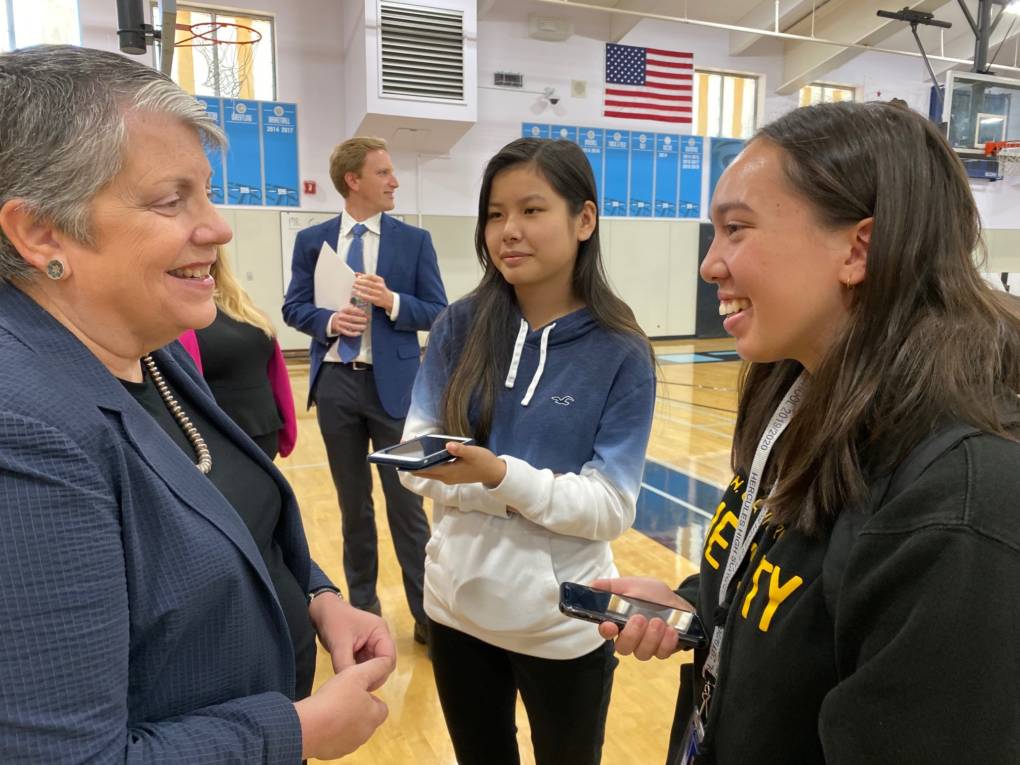
"caption": "UC President Janet Napolitano (left) told Hercules yearbook editor Alexis Nontha-Vaughan and photographer Brianna Lee their school's student body represents the future of California.",
"description": "UC President Janet Napolitano (left) told Hercules yearbook editor Alexis Nontha-Vaughan and photographer Brianna Lee their school's student body represents the future of California.",
"title": "Hercules High year book staff interview Napolitano",
"credit": "Julia McEvoy/KQED",
"status": "inherit",
"isLoading": false,
"fetchFailed": false
},
"news_11785895": {
"type": "attachments",
"id": "news_11785895",
"meta": {
"index": "attachments_1716263798",
"site": "news",
"id": "11785895",
"found": true
},
"parent": 11785839,
"imgSizes": {
"apple_news_ca_landscape_5_5": {
"file": "https://ww2.kqed.org/app/uploads/sites/10/2019/11/DACA-Protester-SCOTUS-1044x783.jpg",
"width": 1044,
"mimeType": "image/jpeg",
"height": 783
},
"apple_news_ca_square_4_0": {
"file": "https://ww2.kqed.org/app/uploads/sites/10/2019/11/DACA-Protester-SCOTUS-470x470.jpg",
"width": 470,
"mimeType": "image/jpeg",
"height": 470
},
"twentyfourteen-full-width": {
"file": "https://ww2.kqed.org/app/uploads/sites/10/2019/11/DACA-Protester-SCOTUS-1038x576.jpg",
"width": 1038,
"mimeType": "image/jpeg",
"height": 576
},
"thumbnail": {
"file": "https://ww2.kqed.org/app/uploads/sites/10/2019/11/DACA-Protester-SCOTUS-160x107.jpg",
"width": 160,
"mimeType": "image/jpeg",
"height": 107
},
"post-thumbnail": {
"file": "https://ww2.kqed.org/app/uploads/sites/10/2019/11/DACA-Protester-SCOTUS-672x372.jpg",
"width": 672,
"mimeType": "image/jpeg",
"height": 372
},
"kqedFullSize": {
"file": "https://ww2.kqed.org/app/uploads/sites/10/2019/11/DACA-Protester-SCOTUS.jpg",
"width": 1920,
"height": 1280
},
"apple_news_ca_landscape_4_7": {
"file": "https://ww2.kqed.org/app/uploads/sites/10/2019/11/DACA-Protester-SCOTUS-632x474.jpg",
"width": 632,
"mimeType": "image/jpeg",
"height": 474
},
"large": {
"file": "https://ww2.kqed.org/app/uploads/sites/10/2019/11/DACA-Protester-SCOTUS-1020x680.jpg",
"width": 1020,
"mimeType": "image/jpeg",
"height": 680
},
"complete_open_graph": {
"file": "https://ww2.kqed.org/app/uploads/sites/10/2019/11/DACA-Protester-SCOTUS-1200x800.jpg",
"width": 1200,
"mimeType": "image/jpeg",
"height": 800
},
"apple_news_ca_landscape_4_0": {
"file": "https://ww2.kqed.org/app/uploads/sites/10/2019/11/DACA-Protester-SCOTUS-536x402.jpg",
"width": 536,
"mimeType": "image/jpeg",
"height": 402
},
"apple_news_ca_portrait_12_9": {
"file": "https://ww2.kqed.org/app/uploads/sites/10/2019/11/DACA-Protester-SCOTUS-1122x1280.jpg",
"width": 1122,
"mimeType": "image/jpeg",
"height": 1280
},
"medium": {
"file": "https://ww2.kqed.org/app/uploads/sites/10/2019/11/DACA-Protester-SCOTUS-800x533.jpg",
"width": 800,
"mimeType": "image/jpeg",
"height": 533
},
"apple_news_ca_portrait_4_0": {
"file": "https://ww2.kqed.org/app/uploads/sites/10/2019/11/DACA-Protester-SCOTUS-354x472.jpg",
"width": 354,
"mimeType": "image/jpeg",
"height": 472
},
"apple_news_ca_portrait_9_7": {
"file": "https://ww2.kqed.org/app/uploads/sites/10/2019/11/DACA-Protester-SCOTUS-840x1120.jpg",
"width": 840,
"mimeType": "image/jpeg",
"height": 1120
},
"apple_news_ca_landscape_12_9": {
"file": "https://ww2.kqed.org/app/uploads/sites/10/2019/11/DACA-Protester-SCOTUS-1832x1280.jpg",
"width": 1832,
"mimeType": "image/jpeg",
"height": 1280
},
"apple_news_ca_square_9_7": {
"file": "https://ww2.kqed.org/app/uploads/sites/10/2019/11/DACA-Protester-SCOTUS-1104x1104.jpg",
"width": 1104,
"mimeType": "image/jpeg",
"height": 1104
},
"apple_news_ca_portrait_4_7": {
"file": "https://ww2.kqed.org/app/uploads/sites/10/2019/11/DACA-Protester-SCOTUS-414x552.jpg",
"width": 414,
"mimeType": "image/jpeg",
"height": 552
},
"apple_news_ca_square_12_9": {
"file": "https://ww2.kqed.org/app/uploads/sites/10/2019/11/DACA-Protester-SCOTUS-1472x1280.jpg",
"width": 1472,
"mimeType": "image/jpeg",
"height": 1280
},
"apple_news_ca_portrait_5_5": {
"file": "https://ww2.kqed.org/app/uploads/sites/10/2019/11/DACA-Protester-SCOTUS-687x916.jpg",
"width": 687,
"mimeType": "image/jpeg",
"height": 916
},
"full-width": {
"file": "https://ww2.kqed.org/app/uploads/sites/10/2019/11/DACA-Protester-SCOTUS-1920x1280.jpg",
"width": 1920,
"mimeType": "image/jpeg",
"height": 1280
},
"apple_news_ca_square_4_7": {
"file": "https://ww2.kqed.org/app/uploads/sites/10/2019/11/DACA-Protester-SCOTUS-550x550.jpg",
"width": 550,
"mimeType": "image/jpeg",
"height": 550
},
"apple_news_ca_landscape_9_7": {
"file": "https://ww2.kqed.org/app/uploads/sites/10/2019/11/DACA-Protester-SCOTUS-1376x1032.jpg",
"width": 1376,
"mimeType": "image/jpeg",
"height": 1032
},
"apple_news_ca_square_5_5": {
"file": "https://ww2.kqed.org/app/uploads/sites/10/2019/11/DACA-Protester-SCOTUS-912x912.jpg",
"width": 912,
"mimeType": "image/jpeg",
"height": 912
}
},
"publishDate": 1573255587,
"modified": 1573260411,
"caption": "DACA student Anahi Figueroa Flores, who attends Georgetown University, speaks during a rally defending Deferred Action for Childhood Arrivals (DACA) in front of the U.S. Supreme Court after they walked out from area high schools and universities on Nov. 8, 2019, in Washington, D.C. The Supreme Court will hear oral arguments on President Trump’s decision to end the DACA program on Tuesday.",
"description": "DACA student Anahi Figueroa Flores, who attends Georgetown University, speaks during a rally defending Deferred Action for Childhood Arrivals (DACA) in front of the U.S. Supreme Court after they walked out from area high schools and universities on Nov. 8, 2019 in Washington, DC. The Supreme Court will hear oral arguments on President Trump’s decision to end the DACA program on Tuesday.",
"title": "DACA-Protester-SCOTUS",
"credit": "Alex Wong/Getty Images",
"status": "inherit",
"isLoading": false,
"fetchFailed": false
},
"news_11785733": {
"type": "attachments",
"id": "news_11785733",
"meta": {
"index": "attachments_1716263798",
"site": "news",
"id": "11785733",
"found": true
},
"parent": 11785409,
"imgSizes": {
"apple_news_ca_landscape_5_5": {
"file": "https://ww2.kqed.org/app/uploads/sites/10/2019/11/border-patrol-1920-1044x783.jpg",
"width": 1044,
"mimeType": "image/jpeg",
"height": 783
},
"apple_news_ca_square_4_0": {
"file": "https://ww2.kqed.org/app/uploads/sites/10/2019/11/border-patrol-1920-470x470.jpg",
"width": 470,
"mimeType": "image/jpeg",
"height": 470
},
"twentyfourteen-full-width": {
"file": "https://ww2.kqed.org/app/uploads/sites/10/2019/11/border-patrol-1920-1038x576.jpg",
"width": 1038,
"mimeType": "image/jpeg",
"height": 576
},
"thumbnail": {
"file": "https://ww2.kqed.org/app/uploads/sites/10/2019/11/border-patrol-1920-160x100.jpg",
"width": 160,
"mimeType": "image/jpeg",
"height": 100
},
"post-thumbnail": {
"file": "https://ww2.kqed.org/app/uploads/sites/10/2019/11/border-patrol-1920-672x372.jpg",
"width": 672,
"mimeType": "image/jpeg",
"height": 372
},
"kqedFullSize": {
"file": "https://ww2.kqed.org/app/uploads/sites/10/2019/11/border-patrol-1920.jpg",
"width": 1920,
"height": 1195
},
"apple_news_ca_landscape_4_7": {
"file": "https://ww2.kqed.org/app/uploads/sites/10/2019/11/border-patrol-1920-632x474.jpg",
"width": 632,
"mimeType": "image/jpeg",
"height": 474
},
"large": {
"file": "https://ww2.kqed.org/app/uploads/sites/10/2019/11/border-patrol-1920-1020x635.jpg",
"width": 1020,
"mimeType": "image/jpeg",
"height": 635
},
"complete_open_graph": {
"file": "https://ww2.kqed.org/app/uploads/sites/10/2019/11/border-patrol-1920-1200x747.jpg",
"width": 1200,
"mimeType": "image/jpeg",
"height": 747
},
"apple_news_ca_landscape_4_0": {
"file": "https://ww2.kqed.org/app/uploads/sites/10/2019/11/border-patrol-1920-536x402.jpg",
"width": 536,
"mimeType": "image/jpeg",
"height": 402
},
"apple_news_ca_portrait_12_9": {
"file": "https://ww2.kqed.org/app/uploads/sites/10/2019/11/border-patrol-1920-1122x1195.jpg",
"width": 1122,
"mimeType": "image/jpeg",
"height": 1195
},
"medium": {
"file": "https://ww2.kqed.org/app/uploads/sites/10/2019/11/border-patrol-1920-800x498.jpg",
"width": 800,
"mimeType": "image/jpeg",
"height": 498
},
"apple_news_ca_portrait_4_0": {
"file": "https://ww2.kqed.org/app/uploads/sites/10/2019/11/border-patrol-1920-354x472.jpg",
"width": 354,
"mimeType": "image/jpeg",
"height": 472
},
"apple_news_ca_portrait_9_7": {
"file": "https://ww2.kqed.org/app/uploads/sites/10/2019/11/border-patrol-1920-840x1120.jpg",
"width": 840,
"mimeType": "image/jpeg",
"height": 1120
},
"apple_news_ca_landscape_12_9": {
"file": "https://ww2.kqed.org/app/uploads/sites/10/2019/11/border-patrol-1920-1832x1195.jpg",
"width": 1832,
"mimeType": "image/jpeg",
"height": 1195
},
"apple_news_ca_square_9_7": {
"file": "https://ww2.kqed.org/app/uploads/sites/10/2019/11/border-patrol-1920-1104x1104.jpg",
"width": 1104,
"mimeType": "image/jpeg",
"height": 1104
},
"apple_news_ca_portrait_4_7": {
"file": "https://ww2.kqed.org/app/uploads/sites/10/2019/11/border-patrol-1920-414x552.jpg",
"width": 414,
"mimeType": "image/jpeg",
"height": 552
},
"apple_news_ca_square_12_9": {
"file": "https://ww2.kqed.org/app/uploads/sites/10/2019/11/border-patrol-1920-1472x1195.jpg",
"width": 1472,
"mimeType": "image/jpeg",
"height": 1195
},
"apple_news_ca_portrait_5_5": {
"file": "https://ww2.kqed.org/app/uploads/sites/10/2019/11/border-patrol-1920-687x916.jpg",
"width": 687,
"mimeType": "image/jpeg",
"height": 916
},
"full-width": {
"file": "https://ww2.kqed.org/app/uploads/sites/10/2019/11/border-patrol-1920-1920x1195.jpg",
"width": 1920,
"mimeType": "image/jpeg",
"height": 1195
},
"apple_news_ca_square_4_7": {
"file": "https://ww2.kqed.org/app/uploads/sites/10/2019/11/border-patrol-1920-550x550.jpg",
"width": 550,
"mimeType": "image/jpeg",
"height": 550
},
"apple_news_ca_landscape_9_7": {
"file": "https://ww2.kqed.org/app/uploads/sites/10/2019/11/border-patrol-1920-1376x1032.jpg",
"width": 1376,
"mimeType": "image/jpeg",
"height": 1032
},
"apple_news_ca_square_5_5": {
"file": "https://ww2.kqed.org/app/uploads/sites/10/2019/11/border-patrol-1920-912x912.jpg",
"width": 912,
"mimeType": "image/jpeg",
"height": 912
}
},
"publishDate": 1573229293,
"modified": 1573229357,
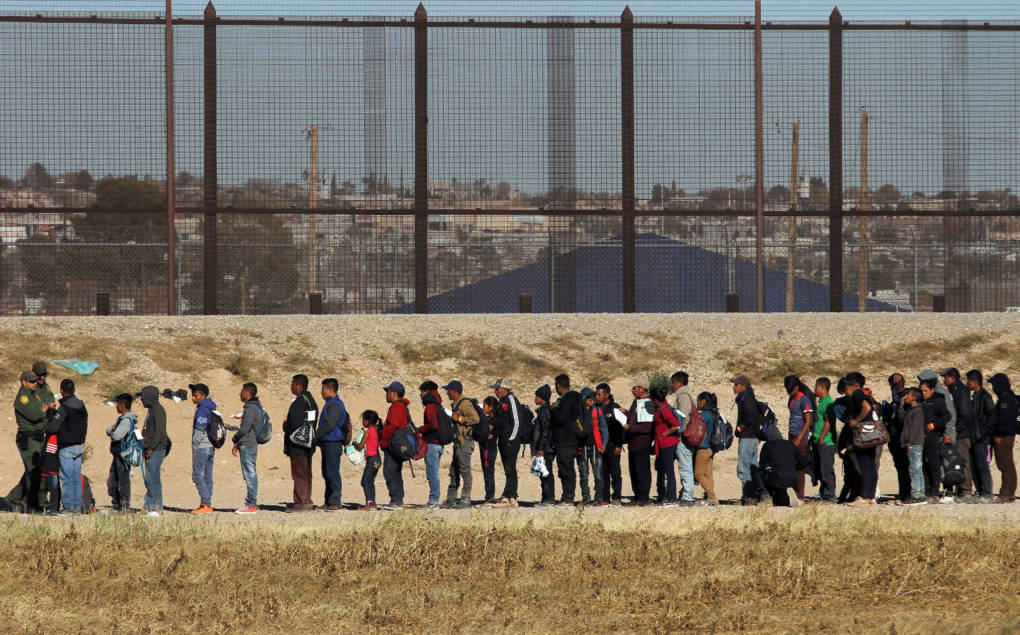
"caption": "Nearly 150 Central American migrants seeking political asylum in the United States are detained by the Border Patrol, after entering the U.S. through the Rio Grande, along the border with Ciudad Juarez, Chihuahua state, Mexico, on Dec. 3, 2018. ",
"description": null,
"title": "border-patrol-1920",
"credit": "Herika Martinez/AFP via Getty Images",
"status": "inherit",
"isLoading": false,
"fetchFailed": false
},
"news_11780600": {
"type": "attachments",
"id": "news_11780600",
"meta": {
"index": "attachments_1716263798",
"site": "news",
"id": "11780600",
"found": true
},
"parent": 11780566,
"imgSizes": {
"apple_news_ca_landscape_5_5": {
"file": "https://ww2.kqed.org/app/uploads/sites/10/2019/10/New-Immigrant-Still-Henry-Sales-1044x783.jpg",
"width": 1044,
"mimeType": "image/jpeg",
"height": 783
},
"apple_news_ca_square_4_0": {
"file": "https://ww2.kqed.org/app/uploads/sites/10/2019/10/New-Immigrant-Still-Henry-Sales-470x470.jpg",
"width": 470,
"mimeType": "image/jpeg",
"height": 470
},
"twentyfourteen-full-width": {
"file": "https://ww2.kqed.org/app/uploads/sites/10/2019/10/New-Immigrant-Still-Henry-Sales-1038x576.jpg",
"width": 1038,
"mimeType": "image/jpeg",
"height": 576
},
"thumbnail": {
"file": "https://ww2.kqed.org/app/uploads/sites/10/2019/10/New-Immigrant-Still-Henry-Sales-160x90.jpg",
"width": 160,
"mimeType": "image/jpeg",
"height": 90
},
"post-thumbnail": {
"file": "https://ww2.kqed.org/app/uploads/sites/10/2019/10/New-Immigrant-Still-Henry-Sales-672x372.jpg",
"width": 672,
"mimeType": "image/jpeg",
"height": 372
},
"kqedFullSize": {
"file": "https://ww2.kqed.org/app/uploads/sites/10/2019/10/New-Immigrant-Still-Henry-Sales.jpg",
"width": 1920,
"height": 1080
},
"apple_news_ca_landscape_4_7": {
"file": "https://ww2.kqed.org/app/uploads/sites/10/2019/10/New-Immigrant-Still-Henry-Sales-632x474.jpg",
"width": 632,
"mimeType": "image/jpeg",
"height": 474
},
"large": {
"file": "https://ww2.kqed.org/app/uploads/sites/10/2019/10/New-Immigrant-Still-Henry-Sales-1020x574.jpg",
"width": 1020,
"mimeType": "image/jpeg",
"height": 574
},
"complete_open_graph": {
"file": "https://ww2.kqed.org/app/uploads/sites/10/2019/10/New-Immigrant-Still-Henry-Sales-1200x675.jpg",
"width": 1200,
"mimeType": "image/jpeg",
"height": 675
},
"apple_news_ca_landscape_4_0": {
"file": "https://ww2.kqed.org/app/uploads/sites/10/2019/10/New-Immigrant-Still-Henry-Sales-536x402.jpg",
"width": 536,
"mimeType": "image/jpeg",
"height": 402
},
"apple_news_ca_portrait_12_9": {
"file": "https://ww2.kqed.org/app/uploads/sites/10/2019/10/New-Immigrant-Still-Henry-Sales-1122x1080.jpg",
"width": 1122,
"mimeType": "image/jpeg",
"height": 1080
},
"medium": {
"file": "https://ww2.kqed.org/app/uploads/sites/10/2019/10/New-Immigrant-Still-Henry-Sales-800x450.jpg",
"width": 800,
"mimeType": "image/jpeg",
"height": 450
},
"apple_news_ca_portrait_4_0": {
"file": "https://ww2.kqed.org/app/uploads/sites/10/2019/10/New-Immigrant-Still-Henry-Sales-354x472.jpg",
"width": 354,
"mimeType": "image/jpeg",
"height": 472
},
"apple_news_ca_portrait_9_7": {
"file": "https://ww2.kqed.org/app/uploads/sites/10/2019/10/New-Immigrant-Still-Henry-Sales-840x1080.jpg",
"width": 840,
"mimeType": "image/jpeg",
"height": 1080
},
"apple_news_ca_landscape_12_9": {
"file": "https://ww2.kqed.org/app/uploads/sites/10/2019/10/New-Immigrant-Still-Henry-Sales-1832x1080.jpg",
"width": 1832,
"mimeType": "image/jpeg",
"height": 1080
},
"apple_news_ca_square_9_7": {
"file": "https://ww2.kqed.org/app/uploads/sites/10/2019/10/New-Immigrant-Still-Henry-Sales-1104x1080.jpg",
"width": 1104,
"mimeType": "image/jpeg",
"height": 1080
},
"apple_news_ca_portrait_4_7": {
"file": "https://ww2.kqed.org/app/uploads/sites/10/2019/10/New-Immigrant-Still-Henry-Sales-414x552.jpg",
"width": 414,
"mimeType": "image/jpeg",
"height": 552
},
"apple_news_ca_square_12_9": {
"file": "https://ww2.kqed.org/app/uploads/sites/10/2019/10/New-Immigrant-Still-Henry-Sales-1472x1080.jpg",
"width": 1472,
"mimeType": "image/jpeg",
"height": 1080
},
"apple_news_ca_portrait_5_5": {
"file": "https://ww2.kqed.org/app/uploads/sites/10/2019/10/New-Immigrant-Still-Henry-Sales-687x916.jpg",
"width": 687,
"mimeType": "image/jpeg",
"height": 916
},
"full-width": {
"file": "https://ww2.kqed.org/app/uploads/sites/10/2019/10/New-Immigrant-Still-Henry-Sales-1920x1080.jpg",
"width": 1920,
"mimeType": "image/jpeg",
"height": 1080
},
"apple_news_ca_square_4_7": {
"file": "https://ww2.kqed.org/app/uploads/sites/10/2019/10/New-Immigrant-Still-Henry-Sales-550x550.jpg",
"width": 550,
"mimeType": "image/jpeg",
"height": 550
},
"apple_news_ca_landscape_9_7": {
"file": "https://ww2.kqed.org/app/uploads/sites/10/2019/10/New-Immigrant-Still-Henry-Sales-1376x1032.jpg",
"width": 1376,
"mimeType": "image/jpeg",
"height": 1032
},
"apple_news_ca_square_5_5": {
"file": "https://ww2.kqed.org/app/uploads/sites/10/2019/10/New-Immigrant-Still-Henry-Sales-912x912.jpg",
"width": 912,
"mimeType": "image/jpeg",
"height": 912
}
},
"publishDate": 1571271321,
"modified": 1571271410,
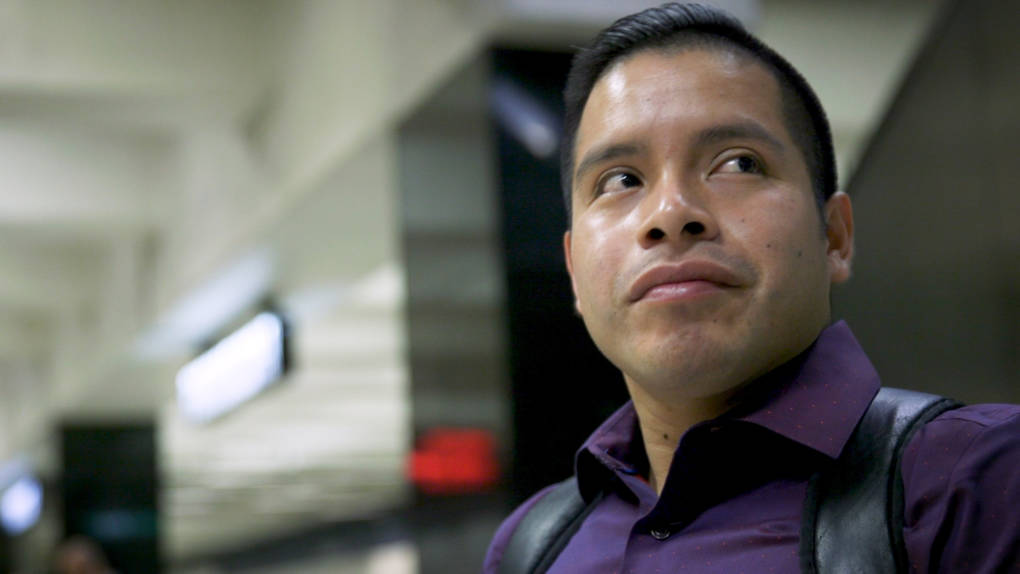
"caption": "Henry Sales immigrated from Guatemala to California in 2011 and now travels the country as a court interpreter in immigration hearings.",
"description": "Henry Sales immigrated from Guatemala to California in 2011 and now travels the country as a court interpreter in immigration hearings.",
"title": "Henry-Sales-New-Californians-CA-Dream",
"credit": "Adam Grossberg/KQED",
"status": "inherit",
"isLoading": false,
"fetchFailed": false
},
"news_11781816": {
"type": "attachments",
"id": "news_11781816",
"meta": {
"index": "attachments_1716263798",
"site": "news",
"id": "11781816",
"found": true
},
"parent": 11781775,
"imgSizes": {
"apple_news_ca_landscape_5_5": {
"file": "https://ww2.kqed.org/app/uploads/sites/10/2019/10/01.-MOONFACE-Podcast-Artwork-1044x783.jpg",
"width": 1044,
"mimeType": "image/jpeg",
"height": 783
},
"apple_news_ca_square_4_0": {
"file": "https://ww2.kqed.org/app/uploads/sites/10/2019/10/01.-MOONFACE-Podcast-Artwork-470x470.jpg",
"width": 470,
"mimeType": "image/jpeg",
"height": 470
},
"twentyfourteen-full-width": {
"file": "https://ww2.kqed.org/app/uploads/sites/10/2019/10/01.-MOONFACE-Podcast-Artwork-1038x576.jpg",
"width": 1038,
"mimeType": "image/jpeg",
"height": 576
},
"thumbnail": {
"file": "https://ww2.kqed.org/app/uploads/sites/10/2019/10/01.-MOONFACE-Podcast-Artwork-160x160.jpg",
"width": 160,
"mimeType": "image/jpeg",
"height": 160
},
"post-thumbnail": {
"file": "https://ww2.kqed.org/app/uploads/sites/10/2019/10/01.-MOONFACE-Podcast-Artwork-672x372.jpg",
"width": 672,
"mimeType": "image/jpeg",
"height": 372
},
"kqedFullSize": {
"file": "https://ww2.kqed.org/app/uploads/sites/10/2019/10/01.-MOONFACE-Podcast-Artwork.jpg",
"width": 3000,
"height": 3000
},
"apple_news_ca_landscape_4_7": {
"file": "https://ww2.kqed.org/app/uploads/sites/10/2019/10/01.-MOONFACE-Podcast-Artwork-632x474.jpg",
"width": 632,
"mimeType": "image/jpeg",
"height": 474
},
"large": {
"file": "https://ww2.kqed.org/app/uploads/sites/10/2019/10/01.-MOONFACE-Podcast-Artwork-1020x1020.jpg",
"width": 1020,
"mimeType": "image/jpeg",
"height": 1020
},
"complete_open_graph": {
"file": "https://ww2.kqed.org/app/uploads/sites/10/2019/10/01.-MOONFACE-Podcast-Artwork-1200x1200.jpg",
"width": 1200,
"mimeType": "image/jpeg",
"height": 1200
},
"apple_news_ca_landscape_4_0": {
"file": "https://ww2.kqed.org/app/uploads/sites/10/2019/10/01.-MOONFACE-Podcast-Artwork-536x402.jpg",
"width": 536,
"mimeType": "image/jpeg",
"height": 402
},
"apple_news_ca_portrait_12_9": {
"file": "https://ww2.kqed.org/app/uploads/sites/10/2019/10/01.-MOONFACE-Podcast-Artwork-1122x1496.jpg",
"width": 1122,
"mimeType": "image/jpeg",
"height": 1496
},
"medium": {
"file": "https://ww2.kqed.org/app/uploads/sites/10/2019/10/01.-MOONFACE-Podcast-Artwork-800x800.jpg",
"width": 800,
"mimeType": "image/jpeg",
"height": 800
},
"apple_news_ca_portrait_4_0": {
"file": "https://ww2.kqed.org/app/uploads/sites/10/2019/10/01.-MOONFACE-Podcast-Artwork-354x472.jpg",
"width": 354,
"mimeType": "image/jpeg",
"height": 472
},
"apple_news_ca_portrait_9_7": {
"file": "https://ww2.kqed.org/app/uploads/sites/10/2019/10/01.-MOONFACE-Podcast-Artwork-840x1120.jpg",
"width": 840,
"mimeType": "image/jpeg",
"height": 1120
},
"apple_news_ca_landscape_12_9": {
"file": "https://ww2.kqed.org/app/uploads/sites/10/2019/10/01.-MOONFACE-Podcast-Artwork-1832x1374.jpg",
"width": 1832,
"mimeType": "image/jpeg",
"height": 1374
},
"apple_news_ca_square_9_7": {
"file": "https://ww2.kqed.org/app/uploads/sites/10/2019/10/01.-MOONFACE-Podcast-Artwork-1104x1104.jpg",
"width": 1104,
"mimeType": "image/jpeg",
"height": 1104
},
"apple_news_ca_portrait_4_7": {
"file": "https://ww2.kqed.org/app/uploads/sites/10/2019/10/01.-MOONFACE-Podcast-Artwork-414x552.jpg",
"width": 414,
"mimeType": "image/jpeg",
"height": 552
},
"apple_news_ca_square_12_9": {
"file": "https://ww2.kqed.org/app/uploads/sites/10/2019/10/01.-MOONFACE-Podcast-Artwork-1472x1472.jpg",
"width": 1472,
"mimeType": "image/jpeg",
"height": 1472
},
"apple_news_ca_portrait_5_5": {
"file": "https://ww2.kqed.org/app/uploads/sites/10/2019/10/01.-MOONFACE-Podcast-Artwork-687x916.jpg",
"width": 687,
"mimeType": "image/jpeg",
"height": 916
},
"full-width": {
"file": "https://ww2.kqed.org/app/uploads/sites/10/2019/10/01.-MOONFACE-Podcast-Artwork-1920x1920.jpg",
"width": 1920,
"mimeType": "image/jpeg",
"height": 1920
},
"apple_news_ca_square_4_7": {
"file": "https://ww2.kqed.org/app/uploads/sites/10/2019/10/01.-MOONFACE-Podcast-Artwork-550x550.jpg",
"width": 550,
"mimeType": "image/jpeg",
"height": 550
},
"apple_news_ca_landscape_9_7": {
"file": "https://ww2.kqed.org/app/uploads/sites/10/2019/10/01.-MOONFACE-Podcast-Artwork-1376x1032.jpg",
"width": 1376,
"mimeType": "image/jpeg",
"height": 1032
},
"apple_news_ca_square_5_5": {
"file": "https://ww2.kqed.org/app/uploads/sites/10/2019/10/01.-MOONFACE-Podcast-Artwork-912x912.jpg",
"width": 912,
"mimeType": "image/jpeg",
"height": 912
}
},
"publishDate": 1571781653,
"modified": 1571781653,
"caption": null,
"description": null,
"title": "01. MOONFACE Podcast Artwork",
"credit": null,
"status": "inherit",
"isLoading": false,
"fetchFailed": false
},
"news_11782932": {
"type": "attachments",
"id": "news_11782932",
"meta": {
"index": "attachments_1716263798",
"site": "news",
"id": "11782932",
"found": true
},
"parent": 11782917,
"imgSizes": {
"apple_news_ca_landscape_5_5": {
"file": "https://ww2.kqed.org/app/uploads/sites/10/2019/10/RS30419_IMG_1464-Mirabel-Bermudez-44-and-Jacqueline-Castillo-32-work-on-a-worksheet-during-a-citizenship-class-at-Fair-Oaks-Community-Center-in-Redwood-City-Calif-on-March-22-2018-qut-1044x783.jpg",
"width": 1044,
"mimeType": "image/jpeg",
"height": 783
},
"apple_news_ca_square_4_0": {
"file": "https://ww2.kqed.org/app/uploads/sites/10/2019/10/RS30419_IMG_1464-Mirabel-Bermudez-44-and-Jacqueline-Castillo-32-work-on-a-worksheet-during-a-citizenship-class-at-Fair-Oaks-Community-Center-in-Redwood-City-Calif-on-March-22-2018-qut-470x470.jpg",
"width": 470,
"mimeType": "image/jpeg",
"height": 470
},
"twentyfourteen-full-width": {
"file": "https://ww2.kqed.org/app/uploads/sites/10/2019/10/RS30419_IMG_1464-Mirabel-Bermudez-44-and-Jacqueline-Castillo-32-work-on-a-worksheet-during-a-citizenship-class-at-Fair-Oaks-Community-Center-in-Redwood-City-Calif-on-March-22-2018-qut-1038x576.jpg",
"width": 1038,
"mimeType": "image/jpeg",
"height": 576
},
"thumbnail": {
"file": "https://ww2.kqed.org/app/uploads/sites/10/2019/10/RS30419_IMG_1464-Mirabel-Bermudez-44-and-Jacqueline-Castillo-32-work-on-a-worksheet-during-a-citizenship-class-at-Fair-Oaks-Community-Center-in-Redwood-City-Calif-on-March-22-2018-qut-160x107.jpg",
"width": 160,
"mimeType": "image/jpeg",
"height": 107
},
"post-thumbnail": {
"file": "https://ww2.kqed.org/app/uploads/sites/10/2019/10/RS30419_IMG_1464-Mirabel-Bermudez-44-and-Jacqueline-Castillo-32-work-on-a-worksheet-during-a-citizenship-class-at-Fair-Oaks-Community-Center-in-Redwood-City-Calif-on-March-22-2018-qut-672x372.jpg",
"width": 672,
"mimeType": "image/jpeg",
"height": 372
},
"kqedFullSize": {
"file": "https://ww2.kqed.org/app/uploads/sites/10/2019/10/RS30419_IMG_1464-Mirabel-Bermudez-44-and-Jacqueline-Castillo-32-work-on-a-worksheet-during-a-citizenship-class-at-Fair-Oaks-Community-Center-in-Redwood-City-Calif-on-March-22-2018-qut.jpg",
"width": 1920,
"height": 1280
},
"apple_news_ca_landscape_4_7": {
"file": "https://ww2.kqed.org/app/uploads/sites/10/2019/10/RS30419_IMG_1464-Mirabel-Bermudez-44-and-Jacqueline-Castillo-32-work-on-a-worksheet-during-a-citizenship-class-at-Fair-Oaks-Community-Center-in-Redwood-City-Calif-on-March-22-2018-qut-632x474.jpg",
"width": 632,
"mimeType": "image/jpeg",
"height": 474
},
"large": {
"file": "https://ww2.kqed.org/app/uploads/sites/10/2019/10/RS30419_IMG_1464-Mirabel-Bermudez-44-and-Jacqueline-Castillo-32-work-on-a-worksheet-during-a-citizenship-class-at-Fair-Oaks-Community-Center-in-Redwood-City-Calif-on-March-22-2018-qut-1020x680.jpg",
"width": 1020,
"mimeType": "image/jpeg",
"height": 680
},
"complete_open_graph": {
"file": "https://ww2.kqed.org/app/uploads/sites/10/2019/10/RS30419_IMG_1464-Mirabel-Bermudez-44-and-Jacqueline-Castillo-32-work-on-a-worksheet-during-a-citizenship-class-at-Fair-Oaks-Community-Center-in-Redwood-City-Calif-on-March-22-2018-qut-1200x800.jpg",
"width": 1200,
"mimeType": "image/jpeg",
"height": 800
},
"apple_news_ca_landscape_4_0": {
"file": "https://ww2.kqed.org/app/uploads/sites/10/2019/10/RS30419_IMG_1464-Mirabel-Bermudez-44-and-Jacqueline-Castillo-32-work-on-a-worksheet-during-a-citizenship-class-at-Fair-Oaks-Community-Center-in-Redwood-City-Calif-on-March-22-2018-qut-536x402.jpg",
"width": 536,
"mimeType": "image/jpeg",
"height": 402
},
"apple_news_ca_portrait_12_9": {
"file": "https://ww2.kqed.org/app/uploads/sites/10/2019/10/RS30419_IMG_1464-Mirabel-Bermudez-44-and-Jacqueline-Castillo-32-work-on-a-worksheet-during-a-citizenship-class-at-Fair-Oaks-Community-Center-in-Redwood-City-Calif-on-March-22-2018-qut-1122x1280.jpg",
"width": 1122,
"mimeType": "image/jpeg",
"height": 1280
},
"medium": {
"file": "https://ww2.kqed.org/app/uploads/sites/10/2019/10/RS30419_IMG_1464-Mirabel-Bermudez-44-and-Jacqueline-Castillo-32-work-on-a-worksheet-during-a-citizenship-class-at-Fair-Oaks-Community-Center-in-Redwood-City-Calif-on-March-22-2018-qut-800x533.jpg",
"width": 800,
"mimeType": "image/jpeg",
"height": 533
},
"apple_news_ca_portrait_4_0": {
"file": "https://ww2.kqed.org/app/uploads/sites/10/2019/10/RS30419_IMG_1464-Mirabel-Bermudez-44-and-Jacqueline-Castillo-32-work-on-a-worksheet-during-a-citizenship-class-at-Fair-Oaks-Community-Center-in-Redwood-City-Calif-on-March-22-2018-qut-354x472.jpg",
"width": 354,
"mimeType": "image/jpeg",
"height": 472
},
"apple_news_ca_portrait_9_7": {
"file": "https://ww2.kqed.org/app/uploads/sites/10/2019/10/RS30419_IMG_1464-Mirabel-Bermudez-44-and-Jacqueline-Castillo-32-work-on-a-worksheet-during-a-citizenship-class-at-Fair-Oaks-Community-Center-in-Redwood-City-Calif-on-March-22-2018-qut-840x1120.jpg",
"width": 840,
"mimeType": "image/jpeg",
"height": 1120
},
"apple_news_ca_landscape_12_9": {
"file": "https://ww2.kqed.org/app/uploads/sites/10/2019/10/RS30419_IMG_1464-Mirabel-Bermudez-44-and-Jacqueline-Castillo-32-work-on-a-worksheet-during-a-citizenship-class-at-Fair-Oaks-Community-Center-in-Redwood-City-Calif-on-March-22-2018-qut-1832x1280.jpg",
"width": 1832,
"mimeType": "image/jpeg",
"height": 1280
},
"apple_news_ca_square_9_7": {
"file": "https://ww2.kqed.org/app/uploads/sites/10/2019/10/RS30419_IMG_1464-Mirabel-Bermudez-44-and-Jacqueline-Castillo-32-work-on-a-worksheet-during-a-citizenship-class-at-Fair-Oaks-Community-Center-in-Redwood-City-Calif-on-March-22-2018-qut-1104x1104.jpg",
"width": 1104,
"mimeType": "image/jpeg",
"height": 1104
},
"apple_news_ca_portrait_4_7": {
"file": "https://ww2.kqed.org/app/uploads/sites/10/2019/10/RS30419_IMG_1464-Mirabel-Bermudez-44-and-Jacqueline-Castillo-32-work-on-a-worksheet-during-a-citizenship-class-at-Fair-Oaks-Community-Center-in-Redwood-City-Calif-on-March-22-2018-qut-414x552.jpg",
"width": 414,
"mimeType": "image/jpeg",
"height": 552
},
"apple_news_ca_square_12_9": {
"file": "https://ww2.kqed.org/app/uploads/sites/10/2019/10/RS30419_IMG_1464-Mirabel-Bermudez-44-and-Jacqueline-Castillo-32-work-on-a-worksheet-during-a-citizenship-class-at-Fair-Oaks-Community-Center-in-Redwood-City-Calif-on-March-22-2018-qut-1472x1280.jpg",
"width": 1472,
"mimeType": "image/jpeg",
"height": 1280
},
"apple_news_ca_portrait_5_5": {
"file": "https://ww2.kqed.org/app/uploads/sites/10/2019/10/RS30419_IMG_1464-Mirabel-Bermudez-44-and-Jacqueline-Castillo-32-work-on-a-worksheet-during-a-citizenship-class-at-Fair-Oaks-Community-Center-in-Redwood-City-Calif-on-March-22-2018-qut-687x916.jpg",
"width": 687,
"mimeType": "image/jpeg",
"height": 916
},
"full-width": {
"file": "https://ww2.kqed.org/app/uploads/sites/10/2019/10/RS30419_IMG_1464-Mirabel-Bermudez-44-and-Jacqueline-Castillo-32-work-on-a-worksheet-during-a-citizenship-class-at-Fair-Oaks-Community-Center-in-Redwood-City-Calif-on-March-22-2018-qut-1920x1280.jpg",
"width": 1920,
"mimeType": "image/jpeg",
"height": 1280
},
"apple_news_ca_square_4_7": {
"file": "https://ww2.kqed.org/app/uploads/sites/10/2019/10/RS30419_IMG_1464-Mirabel-Bermudez-44-and-Jacqueline-Castillo-32-work-on-a-worksheet-during-a-citizenship-class-at-Fair-Oaks-Community-Center-in-Redwood-City-Calif-on-March-22-2018-qut-550x550.jpg",
"width": 550,
"mimeType": "image/jpeg",
"height": 550
},
"apple_news_ca_landscape_9_7": {
"file": "https://ww2.kqed.org/app/uploads/sites/10/2019/10/RS30419_IMG_1464-Mirabel-Bermudez-44-and-Jacqueline-Castillo-32-work-on-a-worksheet-during-a-citizenship-class-at-Fair-Oaks-Community-Center-in-Redwood-City-Calif-on-March-22-2018-qut-1376x1032.jpg",
"width": 1376,
"mimeType": "image/jpeg",
"height": 1032
},
"apple_news_ca_square_5_5": {
"file": "https://ww2.kqed.org/app/uploads/sites/10/2019/10/RS30419_IMG_1464-Mirabel-Bermudez-44-and-Jacqueline-Castillo-32-work-on-a-worksheet-during-a-citizenship-class-at-Fair-Oaks-Community-Center-in-Redwood-City-Calif-on-March-22-2018-qut-912x912.jpg",
"width": 912,
"mimeType": "image/jpeg",
"height": 912
}
},
"publishDate": 1572042292,
"modified": 1572042412,
"caption": "Mirabel Bermudez, 44 and Jacqueline Castillo, 32 study for a citizenship test at the Fair Oaks Community Center in Redwood City, Calif on March 22, 2018.",
"description": null,
"title": "RS30419_IMG_1464 Mirabel Bermudez, 44 and Jacqueline Castillo, 32 work on a worksheet during a citizenship class at Fair Oaks Community Center in Redwood City, Calif on March 22, 2018-qut",
"credit": "Farida Jhabvala Romero/KQED",
"status": "inherit",
"isLoading": false,
"fetchFailed": false
},
"news_11782412": {
"type": "attachments",
"id": "news_11782412",
"meta": {
"index": "attachments_1716263798",
"site": "news",
"id": "11782412",
"found": true
},
"parent": 11782393,
"imgSizes": {
"apple_news_ca_landscape_5_5": {
"file": "https://ww2.kqed.org/app/uploads/sites/10/2019/10/RS39716_Nest_012-qut-1044x783.jpg",
"width": 1044,
"mimeType": "image/jpeg",
"height": 783
},
"apple_news_ca_square_4_0": {
"file": "https://ww2.kqed.org/app/uploads/sites/10/2019/10/RS39716_Nest_012-qut-470x470.jpg",
"width": 470,
"mimeType": "image/jpeg",
"height": 470
},
"twentyfourteen-full-width": {
"file": "https://ww2.kqed.org/app/uploads/sites/10/2019/10/RS39716_Nest_012-qut-1038x576.jpg",
"width": 1038,
"mimeType": "image/jpeg",
"height": 576
},
"thumbnail": {
"file": "https://ww2.kqed.org/app/uploads/sites/10/2019/10/RS39716_Nest_012-qut-160x107.jpg",
"width": 160,
"mimeType": "image/jpeg",
"height": 107
},
"post-thumbnail": {
"file": "https://ww2.kqed.org/app/uploads/sites/10/2019/10/RS39716_Nest_012-qut-672x372.jpg",
"width": 672,
"mimeType": "image/jpeg",
"height": 372
},
"kqedFullSize": {
"file": "https://ww2.kqed.org/app/uploads/sites/10/2019/10/RS39716_Nest_012-qut.jpg",
"width": 1920,
"height": 1280
},
"apple_news_ca_landscape_4_7": {
"file": "https://ww2.kqed.org/app/uploads/sites/10/2019/10/RS39716_Nest_012-qut-632x474.jpg",
"width": 632,
"mimeType": "image/jpeg",
"height": 474
},
"large": {
"file": "https://ww2.kqed.org/app/uploads/sites/10/2019/10/RS39716_Nest_012-qut-1020x680.jpg",
"width": 1020,
"mimeType": "image/jpeg",
"height": 680
},
"complete_open_graph": {
"file": "https://ww2.kqed.org/app/uploads/sites/10/2019/10/RS39716_Nest_012-qut-1200x800.jpg",
"width": 1200,
"mimeType": "image/jpeg",
"height": 800
},
"apple_news_ca_landscape_4_0": {
"file": "https://ww2.kqed.org/app/uploads/sites/10/2019/10/RS39716_Nest_012-qut-536x402.jpg",
"width": 536,
"mimeType": "image/jpeg",
"height": 402
},
"apple_news_ca_portrait_12_9": {
"file": "https://ww2.kqed.org/app/uploads/sites/10/2019/10/RS39716_Nest_012-qut-1122x1280.jpg",
"width": 1122,
"mimeType": "image/jpeg",
"height": 1280
},
"medium": {
"file": "https://ww2.kqed.org/app/uploads/sites/10/2019/10/RS39716_Nest_012-qut-800x533.jpg",
"width": 800,
"mimeType": "image/jpeg",
"height": 533
},
"apple_news_ca_portrait_4_0": {
"file": "https://ww2.kqed.org/app/uploads/sites/10/2019/10/RS39716_Nest_012-qut-354x472.jpg",
"width": 354,
"mimeType": "image/jpeg",
"height": 472
},
"apple_news_ca_portrait_9_7": {
"file": "https://ww2.kqed.org/app/uploads/sites/10/2019/10/RS39716_Nest_012-qut-840x1120.jpg",
"width": 840,
"mimeType": "image/jpeg",
"height": 1120
},
"apple_news_ca_landscape_12_9": {
"file": "https://ww2.kqed.org/app/uploads/sites/10/2019/10/RS39716_Nest_012-qut-1832x1280.jpg",
"width": 1832,
"mimeType": "image/jpeg",
"height": 1280
},
"apple_news_ca_square_9_7": {
"file": "https://ww2.kqed.org/app/uploads/sites/10/2019/10/RS39716_Nest_012-qut-1104x1104.jpg",
"width": 1104,
"mimeType": "image/jpeg",
"height": 1104
},
"apple_news_ca_portrait_4_7": {
"file": "https://ww2.kqed.org/app/uploads/sites/10/2019/10/RS39716_Nest_012-qut-414x552.jpg",
"width": 414,
"mimeType": "image/jpeg",
"height": 552
},
"apple_news_ca_square_12_9": {
"file": "https://ww2.kqed.org/app/uploads/sites/10/2019/10/RS39716_Nest_012-qut-1472x1280.jpg",
"width": 1472,
"mimeType": "image/jpeg",
"height": 1280
},
"apple_news_ca_portrait_5_5": {
"file": "https://ww2.kqed.org/app/uploads/sites/10/2019/10/RS39716_Nest_012-qut-687x916.jpg",
"width": 687,
"mimeType": "image/jpeg",
"height": 916
},
"full-width": {
"file": "https://ww2.kqed.org/app/uploads/sites/10/2019/10/RS39716_Nest_012-qut-1920x1280.jpg",
"width": 1920,
"mimeType": "image/jpeg",
"height": 1280
},
"apple_news_ca_square_4_7": {
"file": "https://ww2.kqed.org/app/uploads/sites/10/2019/10/RS39716_Nest_012-qut-550x550.jpg",
"width": 550,
"mimeType": "image/jpeg",
"height": 550
},
"apple_news_ca_landscape_9_7": {
"file": "https://ww2.kqed.org/app/uploads/sites/10/2019/10/RS39716_Nest_012-qut-1376x1032.jpg",
"width": 1376,
"mimeType": "image/jpeg",
"height": 1032
},
"apple_news_ca_square_5_5": {
"file": "https://ww2.kqed.org/app/uploads/sites/10/2019/10/RS39716_Nest_012-qut-912x912.jpg",
"width": 912,
"mimeType": "image/jpeg",
"height": 912
}
},
"publishDate": 1571945386,
"modified": 1572025030,
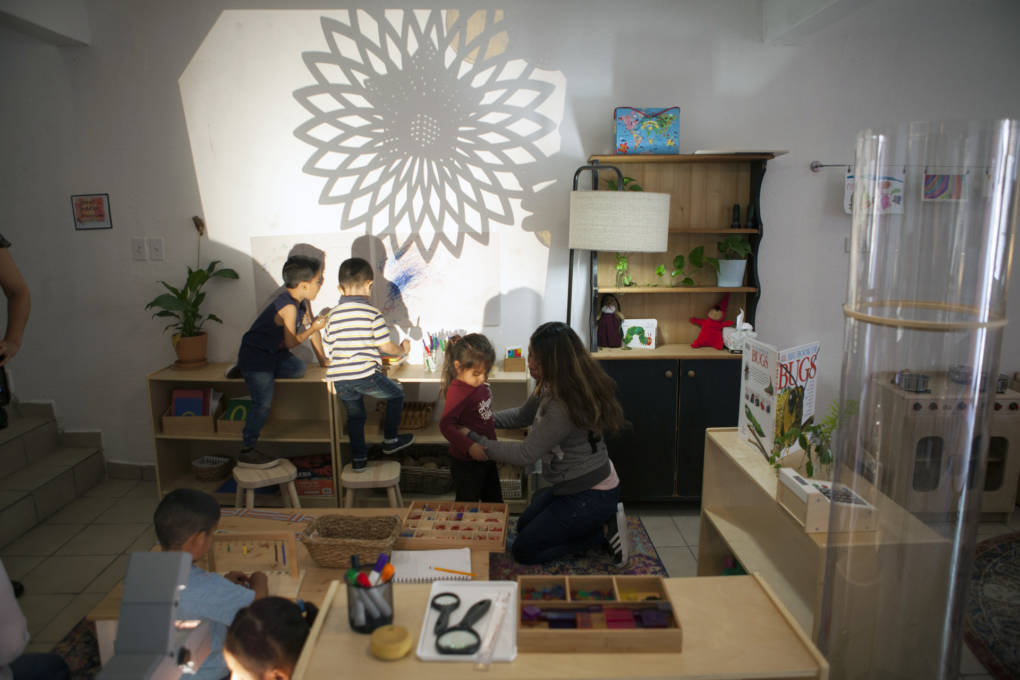
"caption": "Kids project shapes onto the walls at the Nest Tijuana. ",
"description": "Kids project shapes onto the walls and play with colorful magnetic blocks at the Nest Tijuana. ",
"title": "RS39716_Nest_012-qut",
"credit": "Erin Siegal McIntyre/KQED",
"status": "inherit",
"isLoading": false,
"fetchFailed": false
},
"news_11782817": {
"type": "attachments",
"id": "news_11782817",
"meta": {
"index": "attachments_1716263798",
"site": "news",
"id": "11782817",
"found": true
},
"parent": 11782685,
"imgSizes": {
"apple_news_ca_landscape_5_5": {
"file": "https://ww2.kqed.org/app/uploads/sites/10/2019/10/RS35002_Sindy_Ortiz_Flores_reunion_013019-qut-1044x783.jpg",
"width": 1044,
"mimeType": "image/jpeg",
"height": 783
},
"apple_news_ca_square_4_0": {
"file": "https://ww2.kqed.org/app/uploads/sites/10/2019/10/RS35002_Sindy_Ortiz_Flores_reunion_013019-qut-470x470.jpg",
"width": 470,
"mimeType": "image/jpeg",
"height": 470
},
"twentyfourteen-full-width": {
"file": "https://ww2.kqed.org/app/uploads/sites/10/2019/10/RS35002_Sindy_Ortiz_Flores_reunion_013019-qut-1038x576.jpg",
"width": 1038,
"mimeType": "image/jpeg",
"height": 576
},
"thumbnail": {
"file": "https://ww2.kqed.org/app/uploads/sites/10/2019/10/RS35002_Sindy_Ortiz_Flores_reunion_013019-qut-160x120.jpg",
"width": 160,
"mimeType": "image/jpeg",
"height": 120
},
"post-thumbnail": {
"file": "https://ww2.kqed.org/app/uploads/sites/10/2019/10/RS35002_Sindy_Ortiz_Flores_reunion_013019-qut-672x372.jpg",
"width": 672,
"mimeType": "image/jpeg",
"height": 372
},
"kqedFullSize": {
"file": "https://ww2.kqed.org/app/uploads/sites/10/2019/10/RS35002_Sindy_Ortiz_Flores_reunion_013019-qut.jpg",
"width": 1290,
"height": 968
},
"apple_news_ca_landscape_4_7": {
"file": "https://ww2.kqed.org/app/uploads/sites/10/2019/10/RS35002_Sindy_Ortiz_Flores_reunion_013019-qut-632x474.jpg",
"width": 632,
"mimeType": "image/jpeg",
"height": 474
},
"large": {
"file": "https://ww2.kqed.org/app/uploads/sites/10/2019/10/RS35002_Sindy_Ortiz_Flores_reunion_013019-qut-1020x765.jpg",
"width": 1020,
"mimeType": "image/jpeg",
"height": 765
},
"complete_open_graph": {
"file": "https://ww2.kqed.org/app/uploads/sites/10/2019/10/RS35002_Sindy_Ortiz_Flores_reunion_013019-qut-1200x900.jpg",
"width": 1200,
"mimeType": "image/jpeg",
"height": 900
},
"apple_news_ca_landscape_4_0": {
"file": "https://ww2.kqed.org/app/uploads/sites/10/2019/10/RS35002_Sindy_Ortiz_Flores_reunion_013019-qut-536x402.jpg",
"width": 536,
"mimeType": "image/jpeg",
"height": 402
},
"apple_news_ca_portrait_12_9": {
"file": "https://ww2.kqed.org/app/uploads/sites/10/2019/10/RS35002_Sindy_Ortiz_Flores_reunion_013019-qut-1122x968.jpg",
"width": 1122,
"mimeType": "image/jpeg",
"height": 968
},
"medium": {
"file": "https://ww2.kqed.org/app/uploads/sites/10/2019/10/RS35002_Sindy_Ortiz_Flores_reunion_013019-qut-800x600.jpg",
"width": 800,
"mimeType": "image/jpeg",
"height": 600
},
"apple_news_ca_portrait_4_0": {
"file": "https://ww2.kqed.org/app/uploads/sites/10/2019/10/RS35002_Sindy_Ortiz_Flores_reunion_013019-qut-354x472.jpg",
"width": 354,
"mimeType": "image/jpeg",
"height": 472
},
"apple_news_ca_portrait_9_7": {
"file": "https://ww2.kqed.org/app/uploads/sites/10/2019/10/RS35002_Sindy_Ortiz_Flores_reunion_013019-qut-840x968.jpg",
"width": 840,
"mimeType": "image/jpeg",
"height": 968
},
"apple_news_ca_square_9_7": {
"file": "https://ww2.kqed.org/app/uploads/sites/10/2019/10/RS35002_Sindy_Ortiz_Flores_reunion_013019-qut-1104x968.jpg",
"width": 1104,
"mimeType": "image/jpeg",
"height": 968
},
"apple_news_ca_portrait_4_7": {
"file": "https://ww2.kqed.org/app/uploads/sites/10/2019/10/RS35002_Sindy_Ortiz_Flores_reunion_013019-qut-414x552.jpg",
"width": 414,
"mimeType": "image/jpeg",
"height": 552
},
"apple_news_ca_portrait_5_5": {
"file": "https://ww2.kqed.org/app/uploads/sites/10/2019/10/RS35002_Sindy_Ortiz_Flores_reunion_013019-qut-687x916.jpg",
"width": 687,
"mimeType": "image/jpeg",
"height": 916
},
"apple_news_ca_square_4_7": {
"file": "https://ww2.kqed.org/app/uploads/sites/10/2019/10/RS35002_Sindy_Ortiz_Flores_reunion_013019-qut-550x550.jpg",
"width": 550,
"mimeType": "image/jpeg",
"height": 550
},
"apple_news_ca_square_5_5": {
"file": "https://ww2.kqed.org/app/uploads/sites/10/2019/10/RS35002_Sindy_Ortiz_Flores_reunion_013019-qut-912x912.jpg",
"width": 912,
"mimeType": "image/jpeg",
"height": 912
}
},
"publishDate": 1572030901,
"modified": 1572039870,
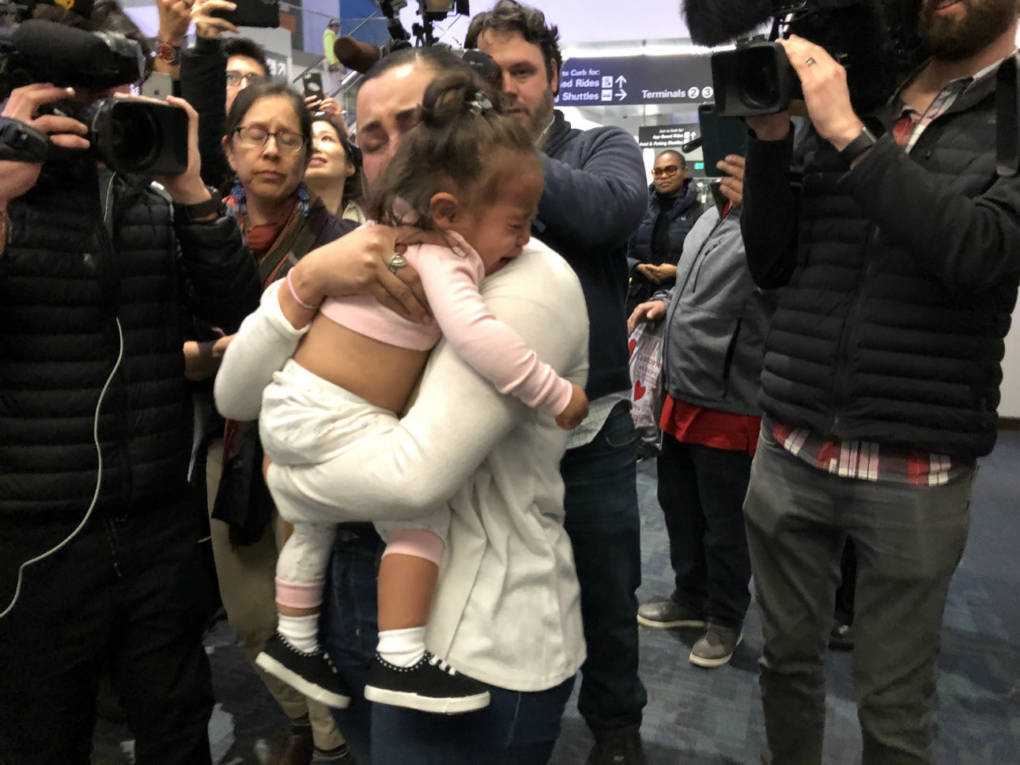
"caption": "Sindy Ortiz Flores hugs her toddler for the first time in more than a month at San Francisco International Airport on Jan. 29, 2019, as cameras surround them. The baby, Grethshell Juliet, spent a month under government custody, after immigration authorities separated her from her father at the border.",
"description": null,
"title": "RS35002_Sindy_Ortiz_Flores_reunion_013019-qut",
"credit": "Farida Jhabvala Romero/KQED",
"status": "inherit",
"isLoading": false,
"fetchFailed": false
},
"news_11782181": {
"type": "attachments",
"id": "news_11782181",
"meta": {
"index": "attachments_1716263798",
"site": "news",
"id": "11782181",
"found": true
},
"parent": 11782027,
"imgSizes": {
"apple_news_ca_landscape_5_5": {
"file": "https://ww2.kqed.org/app/uploads/sites/10/2019/10/RS18298_GettyImages-500476646-qut-1044x783.jpg",
"width": 1044,
"mimeType": "image/jpeg",
"height": 783
},
"apple_news_ca_square_4_0": {
"file": "https://ww2.kqed.org/app/uploads/sites/10/2019/10/RS18298_GettyImages-500476646-qut-470x470.jpg",
"width": 470,
"mimeType": "image/jpeg",
"height": 470
},
"twentyfourteen-full-width": {
"file": "https://ww2.kqed.org/app/uploads/sites/10/2019/10/RS18298_GettyImages-500476646-qut-1038x576.jpg",
"width": 1038,
"mimeType": "image/jpeg",
"height": 576
},
"thumbnail": {
"file": "https://ww2.kqed.org/app/uploads/sites/10/2019/10/RS18298_GettyImages-500476646-qut-160x107.jpg",
"width": 160,
"mimeType": "image/jpeg",
"height": 107
},
"post-thumbnail": {
"file": "https://ww2.kqed.org/app/uploads/sites/10/2019/10/RS18298_GettyImages-500476646-qut-672x372.jpg",
"width": 672,
"mimeType": "image/jpeg",
"height": 372
},
"kqedFullSize": {
"file": "https://ww2.kqed.org/app/uploads/sites/10/2019/10/RS18298_GettyImages-500476646-qut.jpg",
"width": 1920,
"height": 1280
},
"apple_news_ca_landscape_4_7": {
"file": "https://ww2.kqed.org/app/uploads/sites/10/2019/10/RS18298_GettyImages-500476646-qut-632x474.jpg",
"width": 632,
"mimeType": "image/jpeg",
"height": 474
},
"large": {
"file": "https://ww2.kqed.org/app/uploads/sites/10/2019/10/RS18298_GettyImages-500476646-qut-1020x680.jpg",
"width": 1020,
"mimeType": "image/jpeg",
"height": 680
},
"complete_open_graph": {
"file": "https://ww2.kqed.org/app/uploads/sites/10/2019/10/RS18298_GettyImages-500476646-qut-1200x800.jpg",
"width": 1200,
"mimeType": "image/jpeg",
"height": 800
},
"apple_news_ca_landscape_4_0": {
"file": "https://ww2.kqed.org/app/uploads/sites/10/2019/10/RS18298_GettyImages-500476646-qut-536x402.jpg",
"width": 536,
"mimeType": "image/jpeg",
"height": 402
},
"apple_news_ca_portrait_12_9": {
"file": "https://ww2.kqed.org/app/uploads/sites/10/2019/10/RS18298_GettyImages-500476646-qut-1122x1280.jpg",
"width": 1122,
"mimeType": "image/jpeg",
"height": 1280
},
"medium": {
"file": "https://ww2.kqed.org/app/uploads/sites/10/2019/10/RS18298_GettyImages-500476646-qut-800x533.jpg",
"width": 800,
"mimeType": "image/jpeg",
"height": 533
},
"apple_news_ca_portrait_4_0": {
"file": "https://ww2.kqed.org/app/uploads/sites/10/2019/10/RS18298_GettyImages-500476646-qut-354x472.jpg",
"width": 354,
"mimeType": "image/jpeg",
"height": 472
},
"apple_news_ca_portrait_9_7": {
"file": "https://ww2.kqed.org/app/uploads/sites/10/2019/10/RS18298_GettyImages-500476646-qut-840x1120.jpg",
"width": 840,
"mimeType": "image/jpeg",
"height": 1120
},
"apple_news_ca_landscape_12_9": {
"file": "https://ww2.kqed.org/app/uploads/sites/10/2019/10/RS18298_GettyImages-500476646-qut-1832x1280.jpg",
"width": 1832,
"mimeType": "image/jpeg",
"height": 1280
},
"apple_news_ca_square_9_7": {
"file": "https://ww2.kqed.org/app/uploads/sites/10/2019/10/RS18298_GettyImages-500476646-qut-1104x1104.jpg",
"width": 1104,
"mimeType": "image/jpeg",
"height": 1104
},
"apple_news_ca_portrait_4_7": {
"file": "https://ww2.kqed.org/app/uploads/sites/10/2019/10/RS18298_GettyImages-500476646-qut-414x552.jpg",
"width": 414,
"mimeType": "image/jpeg",
"height": 552
},
"apple_news_ca_square_12_9": {
"file": "https://ww2.kqed.org/app/uploads/sites/10/2019/10/RS18298_GettyImages-500476646-qut-1472x1280.jpg",
"width": 1472,
"mimeType": "image/jpeg",
"height": 1280
},
"apple_news_ca_portrait_5_5": {
"file": "https://ww2.kqed.org/app/uploads/sites/10/2019/10/RS18298_GettyImages-500476646-qut-687x916.jpg",
"width": 687,
"mimeType": "image/jpeg",
"height": 916
},
"full-width": {
"file": "https://ww2.kqed.org/app/uploads/sites/10/2019/10/RS18298_GettyImages-500476646-qut-1920x1280.jpg",
"width": 1920,
"mimeType": "image/jpeg",
"height": 1280
},
"apple_news_ca_square_4_7": {
"file": "https://ww2.kqed.org/app/uploads/sites/10/2019/10/RS18298_GettyImages-500476646-qut-550x550.jpg",
"width": 550,
"mimeType": "image/jpeg",
"height": 550
},
"apple_news_ca_landscape_9_7": {
"file": "https://ww2.kqed.org/app/uploads/sites/10/2019/10/RS18298_GettyImages-500476646-qut-1376x1032.jpg",
"width": 1376,
"mimeType": "image/jpeg",
"height": 1032
},
"apple_news_ca_square_5_5": {
"file": "https://ww2.kqed.org/app/uploads/sites/10/2019/10/RS18298_GettyImages-500476646-qut-912x912.jpg",
"width": 912,
"mimeType": "image/jpeg",
"height": 912
}
},
"publishDate": 1571872348,
"modified": 1571874887,
"caption": "Central American migrants wait to be transported after turning themselves in to U.S. Border Patrol agents.",
"description": "Central American migrants wait to be transported after turning themselves into U.S. Border Patrol agents.",
"title": "RS18298_GettyImages-500476646-qut",
"credit": "John Moore/Getty Images",
"status": "inherit",
"isLoading": false,
"fetchFailed": false
},
"news_11781912": {
"type": "attachments",
"id": "news_11781912",
"meta": {
"index": "attachments_1716263798",
"site": "news",
"id": "11781912",
"found": true
},
"parent": 11781894,
"imgSizes": {
"apple_news_ca_landscape_5_5": {
"file": "https://ww2.kqed.org/app/uploads/sites/10/2019/10/Asylum-Seekers-1044x783.jpg",
"width": 1044,
"mimeType": "image/jpeg",
"height": 783
},
"apple_news_ca_square_4_0": {
"file": "https://ww2.kqed.org/app/uploads/sites/10/2019/10/Asylum-Seekers-470x470.jpg",
"width": 470,
"mimeType": "image/jpeg",
"height": 470
},
"twentyfourteen-full-width": {
"file": "https://ww2.kqed.org/app/uploads/sites/10/2019/10/Asylum-Seekers-1038x576.jpg",
"width": 1038,
"mimeType": "image/jpeg",
"height": 576
},
"thumbnail": {
"file": "https://ww2.kqed.org/app/uploads/sites/10/2019/10/Asylum-Seekers-160x106.jpg",
"width": 160,
"mimeType": "image/jpeg",
"height": 106
},
"post-thumbnail": {
"file": "https://ww2.kqed.org/app/uploads/sites/10/2019/10/Asylum-Seekers-672x372.jpg",
"width": 672,
"mimeType": "image/jpeg",
"height": 372
},
"kqedFullSize": {
"file": "https://ww2.kqed.org/app/uploads/sites/10/2019/10/Asylum-Seekers.jpg",
"width": 1800,
"height": 1198
},
"apple_news_ca_landscape_4_7": {
"file": "https://ww2.kqed.org/app/uploads/sites/10/2019/10/Asylum-Seekers-632x474.jpg",
"width": 632,
"mimeType": "image/jpeg",
"height": 474
},
"large": {
"file": "https://ww2.kqed.org/app/uploads/sites/10/2019/10/Asylum-Seekers-1020x679.jpg",
"width": 1020,
"mimeType": "image/jpeg",
"height": 679
},
"complete_open_graph": {
"file": "https://ww2.kqed.org/app/uploads/sites/10/2019/10/Asylum-Seekers-1200x799.jpg",
"width": 1200,
"mimeType": "image/jpeg",
"height": 799
},
"apple_news_ca_landscape_4_0": {
"file": "https://ww2.kqed.org/app/uploads/sites/10/2019/10/Asylum-Seekers-536x402.jpg",
"width": 536,
"mimeType": "image/jpeg",
"height": 402
},
"apple_news_ca_portrait_12_9": {
"file": "https://ww2.kqed.org/app/uploads/sites/10/2019/10/Asylum-Seekers-1122x1198.jpg",
"width": 1122,
"mimeType": "image/jpeg",
"height": 1198
},
"medium": {
"file": "https://ww2.kqed.org/app/uploads/sites/10/2019/10/Asylum-Seekers-800x532.jpg",
"width": 800,
"mimeType": "image/jpeg",
"height": 532
},
"apple_news_ca_portrait_4_0": {
"file": "https://ww2.kqed.org/app/uploads/sites/10/2019/10/Asylum-Seekers-354x472.jpg",
"width": 354,
"mimeType": "image/jpeg",
"height": 472
},
"apple_news_ca_portrait_9_7": {
"file": "https://ww2.kqed.org/app/uploads/sites/10/2019/10/Asylum-Seekers-840x1120.jpg",
"width": 840,
"mimeType": "image/jpeg",
"height": 1120
},
"apple_news_ca_square_9_7": {
"file": "https://ww2.kqed.org/app/uploads/sites/10/2019/10/Asylum-Seekers-1104x1104.jpg",
"width": 1104,
"mimeType": "image/jpeg",
"height": 1104
},
"apple_news_ca_portrait_4_7": {
"file": "https://ww2.kqed.org/app/uploads/sites/10/2019/10/Asylum-Seekers-414x552.jpg",
"width": 414,
"mimeType": "image/jpeg",
"height": 552
},
"apple_news_ca_square_12_9": {
"file": "https://ww2.kqed.org/app/uploads/sites/10/2019/10/Asylum-Seekers-1472x1198.jpg",
"width": 1472,
"mimeType": "image/jpeg",
"height": 1198
},
"apple_news_ca_portrait_5_5": {
"file": "https://ww2.kqed.org/app/uploads/sites/10/2019/10/Asylum-Seekers-687x916.jpg",
"width": 687,
"mimeType": "image/jpeg",
"height": 916
},
"apple_news_ca_square_4_7": {
"file": "https://ww2.kqed.org/app/uploads/sites/10/2019/10/Asylum-Seekers-550x550.jpg",
"width": 550,
"mimeType": "image/jpeg",
"height": 550
},
"apple_news_ca_landscape_9_7": {
"file": "https://ww2.kqed.org/app/uploads/sites/10/2019/10/Asylum-Seekers-1376x1032.jpg",
"width": 1376,
"mimeType": "image/jpeg",
"height": 1032
},
"apple_news_ca_square_5_5": {
"file": "https://ww2.kqed.org/app/uploads/sites/10/2019/10/Asylum-Seekers-912x912.jpg",
"width": 912,
"mimeType": "image/jpeg",
"height": 912
}
},
"publishDate": 1571789661,
"modified": 1579025908,
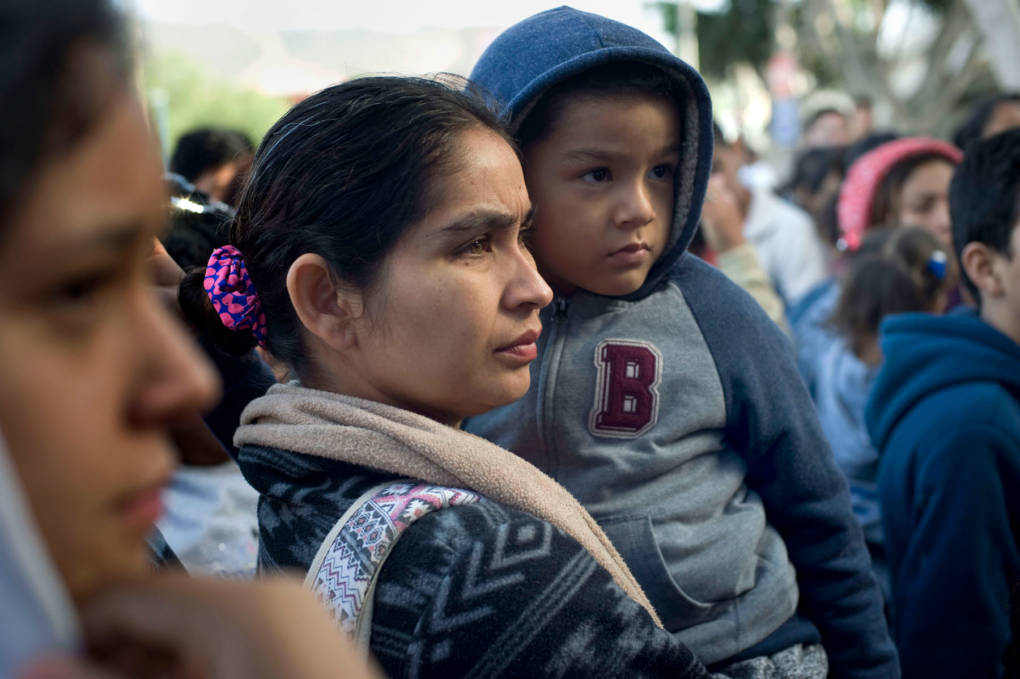
"caption": "A woman and child wait to hear their position in a list of people waiting at the U.S.-Mexico border to seek asylum in the U.S. in November 2018.",
"description": "A woman and child wait to hear their position on a list of people waiting at the U.S.-Mexico border to seek asylum in the U.S. in Nov. 2018.",
"title": "Asylum-Seekers",
"credit": "David Maung/Getty Images",
"status": "inherit",
"isLoading": false,
"fetchFailed": false
},
"news_11781584": {
"type": "attachments",
"id": "news_11781584",
"meta": {
"index": "attachments_1716263798",
"site": "news",
"id": "11781584",
"found": true
},
"parent": 11781583,
"imgSizes": {
"apple_news_ca_landscape_5_5": {
"file": "https://ww2.kqed.org/app/uploads/sites/10/2019/10/ap_19276667049783-9b0ce70d40360ff5d8606741475eb1152d707643-1044x783.jpg",
"width": 1044,
"mimeType": "image/jpeg",
"height": 783
},
"apple_news_ca_square_4_0": {
"file": "https://ww2.kqed.org/app/uploads/sites/10/2019/10/ap_19276667049783-9b0ce70d40360ff5d8606741475eb1152d707643-470x470.jpg",
"width": 470,
"mimeType": "image/jpeg",
"height": 470
},
"twentyfourteen-full-width": {
"file": "https://ww2.kqed.org/app/uploads/sites/10/2019/10/ap_19276667049783-9b0ce70d40360ff5d8606741475eb1152d707643-1038x576.jpg",
"width": 1038,
"mimeType": "image/jpeg",
"height": 576
},
"thumbnail": {
"file": "https://ww2.kqed.org/app/uploads/sites/10/2019/10/ap_19276667049783-9b0ce70d40360ff5d8606741475eb1152d707643-160x120.jpg",
"width": 160,
"mimeType": "image/jpeg",
"height": 120
},
"post-thumbnail": {
"file": "https://ww2.kqed.org/app/uploads/sites/10/2019/10/ap_19276667049783-9b0ce70d40360ff5d8606741475eb1152d707643-672x372.jpg",
"width": 672,
"mimeType": "image/jpeg",
"height": 372
},
"kqedFullSize": {
"file": "https://ww2.kqed.org/app/uploads/sites/10/2019/10/ap_19276667049783-9b0ce70d40360ff5d8606741475eb1152d707643-e1571696733590.jpg",
"width": 1920,
"height": 1439
},
"apple_news_ca_landscape_4_7": {
"file": "https://ww2.kqed.org/app/uploads/sites/10/2019/10/ap_19276667049783-9b0ce70d40360ff5d8606741475eb1152d707643-632x474.jpg",
"width": 632,
"mimeType": "image/jpeg",
"height": 474
},
"large": {
"file": "https://ww2.kqed.org/app/uploads/sites/10/2019/10/ap_19276667049783-9b0ce70d40360ff5d8606741475eb1152d707643-1020x765.jpg",
"width": 1020,
"mimeType": "image/jpeg",
"height": 765
},
"complete_open_graph": {
"file": "https://ww2.kqed.org/app/uploads/sites/10/2019/10/ap_19276667049783-9b0ce70d40360ff5d8606741475eb1152d707643-1200x900.jpg",
"width": 1200,
"mimeType": "image/jpeg",
"height": 900
},
"apple_news_ca_landscape_4_0": {
"file": "https://ww2.kqed.org/app/uploads/sites/10/2019/10/ap_19276667049783-9b0ce70d40360ff5d8606741475eb1152d707643-536x402.jpg",
"width": 536,
"mimeType": "image/jpeg",
"height": 402
},
"apple_news_ca_portrait_12_9": {
"file": "https://ww2.kqed.org/app/uploads/sites/10/2019/10/ap_19276667049783-9b0ce70d40360ff5d8606741475eb1152d707643-1122x1496.jpg",
"width": 1122,
"mimeType": "image/jpeg",
"height": 1496
},
"medium": {
"file": "https://ww2.kqed.org/app/uploads/sites/10/2019/10/ap_19276667049783-9b0ce70d40360ff5d8606741475eb1152d707643-800x600.jpg",
"width": 800,
"mimeType": "image/jpeg",
"height": 600
},
"apple_news_ca_portrait_4_0": {
"file": "https://ww2.kqed.org/app/uploads/sites/10/2019/10/ap_19276667049783-9b0ce70d40360ff5d8606741475eb1152d707643-354x472.jpg",
"width": 354,
"mimeType": "image/jpeg",
"height": 472
},
"apple_news_ca_portrait_9_7": {
"file": "https://ww2.kqed.org/app/uploads/sites/10/2019/10/ap_19276667049783-9b0ce70d40360ff5d8606741475eb1152d707643-840x1120.jpg",
"width": 840,
"mimeType": "image/jpeg",
"height": 1120
},
"apple_news_ca_landscape_12_9": {
"file": "https://ww2.kqed.org/app/uploads/sites/10/2019/10/ap_19276667049783-9b0ce70d40360ff5d8606741475eb1152d707643-1832x1374.jpg",
"width": 1832,
"mimeType": "image/jpeg",
"height": 1374
},
"apple_news_ca_square_9_7": {
"file": "https://ww2.kqed.org/app/uploads/sites/10/2019/10/ap_19276667049783-9b0ce70d40360ff5d8606741475eb1152d707643-1104x1104.jpg",
"width": 1104,
"mimeType": "image/jpeg",
"height": 1104
},
"apple_news_ca_portrait_4_7": {
"file": "https://ww2.kqed.org/app/uploads/sites/10/2019/10/ap_19276667049783-9b0ce70d40360ff5d8606741475eb1152d707643-414x552.jpg",
"width": 414,
"mimeType": "image/jpeg",
"height": 552
},
"apple_news_ca_square_12_9": {
"file": "https://ww2.kqed.org/app/uploads/sites/10/2019/10/ap_19276667049783-9b0ce70d40360ff5d8606741475eb1152d707643-1472x1472.jpg",
"width": 1472,
"mimeType": "image/jpeg",
"height": 1472
},
"apple_news_ca_portrait_5_5": {
"file": "https://ww2.kqed.org/app/uploads/sites/10/2019/10/ap_19276667049783-9b0ce70d40360ff5d8606741475eb1152d707643-687x916.jpg",
"width": 687,
"mimeType": "image/jpeg",
"height": 916
},
"full-width": {
"file": "https://ww2.kqed.org/app/uploads/sites/10/2019/10/ap_19276667049783-9b0ce70d40360ff5d8606741475eb1152d707643-1920x1439.jpg",
"width": 1920,
"mimeType": "image/jpeg",
"height": 1439
},
"apple_news_ca_square_4_7": {
"file": "https://ww2.kqed.org/app/uploads/sites/10/2019/10/ap_19276667049783-9b0ce70d40360ff5d8606741475eb1152d707643-550x550.jpg",
"width": 550,
"mimeType": "image/jpeg",
"height": 550
},
"apple_news_ca_landscape_9_7": {
"file": "https://ww2.kqed.org/app/uploads/sites/10/2019/10/ap_19276667049783-9b0ce70d40360ff5d8606741475eb1152d707643-1376x1032.jpg",
"width": 1376,
"mimeType": "image/jpeg",
"height": 1032
},
"apple_news_ca_square_5_5": {
"file": "https://ww2.kqed.org/app/uploads/sites/10/2019/10/ap_19276667049783-9b0ce70d40360ff5d8606741475eb1152d707643-912x912.jpg",
"width": 912,
"mimeType": "image/jpeg",
"height": 912
}
},
"publishDate": 1571696614,
"modified": 1571703876,
"caption": "Attorney General William Barr speaks at an event in Washington earlier this month. On Monday, he issued a proposed rule seeking to allow the federal government to collect DNA samples from more than 740,000 immigrants every year.",
"description": "Attorney General William Barr speaks at an event in Washington earlier this month. On Monday, he issued a proposed rule seeking to allow the federal government collect DNA samples from more than 740,000 immigrants every year.",
"title": "Attorney General William Barr speaks at an event in Washington earlier this month. On Monday, he issued a proposed rule seeking to allow the federal government collect DNA samples from more than 740,000 immigrants every year.",
"credit": "Jacquelyn Martin/AP",
"status": "inherit",
"isLoading": false,
"fetchFailed": false
},
"news_11779670": {
"type": "attachments",
"id": "news_11779670",
"meta": {
"index": "attachments_1716263798",
"site": "news",
"id": "11779670",
"found": true
},
"parent": 11779586,
"imgSizes": {
"apple_news_ca_landscape_5_5": {
"file": "https://ww2.kqed.org/app/uploads/sites/10/2019/10/RS38601_GettyImages-1168450763-qut-1044x783.jpg",
"width": 1044,
"mimeType": "image/jpeg",
"height": 783
},
"apple_news_ca_square_4_0": {
"file": "https://ww2.kqed.org/app/uploads/sites/10/2019/10/RS38601_GettyImages-1168450763-qut-470x470.jpg",
"width": 470,
"mimeType": "image/jpeg",
"height": 470
},
"twentyfourteen-full-width": {
"file": "https://ww2.kqed.org/app/uploads/sites/10/2019/10/RS38601_GettyImages-1168450763-qut-1038x576.jpg",
"width": 1038,
"mimeType": "image/jpeg",
"height": 576
},
"thumbnail": {
"file": "https://ww2.kqed.org/app/uploads/sites/10/2019/10/RS38601_GettyImages-1168450763-qut-160x107.jpg",
"width": 160,
"mimeType": "image/jpeg",
"height": 107
},
"post-thumbnail": {
"file": "https://ww2.kqed.org/app/uploads/sites/10/2019/10/RS38601_GettyImages-1168450763-qut-672x372.jpg",
"width": 672,
"mimeType": "image/jpeg",
"height": 372
},
"kqedFullSize": {
"file": "https://ww2.kqed.org/app/uploads/sites/10/2019/10/RS38601_GettyImages-1168450763-qut.jpg",
"width": 1920,
"height": 1280
},
"apple_news_ca_landscape_4_7": {
"file": "https://ww2.kqed.org/app/uploads/sites/10/2019/10/RS38601_GettyImages-1168450763-qut-632x474.jpg",
"width": 632,
"mimeType": "image/jpeg",
"height": 474
},
"large": {
"file": "https://ww2.kqed.org/app/uploads/sites/10/2019/10/RS38601_GettyImages-1168450763-qut-1020x680.jpg",
"width": 1020,
"mimeType": "image/jpeg",
"height": 680
},
"complete_open_graph": {
"file": "https://ww2.kqed.org/app/uploads/sites/10/2019/10/RS38601_GettyImages-1168450763-qut-1200x800.jpg",
"width": 1200,
"mimeType": "image/jpeg",
"height": 800
},
"apple_news_ca_landscape_4_0": {
"file": "https://ww2.kqed.org/app/uploads/sites/10/2019/10/RS38601_GettyImages-1168450763-qut-536x402.jpg",
"width": 536,
"mimeType": "image/jpeg",
"height": 402
},
"apple_news_ca_portrait_12_9": {
"file": "https://ww2.kqed.org/app/uploads/sites/10/2019/10/RS38601_GettyImages-1168450763-qut-1122x1280.jpg",
"width": 1122,
"mimeType": "image/jpeg",
"height": 1280
},
"medium": {
"file": "https://ww2.kqed.org/app/uploads/sites/10/2019/10/RS38601_GettyImages-1168450763-qut-800x533.jpg",
"width": 800,
"mimeType": "image/jpeg",
"height": 533
},
"apple_news_ca_portrait_4_0": {
"file": "https://ww2.kqed.org/app/uploads/sites/10/2019/10/RS38601_GettyImages-1168450763-qut-354x472.jpg",
"width": 354,
"mimeType": "image/jpeg",
"height": 472
},
"apple_news_ca_portrait_9_7": {
"file": "https://ww2.kqed.org/app/uploads/sites/10/2019/10/RS38601_GettyImages-1168450763-qut-840x1120.jpg",
"width": 840,
"mimeType": "image/jpeg",
"height": 1120
},
"apple_news_ca_landscape_12_9": {
"file": "https://ww2.kqed.org/app/uploads/sites/10/2019/10/RS38601_GettyImages-1168450763-qut-1832x1280.jpg",
"width": 1832,
"mimeType": "image/jpeg",
"height": 1280
},
"apple_news_ca_square_9_7": {
"file": "https://ww2.kqed.org/app/uploads/sites/10/2019/10/RS38601_GettyImages-1168450763-qut-1104x1104.jpg",
"width": 1104,
"mimeType": "image/jpeg",
"height": 1104
},
"apple_news_ca_portrait_4_7": {
"file": "https://ww2.kqed.org/app/uploads/sites/10/2019/10/RS38601_GettyImages-1168450763-qut-414x552.jpg",
"width": 414,
"mimeType": "image/jpeg",
"height": 552
},
"apple_news_ca_square_12_9": {
"file": "https://ww2.kqed.org/app/uploads/sites/10/2019/10/RS38601_GettyImages-1168450763-qut-1472x1280.jpg",
"width": 1472,
"mimeType": "image/jpeg",
"height": 1280
},
"apple_news_ca_portrait_5_5": {
"file": "https://ww2.kqed.org/app/uploads/sites/10/2019/10/RS38601_GettyImages-1168450763-qut-687x916.jpg",
"width": 687,
"mimeType": "image/jpeg",
"height": 916
},
"full-width": {
"file": "https://ww2.kqed.org/app/uploads/sites/10/2019/10/RS38601_GettyImages-1168450763-qut-1920x1280.jpg",
"width": 1920,
"mimeType": "image/jpeg",
"height": 1280
},
"apple_news_ca_square_4_7": {
"file": "https://ww2.kqed.org/app/uploads/sites/10/2019/10/RS38601_GettyImages-1168450763-qut-550x550.jpg",
"width": 550,
"mimeType": "image/jpeg",
"height": 550
},
"apple_news_ca_landscape_9_7": {
"file": "https://ww2.kqed.org/app/uploads/sites/10/2019/10/RS38601_GettyImages-1168450763-qut-1376x1032.jpg",
"width": 1376,
"mimeType": "image/jpeg",
"height": 1032
},
"apple_news_ca_square_5_5": {
"file": "https://ww2.kqed.org/app/uploads/sites/10/2019/10/RS38601_GettyImages-1168450763-qut-912x912.jpg",
"width": 912,
"mimeType": "image/jpeg",
"height": 912
}
},
"publishDate": 1570829691,
"modified": 1570829866,
"caption": "Gov. Gavin Newsom and Attorney General Xavier Becerra in August announcing a lawsuit against the Trump Administration’s so-called “public charge” rule. A federal judge in California sided with them on Friday. ",
"description": "Gov. Gavin Newsom and Attorney General Xavier Becerra in August announcing a lawsuit against the Trump Administration’s so-called “public charge” rule. A federal judge in California sided with them on Friday. ",
"title": "California Governor Gavin Newsom And Attorney General Becerra Announce Legal Action On Immigration",
"credit": "Justin Sullivan/Getty Images",
"status": "inherit",
"isLoading": false,
"fetchFailed": false
}
},
"audioPlayerReducer": {
"postId": "stream_live",
"isPaused": true,
"isPlaying": false,
"pfsActive": false,
"pledgeModalIsOpen": true,
"playerDrawerIsOpen": false,
"liveAudioPlayStartedAt": 0,
"liveAudioPlayContext": ""
},
"authorsReducer": {
"byline_news_11781583": {
"type": "authors",
"id": "byline_news_11781583",
"meta": {
"override": true
},
"slug": "byline_news_11781583",
"name": "Joel Rose",
"isLoading": false
},
"jmcevoy": {
"type": "authors",
"id": "231",
"meta": {
"index": "authors_1716337520",
"id": "231",
"found": true
},
"name": "Julia McEvoy",
"firstName": "Julia",
"lastName": "McEvoy",
"slug": "jmcevoy",
"email": "jmcevoy@KQED.org",
"display_author_email": true,
"staff_mastheads": [
"news"
],
"title": "KQED Senior Editor",
"bio": "Julia McEvoy is KQED's Senior Editor, Education Equity.\r\n\r\nJulia heads KQED’s education coverage examining inequities students face in Bay Area and California schools, and reports on what it will take to educate the next generation.\r\n\r\nJulia's editorial work has received a Peabody Award, a Casey Medal for Coverage of Children and Families, several Edward R. Murrow awards, as well as awards from the Public Radio News Directors Inc. and the Society for Professional Journalists.",
"avatar": "https://secure.gravatar.com/avatar/aec3ce21abe02b302fd33638abd56a22?s=600&d=blank&r=g",
"twitter": "juliamcevoy1",
"facebook": null,
"instagram": null,
"linkedin": null,
"sites": [
{
"site": "news",
"roles": []
},
{
"site": "stateofhealth",
"roles": [
"author"
]
}
],
"headData": {
"title": "Julia McEvoy | KQED",
"description": "KQED Senior Editor",
"ogImgSrc": "https://secure.gravatar.com/avatar/aec3ce21abe02b302fd33638abd56a22?s=600&d=blank&r=g",
"twImgSrc": "https://secure.gravatar.com/avatar/aec3ce21abe02b302fd33638abd56a22?s=600&d=blank&r=g"
},
"isLoading": false,
"link": "/author/jmcevoy"
},
"kqed": {
"type": "authors",
"id": "236",
"meta": {
"index": "authors_1716337520",
"id": "236",
"found": true
},
"name": "KQED News Staff",
"firstName": "KQED News Staff",
"lastName": null,
"slug": "kqed",
"email": "faq@kqed.org",
"display_author_email": false,
"staff_mastheads": [],
"title": null,
"bio": null,
"avatar": "https://secure.gravatar.com/avatar/ef0e801a68c4c54afa9180db14084167?s=600&d=blank&r=g",
"twitter": null,
"facebook": null,
"instagram": null,
"linkedin": null,
"sites": [
{
"site": "arts",
"roles": [
"contributor"
]
},
{
"site": "news",
"roles": [
"editor"
]
},
{
"site": "futureofyou",
"roles": [
"author"
]
}
],
"headData": {
"title": "KQED News Staff | KQED",
"description": null,
"ogImgSrc": "https://secure.gravatar.com/avatar/ef0e801a68c4c54afa9180db14084167?s=600&d=blank&r=g",
"twImgSrc": "https://secure.gravatar.com/avatar/ef0e801a68c4c54afa9180db14084167?s=600&d=blank&r=g"
},
"isLoading": false,
"link": "/author/kqed"
},
"sasha-khokha": {
"type": "authors",
"id": "254",
"meta": {
"index": "authors_1716337520",
"id": "254",
"found": true
},
"name": "Sasha Khokha",
"firstName": "Sasha",
"lastName": "Khokha",
"slug": "sasha-khokha",
"email": "skhokha@kqed.org",
"display_author_email": true,
"staff_mastheads": [
"news"
],
"title": "Host, The California Report Magazine",
"bio": "Sasha Khokha is the host of \u003cem>The California Report's \u003c/em> weekly magazine program, which takes listeners on sound-rich excursions to meet the people that make the Golden State unique -- through audio documentaries and long-form stories. As \u003cem>The California Report's\u003c/em> Central Valley Bureau Chief based in Fresno for nearly a dozen years, Sasha brought the lives and concerns of rural Californians to listeners around the state. Her reporting helped expose the hidden price immigrant women janitors and farmworkers may pay to keep their jobs: sexual assault at work. It inspired two new California laws to protect them from sexual harassment. She was a key member of the reporting team for the Frontline film \u003cem>Rape on the Night Shift, \u003c/em>which was nominated for two national Emmys. Sasha has also won a national Edward R. Murrow and a national PRNDI award for investigative reporting, as well as multiple prizes from the Society for Professional Journalists. Sasha is a proud alum of the UC Berkeley Graduate School of Journalism and Brown University and a member of the South Asian Journalists Association.",
"avatar": "https://secure.gravatar.com/avatar/e4b5e1541aaeea2aa356aa1fb2a68950?s=600&d=blank&r=g",
"twitter": "KQEDSashaKhokha",
"facebook": null,
"instagram": null,
"linkedin": null,
"sites": [
{
"site": "news",
"roles": [
"editor"
]
},
{
"site": "stateofhealth",
"roles": [
"author"
]
},
{
"site": "science",
"roles": [
"author"
]
},
{
"site": "quest",
"roles": [
"subscriber"
]
}
],
"headData": {
"title": "Sasha Khokha | KQED",
"description": "Host, The California Report Magazine",
"ogImgSrc": "https://secure.gravatar.com/avatar/e4b5e1541aaeea2aa356aa1fb2a68950?s=600&d=blank&r=g",
"twImgSrc": "https://secure.gravatar.com/avatar/e4b5e1541aaeea2aa356aa1fb2a68950?s=600&d=blank&r=g"
},
"isLoading": false,
"link": "/author/sasha-khokha"
},
"tychehendricks": {
"type": "authors",
"id": "259",
"meta": {
"index": "authors_1716337520",
"id": "259",
"found": true
},
"name": "Tyche Hendricks",
"firstName": "Tyche",
"lastName": "Hendricks",
"slug": "tychehendricks",
"email": "thendricks@kqed.org",
"display_author_email": true,
"staff_mastheads": [
"news"
],
"title": "KQED Senior Editor, Immigration",
"bio": "\u003cspan style=\"font-weight: 400;\">Tyche Hendricks is KQED’s senior editor for immigration, leading coverage of the policy and politics that affect California’s immigrant communities. Her work for KQED’s radio and online audiences is also carried on NPR and other national outlets. She has been recognized with awards from the Radio and Television News Directors Association, the Society for Professional Journalists; the Education Writers Association; the Best of the West and the National Federation of Community Broadcasters. Before joining KQED in 2010, Tyche spent more than a dozen years as a newspaper reporter, notably at the \u003c/span>\u003ci>\u003cspan style=\"font-weight: 400;\">San Francisco Chronicle\u003c/span>\u003c/i>\u003cspan style=\"font-weight: 400;\">. At different times she has covered criminal justice, government and politics and urban planning. Tyche has taught in the MFA Creative Writing program at the University of San Francisco and at UC Berkeley’s Graduate School of Journalism, where she was co-director of a national immigration symposium for professional journalists. She is the author of \u003c/span>\u003ci>\u003cspan style=\"font-weight: 400;\">The Wind Doesn't Need a Passport: Stories from the U.S.-Mexico Borderlands\u003c/span>\u003c/i>\u003cspan style=\"font-weight: 400;\"> (University of California Press). \u003c/span>",
"avatar": "https://secure.gravatar.com/avatar/b8ee458e2731c2d43df86882ce17267e?s=600&d=blank&r=g",
"twitter": "tychehendricks",
"facebook": null,
"instagram": null,
"linkedin": null,
"sites": [
{
"site": "news",
"roles": [
"editor"
]
},
{
"site": "stateofhealth",
"roles": [
"editor"
]
}
],
"headData": {
"title": "Tyche Hendricks | KQED",
"description": "KQED Senior Editor, Immigration",
"ogImgSrc": "https://secure.gravatar.com/avatar/b8ee458e2731c2d43df86882ce17267e?s=600&d=blank&r=g",
"twImgSrc": "https://secure.gravatar.com/avatar/b8ee458e2731c2d43df86882ce17267e?s=600&d=blank&r=g"
},
"isLoading": false,
"link": "/author/tychehendricks"
},
"fjhabvala": {
"type": "authors",
"id": "8659",
"meta": {
"index": "authors_1716337520",
"id": "8659",
"found": true
},
"name": "Farida Jhabvala Romero",
"firstName": "Farida",
"lastName": "Jhabvala Romero",
"slug": "fjhabvala",
"email": "fjhabvala@kqed.org",
"display_author_email": true,
"staff_mastheads": [
"news"
],
"title": "KQED Contributor",
"bio": "\u003cspan style=\"font-weight: 400;\">Farida Jhabvala Romero is a Labor Correspondent for KQED. She previously covered immigration. Farida was \u003ca href=\"https://www.ccnma.org/2022-most-influential-latina-journalists\">named\u003c/a> one of the 10 Most Influential Latina Journalists in California in 2022 by the California Chicano News Media Association. Her work has won awards from the Society of Professional Journalists (Northern California), as well as a national and regional Edward M. Murrow Award for the collaborative reporting projects “Dangerous Air” and “Graying California.” \u003c/span>\u003cspan style=\"font-weight: 400;\">Before joining KQED, Farida worked as a producer at Radio Bilingüe, a national public radio network. Farida earned her master’s degree in journalism from Stanford University.\u003c/span>",
"avatar": "https://secure.gravatar.com/avatar/c3ab27c5554b67b478f80971e515aa02?s=600&d=blank&r=g",
"twitter": "FaridaJhabvala",
"facebook": null,
"instagram": null,
"linkedin": "https://www.linkedin.com/in/faridajhabvala/",
"sites": [
{
"site": "news",
"roles": [
"editor"
]
},
{
"site": "stateofhealth",
"roles": [
"author"
]
}
],
"headData": {
"title": "Farida Jhabvala Romero | KQED",
"description": "KQED Contributor",
"ogImgSrc": "https://secure.gravatar.com/avatar/c3ab27c5554b67b478f80971e515aa02?s=600&d=blank&r=g",
"twImgSrc": "https://secure.gravatar.com/avatar/c3ab27c5554b67b478f80971e515aa02?s=600&d=blank&r=g"
},
"isLoading": false,
"link": "/author/fjhabvala"
},
"mwiley": {
"type": "authors",
"id": "11526",
"meta": {
"index": "authors_1716337520",
"id": "11526",
"found": true
},
"name": "Michelle Wiley",
"firstName": "Michelle",
"lastName": "Wiley",
"slug": "mwiley",
"email": "mwiley@KQED.org",
"display_author_email": true,
"staff_mastheads": [],
"title": null,
"bio": "Michelle Wiley was the senior editor of weekends.",
"avatar": "https://secure.gravatar.com/avatar/3b897d82a09e8587e8e73fa69fbcc635?s=600&d=blank&r=g",
"twitter": "michelleewiley",
"facebook": null,
"instagram": null,
"linkedin": null,
"sites": [
{
"site": "",
"roles": [
"editor"
]
},
{
"site": "arts",
"roles": [
"editor"
]
},
{
"site": "news",
"roles": [
"subscriber"
]
},
{
"site": "lowdown",
"roles": [
"editor"
]
},
{
"site": "science",
"roles": [
"editor"
]
},
{
"site": "podcasts",
"roles": [
"editor"
]
}
],
"headData": {
"title": "Michelle Wiley | KQED",
"description": null,
"ogImgSrc": "https://secure.gravatar.com/avatar/3b897d82a09e8587e8e73fa69fbcc635?s=600&d=blank&r=g",
"twImgSrc": "https://secure.gravatar.com/avatar/3b897d82a09e8587e8e73fa69fbcc635?s=600&d=blank&r=g"
},
"isLoading": false,
"link": "/author/mwiley"
},
"awoelfle": {
"type": "authors",
"id": "11630",
"meta": {
"index": "authors_1716337520",
"id": "11630",
"found": true
},
"name": "Alice Woelfle",
"firstName": "Alice",
"lastName": "Woelfle",
"slug": "awoelfle",
"email": "awoelfle@KQED.org",
"display_author_email": false,
"staff_mastheads": [],
"title": null,
"bio": null,
"avatar": "https://secure.gravatar.com/avatar/00e46668235dc71f4a7513cf5eb31df3?s=600&d=blank&r=g",
"twitter": null,
"facebook": null,
"instagram": null,
"linkedin": null,
"sites": [
{
"site": "news",
"roles": [
"subscriber"
]
}
],
"headData": {
"title": "Alice Woelfle | KQED",
"description": null,
"ogImgSrc": "https://secure.gravatar.com/avatar/00e46668235dc71f4a7513cf5eb31df3?s=600&d=blank&r=g",
"twImgSrc": "https://secure.gravatar.com/avatar/00e46668235dc71f4a7513cf5eb31df3?s=600&d=blank&r=g"
},
"isLoading": false,
"link": "/author/awoelfle"
}
},
"pagesReducer": {
"news_tag_immigration": {
"type": "terms",
"id": "news_20202",
"meta": {
"index": "terms_1716263798",
"site": "news",
"id": "20202",
"score": 6.9038835
},
"featImg": null,
"name": "immigration",
"description": null,
"taxonomy": "tag",
"headData": {
"twImgId": null,
"twTitle": null,
"ogTitle": null,
"ogImgId": null,
"twDescription": null,
"description": null,
"title": "immigration Archives | KQED News",
"ogDescription": null
},
"ttid": 20219,
"slug": "immigration",
"isLoading": false,
"title": "immigration",
"pageMeta": {
"site": "news",
"WpPageTemplate": "page-topic-editorial",
"currentPage": 69
},
"blocks": [
{
"blockName": "kqed/post-list",
"attrs": {
"layout": "cardArticle2",
"query": "posts/news?tag=immigration",
"seeMore": false,
"paginated": true,
"page": 69
}
},
{
"blockName": "kqed/ad"
}
]
}
},
"pfsSessionReducer": {},
"postsReducer": {
"stream_live": {
"type": "live",
"id": "stream_live",
"audioUrl": "https://streams.kqed.org/kqedradio",
"title": "Live Stream",
"excerpt": "Live Stream information currently unavailable.",
"link": "/radio",
"featImg": "",
"label": {
"name": "KQED Live",
"link": "/"
}
},
"stream_kqedNewscast": {
"type": "posts",
"id": "stream_kqedNewscast",
"audioUrl": "https://www.kqed.org/.stream/anon/radio/RDnews/newscast.mp3?_=1",
"title": "KQED Newscast",
"featImg": "",
"label": {
"name": "88.5 FM",
"link": "/"
}
},
"news_11785264": {
"type": "posts",
"id": "news_11785264",
"meta": {
"index": "posts_1716263798",
"site": "news",
"id": "11785264",
"score": null,
"sort": [
1573607205000
]
},
"guestAuthors": [],
"slug": "uc-president-wants-more-first-generation-students-but-housing-costs-can-derail-dreams",
"title": "UC President Wants More First-Generation Students – But Housing Costs Can Derail Dreams",
"publishDate": 1573607205,
"format": "standard",
"headTitle": "UC President Wants More First-Generation Students – But Housing Costs Can Derail Dreams | KQED",
"labelTerm": {
"term": 72,
"site": "news"
},
"content": "\u003cp>University of California President Janet Napolitano strode into the Hercules High School gymnasium last week to address a couple hundred of the school’s sophomores and juniors as part of a UC college fair.\u003c/p>\n\u003cp>It was the first time Napolitano had visited a high school in West Contra Costa County, and Hercules was her choice, she said, because the school’s mix of students represents the future of California. The student body is divided about evenly between Latinx, African American, Asian and Filipino students. About half the school’s students qualify for free or reduced lunch, and many are potential first-generation college goers who come from immigrant families.\u003c/p>\n\u003cp>They were Napolitano’s target.\u003c/p>\n\u003cp>“We get a lot of students from Hercules High,” she told the students. “We want more.”\u003c/p>\n\u003cp>Napolitano, who plans to retire next year, likes to tout the progress her administration has made to increase the number of first-generation students at UC campuses. Two years ago, UC enlisted over 1,000 faculty throughout the system who were first-generation students themselves to step forward and mentor newcomers. In 2016, there were 88,242 first-generation undergraduates system-wide, about a quarter of them coming in as transfers from California community colleges. Napolitano said by the time she steps down in August, 42% of UC’s undergrads will be the first in their families to attend college.\u003c/p>\n\u003cp>[pullquote size=\"medium\" align=\"right\" citation=\"Chyna Oyola, college adviser at Hercules High\"]‘[Housing] can be a make-or-break factor. It can be as much as tuition depending on where you are going.’[/pullquote]\u003c/p>\n\u003cp>“You can afford a UC education,” Napolitano told the Hercules students. “If you come from a family that makes less than $80,000 a year, you pay no tuition or fees to attend the University of California. And there is other financial aid available to help you with the cost of housing and books.”\u003c/p>\n\u003cp>But those room-and-board costs can be enough to derail a first-generation student’s aspirations, according to Chyna Oyola, a college adviser at Hercules High.\u003c/p>\n\u003cp>“Sometimes it can be a make-or-break factor. It can be as much as tuition depending on where you are going,” said Oyola. “Even if they get scholarships, it takes $10,000 plus to go to a four-year. If there are no scholarships it is either out-of-pocket or you don’t go.”\u003c/p>\n\u003cp>[ad fullwidth]\u003c/p>\n\u003cp>Hercules High Principal Paul Mansingh said many first-generation college goers from his school have other reasons for not wanting to attend a UC, including distance from home.\u003c/p>\n\u003cp>“Moving away from family, sometimes 600 miles away … there are a lot of reasons why a student would want to stay close to home and go to a community college instead: community, finances, family and food,” said Mansingh.\u003c/p>\n\u003cp>Still, Napolitano’s message resonated with Penelope Wu, a junior at Hercules High. She’s thinking a lot about college right now.\u003c/p>\n\u003cp>“It’s really stressing me out because next year I have to start my applications,” she said.\u003c/p>\n\u003cfigure id=\"attachment_11785353\" class=\"wp-caption aligncenter\" style=\"max-width: 800px\">\u003cimg loading=\"lazy\" decoding=\"async\" class=\"wp-image-11785353 size-medium\" src=\"https://ww2.kqed.org/app/uploads/sites/10/2019/11/Hercules-High-juniors-Emilio-De-La-Paz-and-Penelope-Wu-800x600.jpg\" alt=\"Hercules High juniors Emilio De La Paz (left) and Penelope Wu are applying to UCs.\" width=\"800\" height=\"600\">\u003cfigcaption class=\"wp-caption-text\">Hercules High juniors Emilio De La Paz (left) and Penelope Wu are applying to UCs. \u003ccite>(Julia McEvoy/KQED)\u003c/cite>\u003c/figcaption>\u003c/figure>\n\u003cp>Wu said she thinks Napolitano’s message that Hercules students can get into and afford the UCs if they try, is realistic.\u003c/p>\n\u003cp>“I know a lot of high school students are all like ‘Oh my gosh I can’t get into college, I don’t have good grades.’ but I believe if junior year they start thinking about it and put in the effort, if they really want to go, they will get in,” she said. “I’m shooting for a UC but I know many of my classmates want to save a lot more money … I also believe going to community college for two years and then transferring is a very good path to take.”\u003c/p>\n\u003cp>Principal Mansingh said his school has partnered with UC Berkeley to try and get more of its students into UC campuses. Last year 88 students applied, 58 were accepted and 40 ended up enrolling, out of a senior class of 250.\u003c/p>\n\u003cp>Mansingh credits his partnership with the college adviser Oyola with helping get Hercules students through the process. Oyola is one of 52 advisers UC Berkeley sends to high schools across the state to help under-privileged students apply to and afford college. She’s in her second year at Hercules as part of a college advising corps which hires recent college graduates to return to their communities as mentors.\u003c/p>\n\u003cp>“I want to work toward educational equity,” Oyola said. “So when they recruited me I was like ‘Oh wow, I can get paid to do this?'”\u003c/p>\n\u003cp>The \u003ca href=\"https://dcac.berkeley.edu/\">UC Berkeley outreach program\u003c/a> has been around for over a decade but it wasn’t until last year that UC Merced replicated the program. UC Santa Barbara followed suit this year, and UCLA plans to start a similar program in 2020. With the typical ratio of California high school counselors to students \u003ca href=\"https://edsource.org/2019/many-california-schools-have-police-but-no-counselors-aclu-report-finds/609643\">at nearly 700 to 1\u003c/a>, the addition of these mentors focused on college admissions in under served schools makes a difference.\u003c/p>\n\u003cp>Oyola works to help students like Antania Ford apply and find financial aid, a process parents who haven’t already attended college may not be familiar with.\u003c/p>\n\u003cfigure id=\"attachment_11786227\" class=\"wp-caption aligncenter\" style=\"max-width: 800px\">\u003cimg loading=\"lazy\" decoding=\"async\" class=\"size-medium wp-image-11786227\" src=\"https://ww2.kqed.org/news/wp-content/uploads/sites/10/2019/11/Antania-Ford-800x988.jpg\" alt=\"Hercules High student Antania Ford wants to attend UCLA, but she says she may opt for Diablo Valley Community College to save money.\" width=\"800\" height=\"988\" srcset=\"https://cdn.kqed.org/wp-content/uploads/sites/10/2019/11/Antania-Ford-800x988.jpg 800w, https://cdn.kqed.org/wp-content/uploads/sites/10/2019/11/Antania-Ford-160x198.jpg 160w, https://cdn.kqed.org/wp-content/uploads/sites/10/2019/11/Antania-Ford-1020x1259.jpg 1020w, https://cdn.kqed.org/wp-content/uploads/sites/10/2019/11/Antania-Ford-972x1200.jpg 972w, https://cdn.kqed.org/wp-content/uploads/sites/10/2019/11/Antania-Ford.jpg 1512w\" sizes=\"(max-width: 800px) 100vw, 800px\">\u003cfigcaption class=\"wp-caption-text\">Hercules High student Antania Ford wants to attend UCLA, but she says she may opt for Diablo Valley Community College to save money. \u003ccite>(Julia McEvoy/KQED)\u003c/cite>\u003c/figcaption>\u003c/figure>\n\u003cp>“I’m thinking about UCLA, Riverside, Santa Barbara. A lot of my family has been there and I’ve been there for breaks and it’s my type of environment,” said Ford.\u003c/p>\n\u003cp>Ford said she’s willing to pay “whatever,” even if it means borrowing. “It’s really expensive. Sometimes I think about going to a community for two [years] to do the regular basic classes and then transfer to save a little bit more money and help my parents,” she said.\u003c/p>\n\u003ch3>Student Housing Costs May Be the Biggest Hurdle\u003c/h3>\n\u003cp>Despite UC waiving tuition and fees for students from families earning less than $80,000 per year, California’s affordable housing crisis is a huge barrier for an increasing number of students.\u003c/p>\n\u003cp>“The cost of housing in many instances is higher than the cost of tuition,” said Napolitano. “So covering that housing cost is really important.”\u003c/p>\n\u003cp>[aside label=\"More From the College Try Series\" tag=\"college-try\"]But progress toward creating more affordable housing for students has been slow, especially in Berkeley.\u003c/p>\n\u003cp>A UC Berkeley Master Plan Task Force \u003ca href=\"http://evcp.berkeley.edu/sites/default/files/housing_master_plan_task_force_final_draft_january_2017.pdf\">report\u003c/a> found UC Berkeley alone would need 15,600 beds to house 50% of undergrads and 25% of graduate students, about double its current number of beds.\u003c/p>\n\u003cp>As of 2016, the UC was providing housing, on average, for 38.1% of undergraduates and for 19.6% of graduate students across the state.\u003c/p>\n\u003cp>“We are on a housing construction binge,” said Napolitano. “Since I announced the presidential student housing initiative in 2016 we have added 17,000 beds and we have another 12,000 beds on the drawing board throughout the system. All the student housing that we build has to be substantially below market rent. Plus, when students live in student housing they have better retention, they form community, we call them living and learning communities. It really enriches the college experience.”\u003c/p>\n\u003cp>Hercules High junior Emilio De La Paz, 16, said he was surprised Napolitano came to his school.\u003c/p>\n\u003cp>“But I have a feeling she sees a lot of potential in this school. I feel like everyone should have the opportunity to go to college. I’m trying to prepare to get to a UC, I think it’s doable,” he said.\u003c/p>\n\u003cp>\u003cem>This story is part of our series The College Try about what it takes to get a higher degree in California.\u003c/em>\u003c/p>\n\u003cp>[ad floatright]\u003c/p>\n",
"blocks": [],
"excerpt": "UC President Janet Napolitano has put renewed focus on recruiting and supporting first-generation college students in recent years. But room-and-board costs can be enough to derail those students' aspirations.",
"status": "publish",
"parent": 0,
"modified": 1721123669,
"stats": {
"hasAudio": false,
"hasVideo": false,
"hasChartOrMap": false,
"iframeSrcs": [],
"hasGoogleForm": false,
"hasGallery": false,
"hasHearkenModule": false,
"hasPolis": false,
"paragraphCount": 33,
"wordCount": 1377
},
"headData": {
"title": "UC President Wants More First-Generation Students – But Housing Costs Can Derail Dreams | KQED",
"description": "UC President Janet Napolitano has put renewed focus on recruiting and supporting first-generation college students in recent years. But room-and-board costs can be enough to derail those students' aspirations.",
"ogTitle": "",
"ogDescription": "",
"ogImgId": "",
"twTitle": "",
"twDescription": "",
"twImgId": "",
"schema": {
"@context": "https://schema.org",
"@type": "NewsArticle",
"headline": "UC President Wants More First-Generation Students – But Housing Costs Can Derail Dreams",
"datePublished": "2019-11-12T17:06:45-08:00",
"dateModified": "2024-07-16T02:54:29-07:00",
"image": "https://cdn.kqed.org/wp-content/uploads/2020/02/KQED-OG-Image@1x.png",
"isAccessibleForFree": "True",
"publisher": {
"@type": "NewsMediaOrganization",
"@id": "https://www.kqed.org/#organization",
"name": "KQED",
"logo": "https://cdn.kqed.org/wp-content/uploads/2020/02/KQED-OG-Image@1x.png",
"url": "https://www.kqed.org",
"sameAs": [
"https://www.facebook.com/KQED",
"https://twitter.com/KQED",
"https://www.instagram.com/kqed/",
"https://www.tiktok.com/@kqedofficial",
"https://www.linkedin.com/company/kqed",
"https://www.youtube.com/channel/UCeC0IOo7i1P_61zVUWbJ4nw"
]
}
}
},
"sticky": false,
"path": "/news/11785264/uc-president-wants-more-first-generation-students-but-housing-costs-can-derail-dreams",
"audioTrackLength": null,
"parsedContent": [
{
"type": "contentString",
"content": "\u003cdiv class=\"post-body\">\u003cp>\u003cp>University of California President Janet Napolitano strode into the Hercules High School gymnasium last week to address a couple hundred of the school’s sophomores and juniors as part of a UC college fair.\u003c/p>\n\u003cp>It was the first time Napolitano had visited a high school in West Contra Costa County, and Hercules was her choice, she said, because the school’s mix of students represents the future of California. The student body is divided about evenly between Latinx, African American, Asian and Filipino students. About half the school’s students qualify for free or reduced lunch, and many are potential first-generation college goers who come from immigrant families.\u003c/p>\n\u003cp>They were Napolitano’s target.\u003c/p>\n\u003cp>“We get a lot of students from Hercules High,” she told the students. “We want more.”\u003c/p>\n\u003cp>Napolitano, who plans to retire next year, likes to tout the progress her administration has made to increase the number of first-generation students at UC campuses. Two years ago, UC enlisted over 1,000 faculty throughout the system who were first-generation students themselves to step forward and mentor newcomers. In 2016, there were 88,242 first-generation undergraduates system-wide, about a quarter of them coming in as transfers from California community colleges. Napolitano said by the time she steps down in August, 42% of UC’s undergrads will be the first in their families to attend college.\u003c/p>\n\u003cp>\u003c/p>\u003c/div>",
"attributes": {
"named": {},
"numeric": []
}
},
{
"type": "component",
"content": "‘[Housing] can be a make-or-break factor. It can be as much as tuition depending on where you are going.’",
"name": "pullquote",
"attributes": {
"named": {
"size": "medium",
"align": "right",
"citation": "Chyna Oyola, college adviser at Hercules High",
"label": ""
},
"numeric": []
}
},
{
"type": "contentString",
"content": "\u003cdiv class=\"post-body\">\u003cp>\u003c/p>\n\u003cp>“You can afford a UC education,” Napolitano told the Hercules students. “If you come from a family that makes less than $80,000 a year, you pay no tuition or fees to attend the University of California. And there is other financial aid available to help you with the cost of housing and books.”\u003c/p>\n\u003cp>But those room-and-board costs can be enough to derail a first-generation student’s aspirations, according to Chyna Oyola, a college adviser at Hercules High.\u003c/p>\n\u003cp>“Sometimes it can be a make-or-break factor. It can be as much as tuition depending on where you are going,” said Oyola. “Even if they get scholarships, it takes $10,000 plus to go to a four-year. If there are no scholarships it is either out-of-pocket or you don’t go.”\u003c/p>\n\u003cp>\u003c/p>\u003c/div>",
"attributes": {
"named": {},
"numeric": []
}
},
{
"type": "component",
"content": "",
"name": "ad",
"attributes": {
"named": {
"label": "fullwidth"
},
"numeric": [
"fullwidth"
]
}
},
{
"type": "contentString",
"content": "\u003cdiv class=\"post-body\">\u003cp>\u003c/p>\n\u003cp>Hercules High Principal Paul Mansingh said many first-generation college goers from his school have other reasons for not wanting to attend a UC, including distance from home.\u003c/p>\n\u003cp>“Moving away from family, sometimes 600 miles away … there are a lot of reasons why a student would want to stay close to home and go to a community college instead: community, finances, family and food,” said Mansingh.\u003c/p>\n\u003cp>Still, Napolitano’s message resonated with Penelope Wu, a junior at Hercules High. She’s thinking a lot about college right now.\u003c/p>\n\u003cp>“It’s really stressing me out because next year I have to start my applications,” she said.\u003c/p>\n\u003cfigure id=\"attachment_11785353\" class=\"wp-caption aligncenter\" style=\"max-width: 800px\">\u003cimg loading=\"lazy\" decoding=\"async\" class=\"wp-image-11785353 size-medium\" src=\"https://ww2.kqed.org/app/uploads/sites/10/2019/11/Hercules-High-juniors-Emilio-De-La-Paz-and-Penelope-Wu-800x600.jpg\" alt=\"Hercules High juniors Emilio De La Paz (left) and Penelope Wu are applying to UCs.\" width=\"800\" height=\"600\">\u003cfigcaption class=\"wp-caption-text\">Hercules High juniors Emilio De La Paz (left) and Penelope Wu are applying to UCs. \u003ccite>(Julia McEvoy/KQED)\u003c/cite>\u003c/figcaption>\u003c/figure>\n\u003cp>Wu said she thinks Napolitano’s message that Hercules students can get into and afford the UCs if they try, is realistic.\u003c/p>\n\u003cp>“I know a lot of high school students are all like ‘Oh my gosh I can’t get into college, I don’t have good grades.’ but I believe if junior year they start thinking about it and put in the effort, if they really want to go, they will get in,” she said. “I’m shooting for a UC but I know many of my classmates want to save a lot more money … I also believe going to community college for two years and then transferring is a very good path to take.”\u003c/p>\n\u003cp>Principal Mansingh said his school has partnered with UC Berkeley to try and get more of its students into UC campuses. Last year 88 students applied, 58 were accepted and 40 ended up enrolling, out of a senior class of 250.\u003c/p>\n\u003cp>Mansingh credits his partnership with the college adviser Oyola with helping get Hercules students through the process. Oyola is one of 52 advisers UC Berkeley sends to high schools across the state to help under-privileged students apply to and afford college. She’s in her second year at Hercules as part of a college advising corps which hires recent college graduates to return to their communities as mentors.\u003c/p>\n\u003cp>“I want to work toward educational equity,” Oyola said. “So when they recruited me I was like ‘Oh wow, I can get paid to do this?'”\u003c/p>\n\u003cp>The \u003ca href=\"https://dcac.berkeley.edu/\">UC Berkeley outreach program\u003c/a> has been around for over a decade but it wasn’t until last year that UC Merced replicated the program. UC Santa Barbara followed suit this year, and UCLA plans to start a similar program in 2020. With the typical ratio of California high school counselors to students \u003ca href=\"https://edsource.org/2019/many-california-schools-have-police-but-no-counselors-aclu-report-finds/609643\">at nearly 700 to 1\u003c/a>, the addition of these mentors focused on college admissions in under served schools makes a difference.\u003c/p>\n\u003cp>Oyola works to help students like Antania Ford apply and find financial aid, a process parents who haven’t already attended college may not be familiar with.\u003c/p>\n\u003cfigure id=\"attachment_11786227\" class=\"wp-caption aligncenter\" style=\"max-width: 800px\">\u003cimg loading=\"lazy\" decoding=\"async\" class=\"size-medium wp-image-11786227\" src=\"https://ww2.kqed.org/news/wp-content/uploads/sites/10/2019/11/Antania-Ford-800x988.jpg\" alt=\"Hercules High student Antania Ford wants to attend UCLA, but she says she may opt for Diablo Valley Community College to save money.\" width=\"800\" height=\"988\" srcset=\"https://cdn.kqed.org/wp-content/uploads/sites/10/2019/11/Antania-Ford-800x988.jpg 800w, https://cdn.kqed.org/wp-content/uploads/sites/10/2019/11/Antania-Ford-160x198.jpg 160w, https://cdn.kqed.org/wp-content/uploads/sites/10/2019/11/Antania-Ford-1020x1259.jpg 1020w, https://cdn.kqed.org/wp-content/uploads/sites/10/2019/11/Antania-Ford-972x1200.jpg 972w, https://cdn.kqed.org/wp-content/uploads/sites/10/2019/11/Antania-Ford.jpg 1512w\" sizes=\"(max-width: 800px) 100vw, 800px\">\u003cfigcaption class=\"wp-caption-text\">Hercules High student Antania Ford wants to attend UCLA, but she says she may opt for Diablo Valley Community College to save money. \u003ccite>(Julia McEvoy/KQED)\u003c/cite>\u003c/figcaption>\u003c/figure>\n\u003cp>“I’m thinking about UCLA, Riverside, Santa Barbara. A lot of my family has been there and I’ve been there for breaks and it’s my type of environment,” said Ford.\u003c/p>\n\u003cp>Ford said she’s willing to pay “whatever,” even if it means borrowing. “It’s really expensive. Sometimes I think about going to a community for two [years] to do the regular basic classes and then transfer to save a little bit more money and help my parents,” she said.\u003c/p>\n\u003ch3>Student Housing Costs May Be the Biggest Hurdle\u003c/h3>\n\u003cp>Despite UC waiving tuition and fees for students from families earning less than $80,000 per year, California’s affordable housing crisis is a huge barrier for an increasing number of students.\u003c/p>\n\u003cp>“The cost of housing in many instances is higher than the cost of tuition,” said Napolitano. “So covering that housing cost is really important.”\u003c/p>\n\u003cp>\u003c/p>\u003c/div>",
"attributes": {
"named": {},
"numeric": []
}
},
{
"type": "component",
"content": "",
"name": "aside",
"attributes": {
"named": {
"label": "More From the College Try Series ",
"tag": "college-try"
},
"numeric": []
}
},
{
"type": "contentString",
"content": "\u003cdiv class=\"post-body\">\u003cp>But progress toward creating more affordable housing for students has been slow, especially in Berkeley.\u003c/p>\n\u003cp>A UC Berkeley Master Plan Task Force \u003ca href=\"http://evcp.berkeley.edu/sites/default/files/housing_master_plan_task_force_final_draft_january_2017.pdf\">report\u003c/a> found UC Berkeley alone would need 15,600 beds to house 50% of undergrads and 25% of graduate students, about double its current number of beds.\u003c/p>\n\u003cp>As of 2016, the UC was providing housing, on average, for 38.1% of undergraduates and for 19.6% of graduate students across the state.\u003c/p>\n\u003cp>“We are on a housing construction binge,” said Napolitano. “Since I announced the presidential student housing initiative in 2016 we have added 17,000 beds and we have another 12,000 beds on the drawing board throughout the system. All the student housing that we build has to be substantially below market rent. Plus, when students live in student housing they have better retention, they form community, we call them living and learning communities. It really enriches the college experience.”\u003c/p>\n\u003cp>Hercules High junior Emilio De La Paz, 16, said he was surprised Napolitano came to his school.\u003c/p>\n\u003cp>“But I have a feeling she sees a lot of potential in this school. I feel like everyone should have the opportunity to go to college. I’m trying to prepare to get to a UC, I think it’s doable,” he said.\u003c/p>\n\u003cp>\u003cem>This story is part of our series The College Try about what it takes to get a higher degree in California.\u003c/em>\u003c/p>\n\u003cp>\u003c/p>\u003c/div>",
"attributes": {
"named": {},
"numeric": []
}
},
{
"type": "component",
"content": "",
"name": "ad",
"attributes": {
"named": {
"label": "floatright"
},
"numeric": [
"floatright"
]
}
},
{
"type": "contentString",
"content": "\u003cdiv class=\"post-body\">\u003cp>\u003c/p>\n\u003c/div>\u003c/p>",
"attributes": {
"named": {},
"numeric": []
}
}
],
"link": "/news/11785264/uc-president-wants-more-first-generation-students-but-housing-costs-can-derail-dreams",
"authors": [
"231"
],
"programs": [
"news_72"
],
"categories": [
"news_18540",
"news_1169",
"news_8"
],
"tags": [
"news_22810",
"news_25519",
"news_20013",
"news_20202",
"news_1790",
"news_24539"
],
"featImg": "news_11785398",
"label": "news_72"
},
"news_11785839": {
"type": "posts",
"id": "news_11785839",
"meta": {
"index": "posts_1716263798",
"site": "news",
"id": "11785839",
"score": null,
"sort": [
1573480993000
]
},
"guestAuthors": [],
"slug": "u-s-supreme-court-takes-on-daca-and-the-fate-of-nearly-200000-california-dreamers",
"title": "U.S. Supreme Court Takes on DACA – and Fate of Nearly 200,000 California Dreamers",
"publishDate": 1573480993,
"format": "audio",
"headTitle": "U.S. Supreme Court Takes on DACA – and Fate of Nearly 200,000 California Dreamers | KQED",
"labelTerm": {
"term": 72,
"site": "news"
},
"content": "\u003cp>These days, Dr. Jirayut “New” Latthivongskorn spends long hours in the adult inpatient unit at Zuckerberg San Francisco General Hospital and Trauma Center, treating patients with cancer, heart failure, diabetes and other illnesses as a first-year medical resident.\u003c/p>\n\u003cp>But on Tuesday, Latthivongskorn will be in Washington, D.C., at a U.S. Supreme Court hearing instead. He is one of the plaintiffs fighting the ending of Deferred Action for Childhood Arrivals, commonly known as DACA — a program that protects him and more than 660,000 undocumented young adults nationwide from deportation.\u003c/p>\n\u003cp>“I have to admit, I’m nervous,” said Latthivongskorn, 29, the first undocumented student to graduate from UCSF School of Medicine in its 155-year history. “But I do remain hopeful.”\u003c/p>\n\u003cp>[pullquote size='small' align='right' citation='Dr. Jirayut “New” Latthivongskorn']‘Any little thing in our mind could lead to the possibility of being detained and deported.’[/pullquote]The nine justices will consider whether the Trump administration’s decision to wind down DACA two years ago was arbitrary and capricious, and violated a U.S. law that controls how government agencies can make and change rules.\u003c/p>\n\u003cp>The administration maintains that the Obama-era program, which grants temporary protection from deportation to young undocumented adults brought to the U.S. as children, is unlawful.\u003c/p>\n\u003cp>[ad fullwidth]\u003c/p>\n\u003cp>“Such an open-ended circumvention of immigration laws was an unconstitutional exercise of authority by the Executive Branch,” then Attorney General Jeff Sessions \u003ca href=\"https://www.justice.gov/opa/speech/attorney-general-sessions-delivers-remarks-daca\">said\u003c/a> in September 2017. “Simply put, if we are to further our goal of strengthening the constitutional order and the rule of law in America, the Department of Justice cannot defend this type of overreach.”\u003c/p>\n\u003cp>But federal judges in San Francisco, Washington, D.C., and New York have since ordered the government to keep the protections in place for existing DACA recipients after the University of California, the state of California, DACA recipients and others sued.\u003c/p>\n\u003cp>The Trump administration appealed, and the fight over protections for so-called Dreamers made its way up to the highest court in the land.\u003c/p>\n\u003cp>“The last two years have been an extended limbo,” said Latthivongskorn, who fears he won’t be able to work as a doctor if the court allows the Trump administration to end the program.\u003c/p>\n\u003cp>Nationwide, about 27,000 DACA recipients, including Latthivongskorn, work in health care, according to \u003ca href=\"https://www.americanprogress.org/issues/immigration/news/2019/09/05/474177/know-daca-recipients-united-states/\" target=\"_blank\" rel=\"noopener\">a report\u003c/a> by the liberal Center for American Progress.\u003c/p>\n\u003cfigure id=\"attachment_11785847\" class=\"wp-caption aligncenter\" style=\"max-width: 1920px\">\u003cimg loading=\"lazy\" decoding=\"async\" class=\"size-full wp-image-11785847\" src=\"https://ww2.kqed.org/news/wp-content/uploads/sites/10/2019/11/RS40171_FullSizeRender-qut-1.jpg\" alt=\"\" width=\"1920\" height=\"1440\" srcset=\"https://cdn.kqed.org/wp-content/uploads/sites/10/2019/11/RS40171_FullSizeRender-qut-1.jpg 1920w, https://cdn.kqed.org/wp-content/uploads/sites/10/2019/11/RS40171_FullSizeRender-qut-1-160x120.jpg 160w, https://cdn.kqed.org/wp-content/uploads/sites/10/2019/11/RS40171_FullSizeRender-qut-1-800x600.jpg 800w, https://cdn.kqed.org/wp-content/uploads/sites/10/2019/11/RS40171_FullSizeRender-qut-1-1020x765.jpg 1020w, https://cdn.kqed.org/wp-content/uploads/sites/10/2019/11/RS40171_FullSizeRender-qut-1-1200x900.jpg 1200w, https://cdn.kqed.org/wp-content/uploads/sites/10/2019/11/RS40171_FullSizeRender-qut-1-1832x1374.jpg 1832w, https://cdn.kqed.org/wp-content/uploads/sites/10/2019/11/RS40171_FullSizeRender-qut-1-1376x1032.jpg 1376w, https://cdn.kqed.org/wp-content/uploads/sites/10/2019/11/RS40171_FullSizeRender-qut-1-1044x783.jpg 1044w, https://cdn.kqed.org/wp-content/uploads/sites/10/2019/11/RS40171_FullSizeRender-qut-1-632x474.jpg 632w, https://cdn.kqed.org/wp-content/uploads/sites/10/2019/11/RS40171_FullSizeRender-qut-1-536x402.jpg 536w\" sizes=\"auto, (max-width: 1920px) 100vw, 1920px\">\u003cfigcaption class=\"wp-caption-text\">Jirayut “New” Latthivongskorn, a DACA recipient, finishes a shift as a medical resident at Zuckerberg San Francisco General Hospital and Trauma Center on Nov. 4, 2019. \u003ccite>(Farida Jhabvala Romero/KQED)\u003c/cite>\u003c/figcaption>\u003c/figure>\n\u003cp>\u003cstrong>Any Little Thing Could Lead to Deportation\u003c/strong>\u003c/p>\n\u003cp>Latthivongskorn was 9 when his family came to the U.S. from Thailand on a tourist visa. They never left: He grew up in Milpitas and Sacramento, where his parents worked low-wage jobs in restaurants.\u003c/p>\n\u003cp>For many years, the fear of deportation permeated the family’s life, Latthivongskorn said.\u003c/p>\n\u003cp>“We were afraid of going to the doctor’s clinic and what that could do. We were afraid of a traffic light that we could get stopped at,” he said. “Because any little thing in our mind could lead to the possibility of being detained and deported.”\u003c/p>\n\u003cp>[pullquote]‘The administration maintains that the Obama-era program, which grants temporary protection from deportation to young undocumented adults brought to the U.S. as children, is unlawful.’[/pullquote]Growing up, Latthivongskorn dedicated his energy to excelling at school. He graduated from high school in Sacramento and won private scholarships that enabled him to get through UC Berkeley.\u003c/p>\n\u003cp>After college, Latthivongskorn and two other undocumented friends, Denisse Rojas and Angel Ku, founded Pre-Health Dreamers, an organization dedicated to helping undocumented students pursue careers in science and health.\u003c/p>\n\u003cp>\u003cstrong>Obama Announces DACA\u003c/strong>\u003c/p>\n\u003cp>On June 15, 2012, just a month after Latthivongskorn earned his bachelor’s degree in molecular and cell biology at UC Berkeley, President Barack Obama announced \u003ca href=\"https://obamawhitehouse.archives.gov/blog/2012/08/15/deferred-action-childhood-arrivals-who-can-be-considered\" target=\"_blank\" rel=\"noopener\">DACA\u003c/a>.\u003c/p>\n\u003cp>Undocumented immigrants, who had arrived in the U.S. before age 16 and were under 31 years old, passed background checks and had finished high school or were enrolled in school, would be eligible for renewable, two-year work permits and protection from deportation.\u003c/p>\n\u003cp>Obama billed the new policy as a temporary fix, while Congress debated a permanent legalization for Dreamers that never materialized.\u003c/p>\n\u003cp>“This is a temporary stopgap measure that lets us focus our resources wisely while giving a degree of relief and hope to talented, driven, patriotic young people,” he \u003ca href=\"https://obamawhitehouse.archives.gov/the-press-office/2012/06/15/remarks-president-immigration\" target=\"_blank\" rel=\"noopener\">said\u003c/a>.\u003c/p>\n\u003cp>Young, undocumented people came out of the shadows in droves, trusting the federal government with their addresses and personal information.\u003c/p>\n\u003cp>Then-Homeland Security Secretary Janet Napolitano put the program into action. Now, she is a plaintiff in one of the lawsuits to protect DACA, as president of the University of California, where about 1,700 DACA students are enrolled.\u003c/p>\n\u003cp>“DACA students are an important part of the university community,” Napolitano said. “They become doctors, they become lawyers, they become teachers, they become taxpayers. All of that return on investment is lost if DACA goes away.”\u003c/p>\n\u003cp>During her tenure, the university has allocated “several millions of dollars” to support student centers and free legal services for undocumented students, said Napolitano, who recently \u003ca href=\"https://www.universityofcalifornia.edu/press-room/university-california-president-janet-napolitano-announces-decision-step-down-next-year\" target=\"_blank\" rel=\"noopener\">announced\u003c/a> that she will step down from her post next summer.\u003c/p>\n\u003cp>\u003cstrong>DACA Benefits\u003c/strong>\u003c/p>\n\u003cp>Repealing DACA and deporting its beneficiaries would cost the U.S. about $215 billion in lost economic growth, and $60 billion in lost federal taxes over the next decade, according to a 2017 \u003ca href=\"https://www.cato.org/blog/economic-fiscal-impact-repealing-daca\" target=\"_blank\" rel=\"noopener\">study\u003c/a> by researchers at the libertarian Cato Institute.\u003c/p>\n\u003cp>The vast majority of DACA recipients are employed, and the program helps them support their families. Many of these young adults are parents, with an estimated 250,000 U.S. citizen children, including almost 73,000 kids in California, according to an \u003ca href=\"https://www.americanprogress.org/issues/immigration/news/2019/09/12/474422/know-daca-recipients-state/\" target=\"_blank\" rel=\"noopener\">analysis\u003c/a> by the Center for American Progress.\u003c/p>\n\u003cfigure id=\"attachment_11785850\" class=\"wp-caption aligncenter\" style=\"max-width: 1920px\">\u003cimg loading=\"lazy\" decoding=\"async\" class=\"size-full wp-image-11785850\" src=\"https://ww2.kqed.org/news/wp-content/uploads/sites/10/2019/11/RS40173_IMG_1734-qut.jpg\" alt=\"\" width=\"1920\" height=\"1440\" srcset=\"https://cdn.kqed.org/wp-content/uploads/sites/10/2019/11/RS40173_IMG_1734-qut.jpg 1920w, https://cdn.kqed.org/wp-content/uploads/sites/10/2019/11/RS40173_IMG_1734-qut-160x120.jpg 160w, https://cdn.kqed.org/wp-content/uploads/sites/10/2019/11/RS40173_IMG_1734-qut-800x600.jpg 800w, https://cdn.kqed.org/wp-content/uploads/sites/10/2019/11/RS40173_IMG_1734-qut-1020x765.jpg 1020w, https://cdn.kqed.org/wp-content/uploads/sites/10/2019/11/RS40173_IMG_1734-qut-1200x900.jpg 1200w, https://cdn.kqed.org/wp-content/uploads/sites/10/2019/11/RS40173_IMG_1734-qut-1832x1374.jpg 1832w, https://cdn.kqed.org/wp-content/uploads/sites/10/2019/11/RS40173_IMG_1734-qut-1376x1032.jpg 1376w, https://cdn.kqed.org/wp-content/uploads/sites/10/2019/11/RS40173_IMG_1734-qut-1044x783.jpg 1044w, https://cdn.kqed.org/wp-content/uploads/sites/10/2019/11/RS40173_IMG_1734-qut-632x474.jpg 632w, https://cdn.kqed.org/wp-content/uploads/sites/10/2019/11/RS40173_IMG_1734-qut-536x402.jpg 536w\" sizes=\"auto, (max-width: 1920px) 100vw, 1920px\">\u003cfigcaption class=\"wp-caption-text\">Jirayut “New” Latthivongskorn, a plaintiff challenging the Trump administration’s decision to end DACA, holds his badge at Zuckerberg San Francisco General Hospital and Trauma Center on Nov. 4, 2019. Latthivongskorn needs DACA to continue working as a medical resident at the hospital. \u003ccite>(Farida Jhabvala Romero/KQED)\u003c/cite>\u003c/figcaption>\u003c/figure>\n\u003cp>The principle behind DACA enjoys bipartisan support among the public, with a 2018 Pew Research Center \u003ca href=\"https://www.pewresearch.org/fact-tank/2018/01/19/public-backs-legal-status-for-immigrants-brought-to-u-s-illegally-as-children-but-not-a-bigger-border-wall/\" target=\"_blank\" rel=\"noopener\">survey\u003c/a> finding 74% of respondents favored permanent legal status for immigrants brought illegally to the U.S. as kids.\u003c/p>\n\u003cp>[pullquote size='small' align='right' citation='Janet Napolitano, University of California president']‘They (DACA students become doctors, they become lawyers, they become teachers, they become taxpayers. All of that return on investment is lost if DACA goes away.’[/pullquote]But Latthivongskorn worries that if the conservative-leaning Supreme Court allows President Trump to end DACA, the prospect of legalization for the additional 10 million undocumented people in the country will become even bleaker.\u003c/p>\n\u003cp>“If we can’t even hold up a policy like DACA, that has been shown in many ways to have positive impacts on the rest of the country, then that does scare me of what comes next,” he said.\u003c/p>\n\u003cp>Arguing for the plaintiffs will be California Solicitor General Michael Mongan, and Theodore Olson, a former solicitor general of the United States under President George W. Bush.\u003c/p>\n\u003cp>[aside tag='dreamers' label='Related Coverage']Olson’s extensive experience litigating cases before the Supreme Court, including winning President Bush’s recount dispute against Al Gore, and his conservative credentials, will be a plus for DACA supporters before the court, according to plaintiff attorneys.\u003c/p>\n\u003cp>The Supreme Court is expected to rule on DACA by June 30, 2020.\u003c/p>\n\u003cp>On Tuesday, hundreds of Dreamers and their supporters are expected to rally outside the Supreme Court, according to organizers with the nonprofit United We Dream. Elsewhere in the country, in Los Angeles, Santa Cruz and other cities, students are planning to stage school walkouts.\u003c/p>\n\u003cp>Latthivongskorn will take a red-eye flight across the country to attend the hearing in person Tuesday morning before the nine justices.\u003c/p>\n\u003cp>[ad floatright]\u003c/p>\n\u003cp>“So they see me, So I see them,” he said. “So I hear them. I hear exactly how our case, our lives are being talked about.”\u003c/p>\n\n",
"blocks": [],
"excerpt": "Justices will consider whether the Trump administration’s decision in September 2017 to wind down DACA was unlawful. The program protects nearly 700,000 undocumented young adults nationwide from deportation.",
"status": "publish",
"parent": 0,
"modified": 1739493821,
"stats": {
"hasAudio": false,
"hasVideo": false,
"hasChartOrMap": false,
"iframeSrcs": [],
"hasGoogleForm": false,
"hasGallery": false,
"hasHearkenModule": false,
"hasPolis": false,
"paragraphCount": 39,
"wordCount": 1393
},
"headData": {
"title": "U.S. Supreme Court Takes on DACA – and Fate of Nearly 200,000 California Dreamers | KQED",
"description": "Justices will consider whether the Trump administration’s decision in September 2017 to wind down DACA was unlawful. The program protects nearly 700,000 undocumented young adults nationwide from deportation.",
"ogTitle": "",
"ogDescription": "",
"ogImgId": "",
"twTitle": "",
"twDescription": "",
"twImgId": "",
"schema": {
"@context": "https://schema.org",
"@type": "NewsArticle",
"headline": "U.S. Supreme Court Takes on DACA – and Fate of Nearly 200,000 California Dreamers",
"datePublished": "2019-11-11T06:03:13-08:00",
"dateModified": "2025-02-13T16:43:41-08:00",
"image": "https://cdn.kqed.org/wp-content/uploads/2020/02/KQED-OG-Image@1x.png",
"isAccessibleForFree": "True",
"publisher": {
"@type": "NewsMediaOrganization",
"@id": "https://www.kqed.org/#organization",
"name": "KQED",
"logo": "https://cdn.kqed.org/wp-content/uploads/2020/02/KQED-OG-Image@1x.png",
"url": "https://www.kqed.org",
"sameAs": [
"https://www.facebook.com/KQED",
"https://twitter.com/KQED",
"https://www.instagram.com/kqed/",
"https://www.tiktok.com/@kqedofficial",
"https://www.linkedin.com/company/kqed",
"https://www.youtube.com/channel/UCeC0IOo7i1P_61zVUWbJ4nw"
]
}
}
},
"audioUrl": "https://www.kqed.org/.stream/anon/radio/RDnews/2019/11/RomeroDACASCOTUS.mp3",
"sticky": false,
"audioTrackLength": 229,
"path": "/news/11785839/u-s-supreme-court-takes-on-daca-and-the-fate-of-nearly-200000-california-dreamers",
"audioDuration": 229000,
"parsedContent": [
{
"type": "contentString",
"content": "\u003cdiv class=\"post-body\">\u003cp>\u003cp>These days, Dr. Jirayut “New” Latthivongskorn spends long hours in the adult inpatient unit at Zuckerberg San Francisco General Hospital and Trauma Center, treating patients with cancer, heart failure, diabetes and other illnesses as a first-year medical resident.\u003c/p>\n\u003cp>But on Tuesday, Latthivongskorn will be in Washington, D.C., at a U.S. Supreme Court hearing instead. He is one of the plaintiffs fighting the ending of Deferred Action for Childhood Arrivals, commonly known as DACA — a program that protects him and more than 660,000 undocumented young adults nationwide from deportation.\u003c/p>\n\u003cp>“I have to admit, I’m nervous,” said Latthivongskorn, 29, the first undocumented student to graduate from UCSF School of Medicine in its 155-year history. “But I do remain hopeful.”\u003c/p>\n\u003cp>\u003c/p>\u003c/div>",
"attributes": {
"named": {},
"numeric": []
}
},
{
"type": "component",
"content": "‘Any little thing in our mind could lead to the possibility of being detained and deported.’",
"name": "pullquote",
"attributes": {
"named": {
"size": "small",
"align": "right",
"citation": "Dr. Jirayut “New” Latthivongskorn",
"label": ""
},
"numeric": []
}
},
{
"type": "contentString",
"content": "\u003cdiv class=\"post-body\">\u003cp>The nine justices will consider whether the Trump administration’s decision to wind down DACA two years ago was arbitrary and capricious, and violated a U.S. law that controls how government agencies can make and change rules.\u003c/p>\n\u003cp>The administration maintains that the Obama-era program, which grants temporary protection from deportation to young undocumented adults brought to the U.S. as children, is unlawful.\u003c/p>\n\u003cp>\u003c/p>\u003c/div>",
"attributes": {
"named": {},
"numeric": []
}
},
{
"type": "component",
"content": "",
"name": "ad",
"attributes": {
"named": {
"label": "fullwidth"
},
"numeric": [
"fullwidth"
]
}
},
{
"type": "contentString",
"content": "\u003cdiv class=\"post-body\">\u003cp>\u003c/p>\n\u003cp>“Such an open-ended circumvention of immigration laws was an unconstitutional exercise of authority by the Executive Branch,” then Attorney General Jeff Sessions \u003ca href=\"https://www.justice.gov/opa/speech/attorney-general-sessions-delivers-remarks-daca\">said\u003c/a> in September 2017. “Simply put, if we are to further our goal of strengthening the constitutional order and the rule of law in America, the Department of Justice cannot defend this type of overreach.”\u003c/p>\n\u003cp>But federal judges in San Francisco, Washington, D.C., and New York have since ordered the government to keep the protections in place for existing DACA recipients after the University of California, the state of California, DACA recipients and others sued.\u003c/p>\n\u003cp>The Trump administration appealed, and the fight over protections for so-called Dreamers made its way up to the highest court in the land.\u003c/p>\n\u003cp>“The last two years have been an extended limbo,” said Latthivongskorn, who fears he won’t be able to work as a doctor if the court allows the Trump administration to end the program.\u003c/p>\n\u003cp>Nationwide, about 27,000 DACA recipients, including Latthivongskorn, work in health care, according to \u003ca href=\"https://www.americanprogress.org/issues/immigration/news/2019/09/05/474177/know-daca-recipients-united-states/\" target=\"_blank\" rel=\"noopener\">a report\u003c/a> by the liberal Center for American Progress.\u003c/p>\n\u003cfigure id=\"attachment_11785847\" class=\"wp-caption aligncenter\" style=\"max-width: 1920px\">\u003cimg loading=\"lazy\" decoding=\"async\" class=\"size-full wp-image-11785847\" src=\"https://ww2.kqed.org/news/wp-content/uploads/sites/10/2019/11/RS40171_FullSizeRender-qut-1.jpg\" alt=\"\" width=\"1920\" height=\"1440\" srcset=\"https://cdn.kqed.org/wp-content/uploads/sites/10/2019/11/RS40171_FullSizeRender-qut-1.jpg 1920w, https://cdn.kqed.org/wp-content/uploads/sites/10/2019/11/RS40171_FullSizeRender-qut-1-160x120.jpg 160w, https://cdn.kqed.org/wp-content/uploads/sites/10/2019/11/RS40171_FullSizeRender-qut-1-800x600.jpg 800w, https://cdn.kqed.org/wp-content/uploads/sites/10/2019/11/RS40171_FullSizeRender-qut-1-1020x765.jpg 1020w, https://cdn.kqed.org/wp-content/uploads/sites/10/2019/11/RS40171_FullSizeRender-qut-1-1200x900.jpg 1200w, https://cdn.kqed.org/wp-content/uploads/sites/10/2019/11/RS40171_FullSizeRender-qut-1-1832x1374.jpg 1832w, https://cdn.kqed.org/wp-content/uploads/sites/10/2019/11/RS40171_FullSizeRender-qut-1-1376x1032.jpg 1376w, https://cdn.kqed.org/wp-content/uploads/sites/10/2019/11/RS40171_FullSizeRender-qut-1-1044x783.jpg 1044w, https://cdn.kqed.org/wp-content/uploads/sites/10/2019/11/RS40171_FullSizeRender-qut-1-632x474.jpg 632w, https://cdn.kqed.org/wp-content/uploads/sites/10/2019/11/RS40171_FullSizeRender-qut-1-536x402.jpg 536w\" sizes=\"auto, (max-width: 1920px) 100vw, 1920px\">\u003cfigcaption class=\"wp-caption-text\">Jirayut “New” Latthivongskorn, a DACA recipient, finishes a shift as a medical resident at Zuckerberg San Francisco General Hospital and Trauma Center on Nov. 4, 2019. \u003ccite>(Farida Jhabvala Romero/KQED)\u003c/cite>\u003c/figcaption>\u003c/figure>\n\u003cp>\u003cstrong>Any Little Thing Could Lead to Deportation\u003c/strong>\u003c/p>\n\u003cp>Latthivongskorn was 9 when his family came to the U.S. from Thailand on a tourist visa. They never left: He grew up in Milpitas and Sacramento, where his parents worked low-wage jobs in restaurants.\u003c/p>\n\u003cp>For many years, the fear of deportation permeated the family’s life, Latthivongskorn said.\u003c/p>\n\u003cp>“We were afraid of going to the doctor’s clinic and what that could do. We were afraid of a traffic light that we could get stopped at,” he said. “Because any little thing in our mind could lead to the possibility of being detained and deported.”\u003c/p>\n\u003cp>\u003c/p>\u003c/div>",
"attributes": {
"named": {},
"numeric": []
}
},
{
"type": "component",
"content": "‘The administration maintains that the Obama-era program, which grants temporary protection from deportation to young undocumented adults brought to the U.S. as children, is unlawful.’",
"name": "pullquote",
"attributes": {
"named": {
"label": ""
},
"numeric": []
}
},
{
"type": "contentString",
"content": "\u003cdiv class=\"post-body\">\u003cp>Growing up, Latthivongskorn dedicated his energy to excelling at school. He graduated from high school in Sacramento and won private scholarships that enabled him to get through UC Berkeley.\u003c/p>\n\u003cp>After college, Latthivongskorn and two other undocumented friends, Denisse Rojas and Angel Ku, founded Pre-Health Dreamers, an organization dedicated to helping undocumented students pursue careers in science and health.\u003c/p>\n\u003cp>\u003cstrong>Obama Announces DACA\u003c/strong>\u003c/p>\n\u003cp>On June 15, 2012, just a month after Latthivongskorn earned his bachelor’s degree in molecular and cell biology at UC Berkeley, President Barack Obama announced \u003ca href=\"https://obamawhitehouse.archives.gov/blog/2012/08/15/deferred-action-childhood-arrivals-who-can-be-considered\" target=\"_blank\" rel=\"noopener\">DACA\u003c/a>.\u003c/p>\n\u003cp>Undocumented immigrants, who had arrived in the U.S. before age 16 and were under 31 years old, passed background checks and had finished high school or were enrolled in school, would be eligible for renewable, two-year work permits and protection from deportation.\u003c/p>\n\u003cp>Obama billed the new policy as a temporary fix, while Congress debated a permanent legalization for Dreamers that never materialized.\u003c/p>\n\u003cp>“This is a temporary stopgap measure that lets us focus our resources wisely while giving a degree of relief and hope to talented, driven, patriotic young people,” he \u003ca href=\"https://obamawhitehouse.archives.gov/the-press-office/2012/06/15/remarks-president-immigration\" target=\"_blank\" rel=\"noopener\">said\u003c/a>.\u003c/p>\n\u003cp>Young, undocumented people came out of the shadows in droves, trusting the federal government with their addresses and personal information.\u003c/p>\n\u003cp>Then-Homeland Security Secretary Janet Napolitano put the program into action. Now, she is a plaintiff in one of the lawsuits to protect DACA, as president of the University of California, where about 1,700 DACA students are enrolled.\u003c/p>\n\u003cp>“DACA students are an important part of the university community,” Napolitano said. “They become doctors, they become lawyers, they become teachers, they become taxpayers. All of that return on investment is lost if DACA goes away.”\u003c/p>\n\u003cp>During her tenure, the university has allocated “several millions of dollars” to support student centers and free legal services for undocumented students, said Napolitano, who recently \u003ca href=\"https://www.universityofcalifornia.edu/press-room/university-california-president-janet-napolitano-announces-decision-step-down-next-year\" target=\"_blank\" rel=\"noopener\">announced\u003c/a> that she will step down from her post next summer.\u003c/p>\n\u003cp>\u003cstrong>DACA Benefits\u003c/strong>\u003c/p>\n\u003cp>Repealing DACA and deporting its beneficiaries would cost the U.S. about $215 billion in lost economic growth, and $60 billion in lost federal taxes over the next decade, according to a 2017 \u003ca href=\"https://www.cato.org/blog/economic-fiscal-impact-repealing-daca\" target=\"_blank\" rel=\"noopener\">study\u003c/a> by researchers at the libertarian Cato Institute.\u003c/p>\n\u003cp>The vast majority of DACA recipients are employed, and the program helps them support their families. Many of these young adults are parents, with an estimated 250,000 U.S. citizen children, including almost 73,000 kids in California, according to an \u003ca href=\"https://www.americanprogress.org/issues/immigration/news/2019/09/12/474422/know-daca-recipients-state/\" target=\"_blank\" rel=\"noopener\">analysis\u003c/a> by the Center for American Progress.\u003c/p>\n\u003cfigure id=\"attachment_11785850\" class=\"wp-caption aligncenter\" style=\"max-width: 1920px\">\u003cimg loading=\"lazy\" decoding=\"async\" class=\"size-full wp-image-11785850\" src=\"https://ww2.kqed.org/news/wp-content/uploads/sites/10/2019/11/RS40173_IMG_1734-qut.jpg\" alt=\"\" width=\"1920\" height=\"1440\" srcset=\"https://cdn.kqed.org/wp-content/uploads/sites/10/2019/11/RS40173_IMG_1734-qut.jpg 1920w, https://cdn.kqed.org/wp-content/uploads/sites/10/2019/11/RS40173_IMG_1734-qut-160x120.jpg 160w, https://cdn.kqed.org/wp-content/uploads/sites/10/2019/11/RS40173_IMG_1734-qut-800x600.jpg 800w, https://cdn.kqed.org/wp-content/uploads/sites/10/2019/11/RS40173_IMG_1734-qut-1020x765.jpg 1020w, https://cdn.kqed.org/wp-content/uploads/sites/10/2019/11/RS40173_IMG_1734-qut-1200x900.jpg 1200w, https://cdn.kqed.org/wp-content/uploads/sites/10/2019/11/RS40173_IMG_1734-qut-1832x1374.jpg 1832w, https://cdn.kqed.org/wp-content/uploads/sites/10/2019/11/RS40173_IMG_1734-qut-1376x1032.jpg 1376w, https://cdn.kqed.org/wp-content/uploads/sites/10/2019/11/RS40173_IMG_1734-qut-1044x783.jpg 1044w, https://cdn.kqed.org/wp-content/uploads/sites/10/2019/11/RS40173_IMG_1734-qut-632x474.jpg 632w, https://cdn.kqed.org/wp-content/uploads/sites/10/2019/11/RS40173_IMG_1734-qut-536x402.jpg 536w\" sizes=\"auto, (max-width: 1920px) 100vw, 1920px\">\u003cfigcaption class=\"wp-caption-text\">Jirayut “New” Latthivongskorn, a plaintiff challenging the Trump administration’s decision to end DACA, holds his badge at Zuckerberg San Francisco General Hospital and Trauma Center on Nov. 4, 2019. Latthivongskorn needs DACA to continue working as a medical resident at the hospital. \u003ccite>(Farida Jhabvala Romero/KQED)\u003c/cite>\u003c/figcaption>\u003c/figure>\n\u003cp>The principle behind DACA enjoys bipartisan support among the public, with a 2018 Pew Research Center \u003ca href=\"https://www.pewresearch.org/fact-tank/2018/01/19/public-backs-legal-status-for-immigrants-brought-to-u-s-illegally-as-children-but-not-a-bigger-border-wall/\" target=\"_blank\" rel=\"noopener\">survey\u003c/a> finding 74% of respondents favored permanent legal status for immigrants brought illegally to the U.S. as kids.\u003c/p>\n\u003cp>\u003c/p>\u003c/div>",
"attributes": {
"named": {},
"numeric": []
}
},
{
"type": "component",
"content": "‘They (DACA students become doctors, they become lawyers, they become teachers, they become taxpayers. All of that return on investment is lost if DACA goes away.’",
"name": "pullquote",
"attributes": {
"named": {
"size": "small",
"align": "right",
"citation": "Janet Napolitano, University of California president",
"label": ""
},
"numeric": []
}
},
{
"type": "contentString",
"content": "\u003cdiv class=\"post-body\">\u003cp>But Latthivongskorn worries that if the conservative-leaning Supreme Court allows President Trump to end DACA, the prospect of legalization for the additional 10 million undocumented people in the country will become even bleaker.\u003c/p>\n\u003cp>“If we can’t even hold up a policy like DACA, that has been shown in many ways to have positive impacts on the rest of the country, then that does scare me of what comes next,” he said.\u003c/p>\n\u003cp>Arguing for the plaintiffs will be California Solicitor General Michael Mongan, and Theodore Olson, a former solicitor general of the United States under President George W. Bush.\u003c/p>\n\u003cp>\u003c/p>\u003c/div>",
"attributes": {
"named": {},
"numeric": []
}
},
{
"type": "component",
"content": "",
"name": "aside",
"attributes": {
"named": {
"tag": "dreamers",
"label": "Related Coverage "
},
"numeric": []
}
},
{
"type": "contentString",
"content": "\u003cdiv class=\"post-body\">\u003cp>Olson’s extensive experience litigating cases before the Supreme Court, including winning President Bush’s recount dispute against Al Gore, and his conservative credentials, will be a plus for DACA supporters before the court, according to plaintiff attorneys.\u003c/p>\n\u003cp>The Supreme Court is expected to rule on DACA by June 30, 2020.\u003c/p>\n\u003cp>On Tuesday, hundreds of Dreamers and their supporters are expected to rally outside the Supreme Court, according to organizers with the nonprofit United We Dream. Elsewhere in the country, in Los Angeles, Santa Cruz and other cities, students are planning to stage school walkouts.\u003c/p>\n\u003cp>Latthivongskorn will take a red-eye flight across the country to attend the hearing in person Tuesday morning before the nine justices.\u003c/p>\n\u003cp>\u003c/p>\u003c/div>",
"attributes": {
"named": {},
"numeric": []
}
},
{
"type": "component",
"content": "",
"name": "ad",
"attributes": {
"named": {
"label": "floatright"
},
"numeric": [
"floatright"
]
}
},
{
"type": "contentString",
"content": "\u003cdiv class=\"post-body\">\u003cp>\u003c/p>\n\u003cp>“So they see me, So I see them,” he said. “So I hear them. I hear exactly how our case, our lives are being talked about.”\u003c/p>\n\n\u003c/div>\u003c/p>",
"attributes": {
"named": {},
"numeric": []
}
}
],
"link": "/news/11785839/u-s-supreme-court-takes-on-daca-and-the-fate-of-nearly-200000-california-dreamers",
"authors": [
"8659"
],
"programs": [
"news_72"
],
"categories": [
"news_1169",
"news_6188",
"news_8",
"news_33520",
"news_13"
],
"tags": [
"news_20226",
"news_1323",
"news_20415",
"news_19542",
"news_20202",
"news_201",
"news_17041",
"news_1172",
"news_25305",
"news_244"
],
"featImg": "news_11785895",
"label": "news_72"
},
"news_11785409": {
"type": "posts",
"id": "news_11785409",
"meta": {
"index": "posts_1716263798",
"site": "news",
"id": "11785409",
"score": null,
"sort": [
1573228982000
]
},
"guestAuthors": [],
"slug": "new-search-begins-for-deported-parents-of-separated-migrant-children",
"title": "New Search Begins for Deported Parents of Separated Migrant Children",
"publishDate": 1573228982,
"format": "audio",
"headTitle": "New Search Begins for Deported Parents of Separated Migrant Children | KQED",
"labelTerm": {
"term": 72,
"site": "news"
},
"content": "\u003cp>Advocates for migrant families who were forcibly separated by the Trump administration in 2017 and 2018 are embarking on a new effort to locate and reunite parents and children after the federal government revealed last month that it had separated \u003ca href=\"https://www.kqed.org/news/11782685/new-tally-totals-over-5500-kids-taken-from-parents-at-the-border\" target=\"_blank\" rel=\"noopener\">1,556 more children\u003c/a> than previously reported.\u003c/p>\n\u003cp>The search follows a painstaking process, begun in the summer of 2018 and still not complete, to reunify more than 2,800 families that the government initially identified, under orders from a federal judge in San Diego. Locating the new group could be harder, advocates say, because most of the parents have been deported to Central America and the children have been placed with U.S. foster families or other sponsors.\u003c/p>\n\u003cp>“We may be looking at a months- or years-long process,” said Lee Gelernt, a lawyer with the American Civil Liberties Union, which represents parents in a lawsuit challenging the government’s family separation policy. “But, as we told the court, we will not stop until we find every one of these families.”\u003c/p>\n\u003cp>Public outcry swelled after then-Attorney General Jeff Sessions announced in April of 2018 that children would be taken away from their parents as part of a “zero tolerance” policy to criminally prosecute all adults who cross the border without authorization.\u003c/p>\n\u003cp>Two months later, President Trump ordered an end to the practice, and on June 26, 2018, U.S. District Judge Dana Sabraw issued \u003ca href=\"https://www.aclu.org/legal-document/ms-l-v-ice-order-granting-plaintiffs-motion-classwide-preliminary-injunction\" target=\"_blank\" rel=\"noopener\">an injunction\u003c/a> barring border officials from taking kids from their parents, except in rare circumstances. Sabraw ordered the families reunified and the government identified 2,814 affected children. The ACLU then set up a “steering committee” of lawyers and advocates to track down the parents and reconnect them with their kids.\u003c/p>\n\u003cp>As that process was underway, the inspector general of the Department of Health and Human Services, the agency that took custody of the children, issued a report in January saying hundreds or thousands more separated kids might have passed through HHS shelters, as much as a year before the controversial practice came to light. Sabraw then ordered the government to review the records of 47,000 unaccompanied minors in HHS custody since July 1, 2017.\u003c/p>\n\u003cp>[aside tag=\"family-separation\" label=\"Related Coverage\"]\u003c/p>\n\u003cp>Based on that review, government lawyers began providing the ACLU with lists of names of children who were indeed separated after July 1, 2017, but were no longer in government custody on June 26, 2018, when Sabraw issued his injunction.\u003c/p>\n\u003cp>Those lists, which the ACLU says total 1,556 children, have now been turned over to the plaintiffs’ steering committee, which has 120 lawyers working on the reunification effort. Each lawyer is responsible for tracking down a set of families. But contact information provided by the government may be out-of-date, wrong or incomplete, said Steven Herzog, with the law firm \u003ca href=\"https://www.paulweiss.com\" target=\"_blank\" rel=\"noopener\">Paul, Weiss,\u003c/a> which is leading the endeavor.\u003c/p>\n\u003cp>“That information dates from when the parents first entered, which means that the information is often two years old,” Herzog said. “We are provided with phone numbers for less than 20% of the parents, but for a majority of the children’s sponsors, the adults with whom the child is currently living. Those numbers also are dated, and sometimes are incorrect or do not work.”\u003c/p>\n\u003cp>Sometimes a child’s sponsor can provide a working phone number for a parent, he said. Once the lawyers do make contact with parents, they often need hard-to-find translators who speak indigenous languages, including Mayan languages \u003ca href=\"https://apnews.com/ff140d3396e64a9ba83485ddeaa776be\" target=\"_blank\" rel=\"noopener\">like Mam and K’iche’,\u003c/a> which are spoken in parts of Guatemala.\u003c/p>\n\u003cp>But even with scores of U.S. lawyers on the case, it can be difficult to reach parents. So Herzog and the steering committee have formed a partnership with a network of community-based organizations in Central America. Their outreach workers, known as defenders, are working on the ground to track down families who may have moved to evade the threats that pushed them to try migrating to the U.S. in the first place.\u003c/p>\n\u003cp>“The work of the defender is to gain the confidence of maybe a neighbor, or a friend, a trusted teacher or a pastor, to get updated contact information and then a lead on where the parent may currently be,” explained Nan Schivone, legal director at \u003ca href=\"https://www.justiceinmotion.org\" target=\"_blank\" rel=\"noopener\">Justice in Motion\u003c/a>, which helps search for families in Guatemala and Honduras.\u003c/p>\n\u003cp>[pullquote size=\"medium\" align=\"right\" citation=\"Nan Schivone, legal director at Justice in Motion\"]“The work of the defender is to gain the confidence of maybe a neighbor, or a friend, a trusted teacher or a pastor, to get updated contact information and then a lead on where the parent may currently be.”[/pullquote]\u003c/p>\n\u003cp>That process can be arduous, according to Schivone, who said her advocates have described spending 12 hours walking around villages in search of contact information for a single parent.\u003c/p>\n\u003cp>The next step, she said, is to build trust with traumatized families, who may not believe they will ever see their children again.\u003c/p>\n\u003cp>“It can be a real struggle to ensure that the families believe that there can still be a path forward where reunification is even an option,” said Schivone. “Our defenders are reporting that many deported parents are stuck in an emotional limbo, and it’s kind of hard for them to even process that they’ve been contacted and found.”\u003c/p>\n\u003cp>Despite the challenge, Schivone said she’s still hopeful that advocates in the U.S. and Central America will be able to find every parent separated from a child.\u003c/p>\n\u003cp>“We’re very much in the thick of the very hard work, and so it’s hard to predict how long it will take,” Schivone said. “It is clear that the role that human rights defenders — who are members of the Justice in Motion network — are playing is really critical.”\u003c/p>\n\u003cp>[ad fullwidth]\u003c/p>\n\u003cp>\u003c/p>\n",
"blocks": [],
"excerpt": "ACLU says it could take years to find parents and reunite them with 1,556 children, recently identified by the federal government.",
"status": "publish",
"parent": 0,
"modified": 1721123287,
"stats": {
"hasAudio": false,
"hasVideo": false,
"hasChartOrMap": false,
"iframeSrcs": [],
"hasGoogleForm": false,
"hasGallery": false,
"hasHearkenModule": false,
"hasPolis": false,
"paragraphCount": 21,
"wordCount": 1016
},
"headData": {
"title": "New Search Begins for Deported Parents of Separated Migrant Children | KQED",
"description": "ACLU says it could take years to find parents and reunite them with 1,556 children, recently identified by the federal government.",
"ogTitle": "",
"ogDescription": "",
"ogImgId": "",
"twTitle": "",
"twDescription": "",
"twImgId": "",
"schema": {
"@context": "https://schema.org",
"@type": "NewsArticle",
"headline": "New Search Begins for Deported Parents of Separated Migrant Children",
"datePublished": "2019-11-08T08:03:02-08:00",
"dateModified": "2024-07-16T02:48:07-07:00",
"image": "https://cdn.kqed.org/wp-content/uploads/2020/02/KQED-OG-Image@1x.png",
"isAccessibleForFree": "True",
"publisher": {
"@type": "NewsMediaOrganization",
"@id": "https://www.kqed.org/#organization",
"name": "KQED",
"logo": "https://cdn.kqed.org/wp-content/uploads/2020/02/KQED-OG-Image@1x.png",
"url": "https://www.kqed.org",
"sameAs": [
"https://www.facebook.com/KQED",
"https://twitter.com/KQED",
"https://www.instagram.com/kqed/",
"https://www.tiktok.com/@kqedofficial",
"https://www.linkedin.com/company/kqed",
"https://www.youtube.com/channel/UCeC0IOo7i1P_61zVUWbJ4nw"
]
}
}
},
"audioUrl": "https://www.kqed.org/.stream/anon/radio/tcr/2019/11/WileyFamilySeparation.mp3",
"sticky": false,
"path": "/news/11785409/new-search-begins-for-deported-parents-of-separated-migrant-children",
"audioTrackLength": null,
"parsedContent": [
{
"type": "contentString",
"content": "\u003cdiv class=\"post-body\">\u003cp>\u003cp>Advocates for migrant families who were forcibly separated by the Trump administration in 2017 and 2018 are embarking on a new effort to locate and reunite parents and children after the federal government revealed last month that it had separated \u003ca href=\"https://www.kqed.org/news/11782685/new-tally-totals-over-5500-kids-taken-from-parents-at-the-border\" target=\"_blank\" rel=\"noopener\">1,556 more children\u003c/a> than previously reported.\u003c/p>\n\u003cp>The search follows a painstaking process, begun in the summer of 2018 and still not complete, to reunify more than 2,800 families that the government initially identified, under orders from a federal judge in San Diego. Locating the new group could be harder, advocates say, because most of the parents have been deported to Central America and the children have been placed with U.S. foster families or other sponsors.\u003c/p>\n\u003cp>“We may be looking at a months- or years-long process,” said Lee Gelernt, a lawyer with the American Civil Liberties Union, which represents parents in a lawsuit challenging the government’s family separation policy. “But, as we told the court, we will not stop until we find every one of these families.”\u003c/p>\n\u003cp>Public outcry swelled after then-Attorney General Jeff Sessions announced in April of 2018 that children would be taken away from their parents as part of a “zero tolerance” policy to criminally prosecute all adults who cross the border without authorization.\u003c/p>\n\u003cp>Two months later, President Trump ordered an end to the practice, and on June 26, 2018, U.S. District Judge Dana Sabraw issued \u003ca href=\"https://www.aclu.org/legal-document/ms-l-v-ice-order-granting-plaintiffs-motion-classwide-preliminary-injunction\" target=\"_blank\" rel=\"noopener\">an injunction\u003c/a> barring border officials from taking kids from their parents, except in rare circumstances. Sabraw ordered the families reunified and the government identified 2,814 affected children. The ACLU then set up a “steering committee” of lawyers and advocates to track down the parents and reconnect them with their kids.\u003c/p>\n\u003cp>As that process was underway, the inspector general of the Department of Health and Human Services, the agency that took custody of the children, issued a report in January saying hundreds or thousands more separated kids might have passed through HHS shelters, as much as a year before the controversial practice came to light. Sabraw then ordered the government to review the records of 47,000 unaccompanied minors in HHS custody since July 1, 2017.\u003c/p>\n\u003cp>\u003c/p>\u003c/div>",
"attributes": {
"named": {},
"numeric": []
}
},
{
"type": "component",
"content": "",
"name": "aside",
"attributes": {
"named": {
"tag": "family-separation",
"label": "Related Coverage "
},
"numeric": []
}
},
{
"type": "contentString",
"content": "\u003cdiv class=\"post-body\">\u003cp>\u003c/p>\n\u003cp>Based on that review, government lawyers began providing the ACLU with lists of names of children who were indeed separated after July 1, 2017, but were no longer in government custody on June 26, 2018, when Sabraw issued his injunction.\u003c/p>\n\u003cp>Those lists, which the ACLU says total 1,556 children, have now been turned over to the plaintiffs’ steering committee, which has 120 lawyers working on the reunification effort. Each lawyer is responsible for tracking down a set of families. But contact information provided by the government may be out-of-date, wrong or incomplete, said Steven Herzog, with the law firm \u003ca href=\"https://www.paulweiss.com\" target=\"_blank\" rel=\"noopener\">Paul, Weiss,\u003c/a> which is leading the endeavor.\u003c/p>\n\u003cp>“That information dates from when the parents first entered, which means that the information is often two years old,” Herzog said. “We are provided with phone numbers for less than 20% of the parents, but for a majority of the children’s sponsors, the adults with whom the child is currently living. Those numbers also are dated, and sometimes are incorrect or do not work.”\u003c/p>\n\u003cp>Sometimes a child’s sponsor can provide a working phone number for a parent, he said. Once the lawyers do make contact with parents, they often need hard-to-find translators who speak indigenous languages, including Mayan languages \u003ca href=\"https://apnews.com/ff140d3396e64a9ba83485ddeaa776be\" target=\"_blank\" rel=\"noopener\">like Mam and K’iche’,\u003c/a> which are spoken in parts of Guatemala.\u003c/p>\n\u003cp>But even with scores of U.S. lawyers on the case, it can be difficult to reach parents. So Herzog and the steering committee have formed a partnership with a network of community-based organizations in Central America. Their outreach workers, known as defenders, are working on the ground to track down families who may have moved to evade the threats that pushed them to try migrating to the U.S. in the first place.\u003c/p>\n\u003cp>“The work of the defender is to gain the confidence of maybe a neighbor, or a friend, a trusted teacher or a pastor, to get updated contact information and then a lead on where the parent may currently be,” explained Nan Schivone, legal director at \u003ca href=\"https://www.justiceinmotion.org\" target=\"_blank\" rel=\"noopener\">Justice in Motion\u003c/a>, which helps search for families in Guatemala and Honduras.\u003c/p>\n\u003cp>\u003c/p>\u003c/div>",
"attributes": {
"named": {},
"numeric": []
}
},
{
"type": "component",
"content": "“The work of the defender is to gain the confidence of maybe a neighbor, or a friend, a trusted teacher or a pastor, to get updated contact information and then a lead on where the parent may currently be.”",
"name": "pullquote",
"attributes": {
"named": {
"size": "medium",
"align": "right",
"citation": "Nan Schivone, legal director at Justice in Motion",
"label": ""
},
"numeric": []
}
},
{
"type": "contentString",
"content": "\u003cdiv class=\"post-body\">\u003cp>\u003c/p>\n\u003cp>That process can be arduous, according to Schivone, who said her advocates have described spending 12 hours walking around villages in search of contact information for a single parent.\u003c/p>\n\u003cp>The next step, she said, is to build trust with traumatized families, who may not believe they will ever see their children again.\u003c/p>\n\u003cp>“It can be a real struggle to ensure that the families believe that there can still be a path forward where reunification is even an option,” said Schivone. “Our defenders are reporting that many deported parents are stuck in an emotional limbo, and it’s kind of hard for them to even process that they’ve been contacted and found.”\u003c/p>\n\u003cp>Despite the challenge, Schivone said she’s still hopeful that advocates in the U.S. and Central America will be able to find every parent separated from a child.\u003c/p>\n\u003cp>“We’re very much in the thick of the very hard work, and so it’s hard to predict how long it will take,” Schivone said. “It is clear that the role that human rights defenders — who are members of the Justice in Motion network — are playing is really critical.”\u003c/p>\n\u003cp>\u003c/p>\u003c/div>",
"attributes": {
"named": {},
"numeric": []
}
},
{
"type": "component",
"content": "",
"name": "ad",
"attributes": {
"named": {
"label": "fullwidth"
},
"numeric": [
"fullwidth"
]
}
},
{
"type": "contentString",
"content": "\u003cdiv class=\"post-body\">\u003cp>\u003c/p>\n\u003cp>\u003c/p>\n\u003c/div>\u003c/p>",
"attributes": {
"named": {},
"numeric": []
}
}
],
"link": "/news/11785409/new-search-begins-for-deported-parents-of-separated-migrant-children",
"authors": [
"11526"
],
"programs": [
"news_72"
],
"categories": [
"news_1169",
"news_6188",
"news_8"
],
"tags": [
"news_350",
"news_26287",
"news_24082",
"news_23456",
"news_21691",
"news_20202",
"news_20377",
"news_23867",
"news_24935"
],
"featImg": "news_11785733",
"label": "news_72"
},
"news_11780566": {
"type": "posts",
"id": "news_11780566",
"meta": {
"index": "posts_1716263798",
"site": "news",
"id": "11780566",
"score": null,
"sort": [
1573143925000
]
},
"parent": 0,
"labelTerm": {
"site": "news",
"term": 21879
},
"blocks": [],
"publishDate": 1573143925,
"format": "video",
"disqusTitle": "Meet a Californian Immigrant Bringing Indigenous Culture From Guatemala",
"title": "Meet a Californian Immigrant Bringing Indigenous Culture From Guatemala",
"headTitle": "The California Dream | KQED News",
"content": "\u003cp>When Henry Sales first learned that he’d be joining his parents in California and starting a new life, he was excited. In his hometown of San Juan Atitan, Guatemala, he’d been surrounded by poverty and faced discrimination as an indigenous person who speaks Mam, a Mayan language.\u003c/p>\n\u003cfigure id=\"attachment_11785525\" class=\"wp-caption aligncenter\" style=\"max-width: 800px\">\u003cimg class=\"wp-image-11785525 size-medium\" src=\"https://ww2.kqed.org/news/wp-content/uploads/sites/10/2019/10/Henry_young_landscape-800x600.jpg\" alt=\"Henry Sales when he first arrived in California at age 19.\" width=\"800\" height=\"600\" srcset=\"https://ww2.kqed.org/app/uploads/sites/10/2019/10/Henry_young_landscape-800x600.jpg 800w, https://ww2.kqed.org/app/uploads/sites/10/2019/10/Henry_young_landscape-160x120.jpg 160w, https://ww2.kqed.org/app/uploads/sites/10/2019/10/Henry_young_landscape-1020x765.jpg 1020w, https://ww2.kqed.org/app/uploads/sites/10/2019/10/Henry_young_landscape-1200x900.jpg 1200w, https://ww2.kqed.org/app/uploads/sites/10/2019/10/Henry_young_landscape.jpg 1920w, https://ww2.kqed.org/app/uploads/sites/10/2019/10/Henry_young_landscape-1832x1374.jpg 1832w, https://ww2.kqed.org/app/uploads/sites/10/2019/10/Henry_young_landscape-1376x1032.jpg 1376w, https://ww2.kqed.org/app/uploads/sites/10/2019/10/Henry_young_landscape-1044x783.jpg 1044w, https://ww2.kqed.org/app/uploads/sites/10/2019/10/Henry_young_landscape-632x474.jpg 632w, https://ww2.kqed.org/app/uploads/sites/10/2019/10/Henry_young_landscape-536x402.jpg 536w\" sizes=\"(max-width: 800px) 100vw, 800px\">\u003cfigcaption class=\"wp-caption-text\">Henry Sales when he first arrived in California at age 19. \u003ccite>(Courtesy of Henry Sales)\u003c/cite>\u003c/figcaption>\u003c/figure>\n\u003cp>Today, with increased numbers of Mam-speaking Guatemalans immigrating to the U.S., he puts his language abilities to work as a court interpreter for immigration courts.\u003c/p>\n\u003cp>Sales also \u003ca href=\"https://www.kqed.org/news/11763374/do-you-speak-mam-growth-of-oaklands-guatemalan-community-sparks-interest-in-indigenous-language\">teaches Mam at Laney College\u003c/a>, another reflection of the changing face of immigration in California. He hopes to share his culture more widely.\u003c/p>\n\u003cp>“For me, for the next five years, hopefully I can fulfill this vision that I have to create a space, more like a culture center, where people will come and learn about my culture, the Mayan culture, and also indigenous culture,” said Sales.\u003c/p>\n\u003ch2>Meet a New California Politician Shaping Local Government\u003c/h2>\n\u003cp>\u003ciframe title=\"The New Californian Politician\" width=\"640\" height=\"360\" src=\"https://www.youtube.com/embed/_YemphUQCLU?feature=oembed\" frameborder=\"0\" allow=\"accelerometer; autoplay; encrypted-media; gyroscope; picture-in-picture\" allowfullscreen>\u003c/iframe>\u003c/p>\n\u003cp>At 22 years old, recent UC Berkeley graduate Rigel Robinson is the youngest person to be elected to the Berkeley City Council. He represents District 7, which includes his alma mater.\u003c/p>\n\u003cp>Robinson's 2018 campaign was staffed by UC Berkeley students and promoted a platform of affordable housing, decriminalizing homelessness and combating climate change. He hopes to accomplish a lot in his first term, embracing Berkeley’s tradition of bold policymaking.\u003c/p>\n\u003cp>“Berkeley is looking to be one of the first cities in the country to really reexamine its zoning map and think about how exclusionary zoning has affected what we can and can't build in different places,” Robinson said. “We need to get a little more creative with the space that we have to make sure that everyone that wants to call California home really can.”\u003c/p>\n\u003cfigure id=\"attachment_11783608\" class=\"wp-caption aligncenter\" style=\"max-width: 800px\">\u003cimg class=\"wp-image-11783608 size-medium\" src=\"https://ww2.kqed.org/news/wp-content/uploads/sites/10/2019/10/Rigel-Robinson-Oxford-Elementary-1-800x600.png\" alt=\"Berkeley City Council member Rigel Robinson visits Oxford Elementary School in Berkeley, CA.\" width=\"800\" height=\"600\" srcset=\"https://ww2.kqed.org/app/uploads/sites/10/2019/10/Rigel-Robinson-Oxford-Elementary-1-800x600.png 800w, https://ww2.kqed.org/app/uploads/sites/10/2019/10/Rigel-Robinson-Oxford-Elementary-1-160x120.png 160w, https://ww2.kqed.org/app/uploads/sites/10/2019/10/Rigel-Robinson-Oxford-Elementary-1-1020x765.png 1020w, https://ww2.kqed.org/app/uploads/sites/10/2019/10/Rigel-Robinson-Oxford-Elementary-1-1200x900.png 1200w, https://ww2.kqed.org/app/uploads/sites/10/2019/10/Rigel-Robinson-Oxford-Elementary-1-1920x1440.png 1920w, https://ww2.kqed.org/app/uploads/sites/10/2019/10/Rigel-Robinson-Oxford-Elementary-1-1832x1374.png 1832w, https://ww2.kqed.org/app/uploads/sites/10/2019/10/Rigel-Robinson-Oxford-Elementary-1-1376x1032.png 1376w, https://ww2.kqed.org/app/uploads/sites/10/2019/10/Rigel-Robinson-Oxford-Elementary-1-1044x783.png 1044w, https://ww2.kqed.org/app/uploads/sites/10/2019/10/Rigel-Robinson-Oxford-Elementary-1-632x474.png 632w, https://ww2.kqed.org/app/uploads/sites/10/2019/10/Rigel-Robinson-Oxford-Elementary-1-536x402.png 536w, https://ww2.kqed.org/app/uploads/sites/10/2019/10/Rigel-Robinson-Oxford-Elementary-1.png 2016w\" sizes=\"(max-width: 800px) 100vw, 800px\">\u003cfigcaption class=\"wp-caption-text\">Berkeley City Council member Rigel Robinson visits Oxford Elementary School in Berkeley. \u003ccite>(Jacqueline Omania)\u003c/cite>\u003c/figcaption>\u003c/figure>\n\u003cp>UC Berkeley student Varsha Sarveshwar served as Robinson’s campaign manager because she’s passionate about civic engagement.\u003c/p>\n\u003cp>“I think it was a real turning point for our city,” Sarveshwar said, “in terms of legitimizing and recognizing students and young people as a force in politics — not a group of people to be ignored as people who don't vote.”\u003c/p>\n\u003ch2>Meet a New Farmer Pursuing Her Dreams in the Golden State\u003c/h2>\n\u003cp>\u003ciframe title=\"The New California Farmer\" width=\"640\" height=\"360\" src=\"https://www.youtube.com/embed/U-kUQ4GAUr8?feature=oembed\" frameborder=\"0\" allow=\"accelerometer; autoplay; encrypted-media; gyroscope; picture-in-picture\" allowfullscreen>\u003c/iframe>\u003c/p>\n\u003cp>Tara Coronado didn’t think she’d become a farmer. In fact, her parents, who grow corn on the Sacramento River Delta, discouraged her from following in their footsteps. But after attending college, Coronado found herself being pulled back to the land. She enrolled in the Center for Land-Based Learning’s California Farm Academy, where she came away with \u003ca href=\"https://www.kqed.org/news/11713330/want-to-become-a-farmer-in-california-get-a-mentor\">a business plan\u003c/a> for her own enterprise, Beaver Vineyards. She has just planted her first crop.\u003c/p>\n\u003cfigure id=\"attachment_11781712\" class=\"wp-caption aligncenter\" style=\"max-width: 800px\">\u003cimg class=\"wp-image-11781712 size-medium\" src=\"https://ww2.kqed.org/news/wp-content/uploads/sites/10/2019/10/NewFarmer_Tara-CFA-800x533.jpg\" alt=\"Tara Coronado (L) crafted a business plan for Beaver Vineyards while at the California Farm Academy program.\" width=\"800\" height=\"533\" srcset=\"https://ww2.kqed.org/app/uploads/sites/10/2019/10/NewFarmer_Tara-CFA-800x533.jpg 800w, https://ww2.kqed.org/app/uploads/sites/10/2019/10/NewFarmer_Tara-CFA-160x107.jpg 160w, https://ww2.kqed.org/app/uploads/sites/10/2019/10/NewFarmer_Tara-CFA-1020x680.jpg 1020w, https://ww2.kqed.org/app/uploads/sites/10/2019/10/NewFarmer_Tara-CFA-1200x800.jpg 1200w, https://ww2.kqed.org/app/uploads/sites/10/2019/10/NewFarmer_Tara-CFA.jpg 1920w\" sizes=\"(max-width: 800px) 100vw, 800px\">\u003cfigcaption class=\"wp-caption-text\">Tara Coronado (L) crafted a business plan for Beaver Vineyards while at the California Farm Academy program. \u003ccite>(Courtesy of California Farm Academy)\u003c/cite>\u003c/figcaption>\u003c/figure>\n\u003cp>Coronado, 28, is part of a new generation of farmers — many of whom have little background in farming. According to the U.S. Department of Agriculture, the average age of farmers in California is about 59 and only about 37% percent are women.\u003c/p>\n\u003cp>“I think we are going through a new transition of people being interested,” Coronado said. “How do I grow my own food? Or where does my food come from? So there is this new wave.”\u003c/p>\n\u003cp>Coronado expects her first harvest in 2020. But until then, she’ll have no income.\u003c/p>\n\u003cp>“My dream for Beaver Vineyards is to not be in debt, which I think is every farmer's dream,” Coronado said. “I think a lot of farmers take out a loan every single year and they've got to pay that loan off every single year.”\u003c/p>\n\u003cp>[ad fullwidth]\u003c/p>\n\u003ch2>About 'The New Californians' Series\u003c/h2>\n\u003cp>\u003ciframe title=\"The New Californians - Trailer\" width=\"640\" height=\"360\" src=\"https://www.youtube.com/embed/GiQ4BIoCN9A?feature=oembed\" frameborder=\"0\" allow=\"accelerometer; autoplay; encrypted-media; gyroscope; picture-in-picture\" allowfullscreen>\u003c/iframe>\u003c/p>\n\u003cp>The California Dream of the '60s was all about beach, carefree living and opportunity — a \"golden era\" where a house awaited you along with 2.5 kids and a dog. Today, living in California is marked by a statewide housing crisis, deadly wildfires and the rising cost of living. The dream may not be carefree anymore, but it’s being reimagined as the state and its people move toward the future.\u003c/p>\n\u003cp>In this video series, we profile three young people who are pursuing their version of the California Dream in the current reality.\u003c/p>\n\u003cp>\u003cem>The California Dream series is a statewide media collaboration of CALmatters, KPBS, KPCC, KQED and Capital Public Radio, with support from the Corporation for Public Broadcasting, the James Irvine Foundation and the College Futures Foundation.\u003c/em>\u003c/p>\n\u003cp>\u003c/p>\n",
"disqusIdentifier": "11780566 https://ww2.kqed.org/news/?p=11780566",
"disqusUrl": "https://ww2.kqed.org/news/2019/11/07/meet-the-new-californians-pursuing-their-dreams-in-the-golden-state/",
"stats": {
"hasVideo": true,
"hasChartOrMap": false,
"hasAudio": false,
"hasPolis": false,
"wordCount": 792,
"hasGoogleForm": false,
"hasGallery": false,
"hasHearkenModule": false,
"iframeSrcs": [],
"paragraphCount": 22
},
"modified": 1573144081,
"excerpt": "Henry Sales immigrated from Guatemala to Oakland in 2011 and now works as an interpreter for immigration courts.",
"headData": {
"twImgId": "",
"twTitle": "",
"ogTitle": "",
"ogImgId": "",
"twDescription": "",
"description": "Henry Sales immigrated from Guatemala to Oakland in 2011 and now works as an interpreter for immigration courts.",
"title": "Meet a Californian Immigrant Bringing Indigenous Culture From Guatemala | KQED",
"ogDescription": "",
"schema": {
"@context": "https://schema.org",
"@type": "NewsArticle",
"headline": "Meet a Californian Immigrant Bringing Indigenous Culture From Guatemala",
"datePublished": "2019-11-07T08:25:25-08:00",
"dateModified": "2019-11-07T08:28:01-08:00",
"image": "https://cdn.kqed.org/wp-content/uploads/2020/02/KQED-OG-Image@1x.png",
"isAccessibleForFree": "True",
"publisher": {
"@type": "NewsMediaOrganization",
"@id": "https://www.kqed.org/#organization",
"name": "KQED",
"logo": "https://cdn.kqed.org/wp-content/uploads/2020/02/KQED-OG-Image@1x.png",
"url": "https://www.kqed.org",
"sameAs": [
"https://www.facebook.com/KQED",
"https://twitter.com/KQED",
"https://www.instagram.com/kqed/",
"https://www.tiktok.com/@kqedofficial",
"https://www.linkedin.com/company/kqed",
"https://www.youtube.com/channel/UCeC0IOo7i1P_61zVUWbJ4nw"
]
}
}
},
"guestAuthors": [],
"slug": "meet-the-new-californians-pursuing-their-dreams-in-the-golden-state",
"status": "publish",
"videoEmbed": "https://youtu.be/idAE8Gwk4Jo ",
"path": "/news/11780566/meet-the-new-californians-pursuing-their-dreams-in-the-golden-state",
"audioTrackLength": null,
"parsedContent": [
{
"type": "contentString",
"content": "\u003cdiv class=\"post-body\">\u003cp>\u003cp>When Henry Sales first learned that he’d be joining his parents in California and starting a new life, he was excited. In his hometown of San Juan Atitan, Guatemala, he’d been surrounded by poverty and faced discrimination as an indigenous person who speaks Mam, a Mayan language.\u003c/p>\n\u003cfigure id=\"attachment_11785525\" class=\"wp-caption aligncenter\" style=\"max-width: 800px\">\u003cimg class=\"wp-image-11785525 size-medium\" src=\"https://ww2.kqed.org/news/wp-content/uploads/sites/10/2019/10/Henry_young_landscape-800x600.jpg\" alt=\"Henry Sales when he first arrived in California at age 19.\" width=\"800\" height=\"600\" srcset=\"https://ww2.kqed.org/app/uploads/sites/10/2019/10/Henry_young_landscape-800x600.jpg 800w, https://ww2.kqed.org/app/uploads/sites/10/2019/10/Henry_young_landscape-160x120.jpg 160w, https://ww2.kqed.org/app/uploads/sites/10/2019/10/Henry_young_landscape-1020x765.jpg 1020w, https://ww2.kqed.org/app/uploads/sites/10/2019/10/Henry_young_landscape-1200x900.jpg 1200w, https://ww2.kqed.org/app/uploads/sites/10/2019/10/Henry_young_landscape.jpg 1920w, https://ww2.kqed.org/app/uploads/sites/10/2019/10/Henry_young_landscape-1832x1374.jpg 1832w, https://ww2.kqed.org/app/uploads/sites/10/2019/10/Henry_young_landscape-1376x1032.jpg 1376w, https://ww2.kqed.org/app/uploads/sites/10/2019/10/Henry_young_landscape-1044x783.jpg 1044w, https://ww2.kqed.org/app/uploads/sites/10/2019/10/Henry_young_landscape-632x474.jpg 632w, https://ww2.kqed.org/app/uploads/sites/10/2019/10/Henry_young_landscape-536x402.jpg 536w\" sizes=\"(max-width: 800px) 100vw, 800px\">\u003cfigcaption class=\"wp-caption-text\">Henry Sales when he first arrived in California at age 19. \u003ccite>(Courtesy of Henry Sales)\u003c/cite>\u003c/figcaption>\u003c/figure>\n\u003cp>Today, with increased numbers of Mam-speaking Guatemalans immigrating to the U.S., he puts his language abilities to work as a court interpreter for immigration courts.\u003c/p>\n\u003cp>Sales also \u003ca href=\"https://www.kqed.org/news/11763374/do-you-speak-mam-growth-of-oaklands-guatemalan-community-sparks-interest-in-indigenous-language\">teaches Mam at Laney College\u003c/a>, another reflection of the changing face of immigration in California. He hopes to share his culture more widely.\u003c/p>\n\u003cp>“For me, for the next five years, hopefully I can fulfill this vision that I have to create a space, more like a culture center, where people will come and learn about my culture, the Mayan culture, and also indigenous culture,” said Sales.\u003c/p>\n\u003ch2>Meet a New California Politician Shaping Local Government\u003c/h2>\n\u003cp>\u003ciframe title=\"The New Californian Politician\" width=\"640\" height=\"360\" src=\"https://www.youtube.com/embed/_YemphUQCLU?feature=oembed\" frameborder=\"0\" allow=\"accelerometer; autoplay; encrypted-media; gyroscope; picture-in-picture\" allowfullscreen>\u003c/iframe>\u003c/p>\n\u003cp>At 22 years old, recent UC Berkeley graduate Rigel Robinson is the youngest person to be elected to the Berkeley City Council. He represents District 7, which includes his alma mater.\u003c/p>\n\u003cp>Robinson's 2018 campaign was staffed by UC Berkeley students and promoted a platform of affordable housing, decriminalizing homelessness and combating climate change. He hopes to accomplish a lot in his first term, embracing Berkeley’s tradition of bold policymaking.\u003c/p>\n\u003cp>“Berkeley is looking to be one of the first cities in the country to really reexamine its zoning map and think about how exclusionary zoning has affected what we can and can't build in different places,” Robinson said. “We need to get a little more creative with the space that we have to make sure that everyone that wants to call California home really can.”\u003c/p>\n\u003cfigure id=\"attachment_11783608\" class=\"wp-caption aligncenter\" style=\"max-width: 800px\">\u003cimg class=\"wp-image-11783608 size-medium\" src=\"https://ww2.kqed.org/news/wp-content/uploads/sites/10/2019/10/Rigel-Robinson-Oxford-Elementary-1-800x600.png\" alt=\"Berkeley City Council member Rigel Robinson visits Oxford Elementary School in Berkeley, CA.\" width=\"800\" height=\"600\" srcset=\"https://ww2.kqed.org/app/uploads/sites/10/2019/10/Rigel-Robinson-Oxford-Elementary-1-800x600.png 800w, https://ww2.kqed.org/app/uploads/sites/10/2019/10/Rigel-Robinson-Oxford-Elementary-1-160x120.png 160w, https://ww2.kqed.org/app/uploads/sites/10/2019/10/Rigel-Robinson-Oxford-Elementary-1-1020x765.png 1020w, https://ww2.kqed.org/app/uploads/sites/10/2019/10/Rigel-Robinson-Oxford-Elementary-1-1200x900.png 1200w, https://ww2.kqed.org/app/uploads/sites/10/2019/10/Rigel-Robinson-Oxford-Elementary-1-1920x1440.png 1920w, https://ww2.kqed.org/app/uploads/sites/10/2019/10/Rigel-Robinson-Oxford-Elementary-1-1832x1374.png 1832w, https://ww2.kqed.org/app/uploads/sites/10/2019/10/Rigel-Robinson-Oxford-Elementary-1-1376x1032.png 1376w, https://ww2.kqed.org/app/uploads/sites/10/2019/10/Rigel-Robinson-Oxford-Elementary-1-1044x783.png 1044w, https://ww2.kqed.org/app/uploads/sites/10/2019/10/Rigel-Robinson-Oxford-Elementary-1-632x474.png 632w, https://ww2.kqed.org/app/uploads/sites/10/2019/10/Rigel-Robinson-Oxford-Elementary-1-536x402.png 536w, https://ww2.kqed.org/app/uploads/sites/10/2019/10/Rigel-Robinson-Oxford-Elementary-1.png 2016w\" sizes=\"(max-width: 800px) 100vw, 800px\">\u003cfigcaption class=\"wp-caption-text\">Berkeley City Council member Rigel Robinson visits Oxford Elementary School in Berkeley. \u003ccite>(Jacqueline Omania)\u003c/cite>\u003c/figcaption>\u003c/figure>\n\u003cp>UC Berkeley student Varsha Sarveshwar served as Robinson’s campaign manager because she’s passionate about civic engagement.\u003c/p>\n\u003cp>“I think it was a real turning point for our city,” Sarveshwar said, “in terms of legitimizing and recognizing students and young people as a force in politics — not a group of people to be ignored as people who don't vote.”\u003c/p>\n\u003ch2>Meet a New Farmer Pursuing Her Dreams in the Golden State\u003c/h2>\n\u003cp>\u003ciframe title=\"The New California Farmer\" width=\"640\" height=\"360\" src=\"https://www.youtube.com/embed/U-kUQ4GAUr8?feature=oembed\" frameborder=\"0\" allow=\"accelerometer; autoplay; encrypted-media; gyroscope; picture-in-picture\" allowfullscreen>\u003c/iframe>\u003c/p>\n\u003cp>Tara Coronado didn’t think she’d become a farmer. In fact, her parents, who grow corn on the Sacramento River Delta, discouraged her from following in their footsteps. But after attending college, Coronado found herself being pulled back to the land. She enrolled in the Center for Land-Based Learning’s California Farm Academy, where she came away with \u003ca href=\"https://www.kqed.org/news/11713330/want-to-become-a-farmer-in-california-get-a-mentor\">a business plan\u003c/a> for her own enterprise, Beaver Vineyards. She has just planted her first crop.\u003c/p>\n\u003cfigure id=\"attachment_11781712\" class=\"wp-caption aligncenter\" style=\"max-width: 800px\">\u003cimg class=\"wp-image-11781712 size-medium\" src=\"https://ww2.kqed.org/news/wp-content/uploads/sites/10/2019/10/NewFarmer_Tara-CFA-800x533.jpg\" alt=\"Tara Coronado (L) crafted a business plan for Beaver Vineyards while at the California Farm Academy program.\" width=\"800\" height=\"533\" srcset=\"https://ww2.kqed.org/app/uploads/sites/10/2019/10/NewFarmer_Tara-CFA-800x533.jpg 800w, https://ww2.kqed.org/app/uploads/sites/10/2019/10/NewFarmer_Tara-CFA-160x107.jpg 160w, https://ww2.kqed.org/app/uploads/sites/10/2019/10/NewFarmer_Tara-CFA-1020x680.jpg 1020w, https://ww2.kqed.org/app/uploads/sites/10/2019/10/NewFarmer_Tara-CFA-1200x800.jpg 1200w, https://ww2.kqed.org/app/uploads/sites/10/2019/10/NewFarmer_Tara-CFA.jpg 1920w\" sizes=\"(max-width: 800px) 100vw, 800px\">\u003cfigcaption class=\"wp-caption-text\">Tara Coronado (L) crafted a business plan for Beaver Vineyards while at the California Farm Academy program. \u003ccite>(Courtesy of California Farm Academy)\u003c/cite>\u003c/figcaption>\u003c/figure>\n\u003cp>Coronado, 28, is part of a new generation of farmers — many of whom have little background in farming. According to the U.S. Department of Agriculture, the average age of farmers in California is about 59 and only about 37% percent are women.\u003c/p>\n\u003cp>“I think we are going through a new transition of people being interested,” Coronado said. “How do I grow my own food? Or where does my food come from? So there is this new wave.”\u003c/p>\n\u003cp>Coronado expects her first harvest in 2020. But until then, she’ll have no income.\u003c/p>\n\u003cp>“My dream for Beaver Vineyards is to not be in debt, which I think is every farmer's dream,” Coronado said. “I think a lot of farmers take out a loan every single year and they've got to pay that loan off every single year.”\u003c/p>\n\u003cp>\u003c/p>\u003c/div>",
"attributes": {
"named": {},
"numeric": []
}
},
{
"type": "component",
"content": "",
"name": "ad",
"attributes": {
"named": {
"label": "fullwidth"
},
"numeric": [
"fullwidth"
]
}
},
{
"type": "contentString",
"content": "\u003cdiv class=\"post-body\">\u003cp>\u003c/p>\n\u003ch2>About 'The New Californians' Series\u003c/h2>\n\u003cp>\u003ciframe title=\"The New Californians - Trailer\" width=\"640\" height=\"360\" src=\"https://www.youtube.com/embed/GiQ4BIoCN9A?feature=oembed\" frameborder=\"0\" allow=\"accelerometer; autoplay; encrypted-media; gyroscope; picture-in-picture\" allowfullscreen>\u003c/iframe>\u003c/p>\n\u003cp>The California Dream of the '60s was all about beach, carefree living and opportunity — a \"golden era\" where a house awaited you along with 2.5 kids and a dog. Today, living in California is marked by a statewide housing crisis, deadly wildfires and the rising cost of living. The dream may not be carefree anymore, but it’s being reimagined as the state and its people move toward the future.\u003c/p>\n\u003cp>In this video series, we profile three young people who are pursuing their version of the California Dream in the current reality.\u003c/p>\n\u003cp>\u003cem>The California Dream series is a statewide media collaboration of CALmatters, KPBS, KPCC, KQED and Capital Public Radio, with support from the Corporation for Public Broadcasting, the James Irvine Foundation and the College Futures Foundation.\u003c/em>\u003c/p>\n\u003cp>\u003c/p>\n\u003c/div>\u003c/p>",
"attributes": {
"named": {},
"numeric": []
}
}
],
"link": "/news/11780566/meet-the-new-californians-pursuing-their-dreams-in-the-golden-state",
"authors": [
"236"
],
"series": [
"news_21879"
],
"categories": [
"news_1758",
"news_6266",
"news_1169",
"news_8",
"news_13"
],
"tags": [
"news_4092",
"news_673",
"news_21840",
"news_20202",
"news_21765"
],
"featImg": "news_11780600",
"label": "news_21879"
},
"news_11781775": {
"type": "posts",
"id": "news_11781775",
"meta": {
"index": "posts_1716263798",
"site": "news",
"id": "11781775",
"score": null,
"sort": [
1572108435000
]
},
"guestAuthors": [],
"slug": "fictional-podcast-moonface-shines-light-on-korean-american-queer-experience",
"title": "Fictional Podcast 'Moonface' Shines Light on Korean American Queer Experience",
"publishDate": 1572108435,
"format": "audio",
"headTitle": "Fictional Podcast ‘Moonface’ Shines Light on Korean American Queer Experience | KQED",
"labelTerm": {
"term": 26731,
"site": "news"
},
"content": "\u003cp>James Kim was working in the podcast industry when, frustrated by the lack of stories geared towards queer people of color, he decided to create his own. The result is \u003ca href=\"https://www.stitcher.com/podcast/james-kim-4/moonface\">Moonface\u003c/a>, a six-episode fictional podcast that tells an intimate story set in the suburban city of Downey, in Southeast Los Angeles County.\u003c/p>\n\u003cp>Like the podcast’s main character Paul, Kim was raised by Korean immigrants who wanted him to be American. In the podcast, Paul still lives with his mom, and hasn’t told her he’s gay. Kim also lived with his parents as an adult, and didn’t come out to them until he was in his early twenties.\u003c/p>\n\u003cp>The California Report Magazine’s host Sasha Khokha spoke with Kim shortly before the release of Moonface.\u003c/p>\n\u003cp>This conversation has been edited for length and clarity.\u003c/p>\n\u003cfigure id=\"attachment_11781817\" class=\"wp-caption alignnone\" style=\"max-width: 800px\">\u003cimg loading=\"lazy\" decoding=\"async\" class=\"size-medium wp-image-11781817\" src=\"https://ww2.kqed.org/news/wp-content/uploads/sites/10/2019/10/07.-James-Kim-photo-800x534.jpg\" alt=\"\" width=\"800\" height=\"534\" srcset=\"https://cdn.kqed.org/wp-content/uploads/sites/10/2019/10/07.-James-Kim-photo-800x534.jpg 800w, https://cdn.kqed.org/wp-content/uploads/sites/10/2019/10/07.-James-Kim-photo-160x107.jpg 160w, https://cdn.kqed.org/wp-content/uploads/sites/10/2019/10/07.-James-Kim-photo-1020x680.jpg 1020w, https://cdn.kqed.org/wp-content/uploads/sites/10/2019/10/07.-James-Kim-photo-1200x800.jpg 1200w, https://cdn.kqed.org/wp-content/uploads/sites/10/2019/10/07.-James-Kim-photo-1920x1281.jpg 1920w, https://cdn.kqed.org/wp-content/uploads/sites/10/2019/10/07.-James-Kim-photo.jpg 2048w\" sizes=\"(max-width: 800px) 100vw, 800px\">\u003cfigcaption class=\"wp-caption-text\">James Kim, the creator of the semi-autobiographical fiction podcast Moonface.\u003c/figcaption>\u003c/figure>\n\u003ch3>\u003cstrong>On Creating an Autobiographical Fiction Podcast\u003c/strong>\u003c/h3>\n\u003cp>Four or five years ago, there were not a lot of fiction podcasts out there geared towards queer people of color that told really small intimate stories. I wanted to tell those kinds of stories. I was working as a entertainment producer at the time and all these ideas are out there, but no one’s making them.\u003c/p>\n\u003cp>Here’s this medium where you have free rein, there’s no gatekeepers, and anyone can step into the space. So me trying to step into the space, having never written any sort of fiction at all, I knew I had to start with something that I knew deeply and personally. So I ended up writing something that was very closely related to my own personal experiences.\u003c/p>\n\u003ch3>\u003cstrong>On Communicating with his Korean-speaking Mother\u003c/strong>\u003c/h3>\n\u003cp>I was told by my parents that before I entered kindergarten I was able to speak Korean fluently. I talked to my parents about it and they didn’t want to take me to any sort of Korean language schools because they really wanted me to assimilate.\u003c/p>\n\u003cp>They came from Korea and immigrated here, and sacrificed a lot for me to have a better life. I guess in the process I started to reject Korean and so now with my parents, my mom doesn’t speak English well, and I don’t speak Korean well.\u003c/p>\n\u003cp>It’s getting much better, but there is that struggle of trying to have basic conversations and we’re just not able to communicate.\u003c/p>\n\u003cfigure id=\"attachment_11781822\" class=\"wp-caption alignnone\" style=\"max-width: 800px\">\u003cimg loading=\"lazy\" decoding=\"async\" class=\"size-medium wp-image-11781822\" src=\"https://ww2.kqed.org/news/wp-content/uploads/sites/10/2019/10/04.-MOONFACE-photo-2-credit-Chava-Sanchez-800x534.jpg\" alt=\"\" width=\"800\" height=\"534\" srcset=\"https://cdn.kqed.org/wp-content/uploads/sites/10/2019/10/04.-MOONFACE-photo-2-credit-Chava-Sanchez-800x534.jpg 800w, https://cdn.kqed.org/wp-content/uploads/sites/10/2019/10/04.-MOONFACE-photo-2-credit-Chava-Sanchez-160x107.jpg 160w, https://cdn.kqed.org/wp-content/uploads/sites/10/2019/10/04.-MOONFACE-photo-2-credit-Chava-Sanchez-1020x681.jpg 1020w, https://cdn.kqed.org/wp-content/uploads/sites/10/2019/10/04.-MOONFACE-photo-2-credit-Chava-Sanchez-1200x801.jpg 1200w, https://cdn.kqed.org/wp-content/uploads/sites/10/2019/10/04.-MOONFACE-photo-2-credit-Chava-Sanchez.jpg 1782w\" sizes=\"(max-width: 800px) 100vw, 800px\">\u003cfigcaption class=\"wp-caption-text\">(Chava Sanchez)\u003c/figcaption>\u003c/figure>\n\u003ch3>\u003cstrong>On Telling His Parents He is Gay\u003c/strong>\u003c/h3>\n\u003cp>When I was moving to Texas and I was in my early to mid 20’s, I kind of had this thought, “I’ve never had this conversation before. I don’t know how they’re going to handle this.”\u003c/p>\n\u003cp>We don’t talk about anything personal, we just don’t. So I didn’t know how they were gonna react and it was like 11 at night, and my mom’s in the kitchen and she’s helping me pack to leave for Texas. I just told her, “Mom, I’m gay.” And she’s just like, “Yeah, okay, okay, you know that’s your choice, your life.”\u003c/p>\n\u003cp>And she just kind of left it at that. It’s a weird relationship where, my mom is very open and very accepting of it and, and my dad is still processing the whole situation.\u003c/p>\n\u003ch3>\u003cstrong>On Living with his Parents as an Adult\u003c/strong>\u003c/h3>\n\u003cp>It’s kind of a situation that a lot of folks in their 20s find themselves in these days. I just wanted to make something where characters in the show aren’t ashamed of living at home. It’s a situation where it’s not just financial.\u003c/p>\n\u003cp>With immigrant families, you’re almost expected to live at home because they want you to help out. When your parents are getting older, they want someone to be there to take care of them. Even though I’ve moved out to my own house I’m going back to Downey every single weekend because I’m trying to take care of my parents and help them out.\u003c/p>\n\u003cfigure id=\"attachment_11781818\" class=\"wp-caption alignnone\" style=\"max-width: 800px\">\u003cimg loading=\"lazy\" decoding=\"async\" class=\"size-medium wp-image-11781818\" src=\"https://ww2.kqed.org/news/wp-content/uploads/sites/10/2019/10/03.-MOONFACE-photo-1-credit-Chava-Sanchez-800x534.jpg\" alt=\"\" width=\"800\" height=\"534\" srcset=\"https://cdn.kqed.org/wp-content/uploads/sites/10/2019/10/03.-MOONFACE-photo-1-credit-Chava-Sanchez-800x534.jpg 800w, https://cdn.kqed.org/wp-content/uploads/sites/10/2019/10/03.-MOONFACE-photo-1-credit-Chava-Sanchez-160x107.jpg 160w, https://cdn.kqed.org/wp-content/uploads/sites/10/2019/10/03.-MOONFACE-photo-1-credit-Chava-Sanchez-1020x681.jpg 1020w, https://cdn.kqed.org/wp-content/uploads/sites/10/2019/10/03.-MOONFACE-photo-1-credit-Chava-Sanchez-1200x801.jpg 1200w, https://cdn.kqed.org/wp-content/uploads/sites/10/2019/10/03.-MOONFACE-photo-1-credit-Chava-Sanchez.jpg 1782w\" sizes=\"(max-width: 800px) 100vw, 800px\">\u003cfigcaption class=\"wp-caption-text\">(Chava Sanchez)\u003c/figcaption>\u003c/figure>\n\u003ch3>\u003cstrong>On Downey, his Hometown\u003c/strong>\u003c/h3>\n\u003cp>I wanted to make Downey a central character because\u003cbr>\nwhen you grow up there you very much hate it. It’s 20 miles outside of everything amazing in Los Angeles. It’s 20 miles away from Hollywood. It’s 20 miles away from the beach. It’s 20 miles away from Disneyland, but in Downey there is nothing.\u003c/p>\n\u003cp>[aside tag=\"lgbtq, art\" label=\"More Related Stories\"]\u003c/p>\n\u003cp>Growing up, it was that suburban ‘I want to get out of here’ kind of vibe. A lot of people my age have this strange but also awesome pride about living in that city. I think it’s because it has a rich history of the Apollo program and \u003ca href=\"https://en.wikipedia.org/wiki/The_Carpenters\">The Carpenters\u003c/a> are from there, and you have the oldest operating McDonald’s there — all these cultural landmarks that have happened in the city, and that made it so great, and it’s just been forgotten.\u003c/p>\n\u003ch3>\u003cstrong>On Making Stories About Queer People of Color\u003c/strong>\u003c/h3>\n\u003cp>I set out to make this podcast for myself. I just want to make something that I purely, deeply enjoy. And if I make something like that and other people enjoy it, great. If nobody enjoys it but \u003cem>I\u003c/em> still enjoy it, then I’m still happy because it’s something that I can say I’m proud of.\u003c/p>\n\u003cp>I’m also including myself into a larger community that I feel like I belong to, which is queer people of color. Seeing those stories told in a very artful and intimate way, I want to make more queer stories that are high art and are treated with respect.\u003c/p>\n\u003cp>\u003cspan style=\"font-weight: 400\">[ad fullwidth]\u003c/span>\u003c/p>\n\u003cp>\u003c/p>\n",
"blocks": [],
"excerpt": "\"There were not a lot of fiction podcasts out there geared towards queer people of color that told really small intimate stories. I wanted to tell those kinds of stories,\" Kim says. His six-episode series 'Moonface' is out now.",
"status": "publish",
"parent": 0,
"modified": 1721155268,
"stats": {
"hasAudio": false,
"hasVideo": false,
"hasChartOrMap": false,
"iframeSrcs": [],
"hasGoogleForm": false,
"hasGallery": false,
"hasHearkenModule": false,
"hasPolis": false,
"paragraphCount": 21,
"wordCount": 1022
},
"headData": {
"title": "Fictional Podcast 'Moonface' Shines Light on Korean American Queer Experience | KQED",
"description": ""There were not a lot of fiction podcasts out there geared towards queer people of color that told really small intimate stories. I wanted to tell those kinds of stories," Kim says. His six-episode series 'Moonface' is out now.",
"ogTitle": "",
"ogDescription": "",
"ogImgId": "",
"twTitle": "",
"twDescription": "",
"twImgId": "",
"schema": {
"@context": "https://schema.org",
"@type": "NewsArticle",
"headline": "Fictional Podcast 'Moonface' Shines Light on Korean American Queer Experience",
"datePublished": "2019-10-26T09:47:15-07:00",
"dateModified": "2024-07-16T11:41:08-07:00",
"image": "https://cdn.kqed.org/wp-content/uploads/2020/02/KQED-OG-Image@1x.png",
"isAccessibleForFree": "True",
"publisher": {
"@type": "NewsMediaOrganization",
"@id": "https://www.kqed.org/#organization",
"name": "KQED",
"logo": "https://cdn.kqed.org/wp-content/uploads/2020/02/KQED-OG-Image@1x.png",
"url": "https://www.kqed.org",
"sameAs": [
"https://www.facebook.com/KQED",
"https://twitter.com/KQED",
"https://www.instagram.com/kqed/",
"https://www.tiktok.com/@kqedofficial",
"https://www.linkedin.com/company/kqed",
"https://www.youtube.com/channel/UCeC0IOo7i1P_61zVUWbJ4nw"
]
}
}
},
"audioUrl": "https://www.kqed.org/.stream/anon/radio/tcrmag/2019/10/Moonface2Way.mp3",
"sticky": false,
"audioTrackLength": 524,
"path": "/news/11781775/fictional-podcast-moonface-shines-light-on-korean-american-queer-experience",
"audioDuration": 522000,
"parsedContent": [
{
"type": "contentString",
"content": "\u003cdiv class=\"post-body\">\u003cp>\u003cp>James Kim was working in the podcast industry when, frustrated by the lack of stories geared towards queer people of color, he decided to create his own. The result is \u003ca href=\"https://www.stitcher.com/podcast/james-kim-4/moonface\">Moonface\u003c/a>, a six-episode fictional podcast that tells an intimate story set in the suburban city of Downey, in Southeast Los Angeles County.\u003c/p>\n\u003cp>Like the podcast’s main character Paul, Kim was raised by Korean immigrants who wanted him to be American. In the podcast, Paul still lives with his mom, and hasn’t told her he’s gay. Kim also lived with his parents as an adult, and didn’t come out to them until he was in his early twenties.\u003c/p>\n\u003cp>The California Report Magazine’s host Sasha Khokha spoke with Kim shortly before the release of Moonface.\u003c/p>\n\u003cp>This conversation has been edited for length and clarity.\u003c/p>\n\u003cfigure id=\"attachment_11781817\" class=\"wp-caption alignnone\" style=\"max-width: 800px\">\u003cimg loading=\"lazy\" decoding=\"async\" class=\"size-medium wp-image-11781817\" src=\"https://ww2.kqed.org/news/wp-content/uploads/sites/10/2019/10/07.-James-Kim-photo-800x534.jpg\" alt=\"\" width=\"800\" height=\"534\" srcset=\"https://cdn.kqed.org/wp-content/uploads/sites/10/2019/10/07.-James-Kim-photo-800x534.jpg 800w, https://cdn.kqed.org/wp-content/uploads/sites/10/2019/10/07.-James-Kim-photo-160x107.jpg 160w, https://cdn.kqed.org/wp-content/uploads/sites/10/2019/10/07.-James-Kim-photo-1020x680.jpg 1020w, https://cdn.kqed.org/wp-content/uploads/sites/10/2019/10/07.-James-Kim-photo-1200x800.jpg 1200w, https://cdn.kqed.org/wp-content/uploads/sites/10/2019/10/07.-James-Kim-photo-1920x1281.jpg 1920w, https://cdn.kqed.org/wp-content/uploads/sites/10/2019/10/07.-James-Kim-photo.jpg 2048w\" sizes=\"(max-width: 800px) 100vw, 800px\">\u003cfigcaption class=\"wp-caption-text\">James Kim, the creator of the semi-autobiographical fiction podcast Moonface.\u003c/figcaption>\u003c/figure>\n\u003ch3>\u003cstrong>On Creating an Autobiographical Fiction Podcast\u003c/strong>\u003c/h3>\n\u003cp>Four or five years ago, there were not a lot of fiction podcasts out there geared towards queer people of color that told really small intimate stories. I wanted to tell those kinds of stories. I was working as a entertainment producer at the time and all these ideas are out there, but no one’s making them.\u003c/p>\n\u003cp>Here’s this medium where you have free rein, there’s no gatekeepers, and anyone can step into the space. So me trying to step into the space, having never written any sort of fiction at all, I knew I had to start with something that I knew deeply and personally. So I ended up writing something that was very closely related to my own personal experiences.\u003c/p>\n\u003ch3>\u003cstrong>On Communicating with his Korean-speaking Mother\u003c/strong>\u003c/h3>\n\u003cp>I was told by my parents that before I entered kindergarten I was able to speak Korean fluently. I talked to my parents about it and they didn’t want to take me to any sort of Korean language schools because they really wanted me to assimilate.\u003c/p>\n\u003cp>They came from Korea and immigrated here, and sacrificed a lot for me to have a better life. I guess in the process I started to reject Korean and so now with my parents, my mom doesn’t speak English well, and I don’t speak Korean well.\u003c/p>\n\u003cp>It’s getting much better, but there is that struggle of trying to have basic conversations and we’re just not able to communicate.\u003c/p>\n\u003cfigure id=\"attachment_11781822\" class=\"wp-caption alignnone\" style=\"max-width: 800px\">\u003cimg loading=\"lazy\" decoding=\"async\" class=\"size-medium wp-image-11781822\" src=\"https://ww2.kqed.org/news/wp-content/uploads/sites/10/2019/10/04.-MOONFACE-photo-2-credit-Chava-Sanchez-800x534.jpg\" alt=\"\" width=\"800\" height=\"534\" srcset=\"https://cdn.kqed.org/wp-content/uploads/sites/10/2019/10/04.-MOONFACE-photo-2-credit-Chava-Sanchez-800x534.jpg 800w, https://cdn.kqed.org/wp-content/uploads/sites/10/2019/10/04.-MOONFACE-photo-2-credit-Chava-Sanchez-160x107.jpg 160w, https://cdn.kqed.org/wp-content/uploads/sites/10/2019/10/04.-MOONFACE-photo-2-credit-Chava-Sanchez-1020x681.jpg 1020w, https://cdn.kqed.org/wp-content/uploads/sites/10/2019/10/04.-MOONFACE-photo-2-credit-Chava-Sanchez-1200x801.jpg 1200w, https://cdn.kqed.org/wp-content/uploads/sites/10/2019/10/04.-MOONFACE-photo-2-credit-Chava-Sanchez.jpg 1782w\" sizes=\"(max-width: 800px) 100vw, 800px\">\u003cfigcaption class=\"wp-caption-text\">(Chava Sanchez)\u003c/figcaption>\u003c/figure>\n\u003ch3>\u003cstrong>On Telling His Parents He is Gay\u003c/strong>\u003c/h3>\n\u003cp>When I was moving to Texas and I was in my early to mid 20’s, I kind of had this thought, “I’ve never had this conversation before. I don’t know how they’re going to handle this.”\u003c/p>\n\u003cp>We don’t talk about anything personal, we just don’t. So I didn’t know how they were gonna react and it was like 11 at night, and my mom’s in the kitchen and she’s helping me pack to leave for Texas. I just told her, “Mom, I’m gay.” And she’s just like, “Yeah, okay, okay, you know that’s your choice, your life.”\u003c/p>\n\u003cp>And she just kind of left it at that. It’s a weird relationship where, my mom is very open and very accepting of it and, and my dad is still processing the whole situation.\u003c/p>\n\u003ch3>\u003cstrong>On Living with his Parents as an Adult\u003c/strong>\u003c/h3>\n\u003cp>It’s kind of a situation that a lot of folks in their 20s find themselves in these days. I just wanted to make something where characters in the show aren’t ashamed of living at home. It’s a situation where it’s not just financial.\u003c/p>\n\u003cp>With immigrant families, you’re almost expected to live at home because they want you to help out. When your parents are getting older, they want someone to be there to take care of them. Even though I’ve moved out to my own house I’m going back to Downey every single weekend because I’m trying to take care of my parents and help them out.\u003c/p>\n\u003cfigure id=\"attachment_11781818\" class=\"wp-caption alignnone\" style=\"max-width: 800px\">\u003cimg loading=\"lazy\" decoding=\"async\" class=\"size-medium wp-image-11781818\" src=\"https://ww2.kqed.org/news/wp-content/uploads/sites/10/2019/10/03.-MOONFACE-photo-1-credit-Chava-Sanchez-800x534.jpg\" alt=\"\" width=\"800\" height=\"534\" srcset=\"https://cdn.kqed.org/wp-content/uploads/sites/10/2019/10/03.-MOONFACE-photo-1-credit-Chava-Sanchez-800x534.jpg 800w, https://cdn.kqed.org/wp-content/uploads/sites/10/2019/10/03.-MOONFACE-photo-1-credit-Chava-Sanchez-160x107.jpg 160w, https://cdn.kqed.org/wp-content/uploads/sites/10/2019/10/03.-MOONFACE-photo-1-credit-Chava-Sanchez-1020x681.jpg 1020w, https://cdn.kqed.org/wp-content/uploads/sites/10/2019/10/03.-MOONFACE-photo-1-credit-Chava-Sanchez-1200x801.jpg 1200w, https://cdn.kqed.org/wp-content/uploads/sites/10/2019/10/03.-MOONFACE-photo-1-credit-Chava-Sanchez.jpg 1782w\" sizes=\"(max-width: 800px) 100vw, 800px\">\u003cfigcaption class=\"wp-caption-text\">(Chava Sanchez)\u003c/figcaption>\u003c/figure>\n\u003ch3>\u003cstrong>On Downey, his Hometown\u003c/strong>\u003c/h3>\n\u003cp>I wanted to make Downey a central character because\u003cbr>\nwhen you grow up there you very much hate it. It’s 20 miles outside of everything amazing in Los Angeles. It’s 20 miles away from Hollywood. It’s 20 miles away from the beach. It’s 20 miles away from Disneyland, but in Downey there is nothing.\u003c/p>\n\u003cp>\u003c/p>\u003c/div>",
"attributes": {
"named": {},
"numeric": []
}
},
{
"type": "component",
"content": "",
"name": "aside",
"attributes": {
"named": {
"tag": "lgbtq, art",
"label": "More Related Stories "
},
"numeric": []
}
},
{
"type": "contentString",
"content": "\u003cdiv class=\"post-body\">\u003cp>\u003c/p>\n\u003cp>Growing up, it was that suburban ‘I want to get out of here’ kind of vibe. A lot of people my age have this strange but also awesome pride about living in that city. I think it’s because it has a rich history of the Apollo program and \u003ca href=\"https://en.wikipedia.org/wiki/The_Carpenters\">The Carpenters\u003c/a> are from there, and you have the oldest operating McDonald’s there — all these cultural landmarks that have happened in the city, and that made it so great, and it’s just been forgotten.\u003c/p>\n\u003ch3>\u003cstrong>On Making Stories About Queer People of Color\u003c/strong>\u003c/h3>\n\u003cp>I set out to make this podcast for myself. I just want to make something that I purely, deeply enjoy. And if I make something like that and other people enjoy it, great. If nobody enjoys it but \u003cem>I\u003c/em> still enjoy it, then I’m still happy because it’s something that I can say I’m proud of.\u003c/p>\n\u003cp>I’m also including myself into a larger community that I feel like I belong to, which is queer people of color. Seeing those stories told in a very artful and intimate way, I want to make more queer stories that are high art and are treated with respect.\u003c/p>\n\u003cp>\u003cspan style=\"font-weight: 400\">\u003c/p>\u003c/div>",
"attributes": {
"named": {},
"numeric": []
}
},
{
"type": "component",
"content": "",
"name": "ad",
"attributes": {
"named": {
"label": "fullwidth"
},
"numeric": [
"fullwidth"
]
}
},
{
"type": "contentString",
"content": "\u003cdiv class=\"post-body\">\u003cp>\u003c/span>\u003c/p>\n\u003cp>\u003c/p>\n\u003c/div>\u003c/p>",
"attributes": {
"named": {},
"numeric": []
}
}
],
"link": "/news/11781775/fictional-podcast-moonface-shines-light-on-korean-american-queer-experience",
"authors": [
"11630"
],
"programs": [
"news_72",
"news_26731"
],
"categories": [
"news_223",
"news_1169",
"news_8"
],
"tags": [
"news_20202",
"news_20004"
],
"featImg": "news_11781816",
"label": "news_26731"
},
"news_11782917": {
"type": "posts",
"id": "news_11782917",
"meta": {
"index": "posts_1716263798",
"site": "news",
"id": "11782917",
"score": null,
"sort": [
1572048334000
]
},
"guestAuthors": [],
"slug": "fee-waivers-for-citizenship-applications-harder-to-get-under-new-rule",
"title": "Fee Waivers for Citizenship Applications Harder to Get Under New Rule",
"publishDate": 1572048334,
"format": "standard",
"headTitle": "Fee Waivers for Citizenship Applications Harder to Get Under New Rule | KQED",
"labelTerm": {
"term": 72,
"site": "news"
},
"content": "\u003cp>\u003cstrong>Update Oct. 30, 2019, 10:20 a.m.:\u003c/strong>\u003c/p>\n\u003cp>Immigrant advocates and the city of Seattle filed a \u003ca href=\"https://protectdemocracy.org/resource-library/document/complaint-city-of-seattle-v-dhs/\" target=\"_blank\" rel=\"noopener\">lawsuit\u003c/a> in federal court in San Francisco on Wednesday, in an attempt to block the Trump administration’s plans to toughen the requirements for fee waivers for naturalization and other immigration applications.\u003c/p>\n\u003cp>Plaintiffs argue the changes were “arbitrary,” and “will cripple the ability” of many eligible low-income immigrants to become U.S. citizens.\u003c/p>\n\u003cp>\u003cstrong>Original story:\u003c/strong>\u003c/p>\n\u003cp>Low-income immigrants face a tougher road to fee exemption when applying for citizenship or green cards under a Trump administration rule issued Thursday. The move could prevent hundreds of thousands of eligible people — including more than 200,000 Californians — from becoming U.S. citizens, critics say.\u003c/p>\n\u003cp>Under the \u003ca href=\"https://www.uscis.gov/news/news-releases/uscis-updates-fee-waiver-requirements?utm_source=rss-feed&utm_campaign=News%20Releases\" target=\"_blank\" rel=\"noopener\">new policy\u003c/a>, scheduled to go into effect December 2, applicants will no longer qualify for fee waivers based simply on the fact that they receive benefits, such as Medi-Cal or CalFresh food stamps.\u003c/p>\n\u003cp>U.S. Citizenship and Immigration Services will still exempt applicants from filing fees if they can prove financial hardship with other documents, including federal tax transcripts that must be requested from the Internal Revenue Service.\u003c/p>\n\u003cp>USCIS argues the receipt of food stamps and other federally funded programs should not be considered in fee waiver requests because the income levels used to decide people’s eligibility for public benefits “vary greatly” across the country.\u003c/p>\n\u003cp>When asked for more information about how much the income level for benefit eligibility differs from state to state, a spokeswoman with USCIS said they did not have that data.\u003c/p>\n\u003cp>\u003cspan style=\"font-weight: 400\">[aside tag=\"public-charge\" label=\"More Related Stories\"]\u003c/span>\u003c/p>\n\u003cp>The agency, which waived a total of $294 million in fees in 2018, depends on revenue from fees to fund most of its operations.\u003c/p>\n\u003cp>USCIS Acting Director Ken Cuccinelli said the changes will make the process more fair.\u003c/p>\n\u003cp>“The revised fee waiver process will improve the integrity of the program and the quality and consistency of fee waiver approvals going forward,” said Cuccinelli. “Providing clear direction to agency adjudicators for more uniform determinations will help us to uphold our mission of efficiently and fairly adjudicating immigration requests.”\u003c/p>\n\u003cp>An application for a lawful permanent residence document, known as a green card, costs a total of $1,225, while an application for citizenship is $725.\u003c/p>\n\u003cp>Opponents said the change will be a barrier for low income immigrants.\u003c/p>\n\u003cp>“We strongly condemn the actions of the Trump administration. It’s one more attempt to try to block access to U.S. citizenship for immigrants,” said Melissa Rodgers, director of programs at the Immigrant Legal Resource Center. “This rule has the practical effect of reserving access to U.S. citizenship for the wealthy, which is not aligned with the values of our country.”\u003c/p>\n\u003cp>[ad fullwidth]\u003c/p>\n\u003cp>Receipt of public benefits is a straightforward and popular way for people to show they qualify for a fee waiver, said Rodgers. However, having to secure tax documents adds a layer of bureaucratic maneuvering that will prevent potential citizens from applying, she said.\u003c/p>\n\u003cp>“Your average American is not going around having to ask the IRS for tax transcripts,” said Rodgers, who leads the New Americans Campaign, which helps people apply for citizenship. “It goes against any concept of making it easy to navigate government.”\u003c/p>\n\u003cp>About \u003ca href=\"https://www.kqed.org/news/11745013/free-immigration-applications-may-become-harder-to-get-under-federal-proposal\" target=\"_blank\" rel=\"noopener\">220,000 people\u003c/a> in California who are eligible for citizenship will no longer be able to use their current enrollment in public benefits to qualify for a free application, according to researchers with the Immigration Policy Lab at Stanford University.\u003c/p>\n\u003cp>USCIS estimates fee waivers totaled about $370 million in 2017, and $344 million the year before.\u003c/p>\n\u003cp>Rodgers said her organization and others are planning to challenge the new rule in court.\u003c/p>\n\u003cp>\u003c/p>\n",
"blocks": [],
"excerpt": "The federal policy issued Thursday could prevent hundreds of thousands of eligible people — including more than 200,000 Californians — from becoming U.S. citizens, critics say.",
"status": "publish",
"parent": 0,
"modified": 1721123541,
"stats": {
"hasAudio": false,
"hasVideo": false,
"hasChartOrMap": false,
"iframeSrcs": [],
"hasGoogleForm": false,
"hasGallery": false,
"hasHearkenModule": false,
"hasPolis": false,
"paragraphCount": 23,
"wordCount": 636
},
"headData": {
"title": "Fee Waivers for Citizenship Applications Harder to Get Under New Rule | KQED",
"description": "The federal policy issued Thursday could prevent hundreds of thousands of eligible people — including more than 200,000 Californians — from becoming U.S. citizens, critics say.",
"ogTitle": "",
"ogDescription": "",
"ogImgId": "",
"twTitle": "",
"twDescription": "",
"twImgId": "",
"schema": {
"@context": "https://schema.org",
"@type": "NewsArticle",
"headline": "Fee Waivers for Citizenship Applications Harder to Get Under New Rule",
"datePublished": "2019-10-25T17:05:34-07:00",
"dateModified": "2024-07-16T02:52:21-07:00",
"image": "https://cdn.kqed.org/wp-content/uploads/2020/02/KQED-OG-Image@1x.png",
"isAccessibleForFree": "True",
"publisher": {
"@type": "NewsMediaOrganization",
"@id": "https://www.kqed.org/#organization",
"name": "KQED",
"logo": "https://cdn.kqed.org/wp-content/uploads/2020/02/KQED-OG-Image@1x.png",
"url": "https://www.kqed.org",
"sameAs": [
"https://www.facebook.com/KQED",
"https://twitter.com/KQED",
"https://www.instagram.com/kqed/",
"https://www.tiktok.com/@kqedofficial",
"https://www.linkedin.com/company/kqed",
"https://www.youtube.com/channel/UCeC0IOo7i1P_61zVUWbJ4nw"
]
}
}
},
"sticky": false,
"path": "/news/11782917/fee-waivers-for-citizenship-applications-harder-to-get-under-new-rule",
"audioTrackLength": null,
"parsedContent": [
{
"type": "contentString",
"content": "\u003cdiv class=\"post-body\">\u003cp>\u003cp>\u003cstrong>Update Oct. 30, 2019, 10:20 a.m.:\u003c/strong>\u003c/p>\n\u003cp>Immigrant advocates and the city of Seattle filed a \u003ca href=\"https://protectdemocracy.org/resource-library/document/complaint-city-of-seattle-v-dhs/\" target=\"_blank\" rel=\"noopener\">lawsuit\u003c/a> in federal court in San Francisco on Wednesday, in an attempt to block the Trump administration’s plans to toughen the requirements for fee waivers for naturalization and other immigration applications.\u003c/p>\n\u003cp>Plaintiffs argue the changes were “arbitrary,” and “will cripple the ability” of many eligible low-income immigrants to become U.S. citizens.\u003c/p>\n\u003cp>\u003cstrong>Original story:\u003c/strong>\u003c/p>\n\u003cp>Low-income immigrants face a tougher road to fee exemption when applying for citizenship or green cards under a Trump administration rule issued Thursday. The move could prevent hundreds of thousands of eligible people — including more than 200,000 Californians — from becoming U.S. citizens, critics say.\u003c/p>\n\u003cp>Under the \u003ca href=\"https://www.uscis.gov/news/news-releases/uscis-updates-fee-waiver-requirements?utm_source=rss-feed&utm_campaign=News%20Releases\" target=\"_blank\" rel=\"noopener\">new policy\u003c/a>, scheduled to go into effect December 2, applicants will no longer qualify for fee waivers based simply on the fact that they receive benefits, such as Medi-Cal or CalFresh food stamps.\u003c/p>\n\u003cp>U.S. Citizenship and Immigration Services will still exempt applicants from filing fees if they can prove financial hardship with other documents, including federal tax transcripts that must be requested from the Internal Revenue Service.\u003c/p>\n\u003cp>USCIS argues the receipt of food stamps and other federally funded programs should not be considered in fee waiver requests because the income levels used to decide people’s eligibility for public benefits “vary greatly” across the country.\u003c/p>\n\u003cp>When asked for more information about how much the income level for benefit eligibility differs from state to state, a spokeswoman with USCIS said they did not have that data.\u003c/p>\n\u003cp>\u003cspan style=\"font-weight: 400\">\u003c/p>\u003c/div>",
"attributes": {
"named": {},
"numeric": []
}
},
{
"type": "component",
"content": "",
"name": "aside",
"attributes": {
"named": {
"tag": "public-charge",
"label": "More Related Stories "
},
"numeric": []
}
},
{
"type": "contentString",
"content": "\u003cdiv class=\"post-body\">\u003cp>\u003c/span>\u003c/p>\n\u003cp>The agency, which waived a total of $294 million in fees in 2018, depends on revenue from fees to fund most of its operations.\u003c/p>\n\u003cp>USCIS Acting Director Ken Cuccinelli said the changes will make the process more fair.\u003c/p>\n\u003cp>“The revised fee waiver process will improve the integrity of the program and the quality and consistency of fee waiver approvals going forward,” said Cuccinelli. “Providing clear direction to agency adjudicators for more uniform determinations will help us to uphold our mission of efficiently and fairly adjudicating immigration requests.”\u003c/p>\n\u003cp>An application for a lawful permanent residence document, known as a green card, costs a total of $1,225, while an application for citizenship is $725.\u003c/p>\n\u003cp>Opponents said the change will be a barrier for low income immigrants.\u003c/p>\n\u003cp>“We strongly condemn the actions of the Trump administration. It’s one more attempt to try to block access to U.S. citizenship for immigrants,” said Melissa Rodgers, director of programs at the Immigrant Legal Resource Center. “This rule has the practical effect of reserving access to U.S. citizenship for the wealthy, which is not aligned with the values of our country.”\u003c/p>\n\u003cp>\u003c/p>\u003c/div>",
"attributes": {
"named": {},
"numeric": []
}
},
{
"type": "component",
"content": "",
"name": "ad",
"attributes": {
"named": {
"label": "fullwidth"
},
"numeric": [
"fullwidth"
]
}
},
{
"type": "contentString",
"content": "\u003cdiv class=\"post-body\">\u003cp>\u003c/p>\n\u003cp>Receipt of public benefits is a straightforward and popular way for people to show they qualify for a fee waiver, said Rodgers. However, having to secure tax documents adds a layer of bureaucratic maneuvering that will prevent potential citizens from applying, she said.\u003c/p>\n\u003cp>“Your average American is not going around having to ask the IRS for tax transcripts,” said Rodgers, who leads the New Americans Campaign, which helps people apply for citizenship. “It goes against any concept of making it easy to navigate government.”\u003c/p>\n\u003cp>About \u003ca href=\"https://www.kqed.org/news/11745013/free-immigration-applications-may-become-harder-to-get-under-federal-proposal\" target=\"_blank\" rel=\"noopener\">220,000 people\u003c/a> in California who are eligible for citizenship will no longer be able to use their current enrollment in public benefits to qualify for a free application, according to researchers with the Immigration Policy Lab at Stanford University.\u003c/p>\n\u003cp>USCIS estimates fee waivers totaled about $370 million in 2017, and $344 million the year before.\u003c/p>\n\u003cp>Rodgers said her organization and others are planning to challenge the new rule in court.\u003c/p>\n\u003cp>\u003c/p>\n\u003c/div>\u003c/p>",
"attributes": {
"named": {},
"numeric": []
}
}
],
"link": "/news/11782917/fee-waivers-for-citizenship-applications-harder-to-get-under-new-rule",
"authors": [
"8659"
],
"programs": [
"news_72"
],
"categories": [
"news_1169",
"news_6188",
"news_8"
],
"tags": [
"news_22883",
"news_20202",
"news_24494"
],
"featImg": "news_11782932",
"label": "news_72"
},
"news_11782393": {
"type": "posts",
"id": "news_11782393",
"meta": {
"index": "posts_1716263798",
"site": "news",
"id": "11782393",
"score": null,
"sort": [
1572046907000
]
},
"guestAuthors": [],
"slug": "california-teachers-build-a-nest-for-migrant-kids-at-the-border",
"title": "California Teachers Build a 'Nest' for Migrant Kids at the Border",
"publishDate": 1572046907,
"format": "audio",
"headTitle": "California Teachers Build a ‘Nest’ for Migrant Kids at the Border | KQED",
"labelTerm": {
"term": 72,
"site": "news"
},
"content": "\u003cp>Classical music plays, silk curtains blow in the wind and comfy couches offer a place to curl up with a book. There are wooden toys, colorful magnetic blocks, and crayons organized by color in glass jars. Children use light projectors to make patterns and shapes on the walls.\u003c/p>\n\u003cp>It may sound like a high-end early childhood education center in California, but this is Tijuana. \u003c/p>\n\u003cp>The students and their parents have fled violence in Central America, or other parts of Mexico, and are waiting for their asylum applications to the U.S. to be processed.\u003c/p>\n\u003cfigure id=\"attachment_11782433\" class=\"wp-caption aligncenter\" style=\"max-width: 800px\">\u003cimg loading=\"lazy\" decoding=\"async\" class=\"size-medium wp-image-11782433\" src=\"https://ww2.kqed.org/news/wp-content/uploads/sites/10/2019/10/RS39733_Nest_077-qut-800x533.jpg\" alt=\"\" width=\"800\" height=\"533\" srcset=\"https://cdn.kqed.org/wp-content/uploads/sites/10/2019/10/RS39733_Nest_077-qut-800x533.jpg 800w, https://cdn.kqed.org/wp-content/uploads/sites/10/2019/10/RS39733_Nest_077-qut-160x107.jpg 160w, https://cdn.kqed.org/wp-content/uploads/sites/10/2019/10/RS39733_Nest_077-qut-1020x680.jpg 1020w, https://cdn.kqed.org/wp-content/uploads/sites/10/2019/10/RS39733_Nest_077-qut-1200x800.jpg 1200w, https://cdn.kqed.org/wp-content/uploads/sites/10/2019/10/RS39733_Nest_077-qut.jpg 1920w\" sizes=\"(max-width: 800px) 100vw, 800px\">\u003cfigcaption class=\"wp-caption-text\">Three-year-old Kevin, whose family fled cartel violence in Michoacán, plays at the light table with magnetic blocks at the Nest Tijuana. \u003ccite>(Erin Siegal McIntyre/KQED)\u003c/cite>\u003c/figcaption>\u003c/figure>\n\u003cp>A California woman opened this school, the Nest, in September. It’s the first one of its kind attached to a migrant shelter in the Mexican border town. \u003c/p>\n\u003cp>They welcome children 6 and under, and give them a chance to spend time away from the crowded shelter across the street — and to just be kids.\u003c/p>\n\u003cp>“This isn’t a Band-Aid solution,” said founder Alise Shafer Ivey, a veteran early childhood director from Santa Monica. “This isn’t sweetening the day of a child who might be stuck on a mattress in a shelter. Of course we’re sweetening the day of that child, but it’s so much more than that. This is about really setting a trajectory that will have an impact.”\u003c/p>\n\u003cp>\u003cb>Families Sharing a Single Mattress in Crowded Shelter\u003c/b>\u003c/p>\n\u003cp>Patricia’s 2-year-old daughter is one of the new students at the Nest. On the trip to Tijuana, Patricia’s two girls kept asking where their dad was. But how could Patricia tell them? They couldn’t even go to the funeral. It was too dangerous to show up to bury her husband.\u003c/p>\n\u003cfigure id=\"attachment_11782423\" class=\"wp-caption alignright\" style=\"max-width: 269px\">\u003cimg loading=\"lazy\" decoding=\"async\" class=\" wp-image-11782423\" src=\"https://ww2.kqed.org/news/wp-content/uploads/sites/10/2019/10/RS39724_Nest_034-qut-800x1200.jpg\" alt=\"\" width=\"269\" height=\"404\" srcset=\"https://cdn.kqed.org/wp-content/uploads/sites/10/2019/10/RS39724_Nest_034-qut-800x1200.jpg 800w, https://cdn.kqed.org/wp-content/uploads/sites/10/2019/10/RS39724_Nest_034-qut-160x240.jpg 160w, https://cdn.kqed.org/wp-content/uploads/sites/10/2019/10/RS39724_Nest_034-qut-1020x1530.jpg 1020w, https://cdn.kqed.org/wp-content/uploads/sites/10/2019/10/RS39724_Nest_034-qut.jpg 1920w\" sizes=\"(max-width: 269px) 100vw, 269px\">\u003cfigcaption class=\"wp-caption-text\">Patricia and her daughter, 2, fled their home the same day her husband was killed for failing to pay a bribe to members of a cartel in Michoacán. \u003ccite>(Erin Siegal McIntyre/KQED)\u003c/cite>\u003c/figcaption>\u003c/figure>\n\u003cp>He had been a small-business owner in the western state of Michoacán, which has seen a \u003ca href=\"https://www.washingtonpost.com/world/the_americas/13-police-killed-by-gunmen-in-mexican-state-of-michoacan/2019/10/14/e84aef6c-eea5-11e9-bb7e-d2026ee0c199_story.html\">recent spike in violence\u003c/a> linked to drug cartels. When some men arrived at his shop demanding a bribe, he asked for more time to get the money. They killed him. Patricia and her girls, the older one is 5, fled that afternoon. (KQED is not using Patricia’s real name to protect her identity.)\u003c/p>\n\u003cp>Patricia didn’t look back until she got to the shelter in Tijuana. It felt overwhelming: more than 150 people sharing four bathrooms, a single washing machine and one mattress to share with her girls.\u003c/p>\n\u003cp>Families like Patricia’s are arriving in Tijuana at a time when applications for asylum at the US-Mexico border have been \u003ca href=\"https://www.justice.gov/eoir/page/file/1106366/download\">surging.\u003c/a>\u003c/p>\n\u003cp>Many are waiting in crowded shelters at the border for longer periods under the Trump administration’s controversial \u003ca href=\"https://www.kqed.org/news/11758516/fear-confusion-and-separation-as-trump-administration-sends-migrants-back-to-mexico\">“Remain in Mexico” program\u003c/a>. Although it’s been challenged in court, the program has required more than 56,000 asylum-seekers (mostly Central Americans) to wait in Mexico while their cases are processed in the U.S.\u003c/p>\n\u003cp>At the same time, a spike in cartel violence has \u003ca href=\"https://www.washingtonpost.com/national/surge-of-mexican-migrants-is-new-challenge-for-trump-border-crackdown/2019/10/18/c40f6e72-f029-11e9-b648-76bcf86eb67e_story.html\">forced a lot of Mexican families\u003c/a> like Patricia’s to seek asylum in the U.S., too — and find space in overflowing shelters in border towns like Tijuana.\u003c/p>\n\u003cfigure id=\"attachment_11782419\" class=\"wp-caption alignnone\" style=\"max-width: 800px\">\u003cimg loading=\"lazy\" decoding=\"async\" class=\"size-medium wp-image-11782419\" src=\"https://ww2.kqed.org/news/wp-content/uploads/sites/10/2019/10/RS39721_Nest_025-qut-800x533.jpg\" alt=\"\" width=\"800\" height=\"533\" srcset=\"https://cdn.kqed.org/wp-content/uploads/sites/10/2019/10/RS39721_Nest_025-qut-800x533.jpg 800w, https://cdn.kqed.org/wp-content/uploads/sites/10/2019/10/RS39721_Nest_025-qut-160x107.jpg 160w, https://cdn.kqed.org/wp-content/uploads/sites/10/2019/10/RS39721_Nest_025-qut-1020x680.jpg 1020w, https://cdn.kqed.org/wp-content/uploads/sites/10/2019/10/RS39721_Nest_025-qut-1200x800.jpg 1200w, https://cdn.kqed.org/wp-content/uploads/sites/10/2019/10/RS39721_Nest_025-qut.jpg 1920w\" sizes=\"(max-width: 800px) 100vw, 800px\">\u003cfigcaption class=\"wp-caption-text\">Families wait in line at the shelter to eat a meal donated by students at a local medical college in Tijuana. \u003ccite>(Erin Siegal McIntyre/KQED)\u003c/cite>\u003c/figcaption>\u003c/figure>\n\u003cp>“These kids have seen things no child should see,” said Ivey. “They’ve been stripped of their homelands, they’ve left their families behind. They’ve been stuffed in trunks of cars and crossed over borders.\u003c/p>\n\u003cp>“To think we’re going to deliver them to a kindergarten in the U.S. and think it’s going to go well? Not necessarily,” she added.\u003c/p>\n\u003cp>\u003ca href=\"https://www.kqed.org/mindshift/48155/what-the-science-says-about-how-preschool-benefits-children\">Research\u003c/a> shows kids who have a hard time adjusting socially before age 5 have a lot of trouble catching up. If kids who’ve experienced the trauma of fleeing their homes can play and relax away from the stress of the crowded shelter, it could give them some sense of stability, experts say.\u003c/p>\n\u003cfigure id=\"attachment_11782409\" class=\"wp-caption alignnone\" style=\"max-width: 800px\">\u003cimg loading=\"lazy\" decoding=\"async\" class=\"size-medium wp-image-11782409\" src=\"https://ww2.kqed.org/news/wp-content/uploads/sites/10/2019/10/RS39713_Nest_004-qut-800x533.jpg\" alt='A child walks through shapes projected on a wall at \"The Nest\" in Tijuana.' width=\"800\" height=\"533\" srcset=\"https://cdn.kqed.org/wp-content/uploads/sites/10/2019/10/RS39713_Nest_004-qut-800x533.jpg 800w, https://cdn.kqed.org/wp-content/uploads/sites/10/2019/10/RS39713_Nest_004-qut-160x107.jpg 160w, https://cdn.kqed.org/wp-content/uploads/sites/10/2019/10/RS39713_Nest_004-qut-1020x680.jpg 1020w, https://cdn.kqed.org/wp-content/uploads/sites/10/2019/10/RS39713_Nest_004-qut-1200x800.jpg 1200w, https://cdn.kqed.org/wp-content/uploads/sites/10/2019/10/RS39713_Nest_004-qut.jpg 1920w\" sizes=\"(max-width: 800px) 100vw, 800px\">\u003cfigcaption class=\"wp-caption-text\">A child walks through shapes projected on a wall at the Tijuana Nest. \u003ccite>(Erin Siegal McIntyre/KQED)\u003c/cite>\u003c/figcaption>\u003c/figure>\n\u003cp>\u003cb>An Unlikely Pair Share a Common Mission \u003c/b>\u003c/p>\n\u003cfigure id=\"attachment_11782429\" class=\"wp-caption alignright\" style=\"max-width: 334px\">\u003cimg loading=\"lazy\" decoding=\"async\" class=\" wp-image-11782429\" src=\"https://ww2.kqed.org/news/wp-content/uploads/sites/10/2019/10/RS39730_Nest_056-qut-800x1200.jpg\" alt=\"\" width=\"334\" height=\"501\" srcset=\"https://cdn.kqed.org/wp-content/uploads/sites/10/2019/10/RS39730_Nest_056-qut-800x1200.jpg 800w, https://cdn.kqed.org/wp-content/uploads/sites/10/2019/10/RS39730_Nest_056-qut-160x240.jpg 160w, https://cdn.kqed.org/wp-content/uploads/sites/10/2019/10/RS39730_Nest_056-qut-1020x1530.jpg 1020w, https://cdn.kqed.org/wp-content/uploads/sites/10/2019/10/RS39730_Nest_056-qut.jpg 1920w\" sizes=\"(max-width: 334px) 100vw, 334px\">\u003cfigcaption class=\"wp-caption-text\">Alise Shafer Ivey and Leticia Herrera Hernández at the Nest Tijuana in October 2019. \u003ccite>(Erin Siegal McIntyre/KQED)\u003c/cite>\u003c/figcaption>\u003c/figure>\n\u003cp>The idea for the Nest began with a trip Ivey took to Lesvos, Greece, after retiring from decades of directing the \u003ca href=\"https://www.evergreencommunityschool.com/\">Evergreen Community School\u003c/a> in Santa Monica. She met a relief worker who invited her to visit a refugee camp, which then housed mostly Syrian migrants.\u003c/p>\n\u003cp>Children were “digging in the dirt, playing with nails in their pockets,” Ivey said. “They had old cigarette lighters that they had found. There was nothing for children.”\u003c/p>\n\u003cp>Ivey offered to set up a space for refugee kids to play. She returned to California, raising $10,000 through a nonprofit she helped found, the \u003ca href=\"https://www.thinkwithus.org/\">Pedagogical Institute of Los Angeles.\u003c/a> She went on to set up Nests in Samos, Greece, then two more in the Congo.\u003c/p>\n\u003cp>Early childhood teachers, many from California, use their vacation time to volunteer for a few weeks at the Nests. They train refugees to work with young children, a skill that could help them find a job if they get asylum in a new country.\u003c/p>\n\u003cp>The Tijuana Nest got its start after Ivey visited the shelter across the street, where Patricia and her girls sought refuge. Ivey instantly connected with Leticia Herrera Hernández, who runs the shelter. They’re both strong believers in prioritizing the needs of children, especially when parents are going through trauma.\u003c/p>\n\u003cfigure id=\"attachment_11782436\" class=\"wp-caption alignnone\" style=\"max-width: 800px\">\u003cimg loading=\"lazy\" decoding=\"async\" class=\"size-medium wp-image-11782436\" src=\"https://ww2.kqed.org/news/wp-content/uploads/sites/10/2019/10/RS39738_Nest_085-qut-800x533.jpg\" alt=\"\" width=\"800\" height=\"533\" srcset=\"https://cdn.kqed.org/wp-content/uploads/sites/10/2019/10/RS39738_Nest_085-qut-800x533.jpg 800w, https://cdn.kqed.org/wp-content/uploads/sites/10/2019/10/RS39738_Nest_085-qut-160x107.jpg 160w, https://cdn.kqed.org/wp-content/uploads/sites/10/2019/10/RS39738_Nest_085-qut-1020x680.jpg 1020w, https://cdn.kqed.org/wp-content/uploads/sites/10/2019/10/RS39738_Nest_085-qut-1200x800.jpg 1200w, https://cdn.kqed.org/wp-content/uploads/sites/10/2019/10/RS39738_Nest_085-qut.jpg 1920w\" sizes=\"(max-width: 800px) 100vw, 800px\">\u003cfigcaption class=\"wp-caption-text\">Viviana Lundgren (left) is an early childhood teacher in La Jolla who uses her vacation days to volunteer at the Nest in Tijuana. \u003ccite>(Erin Siegal McIntyre/KQED)\u003c/cite>\u003c/figcaption>\u003c/figure>\n\u003cp>Herrera had already worked with a California group\u003ca href=\"https://www.reuters.com/article/us-usa-immigration-mexico-school/at-u-s-mexico-border-a-bus-becomes-a-school-for-migrant-children-in-limbo-idUSKCN1UV25J\"> to set up a makeshift elementary school next to her shelter, in an old bus.\u003c/a> But there was nothing for toddlers and preschool-age kids.\u003c/p>\n\u003cp>“The kids would just spend their days playing on their parents’ phones, having tantrums, and we’d be trying to get them to play to entertain themselves,” Herrera said in Spanish.\u003c/p>\n\u003cp>[pullquote size='medium' align='right' citation=\"Alise Shafer Ivey, veteran early childhood director\"]‘This isn’t sweetening the day of a child who might be stuck on a mattress in a shelter. This is about really setting a trajectory that will have an impact.’[/pullquote]So she was thrilled when Ivey proposed renting the house and opening an engaging play space for young children who live in the shelter.\u003c/p>\n\u003cp>Herrera and Ivey make an unlikely pair. Ivey doesn’t speak Spanish and was raised Jewish. She doesn’t count on God or governments to change things. Herrera is a devout Catholic, guided by her unwavering faith that God will provide.\u003c/p>\n\u003cp>Herrera came to working with refugee families via a different path than Ivey: through tragedy. She used to own a beauty salon and lived an upper-class life in Tijuana. Then her son was killed in a car accident in 2002 in his mid-20s.\u003c/p>\n\u003cp>“Everything I thought was important didn’t matter. … I just wanted to die,” said Herrera.\u003c/p>\n\u003cfigure id=\"attachment_11782437\" class=\"wp-caption alignnone\" style=\"max-width: 800px\">\u003cimg loading=\"lazy\" decoding=\"async\" class=\"size-medium wp-image-11782437\" src=\"https://ww2.kqed.org/news/wp-content/uploads/sites/10/2019/10/RS39739_Nest_086-qut-800x533.jpg\" alt=\"\" width=\"800\" height=\"533\" srcset=\"https://cdn.kqed.org/wp-content/uploads/sites/10/2019/10/RS39739_Nest_086-qut-800x533.jpg 800w, https://cdn.kqed.org/wp-content/uploads/sites/10/2019/10/RS39739_Nest_086-qut-160x107.jpg 160w, https://cdn.kqed.org/wp-content/uploads/sites/10/2019/10/RS39739_Nest_086-qut-1020x680.jpg 1020w, https://cdn.kqed.org/wp-content/uploads/sites/10/2019/10/RS39739_Nest_086-qut-1200x800.jpg 1200w, https://cdn.kqed.org/wp-content/uploads/sites/10/2019/10/RS39739_Nest_086-qut.jpg 1920w\" sizes=\"(max-width: 800px) 100vw, 800px\">\u003cfigcaption class=\"wp-caption-text\">After the death of her son, Leticia Herrera Hernández founded a shelter for migrants in Tijuana. \u003ccite>(Erin Siegal McIntyre/KQED)\u003c/cite>\u003c/figcaption>\u003c/figure>\n\u003cp>A priest urged her to channel her pain into helping people. In 2010, a friend asked her to go to the border to hand out food to homeless migrants.\u003c/p>\n\u003cp>“It crushed my soul to see people so hungry,” Herrera said. “They were wiping every last drop of food from the pots with a tortilla. I left doubting that I had ever done anything meaningful with my life. I started to try to figure out how I could build a house for them.”\u003c/p>\n\u003cp>[ad fullwidth]\u003c/p>\n\u003cp>A Catholic charity helped Herrera find a space to start a shelter. It became one of the first to house LGBTQ migrants from Central America, attracting the ire of homophobic neighbors who \u003ca href=\"https://www.eluniversal.com.mx/estados/atacan-migrantes-trans-en-albergue-de-tijuana\">tried to burn it down.\u003c/a>\u003c/p>\n\u003cp>These days, most of the families she houses are from Mexico, fleeing an \u003ca href=\"https://www.washingtonpost.com/world/the_americas/13-police-killed-by-gunmen-in-mexican-state-of-michoacan/2019/10/14/e84aef6c-eea5-11e9-bb7e-d2026ee0c199_story.html\">uptick in cartel violence in the states of Guerrero and Michoacán. \u003c/a>\u003c/p>\n\u003cp>\u003cstrong>Parents Get a Space to Play, Too\u003c/strong>\u003c/p>\n\u003cp>At parent orientation night at the Nest, Ivey did what she would do back at her former school in Santa Monica: lay out a spread with wine and cheese. She talked about brain science and neural pathways, and why memorizing ABCs is not enough.\u003c/p>\n\u003cfigure id=\"attachment_11782410\" class=\"wp-caption alignnone\" style=\"max-width: 800px\">\u003cimg loading=\"lazy\" decoding=\"async\" class=\"size-medium wp-image-11782410\" src=\"https://ww2.kqed.org/news/wp-content/uploads/sites/10/2019/10/RS39714_Nest_009-qut-800x533.jpg\" alt=\"\" width=\"800\" height=\"533\" srcset=\"https://cdn.kqed.org/wp-content/uploads/sites/10/2019/10/RS39714_Nest_009-qut-800x533.jpg 800w, https://cdn.kqed.org/wp-content/uploads/sites/10/2019/10/RS39714_Nest_009-qut-160x107.jpg 160w, https://cdn.kqed.org/wp-content/uploads/sites/10/2019/10/RS39714_Nest_009-qut-1020x680.jpg 1020w, https://cdn.kqed.org/wp-content/uploads/sites/10/2019/10/RS39714_Nest_009-qut-1200x800.jpg 1200w, https://cdn.kqed.org/wp-content/uploads/sites/10/2019/10/RS39714_Nest_009-qut.jpg 1920w\" sizes=\"(max-width: 800px) 100vw, 800px\">\u003cfigcaption class=\"wp-caption-text\">Asylum-seekers at the shelter across the street train as teachers at the Nest, gaining valuable skills that could land them a job in the US if they win their asylum case. \u003ccite>(Erin Siegal McIntyre/KQED)\u003c/cite>\u003c/figcaption>\u003c/figure>\n\u003cp>[aside tag='migrants' label='Related Coverage']“The more we talk to children about their ideas and ask them ‘I wonder how that would work?’ Not quizzing them, but just wondering with them, the more all of those parts of the brain are activated\u003ci>,” \u003c/i>Ivey told the parents, many of whom had never been able to send their kids to preschool in their hometowns.\u003c/p>\n\u003cp>She encouraged them to try out the magnetic wall where they can build a ramp for a ball to roll down. She showed them the light table, the painting area, the clay. Just like their kids do each day, the parents acted in a short play they wrote.\u003c/p>\n\u003cp>A lot of giggling broke out as Julieta, mom to Kevin, 3, pretended to be a grandmother in a story based on “Little Red Riding Hood.” She walked hunched over, her hands on her back, to meet a wolf.\u003c/p>\n\u003cp>The other parents whooped and applauded Julieta’s performance. Ivey said it’s the first time she’d seen Julieta smile.\u003c/p>\n\u003cfigure id=\"attachment_11782422\" class=\"wp-caption aligncenter\" style=\"max-width: 800px\">\u003cimg loading=\"lazy\" decoding=\"async\" class=\"size-medium wp-image-11782422\" src=\"https://ww2.kqed.org/news/wp-content/uploads/sites/10/2019/10/RS39723_Nest_030-qut-800x1200.jpg\" alt=\"\" width=\"800\" height=\"1200\" srcset=\"https://cdn.kqed.org/wp-content/uploads/sites/10/2019/10/RS39723_Nest_030-qut-800x1200.jpg 800w, https://cdn.kqed.org/wp-content/uploads/sites/10/2019/10/RS39723_Nest_030-qut-160x240.jpg 160w, https://cdn.kqed.org/wp-content/uploads/sites/10/2019/10/RS39723_Nest_030-qut-1020x1530.jpg 1020w, https://cdn.kqed.org/wp-content/uploads/sites/10/2019/10/RS39723_Nest_030-qut.jpg 1920w\" sizes=\"(max-width: 800px) 100vw, 800px\">\u003cfigcaption class=\"wp-caption-text\">Julieta and her son, Kevin, fled cartel violence in Michoacán. They don’t want to show their faces or use Julieta’s real name for fear of being identified and targeted. \u003ccite>(Erin Siegal McIntyre/KQED)\u003c/cite>\u003c/figcaption>\u003c/figure>\n\u003cp>Julieta and Kevin fled cartel violence in Michoacán. When they arrived in Tijuana in August, he had a really hard time accepting the shelter as home. He would hit other kids, yell at them. The Nest has helped him to adjust.\u003c/p>\n\u003cp>“Now he doesn’t fight. He plays with the other kids,” Julieta said in Spanish (KQED isn’t using her real name to protect her identity since she is fleeing violence). “I used to have to grab him so he would turn and listen to me. Now he turns and looks at me. He reaches for my hand.”\u003c/p>\n\u003cfigure id=\"attachment_11782427\" class=\"wp-caption aligncenter\" style=\"max-width: 800px\">\u003cimg loading=\"lazy\" decoding=\"async\" class=\"size-medium wp-image-11782427\" src=\"https://ww2.kqed.org/news/wp-content/uploads/sites/10/2019/10/RS39728_Nest_050-qut-800x1200.jpg\" alt=\"\" width=\"800\" height=\"1200\" srcset=\"https://cdn.kqed.org/wp-content/uploads/sites/10/2019/10/RS39728_Nest_050-qut-800x1200.jpg 800w, https://cdn.kqed.org/wp-content/uploads/sites/10/2019/10/RS39728_Nest_050-qut-160x240.jpg 160w, https://cdn.kqed.org/wp-content/uploads/sites/10/2019/10/RS39728_Nest_050-qut-1020x1530.jpg 1020w, https://cdn.kqed.org/wp-content/uploads/sites/10/2019/10/RS39728_Nest_050-qut.jpg 1920w\" sizes=\"(max-width: 800px) 100vw, 800px\">\u003cfigcaption class=\"wp-caption-text\">Kevin, 3, sends scarves up through a plastic tube attached to a fan and shrieks with delight as they suspend in the air above his head. \u003ccite>(Erin Siegal McIntyre/KQED)\u003c/cite>\u003c/figcaption>\u003c/figure>\n\u003cp>Kevin loves sending silk scarves up through a vertical plastic tube attached to a tiny fan.\u003c/p>\n\u003cp>“Otra Vez! Otra Vez! (Again! Again!)” he shrieked as he watched them float and suspend above his head.\u003c/p>\n\u003cp>When a scarf got stuck on a ceiling fan, he had to figure out how to retrieve it. At the Nest, kids get to make a lot of decisions. They’ve had so little control over what has happened so far in their young lives.\u003c/p>\n\u003cp>Eventually, Kevin and several other kids lugged over a heavy ladder. A volunteer teacher from San Diego supervised them as they climbed up to get the scarf down.\u003c/p>\n\u003cfigure id=\"attachment_11782434\" class=\"wp-caption alignnone\" style=\"max-width: 800px\">\u003cimg loading=\"lazy\" decoding=\"async\" class=\"size-medium wp-image-11782434\" src=\"https://ww2.kqed.org/news/wp-content/uploads/sites/10/2019/10/RS39734_Nest_079-qut-800x533.jpg\" alt=\"\" width=\"800\" height=\"533\" srcset=\"https://cdn.kqed.org/wp-content/uploads/sites/10/2019/10/RS39734_Nest_079-qut-800x533.jpg 800w, https://cdn.kqed.org/wp-content/uploads/sites/10/2019/10/RS39734_Nest_079-qut-160x107.jpg 160w, https://cdn.kqed.org/wp-content/uploads/sites/10/2019/10/RS39734_Nest_079-qut-1020x680.jpg 1020w, https://cdn.kqed.org/wp-content/uploads/sites/10/2019/10/RS39734_Nest_079-qut-1200x800.jpg 1200w, https://cdn.kqed.org/wp-content/uploads/sites/10/2019/10/RS39734_Nest_079-qut.jpg 1920w\" sizes=\"(max-width: 800px) 100vw, 800px\">\u003cfigcaption class=\"wp-caption-text\">Alise Shafer Ivey spent 34 years as the director of a private nonprofit school in Santa Monica, before founding the Pedagogical Institute of Los Angeles, which sponsors “Nests” at refugee camps and shelters around the world. \u003ccite>(Erin Siegal McIntyre/KQED)\u003c/cite>\u003c/figcaption>\u003c/figure>\n\u003cp>That kind of waiting, watching and letting kids problem-solve has been eye-opening for some parents.\u003c/p>\n\u003cp>“I’ve learned to be a better dad,” said Alfredo, another asylum-seeker who has been volunteering at the Nest (KQED isn’t using his real name to protect him from being located by a cartel that had targeted his family). “I used to tell them, ‘No, do it this way. Because I said so.’ And I learned that I was wrong. Having them do things on their own gives them more confidence in their decisions.”\u003c/p>\n\u003cfigure id=\"attachment_11782408\" class=\"wp-caption alignnone\" style=\"max-width: 800px\">\u003cimg loading=\"lazy\" decoding=\"async\" class=\"size-medium wp-image-11782408\" src=\"https://ww2.kqed.org/news/wp-content/uploads/sites/10/2019/10/RS39712_Nest_001-qut-800x533.jpg\" alt=\"\" width=\"800\" height=\"533\" srcset=\"https://cdn.kqed.org/wp-content/uploads/sites/10/2019/10/RS39712_Nest_001-qut-800x533.jpg 800w, https://cdn.kqed.org/wp-content/uploads/sites/10/2019/10/RS39712_Nest_001-qut-160x107.jpg 160w, https://cdn.kqed.org/wp-content/uploads/sites/10/2019/10/RS39712_Nest_001-qut-1020x680.jpg 1020w, https://cdn.kqed.org/wp-content/uploads/sites/10/2019/10/RS39712_Nest_001-qut-1200x800.jpg 1200w, https://cdn.kqed.org/wp-content/uploads/sites/10/2019/10/RS39712_Nest_001-qut.jpg 1920w\" sizes=\"(max-width: 800px) 100vw, 800px\">\u003cfigcaption class=\"wp-caption-text\">Paintings dry on a rack in the outdoor art area at the Nest. \u003ccite>(Erin Siegal McIntyre/KQED)\u003c/cite>\u003c/figcaption>\u003c/figure>\n\u003cp>The Nest also seeks to offer the children a refuge from the crowded shelter, where many of their fellow residents are fleeing life-threatening violence. A few ways they do that: forbidding adults from talking about adult problems and banning cellphones. The adults who volunteer just focus on being with the kids.\u003c/p>\n\u003cp>“We protect the sacredness of this place,” said Ivey. “This is about children.”\u003c/p>\n\u003cp>[ad floatright]\u003c/p>\n",
"blocks": [],
"excerpt": "California teachers have opened the first preschool attached to a migrant shelter in Tijuana, called 'The Nest.' ",
"status": "publish",
"parent": 0,
"modified": 1726598266,
"stats": {
"hasAudio": false,
"hasVideo": false,
"hasChartOrMap": false,
"iframeSrcs": [],
"hasGoogleForm": false,
"hasGallery": false,
"hasHearkenModule": false,
"hasPolis": false,
"paragraphCount": 50,
"wordCount": 2240
},
"headData": {
"title": "California Teachers Build a 'Nest' for Migrant Kids at the Border | KQED",
"description": "California teachers have opened the first preschool attached to a migrant shelter in Tijuana, called 'The Nest.' ",
"ogTitle": "",
"ogDescription": "",
"ogImgId": "",
"twTitle": "",
"twDescription": "",
"twImgId": "",
"schema": {
"@context": "https://schema.org",
"@type": "NewsArticle",
"headline": "California Teachers Build a 'Nest' for Migrant Kids at the Border",
"datePublished": "2019-10-25T16:41:47-07:00",
"dateModified": "2024-09-17T11:37:46-07:00",
"image": "https://cdn.kqed.org/wp-content/uploads/2020/02/KQED-OG-Image@1x.png",
"isAccessibleForFree": "True",
"publisher": {
"@type": "NewsMediaOrganization",
"@id": "https://www.kqed.org/#organization",
"name": "KQED",
"logo": "https://cdn.kqed.org/wp-content/uploads/2020/02/KQED-OG-Image@1x.png",
"url": "https://www.kqed.org",
"sameAs": [
"https://www.facebook.com/KQED",
"https://twitter.com/KQED",
"https://www.instagram.com/kqed/",
"https://www.tiktok.com/@kqedofficial",
"https://www.linkedin.com/company/kqed",
"https://www.youtube.com/channel/UCeC0IOo7i1P_61zVUWbJ4nw"
]
}
}
},
"audioUrl": "https://www.kqed.org/.stream/anon/radio/tcrmag/2019/10/KhokhaMigrantShelterKids.mp3",
"sticky": false,
"audioTrackLength": 692,
"path": "/news/11782393/california-teachers-build-a-nest-for-migrant-kids-at-the-border",
"parsedContent": [
{
"type": "contentString",
"content": "\u003cdiv class=\"post-body\">\u003cp>\u003cp>Classical music plays, silk curtains blow in the wind and comfy couches offer a place to curl up with a book. There are wooden toys, colorful magnetic blocks, and crayons organized by color in glass jars. Children use light projectors to make patterns and shapes on the walls.\u003c/p>\n\u003cp>It may sound like a high-end early childhood education center in California, but this is Tijuana. \u003c/p>\n\u003cp>The students and their parents have fled violence in Central America, or other parts of Mexico, and are waiting for their asylum applications to the U.S. to be processed.\u003c/p>\n\u003cfigure id=\"attachment_11782433\" class=\"wp-caption aligncenter\" style=\"max-width: 800px\">\u003cimg loading=\"lazy\" decoding=\"async\" class=\"size-medium wp-image-11782433\" src=\"https://ww2.kqed.org/news/wp-content/uploads/sites/10/2019/10/RS39733_Nest_077-qut-800x533.jpg\" alt=\"\" width=\"800\" height=\"533\" srcset=\"https://cdn.kqed.org/wp-content/uploads/sites/10/2019/10/RS39733_Nest_077-qut-800x533.jpg 800w, https://cdn.kqed.org/wp-content/uploads/sites/10/2019/10/RS39733_Nest_077-qut-160x107.jpg 160w, https://cdn.kqed.org/wp-content/uploads/sites/10/2019/10/RS39733_Nest_077-qut-1020x680.jpg 1020w, https://cdn.kqed.org/wp-content/uploads/sites/10/2019/10/RS39733_Nest_077-qut-1200x800.jpg 1200w, https://cdn.kqed.org/wp-content/uploads/sites/10/2019/10/RS39733_Nest_077-qut.jpg 1920w\" sizes=\"(max-width: 800px) 100vw, 800px\">\u003cfigcaption class=\"wp-caption-text\">Three-year-old Kevin, whose family fled cartel violence in Michoacán, plays at the light table with magnetic blocks at the Nest Tijuana. \u003ccite>(Erin Siegal McIntyre/KQED)\u003c/cite>\u003c/figcaption>\u003c/figure>\n\u003cp>A California woman opened this school, the Nest, in September. It’s the first one of its kind attached to a migrant shelter in the Mexican border town. \u003c/p>\n\u003cp>They welcome children 6 and under, and give them a chance to spend time away from the crowded shelter across the street — and to just be kids.\u003c/p>\n\u003cp>“This isn’t a Band-Aid solution,” said founder Alise Shafer Ivey, a veteran early childhood director from Santa Monica. “This isn’t sweetening the day of a child who might be stuck on a mattress in a shelter. Of course we’re sweetening the day of that child, but it’s so much more than that. This is about really setting a trajectory that will have an impact.”\u003c/p>\n\u003cp>\u003cb>Families Sharing a Single Mattress in Crowded Shelter\u003c/b>\u003c/p>\n\u003cp>Patricia’s 2-year-old daughter is one of the new students at the Nest. On the trip to Tijuana, Patricia’s two girls kept asking where their dad was. But how could Patricia tell them? They couldn’t even go to the funeral. It was too dangerous to show up to bury her husband.\u003c/p>\n\u003cfigure id=\"attachment_11782423\" class=\"wp-caption alignright\" style=\"max-width: 269px\">\u003cimg loading=\"lazy\" decoding=\"async\" class=\" wp-image-11782423\" src=\"https://ww2.kqed.org/news/wp-content/uploads/sites/10/2019/10/RS39724_Nest_034-qut-800x1200.jpg\" alt=\"\" width=\"269\" height=\"404\" srcset=\"https://cdn.kqed.org/wp-content/uploads/sites/10/2019/10/RS39724_Nest_034-qut-800x1200.jpg 800w, https://cdn.kqed.org/wp-content/uploads/sites/10/2019/10/RS39724_Nest_034-qut-160x240.jpg 160w, https://cdn.kqed.org/wp-content/uploads/sites/10/2019/10/RS39724_Nest_034-qut-1020x1530.jpg 1020w, https://cdn.kqed.org/wp-content/uploads/sites/10/2019/10/RS39724_Nest_034-qut.jpg 1920w\" sizes=\"(max-width: 269px) 100vw, 269px\">\u003cfigcaption class=\"wp-caption-text\">Patricia and her daughter, 2, fled their home the same day her husband was killed for failing to pay a bribe to members of a cartel in Michoacán. \u003ccite>(Erin Siegal McIntyre/KQED)\u003c/cite>\u003c/figcaption>\u003c/figure>\n\u003cp>He had been a small-business owner in the western state of Michoacán, which has seen a \u003ca href=\"https://www.washingtonpost.com/world/the_americas/13-police-killed-by-gunmen-in-mexican-state-of-michoacan/2019/10/14/e84aef6c-eea5-11e9-bb7e-d2026ee0c199_story.html\">recent spike in violence\u003c/a> linked to drug cartels. When some men arrived at his shop demanding a bribe, he asked for more time to get the money. They killed him. Patricia and her girls, the older one is 5, fled that afternoon. (KQED is not using Patricia’s real name to protect her identity.)\u003c/p>\n\u003cp>Patricia didn’t look back until she got to the shelter in Tijuana. It felt overwhelming: more than 150 people sharing four bathrooms, a single washing machine and one mattress to share with her girls.\u003c/p>\n\u003cp>Families like Patricia’s are arriving in Tijuana at a time when applications for asylum at the US-Mexico border have been \u003ca href=\"https://www.justice.gov/eoir/page/file/1106366/download\">surging.\u003c/a>\u003c/p>\n\u003cp>Many are waiting in crowded shelters at the border for longer periods under the Trump administration’s controversial \u003ca href=\"https://www.kqed.org/news/11758516/fear-confusion-and-separation-as-trump-administration-sends-migrants-back-to-mexico\">“Remain in Mexico” program\u003c/a>. Although it’s been challenged in court, the program has required more than 56,000 asylum-seekers (mostly Central Americans) to wait in Mexico while their cases are processed in the U.S.\u003c/p>\n\u003cp>At the same time, a spike in cartel violence has \u003ca href=\"https://www.washingtonpost.com/national/surge-of-mexican-migrants-is-new-challenge-for-trump-border-crackdown/2019/10/18/c40f6e72-f029-11e9-b648-76bcf86eb67e_story.html\">forced a lot of Mexican families\u003c/a> like Patricia’s to seek asylum in the U.S., too — and find space in overflowing shelters in border towns like Tijuana.\u003c/p>\n\u003cfigure id=\"attachment_11782419\" class=\"wp-caption alignnone\" style=\"max-width: 800px\">\u003cimg loading=\"lazy\" decoding=\"async\" class=\"size-medium wp-image-11782419\" src=\"https://ww2.kqed.org/news/wp-content/uploads/sites/10/2019/10/RS39721_Nest_025-qut-800x533.jpg\" alt=\"\" width=\"800\" height=\"533\" srcset=\"https://cdn.kqed.org/wp-content/uploads/sites/10/2019/10/RS39721_Nest_025-qut-800x533.jpg 800w, https://cdn.kqed.org/wp-content/uploads/sites/10/2019/10/RS39721_Nest_025-qut-160x107.jpg 160w, https://cdn.kqed.org/wp-content/uploads/sites/10/2019/10/RS39721_Nest_025-qut-1020x680.jpg 1020w, https://cdn.kqed.org/wp-content/uploads/sites/10/2019/10/RS39721_Nest_025-qut-1200x800.jpg 1200w, https://cdn.kqed.org/wp-content/uploads/sites/10/2019/10/RS39721_Nest_025-qut.jpg 1920w\" sizes=\"(max-width: 800px) 100vw, 800px\">\u003cfigcaption class=\"wp-caption-text\">Families wait in line at the shelter to eat a meal donated by students at a local medical college in Tijuana. \u003ccite>(Erin Siegal McIntyre/KQED)\u003c/cite>\u003c/figcaption>\u003c/figure>\n\u003cp>“These kids have seen things no child should see,” said Ivey. “They’ve been stripped of their homelands, they’ve left their families behind. They’ve been stuffed in trunks of cars and crossed over borders.\u003c/p>\n\u003cp>“To think we’re going to deliver them to a kindergarten in the U.S. and think it’s going to go well? Not necessarily,” she added.\u003c/p>\n\u003cp>\u003ca href=\"https://www.kqed.org/mindshift/48155/what-the-science-says-about-how-preschool-benefits-children\">Research\u003c/a> shows kids who have a hard time adjusting socially before age 5 have a lot of trouble catching up. If kids who’ve experienced the trauma of fleeing their homes can play and relax away from the stress of the crowded shelter, it could give them some sense of stability, experts say.\u003c/p>\n\u003cfigure id=\"attachment_11782409\" class=\"wp-caption alignnone\" style=\"max-width: 800px\">\u003cimg loading=\"lazy\" decoding=\"async\" class=\"size-medium wp-image-11782409\" src=\"https://ww2.kqed.org/news/wp-content/uploads/sites/10/2019/10/RS39713_Nest_004-qut-800x533.jpg\" alt='A child walks through shapes projected on a wall at \"The Nest\" in Tijuana.' width=\"800\" height=\"533\" srcset=\"https://cdn.kqed.org/wp-content/uploads/sites/10/2019/10/RS39713_Nest_004-qut-800x533.jpg 800w, https://cdn.kqed.org/wp-content/uploads/sites/10/2019/10/RS39713_Nest_004-qut-160x107.jpg 160w, https://cdn.kqed.org/wp-content/uploads/sites/10/2019/10/RS39713_Nest_004-qut-1020x680.jpg 1020w, https://cdn.kqed.org/wp-content/uploads/sites/10/2019/10/RS39713_Nest_004-qut-1200x800.jpg 1200w, https://cdn.kqed.org/wp-content/uploads/sites/10/2019/10/RS39713_Nest_004-qut.jpg 1920w\" sizes=\"(max-width: 800px) 100vw, 800px\">\u003cfigcaption class=\"wp-caption-text\">A child walks through shapes projected on a wall at the Tijuana Nest. \u003ccite>(Erin Siegal McIntyre/KQED)\u003c/cite>\u003c/figcaption>\u003c/figure>\n\u003cp>\u003cb>An Unlikely Pair Share a Common Mission \u003c/b>\u003c/p>\n\u003cfigure id=\"attachment_11782429\" class=\"wp-caption alignright\" style=\"max-width: 334px\">\u003cimg loading=\"lazy\" decoding=\"async\" class=\" wp-image-11782429\" src=\"https://ww2.kqed.org/news/wp-content/uploads/sites/10/2019/10/RS39730_Nest_056-qut-800x1200.jpg\" alt=\"\" width=\"334\" height=\"501\" srcset=\"https://cdn.kqed.org/wp-content/uploads/sites/10/2019/10/RS39730_Nest_056-qut-800x1200.jpg 800w, https://cdn.kqed.org/wp-content/uploads/sites/10/2019/10/RS39730_Nest_056-qut-160x240.jpg 160w, https://cdn.kqed.org/wp-content/uploads/sites/10/2019/10/RS39730_Nest_056-qut-1020x1530.jpg 1020w, https://cdn.kqed.org/wp-content/uploads/sites/10/2019/10/RS39730_Nest_056-qut.jpg 1920w\" sizes=\"(max-width: 334px) 100vw, 334px\">\u003cfigcaption class=\"wp-caption-text\">Alise Shafer Ivey and Leticia Herrera Hernández at the Nest Tijuana in October 2019. \u003ccite>(Erin Siegal McIntyre/KQED)\u003c/cite>\u003c/figcaption>\u003c/figure>\n\u003cp>The idea for the Nest began with a trip Ivey took to Lesvos, Greece, after retiring from decades of directing the \u003ca href=\"https://www.evergreencommunityschool.com/\">Evergreen Community School\u003c/a> in Santa Monica. She met a relief worker who invited her to visit a refugee camp, which then housed mostly Syrian migrants.\u003c/p>\n\u003cp>Children were “digging in the dirt, playing with nails in their pockets,” Ivey said. “They had old cigarette lighters that they had found. There was nothing for children.”\u003c/p>\n\u003cp>Ivey offered to set up a space for refugee kids to play. She returned to California, raising $10,000 through a nonprofit she helped found, the \u003ca href=\"https://www.thinkwithus.org/\">Pedagogical Institute of Los Angeles.\u003c/a> She went on to set up Nests in Samos, Greece, then two more in the Congo.\u003c/p>\n\u003cp>Early childhood teachers, many from California, use their vacation time to volunteer for a few weeks at the Nests. They train refugees to work with young children, a skill that could help them find a job if they get asylum in a new country.\u003c/p>\n\u003cp>The Tijuana Nest got its start after Ivey visited the shelter across the street, where Patricia and her girls sought refuge. Ivey instantly connected with Leticia Herrera Hernández, who runs the shelter. They’re both strong believers in prioritizing the needs of children, especially when parents are going through trauma.\u003c/p>\n\u003cfigure id=\"attachment_11782436\" class=\"wp-caption alignnone\" style=\"max-width: 800px\">\u003cimg loading=\"lazy\" decoding=\"async\" class=\"size-medium wp-image-11782436\" src=\"https://ww2.kqed.org/news/wp-content/uploads/sites/10/2019/10/RS39738_Nest_085-qut-800x533.jpg\" alt=\"\" width=\"800\" height=\"533\" srcset=\"https://cdn.kqed.org/wp-content/uploads/sites/10/2019/10/RS39738_Nest_085-qut-800x533.jpg 800w, https://cdn.kqed.org/wp-content/uploads/sites/10/2019/10/RS39738_Nest_085-qut-160x107.jpg 160w, https://cdn.kqed.org/wp-content/uploads/sites/10/2019/10/RS39738_Nest_085-qut-1020x680.jpg 1020w, https://cdn.kqed.org/wp-content/uploads/sites/10/2019/10/RS39738_Nest_085-qut-1200x800.jpg 1200w, https://cdn.kqed.org/wp-content/uploads/sites/10/2019/10/RS39738_Nest_085-qut.jpg 1920w\" sizes=\"(max-width: 800px) 100vw, 800px\">\u003cfigcaption class=\"wp-caption-text\">Viviana Lundgren (left) is an early childhood teacher in La Jolla who uses her vacation days to volunteer at the Nest in Tijuana. \u003ccite>(Erin Siegal McIntyre/KQED)\u003c/cite>\u003c/figcaption>\u003c/figure>\n\u003cp>Herrera had already worked with a California group\u003ca href=\"https://www.reuters.com/article/us-usa-immigration-mexico-school/at-u-s-mexico-border-a-bus-becomes-a-school-for-migrant-children-in-limbo-idUSKCN1UV25J\"> to set up a makeshift elementary school next to her shelter, in an old bus.\u003c/a> But there was nothing for toddlers and preschool-age kids.\u003c/p>\n\u003cp>“The kids would just spend their days playing on their parents’ phones, having tantrums, and we’d be trying to get them to play to entertain themselves,” Herrera said in Spanish.\u003c/p>\n\u003cp>\u003c/p>\u003c/div>",
"attributes": {
"named": {},
"numeric": []
}
},
{
"type": "component",
"content": "‘This isn’t sweetening the day of a child who might be stuck on a mattress in a shelter. This is about really setting a trajectory that will have an impact.’",
"name": "pullquote",
"attributes": {
"named": {
"size": "medium",
"align": "right",
"citation": "Alise Shafer Ivey, veteran early childhood director",
"label": ""
},
"numeric": []
}
},
{
"type": "contentString",
"content": "\u003cdiv class=\"post-body\">\u003cp>So she was thrilled when Ivey proposed renting the house and opening an engaging play space for young children who live in the shelter.\u003c/p>\n\u003cp>Herrera and Ivey make an unlikely pair. Ivey doesn’t speak Spanish and was raised Jewish. She doesn’t count on God or governments to change things. Herrera is a devout Catholic, guided by her unwavering faith that God will provide.\u003c/p>\n\u003cp>Herrera came to working with refugee families via a different path than Ivey: through tragedy. She used to own a beauty salon and lived an upper-class life in Tijuana. Then her son was killed in a car accident in 2002 in his mid-20s.\u003c/p>\n\u003cp>“Everything I thought was important didn’t matter. … I just wanted to die,” said Herrera.\u003c/p>\n\u003cfigure id=\"attachment_11782437\" class=\"wp-caption alignnone\" style=\"max-width: 800px\">\u003cimg loading=\"lazy\" decoding=\"async\" class=\"size-medium wp-image-11782437\" src=\"https://ww2.kqed.org/news/wp-content/uploads/sites/10/2019/10/RS39739_Nest_086-qut-800x533.jpg\" alt=\"\" width=\"800\" height=\"533\" srcset=\"https://cdn.kqed.org/wp-content/uploads/sites/10/2019/10/RS39739_Nest_086-qut-800x533.jpg 800w, https://cdn.kqed.org/wp-content/uploads/sites/10/2019/10/RS39739_Nest_086-qut-160x107.jpg 160w, https://cdn.kqed.org/wp-content/uploads/sites/10/2019/10/RS39739_Nest_086-qut-1020x680.jpg 1020w, https://cdn.kqed.org/wp-content/uploads/sites/10/2019/10/RS39739_Nest_086-qut-1200x800.jpg 1200w, https://cdn.kqed.org/wp-content/uploads/sites/10/2019/10/RS39739_Nest_086-qut.jpg 1920w\" sizes=\"(max-width: 800px) 100vw, 800px\">\u003cfigcaption class=\"wp-caption-text\">After the death of her son, Leticia Herrera Hernández founded a shelter for migrants in Tijuana. \u003ccite>(Erin Siegal McIntyre/KQED)\u003c/cite>\u003c/figcaption>\u003c/figure>\n\u003cp>A priest urged her to channel her pain into helping people. In 2010, a friend asked her to go to the border to hand out food to homeless migrants.\u003c/p>\n\u003cp>“It crushed my soul to see people so hungry,” Herrera said. “They were wiping every last drop of food from the pots with a tortilla. I left doubting that I had ever done anything meaningful with my life. I started to try to figure out how I could build a house for them.”\u003c/p>\n\u003cp>\u003c/p>\u003c/div>",
"attributes": {
"named": {},
"numeric": []
}
},
{
"type": "component",
"content": "",
"name": "ad",
"attributes": {
"named": {
"label": "fullwidth"
},
"numeric": [
"fullwidth"
]
}
},
{
"type": "contentString",
"content": "\u003cdiv class=\"post-body\">\u003cp>\u003c/p>\n\u003cp>A Catholic charity helped Herrera find a space to start a shelter. It became one of the first to house LGBTQ migrants from Central America, attracting the ire of homophobic neighbors who \u003ca href=\"https://www.eluniversal.com.mx/estados/atacan-migrantes-trans-en-albergue-de-tijuana\">tried to burn it down.\u003c/a>\u003c/p>\n\u003cp>These days, most of the families she houses are from Mexico, fleeing an \u003ca href=\"https://www.washingtonpost.com/world/the_americas/13-police-killed-by-gunmen-in-mexican-state-of-michoacan/2019/10/14/e84aef6c-eea5-11e9-bb7e-d2026ee0c199_story.html\">uptick in cartel violence in the states of Guerrero and Michoacán. \u003c/a>\u003c/p>\n\u003cp>\u003cstrong>Parents Get a Space to Play, Too\u003c/strong>\u003c/p>\n\u003cp>At parent orientation night at the Nest, Ivey did what she would do back at her former school in Santa Monica: lay out a spread with wine and cheese. She talked about brain science and neural pathways, and why memorizing ABCs is not enough.\u003c/p>\n\u003cfigure id=\"attachment_11782410\" class=\"wp-caption alignnone\" style=\"max-width: 800px\">\u003cimg loading=\"lazy\" decoding=\"async\" class=\"size-medium wp-image-11782410\" src=\"https://ww2.kqed.org/news/wp-content/uploads/sites/10/2019/10/RS39714_Nest_009-qut-800x533.jpg\" alt=\"\" width=\"800\" height=\"533\" srcset=\"https://cdn.kqed.org/wp-content/uploads/sites/10/2019/10/RS39714_Nest_009-qut-800x533.jpg 800w, https://cdn.kqed.org/wp-content/uploads/sites/10/2019/10/RS39714_Nest_009-qut-160x107.jpg 160w, https://cdn.kqed.org/wp-content/uploads/sites/10/2019/10/RS39714_Nest_009-qut-1020x680.jpg 1020w, https://cdn.kqed.org/wp-content/uploads/sites/10/2019/10/RS39714_Nest_009-qut-1200x800.jpg 1200w, https://cdn.kqed.org/wp-content/uploads/sites/10/2019/10/RS39714_Nest_009-qut.jpg 1920w\" sizes=\"(max-width: 800px) 100vw, 800px\">\u003cfigcaption class=\"wp-caption-text\">Asylum-seekers at the shelter across the street train as teachers at the Nest, gaining valuable skills that could land them a job in the US if they win their asylum case. \u003ccite>(Erin Siegal McIntyre/KQED)\u003c/cite>\u003c/figcaption>\u003c/figure>\n\u003cp>\u003c/p>\u003c/div>",
"attributes": {
"named": {},
"numeric": []
}
},
{
"type": "component",
"content": "",
"name": "aside",
"attributes": {
"named": {
"tag": "migrants",
"label": "Related Coverage "
},
"numeric": []
}
},
{
"type": "contentString",
"content": "\u003cdiv class=\"post-body\">\u003cp>“The more we talk to children about their ideas and ask them ‘I wonder how that would work?’ Not quizzing them, but just wondering with them, the more all of those parts of the brain are activated\u003ci>,” \u003c/i>Ivey told the parents, many of whom had never been able to send their kids to preschool in their hometowns.\u003c/p>\n\u003cp>She encouraged them to try out the magnetic wall where they can build a ramp for a ball to roll down. She showed them the light table, the painting area, the clay. Just like their kids do each day, the parents acted in a short play they wrote.\u003c/p>\n\u003cp>A lot of giggling broke out as Julieta, mom to Kevin, 3, pretended to be a grandmother in a story based on “Little Red Riding Hood.” She walked hunched over, her hands on her back, to meet a wolf.\u003c/p>\n\u003cp>The other parents whooped and applauded Julieta’s performance. Ivey said it’s the first time she’d seen Julieta smile.\u003c/p>\n\u003cfigure id=\"attachment_11782422\" class=\"wp-caption aligncenter\" style=\"max-width: 800px\">\u003cimg loading=\"lazy\" decoding=\"async\" class=\"size-medium wp-image-11782422\" src=\"https://ww2.kqed.org/news/wp-content/uploads/sites/10/2019/10/RS39723_Nest_030-qut-800x1200.jpg\" alt=\"\" width=\"800\" height=\"1200\" srcset=\"https://cdn.kqed.org/wp-content/uploads/sites/10/2019/10/RS39723_Nest_030-qut-800x1200.jpg 800w, https://cdn.kqed.org/wp-content/uploads/sites/10/2019/10/RS39723_Nest_030-qut-160x240.jpg 160w, https://cdn.kqed.org/wp-content/uploads/sites/10/2019/10/RS39723_Nest_030-qut-1020x1530.jpg 1020w, https://cdn.kqed.org/wp-content/uploads/sites/10/2019/10/RS39723_Nest_030-qut.jpg 1920w\" sizes=\"(max-width: 800px) 100vw, 800px\">\u003cfigcaption class=\"wp-caption-text\">Julieta and her son, Kevin, fled cartel violence in Michoacán. They don’t want to show their faces or use Julieta’s real name for fear of being identified and targeted. \u003ccite>(Erin Siegal McIntyre/KQED)\u003c/cite>\u003c/figcaption>\u003c/figure>\n\u003cp>Julieta and Kevin fled cartel violence in Michoacán. When they arrived in Tijuana in August, he had a really hard time accepting the shelter as home. He would hit other kids, yell at them. The Nest has helped him to adjust.\u003c/p>\n\u003cp>“Now he doesn’t fight. He plays with the other kids,” Julieta said in Spanish (KQED isn’t using her real name to protect her identity since she is fleeing violence). “I used to have to grab him so he would turn and listen to me. Now he turns and looks at me. He reaches for my hand.”\u003c/p>\n\u003cfigure id=\"attachment_11782427\" class=\"wp-caption aligncenter\" style=\"max-width: 800px\">\u003cimg loading=\"lazy\" decoding=\"async\" class=\"size-medium wp-image-11782427\" src=\"https://ww2.kqed.org/news/wp-content/uploads/sites/10/2019/10/RS39728_Nest_050-qut-800x1200.jpg\" alt=\"\" width=\"800\" height=\"1200\" srcset=\"https://cdn.kqed.org/wp-content/uploads/sites/10/2019/10/RS39728_Nest_050-qut-800x1200.jpg 800w, https://cdn.kqed.org/wp-content/uploads/sites/10/2019/10/RS39728_Nest_050-qut-160x240.jpg 160w, https://cdn.kqed.org/wp-content/uploads/sites/10/2019/10/RS39728_Nest_050-qut-1020x1530.jpg 1020w, https://cdn.kqed.org/wp-content/uploads/sites/10/2019/10/RS39728_Nest_050-qut.jpg 1920w\" sizes=\"(max-width: 800px) 100vw, 800px\">\u003cfigcaption class=\"wp-caption-text\">Kevin, 3, sends scarves up through a plastic tube attached to a fan and shrieks with delight as they suspend in the air above his head. \u003ccite>(Erin Siegal McIntyre/KQED)\u003c/cite>\u003c/figcaption>\u003c/figure>\n\u003cp>Kevin loves sending silk scarves up through a vertical plastic tube attached to a tiny fan.\u003c/p>\n\u003cp>“Otra Vez! Otra Vez! (Again! Again!)” he shrieked as he watched them float and suspend above his head.\u003c/p>\n\u003cp>When a scarf got stuck on a ceiling fan, he had to figure out how to retrieve it. At the Nest, kids get to make a lot of decisions. They’ve had so little control over what has happened so far in their young lives.\u003c/p>\n\u003cp>Eventually, Kevin and several other kids lugged over a heavy ladder. A volunteer teacher from San Diego supervised them as they climbed up to get the scarf down.\u003c/p>\n\u003cfigure id=\"attachment_11782434\" class=\"wp-caption alignnone\" style=\"max-width: 800px\">\u003cimg loading=\"lazy\" decoding=\"async\" class=\"size-medium wp-image-11782434\" src=\"https://ww2.kqed.org/news/wp-content/uploads/sites/10/2019/10/RS39734_Nest_079-qut-800x533.jpg\" alt=\"\" width=\"800\" height=\"533\" srcset=\"https://cdn.kqed.org/wp-content/uploads/sites/10/2019/10/RS39734_Nest_079-qut-800x533.jpg 800w, https://cdn.kqed.org/wp-content/uploads/sites/10/2019/10/RS39734_Nest_079-qut-160x107.jpg 160w, https://cdn.kqed.org/wp-content/uploads/sites/10/2019/10/RS39734_Nest_079-qut-1020x680.jpg 1020w, https://cdn.kqed.org/wp-content/uploads/sites/10/2019/10/RS39734_Nest_079-qut-1200x800.jpg 1200w, https://cdn.kqed.org/wp-content/uploads/sites/10/2019/10/RS39734_Nest_079-qut.jpg 1920w\" sizes=\"(max-width: 800px) 100vw, 800px\">\u003cfigcaption class=\"wp-caption-text\">Alise Shafer Ivey spent 34 years as the director of a private nonprofit school in Santa Monica, before founding the Pedagogical Institute of Los Angeles, which sponsors “Nests” at refugee camps and shelters around the world. \u003ccite>(Erin Siegal McIntyre/KQED)\u003c/cite>\u003c/figcaption>\u003c/figure>\n\u003cp>That kind of waiting, watching and letting kids problem-solve has been eye-opening for some parents.\u003c/p>\n\u003cp>“I’ve learned to be a better dad,” said Alfredo, another asylum-seeker who has been volunteering at the Nest (KQED isn’t using his real name to protect him from being located by a cartel that had targeted his family). “I used to tell them, ‘No, do it this way. Because I said so.’ And I learned that I was wrong. Having them do things on their own gives them more confidence in their decisions.”\u003c/p>\n\u003cfigure id=\"attachment_11782408\" class=\"wp-caption alignnone\" style=\"max-width: 800px\">\u003cimg loading=\"lazy\" decoding=\"async\" class=\"size-medium wp-image-11782408\" src=\"https://ww2.kqed.org/news/wp-content/uploads/sites/10/2019/10/RS39712_Nest_001-qut-800x533.jpg\" alt=\"\" width=\"800\" height=\"533\" srcset=\"https://cdn.kqed.org/wp-content/uploads/sites/10/2019/10/RS39712_Nest_001-qut-800x533.jpg 800w, https://cdn.kqed.org/wp-content/uploads/sites/10/2019/10/RS39712_Nest_001-qut-160x107.jpg 160w, https://cdn.kqed.org/wp-content/uploads/sites/10/2019/10/RS39712_Nest_001-qut-1020x680.jpg 1020w, https://cdn.kqed.org/wp-content/uploads/sites/10/2019/10/RS39712_Nest_001-qut-1200x800.jpg 1200w, https://cdn.kqed.org/wp-content/uploads/sites/10/2019/10/RS39712_Nest_001-qut.jpg 1920w\" sizes=\"(max-width: 800px) 100vw, 800px\">\u003cfigcaption class=\"wp-caption-text\">Paintings dry on a rack in the outdoor art area at the Nest. \u003ccite>(Erin Siegal McIntyre/KQED)\u003c/cite>\u003c/figcaption>\u003c/figure>\n\u003cp>The Nest also seeks to offer the children a refuge from the crowded shelter, where many of their fellow residents are fleeing life-threatening violence. A few ways they do that: forbidding adults from talking about adult problems and banning cellphones. The adults who volunteer just focus on being with the kids.\u003c/p>\n\u003cp>“We protect the sacredness of this place,” said Ivey. “This is about children.”\u003c/p>\n\u003cp>\u003c/p>\u003c/div>",
"attributes": {
"named": {},
"numeric": []
}
},
{
"type": "component",
"content": "",
"name": "ad",
"attributes": {
"named": {
"label": "floatright"
},
"numeric": [
"floatright"
]
}
},
{
"type": "contentString",
"content": "\u003cdiv class=\"post-body\">\u003cp>\u003c/p>\n\u003c/div>\u003c/p>",
"attributes": {
"named": {},
"numeric": []
}
}
],
"link": "/news/11782393/california-teachers-build-a-nest-for-migrant-kids-at-the-border",
"authors": [
"254"
],
"programs": [
"news_72"
],
"categories": [
"news_18540",
"news_457",
"news_1169",
"news_8"
],
"tags": [
"news_23087",
"news_32102",
"news_20013",
"news_20202",
"news_2403",
"news_20463",
"news_4486",
"news_18226",
"news_3327",
"news_17041",
"news_18121"
],
"featImg": "news_11782412",
"label": "news_72"
},
"news_11782685": {
"type": "posts",
"id": "news_11782685",
"meta": {
"index": "posts_1716263798",
"site": "news",
"id": "11782685",
"score": null,
"sort": [
1572037515000
]
},
"guestAuthors": [],
"slug": "new-tally-totals-over-5500-kids-taken-from-parents-at-the-border",
"title": "New Tally Totals Almost 5,500 Kids Taken From Parents at the Border",
"publishDate": 1572037515,
"format": "standard",
"headTitle": "New Tally Totals Almost 5,500 Kids Taken From Parents at the Border | KQED",
"labelTerm": {
"term": 72,
"site": "news"
},
"content": "\u003cp>More than 1,500 migrant families were forcibly separated at the U.S.-Mexico border in the year before a federal judge ordered a halt to the practice, according to a government tally released Thursday by the American Civil Liberties Union, which sued to end family separations. \u003c/p>\n\u003cp>The new numbers brings the total to almost 5,500 immigrant children who were taken from their parents since July 2017, when the Trump administration began ramping up prosecutions of parents who entered the United States unlawfully. \u003c/p>\n\u003cp>The prosecutions and family separations were part of the administration’s push to deter families — most of them Central American — from seeking refuge in this country.\u003c/p>\n\u003cp>[pullquote size='medium' align='right' citation=\"Lee Gelernt, ACLU attorney\"]‘[The hundreds of kids] we’ve just learned about … are not only very young children, but they’ve been separated for possibly two or more years. We are desperate to find these children and parents.’[/pullquote]\u003c/p>\n\u003cp>“When we launched the lawsuit we thought there were maybe a few hundred families that were separated and we were shocked,” said Lee Gelernt, the lead ACLU attorney on the case.\u003c/p>\n\u003cp>“We had no idea that there would be thousands, that there would be babies and toddlers separated, or that we’d be looking all over the world for these families. This has been far worse than I think anybody could have anticipated,” Lee said.\u003c/p>\n\u003cp>Under court order, the federal government released a final list Thursday to the ACLU, naming 1,556 additional migrant parents whose children were \u003ca href=\"https://www.kqed.org/news/11731845/judge-immigration-must-identify-thousands-more-migrant-kids-separated-from-parents\">taken away starting July 1, 2017\u003c/a>, but were no longer in government custody on June 26, 2018, when U.S. District Judge Dana Sabraw issued an \u003ca href=\"https://www.aclu.org/legal-document/ms-l-v-ice-order-granting-plaintiffs-motion-classwide-preliminary-injunction\">injunction\u003c/a> ending most separations, and ordering families to be reunited.\u003c/p>\n\u003cp>Gelernt said this included more than 200 children under the age of 5 — including 71 babies and toddlers, ages 2 or younger — when border agents took them from their mothers or fathers.\u003c/p>\n\u003cp>“These we’ve just learned about … are not only very young children but they’ve been separated for possibly two or more years,” he said. “We are desperate to find these children and parents.”\u003c/p>\n\u003cp>[ad fullwidth]\u003c/p>\n\u003cp>A committee of immigrant and child welfare advocates is working to find the parents, and has already made more than 4,000 phone calls to track down them down. Some committee members are in Central America attempting to locate parents in person. That effort is likely to ramp up now that the ACLU has a full list of names.\u003c/p>\n\u003cp>[aside tag=\"immigration,migration\" label=\"Related Stories\"]“We think many if not most [of the children] are still without their parents,” said Gelernt. “We suspect, from what we’ve learned so far, that the majority of parents were deported without their children.”\u003c/p>\n\u003cp>This group of 1,556 is in addition to 2,814 separated children who were in federal custody at the time of Sabraw’s June 2018 injunction and were previously identified in the ACLU’s class action lawsuit, \u003ca href=\"https://www.aclu.org/cases/ms-l-v-ice\" target=\"_blank\" rel=\"noopener noreferrer\">Ms. L. v. U.S. Immigration and Customs Enforcement\u003c/a>.\u003c/p>\n\u003cp>As a result of the judge’s order, the majority of those children were reunited with their parents. However, more than 600 were released to other relatives or sponsors. Two dozen children still remain in government-run shelters.\u003c/p>\n\u003cp>A \u003ca href=\"https://www.kqed.org/news/11775527/more-than-1000-families-have-been-separated-at-the-border-despite-court-order\">third group of children,\u003c/a> identified earlier this year, had been taken from their parents after Judge Sabraw blocked family separations. His injunction included a provision that allows Homeland Security officials to separate parents from their children if the parents are considered “unfit” or “a danger to child.”\u003c/p>\n\u003cp>Officials say they do that only rarely. As of this week, Gelernt said they had removed 1,090 children from their parents for such reasons, and every month the government reports additional separations from “unfit” parents.\u003c/p>\n\u003cp>ACLU attorneys say the government has taken children from their parents based on minor criminal convictions and unsubstantiated allegations of wrongdoing. They have asked the judge to reassess the original injunction and provide tighter guidelines for when children can be taken away from parents with a criminal history. Sabraw is considering that motion, and has ordered both parties to return to court on Nov. 8.\u003c/p>\n\u003cp>\u003c/p>\n",
"blocks": [],
"excerpt": "The Trump administration has separated almost 5,500 children from their parents since July 2017. '[The hundreds of very young kids] we’ve just learned about ... have been separated for possibly two or more years,' said an ACLU attorney.",
"status": "publish",
"parent": 0,
"modified": 1721123291,
"stats": {
"hasAudio": false,
"hasVideo": false,
"hasChartOrMap": false,
"iframeSrcs": [],
"hasGoogleForm": false,
"hasGallery": false,
"hasHearkenModule": false,
"hasPolis": false,
"paragraphCount": 18,
"wordCount": 732
},
"headData": {
"title": "New Tally Totals Almost 5,500 Kids Taken From Parents at the Border | KQED",
"description": "The Trump administration has separated almost 5,500 children from their parents since July 2017. ' we’ve just learned about ... have been separated for possibly two or more years,' said an ACLU attorney.",
"ogTitle": "",
"ogDescription": "",
"ogImgId": "",
"twTitle": "",
"twDescription": "",
"twImgId": "",
"schema": {
"@context": "https://schema.org",
"@type": "NewsArticle",
"headline": "New Tally Totals Almost 5,500 Kids Taken From Parents at the Border",
"datePublished": "2019-10-25T14:05:15-07:00",
"dateModified": "2024-07-16T02:48:11-07:00",
"image": "https://cdn.kqed.org/wp-content/uploads/2020/02/KQED-OG-Image@1x.png",
"isAccessibleForFree": "True",
"publisher": {
"@type": "NewsMediaOrganization",
"@id": "https://www.kqed.org/#organization",
"name": "KQED",
"logo": "https://cdn.kqed.org/wp-content/uploads/2020/02/KQED-OG-Image@1x.png",
"url": "https://www.kqed.org",
"sameAs": [
"https://www.facebook.com/KQED",
"https://twitter.com/KQED",
"https://www.instagram.com/kqed/",
"https://www.tiktok.com/@kqedofficial",
"https://www.linkedin.com/company/kqed",
"https://www.youtube.com/channel/UCeC0IOo7i1P_61zVUWbJ4nw"
]
}
}
},
"sticky": false,
"path": "/news/11782685/new-tally-totals-over-5500-kids-taken-from-parents-at-the-border",
"audioTrackLength": null,
"parsedContent": [
{
"type": "contentString",
"content": "\u003cdiv class=\"post-body\">\u003cp>\u003cp>More than 1,500 migrant families were forcibly separated at the U.S.-Mexico border in the year before a federal judge ordered a halt to the practice, according to a government tally released Thursday by the American Civil Liberties Union, which sued to end family separations. \u003c/p>\n\u003cp>The new numbers brings the total to almost 5,500 immigrant children who were taken from their parents since July 2017, when the Trump administration began ramping up prosecutions of parents who entered the United States unlawfully. \u003c/p>\n\u003cp>The prosecutions and family separations were part of the administration’s push to deter families — most of them Central American — from seeking refuge in this country.\u003c/p>\n\u003cp>\u003c/p>\u003c/div>",
"attributes": {
"named": {},
"numeric": []
}
},
{
"type": "component",
"content": "‘[The hundreds of kids] we’ve just learned about … are not only very young children, but they’ve been separated for possibly two or more years. We are desperate to find these children and parents.’",
"name": "pullquote",
"attributes": {
"named": {
"size": "medium",
"align": "right",
"citation": "Lee Gelernt, ACLU attorney",
"label": ""
},
"numeric": []
}
},
{
"type": "contentString",
"content": "\u003cdiv class=\"post-body\">\u003cp>\u003c/p>\n\u003cp>“When we launched the lawsuit we thought there were maybe a few hundred families that were separated and we were shocked,” said Lee Gelernt, the lead ACLU attorney on the case.\u003c/p>\n\u003cp>“We had no idea that there would be thousands, that there would be babies and toddlers separated, or that we’d be looking all over the world for these families. This has been far worse than I think anybody could have anticipated,” Lee said.\u003c/p>\n\u003cp>Under court order, the federal government released a final list Thursday to the ACLU, naming 1,556 additional migrant parents whose children were \u003ca href=\"https://www.kqed.org/news/11731845/judge-immigration-must-identify-thousands-more-migrant-kids-separated-from-parents\">taken away starting July 1, 2017\u003c/a>, but were no longer in government custody on June 26, 2018, when U.S. District Judge Dana Sabraw issued an \u003ca href=\"https://www.aclu.org/legal-document/ms-l-v-ice-order-granting-plaintiffs-motion-classwide-preliminary-injunction\">injunction\u003c/a> ending most separations, and ordering families to be reunited.\u003c/p>\n\u003cp>Gelernt said this included more than 200 children under the age of 5 — including 71 babies and toddlers, ages 2 or younger — when border agents took them from their mothers or fathers.\u003c/p>\n\u003cp>“These we’ve just learned about … are not only very young children but they’ve been separated for possibly two or more years,” he said. “We are desperate to find these children and parents.”\u003c/p>\n\u003cp>\u003c/p>\u003c/div>",
"attributes": {
"named": {},
"numeric": []
}
},
{
"type": "component",
"content": "",
"name": "ad",
"attributes": {
"named": {
"label": "fullwidth"
},
"numeric": [
"fullwidth"
]
}
},
{
"type": "contentString",
"content": "\u003cdiv class=\"post-body\">\u003cp>\u003c/p>\n\u003cp>A committee of immigrant and child welfare advocates is working to find the parents, and has already made more than 4,000 phone calls to track down them down. Some committee members are in Central America attempting to locate parents in person. That effort is likely to ramp up now that the ACLU has a full list of names.\u003c/p>\n\u003cp>\u003c/p>\u003c/div>",
"attributes": {
"named": {},
"numeric": []
}
},
{
"type": "component",
"content": "",
"name": "aside",
"attributes": {
"named": {
"tag": "immigration,migration",
"label": "Related Stories "
},
"numeric": []
}
},
{
"type": "contentString",
"content": "\u003cdiv class=\"post-body\">\u003cp>“We think many if not most [of the children] are still without their parents,” said Gelernt. “We suspect, from what we’ve learned so far, that the majority of parents were deported without their children.”\u003c/p>\n\u003cp>This group of 1,556 is in addition to 2,814 separated children who were in federal custody at the time of Sabraw’s June 2018 injunction and were previously identified in the ACLU’s class action lawsuit, \u003ca href=\"https://www.aclu.org/cases/ms-l-v-ice\" target=\"_blank\" rel=\"noopener noreferrer\">Ms. L. v. U.S. Immigration and Customs Enforcement\u003c/a>.\u003c/p>\n\u003cp>As a result of the judge’s order, the majority of those children were reunited with their parents. However, more than 600 were released to other relatives or sponsors. Two dozen children still remain in government-run shelters.\u003c/p>\n\u003cp>A \u003ca href=\"https://www.kqed.org/news/11775527/more-than-1000-families-have-been-separated-at-the-border-despite-court-order\">third group of children,\u003c/a> identified earlier this year, had been taken from their parents after Judge Sabraw blocked family separations. His injunction included a provision that allows Homeland Security officials to separate parents from their children if the parents are considered “unfit” or “a danger to child.”\u003c/p>\n\u003cp>Officials say they do that only rarely. As of this week, Gelernt said they had removed 1,090 children from their parents for such reasons, and every month the government reports additional separations from “unfit” parents.\u003c/p>\n\u003cp>ACLU attorneys say the government has taken children from their parents based on minor criminal convictions and unsubstantiated allegations of wrongdoing. They have asked the judge to reassess the original injunction and provide tighter guidelines for when children can be taken away from parents with a criminal history. Sabraw is considering that motion, and has ordered both parties to return to court on Nov. 8.\u003c/p>\n\u003cp>\u003c/p>\n\u003c/div>\u003c/p>",
"attributes": {
"named": {},
"numeric": []
}
}
],
"link": "/news/11782685/new-tally-totals-over-5500-kids-taken-from-parents-at-the-border",
"authors": [
"259"
],
"programs": [
"news_72"
],
"categories": [
"news_1169",
"news_6188",
"news_8",
"news_13"
],
"tags": [
"news_350",
"news_3716",
"news_1323",
"news_23456",
"news_20202",
"news_23867",
"news_23524",
"news_21038"
],
"featImg": "news_11782817",
"label": "news_72"
},
"news_11782027": {
"type": "posts",
"id": "news_11782027",
"meta": {
"index": "posts_1716263798",
"site": "news",
"id": "11782027",
"score": null,
"sort": [
1571922930000
]
},
"parent": 0,
"labelTerm": {
"site": "news",
"term": 72
},
"blocks": [],
"publishDate": 1571922930,
"format": "standard",
"disqusTitle": "Feds Scrap Plan for Massive Shelter for Immigrant Kids in Inland Empire",
"title": "Feds Scrap Plan for Massive Shelter for Immigrant Kids in Inland Empire",
"headTitle": "The California Report | KQED News",
"content": "\u003cp>The federal government has canceled plans to build a shelter to house more than 400 unaccompanied immigrant children in California's Inland Empire.\u003c/p>\n\u003cp>In a statement on the \u003ca href=\"https://www.fbo.gov/index?s=opportunity&mode=form&tab=core&id=4c2bd020d21a3709c38e6a6d46904de7&_cview=0\" target=\"_blank\" rel=\"noopener\">Federal Business Opportunities website\u003c/a>, where the proposal was first posted, the U.S. Department of Health and Human Services (HHS) said it had \"determined it is in the best interest of the Government to cancel this project.\"\u003c/p>\n\u003cp>[pullquote size=\"small\" align=\"right\" citation=\"Rep. Raul Ruiz, a Democrat who represents parts of the Inland Empire\"]'A facility that's bad for the children in the Inland Empire is going to be bad for children anywhere else in the United States.'[/pullquote]\u003c/p>\n\u003cp>The \u003ca href=\"https://www.kqed.org/news/11768396/feds-eye-inland-empire-for-major-new-site-to-house-unaccompanied-migrant-children\" target=\"_blank\" rel=\"noopener\">original proposal\u003c/a> from HHS's Office of Refugee Resettlement (ORR) sought to lease a 74,000-square-foot facility for 17 years. The proposed shelter was intended to house up to 430 children and 143 staff, with a projected opening date of December 2020.\u003c/p>\n\u003cp>Officials with HHS would not provide more details on why the project was canceled. But U.S. Rep. Raul Ruiz, a Democrat who represents parts of the Inland Empire and sits on the House subcommittee that oversees HHS, said he thinks the disintegration of the plan is a direct result of the pressure that he and other California lawmakers and activists put on the government.\u003c/p>\n\u003cp>\"I think the administration was reluctant to pursue a warehouse-type facility for young children because we would demand transparency,\" Ruiz said.\u003c/p>\n\u003cp>Ruiz and several Congressional colleagues from the area sent a letter to ORR in August, asking that the federal government provide more information about the proposed facility.\u003c/p>\n\u003cp>[documentcloud url=\"httsp://www.documentcloud.org/documents/6306685-03-081919-Aguilar-ORR-Facility.html\" responsive=true height=800]\u003c/p>\n\u003cp>The decision to cancel the facility comes as more than 72,000 unaccompanied children and teens have been apprehended at the U.S.-Mexico border in the last 11 months, nearly 30,000 more than during the same period the previous year, according to U.S. Customs and Border Protection.\u003c/p>\n\u003cp>[aside label=\"Related Stories\" postID=news_11768396,news_11768396,news_11758308]Despite that significant increase, Ruiz said housing children in large facilities like this is not the best path forward.\u003c/p>\n\u003cp>\"A facility that's bad for the children in the Inland Empire is going to be bad for children anywhere else in the United States,\" said Ruiz, who is a physician. \"These types of facilities should be blocked in all locations. Instead, resources should be spent toward smaller group care for children to meet their emotional and humanitarian needs.\"\u003c/p>\n\u003cp>California currently has at least nine other facilities that house unaccompanied minors, which are run by nonprofits under contract with ORR, and licensed by the state Department of Social Services.\u003c/p>\n",
"disqusIdentifier": "11782027 https://ww2.kqed.org/news/?p=11782027",
"disqusUrl": "https://ww2.kqed.org/news/2019/10/24/feds-scrap-plan-for-massive-shelter-for-immigrant-kids-in-inland-empire/",
"stats": {
"hasVideo": false,
"hasChartOrMap": false,
"hasAudio": false,
"hasPolis": false,
"wordCount": 452,
"hasGoogleForm": false,
"hasGallery": false,
"hasHearkenModule": false,
"iframeSrcs": [],
"paragraphCount": 12
},
"modified": 1571877522,
"excerpt": "Cancellation of the proposal for a 430-bed facility comes after scrutiny by the region's U.S. congressmembers.",
"headData": {
"twImgId": "",
"twTitle": "",
"ogTitle": "",
"ogImgId": "",
"twDescription": "",
"description": "Cancellation of the proposal for a 430-bed facility comes after scrutiny by the region's U.S. congressmembers.",
"title": "Feds Scrap Plan for Massive Shelter for Immigrant Kids in Inland Empire | KQED",
"ogDescription": "",
"schema": {
"@context": "https://schema.org",
"@type": "NewsArticle",
"headline": "Feds Scrap Plan for Massive Shelter for Immigrant Kids in Inland Empire",
"datePublished": "2019-10-24T06:15:30-07:00",
"dateModified": "2019-10-23T17:38:42-07:00",
"image": "https://cdn.kqed.org/wp-content/uploads/2020/02/KQED-OG-Image@1x.png",
"isAccessibleForFree": "True",
"publisher": {
"@type": "NewsMediaOrganization",
"@id": "https://www.kqed.org/#organization",
"name": "KQED",
"logo": "https://cdn.kqed.org/wp-content/uploads/2020/02/KQED-OG-Image@1x.png",
"url": "https://www.kqed.org",
"sameAs": [
"https://www.facebook.com/KQED",
"https://twitter.com/KQED",
"https://www.instagram.com/kqed/",
"https://www.tiktok.com/@kqedofficial",
"https://www.linkedin.com/company/kqed",
"https://www.youtube.com/channel/UCeC0IOo7i1P_61zVUWbJ4nw"
]
}
}
},
"guestAuthors": [],
"slug": "feds-scrap-plan-for-massive-shelter-for-immigrant-kids-in-inland-empire",
"status": "publish",
"path": "/news/11782027/feds-scrap-plan-for-massive-shelter-for-immigrant-kids-in-inland-empire",
"audioTrackLength": null,
"parsedContent": [
{
"type": "contentString",
"content": "\u003cdiv class=\"post-body\">\u003cp>\u003cp>The federal government has canceled plans to build a shelter to house more than 400 unaccompanied immigrant children in California's Inland Empire.\u003c/p>\n\u003cp>In a statement on the \u003ca href=\"https://www.fbo.gov/index?s=opportunity&mode=form&tab=core&id=4c2bd020d21a3709c38e6a6d46904de7&_cview=0\" target=\"_blank\" rel=\"noopener\">Federal Business Opportunities website\u003c/a>, where the proposal was first posted, the U.S. Department of Health and Human Services (HHS) said it had \"determined it is in the best interest of the Government to cancel this project.\"\u003c/p>\n\u003cp>\u003c/p>\u003c/div>",
"attributes": {
"named": {},
"numeric": []
}
},
{
"type": "component",
"content": "'A facility that's bad for the children in the Inland Empire is going to be bad for children anywhere else in the United States.'",
"name": "pullquote",
"attributes": {
"named": {
"size": "small",
"align": "right",
"citation": "Rep. Raul Ruiz, a Democrat who represents parts of the Inland Empire",
"label": ""
},
"numeric": []
}
},
{
"type": "contentString",
"content": "\u003cdiv class=\"post-body\">\u003cp>\u003c/p>\n\u003cp>The \u003ca href=\"https://www.kqed.org/news/11768396/feds-eye-inland-empire-for-major-new-site-to-house-unaccompanied-migrant-children\" target=\"_blank\" rel=\"noopener\">original proposal\u003c/a> from HHS's Office of Refugee Resettlement (ORR) sought to lease a 74,000-square-foot facility for 17 years. The proposed shelter was intended to house up to 430 children and 143 staff, with a projected opening date of December 2020.\u003c/p>\n\u003cp>Officials with HHS would not provide more details on why the project was canceled. But U.S. Rep. Raul Ruiz, a Democrat who represents parts of the Inland Empire and sits on the House subcommittee that oversees HHS, said he thinks the disintegration of the plan is a direct result of the pressure that he and other California lawmakers and activists put on the government.\u003c/p>\n\u003cp>\"I think the administration was reluctant to pursue a warehouse-type facility for young children because we would demand transparency,\" Ruiz said.\u003c/p>\n\u003cp>Ruiz and several Congressional colleagues from the area sent a letter to ORR in August, asking that the federal government provide more information about the proposed facility.\u003c/p>\n\u003cp>\u003c/p>\u003c/div>",
"attributes": {
"named": {},
"numeric": []
}
},
{
"type": "component",
"content": "",
"name": "documentcloud",
"attributes": {
"named": {
"url": "httsp://www.documentcloud.org/documents/6306685-03-081919-Aguilar-ORR-Facility.html",
"responsive": "true",
"height": "800",
"label": ""
},
"numeric": []
}
},
{
"type": "contentString",
"content": "\u003cdiv class=\"post-body\">\u003cp>\u003c/p>\n\u003cp>The decision to cancel the facility comes as more than 72,000 unaccompanied children and teens have been apprehended at the U.S.-Mexico border in the last 11 months, nearly 30,000 more than during the same period the previous year, according to U.S. Customs and Border Protection.\u003c/p>\n\u003cp>\u003c/p>\u003c/div>",
"attributes": {
"named": {},
"numeric": []
}
},
{
"type": "component",
"content": "",
"name": "aside",
"attributes": {
"named": {
"label": "Related Stories ",
"postid": "news_11768396,news_11768396,news_11758308"
},
"numeric": []
}
},
{
"type": "contentString",
"content": "\u003cdiv class=\"post-body\">\u003cp>Despite that significant increase, Ruiz said housing children in large facilities like this is not the best path forward.\u003c/p>\n\u003cp>\"A facility that's bad for the children in the Inland Empire is going to be bad for children anywhere else in the United States,\" said Ruiz, who is a physician. \"These types of facilities should be blocked in all locations. Instead, resources should be spent toward smaller group care for children to meet their emotional and humanitarian needs.\"\u003c/p>\n\u003cp>California currently has at least nine other facilities that house unaccompanied minors, which are run by nonprofits under contract with ORR, and licensed by the state Department of Social Services.\u003c/p>\n\u003c/div>\u003c/p>",
"attributes": {
"named": {},
"numeric": []
}
}
],
"link": "/news/11782027/feds-scrap-plan-for-massive-shelter-for-immigrant-kids-in-inland-empire",
"authors": [
"11526"
],
"programs": [
"news_72"
],
"categories": [
"news_1169",
"news_8",
"news_13"
],
"tags": [
"news_1323",
"news_23456",
"news_20202",
"news_24712",
"news_6886"
],
"featImg": "news_11782181",
"label": "news_72"
},
"news_11781894": {
"type": "posts",
"id": "news_11781894",
"meta": {
"index": "posts_1716263798",
"site": "news",
"id": "11781894",
"score": null,
"sort": [
1571790068000
]
},
"guestAuthors": [],
"slug": "judges-in-san-francisco-to-weigh-in-on-asylum-seekers-right-to-bond-hearings",
"title": "Judges in San Francisco to Weigh in on Asylum-Seekers' Right to Bond Hearings",
"publishDate": 1571790068,
"format": "standard",
"headTitle": "Judges in San Francisco to Weigh in on Asylum-Seekers’ Right to Bond Hearings | KQED",
"labelTerm": {
"term": 72,
"site": "news"
},
"content": "\u003cp>A federal appeals court in San Francisco is considering whether thousands of asylum-seekers can be locked up for months or years, or whether they have a constitutional right to ask a judge for their release on bond.\u003c/p>\n\u003cp>A three-judge panel of the 9th U.S. Circuit Court of Appeals heard arguments Tuesday in a lawsuit challenging a Trump administration order that aims to detain asylum-seekers who enter the country without proper inspection until their cases are decided, a process that can take up to several years.\u003c/p>\n\u003cp>Just moments after Justice Department attorney Lauren Bingham began addressing the court, Judge Michael Hawkins cut her off with what would become a recurring question throughout the hearing.\u003c/p>\n\u003cp>“Are the people in the plaintiffs class subject to indefinite detention with no promise of a bond hearing? Yes or no?” asked Hawkins, a Clinton appointee.\u003c/p>\n\u003cp>Detention would not be indefinite, Bingham responded, because it would last only until an immigration judge decides if the government can deport that individual.\u003c/p>\n\u003cp>Bingham said immigrants who entered the country illegally — and passed initial interviews establishing a “credible fear” of persecution or torture — are entitled only to rights expressly given to them by Congress.\u003c/p>\n\u003cp>“There is a sliding scale of due process,” she said. “And the Supreme Court has said on multiple occasions that due process is a flexible concept that takes into account all of the different varying circumstances.”\u003c/p>\n\u003cp>[aside label=\"Related Coverage\" tag=\"asylum\"]\u003c/p>\n\u003cp>Last year, the U.S. Supreme Court ruled that immigration laws do not give detained immigrants the right to periodic bond hearings. But the justices also instructed lower courts to examine whether the U.S. Constitution requires such hearings.\u003c/p>\n\u003cp>In April, U.S. Attorney General William Barr, whose purview includes immigration courts, \u003ca href=\"https://www.justice.gov/eoir/file/1154747/download\" target=\"_blank\" rel=\"noopener\">issued the order\u003c/a> saying asylum-seekers who entered unlawfully are no longer eligible for release on bond, despite the fact that the practice has been around for decades.\u003c/p>\n\u003cp>The change is one of several efforts by the Trump administration to dramatically restrict humanitarian protections, arguing that migrants are abusing the U.S. asylum system.\u003c/p>\n\u003cp>Under Barr’s order, U.S. Immigration and Customs Enforcement can still decide to release asylum applicants. But plaintiff attorneys argue that if the policy takes effect, detainees would not have a fair shot at freedom because ICE is biased toward detaining people.\u003c/p>\n\u003cp>In criminal cases, defendants generally have the right to ask a judge to set them free while their cases are decided.\u003c/p>\n\u003cp>In July, a federal judge in Seattle issued a nationwide halt to Barr’s order. U.S. District Judge Marsha J. Pechman also said the government must provide bond hearings within seven days.\u003c/p>\n\u003cp>Pechman’s ruling provides critical protections that allow migrants seeking refuge in the U.S. to have a “genuine opportunity” to make their case for asylum, plaintiffs’ attorney Matt Adams told the 9th circuit panel.\u003c/p>\n\u003cp>“We have thousands of our class members who will not only have been deprived of their liberty for months and perhaps years,” said Adams, legal director at the Northwest Immigrant Rights Project. “But many will then have been deprived of the opportunity to obtain legal representation, to gather the evidence necessary to marshal their case, to present their case before the court.”\u003c/p>\n\u003cp>[ad fullwidth]\u003c/p>\n\u003cp>Only one out of 10 asylum-seekers win their case without legal representation, \u003ca href=\"https://trac.syr.edu/immigration/reports/491/\" target=\"_blank\" rel=\"noopener\">according to\u003c/a> researchers at Syracuse University.\u003c/p>\n\u003cp>Government attorney Bingham cautioned the judges against requiring hearings within seven days.\u003c/p>\n\u003cp>“By requiring the bond hearings to happen so quickly with the government bearing the burden of proof, it incentivizes aliens to enter the United States illegally because they would then be entitled to greater process than if they properly reported to a port of entry,” said Bingham, referring to official border crossings.\u003c/p>\n\u003cp>Trump and other top administration officials argue that many asylum-seekers skip court hearings and disappear into the country after they are released from detention. But that’s not supported by several studies, including a \u003ca href=\"https://www.kqed.org/news/11756583/report-vast-majority-of-asylum-seeking-families-in-s-f-immigration-court-attend-all-hearings\" target=\"_blank\" rel=\"noopener\">recent analysis\u003c/a> that found that close to 98% of families applying for asylum in San Francisco’s immigration court showed up to every hearing.\u003c/p>\n\u003cp>About half of asylum-seekers who go before a judge and request release are granted bond while their case is decided, Adams told the panel of judges.\u003c/p>\n\u003cp>In the face of \u003ca href=\"https://www.cbp.gov/newsroom/national-media-release/claims-credible-fear-increase-fiscal-year-2018\" target=\"_blank\" rel=\"noopener\">growing numbers\u003c/a> of people claiming asylum, the Trump administration has moved aggressively to eliminate what officials call “loopholes” they say attract migrants from Central America.\u003c/p>\n\u003cp>Immigration advocates have challenged many of those policies — including one that denies asylum to people who fail to seek protection in a country they cross en route to the U.S., and another that forces asylum-seekers to remain in Mexico while an immigration judge decides their case.\u003c/p>\n\u003cp>“We’ve seen from this administration an assault on asylum,” said Michael Tan, a senior staff attorney with the ACLU Immigrants’ Rights Project. “The sad reality — that this administration is all too aware of — is that a lot of people just give up, they’d rather risk their life and safety than stay locked up.”\u003c/p>\n\u003cp>The three-judge panel is expected to issue its ruling soon.\u003c/p>\n\u003cp>\u003c/p>\n",
"blocks": [],
"excerpt": "A federal appeals court is considering whether thousands of asylum-seekers can be locked up for months or years, without the right to ask a judge to release them on bond.",
"status": "publish",
"parent": 0,
"modified": 1721111155,
"stats": {
"hasAudio": false,
"hasVideo": false,
"hasChartOrMap": false,
"iframeSrcs": [],
"hasGoogleForm": false,
"hasGallery": false,
"hasHearkenModule": false,
"hasPolis": false,
"paragraphCount": 27,
"wordCount": 890
},
"headData": {
"title": "Judges in San Francisco to Weigh in on Asylum-Seekers' Right to Bond Hearings | KQED",
"description": "A federal appeals court is considering whether thousands of asylum-seekers can be locked up for months or years, without the right to ask a judge to release them on bond.",
"ogTitle": "",
"ogDescription": "",
"ogImgId": "",
"twTitle": "",
"twDescription": "",
"twImgId": "",
"schema": {
"@context": "https://schema.org",
"@type": "NewsArticle",
"headline": "Judges in San Francisco to Weigh in on Asylum-Seekers' Right to Bond Hearings",
"datePublished": "2019-10-22T17:21:08-07:00",
"dateModified": "2024-07-15T23:25:55-07:00",
"image": "https://cdn.kqed.org/wp-content/uploads/2020/02/KQED-OG-Image@1x.png",
"isAccessibleForFree": "True",
"publisher": {
"@type": "NewsMediaOrganization",
"@id": "https://www.kqed.org/#organization",
"name": "KQED",
"logo": "https://cdn.kqed.org/wp-content/uploads/2020/02/KQED-OG-Image@1x.png",
"url": "https://www.kqed.org",
"sameAs": [
"https://www.facebook.com/KQED",
"https://twitter.com/KQED",
"https://www.instagram.com/kqed/",
"https://www.tiktok.com/@kqedofficial",
"https://www.linkedin.com/company/kqed",
"https://www.youtube.com/channel/UCeC0IOo7i1P_61zVUWbJ4nw"
]
}
}
},
"sticky": false,
"path": "/news/11781894/judges-in-san-francisco-to-weigh-in-on-asylum-seekers-right-to-bond-hearings",
"audioTrackLength": null,
"parsedContent": [
{
"type": "contentString",
"content": "\u003cdiv class=\"post-body\">\u003cp>\u003cp>A federal appeals court in San Francisco is considering whether thousands of asylum-seekers can be locked up for months or years, or whether they have a constitutional right to ask a judge for their release on bond.\u003c/p>\n\u003cp>A three-judge panel of the 9th U.S. Circuit Court of Appeals heard arguments Tuesday in a lawsuit challenging a Trump administration order that aims to detain asylum-seekers who enter the country without proper inspection until their cases are decided, a process that can take up to several years.\u003c/p>\n\u003cp>Just moments after Justice Department attorney Lauren Bingham began addressing the court, Judge Michael Hawkins cut her off with what would become a recurring question throughout the hearing.\u003c/p>\n\u003cp>“Are the people in the plaintiffs class subject to indefinite detention with no promise of a bond hearing? Yes or no?” asked Hawkins, a Clinton appointee.\u003c/p>\n\u003cp>Detention would not be indefinite, Bingham responded, because it would last only until an immigration judge decides if the government can deport that individual.\u003c/p>\n\u003cp>Bingham said immigrants who entered the country illegally — and passed initial interviews establishing a “credible fear” of persecution or torture — are entitled only to rights expressly given to them by Congress.\u003c/p>\n\u003cp>“There is a sliding scale of due process,” she said. “And the Supreme Court has said on multiple occasions that due process is a flexible concept that takes into account all of the different varying circumstances.”\u003c/p>\n\u003cp>\u003c/p>\u003c/div>",
"attributes": {
"named": {},
"numeric": []
}
},
{
"type": "component",
"content": "",
"name": "aside",
"attributes": {
"named": {
"label": "Related Coverage ",
"tag": "asylum"
},
"numeric": []
}
},
{
"type": "contentString",
"content": "\u003cdiv class=\"post-body\">\u003cp>\u003c/p>\n\u003cp>Last year, the U.S. Supreme Court ruled that immigration laws do not give detained immigrants the right to periodic bond hearings. But the justices also instructed lower courts to examine whether the U.S. Constitution requires such hearings.\u003c/p>\n\u003cp>In April, U.S. Attorney General William Barr, whose purview includes immigration courts, \u003ca href=\"https://www.justice.gov/eoir/file/1154747/download\" target=\"_blank\" rel=\"noopener\">issued the order\u003c/a> saying asylum-seekers who entered unlawfully are no longer eligible for release on bond, despite the fact that the practice has been around for decades.\u003c/p>\n\u003cp>The change is one of several efforts by the Trump administration to dramatically restrict humanitarian protections, arguing that migrants are abusing the U.S. asylum system.\u003c/p>\n\u003cp>Under Barr’s order, U.S. Immigration and Customs Enforcement can still decide to release asylum applicants. But plaintiff attorneys argue that if the policy takes effect, detainees would not have a fair shot at freedom because ICE is biased toward detaining people.\u003c/p>\n\u003cp>In criminal cases, defendants generally have the right to ask a judge to set them free while their cases are decided.\u003c/p>\n\u003cp>In July, a federal judge in Seattle issued a nationwide halt to Barr’s order. U.S. District Judge Marsha J. Pechman also said the government must provide bond hearings within seven days.\u003c/p>\n\u003cp>Pechman’s ruling provides critical protections that allow migrants seeking refuge in the U.S. to have a “genuine opportunity” to make their case for asylum, plaintiffs’ attorney Matt Adams told the 9th circuit panel.\u003c/p>\n\u003cp>“We have thousands of our class members who will not only have been deprived of their liberty for months and perhaps years,” said Adams, legal director at the Northwest Immigrant Rights Project. “But many will then have been deprived of the opportunity to obtain legal representation, to gather the evidence necessary to marshal their case, to present their case before the court.”\u003c/p>\n\u003cp>\u003c/p>\u003c/div>",
"attributes": {
"named": {},
"numeric": []
}
},
{
"type": "component",
"content": "",
"name": "ad",
"attributes": {
"named": {
"label": "fullwidth"
},
"numeric": [
"fullwidth"
]
}
},
{
"type": "contentString",
"content": "\u003cdiv class=\"post-body\">\u003cp>\u003c/p>\n\u003cp>Only one out of 10 asylum-seekers win their case without legal representation, \u003ca href=\"https://trac.syr.edu/immigration/reports/491/\" target=\"_blank\" rel=\"noopener\">according to\u003c/a> researchers at Syracuse University.\u003c/p>\n\u003cp>Government attorney Bingham cautioned the judges against requiring hearings within seven days.\u003c/p>\n\u003cp>“By requiring the bond hearings to happen so quickly with the government bearing the burden of proof, it incentivizes aliens to enter the United States illegally because they would then be entitled to greater process than if they properly reported to a port of entry,” said Bingham, referring to official border crossings.\u003c/p>\n\u003cp>Trump and other top administration officials argue that many asylum-seekers skip court hearings and disappear into the country after they are released from detention. But that’s not supported by several studies, including a \u003ca href=\"https://www.kqed.org/news/11756583/report-vast-majority-of-asylum-seeking-families-in-s-f-immigration-court-attend-all-hearings\" target=\"_blank\" rel=\"noopener\">recent analysis\u003c/a> that found that close to 98% of families applying for asylum in San Francisco’s immigration court showed up to every hearing.\u003c/p>\n\u003cp>About half of asylum-seekers who go before a judge and request release are granted bond while their case is decided, Adams told the panel of judges.\u003c/p>\n\u003cp>In the face of \u003ca href=\"https://www.cbp.gov/newsroom/national-media-release/claims-credible-fear-increase-fiscal-year-2018\" target=\"_blank\" rel=\"noopener\">growing numbers\u003c/a> of people claiming asylum, the Trump administration has moved aggressively to eliminate what officials call “loopholes” they say attract migrants from Central America.\u003c/p>\n\u003cp>Immigration advocates have challenged many of those policies — including one that denies asylum to people who fail to seek protection in a country they cross en route to the U.S., and another that forces asylum-seekers to remain in Mexico while an immigration judge decides their case.\u003c/p>\n\u003cp>“We’ve seen from this administration an assault on asylum,” said Michael Tan, a senior staff attorney with the ACLU Immigrants’ Rights Project. “The sad reality — that this administration is all too aware of — is that a lot of people just give up, they’d rather risk their life and safety than stay locked up.”\u003c/p>\n\u003cp>The three-judge panel is expected to issue its ruling soon.\u003c/p>\n\u003cp>\u003c/p>\n\u003c/div>\u003c/p>",
"attributes": {
"named": {},
"numeric": []
}
}
],
"link": "/news/11781894/judges-in-san-francisco-to-weigh-in-on-asylum-seekers-right-to-bond-hearings",
"authors": [
"8659"
],
"programs": [
"news_72"
],
"categories": [
"news_1169",
"news_6188",
"news_8",
"news_13"
],
"tags": [
"news_4863",
"news_23087",
"news_26233",
"news_23653",
"news_17725",
"news_24253",
"news_1323",
"news_23687",
"news_20202",
"news_38"
],
"featImg": "news_11781912",
"label": "news_72"
},
"news_11781583": {
"type": "posts",
"id": "news_11781583",
"meta": {
"index": "posts_1716263798",
"site": "news",
"id": "11781583",
"score": null,
"sort": [
1571697984000
]
},
"parent": 0,
"labelTerm": {},
"blocks": [],
"publishDate": 1571697984,
"format": "standard",
"disqusTitle": "Justice Department Announces Plan to Collect DNA From Migrants Crossing the Border",
"title": "Justice Department Announces Plan to Collect DNA From Migrants Crossing the Border",
"headTitle": "The California Report | KQED News",
"content": "\u003cp>The Justice Department is proposing to begin collecting DNA samples from hundreds of thousands of immigrants crossing the border, creating an enormous database of asylum-seekers and other migrants that federal officials say will be used to help authorities fight crime.\u003c/p>\n\u003cp>Attorney General William Barr issued \u003ca href=\"https://s3.amazonaws.com/public-inspection.federalregister.gov/2019-22877.pdf\">the rule\u003c/a>, which is set to be published in the Federal Register on Tuesday, with the expectation that federal authorities will gather DNA information on about 748,000 immigrants annually, including asylum-seekers presenting themselves at legal ports of entries.\u003c/p>\n\u003cp>[pullquote size='medium' align='right' citation=\"Naureen Shah, ACLU\"]'It's the most intimate information that you can take from someone ... And we're going to be taking it from people against their will.’[/pullquote]\u003c/p>\n\u003cp>In the proposed regulation, Barr describes the DNA sample as a \"genetic fingerprint\" that can uniquely identify a person, \"but they do not disclose the individual's traits, disorders, or dispositions.\"\u003c/p>\n\u003cp>Legal permanent residents and those seeking to enter the country legally won't be affected by the new regulation. The rule will now be subject to a 20-day comment period.\u003c/p>\n\u003cp>But already, immigrant advocates have denounced the proposal, arguing that collecting genetic information from those crossing the border could have implications for family members residing in the U.S.\u003c/p>\n\u003cp>\"It's the most intimate information that you can take from someone. It is information you can use to find their family members, to know their histories,\" Naureen Shah, senior advocacy and policy counsel at the American Civil Liberties Union, told NPR. \"And we're going to be taking it from people against their will.\"\u003c/p>\n\u003cp>Other lawyers who work with immigrants also slammed the proposal, saying it raises alarming privacy concerns and will not deter migrants from entering the U.S.\u003c/p>\n\u003cp>\"It's hard for me to believe that a woman who is on a journey of 1,000 miles in broken flip-flops with a 2-year-old on her hip, doing everything she can and sacrificing everything ... is going to be deterred by DNA collection,\" said Henry Sias, a Philadelphia-based civil rights lawyer who represents asylum-seekers.\u003c/p>\n\u003cp>Federal authorities \u003ca href=\"https://www.cbp.gov/newsroom/stats/sw-border-migration\">say nearly 1 million migrants\u003c/a> were taken into custody after crossing the southern border in the last fiscal year, but the number of migrants taken into custody in recent months has been \u003ca href=\"https://www.npr.org/2019/10/08/768436273/apprehensions-at-the-u-s-mexico-border-decline-for-the-fourth-consecutive-month\">steadily declining\u003c/a>, which the Trump administration attributes to the crackdown on the border.\u003c/p>\n\u003cp>[ad fullwidth]\u003c/p>\n\u003cp>Collecting DNA information on criminal suspects is permitted under federal law and \u003ca href=\"http://www.ncsl.org/Documents/cj/ArresteeDNALaws.pdf\">nearly 30 states\u003c/a> allow taking a forensic profile from someone before conviction. The plan to implement mandatory DNA testing for hundreds of thousands of border-crossers was \u003ca href=\"https://www.buzzfeednews.com/article/hamedaleaziz/trump-administration-dna-samples-immigrants\">first reported\u003c/a> by BuzzFeed in October.\u003c/p>\n\u003cp>[aside label=\"Related Coverage\" tag=\"immigration\"]Justice Department officials hope to send the DNA information from migrants to an FBI database known as the Combined DNA Index System, which \u003ca href=\"https://www.fbi.gov/services/laboratory/biometric-analysis/codis/ndis-statistics\">already contains\u003c/a> nearly 14 million people who have been convicted of a crime and an additional 3.7 million people who have been arrested. Migrants' names and other personal data would not be stored with their DNA information to protect privacy, and the FBI would get the identification only if the sample matched a crime.\u003c/p>\n\u003cp>Officials estimate the price of implementing the policy to be around $13 million for three years. That figure includes additional work hours for Customs and Border Protection and the cost of providing DNA sample collection kits to border agents.\u003c/p>\n\u003cp>The Trump administration says a massive database of biometric information on migrants will lead to more crimes being solved. But immigrant advocates counter that the initiative demonizes migrants, and they point to \u003ca href=\"https://www.npr.org/2018/05/02/607652253/studies-say-illegal-immigration-does-not-increase-violent-crime\">multiple studies\u003c/a> showing that increasing the flow of undocumented immigrants does not create a spike in violent crime.\u003c/p>\n\u003cp>Last year, more than 25,000 migrants were charged with felony illegal re-entry and more than 80,000 were charged with misdemeanor improper entry, the highest number of immigration-related offenses on record since federal authorities began keeping track, \u003ca href=\"https://www.justice.gov/opa/pr/department-justice-prosecuted-record-breaking-number-immigration-related-cases-fiscal-year\">Justice Department officials say\u003c/a>.\u003c/p>\n\u003cp>But Sias, the Philadelphia immigration lawyer, argues that taking a person's DNA information before they are convicted of crossing the border illegally is a privacy violation that turns the criminal justice system on its head.\u003c/p>\n\u003cp>\"It's a conflation of immigration status with criminal activity, which is contributing to a guilty until proven innocent atmosphere,\" Sias said.\u003c/p>\n\u003cdiv class=\"fullattribution\">Copyright 2019 NPR. To see more, visit \u003ca href=\"https://www.npr.org\" target=\"_blank\" rel=\"noopener\">NPR.org\u003c/a>.\u003cimg src=\"https://www.google-analytics.com/__utm.gif?utmac=UA-5828686-4&utmdt=Justice+Department+Announces+Plan+To+Collect+DNA+From+Migrants+Crossing+The+Border&utme=8(APIKey)9(MDAxOTAwOTE4MDEyMTkxMDAzNjczZDljZA004)\">\u003c/div>\n\u003cp>\u003c/p>\n",
"disqusIdentifier": "11781583 https://ww2.kqed.org/news/?p=11781583",
"disqusUrl": "https://ww2.kqed.org/news/2019/10/21/justice-department-announces-plan-to-collect-dna-from-migrants-crossing-the-border/",
"stats": {
"hasVideo": false,
"hasChartOrMap": false,
"hasAudio": false,
"hasPolis": false,
"wordCount": 731,
"hasGoogleForm": false,
"hasGallery": false,
"hasHearkenModule": false,
"iframeSrcs": [],
"paragraphCount": 19
},
"modified": 1571790125,
"excerpt": "Immigrant advocates are denouncing the proposal, arguing that collecting genetic information of border-crossers could have implications for family members residing in the U.S. ",
"headData": {
"twImgId": "",
"twTitle": "",
"ogTitle": "",
"ogImgId": "",
"twDescription": "",
"description": "Immigrant advocates are denouncing the proposal, arguing that collecting genetic information of border-crossers could have implications for family members residing in the U.S. ",
"title": "Justice Department Announces Plan to Collect DNA From Migrants Crossing the Border | KQED",
"ogDescription": "",
"schema": {
"@context": "https://schema.org",
"@type": "NewsArticle",
"headline": "Justice Department Announces Plan to Collect DNA From Migrants Crossing the Border",
"datePublished": "2019-10-21T15:46:24-07:00",
"dateModified": "2019-10-22T17:22:05-07:00",
"image": "https://cdn.kqed.org/wp-content/uploads/2020/02/KQED-OG-Image@1x.png",
"isAccessibleForFree": "True",
"publisher": {
"@type": "NewsMediaOrganization",
"@id": "https://www.kqed.org/#organization",
"name": "KQED",
"logo": "https://cdn.kqed.org/wp-content/uploads/2020/02/KQED-OG-Image@1x.png",
"url": "https://www.kqed.org",
"sameAs": [
"https://www.facebook.com/KQED",
"https://twitter.com/KQED",
"https://www.instagram.com/kqed/",
"https://www.tiktok.com/@kqedofficial",
"https://www.linkedin.com/company/kqed",
"https://www.youtube.com/channel/UCeC0IOo7i1P_61zVUWbJ4nw"
]
}
}
},
"guestAuthors": [],
"slug": "justice-department-announces-plan-to-collect-dna-from-migrants-crossing-the-border",
"status": "publish",
"nprApiLink": "http://api.npr.org/query?id=772035602&apiKey=MDAxOTAwOTE4MDEyMTkxMDAzNjczZDljZA004",
"nprStoryDate": "Mon, 21 Oct 2019 17:20:24 -0400",
"nprLastModifiedDate": "Mon, 21 Oct 2019 17:20:36 -0400",
"nprHtmlLink": "https://www.npr.org/2019/10/21/772035602/justice-department-announces-plan-to-collect-dna-from-migrants-crossing-the-bord?ft=nprml&f=772035602",
"nprImageAgency": "AP",
"source": "NPR",
"nprStoryId": "772035602",
"sourceUrl": "https://www.npr.org/",
"audioUrl": "https://www.kqed.org/.stream/anon/radio/tcr/2019/10/HendricksImmigrationDNA.mp3",
"nprByline": "Joel Rose",
"audioTrackLength": 94,
"nprImageCredit": "Jacquelyn Martin",
"nprRetrievedStory": "1",
"nprPubDate": "Mon, 21 Oct 2019 17:20:00 -0400",
"path": "/news/11781583/justice-department-announces-plan-to-collect-dna-from-migrants-crossing-the-border",
"audioDuration": 94000,
"parsedContent": [
{
"type": "contentString",
"content": "\u003cdiv class=\"post-body\">\u003cp>\u003cp>The Justice Department is proposing to begin collecting DNA samples from hundreds of thousands of immigrants crossing the border, creating an enormous database of asylum-seekers and other migrants that federal officials say will be used to help authorities fight crime.\u003c/p>\n\u003cp>Attorney General William Barr issued \u003ca href=\"https://s3.amazonaws.com/public-inspection.federalregister.gov/2019-22877.pdf\">the rule\u003c/a>, which is set to be published in the Federal Register on Tuesday, with the expectation that federal authorities will gather DNA information on about 748,000 immigrants annually, including asylum-seekers presenting themselves at legal ports of entries.\u003c/p>\n\u003cp>\u003c/p>\u003c/div>",
"attributes": {
"named": {},
"numeric": []
}
},
{
"type": "component",
"content": "'It's the most intimate information that you can take from someone ... And we're going to be taking it from people against their will.’",
"name": "pullquote",
"attributes": {
"named": {
"size": "medium",
"align": "right",
"citation": "Naureen Shah, ACLU",
"label": ""
},
"numeric": []
}
},
{
"type": "contentString",
"content": "\u003cdiv class=\"post-body\">\u003cp>\u003c/p>\n\u003cp>In the proposed regulation, Barr describes the DNA sample as a \"genetic fingerprint\" that can uniquely identify a person, \"but they do not disclose the individual's traits, disorders, or dispositions.\"\u003c/p>\n\u003cp>Legal permanent residents and those seeking to enter the country legally won't be affected by the new regulation. The rule will now be subject to a 20-day comment period.\u003c/p>\n\u003cp>But already, immigrant advocates have denounced the proposal, arguing that collecting genetic information from those crossing the border could have implications for family members residing in the U.S.\u003c/p>\n\u003cp>\"It's the most intimate information that you can take from someone. It is information you can use to find their family members, to know their histories,\" Naureen Shah, senior advocacy and policy counsel at the American Civil Liberties Union, told NPR. \"And we're going to be taking it from people against their will.\"\u003c/p>\n\u003cp>Other lawyers who work with immigrants also slammed the proposal, saying it raises alarming privacy concerns and will not deter migrants from entering the U.S.\u003c/p>\n\u003cp>\"It's hard for me to believe that a woman who is on a journey of 1,000 miles in broken flip-flops with a 2-year-old on her hip, doing everything she can and sacrificing everything ... is going to be deterred by DNA collection,\" said Henry Sias, a Philadelphia-based civil rights lawyer who represents asylum-seekers.\u003c/p>\n\u003cp>Federal authorities \u003ca href=\"https://www.cbp.gov/newsroom/stats/sw-border-migration\">say nearly 1 million migrants\u003c/a> were taken into custody after crossing the southern border in the last fiscal year, but the number of migrants taken into custody in recent months has been \u003ca href=\"https://www.npr.org/2019/10/08/768436273/apprehensions-at-the-u-s-mexico-border-decline-for-the-fourth-consecutive-month\">steadily declining\u003c/a>, which the Trump administration attributes to the crackdown on the border.\u003c/p>\n\u003cp>\u003c/p>\u003c/div>",
"attributes": {
"named": {},
"numeric": []
}
},
{
"type": "component",
"content": "",
"name": "ad",
"attributes": {
"named": {
"label": "fullwidth"
},
"numeric": [
"fullwidth"
]
}
},
{
"type": "contentString",
"content": "\u003cdiv class=\"post-body\">\u003cp>\u003c/p>\n\u003cp>Collecting DNA information on criminal suspects is permitted under federal law and \u003ca href=\"http://www.ncsl.org/Documents/cj/ArresteeDNALaws.pdf\">nearly 30 states\u003c/a> allow taking a forensic profile from someone before conviction. The plan to implement mandatory DNA testing for hundreds of thousands of border-crossers was \u003ca href=\"https://www.buzzfeednews.com/article/hamedaleaziz/trump-administration-dna-samples-immigrants\">first reported\u003c/a> by BuzzFeed in October.\u003c/p>\n\u003cp>\u003c/p>\u003c/div>",
"attributes": {
"named": {},
"numeric": []
}
},
{
"type": "component",
"content": "",
"name": "aside",
"attributes": {
"named": {
"label": "Related Coverage ",
"tag": "immigration"
},
"numeric": []
}
},
{
"type": "contentString",
"content": "\u003cdiv class=\"post-body\">\u003cp>Justice Department officials hope to send the DNA information from migrants to an FBI database known as the Combined DNA Index System, which \u003ca href=\"https://www.fbi.gov/services/laboratory/biometric-analysis/codis/ndis-statistics\">already contains\u003c/a> nearly 14 million people who have been convicted of a crime and an additional 3.7 million people who have been arrested. Migrants' names and other personal data would not be stored with their DNA information to protect privacy, and the FBI would get the identification only if the sample matched a crime.\u003c/p>\n\u003cp>Officials estimate the price of implementing the policy to be around $13 million for three years. That figure includes additional work hours for Customs and Border Protection and the cost of providing DNA sample collection kits to border agents.\u003c/p>\n\u003cp>The Trump administration says a massive database of biometric information on migrants will lead to more crimes being solved. But immigrant advocates counter that the initiative demonizes migrants, and they point to \u003ca href=\"https://www.npr.org/2018/05/02/607652253/studies-say-illegal-immigration-does-not-increase-violent-crime\">multiple studies\u003c/a> showing that increasing the flow of undocumented immigrants does not create a spike in violent crime.\u003c/p>\n\u003cp>Last year, more than 25,000 migrants were charged with felony illegal re-entry and more than 80,000 were charged with misdemeanor improper entry, the highest number of immigration-related offenses on record since federal authorities began keeping track, \u003ca href=\"https://www.justice.gov/opa/pr/department-justice-prosecuted-record-breaking-number-immigration-related-cases-fiscal-year\">Justice Department officials say\u003c/a>.\u003c/p>\n\u003cp>But Sias, the Philadelphia immigration lawyer, argues that taking a person's DNA information before they are convicted of crossing the border illegally is a privacy violation that turns the criminal justice system on its head.\u003c/p>\n\u003cp>\"It's a conflation of immigration status with criminal activity, which is contributing to a guilty until proven innocent atmosphere,\" Sias said.\u003c/p>\n\u003cdiv class=\"fullattribution\">Copyright 2019 NPR. To see more, visit \u003ca href=\"https://www.npr.org\" target=\"_blank\" rel=\"noopener\">NPR.org\u003c/a>.\u003cimg src=\"https://www.google-analytics.com/__utm.gif?utmac=UA-5828686-4&utmdt=Justice+Department+Announces+Plan+To+Collect+DNA+From+Migrants+Crossing+The+Border&utme=8(APIKey)9(MDAxOTAwOTE4MDEyMTkxMDAzNjczZDljZA004)\">\u003c/div>\n\u003cp>\u003c/p>\n\u003c/div>\u003c/p>",
"attributes": {
"named": {},
"numeric": []
}
}
],
"link": "/news/11781583/justice-department-announces-plan-to-collect-dna-from-migrants-crossing-the-border",
"authors": [
"byline_news_11781583"
],
"programs": [
"news_72"
],
"categories": [
"news_1169",
"news_6188",
"news_8",
"news_13"
],
"tags": [
"news_20458",
"news_25969",
"news_1323",
"news_20202",
"news_21038",
"news_25401"
],
"affiliates": [
"news_253"
],
"featImg": "news_11781584",
"label": "source_news_11781583"
},
"news_11779586": {
"type": "posts",
"id": "news_11779586",
"meta": {
"index": "posts_1716263798",
"site": "news",
"id": "11779586",
"score": null,
"sort": [
1570830477000
]
},
"guestAuthors": [],
"slug": "rulings-block-public-charge-rule-in-california-and-nationwide",
"title": "Rulings Block 'Public Charge' Rule in California and Nationwide",
"publishDate": 1570830477,
"format": "standard",
"headTitle": "Rulings Block ‘Public Charge’ Rule in California and Nationwide | KQED",
"labelTerm": {
"term": 72,
"site": "news"
},
"content": "\u003cp>A federal judge in California has issued a temporary injunction to block a Trump administration rule that would deny green cards to immigrants using public benefits like housing vouchers, food stamps and government-subsidized medical care.\u003c/p>\n\u003cp>[aside label=\"Related Stories\" tag=\"public-charge\"]\u003c/p>\n\u003cp>U.S. District Judge Phyllis Hamilton agreed with a group of plaintiffs comprised of five states, including California, two counties and immigrant service providers, who argued that states and counties could lose millions of dollars in federal funds if immigrants drop out of Medicaid (known in California as Medi-Cal) for fear of jeopardizing their chance at a green card.\u003c/p>\n\u003cp>The plaintiffs said they were concerned about the rule’s chilling effect on public health — immigrants would be too fearful to get necessary immunizations, which would increase the likelihood of communicable disease outbreaks.\u003c/p>\n\u003cp>“The public interest cuts sharply in favor of an injunction,” Hamilton said. “The public certainly has an interest in decreasing the risk of preventable contagion.”\u003c/p>\n\u003cp>Since the Trump administration announced the so-called public charge rule in August, there’s been reports that fear led some immigrants \u003ca href=\"https://www.kqed.org/news/11776046/immigrants-afraid-of-trumps-public-charge-rule-are-dropping-food-stamps-medical\" target=\"_blank\" rel=\"noopener\">to drop out of federal assistance programs\u003c/a> like food stamps.\u003c/p>\n\u003cp>[documentcloud url=\"http://www.documentcloud.org/documents/6467873-Public-charge-ruling-in-California.html\" responsive=true]\u003c/p>\n\u003cp>While Hamilton did not agree that the injunction should be issued nationwide, a federal judge in New York had issued a nationwide preliminary injunction just one hour before Hamilton’s ruling — effectively blocking the rule across the U.S.\u003c/p>\n\u003cp>Judge George B. Daniels of the U.S. District Court in Manhattan said in his decision that not doing so would create unnecessary burdens for citizens across the U.S.\u003c/p>\n\u003cp>“It would be illogical, for example, if a New York resident was eligible for adjustment of status but a resident of a sister state with the same exact background was not eligible, only because the second resident had the misfortune of living somewhere not covered by a limited injunction,” Daniels said.\u003c/p>\n\u003cp>[documentcloud url=\"http://www.documentcloud.org/documents/6467875-Public-Charge-Ruling-in-New-York.html\" responsive=true]\u003c/p>\n\u003cp>Daniels also said that nearly two dozen jurisdictions have brought suit against this rule, and would “wreak havoc on the immigration system if limited injunctions were issued.”\u003c/p>\n\u003cp>Ultimately, legal experts and immigrant advocates say the rulings mean good news for immigrants who worried about the rule.\u003c/p>\n\u003cp>“What it means here, locally, is that there’s protection coming out of the court order from New York and from our case. Our case protects everyone in California, so there’s kind of a double-layer of protection at this time,” said James Williams, counsel for Santa Clara County, which filed one of the lawsuits against the rule.\u003c/p>\n\u003cp>The Trump administration has argued that the public charge rule aligned with federal policy, which requires immigrants to be self-sufficient in order to obtain citizenship. The rule was scheduled to go into effect on Oct. 15.\u003c/p>\n\u003cp>[pullquote size='medium' align='right' citation=\"James Williams, counsel for Santa Clara County\"]‘What it means here, locally, is that there’s protection coming out of the court order from New York and from our case.’[/pullquote]\u003c/p>\n\u003cp>Earlier this year, Acting Director of U.S. Citizenship and Immigration Services Ken Cuccinelli drew ire after saying that the poem on the Statue of Liberty, actually says “give me your tired and your poor who can stand on their own two feet and who will not become a public charge.”\u003c/p>\n\u003cp>USCIS would not comment on whether or not it will appeal these rulings. But for now, officials in California say immigrants can safely use public services.\u003c/p>\n\u003cp>“This decision is a victory for the rule of law and the American dream,” said San Francisco City Attorney Dennis Herrera. “The fact of the matter is that the administration has been waging a campaign to deprive hard-working families of food, housing and health care. And the message today is clear: don’t succumb to fear.”\u003c/p>\n\u003cp>[ad fullwidth]\u003c/p>\n\u003cp>\u003c/p>\n",
"blocks": [],
"excerpt": "While a federal judge blocked the public charge rule from taking effect in California and several other states, another judge has blocked it from going into effect nationwide. ",
"status": "publish",
"parent": 0,
"modified": 1721122496,
"stats": {
"hasAudio": false,
"hasVideo": false,
"hasChartOrMap": false,
"iframeSrcs": [],
"hasGoogleForm": false,
"hasGallery": false,
"hasHearkenModule": false,
"hasPolis": false,
"paragraphCount": 21,
"wordCount": 691
},
"headData": {
"title": "Rulings Block 'Public Charge' Rule in California and Nationwide | KQED",
"description": "While a federal judge blocked the public charge rule from taking effect in California and several other states, another judge has blocked it from going into effect nationwide. ",
"ogTitle": "",
"ogDescription": "",
"ogImgId": "",
"twTitle": "",
"twDescription": "",
"twImgId": "",
"schema": {
"@context": "https://schema.org",
"@type": "NewsArticle",
"headline": "Rulings Block 'Public Charge' Rule in California and Nationwide",
"datePublished": "2019-10-11T14:47:57-07:00",
"dateModified": "2024-07-16T02:34:56-07:00",
"image": "https://cdn.kqed.org/wp-content/uploads/2020/02/KQED-OG-Image@1x.png",
"isAccessibleForFree": "True",
"publisher": {
"@type": "NewsMediaOrganization",
"@id": "https://www.kqed.org/#organization",
"name": "KQED",
"logo": "https://cdn.kqed.org/wp-content/uploads/2020/02/KQED-OG-Image@1x.png",
"url": "https://www.kqed.org",
"sameAs": [
"https://www.facebook.com/KQED",
"https://twitter.com/KQED",
"https://www.instagram.com/kqed/",
"https://www.tiktok.com/@kqedofficial",
"https://www.linkedin.com/company/kqed",
"https://www.youtube.com/channel/UCeC0IOo7i1P_61zVUWbJ4nw"
]
}
}
},
"sticky": false,
"path": "/news/11779586/rulings-block-public-charge-rule-in-california-and-nationwide",
"audioTrackLength": null,
"parsedContent": [
{
"type": "contentString",
"content": "\u003cdiv class=\"post-body\">\u003cp>\u003cp>A federal judge in California has issued a temporary injunction to block a Trump administration rule that would deny green cards to immigrants using public benefits like housing vouchers, food stamps and government-subsidized medical care.\u003c/p>\n\u003cp>\u003c/p>\u003c/div>",
"attributes": {
"named": {},
"numeric": []
}
},
{
"type": "component",
"content": "",
"name": "aside",
"attributes": {
"named": {
"label": "Related Stories ",
"tag": "public-charge"
},
"numeric": []
}
},
{
"type": "contentString",
"content": "\u003cdiv class=\"post-body\">\u003cp>\u003c/p>\n\u003cp>U.S. District Judge Phyllis Hamilton agreed with a group of plaintiffs comprised of five states, including California, two counties and immigrant service providers, who argued that states and counties could lose millions of dollars in federal funds if immigrants drop out of Medicaid (known in California as Medi-Cal) for fear of jeopardizing their chance at a green card.\u003c/p>\n\u003cp>The plaintiffs said they were concerned about the rule’s chilling effect on public health — immigrants would be too fearful to get necessary immunizations, which would increase the likelihood of communicable disease outbreaks.\u003c/p>\n\u003cp>“The public interest cuts sharply in favor of an injunction,” Hamilton said. “The public certainly has an interest in decreasing the risk of preventable contagion.”\u003c/p>\n\u003cp>Since the Trump administration announced the so-called public charge rule in August, there’s been reports that fear led some immigrants \u003ca href=\"https://www.kqed.org/news/11776046/immigrants-afraid-of-trumps-public-charge-rule-are-dropping-food-stamps-medical\" target=\"_blank\" rel=\"noopener\">to drop out of federal assistance programs\u003c/a> like food stamps.\u003c/p>\n\u003cp>\u003c/p>\u003c/div>",
"attributes": {
"named": {},
"numeric": []
}
},
{
"type": "component",
"content": "",
"name": "documentcloud",
"attributes": {
"named": {
"url": "http://www.documentcloud.org/documents/6467873-Public-charge-ruling-in-California.html",
"responsive": "true",
"label": ""
},
"numeric": []
}
},
{
"type": "contentString",
"content": "\u003cdiv class=\"post-body\">\u003cp>\u003c/p>\n\u003cp>While Hamilton did not agree that the injunction should be issued nationwide, a federal judge in New York had issued a nationwide preliminary injunction just one hour before Hamilton’s ruling — effectively blocking the rule across the U.S.\u003c/p>\n\u003cp>Judge George B. Daniels of the U.S. District Court in Manhattan said in his decision that not doing so would create unnecessary burdens for citizens across the U.S.\u003c/p>\n\u003cp>“It would be illogical, for example, if a New York resident was eligible for adjustment of status but a resident of a sister state with the same exact background was not eligible, only because the second resident had the misfortune of living somewhere not covered by a limited injunction,” Daniels said.\u003c/p>\n\u003cp>\u003c/p>\u003c/div>",
"attributes": {
"named": {},
"numeric": []
}
},
{
"type": "component",
"content": "",
"name": "documentcloud",
"attributes": {
"named": {
"url": "http://www.documentcloud.org/documents/6467875-Public-Charge-Ruling-in-New-York.html",
"responsive": "true",
"label": ""
},
"numeric": []
}
},
{
"type": "contentString",
"content": "\u003cdiv class=\"post-body\">\u003cp>\u003c/p>\n\u003cp>Daniels also said that nearly two dozen jurisdictions have brought suit against this rule, and would “wreak havoc on the immigration system if limited injunctions were issued.”\u003c/p>\n\u003cp>Ultimately, legal experts and immigrant advocates say the rulings mean good news for immigrants who worried about the rule.\u003c/p>\n\u003cp>“What it means here, locally, is that there’s protection coming out of the court order from New York and from our case. Our case protects everyone in California, so there’s kind of a double-layer of protection at this time,” said James Williams, counsel for Santa Clara County, which filed one of the lawsuits against the rule.\u003c/p>\n\u003cp>The Trump administration has argued that the public charge rule aligned with federal policy, which requires immigrants to be self-sufficient in order to obtain citizenship. The rule was scheduled to go into effect on Oct. 15.\u003c/p>\n\u003cp>\u003c/p>\u003c/div>",
"attributes": {
"named": {},
"numeric": []
}
},
{
"type": "component",
"content": "‘What it means here, locally, is that there’s protection coming out of the court order from New York and from our case.’",
"name": "pullquote",
"attributes": {
"named": {
"size": "medium",
"align": "right",
"citation": "James Williams, counsel for Santa Clara County",
"label": ""
},
"numeric": []
}
},
{
"type": "contentString",
"content": "\u003cdiv class=\"post-body\">\u003cp>\u003c/p>\n\u003cp>Earlier this year, Acting Director of U.S. Citizenship and Immigration Services Ken Cuccinelli drew ire after saying that the poem on the Statue of Liberty, actually says “give me your tired and your poor who can stand on their own two feet and who will not become a public charge.”\u003c/p>\n\u003cp>USCIS would not comment on whether or not it will appeal these rulings. But for now, officials in California say immigrants can safely use public services.\u003c/p>\n\u003cp>“This decision is a victory for the rule of law and the American dream,” said San Francisco City Attorney Dennis Herrera. “The fact of the matter is that the administration has been waging a campaign to deprive hard-working families of food, housing and health care. And the message today is clear: don’t succumb to fear.”\u003c/p>\n\u003cp>\u003c/p>\u003c/div>",
"attributes": {
"named": {},
"numeric": []
}
},
{
"type": "component",
"content": "",
"name": "ad",
"attributes": {
"named": {
"label": "fullwidth"
},
"numeric": [
"fullwidth"
]
}
},
{
"type": "contentString",
"content": "\u003cdiv class=\"post-body\">\u003cp>\u003c/p>\n\u003cp>\u003c/p>\n\u003c/div>\u003c/p>",
"attributes": {
"named": {},
"numeric": []
}
}
],
"link": "/news/11779586/rulings-block-public-charge-rule-in-california-and-nationwide",
"authors": [
"11526"
],
"programs": [
"news_72"
],
"categories": [
"news_1169",
"news_8"
],
"tags": [
"news_20202",
"news_17968",
"news_24494",
"news_26537"
],
"featImg": "news_11779670",
"label": "news_72"
}
},
"podcastsReducer": {
"isFetching": false,
"fetchFailed": false,
"hasFetched": false,
"podcasts": {}
},
"radioProgramsReducer": {
"isFetching": false,
"fetchFailed": false,
"hasFetched": false,
"radioPrograms": {}
},
"programsReducer": {
"all-things-considered": {
"id": "all-things-considered",
"title": "All Things Considered",
"info": "Every weekday, \u003cem>All Things Considered\u003c/em> hosts Robert Siegel, Audie Cornish, Ari Shapiro, and Kelly McEvers present the program's trademark mix of news, interviews, commentaries, reviews, and offbeat features. Michel Martin hosts on the weekends.",
"airtime": "MON-FRI 1pm-2pm, 4:30pm-6:30pm\u003cbr />SAT-SUN 5pm-6pm",
"imageSrc": "https://cdn.kqed.org/wp-content/uploads/2024/04/All-Things-Considered-Podcast-Tile-360x360-1.jpg",
"officialWebsiteLink": "https://www.npr.org/programs/all-things-considered/",
"meta": {
"site": "news",
"source": "npr"
},
"link": "/radio/program/all-things-considered"
},
"american-suburb-podcast": {
"id": "american-suburb-podcast",
"title": "American Suburb: The Podcast",
"tagline": "The flip side of gentrification, told through one town",
"info": "Gentrification is changing cities across America, forcing people from neighborhoods they have long called home. Call them the displaced. Now those priced out of the Bay Area are looking for a better life in an unlikely place. American Suburb follows this migration to one California town along the Delta, 45 miles from San Francisco. But is this once sleepy suburb ready for them?",
"imageSrc": "https://cdn.kqed.org/wp-content/uploads/2024/04/American-Suburb-Podcast-Tile-703x703-1.jpg",
"officialWebsiteLink": "/news/series/american-suburb-podcast",
"meta": {
"site": "news",
"source": "kqed",
"order": 19
},
"link": "/news/series/american-suburb-podcast/",
"subscribe": {
"npr": "https://rpb3r.app.goo.gl/RBrW",
"apple": "https://itunes.apple.com/WebObjects/MZStore.woa/wa/viewPodcast?mt=2&id=1287748328",
"tuneIn": "https://tunein.com/radio/American-Suburb-p1086805/",
"rss": "https://ww2.kqed.org/news/series/american-suburb-podcast/feed/podcast",
"google": "https://podcasts.google.com/feed/aHR0cHM6Ly9mZWVkcy5tZWdhcGhvbmUuZm0vS1FJTkMzMDExODgxNjA5"
}
},
"baycurious": {
"id": "baycurious",
"title": "Bay Curious",
"tagline": "Exploring the Bay Area, one question at a time",
"info": "KQED’s new podcast, Bay Curious, gets to the bottom of the mysteries — both profound and peculiar — that give the Bay Area its unique identity. And we’ll do it with your help! You ask the questions. You decide what Bay Curious investigates. And you join us on the journey to find the answers.",
"imageSrc": "https://cdn.kqed.org/wp-content/uploads/2024/04/Bay-Curious-Podcast-Tile-703x703-1.jpg",
"imageAlt": "KQED Bay Curious",
"officialWebsiteLink": "/news/series/baycurious",
"meta": {
"site": "news",
"source": "kqed",
"order": 3
},
"link": "/podcasts/baycurious",
"subscribe": {
"apple": "https://podcasts.apple.com/us/podcast/bay-curious/id1172473406",
"npr": "https://www.npr.org/podcasts/500557090/bay-curious",
"rss": "https://ww2.kqed.org/news/category/bay-curious-podcast/feed/podcast",
"amazon": "https://music.amazon.com/podcasts/9a90d476-aa04-455d-9a4c-0871ed6216d4/bay-curious",
"stitcher": "https://www.stitcher.com/podcast/kqed/bay-curious",
"spotify": "https://open.spotify.com/show/6O76IdmhixfijmhTZLIJ8k"
}
},
"bbc-world-service": {
"id": "bbc-world-service",
"title": "BBC World Service",
"info": "The day's top stories from BBC News compiled twice daily in the week, once at weekends.",
"airtime": "MON-FRI 9pm-10pm, TUE-FRI 1am-2am",
"imageSrc": "https://cdn.kqed.org/wp-content/uploads/2024/04/BBC-World-Service-Podcast-Tile-360x360-1.jpg",
"officialWebsiteLink": "https://www.bbc.co.uk/sounds/play/live:bbc_world_service",
"meta": {
"site": "news",
"source": "BBC World Service"
},
"link": "/radio/program/bbc-world-service",
"subscribe": {
"apple": "https://itunes.apple.com/us/podcast/global-news-podcast/id135067274?mt=2",
"tuneIn": "https://tunein.com/radio/BBC-World-Service-p455581/",
"rss": "https://podcasts.files.bbci.co.uk/p02nq0gn.rss"
}
},
"californiareport": {
"id": "californiareport",
"title": "The California Report",
"tagline": "California, day by day",
"info": "KQED’s statewide radio news program providing daily coverage of issues, trends and public policy decisions.",
"imageSrc": "https://cdn.kqed.org/wp-content/uploads/2024/04/The-California-Report-Podcast-Tile-703x703-1.jpg",
"imageAlt": "KQED The California Report",
"officialWebsiteLink": "/californiareport",
"meta": {
"site": "news",
"source": "kqed",
"order": 8
},
"link": "/californiareport",
"subscribe": {
"apple": "https://podcasts.apple.com/us/podcast/kqeds-the-california-report/id79681292",
"amazon": "https://music.amazon.com/podcasts/26099305-72af-4542-9dde-ac1807fe36d5/kqed-s-the-california-report",
"npr": "https://www.npr.org/podcasts/432285393/the-california-report",
"stitcher": "https://www.stitcher.com/podcast/kqedfm-kqeds-the-california-report-podcast-8838",
"rss": "https://ww2.kqed.org/news/tag/tcram/feed/podcast"
}
},
"californiareportmagazine": {
"id": "californiareportmagazine",
"title": "The California Report Magazine",
"tagline": "Your state, your stories",
"info": "Every week, The California Report Magazine takes you on a road trip for the ears: to visit the places and meet the people who make California unique. The in-depth storytelling podcast from the California Report.",
"airtime": "FRI 4:30pm-5pm, 6:30pm-7pm, 11pm-11:30pm",
"imageSrc": "https://cdn.kqed.org/wp-content/uploads/2024/04/The-California-Report-Magazine-Podcast-Tile-703x703-1.jpg",
"imageAlt": "KQED The California Report Magazine",
"officialWebsiteLink": "/californiareportmagazine",
"meta": {
"site": "news",
"source": "kqed",
"order": 10
},
"link": "/californiareportmagazine",
"subscribe": {
"apple": "https://podcasts.apple.com/us/podcast/the-california-report-magazine/id1314750545",
"google": "https://podcasts.google.com/feed/aHR0cHM6Ly9mZWVkcy5tZWdhcGhvbmUuZm0vS1FJTkM3NjkwNjk1OTAz",
"npr": "https://www.npr.org/podcasts/564733126/the-california-report-magazine",
"stitcher": "https://www.stitcher.com/podcast/kqed/the-california-report-magazine",
"rss": "https://ww2.kqed.org/news/tag/tcrmag/feed/podcast"
}
},
"city-arts": {
"id": "city-arts",
"title": "City Arts & Lectures",
"info": "A one-hour radio program to hear celebrated writers, artists and thinkers address contemporary ideas and values, often discussing the creative process. Please note: tapes or transcripts are not available",
"imageSrc": "https://ww2.kqed.org/radio/wp-content/uploads/sites/50/2018/05/cityartsandlecture-300x300.jpg",
"officialWebsiteLink": "https://www.cityarts.net/",
"airtime": "SUN 1pm-2pm, TUE 10pm, WED 1am",
"meta": {
"site": "news",
"source": "City Arts & Lectures"
},
"link": "https://www.cityarts.net",
"subscribe": {
"tuneIn": "https://tunein.com/radio/City-Arts-and-Lectures-p692/",
"rss": "https://www.cityarts.net/feed/"
}
},
"closealltabs": {
"id": "closealltabs",
"title": "Close All Tabs",
"tagline": "Your irreverent guide to the trends redefining our world",
"info": "Close All Tabs breaks down how digital culture shapes our world through thoughtful insights and irreverent humor.",
"imageSrc": "https://cdn.kqed.org/wp-content/uploads/2025/02/CAT_2_Tile-scaled.jpg",
"imageAlt": "KQED Close All Tabs",
"officialWebsiteLink": "/podcasts/closealltabs",
"meta": {
"site": "news",
"source": "kqed",
"order": 1
},
"link": "/podcasts/closealltabs",
"subscribe": {
"apple": "https://podcasts.apple.com/us/podcast/close-all-tabs/id214663465",
"rss": "https://feeds.megaphone.fm/KQINC6993880386",
"amazon": "https://music.amazon.com/podcasts/92d9d4ac-67a3-4eed-b10a-fb45d45b1ef2/close-all-tabs",
"spotify": "https://open.spotify.com/show/6LAJFHnGK1pYXYzv6SIol6?si=deb0cae19813417c"
}
},
"code-switch-life-kit": {
"id": "code-switch-life-kit",
"title": "Code Switch / Life Kit",
"info": "\u003cem>Code Switch\u003c/em>, which listeners will hear in the first part of the hour, has fearless and much-needed conversations about race. Hosted by journalists of color, the show tackles the subject of race head-on, exploring how it impacts every part of society — from politics and pop culture to history, sports and more.\u003cbr />\u003cbr />\u003cem>Life Kit\u003c/em>, which will be in the second part of the hour, guides you through spaces and feelings no one prepares you for — from finances to mental health, from workplace microaggressions to imposter syndrome, from relationships to parenting. The show features experts with real world experience and shares their knowledge. Because everyone needs a little help being human.\u003cbr />\u003cbr />\u003ca href=\"https://www.npr.org/podcasts/510312/codeswitch\">\u003cem>Code Switch\u003c/em> offical site and podcast\u003c/a>\u003cbr />\u003ca href=\"https://www.npr.org/lifekit\">\u003cem>Life Kit\u003c/em> offical site and podcast\u003c/a>\u003cbr />",
"airtime": "SUN 9pm-10pm",
"imageSrc": "https://cdn.kqed.org/wp-content/uploads/2024/04/Code-Switch-Life-Kit-Podcast-Tile-360x360-1.jpg",
"meta": {
"site": "radio",
"source": "npr"
},
"link": "/radio/program/code-switch-life-kit",
"subscribe": {
"apple": "https://podcasts.apple.com/podcast/1112190608?mt=2&at=11l79Y&ct=nprdirectory",
"google": "https://podcasts.google.com/feed/aHR0cHM6Ly93d3cubnByLm9yZy9yc3MvcG9kY2FzdC5waHA_aWQ9NTEwMzEy",
"spotify": "https://open.spotify.com/show/3bExJ9JQpkwNhoHvaIIuyV",
"rss": "https://feeds.npr.org/510312/podcast.xml"
}
},
"commonwealth-club": {
"id": "commonwealth-club",
"title": "Commonwealth Club of California Podcast",
"info": "The Commonwealth Club of California is the nation's oldest and largest public affairs forum. As a non-partisan forum, The Club brings to the public airwaves diverse viewpoints on important topics. The Club's weekly radio broadcast - the oldest in the U.S., dating back to 1924 - is carried across the nation on public radio stations and is now podcasting. Our website archive features audio of our recent programs, as well as selected speeches from our long and distinguished history. This podcast feed is usually updated twice a week and is always un-edited.",
"airtime": "THU 10pm, FRI 1am",
"imageSrc": "https://cdn.kqed.org/wp-content/uploads/2024/04/Commonwealth-Club-Podcast-Tile-360x360-1.jpg",
"officialWebsiteLink": "https://www.commonwealthclub.org/podcasts",
"meta": {
"site": "news",
"source": "Commonwealth Club of California"
},
"link": "/radio/program/commonwealth-club",
"subscribe": {
"apple": "https://itunes.apple.com/us/podcast/commonwealth-club-of-california-podcast/id976334034?mt=2",
"google": "https://podcasts.google.com/feed/aHR0cDovL3d3dy5jb21tb253ZWFsdGhjbHViLm9yZy9hdWRpby9wb2RjYXN0L3dlZWtseS54bWw",
"tuneIn": "https://tunein.com/radio/Commonwealth-Club-of-California-p1060/"
}
},
"forum": {
"id": "forum",
"title": "Forum",
"tagline": "The conversation starts here",
"info": "KQED’s live call-in program discussing local, state, national and international issues, as well as in-depth interviews.",
"airtime": "MON-FRI 9am-11am, 10pm-11pm",
"imageSrc": "https://cdn.kqed.org/wp-content/uploads/2024/04/Forum-Podcast-Tile-703x703-1.jpg",
"imageAlt": "KQED Forum with Mina Kim and Alexis Madrigal",
"officialWebsiteLink": "/forum",
"meta": {
"site": "news",
"source": "kqed",
"order": 9
},
"link": "/forum",
"subscribe": {
"apple": "https://podcasts.apple.com/us/podcast/kqeds-forum/id73329719",
"google": "https://podcasts.google.com/feed/aHR0cHM6Ly9mZWVkcy5tZWdhcGhvbmUuZm0vS1FJTkM5NTU3MzgxNjMz",
"npr": "https://www.npr.org/podcasts/432307980/forum",
"stitcher": "https://www.stitcher.com/podcast/kqedfm-kqeds-forum-podcast",
"rss": "https://feeds.megaphone.fm/KQINC9557381633"
}
},
"freakonomics-radio": {
"id": "freakonomics-radio",
"title": "Freakonomics Radio",
"info": "Freakonomics Radio is a one-hour award-winning podcast and public-radio project hosted by Stephen Dubner, with co-author Steve Levitt as a regular guest. It is produced in partnership with WNYC.",
"imageSrc": "https://ww2.kqed.org/news/wp-content/uploads/sites/10/2018/05/freakonomicsRadio.png",
"officialWebsiteLink": "http://freakonomics.com/",
"airtime": "SUN 1am-2am, SAT 3pm-4pm",
"meta": {
"site": "radio",
"source": "WNYC"
},
"link": "/radio/program/freakonomics-radio",
"subscribe": {
"npr": "https://rpb3r.app.goo.gl/4s8b",
"apple": "https://itunes.apple.com/us/podcast/freakonomics-radio/id354668519",
"tuneIn": "https://tunein.com/podcasts/WNYC-Podcasts/Freakonomics-Radio-p272293/",
"rss": "https://feeds.feedburner.com/freakonomicsradio"
}
},
"fresh-air": {
"id": "fresh-air",
"title": "Fresh Air",
"info": "Hosted by Terry Gross, \u003cem>Fresh Air from WHYY\u003c/em> is the Peabody Award-winning weekday magazine of contemporary arts and issues. One of public radio's most popular programs, Fresh Air features intimate conversations with today's biggest luminaries.",
"airtime": "MON-FRI 7pm-8pm",
"imageSrc": "https://cdn.kqed.org/wp-content/uploads/2024/04/Fresh-Air-Podcast-Tile-360x360-1.jpg",
"officialWebsiteLink": "https://www.npr.org/programs/fresh-air/",
"meta": {
"site": "radio",
"source": "npr"
},
"link": "/radio/program/fresh-air",
"subscribe": {
"npr": "https://rpb3r.app.goo.gl/4s8b",
"apple": "https://itunes.apple.com/WebObjects/MZStore.woa/wa/viewPodcast?s=143441&mt=2&id=214089682&at=11l79Y&ct=nprdirectory",
"tuneIn": "https://tunein.com/radio/Fresh-Air-p17/",
"rss": "https://feeds.npr.org/381444908/podcast.xml"
}
},
"here-and-now": {
"id": "here-and-now",
"title": "Here & Now",
"info": "A live production of NPR and WBUR Boston, in collaboration with stations across the country, Here & Now reflects the fluid world of news as it's happening in the middle of the day, with timely, in-depth news, interviews and conversation. Hosted by Robin Young, Jeremy Hobson and Tonya Mosley.",
"airtime": "MON-THU 11am-12pm",
"imageSrc": "https://cdn.kqed.org/wp-content/uploads/2024/04/Here-And-Now-Podcast-Tile-360x360-1.jpg",
"officialWebsiteLink": "http://www.wbur.org/hereandnow",
"meta": {
"site": "news",
"source": "npr"
},
"link": "/radio/program/here-and-now",
"subsdcribe": {
"apple": "https://itunes.apple.com/WebObjects/MZStore.woa/wa/viewPodcast?mt=2&id=426698661",
"tuneIn": "https://tunein.com/radio/Here--Now-p211/",
"rss": "https://feeds.npr.org/510051/podcast.xml"
}
},
"hidden-brain": {
"id": "hidden-brain",
"title": "Hidden Brain",
"info": "Shankar Vedantam uses science and storytelling to reveal the unconscious patterns that drive human behavior, shape our choices and direct our relationships.",
"imageSrc": "https://ww2.kqed.org/radio/wp-content/uploads/sites/50/2018/05/hiddenbrain.jpg",
"officialWebsiteLink": "https://www.npr.org/series/423302056/hidden-brain",
"airtime": "SUN 7pm-8pm",
"meta": {
"site": "news",
"source": "NPR"
},
"link": "/radio/program/hidden-brain",
"subscribe": {
"apple": "https://itunes.apple.com/us/podcast/hidden-brain/id1028908750?mt=2",
"tuneIn": "https://tunein.com/podcasts/Science-Podcasts/Hidden-Brain-p787503/",
"rss": "https://feeds.npr.org/510308/podcast.xml"
}
},
"how-i-built-this": {
"id": "how-i-built-this",
"title": "How I Built This with Guy Raz",
"info": "Guy Raz dives into the stories behind some of the world's best known companies. How I Built This weaves a narrative journey about innovators, entrepreneurs and idealists—and the movements they built.",
"imageSrc": "https://ww2.kqed.org/news/wp-content/uploads/sites/10/2018/05/howIBuiltThis.png",
"officialWebsiteLink": "https://www.npr.org/podcasts/510313/how-i-built-this",
"airtime": "SUN 7:30pm-8pm",
"meta": {
"site": "news",
"source": "npr"
},
"link": "/radio/program/how-i-built-this",
"subscribe": {
"npr": "https://rpb3r.app.goo.gl/3zxy",
"apple": "https://itunes.apple.com/us/podcast/how-i-built-this-with-guy-raz/id1150510297?mt=2",
"tuneIn": "https://tunein.com/podcasts/Arts--Culture-Podcasts/How-I-Built-This-p910896/",
"rss": "https://feeds.npr.org/510313/podcast.xml"
}
},
"hyphenacion": {
"id": "hyphenacion",
"title": "Hyphenación",
"tagline": "Where conversation and cultura meet",
"info": "What kind of no sabo word is Hyphenación? For us, it’s about living within a hyphenation. Like being a third-gen Mexican-American from the Texas border now living that Bay Area Chicano life. Like Xorje! Each week we bring together a couple of hyphenated Latinos to talk all about personal life choices: family, careers, relationships, belonging … everything is on the table. ",
"imageSrc": "https://cdn.kqed.org/wp-content/uploads/2025/03/Hyphenacion_FinalAssets_PodcastTile.png",
"imageAlt": "KQED Hyphenación",
"officialWebsiteLink": "/podcasts/hyphenacion",
"meta": {
"site": "news",
"source": "kqed",
"order": 15
},
"link": "/podcasts/hyphenacion",
"subscribe": {
"apple": "https://podcasts.apple.com/us/podcast/hyphenaci%C3%B3n/id1191591838",
"spotify": "https://open.spotify.com/show/2p3Fifq96nw9BPcmFdIq0o?si=39209f7b25774f38",
"youtube": "https://www.youtube.com/c/kqedarts",
"amazon": "https://music.amazon.com/podcasts/6c3dd23c-93fb-4aab-97ba-1725fa6315f1/hyphenaci%C3%B3n",
"rss": "https://feeds.megaphone.fm/KQINC2275451163"
}
},
"jerrybrown": {
"id": "jerrybrown",
"title": "The Political Mind of Jerry Brown",
"tagline": "Lessons from a lifetime in politics",
"info": "The Political Mind of Jerry Brown brings listeners the wisdom of the former Governor, Mayor, and presidential candidate. Scott Shafer interviewed Brown for more than 40 hours, covering the former governor's life and half-century in the political game – and Brown has some lessons he'd like to share. ",
"imageSrc": "https://cdn.kqed.org/wp-content/uploads/2024/04/The-Political-Mind-of-Jerry-Brown-Podcast-Tile-703x703-1.jpg",
"imageAlt": "KQED The Political Mind of Jerry Brown",
"officialWebsiteLink": "/podcasts/jerrybrown",
"meta": {
"site": "news",
"source": "kqed",
"order": 18
},
"link": "/podcasts/jerrybrown",
"subscribe": {
"npr": "https://www.npr.org/podcasts/790253322/the-political-mind-of-jerry-brown",
"apple": "https://itunes.apple.com/us/podcast/id1492194549",
"rss": "https://ww2.kqed.org/news/series/jerrybrown/feed/podcast/",
"tuneIn": "http://tun.in/pjGcK",
"stitcher": "https://www.stitcher.com/podcast/kqed/the-political-mind-of-jerry-brown",
"spotify": "https://open.spotify.com/show/54C1dmuyFyKMFttY6X2j6r?si=K8SgRCoISNK6ZbjpXrX5-w",
"amazon": "https://music.amazon.com/podcasts/44420f75-3b0e-4301-ab3b-16da6b09e543/the-political-mind-of-jerry-brown"
}
},
"latino-usa": {
"id": "latino-usa",
"title": "Latino USA",
"airtime": "MON 1am-2am, SUN 6pm-7pm",
"info": "Latino USA, the radio journal of news and culture, is the only national, English-language radio program produced from a Latino perspective.",
"imageSrc": "https://ww2.kqed.org/radio/wp-content/uploads/sites/50/2018/04/latinoUsa.jpg",
"officialWebsiteLink": "http://latinousa.org/",
"meta": {
"site": "news",
"source": "npr"
},
"link": "/radio/program/latino-usa",
"subscribe": {
"npr": "https://rpb3r.app.goo.gl/xtTd",
"apple": "https://itunes.apple.com/WebObjects/MZStore.woa/wa/viewPodcast?s=143441&mt=2&id=79681317&at=11l79Y&ct=nprdirectory",
"tuneIn": "https://tunein.com/radio/Latino-USA-p621/",
"rss": "https://feeds.npr.org/510016/podcast.xml"
}
},
"marketplace": {
"id": "marketplace",
"title": "Marketplace",
"info": "Our flagship program, helmed by Kai Ryssdal, examines what the day in money delivered, through stories, conversations, newsworthy numbers and more. Updated Monday through Friday at about 3:30 p.m. PT.",
"airtime": "MON-FRI 4pm-4:30pm, MON-WED 6:30pm-7pm",
"imageSrc": "https://cdn.kqed.org/wp-content/uploads/2024/04/Marketplace-Podcast-Tile-360x360-1.jpg",
"officialWebsiteLink": "https://www.marketplace.org/",
"meta": {
"site": "news",
"source": "American Public Media"
},
"link": "/radio/program/marketplace",
"subscribe": {
"apple": "https://itunes.apple.com/WebObjects/MZStore.woa/wa/viewPodcast?s=143441&mt=2&id=201853034&at=11l79Y&ct=nprdirectory",
"tuneIn": "https://tunein.com/radio/APM-Marketplace-p88/",
"rss": "https://feeds.publicradio.org/public_feeds/marketplace-pm/rss/rss"
}
},
"masters-of-scale": {
"id": "masters-of-scale",
"title": "Masters of Scale",
"info": "Masters of Scale is an original podcast in which LinkedIn co-founder and Greylock Partner Reid Hoffman sets out to describe and prove theories that explain how great entrepreneurs take their companies from zero to a gazillion in ingenious fashion.",
"airtime": "Every other Wednesday June 12 through October 16 at 8pm (repeats Thursdays at 2am)",
"imageSrc": "https://cdn.kqed.org/wp-content/uploads/2024/04/Masters-of-Scale-Podcast-Tile-360x360-1.jpg",
"officialWebsiteLink": "https://mastersofscale.com/",
"meta": {
"site": "radio",
"source": "WaitWhat"
},
"link": "/radio/program/masters-of-scale",
"subscribe": {
"apple": "http://mastersofscale.app.link/",
"rss": "https://rss.art19.com/masters-of-scale"
}
},
"mindshift": {
"id": "mindshift",
"title": "MindShift",
"tagline": "A podcast about the future of learning and how we raise our kids",
"info": "The MindShift podcast explores the innovations in education that are shaping how kids learn. Hosts Ki Sung and Katrina Schwartz introduce listeners to educators, researchers, parents and students who are developing effective ways to improve how kids learn. We cover topics like how fed-up administrators are developing surprising tactics to deal with classroom disruptions; how listening to podcasts are helping kids develop reading skills; the consequences of overparenting; and why interdisciplinary learning can engage students on all ends of the traditional achievement spectrum. This podcast is part of the MindShift education site, a division of KQED News. KQED is an NPR/PBS member station based in San Francisco. You can also visit the MindShift website for episodes and supplemental blog posts or tweet us \u003ca href=\"https://twitter.com/MindShiftKQED\">@MindShiftKQED\u003c/a> or visit us at \u003ca href=\"/mindshift\">MindShift.KQED.org\u003c/a>",
"imageSrc": "https://cdn.kqed.org/wp-content/uploads/2024/04/Mindshift-Podcast-Tile-703x703-1.jpg",
"imageAlt": "KQED MindShift: How We Will Learn",
"officialWebsiteLink": "/mindshift/",
"meta": {
"site": "news",
"source": "kqed",
"order": 12
},
"link": "/podcasts/mindshift",
"subscribe": {
"apple": "https://podcasts.apple.com/us/podcast/mindshift-podcast/id1078765985",
"google": "https://podcasts.google.com/feed/aHR0cHM6Ly9mZWVkcy5tZWdhcGhvbmUuZm0vS1FJTkM1NzY0NjAwNDI5",
"npr": "https://www.npr.org/podcasts/464615685/mind-shift-podcast",
"stitcher": "https://www.stitcher.com/podcast/kqed/stories-teachers-share",
"spotify": "https://open.spotify.com/show/0MxSpNYZKNprFLCl7eEtyx"
}
},
"morning-edition": {
"id": "morning-edition",
"title": "Morning Edition",
"info": "\u003cem>Morning Edition\u003c/em> takes listeners around the country and the world with multi-faceted stories and commentaries every weekday. Hosts Steve Inskeep, David Greene and Rachel Martin bring you the latest breaking news and features to prepare you for the day.",
"airtime": "MON-FRI 3am-9am",
"imageSrc": "https://cdn.kqed.org/wp-content/uploads/2024/04/Morning-Edition-Podcast-Tile-360x360-1.jpg",
"officialWebsiteLink": "https://www.npr.org/programs/morning-edition/",
"meta": {
"site": "news",
"source": "npr"
},
"link": "/radio/program/morning-edition"
},
"onourwatch": {
"id": "onourwatch",
"title": "On Our Watch",
"tagline": "Deeply-reported investigative journalism",
"info": "For decades, the process for how police police themselves has been inconsistent – if not opaque. In some states, like California, these proceedings were completely hidden. After a new police transparency law unsealed scores of internal affairs files, our reporters set out to examine these cases and the shadow world of police discipline. On Our Watch brings listeners into the rooms where officers are questioned and witnesses are interrogated to find out who this system is really protecting. Is it the officers, or the public they've sworn to serve?",
"imageSrc": "https://cdn.kqed.org/wp-content/uploads/2024/04/On-Our-Watch-Podcast-Tile-703x703-1.jpg",
"imageAlt": "On Our Watch from NPR and KQED",
"officialWebsiteLink": "/podcasts/onourwatch",
"meta": {
"site": "news",
"source": "kqed",
"order": 11
},
"link": "/podcasts/onourwatch",
"subscribe": {
"apple": "https://podcasts.apple.com/podcast/id1567098962",
"google": "https://podcasts.google.com/feed/aHR0cHM6Ly9mZWVkcy5ucHIub3JnLzUxMDM2MC9wb2RjYXN0LnhtbD9zYz1nb29nbGVwb2RjYXN0cw",
"npr": "https://rpb3r.app.goo.gl/onourwatch",
"spotify": "https://open.spotify.com/show/0OLWoyizopu6tY1XiuX70x",
"tuneIn": "https://tunein.com/radio/On-Our-Watch-p1436229/",
"stitcher": "https://www.stitcher.com/show/on-our-watch",
"rss": "https://feeds.npr.org/510360/podcast.xml"
}
},
"on-the-media": {
"id": "on-the-media",
"title": "On The Media",
"info": "Our weekly podcast explores how the media 'sausage' is made, casts an incisive eye on fluctuations in the marketplace of ideas, and examines threats to the freedom of information and expression in America and abroad. For one hour a week, the show tries to lift the veil from the process of \"making media,\" especially news media, because it's through that lens that we see the world and the world sees us",
"airtime": "SUN 2pm-3pm, MON 12am-1am",
"imageSrc": "https://ww2.kqed.org/radio/wp-content/uploads/sites/50/2018/04/onTheMedia.png",
"officialWebsiteLink": "https://www.wnycstudios.org/shows/otm",
"meta": {
"site": "news",
"source": "wnyc"
},
"link": "/radio/program/on-the-media",
"subscribe": {
"apple": "https://itunes.apple.com/us/podcast/on-the-media/id73330715?mt=2",
"tuneIn": "https://tunein.com/radio/On-the-Media-p69/",
"rss": "http://feeds.wnyc.org/onthemedia"
}
},
"pbs-newshour": {
"id": "pbs-newshour",
"title": "PBS NewsHour",
"info": "Analysis, background reports and updates from the PBS NewsHour putting today's news in context.",
"airtime": "MON-FRI 3pm-4pm",
"imageSrc": "https://cdn.kqed.org/wp-content/uploads/2024/04/PBS-News-Hour-Podcast-Tile-360x360-1.jpg",
"officialWebsiteLink": "https://www.pbs.org/newshour/",
"meta": {
"site": "news",
"source": "pbs"
},
"link": "/radio/program/pbs-newshour",
"subscribe": {
"apple": "https://itunes.apple.com/us/podcast/pbs-newshour-full-show/id394432287?mt=2",
"tuneIn": "https://tunein.com/radio/PBS-NewsHour---Full-Show-p425698/",
"rss": "https://www.pbs.org/newshour/feeds/rss/podcasts/show"
}
},
"perspectives": {
"id": "perspectives",
"title": "Perspectives",
"tagline": "KQED's series of daily listener commentaries since 1991",
"info": "KQED's series of daily listener commentaries since 1991.",
"imageSrc": "https://cdn.kqed.org/wp-content/uploads/2025/01/Perspectives_Tile_Final.jpg",
"imageAlt": "KQED Perspectives",
"officialWebsiteLink": "/perspectives/",
"meta": {
"site": "radio",
"source": "kqed",
"order": 14
},
"link": "/perspectives",
"subscribe": {
"apple": "https://podcasts.apple.com/us/podcast/id73801135",
"npr": "https://www.npr.org/podcasts/432309616/perspectives",
"rss": "https://ww2.kqed.org/perspectives/category/perspectives/feed/",
"google": "https://podcasts.google.com/feed/aHR0cHM6Ly93dzIua3FlZC5vcmcvcGVyc3BlY3RpdmVzL2NhdGVnb3J5L3BlcnNwZWN0aXZlcy9mZWVkLw"
}
},
"planet-money": {
"id": "planet-money",
"title": "Planet Money",
"info": "The economy explained. Imagine you could call up a friend and say, Meet me at the bar and tell me what's going on with the economy. Now imagine that's actually a fun evening.",
"airtime": "SUN 3pm-4pm",
"imageSrc": "https://ww2.kqed.org/radio/wp-content/uploads/sites/50/2018/04/planetmoney.jpg",
"officialWebsiteLink": "https://www.npr.org/sections/money/",
"meta": {
"site": "news",
"source": "npr"
},
"link": "/radio/program/planet-money",
"subscribe": {
"npr": "https://rpb3r.app.goo.gl/M4f5",
"apple": "https://itunes.apple.com/us/podcast/planet-money/id290783428?mt=2",
"tuneIn": "https://tunein.com/podcasts/Business--Economics-Podcasts/Planet-Money-p164680/",
"rss": "https://feeds.npr.org/510289/podcast.xml"
}
},
"politicalbreakdown": {
"id": "politicalbreakdown",
"title": "Political Breakdown",
"tagline": "Politics from a personal perspective",
"info": "Political Breakdown is a new series that explores the political intersection of California and the nation. Each week hosts Scott Shafer and Marisa Lagos are joined with a new special guest to unpack politics -- with personality — and offer an insider’s glimpse at how politics happens.",
"airtime": "THU 6:30pm-7pm",
"imageSrc": "https://cdn.kqed.org/wp-content/uploads/2024/04/Political-Breakdown-2024-Podcast-Tile-703x703-1.jpg",
"imageAlt": "KQED Political Breakdown",
"officialWebsiteLink": "/podcasts/politicalbreakdown",
"meta": {
"site": "radio",
"source": "kqed",
"order": 5
},
"link": "/podcasts/politicalbreakdown",
"subscribe": {
"apple": "https://podcasts.apple.com/us/podcast/political-breakdown/id1327641087",
"amazon": "https://music.amazon.com/podcasts/e0c2d153-ad36-4c8d-901d-f1da6a724824/political-breakdown",
"npr": "https://www.npr.org/podcasts/572155894/political-breakdown",
"stitcher": "https://www.stitcher.com/podcast/kqed/political-breakdown",
"spotify": "https://open.spotify.com/show/07RVyIjIdk2WDuVehvBMoN",
"rss": "https://ww2.kqed.org/news/tag/political-breakdown/feed/podcast"
}
},
"possible": {
"id": "possible",
"title": "Possible",
"info": "Possible is hosted by entrepreneur Reid Hoffman and writer Aria Finger. Together in Possible, Hoffman and Finger lead enlightening discussions about building a brighter collective future. The show features interviews with visionary guests like Trevor Noah, Sam Altman and Janette Sadik-Khan. Possible paints an optimistic portrait of the world we can create through science, policy, business, art and our shared humanity. It asks: What if everything goes right for once? How can we get there? Each episode also includes a short fiction story generated by advanced AI GPT-4, serving as a thought-provoking springboard to speculate how humanity could leverage technology for good.",
"airtime": "SUN 2pm",
"imageSrc": "https://cdn.kqed.org/wp-content/uploads/2024/04/Possible-Podcast-Tile-360x360-1.jpg",
"officialWebsiteLink": "https://www.possible.fm/",
"meta": {
"site": "news",
"source": "Possible"
},
"link": "/radio/program/possible",
"subscribe": {
"apple": "https://podcasts.apple.com/us/podcast/possible/id1677184070",
"spotify": "https://open.spotify.com/show/730YpdUSNlMyPQwNnyjp4k"
}
},
"pri-the-world": {
"id": "pri-the-world",
"title": "PRI's The World: Latest Edition",
"info": "Each weekday, host Marco Werman and his team of producers bring you the world's most interesting stories in an hour of radio that reminds us just how small our planet really is.",
"airtime": "MON-FRI 2pm-3pm",
"imageSrc": "https://cdn.kqed.org/wp-content/uploads/2024/04/The-World-Podcast-Tile-360x360-1.jpg",
"officialWebsiteLink": "https://www.pri.org/programs/the-world",
"meta": {
"site": "news",
"source": "PRI"
},
"link": "/radio/program/pri-the-world",
"subscribe": {
"apple": "https://itunes.apple.com/us/podcast/pris-the-world-latest-edition/id278196007?mt=2",
"tuneIn": "https://tunein.com/podcasts/News--Politics-Podcasts/PRIs-The-World-p24/",
"rss": "http://feeds.feedburner.com/pri/theworld"
}
},
"radiolab": {
"id": "radiolab",
"title": "Radiolab",
"info": "A two-time Peabody Award-winner, Radiolab is an investigation told through sounds and stories, and centered around one big idea. In the Radiolab world, information sounds like music and science and culture collide. Hosted by Jad Abumrad and Robert Krulwich, the show is designed for listeners who demand skepticism, but appreciate wonder. WNYC Studios is the producer of other leading podcasts including Freakonomics Radio, Death, Sex & Money, On the Media and many more.",
"airtime": "SUN 12am-1am, SAT 2pm-3pm",
"imageSrc": "https://ww2.kqed.org/radio/wp-content/uploads/sites/50/2018/04/radiolab1400.png",
"officialWebsiteLink": "https://www.wnycstudios.org/shows/radiolab/",
"meta": {
"site": "science",
"source": "WNYC"
},
"link": "/radio/program/radiolab",
"subscribe": {
"apple": "https://itunes.apple.com/us/podcast/radiolab/id152249110?mt=2",
"tuneIn": "https://tunein.com/radio/RadioLab-p68032/",
"rss": "https://feeds.wnyc.org/radiolab"
}
},
"reveal": {
"id": "reveal",
"title": "Reveal",
"info": "Created by The Center for Investigative Reporting and PRX, Reveal is public radios first one-hour weekly radio show and podcast dedicated to investigative reporting. Credible, fact based and without a partisan agenda, Reveal combines the power and artistry of driveway moment storytelling with data-rich reporting on critically important issues. The result is stories that inform and inspire, arming our listeners with information to right injustices, hold the powerful accountable and improve lives.Reveal is hosted by Al Letson and showcases the award-winning work of CIR and newsrooms large and small across the nation. In a radio and podcast market crowded with choices, Reveal focuses on important and often surprising stories that illuminate the world for our listeners.",
"airtime": "SAT 4pm-5pm",
"imageSrc": "https://ww2.kqed.org/radio/wp-content/uploads/sites/50/2018/04/reveal300px.png",
"officialWebsiteLink": "https://www.revealnews.org/episodes/",
"meta": {
"site": "news",
"source": "npr"
},
"link": "/radio/program/reveal",
"subscribe": {
"apple": "https://itunes.apple.com/us/podcast/reveal/id886009669",
"tuneIn": "https://tunein.com/radio/Reveal-p679597/",
"rss": "http://feeds.revealradio.org/revealpodcast"
}
},
"rightnowish": {
"id": "rightnowish",
"title": "Rightnowish",
"tagline": "Art is where you find it",
"info": "Rightnowish digs into life in the Bay Area right now… ish. Journalist Pendarvis Harshaw takes us to galleries painted on the sides of liquor stores in West Oakland. We'll dance in warehouses in the Bayview, make smoothies with kids in South Berkeley, and listen to classical music in a 1984 Cutlass Supreme in Richmond. Every week, Pen talks to movers and shakers about how the Bay Area shapes what they create, and how they shape the place we call home.",
"imageSrc": "https://cdn.kqed.org/wp-content/uploads/2024/04/Rightnowish-Podcast-Tile-500x500-1.jpg",
"imageAlt": "KQED Rightnowish with Pendarvis Harshaw",
"officialWebsiteLink": "/podcasts/rightnowish",
"meta": {
"site": "arts",
"source": "kqed",
"order": 16
},
"link": "/podcasts/rightnowish",
"subscribe": {
"npr": "https://www.npr.org/podcasts/721590300/rightnowish",
"rss": "https://ww2.kqed.org/arts/programs/rightnowish/feed/podcast",
"apple": "https://podcasts.apple.com/us/podcast/rightnowish/id1482187648",
"stitcher": "https://www.stitcher.com/podcast/kqed/rightnowish",
"google": "https://podcasts.google.com/feed/aHR0cHM6Ly9mZWVkcy5tZWdhcGhvbmUuZm0vS1FJTkMxMjU5MTY3NDc4",
"spotify": "https://open.spotify.com/show/7kEJuafTzTVan7B78ttz1I"
}
},
"science-friday": {
"id": "science-friday",
"title": "Science Friday",
"info": "Science Friday is a weekly science talk show, broadcast live over public radio stations nationwide. Each week, the show focuses on science topics that are in the news and tries to bring an educated, balanced discussion to bear on the scientific issues at hand. Panels of expert guests join host Ira Flatow, a veteran science journalist, to discuss science and to take questions from listeners during the call-in portion of the program.",
"airtime": "FRI 11am-1pm",
"imageSrc": "https://cdn.kqed.org/wp-content/uploads/2024/04/Science-Friday-Podcast-Tile-360x360-1.jpg",
"officialWebsiteLink": "https://www.wnycstudios.org/shows/science-friday",
"meta": {
"site": "news",
"source": "npr"
},
"link": "/radio/program/science-friday",
"subscribe": {
"apple": "https://itunes.apple.com/WebObjects/MZStore.woa/wa/viewPodcast?s=143441&mt=2&id=73329284&at=11l79Y&ct=nprdirectory",
"tuneIn": "https://tunein.com/radio/Science-Friday-p394/",
"rss": "http://feeds.wnyc.org/science-friday"
}
},
"snap-judgment": {
"id": "snap-judgment",
"title": "Snap Judgment",
"tagline": "Real stories with killer beats",
"info": "The Snap Judgment radio show and podcast mixes real stories with killer beats to produce cinematic, dramatic radio. Snap's musical brand of storytelling dares listeners to see the world through the eyes of another. This is storytelling... with a BEAT!! Snap first aired on public radio stations nationwide in July 2010. Today, Snap Judgment airs on over 450 public radio stations and is brought to the airwaves by KQED & PRX.",
"airtime": "SAT 1pm-2pm, 9pm-10pm",
"imageSrc": "https://cdn.kqed.org/wp-content/uploads/2024/05/Snap-Judgment-Podcast-Tile-703x703-1.jpg",
"imageAlt": "KQED Snap Judgment",
"officialWebsiteLink": "https://snapjudgment.org",
"meta": {
"site": "arts",
"source": "kqed",
"order": 4
},
"link": "https://snapjudgment.org",
"subscribe": {
"apple": "https://podcasts.apple.com/us/podcast/snap-judgment/id283657561",
"npr": "https://www.npr.org/podcasts/449018144/snap-judgment",
"stitcher": "https://www.pandora.com/podcast/snap-judgment/PC:241?source=stitcher-sunset",
"spotify": "https://open.spotify.com/show/3Cct7ZWmxHNAtLgBTqjC5v",
"rss": "https://snap.feed.snapjudgment.org/"
}
},
"soldout": {
"id": "soldout",
"title": "SOLD OUT: Rethinking Housing in America",
"tagline": "A new future for housing",
"info": "Sold Out: Rethinking Housing in America",
"imageSrc": "https://cdn.kqed.org/wp-content/uploads/2024/04/Sold-Out-Podcast-Tile-703x703-1.jpg",
"imageAlt": "KQED Sold Out: Rethinking Housing in America",
"officialWebsiteLink": "/podcasts/soldout",
"meta": {
"site": "news",
"source": "kqed",
"order": 13
},
"link": "/podcasts/soldout",
"subscribe": {
"npr": "https://www.npr.org/podcasts/911586047/s-o-l-d-o-u-t-a-new-future-for-housing",
"apple": "https://podcasts.apple.com/us/podcast/introducing-sold-out-rethinking-housing-in-america/id1531354937",
"rss": "https://feeds.megaphone.fm/soldout",
"spotify": "https://open.spotify.com/show/38dTBSk2ISFoPiyYNoKn1X",
"stitcher": "https://www.stitcher.com/podcast/kqed/sold-out-rethinking-housing-in-america",
"tunein": "https://tunein.com/radio/SOLD-OUT-Rethinking-Housing-in-America-p1365871/"
}
},
"spooked": {
"id": "spooked",
"title": "Spooked",
"tagline": "True-life supernatural stories",
"info": "",
"imageSrc": "https://cdn.kqed.org/wp-content/uploads/2024/10/Spooked-Podcast-Tile-703x703-1.jpg",
"imageAlt": "KQED Spooked",
"officialWebsiteLink": "https://spookedpodcast.org/",
"meta": {
"site": "news",
"source": "kqed",
"order": 7
},
"link": "https://spookedpodcast.org/",
"subscribe": {
"apple": "https://podcasts.apple.com/us/podcast/spooked/id1279361017",
"npr": "https://www.npr.org/podcasts/549547848/snap-judgment-presents-spooked",
"spotify": "https://open.spotify.com/show/76571Rfl3m7PLJQZKQIGCT",
"rss": "https://feeds.simplecast.com/TBotaapn"
}
},
"tech-nation": {
"id": "tech-nation",
"title": "Tech Nation Radio Podcast",
"info": "Tech Nation is a weekly public radio program, hosted by Dr. Moira Gunn. Founded in 1993, it has grown from a simple interview show to a multi-faceted production, featuring conversations with noted technology and science leaders, and a weekly science and technology-related commentary.",
"airtime": "FRI 10pm",
"imageSrc": "https://cdn.kqed.org/wp-content/uploads/2024/04/Tech-Nation-Radio-Podcast-Tile-360x360-1.jpg",
"officialWebsiteLink": "http://technation.podomatic.com/",
"meta": {
"site": "science",
"source": "Tech Nation Media"
},
"link": "/radio/program/tech-nation",
"subscribe": {
"rss": "https://technation.podomatic.com/rss2.xml"
}
},
"ted-radio-hour": {
"id": "ted-radio-hour",
"title": "TED Radio Hour",
"info": "The TED Radio Hour is a journey through fascinating ideas, astonishing inventions, fresh approaches to old problems, and new ways to think and create.",
"airtime": "SUN 3pm-4pm, SAT 10pm-11pm",
"imageSrc": "https://ww2.kqed.org/radio/wp-content/uploads/sites/50/2018/04/tedRadioHour.jpg",
"officialWebsiteLink": "https://www.npr.org/programs/ted-radio-hour/?showDate=2018-06-22",
"meta": {
"site": "news",
"source": "npr"
},
"link": "/radio/program/ted-radio-hour",
"subscribe": {
"npr": "https://rpb3r.app.goo.gl/8vsS",
"apple": "https://itunes.apple.com/WebObjects/MZStore.woa/wa/viewPodcast?s=143441&mt=2&id=523121474&at=11l79Y&ct=nprdirectory",
"tuneIn": "https://tunein.com/radio/TED-Radio-Hour-p418021/",
"rss": "https://feeds.npr.org/510298/podcast.xml"
}
},
"thebay": {
"id": "thebay",
"title": "The Bay",
"tagline": "Local news to keep you rooted",
"info": "Host Devin Katayama walks you through the biggest story of the day with reporters and newsmakers.",
"imageSrc": "https://cdn.kqed.org/wp-content/uploads/2024/04/The-Bay-Podcast-Tile-703x703-1.jpg",
"imageAlt": "KQED The Bay",
"officialWebsiteLink": "/podcasts/thebay",
"meta": {
"site": "radio",
"source": "kqed",
"order": 2
},
"link": "/podcasts/thebay",
"subscribe": {
"apple": "https://podcasts.apple.com/us/podcast/the-bay/id1350043452",
"amazon": "https://music.amazon.com/podcasts/d800ea4c-7a2c-42f2-b861-edaf78a5db0b/the-bay",
"npr": "https://www.npr.org/podcasts/586725995/the-bay",
"stitcher": "https://www.stitcher.com/podcast/kqed/the-bay",
"spotify": "https://open.spotify.com/show/4BIKBKIujizLHlIlBNaAqQ",
"rss": "https://feeds.megaphone.fm/KQINC8259786327"
}
},
"thelatest": {
"id": "thelatest",
"title": "The Latest",
"tagline": "Trusted local news in real time",
"info": "",
"imageSrc": "https://cdn.kqed.org/wp-content/uploads/2025/05/The-Latest-2025-Podcast-Tile-703x703-1.jpg",
"imageAlt": "KQED The Latest",
"officialWebsiteLink": "/thelatest",
"meta": {
"site": "news",
"source": "kqed",
"order": 6
},
"link": "/thelatest",
"subscribe": {
"apple": "https://podcasts.apple.com/us/podcast/the-latest-from-kqed/id1197721799",
"npr": "https://www.npr.org/podcasts/1257949365/the-latest-from-k-q-e-d",
"spotify": "https://open.spotify.com/show/5KIIXMgM9GTi5AepwOYvIZ?si=bd3053fec7244dba",
"rss": "https://feeds.megaphone.fm/KQINC9137121918"
}
},
"theleap": {
"id": "theleap",
"title": "The Leap",
"tagline": "What if you closed your eyes, and jumped?",
"info": "Stories about people making dramatic, risky changes, told by award-winning public radio reporter Judy Campbell.",
"imageSrc": "https://cdn.kqed.org/wp-content/uploads/2024/04/The-Leap-Podcast-Tile-703x703-1.jpg",
"imageAlt": "KQED The Leap",
"officialWebsiteLink": "/podcasts/theleap",
"meta": {
"site": "news",
"source": "kqed",
"order": 17
},
"link": "/podcasts/theleap",
"subscribe": {
"apple": "https://podcasts.apple.com/us/podcast/the-leap/id1046668171",
"npr": "https://www.npr.org/podcasts/447248267/the-leap",
"stitcher": "https://www.stitcher.com/podcast/kqed/the-leap",
"spotify": "https://open.spotify.com/show/3sSlVHHzU0ytLwuGs1SD1U",
"rss": "https://ww2.kqed.org/news/programs/the-leap/feed/podcast"
}
},
"the-moth-radio-hour": {
"id": "the-moth-radio-hour",
"title": "The Moth Radio Hour",
"info": "Since its launch in 1997, The Moth has presented thousands of true stories, told live and without notes, to standing-room-only crowds worldwide. Moth storytellers stand alone, under a spotlight, with only a microphone and a roomful of strangers. The storyteller and the audience embark on a high-wire act of shared experience which is both terrifying and exhilarating. Since 2008, The Moth podcast has featured many of our favorite stories told live on Moth stages around the country. For information on all of our programs and live events, visit themoth.org.",
"airtime": "SAT 8pm-9pm and SUN 11am-12pm",
"imageSrc": "https://ww2.kqed.org/radio/wp-content/uploads/sites/50/2018/04/theMoth.jpg",
"officialWebsiteLink": "https://themoth.org/",
"meta": {
"site": "arts",
"source": "prx"
},
"link": "/radio/program/the-moth-radio-hour",
"subscribe": {
"apple": "https://itunes.apple.com/us/podcast/the-moth-podcast/id275699983?mt=2",
"tuneIn": "https://tunein.com/radio/The-Moth-p273888/",
"rss": "http://feeds.themoth.org/themothpodcast"
}
},
"the-new-yorker-radio-hour": {
"id": "the-new-yorker-radio-hour",
"title": "The New Yorker Radio Hour",
"info": "The New Yorker Radio Hour is a weekly program presented by the magazine's editor, David Remnick, and produced by WNYC Studios and The New Yorker. Each episode features a diverse mix of interviews, profiles, storytelling, and an occasional burst of humor inspired by the magazine, and shaped by its writers, artists, and editors. This isn't a radio version of a magazine, but something all its own, reflecting the rich possibilities of audio storytelling and conversation. Theme music for the show was composed and performed by Merrill Garbus of tUnE-YArDs.",
"airtime": "SAT 10am-11am",
"imageSrc": "https://cdn.kqed.org/wp-content/uploads/2024/04/The-New-Yorker-Podcast-Tile-360x360-1.jpg",
"officialWebsiteLink": "https://www.wnycstudios.org/shows/tnyradiohour",
"meta": {
"site": "arts",
"source": "WNYC"
},
"link": "/radio/program/the-new-yorker-radio-hour",
"subscribe": {
"apple": "https://itunes.apple.com/us/podcast/id1050430296",
"tuneIn": "https://tunein.com/podcasts/WNYC-Podcasts/New-Yorker-Radio-Hour-p803804/",
"rss": "https://feeds.feedburner.com/newyorkerradiohour"
}
},
"the-sam-sanders-show": {
"id": "the-sam-sanders-show",
"title": "The Sam Sanders Show",
"info": "One of public radio's most dynamic voices, Sam Sanders helped launch The NPR Politics Podcast and hosted NPR's hit show It's Been A Minute. Now, the award-winning host returns with something brand new, The Sam Sanders Show. Every week, Sam Sanders and friends dig into the culture that shapes our lives: what's driving the biggest trends, how artists really think, and even the memes you can't stop scrolling past. Sam is beloved for his way of unpacking the world and bringing you up close to fresh currents and engaging conversations. The Sam Sanders Show is smart, funny and always a good time.",
"airtime": "FRI 12-1pm AND SAT 11am-12pm",
"imageSrc": "https://cdn.kqed.org/wp-content/uploads/2025/11/The-Sam-Sanders-Show-Podcast-Tile-400x400-1.jpg",
"officialWebsiteLink": "https://www.kcrw.com/shows/the-sam-sanders-show/latest",
"meta": {
"site": "arts",
"source": "KCRW"
},
"link": "https://www.kcrw.com/shows/the-sam-sanders-show/latest",
"subscribe": {
"rss": "https://feed.cdnstream1.com/zjb/feed/download/ac/28/59/ac28594c-e1d0-4231-8728-61865cdc80e8.xml"
}
},
"the-splendid-table": {
"id": "the-splendid-table",
"title": "The Splendid Table",
"info": "\u003cem>The Splendid Table\u003c/em> hosts our nation's conversations about cooking, sustainability and food culture.",
"imageSrc": "https://cdn.kqed.org/wp-content/uploads/2024/04/The-Splendid-Table-Podcast-Tile-360x360-1.jpg",
"officialWebsiteLink": "https://www.splendidtable.org/",
"airtime": "SUN 10-11 pm",
"meta": {
"site": "radio",
"source": "npr"
},
"link": "/radio/program/the-splendid-table"
},
"this-american-life": {
"id": "this-american-life",
"title": "This American Life",
"info": "This American Life is a weekly public radio show, heard by 2.2 million people on more than 500 stations. Another 2.5 million people download the weekly podcast. It is hosted by Ira Glass, produced in collaboration with Chicago Public Media, delivered to stations by PRX The Public Radio Exchange, and has won all of the major broadcasting awards.",
"airtime": "SAT 12pm-1pm, 7pm-8pm",
"imageSrc": "https://ww2.kqed.org/radio/wp-content/uploads/sites/50/2018/04/thisAmericanLife.png",
"officialWebsiteLink": "https://www.thisamericanlife.org/",
"meta": {
"site": "news",
"source": "wbez"
},
"link": "/radio/program/this-american-life",
"subscribe": {
"apple": "https://itunes.apple.com/WebObjects/MZStore.woa/wa/viewPodcast?s=143441&mt=2&id=201671138&at=11l79Y&ct=nprdirectory",
"rss": "https://www.thisamericanlife.org/podcast/rss.xml"
}
},
"tinydeskradio": {
"id": "tinydeskradio",
"title": "Tiny Desk Radio",
"info": "We're bringing the best of Tiny Desk to the airwaves, only on public radio.",
"airtime": "SUN 8pm and SAT 9pm",
"imageSrc": "https://cdn.kqed.org/wp-content/uploads/2025/04/300x300-For-Member-Station-Logo-Tiny-Desk-Radio-@2x.png",
"officialWebsiteLink": "https://www.npr.org/series/g-s1-52030/tiny-desk-radio",
"meta": {
"site": "news",
"source": "npr"
},
"link": "/radio/program/tinydeskradio",
"subscribe": {
"rss": "https://feeds.npr.org/g-s1-52030/rss.xml"
}
},
"wait-wait-dont-tell-me": {
"id": "wait-wait-dont-tell-me",
"title": "Wait Wait... Don't Tell Me!",
"info": "Peter Sagal and Bill Kurtis host the weekly NPR News quiz show alongside some of the best and brightest news and entertainment personalities.",
"airtime": "SUN 10am-11am, SAT 11am-12pm, SAT 6pm-7pm",
"imageSrc": "https://cdn.kqed.org/wp-content/uploads/2024/04/Wait-Wait-Podcast-Tile-300x300-1.jpg",
"officialWebsiteLink": "https://www.npr.org/programs/wait-wait-dont-tell-me/",
"meta": {
"site": "news",
"source": "npr"
},
"link": "/radio/program/wait-wait-dont-tell-me",
"subscribe": {
"npr": "https://rpb3r.app.goo.gl/Xogv",
"apple": "https://itunes.apple.com/WebObjects/MZStore.woa/wa/viewPodcast?s=143441&mt=2&id=121493804&at=11l79Y&ct=nprdirectory",
"tuneIn": "https://tunein.com/radio/Wait-Wait-Dont-Tell-Me-p46/",
"rss": "https://feeds.npr.org/344098539/podcast.xml"
}
},
"weekend-edition-saturday": {
"id": "weekend-edition-saturday",
"title": "Weekend Edition Saturday",
"info": "Weekend Edition Saturday wraps up the week's news and offers a mix of analysis and features on a wide range of topics, including arts, sports, entertainment, and human interest stories. The two-hour program is hosted by NPR's Peabody Award-winning Scott Simon.",
"airtime": "SAT 5am-10am",
"imageSrc": "https://cdn.kqed.org/wp-content/uploads/2024/04/Weekend-Edition-Podcast-Tile-360x360-1.jpg",
"officialWebsiteLink": "https://www.npr.org/programs/weekend-edition-saturday/",
"meta": {
"site": "news",
"source": "npr"
},
"link": "/radio/program/weekend-edition-saturday"
},
"weekend-edition-sunday": {
"id": "weekend-edition-sunday",
"title": "Weekend Edition Sunday",
"info": "Weekend Edition Sunday features interviews with newsmakers, artists, scientists, politicians, musicians, writers, theologians and historians. The program has covered news events from Nelson Mandela's 1990 release from a South African prison to the capture of Saddam Hussein.",
"airtime": "SUN 5am-10am",
"imageSrc": "https://cdn.kqed.org/wp-content/uploads/2024/04/Weekend-Edition-Podcast-Tile-360x360-1.jpg",
"officialWebsiteLink": "https://www.npr.org/programs/weekend-edition-sunday/",
"meta": {
"site": "news",
"source": "npr"
},
"link": "/radio/program/weekend-edition-sunday"
}
},
"racesReducer": {},
"racesGenElectionReducer": {},
"racesGenElection2026Reducer": {},
"radioSchedulesReducer": {},
"listsReducer": {
"posts/news?tag=immigration": {
"isFetching": false,
"latestQuery": {
"from": 816,
"size": 12
},
"vitalsOnly": false,
"totalRequested": 12,
"isLoading": false,
"isLoadingMore": true,
"total": {
"value": 1098,
"relation": "eq"
},
"items": [
"news_11785264",
"news_11785839",
"news_11785409",
"news_11780566",
"news_11781775",
"news_11782917",
"news_11782393",
"news_11782685",
"news_11782027",
"news_11781894",
"news_11781583",
"news_11779586"
],
"complete": true
}
},
"recallGuideReducer": {
"intros": {},
"policy": {},
"candidates": {}
},
"savedArticleReducer": {
"articles": [],
"status": {}
},
"newslettersReducer": {
"isFetching": false,
"fetchFailed": false,
"hasFetched": false,
"newsletters": {},
"isSubscribing": false,
"isUnsubscribing": false,
"subscribedNewsletters": {}
},
"termsReducer": {
"about": {
"name": "About",
"type": "terms",
"id": "about",
"slug": "about",
"link": "/about",
"taxonomy": "site"
},
"arts": {
"name": "Arts & Culture",
"grouping": [
"arts",
"pop",
"trulyca"
],
"description": "KQED Arts provides daily in-depth coverage of the Bay Area's music, art, film, performing arts, literature and arts news, as well as cultural commentary and criticism.",
"type": "terms",
"id": "arts",
"slug": "arts",
"link": "/arts",
"taxonomy": "site"
},
"artschool": {
"name": "Art School",
"parent": "arts",
"type": "terms",
"id": "artschool",
"slug": "artschool",
"link": "/artschool",
"taxonomy": "site"
},
"bayareabites": {
"name": "KQED food",
"grouping": [
"food",
"bayareabites",
"checkplease"
],
"parent": "food",
"type": "terms",
"id": "bayareabites",
"slug": "bayareabites",
"link": "/food",
"taxonomy": "site"
},
"bayareahiphop": {
"name": "Bay Area Hiphop",
"type": "terms",
"id": "bayareahiphop",
"slug": "bayareahiphop",
"link": "/bayareahiphop",
"taxonomy": "site"
},
"campaign21": {
"name": "Campaign 21",
"type": "terms",
"id": "campaign21",
"slug": "campaign21",
"link": "/campaign21",
"taxonomy": "site"
},
"careers": {
"name": "Careers",
"type": "terms",
"id": "careers",
"slug": "careers",
"link": "/careers",
"taxonomy": "site"
},
"checkplease": {
"name": "KQED food",
"grouping": [
"food",
"bayareabites",
"checkplease"
],
"parent": "food",
"type": "terms",
"id": "checkplease",
"slug": "checkplease",
"link": "/food",
"taxonomy": "site"
},
"education": {
"name": "Education",
"grouping": [
"education"
],
"type": "terms",
"id": "education",
"slug": "education",
"link": "/education",
"taxonomy": "site"
},
"elections": {
"name": "Elections",
"type": "terms",
"id": "elections",
"slug": "elections",
"link": "/elections",
"taxonomy": "site"
},
"events": {
"name": "Events",
"type": "terms",
"id": "events",
"slug": "events",
"link": "/events",
"taxonomy": "site"
},
"event": {
"name": "Event",
"alias": "events",
"type": "terms",
"id": "event",
"slug": "event",
"link": "/event",
"taxonomy": "site"
},
"filmschoolshorts": {
"name": "Film School Shorts",
"type": "terms",
"id": "filmschoolshorts",
"slug": "filmschoolshorts",
"link": "/filmschoolshorts",
"taxonomy": "site"
},
"food": {
"name": "KQED food",
"grouping": [
"food",
"bayareabites",
"checkplease"
],
"type": "terms",
"id": "food",
"slug": "food",
"link": "/food",
"taxonomy": "site"
},
"forum": {
"name": "Forum",
"relatedContentQuery": "posts/forum?",
"parent": "news",
"type": "terms",
"id": "forum",
"slug": "forum",
"link": "/forum",
"taxonomy": "site"
},
"futureofyou": {
"name": "Future of You",
"grouping": [
"science",
"futureofyou"
],
"parent": "science",
"type": "terms",
"id": "futureofyou",
"slug": "futureofyou",
"link": "/futureofyou",
"taxonomy": "site"
},
"jpepinheart": {
"name": "KQED food",
"relatedContentQuery": "posts/food,bayareabites,checkplease",
"parent": "food",
"type": "terms",
"id": "jpepinheart",
"slug": "jpepinheart",
"link": "/food",
"taxonomy": "site"
},
"liveblog": {
"name": "Live Blog",
"type": "terms",
"id": "liveblog",
"slug": "liveblog",
"link": "/liveblog",
"taxonomy": "site"
},
"livetv": {
"name": "Live TV",
"parent": "tv",
"type": "terms",
"id": "livetv",
"slug": "livetv",
"link": "/livetv",
"taxonomy": "site"
},
"lowdown": {
"name": "The Lowdown",
"relatedContentQuery": "posts/lowdown?",
"parent": "news",
"type": "terms",
"id": "lowdown",
"slug": "lowdown",
"link": "/lowdown",
"taxonomy": "site"
},
"mindshift": {
"name": "Mindshift",
"parent": "news",
"description": "MindShift explores the future of education by highlighting the innovative – and sometimes counterintuitive – ways educators and parents are helping all children succeed.",
"type": "terms",
"id": "mindshift",
"slug": "mindshift",
"link": "/mindshift",
"taxonomy": "site"
},
"news": {
"name": "News",
"grouping": [
"news",
"forum"
],
"type": "terms",
"id": "news",
"slug": "news",
"link": "/news",
"taxonomy": "site"
},
"newsletters": {
"name": "newsletters",
"type": "terms",
"id": "newsletters",
"slug": "newsletters",
"link": "/newsletters",
"taxonomy": "site"
},
"perspectives": {
"name": "Perspectives",
"parent": "radio",
"type": "terms",
"id": "perspectives",
"slug": "perspectives",
"link": "/perspectives",
"taxonomy": "site"
},
"podcasts": {
"name": "Podcasts",
"type": "terms",
"id": "podcasts",
"slug": "podcasts",
"link": "/podcasts",
"taxonomy": "site"
},
"pop": {
"name": "Pop",
"parent": "arts",
"type": "terms",
"id": "pop",
"slug": "pop",
"link": "/pop",
"taxonomy": "site"
},
"pressroom": {
"name": "Pressroom",
"type": "terms",
"id": "pressroom",
"slug": "pressroom",
"link": "/pressroom",
"taxonomy": "site"
},
"quest": {
"name": "Quest",
"parent": "science",
"type": "terms",
"id": "quest",
"slug": "quest",
"link": "/quest",
"taxonomy": "site"
},
"radio": {
"name": "Radio",
"grouping": [
"forum",
"perspectives"
],
"description": "Listen to KQED Public Radio – home of Forum and The California Report – on 88.5 FM in San Francisco, 89.3 FM in Sacramento, 88.3 FM in Santa Rosa and 88.1 FM in Martinez.",
"type": "terms",
"id": "radio",
"slug": "radio",
"link": "/radio",
"taxonomy": "site"
},
"root": {
"name": "KQED",
"image": "https://ww2.kqed.org/app/uploads/2020/02/KQED-OG-Image@1x.png",
"imageWidth": 1200,
"imageHeight": 630,
"headData": {
"title": "KQED | News, Radio, Podcasts, TV | Public Media for Northern California",
"description": "KQED provides public radio, television, and independent reporting on issues that matter to the Bay Area. We’re the NPR and PBS member station for Northern California."
},
"type": "terms",
"id": "root",
"slug": "root",
"link": "/root",
"taxonomy": "site"
},
"science": {
"name": "Science",
"grouping": [
"science",
"futureofyou"
],
"description": "KQED Science brings you award-winning science and environment coverage from the Bay Area and beyond.",
"type": "terms",
"id": "science",
"slug": "science",
"link": "/science",
"taxonomy": "site"
},
"stateofhealth": {
"name": "State of Health",
"parent": "science",
"type": "terms",
"id": "stateofhealth",
"slug": "stateofhealth",
"link": "/stateofhealth",
"taxonomy": "site"
},
"support": {
"name": "Support",
"type": "terms",
"id": "support",
"slug": "support",
"link": "/support",
"taxonomy": "site"
},
"thedolist": {
"name": "The Do List",
"parent": "arts",
"type": "terms",
"id": "thedolist",
"slug": "thedolist",
"link": "/thedolist",
"taxonomy": "site"
},
"trulyca": {
"name": "Truly CA",
"grouping": [
"arts",
"pop",
"trulyca"
],
"parent": "arts",
"type": "terms",
"id": "trulyca",
"slug": "trulyca",
"link": "/trulyca",
"taxonomy": "site"
},
"tv": {
"name": "TV",
"type": "terms",
"id": "tv",
"slug": "tv",
"link": "/tv",
"taxonomy": "site"
},
"voterguide": {
"name": "Voter Guide",
"parent": "elections",
"alias": "elections",
"type": "terms",
"id": "voterguide",
"slug": "voterguide",
"link": "/voterguide",
"taxonomy": "site"
},
"guiaelectoral": {
"name": "Guia Electoral",
"parent": "elections",
"alias": "elections",
"type": "terms",
"id": "guiaelectoral",
"slug": "guiaelectoral",
"link": "/guiaelectoral",
"taxonomy": "site"
},
"news_tag_immigration": {
"isLoading": true
},
"news_20202": {
"type": "terms",
"id": "news_20202",
"meta": {
"index": "terms_1716263798",
"site": "news",
"id": "20202",
"found": true
},
"relationships": {},
"featImg": null,
"name": "immigration",
"description": null,
"taxonomy": "tag",
"headData": {
"twImgId": null,
"twTitle": null,
"ogTitle": null,
"ogImgId": null,
"twDescription": null,
"description": null,
"title": "immigration Archives | KQED News",
"ogDescription": null
},
"ttid": 20219,
"slug": "immigration",
"isLoading": false,
"link": "/news/tag/immigration"
},
"source_news_11781583": {
"type": "terms",
"id": "source_news_11781583",
"meta": {
"override": true
},
"name": "NPR",
"link": "https://www.npr.org/",
"isLoading": false
},
"news_72": {
"type": "terms",
"id": "news_72",
"meta": {
"index": "terms_1716263798",
"site": "news",
"id": "72",
"found": true
},
"relationships": {},
"featImg": "https://ww2.kqed.org/app/uploads/sites/10/2014/10/TCR-2-Logo-Web-Banners-03.png",
"name": "The California Report",
"description": null,
"taxonomy": "program",
"headData": {
"twImgId": null,
"twTitle": null,
"ogTitle": null,
"ogImgId": null,
"twDescription": null,
"description": null,
"title": "The California Report Archives | KQED News",
"ogDescription": null
},
"ttid": 6969,
"slug": "the-california-report",
"isLoading": false,
"link": "/news/program/the-california-report"
},
"news_18540": {
"type": "terms",
"id": "news_18540",
"meta": {
"index": "terms_1716263798",
"site": "news",
"id": "18540",
"found": true
},
"relationships": {},
"featImg": null,
"name": "Education",
"description": null,
"taxonomy": "category",
"headData": {
"twImgId": null,
"twTitle": null,
"ogTitle": null,
"ogImgId": null,
"twDescription": null,
"description": null,
"title": "Education Archives | KQED News",
"ogDescription": null
},
"ttid": 2595,
"slug": "education",
"isLoading": false,
"link": "/news/category/education"
},
"news_1169": {
"type": "terms",
"id": "news_1169",
"meta": {
"index": "terms_1716263798",
"site": "news",
"id": "1169",
"found": true
},
"relationships": {},
"featImg": null,
"name": "Immigration",
"description": null,
"taxonomy": "category",
"headData": {
"twImgId": null,
"twTitle": null,
"ogTitle": null,
"ogImgId": null,
"twDescription": null,
"description": null,
"title": "Immigration Archives | KQED News",
"ogDescription": null
},
"ttid": 1180,
"slug": "immigration",
"isLoading": false,
"link": "/news/category/immigration"
},
"news_8": {
"type": "terms",
"id": "news_8",
"meta": {
"index": "terms_1716263798",
"site": "news",
"id": "8",
"found": true
},
"relationships": {},
"featImg": null,
"name": "News",
"description": null,
"taxonomy": "category",
"headData": {
"twImgId": null,
"twTitle": null,
"ogTitle": null,
"ogImgId": null,
"twDescription": null,
"description": null,
"title": "News Archives | KQED News",
"ogDescription": null
},
"ttid": 8,
"slug": "news",
"isLoading": false,
"link": "/news/category/news"
},
"news_22810": {
"type": "terms",
"id": "news_22810",
"meta": {
"index": "terms_1716263798",
"site": "news",
"id": "22810",
"found": true
},
"relationships": {},
"featImg": null,
"name": "college access",
"description": null,
"taxonomy": "tag",
"headData": {
"twImgId": null,
"twTitle": null,
"ogTitle": null,
"ogImgId": null,
"twDescription": null,
"description": null,
"title": "college access Archives | KQED News",
"ogDescription": null
},
"ttid": 22827,
"slug": "college-access",
"isLoading": false,
"link": "/news/tag/college-access"
},
"news_25519": {
"type": "terms",
"id": "news_25519",
"meta": {
"index": "terms_1716263798",
"site": "news",
"id": "25519",
"found": true
},
"relationships": {},
"featImg": null,
"name": "college try",
"description": null,
"taxonomy": "tag",
"headData": {
"twImgId": null,
"twTitle": null,
"ogTitle": null,
"ogImgId": null,
"twDescription": null,
"description": null,
"title": "college try Archives | KQED News",
"ogDescription": null
},
"ttid": 25536,
"slug": "college-try",
"isLoading": false,
"link": "/news/tag/college-try"
},
"news_20013": {
"type": "terms",
"id": "news_20013",
"meta": {
"index": "terms_1716263798",
"site": "news",
"id": "20013",
"found": true
},
"relationships": {},
"featImg": null,
"name": "education",
"description": null,
"taxonomy": "tag",
"headData": {
"twImgId": null,
"twTitle": null,
"ogTitle": null,
"ogImgId": null,
"twDescription": null,
"description": null,
"title": "education Archives | KQED News",
"ogDescription": null
},
"ttid": 20030,
"slug": "education",
"isLoading": false,
"link": "/news/tag/education"
},
"news_1790": {
"type": "terms",
"id": "news_1790",
"meta": {
"index": "terms_1716263798",
"site": "news",
"id": "1790",
"found": true
},
"relationships": {},
"featImg": null,
"name": "Janet Napolitano",
"description": null,
"taxonomy": "tag",
"headData": {
"twImgId": null,
"twTitle": null,
"ogTitle": null,
"ogImgId": null,
"twDescription": null,
"description": null,
"title": "Janet Napolitano Archives | KQED News",
"ogDescription": null
},
"ttid": 1805,
"slug": "janet-napolitano",
"isLoading": false,
"link": "/news/tag/janet-napolitano"
},
"news_24539": {
"type": "terms",
"id": "news_24539",
"meta": {
"index": "terms_1716263798",
"site": "news",
"id": "24539",
"found": true
},
"relationships": {},
"featImg": null,
"name": "Julia McEvoy",
"description": null,
"taxonomy": "tag",
"headData": {
"twImgId": null,
"twTitle": null,
"ogTitle": null,
"ogImgId": null,
"twDescription": null,
"description": null,
"title": "Julia McEvoy Archives | KQED News",
"ogDescription": null
},
"ttid": 24556,
"slug": "julia-mcevoy",
"isLoading": false,
"link": "/news/tag/julia-mcevoy"
},
"news_6188": {
"type": "terms",
"id": "news_6188",
"meta": {
"index": "terms_1716263798",
"site": "news",
"id": "6188",
"found": true
},
"relationships": {},
"featImg": null,
"name": "Law and Justice",
"description": null,
"taxonomy": "category",
"headData": {
"twImgId": null,
"twTitle": null,
"ogTitle": null,
"ogImgId": null,
"twDescription": null,
"description": null,
"title": "Law and Justice Archives | KQED News",
"ogDescription": null
},
"ttid": 6212,
"slug": "law-and-justice",
"isLoading": false,
"link": "/news/category/law-and-justice"
},
"news_33520": {
"type": "terms",
"id": "news_33520",
"meta": {
"index": "terms_1716263798",
"site": "news",
"id": "33520",
"found": true
},
"relationships": {},
"featImg": null,
"name": "Podcast",
"description": null,
"taxonomy": "category",
"headData": {
"twImgId": null,
"twTitle": null,
"ogTitle": null,
"ogImgId": null,
"twDescription": null,
"description": null,
"title": "Podcast Archives | KQED News",
"ogDescription": null
},
"ttid": 33537,
"slug": "podcast",
"isLoading": false,
"link": "/news/category/podcast"
},
"news_13": {
"type": "terms",
"id": "news_13",
"meta": {
"index": "terms_1716263798",
"site": "news",
"id": "13",
"found": true
},
"relationships": {},
"name": "Politics",
"slug": "politics",
"taxonomy": "category",
"description": null,
"featImg": null,
"headData": {
"title": "Politics | KQED News",
"description": null,
"ogTitle": null,
"ogDescription": null,
"ogImgId": null,
"twTitle": null,
"twDescription": null,
"twImgId": null
},
"ttid": 13,
"isLoading": false,
"link": "/news/category/politics"
},
"news_20226": {
"type": "terms",
"id": "news_20226",
"meta": {
"index": "terms_1716263798",
"site": "news",
"id": "20226",
"found": true
},
"relationships": {},
"featImg": null,
"name": "DACA",
"description": null,
"taxonomy": "tag",
"headData": {
"twImgId": null,
"twTitle": null,
"ogTitle": null,
"ogImgId": null,
"twDescription": null,
"description": null,
"title": "DACA Archives | KQED News",
"ogDescription": null
},
"ttid": 20243,
"slug": "daca",
"isLoading": false,
"link": "/news/tag/daca"
},
"news_1323": {
"type": "terms",
"id": "news_1323",
"meta": {
"index": "terms_1716263798",
"site": "news",
"id": "1323",
"found": true
},
"relationships": {},
"featImg": null,
"name": "Donald Trump",
"description": null,
"taxonomy": "tag",
"headData": {
"twImgId": null,
"twTitle": null,
"ogTitle": null,
"ogImgId": null,
"twDescription": null,
"description": null,
"title": "Donald Trump Archives | KQED News",
"ogDescription": null
},
"ttid": 1335,
"slug": "donald-trump",
"isLoading": false,
"link": "/news/tag/donald-trump"
},
"news_20415": {
"type": "terms",
"id": "news_20415",
"meta": {
"index": "terms_1716263798",
"site": "news",
"id": "20415",
"found": true
},
"relationships": {},
"featImg": null,
"name": "dreamers",
"description": null,
"taxonomy": "tag",
"headData": {
"twImgId": null,
"twTitle": null,
"ogTitle": null,
"ogImgId": null,
"twDescription": null,
"description": null,
"title": "dreamers Archives | KQED News",
"ogDescription": null
},
"ttid": 20432,
"slug": "dreamers",
"isLoading": false,
"link": "/news/tag/dreamers"
},
"news_19542": {
"type": "terms",
"id": "news_19542",
"meta": {
"index": "terms_1716263798",
"site": "news",
"id": "19542",
"found": true
},
"relationships": {},
"featImg": null,
"name": "featured",
"description": null,
"taxonomy": "tag",
"headData": {
"twImgId": null,
"twTitle": null,
"ogTitle": null,
"ogImgId": null,
"twDescription": null,
"description": null,
"title": "featured Archives | KQED News",
"ogDescription": null
},
"ttid": 19559,
"slug": "featured",
"isLoading": false,
"link": "/news/tag/featured"
},
"news_201": {
"type": "terms",
"id": "news_201",
"meta": {
"index": "terms_1716263798",
"site": "news",
"id": "201",
"found": true
},
"relationships": {},
"featImg": null,
"name": "SCOTUS",
"description": null,
"taxonomy": "tag",
"headData": {
"twImgId": null,
"twTitle": null,
"ogTitle": null,
"ogImgId": null,
"twDescription": null,
"description": null,
"title": "SCOTUS Archives | KQED News",
"ogDescription": null
},
"ttid": 209,
"slug": "scotus",
"isLoading": false,
"link": "/news/tag/scotus"
},
"news_17041": {
"type": "terms",
"id": "news_17041",
"meta": {
"index": "terms_1716263798",
"site": "news",
"id": "17041",
"found": true
},
"relationships": {},
"featImg": null,
"name": "the-california-report-featured",
"description": null,
"taxonomy": "tag",
"headData": {
"twImgId": null,
"twTitle": null,
"ogTitle": null,
"ogImgId": null,
"twDescription": null,
"description": null,
"title": "the-california-report-featured Archives | KQED News",
"ogDescription": null
},
"ttid": 17067,
"slug": "the-california-report-featured",
"isLoading": false,
"link": "/news/tag/the-california-report-featured"
},
"news_1172": {
"type": "terms",
"id": "news_1172",
"meta": {
"index": "terms_1716263798",
"site": "news",
"id": "1172",
"found": true
},
"relationships": {},
"featImg": null,
"name": "U.S. Supreme Court",
"description": null,
"taxonomy": "tag",
"headData": {
"twImgId": null,
"twTitle": null,
"ogTitle": null,
"ogImgId": null,
"twDescription": null,
"description": null,
"title": "U.S. Supreme Court Archives | KQED News",
"ogDescription": null
},
"ttid": 1183,
"slug": "u-s-supreme-court",
"isLoading": false,
"link": "/news/tag/u-s-supreme-court"
},
"news_25305": {
"type": "terms",
"id": "news_25305",
"meta": {
"index": "terms_1716263798",
"site": "news",
"id": "25305",
"found": true
},
"relationships": {},
"featImg": null,
"name": "undocumented immigrant",
"description": null,
"taxonomy": "tag",
"headData": {
"twImgId": null,
"twTitle": null,
"ogTitle": null,
"ogImgId": null,
"twDescription": null,
"description": null,
"title": "undocumented immigrant Archives | KQED News",
"ogDescription": null
},
"ttid": 25322,
"slug": "undocumented-immigrant",
"isLoading": false,
"link": "/news/tag/undocumented-immigrant"
},
"news_244": {
"type": "terms",
"id": "news_244",
"meta": {
"index": "terms_1716263798",
"site": "news",
"id": "244",
"found": true
},
"relationships": {},
"featImg": null,
"name": "undocumented immigrants",
"description": null,
"taxonomy": "tag",
"headData": {
"twImgId": null,
"twTitle": null,
"ogTitle": null,
"ogImgId": null,
"twDescription": null,
"description": null,
"title": "undocumented immigrants Archives | KQED News",
"ogDescription": null
},
"ttid": 252,
"slug": "undocumented-immigrants",
"isLoading": false,
"link": "/news/tag/undocumented-immigrants"
},
"news_350": {
"type": "terms",
"id": "news_350",
"meta": {
"index": "terms_1716263798",
"site": "news",
"id": "350",
"found": true
},
"relationships": {},
"featImg": null,
"name": "ACLU",
"description": null,
"taxonomy": "tag",
"headData": {
"twImgId": null,
"twTitle": null,
"ogTitle": null,
"ogImgId": null,
"twDescription": null,
"description": null,
"title": "ACLU Archives | KQED News",
"ogDescription": null
},
"ttid": 358,
"slug": "aclu",
"isLoading": false,
"link": "/news/tag/aclu"
},
"news_26287": {
"type": "terms",
"id": "news_26287",
"meta": {
"index": "terms_1716263798",
"site": "news",
"id": "26287",
"found": true
},
"relationships": {},
"featImg": null,
"name": "Central American migrants",
"description": null,
"taxonomy": "tag",
"headData": {
"twImgId": null,
"twTitle": null,
"ogTitle": null,
"ogImgId": null,
"twDescription": null,
"description": null,
"title": "Central American migrants Archives | KQED News",
"ogDescription": null
},
"ttid": 26304,
"slug": "central-american-migrants",
"isLoading": false,
"link": "/news/tag/central-american-migrants"
},
"news_24082": {
"type": "terms",
"id": "news_24082",
"meta": {
"index": "terms_1716263798",
"site": "news",
"id": "24082",
"found": true
},
"relationships": {},
"featImg": null,
"name": "child migrants",
"description": null,
"taxonomy": "tag",
"headData": {
"twImgId": null,
"twTitle": null,
"ogTitle": null,
"ogImgId": null,
"twDescription": null,
"description": null,
"title": "child migrants Archives | KQED News",
"ogDescription": null
},
"ttid": 24099,
"slug": "child-migrants",
"isLoading": false,
"link": "/news/tag/child-migrants"
},
"news_23456": {
"type": "terms",
"id": "news_23456",
"meta": {
"index": "terms_1716263798",
"site": "news",
"id": "23456",
"found": true
},
"relationships": {},
"featImg": null,
"name": "family separation",
"description": null,
"taxonomy": "tag",
"headData": {
"twImgId": null,
"twTitle": null,
"ogTitle": null,
"ogImgId": null,
"twDescription": null,
"description": null,
"title": "family separation Archives | KQED News",
"ogDescription": null
},
"ttid": 23473,
"slug": "family-separation",
"isLoading": false,
"link": "/news/tag/family-separation"
},
"news_21691": {
"type": "terms",
"id": "news_21691",
"meta": {
"index": "terms_1716263798",
"site": "news",
"id": "21691",
"found": true
},
"relationships": {},
"featImg": null,
"name": "Guatemala",
"description": null,
"taxonomy": "tag",
"headData": {
"twImgId": null,
"twTitle": null,
"ogTitle": null,
"ogImgId": null,
"twDescription": null,
"description": null,
"title": "Guatemala Archives | KQED News",
"ogDescription": null
},
"ttid": 21708,
"slug": "guatemala",
"isLoading": false,
"link": "/news/tag/guatemala"
},
"news_20377": {
"type": "terms",
"id": "news_20377",
"meta": {
"index": "terms_1716263798",
"site": "news",
"id": "20377",
"found": true
},
"relationships": {},
"featImg": null,
"name": "jeff sessions",
"description": null,
"taxonomy": "tag",
"headData": {
"twImgId": null,
"twTitle": null,
"ogTitle": null,
"ogImgId": null,
"twDescription": null,
"description": null,
"title": "jeff sessions Archives | KQED News",
"ogDescription": null
},
"ttid": 20394,
"slug": "jeff-sessions",
"isLoading": false,
"link": "/news/tag/jeff-sessions"
},
"news_23867": {
"type": "terms",
"id": "news_23867",
"meta": {
"index": "terms_1716263798",
"site": "news",
"id": "23867",
"found": true
},
"relationships": {},
"featImg": null,
"name": "Judge Dana M. Sabraw",
"description": null,
"taxonomy": "tag",
"headData": {
"twImgId": null,
"twTitle": null,
"ogTitle": null,
"ogImgId": null,
"twDescription": null,
"description": null,
"title": "Judge Dana M. Sabraw Archives | KQED News",
"ogDescription": null
},
"ttid": 23884,
"slug": "judge-dana-m-sabraw",
"isLoading": false,
"link": "/news/tag/judge-dana-m-sabraw"
},
"news_24935": {
"type": "terms",
"id": "news_24935",
"meta": {
"index": "terms_1716263798",
"site": "news",
"id": "24935",
"found": true
},
"relationships": {},
"featImg": null,
"name": "U.S. Department of Health and Human Services",
"description": null,
"taxonomy": "tag",
"headData": {
"twImgId": null,
"twTitle": null,
"ogTitle": null,
"ogImgId": null,
"twDescription": null,
"description": null,
"title": "U.S. Department of Health and Human Services Archives | KQED News",
"ogDescription": null
},
"ttid": 24952,
"slug": "u-s-department-of-health-and-human-services",
"isLoading": false,
"link": "/news/tag/u-s-department-of-health-and-human-services"
},
"news_21879": {
"type": "terms",
"id": "news_21879",
"meta": {
"index": "terms_1716263798",
"site": "news",
"id": "21879",
"found": true
},
"relationships": {},
"featImg": "https://ww2.kqed.org/app/uploads/sites/10/2017/10/interstate-1920x1080-tight-crop.jpg",
"name": "The California Dream",
"description": "\u003ch1>The California Dream\u003c/h1>\r\nYou became a Californian because someone in your family believed in a dream. A strong public education. The promise of a job. The weather. (Ahhh, the weather.) In its long history, the California Dream has meant different things to different people. Today, the state’s identity is in marked contrast to the rest of the country. The dream may still be alive, but it’s challenged at every corner.\r\n\r\nWhat does it mean today?\r\n\r\nKQED and mission-driven media organizations around the state will explore the California Dream starting this year. Reporters and producers will tell the personal stories and discuss the ideas that make up the history, future and current state of the California Dream.\r\n\r\nIs the dream still attainable for most people who live here? \u003ca href=\"https://www.kqed.org/news/11671006/what-was-your-familys-california-dream\">\u003cstrong>Tell us your California Dream story\u003c/strong>\u003c/a>.\r\n\r\n\u003ca href=\"https://www.kqed.org/news/11671006/what-was-your-familys-california-dream\">\u003cimg class=\"aligncenter size-medium wp-image-11660152\" src=\"https://ww2.kqed.org/news/wp-content/uploads/sites/10/2018/04/CADreamBanner-1-800x219.jpg\" alt=\"\" width=\"800\" height=\"219\" />\u003c/a>",
"taxonomy": "series",
"headData": {
"twImgId": null,
"twTitle": null,
"ogTitle": null,
"ogImgId": null,
"twDescription": null,
"description": "The California Dream You became a Californian because someone in your family believed in a dream. A strong public education. The promise of a job. The weather. (Ahhh, the weather.) In its long history, the California Dream has meant different things to different people. Today, the state’s identity is in marked contrast to the rest of the country. The dream may still be alive, but it’s challenged at every corner. What does it mean today? KQED and mission-driven media organizations around the state will explore the California Dream starting this year. Reporters and producers will tell the personal stories and discuss the ideas that make up the history, future and current state of the California Dream. Is the dream still attainable for most people who live here? Tell us your California Dream story.",
"title": "The California Dream Archives | KQED News",
"ogDescription": null
},
"ttid": 21896,
"slug": "californiadream",
"isLoading": false,
"link": "/news/series/californiadream"
},
"news_1758": {
"type": "terms",
"id": "news_1758",
"meta": {
"index": "terms_1716263798",
"site": "news",
"id": "1758",
"found": true
},
"relationships": {},
"featImg": null,
"name": "Economy",
"description": null,
"taxonomy": "category",
"headData": {
"twImgId": null,
"twTitle": null,
"ogTitle": null,
"ogImgId": null,
"twDescription": null,
"description": "Full coverage of the economy",
"title": "Economy Archives | KQED News",
"ogDescription": null
},
"ttid": 2648,
"slug": "economy",
"isLoading": false,
"link": "/news/category/economy"
},
"news_6266": {
"type": "terms",
"id": "news_6266",
"meta": {
"index": "terms_1716263798",
"site": "news",
"id": "6266",
"found": true
},
"relationships": {},
"featImg": null,
"name": "Housing",
"description": null,
"taxonomy": "category",
"headData": {
"twImgId": null,
"twTitle": null,
"ogTitle": null,
"ogImgId": null,
"twDescription": null,
"description": null,
"title": "Housing Archives | KQED News",
"ogDescription": null
},
"ttid": 6290,
"slug": "housing",
"isLoading": false,
"link": "/news/category/housing"
},
"news_4092": {
"type": "terms",
"id": "news_4092",
"meta": {
"index": "terms_1716263798",
"site": "news",
"id": "4092",
"found": true
},
"relationships": {},
"featImg": null,
"name": "agriculture",
"description": null,
"taxonomy": "tag",
"headData": {
"twImgId": null,
"twTitle": null,
"ogTitle": null,
"ogImgId": null,
"twDescription": null,
"description": null,
"title": "agriculture Archives | KQED News",
"ogDescription": null
},
"ttid": 4111,
"slug": "agriculture-2",
"isLoading": false,
"link": "/news/tag/agriculture-2"
},
"news_673": {
"type": "terms",
"id": "news_673",
"meta": {
"index": "terms_1716263798",
"site": "news",
"id": "673",
"found": true
},
"relationships": {},
"featImg": null,
"name": "Berkeley City Council",
"description": null,
"taxonomy": "tag",
"headData": {
"twImgId": null,
"twTitle": null,
"ogTitle": null,
"ogImgId": null,
"twDescription": null,
"description": null,
"title": "Berkeley City Council Archives | KQED News",
"ogDescription": null
},
"ttid": 682,
"slug": "berkeley-city-council",
"isLoading": false,
"link": "/news/tag/berkeley-city-council"
},
"news_21840": {
"type": "terms",
"id": "news_21840",
"meta": {
"index": "terms_1716263798",
"site": "news",
"id": "21840",
"found": true
},
"relationships": {},
"featImg": null,
"name": "California Dream",
"description": null,
"taxonomy": "tag",
"headData": {
"twImgId": null,
"twTitle": null,
"ogTitle": null,
"ogImgId": null,
"twDescription": null,
"description": null,
"title": "California Dream Archives | KQED News",
"ogDescription": null
},
"ttid": 21857,
"slug": "california-dream",
"isLoading": false,
"link": "/news/tag/california-dream"
},
"news_21765": {
"type": "terms",
"id": "news_21765",
"meta": {
"index": "terms_1716263798",
"site": "news",
"id": "21765",
"found": true
},
"relationships": {},
"featImg": null,
"name": "wine country",
"description": null,
"taxonomy": "tag",
"headData": {
"twImgId": null,
"twTitle": null,
"ogTitle": null,
"ogImgId": null,
"twDescription": null,
"description": null,
"title": "wine country Archives | KQED News",
"ogDescription": null
},
"ttid": 21782,
"slug": "wine-country",
"isLoading": false,
"link": "/news/tag/wine-country"
},
"news_26731": {
"type": "terms",
"id": "news_26731",
"meta": {
"index": "terms_1716263798",
"site": "news",
"id": "26731",
"found": true
},
"relationships": {},
"featImg": null,
"name": "The California Report Magazine",
"description": null,
"taxonomy": "program",
"headData": {
"twImgId": null,
"twTitle": null,
"ogTitle": null,
"ogImgId": null,
"twDescription": null,
"description": null,
"title": "The California Report Magazine Archives | KQED News",
"ogDescription": null
},
"ttid": 26748,
"slug": "the-california-report-magazine",
"isLoading": false,
"link": "/news/program/the-california-report-magazine"
},
"news_223": {
"type": "terms",
"id": "news_223",
"meta": {
"index": "terms_1716263798",
"site": "news",
"id": "223",
"found": true
},
"relationships": {},
"featImg": null,
"name": "Arts and Culture",
"description": null,
"taxonomy": "category",
"headData": {
"twImgId": null,
"twTitle": null,
"ogTitle": null,
"ogImgId": null,
"twDescription": null,
"description": null,
"title": "Arts and Culture Archives | KQED News",
"ogDescription": null
},
"ttid": 231,
"slug": "arts-and-culture",
"isLoading": false,
"link": "/news/category/arts-and-culture"
},
"news_20004": {
"type": "terms",
"id": "news_20004",
"meta": {
"index": "terms_1716263798",
"site": "news",
"id": "20004",
"found": true
},
"relationships": {},
"featImg": null,
"name": "LGBTQ",
"description": null,
"taxonomy": "tag",
"headData": {
"twImgId": null,
"twTitle": null,
"ogTitle": null,
"ogImgId": null,
"twDescription": null,
"description": null,
"title": "LGBTQ Archives | KQED News",
"ogDescription": null
},
"ttid": 20021,
"slug": "lgbtq",
"isLoading": false,
"link": "/news/tag/lgbtq"
},
"news_22883": {
"type": "terms",
"id": "news_22883",
"meta": {
"index": "terms_1716263798",
"site": "news",
"id": "22883",
"found": true
},
"relationships": {},
"featImg": null,
"name": "citizenship",
"description": null,
"taxonomy": "tag",
"headData": {
"twImgId": null,
"twTitle": null,
"ogTitle": null,
"ogImgId": null,
"twDescription": null,
"description": null,
"title": "citizenship Archives | KQED News",
"ogDescription": null
},
"ttid": 22900,
"slug": "citizenship",
"isLoading": false,
"link": "/news/tag/citizenship"
},
"news_24494": {
"type": "terms",
"id": "news_24494",
"meta": {
"index": "terms_1716263798",
"site": "news",
"id": "24494",
"found": true
},
"relationships": {},
"featImg": null,
"name": "public charge",
"description": null,
"taxonomy": "tag",
"headData": {
"twImgId": null,
"twTitle": null,
"ogTitle": null,
"ogImgId": null,
"twDescription": null,
"description": null,
"title": "public charge Archives | KQED News",
"ogDescription": null
},
"ttid": 24511,
"slug": "public-charge",
"isLoading": false,
"link": "/news/tag/public-charge"
},
"news_457": {
"type": "terms",
"id": "news_457",
"meta": {
"index": "terms_1716263798",
"site": "news",
"id": "457",
"found": true
},
"relationships": {},
"featImg": null,
"name": "Health",
"description": null,
"taxonomy": "category",
"headData": {
"twImgId": null,
"twTitle": null,
"ogTitle": null,
"ogImgId": null,
"twDescription": null,
"description": null,
"title": "Health Archives | KQED News",
"ogDescription": null
},
"ttid": 16998,
"slug": "health",
"isLoading": false,
"link": "/news/category/health"
},
"news_23087": {
"type": "terms",
"id": "news_23087",
"meta": {
"index": "terms_1716263798",
"site": "news",
"id": "23087",
"found": true
},
"relationships": {},
"featImg": null,
"name": "Asylum",
"description": null,
"taxonomy": "tag",
"headData": {
"twImgId": null,
"twTitle": null,
"ogTitle": null,
"ogImgId": null,
"twDescription": null,
"description": null,
"title": "Asylum Archives | KQED News",
"ogDescription": null
},
"ttid": 23104,
"slug": "asylum",
"isLoading": false,
"link": "/news/tag/asylum"
},
"news_32102": {
"type": "terms",
"id": "news_32102",
"meta": {
"index": "terms_1716263798",
"site": "news",
"id": "32102",
"found": true
},
"relationships": {},
"featImg": null,
"name": "early childhood education and care",
"description": null,
"taxonomy": "tag",
"headData": {
"twImgId": null,
"twTitle": null,
"ogTitle": null,
"ogImgId": null,
"twDescription": null,
"description": null,
"title": "early childhood education and care Archives | KQED News",
"ogDescription": null
},
"ttid": 32119,
"slug": "early-childhood-education-and-care",
"isLoading": false,
"link": "/news/tag/early-childhood-education-and-care"
},
"news_2403": {
"type": "terms",
"id": "news_2403",
"meta": {
"index": "terms_1716263798",
"site": "news",
"id": "2403",
"found": true
},
"relationships": {},
"featImg": null,
"name": "Mexico",
"description": null,
"taxonomy": "tag",
"headData": {
"twImgId": null,
"twTitle": null,
"ogTitle": null,
"ogImgId": null,
"twDescription": null,
"description": null,
"title": "Mexico Archives | KQED News",
"ogDescription": null
},
"ttid": 2418,
"slug": "mexico",
"isLoading": false,
"link": "/news/tag/mexico"
},
"news_20463": {
"type": "terms",
"id": "news_20463",
"meta": {
"index": "terms_1716263798",
"site": "news",
"id": "20463",
"found": true
},
"relationships": {},
"featImg": null,
"name": "refugee",
"description": null,
"taxonomy": "tag",
"headData": {
"twImgId": null,
"twTitle": null,
"ogTitle": null,
"ogImgId": null,
"twDescription": null,
"description": null,
"title": "refugee Archives | KQED News",
"ogDescription": null
},
"ttid": 20480,
"slug": "refugee",
"isLoading": false,
"link": "/news/tag/refugee"
},
"news_4486": {
"type": "terms",
"id": "news_4486",
"meta": {
"index": "terms_1716263798",
"site": "news",
"id": "4486",
"found": true
},
"relationships": {},
"featImg": null,
"name": "San Diego",
"description": null,
"taxonomy": "tag",
"headData": {
"twImgId": null,
"twTitle": null,
"ogTitle": null,
"ogImgId": null,
"twDescription": null,
"description": null,
"title": "San Diego Archives | KQED News",
"ogDescription": null
},
"ttid": 4505,
"slug": "san-diego",
"isLoading": false,
"link": "/news/tag/san-diego"
},
"news_18226": {
"type": "terms",
"id": "news_18226",
"meta": {
"index": "terms_1716263798",
"site": "news",
"id": "18226",
"found": true
},
"relationships": {},
"featImg": null,
"name": "Santa Monica",
"description": null,
"taxonomy": "tag",
"headData": {
"twImgId": null,
"twTitle": null,
"ogTitle": null,
"ogImgId": null,
"twDescription": null,
"description": null,
"title": "Santa Monica Archives | KQED News",
"ogDescription": null
},
"ttid": 18260,
"slug": "santa-monica",
"isLoading": false,
"link": "/news/tag/santa-monica"
},
"news_3327": {
"type": "terms",
"id": "news_3327",
"meta": {
"index": "terms_1716263798",
"site": "news",
"id": "3327",
"found": true
},
"relationships": {},
"featImg": null,
"name": "shelter",
"description": null,
"taxonomy": "tag",
"headData": {
"twImgId": null,
"twTitle": null,
"ogTitle": null,
"ogImgId": null,
"twDescription": null,
"description": null,
"title": "shelter Archives | KQED News",
"ogDescription": null
},
"ttid": 3345,
"slug": "shelter",
"isLoading": false,
"link": "/news/tag/shelter"
},
"news_18121": {
"type": "terms",
"id": "news_18121",
"meta": {
"index": "terms_1716263798",
"site": "news",
"id": "18121",
"found": true
},
"relationships": {},
"featImg": null,
"name": "Tijuana",
"description": null,
"taxonomy": "tag",
"headData": {
"twImgId": null,
"twTitle": null,
"ogTitle": null,
"ogImgId": null,
"twDescription": null,
"description": null,
"title": "Tijuana Archives | KQED News",
"ogDescription": null
},
"ttid": 18155,
"slug": "tijuana",
"isLoading": false,
"link": "/news/tag/tijuana"
},
"news_3716": {
"type": "terms",
"id": "news_3716",
"meta": {
"index": "terms_1716263798",
"site": "news",
"id": "3716",
"found": true
},
"relationships": {},
"featImg": null,
"name": "Department of Homeland Security",
"description": null,
"taxonomy": "tag",
"headData": {
"twImgId": null,
"twTitle": null,
"ogTitle": null,
"ogImgId": null,
"twDescription": null,
"description": null,
"title": "Department of Homeland Security Archives | KQED News",
"ogDescription": null
},
"ttid": 3734,
"slug": "department-of-homeland-security",
"isLoading": false,
"link": "/news/tag/department-of-homeland-security"
},
"news_23524": {
"type": "terms",
"id": "news_23524",
"meta": {
"index": "terms_1716263798",
"site": "news",
"id": "23524",
"found": true
},
"relationships": {},
"featImg": null,
"name": "migrant children",
"description": null,
"taxonomy": "tag",
"headData": {
"twImgId": null,
"twTitle": null,
"ogTitle": null,
"ogImgId": null,
"twDescription": null,
"description": null,
"title": "migrant children Archives | KQED News",
"ogDescription": null
},
"ttid": 23541,
"slug": "migrant-children",
"isLoading": false,
"link": "/news/tag/migrant-children"
},
"news_21038": {
"type": "terms",
"id": "news_21038",
"meta": {
"index": "terms_1716263798",
"site": "news",
"id": "21038",
"found": true
},
"relationships": {},
"featImg": null,
"name": "U.S. Mexico border",
"description": null,
"taxonomy": "tag",
"headData": {
"twImgId": null,
"twTitle": null,
"ogTitle": null,
"ogImgId": null,
"twDescription": null,
"description": null,
"title": "U.S. Mexico border Archives | KQED News",
"ogDescription": null
},
"ttid": 21055,
"slug": "u-s-mexico-border",
"isLoading": false,
"link": "/news/tag/u-s-mexico-border"
},
"news_24712": {
"type": "terms",
"id": "news_24712",
"meta": {
"index": "terms_1716263798",
"site": "news",
"id": "24712",
"found": true
},
"relationships": {},
"featImg": null,
"name": "Office of Refugee Resettlement",
"description": null,
"taxonomy": "tag",
"headData": {
"twImgId": null,
"twTitle": null,
"ogTitle": null,
"ogImgId": null,
"twDescription": null,
"description": null,
"title": "Office of Refugee Resettlement Archives | KQED News",
"ogDescription": null
},
"ttid": 24729,
"slug": "office-of-refugee-resettlement",
"isLoading": false,
"link": "/news/tag/office-of-refugee-resettlement"
},
"news_6886": {
"type": "terms",
"id": "news_6886",
"meta": {
"index": "terms_1716263798",
"site": "news",
"id": "6886",
"found": true
},
"relationships": {},
"featImg": null,
"name": "unaccompanied minors",
"description": null,
"taxonomy": "tag",
"headData": {
"twImgId": null,
"twTitle": null,
"ogTitle": null,
"ogImgId": null,
"twDescription": null,
"description": null,
"title": "unaccompanied minors Archives | KQED News",
"ogDescription": null
},
"ttid": 6910,
"slug": "unaccompanied-minors",
"isLoading": false,
"link": "/news/tag/unaccompanied-minors"
},
"news_4863": {
"type": "terms",
"id": "news_4863",
"meta": {
"index": "terms_1716263798",
"site": "news",
"id": "4863",
"found": true
},
"relationships": {},
"name": "9th U.S. Circuit Court of Appeals",
"slug": "9th-u-s-circuit-court-of-appeals",
"taxonomy": "tag",
"description": null,
"featImg": null,
"headData": {
"title": "9th U.S. Circuit Court of Appeals | KQED News",
"description": null,
"ogTitle": null,
"ogDescription": null,
"ogImgId": null,
"twTitle": null,
"twDescription": null,
"twImgId": null,
"metaRobotsNoIndex": "noindex"
},
"ttid": 4882,
"isLoading": false,
"link": "/news/tag/9th-u-s-circuit-court-of-appeals"
},
"news_26233": {
"type": "terms",
"id": "news_26233",
"meta": {
"index": "terms_1716263798",
"site": "news",
"id": "26233",
"found": true
},
"relationships": {},
"featImg": null,
"name": "asylum seeker",
"description": null,
"taxonomy": "tag",
"headData": {
"twImgId": null,
"twTitle": null,
"ogTitle": null,
"ogImgId": null,
"twDescription": null,
"description": null,
"title": "asylum seeker Archives | KQED News",
"ogDescription": null
},
"ttid": 26250,
"slug": "asylum-seeker",
"isLoading": false,
"link": "/news/tag/asylum-seeker"
},
"news_23653": {
"type": "terms",
"id": "news_23653",
"meta": {
"index": "terms_1716263798",
"site": "news",
"id": "23653",
"found": true
},
"relationships": {},
"featImg": null,
"name": "Asylum-seekers",
"description": null,
"taxonomy": "tag",
"headData": {
"twImgId": null,
"twTitle": null,
"ogTitle": null,
"ogImgId": null,
"twDescription": null,
"description": null,
"title": "Asylum-seekers Archives | KQED News",
"ogDescription": null
},
"ttid": 23670,
"slug": "asylum-seekers",
"isLoading": false,
"link": "/news/tag/asylum-seekers"
},
"news_17725": {
"type": "terms",
"id": "news_17725",
"meta": {
"index": "terms_1716263798",
"site": "news",
"id": "17725",
"found": true
},
"relationships": {},
"featImg": null,
"name": "criminal justice",
"description": null,
"taxonomy": "tag",
"headData": {
"twImgId": null,
"twTitle": null,
"ogTitle": null,
"ogImgId": null,
"twDescription": null,
"description": null,
"title": "criminal justice Archives | KQED News",
"ogDescription": null
},
"ttid": 17759,
"slug": "criminal-justice",
"isLoading": false,
"link": "/news/tag/criminal-justice"
},
"news_24253": {
"type": "terms",
"id": "news_24253",
"meta": {
"index": "terms_1716263798",
"site": "news",
"id": "24253",
"found": true
},
"relationships": {},
"featImg": null,
"name": "detention",
"description": null,
"taxonomy": "tag",
"headData": {
"twImgId": null,
"twTitle": null,
"ogTitle": null,
"ogImgId": null,
"twDescription": null,
"description": null,
"title": "detention Archives | KQED News",
"ogDescription": null
},
"ttid": 24270,
"slug": "detention",
"isLoading": false,
"link": "/news/tag/detention"
},
"news_23687": {
"type": "terms",
"id": "news_23687",
"meta": {
"index": "terms_1716263798",
"site": "news",
"id": "23687",
"found": true
},
"relationships": {},
"featImg": null,
"name": "immigrant detention",
"description": null,
"taxonomy": "tag",
"headData": {
"twImgId": null,
"twTitle": null,
"ogTitle": null,
"ogImgId": null,
"twDescription": null,
"description": null,
"title": "immigrant detention Archives | KQED News",
"ogDescription": null
},
"ttid": 23704,
"slug": "immigrant-detention",
"isLoading": false,
"link": "/news/tag/immigrant-detention"
},
"news_38": {
"type": "terms",
"id": "news_38",
"meta": {
"index": "terms_1716263798",
"site": "news",
"id": "38",
"found": true
},
"relationships": {},
"featImg": null,
"name": "San Francisco",
"description": null,
"taxonomy": "tag",
"headData": {
"twImgId": null,
"twTitle": null,
"ogTitle": null,
"ogImgId": null,
"twDescription": null,
"description": null,
"title": "San Francisco Archives | KQED News",
"ogDescription": null
},
"ttid": 58,
"slug": "san-francisco",
"isLoading": false,
"link": "/news/tag/san-francisco"
},
"news_20458": {
"type": "terms",
"id": "news_20458",
"meta": {
"index": "terms_1716263798",
"site": "news",
"id": "20458",
"found": true
},
"relationships": {},
"featImg": null,
"name": "border",
"description": null,
"taxonomy": "tag",
"headData": {
"twImgId": null,
"twTitle": null,
"ogTitle": null,
"ogImgId": null,
"twDescription": null,
"description": null,
"title": "border Archives | KQED News",
"ogDescription": null
},
"ttid": 20475,
"slug": "border",
"isLoading": false,
"link": "/news/tag/border"
},
"news_25969": {
"type": "terms",
"id": "news_25969",
"meta": {
"index": "terms_1716263798",
"site": "news",
"id": "25969",
"found": true
},
"relationships": {},
"featImg": null,
"name": "border crisis",
"description": null,
"taxonomy": "tag",
"headData": {
"twImgId": null,
"twTitle": null,
"ogTitle": null,
"ogImgId": null,
"twDescription": null,
"description": null,
"title": "border crisis Archives | KQED News",
"ogDescription": null
},
"ttid": 25986,
"slug": "border-crisis",
"isLoading": false,
"link": "/news/tag/border-crisis"
},
"news_25401": {
"type": "terms",
"id": "news_25401",
"meta": {
"index": "terms_1716263798",
"site": "news",
"id": "25401",
"found": true
},
"relationships": {},
"featImg": null,
"name": "william barr",
"description": null,
"taxonomy": "tag",
"headData": {
"twImgId": null,
"twTitle": null,
"ogTitle": null,
"ogImgId": null,
"twDescription": null,
"description": null,
"title": "william barr Archives | KQED News",
"ogDescription": null
},
"ttid": 25418,
"slug": "william-barr",
"isLoading": false,
"link": "/news/tag/william-barr"
},
"news_253": {
"type": "terms",
"id": "news_253",
"meta": {
"index": "terms_1716263798",
"site": "news",
"id": "253",
"found": true
},
"relationships": {},
"featImg": null,
"name": "NPR",
"description": null,
"taxonomy": "affiliate",
"headData": {
"twImgId": null,
"twTitle": null,
"ogTitle": null,
"ogImgId": null,
"twDescription": null,
"description": "KQED is the NPR station for the Bay Area, providing award-winning news, programming, and community engagement.",
"title": "NPR Archives - Get the Latest News and Reports from California | KQED",
"ogDescription": null
},
"ttid": 7083,
"slug": "npr",
"isLoading": false,
"link": "/news/affiliate/npr"
},
"news_17968": {
"type": "terms",
"id": "news_17968",
"meta": {
"index": "terms_1716263798",
"site": "news",
"id": "17968",
"found": true
},
"relationships": {},
"name": "Politics",
"slug": "politics",
"taxonomy": "tag",
"description": null,
"featImg": null,
"headData": {
"title": "Politics | KQED News",
"description": null,
"ogTitle": null,
"ogDescription": null,
"ogImgId": null,
"twTitle": null,
"twDescription": null,
"twImgId": null
},
"ttid": 18002,
"isLoading": false,
"link": "/news/tag/politics"
},
"news_26537": {
"type": "terms",
"id": "news_26537",
"meta": {
"index": "terms_1716263798",
"site": "news",
"id": "26537",
"found": true
},
"relationships": {},
"featImg": null,
"name": "USCIS",
"description": null,
"taxonomy": "tag",
"headData": {
"twImgId": null,
"twTitle": null,
"ogTitle": null,
"ogImgId": null,
"twDescription": null,
"description": null,
"title": "USCIS Archives | KQED News",
"ogDescription": null
},
"ttid": 26554,
"slug": "uscis",
"isLoading": false,
"link": "/news/tag/uscis"
}
},
"userPermissionsReducer": {
"wpLoggedIn": false
},
"eventsReducer": {},
"fssReducer": {},
"tvDailyScheduleReducer": {},
"tvWeeklyScheduleReducer": {},
"tvPrimetimeScheduleReducer": {},
"tvMonthlyScheduleReducer": {},
"userAccountReducer": {
"user": {
"email": null,
"emailStatus": "EMAIL_UNVALIDATED",
"loggedStatus": "LOGGED_OUT",
"loggingChecked": false,
"articles": [],
"firstName": null,
"lastName": null,
"phoneNumber": null,
"fetchingMembership": false,
"membershipError": false,
"memberships": [
{
"id": null,
"startDate": null,
"firstName": null,
"lastName": null,
"familyNumber": null,
"memberNumber": null,
"memberSince": null,
"expirationDate": null,
"pfsEligible": false,
"isSustaining": false,
"membershipLevel": "Prospect",
"membershipStatus": "Non Member",
"lastGiftDate": null,
"renewalDate": null,
"lastDonationAmount": null
}
]
},
"authModal": {
"isOpen": false,
"view": "LANDING_VIEW"
},
"error": null
},
"youthMediaReducer": {},
"checkPleaseReducer": {
"filterData": {
"region": {
"key": "Restaurant Region",
"filters": [
"Any Region"
]
},
"cuisine": {
"key": "Restaurant Cuisine",
"filters": [
"Any Cuisine"
]
}
},
"restaurantDataById": {},
"restaurantIdsSorted": [],
"error": null
},
"userAgentReducer": {
"userAgent": "Mozilla/5.0 AppleWebKit/537.36 (KHTML, like Gecko; compatible; ClaudeBot/1.0; +claudebot@anthropic.com)",
"isBot": true
}
}