window.__IS_SSR__=true
window.__INITIAL_STATE__={
"attachmentsReducer": {
"audio_0": {
"type": "attachments",
"id": "audio_0",
"imgSizes": {
"kqedFullSize": {
"file": "https://ww2.kqed.org/news/wp-content/themes/KQED-unified/img/audio_bgs/background0.jpg"
}
}
},
"audio_1": {
"type": "attachments",
"id": "audio_1",
"imgSizes": {
"kqedFullSize": {
"file": "https://ww2.kqed.org/news/wp-content/themes/KQED-unified/img/audio_bgs/background1.jpg"
}
}
},
"audio_2": {
"type": "attachments",
"id": "audio_2",
"imgSizes": {
"kqedFullSize": {
"file": "https://ww2.kqed.org/news/wp-content/themes/KQED-unified/img/audio_bgs/background2.jpg"
}
}
},
"audio_3": {
"type": "attachments",
"id": "audio_3",
"imgSizes": {
"kqedFullSize": {
"file": "https://ww2.kqed.org/news/wp-content/themes/KQED-unified/img/audio_bgs/background3.jpg"
}
}
},
"audio_4": {
"type": "attachments",
"id": "audio_4",
"imgSizes": {
"kqedFullSize": {
"file": "https://ww2.kqed.org/news/wp-content/themes/KQED-unified/img/audio_bgs/background4.jpg"
}
}
},
"placeholder": {
"type": "attachments",
"id": "placeholder",
"imgSizes": {
"thumbnail": {
"file": "https://cdn.kqed.org/wp-content/uploads/2024/12/KQED-Default-Image-816638274-2000x1333-1-160x107.jpg",
"width": 160,
"height": 107,
"mimeType": "image/jpeg"
},
"medium": {
"file": "https://cdn.kqed.org/wp-content/uploads/2024/12/KQED-Default-Image-816638274-2000x1333-1-800x533.jpg",
"width": 800,
"height": 533,
"mimeType": "image/jpeg"
},
"medium_large": {
"file": "https://cdn.kqed.org/wp-content/uploads/2024/12/KQED-Default-Image-816638274-2000x1333-1-768x512.jpg",
"width": 768,
"height": 512,
"mimeType": "image/jpeg"
},
"large": {
"file": "https://cdn.kqed.org/wp-content/uploads/2024/12/KQED-Default-Image-816638274-2000x1333-1-1020x680.jpg",
"width": 1020,
"height": 680,
"mimeType": "image/jpeg"
},
"1536x1536": {
"file": "https://cdn.kqed.org/wp-content/uploads/2024/12/KQED-Default-Image-816638274-2000x1333-1-1536x1024.jpg",
"width": 1536,
"height": 1024,
"mimeType": "image/jpeg"
},
"fd-lrg": {
"file": "https://cdn.kqed.org/wp-content/uploads/2024/12/KQED-Default-Image-816638274-2000x1333-1-1536x1024.jpg",
"width": 1536,
"height": 1024,
"mimeType": "image/jpeg"
},
"fd-med": {
"file": "https://cdn.kqed.org/wp-content/uploads/2024/12/KQED-Default-Image-816638274-2000x1333-1-1020x680.jpg",
"width": 1020,
"height": 680,
"mimeType": "image/jpeg"
},
"fd-sm": {
"file": "https://cdn.kqed.org/wp-content/uploads/2024/12/KQED-Default-Image-816638274-2000x1333-1-800x533.jpg",
"width": 800,
"height": 533,
"mimeType": "image/jpeg"
},
"post-thumbnail": {
"file": "https://cdn.kqed.org/wp-content/uploads/2024/12/KQED-Default-Image-816638274-2000x1333-1-672x372.jpg",
"width": 672,
"height": 372,
"mimeType": "image/jpeg"
},
"twentyfourteen-full-width": {
"file": "https://cdn.kqed.org/wp-content/uploads/2024/12/KQED-Default-Image-816638274-2000x1333-1-1038x576.jpg",
"width": 1038,
"height": 576,
"mimeType": "image/jpeg"
},
"xxsmall": {
"file": "https://cdn.kqed.org/wp-content/uploads/2024/12/KQED-Default-Image-816638274-2000x1333-1-160x107.jpg",
"width": 160,
"height": 107,
"mimeType": "image/jpeg"
},
"xsmall": {
"file": "https://cdn.kqed.org/wp-content/uploads/2024/12/KQED-Default-Image-816638274-2000x1333-1-672x372.jpg",
"width": 672,
"height": 372,
"mimeType": "image/jpeg"
},
"small": {
"file": "https://cdn.kqed.org/wp-content/uploads/2024/12/KQED-Default-Image-816638274-2000x1333-1-672x372.jpg",
"width": 672,
"height": 372,
"mimeType": "image/jpeg"
},
"xlarge": {
"file": "https://cdn.kqed.org/wp-content/uploads/2024/12/KQED-Default-Image-816638274-2000x1333-1-1020x680.jpg",
"width": 1020,
"height": 680,
"mimeType": "image/jpeg"
},
"full-width": {
"file": "https://cdn.kqed.org/wp-content/uploads/2024/12/KQED-Default-Image-816638274-2000x1333-1-1920x1280.jpg",
"width": 1920,
"height": 1280,
"mimeType": "image/jpeg"
},
"guest-author-32": {
"file": "https://cdn.kqed.org/wp-content/uploads/2025/01/KQED-Default-Image-816638274-1333x1333-1-160x160.jpg",
"width": 32,
"height": 32,
"mimeType": "image/jpeg"
},
"guest-author-50": {
"file": "https://cdn.kqed.org/wp-content/uploads/2025/01/KQED-Default-Image-816638274-1333x1333-1-160x160.jpg",
"width": 50,
"height": 50,
"mimeType": "image/jpeg"
},
"guest-author-64": {
"file": "https://cdn.kqed.org/wp-content/uploads/2025/01/KQED-Default-Image-816638274-1333x1333-1-160x160.jpg",
"width": 64,
"height": 64,
"mimeType": "image/jpeg"
},
"guest-author-96": {
"file": "https://cdn.kqed.org/wp-content/uploads/2025/01/KQED-Default-Image-816638274-1333x1333-1-160x160.jpg",
"width": 96,
"height": 96,
"mimeType": "image/jpeg"
},
"guest-author-128": {
"file": "https://cdn.kqed.org/wp-content/uploads/2025/01/KQED-Default-Image-816638274-1333x1333-1-160x160.jpg",
"width": 128,
"height": 128,
"mimeType": "image/jpeg"
},
"detail": {
"file": "https://cdn.kqed.org/wp-content/uploads/2025/01/KQED-Default-Image-816638274-1333x1333-1-160x160.jpg",
"width": 160,
"height": 160,
"mimeType": "image/jpeg"
},
"kqedFullSize": {
"file": "https://cdn.kqed.org/wp-content/uploads/2024/12/KQED-Default-Image-816638274-2000x1333-1.jpg",
"width": 2000,
"height": 1333
}
}
},
"news_11812050": {
"type": "attachments",
"id": "news_11812050",
"meta": {
"index": "attachments_1716263798",
"site": "news",
"id": "11812050",
"found": true
},
"parent": 11811822,
"imgSizes": {
"apple_news_ca_landscape_5_5": {
"file": "https://ww2.kqed.org/app/uploads/sites/10/2020/04/1920_RS8531_alt_730-1044x783.jpg",
"width": 1044,
"mimeType": "image/jpeg",
"height": 783
},
"apple_news_ca_square_4_0": {
"file": "https://ww2.kqed.org/app/uploads/sites/10/2020/04/1920_RS8531_alt_730-470x470.jpg",
"width": 470,
"mimeType": "image/jpeg",
"height": 470
},
"twentyfourteen-full-width": {
"file": "https://ww2.kqed.org/app/uploads/sites/10/2020/04/1920_RS8531_alt_730-1038x576.jpg",
"width": 1038,
"mimeType": "image/jpeg",
"height": 576
},
"thumbnail": {
"file": "https://ww2.kqed.org/app/uploads/sites/10/2020/04/1920_RS8531_alt_730-160x108.jpg",
"width": 160,
"mimeType": "image/jpeg",
"height": 108
},
"post-thumbnail": {
"file": "https://ww2.kqed.org/app/uploads/sites/10/2020/04/1920_RS8531_alt_730-672x372.jpg",
"width": 672,
"mimeType": "image/jpeg",
"height": 372
},
"kqedFullSize": {
"file": "https://ww2.kqed.org/app/uploads/sites/10/2020/04/1920_RS8531_alt_730.jpg",
"width": 1920,
"height": 1297
},
"apple_news_ca_landscape_4_7": {
"file": "https://ww2.kqed.org/app/uploads/sites/10/2020/04/1920_RS8531_alt_730-632x474.jpg",
"width": 632,
"mimeType": "image/jpeg",
"height": 474
},
"large": {
"file": "https://ww2.kqed.org/app/uploads/sites/10/2020/04/1920_RS8531_alt_730-1020x689.jpg",
"width": 1020,
"mimeType": "image/jpeg",
"height": 689
},
"apple_news_ca_landscape_4_0": {
"file": "https://ww2.kqed.org/app/uploads/sites/10/2020/04/1920_RS8531_alt_730-536x402.jpg",
"width": 536,
"mimeType": "image/jpeg",
"height": 402
},
"apple_news_ca_portrait_12_9": {
"file": "https://ww2.kqed.org/app/uploads/sites/10/2020/04/1920_RS8531_alt_730-1122x1297.jpg",
"width": 1122,
"mimeType": "image/jpeg",
"height": 1297
},
"medium": {
"file": "https://ww2.kqed.org/app/uploads/sites/10/2020/04/1920_RS8531_alt_730-800x540.jpg",
"width": 800,
"mimeType": "image/jpeg",
"height": 540
},
"apple_news_ca_portrait_4_0": {
"file": "https://ww2.kqed.org/app/uploads/sites/10/2020/04/1920_RS8531_alt_730-354x472.jpg",
"width": 354,
"mimeType": "image/jpeg",
"height": 472
},
"apple_news_ca_portrait_9_7": {
"file": "https://ww2.kqed.org/app/uploads/sites/10/2020/04/1920_RS8531_alt_730-840x1120.jpg",
"width": 840,
"mimeType": "image/jpeg",
"height": 1120
},
"apple_news_ca_landscape_12_9": {
"file": "https://ww2.kqed.org/app/uploads/sites/10/2020/04/1920_RS8531_alt_730-1832x1297.jpg",
"width": 1832,
"mimeType": "image/jpeg",
"height": 1297
},
"apple_news_ca_square_9_7": {
"file": "https://ww2.kqed.org/app/uploads/sites/10/2020/04/1920_RS8531_alt_730-1104x1104.jpg",
"width": 1104,
"mimeType": "image/jpeg",
"height": 1104
},
"apple_news_ca_portrait_4_7": {
"file": "https://ww2.kqed.org/app/uploads/sites/10/2020/04/1920_RS8531_alt_730-414x552.jpg",
"width": 414,
"mimeType": "image/jpeg",
"height": 552
},
"apple_news_ca_square_12_9": {
"file": "https://ww2.kqed.org/app/uploads/sites/10/2020/04/1920_RS8531_alt_730-1472x1297.jpg",
"width": 1472,
"mimeType": "image/jpeg",
"height": 1297
},
"apple_news_ca_portrait_5_5": {
"file": "https://ww2.kqed.org/app/uploads/sites/10/2020/04/1920_RS8531_alt_730-687x916.jpg",
"width": 687,
"mimeType": "image/jpeg",
"height": 916
},
"full-width": {
"file": "https://ww2.kqed.org/app/uploads/sites/10/2020/04/1920_RS8531_alt_730-1920x1297.jpg",
"width": 1920,
"mimeType": "image/jpeg",
"height": 1297
},
"apple_news_ca_square_4_7": {
"file": "https://ww2.kqed.org/app/uploads/sites/10/2020/04/1920_RS8531_alt_730-550x550.jpg",
"width": 550,
"mimeType": "image/jpeg",
"height": 550
},
"apple_news_ca_landscape_9_7": {
"file": "https://ww2.kqed.org/app/uploads/sites/10/2020/04/1920_RS8531_alt_730-1376x1032.jpg",
"width": 1376,
"mimeType": "image/jpeg",
"height": 1032
},
"apple_news_ca_square_5_5": {
"file": "https://ww2.kqed.org/app/uploads/sites/10/2020/04/1920_RS8531_alt_730-912x912.jpg",
"width": 912,
"mimeType": "image/jpeg",
"height": 912
}
},
"publishDate": 1586720141,
"modified": 1682690149,
"caption": null,
"description": "California Department of Corrections and Rehabilitation officer looks on as inmates at Chino State Prison exercise in the yard in Chino, California.",
"title": "Supreme Court To Rule On California's Overcrowded Prisons",
"credit": "Kevork Djansezian/Getty Images",
"status": "inherit",
"altTag": null,
"isLoading": false,
"fetchFailed": false
},
"news_11811558": {
"type": "attachments",
"id": "news_11811558",
"meta": {
"index": "attachments_1716263798",
"site": "news",
"id": "11811558",
"found": true
},
"parent": 11811552,
"imgSizes": {
"apple_news_ca_landscape_5_5": {
"file": "https://ww2.kqed.org/app/uploads/sites/10/2020/04/RS27919_GettyImages-74418004-qut-1044x783.jpg",
"width": 1044,
"mimeType": "image/jpeg",
"height": 783
},
"apple_news_ca_square_4_0": {
"file": "https://ww2.kqed.org/app/uploads/sites/10/2020/04/RS27919_GettyImages-74418004-qut-470x470.jpg",
"width": 470,
"mimeType": "image/jpeg",
"height": 470
},
"twentyfourteen-full-width": {
"file": "https://ww2.kqed.org/app/uploads/sites/10/2020/04/RS27919_GettyImages-74418004-qut-1038x576.jpg",
"width": 1038,
"mimeType": "image/jpeg",
"height": 576
},
"thumbnail": {
"file": "https://ww2.kqed.org/app/uploads/sites/10/2020/04/RS27919_GettyImages-74418004-qut-160x103.jpg",
"width": 160,
"mimeType": "image/jpeg",
"height": 103
},
"post-thumbnail": {
"file": "https://ww2.kqed.org/app/uploads/sites/10/2020/04/RS27919_GettyImages-74418004-qut-672x372.jpg",
"width": 672,
"mimeType": "image/jpeg",
"height": 372
},
"kqedFullSize": {
"file": "https://ww2.kqed.org/app/uploads/sites/10/2020/04/RS27919_GettyImages-74418004-qut.jpg",
"width": 1920,
"height": 1236
},
"apple_news_ca_landscape_4_7": {
"file": "https://ww2.kqed.org/app/uploads/sites/10/2020/04/RS27919_GettyImages-74418004-qut-632x474.jpg",
"width": 632,
"mimeType": "image/jpeg",
"height": 474
},
"large": {
"file": "https://ww2.kqed.org/app/uploads/sites/10/2020/04/RS27919_GettyImages-74418004-qut-1020x657.jpg",
"width": 1020,
"mimeType": "image/jpeg",
"height": 657
},
"apple_news_ca_landscape_4_0": {
"file": "https://ww2.kqed.org/app/uploads/sites/10/2020/04/RS27919_GettyImages-74418004-qut-536x402.jpg",
"width": 536,
"mimeType": "image/jpeg",
"height": 402
},
"apple_news_ca_portrait_12_9": {
"file": "https://ww2.kqed.org/app/uploads/sites/10/2020/04/RS27919_GettyImages-74418004-qut-1122x1236.jpg",
"width": 1122,
"mimeType": "image/jpeg",
"height": 1236
},
"medium": {
"file": "https://ww2.kqed.org/app/uploads/sites/10/2020/04/RS27919_GettyImages-74418004-qut-800x515.jpg",
"width": 800,
"mimeType": "image/jpeg",
"height": 515
},
"apple_news_ca_portrait_4_0": {
"file": "https://ww2.kqed.org/app/uploads/sites/10/2020/04/RS27919_GettyImages-74418004-qut-354x472.jpg",
"width": 354,
"mimeType": "image/jpeg",
"height": 472
},
"apple_news_ca_portrait_9_7": {
"file": "https://ww2.kqed.org/app/uploads/sites/10/2020/04/RS27919_GettyImages-74418004-qut-840x1120.jpg",
"width": 840,
"mimeType": "image/jpeg",
"height": 1120
},
"apple_news_ca_landscape_12_9": {
"file": "https://ww2.kqed.org/app/uploads/sites/10/2020/04/RS27919_GettyImages-74418004-qut-1832x1236.jpg",
"width": 1832,
"mimeType": "image/jpeg",
"height": 1236
},
"apple_news_ca_square_9_7": {
"file": "https://ww2.kqed.org/app/uploads/sites/10/2020/04/RS27919_GettyImages-74418004-qut-1104x1104.jpg",
"width": 1104,
"mimeType": "image/jpeg",
"height": 1104
},
"apple_news_ca_portrait_4_7": {
"file": "https://ww2.kqed.org/app/uploads/sites/10/2020/04/RS27919_GettyImages-74418004-qut-414x552.jpg",
"width": 414,
"mimeType": "image/jpeg",
"height": 552
},
"apple_news_ca_square_12_9": {
"file": "https://ww2.kqed.org/app/uploads/sites/10/2020/04/RS27919_GettyImages-74418004-qut-1472x1236.jpg",
"width": 1472,
"mimeType": "image/jpeg",
"height": 1236
},
"apple_news_ca_portrait_5_5": {
"file": "https://ww2.kqed.org/app/uploads/sites/10/2020/04/RS27919_GettyImages-74418004-qut-687x916.jpg",
"width": 687,
"mimeType": "image/jpeg",
"height": 916
},
"full-width": {
"file": "https://ww2.kqed.org/app/uploads/sites/10/2020/04/RS27919_GettyImages-74418004-qut-1920x1236.jpg",
"width": 1920,
"mimeType": "image/jpeg",
"height": 1236
},
"apple_news_ca_square_4_7": {
"file": "https://ww2.kqed.org/app/uploads/sites/10/2020/04/RS27919_GettyImages-74418004-qut-550x550.jpg",
"width": 550,
"mimeType": "image/jpeg",
"height": 550
},
"apple_news_ca_landscape_9_7": {
"file": "https://ww2.kqed.org/app/uploads/sites/10/2020/04/RS27919_GettyImages-74418004-qut-1376x1032.jpg",
"width": 1376,
"mimeType": "image/jpeg",
"height": 1032
},
"apple_news_ca_square_5_5": {
"file": "https://ww2.kqed.org/app/uploads/sites/10/2020/04/RS27919_GettyImages-74418004-qut-912x912.jpg",
"width": 912,
"mimeType": "image/jpeg",
"height": 912
}
},
"publishDate": 1586453263,
"modified": 1589412040,
"caption": "SAN FRANCISCO - JUNE 06: Rows of houses stand June 6, 2007 in San Francisco, California. (Photo by Justin Sullivan/Getty Images)",
"description": null,
"title": "Realtors Lower Housing Market Sales Forecast",
"credit": null,
"status": "inherit",
"isLoading": false,
"fetchFailed": false
},
"news_11811594": {
"type": "attachments",
"id": "news_11811594",
"meta": {
"index": "attachments_1716263798",
"site": "news",
"id": "11811594",
"found": true
},
"parent": 11811589,
"imgSizes": {
"apple_news_ca_landscape_5_5": {
"file": "https://ww2.kqed.org/app/uploads/sites/10/2020/04/RS42465_002_KQED_SanFrancisco_WholeFoods_03312020-qut-1044x783.jpg",
"width": 1044,
"mimeType": "image/jpeg",
"height": 783
},
"apple_news_ca_square_4_0": {
"file": "https://ww2.kqed.org/app/uploads/sites/10/2020/04/RS42465_002_KQED_SanFrancisco_WholeFoods_03312020-qut-470x470.jpg",
"width": 470,
"mimeType": "image/jpeg",
"height": 470
},
"twentyfourteen-full-width": {
"file": "https://ww2.kqed.org/app/uploads/sites/10/2020/04/RS42465_002_KQED_SanFrancisco_WholeFoods_03312020-qut-1038x576.jpg",
"width": 1038,
"mimeType": "image/jpeg",
"height": 576
},
"thumbnail": {
"file": "https://ww2.kqed.org/app/uploads/sites/10/2020/04/RS42465_002_KQED_SanFrancisco_WholeFoods_03312020-qut-160x107.jpg",
"width": 160,
"mimeType": "image/jpeg",
"height": 107
},
"post-thumbnail": {
"file": "https://ww2.kqed.org/app/uploads/sites/10/2020/04/RS42465_002_KQED_SanFrancisco_WholeFoods_03312020-qut-672x372.jpg",
"width": 672,
"mimeType": "image/jpeg",
"height": 372
},
"kqedFullSize": {
"file": "https://ww2.kqed.org/app/uploads/sites/10/2020/04/RS42465_002_KQED_SanFrancisco_WholeFoods_03312020-qut.jpg",
"width": 1920,
"height": 1280
},
"apple_news_ca_landscape_4_7": {
"file": "https://ww2.kqed.org/app/uploads/sites/10/2020/04/RS42465_002_KQED_SanFrancisco_WholeFoods_03312020-qut-632x474.jpg",
"width": 632,
"mimeType": "image/jpeg",
"height": 474
},
"large": {
"file": "https://ww2.kqed.org/app/uploads/sites/10/2020/04/RS42465_002_KQED_SanFrancisco_WholeFoods_03312020-qut-1020x680.jpg",
"width": 1020,
"mimeType": "image/jpeg",
"height": 680
},
"apple_news_ca_landscape_4_0": {
"file": "https://ww2.kqed.org/app/uploads/sites/10/2020/04/RS42465_002_KQED_SanFrancisco_WholeFoods_03312020-qut-536x402.jpg",
"width": 536,
"mimeType": "image/jpeg",
"height": 402
},
"apple_news_ca_portrait_12_9": {
"file": "https://ww2.kqed.org/app/uploads/sites/10/2020/04/RS42465_002_KQED_SanFrancisco_WholeFoods_03312020-qut-1122x1280.jpg",
"width": 1122,
"mimeType": "image/jpeg",
"height": 1280
},
"medium": {
"file": "https://ww2.kqed.org/app/uploads/sites/10/2020/04/RS42465_002_KQED_SanFrancisco_WholeFoods_03312020-qut-800x533.jpg",
"width": 800,
"mimeType": "image/jpeg",
"height": 533
},
"apple_news_ca_portrait_4_0": {
"file": "https://ww2.kqed.org/app/uploads/sites/10/2020/04/RS42465_002_KQED_SanFrancisco_WholeFoods_03312020-qut-354x472.jpg",
"width": 354,
"mimeType": "image/jpeg",
"height": 472
},
"apple_news_ca_portrait_9_7": {
"file": "https://ww2.kqed.org/app/uploads/sites/10/2020/04/RS42465_002_KQED_SanFrancisco_WholeFoods_03312020-qut-840x1120.jpg",
"width": 840,
"mimeType": "image/jpeg",
"height": 1120
},
"apple_news_ca_landscape_12_9": {
"file": "https://ww2.kqed.org/app/uploads/sites/10/2020/04/RS42465_002_KQED_SanFrancisco_WholeFoods_03312020-qut-1832x1280.jpg",
"width": 1832,
"mimeType": "image/jpeg",
"height": 1280
},
"apple_news_ca_square_9_7": {
"file": "https://ww2.kqed.org/app/uploads/sites/10/2020/04/RS42465_002_KQED_SanFrancisco_WholeFoods_03312020-qut-1104x1104.jpg",
"width": 1104,
"mimeType": "image/jpeg",
"height": 1104
},
"apple_news_ca_portrait_4_7": {
"file": "https://ww2.kqed.org/app/uploads/sites/10/2020/04/RS42465_002_KQED_SanFrancisco_WholeFoods_03312020-qut-414x552.jpg",
"width": 414,
"mimeType": "image/jpeg",
"height": 552
},
"apple_news_ca_square_12_9": {
"file": "https://ww2.kqed.org/app/uploads/sites/10/2020/04/RS42465_002_KQED_SanFrancisco_WholeFoods_03312020-qut-1472x1280.jpg",
"width": 1472,
"mimeType": "image/jpeg",
"height": 1280
},
"apple_news_ca_portrait_5_5": {
"file": "https://ww2.kqed.org/app/uploads/sites/10/2020/04/RS42465_002_KQED_SanFrancisco_WholeFoods_03312020-qut-687x916.jpg",
"width": 687,
"mimeType": "image/jpeg",
"height": 916
},
"full-width": {
"file": "https://ww2.kqed.org/app/uploads/sites/10/2020/04/RS42465_002_KQED_SanFrancisco_WholeFoods_03312020-qut-1920x1280.jpg",
"width": 1920,
"mimeType": "image/jpeg",
"height": 1280
},
"apple_news_ca_square_4_7": {
"file": "https://ww2.kqed.org/app/uploads/sites/10/2020/04/RS42465_002_KQED_SanFrancisco_WholeFoods_03312020-qut-550x550.jpg",
"width": 550,
"mimeType": "image/jpeg",
"height": 550
},
"apple_news_ca_landscape_9_7": {
"file": "https://ww2.kqed.org/app/uploads/sites/10/2020/04/RS42465_002_KQED_SanFrancisco_WholeFoods_03312020-qut-1376x1032.jpg",
"width": 1376,
"mimeType": "image/jpeg",
"height": 1032
},
"apple_news_ca_square_5_5": {
"file": "https://ww2.kqed.org/app/uploads/sites/10/2020/04/RS42465_002_KQED_SanFrancisco_WholeFoods_03312020-qut-912x912.jpg",
"width": 912,
"mimeType": "image/jpeg",
"height": 912
}
},
"publishDate": 1586461708,
"modified": 1586465919,
"caption": "A Whole Foods employee at the store on Market and Dolores Street has tested positive for COVID- 19.",
"description": "A Whole Foods employee at the store on Market and Dolores Street has tested positive for COVID- 19.",
"title": "RS42465_002_KQED_SanFrancisco_WholeFoods_03312020-qut",
"credit": "Beth LaBerge/KQED",
"status": "inherit",
"isLoading": false,
"fetchFailed": false
},
"news_11810502": {
"type": "attachments",
"id": "news_11810502",
"meta": {
"index": "attachments_1716263798",
"site": "news",
"id": "11810502",
"found": true
},
"parent": 11809643,
"imgSizes": {
"apple_news_ca_landscape_5_5": {
"file": "https://ww2.kqed.org/app/uploads/sites/10/2020/04/GettyImages-1207671809-1-1044x783.jpg",
"width": 1044,
"mimeType": "image/jpeg",
"height": 783
},
"apple_news_ca_square_4_0": {
"file": "https://ww2.kqed.org/app/uploads/sites/10/2020/04/GettyImages-1207671809-1-470x470.jpg",
"width": 470,
"mimeType": "image/jpeg",
"height": 470
},
"twentyfourteen-full-width": {
"file": "https://ww2.kqed.org/app/uploads/sites/10/2020/04/GettyImages-1207671809-1-1038x576.jpg",
"width": 1038,
"mimeType": "image/jpeg",
"height": 576
},
"thumbnail": {
"file": "https://ww2.kqed.org/app/uploads/sites/10/2020/04/GettyImages-1207671809-1-160x99.jpg",
"width": 160,
"mimeType": "image/jpeg",
"height": 99
},
"post-thumbnail": {
"file": "https://ww2.kqed.org/app/uploads/sites/10/2020/04/GettyImages-1207671809-1-672x372.jpg",
"width": 672,
"mimeType": "image/jpeg",
"height": 372
},
"kqedFullSize": {
"file": "https://ww2.kqed.org/app/uploads/sites/10/2020/04/GettyImages-1207671809-1.jpg",
"width": 4800,
"height": 2973
},
"apple_news_ca_landscape_4_7": {
"file": "https://ww2.kqed.org/app/uploads/sites/10/2020/04/GettyImages-1207671809-1-632x474.jpg",
"width": 632,
"mimeType": "image/jpeg",
"height": 474
},
"large": {
"file": "https://ww2.kqed.org/app/uploads/sites/10/2020/04/GettyImages-1207671809-1-1020x632.jpg",
"width": 1020,
"mimeType": "image/jpeg",
"height": 632
},
"apple_news_ca_landscape_4_0": {
"file": "https://ww2.kqed.org/app/uploads/sites/10/2020/04/GettyImages-1207671809-1-536x402.jpg",
"width": 536,
"mimeType": "image/jpeg",
"height": 402
},
"apple_news_ca_portrait_12_9": {
"file": "https://ww2.kqed.org/app/uploads/sites/10/2020/04/GettyImages-1207671809-1-1122x1496.jpg",
"width": 1122,
"mimeType": "image/jpeg",
"height": 1496
},
"medium": {
"file": "https://ww2.kqed.org/app/uploads/sites/10/2020/04/GettyImages-1207671809-1-800x496.jpg",
"width": 800,
"mimeType": "image/jpeg",
"height": 496
},
"apple_news_ca_portrait_4_0": {
"file": "https://ww2.kqed.org/app/uploads/sites/10/2020/04/GettyImages-1207671809-1-354x472.jpg",
"width": 354,
"mimeType": "image/jpeg",
"height": 472
},
"apple_news_ca_portrait_9_7": {
"file": "https://ww2.kqed.org/app/uploads/sites/10/2020/04/GettyImages-1207671809-1-840x1120.jpg",
"width": 840,
"mimeType": "image/jpeg",
"height": 1120
},
"apple_news_ca_landscape_12_9": {
"file": "https://ww2.kqed.org/app/uploads/sites/10/2020/04/GettyImages-1207671809-1-1832x1374.jpg",
"width": 1832,
"mimeType": "image/jpeg",
"height": 1374
},
"apple_news_ca_square_9_7": {
"file": "https://ww2.kqed.org/app/uploads/sites/10/2020/04/GettyImages-1207671809-1-1104x1104.jpg",
"width": 1104,
"mimeType": "image/jpeg",
"height": 1104
},
"apple_news_ca_portrait_4_7": {
"file": "https://ww2.kqed.org/app/uploads/sites/10/2020/04/GettyImages-1207671809-1-414x552.jpg",
"width": 414,
"mimeType": "image/jpeg",
"height": 552
},
"apple_news_ca_square_12_9": {
"file": "https://ww2.kqed.org/app/uploads/sites/10/2020/04/GettyImages-1207671809-1-1472x1472.jpg",
"width": 1472,
"mimeType": "image/jpeg",
"height": 1472
},
"apple_news_ca_portrait_5_5": {
"file": "https://ww2.kqed.org/app/uploads/sites/10/2020/04/GettyImages-1207671809-1-687x916.jpg",
"width": 687,
"mimeType": "image/jpeg",
"height": 916
},
"full-width": {
"file": "https://ww2.kqed.org/app/uploads/sites/10/2020/04/GettyImages-1207671809-1-1920x1189.jpg",
"width": 1920,
"mimeType": "image/jpeg",
"height": 1189
},
"apple_news_ca_square_4_7": {
"file": "https://ww2.kqed.org/app/uploads/sites/10/2020/04/GettyImages-1207671809-1-550x550.jpg",
"width": 550,
"mimeType": "image/jpeg",
"height": 550
},
"apple_news_ca_landscape_9_7": {
"file": "https://ww2.kqed.org/app/uploads/sites/10/2020/04/GettyImages-1207671809-1-1376x1032.jpg",
"width": 1376,
"mimeType": "image/jpeg",
"height": 1032
},
"apple_news_ca_square_5_5": {
"file": "https://ww2.kqed.org/app/uploads/sites/10/2020/04/GettyImages-1207671809-1-912x912.jpg",
"width": 912,
"mimeType": "image/jpeg",
"height": 912
}
},
"publishDate": 1585941871,
"modified": 1585942097,
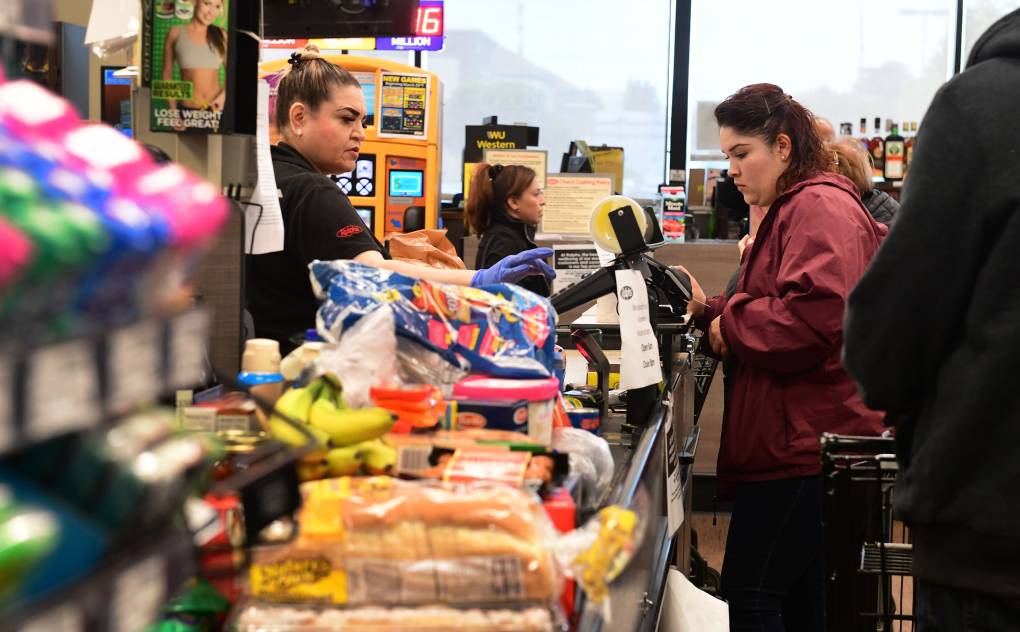
"caption": "Items piled high at the checkout counter of a Ralph's Supermarket in North Hollywood on March 19, 2020.",
"description": null,
"title": "US-HEALTH-VIRUS",
"credit": "Frederic J. Brown/AFP via Getty Images",
"status": "inherit",
"isLoading": false,
"fetchFailed": false
},
"news_11811146": {
"type": "attachments",
"id": "news_11811146",
"meta": {
"index": "attachments_1716263798",
"site": "news",
"id": "11811146",
"found": true
},
"parent": 11811110,
"imgSizes": {
"apple_news_ca_landscape_5_5": {
"file": "https://ww2.kqed.org/app/uploads/sites/10/2020/04/Golden-Gate-Park-Walk-Social-Distancing-1044x783.jpg",
"width": 1044,
"mimeType": "image/jpeg",
"height": 783
},
"apple_news_ca_square_4_0": {
"file": "https://ww2.kqed.org/app/uploads/sites/10/2020/04/Golden-Gate-Park-Walk-Social-Distancing-470x470.jpg",
"width": 470,
"mimeType": "image/jpeg",
"height": 470
},
"twentyfourteen-full-width": {
"file": "https://ww2.kqed.org/app/uploads/sites/10/2020/04/Golden-Gate-Park-Walk-Social-Distancing-1038x576.jpg",
"width": 1038,
"mimeType": "image/jpeg",
"height": 576
},
"thumbnail": {
"file": "https://ww2.kqed.org/app/uploads/sites/10/2020/04/Golden-Gate-Park-Walk-Social-Distancing-160x107.jpg",
"width": 160,
"mimeType": "image/jpeg",
"height": 107
},
"post-thumbnail": {
"file": "https://ww2.kqed.org/app/uploads/sites/10/2020/04/Golden-Gate-Park-Walk-Social-Distancing-672x372.jpg",
"width": 672,
"mimeType": "image/jpeg",
"height": 372
},
"kqedFullSize": {
"file": "https://ww2.kqed.org/app/uploads/sites/10/2020/04/Golden-Gate-Park-Walk-Social-Distancing.jpg",
"width": 1920,
"height": 1280
},
"apple_news_ca_landscape_4_7": {
"file": "https://ww2.kqed.org/app/uploads/sites/10/2020/04/Golden-Gate-Park-Walk-Social-Distancing-632x474.jpg",
"width": 632,
"mimeType": "image/jpeg",
"height": 474
},
"large": {
"file": "https://ww2.kqed.org/app/uploads/sites/10/2020/04/Golden-Gate-Park-Walk-Social-Distancing-1020x680.jpg",
"width": 1020,
"mimeType": "image/jpeg",
"height": 680
},
"apple_news_ca_landscape_4_0": {
"file": "https://ww2.kqed.org/app/uploads/sites/10/2020/04/Golden-Gate-Park-Walk-Social-Distancing-536x402.jpg",
"width": 536,
"mimeType": "image/jpeg",
"height": 402
},
"apple_news_ca_portrait_12_9": {
"file": "https://ww2.kqed.org/app/uploads/sites/10/2020/04/Golden-Gate-Park-Walk-Social-Distancing-1122x1280.jpg",
"width": 1122,
"mimeType": "image/jpeg",
"height": 1280
},
"medium": {
"file": "https://ww2.kqed.org/app/uploads/sites/10/2020/04/Golden-Gate-Park-Walk-Social-Distancing-800x533.jpg",
"width": 800,
"mimeType": "image/jpeg",
"height": 533
},
"apple_news_ca_portrait_4_0": {
"file": "https://ww2.kqed.org/app/uploads/sites/10/2020/04/Golden-Gate-Park-Walk-Social-Distancing-354x472.jpg",
"width": 354,
"mimeType": "image/jpeg",
"height": 472
},
"apple_news_ca_portrait_9_7": {
"file": "https://ww2.kqed.org/app/uploads/sites/10/2020/04/Golden-Gate-Park-Walk-Social-Distancing-840x1120.jpg",
"width": 840,
"mimeType": "image/jpeg",
"height": 1120
},
"apple_news_ca_landscape_12_9": {
"file": "https://ww2.kqed.org/app/uploads/sites/10/2020/04/Golden-Gate-Park-Walk-Social-Distancing-1832x1280.jpg",
"width": 1832,
"mimeType": "image/jpeg",
"height": 1280
},
"apple_news_ca_square_9_7": {
"file": "https://ww2.kqed.org/app/uploads/sites/10/2020/04/Golden-Gate-Park-Walk-Social-Distancing-1104x1104.jpg",
"width": 1104,
"mimeType": "image/jpeg",
"height": 1104
},
"apple_news_ca_portrait_4_7": {
"file": "https://ww2.kqed.org/app/uploads/sites/10/2020/04/Golden-Gate-Park-Walk-Social-Distancing-414x552.jpg",
"width": 414,
"mimeType": "image/jpeg",
"height": 552
},
"apple_news_ca_square_12_9": {
"file": "https://ww2.kqed.org/app/uploads/sites/10/2020/04/Golden-Gate-Park-Walk-Social-Distancing-1472x1280.jpg",
"width": 1472,
"mimeType": "image/jpeg",
"height": 1280
},
"apple_news_ca_portrait_5_5": {
"file": "https://ww2.kqed.org/app/uploads/sites/10/2020/04/Golden-Gate-Park-Walk-Social-Distancing-687x916.jpg",
"width": 687,
"mimeType": "image/jpeg",
"height": 916
},
"full-width": {
"file": "https://ww2.kqed.org/app/uploads/sites/10/2020/04/Golden-Gate-Park-Walk-Social-Distancing-1920x1280.jpg",
"width": 1920,
"mimeType": "image/jpeg",
"height": 1280
},
"apple_news_ca_square_4_7": {
"file": "https://ww2.kqed.org/app/uploads/sites/10/2020/04/Golden-Gate-Park-Walk-Social-Distancing-550x550.jpg",
"width": 550,
"mimeType": "image/jpeg",
"height": 550
},
"apple_news_ca_landscape_9_7": {
"file": "https://ww2.kqed.org/app/uploads/sites/10/2020/04/Golden-Gate-Park-Walk-Social-Distancing-1376x1032.jpg",
"width": 1376,
"mimeType": "image/jpeg",
"height": 1032
},
"apple_news_ca_square_5_5": {
"file": "https://ww2.kqed.org/app/uploads/sites/10/2020/04/Golden-Gate-Park-Walk-Social-Distancing-912x912.jpg",
"width": 912,
"mimeType": "image/jpeg",
"height": 912
}
},
"publishDate": 1586298387,
"modified": 1586298625,
"caption": "State Surgeon General Nadine Burke Harris urged Californians to eat right and get some outdoor exercise to reduce mental stress - while practicing good social distancing, of course.",
"description": "State Surgeon General Nadine Burke Harris urged Californians to eat right and get some outdoor exercise to reduce mental stress - while practicing good social distancing, of course.",
"title": "Golden-Gate-Park-Walk-Social-Distancing",
"credit": "Beth LaBerge/KQED",
"status": "inherit",
"isLoading": false,
"fetchFailed": false
},
"news_11809882": {
"type": "attachments",
"id": "news_11809882",
"meta": {
"index": "attachments_1716263798",
"site": "news",
"id": "11809882",
"found": true
},
"parent": 11809880,
"imgSizes": {
"apple_news_ca_landscape_5_5": {
"file": "https://ww2.kqed.org/app/uploads/sites/10/2020/04/RS612_foreclosure20120511-1044x783.jpg",
"width": 1044,
"mimeType": "image/jpeg",
"height": 783
},
"apple_news_ca_square_4_0": {
"file": "https://ww2.kqed.org/app/uploads/sites/10/2020/04/RS612_foreclosure20120511-470x470.jpg",
"width": 470,
"mimeType": "image/jpeg",
"height": 470
},
"twentyfourteen-full-width": {
"file": "https://ww2.kqed.org/app/uploads/sites/10/2020/04/RS612_foreclosure20120511-1038x576.jpg",
"width": 1038,
"mimeType": "image/jpeg",
"height": 576
},
"thumbnail": {
"file": "https://ww2.kqed.org/app/uploads/sites/10/2020/04/RS612_foreclosure20120511-160x105.jpg",
"width": 160,
"mimeType": "image/jpeg",
"height": 105
},
"post-thumbnail": {
"file": "https://ww2.kqed.org/app/uploads/sites/10/2020/04/RS612_foreclosure20120511-672x372.jpg",
"width": 672,
"mimeType": "image/jpeg",
"height": 372
},
"kqedFullSize": {
"file": "https://ww2.kqed.org/app/uploads/sites/10/2020/04/RS612_foreclosure20120511.jpg",
"width": 3000,
"height": 1960
},
"apple_news_ca_landscape_4_7": {
"file": "https://ww2.kqed.org/app/uploads/sites/10/2020/04/RS612_foreclosure20120511-632x474.jpg",
"width": 632,
"mimeType": "image/jpeg",
"height": 474
},
"large": {
"file": "https://ww2.kqed.org/app/uploads/sites/10/2020/04/RS612_foreclosure20120511-1020x666.jpg",
"width": 1020,
"mimeType": "image/jpeg",
"height": 666
},
"apple_news_ca_landscape_4_0": {
"file": "https://ww2.kqed.org/app/uploads/sites/10/2020/04/RS612_foreclosure20120511-536x402.jpg",
"width": 536,
"mimeType": "image/jpeg",
"height": 402
},
"apple_news_ca_portrait_12_9": {
"file": "https://ww2.kqed.org/app/uploads/sites/10/2020/04/RS612_foreclosure20120511-1122x1496.jpg",
"width": 1122,
"mimeType": "image/jpeg",
"height": 1496
},
"medium": {
"file": "https://ww2.kqed.org/app/uploads/sites/10/2020/04/RS612_foreclosure20120511-800x523.jpg",
"width": 800,
"mimeType": "image/jpeg",
"height": 523
},
"apple_news_ca_portrait_4_0": {
"file": "https://ww2.kqed.org/app/uploads/sites/10/2020/04/RS612_foreclosure20120511-354x472.jpg",
"width": 354,
"mimeType": "image/jpeg",
"height": 472
},
"apple_news_ca_portrait_9_7": {
"file": "https://ww2.kqed.org/app/uploads/sites/10/2020/04/RS612_foreclosure20120511-840x1120.jpg",
"width": 840,
"mimeType": "image/jpeg",
"height": 1120
},
"apple_news_ca_landscape_12_9": {
"file": "https://ww2.kqed.org/app/uploads/sites/10/2020/04/RS612_foreclosure20120511-1832x1374.jpg",
"width": 1832,
"mimeType": "image/jpeg",
"height": 1374
},
"apple_news_ca_square_9_7": {
"file": "https://ww2.kqed.org/app/uploads/sites/10/2020/04/RS612_foreclosure20120511-1104x1104.jpg",
"width": 1104,
"mimeType": "image/jpeg",
"height": 1104
},
"apple_news_ca_portrait_4_7": {
"file": "https://ww2.kqed.org/app/uploads/sites/10/2020/04/RS612_foreclosure20120511-414x552.jpg",
"width": 414,
"mimeType": "image/jpeg",
"height": 552
},
"apple_news_ca_square_12_9": {
"file": "https://ww2.kqed.org/app/uploads/sites/10/2020/04/RS612_foreclosure20120511-1472x1472.jpg",
"width": 1472,
"mimeType": "image/jpeg",
"height": 1472
},
"apple_news_ca_portrait_5_5": {
"file": "https://ww2.kqed.org/app/uploads/sites/10/2020/04/RS612_foreclosure20120511-687x916.jpg",
"width": 687,
"mimeType": "image/jpeg",
"height": 916
},
"full-width": {
"file": "https://ww2.kqed.org/app/uploads/sites/10/2020/04/RS612_foreclosure20120511-1920x1254.jpg",
"width": 1920,
"mimeType": "image/jpeg",
"height": 1254
},
"apple_news_ca_square_4_7": {
"file": "https://ww2.kqed.org/app/uploads/sites/10/2020/04/RS612_foreclosure20120511-550x550.jpg",
"width": 550,
"mimeType": "image/jpeg",
"height": 550
},
"apple_news_ca_landscape_9_7": {
"file": "https://ww2.kqed.org/app/uploads/sites/10/2020/04/RS612_foreclosure20120511-1376x1032.jpg",
"width": 1376,
"mimeType": "image/jpeg",
"height": 1032
},
"apple_news_ca_square_5_5": {
"file": "https://ww2.kqed.org/app/uploads/sites/10/2020/04/RS612_foreclosure20120511-912x912.jpg",
"width": 912,
"mimeType": "image/jpeg",
"height": 912
}
},
"publishDate": 1585690423,
"modified": 1632510715,
"caption": "Gov. Gavin Newsom's moratorium on evictions came after advocacy organizations and some state lawmakers made repeated calls to the governor to provide protection to renters when residents were told to shelter in place.",
"description": null,
"title": "California To Broaden Foreclosure Assist Program",
"credit": "Justin Sullivan/Getty Images",
"status": "inherit",
"altTag": "Two houses, side by side, one with boarded-up windows.",
"isLoading": false,
"fetchFailed": false
},
"news_11810725": {
"type": "attachments",
"id": "news_11810725",
"meta": {
"index": "attachments_1716263798",
"site": "news",
"id": "11810725",
"found": true
},
"parent": 11810709,
"imgSizes": {
"apple_news_ca_square_4_0": {
"file": "https://ww2.kqed.org/app/uploads/sites/10/2020/04/GettyImages-1135577279-470x470.jpg",
"width": 470,
"mimeType": "image/jpeg",
"height": 470
},
"twentyfourteen-full-width": {
"file": "https://ww2.kqed.org/app/uploads/sites/10/2020/04/GettyImages-1135577279-1024x576.jpg",
"width": 1024,
"mimeType": "image/jpeg",
"height": 576
},
"thumbnail": {
"file": "https://ww2.kqed.org/app/uploads/sites/10/2020/04/GettyImages-1135577279-160x108.jpg",
"width": 160,
"mimeType": "image/jpeg",
"height": 108
},
"post-thumbnail": {
"file": "https://ww2.kqed.org/app/uploads/sites/10/2020/04/GettyImages-1135577279-672x372.jpg",
"width": 672,
"mimeType": "image/jpeg",
"height": 372
},
"kqedFullSize": {
"file": "https://ww2.kqed.org/app/uploads/sites/10/2020/04/GettyImages-1135577279.jpg",
"width": 1024,
"height": 688
},
"apple_news_ca_landscape_4_7": {
"file": "https://ww2.kqed.org/app/uploads/sites/10/2020/04/GettyImages-1135577279-632x474.jpg",
"width": 632,
"mimeType": "image/jpeg",
"height": 474
},
"large": {
"file": "https://ww2.kqed.org/app/uploads/sites/10/2020/04/GettyImages-1135577279-1020x685.jpg",
"width": 1020,
"mimeType": "image/jpeg",
"height": 685
},
"apple_news_ca_landscape_4_0": {
"file": "https://ww2.kqed.org/app/uploads/sites/10/2020/04/GettyImages-1135577279-536x402.jpg",
"width": 536,
"mimeType": "image/jpeg",
"height": 402
},
"medium": {
"file": "https://ww2.kqed.org/app/uploads/sites/10/2020/04/GettyImages-1135577279-800x538.jpg",
"width": 800,
"mimeType": "image/jpeg",
"height": 538
},
"apple_news_ca_portrait_4_0": {
"file": "https://ww2.kqed.org/app/uploads/sites/10/2020/04/GettyImages-1135577279-354x472.jpg",
"width": 354,
"mimeType": "image/jpeg",
"height": 472
},
"apple_news_ca_portrait_9_7": {
"file": "https://ww2.kqed.org/app/uploads/sites/10/2020/04/GettyImages-1135577279-840x688.jpg",
"width": 840,
"mimeType": "image/jpeg",
"height": 688
},
"apple_news_ca_portrait_4_7": {
"file": "https://ww2.kqed.org/app/uploads/sites/10/2020/04/GettyImages-1135577279-414x552.jpg",
"width": 414,
"mimeType": "image/jpeg",
"height": 552
},
"apple_news_ca_portrait_5_5": {
"file": "https://ww2.kqed.org/app/uploads/sites/10/2020/04/GettyImages-1135577279-687x688.jpg",
"width": 687,
"mimeType": "image/jpeg",
"height": 688
},
"apple_news_ca_square_4_7": {
"file": "https://ww2.kqed.org/app/uploads/sites/10/2020/04/GettyImages-1135577279-550x550.jpg",
"width": 550,
"mimeType": "image/jpeg",
"height": 550
},
"apple_news_ca_square_5_5": {
"file": "https://ww2.kqed.org/app/uploads/sites/10/2020/04/GettyImages-1135577279-912x688.jpg",
"width": 912,
"mimeType": "image/jpeg",
"height": 688
}
},
"publishDate": 1586029279,
"modified": 1619918028,
"caption": "Gov. Gavin Newsom has the broad authority to spend billions of dollars in emergency coronavirus spending as lawmakers’ recess is further delayed to May 3. ",
"description": null,
"title": "Governor Gavin Newsom Announces He Will Sign Moratorium On Executions In California",
"credit": "Justin Sullivan/Getty Images",
"status": "inherit",
"altTag": "Gov. Gavin Newsom has the broad authority to spend billions of dollars in emergency coronavirus spending as lawmakers’ recess is further delayed to May 3.",
"isLoading": false,
"fetchFailed": false
},
"news_11810535": {
"type": "attachments",
"id": "news_11810535",
"meta": {
"index": "attachments_1716263798",
"site": "news",
"id": "11810535",
"found": true
},
"parent": 11810520,
"imgSizes": {
"apple_news_ca_landscape_5_5": {
"file": "https://ww2.kqed.org/app/uploads/sites/10/2020/04/Gavin-Newsom-homeless-FEMA-1044x783.jpg",
"width": 1044,
"mimeType": "image/jpeg",
"height": 783
},
"apple_news_ca_square_4_0": {
"file": "https://ww2.kqed.org/app/uploads/sites/10/2020/04/Gavin-Newsom-homeless-FEMA-470x470.jpg",
"width": 470,
"mimeType": "image/jpeg",
"height": 470
},
"twentyfourteen-full-width": {
"file": "https://ww2.kqed.org/app/uploads/sites/10/2020/04/Gavin-Newsom-homeless-FEMA-1038x576.jpg",
"width": 1038,
"mimeType": "image/jpeg",
"height": 576
},
"thumbnail": {
"file": "https://ww2.kqed.org/app/uploads/sites/10/2020/04/Gavin-Newsom-homeless-FEMA-160x107.jpg",
"width": 160,
"mimeType": "image/jpeg",
"height": 107
},
"post-thumbnail": {
"file": "https://ww2.kqed.org/app/uploads/sites/10/2020/04/Gavin-Newsom-homeless-FEMA-672x372.jpg",
"width": 672,
"mimeType": "image/jpeg",
"height": 372
},
"kqedFullSize": {
"file": "https://ww2.kqed.org/app/uploads/sites/10/2020/04/Gavin-Newsom-homeless-FEMA.jpg",
"width": 1920,
"height": 1280
},
"apple_news_ca_landscape_4_7": {
"file": "https://ww2.kqed.org/app/uploads/sites/10/2020/04/Gavin-Newsom-homeless-FEMA-632x474.jpg",
"width": 632,
"mimeType": "image/jpeg",
"height": 474
},
"large": {
"file": "https://ww2.kqed.org/app/uploads/sites/10/2020/04/Gavin-Newsom-homeless-FEMA-1020x680.jpg",
"width": 1020,
"mimeType": "image/jpeg",
"height": 680
},
"apple_news_ca_landscape_4_0": {
"file": "https://ww2.kqed.org/app/uploads/sites/10/2020/04/Gavin-Newsom-homeless-FEMA-536x402.jpg",
"width": 536,
"mimeType": "image/jpeg",
"height": 402
},
"apple_news_ca_portrait_12_9": {
"file": "https://ww2.kqed.org/app/uploads/sites/10/2020/04/Gavin-Newsom-homeless-FEMA-1122x1280.jpg",
"width": 1122,
"mimeType": "image/jpeg",
"height": 1280
},
"medium": {
"file": "https://ww2.kqed.org/app/uploads/sites/10/2020/04/Gavin-Newsom-homeless-FEMA-800x533.jpg",
"width": 800,
"mimeType": "image/jpeg",
"height": 533
},
"apple_news_ca_portrait_4_0": {
"file": "https://ww2.kqed.org/app/uploads/sites/10/2020/04/Gavin-Newsom-homeless-FEMA-354x472.jpg",
"width": 354,
"mimeType": "image/jpeg",
"height": 472
},
"apple_news_ca_portrait_9_7": {
"file": "https://ww2.kqed.org/app/uploads/sites/10/2020/04/Gavin-Newsom-homeless-FEMA-840x1120.jpg",
"width": 840,
"mimeType": "image/jpeg",
"height": 1120
},
"apple_news_ca_landscape_12_9": {
"file": "https://ww2.kqed.org/app/uploads/sites/10/2020/04/Gavin-Newsom-homeless-FEMA-1832x1280.jpg",
"width": 1832,
"mimeType": "image/jpeg",
"height": 1280
},
"apple_news_ca_square_9_7": {
"file": "https://ww2.kqed.org/app/uploads/sites/10/2020/04/Gavin-Newsom-homeless-FEMA-1104x1104.jpg",
"width": 1104,
"mimeType": "image/jpeg",
"height": 1104
},
"apple_news_ca_portrait_4_7": {
"file": "https://ww2.kqed.org/app/uploads/sites/10/2020/04/Gavin-Newsom-homeless-FEMA-414x552.jpg",
"width": 414,
"mimeType": "image/jpeg",
"height": 552
},
"apple_news_ca_square_12_9": {
"file": "https://ww2.kqed.org/app/uploads/sites/10/2020/04/Gavin-Newsom-homeless-FEMA-1472x1280.jpg",
"width": 1472,
"mimeType": "image/jpeg",
"height": 1280
},
"apple_news_ca_portrait_5_5": {
"file": "https://ww2.kqed.org/app/uploads/sites/10/2020/04/Gavin-Newsom-homeless-FEMA-687x916.jpg",
"width": 687,
"mimeType": "image/jpeg",
"height": 916
},
"full-width": {
"file": "https://ww2.kqed.org/app/uploads/sites/10/2020/04/Gavin-Newsom-homeless-FEMA-1920x1280.jpg",
"width": 1920,
"mimeType": "image/jpeg",
"height": 1280
},
"apple_news_ca_square_4_7": {
"file": "https://ww2.kqed.org/app/uploads/sites/10/2020/04/Gavin-Newsom-homeless-FEMA-550x550.jpg",
"width": 550,
"mimeType": "image/jpeg",
"height": 550
},
"apple_news_ca_landscape_9_7": {
"file": "https://ww2.kqed.org/app/uploads/sites/10/2020/04/Gavin-Newsom-homeless-FEMA-1376x1032.jpg",
"width": 1376,
"mimeType": "image/jpeg",
"height": 1032
},
"apple_news_ca_square_5_5": {
"file": "https://ww2.kqed.org/app/uploads/sites/10/2020/04/Gavin-Newsom-homeless-FEMA-912x912.jpg",
"width": 912,
"mimeType": "image/jpeg",
"height": 912
}
},
"publishDate": 1585948131,
"modified": 1585948176,
"caption": "Gov. Gavin Newsom speaks during a a news conference about the state's efforts on the homelessness crisis on January 16, 2020 in Oakland.",
"description": "Gov. Gavin Newsom speaks during a a news conference about the state's efforts on the homelessness crisis on January 16, 2020 in Oakland.",
"title": "Gavin-Newsom-homeless-FEMA",
"credit": "Justin Sullivan/Getty Images",
"status": "inherit",
"isLoading": false,
"fetchFailed": false
},
"news_11810374": {
"type": "attachments",
"id": "news_11810374",
"meta": {
"index": "attachments_1716263798",
"site": "news",
"id": "11810374",
"found": true
},
"parent": 11810305,
"imgSizes": {
"apple_news_ca_landscape_5_5": {
"file": "https://ww2.kqed.org/app/uploads/sites/10/2020/04/NannyHoldingHands-1044x783.jpg",
"width": 1044,
"mimeType": "image/jpeg",
"height": 783
},
"apple_news_ca_square_4_0": {
"file": "https://ww2.kqed.org/app/uploads/sites/10/2020/04/NannyHoldingHands-470x470.jpg",
"width": 470,
"mimeType": "image/jpeg",
"height": 470
},
"twentyfourteen-full-width": {
"file": "https://ww2.kqed.org/app/uploads/sites/10/2020/04/NannyHoldingHands-1038x576.jpg",
"width": 1038,
"mimeType": "image/jpeg",
"height": 576
},
"thumbnail": {
"file": "https://ww2.kqed.org/app/uploads/sites/10/2020/04/NannyHoldingHands-160x107.jpg",
"width": 160,
"mimeType": "image/jpeg",
"height": 107
},
"post-thumbnail": {
"file": "https://ww2.kqed.org/app/uploads/sites/10/2020/04/NannyHoldingHands-672x372.jpg",
"width": 672,
"mimeType": "image/jpeg",
"height": 372
},
"kqedFullSize": {
"file": "https://ww2.kqed.org/app/uploads/sites/10/2020/04/NannyHoldingHands.jpg",
"width": 1920,
"height": 1280
},
"apple_news_ca_landscape_4_7": {
"file": "https://ww2.kqed.org/app/uploads/sites/10/2020/04/NannyHoldingHands-632x474.jpg",
"width": 632,
"mimeType": "image/jpeg",
"height": 474
},
"large": {
"file": "https://ww2.kqed.org/app/uploads/sites/10/2020/04/NannyHoldingHands-1020x680.jpg",
"width": 1020,
"mimeType": "image/jpeg",
"height": 680
},
"apple_news_ca_landscape_4_0": {
"file": "https://ww2.kqed.org/app/uploads/sites/10/2020/04/NannyHoldingHands-536x402.jpg",
"width": 536,
"mimeType": "image/jpeg",
"height": 402
},
"apple_news_ca_portrait_12_9": {
"file": "https://ww2.kqed.org/app/uploads/sites/10/2020/04/NannyHoldingHands-1122x1280.jpg",
"width": 1122,
"mimeType": "image/jpeg",
"height": 1280
},
"medium": {
"file": "https://ww2.kqed.org/app/uploads/sites/10/2020/04/NannyHoldingHands-800x533.jpg",
"width": 800,
"mimeType": "image/jpeg",
"height": 533
},
"apple_news_ca_portrait_4_0": {
"file": "https://ww2.kqed.org/app/uploads/sites/10/2020/04/NannyHoldingHands-354x472.jpg",
"width": 354,
"mimeType": "image/jpeg",
"height": 472
},
"apple_news_ca_portrait_9_7": {
"file": "https://ww2.kqed.org/app/uploads/sites/10/2020/04/NannyHoldingHands-840x1120.jpg",
"width": 840,
"mimeType": "image/jpeg",
"height": 1120
},
"apple_news_ca_landscape_12_9": {
"file": "https://ww2.kqed.org/app/uploads/sites/10/2020/04/NannyHoldingHands-1832x1280.jpg",
"width": 1832,
"mimeType": "image/jpeg",
"height": 1280
},
"apple_news_ca_square_9_7": {
"file": "https://ww2.kqed.org/app/uploads/sites/10/2020/04/NannyHoldingHands-1104x1104.jpg",
"width": 1104,
"mimeType": "image/jpeg",
"height": 1104
},
"apple_news_ca_portrait_4_7": {
"file": "https://ww2.kqed.org/app/uploads/sites/10/2020/04/NannyHoldingHands-414x552.jpg",
"width": 414,
"mimeType": "image/jpeg",
"height": 552
},
"apple_news_ca_square_12_9": {
"file": "https://ww2.kqed.org/app/uploads/sites/10/2020/04/NannyHoldingHands-1472x1280.jpg",
"width": 1472,
"mimeType": "image/jpeg",
"height": 1280
},
"apple_news_ca_portrait_5_5": {
"file": "https://ww2.kqed.org/app/uploads/sites/10/2020/04/NannyHoldingHands-687x916.jpg",
"width": 687,
"mimeType": "image/jpeg",
"height": 916
},
"full-width": {
"file": "https://ww2.kqed.org/app/uploads/sites/10/2020/04/NannyHoldingHands-1920x1280.jpg",
"width": 1920,
"mimeType": "image/jpeg",
"height": 1280
},
"apple_news_ca_square_4_7": {
"file": "https://ww2.kqed.org/app/uploads/sites/10/2020/04/NannyHoldingHands-550x550.jpg",
"width": 550,
"mimeType": "image/jpeg",
"height": 550
},
"apple_news_ca_landscape_9_7": {
"file": "https://ww2.kqed.org/app/uploads/sites/10/2020/04/NannyHoldingHands-1376x1032.jpg",
"width": 1376,
"mimeType": "image/jpeg",
"height": 1032
},
"apple_news_ca_square_5_5": {
"file": "https://ww2.kqed.org/app/uploads/sites/10/2020/04/NannyHoldingHands-912x912.jpg",
"width": 912,
"mimeType": "image/jpeg",
"height": 912
}
},
"publishDate": 1585874659,
"modified": 1585874774,
"caption": "Many domestic workers such as nannies are relying on the charity of their employers during the ongoing coronavirus crisis.",
"description": "Many domestic workers such as nannies are relying on the charity of their employers during the ongoing coronavirus crisis.",
"title": "NannyHoldingHands",
"credit": "Getty Images",
"status": "inherit",
"isLoading": false,
"fetchFailed": false
},
"news_11810416": {
"type": "attachments",
"id": "news_11810416",
"meta": {
"index": "attachments_1716263798",
"site": "news",
"id": "11810416",
"found": true
},
"parent": 11809643,
"imgSizes": {
"apple_news_ca_landscape_5_5": {
"file": "https://ww2.kqed.org/app/uploads/sites/10/2020/04/RS42502_005_KQED_Oakland_EssentialWorkers_04012020-qut-1-1044x783.jpg",
"width": 1044,
"mimeType": "image/jpeg",
"height": 783
},
"apple_news_ca_square_4_0": {
"file": "https://ww2.kqed.org/app/uploads/sites/10/2020/04/RS42502_005_KQED_Oakland_EssentialWorkers_04012020-qut-1-470x470.jpg",
"width": 470,
"mimeType": "image/jpeg",
"height": 470
},
"twentyfourteen-full-width": {
"file": "https://ww2.kqed.org/app/uploads/sites/10/2020/04/RS42502_005_KQED_Oakland_EssentialWorkers_04012020-qut-1-1038x576.jpg",
"width": 1038,
"mimeType": "image/jpeg",
"height": 576
},
"thumbnail": {
"file": "https://ww2.kqed.org/app/uploads/sites/10/2020/04/RS42502_005_KQED_Oakland_EssentialWorkers_04012020-qut-1-160x107.jpg",
"width": 160,
"mimeType": "image/jpeg",
"height": 107
},
"post-thumbnail": {
"file": "https://ww2.kqed.org/app/uploads/sites/10/2020/04/RS42502_005_KQED_Oakland_EssentialWorkers_04012020-qut-1-672x372.jpg",
"width": 672,
"mimeType": "image/jpeg",
"height": 372
},
"kqedFullSize": {
"file": "https://ww2.kqed.org/app/uploads/sites/10/2020/04/RS42502_005_KQED_Oakland_EssentialWorkers_04012020-qut-1.jpg",
"width": 1920,
"height": 1280
},
"apple_news_ca_landscape_4_7": {
"file": "https://ww2.kqed.org/app/uploads/sites/10/2020/04/RS42502_005_KQED_Oakland_EssentialWorkers_04012020-qut-1-632x474.jpg",
"width": 632,
"mimeType": "image/jpeg",
"height": 474
},
"large": {
"file": "https://ww2.kqed.org/app/uploads/sites/10/2020/04/RS42502_005_KQED_Oakland_EssentialWorkers_04012020-qut-1-1020x680.jpg",
"width": 1020,
"mimeType": "image/jpeg",
"height": 680
},
"apple_news_ca_landscape_4_0": {
"file": "https://ww2.kqed.org/app/uploads/sites/10/2020/04/RS42502_005_KQED_Oakland_EssentialWorkers_04012020-qut-1-536x402.jpg",
"width": 536,
"mimeType": "image/jpeg",
"height": 402
},
"apple_news_ca_portrait_12_9": {
"file": "https://ww2.kqed.org/app/uploads/sites/10/2020/04/RS42502_005_KQED_Oakland_EssentialWorkers_04012020-qut-1-1122x1280.jpg",
"width": 1122,
"mimeType": "image/jpeg",
"height": 1280
},
"medium": {
"file": "https://ww2.kqed.org/app/uploads/sites/10/2020/04/RS42502_005_KQED_Oakland_EssentialWorkers_04012020-qut-1-800x533.jpg",
"width": 800,
"mimeType": "image/jpeg",
"height": 533
},
"apple_news_ca_portrait_4_0": {
"file": "https://ww2.kqed.org/app/uploads/sites/10/2020/04/RS42502_005_KQED_Oakland_EssentialWorkers_04012020-qut-1-354x472.jpg",
"width": 354,
"mimeType": "image/jpeg",
"height": 472
},
"apple_news_ca_portrait_9_7": {
"file": "https://ww2.kqed.org/app/uploads/sites/10/2020/04/RS42502_005_KQED_Oakland_EssentialWorkers_04012020-qut-1-840x1120.jpg",
"width": 840,
"mimeType": "image/jpeg",
"height": 1120
},
"apple_news_ca_landscape_12_9": {
"file": "https://ww2.kqed.org/app/uploads/sites/10/2020/04/RS42502_005_KQED_Oakland_EssentialWorkers_04012020-qut-1-1832x1280.jpg",
"width": 1832,
"mimeType": "image/jpeg",
"height": 1280
},
"apple_news_ca_square_9_7": {
"file": "https://ww2.kqed.org/app/uploads/sites/10/2020/04/RS42502_005_KQED_Oakland_EssentialWorkers_04012020-qut-1-1104x1104.jpg",
"width": 1104,
"mimeType": "image/jpeg",
"height": 1104
},
"apple_news_ca_portrait_4_7": {
"file": "https://ww2.kqed.org/app/uploads/sites/10/2020/04/RS42502_005_KQED_Oakland_EssentialWorkers_04012020-qut-1-414x552.jpg",
"width": 414,
"mimeType": "image/jpeg",
"height": 552
},
"apple_news_ca_square_12_9": {
"file": "https://ww2.kqed.org/app/uploads/sites/10/2020/04/RS42502_005_KQED_Oakland_EssentialWorkers_04012020-qut-1-1472x1280.jpg",
"width": 1472,
"mimeType": "image/jpeg",
"height": 1280
},
"apple_news_ca_portrait_5_5": {
"file": "https://ww2.kqed.org/app/uploads/sites/10/2020/04/RS42502_005_KQED_Oakland_EssentialWorkers_04012020-qut-1-687x916.jpg",
"width": 687,
"mimeType": "image/jpeg",
"height": 916
},
"full-width": {
"file": "https://ww2.kqed.org/app/uploads/sites/10/2020/04/RS42502_005_KQED_Oakland_EssentialWorkers_04012020-qut-1-1920x1280.jpg",
"width": 1920,
"mimeType": "image/jpeg",
"height": 1280
},
"apple_news_ca_square_4_7": {
"file": "https://ww2.kqed.org/app/uploads/sites/10/2020/04/RS42502_005_KQED_Oakland_EssentialWorkers_04012020-qut-1-550x550.jpg",
"width": 550,
"mimeType": "image/jpeg",
"height": 550
},
"apple_news_ca_landscape_9_7": {
"file": "https://ww2.kqed.org/app/uploads/sites/10/2020/04/RS42502_005_KQED_Oakland_EssentialWorkers_04012020-qut-1-1376x1032.jpg",
"width": 1376,
"mimeType": "image/jpeg",
"height": 1032
},
"apple_news_ca_square_5_5": {
"file": "https://ww2.kqed.org/app/uploads/sites/10/2020/04/RS42502_005_KQED_Oakland_EssentialWorkers_04012020-qut-1-912x912.jpg",
"width": 912,
"mimeType": "image/jpeg",
"height": 912
}
},
"publishDate": 1585892154,
"modified": 1585893172,
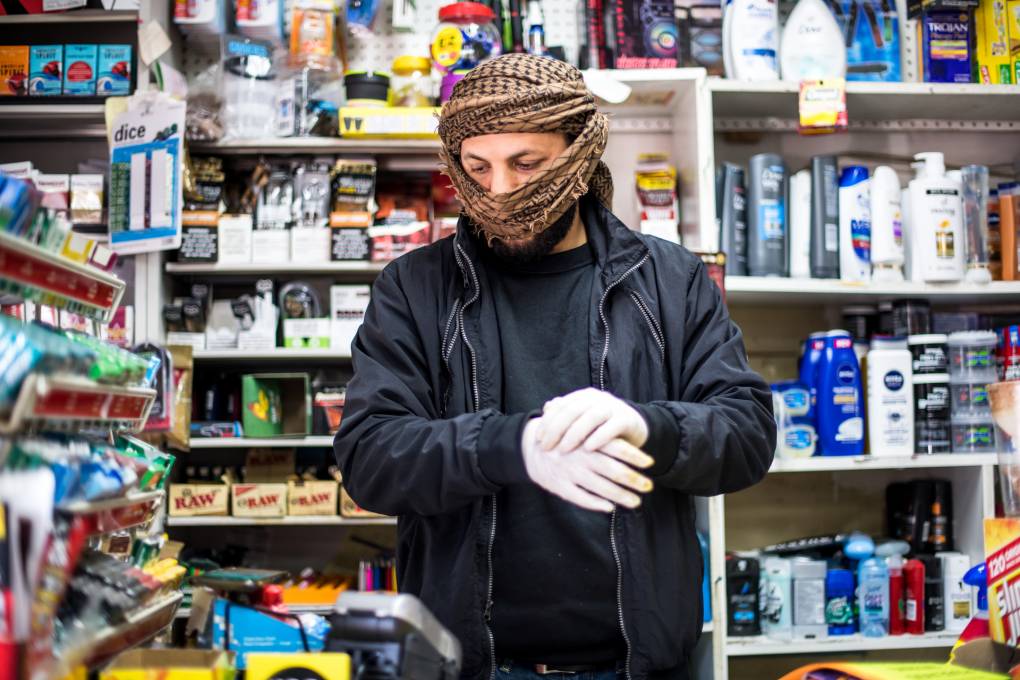
"caption": "Mohamed Darhan, 30, an employee at Sunrise Market in Oakland on April 1, 2020. Darhan said he regularly sanitizes his gloves and the counter, and posts signs reminding customers to keep a distance from each other (and from him) and not to come in the store if they're feeling sick. ",
"description": null,
"title": "RS42502_005_KQED_Oakland_EssentialWorkers_04012020-qut (1)",
"credit": "Beth LaBerge/KQED",
"status": "inherit",
"isLoading": false,
"fetchFailed": false
},
"news_11809681": {
"type": "attachments",
"id": "news_11809681",
"meta": {
"index": "attachments_1716263798",
"site": "news",
"id": "11809681",
"found": true
},
"parent": 11809657,
"imgSizes": {
"apple_news_ca_landscape_5_5": {
"file": "https://ww2.kqed.org/app/uploads/sites/10/2020/03/RS42438_003_KQED_Richmond_UndocumentedWorkers_03302020-qut-1044x783.jpg",
"width": 1044,
"mimeType": "image/jpeg",
"height": 783
},
"apple_news_ca_square_4_0": {
"file": "https://ww2.kqed.org/app/uploads/sites/10/2020/03/RS42438_003_KQED_Richmond_UndocumentedWorkers_03302020-qut-470x470.jpg",
"width": 470,
"mimeType": "image/jpeg",
"height": 470
},
"twentyfourteen-full-width": {
"file": "https://ww2.kqed.org/app/uploads/sites/10/2020/03/RS42438_003_KQED_Richmond_UndocumentedWorkers_03302020-qut-1038x576.jpg",
"width": 1038,
"mimeType": "image/jpeg",
"height": 576
},
"thumbnail": {
"file": "https://ww2.kqed.org/app/uploads/sites/10/2020/03/RS42438_003_KQED_Richmond_UndocumentedWorkers_03302020-qut-160x107.jpg",
"width": 160,
"mimeType": "image/jpeg",
"height": 107
},
"post-thumbnail": {
"file": "https://ww2.kqed.org/app/uploads/sites/10/2020/03/RS42438_003_KQED_Richmond_UndocumentedWorkers_03302020-qut-672x372.jpg",
"width": 672,
"mimeType": "image/jpeg",
"height": 372
},
"kqedFullSize": {
"file": "https://ww2.kqed.org/app/uploads/sites/10/2020/03/RS42438_003_KQED_Richmond_UndocumentedWorkers_03302020-qut.jpg",
"width": 1920,
"height": 1280
},
"apple_news_ca_landscape_4_7": {
"file": "https://ww2.kqed.org/app/uploads/sites/10/2020/03/RS42438_003_KQED_Richmond_UndocumentedWorkers_03302020-qut-632x474.jpg",
"width": 632,
"mimeType": "image/jpeg",
"height": 474
},
"large": {
"file": "https://ww2.kqed.org/app/uploads/sites/10/2020/03/RS42438_003_KQED_Richmond_UndocumentedWorkers_03302020-qut-1020x680.jpg",
"width": 1020,
"mimeType": "image/jpeg",
"height": 680
},
"apple_news_ca_landscape_4_0": {
"file": "https://ww2.kqed.org/app/uploads/sites/10/2020/03/RS42438_003_KQED_Richmond_UndocumentedWorkers_03302020-qut-536x402.jpg",
"width": 536,
"mimeType": "image/jpeg",
"height": 402
},
"apple_news_ca_portrait_12_9": {
"file": "https://ww2.kqed.org/app/uploads/sites/10/2020/03/RS42438_003_KQED_Richmond_UndocumentedWorkers_03302020-qut-1122x1280.jpg",
"width": 1122,
"mimeType": "image/jpeg",
"height": 1280
},
"medium": {
"file": "https://ww2.kqed.org/app/uploads/sites/10/2020/03/RS42438_003_KQED_Richmond_UndocumentedWorkers_03302020-qut-800x533.jpg",
"width": 800,
"mimeType": "image/jpeg",
"height": 533
},
"apple_news_ca_portrait_4_0": {
"file": "https://ww2.kqed.org/app/uploads/sites/10/2020/03/RS42438_003_KQED_Richmond_UndocumentedWorkers_03302020-qut-354x472.jpg",
"width": 354,
"mimeType": "image/jpeg",
"height": 472
},
"apple_news_ca_portrait_9_7": {
"file": "https://ww2.kqed.org/app/uploads/sites/10/2020/03/RS42438_003_KQED_Richmond_UndocumentedWorkers_03302020-qut-840x1120.jpg",
"width": 840,
"mimeType": "image/jpeg",
"height": 1120
},
"apple_news_ca_landscape_12_9": {
"file": "https://ww2.kqed.org/app/uploads/sites/10/2020/03/RS42438_003_KQED_Richmond_UndocumentedWorkers_03302020-qut-1832x1280.jpg",
"width": 1832,
"mimeType": "image/jpeg",
"height": 1280
},
"apple_news_ca_square_9_7": {
"file": "https://ww2.kqed.org/app/uploads/sites/10/2020/03/RS42438_003_KQED_Richmond_UndocumentedWorkers_03302020-qut-1104x1104.jpg",
"width": 1104,
"mimeType": "image/jpeg",
"height": 1104
},
"apple_news_ca_portrait_4_7": {
"file": "https://ww2.kqed.org/app/uploads/sites/10/2020/03/RS42438_003_KQED_Richmond_UndocumentedWorkers_03302020-qut-414x552.jpg",
"width": 414,
"mimeType": "image/jpeg",
"height": 552
},
"apple_news_ca_square_12_9": {
"file": "https://ww2.kqed.org/app/uploads/sites/10/2020/03/RS42438_003_KQED_Richmond_UndocumentedWorkers_03302020-qut-1472x1280.jpg",
"width": 1472,
"mimeType": "image/jpeg",
"height": 1280
},
"apple_news_ca_portrait_5_5": {
"file": "https://ww2.kqed.org/app/uploads/sites/10/2020/03/RS42438_003_KQED_Richmond_UndocumentedWorkers_03302020-qut-687x916.jpg",
"width": 687,
"mimeType": "image/jpeg",
"height": 916
},
"full-width": {
"file": "https://ww2.kqed.org/app/uploads/sites/10/2020/03/RS42438_003_KQED_Richmond_UndocumentedWorkers_03302020-qut-1920x1280.jpg",
"width": 1920,
"mimeType": "image/jpeg",
"height": 1280
},
"apple_news_ca_square_4_7": {
"file": "https://ww2.kqed.org/app/uploads/sites/10/2020/03/RS42438_003_KQED_Richmond_UndocumentedWorkers_03302020-qut-550x550.jpg",
"width": 550,
"mimeType": "image/jpeg",
"height": 550
},
"apple_news_ca_landscape_9_7": {
"file": "https://ww2.kqed.org/app/uploads/sites/10/2020/03/RS42438_003_KQED_Richmond_UndocumentedWorkers_03302020-qut-1376x1032.jpg",
"width": 1376,
"mimeType": "image/jpeg",
"height": 1032
},
"apple_news_ca_square_5_5": {
"file": "https://ww2.kqed.org/app/uploads/sites/10/2020/03/RS42438_003_KQED_Richmond_UndocumentedWorkers_03302020-qut-912x912.jpg",
"width": 912,
"mimeType": "image/jpeg",
"height": 912
}
},
"publishDate": 1585611684,
"modified": 1585679738,
"caption": "Patricia, an undocumented immigrant from Honduras, stands near her home in Richmond, California, on March 30, 2020. Patricia lost her job weeks ago because of the coronavirus crisis but is unable to collect unemployment insurance benefits because of her immigration status. ",
"description": null,
"title": "Patricia in Richmond, Calif. on Mar. 30, 2020.",
"credit": "Beth LaBerge/KQED",
"status": "inherit",
"isLoading": false,
"fetchFailed": false
},
"news_11809665": {
"type": "attachments",
"id": "news_11809665",
"meta": {
"index": "attachments_1716263798",
"site": "news",
"id": "11809665",
"found": true
},
"parent": 11809613,
"imgSizes": {
"apple_news_ca_landscape_5_5": {
"file": "https://ww2.kqed.org/app/uploads/sites/10/2020/03/Nurse-Coronavirus-Richmond-Kaiser-1044x783.jpg",
"width": 1044,
"mimeType": "image/jpeg",
"height": 783
},
"apple_news_ca_square_4_0": {
"file": "https://ww2.kqed.org/app/uploads/sites/10/2020/03/Nurse-Coronavirus-Richmond-Kaiser-470x470.jpg",
"width": 470,
"mimeType": "image/jpeg",
"height": 470
},
"twentyfourteen-full-width": {
"file": "https://ww2.kqed.org/app/uploads/sites/10/2020/03/Nurse-Coronavirus-Richmond-Kaiser-1038x576.jpg",
"width": 1038,
"mimeType": "image/jpeg",
"height": 576
},
"thumbnail": {
"file": "https://ww2.kqed.org/app/uploads/sites/10/2020/03/Nurse-Coronavirus-Richmond-Kaiser-160x107.jpg",
"width": 160,
"mimeType": "image/jpeg",
"height": 107
},
"post-thumbnail": {
"file": "https://ww2.kqed.org/app/uploads/sites/10/2020/03/Nurse-Coronavirus-Richmond-Kaiser-672x372.jpg",
"width": 672,
"mimeType": "image/jpeg",
"height": 372
},
"kqedFullSize": {
"file": "https://ww2.kqed.org/app/uploads/sites/10/2020/03/Nurse-Coronavirus-Richmond-Kaiser.jpg",
"width": 1920,
"height": 1280
},
"apple_news_ca_landscape_4_7": {
"file": "https://ww2.kqed.org/app/uploads/sites/10/2020/03/Nurse-Coronavirus-Richmond-Kaiser-632x474.jpg",
"width": 632,
"mimeType": "image/jpeg",
"height": 474
},
"large": {
"file": "https://ww2.kqed.org/app/uploads/sites/10/2020/03/Nurse-Coronavirus-Richmond-Kaiser-1020x680.jpg",
"width": 1020,
"mimeType": "image/jpeg",
"height": 680
},
"apple_news_ca_landscape_4_0": {
"file": "https://ww2.kqed.org/app/uploads/sites/10/2020/03/Nurse-Coronavirus-Richmond-Kaiser-536x402.jpg",
"width": 536,
"mimeType": "image/jpeg",
"height": 402
},
"apple_news_ca_portrait_12_9": {
"file": "https://ww2.kqed.org/app/uploads/sites/10/2020/03/Nurse-Coronavirus-Richmond-Kaiser-1122x1280.jpg",
"width": 1122,
"mimeType": "image/jpeg",
"height": 1280
},
"medium": {
"file": "https://ww2.kqed.org/app/uploads/sites/10/2020/03/Nurse-Coronavirus-Richmond-Kaiser-800x533.jpg",
"width": 800,
"mimeType": "image/jpeg",
"height": 533
},
"apple_news_ca_portrait_4_0": {
"file": "https://ww2.kqed.org/app/uploads/sites/10/2020/03/Nurse-Coronavirus-Richmond-Kaiser-354x472.jpg",
"width": 354,
"mimeType": "image/jpeg",
"height": 472
},
"apple_news_ca_portrait_9_7": {
"file": "https://ww2.kqed.org/app/uploads/sites/10/2020/03/Nurse-Coronavirus-Richmond-Kaiser-840x1120.jpg",
"width": 840,
"mimeType": "image/jpeg",
"height": 1120
},
"apple_news_ca_landscape_12_9": {
"file": "https://ww2.kqed.org/app/uploads/sites/10/2020/03/Nurse-Coronavirus-Richmond-Kaiser-1832x1280.jpg",
"width": 1832,
"mimeType": "image/jpeg",
"height": 1280
},
"apple_news_ca_square_9_7": {
"file": "https://ww2.kqed.org/app/uploads/sites/10/2020/03/Nurse-Coronavirus-Richmond-Kaiser-1104x1104.jpg",
"width": 1104,
"mimeType": "image/jpeg",
"height": 1104
},
"apple_news_ca_portrait_4_7": {
"file": "https://ww2.kqed.org/app/uploads/sites/10/2020/03/Nurse-Coronavirus-Richmond-Kaiser-414x552.jpg",
"width": 414,
"mimeType": "image/jpeg",
"height": 552
},
"apple_news_ca_square_12_9": {
"file": "https://ww2.kqed.org/app/uploads/sites/10/2020/03/Nurse-Coronavirus-Richmond-Kaiser-1472x1280.jpg",
"width": 1472,
"mimeType": "image/jpeg",
"height": 1280
},
"apple_news_ca_portrait_5_5": {
"file": "https://ww2.kqed.org/app/uploads/sites/10/2020/03/Nurse-Coronavirus-Richmond-Kaiser-687x916.jpg",
"width": 687,
"mimeType": "image/jpeg",
"height": 916
},
"full-width": {
"file": "https://ww2.kqed.org/app/uploads/sites/10/2020/03/Nurse-Coronavirus-Richmond-Kaiser-1920x1280.jpg",
"width": 1920,
"mimeType": "image/jpeg",
"height": 1280
},
"apple_news_ca_square_4_7": {
"file": "https://ww2.kqed.org/app/uploads/sites/10/2020/03/Nurse-Coronavirus-Richmond-Kaiser-550x550.jpg",
"width": 550,
"mimeType": "image/jpeg",
"height": 550
},
"apple_news_ca_landscape_9_7": {
"file": "https://ww2.kqed.org/app/uploads/sites/10/2020/03/Nurse-Coronavirus-Richmond-Kaiser-1376x1032.jpg",
"width": 1376,
"mimeType": "image/jpeg",
"height": 1032
},
"apple_news_ca_square_5_5": {
"file": "https://ww2.kqed.org/app/uploads/sites/10/2020/03/Nurse-Coronavirus-Richmond-Kaiser-912x912.jpg",
"width": 912,
"mimeType": "image/jpeg",
"height": 912
}
},
"publishDate": 1585611000,
"modified": 1610411405,
"caption": "Registered nurse Angelo Daulat works at Kaiser Permanente in Richmond where patients with respiratory symptoms were being triaged on March 19, 2020.",
"description": "Registered nurse Angelo Daulat works at Kaiser Permanente in Richmond where patients with respiratory symptoms were being triaged, on Thursday, Mar. 19, 2020.",
"title": "Nurse-Coronavirus-Richmond-Kaiser",
"credit": "Beth LaBerge/KQED",
"status": "inherit",
"altTag": "Registered nurse Angelo Daulat works at Kaiser Permanente in Richmond where patients with respiratory symptoms were being triaged, on Thursday, Mar. 19, 2020.",
"isLoading": false,
"fetchFailed": false
}
},
"audioPlayerReducer": {
"postId": "stream_live",
"isPaused": true,
"isPlaying": false,
"pfsActive": false,
"pledgeModalIsOpen": true,
"playerDrawerIsOpen": false,
"liveAudioPlayStartedAt": 0,
"liveAudioPlayContext": ""
},
"authorsReducer": {
"byline_news_11811012": {
"type": "authors",
"id": "byline_news_11811012",
"meta": {
"override": true
},
"slug": "byline_news_11811012",
"name": "The Associated Press",
"isLoading": false
},
"byline_news_11810709": {
"type": "authors",
"id": "byline_news_11810709",
"meta": {
"override": true
},
"slug": "byline_news_11810709",
"name": "Adam Beam",
"isLoading": false
},
"samharnett": {
"type": "authors",
"id": "253",
"meta": {
"index": "authors_1716337520",
"id": "253",
"found": true
},
"name": "Sam Harnett",
"firstName": "Sam",
"lastName": "Harnett",
"slug": "samharnett",
"email": "samharnett@gmail.com",
"display_author_email": false,
"staff_mastheads": [],
"title": "KQED Contributor",
"bio": "Sam Harnett covered tech and work at KQED. He is the co-creator of \u003cem>\u003ca href=\"http://www.theworldaccordingtosound.org\">The World According to Sound\u003c/a>,\u003c/em> a 90-second podcast that features different sounds and the stories behind them.\r\n\r\nBefore coming to KQED, Sam worked as an independent reporter who contributed regularly to \u003cem>The California Report, Marketplace,\u003c/em> \u003cem>The World \u003c/em>and NPR.",
"avatar": "https://secure.gravatar.com/avatar/2538b972ac02f2b9546c7a6c59a0f3d0?s=600&d=blank&r=g",
"twitter": "Samwharnett",
"facebook": null,
"instagram": null,
"linkedin": null,
"sites": [
{
"site": "news",
"roles": [
"edit_others_posts",
"subscriber"
]
},
{
"site": "stateofhealth",
"roles": [
"author"
]
},
{
"site": "science",
"roles": [
"editor"
]
},
{
"site": "quest",
"roles": [
"subscriber"
]
}
],
"headData": {
"title": "Sam Harnett | KQED",
"description": "KQED Contributor",
"ogImgSrc": "https://secure.gravatar.com/avatar/2538b972ac02f2b9546c7a6c59a0f3d0?s=600&d=blank&r=g",
"twImgSrc": "https://secure.gravatar.com/avatar/2538b972ac02f2b9546c7a6c59a0f3d0?s=600&d=blank&r=g"
},
"isLoading": false,
"link": "/author/samharnett"
},
"mlagos": {
"type": "authors",
"id": "3239",
"meta": {
"index": "authors_1716337520",
"id": "3239",
"found": true
},
"name": "Marisa Lagos",
"firstName": "Marisa",
"lastName": "Lagos",
"slug": "mlagos",
"email": "mlagos@kqed.org",
"display_author_email": false,
"staff_mastheads": [
"news"
],
"title": "KQED Contributor",
"bio": "Marisa Lagos is a correspondent for KQED’s California Politics and Government Desk and co-hosts the award-winning show and podcast, Political Breakdown. At KQED, Lagos also conducts reporting, analysis and investigations into state, local and national politics for radio, TV, online and onstage. In 2022, she and co-host, Scott Shafer, moderated the only gubernatorial debate in California. In 2020, the \u003ci>Washington Post\u003c/i> named her one of the top political journalists in California; she was nominated for a Peabody and won several other awards for her work investigating the 2017 California wildfires. She has worked at the \u003ci>San Francisco Chronicle\u003c/i>, \u003ci>San Francisco Examiner\u003c/i> and \u003ci>Los Angeles Times\u003c/i>. A UC Santa Barbara graduate, she lives in San Francisco with her two sons and husband.",
"avatar": "https://secure.gravatar.com/avatar/a261a0d3696fc066871ef96b85b5e7d2?s=600&d=blank&r=g",
"twitter": "@mlagos",
"facebook": null,
"instagram": null,
"linkedin": null,
"sites": [
{
"site": "arts",
"roles": [
"author"
]
},
{
"site": "news",
"roles": [
"editor"
]
},
{
"site": "science",
"roles": [
"editor"
]
},
{
"site": "forum",
"roles": [
"author"
]
},
{
"site": "liveblog",
"roles": [
"author"
]
}
],
"headData": {
"title": "Marisa Lagos | KQED",
"description": "KQED Contributor",
"ogImgSrc": "https://secure.gravatar.com/avatar/a261a0d3696fc066871ef96b85b5e7d2?s=600&d=blank&r=g",
"twImgSrc": "https://secure.gravatar.com/avatar/a261a0d3696fc066871ef96b85b5e7d2?s=600&d=blank&r=g"
},
"isLoading": false,
"link": "/author/mlagos"
},
"fjhabvala": {
"type": "authors",
"id": "8659",
"meta": {
"index": "authors_1716337520",
"id": "8659",
"found": true
},
"name": "Farida Jhabvala Romero",
"firstName": "Farida",
"lastName": "Jhabvala Romero",
"slug": "fjhabvala",
"email": "fjhabvala@kqed.org",
"display_author_email": true,
"staff_mastheads": [
"news"
],
"title": "KQED Contributor",
"bio": "\u003cspan style=\"font-weight: 400;\">Farida Jhabvala Romero is a Labor Correspondent for KQED. She previously covered immigration. Farida was \u003ca href=\"https://www.ccnma.org/2022-most-influential-latina-journalists\">named\u003c/a> one of the 10 Most Influential Latina Journalists in California in 2022 by the California Chicano News Media Association. Her work has won awards from the Society of Professional Journalists (Northern California), as well as a national and regional Edward M. Murrow Award for the collaborative reporting projects “Dangerous Air” and “Graying California.” \u003c/span>\u003cspan style=\"font-weight: 400;\">Before joining KQED, Farida worked as a producer at Radio Bilingüe, a national public radio network. Farida earned her master’s degree in journalism from Stanford University.\u003c/span>",
"avatar": "https://secure.gravatar.com/avatar/c3ab27c5554b67b478f80971e515aa02?s=600&d=blank&r=g",
"twitter": "FaridaJhabvala",
"facebook": null,
"instagram": null,
"linkedin": "https://www.linkedin.com/in/faridajhabvala/",
"sites": [
{
"site": "news",
"roles": [
"editor"
]
},
{
"site": "stateofhealth",
"roles": [
"author"
]
}
],
"headData": {
"title": "Farida Jhabvala Romero | KQED",
"description": "KQED Contributor",
"ogImgSrc": "https://secure.gravatar.com/avatar/c3ab27c5554b67b478f80971e515aa02?s=600&d=blank&r=g",
"twImgSrc": "https://secure.gravatar.com/avatar/c3ab27c5554b67b478f80971e515aa02?s=600&d=blank&r=g"
},
"isLoading": false,
"link": "/author/fjhabvala"
},
"korr": {
"type": "authors",
"id": "11200",
"meta": {
"index": "authors_1716337520",
"id": "11200",
"found": true
},
"name": "Katie Orr",
"firstName": "Katie",
"lastName": "Orr",
"slug": "korr",
"email": "korr@kqed.org",
"display_author_email": false,
"staff_mastheads": [],
"title": "KQED Contributor",
"bio": "Katie Orr was a Sacramento-based reporter for KQED's Politics and Government Desk, covering the state Capitol and a variety of issues including women in politics, voting and elections and legislation. Prior to joining KQED in 2016, Katie was state government reporter for Capital Public Radio in Sacramento. She's also worked for KPBS in San Diego, where she covered City Hall.\r\n\r\nKatie received her masters degree in political science from San Diego State University and holds a Bachelors degree in broadcast journalism from Arizona State University.\r\n\r\nIn 2015 Katie won a national Clarion Award for a series of stories she did on women in California politics. She's been honored by the Society for Professional Journalists and, in 2013, was named by \u003cem>The Washington Post\u003c/em> as one of the country's top state Capitol reporters. She's also reported for the award-winning documentary series \u003cem>The View from Here \u003c/em>and was part of the team that won national PRNDI and Gabriel Awards in 2015. She lives in Sacramento with her husband. Twitter: @1KatieOrr",
"avatar": "https://secure.gravatar.com/avatar/41a40b25845adc78f50808670860449e?s=600&d=blank&r=g",
"twitter": "1katieorr",
"facebook": null,
"instagram": null,
"linkedin": null,
"sites": [
{
"site": "news",
"roles": [
"subscriber"
]
},
{
"site": "stateofhealth",
"roles": [
"author"
]
},
{
"site": "forum",
"roles": [
"author"
]
}
],
"headData": {
"title": "Katie Orr | KQED",
"description": "KQED Contributor",
"ogImgSrc": "https://secure.gravatar.com/avatar/41a40b25845adc78f50808670860449e?s=600&d=blank&r=g",
"twImgSrc": "https://secure.gravatar.com/avatar/41a40b25845adc78f50808670860449e?s=600&d=blank&r=g"
},
"isLoading": false,
"link": "/author/korr"
},
"agarces": {
"type": "authors",
"id": "11367",
"meta": {
"index": "authors_1716337520",
"id": "11367",
"found": true
},
"name": "Audrey Garces",
"firstName": "Audrey",
"lastName": "Garces",
"slug": "agarces",
"email": "agarces@kqed.org",
"display_author_email": false,
"staff_mastheads": [
"news"
],
"title": "Digital Producer",
"bio": "Audrey is a former digital producer at KQED News. Previously, she was a KQED Raul Ramirez Diversity Fund intern where she developed stories that focused on highlighting diverse voices in journalism. Prior to her work at KQED, she worked as a news intern at the San Francisco Examiner. Audrey graduated from San Francisco State University with a B.A. in journalism and a minor in political science.",
"avatar": "https://secure.gravatar.com/avatar/5211bc2e6a809b9956da169e35ce63d5?s=600&d=blank&r=g",
"twitter": "audgar",
"facebook": null,
"instagram": null,
"linkedin": null,
"sites": [
{
"site": "arts",
"roles": []
},
{
"site": "news",
"roles": [
"subscriber"
]
},
{
"site": "science",
"roles": [
"editor"
]
},
{
"site": "forum",
"roles": [
"editor"
]
},
{
"site": "perspectives",
"roles": [
"administrator"
]
}
],
"headData": {
"title": "Audrey Garces | KQED",
"description": "Digital Producer",
"ogImgSrc": "https://secure.gravatar.com/avatar/5211bc2e6a809b9956da169e35ce63d5?s=600&d=blank&r=g",
"twImgSrc": "https://secure.gravatar.com/avatar/5211bc2e6a809b9956da169e35ce63d5?s=600&d=blank&r=g"
},
"isLoading": false,
"link": "/author/agarces"
},
"parcuni": {
"type": "authors",
"id": "11368",
"meta": {
"index": "authors_1716337520",
"id": "11368",
"found": true
},
"name": "Peter Arcuni",
"firstName": "Peter",
"lastName": "Arcuni",
"slug": "parcuni",
"email": "parcuni@KQED.org",
"display_author_email": false,
"staff_mastheads": [
"science"
],
"title": "Reporter",
"bio": "Peter reports radio and online stories for \u003cem>KQED Science\u003c/em>. His work has also appeared on the \u003cem>The California Report\u003c/em> morning show and \u003cem>KQED News\u003c/em>. His production credits include \u003cem>The California Report, The California Report Magazine\u003c/em> and KQED's local news podcast \u003cem>The Bay\u003c/em>. Other credits include NPR's \u003cem>All Things Considered\u003c/em>, WNYC's \u003cem>Science Friday\u003c/em>, WBUR's \u003cem>Here & Now\u003c/em>, WIRED and SFGate. Peter graduated from Brown University and earned a master's degree in journalism from Stanford. He's covered everything from homelessness to wildfires, health, the environment, arts and Thanksgiving in San Quentin prison. In other lives, he played rock n roll music and studied neuroscience. You can email him at: parcuni@kqed.org",
"avatar": "https://secure.gravatar.com/avatar/d5032f6f27199d478af34ad2e1d98732?s=600&d=blank&r=g",
"twitter": "peterarcuni",
"facebook": null,
"instagram": null,
"linkedin": null,
"sites": [
{
"site": "news",
"roles": [
"editor"
]
},
{
"site": "science",
"roles": [
"editor"
]
}
],
"headData": {
"title": "Peter Arcuni | KQED",
"description": "Reporter",
"ogImgSrc": "https://secure.gravatar.com/avatar/d5032f6f27199d478af34ad2e1d98732?s=600&d=blank&r=g",
"twImgSrc": "https://secure.gravatar.com/avatar/d5032f6f27199d478af34ad2e1d98732?s=600&d=blank&r=g"
},
"isLoading": false,
"link": "/author/parcuni"
},
"ebaldassari": {
"type": "authors",
"id": "11652",
"meta": {
"index": "authors_1716337520",
"id": "11652",
"found": true
},
"name": "Erin Baldassari",
"firstName": "Erin",
"lastName": "Baldassari",
"slug": "ebaldassari",
"email": "ebaldassari@KQED.org",
"display_author_email": true,
"staff_mastheads": [
"news"
],
"title": "Staff Writer",
"bio": "Erin Baldassari covers housing for KQED. She's a former print journalist and most recently worked as the transportation reporter for the \u003cem>Mercury News\u003c/em> and \u003cem>East Bay Times. \u003c/em>There, she focused on how the Bay Area’s housing shortage has changed the way people move around the region. She also served on the \u003cem>East Bay Times\u003c/em>’ 2017 Pulitzer Prize-winning team for coverage of the Ghost Ship Fire in Oakland. Prior to that, Erin worked as a breaking news and general assignment reporter for a variety of outlets in the Bay Area and the greater Boston area. A Tufts University alumna, Erin grew up in the foothills of the Sierra Nevada mountains and in Sonoma County. She is a life-long KQED listener.",
"avatar": "https://secure.gravatar.com/avatar/660ce35d088ca54ad606d7e941abc652?s=600&d=mm&r=g",
"twitter": "e_baldi",
"facebook": null,
"instagram": null,
"linkedin": null,
"sites": [
{
"site": "news",
"roles": [
"edit_others_posts",
"editor"
]
},
{
"site": "science",
"roles": [
"editor"
]
},
{
"site": "liveblog",
"roles": [
"editor"
]
}
],
"headData": {
"title": "Erin Baldassari | KQED",
"description": "Staff Writer",
"ogImgSrc": "https://secure.gravatar.com/avatar/660ce35d088ca54ad606d7e941abc652?s=600&d=mm&r=g",
"twImgSrc": "https://secure.gravatar.com/avatar/660ce35d088ca54ad606d7e941abc652?s=600&d=mm&r=g"
},
"isLoading": false,
"link": "/author/ebaldassari"
}
},
"pagesReducer": {
"news_tag_california": {
"type": "terms",
"id": "news_18538",
"meta": {
"index": "terms_1716263798",
"site": "news",
"id": "18538",
"score": 6.8450828
},
"featImg": null,
"name": "California",
"description": null,
"taxonomy": "tag",
"headData": {
"twImgId": null,
"twTitle": null,
"ogTitle": null,
"ogImgId": null,
"twDescription": null,
"description": null,
"title": "California Archives | KQED News",
"ogDescription": null
},
"ttid": 31,
"slug": "california",
"isLoading": false,
"title": "California",
"pageMeta": {
"site": "news",
"WpPageTemplate": "page-topic-editorial",
"currentPage": 206
},
"blocks": [
{
"blockName": "kqed/post-list",
"attrs": {
"layout": "cardArticle2",
"query": "posts/news?tag=california",
"seeMore": false,
"paginated": true,
"page": 206
}
},
{
"blockName": "kqed/ad"
}
]
}
},
"pfsSessionReducer": {},
"postsReducer": {
"stream_live": {
"type": "live",
"id": "stream_live",
"audioUrl": "https://streams.kqed.org/kqedradio",
"title": "Live Stream",
"excerpt": "Live Stream information currently unavailable.",
"link": "/radio",
"featImg": "",
"label": {
"name": "KQED Live",
"link": "/"
}
},
"stream_kqedNewscast": {
"type": "posts",
"id": "stream_kqedNewscast",
"audioUrl": "https://www.kqed.org/.stream/anon/radio/RDnews/newscast.mp3?_=1",
"title": "KQED Newscast",
"featImg": "",
"label": {
"name": "88.5 FM",
"link": "/"
}
},
"news_11811822": {
"type": "posts",
"id": "news_11811822",
"meta": {
"index": "posts_1716263798",
"site": "news",
"id": "11811822",
"score": null,
"sort": [
1586782834000
]
},
"parent": 0,
"labelTerm": {},
"blocks": [],
"publishDate": 1586782834,
"format": "standard",
"disqusTitle": "Amid Pandemic, State Releases Thousands of Prisoners — But Will They Have Support at Home?",
"title": "Amid Pandemic, State Releases Thousands of Prisoners — But Will They Have Support at Home?",
"headTitle": "KQED News",
"content": "\u003cp>By the end of today, the state will have \u003ca href=\"https://www.cdcr.ca.gov/covid19/frequently-asked-questions-for-plan-on-expedited-release-and-increased-physical-space-within-state-prisons/\" target=\"_blank\" rel=\"noopener noreferrer\">released 3,500 nonviolent offenders early from state prison\u003c/a>, and local jails have already let thousands more low-level inmates go — but advocates for prisoners are worried that those coming home amid a global pandemic won’t have the tools to succeed and stay healthy. \u003c/p>\n\u003cp>Prison officials announced \u003ca href=\"https://www.latimes.com/california/story/2020-03-31/coronavirus-california-release-3500-inmates-prisons\" target=\"_blank\" rel=\"noopener noreferrer\">on March 31\u003c/a> they would release 3,500 prisoners, most of whom were within 60 days of their release date or had already been granted parole by the state. As of last week, 2,000 inmates had been released from state prisons; a spokeswoman said the remaining 1,500 will be let out by the end of today.\u003c/p>\n\u003cp>At the local level, many sheriffs have been releasing some low-level inmates on their own. Additionally, the state Judicial Council on April 6 \u003ca href=\"https://newsroom.courts.ca.gov/news/judicial-council-adopts-new-rules-to-lower-jail-population-suspend-evictions-and-foreclosures\" target=\"_blank\" rel=\"noopener noreferrer\">set new rules\u003c/a> setting bail at zero for misdemeanors and low-level felonies, further reducing the number of people in jails.\u003c/p>\n\u003cp>While advocates for offenders are cheering the releases, they are also worried about what will meet these men and women at home. Will they have a safe place to live, a way to make ends meet, or access to mental health or substance abuse services? \u003c/p>\n\u003cp>\"Independent of the COVID pandemic, successful reentry has not been the centerpiece of our criminal justice system,\" said Lenore Anderson, founder and president of Californians for Safety and Justice, which advocates spending less on prisons and more on community programs. \u003c/p>\n\u003cp>[ad fullwidth]\u003c/p>\n\u003cp>\"For decades, we've lacked in really ensuring that people transitioning back to our communities from prison and jail land on their feet and stabilize,\" Anderson said.\u003c/p>\n\u003cp>Troy Vaughn, executive director of the Los Angeles Regional Reentry Partnership, said the state needs to provide nonprofits and other community groups more resources to grapple with both the influx of people and the challenges posed by providing services during a pandemic. For example, he said workers at those organizations need personal protective equipment to serve returning inmates.\u003c/p>\n\u003cp>\"Why aren’t we putting real mechanisms and resources to help them come home and to reintegrate back into society?\" Vaughn asked. \"I think that because we already had a fragmented system that wasn't coordinated in a strategic way, now that you kinda just throw a whole bunch of people into it, the cart's more than just overturned, it’s drowning.\"\u003c/p>\n\u003cp>Dana Simas, a spokeswoman for the California Department of Corrections and Rehabilitation, said the state is working to ensure a safe, soft homecoming for released prisoners.\u003c/p>\n\u003cp>[aside tag=\"coronavirus\" label=\"More Coronavirus Coverage\"]\u003c/p>\n\u003cp>\"We have been coordinating closely with community-based organizations to help get those being released back to their communities without the use of public transportation. We have extended the use of CDCR phones — not the inmate telephone network that they are normally required to use — for those being released so that they can better coordinate with their friends/family and or volunteer groups for transportation,\" Simas said in a written statement.\u003c/p>\n\u003cp>\u003c/p>\n\u003cp>The releases come as the number of infected \u003ca href=\"https://www.cdcr.ca.gov/covid19/cdcr-cchcs-covid-19-status/\" target=\"_blank\" rel=\"noopener noreferrer\">staff\u003c/a> and \u003ca href=\"https://www.cdcr.ca.gov/covid19/population-status-tracking/\" target=\"_blank\" rel=\"noopener noreferrer\">inmates\u003c/a> in state prisons continues to grow.\u003c/p>\n\n",
"disqusIdentifier": "11811822 https://ww2.kqed.org/news/?p=11811822",
"disqusUrl": "https://ww2.kqed.org/news/2020/04/13/amid-pandemic-state-releases-thousands-of-prisoners-but-will-they-have-support-at-home/",
"stats": {
"hasVideo": false,
"hasChartOrMap": false,
"hasAudio": false,
"hasPolis": false,
"wordCount": 528,
"hasGoogleForm": false,
"hasGallery": false,
"hasHearkenModule": false,
"iframeSrcs": [],
"paragraphCount": 14
},
"modified": 1586799947,
"excerpt": "Officials released nonviolent offenders early from state prisons and local jails, but some are worried that those coming home amid a global pandemic won’t have the tools to succeed and stay healthy. ",
"headData": {
"twImgId": "",
"twTitle": "",
"ogTitle": "",
"ogImgId": "",
"twDescription": "",
"description": "Officials released nonviolent offenders early from state prisons and local jails, but some are worried that those coming home amid a global pandemic won’t have the tools to succeed and stay healthy. ",
"title": "Amid Pandemic, State Releases Thousands of Prisoners — But Will They Have Support at Home? | KQED",
"ogDescription": "",
"schema": {
"@context": "https://schema.org",
"@type": "NewsArticle",
"headline": "Amid Pandemic, State Releases Thousands of Prisoners — But Will They Have Support at Home?",
"datePublished": "2020-04-13T06:00:34-07:00",
"dateModified": "2020-04-13T10:45:47-07:00",
"image": "https://cdn.kqed.org/wp-content/uploads/2020/02/KQED-OG-Image@1x.png",
"isAccessibleForFree": "True",
"publisher": {
"@type": "NewsMediaOrganization",
"@id": "https://www.kqed.org/#organization",
"name": "KQED",
"logo": "https://cdn.kqed.org/wp-content/uploads/2020/02/KQED-OG-Image@1x.png",
"url": "https://www.kqed.org",
"sameAs": [
"https://www.facebook.com/KQED",
"https://twitter.com/KQED",
"https://www.instagram.com/kqed/",
"https://www.tiktok.com/@kqedofficial",
"https://www.linkedin.com/company/kqed",
"https://www.youtube.com/channel/UCeC0IOo7i1P_61zVUWbJ4nw"
]
}
}
},
"guestAuthors": [],
"slug": "amid-pandemic-state-releases-thousands-of-prisoners-but-will-they-have-support-at-home",
"status": "publish",
"sourceUrl": "https://www.kqed.org/coronavirus",
"source": "Coronavirus",
"path": "/news/11811822/amid-pandemic-state-releases-thousands-of-prisoners-but-will-they-have-support-at-home",
"audioTrackLength": null,
"parsedContent": [
{
"type": "contentString",
"content": "\u003cdiv class=\"post-body\">\u003cp>\u003cp>By the end of today, the state will have \u003ca href=\"https://www.cdcr.ca.gov/covid19/frequently-asked-questions-for-plan-on-expedited-release-and-increased-physical-space-within-state-prisons/\" target=\"_blank\" rel=\"noopener noreferrer\">released 3,500 nonviolent offenders early from state prison\u003c/a>, and local jails have already let thousands more low-level inmates go — but advocates for prisoners are worried that those coming home amid a global pandemic won’t have the tools to succeed and stay healthy. \u003c/p>\n\u003cp>Prison officials announced \u003ca href=\"https://www.latimes.com/california/story/2020-03-31/coronavirus-california-release-3500-inmates-prisons\" target=\"_blank\" rel=\"noopener noreferrer\">on March 31\u003c/a> they would release 3,500 prisoners, most of whom were within 60 days of their release date or had already been granted parole by the state. As of last week, 2,000 inmates had been released from state prisons; a spokeswoman said the remaining 1,500 will be let out by the end of today.\u003c/p>\n\u003cp>At the local level, many sheriffs have been releasing some low-level inmates on their own. Additionally, the state Judicial Council on April 6 \u003ca href=\"https://newsroom.courts.ca.gov/news/judicial-council-adopts-new-rules-to-lower-jail-population-suspend-evictions-and-foreclosures\" target=\"_blank\" rel=\"noopener noreferrer\">set new rules\u003c/a> setting bail at zero for misdemeanors and low-level felonies, further reducing the number of people in jails.\u003c/p>\n\u003cp>While advocates for offenders are cheering the releases, they are also worried about what will meet these men and women at home. Will they have a safe place to live, a way to make ends meet, or access to mental health or substance abuse services? \u003c/p>\n\u003cp>\"Independent of the COVID pandemic, successful reentry has not been the centerpiece of our criminal justice system,\" said Lenore Anderson, founder and president of Californians for Safety and Justice, which advocates spending less on prisons and more on community programs. \u003c/p>\n\u003cp>\u003c/p>\u003c/div>",
"attributes": {
"named": {},
"numeric": []
}
},
{
"type": "component",
"content": "",
"name": "ad",
"attributes": {
"named": {
"label": "fullwidth"
},
"numeric": [
"fullwidth"
]
}
},
{
"type": "contentString",
"content": "\u003cdiv class=\"post-body\">\u003cp>\u003c/p>\n\u003cp>\"For decades, we've lacked in really ensuring that people transitioning back to our communities from prison and jail land on their feet and stabilize,\" Anderson said.\u003c/p>\n\u003cp>Troy Vaughn, executive director of the Los Angeles Regional Reentry Partnership, said the state needs to provide nonprofits and other community groups more resources to grapple with both the influx of people and the challenges posed by providing services during a pandemic. For example, he said workers at those organizations need personal protective equipment to serve returning inmates.\u003c/p>\n\u003cp>\"Why aren’t we putting real mechanisms and resources to help them come home and to reintegrate back into society?\" Vaughn asked. \"I think that because we already had a fragmented system that wasn't coordinated in a strategic way, now that you kinda just throw a whole bunch of people into it, the cart's more than just overturned, it’s drowning.\"\u003c/p>\n\u003cp>Dana Simas, a spokeswoman for the California Department of Corrections and Rehabilitation, said the state is working to ensure a safe, soft homecoming for released prisoners.\u003c/p>\n\u003cp>\u003c/p>\u003c/div>",
"attributes": {
"named": {},
"numeric": []
}
},
{
"type": "component",
"content": "",
"name": "aside",
"attributes": {
"named": {
"tag": "coronavirus",
"label": "More Coronavirus Coverage "
},
"numeric": []
}
},
{
"type": "contentString",
"content": "\u003cdiv class=\"post-body\">\u003cp>\u003c/p>\n\u003cp>\"We have been coordinating closely with community-based organizations to help get those being released back to their communities without the use of public transportation. We have extended the use of CDCR phones — not the inmate telephone network that they are normally required to use — for those being released so that they can better coordinate with their friends/family and or volunteer groups for transportation,\" Simas said in a written statement.\u003c/p>\n\u003cp>\u003c/p>\n\u003cp>The releases come as the number of infected \u003ca href=\"https://www.cdcr.ca.gov/covid19/cdcr-cchcs-covid-19-status/\" target=\"_blank\" rel=\"noopener noreferrer\">staff\u003c/a> and \u003ca href=\"https://www.cdcr.ca.gov/covid19/population-status-tracking/\" target=\"_blank\" rel=\"noopener noreferrer\">inmates\u003c/a> in state prisons continues to grow.\u003c/p>\n\n\u003c/div>\u003c/p>",
"attributes": {
"named": {},
"numeric": []
}
}
],
"link": "/news/11811822/amid-pandemic-state-releases-thousands-of-prisoners-but-will-they-have-support-at-home",
"authors": [
"3239"
],
"categories": [
"news_6188",
"news_8"
],
"tags": [
"news_18538",
"news_616",
"news_27350",
"news_17725",
"news_27626",
"news_2997",
"news_17968"
],
"featImg": "news_11812050",
"label": "source_news_11811822"
},
"news_11811552": {
"type": "posts",
"id": "news_11811552",
"meta": {
"index": "posts_1716263798",
"site": "news",
"id": "11811552",
"score": null,
"sort": [
1586471785000
]
},
"guestAuthors": [],
"slug": "most-property-taxes-are-still-due-april-10-heres-what-you-need-to-know",
"title": "Most Property Taxes Are Still Due April 10 — Here's What You Need to Know",
"publishDate": 1586471785,
"format": "aside",
"headTitle": "Most Property Taxes Are Still Due April 10 — Here’s What You Need to Know | KQED",
"labelTerm": {},
"content": "\u003cp>Property taxes are still due on April 10 in most California counties — despite the fact that county offices are closed.\u003c/p>\n\u003cp>Nearly all counties across the state have agreed to waive penalties for late payments though if you can demonstrate you’ve been impacted by the COVID-19 emergency and can’t pay right now. Those exceptions will be determined on a case-by-case basis.\u003c/p>\n\u003cp>There are some exceptions to the due date — San Mateo and San Francisco counties both extended their deadlines to May 4. But those who are able to pay are encouraged to pay now.\u003c/p>\n\u003cp>Property taxes make up a huge portion of local governments’ revenue, said Graham Knaus, the executive director of the California State Association of Counties.\u003c/p>\n\u003cp>“It’s local revenue for local services,” he said. “It is the primary funding source for critical services in the community, like public health and public safety.”\u003c/p>\n\u003cp>[ad fullwidth]\u003c/p>\n\u003cp>Local schools and county hospitals are also impacted.\u003c/p>\n\u003cp>Not paying taxes could lead to cash flow problems, Knaus said, causing some cities or counties to default on their loans, which could have serious long-term impacts. You might recall when \u003ca href=\"https://www.washingtonpost.com/news/wonk/wp/2013/07/18/detroit-isnt-alone-the-u-s-cities-that-have-gone-bankrupt-in-one-map/\" target=\"_blank\" rel=\"noopener noreferrer\">some cities went bankrupt\u003c/a> following the Great Recession.\u003c/p>\n\u003cp>Here’s what you need to know if you live in one of the nine Bay Area counties. Jump to the county where you live: \u003ca href=\"#alameda\">Alameda\u003c/a>, \u003ca href=\"#contra\">Contra Costa\u003c/a>, \u003ca href=\"#marin\">Marin\u003c/a>, \u003ca href=\"#napa\">Napa\u003c/a>, \u003ca href=\"#sf\">San Francisco\u003c/a>, \u003ca href=\"#sm\">San Mateo\u003c/a>, \u003ca href=\"#sc\">Santa Clara\u003c/a>, \u003ca href=\"#solano\">Solano\u003c/a> or \u003ca href=\"#sonoma\">Sonoma\u003c/a>.\u003c/p>\n\u003cp> \u003c/p>\n\u003ch3>Alameda\u003c/h3>\n\u003cp>\u003cstrong>Property tax due date:\u003c/strong> April 10\u003cbr>\n\u003cstrong>What if I can’t pay?\u003c/strong> Beginning April 10, the Treasurer-Tax Collector’s Office will post an online form property owners can fill out to request to waive late-payment penalties. Taxpayers will need to fill out the form and sign a statement under penalty of perjury detailing why they are unable to pay on time for reasons related to the coronavirus that are beyond their control. That could include illness, unemployment, business losses or loss of rental income. Responses will be given within 60 days.\u003cbr>\n\u003cstrong>Who’s eligible for penalty forgiveness?\u003c/strong> Homeowners, small businesses and small landlords.\u003cbr>\n\u003cstrong>I can pay. How do I do that?\u003c/strong> There are no in-person payments at this time. Pay \u003ca href=\"https://acgov.org/propertytax/online.htm\" target=\"_blank\" rel=\"noopener noreferrer\">online\u003c/a>, over the phone by calling 510-272-6800 or email \u003ca href=\"mailto:ttaxpublicmail@acgov.org\">ttaxpublicmail@acgov.org\u003c/a>. You can also pay by mail by sending checks to Alameda County Treasurer & Tax Collector at 1221 Oak Street, Room 131, Oakland, CA, 94612.\u003c/p>\n\u003cp> \u003c/p>\n\u003ch3>Contra Costa\u003c/h3>\n\u003cp>\u003cstrong>Property tax due date:\u003c/strong> April 10\u003cbr>\n\u003cstrong>What if I can’t pay?\u003c/strong> You have until June 30, 2020, to request a late-payment penalty cancellation, if you make your payment in full. Partial tax payments will not be accepted. You’ll need to provide documentation demonstrating why you were late. That could include, but is not limited to, a note from a physician or medical staff, hospital release form or employer notification letter for business closure, layoff, furlough or reduced hours. The request form for a penalty cancellation will be available online or the county can mail you a copy.\u003cbr>\n\u003cstrong>Who’s eligible for penalty forgiveness?\u003c/strong> Taxpayers who can demonstrate lost income or revenue due to the coronavirus pandemic.\u003cbr>\n\u003cstrong>I can pay. How do I do that?\u003c/strong> There is no in-person payment at this time. Cash payments are not accepted. Pay \u003ca href=\"https://taxcolp.cccounty.us/taxpaymentrev3/lookup\" target=\"_blank\" rel=\"noopener noreferrer\">online \u003c/a>or through an automated phone system at (925) 957-5280. If you need a receipt for proof of payment, a copy of your tax bill with the installment’s payment date is available in “View Bill” under \u003ca href=\"https://taxcolp.cccounty.us/taxpaymentrev3/lookup\" target=\"_blank\" rel=\"noopener noreferrer\">Account Lookup\u003c/a>. You can also email \u003ca href=\"mailto:taxinfo@tax.cccounty.us\">taxinfo@tax.cccounty.us\u003c/a>. You can pay by mail by sending checks to the Contra Costa Tax Treasurer-Tax Collector’s Office at P.O. Box 631, Martinez, CA, 94553.\u003c/p>\n\u003cp> \u003c/p>\n\u003ch3>Marin\u003c/h3>\n\u003cp>\u003cstrong>Property tax due date:\u003c/strong> April 10\u003cbr>\n\u003cstrong>What if I can’t pay?\u003c/strong> Property owners in Marin County have until May 15 to request a waiver for a late-payment penalty. You must provide documentation that demonstrates you were impacted by the coronavirus either through illness, or lost income or revenue. Tax payments should be made by June 10. Waivers will be considered on a case-by-case basis.\u003cbr>\n\u003cstrong>Who’s eligible for penalty forgiveness?\u003c/strong> Homeowners, small landlords and small businesses that have fewer than 25 employees and had annual gross receipts of $7.5 million or less over the past three years.\u003cbr>\n\u003cstrong>I can pay. How do I do that?\u003c/strong> Pay \u003ca href=\"https://www.marincounty.org/depts/df/divisions/tax-collector/cancellation-of-property-tax-penalty\" target=\"_blank\" rel=\"noopener noreferrer\">online\u003c/a>, over the phone at (800) 985-7277 or by mail postmarked April 10. Answers to frequently asked questions can be \u003ca href=\"https://www.marincounty.org/depts/df/divisions/tax-collector/cancellation-of-property-tax-penalty\">found here\u003c/a>. Send checks to Marin County Tax Collector at P.O. Box 4220, San Rafael, CA, 94913.\u003c/p>\n\u003cp> \u003c/p>\n\u003ch3>Napa\u003c/h3>\n\u003cp>\u003cstrong>Property tax due date:\u003c/strong> April 10\u003cbr>\n\u003cstrong>What if I can’t pay?\u003c/strong> Beginning April 11, property owners unable to pay on time for reasons related to COVID-19 may submit a \u003ca href=\"https://www.countyofnapa.org/DocumentCenter/View/16783/Penalty-Cancellation-Request-Form\" target=\"_blank\" rel=\"noopener noreferrer\">request for penalty cancellation online\u003c/a>. The county’s Tax Collector’s Office has set up a special team to process requests for those who can demonstrate they were affected by the outbreak.\u003cbr>\n\u003cstrong>Who’s eligible for penalty forgiveness?\u003c/strong> Property owners impacted by COVID-19.\u003cbr>\n\u003cstrong>I can pay. How do I do that?\u003c/strong> Pay \u003ca href=\"https://common2.mptsweb.com/mbc/napa/tax/search/\" target=\"_blank\" rel=\"noopener noreferrer\">online here\u003c/a> or call (855) 627-2121 to pay by phone. More information about how to pay your taxes can be found \u003ca href=\"https://www.countyofnapa.org/1260/Property-Tax-Payments\" target=\"_blank\" rel=\"noopener noreferrer\">here\u003c/a>. In-person payments are discouraged, but you can mail checks to the County Administration Building at 1195 Third Street, Suite 108, Napa, CA, 94559.\u003c/p>\n\u003cp> \u003c/p>\n\u003ch3>San Francisco\u003c/h3>\n\u003cp>\u003cstrong>Property tax due date:\u003c/strong> May 4\u003cbr>\n\u003cstrong>What if I can’t pay?\u003c/strong> If you are unable to pay by May 4, you may request a waiver for a late payment at that time. You can’t request the waiver before the date that taxes are due. You should provide documentation demonstrating why you weren’t able to pay. You can submit your request \u003ca href=\"https://sftreasurer.org/business/manage-your-business/penalty-waiver-refund-request\" target=\"_blank\" rel=\"noopener noreferrer\">here\u003c/a>.\u003cbr>\n\u003cstrong>Who’s eligible for penalty forgiveness?\u003c/strong> Any taxpayers who are unable to pay their property taxes.\u003cbr>\n\u003cstrong>I can pay. How do I do that?\u003c/strong> City Hall offices are closed, but you can pay \u003ca href=\"https://www.sftreasurer.org/property/make-property-tax-payment\" target=\"_blank\" rel=\"noopener noreferrer\">online\u003c/a>. There is no cost for e-check payments. Don’t send cash. Send checks by mail to Office of the Treasurer & Tax Collector at P.O. Box 7426, San Francisco, CA, 94120-7426.\u003c/p>\n\u003cp> \u003c/p>\n\u003ch3>San Mateo\u003c/h3>\n\u003cp>\u003cstrong>Property tax due date:\u003c/strong> May 4\u003cbr>\n\u003cstrong>What if I can’t pay?\u003c/strong> Penalty forgiveness will be determined on a case-by-case basis. Penalty waiver forms can be requested after May 4, when taxes are due.\u003cbr>\n\u003cstrong>Who’s eligible for penalty forgiveness?\u003c/strong> Taxpayers who can demonstrate causes beyond their control necessitate a late payment.\u003cbr>\n\u003cstrong>I can pay. How do I do that?\u003c/strong> If you can pay now, you are encouraged to do so by \u003ca href=\"https://tax.smcgov.org/using-tax-payment-system\" target=\"_blank\" rel=\"noopener noreferrer\">paying online here\u003c/a>. Do not come to the office to pay in person. Do not send cash. You can pay by phone at (866) 220-0308. Make checks payable to Sandie Arnott, San Mateo County Tax Collector. You can mail those checks to the San Mateo County Tax Collector at PO Box 45878, San Francisco, CA 94145-0878.\u003c/p>\n\u003cp> \u003c/p>\n\u003ch3>Santa Clara\u003c/h3>\n\u003cp>\u003cstrong>Property tax due date:\u003c/strong> April 10\u003cbr>\n\u003cstrong>What if I can’t pay?\u003c/strong> Property owners who cannot pay at this time can \u003ca href=\"https://www.sccgov.org/sites/dtac/tax/Pages/request-penalty-cancellation.aspx\" target=\"_blank\" rel=\"noopener noreferrer\">request a penalty cancellation online\u003c/a>. The forms should be submitted after April 10. You can also make partial payments until your balance is paid in full, but the full balance needs to be paid by June 30. There will still be penalties for an unpaid balance after April 10, but you might be eligible for a penalty cancellation. You will have to provide documentation demonstrating why you were unable to pay on time.\u003cbr>\n\u003cstrong>Who’s eligible for penalty forgiveness?\u003c/strong> Property owners who can demonstrate they were impacted by the COVID-19 emergency.\u003cbr>\n\u003cstrong>I can pay. How do I do that?\u003c/strong> Pay \u003ca href=\"https://payments.sccgov.org/propertytax/\" target=\"_blank\" rel=\"noopener noreferrer\">online here\u003c/a> or using the county’s \u003ca href=\"https://www.sccgov.org/sites/dtac/tax/Pages/property-tax-mobile-app.aspx\" target=\"_blank\" rel=\"noopener noreferrer\">mobile phone app\u003c/a>. Send a check to the Department of Tax and Collections at PO Box 60534, City of Industry, CA 91716-0534 or Department of Tax and Collections at 70 W Hedding St., East Wing, 6th Floor, San Jose, CA 95110-1767. For more information, visit the county’s \u003ca href=\"https://www.sccgov.org/sites/dtac/tax/Pages/property-taxes-FAQ.aspx\">FAQ page\u003c/a>.\u003c/p>\n\u003cp> \u003c/p>\n\u003ch3>Solano\u003c/h3>\n\u003cp>\u003cstrong>Property tax due date:\u003c/strong> April 10\u003cbr>\n\u003cstrong>What if I can’t pay?\u003c/strong> Penalty forgiveness will be determined on a case-by-case basis. Questions can be directed to the Treasurer-Tax Collector’s Office by phone at (707) 784-7485 or by e-mail at \u003ca href=\"mailto:ttccc@solanocounty.com\">ttccc@solanocounty.com\u003c/a>.\u003cbr>\n\u003cstrong>Who’s eligible for penalty forgiveness?\u003c/strong> Taxpayers who can demonstrate causes beyond their control necessitate a late payment.\u003cbr>\n\u003cstrong>I can pay. How do I do that?\u003c/strong> Pay \u003ca href=\"http://mpay.solanocounty.com/\" target=\"_blank\" rel=\"noopener noreferrer\">online here\u003c/a>. Send a check to the mailing address indicated on the bill or through bill-pay at your bank. There are also two payment drop boxes located at 675 Texas Street, Fairfield, CA 94533 — one inside the first floor main lobby and a 24-hour drop box located on the outside of the building’s Union Street entrance.\u003c/p>\n\u003cp> \u003c/p>\n\u003ch3>Sonoma\u003c/h3>\n\u003cp>[ad floatright]\u003c/p>\n\u003cp>\u003cstrong>Property tax due date:\u003c/strong> April 10\u003cbr>\n\u003cstrong>What if I can’t pay?\u003c/strong> After April 10, the Treasurer-Tax Collector’s Office will consider written requests for a penalty waiver on a case-by-case basis for property owners who can demonstrate they were impacted by the COVID-19 emergency.\u003cbr>\n\u003cstrong>Who’s eligible for penalty forgiveness?\u003c/strong> Property owners who can demonstrate they were impacted by the coronavirus outbreak.\u003cbr>\n\u003cstrong>I can pay. How do I do that?\u003c/strong> Pay \u003ca href=\"http://sonomacounty.ca.gov/ACTTC/Revenue-Accounting/Property-Tax-Payments/\" target=\"_blank\" rel=\"noopener noreferrer\">online here\u003c/a> or by calling toll-free at (888) 636-8418 or (707) 565-2281. Checks, cashier’s checks and money order payments can be sent to the County of Sonoma Auditor-Controller-Treasurer-Tax Collector at P.O. Box 3879, Santa Rosa, CA 95402-3879. For questions and customers who can only pay in cash, contact Tax Collection staff by email at \u003ca href=\"mailto:taxcollector@sonoma-county.org\">taxcollector@sonoma-county.org\u003c/a>.\u003c/p>\n\n",
"blocks": [],
"excerpt": "County tax collectors are offering waivers for late payment penalties if you can demonstrate you've been impacted by the coronavirus. ",
"status": "publish",
"parent": 0,
"modified": 1721124303,
"stats": {
"hasAudio": false,
"hasVideo": false,
"hasChartOrMap": false,
"iframeSrcs": [],
"hasGoogleForm": false,
"hasGallery": false,
"hasHearkenModule": false,
"hasPolis": false,
"paragraphCount": 19,
"wordCount": 1692
},
"headData": {
"title": "Most Property Taxes Are Still Due April 10 — Here's What You Need to Know | KQED",
"description": "County tax collectors are offering waivers for late payment penalties if you can demonstrate you've been impacted by the coronavirus. ",
"ogTitle": "",
"ogDescription": "",
"ogImgId": "",
"twTitle": "",
"twDescription": "",
"twImgId": "",
"schema": {
"@context": "https://schema.org",
"@type": "NewsArticle",
"headline": "Most Property Taxes Are Still Due April 10 — Here's What You Need to Know",
"datePublished": "2020-04-09T15:36:25-07:00",
"dateModified": "2024-07-16T03:05:03-07:00",
"image": "https://cdn.kqed.org/wp-content/uploads/2020/02/KQED-OG-Image@1x.png",
"isAccessibleForFree": "True",
"publisher": {
"@type": "NewsMediaOrganization",
"@id": "https://www.kqed.org/#organization",
"name": "KQED",
"logo": "https://cdn.kqed.org/wp-content/uploads/2020/02/KQED-OG-Image@1x.png",
"url": "https://www.kqed.org",
"sameAs": [
"https://www.facebook.com/KQED",
"https://twitter.com/KQED",
"https://www.instagram.com/kqed/",
"https://www.tiktok.com/@kqedofficial",
"https://www.linkedin.com/company/kqed",
"https://www.youtube.com/channel/UCeC0IOo7i1P_61zVUWbJ4nw"
]
}
}
},
"source": "Coronavirus",
"sourceUrl": "https://www.kqed.org/coronavirus",
"audioUrl": "https://traffic.omny.fm/d/clips/0af137ef-751e-4b19-a055-aaef00d2d578/ffca7e9f-6831-41c5-bcaf-aaef00f5a073/d2b241ca-4c6b-4140-88e2-ab98010d537d/audio.mp3",
"sticky": false,
"path": "/news/11811552/most-property-taxes-are-still-due-april-10-heres-what-you-need-to-know",
"audioTrackLength": null,
"parsedContent": [
{
"type": "contentString",
"content": "\u003cdiv class=\"post-body\">\u003cp>\u003cp>Property taxes are still due on April 10 in most California counties — despite the fact that county offices are closed.\u003c/p>\n\u003cp>Nearly all counties across the state have agreed to waive penalties for late payments though if you can demonstrate you’ve been impacted by the COVID-19 emergency and can’t pay right now. Those exceptions will be determined on a case-by-case basis.\u003c/p>\n\u003cp>There are some exceptions to the due date — San Mateo and San Francisco counties both extended their deadlines to May 4. But those who are able to pay are encouraged to pay now.\u003c/p>\n\u003cp>Property taxes make up a huge portion of local governments’ revenue, said Graham Knaus, the executive director of the California State Association of Counties.\u003c/p>\n\u003cp>“It’s local revenue for local services,” he said. “It is the primary funding source for critical services in the community, like public health and public safety.”\u003c/p>\n\u003cp>\u003c/p>\u003c/div>",
"attributes": {
"named": {},
"numeric": []
}
},
{
"type": "component",
"content": "",
"name": "ad",
"attributes": {
"named": {
"label": "fullwidth"
},
"numeric": [
"fullwidth"
]
}
},
{
"type": "contentString",
"content": "\u003cdiv class=\"post-body\">\u003cp>\u003c/p>\n\u003cp>Local schools and county hospitals are also impacted.\u003c/p>\n\u003cp>Not paying taxes could lead to cash flow problems, Knaus said, causing some cities or counties to default on their loans, which could have serious long-term impacts. You might recall when \u003ca href=\"https://www.washingtonpost.com/news/wonk/wp/2013/07/18/detroit-isnt-alone-the-u-s-cities-that-have-gone-bankrupt-in-one-map/\" target=\"_blank\" rel=\"noopener noreferrer\">some cities went bankrupt\u003c/a> following the Great Recession.\u003c/p>\n\u003cp>Here’s what you need to know if you live in one of the nine Bay Area counties. Jump to the county where you live: \u003ca href=\"#alameda\">Alameda\u003c/a>, \u003ca href=\"#contra\">Contra Costa\u003c/a>, \u003ca href=\"#marin\">Marin\u003c/a>, \u003ca href=\"#napa\">Napa\u003c/a>, \u003ca href=\"#sf\">San Francisco\u003c/a>, \u003ca href=\"#sm\">San Mateo\u003c/a>, \u003ca href=\"#sc\">Santa Clara\u003c/a>, \u003ca href=\"#solano\">Solano\u003c/a> or \u003ca href=\"#sonoma\">Sonoma\u003c/a>.\u003c/p>\n\u003cp> \u003c/p>\n\u003ch3>Alameda\u003c/h3>\n\u003cp>\u003cstrong>Property tax due date:\u003c/strong> April 10\u003cbr>\n\u003cstrong>What if I can’t pay?\u003c/strong> Beginning April 10, the Treasurer-Tax Collector’s Office will post an online form property owners can fill out to request to waive late-payment penalties. Taxpayers will need to fill out the form and sign a statement under penalty of perjury detailing why they are unable to pay on time for reasons related to the coronavirus that are beyond their control. That could include illness, unemployment, business losses or loss of rental income. Responses will be given within 60 days.\u003cbr>\n\u003cstrong>Who’s eligible for penalty forgiveness?\u003c/strong> Homeowners, small businesses and small landlords.\u003cbr>\n\u003cstrong>I can pay. How do I do that?\u003c/strong> There are no in-person payments at this time. Pay \u003ca href=\"https://acgov.org/propertytax/online.htm\" target=\"_blank\" rel=\"noopener noreferrer\">online\u003c/a>, over the phone by calling 510-272-6800 or email \u003ca href=\"mailto:ttaxpublicmail@acgov.org\">ttaxpublicmail@acgov.org\u003c/a>. You can also pay by mail by sending checks to Alameda County Treasurer & Tax Collector at 1221 Oak Street, Room 131, Oakland, CA, 94612.\u003c/p>\n\u003cp> \u003c/p>\n\u003ch3>Contra Costa\u003c/h3>\n\u003cp>\u003cstrong>Property tax due date:\u003c/strong> April 10\u003cbr>\n\u003cstrong>What if I can’t pay?\u003c/strong> You have until June 30, 2020, to request a late-payment penalty cancellation, if you make your payment in full. Partial tax payments will not be accepted. You’ll need to provide documentation demonstrating why you were late. That could include, but is not limited to, a note from a physician or medical staff, hospital release form or employer notification letter for business closure, layoff, furlough or reduced hours. The request form for a penalty cancellation will be available online or the county can mail you a copy.\u003cbr>\n\u003cstrong>Who’s eligible for penalty forgiveness?\u003c/strong> Taxpayers who can demonstrate lost income or revenue due to the coronavirus pandemic.\u003cbr>\n\u003cstrong>I can pay. How do I do that?\u003c/strong> There is no in-person payment at this time. Cash payments are not accepted. Pay \u003ca href=\"https://taxcolp.cccounty.us/taxpaymentrev3/lookup\" target=\"_blank\" rel=\"noopener noreferrer\">online \u003c/a>or through an automated phone system at (925) 957-5280. If you need a receipt for proof of payment, a copy of your tax bill with the installment’s payment date is available in “View Bill” under \u003ca href=\"https://taxcolp.cccounty.us/taxpaymentrev3/lookup\" target=\"_blank\" rel=\"noopener noreferrer\">Account Lookup\u003c/a>. You can also email \u003ca href=\"mailto:taxinfo@tax.cccounty.us\">taxinfo@tax.cccounty.us\u003c/a>. You can pay by mail by sending checks to the Contra Costa Tax Treasurer-Tax Collector’s Office at P.O. Box 631, Martinez, CA, 94553.\u003c/p>\n\u003cp> \u003c/p>\n\u003ch3>Marin\u003c/h3>\n\u003cp>\u003cstrong>Property tax due date:\u003c/strong> April 10\u003cbr>\n\u003cstrong>What if I can’t pay?\u003c/strong> Property owners in Marin County have until May 15 to request a waiver for a late-payment penalty. You must provide documentation that demonstrates you were impacted by the coronavirus either through illness, or lost income or revenue. Tax payments should be made by June 10. Waivers will be considered on a case-by-case basis.\u003cbr>\n\u003cstrong>Who’s eligible for penalty forgiveness?\u003c/strong> Homeowners, small landlords and small businesses that have fewer than 25 employees and had annual gross receipts of $7.5 million or less over the past three years.\u003cbr>\n\u003cstrong>I can pay. How do I do that?\u003c/strong> Pay \u003ca href=\"https://www.marincounty.org/depts/df/divisions/tax-collector/cancellation-of-property-tax-penalty\" target=\"_blank\" rel=\"noopener noreferrer\">online\u003c/a>, over the phone at (800) 985-7277 or by mail postmarked April 10. Answers to frequently asked questions can be \u003ca href=\"https://www.marincounty.org/depts/df/divisions/tax-collector/cancellation-of-property-tax-penalty\">found here\u003c/a>. Send checks to Marin County Tax Collector at P.O. Box 4220, San Rafael, CA, 94913.\u003c/p>\n\u003cp> \u003c/p>\n\u003ch3>Napa\u003c/h3>\n\u003cp>\u003cstrong>Property tax due date:\u003c/strong> April 10\u003cbr>\n\u003cstrong>What if I can’t pay?\u003c/strong> Beginning April 11, property owners unable to pay on time for reasons related to COVID-19 may submit a \u003ca href=\"https://www.countyofnapa.org/DocumentCenter/View/16783/Penalty-Cancellation-Request-Form\" target=\"_blank\" rel=\"noopener noreferrer\">request for penalty cancellation online\u003c/a>. The county’s Tax Collector’s Office has set up a special team to process requests for those who can demonstrate they were affected by the outbreak.\u003cbr>\n\u003cstrong>Who’s eligible for penalty forgiveness?\u003c/strong> Property owners impacted by COVID-19.\u003cbr>\n\u003cstrong>I can pay. How do I do that?\u003c/strong> Pay \u003ca href=\"https://common2.mptsweb.com/mbc/napa/tax/search/\" target=\"_blank\" rel=\"noopener noreferrer\">online here\u003c/a> or call (855) 627-2121 to pay by phone. More information about how to pay your taxes can be found \u003ca href=\"https://www.countyofnapa.org/1260/Property-Tax-Payments\" target=\"_blank\" rel=\"noopener noreferrer\">here\u003c/a>. In-person payments are discouraged, but you can mail checks to the County Administration Building at 1195 Third Street, Suite 108, Napa, CA, 94559.\u003c/p>\n\u003cp> \u003c/p>\n\u003ch3>San Francisco\u003c/h3>\n\u003cp>\u003cstrong>Property tax due date:\u003c/strong> May 4\u003cbr>\n\u003cstrong>What if I can’t pay?\u003c/strong> If you are unable to pay by May 4, you may request a waiver for a late payment at that time. You can’t request the waiver before the date that taxes are due. You should provide documentation demonstrating why you weren’t able to pay. You can submit your request \u003ca href=\"https://sftreasurer.org/business/manage-your-business/penalty-waiver-refund-request\" target=\"_blank\" rel=\"noopener noreferrer\">here\u003c/a>.\u003cbr>\n\u003cstrong>Who’s eligible for penalty forgiveness?\u003c/strong> Any taxpayers who are unable to pay their property taxes.\u003cbr>\n\u003cstrong>I can pay. How do I do that?\u003c/strong> City Hall offices are closed, but you can pay \u003ca href=\"https://www.sftreasurer.org/property/make-property-tax-payment\" target=\"_blank\" rel=\"noopener noreferrer\">online\u003c/a>. There is no cost for e-check payments. Don’t send cash. Send checks by mail to Office of the Treasurer & Tax Collector at P.O. Box 7426, San Francisco, CA, 94120-7426.\u003c/p>\n\u003cp> \u003c/p>\n\u003ch3>San Mateo\u003c/h3>\n\u003cp>\u003cstrong>Property tax due date:\u003c/strong> May 4\u003cbr>\n\u003cstrong>What if I can’t pay?\u003c/strong> Penalty forgiveness will be determined on a case-by-case basis. Penalty waiver forms can be requested after May 4, when taxes are due.\u003cbr>\n\u003cstrong>Who’s eligible for penalty forgiveness?\u003c/strong> Taxpayers who can demonstrate causes beyond their control necessitate a late payment.\u003cbr>\n\u003cstrong>I can pay. How do I do that?\u003c/strong> If you can pay now, you are encouraged to do so by \u003ca href=\"https://tax.smcgov.org/using-tax-payment-system\" target=\"_blank\" rel=\"noopener noreferrer\">paying online here\u003c/a>. Do not come to the office to pay in person. Do not send cash. You can pay by phone at (866) 220-0308. Make checks payable to Sandie Arnott, San Mateo County Tax Collector. You can mail those checks to the San Mateo County Tax Collector at PO Box 45878, San Francisco, CA 94145-0878.\u003c/p>\n\u003cp> \u003c/p>\n\u003ch3>Santa Clara\u003c/h3>\n\u003cp>\u003cstrong>Property tax due date:\u003c/strong> April 10\u003cbr>\n\u003cstrong>What if I can’t pay?\u003c/strong> Property owners who cannot pay at this time can \u003ca href=\"https://www.sccgov.org/sites/dtac/tax/Pages/request-penalty-cancellation.aspx\" target=\"_blank\" rel=\"noopener noreferrer\">request a penalty cancellation online\u003c/a>. The forms should be submitted after April 10. You can also make partial payments until your balance is paid in full, but the full balance needs to be paid by June 30. There will still be penalties for an unpaid balance after April 10, but you might be eligible for a penalty cancellation. You will have to provide documentation demonstrating why you were unable to pay on time.\u003cbr>\n\u003cstrong>Who’s eligible for penalty forgiveness?\u003c/strong> Property owners who can demonstrate they were impacted by the COVID-19 emergency.\u003cbr>\n\u003cstrong>I can pay. How do I do that?\u003c/strong> Pay \u003ca href=\"https://payments.sccgov.org/propertytax/\" target=\"_blank\" rel=\"noopener noreferrer\">online here\u003c/a> or using the county’s \u003ca href=\"https://www.sccgov.org/sites/dtac/tax/Pages/property-tax-mobile-app.aspx\" target=\"_blank\" rel=\"noopener noreferrer\">mobile phone app\u003c/a>. Send a check to the Department of Tax and Collections at PO Box 60534, City of Industry, CA 91716-0534 or Department of Tax and Collections at 70 W Hedding St., East Wing, 6th Floor, San Jose, CA 95110-1767. For more information, visit the county’s \u003ca href=\"https://www.sccgov.org/sites/dtac/tax/Pages/property-taxes-FAQ.aspx\">FAQ page\u003c/a>.\u003c/p>\n\u003cp> \u003c/p>\n\u003ch3>Solano\u003c/h3>\n\u003cp>\u003cstrong>Property tax due date:\u003c/strong> April 10\u003cbr>\n\u003cstrong>What if I can’t pay?\u003c/strong> Penalty forgiveness will be determined on a case-by-case basis. Questions can be directed to the Treasurer-Tax Collector’s Office by phone at (707) 784-7485 or by e-mail at \u003ca href=\"mailto:ttccc@solanocounty.com\">ttccc@solanocounty.com\u003c/a>.\u003cbr>\n\u003cstrong>Who’s eligible for penalty forgiveness?\u003c/strong> Taxpayers who can demonstrate causes beyond their control necessitate a late payment.\u003cbr>\n\u003cstrong>I can pay. How do I do that?\u003c/strong> Pay \u003ca href=\"http://mpay.solanocounty.com/\" target=\"_blank\" rel=\"noopener noreferrer\">online here\u003c/a>. Send a check to the mailing address indicated on the bill or through bill-pay at your bank. There are also two payment drop boxes located at 675 Texas Street, Fairfield, CA 94533 — one inside the first floor main lobby and a 24-hour drop box located on the outside of the building’s Union Street entrance.\u003c/p>\n\u003cp> \u003c/p>\n\u003ch3>Sonoma\u003c/h3>\n\u003cp>\u003c/p>\u003c/div>",
"attributes": {
"named": {},
"numeric": []
}
},
{
"type": "component",
"content": "",
"name": "ad",
"attributes": {
"named": {
"label": "floatright"
},
"numeric": [
"floatright"
]
}
},
{
"type": "contentString",
"content": "\u003cdiv class=\"post-body\">\u003cp>\u003c/p>\n\u003cp>\u003cstrong>Property tax due date:\u003c/strong> April 10\u003cbr>\n\u003cstrong>What if I can’t pay?\u003c/strong> After April 10, the Treasurer-Tax Collector’s Office will consider written requests for a penalty waiver on a case-by-case basis for property owners who can demonstrate they were impacted by the COVID-19 emergency.\u003cbr>\n\u003cstrong>Who’s eligible for penalty forgiveness?\u003c/strong> Property owners who can demonstrate they were impacted by the coronavirus outbreak.\u003cbr>\n\u003cstrong>I can pay. How do I do that?\u003c/strong> Pay \u003ca href=\"http://sonomacounty.ca.gov/ACTTC/Revenue-Accounting/Property-Tax-Payments/\" target=\"_blank\" rel=\"noopener noreferrer\">online here\u003c/a> or by calling toll-free at (888) 636-8418 or (707) 565-2281. Checks, cashier’s checks and money order payments can be sent to the County of Sonoma Auditor-Controller-Treasurer-Tax Collector at P.O. Box 3879, Santa Rosa, CA 95402-3879. For questions and customers who can only pay in cash, contact Tax Collection staff by email at \u003ca href=\"mailto:taxcollector@sonoma-county.org\">taxcollector@sonoma-county.org\u003c/a>.\u003c/p>\n\n\u003c/div>\u003c/p>",
"attributes": {
"named": {},
"numeric": []
}
}
],
"link": "/news/11811552/most-property-taxes-are-still-due-april-10-heres-what-you-need-to-know",
"authors": [
"11652"
],
"categories": [
"news_1758",
"news_457",
"news_6266",
"news_8"
],
"tags": [
"news_18538",
"news_27350",
"news_27504",
"news_1775",
"news_27808",
"news_423"
],
"featImg": "news_11811558",
"label": "source_news_11811552"
},
"news_11811589": {
"type": "posts",
"id": "news_11811589",
"meta": {
"index": "posts_1716263798",
"site": "news",
"id": "11811589",
"score": null,
"sort": [
1586468904000
]
},
"guestAuthors": [],
"slug": "another-whole-foods-employee-in-sf-tests-positive-for-coronavirus",
"title": "Another Whole Foods Employee in SF Tests Positive for Coronavirus",
"publishDate": 1586468904,
"format": "standard",
"headTitle": "Another Whole Foods Employee in SF Tests Positive for Coronavirus | KQED",
"labelTerm": {},
"content": "\u003cp>\u003cem>Updated Thursday at 7:15 p.m.\u003c/em>\u003c/p>\n\u003cp>A worker at a Whole Foods Market location on Market Street in San Francisco has been diagnosed with COVID-19, a company spokesperson confirmed to KQED on Thursday.\u003c/p>\n\u003cp>The diagnosis marks at least the second confirmed case of a Whole Foods employee in San Francisco coming down with the coronavirus. A worker at the grocery chain’s Stanyan Street location \u003ca href=\"https://www.kqed.org/news/11809819/sf-whole-foods-employee-tests-positive-for-coronavirus-store-stays-open\">previously tested positive\u003c/a> in March. Both stores remain open.\u003c/p>\n\u003cp>In an emailed statement, the Whole Foods spokesperson said the infected worker at the Market Street location is in quarantine and that the company is following guidance from the Centers for Disease Control and Prevention, and local health and food safety officials.\u003c/p>\n\u003cp>The Market Street store performed an additional deep cleaning and disinfection on top of enhanced sanitation measures implemented at all stores during the coronavirus pandemic, according to the spokesperson. It’s the same protocol taken after the Stanyan Street location worker tested positive.\u003c/p>\n\u003cp>Whole Foods stores across the nation with employees who have confirmed COVID-19 cases have also stayed open to customers after performing additional disinfections and deep cleanings, including in \u003ca href=\"https://www.latimes.com/socal/daily-pilot/news/story/2020-03-26/worker-at-h-b-whole-foods-market-tests-positive-for-coronavirus\">Huntington Beach\u003c/a>, \u003ca href=\"https://abc7chicago.com/whole-foods-coronavirus-sauganash-chicago/6061435/\">Chicago\u003c/a> and \u003ca href=\"https://abc13.com/covid-19-whole-foods-employee-grocery-store-at-tests-positive/6087726/\">Houston\u003c/a>.\u003c/p>\n\u003cp>[aside postID=\"news_11809819\" label=\"SF whole foods: first confirmed case\" hero=\"https://cdn.kqed.org/wp-content/uploads/sites/10/2020/03/RS42459_GettyImages-73393175-qut-1020x667.jpg\"]\u003c/p>\n\u003ch3>An Employee’s Mother: ‘Now It Hit Home’\u003c/h3>\n\u003cp>The mother of a Market Street store worker said her son was notified about the case at work on Wednesday, and that the store closed early to be cleaned that evening. KQED granted a request for anonymity made by the mother and son due to their concerns that the son’s job could be in jeopardy.\u003c/p>\n\u003cp>“Now it hit home,” she said. “Now that it actually has shown up at his store, it seems like upper-management isn’t really thinking about the best interest of my child or his coworkers.”\u003c/p>\n\u003cp>Whole Foods gives two weeks of paid time off to workers that test positive for COVID-19. Employees can also get two weeks of pay if they isolate after contact with a confirmed case – but only if the self-quarantine is recommended by Whole Foods or a health care professional, a Whole Foods spokesperson said.\u003c/p>\n\u003cp>“The majority of the people who work at Whole Foods live paycheck to paycheck,” the worker’s mother said. “If they became ill, two weeks of pay is not going to cover it. Many of them would be facing bankruptcy and worse.”\u003c/p>\n\u003cp>She said her son doesn’t know if he had contact with the confirmed case because management did not reveal any information about the employee, so her son is continuing to show up for his shifts.\u003c/p>\n\u003cp>“I’m worried that they aren’t being given all of the information required to truly make an informed decision about whether they risk continuing their employment there,” she said.\u003c/p>\n\u003cp>In light of the coronavirus crisis, the company has implemented enhanced sanitation measures and a relaxed worker attendance policy, and has begun paying employees $2 more per hour. The week following the announcement of the Stanyan Street case in San Francisco, the company rolled out daily temperature screenings for their workers and Amazon Prime Now shoppers across the country.\u003c/p>\n\u003cp>\u003ca href=\"https://twitter.com/WholeWorkerWFM?ref_src=twsrc%5Egoogle%7Ctwcamp%5Eserp%7Ctwgr%5Eauthor\">Whole Worker\u003c/a>, an advocacy group that describes itself as a “grassroots movement” of Whole Foods team members working to unionize, said the measures taken by the Amazon-owned company aren’t sufficient. The group spearheaded a nationwide sickout on March 31 to demand paid leave for all workers who self-quarantine, hazard pay of double wages while the crisis continues and the immediate shutdown of any store where a worker tests positive for the coronavirus.\u003c/p>\n\u003cp>District 8 Supervisor Rafael Mandelman, whose district covers the Market Street location, said he’s concerned for the safety of the Whole Foods workers, as well as all essential workers during this time.\u003c/p>\n\u003cp>“While many of us are able to shelter at home and are doing everything we can to avoid putting ourselves at risk, there are so many people who are not able to do that, who are essential workers and are out every day doing the things that need to be done … that we need to survive,” he said. “And we all owe them an enormous debt of gratitude.”\u003c/p>\n\u003cp>Mandelman said he’s seen the social distancing efforts the Market Street location has implemented, but he isn’t familiar with the particular steps the store has taken to protect its employees since the confirmed case was announced.\u003c/p>\n\u003cp>“I will say that Amazon, which owns Whole Foods, is one of the largest and most powerful corporations on the planet with hundreds of thousands of employees,” Mandelman added. “And I would feel much more confident that every step had been taken to protect the health of the Whole Foods employees if those employees had been allowed to organize and unionize.”\u003c/p>\n\u003cp>\u003cem>This post will be updated.\u003c/em>\u003c/p>\n\u003cp>[ad fullwidth]\u003c/p>\n\u003ch3>Resources for Workers and Shoppers\u003c/h3>\n\u003cp>\u003cstrong>How to File for Unemployment\u003c/strong>\u003c/p>\n\u003cp>If you are a worker who is sick with what appears to be COVID-19, or you are caring for someone who is sick from the coronavirus, you may be eligible for paid time off, disability insurance or family and medical leave if the business you work for has less than 500 and more than 50 employees. You can \u003ca href=\"https://www.edd.ca.gov/about_edd/coronavirus-2019.htm\">apply here\u003c/a> at the Employment Development Department website, although they admit that they are still waiting for more details from the federal government.\u003c/p>\n\u003cp>Specific policies instituted as a result of the coronavirus can be seen \u003ca href=\"https://www.edd.ca.gov/about_edd/coronavirus-2019/faqs.htm\" target=\"_blank\" rel=\"noopener noreferrer\">here\u003c/a> (also available in \u003ca href=\"https://edd.ca.gov/about_edd/coronavirus-2019-espanol.htm\" target=\"_blank\" rel=\"noopener noreferrer\">Spanish\u003c/a>). The department is providing workers and caregivers various options to collect payment. \u003ca href=\"https://www.kqed.org/news/11806938/how-to-file-for-unemployment-in-california-during-the-coronavirus-pandemic\">Learn more here.\u003c/a>\u003c/p>\n\u003cp>You should also seek legal counsel for advice on how to communicate with your employer about coronavirus. \u003ca href=\"https://www.justia.com/lawyers/employment-law/california/legal-aid-and-pro-bono-services\">Here is a list\u003c/a> of pro bono employment lawyers in California.\u003c/p>\n\u003cp>\u003cstrong>How Long Should You Isolate Yourself if You Test Positive for COVID-19?\u003c/strong>\u003c/p>\n\u003cp>Guidelines for how long to isolate after testing positive for COVID-19 are changing rapidly, so it’s important to seek out the most up-to-date information, according to Dr. Sajan Patel of UCSF. When you do, he says, refer to the\u003ca href=\"https://www.cdc.gov/coronavirus/2019-ncov/if-you-are-sick/steps-when-sick.html\"> Centers for Disease Control and Prevention (CDC) guidelines\u003c/a>. \u003ca href=\"https://www.kqed.org/science/1960107/so-you-tested-positive-for-covid-19-how-long-should-you-isolate-yourself\">Here\u003c/a> are two routes to take when wondering when to end home isolation.\u003c/p>\n\u003cp>\u003cstrong>How to Buy Groceries Safely and Efficiently\u003c/strong>\u003c/p>\n\u003cp>During the statewide shelter-in-place order, grocery stores are among the few places shoppers can go to stock their pantries. But empty shelves, large gatherings of people and reports of sick employees are a major issue of concern for shoppers and health officials alike. \u003ca href=\"https://www.kqed.org/news/11809265/doing-the-essential-grocery-shopping-in-the-bay-area-during-the-pandemic\">Here \u003c/a>are some precautions you can take.\u003c/p>\n\u003cp>[ad floatright]\u003c/p>\n",
"blocks": [],
"excerpt": "The diagnosis marks the second-known case of a Whole Foods employee in San Francisco coming down with the virus. Both stores where the infected employees worked remain open.",
"status": "publish",
"parent": 0,
"modified": 1721124279,
"stats": {
"hasAudio": false,
"hasVideo": false,
"hasChartOrMap": false,
"iframeSrcs": [],
"hasGoogleForm": false,
"hasGallery": false,
"hasHearkenModule": false,
"hasPolis": false,
"paragraphCount": 30,
"wordCount": 1154
},
"headData": {
"title": "Another Whole Foods Employee in SF Tests Positive for Coronavirus | KQED",
"description": "The diagnosis marks the second-known case of a Whole Foods employee in San Francisco coming down with the virus. Both stores where the infected employees worked remain open.",
"ogTitle": "",
"ogDescription": "",
"ogImgId": "",
"twTitle": "",
"twDescription": "",
"twImgId": "",
"schema": {
"@context": "https://schema.org",
"@type": "NewsArticle",
"headline": "Another Whole Foods Employee in SF Tests Positive for Coronavirus",
"datePublished": "2020-04-09T14:48:24-07:00",
"dateModified": "2024-07-16T03:04:39-07:00",
"image": "https://cdn.kqed.org/wp-content/uploads/2020/02/KQED-OG-Image@1x.png",
"isAccessibleForFree": "True",
"publisher": {
"@type": "NewsMediaOrganization",
"@id": "https://www.kqed.org/#organization",
"name": "KQED",
"logo": "https://cdn.kqed.org/wp-content/uploads/2020/02/KQED-OG-Image@1x.png",
"url": "https://www.kqed.org",
"sameAs": [
"https://www.facebook.com/KQED",
"https://twitter.com/KQED",
"https://www.instagram.com/kqed/",
"https://www.tiktok.com/@kqedofficial",
"https://www.linkedin.com/company/kqed",
"https://www.youtube.com/channel/UCeC0IOo7i1P_61zVUWbJ4nw"
]
}
}
},
"source": "Coronavirus",
"sourceUrl": "https://www.kqed.org/coronavirus",
"sticky": false,
"path": "/news/11811589/another-whole-foods-employee-in-sf-tests-positive-for-coronavirus",
"audioTrackLength": null,
"parsedContent": [
{
"type": "contentString",
"content": "\u003cdiv class=\"post-body\">\u003cp>\u003cp>\u003cem>Updated Thursday at 7:15 p.m.\u003c/em>\u003c/p>\n\u003cp>A worker at a Whole Foods Market location on Market Street in San Francisco has been diagnosed with COVID-19, a company spokesperson confirmed to KQED on Thursday.\u003c/p>\n\u003cp>The diagnosis marks at least the second confirmed case of a Whole Foods employee in San Francisco coming down with the coronavirus. A worker at the grocery chain’s Stanyan Street location \u003ca href=\"https://www.kqed.org/news/11809819/sf-whole-foods-employee-tests-positive-for-coronavirus-store-stays-open\">previously tested positive\u003c/a> in March. Both stores remain open.\u003c/p>\n\u003cp>In an emailed statement, the Whole Foods spokesperson said the infected worker at the Market Street location is in quarantine and that the company is following guidance from the Centers for Disease Control and Prevention, and local health and food safety officials.\u003c/p>\n\u003cp>The Market Street store performed an additional deep cleaning and disinfection on top of enhanced sanitation measures implemented at all stores during the coronavirus pandemic, according to the spokesperson. It’s the same protocol taken after the Stanyan Street location worker tested positive.\u003c/p>\n\u003cp>Whole Foods stores across the nation with employees who have confirmed COVID-19 cases have also stayed open to customers after performing additional disinfections and deep cleanings, including in \u003ca href=\"https://www.latimes.com/socal/daily-pilot/news/story/2020-03-26/worker-at-h-b-whole-foods-market-tests-positive-for-coronavirus\">Huntington Beach\u003c/a>, \u003ca href=\"https://abc7chicago.com/whole-foods-coronavirus-sauganash-chicago/6061435/\">Chicago\u003c/a> and \u003ca href=\"https://abc13.com/covid-19-whole-foods-employee-grocery-store-at-tests-positive/6087726/\">Houston\u003c/a>.\u003c/p>\n\u003cp>\u003c/p>\u003c/div>",
"attributes": {
"named": {},
"numeric": []
}
},
{
"type": "component",
"content": "",
"name": "aside",
"attributes": {
"named": {
"postid": "news_11809819",
"label": "SF whole foods: first confirmed case ",
"hero": "https://cdn.kqed.org/wp-content/uploads/sites/10/2020/03/RS42459_GettyImages-73393175-qut-1020x667.jpg"
},
"numeric": []
}
},
{
"type": "contentString",
"content": "\u003cdiv class=\"post-body\">\u003cp>\u003c/p>\n\u003ch3>An Employee’s Mother: ‘Now It Hit Home’\u003c/h3>\n\u003cp>The mother of a Market Street store worker said her son was notified about the case at work on Wednesday, and that the store closed early to be cleaned that evening. KQED granted a request for anonymity made by the mother and son due to their concerns that the son’s job could be in jeopardy.\u003c/p>\n\u003cp>“Now it hit home,” she said. “Now that it actually has shown up at his store, it seems like upper-management isn’t really thinking about the best interest of my child or his coworkers.”\u003c/p>\n\u003cp>Whole Foods gives two weeks of paid time off to workers that test positive for COVID-19. Employees can also get two weeks of pay if they isolate after contact with a confirmed case – but only if the self-quarantine is recommended by Whole Foods or a health care professional, a Whole Foods spokesperson said.\u003c/p>\n\u003cp>“The majority of the people who work at Whole Foods live paycheck to paycheck,” the worker’s mother said. “If they became ill, two weeks of pay is not going to cover it. Many of them would be facing bankruptcy and worse.”\u003c/p>\n\u003cp>She said her son doesn’t know if he had contact with the confirmed case because management did not reveal any information about the employee, so her son is continuing to show up for his shifts.\u003c/p>\n\u003cp>“I’m worried that they aren’t being given all of the information required to truly make an informed decision about whether they risk continuing their employment there,” she said.\u003c/p>\n\u003cp>In light of the coronavirus crisis, the company has implemented enhanced sanitation measures and a relaxed worker attendance policy, and has begun paying employees $2 more per hour. The week following the announcement of the Stanyan Street case in San Francisco, the company rolled out daily temperature screenings for their workers and Amazon Prime Now shoppers across the country.\u003c/p>\n\u003cp>\u003ca href=\"https://twitter.com/WholeWorkerWFM?ref_src=twsrc%5Egoogle%7Ctwcamp%5Eserp%7Ctwgr%5Eauthor\">Whole Worker\u003c/a>, an advocacy group that describes itself as a “grassroots movement” of Whole Foods team members working to unionize, said the measures taken by the Amazon-owned company aren’t sufficient. The group spearheaded a nationwide sickout on March 31 to demand paid leave for all workers who self-quarantine, hazard pay of double wages while the crisis continues and the immediate shutdown of any store where a worker tests positive for the coronavirus.\u003c/p>\n\u003cp>District 8 Supervisor Rafael Mandelman, whose district covers the Market Street location, said he’s concerned for the safety of the Whole Foods workers, as well as all essential workers during this time.\u003c/p>\n\u003cp>“While many of us are able to shelter at home and are doing everything we can to avoid putting ourselves at risk, there are so many people who are not able to do that, who are essential workers and are out every day doing the things that need to be done … that we need to survive,” he said. “And we all owe them an enormous debt of gratitude.”\u003c/p>\n\u003cp>Mandelman said he’s seen the social distancing efforts the Market Street location has implemented, but he isn’t familiar with the particular steps the store has taken to protect its employees since the confirmed case was announced.\u003c/p>\n\u003cp>“I will say that Amazon, which owns Whole Foods, is one of the largest and most powerful corporations on the planet with hundreds of thousands of employees,” Mandelman added. “And I would feel much more confident that every step had been taken to protect the health of the Whole Foods employees if those employees had been allowed to organize and unionize.”\u003c/p>\n\u003cp>\u003cem>This post will be updated.\u003c/em>\u003c/p>\n\u003cp>\u003c/p>\u003c/div>",
"attributes": {
"named": {},
"numeric": []
}
},
{
"type": "component",
"content": "",
"name": "ad",
"attributes": {
"named": {
"label": "fullwidth"
},
"numeric": [
"fullwidth"
]
}
},
{
"type": "contentString",
"content": "\u003cdiv class=\"post-body\">\u003cp>\u003c/p>\n\u003ch3>Resources for Workers and Shoppers\u003c/h3>\n\u003cp>\u003cstrong>How to File for Unemployment\u003c/strong>\u003c/p>\n\u003cp>If you are a worker who is sick with what appears to be COVID-19, or you are caring for someone who is sick from the coronavirus, you may be eligible for paid time off, disability insurance or family and medical leave if the business you work for has less than 500 and more than 50 employees. You can \u003ca href=\"https://www.edd.ca.gov/about_edd/coronavirus-2019.htm\">apply here\u003c/a> at the Employment Development Department website, although they admit that they are still waiting for more details from the federal government.\u003c/p>\n\u003cp>Specific policies instituted as a result of the coronavirus can be seen \u003ca href=\"https://www.edd.ca.gov/about_edd/coronavirus-2019/faqs.htm\" target=\"_blank\" rel=\"noopener noreferrer\">here\u003c/a> (also available in \u003ca href=\"https://edd.ca.gov/about_edd/coronavirus-2019-espanol.htm\" target=\"_blank\" rel=\"noopener noreferrer\">Spanish\u003c/a>). The department is providing workers and caregivers various options to collect payment. \u003ca href=\"https://www.kqed.org/news/11806938/how-to-file-for-unemployment-in-california-during-the-coronavirus-pandemic\">Learn more here.\u003c/a>\u003c/p>\n\u003cp>You should also seek legal counsel for advice on how to communicate with your employer about coronavirus. \u003ca href=\"https://www.justia.com/lawyers/employment-law/california/legal-aid-and-pro-bono-services\">Here is a list\u003c/a> of pro bono employment lawyers in California.\u003c/p>\n\u003cp>\u003cstrong>How Long Should You Isolate Yourself if You Test Positive for COVID-19?\u003c/strong>\u003c/p>\n\u003cp>Guidelines for how long to isolate after testing positive for COVID-19 are changing rapidly, so it’s important to seek out the most up-to-date information, according to Dr. Sajan Patel of UCSF. When you do, he says, refer to the\u003ca href=\"https://www.cdc.gov/coronavirus/2019-ncov/if-you-are-sick/steps-when-sick.html\"> Centers for Disease Control and Prevention (CDC) guidelines\u003c/a>. \u003ca href=\"https://www.kqed.org/science/1960107/so-you-tested-positive-for-covid-19-how-long-should-you-isolate-yourself\">Here\u003c/a> are two routes to take when wondering when to end home isolation.\u003c/p>\n\u003cp>\u003cstrong>How to Buy Groceries Safely and Efficiently\u003c/strong>\u003c/p>\n\u003cp>During the statewide shelter-in-place order, grocery stores are among the few places shoppers can go to stock their pantries. But empty shelves, large gatherings of people and reports of sick employees are a major issue of concern for shoppers and health officials alike. \u003ca href=\"https://www.kqed.org/news/11809265/doing-the-essential-grocery-shopping-in-the-bay-area-during-the-pandemic\">Here \u003c/a>are some precautions you can take.\u003c/p>\n\u003cp>\u003c/p>\u003c/div>",
"attributes": {
"named": {},
"numeric": []
}
},
{
"type": "component",
"content": "",
"name": "ad",
"attributes": {
"named": {
"label": "floatright"
},
"numeric": [
"floatright"
]
}
},
{
"type": "contentString",
"content": "\u003cdiv class=\"post-body\">\u003cp>\u003c/p>\n\u003c/div>\u003c/p>",
"attributes": {
"named": {},
"numeric": []
}
}
],
"link": "/news/11811589/another-whole-foods-employee-in-sf-tests-positive-for-coronavirus",
"authors": [
"11367"
],
"categories": [
"news_24114",
"news_457",
"news_8"
],
"tags": [
"news_18538",
"news_27350",
"news_27504",
"news_27698",
"news_333",
"news_19904",
"news_25113",
"news_38",
"news_811",
"news_4569"
],
"featImg": "news_11811594",
"label": "source_news_11811589"
},
"news_11810843": {
"type": "posts",
"id": "news_11810843",
"meta": {
"index": "posts_1716263798",
"site": "news",
"id": "11810843",
"score": null,
"sort": [
1586381813000
]
},
"guestAuthors": [],
"slug": "even-with-new-federal-coronavirus-bill-most-workers-get-no-additional-sick-leave",
"title": "Even With New Federal Coronavirus Bill, Most Workers Get No Additional Sick Leave",
"publishDate": 1586381813,
"format": "standard",
"headTitle": "Even With New Federal Coronavirus Bill, Most Workers Get No Additional Sick Leave | KQED",
"labelTerm": {},
"content": "\u003cp>San Jose and San Francisco passed emergency bills Tuesday requiring large companies to give all employees 14 days of paid sick leave if they have been affected by COVID-19.\u003c/p>\n\u003cp>“We are only as healthy as our neighbor, our grocery store clerk, our essential frontline workers,” said San Francisco Supervisor Gordon Mar. “And if they can’t afford to stay home when they need to, we are all worse off.”\u003c/p>\n\u003cp>Mar said San Francisco’s emergency bill will help about 200,000 workers in the city. A similar ordinance is being drafted in Oakland.\u003c/p>\n\u003cp>The United States is one of the few wealthy nations that does not guarantee paid sick leave for all workers. The “\u003ca href=\"https://www.congress.gov/bill/116th-congress/house-bill/6201/text\">Families First Coronavirus Response Act\u003c/a>” was potentially going to change that by guaranteeing 14 paid days off for all workers, plus additional leave time for issues relating to the coronavirus outbreak.\u003c/p>\n\u003cp>But after congressional Republicans pushed for exemptions for businesses with less than 50 employees or more than 500 employees, the law — which passed in March — now only covers about 25% of all workers.\u003c/p>\n\u003cp>[ad fullwidth]\u003c/p>\n\u003cp>California is \u003ca href=\"https://www.pewresearch.org/fact-tank/2020/03/12/as-coronavirus-spreads-which-u-s-workers-have-paid-sick-leave-and-which-dont/\">one of 12 states\u003c/a> that does guarantee paid sick time, but it is far shy of 14 days — the minimum amount of time officials say people should self-quarantine if they believe they’ve been exposed to COVID-19. The state requires employers to guarantee three paid sick days per year. Only 4% of all U.S. workers have 14 or more days off.\u003c/p>\n\u003cp>With so little time off, workers in the pandemic are being asked to choose between staying home and making no money or working while sick.\u003c/p>\n\u003cp>Working sick is something many Americans are used to doing. New survey data from UCSF and UC Berkeley shows just how prevalent it is among service and retail workers.\u003c/p>\n\u003cp>UCSF’s Kristen Harknett and Daniel Schneider of UC Berkeley surveyed 100,000 service and retail workers nationwide \u003ca href=\"https://shift.berkeley.edu/paid-sick-leave-brief/\">as part of the “Shift Project.”\u003c/a>\u003c/p>\n\u003cp>The results are “really scary,” Harknett said. “Sixty percent of the workers reported going to the job sick.”\u003c/p>\n\u003cp>Harknett said in many cases workers have no option because their company does not give them sick leave. And that even when they did have paid time off, many workers reported being unable to access it. They said that managers would pressure them to come in and that they were afraid of retaliation for taking any time off.\u003c/p>\n\u003cp>[aside label=\"More Coverage\" link1=\"https://www.kqed.org/news/11809643/the-many-challenges-of-being-an-essential-service-worker-in-a-pandemic,The Big Challenge of Being an 'Essential' Worker in a Global Pandemic\" align=right hero=\"https://cdn.kqed.org/wp-content/uploads/sites/10/2017/11/AmazonTracy.jpg\"]\u003c/p>\n\u003cp>Harknett said a worker told her, “If I call out sick, it’s a strike against me.” Of paid time off, another worker told her, “Even though I have it, it looks kind of bad if I use it. My manager doesn’t want me to use it.”\u003c/p>\n\u003cp>The pressure to work while sick and fear of retaliation is especially true in the service industry, where waiters and front-of-house staff are often expected to find someone to cover their shift if they are ill.\u003c/p>\n\u003cp>That has been the experience for waiter Ricky Villarreal, too.\u003c/p>\n\u003cp>“There have been times where I’ve been sick, and they say, short of throwing up or diarrhea, come on in,” said Villarreal. “Depending on what you got, you take a lot of Tylenol or DayQuil and just kind of march in and try to power through.”\u003c/p>\n\u003cp>Many restaurants have closed now because of the coronavirus. But because of the exemptions in the new bill, if a restaurant has less than 50 employees, it will not have to give its workers additional paid time off when it reopens.\u003c/p>\n\u003cp>KQED interviewed a pharmacy worker at a large chain who had a similar experience to Villarreal. She said she wants to remain anonymous for fear of losing her job.\u003c/p>\n\u003cp>She says about a month ago, when the pandemic was starting to hit the U.S., she and two other colleagues had flu-like symptoms. They couldn’t find anyone to cover for them, so the manager told them they had to come to work.\u003c/p>\n\u003cp>“I felt so bad,” she said. “People were coming in to get medication, and I could be infecting them.” She said she tried to do as much work as possible in the back of the store so she would limit her contact with customers.\u003c/p>\n\u003cp>The whole situation made her uncomfortable. “Even if we’re not having direct contact with the customer,” she said, “we’re still putting their pills in a bottle, and we’re still putting a label on the bottle and we’re still putting a cap on the bottle, and we’re touching all of those things.”\u003c/p>\n\u003cp>[pullquote size='medium' align='left' citation=\"Pharmacy worker\"]‘Even if we’re not having direct contact with the customer, we’re still putting their pills in a bottle, and we’re still putting a label on the bottle and we’re still putting a cap on the bottle, and we’re touching all of those things.’[/pullquote]\u003c/p>\n\u003cp>The pharmacist was not tested for COVID-19 and has no idea if she was passing along the sickness. She said you don’t need to be a doctor, or a pharmacist, to know that having sick people touch everyone’s medication is not a good way to flatten the curve of a pandemic.\u003c/p>\n\u003cp>Since her pharmacy chain has way more than 500 employees, it is also exempted from the federal coronavirus bill. Any company with over 500 employees does not have to provide 14 days of paid sick leave to workers nor the 12 weeks of paid leave the law required for workers whose children were home from school or for child care because of the pandemic.\u003c/p>\n\u003cp>“It’s extremely problematic that there is a carve-out for large employers,” Harknett said.\u003c/p>\n\u003cp>According to Harknett, corporations with over 500 workers are some of the worst offenders when it comes to providing sick leave.\u003c/p>\n\u003cp>Costco is a rare standout. According to the survey data, the grocery store provided coverage to nearly all workers. At Walmart, the percentage dropped to 73%. And it was close to zero for fast food chains like McDonald’s, Dunkin’ Donuts and Burger King.\u003c/p>\n\u003cp>All of these businesses were exempt from the federal coronavirus bill. \u003ca href=\"https://shift.berkeley.edu/paid-sick-leave-brief/\">Read the full report of the Shift Project survey and see all the data here.\u003c/a>\u003c/p>\n\u003cp>The extreme precarity of many U.S. workers increases the pressure on them to go to jobs while sick. As part of the UCSF-UC Berkeley survey, Harknett said they asked service workers if they had the resources to absorb a single unexpected $400 expense. More than half said they could not.\u003c/p>\n\u003cp>“Workers are in extremely precarious position on a good day,” Harknett said. “But then you layer onto that an enormous public health crisis and then it’s just a recipe for disaster.”\u003c/p>\n\u003cp>[aside label=\"More Coronavirus Coverage\" tag=\"coronavirus\"]\u003c/p>\n\u003cp>Harknett said this pandemic is showing how workers’ lives have become increasingly fragile after decades of having their benefits, pay and protections chipped away by their employers.\u003c/p>\n\u003cp>“There has been this general trend,” Harknett said, “what gets referred to as a risk shift where employers have passed on more of the risk and uncertainty about doing business onto the workers. So the social contract since the 1970s has really shifted from one of shared risk or where employers bore more of the risk, to one where workers bear most or all of the risk.”\u003c/p>\n\u003cp>Compared to the 1970s, fewer workers belong to unions who could advocate on their behalf. Several companies have shifted more jobs from full-time employee arrangements to part-time contract and gig work that lack protections like guaranteed minimum wage, overtime or worker’s compensation.\u003c/p>\n\u003cp>Some companies have also suppressed wages — sometimes so aggressively that they do not keep up with inflation — so the same job is paying less than it used to. Fewer workers today have benefits like a retirement pension or quality employer-sponsored health insurance.\u003c/p>\n\u003cp>By cutting labor costs, companies were able to increase revenues and keep the prices of goods lower. While consumers and shareholders benefited, wage earners suffered.\u003c/p>\n\u003cp>With the pandemic, many of these wage earners are now either out of a job or being asked to continue working during this crisis without significant raises, increased protections, benefits or paid time off.\u003c/p>\n\u003cp>Several workers who spoke with KQED said they’re hoping they remain healthy so they aren’t forced to choose between staying home and making no money or going to work sick.\u003c/p>\n\u003chr>\n\u003cp>If you are a worker who is sick with what appears to be COVID-19, or you are caring for someone who is sick from the coronavirus, you may be eligible for paid time off, disability insurance or family and medical leave if the business you work for has less than 500 and more than 50 employees. You can \u003ca href=\"https://www.edd.ca.gov/about_edd/coronavirus-2019.htm\">apply here\u003c/a> at the Employment Development Department website, although they admit that they are still waiting for more details from the federal government.\u003c/p>\n\u003cp>[ad floatright]\u003c/p>\n\u003cp>You should also seek legal counsel for advice on how to communicate with your employer about coronavirus. \u003ca href=\"https://www.justia.com/lawyers/employment-law/california/legal-aid-and-pro-bono-services\">Here is a list of pro bono employment lawyers in California.\u003c/a>\u003c/p>\n\n",
"blocks": [],
"excerpt": "The federal coronavirus bill only guarantees paid time off for about a quarter of the U.S. workforce. ",
"status": "publish",
"parent": 0,
"modified": 1721124361,
"stats": {
"hasAudio": false,
"hasVideo": false,
"hasChartOrMap": false,
"iframeSrcs": [],
"hasGoogleForm": false,
"hasGallery": false,
"hasHearkenModule": false,
"hasPolis": false,
"paragraphCount": 42,
"wordCount": 1644
},
"headData": {
"title": "Even With New Federal Coronavirus Bill, Most Workers Get No Additional Sick Leave | KQED",
"description": "The federal coronavirus bill only guarantees paid time off for about a quarter of the U.S. workforce. ",
"ogTitle": "",
"ogDescription": "",
"ogImgId": "",
"twTitle": "",
"twDescription": "",
"twImgId": "",
"schema": {
"@context": "https://schema.org",
"@type": "NewsArticle",
"headline": "Even With New Federal Coronavirus Bill, Most Workers Get No Additional Sick Leave",
"datePublished": "2020-04-08T14:36:53-07:00",
"dateModified": "2024-07-16T03:06:01-07:00",
"image": "https://cdn.kqed.org/wp-content/uploads/2020/02/KQED-OG-Image@1x.png",
"isAccessibleForFree": "True",
"publisher": {
"@type": "NewsMediaOrganization",
"@id": "https://www.kqed.org/#organization",
"name": "KQED",
"logo": "https://cdn.kqed.org/wp-content/uploads/2020/02/KQED-OG-Image@1x.png",
"url": "https://www.kqed.org",
"sameAs": [
"https://www.facebook.com/KQED",
"https://twitter.com/KQED",
"https://www.instagram.com/kqed/",
"https://www.tiktok.com/@kqedofficial",
"https://www.linkedin.com/company/kqed",
"https://www.youtube.com/channel/UCeC0IOo7i1P_61zVUWbJ4nw"
]
}
}
},
"source": "Coronavirus",
"sourceUrl": "https://www.kqed.org/coronavirus",
"sticky": false,
"path": "/news/11810843/even-with-new-federal-coronavirus-bill-most-workers-get-no-additional-sick-leave",
"audioTrackLength": null,
"parsedContent": [
{
"type": "contentString",
"content": "\u003cdiv class=\"post-body\">\u003cp>\u003cp>San Jose and San Francisco passed emergency bills Tuesday requiring large companies to give all employees 14 days of paid sick leave if they have been affected by COVID-19.\u003c/p>\n\u003cp>“We are only as healthy as our neighbor, our grocery store clerk, our essential frontline workers,” said San Francisco Supervisor Gordon Mar. “And if they can’t afford to stay home when they need to, we are all worse off.”\u003c/p>\n\u003cp>Mar said San Francisco’s emergency bill will help about 200,000 workers in the city. A similar ordinance is being drafted in Oakland.\u003c/p>\n\u003cp>The United States is one of the few wealthy nations that does not guarantee paid sick leave for all workers. The “\u003ca href=\"https://www.congress.gov/bill/116th-congress/house-bill/6201/text\">Families First Coronavirus Response Act\u003c/a>” was potentially going to change that by guaranteeing 14 paid days off for all workers, plus additional leave time for issues relating to the coronavirus outbreak.\u003c/p>\n\u003cp>But after congressional Republicans pushed for exemptions for businesses with less than 50 employees or more than 500 employees, the law — which passed in March — now only covers about 25% of all workers.\u003c/p>\n\u003cp>\u003c/p>\u003c/div>",
"attributes": {
"named": {},
"numeric": []
}
},
{
"type": "component",
"content": "",
"name": "ad",
"attributes": {
"named": {
"label": "fullwidth"
},
"numeric": [
"fullwidth"
]
}
},
{
"type": "contentString",
"content": "\u003cdiv class=\"post-body\">\u003cp>\u003c/p>\n\u003cp>California is \u003ca href=\"https://www.pewresearch.org/fact-tank/2020/03/12/as-coronavirus-spreads-which-u-s-workers-have-paid-sick-leave-and-which-dont/\">one of 12 states\u003c/a> that does guarantee paid sick time, but it is far shy of 14 days — the minimum amount of time officials say people should self-quarantine if they believe they’ve been exposed to COVID-19. The state requires employers to guarantee three paid sick days per year. Only 4% of all U.S. workers have 14 or more days off.\u003c/p>\n\u003cp>With so little time off, workers in the pandemic are being asked to choose between staying home and making no money or working while sick.\u003c/p>\n\u003cp>Working sick is something many Americans are used to doing. New survey data from UCSF and UC Berkeley shows just how prevalent it is among service and retail workers.\u003c/p>\n\u003cp>UCSF’s Kristen Harknett and Daniel Schneider of UC Berkeley surveyed 100,000 service and retail workers nationwide \u003ca href=\"https://shift.berkeley.edu/paid-sick-leave-brief/\">as part of the “Shift Project.”\u003c/a>\u003c/p>\n\u003cp>The results are “really scary,” Harknett said. “Sixty percent of the workers reported going to the job sick.”\u003c/p>\n\u003cp>Harknett said in many cases workers have no option because their company does not give them sick leave. And that even when they did have paid time off, many workers reported being unable to access it. They said that managers would pressure them to come in and that they were afraid of retaliation for taking any time off.\u003c/p>\n\u003cp>\u003c/p>\u003c/div>",
"attributes": {
"named": {},
"numeric": []
}
},
{
"type": "component",
"content": "",
"name": "aside",
"attributes": {
"named": {
"label": "More Coverage ",
"link1": "https://www.kqed.org/news/11809643/the-many-challenges-of-being-an-essential-service-worker-in-a-pandemic,The Big Challenge of Being an 'Essential' Worker in a Global Pandemic",
"align": "right",
"hero": "https://cdn.kqed.org/wp-content/uploads/sites/10/2017/11/AmazonTracy.jpg"
},
"numeric": []
}
},
{
"type": "contentString",
"content": "\u003cdiv class=\"post-body\">\u003cp>\u003c/p>\n\u003cp>Harknett said a worker told her, “If I call out sick, it’s a strike against me.” Of paid time off, another worker told her, “Even though I have it, it looks kind of bad if I use it. My manager doesn’t want me to use it.”\u003c/p>\n\u003cp>The pressure to work while sick and fear of retaliation is especially true in the service industry, where waiters and front-of-house staff are often expected to find someone to cover their shift if they are ill.\u003c/p>\n\u003cp>That has been the experience for waiter Ricky Villarreal, too.\u003c/p>\n\u003cp>“There have been times where I’ve been sick, and they say, short of throwing up or diarrhea, come on in,” said Villarreal. “Depending on what you got, you take a lot of Tylenol or DayQuil and just kind of march in and try to power through.”\u003c/p>\n\u003cp>Many restaurants have closed now because of the coronavirus. But because of the exemptions in the new bill, if a restaurant has less than 50 employees, it will not have to give its workers additional paid time off when it reopens.\u003c/p>\n\u003cp>KQED interviewed a pharmacy worker at a large chain who had a similar experience to Villarreal. She said she wants to remain anonymous for fear of losing her job.\u003c/p>\n\u003cp>She says about a month ago, when the pandemic was starting to hit the U.S., she and two other colleagues had flu-like symptoms. They couldn’t find anyone to cover for them, so the manager told them they had to come to work.\u003c/p>\n\u003cp>“I felt so bad,” she said. “People were coming in to get medication, and I could be infecting them.” She said she tried to do as much work as possible in the back of the store so she would limit her contact with customers.\u003c/p>\n\u003cp>The whole situation made her uncomfortable. “Even if we’re not having direct contact with the customer,” she said, “we’re still putting their pills in a bottle, and we’re still putting a label on the bottle and we’re still putting a cap on the bottle, and we’re touching all of those things.”\u003c/p>\n\u003cp>\u003c/p>\u003c/div>",
"attributes": {
"named": {},
"numeric": []
}
},
{
"type": "component",
"content": "‘Even if we’re not having direct contact with the customer, we’re still putting their pills in a bottle, and we’re still putting a label on the bottle and we’re still putting a cap on the bottle, and we’re touching all of those things.’",
"name": "pullquote",
"attributes": {
"named": {
"size": "medium",
"align": "left",
"citation": "Pharmacy worker",
"label": ""
},
"numeric": []
}
},
{
"type": "contentString",
"content": "\u003cdiv class=\"post-body\">\u003cp>\u003c/p>\n\u003cp>The pharmacist was not tested for COVID-19 and has no idea if she was passing along the sickness. She said you don’t need to be a doctor, or a pharmacist, to know that having sick people touch everyone’s medication is not a good way to flatten the curve of a pandemic.\u003c/p>\n\u003cp>Since her pharmacy chain has way more than 500 employees, it is also exempted from the federal coronavirus bill. Any company with over 500 employees does not have to provide 14 days of paid sick leave to workers nor the 12 weeks of paid leave the law required for workers whose children were home from school or for child care because of the pandemic.\u003c/p>\n\u003cp>“It’s extremely problematic that there is a carve-out for large employers,” Harknett said.\u003c/p>\n\u003cp>According to Harknett, corporations with over 500 workers are some of the worst offenders when it comes to providing sick leave.\u003c/p>\n\u003cp>Costco is a rare standout. According to the survey data, the grocery store provided coverage to nearly all workers. At Walmart, the percentage dropped to 73%. And it was close to zero for fast food chains like McDonald’s, Dunkin’ Donuts and Burger King.\u003c/p>\n\u003cp>All of these businesses were exempt from the federal coronavirus bill. \u003ca href=\"https://shift.berkeley.edu/paid-sick-leave-brief/\">Read the full report of the Shift Project survey and see all the data here.\u003c/a>\u003c/p>\n\u003cp>The extreme precarity of many U.S. workers increases the pressure on them to go to jobs while sick. As part of the UCSF-UC Berkeley survey, Harknett said they asked service workers if they had the resources to absorb a single unexpected $400 expense. More than half said they could not.\u003c/p>\n\u003cp>“Workers are in extremely precarious position on a good day,” Harknett said. “But then you layer onto that an enormous public health crisis and then it’s just a recipe for disaster.”\u003c/p>\n\u003cp>\u003c/p>\u003c/div>",
"attributes": {
"named": {},
"numeric": []
}
},
{
"type": "component",
"content": "",
"name": "aside",
"attributes": {
"named": {
"label": "More Coronavirus Coverage ",
"tag": "coronavirus"
},
"numeric": []
}
},
{
"type": "contentString",
"content": "\u003cdiv class=\"post-body\">\u003cp>\u003c/p>\n\u003cp>Harknett said this pandemic is showing how workers’ lives have become increasingly fragile after decades of having their benefits, pay and protections chipped away by their employers.\u003c/p>\n\u003cp>“There has been this general trend,” Harknett said, “what gets referred to as a risk shift where employers have passed on more of the risk and uncertainty about doing business onto the workers. So the social contract since the 1970s has really shifted from one of shared risk or where employers bore more of the risk, to one where workers bear most or all of the risk.”\u003c/p>\n\u003cp>Compared to the 1970s, fewer workers belong to unions who could advocate on their behalf. Several companies have shifted more jobs from full-time employee arrangements to part-time contract and gig work that lack protections like guaranteed minimum wage, overtime or worker’s compensation.\u003c/p>\n\u003cp>Some companies have also suppressed wages — sometimes so aggressively that they do not keep up with inflation — so the same job is paying less than it used to. Fewer workers today have benefits like a retirement pension or quality employer-sponsored health insurance.\u003c/p>\n\u003cp>By cutting labor costs, companies were able to increase revenues and keep the prices of goods lower. While consumers and shareholders benefited, wage earners suffered.\u003c/p>\n\u003cp>With the pandemic, many of these wage earners are now either out of a job or being asked to continue working during this crisis without significant raises, increased protections, benefits or paid time off.\u003c/p>\n\u003cp>Several workers who spoke with KQED said they’re hoping they remain healthy so they aren’t forced to choose between staying home and making no money or going to work sick.\u003c/p>\n\u003chr>\n\u003cp>If you are a worker who is sick with what appears to be COVID-19, or you are caring for someone who is sick from the coronavirus, you may be eligible for paid time off, disability insurance or family and medical leave if the business you work for has less than 500 and more than 50 employees. You can \u003ca href=\"https://www.edd.ca.gov/about_edd/coronavirus-2019.htm\">apply here\u003c/a> at the Employment Development Department website, although they admit that they are still waiting for more details from the federal government.\u003c/p>\n\u003cp>\u003c/p>\u003c/div>",
"attributes": {
"named": {},
"numeric": []
}
},
{
"type": "component",
"content": "",
"name": "ad",
"attributes": {
"named": {
"label": "floatright"
},
"numeric": [
"floatright"
]
}
},
{
"type": "contentString",
"content": "\u003cdiv class=\"post-body\">\u003cp>\u003c/p>\n\u003cp>You should also seek legal counsel for advice on how to communicate with your employer about coronavirus. \u003ca href=\"https://www.justia.com/lawyers/employment-law/california/legal-aid-and-pro-bono-services\">Here is a list of pro bono employment lawyers in California.\u003c/a>\u003c/p>\n\n\u003c/div>\u003c/p>",
"attributes": {
"named": {},
"numeric": []
}
}
],
"link": "/news/11810843/even-with-new-federal-coronavirus-bill-most-workers-get-no-additional-sick-leave",
"authors": [
"253"
],
"programs": [
"news_72"
],
"categories": [
"news_1758",
"news_457",
"news_8",
"news_13"
],
"tags": [
"news_18538",
"news_27350",
"news_27504",
"news_27698",
"news_19904",
"news_6703"
],
"featImg": "news_11810502",
"label": "source_news_11810843"
},
"news_11811110": {
"type": "posts",
"id": "news_11811110",
"meta": {
"index": "posts_1716263798",
"site": "news",
"id": "11811110",
"score": null,
"sort": [
1586299661000
]
},
"guestAuthors": [],
"slug": "not-just-in-your-head-california-rolls-out-mental-health-guides-for-coping-with-coronavirus",
"title": "Not 'Just in Your Head': California Rolls Out Mental Health Guides for Coping With Coronavirus",
"publishDate": 1586299661,
"format": "standard",
"headTitle": "Not ‘Just in Your Head’: California Rolls Out Mental Health Guides for Coping With Coronavirus | KQED",
"labelTerm": {},
"content": "\u003cp>Gov. Gavin Newsom opened his daily briefing Tuesday on the status of the coronavirus pandemic in California a bit differently than normal: With a mantra he says his mother used to repeat.\u003c/p>\n\u003cp>“She said, ‘Stand guard at the door of your mind,'” Newsom said.\u003c/p>\n\u003cp>“Honestly, it took me a decade-plus to figure out what she was ultimately saying. But she was focused on, more than anything else, our capacity to be resilient and to meet challenges head-on, our capacity as human beings to refocus our energies, a sense of purpose, and a sense of optimism and faith that will get through times of challenges — times like today.”\u003c/p>\n\u003cp>[pullquote size=\"medium\" align=\"right\" citation=\"California Surgeon General Nadine Burke Harris\"]‘The health impacts of coronavirus go beyond infection and COVID disease.’[/pullquote]\u003c/p>\n\u003cp>But Newsom said he knows that Californians can’t do it alone. So he asked California’s Surgeon General, Dr. Nadine Burke Harris, to create a \u003ca href=\"https://covid19.ca.gov/manage-stress-for-health/#top\">series of guides to help people manage stress\u003c/a> during this time of crisis.\u003c/p>\n\u003cp>Burke Harris said millions of Californians who aren’t sick with COVID-19 are still managing a ton of stress — and that stress can manifest in real, physical pain.\u003c/p>\n\u003cp>“The health impacts of coronavirus go beyond infection and COVID disease,” she said. “It’s important to know that these changes aren’t just in your head, and to begin to identify how stress shows up for you — physically, emotionally and behaviorally.”\u003c/p>\n\u003cp>[ad fullwidth]\u003c/p>\n\u003cp>Burke Harris, whose expertise is in childhood trauma and its long-term health impacts, said the way people manifest this stress is different for everyone. Some people drink too much. Some can’t sleep. Some get headaches or other physical symptoms. And some may get violent, or be the victim of violence.\u003c/p>\n\u003cp>The state’s website includes \u003ca href=\"https://covid19.ca.gov/resources-for-emotional-support-and-well-being/#top\">a series of hotlines people can call\u003c/a> — including for people who are struggling with depression and suicidal thoughts, are victims of violence, or if they are worried about the safety of a child.\u003c/p>\n\u003cp>Additionally, Burke Harris said, there are things people can do at home to help manage this difficult period.\u003c/p>\n\u003cp>“While we keep our physical distance, our social supports to maintain emotional and spiritual connection are more important than ever for our physical and mental health,” she said.\u003c/p>\n\u003cp>[aside postID=news_11808968,news_11807639 label='More Resources']Burke Harris urged Californians to exercise, eat right, get enough sleep and try to still connect — albeit virtually — to their social support networks.\u003c/p>\n\u003cp>“Safe, stable and nurturing relationships help to protect our brains and bodies from the harmful effects of stress and adversity,” she said.\u003c/p>\n\u003cp>She announced two “\u003ca href=\"https://covid19.ca.gov/manage-stress-for-health/#top\">playbooks\u003c/a>” that rely on evidence-based guidance for how to relieve stress. One is for everyone; the second is for parents and caregivers.\u003c/p>\n\u003cul>\n\u003cli>\u003ca href=\"https://covid19.ca.gov/img/wp/california-surgeon-general_stress-busting-playbook_draft-v2clean_ada-04072020.pdf\">Stress Relief During COVID-19\u003c/a>\u003c/li>\n\u003cli>\u003ca href=\"https://covid19.ca.gov/pdf/caregivers_and_kids_california_surgeon_general_stress_busting_playbook_draft_v2_clean_ada_04072020v2.pdf\">Stress Relief for Caregivers and Kids During COVID-19\u003c/a>\u003c/li>\n\u003c/ul>\n\u003cp>Newsom urged Californians to stay optimistic — and to help themselves by helping others.\u003c/p>\n\u003cp>“Reach out to people. If there was ever a time when you wanted to call Aunt Margie — you hadn’t called her in two years, this is the time,” he said.\u003c/p>\n\u003cp>“I had a beautiful letter … it was sitting there at the gate of my home, right outside, and a note attached from a neighbor down the block, who just wanted to put in a good word,” Newsom added.\u003c/p>\n\u003cp>“Just dropping a note by — it made my day, look at me, it made my week. You can do the same, reach out to neighbors, reach out to loved ones, reach out to strangers.”\u003c/p>\n\u003cp>\u003cem>\u003ca href=\"https://www.kqed.org/education/collection/above-the-noise\">Above the Noise\u003c/a>, KQED Education’s video series, talks to a UCSF psychologist about coping tips for teenagers:\u003c/em>\u003c/p>\n\u003cp>https://www.youtube.com/watch?v=cT77fQ57IP4&feature=youtu.be\u003c/p>\n\u003cp>\u003c/p>\n",
"blocks": [],
"excerpt": "Gov. Gavin Newsom asked California's surgeon general to create a series of guides to help people manage stress during the coronavirus pandemic.",
"status": "publish",
"parent": 0,
"modified": 1721149711,
"stats": {
"hasAudio": false,
"hasVideo": true,
"hasChartOrMap": false,
"iframeSrcs": [],
"hasGoogleForm": false,
"hasGallery": false,
"hasHearkenModule": false,
"hasPolis": false,
"paragraphCount": 21,
"wordCount": 662
},
"headData": {
"title": "Not 'Just in Your Head': California Rolls Out Mental Health Guides for Coping With Coronavirus | KQED",
"description": "Gov. Gavin Newsom asked California's surgeon general to create a series of guides to help people manage stress during the coronavirus pandemic.",
"ogTitle": "",
"ogDescription": "",
"ogImgId": "",
"twTitle": "",
"twDescription": "",
"twImgId": "",
"socialDescription": "Gov. Gavin Newsom asked California's surgeon general to create a series of guides to help people manage stress during the coronavirus pandemic.",
"schema": {
"@context": "https://schema.org",
"@type": "NewsArticle",
"headline": "Not 'Just in Your Head': California Rolls Out Mental Health Guides for Coping With Coronavirus",
"datePublished": "2020-04-07T15:47:41-07:00",
"dateModified": "2024-07-16T10:08:31-07:00",
"image": "https://cdn.kqed.org/wp-content/uploads/2020/02/KQED-OG-Image@1x.png",
"isAccessibleForFree": "True",
"publisher": {
"@type": "NewsMediaOrganization",
"@id": "https://www.kqed.org/#organization",
"name": "KQED",
"logo": "https://cdn.kqed.org/wp-content/uploads/2020/02/KQED-OG-Image@1x.png",
"url": "https://www.kqed.org",
"sameAs": [
"https://www.facebook.com/KQED",
"https://twitter.com/KQED",
"https://www.instagram.com/kqed/",
"https://www.tiktok.com/@kqedofficial",
"https://www.linkedin.com/company/kqed",
"https://www.youtube.com/channel/UCeC0IOo7i1P_61zVUWbJ4nw"
]
}
}
},
"source": "Coronavirus",
"sourceUrl": "https://www.kqed.org/coronavirus",
"sticky": false,
"path": "/news/11811110/not-just-in-your-head-california-rolls-out-mental-health-guides-for-coping-with-coronavirus",
"audioTrackLength": null,
"parsedContent": [
{
"type": "contentString",
"content": "\u003cdiv class=\"post-body\">\u003cp>\u003cp>Gov. Gavin Newsom opened his daily briefing Tuesday on the status of the coronavirus pandemic in California a bit differently than normal: With a mantra he says his mother used to repeat.\u003c/p>\n\u003cp>“She said, ‘Stand guard at the door of your mind,'” Newsom said.\u003c/p>\n\u003cp>“Honestly, it took me a decade-plus to figure out what she was ultimately saying. But she was focused on, more than anything else, our capacity to be resilient and to meet challenges head-on, our capacity as human beings to refocus our energies, a sense of purpose, and a sense of optimism and faith that will get through times of challenges — times like today.”\u003c/p>\n\u003cp>\u003c/p>\u003c/div>",
"attributes": {
"named": {},
"numeric": []
}
},
{
"type": "component",
"content": "‘The health impacts of coronavirus go beyond infection and COVID disease.’",
"name": "pullquote",
"attributes": {
"named": {
"size": "medium",
"align": "right",
"citation": "California Surgeon General Nadine Burke Harris",
"label": ""
},
"numeric": []
}
},
{
"type": "contentString",
"content": "\u003cdiv class=\"post-body\">\u003cp>\u003c/p>\n\u003cp>But Newsom said he knows that Californians can’t do it alone. So he asked California’s Surgeon General, Dr. Nadine Burke Harris, to create a \u003ca href=\"https://covid19.ca.gov/manage-stress-for-health/#top\">series of guides to help people manage stress\u003c/a> during this time of crisis.\u003c/p>\n\u003cp>Burke Harris said millions of Californians who aren’t sick with COVID-19 are still managing a ton of stress — and that stress can manifest in real, physical pain.\u003c/p>\n\u003cp>“The health impacts of coronavirus go beyond infection and COVID disease,” she said. “It’s important to know that these changes aren’t just in your head, and to begin to identify how stress shows up for you — physically, emotionally and behaviorally.”\u003c/p>\n\u003cp>\u003c/p>\u003c/div>",
"attributes": {
"named": {},
"numeric": []
}
},
{
"type": "component",
"content": "",
"name": "ad",
"attributes": {
"named": {
"label": "fullwidth"
},
"numeric": [
"fullwidth"
]
}
},
{
"type": "contentString",
"content": "\u003cdiv class=\"post-body\">\u003cp>\u003c/p>\n\u003cp>Burke Harris, whose expertise is in childhood trauma and its long-term health impacts, said the way people manifest this stress is different for everyone. Some people drink too much. Some can’t sleep. Some get headaches or other physical symptoms. And some may get violent, or be the victim of violence.\u003c/p>\n\u003cp>The state’s website includes \u003ca href=\"https://covid19.ca.gov/resources-for-emotional-support-and-well-being/#top\">a series of hotlines people can call\u003c/a> — including for people who are struggling with depression and suicidal thoughts, are victims of violence, or if they are worried about the safety of a child.\u003c/p>\n\u003cp>Additionally, Burke Harris said, there are things people can do at home to help manage this difficult period.\u003c/p>\n\u003cp>“While we keep our physical distance, our social supports to maintain emotional and spiritual connection are more important than ever for our physical and mental health,” she said.\u003c/p>\n\u003cp>\u003c/p>\u003c/div>",
"attributes": {
"named": {},
"numeric": []
}
},
{
"type": "component",
"content": "",
"name": "aside",
"attributes": {
"named": {
"postid": "news_11808968,news_11807639",
"label": "More Resources "
},
"numeric": []
}
},
{
"type": "contentString",
"content": "\u003cdiv class=\"post-body\">\u003cp>Burke Harris urged Californians to exercise, eat right, get enough sleep and try to still connect — albeit virtually — to their social support networks.\u003c/p>\n\u003cp>“Safe, stable and nurturing relationships help to protect our brains and bodies from the harmful effects of stress and adversity,” she said.\u003c/p>\n\u003cp>She announced two “\u003ca href=\"https://covid19.ca.gov/manage-stress-for-health/#top\">playbooks\u003c/a>” that rely on evidence-based guidance for how to relieve stress. One is for everyone; the second is for parents and caregivers.\u003c/p>\n\u003cul>\n\u003cli>\u003ca href=\"https://covid19.ca.gov/img/wp/california-surgeon-general_stress-busting-playbook_draft-v2clean_ada-04072020.pdf\">Stress Relief During COVID-19\u003c/a>\u003c/li>\n\u003cli>\u003ca href=\"https://covid19.ca.gov/pdf/caregivers_and_kids_california_surgeon_general_stress_busting_playbook_draft_v2_clean_ada_04072020v2.pdf\">Stress Relief for Caregivers and Kids During COVID-19\u003c/a>\u003c/li>\n\u003c/ul>\n\u003cp>Newsom urged Californians to stay optimistic — and to help themselves by helping others.\u003c/p>\n\u003cp>“Reach out to people. If there was ever a time when you wanted to call Aunt Margie — you hadn’t called her in two years, this is the time,” he said.\u003c/p>\n\u003cp>“I had a beautiful letter … it was sitting there at the gate of my home, right outside, and a note attached from a neighbor down the block, who just wanted to put in a good word,” Newsom added.\u003c/p>\n\u003cp>“Just dropping a note by — it made my day, look at me, it made my week. You can do the same, reach out to neighbors, reach out to loved ones, reach out to strangers.”\u003c/p>\n\u003cp>\u003cem>\u003ca href=\"https://www.kqed.org/education/collection/above-the-noise\">Above the Noise\u003c/a>, KQED Education’s video series, talks to a UCSF psychologist about coping tips for teenagers:\u003c/em>\u003c/p>\u003c/p>\u003cp>\u003cspan class='utils-parseShortcode-shortcodes-__youtubeShortcode__embedYoutube'>\n \u003cspan class='utils-parseShortcode-shortcodes-__youtubeShortcode__embedYoutubeInside'>\n \u003ciframe\n loading='lazy'\n class='utils-parseShortcode-shortcodes-__youtubeShortcode__youtubePlayer'\n type='text/html'\n src='//www.youtube.com/embed/cT77fQ57IP4'\n title='//www.youtube.com/embed/cT77fQ57IP4'\n allowfullscreen='true'\n style='border:0;'>\u003c/iframe>\n \u003c/span>\n \u003c/span>\u003c/p>\u003cp>\u003cp>\u003c/p>\n\u003c/div>\u003c/p>",
"attributes": {
"named": {},
"numeric": []
}
}
],
"link": "/news/11811110/not-just-in-your-head-california-rolls-out-mental-health-guides-for-coping-with-coronavirus",
"authors": [
"3239"
],
"categories": [
"news_457",
"news_8",
"news_13"
],
"tags": [
"news_18538",
"news_27350",
"news_27504",
"news_16",
"news_2109",
"news_17968",
"news_24739"
],
"featImg": "news_11811146",
"label": "source_news_11811110"
},
"news_11811012": {
"type": "posts",
"id": "news_11811012",
"meta": {
"index": "posts_1716263798",
"site": "news",
"id": "11811012",
"score": null,
"sort": [
1586232345000
]
},
"parent": 0,
"labelTerm": {},
"blocks": [],
"publishDate": 1586232345,
"format": "audio",
"disqusTitle": "California Court Leaders Suspend Evictions Amid Pandemic",
"title": "California Court Leaders Suspend Evictions Amid Pandemic",
"headTitle": "The California Report | KQED News",
"content": "\u003cp>California judicial leaders on Monday adopted a statewide emergency order suspending evictions to help deal with the COVID-19 crisis that has crippled the court system.\u003c/p>\n\u003cp>It was one of eleven temporary rules adopted by the state’s Judicial Council during a second emergency meeting since the coronavirus pandemic started.\u003c/p>\n\u003cp>The order delays all eviction cases from moving forward, not just those related to people not being able to pay rent due to the virus. It follows an executive order last month by Gov. Gavin Newsom banning the enforcement of eviction orders that advocates said didn’t go far enough.\u003c/p>\n\u003cp>[ad fullwidth]\u003c/p>\n\u003cp>Sasha Harnden, housing policy advocate at the Western Center on Law and Poverty, said the council’s ruling is an important step.\u003c/p>\n\u003cp>“This is the type of straightforward, broad protection that we have been wanting to see from our leaders to give people comfort while we address the massive economic impacts of this crisis,” he said.\u003c/p>\n\u003cp>Under the rule, tenants can still be served eviction notices but will not be on the normal five-day clock to respond, Harnden said Monday. When the courts resume, tenants could still owe back rent, be evicted or face other penalties.\u003c/p>\n\u003cp>[aside label=\"Related Stories\" postID=news_11810827,news_11809099,news_11807516]\u003c/p>\n\u003cp>The rule will remain in place for up to 90 days after Newsom lifts the state’s emergency declaration that he issued in early March.\u003c/p>\n\u003cp>The council, the rule-making arm of the judicial system, also set bail statewide at $0 for misdemeanors and lower-level felonies to reduce jail populations.\u003c/p>\n\u003cp>In addition, the council allowed courts to require judicial proceedings and court operations to be conducted remotely — with the defendant’s consent in criminal proceedings. Defendants will also be allowed to appear remotely for pretrial criminal hearings.\u003c/p>\n\u003cp>It also extended the time frame for temporary restraining orders and statutes of limitations governing civil actions.\u003c/p>\n\u003cp>The courts have been operating with a greatly reduced work force since Newsom issued a shelter-in-place order to slow the spread of the coronavirus.\u003c/p>\n\u003cp>\u003c/p>\n",
"disqusIdentifier": "11811012 https://ww2.kqed.org/news/?p=11811012",
"disqusUrl": "https://ww2.kqed.org/news/2020/04/06/california-court-leaders-suspend-evictions-amid-pandemic/",
"stats": {
"hasVideo": false,
"hasChartOrMap": false,
"hasAudio": false,
"hasPolis": false,
"wordCount": 345,
"hasGoogleForm": false,
"hasGallery": false,
"hasHearkenModule": false,
"iframeSrcs": [],
"paragraphCount": 14
},
"modified": 1586287873,
"excerpt": "California judicial leaders on Monday adopted a statewide emergency order suspending evictions to help deal with the COVID-19 crisis that has crippled the court system.",
"headData": {
"twImgId": "",
"twTitle": "",
"ogTitle": "",
"ogImgId": "",
"twDescription": "",
"description": "California judicial leaders on Monday adopted a statewide emergency order suspending evictions to help deal with the COVID-19 crisis that has crippled the court system.",
"title": "California Court Leaders Suspend Evictions Amid Pandemic | KQED",
"ogDescription": "",
"schema": {
"@context": "https://schema.org",
"@type": "NewsArticle",
"headline": "California Court Leaders Suspend Evictions Amid Pandemic",
"datePublished": "2020-04-06T21:05:45-07:00",
"dateModified": "2020-04-07T12:31:13-07:00",
"image": "https://cdn.kqed.org/wp-content/uploads/2020/02/KQED-OG-Image@1x.png",
"isAccessibleForFree": "True",
"publisher": {
"@type": "NewsMediaOrganization",
"@id": "https://www.kqed.org/#organization",
"name": "KQED",
"logo": "https://cdn.kqed.org/wp-content/uploads/2020/02/KQED-OG-Image@1x.png",
"url": "https://www.kqed.org",
"sameAs": [
"https://www.facebook.com/KQED",
"https://twitter.com/KQED",
"https://www.instagram.com/kqed/",
"https://www.tiktok.com/@kqedofficial",
"https://www.linkedin.com/company/kqed",
"https://www.youtube.com/channel/UCeC0IOo7i1P_61zVUWbJ4nw"
]
}
}
},
"guestAuthors": [],
"slug": "california-court-leaders-suspend-evictions-amid-pandemic",
"status": "publish",
"sourceUrl": "https://www.kqed.org/coronavirus",
"audioUrl": "https://traffic.omny.fm/d/clips/0af137ef-751e-4b19-a055-aaef00d2d578/ffca7e9f-6831-41c5-bcaf-aaef00f5a073/6fda4b4a-3a98-46f4-ad50-ab9601065cca/audio.mp3",
"nprByline": "The Associated Press",
"source": "Coronavirus",
"path": "/news/11811012/california-court-leaders-suspend-evictions-amid-pandemic",
"audioDuration": 89000,
"audioTrackLength": null,
"parsedContent": [
{
"type": "contentString",
"content": "\u003cdiv class=\"post-body\">\u003cp>\u003cp>California judicial leaders on Monday adopted a statewide emergency order suspending evictions to help deal with the COVID-19 crisis that has crippled the court system.\u003c/p>\n\u003cp>It was one of eleven temporary rules adopted by the state’s Judicial Council during a second emergency meeting since the coronavirus pandemic started.\u003c/p>\n\u003cp>The order delays all eviction cases from moving forward, not just those related to people not being able to pay rent due to the virus. It follows an executive order last month by Gov. Gavin Newsom banning the enforcement of eviction orders that advocates said didn’t go far enough.\u003c/p>\n\u003cp>\u003c/p>\u003c/div>",
"attributes": {
"named": {},
"numeric": []
}
},
{
"type": "component",
"content": "",
"name": "ad",
"attributes": {
"named": {
"label": "fullwidth"
},
"numeric": [
"fullwidth"
]
}
},
{
"type": "contentString",
"content": "\u003cdiv class=\"post-body\">\u003cp>\u003c/p>\n\u003cp>Sasha Harnden, housing policy advocate at the Western Center on Law and Poverty, said the council’s ruling is an important step.\u003c/p>\n\u003cp>“This is the type of straightforward, broad protection that we have been wanting to see from our leaders to give people comfort while we address the massive economic impacts of this crisis,” he said.\u003c/p>\n\u003cp>Under the rule, tenants can still be served eviction notices but will not be on the normal five-day clock to respond, Harnden said Monday. When the courts resume, tenants could still owe back rent, be evicted or face other penalties.\u003c/p>\n\u003cp>\u003c/p>\u003c/div>",
"attributes": {
"named": {},
"numeric": []
}
},
{
"type": "component",
"content": "",
"name": "aside",
"attributes": {
"named": {
"label": "Related Stories ",
"postid": "news_11810827,news_11809099,news_11807516"
},
"numeric": []
}
},
{
"type": "contentString",
"content": "\u003cdiv class=\"post-body\">\u003cp>\u003c/p>\n\u003cp>The rule will remain in place for up to 90 days after Newsom lifts the state’s emergency declaration that he issued in early March.\u003c/p>\n\u003cp>The council, the rule-making arm of the judicial system, also set bail statewide at $0 for misdemeanors and lower-level felonies to reduce jail populations.\u003c/p>\n\u003cp>In addition, the council allowed courts to require judicial proceedings and court operations to be conducted remotely — with the defendant’s consent in criminal proceedings. Defendants will also be allowed to appear remotely for pretrial criminal hearings.\u003c/p>\n\u003cp>It also extended the time frame for temporary restraining orders and statutes of limitations governing civil actions.\u003c/p>\n\u003cp>The courts have been operating with a greatly reduced work force since Newsom issued a shelter-in-place order to slow the spread of the coronavirus.\u003c/p>\n\u003cp>\u003c/p>\n\u003c/div>\u003c/p>",
"attributes": {
"named": {},
"numeric": []
}
}
],
"link": "/news/11811012/california-court-leaders-suspend-evictions-amid-pandemic",
"authors": [
"byline_news_11811012"
],
"programs": [
"news_72"
],
"categories": [
"news_6266",
"news_6188",
"news_8"
],
"tags": [
"news_18538",
"news_27350",
"news_27504",
"news_21883",
"news_18372",
"news_1775",
"news_27660"
],
"featImg": "news_11809882",
"label": "source_news_11811012"
},
"news_11810709": {
"type": "posts",
"id": "news_11810709",
"meta": {
"index": "posts_1716263798",
"site": "news",
"id": "11810709",
"score": null,
"sort": [
1586029928000
]
},
"parent": 0,
"labelTerm": {},
"blocks": [],
"publishDate": 1586029928,
"format": "standard",
"disqusTitle": "Coronavirus Emergency Funds in Governor's Hands as State Legislature Is Postponed Again",
"title": "Coronavirus Emergency Funds in Governor's Hands as State Legislature Is Postponed Again",
"headTitle": "KQED News",
"content": "\u003cp>California lawmakers won’t return on April 13 as they had planned, extending the Legislature’s first unscheduled break in 158 years and leaving Gov. Gavin Newsom in charge of spending billions of dollars to combat the COVID-19 outbreak with little direct oversight.\u003c/p>\n\u003cp>Lawmakers recessed on March 16 after they agreed to give Newsom $1 billion to spend on responding to the virus. The money is tied to Newsom’s emergency declaration, and he has broad authority to spend it as he sees fit. He’s also tapped another $1.3 billion in emergency reserves.\u003c/p>\n\u003cp>On Friday, legislative leaders announced they planned to reconvene on May 4.\u003c/p>\n\u003cp>Since March 12, Newsom has issued more than a dozen executive orders that have suspended standardized testing for public school students, delayed evictions by two months, suspended open meetings laws for local governments and directed all of the state’s nearly 40 million residents to stay at home indefinitely.\u003c/p>\n\u003cp>Meanwhile, state courts have powered down, delaying routine hearings and slowing their work.\u003c/p>\n\u003cp>Republican Assemblywoman Melissa Melendez of Lake Elsinore said so far Newsom has done a good job wielding power.\u003c/p>\n\u003cp>[pullquote size=\"medium\" align=\"right\" citation=\"Assemblywoman Melissa Melendez\"]'There are three branches of government and one does not get to hold everyone else at bay in times of crisis.'[/pullquote]\u003c/p>\n\u003cp>“We have to trust him to do that, but how long can we go on, handing over the authority that we all have as legislators in the jobs that we’re supposed to be carrying out?” she said. “There are three branches of government and one does not get to hold everyone else at bay in times of crisis.”\u003c/p>\n\u003cp>Newsom has been giving the Legislature regular updates on spending. Of the $1 billion, Newsom has spent $361.8 million as of Thursday, according to the Department of Finance spokesman H.D. Palmer.\u003c/p>\n\u003cp>“We’re keeping the Legislature fully apprised of what we’re doing in that regard,” Palmer said.\u003c/p>\n\u003cp>Lawmakers had hoped to return on April 13. But California is still under a mandatory “stay-at-home” order. The state now has more than 11,100 cases and more than 245 deaths, according to data compiled by Johns Hopkins University. And state officials are warning of a surge of cases that could overwhelm hospitals if people don’t obey public health orders.\u003c/p>\n\u003cp>“Our top priority has to remain helping flatten the COVID-19 transmission curve to prevent our health care systems from being overwhelmed,” Sen. Toni Atkins, president pro tempore of the state Senate, said Friday. [aside label='More Coronavirus Coverage' tag='coronavirus']\u003c/p>\n\u003cp>Local governments and state boards and commissions have continued to meet via teleconference and other electronic means, actions made possible because Newsom suspended portions of the state’s open meeting laws that required public bodies to vote together in public.\u003c/p>\n\u003cp>But those laws don’t apply to the Legislature, whose actions are governed by the state Constitution. Before recessing, the Senate agreed to change its rules allowing lawmakers to meet remotely. But the Assembly did not after leaders questioned its legality.\u003c/p>\n\u003cp>“There appear to be many practical and constitutional obstacles that would make remote voting a challenge,” said Katie Talbot, spokeswoman for Assembly Speaker Anthony Rendon. “The Assembly is currently exploring all options to do its duty.”\u003c/p>\n\u003cp>Some state legislatures \u003ca href=\"https://apnews.com/43b0c06b476bf90c8ab8403ac08a1edf\">have met remotely\u003c/a>, although under their state constitutions. Others have more creative solutions. In Arkansas, lawmakers met in a 5,600-seat basketball arena to ensure they could stay far away from each other and not spread the virus.\u003c/p>\n\u003cp>California state Sen. Scott Wiener of San Francisco said he supports the Legislature taking a recess during the pandemic, but said it “must reconvene” at some point. “We have a responsibility to take whatever steps are necessary to stabilize health, safety and economic well being,” he said.\u003c/p>\n\u003cp>The only thing the state Constitution requires lawmakers do this year is pass an operating budget by June 15. If they don’t, lawmakers won’t get paid.\u003c/p>\n\u003cp>“I don’t know how essential we really are,” Assemblyman Mark Stone, D-Monterey Bay, said. “If we’re just working on all the same bills we introduced two months ago, well maybe we’re not that essential.\u003c/p>\n\u003cp>[ad fullwidth]\u003c/p>\n\u003cp>\u003c/p>\n",
"disqusIdentifier": "11810709 https://ww2.kqed.org/news/?p=11810709",
"disqusUrl": "https://ww2.kqed.org/news/2020/04/04/coronavirus-emergency-funds-in-governors-hands-as-state-legislature-is-postponed-again/",
"stats": {
"hasVideo": false,
"hasChartOrMap": false,
"hasAudio": false,
"hasPolis": false,
"wordCount": 743,
"hasGoogleForm": false,
"hasGallery": false,
"hasHearkenModule": false,
"iframeSrcs": [],
"paragraphCount": 21
},
"modified": 1586202771,
"excerpt": "California lawmakers are eager to exercise their full legislative duties but will not reconvene until May 4 as the state's continuing \"stay-at-home\" order is further extended. The legislature was originally scheduled to reconvene on April 13. ",
"headData": {
"twImgId": "",
"twTitle": "",
"ogTitle": "",
"ogImgId": "",
"twDescription": "",
"description": "California lawmakers are eager to exercise their full legislative duties but will not reconvene until May 4 as the state's continuing "stay-at-home" order is further extended. The legislature was originally scheduled to reconvene on April 13. ",
"title": "Coronavirus Emergency Funds in Governor's Hands as State Legislature Is Postponed Again | KQED",
"ogDescription": "",
"schema": {
"@context": "https://schema.org",
"@type": "NewsArticle",
"headline": "Coronavirus Emergency Funds in Governor's Hands as State Legislature Is Postponed Again",
"datePublished": "2020-04-04T12:52:08-07:00",
"dateModified": "2020-04-06T12:52:51-07:00",
"image": "https://cdn.kqed.org/wp-content/uploads/2020/02/KQED-OG-Image@1x.png",
"isAccessibleForFree": "True",
"publisher": {
"@type": "NewsMediaOrganization",
"@id": "https://www.kqed.org/#organization",
"name": "KQED",
"logo": "https://cdn.kqed.org/wp-content/uploads/2020/02/KQED-OG-Image@1x.png",
"url": "https://www.kqed.org",
"sameAs": [
"https://www.facebook.com/KQED",
"https://twitter.com/KQED",
"https://www.instagram.com/kqed/",
"https://www.tiktok.com/@kqedofficial",
"https://www.linkedin.com/company/kqed",
"https://www.youtube.com/channel/UCeC0IOo7i1P_61zVUWbJ4nw"
]
}
}
},
"guestAuthors": [],
"slug": "coronavirus-emergency-funds-in-governors-hands-as-state-legislature-is-postponed-again",
"status": "publish",
"sourceUrl": "https://apnews.com/",
"nprByline": "Adam Beam",
"source": "Associated Press",
"path": "/news/11810709/coronavirus-emergency-funds-in-governors-hands-as-state-legislature-is-postponed-again",
"audioTrackLength": null,
"parsedContent": [
{
"type": "contentString",
"content": "\u003cdiv class=\"post-body\">\u003cp>\u003cp>California lawmakers won’t return on April 13 as they had planned, extending the Legislature’s first unscheduled break in 158 years and leaving Gov. Gavin Newsom in charge of spending billions of dollars to combat the COVID-19 outbreak with little direct oversight.\u003c/p>\n\u003cp>Lawmakers recessed on March 16 after they agreed to give Newsom $1 billion to spend on responding to the virus. The money is tied to Newsom’s emergency declaration, and he has broad authority to spend it as he sees fit. He’s also tapped another $1.3 billion in emergency reserves.\u003c/p>\n\u003cp>On Friday, legislative leaders announced they planned to reconvene on May 4.\u003c/p>\n\u003cp>Since March 12, Newsom has issued more than a dozen executive orders that have suspended standardized testing for public school students, delayed evictions by two months, suspended open meetings laws for local governments and directed all of the state’s nearly 40 million residents to stay at home indefinitely.\u003c/p>\n\u003cp>Meanwhile, state courts have powered down, delaying routine hearings and slowing their work.\u003c/p>\n\u003cp>Republican Assemblywoman Melissa Melendez of Lake Elsinore said so far Newsom has done a good job wielding power.\u003c/p>\n\u003cp>\u003c/p>\u003c/div>",
"attributes": {
"named": {},
"numeric": []
}
},
{
"type": "component",
"content": "'There are three branches of government and one does not get to hold everyone else at bay in times of crisis.'",
"name": "pullquote",
"attributes": {
"named": {
"size": "medium",
"align": "right",
"citation": "Assemblywoman Melissa Melendez",
"label": ""
},
"numeric": []
}
},
{
"type": "contentString",
"content": "\u003cdiv class=\"post-body\">\u003cp>\u003c/p>\n\u003cp>“We have to trust him to do that, but how long can we go on, handing over the authority that we all have as legislators in the jobs that we’re supposed to be carrying out?” she said. “There are three branches of government and one does not get to hold everyone else at bay in times of crisis.”\u003c/p>\n\u003cp>Newsom has been giving the Legislature regular updates on spending. Of the $1 billion, Newsom has spent $361.8 million as of Thursday, according to the Department of Finance spokesman H.D. Palmer.\u003c/p>\n\u003cp>“We’re keeping the Legislature fully apprised of what we’re doing in that regard,” Palmer said.\u003c/p>\n\u003cp>Lawmakers had hoped to return on April 13. But California is still under a mandatory “stay-at-home” order. The state now has more than 11,100 cases and more than 245 deaths, according to data compiled by Johns Hopkins University. And state officials are warning of a surge of cases that could overwhelm hospitals if people don’t obey public health orders.\u003c/p>\n\u003cp>“Our top priority has to remain helping flatten the COVID-19 transmission curve to prevent our health care systems from being overwhelmed,” Sen. Toni Atkins, president pro tempore of the state Senate, said Friday. \u003c/p>\u003c/div>",
"attributes": {
"named": {},
"numeric": []
}
},
{
"type": "component",
"content": "",
"name": "aside",
"attributes": {
"named": {
"label": "More Coronavirus Coverage ",
"tag": "coronavirus"
},
"numeric": []
}
},
{
"type": "contentString",
"content": "\u003cdiv class=\"post-body\">\u003cp>\u003c/p>\n\u003cp>Local governments and state boards and commissions have continued to meet via teleconference and other electronic means, actions made possible because Newsom suspended portions of the state’s open meeting laws that required public bodies to vote together in public.\u003c/p>\n\u003cp>But those laws don’t apply to the Legislature, whose actions are governed by the state Constitution. Before recessing, the Senate agreed to change its rules allowing lawmakers to meet remotely. But the Assembly did not after leaders questioned its legality.\u003c/p>\n\u003cp>“There appear to be many practical and constitutional obstacles that would make remote voting a challenge,” said Katie Talbot, spokeswoman for Assembly Speaker Anthony Rendon. “The Assembly is currently exploring all options to do its duty.”\u003c/p>\n\u003cp>Some state legislatures \u003ca href=\"https://apnews.com/43b0c06b476bf90c8ab8403ac08a1edf\">have met remotely\u003c/a>, although under their state constitutions. Others have more creative solutions. In Arkansas, lawmakers met in a 5,600-seat basketball arena to ensure they could stay far away from each other and not spread the virus.\u003c/p>\n\u003cp>California state Sen. Scott Wiener of San Francisco said he supports the Legislature taking a recess during the pandemic, but said it “must reconvene” at some point. “We have a responsibility to take whatever steps are necessary to stabilize health, safety and economic well being,” he said.\u003c/p>\n\u003cp>The only thing the state Constitution requires lawmakers do this year is pass an operating budget by June 15. If they don’t, lawmakers won’t get paid.\u003c/p>\n\u003cp>“I don’t know how essential we really are,” Assemblyman Mark Stone, D-Monterey Bay, said. “If we’re just working on all the same bills we introduced two months ago, well maybe we’re not that essential.\u003c/p>\n\u003cp>\u003c/p>\u003c/div>",
"attributes": {
"named": {},
"numeric": []
}
},
{
"type": "component",
"content": "",
"name": "ad",
"attributes": {
"named": {
"label": "fullwidth"
},
"numeric": [
"fullwidth"
]
}
},
{
"type": "contentString",
"content": "\u003cdiv class=\"post-body\">\u003cp>\u003c/p>\n\u003cp>\u003c/p>\n\u003c/div>\u003c/p>",
"attributes": {
"named": {},
"numeric": []
}
}
],
"link": "/news/11810709/coronavirus-emergency-funds-in-governors-hands-as-state-legislature-is-postponed-again",
"authors": [
"byline_news_11810709"
],
"categories": [
"news_8",
"news_13"
],
"tags": [
"news_18538",
"news_26650",
"news_27350",
"news_16"
],
"featImg": "news_11810725",
"label": "source_news_11810709"
},
"news_11810520": {
"type": "posts",
"id": "news_11810520",
"meta": {
"index": "posts_1716263798",
"site": "news",
"id": "11810520",
"score": null,
"sort": [
1585949568000
]
},
"parent": 0,
"labelTerm": {},
"blocks": [],
"publishDate": 1585949568,
"format": "standard",
"disqusTitle": "FEMA Will Help Get 15,000 Homeless Californians Into Hotels, Newsom Says",
"title": "FEMA Will Help Get 15,000 Homeless Californians Into Hotels, Newsom Says",
"headTitle": "KQED News",
"content": "\u003cp>Gov. Gavin Newsom announced Friday that California has secured nearly 7,000 hotel and motel rooms to house sick and vulnerable homeless Californians during the coronavirus pandemic – and that the federal government will pay 75% of the cost.\u003c/p>\n\u003cp>The ultimate goal, Newsom said in his daily press briefing, is to procure 15,000 rooms in counties across California, with options to extend the leases beyond this immediate crisis or even buy the buildings in some cases. So far, Newsom said, 869 homeless people are in hotel or motel rooms and 6,877 rooms have been identified and secured by the state and counties so far.\u003c/p>\n\u003cp>\"What we want to do is relieve the stress in our shelter system so we can separate individuals and ultimately, again, relieve the impact on our medical care delivery system,\" Newsom said outside a Sacramento motel that is already housing sick and vulnerable homeless people.\u003c/p>\n\u003cp>[pullquote size=\"medium\" align=\"right\" citation=\"Sacramento Mayor Darrell Steinberg\"]'Homelessness was a crisis before COVID-19. It is a heightened crisis during this epidemic. And if we do our part now, it could be less of a crisis as we come out of this.'[/pullquote]\u003c/p>\n\u003cp>Framing the state's massive homeless problem as \"the crisis that pre-dated the current crisis in the state of California,\" Newsom acknowledged that this new effort – dubbed Project Roomkey – won't go as far as some homeless advocates demanded, because it limits who is eligible for the rooms that FEMA is helping pay for.\u003c/p>\n\u003cp>FEMA's program, he said, focuses \"specifically on individual homeless populations that have been exposed to the virus, that specifically are deemed high risk – that would be our seniors out in the streets and sidewalks, in encampments and in tents and those that have tested positive for COVID-19.\"\u003c/p>\n\u003cp>That means healthy, younger unhoused people will not be able to get a room under this program in a state with an estimated 150,000 unhoused people.\u003c/p>\n\u003cp>[ad fullwidth]\u003c/p>\n\u003cp>As for advocates that say everyone should be housed?\u003c/p>\n\u003cp>\"They're right,\" Newsom said. \"We recognize 'good enough' never is. But I'll tell you, I don't know another state that's gotten close to 7,000 housing units just in a few weeks that has an agreement – none do – with FEMA to get reimbursed. And now a real process and protocol that's a bottom-up, county-by-county [effort] to begin to triage individuals and move them quickly and effectively and safely in an orderly way into hotel rooms. And I'm very proud of that.\"\u003c/p>\n\u003cp>Newsom said the state will pay for the remaining 25% of hotel costs with $800 million in state funds already appropriated to tackle the homelessness crisis — including $150 million approved by lawmakers just a few weeks ago.\u003c/p>\n\u003cp>[aside label='Related Coverage' tag='homelessness']Speaking after Newsom, Sacramento Mayor Darrell Steinberg noted that just weeks ago, the governor used his State of the State address to highlight the homeless problem and create a task force of officials to come up with recommendations. Steinberg chairs that task force.\u003c/p>\n\u003cp>\"Much of our work was centered on the idea that maybe it ought to be required to bring people indoors, not just be an option,\" Steinberg said, noting that there was a recognition that it could take years to do that.\u003c/p>\n\u003cp>\"And now, less than eight weeks after that State of the State address, the COVID crisis has given us together an unprecedented opportunity to move up that timeline in a most appropriate and aggressive way,\" he said. \"Homelessness was a crisis before COVID-19. It is a heightened crisis during this epidemic. And if we do our part now, it could be less of a crisis as we come out of this. That is the incredible opportunity we all have together during this most difficult time.\"\u003c/p>\n\u003cp>Newsom said people living in hotels and motels will get other services as well, including cleaning, laundry, security and support staff. And he announced that celebrity Chef José Andrés’s nonprofit World Central Kitchen will provide three meals a day to some Project Roomkey hotels.\u003c/p>\n\u003cp>\u003c/p>\n",
"disqusIdentifier": "11810520 https://ww2.kqed.org/news/?p=11810520",
"disqusUrl": "https://ww2.kqed.org/news/2020/04/03/fema-will-help-get-15000-homeless-californians-into-hotels-newsom-says/",
"stats": {
"hasVideo": false,
"hasChartOrMap": false,
"hasAudio": false,
"hasPolis": false,
"wordCount": 700,
"hasGoogleForm": false,
"hasGallery": false,
"hasHearkenModule": false,
"iframeSrcs": [],
"paragraphCount": 16
},
"modified": 1585952554,
"excerpt": "California has secured nearly 7,000 hotel rooms to house sick and vulnerable homeless people during the coronavirus pandemic, Gov. Gavin Newsom announced Friday. The federal government will pay 75% of the cost.",
"headData": {
"twImgId": "",
"twTitle": "",
"ogTitle": "",
"ogImgId": "",
"twDescription": "",
"description": "California has secured nearly 7,000 hotel rooms to house sick and vulnerable homeless people during the coronavirus pandemic, Gov. Gavin Newsom said Friday.",
"title": "FEMA Will Help Get 15,000 Homeless Californians Into Hotels, Newsom Says | KQED",
"ogDescription": "",
"schema": {
"@context": "https://schema.org",
"@type": "NewsArticle",
"headline": "FEMA Will Help Get 15,000 Homeless Californians Into Hotels, Newsom Says",
"datePublished": "2020-04-03T14:32:48-07:00",
"dateModified": "2020-04-03T15:22:34-07:00",
"image": "https://cdn.kqed.org/wp-content/uploads/2020/02/KQED-OG-Image@1x.png",
"isAccessibleForFree": "True",
"publisher": {
"@type": "NewsMediaOrganization",
"@id": "https://www.kqed.org/#organization",
"name": "KQED",
"logo": "https://cdn.kqed.org/wp-content/uploads/2020/02/KQED-OG-Image@1x.png",
"url": "https://www.kqed.org",
"sameAs": [
"https://www.facebook.com/KQED",
"https://twitter.com/KQED",
"https://www.instagram.com/kqed/",
"https://www.tiktok.com/@kqedofficial",
"https://www.linkedin.com/company/kqed",
"https://www.youtube.com/channel/UCeC0IOo7i1P_61zVUWbJ4nw"
]
}
}
},
"guestAuthors": [],
"slug": "fema-will-help-get-15000-homeless-californians-into-hotels-newsom-says",
"status": "publish",
"sourceUrl": "https://www.kqed.org/coronavirus",
"source": "Coronavirus",
"path": "/news/11810520/fema-will-help-get-15000-homeless-californians-into-hotels-newsom-says",
"audioTrackLength": null,
"parsedContent": [
{
"type": "contentString",
"content": "\u003cdiv class=\"post-body\">\u003cp>\u003cp>Gov. Gavin Newsom announced Friday that California has secured nearly 7,000 hotel and motel rooms to house sick and vulnerable homeless Californians during the coronavirus pandemic – and that the federal government will pay 75% of the cost.\u003c/p>\n\u003cp>The ultimate goal, Newsom said in his daily press briefing, is to procure 15,000 rooms in counties across California, with options to extend the leases beyond this immediate crisis or even buy the buildings in some cases. So far, Newsom said, 869 homeless people are in hotel or motel rooms and 6,877 rooms have been identified and secured by the state and counties so far.\u003c/p>\n\u003cp>\"What we want to do is relieve the stress in our shelter system so we can separate individuals and ultimately, again, relieve the impact on our medical care delivery system,\" Newsom said outside a Sacramento motel that is already housing sick and vulnerable homeless people.\u003c/p>\n\u003cp>\u003c/p>\u003c/div>",
"attributes": {
"named": {},
"numeric": []
}
},
{
"type": "component",
"content": "'Homelessness was a crisis before COVID-19. It is a heightened crisis during this epidemic. And if we do our part now, it could be less of a crisis as we come out of this.'",
"name": "pullquote",
"attributes": {
"named": {
"size": "medium",
"align": "right",
"citation": "Sacramento Mayor Darrell Steinberg",
"label": ""
},
"numeric": []
}
},
{
"type": "contentString",
"content": "\u003cdiv class=\"post-body\">\u003cp>\u003c/p>\n\u003cp>Framing the state's massive homeless problem as \"the crisis that pre-dated the current crisis in the state of California,\" Newsom acknowledged that this new effort – dubbed Project Roomkey – won't go as far as some homeless advocates demanded, because it limits who is eligible for the rooms that FEMA is helping pay for.\u003c/p>\n\u003cp>FEMA's program, he said, focuses \"specifically on individual homeless populations that have been exposed to the virus, that specifically are deemed high risk – that would be our seniors out in the streets and sidewalks, in encampments and in tents and those that have tested positive for COVID-19.\"\u003c/p>\n\u003cp>That means healthy, younger unhoused people will not be able to get a room under this program in a state with an estimated 150,000 unhoused people.\u003c/p>\n\u003cp>\u003c/p>\u003c/div>",
"attributes": {
"named": {},
"numeric": []
}
},
{
"type": "component",
"content": "",
"name": "ad",
"attributes": {
"named": {
"label": "fullwidth"
},
"numeric": [
"fullwidth"
]
}
},
{
"type": "contentString",
"content": "\u003cdiv class=\"post-body\">\u003cp>\u003c/p>\n\u003cp>As for advocates that say everyone should be housed?\u003c/p>\n\u003cp>\"They're right,\" Newsom said. \"We recognize 'good enough' never is. But I'll tell you, I don't know another state that's gotten close to 7,000 housing units just in a few weeks that has an agreement – none do – with FEMA to get reimbursed. And now a real process and protocol that's a bottom-up, county-by-county [effort] to begin to triage individuals and move them quickly and effectively and safely in an orderly way into hotel rooms. And I'm very proud of that.\"\u003c/p>\n\u003cp>Newsom said the state will pay for the remaining 25% of hotel costs with $800 million in state funds already appropriated to tackle the homelessness crisis — including $150 million approved by lawmakers just a few weeks ago.\u003c/p>\n\u003cp>\u003c/p>\u003c/div>",
"attributes": {
"named": {},
"numeric": []
}
},
{
"type": "component",
"content": "",
"name": "aside",
"attributes": {
"named": {
"label": "Related Coverage ",
"tag": "homelessness"
},
"numeric": []
}
},
{
"type": "contentString",
"content": "\u003cdiv class=\"post-body\">\u003cp>Speaking after Newsom, Sacramento Mayor Darrell Steinberg noted that just weeks ago, the governor used his State of the State address to highlight the homeless problem and create a task force of officials to come up with recommendations. Steinberg chairs that task force.\u003c/p>\n\u003cp>\"Much of our work was centered on the idea that maybe it ought to be required to bring people indoors, not just be an option,\" Steinberg said, noting that there was a recognition that it could take years to do that.\u003c/p>\n\u003cp>\"And now, less than eight weeks after that State of the State address, the COVID crisis has given us together an unprecedented opportunity to move up that timeline in a most appropriate and aggressive way,\" he said. \"Homelessness was a crisis before COVID-19. It is a heightened crisis during this epidemic. And if we do our part now, it could be less of a crisis as we come out of this. That is the incredible opportunity we all have together during this most difficult time.\"\u003c/p>\n\u003cp>Newsom said people living in hotels and motels will get other services as well, including cleaning, laundry, security and support staff. And he announced that celebrity Chef José Andrés’s nonprofit World Central Kitchen will provide three meals a day to some Project Roomkey hotels.\u003c/p>\n\u003cp>\u003c/p>\n\u003c/div>\u003c/p>",
"attributes": {
"named": {},
"numeric": []
}
}
],
"link": "/news/11810520/fema-will-help-get-15000-homeless-californians-into-hotels-newsom-says",
"authors": [
"3239"
],
"categories": [
"news_457",
"news_6266",
"news_8",
"news_13"
],
"tags": [
"news_18538",
"news_27350",
"news_27504",
"news_596",
"news_16",
"news_4020"
],
"featImg": "news_11810535",
"label": "source_news_11810520"
},
"news_11810305": {
"type": "posts",
"id": "news_11810305",
"meta": {
"index": "posts_1716263798",
"site": "news",
"id": "11810305",
"score": null,
"sort": [
1585926061000
]
},
"parent": 0,
"labelTerm": {},
"blocks": [],
"publishDate": 1585926061,
"format": "standard",
"disqusTitle": "Many Domestic Workers Rely on Generosity After Losing Jobs During Pandemic",
"title": "Many Domestic Workers Rely on Generosity After Losing Jobs During Pandemic",
"headTitle": "KQED News",
"content": "\u003cp>There are about 300,000 domestic workers in California, according to the National Domestic Workers Alliance. Many of the people who hire them — workers such as house cleaners and nannies — are canceling appointments indefinitely due to statewide shelter-in-place orders, leaving workers with no income in the middle of the coronavirus pandemic.\u003c/p>\n\u003cp>Domestic workers do not have employee protections like paid sick leave. Many are also undocumented, so they cannot collect unemployment insurance even under the recent of expansion of those benefits through the federal coronavirus bill.\u003c/p>\n\u003cp>Many of these workers are now relying on the charity of their employers — and it's not clear how many will choose to continue paying, or how many are making income themselves anymore.\u003c/p>\n\u003ch3>Overwhelmed by Kindness\u003c/h3>\n\u003cp>A month ago, Rina Magar felt like her family was in a pretty good spot. Her three oldest kids had moved out of the family’s home in Hillsdale. Her husband was driving for Uber. He used to work at a warehouse but was laid off. Then drove a taxi. His Uber income wasn’t great. But she had a job as a nanny for a family she really liked. They were making enough money to get by.\u003c/p>\n\u003cp>Then the coronavirus hit.\u003c/p>\n\u003cp>[pullquote size=\"medium\" align=\"right\" citation=\"Rina Magar, nanny\"]'I am hard working people. I feel very awkward to take money ... But I have to pay my bills, and I can’t work.'[/pullquote]\u003c/p>\n\u003cp>Their 13-year-old son has asthma, so Magar and her husband were really concerned about bringing the disease home. The Uber rides were drying up anyway, so they decided her husband should stop driving so that they wouldn’t endanger their son. Magar and the family she nannys for also decided it wasn’t safe for her to come to the house anymore.\u003c/p>\n\u003cp>With neither of the two making income, they wouldn’t be able to survive for long. Magar didn’t know what they were going to do. When she realized this might last for more than a week or two, she started to get really nervous. They have no relatives here. No one to lean on for financial support.\u003c/p>\n\u003cp>Then the family Magar works for got in touch. They told her that they would keep paying her even though she couldn’t come to work.\u003c/p>\n\u003cp>Magar was overwhelmed by the kindness. She’d only been their nanny for two months. She tried to tell them that they shouldn’t pay her if she wasn’t working. But they insisted. Magar says it’s the first time in her life that she has taken money without working.\u003c/p>\n\u003cp>“I am hard working people,” she said. “I feel very awkward to take money, you know? But I have to pay my bills, and I can’t work. It isn’t fair right now, everyone needs money.”\u003c/p>\n\u003cp>[ad fullwidth]\u003c/p>\n\u003ch3>'We Are Responsible for the Welfare of Others'\u003c/h3>\n\u003cp>Nathan Kauffman says he’s lucky that he and his wife can still work. He does communication about climate change impacts and his wife manages an internship program. Both of them can work at home, which they’re now doing, along with caretaking full time for their daughter, who’s nearly 2 years old.\u003c/p>\n\u003cp>Kauffman says it wasn’t even a question of whether they would keep paying their nanny. They couldn’t imagine leaving her out in the cold. For two years, she has been part of their family and now she can’t work through no fault of her own. He said as long as they keep getting a paycheck, she’ll keep getting a paycheck.\u003c/p>\n\u003cp>“We’ve got to recognize that we are responsible for the welfare of others, Kauffman said, “And in doing that, we’ll help ourselves. We’re all — it’s cliche, but it's true — that we’re all in this together. If you're someone who has the ability to work from home and take care of your child too, then you should do that and keep paying your nanny.”\u003c/p>\n\u003cp>[aside label='Coronavirus Coverage' tag='coronavirus']Amy She agrees. She and her partner live in Los Angeles. She works in financial services and her partner is a software developer.\u003c/p>\n\u003cp>“My whole philosophy during this time is just that we are in a good position, we’re really, really fortunate,” She said, “so to the extent that we can, we want to make sure to pass it forward.”\u003c/p>\n\u003cp>She said lots of people just canceled on the house cleaner that they use. They decided to keep paying as long as they could. But with a crisis this large, She said individual acts of charity can only go so far.\u003c/p>\n\u003cp>“If we’re trying to make a big impact across communities and in our state,” She said, “we’re definitely going to need additional help from our leaders and those in power.”\u003c/p>\n\u003cp>While workers wait for help from the government, the National Domestic Workers Alliance is also working on legislation that would get domestic workers covered by the Occupational Safety and Health Administration (OSHA). It is also providing disaster relief funding to out-of-work house cleaners and child care providers.\u003c/p>\n\u003cp>\u003cem>Find information on receiving disaster relief funds and how to help at the \u003ca href=\"https://www.domesticworkers.org/\">National Domestic Workers Alliance website\u003c/a>.\u003c/em>\u003c/p>\n\u003cp>\u003c/p>\n",
"disqusIdentifier": "11810305 https://ww2.kqed.org/news/?p=11810305",
"disqusUrl": "https://ww2.kqed.org/news/2020/04/03/many-domestic-workers-rely-on-generosity-after-losing-jobs-during-pandemic/",
"stats": {
"hasVideo": false,
"hasChartOrMap": false,
"hasAudio": false,
"hasPolis": false,
"wordCount": 930,
"hasGoogleForm": false,
"hasGallery": false,
"hasHearkenModule": false,
"iframeSrcs": [],
"paragraphCount": 22
},
"modified": 1586046530,
"excerpt": "Domestic workers like house cleaners and nannies who cannot work during California's shelter-in-place order have few options for making income during the coronavirus pandemic.",
"headData": {
"twImgId": "",
"twTitle": "",
"ogTitle": "",
"ogImgId": "",
"twDescription": "",
"description": "Domestic workers like house cleaners and nannies who cannot work during California's shelter-in-place order have few options for making income during the coronavirus pandemic.",
"title": "Many Domestic Workers Rely on Generosity After Losing Jobs During Pandemic | KQED",
"ogDescription": "",
"schema": {
"@context": "https://schema.org",
"@type": "NewsArticle",
"headline": "Many Domestic Workers Rely on Generosity After Losing Jobs During Pandemic",
"datePublished": "2020-04-03T08:01:01-07:00",
"dateModified": "2020-04-04T17:28:50-07:00",
"image": "https://cdn.kqed.org/wp-content/uploads/2020/02/KQED-OG-Image@1x.png",
"isAccessibleForFree": "True",
"publisher": {
"@type": "NewsMediaOrganization",
"@id": "https://www.kqed.org/#organization",
"name": "KQED",
"logo": "https://cdn.kqed.org/wp-content/uploads/2020/02/KQED-OG-Image@1x.png",
"url": "https://www.kqed.org",
"sameAs": [
"https://www.facebook.com/KQED",
"https://twitter.com/KQED",
"https://www.instagram.com/kqed/",
"https://www.tiktok.com/@kqedofficial",
"https://www.linkedin.com/company/kqed",
"https://www.youtube.com/channel/UCeC0IOo7i1P_61zVUWbJ4nw"
]
}
}
},
"guestAuthors": [],
"slug": "many-domestic-workers-rely-on-generosity-after-losing-jobs-during-pandemic",
"status": "publish",
"sourceUrl": "https://www.kqed.org/coronavirus",
"audioUrl": "https://traffic.omny.fm/d/clips/0af137ef-751e-4b19-a055-aaef00d2d578/ffca7e9f-6831-41c5-bcaf-aaef00f5a073/ce8411f6-bc38-48ab-9674-ab92012b1e78/audio.mp3",
"source": "Coronavirus",
"path": "/news/11810305/many-domestic-workers-rely-on-generosity-after-losing-jobs-during-pandemic",
"audioTrackLength": null,
"parsedContent": [
{
"type": "contentString",
"content": "\u003cdiv class=\"post-body\">\u003cp>\u003cp>There are about 300,000 domestic workers in California, according to the National Domestic Workers Alliance. Many of the people who hire them — workers such as house cleaners and nannies — are canceling appointments indefinitely due to statewide shelter-in-place orders, leaving workers with no income in the middle of the coronavirus pandemic.\u003c/p>\n\u003cp>Domestic workers do not have employee protections like paid sick leave. Many are also undocumented, so they cannot collect unemployment insurance even under the recent of expansion of those benefits through the federal coronavirus bill.\u003c/p>\n\u003cp>Many of these workers are now relying on the charity of their employers — and it's not clear how many will choose to continue paying, or how many are making income themselves anymore.\u003c/p>\n\u003ch3>Overwhelmed by Kindness\u003c/h3>\n\u003cp>A month ago, Rina Magar felt like her family was in a pretty good spot. Her three oldest kids had moved out of the family’s home in Hillsdale. Her husband was driving for Uber. He used to work at a warehouse but was laid off. Then drove a taxi. His Uber income wasn’t great. But she had a job as a nanny for a family she really liked. They were making enough money to get by.\u003c/p>\n\u003cp>Then the coronavirus hit.\u003c/p>\n\u003cp>\u003c/p>\u003c/div>",
"attributes": {
"named": {},
"numeric": []
}
},
{
"type": "component",
"content": "'I am hard working people. I feel very awkward to take money ... But I have to pay my bills, and I can’t work.'",
"name": "pullquote",
"attributes": {
"named": {
"size": "medium",
"align": "right",
"citation": "Rina Magar, nanny",
"label": ""
},
"numeric": []
}
},
{
"type": "contentString",
"content": "\u003cdiv class=\"post-body\">\u003cp>\u003c/p>\n\u003cp>Their 13-year-old son has asthma, so Magar and her husband were really concerned about bringing the disease home. The Uber rides were drying up anyway, so they decided her husband should stop driving so that they wouldn’t endanger their son. Magar and the family she nannys for also decided it wasn’t safe for her to come to the house anymore.\u003c/p>\n\u003cp>With neither of the two making income, they wouldn’t be able to survive for long. Magar didn’t know what they were going to do. When she realized this might last for more than a week or two, she started to get really nervous. They have no relatives here. No one to lean on for financial support.\u003c/p>\n\u003cp>Then the family Magar works for got in touch. They told her that they would keep paying her even though she couldn’t come to work.\u003c/p>\n\u003cp>Magar was overwhelmed by the kindness. She’d only been their nanny for two months. She tried to tell them that they shouldn’t pay her if she wasn’t working. But they insisted. Magar says it’s the first time in her life that she has taken money without working.\u003c/p>\n\u003cp>“I am hard working people,” she said. “I feel very awkward to take money, you know? But I have to pay my bills, and I can’t work. It isn’t fair right now, everyone needs money.”\u003c/p>\n\u003cp>\u003c/p>\u003c/div>",
"attributes": {
"named": {},
"numeric": []
}
},
{
"type": "component",
"content": "",
"name": "ad",
"attributes": {
"named": {
"label": "fullwidth"
},
"numeric": [
"fullwidth"
]
}
},
{
"type": "contentString",
"content": "\u003cdiv class=\"post-body\">\u003cp>\u003c/p>\n\u003ch3>'We Are Responsible for the Welfare of Others'\u003c/h3>\n\u003cp>Nathan Kauffman says he’s lucky that he and his wife can still work. He does communication about climate change impacts and his wife manages an internship program. Both of them can work at home, which they’re now doing, along with caretaking full time for their daughter, who’s nearly 2 years old.\u003c/p>\n\u003cp>Kauffman says it wasn’t even a question of whether they would keep paying their nanny. They couldn’t imagine leaving her out in the cold. For two years, she has been part of their family and now she can’t work through no fault of her own. He said as long as they keep getting a paycheck, she’ll keep getting a paycheck.\u003c/p>\n\u003cp>“We’ve got to recognize that we are responsible for the welfare of others, Kauffman said, “And in doing that, we’ll help ourselves. We’re all — it’s cliche, but it's true — that we’re all in this together. If you're someone who has the ability to work from home and take care of your child too, then you should do that and keep paying your nanny.”\u003c/p>\n\u003cp>\u003c/p>\u003c/div>",
"attributes": {
"named": {},
"numeric": []
}
},
{
"type": "component",
"content": "",
"name": "aside",
"attributes": {
"named": {
"label": "Coronavirus Coverage ",
"tag": "coronavirus"
},
"numeric": []
}
},
{
"type": "contentString",
"content": "\u003cdiv class=\"post-body\">\u003cp>Amy She agrees. She and her partner live in Los Angeles. She works in financial services and her partner is a software developer.\u003c/p>\n\u003cp>“My whole philosophy during this time is just that we are in a good position, we’re really, really fortunate,” She said, “so to the extent that we can, we want to make sure to pass it forward.”\u003c/p>\n\u003cp>She said lots of people just canceled on the house cleaner that they use. They decided to keep paying as long as they could. But with a crisis this large, She said individual acts of charity can only go so far.\u003c/p>\n\u003cp>“If we’re trying to make a big impact across communities and in our state,” She said, “we’re definitely going to need additional help from our leaders and those in power.”\u003c/p>\n\u003cp>While workers wait for help from the government, the National Domestic Workers Alliance is also working on legislation that would get domestic workers covered by the Occupational Safety and Health Administration (OSHA). It is also providing disaster relief funding to out-of-work house cleaners and child care providers.\u003c/p>\n\u003cp>\u003cem>Find information on receiving disaster relief funds and how to help at the \u003ca href=\"https://www.domesticworkers.org/\">National Domestic Workers Alliance website\u003c/a>.\u003c/em>\u003c/p>\n\u003cp>\u003c/p>\n\u003c/div>\u003c/p>",
"attributes": {
"named": {},
"numeric": []
}
}
],
"link": "/news/11810305/many-domestic-workers-rely-on-generosity-after-losing-jobs-during-pandemic",
"authors": [
"253"
],
"categories": [
"news_1758",
"news_457",
"news_8"
],
"tags": [
"news_18538",
"news_27350",
"news_27504",
"news_26115",
"news_19904",
"news_244",
"news_4569"
],
"featImg": "news_11810374",
"label": "source_news_11810305"
},
"news_11809643": {
"type": "posts",
"id": "news_11809643",
"meta": {
"index": "posts_1716263798",
"site": "news",
"id": "11809643",
"score": null,
"sort": [
1585918872000
]
},
"guestAuthors": [],
"slug": "the-many-challenges-of-being-an-essential-service-worker-in-a-pandemic",
"title": "The Big Challenge of Being an ‘Essential’ Worker in a Global Pandemic",
"publishDate": 1585918872,
"format": "standard",
"headTitle": "The Big Challenge of Being an ‘Essential’ Worker in a Global Pandemic | KQED",
"labelTerm": {},
"content": "\u003cp>Tens of millions of workers in the U.S. with jobs once considered “low skill” — like grocery and drugstore clerks, delivery drivers and in-home care providers — have suddenly been recognized as “essential.”\u003c/p>\n\u003cp>And with the coronavirus pandemic more than likely to remain a fact of life for months to come, some of these workers are now demanding higher pay and better working conditions.\u003c/p>\n\u003cp>For decades, many employers of low-wage workers have chipped away at benefits like paid sick time and health care, shifted positions from full- to part-time or contract work and suppressed wages. With the sharp decline of union membership and spike in personal debt, more of these workers have had to take on second and third jobs to survive.\u003c/p>\n\u003cp>And now on top of all this, they are on the front lines of a global pandemic, one that has exposed their precarious situation, while adding another layer of burden and responsibility.\u003c/p>\n\u003cp>[pullquote size=\"medium\" align=\"right\" citation=\"Vanessa Bain, Instacart shopper\"]‘Right now there’s a heightened sense of awareness, thankfully, that our labor is essential, but it’s still not paying like it’s essential, and we’re still not being protected like we’re essential.’[/pullquote]\u003c/p>\n\u003cp>Employed by businesses considered essential, these workers are putting themselves and their families at risk by continuing to go to work, enabling everyone else to access food and other basic necessities.\u003c/p>\n\u003cp>Even so, many of the workers KQED has interviewed in recent weeks said their employers have not provided sufficient safety protections or offered adequate additional compensation to account for the health risks.\u003c/p>\n\u003cp>As Instacart shopper Vanessa Bain put it, “Right now there’s a heightened sense of awareness, thankfully, that our labor is essential, but it’s still not paying like it’s essential, and we’re still not being protected like we’re essential.”\u003c/p>\n\u003cp>Before the coronavirus hit, a number of these workers were already struggling to make ends meet.\u003c/p>\n\u003cp>Among the workers KQED has recently profiled: \u003ca href=\"https://www.kqed.org/news/11806175/coronavirus-poses-heightened-hardship-for-workers-who-cant-take-sick-leave-or-work-from-home\">Lyft and Uber driver Erica Mighetto \u003c/a>had been searching for a steady job for three years in Sacramento, and had started sleeping in her car and on friends’ couches after being kicked out of her apartment. Alina Martinez,\u003ca href=\"https://www.kqed.org/news/11808522/chase-center-workers-left-unemployed-and-uninsured\"> a suite attendant\u003c/a> at San Francisco’s new Chase Center, was negotiating with her employer for health insurance, which she hasn’t had since September. Hotel housekeeper Larrilou Carumba had spent years paying down about $35,000 in credit card debt incurred after a personal disaster, and she was getting ready to finally move with her three kids out of her crowded sister’s house in San Leandro. And in-home health care provider Carnella Marks was being paid just over minimum wage in Chico to feed, nurse, bathe and tend to a patient with severe dementia.\u003c/p>\n\u003cp>Meanwhile, the coronavirus crisis has been a boon for many employers of low-wage workers. Grocery stores across the country are breaking sales records. App-based delivery services are being flooded with new users. Products are surging through the warehouses of Amazon and Walmart.\u003c/p>\n\u003cp>To meet rising demand companies are hiring. Instacart alone plans to add 200,000 shoppers. Amazon said it’s looking to add 100,000 more workers in its warehouses. Individual grocery chains are adding on thousands and thousands of jobs.\u003c/p>\n\u003cp>Under pressure from workers, many of these companies are beginning to do things like provide hand sanitizer and let workers wear masks and gloves on the job. Some companies have started to offer hazard pay of an additional dollar or two an hour. Others are adding emergency paid time off for those who end up getting sick.\u003c/p>\n\u003cp>But some of the workers KQED spoke to said these efforts fall far short, given the level of risk involved. And now, they have more leverage than they’ve perhaps ever had before, as demand for their services continues to rise.\u003c/p>\n\u003cp>KQED is keeping a running tab on the conditions of workers in a variety of different sectors who have been thrust onto the front lines of this pandemic. Below, we describe the conditions in some of the most impacted industries in California, links to related stories we’ve covered and resources for workers or those who want to support them.\u003c/p>\n\u003ch3>\u003cstrong>Grocery Store Workers\u003c/strong>\u003c/h3>\n\u003cfigure id=\"attachment_11810502\" class=\"wp-caption alignnone\" style=\"max-width: 4800px\">\u003cimg loading=\"lazy\" decoding=\"async\" class=\"size-full wp-image-11810502\" src=\"https://ww2.kqed.org/app/uploads/sites/10/2020/04/GettyImages-1207671809-1.jpg\" alt=\"\" width=\"4800\" height=\"2973\" srcset=\"https://cdn.kqed.org/wp-content/uploads/sites/10/2020/04/GettyImages-1207671809-1.jpg 4800w, https://cdn.kqed.org/wp-content/uploads/sites/10/2020/04/GettyImages-1207671809-1-160x99.jpg 160w, https://cdn.kqed.org/wp-content/uploads/sites/10/2020/04/GettyImages-1207671809-1-800x496.jpg 800w, https://cdn.kqed.org/wp-content/uploads/sites/10/2020/04/GettyImages-1207671809-1-1020x632.jpg 1020w, https://cdn.kqed.org/wp-content/uploads/sites/10/2020/04/GettyImages-1207671809-1-1920x1189.jpg 1920w\" sizes=\"(max-width: 4800px) 100vw, 4800px\">\u003cfigcaption class=\"wp-caption-text\">Items piled high at the checkout counter of a Ralph’s Supermarket in North Hollywood on March 19, 2020. \u003ccite>(Frederic J. Brown/AFP via Getty Images)\u003c/cite>\u003c/figcaption>\u003c/figure>\n\u003cp>Until recently, most major grocery store chains were telling workers\u003ca href=\"https://www.kqed.org/news/11808742/grocery-store-workers-fight-to-wear-masks-gloves-while-on-the-job\"> they could not wear their own masks to work\u003c/a>, and in some cases even discouraged wearing gloves. The United Food and Commercial Workers International Union (UFCW) has successfully pushed to have those restrictions lifted and helped some workers negotiate hazard pay raises of up to $2 an hour. The union represents some 1.3 million grocery and food service employees, but doesn’t include workers at Whole Foods, Trader Joe’s and a number of other massive grocery outlets.\u003c/p>\n\u003cp>This week, workers at Whole Foods called for a nationwide “sickout” to push for higher pay and better working conditions. There have been reports of workers contracting coronavirus at Whole Foods stores in several major cities,\u003ca href=\"https://www.kqed.org/news/11809819/sf-whole-foods-employee-tests-positive-for-coronavirus-store-stays-open\"> including in San Francisco at the Upper Haight Street location\u003c/a>. Some Whole Foods employees who are continuing to work during the pandemic are asking for double the current hourly wage for employees, paid leave for all workers who have to stay home or self-quarantine and free coronavirus testing.\u003c/p>\n\u003ch3>\u003cstrong>Pharmacists and Drugstore Workers\u003c/strong>\u003c/h3>\n\u003cfigure id=\"attachment_11810417\" class=\"wp-caption alignnone\" style=\"max-width: 1920px\">\u003cimg loading=\"lazy\" decoding=\"async\" class=\"size-full wp-image-11810417\" src=\"https://ww2.kqed.org/app/uploads/sites/10/2020/04/RS42501_004_KQED_Oakland_EssentialWorkers_04012020-qut.jpg\" alt=\"\" width=\"1920\" height=\"1280\" srcset=\"https://cdn.kqed.org/wp-content/uploads/sites/10/2020/04/RS42501_004_KQED_Oakland_EssentialWorkers_04012020-qut.jpg 1920w, https://cdn.kqed.org/wp-content/uploads/sites/10/2020/04/RS42501_004_KQED_Oakland_EssentialWorkers_04012020-qut-160x107.jpg 160w, https://cdn.kqed.org/wp-content/uploads/sites/10/2020/04/RS42501_004_KQED_Oakland_EssentialWorkers_04012020-qut-800x533.jpg 800w, https://cdn.kqed.org/wp-content/uploads/sites/10/2020/04/RS42501_004_KQED_Oakland_EssentialWorkers_04012020-qut-1020x680.jpg 1020w\" sizes=\"(max-width: 1920px) 100vw, 1920px\">\u003cfigcaption class=\"wp-caption-text\">Raymond Cheung, 49, a pharmacist at New Oakland Pharmacy on April 1, 2020. His business has started a delivery system to encourage customers to stay home and keep the number of people in the store to a minimum. He said the store has enough PPE for his employees to use, but currently has no extra stock to sell to customers. \u003ccite>(Beth LaBerge/KQED)\u003c/cite>\u003c/figcaption>\u003c/figure>\n\u003cp>Many drugstore workers also belong to UFCW and are pushing for similar protections as their counterparts in grocery and retail. The lack of adequate paid time off has been a prime concern, prompting \u003ca href=\"https://www.businessinsider.com/coronavirus-cvs-updates-policies-after-workers-petition-for-sick-leave-2020-3\">protests at CVS\u003c/a>, \u003ca href=\"https://www.change.org/p/richard-ashworth-hazard-pay-and-family-leave-for-walgreens-employees?recruiter=410752018&utm_source=share_petition&utm_medium=copylink&utm_campaign=share_petition\">a petition for Walgreens employees\u003c/a> and other labor actions. KQED interviewed a drug store employee\u003cstrong> \u003c/strong>who says she and several other coworkers went to work in recent weeks with flu-like symptoms because they could not get any paid sick days. Some workers are asking for major pharmacies to switch to a drive-thru model to limit exposure, and \u003ca href=\"https://www.change.org/p/cvs-pharmacy-make-pharmacies-drive-thru-only-during-the-corona-crisis?utm_source=grow_us&utm_medium=media\">over 100,000 people recently signed a petition\u003c/a> demanding that major drugstores like Walgreens, Rite Aid and CVS make that change.\u003c/p>\n\u003ch3>\u003cstrong>Warehouse Workers\u003c/strong>\u003c/h3>\n\u003cfigure id=\"attachment_11633738\" class=\"wp-caption alignnone\" style=\"max-width: 1920px\">\u003cimg loading=\"lazy\" decoding=\"async\" class=\"size-full wp-image-11633738\" src=\"https://ww2.kqed.org/app/uploads/sites/10/2017/11/AmazonTracy.jpg\" alt=\"Workers pack orders at an Amazon fulfillment center in Tracy.\" width=\"1920\" height=\"1272\" srcset=\"https://cdn.kqed.org/wp-content/uploads/sites/10/2017/11/AmazonTracy.jpg 1920w, https://cdn.kqed.org/wp-content/uploads/sites/10/2017/11/AmazonTracy-160x106.jpg 160w, https://cdn.kqed.org/wp-content/uploads/sites/10/2017/11/AmazonTracy-800x530.jpg 800w, https://cdn.kqed.org/wp-content/uploads/sites/10/2017/11/AmazonTracy-1020x676.jpg 1020w, https://cdn.kqed.org/wp-content/uploads/sites/10/2017/11/AmazonTracy-1180x782.jpg 1180w, https://cdn.kqed.org/wp-content/uploads/sites/10/2017/11/AmazonTracy-960x636.jpg 960w, https://cdn.kqed.org/wp-content/uploads/sites/10/2017/11/AmazonTracy-240x159.jpg 240w, https://cdn.kqed.org/wp-content/uploads/sites/10/2017/11/AmazonTracy-375x248.jpg 375w, https://cdn.kqed.org/wp-content/uploads/sites/10/2017/11/AmazonTracy-520x345.jpg 520w\" sizes=\"(max-width: 1920px) 100vw, 1920px\">\u003cfigcaption class=\"wp-caption-text\">Workers pack orders at an Amazon fulfillment center in Tracy. \u003ccite>(Justin Sullivan/Getty Images)\u003c/cite>\u003c/figcaption>\u003c/figure>\n\u003cp>After an Amazon warehouse worker in Staten Island \u003ca href=\"https://nypost.com/2020/03/24/amazon-worker-in-staten-island-warehouse-tests-positive-for-coronavirus/\">tested positive for COVID-19\u003c/a> in late March — one of a growing number of Amazon warehouse employees across the country to contract the virus — workers at that location \u003ca href=\"https://www.theverge.com/2020/3/30/21199942/amazon-warehouse-coronavirus-covid-new-york-protest-walkout\">staged a sickout\u003c/a> on March 30, demanding safer conditions, protective gear and hazard pay of double their regular salaries.\u003c/p>\n\u003cp>Amazon recently raised worker pay by $2 an hour through the end of April and increased the rate of overtime pay, among other changes. The group Amazonians United New York City is continuing to gather signatures of workers pushing for improved conditions, and posted their demands \u003ca href=\"https://medium.com/@amazoniansunitednyc/we-amazon-workers-demand-coronavirus-protections-16f28ad8b15f\">here\u003c/a>.\u003c/p>\n\u003ch3>\u003cstrong>Grocery Delivery Workers\u003c/strong>\u003c/h3>\n\u003cfigure id=\"attachment_11810168\" class=\"wp-caption aligncenter\" style=\"max-width: 1920px\">\u003cimg loading=\"lazy\" decoding=\"async\" class=\"wp-image-11810168 size-full\" src=\"https://ww2.kqed.org/app/uploads/sites/10/2020/04/Instacart-worker.jpg\" alt=\"Instacart employee Monica Ortega wears gloves while using her cellphone to check orders while picking up groceries for delivery on March 19, 2020 in North Hollywood.\" width=\"1920\" height=\"1214\" srcset=\"https://cdn.kqed.org/wp-content/uploads/sites/10/2020/04/Instacart-worker.jpg 1920w, https://cdn.kqed.org/wp-content/uploads/sites/10/2020/04/Instacart-worker-160x101.jpg 160w, https://cdn.kqed.org/wp-content/uploads/sites/10/2020/04/Instacart-worker-800x506.jpg 800w, https://cdn.kqed.org/wp-content/uploads/sites/10/2020/04/Instacart-worker-1020x645.jpg 1020w\" sizes=\"(max-width: 1920px) 100vw, 1920px\">\u003cfigcaption class=\"wp-caption-text\">Instacart employee Monica Ortega wears gloves while using her phone to check orders as she picks up groceries for delivery on March 19, 2020 in North Hollywood. \u003ccite>(Frederic J. Brown/AFP via Getty Images)\u003c/cite>\u003c/figcaption>\u003c/figure>\n\u003cp>Workers at app-based delivery companies like Instacart, Postmates, and Shipt have also been demanding higher compensation and more protection. \u003ca href=\"https://www.kqed.org/news/11809184/instacart-workers-set-to-strike-on-monday-demanding-hazard-pay-and-protections\">Instacart workers on Monday participated in a one-day nationwide strike,\u003c/a> demanding hazard pay of an additional $5 per order, sick pay for anyone considered at-risk or needing to self-quarantine and personal protective equipment (PPE) like hand sanitizer and disinfectant wipes.Instacart has said it will provide the protective gear, but has so far not agreed to the additional hazard pay demand. Working with a group called the Gig Workers Collective, Instacart workers\u003ca href=\"https://medium.com/@GigWorkersCollective/instacart-emergency-walk-off-ebdf11b6995a\"> posted their demands online. \u003c/a>The company also \u003ca href=\"https://medium.com/shopper-news/shopper-health-safety-update-ec518ad3841c\">posted its response.\u003c/a>\u003c/p>\n\u003cp>Meanwhile, app-based delivery companies are experiencing a surge in both customers and workers. Instacart has reported higher sales than ever before, and said it was now employing 40 percent more workers than normal, with 250,000 new workers added just in the last week.\u003c/p>\n\u003ch3>\u003cstrong>Ride-Hail Drivers\u003c/strong>\u003c/h3>\n\u003cfigure id=\"attachment_11806429\" class=\"wp-caption alignnone\" style=\"max-width: 1920px\">\u003cimg loading=\"lazy\" decoding=\"async\" class=\"size-full wp-image-11806429\" src=\"https://ww2.kqed.org/app/uploads/sites/10/2020/03/RS41942_005_KQED_Oakland_RideHail_03102020_-qut.jpg\" alt=\"\" width=\"1920\" height=\"1280\" srcset=\"https://cdn.kqed.org/wp-content/uploads/sites/10/2020/03/RS41942_005_KQED_Oakland_RideHail_03102020_-qut.jpg 1920w, https://cdn.kqed.org/wp-content/uploads/sites/10/2020/03/RS41942_005_KQED_Oakland_RideHail_03102020_-qut-160x107.jpg 160w, https://cdn.kqed.org/wp-content/uploads/sites/10/2020/03/RS41942_005_KQED_Oakland_RideHail_03102020_-qut-800x533.jpg 800w, https://cdn.kqed.org/wp-content/uploads/sites/10/2020/03/RS41942_005_KQED_Oakland_RideHail_03102020_-qut-1020x680.jpg 1020w\" sizes=\"(max-width: 1920px) 100vw, 1920px\">\u003cfigcaption class=\"wp-caption-text\">Ride-hail driver Erica Mighetto in Oakland on March 10, 2020. \u003ccite>(Beth LaBerge/KQED)\u003c/cite>\u003c/figcaption>\u003c/figure>\n\u003cp>Uber and Lyft drivers have seen a decline in ridership and are asking for the state to ensure that they quickly get unemployment benefits. The lack of legal clarity over their employment category has led to many drivers having their claims denied or put on hold. Like Instacart and other grocery delivery workers, they share the burdens and requests of gig workers outlined below. Rideshare Drivers United, an advocacy group, \u003ca href=\"https://drivers-united.org/a/demand-coronavirus-relief-for-platform-workers\">has released a set of driver specific demands\u003c/a>.\u003c/p>\n\u003ch3>\u003cstrong>Restaurant, Bar and Food Service Workers\u003c/strong>\u003c/h3>\n\u003cfigure id=\"attachment_11806950\" class=\"wp-caption alignnone\" style=\"max-width: 1920px\">\u003cimg loading=\"lazy\" decoding=\"async\" class=\"size-full wp-image-11806950\" src=\"https://ww2.kqed.org/app/uploads/sites/10/2020/03/RS42045_031_KQED_SanFrancisco_Coronavirus_03132020_-qut.jpg\" alt=\"\" width=\"1920\" height=\"1280\" srcset=\"https://cdn.kqed.org/wp-content/uploads/sites/10/2020/03/RS42045_031_KQED_SanFrancisco_Coronavirus_03132020_-qut.jpg 1920w, https://cdn.kqed.org/wp-content/uploads/sites/10/2020/03/RS42045_031_KQED_SanFrancisco_Coronavirus_03132020_-qut-160x107.jpg 160w, https://cdn.kqed.org/wp-content/uploads/sites/10/2020/03/RS42045_031_KQED_SanFrancisco_Coronavirus_03132020_-qut-800x533.jpg 800w, https://cdn.kqed.org/wp-content/uploads/sites/10/2020/03/RS42045_031_KQED_SanFrancisco_Coronavirus_03132020_-qut-1020x680.jpg 1020w\" sizes=\"(max-width: 1920px) 100vw, 1920px\">\u003cfigcaption class=\"wp-caption-text\">Roberto Lopes works at Nick’s Lighthouse in Fisherman’s Wharf in San Francisco. Like many service industry workers, he worries about the decline in revenue at the restaurant and what that means for his job. \u003ccite>(Beth LaBerge/KQED)\u003c/cite>\u003c/figcaption>\u003c/figure>\n\u003cp>With bars and restaurants closed, or only offering takeout orders, many workers in the food service industry have been \u003ca href=\"https://www.kqed.org/news/11807773/big-debt-little-savings-no-income-many-california-workers-need-help\">laid off or had their shifts cut significantly\u003c/a>. The maximum unemployment benefit in California is $450 per week, not nearly enough to cover most expenses — especially in places with high rent like the Bay Area.\u003c/p>\n\u003cp>Some groups, like the \u003ca href=\"https://www.usbgfoundation.org/beap\">Bartender Emergency Assistance Program\u003c/a> and \u003ca href=\"https://www.restaurantworkerscf.org/\">Restaurant Workers’ Community Foundation\u003c/a>, are collecting donations to help workers in need, but can only accommodate a tiny fraction of the overwhelming number of suddenly unemployed restaurant workers.\u003c/p>\n\u003ch3>\u003cstrong>Farmworkers\u003c/strong>\u003c/h3>\n\u003cfigure id=\"attachment_11781801\" class=\"wp-caption alignnone\" style=\"max-width: 1920px\">\u003cimg loading=\"lazy\" decoding=\"async\" class=\"size-full wp-image-11781801\" src=\"https://ww2.kqed.org/app/uploads/sites/10/2019/10/IMG_7077-1-e1571854504431.jpg\" alt=\"A crew of migrant farmworkers harvest celery just outside Salinas.\" width=\"1920\" height=\"1440\">\u003cfigcaption class=\"wp-caption-text\">A crew of migrant farmworkers harvest celery just outside Salinas. \u003ccite>(Alex Hall/KQED)\u003c/cite>\u003c/figcaption>\u003c/figure>\n\u003cp>California’s farm belt pumps out more than a third of the country’s vegetables and two-thirds of its fruits and nuts every year. But employers who manage the state’s orchards, packing sheds and fields of row crops are now faced with a dilemma: continue operating and hope their workers don’t get sick or shutter their businesses, forcing their workers (who are eligible) to file for unemployment and putting the country’s food supply at risk.\u003c/p>\n\u003cp>The \u003ca href=\"https://www.fda.gov/food/food-safety-during-emergencies/food-safety-and-coronavirus-disease-2019-covid-19\">Food and Drug Administration is reassuring\u003c/a> consumers that there’s no evidence the coronavirus can be transmitted through food or food packaging. Another question, however, is how to keep farmworkers safe from exposure on the job, when social distancing is often difficult or downright impossible.\u003c/p>\n\u003cp>The United Farm Workers union is \u003ca href=\"https://ufw.org/wp-content/uploads/2020/03/COVID-19-2020-Open-Letter-from-UFW-FINAL.pdf\">calling on employers\u003c/a> to extend worker sick pay to 40 hours or more and to eliminate the 90-day waiting period for new employees to be eligible for sick pay, among other changes.\u003c/p>\n\u003cp>\u003cem>\u003ca href=\"https://www.kqed.org/news/11808267/farmworkers-cant-pick-crops-remotely-how-can-they-stay-safe\">Read more of this story \u003c/a>by KQED’s Sasha Khokha and Alexandra Hall\u003c/em>\u003c/p>\n\u003ch3>\u003cstrong>In-Home Supportive Service Workers\u003c/strong>\u003c/h3>\n\u003cfigure id=\"attachment_11810359\" class=\"wp-caption alignnone\" style=\"max-width: 1913px\">\u003cimg loading=\"lazy\" decoding=\"async\" class=\"size-full wp-image-11810359\" src=\"https://ww2.kqed.org/app/uploads/sites/10/2020/04/IMG_0164-e1585931231219.jpg\" alt=\"\" width=\"1913\" height=\"1497\">\u003cfigcaption class=\"wp-caption-text\">Low-wage in-home health service providers like Carnella Marks of Chico say they can’t get adequate protective gear to safely care for the sick and elderly. \u003ccite>(Photo courtesy of Amy Day)\u003c/cite>\u003c/figcaption>\u003c/figure>\n\u003cp>There are roughly half a million in-home supportive service providers in California. According to the \u003ca href=\"http://www.udwa.org/\">United Domestic Workers of America\u003c/a> (UDW), a union representing house cleaners and in-home child care providers, the average hourly pay in California is $13.43, and only 9 percent of workers get employee-sponsored health care. Contract negotiations for these workers often drag on for years.\u003c/p>\n\u003cp>Like health care professionals in hospitals, these workers are not provided with nearly enough PPE. Masks and other protective gear are particularly crucial for them because they typically enter other people’s houses, and many of the patients they serve are elderly and immunocompromised. The UDW is asking Gov. Gavin Newsom’s office to order a handful of emergency measures, including paid sick leave for workers who need to self quarantine, free treatment for those infected, guaranteed unemployment insurance and increased recruitment of new providers to make sure care is not interrupted for patients.\u003c/p>\n\u003ch3>\u003cstrong>Domestic Workers\u003c/strong>\u003c/h3>\n\u003cfigure id=\"attachment_11810415\" class=\"wp-caption alignnone\" style=\"max-width: 1920px\">\u003cimg loading=\"lazy\" decoding=\"async\" class=\"size-full wp-image-11810415\" src=\"https://ww2.kqed.org/app/uploads/sites/10/2020/04/RS42506_001_KQED_TreasureIsland_EssentialWorkers_04022020-qut.jpg\" alt=\"\" width=\"1920\" height=\"1280\" srcset=\"https://cdn.kqed.org/wp-content/uploads/sites/10/2020/04/RS42506_001_KQED_TreasureIsland_EssentialWorkers_04022020-qut.jpg 1920w, https://cdn.kqed.org/wp-content/uploads/sites/10/2020/04/RS42506_001_KQED_TreasureIsland_EssentialWorkers_04022020-qut-160x107.jpg 160w, https://cdn.kqed.org/wp-content/uploads/sites/10/2020/04/RS42506_001_KQED_TreasureIsland_EssentialWorkers_04022020-qut-800x533.jpg 800w, https://cdn.kqed.org/wp-content/uploads/sites/10/2020/04/RS42506_001_KQED_TreasureIsland_EssentialWorkers_04022020-qut-1020x680.jpg 1020w\" sizes=\"(max-width: 1920px) 100vw, 1920px\">\u003cfigcaption class=\"wp-caption-text\">Lourdes Dobarganes, a member of the San Francisco Women’s Collective and the California Domestic Workers Coalition on Treasure Island on April 1, 2020. \u003ccite>(Beth LaBerge/KQED)\u003c/cite>\u003c/figcaption>\u003c/figure>\n\u003cp>A growing number of domestic workers, including many child care providers and house cleaners, are being asked not to come to work by clients who do not want people entering their homes. Since many of these working arrangements are not officially on the books, it is difficult for these workers to apply for unemployment insurance or effectively advocate for themselves. Many workers are also undocumented, which bars them from applying for state or federal aid.\u003c/p>\n\u003cp>[aside label=\"more coronavirus coverage\" tag=\"coronavirus\"]Some families that are able to work from home and continue to earn incomes are continuing to pay their domestic workers during the pandemic, even without receiving their services.\u003c/p>\n\u003cp>The National Domestic Workers Alliance has \u003ca href=\"https://domesticworkers.org/coronavirus-care-fund\">set up a care fund \u003c/a>for these workers, and is accepting donations. It is also working on legislation — \u003ca href=\"http://leginfo.legislature.ca.gov/faces/billPdf.xhtml?bill_id=201920200SB1257&version=20190SB125798AMD\">SB 1257 \u003c/a>— that would allow domestic workers to be covered under Cal/OSHA.\u003c/p>\n\u003ch3>\u003cstrong>Gig Workers\u003c/strong>\u003c/h3>\n\u003cp>Individual groups of gig workers and labor advocates in different industries have released specific demands, but the main ask is to gain employee status and have basic job protections. As employees, gig workers would be guaranteed minimum wage and overtime pay, unemployment insurance and workers compensation.\u003c/p>\n\u003cp>Driver advocacy groups like Rideshare Drivers United (RDU), along with some local leaders are calling for state Attorney General Xavier Becerra and Labor Secretary Julie Su to enforce AB 5, a measure that went into effect in January, making it harder for companies to classify their workers as contractors instead of employees.\u003c/p>\n\u003ch3>\u003cstrong>Undocumented Workers\u003c/strong>\u003c/h3>\n\u003cp>The $2 trillion \u003ca href=\"https://www.npr.org/2020/03/26/821457551/whats-inside-the-senate-s-2-trillion-coronavirus-aid-package\">federal aid package\u003c/a> signed by President Trump last Friday will expand unemployment insurance and send cash to Americans hard hit by the coronavirus pandemic and economic downturn. But immigrants who lack work permits won’t benefit from those provisions.\u003c/p>\n\u003cp>[ad fullwidth]\u003c/p>\n\u003cp>Even though many undocumented workers collectively pay billions of dollars in taxes, they are excluded from unemployment insurance benefits — which require applicants to show federal work authorization.\u003c/p>\n\u003cp>\u003ca href=\"https://legalaidatwork.org/releases/covid19-newsom/\">More than 125 organizations signed on to a letter sent to Newsom\u003c/a> and state legislative leaders to designate emergency funding to support undocumented residents and others who are ineligible for unemployment insurance benefits.\u003c/p>\n\u003cp>\u003cem>\u003ca href=\"https://www.kqed.org/news/11809657/new-covid-19-relief-benefits-leaves-out-some-undocumented-immigrants\">Read more of this story by KQED’s Farida Jhabvala Romero\u003c/a>\u003c/em>\u003c/p>\n\u003ch3>\u003cstrong>‘Essential’ or ‘Unessential’?\u003c/strong>\u003c/h3>\n\u003cp>Retail chains like GameStop and manufacturers like Tesla have argued that they are essential in a bid to remain open during the pandemic. Both are now closed. Some establishments are more in the gray area, like cafes. Should places like Peet’s Coffee and Starbucks stay open if they are mainly serving coffee instead of food?\u003c/p>\n\u003cp>\u003ca href=\"https://www.kqed.org/news/11808489/your-boss-says-youre-an-essential-worker-what-if-you-disagree\">Workers have been pushing back\u003c/a>, urging employers to close so as not to put them in the position of having to stay home and earn no income or go to work and risk getting sick. If stores close or reduce hours, workers can collect unemployment benefits, but not if those businesses remain open.\u003c/p>\n\u003cp>Workers or customers who believe a store is not essential and should be closed can contact city or county officials, but as yet, there is no state agency handling this issue\u003cstrong>.\u003c/strong> Some counties, like \u003ca href=\"https://www.sccgov.org/sites/phd/news/Pages/press-statement-032120-reporting-of-non-essential-businesses.aspx\">Santa Clara County,\u003c/a> have set up hotlines. In others, sheriffs’ offices are handling complaints.\u003c/p>\n\u003chr>\n\u003cp>\u003cem>This is a continually updated post. If you know of resources for specific groups of workers on the frontlines, please send them to sharnett@kqed.org.\u003c/em>\u003c/p>\n\u003cp>[ad floatright]\u003c/p>\n",
"blocks": [],
"excerpt": "Low-wage service workers on the frontlines are pushing their employers for hazard pay raises, protective gear and paid time off if they get sick.",
"status": "publish",
"parent": 0,
"modified": 1729028575,
"stats": {
"hasAudio": false,
"hasVideo": false,
"hasChartOrMap": false,
"iframeSrcs": [],
"hasGoogleForm": false,
"hasGallery": false,
"hasHearkenModule": false,
"hasPolis": false,
"paragraphCount": 46,
"wordCount": 2664
},
"headData": {
"title": "The Big Challenge of Being an ‘Essential’ Worker in a Global Pandemic | KQED",
"description": "Low-wage service workers on the frontlines are pushing their employers for hazard pay raises, protective gear and paid time off if they get sick.",
"ogTitle": "",
"ogDescription": "",
"ogImgId": "",
"twTitle": "",
"twDescription": "",
"twImgId": "",
"schema": {
"@context": "https://schema.org",
"@type": "NewsArticle",
"headline": "The Big Challenge of Being an ‘Essential’ Worker in a Global Pandemic",
"datePublished": "2020-04-03T06:01:12-07:00",
"dateModified": "2024-10-15T14:42:55-07:00",
"image": "https://cdn.kqed.org/wp-content/uploads/2020/02/KQED-OG-Image@1x.png",
"isAccessibleForFree": "True",
"publisher": {
"@type": "NewsMediaOrganization",
"@id": "https://www.kqed.org/#organization",
"name": "KQED",
"logo": "https://cdn.kqed.org/wp-content/uploads/2020/02/KQED-OG-Image@1x.png",
"url": "https://www.kqed.org",
"sameAs": [
"https://www.facebook.com/KQED",
"https://twitter.com/KQED",
"https://www.instagram.com/kqed/",
"https://www.tiktok.com/@kqedofficial",
"https://www.linkedin.com/company/kqed",
"https://www.youtube.com/channel/UCeC0IOo7i1P_61zVUWbJ4nw"
]
}
}
},
"source": "Coronavirus",
"sourceUrl": "https://www.kqed.org/coronavirus",
"sticky": false,
"path": "/news/11809643/the-many-challenges-of-being-an-essential-service-worker-in-a-pandemic",
"audioTrackLength": null,
"parsedContent": [
{
"type": "contentString",
"content": "\u003cdiv class=\"post-body\">\u003cp>\u003cp>Tens of millions of workers in the U.S. with jobs once considered “low skill” — like grocery and drugstore clerks, delivery drivers and in-home care providers — have suddenly been recognized as “essential.”\u003c/p>\n\u003cp>And with the coronavirus pandemic more than likely to remain a fact of life for months to come, some of these workers are now demanding higher pay and better working conditions.\u003c/p>\n\u003cp>For decades, many employers of low-wage workers have chipped away at benefits like paid sick time and health care, shifted positions from full- to part-time or contract work and suppressed wages. With the sharp decline of union membership and spike in personal debt, more of these workers have had to take on second and third jobs to survive.\u003c/p>\n\u003cp>And now on top of all this, they are on the front lines of a global pandemic, one that has exposed their precarious situation, while adding another layer of burden and responsibility.\u003c/p>\n\u003cp>\u003c/p>\u003c/div>",
"attributes": {
"named": {},
"numeric": []
}
},
{
"type": "component",
"content": "‘Right now there’s a heightened sense of awareness, thankfully, that our labor is essential, but it’s still not paying like it’s essential, and we’re still not being protected like we’re essential.’",
"name": "pullquote",
"attributes": {
"named": {
"size": "medium",
"align": "right",
"citation": "Vanessa Bain, Instacart shopper",
"label": ""
},
"numeric": []
}
},
{
"type": "contentString",
"content": "\u003cdiv class=\"post-body\">\u003cp>\u003c/p>\n\u003cp>Employed by businesses considered essential, these workers are putting themselves and their families at risk by continuing to go to work, enabling everyone else to access food and other basic necessities.\u003c/p>\n\u003cp>Even so, many of the workers KQED has interviewed in recent weeks said their employers have not provided sufficient safety protections or offered adequate additional compensation to account for the health risks.\u003c/p>\n\u003cp>As Instacart shopper Vanessa Bain put it, “Right now there’s a heightened sense of awareness, thankfully, that our labor is essential, but it’s still not paying like it’s essential, and we’re still not being protected like we’re essential.”\u003c/p>\n\u003cp>Before the coronavirus hit, a number of these workers were already struggling to make ends meet.\u003c/p>\n\u003cp>Among the workers KQED has recently profiled: \u003ca href=\"https://www.kqed.org/news/11806175/coronavirus-poses-heightened-hardship-for-workers-who-cant-take-sick-leave-or-work-from-home\">Lyft and Uber driver Erica Mighetto \u003c/a>had been searching for a steady job for three years in Sacramento, and had started sleeping in her car and on friends’ couches after being kicked out of her apartment. Alina Martinez,\u003ca href=\"https://www.kqed.org/news/11808522/chase-center-workers-left-unemployed-and-uninsured\"> a suite attendant\u003c/a> at San Francisco’s new Chase Center, was negotiating with her employer for health insurance, which she hasn’t had since September. Hotel housekeeper Larrilou Carumba had spent years paying down about $35,000 in credit card debt incurred after a personal disaster, and she was getting ready to finally move with her three kids out of her crowded sister’s house in San Leandro. And in-home health care provider Carnella Marks was being paid just over minimum wage in Chico to feed, nurse, bathe and tend to a patient with severe dementia.\u003c/p>\n\u003cp>Meanwhile, the coronavirus crisis has been a boon for many employers of low-wage workers. Grocery stores across the country are breaking sales records. App-based delivery services are being flooded with new users. Products are surging through the warehouses of Amazon and Walmart.\u003c/p>\n\u003cp>To meet rising demand companies are hiring. Instacart alone plans to add 200,000 shoppers. Amazon said it’s looking to add 100,000 more workers in its warehouses. Individual grocery chains are adding on thousands and thousands of jobs.\u003c/p>\n\u003cp>Under pressure from workers, many of these companies are beginning to do things like provide hand sanitizer and let workers wear masks and gloves on the job. Some companies have started to offer hazard pay of an additional dollar or two an hour. Others are adding emergency paid time off for those who end up getting sick.\u003c/p>\n\u003cp>But some of the workers KQED spoke to said these efforts fall far short, given the level of risk involved. And now, they have more leverage than they’ve perhaps ever had before, as demand for their services continues to rise.\u003c/p>\n\u003cp>KQED is keeping a running tab on the conditions of workers in a variety of different sectors who have been thrust onto the front lines of this pandemic. Below, we describe the conditions in some of the most impacted industries in California, links to related stories we’ve covered and resources for workers or those who want to support them.\u003c/p>\n\u003ch3>\u003cstrong>Grocery Store Workers\u003c/strong>\u003c/h3>\n\u003cfigure id=\"attachment_11810502\" class=\"wp-caption alignnone\" style=\"max-width: 4800px\">\u003cimg loading=\"lazy\" decoding=\"async\" class=\"size-full wp-image-11810502\" src=\"https://ww2.kqed.org/app/uploads/sites/10/2020/04/GettyImages-1207671809-1.jpg\" alt=\"\" width=\"4800\" height=\"2973\" srcset=\"https://cdn.kqed.org/wp-content/uploads/sites/10/2020/04/GettyImages-1207671809-1.jpg 4800w, https://cdn.kqed.org/wp-content/uploads/sites/10/2020/04/GettyImages-1207671809-1-160x99.jpg 160w, https://cdn.kqed.org/wp-content/uploads/sites/10/2020/04/GettyImages-1207671809-1-800x496.jpg 800w, https://cdn.kqed.org/wp-content/uploads/sites/10/2020/04/GettyImages-1207671809-1-1020x632.jpg 1020w, https://cdn.kqed.org/wp-content/uploads/sites/10/2020/04/GettyImages-1207671809-1-1920x1189.jpg 1920w\" sizes=\"(max-width: 4800px) 100vw, 4800px\">\u003cfigcaption class=\"wp-caption-text\">Items piled high at the checkout counter of a Ralph’s Supermarket in North Hollywood on March 19, 2020. \u003ccite>(Frederic J. Brown/AFP via Getty Images)\u003c/cite>\u003c/figcaption>\u003c/figure>\n\u003cp>Until recently, most major grocery store chains were telling workers\u003ca href=\"https://www.kqed.org/news/11808742/grocery-store-workers-fight-to-wear-masks-gloves-while-on-the-job\"> they could not wear their own masks to work\u003c/a>, and in some cases even discouraged wearing gloves. The United Food and Commercial Workers International Union (UFCW) has successfully pushed to have those restrictions lifted and helped some workers negotiate hazard pay raises of up to $2 an hour. The union represents some 1.3 million grocery and food service employees, but doesn’t include workers at Whole Foods, Trader Joe’s and a number of other massive grocery outlets.\u003c/p>\n\u003cp>This week, workers at Whole Foods called for a nationwide “sickout” to push for higher pay and better working conditions. There have been reports of workers contracting coronavirus at Whole Foods stores in several major cities,\u003ca href=\"https://www.kqed.org/news/11809819/sf-whole-foods-employee-tests-positive-for-coronavirus-store-stays-open\"> including in San Francisco at the Upper Haight Street location\u003c/a>. Some Whole Foods employees who are continuing to work during the pandemic are asking for double the current hourly wage for employees, paid leave for all workers who have to stay home or self-quarantine and free coronavirus testing.\u003c/p>\n\u003ch3>\u003cstrong>Pharmacists and Drugstore Workers\u003c/strong>\u003c/h3>\n\u003cfigure id=\"attachment_11810417\" class=\"wp-caption alignnone\" style=\"max-width: 1920px\">\u003cimg loading=\"lazy\" decoding=\"async\" class=\"size-full wp-image-11810417\" src=\"https://ww2.kqed.org/app/uploads/sites/10/2020/04/RS42501_004_KQED_Oakland_EssentialWorkers_04012020-qut.jpg\" alt=\"\" width=\"1920\" height=\"1280\" srcset=\"https://cdn.kqed.org/wp-content/uploads/sites/10/2020/04/RS42501_004_KQED_Oakland_EssentialWorkers_04012020-qut.jpg 1920w, https://cdn.kqed.org/wp-content/uploads/sites/10/2020/04/RS42501_004_KQED_Oakland_EssentialWorkers_04012020-qut-160x107.jpg 160w, https://cdn.kqed.org/wp-content/uploads/sites/10/2020/04/RS42501_004_KQED_Oakland_EssentialWorkers_04012020-qut-800x533.jpg 800w, https://cdn.kqed.org/wp-content/uploads/sites/10/2020/04/RS42501_004_KQED_Oakland_EssentialWorkers_04012020-qut-1020x680.jpg 1020w\" sizes=\"(max-width: 1920px) 100vw, 1920px\">\u003cfigcaption class=\"wp-caption-text\">Raymond Cheung, 49, a pharmacist at New Oakland Pharmacy on April 1, 2020. His business has started a delivery system to encourage customers to stay home and keep the number of people in the store to a minimum. He said the store has enough PPE for his employees to use, but currently has no extra stock to sell to customers. \u003ccite>(Beth LaBerge/KQED)\u003c/cite>\u003c/figcaption>\u003c/figure>\n\u003cp>Many drugstore workers also belong to UFCW and are pushing for similar protections as their counterparts in grocery and retail. The lack of adequate paid time off has been a prime concern, prompting \u003ca href=\"https://www.businessinsider.com/coronavirus-cvs-updates-policies-after-workers-petition-for-sick-leave-2020-3\">protests at CVS\u003c/a>, \u003ca href=\"https://www.change.org/p/richard-ashworth-hazard-pay-and-family-leave-for-walgreens-employees?recruiter=410752018&utm_source=share_petition&utm_medium=copylink&utm_campaign=share_petition\">a petition for Walgreens employees\u003c/a> and other labor actions. KQED interviewed a drug store employee\u003cstrong> \u003c/strong>who says she and several other coworkers went to work in recent weeks with flu-like symptoms because they could not get any paid sick days. Some workers are asking for major pharmacies to switch to a drive-thru model to limit exposure, and \u003ca href=\"https://www.change.org/p/cvs-pharmacy-make-pharmacies-drive-thru-only-during-the-corona-crisis?utm_source=grow_us&utm_medium=media\">over 100,000 people recently signed a petition\u003c/a> demanding that major drugstores like Walgreens, Rite Aid and CVS make that change.\u003c/p>\n\u003ch3>\u003cstrong>Warehouse Workers\u003c/strong>\u003c/h3>\n\u003cfigure id=\"attachment_11633738\" class=\"wp-caption alignnone\" style=\"max-width: 1920px\">\u003cimg loading=\"lazy\" decoding=\"async\" class=\"size-full wp-image-11633738\" src=\"https://ww2.kqed.org/app/uploads/sites/10/2017/11/AmazonTracy.jpg\" alt=\"Workers pack orders at an Amazon fulfillment center in Tracy.\" width=\"1920\" height=\"1272\" srcset=\"https://cdn.kqed.org/wp-content/uploads/sites/10/2017/11/AmazonTracy.jpg 1920w, https://cdn.kqed.org/wp-content/uploads/sites/10/2017/11/AmazonTracy-160x106.jpg 160w, https://cdn.kqed.org/wp-content/uploads/sites/10/2017/11/AmazonTracy-800x530.jpg 800w, https://cdn.kqed.org/wp-content/uploads/sites/10/2017/11/AmazonTracy-1020x676.jpg 1020w, https://cdn.kqed.org/wp-content/uploads/sites/10/2017/11/AmazonTracy-1180x782.jpg 1180w, https://cdn.kqed.org/wp-content/uploads/sites/10/2017/11/AmazonTracy-960x636.jpg 960w, https://cdn.kqed.org/wp-content/uploads/sites/10/2017/11/AmazonTracy-240x159.jpg 240w, https://cdn.kqed.org/wp-content/uploads/sites/10/2017/11/AmazonTracy-375x248.jpg 375w, https://cdn.kqed.org/wp-content/uploads/sites/10/2017/11/AmazonTracy-520x345.jpg 520w\" sizes=\"(max-width: 1920px) 100vw, 1920px\">\u003cfigcaption class=\"wp-caption-text\">Workers pack orders at an Amazon fulfillment center in Tracy. \u003ccite>(Justin Sullivan/Getty Images)\u003c/cite>\u003c/figcaption>\u003c/figure>\n\u003cp>After an Amazon warehouse worker in Staten Island \u003ca href=\"https://nypost.com/2020/03/24/amazon-worker-in-staten-island-warehouse-tests-positive-for-coronavirus/\">tested positive for COVID-19\u003c/a> in late March — one of a growing number of Amazon warehouse employees across the country to contract the virus — workers at that location \u003ca href=\"https://www.theverge.com/2020/3/30/21199942/amazon-warehouse-coronavirus-covid-new-york-protest-walkout\">staged a sickout\u003c/a> on March 30, demanding safer conditions, protective gear and hazard pay of double their regular salaries.\u003c/p>\n\u003cp>Amazon recently raised worker pay by $2 an hour through the end of April and increased the rate of overtime pay, among other changes. The group Amazonians United New York City is continuing to gather signatures of workers pushing for improved conditions, and posted their demands \u003ca href=\"https://medium.com/@amazoniansunitednyc/we-amazon-workers-demand-coronavirus-protections-16f28ad8b15f\">here\u003c/a>.\u003c/p>\n\u003ch3>\u003cstrong>Grocery Delivery Workers\u003c/strong>\u003c/h3>\n\u003cfigure id=\"attachment_11810168\" class=\"wp-caption aligncenter\" style=\"max-width: 1920px\">\u003cimg loading=\"lazy\" decoding=\"async\" class=\"wp-image-11810168 size-full\" src=\"https://ww2.kqed.org/app/uploads/sites/10/2020/04/Instacart-worker.jpg\" alt=\"Instacart employee Monica Ortega wears gloves while using her cellphone to check orders while picking up groceries for delivery on March 19, 2020 in North Hollywood.\" width=\"1920\" height=\"1214\" srcset=\"https://cdn.kqed.org/wp-content/uploads/sites/10/2020/04/Instacart-worker.jpg 1920w, https://cdn.kqed.org/wp-content/uploads/sites/10/2020/04/Instacart-worker-160x101.jpg 160w, https://cdn.kqed.org/wp-content/uploads/sites/10/2020/04/Instacart-worker-800x506.jpg 800w, https://cdn.kqed.org/wp-content/uploads/sites/10/2020/04/Instacart-worker-1020x645.jpg 1020w\" sizes=\"(max-width: 1920px) 100vw, 1920px\">\u003cfigcaption class=\"wp-caption-text\">Instacart employee Monica Ortega wears gloves while using her phone to check orders as she picks up groceries for delivery on March 19, 2020 in North Hollywood. \u003ccite>(Frederic J. Brown/AFP via Getty Images)\u003c/cite>\u003c/figcaption>\u003c/figure>\n\u003cp>Workers at app-based delivery companies like Instacart, Postmates, and Shipt have also been demanding higher compensation and more protection. \u003ca href=\"https://www.kqed.org/news/11809184/instacart-workers-set-to-strike-on-monday-demanding-hazard-pay-and-protections\">Instacart workers on Monday participated in a one-day nationwide strike,\u003c/a> demanding hazard pay of an additional $5 per order, sick pay for anyone considered at-risk or needing to self-quarantine and personal protective equipment (PPE) like hand sanitizer and disinfectant wipes.Instacart has said it will provide the protective gear, but has so far not agreed to the additional hazard pay demand. Working with a group called the Gig Workers Collective, Instacart workers\u003ca href=\"https://medium.com/@GigWorkersCollective/instacart-emergency-walk-off-ebdf11b6995a\"> posted their demands online. \u003c/a>The company also \u003ca href=\"https://medium.com/shopper-news/shopper-health-safety-update-ec518ad3841c\">posted its response.\u003c/a>\u003c/p>\n\u003cp>Meanwhile, app-based delivery companies are experiencing a surge in both customers and workers. Instacart has reported higher sales than ever before, and said it was now employing 40 percent more workers than normal, with 250,000 new workers added just in the last week.\u003c/p>\n\u003ch3>\u003cstrong>Ride-Hail Drivers\u003c/strong>\u003c/h3>\n\u003cfigure id=\"attachment_11806429\" class=\"wp-caption alignnone\" style=\"max-width: 1920px\">\u003cimg loading=\"lazy\" decoding=\"async\" class=\"size-full wp-image-11806429\" src=\"https://ww2.kqed.org/app/uploads/sites/10/2020/03/RS41942_005_KQED_Oakland_RideHail_03102020_-qut.jpg\" alt=\"\" width=\"1920\" height=\"1280\" srcset=\"https://cdn.kqed.org/wp-content/uploads/sites/10/2020/03/RS41942_005_KQED_Oakland_RideHail_03102020_-qut.jpg 1920w, https://cdn.kqed.org/wp-content/uploads/sites/10/2020/03/RS41942_005_KQED_Oakland_RideHail_03102020_-qut-160x107.jpg 160w, https://cdn.kqed.org/wp-content/uploads/sites/10/2020/03/RS41942_005_KQED_Oakland_RideHail_03102020_-qut-800x533.jpg 800w, https://cdn.kqed.org/wp-content/uploads/sites/10/2020/03/RS41942_005_KQED_Oakland_RideHail_03102020_-qut-1020x680.jpg 1020w\" sizes=\"(max-width: 1920px) 100vw, 1920px\">\u003cfigcaption class=\"wp-caption-text\">Ride-hail driver Erica Mighetto in Oakland on March 10, 2020. \u003ccite>(Beth LaBerge/KQED)\u003c/cite>\u003c/figcaption>\u003c/figure>\n\u003cp>Uber and Lyft drivers have seen a decline in ridership and are asking for the state to ensure that they quickly get unemployment benefits. The lack of legal clarity over their employment category has led to many drivers having their claims denied or put on hold. Like Instacart and other grocery delivery workers, they share the burdens and requests of gig workers outlined below. Rideshare Drivers United, an advocacy group, \u003ca href=\"https://drivers-united.org/a/demand-coronavirus-relief-for-platform-workers\">has released a set of driver specific demands\u003c/a>.\u003c/p>\n\u003ch3>\u003cstrong>Restaurant, Bar and Food Service Workers\u003c/strong>\u003c/h3>\n\u003cfigure id=\"attachment_11806950\" class=\"wp-caption alignnone\" style=\"max-width: 1920px\">\u003cimg loading=\"lazy\" decoding=\"async\" class=\"size-full wp-image-11806950\" src=\"https://ww2.kqed.org/app/uploads/sites/10/2020/03/RS42045_031_KQED_SanFrancisco_Coronavirus_03132020_-qut.jpg\" alt=\"\" width=\"1920\" height=\"1280\" srcset=\"https://cdn.kqed.org/wp-content/uploads/sites/10/2020/03/RS42045_031_KQED_SanFrancisco_Coronavirus_03132020_-qut.jpg 1920w, https://cdn.kqed.org/wp-content/uploads/sites/10/2020/03/RS42045_031_KQED_SanFrancisco_Coronavirus_03132020_-qut-160x107.jpg 160w, https://cdn.kqed.org/wp-content/uploads/sites/10/2020/03/RS42045_031_KQED_SanFrancisco_Coronavirus_03132020_-qut-800x533.jpg 800w, https://cdn.kqed.org/wp-content/uploads/sites/10/2020/03/RS42045_031_KQED_SanFrancisco_Coronavirus_03132020_-qut-1020x680.jpg 1020w\" sizes=\"(max-width: 1920px) 100vw, 1920px\">\u003cfigcaption class=\"wp-caption-text\">Roberto Lopes works at Nick’s Lighthouse in Fisherman’s Wharf in San Francisco. Like many service industry workers, he worries about the decline in revenue at the restaurant and what that means for his job. \u003ccite>(Beth LaBerge/KQED)\u003c/cite>\u003c/figcaption>\u003c/figure>\n\u003cp>With bars and restaurants closed, or only offering takeout orders, many workers in the food service industry have been \u003ca href=\"https://www.kqed.org/news/11807773/big-debt-little-savings-no-income-many-california-workers-need-help\">laid off or had their shifts cut significantly\u003c/a>. The maximum unemployment benefit in California is $450 per week, not nearly enough to cover most expenses — especially in places with high rent like the Bay Area.\u003c/p>\n\u003cp>Some groups, like the \u003ca href=\"https://www.usbgfoundation.org/beap\">Bartender Emergency Assistance Program\u003c/a> and \u003ca href=\"https://www.restaurantworkerscf.org/\">Restaurant Workers’ Community Foundation\u003c/a>, are collecting donations to help workers in need, but can only accommodate a tiny fraction of the overwhelming number of suddenly unemployed restaurant workers.\u003c/p>\n\u003ch3>\u003cstrong>Farmworkers\u003c/strong>\u003c/h3>\n\u003cfigure id=\"attachment_11781801\" class=\"wp-caption alignnone\" style=\"max-width: 1920px\">\u003cimg loading=\"lazy\" decoding=\"async\" class=\"size-full wp-image-11781801\" src=\"https://ww2.kqed.org/app/uploads/sites/10/2019/10/IMG_7077-1-e1571854504431.jpg\" alt=\"A crew of migrant farmworkers harvest celery just outside Salinas.\" width=\"1920\" height=\"1440\">\u003cfigcaption class=\"wp-caption-text\">A crew of migrant farmworkers harvest celery just outside Salinas. \u003ccite>(Alex Hall/KQED)\u003c/cite>\u003c/figcaption>\u003c/figure>\n\u003cp>California’s farm belt pumps out more than a third of the country’s vegetables and two-thirds of its fruits and nuts every year. But employers who manage the state’s orchards, packing sheds and fields of row crops are now faced with a dilemma: continue operating and hope their workers don’t get sick or shutter their businesses, forcing their workers (who are eligible) to file for unemployment and putting the country’s food supply at risk.\u003c/p>\n\u003cp>The \u003ca href=\"https://www.fda.gov/food/food-safety-during-emergencies/food-safety-and-coronavirus-disease-2019-covid-19\">Food and Drug Administration is reassuring\u003c/a> consumers that there’s no evidence the coronavirus can be transmitted through food or food packaging. Another question, however, is how to keep farmworkers safe from exposure on the job, when social distancing is often difficult or downright impossible.\u003c/p>\n\u003cp>The United Farm Workers union is \u003ca href=\"https://ufw.org/wp-content/uploads/2020/03/COVID-19-2020-Open-Letter-from-UFW-FINAL.pdf\">calling on employers\u003c/a> to extend worker sick pay to 40 hours or more and to eliminate the 90-day waiting period for new employees to be eligible for sick pay, among other changes.\u003c/p>\n\u003cp>\u003cem>\u003ca href=\"https://www.kqed.org/news/11808267/farmworkers-cant-pick-crops-remotely-how-can-they-stay-safe\">Read more of this story \u003c/a>by KQED’s Sasha Khokha and Alexandra Hall\u003c/em>\u003c/p>\n\u003ch3>\u003cstrong>In-Home Supportive Service Workers\u003c/strong>\u003c/h3>\n\u003cfigure id=\"attachment_11810359\" class=\"wp-caption alignnone\" style=\"max-width: 1913px\">\u003cimg loading=\"lazy\" decoding=\"async\" class=\"size-full wp-image-11810359\" src=\"https://ww2.kqed.org/app/uploads/sites/10/2020/04/IMG_0164-e1585931231219.jpg\" alt=\"\" width=\"1913\" height=\"1497\">\u003cfigcaption class=\"wp-caption-text\">Low-wage in-home health service providers like Carnella Marks of Chico say they can’t get adequate protective gear to safely care for the sick and elderly. \u003ccite>(Photo courtesy of Amy Day)\u003c/cite>\u003c/figcaption>\u003c/figure>\n\u003cp>There are roughly half a million in-home supportive service providers in California. According to the \u003ca href=\"http://www.udwa.org/\">United Domestic Workers of America\u003c/a> (UDW), a union representing house cleaners and in-home child care providers, the average hourly pay in California is $13.43, and only 9 percent of workers get employee-sponsored health care. Contract negotiations for these workers often drag on for years.\u003c/p>\n\u003cp>Like health care professionals in hospitals, these workers are not provided with nearly enough PPE. Masks and other protective gear are particularly crucial for them because they typically enter other people’s houses, and many of the patients they serve are elderly and immunocompromised. The UDW is asking Gov. Gavin Newsom’s office to order a handful of emergency measures, including paid sick leave for workers who need to self quarantine, free treatment for those infected, guaranteed unemployment insurance and increased recruitment of new providers to make sure care is not interrupted for patients.\u003c/p>\n\u003ch3>\u003cstrong>Domestic Workers\u003c/strong>\u003c/h3>\n\u003cfigure id=\"attachment_11810415\" class=\"wp-caption alignnone\" style=\"max-width: 1920px\">\u003cimg loading=\"lazy\" decoding=\"async\" class=\"size-full wp-image-11810415\" src=\"https://ww2.kqed.org/app/uploads/sites/10/2020/04/RS42506_001_KQED_TreasureIsland_EssentialWorkers_04022020-qut.jpg\" alt=\"\" width=\"1920\" height=\"1280\" srcset=\"https://cdn.kqed.org/wp-content/uploads/sites/10/2020/04/RS42506_001_KQED_TreasureIsland_EssentialWorkers_04022020-qut.jpg 1920w, https://cdn.kqed.org/wp-content/uploads/sites/10/2020/04/RS42506_001_KQED_TreasureIsland_EssentialWorkers_04022020-qut-160x107.jpg 160w, https://cdn.kqed.org/wp-content/uploads/sites/10/2020/04/RS42506_001_KQED_TreasureIsland_EssentialWorkers_04022020-qut-800x533.jpg 800w, https://cdn.kqed.org/wp-content/uploads/sites/10/2020/04/RS42506_001_KQED_TreasureIsland_EssentialWorkers_04022020-qut-1020x680.jpg 1020w\" sizes=\"(max-width: 1920px) 100vw, 1920px\">\u003cfigcaption class=\"wp-caption-text\">Lourdes Dobarganes, a member of the San Francisco Women’s Collective and the California Domestic Workers Coalition on Treasure Island on April 1, 2020. \u003ccite>(Beth LaBerge/KQED)\u003c/cite>\u003c/figcaption>\u003c/figure>\n\u003cp>A growing number of domestic workers, including many child care providers and house cleaners, are being asked not to come to work by clients who do not want people entering their homes. Since many of these working arrangements are not officially on the books, it is difficult for these workers to apply for unemployment insurance or effectively advocate for themselves. Many workers are also undocumented, which bars them from applying for state or federal aid.\u003c/p>\n\u003cp>\u003c/p>\u003c/div>",
"attributes": {
"named": {},
"numeric": []
}
},
{
"type": "component",
"content": "",
"name": "aside",
"attributes": {
"named": {
"label": "more coronavirus coverage ",
"tag": "coronavirus"
},
"numeric": []
}
},
{
"type": "contentString",
"content": "\u003cdiv class=\"post-body\">\u003cp>Some families that are able to work from home and continue to earn incomes are continuing to pay their domestic workers during the pandemic, even without receiving their services.\u003c/p>\n\u003cp>The National Domestic Workers Alliance has \u003ca href=\"https://domesticworkers.org/coronavirus-care-fund\">set up a care fund \u003c/a>for these workers, and is accepting donations. It is also working on legislation — \u003ca href=\"http://leginfo.legislature.ca.gov/faces/billPdf.xhtml?bill_id=201920200SB1257&version=20190SB125798AMD\">SB 1257 \u003c/a>— that would allow domestic workers to be covered under Cal/OSHA.\u003c/p>\n\u003ch3>\u003cstrong>Gig Workers\u003c/strong>\u003c/h3>\n\u003cp>Individual groups of gig workers and labor advocates in different industries have released specific demands, but the main ask is to gain employee status and have basic job protections. As employees, gig workers would be guaranteed minimum wage and overtime pay, unemployment insurance and workers compensation.\u003c/p>\n\u003cp>Driver advocacy groups like Rideshare Drivers United (RDU), along with some local leaders are calling for state Attorney General Xavier Becerra and Labor Secretary Julie Su to enforce AB 5, a measure that went into effect in January, making it harder for companies to classify their workers as contractors instead of employees.\u003c/p>\n\u003ch3>\u003cstrong>Undocumented Workers\u003c/strong>\u003c/h3>\n\u003cp>The $2 trillion \u003ca href=\"https://www.npr.org/2020/03/26/821457551/whats-inside-the-senate-s-2-trillion-coronavirus-aid-package\">federal aid package\u003c/a> signed by President Trump last Friday will expand unemployment insurance and send cash to Americans hard hit by the coronavirus pandemic and economic downturn. But immigrants who lack work permits won’t benefit from those provisions.\u003c/p>\n\u003cp>\u003c/p>\u003c/div>",
"attributes": {
"named": {},
"numeric": []
}
},
{
"type": "component",
"content": "",
"name": "ad",
"attributes": {
"named": {
"label": "fullwidth"
},
"numeric": [
"fullwidth"
]
}
},
{
"type": "contentString",
"content": "\u003cdiv class=\"post-body\">\u003cp>\u003c/p>\n\u003cp>Even though many undocumented workers collectively pay billions of dollars in taxes, they are excluded from unemployment insurance benefits — which require applicants to show federal work authorization.\u003c/p>\n\u003cp>\u003ca href=\"https://legalaidatwork.org/releases/covid19-newsom/\">More than 125 organizations signed on to a letter sent to Newsom\u003c/a> and state legislative leaders to designate emergency funding to support undocumented residents and others who are ineligible for unemployment insurance benefits.\u003c/p>\n\u003cp>\u003cem>\u003ca href=\"https://www.kqed.org/news/11809657/new-covid-19-relief-benefits-leaves-out-some-undocumented-immigrants\">Read more of this story by KQED’s Farida Jhabvala Romero\u003c/a>\u003c/em>\u003c/p>\n\u003ch3>\u003cstrong>‘Essential’ or ‘Unessential’?\u003c/strong>\u003c/h3>\n\u003cp>Retail chains like GameStop and manufacturers like Tesla have argued that they are essential in a bid to remain open during the pandemic. Both are now closed. Some establishments are more in the gray area, like cafes. Should places like Peet’s Coffee and Starbucks stay open if they are mainly serving coffee instead of food?\u003c/p>\n\u003cp>\u003ca href=\"https://www.kqed.org/news/11808489/your-boss-says-youre-an-essential-worker-what-if-you-disagree\">Workers have been pushing back\u003c/a>, urging employers to close so as not to put them in the position of having to stay home and earn no income or go to work and risk getting sick. If stores close or reduce hours, workers can collect unemployment benefits, but not if those businesses remain open.\u003c/p>\n\u003cp>Workers or customers who believe a store is not essential and should be closed can contact city or county officials, but as yet, there is no state agency handling this issue\u003cstrong>.\u003c/strong> Some counties, like \u003ca href=\"https://www.sccgov.org/sites/phd/news/Pages/press-statement-032120-reporting-of-non-essential-businesses.aspx\">Santa Clara County,\u003c/a> have set up hotlines. In others, sheriffs’ offices are handling complaints.\u003c/p>\n\u003chr>\n\u003cp>\u003cem>This is a continually updated post. If you know of resources for specific groups of workers on the frontlines, please send them to sharnett@kqed.org.\u003c/em>\u003c/p>\n\u003cp>\u003c/p>\u003c/div>",
"attributes": {
"named": {},
"numeric": []
}
},
{
"type": "component",
"content": "",
"name": "ad",
"attributes": {
"named": {
"label": "floatright"
},
"numeric": [
"floatright"
]
}
},
{
"type": "contentString",
"content": "\u003cdiv class=\"post-body\">\u003cp>\u003c/p>\n\u003c/div>\u003c/p>",
"attributes": {
"named": {},
"numeric": []
}
}
],
"link": "/news/11809643/the-many-challenges-of-being-an-essential-service-worker-in-a-pandemic",
"authors": [
"253"
],
"categories": [
"news_1758",
"news_457",
"news_34551",
"news_8",
"news_13",
"news_248"
],
"tags": [
"news_18538",
"news_27350",
"news_27504",
"news_27698",
"news_27626",
"news_25039",
"news_19904",
"news_22800",
"news_1631"
],
"featImg": "news_11810416",
"label": "source_news_11809643"
},
"news_11809657": {
"type": "posts",
"id": "news_11809657",
"meta": {
"index": "posts_1716263798",
"site": "news",
"id": "11809657",
"score": null,
"sort": [
1585659677000
]
},
"parent": 0,
"labelTerm": {},
"blocks": [],
"publishDate": 1585659677,
"format": "standard",
"disqusTitle": "New COVID-19 Relief Benefits Leave Out Millions Of Undocumented Immigrants",
"title": "New COVID-19 Relief Benefits Leave Out Millions Of Undocumented Immigrants",
"headTitle": "The California Report | KQED News",
"content": "\u003cp>For more than three years, Patricia cleaned homes in the Bay Area for a living. But as the coronavirus pandemic ramped up and shocked the California economy, she — like many others in the state — lost her job.\u003c/p>\n\u003cp>Now, the undocumented immigrant from Honduras spends her days confined to the room she rents out of a house in Richmond. As her savings have run out, she worries for her survival and that of five relatives in Honduras who depend on the income she can no longer send, she said.\u003c/p>\n\u003cp>“My fear is that this situation could last a lot longer. If I don’t have work, I don’t know how I’ll be able to eat and pay bills,” said Patricia in Spanish. (She requested KQED not use her real name because of her immigration status and to call her Patricia instead.)\u003c/p>\n\u003cp>The $2 trillion \u003ca href=\"https://www.npr.org/2020/03/26/821457551/whats-inside-the-senate-s-2-trillion-coronavirus-aid-package\">federal aid package\u003c/a> signed by President Trump last Friday will expand unemployment insurance and send cash to Americans hard hit by the coronavirus pandemic and economic downturn. But immigrants who lack work permits won’t benefit from those provisions.\u003c/p>\n\u003cp>Even though many undocumented workers collectively pay billions of dollars in taxes, they are excluded from unemployment insurance benefits — which require applicants to show federal work authorization.\u003c/p>\n\u003cp>[ad fullwidth]\u003c/p>\n\u003cp>Immigrants with Deferred Action for Childhood Arrivals and Temporary Protected Status get a valid Social Security number and \u003ca href=\"https://www.miamiherald.com/news/local/immigration/article241531211.html\" target=\"_blank\" rel=\"noopener noreferrer\">may be eligible\u003c/a> for unemployment aid and a check for as much as $1,200 per adult in the COVID-19 stimulus package.\u003c/p>\n\u003cp>State programs such as paid family leave and disability insurance are available to workers regardless of their immigration status. But those benefits don’t help the vast majority of undocumented workers who lost all income, said labor experts.\u003c/p>\n\u003cp>[pullquote size='medium' align='right' citation=\"Patricia, undocumented immigrant from Honduras\"]'I feel like I’ve been forgotten.'[/pullquote]\u003c/p>\n\u003cp>“I feel like I’ve been forgotten,” said Patricia, 29. “I don’t have the same options for help that legal residents can get.”\u003c/p>\n\u003cp>As the coronavirus crisis paralyzes parts of California’s economy and results in massive layoffs, workers who lack legal immigration status are particularly vulnerable, said Derek Schoonmaker, an attorney who directs the workers’ rights practice at Centro Legal de la Raza in Oakland.\u003c/p>\n\u003cp>Many of the state’s nearly 2 million undocumented workers labor in industries pummeled by the COVID-19 crisis, such as restaurants, hotels and the garment industry, he said.\u003c/p>\n\u003cp>“Undocumented workers are getting hit the hardest,” Schoonmaker said. “Many of those workers now without work are undocumented folks who have nowhere to turn for support.”\u003c/p>\n\u003cp>People who are desperate for income will venture out for work, said Schoonmaker, even if it means disregarding California’s stay-at-home order that public health officials say we need to control the spread of the virus.\u003c/p>\n\u003cp>“In order to enable people to stay at home, we need to make sure that everybody can meet their basic needs while they are at home,” Schoonmaker said.\u003c/p>\n\u003cfigure id=\"attachment_11809683\" class=\"wp-caption aligncenter\" style=\"max-width: 1920px\">\u003cimg class=\"wp-image-11809683 size-full\" src=\"https://ww2.kqed.org/app/uploads/sites/10/2020/03/RS42439_004_KQED_Richmond_UndocumentedWorkers_03302020-qut.jpg\" alt=\"\" width=\"1920\" height=\"1280\" srcset=\"https://ww2.kqed.org/app/uploads/sites/10/2020/03/RS42439_004_KQED_Richmond_UndocumentedWorkers_03302020-qut.jpg 1920w, https://ww2.kqed.org/app/uploads/sites/10/2020/03/RS42439_004_KQED_Richmond_UndocumentedWorkers_03302020-qut-160x107.jpg 160w, https://ww2.kqed.org/app/uploads/sites/10/2020/03/RS42439_004_KQED_Richmond_UndocumentedWorkers_03302020-qut-800x533.jpg 800w, https://ww2.kqed.org/app/uploads/sites/10/2020/03/RS42439_004_KQED_Richmond_UndocumentedWorkers_03302020-qut-1020x680.jpg 1020w\" sizes=\"(max-width: 1920px) 100vw, 1920px\">\u003cfigcaption class=\"wp-caption-text\">Patricia is one of nearly 2 million undocumented workers in California. These workers are particularly vulnerable as California's economy is hit by the coronavirus crisis. \u003ccite>(Beth LaBerge/KQED)\u003c/cite>\u003c/figcaption>\u003c/figure>\n\u003cp>Last week, more than 120 organizations called on Gov. Gavin Newsom and California legislative leaders to designate emergency funding to support undocumented residents and others who are ineligible for unemployment insurance benefits.\u003c/p>\n\u003cp>The request came in a \u003ca href=\"https://legalaidatwork.org/releases/covid19-newsom/\" target=\"_blank\" rel=\"noopener noreferrer\">letter\u003c/a> urging the state government to strengthen job protections so that employees who take time off to care for their health or a relative are not fired, a concern that — while highlighted by the current pandemic — low-wage workers have struggled with for years, said advocates.\u003c/p>\n\u003cp>The governor’s office declined to comment on the request. But state officials are considering alternatives to help residents left out of unemployment insurance, said Crystal Page, a spokeswoman with the state's Labor and Workforce Development Agency.\u003c/p>\n\u003cp>“We are coming together across agencies and industries to try to address the needs of those who may not qualify for other traditional programs, and meet this moment together,” said Page in an email.\u003c/p>\n\u003cp>Meanwhile, cities such as \u003ca href=\"https://sf.gov/give-city-respond-covid-19\" target=\"_blank\" rel=\"noopener noreferrer\">San Francisco\u003c/a>, \u003ca href=\"http://www.oaklandfund.org\" target=\"_blank\" rel=\"noopener noreferrer\">Oakland\u003c/a> and \u003ca href=\"https://www.sanjoseca.gov/your-government/departments-offices/mayor-and-city-council/mayor-s-office/silicon-valley-strong\" target=\"_blank\" rel=\"noopener noreferrer\">San Jose\u003c/a> are raising funds for nonprofits to give cash assistance and other services to impacted residents, regardless of immigration status (\u003ca href=\"#resources\">see resources below\u003c/a>).\u003c/p>\n\u003cp>[aside label=\"More Coverage\" tag=\"immigration\"]\u003c/p>\n\u003cp>San Francisco’s Give2SF COVID-19 Response and Recovery Fund, with more than $5 million in donations, will prioritize providing financial assistance for vulnerable residents and workers to pay for groceries, rent and other basic needs, said Mayor London Breed.\u003c/p>\n\u003cp>\"We are committed to supporting all San Franciscans during this incredibly challenging time, including those who are most vulnerable,\" said Breed in a statement.\u003c/p>\n\u003cp>In Contra Costa County, where Patricia lives, the Board of Supervisors will consider this week whether to advance millions of dollars to groups that serve undocumented and other residents, said county Supervisor John Gioia.\u003c/p>\n\u003cp>“We are trying generally to help those nonprofits to the extent we can continue to provide those really vital services,” Gioia said.\u003c/p>\n\u003cp>But he acknowledged a lot more resources will be needed to help people whose livelihoods have been wiped out by the health crisis and measures in place to try to halt it.\u003c/p>\n\u003cp>“We are going to be dealing with the negative impacts of this pandemic long after the pandemic ends,” Gioia said. “And there's going to be a need for a major public investment to make families whole.”\u003c/p>\n\u003cp>In California, undocumented residents contribute $3 billion annually in state and local taxes, \u003ca href=\"https://itep.org/undocumented-immigrants-tax-contributions-in-california-county-by-county-analysis/\" target=\"_blank\" rel=\"noopener noreferrer\">according to\u003c/a> the nonprofit Institute on Taxation and Economic Policy.\u003c/p>\n\u003cp>Immigrants who are not eligible for a Social Security number, including undocumented ones, can use an \u003ca href=\"https://www.americanimmigrationcouncil.org/research/facts-about-individual-tax-identification-number-itin\" target=\"_blank\" rel=\"noopener noreferrer\">Individual Tax Identification Number\u003c/a> to pay taxes. The federal government collected $13.7 billion from taxpayers using an ITIN in 2015, according to the Internal Revenue Service.\u003c/p>\n\u003cp>Patricia said she hopes some of the money she’s contributed in taxes using an ITIN can help support her during this crisis.\u003c/p>\n\u003cp>“It would be good if the state supported us, if they remembered us,” Patricia said. “We (undocumented) are very vulnerable.”\u003cbr>\n\u003ca id=\"resources\">\u003c/a>\u003c/p>\n\u003ch3>Cash assistance for undocumented workers\u003c/h3>\n\u003cp>You can find a list of relief funds offering financial assistance (in English and Spanish) \u003ca href=\"https://legalaidatwork.org/blog/relief-funds/\">here\u003c/a>.\u003c/p>\n\u003cp>Centro Legal de la Raza is planning on offering $500 in relief grants to impacted workers who live or work in Oakland. \u003ca href=\"https://www.centrolegal.org/our-fund/\">Apply here\u003c/a>.\u003c/p>\n\u003cp>Mission Asset Fund in San Francisco will offer $500 grants or zero-interest loans to impacted immigrant families, students and low-wage workers. \u003ca href=\"http://www.missionassetfund.org\">Applications\u003c/a> are scheduled to open on April 1.\u003c/p>\n\u003cp>The Silicon Valley Strong Fund offers cash assistance to residents of Santa Clara County. While $11 million in contributions have currently run out, those interested can \u003ca href=\"https://sacredheartcs.org/covid19/\">add their name\u003c/a> to a list in case more funds become available.\u003c/p>\n\u003ch3>For help referrals and other resources:\u003c/h3>\n\u003cp>The city of San Francisco encourages all workers and business owners impacted by the COVID-19 crisis to contact the Office of Economic and Workforce Development for assistance at 415-701-4817, email \u003ca href=\"mailto:workforce.connection@sfgov.org\" target=\"_top\" rel=\"noopener noreferrer\">workforce.connection@sfgov.org\u003c/a> or call the city’s 311 number.\u003c/p>\n\u003cp>Officials in Oakland and Contra Costa County recommend workers call 211, a free statewide number providing access to local community resources.\u003c/p>\n\u003cp>[ad floatright]\u003c/p>\n\u003cp>You can find more information on the state’s paid family leave and disability insurance \u003ca href=\"https://www.labor.ca.gov/coronavirus2019/\">here\u003c/a>.\u003c/p>\n\n",
"disqusIdentifier": "11809657 https://ww2.kqed.org/news/?p=11809657",
"disqusUrl": "https://ww2.kqed.org/news/2020/03/31/new-covid-19-relief-benefits-leaves-out-some-undocumented-immigrants/",
"stats": {
"hasVideo": false,
"hasChartOrMap": false,
"hasAudio": false,
"hasPolis": false,
"wordCount": 1268,
"hasGoogleForm": false,
"hasGallery": false,
"hasHearkenModule": false,
"iframeSrcs": [],
"paragraphCount": 39
},
"modified": 1585685849,
"excerpt": "The new $2 trillion federal aid package will expand unemployment insurance and send cash to Americans financially hit hard by the coronavirus pandemic. But undocumented immigrants won’t benefit from those provisions, even if they pay taxes.",
"headData": {
"twImgId": "",
"twTitle": "",
"ogTitle": "",
"ogImgId": "",
"twDescription": "",
"description": "A new $2 trillion aid package will send cash to Americans hit hard by the coronavirus pandemic. But undocumented immigrants won’t benefit, even if they pay taxes.",
"title": "New COVID-19 Relief Benefits Leave Out Millions Of Undocumented Immigrants | KQED",
"ogDescription": "",
"schema": {
"@context": "https://schema.org",
"@type": "NewsArticle",
"headline": "New COVID-19 Relief Benefits Leave Out Millions Of Undocumented Immigrants",
"datePublished": "2020-03-31T06:01:17-07:00",
"dateModified": "2020-03-31T13:17:29-07:00",
"image": "https://cdn.kqed.org/wp-content/uploads/2020/02/KQED-OG-Image@1x.png",
"isAccessibleForFree": "True",
"publisher": {
"@type": "NewsMediaOrganization",
"@id": "https://www.kqed.org/#organization",
"name": "KQED",
"logo": "https://cdn.kqed.org/wp-content/uploads/2020/02/KQED-OG-Image@1x.png",
"url": "https://www.kqed.org",
"sameAs": [
"https://www.facebook.com/KQED",
"https://twitter.com/KQED",
"https://www.instagram.com/kqed/",
"https://www.tiktok.com/@kqedofficial",
"https://www.linkedin.com/company/kqed",
"https://www.youtube.com/channel/UCeC0IOo7i1P_61zVUWbJ4nw"
]
}
}
},
"guestAuthors": [],
"slug": "new-covid-19-relief-benefits-leaves-out-some-undocumented-immigrants",
"status": "publish",
"sourceUrl": "http://www.kqed.org/coronavirus",
"audioUrl": "https://traffic.omny.fm/d/clips/0af137ef-751e-4b19-a055-aaef00d2d578/ffca7e9f-6831-41c5-bcaf-aaef00f5a073/a3824147-ea2b-4554-a4dc-ab8e013643f0/audio.mp3",
"source": "coronavirus",
"path": "/news/11809657/new-covid-19-relief-benefits-leaves-out-some-undocumented-immigrants",
"audioTrackLength": null,
"parsedContent": [
{
"type": "contentString",
"content": "\u003cdiv class=\"post-body\">\u003cp>\u003cp>For more than three years, Patricia cleaned homes in the Bay Area for a living. But as the coronavirus pandemic ramped up and shocked the California economy, she — like many others in the state — lost her job.\u003c/p>\n\u003cp>Now, the undocumented immigrant from Honduras spends her days confined to the room she rents out of a house in Richmond. As her savings have run out, she worries for her survival and that of five relatives in Honduras who depend on the income she can no longer send, she said.\u003c/p>\n\u003cp>“My fear is that this situation could last a lot longer. If I don’t have work, I don’t know how I’ll be able to eat and pay bills,” said Patricia in Spanish. (She requested KQED not use her real name because of her immigration status and to call her Patricia instead.)\u003c/p>\n\u003cp>The $2 trillion \u003ca href=\"https://www.npr.org/2020/03/26/821457551/whats-inside-the-senate-s-2-trillion-coronavirus-aid-package\">federal aid package\u003c/a> signed by President Trump last Friday will expand unemployment insurance and send cash to Americans hard hit by the coronavirus pandemic and economic downturn. But immigrants who lack work permits won’t benefit from those provisions.\u003c/p>\n\u003cp>Even though many undocumented workers collectively pay billions of dollars in taxes, they are excluded from unemployment insurance benefits — which require applicants to show federal work authorization.\u003c/p>\n\u003cp>\u003c/p>\u003c/div>",
"attributes": {
"named": {},
"numeric": []
}
},
{
"type": "component",
"content": "",
"name": "ad",
"attributes": {
"named": {
"label": "fullwidth"
},
"numeric": [
"fullwidth"
]
}
},
{
"type": "contentString",
"content": "\u003cdiv class=\"post-body\">\u003cp>\u003c/p>\n\u003cp>Immigrants with Deferred Action for Childhood Arrivals and Temporary Protected Status get a valid Social Security number and \u003ca href=\"https://www.miamiherald.com/news/local/immigration/article241531211.html\" target=\"_blank\" rel=\"noopener noreferrer\">may be eligible\u003c/a> for unemployment aid and a check for as much as $1,200 per adult in the COVID-19 stimulus package.\u003c/p>\n\u003cp>State programs such as paid family leave and disability insurance are available to workers regardless of their immigration status. But those benefits don’t help the vast majority of undocumented workers who lost all income, said labor experts.\u003c/p>\n\u003cp>\u003c/p>\u003c/div>",
"attributes": {
"named": {},
"numeric": []
}
},
{
"type": "component",
"content": "'I feel like I’ve been forgotten.'",
"name": "pullquote",
"attributes": {
"named": {
"size": "medium",
"align": "right",
"citation": "Patricia, undocumented immigrant from Honduras",
"label": ""
},
"numeric": []
}
},
{
"type": "contentString",
"content": "\u003cdiv class=\"post-body\">\u003cp>\u003c/p>\n\u003cp>“I feel like I’ve been forgotten,” said Patricia, 29. “I don’t have the same options for help that legal residents can get.”\u003c/p>\n\u003cp>As the coronavirus crisis paralyzes parts of California’s economy and results in massive layoffs, workers who lack legal immigration status are particularly vulnerable, said Derek Schoonmaker, an attorney who directs the workers’ rights practice at Centro Legal de la Raza in Oakland.\u003c/p>\n\u003cp>Many of the state’s nearly 2 million undocumented workers labor in industries pummeled by the COVID-19 crisis, such as restaurants, hotels and the garment industry, he said.\u003c/p>\n\u003cp>“Undocumented workers are getting hit the hardest,” Schoonmaker said. “Many of those workers now without work are undocumented folks who have nowhere to turn for support.”\u003c/p>\n\u003cp>People who are desperate for income will venture out for work, said Schoonmaker, even if it means disregarding California’s stay-at-home order that public health officials say we need to control the spread of the virus.\u003c/p>\n\u003cp>“In order to enable people to stay at home, we need to make sure that everybody can meet their basic needs while they are at home,” Schoonmaker said.\u003c/p>\n\u003cfigure id=\"attachment_11809683\" class=\"wp-caption aligncenter\" style=\"max-width: 1920px\">\u003cimg class=\"wp-image-11809683 size-full\" src=\"https://ww2.kqed.org/app/uploads/sites/10/2020/03/RS42439_004_KQED_Richmond_UndocumentedWorkers_03302020-qut.jpg\" alt=\"\" width=\"1920\" height=\"1280\" srcset=\"https://ww2.kqed.org/app/uploads/sites/10/2020/03/RS42439_004_KQED_Richmond_UndocumentedWorkers_03302020-qut.jpg 1920w, https://ww2.kqed.org/app/uploads/sites/10/2020/03/RS42439_004_KQED_Richmond_UndocumentedWorkers_03302020-qut-160x107.jpg 160w, https://ww2.kqed.org/app/uploads/sites/10/2020/03/RS42439_004_KQED_Richmond_UndocumentedWorkers_03302020-qut-800x533.jpg 800w, https://ww2.kqed.org/app/uploads/sites/10/2020/03/RS42439_004_KQED_Richmond_UndocumentedWorkers_03302020-qut-1020x680.jpg 1020w\" sizes=\"(max-width: 1920px) 100vw, 1920px\">\u003cfigcaption class=\"wp-caption-text\">Patricia is one of nearly 2 million undocumented workers in California. These workers are particularly vulnerable as California's economy is hit by the coronavirus crisis. \u003ccite>(Beth LaBerge/KQED)\u003c/cite>\u003c/figcaption>\u003c/figure>\n\u003cp>Last week, more than 120 organizations called on Gov. Gavin Newsom and California legislative leaders to designate emergency funding to support undocumented residents and others who are ineligible for unemployment insurance benefits.\u003c/p>\n\u003cp>The request came in a \u003ca href=\"https://legalaidatwork.org/releases/covid19-newsom/\" target=\"_blank\" rel=\"noopener noreferrer\">letter\u003c/a> urging the state government to strengthen job protections so that employees who take time off to care for their health or a relative are not fired, a concern that — while highlighted by the current pandemic — low-wage workers have struggled with for years, said advocates.\u003c/p>\n\u003cp>The governor’s office declined to comment on the request. But state officials are considering alternatives to help residents left out of unemployment insurance, said Crystal Page, a spokeswoman with the state's Labor and Workforce Development Agency.\u003c/p>\n\u003cp>“We are coming together across agencies and industries to try to address the needs of those who may not qualify for other traditional programs, and meet this moment together,” said Page in an email.\u003c/p>\n\u003cp>Meanwhile, cities such as \u003ca href=\"https://sf.gov/give-city-respond-covid-19\" target=\"_blank\" rel=\"noopener noreferrer\">San Francisco\u003c/a>, \u003ca href=\"http://www.oaklandfund.org\" target=\"_blank\" rel=\"noopener noreferrer\">Oakland\u003c/a> and \u003ca href=\"https://www.sanjoseca.gov/your-government/departments-offices/mayor-and-city-council/mayor-s-office/silicon-valley-strong\" target=\"_blank\" rel=\"noopener noreferrer\">San Jose\u003c/a> are raising funds for nonprofits to give cash assistance and other services to impacted residents, regardless of immigration status (\u003ca href=\"#resources\">see resources below\u003c/a>).\u003c/p>\n\u003cp>\u003c/p>\u003c/div>",
"attributes": {
"named": {},
"numeric": []
}
},
{
"type": "component",
"content": "",
"name": "aside",
"attributes": {
"named": {
"label": "More Coverage ",
"tag": "immigration"
},
"numeric": []
}
},
{
"type": "contentString",
"content": "\u003cdiv class=\"post-body\">\u003cp>\u003c/p>\n\u003cp>San Francisco’s Give2SF COVID-19 Response and Recovery Fund, with more than $5 million in donations, will prioritize providing financial assistance for vulnerable residents and workers to pay for groceries, rent and other basic needs, said Mayor London Breed.\u003c/p>\n\u003cp>\"We are committed to supporting all San Franciscans during this incredibly challenging time, including those who are most vulnerable,\" said Breed in a statement.\u003c/p>\n\u003cp>In Contra Costa County, where Patricia lives, the Board of Supervisors will consider this week whether to advance millions of dollars to groups that serve undocumented and other residents, said county Supervisor John Gioia.\u003c/p>\n\u003cp>“We are trying generally to help those nonprofits to the extent we can continue to provide those really vital services,” Gioia said.\u003c/p>\n\u003cp>But he acknowledged a lot more resources will be needed to help people whose livelihoods have been wiped out by the health crisis and measures in place to try to halt it.\u003c/p>\n\u003cp>“We are going to be dealing with the negative impacts of this pandemic long after the pandemic ends,” Gioia said. “And there's going to be a need for a major public investment to make families whole.”\u003c/p>\n\u003cp>In California, undocumented residents contribute $3 billion annually in state and local taxes, \u003ca href=\"https://itep.org/undocumented-immigrants-tax-contributions-in-california-county-by-county-analysis/\" target=\"_blank\" rel=\"noopener noreferrer\">according to\u003c/a> the nonprofit Institute on Taxation and Economic Policy.\u003c/p>\n\u003cp>Immigrants who are not eligible for a Social Security number, including undocumented ones, can use an \u003ca href=\"https://www.americanimmigrationcouncil.org/research/facts-about-individual-tax-identification-number-itin\" target=\"_blank\" rel=\"noopener noreferrer\">Individual Tax Identification Number\u003c/a> to pay taxes. The federal government collected $13.7 billion from taxpayers using an ITIN in 2015, according to the Internal Revenue Service.\u003c/p>\n\u003cp>Patricia said she hopes some of the money she’s contributed in taxes using an ITIN can help support her during this crisis.\u003c/p>\n\u003cp>“It would be good if the state supported us, if they remembered us,” Patricia said. “We (undocumented) are very vulnerable.”\u003cbr>\n\u003ca id=\"resources\">\u003c/a>\u003c/p>\n\u003ch3>Cash assistance for undocumented workers\u003c/h3>\n\u003cp>You can find a list of relief funds offering financial assistance (in English and Spanish) \u003ca href=\"https://legalaidatwork.org/blog/relief-funds/\">here\u003c/a>.\u003c/p>\n\u003cp>Centro Legal de la Raza is planning on offering $500 in relief grants to impacted workers who live or work in Oakland. \u003ca href=\"https://www.centrolegal.org/our-fund/\">Apply here\u003c/a>.\u003c/p>\n\u003cp>Mission Asset Fund in San Francisco will offer $500 grants or zero-interest loans to impacted immigrant families, students and low-wage workers. \u003ca href=\"http://www.missionassetfund.org\">Applications\u003c/a> are scheduled to open on April 1.\u003c/p>\n\u003cp>The Silicon Valley Strong Fund offers cash assistance to residents of Santa Clara County. While $11 million in contributions have currently run out, those interested can \u003ca href=\"https://sacredheartcs.org/covid19/\">add their name\u003c/a> to a list in case more funds become available.\u003c/p>\n\u003ch3>For help referrals and other resources:\u003c/h3>\n\u003cp>The city of San Francisco encourages all workers and business owners impacted by the COVID-19 crisis to contact the Office of Economic and Workforce Development for assistance at 415-701-4817, email \u003ca href=\"mailto:workforce.connection@sfgov.org\" target=\"_top\" rel=\"noopener noreferrer\">workforce.connection@sfgov.org\u003c/a> or call the city’s 311 number.\u003c/p>\n\u003cp>Officials in Oakland and Contra Costa County recommend workers call 211, a free statewide number providing access to local community resources.\u003c/p>\n\u003cp>\u003c/p>\u003c/div>",
"attributes": {
"named": {},
"numeric": []
}
},
{
"type": "component",
"content": "",
"name": "ad",
"attributes": {
"named": {
"label": "floatright"
},
"numeric": [
"floatright"
]
}
},
{
"type": "contentString",
"content": "\u003cdiv class=\"post-body\">\u003cp>\u003c/p>\n\u003cp>You can find more information on the state’s paid family leave and disability insurance \u003ca href=\"https://www.labor.ca.gov/coronavirus2019/\">here\u003c/a>.\u003c/p>\n\n\u003c/div>\u003c/p>",
"attributes": {
"named": {},
"numeric": []
}
}
],
"link": "/news/11809657/new-covid-19-relief-benefits-leaves-out-some-undocumented-immigrants",
"authors": [
"8659"
],
"programs": [
"news_72"
],
"categories": [
"news_457",
"news_1169",
"news_8",
"news_13"
],
"tags": [
"news_18538",
"news_27350",
"news_27504",
"news_27626",
"news_20202",
"news_25305",
"news_244"
],
"featImg": "news_11809681",
"label": "source_news_11809657"
},
"news_11809613": {
"type": "posts",
"id": "news_11809613",
"meta": {
"index": "posts_1716263798",
"site": "news",
"id": "11809613",
"score": null,
"sort": [
1585611636000
]
},
"parent": 0,
"labelTerm": {},
"blocks": [],
"publishDate": 1585611636,
"format": "standard",
"disqusTitle": "Newsom Calls on Retired Medical Workers, Students to Join Fight Against Coronavirus",
"title": "Newsom Calls on Retired Medical Workers, Students to Join Fight Against Coronavirus",
"headTitle": "KQED News",
"content": "\u003cp>On Monday, Gov. Gavin Newsom announced a statewide plan to recruit more medical professionals to address an expected surge in COVID-19 cases in California.\u003c/p>\n\u003cp>“Technicians, administrators, doctors, nurses, we are calling on you to step up and step in and meet this moment,\" Newsom said.\u003c/p>\n\u003cp>Newsom said the state has launched a new online platform called \u003ca href=\"https://covid19.ca.gov/healthcorps/\">California Health Corps\u003c/a> where health care professionals can sign up to provide assistance during the public health crisis.\u003c/p>\n\u003cp>It's estimated the effort could make an additional 37,000 professionals available to treat COVID-19 patients. \u003c/p>\n\u003cp>[ad fullwidth]\u003c/p>\n\u003cp>Newsom specifically called out those who have recently retired, people who are renewing their licenses, and medical and nursing students who are close to earning their degrees.\u003c/p>\n\u003cp>“We are very, very hopeful with this effort that we will see a surge of individuals, to be paid ... to participate in the workforce,\" he said.\u003c/p>\n\u003cp>[aside label='Coronavirus Coverage' tag='coronavirus']The state is also looking for mental health experts, pharmacists and emergency medical technicians.\u003c/p>\n\u003cp>Newsom said that in the last four days the number of COVID-19 hospitalizations in California has doubled and the number of intensive-care patients has tripled. The state, he says, has been working for weeks on plans to expand the capacity of the state's hospital system by two-thirds to handle the projected surge in cases.\u003c/p>\n\u003cp>An \u003ca href=\"https://www.gov.ca.gov/wp-content/uploads/2020/03/3.30.20-EO-N-39-20.pdf\">executive order\u003c/a> the governor signed Monday provides temporary flexibility for staffing, scope of practice and professional licensing for some health care facilities and workers in order to expand the state's hospital capacity and workforce.\u003c/p>\n\u003cp>For more information or to sign up with California Health Corps, visit: \u003ca href=\"https://covid19.ca.gov/healthcorps/\">Healthcorps.ca.gov\u003c/a>.\u003c/p>\n\u003cp>https://twitter.com/CAgovernor/status/1244768351479427072?s=20\u003c/p>\n\u003cp>\u003c/p>\n",
"disqusIdentifier": "11809613 https://ww2.kqed.org/news/?p=11809613",
"disqusUrl": "https://ww2.kqed.org/news/2020/03/30/newsom-calls-on-retired-medical-workers-students-to-join-fight-against-coronavirus/",
"stats": {
"hasVideo": false,
"hasChartOrMap": false,
"hasAudio": false,
"hasPolis": false,
"wordCount": 288,
"hasGoogleForm": false,
"hasGallery": false,
"hasHearkenModule": false,
"iframeSrcs": [],
"paragraphCount": 12
},
"modified": 1585615311,
"excerpt": "California Gov. Gavin Newsom is relaxing rules to allow more medical professionals to treat an expected surge of COVID-19 patients.",
"headData": {
"twImgId": "",
"twTitle": "",
"ogTitle": "",
"ogImgId": "",
"twDescription": "",
"description": "On Monday Gov. Gavin Newsom announced a statewide plan to recruit more medical professionals to address an expected surge in COVID-19 cases in California.",
"title": "Newsom Calls on Retired Medical Workers, Students to Join Fight Against Coronavirus | KQED",
"ogDescription": "",
"schema": {
"@context": "https://schema.org",
"@type": "NewsArticle",
"headline": "Newsom Calls on Retired Medical Workers, Students to Join Fight Against Coronavirus",
"datePublished": "2020-03-30T16:40:36-07:00",
"dateModified": "2020-03-30T17:41:51-07:00",
"image": "https://cdn.kqed.org/wp-content/uploads/2020/02/KQED-OG-Image@1x.png",
"isAccessibleForFree": "True",
"publisher": {
"@type": "NewsMediaOrganization",
"@id": "https://www.kqed.org/#organization",
"name": "KQED",
"logo": "https://cdn.kqed.org/wp-content/uploads/2020/02/KQED-OG-Image@1x.png",
"url": "https://www.kqed.org",
"sameAs": [
"https://www.facebook.com/KQED",
"https://twitter.com/KQED",
"https://www.instagram.com/kqed/",
"https://www.tiktok.com/@kqedofficial",
"https://www.linkedin.com/company/kqed",
"https://www.youtube.com/channel/UCeC0IOo7i1P_61zVUWbJ4nw"
]
}
}
},
"guestAuthors": [],
"slug": "newsom-calls-on-retired-medical-workers-students-to-join-fight-against-coronavirus",
"status": "publish",
"sourceUrl": "https://www.kqed.org/coronavirus",
"source": "Coronavirus",
"path": "/news/11809613/newsom-calls-on-retired-medical-workers-students-to-join-fight-against-coronavirus",
"audioTrackLength": null,
"parsedContent": [
{
"type": "contentString",
"content": "\u003cdiv class=\"post-body\">\u003cp>\u003cp>On Monday, Gov. Gavin Newsom announced a statewide plan to recruit more medical professionals to address an expected surge in COVID-19 cases in California.\u003c/p>\n\u003cp>“Technicians, administrators, doctors, nurses, we are calling on you to step up and step in and meet this moment,\" Newsom said.\u003c/p>\n\u003cp>Newsom said the state has launched a new online platform called \u003ca href=\"https://covid19.ca.gov/healthcorps/\">California Health Corps\u003c/a> where health care professionals can sign up to provide assistance during the public health crisis.\u003c/p>\n\u003cp>It's estimated the effort could make an additional 37,000 professionals available to treat COVID-19 patients. \u003c/p>\n\u003cp>\u003c/p>\u003c/div>",
"attributes": {
"named": {},
"numeric": []
}
},
{
"type": "component",
"content": "",
"name": "ad",
"attributes": {
"named": {
"label": "fullwidth"
},
"numeric": [
"fullwidth"
]
}
},
{
"type": "contentString",
"content": "\u003cdiv class=\"post-body\">\u003cp>\u003c/p>\n\u003cp>Newsom specifically called out those who have recently retired, people who are renewing their licenses, and medical and nursing students who are close to earning their degrees.\u003c/p>\n\u003cp>“We are very, very hopeful with this effort that we will see a surge of individuals, to be paid ... to participate in the workforce,\" he said.\u003c/p>\n\u003cp>\u003c/p>\u003c/div>",
"attributes": {
"named": {},
"numeric": []
}
},
{
"type": "component",
"content": "",
"name": "aside",
"attributes": {
"named": {
"label": "Coronavirus Coverage ",
"tag": "coronavirus"
},
"numeric": []
}
},
{
"type": "contentString",
"content": "\u003cdiv class=\"post-body\">\u003cp>The state is also looking for mental health experts, pharmacists and emergency medical technicians.\u003c/p>\n\u003cp>Newsom said that in the last four days the number of COVID-19 hospitalizations in California has doubled and the number of intensive-care patients has tripled. The state, he says, has been working for weeks on plans to expand the capacity of the state's hospital system by two-thirds to handle the projected surge in cases.\u003c/p>\n\u003cp>An \u003ca href=\"https://www.gov.ca.gov/wp-content/uploads/2020/03/3.30.20-EO-N-39-20.pdf\">executive order\u003c/a> the governor signed Monday provides temporary flexibility for staffing, scope of practice and professional licensing for some health care facilities and workers in order to expand the state's hospital capacity and workforce.\u003c/p>\n\u003cp>For more information or to sign up with California Health Corps, visit: \u003ca href=\"https://covid19.ca.gov/healthcorps/\">Healthcorps.ca.gov\u003c/a>.\u003c/p>\u003c/p>\u003c/div>",
"attributes": {
"named": {},
"numeric": []
}
},
{
"type": "component",
"content": "",
"name": "singleTwitterStatus",
"attributes": {
"named": {
"id": "1244768351479427072"
},
"numeric": []
}
},
{
"type": "contentString",
"content": "\u003cdiv class=\"post-body\">\u003cp>\n\u003cp>\u003c/p>\n\u003c/div>\u003c/p>",
"attributes": {
"named": {},
"numeric": []
}
}
],
"link": "/news/11809613/newsom-calls-on-retired-medical-workers-students-to-join-fight-against-coronavirus",
"authors": [
"11200",
"11368"
],
"categories": [
"news_457",
"news_8",
"news_13"
],
"tags": [
"news_18538",
"news_27350",
"news_27504",
"news_27626",
"news_16",
"news_21789"
],
"featImg": "news_11809665",
"label": "source_news_11809613"
}
},
"podcastsReducer": {
"isFetching": false,
"fetchFailed": false,
"hasFetched": false,
"podcasts": {}
},
"radioProgramsReducer": {
"isFetching": false,
"fetchFailed": false,
"hasFetched": false,
"radioPrograms": {}
},
"programsReducer": {
"all-things-considered": {
"id": "all-things-considered",
"title": "All Things Considered",
"info": "Every weekday, \u003cem>All Things Considered\u003c/em> hosts Robert Siegel, Audie Cornish, Ari Shapiro, and Kelly McEvers present the program's trademark mix of news, interviews, commentaries, reviews, and offbeat features. Michel Martin hosts on the weekends.",
"airtime": "MON-FRI 1pm-2pm, 4:30pm-6:30pm\u003cbr />SAT-SUN 5pm-6pm",
"imageSrc": "https://cdn.kqed.org/wp-content/uploads/2024/04/All-Things-Considered-Podcast-Tile-360x360-1.jpg",
"officialWebsiteLink": "https://www.npr.org/programs/all-things-considered/",
"meta": {
"site": "news",
"source": "npr"
},
"link": "/radio/program/all-things-considered"
},
"american-suburb-podcast": {
"id": "american-suburb-podcast",
"title": "American Suburb: The Podcast",
"tagline": "The flip side of gentrification, told through one town",
"info": "Gentrification is changing cities across America, forcing people from neighborhoods they have long called home. Call them the displaced. Now those priced out of the Bay Area are looking for a better life in an unlikely place. American Suburb follows this migration to one California town along the Delta, 45 miles from San Francisco. But is this once sleepy suburb ready for them?",
"imageSrc": "https://cdn.kqed.org/wp-content/uploads/2024/04/American-Suburb-Podcast-Tile-703x703-1.jpg",
"officialWebsiteLink": "/news/series/american-suburb-podcast",
"meta": {
"site": "news",
"source": "kqed",
"order": 19
},
"link": "/news/series/american-suburb-podcast/",
"subscribe": {
"npr": "https://rpb3r.app.goo.gl/RBrW",
"apple": "https://itunes.apple.com/WebObjects/MZStore.woa/wa/viewPodcast?mt=2&id=1287748328",
"tuneIn": "https://tunein.com/radio/American-Suburb-p1086805/",
"rss": "https://ww2.kqed.org/news/series/american-suburb-podcast/feed/podcast",
"google": "https://podcasts.google.com/feed/aHR0cHM6Ly9mZWVkcy5tZWdhcGhvbmUuZm0vS1FJTkMzMDExODgxNjA5"
}
},
"baycurious": {
"id": "baycurious",
"title": "Bay Curious",
"tagline": "Exploring the Bay Area, one question at a time",
"info": "KQED’s new podcast, Bay Curious, gets to the bottom of the mysteries — both profound and peculiar — that give the Bay Area its unique identity. And we’ll do it with your help! You ask the questions. You decide what Bay Curious investigates. And you join us on the journey to find the answers.",
"imageSrc": "https://cdn.kqed.org/wp-content/uploads/2024/04/Bay-Curious-Podcast-Tile-703x703-1.jpg",
"imageAlt": "KQED Bay Curious",
"officialWebsiteLink": "/news/series/baycurious",
"meta": {
"site": "news",
"source": "kqed",
"order": 3
},
"link": "/podcasts/baycurious",
"subscribe": {
"apple": "https://podcasts.apple.com/us/podcast/bay-curious/id1172473406",
"npr": "https://www.npr.org/podcasts/500557090/bay-curious",
"rss": "https://ww2.kqed.org/news/category/bay-curious-podcast/feed/podcast",
"amazon": "https://music.amazon.com/podcasts/9a90d476-aa04-455d-9a4c-0871ed6216d4/bay-curious",
"stitcher": "https://www.stitcher.com/podcast/kqed/bay-curious",
"spotify": "https://open.spotify.com/show/6O76IdmhixfijmhTZLIJ8k"
}
},
"bbc-world-service": {
"id": "bbc-world-service",
"title": "BBC World Service",
"info": "The day's top stories from BBC News compiled twice daily in the week, once at weekends.",
"airtime": "MON-FRI 9pm-10pm, TUE-FRI 1am-2am",
"imageSrc": "https://cdn.kqed.org/wp-content/uploads/2024/04/BBC-World-Service-Podcast-Tile-360x360-1.jpg",
"officialWebsiteLink": "https://www.bbc.co.uk/sounds/play/live:bbc_world_service",
"meta": {
"site": "news",
"source": "BBC World Service"
},
"link": "/radio/program/bbc-world-service",
"subscribe": {
"apple": "https://itunes.apple.com/us/podcast/global-news-podcast/id135067274?mt=2",
"tuneIn": "https://tunein.com/radio/BBC-World-Service-p455581/",
"rss": "https://podcasts.files.bbci.co.uk/p02nq0gn.rss"
}
},
"californiareport": {
"id": "californiareport",
"title": "The California Report",
"tagline": "California, day by day",
"info": "KQED’s statewide radio news program providing daily coverage of issues, trends and public policy decisions.",
"imageSrc": "https://cdn.kqed.org/wp-content/uploads/2024/04/The-California-Report-Podcast-Tile-703x703-1.jpg",
"imageAlt": "KQED The California Report",
"officialWebsiteLink": "/californiareport",
"meta": {
"site": "news",
"source": "kqed",
"order": 8
},
"link": "/californiareport",
"subscribe": {
"apple": "https://podcasts.apple.com/us/podcast/kqeds-the-california-report/id79681292",
"amazon": "https://music.amazon.com/podcasts/26099305-72af-4542-9dde-ac1807fe36d5/kqed-s-the-california-report",
"npr": "https://www.npr.org/podcasts/432285393/the-california-report",
"stitcher": "https://www.stitcher.com/podcast/kqedfm-kqeds-the-california-report-podcast-8838",
"rss": "https://ww2.kqed.org/news/tag/tcram/feed/podcast"
}
},
"californiareportmagazine": {
"id": "californiareportmagazine",
"title": "The California Report Magazine",
"tagline": "Your state, your stories",
"info": "Every week, The California Report Magazine takes you on a road trip for the ears: to visit the places and meet the people who make California unique. The in-depth storytelling podcast from the California Report.",
"airtime": "FRI 4:30pm-5pm, 6:30pm-7pm, 11pm-11:30pm",
"imageSrc": "https://cdn.kqed.org/wp-content/uploads/2024/04/The-California-Report-Magazine-Podcast-Tile-703x703-1.jpg",
"imageAlt": "KQED The California Report Magazine",
"officialWebsiteLink": "/californiareportmagazine",
"meta": {
"site": "news",
"source": "kqed",
"order": 10
},
"link": "/californiareportmagazine",
"subscribe": {
"apple": "https://podcasts.apple.com/us/podcast/the-california-report-magazine/id1314750545",
"google": "https://podcasts.google.com/feed/aHR0cHM6Ly9mZWVkcy5tZWdhcGhvbmUuZm0vS1FJTkM3NjkwNjk1OTAz",
"npr": "https://www.npr.org/podcasts/564733126/the-california-report-magazine",
"stitcher": "https://www.stitcher.com/podcast/kqed/the-california-report-magazine",
"rss": "https://ww2.kqed.org/news/tag/tcrmag/feed/podcast"
}
},
"city-arts": {
"id": "city-arts",
"title": "City Arts & Lectures",
"info": "A one-hour radio program to hear celebrated writers, artists and thinkers address contemporary ideas and values, often discussing the creative process. Please note: tapes or transcripts are not available",
"imageSrc": "https://ww2.kqed.org/radio/wp-content/uploads/sites/50/2018/05/cityartsandlecture-300x300.jpg",
"officialWebsiteLink": "https://www.cityarts.net/",
"airtime": "SUN 1pm-2pm, TUE 10pm, WED 1am",
"meta": {
"site": "news",
"source": "City Arts & Lectures"
},
"link": "https://www.cityarts.net",
"subscribe": {
"tuneIn": "https://tunein.com/radio/City-Arts-and-Lectures-p692/",
"rss": "https://www.cityarts.net/feed/"
}
},
"closealltabs": {
"id": "closealltabs",
"title": "Close All Tabs",
"tagline": "Your irreverent guide to the trends redefining our world",
"info": "Close All Tabs breaks down how digital culture shapes our world through thoughtful insights and irreverent humor.",
"imageSrc": "https://cdn.kqed.org/wp-content/uploads/2025/02/CAT_2_Tile-scaled.jpg",
"imageAlt": "KQED Close All Tabs",
"officialWebsiteLink": "/podcasts/closealltabs",
"meta": {
"site": "news",
"source": "kqed",
"order": 1
},
"link": "/podcasts/closealltabs",
"subscribe": {
"apple": "https://podcasts.apple.com/us/podcast/close-all-tabs/id214663465",
"rss": "https://feeds.megaphone.fm/KQINC6993880386",
"amazon": "https://music.amazon.com/podcasts/92d9d4ac-67a3-4eed-b10a-fb45d45b1ef2/close-all-tabs",
"spotify": "https://open.spotify.com/show/6LAJFHnGK1pYXYzv6SIol6?si=deb0cae19813417c"
}
},
"code-switch-life-kit": {
"id": "code-switch-life-kit",
"title": "Code Switch / Life Kit",
"info": "\u003cem>Code Switch\u003c/em>, which listeners will hear in the first part of the hour, has fearless and much-needed conversations about race. Hosted by journalists of color, the show tackles the subject of race head-on, exploring how it impacts every part of society — from politics and pop culture to history, sports and more.\u003cbr />\u003cbr />\u003cem>Life Kit\u003c/em>, which will be in the second part of the hour, guides you through spaces and feelings no one prepares you for — from finances to mental health, from workplace microaggressions to imposter syndrome, from relationships to parenting. The show features experts with real world experience and shares their knowledge. Because everyone needs a little help being human.\u003cbr />\u003cbr />\u003ca href=\"https://www.npr.org/podcasts/510312/codeswitch\">\u003cem>Code Switch\u003c/em> offical site and podcast\u003c/a>\u003cbr />\u003ca href=\"https://www.npr.org/lifekit\">\u003cem>Life Kit\u003c/em> offical site and podcast\u003c/a>\u003cbr />",
"airtime": "SUN 9pm-10pm",
"imageSrc": "https://cdn.kqed.org/wp-content/uploads/2024/04/Code-Switch-Life-Kit-Podcast-Tile-360x360-1.jpg",
"meta": {
"site": "radio",
"source": "npr"
},
"link": "/radio/program/code-switch-life-kit",
"subscribe": {
"apple": "https://podcasts.apple.com/podcast/1112190608?mt=2&at=11l79Y&ct=nprdirectory",
"google": "https://podcasts.google.com/feed/aHR0cHM6Ly93d3cubnByLm9yZy9yc3MvcG9kY2FzdC5waHA_aWQ9NTEwMzEy",
"spotify": "https://open.spotify.com/show/3bExJ9JQpkwNhoHvaIIuyV",
"rss": "https://feeds.npr.org/510312/podcast.xml"
}
},
"commonwealth-club": {
"id": "commonwealth-club",
"title": "Commonwealth Club of California Podcast",
"info": "The Commonwealth Club of California is the nation's oldest and largest public affairs forum. As a non-partisan forum, The Club brings to the public airwaves diverse viewpoints on important topics. The Club's weekly radio broadcast - the oldest in the U.S., dating back to 1924 - is carried across the nation on public radio stations and is now podcasting. Our website archive features audio of our recent programs, as well as selected speeches from our long and distinguished history. This podcast feed is usually updated twice a week and is always un-edited.",
"airtime": "THU 10pm, FRI 1am",
"imageSrc": "https://cdn.kqed.org/wp-content/uploads/2024/04/Commonwealth-Club-Podcast-Tile-360x360-1.jpg",
"officialWebsiteLink": "https://www.commonwealthclub.org/podcasts",
"meta": {
"site": "news",
"source": "Commonwealth Club of California"
},
"link": "/radio/program/commonwealth-club",
"subscribe": {
"apple": "https://itunes.apple.com/us/podcast/commonwealth-club-of-california-podcast/id976334034?mt=2",
"google": "https://podcasts.google.com/feed/aHR0cDovL3d3dy5jb21tb253ZWFsdGhjbHViLm9yZy9hdWRpby9wb2RjYXN0L3dlZWtseS54bWw",
"tuneIn": "https://tunein.com/radio/Commonwealth-Club-of-California-p1060/"
}
},
"forum": {
"id": "forum",
"title": "Forum",
"tagline": "The conversation starts here",
"info": "KQED’s live call-in program discussing local, state, national and international issues, as well as in-depth interviews.",
"airtime": "MON-FRI 9am-11am, 10pm-11pm",
"imageSrc": "https://cdn.kqed.org/wp-content/uploads/2024/04/Forum-Podcast-Tile-703x703-1.jpg",
"imageAlt": "KQED Forum with Mina Kim and Alexis Madrigal",
"officialWebsiteLink": "/forum",
"meta": {
"site": "news",
"source": "kqed",
"order": 9
},
"link": "/forum",
"subscribe": {
"apple": "https://podcasts.apple.com/us/podcast/kqeds-forum/id73329719",
"google": "https://podcasts.google.com/feed/aHR0cHM6Ly9mZWVkcy5tZWdhcGhvbmUuZm0vS1FJTkM5NTU3MzgxNjMz",
"npr": "https://www.npr.org/podcasts/432307980/forum",
"stitcher": "https://www.stitcher.com/podcast/kqedfm-kqeds-forum-podcast",
"rss": "https://feeds.megaphone.fm/KQINC9557381633"
}
},
"freakonomics-radio": {
"id": "freakonomics-radio",
"title": "Freakonomics Radio",
"info": "Freakonomics Radio is a one-hour award-winning podcast and public-radio project hosted by Stephen Dubner, with co-author Steve Levitt as a regular guest. It is produced in partnership with WNYC.",
"imageSrc": "https://ww2.kqed.org/news/wp-content/uploads/sites/10/2018/05/freakonomicsRadio.png",
"officialWebsiteLink": "http://freakonomics.com/",
"airtime": "SUN 1am-2am, SAT 3pm-4pm",
"meta": {
"site": "radio",
"source": "WNYC"
},
"link": "/radio/program/freakonomics-radio",
"subscribe": {
"npr": "https://rpb3r.app.goo.gl/4s8b",
"apple": "https://itunes.apple.com/us/podcast/freakonomics-radio/id354668519",
"tuneIn": "https://tunein.com/podcasts/WNYC-Podcasts/Freakonomics-Radio-p272293/",
"rss": "https://feeds.feedburner.com/freakonomicsradio"
}
},
"fresh-air": {
"id": "fresh-air",
"title": "Fresh Air",
"info": "Hosted by Terry Gross, \u003cem>Fresh Air from WHYY\u003c/em> is the Peabody Award-winning weekday magazine of contemporary arts and issues. One of public radio's most popular programs, Fresh Air features intimate conversations with today's biggest luminaries.",
"airtime": "MON-FRI 7pm-8pm",
"imageSrc": "https://cdn.kqed.org/wp-content/uploads/2024/04/Fresh-Air-Podcast-Tile-360x360-1.jpg",
"officialWebsiteLink": "https://www.npr.org/programs/fresh-air/",
"meta": {
"site": "radio",
"source": "npr"
},
"link": "/radio/program/fresh-air",
"subscribe": {
"npr": "https://rpb3r.app.goo.gl/4s8b",
"apple": "https://itunes.apple.com/WebObjects/MZStore.woa/wa/viewPodcast?s=143441&mt=2&id=214089682&at=11l79Y&ct=nprdirectory",
"tuneIn": "https://tunein.com/radio/Fresh-Air-p17/",
"rss": "https://feeds.npr.org/381444908/podcast.xml"
}
},
"here-and-now": {
"id": "here-and-now",
"title": "Here & Now",
"info": "A live production of NPR and WBUR Boston, in collaboration with stations across the country, Here & Now reflects the fluid world of news as it's happening in the middle of the day, with timely, in-depth news, interviews and conversation. Hosted by Robin Young, Jeremy Hobson and Tonya Mosley.",
"airtime": "MON-THU 11am-12pm",
"imageSrc": "https://cdn.kqed.org/wp-content/uploads/2024/04/Here-And-Now-Podcast-Tile-360x360-1.jpg",
"officialWebsiteLink": "http://www.wbur.org/hereandnow",
"meta": {
"site": "news",
"source": "npr"
},
"link": "/radio/program/here-and-now",
"subsdcribe": {
"apple": "https://itunes.apple.com/WebObjects/MZStore.woa/wa/viewPodcast?mt=2&id=426698661",
"tuneIn": "https://tunein.com/radio/Here--Now-p211/",
"rss": "https://feeds.npr.org/510051/podcast.xml"
}
},
"hidden-brain": {
"id": "hidden-brain",
"title": "Hidden Brain",
"info": "Shankar Vedantam uses science and storytelling to reveal the unconscious patterns that drive human behavior, shape our choices and direct our relationships.",
"imageSrc": "https://ww2.kqed.org/radio/wp-content/uploads/sites/50/2018/05/hiddenbrain.jpg",
"officialWebsiteLink": "https://www.npr.org/series/423302056/hidden-brain",
"airtime": "SUN 7pm-8pm",
"meta": {
"site": "news",
"source": "NPR"
},
"link": "/radio/program/hidden-brain",
"subscribe": {
"apple": "https://itunes.apple.com/us/podcast/hidden-brain/id1028908750?mt=2",
"tuneIn": "https://tunein.com/podcasts/Science-Podcasts/Hidden-Brain-p787503/",
"rss": "https://feeds.npr.org/510308/podcast.xml"
}
},
"how-i-built-this": {
"id": "how-i-built-this",
"title": "How I Built This with Guy Raz",
"info": "Guy Raz dives into the stories behind some of the world's best known companies. How I Built This weaves a narrative journey about innovators, entrepreneurs and idealists—and the movements they built.",
"imageSrc": "https://ww2.kqed.org/news/wp-content/uploads/sites/10/2018/05/howIBuiltThis.png",
"officialWebsiteLink": "https://www.npr.org/podcasts/510313/how-i-built-this",
"airtime": "SUN 7:30pm-8pm",
"meta": {
"site": "news",
"source": "npr"
},
"link": "/radio/program/how-i-built-this",
"subscribe": {
"npr": "https://rpb3r.app.goo.gl/3zxy",
"apple": "https://itunes.apple.com/us/podcast/how-i-built-this-with-guy-raz/id1150510297?mt=2",
"tuneIn": "https://tunein.com/podcasts/Arts--Culture-Podcasts/How-I-Built-This-p910896/",
"rss": "https://feeds.npr.org/510313/podcast.xml"
}
},
"hyphenacion": {
"id": "hyphenacion",
"title": "Hyphenación",
"tagline": "Where conversation and cultura meet",
"info": "What kind of no sabo word is Hyphenación? For us, it’s about living within a hyphenation. Like being a third-gen Mexican-American from the Texas border now living that Bay Area Chicano life. Like Xorje! Each week we bring together a couple of hyphenated Latinos to talk all about personal life choices: family, careers, relationships, belonging … everything is on the table. ",
"imageSrc": "https://cdn.kqed.org/wp-content/uploads/2025/03/Hyphenacion_FinalAssets_PodcastTile.png",
"imageAlt": "KQED Hyphenación",
"officialWebsiteLink": "/podcasts/hyphenacion",
"meta": {
"site": "news",
"source": "kqed",
"order": 15
},
"link": "/podcasts/hyphenacion",
"subscribe": {
"apple": "https://podcasts.apple.com/us/podcast/hyphenaci%C3%B3n/id1191591838",
"spotify": "https://open.spotify.com/show/2p3Fifq96nw9BPcmFdIq0o?si=39209f7b25774f38",
"youtube": "https://www.youtube.com/c/kqedarts",
"amazon": "https://music.amazon.com/podcasts/6c3dd23c-93fb-4aab-97ba-1725fa6315f1/hyphenaci%C3%B3n",
"rss": "https://feeds.megaphone.fm/KQINC2275451163"
}
},
"jerrybrown": {
"id": "jerrybrown",
"title": "The Political Mind of Jerry Brown",
"tagline": "Lessons from a lifetime in politics",
"info": "The Political Mind of Jerry Brown brings listeners the wisdom of the former Governor, Mayor, and presidential candidate. Scott Shafer interviewed Brown for more than 40 hours, covering the former governor's life and half-century in the political game – and Brown has some lessons he'd like to share. ",
"imageSrc": "https://cdn.kqed.org/wp-content/uploads/2024/04/The-Political-Mind-of-Jerry-Brown-Podcast-Tile-703x703-1.jpg",
"imageAlt": "KQED The Political Mind of Jerry Brown",
"officialWebsiteLink": "/podcasts/jerrybrown",
"meta": {
"site": "news",
"source": "kqed",
"order": 18
},
"link": "/podcasts/jerrybrown",
"subscribe": {
"npr": "https://www.npr.org/podcasts/790253322/the-political-mind-of-jerry-brown",
"apple": "https://itunes.apple.com/us/podcast/id1492194549",
"rss": "https://ww2.kqed.org/news/series/jerrybrown/feed/podcast/",
"tuneIn": "http://tun.in/pjGcK",
"stitcher": "https://www.stitcher.com/podcast/kqed/the-political-mind-of-jerry-brown",
"spotify": "https://open.spotify.com/show/54C1dmuyFyKMFttY6X2j6r?si=K8SgRCoISNK6ZbjpXrX5-w",
"amazon": "https://music.amazon.com/podcasts/44420f75-3b0e-4301-ab3b-16da6b09e543/the-political-mind-of-jerry-brown"
}
},
"latino-usa": {
"id": "latino-usa",
"title": "Latino USA",
"airtime": "MON 1am-2am, SUN 6pm-7pm",
"info": "Latino USA, the radio journal of news and culture, is the only national, English-language radio program produced from a Latino perspective.",
"imageSrc": "https://ww2.kqed.org/radio/wp-content/uploads/sites/50/2018/04/latinoUsa.jpg",
"officialWebsiteLink": "http://latinousa.org/",
"meta": {
"site": "news",
"source": "npr"
},
"link": "/radio/program/latino-usa",
"subscribe": {
"npr": "https://rpb3r.app.goo.gl/xtTd",
"apple": "https://itunes.apple.com/WebObjects/MZStore.woa/wa/viewPodcast?s=143441&mt=2&id=79681317&at=11l79Y&ct=nprdirectory",
"tuneIn": "https://tunein.com/radio/Latino-USA-p621/",
"rss": "https://feeds.npr.org/510016/podcast.xml"
}
},
"marketplace": {
"id": "marketplace",
"title": "Marketplace",
"info": "Our flagship program, helmed by Kai Ryssdal, examines what the day in money delivered, through stories, conversations, newsworthy numbers and more. Updated Monday through Friday at about 3:30 p.m. PT.",
"airtime": "MON-FRI 4pm-4:30pm, MON-WED 6:30pm-7pm",
"imageSrc": "https://cdn.kqed.org/wp-content/uploads/2024/04/Marketplace-Podcast-Tile-360x360-1.jpg",
"officialWebsiteLink": "https://www.marketplace.org/",
"meta": {
"site": "news",
"source": "American Public Media"
},
"link": "/radio/program/marketplace",
"subscribe": {
"apple": "https://itunes.apple.com/WebObjects/MZStore.woa/wa/viewPodcast?s=143441&mt=2&id=201853034&at=11l79Y&ct=nprdirectory",
"tuneIn": "https://tunein.com/radio/APM-Marketplace-p88/",
"rss": "https://feeds.publicradio.org/public_feeds/marketplace-pm/rss/rss"
}
},
"masters-of-scale": {
"id": "masters-of-scale",
"title": "Masters of Scale",
"info": "Masters of Scale is an original podcast in which LinkedIn co-founder and Greylock Partner Reid Hoffman sets out to describe and prove theories that explain how great entrepreneurs take their companies from zero to a gazillion in ingenious fashion.",
"airtime": "Every other Wednesday June 12 through October 16 at 8pm (repeats Thursdays at 2am)",
"imageSrc": "https://cdn.kqed.org/wp-content/uploads/2024/04/Masters-of-Scale-Podcast-Tile-360x360-1.jpg",
"officialWebsiteLink": "https://mastersofscale.com/",
"meta": {
"site": "radio",
"source": "WaitWhat"
},
"link": "/radio/program/masters-of-scale",
"subscribe": {
"apple": "http://mastersofscale.app.link/",
"rss": "https://rss.art19.com/masters-of-scale"
}
},
"mindshift": {
"id": "mindshift",
"title": "MindShift",
"tagline": "A podcast about the future of learning and how we raise our kids",
"info": "The MindShift podcast explores the innovations in education that are shaping how kids learn. Hosts Ki Sung and Katrina Schwartz introduce listeners to educators, researchers, parents and students who are developing effective ways to improve how kids learn. We cover topics like how fed-up administrators are developing surprising tactics to deal with classroom disruptions; how listening to podcasts are helping kids develop reading skills; the consequences of overparenting; and why interdisciplinary learning can engage students on all ends of the traditional achievement spectrum. This podcast is part of the MindShift education site, a division of KQED News. KQED is an NPR/PBS member station based in San Francisco. You can also visit the MindShift website for episodes and supplemental blog posts or tweet us \u003ca href=\"https://twitter.com/MindShiftKQED\">@MindShiftKQED\u003c/a> or visit us at \u003ca href=\"/mindshift\">MindShift.KQED.org\u003c/a>",
"imageSrc": "https://cdn.kqed.org/wp-content/uploads/2024/04/Mindshift-Podcast-Tile-703x703-1.jpg",
"imageAlt": "KQED MindShift: How We Will Learn",
"officialWebsiteLink": "/mindshift/",
"meta": {
"site": "news",
"source": "kqed",
"order": 12
},
"link": "/podcasts/mindshift",
"subscribe": {
"apple": "https://podcasts.apple.com/us/podcast/mindshift-podcast/id1078765985",
"google": "https://podcasts.google.com/feed/aHR0cHM6Ly9mZWVkcy5tZWdhcGhvbmUuZm0vS1FJTkM1NzY0NjAwNDI5",
"npr": "https://www.npr.org/podcasts/464615685/mind-shift-podcast",
"stitcher": "https://www.stitcher.com/podcast/kqed/stories-teachers-share",
"spotify": "https://open.spotify.com/show/0MxSpNYZKNprFLCl7eEtyx"
}
},
"morning-edition": {
"id": "morning-edition",
"title": "Morning Edition",
"info": "\u003cem>Morning Edition\u003c/em> takes listeners around the country and the world with multi-faceted stories and commentaries every weekday. Hosts Steve Inskeep, David Greene and Rachel Martin bring you the latest breaking news and features to prepare you for the day.",
"airtime": "MON-FRI 3am-9am",
"imageSrc": "https://cdn.kqed.org/wp-content/uploads/2024/04/Morning-Edition-Podcast-Tile-360x360-1.jpg",
"officialWebsiteLink": "https://www.npr.org/programs/morning-edition/",
"meta": {
"site": "news",
"source": "npr"
},
"link": "/radio/program/morning-edition"
},
"onourwatch": {
"id": "onourwatch",
"title": "On Our Watch",
"tagline": "Deeply-reported investigative journalism",
"info": "For decades, the process for how police police themselves has been inconsistent – if not opaque. In some states, like California, these proceedings were completely hidden. After a new police transparency law unsealed scores of internal affairs files, our reporters set out to examine these cases and the shadow world of police discipline. On Our Watch brings listeners into the rooms where officers are questioned and witnesses are interrogated to find out who this system is really protecting. Is it the officers, or the public they've sworn to serve?",
"imageSrc": "https://cdn.kqed.org/wp-content/uploads/2024/04/On-Our-Watch-Podcast-Tile-703x703-1.jpg",
"imageAlt": "On Our Watch from NPR and KQED",
"officialWebsiteLink": "/podcasts/onourwatch",
"meta": {
"site": "news",
"source": "kqed",
"order": 11
},
"link": "/podcasts/onourwatch",
"subscribe": {
"apple": "https://podcasts.apple.com/podcast/id1567098962",
"google": "https://podcasts.google.com/feed/aHR0cHM6Ly9mZWVkcy5ucHIub3JnLzUxMDM2MC9wb2RjYXN0LnhtbD9zYz1nb29nbGVwb2RjYXN0cw",
"npr": "https://rpb3r.app.goo.gl/onourwatch",
"spotify": "https://open.spotify.com/show/0OLWoyizopu6tY1XiuX70x",
"tuneIn": "https://tunein.com/radio/On-Our-Watch-p1436229/",
"stitcher": "https://www.stitcher.com/show/on-our-watch",
"rss": "https://feeds.npr.org/510360/podcast.xml"
}
},
"on-the-media": {
"id": "on-the-media",
"title": "On The Media",
"info": "Our weekly podcast explores how the media 'sausage' is made, casts an incisive eye on fluctuations in the marketplace of ideas, and examines threats to the freedom of information and expression in America and abroad. For one hour a week, the show tries to lift the veil from the process of \"making media,\" especially news media, because it's through that lens that we see the world and the world sees us",
"airtime": "SUN 2pm-3pm, MON 12am-1am",
"imageSrc": "https://ww2.kqed.org/radio/wp-content/uploads/sites/50/2018/04/onTheMedia.png",
"officialWebsiteLink": "https://www.wnycstudios.org/shows/otm",
"meta": {
"site": "news",
"source": "wnyc"
},
"link": "/radio/program/on-the-media",
"subscribe": {
"apple": "https://itunes.apple.com/us/podcast/on-the-media/id73330715?mt=2",
"tuneIn": "https://tunein.com/radio/On-the-Media-p69/",
"rss": "http://feeds.wnyc.org/onthemedia"
}
},
"pbs-newshour": {
"id": "pbs-newshour",
"title": "PBS NewsHour",
"info": "Analysis, background reports and updates from the PBS NewsHour putting today's news in context.",
"airtime": "MON-FRI 3pm-4pm",
"imageSrc": "https://cdn.kqed.org/wp-content/uploads/2024/04/PBS-News-Hour-Podcast-Tile-360x360-1.jpg",
"officialWebsiteLink": "https://www.pbs.org/newshour/",
"meta": {
"site": "news",
"source": "pbs"
},
"link": "/radio/program/pbs-newshour",
"subscribe": {
"apple": "https://itunes.apple.com/us/podcast/pbs-newshour-full-show/id394432287?mt=2",
"tuneIn": "https://tunein.com/radio/PBS-NewsHour---Full-Show-p425698/",
"rss": "https://www.pbs.org/newshour/feeds/rss/podcasts/show"
}
},
"perspectives": {
"id": "perspectives",
"title": "Perspectives",
"tagline": "KQED's series of daily listener commentaries since 1991",
"info": "KQED's series of daily listener commentaries since 1991.",
"imageSrc": "https://cdn.kqed.org/wp-content/uploads/2025/01/Perspectives_Tile_Final.jpg",
"imageAlt": "KQED Perspectives",
"officialWebsiteLink": "/perspectives/",
"meta": {
"site": "radio",
"source": "kqed",
"order": 14
},
"link": "/perspectives",
"subscribe": {
"apple": "https://podcasts.apple.com/us/podcast/id73801135",
"npr": "https://www.npr.org/podcasts/432309616/perspectives",
"rss": "https://ww2.kqed.org/perspectives/category/perspectives/feed/",
"google": "https://podcasts.google.com/feed/aHR0cHM6Ly93dzIua3FlZC5vcmcvcGVyc3BlY3RpdmVzL2NhdGVnb3J5L3BlcnNwZWN0aXZlcy9mZWVkLw"
}
},
"planet-money": {
"id": "planet-money",
"title": "Planet Money",
"info": "The economy explained. Imagine you could call up a friend and say, Meet me at the bar and tell me what's going on with the economy. Now imagine that's actually a fun evening.",
"airtime": "SUN 3pm-4pm",
"imageSrc": "https://ww2.kqed.org/radio/wp-content/uploads/sites/50/2018/04/planetmoney.jpg",
"officialWebsiteLink": "https://www.npr.org/sections/money/",
"meta": {
"site": "news",
"source": "npr"
},
"link": "/radio/program/planet-money",
"subscribe": {
"npr": "https://rpb3r.app.goo.gl/M4f5",
"apple": "https://itunes.apple.com/us/podcast/planet-money/id290783428?mt=2",
"tuneIn": "https://tunein.com/podcasts/Business--Economics-Podcasts/Planet-Money-p164680/",
"rss": "https://feeds.npr.org/510289/podcast.xml"
}
},
"politicalbreakdown": {
"id": "politicalbreakdown",
"title": "Political Breakdown",
"tagline": "Politics from a personal perspective",
"info": "Political Breakdown is a new series that explores the political intersection of California and the nation. Each week hosts Scott Shafer and Marisa Lagos are joined with a new special guest to unpack politics -- with personality — and offer an insider’s glimpse at how politics happens.",
"airtime": "THU 6:30pm-7pm",
"imageSrc": "https://cdn.kqed.org/wp-content/uploads/2024/04/Political-Breakdown-2024-Podcast-Tile-703x703-1.jpg",
"imageAlt": "KQED Political Breakdown",
"officialWebsiteLink": "/podcasts/politicalbreakdown",
"meta": {
"site": "radio",
"source": "kqed",
"order": 5
},
"link": "/podcasts/politicalbreakdown",
"subscribe": {
"apple": "https://podcasts.apple.com/us/podcast/political-breakdown/id1327641087",
"amazon": "https://music.amazon.com/podcasts/e0c2d153-ad36-4c8d-901d-f1da6a724824/political-breakdown",
"npr": "https://www.npr.org/podcasts/572155894/political-breakdown",
"stitcher": "https://www.stitcher.com/podcast/kqed/political-breakdown",
"spotify": "https://open.spotify.com/show/07RVyIjIdk2WDuVehvBMoN",
"rss": "https://ww2.kqed.org/news/tag/political-breakdown/feed/podcast"
}
},
"possible": {
"id": "possible",
"title": "Possible",
"info": "Possible is hosted by entrepreneur Reid Hoffman and writer Aria Finger. Together in Possible, Hoffman and Finger lead enlightening discussions about building a brighter collective future. The show features interviews with visionary guests like Trevor Noah, Sam Altman and Janette Sadik-Khan. Possible paints an optimistic portrait of the world we can create through science, policy, business, art and our shared humanity. It asks: What if everything goes right for once? How can we get there? Each episode also includes a short fiction story generated by advanced AI GPT-4, serving as a thought-provoking springboard to speculate how humanity could leverage technology for good.",
"airtime": "SUN 2pm",
"imageSrc": "https://cdn.kqed.org/wp-content/uploads/2024/04/Possible-Podcast-Tile-360x360-1.jpg",
"officialWebsiteLink": "https://www.possible.fm/",
"meta": {
"site": "news",
"source": "Possible"
},
"link": "/radio/program/possible",
"subscribe": {
"apple": "https://podcasts.apple.com/us/podcast/possible/id1677184070",
"spotify": "https://open.spotify.com/show/730YpdUSNlMyPQwNnyjp4k"
}
},
"pri-the-world": {
"id": "pri-the-world",
"title": "PRI's The World: Latest Edition",
"info": "Each weekday, host Marco Werman and his team of producers bring you the world's most interesting stories in an hour of radio that reminds us just how small our planet really is.",
"airtime": "MON-FRI 2pm-3pm",
"imageSrc": "https://cdn.kqed.org/wp-content/uploads/2024/04/The-World-Podcast-Tile-360x360-1.jpg",
"officialWebsiteLink": "https://www.pri.org/programs/the-world",
"meta": {
"site": "news",
"source": "PRI"
},
"link": "/radio/program/pri-the-world",
"subscribe": {
"apple": "https://itunes.apple.com/us/podcast/pris-the-world-latest-edition/id278196007?mt=2",
"tuneIn": "https://tunein.com/podcasts/News--Politics-Podcasts/PRIs-The-World-p24/",
"rss": "http://feeds.feedburner.com/pri/theworld"
}
},
"radiolab": {
"id": "radiolab",
"title": "Radiolab",
"info": "A two-time Peabody Award-winner, Radiolab is an investigation told through sounds and stories, and centered around one big idea. In the Radiolab world, information sounds like music and science and culture collide. Hosted by Jad Abumrad and Robert Krulwich, the show is designed for listeners who demand skepticism, but appreciate wonder. WNYC Studios is the producer of other leading podcasts including Freakonomics Radio, Death, Sex & Money, On the Media and many more.",
"airtime": "SUN 12am-1am, SAT 2pm-3pm",
"imageSrc": "https://ww2.kqed.org/radio/wp-content/uploads/sites/50/2018/04/radiolab1400.png",
"officialWebsiteLink": "https://www.wnycstudios.org/shows/radiolab/",
"meta": {
"site": "science",
"source": "WNYC"
},
"link": "/radio/program/radiolab",
"subscribe": {
"apple": "https://itunes.apple.com/us/podcast/radiolab/id152249110?mt=2",
"tuneIn": "https://tunein.com/radio/RadioLab-p68032/",
"rss": "https://feeds.wnyc.org/radiolab"
}
},
"reveal": {
"id": "reveal",
"title": "Reveal",
"info": "Created by The Center for Investigative Reporting and PRX, Reveal is public radios first one-hour weekly radio show and podcast dedicated to investigative reporting. Credible, fact based and without a partisan agenda, Reveal combines the power and artistry of driveway moment storytelling with data-rich reporting on critically important issues. The result is stories that inform and inspire, arming our listeners with information to right injustices, hold the powerful accountable and improve lives.Reveal is hosted by Al Letson and showcases the award-winning work of CIR and newsrooms large and small across the nation. In a radio and podcast market crowded with choices, Reveal focuses on important and often surprising stories that illuminate the world for our listeners.",
"airtime": "SAT 4pm-5pm",
"imageSrc": "https://ww2.kqed.org/radio/wp-content/uploads/sites/50/2018/04/reveal300px.png",
"officialWebsiteLink": "https://www.revealnews.org/episodes/",
"meta": {
"site": "news",
"source": "npr"
},
"link": "/radio/program/reveal",
"subscribe": {
"apple": "https://itunes.apple.com/us/podcast/reveal/id886009669",
"tuneIn": "https://tunein.com/radio/Reveal-p679597/",
"rss": "http://feeds.revealradio.org/revealpodcast"
}
},
"rightnowish": {
"id": "rightnowish",
"title": "Rightnowish",
"tagline": "Art is where you find it",
"info": "Rightnowish digs into life in the Bay Area right now… ish. Journalist Pendarvis Harshaw takes us to galleries painted on the sides of liquor stores in West Oakland. We'll dance in warehouses in the Bayview, make smoothies with kids in South Berkeley, and listen to classical music in a 1984 Cutlass Supreme in Richmond. Every week, Pen talks to movers and shakers about how the Bay Area shapes what they create, and how they shape the place we call home.",
"imageSrc": "https://cdn.kqed.org/wp-content/uploads/2024/04/Rightnowish-Podcast-Tile-500x500-1.jpg",
"imageAlt": "KQED Rightnowish with Pendarvis Harshaw",
"officialWebsiteLink": "/podcasts/rightnowish",
"meta": {
"site": "arts",
"source": "kqed",
"order": 16
},
"link": "/podcasts/rightnowish",
"subscribe": {
"npr": "https://www.npr.org/podcasts/721590300/rightnowish",
"rss": "https://ww2.kqed.org/arts/programs/rightnowish/feed/podcast",
"apple": "https://podcasts.apple.com/us/podcast/rightnowish/id1482187648",
"stitcher": "https://www.stitcher.com/podcast/kqed/rightnowish",
"google": "https://podcasts.google.com/feed/aHR0cHM6Ly9mZWVkcy5tZWdhcGhvbmUuZm0vS1FJTkMxMjU5MTY3NDc4",
"spotify": "https://open.spotify.com/show/7kEJuafTzTVan7B78ttz1I"
}
},
"science-friday": {
"id": "science-friday",
"title": "Science Friday",
"info": "Science Friday is a weekly science talk show, broadcast live over public radio stations nationwide. Each week, the show focuses on science topics that are in the news and tries to bring an educated, balanced discussion to bear on the scientific issues at hand. Panels of expert guests join host Ira Flatow, a veteran science journalist, to discuss science and to take questions from listeners during the call-in portion of the program.",
"airtime": "FRI 11am-1pm",
"imageSrc": "https://cdn.kqed.org/wp-content/uploads/2024/04/Science-Friday-Podcast-Tile-360x360-1.jpg",
"officialWebsiteLink": "https://www.wnycstudios.org/shows/science-friday",
"meta": {
"site": "news",
"source": "npr"
},
"link": "/radio/program/science-friday",
"subscribe": {
"apple": "https://itunes.apple.com/WebObjects/MZStore.woa/wa/viewPodcast?s=143441&mt=2&id=73329284&at=11l79Y&ct=nprdirectory",
"tuneIn": "https://tunein.com/radio/Science-Friday-p394/",
"rss": "http://feeds.wnyc.org/science-friday"
}
},
"snap-judgment": {
"id": "snap-judgment",
"title": "Snap Judgment",
"tagline": "Real stories with killer beats",
"info": "The Snap Judgment radio show and podcast mixes real stories with killer beats to produce cinematic, dramatic radio. Snap's musical brand of storytelling dares listeners to see the world through the eyes of another. This is storytelling... with a BEAT!! Snap first aired on public radio stations nationwide in July 2010. Today, Snap Judgment airs on over 450 public radio stations and is brought to the airwaves by KQED & PRX.",
"airtime": "SAT 1pm-2pm, 9pm-10pm",
"imageSrc": "https://cdn.kqed.org/wp-content/uploads/2024/05/Snap-Judgment-Podcast-Tile-703x703-1.jpg",
"imageAlt": "KQED Snap Judgment",
"officialWebsiteLink": "https://snapjudgment.org",
"meta": {
"site": "arts",
"source": "kqed",
"order": 4
},
"link": "https://snapjudgment.org",
"subscribe": {
"apple": "https://podcasts.apple.com/us/podcast/snap-judgment/id283657561",
"npr": "https://www.npr.org/podcasts/449018144/snap-judgment",
"stitcher": "https://www.pandora.com/podcast/snap-judgment/PC:241?source=stitcher-sunset",
"spotify": "https://open.spotify.com/show/3Cct7ZWmxHNAtLgBTqjC5v",
"rss": "https://snap.feed.snapjudgment.org/"
}
},
"soldout": {
"id": "soldout",
"title": "SOLD OUT: Rethinking Housing in America",
"tagline": "A new future for housing",
"info": "Sold Out: Rethinking Housing in America",
"imageSrc": "https://cdn.kqed.org/wp-content/uploads/2024/04/Sold-Out-Podcast-Tile-703x703-1.jpg",
"imageAlt": "KQED Sold Out: Rethinking Housing in America",
"officialWebsiteLink": "/podcasts/soldout",
"meta": {
"site": "news",
"source": "kqed",
"order": 13
},
"link": "/podcasts/soldout",
"subscribe": {
"npr": "https://www.npr.org/podcasts/911586047/s-o-l-d-o-u-t-a-new-future-for-housing",
"apple": "https://podcasts.apple.com/us/podcast/introducing-sold-out-rethinking-housing-in-america/id1531354937",
"rss": "https://feeds.megaphone.fm/soldout",
"spotify": "https://open.spotify.com/show/38dTBSk2ISFoPiyYNoKn1X",
"stitcher": "https://www.stitcher.com/podcast/kqed/sold-out-rethinking-housing-in-america",
"tunein": "https://tunein.com/radio/SOLD-OUT-Rethinking-Housing-in-America-p1365871/"
}
},
"spooked": {
"id": "spooked",
"title": "Spooked",
"tagline": "True-life supernatural stories",
"info": "",
"imageSrc": "https://cdn.kqed.org/wp-content/uploads/2024/10/Spooked-Podcast-Tile-703x703-1.jpg",
"imageAlt": "KQED Spooked",
"officialWebsiteLink": "https://spookedpodcast.org/",
"meta": {
"site": "news",
"source": "kqed",
"order": 7
},
"link": "https://spookedpodcast.org/",
"subscribe": {
"apple": "https://podcasts.apple.com/us/podcast/spooked/id1279361017",
"npr": "https://www.npr.org/podcasts/549547848/snap-judgment-presents-spooked",
"spotify": "https://open.spotify.com/show/76571Rfl3m7PLJQZKQIGCT",
"rss": "https://feeds.simplecast.com/TBotaapn"
}
},
"tech-nation": {
"id": "tech-nation",
"title": "Tech Nation Radio Podcast",
"info": "Tech Nation is a weekly public radio program, hosted by Dr. Moira Gunn. Founded in 1993, it has grown from a simple interview show to a multi-faceted production, featuring conversations with noted technology and science leaders, and a weekly science and technology-related commentary.",
"airtime": "FRI 10pm",
"imageSrc": "https://cdn.kqed.org/wp-content/uploads/2024/04/Tech-Nation-Radio-Podcast-Tile-360x360-1.jpg",
"officialWebsiteLink": "http://technation.podomatic.com/",
"meta": {
"site": "science",
"source": "Tech Nation Media"
},
"link": "/radio/program/tech-nation",
"subscribe": {
"rss": "https://technation.podomatic.com/rss2.xml"
}
},
"ted-radio-hour": {
"id": "ted-radio-hour",
"title": "TED Radio Hour",
"info": "The TED Radio Hour is a journey through fascinating ideas, astonishing inventions, fresh approaches to old problems, and new ways to think and create.",
"airtime": "SUN 3pm-4pm, SAT 10pm-11pm",
"imageSrc": "https://ww2.kqed.org/radio/wp-content/uploads/sites/50/2018/04/tedRadioHour.jpg",
"officialWebsiteLink": "https://www.npr.org/programs/ted-radio-hour/?showDate=2018-06-22",
"meta": {
"site": "news",
"source": "npr"
},
"link": "/radio/program/ted-radio-hour",
"subscribe": {
"npr": "https://rpb3r.app.goo.gl/8vsS",
"apple": "https://itunes.apple.com/WebObjects/MZStore.woa/wa/viewPodcast?s=143441&mt=2&id=523121474&at=11l79Y&ct=nprdirectory",
"tuneIn": "https://tunein.com/radio/TED-Radio-Hour-p418021/",
"rss": "https://feeds.npr.org/510298/podcast.xml"
}
},
"thebay": {
"id": "thebay",
"title": "The Bay",
"tagline": "Local news to keep you rooted",
"info": "Host Devin Katayama walks you through the biggest story of the day with reporters and newsmakers.",
"imageSrc": "https://cdn.kqed.org/wp-content/uploads/2024/04/The-Bay-Podcast-Tile-703x703-1.jpg",
"imageAlt": "KQED The Bay",
"officialWebsiteLink": "/podcasts/thebay",
"meta": {
"site": "radio",
"source": "kqed",
"order": 2
},
"link": "/podcasts/thebay",
"subscribe": {
"apple": "https://podcasts.apple.com/us/podcast/the-bay/id1350043452",
"amazon": "https://music.amazon.com/podcasts/d800ea4c-7a2c-42f2-b861-edaf78a5db0b/the-bay",
"npr": "https://www.npr.org/podcasts/586725995/the-bay",
"stitcher": "https://www.stitcher.com/podcast/kqed/the-bay",
"spotify": "https://open.spotify.com/show/4BIKBKIujizLHlIlBNaAqQ",
"rss": "https://feeds.megaphone.fm/KQINC8259786327"
}
},
"thelatest": {
"id": "thelatest",
"title": "The Latest",
"tagline": "Trusted local news in real time",
"info": "",
"imageSrc": "https://cdn.kqed.org/wp-content/uploads/2025/05/The-Latest-2025-Podcast-Tile-703x703-1.jpg",
"imageAlt": "KQED The Latest",
"officialWebsiteLink": "/thelatest",
"meta": {
"site": "news",
"source": "kqed",
"order": 6
},
"link": "/thelatest",
"subscribe": {
"apple": "https://podcasts.apple.com/us/podcast/the-latest-from-kqed/id1197721799",
"npr": "https://www.npr.org/podcasts/1257949365/the-latest-from-k-q-e-d",
"spotify": "https://open.spotify.com/show/5KIIXMgM9GTi5AepwOYvIZ?si=bd3053fec7244dba",
"rss": "https://feeds.megaphone.fm/KQINC9137121918"
}
},
"theleap": {
"id": "theleap",
"title": "The Leap",
"tagline": "What if you closed your eyes, and jumped?",
"info": "Stories about people making dramatic, risky changes, told by award-winning public radio reporter Judy Campbell.",
"imageSrc": "https://cdn.kqed.org/wp-content/uploads/2024/04/The-Leap-Podcast-Tile-703x703-1.jpg",
"imageAlt": "KQED The Leap",
"officialWebsiteLink": "/podcasts/theleap",
"meta": {
"site": "news",
"source": "kqed",
"order": 17
},
"link": "/podcasts/theleap",
"subscribe": {
"apple": "https://podcasts.apple.com/us/podcast/the-leap/id1046668171",
"npr": "https://www.npr.org/podcasts/447248267/the-leap",
"stitcher": "https://www.stitcher.com/podcast/kqed/the-leap",
"spotify": "https://open.spotify.com/show/3sSlVHHzU0ytLwuGs1SD1U",
"rss": "https://ww2.kqed.org/news/programs/the-leap/feed/podcast"
}
},
"the-moth-radio-hour": {
"id": "the-moth-radio-hour",
"title": "The Moth Radio Hour",
"info": "Since its launch in 1997, The Moth has presented thousands of true stories, told live and without notes, to standing-room-only crowds worldwide. Moth storytellers stand alone, under a spotlight, with only a microphone and a roomful of strangers. The storyteller and the audience embark on a high-wire act of shared experience which is both terrifying and exhilarating. Since 2008, The Moth podcast has featured many of our favorite stories told live on Moth stages around the country. For information on all of our programs and live events, visit themoth.org.",
"airtime": "SAT 8pm-9pm and SUN 11am-12pm",
"imageSrc": "https://ww2.kqed.org/radio/wp-content/uploads/sites/50/2018/04/theMoth.jpg",
"officialWebsiteLink": "https://themoth.org/",
"meta": {
"site": "arts",
"source": "prx"
},
"link": "/radio/program/the-moth-radio-hour",
"subscribe": {
"apple": "https://itunes.apple.com/us/podcast/the-moth-podcast/id275699983?mt=2",
"tuneIn": "https://tunein.com/radio/The-Moth-p273888/",
"rss": "http://feeds.themoth.org/themothpodcast"
}
},
"the-new-yorker-radio-hour": {
"id": "the-new-yorker-radio-hour",
"title": "The New Yorker Radio Hour",
"info": "The New Yorker Radio Hour is a weekly program presented by the magazine's editor, David Remnick, and produced by WNYC Studios and The New Yorker. Each episode features a diverse mix of interviews, profiles, storytelling, and an occasional burst of humor inspired by the magazine, and shaped by its writers, artists, and editors. This isn't a radio version of a magazine, but something all its own, reflecting the rich possibilities of audio storytelling and conversation. Theme music for the show was composed and performed by Merrill Garbus of tUnE-YArDs.",
"airtime": "SAT 10am-11am",
"imageSrc": "https://cdn.kqed.org/wp-content/uploads/2024/04/The-New-Yorker-Podcast-Tile-360x360-1.jpg",
"officialWebsiteLink": "https://www.wnycstudios.org/shows/tnyradiohour",
"meta": {
"site": "arts",
"source": "WNYC"
},
"link": "/radio/program/the-new-yorker-radio-hour",
"subscribe": {
"apple": "https://itunes.apple.com/us/podcast/id1050430296",
"tuneIn": "https://tunein.com/podcasts/WNYC-Podcasts/New-Yorker-Radio-Hour-p803804/",
"rss": "https://feeds.feedburner.com/newyorkerradiohour"
}
},
"the-sam-sanders-show": {
"id": "the-sam-sanders-show",
"title": "The Sam Sanders Show",
"info": "One of public radio's most dynamic voices, Sam Sanders helped launch The NPR Politics Podcast and hosted NPR's hit show It's Been A Minute. Now, the award-winning host returns with something brand new, The Sam Sanders Show. Every week, Sam Sanders and friends dig into the culture that shapes our lives: what's driving the biggest trends, how artists really think, and even the memes you can't stop scrolling past. Sam is beloved for his way of unpacking the world and bringing you up close to fresh currents and engaging conversations. The Sam Sanders Show is smart, funny and always a good time.",
"airtime": "FRI 12-1pm AND SAT 11am-12pm",
"imageSrc": "https://cdn.kqed.org/wp-content/uploads/2025/11/The-Sam-Sanders-Show-Podcast-Tile-400x400-1.jpg",
"officialWebsiteLink": "https://www.kcrw.com/shows/the-sam-sanders-show/latest",
"meta": {
"site": "arts",
"source": "KCRW"
},
"link": "https://www.kcrw.com/shows/the-sam-sanders-show/latest",
"subscribe": {
"rss": "https://feed.cdnstream1.com/zjb/feed/download/ac/28/59/ac28594c-e1d0-4231-8728-61865cdc80e8.xml"
}
},
"the-splendid-table": {
"id": "the-splendid-table",
"title": "The Splendid Table",
"info": "\u003cem>The Splendid Table\u003c/em> hosts our nation's conversations about cooking, sustainability and food culture.",
"imageSrc": "https://cdn.kqed.org/wp-content/uploads/2024/04/The-Splendid-Table-Podcast-Tile-360x360-1.jpg",
"officialWebsiteLink": "https://www.splendidtable.org/",
"airtime": "SUN 10-11 pm",
"meta": {
"site": "radio",
"source": "npr"
},
"link": "/radio/program/the-splendid-table"
},
"this-american-life": {
"id": "this-american-life",
"title": "This American Life",
"info": "This American Life is a weekly public radio show, heard by 2.2 million people on more than 500 stations. Another 2.5 million people download the weekly podcast. It is hosted by Ira Glass, produced in collaboration with Chicago Public Media, delivered to stations by PRX The Public Radio Exchange, and has won all of the major broadcasting awards.",
"airtime": "SAT 12pm-1pm, 7pm-8pm",
"imageSrc": "https://ww2.kqed.org/radio/wp-content/uploads/sites/50/2018/04/thisAmericanLife.png",
"officialWebsiteLink": "https://www.thisamericanlife.org/",
"meta": {
"site": "news",
"source": "wbez"
},
"link": "/radio/program/this-american-life",
"subscribe": {
"apple": "https://itunes.apple.com/WebObjects/MZStore.woa/wa/viewPodcast?s=143441&mt=2&id=201671138&at=11l79Y&ct=nprdirectory",
"rss": "https://www.thisamericanlife.org/podcast/rss.xml"
}
},
"tinydeskradio": {
"id": "tinydeskradio",
"title": "Tiny Desk Radio",
"info": "We're bringing the best of Tiny Desk to the airwaves, only on public radio.",
"airtime": "SUN 8pm and SAT 9pm",
"imageSrc": "https://cdn.kqed.org/wp-content/uploads/2025/04/300x300-For-Member-Station-Logo-Tiny-Desk-Radio-@2x.png",
"officialWebsiteLink": "https://www.npr.org/series/g-s1-52030/tiny-desk-radio",
"meta": {
"site": "news",
"source": "npr"
},
"link": "/radio/program/tinydeskradio",
"subscribe": {
"rss": "https://feeds.npr.org/g-s1-52030/rss.xml"
}
},
"wait-wait-dont-tell-me": {
"id": "wait-wait-dont-tell-me",
"title": "Wait Wait... Don't Tell Me!",
"info": "Peter Sagal and Bill Kurtis host the weekly NPR News quiz show alongside some of the best and brightest news and entertainment personalities.",
"airtime": "SUN 10am-11am, SAT 11am-12pm, SAT 6pm-7pm",
"imageSrc": "https://cdn.kqed.org/wp-content/uploads/2024/04/Wait-Wait-Podcast-Tile-300x300-1.jpg",
"officialWebsiteLink": "https://www.npr.org/programs/wait-wait-dont-tell-me/",
"meta": {
"site": "news",
"source": "npr"
},
"link": "/radio/program/wait-wait-dont-tell-me",
"subscribe": {
"npr": "https://rpb3r.app.goo.gl/Xogv",
"apple": "https://itunes.apple.com/WebObjects/MZStore.woa/wa/viewPodcast?s=143441&mt=2&id=121493804&at=11l79Y&ct=nprdirectory",
"tuneIn": "https://tunein.com/radio/Wait-Wait-Dont-Tell-Me-p46/",
"rss": "https://feeds.npr.org/344098539/podcast.xml"
}
},
"weekend-edition-saturday": {
"id": "weekend-edition-saturday",
"title": "Weekend Edition Saturday",
"info": "Weekend Edition Saturday wraps up the week's news and offers a mix of analysis and features on a wide range of topics, including arts, sports, entertainment, and human interest stories. The two-hour program is hosted by NPR's Peabody Award-winning Scott Simon.",
"airtime": "SAT 5am-10am",
"imageSrc": "https://cdn.kqed.org/wp-content/uploads/2024/04/Weekend-Edition-Podcast-Tile-360x360-1.jpg",
"officialWebsiteLink": "https://www.npr.org/programs/weekend-edition-saturday/",
"meta": {
"site": "news",
"source": "npr"
},
"link": "/radio/program/weekend-edition-saturday"
},
"weekend-edition-sunday": {
"id": "weekend-edition-sunday",
"title": "Weekend Edition Sunday",
"info": "Weekend Edition Sunday features interviews with newsmakers, artists, scientists, politicians, musicians, writers, theologians and historians. The program has covered news events from Nelson Mandela's 1990 release from a South African prison to the capture of Saddam Hussein.",
"airtime": "SUN 5am-10am",
"imageSrc": "https://cdn.kqed.org/wp-content/uploads/2024/04/Weekend-Edition-Podcast-Tile-360x360-1.jpg",
"officialWebsiteLink": "https://www.npr.org/programs/weekend-edition-sunday/",
"meta": {
"site": "news",
"source": "npr"
},
"link": "/radio/program/weekend-edition-sunday"
}
},
"racesReducer": {},
"racesGenElectionReducer": {},
"racesGenElection2026Reducer": {},
"radioSchedulesReducer": {},
"listsReducer": {
"posts/news?tag=california": {
"isFetching": false,
"latestQuery": {
"from": 2460,
"size": 12
},
"vitalsOnly": false,
"totalRequested": 12,
"isLoading": false,
"isLoadingMore": true,
"total": {
"value": 2768,
"relation": "eq"
},
"items": [
"news_11811822",
"news_11811552",
"news_11811589",
"news_11810843",
"news_11811110",
"news_11811012",
"news_11810709",
"news_11810520",
"news_11810305",
"news_11809643",
"news_11809657",
"news_11809613"
],
"complete": true
}
},
"recallGuideReducer": {
"intros": {},
"policy": {},
"candidates": {}
},
"savedArticleReducer": {
"articles": [],
"status": {}
},
"newslettersReducer": {
"isFetching": false,
"fetchFailed": false,
"hasFetched": false,
"newsletters": {},
"isSubscribing": false,
"isUnsubscribing": false,
"subscribedNewsletters": {}
},
"termsReducer": {
"about": {
"name": "About",
"type": "terms",
"id": "about",
"slug": "about",
"link": "/about",
"taxonomy": "site"
},
"arts": {
"name": "Arts & Culture",
"grouping": [
"arts",
"pop",
"trulyca"
],
"description": "KQED Arts provides daily in-depth coverage of the Bay Area's music, art, film, performing arts, literature and arts news, as well as cultural commentary and criticism.",
"type": "terms",
"id": "arts",
"slug": "arts",
"link": "/arts",
"taxonomy": "site"
},
"artschool": {
"name": "Art School",
"parent": "arts",
"type": "terms",
"id": "artschool",
"slug": "artschool",
"link": "/artschool",
"taxonomy": "site"
},
"bayareabites": {
"name": "KQED food",
"grouping": [
"food",
"bayareabites",
"checkplease"
],
"parent": "food",
"type": "terms",
"id": "bayareabites",
"slug": "bayareabites",
"link": "/food",
"taxonomy": "site"
},
"bayareahiphop": {
"name": "Bay Area Hiphop",
"type": "terms",
"id": "bayareahiphop",
"slug": "bayareahiphop",
"link": "/bayareahiphop",
"taxonomy": "site"
},
"campaign21": {
"name": "Campaign 21",
"type": "terms",
"id": "campaign21",
"slug": "campaign21",
"link": "/campaign21",
"taxonomy": "site"
},
"careers": {
"name": "Careers",
"type": "terms",
"id": "careers",
"slug": "careers",
"link": "/careers",
"taxonomy": "site"
},
"checkplease": {
"name": "KQED food",
"grouping": [
"food",
"bayareabites",
"checkplease"
],
"parent": "food",
"type": "terms",
"id": "checkplease",
"slug": "checkplease",
"link": "/food",
"taxonomy": "site"
},
"education": {
"name": "Education",
"grouping": [
"education"
],
"type": "terms",
"id": "education",
"slug": "education",
"link": "/education",
"taxonomy": "site"
},
"elections": {
"name": "Elections",
"type": "terms",
"id": "elections",
"slug": "elections",
"link": "/elections",
"taxonomy": "site"
},
"events": {
"name": "Events",
"type": "terms",
"id": "events",
"slug": "events",
"link": "/events",
"taxonomy": "site"
},
"event": {
"name": "Event",
"alias": "events",
"type": "terms",
"id": "event",
"slug": "event",
"link": "/event",
"taxonomy": "site"
},
"filmschoolshorts": {
"name": "Film School Shorts",
"type": "terms",
"id": "filmschoolshorts",
"slug": "filmschoolshorts",
"link": "/filmschoolshorts",
"taxonomy": "site"
},
"food": {
"name": "KQED food",
"grouping": [
"food",
"bayareabites",
"checkplease"
],
"type": "terms",
"id": "food",
"slug": "food",
"link": "/food",
"taxonomy": "site"
},
"forum": {
"name": "Forum",
"relatedContentQuery": "posts/forum?",
"parent": "news",
"type": "terms",
"id": "forum",
"slug": "forum",
"link": "/forum",
"taxonomy": "site"
},
"futureofyou": {
"name": "Future of You",
"grouping": [
"science",
"futureofyou"
],
"parent": "science",
"type": "terms",
"id": "futureofyou",
"slug": "futureofyou",
"link": "/futureofyou",
"taxonomy": "site"
},
"jpepinheart": {
"name": "KQED food",
"relatedContentQuery": "posts/food,bayareabites,checkplease",
"parent": "food",
"type": "terms",
"id": "jpepinheart",
"slug": "jpepinheart",
"link": "/food",
"taxonomy": "site"
},
"liveblog": {
"name": "Live Blog",
"type": "terms",
"id": "liveblog",
"slug": "liveblog",
"link": "/liveblog",
"taxonomy": "site"
},
"livetv": {
"name": "Live TV",
"parent": "tv",
"type": "terms",
"id": "livetv",
"slug": "livetv",
"link": "/livetv",
"taxonomy": "site"
},
"lowdown": {
"name": "The Lowdown",
"relatedContentQuery": "posts/lowdown?",
"parent": "news",
"type": "terms",
"id": "lowdown",
"slug": "lowdown",
"link": "/lowdown",
"taxonomy": "site"
},
"mindshift": {
"name": "Mindshift",
"parent": "news",
"description": "MindShift explores the future of education by highlighting the innovative – and sometimes counterintuitive – ways educators and parents are helping all children succeed.",
"type": "terms",
"id": "mindshift",
"slug": "mindshift",
"link": "/mindshift",
"taxonomy": "site"
},
"news": {
"name": "News",
"grouping": [
"news",
"forum"
],
"type": "terms",
"id": "news",
"slug": "news",
"link": "/news",
"taxonomy": "site"
},
"newsletters": {
"name": "newsletters",
"type": "terms",
"id": "newsletters",
"slug": "newsletters",
"link": "/newsletters",
"taxonomy": "site"
},
"perspectives": {
"name": "Perspectives",
"parent": "radio",
"type": "terms",
"id": "perspectives",
"slug": "perspectives",
"link": "/perspectives",
"taxonomy": "site"
},
"podcasts": {
"name": "Podcasts",
"type": "terms",
"id": "podcasts",
"slug": "podcasts",
"link": "/podcasts",
"taxonomy": "site"
},
"pop": {
"name": "Pop",
"parent": "arts",
"type": "terms",
"id": "pop",
"slug": "pop",
"link": "/pop",
"taxonomy": "site"
},
"pressroom": {
"name": "Pressroom",
"type": "terms",
"id": "pressroom",
"slug": "pressroom",
"link": "/pressroom",
"taxonomy": "site"
},
"quest": {
"name": "Quest",
"parent": "science",
"type": "terms",
"id": "quest",
"slug": "quest",
"link": "/quest",
"taxonomy": "site"
},
"radio": {
"name": "Radio",
"grouping": [
"forum",
"perspectives"
],
"description": "Listen to KQED Public Radio – home of Forum and The California Report – on 88.5 FM in San Francisco, 89.3 FM in Sacramento, 88.3 FM in Santa Rosa and 88.1 FM in Martinez.",
"type": "terms",
"id": "radio",
"slug": "radio",
"link": "/radio",
"taxonomy": "site"
},
"root": {
"name": "KQED",
"image": "https://ww2.kqed.org/app/uploads/2020/02/KQED-OG-Image@1x.png",
"imageWidth": 1200,
"imageHeight": 630,
"headData": {
"title": "KQED | News, Radio, Podcasts, TV | Public Media for Northern California",
"description": "KQED provides public radio, television, and independent reporting on issues that matter to the Bay Area. We’re the NPR and PBS member station for Northern California."
},
"type": "terms",
"id": "root",
"slug": "root",
"link": "/root",
"taxonomy": "site"
},
"science": {
"name": "Science",
"grouping": [
"science",
"futureofyou"
],
"description": "KQED Science brings you award-winning science and environment coverage from the Bay Area and beyond.",
"type": "terms",
"id": "science",
"slug": "science",
"link": "/science",
"taxonomy": "site"
},
"stateofhealth": {
"name": "State of Health",
"parent": "science",
"type": "terms",
"id": "stateofhealth",
"slug": "stateofhealth",
"link": "/stateofhealth",
"taxonomy": "site"
},
"support": {
"name": "Support",
"type": "terms",
"id": "support",
"slug": "support",
"link": "/support",
"taxonomy": "site"
},
"thedolist": {
"name": "The Do List",
"parent": "arts",
"type": "terms",
"id": "thedolist",
"slug": "thedolist",
"link": "/thedolist",
"taxonomy": "site"
},
"trulyca": {
"name": "Truly CA",
"grouping": [
"arts",
"pop",
"trulyca"
],
"parent": "arts",
"type": "terms",
"id": "trulyca",
"slug": "trulyca",
"link": "/trulyca",
"taxonomy": "site"
},
"tv": {
"name": "TV",
"type": "terms",
"id": "tv",
"slug": "tv",
"link": "/tv",
"taxonomy": "site"
},
"voterguide": {
"name": "Voter Guide",
"parent": "elections",
"alias": "elections",
"type": "terms",
"id": "voterguide",
"slug": "voterguide",
"link": "/voterguide",
"taxonomy": "site"
},
"guiaelectoral": {
"name": "Guia Electoral",
"parent": "elections",
"alias": "elections",
"type": "terms",
"id": "guiaelectoral",
"slug": "guiaelectoral",
"link": "/guiaelectoral",
"taxonomy": "site"
},
"news_tag_california": {
"isLoading": true
},
"news_18538": {
"type": "terms",
"id": "news_18538",
"meta": {
"index": "terms_1716263798",
"site": "news",
"id": "18538",
"found": true
},
"relationships": {},
"featImg": null,
"name": "California",
"description": null,
"taxonomy": "tag",
"headData": {
"twImgId": null,
"twTitle": null,
"ogTitle": null,
"ogImgId": null,
"twDescription": null,
"description": null,
"title": "California Archives | KQED News",
"ogDescription": null
},
"ttid": 31,
"slug": "california",
"isLoading": false,
"link": "/news/tag/california"
},
"source_news_11811822": {
"type": "terms",
"id": "source_news_11811822",
"meta": {
"override": true
},
"name": "Coronavirus",
"link": "https://www.kqed.org/coronavirus",
"isLoading": false
},
"source_news_11811552": {
"type": "terms",
"id": "source_news_11811552",
"meta": {
"override": true
},
"name": "Coronavirus",
"link": "https://www.kqed.org/coronavirus",
"isLoading": false
},
"source_news_11811589": {
"type": "terms",
"id": "source_news_11811589",
"meta": {
"override": true
},
"name": "Coronavirus",
"link": "https://www.kqed.org/coronavirus",
"isLoading": false
},
"source_news_11810843": {
"type": "terms",
"id": "source_news_11810843",
"meta": {
"override": true
},
"name": "Coronavirus",
"link": "https://www.kqed.org/coronavirus",
"isLoading": false
},
"source_news_11811110": {
"type": "terms",
"id": "source_news_11811110",
"meta": {
"override": true
},
"name": "Coronavirus",
"link": "https://www.kqed.org/coronavirus",
"isLoading": false
},
"source_news_11811012": {
"type": "terms",
"id": "source_news_11811012",
"meta": {
"override": true
},
"name": "Coronavirus",
"link": "https://www.kqed.org/coronavirus",
"isLoading": false
},
"source_news_11810709": {
"type": "terms",
"id": "source_news_11810709",
"meta": {
"override": true
},
"name": "Associated Press",
"link": "https://apnews.com/",
"isLoading": false
},
"source_news_11810520": {
"type": "terms",
"id": "source_news_11810520",
"meta": {
"override": true
},
"name": "Coronavirus",
"link": "https://www.kqed.org/coronavirus",
"isLoading": false
},
"source_news_11810305": {
"type": "terms",
"id": "source_news_11810305",
"meta": {
"override": true
},
"name": "Coronavirus",
"link": "https://www.kqed.org/coronavirus",
"isLoading": false
},
"source_news_11809643": {
"type": "terms",
"id": "source_news_11809643",
"meta": {
"override": true
},
"name": "Coronavirus",
"link": "https://www.kqed.org/coronavirus",
"isLoading": false
},
"source_news_11809657": {
"type": "terms",
"id": "source_news_11809657",
"meta": {
"override": true
},
"name": "coronavirus",
"link": "http://www.kqed.org/coronavirus",
"isLoading": false
},
"source_news_11809613": {
"type": "terms",
"id": "source_news_11809613",
"meta": {
"override": true
},
"name": "Coronavirus",
"link": "https://www.kqed.org/coronavirus",
"isLoading": false
},
"news_6188": {
"type": "terms",
"id": "news_6188",
"meta": {
"index": "terms_1716263798",
"site": "news",
"id": "6188",
"found": true
},
"relationships": {},
"featImg": null,
"name": "Law and Justice",
"description": null,
"taxonomy": "category",
"headData": {
"twImgId": null,
"twTitle": null,
"ogTitle": null,
"ogImgId": null,
"twDescription": null,
"description": null,
"title": "Law and Justice Archives | KQED News",
"ogDescription": null
},
"ttid": 6212,
"slug": "law-and-justice",
"isLoading": false,
"link": "/news/category/law-and-justice"
},
"news_8": {
"type": "terms",
"id": "news_8",
"meta": {
"index": "terms_1716263798",
"site": "news",
"id": "8",
"found": true
},
"relationships": {},
"featImg": null,
"name": "News",
"description": null,
"taxonomy": "category",
"headData": {
"twImgId": null,
"twTitle": null,
"ogTitle": null,
"ogImgId": null,
"twDescription": null,
"description": null,
"title": "News Archives | KQED News",
"ogDescription": null
},
"ttid": 8,
"slug": "news",
"isLoading": false,
"link": "/news/category/news"
},
"news_616": {
"type": "terms",
"id": "news_616",
"meta": {
"index": "terms_1716263798",
"site": "news",
"id": "616",
"found": true
},
"relationships": {},
"featImg": null,
"name": "California prisons",
"description": null,
"taxonomy": "tag",
"headData": {
"twImgId": null,
"twTitle": null,
"ogTitle": null,
"ogImgId": null,
"twDescription": null,
"description": null,
"title": "California prisons Archives | KQED News",
"ogDescription": null
},
"ttid": 625,
"slug": "california-prisons",
"isLoading": false,
"link": "/news/tag/california-prisons"
},
"news_27350": {
"type": "terms",
"id": "news_27350",
"meta": {
"index": "terms_1716263798",
"site": "news",
"id": "27350",
"found": true
},
"relationships": {},
"featImg": null,
"name": "coronavirus",
"description": null,
"taxonomy": "tag",
"headData": {
"twImgId": null,
"twTitle": null,
"ogTitle": null,
"ogImgId": null,
"twDescription": null,
"description": null,
"title": "coronavirus Archives | KQED News",
"ogDescription": null
},
"ttid": 27367,
"slug": "coronavirus",
"isLoading": false,
"link": "/news/tag/coronavirus"
},
"news_17725": {
"type": "terms",
"id": "news_17725",
"meta": {
"index": "terms_1716263798",
"site": "news",
"id": "17725",
"found": true
},
"relationships": {},
"featImg": null,
"name": "criminal justice",
"description": null,
"taxonomy": "tag",
"headData": {
"twImgId": null,
"twTitle": null,
"ogTitle": null,
"ogImgId": null,
"twDescription": null,
"description": null,
"title": "criminal justice Archives | KQED News",
"ogDescription": null
},
"ttid": 17759,
"slug": "criminal-justice",
"isLoading": false,
"link": "/news/tag/criminal-justice"
},
"news_27626": {
"type": "terms",
"id": "news_27626",
"meta": {
"index": "terms_1716263798",
"site": "news",
"id": "27626",
"found": true
},
"relationships": {},
"featImg": null,
"name": "featured-news",
"description": null,
"taxonomy": "tag",
"headData": {
"twImgId": null,
"twTitle": null,
"ogTitle": null,
"ogImgId": null,
"twDescription": null,
"description": null,
"title": "featured-news Archives | KQED News",
"ogDescription": null
},
"ttid": 27643,
"slug": "featured-news",
"isLoading": false,
"link": "/news/tag/featured-news"
},
"news_2997": {
"type": "terms",
"id": "news_2997",
"meta": {
"index": "terms_1716263798",
"site": "news",
"id": "2997",
"found": true
},
"relationships": {},
"featImg": null,
"name": "justice",
"description": null,
"taxonomy": "tag",
"headData": {
"twImgId": null,
"twTitle": null,
"ogTitle": null,
"ogImgId": null,
"twDescription": null,
"description": null,
"title": "justice Archives | KQED News",
"ogDescription": null
},
"ttid": 3015,
"slug": "justice",
"isLoading": false,
"link": "/news/tag/justice"
},
"news_17968": {
"type": "terms",
"id": "news_17968",
"meta": {
"index": "terms_1716263798",
"site": "news",
"id": "17968",
"found": true
},
"relationships": {},
"name": "Politics",
"slug": "politics",
"taxonomy": "tag",
"description": null,
"featImg": null,
"headData": {
"title": "Politics | KQED News",
"description": null,
"ogTitle": null,
"ogDescription": null,
"ogImgId": null,
"twTitle": null,
"twDescription": null,
"twImgId": null
},
"ttid": 18002,
"isLoading": false,
"link": "/news/tag/politics"
},
"news_1758": {
"type": "terms",
"id": "news_1758",
"meta": {
"index": "terms_1716263798",
"site": "news",
"id": "1758",
"found": true
},
"relationships": {},
"featImg": null,
"name": "Economy",
"description": null,
"taxonomy": "category",
"headData": {
"twImgId": null,
"twTitle": null,
"ogTitle": null,
"ogImgId": null,
"twDescription": null,
"description": "Full coverage of the economy",
"title": "Economy Archives | KQED News",
"ogDescription": null
},
"ttid": 2648,
"slug": "economy",
"isLoading": false,
"link": "/news/category/economy"
},
"news_457": {
"type": "terms",
"id": "news_457",
"meta": {
"index": "terms_1716263798",
"site": "news",
"id": "457",
"found": true
},
"relationships": {},
"featImg": null,
"name": "Health",
"description": null,
"taxonomy": "category",
"headData": {
"twImgId": null,
"twTitle": null,
"ogTitle": null,
"ogImgId": null,
"twDescription": null,
"description": null,
"title": "Health Archives | KQED News",
"ogDescription": null
},
"ttid": 16998,
"slug": "health",
"isLoading": false,
"link": "/news/category/health"
},
"news_6266": {
"type": "terms",
"id": "news_6266",
"meta": {
"index": "terms_1716263798",
"site": "news",
"id": "6266",
"found": true
},
"relationships": {},
"featImg": null,
"name": "Housing",
"description": null,
"taxonomy": "category",
"headData": {
"twImgId": null,
"twTitle": null,
"ogTitle": null,
"ogImgId": null,
"twDescription": null,
"description": null,
"title": "Housing Archives | KQED News",
"ogDescription": null
},
"ttid": 6290,
"slug": "housing",
"isLoading": false,
"link": "/news/category/housing"
},
"news_27504": {
"type": "terms",
"id": "news_27504",
"meta": {
"index": "terms_1716263798",
"site": "news",
"id": "27504",
"found": true
},
"relationships": {},
"featImg": null,
"name": "covid-19",
"description": null,
"taxonomy": "tag",
"headData": {
"twImgId": null,
"twTitle": null,
"ogTitle": null,
"ogImgId": null,
"twDescription": null,
"description": null,
"title": "covid-19 Archives | KQED News",
"ogDescription": null
},
"ttid": 27521,
"slug": "covid-19",
"isLoading": false,
"link": "/news/tag/covid-19"
},
"news_1775": {
"type": "terms",
"id": "news_1775",
"meta": {
"index": "terms_1716263798",
"site": "news",
"id": "1775",
"found": true
},
"relationships": {},
"featImg": null,
"name": "housing",
"description": null,
"taxonomy": "tag",
"headData": {
"twImgId": null,
"twTitle": null,
"ogTitle": null,
"ogImgId": null,
"twDescription": null,
"description": null,
"title": "housing Archives | KQED News",
"ogDescription": null
},
"ttid": 1790,
"slug": "housing",
"isLoading": false,
"link": "/news/tag/housing"
},
"news_27808": {
"type": "terms",
"id": "news_27808",
"meta": {
"index": "terms_1716263798",
"site": "news",
"id": "27808",
"found": true
},
"relationships": {},
"featImg": null,
"name": "resource",
"description": null,
"taxonomy": "tag",
"headData": {
"twImgId": null,
"twTitle": null,
"ogTitle": null,
"ogImgId": null,
"twDescription": null,
"description": null,
"title": "resource Archives | KQED News",
"ogDescription": null
},
"ttid": 27825,
"slug": "resource",
"isLoading": false,
"link": "/news/tag/resource"
},
"news_423": {
"type": "terms",
"id": "news_423",
"meta": {
"index": "terms_1716263798",
"site": "news",
"id": "423",
"found": true
},
"relationships": {},
"featImg": null,
"name": "taxes",
"description": null,
"taxonomy": "tag",
"headData": {
"twImgId": null,
"twTitle": null,
"ogTitle": null,
"ogImgId": null,
"twDescription": null,
"description": null,
"title": "taxes Archives | KQED News",
"ogDescription": null
},
"ttid": 432,
"slug": "taxes",
"isLoading": false,
"link": "/news/tag/taxes"
},
"news_24114": {
"type": "terms",
"id": "news_24114",
"meta": {
"index": "terms_1716263798",
"site": "news",
"id": "24114",
"found": true
},
"relationships": {},
"featImg": null,
"name": "Food",
"description": null,
"taxonomy": "category",
"headData": {
"twImgId": null,
"twTitle": null,
"ogTitle": null,
"ogImgId": null,
"twDescription": null,
"description": null,
"title": "Food Archives | KQED News",
"ogDescription": null
},
"ttid": 24131,
"slug": "food",
"isLoading": false,
"link": "/news/category/food"
},
"news_27698": {
"type": "terms",
"id": "news_27698",
"meta": {
"index": "terms_1716263798",
"site": "news",
"id": "27698",
"found": true
},
"relationships": {},
"featImg": null,
"name": "essential workers",
"description": null,
"taxonomy": "tag",
"headData": {
"twImgId": null,
"twTitle": null,
"ogTitle": null,
"ogImgId": null,
"twDescription": null,
"description": null,
"title": "essential workers Archives | KQED News",
"ogDescription": null
},
"ttid": 27715,
"slug": "essential-workers",
"isLoading": false,
"link": "/news/tag/essential-workers"
},
"news_333": {
"type": "terms",
"id": "news_333",
"meta": {
"index": "terms_1716263798",
"site": "news",
"id": "333",
"found": true
},
"relationships": {},
"featImg": null,
"name": "Food",
"description": null,
"taxonomy": "tag",
"headData": {
"twImgId": null,
"twTitle": null,
"ogTitle": null,
"ogImgId": null,
"twDescription": null,
"description": null,
"title": "Food Archives | KQED News",
"ogDescription": null
},
"ttid": 341,
"slug": "food",
"isLoading": false,
"link": "/news/tag/food"
},
"news_19904": {
"type": "terms",
"id": "news_19904",
"meta": {
"index": "terms_1716263798",
"site": "news",
"id": "19904",
"found": true
},
"relationships": {},
"name": "Labor",
"slug": "labor",
"taxonomy": "tag",
"description": null,
"featImg": null,
"headData": {
"title": "Labor | KQED News",
"description": null,
"ogTitle": null,
"ogDescription": null,
"ogImgId": null,
"twTitle": null,
"twDescription": null,
"twImgId": null
},
"ttid": 19921,
"isLoading": false,
"link": "/news/tag/labor"
},
"news_25113": {
"type": "terms",
"id": "news_25113",
"meta": {
"index": "terms_1716263798",
"site": "news",
"id": "25113",
"found": true
},
"relationships": {},
"featImg": null,
"name": "Rafael Mandelman",
"description": null,
"taxonomy": "tag",
"headData": {
"twImgId": null,
"twTitle": null,
"ogTitle": null,
"ogImgId": null,
"twDescription": null,
"description": null,
"title": "Rafael Mandelman Archives | KQED News",
"ogDescription": null
},
"ttid": 25130,
"slug": "rafael-mandelman",
"isLoading": false,
"link": "/news/tag/rafael-mandelman"
},
"news_38": {
"type": "terms",
"id": "news_38",
"meta": {
"index": "terms_1716263798",
"site": "news",
"id": "38",
"found": true
},
"relationships": {},
"featImg": null,
"name": "San Francisco",
"description": null,
"taxonomy": "tag",
"headData": {
"twImgId": null,
"twTitle": null,
"ogTitle": null,
"ogImgId": null,
"twDescription": null,
"description": null,
"title": "San Francisco Archives | KQED News",
"ogDescription": null
},
"ttid": 58,
"slug": "san-francisco",
"isLoading": false,
"link": "/news/tag/san-francisco"
},
"news_811": {
"type": "terms",
"id": "news_811",
"meta": {
"index": "terms_1716263798",
"site": "news",
"id": "811",
"found": true
},
"relationships": {},
"featImg": null,
"name": "Whole Foods",
"description": null,
"taxonomy": "tag",
"headData": {
"twImgId": null,
"twTitle": null,
"ogTitle": null,
"ogImgId": null,
"twDescription": null,
"description": null,
"title": "Whole Foods Archives | KQED News",
"ogDescription": null
},
"ttid": 821,
"slug": "whole-foods",
"isLoading": false,
"link": "/news/tag/whole-foods"
},
"news_4569": {
"type": "terms",
"id": "news_4569",
"meta": {
"index": "terms_1716263798",
"site": "news",
"id": "4569",
"found": true
},
"relationships": {},
"featImg": null,
"name": "Workers",
"description": null,
"taxonomy": "tag",
"headData": {
"twImgId": null,
"twTitle": null,
"ogTitle": null,
"ogImgId": null,
"twDescription": null,
"description": null,
"title": "Workers Archives | KQED News",
"ogDescription": null
},
"ttid": 4588,
"slug": "workers",
"isLoading": false,
"link": "/news/tag/workers"
},
"news_72": {
"type": "terms",
"id": "news_72",
"meta": {
"index": "terms_1716263798",
"site": "news",
"id": "72",
"found": true
},
"relationships": {},
"featImg": "https://ww2.kqed.org/app/uploads/sites/10/2014/10/TCR-2-Logo-Web-Banners-03.png",
"name": "The California Report",
"description": null,
"taxonomy": "program",
"headData": {
"twImgId": null,
"twTitle": null,
"ogTitle": null,
"ogImgId": null,
"twDescription": null,
"description": null,
"title": "The California Report Archives | KQED News",
"ogDescription": null
},
"ttid": 6969,
"slug": "the-california-report",
"isLoading": false,
"link": "/news/program/the-california-report"
},
"news_13": {
"type": "terms",
"id": "news_13",
"meta": {
"index": "terms_1716263798",
"site": "news",
"id": "13",
"found": true
},
"relationships": {},
"name": "Politics",
"slug": "politics",
"taxonomy": "category",
"description": null,
"featImg": null,
"headData": {
"title": "Politics | KQED News",
"description": null,
"ogTitle": null,
"ogDescription": null,
"ogImgId": null,
"twTitle": null,
"twDescription": null,
"twImgId": null
},
"ttid": 13,
"isLoading": false,
"link": "/news/category/politics"
},
"news_6703": {
"type": "terms",
"id": "news_6703",
"meta": {
"index": "terms_1716263798",
"site": "news",
"id": "6703",
"found": true
},
"relationships": {},
"featImg": null,
"name": "Paid Sick Leave",
"description": null,
"taxonomy": "tag",
"headData": {
"twImgId": null,
"twTitle": null,
"ogTitle": null,
"ogImgId": null,
"twDescription": null,
"description": null,
"title": "Paid Sick Leave Archives | KQED News",
"ogDescription": null
},
"ttid": 6727,
"slug": "paid-sick-leave",
"isLoading": false,
"link": "/news/tag/paid-sick-leave"
},
"news_16": {
"type": "terms",
"id": "news_16",
"meta": {
"index": "terms_1716263798",
"site": "news",
"id": "16",
"found": true
},
"relationships": {},
"featImg": null,
"name": "Gavin Newsom",
"description": null,
"taxonomy": "tag",
"headData": {
"twImgId": null,
"twTitle": null,
"ogTitle": null,
"ogImgId": null,
"twDescription": null,
"description": null,
"title": "Gavin Newsom Archives | KQED News",
"ogDescription": null
},
"ttid": 16,
"slug": "gavin-newsom",
"isLoading": false,
"link": "/news/tag/gavin-newsom"
},
"news_2109": {
"type": "terms",
"id": "news_2109",
"meta": {
"index": "terms_1716263798",
"site": "news",
"id": "2109",
"found": true
},
"relationships": {},
"featImg": null,
"name": "mental health",
"description": null,
"taxonomy": "tag",
"headData": {
"twImgId": null,
"twTitle": null,
"ogTitle": null,
"ogImgId": null,
"twDescription": null,
"description": null,
"title": "mental health Archives | KQED News",
"ogDescription": null
},
"ttid": 2124,
"slug": "mental-health",
"isLoading": false,
"link": "/news/tag/mental-health"
},
"news_24739": {
"type": "terms",
"id": "news_24739",
"meta": {
"index": "terms_1716263798",
"site": "news",
"id": "24739",
"found": true
},
"relationships": {},
"featImg": null,
"name": "stress",
"description": null,
"taxonomy": "tag",
"headData": {
"twImgId": null,
"twTitle": null,
"ogTitle": null,
"ogImgId": null,
"twDescription": null,
"description": null,
"title": "stress Archives | KQED News",
"ogDescription": null
},
"ttid": 24756,
"slug": "stress",
"isLoading": false,
"link": "/news/tag/stress"
},
"news_21883": {
"type": "terms",
"id": "news_21883",
"meta": {
"index": "terms_1716263798",
"site": "news",
"id": "21883",
"found": true
},
"relationships": {},
"featImg": null,
"name": "eviction",
"description": null,
"taxonomy": "tag",
"headData": {
"twImgId": null,
"twTitle": null,
"ogTitle": null,
"ogImgId": null,
"twDescription": null,
"description": null,
"title": "eviction Archives | KQED News",
"ogDescription": null
},
"ttid": 21900,
"slug": "eviction",
"isLoading": false,
"link": "/news/tag/eviction"
},
"news_18372": {
"type": "terms",
"id": "news_18372",
"meta": {
"index": "terms_1716263798",
"site": "news",
"id": "18372",
"found": true
},
"relationships": {},
"featImg": null,
"name": "evictions",
"description": null,
"taxonomy": "tag",
"headData": {
"twImgId": null,
"twTitle": null,
"ogTitle": null,
"ogImgId": null,
"twDescription": null,
"description": null,
"title": "evictions Archives | KQED News",
"ogDescription": null
},
"ttid": 18406,
"slug": "evictions",
"isLoading": false,
"link": "/news/tag/evictions"
},
"news_27660": {
"type": "terms",
"id": "news_27660",
"meta": {
"index": "terms_1716263798",
"site": "news",
"id": "27660",
"found": true
},
"relationships": {},
"featImg": null,
"name": "pandemic",
"description": null,
"taxonomy": "tag",
"headData": {
"twImgId": null,
"twTitle": null,
"ogTitle": null,
"ogImgId": null,
"twDescription": null,
"description": null,
"title": "pandemic Archives | KQED News",
"ogDescription": null
},
"ttid": 27677,
"slug": "pandemic",
"isLoading": false,
"link": "/news/tag/pandemic"
},
"news_26650": {
"type": "terms",
"id": "news_26650",
"meta": {
"index": "terms_1716263798",
"site": "news",
"id": "26650",
"found": true
},
"relationships": {},
"featImg": null,
"name": "California State Legislature",
"description": null,
"taxonomy": "tag",
"headData": {
"twImgId": null,
"twTitle": null,
"ogTitle": null,
"ogImgId": null,
"twDescription": null,
"description": null,
"title": "California State Legislature Archives | KQED News",
"ogDescription": null
},
"ttid": 26667,
"slug": "california-state-legislature",
"isLoading": false,
"link": "/news/tag/california-state-legislature"
},
"news_596": {
"type": "terms",
"id": "news_596",
"meta": {
"index": "terms_1716263798",
"site": "news",
"id": "596",
"found": true
},
"relationships": {},
"featImg": null,
"name": "Darrell Steinberg",
"description": null,
"taxonomy": "tag",
"headData": {
"twImgId": null,
"twTitle": null,
"ogTitle": null,
"ogImgId": null,
"twDescription": null,
"description": null,
"title": "Darrell Steinberg Archives | KQED News",
"ogDescription": null
},
"ttid": 605,
"slug": "darrell-steinberg",
"isLoading": false,
"link": "/news/tag/darrell-steinberg"
},
"news_4020": {
"type": "terms",
"id": "news_4020",
"meta": {
"index": "terms_1716263798",
"site": "news",
"id": "4020",
"found": true
},
"relationships": {},
"name": "Homelessness",
"slug": "homelessness",
"taxonomy": "tag",
"description": null,
"featImg": null,
"headData": {
"title": "Homelessness | KQED News",
"description": null,
"ogTitle": null,
"ogDescription": null,
"ogImgId": null,
"twTitle": null,
"twDescription": null,
"twImgId": null,
"metaRobotsNoIndex": "index"
},
"ttid": 4039,
"isLoading": false,
"link": "/news/tag/homelessness"
},
"news_26115": {
"type": "terms",
"id": "news_26115",
"meta": {
"index": "terms_1716263798",
"site": "news",
"id": "26115",
"found": true
},
"relationships": {},
"featImg": null,
"name": "domestic workers",
"description": null,
"taxonomy": "tag",
"headData": {
"twImgId": null,
"twTitle": null,
"ogTitle": null,
"ogImgId": null,
"twDescription": null,
"description": null,
"title": "domestic workers Archives | KQED News",
"ogDescription": null
},
"ttid": 26132,
"slug": "domestic-workers",
"isLoading": false,
"link": "/news/tag/domestic-workers"
},
"news_244": {
"type": "terms",
"id": "news_244",
"meta": {
"index": "terms_1716263798",
"site": "news",
"id": "244",
"found": true
},
"relationships": {},
"featImg": null,
"name": "undocumented immigrants",
"description": null,
"taxonomy": "tag",
"headData": {
"twImgId": null,
"twTitle": null,
"ogTitle": null,
"ogImgId": null,
"twDescription": null,
"description": null,
"title": "undocumented immigrants Archives | KQED News",
"ogDescription": null
},
"ttid": 252,
"slug": "undocumented-immigrants",
"isLoading": false,
"link": "/news/tag/undocumented-immigrants"
},
"news_34551": {
"type": "terms",
"id": "news_34551",
"meta": {
"index": "terms_1716263798",
"site": "news",
"id": "34551",
"found": true
},
"relationships": {},
"name": "Labor",
"slug": "labor",
"taxonomy": "category",
"description": "We examine worker safety, workplace regulation, employment trends and union organizing.",
"featImg": null,
"headData": {
"title": "Labor | KQED News",
"description": "We examine worker safety, workplace regulation, employment trends and union organizing.",
"ogTitle": null,
"ogDescription": null,
"ogImgId": null,
"twTitle": null,
"twDescription": null,
"twImgId": null
},
"ttid": 34568,
"isLoading": false,
"link": "/news/category/labor"
},
"news_248": {
"type": "terms",
"id": "news_248",
"meta": {
"index": "terms_1716263798",
"site": "news",
"id": "248",
"found": true
},
"relationships": {},
"featImg": null,
"name": "Technology",
"description": null,
"taxonomy": "category",
"headData": {
"twImgId": null,
"twTitle": null,
"ogTitle": null,
"ogImgId": null,
"twDescription": null,
"description": null,
"title": "Technology Archives | KQED News",
"ogDescription": null
},
"ttid": 256,
"slug": "technology",
"isLoading": false,
"link": "/news/category/technology"
},
"news_25039": {
"type": "terms",
"id": "news_25039",
"meta": {
"index": "terms_1716263798",
"site": "news",
"id": "25039",
"found": true
},
"relationships": {},
"featImg": null,
"name": "Instacart",
"description": null,
"taxonomy": "tag",
"headData": {
"twImgId": null,
"twTitle": null,
"ogTitle": null,
"ogImgId": null,
"twDescription": null,
"description": null,
"title": "Instacart Archives | KQED News",
"ogDescription": null
},
"ttid": 25056,
"slug": "instacart",
"isLoading": false,
"link": "/news/tag/instacart"
},
"news_22800": {
"type": "terms",
"id": "news_22800",
"meta": {
"index": "terms_1716263798",
"site": "news",
"id": "22800",
"found": true
},
"relationships": {},
"featImg": null,
"name": "Sam Harnett",
"description": null,
"taxonomy": "tag",
"headData": {
"twImgId": null,
"twTitle": null,
"ogTitle": null,
"ogImgId": null,
"twDescription": null,
"description": null,
"title": "Sam Harnett Archives | KQED News",
"ogDescription": null
},
"ttid": 22817,
"slug": "sam-harnett",
"isLoading": false,
"link": "/news/tag/sam-harnett"
},
"news_1631": {
"type": "terms",
"id": "news_1631",
"meta": {
"index": "terms_1716263798",
"site": "news",
"id": "1631",
"found": true
},
"relationships": {},
"name": "Technology",
"slug": "technology",
"taxonomy": "tag",
"description": null,
"featImg": null,
"headData": {
"title": "Technology | KQED News",
"description": null,
"ogTitle": null,
"ogDescription": null,
"ogImgId": null,
"twTitle": null,
"twDescription": null,
"twImgId": null
},
"ttid": 1643,
"isLoading": false,
"link": "/news/tag/technology"
},
"news_1169": {
"type": "terms",
"id": "news_1169",
"meta": {
"index": "terms_1716263798",
"site": "news",
"id": "1169",
"found": true
},
"relationships": {},
"featImg": null,
"name": "Immigration",
"description": null,
"taxonomy": "category",
"headData": {
"twImgId": null,
"twTitle": null,
"ogTitle": null,
"ogImgId": null,
"twDescription": null,
"description": null,
"title": "Immigration Archives | KQED News",
"ogDescription": null
},
"ttid": 1180,
"slug": "immigration",
"isLoading": false,
"link": "/news/category/immigration"
},
"news_20202": {
"type": "terms",
"id": "news_20202",
"meta": {
"index": "terms_1716263798",
"site": "news",
"id": "20202",
"found": true
},
"relationships": {},
"featImg": null,
"name": "immigration",
"description": null,
"taxonomy": "tag",
"headData": {
"twImgId": null,
"twTitle": null,
"ogTitle": null,
"ogImgId": null,
"twDescription": null,
"description": null,
"title": "immigration Archives | KQED News",
"ogDescription": null
},
"ttid": 20219,
"slug": "immigration",
"isLoading": false,
"link": "/news/tag/immigration"
},
"news_25305": {
"type": "terms",
"id": "news_25305",
"meta": {
"index": "terms_1716263798",
"site": "news",
"id": "25305",
"found": true
},
"relationships": {},
"featImg": null,
"name": "undocumented immigrant",
"description": null,
"taxonomy": "tag",
"headData": {
"twImgId": null,
"twTitle": null,
"ogTitle": null,
"ogImgId": null,
"twDescription": null,
"description": null,
"title": "undocumented immigrant Archives | KQED News",
"ogDescription": null
},
"ttid": 25322,
"slug": "undocumented-immigrant",
"isLoading": false,
"link": "/news/tag/undocumented-immigrant"
},
"news_21789": {
"type": "terms",
"id": "news_21789",
"meta": {
"index": "terms_1716263798",
"site": "news",
"id": "21789",
"found": true
},
"relationships": {},
"featImg": null,
"name": "nurses",
"description": null,
"taxonomy": "tag",
"headData": {
"twImgId": null,
"twTitle": null,
"ogTitle": null,
"ogImgId": null,
"twDescription": null,
"description": null,
"title": "nurses Archives | KQED News",
"ogDescription": null
},
"ttid": 21806,
"slug": "nurses",
"isLoading": false,
"link": "/news/tag/nurses"
}
},
"userPermissionsReducer": {
"wpLoggedIn": false
},
"eventsReducer": {},
"fssReducer": {},
"tvDailyScheduleReducer": {},
"tvWeeklyScheduleReducer": {},
"tvPrimetimeScheduleReducer": {},
"tvMonthlyScheduleReducer": {},
"userAccountReducer": {
"user": {
"email": null,
"emailStatus": "EMAIL_UNVALIDATED",
"loggedStatus": "LOGGED_OUT",
"loggingChecked": false,
"articles": [],
"firstName": null,
"lastName": null,
"phoneNumber": null,
"fetchingMembership": false,
"membershipError": false,
"memberships": [
{
"id": null,
"startDate": null,
"firstName": null,
"lastName": null,
"familyNumber": null,
"memberNumber": null,
"memberSince": null,
"expirationDate": null,
"pfsEligible": false,
"isSustaining": false,
"membershipLevel": "Prospect",
"membershipStatus": "Non Member",
"lastGiftDate": null,
"renewalDate": null,
"lastDonationAmount": null
}
]
},
"authModal": {
"isOpen": false,
"view": "LANDING_VIEW"
},
"error": null
},
"youthMediaReducer": {},
"checkPleaseReducer": {
"filterData": {
"region": {
"key": "Restaurant Region",
"filters": [
"Any Region"
]
},
"cuisine": {
"key": "Restaurant Cuisine",
"filters": [
"Any Cuisine"
]
}
},
"restaurantDataById": {},
"restaurantIdsSorted": [],
"error": null
},
"userAgentReducer": {
"userAgent": "Mozilla/5.0 AppleWebKit/537.36 (KHTML, like Gecko; compatible; ClaudeBot/1.0; +claudebot@anthropic.com)",
"isBot": true
}
}