window.__IS_SSR__=true
window.__INITIAL_STATE__={
"attachmentsReducer": {
"audio_0": {
"type": "attachments",
"id": "audio_0",
"imgSizes": {
"kqedFullSize": {
"file": "https://ww2.kqed.org/news/wp-content/themes/KQED-unified/img/audio_bgs/background0.jpg"
}
}
},
"audio_1": {
"type": "attachments",
"id": "audio_1",
"imgSizes": {
"kqedFullSize": {
"file": "https://ww2.kqed.org/news/wp-content/themes/KQED-unified/img/audio_bgs/background1.jpg"
}
}
},
"audio_2": {
"type": "attachments",
"id": "audio_2",
"imgSizes": {
"kqedFullSize": {
"file": "https://ww2.kqed.org/news/wp-content/themes/KQED-unified/img/audio_bgs/background2.jpg"
}
}
},
"audio_3": {
"type": "attachments",
"id": "audio_3",
"imgSizes": {
"kqedFullSize": {
"file": "https://ww2.kqed.org/news/wp-content/themes/KQED-unified/img/audio_bgs/background3.jpg"
}
}
},
"audio_4": {
"type": "attachments",
"id": "audio_4",
"imgSizes": {
"kqedFullSize": {
"file": "https://ww2.kqed.org/news/wp-content/themes/KQED-unified/img/audio_bgs/background4.jpg"
}
}
},
"placeholder": {
"type": "attachments",
"id": "placeholder",
"imgSizes": {
"thumbnail": {
"file": "https://cdn.kqed.org/wp-content/uploads/2024/12/KQED-Default-Image-816638274-2000x1333-1-160x107.jpg",
"width": 160,
"height": 107,
"mimeType": "image/jpeg"
},
"medium": {
"file": "https://cdn.kqed.org/wp-content/uploads/2024/12/KQED-Default-Image-816638274-2000x1333-1-800x533.jpg",
"width": 800,
"height": 533,
"mimeType": "image/jpeg"
},
"medium_large": {
"file": "https://cdn.kqed.org/wp-content/uploads/2024/12/KQED-Default-Image-816638274-2000x1333-1-768x512.jpg",
"width": 768,
"height": 512,
"mimeType": "image/jpeg"
},
"large": {
"file": "https://cdn.kqed.org/wp-content/uploads/2024/12/KQED-Default-Image-816638274-2000x1333-1-1020x680.jpg",
"width": 1020,
"height": 680,
"mimeType": "image/jpeg"
},
"1536x1536": {
"file": "https://cdn.kqed.org/wp-content/uploads/2024/12/KQED-Default-Image-816638274-2000x1333-1-1536x1024.jpg",
"width": 1536,
"height": 1024,
"mimeType": "image/jpeg"
},
"fd-lrg": {
"file": "https://cdn.kqed.org/wp-content/uploads/2024/12/KQED-Default-Image-816638274-2000x1333-1-1536x1024.jpg",
"width": 1536,
"height": 1024,
"mimeType": "image/jpeg"
},
"fd-med": {
"file": "https://cdn.kqed.org/wp-content/uploads/2024/12/KQED-Default-Image-816638274-2000x1333-1-1020x680.jpg",
"width": 1020,
"height": 680,
"mimeType": "image/jpeg"
},
"fd-sm": {
"file": "https://cdn.kqed.org/wp-content/uploads/2024/12/KQED-Default-Image-816638274-2000x1333-1-800x533.jpg",
"width": 800,
"height": 533,
"mimeType": "image/jpeg"
},
"post-thumbnail": {
"file": "https://cdn.kqed.org/wp-content/uploads/2024/12/KQED-Default-Image-816638274-2000x1333-1-672x372.jpg",
"width": 672,
"height": 372,
"mimeType": "image/jpeg"
},
"twentyfourteen-full-width": {
"file": "https://cdn.kqed.org/wp-content/uploads/2024/12/KQED-Default-Image-816638274-2000x1333-1-1038x576.jpg",
"width": 1038,
"height": 576,
"mimeType": "image/jpeg"
},
"xxsmall": {
"file": "https://cdn.kqed.org/wp-content/uploads/2024/12/KQED-Default-Image-816638274-2000x1333-1-160x107.jpg",
"width": 160,
"height": 107,
"mimeType": "image/jpeg"
},
"xsmall": {
"file": "https://cdn.kqed.org/wp-content/uploads/2024/12/KQED-Default-Image-816638274-2000x1333-1-672x372.jpg",
"width": 672,
"height": 372,
"mimeType": "image/jpeg"
},
"small": {
"file": "https://cdn.kqed.org/wp-content/uploads/2024/12/KQED-Default-Image-816638274-2000x1333-1-672x372.jpg",
"width": 672,
"height": 372,
"mimeType": "image/jpeg"
},
"xlarge": {
"file": "https://cdn.kqed.org/wp-content/uploads/2024/12/KQED-Default-Image-816638274-2000x1333-1-1020x680.jpg",
"width": 1020,
"height": 680,
"mimeType": "image/jpeg"
},
"full-width": {
"file": "https://cdn.kqed.org/wp-content/uploads/2024/12/KQED-Default-Image-816638274-2000x1333-1-1920x1280.jpg",
"width": 1920,
"height": 1280,
"mimeType": "image/jpeg"
},
"guest-author-32": {
"file": "https://cdn.kqed.org/wp-content/uploads/2025/01/KQED-Default-Image-816638274-1333x1333-1-160x160.jpg",
"width": 32,
"height": 32,
"mimeType": "image/jpeg"
},
"guest-author-50": {
"file": "https://cdn.kqed.org/wp-content/uploads/2025/01/KQED-Default-Image-816638274-1333x1333-1-160x160.jpg",
"width": 50,
"height": 50,
"mimeType": "image/jpeg"
},
"guest-author-64": {
"file": "https://cdn.kqed.org/wp-content/uploads/2025/01/KQED-Default-Image-816638274-1333x1333-1-160x160.jpg",
"width": 64,
"height": 64,
"mimeType": "image/jpeg"
},
"guest-author-96": {
"file": "https://cdn.kqed.org/wp-content/uploads/2025/01/KQED-Default-Image-816638274-1333x1333-1-160x160.jpg",
"width": 96,
"height": 96,
"mimeType": "image/jpeg"
},
"guest-author-128": {
"file": "https://cdn.kqed.org/wp-content/uploads/2025/01/KQED-Default-Image-816638274-1333x1333-1-160x160.jpg",
"width": 128,
"height": 128,
"mimeType": "image/jpeg"
},
"detail": {
"file": "https://cdn.kqed.org/wp-content/uploads/2025/01/KQED-Default-Image-816638274-1333x1333-1-160x160.jpg",
"width": 160,
"height": 160,
"mimeType": "image/jpeg"
},
"kqedFullSize": {
"file": "https://cdn.kqed.org/wp-content/uploads/2024/12/KQED-Default-Image-816638274-2000x1333-1.jpg",
"width": 2000,
"height": 1333
}
}
},
"news_11806085": {
"type": "attachments",
"id": "news_11806085",
"meta": {
"index": "attachments_1716263798",
"site": "news",
"id": "11806085",
"found": true
},
"parent": 11806055,
"imgSizes": {
"apple_news_ca_landscape_5_5": {
"file": "https://ww2.kqed.org/app/uploads/sites/10/2020/03/RS41773_007_KQED_HousingSanFrancisco_02102020_2898-qut-1044x783.jpg",
"width": 1044,
"mimeType": "image/jpeg",
"height": 783
},
"apple_news_ca_square_4_0": {
"file": "https://ww2.kqed.org/app/uploads/sites/10/2020/03/RS41773_007_KQED_HousingSanFrancisco_02102020_2898-qut-470x470.jpg",
"width": 470,
"mimeType": "image/jpeg",
"height": 470
},
"twentyfourteen-full-width": {
"file": "https://ww2.kqed.org/app/uploads/sites/10/2020/03/RS41773_007_KQED_HousingSanFrancisco_02102020_2898-qut-1038x576.jpg",
"width": 1038,
"mimeType": "image/jpeg",
"height": 576
},
"thumbnail": {
"file": "https://ww2.kqed.org/app/uploads/sites/10/2020/03/RS41773_007_KQED_HousingSanFrancisco_02102020_2898-qut-160x107.jpg",
"width": 160,
"mimeType": "image/jpeg",
"height": 107
},
"post-thumbnail": {
"file": "https://ww2.kqed.org/app/uploads/sites/10/2020/03/RS41773_007_KQED_HousingSanFrancisco_02102020_2898-qut-672x372.jpg",
"width": 672,
"mimeType": "image/jpeg",
"height": 372
},
"kqedFullSize": {
"file": "https://ww2.kqed.org/app/uploads/sites/10/2020/03/RS41773_007_KQED_HousingSanFrancisco_02102020_2898-qut.jpg",
"width": 1920,
"height": 1280
},
"apple_news_ca_landscape_4_7": {
"file": "https://ww2.kqed.org/app/uploads/sites/10/2020/03/RS41773_007_KQED_HousingSanFrancisco_02102020_2898-qut-632x474.jpg",
"width": 632,
"mimeType": "image/jpeg",
"height": 474
},
"large": {
"file": "https://ww2.kqed.org/app/uploads/sites/10/2020/03/RS41773_007_KQED_HousingSanFrancisco_02102020_2898-qut-1020x680.jpg",
"width": 1020,
"mimeType": "image/jpeg",
"height": 680
},
"apple_news_ca_landscape_4_0": {
"file": "https://ww2.kqed.org/app/uploads/sites/10/2020/03/RS41773_007_KQED_HousingSanFrancisco_02102020_2898-qut-536x402.jpg",
"width": 536,
"mimeType": "image/jpeg",
"height": 402
},
"apple_news_ca_portrait_12_9": {
"file": "https://ww2.kqed.org/app/uploads/sites/10/2020/03/RS41773_007_KQED_HousingSanFrancisco_02102020_2898-qut-1122x1280.jpg",
"width": 1122,
"mimeType": "image/jpeg",
"height": 1280
},
"medium": {
"file": "https://ww2.kqed.org/app/uploads/sites/10/2020/03/RS41773_007_KQED_HousingSanFrancisco_02102020_2898-qut-800x533.jpg",
"width": 800,
"mimeType": "image/jpeg",
"height": 533
},
"apple_news_ca_portrait_4_0": {
"file": "https://ww2.kqed.org/app/uploads/sites/10/2020/03/RS41773_007_KQED_HousingSanFrancisco_02102020_2898-qut-354x472.jpg",
"width": 354,
"mimeType": "image/jpeg",
"height": 472
},
"apple_news_ca_portrait_9_7": {
"file": "https://ww2.kqed.org/app/uploads/sites/10/2020/03/RS41773_007_KQED_HousingSanFrancisco_02102020_2898-qut-840x1120.jpg",
"width": 840,
"mimeType": "image/jpeg",
"height": 1120
},
"apple_news_ca_landscape_12_9": {
"file": "https://ww2.kqed.org/app/uploads/sites/10/2020/03/RS41773_007_KQED_HousingSanFrancisco_02102020_2898-qut-1832x1280.jpg",
"width": 1832,
"mimeType": "image/jpeg",
"height": 1280
},
"apple_news_ca_square_9_7": {
"file": "https://ww2.kqed.org/app/uploads/sites/10/2020/03/RS41773_007_KQED_HousingSanFrancisco_02102020_2898-qut-1104x1104.jpg",
"width": 1104,
"mimeType": "image/jpeg",
"height": 1104
},
"apple_news_ca_portrait_4_7": {
"file": "https://ww2.kqed.org/app/uploads/sites/10/2020/03/RS41773_007_KQED_HousingSanFrancisco_02102020_2898-qut-414x552.jpg",
"width": 414,
"mimeType": "image/jpeg",
"height": 552
},
"apple_news_ca_square_12_9": {
"file": "https://ww2.kqed.org/app/uploads/sites/10/2020/03/RS41773_007_KQED_HousingSanFrancisco_02102020_2898-qut-1472x1280.jpg",
"width": 1472,
"mimeType": "image/jpeg",
"height": 1280
},
"apple_news_ca_portrait_5_5": {
"file": "https://ww2.kqed.org/app/uploads/sites/10/2020/03/RS41773_007_KQED_HousingSanFrancisco_02102020_2898-qut-687x916.jpg",
"width": 687,
"mimeType": "image/jpeg",
"height": 916
},
"full-width": {
"file": "https://ww2.kqed.org/app/uploads/sites/10/2020/03/RS41773_007_KQED_HousingSanFrancisco_02102020_2898-qut-1920x1280.jpg",
"width": 1920,
"mimeType": "image/jpeg",
"height": 1280
},
"apple_news_ca_square_4_7": {
"file": "https://ww2.kqed.org/app/uploads/sites/10/2020/03/RS41773_007_KQED_HousingSanFrancisco_02102020_2898-qut-550x550.jpg",
"width": 550,
"mimeType": "image/jpeg",
"height": 550
},
"apple_news_ca_landscape_9_7": {
"file": "https://ww2.kqed.org/app/uploads/sites/10/2020/03/RS41773_007_KQED_HousingSanFrancisco_02102020_2898-qut-1376x1032.jpg",
"width": 1376,
"mimeType": "image/jpeg",
"height": 1032
},
"apple_news_ca_square_5_5": {
"file": "https://ww2.kqed.org/app/uploads/sites/10/2020/03/RS41773_007_KQED_HousingSanFrancisco_02102020_2898-qut-912x912.jpg",
"width": 912,
"mimeType": "image/jpeg",
"height": 912
}
},
"publishDate": 1583882559,
"modified": 1583883775,
"caption": "Several San Francisco city supervisors proposed a package of measures Tuesday, including banning evictions during the current public health crisis and creating an emergency fund for small businesses hit hard by the coronavirus outbreak.",
"description": "Several San Francisco city supervisors proposed a package of measures Tuesday, including banning evictions during the current public health crisis and creating an emergency fund for small businesses hit hard by the coronavirus outbreak.",
"title": "RS41773_007_KQED_HousingSanFrancisco_02102020_2898-qut",
"credit": "Beth LaBerge/KQED",
"status": "inherit",
"isLoading": false,
"fetchFailed": false
},
"news_11808365": {
"type": "attachments",
"id": "news_11808365",
"meta": {
"index": "attachments_1716263798",
"site": "news",
"id": "11808365",
"found": true
},
"parent": 11808204,
"imgSizes": {
"apple_news_ca_landscape_5_5": {
"file": "https://ww2.kqed.org/app/uploads/sites/10/2020/03/download-1044x684.png",
"width": 1044,
"mimeType": "image/png",
"height": 684
},
"apple_news_ca_square_4_0": {
"file": "https://ww2.kqed.org/app/uploads/sites/10/2020/03/download-470x470.png",
"width": 470,
"mimeType": "image/png",
"height": 470
},
"twentyfourteen-full-width": {
"file": "https://ww2.kqed.org/app/uploads/sites/10/2020/03/download-1038x576.png",
"width": 1038,
"mimeType": "image/png",
"height": 576
},
"thumbnail": {
"file": "https://ww2.kqed.org/app/uploads/sites/10/2020/03/download-160x100.png",
"width": 160,
"mimeType": "image/png",
"height": 100
},
"post-thumbnail": {
"file": "https://ww2.kqed.org/app/uploads/sites/10/2020/03/download-672x372.png",
"width": 672,
"mimeType": "image/png",
"height": 372
},
"kqedFullSize": {
"file": "https://ww2.kqed.org/app/uploads/sites/10/2020/03/download.png",
"width": 1089,
"height": 684
},
"apple_news_ca_landscape_4_7": {
"file": "https://ww2.kqed.org/app/uploads/sites/10/2020/03/download-632x474.png",
"width": 632,
"mimeType": "image/png",
"height": 474
},
"large": {
"file": "https://ww2.kqed.org/app/uploads/sites/10/2020/03/download-1020x641.png",
"width": 1020,
"mimeType": "image/png",
"height": 641
},
"apple_news_ca_landscape_4_0": {
"file": "https://ww2.kqed.org/app/uploads/sites/10/2020/03/download-536x402.png",
"width": 536,
"mimeType": "image/png",
"height": 402
},
"medium": {
"file": "https://ww2.kqed.org/app/uploads/sites/10/2020/03/download-800x502.png",
"width": 800,
"mimeType": "image/png",
"height": 502
},
"apple_news_ca_portrait_4_0": {
"file": "https://ww2.kqed.org/app/uploads/sites/10/2020/03/download-354x472.png",
"width": 354,
"mimeType": "image/png",
"height": 472
},
"apple_news_ca_portrait_9_7": {
"file": "https://ww2.kqed.org/app/uploads/sites/10/2020/03/download-840x684.png",
"width": 840,
"mimeType": "image/png",
"height": 684
},
"apple_news_ca_portrait_4_7": {
"file": "https://ww2.kqed.org/app/uploads/sites/10/2020/03/download-414x552.png",
"width": 414,
"mimeType": "image/png",
"height": 552
},
"apple_news_ca_portrait_5_5": {
"file": "https://ww2.kqed.org/app/uploads/sites/10/2020/03/download-687x684.png",
"width": 687,
"mimeType": "image/png",
"height": 684
},
"apple_news_ca_square_4_7": {
"file": "https://ww2.kqed.org/app/uploads/sites/10/2020/03/download-550x550.png",
"width": 550,
"mimeType": "image/png",
"height": 550
},
"apple_news_ca_square_5_5": {
"file": "https://ww2.kqed.org/app/uploads/sites/10/2020/03/download-912x684.png",
"width": 912,
"mimeType": "image/png",
"height": 684
}
},
"publishDate": 1585012848,
"modified": 1585013042,
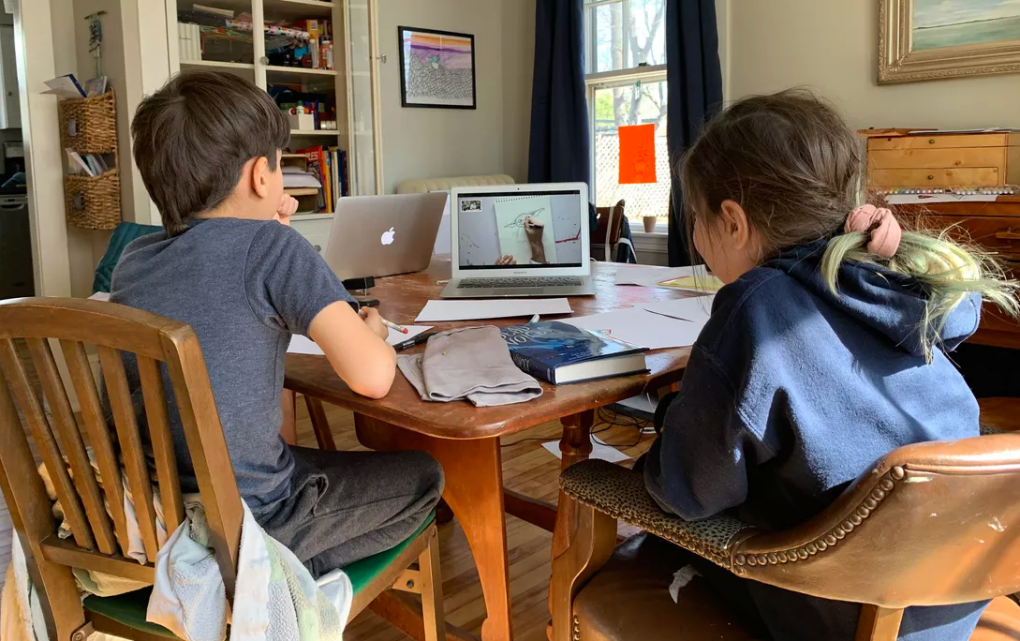
"caption": "With schools across California closed because of the coronavirus, teachers and their students are having to quickly shift to online learning. ",
"description": null,
"title": "download",
"credit": "Courtesy of San Juan Unified School Distrct",
"status": "inherit",
"isLoading": false,
"fetchFailed": false
},
"news_11807945": {
"type": "attachments",
"id": "news_11807945",
"meta": {
"index": "attachments_1716263798",
"site": "news",
"id": "11807945",
"found": true
},
"parent": 11807934,
"imgSizes": {
"apple_news_ca_landscape_5_5": {
"file": "https://ww2.kqed.org/app/uploads/sites/10/2020/03/RS27477_pge-santa-rosa-tubbs-qut-1044x783.jpg",
"width": 1044,
"mimeType": "image/jpeg",
"height": 783
},
"apple_news_ca_square_4_0": {
"file": "https://ww2.kqed.org/app/uploads/sites/10/2020/03/RS27477_pge-santa-rosa-tubbs-qut-470x470.jpg",
"width": 470,
"mimeType": "image/jpeg",
"height": 470
},
"twentyfourteen-full-width": {
"file": "https://ww2.kqed.org/app/uploads/sites/10/2020/03/RS27477_pge-santa-rosa-tubbs-qut-1038x576.jpg",
"width": 1038,
"mimeType": "image/jpeg",
"height": 576
},
"thumbnail": {
"file": "https://ww2.kqed.org/app/uploads/sites/10/2020/03/RS27477_pge-santa-rosa-tubbs-qut-160x90.jpg",
"width": 160,
"mimeType": "image/jpeg",
"height": 90
},
"post-thumbnail": {
"file": "https://ww2.kqed.org/app/uploads/sites/10/2020/03/RS27477_pge-santa-rosa-tubbs-qut-672x372.jpg",
"width": 672,
"mimeType": "image/jpeg",
"height": 372
},
"kqedFullSize": {
"file": "https://ww2.kqed.org/app/uploads/sites/10/2020/03/RS27477_pge-santa-rosa-tubbs-qut.jpg",
"width": 1920,
"height": 1080
},
"apple_news_ca_landscape_4_7": {
"file": "https://ww2.kqed.org/app/uploads/sites/10/2020/03/RS27477_pge-santa-rosa-tubbs-qut-632x474.jpg",
"width": 632,
"mimeType": "image/jpeg",
"height": 474
},
"large": {
"file": "https://ww2.kqed.org/app/uploads/sites/10/2020/03/RS27477_pge-santa-rosa-tubbs-qut-1020x574.jpg",
"width": 1020,
"mimeType": "image/jpeg",
"height": 574
},
"apple_news_ca_landscape_4_0": {
"file": "https://ww2.kqed.org/app/uploads/sites/10/2020/03/RS27477_pge-santa-rosa-tubbs-qut-536x402.jpg",
"width": 536,
"mimeType": "image/jpeg",
"height": 402
},
"apple_news_ca_portrait_12_9": {
"file": "https://ww2.kqed.org/app/uploads/sites/10/2020/03/RS27477_pge-santa-rosa-tubbs-qut-1122x1080.jpg",
"width": 1122,
"mimeType": "image/jpeg",
"height": 1080
},
"medium": {
"file": "https://ww2.kqed.org/app/uploads/sites/10/2020/03/RS27477_pge-santa-rosa-tubbs-qut-800x450.jpg",
"width": 800,
"mimeType": "image/jpeg",
"height": 450
},
"apple_news_ca_portrait_4_0": {
"file": "https://ww2.kqed.org/app/uploads/sites/10/2020/03/RS27477_pge-santa-rosa-tubbs-qut-354x472.jpg",
"width": 354,
"mimeType": "image/jpeg",
"height": 472
},
"apple_news_ca_portrait_9_7": {
"file": "https://ww2.kqed.org/app/uploads/sites/10/2020/03/RS27477_pge-santa-rosa-tubbs-qut-840x1080.jpg",
"width": 840,
"mimeType": "image/jpeg",
"height": 1080
},
"apple_news_ca_landscape_12_9": {
"file": "https://ww2.kqed.org/app/uploads/sites/10/2020/03/RS27477_pge-santa-rosa-tubbs-qut-1832x1080.jpg",
"width": 1832,
"mimeType": "image/jpeg",
"height": 1080
},
"apple_news_ca_square_9_7": {
"file": "https://ww2.kqed.org/app/uploads/sites/10/2020/03/RS27477_pge-santa-rosa-tubbs-qut-1104x1080.jpg",
"width": 1104,
"mimeType": "image/jpeg",
"height": 1080
},
"apple_news_ca_portrait_4_7": {
"file": "https://ww2.kqed.org/app/uploads/sites/10/2020/03/RS27477_pge-santa-rosa-tubbs-qut-414x552.jpg",
"width": 414,
"mimeType": "image/jpeg",
"height": 552
},
"apple_news_ca_square_12_9": {
"file": "https://ww2.kqed.org/app/uploads/sites/10/2020/03/RS27477_pge-santa-rosa-tubbs-qut-1472x1080.jpg",
"width": 1472,
"mimeType": "image/jpeg",
"height": 1080
},
"apple_news_ca_portrait_5_5": {
"file": "https://ww2.kqed.org/app/uploads/sites/10/2020/03/RS27477_pge-santa-rosa-tubbs-qut-687x916.jpg",
"width": 687,
"mimeType": "image/jpeg",
"height": 916
},
"full-width": {
"file": "https://ww2.kqed.org/app/uploads/sites/10/2020/03/RS27477_pge-santa-rosa-tubbs-qut-1920x1080.jpg",
"width": 1920,
"mimeType": "image/jpeg",
"height": 1080
},
"apple_news_ca_square_4_7": {
"file": "https://ww2.kqed.org/app/uploads/sites/10/2020/03/RS27477_pge-santa-rosa-tubbs-qut-550x550.jpg",
"width": 550,
"mimeType": "image/jpeg",
"height": 550
},
"apple_news_ca_landscape_9_7": {
"file": "https://ww2.kqed.org/app/uploads/sites/10/2020/03/RS27477_pge-santa-rosa-tubbs-qut-1376x1032.jpg",
"width": 1376,
"mimeType": "image/jpeg",
"height": 1032
},
"apple_news_ca_square_5_5": {
"file": "https://ww2.kqed.org/app/uploads/sites/10/2020/03/RS27477_pge-santa-rosa-tubbs-qut-912x912.jpg",
"width": 912,
"mimeType": "image/jpeg",
"height": 912
}
},
"publishDate": 1584750166,
"modified": 1584750202,
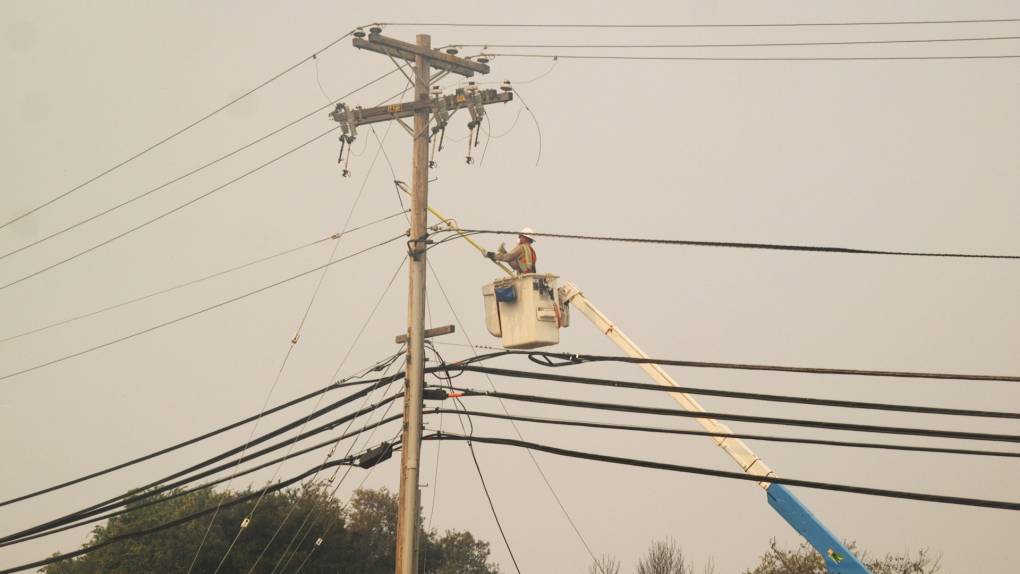
"caption": "PG&E employees work in Santa Rosa after the Tubbs Fire.",
"description": null,
"title": "RS27477_pge santa rosa tubbs-qut",
"credit": "Adam Grossberg/KQED",
"status": "inherit",
"isLoading": false,
"fetchFailed": false
},
"news_11807532": {
"type": "attachments",
"id": "news_11807532",
"meta": {
"index": "attachments_1716263798",
"site": "news",
"id": "11807532",
"found": true
},
"parent": 11807516,
"imgSizes": {
"apple_news_ca_landscape_5_5": {
"file": "https://ww2.kqed.org/app/uploads/sites/10/2020/03/RS42158_IMG_2624-qut-1044x783.jpg",
"width": 1044,
"mimeType": "image/jpeg",
"height": 783
},
"apple_news_ca_square_4_0": {
"file": "https://ww2.kqed.org/app/uploads/sites/10/2020/03/RS42158_IMG_2624-qut-470x470.jpg",
"width": 470,
"mimeType": "image/jpeg",
"height": 470
},
"twentyfourteen-full-width": {
"file": "https://ww2.kqed.org/app/uploads/sites/10/2020/03/RS42158_IMG_2624-qut-1038x576.jpg",
"width": 1038,
"mimeType": "image/jpeg",
"height": 576
},
"thumbnail": {
"file": "https://ww2.kqed.org/app/uploads/sites/10/2020/03/RS42158_IMG_2624-qut-160x120.jpg",
"width": 160,
"mimeType": "image/jpeg",
"height": 120
},
"post-thumbnail": {
"file": "https://ww2.kqed.org/app/uploads/sites/10/2020/03/RS42158_IMG_2624-qut-672x372.jpg",
"width": 672,
"mimeType": "image/jpeg",
"height": 372
},
"kqedFullSize": {
"file": "https://ww2.kqed.org/app/uploads/sites/10/2020/03/RS42158_IMG_2624-qut.jpg",
"width": 1920,
"height": 1440
},
"apple_news_ca_landscape_4_7": {
"file": "https://ww2.kqed.org/app/uploads/sites/10/2020/03/RS42158_IMG_2624-qut-632x474.jpg",
"width": 632,
"mimeType": "image/jpeg",
"height": 474
},
"large": {
"file": "https://ww2.kqed.org/app/uploads/sites/10/2020/03/RS42158_IMG_2624-qut-1020x765.jpg",
"width": 1020,
"mimeType": "image/jpeg",
"height": 765
},
"apple_news_ca_landscape_4_0": {
"file": "https://ww2.kqed.org/app/uploads/sites/10/2020/03/RS42158_IMG_2624-qut-536x402.jpg",
"width": 536,
"mimeType": "image/jpeg",
"height": 402
},
"apple_news_ca_portrait_12_9": {
"file": "https://ww2.kqed.org/app/uploads/sites/10/2020/03/RS42158_IMG_2624-qut-1122x1440.jpg",
"width": 1122,
"mimeType": "image/jpeg",
"height": 1440
},
"medium": {
"file": "https://ww2.kqed.org/app/uploads/sites/10/2020/03/RS42158_IMG_2624-qut-800x600.jpg",
"width": 800,
"mimeType": "image/jpeg",
"height": 600
},
"apple_news_ca_portrait_4_0": {
"file": "https://ww2.kqed.org/app/uploads/sites/10/2020/03/RS42158_IMG_2624-qut-354x472.jpg",
"width": 354,
"mimeType": "image/jpeg",
"height": 472
},
"apple_news_ca_portrait_9_7": {
"file": "https://ww2.kqed.org/app/uploads/sites/10/2020/03/RS42158_IMG_2624-qut-840x1120.jpg",
"width": 840,
"mimeType": "image/jpeg",
"height": 1120
},
"apple_news_ca_landscape_12_9": {
"file": "https://ww2.kqed.org/app/uploads/sites/10/2020/03/RS42158_IMG_2624-qut-1832x1374.jpg",
"width": 1832,
"mimeType": "image/jpeg",
"height": 1374
},
"apple_news_ca_square_9_7": {
"file": "https://ww2.kqed.org/app/uploads/sites/10/2020/03/RS42158_IMG_2624-qut-1104x1104.jpg",
"width": 1104,
"mimeType": "image/jpeg",
"height": 1104
},
"apple_news_ca_portrait_4_7": {
"file": "https://ww2.kqed.org/app/uploads/sites/10/2020/03/RS42158_IMG_2624-qut-414x552.jpg",
"width": 414,
"mimeType": "image/jpeg",
"height": 552
},
"apple_news_ca_square_12_9": {
"file": "https://ww2.kqed.org/app/uploads/sites/10/2020/03/RS42158_IMG_2624-qut-1472x1440.jpg",
"width": 1472,
"mimeType": "image/jpeg",
"height": 1440
},
"apple_news_ca_portrait_5_5": {
"file": "https://ww2.kqed.org/app/uploads/sites/10/2020/03/RS42158_IMG_2624-qut-687x916.jpg",
"width": 687,
"mimeType": "image/jpeg",
"height": 916
},
"full-width": {
"file": "https://ww2.kqed.org/app/uploads/sites/10/2020/03/RS42158_IMG_2624-qut-1920x1440.jpg",
"width": 1920,
"mimeType": "image/jpeg",
"height": 1440
},
"apple_news_ca_square_4_7": {
"file": "https://ww2.kqed.org/app/uploads/sites/10/2020/03/RS42158_IMG_2624-qut-550x550.jpg",
"width": 550,
"mimeType": "image/jpeg",
"height": 550
},
"apple_news_ca_landscape_9_7": {
"file": "https://ww2.kqed.org/app/uploads/sites/10/2020/03/RS42158_IMG_2624-qut-1376x1032.jpg",
"width": 1376,
"mimeType": "image/jpeg",
"height": 1032
},
"apple_news_ca_square_5_5": {
"file": "https://ww2.kqed.org/app/uploads/sites/10/2020/03/RS42158_IMG_2624-qut-912x912.jpg",
"width": 912,
"mimeType": "image/jpeg",
"height": 912
}
},
"publishDate": 1584641638,
"modified": 1584752312,
"caption": "D'agne Smith Edmonson sits on a moving van. She has to move all her belongings off the property she was evicted from. ",
"description": null,
"title": "RS42158_IMG_2624-qut",
"credit": "Ariella Markowitz/KQED",
"status": "inherit",
"isLoading": false,
"fetchFailed": false
},
"news_11807686": {
"type": "attachments",
"id": "news_11807686",
"meta": {
"index": "attachments_1716263798",
"site": "news",
"id": "11807686",
"found": true
},
"parent": 11807676,
"imgSizes": {
"apple_news_ca_landscape_5_5": {
"file": "https://ww2.kqed.org/app/uploads/sites/10/2020/03/Getty-871023806-CoveredCA-1044x783.jpg",
"width": 1044,
"mimeType": "image/jpeg",
"height": 783
},
"apple_news_ca_square_4_0": {
"file": "https://ww2.kqed.org/app/uploads/sites/10/2020/03/Getty-871023806-CoveredCA-470x470.jpg",
"width": 470,
"mimeType": "image/jpeg",
"height": 470
},
"twentyfourteen-full-width": {
"file": "https://ww2.kqed.org/app/uploads/sites/10/2020/03/Getty-871023806-CoveredCA-1038x576.jpg",
"width": 1038,
"mimeType": "image/jpeg",
"height": 576
},
"thumbnail": {
"file": "https://ww2.kqed.org/app/uploads/sites/10/2020/03/Getty-871023806-CoveredCA-160x107.jpg",
"width": 160,
"mimeType": "image/jpeg",
"height": 107
},
"post-thumbnail": {
"file": "https://ww2.kqed.org/app/uploads/sites/10/2020/03/Getty-871023806-CoveredCA-672x372.jpg",
"width": 672,
"mimeType": "image/jpeg",
"height": 372
},
"kqedFullSize": {
"file": "https://ww2.kqed.org/app/uploads/sites/10/2020/03/Getty-871023806-CoveredCA.jpg",
"width": 1920,
"height": 1287
},
"apple_news_ca_landscape_4_7": {
"file": "https://ww2.kqed.org/app/uploads/sites/10/2020/03/Getty-871023806-CoveredCA-632x474.jpg",
"width": 632,
"mimeType": "image/jpeg",
"height": 474
},
"large": {
"file": "https://ww2.kqed.org/app/uploads/sites/10/2020/03/Getty-871023806-CoveredCA-1020x684.jpg",
"width": 1020,
"mimeType": "image/jpeg",
"height": 684
},
"apple_news_ca_landscape_4_0": {
"file": "https://ww2.kqed.org/app/uploads/sites/10/2020/03/Getty-871023806-CoveredCA-536x402.jpg",
"width": 536,
"mimeType": "image/jpeg",
"height": 402
},
"apple_news_ca_portrait_12_9": {
"file": "https://ww2.kqed.org/app/uploads/sites/10/2020/03/Getty-871023806-CoveredCA-1122x1287.jpg",
"width": 1122,
"mimeType": "image/jpeg",
"height": 1287
},
"medium": {
"file": "https://ww2.kqed.org/app/uploads/sites/10/2020/03/Getty-871023806-CoveredCA-800x536.jpg",
"width": 800,
"mimeType": "image/jpeg",
"height": 536
},
"apple_news_ca_portrait_4_0": {
"file": "https://ww2.kqed.org/app/uploads/sites/10/2020/03/Getty-871023806-CoveredCA-354x472.jpg",
"width": 354,
"mimeType": "image/jpeg",
"height": 472
},
"apple_news_ca_portrait_9_7": {
"file": "https://ww2.kqed.org/app/uploads/sites/10/2020/03/Getty-871023806-CoveredCA-840x1120.jpg",
"width": 840,
"mimeType": "image/jpeg",
"height": 1120
},
"apple_news_ca_landscape_12_9": {
"file": "https://ww2.kqed.org/app/uploads/sites/10/2020/03/Getty-871023806-CoveredCA-1832x1287.jpg",
"width": 1832,
"mimeType": "image/jpeg",
"height": 1287
},
"apple_news_ca_square_9_7": {
"file": "https://ww2.kqed.org/app/uploads/sites/10/2020/03/Getty-871023806-CoveredCA-1104x1104.jpg",
"width": 1104,
"mimeType": "image/jpeg",
"height": 1104
},
"apple_news_ca_portrait_4_7": {
"file": "https://ww2.kqed.org/app/uploads/sites/10/2020/03/Getty-871023806-CoveredCA-414x552.jpg",
"width": 414,
"mimeType": "image/jpeg",
"height": 552
},
"apple_news_ca_square_12_9": {
"file": "https://ww2.kqed.org/app/uploads/sites/10/2020/03/Getty-871023806-CoveredCA-1472x1287.jpg",
"width": 1472,
"mimeType": "image/jpeg",
"height": 1287
},
"apple_news_ca_portrait_5_5": {
"file": "https://ww2.kqed.org/app/uploads/sites/10/2020/03/Getty-871023806-CoveredCA-687x916.jpg",
"width": 687,
"mimeType": "image/jpeg",
"height": 916
},
"full-width": {
"file": "https://ww2.kqed.org/app/uploads/sites/10/2020/03/Getty-871023806-CoveredCA-1920x1287.jpg",
"width": 1920,
"mimeType": "image/jpeg",
"height": 1287
},
"apple_news_ca_square_4_7": {
"file": "https://ww2.kqed.org/app/uploads/sites/10/2020/03/Getty-871023806-CoveredCA-550x550.jpg",
"width": 550,
"mimeType": "image/jpeg",
"height": 550
},
"apple_news_ca_landscape_9_7": {
"file": "https://ww2.kqed.org/app/uploads/sites/10/2020/03/Getty-871023806-CoveredCA-1376x1032.jpg",
"width": 1376,
"mimeType": "image/jpeg",
"height": 1032
},
"apple_news_ca_square_5_5": {
"file": "https://ww2.kqed.org/app/uploads/sites/10/2020/03/Getty-871023806-CoveredCA-912x912.jpg",
"width": 912,
"mimeType": "image/jpeg",
"height": 912
}
},
"publishDate": 1584679538,
"modified": 1584721626,
"caption": "An attendee wears a button promoting open enrollment with Covered California during a news conference on Nov. 6, 2017 in San Francisco.",
"description": "An attendee wears a button promoting open enrollment with Covered California during a news conference on Nov. 6, 2017 in San Francisco.",
"title": "Getty-871023806-CoveredCA",
"credit": "Justin Sullivan/Getty Images",
"status": "inherit",
"isLoading": false,
"fetchFailed": false
},
"news_11807558": {
"type": "attachments",
"id": "news_11807558",
"meta": {
"index": "attachments_1716263798",
"site": "news",
"id": "11807558",
"found": true
},
"parent": 11807552,
"imgSizes": {
"apple_news_ca_landscape_5_5": {
"file": "https://ww2.kqed.org/app/uploads/sites/10/2020/03/RS42118_065_KQED_SanFrancisco_Coronavirus_03132020_-qut-1-1044x783.jpg",
"width": 1044,
"mimeType": "image/jpeg",
"height": 783
},
"apple_news_ca_square_4_0": {
"file": "https://ww2.kqed.org/app/uploads/sites/10/2020/03/RS42118_065_KQED_SanFrancisco_Coronavirus_03132020_-qut-1-470x470.jpg",
"width": 470,
"mimeType": "image/jpeg",
"height": 470
},
"twentyfourteen-full-width": {
"file": "https://ww2.kqed.org/app/uploads/sites/10/2020/03/RS42118_065_KQED_SanFrancisco_Coronavirus_03132020_-qut-1-1038x576.jpg",
"width": 1038,
"mimeType": "image/jpeg",
"height": 576
},
"thumbnail": {
"file": "https://ww2.kqed.org/app/uploads/sites/10/2020/03/RS42118_065_KQED_SanFrancisco_Coronavirus_03132020_-qut-1-160x107.jpg",
"width": 160,
"mimeType": "image/jpeg",
"height": 107
},
"post-thumbnail": {
"file": "https://ww2.kqed.org/app/uploads/sites/10/2020/03/RS42118_065_KQED_SanFrancisco_Coronavirus_03132020_-qut-1-672x372.jpg",
"width": 672,
"mimeType": "image/jpeg",
"height": 372
},
"kqedFullSize": {
"file": "https://ww2.kqed.org/app/uploads/sites/10/2020/03/RS42118_065_KQED_SanFrancisco_Coronavirus_03132020_-qut-1.jpg",
"width": 1920,
"height": 1280
},
"apple_news_ca_landscape_4_7": {
"file": "https://ww2.kqed.org/app/uploads/sites/10/2020/03/RS42118_065_KQED_SanFrancisco_Coronavirus_03132020_-qut-1-632x474.jpg",
"width": 632,
"mimeType": "image/jpeg",
"height": 474
},
"large": {
"file": "https://ww2.kqed.org/app/uploads/sites/10/2020/03/RS42118_065_KQED_SanFrancisco_Coronavirus_03132020_-qut-1-1020x680.jpg",
"width": 1020,
"mimeType": "image/jpeg",
"height": 680
},
"apple_news_ca_landscape_4_0": {
"file": "https://ww2.kqed.org/app/uploads/sites/10/2020/03/RS42118_065_KQED_SanFrancisco_Coronavirus_03132020_-qut-1-536x402.jpg",
"width": 536,
"mimeType": "image/jpeg",
"height": 402
},
"apple_news_ca_portrait_12_9": {
"file": "https://ww2.kqed.org/app/uploads/sites/10/2020/03/RS42118_065_KQED_SanFrancisco_Coronavirus_03132020_-qut-1-1122x1280.jpg",
"width": 1122,
"mimeType": "image/jpeg",
"height": 1280
},
"medium": {
"file": "https://ww2.kqed.org/app/uploads/sites/10/2020/03/RS42118_065_KQED_SanFrancisco_Coronavirus_03132020_-qut-1-800x533.jpg",
"width": 800,
"mimeType": "image/jpeg",
"height": 533
},
"apple_news_ca_portrait_4_0": {
"file": "https://ww2.kqed.org/app/uploads/sites/10/2020/03/RS42118_065_KQED_SanFrancisco_Coronavirus_03132020_-qut-1-354x472.jpg",
"width": 354,
"mimeType": "image/jpeg",
"height": 472
},
"apple_news_ca_portrait_9_7": {
"file": "https://ww2.kqed.org/app/uploads/sites/10/2020/03/RS42118_065_KQED_SanFrancisco_Coronavirus_03132020_-qut-1-840x1120.jpg",
"width": 840,
"mimeType": "image/jpeg",
"height": 1120
},
"apple_news_ca_landscape_12_9": {
"file": "https://ww2.kqed.org/app/uploads/sites/10/2020/03/RS42118_065_KQED_SanFrancisco_Coronavirus_03132020_-qut-1-1832x1280.jpg",
"width": 1832,
"mimeType": "image/jpeg",
"height": 1280
},
"apple_news_ca_square_9_7": {
"file": "https://ww2.kqed.org/app/uploads/sites/10/2020/03/RS42118_065_KQED_SanFrancisco_Coronavirus_03132020_-qut-1-1104x1104.jpg",
"width": 1104,
"mimeType": "image/jpeg",
"height": 1104
},
"apple_news_ca_portrait_4_7": {
"file": "https://ww2.kqed.org/app/uploads/sites/10/2020/03/RS42118_065_KQED_SanFrancisco_Coronavirus_03132020_-qut-1-414x552.jpg",
"width": 414,
"mimeType": "image/jpeg",
"height": 552
},
"apple_news_ca_square_12_9": {
"file": "https://ww2.kqed.org/app/uploads/sites/10/2020/03/RS42118_065_KQED_SanFrancisco_Coronavirus_03132020_-qut-1-1472x1280.jpg",
"width": 1472,
"mimeType": "image/jpeg",
"height": 1280
},
"apple_news_ca_portrait_5_5": {
"file": "https://ww2.kqed.org/app/uploads/sites/10/2020/03/RS42118_065_KQED_SanFrancisco_Coronavirus_03132020_-qut-1-687x916.jpg",
"width": 687,
"mimeType": "image/jpeg",
"height": 916
},
"full-width": {
"file": "https://ww2.kqed.org/app/uploads/sites/10/2020/03/RS42118_065_KQED_SanFrancisco_Coronavirus_03132020_-qut-1-1920x1280.jpg",
"width": 1920,
"mimeType": "image/jpeg",
"height": 1280
},
"apple_news_ca_square_4_7": {
"file": "https://ww2.kqed.org/app/uploads/sites/10/2020/03/RS42118_065_KQED_SanFrancisco_Coronavirus_03132020_-qut-1-550x550.jpg",
"width": 550,
"mimeType": "image/jpeg",
"height": 550
},
"apple_news_ca_landscape_9_7": {
"file": "https://ww2.kqed.org/app/uploads/sites/10/2020/03/RS42118_065_KQED_SanFrancisco_Coronavirus_03132020_-qut-1-1376x1032.jpg",
"width": 1376,
"mimeType": "image/jpeg",
"height": 1032
},
"apple_news_ca_square_5_5": {
"file": "https://ww2.kqed.org/app/uploads/sites/10/2020/03/RS42118_065_KQED_SanFrancisco_Coronavirus_03132020_-qut-1-912x912.jpg",
"width": 912,
"mimeType": "image/jpeg",
"height": 912
}
},
"publishDate": 1584643800,
"modified": 1584643833,
"caption": "Medical workers at the Kaiser Permanente French Campus test patients for the novel coronavirus, COVID-19, at a drive-thru testing facility in San Francisco, Calif. on Mar. 13, 2020.",
"description": null,
"title": "RS42118_065_KQED_SanFrancisco_Coronavirus_03132020_-qut",
"credit": "Beth LaBerge/KQED",
"status": "inherit",
"isLoading": false,
"fetchFailed": false
},
"news_11807366": {
"type": "attachments",
"id": "news_11807366",
"meta": {
"index": "attachments_1716263798",
"site": "news",
"id": "11807366",
"found": true
},
"parent": 11807208,
"imgSizes": {
"apple_news_ca_landscape_5_5": {
"file": "https://ww2.kqed.org/app/uploads/sites/10/2020/03/iStock-1094027028-1044x783.jpg",
"width": 1044,
"mimeType": "image/jpeg",
"height": 783
},
"apple_news_ca_square_4_0": {
"file": "https://ww2.kqed.org/app/uploads/sites/10/2020/03/iStock-1094027028-470x470.jpg",
"width": 470,
"mimeType": "image/jpeg",
"height": 470
},
"twentyfourteen-full-width": {
"file": "https://ww2.kqed.org/app/uploads/sites/10/2020/03/iStock-1094027028-1038x576.jpg",
"width": 1038,
"mimeType": "image/jpeg",
"height": 576
},
"thumbnail": {
"file": "https://ww2.kqed.org/app/uploads/sites/10/2020/03/iStock-1094027028-160x107.jpg",
"width": 160,
"mimeType": "image/jpeg",
"height": 107
},
"post-thumbnail": {
"file": "https://ww2.kqed.org/app/uploads/sites/10/2020/03/iStock-1094027028-672x372.jpg",
"width": 672,
"mimeType": "image/jpeg",
"height": 372
},
"kqedFullSize": {
"file": "https://ww2.kqed.org/app/uploads/sites/10/2020/03/iStock-1094027028-e1584576976374.jpg",
"width": 1920,
"height": 1280
},
"apple_news_ca_landscape_4_7": {
"file": "https://ww2.kqed.org/app/uploads/sites/10/2020/03/iStock-1094027028-632x474.jpg",
"width": 632,
"mimeType": "image/jpeg",
"height": 474
},
"large": {
"file": "https://ww2.kqed.org/app/uploads/sites/10/2020/03/iStock-1094027028-1020x680.jpg",
"width": 1020,
"mimeType": "image/jpeg",
"height": 680
},
"apple_news_ca_landscape_4_0": {
"file": "https://ww2.kqed.org/app/uploads/sites/10/2020/03/iStock-1094027028-536x402.jpg",
"width": 536,
"mimeType": "image/jpeg",
"height": 402
},
"apple_news_ca_portrait_12_9": {
"file": "https://ww2.kqed.org/app/uploads/sites/10/2020/03/iStock-1094027028-1122x1414.jpg",
"width": 1122,
"mimeType": "image/jpeg",
"height": 1414
},
"medium": {
"file": "https://ww2.kqed.org/app/uploads/sites/10/2020/03/iStock-1094027028-800x533.jpg",
"width": 800,
"mimeType": "image/jpeg",
"height": 533
},
"apple_news_ca_portrait_4_0": {
"file": "https://ww2.kqed.org/app/uploads/sites/10/2020/03/iStock-1094027028-354x472.jpg",
"width": 354,
"mimeType": "image/jpeg",
"height": 472
},
"apple_news_ca_portrait_9_7": {
"file": "https://ww2.kqed.org/app/uploads/sites/10/2020/03/iStock-1094027028-840x1120.jpg",
"width": 840,
"mimeType": "image/jpeg",
"height": 1120
},
"apple_news_ca_landscape_12_9": {
"file": "https://ww2.kqed.org/app/uploads/sites/10/2020/03/iStock-1094027028-1832x1374.jpg",
"width": 1832,
"mimeType": "image/jpeg",
"height": 1374
},
"apple_news_ca_square_9_7": {
"file": "https://ww2.kqed.org/app/uploads/sites/10/2020/03/iStock-1094027028-1104x1104.jpg",
"width": 1104,
"mimeType": "image/jpeg",
"height": 1104
},
"apple_news_ca_portrait_4_7": {
"file": "https://ww2.kqed.org/app/uploads/sites/10/2020/03/iStock-1094027028-414x552.jpg",
"width": 414,
"mimeType": "image/jpeg",
"height": 552
},
"apple_news_ca_square_12_9": {
"file": "https://ww2.kqed.org/app/uploads/sites/10/2020/03/iStock-1094027028-1472x1414.jpg",
"width": 1472,
"mimeType": "image/jpeg",
"height": 1414
},
"apple_news_ca_portrait_5_5": {
"file": "https://ww2.kqed.org/app/uploads/sites/10/2020/03/iStock-1094027028-687x916.jpg",
"width": 687,
"mimeType": "image/jpeg",
"height": 916
},
"full-width": {
"file": "https://ww2.kqed.org/app/uploads/sites/10/2020/03/iStock-1094027028-1920x1280.jpg",
"width": 1920,
"mimeType": "image/jpeg",
"height": 1280
},
"apple_news_ca_square_4_7": {
"file": "https://ww2.kqed.org/app/uploads/sites/10/2020/03/iStock-1094027028-550x550.jpg",
"width": 550,
"mimeType": "image/jpeg",
"height": 550
},
"apple_news_ca_landscape_9_7": {
"file": "https://ww2.kqed.org/app/uploads/sites/10/2020/03/iStock-1094027028-1376x1032.jpg",
"width": 1376,
"mimeType": "image/jpeg",
"height": 1032
},
"apple_news_ca_square_5_5": {
"file": "https://ww2.kqed.org/app/uploads/sites/10/2020/03/iStock-1094027028-912x912.jpg",
"width": 912,
"mimeType": "image/jpeg",
"height": 912
}
},
"publishDate": 1584576949,
"modified": 1584576988,
"caption": null,
"description": null,
"title": "iStock-1094027028",
"credit": "monkeybusinessimages/iStock",
"status": "inherit",
"isLoading": false,
"fetchFailed": false
},
"news_11807453": {
"type": "attachments",
"id": "news_11807453",
"meta": {
"index": "attachments_1716263798",
"site": "news",
"id": "11807453",
"found": true
},
"parent": 11807392,
"imgSizes": {
"apple_news_ca_landscape_5_5": {
"file": "https://ww2.kqed.org/app/uploads/sites/10/2020/03/ChildrenCourtClosure_031920-1044x783.jpg",
"width": 1044,
"mimeType": "image/jpeg",
"height": 783
},
"apple_news_ca_square_4_0": {
"file": "https://ww2.kqed.org/app/uploads/sites/10/2020/03/ChildrenCourtClosure_031920-470x470.jpg",
"width": 470,
"mimeType": "image/jpeg",
"height": 470
},
"twentyfourteen-full-width": {
"file": "https://ww2.kqed.org/app/uploads/sites/10/2020/03/ChildrenCourtClosure_031920-1038x576.jpg",
"width": 1038,
"mimeType": "image/jpeg",
"height": 576
},
"thumbnail": {
"file": "https://ww2.kqed.org/app/uploads/sites/10/2020/03/ChildrenCourtClosure_031920-160x121.jpg",
"width": 160,
"mimeType": "image/jpeg",
"height": 121
},
"post-thumbnail": {
"file": "https://ww2.kqed.org/app/uploads/sites/10/2020/03/ChildrenCourtClosure_031920-672x372.jpg",
"width": 672,
"mimeType": "image/jpeg",
"height": 372
},
"kqedFullSize": {
"file": "https://ww2.kqed.org/app/uploads/sites/10/2020/03/ChildrenCourtClosure_031920.jpg",
"width": 1920,
"height": 1455
},
"apple_news_ca_landscape_4_7": {
"file": "https://ww2.kqed.org/app/uploads/sites/10/2020/03/ChildrenCourtClosure_031920-632x474.jpg",
"width": 632,
"mimeType": "image/jpeg",
"height": 474
},
"large": {
"file": "https://ww2.kqed.org/app/uploads/sites/10/2020/03/ChildrenCourtClosure_031920-1020x773.jpg",
"width": 1020,
"mimeType": "image/jpeg",
"height": 773
},
"apple_news_ca_landscape_4_0": {
"file": "https://ww2.kqed.org/app/uploads/sites/10/2020/03/ChildrenCourtClosure_031920-536x402.jpg",
"width": 536,
"mimeType": "image/jpeg",
"height": 402
},
"apple_news_ca_portrait_12_9": {
"file": "https://ww2.kqed.org/app/uploads/sites/10/2020/03/ChildrenCourtClosure_031920-1122x1455.jpg",
"width": 1122,
"mimeType": "image/jpeg",
"height": 1455
},
"medium": {
"file": "https://ww2.kqed.org/app/uploads/sites/10/2020/03/ChildrenCourtClosure_031920-800x606.jpg",
"width": 800,
"mimeType": "image/jpeg",
"height": 606
},
"apple_news_ca_portrait_4_0": {
"file": "https://ww2.kqed.org/app/uploads/sites/10/2020/03/ChildrenCourtClosure_031920-354x472.jpg",
"width": 354,
"mimeType": "image/jpeg",
"height": 472
},
"apple_news_ca_portrait_9_7": {
"file": "https://ww2.kqed.org/app/uploads/sites/10/2020/03/ChildrenCourtClosure_031920-840x1120.jpg",
"width": 840,
"mimeType": "image/jpeg",
"height": 1120
},
"apple_news_ca_landscape_12_9": {
"file": "https://ww2.kqed.org/app/uploads/sites/10/2020/03/ChildrenCourtClosure_031920-1832x1374.jpg",
"width": 1832,
"mimeType": "image/jpeg",
"height": 1374
},
"apple_news_ca_square_9_7": {
"file": "https://ww2.kqed.org/app/uploads/sites/10/2020/03/ChildrenCourtClosure_031920-1104x1104.jpg",
"width": 1104,
"mimeType": "image/jpeg",
"height": 1104
},
"apple_news_ca_portrait_4_7": {
"file": "https://ww2.kqed.org/app/uploads/sites/10/2020/03/ChildrenCourtClosure_031920-414x552.jpg",
"width": 414,
"mimeType": "image/jpeg",
"height": 552
},
"apple_news_ca_square_12_9": {
"file": "https://ww2.kqed.org/app/uploads/sites/10/2020/03/ChildrenCourtClosure_031920-1472x1455.jpg",
"width": 1472,
"mimeType": "image/jpeg",
"height": 1455
},
"apple_news_ca_portrait_5_5": {
"file": "https://ww2.kqed.org/app/uploads/sites/10/2020/03/ChildrenCourtClosure_031920-687x916.jpg",
"width": 687,
"mimeType": "image/jpeg",
"height": 916
},
"full-width": {
"file": "https://ww2.kqed.org/app/uploads/sites/10/2020/03/ChildrenCourtClosure_031920-1920x1455.jpg",
"width": 1920,
"mimeType": "image/jpeg",
"height": 1455
},
"apple_news_ca_square_4_7": {
"file": "https://ww2.kqed.org/app/uploads/sites/10/2020/03/ChildrenCourtClosure_031920-550x550.jpg",
"width": 550,
"mimeType": "image/jpeg",
"height": 550
},
"apple_news_ca_landscape_9_7": {
"file": "https://ww2.kqed.org/app/uploads/sites/10/2020/03/ChildrenCourtClosure_031920-1376x1032.jpg",
"width": 1376,
"mimeType": "image/jpeg",
"height": 1032
},
"apple_news_ca_square_5_5": {
"file": "https://ww2.kqed.org/app/uploads/sites/10/2020/03/ChildrenCourtClosure_031920-912x912.jpg",
"width": 912,
"mimeType": "image/jpeg",
"height": 912
}
},
"publishDate": 1584593835,
"modified": 1584653162,
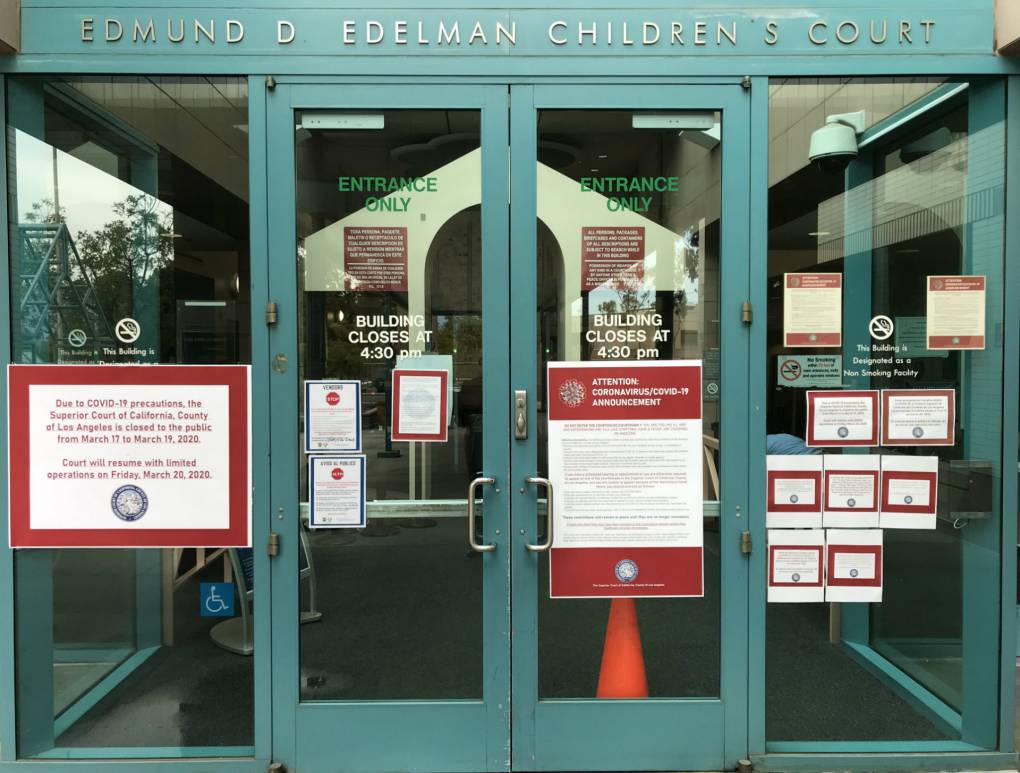
"caption": "The Edmund D. Edelman Children's Courthouse in Los Angeles.",
"description": null,
"title": "ChildrenCourtClosure_031920",
"credit": "Dennis Smeal/KQED",
"status": "inherit",
"isLoading": false,
"fetchFailed": false
},
"news_11807441": {
"type": "attachments",
"id": "news_11807441",
"meta": {
"index": "attachments_1716263798",
"site": "news",
"id": "11807441",
"found": true
},
"parent": 11807409,
"imgSizes": {
"apple_news_ca_landscape_5_5": {
"file": "https://ww2.kqed.org/app/uploads/sites/10/2020/03/Getty-1207534742-corona-homeless-1044x783.jpg",
"width": 1044,
"mimeType": "image/jpeg",
"height": 783
},
"apple_news_ca_square_4_0": {
"file": "https://ww2.kqed.org/app/uploads/sites/10/2020/03/Getty-1207534742-corona-homeless-470x470.jpg",
"width": 470,
"mimeType": "image/jpeg",
"height": 470
},
"twentyfourteen-full-width": {
"file": "https://ww2.kqed.org/app/uploads/sites/10/2020/03/Getty-1207534742-corona-homeless-1038x576.jpg",
"width": 1038,
"mimeType": "image/jpeg",
"height": 576
},
"thumbnail": {
"file": "https://ww2.kqed.org/app/uploads/sites/10/2020/03/Getty-1207534742-corona-homeless-160x112.jpg",
"width": 160,
"mimeType": "image/jpeg",
"height": 112
},
"post-thumbnail": {
"file": "https://ww2.kqed.org/app/uploads/sites/10/2020/03/Getty-1207534742-corona-homeless-672x372.jpg",
"width": 672,
"mimeType": "image/jpeg",
"height": 372
},
"kqedFullSize": {
"file": "https://ww2.kqed.org/app/uploads/sites/10/2020/03/Getty-1207534742-corona-homeless.jpg",
"width": 1920,
"height": 1344
},
"apple_news_ca_landscape_4_7": {
"file": "https://ww2.kqed.org/app/uploads/sites/10/2020/03/Getty-1207534742-corona-homeless-632x474.jpg",
"width": 632,
"mimeType": "image/jpeg",
"height": 474
},
"large": {
"file": "https://ww2.kqed.org/app/uploads/sites/10/2020/03/Getty-1207534742-corona-homeless-1020x714.jpg",
"width": 1020,
"mimeType": "image/jpeg",
"height": 714
},
"apple_news_ca_landscape_4_0": {
"file": "https://ww2.kqed.org/app/uploads/sites/10/2020/03/Getty-1207534742-corona-homeless-536x402.jpg",
"width": 536,
"mimeType": "image/jpeg",
"height": 402
},
"apple_news_ca_portrait_12_9": {
"file": "https://ww2.kqed.org/app/uploads/sites/10/2020/03/Getty-1207534742-corona-homeless-1122x1344.jpg",
"width": 1122,
"mimeType": "image/jpeg",
"height": 1344
},
"medium": {
"file": "https://ww2.kqed.org/app/uploads/sites/10/2020/03/Getty-1207534742-corona-homeless-800x560.jpg",
"width": 800,
"mimeType": "image/jpeg",
"height": 560
},
"apple_news_ca_portrait_4_0": {
"file": "https://ww2.kqed.org/app/uploads/sites/10/2020/03/Getty-1207534742-corona-homeless-354x472.jpg",
"width": 354,
"mimeType": "image/jpeg",
"height": 472
},
"apple_news_ca_portrait_9_7": {
"file": "https://ww2.kqed.org/app/uploads/sites/10/2020/03/Getty-1207534742-corona-homeless-840x1120.jpg",
"width": 840,
"mimeType": "image/jpeg",
"height": 1120
},
"apple_news_ca_landscape_12_9": {
"file": "https://ww2.kqed.org/app/uploads/sites/10/2020/03/Getty-1207534742-corona-homeless-1832x1344.jpg",
"width": 1832,
"mimeType": "image/jpeg",
"height": 1344
},
"apple_news_ca_square_9_7": {
"file": "https://ww2.kqed.org/app/uploads/sites/10/2020/03/Getty-1207534742-corona-homeless-1104x1104.jpg",
"width": 1104,
"mimeType": "image/jpeg",
"height": 1104
},
"apple_news_ca_portrait_4_7": {
"file": "https://ww2.kqed.org/app/uploads/sites/10/2020/03/Getty-1207534742-corona-homeless-414x552.jpg",
"width": 414,
"mimeType": "image/jpeg",
"height": 552
},
"apple_news_ca_square_12_9": {
"file": "https://ww2.kqed.org/app/uploads/sites/10/2020/03/Getty-1207534742-corona-homeless-1472x1344.jpg",
"width": 1472,
"mimeType": "image/jpeg",
"height": 1344
},
"apple_news_ca_portrait_5_5": {
"file": "https://ww2.kqed.org/app/uploads/sites/10/2020/03/Getty-1207534742-corona-homeless-687x916.jpg",
"width": 687,
"mimeType": "image/jpeg",
"height": 916
},
"full-width": {
"file": "https://ww2.kqed.org/app/uploads/sites/10/2020/03/Getty-1207534742-corona-homeless-1920x1344.jpg",
"width": 1920,
"mimeType": "image/jpeg",
"height": 1344
},
"apple_news_ca_square_4_7": {
"file": "https://ww2.kqed.org/app/uploads/sites/10/2020/03/Getty-1207534742-corona-homeless-550x550.jpg",
"width": 550,
"mimeType": "image/jpeg",
"height": 550
},
"apple_news_ca_landscape_9_7": {
"file": "https://ww2.kqed.org/app/uploads/sites/10/2020/03/Getty-1207534742-corona-homeless-1376x1032.jpg",
"width": 1376,
"mimeType": "image/jpeg",
"height": 1032
},
"apple_news_ca_square_5_5": {
"file": "https://ww2.kqed.org/app/uploads/sites/10/2020/03/Getty-1207534742-corona-homeless-912x912.jpg",
"width": 912,
"mimeType": "image/jpeg",
"height": 912
}
},
"publishDate": 1584589634,
"modified": 1584589689,
"caption": "Stuart Malcolm, a doctor with the Haight Ashbury Free Clinic, speaks with homeless people about the coronavirus (COVID-19) in the Haight Ashbury area of San Francisco California on March 17, 2020. - Cities across the nation are worried about the homeless population as the coronavirus pandemic surges with the US death toll reaching 100.",
"description": null,
"title": "Getty-1207534742-corona-homeless",
"credit": "Josh Edelson/AFP/Getty Images",
"status": "inherit",
"isLoading": false,
"fetchFailed": false
},
"news_11807426": {
"type": "attachments",
"id": "news_11807426",
"meta": {
"index": "attachments_1716263798",
"site": "news",
"id": "11807426",
"found": true
},
"parent": 11807416,
"imgSizes": {
"apple_news_ca_landscape_5_5": {
"file": "https://ww2.kqed.org/app/uploads/sites/10/2020/03/RS42027_011_KQED_SanFrancisco_Coronavirus_03132020_7054-qut-1044x783.jpg",
"width": 1044,
"mimeType": "image/jpeg",
"height": 783
},
"apple_news_ca_square_4_0": {
"file": "https://ww2.kqed.org/app/uploads/sites/10/2020/03/RS42027_011_KQED_SanFrancisco_Coronavirus_03132020_7054-qut-470x470.jpg",
"width": 470,
"mimeType": "image/jpeg",
"height": 470
},
"twentyfourteen-full-width": {
"file": "https://ww2.kqed.org/app/uploads/sites/10/2020/03/RS42027_011_KQED_SanFrancisco_Coronavirus_03132020_7054-qut-1038x576.jpg",
"width": 1038,
"mimeType": "image/jpeg",
"height": 576
},
"thumbnail": {
"file": "https://ww2.kqed.org/app/uploads/sites/10/2020/03/RS42027_011_KQED_SanFrancisco_Coronavirus_03132020_7054-qut-160x107.jpg",
"width": 160,
"mimeType": "image/jpeg",
"height": 107
},
"post-thumbnail": {
"file": "https://ww2.kqed.org/app/uploads/sites/10/2020/03/RS42027_011_KQED_SanFrancisco_Coronavirus_03132020_7054-qut-672x372.jpg",
"width": 672,
"mimeType": "image/jpeg",
"height": 372
},
"kqedFullSize": {
"file": "https://ww2.kqed.org/app/uploads/sites/10/2020/03/RS42027_011_KQED_SanFrancisco_Coronavirus_03132020_7054-qut.jpg",
"width": 1920,
"height": 1280
},
"apple_news_ca_landscape_4_7": {
"file": "https://ww2.kqed.org/app/uploads/sites/10/2020/03/RS42027_011_KQED_SanFrancisco_Coronavirus_03132020_7054-qut-632x474.jpg",
"width": 632,
"mimeType": "image/jpeg",
"height": 474
},
"large": {
"file": "https://ww2.kqed.org/app/uploads/sites/10/2020/03/RS42027_011_KQED_SanFrancisco_Coronavirus_03132020_7054-qut-1020x680.jpg",
"width": 1020,
"mimeType": "image/jpeg",
"height": 680
},
"apple_news_ca_landscape_4_0": {
"file": "https://ww2.kqed.org/app/uploads/sites/10/2020/03/RS42027_011_KQED_SanFrancisco_Coronavirus_03132020_7054-qut-536x402.jpg",
"width": 536,
"mimeType": "image/jpeg",
"height": 402
},
"apple_news_ca_portrait_12_9": {
"file": "https://ww2.kqed.org/app/uploads/sites/10/2020/03/RS42027_011_KQED_SanFrancisco_Coronavirus_03132020_7054-qut-1122x1280.jpg",
"width": 1122,
"mimeType": "image/jpeg",
"height": 1280
},
"medium": {
"file": "https://ww2.kqed.org/app/uploads/sites/10/2020/03/RS42027_011_KQED_SanFrancisco_Coronavirus_03132020_7054-qut-800x533.jpg",
"width": 800,
"mimeType": "image/jpeg",
"height": 533
},
"apple_news_ca_portrait_4_0": {
"file": "https://ww2.kqed.org/app/uploads/sites/10/2020/03/RS42027_011_KQED_SanFrancisco_Coronavirus_03132020_7054-qut-354x472.jpg",
"width": 354,
"mimeType": "image/jpeg",
"height": 472
},
"apple_news_ca_portrait_9_7": {
"file": "https://ww2.kqed.org/app/uploads/sites/10/2020/03/RS42027_011_KQED_SanFrancisco_Coronavirus_03132020_7054-qut-840x1120.jpg",
"width": 840,
"mimeType": "image/jpeg",
"height": 1120
},
"apple_news_ca_landscape_12_9": {
"file": "https://ww2.kqed.org/app/uploads/sites/10/2020/03/RS42027_011_KQED_SanFrancisco_Coronavirus_03132020_7054-qut-1832x1280.jpg",
"width": 1832,
"mimeType": "image/jpeg",
"height": 1280
},
"apple_news_ca_square_9_7": {
"file": "https://ww2.kqed.org/app/uploads/sites/10/2020/03/RS42027_011_KQED_SanFrancisco_Coronavirus_03132020_7054-qut-1104x1104.jpg",
"width": 1104,
"mimeType": "image/jpeg",
"height": 1104
},
"apple_news_ca_portrait_4_7": {
"file": "https://ww2.kqed.org/app/uploads/sites/10/2020/03/RS42027_011_KQED_SanFrancisco_Coronavirus_03132020_7054-qut-414x552.jpg",
"width": 414,
"mimeType": "image/jpeg",
"height": 552
},
"apple_news_ca_square_12_9": {
"file": "https://ww2.kqed.org/app/uploads/sites/10/2020/03/RS42027_011_KQED_SanFrancisco_Coronavirus_03132020_7054-qut-1472x1280.jpg",
"width": 1472,
"mimeType": "image/jpeg",
"height": 1280
},
"apple_news_ca_portrait_5_5": {
"file": "https://ww2.kqed.org/app/uploads/sites/10/2020/03/RS42027_011_KQED_SanFrancisco_Coronavirus_03132020_7054-qut-687x916.jpg",
"width": 687,
"mimeType": "image/jpeg",
"height": 916
},
"full-width": {
"file": "https://ww2.kqed.org/app/uploads/sites/10/2020/03/RS42027_011_KQED_SanFrancisco_Coronavirus_03132020_7054-qut-1920x1280.jpg",
"width": 1920,
"mimeType": "image/jpeg",
"height": 1280
},
"apple_news_ca_square_4_7": {
"file": "https://ww2.kqed.org/app/uploads/sites/10/2020/03/RS42027_011_KQED_SanFrancisco_Coronavirus_03132020_7054-qut-550x550.jpg",
"width": 550,
"mimeType": "image/jpeg",
"height": 550
},
"apple_news_ca_landscape_9_7": {
"file": "https://ww2.kqed.org/app/uploads/sites/10/2020/03/RS42027_011_KQED_SanFrancisco_Coronavirus_03132020_7054-qut-1376x1032.jpg",
"width": 1376,
"mimeType": "image/jpeg",
"height": 1032
},
"apple_news_ca_square_5_5": {
"file": "https://ww2.kqed.org/app/uploads/sites/10/2020/03/RS42027_011_KQED_SanFrancisco_Coronavirus_03132020_7054-qut-912x912.jpg",
"width": 912,
"mimeType": "image/jpeg",
"height": 912
}
},
"publishDate": 1584584485,
"modified": 1584584551,
"caption": "Medical workers at the Kaiser Permanente French Campus test patients for the novel coronavirus, COVID-19, at a drive-thru testing facility in San Francisco, Calif. on Mar. 13, 2020.",
"description": null,
"title": "RS42027_011_KQED_SanFrancisco_Coronavirus_03132020_7054-qut",
"credit": "Beth LaBerge/KQED",
"status": "inherit",
"isLoading": false,
"fetchFailed": false
},
"news_11807354": {
"type": "attachments",
"id": "news_11807354",
"meta": {
"index": "attachments_1716263798",
"site": "news",
"id": "11807354",
"found": true
},
"parent": 11807353,
"imgSizes": {
"apple_news_ca_landscape_5_5": {
"file": "https://ww2.kqed.org/app/uploads/sites/10/2020/03/ap_20078701524862-0c62d5006443a1a076ed09c5d48d5291b63145e0-1044x783.jpg",
"width": 1044,
"mimeType": "image/jpeg",
"height": 783
},
"apple_news_ca_square_4_0": {
"file": "https://ww2.kqed.org/app/uploads/sites/10/2020/03/ap_20078701524862-0c62d5006443a1a076ed09c5d48d5291b63145e0-470x470.jpg",
"width": 470,
"mimeType": "image/jpeg",
"height": 470
},
"twentyfourteen-full-width": {
"file": "https://ww2.kqed.org/app/uploads/sites/10/2020/03/ap_20078701524862-0c62d5006443a1a076ed09c5d48d5291b63145e0-1038x576.jpg",
"width": 1038,
"mimeType": "image/jpeg",
"height": 576
},
"thumbnail": {
"file": "https://ww2.kqed.org/app/uploads/sites/10/2020/03/ap_20078701524862-0c62d5006443a1a076ed09c5d48d5291b63145e0-160x120.jpg",
"width": 160,
"mimeType": "image/jpeg",
"height": 120
},
"post-thumbnail": {
"file": "https://ww2.kqed.org/app/uploads/sites/10/2020/03/ap_20078701524862-0c62d5006443a1a076ed09c5d48d5291b63145e0-672x372.jpg",
"width": 672,
"mimeType": "image/jpeg",
"height": 372
},
"kqedFullSize": {
"file": "https://ww2.kqed.org/app/uploads/sites/10/2020/03/ap_20078701524862-0c62d5006443a1a076ed09c5d48d5291b63145e0-e1584575248149.jpg",
"width": 1920,
"height": 1438
},
"apple_news_ca_landscape_4_7": {
"file": "https://ww2.kqed.org/app/uploads/sites/10/2020/03/ap_20078701524862-0c62d5006443a1a076ed09c5d48d5291b63145e0-632x474.jpg",
"width": 632,
"mimeType": "image/jpeg",
"height": 474
},
"large": {
"file": "https://ww2.kqed.org/app/uploads/sites/10/2020/03/ap_20078701524862-0c62d5006443a1a076ed09c5d48d5291b63145e0-1020x764.jpg",
"width": 1020,
"mimeType": "image/jpeg",
"height": 764
},
"apple_news_ca_landscape_4_0": {
"file": "https://ww2.kqed.org/app/uploads/sites/10/2020/03/ap_20078701524862-0c62d5006443a1a076ed09c5d48d5291b63145e0-536x402.jpg",
"width": 536,
"mimeType": "image/jpeg",
"height": 402
},
"apple_news_ca_portrait_12_9": {
"file": "https://ww2.kqed.org/app/uploads/sites/10/2020/03/ap_20078701524862-0c62d5006443a1a076ed09c5d48d5291b63145e0-1122x1496.jpg",
"width": 1122,
"mimeType": "image/jpeg",
"height": 1496
},
"medium": {
"file": "https://ww2.kqed.org/app/uploads/sites/10/2020/03/ap_20078701524862-0c62d5006443a1a076ed09c5d48d5291b63145e0-800x599.jpg",
"width": 800,
"mimeType": "image/jpeg",
"height": 599
},
"apple_news_ca_portrait_4_0": {
"file": "https://ww2.kqed.org/app/uploads/sites/10/2020/03/ap_20078701524862-0c62d5006443a1a076ed09c5d48d5291b63145e0-354x472.jpg",
"width": 354,
"mimeType": "image/jpeg",
"height": 472
},
"apple_news_ca_portrait_9_7": {
"file": "https://ww2.kqed.org/app/uploads/sites/10/2020/03/ap_20078701524862-0c62d5006443a1a076ed09c5d48d5291b63145e0-840x1120.jpg",
"width": 840,
"mimeType": "image/jpeg",
"height": 1120
},
"apple_news_ca_landscape_12_9": {
"file": "https://ww2.kqed.org/app/uploads/sites/10/2020/03/ap_20078701524862-0c62d5006443a1a076ed09c5d48d5291b63145e0-1832x1374.jpg",
"width": 1832,
"mimeType": "image/jpeg",
"height": 1374
},
"apple_news_ca_square_9_7": {
"file": "https://ww2.kqed.org/app/uploads/sites/10/2020/03/ap_20078701524862-0c62d5006443a1a076ed09c5d48d5291b63145e0-1104x1104.jpg",
"width": 1104,
"mimeType": "image/jpeg",
"height": 1104
},
"apple_news_ca_portrait_4_7": {
"file": "https://ww2.kqed.org/app/uploads/sites/10/2020/03/ap_20078701524862-0c62d5006443a1a076ed09c5d48d5291b63145e0-414x552.jpg",
"width": 414,
"mimeType": "image/jpeg",
"height": 552
},
"apple_news_ca_square_12_9": {
"file": "https://ww2.kqed.org/app/uploads/sites/10/2020/03/ap_20078701524862-0c62d5006443a1a076ed09c5d48d5291b63145e0-1472x1472.jpg",
"width": 1472,
"mimeType": "image/jpeg",
"height": 1472
},
"apple_news_ca_portrait_5_5": {
"file": "https://ww2.kqed.org/app/uploads/sites/10/2020/03/ap_20078701524862-0c62d5006443a1a076ed09c5d48d5291b63145e0-687x916.jpg",
"width": 687,
"mimeType": "image/jpeg",
"height": 916
},
"full-width": {
"file": "https://ww2.kqed.org/app/uploads/sites/10/2020/03/ap_20078701524862-0c62d5006443a1a076ed09c5d48d5291b63145e0-1920x1438.jpg",
"width": 1920,
"mimeType": "image/jpeg",
"height": 1438
},
"apple_news_ca_square_4_7": {
"file": "https://ww2.kqed.org/app/uploads/sites/10/2020/03/ap_20078701524862-0c62d5006443a1a076ed09c5d48d5291b63145e0-550x550.jpg",
"width": 550,
"mimeType": "image/jpeg",
"height": 550
},
"apple_news_ca_landscape_9_7": {
"file": "https://ww2.kqed.org/app/uploads/sites/10/2020/03/ap_20078701524862-0c62d5006443a1a076ed09c5d48d5291b63145e0-1376x1032.jpg",
"width": 1376,
"mimeType": "image/jpeg",
"height": 1032
},
"apple_news_ca_square_5_5": {
"file": "https://ww2.kqed.org/app/uploads/sites/10/2020/03/ap_20078701524862-0c62d5006443a1a076ed09c5d48d5291b63145e0-912x912.jpg",
"width": 912,
"mimeType": "image/jpeg",
"height": 912
}
},
"publishDate": 1584575147,
"modified": 1584575243,
"caption": "Vehicles wait in line to cross into Canada at the Peace Bridge Plaza on March 18, 2020, in Buffalo N.Y. The Canada-U.S. border will be closed to non-essential traffic in both directions \"by mutual consent,\" President Donald Trump confirmed Wednesday, as efforts across the continent to contain the widening COVID-19 pandemic continued to upend daily life in North America.",
"description": "Vehicles wait in line to cross into Canada at the Peace Bridge Plaza on March 18, 2020, in Buffalo N.Y. The Canada-U.S. border will be closed to non-essential traffic in both directions \"by mutual consent,\" President Donald Trump confirmed Wednesday, as efforts across the continent to contain the widening COVID-19 pandemic continued to upend daily life in North America.",
"title": "Vehicles wait in line to cross into Canada at the Peace Bridge Plaza on March 18, 2020, in Buffalo N.Y. The Canada-U.S. border will be closed to non-essential traffic in both directions \"by mutual consent,\" President Donald Trump confirmed Wednesday, as efforts across the continent to contain the widening COVID-19 pandemic continued to upend daily life in North America.",
"credit": "Jeffrey T. Barnes/AP",
"status": "inherit",
"isLoading": false,
"fetchFailed": false
},
"news_11807104": {
"type": "attachments",
"id": "news_11807104",
"meta": {
"index": "attachments_1716263798",
"site": "news",
"id": "11807104",
"found": true
},
"parent": 11807102,
"imgSizes": {
"apple_news_ca_landscape_5_5": {
"file": "https://ww2.kqed.org/app/uploads/sites/10/2020/03/RS42112_IMG_4250-qut-1044x783.jpg",
"width": 1044,
"mimeType": "image/jpeg",
"height": 783
},
"apple_news_ca_square_4_0": {
"file": "https://ww2.kqed.org/app/uploads/sites/10/2020/03/RS42112_IMG_4250-qut-470x470.jpg",
"width": 470,
"mimeType": "image/jpeg",
"height": 470
},
"twentyfourteen-full-width": {
"file": "https://ww2.kqed.org/app/uploads/sites/10/2020/03/RS42112_IMG_4250-qut-1038x576.jpg",
"width": 1038,
"mimeType": "image/jpeg",
"height": 576
},
"thumbnail": {
"file": "https://ww2.kqed.org/app/uploads/sites/10/2020/03/RS42112_IMG_4250-qut-160x120.jpg",
"width": 160,
"mimeType": "image/jpeg",
"height": 120
},
"post-thumbnail": {
"file": "https://ww2.kqed.org/app/uploads/sites/10/2020/03/RS42112_IMG_4250-qut-672x372.jpg",
"width": 672,
"mimeType": "image/jpeg",
"height": 372
},
"kqedFullSize": {
"file": "https://ww2.kqed.org/app/uploads/sites/10/2020/03/RS42112_IMG_4250-qut.jpg",
"width": 1920,
"height": 1440
},
"apple_news_ca_landscape_4_7": {
"file": "https://ww2.kqed.org/app/uploads/sites/10/2020/03/RS42112_IMG_4250-qut-632x474.jpg",
"width": 632,
"mimeType": "image/jpeg",
"height": 474
},
"large": {
"file": "https://ww2.kqed.org/app/uploads/sites/10/2020/03/RS42112_IMG_4250-qut-1020x765.jpg",
"width": 1020,
"mimeType": "image/jpeg",
"height": 765
},
"apple_news_ca_landscape_4_0": {
"file": "https://ww2.kqed.org/app/uploads/sites/10/2020/03/RS42112_IMG_4250-qut-536x402.jpg",
"width": 536,
"mimeType": "image/jpeg",
"height": 402
},
"apple_news_ca_portrait_12_9": {
"file": "https://ww2.kqed.org/app/uploads/sites/10/2020/03/RS42112_IMG_4250-qut-1122x1440.jpg",
"width": 1122,
"mimeType": "image/jpeg",
"height": 1440
},
"medium": {
"file": "https://ww2.kqed.org/app/uploads/sites/10/2020/03/RS42112_IMG_4250-qut-800x600.jpg",
"width": 800,
"mimeType": "image/jpeg",
"height": 600
},
"apple_news_ca_portrait_4_0": {
"file": "https://ww2.kqed.org/app/uploads/sites/10/2020/03/RS42112_IMG_4250-qut-354x472.jpg",
"width": 354,
"mimeType": "image/jpeg",
"height": 472
},
"apple_news_ca_portrait_9_7": {
"file": "https://ww2.kqed.org/app/uploads/sites/10/2020/03/RS42112_IMG_4250-qut-840x1120.jpg",
"width": 840,
"mimeType": "image/jpeg",
"height": 1120
},
"apple_news_ca_landscape_12_9": {
"file": "https://ww2.kqed.org/app/uploads/sites/10/2020/03/RS42112_IMG_4250-qut-1832x1374.jpg",
"width": 1832,
"mimeType": "image/jpeg",
"height": 1374
},
"apple_news_ca_square_9_7": {
"file": "https://ww2.kqed.org/app/uploads/sites/10/2020/03/RS42112_IMG_4250-qut-1104x1104.jpg",
"width": 1104,
"mimeType": "image/jpeg",
"height": 1104
},
"apple_news_ca_portrait_4_7": {
"file": "https://ww2.kqed.org/app/uploads/sites/10/2020/03/RS42112_IMG_4250-qut-414x552.jpg",
"width": 414,
"mimeType": "image/jpeg",
"height": 552
},
"apple_news_ca_square_12_9": {
"file": "https://ww2.kqed.org/app/uploads/sites/10/2020/03/RS42112_IMG_4250-qut-1472x1440.jpg",
"width": 1472,
"mimeType": "image/jpeg",
"height": 1440
},
"apple_news_ca_portrait_5_5": {
"file": "https://ww2.kqed.org/app/uploads/sites/10/2020/03/RS42112_IMG_4250-qut-687x916.jpg",
"width": 687,
"mimeType": "image/jpeg",
"height": 916
},
"full-width": {
"file": "https://ww2.kqed.org/app/uploads/sites/10/2020/03/RS42112_IMG_4250-qut-1920x1440.jpg",
"width": 1920,
"mimeType": "image/jpeg",
"height": 1440
},
"apple_news_ca_square_4_7": {
"file": "https://ww2.kqed.org/app/uploads/sites/10/2020/03/RS42112_IMG_4250-qut-550x550.jpg",
"width": 550,
"mimeType": "image/jpeg",
"height": 550
},
"apple_news_ca_landscape_9_7": {
"file": "https://ww2.kqed.org/app/uploads/sites/10/2020/03/RS42112_IMG_4250-qut-1376x1032.jpg",
"width": 1376,
"mimeType": "image/jpeg",
"height": 1032
},
"apple_news_ca_square_5_5": {
"file": "https://ww2.kqed.org/app/uploads/sites/10/2020/03/RS42112_IMG_4250-qut-912x912.jpg",
"width": 912,
"mimeType": "image/jpeg",
"height": 912
}
},
"publishDate": 1584431763,
"modified": 1584467243,
"caption": "People wait on the first floor of the Hayward Hall of Justice outside the clerk's office on Monday March 16, 2020.",
"description": "People wait on the first floor of the Hayward Hall of Justice outside the clerk's office on Monday March 16, 2020.",
"title": "RS42112_IMG_4250-qut",
"credit": "Molly Solomon/KQED",
"status": "inherit",
"isLoading": false,
"fetchFailed": false
}
},
"audioPlayerReducer": {
"postId": "stream_live",
"isPaused": true,
"isPlaying": false,
"pfsActive": false,
"pledgeModalIsOpen": true,
"playerDrawerIsOpen": false,
"liveAudioPlayStartedAt": 0,
"liveAudioPlayContext": ""
},
"authorsReducer": {
"byline_news_11807934": {
"type": "authors",
"id": "byline_news_11807934",
"meta": {
"override": true
},
"slug": "byline_news_11807934",
"name": "Don Thompson and Daisy Nguyen",
"isLoading": false
},
"byline_news_11807552": {
"type": "authors",
"id": "byline_news_11807552",
"meta": {
"override": true
},
"slug": "byline_news_11807552",
"name": "\u003ca href=\"https://khn.org/news/author/anna-maria-barry-jester/\"> Anna Maria Barry-Jester \u003ca />",
"isLoading": false
},
"byline_news_11807392": {
"type": "authors",
"id": "byline_news_11807392",
"meta": {
"override": true
},
"slug": "byline_news_11807392",
"name": "\u003ca href=\"https://twitter.com/deepafern?lang=en\">Deepa Fernandes\u003c/a>",
"isLoading": false
},
"byline_news_11807416": {
"type": "authors",
"id": "byline_news_11807416",
"meta": {
"override": true
},
"slug": "byline_news_11807416",
"name": "Rachel Becker and Ana B. Ibarra",
"isLoading": false
},
"byline_news_11807353": {
"type": "authors",
"id": "byline_news_11807353",
"meta": {
"override": true
},
"slug": "byline_news_11807353",
"name": "Joel Rose",
"isLoading": false
},
"jmcevoy": {
"type": "authors",
"id": "231",
"meta": {
"index": "authors_1716337520",
"id": "231",
"found": true
},
"name": "Julia McEvoy",
"firstName": "Julia",
"lastName": "McEvoy",
"slug": "jmcevoy",
"email": "jmcevoy@KQED.org",
"display_author_email": true,
"staff_mastheads": [
"news"
],
"title": "KQED Senior Editor",
"bio": "Julia McEvoy is KQED's Senior Editor, Education Equity.\r\n\r\nJulia heads KQED’s education coverage examining inequities students face in Bay Area and California schools, and reports on what it will take to educate the next generation.\r\n\r\nJulia's editorial work has received a Peabody Award, a Casey Medal for Coverage of Children and Families, several Edward R. Murrow awards, as well as awards from the Public Radio News Directors Inc. and the Society for Professional Journalists.",
"avatar": "https://secure.gravatar.com/avatar/aec3ce21abe02b302fd33638abd56a22?s=600&d=blank&r=g",
"twitter": "juliamcevoy1",
"facebook": null,
"instagram": null,
"linkedin": null,
"sites": [
{
"site": "news",
"roles": []
},
{
"site": "stateofhealth",
"roles": [
"author"
]
}
],
"headData": {
"title": "Julia McEvoy | KQED",
"description": "KQED Senior Editor",
"ogImgSrc": "https://secure.gravatar.com/avatar/aec3ce21abe02b302fd33638abd56a22?s=600&d=blank&r=g",
"twImgSrc": "https://secure.gravatar.com/avatar/aec3ce21abe02b302fd33638abd56a22?s=600&d=blank&r=g"
},
"isLoading": false,
"link": "/author/jmcevoy"
},
"adembosky": {
"type": "authors",
"id": "3205",
"meta": {
"index": "authors_1716337520",
"id": "3205",
"found": true
},
"name": "April Dembosky",
"firstName": "April",
"lastName": "Dembosky",
"slug": "adembosky",
"email": "adembosky@kqed.org",
"display_author_email": false,
"staff_mastheads": [
"news",
"science"
],
"title": "KQED Health Correspondent",
"bio": "April Dembosky is the health correspondent for KQED News and a regular contributor to NPR. She specializes in covering altered states of mind, from postpartum depression to methamphetamine-induced psychosis to the insanity defense. Her investigative series on insurance companies sidestepping mental health laws won multiple awards, including first place in beat reporting from the national Association of Health Care Journalists. She is the recipient of numerous other prizes and fellowships, including a national Edward R. Murrow award for investigative reporting, a Society of Professional Journalists award for long-form storytelling, and a Carter Center Fellowship for Mental Health Journalism.\r\n\r\nDembosky reported and produced \u003cem>Soundtrack of Silence\u003c/em>, an audio documentary about music and memory that is currently being made into a feature film by Paramount Pictures.\r\n\r\nBefore joining KQED in 2013, Dembosky covered technology and Silicon Valley for \u003cem>The Financial Times of London,\u003c/em> and contributed business and arts stories to \u003cem>Marketplace \u003c/em>and \u003cem>The New York Times.\u003c/em> She got her undergraduate degree in philosophy from Smith College and her master's in journalism from the University of California, Berkeley. She is a classically trained violinist and proud alum of the first symphony orchestra at Burning Man.",
"avatar": "https://secure.gravatar.com/avatar/ef92999be4ceb9ea60701e7dc276f813?s=600&d=blank&r=g",
"twitter": "adembosky",
"facebook": null,
"instagram": null,
"linkedin": null,
"sites": [
{
"site": "arts",
"roles": [
"author"
]
},
{
"site": "news",
"roles": [
"editor"
]
},
{
"site": "futureofyou",
"roles": [
"author"
]
},
{
"site": "stateofhealth",
"roles": [
"editor"
]
},
{
"site": "science",
"roles": [
"editor"
]
},
{
"site": "forum",
"roles": [
"editor"
]
}
],
"headData": {
"title": "April Dembosky | KQED",
"description": "KQED Health Correspondent",
"ogImgSrc": "https://secure.gravatar.com/avatar/ef92999be4ceb9ea60701e7dc276f813?s=600&d=blank&r=g",
"twImgSrc": "https://secure.gravatar.com/avatar/ef92999be4ceb9ea60701e7dc276f813?s=600&d=blank&r=g"
},
"isLoading": false,
"link": "/author/adembosky"
},
"vrancano": {
"type": "authors",
"id": "11276",
"meta": {
"index": "authors_1716337520",
"id": "11276",
"found": true
},
"name": "Vanessa Rancaño",
"firstName": "Vanessa",
"lastName": "Rancaño",
"slug": "vrancano",
"email": "vrancano@kqed.org",
"display_author_email": false,
"staff_mastheads": [
"news"
],
"title": "Reporter",
"bio": "Vanessa Rancaño is a features reporter for KQED. She’s also covered homelessness and education for the station and reported from the Central Valley. Her work has aired across public radio, from flagship national news shows to longform narrative podcasts. Before taking up a mic, she worked as a freelance print journalist. She’s been recognized with a number of national and regional awards. Vanessa grew up in California's Central Valley. She's a former NPR Kroc Fellow, and a graduate of the UC Berkeley Graduate School of Journalism.",
"avatar": "https://secure.gravatar.com/avatar/b3a383dfb0e7ee1c17568f2cf067904ab654d6e3de9743fc661f3c788ade1bed?s=600&d=blank&r=g",
"twitter": "vanessarancano",
"bluesky": null,
"facebook": null,
"instagram": null,
"linkedin": null,
"sites": [
{
"site": "arts",
"roles": [
"editor"
]
},
{
"site": "news",
"roles": [
"editor"
]
},
{
"site": "liveblog",
"roles": [
"contributor"
]
}
],
"headData": {
"title": "Vanessa Rancaño | KQED",
"description": "Reporter",
"ogImgSrc": "https://secure.gravatar.com/avatar/b3a383dfb0e7ee1c17568f2cf067904ab654d6e3de9743fc661f3c788ade1bed?s=600&d=blank&r=g",
"twImgSrc": "https://secure.gravatar.com/avatar/b3a383dfb0e7ee1c17568f2cf067904ab654d6e3de9743fc661f3c788ade1bed?s=600&d=blank&r=g"
},
"isLoading": false,
"link": "/author/vrancano"
},
"agarces": {
"type": "authors",
"id": "11367",
"meta": {
"index": "authors_1716337520",
"id": "11367",
"found": true
},
"name": "Audrey Garces",
"firstName": "Audrey",
"lastName": "Garces",
"slug": "agarces",
"email": "agarces@kqed.org",
"display_author_email": false,
"staff_mastheads": [
"news"
],
"title": "Digital Producer",
"bio": "Audrey is a former digital producer at KQED News. Previously, she was a KQED Raul Ramirez Diversity Fund intern where she developed stories that focused on highlighting diverse voices in journalism. Prior to her work at KQED, she worked as a news intern at the San Francisco Examiner. Audrey graduated from San Francisco State University with a B.A. in journalism and a minor in political science.",
"avatar": "https://secure.gravatar.com/avatar/5211bc2e6a809b9956da169e35ce63d5?s=600&d=blank&r=g",
"twitter": "audgar",
"facebook": null,
"instagram": null,
"linkedin": null,
"sites": [
{
"site": "arts",
"roles": []
},
{
"site": "news",
"roles": [
"subscriber"
]
},
{
"site": "science",
"roles": [
"editor"
]
},
{
"site": "forum",
"roles": [
"editor"
]
},
{
"site": "perspectives",
"roles": [
"administrator"
]
}
],
"headData": {
"title": "Audrey Garces | KQED",
"description": "Digital Producer",
"ogImgSrc": "https://secure.gravatar.com/avatar/5211bc2e6a809b9956da169e35ce63d5?s=600&d=blank&r=g",
"twImgSrc": "https://secure.gravatar.com/avatar/5211bc2e6a809b9956da169e35ce63d5?s=600&d=blank&r=g"
},
"isLoading": false,
"link": "/author/agarces"
},
"msolomon": {
"type": "authors",
"id": "11651",
"meta": {
"index": "authors_1716337520",
"id": "11651",
"found": true
},
"name": "Molly Solomon",
"firstName": "Molly",
"lastName": "Solomon",
"slug": "msolomon",
"email": "msolomon@KQED.org",
"display_author_email": false,
"staff_mastheads": [
"news"
],
"title": "Senior Editor",
"bio": "Molly Solomon is the senior editor of KQED's California Politics and Government Desk. Previously, she was the station's editor-at-large, with a focus on editing early childhood education, politics, and criminal justice. Before that, she managed and edited statewide election coverage for The California Newsroom, a collaboration of local public radio stations, CalMatters and NPR. Molly joined KQED in 2019 to launch the station’s housing affordability desk, where she reported on homelessness, evictions and is the co-host of KQED’s housing podcast, SOLD OUT: Rethinking Housing in America. Before that, she was the Southwest Washington Bureau Chief for Oregon Public Broadcasting and a reporter at Hawaii Public Radio. Her stories have aired on NPR’s \u003cem>Morning Edition\u003c/em>, \u003cem>All Things Considered\u003c/em>, \u003cem>Here & Now\u003c/em>, \u003cem>Science Friday\u003c/em> and \u003cem>Marketplace\u003c/em>. Molly's award-winning reporting has been honored by the Best of the West, Edward R. Murrow awards, Society of Professional Journalists, National Headliner Awards, and the Asian American Journalists Association. Born and raised in Berkeley, Molly is a big fan of burritos and her scruffy terrier, Ollie.",
"avatar": "https://secure.gravatar.com/avatar/9ad9794616923d81c9a79897161545bd?s=600&d=blank&r=g",
"twitter": "solomonout",
"facebook": null,
"instagram": null,
"linkedin": null,
"sites": [
{
"site": "news",
"roles": [
"editor"
]
},
{
"site": "science",
"roles": [
"editor"
]
}
],
"headData": {
"title": "Molly Solomon | KQED",
"description": "Senior Editor",
"ogImgSrc": "https://secure.gravatar.com/avatar/9ad9794616923d81c9a79897161545bd?s=600&d=blank&r=g",
"twImgSrc": "https://secure.gravatar.com/avatar/9ad9794616923d81c9a79897161545bd?s=600&d=blank&r=g"
},
"isLoading": false,
"link": "/author/msolomon"
},
"ebaldassari": {
"type": "authors",
"id": "11652",
"meta": {
"index": "authors_1716337520",
"id": "11652",
"found": true
},
"name": "Erin Baldassari",
"firstName": "Erin",
"lastName": "Baldassari",
"slug": "ebaldassari",
"email": "ebaldassari@KQED.org",
"display_author_email": true,
"staff_mastheads": [
"news"
],
"title": "Staff Writer",
"bio": "Erin Baldassari covers housing for KQED. She's a former print journalist and most recently worked as the transportation reporter for the \u003cem>Mercury News\u003c/em> and \u003cem>East Bay Times. \u003c/em>There, she focused on how the Bay Area’s housing shortage has changed the way people move around the region. She also served on the \u003cem>East Bay Times\u003c/em>’ 2017 Pulitzer Prize-winning team for coverage of the Ghost Ship Fire in Oakland. Prior to that, Erin worked as a breaking news and general assignment reporter for a variety of outlets in the Bay Area and the greater Boston area. A Tufts University alumna, Erin grew up in the foothills of the Sierra Nevada mountains and in Sonoma County. She is a life-long KQED listener.",
"avatar": "https://secure.gravatar.com/avatar/660ce35d088ca54ad606d7e941abc652?s=600&d=mm&r=g",
"twitter": "e_baldi",
"facebook": null,
"instagram": null,
"linkedin": null,
"sites": [
{
"site": "news",
"roles": [
"edit_others_posts",
"editor"
]
},
{
"site": "science",
"roles": [
"editor"
]
},
{
"site": "liveblog",
"roles": [
"editor"
]
}
],
"headData": {
"title": "Erin Baldassari | KQED",
"description": "Staff Writer",
"ogImgSrc": "https://secure.gravatar.com/avatar/660ce35d088ca54ad606d7e941abc652?s=600&d=mm&r=g",
"twImgSrc": "https://secure.gravatar.com/avatar/660ce35d088ca54ad606d7e941abc652?s=600&d=mm&r=g"
},
"isLoading": false,
"link": "/author/ebaldassari"
},
"amarkowitz": {
"type": "authors",
"id": "11660",
"meta": {
"index": "authors_1716337520",
"id": "11660",
"found": true
},
"name": "Ariella Markowitz",
"firstName": "Ariella",
"lastName": "Markowitz",
"slug": "amarkowitz",
"email": "amarkowitz@kqed.org",
"display_author_email": false,
"staff_mastheads": [],
"title": "KQED Contributor",
"bio": "Ariella is a former intern for the California Report Magazine. Before that, she helped mobilize freelance journalists with Association of Independents in Radio (AIR) and made radio features for KALW. Ariella loves investigative reporting, personal stories that interrogate power, and spicy vegan cooking.",
"avatar": "https://secure.gravatar.com/avatar/a49317e9a9fc1762b408b2ca90b38a13?s=600&d=blank&r=g",
"twitter": "ariellaudio",
"facebook": null,
"instagram": null,
"linkedin": null,
"sites": [
{
"site": "news",
"roles": [
"subscriber"
]
},
{
"site": "forum",
"roles": [
"editor"
]
},
{
"site": "perspectives",
"roles": [
"administrator"
]
}
],
"headData": {
"title": "Ariella Markowitz | KQED",
"description": "KQED Contributor",
"ogImgSrc": "https://secure.gravatar.com/avatar/a49317e9a9fc1762b408b2ca90b38a13?s=600&d=blank&r=g",
"twImgSrc": "https://secure.gravatar.com/avatar/a49317e9a9fc1762b408b2ca90b38a13?s=600&d=blank&r=g"
},
"isLoading": false,
"link": "/author/amarkowitz"
}
},
"pagesReducer": {
"news_tag_california": {
"type": "terms",
"id": "news_18538",
"meta": {
"index": "terms_1716263798",
"site": "news",
"id": "18538",
"score": 6.8450828
},
"featImg": null,
"name": "California",
"description": null,
"taxonomy": "tag",
"headData": {
"twImgId": null,
"twTitle": null,
"ogTitle": null,
"ogImgId": null,
"twDescription": null,
"description": null,
"title": "California Archives | KQED News",
"ogDescription": null
},
"ttid": 31,
"slug": "california",
"isLoading": false,
"title": "California",
"pageMeta": {
"site": "news",
"WpPageTemplate": "page-topic-editorial",
"currentPage": 207
},
"blocks": [
{
"blockName": "kqed/post-list",
"attrs": {
"layout": "cardArticle2",
"query": "posts/news?tag=california",
"seeMore": false,
"paginated": true,
"page": 207
}
},
{
"blockName": "kqed/ad"
}
]
}
},
"pfsSessionReducer": {},
"postsReducer": {
"stream_live": {
"type": "live",
"id": "stream_live",
"audioUrl": "https://streams.kqed.org/kqedradio",
"title": "Live Stream",
"excerpt": "Live Stream information currently unavailable.",
"link": "/radio",
"featImg": "",
"label": {
"name": "KQED Live",
"link": "/"
}
},
"stream_kqedNewscast": {
"type": "posts",
"id": "stream_kqedNewscast",
"audioUrl": "https://www.kqed.org/.stream/anon/radio/RDnews/newscast.mp3?_=1",
"title": "KQED Newscast",
"featImg": "",
"label": {
"name": "88.5 FM",
"link": "/"
}
},
"news_11809099": {
"type": "posts",
"id": "news_11809099",
"meta": {
"index": "posts_1716263798",
"site": "news",
"id": "11809099",
"score": null,
"sort": [
1585317963000
]
},
"guestAuthors": [],
"slug": "a-guide-to-bay-area-eviction-moratoriums-during-the-coronavirus-crisis",
"title": "A Guide to Bay Area Eviction Moratoriums During the Coronavirus Crisis",
"publishDate": 1585317963,
"format": "standard",
"headTitle": "A Guide to Bay Area Eviction Moratoriums During the Coronavirus Crisis | KQED",
"labelTerm": {},
"content": "\u003cp>\u003cem>Updated 6:20 p.m. Friday, March 27\u003c/em>\u003c/p>\n\u003cp>Tenants who’ve been laid off, furloughed, or seen their hours slashed due to the coronavirus pandemic were told they’d get some relief under a statewide moratorium on eviction enforcement announced by Gov. Gavin Newsom on Friday. Newsom’s move came after advocacy organizations and some state lawmakers made repeated calls to the governor to provide protection to renters while residents are being told to shelter in place.\u003c/p>\n\u003cp>Newsom’s moratorium, which goes into effect immediately, ostensibly bans the enforcement of eviction orders through May 31 and prohibits landlords from evicting tenants if they’re unable to pay rent because they’ve contracted COVID-19, are caring for someone who has, have lost wages due to the statewide shelter-in-place order or have had to miss work to care for a child who is no longer in school or daycare.\u003c/p>\n\u003cp>Tenants rights groups and some lawmakers, however, \u003ca href=\"https://www.kqed.org/news/11809328/newsoms-eviction-moratorium-useless-misleading-tenants-groups-say\">were quick to sharply criticize Newsom’s moratorium, calling it misleading\u003c/a>. They said although it’s being billed as a moratorium on evictions, the order only delays a tenant’s legal window for responding to an eviction filing in court, and that it doesn’t stop new evictions from being filed. Evictions unrelated to COVID-19, such as owner-move-in under the Ellis Act or for any breach of the lease unrelated to rent payments, would still be allowed.\u003c/p>\n\u003cp>Newsom’s order won’t preempt any measures from cities or counties that offer more protection than the statewide order.\u003c/p>\n\u003cp>Here are some answers to common questions about renters and tenants protections in the Bay Area:\u003c/p>\n\u003ch2>What do the eviction moratoriums do?\u003c/h2>\n\u003cp>A number of \u003ca href=\"https://antievictionmappingproject.github.io/covid-19-map/\">cities and counties across the Bay Area, as well as states nationwide\u003c/a>, have passed their own restrictions on evictions. Some go further than others in terms of tenant protections.\u003c/p>\n\u003cp>In San Francisco, landlords are barred from removing tenants who can’t make rent this month because of reduced income or job loss due to COVID-19. Some examples of that are layoffs due to the shelter-in-place order or from being quarantined, sick or having to pay for medical expenses. The city’s eviction moratorium is in place for 30 days, and renters have an additional month to pay back rent or apply for an extension. Mayor London Breed also has the authority to extend the order, if necessary.\u003c/p>\n\u003cp>In Santa Clara, a temporary moratorium covers residential and small business tenants within the county limits. The order, which was approved on Tuesday, lasts until May 31 and gives tenants an additional 120 days to pay back rent, if they have lost income related to the coronavirus pandemic.\u003c/p>\n\u003cp>The Oakland City Council is holding a special meeting Friday to consider a proposed emergency ordinance that would ban evictions against tenants for any reason, also known as just-cause evictions, until May 31. An exception is if a tenant poses an imminent threat to the health or safety of others on the property. In addition, the proposed moratorium would ban rent increases, late payment fees and evictions for residential and commercial tenants due to coronavirus-related job loss or income reduction.\u003c/p>\n\u003cp>[aside label=\"More Coverage\" tag=\"coronavirus\"]Evictions already filed in San Francisco and Alameda counties will also be on hold, for now. Both counties’ superior courts and sheriff’s offices say ongoing evictions won’t be enforced during the shelter-in-place order.\u003c/p>\n\u003cp>Because local governments have the authority to introduce their own moratorium on evictions, the rules vary depending on where you live. Please visit the website for the city or county that you live in for more information.\u003c/p>\n\u003ch2>Do I have to pay rent on April 1?\u003c/h2>\n\u003cp>Yes, rent is still due, if you can afford to pay it. City and county officials are urging those who are still healthy and employed to continue their monthly rent payments.\u003c/p>\n\u003cp>Temporary eviction bans do not mean rent payments have been waived, and once the public health crisis is over, renters will be expected to pay back rent.\u003c/p>\n\u003cp>If you cannot make rent on April 1 due to coronavirus-related circumstances, like a reduction in hours or loss of employment, you must declare in writing the reason you cannot pay – and provide documentation – no more than seven days after rent is due.\u003c/p>\n\u003cp>[ad fullwidth]\u003c/p>\n\u003ch2>How do I prove I lost income during COVID-19?\u003c/h2>\n\u003cp>Both the new statewide eviction enforcement moratorium and most of the local moratoriums passed in the Bay Area only apply to tenants who have been financially impacted by the coronavirus pandemic, which means it’s up to the renter to demonstrate proof of lost income. That could be a recent pay stub that shows a loss of hours. It could also be a letter or a text from your employer, showing the business has closed or an application for unemployment.\u003c/p>\n\u003cp>Gig workers could show a loss in Lyft rides or Postmates deliveries. With many districts closing schools, according to some of the ordinances, tenants could prove their inability to pay rent because they had to stay home from work to care for their children or increased expenses for child care.\u003c/p>\n\u003cp>Again, tenants need to submit documentation within one week of informing their landlord they won’t be making April rent.\u003c/p>\n\u003ch2>What do I do if I receive an eviction notice during the COVID-19 pandemic?\u003c/h2>\n\u003cp>Tenants who need help with fighting an eviction should immediately contact a local legal aid office. In addition to the statewide eviction enforcement moratorium, most of the local COVID-19 tenant protections vary in strength and depend on where you live. For example, the California moratorium as well as moratoriums in Santa Clara County and San Francisco only protect tenants facing nonpayment and no-fault evictions because of the coronavirus crisis. Landlords can still file an eviction against you, also known as an unlawful detainer, for other reasons like causing a nuisance or damaging property, or if it’s a matter involving violence.\u003c/p>\n\u003cp>If you do receive an eviction of any kind, tenant advocacy agencies say they are still open and operating in the Bay Area, although most have transitioned their clinics to remote work. They can still be reached by email, phone or on social media.\u003c/p>\n\u003ch2>What tenant resources are there, and where can I go to get help with an eviction?\u003c/h2>\n\u003cp>San Francisco:\u003c/p>\n\u003cul>\n\u003cli>Eviction Defense Collaborative, (415) 947-0797\u003c/li>\n\u003cli>Housing Rights Committee of San Francisco, (415) 703-8644\u003c/li>\n\u003cli>San Francisco Tenants Union, (415) 282-6622\u003c/li>\n\u003cli>Chinatown Community Development Center, (415) 984-2728\u003c/li>\n\u003c/ul>\n\u003cp>Alameda County:\u003c/p>\n\u003cul>\n\u003cli>East Bay Community Law Center: (510) 548-4040, ext. 629\u003c/li>\n\u003cli>Eviction Defense Center: (510) 452 4541\u003c/li>\n\u003cli>Centro Legal de la Raza: (510) 437-1554\u003c/li>\n\u003cli>Bay Area Legal Aid: (888) 382-3405\u003c/li>\n\u003c/ul>\n\u003cp>Santa Clara:\u003c/p>\n\u003cul>\n\u003cli>Law Foundation of Silicon Valley (408) 280-2424\u003c/li>\n\u003cli>Sacred Heart Community Services, (408) 278-2166\u003c/li>\n\u003c/ul>\n\u003cp>San Mateo:\u003c/p>\n\u003cul>\n\u003cli>Legal Aid of San Mateo, (650) 558-0915\u003c/li>\n\u003c/ul>\n\u003cp>For more tenant assistance, the statewide advocacy nonprofit \u003ca href=\"http://www.tenantstogether.org/resource-directory\">Tenants Together has a list of other available resources\u003c/a>.\u003c/p>\n\u003cp>\u003cem>KQED staff writer Erin Baldassari contributed to this story. This story has been updated. \u003c/em>\u003c/p>\n\u003cp>[ad floatright]\u003c/p>\n",
"blocks": [],
"excerpt": "As April 1 looms, Californians who've lost income because of shelter-in-place orders meant to stem the spread of the coronavirus are worried they won’t make rent and could face eviction.",
"status": "publish",
"parent": 0,
"modified": 1721123087,
"stats": {
"hasAudio": false,
"hasVideo": false,
"hasChartOrMap": false,
"iframeSrcs": [],
"hasGoogleForm": false,
"hasGallery": false,
"hasHearkenModule": false,
"hasPolis": false,
"paragraphCount": 28,
"wordCount": 1210
},
"headData": {
"title": "A Guide to Bay Area Eviction Moratoriums During the Coronavirus Crisis | KQED",
"description": "As April 1 looms, Californians who've lost income because of shelter-in-place orders meant to stem the spread of the coronavirus are worried they won’t make rent and could face eviction.",
"ogTitle": "",
"ogDescription": "",
"ogImgId": "",
"twTitle": "",
"twDescription": "",
"twImgId": "",
"schema": {
"@context": "https://schema.org",
"@type": "NewsArticle",
"headline": "A Guide to Bay Area Eviction Moratoriums During the Coronavirus Crisis",
"datePublished": "2020-03-27T07:06:03-07:00",
"dateModified": "2024-07-16T02:44:47-07:00",
"image": "https://cdn.kqed.org/wp-content/uploads/2020/02/KQED-OG-Image@1x.png",
"isAccessibleForFree": "True",
"publisher": {
"@type": "NewsMediaOrganization",
"@id": "https://www.kqed.org/#organization",
"name": "KQED",
"logo": "https://cdn.kqed.org/wp-content/uploads/2020/02/KQED-OG-Image@1x.png",
"url": "https://www.kqed.org",
"sameAs": [
"https://www.facebook.com/KQED",
"https://twitter.com/KQED",
"https://www.instagram.com/kqed/",
"https://www.tiktok.com/@kqedofficial",
"https://www.linkedin.com/company/kqed",
"https://www.youtube.com/channel/UCeC0IOo7i1P_61zVUWbJ4nw"
]
}
}
},
"source": "Coronavirus",
"sourceUrl": "https://www.kqed.org/coronavirus",
"audioUrl": "https://traffic.omny.fm/d/clips/0af137ef-751e-4b19-a055-aaef00d2d578/ffca7e9f-6831-41c5-bcaf-aaef00f5a073/0b2365c4-51ff-43e2-831f-ab8f012c672a/audio.mp3",
"sticky": false,
"path": "/news/11809099/a-guide-to-bay-area-eviction-moratoriums-during-the-coronavirus-crisis",
"audioTrackLength": null,
"parsedContent": [
{
"type": "contentString",
"content": "\u003cdiv class=\"post-body\">\u003cp>\u003cp>\u003cem>Updated 6:20 p.m. Friday, March 27\u003c/em>\u003c/p>\n\u003cp>Tenants who’ve been laid off, furloughed, or seen their hours slashed due to the coronavirus pandemic were told they’d get some relief under a statewide moratorium on eviction enforcement announced by Gov. Gavin Newsom on Friday. Newsom’s move came after advocacy organizations and some state lawmakers made repeated calls to the governor to provide protection to renters while residents are being told to shelter in place.\u003c/p>\n\u003cp>Newsom’s moratorium, which goes into effect immediately, ostensibly bans the enforcement of eviction orders through May 31 and prohibits landlords from evicting tenants if they’re unable to pay rent because they’ve contracted COVID-19, are caring for someone who has, have lost wages due to the statewide shelter-in-place order or have had to miss work to care for a child who is no longer in school or daycare.\u003c/p>\n\u003cp>Tenants rights groups and some lawmakers, however, \u003ca href=\"https://www.kqed.org/news/11809328/newsoms-eviction-moratorium-useless-misleading-tenants-groups-say\">were quick to sharply criticize Newsom’s moratorium, calling it misleading\u003c/a>. They said although it’s being billed as a moratorium on evictions, the order only delays a tenant’s legal window for responding to an eviction filing in court, and that it doesn’t stop new evictions from being filed. Evictions unrelated to COVID-19, such as owner-move-in under the Ellis Act or for any breach of the lease unrelated to rent payments, would still be allowed.\u003c/p>\n\u003cp>Newsom’s order won’t preempt any measures from cities or counties that offer more protection than the statewide order.\u003c/p>\n\u003cp>Here are some answers to common questions about renters and tenants protections in the Bay Area:\u003c/p>\n\u003ch2>What do the eviction moratoriums do?\u003c/h2>\n\u003cp>A number of \u003ca href=\"https://antievictionmappingproject.github.io/covid-19-map/\">cities and counties across the Bay Area, as well as states nationwide\u003c/a>, have passed their own restrictions on evictions. Some go further than others in terms of tenant protections.\u003c/p>\n\u003cp>In San Francisco, landlords are barred from removing tenants who can’t make rent this month because of reduced income or job loss due to COVID-19. Some examples of that are layoffs due to the shelter-in-place order or from being quarantined, sick or having to pay for medical expenses. The city’s eviction moratorium is in place for 30 days, and renters have an additional month to pay back rent or apply for an extension. Mayor London Breed also has the authority to extend the order, if necessary.\u003c/p>\n\u003cp>In Santa Clara, a temporary moratorium covers residential and small business tenants within the county limits. The order, which was approved on Tuesday, lasts until May 31 and gives tenants an additional 120 days to pay back rent, if they have lost income related to the coronavirus pandemic.\u003c/p>\n\u003cp>The Oakland City Council is holding a special meeting Friday to consider a proposed emergency ordinance that would ban evictions against tenants for any reason, also known as just-cause evictions, until May 31. An exception is if a tenant poses an imminent threat to the health or safety of others on the property. In addition, the proposed moratorium would ban rent increases, late payment fees and evictions for residential and commercial tenants due to coronavirus-related job loss or income reduction.\u003c/p>\n\u003cp>\u003c/p>\u003c/div>",
"attributes": {
"named": {},
"numeric": []
}
},
{
"type": "component",
"content": "",
"name": "aside",
"attributes": {
"named": {
"label": "More Coverage ",
"tag": "coronavirus"
},
"numeric": []
}
},
{
"type": "contentString",
"content": "\u003cdiv class=\"post-body\">\u003cp>Evictions already filed in San Francisco and Alameda counties will also be on hold, for now. Both counties’ superior courts and sheriff’s offices say ongoing evictions won’t be enforced during the shelter-in-place order.\u003c/p>\n\u003cp>Because local governments have the authority to introduce their own moratorium on evictions, the rules vary depending on where you live. Please visit the website for the city or county that you live in for more information.\u003c/p>\n\u003ch2>Do I have to pay rent on April 1?\u003c/h2>\n\u003cp>Yes, rent is still due, if you can afford to pay it. City and county officials are urging those who are still healthy and employed to continue their monthly rent payments.\u003c/p>\n\u003cp>Temporary eviction bans do not mean rent payments have been waived, and once the public health crisis is over, renters will be expected to pay back rent.\u003c/p>\n\u003cp>If you cannot make rent on April 1 due to coronavirus-related circumstances, like a reduction in hours or loss of employment, you must declare in writing the reason you cannot pay – and provide documentation – no more than seven days after rent is due.\u003c/p>\n\u003cp>\u003c/p>\u003c/div>",
"attributes": {
"named": {},
"numeric": []
}
},
{
"type": "component",
"content": "",
"name": "ad",
"attributes": {
"named": {
"label": "fullwidth"
},
"numeric": [
"fullwidth"
]
}
},
{
"type": "contentString",
"content": "\u003cdiv class=\"post-body\">\u003cp>\u003c/p>\n\u003ch2>How do I prove I lost income during COVID-19?\u003c/h2>\n\u003cp>Both the new statewide eviction enforcement moratorium and most of the local moratoriums passed in the Bay Area only apply to tenants who have been financially impacted by the coronavirus pandemic, which means it’s up to the renter to demonstrate proof of lost income. That could be a recent pay stub that shows a loss of hours. It could also be a letter or a text from your employer, showing the business has closed or an application for unemployment.\u003c/p>\n\u003cp>Gig workers could show a loss in Lyft rides or Postmates deliveries. With many districts closing schools, according to some of the ordinances, tenants could prove their inability to pay rent because they had to stay home from work to care for their children or increased expenses for child care.\u003c/p>\n\u003cp>Again, tenants need to submit documentation within one week of informing their landlord they won’t be making April rent.\u003c/p>\n\u003ch2>What do I do if I receive an eviction notice during the COVID-19 pandemic?\u003c/h2>\n\u003cp>Tenants who need help with fighting an eviction should immediately contact a local legal aid office. In addition to the statewide eviction enforcement moratorium, most of the local COVID-19 tenant protections vary in strength and depend on where you live. For example, the California moratorium as well as moratoriums in Santa Clara County and San Francisco only protect tenants facing nonpayment and no-fault evictions because of the coronavirus crisis. Landlords can still file an eviction against you, also known as an unlawful detainer, for other reasons like causing a nuisance or damaging property, or if it’s a matter involving violence.\u003c/p>\n\u003cp>If you do receive an eviction of any kind, tenant advocacy agencies say they are still open and operating in the Bay Area, although most have transitioned their clinics to remote work. They can still be reached by email, phone or on social media.\u003c/p>\n\u003ch2>What tenant resources are there, and where can I go to get help with an eviction?\u003c/h2>\n\u003cp>San Francisco:\u003c/p>\n\u003cul>\n\u003cli>Eviction Defense Collaborative, (415) 947-0797\u003c/li>\n\u003cli>Housing Rights Committee of San Francisco, (415) 703-8644\u003c/li>\n\u003cli>San Francisco Tenants Union, (415) 282-6622\u003c/li>\n\u003cli>Chinatown Community Development Center, (415) 984-2728\u003c/li>\n\u003c/ul>\n\u003cp>Alameda County:\u003c/p>\n\u003cul>\n\u003cli>East Bay Community Law Center: (510) 548-4040, ext. 629\u003c/li>\n\u003cli>Eviction Defense Center: (510) 452 4541\u003c/li>\n\u003cli>Centro Legal de la Raza: (510) 437-1554\u003c/li>\n\u003cli>Bay Area Legal Aid: (888) 382-3405\u003c/li>\n\u003c/ul>\n\u003cp>Santa Clara:\u003c/p>\n\u003cul>\n\u003cli>Law Foundation of Silicon Valley (408) 280-2424\u003c/li>\n\u003cli>Sacred Heart Community Services, (408) 278-2166\u003c/li>\n\u003c/ul>\n\u003cp>San Mateo:\u003c/p>\n\u003cul>\n\u003cli>Legal Aid of San Mateo, (650) 558-0915\u003c/li>\n\u003c/ul>\n\u003cp>For more tenant assistance, the statewide advocacy nonprofit \u003ca href=\"http://www.tenantstogether.org/resource-directory\">Tenants Together has a list of other available resources\u003c/a>.\u003c/p>\n\u003cp>\u003cem>KQED staff writer Erin Baldassari contributed to this story. This story has been updated. \u003c/em>\u003c/p>\n\u003cp>\u003c/p>\u003c/div>",
"attributes": {
"named": {},
"numeric": []
}
},
{
"type": "component",
"content": "",
"name": "ad",
"attributes": {
"named": {
"label": "floatright"
},
"numeric": [
"floatright"
]
}
},
{
"type": "contentString",
"content": "\u003cdiv class=\"post-body\">\u003cp>\u003c/p>\n\u003c/div>\u003c/p>",
"attributes": {
"named": {},
"numeric": []
}
}
],
"link": "/news/11809099/a-guide-to-bay-area-eviction-moratoriums-during-the-coronavirus-crisis",
"authors": [
"11651"
],
"programs": [
"news_72"
],
"categories": [
"news_6266",
"news_8"
],
"tags": [
"news_18538",
"news_27350",
"news_29029",
"news_27504",
"news_18372",
"news_27626",
"news_16",
"news_1775",
"news_27808"
],
"featImg": "news_11806085",
"label": "source_news_11809099"
},
"news_11808204": {
"type": "posts",
"id": "news_11808204",
"meta": {
"index": "posts_1716263798",
"site": "news",
"id": "11808204",
"score": null,
"sort": [
1585056921000
]
},
"guestAuthors": [],
"slug": "educating-in-an-outbreak-how-california-teachers-are-scrambling-to-adapt-to-all-online-instruction",
"title": "Educating in an Outbreak: California Teachers Adapt to the New Reality of 'Distance Learning'",
"publishDate": 1585056921,
"format": "audio",
"headTitle": "Educating in an Outbreak: California Teachers Adapt to the New Reality of ‘Distance Learning’ | KQED",
"labelTerm": {},
"content": "\u003cp>Mary Vanasit, a third grade teacher in the Fairfield-Suisun Unified School District, is holding class for the first time since her school closed four days ago. On the computer screen in front of her, 21 of her 27 students form a squirming grid, each of them in their own little video chat universe.\u003c/p>\n\u003cp>Mason is rolling around in bed, Chris and Colton keep walking around, it’s impossible to understand Christian because he sounds like a robot, Kinley appears to be mildly tormenting her cat, and absolutely nobody is adhering to the hands-off-the-face mandate.\u003c/p>\n\u003cp>From her own box in the upper left corner of the screen, Vanasit does her best to keep the class on task. “Can you hit your speaker button so we don’t hear your background noise?” she asks one student. “Can you minimize your Zoom tab and then open Google Chrome?” she asks another. “If you look in the chat, it has the instructions.”\u003c/p>\n\u003cp>The students take a quiz using one app, and use another to share computer drawings that depict something they did over the last few days.\u003c/p>\n\u003cp>“I see someone went on a jog, ooh!” Vanasit tells the class. “Someone watched their baby cousin sleep, someone played video games like Fortnite the whole week. Oh my goodness!”\u003c/p>\n\u003cp>Meanwhile, the kids occasionally pester each other via Zoom’s chat function or send out anxious missives. “I MISS ISAAC, JAYDEE, AND OLIVIA, AND SHEHBAZ,” Christian types. “LIFE IS NOT THE SAME.” Olivia chimes in, “we might not be in school until august.”\u003c/p>\n\u003cp>[pullquote size='medium' align='right' citation=\"Mary Vanasit, third-grade teacher in the Fairfield-Suisun Unified School District\"]‘We’re trying our best to come up with instruction digitally and come up with materials. And we’re also trying to be there for our kids, be a safe place for them.’[/pullquote]\u003c/p>\n\u003cp>With \u003ca href=\"https://edsource.org/2020/nearly-all-california-districts-are-closed-to-avoid-spread-of-coronavirus-while-few-rural-districts-remain-open/626397\" target=\"_blank\" rel=\"noopener noreferrer\">nearly all\u003c/a> the state’s students at home to prevent the spread of the coronavirus and Gov. Gavin Newsom’s \u003ca href=\"https://www.latimes.com/california/story/2020-03-17/schools-closures-mobilize-meals\" target=\"_blank\" rel=\"noopener noreferrer\">prediction\u003c/a> that they won’t be back in classrooms this school year, California’s top education leaders have vowed to keep up instruction.\u003c/p>\n\u003cp>But teachers and administrators tasked with delivering on that pledge are bumping up against logistical hurdles, murky guidance and uneven resources.\u003c/p>\n\u003cp>In a \u003ca href=\"https://drive.google.com/file/d/1rqJ5clShTkoZHE3ibZ7nxwltfrMYmdfs/view\" target=\"_blank\" rel=\"noopener noreferrer\">letter released Monday\u003c/a>, the leaders of the state’s two largest districts — Los Angeles Unified and San Diego Unified — appealed to state lawmakers for guidance and financial support.\u003c/p>\n\u003cp>“Our schools serve a high portion of students from families living in poverty and their families cannot provide them with digital tools and internet access like more affluent school districts,” the superintendents wrote, appealing to the state for an emergency appropriation of at least $500 per student to cover the costs of making online distance learning more accessible.\u003c/p>\n\u003cp>The superintendents warned they are currently dipping into district reserves to cover costs. “Said simply, our budgets will not balance for the current fiscal year because of the extraordinary costs associated with responding to the global pandemic.”\u003c/p>\n\u003cp>They also asked state officials to amend graduation requirements, consider the implications of closure on students’ college prospects and create a coordinated statewide team to unite state and local efforts.\u003c/p>\n\u003cp>So far, interviews with educators suggest the experiences of the state’s 6.2 million students post-closure vary widely, and the inequities that existed in the classroom may only be exacerbated under the current circumstances.\u003c/p>\n\u003cp>Vanasit’s experiment, however chaotic, is in some ways a best-case scenario. She and her students have experience working with tech tools in class, plus her kids each have district-issued Chromebooks, which they were allowed to take home. Nearly all of her students also have internet access, and caregivers who can help them navigate the logistics of distance learning.\u003c/p>\n\u003cp>But in many other districts, not all kids have school-issued laptops, and even some of those who do haven’t been able to take them home. Oakland Unified School District, for instance, was preparing to distribute Chromebooks to students when a shelter-in-place order from the Alameda County Public Health Department temporarily thwarted the effort.\u003c/p>\n\u003cp>Still, Stephanie Ullman, who teaches sixth grade in Oakland, has found ways to reach students who have access to smartphones. She recorded herself reading texts and had students submit video responses through one familiar app and a written response through another.\u003c/p>\n\u003cp>“I can’t imagine doing it if your kids aren’t accustomed to the tech,” she says. “If your kids are unaccustomed or you aren’t accustomed it’s super difficult.”\u003c/p>\n\u003cp>In some districts, though, neither devices nor internet itself are broadly available to students. “Our families don’t have access to things that others may,” says Ashley Jones, a fifth grade teacher in the Twin Rivers Unified School District, outside Sacramento. “That’s the part where we’re a little bit lost, because we don’t have like a few kids that need this stuff; it’s like hundreds of them.”\u003c/p>\n\u003cp>School leaders around the state are scrambling to equalize resources. West Contra Costa Unified briefly reopened schools to allow families to pick up Chromebooks, chargers, books and work packets, and also plans to make Wi-Fi hotspots available. In Marysville Joint Unified School District, outside Yuba City, schools have boosted their Wi-Fi signals so families can park outside and access internet-based learning tools.\u003c/p>\n\u003cp>Los Angeles Unified is promising to put $100 million toward devices and internet access, and train teachers and families in online tools. The district \u003ca href=\"https://achieve.lausd.net/site/default.aspx?PageType=3&DomainID=4&ModuleInstanceID=4466&ViewID=6446EE88-D30C-497E-9316-3F8874B3E108&RenderLoc=0&FlexDataID=87160&PageID=1\" target=\"_blank\" rel=\"noopener noreferrer\">announced Monday \u003c/a>it had reached a deal with Verizon to ensure all students get an internet connection.\u003c/p>\n\u003cp>[aside label=\"related coverage\" tag=\"coronavirus\"]But Jones worries that without support at home, all the tech tools in the world won’t even the playing field. “A lot of the kids may not be held accountable to do it,” she says. “So that divide that I see now, I’m worried when we get back that it’s going to be even more apparent.”\u003c/p>\n\u003cp>Some teachers were also able to prepare resources days before the school closures, while others lacked the resources to do so.\u003c/p>\n\u003cp>One kindergarten teacher described turning to social media days ahead of the shutdown for help pulling together two weeks worth of activities for students, which she made available digitally and in hard copy. Meanwhile, a teacher in another district, where many students lack internet access, said she sent kids home nearly empty-handed because her school didn’t have a working printer.\u003c/p>\n\u003cp>“We’re trying our best to come up with instruction digitally and come up with materials. And we’re also trying to be there for our kids, be a safe place for them,” said Vanasit, the Fairfield-Suisun Unified teacher. “But we don’t really have a clear direction.”\u003c/p>\n\u003cp>In many cases, teachers say expectations are hazy. Is instruction required? Are they supposed to teach new material? Should they be grading kids’ work? What about accommodations for students with special needs?\u003c/p>\n\u003cp>“We’ve heard, ‘Be supportive,’ says Oakland kindergarten teacher Serina TomSum. “You know, ‘distance learning,’ but no one’s said what it should look like. Everything that I’ve learned — my master’s — all that has just been thrown out the window.”\u003c/p>\n\u003cp>Guidance is evolving as districts scramble to wrap their arms around an unprecedented situation, and administrators have had to prioritize basics, like feeding students.\u003c/p>\n\u003cp>In the interim, teachers have taken instruction into their own hands. Oakland Unified’s Ullman spends five hours a day delivering individual reading lessons to students via FaceTime. “I told all of them, ‘Hey, guys, be prepared that you’re going to talk to me every day and do the regular lesson.’ ”\u003c/p>\n\u003cp>Meanwhile, Barbara Jacobson, who teaches fifth grade in Marysville Joint Unified, has turned to YouTube to communicate with students; and Oakland Unified high school teacher LuPaulette Taylor has spent hours on the phone with students laying out expectations and checking on their progress.\u003c/p>\n\u003cp>But so much of the work teachers do isn’t about curriculum at all. Teachers can be a critical source of support and stability for kids, especially the most vulnerable.\u003c/p>\n\u003cp>[ad fullwidth]\u003c/p>\n\u003cp>In between checking in with current students, Taylor has fielded calls from former students, now in college, who are desperate for assistance. She helped get emergency aid to one former student who needed to fly home from Tennessee after her college campus closed, and to another former student who supports her mother and needed help after getting laid off.\u003c/p>\n\u003cp>Oakland special education teacher Sayuri Sakamoto spent her first days post-closure making sure students’ basic needs were met, delivering food to families in some cases (while taking the proper safety precautions).\u003c/p>\n\u003cp>Jones, of Twin Rivers Unified, has been thinking a lot about one student she hasn’t been able to reach, a fifth grader who reads at a kindergarten level. “He holds the pencil like he’s a 6 year old still trying to figure it out,” she says.\u003c/p>\n\u003cp>She worries about him falling further behind, but she’s most concerned about something else: He’s often home alone. “He comes to school because he likes having people around. He feels a sense of community and he knows that he’s loved there,” Jones said. “I worry he’s not going to have that for the rest of the school year.”\u003c/p>\n\u003cp>[ad floatright]\u003c/p>\n",
"blocks": [],
"excerpt": "With schools shutdown across the state, teachers and administrators are scrambling to transition to online instruction. But many are bumping up against logistical hurdles, murky guidance and uneven resources. ",
"status": "publish",
"parent": 0,
"modified": 1721101361,
"stats": {
"hasAudio": false,
"hasVideo": false,
"hasChartOrMap": false,
"iframeSrcs": [],
"hasGoogleForm": false,
"hasGallery": false,
"hasHearkenModule": false,
"hasPolis": false,
"paragraphCount": 37,
"wordCount": 1664
},
"headData": {
"title": "Educating in an Outbreak: California Teachers Adapt to the New Reality of 'Distance Learning' | KQED",
"description": "With schools shutdown across the state, teachers and administrators are scrambling to transition to online instruction. But many are bumping up against logistical hurdles, murky guidance and uneven resources. ",
"ogTitle": "",
"ogDescription": "",
"ogImgId": "",
"twTitle": "",
"twDescription": "",
"twImgId": "",
"schema": {
"@context": "https://schema.org",
"@type": "NewsArticle",
"headline": "Educating in an Outbreak: California Teachers Adapt to the New Reality of 'Distance Learning'",
"datePublished": "2020-03-24T06:35:21-07:00",
"dateModified": "2024-07-15T20:42:41-07:00",
"image": "https://cdn.kqed.org/wp-content/uploads/2020/02/KQED-OG-Image@1x.png",
"isAccessibleForFree": "True",
"publisher": {
"@type": "NewsMediaOrganization",
"@id": "https://www.kqed.org/#organization",
"name": "KQED",
"logo": "https://cdn.kqed.org/wp-content/uploads/2020/02/KQED-OG-Image@1x.png",
"url": "https://www.kqed.org",
"sameAs": [
"https://www.facebook.com/KQED",
"https://twitter.com/KQED",
"https://www.instagram.com/kqed/",
"https://www.tiktok.com/@kqedofficial",
"https://www.linkedin.com/company/kqed",
"https://www.youtube.com/channel/UCeC0IOo7i1P_61zVUWbJ4nw"
]
}
}
},
"source": "Coronavirus",
"sourceUrl": "https://www.kqed.org/coronavirus",
"audioUrl": "https://traffic.omny.fm/d/clips/0af137ef-751e-4b19-a055-aaef00d2d578/ffca7e9f-6831-41c5-bcaf-aaef00f5a073/b34ffbed-ee81-435f-b232-ab8901335383/audio.mp3",
"sticky": false,
"path": "/news/11808204/educating-in-an-outbreak-how-california-teachers-are-scrambling-to-adapt-to-all-online-instruction",
"audioTrackLength": null,
"parsedContent": [
{
"type": "contentString",
"content": "\u003cdiv class=\"post-body\">\u003cp>\u003cp>Mary Vanasit, a third grade teacher in the Fairfield-Suisun Unified School District, is holding class for the first time since her school closed four days ago. On the computer screen in front of her, 21 of her 27 students form a squirming grid, each of them in their own little video chat universe.\u003c/p>\n\u003cp>Mason is rolling around in bed, Chris and Colton keep walking around, it’s impossible to understand Christian because he sounds like a robot, Kinley appears to be mildly tormenting her cat, and absolutely nobody is adhering to the hands-off-the-face mandate.\u003c/p>\n\u003cp>From her own box in the upper left corner of the screen, Vanasit does her best to keep the class on task. “Can you hit your speaker button so we don’t hear your background noise?” she asks one student. “Can you minimize your Zoom tab and then open Google Chrome?” she asks another. “If you look in the chat, it has the instructions.”\u003c/p>\n\u003cp>The students take a quiz using one app, and use another to share computer drawings that depict something they did over the last few days.\u003c/p>\n\u003cp>“I see someone went on a jog, ooh!” Vanasit tells the class. “Someone watched their baby cousin sleep, someone played video games like Fortnite the whole week. Oh my goodness!”\u003c/p>\n\u003cp>Meanwhile, the kids occasionally pester each other via Zoom’s chat function or send out anxious missives. “I MISS ISAAC, JAYDEE, AND OLIVIA, AND SHEHBAZ,” Christian types. “LIFE IS NOT THE SAME.” Olivia chimes in, “we might not be in school until august.”\u003c/p>\n\u003cp>\u003c/p>\u003c/div>",
"attributes": {
"named": {},
"numeric": []
}
},
{
"type": "component",
"content": "‘We’re trying our best to come up with instruction digitally and come up with materials. And we’re also trying to be there for our kids, be a safe place for them.’",
"name": "pullquote",
"attributes": {
"named": {
"size": "medium",
"align": "right",
"citation": "Mary Vanasit, third-grade teacher in the Fairfield-Suisun Unified School District",
"label": ""
},
"numeric": []
}
},
{
"type": "contentString",
"content": "\u003cdiv class=\"post-body\">\u003cp>\u003c/p>\n\u003cp>With \u003ca href=\"https://edsource.org/2020/nearly-all-california-districts-are-closed-to-avoid-spread-of-coronavirus-while-few-rural-districts-remain-open/626397\" target=\"_blank\" rel=\"noopener noreferrer\">nearly all\u003c/a> the state’s students at home to prevent the spread of the coronavirus and Gov. Gavin Newsom’s \u003ca href=\"https://www.latimes.com/california/story/2020-03-17/schools-closures-mobilize-meals\" target=\"_blank\" rel=\"noopener noreferrer\">prediction\u003c/a> that they won’t be back in classrooms this school year, California’s top education leaders have vowed to keep up instruction.\u003c/p>\n\u003cp>But teachers and administrators tasked with delivering on that pledge are bumping up against logistical hurdles, murky guidance and uneven resources.\u003c/p>\n\u003cp>In a \u003ca href=\"https://drive.google.com/file/d/1rqJ5clShTkoZHE3ibZ7nxwltfrMYmdfs/view\" target=\"_blank\" rel=\"noopener noreferrer\">letter released Monday\u003c/a>, the leaders of the state’s two largest districts — Los Angeles Unified and San Diego Unified — appealed to state lawmakers for guidance and financial support.\u003c/p>\n\u003cp>“Our schools serve a high portion of students from families living in poverty and their families cannot provide them with digital tools and internet access like more affluent school districts,” the superintendents wrote, appealing to the state for an emergency appropriation of at least $500 per student to cover the costs of making online distance learning more accessible.\u003c/p>\n\u003cp>The superintendents warned they are currently dipping into district reserves to cover costs. “Said simply, our budgets will not balance for the current fiscal year because of the extraordinary costs associated with responding to the global pandemic.”\u003c/p>\n\u003cp>They also asked state officials to amend graduation requirements, consider the implications of closure on students’ college prospects and create a coordinated statewide team to unite state and local efforts.\u003c/p>\n\u003cp>So far, interviews with educators suggest the experiences of the state’s 6.2 million students post-closure vary widely, and the inequities that existed in the classroom may only be exacerbated under the current circumstances.\u003c/p>\n\u003cp>Vanasit’s experiment, however chaotic, is in some ways a best-case scenario. She and her students have experience working with tech tools in class, plus her kids each have district-issued Chromebooks, which they were allowed to take home. Nearly all of her students also have internet access, and caregivers who can help them navigate the logistics of distance learning.\u003c/p>\n\u003cp>But in many other districts, not all kids have school-issued laptops, and even some of those who do haven’t been able to take them home. Oakland Unified School District, for instance, was preparing to distribute Chromebooks to students when a shelter-in-place order from the Alameda County Public Health Department temporarily thwarted the effort.\u003c/p>\n\u003cp>Still, Stephanie Ullman, who teaches sixth grade in Oakland, has found ways to reach students who have access to smartphones. She recorded herself reading texts and had students submit video responses through one familiar app and a written response through another.\u003c/p>\n\u003cp>“I can’t imagine doing it if your kids aren’t accustomed to the tech,” she says. “If your kids are unaccustomed or you aren’t accustomed it’s super difficult.”\u003c/p>\n\u003cp>In some districts, though, neither devices nor internet itself are broadly available to students. “Our families don’t have access to things that others may,” says Ashley Jones, a fifth grade teacher in the Twin Rivers Unified School District, outside Sacramento. “That’s the part where we’re a little bit lost, because we don’t have like a few kids that need this stuff; it’s like hundreds of them.”\u003c/p>\n\u003cp>School leaders around the state are scrambling to equalize resources. West Contra Costa Unified briefly reopened schools to allow families to pick up Chromebooks, chargers, books and work packets, and also plans to make Wi-Fi hotspots available. In Marysville Joint Unified School District, outside Yuba City, schools have boosted their Wi-Fi signals so families can park outside and access internet-based learning tools.\u003c/p>\n\u003cp>Los Angeles Unified is promising to put $100 million toward devices and internet access, and train teachers and families in online tools. The district \u003ca href=\"https://achieve.lausd.net/site/default.aspx?PageType=3&DomainID=4&ModuleInstanceID=4466&ViewID=6446EE88-D30C-497E-9316-3F8874B3E108&RenderLoc=0&FlexDataID=87160&PageID=1\" target=\"_blank\" rel=\"noopener noreferrer\">announced Monday \u003c/a>it had reached a deal with Verizon to ensure all students get an internet connection.\u003c/p>\n\u003cp>\u003c/p>\u003c/div>",
"attributes": {
"named": {},
"numeric": []
}
},
{
"type": "component",
"content": "",
"name": "aside",
"attributes": {
"named": {
"label": "related coverage ",
"tag": "coronavirus"
},
"numeric": []
}
},
{
"type": "contentString",
"content": "\u003cdiv class=\"post-body\">\u003cp>But Jones worries that without support at home, all the tech tools in the world won’t even the playing field. “A lot of the kids may not be held accountable to do it,” she says. “So that divide that I see now, I’m worried when we get back that it’s going to be even more apparent.”\u003c/p>\n\u003cp>Some teachers were also able to prepare resources days before the school closures, while others lacked the resources to do so.\u003c/p>\n\u003cp>One kindergarten teacher described turning to social media days ahead of the shutdown for help pulling together two weeks worth of activities for students, which she made available digitally and in hard copy. Meanwhile, a teacher in another district, where many students lack internet access, said she sent kids home nearly empty-handed because her school didn’t have a working printer.\u003c/p>\n\u003cp>“We’re trying our best to come up with instruction digitally and come up with materials. And we’re also trying to be there for our kids, be a safe place for them,” said Vanasit, the Fairfield-Suisun Unified teacher. “But we don’t really have a clear direction.”\u003c/p>\n\u003cp>In many cases, teachers say expectations are hazy. Is instruction required? Are they supposed to teach new material? Should they be grading kids’ work? What about accommodations for students with special needs?\u003c/p>\n\u003cp>“We’ve heard, ‘Be supportive,’ says Oakland kindergarten teacher Serina TomSum. “You know, ‘distance learning,’ but no one’s said what it should look like. Everything that I’ve learned — my master’s — all that has just been thrown out the window.”\u003c/p>\n\u003cp>Guidance is evolving as districts scramble to wrap their arms around an unprecedented situation, and administrators have had to prioritize basics, like feeding students.\u003c/p>\n\u003cp>In the interim, teachers have taken instruction into their own hands. Oakland Unified’s Ullman spends five hours a day delivering individual reading lessons to students via FaceTime. “I told all of them, ‘Hey, guys, be prepared that you’re going to talk to me every day and do the regular lesson.’ ”\u003c/p>\n\u003cp>Meanwhile, Barbara Jacobson, who teaches fifth grade in Marysville Joint Unified, has turned to YouTube to communicate with students; and Oakland Unified high school teacher LuPaulette Taylor has spent hours on the phone with students laying out expectations and checking on their progress.\u003c/p>\n\u003cp>But so much of the work teachers do isn’t about curriculum at all. Teachers can be a critical source of support and stability for kids, especially the most vulnerable.\u003c/p>\n\u003cp>\u003c/p>\u003c/div>",
"attributes": {
"named": {},
"numeric": []
}
},
{
"type": "component",
"content": "",
"name": "ad",
"attributes": {
"named": {
"label": "fullwidth"
},
"numeric": [
"fullwidth"
]
}
},
{
"type": "contentString",
"content": "\u003cdiv class=\"post-body\">\u003cp>\u003c/p>\n\u003cp>In between checking in with current students, Taylor has fielded calls from former students, now in college, who are desperate for assistance. She helped get emergency aid to one former student who needed to fly home from Tennessee after her college campus closed, and to another former student who supports her mother and needed help after getting laid off.\u003c/p>\n\u003cp>Oakland special education teacher Sayuri Sakamoto spent her first days post-closure making sure students’ basic needs were met, delivering food to families in some cases (while taking the proper safety precautions).\u003c/p>\n\u003cp>Jones, of Twin Rivers Unified, has been thinking a lot about one student she hasn’t been able to reach, a fifth grader who reads at a kindergarten level. “He holds the pencil like he’s a 6 year old still trying to figure it out,” she says.\u003c/p>\n\u003cp>She worries about him falling further behind, but she’s most concerned about something else: He’s often home alone. “He comes to school because he likes having people around. He feels a sense of community and he knows that he’s loved there,” Jones said. “I worry he’s not going to have that for the rest of the school year.”\u003c/p>\n\u003cp>\u003c/p>\u003c/div>",
"attributes": {
"named": {},
"numeric": []
}
},
{
"type": "component",
"content": "",
"name": "ad",
"attributes": {
"named": {
"label": "floatright"
},
"numeric": [
"floatright"
]
}
},
{
"type": "contentString",
"content": "\u003cdiv class=\"post-body\">\u003cp>\u003c/p>\n\u003c/div>\u003c/p>",
"attributes": {
"named": {},
"numeric": []
}
}
],
"link": "/news/11808204/educating-in-an-outbreak-how-california-teachers-are-scrambling-to-adapt-to-all-online-instruction",
"authors": [
"11276"
],
"categories": [
"news_18540",
"news_8"
],
"tags": [
"news_18538",
"news_27350",
"news_27504",
"news_20013",
"news_25717"
],
"featImg": "news_11808365",
"label": "source_news_11808204"
},
"news_11807934": {
"type": "posts",
"id": "news_11807934",
"meta": {
"index": "posts_1716263798",
"site": "news",
"id": "11807934",
"score": null,
"sort": [
1584751795000
]
},
"parent": 0,
"labelTerm": {},
"blocks": [],
"publishDate": 1584751795,
"format": "standard",
"disqusTitle": "PG&E Reaches Bankruptcy Deal With Gov. Newsom",
"title": "PG&E Reaches Bankruptcy Deal With Gov. Newsom",
"headTitle": "KQED News",
"content": "\u003cp>PG&E and Gov. Gavin Newsom announced a deal Friday that removes one of the last hurdles for the nation's largest utility to emerge from a bankruptcy triggered by its massive liabilities from wildfires.\u003c/p>\n\u003cp>PG&E agreed to overhaul its board and operations, and to a process that would put the company up for sale — essentially allowing the state to take over — if it doesn't get out of bankruptcy by June 30.\u003c/p>\n\u003cp>The utility said in a bankruptcy court filing Friday that it will agree to increased regulatory oversight and commit billions of dollars in additional spending to prevent wildfires, meeting a critical demand by the governor.\u003c/p>\n\u003cp>\"This is the end of business as usual for PG&E,\" Newsom said in a statement. \"Through California's unprecedented intervention in the bankruptcy, we secured a totally transformed board and leadership structure for the company, real accountability tools to ensure safety and reliability and billions more in contributions from shareholders to ensure safety upgrades are achieved.\"\u003c/p>\n\u003cp>Newsom has unusual leverage over PG&E as it tries to emerge from one of the most complex bankruptcy cases in U.S. history. The company needs state approval of its bankruptcy plan to qualify for coverage from a $21 billion wildfire insurance fund that California created last summer. He rejected the utility's earlier plan in December and wouldn't agree to a revised version a month later.\u003c/p>\n\u003cp>Now, with Newsom's support, the company anticipates state regulators' approval \"so that we can exit Chapter 11, pay wildfire victims fairly and as soon as possible, and participate in the state's Wildfire Fund,\" CEO Bill Johnson said in a statement.\u003c/p>\n\u003cp>The utility's outdated system triggered a series of catastrophic wildfires in 2017 and 2018 that killed so many people and burned so many homes and businesses that the company filed for bankruptcy early last year. PG&E left millions of Californians in the dark for days at a time last fall as it shut down power in a bid to prevent its equipment from sparking more wildfires.\u003c/p>\n\u003cp>The company on Friday agreed to put another $4 billion in equity into the settlement by halting any payment of dividends to shareholders for about the next three years.\u003c/p>\n\u003cp>It will use about $7.6 billion of shareholders' assets to repay or refinance some of its debt. And it will save about $1.4 billion by restructuring certain bonds that benefit ratepayers.\u003c/p>\n\u003cp>[aside tag=\"pge, pg&e\" label=\"More Related Stories\"]\u003c/p>\n\u003cp>Newsom said the state will have the legal power to keep pushing the company for a \"total transformation\" even after the company emerges from bankruptcy.\u003c/p>\n\u003cp>The revised proposal \"will position the company to make necessary safety and wildfire mitigation investments in the coming years, partner with the state in achieving its bold climate goals, and, importantly, provide protection to California if the Chapter 11 process is not concluded in a timely manner,\" Johnson said.\u003c/p>\n\u003cp>Johnson promised that what emerges will be \"a new and transformed company\" that can provide reliable and safe power across Northern California.\u003c/p>\n\u003cp>The bankruptcy judge is set to hold a hearing on the plan on May 27, after groups affected by the plan vote on its approval. They include fire victims, some of whom have not been happy with the company's proposal of a $13.5 billion settlement.\u003c/p>\n\u003cp>[ad fullwidth]\u003c/p>\n\u003cp>\u003c/p>\n",
"disqusIdentifier": "11807934 https://ww2.kqed.org/news/?p=11807934",
"disqusUrl": "https://ww2.kqed.org/news/2020/03/20/pge-reaches-bankruptcy-deal-with-gov-newsom/",
"stats": {
"hasVideo": false,
"hasChartOrMap": false,
"hasAudio": false,
"hasPolis": false,
"wordCount": 569,
"hasGoogleForm": false,
"hasGallery": false,
"hasHearkenModule": false,
"iframeSrcs": [],
"paragraphCount": 16
},
"modified": 1584751795,
"excerpt": "PG&E will commit billions of dollars to prevent wildfires, meeting one of Newsom's critical demands for the plan.",
"headData": {
"twImgId": "",
"twTitle": "",
"ogTitle": "",
"ogImgId": "",
"twDescription": "",
"description": "PG&E will commit billions of dollars to prevent wildfires, meeting one of Newsom's critical demands for the plan.",
"title": "PG&E Reaches Bankruptcy Deal With Gov. Newsom | KQED",
"ogDescription": "",
"schema": {
"@context": "https://schema.org",
"@type": "NewsArticle",
"headline": "PG&E Reaches Bankruptcy Deal With Gov. Newsom",
"datePublished": "2020-03-20T17:49:55-07:00",
"dateModified": "2020-03-20T17:49:55-07:00",
"image": "https://cdn.kqed.org/wp-content/uploads/2020/02/KQED-OG-Image@1x.png",
"isAccessibleForFree": "True",
"publisher": {
"@type": "NewsMediaOrganization",
"@id": "https://www.kqed.org/#organization",
"name": "KQED",
"logo": "https://cdn.kqed.org/wp-content/uploads/2020/02/KQED-OG-Image@1x.png",
"url": "https://www.kqed.org",
"sameAs": [
"https://www.facebook.com/KQED",
"https://twitter.com/KQED",
"https://www.instagram.com/kqed/",
"https://www.tiktok.com/@kqedofficial",
"https://www.linkedin.com/company/kqed",
"https://www.youtube.com/channel/UCeC0IOo7i1P_61zVUWbJ4nw"
]
}
}
},
"guestAuthors": [],
"slug": "pge-reaches-bankruptcy-deal-with-gov-newsom",
"status": "publish",
"sourceUrl": "https://apnews.com/",
"nprByline": "Don Thompson and Daisy Nguyen",
"source": "Associated Press ",
"path": "/news/11807934/pge-reaches-bankruptcy-deal-with-gov-newsom",
"audioTrackLength": null,
"parsedContent": [
{
"type": "contentString",
"content": "\u003cdiv class=\"post-body\">\u003cp>\u003cp>PG&E and Gov. Gavin Newsom announced a deal Friday that removes one of the last hurdles for the nation's largest utility to emerge from a bankruptcy triggered by its massive liabilities from wildfires.\u003c/p>\n\u003cp>PG&E agreed to overhaul its board and operations, and to a process that would put the company up for sale — essentially allowing the state to take over — if it doesn't get out of bankruptcy by June 30.\u003c/p>\n\u003cp>The utility said in a bankruptcy court filing Friday that it will agree to increased regulatory oversight and commit billions of dollars in additional spending to prevent wildfires, meeting a critical demand by the governor.\u003c/p>\n\u003cp>\"This is the end of business as usual for PG&E,\" Newsom said in a statement. \"Through California's unprecedented intervention in the bankruptcy, we secured a totally transformed board and leadership structure for the company, real accountability tools to ensure safety and reliability and billions more in contributions from shareholders to ensure safety upgrades are achieved.\"\u003c/p>\n\u003cp>Newsom has unusual leverage over PG&E as it tries to emerge from one of the most complex bankruptcy cases in U.S. history. The company needs state approval of its bankruptcy plan to qualify for coverage from a $21 billion wildfire insurance fund that California created last summer. He rejected the utility's earlier plan in December and wouldn't agree to a revised version a month later.\u003c/p>\n\u003cp>Now, with Newsom's support, the company anticipates state regulators' approval \"so that we can exit Chapter 11, pay wildfire victims fairly and as soon as possible, and participate in the state's Wildfire Fund,\" CEO Bill Johnson said in a statement.\u003c/p>\n\u003cp>The utility's outdated system triggered a series of catastrophic wildfires in 2017 and 2018 that killed so many people and burned so many homes and businesses that the company filed for bankruptcy early last year. PG&E left millions of Californians in the dark for days at a time last fall as it shut down power in a bid to prevent its equipment from sparking more wildfires.\u003c/p>\n\u003cp>The company on Friday agreed to put another $4 billion in equity into the settlement by halting any payment of dividends to shareholders for about the next three years.\u003c/p>\n\u003cp>It will use about $7.6 billion of shareholders' assets to repay or refinance some of its debt. And it will save about $1.4 billion by restructuring certain bonds that benefit ratepayers.\u003c/p>\n\u003cp>\u003c/p>\u003c/div>",
"attributes": {
"named": {},
"numeric": []
}
},
{
"type": "component",
"content": "",
"name": "aside",
"attributes": {
"named": {
"tag": "pge, pg&e",
"label": "More Related Stories "
},
"numeric": []
}
},
{
"type": "contentString",
"content": "\u003cdiv class=\"post-body\">\u003cp>\u003c/p>\n\u003cp>Newsom said the state will have the legal power to keep pushing the company for a \"total transformation\" even after the company emerges from bankruptcy.\u003c/p>\n\u003cp>The revised proposal \"will position the company to make necessary safety and wildfire mitigation investments in the coming years, partner with the state in achieving its bold climate goals, and, importantly, provide protection to California if the Chapter 11 process is not concluded in a timely manner,\" Johnson said.\u003c/p>\n\u003cp>Johnson promised that what emerges will be \"a new and transformed company\" that can provide reliable and safe power across Northern California.\u003c/p>\n\u003cp>The bankruptcy judge is set to hold a hearing on the plan on May 27, after groups affected by the plan vote on its approval. They include fire victims, some of whom have not been happy with the company's proposal of a $13.5 billion settlement.\u003c/p>\n\u003cp>\u003c/p>\u003c/div>",
"attributes": {
"named": {},
"numeric": []
}
},
{
"type": "component",
"content": "",
"name": "ad",
"attributes": {
"named": {
"label": "fullwidth"
},
"numeric": [
"fullwidth"
]
}
},
{
"type": "contentString",
"content": "\u003cdiv class=\"post-body\">\u003cp>\u003c/p>\n\u003cp>\u003c/p>\n\u003c/div>\u003c/p>",
"attributes": {
"named": {},
"numeric": []
}
}
],
"link": "/news/11807934/pge-reaches-bankruptcy-deal-with-gov-newsom",
"authors": [
"byline_news_11807934"
],
"categories": [
"news_8"
],
"tags": [
"news_18538",
"news_140",
"news_20592"
],
"featImg": "news_11807945",
"label": "source_news_11807934"
},
"news_11807516": {
"type": "posts",
"id": "news_11807516",
"meta": {
"index": "posts_1716263798",
"site": "news",
"id": "11807516",
"score": null,
"sort": [
1584747065000
]
},
"parent": 0,
"labelTerm": {
"site": "news",
"term": 26731
},
"blocks": [],
"publishDate": 1584747065,
"format": "audio",
"disqusTitle": "For People Already Foreclosed On, Eviction 'Moratorium' Measures Are Too Little, Too Late",
"title": "For People Already Foreclosed On, Eviction 'Moratorium' Measures Are Too Little, Too Late",
"headTitle": "The California Report Magazine | KQED News",
"content": "\u003cp>Gov. Gavin Newsom signed an executive order on Monday that authorized local governments to \u003ca href=\"https://www.gov.ca.gov/wp-content/uploads/2020/03/3.16.20-Executive-Order.pdf\">stop evictions\u003c/a> and foreclosures — but it’s not mandatory. Many cities like San Francisco, Los Angeles, Oakland and Long Beach already passed similar laws during the coronavirus pandemic.\u003c/p>\n\u003cp>But for some, these local laws came too late.\u003c/p>\n\u003cp>Minerva D'agne Smith Edmonson is my dad’s neighbor. I’ve known her for 10 years. She greeted me like a grandma would, gushing about how I just graduated from college.\u003c/p>\n\u003cp>We were in the Westside neighborhood of Long Beach, right off the freeway, where a Filipino grocery sits across the street from a black-owned barbershop. D'agne was raised here, and she’s lived here, on Fashion Avenue, for the past 20 years.\u003c/p>\n\u003cp>“They call me Miss Fashion,” she said. “Or number one neighbor on the block.”\u003c/p>\n\u003cp>[ad fullwidth]\u003c/p>\n\u003cp>Her parents bought two properties on Fashion Avenue in 1974. D'agne said she had been using the second home to offer housing for people in desperate situations. \u003c/p>\n\u003cp>“I grab these people off the street, love on them, give them a hot meal and, you know, transition them into a better quality of life,\" she said.\u003c/p>\n\u003cp>But this week, D'agne was sitting in her car, filled with piles of her belongings. Her neighbor’s lawn was scattered with the contents of D'agne’s entire life. She watched her nephew and niece help haul a washing machine into a huge moving van.\u003c/p>\n\u003cfigure id=\"attachment_11807534\" class=\"wp-caption alignnone\" style=\"max-width: 800px\">\u003cimg class=\"size-medium wp-image-11807534\" src=\"https://ww2.kqed.org/app/uploads/sites/10/2020/03/RS42162_IMG_2637-qut-800x600.jpg\" alt=\"\" width=\"800\" height=\"600\" srcset=\"https://ww2.kqed.org/app/uploads/sites/10/2020/03/RS42162_IMG_2637-qut-800x600.jpg 800w, https://ww2.kqed.org/app/uploads/sites/10/2020/03/RS42162_IMG_2637-qut-160x120.jpg 160w, https://ww2.kqed.org/app/uploads/sites/10/2020/03/RS42162_IMG_2637-qut-1020x765.jpg 1020w, https://ww2.kqed.org/app/uploads/sites/10/2020/03/RS42162_IMG_2637-qut.jpg 1920w, https://ww2.kqed.org/app/uploads/sites/10/2020/03/RS42162_IMG_2637-qut-1832x1374.jpg 1832w, https://ww2.kqed.org/app/uploads/sites/10/2020/03/RS42162_IMG_2637-qut-1376x1032.jpg 1376w, https://ww2.kqed.org/app/uploads/sites/10/2020/03/RS42162_IMG_2637-qut-1044x783.jpg 1044w, https://ww2.kqed.org/app/uploads/sites/10/2020/03/RS42162_IMG_2637-qut-632x474.jpg 632w, https://ww2.kqed.org/app/uploads/sites/10/2020/03/RS42162_IMG_2637-qut-536x402.jpg 536w\" sizes=\"(max-width: 800px) 100vw, 800px\">\u003cfigcaption class=\"wp-caption-text\">D'agne sitting in her car, where she has been sleeping. \u003ccite>(Ariella Markowitz KQED)\u003c/cite>\u003c/figcaption>\u003c/figure>\n\u003cp>Three weeks ago, D'agne received an eviction notice.\u003c/p>\n\u003cp>D'agne said she took a loan out on her home and wasn’t able to make payments, so the lender went after her house. She was foreclosed on, and evicted.\u003c/p>\n\u003cp>She already had two strokes, chronic back problems and has been living on disability since 2011.\u003c/p>\n\u003cp>Then, the coronavirus hit.\u003c/p>\n\u003cfigure id=\"attachment_11807535\" class=\"wp-caption alignnone\" style=\"max-width: 800px\">\u003cimg class=\"size-medium wp-image-11807535\" src=\"https://ww2.kqed.org/app/uploads/sites/10/2020/03/RS42159_IMG_2638-qut-e1584641828761-800x1067.jpg\" alt=\"\" width=\"800\" height=\"1067\" srcset=\"https://ww2.kqed.org/app/uploads/sites/10/2020/03/RS42159_IMG_2638-qut-e1584641828761-800x1067.jpg 800w, https://ww2.kqed.org/app/uploads/sites/10/2020/03/RS42159_IMG_2638-qut-e1584641828761-160x213.jpg 160w, https://ww2.kqed.org/app/uploads/sites/10/2020/03/RS42159_IMG_2638-qut-e1584641828761-1020x1360.jpg 1020w, https://ww2.kqed.org/app/uploads/sites/10/2020/03/RS42159_IMG_2638-qut-e1584641828761-1122x1496.jpg 1122w, https://ww2.kqed.org/app/uploads/sites/10/2020/03/RS42159_IMG_2638-qut-e1584641828761-840x1120.jpg 840w, https://ww2.kqed.org/app/uploads/sites/10/2020/03/RS42159_IMG_2638-qut-e1584641828761-687x916.jpg 687w, https://ww2.kqed.org/app/uploads/sites/10/2020/03/RS42159_IMG_2638-qut-e1584641828761-414x552.jpg 414w, https://ww2.kqed.org/app/uploads/sites/10/2020/03/RS42159_IMG_2638-qut-e1584641828761-354x472.jpg 354w, https://ww2.kqed.org/app/uploads/sites/10/2020/03/RS42159_IMG_2638-qut-e1584641828761.jpg 1440w\" sizes=\"(max-width: 800px) 100vw, 800px\">\u003cfigcaption class=\"wp-caption-text\">D'agne's eviction notice, dated Feb. 20, 2020. \u003ccite>(Ariella Markowitz KQED)\u003c/cite>\u003c/figcaption>\u003c/figure>\n\u003cp>“It's overwhelming,” she said. “It's really overwhelming. I've never been through anything like this before.”\u003c/p>\n\u003cp>“I think that's the last of her worries,” said Oluwakemi Deckon, D'agne’s 15-year-old niece. She was there helping the move because her school was canceled.\u003c/p>\n\u003cp>D'agne said when coronavirus started popping up in the news, she didn't give it any attention. But now, D'agne is concerned. She has asthma and bronchitis, which makes her more likely to die from COVID-19.\u003c/p>\n\u003cp>[pullquote size=\"medium\" align=\"right\" citation=\"D'agne Smith Edmonson\"]'This is a state of emergency. You have people out there. Don't just let them die.'[/pullquote]\u003c/p>\n\u003cp>She said the new property owners told her, “I don't know where you're going to quarantine, but it won't be here at this property.”\u003c/p>\n\u003cp>“So I guess I'll do it in my car,\" she told them.\u003c/p>\n\u003cp>D'agne has to adjust to being newly homeless.\u003c/p>\n\u003cp>“I'm like, sweetie you're homeless,” she said. “I need to speak those words. You are homeless.”\u003c/p>\n\u003cp>In this new era of social distancing, D'agne is struggling to reach out and find help. “I'm always helping others. I'm not used to, you know, reaching out for help,” she said.\u003c/p>\n\u003cp>Cities like San Francisco have initiated emergency quarantine zones in RV’s for homeless people who become infected with the virus. The Los Angeles Homeless Services Authority is setting up \u003ca href=\"https://medium.com/@lahomeless/what-lahsa-is-doing-regarding-the-coronavirus-ec5153329012\">hand-washing stations by homeless encampments\u003c/a>. They released guidelines on how to \u003ca href=\"https://www.lahsa.org/news?article=671-covid-19-guidance-for-los-angeles-county-homeless-services-community\">sanitize shelters\u003c/a>, where people typically live in very close quarters.\u003c/p>\n\u003cp>Just this week, Long Beach \u003ca href=\"http://longbeach.legistar.com/View.ashx?M=A&ID=769823&GUID=BA701614-68AB-402C-A7D2-DC555FB77B91\">passed a law\u003c/a> that protects tenants from eviction and foreclosure in the midst of the epidemic. But it only protects people who’ve lost their jobs or picked up extra expenses due to the outbreak.\u003c/p>\n\u003cp>After the measure passed, Long Beach Mayor Robert Garcia said \u003ca href=\"https://twitter.com/JasonRuiz_LB/status/1240096622253498368\">more needs to be done\u003c/a>. He said state and federal dollars need to go directly into people’s pockets to ensure people can stay housed or find emergency housing.\u003c/p>\n\u003cp>“The real work must come from the state and federal government,” Garcia said. “And I could encourage us to work with the federal administration to ensure as robust a financial package as possible.”\u003c/p>\n\u003cp>[aside postID=\"news_11807409\" label=\"How to Help Your Community\" hero=\"https://cdn.kqed.org/wp-content/uploads/sites/10/2020/03/Getty-1207534742-corona-homeless-1020x714.jpg\"]\u003c/p>\n\u003cp>D'agne’s old house is now empty. If a statewide eviction freeze had been mandated just a few weeks earlier, maybe she wouldn’t be in this situation, scrambling to find a place to stay during a pandemic.\u003c/p>\n\u003cp>After they finished moving the washing machine, workers came and said goodbye, sharing some warmth.\u003c/p>\n\u003cp>“I have to embrace who I am and wherever this new life takes me, still be who I am and help others,” D'agne said. “And that's, that's just who I am. So I'm not going to cry. I'm just not. I can't, I can't cry.”\u003c/p>\n\u003cp>\u003ca href=\"https://www.npr.org/2020/03/19/818322136/heres-what-is-in-the-families-first-coronavirus-aid-package-trump-approved\">Federal money\u003c/a> could make all the difference for people like D'agne, who are living without a safety net.\u003c/p>\n\u003cp>More local laws to protect people from homelessness could be on the way. State assemblyman Phil Ting, D-San Francisco, is \u003ca href=\"https://www.kqed.org/news/11807102/newsom-authorizes-california-cities-to-stop-evictions-tenant-advocates-say-more-is-needed\">working on a new\u003c/a> law that orders eviction freezes across California for up to a year.\u003c/p>\n\u003cp>Los Angeles also is building 6,000 beds for homeless people in recreation centers across the city. There are about 27,000 unsheltered homeless people in L.A.\u003c/p>\n\u003cp>\u003c/p>\n\u003cp>“This is a state of emergency. You have people out there,\" D'agne said. \"Don't just let them die.\"\u003c/p>\n\n",
"disqusIdentifier": "11807516 https://ww2.kqed.org/news/?p=11807516",
"disqusUrl": "https://ww2.kqed.org/news/2020/03/20/for-people-already-foreclosed-on-eviction-moratorium-measures-are-too-little-too-late/",
"stats": {
"hasVideo": false,
"hasChartOrMap": false,
"hasAudio": false,
"hasPolis": false,
"wordCount": 993,
"hasGoogleForm": false,
"hasGallery": false,
"hasHearkenModule": false,
"iframeSrcs": [],
"paragraphCount": 35
},
"modified": 1584752315,
"excerpt": "Gov. Gavin Newsom signed an executive order that authorized local governments to stop evictions and foreclosures. But local lawmakers say more can be done to support those who were experiencing homelessness prior to the pandemic.",
"headData": {
"twImgId": "",
"twTitle": "",
"ogTitle": "",
"ogImgId": "",
"twDescription": "",
"description": "Gov. Newsom signed an order allowing local governments to stop evictions in the coronavirus pandemic. But local lawmakers say more can be done.",
"title": "For People Already Foreclosed On, Eviction 'Moratorium' Measures Are Too Little, Too Late | KQED",
"ogDescription": "",
"schema": {
"@context": "https://schema.org",
"@type": "NewsArticle",
"headline": "For People Already Foreclosed On, Eviction 'Moratorium' Measures Are Too Little, Too Late",
"datePublished": "2020-03-20T16:31:05-07:00",
"dateModified": "2020-03-20T17:58:35-07:00",
"image": "https://cdn.kqed.org/wp-content/uploads/2020/02/KQED-OG-Image@1x.png",
"isAccessibleForFree": "True",
"publisher": {
"@type": "NewsMediaOrganization",
"@id": "https://www.kqed.org/#organization",
"name": "KQED",
"logo": "https://cdn.kqed.org/wp-content/uploads/2020/02/KQED-OG-Image@1x.png",
"url": "https://www.kqed.org",
"sameAs": [
"https://www.facebook.com/KQED",
"https://twitter.com/KQED",
"https://www.instagram.com/kqed/",
"https://www.tiktok.com/@kqedofficial",
"https://www.linkedin.com/company/kqed",
"https://www.youtube.com/channel/UCeC0IOo7i1P_61zVUWbJ4nw"
]
}
}
},
"guestAuthors": [],
"slug": "for-people-already-foreclosed-on-eviction-moratorium-measures-are-too-little-too-late",
"status": "publish",
"audioUrl": "https://traffic.omny.fm/d/clips/0af137ef-751e-4b19-a055-aaef00d2d578/ffca7e9f-6831-41c5-bcaf-aaef00f5a073/c934714f-4329-4912-857d-ab84018a89d4/audio.mp3",
"path": "/news/11807516/for-people-already-foreclosed-on-eviction-moratorium-measures-are-too-little-too-late",
"audioTrackLength": null,
"parsedContent": [
{
"type": "contentString",
"content": "\u003cdiv class=\"post-body\">\u003cp>\u003cp>Gov. Gavin Newsom signed an executive order on Monday that authorized local governments to \u003ca href=\"https://www.gov.ca.gov/wp-content/uploads/2020/03/3.16.20-Executive-Order.pdf\">stop evictions\u003c/a> and foreclosures — but it’s not mandatory. Many cities like San Francisco, Los Angeles, Oakland and Long Beach already passed similar laws during the coronavirus pandemic.\u003c/p>\n\u003cp>But for some, these local laws came too late.\u003c/p>\n\u003cp>Minerva D'agne Smith Edmonson is my dad’s neighbor. I’ve known her for 10 years. She greeted me like a grandma would, gushing about how I just graduated from college.\u003c/p>\n\u003cp>We were in the Westside neighborhood of Long Beach, right off the freeway, where a Filipino grocery sits across the street from a black-owned barbershop. D'agne was raised here, and she’s lived here, on Fashion Avenue, for the past 20 years.\u003c/p>\n\u003cp>“They call me Miss Fashion,” she said. “Or number one neighbor on the block.”\u003c/p>\n\u003cp>\u003c/p>\u003c/div>",
"attributes": {
"named": {},
"numeric": []
}
},
{
"type": "component",
"content": "",
"name": "ad",
"attributes": {
"named": {
"label": "fullwidth"
},
"numeric": [
"fullwidth"
]
}
},
{
"type": "contentString",
"content": "\u003cdiv class=\"post-body\">\u003cp>\u003c/p>\n\u003cp>Her parents bought two properties on Fashion Avenue in 1974. D'agne said she had been using the second home to offer housing for people in desperate situations. \u003c/p>\n\u003cp>“I grab these people off the street, love on them, give them a hot meal and, you know, transition them into a better quality of life,\" she said.\u003c/p>\n\u003cp>But this week, D'agne was sitting in her car, filled with piles of her belongings. Her neighbor’s lawn was scattered with the contents of D'agne’s entire life. She watched her nephew and niece help haul a washing machine into a huge moving van.\u003c/p>\n\u003cfigure id=\"attachment_11807534\" class=\"wp-caption alignnone\" style=\"max-width: 800px\">\u003cimg class=\"size-medium wp-image-11807534\" src=\"https://ww2.kqed.org/app/uploads/sites/10/2020/03/RS42162_IMG_2637-qut-800x600.jpg\" alt=\"\" width=\"800\" height=\"600\" srcset=\"https://ww2.kqed.org/app/uploads/sites/10/2020/03/RS42162_IMG_2637-qut-800x600.jpg 800w, https://ww2.kqed.org/app/uploads/sites/10/2020/03/RS42162_IMG_2637-qut-160x120.jpg 160w, https://ww2.kqed.org/app/uploads/sites/10/2020/03/RS42162_IMG_2637-qut-1020x765.jpg 1020w, https://ww2.kqed.org/app/uploads/sites/10/2020/03/RS42162_IMG_2637-qut.jpg 1920w, https://ww2.kqed.org/app/uploads/sites/10/2020/03/RS42162_IMG_2637-qut-1832x1374.jpg 1832w, https://ww2.kqed.org/app/uploads/sites/10/2020/03/RS42162_IMG_2637-qut-1376x1032.jpg 1376w, https://ww2.kqed.org/app/uploads/sites/10/2020/03/RS42162_IMG_2637-qut-1044x783.jpg 1044w, https://ww2.kqed.org/app/uploads/sites/10/2020/03/RS42162_IMG_2637-qut-632x474.jpg 632w, https://ww2.kqed.org/app/uploads/sites/10/2020/03/RS42162_IMG_2637-qut-536x402.jpg 536w\" sizes=\"(max-width: 800px) 100vw, 800px\">\u003cfigcaption class=\"wp-caption-text\">D'agne sitting in her car, where she has been sleeping. \u003ccite>(Ariella Markowitz KQED)\u003c/cite>\u003c/figcaption>\u003c/figure>\n\u003cp>Three weeks ago, D'agne received an eviction notice.\u003c/p>\n\u003cp>D'agne said she took a loan out on her home and wasn’t able to make payments, so the lender went after her house. She was foreclosed on, and evicted.\u003c/p>\n\u003cp>She already had two strokes, chronic back problems and has been living on disability since 2011.\u003c/p>\n\u003cp>Then, the coronavirus hit.\u003c/p>\n\u003cfigure id=\"attachment_11807535\" class=\"wp-caption alignnone\" style=\"max-width: 800px\">\u003cimg class=\"size-medium wp-image-11807535\" src=\"https://ww2.kqed.org/app/uploads/sites/10/2020/03/RS42159_IMG_2638-qut-e1584641828761-800x1067.jpg\" alt=\"\" width=\"800\" height=\"1067\" srcset=\"https://ww2.kqed.org/app/uploads/sites/10/2020/03/RS42159_IMG_2638-qut-e1584641828761-800x1067.jpg 800w, https://ww2.kqed.org/app/uploads/sites/10/2020/03/RS42159_IMG_2638-qut-e1584641828761-160x213.jpg 160w, https://ww2.kqed.org/app/uploads/sites/10/2020/03/RS42159_IMG_2638-qut-e1584641828761-1020x1360.jpg 1020w, https://ww2.kqed.org/app/uploads/sites/10/2020/03/RS42159_IMG_2638-qut-e1584641828761-1122x1496.jpg 1122w, https://ww2.kqed.org/app/uploads/sites/10/2020/03/RS42159_IMG_2638-qut-e1584641828761-840x1120.jpg 840w, https://ww2.kqed.org/app/uploads/sites/10/2020/03/RS42159_IMG_2638-qut-e1584641828761-687x916.jpg 687w, https://ww2.kqed.org/app/uploads/sites/10/2020/03/RS42159_IMG_2638-qut-e1584641828761-414x552.jpg 414w, https://ww2.kqed.org/app/uploads/sites/10/2020/03/RS42159_IMG_2638-qut-e1584641828761-354x472.jpg 354w, https://ww2.kqed.org/app/uploads/sites/10/2020/03/RS42159_IMG_2638-qut-e1584641828761.jpg 1440w\" sizes=\"(max-width: 800px) 100vw, 800px\">\u003cfigcaption class=\"wp-caption-text\">D'agne's eviction notice, dated Feb. 20, 2020. \u003ccite>(Ariella Markowitz KQED)\u003c/cite>\u003c/figcaption>\u003c/figure>\n\u003cp>“It's overwhelming,” she said. “It's really overwhelming. I've never been through anything like this before.”\u003c/p>\n\u003cp>“I think that's the last of her worries,” said Oluwakemi Deckon, D'agne’s 15-year-old niece. She was there helping the move because her school was canceled.\u003c/p>\n\u003cp>D'agne said when coronavirus started popping up in the news, she didn't give it any attention. But now, D'agne is concerned. She has asthma and bronchitis, which makes her more likely to die from COVID-19.\u003c/p>\n\u003cp>\u003c/p>\u003c/div>",
"attributes": {
"named": {},
"numeric": []
}
},
{
"type": "component",
"content": "'This is a state of emergency. You have people out there. Don't just let them die.'",
"name": "pullquote",
"attributes": {
"named": {
"size": "medium",
"align": "right",
"citation": "D'agne Smith Edmonson",
"label": ""
},
"numeric": []
}
},
{
"type": "contentString",
"content": "\u003cdiv class=\"post-body\">\u003cp>\u003c/p>\n\u003cp>She said the new property owners told her, “I don't know where you're going to quarantine, but it won't be here at this property.”\u003c/p>\n\u003cp>“So I guess I'll do it in my car,\" she told them.\u003c/p>\n\u003cp>D'agne has to adjust to being newly homeless.\u003c/p>\n\u003cp>“I'm like, sweetie you're homeless,” she said. “I need to speak those words. You are homeless.”\u003c/p>\n\u003cp>In this new era of social distancing, D'agne is struggling to reach out and find help. “I'm always helping others. I'm not used to, you know, reaching out for help,” she said.\u003c/p>\n\u003cp>Cities like San Francisco have initiated emergency quarantine zones in RV’s for homeless people who become infected with the virus. The Los Angeles Homeless Services Authority is setting up \u003ca href=\"https://medium.com/@lahomeless/what-lahsa-is-doing-regarding-the-coronavirus-ec5153329012\">hand-washing stations by homeless encampments\u003c/a>. They released guidelines on how to \u003ca href=\"https://www.lahsa.org/news?article=671-covid-19-guidance-for-los-angeles-county-homeless-services-community\">sanitize shelters\u003c/a>, where people typically live in very close quarters.\u003c/p>\n\u003cp>Just this week, Long Beach \u003ca href=\"http://longbeach.legistar.com/View.ashx?M=A&ID=769823&GUID=BA701614-68AB-402C-A7D2-DC555FB77B91\">passed a law\u003c/a> that protects tenants from eviction and foreclosure in the midst of the epidemic. But it only protects people who’ve lost their jobs or picked up extra expenses due to the outbreak.\u003c/p>\n\u003cp>After the measure passed, Long Beach Mayor Robert Garcia said \u003ca href=\"https://twitter.com/JasonRuiz_LB/status/1240096622253498368\">more needs to be done\u003c/a>. He said state and federal dollars need to go directly into people’s pockets to ensure people can stay housed or find emergency housing.\u003c/p>\n\u003cp>“The real work must come from the state and federal government,” Garcia said. “And I could encourage us to work with the federal administration to ensure as robust a financial package as possible.”\u003c/p>\n\u003cp>\u003c/p>\u003c/div>",
"attributes": {
"named": {},
"numeric": []
}
},
{
"type": "component",
"content": "",
"name": "aside",
"attributes": {
"named": {
"postid": "news_11807409",
"label": "How to Help Your Community ",
"hero": "https://cdn.kqed.org/wp-content/uploads/sites/10/2020/03/Getty-1207534742-corona-homeless-1020x714.jpg"
},
"numeric": []
}
},
{
"type": "contentString",
"content": "\u003cdiv class=\"post-body\">\u003cp>\u003c/p>\n\u003cp>D'agne’s old house is now empty. If a statewide eviction freeze had been mandated just a few weeks earlier, maybe she wouldn’t be in this situation, scrambling to find a place to stay during a pandemic.\u003c/p>\n\u003cp>After they finished moving the washing machine, workers came and said goodbye, sharing some warmth.\u003c/p>\n\u003cp>“I have to embrace who I am and wherever this new life takes me, still be who I am and help others,” D'agne said. “And that's, that's just who I am. So I'm not going to cry. I'm just not. I can't, I can't cry.”\u003c/p>\n\u003cp>\u003ca href=\"https://www.npr.org/2020/03/19/818322136/heres-what-is-in-the-families-first-coronavirus-aid-package-trump-approved\">Federal money\u003c/a> could make all the difference for people like D'agne, who are living without a safety net.\u003c/p>\n\u003cp>More local laws to protect people from homelessness could be on the way. State assemblyman Phil Ting, D-San Francisco, is \u003ca href=\"https://www.kqed.org/news/11807102/newsom-authorizes-california-cities-to-stop-evictions-tenant-advocates-say-more-is-needed\">working on a new\u003c/a> law that orders eviction freezes across California for up to a year.\u003c/p>\n\u003cp>Los Angeles also is building 6,000 beds for homeless people in recreation centers across the city. There are about 27,000 unsheltered homeless people in L.A.\u003c/p>\n\u003cp>\u003c/p>\n\u003cp>“This is a state of emergency. You have people out there,\" D'agne said. \"Don't just let them die.\"\u003c/p>\n\n\u003c/div>\u003c/p>",
"attributes": {
"named": {},
"numeric": []
}
}
],
"link": "/news/11807516/for-people-already-foreclosed-on-eviction-moratorium-measures-are-too-little-too-late",
"authors": [
"11660"
],
"programs": [
"news_26731"
],
"categories": [
"news_457",
"news_6266",
"news_6188",
"news_8"
],
"tags": [
"news_18538",
"news_27350",
"news_18372",
"news_4020"
],
"featImg": "news_11807532",
"label": "news_26731"
},
"news_11807676": {
"type": "posts",
"id": "news_11807676",
"meta": {
"index": "posts_1716263798",
"site": "news",
"id": "11807676",
"score": null,
"sort": [
1584723709000
]
},
"parent": 0,
"labelTerm": {},
"blocks": [],
"publishDate": 1584723709,
"format": "standard",
"disqusTitle": "Covered California Opens Special Enrollment Period in Response to Coronavirus Crisis",
"title": "Covered California Opens Special Enrollment Period in Response to Coronavirus Crisis",
"headTitle": "The California Report | KQED News",
"content": "\u003cp>California health officials are now allowing anyone who lost a job or work hours because of business closures related to the coronavirus to sign up for health insurance, making it the seventh state to do so.\u003c/p>\n\u003cp>Earlier this week, 80,000 Californians filed for unemployment in one day – the normal rate is 2,000 a day – and many of them lost their health coverage along with their jobs. Officials at Covered California, the state’s Affordable Care Act marketplace, are expecting hundreds of thousands of people to seek coverage due to job loss through the course of the pandemic.\u003c/p>\n\u003cp>“We think there’s so much fear, so much confusion that we need to step up,” said Peter Lee, executive director of Covered California, in announcing the new special enrollment period that will last through June. “If we need to extend it after that, we will.”\u003c/p>\n\u003cp>More broadly, experts believe the collision of a global health pandemic with an economic downturn will be a stress test for the Affordable Care Act, with favorability likely to grow as more people need and use it. Monday marks 10 years since the health reforms were signed into law.\u003c/p>\n\u003cp>“This will be the first recession since the Affordable Care Act went into place,” said Larry Levitt, a health policy expert at the Kaiser Family Foundation. “There’s a safety net for people who lose employer-based insurance that never existed in previous recessions.”\u003c/p>\n\u003cp>California has various protections in place for people who may find themselves in need of a new plan or struggling to pay their premiums.\u003c/p>\n\u003cp>[ad fullwidth]\u003c/p>\n\u003cp>\u003cstrong>How do I get coverage if I lost my job?\u003c/strong>\u003cbr>\nStart with Covered California. If you’ve lost your job and have no income, most likely you will qualify for free or low-cost coverage through Medi-Cal, the state’s insurance program for low-income Californians. If you lost hours at work and are earning less money, you may qualify for a subsidy to help you pay for a new plan; if you already have a plan through Covered California, you will likely qualify for additional financial aid.\u003c/p>\n\u003cp>Even if you didn’t have insurance when you were employed, you can still buy a new plan now. Previously, only people who lost a health plan after losing their job could sign up through the individual marketplace anytime. During the special enrollment period, anyone can sign up.\u003c/p>\n\u003cp>\u003cstrong>What if I have a health plan but I miss a payment?\u003c/strong>\u003cbr>\nCalifornia and most other states have a three-month grace period on paying health premiums. If you miss a monthly payment, your insurer will continue to pay your health care bills. If you miss a second or third payment, your insurer can stop paying claims, but can’t cancel your coverage. You have three months to catch up on your payments.\u003c/p>\n\u003cp>[aside label=\"Coronavirus Coverage\" tag=\"coronavirus\"]\u003c/p>\n\u003cp>\u003cstrong>If I get the coronavirus, will I be facing a big medical bill?\u003c/strong>\u003cbr>\nCalifornia regulators now require insurers to cover the complete cost of testing for the virus, so no copays for consumers. On the other hand, experts estimate the cost of a hospital stay for coronavirus is about $20,000. If you’re insured, out-of-pocket costs are an estimated $1,300. But if you have a high-deductible plan, which a lot of people do, you may be required to pay the maximum annual out-of-pocket cost, which is $6,000 in California.\u003c/p>\n\u003cp>Still, Levitt points out, that’s better than having no insurance.\u003c/p>\n\u003cp>“We’re hearing stories out of Italy, of hospitals needing to ration care,” Levitt said. “We’re not hearing stories of people getting enormous hospital bills in the mail and we are going to see those stories here.”\u003c/p>\n\u003cp>\u003cstrong>Is this outbreak going to bankrupt the health insurance industry?\u003c/strong>\u003cbr>\nHealth insurance companies are very concerned about the costs they are facing in this pandemic, says Peter Lee. They are required to spend 80% of their revenues on patient care, so they’re operating on slim profit margins. Companies may be able to offset some of the costs of coronavirus treatment because they won’t have to pay for many elective surgeries that have been canceled. But insurers are already looking to Congress and federal officials for financial help, just like the airlines industry.\u003c/p>\n\u003cp>\u003cstrong>Will my premiums go up next year?\u003c/strong>\u003cbr>\nProbably. It all depends on how many people become severely ill from the virus. If the costs are extreme and insurers see their financial reserves dwindle, they are allowed to raise premiums the following year to refill them.\u003c/p>\n\u003cp>\u003cstrong>What could this mean for the political future of the Affordable Care Act?\u003c/strong>\u003cbr>\nWhile public sentiment toward the health law was generally low in the early years, that changed when Republicans tried to repeal it in 2017. Millions of Americans had come to depend on its protections, and experts believe millions more will come to benefit from it this year.\u003c/p>\n\u003cp>“Americans are historically ambivalent about government,” said Jonathan Oberlander, a political science professor at the University of North Carolina-Chapel Hill. “In times of desperation, they’re not afraid to embrace high doses of government intervention.”\u003c/p>\n\u003cp>Similarly, Oberlander believes the Supreme Court will be very unlikely to strike down the law in the case currently before it. “It is unimaginable to me that the court will rule that the Affordable Care Act is unconstitutional and throw out the law in the middle of this pandemic,” he said. “That would devastate the legitimacy of the Supreme Court, and the human toll of that decision would be awful.”\u003c/p>\n\u003cp>\u003c/p>\n",
"disqusIdentifier": "11807676 https://ww2.kqed.org/news/?p=11807676",
"disqusUrl": "https://ww2.kqed.org/news/2020/03/20/covered-california-opens-special-enrollment-period-in-wake-of-coronavirus-crisis/",
"stats": {
"hasVideo": false,
"hasChartOrMap": false,
"hasAudio": false,
"hasPolis": false,
"wordCount": 967,
"hasGoogleForm": false,
"hasGallery": false,
"hasHearkenModule": false,
"iframeSrcs": [],
"paragraphCount": 20
},
"modified": 1587494873,
"excerpt": "As the Affordable Care Act approaches its 10-year anniversary, it faces its biggest stress test yet, as millions of Americans lose jobs - and their health insurance - in the middle of a global health pandemic. ",
"headData": {
"twImgId": "",
"twTitle": "",
"ogTitle": "",
"ogImgId": "",
"twDescription": "",
"description": "Californians who have lost a job or work hours because of coronavirus closures will be allowed to sign up for the state's Affordable Care Act marketplace.",
"title": "Covered California Opens Special Enrollment Period in Response to Coronavirus Crisis | KQED",
"ogDescription": "",
"schema": {
"@context": "https://schema.org",
"@type": "NewsArticle",
"headline": "Covered California Opens Special Enrollment Period in Response to Coronavirus Crisis",
"datePublished": "2020-03-20T10:01:49-07:00",
"dateModified": "2020-04-21T11:47:53-07:00",
"image": "https://cdn.kqed.org/wp-content/uploads/2020/02/KQED-OG-Image@1x.png",
"isAccessibleForFree": "True",
"publisher": {
"@type": "NewsMediaOrganization",
"@id": "https://www.kqed.org/#organization",
"name": "KQED",
"logo": "https://cdn.kqed.org/wp-content/uploads/2020/02/KQED-OG-Image@1x.png",
"url": "https://www.kqed.org",
"sameAs": [
"https://www.facebook.com/KQED",
"https://twitter.com/KQED",
"https://www.instagram.com/kqed/",
"https://www.tiktok.com/@kqedofficial",
"https://www.linkedin.com/company/kqed",
"https://www.youtube.com/channel/UCeC0IOo7i1P_61zVUWbJ4nw"
]
}
}
},
"guestAuthors": [],
"slug": "covered-california-opens-special-enrollment-period-in-wake-of-coronavirus-crisis",
"status": "publish",
"sourceUrl": "https://www.kqed.org/coronavirus",
"source": "Coronavirus",
"path": "/news/11807676/covered-california-opens-special-enrollment-period-in-wake-of-coronavirus-crisis",
"audioTrackLength": null,
"parsedContent": [
{
"type": "contentString",
"content": "\u003cdiv class=\"post-body\">\u003cp>\u003cp>California health officials are now allowing anyone who lost a job or work hours because of business closures related to the coronavirus to sign up for health insurance, making it the seventh state to do so.\u003c/p>\n\u003cp>Earlier this week, 80,000 Californians filed for unemployment in one day – the normal rate is 2,000 a day – and many of them lost their health coverage along with their jobs. Officials at Covered California, the state’s Affordable Care Act marketplace, are expecting hundreds of thousands of people to seek coverage due to job loss through the course of the pandemic.\u003c/p>\n\u003cp>“We think there’s so much fear, so much confusion that we need to step up,” said Peter Lee, executive director of Covered California, in announcing the new special enrollment period that will last through June. “If we need to extend it after that, we will.”\u003c/p>\n\u003cp>More broadly, experts believe the collision of a global health pandemic with an economic downturn will be a stress test for the Affordable Care Act, with favorability likely to grow as more people need and use it. Monday marks 10 years since the health reforms were signed into law.\u003c/p>\n\u003cp>“This will be the first recession since the Affordable Care Act went into place,” said Larry Levitt, a health policy expert at the Kaiser Family Foundation. “There’s a safety net for people who lose employer-based insurance that never existed in previous recessions.”\u003c/p>\n\u003cp>California has various protections in place for people who may find themselves in need of a new plan or struggling to pay their premiums.\u003c/p>\n\u003cp>\u003c/p>\u003c/div>",
"attributes": {
"named": {},
"numeric": []
}
},
{
"type": "component",
"content": "",
"name": "ad",
"attributes": {
"named": {
"label": "fullwidth"
},
"numeric": [
"fullwidth"
]
}
},
{
"type": "contentString",
"content": "\u003cdiv class=\"post-body\">\u003cp>\u003c/p>\n\u003cp>\u003cstrong>How do I get coverage if I lost my job?\u003c/strong>\u003cbr>\nStart with Covered California. If you’ve lost your job and have no income, most likely you will qualify for free or low-cost coverage through Medi-Cal, the state’s insurance program for low-income Californians. If you lost hours at work and are earning less money, you may qualify for a subsidy to help you pay for a new plan; if you already have a plan through Covered California, you will likely qualify for additional financial aid.\u003c/p>\n\u003cp>Even if you didn’t have insurance when you were employed, you can still buy a new plan now. Previously, only people who lost a health plan after losing their job could sign up through the individual marketplace anytime. During the special enrollment period, anyone can sign up.\u003c/p>\n\u003cp>\u003cstrong>What if I have a health plan but I miss a payment?\u003c/strong>\u003cbr>\nCalifornia and most other states have a three-month grace period on paying health premiums. If you miss a monthly payment, your insurer will continue to pay your health care bills. If you miss a second or third payment, your insurer can stop paying claims, but can’t cancel your coverage. You have three months to catch up on your payments.\u003c/p>\n\u003cp>\u003c/p>\u003c/div>",
"attributes": {
"named": {},
"numeric": []
}
},
{
"type": "component",
"content": "",
"name": "aside",
"attributes": {
"named": {
"label": "Coronavirus Coverage ",
"tag": "coronavirus"
},
"numeric": []
}
},
{
"type": "contentString",
"content": "\u003cdiv class=\"post-body\">\u003cp>\u003c/p>\n\u003cp>\u003cstrong>If I get the coronavirus, will I be facing a big medical bill?\u003c/strong>\u003cbr>\nCalifornia regulators now require insurers to cover the complete cost of testing for the virus, so no copays for consumers. On the other hand, experts estimate the cost of a hospital stay for coronavirus is about $20,000. If you’re insured, out-of-pocket costs are an estimated $1,300. But if you have a high-deductible plan, which a lot of people do, you may be required to pay the maximum annual out-of-pocket cost, which is $6,000 in California.\u003c/p>\n\u003cp>Still, Levitt points out, that’s better than having no insurance.\u003c/p>\n\u003cp>“We’re hearing stories out of Italy, of hospitals needing to ration care,” Levitt said. “We’re not hearing stories of people getting enormous hospital bills in the mail and we are going to see those stories here.”\u003c/p>\n\u003cp>\u003cstrong>Is this outbreak going to bankrupt the health insurance industry?\u003c/strong>\u003cbr>\nHealth insurance companies are very concerned about the costs they are facing in this pandemic, says Peter Lee. They are required to spend 80% of their revenues on patient care, so they’re operating on slim profit margins. Companies may be able to offset some of the costs of coronavirus treatment because they won’t have to pay for many elective surgeries that have been canceled. But insurers are already looking to Congress and federal officials for financial help, just like the airlines industry.\u003c/p>\n\u003cp>\u003cstrong>Will my premiums go up next year?\u003c/strong>\u003cbr>\nProbably. It all depends on how many people become severely ill from the virus. If the costs are extreme and insurers see their financial reserves dwindle, they are allowed to raise premiums the following year to refill them.\u003c/p>\n\u003cp>\u003cstrong>What could this mean for the political future of the Affordable Care Act?\u003c/strong>\u003cbr>\nWhile public sentiment toward the health law was generally low in the early years, that changed when Republicans tried to repeal it in 2017. Millions of Americans had come to depend on its protections, and experts believe millions more will come to benefit from it this year.\u003c/p>\n\u003cp>“Americans are historically ambivalent about government,” said Jonathan Oberlander, a political science professor at the University of North Carolina-Chapel Hill. “In times of desperation, they’re not afraid to embrace high doses of government intervention.”\u003c/p>\n\u003cp>Similarly, Oberlander believes the Supreme Court will be very unlikely to strike down the law in the case currently before it. “It is unimaginable to me that the court will rule that the Affordable Care Act is unconstitutional and throw out the law in the middle of this pandemic,” he said. “That would devastate the legitimacy of the Supreme Court, and the human toll of that decision would be awful.”\u003c/p>\n\u003cp>\u003c/p>\n\u003c/div>\u003c/p>",
"attributes": {
"named": {},
"numeric": []
}
}
],
"link": "/news/11807676/covered-california-opens-special-enrollment-period-in-wake-of-coronavirus-crisis",
"authors": [
"3205"
],
"programs": [
"news_72"
],
"categories": [
"news_457",
"news_8"
],
"tags": [
"news_2409",
"news_18538",
"news_27350",
"news_5164",
"news_27504",
"news_27626",
"news_1054",
"news_27808"
],
"featImg": "news_11807686",
"label": "source_news_11807676"
},
"news_11807552": {
"type": "posts",
"id": "news_11807552",
"meta": {
"index": "posts_1716263798",
"site": "news",
"id": "11807552",
"score": null,
"sort": [
1584656800000
]
},
"parent": 0,
"labelTerm": {},
"blocks": [],
"publishDate": 1584656800,
"format": "standard",
"disqusTitle": "California Physicians Brace for Coronavirus Battle That Could Be Months From Peaking",
"title": "California Physicians Brace for Coronavirus Battle That Could Be Months From Peaking",
"headTitle": "KQED News",
"content": "\u003cp>On Tuesday, Dr. Jeanne Noble devoted time between patient visits to hanging clear 2-gallon plastic bags at each of her colleagues’ workstations. Noble is a professor of emergency medicine and director of the UCSF Medical Center response to the novel coronavirus that has permeated California and reached into every U.S. state.\u003c/p>\n\u003cp>The bags were there to hold personal protective equipment (PPE) — the masks, face shields, gowns and other items that health care providers rely on every day to protect themselves from the viruses shed by patients, largely through coughs and sneezes. In normal times, safety protocols would require these items be disposed of after one use. But just weeks into the COVID-19 pandemic, supplies of protective gear at UCSF are already so low that doctors and nurses are wiping down and reusing almost everything except gloves.\u003c/p>\n\u003cp>“It is not a foolproof strategy at all; we all realize the risk we are taking,” Noble said. But as supplies dwindle, she increasingly finds herself asking the folks in charge of infection control at the hospital if they can make changes to protocols. “As days go by, one regulation after the other goes out,” she said.\u003c/p>\n\u003cp>Noble is among the Bay Area physicians applauding the decision this week by seven Bay Area counties and multiple others across California to order residents to \u003ca href=\"https://www.kqed.org/news/11806988/sheltering-in-place-what-you-need-to-know\" target=\"_blank\" rel=\"noopener noreferrer\">shelter in place\u003c/a> for the foreseeable future, directives that are upending life for millions of people and shuttering schools and businesses across the state. Without swift and dramatic changes to curb transmission of the virus, hospital officials say, it is just a matter of time before their health systems are overwhelmed.\u003c/p>\n\u003cp>\"My prediction is that we will get a wave of patients, but that it will be less than it would have been had we not put these shelter-in-place orders out there,\" Jahan Fahimi, the director of the emergency department at UCSF, told KQED. \"But it's still going to be challenging.\"\u003c/p>\n\u003cp>[ad fullwidth]\u003c/p>\n\u003cp>Interviews with California physicians on the front lines of COVID-19 offer a sobering portrait of a health care system preparing for the worst of a pandemic that could be months from peaking. In the Bay Area, the battle is being waged hospital by hospital, with wide variations in resources.\u003c/p>\n\u003cp>The tent where Noble tended to patients this week was set up to deal with a recent rise in people showing up with respiratory illness. Even without the coronavirus threat, UCSF’s emergency room is a busy one, and doctors frequently see patients in hallways and other spaces. But the current outbreak makes that close contact unsafe. So instead, everyone who comes to the hospital is being triaged. Most people with fever, cough or shortness of breath are diverted to the tent, which is heated and has negative air pressure to prevent the spread of infection. For now, the pace is manageable, but Noble fears what’s ahead.\u003c/p>\n\u003cp>[pullquote size=\"medium\" align=\"right\" citation=\"Jahan Fahimi, the director of the emergency department at UCSF\"]'With the supply chain being disrupted, we are frantically trying to figure out how we're going to meet the needs of our workforce.'[/pullquote]\u003c/p>\n\u003cp>Farther south, in Palo Alto, Stanford Medical Center was testing patients with respiratory problems in its parking garage. The private university hospital has more protective gear than the public one in San Francisco; a global scavenger hunt several weeks ago bolstered supplies, though Stanford, too, has adapted protocols to be more sparing with some items.\u003c/p>\n\u003cp>“We don’t have an unlimited supply,” said Dr. Andra Blomkalns, professor and chair of the Stanford School of Medicine’s Department of Emergency Medicine. “But at least we’re not looking at our last box.”\u003c/p>\n\u003cp>The entire country is short on protective gear, a result of both the surging demand for such equipment as the virus spreads and the implosion of supply chains from China, where much of the equipment is manufactured.\u003c/p>\n\u003cp>\"We're really trying to make sure that we use the right kind of PPE in the right scenarios and conserve the more critical PPE for what we expect to be kind of a long couple of months,\" Fahimi told KQED. \"And with the supply chain being disrupted, we are frantically trying to figure out how we're going to meet the needs of our workforce.\"\u003c/p>\n\u003cp>Noble believes some equipment will need to be made locally. “If the [federal] government doesn’t step in and force manufacturing of these products here now, we are going to run out,” she said.\u003c/p>\n\u003cp>Empty supply closets affect everyone who needs care, including heart attack victims and people in need of emergency surgery, said Dr. Vivian Reyes, president of the California chapter of the American College of Emergency Physicians and a practicing emergency physician in the Bay Area.\u003c/p>\n\u003cp>“I know it’s really hard for us Americans because we’re never told no,” she said of the shortfall of supplies. “But we’re not in normal times right now.”\u003c/p>\n\u003cp>And protective equipment isn’t the only thing in short supply.\u003c/p>\n\u003cp>Until a few days ago, UCSF had to rely on the San Francisco Department of Public Health for coronavirus testing, and a shortage of test kits meant clinicians could test only the most critically ill. The situation improved March 9, when the university started running tests created in its own lab. First, there were 40 tests a day. By Tuesday, there were 60 to 80. But a new shortage looms: The hospital has just \u003ca href=\"https://khn.org/news/as-coronavirus-testing-gears-up-specialized-swabs-running-out/\">500 testing swabs\u003c/a> left.\u003cbr>\n[aside postID=\"news_11807416\" label=\"Coronavirus Testing in California\" hero=\"https://cdn.kqed.org/wp-content/uploads/sites/10/2020/03/RS42027_011_KQED_SanFrancisco_Coronavirus_03132020_7054-qut-1020x680.jpg\"]\u003c/p>\n\u003cp>Stanford pathologist Benjamin Pinsky built an in-house test that has been approved for use by the federal Food and Drug Administration. Since March 3, Stanford has used it to test more than 500 patients, 12% of whom had tested positive as of Tuesday. The university has been running tests for other hospitals as well, including UCSF. It’s a dramatic improvement from a few weeks ago, when Stanford relied on its county lab.\u003c/p>\n\u003cp>\"If we had no supply issues, we are ready to sort of ramp up testing at UCSF and could probably serve all of our internal needs and probably reach out to our fellow hospitals in San Francisco in the Bay Area ... but we're faced with a shortage of some of these supplies,\" Fahimi told KQED.\u003c/p>\n\u003cp>Blomkalns saw a sick patient in mid-February, before the hospital had its own test kits, who had symptoms of COVID-19 but didn’t qualify for testing under the narrow federal guidelines in place at the time. He went home, only to return to the hospital after his condition deteriorated. This time, he was tested and it came back positive.\u003c/p>\n\u003cp>In Santa Clara County, home to Stanford, 175 people have tested positive for COVID-19 and six have died. Late last week, the medical center’s emergency department saw the highest number of patients in one day in its history. Blomkalns doubts it’s because there are more cases in her area. “If you don’t test, you don’t have any cases,” she said.\u003c/p>\n\u003cp>Blomkalns worries about staffing shortages as health care workers are inevitably exposed to the virus. As of Tuesday, one doctor in the Stanford ER had tested positive. At UCSF, six health care providers had.\u003c/p>\n\u003cp>Not all Bay Area hospitals are seeing a flood of patients. In fact, some have fewer patients than usual, as they have canceled elective surgeries in anticipation of a COVID-19 surge.\u003c/p>\n\u003cp>The doctors treating COVID-19 patients say nearly all who test positive have a cough. They complain of fatigue, body aches, headaches, runny noses and sore throats. While most people are well enough to recover at home, those who get critically ill tend to do so in their second week of symptoms, and can deteriorate very quickly, several doctors noted. “We are recommending that patients get intubated a little earlier than they might otherwise,” said Reyes.\u003c/p>\n\u003cp>[aside postID=\"news_11806966\" label=\"Look Up Local Food Banks That Need Your Help\" hero=\"https://cdn.kqed.org/wp-content/uploads/sites/10/2020/03/RS42178_012_KQED_SanFranciscoMarinFoodBank_03182020_-qut-1020x680.jpg\"]\u003c/p>\n\u003cp>In general, officials are asking people who have mild cases of COVID-19 to treat their symptoms at home, as they would a cold or flu, and refrain from seeking care at hospitals. People experiencing shortness of breath, however, should definitely go to the emergency room, said Blomkalns.\u003c/p>\n\u003cp>For children, the criteria may be a bit different. Shortness of breath should trigger a visit, as should altered mental state, excessive irritability, or an inability to eat or drink, said Dr. Nicolaus Glomb, a pediatric emergency care physician at UCSF Benioff Children’s Hospital.\u003c/p>\n\u003cp>Gov. Gavin Newsom said Tuesday that rough projections suggest the state could need anywhere from 4,000 to 20,000 additional beds to treat patients with serious cases of COVID-19.\u003c/p>\n\u003cp>The testing problems worry Noble, as do the equipment shortages, but not nearly as much as the potential for a lot of sick people. “I’m mostly worried about a tsunami of very ill patients that we’re not equipped to take care of,” said Noble.\u003c/p>\n\u003cp>Blomkalns isn’t sure whether or when Stanford might exceed capacity, saying the caseload trajectory may hinge on how aggressively state and national authorities move to cut off routes of community transmission. “It all depends on what happens in the coming weeks and days,” she said. “We know what we need to do, and we’re doing the job.”\u003c/p>\n\u003cp>\u003cem>KQED's Alice Woelfle and KHN Senior Correspondents JoNel Aleccia and Jenny Gold contributed to this report.\u003c/em>\u003c/p>\n\u003cp>[ad floatright]\u003c/p>\n\u003cp>\u003cem>This \u003ca href=\"https://khn.org/\">KHN\u003c/a> story first published on \u003ca href=\"http://www.californiahealthline.org/\" target=\"_blank\" rel=\"noopener noreferrer\">California Healthline\u003c/a>, a service of the \u003ca href=\"http://www.chcf.org/\" target=\"_blank\" rel=\"noopener noreferrer\">California Health Care Foundation\u003c/a>.\u003c/em>\u003c/p>\n\n",
"disqusIdentifier": "11807552 https://ww2.kqed.org/news/?p=11807552",
"disqusUrl": "https://ww2.kqed.org/news/2020/03/19/california-physicians-brace-for-coronavirus-battle-that-could-be-months-from-peaking/",
"stats": {
"hasVideo": false,
"hasChartOrMap": false,
"hasAudio": false,
"hasPolis": false,
"wordCount": 1682,
"hasGoogleForm": false,
"hasGallery": false,
"hasHearkenModule": false,
"iframeSrcs": [],
"paragraphCount": 34
},
"modified": 1584664018,
"excerpt": "UCSF says supplies of protective gear are already so low that doctors and nurses are wiping down and reusing almost everything except gloves. ",
"headData": {
"twImgId": "",
"twTitle": "",
"ogTitle": "",
"ogImgId": "",
"twDescription": "",
"description": "UCSF says supplies of protective gear are already so low that doctors and nurses are wiping down and reusing almost everything except gloves. ",
"title": "California Physicians Brace for Coronavirus Battle That Could Be Months From Peaking | KQED",
"ogDescription": "",
"schema": {
"@context": "https://schema.org",
"@type": "NewsArticle",
"headline": "California Physicians Brace for Coronavirus Battle That Could Be Months From Peaking",
"datePublished": "2020-03-19T15:26:40-07:00",
"dateModified": "2020-03-19T17:26:58-07:00",
"image": "https://cdn.kqed.org/wp-content/uploads/2020/02/KQED-OG-Image@1x.png",
"isAccessibleForFree": "True",
"publisher": {
"@type": "NewsMediaOrganization",
"@id": "https://www.kqed.org/#organization",
"name": "KQED",
"logo": "https://cdn.kqed.org/wp-content/uploads/2020/02/KQED-OG-Image@1x.png",
"url": "https://www.kqed.org",
"sameAs": [
"https://www.facebook.com/KQED",
"https://twitter.com/KQED",
"https://www.instagram.com/kqed/",
"https://www.tiktok.com/@kqedofficial",
"https://www.linkedin.com/company/kqed",
"https://www.youtube.com/channel/UCeC0IOo7i1P_61zVUWbJ4nw"
]
}
}
},
"guestAuthors": [],
"slug": "california-physicians-brace-for-coronavirus-battle-that-could-be-months-from-peaking",
"status": "publish",
"sourceUrl": "https://khn.org",
"nprByline": "\u003ca href=\"https://khn.org/news/author/anna-maria-barry-jester/\"> Anna Maria Barry-Jester \u003ca />",
"source": "Kaiser Health News",
"path": "/news/11807552/california-physicians-brace-for-coronavirus-battle-that-could-be-months-from-peaking",
"audioTrackLength": null,
"parsedContent": [
{
"type": "contentString",
"content": "\u003cdiv class=\"post-body\">\u003cp>\u003cp>On Tuesday, Dr. Jeanne Noble devoted time between patient visits to hanging clear 2-gallon plastic bags at each of her colleagues’ workstations. Noble is a professor of emergency medicine and director of the UCSF Medical Center response to the novel coronavirus that has permeated California and reached into every U.S. state.\u003c/p>\n\u003cp>The bags were there to hold personal protective equipment (PPE) — the masks, face shields, gowns and other items that health care providers rely on every day to protect themselves from the viruses shed by patients, largely through coughs and sneezes. In normal times, safety protocols would require these items be disposed of after one use. But just weeks into the COVID-19 pandemic, supplies of protective gear at UCSF are already so low that doctors and nurses are wiping down and reusing almost everything except gloves.\u003c/p>\n\u003cp>“It is not a foolproof strategy at all; we all realize the risk we are taking,” Noble said. But as supplies dwindle, she increasingly finds herself asking the folks in charge of infection control at the hospital if they can make changes to protocols. “As days go by, one regulation after the other goes out,” she said.\u003c/p>\n\u003cp>Noble is among the Bay Area physicians applauding the decision this week by seven Bay Area counties and multiple others across California to order residents to \u003ca href=\"https://www.kqed.org/news/11806988/sheltering-in-place-what-you-need-to-know\" target=\"_blank\" rel=\"noopener noreferrer\">shelter in place\u003c/a> for the foreseeable future, directives that are upending life for millions of people and shuttering schools and businesses across the state. Without swift and dramatic changes to curb transmission of the virus, hospital officials say, it is just a matter of time before their health systems are overwhelmed.\u003c/p>\n\u003cp>\"My prediction is that we will get a wave of patients, but that it will be less than it would have been had we not put these shelter-in-place orders out there,\" Jahan Fahimi, the director of the emergency department at UCSF, told KQED. \"But it's still going to be challenging.\"\u003c/p>\n\u003cp>\u003c/p>\u003c/div>",
"attributes": {
"named": {},
"numeric": []
}
},
{
"type": "component",
"content": "",
"name": "ad",
"attributes": {
"named": {
"label": "fullwidth"
},
"numeric": [
"fullwidth"
]
}
},
{
"type": "contentString",
"content": "\u003cdiv class=\"post-body\">\u003cp>\u003c/p>\n\u003cp>Interviews with California physicians on the front lines of COVID-19 offer a sobering portrait of a health care system preparing for the worst of a pandemic that could be months from peaking. In the Bay Area, the battle is being waged hospital by hospital, with wide variations in resources.\u003c/p>\n\u003cp>The tent where Noble tended to patients this week was set up to deal with a recent rise in people showing up with respiratory illness. Even without the coronavirus threat, UCSF’s emergency room is a busy one, and doctors frequently see patients in hallways and other spaces. But the current outbreak makes that close contact unsafe. So instead, everyone who comes to the hospital is being triaged. Most people with fever, cough or shortness of breath are diverted to the tent, which is heated and has negative air pressure to prevent the spread of infection. For now, the pace is manageable, but Noble fears what’s ahead.\u003c/p>\n\u003cp>\u003c/p>\u003c/div>",
"attributes": {
"named": {},
"numeric": []
}
},
{
"type": "component",
"content": "'With the supply chain being disrupted, we are frantically trying to figure out how we're going to meet the needs of our workforce.'",
"name": "pullquote",
"attributes": {
"named": {
"size": "medium",
"align": "right",
"citation": "Jahan Fahimi, the director of the emergency department at UCSF",
"label": ""
},
"numeric": []
}
},
{
"type": "contentString",
"content": "\u003cdiv class=\"post-body\">\u003cp>\u003c/p>\n\u003cp>Farther south, in Palo Alto, Stanford Medical Center was testing patients with respiratory problems in its parking garage. The private university hospital has more protective gear than the public one in San Francisco; a global scavenger hunt several weeks ago bolstered supplies, though Stanford, too, has adapted protocols to be more sparing with some items.\u003c/p>\n\u003cp>“We don’t have an unlimited supply,” said Dr. Andra Blomkalns, professor and chair of the Stanford School of Medicine’s Department of Emergency Medicine. “But at least we’re not looking at our last box.”\u003c/p>\n\u003cp>The entire country is short on protective gear, a result of both the surging demand for such equipment as the virus spreads and the implosion of supply chains from China, where much of the equipment is manufactured.\u003c/p>\n\u003cp>\"We're really trying to make sure that we use the right kind of PPE in the right scenarios and conserve the more critical PPE for what we expect to be kind of a long couple of months,\" Fahimi told KQED. \"And with the supply chain being disrupted, we are frantically trying to figure out how we're going to meet the needs of our workforce.\"\u003c/p>\n\u003cp>Noble believes some equipment will need to be made locally. “If the [federal] government doesn’t step in and force manufacturing of these products here now, we are going to run out,” she said.\u003c/p>\n\u003cp>Empty supply closets affect everyone who needs care, including heart attack victims and people in need of emergency surgery, said Dr. Vivian Reyes, president of the California chapter of the American College of Emergency Physicians and a practicing emergency physician in the Bay Area.\u003c/p>\n\u003cp>“I know it’s really hard for us Americans because we’re never told no,” she said of the shortfall of supplies. “But we’re not in normal times right now.”\u003c/p>\n\u003cp>And protective equipment isn’t the only thing in short supply.\u003c/p>\n\u003cp>Until a few days ago, UCSF had to rely on the San Francisco Department of Public Health for coronavirus testing, and a shortage of test kits meant clinicians could test only the most critically ill. The situation improved March 9, when the university started running tests created in its own lab. First, there were 40 tests a day. By Tuesday, there were 60 to 80. But a new shortage looms: The hospital has just \u003ca href=\"https://khn.org/news/as-coronavirus-testing-gears-up-specialized-swabs-running-out/\">500 testing swabs\u003c/a> left.\u003cbr>\n\u003c/p>\u003c/div>",
"attributes": {
"named": {},
"numeric": []
}
},
{
"type": "component",
"content": "",
"name": "aside",
"attributes": {
"named": {
"postid": "news_11807416",
"label": "Coronavirus Testing in California ",
"hero": "https://cdn.kqed.org/wp-content/uploads/sites/10/2020/03/RS42027_011_KQED_SanFrancisco_Coronavirus_03132020_7054-qut-1020x680.jpg"
},
"numeric": []
}
},
{
"type": "contentString",
"content": "\u003cdiv class=\"post-body\">\u003cp>\u003c/p>\n\u003cp>Stanford pathologist Benjamin Pinsky built an in-house test that has been approved for use by the federal Food and Drug Administration. Since March 3, Stanford has used it to test more than 500 patients, 12% of whom had tested positive as of Tuesday. The university has been running tests for other hospitals as well, including UCSF. It’s a dramatic improvement from a few weeks ago, when Stanford relied on its county lab.\u003c/p>\n\u003cp>\"If we had no supply issues, we are ready to sort of ramp up testing at UCSF and could probably serve all of our internal needs and probably reach out to our fellow hospitals in San Francisco in the Bay Area ... but we're faced with a shortage of some of these supplies,\" Fahimi told KQED.\u003c/p>\n\u003cp>Blomkalns saw a sick patient in mid-February, before the hospital had its own test kits, who had symptoms of COVID-19 but didn’t qualify for testing under the narrow federal guidelines in place at the time. He went home, only to return to the hospital after his condition deteriorated. This time, he was tested and it came back positive.\u003c/p>\n\u003cp>In Santa Clara County, home to Stanford, 175 people have tested positive for COVID-19 and six have died. Late last week, the medical center’s emergency department saw the highest number of patients in one day in its history. Blomkalns doubts it’s because there are more cases in her area. “If you don’t test, you don’t have any cases,” she said.\u003c/p>\n\u003cp>Blomkalns worries about staffing shortages as health care workers are inevitably exposed to the virus. As of Tuesday, one doctor in the Stanford ER had tested positive. At UCSF, six health care providers had.\u003c/p>\n\u003cp>Not all Bay Area hospitals are seeing a flood of patients. In fact, some have fewer patients than usual, as they have canceled elective surgeries in anticipation of a COVID-19 surge.\u003c/p>\n\u003cp>The doctors treating COVID-19 patients say nearly all who test positive have a cough. They complain of fatigue, body aches, headaches, runny noses and sore throats. While most people are well enough to recover at home, those who get critically ill tend to do so in their second week of symptoms, and can deteriorate very quickly, several doctors noted. “We are recommending that patients get intubated a little earlier than they might otherwise,” said Reyes.\u003c/p>\n\u003cp>\u003c/p>\u003c/div>",
"attributes": {
"named": {},
"numeric": []
}
},
{
"type": "component",
"content": "",
"name": "aside",
"attributes": {
"named": {
"postid": "news_11806966",
"label": "Look Up Local Food Banks That Need Your Help ",
"hero": "https://cdn.kqed.org/wp-content/uploads/sites/10/2020/03/RS42178_012_KQED_SanFranciscoMarinFoodBank_03182020_-qut-1020x680.jpg"
},
"numeric": []
}
},
{
"type": "contentString",
"content": "\u003cdiv class=\"post-body\">\u003cp>\u003c/p>\n\u003cp>In general, officials are asking people who have mild cases of COVID-19 to treat their symptoms at home, as they would a cold or flu, and refrain from seeking care at hospitals. People experiencing shortness of breath, however, should definitely go to the emergency room, said Blomkalns.\u003c/p>\n\u003cp>For children, the criteria may be a bit different. Shortness of breath should trigger a visit, as should altered mental state, excessive irritability, or an inability to eat or drink, said Dr. Nicolaus Glomb, a pediatric emergency care physician at UCSF Benioff Children’s Hospital.\u003c/p>\n\u003cp>Gov. Gavin Newsom said Tuesday that rough projections suggest the state could need anywhere from 4,000 to 20,000 additional beds to treat patients with serious cases of COVID-19.\u003c/p>\n\u003cp>The testing problems worry Noble, as do the equipment shortages, but not nearly as much as the potential for a lot of sick people. “I’m mostly worried about a tsunami of very ill patients that we’re not equipped to take care of,” said Noble.\u003c/p>\n\u003cp>Blomkalns isn’t sure whether or when Stanford might exceed capacity, saying the caseload trajectory may hinge on how aggressively state and national authorities move to cut off routes of community transmission. “It all depends on what happens in the coming weeks and days,” she said. “We know what we need to do, and we’re doing the job.”\u003c/p>\n\u003cp>\u003cem>KQED's Alice Woelfle and KHN Senior Correspondents JoNel Aleccia and Jenny Gold contributed to this report.\u003c/em>\u003c/p>\n\u003cp>\u003c/p>\u003c/div>",
"attributes": {
"named": {},
"numeric": []
}
},
{
"type": "component",
"content": "",
"name": "ad",
"attributes": {
"named": {
"label": "floatright"
},
"numeric": [
"floatright"
]
}
},
{
"type": "contentString",
"content": "\u003cdiv class=\"post-body\">\u003cp>\u003c/p>\n\u003cp>\u003cem>This \u003ca href=\"https://khn.org/\">KHN\u003c/a> story first published on \u003ca href=\"http://www.californiahealthline.org/\" target=\"_blank\" rel=\"noopener noreferrer\">California Healthline\u003c/a>, a service of the \u003ca href=\"http://www.chcf.org/\" target=\"_blank\" rel=\"noopener noreferrer\">California Health Care Foundation\u003c/a>.\u003c/em>\u003c/p>\n\n\u003c/div>\u003c/p>",
"attributes": {
"named": {},
"numeric": []
}
}
],
"link": "/news/11807552/california-physicians-brace-for-coronavirus-battle-that-could-be-months-from-peaking",
"authors": [
"byline_news_11807552"
],
"categories": [
"news_457",
"news_8",
"news_356"
],
"tags": [
"news_18538",
"news_27350",
"news_178",
"news_20292"
],
"featImg": "news_11807558",
"label": "source_news_11807552"
},
"news_11807208": {
"type": "posts",
"id": "news_11807208",
"meta": {
"index": "posts_1716263798",
"site": "news",
"id": "11807208",
"score": null,
"sort": [
1584622858000
]
},
"parent": 0,
"labelTerm": {},
"blocks": [],
"publishDate": 1584622858,
"format": "standard",
"disqusTitle": "How to Support Families and Out-of-School Kids",
"title": "How to Support Families and Out-of-School Kids",
"headTitle": "The California Report | KQED News",
"content": "\u003cp>Parents and educators across California who are in their first week of distance learning are now trying to plan for what's next when it comes to their children's education: schools that stay closed for the rest of the academic year due to the coronavirus pandemic.\u003c/p>\n\u003cp>“I don’t want to mislead you,\" said Gov. Gavin Newsom on \u003ca href=\"https://www.kqed.org/science/1957877/live-updates-coronavirus-in-the-san-francisco-bay-area#0317newsom\">Tuesday\u003c/a>. \"I would plan and assume that it’s unlikely that many of these schools — few if any — will open before the summer break.\"\u003c/p>\n\u003cp>The California Department of Education also put out new information late Tuesday giving guidance to educators across the state on the forms distance learning can take. There are still outstanding questions about waivers for testing, and how the needs of special education students will be met, but CDE \u003ca href=\"https://www.cde.ca.gov/ls/he/hn/distancelearning.asp\">does give examples\u003c/a> of how they see distance learning working.\u003c/p>\n\u003cfigure id=\"attachment_11807341\" class=\"wp-caption aligncenter\" style=\"max-width: 700px\">\u003ca href=\"https://www.cde.ca.gov/ls/he/hn/distancelearning.asp\">\u003cimg class=\"size-full wp-image-11807341\" src=\"https://ww2.kqed.org/app/uploads/sites/10/2020/03/CDE.jpg\" alt=\"\" width=\"700\" height=\"551\" srcset=\"https://ww2.kqed.org/app/uploads/sites/10/2020/03/CDE.jpg 700w, https://ww2.kqed.org/app/uploads/sites/10/2020/03/CDE-160x126.jpg 160w\" sizes=\"(max-width: 700px) 100vw, 700px\">\u003c/a>\u003cfigcaption class=\"wp-caption-text\">Guidelines for distance learning. (3/17/20) \u003ccite>(California Department of Education)\u003c/cite>\u003c/figcaption>\u003c/figure>\n\u003cp>Add to that the Bay Area’s \u003ca href=\"https://www.kqed.org/news/11806988/sheltering-in-place-what-you-need-to-know\">shelter-in-place orders,\u003c/a> many families and caregivers are wondering how to help their children stay healthy, safe and academically on track.\u003c/p>\n\u003cp>We hear you – and we've answered some of those questions below, with guidance from \u003ca href=\"http://chgd.umich.edu/people/details/jenny-radesky/\">Dr.\u003c/a> \u003ca href=\"http://chgd.umich.edu/people/details/jenny-radesky/\">Jenny Radesky\u003c/a>, a pediatrician and assistant professor at the University of Michigan who authored \"\u003ca href=\"https://pediatrics.aappublications.org/content/138/5/e20162591\">Media and Young Minds\u003c/a>\" for of the American Academy of Pediatrics. We've also included advice from\u003ca href=\"https://ed.stanford.edu/faculty/dpope\"> Denise Clark Pope\u003c/a>, senior lecturer at the Stanford Graduate School of Education and co-founder of \u003ca href=\"https://www.challengesuccess.org/\">Challenge Success\u003c/a>, which provides schools and families with advice and support on balancing school and life.\u003c/p>\n\u003ch3>Q: Are children at risk of COVID-19 infection?\u003c/h3>\n\u003cp>According to early data, kids overall appear to be less susceptible to the disease, though it's \u003ca href=\"https://www.kqed.org/science/1958031/kids-are-less-susceptible-to-covid-19-but-its-not-clear-why\">not clear why\u003c/a>.\u003c/p>\n\u003ch3>\u003cstrong>Q: Can kids meet in small groups?\u003c/strong>\u003c/h3>\n\u003cp>While kids aren’t at as great of risk as people in other age groups, they can still carry and spread the virus.\u003c/p>\n\u003cp>“Every single one-to-one interaction you might have with someone else can lead to another possible infection, which can lead to three more, which can lead to three more, which can lead to three more,” said Radesky. If parents and caregivers have the means to keep children home and isolated with them, that is the best way right now of stopping the spread of COVID-19 infection.\u003c/p>\n\u003cp>“We are already very much at capacity for most U.S. hospitals for what we can handle and critical care. And so every little bit that parents can do really matters,” said Radesky.\u003c/p>\n\u003cp>However, \u003ca href=\"https://www.sccgov.org/sites/phd/DiseaseInformation/novel-coronavirus/Documents/FAQ-Shelter-in-Place-03-16-20.pdf\">essential workers,\u003c/a> such as those in the health care profession who must work can ask child care workers to watch their children at home. For those essential workers who can’t afford in-home care, certain employers, schools and community organizations will be providing child care. For example, \u003ca href=\"https://www.dcyf.org/care\" target=\"_blank\" rel=\"noopener noreferrer\">San Francisco Unified School District is setting up emergency child care\u003c/a> for essential workers and those with low income, with the help of park districts and libraries.\u003c/p>\n\u003ch3>\u003cstrong>Q: How do I home-school? Where can I find help, lesson plans and practical ideas?\u003c/strong>\u003c/h3>\n\u003cp>This crowdsourced \u003ca href=\"https://docs.google.com/document/d/1o6kEgCKLn3cyIm2hehhhSTIk7yRTd0C3zx49JS4wwCI/preview?fbclid=IwAR0LOwv6lzi4QfICVfI2xPkhhnV9MumpuKgsv_LePJI6H8QAGWBQPZLqBuI\" target=\"_blank\" rel=\"noopener noreferrer\">Giant List of Ideas for Being Home with Kids\u003c/a> (\"for actual quarantine, school closures, weekend social distancing, anytime!\") from the West Contra Costa Unified School District has a variety of useful tips.\u003c/p>\n\u003cp>[aside tag=\"education, coronavirus\" label=\"More Related Stories\"]\u003c/p>\n\u003cp>But Stanford’s Denise Clark Pope says first, take a step back and realize that this isn't going to be school as usual. “This is not going to be, 8 a.m. to 3 p.m. And in the grand scheme, you might want to think about it in terms of \u003ca href=\"https://www.kqed.org/mindshift/54248/three-things-overscheduled-kids-need-more-of-in-their-lives\">playtime, downtime and family time\u003c/a>.” She says parents can focus on skills, not content. “Once you take that leap where you're not worried whether your kids are going to memorize certain facts and figures for the test, you can focus on other skills,\" she says.\u003c/p>\n\u003cp>Do they know how to collaborate? Do they know how to think through a problem? Do they know how to communicate with others? \"These are all skills you can practice naturally during the day through things like chores, talking to the grandparents on Skype ... or having a FaceTime party with your friends,” Pope says.\u003c/p>\n\u003cp>Try to create some structure, says Pope, some exercise every day inside or outside the home, while being careful not to congregate with other kids.\u003c/p>\n\u003cp>KQED is offering an at-home learning response to school closures for all children and youth in California. With a new educational schedule for broadcast on KQED Plus in the Bay Area as well as free corresponding educational media online and activities for at-home learning. KQED is also providing support for teachers and parents in navigating this new learning landscape throughout the state. Find it \u003ca href=\"https://www.kqed.org/education/athomelearning\" target=\"_blank\" rel=\"noopener noreferrer\">here\u003c/a>.\u003c/p>\n\u003cp>\u003ca href=\"https://www.kqed.org/podcasts/mindshift\" target=\"_blank\" rel=\"noopener noreferrer\">KQED's MindShift\u003c/a> also has \u003ca href=\"https://www.kqed.org/mindshift/55521/resources-for-teaching-and-learning-during-this-period-of-social-distancing\" target=\"_blank\" rel=\"noopener noreferrer\">a brief guide\u003c/a> aiming to help educators, administrators and parents better navigate the pitfalls of making the quick jump to online learning. It curates useful tools and resources with a view to maintain the indispensable human touch of teaching and learning during this period of social distancing.\u003c/p>\n\u003cp>https://twitter.com/MindShiftKQED/status/1239494605202227204\u003c/p>\n\u003ch3>\u003cstrong>Q: What about screen time?\u003c/strong>\u003c/h3>\n\u003cp>Radesky says parents can model their own self-care by choosing good content and using media to connect and support their community. And yes, plan screen time with children, says Radesky, who works with the American Academy of Pediatrics on screen time guidelines.\u003c/p>\n\u003cp>“This is a crucial opportunity for families to work on making a plan of how you're going to use media and how much. Challenge your kids to unplug themselves sometimes and exert their own tech self-control so that they're not just gaming all day,\" Radesky says.\u003c/p>\n\u003cp>\u003ca href=\"https://www.kqed.org/mindshift/55510/parenting-during-the-coronavirus-outbreak-what-you-need-to-know-now\">NPR’s Ed\u003c/a> team adds \u003ca href=\"https://www.commonsensemedia.org\" target=\"_blank\" rel=\"noopener noreferrer\">Common Sense Media\u003c/a> is a great resource for quality screen-time recommendations, educational and purely recreational — including privacy tips.\u003c/p>\n\u003cblockquote>\u003cp> I (Anya) like Duolingo for language learning, Tynker for coding and Khan Academy for academic subjects. Epic is a subscription service with endless books and comics for tablets, searchable by age.\u003c/p>\u003c/blockquote>\n\u003cp>Video chats can also be a helpful tool. In addition to checking in with grandparents, try setting up a remote play date for your kids. Some long-distance families stay connected with a Zoom or Google hangout portal that just stays open. Think about using video chat to continue learning opportunities: piano lessons, tutoring or religious education. A company called \u003ca href=\"https://outschool.com/\" target=\"_blank\" rel=\"noopener noreferrer\">Outschool\u003c/a> does live online classes for kids. \u003ca href=\"https://www.gonoodle.com/\" target=\"_blank\" rel=\"noopener noreferrer\">GoNoodle\u003c/a> offers both physical dance/movement and meditation videos.\u003c/p>\n\u003cp>Special note from NPR's Ed Team on teens and screens: Online spaces are their social spaces and it's good to respect that. Take this as an opportunity to learn more about their online worlds. Help them bust rumors and disinformation. (Check out this \u003ca href=\"https://infodemic.blog/\">free online module\u003c/a> to become an expert detector of coronavirus hoaxes.)\u003c/p>\n\u003ch3>\u003cstrong>Q: For kids, this outbreak will be a pivotal event (such as 9/11, the JFK assassination, the Great Depression). How can parents help with healthy trauma processing?\u003c/strong>\u003c/h3>\n\u003cp>Denise Clark Pope says it depends on the child's age.\u003c/p>\n\u003cp>“It's OK to say this is a really different kind of time and to let them know it’s OK to be scared and as a parent, 'I’m scared, too.' Let them know we're here together as a family for a reason and school is closed so we can keep people safe. And you're not going to do a playdate today because it's our job to keep everyone safe.\"\u003c/p>\n\u003cp>Pope says kids of all ages benefit from some kind of routine. “It might be family time. It might be exercise time. It might be reading for pleasure. Then have a conversation about it,” Pope says.\u003c/p>\n\u003cp>NPR’s Malaka Gharib created \u003ca href=\"https://www.npr.org/sections/goatsandsoda/2020/02/28/809580453/just-for-kids-a-comic-exploring-the-new-coronavirus\" target=\"_blank\" rel=\"noopener noreferrer\">this comic\u003c/a> specifically for kids who may be scared or confused about the coronavirus.\u003c/p>\n\u003cp>https://twitter.com/AlisaSanabria/status/1233549974815768577\u003c/p>\n\u003ch3>\u003cstrong>Q: What about kids with disabilities? How can parents handle full-time care?\u003c/strong>\u003c/h3>\n\u003cp>Radesky says in her clinic when she's trying to coach families who are raising a child with self-regulation issues or autism, she often talks about games, play and getting outdoors. She suggests games that involve the parent and child having to take some turns and \"having to connect emotionally, having to kind of feed off of one another, and it might not be playing in the classic sense,\" she says. Radesky suggests reading books, including comic books, together, or listening to audiobooks. And all of these things are conversation starters with kids, she says. \"Kids don't always want to sit down and talk about the virus and what their fears are. Sometimes they play that out through being little kids, getting outside and pretending to slay the dragon, and others may just want to draw.\"\u003c/p>\n\u003cp>[pullquote size=\"small\" align=\"right\" citation=\"Jenny Radesky, assistant professor of pediatrics at the University of Michigan\"]\"Really take some time to get off line with your kids and that'll be healing for everyone.\"[/pullquote]\u003c/p>\n\u003cp>Radesky herself worries about kids who have autism, learning disabilities or speech and language delays, because they rely on regular therapy to maintain their skills. But she reminds parents they know their child better than anyone. She says ask your school therapist about the kind of basic coaching they do with your child and then work on play, social interventions and language-based work with your child. She advises parents to accept that some of therapies are going to be a little less frequent and says some families may have to rely on telehealth.\u003c/p>\n\u003ch3>\u003cstrong>Q: What about my own stress as a parent? How can I handle working from home with overseeing my kids learning and coping with my own anxiety?\u003c/strong>\u003c/h3>\n\u003cp>Radesky says we have to take it easy on ourselves with how much work we're expected to get done if we are teleworking and stressed about tracking the virus news. “It's moving at such a fast pace. We don't have to be connected to it at every single moment,\" she says. \"Really take some time to get offline with your kids and that'll be healing for everyone.”\u003c/p>\n\u003cp>[ad fullwidth]\u003c/p>\n\u003cp>[ad floatright]\u003c/p>\n",
"disqusIdentifier": "11807208 https://ww2.kqed.org/news/?p=11807208",
"disqusUrl": "https://ww2.kqed.org/news/2020/03/19/how-to-support-families-and-out-of-school-kids/",
"stats": {
"hasVideo": false,
"hasChartOrMap": false,
"hasAudio": false,
"hasPolis": false,
"wordCount": 1728,
"hasGoogleForm": false,
"hasGallery": false,
"hasHearkenModule": false,
"iframeSrcs": [],
"paragraphCount": 32
},
"modified": 1588171744,
"excerpt": "You asked, we answered. Here's how to support kids as they learn and grow outside of the the traditional school environment, with guidance from a pediatrician and educator.",
"headData": {
"twImgId": "",
"twTitle": "",
"ogTitle": "",
"ogImgId": "",
"twDescription": "",
"description": "You asked, we answered. Here's how to support kids as they learn and grow outside of the the traditional school environment, with guidance from a pediatrician and educator.",
"title": "How to Support Families and Out-of-School Kids | KQED",
"ogDescription": "",
"schema": {
"@context": "https://schema.org",
"@type": "NewsArticle",
"headline": "How to Support Families and Out-of-School Kids",
"datePublished": "2020-03-19T06:00:58-07:00",
"dateModified": "2020-04-29T07:49:04-07:00",
"image": "https://cdn.kqed.org/wp-content/uploads/2020/02/KQED-OG-Image@1x.png",
"isAccessibleForFree": "True",
"publisher": {
"@type": "NewsMediaOrganization",
"@id": "https://www.kqed.org/#organization",
"name": "KQED",
"logo": "https://cdn.kqed.org/wp-content/uploads/2020/02/KQED-OG-Image@1x.png",
"url": "https://www.kqed.org",
"sameAs": [
"https://www.facebook.com/KQED",
"https://twitter.com/KQED",
"https://www.instagram.com/kqed/",
"https://www.tiktok.com/@kqedofficial",
"https://www.linkedin.com/company/kqed",
"https://www.youtube.com/channel/UCeC0IOo7i1P_61zVUWbJ4nw"
]
}
}
},
"guestAuthors": [],
"slug": "how-to-support-families-and-out-of-school-kids",
"status": "publish",
"sourceUrl": "https://www.kqed.org/coronavirus",
"source": "Coronavirus",
"path": "/news/11807208/how-to-support-families-and-out-of-school-kids",
"audioTrackLength": null,
"parsedContent": [
{
"type": "contentString",
"content": "\u003cdiv class=\"post-body\">\u003cp>\u003cp>Parents and educators across California who are in their first week of distance learning are now trying to plan for what's next when it comes to their children's education: schools that stay closed for the rest of the academic year due to the coronavirus pandemic.\u003c/p>\n\u003cp>“I don’t want to mislead you,\" said Gov. Gavin Newsom on \u003ca href=\"https://www.kqed.org/science/1957877/live-updates-coronavirus-in-the-san-francisco-bay-area#0317newsom\">Tuesday\u003c/a>. \"I would plan and assume that it’s unlikely that many of these schools — few if any — will open before the summer break.\"\u003c/p>\n\u003cp>The California Department of Education also put out new information late Tuesday giving guidance to educators across the state on the forms distance learning can take. There are still outstanding questions about waivers for testing, and how the needs of special education students will be met, but CDE \u003ca href=\"https://www.cde.ca.gov/ls/he/hn/distancelearning.asp\">does give examples\u003c/a> of how they see distance learning working.\u003c/p>\n\u003cfigure id=\"attachment_11807341\" class=\"wp-caption aligncenter\" style=\"max-width: 700px\">\u003ca href=\"https://www.cde.ca.gov/ls/he/hn/distancelearning.asp\">\u003cimg class=\"size-full wp-image-11807341\" src=\"https://ww2.kqed.org/app/uploads/sites/10/2020/03/CDE.jpg\" alt=\"\" width=\"700\" height=\"551\" srcset=\"https://ww2.kqed.org/app/uploads/sites/10/2020/03/CDE.jpg 700w, https://ww2.kqed.org/app/uploads/sites/10/2020/03/CDE-160x126.jpg 160w\" sizes=\"(max-width: 700px) 100vw, 700px\">\u003c/a>\u003cfigcaption class=\"wp-caption-text\">Guidelines for distance learning. (3/17/20) \u003ccite>(California Department of Education)\u003c/cite>\u003c/figcaption>\u003c/figure>\n\u003cp>Add to that the Bay Area’s \u003ca href=\"https://www.kqed.org/news/11806988/sheltering-in-place-what-you-need-to-know\">shelter-in-place orders,\u003c/a> many families and caregivers are wondering how to help their children stay healthy, safe and academically on track.\u003c/p>\n\u003cp>We hear you – and we've answered some of those questions below, with guidance from \u003ca href=\"http://chgd.umich.edu/people/details/jenny-radesky/\">Dr.\u003c/a> \u003ca href=\"http://chgd.umich.edu/people/details/jenny-radesky/\">Jenny Radesky\u003c/a>, a pediatrician and assistant professor at the University of Michigan who authored \"\u003ca href=\"https://pediatrics.aappublications.org/content/138/5/e20162591\">Media and Young Minds\u003c/a>\" for of the American Academy of Pediatrics. We've also included advice from\u003ca href=\"https://ed.stanford.edu/faculty/dpope\"> Denise Clark Pope\u003c/a>, senior lecturer at the Stanford Graduate School of Education and co-founder of \u003ca href=\"https://www.challengesuccess.org/\">Challenge Success\u003c/a>, which provides schools and families with advice and support on balancing school and life.\u003c/p>\n\u003ch3>Q: Are children at risk of COVID-19 infection?\u003c/h3>\n\u003cp>According to early data, kids overall appear to be less susceptible to the disease, though it's \u003ca href=\"https://www.kqed.org/science/1958031/kids-are-less-susceptible-to-covid-19-but-its-not-clear-why\">not clear why\u003c/a>.\u003c/p>\n\u003ch3>\u003cstrong>Q: Can kids meet in small groups?\u003c/strong>\u003c/h3>\n\u003cp>While kids aren’t at as great of risk as people in other age groups, they can still carry and spread the virus.\u003c/p>\n\u003cp>“Every single one-to-one interaction you might have with someone else can lead to another possible infection, which can lead to three more, which can lead to three more, which can lead to three more,” said Radesky. If parents and caregivers have the means to keep children home and isolated with them, that is the best way right now of stopping the spread of COVID-19 infection.\u003c/p>\n\u003cp>“We are already very much at capacity for most U.S. hospitals for what we can handle and critical care. And so every little bit that parents can do really matters,” said Radesky.\u003c/p>\n\u003cp>However, \u003ca href=\"https://www.sccgov.org/sites/phd/DiseaseInformation/novel-coronavirus/Documents/FAQ-Shelter-in-Place-03-16-20.pdf\">essential workers,\u003c/a> such as those in the health care profession who must work can ask child care workers to watch their children at home. For those essential workers who can’t afford in-home care, certain employers, schools and community organizations will be providing child care. For example, \u003ca href=\"https://www.dcyf.org/care\" target=\"_blank\" rel=\"noopener noreferrer\">San Francisco Unified School District is setting up emergency child care\u003c/a> for essential workers and those with low income, with the help of park districts and libraries.\u003c/p>\n\u003ch3>\u003cstrong>Q: How do I home-school? Where can I find help, lesson plans and practical ideas?\u003c/strong>\u003c/h3>\n\u003cp>This crowdsourced \u003ca href=\"https://docs.google.com/document/d/1o6kEgCKLn3cyIm2hehhhSTIk7yRTd0C3zx49JS4wwCI/preview?fbclid=IwAR0LOwv6lzi4QfICVfI2xPkhhnV9MumpuKgsv_LePJI6H8QAGWBQPZLqBuI\" target=\"_blank\" rel=\"noopener noreferrer\">Giant List of Ideas for Being Home with Kids\u003c/a> (\"for actual quarantine, school closures, weekend social distancing, anytime!\") from the West Contra Costa Unified School District has a variety of useful tips.\u003c/p>\n\u003cp>\u003c/p>\u003c/div>",
"attributes": {
"named": {},
"numeric": []
}
},
{
"type": "component",
"content": "",
"name": "aside",
"attributes": {
"named": {
"tag": "education, coronavirus",
"label": "More Related Stories "
},
"numeric": []
}
},
{
"type": "contentString",
"content": "\u003cdiv class=\"post-body\">\u003cp>\u003c/p>\n\u003cp>But Stanford’s Denise Clark Pope says first, take a step back and realize that this isn't going to be school as usual. “This is not going to be, 8 a.m. to 3 p.m. And in the grand scheme, you might want to think about it in terms of \u003ca href=\"https://www.kqed.org/mindshift/54248/three-things-overscheduled-kids-need-more-of-in-their-lives\">playtime, downtime and family time\u003c/a>.” She says parents can focus on skills, not content. “Once you take that leap where you're not worried whether your kids are going to memorize certain facts and figures for the test, you can focus on other skills,\" she says.\u003c/p>\n\u003cp>Do they know how to collaborate? Do they know how to think through a problem? Do they know how to communicate with others? \"These are all skills you can practice naturally during the day through things like chores, talking to the grandparents on Skype ... or having a FaceTime party with your friends,” Pope says.\u003c/p>\n\u003cp>Try to create some structure, says Pope, some exercise every day inside or outside the home, while being careful not to congregate with other kids.\u003c/p>\n\u003cp>KQED is offering an at-home learning response to school closures for all children and youth in California. With a new educational schedule for broadcast on KQED Plus in the Bay Area as well as free corresponding educational media online and activities for at-home learning. KQED is also providing support for teachers and parents in navigating this new learning landscape throughout the state. Find it \u003ca href=\"https://www.kqed.org/education/athomelearning\" target=\"_blank\" rel=\"noopener noreferrer\">here\u003c/a>.\u003c/p>\n\u003cp>\u003ca href=\"https://www.kqed.org/podcasts/mindshift\" target=\"_blank\" rel=\"noopener noreferrer\">KQED's MindShift\u003c/a> also has \u003ca href=\"https://www.kqed.org/mindshift/55521/resources-for-teaching-and-learning-during-this-period-of-social-distancing\" target=\"_blank\" rel=\"noopener noreferrer\">a brief guide\u003c/a> aiming to help educators, administrators and parents better navigate the pitfalls of making the quick jump to online learning. It curates useful tools and resources with a view to maintain the indispensable human touch of teaching and learning during this period of social distancing.\u003c/p>\u003c/p>\u003c/div>",
"attributes": {
"named": {},
"numeric": []
}
},
{
"type": "component",
"content": "",
"name": "singleTwitterStatus",
"attributes": {
"named": {
"id": "1239494605202227204"
},
"numeric": []
}
},
{
"type": "contentString",
"content": "\u003cdiv class=\"post-body\">\u003cp>\n\u003ch3>\u003cstrong>Q: What about screen time?\u003c/strong>\u003c/h3>\n\u003cp>Radesky says parents can model their own self-care by choosing good content and using media to connect and support their community. And yes, plan screen time with children, says Radesky, who works with the American Academy of Pediatrics on screen time guidelines.\u003c/p>\n\u003cp>“This is a crucial opportunity for families to work on making a plan of how you're going to use media and how much. Challenge your kids to unplug themselves sometimes and exert their own tech self-control so that they're not just gaming all day,\" Radesky says.\u003c/p>\n\u003cp>\u003ca href=\"https://www.kqed.org/mindshift/55510/parenting-during-the-coronavirus-outbreak-what-you-need-to-know-now\">NPR’s Ed\u003c/a> team adds \u003ca href=\"https://www.commonsensemedia.org\" target=\"_blank\" rel=\"noopener noreferrer\">Common Sense Media\u003c/a> is a great resource for quality screen-time recommendations, educational and purely recreational — including privacy tips.\u003c/p>\n\u003cblockquote>\u003cp> I (Anya) like Duolingo for language learning, Tynker for coding and Khan Academy for academic subjects. Epic is a subscription service with endless books and comics for tablets, searchable by age.\u003c/p>\u003c/blockquote>\n\u003cp>Video chats can also be a helpful tool. In addition to checking in with grandparents, try setting up a remote play date for your kids. Some long-distance families stay connected with a Zoom or Google hangout portal that just stays open. Think about using video chat to continue learning opportunities: piano lessons, tutoring or religious education. A company called \u003ca href=\"https://outschool.com/\" target=\"_blank\" rel=\"noopener noreferrer\">Outschool\u003c/a> does live online classes for kids. \u003ca href=\"https://www.gonoodle.com/\" target=\"_blank\" rel=\"noopener noreferrer\">GoNoodle\u003c/a> offers both physical dance/movement and meditation videos.\u003c/p>\n\u003cp>Special note from NPR's Ed Team on teens and screens: Online spaces are their social spaces and it's good to respect that. Take this as an opportunity to learn more about their online worlds. Help them bust rumors and disinformation. (Check out this \u003ca href=\"https://infodemic.blog/\">free online module\u003c/a> to become an expert detector of coronavirus hoaxes.)\u003c/p>\n\u003ch3>\u003cstrong>Q: For kids, this outbreak will be a pivotal event (such as 9/11, the JFK assassination, the Great Depression). How can parents help with healthy trauma processing?\u003c/strong>\u003c/h3>\n\u003cp>Denise Clark Pope says it depends on the child's age.\u003c/p>\n\u003cp>“It's OK to say this is a really different kind of time and to let them know it’s OK to be scared and as a parent, 'I’m scared, too.' Let them know we're here together as a family for a reason and school is closed so we can keep people safe. And you're not going to do a playdate today because it's our job to keep everyone safe.\"\u003c/p>\n\u003cp>Pope says kids of all ages benefit from some kind of routine. “It might be family time. It might be exercise time. It might be reading for pleasure. Then have a conversation about it,” Pope says.\u003c/p>\n\u003cp>NPR’s Malaka Gharib created \u003ca href=\"https://www.npr.org/sections/goatsandsoda/2020/02/28/809580453/just-for-kids-a-comic-exploring-the-new-coronavirus\" target=\"_blank\" rel=\"noopener noreferrer\">this comic\u003c/a> specifically for kids who may be scared or confused about the coronavirus.\u003c/p>\u003c/p>\u003c/div>",
"attributes": {
"named": {},
"numeric": []
}
},
{
"type": "component",
"content": "",
"name": "singleTwitterStatus",
"attributes": {
"named": {
"id": "1233549974815768577"
},
"numeric": []
}
},
{
"type": "contentString",
"content": "\u003cdiv class=\"post-body\">\u003cp>\n\u003ch3>\u003cstrong>Q: What about kids with disabilities? How can parents handle full-time care?\u003c/strong>\u003c/h3>\n\u003cp>Radesky says in her clinic when she's trying to coach families who are raising a child with self-regulation issues or autism, she often talks about games, play and getting outdoors. She suggests games that involve the parent and child having to take some turns and \"having to connect emotionally, having to kind of feed off of one another, and it might not be playing in the classic sense,\" she says. Radesky suggests reading books, including comic books, together, or listening to audiobooks. And all of these things are conversation starters with kids, she says. \"Kids don't always want to sit down and talk about the virus and what their fears are. Sometimes they play that out through being little kids, getting outside and pretending to slay the dragon, and others may just want to draw.\"\u003c/p>\n\u003cp>\u003c/p>\u003c/div>",
"attributes": {
"named": {},
"numeric": []
}
},
{
"type": "component",
"content": "\"Really take some time to get off line with your kids and that'll be healing for everyone.\"",
"name": "pullquote",
"attributes": {
"named": {
"size": "small",
"align": "right",
"citation": "Jenny Radesky, assistant professor of pediatrics at the University of Michigan",
"label": ""
},
"numeric": []
}
},
{
"type": "contentString",
"content": "\u003cdiv class=\"post-body\">\u003cp>\u003c/p>\n\u003cp>Radesky herself worries about kids who have autism, learning disabilities or speech and language delays, because they rely on regular therapy to maintain their skills. But she reminds parents they know their child better than anyone. She says ask your school therapist about the kind of basic coaching they do with your child and then work on play, social interventions and language-based work with your child. She advises parents to accept that some of therapies are going to be a little less frequent and says some families may have to rely on telehealth.\u003c/p>\n\u003ch3>\u003cstrong>Q: What about my own stress as a parent? How can I handle working from home with overseeing my kids learning and coping with my own anxiety?\u003c/strong>\u003c/h3>\n\u003cp>Radesky says we have to take it easy on ourselves with how much work we're expected to get done if we are teleworking and stressed about tracking the virus news. “It's moving at such a fast pace. We don't have to be connected to it at every single moment,\" she says. \"Really take some time to get offline with your kids and that'll be healing for everyone.”\u003c/p>\n\u003cp>\u003c/p>\u003c/div>",
"attributes": {
"named": {},
"numeric": []
}
},
{
"type": "component",
"content": "",
"name": "ad",
"attributes": {
"named": {
"label": "fullwidth"
},
"numeric": [
"fullwidth"
]
}
},
{
"type": "contentString",
"content": "\u003cdiv class=\"post-body\">\u003cp>\u003c/p>\n\u003cp>\u003c/p>\u003c/div>",
"attributes": {
"named": {},
"numeric": []
}
},
{
"type": "component",
"content": "",
"name": "ad",
"attributes": {
"named": {
"label": "floatright"
},
"numeric": [
"floatright"
]
}
},
{
"type": "contentString",
"content": "\u003cdiv class=\"post-body\">\u003cp>\u003c/p>\n\u003c/div>\u003c/p>",
"attributes": {
"named": {},
"numeric": []
}
}
],
"link": "/news/11807208/how-to-support-families-and-out-of-school-kids",
"authors": [
"231"
],
"programs": [
"news_72"
],
"categories": [
"news_18540",
"news_8"
],
"tags": [
"news_1386",
"news_18538",
"news_27350",
"news_27504",
"news_20013",
"news_17762",
"news_22602"
],
"featImg": "news_11807366",
"label": "source_news_11807208"
},
"news_11807392": {
"type": "posts",
"id": "news_11807392",
"meta": {
"index": "posts_1716263798",
"site": "news",
"id": "11807392",
"score": null,
"sort": [
1584621155000
]
},
"parent": 0,
"labelTerm": {},
"blocks": [],
"publishDate": 1584621155,
"format": "audio",
"disqusTitle": "What Happens When Courthouses That Hear Abuse Cases Shut Down?",
"title": "What Happens When Courthouses That Hear Abuse Cases Shut Down?",
"headTitle": "The California Report | KQED News",
"content": "\u003cp>It was a scene of confusion and despair early Tuesday morning in front of one of the nation’s largest children’s courthouses in Los Angeles as parents, some with children and babies in tow, stood helplessly outside the closed building. \u003c/p>\n\u003cp>“The notice on the courthouse door says that the court is closed for three days and doesn't really provide a lot of information about what to do,” said Leslie Heimov, executive director of the Children's Law Center of California, who was informed of the temporary closure the night before.\u003c/p>\n\u003cp>Heimov and her staff attorneys provide legal representation to children in the child welfare system in Los Angeles and Sacramento. On Tuesday, Heimov found herself explaining the closure to a confused parent. \u003c/p>\n\u003cp>“They were all told to come to court, so they're showing up, some of them taking public transportation, some with their babies with them,” she said. “Not surprisingly [it’s] a lot of very distressed folks.”\u003c/p>\n\u003cp>The Edmund D. Edelman Children's Courthouse in Los Angeles County's Monterey Park hears cases that relate to allegations of abuse or neglect of a child. Parents with a scheduled hearing check in at 8:30 a.m. Many show up early to wait throughout the day for their cases to be called. Some are there to regain custody of their children, and others are there to show their progress on a court-mandated plan before reunification can occur. Some parents might also learn at that courthouse that their parental rights have been terminated. \u003c/p>\n\u003cp>[ad fullwidth]\u003c/p>\n\u003cp>Now the courthouse is closed due to concerns over the spread of the coronavirus, along with others across California, including in \u003ca href=\"https://www.saccourt.ca.gov/general/coronavirus.aspx\">Sacramento\u003c/a>, \u003ca href=\"http://www.sanmateocourt.org/juvenileCovid19.pdf\">San Mateo\u003c/a> and other Bay Area counties. \u003c/p>\n\u003cp>Children get their own attorney in all dependency court proceedings primarily to ensure that the child’s welfare is paramount. Heimov worried that the precautionary court closures might have other harmful impacts to the children that she and her staff attorneys represent.\u003c/p>\n\u003cp>“What we worry about is the child's emotional well-being,” Heimov said. “Are they scared? Is there something they need? Do they maybe have a medical condition that we don't know about and we need to make sure they get the proper medications? Have they been separated from their siblings?” \u003c/p>\n\u003cp>[aside label=\"More Coverage\" tag=\"coronavirus\"]\u003c/p>\n\u003cp>Heimov said she understands the seriousness of the current public health crisis.\u003c/p>\n\u003cp>“While we take our civic duty to flatten the curve extremely seriously, we also recognize that there are some situations where there are equally as important concerns for the welfare of a child or of the family that need to be addressed timely and can't be put on hold indefinitely,” Heimov said. \u003c/p>\n\u003cp>On Wednesday, the Los Angeles Superior Court confirmed through an administrative order that the courts will remain closed until April 16 except for time-sensitive and essential functions. For child abuse or neglect cases, this means that only the most urgent will get a hearing, especially if it involves the imminent safety of a child. All other routine court functions will be delayed for 30 days.\u003c/p>\n\u003cp>This worries Janine Townsend, a grandmother from Perris, California, who relies on a court order for guaranteed visitation with her grandson. \u003c/p>\n\u003cp>“I'm hoping we get a visit on Friday,” Townsend said. \u003c/p>\n\u003cp>Her grandson was removed from his parents and placed with a foster family. The foster mother hasn’t been compliant with her visits, Townsend said. She is worried that it may be a long time before she can see him again. \u003c/p>\n\u003cp>“They’re saying this can go on for months,” Townsend said. \u003c/p>\n\u003cp>Bobby Cagle, who heads the Los Angeles County Department of Children and Family Services, the nation’s largest child welfare agency, said visits with family members will continue. \u003c/p>\n\u003cp>In the case that a physical visit cannot occur, department social workers are encouraging families to do virtual visits. \u003c/p>\n\u003cp>“We're doing things like telephone calls, FaceTime, Skype,” he said.\u003c/p>\n\u003cp>[pullquote size='medium' align='left' citation=\"Bobby Cagle, Los Angeles County Department of Children and Family Services\"]'We know that families are worried about their children. The children [also] need to hear from their families so that they can be calmed in the situation as well.'[/pullquote]\u003c/p>\n\u003cp>Cagle advised family members to call their social worker if they are told by a foster parent that a visit cannot happen. \u003c/p>\n\u003cp>“If they feel like they're not getting what they need from the caseworker, they can always call a supervisor,” Cagle said.\u003c/p>\n\u003cp>Cagle acknowledged the extra anxiety of the current shelter-in-place orders might have for families. \u003c/p>\n\u003cp>“We know that families are worried about their children,” Cagle said. “The children [also] need to hear from their families so that they can be calmed in the situation as well.”\u003c/p>\n\u003cp>Monthly home visits by a social worker to all children in foster care will also continue, Cagle said, and where possible, video conferencing will be used. \u003c/p>\n\u003cp>Cagle said he's also worried about a dramatic drop in the number of calls received by the department hotline number, which gets between 500 to 1,000 calls per day reporting alleged child abuse or neglect. The decrease occurred since public schools closed on Monday. \u003c/p>\n\u003cp>“Schools are one of the three primary drivers of the volume of calls that come into our hotline,” Cagle said. “What we have seen is a 30% to 50% decrease in the amount of calls ... over the last couple of days.”\u003c/p>\n\u003cp>Teachers are often the ones that notice when a child might be the victim of abuse, and they call the hotline. Now, children are confined at home, which also worries domestic violence advocates. \u003c/p>\n\u003cp>“Often staying home is not the safest plan because the abuser, the person hurting them, knows where they live or they live together,” said Carmen MacDonald, director of legal services at the Los Angeles Center for Law and Justice.\u003c/p>\n\u003cp>“If the home is the place that you're experiencing domestic violence and now you've been told to stay at home, I'm very concerned that survivors are going to be less safe and the children are impacted who are witnessing domestic violence, and now children are home full time,” McDonald said. \u003c/p>\n\u003cp>[pullquote size='medium' align='right' citation=\"Carmen MacDonald, Los Angeles Center for Law and Justice\"]'If the home is the place that you're experiencing domestic violence and now you've been told to stay at home, I'm very concerned that survivors are going to be less safe and the children are impacted who are witnessing domestic violence, and now children are home full time.'[/pullquote]\u003c/p>\n\u003cp>When it comes to domestic violence, schools also play a critical role in helping women get out of dangerous situations, she said. But with the closures, “the child's not going to school to tell their teacher what's happening at home.” \u003c/p>\n\u003cp>The Los Angeles Superior Court announced that all restraining orders due to expire would automatically be extended 21 days, which McDonald applauded. Yet she said she's worried about women who need a hearing and won’t get one. Police stations can issue an order that tells the accused abuser to “stay away” for up to seven days, but this is not the same level of protection a victim can get through the courts, which has other remedies available to help the victim stay safe and protect her children. \u003c/p>\n\u003cp>“We already have a population that is isolated that's now being forced into further isolation,” McDonald said. “And often the batterer is the one telling them no one's going to help you and now that’s really true.” \u003c/p>\n\u003cp>If you suspect a child is the victim of abuse or neglect, call DCFS child protection hotline in L.A. County at 1-800-540-4000.\u003c/p>\n\u003cp>[ad floatright]\u003c/p>\n\u003cp>\u003cem>Deepa Fernandes is a reporting fellow at Pacific Oaks College, which is funded in part by First 5 LA.\u003c/em>\u003c/p>\n\n",
"disqusIdentifier": "11807392 https://ww2.kqed.org/news/?p=11807392",
"disqusUrl": "https://ww2.kqed.org/news/2020/03/19/what-happens-when-courthouses-where-abuse-cases-are-heard-shut-down/",
"stats": {
"hasVideo": false,
"hasChartOrMap": false,
"hasAudio": false,
"hasPolis": false,
"wordCount": 1370,
"hasGoogleForm": false,
"hasGallery": false,
"hasHearkenModule": false,
"iframeSrcs": [],
"paragraphCount": 38
},
"modified": 1584653166,
"excerpt": "Courthouses across California have shut down due to the coronavirus. Advocates are worried about how the closures could impact children who've been abused and domestic violence victims.",
"headData": {
"twImgId": "",
"twTitle": "",
"ogTitle": "",
"ogImgId": "",
"twDescription": "",
"description": "Courthouses across California have shut down due to the coronavirus. Advocates are worried about how the closures could impact children.",
"title": "What Happens When Courthouses That Hear Abuse Cases Shut Down? | KQED",
"ogDescription": "",
"schema": {
"@context": "https://schema.org",
"@type": "NewsArticle",
"headline": "What Happens When Courthouses That Hear Abuse Cases Shut Down?",
"datePublished": "2020-03-19T05:32:35-07:00",
"dateModified": "2020-03-19T14:26:06-07:00",
"image": "https://cdn.kqed.org/wp-content/uploads/2020/02/KQED-OG-Image@1x.png",
"isAccessibleForFree": "True",
"publisher": {
"@type": "NewsMediaOrganization",
"@id": "https://www.kqed.org/#organization",
"name": "KQED",
"logo": "https://cdn.kqed.org/wp-content/uploads/2020/02/KQED-OG-Image@1x.png",
"url": "https://www.kqed.org",
"sameAs": [
"https://www.facebook.com/KQED",
"https://twitter.com/KQED",
"https://www.instagram.com/kqed/",
"https://www.tiktok.com/@kqedofficial",
"https://www.linkedin.com/company/kqed",
"https://www.youtube.com/channel/UCeC0IOo7i1P_61zVUWbJ4nw"
]
}
}
},
"guestAuthors": [],
"slug": "what-happens-when-courthouses-where-abuse-cases-are-heard-shut-down",
"status": "publish",
"sourceUrl": "https://www.kqed.org/coronavirus",
"audioUrl": "https://traffic.omny.fm/d/clips/0af137ef-751e-4b19-a055-aaef00d2d578/ffca7e9f-6831-41c5-bcaf-aaef00f5a073/301b7341-36b3-44e4-9b99-ab830151f4ca/audio.mp3",
"nprByline": "\u003ca href=\"https://twitter.com/deepafern?lang=en\">Deepa Fernandes\u003c/a>",
"source": "Coronavirus",
"path": "/news/11807392/what-happens-when-courthouses-where-abuse-cases-are-heard-shut-down",
"audioTrackLength": null,
"parsedContent": [
{
"type": "contentString",
"content": "\u003cdiv class=\"post-body\">\u003cp>\u003cp>It was a scene of confusion and despair early Tuesday morning in front of one of the nation’s largest children’s courthouses in Los Angeles as parents, some with children and babies in tow, stood helplessly outside the closed building. \u003c/p>\n\u003cp>“The notice on the courthouse door says that the court is closed for three days and doesn't really provide a lot of information about what to do,” said Leslie Heimov, executive director of the Children's Law Center of California, who was informed of the temporary closure the night before.\u003c/p>\n\u003cp>Heimov and her staff attorneys provide legal representation to children in the child welfare system in Los Angeles and Sacramento. On Tuesday, Heimov found herself explaining the closure to a confused parent. \u003c/p>\n\u003cp>“They were all told to come to court, so they're showing up, some of them taking public transportation, some with their babies with them,” she said. “Not surprisingly [it’s] a lot of very distressed folks.”\u003c/p>\n\u003cp>The Edmund D. Edelman Children's Courthouse in Los Angeles County's Monterey Park hears cases that relate to allegations of abuse or neglect of a child. Parents with a scheduled hearing check in at 8:30 a.m. Many show up early to wait throughout the day for their cases to be called. Some are there to regain custody of their children, and others are there to show their progress on a court-mandated plan before reunification can occur. Some parents might also learn at that courthouse that their parental rights have been terminated. \u003c/p>\n\u003cp>\u003c/p>\u003c/div>",
"attributes": {
"named": {},
"numeric": []
}
},
{
"type": "component",
"content": "",
"name": "ad",
"attributes": {
"named": {
"label": "fullwidth"
},
"numeric": [
"fullwidth"
]
}
},
{
"type": "contentString",
"content": "\u003cdiv class=\"post-body\">\u003cp>\u003c/p>\n\u003cp>Now the courthouse is closed due to concerns over the spread of the coronavirus, along with others across California, including in \u003ca href=\"https://www.saccourt.ca.gov/general/coronavirus.aspx\">Sacramento\u003c/a>, \u003ca href=\"http://www.sanmateocourt.org/juvenileCovid19.pdf\">San Mateo\u003c/a> and other Bay Area counties. \u003c/p>\n\u003cp>Children get their own attorney in all dependency court proceedings primarily to ensure that the child’s welfare is paramount. Heimov worried that the precautionary court closures might have other harmful impacts to the children that she and her staff attorneys represent.\u003c/p>\n\u003cp>“What we worry about is the child's emotional well-being,” Heimov said. “Are they scared? Is there something they need? Do they maybe have a medical condition that we don't know about and we need to make sure they get the proper medications? Have they been separated from their siblings?” \u003c/p>\n\u003cp>\u003c/p>\u003c/div>",
"attributes": {
"named": {},
"numeric": []
}
},
{
"type": "component",
"content": "",
"name": "aside",
"attributes": {
"named": {
"label": "More Coverage ",
"tag": "coronavirus"
},
"numeric": []
}
},
{
"type": "contentString",
"content": "\u003cdiv class=\"post-body\">\u003cp>\u003c/p>\n\u003cp>Heimov said she understands the seriousness of the current public health crisis.\u003c/p>\n\u003cp>“While we take our civic duty to flatten the curve extremely seriously, we also recognize that there are some situations where there are equally as important concerns for the welfare of a child or of the family that need to be addressed timely and can't be put on hold indefinitely,” Heimov said. \u003c/p>\n\u003cp>On Wednesday, the Los Angeles Superior Court confirmed through an administrative order that the courts will remain closed until April 16 except for time-sensitive and essential functions. For child abuse or neglect cases, this means that only the most urgent will get a hearing, especially if it involves the imminent safety of a child. All other routine court functions will be delayed for 30 days.\u003c/p>\n\u003cp>This worries Janine Townsend, a grandmother from Perris, California, who relies on a court order for guaranteed visitation with her grandson. \u003c/p>\n\u003cp>“I'm hoping we get a visit on Friday,” Townsend said. \u003c/p>\n\u003cp>Her grandson was removed from his parents and placed with a foster family. The foster mother hasn’t been compliant with her visits, Townsend said. She is worried that it may be a long time before she can see him again. \u003c/p>\n\u003cp>“They’re saying this can go on for months,” Townsend said. \u003c/p>\n\u003cp>Bobby Cagle, who heads the Los Angeles County Department of Children and Family Services, the nation’s largest child welfare agency, said visits with family members will continue. \u003c/p>\n\u003cp>In the case that a physical visit cannot occur, department social workers are encouraging families to do virtual visits. \u003c/p>\n\u003cp>“We're doing things like telephone calls, FaceTime, Skype,” he said.\u003c/p>\n\u003cp>\u003c/p>\u003c/div>",
"attributes": {
"named": {},
"numeric": []
}
},
{
"type": "component",
"content": "'We know that families are worried about their children. The children [also] need to hear from their families so that they can be calmed in the situation as well.'",
"name": "pullquote",
"attributes": {
"named": {
"size": "medium",
"align": "left",
"citation": "Bobby Cagle, Los Angeles County Department of Children and Family Services",
"label": ""
},
"numeric": []
}
},
{
"type": "contentString",
"content": "\u003cdiv class=\"post-body\">\u003cp>\u003c/p>\n\u003cp>Cagle advised family members to call their social worker if they are told by a foster parent that a visit cannot happen. \u003c/p>\n\u003cp>“If they feel like they're not getting what they need from the caseworker, they can always call a supervisor,” Cagle said.\u003c/p>\n\u003cp>Cagle acknowledged the extra anxiety of the current shelter-in-place orders might have for families. \u003c/p>\n\u003cp>“We know that families are worried about their children,” Cagle said. “The children [also] need to hear from their families so that they can be calmed in the situation as well.”\u003c/p>\n\u003cp>Monthly home visits by a social worker to all children in foster care will also continue, Cagle said, and where possible, video conferencing will be used. \u003c/p>\n\u003cp>Cagle said he's also worried about a dramatic drop in the number of calls received by the department hotline number, which gets between 500 to 1,000 calls per day reporting alleged child abuse or neglect. The decrease occurred since public schools closed on Monday. \u003c/p>\n\u003cp>“Schools are one of the three primary drivers of the volume of calls that come into our hotline,” Cagle said. “What we have seen is a 30% to 50% decrease in the amount of calls ... over the last couple of days.”\u003c/p>\n\u003cp>Teachers are often the ones that notice when a child might be the victim of abuse, and they call the hotline. Now, children are confined at home, which also worries domestic violence advocates. \u003c/p>\n\u003cp>“Often staying home is not the safest plan because the abuser, the person hurting them, knows where they live or they live together,” said Carmen MacDonald, director of legal services at the Los Angeles Center for Law and Justice.\u003c/p>\n\u003cp>“If the home is the place that you're experiencing domestic violence and now you've been told to stay at home, I'm very concerned that survivors are going to be less safe and the children are impacted who are witnessing domestic violence, and now children are home full time,” McDonald said. \u003c/p>\n\u003cp>\u003c/p>\u003c/div>",
"attributes": {
"named": {},
"numeric": []
}
},
{
"type": "component",
"content": "'If the home is the place that you're experiencing domestic violence and now you've been told to stay at home, I'm very concerned that survivors are going to be less safe and the children are impacted who are witnessing domestic violence, and now children are home full time.'",
"name": "pullquote",
"attributes": {
"named": {
"size": "medium",
"align": "right",
"citation": "Carmen MacDonald, Los Angeles Center for Law and Justice",
"label": ""
},
"numeric": []
}
},
{
"type": "contentString",
"content": "\u003cdiv class=\"post-body\">\u003cp>\u003c/p>\n\u003cp>When it comes to domestic violence, schools also play a critical role in helping women get out of dangerous situations, she said. But with the closures, “the child's not going to school to tell their teacher what's happening at home.” \u003c/p>\n\u003cp>The Los Angeles Superior Court announced that all restraining orders due to expire would automatically be extended 21 days, which McDonald applauded. Yet she said she's worried about women who need a hearing and won’t get one. Police stations can issue an order that tells the accused abuser to “stay away” for up to seven days, but this is not the same level of protection a victim can get through the courts, which has other remedies available to help the victim stay safe and protect her children. \u003c/p>\n\u003cp>“We already have a population that is isolated that's now being forced into further isolation,” McDonald said. “And often the batterer is the one telling them no one's going to help you and now that’s really true.” \u003c/p>\n\u003cp>If you suspect a child is the victim of abuse or neglect, call DCFS child protection hotline in L.A. County at 1-800-540-4000.\u003c/p>\n\u003cp>\u003c/p>\u003c/div>",
"attributes": {
"named": {},
"numeric": []
}
},
{
"type": "component",
"content": "",
"name": "ad",
"attributes": {
"named": {
"label": "floatright"
},
"numeric": [
"floatright"
]
}
},
{
"type": "contentString",
"content": "\u003cdiv class=\"post-body\">\u003cp>\u003c/p>\n\u003cp>\u003cem>Deepa Fernandes is a reporting fellow at Pacific Oaks College, which is funded in part by First 5 LA.\u003c/em>\u003c/p>\n\n\u003c/div>\u003c/p>",
"attributes": {
"named": {},
"numeric": []
}
}
],
"link": "/news/11807392/what-happens-when-courthouses-where-abuse-cases-are-heard-shut-down",
"authors": [
"byline_news_11807392"
],
"programs": [
"news_72"
],
"categories": [
"news_457",
"news_6188",
"news_8"
],
"tags": [
"news_18538",
"news_5559",
"news_2043",
"news_27350",
"news_17825",
"news_27504",
"news_17762"
],
"featImg": "news_11807453",
"label": "source_news_11807392"
},
"news_11807409": {
"type": "posts",
"id": "news_11807409",
"meta": {
"index": "posts_1716263798",
"site": "news",
"id": "11807409",
"score": null,
"sort": [
1584620155000
]
},
"guestAuthors": [],
"slug": "coronavirus-what-bay-area-counties-are-doing-for-homeless-residents-and-how-you-can-help",
"title": "Homelessness and Coronavirus: What Bay Area Counties Are Doing — And How You Can Help",
"publishDate": 1584620155,
"format": "standard",
"headTitle": "Homelessness and Coronavirus: What Bay Area Counties Are Doing — And How You Can Help | KQED",
"labelTerm": {},
"content": "\u003cp>\u003cem>Updated 4:30 p.m. Monday, March 23\u003c/em>\u003c/p>\n\u003cp>San Francisco city officials said Monday they had identified more than 8,000 hotel rooms to possibly use to house people who need a place to self-isolate as the city tries to slow the spread of the coronavirus.\u003c/p>\n\u003cp>Trent Rhorer, director of the city’s Human Services Agency, said he expects the city will need to rent hotel rooms for up to 4,500 people. So far, the city has communicated with 31 hoteliers who said they have rooms available for rent, he said.\u003c/p>\n\u003cp>The first priority will be given to people who have tested positive for COVID-19 or who are awaiting test results but don’t have a home where they can quarantine alone. This could include people experiencing homelessness, living in residential hotels or other congregate settings, such as shelters. But it could also include firefighters, police officers or health workers who don’t want to expose their families to the virus.\u003c/p>\n\u003cp>A coalition of San Francisco County supervisors is also pushing for the city to offer hotel rooms to anyone who is homeless and doesn’t have anywhere to shelter in place – regardless of whether they are experiencing symptoms of the virus or are considered at risk.\u003c/p>\n\u003cp>“We believe that just like you and I, they should have an opportunity to keep themselves safe,” said Supervisor Hillary Ronen. “[They should be able] to shelter in place and keep all of us safe.”\u003c/p>\n\u003cp>More than 300 rooms were available as of Monday, Rhorer said. The city has leased rooms for 60 people so far. The city hopes to allow people to move into more rooms as early as Tuesday.\u003c/p>\n\u003cp>City officials also intend to use hotel rooms to relieve pressure on hospitals.\u003c/p>\n\u003cp>Dr. Grant Colfax, the head of San Francisco’s Department of Health, said “twenty to thirty” patients at Laguna Honda Hospital right now are well enough to get care outside of the hospital and will be offered hotel rooms. He described the patients as people “physically and mentally able to be supported outside a hospital setting,” who are not under investigation for having the coronavirus.\u003c/p>\n\u003cp>The news came as counties across the Bay Area mobilize resources to protect residents who are homeless during the coronavirus pandemic.\u003c/p>\n\u003cp>Gov. Gavin Newsom’s office announced last week that it would spend up to $150 million in emergency funding to lease hotel rooms and purchase trailers to house people experiencing homelessness and help slow the spread of COVID-19.\u003c/p>\n\u003cp>The state is using $50 million to buy about 1,300 travel trailers and to help cities and counties lease hotel rooms, Gov. Gavin Newsom said Wednesday. More than 950 hotels and motels across the state have been identified as potential lease sites, he said.\u003c/p>\n\u003cp>[pullquote size=\"medium\" align=\"right\" citation=\"Sandy Perry, president of the Affordable Housing Network of Santa Clara County\"]‘If this begins to spread, there will be a lot of casualties. So people are upset and fearful.’[/pullquote]\u003c/p>\n\u003cp>The state is also distributing $100 million of the emergency funding to cities and counties to support shelter services and respond to the outbreak among homeless residents in their communities.\u003c/p>\n\u003cp>Assuming a potential 56% attack rate, state public health officials anticipate some 60,000 homeless people could contract COVID-19, Newsom said, just one of the many scenarios the state is modeling. If it manifests, California would need upwards of 19,000 new hospital beds, he said.\u003c/p>\n\u003cp>“That creates a deep point of anxiety for the existing population but moreover for our health care delivery system,” Newsom said, “and our capacity to move people in and out of the shelter safely without contacting other people and putting them at risk.”\u003c/p>\n\u003cp>The intensified search for places where people living in encampments and shelters can self-isolate came just three days after a man in Santa Clara County became the first person in California experiencing homelessness to die of COVID-19.\u003c/p>\n\u003cp>The Santa Clara County’s Public Health Department declined to say where the man was living or if he could have exposed others to the virus. But news of his death had many people in the South Bay’s homeless communities on edge.\u003c/p>\n\u003cp>Public health officials said that the virus can spread more quickly in shelters and encampments because of the close proximity to others and limited access to clean water and soap.\u003c/p>\n\u003cp>Homeless people are also more vulnerable to the disease because many have underlying health conditions. Last year, 12% of the county’s homeless population was 61 years old or older, according to the\u003ca href=\"https://www.sccgov.org/sites/osh/ContinuumofCare/ReportsandPublications/Documents/2015%20Santa%20Clara%20County%20Homeless%20Census%20and%20Survey/2019%20SCC%20Homeless%20Census%20and%20Survey%20Report.pdf\"> county’s biennial homeless count\u003c/a>.\u003c/p>\n\u003cp>“If this begins to spread, there will be a lot of casualties,” said Sandy Perry, president of the Affordable Housing Network of Santa Clara County. “So people are upset and fearful.”\u003c/p>\n\u003cp>Here is what Bay Area counties are doing to protect residents who are homeless and how you can help:\u003c/p>\n\u003cul>\n\u003cli>\u003cstrong>\u003ca href=\"#sf\">San Francisco\u003c/a>\u003c/strong>\u003c/li>\n\u003cli>\u003cstrong>\u003ca href=\"#sj\">San Jose\u003c/a>\u003c/strong>\u003c/li>\n\u003cli>\u003cstrong>\u003ca href=\"#sc\">Santa Clara\u003c/a>\u003c/strong>\u003c/li>\n\u003cli>\u003cstrong>\u003ca href=\"#al\">Alameda\u003c/a>\u003c/strong>\u003c/li>\n\u003cli>\u003cstrong>\u003ca href=\"#sm\">San Mateo\u003c/a>\u003c/strong>\u003c/li>\n\u003cli>\u003cstrong>\u003ca href=\"#so\">Sonoma\u003c/a>\u003c/strong>\u003c/li>\n\u003cli>\u003cstrong>\u003ca href=\"#cc\">Contra Costa\u003c/a>\u003c/strong>\u003c/li>\n\u003cli>\u003cstrong>\u003ca href=\"#help\">How You Can Help\u003c/a>\u003c/strong>\u003c/li>\n\u003c/ul>\n\u003ch3>\u003ca id=\"sf\">\u003c/a>San Francisco\u003c/h3>\n\u003cp>On March 10, \u003ca href=\"https://www.kqed.org/news/11806002/coronavirus-sf-to-provide-quarantine-spots-for-homeless-residents\">San Francisco city officials announced\u003c/a> they had leased 30 RVs to house people who were confirmed to have contracted COVID-19 and needed to self-isolate. It also identified more than 8,000 to potentially house people who need to be quarantined.\u003c/p>\n\u003cp>The city also appropriated $5 million to expand cleaning at shelters, resource centers and residential hotels. It will also use that money to increase meal offerings and expand shelter hours.\u003c/p>\n\u003ch3>\u003ca id=\"sj\">\u003c/a>San Jose\u003c/h3>\n\u003cp>City officials in San Jose have distributed hand washing stations, portable toilets and clean water to 14 encampments, as well as arranged for trash pickup. San Jose has also paused sweeps of encampments and halted evictions of renters who have lost income from the COVID-19 health emergency.\u003c/p>\n\u003cp>The city is also \u003ca href=\"https://www.sanjoseca.gov/Home/Components/News/News/932/4699\">partnering with the nonprofit WeHOPE\u003c/a> to operate a mobile medical trailer with virtual doctor’s visits. The organization will help distribute hygiene kits with hand sanitizer, gloves, masks, fresh fruit and healthy snacks to encampments on a bi-weekly basis.\u003c/p>\n\u003ch3>\u003ca id=\"sc\">\u003c/a>Santa Clara\u003c/h3>\n\u003cp>Santa Clara County officials say they have offered guidance in multiple languages to people living in shelters and in encampments and given that same guidance to homeless services providers. The county is deploying mobile healthcare teams to first help homeless seniors or people who have underlying health conditions. And officials say they are developing a plan to distribute hand washing stations, portable toilets and clean water to encampments.\u003c/p>\n\u003cp>To bring more people inside, Santa Clara County said it is working to expand shelters. This would also allow people to have more space inside the shelters for social distancing. It’s also working to provide shelters with more hygiene kits, medical supplies and washers and dryers. In addition, the county said it is looking at finding properties for people living in shelters who might need to quarantine.\u003c/p>\n\u003cp>As of Wednesday, however, it was unclear how soon additional housing and hygiene kits would be available.\u003c/p>\n\u003ch3>\u003ca id=\"al\">\u003c/a>Alameda\u003c/h3>\n\u003cp>Oakland city officials have installed 42 hand washing stations and portable toilets at 19 encampments and increased garbage pickup at camps. Outreach teams are distributing hygiene supplies to encampments, community cabin sites, and RV Safe Parking sites. City officials say, barring any public health concerns, it will refrain from carrying out scheduled encampment sweeps during the COVID-19 health crisis.\u003c/p>\n\u003cp>[aside postID=news_11806966 label='Look Up Local Food Banks That Need Your Help' hero=\"https://cdn.kqed.org/wp-content/uploads/sites/10/2020/03/RS42178_012_KQED_SanFranciscoMarinFoodBank_03182020_-qut-1020x680.jpg\"]\u003c/p>\n\u003cp>Alameda County and Oakland city staff are also providing shelters and transitional housing providers with cleaning supplies and CDC guidance for quarantining or treating any residents who show symptoms for COVID-19.\u003c/p>\n\u003cp>On Monday, March 16, Gov. Newsom announced that about 390 rooms in two hotels near the Oakland airport will be used to provide isolation and quarantine for unsheltered residents who are infected or exposed to the novel coronavirus. Alameda County is leading efforts to assess homeless individuals who meet the guidelines set by the state to be placed in the available rooms.\u003c/p>\n\u003cp>The county is prioritizing homeless people who test positive for COVID-19, show symptoms, or are at high risk and have underlying health conditions, said Alameda County Public Health spokesperson Neetu Balram.\u003c/p>\n\u003cp>“We know community spread is happening in the Bay Area,” said Balram. “We need to be prepared for a positive case of COVID-19 in Alameda County’s homeless population.”\u003c/p>\n\u003cfigure id=\"attachment_11807872\" class=\"wp-caption aligncenter\" style=\"max-width: 1920px\">\u003cimg loading=\"lazy\" decoding=\"async\" class=\"size-full wp-image-11807872\" src=\"https://ww2.kqed.org/app/uploads/sites/10/2020/03/Kevin-Berkeley-Encampment.jpg\" alt=\"Kevin Coddington, 52, at the tent encampment where he lives under a freeway overpass in Berkeley on Mar. 19, 2020. When asked about outreach to his community in response to the coronavirus crisis, he said, "It's very scary. They haven't given us anything." He said that private donations were all that they had received, which helps them to supply their own portable restrooms, but that they could use running water as well as masks, gloves and sanitizer.\" width=\"1920\" height=\"1317\" srcset=\"https://cdn.kqed.org/wp-content/uploads/sites/10/2020/03/Kevin-Berkeley-Encampment.jpg 1920w, https://cdn.kqed.org/wp-content/uploads/sites/10/2020/03/Kevin-Berkeley-Encampment-160x110.jpg 160w, https://cdn.kqed.org/wp-content/uploads/sites/10/2020/03/Kevin-Berkeley-Encampment-800x549.jpg 800w, https://cdn.kqed.org/wp-content/uploads/sites/10/2020/03/Kevin-Berkeley-Encampment-1020x700.jpg 1020w\" sizes=\"auto, (max-width: 1920px) 100vw, 1920px\">\u003cfigcaption class=\"wp-caption-text\">Kevin Coddington, 52, at the tent encampment where he lives under a freeway overpass in Berkeley on Mar. 19, 2020. When asked about outreach to his community in response to the coronavirus crisis, he said, “It’s very scary. They haven’t given us anything.” He said that private donations were all that they had received, which helps them to supply their own portable restrooms, but that they could use running water as well as masks, gloves and sanitizer. \u003ccite>(Beth LaBerge/KQED)\u003c/cite>\u003c/figcaption>\u003c/figure>\n\u003ch3>\u003ca id=\"sm\">\u003c/a>San Mateo\u003c/h3>\n\u003cp>So far, San Mateo County officials say 50 people who were unsheltered have been moved into three local motels. The county is working to expand that model and hopes to utilize motels to temporarily house more homeless individuals.\u003c/p>\n\u003cp>Information about social distancing, hand washing and hygiene protections is being shared with shelters and community organizations, the county said.\u003c/p>\n\u003ch3>\u003ca id=\"so\">\u003c/a>Sonoma\u003c/h3>\n\u003cp>In Sonoma County, public health officials are offering guidance to homelessness service providers and shelters on how to practice social distancing and properly disinfect facilities.\u003c/p>\n\u003cp>“We are encouraging folks to find available shelter, and that may be through one of the shelters existing shelters in the county,” said Jennifer Larocque, spokesperson for Sonoma County.\u003c/p>\n\u003cp>[ad fullwidth]\u003c/p>\n\u003ch3>\u003ca id=\"cc\">\u003c/a>Contra Costa\u003c/h3>\n\u003cp>Health officials at Contra Costa County say they have offered preliminary guidance to homelessness services agencies and shelters on how to identify and respond to homeless residents who develop symptoms. The county says it’s working to find isolation and quarantine facilities including hotels or motels.\u003c/p>\n\u003cp>For unsheltered homeless communities, outreach staff are distributing hand sanitizer and educational flyers on COVID-19 at encampments, say county health officials, including to people living in vehicles and RV’s.\u003c/p>\n\u003ch3>\u003ca id=\"help\">\u003c/a>How You Can Help\u003c/h3>\n\u003cp>Homeless service providers say they need donations to help buy more cleaning supplies and pay staff who are working overtime to get folks indoors and to keep facilities clean.\u003c/p>\n\u003cp>“We’re facing extreme scarcity right now,” said Candice Elder, founder of the East Oakland Collective. She said panic buying at grocery stores has made it difficult for her nonprofit to purchase and distribute canned goods, bottled water and hygiene supplies to homeless communities.\u003c/p>\n\u003cp>If you are healthy and don’t have any underlying health conditions, consider volunteering. Many homeless service providers rely on volunteers to make food, for example, or hand out supplies, and many of those volunteers have stopped showing up.\u003c/p>\n\u003cp>Small groups can do amazing things. Over the weekend, six volunteers with the organization People’s Breakfast Oakland served 150 meals to a homeless encampment in West Oakland.\u003c/p>\n\u003cp>https://twitter.com/BlakeDontCrack/status/1239268298971205632\u003c/p>\n\u003cp>“Mutual aid is essential at this time,” People’s Breakfast Oakland wrote in a \u003ca href=\"https://twitter.com/BlakeDontCrack/status/1239268298971205632?s=20\">Twitter post\u003c/a> that showed organizers in N95 masks and gloves passing out prepackaged meals.\u003c/p>\n\u003cp>If you have a garage, an accessory dwelling unit or a spare room where you could house a healthy person until the shelter-in-place order has lifted, please consider opening your home. Service providers can help link you to a person in need.\u003c/p>\n\u003cp>The San Francisco Chronicle compiled \u003ca href=\"https://projects.sfchronicle.com/sf-homeless/how-to-help/\">a list of homeless organizations around the Bay Area.\u003c/a> Find one near you.\u003c/p>\n\u003cp>\u003cem>This story was updated on Monday, March 23. Check back for more updates. \u003c/em>\u003c/p>\n\u003cp>[ad floatright]\u003c/p>\n",
"blocks": [],
"excerpt": "California will spend $150 million to house homeless people during the coronavirus health crisis. Here’s what Bay Area counties are doing for its residents experiencing homelessness, and how you can help.",
"status": "publish",
"parent": 0,
"modified": 1740517282,
"stats": {
"hasAudio": false,
"hasVideo": false,
"hasChartOrMap": false,
"iframeSrcs": [],
"hasGoogleForm": false,
"hasGallery": false,
"hasHearkenModule": false,
"hasPolis": false,
"paragraphCount": 51,
"wordCount": 1995
},
"headData": {
"title": "Homelessness and Coronavirus: What Bay Area Counties Are Doing — And How You Can Help | KQED",
"description": "California will spend $150 million to house homeless people during the coronavirus health crisis. Here’s what Bay Area counties are doing for its residents experiencing homelessness, and how you can help.",
"ogTitle": "",
"ogDescription": "",
"ogImgId": "",
"twTitle": "",
"twDescription": "",
"twImgId": "",
"schema": {
"@context": "https://schema.org",
"@type": "NewsArticle",
"headline": "Homelessness and Coronavirus: What Bay Area Counties Are Doing — And How You Can Help",
"datePublished": "2020-03-19T05:15:55-07:00",
"dateModified": "2025-02-25T13:01:22-08:00",
"image": "https://cdn.kqed.org/wp-content/uploads/2020/02/KQED-OG-Image@1x.png",
"isAccessibleForFree": "True",
"publisher": {
"@type": "NewsMediaOrganization",
"@id": "https://www.kqed.org/#organization",
"name": "KQED",
"logo": "https://cdn.kqed.org/wp-content/uploads/2020/02/KQED-OG-Image@1x.png",
"url": "https://www.kqed.org",
"sameAs": [
"https://www.facebook.com/KQED",
"https://twitter.com/KQED",
"https://www.instagram.com/kqed/",
"https://www.tiktok.com/@kqedofficial",
"https://www.linkedin.com/company/kqed",
"https://www.youtube.com/channel/UCeC0IOo7i1P_61zVUWbJ4nw"
]
}
}
},
"source": "Coronavirus",
"sourceUrl": "https://www.kqed.org/coronavirus",
"sticky": false,
"templateType": "standard",
"featuredImageType": "standard",
"path": "/news/11807409/coronavirus-what-bay-area-counties-are-doing-for-homeless-residents-and-how-you-can-help",
"audioTrackLength": null,
"parsedContent": [
{
"type": "contentString",
"content": "\u003cdiv class=\"post-body\">\u003cp>\u003cp>\u003cem>Updated 4:30 p.m. Monday, March 23\u003c/em>\u003c/p>\n\u003cp>San Francisco city officials said Monday they had identified more than 8,000 hotel rooms to possibly use to house people who need a place to self-isolate as the city tries to slow the spread of the coronavirus.\u003c/p>\n\u003cp>Trent Rhorer, director of the city’s Human Services Agency, said he expects the city will need to rent hotel rooms for up to 4,500 people. So far, the city has communicated with 31 hoteliers who said they have rooms available for rent, he said.\u003c/p>\n\u003cp>The first priority will be given to people who have tested positive for COVID-19 or who are awaiting test results but don’t have a home where they can quarantine alone. This could include people experiencing homelessness, living in residential hotels or other congregate settings, such as shelters. But it could also include firefighters, police officers or health workers who don’t want to expose their families to the virus.\u003c/p>\n\u003cp>A coalition of San Francisco County supervisors is also pushing for the city to offer hotel rooms to anyone who is homeless and doesn’t have anywhere to shelter in place – regardless of whether they are experiencing symptoms of the virus or are considered at risk.\u003c/p>\n\u003cp>“We believe that just like you and I, they should have an opportunity to keep themselves safe,” said Supervisor Hillary Ronen. “[They should be able] to shelter in place and keep all of us safe.”\u003c/p>\n\u003cp>More than 300 rooms were available as of Monday, Rhorer said. The city has leased rooms for 60 people so far. The city hopes to allow people to move into more rooms as early as Tuesday.\u003c/p>\n\u003cp>City officials also intend to use hotel rooms to relieve pressure on hospitals.\u003c/p>\n\u003cp>Dr. Grant Colfax, the head of San Francisco’s Department of Health, said “twenty to thirty” patients at Laguna Honda Hospital right now are well enough to get care outside of the hospital and will be offered hotel rooms. He described the patients as people “physically and mentally able to be supported outside a hospital setting,” who are not under investigation for having the coronavirus.\u003c/p>\n\u003cp>The news came as counties across the Bay Area mobilize resources to protect residents who are homeless during the coronavirus pandemic.\u003c/p>\n\u003cp>Gov. Gavin Newsom’s office announced last week that it would spend up to $150 million in emergency funding to lease hotel rooms and purchase trailers to house people experiencing homelessness and help slow the spread of COVID-19.\u003c/p>\n\u003cp>The state is using $50 million to buy about 1,300 travel trailers and to help cities and counties lease hotel rooms, Gov. Gavin Newsom said Wednesday. More than 950 hotels and motels across the state have been identified as potential lease sites, he said.\u003c/p>\n\u003cp>\u003c/p>\u003c/div>",
"attributes": {
"named": {},
"numeric": []
}
},
{
"type": "component",
"content": "‘If this begins to spread, there will be a lot of casualties. So people are upset and fearful.’",
"name": "pullquote",
"attributes": {
"named": {
"size": "medium",
"align": "right",
"citation": "Sandy Perry, president of the Affordable Housing Network of Santa Clara County",
"label": ""
},
"numeric": []
}
},
{
"type": "contentString",
"content": "\u003cdiv class=\"post-body\">\u003cp>\u003c/p>\n\u003cp>The state is also distributing $100 million of the emergency funding to cities and counties to support shelter services and respond to the outbreak among homeless residents in their communities.\u003c/p>\n\u003cp>Assuming a potential 56% attack rate, state public health officials anticipate some 60,000 homeless people could contract COVID-19, Newsom said, just one of the many scenarios the state is modeling. If it manifests, California would need upwards of 19,000 new hospital beds, he said.\u003c/p>\n\u003cp>“That creates a deep point of anxiety for the existing population but moreover for our health care delivery system,” Newsom said, “and our capacity to move people in and out of the shelter safely without contacting other people and putting them at risk.”\u003c/p>\n\u003cp>The intensified search for places where people living in encampments and shelters can self-isolate came just three days after a man in Santa Clara County became the first person in California experiencing homelessness to die of COVID-19.\u003c/p>\n\u003cp>The Santa Clara County’s Public Health Department declined to say where the man was living or if he could have exposed others to the virus. But news of his death had many people in the South Bay’s homeless communities on edge.\u003c/p>\n\u003cp>Public health officials said that the virus can spread more quickly in shelters and encampments because of the close proximity to others and limited access to clean water and soap.\u003c/p>\n\u003cp>Homeless people are also more vulnerable to the disease because many have underlying health conditions. Last year, 12% of the county’s homeless population was 61 years old or older, according to the\u003ca href=\"https://www.sccgov.org/sites/osh/ContinuumofCare/ReportsandPublications/Documents/2015%20Santa%20Clara%20County%20Homeless%20Census%20and%20Survey/2019%20SCC%20Homeless%20Census%20and%20Survey%20Report.pdf\"> county’s biennial homeless count\u003c/a>.\u003c/p>\n\u003cp>“If this begins to spread, there will be a lot of casualties,” said Sandy Perry, president of the Affordable Housing Network of Santa Clara County. “So people are upset and fearful.”\u003c/p>\n\u003cp>Here is what Bay Area counties are doing to protect residents who are homeless and how you can help:\u003c/p>\n\u003cul>\n\u003cli>\u003cstrong>\u003ca href=\"#sf\">San Francisco\u003c/a>\u003c/strong>\u003c/li>\n\u003cli>\u003cstrong>\u003ca href=\"#sj\">San Jose\u003c/a>\u003c/strong>\u003c/li>\n\u003cli>\u003cstrong>\u003ca href=\"#sc\">Santa Clara\u003c/a>\u003c/strong>\u003c/li>\n\u003cli>\u003cstrong>\u003ca href=\"#al\">Alameda\u003c/a>\u003c/strong>\u003c/li>\n\u003cli>\u003cstrong>\u003ca href=\"#sm\">San Mateo\u003c/a>\u003c/strong>\u003c/li>\n\u003cli>\u003cstrong>\u003ca href=\"#so\">Sonoma\u003c/a>\u003c/strong>\u003c/li>\n\u003cli>\u003cstrong>\u003ca href=\"#cc\">Contra Costa\u003c/a>\u003c/strong>\u003c/li>\n\u003cli>\u003cstrong>\u003ca href=\"#help\">How You Can Help\u003c/a>\u003c/strong>\u003c/li>\n\u003c/ul>\n\u003ch3>\u003ca id=\"sf\">\u003c/a>San Francisco\u003c/h3>\n\u003cp>On March 10, \u003ca href=\"https://www.kqed.org/news/11806002/coronavirus-sf-to-provide-quarantine-spots-for-homeless-residents\">San Francisco city officials announced\u003c/a> they had leased 30 RVs to house people who were confirmed to have contracted COVID-19 and needed to self-isolate. It also identified more than 8,000 to potentially house people who need to be quarantined.\u003c/p>\n\u003cp>The city also appropriated $5 million to expand cleaning at shelters, resource centers and residential hotels. It will also use that money to increase meal offerings and expand shelter hours.\u003c/p>\n\u003ch3>\u003ca id=\"sj\">\u003c/a>San Jose\u003c/h3>\n\u003cp>City officials in San Jose have distributed hand washing stations, portable toilets and clean water to 14 encampments, as well as arranged for trash pickup. San Jose has also paused sweeps of encampments and halted evictions of renters who have lost income from the COVID-19 health emergency.\u003c/p>\n\u003cp>The city is also \u003ca href=\"https://www.sanjoseca.gov/Home/Components/News/News/932/4699\">partnering with the nonprofit WeHOPE\u003c/a> to operate a mobile medical trailer with virtual doctor’s visits. The organization will help distribute hygiene kits with hand sanitizer, gloves, masks, fresh fruit and healthy snacks to encampments on a bi-weekly basis.\u003c/p>\n\u003ch3>\u003ca id=\"sc\">\u003c/a>Santa Clara\u003c/h3>\n\u003cp>Santa Clara County officials say they have offered guidance in multiple languages to people living in shelters and in encampments and given that same guidance to homeless services providers. The county is deploying mobile healthcare teams to first help homeless seniors or people who have underlying health conditions. And officials say they are developing a plan to distribute hand washing stations, portable toilets and clean water to encampments.\u003c/p>\n\u003cp>To bring more people inside, Santa Clara County said it is working to expand shelters. This would also allow people to have more space inside the shelters for social distancing. It’s also working to provide shelters with more hygiene kits, medical supplies and washers and dryers. In addition, the county said it is looking at finding properties for people living in shelters who might need to quarantine.\u003c/p>\n\u003cp>As of Wednesday, however, it was unclear how soon additional housing and hygiene kits would be available.\u003c/p>\n\u003ch3>\u003ca id=\"al\">\u003c/a>Alameda\u003c/h3>\n\u003cp>Oakland city officials have installed 42 hand washing stations and portable toilets at 19 encampments and increased garbage pickup at camps. Outreach teams are distributing hygiene supplies to encampments, community cabin sites, and RV Safe Parking sites. City officials say, barring any public health concerns, it will refrain from carrying out scheduled encampment sweeps during the COVID-19 health crisis.\u003c/p>\n\u003cp>\u003c/p>\u003c/div>",
"attributes": {
"named": {},
"numeric": []
}
},
{
"type": "component",
"content": "",
"name": "aside",
"attributes": {
"named": {
"postid": "news_11806966",
"label": "Look Up Local Food Banks That Need Your Help ",
"hero": "https://cdn.kqed.org/wp-content/uploads/sites/10/2020/03/RS42178_012_KQED_SanFranciscoMarinFoodBank_03182020_-qut-1020x680.jpg"
},
"numeric": []
}
},
{
"type": "contentString",
"content": "\u003cdiv class=\"post-body\">\u003cp>\u003c/p>\n\u003cp>Alameda County and Oakland city staff are also providing shelters and transitional housing providers with cleaning supplies and CDC guidance for quarantining or treating any residents who show symptoms for COVID-19.\u003c/p>\n\u003cp>On Monday, March 16, Gov. Newsom announced that about 390 rooms in two hotels near the Oakland airport will be used to provide isolation and quarantine for unsheltered residents who are infected or exposed to the novel coronavirus. Alameda County is leading efforts to assess homeless individuals who meet the guidelines set by the state to be placed in the available rooms.\u003c/p>\n\u003cp>The county is prioritizing homeless people who test positive for COVID-19, show symptoms, or are at high risk and have underlying health conditions, said Alameda County Public Health spokesperson Neetu Balram.\u003c/p>\n\u003cp>“We know community spread is happening in the Bay Area,” said Balram. “We need to be prepared for a positive case of COVID-19 in Alameda County’s homeless population.”\u003c/p>\n\u003cfigure id=\"attachment_11807872\" class=\"wp-caption aligncenter\" style=\"max-width: 1920px\">\u003cimg loading=\"lazy\" decoding=\"async\" class=\"size-full wp-image-11807872\" src=\"https://ww2.kqed.org/app/uploads/sites/10/2020/03/Kevin-Berkeley-Encampment.jpg\" alt=\"Kevin Coddington, 52, at the tent encampment where he lives under a freeway overpass in Berkeley on Mar. 19, 2020. When asked about outreach to his community in response to the coronavirus crisis, he said, "It's very scary. They haven't given us anything." He said that private donations were all that they had received, which helps them to supply their own portable restrooms, but that they could use running water as well as masks, gloves and sanitizer.\" width=\"1920\" height=\"1317\" srcset=\"https://cdn.kqed.org/wp-content/uploads/sites/10/2020/03/Kevin-Berkeley-Encampment.jpg 1920w, https://cdn.kqed.org/wp-content/uploads/sites/10/2020/03/Kevin-Berkeley-Encampment-160x110.jpg 160w, https://cdn.kqed.org/wp-content/uploads/sites/10/2020/03/Kevin-Berkeley-Encampment-800x549.jpg 800w, https://cdn.kqed.org/wp-content/uploads/sites/10/2020/03/Kevin-Berkeley-Encampment-1020x700.jpg 1020w\" sizes=\"auto, (max-width: 1920px) 100vw, 1920px\">\u003cfigcaption class=\"wp-caption-text\">Kevin Coddington, 52, at the tent encampment where he lives under a freeway overpass in Berkeley on Mar. 19, 2020. When asked about outreach to his community in response to the coronavirus crisis, he said, “It’s very scary. They haven’t given us anything.” He said that private donations were all that they had received, which helps them to supply their own portable restrooms, but that they could use running water as well as masks, gloves and sanitizer. \u003ccite>(Beth LaBerge/KQED)\u003c/cite>\u003c/figcaption>\u003c/figure>\n\u003ch3>\u003ca id=\"sm\">\u003c/a>San Mateo\u003c/h3>\n\u003cp>So far, San Mateo County officials say 50 people who were unsheltered have been moved into three local motels. The county is working to expand that model and hopes to utilize motels to temporarily house more homeless individuals.\u003c/p>\n\u003cp>Information about social distancing, hand washing and hygiene protections is being shared with shelters and community organizations, the county said.\u003c/p>\n\u003ch3>\u003ca id=\"so\">\u003c/a>Sonoma\u003c/h3>\n\u003cp>In Sonoma County, public health officials are offering guidance to homelessness service providers and shelters on how to practice social distancing and properly disinfect facilities.\u003c/p>\n\u003cp>“We are encouraging folks to find available shelter, and that may be through one of the shelters existing shelters in the county,” said Jennifer Larocque, spokesperson for Sonoma County.\u003c/p>\n\u003cp>\u003c/p>\u003c/div>",
"attributes": {
"named": {},
"numeric": []
}
},
{
"type": "component",
"content": "",
"name": "ad",
"attributes": {
"named": {
"label": "fullwidth"
},
"numeric": [
"fullwidth"
]
}
},
{
"type": "contentString",
"content": "\u003cdiv class=\"post-body\">\u003cp>\u003c/p>\n\u003ch3>\u003ca id=\"cc\">\u003c/a>Contra Costa\u003c/h3>\n\u003cp>Health officials at Contra Costa County say they have offered preliminary guidance to homelessness services agencies and shelters on how to identify and respond to homeless residents who develop symptoms. The county says it’s working to find isolation and quarantine facilities including hotels or motels.\u003c/p>\n\u003cp>For unsheltered homeless communities, outreach staff are distributing hand sanitizer and educational flyers on COVID-19 at encampments, say county health officials, including to people living in vehicles and RV’s.\u003c/p>\n\u003ch3>\u003ca id=\"help\">\u003c/a>How You Can Help\u003c/h3>\n\u003cp>Homeless service providers say they need donations to help buy more cleaning supplies and pay staff who are working overtime to get folks indoors and to keep facilities clean.\u003c/p>\n\u003cp>“We’re facing extreme scarcity right now,” said Candice Elder, founder of the East Oakland Collective. She said panic buying at grocery stores has made it difficult for her nonprofit to purchase and distribute canned goods, bottled water and hygiene supplies to homeless communities.\u003c/p>\n\u003cp>If you are healthy and don’t have any underlying health conditions, consider volunteering. Many homeless service providers rely on volunteers to make food, for example, or hand out supplies, and many of those volunteers have stopped showing up.\u003c/p>\n\u003cp>Small groups can do amazing things. Over the weekend, six volunteers with the organization People’s Breakfast Oakland served 150 meals to a homeless encampment in West Oakland.\u003c/p>\u003c/p>\u003c/div>",
"attributes": {
"named": {},
"numeric": []
}
},
{
"type": "component",
"content": "",
"name": "singleTwitterStatus",
"attributes": {
"named": {
"id": "1239268298971205632"
},
"numeric": []
}
},
{
"type": "contentString",
"content": "\u003cdiv class=\"post-body\">\u003cp>\n\u003cp>“Mutual aid is essential at this time,” People’s Breakfast Oakland wrote in a \u003ca href=\"https://twitter.com/BlakeDontCrack/status/1239268298971205632?s=20\">Twitter post\u003c/a> that showed organizers in N95 masks and gloves passing out prepackaged meals.\u003c/p>\n\u003cp>If you have a garage, an accessory dwelling unit or a spare room where you could house a healthy person until the shelter-in-place order has lifted, please consider opening your home. Service providers can help link you to a person in need.\u003c/p>\n\u003cp>The San Francisco Chronicle compiled \u003ca href=\"https://projects.sfchronicle.com/sf-homeless/how-to-help/\">a list of homeless organizations around the Bay Area.\u003c/a> Find one near you.\u003c/p>\n\u003cp>\u003cem>This story was updated on Monday, March 23. Check back for more updates. \u003c/em>\u003c/p>\n\u003cp>\u003c/p>\u003c/div>",
"attributes": {
"named": {},
"numeric": []
}
},
{
"type": "component",
"content": "",
"name": "ad",
"attributes": {
"named": {
"label": "floatright"
},
"numeric": [
"floatright"
]
}
},
{
"type": "contentString",
"content": "\u003cdiv class=\"post-body\">\u003cp>\u003c/p>\n\u003c/div>\u003c/p>",
"attributes": {
"named": {},
"numeric": []
}
}
],
"link": "/news/11807409/coronavirus-what-bay-area-counties-are-doing-for-homeless-residents-and-how-you-can-help",
"authors": [
"11367",
"11652",
"11651"
],
"programs": [
"news_72"
],
"categories": [
"news_457",
"news_6266",
"news_8",
"news_33520",
"news_13"
],
"tags": [
"news_18538",
"news_27350",
"news_27504",
"news_16",
"news_4020",
"news_17968",
"news_27808"
],
"featImg": "news_11807441",
"label": "source_news_11807409"
},
"news_11807416": {
"type": "posts",
"id": "news_11807416",
"meta": {
"index": "posts_1716263798",
"site": "news",
"id": "11807416",
"score": null,
"sort": [
1584586378000
]
},
"parent": 0,
"labelTerm": {},
"blocks": [],
"publishDate": 1584586378,
"format": "standard",
"disqusTitle": "Where California Stands With Coronavirus Testing Right Now",
"title": "Where California Stands With Coronavirus Testing Right Now",
"headTitle": "The California Report | KQED News",
"content": "\u003cp>Coronavirus testing has been plagued by confusion, delays and chaos, with the number of available, usable tests far outstripped by the need. The situation, health care providers and experts say, has impaired their ability to know how many people have the virus — but a significantly larger number, they suspect, than that confirmed by state and federal officials.\u003c/p>\n\u003cp>California Gov. Gavin Newsom says, however, that help is on the way, from university medical centers, private labs, the tech sector and more. So where are we on this? Who can get tested and where exactly should you go? If you do get a hold of a test, is it going to cost anything? Here’s what you need to know.\u003c/p>\n\u003cp>\u003cstrong>How many tests does California have?\u003c/strong>\u003c/p>\n\u003cp>On Sunday, Newsom said California has conducted 8,316 tests, and has the capacity to run just short of 9,000 more. \u003ca href=\"https://www.facebook.com/CAgovernor/videos/560533608146352/?__tn__=-R\">On Monday evening\u003c/a>, he said that the state’s 19 public health labs have increased tests “by a few hundred” over the previous 24 hours. Still, he said, “That clearly is not enough.”\u003c/p>\n\u003cp>[aside label=\"More coverage\" tag=\"coronavirus\"]\u003c/p>\n\u003cp>By Tuesday, the number of public health labs conducting testing had increased to 21. And the state has also turned to academic medical centers as well \u003ca href=\"https://calmatters.org/health/coronavirus/2020/03/california-coronavirus-test-kits-hospitals-newsom-triage-website-verily-quest/\">as private companies to fill in those gaps\u003c/a>. UCSF, UCLA, UC San Diego and Stanford University are all offering tests for the novel coronavirus — and UC Davis is currently racing to get three different types of tests online.\u003c/p>\n\u003cp>Nam Tran, associate professor and senior director of clinical pathology at UC Davis, said \u003ca href=\"https://calmatters.org/health/coronavirus/2020/03/california-coronavirus-test-kits-hospitals-newsom-triage-website-verily-quest/\">one of the tests\u003c/a> that runs on an SUV-sized instrument created by Roche Diagnostics should come online within weeks and is expected to churn out 1,400 results per day. He called it a “game changer.”\u003c/p>\n\u003cp>As for private companies, Quest Diagnostics has been running 1,200 tests a day out of its lab in San Juan Capistrano, \u003ca href=\"https://www.facebook.com/CAgovernor/videos/560533608146352/?__tn__=-R\">Newsom said Monday\u003c/a> — and could ramp up to 10,000 tests per day across the country with the addition of another laboratory by the end of this week.\u003c/p>\n\u003cp>\u003cstrong>Should I get tested? \u003c/strong>\u003c/p>\n\u003cp>Californians are still \u003ca href=\"https://www.latimes.com/california/story/2020-03-17/california-promised-coronavirus-testing-expansion-meets-harsh-reality\">facing delays, or no tests at all\u003c/a>. And a surge of demand for testing supplies — including swabs, kits for extracting the virus’ genetic material, and personal protective equipment for health care workers — threatens the state’s efforts to scale up tests.\u003c/p>\n\u003cp>At a time of limited resources, testing should be reserved for people with moderate to severe symptoms and for those with underlying health conditions, said Michael Romero, a program manager with Placer County’s public health emergency preparedness team.\u003c/p>\n\u003cp>[pullquote size='medium' align='left' citation=\"Centers for Disease Control and Prevention\"]'Our guidance is if you have mild symptoms, just stay home, testing would help you know whether you have it or not, but it wouldn’t change anything.'[/pullquote]\u003c/p>\n\u003cp>Symptoms can show up between two days and two weeks after exposure to the virus, and include fever, cough and trouble breathing, \u003ca href=\"https://www.cdc.gov/coronavirus/2019-ncov/symptoms-testing/symptoms.html?CDC_AA_refVal=https%3A%2F%2Fwww.cdc.gov%2Fcoronavirus%2F2019-ncov%2Fabout%2Fsymptoms.html\">according to the Centers for Disease Control and Prevention\u003c/a>.\u003c/p>\n\u003cp>“Our guidance is if you have mild symptoms, just stay home, testing would help you know whether you have it or not, but it wouldn’t change anything,” because there is currently no treatment, he said.\u003c/p>\n\u003cp>\u003cstrong>\u003cem>Can\u003c/em>\u003c/strong>\u003cstrong> I get tested?\u003c/strong>\u003c/p>\n\u003cp>One challenge is the patchwork of guidance about whom to test first across California’s counties, private testing companies, and health systems, according to Kat DeBurgh, executive director of the Health Officers Association of California.\u003c/p>\n\u003cp>Guidelines may vary from county to county because of the uneven spread of the novel coronavirus, and local public health departments are required to approve the tests run through their labs, DeBurgh said. She’s calling for more guidance from the state about whom to prioritize, she said, to help with the crush of calls that local public health officers are triaging.\u003c/p>\n\u003cp>In Los Angeles County, for instance, \u003ca href=\"http://publichealth.lacounty.gov/acd/ncorona2019/index.htm\">the public health laboratory\u003c/a> “will test specimens from high risk patients requiring a rapid public health response if they test positive,” according to guidance from the county. Any other patients with fever and symptoms of a respiratory illness who may have been exposed should be tested by a commercial laboratory, instead.\u003c/p>\n\u003cp>At Kaiser Permanente, whom to test is up to clinicians, spokesperson Marc Brown told CalMatters in an email. Tests are only available to Kaiser members with a doctor’s order.\u003c/p>\n\u003cp>Priority goes to hospitalized patients as well as people experiencing symptoms who also have additional risk factors such as being over 60 years old, heart or lung disease, or who are immunocompromised. Anyone exposed to someone with a confirmed or suspected case of the novel coronavirus, or who recently traveled somewhere affected by it, will also be prioritized.\u003c/p>\n\u003cfigure id=\"attachment_11806832\" class=\"wp-caption aligncenter\" style=\"max-width: 1159px\">\u003cimg src=\"https://ww2.kqed.org/app/uploads/sites/10/2020/03/RS42017_Image-from-iOS-qut.jpg\" alt=\"\" width=\"1159\" height=\"773\" class=\"size-full wp-image-11806832\" srcset=\"https://ww2.kqed.org/app/uploads/sites/10/2020/03/RS42017_Image-from-iOS-qut.jpg 1159w, https://ww2.kqed.org/app/uploads/sites/10/2020/03/RS42017_Image-from-iOS-qut-160x107.jpg 160w, https://ww2.kqed.org/app/uploads/sites/10/2020/03/RS42017_Image-from-iOS-qut-800x534.jpg 800w, https://ww2.kqed.org/app/uploads/sites/10/2020/03/RS42017_Image-from-iOS-qut-1020x680.jpg 1020w\" sizes=\"(max-width: 1159px) 100vw, 1159px\">\u003cfigcaption class=\"wp-caption-text\">Medical workers at Kaiser Permanente French Campus test patients for the novel coronavirus, COVID-19, at a drive-thru testing facility in San Francisco on March 13, 2020. \u003ccite>(Beth LaBerge/KQED)\u003c/cite>\u003c/figcaption>\u003c/figure>\n\u003cp>\u003cstrong>Where can I get tested?\u003c/strong>\u003c/p>\n\u003cp>People should first check with their doctor’s office to ask whether they’re collecting specimens, said Romero with Placer County. If their doctor is not doing testing, they can try calling their local urgent care. Romero said people should not go to the emergency department just for testing. That is what would cause unnecessary overflooding in the ER, he said.\u003c/p>\n\u003cp>Some counties, like Los Angeles and San Diego, ask that people who do not have a primary care provider call the county’s 2-1-1 line for information on where they can find providers with tests.\u003c/p>\n\u003cp>Sutter Health, for example, is asking that its patients schedule a video visit with a doctor to check whether they meet testing criteria. If a person does meet the criteria, then doctors make arrangements with patients about specific locations where they can go for testing.\u003c/p>\n\u003cp>Some health systems have also opened \u003ca href=\"https://www.mercurynews.com/2020/03/16/kaiser-opens-drive-thru-covid-19-testing-but-members-only/\">drive-thru testing\u003c/a> for its members.\u003c/p>\n\u003cp>\u003cstrong>Is testing free? What if you’re uninsured?\u003c/strong>\u003c/p>\n\u003cp>Earlier this month, Newsom announced that all screening and testing fees would be waived for about 24 million Californians. That includes co-pays and deductibles for a hospital and doctor office visit associated with the test. But if a person is sick and needs further treatment and care, that cost is not required to be waived.\u003c/p>\n\u003cp>Newsom’s order does not apply to people who work for large employers and whose private health plans are regulated by the federal government. That said, an \u003ca href=\"https://www.congress.gov/bill/116th-congress/house-bill/6201\">emergency coronavirus response bill \u003c/a>pending in Congress would require that testing and all related fees be covered by all forms of insurance without out-of-pocket costs for the patient.\u003c/p>\n\u003cp>The California Department of Public Health has said that people who are uninsured and have symptoms should contact their local health department for information on how to get tested.\u003c/p>\n\u003cp>Some health clinics, like the AltaMed group in Southern California, are waiving test fees even for patients who are uninsured, but again, tests are only given to people who are showing symptoms. Also, clinics can help enroll patients in any available county program that may cover fees, and clinics themselves often charge on a sliding scale, which means costs are based on a person’s ability to pay.\u003c/p>\n\u003cp>Testing through the \u003ca href=\"https://calmatters.org/health/coronavirus/2020/03/california-coronavirus-test-kits-hospitals-newsom-triage-website-verily-quest/\">Verily screening pilot program\u003c/a> screening in Santa Clara and San Mateo counties is a philanthropic effort and also free to the public.\u003c/p>\n\u003cp>\u003cstrong>What’s the deal with Verily’s triage site? \u003c/strong>\u003c/p>\n\u003cp>Confusion has dogged the rollout of a triage site aimed at directing concerned Californians to testing. At first, President Donald Trump \u003ca href=\"https://www.whitehouse.gov/briefings-statements/remarks-president-trump-vice-president-pence-members-coronavirus-task-force-press-conference-3/\">said Friday that\u003c/a> “Google has 1,700 engineers working” on a screening website that would be “very quickly done.”\u003c/p>\n\u003cp>In fact, it was Verily, the life sciences subsidiary of Google’s parent company Alphabet, behind the effort, and the site \u003ca href=\"https://www.theverge.com/2020/3/13/21179118/google-coronavirus-testing-screening-website-drive-thru-covid-19\">was not a nationwide screening tool\u003c/a> but one specifically for Californians in the Bay Area. Newsom announced the triage website on Sunday, where people can fill out a questionnaire and schedule an appointment at one of two test sites in Santa Clara and San Mateo.\u003c/p>\n\u003cp>So far, however, demand far outstrips availability: 174,000 people visited the website in the first day since it opened, \u003ca href=\"https://www.facebook.com/CAgovernor/videos/560533608146352/?__tn__=-R\">Newsom said Monday\u003c/a>. 174 people filled out the questionnaire. 50 people signed up for specific appointments — and 30 people actually showed up. \u003ca href=\"https://www.facebook.com/CAgovernor/videos/560533608146352/?__tn__=-R\">Newsom said\u003c/a> he expects testing to grow by 200 to 400 tests per site, and in a press briefing on Tuesday, he projected the Verily mobile test sites had conducted 320 tests that day.\u003c/p>\n\u003cp>Newsom said Monday the whole idea is to expand these mobile test sites beyond the Bay Area. “The good news is operationally, things went fairly well, not perfectly, but fairly well.”\u003c/p>\n\u003cp>\u003cstrong>What will this test actually tell me?\u003c/strong>\u003c/p>\n\u003cp>[pullquote size='medium' align='right' citation=\"Philip Felgner, UC Irvine School of Medicine\"]'Something that is missing from our knowledge of this virus is how many people are exposed to it.'[/pullquote]\u003c/p>\n\u003cp>The current test for the novel coronavirus looks for the virus itself by sniffing out the virus’s genetic code. These tests can tell you if you have an active infection. What they can \u003cem>not \u003c/em>tell you is whether you’ve been infected and recovered.\u003c/p>\n\u003cp>“Something that is missing from our knowledge of this virus is how many people are exposed to it,” said \u003ca href=\"https://www.faculty.uci.edu/profile.cfm?faculty_id=5085\">Philip Felgner\u003c/a>, director of the vaccine research and development center at the UC Irvine School of Medicine. That data is key for understanding the breadth of the outbreak, and just how lethal it really is.\u003c/p>\n\u003cp>\u003cstrong>So how will we be able to track the virus?\u003c/strong>\u003c/p>\n\u003cp>Researchers across the world are working on \u003ca href=\"https://www.sciencemag.org/news/2020/02/singapore-claims-first-use-antibody-test-track-coronavirus-infections\">developing another kind of test\u003c/a> — one that looks for signs of the immune response to the virus, called antibodies. This kind of test — a serological test — would allow scientists to search out people who have recovered from less severe or asymptomatic cases of the virus who never ended up in a hospital.\u003c/p>\n\u003cp>That could help scientists identify chains of viral transmission, home in on hotspots of the outbreak, and would be a first step towards a fuller understanding of why some people recover more readily than others. \u003ca href=\"https://www.statnews.com/2020/03/11/cdc-developing-serologic-tests-that-could-reveal-full-scope-of-u-s-coronavirus-outbreak/\">\u003cem>STAT \u003c/em>has reported\u003c/a> that the CDC is working on developing two of these tests, and \u003ca href=\"https://www.sciencemag.org/news/2020/02/singapore-claims-first-use-antibody-test-track-coronavirus-infections\">\u003cem>Science \u003c/em>has reported that \u003c/a>scientists in Singapore used a serological test to track the outbreak.\u003c/p>\n\u003cp>Here in California, Felgner at UC Irvine has teamed up with a company \u003ca href=\"https://www.sinobiological.com/sars-coronavirus-a-6081.html\">called SinoBiological\u003c/a> to create tests that can hunt for antibodies to nine different infectious agents including other coronaviruses like ones that cause \u003ca href=\"https://www.who.int/ith/diseases/sars/en/\">SARS\u003c/a> and \u003ca href=\"https://www.cdc.gov/coronavirus/mers/index.html\">MERS\u003c/a>, as well as viruses that lead to similar symptoms, like influenza.\u003c/p>\n\u003cp>Felgner and a research institute in San Francisco \u003ca href=\"https://vitalant.org/Home.aspx\">called Vitalant\u003c/a> intend to validate these tests and other, similar ones, by running them with leftover samples of donated blood from Seattle. Another test will look for the kinds of antibodies that can neutralize infections, giving a sense for how effective the immune response actually is.\u003c/p>\n\u003cp>Michael Busch, \u003ca href=\"https://research.vitalant.org/Investigators/Individual-Investigators/Michael-P-Busch,-MD,-PhD.aspx\">director of the Vitalant Research Institute\u003c/a>, clarifies that these tests aren’t to \u003cem>screen \u003c/em>the blood. “We don’t screen blood purposefully for this virus, it’s not a transfusion transmissible agent,” Busch said.\u003c/p>\n\u003cp>The goal, instead, is to survey communities to find out just how far the virus spreads, and for how long. “What it does show you is how many people were infected,” Busch said. That changes the calculus for what we understand about how often the virus causes severe symptoms, or kills people — and where exactly to be looking for it.\u003c/p>\n\u003cp>[ad fullwidth]\u003c/p>\n\u003cp>[ad floatright]\u003c/p>\n",
"disqusIdentifier": "11807416 https://ww2.kqed.org/news/?p=11807416",
"disqusUrl": "https://ww2.kqed.org/news/2020/03/18/where-california-stands-with-coronavirus-testing-right-now/",
"stats": {
"hasVideo": false,
"hasChartOrMap": false,
"hasAudio": false,
"hasPolis": false,
"wordCount": 2030,
"hasGoogleForm": false,
"hasGallery": false,
"hasHearkenModule": false,
"iframeSrcs": [],
"paragraphCount": 49
},
"modified": 1584647372,
"excerpt": "There are many questions around coronavirus testing — who can get tested, where exactly should you go and what does it cost if you do get a test? Here’s what you need to know.\r\n",
"headData": {
"twImgId": "",
"twTitle": "",
"ogTitle": "",
"ogImgId": "",
"twDescription": "",
"description": "There are many questions around coronavirus testing — who can get tested, where exactly should you go and what does it cost if you do get a test? Here’s what you need to know.\r\n",
"title": "Where California Stands With Coronavirus Testing Right Now | KQED",
"ogDescription": "",
"schema": {
"@context": "https://schema.org",
"@type": "NewsArticle",
"headline": "Where California Stands With Coronavirus Testing Right Now",
"datePublished": "2020-03-18T19:52:58-07:00",
"dateModified": "2020-03-19T12:49:32-07:00",
"image": "https://cdn.kqed.org/wp-content/uploads/2020/02/KQED-OG-Image@1x.png",
"isAccessibleForFree": "True",
"publisher": {
"@type": "NewsMediaOrganization",
"@id": "https://www.kqed.org/#organization",
"name": "KQED",
"logo": "https://cdn.kqed.org/wp-content/uploads/2020/02/KQED-OG-Image@1x.png",
"url": "https://www.kqed.org",
"sameAs": [
"https://www.facebook.com/KQED",
"https://twitter.com/KQED",
"https://www.instagram.com/kqed/",
"https://www.tiktok.com/@kqedofficial",
"https://www.linkedin.com/company/kqed",
"https://www.youtube.com/channel/UCeC0IOo7i1P_61zVUWbJ4nw"
]
}
}
},
"guestAuthors": [],
"slug": "where-california-stands-with-coronavirus-testing-right-now",
"status": "publish",
"sourceUrl": "http://calmatters.org/",
"nprByline": "Rachel Becker and Ana B. Ibarra",
"source": "CalMatters",
"path": "/news/11807416/where-california-stands-with-coronavirus-testing-right-now",
"audioTrackLength": null,
"parsedContent": [
{
"type": "contentString",
"content": "\u003cdiv class=\"post-body\">\u003cp>\u003cp>Coronavirus testing has been plagued by confusion, delays and chaos, with the number of available, usable tests far outstripped by the need. The situation, health care providers and experts say, has impaired their ability to know how many people have the virus — but a significantly larger number, they suspect, than that confirmed by state and federal officials.\u003c/p>\n\u003cp>California Gov. Gavin Newsom says, however, that help is on the way, from university medical centers, private labs, the tech sector and more. So where are we on this? Who can get tested and where exactly should you go? If you do get a hold of a test, is it going to cost anything? Here’s what you need to know.\u003c/p>\n\u003cp>\u003cstrong>How many tests does California have?\u003c/strong>\u003c/p>\n\u003cp>On Sunday, Newsom said California has conducted 8,316 tests, and has the capacity to run just short of 9,000 more. \u003ca href=\"https://www.facebook.com/CAgovernor/videos/560533608146352/?__tn__=-R\">On Monday evening\u003c/a>, he said that the state’s 19 public health labs have increased tests “by a few hundred” over the previous 24 hours. Still, he said, “That clearly is not enough.”\u003c/p>\n\u003cp>\u003c/p>\u003c/div>",
"attributes": {
"named": {},
"numeric": []
}
},
{
"type": "component",
"content": "",
"name": "aside",
"attributes": {
"named": {
"label": "More coverage ",
"tag": "coronavirus"
},
"numeric": []
}
},
{
"type": "contentString",
"content": "\u003cdiv class=\"post-body\">\u003cp>\u003c/p>\n\u003cp>By Tuesday, the number of public health labs conducting testing had increased to 21. And the state has also turned to academic medical centers as well \u003ca href=\"https://calmatters.org/health/coronavirus/2020/03/california-coronavirus-test-kits-hospitals-newsom-triage-website-verily-quest/\">as private companies to fill in those gaps\u003c/a>. UCSF, UCLA, UC San Diego and Stanford University are all offering tests for the novel coronavirus — and UC Davis is currently racing to get three different types of tests online.\u003c/p>\n\u003cp>Nam Tran, associate professor and senior director of clinical pathology at UC Davis, said \u003ca href=\"https://calmatters.org/health/coronavirus/2020/03/california-coronavirus-test-kits-hospitals-newsom-triage-website-verily-quest/\">one of the tests\u003c/a> that runs on an SUV-sized instrument created by Roche Diagnostics should come online within weeks and is expected to churn out 1,400 results per day. He called it a “game changer.”\u003c/p>\n\u003cp>As for private companies, Quest Diagnostics has been running 1,200 tests a day out of its lab in San Juan Capistrano, \u003ca href=\"https://www.facebook.com/CAgovernor/videos/560533608146352/?__tn__=-R\">Newsom said Monday\u003c/a> — and could ramp up to 10,000 tests per day across the country with the addition of another laboratory by the end of this week.\u003c/p>\n\u003cp>\u003cstrong>Should I get tested? \u003c/strong>\u003c/p>\n\u003cp>Californians are still \u003ca href=\"https://www.latimes.com/california/story/2020-03-17/california-promised-coronavirus-testing-expansion-meets-harsh-reality\">facing delays, or no tests at all\u003c/a>. And a surge of demand for testing supplies — including swabs, kits for extracting the virus’ genetic material, and personal protective equipment for health care workers — threatens the state’s efforts to scale up tests.\u003c/p>\n\u003cp>At a time of limited resources, testing should be reserved for people with moderate to severe symptoms and for those with underlying health conditions, said Michael Romero, a program manager with Placer County’s public health emergency preparedness team.\u003c/p>\n\u003cp>\u003c/p>\u003c/div>",
"attributes": {
"named": {},
"numeric": []
}
},
{
"type": "component",
"content": "'Our guidance is if you have mild symptoms, just stay home, testing would help you know whether you have it or not, but it wouldn’t change anything.'",
"name": "pullquote",
"attributes": {
"named": {
"size": "medium",
"align": "left",
"citation": "Centers for Disease Control and Prevention",
"label": ""
},
"numeric": []
}
},
{
"type": "contentString",
"content": "\u003cdiv class=\"post-body\">\u003cp>\u003c/p>\n\u003cp>Symptoms can show up between two days and two weeks after exposure to the virus, and include fever, cough and trouble breathing, \u003ca href=\"https://www.cdc.gov/coronavirus/2019-ncov/symptoms-testing/symptoms.html?CDC_AA_refVal=https%3A%2F%2Fwww.cdc.gov%2Fcoronavirus%2F2019-ncov%2Fabout%2Fsymptoms.html\">according to the Centers for Disease Control and Prevention\u003c/a>.\u003c/p>\n\u003cp>“Our guidance is if you have mild symptoms, just stay home, testing would help you know whether you have it or not, but it wouldn’t change anything,” because there is currently no treatment, he said.\u003c/p>\n\u003cp>\u003cstrong>\u003cem>Can\u003c/em>\u003c/strong>\u003cstrong> I get tested?\u003c/strong>\u003c/p>\n\u003cp>One challenge is the patchwork of guidance about whom to test first across California’s counties, private testing companies, and health systems, according to Kat DeBurgh, executive director of the Health Officers Association of California.\u003c/p>\n\u003cp>Guidelines may vary from county to county because of the uneven spread of the novel coronavirus, and local public health departments are required to approve the tests run through their labs, DeBurgh said. She’s calling for more guidance from the state about whom to prioritize, she said, to help with the crush of calls that local public health officers are triaging.\u003c/p>\n\u003cp>In Los Angeles County, for instance, \u003ca href=\"http://publichealth.lacounty.gov/acd/ncorona2019/index.htm\">the public health laboratory\u003c/a> “will test specimens from high risk patients requiring a rapid public health response if they test positive,” according to guidance from the county. Any other patients with fever and symptoms of a respiratory illness who may have been exposed should be tested by a commercial laboratory, instead.\u003c/p>\n\u003cp>At Kaiser Permanente, whom to test is up to clinicians, spokesperson Marc Brown told CalMatters in an email. Tests are only available to Kaiser members with a doctor’s order.\u003c/p>\n\u003cp>Priority goes to hospitalized patients as well as people experiencing symptoms who also have additional risk factors such as being over 60 years old, heart or lung disease, or who are immunocompromised. Anyone exposed to someone with a confirmed or suspected case of the novel coronavirus, or who recently traveled somewhere affected by it, will also be prioritized.\u003c/p>\n\u003cfigure id=\"attachment_11806832\" class=\"wp-caption aligncenter\" style=\"max-width: 1159px\">\u003cimg src=\"https://ww2.kqed.org/app/uploads/sites/10/2020/03/RS42017_Image-from-iOS-qut.jpg\" alt=\"\" width=\"1159\" height=\"773\" class=\"size-full wp-image-11806832\" srcset=\"https://ww2.kqed.org/app/uploads/sites/10/2020/03/RS42017_Image-from-iOS-qut.jpg 1159w, https://ww2.kqed.org/app/uploads/sites/10/2020/03/RS42017_Image-from-iOS-qut-160x107.jpg 160w, https://ww2.kqed.org/app/uploads/sites/10/2020/03/RS42017_Image-from-iOS-qut-800x534.jpg 800w, https://ww2.kqed.org/app/uploads/sites/10/2020/03/RS42017_Image-from-iOS-qut-1020x680.jpg 1020w\" sizes=\"(max-width: 1159px) 100vw, 1159px\">\u003cfigcaption class=\"wp-caption-text\">Medical workers at Kaiser Permanente French Campus test patients for the novel coronavirus, COVID-19, at a drive-thru testing facility in San Francisco on March 13, 2020. \u003ccite>(Beth LaBerge/KQED)\u003c/cite>\u003c/figcaption>\u003c/figure>\n\u003cp>\u003cstrong>Where can I get tested?\u003c/strong>\u003c/p>\n\u003cp>People should first check with their doctor’s office to ask whether they’re collecting specimens, said Romero with Placer County. If their doctor is not doing testing, they can try calling their local urgent care. Romero said people should not go to the emergency department just for testing. That is what would cause unnecessary overflooding in the ER, he said.\u003c/p>\n\u003cp>Some counties, like Los Angeles and San Diego, ask that people who do not have a primary care provider call the county’s 2-1-1 line for information on where they can find providers with tests.\u003c/p>\n\u003cp>Sutter Health, for example, is asking that its patients schedule a video visit with a doctor to check whether they meet testing criteria. If a person does meet the criteria, then doctors make arrangements with patients about specific locations where they can go for testing.\u003c/p>\n\u003cp>Some health systems have also opened \u003ca href=\"https://www.mercurynews.com/2020/03/16/kaiser-opens-drive-thru-covid-19-testing-but-members-only/\">drive-thru testing\u003c/a> for its members.\u003c/p>\n\u003cp>\u003cstrong>Is testing free? What if you’re uninsured?\u003c/strong>\u003c/p>\n\u003cp>Earlier this month, Newsom announced that all screening and testing fees would be waived for about 24 million Californians. That includes co-pays and deductibles for a hospital and doctor office visit associated with the test. But if a person is sick and needs further treatment and care, that cost is not required to be waived.\u003c/p>\n\u003cp>Newsom’s order does not apply to people who work for large employers and whose private health plans are regulated by the federal government. That said, an \u003ca href=\"https://www.congress.gov/bill/116th-congress/house-bill/6201\">emergency coronavirus response bill \u003c/a>pending in Congress would require that testing and all related fees be covered by all forms of insurance without out-of-pocket costs for the patient.\u003c/p>\n\u003cp>The California Department of Public Health has said that people who are uninsured and have symptoms should contact their local health department for information on how to get tested.\u003c/p>\n\u003cp>Some health clinics, like the AltaMed group in Southern California, are waiving test fees even for patients who are uninsured, but again, tests are only given to people who are showing symptoms. Also, clinics can help enroll patients in any available county program that may cover fees, and clinics themselves often charge on a sliding scale, which means costs are based on a person’s ability to pay.\u003c/p>\n\u003cp>Testing through the \u003ca href=\"https://calmatters.org/health/coronavirus/2020/03/california-coronavirus-test-kits-hospitals-newsom-triage-website-verily-quest/\">Verily screening pilot program\u003c/a> screening in Santa Clara and San Mateo counties is a philanthropic effort and also free to the public.\u003c/p>\n\u003cp>\u003cstrong>What’s the deal with Verily’s triage site? \u003c/strong>\u003c/p>\n\u003cp>Confusion has dogged the rollout of a triage site aimed at directing concerned Californians to testing. At first, President Donald Trump \u003ca href=\"https://www.whitehouse.gov/briefings-statements/remarks-president-trump-vice-president-pence-members-coronavirus-task-force-press-conference-3/\">said Friday that\u003c/a> “Google has 1,700 engineers working” on a screening website that would be “very quickly done.”\u003c/p>\n\u003cp>In fact, it was Verily, the life sciences subsidiary of Google’s parent company Alphabet, behind the effort, and the site \u003ca href=\"https://www.theverge.com/2020/3/13/21179118/google-coronavirus-testing-screening-website-drive-thru-covid-19\">was not a nationwide screening tool\u003c/a> but one specifically for Californians in the Bay Area. Newsom announced the triage website on Sunday, where people can fill out a questionnaire and schedule an appointment at one of two test sites in Santa Clara and San Mateo.\u003c/p>\n\u003cp>So far, however, demand far outstrips availability: 174,000 people visited the website in the first day since it opened, \u003ca href=\"https://www.facebook.com/CAgovernor/videos/560533608146352/?__tn__=-R\">Newsom said Monday\u003c/a>. 174 people filled out the questionnaire. 50 people signed up for specific appointments — and 30 people actually showed up. \u003ca href=\"https://www.facebook.com/CAgovernor/videos/560533608146352/?__tn__=-R\">Newsom said\u003c/a> he expects testing to grow by 200 to 400 tests per site, and in a press briefing on Tuesday, he projected the Verily mobile test sites had conducted 320 tests that day.\u003c/p>\n\u003cp>Newsom said Monday the whole idea is to expand these mobile test sites beyond the Bay Area. “The good news is operationally, things went fairly well, not perfectly, but fairly well.”\u003c/p>\n\u003cp>\u003cstrong>What will this test actually tell me?\u003c/strong>\u003c/p>\n\u003cp>\u003c/p>\u003c/div>",
"attributes": {
"named": {},
"numeric": []
}
},
{
"type": "component",
"content": "'Something that is missing from our knowledge of this virus is how many people are exposed to it.'",
"name": "pullquote",
"attributes": {
"named": {
"size": "medium",
"align": "right",
"citation": "Philip Felgner, UC Irvine School of Medicine",
"label": ""
},
"numeric": []
}
},
{
"type": "contentString",
"content": "\u003cdiv class=\"post-body\">\u003cp>\u003c/p>\n\u003cp>The current test for the novel coronavirus looks for the virus itself by sniffing out the virus’s genetic code. These tests can tell you if you have an active infection. What they can \u003cem>not \u003c/em>tell you is whether you’ve been infected and recovered.\u003c/p>\n\u003cp>“Something that is missing from our knowledge of this virus is how many people are exposed to it,” said \u003ca href=\"https://www.faculty.uci.edu/profile.cfm?faculty_id=5085\">Philip Felgner\u003c/a>, director of the vaccine research and development center at the UC Irvine School of Medicine. That data is key for understanding the breadth of the outbreak, and just how lethal it really is.\u003c/p>\n\u003cp>\u003cstrong>So how will we be able to track the virus?\u003c/strong>\u003c/p>\n\u003cp>Researchers across the world are working on \u003ca href=\"https://www.sciencemag.org/news/2020/02/singapore-claims-first-use-antibody-test-track-coronavirus-infections\">developing another kind of test\u003c/a> — one that looks for signs of the immune response to the virus, called antibodies. This kind of test — a serological test — would allow scientists to search out people who have recovered from less severe or asymptomatic cases of the virus who never ended up in a hospital.\u003c/p>\n\u003cp>That could help scientists identify chains of viral transmission, home in on hotspots of the outbreak, and would be a first step towards a fuller understanding of why some people recover more readily than others. \u003ca href=\"https://www.statnews.com/2020/03/11/cdc-developing-serologic-tests-that-could-reveal-full-scope-of-u-s-coronavirus-outbreak/\">\u003cem>STAT \u003c/em>has reported\u003c/a> that the CDC is working on developing two of these tests, and \u003ca href=\"https://www.sciencemag.org/news/2020/02/singapore-claims-first-use-antibody-test-track-coronavirus-infections\">\u003cem>Science \u003c/em>has reported that \u003c/a>scientists in Singapore used a serological test to track the outbreak.\u003c/p>\n\u003cp>Here in California, Felgner at UC Irvine has teamed up with a company \u003ca href=\"https://www.sinobiological.com/sars-coronavirus-a-6081.html\">called SinoBiological\u003c/a> to create tests that can hunt for antibodies to nine different infectious agents including other coronaviruses like ones that cause \u003ca href=\"https://www.who.int/ith/diseases/sars/en/\">SARS\u003c/a> and \u003ca href=\"https://www.cdc.gov/coronavirus/mers/index.html\">MERS\u003c/a>, as well as viruses that lead to similar symptoms, like influenza.\u003c/p>\n\u003cp>Felgner and a research institute in San Francisco \u003ca href=\"https://vitalant.org/Home.aspx\">called Vitalant\u003c/a> intend to validate these tests and other, similar ones, by running them with leftover samples of donated blood from Seattle. Another test will look for the kinds of antibodies that can neutralize infections, giving a sense for how effective the immune response actually is.\u003c/p>\n\u003cp>Michael Busch, \u003ca href=\"https://research.vitalant.org/Investigators/Individual-Investigators/Michael-P-Busch,-MD,-PhD.aspx\">director of the Vitalant Research Institute\u003c/a>, clarifies that these tests aren’t to \u003cem>screen \u003c/em>the blood. “We don’t screen blood purposefully for this virus, it’s not a transfusion transmissible agent,” Busch said.\u003c/p>\n\u003cp>The goal, instead, is to survey communities to find out just how far the virus spreads, and for how long. “What it does show you is how many people were infected,” Busch said. That changes the calculus for what we understand about how often the virus causes severe symptoms, or kills people — and where exactly to be looking for it.\u003c/p>\n\u003cp>\u003c/p>\u003c/div>",
"attributes": {
"named": {},
"numeric": []
}
},
{
"type": "component",
"content": "",
"name": "ad",
"attributes": {
"named": {
"label": "fullwidth"
},
"numeric": [
"fullwidth"
]
}
},
{
"type": "contentString",
"content": "\u003cdiv class=\"post-body\">\u003cp>\u003c/p>\n\u003cp>\u003c/p>\u003c/div>",
"attributes": {
"named": {},
"numeric": []
}
},
{
"type": "component",
"content": "",
"name": "ad",
"attributes": {
"named": {
"label": "floatright"
},
"numeric": [
"floatright"
]
}
},
{
"type": "contentString",
"content": "\u003cdiv class=\"post-body\">\u003cp>\u003c/p>\n\u003c/div>\u003c/p>",
"attributes": {
"named": {},
"numeric": []
}
}
],
"link": "/news/11807416/where-california-stands-with-coronavirus-testing-right-now",
"authors": [
"byline_news_11807416"
],
"programs": [
"news_72"
],
"categories": [
"news_457",
"news_8"
],
"tags": [
"news_18538",
"news_27350",
"news_27646",
"news_27504"
],
"featImg": "news_11807426",
"label": "source_news_11807416"
},
"news_11807353": {
"type": "posts",
"id": "news_11807353",
"meta": {
"index": "posts_1716263798",
"site": "news",
"id": "11807353",
"score": null,
"sort": [
1584575582000
]
},
"guestAuthors": [],
"slug": "immigration-grinds-to-a-halt-as-trump-shuts-borders",
"title": "Immigration Grinds to a Halt as Trump Shuts Borders",
"publishDate": 1584575582,
"format": "standard",
"headTitle": "Immigration Grinds to a Halt as Trump Shuts Borders | KQED",
"labelTerm": {},
"content": "\u003cp>President Trump plans to seal off the U.S-Mexico border to migrants under a law intended to protect the country from communicable disease — a move that comes as the U.S. immigration system grinds to a halt in response to the growing coronavirus pandemic. \u003c/p>\n\u003cp>At a press conference Wednesday, Trump said the southern border would not close completely. But the move would allow the administration to quickly deport asylum-seekers and other migrants who cross the U.S.-Mexico border illegally without due process. \u003c/p>\n\u003cp>Meanwhile, the U.S. and Canada have\u003ca href=\"https://www.npr.org/2020/03/18/817459237/trump-blames-chinese-virus-as-coronavirus-speads-hurting-economy\"> agreed to close their mutual border\u003c/a> to all “non-essential” traffic, following earlier restrictions imposed by the Trump administration on travel from Europe and China. \u003c/p>\n\u003cp>The dramatic developments on the northern and southern borders come as immigration is being curtailed in other ways, too. \u003c/p>\n\u003cp>U.S. Immigration and Citizenship Services, the agency in charge of processing green card and citizenship applications as well as conducting asylum interviews, is closing its field offices to the public. Immigrants fighting deportation are having their cases postponed as some immigration courts are limiting dockets and others are closing. Refugee resettlement is temporarily suspended as well, according to the United Nations, because of the coronavirus pandemic.\u003c/p>\n\u003cp>[ad fullwidth]\u003c/p>\n\u003cp>There are about 100 confirmed cases of COVID-19 in Mexico, and about 600 in Canada, compared to nearly 8,000 cases in the United States. \u003c/p>\n\u003cp>Immigrant advocates accuse the Trump administration of exploiting the pandemic to advance its crackdown on asylum-seekers, and the partial closure of the southern border where thousands have amassed in Mexico is sure to draw legal challenges. \u003c/p>\n\u003cp>“President Trump has been falsely scapegoating immigrant communities in the name of public safety since he came into office,” said Michelle Brané at the Women’s Refugee Commission. “This rule would unquestionably violate both domestic and international law and is an abdication of our moral responsibility to protect vulnerable people.”\u003c/p>\n\u003cp>In addition, immigrant advocates and physicians who study detention facilities are calling on U.S. authorities to release detained immigrants who pose no threat to public safety — starting with detainees who have medical conditions that put them at high risk for severe complications from COVID-19.\u003c/p>\n\u003cp>In immigration detention, there’s no such thing as social distancing. Detainees often live together, in large rooms with rows of cots. Immigrant advocates say that makes detention centers ideal breeding grounds for the virus. \u003c/p>\n\u003cp>“It is a disaster that is waiting to happen,” said Eunice Cho, a lawyer with the American Civil Liberties Union, which filed a lawsuit this week seeking the release of immigrants with a range of medical conditions who are detained by U.S. Immigration and Customs Enforcement in Tacoma, Washington. \u003c/p>\n\u003cp>“Medical [problems] in ICE detention facilities are inadequate in normal times,” Cho said. “These are not normal times, and ICE needs to take stock of that.”\u003c/p>\n\u003cp>[aside label='Coronavirus Coverage' tag='coronavirus']ICE is currently holding \u003ca href=\"https://www.ice.gov/detention-management\">more than 37,000 immigrants\u003c/a> in its detention centers. Nearly half have been accused of no crime other than civil immigration violations, and many probably would not have been held under previous administrations.\u003c/p>\n\u003cp>Court cases involving ICE detainees will continue, despite \u003ca href=\"https://gothamist.com/news/attorneys-and-government-workers-call-shutting-down-immigration-courts\">calls to suspend all hearings\u003c/a> from the union representing immigration judges, prosecutors and immigration attorneys. Hearings for immigrants who are not in detention have been postponed until April. Immigration courts in New York, Atlanta, Houston and elsewhere will close.\u003c/p>\n\u003cp>In a statement, ICE says it is taking precautions to protect detainees. The agency has temporarily suspended social visits at all of its detention centers. As of Tuesday, ICE says, there were no confirmed cases of COVID-19 in its detention facilities. \u003c/p>\n\u003cp>But in New Jersey, one staffer at the Elizabeth Detention Center has voluntarily self-quarantined after feeling ill, and has been tested for the COVID-19.\u003c/p>\n\u003cp>“It would seem to be only a matter of time before the virus makes its way into these particular settings,” said Anwen Hughes, an attorney with the nonprofit Human Rights First who represents immigrants being held in Elizabeth.\u003c/p>\n\u003cp>“There’s the opposite of social distancing” at the facility, Hughes said. “It’s like social piling on.”\u003c/p>\n\u003cp>It’s not just immigrant advocates who want to see ICE detainees released. \u003c/p>\n\u003cp>“A lot of people think that, well, these are, you know, controlled locked facilities and you just lock them up and seal them off and the virus isn’t going to get in. Well, it’s not that simple,” said Dr. Josiah Rich, an epidemiologist at Brown University who studies infectious disease in correctional facilities. \u003c/p>\n\u003cp>It’s not just the detainees who are at risk if there’s an outbreak, Rich says, because an influx of sick detainees could overwhelm local medical facilities. \u003c/p>\n\u003cp>\u003c/p>\n\u003cp>“So you’ll have a whole group of people that are going to be infected because of rapid spread in that correctional and detention facility,” he said. “And then all of sudden, those people will get sick all at once.” \u003c/p>\n\u003cdiv class=\"fullattribution\">Copyright 2020 NPR. To see more, visit \u003ca href=\"https://www.npr.org\">NPR.org\u003c/a>.\u003cimg decoding=\"async\" src=\"https://www.google-analytics.com/__utm.gif?utmac=UA-5828686-4&utmdt=Immigration+Grinds+To+A+Halt+As+President+Trump+Shuts+Borders+&utme=8(APIKey)9(MDAxOTAwOTE4MDEyMTkxMDAzNjczZDljZA004)\">\u003c/div>\n\n",
"blocks": [],
"excerpt": "A day of dramatic developments on the northern and southern borders as the U.S. immigration system slows down in response to the growing coronavirus pandemic. ",
"status": "publish",
"parent": 0,
"modified": 1721120536,
"stats": {
"hasAudio": false,
"hasVideo": false,
"hasChartOrMap": false,
"iframeSrcs": [],
"hasGoogleForm": false,
"hasGallery": false,
"hasHearkenModule": false,
"hasPolis": false,
"paragraphCount": 24,
"wordCount": 871
},
"headData": {
"title": "Immigration Grinds to a Halt as Trump Shuts Borders | KQED",
"description": "A day of dramatic developments on U.S. borders as the nation's immigration system slows down in response to the growing coronavirus pandemic.",
"ogTitle": "",
"ogDescription": "",
"ogImgId": "",
"twTitle": "",
"twDescription": "",
"twImgId": "",
"socialDescription": "A day of dramatic developments on U.S. borders as the nation's immigration system slows down in response to the growing coronavirus pandemic.",
"schema": {
"@context": "https://schema.org",
"@type": "NewsArticle",
"headline": "Immigration Grinds to a Halt as Trump Shuts Borders",
"datePublished": "2020-03-18T16:53:02-07:00",
"dateModified": "2024-07-16T02:02:16-07:00",
"image": "https://cdn.kqed.org/wp-content/uploads/2020/02/KQED-OG-Image@1x.png",
"isAccessibleForFree": "True",
"publisher": {
"@type": "NewsMediaOrganization",
"@id": "https://www.kqed.org/#organization",
"name": "KQED",
"logo": "https://cdn.kqed.org/wp-content/uploads/2020/02/KQED-OG-Image@1x.png",
"url": "https://www.kqed.org",
"sameAs": [
"https://www.facebook.com/KQED",
"https://twitter.com/KQED",
"https://www.instagram.com/kqed/",
"https://www.tiktok.com/@kqedofficial",
"https://www.linkedin.com/company/kqed",
"https://www.youtube.com/channel/UCeC0IOo7i1P_61zVUWbJ4nw"
]
}
}
},
"source": "NPR",
"sourceUrl": "https://www.npr.org/",
"sticky": false,
"nprImageCredit": "Jeffrey T. Barnes",
"nprByline": "Joel Rose",
"nprImageAgency": "AP",
"nprStoryId": "817965714",
"nprApiLink": "http://api.npr.org/query?id=817965714&apiKey=MDAxOTAwOTE4MDEyMTkxMDAzNjczZDljZA004",
"nprHtmlLink": "https://www.npr.org/2020/03/18/817965714/immigration-grinds-to-a-halt-as-president-trump-shuts-borders?ft=nprml&f=817965714",
"nprRetrievedStory": "1",
"nprPubDate": "Wed, 18 Mar 2020 18:20:00 -0400",
"nprStoryDate": "Wed, 18 Mar 2020 17:26:07 -0400",
"nprLastModifiedDate": "Wed, 18 Mar 2020 18:20:58 -0400",
"path": "/news/11807353/immigration-grinds-to-a-halt-as-trump-shuts-borders",
"audioTrackLength": null,
"parsedContent": [
{
"type": "contentString",
"content": "\u003cdiv class=\"post-body\">\u003cp>\u003cp>President Trump plans to seal off the U.S-Mexico border to migrants under a law intended to protect the country from communicable disease — a move that comes as the U.S. immigration system grinds to a halt in response to the growing coronavirus pandemic. \u003c/p>\n\u003cp>At a press conference Wednesday, Trump said the southern border would not close completely. But the move would allow the administration to quickly deport asylum-seekers and other migrants who cross the U.S.-Mexico border illegally without due process. \u003c/p>\n\u003cp>Meanwhile, the U.S. and Canada have\u003ca href=\"https://www.npr.org/2020/03/18/817459237/trump-blames-chinese-virus-as-coronavirus-speads-hurting-economy\"> agreed to close their mutual border\u003c/a> to all “non-essential” traffic, following earlier restrictions imposed by the Trump administration on travel from Europe and China. \u003c/p>\n\u003cp>The dramatic developments on the northern and southern borders come as immigration is being curtailed in other ways, too. \u003c/p>\n\u003cp>U.S. Immigration and Citizenship Services, the agency in charge of processing green card and citizenship applications as well as conducting asylum interviews, is closing its field offices to the public. Immigrants fighting deportation are having their cases postponed as some immigration courts are limiting dockets and others are closing. Refugee resettlement is temporarily suspended as well, according to the United Nations, because of the coronavirus pandemic.\u003c/p>\n\u003cp>\u003c/p>\u003c/div>",
"attributes": {
"named": {},
"numeric": []
}
},
{
"type": "component",
"content": "",
"name": "ad",
"attributes": {
"named": {
"label": "fullwidth"
},
"numeric": [
"fullwidth"
]
}
},
{
"type": "contentString",
"content": "\u003cdiv class=\"post-body\">\u003cp>\u003c/p>\n\u003cp>There are about 100 confirmed cases of COVID-19 in Mexico, and about 600 in Canada, compared to nearly 8,000 cases in the United States. \u003c/p>\n\u003cp>Immigrant advocates accuse the Trump administration of exploiting the pandemic to advance its crackdown on asylum-seekers, and the partial closure of the southern border where thousands have amassed in Mexico is sure to draw legal challenges. \u003c/p>\n\u003cp>“President Trump has been falsely scapegoating immigrant communities in the name of public safety since he came into office,” said Michelle Brané at the Women’s Refugee Commission. “This rule would unquestionably violate both domestic and international law and is an abdication of our moral responsibility to protect vulnerable people.”\u003c/p>\n\u003cp>In addition, immigrant advocates and physicians who study detention facilities are calling on U.S. authorities to release detained immigrants who pose no threat to public safety — starting with detainees who have medical conditions that put them at high risk for severe complications from COVID-19.\u003c/p>\n\u003cp>In immigration detention, there’s no such thing as social distancing. Detainees often live together, in large rooms with rows of cots. Immigrant advocates say that makes detention centers ideal breeding grounds for the virus. \u003c/p>\n\u003cp>“It is a disaster that is waiting to happen,” said Eunice Cho, a lawyer with the American Civil Liberties Union, which filed a lawsuit this week seeking the release of immigrants with a range of medical conditions who are detained by U.S. Immigration and Customs Enforcement in Tacoma, Washington. \u003c/p>\n\u003cp>“Medical [problems] in ICE detention facilities are inadequate in normal times,” Cho said. “These are not normal times, and ICE needs to take stock of that.”\u003c/p>\n\u003cp>\u003c/p>\u003c/div>",
"attributes": {
"named": {},
"numeric": []
}
},
{
"type": "component",
"content": "",
"name": "aside",
"attributes": {
"named": {
"label": "Coronavirus Coverage ",
"tag": "coronavirus"
},
"numeric": []
}
},
{
"type": "contentString",
"content": "\u003cdiv class=\"post-body\">\u003cp>ICE is currently holding \u003ca href=\"https://www.ice.gov/detention-management\">more than 37,000 immigrants\u003c/a> in its detention centers. Nearly half have been accused of no crime other than civil immigration violations, and many probably would not have been held under previous administrations.\u003c/p>\n\u003cp>Court cases involving ICE detainees will continue, despite \u003ca href=\"https://gothamist.com/news/attorneys-and-government-workers-call-shutting-down-immigration-courts\">calls to suspend all hearings\u003c/a> from the union representing immigration judges, prosecutors and immigration attorneys. Hearings for immigrants who are not in detention have been postponed until April. Immigration courts in New York, Atlanta, Houston and elsewhere will close.\u003c/p>\n\u003cp>In a statement, ICE says it is taking precautions to protect detainees. The agency has temporarily suspended social visits at all of its detention centers. As of Tuesday, ICE says, there were no confirmed cases of COVID-19 in its detention facilities. \u003c/p>\n\u003cp>But in New Jersey, one staffer at the Elizabeth Detention Center has voluntarily self-quarantined after feeling ill, and has been tested for the COVID-19.\u003c/p>\n\u003cp>“It would seem to be only a matter of time before the virus makes its way into these particular settings,” said Anwen Hughes, an attorney with the nonprofit Human Rights First who represents immigrants being held in Elizabeth.\u003c/p>\n\u003cp>“There’s the opposite of social distancing” at the facility, Hughes said. “It’s like social piling on.”\u003c/p>\n\u003cp>It’s not just immigrant advocates who want to see ICE detainees released. \u003c/p>\n\u003cp>“A lot of people think that, well, these are, you know, controlled locked facilities and you just lock them up and seal them off and the virus isn’t going to get in. Well, it’s not that simple,” said Dr. Josiah Rich, an epidemiologist at Brown University who studies infectious disease in correctional facilities. \u003c/p>\n\u003cp>It’s not just the detainees who are at risk if there’s an outbreak, Rich says, because an influx of sick detainees could overwhelm local medical facilities. \u003c/p>\n\u003cp>\u003c/p>\n\u003cp>“So you’ll have a whole group of people that are going to be infected because of rapid spread in that correctional and detention facility,” he said. “And then all of sudden, those people will get sick all at once.” \u003c/p>\n\u003cdiv class=\"fullattribution\">Copyright 2020 NPR. To see more, visit \u003ca href=\"https://www.npr.org\">NPR.org\u003c/a>.\u003cimg decoding=\"async\" src=\"https://www.google-analytics.com/__utm.gif?utmac=UA-5828686-4&utmdt=Immigration+Grinds+To+A+Halt+As+President+Trump+Shuts+Borders+&utme=8(APIKey)9(MDAxOTAwOTE4MDEyMTkxMDAzNjczZDljZA004)\">\u003c/div>\n\n\u003c/div>\u003c/p>",
"attributes": {
"named": {},
"numeric": []
}
}
],
"link": "/news/11807353/immigration-grinds-to-a-halt-as-trump-shuts-borders",
"authors": [
"byline_news_11807353"
],
"categories": [
"news_457",
"news_1169",
"news_8",
"news_13"
],
"tags": [
"news_26233",
"news_23653",
"news_20458",
"news_18538",
"news_27350",
"news_27504",
"news_1323",
"news_20202",
"news_17968",
"news_21038"
],
"featImg": "news_11807354",
"label": "source_news_11807353"
},
"news_11807102": {
"type": "posts",
"id": "news_11807102",
"meta": {
"index": "posts_1716263798",
"site": "news",
"id": "11807102",
"score": null,
"sort": [
1584470064000
]
},
"parent": 0,
"labelTerm": {},
"blocks": [],
"publishDate": 1584470064,
"format": "standard",
"disqusTitle": "Gov. Newsom Asks California Cities to Halt Evictions Amid Coronavirus",
"title": "Gov. Newsom Asks California Cities to Halt Evictions Amid Coronavirus",
"headTitle": "KQED News",
"content": "\u003cp>Yomila, a mother of seven from San Leandro, rushed into the Hayward Hall of Justice on Monday — hours before a shelter-in-place order would be announced — to file a response to an eviction notice. She was three days late on paying rent, she said.\u003c/p>\n\u003cp>“I’m fighting really hard to keep a roof over my head,” Yomila said in Spanish, declining to give her last name because of a domestic violence situation. Three of her children have disabilities, she said, making them especially vulnerable to the coronavirus.\u003c/p>\n\u003cp>“Right now, it’s impossible to find another place to rent,” Yomila said.\u003c/p>\n\u003cp>As California tries to slow the spread of the new coronavirus, Gov. Gavin Newsom on Monday issued an \u003ca href=\"https://www.gov.ca.gov/wp-content/uploads/2020/03/3.16.20-Executive-Order.pdf\">executive order\u003c/a> urging local governments to halt evictions if tenants are unable to pay rent due to the coronavirus.\u003c/p>\n\u003cp>Some cities, including Oakland, San Francisco and San Jose, have already taken steps to do that. But rather than forcing local governments to pass moratoriums city-by-city and county-by-county, many activists are saying the governor should be doing much more by imposing a statewide freeze, regardless of whether the evictions are related to the coronavirus.\u003c/p>\n\u003cp>[ad fullwidth]\u003c/p>\n\u003cp>\"[The governor] punted responsibility to over-burdened counties and cities to deal with this problem themselves, when, in my opinion, they should be focusing on delivering emergency services to their citizens,\" said Meghan Gordon, director of housing practice for the East Bay Community Law Center.\u003c/p>\n\u003cp>The executive order, which will remain in effect until May 31, also requests that banks and other financial institutions delay foreclosures if a mortgage holder’s inability to pay is related to lost wages caused by the coronavirus.\u003c/p>\n\u003cp>By Monday evening, 392 people were confirmed to have tested positive for COVID-19 in California, including more than 250 in the Bay Area. Newsom said Monday evening that one of the eight deaths in the state so far was a person experiencing homelessness in Santa Clara County.\u003c/p>\n\u003cp>State Assemblyman Phil Ting, D-San Francisco, said he plans to file a bill this week that would go further than the governor’s order and freeze evictions statewide for a period of up to one year or as long as the governor’s state of emergency is in place.\u003c/p>\n\u003cp>“One of the ways we can minimize the effects of the virus is to reduce human contact,” Ting said. “Human contact is not reduced when people have to live on the street, oftentimes in very crowded, unsanitary conditions.”\u003c/p>\n\u003cp>Ting added, “If people have a home, we want to keep them in their home.”\u003c/p>\n\u003cp>The calls to halt evictions come amid a \u003ca href=\"https://www.kqed.org/news/11806988/sheltering-in-place-what-you-need-to-know\">shelter-in-place order\u003c/a> for six Bay Area counties, including Alameda, Contra Costa, Marin, San Francisco, San Mateo and Santa Clara. Santa Cruz County is also ordering residents to shelter at home. The orders restrict most residents to their residences for anything but essential activities, such as visiting a grocery store, picking up prescriptions or caring for a loved one.\u003c/p>\n\u003cp>And on Monday, the San Francisco and Alameda County sheriff’s offices said they would stop enforcing all evictions as residents are told to shelter in place. The Alameda County Superior Court on Monday also said it would close all of its courthouses.\u003c/p>\n\u003cp>Sgt. Ray Kelly, a spokesman for the Alameda County Sheriff’s Office, said it’s counterproductive to enforce evictions while also operating an emergency management center that is seeking vacant hotel rooms for people who are homeless and who need to self-isolate during the current outbreak.\u003c/p>\n\u003cp>“We’re in an unprecedented time,” he said. “Right now, we’re concerned about the most vulnerable people in our community, and a lot of those people are people who ultimately end up in the eviction process.”\u003c/p>\n\u003cp>[aside tag=\"coronavirus\" label=\"Coronavirus Coverage\"]\u003c/p>\n\u003cp>But some landlords were concerned that without collecting rent, they wouldn’t be able to pay their mortgages. Yolanda Chavez, who described herself as a “mom and pop landlord,\" spoke at a San Jose City Council meeting on March 10.\u003c/p>\n\u003cp>“I have to make my payments,” Chavez said. “How am I going to make my payments, pay my mortgages, if the renter doesn’t pay theirs?”\u003c/p>\n\u003cp>Ting’s proposed legislation would include a provision to block home foreclosures while an eviction moratorium is in place, he said, so that property owners could work with their tenants and their banks on a payment plan.\u003c/p>\n\u003cp>The governor's order does not relieve tenants from eventually paying their rent.\u003c/p>\n\u003cp>\u003c/p>\n\u003cp>“A moratorium doesn’t mean that you don’t owe the money back,” Ting said. “The owner would have to pay the money back, and the same with the tenant.”\u003c/p>\n\n",
"disqusIdentifier": "11807102 https://ww2.kqed.org/news/?p=11807102",
"disqusUrl": "https://ww2.kqed.org/news/2020/03/17/newsom-authorizes-california-cities-to-stop-evictions-tenant-advocates-say-more-is-needed/",
"stats": {
"hasVideo": false,
"hasChartOrMap": false,
"hasAudio": false,
"hasPolis": false,
"wordCount": 819,
"hasGoogleForm": false,
"hasGallery": false,
"hasHearkenModule": false,
"iframeSrcs": [],
"paragraphCount": 23
},
"modified": 1584742026,
"excerpt": "The governor's executive order asks cities and counties statewide to freeze evictions as residents in six Bay Area counties and Santa Cruz County were ordered to shelter in place to slow the spread of coronavirus.",
"headData": {
"twImgId": "",
"twTitle": "",
"ogTitle": "",
"ogImgId": "",
"twDescription": "",
"description": "The governor's executive order asks cities and counties statewide to freeze evictions as residents in six Bay Area counties and Santa Cruz County were ordered to shelter in place to slow the spread of coronavirus.",
"title": "Gov. Newsom Asks California Cities to Halt Evictions Amid Coronavirus | KQED",
"ogDescription": "",
"schema": {
"@context": "https://schema.org",
"@type": "NewsArticle",
"headline": "Gov. Newsom Asks California Cities to Halt Evictions Amid Coronavirus",
"datePublished": "2020-03-17T11:34:24-07:00",
"dateModified": "2020-03-20T15:07:06-07:00",
"image": "https://cdn.kqed.org/wp-content/uploads/2020/02/KQED-OG-Image@1x.png",
"isAccessibleForFree": "True",
"publisher": {
"@type": "NewsMediaOrganization",
"@id": "https://www.kqed.org/#organization",
"name": "KQED",
"logo": "https://cdn.kqed.org/wp-content/uploads/2020/02/KQED-OG-Image@1x.png",
"url": "https://www.kqed.org",
"sameAs": [
"https://www.facebook.com/KQED",
"https://twitter.com/KQED",
"https://www.instagram.com/kqed/",
"https://www.tiktok.com/@kqedofficial",
"https://www.linkedin.com/company/kqed",
"https://www.youtube.com/channel/UCeC0IOo7i1P_61zVUWbJ4nw"
]
}
}
},
"guestAuthors": [],
"slug": "newsom-authorizes-california-cities-to-stop-evictions-tenant-advocates-say-more-is-needed",
"status": "publish",
"sourceUrl": "https://www.kqed.org/coronavirus",
"audioUrl": "https://traffic.omny.fm/d/clips/0af137ef-751e-4b19-a055-aaef00d2d578/ffca7e9f-6831-41c5-bcaf-aaef00f5a073/731f92f7-8920-4931-9b23-ab82012092b0/audio.mp3",
"source": "Coronavirus",
"path": "/news/11807102/newsom-authorizes-california-cities-to-stop-evictions-tenant-advocates-say-more-is-needed",
"audioTrackLength": null,
"parsedContent": [
{
"type": "contentString",
"content": "\u003cdiv class=\"post-body\">\u003cp>\u003cp>Yomila, a mother of seven from San Leandro, rushed into the Hayward Hall of Justice on Monday — hours before a shelter-in-place order would be announced — to file a response to an eviction notice. She was three days late on paying rent, she said.\u003c/p>\n\u003cp>“I’m fighting really hard to keep a roof over my head,” Yomila said in Spanish, declining to give her last name because of a domestic violence situation. Three of her children have disabilities, she said, making them especially vulnerable to the coronavirus.\u003c/p>\n\u003cp>“Right now, it’s impossible to find another place to rent,” Yomila said.\u003c/p>\n\u003cp>As California tries to slow the spread of the new coronavirus, Gov. Gavin Newsom on Monday issued an \u003ca href=\"https://www.gov.ca.gov/wp-content/uploads/2020/03/3.16.20-Executive-Order.pdf\">executive order\u003c/a> urging local governments to halt evictions if tenants are unable to pay rent due to the coronavirus.\u003c/p>\n\u003cp>Some cities, including Oakland, San Francisco and San Jose, have already taken steps to do that. But rather than forcing local governments to pass moratoriums city-by-city and county-by-county, many activists are saying the governor should be doing much more by imposing a statewide freeze, regardless of whether the evictions are related to the coronavirus.\u003c/p>\n\u003cp>\u003c/p>\u003c/div>",
"attributes": {
"named": {},
"numeric": []
}
},
{
"type": "component",
"content": "",
"name": "ad",
"attributes": {
"named": {
"label": "fullwidth"
},
"numeric": [
"fullwidth"
]
}
},
{
"type": "contentString",
"content": "\u003cdiv class=\"post-body\">\u003cp>\u003c/p>\n\u003cp>\"[The governor] punted responsibility to over-burdened counties and cities to deal with this problem themselves, when, in my opinion, they should be focusing on delivering emergency services to their citizens,\" said Meghan Gordon, director of housing practice for the East Bay Community Law Center.\u003c/p>\n\u003cp>The executive order, which will remain in effect until May 31, also requests that banks and other financial institutions delay foreclosures if a mortgage holder’s inability to pay is related to lost wages caused by the coronavirus.\u003c/p>\n\u003cp>By Monday evening, 392 people were confirmed to have tested positive for COVID-19 in California, including more than 250 in the Bay Area. Newsom said Monday evening that one of the eight deaths in the state so far was a person experiencing homelessness in Santa Clara County.\u003c/p>\n\u003cp>State Assemblyman Phil Ting, D-San Francisco, said he plans to file a bill this week that would go further than the governor’s order and freeze evictions statewide for a period of up to one year or as long as the governor’s state of emergency is in place.\u003c/p>\n\u003cp>“One of the ways we can minimize the effects of the virus is to reduce human contact,” Ting said. “Human contact is not reduced when people have to live on the street, oftentimes in very crowded, unsanitary conditions.”\u003c/p>\n\u003cp>Ting added, “If people have a home, we want to keep them in their home.”\u003c/p>\n\u003cp>The calls to halt evictions come amid a \u003ca href=\"https://www.kqed.org/news/11806988/sheltering-in-place-what-you-need-to-know\">shelter-in-place order\u003c/a> for six Bay Area counties, including Alameda, Contra Costa, Marin, San Francisco, San Mateo and Santa Clara. Santa Cruz County is also ordering residents to shelter at home. The orders restrict most residents to their residences for anything but essential activities, such as visiting a grocery store, picking up prescriptions or caring for a loved one.\u003c/p>\n\u003cp>And on Monday, the San Francisco and Alameda County sheriff’s offices said they would stop enforcing all evictions as residents are told to shelter in place. The Alameda County Superior Court on Monday also said it would close all of its courthouses.\u003c/p>\n\u003cp>Sgt. Ray Kelly, a spokesman for the Alameda County Sheriff’s Office, said it’s counterproductive to enforce evictions while also operating an emergency management center that is seeking vacant hotel rooms for people who are homeless and who need to self-isolate during the current outbreak.\u003c/p>\n\u003cp>“We’re in an unprecedented time,” he said. “Right now, we’re concerned about the most vulnerable people in our community, and a lot of those people are people who ultimately end up in the eviction process.”\u003c/p>\n\u003cp>\u003c/p>\u003c/div>",
"attributes": {
"named": {},
"numeric": []
}
},
{
"type": "component",
"content": "",
"name": "aside",
"attributes": {
"named": {
"tag": "coronavirus",
"label": "Coronavirus Coverage "
},
"numeric": []
}
},
{
"type": "contentString",
"content": "\u003cdiv class=\"post-body\">\u003cp>\u003c/p>\n\u003cp>But some landlords were concerned that without collecting rent, they wouldn’t be able to pay their mortgages. Yolanda Chavez, who described herself as a “mom and pop landlord,\" spoke at a San Jose City Council meeting on March 10.\u003c/p>\n\u003cp>“I have to make my payments,” Chavez said. “How am I going to make my payments, pay my mortgages, if the renter doesn’t pay theirs?”\u003c/p>\n\u003cp>Ting’s proposed legislation would include a provision to block home foreclosures while an eviction moratorium is in place, he said, so that property owners could work with their tenants and their banks on a payment plan.\u003c/p>\n\u003cp>The governor's order does not relieve tenants from eventually paying their rent.\u003c/p>\n\u003cp>\u003c/p>\n\u003cp>“A moratorium doesn’t mean that you don’t owe the money back,” Ting said. “The owner would have to pay the money back, and the same with the tenant.”\u003c/p>\n\n\u003c/div>\u003c/p>",
"attributes": {
"named": {},
"numeric": []
}
}
],
"link": "/news/11807102/newsom-authorizes-california-cities-to-stop-evictions-tenant-advocates-say-more-is-needed",
"authors": [
"11652",
"11651"
],
"categories": [
"news_457",
"news_6266",
"news_8",
"news_13"
],
"tags": [
"news_3921",
"news_18538",
"news_27350",
"news_27504",
"news_21883",
"news_18372",
"news_16",
"news_1775",
"news_17968"
],
"featImg": "news_11807104",
"label": "source_news_11807102"
}
},
"podcastsReducer": {
"isFetching": false,
"fetchFailed": false,
"hasFetched": false,
"podcasts": {}
},
"radioProgramsReducer": {
"isFetching": false,
"fetchFailed": false,
"hasFetched": false,
"radioPrograms": {}
},
"programsReducer": {
"all-things-considered": {
"id": "all-things-considered",
"title": "All Things Considered",
"info": "Every weekday, \u003cem>All Things Considered\u003c/em> hosts Robert Siegel, Audie Cornish, Ari Shapiro, and Kelly McEvers present the program's trademark mix of news, interviews, commentaries, reviews, and offbeat features. Michel Martin hosts on the weekends.",
"airtime": "MON-FRI 1pm-2pm, 4:30pm-6:30pm\u003cbr />SAT-SUN 5pm-6pm",
"imageSrc": "https://cdn.kqed.org/wp-content/uploads/2024/04/All-Things-Considered-Podcast-Tile-360x360-1.jpg",
"officialWebsiteLink": "https://www.npr.org/programs/all-things-considered/",
"meta": {
"site": "news",
"source": "npr"
},
"link": "/radio/program/all-things-considered"
},
"american-suburb-podcast": {
"id": "american-suburb-podcast",
"title": "American Suburb: The Podcast",
"tagline": "The flip side of gentrification, told through one town",
"info": "Gentrification is changing cities across America, forcing people from neighborhoods they have long called home. Call them the displaced. Now those priced out of the Bay Area are looking for a better life in an unlikely place. American Suburb follows this migration to one California town along the Delta, 45 miles from San Francisco. But is this once sleepy suburb ready for them?",
"imageSrc": "https://cdn.kqed.org/wp-content/uploads/2024/04/American-Suburb-Podcast-Tile-703x703-1.jpg",
"officialWebsiteLink": "/news/series/american-suburb-podcast",
"meta": {
"site": "news",
"source": "kqed",
"order": 19
},
"link": "/news/series/american-suburb-podcast/",
"subscribe": {
"npr": "https://rpb3r.app.goo.gl/RBrW",
"apple": "https://itunes.apple.com/WebObjects/MZStore.woa/wa/viewPodcast?mt=2&id=1287748328",
"tuneIn": "https://tunein.com/radio/American-Suburb-p1086805/",
"rss": "https://ww2.kqed.org/news/series/american-suburb-podcast/feed/podcast",
"google": "https://podcasts.google.com/feed/aHR0cHM6Ly9mZWVkcy5tZWdhcGhvbmUuZm0vS1FJTkMzMDExODgxNjA5"
}
},
"baycurious": {
"id": "baycurious",
"title": "Bay Curious",
"tagline": "Exploring the Bay Area, one question at a time",
"info": "KQED’s new podcast, Bay Curious, gets to the bottom of the mysteries — both profound and peculiar — that give the Bay Area its unique identity. And we’ll do it with your help! You ask the questions. You decide what Bay Curious investigates. And you join us on the journey to find the answers.",
"imageSrc": "https://cdn.kqed.org/wp-content/uploads/2024/04/Bay-Curious-Podcast-Tile-703x703-1.jpg",
"imageAlt": "KQED Bay Curious",
"officialWebsiteLink": "/news/series/baycurious",
"meta": {
"site": "news",
"source": "kqed",
"order": 3
},
"link": "/podcasts/baycurious",
"subscribe": {
"apple": "https://podcasts.apple.com/us/podcast/bay-curious/id1172473406",
"npr": "https://www.npr.org/podcasts/500557090/bay-curious",
"rss": "https://ww2.kqed.org/news/category/bay-curious-podcast/feed/podcast",
"amazon": "https://music.amazon.com/podcasts/9a90d476-aa04-455d-9a4c-0871ed6216d4/bay-curious",
"stitcher": "https://www.stitcher.com/podcast/kqed/bay-curious",
"spotify": "https://open.spotify.com/show/6O76IdmhixfijmhTZLIJ8k"
}
},
"bbc-world-service": {
"id": "bbc-world-service",
"title": "BBC World Service",
"info": "The day's top stories from BBC News compiled twice daily in the week, once at weekends.",
"airtime": "MON-FRI 9pm-10pm, TUE-FRI 1am-2am",
"imageSrc": "https://cdn.kqed.org/wp-content/uploads/2024/04/BBC-World-Service-Podcast-Tile-360x360-1.jpg",
"officialWebsiteLink": "https://www.bbc.co.uk/sounds/play/live:bbc_world_service",
"meta": {
"site": "news",
"source": "BBC World Service"
},
"link": "/radio/program/bbc-world-service",
"subscribe": {
"apple": "https://itunes.apple.com/us/podcast/global-news-podcast/id135067274?mt=2",
"tuneIn": "https://tunein.com/radio/BBC-World-Service-p455581/",
"rss": "https://podcasts.files.bbci.co.uk/p02nq0gn.rss"
}
},
"californiareport": {
"id": "californiareport",
"title": "The California Report",
"tagline": "California, day by day",
"info": "KQED’s statewide radio news program providing daily coverage of issues, trends and public policy decisions.",
"imageSrc": "https://cdn.kqed.org/wp-content/uploads/2024/04/The-California-Report-Podcast-Tile-703x703-1.jpg",
"imageAlt": "KQED The California Report",
"officialWebsiteLink": "/californiareport",
"meta": {
"site": "news",
"source": "kqed",
"order": 8
},
"link": "/californiareport",
"subscribe": {
"apple": "https://podcasts.apple.com/us/podcast/kqeds-the-california-report/id79681292",
"amazon": "https://music.amazon.com/podcasts/26099305-72af-4542-9dde-ac1807fe36d5/kqed-s-the-california-report",
"npr": "https://www.npr.org/podcasts/432285393/the-california-report",
"stitcher": "https://www.stitcher.com/podcast/kqedfm-kqeds-the-california-report-podcast-8838",
"rss": "https://ww2.kqed.org/news/tag/tcram/feed/podcast"
}
},
"californiareportmagazine": {
"id": "californiareportmagazine",
"title": "The California Report Magazine",
"tagline": "Your state, your stories",
"info": "Every week, The California Report Magazine takes you on a road trip for the ears: to visit the places and meet the people who make California unique. The in-depth storytelling podcast from the California Report.",
"airtime": "FRI 4:30pm-5pm, 6:30pm-7pm, 11pm-11:30pm",
"imageSrc": "https://cdn.kqed.org/wp-content/uploads/2024/04/The-California-Report-Magazine-Podcast-Tile-703x703-1.jpg",
"imageAlt": "KQED The California Report Magazine",
"officialWebsiteLink": "/californiareportmagazine",
"meta": {
"site": "news",
"source": "kqed",
"order": 10
},
"link": "/californiareportmagazine",
"subscribe": {
"apple": "https://podcasts.apple.com/us/podcast/the-california-report-magazine/id1314750545",
"google": "https://podcasts.google.com/feed/aHR0cHM6Ly9mZWVkcy5tZWdhcGhvbmUuZm0vS1FJTkM3NjkwNjk1OTAz",
"npr": "https://www.npr.org/podcasts/564733126/the-california-report-magazine",
"stitcher": "https://www.stitcher.com/podcast/kqed/the-california-report-magazine",
"rss": "https://ww2.kqed.org/news/tag/tcrmag/feed/podcast"
}
},
"city-arts": {
"id": "city-arts",
"title": "City Arts & Lectures",
"info": "A one-hour radio program to hear celebrated writers, artists and thinkers address contemporary ideas and values, often discussing the creative process. Please note: tapes or transcripts are not available",
"imageSrc": "https://ww2.kqed.org/radio/wp-content/uploads/sites/50/2018/05/cityartsandlecture-300x300.jpg",
"officialWebsiteLink": "https://www.cityarts.net/",
"airtime": "SUN 1pm-2pm, TUE 10pm, WED 1am",
"meta": {
"site": "news",
"source": "City Arts & Lectures"
},
"link": "https://www.cityarts.net",
"subscribe": {
"tuneIn": "https://tunein.com/radio/City-Arts-and-Lectures-p692/",
"rss": "https://www.cityarts.net/feed/"
}
},
"closealltabs": {
"id": "closealltabs",
"title": "Close All Tabs",
"tagline": "Your irreverent guide to the trends redefining our world",
"info": "Close All Tabs breaks down how digital culture shapes our world through thoughtful insights and irreverent humor.",
"imageSrc": "https://cdn.kqed.org/wp-content/uploads/2025/02/CAT_2_Tile-scaled.jpg",
"imageAlt": "KQED Close All Tabs",
"officialWebsiteLink": "/podcasts/closealltabs",
"meta": {
"site": "news",
"source": "kqed",
"order": 1
},
"link": "/podcasts/closealltabs",
"subscribe": {
"apple": "https://podcasts.apple.com/us/podcast/close-all-tabs/id214663465",
"rss": "https://feeds.megaphone.fm/KQINC6993880386",
"amazon": "https://music.amazon.com/podcasts/92d9d4ac-67a3-4eed-b10a-fb45d45b1ef2/close-all-tabs",
"spotify": "https://open.spotify.com/show/6LAJFHnGK1pYXYzv6SIol6?si=deb0cae19813417c"
}
},
"code-switch-life-kit": {
"id": "code-switch-life-kit",
"title": "Code Switch / Life Kit",
"info": "\u003cem>Code Switch\u003c/em>, which listeners will hear in the first part of the hour, has fearless and much-needed conversations about race. Hosted by journalists of color, the show tackles the subject of race head-on, exploring how it impacts every part of society — from politics and pop culture to history, sports and more.\u003cbr />\u003cbr />\u003cem>Life Kit\u003c/em>, which will be in the second part of the hour, guides you through spaces and feelings no one prepares you for — from finances to mental health, from workplace microaggressions to imposter syndrome, from relationships to parenting. The show features experts with real world experience and shares their knowledge. Because everyone needs a little help being human.\u003cbr />\u003cbr />\u003ca href=\"https://www.npr.org/podcasts/510312/codeswitch\">\u003cem>Code Switch\u003c/em> offical site and podcast\u003c/a>\u003cbr />\u003ca href=\"https://www.npr.org/lifekit\">\u003cem>Life Kit\u003c/em> offical site and podcast\u003c/a>\u003cbr />",
"airtime": "SUN 9pm-10pm",
"imageSrc": "https://cdn.kqed.org/wp-content/uploads/2024/04/Code-Switch-Life-Kit-Podcast-Tile-360x360-1.jpg",
"meta": {
"site": "radio",
"source": "npr"
},
"link": "/radio/program/code-switch-life-kit",
"subscribe": {
"apple": "https://podcasts.apple.com/podcast/1112190608?mt=2&at=11l79Y&ct=nprdirectory",
"google": "https://podcasts.google.com/feed/aHR0cHM6Ly93d3cubnByLm9yZy9yc3MvcG9kY2FzdC5waHA_aWQ9NTEwMzEy",
"spotify": "https://open.spotify.com/show/3bExJ9JQpkwNhoHvaIIuyV",
"rss": "https://feeds.npr.org/510312/podcast.xml"
}
},
"commonwealth-club": {
"id": "commonwealth-club",
"title": "Commonwealth Club of California Podcast",
"info": "The Commonwealth Club of California is the nation's oldest and largest public affairs forum. As a non-partisan forum, The Club brings to the public airwaves diverse viewpoints on important topics. The Club's weekly radio broadcast - the oldest in the U.S., dating back to 1924 - is carried across the nation on public radio stations and is now podcasting. Our website archive features audio of our recent programs, as well as selected speeches from our long and distinguished history. This podcast feed is usually updated twice a week and is always un-edited.",
"airtime": "THU 10pm, FRI 1am",
"imageSrc": "https://cdn.kqed.org/wp-content/uploads/2024/04/Commonwealth-Club-Podcast-Tile-360x360-1.jpg",
"officialWebsiteLink": "https://www.commonwealthclub.org/podcasts",
"meta": {
"site": "news",
"source": "Commonwealth Club of California"
},
"link": "/radio/program/commonwealth-club",
"subscribe": {
"apple": "https://itunes.apple.com/us/podcast/commonwealth-club-of-california-podcast/id976334034?mt=2",
"google": "https://podcasts.google.com/feed/aHR0cDovL3d3dy5jb21tb253ZWFsdGhjbHViLm9yZy9hdWRpby9wb2RjYXN0L3dlZWtseS54bWw",
"tuneIn": "https://tunein.com/radio/Commonwealth-Club-of-California-p1060/"
}
},
"forum": {
"id": "forum",
"title": "Forum",
"tagline": "The conversation starts here",
"info": "KQED’s live call-in program discussing local, state, national and international issues, as well as in-depth interviews.",
"airtime": "MON-FRI 9am-11am, 10pm-11pm",
"imageSrc": "https://cdn.kqed.org/wp-content/uploads/2024/04/Forum-Podcast-Tile-703x703-1.jpg",
"imageAlt": "KQED Forum with Mina Kim and Alexis Madrigal",
"officialWebsiteLink": "/forum",
"meta": {
"site": "news",
"source": "kqed",
"order": 9
},
"link": "/forum",
"subscribe": {
"apple": "https://podcasts.apple.com/us/podcast/kqeds-forum/id73329719",
"google": "https://podcasts.google.com/feed/aHR0cHM6Ly9mZWVkcy5tZWdhcGhvbmUuZm0vS1FJTkM5NTU3MzgxNjMz",
"npr": "https://www.npr.org/podcasts/432307980/forum",
"stitcher": "https://www.stitcher.com/podcast/kqedfm-kqeds-forum-podcast",
"rss": "https://feeds.megaphone.fm/KQINC9557381633"
}
},
"freakonomics-radio": {
"id": "freakonomics-radio",
"title": "Freakonomics Radio",
"info": "Freakonomics Radio is a one-hour award-winning podcast and public-radio project hosted by Stephen Dubner, with co-author Steve Levitt as a regular guest. It is produced in partnership with WNYC.",
"imageSrc": "https://ww2.kqed.org/news/wp-content/uploads/sites/10/2018/05/freakonomicsRadio.png",
"officialWebsiteLink": "http://freakonomics.com/",
"airtime": "SUN 1am-2am, SAT 3pm-4pm",
"meta": {
"site": "radio",
"source": "WNYC"
},
"link": "/radio/program/freakonomics-radio",
"subscribe": {
"npr": "https://rpb3r.app.goo.gl/4s8b",
"apple": "https://itunes.apple.com/us/podcast/freakonomics-radio/id354668519",
"tuneIn": "https://tunein.com/podcasts/WNYC-Podcasts/Freakonomics-Radio-p272293/",
"rss": "https://feeds.feedburner.com/freakonomicsradio"
}
},
"fresh-air": {
"id": "fresh-air",
"title": "Fresh Air",
"info": "Hosted by Terry Gross, \u003cem>Fresh Air from WHYY\u003c/em> is the Peabody Award-winning weekday magazine of contemporary arts and issues. One of public radio's most popular programs, Fresh Air features intimate conversations with today's biggest luminaries.",
"airtime": "MON-FRI 7pm-8pm",
"imageSrc": "https://cdn.kqed.org/wp-content/uploads/2024/04/Fresh-Air-Podcast-Tile-360x360-1.jpg",
"officialWebsiteLink": "https://www.npr.org/programs/fresh-air/",
"meta": {
"site": "radio",
"source": "npr"
},
"link": "/radio/program/fresh-air",
"subscribe": {
"npr": "https://rpb3r.app.goo.gl/4s8b",
"apple": "https://itunes.apple.com/WebObjects/MZStore.woa/wa/viewPodcast?s=143441&mt=2&id=214089682&at=11l79Y&ct=nprdirectory",
"tuneIn": "https://tunein.com/radio/Fresh-Air-p17/",
"rss": "https://feeds.npr.org/381444908/podcast.xml"
}
},
"here-and-now": {
"id": "here-and-now",
"title": "Here & Now",
"info": "A live production of NPR and WBUR Boston, in collaboration with stations across the country, Here & Now reflects the fluid world of news as it's happening in the middle of the day, with timely, in-depth news, interviews and conversation. Hosted by Robin Young, Jeremy Hobson and Tonya Mosley.",
"airtime": "MON-THU 11am-12pm",
"imageSrc": "https://cdn.kqed.org/wp-content/uploads/2024/04/Here-And-Now-Podcast-Tile-360x360-1.jpg",
"officialWebsiteLink": "http://www.wbur.org/hereandnow",
"meta": {
"site": "news",
"source": "npr"
},
"link": "/radio/program/here-and-now",
"subsdcribe": {
"apple": "https://itunes.apple.com/WebObjects/MZStore.woa/wa/viewPodcast?mt=2&id=426698661",
"tuneIn": "https://tunein.com/radio/Here--Now-p211/",
"rss": "https://feeds.npr.org/510051/podcast.xml"
}
},
"hidden-brain": {
"id": "hidden-brain",
"title": "Hidden Brain",
"info": "Shankar Vedantam uses science and storytelling to reveal the unconscious patterns that drive human behavior, shape our choices and direct our relationships.",
"imageSrc": "https://ww2.kqed.org/radio/wp-content/uploads/sites/50/2018/05/hiddenbrain.jpg",
"officialWebsiteLink": "https://www.npr.org/series/423302056/hidden-brain",
"airtime": "SUN 7pm-8pm",
"meta": {
"site": "news",
"source": "NPR"
},
"link": "/radio/program/hidden-brain",
"subscribe": {
"apple": "https://itunes.apple.com/us/podcast/hidden-brain/id1028908750?mt=2",
"tuneIn": "https://tunein.com/podcasts/Science-Podcasts/Hidden-Brain-p787503/",
"rss": "https://feeds.npr.org/510308/podcast.xml"
}
},
"how-i-built-this": {
"id": "how-i-built-this",
"title": "How I Built This with Guy Raz",
"info": "Guy Raz dives into the stories behind some of the world's best known companies. How I Built This weaves a narrative journey about innovators, entrepreneurs and idealists—and the movements they built.",
"imageSrc": "https://ww2.kqed.org/news/wp-content/uploads/sites/10/2018/05/howIBuiltThis.png",
"officialWebsiteLink": "https://www.npr.org/podcasts/510313/how-i-built-this",
"airtime": "SUN 7:30pm-8pm",
"meta": {
"site": "news",
"source": "npr"
},
"link": "/radio/program/how-i-built-this",
"subscribe": {
"npr": "https://rpb3r.app.goo.gl/3zxy",
"apple": "https://itunes.apple.com/us/podcast/how-i-built-this-with-guy-raz/id1150510297?mt=2",
"tuneIn": "https://tunein.com/podcasts/Arts--Culture-Podcasts/How-I-Built-This-p910896/",
"rss": "https://feeds.npr.org/510313/podcast.xml"
}
},
"hyphenacion": {
"id": "hyphenacion",
"title": "Hyphenación",
"tagline": "Where conversation and cultura meet",
"info": "What kind of no sabo word is Hyphenación? For us, it’s about living within a hyphenation. Like being a third-gen Mexican-American from the Texas border now living that Bay Area Chicano life. Like Xorje! Each week we bring together a couple of hyphenated Latinos to talk all about personal life choices: family, careers, relationships, belonging … everything is on the table. ",
"imageSrc": "https://cdn.kqed.org/wp-content/uploads/2025/03/Hyphenacion_FinalAssets_PodcastTile.png",
"imageAlt": "KQED Hyphenación",
"officialWebsiteLink": "/podcasts/hyphenacion",
"meta": {
"site": "news",
"source": "kqed",
"order": 15
},
"link": "/podcasts/hyphenacion",
"subscribe": {
"apple": "https://podcasts.apple.com/us/podcast/hyphenaci%C3%B3n/id1191591838",
"spotify": "https://open.spotify.com/show/2p3Fifq96nw9BPcmFdIq0o?si=39209f7b25774f38",
"youtube": "https://www.youtube.com/c/kqedarts",
"amazon": "https://music.amazon.com/podcasts/6c3dd23c-93fb-4aab-97ba-1725fa6315f1/hyphenaci%C3%B3n",
"rss": "https://feeds.megaphone.fm/KQINC2275451163"
}
},
"jerrybrown": {
"id": "jerrybrown",
"title": "The Political Mind of Jerry Brown",
"tagline": "Lessons from a lifetime in politics",
"info": "The Political Mind of Jerry Brown brings listeners the wisdom of the former Governor, Mayor, and presidential candidate. Scott Shafer interviewed Brown for more than 40 hours, covering the former governor's life and half-century in the political game – and Brown has some lessons he'd like to share. ",
"imageSrc": "https://cdn.kqed.org/wp-content/uploads/2024/04/The-Political-Mind-of-Jerry-Brown-Podcast-Tile-703x703-1.jpg",
"imageAlt": "KQED The Political Mind of Jerry Brown",
"officialWebsiteLink": "/podcasts/jerrybrown",
"meta": {
"site": "news",
"source": "kqed",
"order": 18
},
"link": "/podcasts/jerrybrown",
"subscribe": {
"npr": "https://www.npr.org/podcasts/790253322/the-political-mind-of-jerry-brown",
"apple": "https://itunes.apple.com/us/podcast/id1492194549",
"rss": "https://ww2.kqed.org/news/series/jerrybrown/feed/podcast/",
"tuneIn": "http://tun.in/pjGcK",
"stitcher": "https://www.stitcher.com/podcast/kqed/the-political-mind-of-jerry-brown",
"spotify": "https://open.spotify.com/show/54C1dmuyFyKMFttY6X2j6r?si=K8SgRCoISNK6ZbjpXrX5-w",
"amazon": "https://music.amazon.com/podcasts/44420f75-3b0e-4301-ab3b-16da6b09e543/the-political-mind-of-jerry-brown"
}
},
"latino-usa": {
"id": "latino-usa",
"title": "Latino USA",
"airtime": "MON 1am-2am, SUN 6pm-7pm",
"info": "Latino USA, the radio journal of news and culture, is the only national, English-language radio program produced from a Latino perspective.",
"imageSrc": "https://ww2.kqed.org/radio/wp-content/uploads/sites/50/2018/04/latinoUsa.jpg",
"officialWebsiteLink": "http://latinousa.org/",
"meta": {
"site": "news",
"source": "npr"
},
"link": "/radio/program/latino-usa",
"subscribe": {
"npr": "https://rpb3r.app.goo.gl/xtTd",
"apple": "https://itunes.apple.com/WebObjects/MZStore.woa/wa/viewPodcast?s=143441&mt=2&id=79681317&at=11l79Y&ct=nprdirectory",
"tuneIn": "https://tunein.com/radio/Latino-USA-p621/",
"rss": "https://feeds.npr.org/510016/podcast.xml"
}
},
"marketplace": {
"id": "marketplace",
"title": "Marketplace",
"info": "Our flagship program, helmed by Kai Ryssdal, examines what the day in money delivered, through stories, conversations, newsworthy numbers and more. Updated Monday through Friday at about 3:30 p.m. PT.",
"airtime": "MON-FRI 4pm-4:30pm, MON-WED 6:30pm-7pm",
"imageSrc": "https://cdn.kqed.org/wp-content/uploads/2024/04/Marketplace-Podcast-Tile-360x360-1.jpg",
"officialWebsiteLink": "https://www.marketplace.org/",
"meta": {
"site": "news",
"source": "American Public Media"
},
"link": "/radio/program/marketplace",
"subscribe": {
"apple": "https://itunes.apple.com/WebObjects/MZStore.woa/wa/viewPodcast?s=143441&mt=2&id=201853034&at=11l79Y&ct=nprdirectory",
"tuneIn": "https://tunein.com/radio/APM-Marketplace-p88/",
"rss": "https://feeds.publicradio.org/public_feeds/marketplace-pm/rss/rss"
}
},
"masters-of-scale": {
"id": "masters-of-scale",
"title": "Masters of Scale",
"info": "Masters of Scale is an original podcast in which LinkedIn co-founder and Greylock Partner Reid Hoffman sets out to describe and prove theories that explain how great entrepreneurs take their companies from zero to a gazillion in ingenious fashion.",
"airtime": "Every other Wednesday June 12 through October 16 at 8pm (repeats Thursdays at 2am)",
"imageSrc": "https://cdn.kqed.org/wp-content/uploads/2024/04/Masters-of-Scale-Podcast-Tile-360x360-1.jpg",
"officialWebsiteLink": "https://mastersofscale.com/",
"meta": {
"site": "radio",
"source": "WaitWhat"
},
"link": "/radio/program/masters-of-scale",
"subscribe": {
"apple": "http://mastersofscale.app.link/",
"rss": "https://rss.art19.com/masters-of-scale"
}
},
"mindshift": {
"id": "mindshift",
"title": "MindShift",
"tagline": "A podcast about the future of learning and how we raise our kids",
"info": "The MindShift podcast explores the innovations in education that are shaping how kids learn. Hosts Ki Sung and Katrina Schwartz introduce listeners to educators, researchers, parents and students who are developing effective ways to improve how kids learn. We cover topics like how fed-up administrators are developing surprising tactics to deal with classroom disruptions; how listening to podcasts are helping kids develop reading skills; the consequences of overparenting; and why interdisciplinary learning can engage students on all ends of the traditional achievement spectrum. This podcast is part of the MindShift education site, a division of KQED News. KQED is an NPR/PBS member station based in San Francisco. You can also visit the MindShift website for episodes and supplemental blog posts or tweet us \u003ca href=\"https://twitter.com/MindShiftKQED\">@MindShiftKQED\u003c/a> or visit us at \u003ca href=\"/mindshift\">MindShift.KQED.org\u003c/a>",
"imageSrc": "https://cdn.kqed.org/wp-content/uploads/2024/04/Mindshift-Podcast-Tile-703x703-1.jpg",
"imageAlt": "KQED MindShift: How We Will Learn",
"officialWebsiteLink": "/mindshift/",
"meta": {
"site": "news",
"source": "kqed",
"order": 12
},
"link": "/podcasts/mindshift",
"subscribe": {
"apple": "https://podcasts.apple.com/us/podcast/mindshift-podcast/id1078765985",
"google": "https://podcasts.google.com/feed/aHR0cHM6Ly9mZWVkcy5tZWdhcGhvbmUuZm0vS1FJTkM1NzY0NjAwNDI5",
"npr": "https://www.npr.org/podcasts/464615685/mind-shift-podcast",
"stitcher": "https://www.stitcher.com/podcast/kqed/stories-teachers-share",
"spotify": "https://open.spotify.com/show/0MxSpNYZKNprFLCl7eEtyx"
}
},
"morning-edition": {
"id": "morning-edition",
"title": "Morning Edition",
"info": "\u003cem>Morning Edition\u003c/em> takes listeners around the country and the world with multi-faceted stories and commentaries every weekday. Hosts Steve Inskeep, David Greene and Rachel Martin bring you the latest breaking news and features to prepare you for the day.",
"airtime": "MON-FRI 3am-9am",
"imageSrc": "https://cdn.kqed.org/wp-content/uploads/2024/04/Morning-Edition-Podcast-Tile-360x360-1.jpg",
"officialWebsiteLink": "https://www.npr.org/programs/morning-edition/",
"meta": {
"site": "news",
"source": "npr"
},
"link": "/radio/program/morning-edition"
},
"onourwatch": {
"id": "onourwatch",
"title": "On Our Watch",
"tagline": "Deeply-reported investigative journalism",
"info": "For decades, the process for how police police themselves has been inconsistent – if not opaque. In some states, like California, these proceedings were completely hidden. After a new police transparency law unsealed scores of internal affairs files, our reporters set out to examine these cases and the shadow world of police discipline. On Our Watch brings listeners into the rooms where officers are questioned and witnesses are interrogated to find out who this system is really protecting. Is it the officers, or the public they've sworn to serve?",
"imageSrc": "https://cdn.kqed.org/wp-content/uploads/2024/04/On-Our-Watch-Podcast-Tile-703x703-1.jpg",
"imageAlt": "On Our Watch from NPR and KQED",
"officialWebsiteLink": "/podcasts/onourwatch",
"meta": {
"site": "news",
"source": "kqed",
"order": 11
},
"link": "/podcasts/onourwatch",
"subscribe": {
"apple": "https://podcasts.apple.com/podcast/id1567098962",
"google": "https://podcasts.google.com/feed/aHR0cHM6Ly9mZWVkcy5ucHIub3JnLzUxMDM2MC9wb2RjYXN0LnhtbD9zYz1nb29nbGVwb2RjYXN0cw",
"npr": "https://rpb3r.app.goo.gl/onourwatch",
"spotify": "https://open.spotify.com/show/0OLWoyizopu6tY1XiuX70x",
"tuneIn": "https://tunein.com/radio/On-Our-Watch-p1436229/",
"stitcher": "https://www.stitcher.com/show/on-our-watch",
"rss": "https://feeds.npr.org/510360/podcast.xml"
}
},
"on-the-media": {
"id": "on-the-media",
"title": "On The Media",
"info": "Our weekly podcast explores how the media 'sausage' is made, casts an incisive eye on fluctuations in the marketplace of ideas, and examines threats to the freedom of information and expression in America and abroad. For one hour a week, the show tries to lift the veil from the process of \"making media,\" especially news media, because it's through that lens that we see the world and the world sees us",
"airtime": "SUN 2pm-3pm, MON 12am-1am",
"imageSrc": "https://ww2.kqed.org/radio/wp-content/uploads/sites/50/2018/04/onTheMedia.png",
"officialWebsiteLink": "https://www.wnycstudios.org/shows/otm",
"meta": {
"site": "news",
"source": "wnyc"
},
"link": "/radio/program/on-the-media",
"subscribe": {
"apple": "https://itunes.apple.com/us/podcast/on-the-media/id73330715?mt=2",
"tuneIn": "https://tunein.com/radio/On-the-Media-p69/",
"rss": "http://feeds.wnyc.org/onthemedia"
}
},
"pbs-newshour": {
"id": "pbs-newshour",
"title": "PBS NewsHour",
"info": "Analysis, background reports and updates from the PBS NewsHour putting today's news in context.",
"airtime": "MON-FRI 3pm-4pm",
"imageSrc": "https://cdn.kqed.org/wp-content/uploads/2024/04/PBS-News-Hour-Podcast-Tile-360x360-1.jpg",
"officialWebsiteLink": "https://www.pbs.org/newshour/",
"meta": {
"site": "news",
"source": "pbs"
},
"link": "/radio/program/pbs-newshour",
"subscribe": {
"apple": "https://itunes.apple.com/us/podcast/pbs-newshour-full-show/id394432287?mt=2",
"tuneIn": "https://tunein.com/radio/PBS-NewsHour---Full-Show-p425698/",
"rss": "https://www.pbs.org/newshour/feeds/rss/podcasts/show"
}
},
"perspectives": {
"id": "perspectives",
"title": "Perspectives",
"tagline": "KQED's series of daily listener commentaries since 1991",
"info": "KQED's series of daily listener commentaries since 1991.",
"imageSrc": "https://cdn.kqed.org/wp-content/uploads/2025/01/Perspectives_Tile_Final.jpg",
"imageAlt": "KQED Perspectives",
"officialWebsiteLink": "/perspectives/",
"meta": {
"site": "radio",
"source": "kqed",
"order": 14
},
"link": "/perspectives",
"subscribe": {
"apple": "https://podcasts.apple.com/us/podcast/id73801135",
"npr": "https://www.npr.org/podcasts/432309616/perspectives",
"rss": "https://ww2.kqed.org/perspectives/category/perspectives/feed/",
"google": "https://podcasts.google.com/feed/aHR0cHM6Ly93dzIua3FlZC5vcmcvcGVyc3BlY3RpdmVzL2NhdGVnb3J5L3BlcnNwZWN0aXZlcy9mZWVkLw"
}
},
"planet-money": {
"id": "planet-money",
"title": "Planet Money",
"info": "The economy explained. Imagine you could call up a friend and say, Meet me at the bar and tell me what's going on with the economy. Now imagine that's actually a fun evening.",
"airtime": "SUN 3pm-4pm",
"imageSrc": "https://ww2.kqed.org/radio/wp-content/uploads/sites/50/2018/04/planetmoney.jpg",
"officialWebsiteLink": "https://www.npr.org/sections/money/",
"meta": {
"site": "news",
"source": "npr"
},
"link": "/radio/program/planet-money",
"subscribe": {
"npr": "https://rpb3r.app.goo.gl/M4f5",
"apple": "https://itunes.apple.com/us/podcast/planet-money/id290783428?mt=2",
"tuneIn": "https://tunein.com/podcasts/Business--Economics-Podcasts/Planet-Money-p164680/",
"rss": "https://feeds.npr.org/510289/podcast.xml"
}
},
"politicalbreakdown": {
"id": "politicalbreakdown",
"title": "Political Breakdown",
"tagline": "Politics from a personal perspective",
"info": "Political Breakdown is a new series that explores the political intersection of California and the nation. Each week hosts Scott Shafer and Marisa Lagos are joined with a new special guest to unpack politics -- with personality — and offer an insider’s glimpse at how politics happens.",
"airtime": "THU 6:30pm-7pm",
"imageSrc": "https://cdn.kqed.org/wp-content/uploads/2024/04/Political-Breakdown-2024-Podcast-Tile-703x703-1.jpg",
"imageAlt": "KQED Political Breakdown",
"officialWebsiteLink": "/podcasts/politicalbreakdown",
"meta": {
"site": "radio",
"source": "kqed",
"order": 5
},
"link": "/podcasts/politicalbreakdown",
"subscribe": {
"apple": "https://podcasts.apple.com/us/podcast/political-breakdown/id1327641087",
"amazon": "https://music.amazon.com/podcasts/e0c2d153-ad36-4c8d-901d-f1da6a724824/political-breakdown",
"npr": "https://www.npr.org/podcasts/572155894/political-breakdown",
"stitcher": "https://www.stitcher.com/podcast/kqed/political-breakdown",
"spotify": "https://open.spotify.com/show/07RVyIjIdk2WDuVehvBMoN",
"rss": "https://ww2.kqed.org/news/tag/political-breakdown/feed/podcast"
}
},
"possible": {
"id": "possible",
"title": "Possible",
"info": "Possible is hosted by entrepreneur Reid Hoffman and writer Aria Finger. Together in Possible, Hoffman and Finger lead enlightening discussions about building a brighter collective future. The show features interviews with visionary guests like Trevor Noah, Sam Altman and Janette Sadik-Khan. Possible paints an optimistic portrait of the world we can create through science, policy, business, art and our shared humanity. It asks: What if everything goes right for once? How can we get there? Each episode also includes a short fiction story generated by advanced AI GPT-4, serving as a thought-provoking springboard to speculate how humanity could leverage technology for good.",
"airtime": "SUN 2pm",
"imageSrc": "https://cdn.kqed.org/wp-content/uploads/2024/04/Possible-Podcast-Tile-360x360-1.jpg",
"officialWebsiteLink": "https://www.possible.fm/",
"meta": {
"site": "news",
"source": "Possible"
},
"link": "/radio/program/possible",
"subscribe": {
"apple": "https://podcasts.apple.com/us/podcast/possible/id1677184070",
"spotify": "https://open.spotify.com/show/730YpdUSNlMyPQwNnyjp4k"
}
},
"pri-the-world": {
"id": "pri-the-world",
"title": "PRI's The World: Latest Edition",
"info": "Each weekday, host Marco Werman and his team of producers bring you the world's most interesting stories in an hour of radio that reminds us just how small our planet really is.",
"airtime": "MON-FRI 2pm-3pm",
"imageSrc": "https://cdn.kqed.org/wp-content/uploads/2024/04/The-World-Podcast-Tile-360x360-1.jpg",
"officialWebsiteLink": "https://www.pri.org/programs/the-world",
"meta": {
"site": "news",
"source": "PRI"
},
"link": "/radio/program/pri-the-world",
"subscribe": {
"apple": "https://itunes.apple.com/us/podcast/pris-the-world-latest-edition/id278196007?mt=2",
"tuneIn": "https://tunein.com/podcasts/News--Politics-Podcasts/PRIs-The-World-p24/",
"rss": "http://feeds.feedburner.com/pri/theworld"
}
},
"radiolab": {
"id": "radiolab",
"title": "Radiolab",
"info": "A two-time Peabody Award-winner, Radiolab is an investigation told through sounds and stories, and centered around one big idea. In the Radiolab world, information sounds like music and science and culture collide. Hosted by Jad Abumrad and Robert Krulwich, the show is designed for listeners who demand skepticism, but appreciate wonder. WNYC Studios is the producer of other leading podcasts including Freakonomics Radio, Death, Sex & Money, On the Media and many more.",
"airtime": "SUN 12am-1am, SAT 2pm-3pm",
"imageSrc": "https://ww2.kqed.org/radio/wp-content/uploads/sites/50/2018/04/radiolab1400.png",
"officialWebsiteLink": "https://www.wnycstudios.org/shows/radiolab/",
"meta": {
"site": "science",
"source": "WNYC"
},
"link": "/radio/program/radiolab",
"subscribe": {
"apple": "https://itunes.apple.com/us/podcast/radiolab/id152249110?mt=2",
"tuneIn": "https://tunein.com/radio/RadioLab-p68032/",
"rss": "https://feeds.wnyc.org/radiolab"
}
},
"reveal": {
"id": "reveal",
"title": "Reveal",
"info": "Created by The Center for Investigative Reporting and PRX, Reveal is public radios first one-hour weekly radio show and podcast dedicated to investigative reporting. Credible, fact based and without a partisan agenda, Reveal combines the power and artistry of driveway moment storytelling with data-rich reporting on critically important issues. The result is stories that inform and inspire, arming our listeners with information to right injustices, hold the powerful accountable and improve lives.Reveal is hosted by Al Letson and showcases the award-winning work of CIR and newsrooms large and small across the nation. In a radio and podcast market crowded with choices, Reveal focuses on important and often surprising stories that illuminate the world for our listeners.",
"airtime": "SAT 4pm-5pm",
"imageSrc": "https://ww2.kqed.org/radio/wp-content/uploads/sites/50/2018/04/reveal300px.png",
"officialWebsiteLink": "https://www.revealnews.org/episodes/",
"meta": {
"site": "news",
"source": "npr"
},
"link": "/radio/program/reveal",
"subscribe": {
"apple": "https://itunes.apple.com/us/podcast/reveal/id886009669",
"tuneIn": "https://tunein.com/radio/Reveal-p679597/",
"rss": "http://feeds.revealradio.org/revealpodcast"
}
},
"rightnowish": {
"id": "rightnowish",
"title": "Rightnowish",
"tagline": "Art is where you find it",
"info": "Rightnowish digs into life in the Bay Area right now… ish. Journalist Pendarvis Harshaw takes us to galleries painted on the sides of liquor stores in West Oakland. We'll dance in warehouses in the Bayview, make smoothies with kids in South Berkeley, and listen to classical music in a 1984 Cutlass Supreme in Richmond. Every week, Pen talks to movers and shakers about how the Bay Area shapes what they create, and how they shape the place we call home.",
"imageSrc": "https://cdn.kqed.org/wp-content/uploads/2024/04/Rightnowish-Podcast-Tile-500x500-1.jpg",
"imageAlt": "KQED Rightnowish with Pendarvis Harshaw",
"officialWebsiteLink": "/podcasts/rightnowish",
"meta": {
"site": "arts",
"source": "kqed",
"order": 16
},
"link": "/podcasts/rightnowish",
"subscribe": {
"npr": "https://www.npr.org/podcasts/721590300/rightnowish",
"rss": "https://ww2.kqed.org/arts/programs/rightnowish/feed/podcast",
"apple": "https://podcasts.apple.com/us/podcast/rightnowish/id1482187648",
"stitcher": "https://www.stitcher.com/podcast/kqed/rightnowish",
"google": "https://podcasts.google.com/feed/aHR0cHM6Ly9mZWVkcy5tZWdhcGhvbmUuZm0vS1FJTkMxMjU5MTY3NDc4",
"spotify": "https://open.spotify.com/show/7kEJuafTzTVan7B78ttz1I"
}
},
"science-friday": {
"id": "science-friday",
"title": "Science Friday",
"info": "Science Friday is a weekly science talk show, broadcast live over public radio stations nationwide. Each week, the show focuses on science topics that are in the news and tries to bring an educated, balanced discussion to bear on the scientific issues at hand. Panels of expert guests join host Ira Flatow, a veteran science journalist, to discuss science and to take questions from listeners during the call-in portion of the program.",
"airtime": "FRI 11am-1pm",
"imageSrc": "https://cdn.kqed.org/wp-content/uploads/2024/04/Science-Friday-Podcast-Tile-360x360-1.jpg",
"officialWebsiteLink": "https://www.wnycstudios.org/shows/science-friday",
"meta": {
"site": "news",
"source": "npr"
},
"link": "/radio/program/science-friday",
"subscribe": {
"apple": "https://itunes.apple.com/WebObjects/MZStore.woa/wa/viewPodcast?s=143441&mt=2&id=73329284&at=11l79Y&ct=nprdirectory",
"tuneIn": "https://tunein.com/radio/Science-Friday-p394/",
"rss": "http://feeds.wnyc.org/science-friday"
}
},
"snap-judgment": {
"id": "snap-judgment",
"title": "Snap Judgment",
"tagline": "Real stories with killer beats",
"info": "The Snap Judgment radio show and podcast mixes real stories with killer beats to produce cinematic, dramatic radio. Snap's musical brand of storytelling dares listeners to see the world through the eyes of another. This is storytelling... with a BEAT!! Snap first aired on public radio stations nationwide in July 2010. Today, Snap Judgment airs on over 450 public radio stations and is brought to the airwaves by KQED & PRX.",
"airtime": "SAT 1pm-2pm, 9pm-10pm",
"imageSrc": "https://cdn.kqed.org/wp-content/uploads/2024/05/Snap-Judgment-Podcast-Tile-703x703-1.jpg",
"imageAlt": "KQED Snap Judgment",
"officialWebsiteLink": "https://snapjudgment.org",
"meta": {
"site": "arts",
"source": "kqed",
"order": 4
},
"link": "https://snapjudgment.org",
"subscribe": {
"apple": "https://podcasts.apple.com/us/podcast/snap-judgment/id283657561",
"npr": "https://www.npr.org/podcasts/449018144/snap-judgment",
"stitcher": "https://www.pandora.com/podcast/snap-judgment/PC:241?source=stitcher-sunset",
"spotify": "https://open.spotify.com/show/3Cct7ZWmxHNAtLgBTqjC5v",
"rss": "https://snap.feed.snapjudgment.org/"
}
},
"soldout": {
"id": "soldout",
"title": "SOLD OUT: Rethinking Housing in America",
"tagline": "A new future for housing",
"info": "Sold Out: Rethinking Housing in America",
"imageSrc": "https://cdn.kqed.org/wp-content/uploads/2024/04/Sold-Out-Podcast-Tile-703x703-1.jpg",
"imageAlt": "KQED Sold Out: Rethinking Housing in America",
"officialWebsiteLink": "/podcasts/soldout",
"meta": {
"site": "news",
"source": "kqed",
"order": 13
},
"link": "/podcasts/soldout",
"subscribe": {
"npr": "https://www.npr.org/podcasts/911586047/s-o-l-d-o-u-t-a-new-future-for-housing",
"apple": "https://podcasts.apple.com/us/podcast/introducing-sold-out-rethinking-housing-in-america/id1531354937",
"rss": "https://feeds.megaphone.fm/soldout",
"spotify": "https://open.spotify.com/show/38dTBSk2ISFoPiyYNoKn1X",
"stitcher": "https://www.stitcher.com/podcast/kqed/sold-out-rethinking-housing-in-america",
"tunein": "https://tunein.com/radio/SOLD-OUT-Rethinking-Housing-in-America-p1365871/"
}
},
"spooked": {
"id": "spooked",
"title": "Spooked",
"tagline": "True-life supernatural stories",
"info": "",
"imageSrc": "https://cdn.kqed.org/wp-content/uploads/2024/10/Spooked-Podcast-Tile-703x703-1.jpg",
"imageAlt": "KQED Spooked",
"officialWebsiteLink": "https://spookedpodcast.org/",
"meta": {
"site": "news",
"source": "kqed",
"order": 7
},
"link": "https://spookedpodcast.org/",
"subscribe": {
"apple": "https://podcasts.apple.com/us/podcast/spooked/id1279361017",
"npr": "https://www.npr.org/podcasts/549547848/snap-judgment-presents-spooked",
"spotify": "https://open.spotify.com/show/76571Rfl3m7PLJQZKQIGCT",
"rss": "https://feeds.simplecast.com/TBotaapn"
}
},
"tech-nation": {
"id": "tech-nation",
"title": "Tech Nation Radio Podcast",
"info": "Tech Nation is a weekly public radio program, hosted by Dr. Moira Gunn. Founded in 1993, it has grown from a simple interview show to a multi-faceted production, featuring conversations with noted technology and science leaders, and a weekly science and technology-related commentary.",
"airtime": "FRI 10pm",
"imageSrc": "https://cdn.kqed.org/wp-content/uploads/2024/04/Tech-Nation-Radio-Podcast-Tile-360x360-1.jpg",
"officialWebsiteLink": "http://technation.podomatic.com/",
"meta": {
"site": "science",
"source": "Tech Nation Media"
},
"link": "/radio/program/tech-nation",
"subscribe": {
"rss": "https://technation.podomatic.com/rss2.xml"
}
},
"ted-radio-hour": {
"id": "ted-radio-hour",
"title": "TED Radio Hour",
"info": "The TED Radio Hour is a journey through fascinating ideas, astonishing inventions, fresh approaches to old problems, and new ways to think and create.",
"airtime": "SUN 3pm-4pm, SAT 10pm-11pm",
"imageSrc": "https://ww2.kqed.org/radio/wp-content/uploads/sites/50/2018/04/tedRadioHour.jpg",
"officialWebsiteLink": "https://www.npr.org/programs/ted-radio-hour/?showDate=2018-06-22",
"meta": {
"site": "news",
"source": "npr"
},
"link": "/radio/program/ted-radio-hour",
"subscribe": {
"npr": "https://rpb3r.app.goo.gl/8vsS",
"apple": "https://itunes.apple.com/WebObjects/MZStore.woa/wa/viewPodcast?s=143441&mt=2&id=523121474&at=11l79Y&ct=nprdirectory",
"tuneIn": "https://tunein.com/radio/TED-Radio-Hour-p418021/",
"rss": "https://feeds.npr.org/510298/podcast.xml"
}
},
"thebay": {
"id": "thebay",
"title": "The Bay",
"tagline": "Local news to keep you rooted",
"info": "Host Devin Katayama walks you through the biggest story of the day with reporters and newsmakers.",
"imageSrc": "https://cdn.kqed.org/wp-content/uploads/2024/04/The-Bay-Podcast-Tile-703x703-1.jpg",
"imageAlt": "KQED The Bay",
"officialWebsiteLink": "/podcasts/thebay",
"meta": {
"site": "radio",
"source": "kqed",
"order": 2
},
"link": "/podcasts/thebay",
"subscribe": {
"apple": "https://podcasts.apple.com/us/podcast/the-bay/id1350043452",
"amazon": "https://music.amazon.com/podcasts/d800ea4c-7a2c-42f2-b861-edaf78a5db0b/the-bay",
"npr": "https://www.npr.org/podcasts/586725995/the-bay",
"stitcher": "https://www.stitcher.com/podcast/kqed/the-bay",
"spotify": "https://open.spotify.com/show/4BIKBKIujizLHlIlBNaAqQ",
"rss": "https://feeds.megaphone.fm/KQINC8259786327"
}
},
"thelatest": {
"id": "thelatest",
"title": "The Latest",
"tagline": "Trusted local news in real time",
"info": "",
"imageSrc": "https://cdn.kqed.org/wp-content/uploads/2025/05/The-Latest-2025-Podcast-Tile-703x703-1.jpg",
"imageAlt": "KQED The Latest",
"officialWebsiteLink": "/thelatest",
"meta": {
"site": "news",
"source": "kqed",
"order": 6
},
"link": "/thelatest",
"subscribe": {
"apple": "https://podcasts.apple.com/us/podcast/the-latest-from-kqed/id1197721799",
"npr": "https://www.npr.org/podcasts/1257949365/the-latest-from-k-q-e-d",
"spotify": "https://open.spotify.com/show/5KIIXMgM9GTi5AepwOYvIZ?si=bd3053fec7244dba",
"rss": "https://feeds.megaphone.fm/KQINC9137121918"
}
},
"theleap": {
"id": "theleap",
"title": "The Leap",
"tagline": "What if you closed your eyes, and jumped?",
"info": "Stories about people making dramatic, risky changes, told by award-winning public radio reporter Judy Campbell.",
"imageSrc": "https://cdn.kqed.org/wp-content/uploads/2024/04/The-Leap-Podcast-Tile-703x703-1.jpg",
"imageAlt": "KQED The Leap",
"officialWebsiteLink": "/podcasts/theleap",
"meta": {
"site": "news",
"source": "kqed",
"order": 17
},
"link": "/podcasts/theleap",
"subscribe": {
"apple": "https://podcasts.apple.com/us/podcast/the-leap/id1046668171",
"npr": "https://www.npr.org/podcasts/447248267/the-leap",
"stitcher": "https://www.stitcher.com/podcast/kqed/the-leap",
"spotify": "https://open.spotify.com/show/3sSlVHHzU0ytLwuGs1SD1U",
"rss": "https://ww2.kqed.org/news/programs/the-leap/feed/podcast"
}
},
"the-moth-radio-hour": {
"id": "the-moth-radio-hour",
"title": "The Moth Radio Hour",
"info": "Since its launch in 1997, The Moth has presented thousands of true stories, told live and without notes, to standing-room-only crowds worldwide. Moth storytellers stand alone, under a spotlight, with only a microphone and a roomful of strangers. The storyteller and the audience embark on a high-wire act of shared experience which is both terrifying and exhilarating. Since 2008, The Moth podcast has featured many of our favorite stories told live on Moth stages around the country. For information on all of our programs and live events, visit themoth.org.",
"airtime": "SAT 8pm-9pm and SUN 11am-12pm",
"imageSrc": "https://ww2.kqed.org/radio/wp-content/uploads/sites/50/2018/04/theMoth.jpg",
"officialWebsiteLink": "https://themoth.org/",
"meta": {
"site": "arts",
"source": "prx"
},
"link": "/radio/program/the-moth-radio-hour",
"subscribe": {
"apple": "https://itunes.apple.com/us/podcast/the-moth-podcast/id275699983?mt=2",
"tuneIn": "https://tunein.com/radio/The-Moth-p273888/",
"rss": "http://feeds.themoth.org/themothpodcast"
}
},
"the-new-yorker-radio-hour": {
"id": "the-new-yorker-radio-hour",
"title": "The New Yorker Radio Hour",
"info": "The New Yorker Radio Hour is a weekly program presented by the magazine's editor, David Remnick, and produced by WNYC Studios and The New Yorker. Each episode features a diverse mix of interviews, profiles, storytelling, and an occasional burst of humor inspired by the magazine, and shaped by its writers, artists, and editors. This isn't a radio version of a magazine, but something all its own, reflecting the rich possibilities of audio storytelling and conversation. Theme music for the show was composed and performed by Merrill Garbus of tUnE-YArDs.",
"airtime": "SAT 10am-11am",
"imageSrc": "https://cdn.kqed.org/wp-content/uploads/2024/04/The-New-Yorker-Podcast-Tile-360x360-1.jpg",
"officialWebsiteLink": "https://www.wnycstudios.org/shows/tnyradiohour",
"meta": {
"site": "arts",
"source": "WNYC"
},
"link": "/radio/program/the-new-yorker-radio-hour",
"subscribe": {
"apple": "https://itunes.apple.com/us/podcast/id1050430296",
"tuneIn": "https://tunein.com/podcasts/WNYC-Podcasts/New-Yorker-Radio-Hour-p803804/",
"rss": "https://feeds.feedburner.com/newyorkerradiohour"
}
},
"the-sam-sanders-show": {
"id": "the-sam-sanders-show",
"title": "The Sam Sanders Show",
"info": "One of public radio's most dynamic voices, Sam Sanders helped launch The NPR Politics Podcast and hosted NPR's hit show It's Been A Minute. Now, the award-winning host returns with something brand new, The Sam Sanders Show. Every week, Sam Sanders and friends dig into the culture that shapes our lives: what's driving the biggest trends, how artists really think, and even the memes you can't stop scrolling past. Sam is beloved for his way of unpacking the world and bringing you up close to fresh currents and engaging conversations. The Sam Sanders Show is smart, funny and always a good time.",
"airtime": "FRI 12-1pm AND SAT 11am-12pm",
"imageSrc": "https://cdn.kqed.org/wp-content/uploads/2025/11/The-Sam-Sanders-Show-Podcast-Tile-400x400-1.jpg",
"officialWebsiteLink": "https://www.kcrw.com/shows/the-sam-sanders-show/latest",
"meta": {
"site": "arts",
"source": "KCRW"
},
"link": "https://www.kcrw.com/shows/the-sam-sanders-show/latest",
"subscribe": {
"rss": "https://feed.cdnstream1.com/zjb/feed/download/ac/28/59/ac28594c-e1d0-4231-8728-61865cdc80e8.xml"
}
},
"the-splendid-table": {
"id": "the-splendid-table",
"title": "The Splendid Table",
"info": "\u003cem>The Splendid Table\u003c/em> hosts our nation's conversations about cooking, sustainability and food culture.",
"imageSrc": "https://cdn.kqed.org/wp-content/uploads/2024/04/The-Splendid-Table-Podcast-Tile-360x360-1.jpg",
"officialWebsiteLink": "https://www.splendidtable.org/",
"airtime": "SUN 10-11 pm",
"meta": {
"site": "radio",
"source": "npr"
},
"link": "/radio/program/the-splendid-table"
},
"this-american-life": {
"id": "this-american-life",
"title": "This American Life",
"info": "This American Life is a weekly public radio show, heard by 2.2 million people on more than 500 stations. Another 2.5 million people download the weekly podcast. It is hosted by Ira Glass, produced in collaboration with Chicago Public Media, delivered to stations by PRX The Public Radio Exchange, and has won all of the major broadcasting awards.",
"airtime": "SAT 12pm-1pm, 7pm-8pm",
"imageSrc": "https://ww2.kqed.org/radio/wp-content/uploads/sites/50/2018/04/thisAmericanLife.png",
"officialWebsiteLink": "https://www.thisamericanlife.org/",
"meta": {
"site": "news",
"source": "wbez"
},
"link": "/radio/program/this-american-life",
"subscribe": {
"apple": "https://itunes.apple.com/WebObjects/MZStore.woa/wa/viewPodcast?s=143441&mt=2&id=201671138&at=11l79Y&ct=nprdirectory",
"rss": "https://www.thisamericanlife.org/podcast/rss.xml"
}
},
"tinydeskradio": {
"id": "tinydeskradio",
"title": "Tiny Desk Radio",
"info": "We're bringing the best of Tiny Desk to the airwaves, only on public radio.",
"airtime": "SUN 8pm and SAT 9pm",
"imageSrc": "https://cdn.kqed.org/wp-content/uploads/2025/04/300x300-For-Member-Station-Logo-Tiny-Desk-Radio-@2x.png",
"officialWebsiteLink": "https://www.npr.org/series/g-s1-52030/tiny-desk-radio",
"meta": {
"site": "news",
"source": "npr"
},
"link": "/radio/program/tinydeskradio",
"subscribe": {
"rss": "https://feeds.npr.org/g-s1-52030/rss.xml"
}
},
"wait-wait-dont-tell-me": {
"id": "wait-wait-dont-tell-me",
"title": "Wait Wait... Don't Tell Me!",
"info": "Peter Sagal and Bill Kurtis host the weekly NPR News quiz show alongside some of the best and brightest news and entertainment personalities.",
"airtime": "SUN 10am-11am, SAT 11am-12pm, SAT 6pm-7pm",
"imageSrc": "https://cdn.kqed.org/wp-content/uploads/2024/04/Wait-Wait-Podcast-Tile-300x300-1.jpg",
"officialWebsiteLink": "https://www.npr.org/programs/wait-wait-dont-tell-me/",
"meta": {
"site": "news",
"source": "npr"
},
"link": "/radio/program/wait-wait-dont-tell-me",
"subscribe": {
"npr": "https://rpb3r.app.goo.gl/Xogv",
"apple": "https://itunes.apple.com/WebObjects/MZStore.woa/wa/viewPodcast?s=143441&mt=2&id=121493804&at=11l79Y&ct=nprdirectory",
"tuneIn": "https://tunein.com/radio/Wait-Wait-Dont-Tell-Me-p46/",
"rss": "https://feeds.npr.org/344098539/podcast.xml"
}
},
"weekend-edition-saturday": {
"id": "weekend-edition-saturday",
"title": "Weekend Edition Saturday",
"info": "Weekend Edition Saturday wraps up the week's news and offers a mix of analysis and features on a wide range of topics, including arts, sports, entertainment, and human interest stories. The two-hour program is hosted by NPR's Peabody Award-winning Scott Simon.",
"airtime": "SAT 5am-10am",
"imageSrc": "https://cdn.kqed.org/wp-content/uploads/2024/04/Weekend-Edition-Podcast-Tile-360x360-1.jpg",
"officialWebsiteLink": "https://www.npr.org/programs/weekend-edition-saturday/",
"meta": {
"site": "news",
"source": "npr"
},
"link": "/radio/program/weekend-edition-saturday"
},
"weekend-edition-sunday": {
"id": "weekend-edition-sunday",
"title": "Weekend Edition Sunday",
"info": "Weekend Edition Sunday features interviews with newsmakers, artists, scientists, politicians, musicians, writers, theologians and historians. The program has covered news events from Nelson Mandela's 1990 release from a South African prison to the capture of Saddam Hussein.",
"airtime": "SUN 5am-10am",
"imageSrc": "https://cdn.kqed.org/wp-content/uploads/2024/04/Weekend-Edition-Podcast-Tile-360x360-1.jpg",
"officialWebsiteLink": "https://www.npr.org/programs/weekend-edition-sunday/",
"meta": {
"site": "news",
"source": "npr"
},
"link": "/radio/program/weekend-edition-sunday"
}
},
"racesReducer": {},
"racesGenElectionReducer": {},
"racesGenElection2026Reducer": {},
"radioSchedulesReducer": {},
"listsReducer": {
"posts/news?tag=california": {
"isFetching": false,
"latestQuery": {
"from": 2472,
"size": 12
},
"vitalsOnly": false,
"totalRequested": 12,
"isLoading": false,
"isLoadingMore": true,
"total": {
"value": 2768,
"relation": "eq"
},
"items": [
"news_11809099",
"news_11808204",
"news_11807934",
"news_11807516",
"news_11807676",
"news_11807552",
"news_11807208",
"news_11807392",
"news_11807409",
"news_11807416",
"news_11807353",
"news_11807102"
],
"complete": true
}
},
"recallGuideReducer": {
"intros": {},
"policy": {},
"candidates": {}
},
"savedArticleReducer": {
"articles": [],
"status": {}
},
"newslettersReducer": {
"isFetching": false,
"fetchFailed": false,
"hasFetched": false,
"newsletters": {},
"isSubscribing": false,
"isUnsubscribing": false,
"subscribedNewsletters": {}
},
"termsReducer": {
"about": {
"name": "About",
"type": "terms",
"id": "about",
"slug": "about",
"link": "/about",
"taxonomy": "site"
},
"arts": {
"name": "Arts & Culture",
"grouping": [
"arts",
"pop",
"trulyca"
],
"description": "KQED Arts provides daily in-depth coverage of the Bay Area's music, art, film, performing arts, literature and arts news, as well as cultural commentary and criticism.",
"type": "terms",
"id": "arts",
"slug": "arts",
"link": "/arts",
"taxonomy": "site"
},
"artschool": {
"name": "Art School",
"parent": "arts",
"type": "terms",
"id": "artschool",
"slug": "artschool",
"link": "/artschool",
"taxonomy": "site"
},
"bayareabites": {
"name": "KQED food",
"grouping": [
"food",
"bayareabites",
"checkplease"
],
"parent": "food",
"type": "terms",
"id": "bayareabites",
"slug": "bayareabites",
"link": "/food",
"taxonomy": "site"
},
"bayareahiphop": {
"name": "Bay Area Hiphop",
"type": "terms",
"id": "bayareahiphop",
"slug": "bayareahiphop",
"link": "/bayareahiphop",
"taxonomy": "site"
},
"campaign21": {
"name": "Campaign 21",
"type": "terms",
"id": "campaign21",
"slug": "campaign21",
"link": "/campaign21",
"taxonomy": "site"
},
"careers": {
"name": "Careers",
"type": "terms",
"id": "careers",
"slug": "careers",
"link": "/careers",
"taxonomy": "site"
},
"checkplease": {
"name": "KQED food",
"grouping": [
"food",
"bayareabites",
"checkplease"
],
"parent": "food",
"type": "terms",
"id": "checkplease",
"slug": "checkplease",
"link": "/food",
"taxonomy": "site"
},
"education": {
"name": "Education",
"grouping": [
"education"
],
"type": "terms",
"id": "education",
"slug": "education",
"link": "/education",
"taxonomy": "site"
},
"elections": {
"name": "Elections",
"type": "terms",
"id": "elections",
"slug": "elections",
"link": "/elections",
"taxonomy": "site"
},
"events": {
"name": "Events",
"type": "terms",
"id": "events",
"slug": "events",
"link": "/events",
"taxonomy": "site"
},
"event": {
"name": "Event",
"alias": "events",
"type": "terms",
"id": "event",
"slug": "event",
"link": "/event",
"taxonomy": "site"
},
"filmschoolshorts": {
"name": "Film School Shorts",
"type": "terms",
"id": "filmschoolshorts",
"slug": "filmschoolshorts",
"link": "/filmschoolshorts",
"taxonomy": "site"
},
"food": {
"name": "KQED food",
"grouping": [
"food",
"bayareabites",
"checkplease"
],
"type": "terms",
"id": "food",
"slug": "food",
"link": "/food",
"taxonomy": "site"
},
"forum": {
"name": "Forum",
"relatedContentQuery": "posts/forum?",
"parent": "news",
"type": "terms",
"id": "forum",
"slug": "forum",
"link": "/forum",
"taxonomy": "site"
},
"futureofyou": {
"name": "Future of You",
"grouping": [
"science",
"futureofyou"
],
"parent": "science",
"type": "terms",
"id": "futureofyou",
"slug": "futureofyou",
"link": "/futureofyou",
"taxonomy": "site"
},
"jpepinheart": {
"name": "KQED food",
"relatedContentQuery": "posts/food,bayareabites,checkplease",
"parent": "food",
"type": "terms",
"id": "jpepinheart",
"slug": "jpepinheart",
"link": "/food",
"taxonomy": "site"
},
"liveblog": {
"name": "Live Blog",
"type": "terms",
"id": "liveblog",
"slug": "liveblog",
"link": "/liveblog",
"taxonomy": "site"
},
"livetv": {
"name": "Live TV",
"parent": "tv",
"type": "terms",
"id": "livetv",
"slug": "livetv",
"link": "/livetv",
"taxonomy": "site"
},
"lowdown": {
"name": "The Lowdown",
"relatedContentQuery": "posts/lowdown?",
"parent": "news",
"type": "terms",
"id": "lowdown",
"slug": "lowdown",
"link": "/lowdown",
"taxonomy": "site"
},
"mindshift": {
"name": "Mindshift",
"parent": "news",
"description": "MindShift explores the future of education by highlighting the innovative – and sometimes counterintuitive – ways educators and parents are helping all children succeed.",
"type": "terms",
"id": "mindshift",
"slug": "mindshift",
"link": "/mindshift",
"taxonomy": "site"
},
"news": {
"name": "News",
"grouping": [
"news",
"forum"
],
"type": "terms",
"id": "news",
"slug": "news",
"link": "/news",
"taxonomy": "site"
},
"newsletters": {
"name": "newsletters",
"type": "terms",
"id": "newsletters",
"slug": "newsletters",
"link": "/newsletters",
"taxonomy": "site"
},
"perspectives": {
"name": "Perspectives",
"parent": "radio",
"type": "terms",
"id": "perspectives",
"slug": "perspectives",
"link": "/perspectives",
"taxonomy": "site"
},
"podcasts": {
"name": "Podcasts",
"type": "terms",
"id": "podcasts",
"slug": "podcasts",
"link": "/podcasts",
"taxonomy": "site"
},
"pop": {
"name": "Pop",
"parent": "arts",
"type": "terms",
"id": "pop",
"slug": "pop",
"link": "/pop",
"taxonomy": "site"
},
"pressroom": {
"name": "Pressroom",
"type": "terms",
"id": "pressroom",
"slug": "pressroom",
"link": "/pressroom",
"taxonomy": "site"
},
"quest": {
"name": "Quest",
"parent": "science",
"type": "terms",
"id": "quest",
"slug": "quest",
"link": "/quest",
"taxonomy": "site"
},
"radio": {
"name": "Radio",
"grouping": [
"forum",
"perspectives"
],
"description": "Listen to KQED Public Radio – home of Forum and The California Report – on 88.5 FM in San Francisco, 89.3 FM in Sacramento, 88.3 FM in Santa Rosa and 88.1 FM in Martinez.",
"type": "terms",
"id": "radio",
"slug": "radio",
"link": "/radio",
"taxonomy": "site"
},
"root": {
"name": "KQED",
"image": "https://ww2.kqed.org/app/uploads/2020/02/KQED-OG-Image@1x.png",
"imageWidth": 1200,
"imageHeight": 630,
"headData": {
"title": "KQED | News, Radio, Podcasts, TV | Public Media for Northern California",
"description": "KQED provides public radio, television, and independent reporting on issues that matter to the Bay Area. We’re the NPR and PBS member station for Northern California."
},
"type": "terms",
"id": "root",
"slug": "root",
"link": "/root",
"taxonomy": "site"
},
"science": {
"name": "Science",
"grouping": [
"science",
"futureofyou"
],
"description": "KQED Science brings you award-winning science and environment coverage from the Bay Area and beyond.",
"type": "terms",
"id": "science",
"slug": "science",
"link": "/science",
"taxonomy": "site"
},
"stateofhealth": {
"name": "State of Health",
"parent": "science",
"type": "terms",
"id": "stateofhealth",
"slug": "stateofhealth",
"link": "/stateofhealth",
"taxonomy": "site"
},
"support": {
"name": "Support",
"type": "terms",
"id": "support",
"slug": "support",
"link": "/support",
"taxonomy": "site"
},
"thedolist": {
"name": "The Do List",
"parent": "arts",
"type": "terms",
"id": "thedolist",
"slug": "thedolist",
"link": "/thedolist",
"taxonomy": "site"
},
"trulyca": {
"name": "Truly CA",
"grouping": [
"arts",
"pop",
"trulyca"
],
"parent": "arts",
"type": "terms",
"id": "trulyca",
"slug": "trulyca",
"link": "/trulyca",
"taxonomy": "site"
},
"tv": {
"name": "TV",
"type": "terms",
"id": "tv",
"slug": "tv",
"link": "/tv",
"taxonomy": "site"
},
"voterguide": {
"name": "Voter Guide",
"parent": "elections",
"alias": "elections",
"type": "terms",
"id": "voterguide",
"slug": "voterguide",
"link": "/voterguide",
"taxonomy": "site"
},
"guiaelectoral": {
"name": "Guia Electoral",
"parent": "elections",
"alias": "elections",
"type": "terms",
"id": "guiaelectoral",
"slug": "guiaelectoral",
"link": "/guiaelectoral",
"taxonomy": "site"
},
"news_tag_california": {
"isLoading": true
},
"news_18538": {
"type": "terms",
"id": "news_18538",
"meta": {
"index": "terms_1716263798",
"site": "news",
"id": "18538",
"found": true
},
"relationships": {},
"featImg": null,
"name": "California",
"description": null,
"taxonomy": "tag",
"headData": {
"twImgId": null,
"twTitle": null,
"ogTitle": null,
"ogImgId": null,
"twDescription": null,
"description": null,
"title": "California Archives | KQED News",
"ogDescription": null
},
"ttid": 31,
"slug": "california",
"isLoading": false,
"link": "/news/tag/california"
},
"source_news_11809099": {
"type": "terms",
"id": "source_news_11809099",
"meta": {
"override": true
},
"name": "Coronavirus",
"link": "https://www.kqed.org/coronavirus",
"isLoading": false
},
"source_news_11808204": {
"type": "terms",
"id": "source_news_11808204",
"meta": {
"override": true
},
"name": "Coronavirus",
"link": "https://www.kqed.org/coronavirus",
"isLoading": false
},
"source_news_11807934": {
"type": "terms",
"id": "source_news_11807934",
"meta": {
"override": true
},
"name": "Associated Press ",
"link": "https://apnews.com/",
"isLoading": false
},
"source_news_11807676": {
"type": "terms",
"id": "source_news_11807676",
"meta": {
"override": true
},
"name": "Coronavirus",
"link": "https://www.kqed.org/coronavirus",
"isLoading": false
},
"source_news_11807552": {
"type": "terms",
"id": "source_news_11807552",
"meta": {
"override": true
},
"name": "Kaiser Health News",
"link": "https://khn.org",
"isLoading": false
},
"source_news_11807208": {
"type": "terms",
"id": "source_news_11807208",
"meta": {
"override": true
},
"name": "Coronavirus",
"link": "https://www.kqed.org/coronavirus",
"isLoading": false
},
"source_news_11807392": {
"type": "terms",
"id": "source_news_11807392",
"meta": {
"override": true
},
"name": "Coronavirus",
"link": "https://www.kqed.org/coronavirus",
"isLoading": false
},
"source_news_11807409": {
"type": "terms",
"id": "source_news_11807409",
"meta": {
"override": true
},
"name": "Coronavirus",
"link": "https://www.kqed.org/coronavirus",
"isLoading": false
},
"source_news_11807416": {
"type": "terms",
"id": "source_news_11807416",
"meta": {
"override": true
},
"name": "CalMatters",
"link": "http://calmatters.org/",
"isLoading": false
},
"source_news_11807353": {
"type": "terms",
"id": "source_news_11807353",
"meta": {
"override": true
},
"name": "NPR",
"link": "https://www.npr.org/",
"isLoading": false
},
"source_news_11807102": {
"type": "terms",
"id": "source_news_11807102",
"meta": {
"override": true
},
"name": "Coronavirus",
"link": "https://www.kqed.org/coronavirus",
"isLoading": false
},
"news_72": {
"type": "terms",
"id": "news_72",
"meta": {
"index": "terms_1716263798",
"site": "news",
"id": "72",
"found": true
},
"relationships": {},
"featImg": "https://ww2.kqed.org/app/uploads/sites/10/2014/10/TCR-2-Logo-Web-Banners-03.png",
"name": "The California Report",
"description": null,
"taxonomy": "program",
"headData": {
"twImgId": null,
"twTitle": null,
"ogTitle": null,
"ogImgId": null,
"twDescription": null,
"description": null,
"title": "The California Report Archives | KQED News",
"ogDescription": null
},
"ttid": 6969,
"slug": "the-california-report",
"isLoading": false,
"link": "/news/program/the-california-report"
},
"news_6266": {
"type": "terms",
"id": "news_6266",
"meta": {
"index": "terms_1716263798",
"site": "news",
"id": "6266",
"found": true
},
"relationships": {},
"featImg": null,
"name": "Housing",
"description": null,
"taxonomy": "category",
"headData": {
"twImgId": null,
"twTitle": null,
"ogTitle": null,
"ogImgId": null,
"twDescription": null,
"description": null,
"title": "Housing Archives | KQED News",
"ogDescription": null
},
"ttid": 6290,
"slug": "housing",
"isLoading": false,
"link": "/news/category/housing"
},
"news_8": {
"type": "terms",
"id": "news_8",
"meta": {
"index": "terms_1716263798",
"site": "news",
"id": "8",
"found": true
},
"relationships": {},
"featImg": null,
"name": "News",
"description": null,
"taxonomy": "category",
"headData": {
"twImgId": null,
"twTitle": null,
"ogTitle": null,
"ogImgId": null,
"twDescription": null,
"description": null,
"title": "News Archives | KQED News",
"ogDescription": null
},
"ttid": 8,
"slug": "news",
"isLoading": false,
"link": "/news/category/news"
},
"news_27350": {
"type": "terms",
"id": "news_27350",
"meta": {
"index": "terms_1716263798",
"site": "news",
"id": "27350",
"found": true
},
"relationships": {},
"featImg": null,
"name": "coronavirus",
"description": null,
"taxonomy": "tag",
"headData": {
"twImgId": null,
"twTitle": null,
"ogTitle": null,
"ogImgId": null,
"twDescription": null,
"description": null,
"title": "coronavirus Archives | KQED News",
"ogDescription": null
},
"ttid": 27367,
"slug": "coronavirus",
"isLoading": false,
"link": "/news/tag/coronavirus"
},
"news_29029": {
"type": "terms",
"id": "news_29029",
"meta": {
"index": "terms_1716263798",
"site": "news",
"id": "29029",
"found": true
},
"relationships": {},
"featImg": null,
"name": "Coronavirus Resources and Explainers",
"description": null,
"taxonomy": "tag",
"headData": {
"twImgId": null,
"twTitle": null,
"ogTitle": null,
"ogImgId": null,
"twDescription": null,
"description": null,
"title": "Coronavirus Resources and Explainers Archives | KQED News",
"ogDescription": null
},
"ttid": 29046,
"slug": "coronavirus-resources-and-explainers",
"isLoading": false,
"link": "/news/tag/coronavirus-resources-and-explainers"
},
"news_27504": {
"type": "terms",
"id": "news_27504",
"meta": {
"index": "terms_1716263798",
"site": "news",
"id": "27504",
"found": true
},
"relationships": {},
"featImg": null,
"name": "covid-19",
"description": null,
"taxonomy": "tag",
"headData": {
"twImgId": null,
"twTitle": null,
"ogTitle": null,
"ogImgId": null,
"twDescription": null,
"description": null,
"title": "covid-19 Archives | KQED News",
"ogDescription": null
},
"ttid": 27521,
"slug": "covid-19",
"isLoading": false,
"link": "/news/tag/covid-19"
},
"news_18372": {
"type": "terms",
"id": "news_18372",
"meta": {
"index": "terms_1716263798",
"site": "news",
"id": "18372",
"found": true
},
"relationships": {},
"featImg": null,
"name": "evictions",
"description": null,
"taxonomy": "tag",
"headData": {
"twImgId": null,
"twTitle": null,
"ogTitle": null,
"ogImgId": null,
"twDescription": null,
"description": null,
"title": "evictions Archives | KQED News",
"ogDescription": null
},
"ttid": 18406,
"slug": "evictions",
"isLoading": false,
"link": "/news/tag/evictions"
},
"news_27626": {
"type": "terms",
"id": "news_27626",
"meta": {
"index": "terms_1716263798",
"site": "news",
"id": "27626",
"found": true
},
"relationships": {},
"featImg": null,
"name": "featured-news",
"description": null,
"taxonomy": "tag",
"headData": {
"twImgId": null,
"twTitle": null,
"ogTitle": null,
"ogImgId": null,
"twDescription": null,
"description": null,
"title": "featured-news Archives | KQED News",
"ogDescription": null
},
"ttid": 27643,
"slug": "featured-news",
"isLoading": false,
"link": "/news/tag/featured-news"
},
"news_16": {
"type": "terms",
"id": "news_16",
"meta": {
"index": "terms_1716263798",
"site": "news",
"id": "16",
"found": true
},
"relationships": {},
"featImg": null,
"name": "Gavin Newsom",
"description": null,
"taxonomy": "tag",
"headData": {
"twImgId": null,
"twTitle": null,
"ogTitle": null,
"ogImgId": null,
"twDescription": null,
"description": null,
"title": "Gavin Newsom Archives | KQED News",
"ogDescription": null
},
"ttid": 16,
"slug": "gavin-newsom",
"isLoading": false,
"link": "/news/tag/gavin-newsom"
},
"news_1775": {
"type": "terms",
"id": "news_1775",
"meta": {
"index": "terms_1716263798",
"site": "news",
"id": "1775",
"found": true
},
"relationships": {},
"featImg": null,
"name": "housing",
"description": null,
"taxonomy": "tag",
"headData": {
"twImgId": null,
"twTitle": null,
"ogTitle": null,
"ogImgId": null,
"twDescription": null,
"description": null,
"title": "housing Archives | KQED News",
"ogDescription": null
},
"ttid": 1790,
"slug": "housing",
"isLoading": false,
"link": "/news/tag/housing"
},
"news_27808": {
"type": "terms",
"id": "news_27808",
"meta": {
"index": "terms_1716263798",
"site": "news",
"id": "27808",
"found": true
},
"relationships": {},
"featImg": null,
"name": "resource",
"description": null,
"taxonomy": "tag",
"headData": {
"twImgId": null,
"twTitle": null,
"ogTitle": null,
"ogImgId": null,
"twDescription": null,
"description": null,
"title": "resource Archives | KQED News",
"ogDescription": null
},
"ttid": 27825,
"slug": "resource",
"isLoading": false,
"link": "/news/tag/resource"
},
"news_18540": {
"type": "terms",
"id": "news_18540",
"meta": {
"index": "terms_1716263798",
"site": "news",
"id": "18540",
"found": true
},
"relationships": {},
"featImg": null,
"name": "Education",
"description": null,
"taxonomy": "category",
"headData": {
"twImgId": null,
"twTitle": null,
"ogTitle": null,
"ogImgId": null,
"twDescription": null,
"description": null,
"title": "Education Archives | KQED News",
"ogDescription": null
},
"ttid": 2595,
"slug": "education",
"isLoading": false,
"link": "/news/category/education"
},
"news_20013": {
"type": "terms",
"id": "news_20013",
"meta": {
"index": "terms_1716263798",
"site": "news",
"id": "20013",
"found": true
},
"relationships": {},
"featImg": null,
"name": "education",
"description": null,
"taxonomy": "tag",
"headData": {
"twImgId": null,
"twTitle": null,
"ogTitle": null,
"ogImgId": null,
"twDescription": null,
"description": null,
"title": "education Archives | KQED News",
"ogDescription": null
},
"ttid": 20030,
"slug": "education",
"isLoading": false,
"link": "/news/tag/education"
},
"news_25717": {
"type": "terms",
"id": "news_25717",
"meta": {
"index": "terms_1716263798",
"site": "news",
"id": "25717",
"found": true
},
"relationships": {},
"featImg": null,
"name": "public education",
"description": null,
"taxonomy": "tag",
"headData": {
"twImgId": null,
"twTitle": null,
"ogTitle": null,
"ogImgId": null,
"twDescription": null,
"description": null,
"title": "public education Archives | KQED News",
"ogDescription": null
},
"ttid": 25734,
"slug": "public-education",
"isLoading": false,
"link": "/news/tag/public-education"
},
"news_140": {
"type": "terms",
"id": "news_140",
"meta": {
"index": "terms_1716263798",
"site": "news",
"id": "140",
"found": true
},
"relationships": {},
"featImg": null,
"name": "PG&E",
"description": null,
"taxonomy": "tag",
"headData": {
"twImgId": null,
"twTitle": null,
"ogTitle": null,
"ogImgId": null,
"twDescription": null,
"description": null,
"title": "PG&E Archives | KQED News",
"ogDescription": null
},
"ttid": 144,
"slug": "pge",
"isLoading": false,
"link": "/news/tag/pge"
},
"news_20592": {
"type": "terms",
"id": "news_20592",
"meta": {
"index": "terms_1716263798",
"site": "news",
"id": "20592",
"found": true
},
"relationships": {},
"featImg": null,
"name": "power",
"description": null,
"taxonomy": "tag",
"headData": {
"twImgId": null,
"twTitle": null,
"ogTitle": null,
"ogImgId": null,
"twDescription": null,
"description": null,
"title": "power Archives | KQED News",
"ogDescription": null
},
"ttid": 20609,
"slug": "power",
"isLoading": false,
"link": "/news/tag/power"
},
"news_26731": {
"type": "terms",
"id": "news_26731",
"meta": {
"index": "terms_1716263798",
"site": "news",
"id": "26731",
"found": true
},
"relationships": {},
"featImg": null,
"name": "The California Report Magazine",
"description": null,
"taxonomy": "program",
"headData": {
"twImgId": null,
"twTitle": null,
"ogTitle": null,
"ogImgId": null,
"twDescription": null,
"description": null,
"title": "The California Report Magazine Archives | KQED News",
"ogDescription": null
},
"ttid": 26748,
"slug": "the-california-report-magazine",
"isLoading": false,
"link": "/news/program/the-california-report-magazine"
},
"news_457": {
"type": "terms",
"id": "news_457",
"meta": {
"index": "terms_1716263798",
"site": "news",
"id": "457",
"found": true
},
"relationships": {},
"featImg": null,
"name": "Health",
"description": null,
"taxonomy": "category",
"headData": {
"twImgId": null,
"twTitle": null,
"ogTitle": null,
"ogImgId": null,
"twDescription": null,
"description": null,
"title": "Health Archives | KQED News",
"ogDescription": null
},
"ttid": 16998,
"slug": "health",
"isLoading": false,
"link": "/news/category/health"
},
"news_6188": {
"type": "terms",
"id": "news_6188",
"meta": {
"index": "terms_1716263798",
"site": "news",
"id": "6188",
"found": true
},
"relationships": {},
"featImg": null,
"name": "Law and Justice",
"description": null,
"taxonomy": "category",
"headData": {
"twImgId": null,
"twTitle": null,
"ogTitle": null,
"ogImgId": null,
"twDescription": null,
"description": null,
"title": "Law and Justice Archives | KQED News",
"ogDescription": null
},
"ttid": 6212,
"slug": "law-and-justice",
"isLoading": false,
"link": "/news/category/law-and-justice"
},
"news_4020": {
"type": "terms",
"id": "news_4020",
"meta": {
"index": "terms_1716263798",
"site": "news",
"id": "4020",
"found": true
},
"relationships": {},
"name": "Homelessness",
"slug": "homelessness",
"taxonomy": "tag",
"description": null,
"featImg": null,
"headData": {
"title": "Homelessness | KQED News",
"description": null,
"ogTitle": null,
"ogDescription": null,
"ogImgId": null,
"twTitle": null,
"twDescription": null,
"twImgId": null,
"metaRobotsNoIndex": "index"
},
"ttid": 4039,
"isLoading": false,
"link": "/news/tag/homelessness"
},
"news_2409": {
"type": "terms",
"id": "news_2409",
"meta": {
"index": "terms_1716263798",
"site": "news",
"id": "2409",
"found": true
},
"relationships": {},
"featImg": null,
"name": "Affordable Care Act",
"description": null,
"taxonomy": "tag",
"headData": {
"twImgId": null,
"twTitle": null,
"ogTitle": null,
"ogImgId": null,
"twDescription": null,
"description": null,
"title": "Affordable Care Act Archives | KQED News",
"ogDescription": null
},
"ttid": 2424,
"slug": "affordable-care-act",
"isLoading": false,
"link": "/news/tag/affordable-care-act"
},
"news_5164": {
"type": "terms",
"id": "news_5164",
"meta": {
"index": "terms_1716263798",
"site": "news",
"id": "5164",
"found": true
},
"relationships": {},
"featImg": null,
"name": "Covered California",
"description": null,
"taxonomy": "tag",
"headData": {
"twImgId": null,
"twTitle": null,
"ogTitle": null,
"ogImgId": null,
"twDescription": null,
"description": null,
"title": "Covered California Archives | KQED News",
"ogDescription": null
},
"ttid": 5185,
"slug": "covered-california",
"isLoading": false,
"link": "/news/tag/covered-california"
},
"news_1054": {
"type": "terms",
"id": "news_1054",
"meta": {
"index": "terms_1716263798",
"site": "news",
"id": "1054",
"found": true
},
"relationships": {},
"featImg": null,
"name": "health insurance",
"description": null,
"taxonomy": "tag",
"headData": {
"twImgId": null,
"twTitle": null,
"ogTitle": null,
"ogImgId": null,
"twDescription": null,
"description": null,
"title": "health insurance Archives | KQED News",
"ogDescription": null
},
"ttid": 1065,
"slug": "health-insurance",
"isLoading": false,
"link": "/news/tag/health-insurance"
},
"news_356": {
"type": "terms",
"id": "news_356",
"meta": {
"index": "terms_1716263798",
"site": "news",
"id": "356",
"found": true
},
"relationships": {},
"featImg": null,
"name": "Science",
"description": null,
"taxonomy": "category",
"headData": {
"twImgId": null,
"twTitle": null,
"ogTitle": null,
"ogImgId": null,
"twDescription": null,
"description": null,
"title": "Science Archives | KQED News",
"ogDescription": null
},
"ttid": 364,
"slug": "science",
"isLoading": false,
"link": "/news/category/science"
},
"news_178": {
"type": "terms",
"id": "news_178",
"meta": {
"index": "terms_1716263798",
"site": "news",
"id": "178",
"found": true
},
"relationships": {},
"featImg": null,
"name": "Stanford",
"description": null,
"taxonomy": "tag",
"headData": {
"twImgId": null,
"twTitle": null,
"ogTitle": null,
"ogImgId": null,
"twDescription": null,
"description": null,
"title": "Stanford Archives | KQED News",
"ogDescription": null
},
"ttid": 185,
"slug": "stanford",
"isLoading": false,
"link": "/news/tag/stanford"
},
"news_20292": {
"type": "terms",
"id": "news_20292",
"meta": {
"index": "terms_1716263798",
"site": "news",
"id": "20292",
"found": true
},
"relationships": {},
"featImg": null,
"name": "UC San Francisco",
"description": null,
"taxonomy": "tag",
"headData": {
"twImgId": null,
"twTitle": null,
"ogTitle": null,
"ogImgId": null,
"twDescription": null,
"description": null,
"title": "UC San Francisco Archives | KQED News",
"ogDescription": null
},
"ttid": 20309,
"slug": "uc-san-francisco",
"isLoading": false,
"link": "/news/tag/uc-san-francisco"
},
"news_1386": {
"type": "terms",
"id": "news_1386",
"meta": {
"index": "terms_1716263798",
"site": "news",
"id": "1386",
"found": true
},
"relationships": {},
"featImg": null,
"name": "Bay Area",
"description": null,
"taxonomy": "tag",
"headData": {
"twImgId": null,
"twTitle": null,
"ogTitle": null,
"ogImgId": null,
"twDescription": null,
"description": null,
"title": "Bay Area Archives | KQED News",
"ogDescription": null
},
"ttid": 1398,
"slug": "bay-area",
"isLoading": false,
"link": "/news/tag/bay-area"
},
"news_17762": {
"type": "terms",
"id": "news_17762",
"meta": {
"index": "terms_1716263798",
"site": "news",
"id": "17762",
"found": true
},
"relationships": {},
"featImg": null,
"name": "kids",
"description": null,
"taxonomy": "tag",
"headData": {
"twImgId": null,
"twTitle": null,
"ogTitle": null,
"ogImgId": null,
"twDescription": null,
"description": null,
"title": "kids Archives | KQED News",
"ogDescription": null
},
"ttid": 17796,
"slug": "kids",
"isLoading": false,
"link": "/news/tag/kids"
},
"news_22602": {
"type": "terms",
"id": "news_22602",
"meta": {
"index": "terms_1716263798",
"site": "news",
"id": "22602",
"found": true
},
"relationships": {},
"featImg": null,
"name": "school",
"description": null,
"taxonomy": "tag",
"headData": {
"twImgId": null,
"twTitle": null,
"ogTitle": null,
"ogImgId": null,
"twDescription": null,
"description": null,
"title": "school Archives | KQED News",
"ogDescription": null
},
"ttid": 22619,
"slug": "school",
"isLoading": false,
"link": "/news/tag/school"
},
"news_5559": {
"type": "terms",
"id": "news_5559",
"meta": {
"index": "terms_1716263798",
"site": "news",
"id": "5559",
"found": true
},
"relationships": {},
"featImg": null,
"name": "child abuse",
"description": null,
"taxonomy": "tag",
"headData": {
"twImgId": null,
"twTitle": null,
"ogTitle": null,
"ogImgId": null,
"twDescription": null,
"description": null,
"title": "child abuse Archives | KQED News",
"ogDescription": null
},
"ttid": 5582,
"slug": "child-abuse",
"isLoading": false,
"link": "/news/tag/child-abuse"
},
"news_2043": {
"type": "terms",
"id": "news_2043",
"meta": {
"index": "terms_1716263798",
"site": "news",
"id": "2043",
"found": true
},
"relationships": {},
"featImg": null,
"name": "children",
"description": null,
"taxonomy": "tag",
"headData": {
"twImgId": null,
"twTitle": null,
"ogTitle": null,
"ogImgId": null,
"twDescription": null,
"description": null,
"title": "children Archives | KQED News",
"ogDescription": null
},
"ttid": 2058,
"slug": "children",
"isLoading": false,
"link": "/news/tag/children"
},
"news_17825": {
"type": "terms",
"id": "news_17825",
"meta": {
"index": "terms_1716263798",
"site": "news",
"id": "17825",
"found": true
},
"relationships": {},
"featImg": null,
"name": "courts",
"description": null,
"taxonomy": "tag",
"headData": {
"twImgId": null,
"twTitle": null,
"ogTitle": null,
"ogImgId": null,
"twDescription": null,
"description": null,
"title": "courts Archives | KQED News",
"ogDescription": null
},
"ttid": 17859,
"slug": "courts",
"isLoading": false,
"link": "/news/tag/courts"
},
"news_33520": {
"type": "terms",
"id": "news_33520",
"meta": {
"index": "terms_1716263798",
"site": "news",
"id": "33520",
"found": true
},
"relationships": {},
"featImg": null,
"name": "Podcast",
"description": null,
"taxonomy": "category",
"headData": {
"twImgId": null,
"twTitle": null,
"ogTitle": null,
"ogImgId": null,
"twDescription": null,
"description": null,
"title": "Podcast Archives | KQED News",
"ogDescription": null
},
"ttid": 33537,
"slug": "podcast",
"isLoading": false,
"link": "/news/category/podcast"
},
"news_13": {
"type": "terms",
"id": "news_13",
"meta": {
"index": "terms_1716263798",
"site": "news",
"id": "13",
"found": true
},
"relationships": {},
"name": "Politics",
"slug": "politics",
"taxonomy": "category",
"description": null,
"featImg": null,
"headData": {
"title": "Politics | KQED News",
"description": null,
"ogTitle": null,
"ogDescription": null,
"ogImgId": null,
"twTitle": null,
"twDescription": null,
"twImgId": null
},
"ttid": 13,
"isLoading": false,
"link": "/news/category/politics"
},
"news_17968": {
"type": "terms",
"id": "news_17968",
"meta": {
"index": "terms_1716263798",
"site": "news",
"id": "17968",
"found": true
},
"relationships": {},
"name": "Politics",
"slug": "politics",
"taxonomy": "tag",
"description": null,
"featImg": null,
"headData": {
"title": "Politics | KQED News",
"description": null,
"ogTitle": null,
"ogDescription": null,
"ogImgId": null,
"twTitle": null,
"twDescription": null,
"twImgId": null
},
"ttid": 18002,
"isLoading": false,
"link": "/news/tag/politics"
},
"news_27646": {
"type": "terms",
"id": "news_27646",
"meta": {
"index": "terms_1716263798",
"site": "news",
"id": "27646",
"found": true
},
"relationships": {},
"featImg": null,
"name": "coronavirus testing",
"description": null,
"taxonomy": "tag",
"headData": {
"twImgId": null,
"twTitle": null,
"ogTitle": null,
"ogImgId": null,
"twDescription": null,
"description": null,
"title": "coronavirus testing Archives | KQED News",
"ogDescription": null
},
"ttid": 27663,
"slug": "coronavirus-testing",
"isLoading": false,
"link": "/news/tag/coronavirus-testing"
},
"news_1169": {
"type": "terms",
"id": "news_1169",
"meta": {
"index": "terms_1716263798",
"site": "news",
"id": "1169",
"found": true
},
"relationships": {},
"featImg": null,
"name": "Immigration",
"description": null,
"taxonomy": "category",
"headData": {
"twImgId": null,
"twTitle": null,
"ogTitle": null,
"ogImgId": null,
"twDescription": null,
"description": null,
"title": "Immigration Archives | KQED News",
"ogDescription": null
},
"ttid": 1180,
"slug": "immigration",
"isLoading": false,
"link": "/news/category/immigration"
},
"news_26233": {
"type": "terms",
"id": "news_26233",
"meta": {
"index": "terms_1716263798",
"site": "news",
"id": "26233",
"found": true
},
"relationships": {},
"featImg": null,
"name": "asylum seeker",
"description": null,
"taxonomy": "tag",
"headData": {
"twImgId": null,
"twTitle": null,
"ogTitle": null,
"ogImgId": null,
"twDescription": null,
"description": null,
"title": "asylum seeker Archives | KQED News",
"ogDescription": null
},
"ttid": 26250,
"slug": "asylum-seeker",
"isLoading": false,
"link": "/news/tag/asylum-seeker"
},
"news_23653": {
"type": "terms",
"id": "news_23653",
"meta": {
"index": "terms_1716263798",
"site": "news",
"id": "23653",
"found": true
},
"relationships": {},
"featImg": null,
"name": "Asylum-seekers",
"description": null,
"taxonomy": "tag",
"headData": {
"twImgId": null,
"twTitle": null,
"ogTitle": null,
"ogImgId": null,
"twDescription": null,
"description": null,
"title": "Asylum-seekers Archives | KQED News",
"ogDescription": null
},
"ttid": 23670,
"slug": "asylum-seekers",
"isLoading": false,
"link": "/news/tag/asylum-seekers"
},
"news_20458": {
"type": "terms",
"id": "news_20458",
"meta": {
"index": "terms_1716263798",
"site": "news",
"id": "20458",
"found": true
},
"relationships": {},
"featImg": null,
"name": "border",
"description": null,
"taxonomy": "tag",
"headData": {
"twImgId": null,
"twTitle": null,
"ogTitle": null,
"ogImgId": null,
"twDescription": null,
"description": null,
"title": "border Archives | KQED News",
"ogDescription": null
},
"ttid": 20475,
"slug": "border",
"isLoading": false,
"link": "/news/tag/border"
},
"news_1323": {
"type": "terms",
"id": "news_1323",
"meta": {
"index": "terms_1716263798",
"site": "news",
"id": "1323",
"found": true
},
"relationships": {},
"featImg": null,
"name": "Donald Trump",
"description": null,
"taxonomy": "tag",
"headData": {
"twImgId": null,
"twTitle": null,
"ogTitle": null,
"ogImgId": null,
"twDescription": null,
"description": null,
"title": "Donald Trump Archives | KQED News",
"ogDescription": null
},
"ttid": 1335,
"slug": "donald-trump",
"isLoading": false,
"link": "/news/tag/donald-trump"
},
"news_20202": {
"type": "terms",
"id": "news_20202",
"meta": {
"index": "terms_1716263798",
"site": "news",
"id": "20202",
"found": true
},
"relationships": {},
"featImg": null,
"name": "immigration",
"description": null,
"taxonomy": "tag",
"headData": {
"twImgId": null,
"twTitle": null,
"ogTitle": null,
"ogImgId": null,
"twDescription": null,
"description": null,
"title": "immigration Archives | KQED News",
"ogDescription": null
},
"ttid": 20219,
"slug": "immigration",
"isLoading": false,
"link": "/news/tag/immigration"
},
"news_21038": {
"type": "terms",
"id": "news_21038",
"meta": {
"index": "terms_1716263798",
"site": "news",
"id": "21038",
"found": true
},
"relationships": {},
"featImg": null,
"name": "U.S. Mexico border",
"description": null,
"taxonomy": "tag",
"headData": {
"twImgId": null,
"twTitle": null,
"ogTitle": null,
"ogImgId": null,
"twDescription": null,
"description": null,
"title": "U.S. Mexico border Archives | KQED News",
"ogDescription": null
},
"ttid": 21055,
"slug": "u-s-mexico-border",
"isLoading": false,
"link": "/news/tag/u-s-mexico-border"
},
"news_3921": {
"type": "terms",
"id": "news_3921",
"meta": {
"index": "terms_1716263798",
"site": "news",
"id": "3921",
"found": true
},
"relationships": {},
"featImg": null,
"name": "affordable housing",
"description": null,
"taxonomy": "tag",
"headData": {
"twImgId": null,
"twTitle": null,
"ogTitle": null,
"ogImgId": null,
"twDescription": null,
"description": null,
"title": "affordable housing Archives | KQED News",
"ogDescription": null
},
"ttid": 3940,
"slug": "affordable-housing",
"isLoading": false,
"link": "/news/tag/affordable-housing"
},
"news_21883": {
"type": "terms",
"id": "news_21883",
"meta": {
"index": "terms_1716263798",
"site": "news",
"id": "21883",
"found": true
},
"relationships": {},
"featImg": null,
"name": "eviction",
"description": null,
"taxonomy": "tag",
"headData": {
"twImgId": null,
"twTitle": null,
"ogTitle": null,
"ogImgId": null,
"twDescription": null,
"description": null,
"title": "eviction Archives | KQED News",
"ogDescription": null
},
"ttid": 21900,
"slug": "eviction",
"isLoading": false,
"link": "/news/tag/eviction"
}
},
"userPermissionsReducer": {
"wpLoggedIn": false
},
"eventsReducer": {},
"fssReducer": {},
"tvDailyScheduleReducer": {},
"tvWeeklyScheduleReducer": {},
"tvPrimetimeScheduleReducer": {},
"tvMonthlyScheduleReducer": {},
"userAccountReducer": {
"user": {
"email": null,
"emailStatus": "EMAIL_UNVALIDATED",
"loggedStatus": "LOGGED_OUT",
"loggingChecked": false,
"articles": [],
"firstName": null,
"lastName": null,
"phoneNumber": null,
"fetchingMembership": false,
"membershipError": false,
"memberships": [
{
"id": null,
"startDate": null,
"firstName": null,
"lastName": null,
"familyNumber": null,
"memberNumber": null,
"memberSince": null,
"expirationDate": null,
"pfsEligible": false,
"isSustaining": false,
"membershipLevel": "Prospect",
"membershipStatus": "Non Member",
"lastGiftDate": null,
"renewalDate": null,
"lastDonationAmount": null
}
]
},
"authModal": {
"isOpen": false,
"view": "LANDING_VIEW"
},
"error": null
},
"youthMediaReducer": {},
"checkPleaseReducer": {
"filterData": {
"region": {
"key": "Restaurant Region",
"filters": [
"Any Region"
]
},
"cuisine": {
"key": "Restaurant Cuisine",
"filters": [
"Any Cuisine"
]
}
},
"restaurantDataById": {},
"restaurantIdsSorted": [],
"error": null
},
"userAgentReducer": {
"userAgent": "Mozilla/5.0 AppleWebKit/537.36 (KHTML, like Gecko; compatible; ClaudeBot/1.0; +claudebot@anthropic.com)",
"isBot": true
}
}