window.__IS_SSR__=true
window.__INITIAL_STATE__={
"attachmentsReducer": {
"audio_0": {
"type": "attachments",
"id": "audio_0",
"imgSizes": {
"kqedFullSize": {
"file": "https://ww2.kqed.org/news/wp-content/themes/KQED-unified/img/audio_bgs/background0.jpg"
}
}
},
"audio_1": {
"type": "attachments",
"id": "audio_1",
"imgSizes": {
"kqedFullSize": {
"file": "https://ww2.kqed.org/news/wp-content/themes/KQED-unified/img/audio_bgs/background1.jpg"
}
}
},
"audio_2": {
"type": "attachments",
"id": "audio_2",
"imgSizes": {
"kqedFullSize": {
"file": "https://ww2.kqed.org/news/wp-content/themes/KQED-unified/img/audio_bgs/background2.jpg"
}
}
},
"audio_3": {
"type": "attachments",
"id": "audio_3",
"imgSizes": {
"kqedFullSize": {
"file": "https://ww2.kqed.org/news/wp-content/themes/KQED-unified/img/audio_bgs/background3.jpg"
}
}
},
"audio_4": {
"type": "attachments",
"id": "audio_4",
"imgSizes": {
"kqedFullSize": {
"file": "https://ww2.kqed.org/news/wp-content/themes/KQED-unified/img/audio_bgs/background4.jpg"
}
}
},
"placeholder": {
"type": "attachments",
"id": "placeholder",
"imgSizes": {
"thumbnail": {
"file": "https://cdn.kqed.org/wp-content/uploads/2024/12/KQED-Default-Image-816638274-2000x1333-1-160x107.jpg",
"width": 160,
"height": 107,
"mimeType": "image/jpeg"
},
"medium": {
"file": "https://cdn.kqed.org/wp-content/uploads/2024/12/KQED-Default-Image-816638274-2000x1333-1-800x533.jpg",
"width": 800,
"height": 533,
"mimeType": "image/jpeg"
},
"medium_large": {
"file": "https://cdn.kqed.org/wp-content/uploads/2024/12/KQED-Default-Image-816638274-2000x1333-1-768x512.jpg",
"width": 768,
"height": 512,
"mimeType": "image/jpeg"
},
"large": {
"file": "https://cdn.kqed.org/wp-content/uploads/2024/12/KQED-Default-Image-816638274-2000x1333-1-1020x680.jpg",
"width": 1020,
"height": 680,
"mimeType": "image/jpeg"
},
"1536x1536": {
"file": "https://cdn.kqed.org/wp-content/uploads/2024/12/KQED-Default-Image-816638274-2000x1333-1-1536x1024.jpg",
"width": 1536,
"height": 1024,
"mimeType": "image/jpeg"
},
"fd-lrg": {
"file": "https://cdn.kqed.org/wp-content/uploads/2024/12/KQED-Default-Image-816638274-2000x1333-1-1536x1024.jpg",
"width": 1536,
"height": 1024,
"mimeType": "image/jpeg"
},
"fd-med": {
"file": "https://cdn.kqed.org/wp-content/uploads/2024/12/KQED-Default-Image-816638274-2000x1333-1-1020x680.jpg",
"width": 1020,
"height": 680,
"mimeType": "image/jpeg"
},
"fd-sm": {
"file": "https://cdn.kqed.org/wp-content/uploads/2024/12/KQED-Default-Image-816638274-2000x1333-1-800x533.jpg",
"width": 800,
"height": 533,
"mimeType": "image/jpeg"
},
"post-thumbnail": {
"file": "https://cdn.kqed.org/wp-content/uploads/2024/12/KQED-Default-Image-816638274-2000x1333-1-672x372.jpg",
"width": 672,
"height": 372,
"mimeType": "image/jpeg"
},
"twentyfourteen-full-width": {
"file": "https://cdn.kqed.org/wp-content/uploads/2024/12/KQED-Default-Image-816638274-2000x1333-1-1038x576.jpg",
"width": 1038,
"height": 576,
"mimeType": "image/jpeg"
},
"xxsmall": {
"file": "https://cdn.kqed.org/wp-content/uploads/2024/12/KQED-Default-Image-816638274-2000x1333-1-160x107.jpg",
"width": 160,
"height": 107,
"mimeType": "image/jpeg"
},
"xsmall": {
"file": "https://cdn.kqed.org/wp-content/uploads/2024/12/KQED-Default-Image-816638274-2000x1333-1-672x372.jpg",
"width": 672,
"height": 372,
"mimeType": "image/jpeg"
},
"small": {
"file": "https://cdn.kqed.org/wp-content/uploads/2024/12/KQED-Default-Image-816638274-2000x1333-1-672x372.jpg",
"width": 672,
"height": 372,
"mimeType": "image/jpeg"
},
"xlarge": {
"file": "https://cdn.kqed.org/wp-content/uploads/2024/12/KQED-Default-Image-816638274-2000x1333-1-1020x680.jpg",
"width": 1020,
"height": 680,
"mimeType": "image/jpeg"
},
"full-width": {
"file": "https://cdn.kqed.org/wp-content/uploads/2024/12/KQED-Default-Image-816638274-2000x1333-1-1920x1280.jpg",
"width": 1920,
"height": 1280,
"mimeType": "image/jpeg"
},
"guest-author-32": {
"file": "https://cdn.kqed.org/wp-content/uploads/2025/01/KQED-Default-Image-816638274-1333x1333-1-160x160.jpg",
"width": 32,
"height": 32,
"mimeType": "image/jpeg"
},
"guest-author-50": {
"file": "https://cdn.kqed.org/wp-content/uploads/2025/01/KQED-Default-Image-816638274-1333x1333-1-160x160.jpg",
"width": 50,
"height": 50,
"mimeType": "image/jpeg"
},
"guest-author-64": {
"file": "https://cdn.kqed.org/wp-content/uploads/2025/01/KQED-Default-Image-816638274-1333x1333-1-160x160.jpg",
"width": 64,
"height": 64,
"mimeType": "image/jpeg"
},
"guest-author-96": {
"file": "https://cdn.kqed.org/wp-content/uploads/2025/01/KQED-Default-Image-816638274-1333x1333-1-160x160.jpg",
"width": 96,
"height": 96,
"mimeType": "image/jpeg"
},
"guest-author-128": {
"file": "https://cdn.kqed.org/wp-content/uploads/2025/01/KQED-Default-Image-816638274-1333x1333-1-160x160.jpg",
"width": 128,
"height": 128,
"mimeType": "image/jpeg"
},
"detail": {
"file": "https://cdn.kqed.org/wp-content/uploads/2025/01/KQED-Default-Image-816638274-1333x1333-1-160x160.jpg",
"width": 160,
"height": 160,
"mimeType": "image/jpeg"
},
"kqedFullSize": {
"file": "https://cdn.kqed.org/wp-content/uploads/2024/12/KQED-Default-Image-816638274-2000x1333-1.jpg",
"width": 2000,
"height": 1333
}
}
},
"news_11814740": {
"type": "attachments",
"id": "news_11814740",
"meta": {
"index": "attachments_1716263798",
"site": "news",
"id": "11814740",
"found": true
},
"parent": 11814635,
"imgSizes": {
"apple_news_ca_landscape_5_5": {
"file": "https://ww2.kqed.org/app/uploads/sites/10/2020/04/RS42948_005_KQED_Berkeley_ThaliaDeWolf_04282020-qut-1044x783.jpg",
"width": 1044,
"mimeType": "image/jpeg",
"height": 783
},
"apple_news_ca_square_4_0": {
"file": "https://ww2.kqed.org/app/uploads/sites/10/2020/04/RS42948_005_KQED_Berkeley_ThaliaDeWolf_04282020-qut-470x470.jpg",
"width": 470,
"mimeType": "image/jpeg",
"height": 470
},
"twentyfourteen-full-width": {
"file": "https://ww2.kqed.org/app/uploads/sites/10/2020/04/RS42948_005_KQED_Berkeley_ThaliaDeWolf_04282020-qut-1038x576.jpg",
"width": 1038,
"mimeType": "image/jpeg",
"height": 576
},
"thumbnail": {
"file": "https://ww2.kqed.org/app/uploads/sites/10/2020/04/RS42948_005_KQED_Berkeley_ThaliaDeWolf_04282020-qut-160x107.jpg",
"width": 160,
"mimeType": "image/jpeg",
"height": 107
},
"post-thumbnail": {
"file": "https://ww2.kqed.org/app/uploads/sites/10/2020/04/RS42948_005_KQED_Berkeley_ThaliaDeWolf_04282020-qut-672x372.jpg",
"width": 672,
"mimeType": "image/jpeg",
"height": 372
},
"kqedFullSize": {
"file": "https://ww2.kqed.org/app/uploads/sites/10/2020/04/RS42948_005_KQED_Berkeley_ThaliaDeWolf_04282020-qut.jpg",
"width": 1920,
"height": 1280
},
"apple_news_ca_landscape_4_7": {
"file": "https://ww2.kqed.org/app/uploads/sites/10/2020/04/RS42948_005_KQED_Berkeley_ThaliaDeWolf_04282020-qut-632x474.jpg",
"width": 632,
"mimeType": "image/jpeg",
"height": 474
},
"large": {
"file": "https://ww2.kqed.org/app/uploads/sites/10/2020/04/RS42948_005_KQED_Berkeley_ThaliaDeWolf_04282020-qut-1020x680.jpg",
"width": 1020,
"mimeType": "image/jpeg",
"height": 680
},
"apple_news_ca_landscape_4_0": {
"file": "https://ww2.kqed.org/app/uploads/sites/10/2020/04/RS42948_005_KQED_Berkeley_ThaliaDeWolf_04282020-qut-536x402.jpg",
"width": 536,
"mimeType": "image/jpeg",
"height": 402
},
"apple_news_ca_portrait_12_9": {
"file": "https://ww2.kqed.org/app/uploads/sites/10/2020/04/RS42948_005_KQED_Berkeley_ThaliaDeWolf_04282020-qut-1122x1280.jpg",
"width": 1122,
"mimeType": "image/jpeg",
"height": 1280
},
"medium": {
"file": "https://ww2.kqed.org/app/uploads/sites/10/2020/04/RS42948_005_KQED_Berkeley_ThaliaDeWolf_04282020-qut-800x533.jpg",
"width": 800,
"mimeType": "image/jpeg",
"height": 533
},
"apple_news_ca_portrait_4_0": {
"file": "https://ww2.kqed.org/app/uploads/sites/10/2020/04/RS42948_005_KQED_Berkeley_ThaliaDeWolf_04282020-qut-354x472.jpg",
"width": 354,
"mimeType": "image/jpeg",
"height": 472
},
"apple_news_ca_portrait_9_7": {
"file": "https://ww2.kqed.org/app/uploads/sites/10/2020/04/RS42948_005_KQED_Berkeley_ThaliaDeWolf_04282020-qut-840x1120.jpg",
"width": 840,
"mimeType": "image/jpeg",
"height": 1120
},
"apple_news_ca_landscape_12_9": {
"file": "https://ww2.kqed.org/app/uploads/sites/10/2020/04/RS42948_005_KQED_Berkeley_ThaliaDeWolf_04282020-qut-1832x1280.jpg",
"width": 1832,
"mimeType": "image/jpeg",
"height": 1280
},
"apple_news_ca_square_9_7": {
"file": "https://ww2.kqed.org/app/uploads/sites/10/2020/04/RS42948_005_KQED_Berkeley_ThaliaDeWolf_04282020-qut-1104x1104.jpg",
"width": 1104,
"mimeType": "image/jpeg",
"height": 1104
},
"apple_news_ca_portrait_4_7": {
"file": "https://ww2.kqed.org/app/uploads/sites/10/2020/04/RS42948_005_KQED_Berkeley_ThaliaDeWolf_04282020-qut-414x552.jpg",
"width": 414,
"mimeType": "image/jpeg",
"height": 552
},
"apple_news_ca_square_12_9": {
"file": "https://ww2.kqed.org/app/uploads/sites/10/2020/04/RS42948_005_KQED_Berkeley_ThaliaDeWolf_04282020-qut-1472x1280.jpg",
"width": 1472,
"mimeType": "image/jpeg",
"height": 1280
},
"apple_news_ca_portrait_5_5": {
"file": "https://ww2.kqed.org/app/uploads/sites/10/2020/04/RS42948_005_KQED_Berkeley_ThaliaDeWolf_04282020-qut-687x916.jpg",
"width": 687,
"mimeType": "image/jpeg",
"height": 916
},
"full-width": {
"file": "https://ww2.kqed.org/app/uploads/sites/10/2020/04/RS42948_005_KQED_Berkeley_ThaliaDeWolf_04282020-qut-1920x1280.jpg",
"width": 1920,
"mimeType": "image/jpeg",
"height": 1280
},
"apple_news_ca_square_4_7": {
"file": "https://ww2.kqed.org/app/uploads/sites/10/2020/04/RS42948_005_KQED_Berkeley_ThaliaDeWolf_04282020-qut-550x550.jpg",
"width": 550,
"mimeType": "image/jpeg",
"height": 550
},
"apple_news_ca_landscape_9_7": {
"file": "https://ww2.kqed.org/app/uploads/sites/10/2020/04/RS42948_005_KQED_Berkeley_ThaliaDeWolf_04282020-qut-1376x1032.jpg",
"width": 1376,
"mimeType": "image/jpeg",
"height": 1032
},
"apple_news_ca_square_5_5": {
"file": "https://ww2.kqed.org/app/uploads/sites/10/2020/04/RS42948_005_KQED_Berkeley_ThaliaDeWolf_04282020-qut-912x912.jpg",
"width": 912,
"mimeType": "image/jpeg",
"height": 912
}
},
"publishDate": 1588108371,
"modified": 1588122115,
"caption": "Thalia DeWolf, a nurse for Bay Area End of Life Options, at her home office in Berkeley on April 28, 2020.",
"description": null,
"title": "RS42948_005_KQED_Berkeley_ThaliaDeWolf_04282020-qut",
"credit": "Beth LaBerge/KQED",
"status": "inherit",
"isLoading": false,
"fetchFailed": false
},
"news_11814575": {
"type": "attachments",
"id": "news_11814575",
"meta": {
"index": "attachments_1716263798",
"site": "news",
"id": "11814575",
"found": true
},
"parent": 11814494,
"imgSizes": {
"apple_news_ca_landscape_5_5": {
"file": "https://ww2.kqed.org/app/uploads/sites/10/2020/04/RS27218_GettyImages-859408976-qut-1044x783.jpg",
"width": 1044,
"mimeType": "image/jpeg",
"height": 783
},
"apple_news_ca_square_4_0": {
"file": "https://ww2.kqed.org/app/uploads/sites/10/2020/04/RS27218_GettyImages-859408976-qut-470x470.jpg",
"width": 470,
"mimeType": "image/jpeg",
"height": 470
},
"twentyfourteen-full-width": {
"file": "https://ww2.kqed.org/app/uploads/sites/10/2020/04/RS27218_GettyImages-859408976-qut-1038x576.jpg",
"width": 1038,
"mimeType": "image/jpeg",
"height": 576
},
"thumbnail": {
"file": "https://ww2.kqed.org/app/uploads/sites/10/2020/04/RS27218_GettyImages-859408976-qut-160x107.jpg",
"width": 160,
"mimeType": "image/jpeg",
"height": 107
},
"post-thumbnail": {
"file": "https://ww2.kqed.org/app/uploads/sites/10/2020/04/RS27218_GettyImages-859408976-qut-672x372.jpg",
"width": 672,
"mimeType": "image/jpeg",
"height": 372
},
"kqedFullSize": {
"file": "https://ww2.kqed.org/app/uploads/sites/10/2020/04/RS27218_GettyImages-859408976-qut-e1588111687147.jpg",
"width": 1919,
"height": 1279
},
"apple_news_ca_landscape_4_7": {
"file": "https://ww2.kqed.org/app/uploads/sites/10/2020/04/RS27218_GettyImages-859408976-qut-632x474.jpg",
"width": 632,
"mimeType": "image/jpeg",
"height": 474
},
"large": {
"file": "https://ww2.kqed.org/app/uploads/sites/10/2020/04/RS27218_GettyImages-859408976-qut-1020x680.jpg",
"width": 1020,
"mimeType": "image/jpeg",
"height": 680
},
"apple_news_ca_landscape_4_0": {
"file": "https://ww2.kqed.org/app/uploads/sites/10/2020/04/RS27218_GettyImages-859408976-qut-536x402.jpg",
"width": 536,
"mimeType": "image/jpeg",
"height": 402
},
"apple_news_ca_portrait_12_9": {
"file": "https://ww2.kqed.org/app/uploads/sites/10/2020/04/RS27218_GettyImages-859408976-qut-1122x1280.jpg",
"width": 1122,
"mimeType": "image/jpeg",
"height": 1280
},
"medium": {
"file": "https://ww2.kqed.org/app/uploads/sites/10/2020/04/RS27218_GettyImages-859408976-qut-800x533.jpg",
"width": 800,
"mimeType": "image/jpeg",
"height": 533
},
"apple_news_ca_portrait_4_0": {
"file": "https://ww2.kqed.org/app/uploads/sites/10/2020/04/RS27218_GettyImages-859408976-qut-354x472.jpg",
"width": 354,
"mimeType": "image/jpeg",
"height": 472
},
"apple_news_ca_portrait_9_7": {
"file": "https://ww2.kqed.org/app/uploads/sites/10/2020/04/RS27218_GettyImages-859408976-qut-840x1120.jpg",
"width": 840,
"mimeType": "image/jpeg",
"height": 1120
},
"apple_news_ca_landscape_12_9": {
"file": "https://ww2.kqed.org/app/uploads/sites/10/2020/04/RS27218_GettyImages-859408976-qut-1832x1280.jpg",
"width": 1832,
"mimeType": "image/jpeg",
"height": 1280
},
"apple_news_ca_square_9_7": {
"file": "https://ww2.kqed.org/app/uploads/sites/10/2020/04/RS27218_GettyImages-859408976-qut-1104x1104.jpg",
"width": 1104,
"mimeType": "image/jpeg",
"height": 1104
},
"apple_news_ca_portrait_4_7": {
"file": "https://ww2.kqed.org/app/uploads/sites/10/2020/04/RS27218_GettyImages-859408976-qut-414x552.jpg",
"width": 414,
"mimeType": "image/jpeg",
"height": 552
},
"apple_news_ca_square_12_9": {
"file": "https://ww2.kqed.org/app/uploads/sites/10/2020/04/RS27218_GettyImages-859408976-qut-1472x1280.jpg",
"width": 1472,
"mimeType": "image/jpeg",
"height": 1280
},
"apple_news_ca_portrait_5_5": {
"file": "https://ww2.kqed.org/app/uploads/sites/10/2020/04/RS27218_GettyImages-859408976-qut-687x916.jpg",
"width": 687,
"mimeType": "image/jpeg",
"height": 916
},
"full-width": {
"file": "https://ww2.kqed.org/app/uploads/sites/10/2020/04/RS27218_GettyImages-859408976-qut-1920x1280.jpg",
"width": 1920,
"mimeType": "image/jpeg",
"height": 1280
},
"apple_news_ca_square_4_7": {
"file": "https://ww2.kqed.org/app/uploads/sites/10/2020/04/RS27218_GettyImages-859408976-qut-550x550.jpg",
"width": 550,
"mimeType": "image/jpeg",
"height": 550
},
"apple_news_ca_landscape_9_7": {
"file": "https://ww2.kqed.org/app/uploads/sites/10/2020/04/RS27218_GettyImages-859408976-qut-1376x1032.jpg",
"width": 1376,
"mimeType": "image/jpeg",
"height": 1032
},
"apple_news_ca_square_5_5": {
"file": "https://ww2.kqed.org/app/uploads/sites/10/2020/04/RS27218_GettyImages-859408976-qut-912x912.jpg",
"width": 912,
"mimeType": "image/jpeg",
"height": 912
}
},
"publishDate": 1588026953,
"modified": 1588111608,
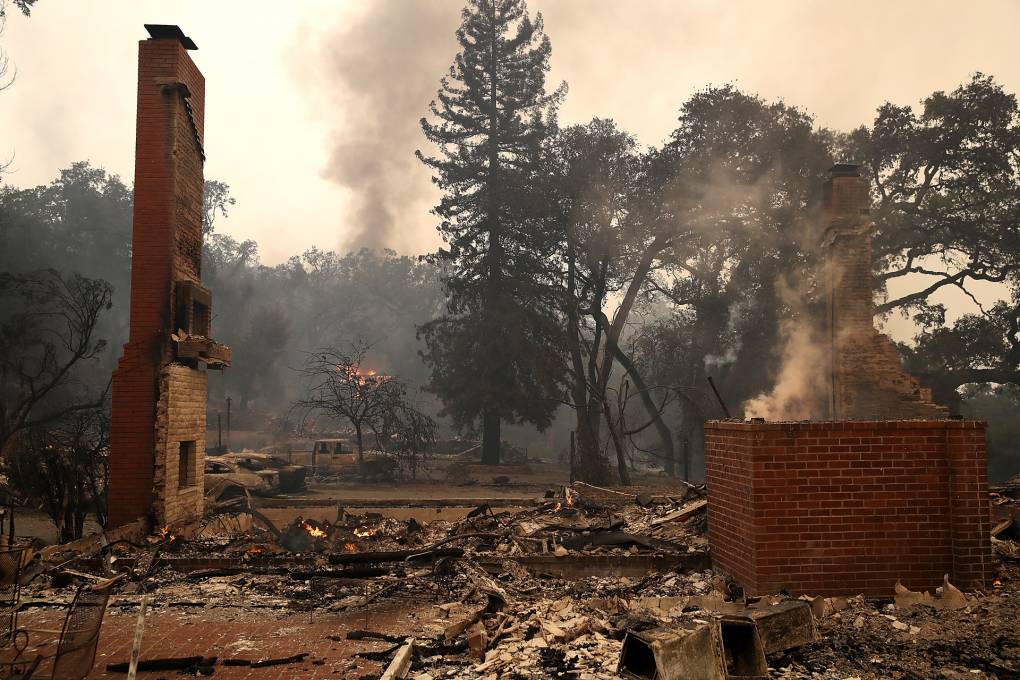
"caption": "The remains of homes in Glen Ellen smolder in the wake of the North Bay firestorm in 2017. A dozen of those blazes were sparked by PG&E-owned power lines.",
"description": "The remains of homes in Glen Ellen smolder in the wake of the North Bay firestorm in 2017. A dozen of those blazes were sparked by PG&E-owned power lines.",
"title": "Multiple Wildfires Destroy Homes, Threaten California Wine Country",
"credit": "Justin Sullivan/Getty Images",
"status": "inherit",
"isLoading": false,
"fetchFailed": false
},
"news_11814212": {
"type": "attachments",
"id": "news_11814212",
"meta": {
"index": "attachments_1716263798",
"site": "news",
"id": "11814212",
"found": true
},
"parent": 11813998,
"imgSizes": {
"apple_news_ca_landscape_5_5": {
"file": "https://ww2.kqed.org/app/uploads/sites/10/2020/04/GettyImages-114959332-1044x783.jpg",
"width": 1044,
"mimeType": "image/jpeg",
"height": 783
},
"apple_news_ca_square_4_0": {
"file": "https://ww2.kqed.org/app/uploads/sites/10/2020/04/GettyImages-114959332-470x470.jpg",
"width": 470,
"mimeType": "image/jpeg",
"height": 470
},
"twentyfourteen-full-width": {
"file": "https://ww2.kqed.org/app/uploads/sites/10/2020/04/GettyImages-114959332-1038x576.jpg",
"width": 1038,
"mimeType": "image/jpeg",
"height": 576
},
"thumbnail": {
"file": "https://ww2.kqed.org/app/uploads/sites/10/2020/04/GettyImages-114959332-160x108.jpg",
"width": 160,
"mimeType": "image/jpeg",
"height": 108
},
"post-thumbnail": {
"file": "https://ww2.kqed.org/app/uploads/sites/10/2020/04/GettyImages-114959332-672x372.jpg",
"width": 672,
"mimeType": "image/jpeg",
"height": 372
},
"kqedFullSize": {
"file": "https://ww2.kqed.org/app/uploads/sites/10/2020/04/GettyImages-114959332-e1587761354295.jpg",
"width": 1920,
"height": 1297
},
"apple_news_ca_landscape_4_7": {
"file": "https://ww2.kqed.org/app/uploads/sites/10/2020/04/GettyImages-114959332-632x474.jpg",
"width": 632,
"mimeType": "image/jpeg",
"height": 474
},
"large": {
"file": "https://ww2.kqed.org/app/uploads/sites/10/2020/04/GettyImages-114959332-1020x689.jpg",
"width": 1020,
"mimeType": "image/jpeg",
"height": 689
},
"apple_news_ca_landscape_4_0": {
"file": "https://ww2.kqed.org/app/uploads/sites/10/2020/04/GettyImages-114959332-536x402.jpg",
"width": 536,
"mimeType": "image/jpeg",
"height": 402
},
"apple_news_ca_portrait_12_9": {
"file": "https://ww2.kqed.org/app/uploads/sites/10/2020/04/GettyImages-114959332-1122x1496.jpg",
"width": 1122,
"mimeType": "image/jpeg",
"height": 1496
},
"medium": {
"file": "https://ww2.kqed.org/app/uploads/sites/10/2020/04/GettyImages-114959332-800x541.jpg",
"width": 800,
"mimeType": "image/jpeg",
"height": 541
},
"apple_news_ca_portrait_4_0": {
"file": "https://ww2.kqed.org/app/uploads/sites/10/2020/04/GettyImages-114959332-354x472.jpg",
"width": 354,
"mimeType": "image/jpeg",
"height": 472
},
"apple_news_ca_portrait_9_7": {
"file": "https://ww2.kqed.org/app/uploads/sites/10/2020/04/GettyImages-114959332-840x1120.jpg",
"width": 840,
"mimeType": "image/jpeg",
"height": 1120
},
"apple_news_ca_landscape_12_9": {
"file": "https://ww2.kqed.org/app/uploads/sites/10/2020/04/GettyImages-114959332-1832x1374.jpg",
"width": 1832,
"mimeType": "image/jpeg",
"height": 1374
},
"apple_news_ca_square_9_7": {
"file": "https://ww2.kqed.org/app/uploads/sites/10/2020/04/GettyImages-114959332-1104x1104.jpg",
"width": 1104,
"mimeType": "image/jpeg",
"height": 1104
},
"apple_news_ca_portrait_4_7": {
"file": "https://ww2.kqed.org/app/uploads/sites/10/2020/04/GettyImages-114959332-414x552.jpg",
"width": 414,
"mimeType": "image/jpeg",
"height": 552
},
"apple_news_ca_square_12_9": {
"file": "https://ww2.kqed.org/app/uploads/sites/10/2020/04/GettyImages-114959332-1472x1472.jpg",
"width": 1472,
"mimeType": "image/jpeg",
"height": 1472
},
"apple_news_ca_portrait_5_5": {
"file": "https://ww2.kqed.org/app/uploads/sites/10/2020/04/GettyImages-114959332-687x916.jpg",
"width": 687,
"mimeType": "image/jpeg",
"height": 916
},
"full-width": {
"file": "https://ww2.kqed.org/app/uploads/sites/10/2020/04/GettyImages-114959332-1920x1297.jpg",
"width": 1920,
"mimeType": "image/jpeg",
"height": 1297
},
"apple_news_ca_square_4_7": {
"file": "https://ww2.kqed.org/app/uploads/sites/10/2020/04/GettyImages-114959332-550x550.jpg",
"width": 550,
"mimeType": "image/jpeg",
"height": 550
},
"apple_news_ca_landscape_9_7": {
"file": "https://ww2.kqed.org/app/uploads/sites/10/2020/04/GettyImages-114959332-1376x1032.jpg",
"width": 1376,
"mimeType": "image/jpeg",
"height": 1032
},
"apple_news_ca_square_5_5": {
"file": "https://ww2.kqed.org/app/uploads/sites/10/2020/04/GettyImages-114959332-912x912.jpg",
"width": 912,
"mimeType": "image/jpeg",
"height": 912
}
},
"publishDate": 1587761228,
"modified": 1587761348,
"caption": "Smokers of tobacco products who develop COVID-19 are 14 times more likely to need intensive treatment compared to nonsmokers, and twice as likely to die, according to early studies.",
"description": null,
"title": "WHO Urges Smokers To Quit On World No Tobacco Day",
"credit": "Justin Sullivan/Getty Images",
"status": "inherit",
"isLoading": false,
"fetchFailed": false
},
"news_11813197": {
"type": "attachments",
"id": "news_11813197",
"meta": {
"index": "attachments_1716263798",
"site": "news",
"id": "11813197",
"found": true
},
"parent": 11813196,
"imgSizes": {
"apple_news_ca_landscape_5_5": {
"file": "https://ww2.kqed.org/app/uploads/sites/10/2020/04/RS42847_IMG_3877-qut-1044x783.jpg",
"width": 1044,
"mimeType": "image/jpeg",
"height": 783
},
"apple_news_ca_square_4_0": {
"file": "https://ww2.kqed.org/app/uploads/sites/10/2020/04/RS42847_IMG_3877-qut-470x470.jpg",
"width": 470,
"mimeType": "image/jpeg",
"height": 470
},
"twentyfourteen-full-width": {
"file": "https://ww2.kqed.org/app/uploads/sites/10/2020/04/RS42847_IMG_3877-qut-1038x576.jpg",
"width": 1038,
"mimeType": "image/jpeg",
"height": 576
},
"thumbnail": {
"file": "https://ww2.kqed.org/app/uploads/sites/10/2020/04/RS42847_IMG_3877-qut-160x120.jpg",
"width": 160,
"mimeType": "image/jpeg",
"height": 120
},
"post-thumbnail": {
"file": "https://ww2.kqed.org/app/uploads/sites/10/2020/04/RS42847_IMG_3877-qut-672x372.jpg",
"width": 672,
"mimeType": "image/jpeg",
"height": 372
},
"kqedFullSize": {
"file": "https://ww2.kqed.org/app/uploads/sites/10/2020/04/RS42847_IMG_3877-qut.jpg",
"width": 1920,
"height": 1440
},
"apple_news_ca_landscape_4_7": {
"file": "https://ww2.kqed.org/app/uploads/sites/10/2020/04/RS42847_IMG_3877-qut-632x474.jpg",
"width": 632,
"mimeType": "image/jpeg",
"height": 474
},
"large": {
"file": "https://ww2.kqed.org/app/uploads/sites/10/2020/04/RS42847_IMG_3877-qut-1020x765.jpg",
"width": 1020,
"mimeType": "image/jpeg",
"height": 765
},
"apple_news_ca_landscape_4_0": {
"file": "https://ww2.kqed.org/app/uploads/sites/10/2020/04/RS42847_IMG_3877-qut-536x402.jpg",
"width": 536,
"mimeType": "image/jpeg",
"height": 402
},
"apple_news_ca_portrait_12_9": {
"file": "https://ww2.kqed.org/app/uploads/sites/10/2020/04/RS42847_IMG_3877-qut-1122x1440.jpg",
"width": 1122,
"mimeType": "image/jpeg",
"height": 1440
},
"medium": {
"file": "https://ww2.kqed.org/app/uploads/sites/10/2020/04/RS42847_IMG_3877-qut-800x600.jpg",
"width": 800,
"mimeType": "image/jpeg",
"height": 600
},
"apple_news_ca_portrait_4_0": {
"file": "https://ww2.kqed.org/app/uploads/sites/10/2020/04/RS42847_IMG_3877-qut-354x472.jpg",
"width": 354,
"mimeType": "image/jpeg",
"height": 472
},
"apple_news_ca_portrait_9_7": {
"file": "https://ww2.kqed.org/app/uploads/sites/10/2020/04/RS42847_IMG_3877-qut-840x1120.jpg",
"width": 840,
"mimeType": "image/jpeg",
"height": 1120
},
"apple_news_ca_landscape_12_9": {
"file": "https://ww2.kqed.org/app/uploads/sites/10/2020/04/RS42847_IMG_3877-qut-1832x1374.jpg",
"width": 1832,
"mimeType": "image/jpeg",
"height": 1374
},
"apple_news_ca_square_9_7": {
"file": "https://ww2.kqed.org/app/uploads/sites/10/2020/04/RS42847_IMG_3877-qut-1104x1104.jpg",
"width": 1104,
"mimeType": "image/jpeg",
"height": 1104
},
"apple_news_ca_portrait_4_7": {
"file": "https://ww2.kqed.org/app/uploads/sites/10/2020/04/RS42847_IMG_3877-qut-414x552.jpg",
"width": 414,
"mimeType": "image/jpeg",
"height": 552
},
"apple_news_ca_square_12_9": {
"file": "https://ww2.kqed.org/app/uploads/sites/10/2020/04/RS42847_IMG_3877-qut-1472x1440.jpg",
"width": 1472,
"mimeType": "image/jpeg",
"height": 1440
},
"apple_news_ca_portrait_5_5": {
"file": "https://ww2.kqed.org/app/uploads/sites/10/2020/04/RS42847_IMG_3877-qut-687x916.jpg",
"width": 687,
"mimeType": "image/jpeg",
"height": 916
},
"full-width": {
"file": "https://ww2.kqed.org/app/uploads/sites/10/2020/04/RS42847_IMG_3877-qut-1920x1440.jpg",
"width": 1920,
"mimeType": "image/jpeg",
"height": 1440
},
"apple_news_ca_square_4_7": {
"file": "https://ww2.kqed.org/app/uploads/sites/10/2020/04/RS42847_IMG_3877-qut-550x550.jpg",
"width": 550,
"mimeType": "image/jpeg",
"height": 550
},
"apple_news_ca_landscape_9_7": {
"file": "https://ww2.kqed.org/app/uploads/sites/10/2020/04/RS42847_IMG_3877-qut-1376x1032.jpg",
"width": 1376,
"mimeType": "image/jpeg",
"height": 1032
},
"apple_news_ca_square_5_5": {
"file": "https://ww2.kqed.org/app/uploads/sites/10/2020/04/RS42847_IMG_3877-qut-912x912.jpg",
"width": 912,
"mimeType": "image/jpeg",
"height": 912
}
},
"publishDate": 1587423816,
"modified": 1587674064,
"caption": "Tess Taylor poses at the entrance to El Cerrito Foundation Memorial Grove.",
"description": "Tess Taylor poses at the entrance to El Cerrito Foundation Memorial Grove",
"title": "RS42847_IMG_3877-qut",
"credit": "Chloe Veltman/KQED",
"status": "inherit",
"isLoading": false,
"fetchFailed": false
},
"news_11814098": {
"type": "attachments",
"id": "news_11814098",
"meta": {
"index": "attachments_1716263798",
"site": "news",
"id": "11814098",
"found": true
},
"parent": 11814096,
"imgSizes": {
"apple_news_ca_landscape_5_5": {
"file": "https://ww2.kqed.org/app/uploads/sites/10/2020/04/RS16745_IMG_9566.JPG-qut-1044x783.jpg",
"width": 1044,
"mimeType": "image/jpeg",
"height": 783
},
"apple_news_ca_square_4_0": {
"file": "https://ww2.kqed.org/app/uploads/sites/10/2020/04/RS16745_IMG_9566.JPG-qut-470x470.jpg",
"width": 470,
"mimeType": "image/jpeg",
"height": 470
},
"twentyfourteen-full-width": {
"file": "https://ww2.kqed.org/app/uploads/sites/10/2020/04/RS16745_IMG_9566.JPG-qut-1038x576.jpg",
"width": 1038,
"mimeType": "image/jpeg",
"height": 576
},
"thumbnail": {
"file": "https://ww2.kqed.org/app/uploads/sites/10/2020/04/RS16745_IMG_9566.JPG-qut-160x107.jpg",
"width": 160,
"mimeType": "image/jpeg",
"height": 107
},
"post-thumbnail": {
"file": "https://ww2.kqed.org/app/uploads/sites/10/2020/04/RS16745_IMG_9566.JPG-qut-672x372.jpg",
"width": 672,
"mimeType": "image/jpeg",
"height": 372
},
"kqedFullSize": {
"file": "https://ww2.kqed.org/app/uploads/sites/10/2020/04/RS16745_IMG_9566.JPG-qut.jpg",
"width": 1920,
"height": 1280
},
"apple_news_ca_landscape_4_7": {
"file": "https://ww2.kqed.org/app/uploads/sites/10/2020/04/RS16745_IMG_9566.JPG-qut-632x474.jpg",
"width": 632,
"mimeType": "image/jpeg",
"height": 474
},
"large": {
"file": "https://ww2.kqed.org/app/uploads/sites/10/2020/04/RS16745_IMG_9566.JPG-qut-1020x680.jpg",
"width": 1020,
"mimeType": "image/jpeg",
"height": 680
},
"apple_news_ca_landscape_4_0": {
"file": "https://ww2.kqed.org/app/uploads/sites/10/2020/04/RS16745_IMG_9566.JPG-qut-536x402.jpg",
"width": 536,
"mimeType": "image/jpeg",
"height": 402
},
"apple_news_ca_portrait_12_9": {
"file": "https://ww2.kqed.org/app/uploads/sites/10/2020/04/RS16745_IMG_9566.JPG-qut-1122x1280.jpg",
"width": 1122,
"mimeType": "image/jpeg",
"height": 1280
},
"medium": {
"file": "https://ww2.kqed.org/app/uploads/sites/10/2020/04/RS16745_IMG_9566.JPG-qut-800x533.jpg",
"width": 800,
"mimeType": "image/jpeg",
"height": 533
},
"apple_news_ca_portrait_4_0": {
"file": "https://ww2.kqed.org/app/uploads/sites/10/2020/04/RS16745_IMG_9566.JPG-qut-354x472.jpg",
"width": 354,
"mimeType": "image/jpeg",
"height": 472
},
"apple_news_ca_portrait_9_7": {
"file": "https://ww2.kqed.org/app/uploads/sites/10/2020/04/RS16745_IMG_9566.JPG-qut-840x1120.jpg",
"width": 840,
"mimeType": "image/jpeg",
"height": 1120
},
"apple_news_ca_landscape_12_9": {
"file": "https://ww2.kqed.org/app/uploads/sites/10/2020/04/RS16745_IMG_9566.JPG-qut-1832x1280.jpg",
"width": 1832,
"mimeType": "image/jpeg",
"height": 1280
},
"apple_news_ca_square_9_7": {
"file": "https://ww2.kqed.org/app/uploads/sites/10/2020/04/RS16745_IMG_9566.JPG-qut-1104x1104.jpg",
"width": 1104,
"mimeType": "image/jpeg",
"height": 1104
},
"apple_news_ca_portrait_4_7": {
"file": "https://ww2.kqed.org/app/uploads/sites/10/2020/04/RS16745_IMG_9566.JPG-qut-414x552.jpg",
"width": 414,
"mimeType": "image/jpeg",
"height": 552
},
"apple_news_ca_square_12_9": {
"file": "https://ww2.kqed.org/app/uploads/sites/10/2020/04/RS16745_IMG_9566.JPG-qut-1472x1280.jpg",
"width": 1472,
"mimeType": "image/jpeg",
"height": 1280
},
"apple_news_ca_portrait_5_5": {
"file": "https://ww2.kqed.org/app/uploads/sites/10/2020/04/RS16745_IMG_9566.JPG-qut-687x916.jpg",
"width": 687,
"mimeType": "image/jpeg",
"height": 916
},
"full-width": {
"file": "https://ww2.kqed.org/app/uploads/sites/10/2020/04/RS16745_IMG_9566.JPG-qut-1920x1280.jpg",
"width": 1920,
"mimeType": "image/jpeg",
"height": 1280
},
"apple_news_ca_square_4_7": {
"file": "https://ww2.kqed.org/app/uploads/sites/10/2020/04/RS16745_IMG_9566.JPG-qut-550x550.jpg",
"width": 550,
"mimeType": "image/jpeg",
"height": 550
},
"apple_news_ca_landscape_9_7": {
"file": "https://ww2.kqed.org/app/uploads/sites/10/2020/04/RS16745_IMG_9566.JPG-qut-1376x1032.jpg",
"width": 1376,
"mimeType": "image/jpeg",
"height": 1032
},
"apple_news_ca_square_5_5": {
"file": "https://ww2.kqed.org/app/uploads/sites/10/2020/04/RS16745_IMG_9566.JPG-qut-912x912.jpg",
"width": 912,
"mimeType": "image/jpeg",
"height": 912
}
},
"publishDate": 1587690864,
"modified": 1587739202,
"caption": "Jane Garcia, CEO at La Clínica de la Raza, advocates for health care services for undocumented and uninsured immigrants in Contra Costa County on Sept. 22, 2015. La Clínica is losing $3 million per month in revenue during the coronavirus pandemic, she said.",
"description": null,
"title": "RS16745_IMG_9566.JPG-qut",
"credit": "Farida Jhabvala Romero/KQED",
"status": "inherit",
"isLoading": false,
"fetchFailed": false
},
"news_11813876": {
"type": "attachments",
"id": "news_11813876",
"meta": {
"index": "attachments_1716263798",
"site": "news",
"id": "11813876",
"found": true
},
"parent": 11813875,
"imgSizes": {
"apple_news_ca_landscape_5_5": {
"file": "https://ww2.kqed.org/app/uploads/sites/10/2020/04/Protest-Getty-1210379262-1044x783.jpg",
"width": 1044,
"mimeType": "image/jpeg",
"height": 783
},
"apple_news_ca_square_4_0": {
"file": "https://ww2.kqed.org/app/uploads/sites/10/2020/04/Protest-Getty-1210379262-470x470.jpg",
"width": 470,
"mimeType": "image/jpeg",
"height": 470
},
"twentyfourteen-full-width": {
"file": "https://ww2.kqed.org/app/uploads/sites/10/2020/04/Protest-Getty-1210379262-1038x576.jpg",
"width": 1038,
"mimeType": "image/jpeg",
"height": 576
},
"thumbnail": {
"file": "https://ww2.kqed.org/app/uploads/sites/10/2020/04/Protest-Getty-1210379262-160x104.jpg",
"width": 160,
"mimeType": "image/jpeg",
"height": 104
},
"post-thumbnail": {
"file": "https://ww2.kqed.org/app/uploads/sites/10/2020/04/Protest-Getty-1210379262-672x372.jpg",
"width": 672,
"mimeType": "image/jpeg",
"height": 372
},
"kqedFullSize": {
"file": "https://ww2.kqed.org/app/uploads/sites/10/2020/04/Protest-Getty-1210379262.jpg",
"width": 1920,
"height": 1251
},
"apple_news_ca_landscape_4_7": {
"file": "https://ww2.kqed.org/app/uploads/sites/10/2020/04/Protest-Getty-1210379262-632x474.jpg",
"width": 632,
"mimeType": "image/jpeg",
"height": 474
},
"large": {
"file": "https://ww2.kqed.org/app/uploads/sites/10/2020/04/Protest-Getty-1210379262-1020x665.jpg",
"width": 1020,
"mimeType": "image/jpeg",
"height": 665
},
"apple_news_ca_landscape_4_0": {
"file": "https://ww2.kqed.org/app/uploads/sites/10/2020/04/Protest-Getty-1210379262-536x402.jpg",
"width": 536,
"mimeType": "image/jpeg",
"height": 402
},
"apple_news_ca_portrait_12_9": {
"file": "https://ww2.kqed.org/app/uploads/sites/10/2020/04/Protest-Getty-1210379262-1122x1251.jpg",
"width": 1122,
"mimeType": "image/jpeg",
"height": 1251
},
"medium": {
"file": "https://ww2.kqed.org/app/uploads/sites/10/2020/04/Protest-Getty-1210379262-800x521.jpg",
"width": 800,
"mimeType": "image/jpeg",
"height": 521
},
"apple_news_ca_portrait_4_0": {
"file": "https://ww2.kqed.org/app/uploads/sites/10/2020/04/Protest-Getty-1210379262-354x472.jpg",
"width": 354,
"mimeType": "image/jpeg",
"height": 472
},
"apple_news_ca_portrait_9_7": {
"file": "https://ww2.kqed.org/app/uploads/sites/10/2020/04/Protest-Getty-1210379262-840x1120.jpg",
"width": 840,
"mimeType": "image/jpeg",
"height": 1120
},
"apple_news_ca_landscape_12_9": {
"file": "https://ww2.kqed.org/app/uploads/sites/10/2020/04/Protest-Getty-1210379262-1832x1251.jpg",
"width": 1832,
"mimeType": "image/jpeg",
"height": 1251
},
"apple_news_ca_square_9_7": {
"file": "https://ww2.kqed.org/app/uploads/sites/10/2020/04/Protest-Getty-1210379262-1104x1104.jpg",
"width": 1104,
"mimeType": "image/jpeg",
"height": 1104
},
"apple_news_ca_portrait_4_7": {
"file": "https://ww2.kqed.org/app/uploads/sites/10/2020/04/Protest-Getty-1210379262-414x552.jpg",
"width": 414,
"mimeType": "image/jpeg",
"height": 552
},
"apple_news_ca_square_12_9": {
"file": "https://ww2.kqed.org/app/uploads/sites/10/2020/04/Protest-Getty-1210379262-1472x1251.jpg",
"width": 1472,
"mimeType": "image/jpeg",
"height": 1251
},
"apple_news_ca_portrait_5_5": {
"file": "https://ww2.kqed.org/app/uploads/sites/10/2020/04/Protest-Getty-1210379262-687x916.jpg",
"width": 687,
"mimeType": "image/jpeg",
"height": 916
},
"full-width": {
"file": "https://ww2.kqed.org/app/uploads/sites/10/2020/04/Protest-Getty-1210379262-1920x1251.jpg",
"width": 1920,
"mimeType": "image/jpeg",
"height": 1251
},
"apple_news_ca_square_4_7": {
"file": "https://ww2.kqed.org/app/uploads/sites/10/2020/04/Protest-Getty-1210379262-550x550.jpg",
"width": 550,
"mimeType": "image/jpeg",
"height": 550
},
"apple_news_ca_landscape_9_7": {
"file": "https://ww2.kqed.org/app/uploads/sites/10/2020/04/Protest-Getty-1210379262-1376x1032.jpg",
"width": 1376,
"mimeType": "image/jpeg",
"height": 1032
},
"apple_news_ca_square_5_5": {
"file": "https://ww2.kqed.org/app/uploads/sites/10/2020/04/Protest-Getty-1210379262-912x912.jpg",
"width": 912,
"mimeType": "image/jpeg",
"height": 912
}
},
"publishDate": 1587617072,
"modified": 1587662042,
"caption": "Demonstrators protest during a \"Freedom Rally\" against stay-at-home directives on April 18, 2020 in San Diego. Rallies were held at several state capitols across the country last week where mainly Republican protesters expressed their deep frustration with the stay-at-home orders that are meant to stem the spread of the novel coronavirus.\n",
"description": null,
"title": "Protest-Getty-1210379262",
"credit": "Sandy Huffaker/Getty Images",
"status": "inherit",
"isLoading": false,
"fetchFailed": false
},
"news_11813247": {
"type": "attachments",
"id": "news_11813247",
"meta": {
"index": "attachments_1716263798",
"site": "news",
"id": "11813247",
"found": true
},
"parent": 11813179,
"imgSizes": {
"apple_news_ca_landscape_5_5": {
"file": "https://ww2.kqed.org/app/uploads/sites/10/2020/04/Phil-Ting-1044x783.jpg",
"width": 1044,
"mimeType": "image/jpeg",
"height": 783
},
"apple_news_ca_square_4_0": {
"file": "https://ww2.kqed.org/app/uploads/sites/10/2020/04/Phil-Ting-470x470.jpg",
"width": 470,
"mimeType": "image/jpeg",
"height": 470
},
"twentyfourteen-full-width": {
"file": "https://ww2.kqed.org/app/uploads/sites/10/2020/04/Phil-Ting-1038x576.jpg",
"width": 1038,
"mimeType": "image/jpeg",
"height": 576
},
"thumbnail": {
"file": "https://ww2.kqed.org/app/uploads/sites/10/2020/04/Phil-Ting-160x107.jpg",
"width": 160,
"mimeType": "image/jpeg",
"height": 107
},
"post-thumbnail": {
"file": "https://ww2.kqed.org/app/uploads/sites/10/2020/04/Phil-Ting-672x372.jpg",
"width": 672,
"mimeType": "image/jpeg",
"height": 372
},
"kqedFullSize": {
"file": "https://ww2.kqed.org/app/uploads/sites/10/2020/04/Phil-Ting.jpg",
"width": 1920,
"height": 1280
},
"apple_news_ca_landscape_4_7": {
"file": "https://ww2.kqed.org/app/uploads/sites/10/2020/04/Phil-Ting-632x474.jpg",
"width": 632,
"mimeType": "image/jpeg",
"height": 474
},
"large": {
"file": "https://ww2.kqed.org/app/uploads/sites/10/2020/04/Phil-Ting-1020x680.jpg",
"width": 1020,
"mimeType": "image/jpeg",
"height": 680
},
"apple_news_ca_landscape_4_0": {
"file": "https://ww2.kqed.org/app/uploads/sites/10/2020/04/Phil-Ting-536x402.jpg",
"width": 536,
"mimeType": "image/jpeg",
"height": 402
},
"apple_news_ca_portrait_12_9": {
"file": "https://ww2.kqed.org/app/uploads/sites/10/2020/04/Phil-Ting-1122x1280.jpg",
"width": 1122,
"mimeType": "image/jpeg",
"height": 1280
},
"medium": {
"file": "https://ww2.kqed.org/app/uploads/sites/10/2020/04/Phil-Ting-800x533.jpg",
"width": 800,
"mimeType": "image/jpeg",
"height": 533
},
"apple_news_ca_portrait_4_0": {
"file": "https://ww2.kqed.org/app/uploads/sites/10/2020/04/Phil-Ting-354x472.jpg",
"width": 354,
"mimeType": "image/jpeg",
"height": 472
},
"apple_news_ca_portrait_9_7": {
"file": "https://ww2.kqed.org/app/uploads/sites/10/2020/04/Phil-Ting-840x1120.jpg",
"width": 840,
"mimeType": "image/jpeg",
"height": 1120
},
"apple_news_ca_landscape_12_9": {
"file": "https://ww2.kqed.org/app/uploads/sites/10/2020/04/Phil-Ting-1832x1280.jpg",
"width": 1832,
"mimeType": "image/jpeg",
"height": 1280
},
"apple_news_ca_square_9_7": {
"file": "https://ww2.kqed.org/app/uploads/sites/10/2020/04/Phil-Ting-1104x1104.jpg",
"width": 1104,
"mimeType": "image/jpeg",
"height": 1104
},
"apple_news_ca_portrait_4_7": {
"file": "https://ww2.kqed.org/app/uploads/sites/10/2020/04/Phil-Ting-414x552.jpg",
"width": 414,
"mimeType": "image/jpeg",
"height": 552
},
"apple_news_ca_square_12_9": {
"file": "https://ww2.kqed.org/app/uploads/sites/10/2020/04/Phil-Ting-1472x1280.jpg",
"width": 1472,
"mimeType": "image/jpeg",
"height": 1280
},
"apple_news_ca_portrait_5_5": {
"file": "https://ww2.kqed.org/app/uploads/sites/10/2020/04/Phil-Ting-687x916.jpg",
"width": 687,
"mimeType": "image/jpeg",
"height": 916
},
"full-width": {
"file": "https://ww2.kqed.org/app/uploads/sites/10/2020/04/Phil-Ting-1920x1280.jpg",
"width": 1920,
"mimeType": "image/jpeg",
"height": 1280
},
"apple_news_ca_square_4_7": {
"file": "https://ww2.kqed.org/app/uploads/sites/10/2020/04/Phil-Ting-550x550.jpg",
"width": 550,
"mimeType": "image/jpeg",
"height": 550
},
"apple_news_ca_landscape_9_7": {
"file": "https://ww2.kqed.org/app/uploads/sites/10/2020/04/Phil-Ting-1376x1032.jpg",
"width": 1376,
"mimeType": "image/jpeg",
"height": 1032
},
"apple_news_ca_square_5_5": {
"file": "https://ww2.kqed.org/app/uploads/sites/10/2020/04/Phil-Ting-912x912.jpg",
"width": 912,
"mimeType": "image/jpeg",
"height": 912
}
},
"publishDate": 1587428433,
"modified": 1587428552,
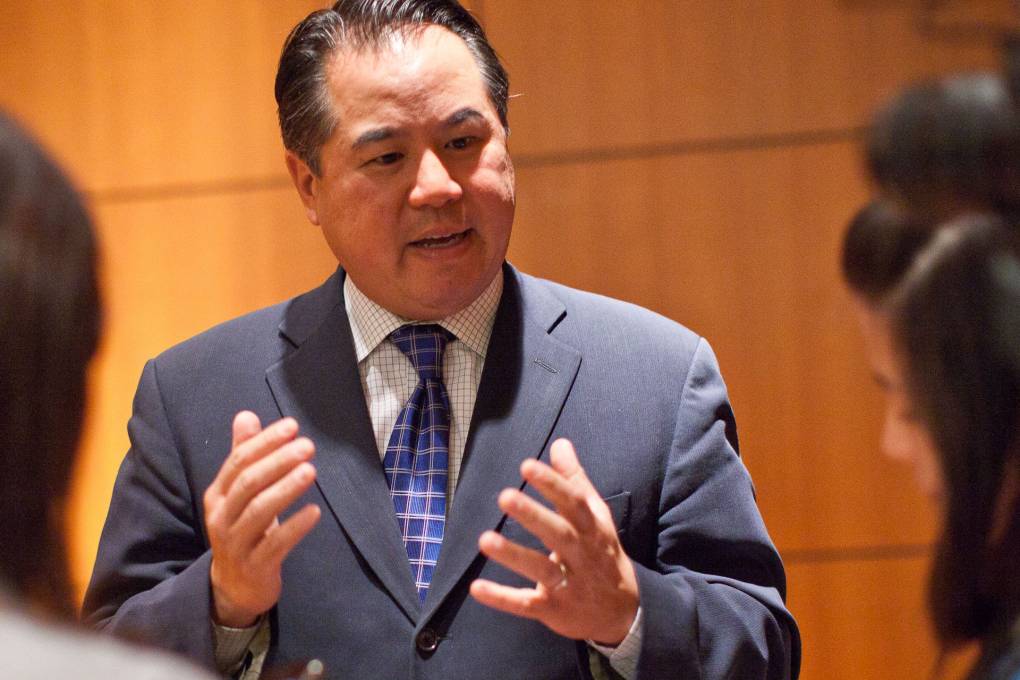
"caption": "California Assembly Budget Chair Phil Ting says it’s time for lawmakers to get more involved in COVID-19-related spending decisions.",
"description": "California Assembly Budget Chair Phil Ting says it’s time for lawmakers to get more involved in COVID-19-related spending decisions.",
"title": "Phil-Ting",
"credit": "Deborah Svoboda/KQED",
"status": "inherit",
"isLoading": false,
"fetchFailed": false
},
"news_11813203": {
"type": "attachments",
"id": "news_11813203",
"meta": {
"index": "attachments_1716263798",
"site": "news",
"id": "11813203",
"found": true
},
"parent": 11813190,
"imgSizes": {
"apple_news_ca_landscape_5_5": {
"file": "https://ww2.kqed.org/app/uploads/sites/10/2020/04/RS42852_GettyImages-1210468812-qut-1044x783.jpg",
"width": 1044,
"mimeType": "image/jpeg",
"height": 783
},
"apple_news_ca_square_4_0": {
"file": "https://ww2.kqed.org/app/uploads/sites/10/2020/04/RS42852_GettyImages-1210468812-qut-470x470.jpg",
"width": 470,
"mimeType": "image/jpeg",
"height": 470
},
"twentyfourteen-full-width": {
"file": "https://ww2.kqed.org/app/uploads/sites/10/2020/04/RS42852_GettyImages-1210468812-qut-1038x576.jpg",
"width": 1038,
"mimeType": "image/jpeg",
"height": 576
},
"thumbnail": {
"file": "https://ww2.kqed.org/app/uploads/sites/10/2020/04/RS42852_GettyImages-1210468812-qut-160x103.jpg",
"width": 160,
"mimeType": "image/jpeg",
"height": 103
},
"post-thumbnail": {
"file": "https://ww2.kqed.org/app/uploads/sites/10/2020/04/RS42852_GettyImages-1210468812-qut-672x372.jpg",
"width": 672,
"mimeType": "image/jpeg",
"height": 372
},
"kqedFullSize": {
"file": "https://ww2.kqed.org/app/uploads/sites/10/2020/04/RS42852_GettyImages-1210468812-qut.jpg",
"width": 1920,
"height": 1237
},
"apple_news_ca_landscape_4_7": {
"file": "https://ww2.kqed.org/app/uploads/sites/10/2020/04/RS42852_GettyImages-1210468812-qut-632x474.jpg",
"width": 632,
"mimeType": "image/jpeg",
"height": 474
},
"large": {
"file": "https://ww2.kqed.org/app/uploads/sites/10/2020/04/RS42852_GettyImages-1210468812-qut-1020x657.jpg",
"width": 1020,
"mimeType": "image/jpeg",
"height": 657
},
"apple_news_ca_landscape_4_0": {
"file": "https://ww2.kqed.org/app/uploads/sites/10/2020/04/RS42852_GettyImages-1210468812-qut-536x402.jpg",
"width": 536,
"mimeType": "image/jpeg",
"height": 402
},
"apple_news_ca_portrait_12_9": {
"file": "https://ww2.kqed.org/app/uploads/sites/10/2020/04/RS42852_GettyImages-1210468812-qut-1122x1237.jpg",
"width": 1122,
"mimeType": "image/jpeg",
"height": 1237
},
"medium": {
"file": "https://ww2.kqed.org/app/uploads/sites/10/2020/04/RS42852_GettyImages-1210468812-qut-800x515.jpg",
"width": 800,
"mimeType": "image/jpeg",
"height": 515
},
"apple_news_ca_portrait_4_0": {
"file": "https://ww2.kqed.org/app/uploads/sites/10/2020/04/RS42852_GettyImages-1210468812-qut-354x472.jpg",
"width": 354,
"mimeType": "image/jpeg",
"height": 472
},
"apple_news_ca_portrait_9_7": {
"file": "https://ww2.kqed.org/app/uploads/sites/10/2020/04/RS42852_GettyImages-1210468812-qut-840x1120.jpg",
"width": 840,
"mimeType": "image/jpeg",
"height": 1120
},
"apple_news_ca_landscape_12_9": {
"file": "https://ww2.kqed.org/app/uploads/sites/10/2020/04/RS42852_GettyImages-1210468812-qut-1832x1237.jpg",
"width": 1832,
"mimeType": "image/jpeg",
"height": 1237
},
"apple_news_ca_square_9_7": {
"file": "https://ww2.kqed.org/app/uploads/sites/10/2020/04/RS42852_GettyImages-1210468812-qut-1104x1104.jpg",
"width": 1104,
"mimeType": "image/jpeg",
"height": 1104
},
"apple_news_ca_portrait_4_7": {
"file": "https://ww2.kqed.org/app/uploads/sites/10/2020/04/RS42852_GettyImages-1210468812-qut-414x552.jpg",
"width": 414,
"mimeType": "image/jpeg",
"height": 552
},
"apple_news_ca_square_12_9": {
"file": "https://ww2.kqed.org/app/uploads/sites/10/2020/04/RS42852_GettyImages-1210468812-qut-1472x1237.jpg",
"width": 1472,
"mimeType": "image/jpeg",
"height": 1237
},
"apple_news_ca_portrait_5_5": {
"file": "https://ww2.kqed.org/app/uploads/sites/10/2020/04/RS42852_GettyImages-1210468812-qut-687x916.jpg",
"width": 687,
"mimeType": "image/jpeg",
"height": 916
},
"full-width": {
"file": "https://ww2.kqed.org/app/uploads/sites/10/2020/04/RS42852_GettyImages-1210468812-qut-1920x1237.jpg",
"width": 1920,
"mimeType": "image/jpeg",
"height": 1237
},
"apple_news_ca_square_4_7": {
"file": "https://ww2.kqed.org/app/uploads/sites/10/2020/04/RS42852_GettyImages-1210468812-qut-550x550.jpg",
"width": 550,
"mimeType": "image/jpeg",
"height": 550
},
"apple_news_ca_landscape_9_7": {
"file": "https://ww2.kqed.org/app/uploads/sites/10/2020/04/RS42852_GettyImages-1210468812-qut-1376x1032.jpg",
"width": 1376,
"mimeType": "image/jpeg",
"height": 1032
},
"apple_news_ca_square_5_5": {
"file": "https://ww2.kqed.org/app/uploads/sites/10/2020/04/RS42852_GettyImages-1210468812-qut-912x912.jpg",
"width": 912,
"mimeType": "image/jpeg",
"height": 912
}
},
"publishDate": 1587424858,
"modified": 1587424924,
"caption": "Some people intentionally jammed roads while honking and holding out signs while others disrespected social distancing rules by gathering in close proximity, blaring Americana music and shouting to end the lockdown. ",
"description": "Some people intentionally jammed roads while honking and holding out signs while others disrespected social distancing rules by gathering in close proximity, blaring Americana music and shouting to end the lockdown. ",
"title": "US-HEALTH-VIRUS",
"credit": "Josh Edelson/AFP via Getty Images",
"status": "inherit",
"isLoading": false,
"fetchFailed": false
},
"news_11812799": {
"type": "attachments",
"id": "news_11812799",
"meta": {
"index": "attachments_1716263798",
"site": "news",
"id": "11812799",
"found": true
},
"parent": 11812710,
"imgSizes": {
"apple_news_ca_landscape_5_5": {
"file": "https://ww2.kqed.org/app/uploads/sites/10/2020/04/1920_GettyImages-522274800-1-1044x783.jpg",
"width": 1044,
"mimeType": "image/jpeg",
"height": 783
},
"apple_news_ca_square_4_0": {
"file": "https://ww2.kqed.org/app/uploads/sites/10/2020/04/1920_GettyImages-522274800-1-470x470.jpg",
"width": 470,
"mimeType": "image/jpeg",
"height": 470
},
"twentyfourteen-full-width": {
"file": "https://ww2.kqed.org/app/uploads/sites/10/2020/04/1920_GettyImages-522274800-1-1038x576.jpg",
"width": 1038,
"mimeType": "image/jpeg",
"height": 576
},
"thumbnail": {
"file": "https://ww2.kqed.org/app/uploads/sites/10/2020/04/1920_GettyImages-522274800-1-160x107.jpg",
"width": 160,
"mimeType": "image/jpeg",
"height": 107
},
"post-thumbnail": {
"file": "https://ww2.kqed.org/app/uploads/sites/10/2020/04/1920_GettyImages-522274800-1-672x372.jpg",
"width": 672,
"mimeType": "image/jpeg",
"height": 372
},
"kqedFullSize": {
"file": "https://ww2.kqed.org/app/uploads/sites/10/2020/04/1920_GettyImages-522274800-1.jpg",
"width": 1920,
"height": 1280
},
"apple_news_ca_landscape_4_7": {
"file": "https://ww2.kqed.org/app/uploads/sites/10/2020/04/1920_GettyImages-522274800-1-632x474.jpg",
"width": 632,
"mimeType": "image/jpeg",
"height": 474
},
"large": {
"file": "https://ww2.kqed.org/app/uploads/sites/10/2020/04/1920_GettyImages-522274800-1-1020x680.jpg",
"width": 1020,
"mimeType": "image/jpeg",
"height": 680
},
"apple_news_ca_landscape_4_0": {
"file": "https://ww2.kqed.org/app/uploads/sites/10/2020/04/1920_GettyImages-522274800-1-536x402.jpg",
"width": 536,
"mimeType": "image/jpeg",
"height": 402
},
"apple_news_ca_portrait_12_9": {
"file": "https://ww2.kqed.org/app/uploads/sites/10/2020/04/1920_GettyImages-522274800-1-1122x1280.jpg",
"width": 1122,
"mimeType": "image/jpeg",
"height": 1280
},
"medium": {
"file": "https://ww2.kqed.org/app/uploads/sites/10/2020/04/1920_GettyImages-522274800-1-800x533.jpg",
"width": 800,
"mimeType": "image/jpeg",
"height": 533
},
"apple_news_ca_portrait_4_0": {
"file": "https://ww2.kqed.org/app/uploads/sites/10/2020/04/1920_GettyImages-522274800-1-354x472.jpg",
"width": 354,
"mimeType": "image/jpeg",
"height": 472
},
"apple_news_ca_portrait_9_7": {
"file": "https://ww2.kqed.org/app/uploads/sites/10/2020/04/1920_GettyImages-522274800-1-840x1120.jpg",
"width": 840,
"mimeType": "image/jpeg",
"height": 1120
},
"apple_news_ca_landscape_12_9": {
"file": "https://ww2.kqed.org/app/uploads/sites/10/2020/04/1920_GettyImages-522274800-1-1832x1280.jpg",
"width": 1832,
"mimeType": "image/jpeg",
"height": 1280
},
"apple_news_ca_square_9_7": {
"file": "https://ww2.kqed.org/app/uploads/sites/10/2020/04/1920_GettyImages-522274800-1-1104x1104.jpg",
"width": 1104,
"mimeType": "image/jpeg",
"height": 1104
},
"apple_news_ca_portrait_4_7": {
"file": "https://ww2.kqed.org/app/uploads/sites/10/2020/04/1920_GettyImages-522274800-1-414x552.jpg",
"width": 414,
"mimeType": "image/jpeg",
"height": 552
},
"apple_news_ca_square_12_9": {
"file": "https://ww2.kqed.org/app/uploads/sites/10/2020/04/1920_GettyImages-522274800-1-1472x1280.jpg",
"width": 1472,
"mimeType": "image/jpeg",
"height": 1280
},
"apple_news_ca_portrait_5_5": {
"file": "https://ww2.kqed.org/app/uploads/sites/10/2020/04/1920_GettyImages-522274800-1-687x916.jpg",
"width": 687,
"mimeType": "image/jpeg",
"height": 916
},
"full-width": {
"file": "https://ww2.kqed.org/app/uploads/sites/10/2020/04/1920_GettyImages-522274800-1-1920x1280.jpg",
"width": 1920,
"mimeType": "image/jpeg",
"height": 1280
},
"apple_news_ca_square_4_7": {
"file": "https://ww2.kqed.org/app/uploads/sites/10/2020/04/1920_GettyImages-522274800-1-550x550.jpg",
"width": 550,
"mimeType": "image/jpeg",
"height": 550
},
"apple_news_ca_landscape_9_7": {
"file": "https://ww2.kqed.org/app/uploads/sites/10/2020/04/1920_GettyImages-522274800-1-1376x1032.jpg",
"width": 1376,
"mimeType": "image/jpeg",
"height": 1032
},
"apple_news_ca_square_5_5": {
"file": "https://ww2.kqed.org/app/uploads/sites/10/2020/04/1920_GettyImages-522274800-1-912x912.jpg",
"width": 912,
"mimeType": "image/jpeg",
"height": 912
}
},
"publishDate": 1587101424,
"modified": 1587101551,
"caption": "“As an undocumented immigrant who was raised in California and call the Bay Area my home, thank you” wrote undocumented journalist and activist Jose Antonio Vargas on Twitter responding to Newsom’s announcement of a relief fund for undocumented immigrants. “Thank you for remembering that undocumented Californians are an inextricable part of our state.” \n",
"description": null,
"title": "1920_GettyImages-522274800",
"credit": "Alex Wong/Getty Images",
"status": "inherit",
"isLoading": false,
"fetchFailed": false
},
"news_11812483": {
"type": "attachments",
"id": "news_11812483",
"meta": {
"index": "attachments_1716263798",
"site": "news",
"id": "11812483",
"found": true
},
"parent": 11812402,
"imgSizes": {
"apple_news_ca_landscape_5_5": {
"file": "https://ww2.kqed.org/app/uploads/sites/10/2020/04/Chico-Eye-Center-1044x783.jpg",
"width": 1044,
"mimeType": "image/jpeg",
"height": 783
},
"apple_news_ca_square_4_0": {
"file": "https://ww2.kqed.org/app/uploads/sites/10/2020/04/Chico-Eye-Center-470x470.jpg",
"width": 470,
"mimeType": "image/jpeg",
"height": 470
},
"twentyfourteen-full-width": {
"file": "https://ww2.kqed.org/app/uploads/sites/10/2020/04/Chico-Eye-Center-1038x576.jpg",
"width": 1038,
"mimeType": "image/jpeg",
"height": 576
},
"thumbnail": {
"file": "https://ww2.kqed.org/app/uploads/sites/10/2020/04/Chico-Eye-Center-160x106.jpg",
"width": 160,
"mimeType": "image/jpeg",
"height": 106
},
"post-thumbnail": {
"file": "https://ww2.kqed.org/app/uploads/sites/10/2020/04/Chico-Eye-Center-672x372.jpg",
"width": 672,
"mimeType": "image/jpeg",
"height": 372
},
"kqedFullSize": {
"file": "https://ww2.kqed.org/app/uploads/sites/10/2020/04/Chico-Eye-Center.jpg",
"width": 1920,
"height": 1275
},
"apple_news_ca_landscape_4_7": {
"file": "https://ww2.kqed.org/app/uploads/sites/10/2020/04/Chico-Eye-Center-632x474.jpg",
"width": 632,
"mimeType": "image/jpeg",
"height": 474
},
"large": {
"file": "https://ww2.kqed.org/app/uploads/sites/10/2020/04/Chico-Eye-Center-1020x677.jpg",
"width": 1020,
"mimeType": "image/jpeg",
"height": 677
},
"apple_news_ca_landscape_4_0": {
"file": "https://ww2.kqed.org/app/uploads/sites/10/2020/04/Chico-Eye-Center-536x402.jpg",
"width": 536,
"mimeType": "image/jpeg",
"height": 402
},
"apple_news_ca_portrait_12_9": {
"file": "https://ww2.kqed.org/app/uploads/sites/10/2020/04/Chico-Eye-Center-1122x1275.jpg",
"width": 1122,
"mimeType": "image/jpeg",
"height": 1275
},
"medium": {
"file": "https://ww2.kqed.org/app/uploads/sites/10/2020/04/Chico-Eye-Center-800x531.jpg",
"width": 800,
"mimeType": "image/jpeg",
"height": 531
},
"apple_news_ca_portrait_4_0": {
"file": "https://ww2.kqed.org/app/uploads/sites/10/2020/04/Chico-Eye-Center-354x472.jpg",
"width": 354,
"mimeType": "image/jpeg",
"height": 472
},
"apple_news_ca_portrait_9_7": {
"file": "https://ww2.kqed.org/app/uploads/sites/10/2020/04/Chico-Eye-Center-840x1120.jpg",
"width": 840,
"mimeType": "image/jpeg",
"height": 1120
},
"apple_news_ca_landscape_12_9": {
"file": "https://ww2.kqed.org/app/uploads/sites/10/2020/04/Chico-Eye-Center-1832x1275.jpg",
"width": 1832,
"mimeType": "image/jpeg",
"height": 1275
},
"apple_news_ca_square_9_7": {
"file": "https://ww2.kqed.org/app/uploads/sites/10/2020/04/Chico-Eye-Center-1104x1104.jpg",
"width": 1104,
"mimeType": "image/jpeg",
"height": 1104
},
"apple_news_ca_portrait_4_7": {
"file": "https://ww2.kqed.org/app/uploads/sites/10/2020/04/Chico-Eye-Center-414x552.jpg",
"width": 414,
"mimeType": "image/jpeg",
"height": 552
},
"apple_news_ca_square_12_9": {
"file": "https://ww2.kqed.org/app/uploads/sites/10/2020/04/Chico-Eye-Center-1472x1275.jpg",
"width": 1472,
"mimeType": "image/jpeg",
"height": 1275
},
"apple_news_ca_portrait_5_5": {
"file": "https://ww2.kqed.org/app/uploads/sites/10/2020/04/Chico-Eye-Center-687x916.jpg",
"width": 687,
"mimeType": "image/jpeg",
"height": 916
},
"full-width": {
"file": "https://ww2.kqed.org/app/uploads/sites/10/2020/04/Chico-Eye-Center-1920x1275.jpg",
"width": 1920,
"mimeType": "image/jpeg",
"height": 1275
},
"apple_news_ca_square_4_7": {
"file": "https://ww2.kqed.org/app/uploads/sites/10/2020/04/Chico-Eye-Center-550x550.jpg",
"width": 550,
"mimeType": "image/jpeg",
"height": 550
},
"apple_news_ca_landscape_9_7": {
"file": "https://ww2.kqed.org/app/uploads/sites/10/2020/04/Chico-Eye-Center-1376x1032.jpg",
"width": 1376,
"mimeType": "image/jpeg",
"height": 1032
},
"apple_news_ca_square_5_5": {
"file": "https://ww2.kqed.org/app/uploads/sites/10/2020/04/Chico-Eye-Center-912x912.jpg",
"width": 912,
"mimeType": "image/jpeg",
"height": 912
}
},
"publishDate": 1586983220,
"modified": 1586983311,
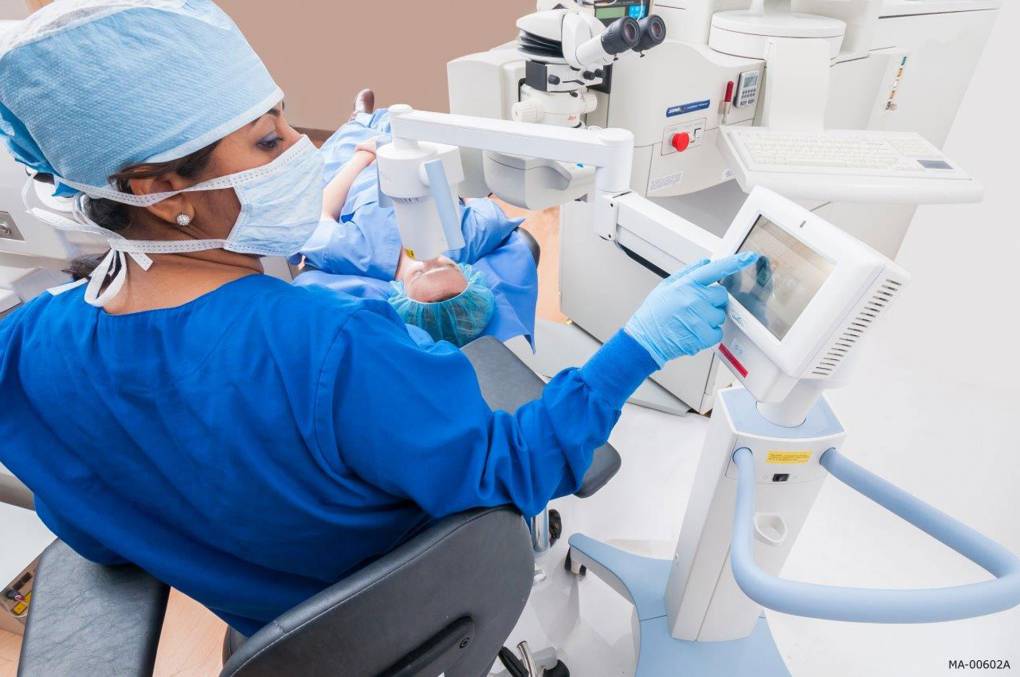
"caption": "The Chico Eye Center shut down its surgery center, furloughing 90% of the surgery staff.",
"description": "The Chico Eye Center shut down its surgery center, furloughing 90% of the surgery staff.",
"title": "Chico-Eye-Center",
"credit": "Courtesy Chico Eye Center",
"status": "inherit",
"isLoading": false,
"fetchFailed": false
},
"news_11812349": {
"type": "attachments",
"id": "news_11812349",
"meta": {
"index": "attachments_1716263798",
"site": "news",
"id": "11812349",
"found": true
},
"parent": 11812296,
"imgSizes": {
"apple_news_ca_landscape_5_5": {
"file": "https://ww2.kqed.org/app/uploads/sites/10/2020/04/RS42758_GettyImages-1217681441-qut-1044x783.jpg",
"width": 1044,
"mimeType": "image/jpeg",
"height": 783
},
"apple_news_ca_square_4_0": {
"file": "https://ww2.kqed.org/app/uploads/sites/10/2020/04/RS42758_GettyImages-1217681441-qut-470x470.jpg",
"width": 470,
"mimeType": "image/jpeg",
"height": 470
},
"twentyfourteen-full-width": {
"file": "https://ww2.kqed.org/app/uploads/sites/10/2020/04/RS42758_GettyImages-1217681441-qut-1038x576.jpg",
"width": 1038,
"mimeType": "image/jpeg",
"height": 576
},
"thumbnail": {
"file": "https://ww2.kqed.org/app/uploads/sites/10/2020/04/RS42758_GettyImages-1217681441-qut-160x107.jpg",
"width": 160,
"mimeType": "image/jpeg",
"height": 107
},
"post-thumbnail": {
"file": "https://ww2.kqed.org/app/uploads/sites/10/2020/04/RS42758_GettyImages-1217681441-qut-672x372.jpg",
"width": 672,
"mimeType": "image/jpeg",
"height": 372
},
"kqedFullSize": {
"file": "https://ww2.kqed.org/app/uploads/sites/10/2020/04/RS42758_GettyImages-1217681441-qut.jpg",
"width": 1920,
"height": 1280
},
"apple_news_ca_landscape_4_7": {
"file": "https://ww2.kqed.org/app/uploads/sites/10/2020/04/RS42758_GettyImages-1217681441-qut-632x474.jpg",
"width": 632,
"mimeType": "image/jpeg",
"height": 474
},
"large": {
"file": "https://ww2.kqed.org/app/uploads/sites/10/2020/04/RS42758_GettyImages-1217681441-qut-1020x680.jpg",
"width": 1020,
"mimeType": "image/jpeg",
"height": 680
},
"apple_news_ca_landscape_4_0": {
"file": "https://ww2.kqed.org/app/uploads/sites/10/2020/04/RS42758_GettyImages-1217681441-qut-536x402.jpg",
"width": 536,
"mimeType": "image/jpeg",
"height": 402
},
"apple_news_ca_portrait_12_9": {
"file": "https://ww2.kqed.org/app/uploads/sites/10/2020/04/RS42758_GettyImages-1217681441-qut-1122x1280.jpg",
"width": 1122,
"mimeType": "image/jpeg",
"height": 1280
},
"medium": {
"file": "https://ww2.kqed.org/app/uploads/sites/10/2020/04/RS42758_GettyImages-1217681441-qut-800x533.jpg",
"width": 800,
"mimeType": "image/jpeg",
"height": 533
},
"apple_news_ca_portrait_4_0": {
"file": "https://ww2.kqed.org/app/uploads/sites/10/2020/04/RS42758_GettyImages-1217681441-qut-354x472.jpg",
"width": 354,
"mimeType": "image/jpeg",
"height": 472
},
"apple_news_ca_portrait_9_7": {
"file": "https://ww2.kqed.org/app/uploads/sites/10/2020/04/RS42758_GettyImages-1217681441-qut-840x1120.jpg",
"width": 840,
"mimeType": "image/jpeg",
"height": 1120
},
"apple_news_ca_landscape_12_9": {
"file": "https://ww2.kqed.org/app/uploads/sites/10/2020/04/RS42758_GettyImages-1217681441-qut-1832x1280.jpg",
"width": 1832,
"mimeType": "image/jpeg",
"height": 1280
},
"apple_news_ca_square_9_7": {
"file": "https://ww2.kqed.org/app/uploads/sites/10/2020/04/RS42758_GettyImages-1217681441-qut-1104x1104.jpg",
"width": 1104,
"mimeType": "image/jpeg",
"height": 1104
},
"apple_news_ca_portrait_4_7": {
"file": "https://ww2.kqed.org/app/uploads/sites/10/2020/04/RS42758_GettyImages-1217681441-qut-414x552.jpg",
"width": 414,
"mimeType": "image/jpeg",
"height": 552
},
"apple_news_ca_square_12_9": {
"file": "https://ww2.kqed.org/app/uploads/sites/10/2020/04/RS42758_GettyImages-1217681441-qut-1472x1280.jpg",
"width": 1472,
"mimeType": "image/jpeg",
"height": 1280
},
"apple_news_ca_portrait_5_5": {
"file": "https://ww2.kqed.org/app/uploads/sites/10/2020/04/RS42758_GettyImages-1217681441-qut-687x916.jpg",
"width": 687,
"mimeType": "image/jpeg",
"height": 916
},
"full-width": {
"file": "https://ww2.kqed.org/app/uploads/sites/10/2020/04/RS42758_GettyImages-1217681441-qut-1920x1280.jpg",
"width": 1920,
"mimeType": "image/jpeg",
"height": 1280
},
"apple_news_ca_square_4_7": {
"file": "https://ww2.kqed.org/app/uploads/sites/10/2020/04/RS42758_GettyImages-1217681441-qut-550x550.jpg",
"width": 550,
"mimeType": "image/jpeg",
"height": 550
},
"apple_news_ca_landscape_9_7": {
"file": "https://ww2.kqed.org/app/uploads/sites/10/2020/04/RS42758_GettyImages-1217681441-qut-1376x1032.jpg",
"width": 1376,
"mimeType": "image/jpeg",
"height": 1032
},
"apple_news_ca_square_5_5": {
"file": "https://ww2.kqed.org/app/uploads/sites/10/2020/04/RS42758_GettyImages-1217681441-qut-912x912.jpg",
"width": 912,
"mimeType": "image/jpeg",
"height": 912
}
},
"publishDate": 1586904681,
"modified": 1586904726,
"caption": "Businesses along Fillmore Street are seen boarded up on April 08, 2020 in San Francisco, California. California residents continue to shelter in place due to the coronavirus as the number of cases and deaths related to COVID-19 in the state have shown signs of beginning to flatten out. ",
"description": "Businesses along Fillmore Street are seen boarded up on April 08, 2020 in San Francisco, California. California residents continue to shelter in place due to the coronavirus as the number of cases and deaths related to COVID-19 in the state have shown signs of beginning to flatten out. ",
"title": "Coronavirus Pandemic Causes Climate Of Anxiety And Changing Routines In America",
"credit": "Photo by Justin Sullivan/Getty Images",
"status": "inherit",
"isLoading": false,
"fetchFailed": false
},
"news_11812121": {
"type": "attachments",
"id": "news_11812121",
"meta": {
"index": "attachments_1716263798",
"site": "news",
"id": "11812121",
"found": true
},
"parent": 11812116,
"imgSizes": {
"apple_news_ca_landscape_5_5": {
"file": "https://ww2.kqed.org/app/uploads/sites/10/2020/04/Patton-sign-1044x783.jpg",
"width": 1044,
"mimeType": "image/jpeg",
"height": 783
},
"apple_news_ca_square_4_0": {
"file": "https://ww2.kqed.org/app/uploads/sites/10/2020/04/Patton-sign-470x470.jpg",
"width": 470,
"mimeType": "image/jpeg",
"height": 470
},
"twentyfourteen-full-width": {
"file": "https://ww2.kqed.org/app/uploads/sites/10/2020/04/Patton-sign-1038x576.jpg",
"width": 1038,
"mimeType": "image/jpeg",
"height": 576
},
"thumbnail": {
"file": "https://ww2.kqed.org/app/uploads/sites/10/2020/04/Patton-sign-160x88.jpg",
"width": 160,
"mimeType": "image/jpeg",
"height": 88
},
"post-thumbnail": {
"file": "https://ww2.kqed.org/app/uploads/sites/10/2020/04/Patton-sign-672x372.jpg",
"width": 672,
"mimeType": "image/jpeg",
"height": 372
},
"kqedFullSize": {
"file": "https://ww2.kqed.org/app/uploads/sites/10/2020/04/Patton-sign.jpg",
"width": 1920,
"height": 1057
},
"apple_news_ca_landscape_4_7": {
"file": "https://ww2.kqed.org/app/uploads/sites/10/2020/04/Patton-sign-632x474.jpg",
"width": 632,
"mimeType": "image/jpeg",
"height": 474
},
"large": {
"file": "https://ww2.kqed.org/app/uploads/sites/10/2020/04/Patton-sign-1020x562.jpg",
"width": 1020,
"mimeType": "image/jpeg",
"height": 562
},
"apple_news_ca_landscape_4_0": {
"file": "https://ww2.kqed.org/app/uploads/sites/10/2020/04/Patton-sign-536x402.jpg",
"width": 536,
"mimeType": "image/jpeg",
"height": 402
},
"apple_news_ca_portrait_12_9": {
"file": "https://ww2.kqed.org/app/uploads/sites/10/2020/04/Patton-sign-1122x1057.jpg",
"width": 1122,
"mimeType": "image/jpeg",
"height": 1057
},
"medium": {
"file": "https://ww2.kqed.org/app/uploads/sites/10/2020/04/Patton-sign-800x440.jpg",
"width": 800,
"mimeType": "image/jpeg",
"height": 440
},
"apple_news_ca_portrait_4_0": {
"file": "https://ww2.kqed.org/app/uploads/sites/10/2020/04/Patton-sign-354x472.jpg",
"width": 354,
"mimeType": "image/jpeg",
"height": 472
},
"apple_news_ca_portrait_9_7": {
"file": "https://ww2.kqed.org/app/uploads/sites/10/2020/04/Patton-sign-840x1057.jpg",
"width": 840,
"mimeType": "image/jpeg",
"height": 1057
},
"apple_news_ca_landscape_12_9": {
"file": "https://ww2.kqed.org/app/uploads/sites/10/2020/04/Patton-sign-1832x1057.jpg",
"width": 1832,
"mimeType": "image/jpeg",
"height": 1057
},
"apple_news_ca_square_9_7": {
"file": "https://ww2.kqed.org/app/uploads/sites/10/2020/04/Patton-sign-1104x1057.jpg",
"width": 1104,
"mimeType": "image/jpeg",
"height": 1057
},
"apple_news_ca_portrait_4_7": {
"file": "https://ww2.kqed.org/app/uploads/sites/10/2020/04/Patton-sign-414x552.jpg",
"width": 414,
"mimeType": "image/jpeg",
"height": 552
},
"apple_news_ca_square_12_9": {
"file": "https://ww2.kqed.org/app/uploads/sites/10/2020/04/Patton-sign-1472x1057.jpg",
"width": 1472,
"mimeType": "image/jpeg",
"height": 1057
},
"apple_news_ca_portrait_5_5": {
"file": "https://ww2.kqed.org/app/uploads/sites/10/2020/04/Patton-sign-687x916.jpg",
"width": 687,
"mimeType": "image/jpeg",
"height": 916
},
"full-width": {
"file": "https://ww2.kqed.org/app/uploads/sites/10/2020/04/Patton-sign-1920x1057.jpg",
"width": 1920,
"mimeType": "image/jpeg",
"height": 1057
},
"apple_news_ca_square_4_7": {
"file": "https://ww2.kqed.org/app/uploads/sites/10/2020/04/Patton-sign-550x550.jpg",
"width": 550,
"mimeType": "image/jpeg",
"height": 550
},
"apple_news_ca_landscape_9_7": {
"file": "https://ww2.kqed.org/app/uploads/sites/10/2020/04/Patton-sign-1376x1032.jpg",
"width": 1376,
"mimeType": "image/jpeg",
"height": 1032
},
"apple_news_ca_square_5_5": {
"file": "https://ww2.kqed.org/app/uploads/sites/10/2020/04/Patton-sign-912x912.jpg",
"width": 912,
"mimeType": "image/jpeg",
"height": 912
}
},
"publishDate": 1586799564,
"modified": 1586800015,
"caption": "A sign marks the entrance to Patton State Hospital in San Bernardino County in 2019.",
"description": "A sign marks the entrance to Patton State Hospital in San Bernardino County in 2019.",
"title": "Patton sign",
"credit": "Via Google Street View",
"status": "inherit",
"isLoading": false,
"fetchFailed": false
}
},
"audioPlayerReducer": {
"postId": "stream_live",
"isPaused": true,
"isPlaying": false,
"pfsActive": false,
"pledgeModalIsOpen": true,
"playerDrawerIsOpen": false,
"liveAudioPlayStartedAt": 0,
"liveAudioPlayContext": ""
},
"authorsReducer": {
"byline_news_11813875": {
"type": "authors",
"id": "byline_news_11813875",
"meta": {
"override": true
},
"slug": "byline_news_11813875",
"name": "Associated Press",
"isLoading": false
},
"byline_news_11813190": {
"type": "authors",
"id": "byline_news_11813190",
"meta": {
"override": true
},
"slug": "byline_news_11813190",
"name": "Don Thompson, \u003ca href=\"https://apnews.com\">Associated Press\u003c/a>",
"isLoading": false
},
"byline_news_11812116": {
"type": "authors",
"id": "byline_news_11812116",
"meta": {
"override": true
},
"slug": "byline_news_11812116",
"name": "Lee Romney",
"isLoading": false
},
"gmarzorati": {
"type": "authors",
"id": "227",
"meta": {
"index": "authors_1716337520",
"id": "227",
"found": true
},
"name": "Guy Marzorati",
"firstName": "Guy",
"lastName": "Marzorati",
"slug": "gmarzorati",
"email": "gmarzorati@KQED.org",
"display_author_email": true,
"staff_mastheads": [
"news"
],
"title": "Correspondent",
"bio": "Guy Marzorati is a correspondent on KQED's California Politics and Government Desk, based in San Jose. A graduate of Santa Clara University, Guy joined KQED in 2013. He reports on state and local politics and produces KQED's digital voter guide.",
"avatar": "https://secure.gravatar.com/avatar/e7038b8dbfd55b104369b76b1cd0b9de?s=600&d=blank&r=g",
"twitter": "guymarzorati",
"facebook": null,
"instagram": null,
"linkedin": null,
"sites": [
{
"site": "",
"roles": [
"editor"
]
},
{
"site": "news",
"roles": [
"editor"
]
},
{
"site": "science",
"roles": [
"editor"
]
},
{
"site": "forum",
"roles": [
"editor"
]
},
{
"site": "elections",
"roles": [
"editor"
]
},
{
"site": "liveblog",
"roles": [
"editor"
]
}
],
"headData": {
"title": "Guy Marzorati | KQED",
"description": "Correspondent",
"ogImgSrc": "https://secure.gravatar.com/avatar/e7038b8dbfd55b104369b76b1cd0b9de?s=600&d=blank&r=g",
"twImgSrc": "https://secure.gravatar.com/avatar/e7038b8dbfd55b104369b76b1cd0b9de?s=600&d=blank&r=g"
},
"isLoading": false,
"link": "/author/gmarzorati"
},
"scottshafer": {
"type": "authors",
"id": "255",
"meta": {
"index": "authors_1716337520",
"id": "255",
"found": true
},
"name": "Scott Shafer",
"firstName": "Scott",
"lastName": "Shafer",
"slug": "scottshafer",
"email": "sshafer@kqed.org",
"display_author_email": false,
"staff_mastheads": [
"news"
],
"title": "KQED Contributor",
"bio": "Scott Shafer is a senior editor with the KQED Politics and Government desk. He is co-host of Political Breakdown, the award-winning radio show and podcast with a personal take on the world of politics. Scott came to KQED in 1998 to host the statewide\u003cem> California Report\u003c/em>. Prior to that he had extended stints in politics and government\u003cem>.\u003c/em> He uses that inside experience at KQED in his, reporting, hosting and analysis for the politics desk. Scott collaborated \u003cem>Political Breakdown a\u003c/em>nd on \u003cem>The Political Mind of Jerry Brown, \u003c/em>an eight-part series about the life and extraordinary political career of the former governor. For fun, he plays water polo with the San Francisco Tsunami.",
"avatar": "https://secure.gravatar.com/avatar/a62ebae45b79d7aed1a39a0e3bf68104?s=600&d=blank&r=g",
"twitter": "scottshafer",
"bluesky": null,
"facebook": null,
"instagram": null,
"linkedin": null,
"sites": [
{
"site": "news",
"roles": [
"editor"
]
},
{
"site": "stateofhealth",
"roles": [
"author"
]
},
{
"site": "science",
"roles": [
"author"
]
},
{
"site": "forum",
"roles": [
"subscriber"
]
},
{
"site": "liveblog",
"roles": [
"author"
]
}
],
"headData": {
"title": "Scott Shafer | KQED",
"description": "KQED Contributor",
"ogImgSrc": "https://secure.gravatar.com/avatar/a62ebae45b79d7aed1a39a0e3bf68104?s=600&d=blank&r=g",
"twImgSrc": "https://secure.gravatar.com/avatar/a62ebae45b79d7aed1a39a0e3bf68104?s=600&d=blank&r=g"
},
"isLoading": false,
"link": "/author/scottshafer"
},
"adembosky": {
"type": "authors",
"id": "3205",
"meta": {
"index": "authors_1716337520",
"id": "3205",
"found": true
},
"name": "April Dembosky",
"firstName": "April",
"lastName": "Dembosky",
"slug": "adembosky",
"email": "adembosky@kqed.org",
"display_author_email": false,
"staff_mastheads": [
"news",
"science"
],
"title": "KQED Health Correspondent",
"bio": "April Dembosky is the health correspondent for KQED News and a regular contributor to NPR. She specializes in covering altered states of mind, from postpartum depression to methamphetamine-induced psychosis to the insanity defense. Her investigative series on insurance companies sidestepping mental health laws won multiple awards, including first place in beat reporting from the national Association of Health Care Journalists. She is the recipient of numerous other prizes and fellowships, including a national Edward R. Murrow award for investigative reporting, a Society of Professional Journalists award for long-form storytelling, and a Carter Center Fellowship for Mental Health Journalism.\r\n\r\nDembosky reported and produced \u003cem>Soundtrack of Silence\u003c/em>, an audio documentary about music and memory that is currently being made into a feature film by Paramount Pictures.\r\n\r\nBefore joining KQED in 2013, Dembosky covered technology and Silicon Valley for \u003cem>The Financial Times of London,\u003c/em> and contributed business and arts stories to \u003cem>Marketplace \u003c/em>and \u003cem>The New York Times.\u003c/em> She got her undergraduate degree in philosophy from Smith College and her master's in journalism from the University of California, Berkeley. She is a classically trained violinist and proud alum of the first symphony orchestra at Burning Man.",
"avatar": "https://secure.gravatar.com/avatar/ef92999be4ceb9ea60701e7dc276f813?s=600&d=blank&r=g",
"twitter": "adembosky",
"facebook": null,
"instagram": null,
"linkedin": null,
"sites": [
{
"site": "arts",
"roles": [
"author"
]
},
{
"site": "news",
"roles": [
"editor"
]
},
{
"site": "futureofyou",
"roles": [
"author"
]
},
{
"site": "stateofhealth",
"roles": [
"editor"
]
},
{
"site": "science",
"roles": [
"editor"
]
},
{
"site": "forum",
"roles": [
"editor"
]
}
],
"headData": {
"title": "April Dembosky | KQED",
"description": "KQED Health Correspondent",
"ogImgSrc": "https://secure.gravatar.com/avatar/ef92999be4ceb9ea60701e7dc276f813?s=600&d=blank&r=g",
"twImgSrc": "https://secure.gravatar.com/avatar/ef92999be4ceb9ea60701e7dc276f813?s=600&d=blank&r=g"
},
"isLoading": false,
"link": "/author/adembosky"
},
"cveltman": {
"type": "authors",
"id": "8608",
"meta": {
"index": "authors_1716337520",
"id": "8608",
"found": true
},
"name": "Chloe Veltman",
"firstName": "Chloe",
"lastName": "Veltman",
"slug": "cveltman",
"email": "cveltman@kqed.org",
"display_author_email": true,
"staff_mastheads": [],
"title": "Arts and Culture Reporter",
"bio": "Chloe Veltman is a former arts and culture reporter for KQED. Prior to joining the organization, she launched and led the arts bureau at Colorado Public Radio, served as the Bay Area's culture columnist for the New York Times, and was the founder, host and executive producer of VoiceBox, a national award-winning weekly podcast/radio show and live events series all about the human voice. Chloe is the recipient of numerous prizes, grants and fellowships including a Webby Award for her work on interactive storytelling, both the John S Knight Journalism Fellowship and Humanities Center Fellowship at Stanford University, the Sundance Arts Writing Fellowship and a Library of Congress Research Fellowship. She is the author of the book \"On Acting\" and has appeared as a guest lecturer at Yale University and the San Francisco Conservatory of Music among other institutions. She holds a BA in english literature from King's College, Cambridge, and a Masters in Dramaturgy from the Central School of Speech and Drama/Harvard Institute for Advanced Theater Training.\r\n\u003ca href=\"https://www.chloeveltman.com\">www.chloeveltman.com\u003c/a>",
"avatar": "https://secure.gravatar.com/avatar/55403394b00a1ddab683952c2eb2cf85?s=600&d=blank&r=g",
"twitter": "chloeveltman",
"facebook": null,
"instagram": null,
"linkedin": null,
"sites": [
{
"site": "arts",
"roles": []
},
{
"site": "news",
"roles": [
"author"
]
},
{
"site": "pop",
"roles": [
"editor"
]
},
{
"site": "science",
"roles": []
}
],
"headData": {
"title": "Chloe Veltman | KQED",
"description": "Arts and Culture Reporter",
"ogImgSrc": "https://secure.gravatar.com/avatar/55403394b00a1ddab683952c2eb2cf85?s=600&d=blank&r=g",
"twImgSrc": "https://secure.gravatar.com/avatar/55403394b00a1ddab683952c2eb2cf85?s=600&d=blank&r=g"
},
"isLoading": false,
"link": "/author/cveltman"
},
"fjhabvala": {
"type": "authors",
"id": "8659",
"meta": {
"index": "authors_1716337520",
"id": "8659",
"found": true
},
"name": "Farida Jhabvala Romero",
"firstName": "Farida",
"lastName": "Jhabvala Romero",
"slug": "fjhabvala",
"email": "fjhabvala@kqed.org",
"display_author_email": true,
"staff_mastheads": [
"news"
],
"title": "KQED Contributor",
"bio": "\u003cspan style=\"font-weight: 400;\">Farida Jhabvala Romero is a Labor Correspondent for KQED. She previously covered immigration. Farida was \u003ca href=\"https://www.ccnma.org/2022-most-influential-latina-journalists\">named\u003c/a> one of the 10 Most Influential Latina Journalists in California in 2022 by the California Chicano News Media Association. Her work has won awards from the Society of Professional Journalists (Northern California), as well as a national and regional Edward M. Murrow Award for the collaborative reporting projects “Dangerous Air” and “Graying California.” \u003c/span>\u003cspan style=\"font-weight: 400;\">Before joining KQED, Farida worked as a producer at Radio Bilingüe, a national public radio network. Farida earned her master’s degree in journalism from Stanford University.\u003c/span>",
"avatar": "https://secure.gravatar.com/avatar/c3ab27c5554b67b478f80971e515aa02?s=600&d=blank&r=g",
"twitter": "FaridaJhabvala",
"facebook": null,
"instagram": null,
"linkedin": "https://www.linkedin.com/in/faridajhabvala/",
"sites": [
{
"site": "news",
"roles": [
"editor"
]
},
{
"site": "stateofhealth",
"roles": [
"author"
]
}
],
"headData": {
"title": "Farida Jhabvala Romero | KQED",
"description": "KQED Contributor",
"ogImgSrc": "https://secure.gravatar.com/avatar/c3ab27c5554b67b478f80971e515aa02?s=600&d=blank&r=g",
"twImgSrc": "https://secure.gravatar.com/avatar/c3ab27c5554b67b478f80971e515aa02?s=600&d=blank&r=g"
},
"isLoading": false,
"link": "/author/fjhabvala"
},
"korr": {
"type": "authors",
"id": "11200",
"meta": {
"index": "authors_1716337520",
"id": "11200",
"found": true
},
"name": "Katie Orr",
"firstName": "Katie",
"lastName": "Orr",
"slug": "korr",
"email": "korr@kqed.org",
"display_author_email": false,
"staff_mastheads": [],
"title": "KQED Contributor",
"bio": "Katie Orr was a Sacramento-based reporter for KQED's Politics and Government Desk, covering the state Capitol and a variety of issues including women in politics, voting and elections and legislation. Prior to joining KQED in 2016, Katie was state government reporter for Capital Public Radio in Sacramento. She's also worked for KPBS in San Diego, where she covered City Hall.\r\n\r\nKatie received her masters degree in political science from San Diego State University and holds a Bachelors degree in broadcast journalism from Arizona State University.\r\n\r\nIn 2015 Katie won a national Clarion Award for a series of stories she did on women in California politics. She's been honored by the Society for Professional Journalists and, in 2013, was named by \u003cem>The Washington Post\u003c/em> as one of the country's top state Capitol reporters. She's also reported for the award-winning documentary series \u003cem>The View from Here \u003c/em>and was part of the team that won national PRNDI and Gabriel Awards in 2015. She lives in Sacramento with her husband. Twitter: @1KatieOrr",
"avatar": "https://secure.gravatar.com/avatar/41a40b25845adc78f50808670860449e?s=600&d=blank&r=g",
"twitter": "1katieorr",
"facebook": null,
"instagram": null,
"linkedin": null,
"sites": [
{
"site": "news",
"roles": [
"subscriber"
]
},
{
"site": "stateofhealth",
"roles": [
"author"
]
},
{
"site": "forum",
"roles": [
"author"
]
}
],
"headData": {
"title": "Katie Orr | KQED",
"description": "KQED Contributor",
"ogImgSrc": "https://secure.gravatar.com/avatar/41a40b25845adc78f50808670860449e?s=600&d=blank&r=g",
"twImgSrc": "https://secure.gravatar.com/avatar/41a40b25845adc78f50808670860449e?s=600&d=blank&r=g"
},
"isLoading": false,
"link": "/author/korr"
},
"ljamali": {
"type": "authors",
"id": "11552",
"meta": {
"index": "authors_1716337520",
"id": "11552",
"found": true
},
"name": "Lily Jamali",
"firstName": "Lily",
"lastName": "Jamali",
"slug": "ljamali",
"email": "ljamali@kqed.org",
"display_author_email": false,
"staff_mastheads": [],
"title": "KQED Contributor",
"bio": "Lily was the former co-host of the daily morning show, The California Report.",
"avatar": "https://secure.gravatar.com/avatar/dbf7b30d159e697731046a10d25a9e29?s=600&d=blank&r=g",
"twitter": "lilyjamali",
"facebook": null,
"instagram": null,
"linkedin": null,
"sites": [
{
"site": "news",
"roles": [
"create_posts",
"subscriber"
]
},
{
"site": "forum",
"roles": [
"editor"
]
}
],
"headData": {
"title": "Lily Jamali | KQED",
"description": "KQED Contributor",
"ogImgSrc": "https://secure.gravatar.com/avatar/dbf7b30d159e697731046a10d25a9e29?s=600&d=blank&r=g",
"twImgSrc": "https://secure.gravatar.com/avatar/dbf7b30d159e697731046a10d25a9e29?s=600&d=blank&r=g"
},
"isLoading": false,
"link": "/author/ljamali"
}
},
"pagesReducer": {
"news_tag_california": {
"type": "terms",
"id": "news_18538",
"meta": {
"index": "terms_1716263798",
"site": "news",
"id": "18538",
"score": 6.8450828
},
"featImg": null,
"name": "California",
"description": null,
"taxonomy": "tag",
"headData": {
"twImgId": null,
"twTitle": null,
"ogTitle": null,
"ogImgId": null,
"twDescription": null,
"description": null,
"title": "California Archives | KQED News",
"ogDescription": null
},
"ttid": 31,
"slug": "california",
"isLoading": false,
"title": "California",
"pageMeta": {
"site": "news",
"WpPageTemplate": "page-topic-editorial",
"currentPage": 205
},
"blocks": [
{
"blockName": "kqed/post-list",
"attrs": {
"layout": "cardArticle2",
"query": "posts/news?tag=california",
"seeMore": false,
"paginated": true,
"page": 205
}
},
{
"blockName": "kqed/ad"
}
]
}
},
"pfsSessionReducer": {},
"postsReducer": {
"stream_live": {
"type": "live",
"id": "stream_live",
"audioUrl": "https://streams.kqed.org/kqedradio",
"title": "Live Stream",
"excerpt": "Live Stream information currently unavailable.",
"link": "/radio",
"featImg": "",
"label": {
"name": "KQED Live",
"link": "/"
}
},
"stream_kqedNewscast": {
"type": "posts",
"id": "stream_kqedNewscast",
"audioUrl": "https://www.kqed.org/.stream/anon/radio/RDnews/newscast.mp3?_=1",
"title": "KQED Newscast",
"featImg": "",
"label": {
"name": "88.5 FM",
"link": "/"
}
},
"news_11814635": {
"type": "posts",
"id": "news_11814635",
"meta": {
"index": "posts_1716263798",
"site": "news",
"id": "11814635",
"score": null,
"sort": [
1588128926000
]
},
"guestAuthors": [],
"slug": "isolated-covid-19-deaths-have-people-asking-about-right-to-die-medications",
"title": "Isolated COVID-19 Deaths Have People Asking About Right-to-Die Medications",
"publishDate": 1588128926,
"format": "standard",
"headTitle": "Isolated COVID-19 Deaths Have People Asking About Right-to-Die Medications | KQED",
"labelTerm": {},
"content": "\u003cp>Nurse Thalia DeWolf has been answering a lot of phone calls recently from the patients she calls “the planners” — people who have thought a lot about the kind of death they want, and the kind of death they don’t want.\u003c/p>\n\u003cp>Normally, these are people with a protracted terminal illness who are interested in taking life-ending medications to avoid prolonged suffering. Increasingly, she’s been hearing from her regular cancer patients, and otherwise healthy people, who are afraid of dying from COVID-19.\u003c/p>\n\u003cp>“They really want control over their end of life,” said DeWolf, a nurse with \u003ca href=\"https://bayareaendoflifeoptions.com/\" target=\"_blank\" rel=\"noopener noreferrer\">Bay Area End of Life Options\u003c/a>. “They don’t want to be whisked into a system that’s already overwhelmed and be ventilated and possibly be away from their family members.”\u003c/p>\n\u003cp>Healthy callers are asking for advice about how to write into their advanced directives for medical care that they want to take life-ending medication if they became ill from the coronavirus to ensure a quick, peaceful death.\u003c/p>\n\u003cp>[pullquote size=\"medium\" align=\"right\" citation=\"Mike Ellis, a retired engineer who lives in Petaluma\"]‘Death in America has become inhuman and antiseptic. I didn’t want to be put on a ventilator, to be bedridden, and to end my life that way.’[/pullquote]\u003c/p>\n\u003cp>“I have to tell them, ‘No, you cannot,’” DeWolf said. “They don’t realize there are specific steps that you have to go through.”\u003c/p>\n\u003cp>California \u003ca href=\"https://www.kqed.org/stateofhealth/87522/governor-brown-signs-physician-assisted-suicide-bill-into-law-california-right-to-die\">legalized the practice\u003c/a> referred to as “aid in dying” or “death with dignity” in 2016. It is now one of 10 states that allow terminally ill patients to take lethal medication to hasten their death. California’s law includes several safeguards to address concerns about coercion, including a 15-day waiting period between a patient’s first request for the medication and when they can actually get it. Patients also have to be physically capable of ingesting the medication themselves.\u003c/p>\n\u003cp>These rules make most people who contract COVID-19 ineligible.\u003c/p>\n\u003cp>“What I commonly say to them is that medical aid in dying isn’t likely going to be an option for you,” DeWolf said of her interested callers. “By the time you’re terminal from coronavirus, you’re probably unconscious, and you don’t have capacity to make medical decisions.”\u003c/p>\n\u003cp>[ad fullwidth]\u003c/p>\n\u003cp>Social workers at \u003ca href=\"https://www.deathwithdignity.org/\" target=\"_blank\" rel=\"noopener noreferrer\">Death with Dignity\u003c/a>, a national advocacy organization based in Portland, Oregon, have also been answering a steady increase in calls about the coronavirus. About 80% come from people who want these medications “just in case” the pneumonia they have proves to be the coronavirus, or so they can “be ready,” Executive Director Peg Sandeen said.\u003c/p>\n\u003cp>This kind of grassroots interest could influence future legislation. The group was sponsoring death with dignity bills in New York, Maryland and Massachusetts before state legislatures closed down because of the pandemic. They have plans to add another three states to their efforts next year. But Sandeen believes legislation that is proposed directly in response to the coronavirus will mainly address advance planning.\u003c/p>\n\u003cp>“Because it’s all about this desire to have control at the end of life and to have whatever your wishes are, play out,” Sandeen said.\u003c/p>\n\u003cp>The other 20% of their calls right now, she said, are people who want to know what their advance directive needs to say so that if they become ill from the virus, they want any ventilator that would have gone to them to \u003ca href=\"https://www.kqed.org/news/11808531/what-happens-when-the-ventilators-run-out\">instead go to someone else\u003c/a>.\u003c/p>\n\u003cfigure id=\"attachment_11814865\" class=\"wp-caption alignright\" style=\"max-width: 800px\">\u003cimg loading=\"lazy\" decoding=\"async\" class=\"size-medium wp-image-11814865\" src=\"https://ww2.kqed.org/app/uploads/sites/10/2020/04/IMG_1564-e1588118773273-800x1067.jpeg\" alt=\"\" width=\"800\" height=\"1067\" srcset=\"https://cdn.kqed.org/wp-content/uploads/sites/10/2020/04/IMG_1564-e1588118773273-800x1067.jpeg 800w, https://cdn.kqed.org/wp-content/uploads/sites/10/2020/04/IMG_1564-e1588118773273-160x213.jpeg 160w, https://cdn.kqed.org/wp-content/uploads/sites/10/2020/04/IMG_1564-e1588118773273-1020x1360.jpeg 1020w, https://cdn.kqed.org/wp-content/uploads/sites/10/2020/04/IMG_1564-e1588118773273-1122x1496.jpeg 1122w, https://cdn.kqed.org/wp-content/uploads/sites/10/2020/04/IMG_1564-e1588118773273-840x1120.jpeg 840w, https://cdn.kqed.org/wp-content/uploads/sites/10/2020/04/IMG_1564-e1588118773273-687x916.jpeg 687w, https://cdn.kqed.org/wp-content/uploads/sites/10/2020/04/IMG_1564-e1588118773273-414x552.jpeg 414w, https://cdn.kqed.org/wp-content/uploads/sites/10/2020/04/IMG_1564-e1588118773273-354x472.jpeg 354w, https://cdn.kqed.org/wp-content/uploads/sites/10/2020/04/IMG_1564-e1588118773273.jpeg 1440w\" sizes=\"(max-width: 800px) 100vw, 800px\">\u003cfigcaption class=\"wp-caption-text\">Mike Ellis loved to mountain bike and spend time outdoors with his wife, Diana, before being diagnosed with ALS in 2017.\u003c/figcaption>\u003c/figure>\n\u003cp>“They feel like they’re older or they have a terminal illness, or for whatever reason that they feel like the ventilator should go to health care workers or to younger folks,” Sandeen said.\u003c/p>\n\u003cp>The pandemic has also raised questions for people who already have a terminal illness, like Mike Ellis, a retired engineer who lives in Petaluma. He has Lou Gehrig’s disease, also called amyotrophic lateral sclerosis, or ALS, which attacks nerve cells that control the muscles.\u003c/p>\n\u003cp>He’s already been through all the steps to qualify for medical aid in dying. He believes he’s got a couple of months left to live, but under the law, he can take the medication whenever he wants.\u003c/p>\n\u003cp>“If I got the coronavirus, I’d probably want to initiate it right then,” he said.\u003c/p>\n\u003cp>Ellis, 64, was diagnosed with ALS three years ago and has since lost his ability to bike and to walk. Eventually, he’ll no longer be able to eat, talk or breathe on his own. But Ellis isn’t interested in sticking around for a death like that.\u003c/p>\n\u003cp>“Death in America has become inhuman and antiseptic,” he said. “I didn’t want to be put on a ventilator, to be bedridden and to end my life that way.”\u003c/p>\n\u003cp>Ellis wants to decide when enough is enough. For him, he says that will be when he’s unable to transfer himself from his wheelchair to his bed or the toilet on his own, or when he can’t eat his wife’s “incredible” cooking and needs a feeding tube.\u003c/p>\n\u003cp>“This disease has taken so much from me, robbed me of so many things,” he said. “This is the one last thing that I – I want my hand on that lever.”\u003c/p>\n\u003cp>If Ellis gets COVID-19, he is guaranteed to die from it, according to his doctor, Lonny Shavelson. His respiratory system is already too weak. When Ellis had a mild cold in February, he didn’t have enough strength to cough.\u003c/p>\n\u003cfigure id=\"attachment_11814741\" class=\"wp-caption alignnone\" style=\"max-width: 800px\">\u003cimg loading=\"lazy\" decoding=\"async\" class=\"size-medium wp-image-11814741\" src=\"https://ww2.kqed.org/app/uploads/sites/10/2020/04/RS42949_006_KQED_Berkeley_ThaliaDeWolf_04282020-qut-800x533.jpg\" alt=\"\" width=\"800\" height=\"533\" srcset=\"https://cdn.kqed.org/wp-content/uploads/sites/10/2020/04/RS42949_006_KQED_Berkeley_ThaliaDeWolf_04282020-qut-800x533.jpg 800w, https://cdn.kqed.org/wp-content/uploads/sites/10/2020/04/RS42949_006_KQED_Berkeley_ThaliaDeWolf_04282020-qut-160x107.jpg 160w, https://cdn.kqed.org/wp-content/uploads/sites/10/2020/04/RS42949_006_KQED_Berkeley_ThaliaDeWolf_04282020-qut-1020x680.jpg 1020w, https://cdn.kqed.org/wp-content/uploads/sites/10/2020/04/RS42949_006_KQED_Berkeley_ThaliaDeWolf_04282020-qut.jpg 1920w\" sizes=\"(max-width: 800px) 100vw, 800px\">\u003cfigcaption class=\"wp-caption-text\">Dr. Lonny Shavelson at his home office in Berkeley on April 28, 2020. \u003ccite>(Beth LaBerge/KQED)\u003c/cite>\u003c/figcaption>\u003c/figure>\n\u003cp>“Oh, man, it was bad,” Ellis said. “I thought I was drowning. My body went into a panic attack mode.”\u003c/p>\n\u003cp>If he develops the coronavirus, Ellis says, he wants to take the fatal medication right away. He doesn’t want to suffer like that again, and, he’s afraid that if he waits and loses his ability to ingest the drugs himself, he’ll be stuck with a death he didn’t want.\u003c/p>\n\u003cp>[aside tag=\"resource\" label=\"coronavirus resources\"]\u003c/p>\n\u003cp>“Coronavirus kind of accentuates the reality that surprises happen,” said Shavelson, who runs Bay Area End of Life Options with DeWolf.\u003c/p>\n\u003cp>For their typical patients who have ALS or cancer, figuring out the timing of when patients should take their medications to die is already a complex, delicate balancing act.\u003c/p>\n\u003cp>“Then a fear of an acute illness along the way that might incapacitate you and then you die of respiratory failure, being unconscious and confused – exactly the way you didn’t want to die – that does complicate the thought process,” Shavelson said.\u003c/p>\n\u003cp>Now Shavelson talks to Ellis once a week, discussing symptoms and risks and likelihoods, so if he does become ill from the coronavirus, he will have the information and guidance to act quickly to take the medication.\u003c/p>\n\u003cp>For Ellis, that will be a simple affair.\u003c/p>\n\u003cp>“I don’t think I’m going to have an elaborate plan,” he said. “I think it’s a quiet goodbye.”\u003c/p>\n\u003cp>Until then, he’s living a quiet life: reading and doing a crossword puzzle with his wife in the morning, watching movies together and eating her homemade oatmeal chocolate chip cookies.\u003c/p>\n\u003cp>[ad floatright]\u003c/p>\n",
"blocks": [],
"excerpt": "Some people with terminal illness and others who are healthy are asking how to obtain lethal medications in case they get ill from the coronavirus.",
"status": "publish",
"parent": 0,
"modified": 1721150688,
"stats": {
"hasAudio": false,
"hasVideo": false,
"hasChartOrMap": false,
"iframeSrcs": [],
"hasGoogleForm": false,
"hasGallery": false,
"hasHearkenModule": false,
"hasPolis": false,
"paragraphCount": 34,
"wordCount": 1306
},
"headData": {
"title": "Isolated COVID-19 Deaths Have People Asking About Right-to-Die Medications | KQED",
"description": "Some people with terminal illness and others who are healthy are asking how to obtain lethal medications in case they get ill from the coronavirus.",
"ogTitle": "",
"ogDescription": "",
"ogImgId": "",
"twTitle": "",
"twDescription": "",
"twImgId": "",
"schema": {
"@context": "https://schema.org",
"@type": "NewsArticle",
"headline": "Isolated COVID-19 Deaths Have People Asking About Right-to-Die Medications",
"datePublished": "2020-04-28T19:55:26-07:00",
"dateModified": "2024-07-16T10:24:48-07:00",
"image": "https://cdn.kqed.org/wp-content/uploads/2020/02/KQED-OG-Image@1x.png",
"isAccessibleForFree": "True",
"publisher": {
"@type": "NewsMediaOrganization",
"@id": "https://www.kqed.org/#organization",
"name": "KQED",
"logo": "https://cdn.kqed.org/wp-content/uploads/2020/02/KQED-OG-Image@1x.png",
"url": "https://www.kqed.org",
"sameAs": [
"https://www.facebook.com/KQED",
"https://twitter.com/KQED",
"https://www.instagram.com/kqed/",
"https://www.tiktok.com/@kqedofficial",
"https://www.linkedin.com/company/kqed",
"https://www.youtube.com/channel/UCeC0IOo7i1P_61zVUWbJ4nw"
]
}
}
},
"source": "Coronavirus",
"sourceUrl": "https://www.kqed.org/coronavirus",
"audioUrl": "https://traffic.omny.fm/d/clips/0af137ef-751e-4b19-a055-aaef00d2d578/ffca7e9f-6831-41c5-bcaf-aaef00f5a073/e49208cc-bbe8-48c5-91a1-abab01228c1c/audio.mp3",
"sticky": false,
"path": "/news/11814635/isolated-covid-19-deaths-have-people-asking-about-right-to-die-medications",
"audioTrackLength": null,
"parsedContent": [
{
"type": "contentString",
"content": "\u003cdiv class=\"post-body\">\u003cp>\u003cp>Nurse Thalia DeWolf has been answering a lot of phone calls recently from the patients she calls “the planners” — people who have thought a lot about the kind of death they want, and the kind of death they don’t want.\u003c/p>\n\u003cp>Normally, these are people with a protracted terminal illness who are interested in taking life-ending medications to avoid prolonged suffering. Increasingly, she’s been hearing from her regular cancer patients, and otherwise healthy people, who are afraid of dying from COVID-19.\u003c/p>\n\u003cp>“They really want control over their end of life,” said DeWolf, a nurse with \u003ca href=\"https://bayareaendoflifeoptions.com/\" target=\"_blank\" rel=\"noopener noreferrer\">Bay Area End of Life Options\u003c/a>. “They don’t want to be whisked into a system that’s already overwhelmed and be ventilated and possibly be away from their family members.”\u003c/p>\n\u003cp>Healthy callers are asking for advice about how to write into their advanced directives for medical care that they want to take life-ending medication if they became ill from the coronavirus to ensure a quick, peaceful death.\u003c/p>\n\u003cp>\u003c/p>\u003c/div>",
"attributes": {
"named": {},
"numeric": []
}
},
{
"type": "component",
"content": "‘Death in America has become inhuman and antiseptic. I didn’t want to be put on a ventilator, to be bedridden, and to end my life that way.’",
"name": "pullquote",
"attributes": {
"named": {
"size": "medium",
"align": "right",
"citation": "Mike Ellis, a retired engineer who lives in Petaluma",
"label": ""
},
"numeric": []
}
},
{
"type": "contentString",
"content": "\u003cdiv class=\"post-body\">\u003cp>\u003c/p>\n\u003cp>“I have to tell them, ‘No, you cannot,’” DeWolf said. “They don’t realize there are specific steps that you have to go through.”\u003c/p>\n\u003cp>California \u003ca href=\"https://www.kqed.org/stateofhealth/87522/governor-brown-signs-physician-assisted-suicide-bill-into-law-california-right-to-die\">legalized the practice\u003c/a> referred to as “aid in dying” or “death with dignity” in 2016. It is now one of 10 states that allow terminally ill patients to take lethal medication to hasten their death. California’s law includes several safeguards to address concerns about coercion, including a 15-day waiting period between a patient’s first request for the medication and when they can actually get it. Patients also have to be physically capable of ingesting the medication themselves.\u003c/p>\n\u003cp>These rules make most people who contract COVID-19 ineligible.\u003c/p>\n\u003cp>“What I commonly say to them is that medical aid in dying isn’t likely going to be an option for you,” DeWolf said of her interested callers. “By the time you’re terminal from coronavirus, you’re probably unconscious, and you don’t have capacity to make medical decisions.”\u003c/p>\n\u003cp>\u003c/p>\u003c/div>",
"attributes": {
"named": {},
"numeric": []
}
},
{
"type": "component",
"content": "",
"name": "ad",
"attributes": {
"named": {
"label": "fullwidth"
},
"numeric": [
"fullwidth"
]
}
},
{
"type": "contentString",
"content": "\u003cdiv class=\"post-body\">\u003cp>\u003c/p>\n\u003cp>Social workers at \u003ca href=\"https://www.deathwithdignity.org/\" target=\"_blank\" rel=\"noopener noreferrer\">Death with Dignity\u003c/a>, a national advocacy organization based in Portland, Oregon, have also been answering a steady increase in calls about the coronavirus. About 80% come from people who want these medications “just in case” the pneumonia they have proves to be the coronavirus, or so they can “be ready,” Executive Director Peg Sandeen said.\u003c/p>\n\u003cp>This kind of grassroots interest could influence future legislation. The group was sponsoring death with dignity bills in New York, Maryland and Massachusetts before state legislatures closed down because of the pandemic. They have plans to add another three states to their efforts next year. But Sandeen believes legislation that is proposed directly in response to the coronavirus will mainly address advance planning.\u003c/p>\n\u003cp>“Because it’s all about this desire to have control at the end of life and to have whatever your wishes are, play out,” Sandeen said.\u003c/p>\n\u003cp>The other 20% of their calls right now, she said, are people who want to know what their advance directive needs to say so that if they become ill from the virus, they want any ventilator that would have gone to them to \u003ca href=\"https://www.kqed.org/news/11808531/what-happens-when-the-ventilators-run-out\">instead go to someone else\u003c/a>.\u003c/p>\n\u003cfigure id=\"attachment_11814865\" class=\"wp-caption alignright\" style=\"max-width: 800px\">\u003cimg loading=\"lazy\" decoding=\"async\" class=\"size-medium wp-image-11814865\" src=\"https://ww2.kqed.org/app/uploads/sites/10/2020/04/IMG_1564-e1588118773273-800x1067.jpeg\" alt=\"\" width=\"800\" height=\"1067\" srcset=\"https://cdn.kqed.org/wp-content/uploads/sites/10/2020/04/IMG_1564-e1588118773273-800x1067.jpeg 800w, https://cdn.kqed.org/wp-content/uploads/sites/10/2020/04/IMG_1564-e1588118773273-160x213.jpeg 160w, https://cdn.kqed.org/wp-content/uploads/sites/10/2020/04/IMG_1564-e1588118773273-1020x1360.jpeg 1020w, https://cdn.kqed.org/wp-content/uploads/sites/10/2020/04/IMG_1564-e1588118773273-1122x1496.jpeg 1122w, https://cdn.kqed.org/wp-content/uploads/sites/10/2020/04/IMG_1564-e1588118773273-840x1120.jpeg 840w, https://cdn.kqed.org/wp-content/uploads/sites/10/2020/04/IMG_1564-e1588118773273-687x916.jpeg 687w, https://cdn.kqed.org/wp-content/uploads/sites/10/2020/04/IMG_1564-e1588118773273-414x552.jpeg 414w, https://cdn.kqed.org/wp-content/uploads/sites/10/2020/04/IMG_1564-e1588118773273-354x472.jpeg 354w, https://cdn.kqed.org/wp-content/uploads/sites/10/2020/04/IMG_1564-e1588118773273.jpeg 1440w\" sizes=\"(max-width: 800px) 100vw, 800px\">\u003cfigcaption class=\"wp-caption-text\">Mike Ellis loved to mountain bike and spend time outdoors with his wife, Diana, before being diagnosed with ALS in 2017.\u003c/figcaption>\u003c/figure>\n\u003cp>“They feel like they’re older or they have a terminal illness, or for whatever reason that they feel like the ventilator should go to health care workers or to younger folks,” Sandeen said.\u003c/p>\n\u003cp>The pandemic has also raised questions for people who already have a terminal illness, like Mike Ellis, a retired engineer who lives in Petaluma. He has Lou Gehrig’s disease, also called amyotrophic lateral sclerosis, or ALS, which attacks nerve cells that control the muscles.\u003c/p>\n\u003cp>He’s already been through all the steps to qualify for medical aid in dying. He believes he’s got a couple of months left to live, but under the law, he can take the medication whenever he wants.\u003c/p>\n\u003cp>“If I got the coronavirus, I’d probably want to initiate it right then,” he said.\u003c/p>\n\u003cp>Ellis, 64, was diagnosed with ALS three years ago and has since lost his ability to bike and to walk. Eventually, he’ll no longer be able to eat, talk or breathe on his own. But Ellis isn’t interested in sticking around for a death like that.\u003c/p>\n\u003cp>“Death in America has become inhuman and antiseptic,” he said. “I didn’t want to be put on a ventilator, to be bedridden and to end my life that way.”\u003c/p>\n\u003cp>Ellis wants to decide when enough is enough. For him, he says that will be when he’s unable to transfer himself from his wheelchair to his bed or the toilet on his own, or when he can’t eat his wife’s “incredible” cooking and needs a feeding tube.\u003c/p>\n\u003cp>“This disease has taken so much from me, robbed me of so many things,” he said. “This is the one last thing that I – I want my hand on that lever.”\u003c/p>\n\u003cp>If Ellis gets COVID-19, he is guaranteed to die from it, according to his doctor, Lonny Shavelson. His respiratory system is already too weak. When Ellis had a mild cold in February, he didn’t have enough strength to cough.\u003c/p>\n\u003cfigure id=\"attachment_11814741\" class=\"wp-caption alignnone\" style=\"max-width: 800px\">\u003cimg loading=\"lazy\" decoding=\"async\" class=\"size-medium wp-image-11814741\" src=\"https://ww2.kqed.org/app/uploads/sites/10/2020/04/RS42949_006_KQED_Berkeley_ThaliaDeWolf_04282020-qut-800x533.jpg\" alt=\"\" width=\"800\" height=\"533\" srcset=\"https://cdn.kqed.org/wp-content/uploads/sites/10/2020/04/RS42949_006_KQED_Berkeley_ThaliaDeWolf_04282020-qut-800x533.jpg 800w, https://cdn.kqed.org/wp-content/uploads/sites/10/2020/04/RS42949_006_KQED_Berkeley_ThaliaDeWolf_04282020-qut-160x107.jpg 160w, https://cdn.kqed.org/wp-content/uploads/sites/10/2020/04/RS42949_006_KQED_Berkeley_ThaliaDeWolf_04282020-qut-1020x680.jpg 1020w, https://cdn.kqed.org/wp-content/uploads/sites/10/2020/04/RS42949_006_KQED_Berkeley_ThaliaDeWolf_04282020-qut.jpg 1920w\" sizes=\"(max-width: 800px) 100vw, 800px\">\u003cfigcaption class=\"wp-caption-text\">Dr. Lonny Shavelson at his home office in Berkeley on April 28, 2020. \u003ccite>(Beth LaBerge/KQED)\u003c/cite>\u003c/figcaption>\u003c/figure>\n\u003cp>“Oh, man, it was bad,” Ellis said. “I thought I was drowning. My body went into a panic attack mode.”\u003c/p>\n\u003cp>If he develops the coronavirus, Ellis says, he wants to take the fatal medication right away. He doesn’t want to suffer like that again, and, he’s afraid that if he waits and loses his ability to ingest the drugs himself, he’ll be stuck with a death he didn’t want.\u003c/p>\n\u003cp>\u003c/p>\u003c/div>",
"attributes": {
"named": {},
"numeric": []
}
},
{
"type": "component",
"content": "",
"name": "aside",
"attributes": {
"named": {
"tag": "resource",
"label": "coronavirus resources "
},
"numeric": []
}
},
{
"type": "contentString",
"content": "\u003cdiv class=\"post-body\">\u003cp>\u003c/p>\n\u003cp>“Coronavirus kind of accentuates the reality that surprises happen,” said Shavelson, who runs Bay Area End of Life Options with DeWolf.\u003c/p>\n\u003cp>For their typical patients who have ALS or cancer, figuring out the timing of when patients should take their medications to die is already a complex, delicate balancing act.\u003c/p>\n\u003cp>“Then a fear of an acute illness along the way that might incapacitate you and then you die of respiratory failure, being unconscious and confused – exactly the way you didn’t want to die – that does complicate the thought process,” Shavelson said.\u003c/p>\n\u003cp>Now Shavelson talks to Ellis once a week, discussing symptoms and risks and likelihoods, so if he does become ill from the coronavirus, he will have the information and guidance to act quickly to take the medication.\u003c/p>\n\u003cp>For Ellis, that will be a simple affair.\u003c/p>\n\u003cp>“I don’t think I’m going to have an elaborate plan,” he said. “I think it’s a quiet goodbye.”\u003c/p>\n\u003cp>Until then, he’s living a quiet life: reading and doing a crossword puzzle with his wife in the morning, watching movies together and eating her homemade oatmeal chocolate chip cookies.\u003c/p>\n\u003cp>\u003c/p>\u003c/div>",
"attributes": {
"named": {},
"numeric": []
}
},
{
"type": "component",
"content": "",
"name": "ad",
"attributes": {
"named": {
"label": "floatright"
},
"numeric": [
"floatright"
]
}
},
{
"type": "contentString",
"content": "\u003cdiv class=\"post-body\">\u003cp>\u003c/p>\n\u003c/div>\u003c/p>",
"attributes": {
"named": {},
"numeric": []
}
}
],
"link": "/news/11814635/isolated-covid-19-deaths-have-people-asking-about-right-to-die-medications",
"authors": [
"3205"
],
"programs": [
"news_72"
],
"categories": [
"news_457",
"news_8"
],
"tags": [
"news_18538",
"news_27350",
"news_27504",
"news_27626",
"news_18543"
],
"featImg": "news_11814740",
"label": "source_news_11814635"
},
"news_11814494": {
"type": "posts",
"id": "news_11814494",
"meta": {
"index": "posts_1716263798",
"site": "news",
"id": "11814494",
"score": null,
"sort": [
1588112194000
]
},
"guestAuthors": [],
"slug": "wall-street-ties-of-lawyer-for-pge-fire-victims-have-some-survivors-querying-settlement-vote",
"title": "Wall Street Ties of Lawyer for PG&E Fire Victims Have Some Survivors Querying Settlement Vote",
"publishDate": 1588112194,
"format": "standard",
"headTitle": "Wall Street Ties of Lawyer for PG&E Fire Victims Have Some Survivors Querying Settlement Vote | KQED",
"labelTerm": {
"site": "news"
},
"content": "\u003cp>A potential conflict of interest on the part of a lawyer representing PG&E fire victims is prompting questions about the integrity of an ongoing vote by fire survivors on their multi-billion-dollar compensation deal with the utility.\u003c/p>\n\u003cp>The concerns stem from revelations into how Texas-based lawyer Mikal Watts, who represents more PG&E fire victims than any other attorney, has financed his litigation.\u003c/p>\n\u003cp>Watts has been active in soliciting “yes” votes on the \u003ca href=\"https://www.kqed.org/news/11805766/pge-victims-weigh-rare-stock-funded-trust-amid-market-turmoil\">controversial compensation deal\u003c/a> that he helped broker with the official committee of fire survivors in the PG&E bankruptcy.\u003c/p>\n\u003cp>On paper, that settlement deal is worth $13.5 billion, with PG&E paying half of that in cash and half as PG&E stock upon exiting from Chapter 11. Voting began on April 1 and continues through May 15, even as key details including the timing and final amount of the payment remain under negotiation with PG&E. The plan requires support from two-thirds of the fire survivors who vote.\u003c/p>\n\u003cp>Last week, \u003ca href=\"https://www.kqed.org/news/11813173/attorney-for-pge-fire-victims-funded-by-wall-street-firms-hes-negotiating-against\">Watts acknowledged to KQED\u003c/a> that his credit line includes financing from Wall Street interests negotiating against the fire victims Watts is representing in the case. Those firms stand to reap a financial windfall if the plan passes. The potential conflict of interest was revealed in a court filing by a Tubbs Fire survivor who also cast doubt on the voting process last week.\u003c/p>\n\u003cp>[aside postID=news_11813173 hero='https://ww2.kqed.org/app/uploads/sites/10/2020/04/RS42907_GettyImages-859965772-qut-1020x680.jpg']\u003c/p>\n\u003cp>Allegations of voting impropriety stemming from Watts’ financial ties have exposed a long-simmering rift between mass tort attorneys like him and former members of the official bankruptcy committee who have misgivings about the deal.\u003c/p>\n\u003cp>“Mr. Watts and his affiliated lawyers are conducting an extensive, intense, expensive and almost frantic campaign through multiple media to convince not only their own clients, but all other fire victims to vote for the Plan,” wrote attorney Steven Kane in a court filing this weekend.\u003c/p>\n\u003cp>Kane \u003ca href=\"https://assets.documentcloud.org/documents/6879328/M034139834047-Rep-2504063132.pdf\">is asking Judge Dennis Montali\u003c/a>, who is overseeing PG&E’s bankruptcy, to make Watts inform his clients of the potential conflict, and get their consent in writing, which is required under California State Bar rules. Kane also wants the 13,000 “yes” votes Watts’ clients have cast so far to be thrown out for those who don’t grant their consent to their attorney’s financial ties.\u003c/p>\n\u003cp>Kane represents Camp Fire victim Karen Gowins, who last month joined two other survivors in \u003ca href=\"https://www.kqed.org/news/11808826/fire-survivor-resigns-in-protest-from-pge-bankruptcy-committee\">resigning from the official survivors’ committee in the bankruptcy\u003c/a> so she could publicly oppose the plan. At the time, Gowins told KQED she was not allowed to voice her opposition as long as she remained on the committee.\u003c/p>\n\u003cp>[ad fullwidth]\u003c/p>\n\u003cp>Watts represents 16,000 clients out of an estimated 70,000 claimants, and maintains that all the votes should be counted. He told KQED he informed clients about the financial ties at in-person town hall meetings in Santa Rosa and Chico in December. His team then shared videos of those meetings electronically with clients, he said.\u003c/p>\n\u003cp>But that’s not enough under California State Bar rules, according to Western State College of Law professor Kevin Mohr, who sits on the Bar’s task force in charge of educating members on professional conduct guidelines.\u003c/p>\n\u003cp>“Sharing it at a town hall is a disclosure, but there’s no evidence that clients have understood that disclosure,” Mohr told KQED. “You have to obtain informed written consent of all affected clients.”\u003c/p>\n\u003cp>Watts told KQED last week that he didn’t know about the financing arrangement when it was made by a broker. He said he learned of it once he became heavily involved in negotiating the settlement between PG&E and his clients. He maintains the funding did not influence negotiations. In a filing Tuesday, Watts said the law calls for written disclosure, which he says he provided to clients, but not written consent. He called Kane’s approach “tactical, a bald attempt to snatch defeat from the jaws of victory.”\u003c/p>\n\u003cp>On Monday, lawyers for another former member of the official fire survivors’ committee – Camp Fire survivor Kirk Trostle – detailed alleged voting-by-text improprieties in a filing with U.S. District Judge James Donato, who is in charge of estimating the dollar amount of claims against PG&E.\u003c/p>\n\u003cp>The filing accuses law firms that favor the plan of “making it more difficult for a fire victim to vote to reject the plan than to accept it.” Trostle’s attorney, Thomas Tosdal, wrote that such alleged behavior “has a chilling effect on voting to reject the plan.”\u003c/p>\n\u003cp>\u003c/p>\n",
"blocks": [],
"excerpt": "Mikal Watts wants fire survivors to OK a $13.5 billion settlement he helped broker with PG&E. But revelations about a potential conflict of interest have prompted questions about the vote's integrity.",
"status": "publish",
"parent": 0,
"modified": 1722634308,
"stats": {
"hasAudio": false,
"hasVideo": false,
"hasChartOrMap": false,
"iframeSrcs": [],
"hasGoogleForm": false,
"hasGallery": false,
"hasHearkenModule": false,
"hasPolis": false,
"paragraphCount": 18,
"wordCount": 810
},
"headData": {
"title": "Wall Street Ties of Lawyer for PG&E Fire Victims Have Some Survivors Querying Settlement Vote | KQED",
"description": "Revelations of potential conflict of interest prompt questions about integrity of fire survivors' vote on $13.5 billion settlement with PG&E.",
"ogTitle": "",
"ogDescription": "",
"ogImgId": "",
"twTitle": "",
"twDescription": "",
"twImgId": "",
"socialDescription": "Revelations of potential conflict of interest prompt questions about integrity of fire survivors' vote on $13.5 billion settlement with PG&E.",
"schema": {
"@context": "https://schema.org",
"@type": "NewsArticle",
"headline": "Wall Street Ties of Lawyer for PG&E Fire Victims Have Some Survivors Querying Settlement Vote",
"datePublished": "2020-04-28T15:16:34-07:00",
"dateModified": "2024-08-02T14:31:48-07:00",
"image": "https://cdn.kqed.org/wp-content/uploads/2020/02/KQED-OG-Image@1x.png",
"isAccessibleForFree": "True",
"publisher": {
"@type": "NewsMediaOrganization",
"@id": "https://www.kqed.org/#organization",
"name": "KQED",
"logo": "https://cdn.kqed.org/wp-content/uploads/2020/02/KQED-OG-Image@1x.png",
"url": "https://www.kqed.org",
"sameAs": [
"https://www.facebook.com/KQED",
"https://twitter.com/KQED",
"https://www.instagram.com/kqed/",
"https://www.tiktok.com/@kqedofficial",
"https://www.linkedin.com/company/kqed",
"https://www.youtube.com/channel/UCeC0IOo7i1P_61zVUWbJ4nw"
]
}
}
},
"sticky": false,
"path": "/news/11814494/wall-street-ties-of-lawyer-for-pge-fire-victims-have-some-survivors-querying-settlement-vote",
"audioTrackLength": null,
"parsedContent": [
{
"type": "contentString",
"content": "\u003cdiv class=\"post-body\">\u003cp>\u003cp>A potential conflict of interest on the part of a lawyer representing PG&E fire victims is prompting questions about the integrity of an ongoing vote by fire survivors on their multi-billion-dollar compensation deal with the utility.\u003c/p>\n\u003cp>The concerns stem from revelations into how Texas-based lawyer Mikal Watts, who represents more PG&E fire victims than any other attorney, has financed his litigation.\u003c/p>\n\u003cp>Watts has been active in soliciting “yes” votes on the \u003ca href=\"https://www.kqed.org/news/11805766/pge-victims-weigh-rare-stock-funded-trust-amid-market-turmoil\">controversial compensation deal\u003c/a> that he helped broker with the official committee of fire survivors in the PG&E bankruptcy.\u003c/p>\n\u003cp>On paper, that settlement deal is worth $13.5 billion, with PG&E paying half of that in cash and half as PG&E stock upon exiting from Chapter 11. Voting began on April 1 and continues through May 15, even as key details including the timing and final amount of the payment remain under negotiation with PG&E. The plan requires support from two-thirds of the fire survivors who vote.\u003c/p>\n\u003cp>Last week, \u003ca href=\"https://www.kqed.org/news/11813173/attorney-for-pge-fire-victims-funded-by-wall-street-firms-hes-negotiating-against\">Watts acknowledged to KQED\u003c/a> that his credit line includes financing from Wall Street interests negotiating against the fire victims Watts is representing in the case. Those firms stand to reap a financial windfall if the plan passes. The potential conflict of interest was revealed in a court filing by a Tubbs Fire survivor who also cast doubt on the voting process last week.\u003c/p>\n\u003cp>\u003c/p>\u003c/div>",
"attributes": {
"named": {},
"numeric": []
}
},
{
"type": "component",
"content": "",
"name": "aside",
"attributes": {
"named": {
"postid": "news_11813173",
"hero": "https://ww2.kqed.org/app/uploads/sites/10/2020/04/RS42907_GettyImages-859965772-qut-1020x680.jpg",
"label": ""
},
"numeric": []
}
},
{
"type": "contentString",
"content": "\u003cdiv class=\"post-body\">\u003cp>\u003c/p>\n\u003cp>Allegations of voting impropriety stemming from Watts’ financial ties have exposed a long-simmering rift between mass tort attorneys like him and former members of the official bankruptcy committee who have misgivings about the deal.\u003c/p>\n\u003cp>“Mr. Watts and his affiliated lawyers are conducting an extensive, intense, expensive and almost frantic campaign through multiple media to convince not only their own clients, but all other fire victims to vote for the Plan,” wrote attorney Steven Kane in a court filing this weekend.\u003c/p>\n\u003cp>Kane \u003ca href=\"https://assets.documentcloud.org/documents/6879328/M034139834047-Rep-2504063132.pdf\">is asking Judge Dennis Montali\u003c/a>, who is overseeing PG&E’s bankruptcy, to make Watts inform his clients of the potential conflict, and get their consent in writing, which is required under California State Bar rules. Kane also wants the 13,000 “yes” votes Watts’ clients have cast so far to be thrown out for those who don’t grant their consent to their attorney’s financial ties.\u003c/p>\n\u003cp>Kane represents Camp Fire victim Karen Gowins, who last month joined two other survivors in \u003ca href=\"https://www.kqed.org/news/11808826/fire-survivor-resigns-in-protest-from-pge-bankruptcy-committee\">resigning from the official survivors’ committee in the bankruptcy\u003c/a> so she could publicly oppose the plan. At the time, Gowins told KQED she was not allowed to voice her opposition as long as she remained on the committee.\u003c/p>\n\u003cp>\u003c/p>\u003c/div>",
"attributes": {
"named": {},
"numeric": []
}
},
{
"type": "component",
"content": "",
"name": "ad",
"attributes": {
"named": {
"label": "fullwidth"
},
"numeric": [
"fullwidth"
]
}
},
{
"type": "contentString",
"content": "\u003cdiv class=\"post-body\">\u003cp>\u003c/p>\n\u003cp>Watts represents 16,000 clients out of an estimated 70,000 claimants, and maintains that all the votes should be counted. He told KQED he informed clients about the financial ties at in-person town hall meetings in Santa Rosa and Chico in December. His team then shared videos of those meetings electronically with clients, he said.\u003c/p>\n\u003cp>But that’s not enough under California State Bar rules, according to Western State College of Law professor Kevin Mohr, who sits on the Bar’s task force in charge of educating members on professional conduct guidelines.\u003c/p>\n\u003cp>“Sharing it at a town hall is a disclosure, but there’s no evidence that clients have understood that disclosure,” Mohr told KQED. “You have to obtain informed written consent of all affected clients.”\u003c/p>\n\u003cp>Watts told KQED last week that he didn’t know about the financing arrangement when it was made by a broker. He said he learned of it once he became heavily involved in negotiating the settlement between PG&E and his clients. He maintains the funding did not influence negotiations. In a filing Tuesday, Watts said the law calls for written disclosure, which he says he provided to clients, but not written consent. He called Kane’s approach “tactical, a bald attempt to snatch defeat from the jaws of victory.”\u003c/p>\n\u003cp>On Monday, lawyers for another former member of the official fire survivors’ committee – Camp Fire survivor Kirk Trostle – detailed alleged voting-by-text improprieties in a filing with U.S. District Judge James Donato, who is in charge of estimating the dollar amount of claims against PG&E.\u003c/p>\n\u003cp>The filing accuses law firms that favor the plan of “making it more difficult for a fire victim to vote to reject the plan than to accept it.” Trostle’s attorney, Thomas Tosdal, wrote that such alleged behavior “has a chilling effect on voting to reject the plan.”\u003c/p>\n\u003cp>\u003c/p>\n\u003c/div>\u003c/p>",
"attributes": {
"named": {},
"numeric": []
}
}
],
"link": "/news/11814494/wall-street-ties-of-lawyer-for-pge-fire-victims-have-some-survivors-querying-settlement-vote",
"authors": [
"11552"
],
"categories": [
"news_19906",
"news_6188",
"news_8"
],
"tags": [
"news_18538",
"news_140",
"news_24802",
"news_4463"
],
"featImg": "news_11814575",
"label": "news"
},
"news_11813998": {
"type": "posts",
"id": "news_11813998",
"meta": {
"index": "posts_1716263798",
"site": "news",
"id": "11813998",
"score": null,
"sort": [
1587823253000
]
},
"parent": 0,
"labelTerm": {},
"blocks": [],
"publishDate": 1587823253,
"format": "standard",
"disqusTitle": "Smokers 'Do Much Worse' With Coronavirus — and Many Are Now Trying to Quit",
"title": "Smokers 'Do Much Worse' With Coronavirus — and Many Are Now Trying to Quit",
"headTitle": "KQED News",
"content": "\u003cp>In her 40 years of smoking, Katie Kennedy has tried to quit four times, but always returned to cigarettes. This time, her fifth, she is turning to a new mental image when a craving comes on: rows of COVID-19 patients hooked up to ventilators.\u003c/p>\n\u003cp>Kennedy’s dad also smoked. He was on a ventilator before he died, and Kennedy was struck by how invasive the machine was, and how much discomfort and distress it inflicted on him. She vowed never to die like that.\u003c/p>\n\u003cp>“I just decided it's time to protect my lungs as much as I can,” said Kennedy, 59, who started a cessation class in Sacramento in March. “COVID-19 is quite a motivator.”\u003c/p>\n\u003cp>Early studies suggest that smokers who develop COVID-19 are \u003ca href=\"https://www.ncbi.nlm.nih.gov/pubmed/32118640\">14 times\u003c/a> more likely to need intensive treatment compared to nonsmokers, and twice as likely to die. Doctors in California are seizing this moment to highlight the connection between COVID-19 and smoking as another reason people should quit.\u003c/p>\n\u003cp>The California Smokers’ Helpline (1-800-NO-BUTTS), which provides free advice to help people stop smoking, is redirecting research money to give callers two weeks of nicotine patches at no cost, sent directly to their homes.\u003c/p>\n\u003cp>[pullquote align=\"right\" size=\"medium\" citation=\"Katie Kennedy\"]'I just decided it's time to protect my lungs as much as I can. COVID-19 is quite a motivator'[/pullquote]Calls to the helpline were actually down 27.5% in March, as compared to the same month last year — a drop counselors attribute mainly to people feeling too stressed out to consider quitting. Nonetheless, they say some callers are referencing the coronavirus and the utter upheaval of the stay-at-home order as their inspiration to quit.\u003c/p>\n\u003cp>“I spoke with a gentleman last week who is seriously taking this time to reorganize his life,” said Nallely Espina, a counselor with the helpline. “He’s setting a new routine for himself at home and staying away from his smoker friends, which was one of his main triggers.”\u003c/p>\n\u003cp>Another smoker, in his mid-20s, was prompted to call after he read a news article about how young people who smoke could have more severe health complications if they contract the virus, she said.\u003c/p>\n\u003cp>About half of Espina's callers are using the time at home to revamp their habits, starting yoga, meditation and eating a healthier diet, she said. But the other half are supremely frazzled, being trapped inside with their families.\u003c/p>\n\u003cp>Espina helped one dad come up with some new coping strategies.\u003c/p>\n\u003cp>“Going outside and having that cigarette, it’s his time out from the kids,” she said. “So for him, we decided let's still go outside, but instead of having a cigarette, maybe you spend those minutes doing a few pushups and burpees. And he loved that idea, he went for it.”\u003c/p>\n\u003cp>California public health agencies are incorporating information about the link between smoking and the coronavirus into their social media and public outreach \u003ca href=\"https://www.nobutts.org/covid\">messages\u003c/a>, building on a 30-year legacy of aggressive anti-smoking campaigns and policies.\u003c/p>\n\u003cp>California was the first state to ban smoking on airplanes and in restaurants and bars, and over the years has added numerous other public spaces to that list, making smoking logistically difficult and culturally unpopular. As a result, it has the second-lowest smoking rate in the country — \u003ca href=\"https://www.cdc.gov/statesystem/cigaretteuseadult.html\">11.3% of the population\u003c/a> — after Utah, where Mormon values are attributed with keeping smoking to 8.9%.\u003c/p>\n\u003ch3>Pondering Smoking’s Role in Spread and Severity\u003c/h3>\n\u003cp>While health advocates are nudging smokers to quit, some researchers are also pondering whether California’s low-smoking rate will have any impact on how the state fares through the pandemic.\u003c/p>\n\u003cp>“It’s a really great question,” said Ruth Malone, a professor emerita of nursing at UCSF, who has studied tobacco control for 20 years. “Smokers do much worse if they contract the virus, which is not too surprising given that it attacks lung tissue. There is also some new research suggesting that it might even promote transmission because of the particular pathways that it hooks onto.”\u003c/p>\n\u003cp>Proving a correlation would require sophisticated modeling to isolate smoking as a risk factor from the many other factors that seem to contribute to the \u003ca href=\"https://www.cdc.gov/mmwr/volumes/69/wr/mm6915e4.htm?s_cid=mm6915e4_x\">geographic differences\u003c/a> in the spread and severity of the virus. Some of those factors include population density, when the virus was introduced into a community and the timing of mitigation measures, like shelter-in-place orders, which California was the first state to institute.\u003c/p>\n\u003cp>[aside label=\"related coverage\" tag=\"smoking\"]Researchers have long known that smoking makes it harder to fight off respiratory infections because it increases mucus production and paralyzes cilia, the hair-like fibers in the respiratory tract and lungs that normally flush invaders out.\u003c/p>\n\u003cp>“If any organism gets down there in the lower airways, whether it’s the coronavirus or another virus, you've got the mucus that it can get stuck in, and it can't get whisked away because the cilia are not working,” said John Swartzberg, professor emeritus of infectious diseases at UC Berkeley. “So those organisms have a perfect home.”\u003c/p>\n\u003cp>\u003ca href=\"https://www.ncbi.nlm.nih.gov/pubmed/32244852\">Newer science\u003c/a> indicates smoking may also increase a person’s chance of contracting the coronavirus, because tobacco increases certain enzyme receptors in a cell — angiotensin-converting enzyme-2 — where scientists believe the virus attaches and infects it, said Marcos Garcia-Ojeda, an immunologist at UC-Merced.\u003c/p>\n\u003cp>Imagine a human cell as a house that has doors and windows where the virus can enter, he added. “If you smoke, now you have increased the amount of windows and doors for the virus to come in,” he said. [ad fullwidth]\u003c/p>\n\u003cp>Tobacco-control advocates are calling on the Centers for Disease Control and Prevention to collect more robust data on the connection between smoking and the coronavirus. The development of a reliable and widely available coronavirus antibody test could also help characterize the connection.\u003c/p>\n\u003cp>“Once we start doing very robust antibodies studies, we'll be able to take a population of people infected and see how many of them are smokers versus nonsmokers. Then you could see what the morbidity in each group is,” said Swartzberg. “That study would be very simple to do.”\u003c/p>\n\u003cp>Figuring out if low smoking rates contribute to a reduction of overall infections would be harder, requiring more complex models that can control for other potential factors. For example, the smoking rate in New York City — the epicenter of the coronavirus pandemic in the U.S. — is roughly the same as in California. That could either invalidate the idea that a low-smoking rate would be protective, experts say, or it indicates that smoking is just one of many variables that influence the impact the outbreak has at the population level.\u003c/p>\n\u003cp>[pullquote align=\"right\" size=\"medium\" citation=\"Ruth Malone, UCSF professor emerita of nursing\"]'Smokers do much worse if they contract the virus, which is not too surprising given that it attacks lung tissue.'[/pullquote]\u003c/p>\n\u003cp>“We went to physical distancing policies and closing nonessential businesses a few days earlier than New York. I think those were a critical few days,” said John Balmes, a pulmonologist and professor of medicine at UCSF. “Also, we’re less densely populated than many of the eastern and Midwestern cities.”\u003c/p>\n\u003cp>On the other hand, California has a large homeless population, where close quarters and poor sanitation give the virus greater chance of spreading. And before the shutdown, pockets of the state had high levels of air pollution, another factor researchers would like to better understand.\u003c/p>\n\u003cp>In the meantime, doctors are relying on what they do know to persuade people to try to quit smoking now. “Once you stop smoking or vaping, your lungs, your immune system, they start getting better within minutes,” said Elisa Tong, a physician at UC Davis and project director for the University of California Tobacco Cessation Network.\u003c/p>\n\u003cp>Katie Kennedy has been learning these lessons at her smoking cessation class, which is now offered online. But being cooped up at home has presented some challenges for her.\u003c/p>\n\u003cp>“My husband smokes,” Kennedy said. “And that's probably the biggest trigger.”\u003c/p>\n\u003cp>It was their ritual to smoke together, she said. The times she has relapsed, it was always with him. Now that they’re stuck at home with each other nonstop, there’s constant temptation.\u003c/p>\n\u003cp>“There is the thought that passes through my brain, ‘Oh, he's going out for a cigarette, that sounds good,’” she said. “Well, when I get that urge, I know it's the nicotine talking. So I pop a nicotine lozenge and take a deep breath and try to busy myself with something else.”\u003c/p>\n\u003cp>[ad floatright]\u003c/p>\n",
"disqusIdentifier": "11813998 https://ww2.kqed.org/news/?p=11813998",
"disqusUrl": "https://ww2.kqed.org/news/2020/04/25/smokers-do-much-worse-with-coronavirus-and-many-are-now-trying-to-quit/",
"stats": {
"hasVideo": false,
"hasChartOrMap": false,
"hasAudio": false,
"hasPolis": false,
"wordCount": 1509,
"hasGoogleForm": false,
"hasGallery": false,
"hasHearkenModule": false,
"iframeSrcs": [],
"paragraphCount": 32
},
"modified": 1587778789,
"excerpt": "Early research suggests that smokers who contract the coronavirus are more likely to become severely ill and die, a finding that has spurred some smokers to try quitting.",
"headData": {
"twImgId": "",
"twTitle": "",
"ogTitle": "",
"ogImgId": "",
"twDescription": "",
"description": "Early research suggests that smokers who contract the coronavirus are more likely to become severely ill and die, a finding that has spurred some smokers to try quitting.",
"title": "Smokers 'Do Much Worse' With Coronavirus — and Many Are Now Trying to Quit | KQED",
"ogDescription": "",
"schema": {
"@context": "https://schema.org",
"@type": "NewsArticle",
"headline": "Smokers 'Do Much Worse' With Coronavirus — and Many Are Now Trying to Quit",
"datePublished": "2020-04-25T07:00:53-07:00",
"dateModified": "2020-04-24T18:39:49-07:00",
"image": "https://cdn.kqed.org/wp-content/uploads/2020/02/KQED-OG-Image@1x.png",
"isAccessibleForFree": "True",
"publisher": {
"@type": "NewsMediaOrganization",
"@id": "https://www.kqed.org/#organization",
"name": "KQED",
"logo": "https://cdn.kqed.org/wp-content/uploads/2020/02/KQED-OG-Image@1x.png",
"url": "https://www.kqed.org",
"sameAs": [
"https://www.facebook.com/KQED",
"https://twitter.com/KQED",
"https://www.instagram.com/kqed/",
"https://www.tiktok.com/@kqedofficial",
"https://www.linkedin.com/company/kqed",
"https://www.youtube.com/channel/UCeC0IOo7i1P_61zVUWbJ4nw"
]
}
}
},
"guestAuthors": [],
"slug": "smokers-do-much-worse-with-coronavirus-and-many-are-now-trying-to-quit",
"status": "publish",
"sourceUrl": "https://www.kqed.org/coronavirus",
"audioUrl": "https://traffic.omny.fm/d/clips/0af137ef-751e-4b19-a055-aaef00d2d578/ffca7e9f-6831-41c5-bcaf-aaef00f5a073/2e30141d-0b3e-448a-9b56-aba401217aa1/audio.mp3",
"source": "Coronavirus",
"path": "/news/11813998/smokers-do-much-worse-with-coronavirus-and-many-are-now-trying-to-quit",
"audioTrackLength": null,
"parsedContent": [
{
"type": "contentString",
"content": "\u003cdiv class=\"post-body\">\u003cp>\u003cp>In her 40 years of smoking, Katie Kennedy has tried to quit four times, but always returned to cigarettes. This time, her fifth, she is turning to a new mental image when a craving comes on: rows of COVID-19 patients hooked up to ventilators.\u003c/p>\n\u003cp>Kennedy’s dad also smoked. He was on a ventilator before he died, and Kennedy was struck by how invasive the machine was, and how much discomfort and distress it inflicted on him. She vowed never to die like that.\u003c/p>\n\u003cp>“I just decided it's time to protect my lungs as much as I can,” said Kennedy, 59, who started a cessation class in Sacramento in March. “COVID-19 is quite a motivator.”\u003c/p>\n\u003cp>Early studies suggest that smokers who develop COVID-19 are \u003ca href=\"https://www.ncbi.nlm.nih.gov/pubmed/32118640\">14 times\u003c/a> more likely to need intensive treatment compared to nonsmokers, and twice as likely to die. Doctors in California are seizing this moment to highlight the connection between COVID-19 and smoking as another reason people should quit.\u003c/p>\n\u003cp>The California Smokers’ Helpline (1-800-NO-BUTTS), which provides free advice to help people stop smoking, is redirecting research money to give callers two weeks of nicotine patches at no cost, sent directly to their homes.\u003c/p>\n\u003cp>\u003c/p>\u003c/div>",
"attributes": {
"named": {},
"numeric": []
}
},
{
"type": "component",
"content": "'I just decided it's time to protect my lungs as much as I can. COVID-19 is quite a motivator'",
"name": "pullquote",
"attributes": {
"named": {
"align": "right",
"size": "medium",
"citation": "Katie Kennedy",
"label": ""
},
"numeric": []
}
},
{
"type": "contentString",
"content": "\u003cdiv class=\"post-body\">\u003cp>Calls to the helpline were actually down 27.5% in March, as compared to the same month last year — a drop counselors attribute mainly to people feeling too stressed out to consider quitting. Nonetheless, they say some callers are referencing the coronavirus and the utter upheaval of the stay-at-home order as their inspiration to quit.\u003c/p>\n\u003cp>“I spoke with a gentleman last week who is seriously taking this time to reorganize his life,” said Nallely Espina, a counselor with the helpline. “He’s setting a new routine for himself at home and staying away from his smoker friends, which was one of his main triggers.”\u003c/p>\n\u003cp>Another smoker, in his mid-20s, was prompted to call after he read a news article about how young people who smoke could have more severe health complications if they contract the virus, she said.\u003c/p>\n\u003cp>About half of Espina's callers are using the time at home to revamp their habits, starting yoga, meditation and eating a healthier diet, she said. But the other half are supremely frazzled, being trapped inside with their families.\u003c/p>\n\u003cp>Espina helped one dad come up with some new coping strategies.\u003c/p>\n\u003cp>“Going outside and having that cigarette, it’s his time out from the kids,” she said. “So for him, we decided let's still go outside, but instead of having a cigarette, maybe you spend those minutes doing a few pushups and burpees. And he loved that idea, he went for it.”\u003c/p>\n\u003cp>California public health agencies are incorporating information about the link between smoking and the coronavirus into their social media and public outreach \u003ca href=\"https://www.nobutts.org/covid\">messages\u003c/a>, building on a 30-year legacy of aggressive anti-smoking campaigns and policies.\u003c/p>\n\u003cp>California was the first state to ban smoking on airplanes and in restaurants and bars, and over the years has added numerous other public spaces to that list, making smoking logistically difficult and culturally unpopular. As a result, it has the second-lowest smoking rate in the country — \u003ca href=\"https://www.cdc.gov/statesystem/cigaretteuseadult.html\">11.3% of the population\u003c/a> — after Utah, where Mormon values are attributed with keeping smoking to 8.9%.\u003c/p>\n\u003ch3>Pondering Smoking’s Role in Spread and Severity\u003c/h3>\n\u003cp>While health advocates are nudging smokers to quit, some researchers are also pondering whether California’s low-smoking rate will have any impact on how the state fares through the pandemic.\u003c/p>\n\u003cp>“It’s a really great question,” said Ruth Malone, a professor emerita of nursing at UCSF, who has studied tobacco control for 20 years. “Smokers do much worse if they contract the virus, which is not too surprising given that it attacks lung tissue. There is also some new research suggesting that it might even promote transmission because of the particular pathways that it hooks onto.”\u003c/p>\n\u003cp>Proving a correlation would require sophisticated modeling to isolate smoking as a risk factor from the many other factors that seem to contribute to the \u003ca href=\"https://www.cdc.gov/mmwr/volumes/69/wr/mm6915e4.htm?s_cid=mm6915e4_x\">geographic differences\u003c/a> in the spread and severity of the virus. Some of those factors include population density, when the virus was introduced into a community and the timing of mitigation measures, like shelter-in-place orders, which California was the first state to institute.\u003c/p>\n\u003cp>\u003c/p>\u003c/div>",
"attributes": {
"named": {},
"numeric": []
}
},
{
"type": "component",
"content": "",
"name": "aside",
"attributes": {
"named": {
"label": "related coverage ",
"tag": "smoking"
},
"numeric": []
}
},
{
"type": "contentString",
"content": "\u003cdiv class=\"post-body\">\u003cp>Researchers have long known that smoking makes it harder to fight off respiratory infections because it increases mucus production and paralyzes cilia, the hair-like fibers in the respiratory tract and lungs that normally flush invaders out.\u003c/p>\n\u003cp>“If any organism gets down there in the lower airways, whether it’s the coronavirus or another virus, you've got the mucus that it can get stuck in, and it can't get whisked away because the cilia are not working,” said John Swartzberg, professor emeritus of infectious diseases at UC Berkeley. “So those organisms have a perfect home.”\u003c/p>\n\u003cp>\u003ca href=\"https://www.ncbi.nlm.nih.gov/pubmed/32244852\">Newer science\u003c/a> indicates smoking may also increase a person’s chance of contracting the coronavirus, because tobacco increases certain enzyme receptors in a cell — angiotensin-converting enzyme-2 — where scientists believe the virus attaches and infects it, said Marcos Garcia-Ojeda, an immunologist at UC-Merced.\u003c/p>\n\u003cp>Imagine a human cell as a house that has doors and windows where the virus can enter, he added. “If you smoke, now you have increased the amount of windows and doors for the virus to come in,” he said. \u003c/p>\u003c/div>",
"attributes": {
"named": {},
"numeric": []
}
},
{
"type": "component",
"content": "",
"name": "ad",
"attributes": {
"named": {
"label": "fullwidth"
},
"numeric": [
"fullwidth"
]
}
},
{
"type": "contentString",
"content": "\u003cdiv class=\"post-body\">\u003cp>\u003c/p>\n\u003cp>Tobacco-control advocates are calling on the Centers for Disease Control and Prevention to collect more robust data on the connection between smoking and the coronavirus. The development of a reliable and widely available coronavirus antibody test could also help characterize the connection.\u003c/p>\n\u003cp>“Once we start doing very robust antibodies studies, we'll be able to take a population of people infected and see how many of them are smokers versus nonsmokers. Then you could see what the morbidity in each group is,” said Swartzberg. “That study would be very simple to do.”\u003c/p>\n\u003cp>Figuring out if low smoking rates contribute to a reduction of overall infections would be harder, requiring more complex models that can control for other potential factors. For example, the smoking rate in New York City — the epicenter of the coronavirus pandemic in the U.S. — is roughly the same as in California. That could either invalidate the idea that a low-smoking rate would be protective, experts say, or it indicates that smoking is just one of many variables that influence the impact the outbreak has at the population level.\u003c/p>\n\u003cp>\u003c/p>\u003c/div>",
"attributes": {
"named": {},
"numeric": []
}
},
{
"type": "component",
"content": "'Smokers do much worse if they contract the virus, which is not too surprising given that it attacks lung tissue.'",
"name": "pullquote",
"attributes": {
"named": {
"align": "right",
"size": "medium",
"citation": "Ruth Malone, UCSF professor emerita of nursing",
"label": ""
},
"numeric": []
}
},
{
"type": "contentString",
"content": "\u003cdiv class=\"post-body\">\u003cp>\u003c/p>\n\u003cp>“We went to physical distancing policies and closing nonessential businesses a few days earlier than New York. I think those were a critical few days,” said John Balmes, a pulmonologist and professor of medicine at UCSF. “Also, we’re less densely populated than many of the eastern and Midwestern cities.”\u003c/p>\n\u003cp>On the other hand, California has a large homeless population, where close quarters and poor sanitation give the virus greater chance of spreading. And before the shutdown, pockets of the state had high levels of air pollution, another factor researchers would like to better understand.\u003c/p>\n\u003cp>In the meantime, doctors are relying on what they do know to persuade people to try to quit smoking now. “Once you stop smoking or vaping, your lungs, your immune system, they start getting better within minutes,” said Elisa Tong, a physician at UC Davis and project director for the University of California Tobacco Cessation Network.\u003c/p>\n\u003cp>Katie Kennedy has been learning these lessons at her smoking cessation class, which is now offered online. But being cooped up at home has presented some challenges for her.\u003c/p>\n\u003cp>“My husband smokes,” Kennedy said. “And that's probably the biggest trigger.”\u003c/p>\n\u003cp>It was their ritual to smoke together, she said. The times she has relapsed, it was always with him. Now that they’re stuck at home with each other nonstop, there’s constant temptation.\u003c/p>\n\u003cp>“There is the thought that passes through my brain, ‘Oh, he's going out for a cigarette, that sounds good,’” she said. “Well, when I get that urge, I know it's the nicotine talking. So I pop a nicotine lozenge and take a deep breath and try to busy myself with something else.”\u003c/p>\n\u003cp>\u003c/p>\u003c/div>",
"attributes": {
"named": {},
"numeric": []
}
},
{
"type": "component",
"content": "",
"name": "ad",
"attributes": {
"named": {
"label": "floatright"
},
"numeric": [
"floatright"
]
}
},
{
"type": "contentString",
"content": "\u003cdiv class=\"post-body\">\u003cp>\u003c/p>\n\u003c/div>\u003c/p>",
"attributes": {
"named": {},
"numeric": []
}
}
],
"link": "/news/11813998/smokers-do-much-worse-with-coronavirus-and-many-are-now-trying-to-quit",
"authors": [
"3205"
],
"categories": [
"news_457",
"news_8"
],
"tags": [
"news_18538",
"news_27350",
"news_27504",
"news_27626",
"news_18543",
"news_458"
],
"featImg": "news_11814212",
"label": "source_news_11813998"
},
"news_11813196": {
"type": "posts",
"id": "news_11813196",
"meta": {
"index": "posts_1716263798",
"site": "news",
"id": "11813196",
"score": null,
"sort": [
1587771867000
]
},
"parent": 0,
"labelTerm": {
"site": "news",
"term": 26731
},
"blocks": [],
"publishDate": 1587771867,
"format": "audio",
"disqusTitle": "'This Is a Californian Feeling': Poet Tess Taylor Captures Life on the Brink in 'Rift Zone'",
"title": "'This Is a Californian Feeling': Poet Tess Taylor Captures Life on the Brink in 'Rift Zone'",
"headTitle": "The California Report Magazine | KQED News",
"content": "\u003cp>Shortly before the state of California ordered its citizens to retreat indoors, I met up with poet \u003ca href=\"https://www.tess-taylor.com/\" target=\"_blank\" rel=\"noopener noreferrer\">Tess Taylor\u003c/a> for a hike on a steep hill near her home.\u003c/p>\n\u003cp>It was one of those perfect California days: warm; dappled sun; early spring flowers popping.\u003c/p>\n\u003cp>Everything looked and smelled tangy.\u003c/p>\n\u003cp>\"There are so many smells to love here, like rosemary or Ponderosa pine needles in the sun,\" said Taylor, as we hiked up the steep gravely trail to the summit. \"All of these are very specific California smells.\"\u003c/p>\n\u003cfigure id=\"attachment_11813218\" class=\"wp-caption alignnone\" style=\"max-width: 800px\">\u003cimg class=\"size-medium wp-image-11813218\" src=\"https://ww2.kqed.org/app/uploads/sites/10/2020/04/RS42848_IMG_3878-qut-800x600.jpg\" alt=\"\" width=\"800\" height=\"600\" srcset=\"https://ww2.kqed.org/app/uploads/sites/10/2020/04/RS42848_IMG_3878-qut-800x600.jpg 800w, https://ww2.kqed.org/app/uploads/sites/10/2020/04/RS42848_IMG_3878-qut-160x120.jpg 160w, https://ww2.kqed.org/app/uploads/sites/10/2020/04/RS42848_IMG_3878-qut-1020x765.jpg 1020w, https://ww2.kqed.org/app/uploads/sites/10/2020/04/RS42848_IMG_3878-qut.jpg 1920w, https://ww2.kqed.org/app/uploads/sites/10/2020/04/RS42848_IMG_3878-qut-1832x1374.jpg 1832w, https://ww2.kqed.org/app/uploads/sites/10/2020/04/RS42848_IMG_3878-qut-1376x1032.jpg 1376w, https://ww2.kqed.org/app/uploads/sites/10/2020/04/RS42848_IMG_3878-qut-1044x783.jpg 1044w, https://ww2.kqed.org/app/uploads/sites/10/2020/04/RS42848_IMG_3878-qut-632x474.jpg 632w, https://ww2.kqed.org/app/uploads/sites/10/2020/04/RS42848_IMG_3878-qut-536x402.jpg 536w\" sizes=\"(max-width: 800px) 100vw, 800px\">\u003cfigcaption class=\"wp-caption-text\">California poppies and a fire hydrant — among the many signs of natural and manmade activity on our hike. \u003ccite>(Chloe Veltman/KQED)\u003c/cite>\u003c/figcaption>\u003c/figure>\n\u003cp>\u003cspan style=\"font-weight: 400\">But every few steps we saw signs of mankind’s interference with nature: chain link fences; \u003c/span>“No Trespassing” signs; the scarred remains of an old quarry.\u003c/p>\n\u003cp>[ad fullwidth]\u003c/p>\n\u003cp>\"When people came to California and were settling it, they just kind of ripped this hillside open,\" Taylor said.\u003c/p>\n\u003cp>The aggressive contrast between California's beauty and its many natural and manmade hazards forms the backbone of Taylor’s poetry collection, \"Rift Zone,\" which is out this month.\u003c/p>\n\u003cp>She wrote these poems before the coronavirus pandemic made life even more precarious for Californians. But the poet’s words speak powerfully to the present moment.\u003c/p>\n\u003cp>Taylor — whose resume includes reviewing poetry for NPR's \u003cem>All Things Considered\u003c/em>, winning national awards and appearing in The New York Times and The Atlantic, among other publications — grew up in the town of El Cerrito, just north of Berkeley.\u003c/p>\n\u003cfigure id=\"attachment_11813219\" class=\"wp-caption alignright\" style=\"max-width: 480px\">\u003cimg class=\"size-full wp-image-11813219\" src=\"https://ww2.kqed.org/app/uploads/sites/10/2020/04/RS42850_Tess-Taylor-Taylor-Schreiner-qut.jpg\" alt=\"\" width=\"480\" height=\"480\" srcset=\"https://ww2.kqed.org/app/uploads/sites/10/2020/04/RS42850_Tess-Taylor-Taylor-Schreiner-qut.jpg 480w, https://ww2.kqed.org/app/uploads/sites/10/2020/04/RS42850_Tess-Taylor-Taylor-Schreiner-qut-160x160.jpg 160w, https://ww2.kqed.org/app/uploads/sites/10/2020/04/RS42850_Tess-Taylor-Taylor-Schreiner-qut-470x470.jpg 470w\" sizes=\"(max-width: 480px) 100vw, 480px\">\u003cfigcaption class=\"wp-caption-text\">The poet Tess Taylor released her poetry collection \"Rift Zone\" this month. \u003ccite>(Taylor Schreiner)\u003c/cite>\u003c/figcaption>\u003c/figure>\n\u003cp>\"I moved into one of these little bungalows and went to the elementary school across the street,\" Taylor said. \"Everybody that we knew was a retired shipyard worker from the Richmond shipyards.\"\u003c/p>\n\u003cp>She left for college in the 1990s, and then settled for a while in New York.\u003c/p>\n\u003cp>\"I had grown up thinking, I'm done with El Cerrito,\" she said. \"I'm never coming back.\"\u003c/p>\n\u003cp>But after about 13 years, the Golden State did lure Taylor back. By that point, she'd gotten married and was pregnant with her first child.\u003c/p>\n\u003cp>\"Suddenly, all I wanted was to be home in California near a lemon tree. That's what I dreamed of,\" Taylor said. \"And so we did that.\"\u003c/p>\n\u003cp>Those sunny California lemons still smiled on the tree. But Taylor also saw life here had gotten a whole lot tougher, especially for those less fortunate than herself.\u003c/p>\n\u003cp>\"Jammed on a freeway forever and ever,\" Taylor said. \"So much inequality. Watching people be unable to continue to make rent.\"\u003c/p>\n\u003cp>\"California Suites,\" a cluster of four poems in \"Rift Zone,\" speaks to the whiplash Taylor felt upon returning to her home state.\u003c/p>\n\u003cp>\u003cem>Suburbs reveal thoughtless paving; drains\u003cbr>\ngargle now where salmon spawned.\u003cbr>\nPlum blossoms eddy\u003cbr>\nnext to candy wrappers.\u003cbr>\nBetween storms, the light is mercury.\u003cbr>\nHuge wet sets hillsides careening,\u003cbr>\n\u003c/em>\u003cem>hurtling down what fault line just thrust up.\u003c/em>\u003c/p>\n\u003cp>Taylor said she wrote \"Rift Zone\" during what she saw as a decade of state and national upheaval — years marked by devastating wildfires, escalating gun violence, the persistent lack of a social safety net and the profound, disorienting feeling of insecurity that comes with all of that.\u003c/p>\n\u003cfigure id=\"attachment_11813220\" class=\"wp-caption alignright\" style=\"max-width: 426px\">\u003cimg class=\"size-full wp-image-11813220\" src=\"https://ww2.kqed.org/app/uploads/sites/10/2020/04/RS42849_RiftZoneCVR-300-dpi-8.22-qut.jpg\" alt=\"\" width=\"426\" height=\"640\" srcset=\"https://ww2.kqed.org/app/uploads/sites/10/2020/04/RS42849_RiftZoneCVR-300-dpi-8.22-qut.jpg 426w, https://ww2.kqed.org/app/uploads/sites/10/2020/04/RS42849_RiftZoneCVR-300-dpi-8.22-qut-160x240.jpg 160w\" sizes=\"(max-width: 426px) 100vw, 426px\">\u003cfigcaption class=\"wp-caption-text\">The book jacket for \"Rift Zone,\" Tess Taylor's new poetry collection, published by Red Hen Press. \u003ccite>(Red Hen Press)\u003c/cite>\u003c/figcaption>\u003c/figure>\n\u003cp>\"The feeling that we are living on a fault line, that we are living in a time when things feel like they're wrenching and twisting,\" Taylor said. \"And this is a Californian feeling. But it's also a world feeling, our national feeling of being on the brink.\"\u003c/p>\n\u003cp>Standing at the top of the hill, the landscape unfolded before us: shipyards; an oil refinery; trains whistling through the suburbs; the waters of the San Francisco Bay; far off in the distance, a view of Mount Tamalpais.\u003c/p>\n\u003cp>We took it all in, then set off on our way back down.\u003c/p>\n\u003cp>If it weren’t for the coronavirus, Taylor would be on a book tour right now, traveling to appear at 45 events across three countries. When we recently reconnected over video chat, she told me these have all been canceled or postponed.\u003c/p>\n\u003cp>\"It's like a big sandcastle: 10 years of work and then just watching it go away from you in a way that you sort of can't control,\" she said. \"And in another way, it feels like, how dare I grieve this 10-year book of poetry when there are so many other things to grieve?\"\u003c/p>\n\u003cp>Our conversation sent my thoughts back to the day of our hike.\u003c/p>\n\u003cp>Before we set off, we stood gazing up at a pair of enormous redwood trees in the poet’s backyard.\u003c/p>\n\u003cp>\"There's nothing quite like measuring your life against a redwood tree,\" Taylor said. \"It really sort of puts everything in perspective, doesn't it?\"\u003c/p>\n\u003cp>Those redwoods figure prominently in \"Rift Zone.\" And in the ensuing weeks since Taylor showed them to me, their symbolism has grown even more, as in this extract from \"California Suites\":\u003c/p>\n\u003cp>\u003cem>Your new house \u003c/em>\u003cem>is younger\u003cbr>\n\u003c/em>\u003cem>than your mother.\u003cbr>\nAt your bottle brush,\u003cbr>\nnative hummingbirds.\u003cbr>\nBehind them, two huge redwoods wait.\u003cbr>\nIn redwood years, these trees\u003cbr>\nare babies. They overlook\u003cbr>\nyour fragile real estate.\u003c/em>\u003c/p>\n\u003cp>Taylor said the redwoods in her backyard are only around 80 years old. In 1,000 years, they’ll still be standing — barring chainsaws and blights. And the events of 2020 will be buried deep in their rings.\u003c/p>\n\u003cp>\u003cem>To find out more about Tess Taylor's \"Rift Zone,\" or to buy an ebook or paperback copy, click \u003ca href=\"https://aerbook.com/maker/productcard-5513837-1458.html\" target=\"_blank\" rel=\"noopener noreferrer\">here\u003c/a>.\u003c/em>\u003c/p>\n\u003cp>Here are the four entire poems that make up \"California Suites,\" from Tess Taylor's \"Rift Zone\":\u003c/p>\n\u003cp>\u003cstrong>CALIFORNIA SUITES\u003c/strong>\u003c/p>\n\u003cp>I. Rainy Season\u003c/p>\n\u003cp>Season of mud, of swollen gullies,\u003cbr>\nstorms lashing off the Pacific, flinging\u003cbr>\nwet across our solstice months.\u003cbr>\nWe call this bitter damp the winter\u003cbr>\nbut it is different than rosy cheeks or blizzards\u003cbr>\nor catalogs of kids in reindeer sweaters:\u003cbr>\nOur winter turns the hillsides emerald.\u003cbr>\nSuburbs reveal thoughtless paving; drains\u003cbr>\ngargle now where salmon spawned.\u003cbr>\nPlum blossoms eddy\u003cbr>\nnext to candy wrappers.\u003cbr>\nBetween storms, the light is mercury.\u003cbr>\nHuge wet sets hillsides careening,\u003cbr>\nhurtling down what fault line just thrust up.\u003cbr>\nNow ferns glisten, redwoods blacken.\u003cbr>\nNow cold buckeye seed & lemons come.\u003cbr>\nIn rain, streets grow riverine,\u003cbr>\nferrying our cargo to the ocean.\u003cbr>\nO cold spray & green reclaiming:\u003cbr>\nIn you, we are all tributaries.\u003c/p>\n\u003cp>II. Sempervirens\u003cbr>\n\u003cem>-California Redwood\u003c/em>\u003c/p>\n\u003cp>We have no old cathedrals here\u003cbr>\nexcept for redwood groves\u003cbr>\nthat wait in parks\u003cbr>\nbehind brass plaques. Signs\u003cbr>\ndate the oldest to Columbus or\u003cbr>\nWilliam the Conqueror;\u003c/p>\n\u003cp>new roads wind to suburbs\u003cbr>\nthat replace them. The plaques\u003cbr>\nare odd, as if we lack\u003cbr>\nanother way to hold in mind\u003cbr>\ntheir presences—\u003cbr>\neons\u003c/p>\n\u003cp>passed in widening,\u003cbr>\nhosting murrelets & owls.\u003cbr>\nThey carve the real estate\u003cbr>\nof centuries. They calendar\u003cbr>\nthe former climate’s fires.\u003cbr>\nWhite settlers\u003c/p>\n\u003cp>cut them down\u003cbr>\n& made them cheap\u003cbr>\n& turned them back\u003cbr>\ninto a luxury.\u003cbr>\nNow we stroke their burls\u003cbr>\nwith short-lived hands.\u003c/p>\n\u003cp>They model wise economy.\u003cbr>\nEach ring is still a living record,\u003cbr>\na transitive, ongoing,\u003cbr>\ngiant conjugate for being\u003cbr>\nrhyming out\u003cbr>\ninside its own slow time.\u003c/p>\n\u003cp>They widen now\u003cbr>\nas ripples do\u003cbr>\non deep & pooling streams.\u003c/p>\n\u003cp>III. El Camino Real\u003c/p>\n\u003cp>The corridor parades its stucco newness.\u003cbr>\nWhat king was it that built this highway?\u003cbr>\nJornaleros in wide bucket hats\u003c/p>\n\u003cp>wait for hire beneath the onramps.\u003cbr>\nBlocks fill with retirees from somewhere colder.\u003cbr>\nChapped garages hold canned food & water\u003c/p>\n\u003cp>hoarded against sure disaster.\u003cbr>\nIn sharp heat, the lava gardens bleach.\u003cbr>\nThe man a few blocks over with his lettuces,\u003c/p>\n\u003cp>raw twang & melanomic skin\u003cbr>\nsaw me walking with my infant son.\u003cbr>\nHe said \u003cem>hey lady, keep in mind\u003c/em>\u003c/p>\n\u003cp>\u003cem>I have a gun. You can take my lemons if I offer,\u003cbr>\nbut steal em—bam—you’ll know who’s boss.\u003c/em>\u003c/p>\n\u003cp>IV. Escrow\u003c/p>\n\u003cp>[ad floatright]\u003c/p>\n\u003cp>In every sale, a list of ways\u003cbr>\nyour home could be destroyed.\u003cbr>\nFlood, earthquake, fire.\u003cbr>\nYour house may end in mudslide,\u003cbr>\nbe damaged by a rain of golf balls;\u003cbr>\nyou may live downwind of poison breezes\u003cbr>\noff oil fields, refineries, or croplands.\u003cbr>\nYou must assert you have\u003cbr>\nconsidered agricultural toxins; the risk\u003cbr>\ninherent in tectonic plates.\u003cbr>\nSigning on the dotted line allots you\u003cbr>\na postcard plot of Golden State. Will\u003cbr>\nit be cancerous? God-willing\u003cbr>\nnot to you. Your new house is younger\u003cbr>\nthan your mother.\u003cbr>\nAt your bottlebrush,\u003cbr>\nnative hummingbirds.\u003cbr>\nBehind them, two huge redwoods wait.\u003cbr>\nIn redwood years, these trees\u003cbr>\nare babies. They overlook\u003cbr>\nyour fragile real estate.\u003c/p>\n\n",
"disqusIdentifier": "11813196 https://ww2.kqed.org/news/?p=11813196",
"disqusUrl": "https://ww2.kqed.org/news/2020/04/24/this-is-a-californian-feeling-poet-tess-taylor-captures-life-on-the-brink-in-rift-zone/",
"stats": {
"hasVideo": false,
"hasChartOrMap": false,
"hasAudio": false,
"hasPolis": false,
"wordCount": 1450,
"hasGoogleForm": false,
"hasGallery": false,
"hasHearkenModule": false,
"iframeSrcs": [],
"paragraphCount": 52
},
"modified": 1587771867,
"excerpt": "The aggressive contrast between California's beauty, and its many natural and manmade hazards, form the backbone of Taylor’s timely new poetry collection, out this month.",
"headData": {
"twImgId": "",
"twTitle": "",
"ogTitle": "",
"ogImgId": "",
"twDescription": "",
"description": "The aggressive contrast between California's beauty, and its many natural and manmade hazards, form the backbone of Taylor’s timely new poetry collection, out this month.",
"title": "'This Is a Californian Feeling': Poet Tess Taylor Captures Life on the Brink in 'Rift Zone' | KQED",
"ogDescription": "",
"schema": {
"@context": "https://schema.org",
"@type": "NewsArticle",
"headline": "'This Is a Californian Feeling': Poet Tess Taylor Captures Life on the Brink in 'Rift Zone'",
"datePublished": "2020-04-24T16:44:27-07:00",
"dateModified": "2020-04-24T16:44:27-07:00",
"image": "https://cdn.kqed.org/wp-content/uploads/2020/02/KQED-OG-Image@1x.png",
"isAccessibleForFree": "True",
"publisher": {
"@type": "NewsMediaOrganization",
"@id": "https://www.kqed.org/#organization",
"name": "KQED",
"logo": "https://cdn.kqed.org/wp-content/uploads/2020/02/KQED-OG-Image@1x.png",
"url": "https://www.kqed.org",
"sameAs": [
"https://www.facebook.com/KQED",
"https://twitter.com/KQED",
"https://www.instagram.com/kqed/",
"https://www.tiktok.com/@kqedofficial",
"https://www.linkedin.com/company/kqed",
"https://www.youtube.com/channel/UCeC0IOo7i1P_61zVUWbJ4nw"
]
}
}
},
"guestAuthors": [],
"slug": "this-is-a-californian-feeling-poet-tess-taylor-captures-life-on-the-brink-in-rift-zone",
"status": "publish",
"audioUrl": "https://traffic.omny.fm/d/clips/0af137ef-751e-4b19-a055-aaef00d2d578/ffca7e9f-6831-41c5-bcaf-aaef00f5a073/308a35eb-4705-4d60-b22c-aba701839740/audio.mp3",
"path": "/news/11813196/this-is-a-californian-feeling-poet-tess-taylor-captures-life-on-the-brink-in-rift-zone",
"audioDuration": 328000,
"audioTrackLength": null,
"parsedContent": [
{
"type": "contentString",
"content": "\u003cdiv class=\"post-body\">\u003cp>\u003cp>Shortly before the state of California ordered its citizens to retreat indoors, I met up with poet \u003ca href=\"https://www.tess-taylor.com/\" target=\"_blank\" rel=\"noopener noreferrer\">Tess Taylor\u003c/a> for a hike on a steep hill near her home.\u003c/p>\n\u003cp>It was one of those perfect California days: warm; dappled sun; early spring flowers popping.\u003c/p>\n\u003cp>Everything looked and smelled tangy.\u003c/p>\n\u003cp>\"There are so many smells to love here, like rosemary or Ponderosa pine needles in the sun,\" said Taylor, as we hiked up the steep gravely trail to the summit. \"All of these are very specific California smells.\"\u003c/p>\n\u003cfigure id=\"attachment_11813218\" class=\"wp-caption alignnone\" style=\"max-width: 800px\">\u003cimg class=\"size-medium wp-image-11813218\" src=\"https://ww2.kqed.org/app/uploads/sites/10/2020/04/RS42848_IMG_3878-qut-800x600.jpg\" alt=\"\" width=\"800\" height=\"600\" srcset=\"https://ww2.kqed.org/app/uploads/sites/10/2020/04/RS42848_IMG_3878-qut-800x600.jpg 800w, https://ww2.kqed.org/app/uploads/sites/10/2020/04/RS42848_IMG_3878-qut-160x120.jpg 160w, https://ww2.kqed.org/app/uploads/sites/10/2020/04/RS42848_IMG_3878-qut-1020x765.jpg 1020w, https://ww2.kqed.org/app/uploads/sites/10/2020/04/RS42848_IMG_3878-qut.jpg 1920w, https://ww2.kqed.org/app/uploads/sites/10/2020/04/RS42848_IMG_3878-qut-1832x1374.jpg 1832w, https://ww2.kqed.org/app/uploads/sites/10/2020/04/RS42848_IMG_3878-qut-1376x1032.jpg 1376w, https://ww2.kqed.org/app/uploads/sites/10/2020/04/RS42848_IMG_3878-qut-1044x783.jpg 1044w, https://ww2.kqed.org/app/uploads/sites/10/2020/04/RS42848_IMG_3878-qut-632x474.jpg 632w, https://ww2.kqed.org/app/uploads/sites/10/2020/04/RS42848_IMG_3878-qut-536x402.jpg 536w\" sizes=\"(max-width: 800px) 100vw, 800px\">\u003cfigcaption class=\"wp-caption-text\">California poppies and a fire hydrant — among the many signs of natural and manmade activity on our hike. \u003ccite>(Chloe Veltman/KQED)\u003c/cite>\u003c/figcaption>\u003c/figure>\n\u003cp>\u003cspan style=\"font-weight: 400\">But every few steps we saw signs of mankind’s interference with nature: chain link fences; \u003c/span>“No Trespassing” signs; the scarred remains of an old quarry.\u003c/p>\n\u003cp>\u003c/p>\u003c/div>",
"attributes": {
"named": {},
"numeric": []
}
},
{
"type": "component",
"content": "",
"name": "ad",
"attributes": {
"named": {
"label": "fullwidth"
},
"numeric": [
"fullwidth"
]
}
},
{
"type": "contentString",
"content": "\u003cdiv class=\"post-body\">\u003cp>\u003c/p>\n\u003cp>\"When people came to California and were settling it, they just kind of ripped this hillside open,\" Taylor said.\u003c/p>\n\u003cp>The aggressive contrast between California's beauty and its many natural and manmade hazards forms the backbone of Taylor’s poetry collection, \"Rift Zone,\" which is out this month.\u003c/p>\n\u003cp>She wrote these poems before the coronavirus pandemic made life even more precarious for Californians. But the poet’s words speak powerfully to the present moment.\u003c/p>\n\u003cp>Taylor — whose resume includes reviewing poetry for NPR's \u003cem>All Things Considered\u003c/em>, winning national awards and appearing in The New York Times and The Atlantic, among other publications — grew up in the town of El Cerrito, just north of Berkeley.\u003c/p>\n\u003cfigure id=\"attachment_11813219\" class=\"wp-caption alignright\" style=\"max-width: 480px\">\u003cimg class=\"size-full wp-image-11813219\" src=\"https://ww2.kqed.org/app/uploads/sites/10/2020/04/RS42850_Tess-Taylor-Taylor-Schreiner-qut.jpg\" alt=\"\" width=\"480\" height=\"480\" srcset=\"https://ww2.kqed.org/app/uploads/sites/10/2020/04/RS42850_Tess-Taylor-Taylor-Schreiner-qut.jpg 480w, https://ww2.kqed.org/app/uploads/sites/10/2020/04/RS42850_Tess-Taylor-Taylor-Schreiner-qut-160x160.jpg 160w, https://ww2.kqed.org/app/uploads/sites/10/2020/04/RS42850_Tess-Taylor-Taylor-Schreiner-qut-470x470.jpg 470w\" sizes=\"(max-width: 480px) 100vw, 480px\">\u003cfigcaption class=\"wp-caption-text\">The poet Tess Taylor released her poetry collection \"Rift Zone\" this month. \u003ccite>(Taylor Schreiner)\u003c/cite>\u003c/figcaption>\u003c/figure>\n\u003cp>\"I moved into one of these little bungalows and went to the elementary school across the street,\" Taylor said. \"Everybody that we knew was a retired shipyard worker from the Richmond shipyards.\"\u003c/p>\n\u003cp>She left for college in the 1990s, and then settled for a while in New York.\u003c/p>\n\u003cp>\"I had grown up thinking, I'm done with El Cerrito,\" she said. \"I'm never coming back.\"\u003c/p>\n\u003cp>But after about 13 years, the Golden State did lure Taylor back. By that point, she'd gotten married and was pregnant with her first child.\u003c/p>\n\u003cp>\"Suddenly, all I wanted was to be home in California near a lemon tree. That's what I dreamed of,\" Taylor said. \"And so we did that.\"\u003c/p>\n\u003cp>Those sunny California lemons still smiled on the tree. But Taylor also saw life here had gotten a whole lot tougher, especially for those less fortunate than herself.\u003c/p>\n\u003cp>\"Jammed on a freeway forever and ever,\" Taylor said. \"So much inequality. Watching people be unable to continue to make rent.\"\u003c/p>\n\u003cp>\"California Suites,\" a cluster of four poems in \"Rift Zone,\" speaks to the whiplash Taylor felt upon returning to her home state.\u003c/p>\n\u003cp>\u003cem>Suburbs reveal thoughtless paving; drains\u003cbr>\ngargle now where salmon spawned.\u003cbr>\nPlum blossoms eddy\u003cbr>\nnext to candy wrappers.\u003cbr>\nBetween storms, the light is mercury.\u003cbr>\nHuge wet sets hillsides careening,\u003cbr>\n\u003c/em>\u003cem>hurtling down what fault line just thrust up.\u003c/em>\u003c/p>\n\u003cp>Taylor said she wrote \"Rift Zone\" during what she saw as a decade of state and national upheaval — years marked by devastating wildfires, escalating gun violence, the persistent lack of a social safety net and the profound, disorienting feeling of insecurity that comes with all of that.\u003c/p>\n\u003cfigure id=\"attachment_11813220\" class=\"wp-caption alignright\" style=\"max-width: 426px\">\u003cimg class=\"size-full wp-image-11813220\" src=\"https://ww2.kqed.org/app/uploads/sites/10/2020/04/RS42849_RiftZoneCVR-300-dpi-8.22-qut.jpg\" alt=\"\" width=\"426\" height=\"640\" srcset=\"https://ww2.kqed.org/app/uploads/sites/10/2020/04/RS42849_RiftZoneCVR-300-dpi-8.22-qut.jpg 426w, https://ww2.kqed.org/app/uploads/sites/10/2020/04/RS42849_RiftZoneCVR-300-dpi-8.22-qut-160x240.jpg 160w\" sizes=\"(max-width: 426px) 100vw, 426px\">\u003cfigcaption class=\"wp-caption-text\">The book jacket for \"Rift Zone,\" Tess Taylor's new poetry collection, published by Red Hen Press. \u003ccite>(Red Hen Press)\u003c/cite>\u003c/figcaption>\u003c/figure>\n\u003cp>\"The feeling that we are living on a fault line, that we are living in a time when things feel like they're wrenching and twisting,\" Taylor said. \"And this is a Californian feeling. But it's also a world feeling, our national feeling of being on the brink.\"\u003c/p>\n\u003cp>Standing at the top of the hill, the landscape unfolded before us: shipyards; an oil refinery; trains whistling through the suburbs; the waters of the San Francisco Bay; far off in the distance, a view of Mount Tamalpais.\u003c/p>\n\u003cp>We took it all in, then set off on our way back down.\u003c/p>\n\u003cp>If it weren’t for the coronavirus, Taylor would be on a book tour right now, traveling to appear at 45 events across three countries. When we recently reconnected over video chat, she told me these have all been canceled or postponed.\u003c/p>\n\u003cp>\"It's like a big sandcastle: 10 years of work and then just watching it go away from you in a way that you sort of can't control,\" she said. \"And in another way, it feels like, how dare I grieve this 10-year book of poetry when there are so many other things to grieve?\"\u003c/p>\n\u003cp>Our conversation sent my thoughts back to the day of our hike.\u003c/p>\n\u003cp>Before we set off, we stood gazing up at a pair of enormous redwood trees in the poet’s backyard.\u003c/p>\n\u003cp>\"There's nothing quite like measuring your life against a redwood tree,\" Taylor said. \"It really sort of puts everything in perspective, doesn't it?\"\u003c/p>\n\u003cp>Those redwoods figure prominently in \"Rift Zone.\" And in the ensuing weeks since Taylor showed them to me, their symbolism has grown even more, as in this extract from \"California Suites\":\u003c/p>\n\u003cp>\u003cem>Your new house \u003c/em>\u003cem>is younger\u003cbr>\n\u003c/em>\u003cem>than your mother.\u003cbr>\nAt your bottle brush,\u003cbr>\nnative hummingbirds.\u003cbr>\nBehind them, two huge redwoods wait.\u003cbr>\nIn redwood years, these trees\u003cbr>\nare babies. They overlook\u003cbr>\nyour fragile real estate.\u003c/em>\u003c/p>\n\u003cp>Taylor said the redwoods in her backyard are only around 80 years old. In 1,000 years, they’ll still be standing — barring chainsaws and blights. And the events of 2020 will be buried deep in their rings.\u003c/p>\n\u003cp>\u003cem>To find out more about Tess Taylor's \"Rift Zone,\" or to buy an ebook or paperback copy, click \u003ca href=\"https://aerbook.com/maker/productcard-5513837-1458.html\" target=\"_blank\" rel=\"noopener noreferrer\">here\u003c/a>.\u003c/em>\u003c/p>\n\u003cp>Here are the four entire poems that make up \"California Suites,\" from Tess Taylor's \"Rift Zone\":\u003c/p>\n\u003cp>\u003cstrong>CALIFORNIA SUITES\u003c/strong>\u003c/p>\n\u003cp>I. Rainy Season\u003c/p>\n\u003cp>Season of mud, of swollen gullies,\u003cbr>\nstorms lashing off the Pacific, flinging\u003cbr>\nwet across our solstice months.\u003cbr>\nWe call this bitter damp the winter\u003cbr>\nbut it is different than rosy cheeks or blizzards\u003cbr>\nor catalogs of kids in reindeer sweaters:\u003cbr>\nOur winter turns the hillsides emerald.\u003cbr>\nSuburbs reveal thoughtless paving; drains\u003cbr>\ngargle now where salmon spawned.\u003cbr>\nPlum blossoms eddy\u003cbr>\nnext to candy wrappers.\u003cbr>\nBetween storms, the light is mercury.\u003cbr>\nHuge wet sets hillsides careening,\u003cbr>\nhurtling down what fault line just thrust up.\u003cbr>\nNow ferns glisten, redwoods blacken.\u003cbr>\nNow cold buckeye seed & lemons come.\u003cbr>\nIn rain, streets grow riverine,\u003cbr>\nferrying our cargo to the ocean.\u003cbr>\nO cold spray & green reclaiming:\u003cbr>\nIn you, we are all tributaries.\u003c/p>\n\u003cp>II. Sempervirens\u003cbr>\n\u003cem>-California Redwood\u003c/em>\u003c/p>\n\u003cp>We have no old cathedrals here\u003cbr>\nexcept for redwood groves\u003cbr>\nthat wait in parks\u003cbr>\nbehind brass plaques. Signs\u003cbr>\ndate the oldest to Columbus or\u003cbr>\nWilliam the Conqueror;\u003c/p>\n\u003cp>new roads wind to suburbs\u003cbr>\nthat replace them. The plaques\u003cbr>\nare odd, as if we lack\u003cbr>\nanother way to hold in mind\u003cbr>\ntheir presences—\u003cbr>\neons\u003c/p>\n\u003cp>passed in widening,\u003cbr>\nhosting murrelets & owls.\u003cbr>\nThey carve the real estate\u003cbr>\nof centuries. They calendar\u003cbr>\nthe former climate’s fires.\u003cbr>\nWhite settlers\u003c/p>\n\u003cp>cut them down\u003cbr>\n& made them cheap\u003cbr>\n& turned them back\u003cbr>\ninto a luxury.\u003cbr>\nNow we stroke their burls\u003cbr>\nwith short-lived hands.\u003c/p>\n\u003cp>They model wise economy.\u003cbr>\nEach ring is still a living record,\u003cbr>\na transitive, ongoing,\u003cbr>\ngiant conjugate for being\u003cbr>\nrhyming out\u003cbr>\ninside its own slow time.\u003c/p>\n\u003cp>They widen now\u003cbr>\nas ripples do\u003cbr>\non deep & pooling streams.\u003c/p>\n\u003cp>III. El Camino Real\u003c/p>\n\u003cp>The corridor parades its stucco newness.\u003cbr>\nWhat king was it that built this highway?\u003cbr>\nJornaleros in wide bucket hats\u003c/p>\n\u003cp>wait for hire beneath the onramps.\u003cbr>\nBlocks fill with retirees from somewhere colder.\u003cbr>\nChapped garages hold canned food & water\u003c/p>\n\u003cp>hoarded against sure disaster.\u003cbr>\nIn sharp heat, the lava gardens bleach.\u003cbr>\nThe man a few blocks over with his lettuces,\u003c/p>\n\u003cp>raw twang & melanomic skin\u003cbr>\nsaw me walking with my infant son.\u003cbr>\nHe said \u003cem>hey lady, keep in mind\u003c/em>\u003c/p>\n\u003cp>\u003cem>I have a gun. You can take my lemons if I offer,\u003cbr>\nbut steal em—bam—you’ll know who’s boss.\u003c/em>\u003c/p>\n\u003cp>IV. Escrow\u003c/p>\n\u003cp>\u003c/p>\u003c/div>",
"attributes": {
"named": {},
"numeric": []
}
},
{
"type": "component",
"content": "",
"name": "ad",
"attributes": {
"named": {
"label": "floatright"
},
"numeric": [
"floatright"
]
}
},
{
"type": "contentString",
"content": "\u003cdiv class=\"post-body\">\u003cp>\u003c/p>\n\u003cp>In every sale, a list of ways\u003cbr>\nyour home could be destroyed.\u003cbr>\nFlood, earthquake, fire.\u003cbr>\nYour house may end in mudslide,\u003cbr>\nbe damaged by a rain of golf balls;\u003cbr>\nyou may live downwind of poison breezes\u003cbr>\noff oil fields, refineries, or croplands.\u003cbr>\nYou must assert you have\u003cbr>\nconsidered agricultural toxins; the risk\u003cbr>\ninherent in tectonic plates.\u003cbr>\nSigning on the dotted line allots you\u003cbr>\na postcard plot of Golden State. Will\u003cbr>\nit be cancerous? God-willing\u003cbr>\nnot to you. Your new house is younger\u003cbr>\nthan your mother.\u003cbr>\nAt your bottlebrush,\u003cbr>\nnative hummingbirds.\u003cbr>\nBehind them, two huge redwoods wait.\u003cbr>\nIn redwood years, these trees\u003cbr>\nare babies. They overlook\u003cbr>\nyour fragile real estate.\u003c/p>\n\n\u003c/div>\u003c/p>",
"attributes": {
"named": {},
"numeric": []
}
}
],
"link": "/news/11813196/this-is-a-californian-feeling-poet-tess-taylor-captures-life-on-the-brink-in-rift-zone",
"authors": [
"8608"
],
"programs": [
"news_26731"
],
"categories": [
"news_223",
"news_19906",
"news_8"
],
"tags": [
"news_18538",
"news_1222",
"news_1421"
],
"featImg": "news_11813197",
"label": "news_26731"
},
"news_11814096": {
"type": "posts",
"id": "news_11814096",
"meta": {
"index": "posts_1716263798",
"site": "news",
"id": "11814096",
"score": null,
"sort": [
1587733228000
]
},
"guestAuthors": [],
"slug": "california-community-clinics-struggle-to-survive-during-coronavirus-pandemic",
"title": "California Community Clinics Struggle to Survive During Coronavirus Pandemic",
"publishDate": 1587733228,
"format": "audio",
"headTitle": "California Community Clinics Struggle to Survive During Coronavirus Pandemic | KQED",
"labelTerm": {},
"content": "\u003cp>La Clínica de La Raza has cared for generations of Bay Area patients since its inception nearly 50 years ago. With dozens of clinics in Alameda, Contra Costa and Solano counties, the nonprofit sees roughly 90,000 mostly low-income patients per year.\u003c/p>\n\u003cp>But many people are no longer seeking routine care since local stay-at-home orders began in mid-March, and La Clínica is losing $3 million in revenue per month, said its chief executive Jane Garcia.\u003c/p>\n\u003cp>Patient visits have plunged by 40 percent, and the organization has closed non-emergency dental services and downsized optometry as well. Garcia said she has had to furlough about 300 employees.\u003c/p>\n\u003cp>“This is unlike anything we’ve experienced before,” said Garcia, who has led La Clínica for 38 years. “Not being able to provide the services is a big problem for communities who are already underserved.”\u003c/p>\n\u003cp>Nonprofit community clinics and health centers care for patients regardless of their ability to pay or their immigration status. However, during the coronavirus public health emergency, many clinics across California are struggling to keep their doors open. [pullquote size=\"medium\" align=\"right\" citation=\"Anna Eshoo (D-Palo Alto)\"]“Our community health centers and clinics are an essential part of the overall health care delivered in our country, they are the backbone.”[/pullquote]\u003c/p>\n\u003cp>Statewide, federally qualified health centers are hemorrhaging nearly $90 million per week because patient visits — and reimbursements from Medi-Cal insurance — have dropped by half as people hunker down at home, according to Carmela Castellano-Garcia, president and chief executive of the California Primary Care Association, a lobbying group that represents 1,300 community clinics and health centers.\u003c/p>\n\u003cp>“This is unsustainable,” Castellano-Garcia said. “We are the leading providers of care for California’s most vulnerable populations and community health centers’ future is very much threatened by the COVID-19 pandemic.”\u003c/p>\n\u003cp>Last week, 180 health centers in California were awarded $193 million in federal emergency aid to ramp up COVID-19 testing and respond to the pandemic, according to the U.S. Department of Health and Human Services.\u003c/p>\n\u003cp>But Castellano-Garcia said those funds are not enough to keep nonprofit health care providers afloat, and 200 clinic sites have temporarily shut down across the state.\u003c/p>\n\u003cp>“Community health centers are absolutely at risk of closing and losing services permanently if more federal and state relief is not forthcoming,” she said.[ad fullwidth]\u003c/p>\n\u003cp>In Southern California, Borrego Health has shuttered nine of its 27 clinics, including weekend operations serving migrant farmworkers in the rural Coachella Valley, where there are few other service providers.\u003c/p>\n\u003cp>The organization has laid off 65 employees and eliminated or reduced hours for 250 others since the pandemic began. That represents nearly 30 percent of the nonprofit’s staff, said Mikia Wallis, Borrego Health’s chief executive.\u003c/p>\n\u003cp>“We need the federal and state government to do what they’ve promised — to make us whole, and help keep us operational,” said Wallis, in a statement. “Without immediate financial support from the government, we will be forced to lay off frontline healthcare providers — those providing care directly to our patients — next.” [aside tag=\"coronavirus\" label=\"More Coronavirus Coverage\"]\u003c/p>\n\u003cp>The California Primary Care Association has joined other community health providers nationally in asking HHS Secretary Alex Azar for an $8 billion share of the coronavirus stimulus aid package that President Donald Trump signed last month. The association is also lobbying Congress for more financial help as the pandemic continues.\u003c/p>\n\u003cp>HHS is working to ensure all funds appropriated by Congress are made available to support the nearly 1,400 health centers and over 236,000 providers on the frontlines of this pandemic, according to an agency spokesperson.\u003c/p>\n\u003cp>“Secretary Azar is leading an administration-wide policy process to determine how to distribute relief funds in a way that is fast, fair, transparent and simple,” the spokesperson said.\u003c/p>\n\u003cp>Congresswoman Anna Eshoo (D-Palo Alto) said that while lawmakers are currently drafting an upcoming COVID-19 stimulus bill, there is broad bipartisan support for community health providers.\u003c/p>\n\u003cp>“Our community health centers and clinics are an essential part of the overall health care delivered in our country, they are the backbone,” said Eshoo.\u003c/p>\n\u003cp>\u003c/p>\n",
"blocks": [],
"excerpt": "Patient visits have plunged by 40 percent at organizations like La Clínica de La Raza. They have had to close some non-emergency services and downsize others. ",
"status": "publish",
"parent": 0,
"modified": 1739493808,
"stats": {
"hasAudio": false,
"hasVideo": false,
"hasChartOrMap": false,
"iframeSrcs": [],
"hasGoogleForm": false,
"hasGallery": false,
"hasHearkenModule": false,
"hasPolis": false,
"paragraphCount": 19,
"wordCount": 731
},
"headData": {
"title": "California Community Clinics Struggle to Survive During Coronavirus Pandemic | KQED",
"description": "Patient visits have plunged by 40 percent at organizations like La Clínica de La Raza. They have had to close some non-emergency services and downsize others. ",
"ogTitle": "",
"ogDescription": "",
"ogImgId": "",
"twTitle": "",
"twDescription": "",
"twImgId": "",
"schema": {
"@context": "https://schema.org",
"@type": "NewsArticle",
"headline": "California Community Clinics Struggle to Survive During Coronavirus Pandemic",
"datePublished": "2020-04-24T06:00:28-07:00",
"dateModified": "2025-02-13T16:43:28-08:00",
"image": "https://cdn.kqed.org/wp-content/uploads/2020/02/KQED-OG-Image@1x.png",
"isAccessibleForFree": "True",
"publisher": {
"@type": "NewsMediaOrganization",
"@id": "https://www.kqed.org/#organization",
"name": "KQED",
"logo": "https://cdn.kqed.org/wp-content/uploads/2020/02/KQED-OG-Image@1x.png",
"url": "https://www.kqed.org",
"sameAs": [
"https://www.facebook.com/KQED",
"https://twitter.com/KQED",
"https://www.instagram.com/kqed/",
"https://www.tiktok.com/@kqedofficial",
"https://www.linkedin.com/company/kqed",
"https://www.youtube.com/channel/UCeC0IOo7i1P_61zVUWbJ4nw"
]
}
}
},
"source": "Coronavirus",
"sourceUrl": "https://www.kqed.org/coronavirus",
"audioUrl": "https://traffic.omny.fm/d/clips/0af137ef-751e-4b19-a055-aaef00d2d578/ffca7e9f-6831-41c5-bcaf-aaef00f5a073/4b4fbd0b-c311-46f9-91f1-aba60106ef91/audio.mp3",
"sticky": false,
"path": "/news/11814096/california-community-clinics-struggle-to-survive-during-coronavirus-pandemic",
"audioTrackLength": null,
"parsedContent": [
{
"type": "contentString",
"content": "\u003cdiv class=\"post-body\">\u003cp>\u003cp>La Clínica de La Raza has cared for generations of Bay Area patients since its inception nearly 50 years ago. With dozens of clinics in Alameda, Contra Costa and Solano counties, the nonprofit sees roughly 90,000 mostly low-income patients per year.\u003c/p>\n\u003cp>But many people are no longer seeking routine care since local stay-at-home orders began in mid-March, and La Clínica is losing $3 million in revenue per month, said its chief executive Jane Garcia.\u003c/p>\n\u003cp>Patient visits have plunged by 40 percent, and the organization has closed non-emergency dental services and downsized optometry as well. Garcia said she has had to furlough about 300 employees.\u003c/p>\n\u003cp>“This is unlike anything we’ve experienced before,” said Garcia, who has led La Clínica for 38 years. “Not being able to provide the services is a big problem for communities who are already underserved.”\u003c/p>\n\u003cp>Nonprofit community clinics and health centers care for patients regardless of their ability to pay or their immigration status. However, during the coronavirus public health emergency, many clinics across California are struggling to keep their doors open. \u003c/p>\u003c/div>",
"attributes": {
"named": {},
"numeric": []
}
},
{
"type": "component",
"content": "“Our community health centers and clinics are an essential part of the overall health care delivered in our country, they are the backbone.”",
"name": "pullquote",
"attributes": {
"named": {
"size": "medium",
"align": "right",
"citation": "Anna Eshoo (D-Palo Alto)",
"label": ""
},
"numeric": []
}
},
{
"type": "contentString",
"content": "\u003cdiv class=\"post-body\">\u003cp>\u003c/p>\n\u003cp>Statewide, federally qualified health centers are hemorrhaging nearly $90 million per week because patient visits — and reimbursements from Medi-Cal insurance — have dropped by half as people hunker down at home, according to Carmela Castellano-Garcia, president and chief executive of the California Primary Care Association, a lobbying group that represents 1,300 community clinics and health centers.\u003c/p>\n\u003cp>“This is unsustainable,” Castellano-Garcia said. “We are the leading providers of care for California’s most vulnerable populations and community health centers’ future is very much threatened by the COVID-19 pandemic.”\u003c/p>\n\u003cp>Last week, 180 health centers in California were awarded $193 million in federal emergency aid to ramp up COVID-19 testing and respond to the pandemic, according to the U.S. Department of Health and Human Services.\u003c/p>\n\u003cp>But Castellano-Garcia said those funds are not enough to keep nonprofit health care providers afloat, and 200 clinic sites have temporarily shut down across the state.\u003c/p>\n\u003cp>“Community health centers are absolutely at risk of closing and losing services permanently if more federal and state relief is not forthcoming,” she said.\u003c/p>\u003c/div>",
"attributes": {
"named": {},
"numeric": []
}
},
{
"type": "component",
"content": "",
"name": "ad",
"attributes": {
"named": {
"label": "fullwidth"
},
"numeric": [
"fullwidth"
]
}
},
{
"type": "contentString",
"content": "\u003cdiv class=\"post-body\">\u003cp>\u003c/p>\n\u003cp>In Southern California, Borrego Health has shuttered nine of its 27 clinics, including weekend operations serving migrant farmworkers in the rural Coachella Valley, where there are few other service providers.\u003c/p>\n\u003cp>The organization has laid off 65 employees and eliminated or reduced hours for 250 others since the pandemic began. That represents nearly 30 percent of the nonprofit’s staff, said Mikia Wallis, Borrego Health’s chief executive.\u003c/p>\n\u003cp>“We need the federal and state government to do what they’ve promised — to make us whole, and help keep us operational,” said Wallis, in a statement. “Without immediate financial support from the government, we will be forced to lay off frontline healthcare providers — those providing care directly to our patients — next.” \u003c/p>\u003c/div>",
"attributes": {
"named": {},
"numeric": []
}
},
{
"type": "component",
"content": "",
"name": "aside",
"attributes": {
"named": {
"tag": "coronavirus",
"label": "More Coronavirus Coverage "
},
"numeric": []
}
},
{
"type": "contentString",
"content": "\u003cdiv class=\"post-body\">\u003cp>\u003c/p>\n\u003cp>The California Primary Care Association has joined other community health providers nationally in asking HHS Secretary Alex Azar for an $8 billion share of the coronavirus stimulus aid package that President Donald Trump signed last month. The association is also lobbying Congress for more financial help as the pandemic continues.\u003c/p>\n\u003cp>HHS is working to ensure all funds appropriated by Congress are made available to support the nearly 1,400 health centers and over 236,000 providers on the frontlines of this pandemic, according to an agency spokesperson.\u003c/p>\n\u003cp>“Secretary Azar is leading an administration-wide policy process to determine how to distribute relief funds in a way that is fast, fair, transparent and simple,” the spokesperson said.\u003c/p>\n\u003cp>Congresswoman Anna Eshoo (D-Palo Alto) said that while lawmakers are currently drafting an upcoming COVID-19 stimulus bill, there is broad bipartisan support for community health providers.\u003c/p>\n\u003cp>“Our community health centers and clinics are an essential part of the overall health care delivered in our country, they are the backbone,” said Eshoo.\u003c/p>\n\u003cp>\u003c/p>\n\u003c/div>\u003c/p>",
"attributes": {
"named": {},
"numeric": []
}
}
],
"link": "/news/11814096/california-community-clinics-struggle-to-survive-during-coronavirus-pandemic",
"authors": [
"8659"
],
"categories": [
"news_1169",
"news_8"
],
"tags": [
"news_18538",
"news_18543",
"news_244"
],
"featImg": "news_11814098",
"label": "source_news_11814096"
},
"news_11813875": {
"type": "posts",
"id": "news_11813875",
"meta": {
"index": "posts_1716263798",
"site": "news",
"id": "11813875",
"score": null,
"sort": [
1587617376000
]
},
"guestAuthors": [],
"slug": "california-highway-patrol-bans-rallies-due-to-coronavirus-2",
"title": "California Highway Patrol Bans Rallies Due to Coronavirus",
"publishDate": 1587617376,
"format": "standard",
"headTitle": "California Highway Patrol Bans Rallies Due to Coronavirus | KQED",
"labelTerm": {},
"content": "\u003cp>The California Highway Patrol said Wednesday that it is temporarily banning rallies at the state Capitol and other state facilities because of the pandemic.\u003c/p>\n\u003cp>The change in policy came after hundreds of protesters gathered on the Capitol grounds in Sacramento on Monday, many without wearing masks or following recommendations to remain more than 6 feet apart to slow the spread of the coronavirus.\u003c/p>\n\u003cp>The same group had planned additional rallies in coming days against Gov. Gavin Newsom’s orders that people remain at home except for essential activities. Additional similar rallies have been happening across California and the nation, with more planned.\u003c/p>\n\u003cp>“In the interest of public safety and the health of all Californians during the COVID-19 pandemic, effective immediately the California Highway Patrol will deny any permit requests for events or activities at all state facilities, to include the state Capitol, until public health officials have determined it is safe to gather again,” the CHP said in a statement.\u003c/p>\n\u003cp>The CHP said it was caught by surprise when protesters ignored public safety recommendations.\u003c/p>\n\u003cp>[ad fullwidth]\u003c/p>\n\u003cp>The event permit “was issued with the understanding that the protest would be conducted in a manner consistent with the state’s public health guidance. That is not what occurred, and CHP will take this experience into account when considering permits for this or any other group,” it said.\u003c/p>\n\u003cp>For most people, the coronavirus causes mild or moderate symptoms, such as fever and cough, that clear up in two to three weeks. For some, especially older adults and people with existing health problems, it can cause more severe life-threatening illness, including pneumonia, and death.\u003c/p>\n\u003cp>[aside label=\"Related Stories\" tag=\"coronavirus\"]\u003c/p>\n\u003cp>At least 100 vehicles circled the Capitol, but another 200 or more protesters marched together Monday.\u003c/p>\n\u003cp>The protest was organized by a group called Freedom Angels, which did not respond to a request for comment.\u003c/p>\n\u003cp>The group previously organized rallies against California legislation restricting vaccine exemptions. While Monday’s rally was organized to protest the weeks-long shutdown that has paralyzed the economy, some participants said they fear that they could be forced to be vaccinated or tested for immunity to return to work or schools.\u003c/p>\n\u003cp>About a dozen protesters showed up at the Capitol on Wednesday, where they stayed on public sidewalks outside of newly erected temporary metal fences blocking the grounds. They again did not take precautions designed to prevent spread of the virus, but officers did not intervene.\u003c/p>\n\u003cp>In Los Angeles, there was a drive-through protest near City Hall, with people in cars honking horns and waving signs reading “Open Cali Now” and “Freedom is Contagious.”\u003c/p>\n\u003cp>\u003c/p>\n\u003cp>This week there were similar demonstrations in San Diego and Orange counties.\u003c/p>\n\n",
"blocks": [],
"excerpt": "The California Highway Patrol said the policy comes after hundreds of protesters gathered on the Capitol grounds in Sacramento on Monday, many without wearing masks or following recommendations to remain more than 6 feet apart to slow the spread of the coronavirus.",
"status": "publish",
"parent": 0,
"modified": 1721122816,
"stats": {
"hasAudio": false,
"hasVideo": false,
"hasChartOrMap": false,
"iframeSrcs": [],
"hasGoogleForm": false,
"hasGallery": false,
"hasHearkenModule": false,
"hasPolis": false,
"paragraphCount": 16,
"wordCount": 461
},
"headData": {
"title": "California Highway Patrol Bans Rallies Due to Coronavirus | KQED",
"description": "The California Highway Patrol said the policy comes after hundreds of protesters gathered on the Capitol grounds in Sacramento on Monday, many without wearing masks or following recommendations to remain more than 6 feet apart to slow the spread of the coronavirus.",
"ogTitle": "",
"ogDescription": "",
"ogImgId": "",
"twTitle": "",
"twDescription": "",
"twImgId": "",
"schema": {
"@context": "https://schema.org",
"@type": "NewsArticle",
"headline": "California Highway Patrol Bans Rallies Due to Coronavirus",
"datePublished": "2020-04-22T21:49:36-07:00",
"dateModified": "2024-07-16T02:40:16-07:00",
"image": "https://cdn.kqed.org/wp-content/uploads/2020/02/KQED-OG-Image@1x.png",
"isAccessibleForFree": "True",
"publisher": {
"@type": "NewsMediaOrganization",
"@id": "https://www.kqed.org/#organization",
"name": "KQED",
"logo": "https://cdn.kqed.org/wp-content/uploads/2020/02/KQED-OG-Image@1x.png",
"url": "https://www.kqed.org",
"sameAs": [
"https://www.facebook.com/KQED",
"https://twitter.com/KQED",
"https://www.instagram.com/kqed/",
"https://www.tiktok.com/@kqedofficial",
"https://www.linkedin.com/company/kqed",
"https://www.youtube.com/channel/UCeC0IOo7i1P_61zVUWbJ4nw"
]
}
}
},
"source": "Associated Press",
"sourceUrl": "https://apnews.com/353ff3a17328b577a820237aafb2fe4f",
"sticky": false,
"nprByline": "Associated Press",
"path": "/news/11813875/california-highway-patrol-bans-rallies-due-to-coronavirus-2",
"audioTrackLength": null,
"parsedContent": [
{
"type": "contentString",
"content": "\u003cdiv class=\"post-body\">\u003cp>\u003cp>The California Highway Patrol said Wednesday that it is temporarily banning rallies at the state Capitol and other state facilities because of the pandemic.\u003c/p>\n\u003cp>The change in policy came after hundreds of protesters gathered on the Capitol grounds in Sacramento on Monday, many without wearing masks or following recommendations to remain more than 6 feet apart to slow the spread of the coronavirus.\u003c/p>\n\u003cp>The same group had planned additional rallies in coming days against Gov. Gavin Newsom’s orders that people remain at home except for essential activities. Additional similar rallies have been happening across California and the nation, with more planned.\u003c/p>\n\u003cp>“In the interest of public safety and the health of all Californians during the COVID-19 pandemic, effective immediately the California Highway Patrol will deny any permit requests for events or activities at all state facilities, to include the state Capitol, until public health officials have determined it is safe to gather again,” the CHP said in a statement.\u003c/p>\n\u003cp>The CHP said it was caught by surprise when protesters ignored public safety recommendations.\u003c/p>\n\u003cp>\u003c/p>\u003c/div>",
"attributes": {
"named": {},
"numeric": []
}
},
{
"type": "component",
"content": "",
"name": "ad",
"attributes": {
"named": {
"label": "fullwidth"
},
"numeric": [
"fullwidth"
]
}
},
{
"type": "contentString",
"content": "\u003cdiv class=\"post-body\">\u003cp>\u003c/p>\n\u003cp>The event permit “was issued with the understanding that the protest would be conducted in a manner consistent with the state’s public health guidance. That is not what occurred, and CHP will take this experience into account when considering permits for this or any other group,” it said.\u003c/p>\n\u003cp>For most people, the coronavirus causes mild or moderate symptoms, such as fever and cough, that clear up in two to three weeks. For some, especially older adults and people with existing health problems, it can cause more severe life-threatening illness, including pneumonia, and death.\u003c/p>\n\u003cp>\u003c/p>\u003c/div>",
"attributes": {
"named": {},
"numeric": []
}
},
{
"type": "component",
"content": "",
"name": "aside",
"attributes": {
"named": {
"label": "Related Stories ",
"tag": "coronavirus"
},
"numeric": []
}
},
{
"type": "contentString",
"content": "\u003cdiv class=\"post-body\">\u003cp>\u003c/p>\n\u003cp>At least 100 vehicles circled the Capitol, but another 200 or more protesters marched together Monday.\u003c/p>\n\u003cp>The protest was organized by a group called Freedom Angels, which did not respond to a request for comment.\u003c/p>\n\u003cp>The group previously organized rallies against California legislation restricting vaccine exemptions. While Monday’s rally was organized to protest the weeks-long shutdown that has paralyzed the economy, some participants said they fear that they could be forced to be vaccinated or tested for immunity to return to work or schools.\u003c/p>\n\u003cp>About a dozen protesters showed up at the Capitol on Wednesday, where they stayed on public sidewalks outside of newly erected temporary metal fences blocking the grounds. They again did not take precautions designed to prevent spread of the virus, but officers did not intervene.\u003c/p>\n\u003cp>In Los Angeles, there was a drive-through protest near City Hall, with people in cars honking horns and waving signs reading “Open Cali Now” and “Freedom is Contagious.”\u003c/p>\n\u003cp>\u003c/p>\n\u003cp>This week there were similar demonstrations in San Diego and Orange counties.\u003c/p>\n\n\u003c/div>\u003c/p>",
"attributes": {
"named": {},
"numeric": []
}
}
],
"link": "/news/11813875/california-highway-patrol-bans-rallies-due-to-coronavirus-2",
"authors": [
"byline_news_11813875"
],
"programs": [
"news_72"
],
"categories": [
"news_8"
],
"tags": [
"news_18538",
"news_21546",
"news_4100",
"news_27350",
"news_27504",
"news_1100"
],
"featImg": "news_11813876",
"label": "source_news_11813875"
},
"news_11813179": {
"type": "posts",
"id": "news_11813179",
"meta": {
"index": "posts_1716263798",
"site": "news",
"id": "11813179",
"score": null,
"sort": [
1587429043000
]
},
"guestAuthors": [],
"slug": "state-lawmakers-want-more-say-in-californias-covid-19-response",
"title": "State Lawmakers Want More Say in California's COVID-19 Response",
"publishDate": 1587429043,
"format": "standard",
"headTitle": "State Lawmakers Want More Say in California’s COVID-19 Response | KQED",
"labelTerm": {},
"content": "\u003cp>California Assembly members on both sides of the aisle say they want to be more involved in helping the state through the COVID-19 pandemic.\u003c/p>\n\u003cp>At a budget oversight subcommittee hearing at the state Capitol on Monday, lawmakers applauded the job Gov. Gavin Newsom is doing responding to the coronavirus outbreak in California. But Republicans and Democrats both questioned how Newsom is spending some of the money they authorized for the COVID-19 crisis.\u003c/p>\n\u003cp>Assembly Budget Committee Chair Phil Ting, D-San Francisco, said when the Legislature initially gave Newsom broad authority to spend $1 billion to respond to the virus, it was with the assumption that the situation would be short-lived. Now that it’s clear the effects of COVID-19 will be long-lasting, Ting said it’s time for lawmakers to get more involved.\u003c/p>\n\u003cp>“We also feel like we have a very important role to play,” Ting said. “Especially as it comes to the appropriation and the expenditure of these resources.”\u003c/p>\n\u003cp>Assemblyman Jay Obernolte, R-Big Bear Lake, expressed concerns over Newsom using the emergency fund to shore up the state’s social safety net, such as spending on food banks.\u003c/p>\n\u003cp>“Though that may be desirable, though that might even be wise, though that might be something we agree with … that’s not something that I feel [Newsom] was given the authority to allocate money for,” Obernolte said.\u003c/p>\n\u003cp>[ad fullwidth]\u003c/p>\n\u003cp>Earlier this month, the Department of Finance sent lawmakers a letter estimating that \u003ca href=\"http://www.dof.ca.gov/twitterdocs/4-10-20_COVID-19_Interim_Fiscal_Update_JLBC_Letter.pdf\">California could spend $7 billion\u003c/a> on the COVID-19 response in 2020, although the department believes the majority of that money will be reimbursed by the federal government.\u003c/p>\n\u003cp>The Legislature \u003ca href=\"https://www.kqed.org/news/11810709/coronavirus-emergency-funds-in-governors-hands-as-state-legislature-is-postponed-again\">went into recess\u003c/a> in March as the outbreak began. While lawmakers insist they were working from home, their physical distance from Sacramento appears to have hampered their communication with the administration.\u003c/p>\n\u003cp>Assemblyman Jim Wood, D-Santa Rosa, who chairs the Assembly Health Committee, said the administration has resisted his attempts to connect lawmakers with experts in the Legislature who might be able to help in the response.\u003c/p>\n\u003cp>“Getting information that my constituents need has been difficult,” Wood said. “We often, as legislators, hear maybe five minutes before an executive order comes out. Or watch live the governor’s daily updates.”\u003c/p>\n\u003cp>Other Assembly members agreed, citing a lack of communication between the administration and local jurisdictions over issues like when or whether the state will send them the protective equipment they requested.\u003c/p>\n\u003cp>Mark Ghilarducci, director of the California Governor’s Office of Emergency Services, said all counties have received at least some gear, including protective N-95 masks. But he said the situation is constantly evolving and supplies are shifted around as circumstances change.\u003c/p>\n\u003cp>As Monday’s hearing took place, hundreds of people \u003ca href=\"https://www.kqed.org/news/11813190/newsom-urges-caution-as-protesters-push-to-reopen-california\">demonstrated\u003c/a> outside the Capitol calling for an end to Gov. Newsom’s stay-at-home order.\u003c/p>\n\u003cp>[aside postID=news_11813190 hero='https://ww2.kqed.org/app/uploads/sites/10/2020/04/RS42852_GettyImages-1210468812-qut-1020x657.jpg']\u003c/p>\n\u003cp>Some of the protesters, in cars and on foot, carried signs such as “The Media is the Real Virus,” “Make Cali Free Again” and “Liberty is given from God. It’s not man made.”\u003c/p>\n\u003cp>CapRadio in Sacramento \u003ca href=\"https://www.capradio.org/articles/2020/04/20/protest-at-capitol-targets-californias-stay-at-home-order-demonstrators-ignore-social-distancing-guidelines/\">reported\u003c/a> that the rally was organized by the Freedom Angels, which also participated in protests against California’s legislation to tighten exemptions for student vaccines.\u003c/p>\n\u003cp>Many carried U.S. flags, and at least one held a sign reading “Trump 2020.”\u003c/p>\n\u003cp>Asked by a reporter at his daily briefing why the California Highway Patrol granted a permit for 500 people given his social distancing orders, Gov. Newsom punted, saying, “We’ll leave that to the CHP to answer, and we’ll get back to you.”\u003c/p>\n\u003cp>The CHP did not return a call from KQED to answer that question.\u003c/p>\n\u003cp>Newsom said, “My understanding is that the protest … has social distancing that was allowable on the basis of people being in their vehicles and not congregating as a group.”\u003c/p>\n\u003cp>However, CapRadio reported that in fact few protesters practiced social distancing outside their vehicles and many did not have face coverings, which are recommended to slow spread of the coronavirus.\u003c/p>\n\u003cp>The governor also said, “I deeply understand people’s anxieties,” adding that it would “be a mistake to make decisions based on politics and frustration.”\u003c/p>\n\u003cp>\u003cem>Update: At 7:30 pm Monday the CHP finally returned KQED’s call. Officer Rick Turner said the protesters’ violation of social distancing rules at today’s rally “will be taken into account” for future permits. Asked how it would be taken into account he said only “on a case by case basis” and could not be more specific. \u003c/em>\u003c/p>\n\u003cp>\u003c/p>\n",
"blocks": [],
"excerpt": "California Assembly members applauded Gov. Newsom's handling of the coronavirus crisis – but both Republicans and Democrats questioned how Newsom is spending some of the money they authorized.",
"status": "publish",
"parent": 0,
"modified": 1721119049,
"stats": {
"hasAudio": false,
"hasVideo": false,
"hasChartOrMap": false,
"iframeSrcs": [],
"hasGoogleForm": false,
"hasGallery": false,
"hasHearkenModule": false,
"hasPolis": false,
"paragraphCount": 25,
"wordCount": 821
},
"headData": {
"title": "State Lawmakers Want More Say in California's COVID-19 Response | KQED",
"description": "California Assembly members applauded Gov. Newsom's handling of the coronavirus crisis – but both Republicans and Democrats questioned how Newsom is spending some of the money they authorized.",
"ogTitle": "",
"ogDescription": "",
"ogImgId": "",
"twTitle": "",
"twDescription": "",
"twImgId": "",
"schema": {
"@context": "https://schema.org",
"@type": "NewsArticle",
"headline": "State Lawmakers Want More Say in California's COVID-19 Response",
"datePublished": "2020-04-20T17:30:43-07:00",
"dateModified": "2024-07-16T01:37:29-07:00",
"image": "https://cdn.kqed.org/wp-content/uploads/2020/02/KQED-OG-Image@1x.png",
"isAccessibleForFree": "True",
"publisher": {
"@type": "NewsMediaOrganization",
"@id": "https://www.kqed.org/#organization",
"name": "KQED",
"logo": "https://cdn.kqed.org/wp-content/uploads/2020/02/KQED-OG-Image@1x.png",
"url": "https://www.kqed.org",
"sameAs": [
"https://www.facebook.com/KQED",
"https://twitter.com/KQED",
"https://www.instagram.com/kqed/",
"https://www.tiktok.com/@kqedofficial",
"https://www.linkedin.com/company/kqed",
"https://www.youtube.com/channel/UCeC0IOo7i1P_61zVUWbJ4nw"
]
}
}
},
"source": "Coronavirus",
"sourceUrl": "https://www.kqed.org/coronavirus",
"sticky": false,
"path": "/news/11813179/state-lawmakers-want-more-say-in-californias-covid-19-response",
"audioTrackLength": null,
"parsedContent": [
{
"type": "contentString",
"content": "\u003cdiv class=\"post-body\">\u003cp>\u003cp>California Assembly members on both sides of the aisle say they want to be more involved in helping the state through the COVID-19 pandemic.\u003c/p>\n\u003cp>At a budget oversight subcommittee hearing at the state Capitol on Monday, lawmakers applauded the job Gov. Gavin Newsom is doing responding to the coronavirus outbreak in California. But Republicans and Democrats both questioned how Newsom is spending some of the money they authorized for the COVID-19 crisis.\u003c/p>\n\u003cp>Assembly Budget Committee Chair Phil Ting, D-San Francisco, said when the Legislature initially gave Newsom broad authority to spend $1 billion to respond to the virus, it was with the assumption that the situation would be short-lived. Now that it’s clear the effects of COVID-19 will be long-lasting, Ting said it’s time for lawmakers to get more involved.\u003c/p>\n\u003cp>“We also feel like we have a very important role to play,” Ting said. “Especially as it comes to the appropriation and the expenditure of these resources.”\u003c/p>\n\u003cp>Assemblyman Jay Obernolte, R-Big Bear Lake, expressed concerns over Newsom using the emergency fund to shore up the state’s social safety net, such as spending on food banks.\u003c/p>\n\u003cp>“Though that may be desirable, though that might even be wise, though that might be something we agree with … that’s not something that I feel [Newsom] was given the authority to allocate money for,” Obernolte said.\u003c/p>\n\u003cp>\u003c/p>\u003c/div>",
"attributes": {
"named": {},
"numeric": []
}
},
{
"type": "component",
"content": "",
"name": "ad",
"attributes": {
"named": {
"label": "fullwidth"
},
"numeric": [
"fullwidth"
]
}
},
{
"type": "contentString",
"content": "\u003cdiv class=\"post-body\">\u003cp>\u003c/p>\n\u003cp>Earlier this month, the Department of Finance sent lawmakers a letter estimating that \u003ca href=\"http://www.dof.ca.gov/twitterdocs/4-10-20_COVID-19_Interim_Fiscal_Update_JLBC_Letter.pdf\">California could spend $7 billion\u003c/a> on the COVID-19 response in 2020, although the department believes the majority of that money will be reimbursed by the federal government.\u003c/p>\n\u003cp>The Legislature \u003ca href=\"https://www.kqed.org/news/11810709/coronavirus-emergency-funds-in-governors-hands-as-state-legislature-is-postponed-again\">went into recess\u003c/a> in March as the outbreak began. While lawmakers insist they were working from home, their physical distance from Sacramento appears to have hampered their communication with the administration.\u003c/p>\n\u003cp>Assemblyman Jim Wood, D-Santa Rosa, who chairs the Assembly Health Committee, said the administration has resisted his attempts to connect lawmakers with experts in the Legislature who might be able to help in the response.\u003c/p>\n\u003cp>“Getting information that my constituents need has been difficult,” Wood said. “We often, as legislators, hear maybe five minutes before an executive order comes out. Or watch live the governor’s daily updates.”\u003c/p>\n\u003cp>Other Assembly members agreed, citing a lack of communication between the administration and local jurisdictions over issues like when or whether the state will send them the protective equipment they requested.\u003c/p>\n\u003cp>Mark Ghilarducci, director of the California Governor’s Office of Emergency Services, said all counties have received at least some gear, including protective N-95 masks. But he said the situation is constantly evolving and supplies are shifted around as circumstances change.\u003c/p>\n\u003cp>As Monday’s hearing took place, hundreds of people \u003ca href=\"https://www.kqed.org/news/11813190/newsom-urges-caution-as-protesters-push-to-reopen-california\">demonstrated\u003c/a> outside the Capitol calling for an end to Gov. Newsom’s stay-at-home order.\u003c/p>\n\u003cp>\u003c/p>\u003c/div>",
"attributes": {
"named": {},
"numeric": []
}
},
{
"type": "component",
"content": "",
"name": "aside",
"attributes": {
"named": {
"postid": "news_11813190",
"hero": "https://ww2.kqed.org/app/uploads/sites/10/2020/04/RS42852_GettyImages-1210468812-qut-1020x657.jpg",
"label": ""
},
"numeric": []
}
},
{
"type": "contentString",
"content": "\u003cdiv class=\"post-body\">\u003cp>\u003c/p>\n\u003cp>Some of the protesters, in cars and on foot, carried signs such as “The Media is the Real Virus,” “Make Cali Free Again” and “Liberty is given from God. It’s not man made.”\u003c/p>\n\u003cp>CapRadio in Sacramento \u003ca href=\"https://www.capradio.org/articles/2020/04/20/protest-at-capitol-targets-californias-stay-at-home-order-demonstrators-ignore-social-distancing-guidelines/\">reported\u003c/a> that the rally was organized by the Freedom Angels, which also participated in protests against California’s legislation to tighten exemptions for student vaccines.\u003c/p>\n\u003cp>Many carried U.S. flags, and at least one held a sign reading “Trump 2020.”\u003c/p>\n\u003cp>Asked by a reporter at his daily briefing why the California Highway Patrol granted a permit for 500 people given his social distancing orders, Gov. Newsom punted, saying, “We’ll leave that to the CHP to answer, and we’ll get back to you.”\u003c/p>\n\u003cp>The CHP did not return a call from KQED to answer that question.\u003c/p>\n\u003cp>Newsom said, “My understanding is that the protest … has social distancing that was allowable on the basis of people being in their vehicles and not congregating as a group.”\u003c/p>\n\u003cp>However, CapRadio reported that in fact few protesters practiced social distancing outside their vehicles and many did not have face coverings, which are recommended to slow spread of the coronavirus.\u003c/p>\n\u003cp>The governor also said, “I deeply understand people’s anxieties,” adding that it would “be a mistake to make decisions based on politics and frustration.”\u003c/p>\n\u003cp>\u003cem>Update: At 7:30 pm Monday the CHP finally returned KQED’s call. Officer Rick Turner said the protesters’ violation of social distancing rules at today’s rally “will be taken into account” for future permits. Asked how it would be taken into account he said only “on a case by case basis” and could not be more specific. \u003c/em>\u003c/p>\n\u003cp>\u003c/p>\n\u003c/div>\u003c/p>",
"attributes": {
"named": {},
"numeric": []
}
}
],
"link": "/news/11813179/state-lawmakers-want-more-say-in-californias-covid-19-response",
"authors": [
"11200",
"255"
],
"categories": [
"news_457",
"news_8",
"news_13"
],
"tags": [
"news_18538",
"news_913",
"news_2704",
"news_27350",
"news_27504",
"news_16",
"news_20720",
"news_17968",
"news_27851"
],
"featImg": "news_11813247",
"label": "source_news_11813179"
},
"news_11813190": {
"type": "posts",
"id": "news_11813190",
"meta": {
"index": "posts_1716263798",
"site": "news",
"id": "11813190",
"score": null,
"sort": [
1587425545000
]
},
"guestAuthors": [],
"slug": "newsom-urges-caution-as-protesters-push-to-reopen-california",
"title": "Gov. Newsom Urges Caution as Protesters Push to Reopen California",
"publishDate": 1587425545,
"format": "standard",
"headTitle": "Gov. Newsom Urges Caution as Protesters Push to Reopen California | KQED",
"labelTerm": {},
"content": "\u003cp>Hundreds of protesters lobbying to ease Gov. Gavin Newsom’s tight stay-at-home orders rallied around the California Capitol on Monday, even as Newsom continued to urge restraint, saying the worst thing state leaders could do is “make a decision that’s based on politics and frustration.”\u003c/p>\n\u003cp>https://twitter.com/youknowkempa/status/1252318131088846848?s=20\u003c/p>\n\u003cp>He outlined his approval for some counties to gradually relax some restrictions aimed at slowing the spread of the coronavirus.\u003c/p>\n\u003cp>Newsom said he approved a plan by Ventura County in Southern California to reopen golf courses and parks, which on Monday prompted the top health official in neighboring Los Angeles County to implore residents not to flood those locations as warmer temperatures arrive this week and bring with them the lure of parks, beaches and other outdoor places.\u003c/p>\n\u003cp>“There is a cap in terms of the loosening,” Newsom said, praising Ventura County officials for consulting with his office before their announcement. “They do not go beyond those state orders.”\u003c/p>\n\u003cp>[ad fullwidth]\u003c/p>\n\u003cp>Newsom promised an update Wednesday on how the state is doing on the six measures he has said will be critical to reopening California.\u003c/p>\n\u003cp>But he warned that “this virus knows no jurisdiction.”\u003c/p>\n\u003cp>Los Angeles County Public Health Director Barbara Ferrer urged residents not to go to neighboring Ventura County, where continuing restrictions include social distancing and reduced parking. [aside tag=\"coronavirus\" label=\"related coverage\"]\u003c/p>\n\u003cp>“You’ll overwhelm a county that is trying to sort of relax some of their restrictions for their residents and do so in a sensible way,” Ferrer said, warning that people “could inadvertently come back infected yourself and then spread that infection to other people.”\u003c/p>\n\u003cp>More than 1,180 people have died from the new coronavirus in California as of Monday, and nearly 30,000 have been confirmed to have the virus, but Newsom has acknowledged that testing has lagged in the state of nearly 40 million.\u003c/p>\n\u003cp>For most people, the coronavirus causes mild or moderate symptoms — such as fever and cough — that clear up in two to three weeks. For some, especially older adults and people with existing health problems, it can cause more severe life-threatening illness, including pneumonia and death.\u003c/p>\n\u003cp>Meanwhile, at least 100 vehicles circled the Capitol in Sacramento, horns blaring, as at least 200 protesters marched with signs protesting the weeks-long shutdown that has paralyzed the economy. Many did not wear masks and crowded together on the sidewalk and streets, defying recommendations to minimize the spread of the virus.\u003c/p>\n\u003cp>https://twitter.com/CPR_Andrew/status/1252329061159825413?s=20\u003c/p>\n\u003cp>It was the latest in a \u003ca href=\"https://www.kqed.org/news/11813062/who-are-the-californians-wanting-to-open-up-the-state\">series of protests\u003c/a> in California and other western states in recent days, rallies that came after President Trump on Friday tweeted messages that some took to be encouraging protests against stay-at-home mandates.\u003c/p>\n\u003cp>“If you’re going to protest, practice physical distancing,” Newsom implored. “The worst thing we could do is make a decision that’s based on politics and frustration.”\u003c/p>\n\u003cp>\u003c/p>\n\u003cp>\u003cem>Associated Press journalists John Antczak and Christopher Weber in Los Angeles and Rich Pedroncelli in Sacramento contributed to this story.\u003c/em>\u003c/p>\n\n",
"blocks": [],
"excerpt": "Hundreds of protesters lobbying to ease Gov. Gavin Newsom's tight stay-at-home orders rallied in Sacramento as Newsom outlined how he approved some counties' gradual relaxing of some restrictions aimed at slowing spread of the coronavirus.",
"status": "publish",
"parent": 0,
"modified": 1722644641,
"stats": {
"hasAudio": false,
"hasVideo": false,
"hasChartOrMap": false,
"iframeSrcs": [],
"hasGoogleForm": false,
"hasGallery": false,
"hasHearkenModule": false,
"hasPolis": false,
"paragraphCount": 16,
"wordCount": 536
},
"headData": {
"title": "Gov. Newsom Urges Caution as Protesters Push to Reopen California | KQED",
"description": "Hundreds of protesters lobbying to ease Gov. Gavin Newsom's tight stay-at-home orders rallied in Sacramento as Newsom outlined how he approved some counties' gradual relaxing of some restrictions aimed at slowing spread of the coronavirus.",
"ogTitle": "",
"ogDescription": "",
"ogImgId": "",
"twTitle": "",
"twDescription": "",
"twImgId": "",
"schema": {
"@context": "https://schema.org",
"@type": "NewsArticle",
"headline": "Gov. Newsom Urges Caution as Protesters Push to Reopen California",
"datePublished": "2020-04-20T16:32:25-07:00",
"dateModified": "2024-08-02T17:24:01-07:00",
"image": "https://cdn.kqed.org/wp-content/uploads/2020/02/KQED-OG-Image@1x.png",
"isAccessibleForFree": "True",
"publisher": {
"@type": "NewsMediaOrganization",
"@id": "https://www.kqed.org/#organization",
"name": "KQED",
"logo": "https://cdn.kqed.org/wp-content/uploads/2020/02/KQED-OG-Image@1x.png",
"url": "https://www.kqed.org",
"sameAs": [
"https://www.facebook.com/KQED",
"https://twitter.com/KQED",
"https://www.instagram.com/kqed/",
"https://www.tiktok.com/@kqedofficial",
"https://www.linkedin.com/company/kqed",
"https://www.youtube.com/channel/UCeC0IOo7i1P_61zVUWbJ4nw"
]
}
}
},
"source": "coronavirus",
"sourceUrl": "https://www.kqed.org/coronavirus",
"sticky": false,
"nprByline": "Don Thompson, \u003ca href=\"https://apnews.com\">Associated Press\u003c/a>",
"path": "/news/11813190/newsom-urges-caution-as-protesters-push-to-reopen-california",
"audioTrackLength": null,
"parsedContent": [
{
"type": "contentString",
"content": "\u003cdiv class=\"post-body\">\u003cp>\u003cp>Hundreds of protesters lobbying to ease Gov. Gavin Newsom’s tight stay-at-home orders rallied around the California Capitol on Monday, even as Newsom continued to urge restraint, saying the worst thing state leaders could do is “make a decision that’s based on politics and frustration.”\u003c/p>\u003c/p>\u003c/div>",
"attributes": {
"named": {},
"numeric": []
}
},
{
"type": "component",
"content": "",
"name": "singleTwitterStatus",
"attributes": {
"named": {
"id": "1252318131088846848"
},
"numeric": []
}
},
{
"type": "contentString",
"content": "\u003cdiv class=\"post-body\">\u003cp>\n\u003cp>He outlined his approval for some counties to gradually relax some restrictions aimed at slowing the spread of the coronavirus.\u003c/p>\n\u003cp>Newsom said he approved a plan by Ventura County in Southern California to reopen golf courses and parks, which on Monday prompted the top health official in neighboring Los Angeles County to implore residents not to flood those locations as warmer temperatures arrive this week and bring with them the lure of parks, beaches and other outdoor places.\u003c/p>\n\u003cp>“There is a cap in terms of the loosening,” Newsom said, praising Ventura County officials for consulting with his office before their announcement. “They do not go beyond those state orders.”\u003c/p>\n\u003cp>\u003c/p>\u003c/div>",
"attributes": {
"named": {},
"numeric": []
}
},
{
"type": "component",
"content": "",
"name": "ad",
"attributes": {
"named": {
"label": "fullwidth"
},
"numeric": [
"fullwidth"
]
}
},
{
"type": "contentString",
"content": "\u003cdiv class=\"post-body\">\u003cp>\u003c/p>\n\u003cp>Newsom promised an update Wednesday on how the state is doing on the six measures he has said will be critical to reopening California.\u003c/p>\n\u003cp>But he warned that “this virus knows no jurisdiction.”\u003c/p>\n\u003cp>Los Angeles County Public Health Director Barbara Ferrer urged residents not to go to neighboring Ventura County, where continuing restrictions include social distancing and reduced parking. \u003c/p>\u003c/div>",
"attributes": {
"named": {},
"numeric": []
}
},
{
"type": "component",
"content": "",
"name": "aside",
"attributes": {
"named": {
"tag": "coronavirus",
"label": "related coverage "
},
"numeric": []
}
},
{
"type": "contentString",
"content": "\u003cdiv class=\"post-body\">\u003cp>\u003c/p>\n\u003cp>“You’ll overwhelm a county that is trying to sort of relax some of their restrictions for their residents and do so in a sensible way,” Ferrer said, warning that people “could inadvertently come back infected yourself and then spread that infection to other people.”\u003c/p>\n\u003cp>More than 1,180 people have died from the new coronavirus in California as of Monday, and nearly 30,000 have been confirmed to have the virus, but Newsom has acknowledged that testing has lagged in the state of nearly 40 million.\u003c/p>\n\u003cp>For most people, the coronavirus causes mild or moderate symptoms — such as fever and cough — that clear up in two to three weeks. For some, especially older adults and people with existing health problems, it can cause more severe life-threatening illness, including pneumonia and death.\u003c/p>\n\u003cp>Meanwhile, at least 100 vehicles circled the Capitol in Sacramento, horns blaring, as at least 200 protesters marched with signs protesting the weeks-long shutdown that has paralyzed the economy. Many did not wear masks and crowded together on the sidewalk and streets, defying recommendations to minimize the spread of the virus.\u003c/p>\u003c/p>\u003c/div>",
"attributes": {
"named": {},
"numeric": []
}
},
{
"type": "component",
"content": "",
"name": "singleTwitterStatus",
"attributes": {
"named": {
"id": "1252329061159825413"
},
"numeric": []
}
},
{
"type": "contentString",
"content": "\u003cdiv class=\"post-body\">\u003cp>\n\u003cp>It was the latest in a \u003ca href=\"https://www.kqed.org/news/11813062/who-are-the-californians-wanting-to-open-up-the-state\">series of protests\u003c/a> in California and other western states in recent days, rallies that came after President Trump on Friday tweeted messages that some took to be encouraging protests against stay-at-home mandates.\u003c/p>\n\u003cp>“If you’re going to protest, practice physical distancing,” Newsom implored. “The worst thing we could do is make a decision that’s based on politics and frustration.”\u003c/p>\n\u003cp>\u003c/p>\n\u003cp>\u003cem>Associated Press journalists John Antczak and Christopher Weber in Los Angeles and Rich Pedroncelli in Sacramento contributed to this story.\u003c/em>\u003c/p>\n\n\u003c/div>\u003c/p>",
"attributes": {
"named": {},
"numeric": []
}
}
],
"link": "/news/11813190/newsom-urges-caution-as-protesters-push-to-reopen-california",
"authors": [
"byline_news_11813190"
],
"categories": [
"news_457",
"news_8",
"news_13"
],
"tags": [
"news_18538",
"news_27350",
"news_27504",
"news_16",
"news_95",
"news_27851"
],
"featImg": "news_11813203",
"label": "source_news_11813190"
},
"news_11812710": {
"type": "posts",
"id": "news_11812710",
"meta": {
"index": "posts_1716263798",
"site": "news",
"id": "11812710",
"score": null,
"sort": [
1587132023000
]
},
"parent": 0,
"labelTerm": {},
"blocks": [],
"publishDate": 1587132023,
"format": "standard",
"disqusTitle": "More 'Peace of Mind' for Undocumented Californians, Still May Not Be Enough",
"title": "More 'Peace of Mind' for Undocumented Californians, Still May Not Be Enough",
"headTitle": "The California Report | KQED News",
"content": "\u003cp>Aurelio, a 41-year-old undocumented Oakland resident, has worked for 15 years as a server at a hotel. But a month ago, as California’s stay-at-home order pushed Aurelio’s employer and thousands of other businesses to close, he was furloughed with no pay.\u003c/p>\n\u003cp>The father of three kids hasn’t earned any income since. His family is relying on food pantries to get by, and won’t have the money to pay bills or rent, he said.\u003c/p>\n\u003cp>“I have faith that the economy will recover,” said Aurelio. “For now, I have hope that someone will help us make ends meet.”\u003c/p>\n\u003cp>That hope came closer to reality Wednesday, when Gov. Gavin Newsom \u003ca href=\"https://www.gov.ca.gov/2020/04/15/governor-newsom-announces-new-initiatives-to-support-california-workers-impacted-by-covid-19/\" target=\"_blank\" rel=\"noopener noreferrer\">announced that the state\u003c/a> is providing an unprecedented $75 million in cash payments to undocumented adults impacted by the COVID-19 pandemic.\u003c/p>\n\u003cp>Starting next month, undocumented Californians will be able to apply for a one-time emergency grant of $500 dollars per adult, with a cap of $1,000 per household.\u003c/p>\n\u003cp>[ad fullwidth]\u003c/p>\n\u003cp>The Disaster Relief Fund, which will be distributed through nonprofits, is expected to help roughly 150,000 people left out of unemployment insurance benefits and federal stimulus aid because of their immigration status.\u003c/p>\n\u003cp>“Every Californian, including our undocumented neighbors and friends, should know that California is here to support them during this crisis,” said Newsom in a statement. “We are all in this together.”\u003c/p>\n\u003cp>The governor also announced a network of private foundations, Grantmakers Concerned with Immigrants and Refugees (GCIR), an immigrant-focused philanthropy organization is\u003ca href=\"http://www.immigrantfundCA.org\" target=\"_blank\" rel=\"noopener noreferrer\"> raising\u003c/a> $50 million dollars to provide financial assistance to struggling unauthorized immigrants in the state.\u003c/p>\n\u003cp>An estimated 1.5 to nearly 2 million workers in California are undocumented, and many work in industries hard hit by shelter-in-place orders, such as leisure and hospitality.\u003c/p>\n\u003cp>A coalition of more than 120 immigrant and workers rights advocates \u003ca href=\"https://legalaidatwork.org/releases/undocumented_workers_fund/\" target=\"_blank\" rel=\"noopener noreferrer\">applauded\u003c/a> Newsom’s initiative as a “crucial stopgap for the survival of many immigrant families.” But they also said it won’t be enough to cover everyone who needs help.\u003c/p>\n\u003cp>“We need to do a lot more,” said Kim Ouillette, an attorney at Legal Aid at Work, a member of the Safety Net for All coalition. “A single one-time payment of $500 that's only going to be available for some portion of the workforce is not going to solve the problem that a huge portion of the undocumented workforce is out of work and has no means of support.”\u003c/p>\n\u003cp>In a \u003ca href=\"https://legalaidatwork.org/wp-content/uploads/2020/04/Undocumented-Workers-Advocacy-Letter.pdf\" target=\"_blank\" rel=\"noopener noreferrer\">letter\u003c/a>, the coalition called on Newsom to establish a fund that provides weekly payments of $600 to jobless undocumented immigrants until the emergency proclamation is lifted. The proposal is supported by the \u003ca href=\"https://twitter.com/LatinoCaucus/status/1244768784272863233/photo/1\" target=\"_blank\" rel=\"noopener noreferrer\">Latino\u003c/a> and Asian Pacific Islander Legislative Caucuses.\u003c/p>\n\u003cp>https://twitter.com/LatinoCaucus/status/1244768784272863233\u003c/p>\n\u003cp>Aurelio, the undocumented server in Oakland, has applied for cash assistance from \u003ca href=\"https://onefairwage.com/\" target=\"_blank\" rel=\"noopener noreferrer\">One Fair Wage\u003c/a>, which offers $213 for restaurant and other service workers impacted by the pandemic.\u003c/p>\n\u003cp>One Fair Wage has distributed more than $1 million and received 143,000 applications for relief nationwide, including more than 15,000 applications from California, said Saru Jayaraman, the organization’s president.\u003c/p>\n\u003cp>She called California’s plan to provide checks to undocumented immigrants “a huge step forward.”\u003c/p>\n\u003cp>“But even with our $213 and California's $500, this will not be enough for families to live on,” said Jayaraman. “We need universal unemployment insurance… and living wages when workers go back to work, so that they are in a better situation the next time a crisis occurs.” [aside tag=\"coronavirus, immigration\" label=\"More Coronavirus Coverage\"]\u003c/p>\n\u003cp>Aurelio, a dad to two U.S. citizen daughters, said he intends to apply for the state’s cash assistance.\u003c/p>\n\u003cp>“For me, as an undocumented person, it gives me more confidence and peace of mind to know that California cares about us,\" Aurelio said. \"Even though the federal government doesn’t care we contribute.”\u003c/p>\n\u003cp>Unauthorized immigrants in California collectively pay about $3 billion in state and local taxes each year, according to the nonprofit Institute on Taxation and Economic Policy.\u003c/p>\n\u003cp>To be eligible for aid from the Disaster Relief Fund, undocumented adults must have experienced hardship as a result of COVID-19 and not be eligible for federal emergency help.\u003c/p>\n\u003cp>The list of nonprofits that will screen applicants and provide them with checks will be available in May, said Scott Murray, a spokesman with the California Department of Social Services.\u003c/p>\n\u003cp>\u003c/p>\n\u003cp>The state has put together a \u003ca href=\"https://covid19.ca.gov/guide-immigrant-californians/\" target=\"_blank\" rel=\"noopener noreferrer\">guide\u003c/a> for immigrants in California with information about assistance related to COVID-19, including public benefits.\u003c/p>\n\n",
"disqusIdentifier": "11812710 https://ww2.kqed.org/news/?p=11812710",
"disqusUrl": "https://ww2.kqed.org/news/2020/04/17/more-peace-of-mind-for-undocumented-californians-still-may-not-be-enough/",
"stats": {
"hasVideo": false,
"hasChartOrMap": false,
"hasAudio": false,
"hasPolis": false,
"wordCount": 786,
"hasGoogleForm": false,
"hasGallery": false,
"hasHearkenModule": false,
"iframeSrcs": [],
"paragraphCount": 24
},
"modified": 1587149108,
"excerpt": "Starting next month, undocumented Californians will be able to apply for a one-time emergency grant of $500 dollars per adult. But some advocates say the money doesn't go far enough. ",
"headData": {
"twImgId": "",
"twTitle": "",
"ogTitle": "",
"ogImgId": "",
"twDescription": "",
"description": "Starting next month, undocumented Californians will be able to apply for a one-time emergency grant of $500 dollars per adult. But some advocates say the money doesn't go far enough. ",
"title": "More 'Peace of Mind' for Undocumented Californians, Still May Not Be Enough | KQED",
"ogDescription": "",
"schema": {
"@context": "https://schema.org",
"@type": "NewsArticle",
"headline": "More 'Peace of Mind' for Undocumented Californians, Still May Not Be Enough",
"datePublished": "2020-04-17T07:00:23-07:00",
"dateModified": "2020-04-17T11:45:08-07:00",
"image": "https://cdn.kqed.org/wp-content/uploads/2020/02/KQED-OG-Image@1x.png",
"isAccessibleForFree": "True",
"publisher": {
"@type": "NewsMediaOrganization",
"@id": "https://www.kqed.org/#organization",
"name": "KQED",
"logo": "https://cdn.kqed.org/wp-content/uploads/2020/02/KQED-OG-Image@1x.png",
"url": "https://www.kqed.org",
"sameAs": [
"https://www.facebook.com/KQED",
"https://twitter.com/KQED",
"https://www.instagram.com/kqed/",
"https://www.tiktok.com/@kqedofficial",
"https://www.linkedin.com/company/kqed",
"https://www.youtube.com/channel/UCeC0IOo7i1P_61zVUWbJ4nw"
]
}
}
},
"guestAuthors": [],
"slug": "more-peace-of-mind-for-undocumented-californians-still-may-not-be-enough",
"status": "publish",
"sourceUrl": "https://www.kqed.org/coronavirus",
"source": "coronavirus",
"path": "/news/11812710/more-peace-of-mind-for-undocumented-californians-still-may-not-be-enough",
"audioTrackLength": null,
"parsedContent": [
{
"type": "contentString",
"content": "\u003cdiv class=\"post-body\">\u003cp>\u003cp>Aurelio, a 41-year-old undocumented Oakland resident, has worked for 15 years as a server at a hotel. But a month ago, as California’s stay-at-home order pushed Aurelio’s employer and thousands of other businesses to close, he was furloughed with no pay.\u003c/p>\n\u003cp>The father of three kids hasn’t earned any income since. His family is relying on food pantries to get by, and won’t have the money to pay bills or rent, he said.\u003c/p>\n\u003cp>“I have faith that the economy will recover,” said Aurelio. “For now, I have hope that someone will help us make ends meet.”\u003c/p>\n\u003cp>That hope came closer to reality Wednesday, when Gov. Gavin Newsom \u003ca href=\"https://www.gov.ca.gov/2020/04/15/governor-newsom-announces-new-initiatives-to-support-california-workers-impacted-by-covid-19/\" target=\"_blank\" rel=\"noopener noreferrer\">announced that the state\u003c/a> is providing an unprecedented $75 million in cash payments to undocumented adults impacted by the COVID-19 pandemic.\u003c/p>\n\u003cp>Starting next month, undocumented Californians will be able to apply for a one-time emergency grant of $500 dollars per adult, with a cap of $1,000 per household.\u003c/p>\n\u003cp>\u003c/p>\u003c/div>",
"attributes": {
"named": {},
"numeric": []
}
},
{
"type": "component",
"content": "",
"name": "ad",
"attributes": {
"named": {
"label": "fullwidth"
},
"numeric": [
"fullwidth"
]
}
},
{
"type": "contentString",
"content": "\u003cdiv class=\"post-body\">\u003cp>\u003c/p>\n\u003cp>The Disaster Relief Fund, which will be distributed through nonprofits, is expected to help roughly 150,000 people left out of unemployment insurance benefits and federal stimulus aid because of their immigration status.\u003c/p>\n\u003cp>“Every Californian, including our undocumented neighbors and friends, should know that California is here to support them during this crisis,” said Newsom in a statement. “We are all in this together.”\u003c/p>\n\u003cp>The governor also announced a network of private foundations, Grantmakers Concerned with Immigrants and Refugees (GCIR), an immigrant-focused philanthropy organization is\u003ca href=\"http://www.immigrantfundCA.org\" target=\"_blank\" rel=\"noopener noreferrer\"> raising\u003c/a> $50 million dollars to provide financial assistance to struggling unauthorized immigrants in the state.\u003c/p>\n\u003cp>An estimated 1.5 to nearly 2 million workers in California are undocumented, and many work in industries hard hit by shelter-in-place orders, such as leisure and hospitality.\u003c/p>\n\u003cp>A coalition of more than 120 immigrant and workers rights advocates \u003ca href=\"https://legalaidatwork.org/releases/undocumented_workers_fund/\" target=\"_blank\" rel=\"noopener noreferrer\">applauded\u003c/a> Newsom’s initiative as a “crucial stopgap for the survival of many immigrant families.” But they also said it won’t be enough to cover everyone who needs help.\u003c/p>\n\u003cp>“We need to do a lot more,” said Kim Ouillette, an attorney at Legal Aid at Work, a member of the Safety Net for All coalition. “A single one-time payment of $500 that's only going to be available for some portion of the workforce is not going to solve the problem that a huge portion of the undocumented workforce is out of work and has no means of support.”\u003c/p>\n\u003cp>In a \u003ca href=\"https://legalaidatwork.org/wp-content/uploads/2020/04/Undocumented-Workers-Advocacy-Letter.pdf\" target=\"_blank\" rel=\"noopener noreferrer\">letter\u003c/a>, the coalition called on Newsom to establish a fund that provides weekly payments of $600 to jobless undocumented immigrants until the emergency proclamation is lifted. The proposal is supported by the \u003ca href=\"https://twitter.com/LatinoCaucus/status/1244768784272863233/photo/1\" target=\"_blank\" rel=\"noopener noreferrer\">Latino\u003c/a> and Asian Pacific Islander Legislative Caucuses.\u003c/p>\u003c/p>\u003c/div>",
"attributes": {
"named": {},
"numeric": []
}
},
{
"type": "component",
"content": "",
"name": "singleTwitterStatus",
"attributes": {
"named": {
"id": "1244768784272863233"
},
"numeric": []
}
},
{
"type": "contentString",
"content": "\u003cdiv class=\"post-body\">\u003cp>\n\u003cp>Aurelio, the undocumented server in Oakland, has applied for cash assistance from \u003ca href=\"https://onefairwage.com/\" target=\"_blank\" rel=\"noopener noreferrer\">One Fair Wage\u003c/a>, which offers $213 for restaurant and other service workers impacted by the pandemic.\u003c/p>\n\u003cp>One Fair Wage has distributed more than $1 million and received 143,000 applications for relief nationwide, including more than 15,000 applications from California, said Saru Jayaraman, the organization’s president.\u003c/p>\n\u003cp>She called California’s plan to provide checks to undocumented immigrants “a huge step forward.”\u003c/p>\n\u003cp>“But even with our $213 and California's $500, this will not be enough for families to live on,” said Jayaraman. “We need universal unemployment insurance… and living wages when workers go back to work, so that they are in a better situation the next time a crisis occurs.” \u003c/p>\u003c/div>",
"attributes": {
"named": {},
"numeric": []
}
},
{
"type": "component",
"content": "",
"name": "aside",
"attributes": {
"named": {
"tag": "coronavirus, immigration",
"label": "More Coronavirus Coverage "
},
"numeric": []
}
},
{
"type": "contentString",
"content": "\u003cdiv class=\"post-body\">\u003cp>\u003c/p>\n\u003cp>Aurelio, a dad to two U.S. citizen daughters, said he intends to apply for the state’s cash assistance.\u003c/p>\n\u003cp>“For me, as an undocumented person, it gives me more confidence and peace of mind to know that California cares about us,\" Aurelio said. \"Even though the federal government doesn’t care we contribute.”\u003c/p>\n\u003cp>Unauthorized immigrants in California collectively pay about $3 billion in state and local taxes each year, according to the nonprofit Institute on Taxation and Economic Policy.\u003c/p>\n\u003cp>To be eligible for aid from the Disaster Relief Fund, undocumented adults must have experienced hardship as a result of COVID-19 and not be eligible for federal emergency help.\u003c/p>\n\u003cp>The list of nonprofits that will screen applicants and provide them with checks will be available in May, said Scott Murray, a spokesman with the California Department of Social Services.\u003c/p>\n\u003cp>\u003c/p>\n\u003cp>The state has put together a \u003ca href=\"https://covid19.ca.gov/guide-immigrant-californians/\" target=\"_blank\" rel=\"noopener noreferrer\">guide\u003c/a> for immigrants in California with information about assistance related to COVID-19, including public benefits.\u003c/p>\n\n\u003c/div>\u003c/p>",
"attributes": {
"named": {},
"numeric": []
}
}
],
"link": "/news/11812710/more-peace-of-mind-for-undocumented-californians-still-may-not-be-enough",
"authors": [
"8659"
],
"programs": [
"news_72"
],
"categories": [
"news_1758",
"news_1169",
"news_6188",
"news_8"
],
"tags": [
"news_18538",
"news_27350",
"news_20202",
"news_25305"
],
"featImg": "news_11812799",
"label": "source_news_11812710"
},
"news_11812402": {
"type": "posts",
"id": "news_11812402",
"meta": {
"index": "posts_1716263798",
"site": "news",
"id": "11812402",
"score": null,
"sort": [
1586959553000
]
},
"guestAuthors": [],
"slug": "doctors-offices-are-small-businesses-too-and-theyre-struggling-to-stay-afloat-during-the-pandemic",
"title": "Doctors Offices Are Small Businesses Too. And They're Struggling to Stay Afloat During the Pandemic",
"publishDate": 1586959553,
"format": "standard",
"headTitle": "Doctors Offices Are Small Businesses Too. And They’re Struggling to Stay Afloat During the Pandemic | KQED",
"labelTerm": {},
"content": "\u003cp>At a time when doctors are more in demand than ever because of COVID-19, they are also being laid off and struggling to keep their practices open.\u003c/p>\n\u003cp>Since hospitals began canceling non-essential surgeries in mid-March to preserve medical resources, and patients have been too afraid to see their doctor for routine care, physicians are watching their revenues plummet.\u003c/p>\n\u003cp>“We had such a decrease in patient volume, we had to furlough about 75% of our staff,” said Dr. Sean Liston, an ophthalmologist and partner at Chico Eye Center. “So we’re still paying their health insurance, but we’re not paying them for hours they’re not working.”\u003c/p>\n\u003cp>About half the medical care in California is delivered by solo and small practice physicians, according to the California Medical Association. In a recent survey of its members, 50% of doctors said they’ve had to lay off fellow physicians, nurses and office staff because of the downturn, and 11% closed down temporarily.\u003c/p>\n\u003cp>Liston specializes in corneal transplants, but he hasn’t done one in weeks. He shut down his surgery center, furloughing 90% of the surgery staff, and the medical office where he does eye exams is only open in the mornings now. The four doctors who own the business suspended their own salaries for March and are considering the same for April.\u003c/p>\n\u003cp>[ad fullwidth]\u003c/p>\n\u003cp>“We didn’t pay ourselves because we needed to make certain that we have enough cash reserves to be able to weather this,” Liston said.\u003c/p>\n\u003cp>They have had to weather a lot. They shut down their office in Paradise after the \u003ca href=\"https://www.kqed.org/news/tag/camp-fire\">2018 Camp Fire\u003c/a> burned through town, then watched dozens of doctors leave Chico when there was already a shortage.\u003c/p>\n\u003cp>“We had almost the same number of patients and significantly less physicians. So it was even worse,” said Liston, who recently served as the president of the local Butte-Glenn Medical Society.\u003c/p>\n\u003cp>He’s worried that another wave of doctors might close shop if the coronavirus shutdown lasts much longer. That could leave patients scrambling to find a primary care doctor, a pediatrician or a psychiatrist.\u003c/p>\n\u003cp>The California Medical Association is lobbying the governor to direct health insurance companies to give doctors “retention grants.” Patients are paying their premiums, but insurers aren’t paying claims, the association said, so why not share some of that money around to keep the physician network stable.\u003c/p>\n\u003cp>[aside label=\"More Coronavirus Coverage\" tag=\"coronavirus\"]\u003c/p>\n\u003cp>“Three months down the road, we’re going to have high demand for physician services, surgical and primary care, and we’ve got to be able to meet that,” said Dustin Corcoran, CEO of the California Medical Association. “Physician practices operate on very, very thin margins. They don’t have the reserves that payers have to weather the storm.”\u003c/p>\n\u003cp>Blue Shield of California is distributing $200 million to doctors in advance payments and loans, but they will have to be paid back. The federal government is depositing $30 billion in the bank accounts of ailing physician practices, but these grants are based on how many Medicare patients they typically see. So while the grants provided a welcome relief to some doctors, for others they only covered a fraction of their losses.\u003c/p>\n\u003cp>“If only one payer steps up, that’s not going to be enough to sustain physician practices,” Corcoran said. “That requires a state effort and private payers to do their part.”\u003c/p>\n\u003cp>Dr. George Scott, an OB-GYN in Manteca, sees very few patients over 65, so he got virtually nothing from the Medicare payment, according to his wife, Debbie Rood, who manages all the finances for the practice.\u003c/p>\n\u003cp>Their patient load has dropped by half, she said, as women skip their annual exams. Pre-natal visits are all over video now, which takes more time but pays less because there’s no physical contact. On top of everything, their landlord tripled the rent. Rood has been begging her husband and their three employees to conserve medical equipment and even electricity.\u003c/p>\n\u003cp>“For three weeks I have been telling them, ‘We are not going to have any money. ‘We’re not going to have any money’,” she said.\u003c/p>\n\u003cp>Insurance companies are sensitive to doctors’ struggles, but not to the point of handing out grants.\u003c/p>\n\u003cp>“It’s a pretty simple solution to a very complex problem — and we think too simple,” said Charles Bacchi, CEO of the California Association of Health Plans, a trade group for health insurance companies.\u003c/p>\n\u003cp>Insurers have their own financial obligations and government regulations they must abide by, Bacchi said, and they would rather decide on a case-by-case basis who to help and how. Advance payments or loans might make more sense than grants, because, eventually, patients will come back for their cancer screenings and cornea transplants.\u003c/p>\n\u003cp>“You can’t pay dollars now to keep this doctor’s office open and then pay again when someone comes in in four months to have their health care services,” Bacchi said.\u003c/p>\n\u003cp>But doctors like George Scott have to pay rent and salaries now and in four months, as well as the months in between. Scott and his wife really don’t want to lay off any of their staff.\u003c/p>\n\u003cp>“If we have to take out a second mortgage on our house, then we’ll have to take it out, and we just won’t be able to retire,” Scott said.\u003c/p>\n\u003cp>\u003c/p>\n\u003cp>Scott is 66. If he has to, he said, he’ll just keep delivering babies until he’s 80.\u003c/p>\n\n",
"blocks": [],
"excerpt": "When doctors don't do surgeries, they don't get paid. Canceled operations and appointments have three-quarters of California physicians worried about their finances. ",
"status": "publish",
"parent": 0,
"modified": 1721119639,
"stats": {
"hasAudio": false,
"hasVideo": false,
"hasChartOrMap": false,
"iframeSrcs": [],
"hasGoogleForm": false,
"hasGallery": false,
"hasHearkenModule": false,
"hasPolis": false,
"paragraphCount": 26,
"wordCount": 970
},
"headData": {
"title": "Doctors Offices Are Small Businesses Too. And They're Struggling to Stay Afloat During the Pandemic | KQED",
"description": "When doctors don't do surgeries, they don't get paid. Canceled operations and appointments have three-quarters of California physicians worried about their finances. ",
"ogTitle": "",
"ogDescription": "",
"ogImgId": "",
"twTitle": "",
"twDescription": "",
"twImgId": "",
"schema": {
"@context": "https://schema.org",
"@type": "NewsArticle",
"headline": "Doctors Offices Are Small Businesses Too. And They're Struggling to Stay Afloat During the Pandemic",
"datePublished": "2020-04-15T07:05:53-07:00",
"dateModified": "2024-07-16T01:47:19-07:00",
"image": "https://cdn.kqed.org/wp-content/uploads/2020/02/KQED-OG-Image@1x.png",
"isAccessibleForFree": "True",
"publisher": {
"@type": "NewsMediaOrganization",
"@id": "https://www.kqed.org/#organization",
"name": "KQED",
"logo": "https://cdn.kqed.org/wp-content/uploads/2020/02/KQED-OG-Image@1x.png",
"url": "https://www.kqed.org",
"sameAs": [
"https://www.facebook.com/KQED",
"https://twitter.com/KQED",
"https://www.instagram.com/kqed/",
"https://www.tiktok.com/@kqedofficial",
"https://www.linkedin.com/company/kqed",
"https://www.youtube.com/channel/UCeC0IOo7i1P_61zVUWbJ4nw"
]
}
}
},
"source": "Coronavirus",
"sourceUrl": "https://www.kqed.org/coronavirus",
"audioUrl": "https://traffic.omny.fm/d/clips/0af137ef-751e-4b19-a055-aaef00d2d578/ffca7e9f-6831-41c5-bcaf-aaef00f5a073/dd1e9583-0df9-47ed-8be8-ab9e0124b3d7/audio.mp3",
"sticky": false,
"path": "/news/11812402/doctors-offices-are-small-businesses-too-and-theyre-struggling-to-stay-afloat-during-the-pandemic",
"audioTrackLength": null,
"parsedContent": [
{
"type": "contentString",
"content": "\u003cdiv class=\"post-body\">\u003cp>\u003cp>At a time when doctors are more in demand than ever because of COVID-19, they are also being laid off and struggling to keep their practices open.\u003c/p>\n\u003cp>Since hospitals began canceling non-essential surgeries in mid-March to preserve medical resources, and patients have been too afraid to see their doctor for routine care, physicians are watching their revenues plummet.\u003c/p>\n\u003cp>“We had such a decrease in patient volume, we had to furlough about 75% of our staff,” said Dr. Sean Liston, an ophthalmologist and partner at Chico Eye Center. “So we’re still paying their health insurance, but we’re not paying them for hours they’re not working.”\u003c/p>\n\u003cp>About half the medical care in California is delivered by solo and small practice physicians, according to the California Medical Association. In a recent survey of its members, 50% of doctors said they’ve had to lay off fellow physicians, nurses and office staff because of the downturn, and 11% closed down temporarily.\u003c/p>\n\u003cp>Liston specializes in corneal transplants, but he hasn’t done one in weeks. He shut down his surgery center, furloughing 90% of the surgery staff, and the medical office where he does eye exams is only open in the mornings now. The four doctors who own the business suspended their own salaries for March and are considering the same for April.\u003c/p>\n\u003cp>\u003c/p>\u003c/div>",
"attributes": {
"named": {},
"numeric": []
}
},
{
"type": "component",
"content": "",
"name": "ad",
"attributes": {
"named": {
"label": "fullwidth"
},
"numeric": [
"fullwidth"
]
}
},
{
"type": "contentString",
"content": "\u003cdiv class=\"post-body\">\u003cp>\u003c/p>\n\u003cp>“We didn’t pay ourselves because we needed to make certain that we have enough cash reserves to be able to weather this,” Liston said.\u003c/p>\n\u003cp>They have had to weather a lot. They shut down their office in Paradise after the \u003ca href=\"https://www.kqed.org/news/tag/camp-fire\">2018 Camp Fire\u003c/a> burned through town, then watched dozens of doctors leave Chico when there was already a shortage.\u003c/p>\n\u003cp>“We had almost the same number of patients and significantly less physicians. So it was even worse,” said Liston, who recently served as the president of the local Butte-Glenn Medical Society.\u003c/p>\n\u003cp>He’s worried that another wave of doctors might close shop if the coronavirus shutdown lasts much longer. That could leave patients scrambling to find a primary care doctor, a pediatrician or a psychiatrist.\u003c/p>\n\u003cp>The California Medical Association is lobbying the governor to direct health insurance companies to give doctors “retention grants.” Patients are paying their premiums, but insurers aren’t paying claims, the association said, so why not share some of that money around to keep the physician network stable.\u003c/p>\n\u003cp>\u003c/p>\u003c/div>",
"attributes": {
"named": {},
"numeric": []
}
},
{
"type": "component",
"content": "",
"name": "aside",
"attributes": {
"named": {
"label": "More Coronavirus Coverage ",
"tag": "coronavirus"
},
"numeric": []
}
},
{
"type": "contentString",
"content": "\u003cdiv class=\"post-body\">\u003cp>\u003c/p>\n\u003cp>“Three months down the road, we’re going to have high demand for physician services, surgical and primary care, and we’ve got to be able to meet that,” said Dustin Corcoran, CEO of the California Medical Association. “Physician practices operate on very, very thin margins. They don’t have the reserves that payers have to weather the storm.”\u003c/p>\n\u003cp>Blue Shield of California is distributing $200 million to doctors in advance payments and loans, but they will have to be paid back. The federal government is depositing $30 billion in the bank accounts of ailing physician practices, but these grants are based on how many Medicare patients they typically see. So while the grants provided a welcome relief to some doctors, for others they only covered a fraction of their losses.\u003c/p>\n\u003cp>“If only one payer steps up, that’s not going to be enough to sustain physician practices,” Corcoran said. “That requires a state effort and private payers to do their part.”\u003c/p>\n\u003cp>Dr. George Scott, an OB-GYN in Manteca, sees very few patients over 65, so he got virtually nothing from the Medicare payment, according to his wife, Debbie Rood, who manages all the finances for the practice.\u003c/p>\n\u003cp>Their patient load has dropped by half, she said, as women skip their annual exams. Pre-natal visits are all over video now, which takes more time but pays less because there’s no physical contact. On top of everything, their landlord tripled the rent. Rood has been begging her husband and their three employees to conserve medical equipment and even electricity.\u003c/p>\n\u003cp>“For three weeks I have been telling them, ‘We are not going to have any money. ‘We’re not going to have any money’,” she said.\u003c/p>\n\u003cp>Insurance companies are sensitive to doctors’ struggles, but not to the point of handing out grants.\u003c/p>\n\u003cp>“It’s a pretty simple solution to a very complex problem — and we think too simple,” said Charles Bacchi, CEO of the California Association of Health Plans, a trade group for health insurance companies.\u003c/p>\n\u003cp>Insurers have their own financial obligations and government regulations they must abide by, Bacchi said, and they would rather decide on a case-by-case basis who to help and how. Advance payments or loans might make more sense than grants, because, eventually, patients will come back for their cancer screenings and cornea transplants.\u003c/p>\n\u003cp>“You can’t pay dollars now to keep this doctor’s office open and then pay again when someone comes in in four months to have their health care services,” Bacchi said.\u003c/p>\n\u003cp>But doctors like George Scott have to pay rent and salaries now and in four months, as well as the months in between. Scott and his wife really don’t want to lay off any of their staff.\u003c/p>\n\u003cp>“If we have to take out a second mortgage on our house, then we’ll have to take it out, and we just won’t be able to retire,” Scott said.\u003c/p>\n\u003cp>\u003c/p>\n\u003cp>Scott is 66. If he has to, he said, he’ll just keep delivering babies until he’s 80.\u003c/p>\n\n\u003c/div>\u003c/p>",
"attributes": {
"named": {},
"numeric": []
}
}
],
"link": "/news/11812402/doctors-offices-are-small-businesses-too-and-theyre-struggling-to-stay-afloat-during-the-pandemic",
"authors": [
"3205"
],
"programs": [
"news_72"
],
"categories": [
"news_1758",
"news_457",
"news_8"
],
"tags": [
"news_18538",
"news_27350",
"news_27504",
"news_17606",
"news_18543"
],
"featImg": "news_11812483",
"label": "source_news_11812402"
},
"news_11812296": {
"type": "posts",
"id": "news_11812296",
"meta": {
"index": "posts_1716263798",
"site": "news",
"id": "11812296",
"score": null,
"sort": [
1586904929000
]
},
"parent": 0,
"labelTerm": {},
"blocks": [],
"publishDate": 1586904929,
"format": "audio",
"disqusTitle": "Newsom's Roadmap to Guide California Out of Isolation",
"title": "Newsom's Roadmap to Guide California Out of Isolation",
"headTitle": "KQED News",
"content": "\u003cp>Gov. Gavin Newsom laid out an approach Tuesday for how he plans to eventually unwind the restrictions California has enacted to slow the spread of the coronavirus, guidelines that have altered daily life for millions of residents over the past month.\u003c/p>\n\u003cp>The parameters unveiled by Newsom, released in concert with similar plans from the governors of Oregon and Washington, stand as a regional statement to the Trump administration that states are moving ahead with their own plans on how and when to exit sheltering in place. [aside tag=\"coronavirus\" label=\"more coverage\"]\u003c/p>\n\u003cp>“We are not out of the woods yet, we are not spiking the ball,” Newsom said, while acknowledging that a sheltered existence “can’t be a permanent state. It will not be a permanent state.”\u003c/p>\n\u003cp>The focus on what Newsom called “the light at the end of the tunnel” is an acknowledgement that California’s aggressive efforts to mitigate a disastrous COVID-19 outbreak have been largely successful.\u003c/p>\n\u003cp>As residents have mostly stayed in their homes for more than a month, hospitals have yet to see the kind of surge in patients that many initially feared. And while overnight deaths from the coronavirus reached a new peak of 71 on Monday, the number of Californians in intensive care slightly declined overnight.\u003c/p>\n\u003cp>Those positive signs have allowed Newsom and his team to turn their attention to what the governor labeled \"the most difficult and challenging phase\" of California's coronavirus response: easing the restrictions that have kept millions indoors, shuttered businesses and classrooms, and prohibited large gatherings.\u003c/p>\n\u003cp>Newsom's presentation on Tuesday was more of a roadmap than a timeline. He didn't provide a date when the shelter-in-place order would be lifted, and he cautioned that any such announcement would likely wait until May, when the state could have greater clarity on case numbers and hospital supplies. [ad fullwidth]\u003c/p>\n\u003cp>Instead, Newsom laid out six “indicators” that he said will guide his administration’s decisions on how and when to end the statewide stay-at-home order:\u003c/p>\n\u003cul>\n\u003cli>The ability to monitor and protect our communities through testing, contact tracing, isolating and supporting those who are positive or exposed;\u003c/li>\n\u003cli>The ability to prevent infection in people who are at risk for more severe COVID-19;\u003c/li>\n\u003cli>The ability of the hospital and health systems to handle surges;\u003c/li>\n\u003cli>The ability to develop therapeutics to meet the demand;\u003c/li>\n\u003cli>The ability for businesses, schools and child care facilities to support physical distancing; and\u003c/li>\n\u003cli>The ability to determine when to reinstitute certain measures, such as the stay-at-home orders, if necessary.\u003c/li>\n\u003c/ul>\n\u003cp>The list begins with testing and tracing: the ability to identify who has the virus and any contacts who may have been infected.\u003c/p>\n\u003cp>Dr. Mark Ghaly, secretary of the California Health and Human Services Agency, said the state does not have a target level of testing to prompt ending the order, but he hopes to see tens of thousands of tests being conducted daily by the end of April.\u003c/p>\n\u003cp>With outbreaks of coronavirus sprouting up in nursing homes across the state, Newsom's plan emphasized the need to protect at-risk populations from future outbreaks.\u003c/p>\n\u003cp>And as the state has moved to increase the production and acquisition of hospital beds for patients and protective equipment for health care workers, Newsom stressed that any relaxation of guidelines would have to be accompanied by an ability to handle further surges in cases.\u003c/p>\n\u003cp>\"As we loosen the stay-at-home order, ultimately and eventually the prospects of increased infection spreads,\" Newsom said. \"We need to make sure that that infrastructure is protected and those assets are well prepared.\"\u003c/p>\n\u003cp>The roadmap also called for the development of therapeutics to help treat Californians who become infected.\u003c/p>\n\u003cp>\"There is so much innovation and advancement in our medical community here in California,\" said Dr. Sonia Angell, director of the state's Department of Public Health. \"We have a unique opportunity to collaborate and make sure that these therapeutics continue to evolve.\" [pullquote size='medium' align='right' citation='Gov. Gavin Newsom']'There’s no light switch here ... I would argue it’s more like a dimmer.'[/pullquote]\u003c/p>\n\u003cp>Angell did not detail whether the state would be involved in funding research into coronavirus therapeutics, which pharmaceutical companies have often deprioritized because of the lack of a permanent consumer base.\u003c/p>\n\u003cp>The final two steps on the governor's checklist signaled that a reopening would not mean a return to life that existed before the virus.\u003c/p>\n\u003cp>Angell said businesses, schools and child care facilities should be prepared to maintain physical distancing and that the state should be prepared to reenter a lockdown if necessary.\u003c/p>\n\u003cp>\"This is a conversation about modifying, about transitioning to a point in the future to when COVID-19 does not pose a threat,\" Angell added. \"It won’t look the same.\"\u003c/p>\n\u003cp>The gradual and halting move toward reopening will involve \"more individual accountability, more individual responsibility,\" said Newsom, predicting a future of regular mask wearing, of restaurant waiters serving distanced tables with gloves and disposable menus.\u003c/p>\n\u003cp>\"There’s no light switch here,\" Newsom said. \"I would argue it’s more like a dimmer.\"\u003c/p>\n\u003cp>Newsom emphasized that his administration's action will be a \"baseline guidance\" to inform the decisions on distancing and mask wearing by the state's 58 counties and hundreds of municipalities.\u003c/p>\n\u003cp>\"We will be guided by local decision making,\" Newsom said.\u003c/p>\n\u003cp>But a day after President Trump declared \"ultimate authority\" in the decision to lift physical distancing guidelines, Newsom was eager to promote his roadmap's regional reach. When asked to comment on Trump's assertion, Newsom declined to take the bait, saying, \"I'm not going there. I just want to get stuff done.\"\u003c/p>\n\u003cp>The governors of Washington and Oregon vowed to follow similar prerequisites for opening as California, and Newsom said other western states could soon join.\u003c/p>\n\u003cp>\"While we have to be careful, we also cannot stand still,\" said Oregon Gov. Kate Brown, in a press conference earlier in the day. \"This virus doesn’t recognize state boundaries.\"\u003c/p>\n\u003cp>\u003c/p>\n",
"disqusIdentifier": "11812296 https://ww2.kqed.org/news/?p=11812296",
"disqusUrl": "https://ww2.kqed.org/news/2020/04/14/newsoms-roadmap-to-guide-california-out-of-isolation/",
"stats": {
"hasVideo": false,
"hasChartOrMap": false,
"hasAudio": false,
"hasPolis": false,
"wordCount": 1026,
"hasGoogleForm": false,
"hasGallery": false,
"hasHearkenModule": false,
"iframeSrcs": [],
"paragraphCount": 27
},
"modified": 1586979107,
"excerpt": "Newsom unveiled six prerequisites for opening the state, in collaboration with the governors of Oregon and Washington. ",
"headData": {
"twImgId": "",
"twTitle": "",
"ogTitle": "",
"ogImgId": "",
"twDescription": "",
"description": "Newsom unveiled six prerequisites for opening the state, in collaboration with the governors of Oregon and Washington. ",
"title": "Newsom's Roadmap to Guide California Out of Isolation | KQED",
"ogDescription": "",
"schema": {
"@context": "https://schema.org",
"@type": "NewsArticle",
"headline": "Newsom's Roadmap to Guide California Out of Isolation",
"datePublished": "2020-04-14T15:55:29-07:00",
"dateModified": "2020-04-15T12:31:47-07:00",
"image": "https://cdn.kqed.org/wp-content/uploads/2020/02/KQED-OG-Image@1x.png",
"isAccessibleForFree": "True",
"publisher": {
"@type": "NewsMediaOrganization",
"@id": "https://www.kqed.org/#organization",
"name": "KQED",
"logo": "https://cdn.kqed.org/wp-content/uploads/2020/02/KQED-OG-Image@1x.png",
"url": "https://www.kqed.org",
"sameAs": [
"https://www.facebook.com/KQED",
"https://twitter.com/KQED",
"https://www.instagram.com/kqed/",
"https://www.tiktok.com/@kqedofficial",
"https://www.linkedin.com/company/kqed",
"https://www.youtube.com/channel/UCeC0IOo7i1P_61zVUWbJ4nw"
]
}
}
},
"guestAuthors": [],
"slug": "newsoms-roadmap-to-guide-california-out-of-isolation",
"status": "publish",
"sourceUrl": "https://www.kqed.org/coronavirus",
"audioUrl": "https://traffic.omny.fm/d/clips/0af137ef-751e-4b19-a055-aaef00d2d578/ffca7e9f-6831-41c5-bcaf-aaef00f5a073/811a202d-3679-4940-b18d-ab9e00fa9dc8/audio.mp3",
"source": "coronavirus",
"path": "/news/11812296/newsoms-roadmap-to-guide-california-out-of-isolation",
"audioDuration": 90000,
"audioTrackLength": null,
"parsedContent": [
{
"type": "contentString",
"content": "\u003cdiv class=\"post-body\">\u003cp>\u003cp>Gov. Gavin Newsom laid out an approach Tuesday for how he plans to eventually unwind the restrictions California has enacted to slow the spread of the coronavirus, guidelines that have altered daily life for millions of residents over the past month.\u003c/p>\n\u003cp>The parameters unveiled by Newsom, released in concert with similar plans from the governors of Oregon and Washington, stand as a regional statement to the Trump administration that states are moving ahead with their own plans on how and when to exit sheltering in place. \u003c/p>\u003c/div>",
"attributes": {
"named": {},
"numeric": []
}
},
{
"type": "component",
"content": "",
"name": "aside",
"attributes": {
"named": {
"tag": "coronavirus",
"label": "more coverage "
},
"numeric": []
}
},
{
"type": "contentString",
"content": "\u003cdiv class=\"post-body\">\u003cp>\u003c/p>\n\u003cp>“We are not out of the woods yet, we are not spiking the ball,” Newsom said, while acknowledging that a sheltered existence “can’t be a permanent state. It will not be a permanent state.”\u003c/p>\n\u003cp>The focus on what Newsom called “the light at the end of the tunnel” is an acknowledgement that California’s aggressive efforts to mitigate a disastrous COVID-19 outbreak have been largely successful.\u003c/p>\n\u003cp>As residents have mostly stayed in their homes for more than a month, hospitals have yet to see the kind of surge in patients that many initially feared. And while overnight deaths from the coronavirus reached a new peak of 71 on Monday, the number of Californians in intensive care slightly declined overnight.\u003c/p>\n\u003cp>Those positive signs have allowed Newsom and his team to turn their attention to what the governor labeled \"the most difficult and challenging phase\" of California's coronavirus response: easing the restrictions that have kept millions indoors, shuttered businesses and classrooms, and prohibited large gatherings.\u003c/p>\n\u003cp>Newsom's presentation on Tuesday was more of a roadmap than a timeline. He didn't provide a date when the shelter-in-place order would be lifted, and he cautioned that any such announcement would likely wait until May, when the state could have greater clarity on case numbers and hospital supplies. \u003c/p>\u003c/div>",
"attributes": {
"named": {},
"numeric": []
}
},
{
"type": "component",
"content": "",
"name": "ad",
"attributes": {
"named": {
"label": "fullwidth"
},
"numeric": [
"fullwidth"
]
}
},
{
"type": "contentString",
"content": "\u003cdiv class=\"post-body\">\u003cp>\u003c/p>\n\u003cp>Instead, Newsom laid out six “indicators” that he said will guide his administration’s decisions on how and when to end the statewide stay-at-home order:\u003c/p>\n\u003cul>\n\u003cli>The ability to monitor and protect our communities through testing, contact tracing, isolating and supporting those who are positive or exposed;\u003c/li>\n\u003cli>The ability to prevent infection in people who are at risk for more severe COVID-19;\u003c/li>\n\u003cli>The ability of the hospital and health systems to handle surges;\u003c/li>\n\u003cli>The ability to develop therapeutics to meet the demand;\u003c/li>\n\u003cli>The ability for businesses, schools and child care facilities to support physical distancing; and\u003c/li>\n\u003cli>The ability to determine when to reinstitute certain measures, such as the stay-at-home orders, if necessary.\u003c/li>\n\u003c/ul>\n\u003cp>The list begins with testing and tracing: the ability to identify who has the virus and any contacts who may have been infected.\u003c/p>\n\u003cp>Dr. Mark Ghaly, secretary of the California Health and Human Services Agency, said the state does not have a target level of testing to prompt ending the order, but he hopes to see tens of thousands of tests being conducted daily by the end of April.\u003c/p>\n\u003cp>With outbreaks of coronavirus sprouting up in nursing homes across the state, Newsom's plan emphasized the need to protect at-risk populations from future outbreaks.\u003c/p>\n\u003cp>And as the state has moved to increase the production and acquisition of hospital beds for patients and protective equipment for health care workers, Newsom stressed that any relaxation of guidelines would have to be accompanied by an ability to handle further surges in cases.\u003c/p>\n\u003cp>\"As we loosen the stay-at-home order, ultimately and eventually the prospects of increased infection spreads,\" Newsom said. \"We need to make sure that that infrastructure is protected and those assets are well prepared.\"\u003c/p>\n\u003cp>The roadmap also called for the development of therapeutics to help treat Californians who become infected.\u003c/p>\n\u003cp>\"There is so much innovation and advancement in our medical community here in California,\" said Dr. Sonia Angell, director of the state's Department of Public Health. \"We have a unique opportunity to collaborate and make sure that these therapeutics continue to evolve.\" \u003c/p>\u003c/div>",
"attributes": {
"named": {},
"numeric": []
}
},
{
"type": "component",
"content": "'There’s no light switch here ... I would argue it’s more like a dimmer.'",
"name": "pullquote",
"attributes": {
"named": {
"size": "medium",
"align": "right",
"citation": "Gov. Gavin Newsom",
"label": ""
},
"numeric": []
}
},
{
"type": "contentString",
"content": "\u003cdiv class=\"post-body\">\u003cp>\u003c/p>\n\u003cp>Angell did not detail whether the state would be involved in funding research into coronavirus therapeutics, which pharmaceutical companies have often deprioritized because of the lack of a permanent consumer base.\u003c/p>\n\u003cp>The final two steps on the governor's checklist signaled that a reopening would not mean a return to life that existed before the virus.\u003c/p>\n\u003cp>Angell said businesses, schools and child care facilities should be prepared to maintain physical distancing and that the state should be prepared to reenter a lockdown if necessary.\u003c/p>\n\u003cp>\"This is a conversation about modifying, about transitioning to a point in the future to when COVID-19 does not pose a threat,\" Angell added. \"It won’t look the same.\"\u003c/p>\n\u003cp>The gradual and halting move toward reopening will involve \"more individual accountability, more individual responsibility,\" said Newsom, predicting a future of regular mask wearing, of restaurant waiters serving distanced tables with gloves and disposable menus.\u003c/p>\n\u003cp>\"There’s no light switch here,\" Newsom said. \"I would argue it’s more like a dimmer.\"\u003c/p>\n\u003cp>Newsom emphasized that his administration's action will be a \"baseline guidance\" to inform the decisions on distancing and mask wearing by the state's 58 counties and hundreds of municipalities.\u003c/p>\n\u003cp>\"We will be guided by local decision making,\" Newsom said.\u003c/p>\n\u003cp>But a day after President Trump declared \"ultimate authority\" in the decision to lift physical distancing guidelines, Newsom was eager to promote his roadmap's regional reach. When asked to comment on Trump's assertion, Newsom declined to take the bait, saying, \"I'm not going there. I just want to get stuff done.\"\u003c/p>\n\u003cp>The governors of Washington and Oregon vowed to follow similar prerequisites for opening as California, and Newsom said other western states could soon join.\u003c/p>\n\u003cp>\"While we have to be careful, we also cannot stand still,\" said Oregon Gov. Kate Brown, in a press conference earlier in the day. \"This virus doesn’t recognize state boundaries.\"\u003c/p>\n\u003cp>\u003c/p>\n\u003c/div>\u003c/p>",
"attributes": {
"named": {},
"numeric": []
}
}
],
"link": "/news/11812296/newsoms-roadmap-to-guide-california-out-of-isolation",
"authors": [
"227"
],
"categories": [
"news_457",
"news_8",
"news_13"
],
"tags": [
"news_18538",
"news_27350",
"news_27504",
"news_27626",
"news_16",
"news_17968"
],
"featImg": "news_11812349",
"label": "source_news_11812296"
},
"news_11812116": {
"type": "posts",
"id": "news_11812116",
"meta": {
"index": "posts_1716263798",
"site": "news",
"id": "11812116",
"score": null,
"sort": [
1586809022000
]
},
"guestAuthors": [],
"slug": "patients-staff-at-state-hospitals-worry-coronavirus-will-wreak-havoc",
"title": "Patients, Staff at State Hospitals Worry Coronavirus Will Wreak Havoc",
"publishDate": 1586809022,
"format": "audio",
"headTitle": "Patients, Staff at State Hospitals Worry Coronavirus Will Wreak Havoc | KQED",
"labelTerm": {},
"content": "\u003cp>As respiratory therapist Anthony Hernandez tended in recent weeks to patients ravaged by COVID-19 at a San Gabriel Valley hospital, his concern for his own son — locked in a different kind of hospital 50 miles to the east — only grew.\u003c/p>\n\u003cp>Hernandez’s son has been confined to Patton State Hospital in San Bernardino County, since a criminal court found him not guilty by reason of insanity after a frenzied assault on his own parents five years ago. These days, the 24 year old is doing well, his dad says, stable on medication he takes for schizophrenia. [pullquote size=\"medium\" align=\"right\" citation=\"Chuck Garcia, Metropolitan State Hospital senior psychiatric technician and union chapter president\"]‘There are lapses for the staff members and lapses for patients where there are all these areas that the virus can seep in.’[/pullquote]\u003c/p>\n\u003cp>But at Patton, the threat of an outbreak of the coronavirus looms large.\u003c/p>\n\u003cp>“It’s just a ticking time bomb waiting to explode,” said Hernandez, who with his wife was visiting their son three or four times a week before the visitor center shuttered last month.\u003c/p>\n\u003cp>In California and around the country, public officials and criminal justice advocates have raised urgent concerns about the safety of inmates and staff at jails and prisons, carceral institutions that could be overrun by the coronavirus that causes the COVID-19 illness. But there’s a lesser known set of institutions facing similar, potentially more daunting, challenges: the state mental hospitals.\u003c/p>\n\u003cp>[ad fullwidth]\u003c/p>\n\u003cp>The California Department of State Hospitals has been scrambling since mid-March to put protective measures in place to prevent the spread of infection. In written answers to questions, an official said the department is following the guidance of the California Department of Public Health and federal Centers for Disease Control and Prevention and “continues to plan, assess and evolve its preparedness and response due to rapidly changing circumstances.”\u003c/p>\n\u003cp>The 13,000-employee workforce is being screened before they are allowed to enter the facilities. Visiting has been suspended, as have most admissions and discharges. And each of the five state hospitals in the past week has established quarantine units for patients pending test results or those suspected of infection. A statewide “isolation/quarantine strike team” is reviewing those protocols. Meanwhile, staff have been directed to maintain social distancing, according to state officials, and to instruct patients to do so.\u003c/p>\n\u003cp>The department declined to share how many of the system’s 6,000 patients have been tested for the virus, but internal records obtained by KQED show that count at 30 as of April 8 — just one of them at Patton. None have tested positive, though two employees, both at Patton, have. So have three outside contractors working at Metropolitan State Hospital.\u003c/p>\n\u003cp>Despite the department’s statewide efforts, a half dozen employees, labor union leaders and several patients expressed concerns in recent interviews that the hospitals remain at risk.\u003c/p>\n\u003cfigure id=\"attachment_11812132\" class=\"wp-caption alignnone\" style=\"max-width: 1920px\">\u003cimg loading=\"lazy\" decoding=\"async\" class=\"size-full wp-image-11812132\" src=\"https://ww2.kqed.org/app/uploads/sites/10/2020/04/Chart-of-testing-stats.jpeg\" alt=\"A chart shows that as of April 8, 30 California Department of State Hospitals patients have been tested for COVID-19, with none testing positive. The chart also shows that two employees and three contractors have confirmed cases of the virus.\" width=\"1920\" height=\"1109\" srcset=\"https://cdn.kqed.org/wp-content/uploads/sites/10/2020/04/Chart-of-testing-stats.jpeg 1920w, https://cdn.kqed.org/wp-content/uploads/sites/10/2020/04/Chart-of-testing-stats-160x92.jpeg 160w, https://cdn.kqed.org/wp-content/uploads/sites/10/2020/04/Chart-of-testing-stats-800x462.jpeg 800w, https://cdn.kqed.org/wp-content/uploads/sites/10/2020/04/Chart-of-testing-stats-1020x589.jpeg 1020w\" sizes=\"(max-width: 1920px) 100vw, 1920px\">\u003cfigcaption class=\"wp-caption-text\">An internal chart obtained by KQED shows information about testing of California Department of State Hospitals patients and employees as of April 8, 2020. \u003ccite>(Via California Department of State Hospitals)\u003c/cite>\u003c/figcaption>\u003c/figure>\n\u003cp>“There are lapses for the staff members and lapses for patients where there are all these areas that the virus can seep in,” said Chuck Garcia, a senior psychiatric technician at Metropolitan State Hospital in Los Angeles County’s Norwalk.\u003c/p>\n\u003cp>Some employees interviewed for this report asked that their names be withheld, fearing retaliation if they spoke on the record. Garcia spoke as a staff union leader, chapter president of the California Association of Psychiatric Technicians.\u003c/p>\n\u003cp>He and others said screenings that staff undergo before entering the building are flagging only those who are symptomatic or have knowingly come into contact with someone who is ill, and that makes protective measures inside the hospital even more important.\u003c/p>\n\u003cp>Most movement by patients in and out of hospitals has ceased. But Garcia said ill patients who needed to be hospitalized at outside facilities have left and returned. While they were tested for the coronavirus at those facilities, Garcia said, some remained hospitalized for a long time after the test — nine days in the case of one patient — and were not retested or quarantined when they returned to Metropolitan.\u003c/p>\n\u003cp>“They should be retested upon returning and go straight to the isolation unit where everybody’s got protective equipment,” Garcia said.\u003c/p>\n\u003cp>The department, citing medical privacy laws, did not respond to questions about that case. [aside postID=\"news_11811822,news_11810000,news_11809600\" label=\"More Criminal Justice and Coronavirus Coverage\"]\u003c/p>\n\u003cp>Staff say the tests are in such short supply that symptomatic patients may be slipping through the cracks. As for employees who’ve shown symptoms, many have not been able to get tested in the community.\u003c/p>\n\u003cp>“You send me home. I call my doctor. They say self-quarantine,” Garcia said. “But I don’t know if I’ve actually had it or not, and if I am positive, I’ve exposed people at work. But we’ll never know who.”\u003c/p>\n\u003cp>While jails and prisons can confine inmates to their cells to avoid the spread of infection, the state hospitals — which also include Napa State Hospital, Coalinga State Hospital and Atascadero State Hospital on the Central Coast — cannot.\u003c/p>\n\u003cp>The vast majority of men and women confined in the state hospital system have been accused or convicted of crimes directly linked to their mental illness. Yet the hospitals are treatment facilities — not prisons — and patients move about freely in their units. Many employees, including psychiatric technicians, registered nurses, rehabilitation therapists and psychologists, interact closely with them daily.\u003c/p>\n\u003cp>Still, not all staff are taking precautions.\u003c/p>\n\u003cp>The hospitals only recently began issuing one surgical mask per day to all employees. Those can prevent the spread of contamination by the wearer. The N95 masks, which protect the wearer against outside infection, have been doled out more selectively to staff “working in higher risk situations” with patients known or suspected to be carrying the virus, state officials said.\u003c/p>\n\u003cp>Yet, according to interviews and internal emails shared by staff, wearing a surgical mask remains voluntary, except at Patton, where administrators last Thursday informed employees that a San Bernardino County public health order now requires it.\u003c/p>\n\u003cp>One clinician, who asked not to be named because management instructs employees not to speak to reporters, said that there were “a significant number of people who work at Patton who are not wearing masks, not wearing gloves, not practicing social distancing. People are sharing pens. You have people who are taking this extremely seriously working next to people who aren’t.”\u003c/p>\n\u003cp>That could prove tragic, as many patients are elderly and others have underlying health conditions due to medication side effects and poor self-care, among them obesity, diabetes and hepatitis C.\u003c/p>\n\u003cp>Jaime Garcia, who works at Coalinga State Hospital and is that facility’s president of the California Association of Psychiatric Technicians, said the workers he represents “are basically making a choice on whether they wear a mask or not.”[pullquote size=\"medium\" align=\"right\" citation=\"Anthony Hernandez, Father of patient at Patton State Hospital\"]‘There are so many families going bananas right now because we haven’t been able to see our kids, to keep them going while they’re in there.’[/pullquote]\u003c/p>\n\u003cp>Meanwhile, he said, employees concerned that existing supplies won’t last have been buying or making their own. Paul Hannula, the union’s chapter president at Atascadero State Hospital, said his wife, also a psychiatric technician, has also been making hand sanitizer at home at night to bring behind the gates.\u003c/p>\n\u003cp>“We are doing everything we can, all day, every day since this started to make it as safe as possible for our members,” Hannula said.\u003c/p>\n\u003cp>For the loved ones of patients inside the system, the uncertainty of the past few weeks has felt like forever.\u003c/p>\n\u003cp>“There are so many families going bananas right now because we haven’t been able to see our kids, to keep them going while they’re in there,” said Hernandez, the respiratory therapist, who asked that his son not be named to protect his medical privacy.\u003c/p>\n\u003cp>Instead of the three to four visits a week, complete with picnic lunches, the family must now rely on phone calls.\u003c/p>\n\u003cp>He told his dad that each unit gets yard time alone now, with plenty of space. But inside, social distancing isn’t happening, for patients or most staff. Treatment groups and most patient jobs have been suspended. Still, he’s doing OK.\u003c/p>\n\u003cp>“I like to play guitar on the unit, I like to exercise, I like to read books,” he said.\u003c/p>\n\u003cp>But the changes have been hard on other patients. One friend, he said, “Used to be kind of like a busy person. He has a job, but now he’s doing nothing and he’s staring at the ceiling on his bed and talking to himself. I didn’t expect him to decompensate the way he has.”\u003c/p>\n\u003cp>Hernandez said his son’s treatment team recommended him for release a full year ago, though he’s still awaiting acceptance to a conditional release program.\u003c/p>\n\u003cp>[ad floatright]\u003c/p>\n\u003cp>“As the family members, we want our kids out of there that don’t need to be in there,” he said, “just like what’s happening in the criminal justice system, in the jails and so on.”\u003c/p>\n\n",
"blocks": [],
"excerpt": "Staff say masks are in short supply, and unlike prisons and jails, people confined in state hospitals aren't being released.",
"status": "publish",
"parent": 0,
"modified": 1721121819,
"stats": {
"hasAudio": false,
"hasVideo": false,
"hasChartOrMap": false,
"iframeSrcs": [],
"hasGoogleForm": false,
"hasGallery": false,
"hasHearkenModule": false,
"hasPolis": false,
"paragraphCount": 37,
"wordCount": 1624
},
"headData": {
"title": "Patients, Staff at State Hospitals Worry Coronavirus Will Wreak Havoc | KQED",
"description": "Staff say masks are in short supply, and unlike prisons and jails, people confined in state hospitals aren't being released.",
"ogTitle": "",
"ogDescription": "",
"ogImgId": "",
"twTitle": "",
"twDescription": "",
"twImgId": "",
"schema": {
"@context": "https://schema.org",
"@type": "NewsArticle",
"headline": "Patients, Staff at State Hospitals Worry Coronavirus Will Wreak Havoc",
"datePublished": "2020-04-13T13:17:02-07:00",
"dateModified": "2024-07-16T02:23:39-07:00",
"image": "https://cdn.kqed.org/wp-content/uploads/2020/02/KQED-OG-Image@1x.png",
"isAccessibleForFree": "True",
"publisher": {
"@type": "NewsMediaOrganization",
"@id": "https://www.kqed.org/#organization",
"name": "KQED",
"logo": "https://cdn.kqed.org/wp-content/uploads/2020/02/KQED-OG-Image@1x.png",
"url": "https://www.kqed.org",
"sameAs": [
"https://www.facebook.com/KQED",
"https://twitter.com/KQED",
"https://www.instagram.com/kqed/",
"https://www.tiktok.com/@kqedofficial",
"https://www.linkedin.com/company/kqed",
"https://www.youtube.com/channel/UCeC0IOo7i1P_61zVUWbJ4nw"
]
}
}
},
"source": "Coronavirus",
"sourceUrl": "https://www.kqed.org/coronavirus",
"audioUrl": "https://traffic.omny.fm/d/clips/0af137ef-751e-4b19-a055-aaef00d2d578/ffca7e9f-6831-41c5-bcaf-aaef00f5a073/3c1b163b-4fff-46aa-b485-ab9c010f13e2/audio.mp3",
"sticky": false,
"nprByline": "Lee Romney",
"path": "/news/11812116/patients-staff-at-state-hospitals-worry-coronavirus-will-wreak-havoc",
"audioTrackLength": null,
"parsedContent": [
{
"type": "contentString",
"content": "\u003cdiv class=\"post-body\">\u003cp>\u003cp>As respiratory therapist Anthony Hernandez tended in recent weeks to patients ravaged by COVID-19 at a San Gabriel Valley hospital, his concern for his own son — locked in a different kind of hospital 50 miles to the east — only grew.\u003c/p>\n\u003cp>Hernandez’s son has been confined to Patton State Hospital in San Bernardino County, since a criminal court found him not guilty by reason of insanity after a frenzied assault on his own parents five years ago. These days, the 24 year old is doing well, his dad says, stable on medication he takes for schizophrenia. \u003c/p>\u003c/div>",
"attributes": {
"named": {},
"numeric": []
}
},
{
"type": "component",
"content": "‘There are lapses for the staff members and lapses for patients where there are all these areas that the virus can seep in.’",
"name": "pullquote",
"attributes": {
"named": {
"size": "medium",
"align": "right",
"citation": "Chuck Garcia, Metropolitan State Hospital senior psychiatric technician and union chapter president",
"label": ""
},
"numeric": []
}
},
{
"type": "contentString",
"content": "\u003cdiv class=\"post-body\">\u003cp>\u003c/p>\n\u003cp>But at Patton, the threat of an outbreak of the coronavirus looms large.\u003c/p>\n\u003cp>“It’s just a ticking time bomb waiting to explode,” said Hernandez, who with his wife was visiting their son three or four times a week before the visitor center shuttered last month.\u003c/p>\n\u003cp>In California and around the country, public officials and criminal justice advocates have raised urgent concerns about the safety of inmates and staff at jails and prisons, carceral institutions that could be overrun by the coronavirus that causes the COVID-19 illness. But there’s a lesser known set of institutions facing similar, potentially more daunting, challenges: the state mental hospitals.\u003c/p>\n\u003cp>\u003c/p>\u003c/div>",
"attributes": {
"named": {},
"numeric": []
}
},
{
"type": "component",
"content": "",
"name": "ad",
"attributes": {
"named": {
"label": "fullwidth"
},
"numeric": [
"fullwidth"
]
}
},
{
"type": "contentString",
"content": "\u003cdiv class=\"post-body\">\u003cp>\u003c/p>\n\u003cp>The California Department of State Hospitals has been scrambling since mid-March to put protective measures in place to prevent the spread of infection. In written answers to questions, an official said the department is following the guidance of the California Department of Public Health and federal Centers for Disease Control and Prevention and “continues to plan, assess and evolve its preparedness and response due to rapidly changing circumstances.”\u003c/p>\n\u003cp>The 13,000-employee workforce is being screened before they are allowed to enter the facilities. Visiting has been suspended, as have most admissions and discharges. And each of the five state hospitals in the past week has established quarantine units for patients pending test results or those suspected of infection. A statewide “isolation/quarantine strike team” is reviewing those protocols. Meanwhile, staff have been directed to maintain social distancing, according to state officials, and to instruct patients to do so.\u003c/p>\n\u003cp>The department declined to share how many of the system’s 6,000 patients have been tested for the virus, but internal records obtained by KQED show that count at 30 as of April 8 — just one of them at Patton. None have tested positive, though two employees, both at Patton, have. So have three outside contractors working at Metropolitan State Hospital.\u003c/p>\n\u003cp>Despite the department’s statewide efforts, a half dozen employees, labor union leaders and several patients expressed concerns in recent interviews that the hospitals remain at risk.\u003c/p>\n\u003cfigure id=\"attachment_11812132\" class=\"wp-caption alignnone\" style=\"max-width: 1920px\">\u003cimg loading=\"lazy\" decoding=\"async\" class=\"size-full wp-image-11812132\" src=\"https://ww2.kqed.org/app/uploads/sites/10/2020/04/Chart-of-testing-stats.jpeg\" alt=\"A chart shows that as of April 8, 30 California Department of State Hospitals patients have been tested for COVID-19, with none testing positive. The chart also shows that two employees and three contractors have confirmed cases of the virus.\" width=\"1920\" height=\"1109\" srcset=\"https://cdn.kqed.org/wp-content/uploads/sites/10/2020/04/Chart-of-testing-stats.jpeg 1920w, https://cdn.kqed.org/wp-content/uploads/sites/10/2020/04/Chart-of-testing-stats-160x92.jpeg 160w, https://cdn.kqed.org/wp-content/uploads/sites/10/2020/04/Chart-of-testing-stats-800x462.jpeg 800w, https://cdn.kqed.org/wp-content/uploads/sites/10/2020/04/Chart-of-testing-stats-1020x589.jpeg 1020w\" sizes=\"(max-width: 1920px) 100vw, 1920px\">\u003cfigcaption class=\"wp-caption-text\">An internal chart obtained by KQED shows information about testing of California Department of State Hospitals patients and employees as of April 8, 2020. \u003ccite>(Via California Department of State Hospitals)\u003c/cite>\u003c/figcaption>\u003c/figure>\n\u003cp>“There are lapses for the staff members and lapses for patients where there are all these areas that the virus can seep in,” said Chuck Garcia, a senior psychiatric technician at Metropolitan State Hospital in Los Angeles County’s Norwalk.\u003c/p>\n\u003cp>Some employees interviewed for this report asked that their names be withheld, fearing retaliation if they spoke on the record. Garcia spoke as a staff union leader, chapter president of the California Association of Psychiatric Technicians.\u003c/p>\n\u003cp>He and others said screenings that staff undergo before entering the building are flagging only those who are symptomatic or have knowingly come into contact with someone who is ill, and that makes protective measures inside the hospital even more important.\u003c/p>\n\u003cp>Most movement by patients in and out of hospitals has ceased. But Garcia said ill patients who needed to be hospitalized at outside facilities have left and returned. While they were tested for the coronavirus at those facilities, Garcia said, some remained hospitalized for a long time after the test — nine days in the case of one patient — and were not retested or quarantined when they returned to Metropolitan.\u003c/p>\n\u003cp>“They should be retested upon returning and go straight to the isolation unit where everybody’s got protective equipment,” Garcia said.\u003c/p>\n\u003cp>The department, citing medical privacy laws, did not respond to questions about that case. \u003c/p>\u003c/div>",
"attributes": {
"named": {},
"numeric": []
}
},
{
"type": "component",
"content": "",
"name": "aside",
"attributes": {
"named": {
"postid": "news_11811822,news_11810000,news_11809600",
"label": "More Criminal Justice and Coronavirus Coverage "
},
"numeric": []
}
},
{
"type": "contentString",
"content": "\u003cdiv class=\"post-body\">\u003cp>\u003c/p>\n\u003cp>Staff say the tests are in such short supply that symptomatic patients may be slipping through the cracks. As for employees who’ve shown symptoms, many have not been able to get tested in the community.\u003c/p>\n\u003cp>“You send me home. I call my doctor. They say self-quarantine,” Garcia said. “But I don’t know if I’ve actually had it or not, and if I am positive, I’ve exposed people at work. But we’ll never know who.”\u003c/p>\n\u003cp>While jails and prisons can confine inmates to their cells to avoid the spread of infection, the state hospitals — which also include Napa State Hospital, Coalinga State Hospital and Atascadero State Hospital on the Central Coast — cannot.\u003c/p>\n\u003cp>The vast majority of men and women confined in the state hospital system have been accused or convicted of crimes directly linked to their mental illness. Yet the hospitals are treatment facilities — not prisons — and patients move about freely in their units. Many employees, including psychiatric technicians, registered nurses, rehabilitation therapists and psychologists, interact closely with them daily.\u003c/p>\n\u003cp>Still, not all staff are taking precautions.\u003c/p>\n\u003cp>The hospitals only recently began issuing one surgical mask per day to all employees. Those can prevent the spread of contamination by the wearer. The N95 masks, which protect the wearer against outside infection, have been doled out more selectively to staff “working in higher risk situations” with patients known or suspected to be carrying the virus, state officials said.\u003c/p>\n\u003cp>Yet, according to interviews and internal emails shared by staff, wearing a surgical mask remains voluntary, except at Patton, where administrators last Thursday informed employees that a San Bernardino County public health order now requires it.\u003c/p>\n\u003cp>One clinician, who asked not to be named because management instructs employees not to speak to reporters, said that there were “a significant number of people who work at Patton who are not wearing masks, not wearing gloves, not practicing social distancing. People are sharing pens. You have people who are taking this extremely seriously working next to people who aren’t.”\u003c/p>\n\u003cp>That could prove tragic, as many patients are elderly and others have underlying health conditions due to medication side effects and poor self-care, among them obesity, diabetes and hepatitis C.\u003c/p>\n\u003cp>Jaime Garcia, who works at Coalinga State Hospital and is that facility’s president of the California Association of Psychiatric Technicians, said the workers he represents “are basically making a choice on whether they wear a mask or not.”\u003c/p>\u003c/div>",
"attributes": {
"named": {},
"numeric": []
}
},
{
"type": "component",
"content": "‘There are so many families going bananas right now because we haven’t been able to see our kids, to keep them going while they’re in there.’",
"name": "pullquote",
"attributes": {
"named": {
"size": "medium",
"align": "right",
"citation": "Anthony Hernandez, Father of patient at Patton State Hospital",
"label": ""
},
"numeric": []
}
},
{
"type": "contentString",
"content": "\u003cdiv class=\"post-body\">\u003cp>\u003c/p>\n\u003cp>Meanwhile, he said, employees concerned that existing supplies won’t last have been buying or making their own. Paul Hannula, the union’s chapter president at Atascadero State Hospital, said his wife, also a psychiatric technician, has also been making hand sanitizer at home at night to bring behind the gates.\u003c/p>\n\u003cp>“We are doing everything we can, all day, every day since this started to make it as safe as possible for our members,” Hannula said.\u003c/p>\n\u003cp>For the loved ones of patients inside the system, the uncertainty of the past few weeks has felt like forever.\u003c/p>\n\u003cp>“There are so many families going bananas right now because we haven’t been able to see our kids, to keep them going while they’re in there,” said Hernandez, the respiratory therapist, who asked that his son not be named to protect his medical privacy.\u003c/p>\n\u003cp>Instead of the three to four visits a week, complete with picnic lunches, the family must now rely on phone calls.\u003c/p>\n\u003cp>He told his dad that each unit gets yard time alone now, with plenty of space. But inside, social distancing isn’t happening, for patients or most staff. Treatment groups and most patient jobs have been suspended. Still, he’s doing OK.\u003c/p>\n\u003cp>“I like to play guitar on the unit, I like to exercise, I like to read books,” he said.\u003c/p>\n\u003cp>But the changes have been hard on other patients. One friend, he said, “Used to be kind of like a busy person. He has a job, but now he’s doing nothing and he’s staring at the ceiling on his bed and talking to himself. I didn’t expect him to decompensate the way he has.”\u003c/p>\n\u003cp>Hernandez said his son’s treatment team recommended him for release a full year ago, though he’s still awaiting acceptance to a conditional release program.\u003c/p>\n\u003cp>\u003c/p>\u003c/div>",
"attributes": {
"named": {},
"numeric": []
}
},
{
"type": "component",
"content": "",
"name": "ad",
"attributes": {
"named": {
"label": "floatright"
},
"numeric": [
"floatright"
]
}
},
{
"type": "contentString",
"content": "\u003cdiv class=\"post-body\">\u003cp>\u003c/p>\n\u003cp>“As the family members, we want our kids out of there that don’t need to be in there,” he said, “just like what’s happening in the criminal justice system, in the jails and so on.”\u003c/p>\n\n\u003c/div>\u003c/p>",
"attributes": {
"named": {},
"numeric": []
}
}
],
"link": "/news/11812116/patients-staff-at-state-hospitals-worry-coronavirus-will-wreak-havoc",
"authors": [
"byline_news_11812116"
],
"programs": [
"news_72"
],
"categories": [
"news_457",
"news_6188",
"news_8"
],
"tags": [
"news_18538",
"news_27350",
"news_27504",
"news_27626"
],
"featImg": "news_11812121",
"label": "source_news_11812116"
}
},
"podcastsReducer": {
"isFetching": false,
"fetchFailed": false,
"hasFetched": false,
"podcasts": {}
},
"radioProgramsReducer": {
"isFetching": false,
"fetchFailed": false,
"hasFetched": false,
"radioPrograms": {}
},
"programsReducer": {
"all-things-considered": {
"id": "all-things-considered",
"title": "All Things Considered",
"info": "Every weekday, \u003cem>All Things Considered\u003c/em> hosts Robert Siegel, Audie Cornish, Ari Shapiro, and Kelly McEvers present the program's trademark mix of news, interviews, commentaries, reviews, and offbeat features. Michel Martin hosts on the weekends.",
"airtime": "MON-FRI 1pm-2pm, 4:30pm-6:30pm\u003cbr />SAT-SUN 5pm-6pm",
"imageSrc": "https://cdn.kqed.org/wp-content/uploads/2024/04/All-Things-Considered-Podcast-Tile-360x360-1.jpg",
"officialWebsiteLink": "https://www.npr.org/programs/all-things-considered/",
"meta": {
"site": "news",
"source": "npr"
},
"link": "/radio/program/all-things-considered"
},
"american-suburb-podcast": {
"id": "american-suburb-podcast",
"title": "American Suburb: The Podcast",
"tagline": "The flip side of gentrification, told through one town",
"info": "Gentrification is changing cities across America, forcing people from neighborhoods they have long called home. Call them the displaced. Now those priced out of the Bay Area are looking for a better life in an unlikely place. American Suburb follows this migration to one California town along the Delta, 45 miles from San Francisco. But is this once sleepy suburb ready for them?",
"imageSrc": "https://cdn.kqed.org/wp-content/uploads/2024/04/American-Suburb-Podcast-Tile-703x703-1.jpg",
"officialWebsiteLink": "/news/series/american-suburb-podcast",
"meta": {
"site": "news",
"source": "kqed",
"order": 19
},
"link": "/news/series/american-suburb-podcast/",
"subscribe": {
"npr": "https://rpb3r.app.goo.gl/RBrW",
"apple": "https://itunes.apple.com/WebObjects/MZStore.woa/wa/viewPodcast?mt=2&id=1287748328",
"tuneIn": "https://tunein.com/radio/American-Suburb-p1086805/",
"rss": "https://ww2.kqed.org/news/series/american-suburb-podcast/feed/podcast",
"google": "https://podcasts.google.com/feed/aHR0cHM6Ly9mZWVkcy5tZWdhcGhvbmUuZm0vS1FJTkMzMDExODgxNjA5"
}
},
"baycurious": {
"id": "baycurious",
"title": "Bay Curious",
"tagline": "Exploring the Bay Area, one question at a time",
"info": "KQED’s new podcast, Bay Curious, gets to the bottom of the mysteries — both profound and peculiar — that give the Bay Area its unique identity. And we’ll do it with your help! You ask the questions. You decide what Bay Curious investigates. And you join us on the journey to find the answers.",
"imageSrc": "https://cdn.kqed.org/wp-content/uploads/2024/04/Bay-Curious-Podcast-Tile-703x703-1.jpg",
"imageAlt": "KQED Bay Curious",
"officialWebsiteLink": "/news/series/baycurious",
"meta": {
"site": "news",
"source": "kqed",
"order": 3
},
"link": "/podcasts/baycurious",
"subscribe": {
"apple": "https://podcasts.apple.com/us/podcast/bay-curious/id1172473406",
"npr": "https://www.npr.org/podcasts/500557090/bay-curious",
"rss": "https://ww2.kqed.org/news/category/bay-curious-podcast/feed/podcast",
"amazon": "https://music.amazon.com/podcasts/9a90d476-aa04-455d-9a4c-0871ed6216d4/bay-curious",
"stitcher": "https://www.stitcher.com/podcast/kqed/bay-curious",
"spotify": "https://open.spotify.com/show/6O76IdmhixfijmhTZLIJ8k"
}
},
"bbc-world-service": {
"id": "bbc-world-service",
"title": "BBC World Service",
"info": "The day's top stories from BBC News compiled twice daily in the week, once at weekends.",
"airtime": "MON-FRI 9pm-10pm, TUE-FRI 1am-2am",
"imageSrc": "https://cdn.kqed.org/wp-content/uploads/2024/04/BBC-World-Service-Podcast-Tile-360x360-1.jpg",
"officialWebsiteLink": "https://www.bbc.co.uk/sounds/play/live:bbc_world_service",
"meta": {
"site": "news",
"source": "BBC World Service"
},
"link": "/radio/program/bbc-world-service",
"subscribe": {
"apple": "https://itunes.apple.com/us/podcast/global-news-podcast/id135067274?mt=2",
"tuneIn": "https://tunein.com/radio/BBC-World-Service-p455581/",
"rss": "https://podcasts.files.bbci.co.uk/p02nq0gn.rss"
}
},
"californiareport": {
"id": "californiareport",
"title": "The California Report",
"tagline": "California, day by day",
"info": "KQED’s statewide radio news program providing daily coverage of issues, trends and public policy decisions.",
"imageSrc": "https://cdn.kqed.org/wp-content/uploads/2024/04/The-California-Report-Podcast-Tile-703x703-1.jpg",
"imageAlt": "KQED The California Report",
"officialWebsiteLink": "/californiareport",
"meta": {
"site": "news",
"source": "kqed",
"order": 8
},
"link": "/californiareport",
"subscribe": {
"apple": "https://podcasts.apple.com/us/podcast/kqeds-the-california-report/id79681292",
"amazon": "https://music.amazon.com/podcasts/26099305-72af-4542-9dde-ac1807fe36d5/kqed-s-the-california-report",
"npr": "https://www.npr.org/podcasts/432285393/the-california-report",
"stitcher": "https://www.stitcher.com/podcast/kqedfm-kqeds-the-california-report-podcast-8838",
"rss": "https://ww2.kqed.org/news/tag/tcram/feed/podcast"
}
},
"californiareportmagazine": {
"id": "californiareportmagazine",
"title": "The California Report Magazine",
"tagline": "Your state, your stories",
"info": "Every week, The California Report Magazine takes you on a road trip for the ears: to visit the places and meet the people who make California unique. The in-depth storytelling podcast from the California Report.",
"airtime": "FRI 4:30pm-5pm, 6:30pm-7pm, 11pm-11:30pm",
"imageSrc": "https://cdn.kqed.org/wp-content/uploads/2024/04/The-California-Report-Magazine-Podcast-Tile-703x703-1.jpg",
"imageAlt": "KQED The California Report Magazine",
"officialWebsiteLink": "/californiareportmagazine",
"meta": {
"site": "news",
"source": "kqed",
"order": 10
},
"link": "/californiareportmagazine",
"subscribe": {
"apple": "https://podcasts.apple.com/us/podcast/the-california-report-magazine/id1314750545",
"google": "https://podcasts.google.com/feed/aHR0cHM6Ly9mZWVkcy5tZWdhcGhvbmUuZm0vS1FJTkM3NjkwNjk1OTAz",
"npr": "https://www.npr.org/podcasts/564733126/the-california-report-magazine",
"stitcher": "https://www.stitcher.com/podcast/kqed/the-california-report-magazine",
"rss": "https://ww2.kqed.org/news/tag/tcrmag/feed/podcast"
}
},
"city-arts": {
"id": "city-arts",
"title": "City Arts & Lectures",
"info": "A one-hour radio program to hear celebrated writers, artists and thinkers address contemporary ideas and values, often discussing the creative process. Please note: tapes or transcripts are not available",
"imageSrc": "https://ww2.kqed.org/radio/wp-content/uploads/sites/50/2018/05/cityartsandlecture-300x300.jpg",
"officialWebsiteLink": "https://www.cityarts.net/",
"airtime": "SUN 1pm-2pm, TUE 10pm, WED 1am",
"meta": {
"site": "news",
"source": "City Arts & Lectures"
},
"link": "https://www.cityarts.net",
"subscribe": {
"tuneIn": "https://tunein.com/radio/City-Arts-and-Lectures-p692/",
"rss": "https://www.cityarts.net/feed/"
}
},
"closealltabs": {
"id": "closealltabs",
"title": "Close All Tabs",
"tagline": "Your irreverent guide to the trends redefining our world",
"info": "Close All Tabs breaks down how digital culture shapes our world through thoughtful insights and irreverent humor.",
"imageSrc": "https://cdn.kqed.org/wp-content/uploads/2025/02/CAT_2_Tile-scaled.jpg",
"imageAlt": "KQED Close All Tabs",
"officialWebsiteLink": "/podcasts/closealltabs",
"meta": {
"site": "news",
"source": "kqed",
"order": 1
},
"link": "/podcasts/closealltabs",
"subscribe": {
"apple": "https://podcasts.apple.com/us/podcast/close-all-tabs/id214663465",
"rss": "https://feeds.megaphone.fm/KQINC6993880386",
"amazon": "https://music.amazon.com/podcasts/92d9d4ac-67a3-4eed-b10a-fb45d45b1ef2/close-all-tabs",
"spotify": "https://open.spotify.com/show/6LAJFHnGK1pYXYzv6SIol6?si=deb0cae19813417c"
}
},
"code-switch-life-kit": {
"id": "code-switch-life-kit",
"title": "Code Switch / Life Kit",
"info": "\u003cem>Code Switch\u003c/em>, which listeners will hear in the first part of the hour, has fearless and much-needed conversations about race. Hosted by journalists of color, the show tackles the subject of race head-on, exploring how it impacts every part of society — from politics and pop culture to history, sports and more.\u003cbr />\u003cbr />\u003cem>Life Kit\u003c/em>, which will be in the second part of the hour, guides you through spaces and feelings no one prepares you for — from finances to mental health, from workplace microaggressions to imposter syndrome, from relationships to parenting. The show features experts with real world experience and shares their knowledge. Because everyone needs a little help being human.\u003cbr />\u003cbr />\u003ca href=\"https://www.npr.org/podcasts/510312/codeswitch\">\u003cem>Code Switch\u003c/em> offical site and podcast\u003c/a>\u003cbr />\u003ca href=\"https://www.npr.org/lifekit\">\u003cem>Life Kit\u003c/em> offical site and podcast\u003c/a>\u003cbr />",
"airtime": "SUN 9pm-10pm",
"imageSrc": "https://cdn.kqed.org/wp-content/uploads/2024/04/Code-Switch-Life-Kit-Podcast-Tile-360x360-1.jpg",
"meta": {
"site": "radio",
"source": "npr"
},
"link": "/radio/program/code-switch-life-kit",
"subscribe": {
"apple": "https://podcasts.apple.com/podcast/1112190608?mt=2&at=11l79Y&ct=nprdirectory",
"google": "https://podcasts.google.com/feed/aHR0cHM6Ly93d3cubnByLm9yZy9yc3MvcG9kY2FzdC5waHA_aWQ9NTEwMzEy",
"spotify": "https://open.spotify.com/show/3bExJ9JQpkwNhoHvaIIuyV",
"rss": "https://feeds.npr.org/510312/podcast.xml"
}
},
"commonwealth-club": {
"id": "commonwealth-club",
"title": "Commonwealth Club of California Podcast",
"info": "The Commonwealth Club of California is the nation's oldest and largest public affairs forum. As a non-partisan forum, The Club brings to the public airwaves diverse viewpoints on important topics. The Club's weekly radio broadcast - the oldest in the U.S., dating back to 1924 - is carried across the nation on public radio stations and is now podcasting. Our website archive features audio of our recent programs, as well as selected speeches from our long and distinguished history. This podcast feed is usually updated twice a week and is always un-edited.",
"airtime": "THU 10pm, FRI 1am",
"imageSrc": "https://cdn.kqed.org/wp-content/uploads/2024/04/Commonwealth-Club-Podcast-Tile-360x360-1.jpg",
"officialWebsiteLink": "https://www.commonwealthclub.org/podcasts",
"meta": {
"site": "news",
"source": "Commonwealth Club of California"
},
"link": "/radio/program/commonwealth-club",
"subscribe": {
"apple": "https://itunes.apple.com/us/podcast/commonwealth-club-of-california-podcast/id976334034?mt=2",
"google": "https://podcasts.google.com/feed/aHR0cDovL3d3dy5jb21tb253ZWFsdGhjbHViLm9yZy9hdWRpby9wb2RjYXN0L3dlZWtseS54bWw",
"tuneIn": "https://tunein.com/radio/Commonwealth-Club-of-California-p1060/"
}
},
"forum": {
"id": "forum",
"title": "Forum",
"tagline": "The conversation starts here",
"info": "KQED’s live call-in program discussing local, state, national and international issues, as well as in-depth interviews.",
"airtime": "MON-FRI 9am-11am, 10pm-11pm",
"imageSrc": "https://cdn.kqed.org/wp-content/uploads/2024/04/Forum-Podcast-Tile-703x703-1.jpg",
"imageAlt": "KQED Forum with Mina Kim and Alexis Madrigal",
"officialWebsiteLink": "/forum",
"meta": {
"site": "news",
"source": "kqed",
"order": 9
},
"link": "/forum",
"subscribe": {
"apple": "https://podcasts.apple.com/us/podcast/kqeds-forum/id73329719",
"google": "https://podcasts.google.com/feed/aHR0cHM6Ly9mZWVkcy5tZWdhcGhvbmUuZm0vS1FJTkM5NTU3MzgxNjMz",
"npr": "https://www.npr.org/podcasts/432307980/forum",
"stitcher": "https://www.stitcher.com/podcast/kqedfm-kqeds-forum-podcast",
"rss": "https://feeds.megaphone.fm/KQINC9557381633"
}
},
"freakonomics-radio": {
"id": "freakonomics-radio",
"title": "Freakonomics Radio",
"info": "Freakonomics Radio is a one-hour award-winning podcast and public-radio project hosted by Stephen Dubner, with co-author Steve Levitt as a regular guest. It is produced in partnership with WNYC.",
"imageSrc": "https://ww2.kqed.org/news/wp-content/uploads/sites/10/2018/05/freakonomicsRadio.png",
"officialWebsiteLink": "http://freakonomics.com/",
"airtime": "SUN 1am-2am, SAT 3pm-4pm",
"meta": {
"site": "radio",
"source": "WNYC"
},
"link": "/radio/program/freakonomics-radio",
"subscribe": {
"npr": "https://rpb3r.app.goo.gl/4s8b",
"apple": "https://itunes.apple.com/us/podcast/freakonomics-radio/id354668519",
"tuneIn": "https://tunein.com/podcasts/WNYC-Podcasts/Freakonomics-Radio-p272293/",
"rss": "https://feeds.feedburner.com/freakonomicsradio"
}
},
"fresh-air": {
"id": "fresh-air",
"title": "Fresh Air",
"info": "Hosted by Terry Gross, \u003cem>Fresh Air from WHYY\u003c/em> is the Peabody Award-winning weekday magazine of contemporary arts and issues. One of public radio's most popular programs, Fresh Air features intimate conversations with today's biggest luminaries.",
"airtime": "MON-FRI 7pm-8pm",
"imageSrc": "https://cdn.kqed.org/wp-content/uploads/2024/04/Fresh-Air-Podcast-Tile-360x360-1.jpg",
"officialWebsiteLink": "https://www.npr.org/programs/fresh-air/",
"meta": {
"site": "radio",
"source": "npr"
},
"link": "/radio/program/fresh-air",
"subscribe": {
"npr": "https://rpb3r.app.goo.gl/4s8b",
"apple": "https://itunes.apple.com/WebObjects/MZStore.woa/wa/viewPodcast?s=143441&mt=2&id=214089682&at=11l79Y&ct=nprdirectory",
"tuneIn": "https://tunein.com/radio/Fresh-Air-p17/",
"rss": "https://feeds.npr.org/381444908/podcast.xml"
}
},
"here-and-now": {
"id": "here-and-now",
"title": "Here & Now",
"info": "A live production of NPR and WBUR Boston, in collaboration with stations across the country, Here & Now reflects the fluid world of news as it's happening in the middle of the day, with timely, in-depth news, interviews and conversation. Hosted by Robin Young, Jeremy Hobson and Tonya Mosley.",
"airtime": "MON-THU 11am-12pm",
"imageSrc": "https://cdn.kqed.org/wp-content/uploads/2024/04/Here-And-Now-Podcast-Tile-360x360-1.jpg",
"officialWebsiteLink": "http://www.wbur.org/hereandnow",
"meta": {
"site": "news",
"source": "npr"
},
"link": "/radio/program/here-and-now",
"subsdcribe": {
"apple": "https://itunes.apple.com/WebObjects/MZStore.woa/wa/viewPodcast?mt=2&id=426698661",
"tuneIn": "https://tunein.com/radio/Here--Now-p211/",
"rss": "https://feeds.npr.org/510051/podcast.xml"
}
},
"hidden-brain": {
"id": "hidden-brain",
"title": "Hidden Brain",
"info": "Shankar Vedantam uses science and storytelling to reveal the unconscious patterns that drive human behavior, shape our choices and direct our relationships.",
"imageSrc": "https://ww2.kqed.org/radio/wp-content/uploads/sites/50/2018/05/hiddenbrain.jpg",
"officialWebsiteLink": "https://www.npr.org/series/423302056/hidden-brain",
"airtime": "SUN 7pm-8pm",
"meta": {
"site": "news",
"source": "NPR"
},
"link": "/radio/program/hidden-brain",
"subscribe": {
"apple": "https://itunes.apple.com/us/podcast/hidden-brain/id1028908750?mt=2",
"tuneIn": "https://tunein.com/podcasts/Science-Podcasts/Hidden-Brain-p787503/",
"rss": "https://feeds.npr.org/510308/podcast.xml"
}
},
"how-i-built-this": {
"id": "how-i-built-this",
"title": "How I Built This with Guy Raz",
"info": "Guy Raz dives into the stories behind some of the world's best known companies. How I Built This weaves a narrative journey about innovators, entrepreneurs and idealists—and the movements they built.",
"imageSrc": "https://ww2.kqed.org/news/wp-content/uploads/sites/10/2018/05/howIBuiltThis.png",
"officialWebsiteLink": "https://www.npr.org/podcasts/510313/how-i-built-this",
"airtime": "SUN 7:30pm-8pm",
"meta": {
"site": "news",
"source": "npr"
},
"link": "/radio/program/how-i-built-this",
"subscribe": {
"npr": "https://rpb3r.app.goo.gl/3zxy",
"apple": "https://itunes.apple.com/us/podcast/how-i-built-this-with-guy-raz/id1150510297?mt=2",
"tuneIn": "https://tunein.com/podcasts/Arts--Culture-Podcasts/How-I-Built-This-p910896/",
"rss": "https://feeds.npr.org/510313/podcast.xml"
}
},
"hyphenacion": {
"id": "hyphenacion",
"title": "Hyphenación",
"tagline": "Where conversation and cultura meet",
"info": "What kind of no sabo word is Hyphenación? For us, it’s about living within a hyphenation. Like being a third-gen Mexican-American from the Texas border now living that Bay Area Chicano life. Like Xorje! Each week we bring together a couple of hyphenated Latinos to talk all about personal life choices: family, careers, relationships, belonging … everything is on the table. ",
"imageSrc": "https://cdn.kqed.org/wp-content/uploads/2025/03/Hyphenacion_FinalAssets_PodcastTile.png",
"imageAlt": "KQED Hyphenación",
"officialWebsiteLink": "/podcasts/hyphenacion",
"meta": {
"site": "news",
"source": "kqed",
"order": 15
},
"link": "/podcasts/hyphenacion",
"subscribe": {
"apple": "https://podcasts.apple.com/us/podcast/hyphenaci%C3%B3n/id1191591838",
"spotify": "https://open.spotify.com/show/2p3Fifq96nw9BPcmFdIq0o?si=39209f7b25774f38",
"youtube": "https://www.youtube.com/c/kqedarts",
"amazon": "https://music.amazon.com/podcasts/6c3dd23c-93fb-4aab-97ba-1725fa6315f1/hyphenaci%C3%B3n",
"rss": "https://feeds.megaphone.fm/KQINC2275451163"
}
},
"jerrybrown": {
"id": "jerrybrown",
"title": "The Political Mind of Jerry Brown",
"tagline": "Lessons from a lifetime in politics",
"info": "The Political Mind of Jerry Brown brings listeners the wisdom of the former Governor, Mayor, and presidential candidate. Scott Shafer interviewed Brown for more than 40 hours, covering the former governor's life and half-century in the political game – and Brown has some lessons he'd like to share. ",
"imageSrc": "https://cdn.kqed.org/wp-content/uploads/2024/04/The-Political-Mind-of-Jerry-Brown-Podcast-Tile-703x703-1.jpg",
"imageAlt": "KQED The Political Mind of Jerry Brown",
"officialWebsiteLink": "/podcasts/jerrybrown",
"meta": {
"site": "news",
"source": "kqed",
"order": 18
},
"link": "/podcasts/jerrybrown",
"subscribe": {
"npr": "https://www.npr.org/podcasts/790253322/the-political-mind-of-jerry-brown",
"apple": "https://itunes.apple.com/us/podcast/id1492194549",
"rss": "https://ww2.kqed.org/news/series/jerrybrown/feed/podcast/",
"tuneIn": "http://tun.in/pjGcK",
"stitcher": "https://www.stitcher.com/podcast/kqed/the-political-mind-of-jerry-brown",
"spotify": "https://open.spotify.com/show/54C1dmuyFyKMFttY6X2j6r?si=K8SgRCoISNK6ZbjpXrX5-w",
"amazon": "https://music.amazon.com/podcasts/44420f75-3b0e-4301-ab3b-16da6b09e543/the-political-mind-of-jerry-brown"
}
},
"latino-usa": {
"id": "latino-usa",
"title": "Latino USA",
"airtime": "MON 1am-2am, SUN 6pm-7pm",
"info": "Latino USA, the radio journal of news and culture, is the only national, English-language radio program produced from a Latino perspective.",
"imageSrc": "https://ww2.kqed.org/radio/wp-content/uploads/sites/50/2018/04/latinoUsa.jpg",
"officialWebsiteLink": "http://latinousa.org/",
"meta": {
"site": "news",
"source": "npr"
},
"link": "/radio/program/latino-usa",
"subscribe": {
"npr": "https://rpb3r.app.goo.gl/xtTd",
"apple": "https://itunes.apple.com/WebObjects/MZStore.woa/wa/viewPodcast?s=143441&mt=2&id=79681317&at=11l79Y&ct=nprdirectory",
"tuneIn": "https://tunein.com/radio/Latino-USA-p621/",
"rss": "https://feeds.npr.org/510016/podcast.xml"
}
},
"marketplace": {
"id": "marketplace",
"title": "Marketplace",
"info": "Our flagship program, helmed by Kai Ryssdal, examines what the day in money delivered, through stories, conversations, newsworthy numbers and more. Updated Monday through Friday at about 3:30 p.m. PT.",
"airtime": "MON-FRI 4pm-4:30pm, MON-WED 6:30pm-7pm",
"imageSrc": "https://cdn.kqed.org/wp-content/uploads/2024/04/Marketplace-Podcast-Tile-360x360-1.jpg",
"officialWebsiteLink": "https://www.marketplace.org/",
"meta": {
"site": "news",
"source": "American Public Media"
},
"link": "/radio/program/marketplace",
"subscribe": {
"apple": "https://itunes.apple.com/WebObjects/MZStore.woa/wa/viewPodcast?s=143441&mt=2&id=201853034&at=11l79Y&ct=nprdirectory",
"tuneIn": "https://tunein.com/radio/APM-Marketplace-p88/",
"rss": "https://feeds.publicradio.org/public_feeds/marketplace-pm/rss/rss"
}
},
"masters-of-scale": {
"id": "masters-of-scale",
"title": "Masters of Scale",
"info": "Masters of Scale is an original podcast in which LinkedIn co-founder and Greylock Partner Reid Hoffman sets out to describe and prove theories that explain how great entrepreneurs take their companies from zero to a gazillion in ingenious fashion.",
"airtime": "Every other Wednesday June 12 through October 16 at 8pm (repeats Thursdays at 2am)",
"imageSrc": "https://cdn.kqed.org/wp-content/uploads/2024/04/Masters-of-Scale-Podcast-Tile-360x360-1.jpg",
"officialWebsiteLink": "https://mastersofscale.com/",
"meta": {
"site": "radio",
"source": "WaitWhat"
},
"link": "/radio/program/masters-of-scale",
"subscribe": {
"apple": "http://mastersofscale.app.link/",
"rss": "https://rss.art19.com/masters-of-scale"
}
},
"mindshift": {
"id": "mindshift",
"title": "MindShift",
"tagline": "A podcast about the future of learning and how we raise our kids",
"info": "The MindShift podcast explores the innovations in education that are shaping how kids learn. Hosts Ki Sung and Katrina Schwartz introduce listeners to educators, researchers, parents and students who are developing effective ways to improve how kids learn. We cover topics like how fed-up administrators are developing surprising tactics to deal with classroom disruptions; how listening to podcasts are helping kids develop reading skills; the consequences of overparenting; and why interdisciplinary learning can engage students on all ends of the traditional achievement spectrum. This podcast is part of the MindShift education site, a division of KQED News. KQED is an NPR/PBS member station based in San Francisco. You can also visit the MindShift website for episodes and supplemental blog posts or tweet us \u003ca href=\"https://twitter.com/MindShiftKQED\">@MindShiftKQED\u003c/a> or visit us at \u003ca href=\"/mindshift\">MindShift.KQED.org\u003c/a>",
"imageSrc": "https://cdn.kqed.org/wp-content/uploads/2024/04/Mindshift-Podcast-Tile-703x703-1.jpg",
"imageAlt": "KQED MindShift: How We Will Learn",
"officialWebsiteLink": "/mindshift/",
"meta": {
"site": "news",
"source": "kqed",
"order": 12
},
"link": "/podcasts/mindshift",
"subscribe": {
"apple": "https://podcasts.apple.com/us/podcast/mindshift-podcast/id1078765985",
"google": "https://podcasts.google.com/feed/aHR0cHM6Ly9mZWVkcy5tZWdhcGhvbmUuZm0vS1FJTkM1NzY0NjAwNDI5",
"npr": "https://www.npr.org/podcasts/464615685/mind-shift-podcast",
"stitcher": "https://www.stitcher.com/podcast/kqed/stories-teachers-share",
"spotify": "https://open.spotify.com/show/0MxSpNYZKNprFLCl7eEtyx"
}
},
"morning-edition": {
"id": "morning-edition",
"title": "Morning Edition",
"info": "\u003cem>Morning Edition\u003c/em> takes listeners around the country and the world with multi-faceted stories and commentaries every weekday. Hosts Steve Inskeep, David Greene and Rachel Martin bring you the latest breaking news and features to prepare you for the day.",
"airtime": "MON-FRI 3am-9am",
"imageSrc": "https://cdn.kqed.org/wp-content/uploads/2024/04/Morning-Edition-Podcast-Tile-360x360-1.jpg",
"officialWebsiteLink": "https://www.npr.org/programs/morning-edition/",
"meta": {
"site": "news",
"source": "npr"
},
"link": "/radio/program/morning-edition"
},
"onourwatch": {
"id": "onourwatch",
"title": "On Our Watch",
"tagline": "Deeply-reported investigative journalism",
"info": "For decades, the process for how police police themselves has been inconsistent – if not opaque. In some states, like California, these proceedings were completely hidden. After a new police transparency law unsealed scores of internal affairs files, our reporters set out to examine these cases and the shadow world of police discipline. On Our Watch brings listeners into the rooms where officers are questioned and witnesses are interrogated to find out who this system is really protecting. Is it the officers, or the public they've sworn to serve?",
"imageSrc": "https://cdn.kqed.org/wp-content/uploads/2024/04/On-Our-Watch-Podcast-Tile-703x703-1.jpg",
"imageAlt": "On Our Watch from NPR and KQED",
"officialWebsiteLink": "/podcasts/onourwatch",
"meta": {
"site": "news",
"source": "kqed",
"order": 11
},
"link": "/podcasts/onourwatch",
"subscribe": {
"apple": "https://podcasts.apple.com/podcast/id1567098962",
"google": "https://podcasts.google.com/feed/aHR0cHM6Ly9mZWVkcy5ucHIub3JnLzUxMDM2MC9wb2RjYXN0LnhtbD9zYz1nb29nbGVwb2RjYXN0cw",
"npr": "https://rpb3r.app.goo.gl/onourwatch",
"spotify": "https://open.spotify.com/show/0OLWoyizopu6tY1XiuX70x",
"tuneIn": "https://tunein.com/radio/On-Our-Watch-p1436229/",
"stitcher": "https://www.stitcher.com/show/on-our-watch",
"rss": "https://feeds.npr.org/510360/podcast.xml"
}
},
"on-the-media": {
"id": "on-the-media",
"title": "On The Media",
"info": "Our weekly podcast explores how the media 'sausage' is made, casts an incisive eye on fluctuations in the marketplace of ideas, and examines threats to the freedom of information and expression in America and abroad. For one hour a week, the show tries to lift the veil from the process of \"making media,\" especially news media, because it's through that lens that we see the world and the world sees us",
"airtime": "SUN 2pm-3pm, MON 12am-1am",
"imageSrc": "https://ww2.kqed.org/radio/wp-content/uploads/sites/50/2018/04/onTheMedia.png",
"officialWebsiteLink": "https://www.wnycstudios.org/shows/otm",
"meta": {
"site": "news",
"source": "wnyc"
},
"link": "/radio/program/on-the-media",
"subscribe": {
"apple": "https://itunes.apple.com/us/podcast/on-the-media/id73330715?mt=2",
"tuneIn": "https://tunein.com/radio/On-the-Media-p69/",
"rss": "http://feeds.wnyc.org/onthemedia"
}
},
"pbs-newshour": {
"id": "pbs-newshour",
"title": "PBS NewsHour",
"info": "Analysis, background reports and updates from the PBS NewsHour putting today's news in context.",
"airtime": "MON-FRI 3pm-4pm",
"imageSrc": "https://cdn.kqed.org/wp-content/uploads/2024/04/PBS-News-Hour-Podcast-Tile-360x360-1.jpg",
"officialWebsiteLink": "https://www.pbs.org/newshour/",
"meta": {
"site": "news",
"source": "pbs"
},
"link": "/radio/program/pbs-newshour",
"subscribe": {
"apple": "https://itunes.apple.com/us/podcast/pbs-newshour-full-show/id394432287?mt=2",
"tuneIn": "https://tunein.com/radio/PBS-NewsHour---Full-Show-p425698/",
"rss": "https://www.pbs.org/newshour/feeds/rss/podcasts/show"
}
},
"perspectives": {
"id": "perspectives",
"title": "Perspectives",
"tagline": "KQED's series of daily listener commentaries since 1991",
"info": "KQED's series of daily listener commentaries since 1991.",
"imageSrc": "https://cdn.kqed.org/wp-content/uploads/2025/01/Perspectives_Tile_Final.jpg",
"imageAlt": "KQED Perspectives",
"officialWebsiteLink": "/perspectives/",
"meta": {
"site": "radio",
"source": "kqed",
"order": 14
},
"link": "/perspectives",
"subscribe": {
"apple": "https://podcasts.apple.com/us/podcast/id73801135",
"npr": "https://www.npr.org/podcasts/432309616/perspectives",
"rss": "https://ww2.kqed.org/perspectives/category/perspectives/feed/",
"google": "https://podcasts.google.com/feed/aHR0cHM6Ly93dzIua3FlZC5vcmcvcGVyc3BlY3RpdmVzL2NhdGVnb3J5L3BlcnNwZWN0aXZlcy9mZWVkLw"
}
},
"planet-money": {
"id": "planet-money",
"title": "Planet Money",
"info": "The economy explained. Imagine you could call up a friend and say, Meet me at the bar and tell me what's going on with the economy. Now imagine that's actually a fun evening.",
"airtime": "SUN 3pm-4pm",
"imageSrc": "https://ww2.kqed.org/radio/wp-content/uploads/sites/50/2018/04/planetmoney.jpg",
"officialWebsiteLink": "https://www.npr.org/sections/money/",
"meta": {
"site": "news",
"source": "npr"
},
"link": "/radio/program/planet-money",
"subscribe": {
"npr": "https://rpb3r.app.goo.gl/M4f5",
"apple": "https://itunes.apple.com/us/podcast/planet-money/id290783428?mt=2",
"tuneIn": "https://tunein.com/podcasts/Business--Economics-Podcasts/Planet-Money-p164680/",
"rss": "https://feeds.npr.org/510289/podcast.xml"
}
},
"politicalbreakdown": {
"id": "politicalbreakdown",
"title": "Political Breakdown",
"tagline": "Politics from a personal perspective",
"info": "Political Breakdown is a new series that explores the political intersection of California and the nation. Each week hosts Scott Shafer and Marisa Lagos are joined with a new special guest to unpack politics -- with personality — and offer an insider’s glimpse at how politics happens.",
"airtime": "THU 6:30pm-7pm",
"imageSrc": "https://cdn.kqed.org/wp-content/uploads/2024/04/Political-Breakdown-2024-Podcast-Tile-703x703-1.jpg",
"imageAlt": "KQED Political Breakdown",
"officialWebsiteLink": "/podcasts/politicalbreakdown",
"meta": {
"site": "radio",
"source": "kqed",
"order": 5
},
"link": "/podcasts/politicalbreakdown",
"subscribe": {
"apple": "https://podcasts.apple.com/us/podcast/political-breakdown/id1327641087",
"amazon": "https://music.amazon.com/podcasts/e0c2d153-ad36-4c8d-901d-f1da6a724824/political-breakdown",
"npr": "https://www.npr.org/podcasts/572155894/political-breakdown",
"stitcher": "https://www.stitcher.com/podcast/kqed/political-breakdown",
"spotify": "https://open.spotify.com/show/07RVyIjIdk2WDuVehvBMoN",
"rss": "https://ww2.kqed.org/news/tag/political-breakdown/feed/podcast"
}
},
"possible": {
"id": "possible",
"title": "Possible",
"info": "Possible is hosted by entrepreneur Reid Hoffman and writer Aria Finger. Together in Possible, Hoffman and Finger lead enlightening discussions about building a brighter collective future. The show features interviews with visionary guests like Trevor Noah, Sam Altman and Janette Sadik-Khan. Possible paints an optimistic portrait of the world we can create through science, policy, business, art and our shared humanity. It asks: What if everything goes right for once? How can we get there? Each episode also includes a short fiction story generated by advanced AI GPT-4, serving as a thought-provoking springboard to speculate how humanity could leverage technology for good.",
"airtime": "SUN 2pm",
"imageSrc": "https://cdn.kqed.org/wp-content/uploads/2024/04/Possible-Podcast-Tile-360x360-1.jpg",
"officialWebsiteLink": "https://www.possible.fm/",
"meta": {
"site": "news",
"source": "Possible"
},
"link": "/radio/program/possible",
"subscribe": {
"apple": "https://podcasts.apple.com/us/podcast/possible/id1677184070",
"spotify": "https://open.spotify.com/show/730YpdUSNlMyPQwNnyjp4k"
}
},
"pri-the-world": {
"id": "pri-the-world",
"title": "PRI's The World: Latest Edition",
"info": "Each weekday, host Marco Werman and his team of producers bring you the world's most interesting stories in an hour of radio that reminds us just how small our planet really is.",
"airtime": "MON-FRI 2pm-3pm",
"imageSrc": "https://cdn.kqed.org/wp-content/uploads/2024/04/The-World-Podcast-Tile-360x360-1.jpg",
"officialWebsiteLink": "https://www.pri.org/programs/the-world",
"meta": {
"site": "news",
"source": "PRI"
},
"link": "/radio/program/pri-the-world",
"subscribe": {
"apple": "https://itunes.apple.com/us/podcast/pris-the-world-latest-edition/id278196007?mt=2",
"tuneIn": "https://tunein.com/podcasts/News--Politics-Podcasts/PRIs-The-World-p24/",
"rss": "http://feeds.feedburner.com/pri/theworld"
}
},
"radiolab": {
"id": "radiolab",
"title": "Radiolab",
"info": "A two-time Peabody Award-winner, Radiolab is an investigation told through sounds and stories, and centered around one big idea. In the Radiolab world, information sounds like music and science and culture collide. Hosted by Jad Abumrad and Robert Krulwich, the show is designed for listeners who demand skepticism, but appreciate wonder. WNYC Studios is the producer of other leading podcasts including Freakonomics Radio, Death, Sex & Money, On the Media and many more.",
"airtime": "SUN 12am-1am, SAT 2pm-3pm",
"imageSrc": "https://ww2.kqed.org/radio/wp-content/uploads/sites/50/2018/04/radiolab1400.png",
"officialWebsiteLink": "https://www.wnycstudios.org/shows/radiolab/",
"meta": {
"site": "science",
"source": "WNYC"
},
"link": "/radio/program/radiolab",
"subscribe": {
"apple": "https://itunes.apple.com/us/podcast/radiolab/id152249110?mt=2",
"tuneIn": "https://tunein.com/radio/RadioLab-p68032/",
"rss": "https://feeds.wnyc.org/radiolab"
}
},
"reveal": {
"id": "reveal",
"title": "Reveal",
"info": "Created by The Center for Investigative Reporting and PRX, Reveal is public radios first one-hour weekly radio show and podcast dedicated to investigative reporting. Credible, fact based and without a partisan agenda, Reveal combines the power and artistry of driveway moment storytelling with data-rich reporting on critically important issues. The result is stories that inform and inspire, arming our listeners with information to right injustices, hold the powerful accountable and improve lives.Reveal is hosted by Al Letson and showcases the award-winning work of CIR and newsrooms large and small across the nation. In a radio and podcast market crowded with choices, Reveal focuses on important and often surprising stories that illuminate the world for our listeners.",
"airtime": "SAT 4pm-5pm",
"imageSrc": "https://ww2.kqed.org/radio/wp-content/uploads/sites/50/2018/04/reveal300px.png",
"officialWebsiteLink": "https://www.revealnews.org/episodes/",
"meta": {
"site": "news",
"source": "npr"
},
"link": "/radio/program/reveal",
"subscribe": {
"apple": "https://itunes.apple.com/us/podcast/reveal/id886009669",
"tuneIn": "https://tunein.com/radio/Reveal-p679597/",
"rss": "http://feeds.revealradio.org/revealpodcast"
}
},
"rightnowish": {
"id": "rightnowish",
"title": "Rightnowish",
"tagline": "Art is where you find it",
"info": "Rightnowish digs into life in the Bay Area right now… ish. Journalist Pendarvis Harshaw takes us to galleries painted on the sides of liquor stores in West Oakland. We'll dance in warehouses in the Bayview, make smoothies with kids in South Berkeley, and listen to classical music in a 1984 Cutlass Supreme in Richmond. Every week, Pen talks to movers and shakers about how the Bay Area shapes what they create, and how they shape the place we call home.",
"imageSrc": "https://cdn.kqed.org/wp-content/uploads/2024/04/Rightnowish-Podcast-Tile-500x500-1.jpg",
"imageAlt": "KQED Rightnowish with Pendarvis Harshaw",
"officialWebsiteLink": "/podcasts/rightnowish",
"meta": {
"site": "arts",
"source": "kqed",
"order": 16
},
"link": "/podcasts/rightnowish",
"subscribe": {
"npr": "https://www.npr.org/podcasts/721590300/rightnowish",
"rss": "https://ww2.kqed.org/arts/programs/rightnowish/feed/podcast",
"apple": "https://podcasts.apple.com/us/podcast/rightnowish/id1482187648",
"stitcher": "https://www.stitcher.com/podcast/kqed/rightnowish",
"google": "https://podcasts.google.com/feed/aHR0cHM6Ly9mZWVkcy5tZWdhcGhvbmUuZm0vS1FJTkMxMjU5MTY3NDc4",
"spotify": "https://open.spotify.com/show/7kEJuafTzTVan7B78ttz1I"
}
},
"science-friday": {
"id": "science-friday",
"title": "Science Friday",
"info": "Science Friday is a weekly science talk show, broadcast live over public radio stations nationwide. Each week, the show focuses on science topics that are in the news and tries to bring an educated, balanced discussion to bear on the scientific issues at hand. Panels of expert guests join host Ira Flatow, a veteran science journalist, to discuss science and to take questions from listeners during the call-in portion of the program.",
"airtime": "FRI 11am-1pm",
"imageSrc": "https://cdn.kqed.org/wp-content/uploads/2024/04/Science-Friday-Podcast-Tile-360x360-1.jpg",
"officialWebsiteLink": "https://www.wnycstudios.org/shows/science-friday",
"meta": {
"site": "news",
"source": "npr"
},
"link": "/radio/program/science-friday",
"subscribe": {
"apple": "https://itunes.apple.com/WebObjects/MZStore.woa/wa/viewPodcast?s=143441&mt=2&id=73329284&at=11l79Y&ct=nprdirectory",
"tuneIn": "https://tunein.com/radio/Science-Friday-p394/",
"rss": "http://feeds.wnyc.org/science-friday"
}
},
"snap-judgment": {
"id": "snap-judgment",
"title": "Snap Judgment",
"tagline": "Real stories with killer beats",
"info": "The Snap Judgment radio show and podcast mixes real stories with killer beats to produce cinematic, dramatic radio. Snap's musical brand of storytelling dares listeners to see the world through the eyes of another. This is storytelling... with a BEAT!! Snap first aired on public radio stations nationwide in July 2010. Today, Snap Judgment airs on over 450 public radio stations and is brought to the airwaves by KQED & PRX.",
"airtime": "SAT 1pm-2pm, 9pm-10pm",
"imageSrc": "https://cdn.kqed.org/wp-content/uploads/2024/05/Snap-Judgment-Podcast-Tile-703x703-1.jpg",
"imageAlt": "KQED Snap Judgment",
"officialWebsiteLink": "https://snapjudgment.org",
"meta": {
"site": "arts",
"source": "kqed",
"order": 4
},
"link": "https://snapjudgment.org",
"subscribe": {
"apple": "https://podcasts.apple.com/us/podcast/snap-judgment/id283657561",
"npr": "https://www.npr.org/podcasts/449018144/snap-judgment",
"stitcher": "https://www.pandora.com/podcast/snap-judgment/PC:241?source=stitcher-sunset",
"spotify": "https://open.spotify.com/show/3Cct7ZWmxHNAtLgBTqjC5v",
"rss": "https://snap.feed.snapjudgment.org/"
}
},
"soldout": {
"id": "soldout",
"title": "SOLD OUT: Rethinking Housing in America",
"tagline": "A new future for housing",
"info": "Sold Out: Rethinking Housing in America",
"imageSrc": "https://cdn.kqed.org/wp-content/uploads/2024/04/Sold-Out-Podcast-Tile-703x703-1.jpg",
"imageAlt": "KQED Sold Out: Rethinking Housing in America",
"officialWebsiteLink": "/podcasts/soldout",
"meta": {
"site": "news",
"source": "kqed",
"order": 13
},
"link": "/podcasts/soldout",
"subscribe": {
"npr": "https://www.npr.org/podcasts/911586047/s-o-l-d-o-u-t-a-new-future-for-housing",
"apple": "https://podcasts.apple.com/us/podcast/introducing-sold-out-rethinking-housing-in-america/id1531354937",
"rss": "https://feeds.megaphone.fm/soldout",
"spotify": "https://open.spotify.com/show/38dTBSk2ISFoPiyYNoKn1X",
"stitcher": "https://www.stitcher.com/podcast/kqed/sold-out-rethinking-housing-in-america",
"tunein": "https://tunein.com/radio/SOLD-OUT-Rethinking-Housing-in-America-p1365871/"
}
},
"spooked": {
"id": "spooked",
"title": "Spooked",
"tagline": "True-life supernatural stories",
"info": "",
"imageSrc": "https://cdn.kqed.org/wp-content/uploads/2024/10/Spooked-Podcast-Tile-703x703-1.jpg",
"imageAlt": "KQED Spooked",
"officialWebsiteLink": "https://spookedpodcast.org/",
"meta": {
"site": "news",
"source": "kqed",
"order": 7
},
"link": "https://spookedpodcast.org/",
"subscribe": {
"apple": "https://podcasts.apple.com/us/podcast/spooked/id1279361017",
"npr": "https://www.npr.org/podcasts/549547848/snap-judgment-presents-spooked",
"spotify": "https://open.spotify.com/show/76571Rfl3m7PLJQZKQIGCT",
"rss": "https://feeds.simplecast.com/TBotaapn"
}
},
"tech-nation": {
"id": "tech-nation",
"title": "Tech Nation Radio Podcast",
"info": "Tech Nation is a weekly public radio program, hosted by Dr. Moira Gunn. Founded in 1993, it has grown from a simple interview show to a multi-faceted production, featuring conversations with noted technology and science leaders, and a weekly science and technology-related commentary.",
"airtime": "FRI 10pm",
"imageSrc": "https://cdn.kqed.org/wp-content/uploads/2024/04/Tech-Nation-Radio-Podcast-Tile-360x360-1.jpg",
"officialWebsiteLink": "http://technation.podomatic.com/",
"meta": {
"site": "science",
"source": "Tech Nation Media"
},
"link": "/radio/program/tech-nation",
"subscribe": {
"rss": "https://technation.podomatic.com/rss2.xml"
}
},
"ted-radio-hour": {
"id": "ted-radio-hour",
"title": "TED Radio Hour",
"info": "The TED Radio Hour is a journey through fascinating ideas, astonishing inventions, fresh approaches to old problems, and new ways to think and create.",
"airtime": "SUN 3pm-4pm, SAT 10pm-11pm",
"imageSrc": "https://ww2.kqed.org/radio/wp-content/uploads/sites/50/2018/04/tedRadioHour.jpg",
"officialWebsiteLink": "https://www.npr.org/programs/ted-radio-hour/?showDate=2018-06-22",
"meta": {
"site": "news",
"source": "npr"
},
"link": "/radio/program/ted-radio-hour",
"subscribe": {
"npr": "https://rpb3r.app.goo.gl/8vsS",
"apple": "https://itunes.apple.com/WebObjects/MZStore.woa/wa/viewPodcast?s=143441&mt=2&id=523121474&at=11l79Y&ct=nprdirectory",
"tuneIn": "https://tunein.com/radio/TED-Radio-Hour-p418021/",
"rss": "https://feeds.npr.org/510298/podcast.xml"
}
},
"thebay": {
"id": "thebay",
"title": "The Bay",
"tagline": "Local news to keep you rooted",
"info": "Host Devin Katayama walks you through the biggest story of the day with reporters and newsmakers.",
"imageSrc": "https://cdn.kqed.org/wp-content/uploads/2024/04/The-Bay-Podcast-Tile-703x703-1.jpg",
"imageAlt": "KQED The Bay",
"officialWebsiteLink": "/podcasts/thebay",
"meta": {
"site": "radio",
"source": "kqed",
"order": 2
},
"link": "/podcasts/thebay",
"subscribe": {
"apple": "https://podcasts.apple.com/us/podcast/the-bay/id1350043452",
"amazon": "https://music.amazon.com/podcasts/d800ea4c-7a2c-42f2-b861-edaf78a5db0b/the-bay",
"npr": "https://www.npr.org/podcasts/586725995/the-bay",
"stitcher": "https://www.stitcher.com/podcast/kqed/the-bay",
"spotify": "https://open.spotify.com/show/4BIKBKIujizLHlIlBNaAqQ",
"rss": "https://feeds.megaphone.fm/KQINC8259786327"
}
},
"thelatest": {
"id": "thelatest",
"title": "The Latest",
"tagline": "Trusted local news in real time",
"info": "",
"imageSrc": "https://cdn.kqed.org/wp-content/uploads/2025/05/The-Latest-2025-Podcast-Tile-703x703-1.jpg",
"imageAlt": "KQED The Latest",
"officialWebsiteLink": "/thelatest",
"meta": {
"site": "news",
"source": "kqed",
"order": 6
},
"link": "/thelatest",
"subscribe": {
"apple": "https://podcasts.apple.com/us/podcast/the-latest-from-kqed/id1197721799",
"npr": "https://www.npr.org/podcasts/1257949365/the-latest-from-k-q-e-d",
"spotify": "https://open.spotify.com/show/5KIIXMgM9GTi5AepwOYvIZ?si=bd3053fec7244dba",
"rss": "https://feeds.megaphone.fm/KQINC9137121918"
}
},
"theleap": {
"id": "theleap",
"title": "The Leap",
"tagline": "What if you closed your eyes, and jumped?",
"info": "Stories about people making dramatic, risky changes, told by award-winning public radio reporter Judy Campbell.",
"imageSrc": "https://cdn.kqed.org/wp-content/uploads/2024/04/The-Leap-Podcast-Tile-703x703-1.jpg",
"imageAlt": "KQED The Leap",
"officialWebsiteLink": "/podcasts/theleap",
"meta": {
"site": "news",
"source": "kqed",
"order": 17
},
"link": "/podcasts/theleap",
"subscribe": {
"apple": "https://podcasts.apple.com/us/podcast/the-leap/id1046668171",
"npr": "https://www.npr.org/podcasts/447248267/the-leap",
"stitcher": "https://www.stitcher.com/podcast/kqed/the-leap",
"spotify": "https://open.spotify.com/show/3sSlVHHzU0ytLwuGs1SD1U",
"rss": "https://ww2.kqed.org/news/programs/the-leap/feed/podcast"
}
},
"the-moth-radio-hour": {
"id": "the-moth-radio-hour",
"title": "The Moth Radio Hour",
"info": "Since its launch in 1997, The Moth has presented thousands of true stories, told live and without notes, to standing-room-only crowds worldwide. Moth storytellers stand alone, under a spotlight, with only a microphone and a roomful of strangers. The storyteller and the audience embark on a high-wire act of shared experience which is both terrifying and exhilarating. Since 2008, The Moth podcast has featured many of our favorite stories told live on Moth stages around the country. For information on all of our programs and live events, visit themoth.org.",
"airtime": "SAT 8pm-9pm and SUN 11am-12pm",
"imageSrc": "https://ww2.kqed.org/radio/wp-content/uploads/sites/50/2018/04/theMoth.jpg",
"officialWebsiteLink": "https://themoth.org/",
"meta": {
"site": "arts",
"source": "prx"
},
"link": "/radio/program/the-moth-radio-hour",
"subscribe": {
"apple": "https://itunes.apple.com/us/podcast/the-moth-podcast/id275699983?mt=2",
"tuneIn": "https://tunein.com/radio/The-Moth-p273888/",
"rss": "http://feeds.themoth.org/themothpodcast"
}
},
"the-new-yorker-radio-hour": {
"id": "the-new-yorker-radio-hour",
"title": "The New Yorker Radio Hour",
"info": "The New Yorker Radio Hour is a weekly program presented by the magazine's editor, David Remnick, and produced by WNYC Studios and The New Yorker. Each episode features a diverse mix of interviews, profiles, storytelling, and an occasional burst of humor inspired by the magazine, and shaped by its writers, artists, and editors. This isn't a radio version of a magazine, but something all its own, reflecting the rich possibilities of audio storytelling and conversation. Theme music for the show was composed and performed by Merrill Garbus of tUnE-YArDs.",
"airtime": "SAT 10am-11am",
"imageSrc": "https://cdn.kqed.org/wp-content/uploads/2024/04/The-New-Yorker-Podcast-Tile-360x360-1.jpg",
"officialWebsiteLink": "https://www.wnycstudios.org/shows/tnyradiohour",
"meta": {
"site": "arts",
"source": "WNYC"
},
"link": "/radio/program/the-new-yorker-radio-hour",
"subscribe": {
"apple": "https://itunes.apple.com/us/podcast/id1050430296",
"tuneIn": "https://tunein.com/podcasts/WNYC-Podcasts/New-Yorker-Radio-Hour-p803804/",
"rss": "https://feeds.feedburner.com/newyorkerradiohour"
}
},
"the-sam-sanders-show": {
"id": "the-sam-sanders-show",
"title": "The Sam Sanders Show",
"info": "One of public radio's most dynamic voices, Sam Sanders helped launch The NPR Politics Podcast and hosted NPR's hit show It's Been A Minute. Now, the award-winning host returns with something brand new, The Sam Sanders Show. Every week, Sam Sanders and friends dig into the culture that shapes our lives: what's driving the biggest trends, how artists really think, and even the memes you can't stop scrolling past. Sam is beloved for his way of unpacking the world and bringing you up close to fresh currents and engaging conversations. The Sam Sanders Show is smart, funny and always a good time.",
"airtime": "FRI 12-1pm AND SAT 11am-12pm",
"imageSrc": "https://cdn.kqed.org/wp-content/uploads/2025/11/The-Sam-Sanders-Show-Podcast-Tile-400x400-1.jpg",
"officialWebsiteLink": "https://www.kcrw.com/shows/the-sam-sanders-show/latest",
"meta": {
"site": "arts",
"source": "KCRW"
},
"link": "https://www.kcrw.com/shows/the-sam-sanders-show/latest",
"subscribe": {
"rss": "https://feed.cdnstream1.com/zjb/feed/download/ac/28/59/ac28594c-e1d0-4231-8728-61865cdc80e8.xml"
}
},
"the-splendid-table": {
"id": "the-splendid-table",
"title": "The Splendid Table",
"info": "\u003cem>The Splendid Table\u003c/em> hosts our nation's conversations about cooking, sustainability and food culture.",
"imageSrc": "https://cdn.kqed.org/wp-content/uploads/2024/04/The-Splendid-Table-Podcast-Tile-360x360-1.jpg",
"officialWebsiteLink": "https://www.splendidtable.org/",
"airtime": "SUN 10-11 pm",
"meta": {
"site": "radio",
"source": "npr"
},
"link": "/radio/program/the-splendid-table"
},
"this-american-life": {
"id": "this-american-life",
"title": "This American Life",
"info": "This American Life is a weekly public radio show, heard by 2.2 million people on more than 500 stations. Another 2.5 million people download the weekly podcast. It is hosted by Ira Glass, produced in collaboration with Chicago Public Media, delivered to stations by PRX The Public Radio Exchange, and has won all of the major broadcasting awards.",
"airtime": "SAT 12pm-1pm, 7pm-8pm",
"imageSrc": "https://ww2.kqed.org/radio/wp-content/uploads/sites/50/2018/04/thisAmericanLife.png",
"officialWebsiteLink": "https://www.thisamericanlife.org/",
"meta": {
"site": "news",
"source": "wbez"
},
"link": "/radio/program/this-american-life",
"subscribe": {
"apple": "https://itunes.apple.com/WebObjects/MZStore.woa/wa/viewPodcast?s=143441&mt=2&id=201671138&at=11l79Y&ct=nprdirectory",
"rss": "https://www.thisamericanlife.org/podcast/rss.xml"
}
},
"tinydeskradio": {
"id": "tinydeskradio",
"title": "Tiny Desk Radio",
"info": "We're bringing the best of Tiny Desk to the airwaves, only on public radio.",
"airtime": "SUN 8pm and SAT 9pm",
"imageSrc": "https://cdn.kqed.org/wp-content/uploads/2025/04/300x300-For-Member-Station-Logo-Tiny-Desk-Radio-@2x.png",
"officialWebsiteLink": "https://www.npr.org/series/g-s1-52030/tiny-desk-radio",
"meta": {
"site": "news",
"source": "npr"
},
"link": "/radio/program/tinydeskradio",
"subscribe": {
"rss": "https://feeds.npr.org/g-s1-52030/rss.xml"
}
},
"wait-wait-dont-tell-me": {
"id": "wait-wait-dont-tell-me",
"title": "Wait Wait... Don't Tell Me!",
"info": "Peter Sagal and Bill Kurtis host the weekly NPR News quiz show alongside some of the best and brightest news and entertainment personalities.",
"airtime": "SUN 10am-11am, SAT 11am-12pm, SAT 6pm-7pm",
"imageSrc": "https://cdn.kqed.org/wp-content/uploads/2024/04/Wait-Wait-Podcast-Tile-300x300-1.jpg",
"officialWebsiteLink": "https://www.npr.org/programs/wait-wait-dont-tell-me/",
"meta": {
"site": "news",
"source": "npr"
},
"link": "/radio/program/wait-wait-dont-tell-me",
"subscribe": {
"npr": "https://rpb3r.app.goo.gl/Xogv",
"apple": "https://itunes.apple.com/WebObjects/MZStore.woa/wa/viewPodcast?s=143441&mt=2&id=121493804&at=11l79Y&ct=nprdirectory",
"tuneIn": "https://tunein.com/radio/Wait-Wait-Dont-Tell-Me-p46/",
"rss": "https://feeds.npr.org/344098539/podcast.xml"
}
},
"weekend-edition-saturday": {
"id": "weekend-edition-saturday",
"title": "Weekend Edition Saturday",
"info": "Weekend Edition Saturday wraps up the week's news and offers a mix of analysis and features on a wide range of topics, including arts, sports, entertainment, and human interest stories. The two-hour program is hosted by NPR's Peabody Award-winning Scott Simon.",
"airtime": "SAT 5am-10am",
"imageSrc": "https://cdn.kqed.org/wp-content/uploads/2024/04/Weekend-Edition-Podcast-Tile-360x360-1.jpg",
"officialWebsiteLink": "https://www.npr.org/programs/weekend-edition-saturday/",
"meta": {
"site": "news",
"source": "npr"
},
"link": "/radio/program/weekend-edition-saturday"
},
"weekend-edition-sunday": {
"id": "weekend-edition-sunday",
"title": "Weekend Edition Sunday",
"info": "Weekend Edition Sunday features interviews with newsmakers, artists, scientists, politicians, musicians, writers, theologians and historians. The program has covered news events from Nelson Mandela's 1990 release from a South African prison to the capture of Saddam Hussein.",
"airtime": "SUN 5am-10am",
"imageSrc": "https://cdn.kqed.org/wp-content/uploads/2024/04/Weekend-Edition-Podcast-Tile-360x360-1.jpg",
"officialWebsiteLink": "https://www.npr.org/programs/weekend-edition-sunday/",
"meta": {
"site": "news",
"source": "npr"
},
"link": "/radio/program/weekend-edition-sunday"
}
},
"racesReducer": {},
"racesGenElectionReducer": {},
"racesGenElection2026Reducer": {},
"radioSchedulesReducer": {},
"listsReducer": {
"posts/news?tag=california": {
"isFetching": false,
"latestQuery": {
"from": 2448,
"size": 12
},
"vitalsOnly": false,
"totalRequested": 12,
"isLoading": false,
"isLoadingMore": true,
"total": {
"value": 2768,
"relation": "eq"
},
"items": [
"news_11814635",
"news_11814494",
"news_11813998",
"news_11813196",
"news_11814096",
"news_11813875",
"news_11813179",
"news_11813190",
"news_11812710",
"news_11812402",
"news_11812296",
"news_11812116"
],
"complete": true
}
},
"recallGuideReducer": {
"intros": {},
"policy": {},
"candidates": {}
},
"savedArticleReducer": {
"articles": [],
"status": {}
},
"newslettersReducer": {
"isFetching": false,
"fetchFailed": false,
"hasFetched": false,
"newsletters": {},
"isSubscribing": false,
"isUnsubscribing": false,
"subscribedNewsletters": {}
},
"termsReducer": {
"about": {
"name": "About",
"type": "terms",
"id": "about",
"slug": "about",
"link": "/about",
"taxonomy": "site"
},
"arts": {
"name": "Arts & Culture",
"grouping": [
"arts",
"pop",
"trulyca"
],
"description": "KQED Arts provides daily in-depth coverage of the Bay Area's music, art, film, performing arts, literature and arts news, as well as cultural commentary and criticism.",
"type": "terms",
"id": "arts",
"slug": "arts",
"link": "/arts",
"taxonomy": "site"
},
"artschool": {
"name": "Art School",
"parent": "arts",
"type": "terms",
"id": "artschool",
"slug": "artschool",
"link": "/artschool",
"taxonomy": "site"
},
"bayareabites": {
"name": "KQED food",
"grouping": [
"food",
"bayareabites",
"checkplease"
],
"parent": "food",
"type": "terms",
"id": "bayareabites",
"slug": "bayareabites",
"link": "/food",
"taxonomy": "site"
},
"bayareahiphop": {
"name": "Bay Area Hiphop",
"type": "terms",
"id": "bayareahiphop",
"slug": "bayareahiphop",
"link": "/bayareahiphop",
"taxonomy": "site"
},
"campaign21": {
"name": "Campaign 21",
"type": "terms",
"id": "campaign21",
"slug": "campaign21",
"link": "/campaign21",
"taxonomy": "site"
},
"careers": {
"name": "Careers",
"type": "terms",
"id": "careers",
"slug": "careers",
"link": "/careers",
"taxonomy": "site"
},
"checkplease": {
"name": "KQED food",
"grouping": [
"food",
"bayareabites",
"checkplease"
],
"parent": "food",
"type": "terms",
"id": "checkplease",
"slug": "checkplease",
"link": "/food",
"taxonomy": "site"
},
"education": {
"name": "Education",
"grouping": [
"education"
],
"type": "terms",
"id": "education",
"slug": "education",
"link": "/education",
"taxonomy": "site"
},
"elections": {
"name": "Elections",
"type": "terms",
"id": "elections",
"slug": "elections",
"link": "/elections",
"taxonomy": "site"
},
"events": {
"name": "Events",
"type": "terms",
"id": "events",
"slug": "events",
"link": "/events",
"taxonomy": "site"
},
"event": {
"name": "Event",
"alias": "events",
"type": "terms",
"id": "event",
"slug": "event",
"link": "/event",
"taxonomy": "site"
},
"filmschoolshorts": {
"name": "Film School Shorts",
"type": "terms",
"id": "filmschoolshorts",
"slug": "filmschoolshorts",
"link": "/filmschoolshorts",
"taxonomy": "site"
},
"food": {
"name": "KQED food",
"grouping": [
"food",
"bayareabites",
"checkplease"
],
"type": "terms",
"id": "food",
"slug": "food",
"link": "/food",
"taxonomy": "site"
},
"forum": {
"name": "Forum",
"relatedContentQuery": "posts/forum?",
"parent": "news",
"type": "terms",
"id": "forum",
"slug": "forum",
"link": "/forum",
"taxonomy": "site"
},
"futureofyou": {
"name": "Future of You",
"grouping": [
"science",
"futureofyou"
],
"parent": "science",
"type": "terms",
"id": "futureofyou",
"slug": "futureofyou",
"link": "/futureofyou",
"taxonomy": "site"
},
"jpepinheart": {
"name": "KQED food",
"relatedContentQuery": "posts/food,bayareabites,checkplease",
"parent": "food",
"type": "terms",
"id": "jpepinheart",
"slug": "jpepinheart",
"link": "/food",
"taxonomy": "site"
},
"liveblog": {
"name": "Live Blog",
"type": "terms",
"id": "liveblog",
"slug": "liveblog",
"link": "/liveblog",
"taxonomy": "site"
},
"livetv": {
"name": "Live TV",
"parent": "tv",
"type": "terms",
"id": "livetv",
"slug": "livetv",
"link": "/livetv",
"taxonomy": "site"
},
"lowdown": {
"name": "The Lowdown",
"relatedContentQuery": "posts/lowdown?",
"parent": "news",
"type": "terms",
"id": "lowdown",
"slug": "lowdown",
"link": "/lowdown",
"taxonomy": "site"
},
"mindshift": {
"name": "Mindshift",
"parent": "news",
"description": "MindShift explores the future of education by highlighting the innovative – and sometimes counterintuitive – ways educators and parents are helping all children succeed.",
"type": "terms",
"id": "mindshift",
"slug": "mindshift",
"link": "/mindshift",
"taxonomy": "site"
},
"news": {
"name": "News",
"grouping": [
"news",
"forum"
],
"type": "terms",
"id": "news",
"slug": "news",
"link": "/news",
"taxonomy": "site"
},
"newsletters": {
"name": "newsletters",
"type": "terms",
"id": "newsletters",
"slug": "newsletters",
"link": "/newsletters",
"taxonomy": "site"
},
"perspectives": {
"name": "Perspectives",
"parent": "radio",
"type": "terms",
"id": "perspectives",
"slug": "perspectives",
"link": "/perspectives",
"taxonomy": "site"
},
"podcasts": {
"name": "Podcasts",
"type": "terms",
"id": "podcasts",
"slug": "podcasts",
"link": "/podcasts",
"taxonomy": "site"
},
"pop": {
"name": "Pop",
"parent": "arts",
"type": "terms",
"id": "pop",
"slug": "pop",
"link": "/pop",
"taxonomy": "site"
},
"pressroom": {
"name": "Pressroom",
"type": "terms",
"id": "pressroom",
"slug": "pressroom",
"link": "/pressroom",
"taxonomy": "site"
},
"quest": {
"name": "Quest",
"parent": "science",
"type": "terms",
"id": "quest",
"slug": "quest",
"link": "/quest",
"taxonomy": "site"
},
"radio": {
"name": "Radio",
"grouping": [
"forum",
"perspectives"
],
"description": "Listen to KQED Public Radio – home of Forum and The California Report – on 88.5 FM in San Francisco, 89.3 FM in Sacramento, 88.3 FM in Santa Rosa and 88.1 FM in Martinez.",
"type": "terms",
"id": "radio",
"slug": "radio",
"link": "/radio",
"taxonomy": "site"
},
"root": {
"name": "KQED",
"image": "https://ww2.kqed.org/app/uploads/2020/02/KQED-OG-Image@1x.png",
"imageWidth": 1200,
"imageHeight": 630,
"headData": {
"title": "KQED | News, Radio, Podcasts, TV | Public Media for Northern California",
"description": "KQED provides public radio, television, and independent reporting on issues that matter to the Bay Area. We’re the NPR and PBS member station for Northern California."
},
"type": "terms",
"id": "root",
"slug": "root",
"link": "/root",
"taxonomy": "site"
},
"science": {
"name": "Science",
"grouping": [
"science",
"futureofyou"
],
"description": "KQED Science brings you award-winning science and environment coverage from the Bay Area and beyond.",
"type": "terms",
"id": "science",
"slug": "science",
"link": "/science",
"taxonomy": "site"
},
"stateofhealth": {
"name": "State of Health",
"parent": "science",
"type": "terms",
"id": "stateofhealth",
"slug": "stateofhealth",
"link": "/stateofhealth",
"taxonomy": "site"
},
"support": {
"name": "Support",
"type": "terms",
"id": "support",
"slug": "support",
"link": "/support",
"taxonomy": "site"
},
"thedolist": {
"name": "The Do List",
"parent": "arts",
"type": "terms",
"id": "thedolist",
"slug": "thedolist",
"link": "/thedolist",
"taxonomy": "site"
},
"trulyca": {
"name": "Truly CA",
"grouping": [
"arts",
"pop",
"trulyca"
],
"parent": "arts",
"type": "terms",
"id": "trulyca",
"slug": "trulyca",
"link": "/trulyca",
"taxonomy": "site"
},
"tv": {
"name": "TV",
"type": "terms",
"id": "tv",
"slug": "tv",
"link": "/tv",
"taxonomy": "site"
},
"voterguide": {
"name": "Voter Guide",
"parent": "elections",
"alias": "elections",
"type": "terms",
"id": "voterguide",
"slug": "voterguide",
"link": "/voterguide",
"taxonomy": "site"
},
"guiaelectoral": {
"name": "Guia Electoral",
"parent": "elections",
"alias": "elections",
"type": "terms",
"id": "guiaelectoral",
"slug": "guiaelectoral",
"link": "/guiaelectoral",
"taxonomy": "site"
},
"news_tag_california": {
"isLoading": true
},
"news_18538": {
"type": "terms",
"id": "news_18538",
"meta": {
"index": "terms_1716263798",
"site": "news",
"id": "18538",
"found": true
},
"relationships": {},
"featImg": null,
"name": "California",
"description": null,
"taxonomy": "tag",
"headData": {
"twImgId": null,
"twTitle": null,
"ogTitle": null,
"ogImgId": null,
"twDescription": null,
"description": null,
"title": "California Archives | KQED News",
"ogDescription": null
},
"ttid": 31,
"slug": "california",
"isLoading": false,
"link": "/news/tag/california"
},
"source_news_11814635": {
"type": "terms",
"id": "source_news_11814635",
"meta": {
"override": true
},
"name": "Coronavirus",
"link": "https://www.kqed.org/coronavirus",
"isLoading": false
},
"source_news_11813998": {
"type": "terms",
"id": "source_news_11813998",
"meta": {
"override": true
},
"name": "Coronavirus",
"link": "https://www.kqed.org/coronavirus",
"isLoading": false
},
"source_news_11814096": {
"type": "terms",
"id": "source_news_11814096",
"meta": {
"override": true
},
"name": "Coronavirus",
"link": "https://www.kqed.org/coronavirus",
"isLoading": false
},
"source_news_11813875": {
"type": "terms",
"id": "source_news_11813875",
"meta": {
"override": true
},
"name": "Associated Press",
"link": "https://apnews.com/353ff3a17328b577a820237aafb2fe4f",
"isLoading": false
},
"source_news_11813179": {
"type": "terms",
"id": "source_news_11813179",
"meta": {
"override": true
},
"name": "Coronavirus",
"link": "https://www.kqed.org/coronavirus",
"isLoading": false
},
"source_news_11813190": {
"type": "terms",
"id": "source_news_11813190",
"meta": {
"override": true
},
"name": "coronavirus",
"link": "https://www.kqed.org/coronavirus",
"isLoading": false
},
"source_news_11812710": {
"type": "terms",
"id": "source_news_11812710",
"meta": {
"override": true
},
"name": "coronavirus",
"link": "https://www.kqed.org/coronavirus",
"isLoading": false
},
"source_news_11812402": {
"type": "terms",
"id": "source_news_11812402",
"meta": {
"override": true
},
"name": "Coronavirus",
"link": "https://www.kqed.org/coronavirus",
"isLoading": false
},
"source_news_11812296": {
"type": "terms",
"id": "source_news_11812296",
"meta": {
"override": true
},
"name": "coronavirus",
"link": "https://www.kqed.org/coronavirus",
"isLoading": false
},
"source_news_11812116": {
"type": "terms",
"id": "source_news_11812116",
"meta": {
"override": true
},
"name": "Coronavirus",
"link": "https://www.kqed.org/coronavirus",
"isLoading": false
},
"news_72": {
"type": "terms",
"id": "news_72",
"meta": {
"index": "terms_1716263798",
"site": "news",
"id": "72",
"found": true
},
"relationships": {},
"featImg": "https://ww2.kqed.org/app/uploads/sites/10/2014/10/TCR-2-Logo-Web-Banners-03.png",
"name": "The California Report",
"description": null,
"taxonomy": "program",
"headData": {
"twImgId": null,
"twTitle": null,
"ogTitle": null,
"ogImgId": null,
"twDescription": null,
"description": null,
"title": "The California Report Archives | KQED News",
"ogDescription": null
},
"ttid": 6969,
"slug": "the-california-report",
"isLoading": false,
"link": "/news/program/the-california-report"
},
"news_457": {
"type": "terms",
"id": "news_457",
"meta": {
"index": "terms_1716263798",
"site": "news",
"id": "457",
"found": true
},
"relationships": {},
"featImg": null,
"name": "Health",
"description": null,
"taxonomy": "category",
"headData": {
"twImgId": null,
"twTitle": null,
"ogTitle": null,
"ogImgId": null,
"twDescription": null,
"description": null,
"title": "Health Archives | KQED News",
"ogDescription": null
},
"ttid": 16998,
"slug": "health",
"isLoading": false,
"link": "/news/category/health"
},
"news_8": {
"type": "terms",
"id": "news_8",
"meta": {
"index": "terms_1716263798",
"site": "news",
"id": "8",
"found": true
},
"relationships": {},
"featImg": null,
"name": "News",
"description": null,
"taxonomy": "category",
"headData": {
"twImgId": null,
"twTitle": null,
"ogTitle": null,
"ogImgId": null,
"twDescription": null,
"description": null,
"title": "News Archives | KQED News",
"ogDescription": null
},
"ttid": 8,
"slug": "news",
"isLoading": false,
"link": "/news/category/news"
},
"news_27350": {
"type": "terms",
"id": "news_27350",
"meta": {
"index": "terms_1716263798",
"site": "news",
"id": "27350",
"found": true
},
"relationships": {},
"featImg": null,
"name": "coronavirus",
"description": null,
"taxonomy": "tag",
"headData": {
"twImgId": null,
"twTitle": null,
"ogTitle": null,
"ogImgId": null,
"twDescription": null,
"description": null,
"title": "coronavirus Archives | KQED News",
"ogDescription": null
},
"ttid": 27367,
"slug": "coronavirus",
"isLoading": false,
"link": "/news/tag/coronavirus"
},
"news_27504": {
"type": "terms",
"id": "news_27504",
"meta": {
"index": "terms_1716263798",
"site": "news",
"id": "27504",
"found": true
},
"relationships": {},
"featImg": null,
"name": "covid-19",
"description": null,
"taxonomy": "tag",
"headData": {
"twImgId": null,
"twTitle": null,
"ogTitle": null,
"ogImgId": null,
"twDescription": null,
"description": null,
"title": "covid-19 Archives | KQED News",
"ogDescription": null
},
"ttid": 27521,
"slug": "covid-19",
"isLoading": false,
"link": "/news/tag/covid-19"
},
"news_27626": {
"type": "terms",
"id": "news_27626",
"meta": {
"index": "terms_1716263798",
"site": "news",
"id": "27626",
"found": true
},
"relationships": {},
"featImg": null,
"name": "featured-news",
"description": null,
"taxonomy": "tag",
"headData": {
"twImgId": null,
"twTitle": null,
"ogTitle": null,
"ogImgId": null,
"twDescription": null,
"description": null,
"title": "featured-news Archives | KQED News",
"ogDescription": null
},
"ttid": 27643,
"slug": "featured-news",
"isLoading": false,
"link": "/news/tag/featured-news"
},
"news_18543": {
"type": "terms",
"id": "news_18543",
"meta": {
"index": "terms_1716263798",
"site": "news",
"id": "18543",
"found": true
},
"relationships": {},
"featImg": null,
"name": "Health",
"description": null,
"taxonomy": "tag",
"headData": {
"twImgId": null,
"twTitle": null,
"ogTitle": null,
"ogImgId": null,
"twDescription": null,
"description": null,
"title": "Health Archives | KQED News",
"ogDescription": null
},
"ttid": 466,
"slug": "health",
"isLoading": false,
"link": "/news/tag/health"
},
"news_19906": {
"type": "terms",
"id": "news_19906",
"meta": {
"index": "terms_1716263798",
"site": "news",
"id": "19906",
"found": true
},
"relationships": {},
"featImg": null,
"name": "Environment",
"description": null,
"taxonomy": "category",
"headData": {
"twImgId": null,
"twTitle": null,
"ogTitle": null,
"ogImgId": null,
"twDescription": null,
"description": null,
"title": "Environment Archives | KQED News",
"ogDescription": null
},
"ttid": 19923,
"slug": "environment",
"isLoading": false,
"link": "/news/category/environment"
},
"news_6188": {
"type": "terms",
"id": "news_6188",
"meta": {
"index": "terms_1716263798",
"site": "news",
"id": "6188",
"found": true
},
"relationships": {},
"featImg": null,
"name": "Law and Justice",
"description": null,
"taxonomy": "category",
"headData": {
"twImgId": null,
"twTitle": null,
"ogTitle": null,
"ogImgId": null,
"twDescription": null,
"description": null,
"title": "Law and Justice Archives | KQED News",
"ogDescription": null
},
"ttid": 6212,
"slug": "law-and-justice",
"isLoading": false,
"link": "/news/category/law-and-justice"
},
"news_140": {
"type": "terms",
"id": "news_140",
"meta": {
"index": "terms_1716263798",
"site": "news",
"id": "140",
"found": true
},
"relationships": {},
"featImg": null,
"name": "PG&E",
"description": null,
"taxonomy": "tag",
"headData": {
"twImgId": null,
"twTitle": null,
"ogTitle": null,
"ogImgId": null,
"twDescription": null,
"description": null,
"title": "PG&E Archives | KQED News",
"ogDescription": null
},
"ttid": 144,
"slug": "pge",
"isLoading": false,
"link": "/news/tag/pge"
},
"news_24802": {
"type": "terms",
"id": "news_24802",
"meta": {
"index": "terms_1716263798",
"site": "news",
"id": "24802",
"found": true
},
"relationships": {},
"featImg": null,
"name": "PG&E bankruptcy",
"description": null,
"taxonomy": "tag",
"headData": {
"twImgId": null,
"twTitle": null,
"ogTitle": null,
"ogImgId": null,
"twDescription": null,
"description": null,
"title": "PG&E bankruptcy Archives | KQED News",
"ogDescription": null
},
"ttid": 24819,
"slug": "pge-bankruptcy",
"isLoading": false,
"link": "/news/tag/pge-bankruptcy"
},
"news_4463": {
"type": "terms",
"id": "news_4463",
"meta": {
"index": "terms_1716263798",
"site": "news",
"id": "4463",
"found": true
},
"relationships": {},
"featImg": null,
"name": "wildfires",
"description": null,
"taxonomy": "tag",
"headData": {
"twImgId": null,
"twTitle": null,
"ogTitle": null,
"ogImgId": null,
"twDescription": null,
"description": null,
"title": "wildfires Archives | KQED News",
"ogDescription": null
},
"ttid": 4482,
"slug": "wildfires",
"isLoading": false,
"link": "/news/tag/wildfires"
},
"news_458": {
"type": "terms",
"id": "news_458",
"meta": {
"index": "terms_1716263798",
"site": "news",
"id": "458",
"found": true
},
"relationships": {},
"featImg": null,
"name": "smoking",
"description": null,
"taxonomy": "tag",
"headData": {
"twImgId": null,
"twTitle": null,
"ogTitle": null,
"ogImgId": null,
"twDescription": null,
"description": null,
"title": "smoking Archives | KQED News",
"ogDescription": null
},
"ttid": 467,
"slug": "smoking",
"isLoading": false,
"link": "/news/tag/smoking"
},
"news_26731": {
"type": "terms",
"id": "news_26731",
"meta": {
"index": "terms_1716263798",
"site": "news",
"id": "26731",
"found": true
},
"relationships": {},
"featImg": null,
"name": "The California Report Magazine",
"description": null,
"taxonomy": "program",
"headData": {
"twImgId": null,
"twTitle": null,
"ogTitle": null,
"ogImgId": null,
"twDescription": null,
"description": null,
"title": "The California Report Magazine Archives | KQED News",
"ogDescription": null
},
"ttid": 26748,
"slug": "the-california-report-magazine",
"isLoading": false,
"link": "/news/program/the-california-report-magazine"
},
"news_223": {
"type": "terms",
"id": "news_223",
"meta": {
"index": "terms_1716263798",
"site": "news",
"id": "223",
"found": true
},
"relationships": {},
"featImg": null,
"name": "Arts and Culture",
"description": null,
"taxonomy": "category",
"headData": {
"twImgId": null,
"twTitle": null,
"ogTitle": null,
"ogImgId": null,
"twDescription": null,
"description": null,
"title": "Arts and Culture Archives | KQED News",
"ogDescription": null
},
"ttid": 231,
"slug": "arts-and-culture",
"isLoading": false,
"link": "/news/category/arts-and-culture"
},
"news_1222": {
"type": "terms",
"id": "news_1222",
"meta": {
"index": "terms_1716263798",
"site": "news",
"id": "1222",
"found": true
},
"relationships": {},
"featImg": null,
"name": "poetry",
"description": null,
"taxonomy": "tag",
"headData": {
"twImgId": null,
"twTitle": null,
"ogTitle": null,
"ogImgId": null,
"twDescription": null,
"description": null,
"title": "poetry Archives | KQED News",
"ogDescription": null
},
"ttid": 1234,
"slug": "poetry",
"isLoading": false,
"link": "/news/tag/poetry"
},
"news_1421": {
"type": "terms",
"id": "news_1421",
"meta": {
"index": "terms_1716263798",
"site": "news",
"id": "1421",
"found": true
},
"relationships": {},
"featImg": null,
"name": "wildlife",
"description": null,
"taxonomy": "tag",
"headData": {
"twImgId": null,
"twTitle": null,
"ogTitle": null,
"ogImgId": null,
"twDescription": null,
"description": null,
"title": "wildlife Archives | KQED News",
"ogDescription": null
},
"ttid": 1433,
"slug": "wildlife",
"isLoading": false,
"link": "/news/tag/wildlife"
},
"news_1169": {
"type": "terms",
"id": "news_1169",
"meta": {
"index": "terms_1716263798",
"site": "news",
"id": "1169",
"found": true
},
"relationships": {},
"featImg": null,
"name": "Immigration",
"description": null,
"taxonomy": "category",
"headData": {
"twImgId": null,
"twTitle": null,
"ogTitle": null,
"ogImgId": null,
"twDescription": null,
"description": null,
"title": "Immigration Archives | KQED News",
"ogDescription": null
},
"ttid": 1180,
"slug": "immigration",
"isLoading": false,
"link": "/news/category/immigration"
},
"news_244": {
"type": "terms",
"id": "news_244",
"meta": {
"index": "terms_1716263798",
"site": "news",
"id": "244",
"found": true
},
"relationships": {},
"featImg": null,
"name": "undocumented immigrants",
"description": null,
"taxonomy": "tag",
"headData": {
"twImgId": null,
"twTitle": null,
"ogTitle": null,
"ogImgId": null,
"twDescription": null,
"description": null,
"title": "undocumented immigrants Archives | KQED News",
"ogDescription": null
},
"ttid": 252,
"slug": "undocumented-immigrants",
"isLoading": false,
"link": "/news/tag/undocumented-immigrants"
},
"news_21546": {
"type": "terms",
"id": "news_21546",
"meta": {
"index": "terms_1716263798",
"site": "news",
"id": "21546",
"found": true
},
"relationships": {},
"featImg": null,
"name": "California Highway Patrol",
"description": null,
"taxonomy": "tag",
"headData": {
"twImgId": null,
"twTitle": null,
"ogTitle": null,
"ogImgId": null,
"twDescription": null,
"description": null,
"title": "California Highway Patrol Archives | KQED News",
"ogDescription": null
},
"ttid": 21563,
"slug": "california-highway-patrol",
"isLoading": false,
"link": "/news/tag/california-highway-patrol"
},
"news_4100": {
"type": "terms",
"id": "news_4100",
"meta": {
"index": "terms_1716263798",
"site": "news",
"id": "4100",
"found": true
},
"relationships": {},
"featImg": null,
"name": "CHP",
"description": null,
"taxonomy": "tag",
"headData": {
"twImgId": null,
"twTitle": null,
"ogTitle": null,
"ogImgId": null,
"twDescription": null,
"description": null,
"title": "CHP Archives | KQED News",
"ogDescription": null
},
"ttid": 4119,
"slug": "chp",
"isLoading": false,
"link": "/news/tag/chp"
},
"news_1100": {
"type": "terms",
"id": "news_1100",
"meta": {
"index": "terms_1716263798",
"site": "news",
"id": "1100",
"found": true
},
"relationships": {},
"featImg": null,
"name": "protest",
"description": null,
"taxonomy": "tag",
"headData": {
"twImgId": null,
"twTitle": null,
"ogTitle": null,
"ogImgId": null,
"twDescription": null,
"description": null,
"title": "protest Archives | KQED News",
"ogDescription": null
},
"ttid": 1111,
"slug": "protest",
"isLoading": false,
"link": "/news/tag/protest"
},
"news_13": {
"type": "terms",
"id": "news_13",
"meta": {
"index": "terms_1716263798",
"site": "news",
"id": "13",
"found": true
},
"relationships": {},
"name": "Politics",
"slug": "politics",
"taxonomy": "category",
"description": null,
"featImg": null,
"headData": {
"title": "Politics | KQED News",
"description": null,
"ogTitle": null,
"ogDescription": null,
"ogImgId": null,
"twTitle": null,
"twDescription": null,
"twImgId": null
},
"ttid": 13,
"isLoading": false,
"link": "/news/category/politics"
},
"news_913": {
"type": "terms",
"id": "news_913",
"meta": {
"index": "terms_1716263798",
"site": "news",
"id": "913",
"found": true
},
"relationships": {},
"featImg": null,
"name": "California Assembly",
"description": null,
"taxonomy": "tag",
"headData": {
"twImgId": null,
"twTitle": null,
"ogTitle": null,
"ogImgId": null,
"twDescription": null,
"description": null,
"title": "California Assembly Archives | KQED News",
"ogDescription": null
},
"ttid": 923,
"slug": "california-assembly",
"isLoading": false,
"link": "/news/tag/california-assembly"
},
"news_2704": {
"type": "terms",
"id": "news_2704",
"meta": {
"index": "terms_1716263798",
"site": "news",
"id": "2704",
"found": true
},
"relationships": {},
"featImg": null,
"name": "California Legislature",
"description": null,
"taxonomy": "tag",
"headData": {
"twImgId": null,
"twTitle": null,
"ogTitle": null,
"ogImgId": null,
"twDescription": null,
"description": null,
"title": "California Legislature Archives | KQED News",
"ogDescription": null
},
"ttid": 2722,
"slug": "california-legislature",
"isLoading": false,
"link": "/news/tag/california-legislature"
},
"news_16": {
"type": "terms",
"id": "news_16",
"meta": {
"index": "terms_1716263798",
"site": "news",
"id": "16",
"found": true
},
"relationships": {},
"featImg": null,
"name": "Gavin Newsom",
"description": null,
"taxonomy": "tag",
"headData": {
"twImgId": null,
"twTitle": null,
"ogTitle": null,
"ogImgId": null,
"twDescription": null,
"description": null,
"title": "Gavin Newsom Archives | KQED News",
"ogDescription": null
},
"ttid": 16,
"slug": "gavin-newsom",
"isLoading": false,
"link": "/news/tag/gavin-newsom"
},
"news_20720": {
"type": "terms",
"id": "news_20720",
"meta": {
"index": "terms_1716263798",
"site": "news",
"id": "20720",
"found": true
},
"relationships": {},
"featImg": null,
"name": "Phil Ting",
"description": null,
"taxonomy": "tag",
"headData": {
"twImgId": null,
"twTitle": null,
"ogTitle": null,
"ogImgId": null,
"twDescription": null,
"description": null,
"title": "Phil Ting Archives | KQED News",
"ogDescription": null
},
"ttid": 20737,
"slug": "phil-ting",
"isLoading": false,
"link": "/news/tag/phil-ting"
},
"news_17968": {
"type": "terms",
"id": "news_17968",
"meta": {
"index": "terms_1716263798",
"site": "news",
"id": "17968",
"found": true
},
"relationships": {},
"name": "Politics",
"slug": "politics",
"taxonomy": "tag",
"description": null,
"featImg": null,
"headData": {
"title": "Politics | KQED News",
"description": null,
"ogTitle": null,
"ogDescription": null,
"ogImgId": null,
"twTitle": null,
"twDescription": null,
"twImgId": null
},
"ttid": 18002,
"isLoading": false,
"link": "/news/tag/politics"
},
"news_27851": {
"type": "terms",
"id": "news_27851",
"meta": {
"index": "terms_1716263798",
"site": "news",
"id": "27851",
"found": true
},
"relationships": {},
"featImg": null,
"name": "thebay1a",
"description": null,
"taxonomy": "tag",
"headData": {
"twImgId": null,
"twTitle": null,
"ogTitle": null,
"ogImgId": null,
"twDescription": null,
"description": null,
"title": "thebay1a Archives | KQED News",
"ogDescription": null
},
"ttid": 27868,
"slug": "thebay1a",
"isLoading": false,
"link": "/news/tag/thebay1a"
},
"news_95": {
"type": "terms",
"id": "news_95",
"meta": {
"index": "terms_1716263798",
"site": "news",
"id": "95",
"found": true
},
"relationships": {},
"featImg": null,
"name": "Sacramento",
"description": null,
"taxonomy": "tag",
"headData": {
"twImgId": null,
"twTitle": null,
"ogTitle": null,
"ogImgId": null,
"twDescription": null,
"description": null,
"title": "Sacramento Archives | KQED News",
"ogDescription": null
},
"ttid": 411,
"slug": "sacramento",
"isLoading": false,
"link": "/news/tag/sacramento"
},
"news_1758": {
"type": "terms",
"id": "news_1758",
"meta": {
"index": "terms_1716263798",
"site": "news",
"id": "1758",
"found": true
},
"relationships": {},
"featImg": null,
"name": "Economy",
"description": null,
"taxonomy": "category",
"headData": {
"twImgId": null,
"twTitle": null,
"ogTitle": null,
"ogImgId": null,
"twDescription": null,
"description": "Full coverage of the economy",
"title": "Economy Archives | KQED News",
"ogDescription": null
},
"ttid": 2648,
"slug": "economy",
"isLoading": false,
"link": "/news/category/economy"
},
"news_20202": {
"type": "terms",
"id": "news_20202",
"meta": {
"index": "terms_1716263798",
"site": "news",
"id": "20202",
"found": true
},
"relationships": {},
"featImg": null,
"name": "immigration",
"description": null,
"taxonomy": "tag",
"headData": {
"twImgId": null,
"twTitle": null,
"ogTitle": null,
"ogImgId": null,
"twDescription": null,
"description": null,
"title": "immigration Archives | KQED News",
"ogDescription": null
},
"ttid": 20219,
"slug": "immigration",
"isLoading": false,
"link": "/news/tag/immigration"
},
"news_25305": {
"type": "terms",
"id": "news_25305",
"meta": {
"index": "terms_1716263798",
"site": "news",
"id": "25305",
"found": true
},
"relationships": {},
"featImg": null,
"name": "undocumented immigrant",
"description": null,
"taxonomy": "tag",
"headData": {
"twImgId": null,
"twTitle": null,
"ogTitle": null,
"ogImgId": null,
"twDescription": null,
"description": null,
"title": "undocumented immigrant Archives | KQED News",
"ogDescription": null
},
"ttid": 25322,
"slug": "undocumented-immigrant",
"isLoading": false,
"link": "/news/tag/undocumented-immigrant"
},
"news_17606": {
"type": "terms",
"id": "news_17606",
"meta": {
"index": "terms_1716263798",
"site": "news",
"id": "17606",
"found": true
},
"relationships": {},
"featImg": null,
"name": "doctors",
"description": null,
"taxonomy": "tag",
"headData": {
"twImgId": null,
"twTitle": null,
"ogTitle": null,
"ogImgId": null,
"twDescription": null,
"description": null,
"title": "doctors Archives | KQED News",
"ogDescription": null
},
"ttid": 17640,
"slug": "doctors",
"isLoading": false,
"link": "/news/tag/doctors"
}
},
"userPermissionsReducer": {
"wpLoggedIn": false
},
"eventsReducer": {},
"fssReducer": {},
"tvDailyScheduleReducer": {},
"tvWeeklyScheduleReducer": {},
"tvPrimetimeScheduleReducer": {},
"tvMonthlyScheduleReducer": {},
"userAccountReducer": {
"user": {
"email": null,
"emailStatus": "EMAIL_UNVALIDATED",
"loggedStatus": "LOGGED_OUT",
"loggingChecked": false,
"articles": [],
"firstName": null,
"lastName": null,
"phoneNumber": null,
"fetchingMembership": false,
"membershipError": false,
"memberships": [
{
"id": null,
"startDate": null,
"firstName": null,
"lastName": null,
"familyNumber": null,
"memberNumber": null,
"memberSince": null,
"expirationDate": null,
"pfsEligible": false,
"isSustaining": false,
"membershipLevel": "Prospect",
"membershipStatus": "Non Member",
"lastGiftDate": null,
"renewalDate": null,
"lastDonationAmount": null
}
]
},
"authModal": {
"isOpen": false,
"view": "LANDING_VIEW"
},
"error": null
},
"youthMediaReducer": {},
"checkPleaseReducer": {
"filterData": {
"region": {
"key": "Restaurant Region",
"filters": [
"Any Region"
]
},
"cuisine": {
"key": "Restaurant Cuisine",
"filters": [
"Any Cuisine"
]
}
},
"restaurantDataById": {},
"restaurantIdsSorted": [],
"error": null
},
"userAgentReducer": {
"userAgent": "Mozilla/5.0 AppleWebKit/537.36 (KHTML, like Gecko; compatible; ClaudeBot/1.0; +claudebot@anthropic.com)",
"isBot": true
}
}