window.__IS_SSR__=true
window.__INITIAL_STATE__={
"attachmentsReducer": {
"audio_0": {
"type": "attachments",
"id": "audio_0",
"imgSizes": {
"kqedFullSize": {
"file": "https://ww2.kqed.org/news/wp-content/themes/KQED-unified/img/audio_bgs/background0.jpg"
}
}
},
"audio_1": {
"type": "attachments",
"id": "audio_1",
"imgSizes": {
"kqedFullSize": {
"file": "https://ww2.kqed.org/news/wp-content/themes/KQED-unified/img/audio_bgs/background1.jpg"
}
}
},
"audio_2": {
"type": "attachments",
"id": "audio_2",
"imgSizes": {
"kqedFullSize": {
"file": "https://ww2.kqed.org/news/wp-content/themes/KQED-unified/img/audio_bgs/background2.jpg"
}
}
},
"audio_3": {
"type": "attachments",
"id": "audio_3",
"imgSizes": {
"kqedFullSize": {
"file": "https://ww2.kqed.org/news/wp-content/themes/KQED-unified/img/audio_bgs/background3.jpg"
}
}
},
"audio_4": {
"type": "attachments",
"id": "audio_4",
"imgSizes": {
"kqedFullSize": {
"file": "https://ww2.kqed.org/news/wp-content/themes/KQED-unified/img/audio_bgs/background4.jpg"
}
}
},
"placeholder": {
"type": "attachments",
"id": "placeholder",
"imgSizes": {
"thumbnail": {
"file": "https://cdn.kqed.org/wp-content/uploads/2024/12/KQED-Default-Image-816638274-2000x1333-1-160x107.jpg",
"width": 160,
"height": 107,
"mimeType": "image/jpeg"
},
"medium": {
"file": "https://cdn.kqed.org/wp-content/uploads/2024/12/KQED-Default-Image-816638274-2000x1333-1-800x533.jpg",
"width": 800,
"height": 533,
"mimeType": "image/jpeg"
},
"medium_large": {
"file": "https://cdn.kqed.org/wp-content/uploads/2024/12/KQED-Default-Image-816638274-2000x1333-1-768x512.jpg",
"width": 768,
"height": 512,
"mimeType": "image/jpeg"
},
"large": {
"file": "https://cdn.kqed.org/wp-content/uploads/2024/12/KQED-Default-Image-816638274-2000x1333-1-1020x680.jpg",
"width": 1020,
"height": 680,
"mimeType": "image/jpeg"
},
"1536x1536": {
"file": "https://cdn.kqed.org/wp-content/uploads/2024/12/KQED-Default-Image-816638274-2000x1333-1-1536x1024.jpg",
"width": 1536,
"height": 1024,
"mimeType": "image/jpeg"
},
"fd-lrg": {
"file": "https://cdn.kqed.org/wp-content/uploads/2024/12/KQED-Default-Image-816638274-2000x1333-1-1536x1024.jpg",
"width": 1536,
"height": 1024,
"mimeType": "image/jpeg"
},
"fd-med": {
"file": "https://cdn.kqed.org/wp-content/uploads/2024/12/KQED-Default-Image-816638274-2000x1333-1-1020x680.jpg",
"width": 1020,
"height": 680,
"mimeType": "image/jpeg"
},
"fd-sm": {
"file": "https://cdn.kqed.org/wp-content/uploads/2024/12/KQED-Default-Image-816638274-2000x1333-1-800x533.jpg",
"width": 800,
"height": 533,
"mimeType": "image/jpeg"
},
"post-thumbnail": {
"file": "https://cdn.kqed.org/wp-content/uploads/2024/12/KQED-Default-Image-816638274-2000x1333-1-672x372.jpg",
"width": 672,
"height": 372,
"mimeType": "image/jpeg"
},
"twentyfourteen-full-width": {
"file": "https://cdn.kqed.org/wp-content/uploads/2024/12/KQED-Default-Image-816638274-2000x1333-1-1038x576.jpg",
"width": 1038,
"height": 576,
"mimeType": "image/jpeg"
},
"xxsmall": {
"file": "https://cdn.kqed.org/wp-content/uploads/2024/12/KQED-Default-Image-816638274-2000x1333-1-160x107.jpg",
"width": 160,
"height": 107,
"mimeType": "image/jpeg"
},
"xsmall": {
"file": "https://cdn.kqed.org/wp-content/uploads/2024/12/KQED-Default-Image-816638274-2000x1333-1-672x372.jpg",
"width": 672,
"height": 372,
"mimeType": "image/jpeg"
},
"small": {
"file": "https://cdn.kqed.org/wp-content/uploads/2024/12/KQED-Default-Image-816638274-2000x1333-1-672x372.jpg",
"width": 672,
"height": 372,
"mimeType": "image/jpeg"
},
"xlarge": {
"file": "https://cdn.kqed.org/wp-content/uploads/2024/12/KQED-Default-Image-816638274-2000x1333-1-1020x680.jpg",
"width": 1020,
"height": 680,
"mimeType": "image/jpeg"
},
"full-width": {
"file": "https://cdn.kqed.org/wp-content/uploads/2024/12/KQED-Default-Image-816638274-2000x1333-1-1920x1280.jpg",
"width": 1920,
"height": 1280,
"mimeType": "image/jpeg"
},
"guest-author-32": {
"file": "https://cdn.kqed.org/wp-content/uploads/2025/01/KQED-Default-Image-816638274-1333x1333-1-160x160.jpg",
"width": 32,
"height": 32,
"mimeType": "image/jpeg"
},
"guest-author-50": {
"file": "https://cdn.kqed.org/wp-content/uploads/2025/01/KQED-Default-Image-816638274-1333x1333-1-160x160.jpg",
"width": 50,
"height": 50,
"mimeType": "image/jpeg"
},
"guest-author-64": {
"file": "https://cdn.kqed.org/wp-content/uploads/2025/01/KQED-Default-Image-816638274-1333x1333-1-160x160.jpg",
"width": 64,
"height": 64,
"mimeType": "image/jpeg"
},
"guest-author-96": {
"file": "https://cdn.kqed.org/wp-content/uploads/2025/01/KQED-Default-Image-816638274-1333x1333-1-160x160.jpg",
"width": 96,
"height": 96,
"mimeType": "image/jpeg"
},
"guest-author-128": {
"file": "https://cdn.kqed.org/wp-content/uploads/2025/01/KQED-Default-Image-816638274-1333x1333-1-160x160.jpg",
"width": 128,
"height": 128,
"mimeType": "image/jpeg"
},
"detail": {
"file": "https://cdn.kqed.org/wp-content/uploads/2025/01/KQED-Default-Image-816638274-1333x1333-1-160x160.jpg",
"width": 160,
"height": 160,
"mimeType": "image/jpeg"
},
"kqedFullSize": {
"file": "https://cdn.kqed.org/wp-content/uploads/2024/12/KQED-Default-Image-816638274-2000x1333-1.jpg",
"width": 2000,
"height": 1333
}
}
},
"news_11977283": {
"type": "attachments",
"id": "news_11977283",
"meta": {
"index": "attachments_1716263798",
"site": "news",
"id": "11977283",
"found": true
},
"parent": 11977258,
"imgSizes": {
"twentyfourteen-full-width": {
"file": "https://cdn.kqed.org/wp-content/uploads/sites/10/2024/02/GettyImages-1238901343-1024x576.jpg",
"width": 1024,
"mimeType": "image/jpeg",
"height": 576
},
"thumbnail": {
"file": "https://cdn.kqed.org/wp-content/uploads/sites/10/2024/02/GettyImages-1238901343-160x107.jpg",
"width": 160,
"mimeType": "image/jpeg",
"height": 107
},
"post-thumbnail": {
"file": "https://cdn.kqed.org/wp-content/uploads/sites/10/2024/02/GettyImages-1238901343-672x372.jpg",
"width": 672,
"mimeType": "image/jpeg",
"height": 372
},
"kqedFullSize": {
"file": "https://cdn.kqed.org/wp-content/uploads/sites/10/2024/02/GettyImages-1238901343.jpg",
"width": 1024,
"height": 683
},
"large": {
"file": "https://cdn.kqed.org/wp-content/uploads/sites/10/2024/02/GettyImages-1238901343-1020x680.jpg",
"width": 1020,
"mimeType": "image/jpeg",
"height": 680
},
"medium": {
"file": "https://cdn.kqed.org/wp-content/uploads/sites/10/2024/02/GettyImages-1238901343-800x534.jpg",
"width": 800,
"mimeType": "image/jpeg",
"height": 534
}
},
"publishDate": 1709067682,
"modified": 1709067775,
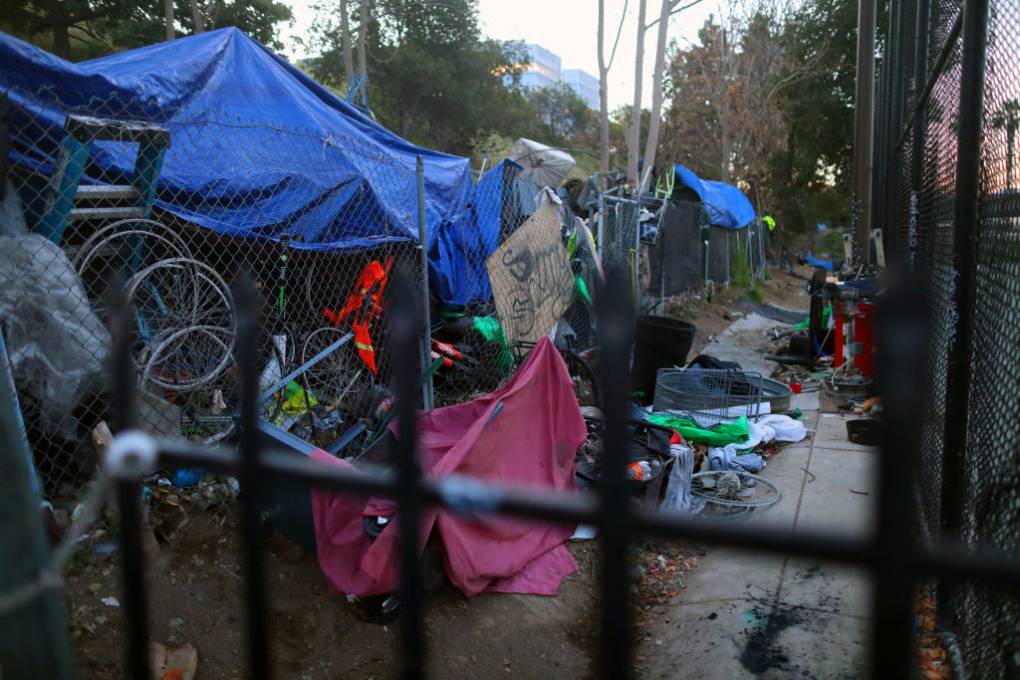
"caption": "A homeless encampment is photographed on Wednesday, Feb. 23, 2022, in San Jose.",
"description": null,
"title": "Point in Time San Jose Count",
"credit": "Aric Crabb/MediaNews Group/East Bay Times via Getty Images",
"status": "inherit",
"altTag": "A collection of bikes, tarps and other materials forming an encampment.",
"isLoading": false,
"fetchFailed": false
},
"news_11930318": {
"type": "attachments",
"id": "news_11930318",
"meta": {
"index": "attachments_1716263798",
"site": "news",
"id": "11930318",
"found": true
},
"parent": 11930316,
"imgSizes": {
"twentyfourteen-full-width": {
"file": "https://ww2.kqed.org/app/uploads/sites/10/2022/10/Collage-Maker-27-Oct-2022-01.45-PM-1038x576.jpg",
"width": 1038,
"mimeType": "image/jpeg",
"height": 576
},
"thumbnail": {
"file": "https://ww2.kqed.org/app/uploads/sites/10/2022/10/Collage-Maker-27-Oct-2022-01.45-PM-160x90.jpg",
"width": 160,
"mimeType": "image/jpeg",
"height": 90
},
"post-thumbnail": {
"file": "https://ww2.kqed.org/app/uploads/sites/10/2022/10/Collage-Maker-27-Oct-2022-01.45-PM-672x372.jpg",
"width": 672,
"mimeType": "image/jpeg",
"height": 372
},
"kqedFullSize": {
"file": "https://ww2.kqed.org/app/uploads/sites/10/2022/10/Collage-Maker-27-Oct-2022-01.45-PM.jpg",
"width": 1920,
"height": 1080
},
"large": {
"file": "https://ww2.kqed.org/app/uploads/sites/10/2022/10/Collage-Maker-27-Oct-2022-01.45-PM-1020x574.jpg",
"width": 1020,
"mimeType": "image/jpeg",
"height": 574
},
"1536x1536": {
"file": "https://ww2.kqed.org/app/uploads/sites/10/2022/10/Collage-Maker-27-Oct-2022-01.45-PM-1536x864.jpg",
"width": 1536,
"mimeType": "image/jpeg",
"height": 864
},
"medium": {
"file": "https://ww2.kqed.org/app/uploads/sites/10/2022/10/Collage-Maker-27-Oct-2022-01.45-PM-800x450.jpg",
"width": 800,
"mimeType": "image/jpeg",
"height": 450
}
},
"publishDate": 1666903563,
"modified": 1666903603,
"caption": "Retired Santa Clara County Sheriff's Captain Kevin Jensen (L), and former Palo Alto police chief Bob Jonsen (R), are vying for the county sheriff's office in the November 2022 election.",
"description": null,
"title": "Collage Maker-27-Oct-2022-01.45-PM",
"credit": "Kevin Jansen and Bob Jonsen",
"status": "inherit",
"altTag": null,
"isLoading": false,
"fetchFailed": false
},
"news_11916301": {
"type": "attachments",
"id": "news_11916301",
"meta": {
"index": "attachments_1716263798",
"site": "news",
"id": "11916301",
"found": true
},
"parent": 11916175,
"imgSizes": {
"twentyfourteen-full-width": {
"file": "https://ww2.kqed.org/app/uploads/sites/10/2022/06/New-Project-3-1038x576.jpg",
"width": 1038,
"mimeType": "image/jpeg",
"height": 576
},
"thumbnail": {
"file": "https://ww2.kqed.org/app/uploads/sites/10/2022/06/New-Project-3-160x90.jpg",
"width": 160,
"mimeType": "image/jpeg",
"height": 90
},
"post-thumbnail": {
"file": "https://ww2.kqed.org/app/uploads/sites/10/2022/06/New-Project-3-672x372.jpg",
"width": 672,
"mimeType": "image/jpeg",
"height": 372
},
"kqedFullSize": {
"file": "https://ww2.kqed.org/app/uploads/sites/10/2022/06/New-Project-3.jpg",
"width": 1920,
"height": 1080
},
"large": {
"file": "https://ww2.kqed.org/app/uploads/sites/10/2022/06/New-Project-3-1020x574.jpg",
"width": 1020,
"mimeType": "image/jpeg",
"height": 574
},
"1536x1536": {
"file": "https://ww2.kqed.org/app/uploads/sites/10/2022/06/New-Project-3-1536x864.jpg",
"width": 1536,
"mimeType": "image/jpeg",
"height": 864
},
"medium": {
"file": "https://ww2.kqed.org/app/uploads/sites/10/2022/06/New-Project-3-800x450.jpg",
"width": 800,
"mimeType": "image/jpeg",
"height": 450
}
},
"publishDate": 1654633601,
"modified": 1654649104,
"caption": "From left to right: Sajid Khan is a challenger running to be DA of Santa Clara County. Diana Becton is the DA of Contra Costa County, running for reelection. Terry Wiley is running for Alameda County DA. Tori Verber Salazar is the DA of San Joaquin County, running for reelection. Sharon Henry is a challenger for the Solano County DA position.",
"description": "From left to right: Sajid Khan is a challenger running to be DA of Santa Clara County. Diana Becton is the DA of Contra Costa County, running for reelection. Terry Wiley is running for Alameda County DA. Tori Verber Salazar is the DA of San Joaquin County, running for reelection. Sharon Henry is a challenger for the Solano County DA position.",
"title": "Bay Area DA 2022 Candidates",
"credit": "Courtesy of candidates",
"status": "inherit",
"altTag": "A composite image of five headshots next to one another. At the very left is a man in a suit. To his right is a woman in a zip up jacket. To her right is a man in a suit and tie. To his right is a woman in a white button down. To his right is a woman with glasses and a pearl necklace.",
"isLoading": false,
"fetchFailed": false
},
"news_11915285": {
"type": "attachments",
"id": "news_11915285",
"meta": {
"index": "attachments_1716263798",
"site": "news",
"id": "11915285",
"found": true
},
"parent": 11915237,
"imgSizes": {
"twentyfourteen-full-width": {
"file": "https://ww2.kqed.org/app/uploads/sites/10/2022/05/RS56221_GettyImages-1320522648-qut-1038x576.jpg",
"width": 1038,
"mimeType": "image/jpeg",
"height": 576
},
"thumbnail": {
"file": "https://ww2.kqed.org/app/uploads/sites/10/2022/05/RS56221_GettyImages-1320522648-qut-160x98.jpg",
"width": 160,
"mimeType": "image/jpeg",
"height": 98
},
"post-thumbnail": {
"file": "https://ww2.kqed.org/app/uploads/sites/10/2022/05/RS56221_GettyImages-1320522648-qut-672x372.jpg",
"width": 672,
"mimeType": "image/jpeg",
"height": 372
},
"kqedFullSize": {
"file": "https://ww2.kqed.org/app/uploads/sites/10/2022/05/RS56221_GettyImages-1320522648-qut.jpg",
"width": 1920,
"height": 1170
},
"large": {
"file": "https://ww2.kqed.org/app/uploads/sites/10/2022/05/RS56221_GettyImages-1320522648-qut-1020x622.jpg",
"width": 1020,
"mimeType": "image/jpeg",
"height": 622
},
"1536x1536": {
"file": "https://ww2.kqed.org/app/uploads/sites/10/2022/05/RS56221_GettyImages-1320522648-qut-1536x936.jpg",
"width": 1536,
"mimeType": "image/jpeg",
"height": 936
},
"medium": {
"file": "https://ww2.kqed.org/app/uploads/sites/10/2022/05/RS56221_GettyImages-1320522648-qut-800x488.jpg",
"width": 800,
"mimeType": "image/jpeg",
"height": 488
}
},
"publishDate": 1653665036,
"modified": 1653665231,
"caption": "Flowers are laid next to portraits of the nine VTA employees killed in a mass shooting on May 26, 2021, at a vigil the following day at City Hall in San Jose.",
"description": null,
"title": "VTA Mass Shooting Vigil in San Jose",
"credit": "Karl Mondon/MediaNews Group/The Mercury News via Getty Images",
"status": "inherit",
"altTag": null,
"isLoading": false,
"fetchFailed": false
},
"news_11904927": {
"type": "attachments",
"id": "news_11904927",
"meta": {
"index": "attachments_1716263798",
"site": "news",
"id": "11904927",
"found": true
},
"parent": 11904843,
"imgSizes": {
"twentyfourteen-full-width": {
"file": "https://ww2.kqed.org/app/uploads/sites/10/2022/02/MARQUEE_920-915x576.jpg",
"width": 915,
"mimeType": "image/jpeg",
"height": 576
},
"thumbnail": {
"file": "https://ww2.kqed.org/app/uploads/sites/10/2022/02/MARQUEE_920-160x108.jpg",
"width": 160,
"mimeType": "image/jpeg",
"height": 108
},
"post-thumbnail": {
"file": "https://ww2.kqed.org/app/uploads/sites/10/2022/02/MARQUEE_920-672x372.jpg",
"width": 672,
"mimeType": "image/jpeg",
"height": 372
},
"kqedFullSize": {
"file": "https://ww2.kqed.org/app/uploads/sites/10/2022/02/MARQUEE_920.jpg",
"width": 915,
"height": 617
},
"medium": {
"file": "https://ww2.kqed.org/app/uploads/sites/10/2022/02/MARQUEE_920-800x539.jpg",
"width": 800,
"mimeType": "image/jpeg",
"height": 539
}
},
"publishDate": 1644619481,
"modified": 1644619481,
"caption": null,
"description": null,
"title": "MARQUEE_920",
"credit": null,
"status": "inherit",
"altTag": null,
"isLoading": false,
"fetchFailed": false
},
"news_11903793": {
"type": "attachments",
"id": "news_11903793",
"meta": {
"index": "attachments_1716263798",
"site": "news",
"id": "11903793",
"found": true
},
"parent": 11903644,
"imgSizes": {
"twentyfourteen-full-width": {
"file": "https://ww2.kqed.org/app/uploads/sites/10/2022/02/sjm-l-newjail-0124-1-1-1038x576.jpeg",
"width": 1038,
"mimeType": "image/jpeg",
"height": 576
},
"thumbnail": {
"file": "https://ww2.kqed.org/app/uploads/sites/10/2022/02/sjm-l-newjail-0124-1-1-160x120.jpeg",
"width": 160,
"mimeType": "image/jpeg",
"height": 120
},
"post-thumbnail": {
"file": "https://ww2.kqed.org/app/uploads/sites/10/2022/02/sjm-l-newjail-0124-1-1-672x372.jpeg",
"width": 672,
"mimeType": "image/jpeg",
"height": 372
},
"kqedFullSize": {
"file": "https://ww2.kqed.org/app/uploads/sites/10/2022/02/sjm-l-newjail-0124-1-1.jpeg",
"width": 1395,
"height": 1046
},
"large": {
"file": "https://ww2.kqed.org/app/uploads/sites/10/2022/02/sjm-l-newjail-0124-1-1-1020x765.jpeg",
"width": 1020,
"mimeType": "image/jpeg",
"height": 765
},
"medium": {
"file": "https://ww2.kqed.org/app/uploads/sites/10/2022/02/sjm-l-newjail-0124-1-1-800x600.jpeg",
"width": 800,
"mimeType": "image/jpeg",
"height": 600
}
},
"publishDate": 1643845777,
"modified": 1643852744,
"caption": "A conceptual illustration of a proposed new Santa Clara County jail (in orange) in downtown San José. County supervisors voted last week to move forward with the project. ",
"description": null,
"title": "sjm-l-newjail-0124-1",
"credit": "Courtesy of Santa Clara County",
"status": "inherit",
"altTag": "An illustration of a proposed new building in downtown San José.",
"isLoading": false,
"fetchFailed": false
},
"news_11885844": {
"type": "attachments",
"id": "news_11885844",
"meta": {
"index": "attachments_1716263798",
"site": "news",
"id": "11885844",
"found": true
},
"parent": 11885843,
"imgSizes": {
"twentyfourteen-full-width": {
"file": "https://ww2.kqed.org/app/uploads/sites/10/2021/08/RS49541_010_SanJose_VTAShootingPressBriefing_05262021-qut-1-1038x576.jpg",
"width": 1038,
"mimeType": "image/jpeg",
"height": 576
},
"thumbnail": {
"file": "https://ww2.kqed.org/app/uploads/sites/10/2021/08/RS49541_010_SanJose_VTAShootingPressBriefing_05262021-qut-1-160x107.jpg",
"width": 160,
"mimeType": "image/jpeg",
"height": 107
},
"post-thumbnail": {
"file": "https://ww2.kqed.org/app/uploads/sites/10/2021/08/RS49541_010_SanJose_VTAShootingPressBriefing_05262021-qut-1-672x372.jpg",
"width": 672,
"mimeType": "image/jpeg",
"height": 372
},
"kqedFullSize": {
"file": "https://ww2.kqed.org/app/uploads/sites/10/2021/08/RS49541_010_SanJose_VTAShootingPressBriefing_05262021-qut-1.jpg",
"width": 1920,
"height": 1280
},
"large": {
"file": "https://ww2.kqed.org/app/uploads/sites/10/2021/08/RS49541_010_SanJose_VTAShootingPressBriefing_05262021-qut-1-1020x680.jpg",
"width": 1020,
"mimeType": "image/jpeg",
"height": 680
},
"1536x1536": {
"file": "https://ww2.kqed.org/app/uploads/sites/10/2021/08/RS49541_010_SanJose_VTAShootingPressBriefing_05262021-qut-1-1536x1024.jpg",
"width": 1536,
"mimeType": "image/jpeg",
"height": 1024
},
"medium": {
"file": "https://ww2.kqed.org/app/uploads/sites/10/2021/08/RS49541_010_SanJose_VTAShootingPressBriefing_05262021-qut-1-800x533.jpg",
"width": 800,
"mimeType": "image/jpeg",
"height": 533
}
},
"publishDate": 1629498006,
"modified": 1629512414,
"caption": "Santa Clara County Sheriff Laurie Smith speaks during a press briefing across from the First Street VTA service yard in San Jose where a mass shooting took place on May 26, 2021. Last week, several Santa Clara County leaders called for an investigation into her office.",
"description": null,
"title": "RS49541_010_SanJose_VTAShootingPressBriefing_05262021-qut (1)",
"credit": "Beth LaBerge/KQED",
"status": "inherit",
"altTag": null,
"isLoading": false,
"fetchFailed": false
},
"news_11849588": {
"type": "attachments",
"id": "news_11849588",
"meta": {
"index": "attachments_1716263798",
"site": "news",
"id": "11849588",
"found": true
},
"parent": 11849585,
"imgSizes": {
"apple_news_ca_landscape_5_5": {
"file": "https://ww2.kqed.org/app/uploads/sites/10/2020/12/RS16165_JV0A7516-qut-1044x783.jpg",
"width": 1044,
"mimeType": "image/jpeg",
"height": 783
},
"apple_news_ca_square_4_0": {
"file": "https://ww2.kqed.org/app/uploads/sites/10/2020/12/RS16165_JV0A7516-qut-470x470.jpg",
"width": 470,
"mimeType": "image/jpeg",
"height": 470
},
"twentyfourteen-full-width": {
"file": "https://ww2.kqed.org/app/uploads/sites/10/2020/12/RS16165_JV0A7516-qut-1038x576.jpg",
"width": 1038,
"mimeType": "image/jpeg",
"height": 576
},
"thumbnail": {
"file": "https://ww2.kqed.org/app/uploads/sites/10/2020/12/RS16165_JV0A7516-qut-160x107.jpg",
"width": 160,
"mimeType": "image/jpeg",
"height": 107
},
"post-thumbnail": {
"file": "https://ww2.kqed.org/app/uploads/sites/10/2020/12/RS16165_JV0A7516-qut-672x372.jpg",
"width": 672,
"mimeType": "image/jpeg",
"height": 372
},
"kqedFullSize": {
"file": "https://ww2.kqed.org/app/uploads/sites/10/2020/12/RS16165_JV0A7516-qut.jpg",
"width": 1920,
"height": 1280
},
"apple_news_ca_landscape_4_7": {
"file": "https://ww2.kqed.org/app/uploads/sites/10/2020/12/RS16165_JV0A7516-qut-632x474.jpg",
"width": 632,
"mimeType": "image/jpeg",
"height": 474
},
"large": {
"file": "https://ww2.kqed.org/app/uploads/sites/10/2020/12/RS16165_JV0A7516-qut-1020x680.jpg",
"width": 1020,
"mimeType": "image/jpeg",
"height": 680
},
"apple_news_ca_landscape_4_0": {
"file": "https://ww2.kqed.org/app/uploads/sites/10/2020/12/RS16165_JV0A7516-qut-536x402.jpg",
"width": 536,
"mimeType": "image/jpeg",
"height": 402
},
"apple_news_ca_portrait_12_9": {
"file": "https://ww2.kqed.org/app/uploads/sites/10/2020/12/RS16165_JV0A7516-qut-1122x1280.jpg",
"width": 1122,
"mimeType": "image/jpeg",
"height": 1280
},
"medium": {
"file": "https://ww2.kqed.org/app/uploads/sites/10/2020/12/RS16165_JV0A7516-qut-800x533.jpg",
"width": 800,
"mimeType": "image/jpeg",
"height": 533
},
"apple_news_ca_portrait_4_0": {
"file": "https://ww2.kqed.org/app/uploads/sites/10/2020/12/RS16165_JV0A7516-qut-354x472.jpg",
"width": 354,
"mimeType": "image/jpeg",
"height": 472
},
"apple_news_ca_portrait_9_7": {
"file": "https://ww2.kqed.org/app/uploads/sites/10/2020/12/RS16165_JV0A7516-qut-840x1120.jpg",
"width": 840,
"mimeType": "image/jpeg",
"height": 1120
},
"apple_news_ca_landscape_12_9": {
"file": "https://ww2.kqed.org/app/uploads/sites/10/2020/12/RS16165_JV0A7516-qut-1832x1280.jpg",
"width": 1832,
"mimeType": "image/jpeg",
"height": 1280
},
"apple_news_ca_square_9_7": {
"file": "https://ww2.kqed.org/app/uploads/sites/10/2020/12/RS16165_JV0A7516-qut-1104x1104.jpg",
"width": 1104,
"mimeType": "image/jpeg",
"height": 1104
},
"1536x1536": {
"file": "https://ww2.kqed.org/app/uploads/sites/10/2020/12/RS16165_JV0A7516-qut-1536x1024.jpg",
"width": 1536,
"mimeType": "image/jpeg",
"height": 1024
},
"apple_news_ca_portrait_4_7": {
"file": "https://ww2.kqed.org/app/uploads/sites/10/2020/12/RS16165_JV0A7516-qut-414x552.jpg",
"width": 414,
"mimeType": "image/jpeg",
"height": 552
},
"apple_news_ca_square_12_9": {
"file": "https://ww2.kqed.org/app/uploads/sites/10/2020/12/RS16165_JV0A7516-qut-1472x1280.jpg",
"width": 1472,
"mimeType": "image/jpeg",
"height": 1280
},
"apple_news_ca_portrait_5_5": {
"file": "https://ww2.kqed.org/app/uploads/sites/10/2020/12/RS16165_JV0A7516-qut-687x916.jpg",
"width": 687,
"mimeType": "image/jpeg",
"height": 916
},
"apple_news_ca_square_4_7": {
"file": "https://ww2.kqed.org/app/uploads/sites/10/2020/12/RS16165_JV0A7516-qut-550x550.jpg",
"width": 550,
"mimeType": "image/jpeg",
"height": 550
},
"apple_news_ca_landscape_9_7": {
"file": "https://ww2.kqed.org/app/uploads/sites/10/2020/12/RS16165_JV0A7516-qut-1376x1032.jpg",
"width": 1376,
"mimeType": "image/jpeg",
"height": 1032
},
"apple_news_ca_square_5_5": {
"file": "https://ww2.kqed.org/app/uploads/sites/10/2020/12/RS16165_JV0A7516-qut-912x912.jpg",
"width": 912,
"mimeType": "image/jpeg",
"height": 912
}
},
"publishDate": 1607041970,
"modified": 1626996401,
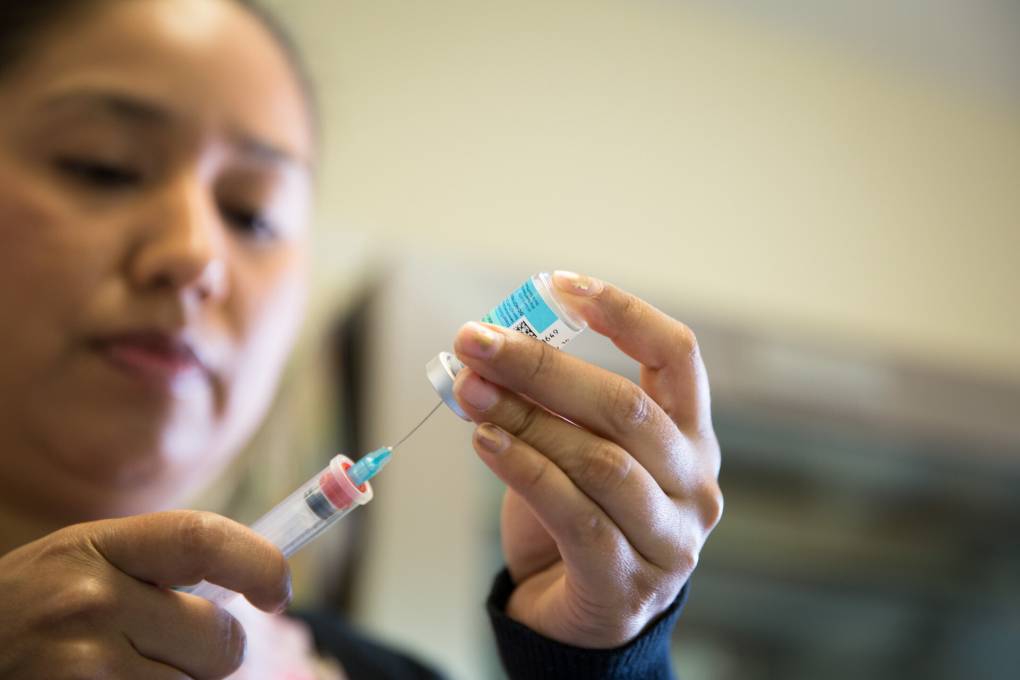
"caption": "Etzel Rubio at Berkeley Pediatrics fills a syringe in preparation to administer a vaccine.",
"description": "Etzel Rubio at Berkeley Pediatrics fills a syringe in preparation to administer a vaccine.",
"title": "RS16165_JV0A7516-qut",
"credit": "Jeremy Raff/KQED",
"status": "inherit",
"altTag": null,
"isLoading": false,
"fetchFailed": false
},
"news_11881289": {
"type": "attachments",
"id": "news_11881289",
"meta": {
"index": "attachments_1716263798",
"site": "news",
"id": "11881289",
"found": true
},
"parent": 11881276,
"imgSizes": {
"twentyfourteen-full-width": {
"file": "https://ww2.kqed.org/app/uploads/sites/10/2021/07/GettyImages-1231366608-1038x576.jpg",
"width": 1038,
"mimeType": "image/jpeg",
"height": 576
},
"thumbnail": {
"file": "https://ww2.kqed.org/app/uploads/sites/10/2021/07/GettyImages-1231366608-160x107.jpg",
"width": 160,
"mimeType": "image/jpeg",
"height": 107
},
"post-thumbnail": {
"file": "https://ww2.kqed.org/app/uploads/sites/10/2021/07/GettyImages-1231366608-672x372.jpg",
"width": 672,
"mimeType": "image/jpeg",
"height": 372
},
"kqedFullSize": {
"file": "https://ww2.kqed.org/app/uploads/sites/10/2021/07/GettyImages-1231366608.jpg",
"width": 1920,
"height": 1280
},
"large": {
"file": "https://ww2.kqed.org/app/uploads/sites/10/2021/07/GettyImages-1231366608-1020x680.jpg",
"width": 1020,
"mimeType": "image/jpeg",
"height": 680
},
"1536x1536": {
"file": "https://ww2.kqed.org/app/uploads/sites/10/2021/07/GettyImages-1231366608-1536x1024.jpg",
"width": 1536,
"mimeType": "image/jpeg",
"height": 1024
},
"medium": {
"file": "https://ww2.kqed.org/app/uploads/sites/10/2021/07/GettyImages-1231366608-800x533.jpg",
"width": 800,
"mimeType": "image/jpeg",
"height": 533
}
},
"publishDate": 1626376470,
"modified": 1626376587,
"caption": "Steve Filson carries a photo of his daughter Jessica Filson, who died in January 2020 of opioids, during a news conference on opioid deaths on February 24, 2021 in Los Angeles, California.",
"description": "Steve Filson carries a photo of his daughter Jessica Filson, who died in January 2020 of opioids, during a news conference on opioid deaths on February 24, 2021 in Los Angeles, California.",
"title": "US-VIRUS-HEALTH-DRUGS-OPIOID",
"credit": "Patrick T. FALLON/AFP via Getty Images",
"status": "inherit",
"altTag": null,
"isLoading": false,
"fetchFailed": false
},
"news_11874736": {
"type": "attachments",
"id": "news_11874736",
"meta": {
"index": "attachments_1716263798",
"site": "news",
"id": "11874736",
"found": true
},
"parent": 11874651,
"imgSizes": {
"thumbnail": {
"file": "https://ww2.kqed.org/app/uploads/sites/10/2021/05/M30-1-160x120.jpg",
"width": 160,
"mimeType": "image/jpeg",
"height": 120
},
"post-thumbnail": {
"file": "https://ww2.kqed.org/app/uploads/sites/10/2021/05/M30-1-640x372.jpg",
"width": 640,
"mimeType": "image/jpeg",
"height": 372
},
"kqedFullSize": {
"file": "https://ww2.kqed.org/app/uploads/sites/10/2021/05/M30-1.jpg",
"width": 640,
"height": 480
}
},
"publishDate": 1621625706,
"modified": 1622600170,
"caption": "Fentanyl can be found laced into other drugs in pill form. Santa Clara County officials say that many people who die from fentanyl thought they were taking far less potent drugs.",
"description": "picture of a pill with the letter M on one side and number 30 on the other",
"title": "M30 (1)",
"credit": "Courtesy Santa Clara County",
"status": "inherit",
"altTag": null,
"isLoading": false,
"fetchFailed": false
},
"news_11874657": {
"type": "attachments",
"id": "news_11874657",
"meta": {
"index": "attachments_1716263798",
"site": "news",
"id": "11874657",
"found": true
},
"parent": 11874651,
"imgSizes": {
"twentyfourteen-full-width": {
"file": "https://ww2.kqed.org/app/uploads/sites/10/2021/05/RS48996_006_MountainView_RobinDosskey_05122021-qut-1038x576.jpg",
"width": 1038,
"mimeType": "image/jpeg",
"height": 576
},
"thumbnail": {
"file": "https://ww2.kqed.org/app/uploads/sites/10/2021/05/RS48996_006_MountainView_RobinDosskey_05122021-qut-160x107.jpg",
"width": 160,
"mimeType": "image/jpeg",
"height": 107
},
"post-thumbnail": {
"file": "https://ww2.kqed.org/app/uploads/sites/10/2021/05/RS48996_006_MountainView_RobinDosskey_05122021-qut-672x372.jpg",
"width": 672,
"mimeType": "image/jpeg",
"height": 372
},
"kqedFullSize": {
"file": "https://ww2.kqed.org/app/uploads/sites/10/2021/05/RS48996_006_MountainView_RobinDosskey_05122021-qut.jpg",
"width": 1920,
"height": 1280
},
"large": {
"file": "https://ww2.kqed.org/app/uploads/sites/10/2021/05/RS48996_006_MountainView_RobinDosskey_05122021-qut-1020x680.jpg",
"width": 1020,
"mimeType": "image/jpeg",
"height": 680
},
"1536x1536": {
"file": "https://ww2.kqed.org/app/uploads/sites/10/2021/05/RS48996_006_MountainView_RobinDosskey_05122021-qut-1536x1024.jpg",
"width": 1536,
"mimeType": "image/jpeg",
"height": 1024
},
"medium": {
"file": "https://ww2.kqed.org/app/uploads/sites/10/2021/05/RS48996_006_MountainView_RobinDosskey_05122021-qut-800x533.jpg",
"width": 800,
"mimeType": "image/jpeg",
"height": 533
}
},
"publishDate": 1621618663,
"modified": 1621631509,
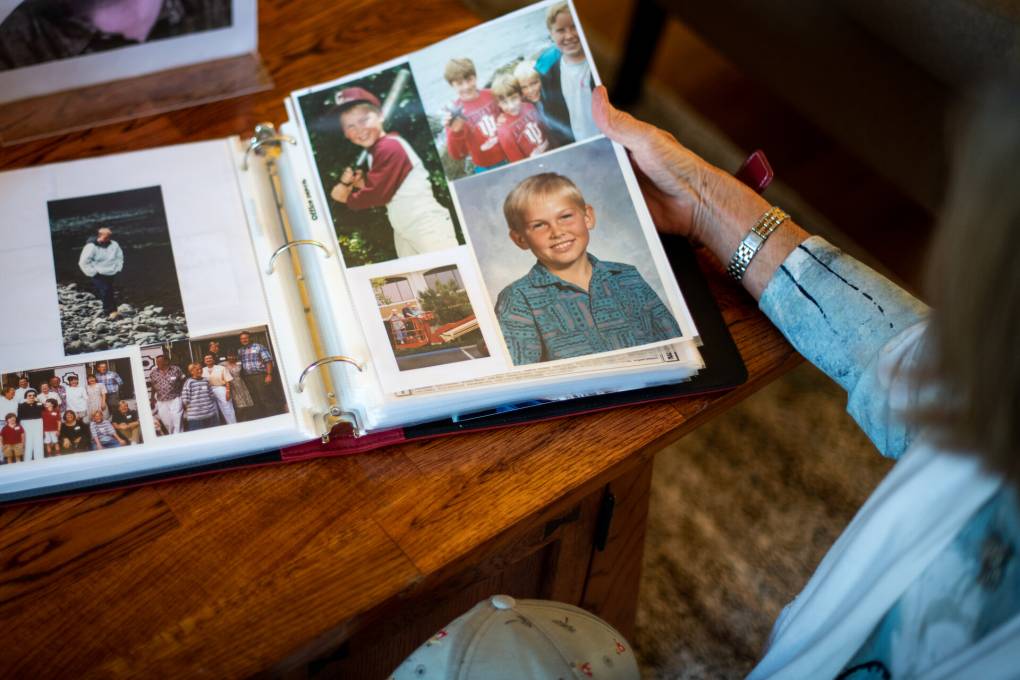
"caption": "Robin Dosskey looks through childhood photos of her son Kyle at her home in Mountain View on May 12, 2021. Kyle died in 2019 due to a fatal dose of fentanyl.",
"description": null,
"title": "RS48996_006_MountainView_RobinDosskey_05122021-qut",
"credit": "Beth LaBerge/KQED",
"status": "inherit",
"altTag": null,
"isLoading": false,
"fetchFailed": false
},
"news_11813618": {
"type": "attachments",
"id": "news_11813618",
"meta": {
"index": "attachments_1716263798",
"site": "news",
"id": "11813618",
"found": true
},
"parent": 11813616,
"imgSizes": {
"apple_news_ca_landscape_5_5": {
"file": "https://ww2.kqed.org/app/uploads/sites/10/2020/04/KQED-Coronavirus-Updates-1-1044x628.jpg",
"width": 1044,
"mimeType": "image/jpeg",
"height": 628
},
"apple_news_ca_square_4_0": {
"file": "https://ww2.kqed.org/app/uploads/sites/10/2020/04/KQED-Coronavirus-Updates-1-470x470.jpg",
"width": 470,
"mimeType": "image/jpeg",
"height": 470
},
"twentyfourteen-full-width": {
"file": "https://ww2.kqed.org/app/uploads/sites/10/2020/04/KQED-Coronavirus-Updates-1-1038x576.jpg",
"width": 1038,
"mimeType": "image/jpeg",
"height": 576
},
"thumbnail": {
"file": "https://ww2.kqed.org/app/uploads/sites/10/2020/04/KQED-Coronavirus-Updates-1-160x84.jpg",
"width": 160,
"mimeType": "image/jpeg",
"height": 84
},
"post-thumbnail": {
"file": "https://ww2.kqed.org/app/uploads/sites/10/2020/04/KQED-Coronavirus-Updates-1-672x372.jpg",
"width": 672,
"mimeType": "image/jpeg",
"height": 372
},
"kqedFullSize": {
"file": "https://ww2.kqed.org/app/uploads/sites/10/2020/04/KQED-Coronavirus-Updates-1.jpg",
"width": 1200,
"height": 628
},
"apple_news_ca_landscape_4_7": {
"file": "https://ww2.kqed.org/app/uploads/sites/10/2020/04/KQED-Coronavirus-Updates-1-632x474.jpg",
"width": 632,
"mimeType": "image/jpeg",
"height": 474
},
"large": {
"file": "https://ww2.kqed.org/app/uploads/sites/10/2020/04/KQED-Coronavirus-Updates-1-1020x534.jpg",
"width": 1020,
"mimeType": "image/jpeg",
"height": 534
},
"apple_news_ca_landscape_4_0": {
"file": "https://ww2.kqed.org/app/uploads/sites/10/2020/04/KQED-Coronavirus-Updates-1-536x402.jpg",
"width": 536,
"mimeType": "image/jpeg",
"height": 402
},
"apple_news_ca_portrait_12_9": {
"file": "https://ww2.kqed.org/app/uploads/sites/10/2020/04/KQED-Coronavirus-Updates-1-1122x628.jpg",
"width": 1122,
"mimeType": "image/jpeg",
"height": 628
},
"medium": {
"file": "https://ww2.kqed.org/app/uploads/sites/10/2020/04/KQED-Coronavirus-Updates-1-800x419.jpg",
"width": 800,
"mimeType": "image/jpeg",
"height": 419
},
"apple_news_ca_portrait_4_0": {
"file": "https://ww2.kqed.org/app/uploads/sites/10/2020/04/KQED-Coronavirus-Updates-1-354x472.jpg",
"width": 354,
"mimeType": "image/jpeg",
"height": 472
},
"apple_news_ca_portrait_9_7": {
"file": "https://ww2.kqed.org/app/uploads/sites/10/2020/04/KQED-Coronavirus-Updates-1-840x628.jpg",
"width": 840,
"mimeType": "image/jpeg",
"height": 628
},
"apple_news_ca_square_9_7": {
"file": "https://ww2.kqed.org/app/uploads/sites/10/2020/04/KQED-Coronavirus-Updates-1-1104x628.jpg",
"width": 1104,
"mimeType": "image/jpeg",
"height": 628
},
"apple_news_ca_portrait_4_7": {
"file": "https://ww2.kqed.org/app/uploads/sites/10/2020/04/KQED-Coronavirus-Updates-1-414x552.jpg",
"width": 414,
"mimeType": "image/jpeg",
"height": 552
},
"apple_news_ca_portrait_5_5": {
"file": "https://ww2.kqed.org/app/uploads/sites/10/2020/04/KQED-Coronavirus-Updates-1-687x628.jpg",
"width": 687,
"mimeType": "image/jpeg",
"height": 628
},
"apple_news_ca_square_4_7": {
"file": "https://ww2.kqed.org/app/uploads/sites/10/2020/04/KQED-Coronavirus-Updates-1-550x550.jpg",
"width": 550,
"mimeType": "image/jpeg",
"height": 550
},
"apple_news_ca_square_5_5": {
"file": "https://ww2.kqed.org/app/uploads/sites/10/2020/04/KQED-Coronavirus-Updates-1-912x628.jpg",
"width": 912,
"mimeType": "image/jpeg",
"height": 628
}
},
"publishDate": 1587575003,
"modified": 1587575062,
"caption": "Coronavirus Live Updates logo.",
"description": null,
"title": "KQED-Coronavirus-Live-Updates",
"credit": null,
"status": "inherit",
"isLoading": false,
"fetchFailed": false
}
},
"audioPlayerReducer": {
"postId": "stream_live",
"isPaused": true,
"isPlaying": false,
"pfsActive": false,
"pledgeModalIsOpen": true,
"playerDrawerIsOpen": false,
"liveAudioPlayStartedAt": 0,
"liveAudioPlayContext": ""
},
"authorsReducer": {
"byline_news_11915237": {
"type": "authors",
"id": "byline_news_11915237",
"meta": {
"override": true
},
"slug": "byline_news_11915237",
"name": "Juliet Williams\u003cbr>The Associated Press",
"isLoading": false
},
"byline_news_11881276": {
"type": "authors",
"id": "byline_news_11881276",
"meta": {
"override": true
},
"slug": "byline_news_11881276",
"name": "\u003ca href=\"https://www.npr.org/people/14562108/bill-chappell\">Bill Chappell\u003c/a>",
"isLoading": false
},
"byline_news_11874651": {
"type": "authors",
"id": "byline_news_11874651",
"meta": {
"override": true
},
"slug": "byline_news_11874651",
"name": "Julie Small and Mohar Chatterjee",
"isLoading": false
},
"dmarks": {
"type": "authors",
"id": "182",
"meta": {
"index": "authors_1716337520",
"id": "182",
"found": true
},
"name": "David Marks",
"firstName": "David",
"lastName": "Marks",
"slug": "dmarks",
"email": "dmarks@kqed.org",
"display_author_email": false,
"staff_mastheads": [],
"title": "KQED Editor",
"bio": "David Marks is a senior digital editor for KQED News. \u003c/a>Reach him at dmarks@kqed.org.",
"avatar": "https://secure.gravatar.com/avatar/b88bd6227ce6cb96ae33fefaf42b2a29?s=600&d=mm&r=g",
"twitter": "divadskram",
"facebook": null,
"instagram": null,
"linkedin": null,
"sites": [
{
"site": "news",
"roles": []
},
{
"site": "science",
"roles": []
},
{
"site": "perspectives",
"roles": []
},
{
"site": "liveblog",
"roles": []
}
],
"headData": {
"title": "David Marks | KQED",
"description": "KQED Editor",
"ogImgSrc": "https://secure.gravatar.com/avatar/b88bd6227ce6cb96ae33fefaf42b2a29?s=600&d=mm&r=g",
"twImgSrc": "https://secure.gravatar.com/avatar/b88bd6227ce6cb96ae33fefaf42b2a29?s=600&d=mm&r=g"
},
"isLoading": false,
"link": "/author/dmarks"
},
"gmarzorati": {
"type": "authors",
"id": "227",
"meta": {
"index": "authors_1716337520",
"id": "227",
"found": true
},
"name": "Guy Marzorati",
"firstName": "Guy",
"lastName": "Marzorati",
"slug": "gmarzorati",
"email": "gmarzorati@KQED.org",
"display_author_email": true,
"staff_mastheads": [
"news"
],
"title": "Correspondent",
"bio": "Guy Marzorati is a correspondent on KQED's California Politics and Government Desk, based in San Jose. A graduate of Santa Clara University, Guy joined KQED in 2013. He reports on state and local politics and produces KQED's digital voter guide.",
"avatar": "https://secure.gravatar.com/avatar/e7038b8dbfd55b104369b76b1cd0b9de?s=600&d=blank&r=g",
"twitter": "guymarzorati",
"facebook": null,
"instagram": null,
"linkedin": null,
"sites": [
{
"site": "",
"roles": [
"editor"
]
},
{
"site": "news",
"roles": [
"editor"
]
},
{
"site": "science",
"roles": [
"editor"
]
},
{
"site": "forum",
"roles": [
"editor"
]
},
{
"site": "elections",
"roles": [
"editor"
]
},
{
"site": "liveblog",
"roles": [
"editor"
]
}
],
"headData": {
"title": "Guy Marzorati | KQED",
"description": "Correspondent",
"ogImgSrc": "https://secure.gravatar.com/avatar/e7038b8dbfd55b104369b76b1cd0b9de?s=600&d=blank&r=g",
"twImgSrc": "https://secure.gravatar.com/avatar/e7038b8dbfd55b104369b76b1cd0b9de?s=600&d=blank&r=g"
},
"isLoading": false,
"link": "/author/gmarzorati"
},
"kqed": {
"type": "authors",
"id": "236",
"meta": {
"index": "authors_1716337520",
"id": "236",
"found": true
},
"name": "KQED News Staff",
"firstName": "KQED News Staff",
"lastName": null,
"slug": "kqed",
"email": "faq@kqed.org",
"display_author_email": false,
"staff_mastheads": [],
"title": null,
"bio": null,
"avatar": "https://secure.gravatar.com/avatar/ef0e801a68c4c54afa9180db14084167?s=600&d=blank&r=g",
"twitter": null,
"facebook": null,
"instagram": null,
"linkedin": null,
"sites": [
{
"site": "arts",
"roles": [
"contributor"
]
},
{
"site": "news",
"roles": [
"editor"
]
},
{
"site": "futureofyou",
"roles": [
"author"
]
}
],
"headData": {
"title": "KQED News Staff | KQED",
"description": null,
"ogImgSrc": "https://secure.gravatar.com/avatar/ef0e801a68c4c54afa9180db14084167?s=600&d=blank&r=g",
"twImgSrc": "https://secure.gravatar.com/avatar/ef0e801a68c4c54afa9180db14084167?s=600&d=blank&r=g"
},
"isLoading": false,
"link": "/author/kqed"
},
"tychehendricks": {
"type": "authors",
"id": "259",
"meta": {
"index": "authors_1716337520",
"id": "259",
"found": true
},
"name": "Tyche Hendricks",
"firstName": "Tyche",
"lastName": "Hendricks",
"slug": "tychehendricks",
"email": "thendricks@kqed.org",
"display_author_email": true,
"staff_mastheads": [
"news"
],
"title": "KQED Senior Editor, Immigration",
"bio": "\u003cspan style=\"font-weight: 400;\">Tyche Hendricks is KQED’s senior editor for immigration, leading coverage of the policy and politics that affect California’s immigrant communities. Her work for KQED’s radio and online audiences is also carried on NPR and other national outlets. She has been recognized with awards from the Radio and Television News Directors Association, the Society for Professional Journalists; the Education Writers Association; the Best of the West and the National Federation of Community Broadcasters. Before joining KQED in 2010, Tyche spent more than a dozen years as a newspaper reporter, notably at the \u003c/span>\u003ci>\u003cspan style=\"font-weight: 400;\">San Francisco Chronicle\u003c/span>\u003c/i>\u003cspan style=\"font-weight: 400;\">. At different times she has covered criminal justice, government and politics and urban planning. Tyche has taught in the MFA Creative Writing program at the University of San Francisco and at UC Berkeley’s Graduate School of Journalism, where she was co-director of a national immigration symposium for professional journalists. She is the author of \u003c/span>\u003ci>\u003cspan style=\"font-weight: 400;\">The Wind Doesn't Need a Passport: Stories from the U.S.-Mexico Borderlands\u003c/span>\u003c/i>\u003cspan style=\"font-weight: 400;\"> (University of California Press). \u003c/span>",
"avatar": "https://secure.gravatar.com/avatar/b8ee458e2731c2d43df86882ce17267e?s=600&d=blank&r=g",
"twitter": "tychehendricks",
"facebook": null,
"instagram": null,
"linkedin": null,
"sites": [
{
"site": "news",
"roles": [
"editor"
]
},
{
"site": "stateofhealth",
"roles": [
"editor"
]
}
],
"headData": {
"title": "Tyche Hendricks | KQED",
"description": "KQED Senior Editor, Immigration",
"ogImgSrc": "https://secure.gravatar.com/avatar/b8ee458e2731c2d43df86882ce17267e?s=600&d=blank&r=g",
"twImgSrc": "https://secure.gravatar.com/avatar/b8ee458e2731c2d43df86882ce17267e?s=600&d=blank&r=g"
},
"isLoading": false,
"link": "/author/tychehendricks"
},
"aemslie": {
"type": "authors",
"id": "3206",
"meta": {
"index": "authors_1716337520",
"id": "3206",
"found": true
},
"name": "Alex Emslie",
"firstName": "Alex",
"lastName": "Emslie",
"slug": "aemslie",
"email": "aemslie@kqed.org",
"display_author_email": true,
"staff_mastheads": [
"news"
],
"title": "KQED Senior Editor",
"bio": "Alex Emslie is senior editor of talent and development at KQED, where he manages dozens of early career journalists and oversees news department internships.\r\n\r\nHe is a former carpenter and proud graduate of City College of San Francisco and San Francisco State University, where he studied journalism and criminal justice before joining KQED in 2013.\r\n\r\nAlex produced investigative journalism focused on \u003ca href=\"https://www.kqed.org/news/11667594/the-trials-of-marvin-mutch-video\">criminal justice\u003c/a> and policing for most of a decade. He has broken major stories about \u003ca href=\"https://www.kqed.org/news/135682/amid-a-series-of-vallejo-police-shootings-one-officers-name-stands-out\">police use of deadly force\u003c/a>, \u003ca href=\"https://www.kqed.org/news/10454955/racist-texts-prompt-sfpd-internal-investigation\">officer misconduct\u003c/a> and \u003ca href=\"https://www.kqed.org/news/11712239/terrorist-or-troll-judge-to-weigh-whether-oakland-man-really-intended-to-attack-bay-area\">other\u003c/a> \u003ca href=\"https://www.kqed.org/news/11221414/hayward-paid-159000-to-husband-of-retired-police-chief-documents-show\">high\u003c/a>-\u003ca href=\"https://www.kqed.org/news/10622762/the-forgotten-tracking-two-homicides-in-san-francisco-public-housing\">profile\u003c/a> \u003ca href=\"https://www.kqed.org/news/11624516/federal-agency-promoted-ranger-just-months-after-his-gun-was-stolen-and-used-in-steinle-killing\">cases\u003c/a>. He co-founded the \u003ca href=\"https://projects.scpr.org/california-reporting-project/\">California Reporting Project\u003c/a> in 2019 to obtain and report on previously confidential police internal investigations. The effort produced well over 100 original stories and changed the course of multiple criminal cases.\r\n\r\nHis work has been recognized with numerous journalism awards, including a national Edward R. Murrow award for several years of \u003ca href=\"https://www.kqed.org/news/11688481/sfpd-officers-in-mario-woods-case-recount-shooting-in-newly-filed-depositions\">reporting\u003c/a> on the San Francisco Police shooting of Mario Woods. His \u003ca href=\"https://www.kqed.org/news/147854/half-of-those-killed-by-san-francisco-police-are-mentally-ill\">reporting\u003c/a> on police killings of people in psychiatric crisis was cited in amicus briefs before the U.S. Supreme Court.\r\n\r\nAlex now enjoys mentoring the next generation of journalists at KQED.",
"avatar": "https://secure.gravatar.com/avatar/e691e65209f20e9da202bd730ead5663?s=600&d=blank&r=g",
"twitter": "SFNewsReporter",
"facebook": null,
"instagram": null,
"linkedin": null,
"sites": [
{
"site": "arts",
"roles": [
"editor"
]
},
{
"site": "news",
"roles": [
"editor"
]
},
{
"site": "mindshift",
"roles": [
"editor"
]
},
{
"site": "stateofhealth",
"roles": [
"editor"
]
},
{
"site": "science",
"roles": [
"administrator"
]
}
],
"headData": {
"title": "Alex Emslie | KQED",
"description": "KQED Senior Editor",
"ogImgSrc": "https://secure.gravatar.com/avatar/e691e65209f20e9da202bd730ead5663?s=600&d=blank&r=g",
"twImgSrc": "https://secure.gravatar.com/avatar/e691e65209f20e9da202bd730ead5663?s=600&d=blank&r=g"
},
"isLoading": false,
"link": "/author/aemslie"
},
"jsmall": {
"type": "authors",
"id": "6625",
"meta": {
"index": "authors_1716337520",
"id": "6625",
"found": true
},
"name": "Julie Small",
"firstName": "Julie",
"lastName": "Small",
"slug": "jsmall",
"email": "jsmall@kqed.org",
"display_author_email": true,
"staff_mastheads": [
"news"
],
"title": "KQED Contributor",
"bio": "Julie Small reports on criminal justice and immigration.\r\n\r\nShe was part of a team at KQED awarded a regional 2019 Edward R. Murrow award for continuing coverage of the Trump Administration's family separation policy.\r\n\r\nThe Society for Professional Journalists recognized Julie's 2018 \u003ca href=\"https://www.kqed.org/news/11636262/the-officer-tased-him-31-times-the-sheriff-called-his-death-an-accident\">reporting\u003c/a> on the San Joaquin County Sheriff's \u003ca href=\"https://www.kqed.org/news/11634689/autopsy-doctors-sheriff-overrode-death-findings-to-protect-law-enforcement\">interference\u003c/a> in death investigations with an Excellence in Journalism Award for Ongoing Coverage.\r\n\r\nJulie's\u003ca href=\"https://www.kqed.org/news/11039666/two-mentally-ill-inmates-died-one-month-in-santa-clara\"> reporting\u003c/a> with Lisa Pickoff-White on the treatment of mentally ill offenders in California jails earned a 2017 regional Edward R. Murrow Award for news reporting and an investigative reporting award from the SPJ of Northern California.\r\n\r\nBefore joining KQED, Julie covered government and politics in Sacramento for Southern California Public Radio (SCPR). Her 2010 \u003ca href=\"https://www.scpr.org/specials/prisonmedical/\">series\u003c/a> on lapses in California’s prison medical care also won a regional Edward R. Murrow Award for investigative reporting and a Golden Mic Award from the RTNDA of Southern California.\r\n\r\nJulie began her career in journalism in 2000 as the deputy foreign editor for public radio's \u003cem>Marketplace, \u003c/em>while earning her master's degree in journalism from USC’s Annenberg School of Communication.",
"avatar": "https://secure.gravatar.com/avatar/4baedf201468df97be97c2a9dd7585d0?s=600&d=blank&r=g",
"twitter": "@SmallRadio2",
"facebook": null,
"instagram": null,
"linkedin": null,
"sites": [
{
"site": "news",
"roles": [
"editor"
]
},
{
"site": "stateofhealth",
"roles": [
"author"
]
},
{
"site": "science",
"roles": [
"author"
]
}
],
"headData": {
"title": "Julie Small | KQED",
"description": "KQED Contributor",
"ogImgSrc": "https://secure.gravatar.com/avatar/4baedf201468df97be97c2a9dd7585d0?s=600&d=blank&r=g",
"twImgSrc": "https://secure.gravatar.com/avatar/4baedf201468df97be97c2a9dd7585d0?s=600&d=blank&r=g"
},
"isLoading": false,
"link": "/author/jsmall"
},
"dkatayama": {
"type": "authors",
"id": "7240",
"meta": {
"index": "authors_1716337520",
"id": "7240",
"found": true
},
"name": "Devin Katayama",
"firstName": "Devin",
"lastName": "Katayama",
"slug": "dkatayama",
"email": "dkatayama@kqed.org",
"display_author_email": true,
"staff_mastheads": [
"news"
],
"title": "Editor of Talent and Development",
"bio": "Devin Katayama is former Editor of Talent and Development for KQED. He supported our internship program and on-call staff by looking for equitable opportunities to improve the newsroom.\r\n\r\nHe previously hosted The Bay and American Suburb podcasts from KQED News. Prior to returning to the Bay Area in 2015, Devin was the education reporter for WFPL in Louisville and worked as a producer with radio stations in Chicago and Portland, OR. His work has appeared on NPR’s \u003cem>Morning Edition, All Things Considered, The Takeaway\u003c/em> and \u003cem>Here and Now.\u003c/em>\r\n\r\nDevin earned his MA in Journalism from Columbia College Chicago, where he was a Follett Fellow and the recipient of the 2011 Studs Terkel Community Media Workshop Scholarship for his story on Chicago's homeless youth. He won WBUR's 2014 Daniel Schorr award and a regional RTNDA Edward R. Murrow Award for his documentary \"At Risk\" that looked at issues facing some of Louisville's students. Devin has also received numerous local awards from the Associated Press and the Society of Professional Journalists.",
"avatar": "https://secure.gravatar.com/avatar/d0d2978a31002fb2de107921a8e18405?s=600&d=blank&r=g",
"twitter": "RadioDevin",
"facebook": null,
"instagram": null,
"linkedin": null,
"sites": [
{
"site": "arts",
"roles": []
},
{
"site": "news",
"roles": [
"author"
]
},
{
"site": "stateofhealth",
"roles": [
"author"
]
},
{
"site": "forum",
"roles": [
"editor"
]
},
{
"site": "perspectives",
"roles": [
"editor"
]
}
],
"headData": {
"title": "Devin Katayama | KQED",
"description": "Editor of Talent and Development",
"ogImgSrc": "https://secure.gravatar.com/avatar/d0d2978a31002fb2de107921a8e18405?s=600&d=blank&r=g",
"twImgSrc": "https://secure.gravatar.com/avatar/d0d2978a31002fb2de107921a8e18405?s=600&d=blank&r=g"
},
"isLoading": false,
"link": "/author/dkatayama"
},
"ecruzguevarra": {
"type": "authors",
"id": "8654",
"meta": {
"index": "authors_1716337520",
"id": "8654",
"found": true
},
"name": "Ericka Cruz Guevarra",
"firstName": "Ericka",
"lastName": "Cruz Guevarra",
"slug": "ecruzguevarra",
"email": "ecruzguevarra@kqed.org",
"display_author_email": true,
"staff_mastheads": [
"news"
],
"title": "Producer, The Bay Podcast",
"bio": "Ericka Cruz Guevarra is host of \u003ca href=\"https://www.kqed.org/podcasts/thebay\">\u003cem>The Bay\u003c/em>\u003c/a> podcast at KQED. Before host, she was the show’s producer. Her work in that capacity includes a three-part reported series on policing in Vallejo, which won a 2020 excellence in journalism award from the Society of Professional Journalists. Ericka has worked as a breaking news reporter at Oregon Public Broadcasting, helped produce the Code Switch podcast, and was KQED’s inaugural Raul Ramirez Diversity Fund intern. She’s also an alumna of NPR’s Next Generation Radio program. Send her an email if you have strong feelings about whether Fairfield and Suisun City are the Bay. Ericka is represented by SAG-AFTRA.",
"avatar": "https://secure.gravatar.com/avatar/accefc1de4bafc7e234b69bcb9b6f6536c130fd84709bc3069ef11a78787e1bb?s=600&d=blank&r=g",
"twitter": "NotoriousECG",
"bluesky": null,
"facebook": null,
"instagram": null,
"linkedin": null,
"sites": [
{
"site": "arts",
"roles": [
"subscriber"
]
},
{
"site": "news",
"roles": [
"editor",
"manage_categories"
]
},
{
"site": "futureofyou",
"roles": [
"subscriber"
]
},
{
"site": "stateofhealth",
"roles": [
"subscriber"
]
},
{
"site": "science",
"roles": [
"editor"
]
},
{
"site": "forum",
"roles": [
"subscriber"
]
}
],
"headData": {
"title": "Ericka Cruz Guevarra | KQED",
"description": "Producer, The Bay Podcast",
"ogImgSrc": "https://secure.gravatar.com/avatar/accefc1de4bafc7e234b69bcb9b6f6536c130fd84709bc3069ef11a78787e1bb?s=600&d=blank&r=g",
"twImgSrc": "https://secure.gravatar.com/avatar/accefc1de4bafc7e234b69bcb9b6f6536c130fd84709bc3069ef11a78787e1bb?s=600&d=blank&r=g"
},
"isLoading": false,
"link": "/author/ecruzguevarra"
},
"vrancano": {
"type": "authors",
"id": "11276",
"meta": {
"index": "authors_1716337520",
"id": "11276",
"found": true
},
"name": "Vanessa Rancaño",
"firstName": "Vanessa",
"lastName": "Rancaño",
"slug": "vrancano",
"email": "vrancano@kqed.org",
"display_author_email": false,
"staff_mastheads": [
"news"
],
"title": "Reporter",
"bio": "Vanessa Rancaño is a features reporter for KQED. She’s also covered homelessness and education for the station and reported from the Central Valley. Her work has aired across public radio, from flagship national news shows to longform narrative podcasts. Before taking up a mic, she worked as a freelance print journalist. She’s been recognized with a number of national and regional awards. Vanessa grew up in California's Central Valley. She's a former NPR Kroc Fellow, and a graduate of the UC Berkeley Graduate School of Journalism.",
"avatar": "https://secure.gravatar.com/avatar/b3a383dfb0e7ee1c17568f2cf067904ab654d6e3de9743fc661f3c788ade1bed?s=600&d=blank&r=g",
"twitter": "vanessarancano",
"bluesky": null,
"facebook": null,
"instagram": null,
"linkedin": null,
"sites": [
{
"site": "arts",
"roles": [
"editor"
]
},
{
"site": "news",
"roles": [
"editor"
]
},
{
"site": "liveblog",
"roles": [
"contributor"
]
}
],
"headData": {
"title": "Vanessa Rancaño | KQED",
"description": "Reporter",
"ogImgSrc": "https://secure.gravatar.com/avatar/b3a383dfb0e7ee1c17568f2cf067904ab654d6e3de9743fc661f3c788ade1bed?s=600&d=blank&r=g",
"twImgSrc": "https://secure.gravatar.com/avatar/b3a383dfb0e7ee1c17568f2cf067904ab654d6e3de9743fc661f3c788ade1bed?s=600&d=blank&r=g"
},
"isLoading": false,
"link": "/author/vrancano"
},
"amontecillo": {
"type": "authors",
"id": "11649",
"meta": {
"index": "authors_1716337520",
"id": "11649",
"found": true
},
"name": "Alan Montecillo",
"firstName": "Alan",
"lastName": "Montecillo",
"slug": "amontecillo",
"email": "amontecillo@kqed.org",
"display_author_email": false,
"staff_mastheads": [
"news"
],
"title": "KQED Contributor",
"bio": "Alan Montecillo is the senior editor of \u003cem>\u003ca href=\"http://kqed.org/thebay\">The Bay\u003c/a>, \u003c/em> KQED's local news podcast. Before moving to the Bay Area, he worked as a senior talk show producer for WILL in Champaign-Urbana, Illinois and at Oregon Public Broadcasting in Portland, Oregon. He has won journalism awards from the Society of Professional Journalists Northern California, the Public Media Journalists Association, The Signal Awards, and has also received a regional Edward R. Murrow award. Alan is a Filipino American from Hong Kong and a graduate of Reed College.",
"avatar": "https://secure.gravatar.com/avatar/268f53a2066899ea9efdd8a5900218b17c822d9862cbc9326cccec53ef41d349?s=600&d=blank&r=g",
"twitter": "alanmontecillo",
"bluesky": null,
"facebook": null,
"instagram": null,
"linkedin": null,
"sites": [
{
"site": "",
"roles": [
"editor"
]
},
{
"site": "news",
"roles": [
"editor",
"manage_categories"
]
}
],
"headData": {
"title": "Alan Montecillo | KQED",
"description": "KQED Contributor",
"ogImgSrc": "https://secure.gravatar.com/avatar/268f53a2066899ea9efdd8a5900218b17c822d9862cbc9326cccec53ef41d349?s=600&d=blank&r=g",
"twImgSrc": "https://secure.gravatar.com/avatar/268f53a2066899ea9efdd8a5900218b17c822d9862cbc9326cccec53ef41d349?s=600&d=blank&r=g"
},
"isLoading": false,
"link": "/author/amontecillo"
},
"nsparling": {
"type": "authors",
"id": "11655",
"meta": {
"index": "authors_1716337520",
"id": "11655",
"found": true
},
"name": "Nina Sparling",
"firstName": "Nina",
"lastName": "Sparling",
"slug": "nsparling",
"email": "nsparling@kqed.org",
"display_author_email": false,
"staff_mastheads": [],
"title": "KQED Contributor",
"bio": null,
"avatar": "https://secure.gravatar.com/avatar/4f605141f48bfba20520677de109f9bc?s=600&d=blank&r=g",
"twitter": null,
"facebook": null,
"instagram": null,
"linkedin": null,
"sites": [
{
"site": "",
"roles": [
"editor"
]
},
{
"site": "news",
"roles": [
"author"
]
},
{
"site": "forum",
"roles": [
"editor"
]
},
{
"site": "perspectives",
"roles": [
"editor"
]
}
],
"headData": {
"title": "Nina Sparling | KQED",
"description": "KQED Contributor",
"ogImgSrc": "https://secure.gravatar.com/avatar/4f605141f48bfba20520677de109f9bc?s=600&d=blank&r=g",
"twImgSrc": "https://secure.gravatar.com/avatar/4f605141f48bfba20520677de109f9bc?s=600&d=blank&r=g"
},
"isLoading": false,
"link": "/author/nsparling"
},
"abandlamudi": {
"type": "authors",
"id": "11672",
"meta": {
"index": "authors_1716337520",
"id": "11672",
"found": true
},
"name": "Adhiti Bandlamudi",
"firstName": "Adhiti",
"lastName": "Bandlamudi",
"slug": "abandlamudi",
"email": "abandlamudi@kqed.org",
"display_author_email": false,
"staff_mastheads": [
"news"
],
"title": "KQED Housing Reporter",
"bio": "Adhiti Bandlamudi reports for KQED's Housing desk. She focuses on how housing gets built across the Bay Area. Before joining KQED in 2020, she reported for WUNC in Durham, North Carolina, WABE in Atlanta, Georgia and Capital Public Radio in Sacramento. In 2017, she was awarded a Kroc Fellowship at NPR where she reported on everything from sprinkles to the Golden State Killer's arrest. When she's not reporting, she's baking new recipes in her kitchen or watching movies with friends and family. She's originally from Georgia and has strong opinions about Great British Bake Off.",
"avatar": "https://secure.gravatar.com/avatar/868129c8b257bb99a3500e2c86a65400?s=600&d=mm&r=g",
"twitter": "oddity_adhiti",
"facebook": null,
"instagram": null,
"linkedin": null,
"sites": [
{
"site": "arts",
"roles": [
"author"
]
},
{
"site": "news",
"roles": [
"editor"
]
},
{
"site": "liveblog",
"roles": [
"author"
]
}
],
"headData": {
"title": "Adhiti Bandlamudi | KQED",
"description": "KQED Housing Reporter",
"ogImgSrc": "https://secure.gravatar.com/avatar/868129c8b257bb99a3500e2c86a65400?s=600&d=mm&r=g",
"twImgSrc": "https://secure.gravatar.com/avatar/868129c8b257bb99a3500e2c86a65400?s=600&d=mm&r=g"
},
"isLoading": false,
"link": "/author/abandlamudi"
},
"smartos": {
"type": "authors",
"id": "11741",
"meta": {
"index": "authors_1716337520",
"id": "11741",
"found": true
},
"name": "Shaylyn Martos",
"firstName": "Shaylyn",
"lastName": "Martos",
"slug": "smartos",
"email": "smartos@kqed.org",
"display_author_email": false,
"staff_mastheads": [],
"title": "KQED Contributor",
"bio": null,
"avatar": "https://secure.gravatar.com/avatar/ca566efb61a864c9a7fff48e77d45f31?s=600&d=blank&r=g",
"twitter": "@shaylynmartos",
"facebook": null,
"instagram": null,
"linkedin": null,
"sites": [
{
"site": "news",
"roles": [
"author"
]
}
],
"headData": {
"title": "Shaylyn Martos | KQED",
"description": "KQED Contributor",
"ogImgSrc": "https://secure.gravatar.com/avatar/ca566efb61a864c9a7fff48e77d45f31?s=600&d=blank&r=g",
"twImgSrc": "https://secure.gravatar.com/avatar/ca566efb61a864c9a7fff48e77d45f31?s=600&d=blank&r=g"
},
"isLoading": false,
"link": "/author/smartos"
},
"cbeale": {
"type": "authors",
"id": "11749",
"meta": {
"index": "authors_1716337520",
"id": "11749",
"found": true
},
"name": "Christopher Beale",
"firstName": "Christopher",
"lastName": "Beale",
"slug": "cbeale",
"email": "cbeale@kqed.org",
"display_author_email": true,
"staff_mastheads": [
"news"
],
"title": "Engineer/Producer/Reporter",
"bio": "\u003ca href=\"https://linktr.ee/realchrisjbeale\" rel=\"noopener noreferrer\">Christopher J. Beale\u003c/a> is an award winning journalist, audio engineer, and media host living in San Francisco. \r\n\r\nChristopher works primarily as an audio engineer at KQED and serves as the sound designer for both the Bay Curious and Rightnowish podcasts. He is the host and producer of the LGBTQIA podcast and radio segment \u003ca href=\"https://stereotypespodcast.org\">Stereotypes\u003c/a>.",
"avatar": "https://secure.gravatar.com/avatar/dc485bf84788eb7e7414eb638e72407e?s=600&d=blank&r=g",
"twitter": "realchrisjbeale",
"facebook": null,
"instagram": "http://instagram.com/realchrisjbeale",
"linkedin": null,
"sites": [
{
"site": "arts",
"roles": [
"contributor"
]
},
{
"site": "news",
"roles": [
"editor"
]
},
{
"site": "forum",
"roles": [
"editor"
]
}
],
"headData": {
"title": "Christopher Beale | KQED",
"description": "Engineer/Producer/Reporter",
"ogImgSrc": "https://secure.gravatar.com/avatar/dc485bf84788eb7e7414eb638e72407e?s=600&d=blank&r=g",
"twImgSrc": "https://secure.gravatar.com/avatar/dc485bf84788eb7e7414eb638e72407e?s=600&d=blank&r=g"
},
"isLoading": false,
"link": "/author/cbeale"
},
"mesquinca": {
"type": "authors",
"id": "11802",
"meta": {
"index": "authors_1716337520",
"id": "11802",
"found": true
},
"name": "Maria Esquinca",
"firstName": "Maria",
"lastName": "Esquinca",
"slug": "mesquinca",
"email": "mesquinca@kqed.org",
"display_author_email": false,
"staff_mastheads": [],
"title": "Producer, The Bay",
"bio": "María Esquinca is a producer of The Bay. Before that, she was a New York Women’s Foundation IGNITE Fellow at Latino USA. She worked at Radio Bilingue where she covered the San Joaquin Valley. Maria has interned at WLRN, News 21, The New York Times Student Journalism Institute and at Crain’s Detroit Business as a Dow Jones News Fund Business Reporting Intern. She is an MFA graduate from the University of Miami. In 2017, she graduated from the Walter Cronkite School of Journalism and Mass Communication with a Master of Mass Communication. A fronteriza, she was born in Ciudad Juárez, Chihuahua, Mexico and grew up in El Paso, Texas.",
"avatar": "https://secure.gravatar.com/avatar/77cedba18aae91da775038ba06dcd8d0?s=600&d=blank&r=g",
"twitter": "@m_esquinca",
"facebook": null,
"instagram": null,
"linkedin": null,
"sites": [
{
"site": "news",
"roles": []
}
],
"headData": {
"title": "Maria Esquinca | KQED",
"description": "Producer, The Bay",
"ogImgSrc": "https://secure.gravatar.com/avatar/77cedba18aae91da775038ba06dcd8d0?s=600&d=blank&r=g",
"twImgSrc": "https://secure.gravatar.com/avatar/77cedba18aae91da775038ba06dcd8d0?s=600&d=blank&r=g"
},
"isLoading": false,
"link": "/author/mesquinca"
}
},
"pagesReducer": {
"news_tag_santa-clara-county": {
"type": "terms",
"id": "news_18188",
"meta": {
"index": "terms_1716263798",
"site": "news",
"id": "18188",
"score": 9.10411
},
"featImg": null,
"name": "Santa Clara County",
"description": null,
"taxonomy": "tag",
"headData": {
"twImgId": null,
"twTitle": null,
"ogTitle": null,
"ogImgId": null,
"twDescription": null,
"description": null,
"title": "Santa Clara County Archives | KQED News",
"ogDescription": null
},
"ttid": 18222,
"slug": "santa-clara-county",
"isLoading": false,
"title": "Santa Clara County",
"pageMeta": {
"site": "news",
"WpPageTemplate": "page-topic-editorial",
"currentPage": 12
},
"blocks": [
{
"blockName": "kqed/post-list",
"attrs": {
"layout": "cardArticle2",
"query": "posts/news?tag=santa-clara-county",
"seeMore": false,
"paginated": true,
"page": 12
}
},
{
"blockName": "kqed/ad"
}
]
}
},
"pfsSessionReducer": {},
"postsReducer": {
"stream_live": {
"type": "live",
"id": "stream_live",
"audioUrl": "https://streams.kqed.org/kqedradio",
"title": "Live Stream",
"excerpt": "Live Stream information currently unavailable.",
"link": "/radio",
"featImg": "",
"label": {
"name": "KQED Live",
"link": "/"
}
},
"stream_kqedNewscast": {
"type": "posts",
"id": "stream_kqedNewscast",
"audioUrl": "https://www.kqed.org/.stream/anon/radio/RDnews/newscast.mp3?_=1",
"title": "KQED Newscast",
"featImg": "",
"label": {
"name": "88.5 FM",
"link": "/"
}
},
"news_11977258": {
"type": "posts",
"id": "news_11977258",
"meta": {
"index": "posts_1716263798",
"site": "news",
"id": "11977258",
"score": null,
"sort": [
1709071234000
]
},
"parent": 0,
"labelTerm": {
"site": "news"
},
"blocks": [],
"publishDate": 1709071234,
"format": "standard",
"title": "Despite Progress, Santa Clara County Sees Sharp Rise in First-Time Homelessness",
"headTitle": "Despite Progress, Santa Clara County Sees Sharp Rise in First-Time Homelessness | KQED",
"content": "\u003cp>The rate of new people falling into homelessness in Santa Clara County spiked 24% last year, even as the county housed more people than ever before in a single year, according to a \u003ca href=\"https://destinationhomesv.org/documents/2024/02/2023-year-end-progress-report.pdf/\">report released Tuesday\u003c/a>.\u003c/p>\n\u003cp>The report from The Santa Clara County Continuum of Care and Destination Home details the county’s progress toward meeting the goals of its 2020–25 Community Plan to End Homelessness. It found that the county was able to place nearly 4,500 people into permanent homes in 2023, a 29% increase from 2022. But more people were falling into homelessness.\u003c/p>\n\u003cp>“What this data tells us is families are under a great deal of stress,” said Jennifer Loving, CEO of Destination Home, a research and advocacy organization that helps implement the county plan.\u003c/p>\n\u003cp>[pullquote size=\"medium\" align=\"right\" citation=\"Consuelo Hernandez, director, Santa Clara County Office of Supportive Housing\"]‘Our countywide efforts to create new housing and end experiences of homelessness are clearly working, but we need more investments in these scalable solutions to keep pace with the increase in people being pushed into homelessness.’[/pullquote]The number of households becoming unhoused for the first time in Santa Clara County rose by 824. Loving said the jump is the result of ongoing rent increases, stagnant wages, and the expiration of pandemic-era protections that aren’t just impacting Santa Clara County but the entire nation. A \u003ca href=\"https://www.jchs.harvard.edu/americas-rental-housing-2024\">recent report\u003c/a> from Harvard’s Joint Center for Housing Studies found half of Americans cannot pay their rent.\u003c/p>\n\u003cp>“It’s not a surprise because we as a nation have not ever in our nation’s history prioritized the building of deeply affordable housing at scale,” she said. “This is not about individual failings. This is not about crime. This is not about any of the myths that people like to throw in the way of simply addressing our affordable housing crisis.”\u003c/p>\n\u003cp>[ad fullwidth]\u003c/p>\n\u003cp>[aside postID=\"news_11974385,news_11975319,news_11973859\" label=\"Related Stories\"]Despite the recent spike in people becoming unhoused, Tuesday’s report shows the rate is still an improvement since 2019. For every household placed into housing in 2019, 2.5 became unhoused. In 2023, the ratio was 1 to 1.7. Officials credit those gains to a significant investment in housing production and subsidies over the past decade.\u003c/p>\n\u003cp>“We will never be able to catch up to the need if we don’t get more pragmatic with our approach,” San Jose Mayor Matt Mahan said in a statement. “We need to treat homelessness like the crisis it is — and that means challenging the status quo approach that says the only solution to the situation on our streets is standing up brand new apartments that cost $1 million per door and take five-plus years to build. We need to pivot fast and prioritize prevention and basic, safe shelter that takes a fraction of the time and cost.”\u003c/p>\n\u003cp>Since 2020, the county has moved 13,817 people into permanent housing, 19,575 people into temporary housing and shelter, and provided homelessness prevention assistance to 28,235 people. Shelter options have increased 44% since 2020.\u003c/p>\n\u003cp>“Our countywide efforts to create new housing and end experiences of homelessness are clearly working, but we need more investments in these scalable solutions to keep pace with the increase in people being pushed into homelessness,” Consuelo Hernandez, director of the Santa Clara County Office of Supportive Housing, said in a statement.\u003c/p>\n\u003cp>Loving is an advocate for cash aid and guaranteed income programs that prevent homelessness. A \u003ca href=\"https://destinationhomesv.org/news/2023/08/02/new-6-year-randomized-control-trial-prevention-is-a-proven-solution-to-keeping-families-from-becoming-homeless/\">six-year study\u003c/a> of the Santa Clara County Homelessness Prevention System, which Destination Home helps administer, found that giving $2,000 each month to people who were at imminent risk of getting evicted or becoming homeless reduced their chances of ending up unhoused by 81% within six months and 73% within a year.\u003c/p>\n\u003cp>“It’s far cheaper than what it costs to address the needs of a family once they become unhoused, and it is far more humane to keep a family home rather than having them enter homelessness,” Loving said, noting that Santa Clara County is investing in a number of guaranteed income pilot programs.\u003c/p>\n\u003cp>\u003c/p>\n\u003cp>The Community Plan to End Homelessness calls for reducing the annual inflow into homelessness by 30%, doubling temporary housing and shelter capacity, and housing 20,000 people by 2025.\u003c/p>\n\n",
"stats": {
"hasVideo": false,
"hasChartOrMap": false,
"hasAudio": false,
"hasPolis": false,
"wordCount": 744,
"hasGoogleForm": false,
"hasGallery": false,
"hasHearkenModule": false,
"iframeSrcs": [],
"paragraphCount": 14
},
"modified": 1709168747,
"excerpt": "The number of households becoming homeless for the first time spiked last year. Advocates say ongoing rent increases, stagnant wages and the expiration of pandemic-era protections are to blame.",
"headData": {
"twImgId": "",
"twTitle": "",
"ogTitle": "",
"ogImgId": "",
"twDescription": "",
"description": "The number of households becoming homeless for the first time spiked last year. Advocates say ongoing rent increases, stagnant wages and the expiration of pandemic-era protections are to blame.",
"title": "Despite Progress, Santa Clara County Sees Sharp Rise in First-Time Homelessness | KQED",
"ogDescription": "",
"schema": {
"@context": "https://schema.org",
"@type": "NewsArticle",
"headline": "Despite Progress, Santa Clara County Sees Sharp Rise in First-Time Homelessness",
"datePublished": "2024-02-27T14:00:34-08:00",
"dateModified": "2024-02-28T17:05:47-08:00",
"image": "https://cdn.kqed.org/wp-content/uploads/2020/02/KQED-OG-Image@1x.png",
"isAccessibleForFree": "True",
"publisher": {
"@type": "NewsMediaOrganization",
"@id": "https://www.kqed.org/#organization",
"name": "KQED",
"logo": "https://cdn.kqed.org/wp-content/uploads/2020/02/KQED-OG-Image@1x.png",
"url": "https://www.kqed.org",
"sameAs": [
"https://www.facebook.com/KQED",
"https://twitter.com/KQED",
"https://www.instagram.com/kqed/",
"https://www.tiktok.com/@kqedofficial",
"https://www.linkedin.com/company/kqed",
"https://www.youtube.com/channel/UCeC0IOo7i1P_61zVUWbJ4nw"
]
}
}
},
"guestAuthors": [],
"slug": "despite-progress-santa-clara-county-sees-sharp-rise-in-first-time-homelessness",
"status": "publish",
"excludeFromSiteSearch": "Include",
"sticky": false,
"articleAge": "0",
"path": "/news/11977258/despite-progress-santa-clara-county-sees-sharp-rise-in-first-time-homelessness",
"audioTrackLength": null,
"parsedContent": [
{
"type": "contentString",
"content": "\u003cdiv class=\"post-body\">\u003cp>\u003cp>The rate of new people falling into homelessness in Santa Clara County spiked 24% last year, even as the county housed more people than ever before in a single year, according to a \u003ca href=\"https://destinationhomesv.org/documents/2024/02/2023-year-end-progress-report.pdf/\">report released Tuesday\u003c/a>.\u003c/p>\n\u003cp>The report from The Santa Clara County Continuum of Care and Destination Home details the county’s progress toward meeting the goals of its 2020–25 Community Plan to End Homelessness. It found that the county was able to place nearly 4,500 people into permanent homes in 2023, a 29% increase from 2022. But more people were falling into homelessness.\u003c/p>\n\u003cp>“What this data tells us is families are under a great deal of stress,” said Jennifer Loving, CEO of Destination Home, a research and advocacy organization that helps implement the county plan.\u003c/p>\n\u003cp>\u003c/p>\u003c/div>",
"attributes": {
"named": {},
"numeric": []
}
},
{
"type": "component",
"content": "‘Our countywide efforts to create new housing and end experiences of homelessness are clearly working, but we need more investments in these scalable solutions to keep pace with the increase in people being pushed into homelessness.’",
"name": "pullquote",
"attributes": {
"named": {
"size": "medium",
"align": "right",
"citation": "Consuelo Hernandez, director, Santa Clara County Office of Supportive Housing",
"label": ""
},
"numeric": []
}
},
{
"type": "contentString",
"content": "\u003cdiv class=\"post-body\">\u003cp>The number of households becoming unhoused for the first time in Santa Clara County rose by 824. Loving said the jump is the result of ongoing rent increases, stagnant wages, and the expiration of pandemic-era protections that aren’t just impacting Santa Clara County but the entire nation. A \u003ca href=\"https://www.jchs.harvard.edu/americas-rental-housing-2024\">recent report\u003c/a> from Harvard’s Joint Center for Housing Studies found half of Americans cannot pay their rent.\u003c/p>\n\u003cp>“It’s not a surprise because we as a nation have not ever in our nation’s history prioritized the building of deeply affordable housing at scale,” she said. “This is not about individual failings. This is not about crime. This is not about any of the myths that people like to throw in the way of simply addressing our affordable housing crisis.”\u003c/p>\n\u003cp>\u003c/p>\u003c/div>",
"attributes": {
"named": {},
"numeric": []
}
},
{
"type": "component",
"content": "",
"name": "ad",
"attributes": {
"named": {
"label": "fullwidth"
},
"numeric": [
"fullwidth"
]
}
},
{
"type": "contentString",
"content": "\u003cdiv class=\"post-body\">\u003cp>\u003c/p>\n\u003cp>\u003c/p>\u003c/div>",
"attributes": {
"named": {},
"numeric": []
}
},
{
"type": "component",
"content": "",
"name": "aside",
"attributes": {
"named": {
"postid": "news_11974385,news_11975319,news_11973859",
"label": "Related Stories "
},
"numeric": []
}
},
{
"type": "contentString",
"content": "\u003cdiv class=\"post-body\">\u003cp>Despite the recent spike in people becoming unhoused, Tuesday’s report shows the rate is still an improvement since 2019. For every household placed into housing in 2019, 2.5 became unhoused. In 2023, the ratio was 1 to 1.7. Officials credit those gains to a significant investment in housing production and subsidies over the past decade.\u003c/p>\n\u003cp>“We will never be able to catch up to the need if we don’t get more pragmatic with our approach,” San Jose Mayor Matt Mahan said in a statement. “We need to treat homelessness like the crisis it is — and that means challenging the status quo approach that says the only solution to the situation on our streets is standing up brand new apartments that cost $1 million per door and take five-plus years to build. We need to pivot fast and prioritize prevention and basic, safe shelter that takes a fraction of the time and cost.”\u003c/p>\n\u003cp>Since 2020, the county has moved 13,817 people into permanent housing, 19,575 people into temporary housing and shelter, and provided homelessness prevention assistance to 28,235 people. Shelter options have increased 44% since 2020.\u003c/p>\n\u003cp>“Our countywide efforts to create new housing and end experiences of homelessness are clearly working, but we need more investments in these scalable solutions to keep pace with the increase in people being pushed into homelessness,” Consuelo Hernandez, director of the Santa Clara County Office of Supportive Housing, said in a statement.\u003c/p>\n\u003cp>Loving is an advocate for cash aid and guaranteed income programs that prevent homelessness. A \u003ca href=\"https://destinationhomesv.org/news/2023/08/02/new-6-year-randomized-control-trial-prevention-is-a-proven-solution-to-keeping-families-from-becoming-homeless/\">six-year study\u003c/a> of the Santa Clara County Homelessness Prevention System, which Destination Home helps administer, found that giving $2,000 each month to people who were at imminent risk of getting evicted or becoming homeless reduced their chances of ending up unhoused by 81% within six months and 73% within a year.\u003c/p>\n\u003cp>“It’s far cheaper than what it costs to address the needs of a family once they become unhoused, and it is far more humane to keep a family home rather than having them enter homelessness,” Loving said, noting that Santa Clara County is investing in a number of guaranteed income pilot programs.\u003c/p>\n\u003cp>\u003c/p>\n\u003cp>The Community Plan to End Homelessness calls for reducing the annual inflow into homelessness by 30%, doubling temporary housing and shelter capacity, and housing 20,000 people by 2025.\u003c/p>\n\n\u003c/div>\u003c/p>",
"attributes": {
"named": {},
"numeric": []
}
}
],
"link": "/news/11977258/despite-progress-santa-clara-county-sees-sharp-rise-in-first-time-homelessness",
"authors": [
"11276"
],
"categories": [
"news_6266",
"news_8"
],
"tags": [
"news_3921",
"news_27626",
"news_4020",
"news_1775",
"news_18188"
],
"featImg": "news_11977283",
"label": "news"
},
"news_11930316": {
"type": "posts",
"id": "news_11930316",
"meta": {
"index": "posts_1716263798",
"site": "news",
"id": "11930316",
"score": null,
"sort": [
1666951232000
]
},
"parent": 0,
"labelTerm": {},
"blocks": [],
"publishDate": 1666951232,
"format": "audio",
"title": "For the First Time Since 1998, Santa Clara County Will Have a New Sheriff",
"headTitle": "For the First Time Since 1998, Santa Clara County Will Have a New Sheriff | KQED",
"content": "\u003cp dir=\"ltr\">In the Bay’s most populous county, Laurie Smith has served as sheriff since 1998. But in this election — amid a wave of scandals and an ongoing corruption trial — she will not be on the ballot.\u003c/p>\n\u003cp dir=\"ltr\">Now, two men are running to take over the office. Kevin Jensen, a retired sheriff’s captain, says he knows the department well enough to make changes that will restore public trust. Bob Jonsen, the former Palo Alto police chief, says his perspective from outside the department will lead to real reforms. Whoever wins will inherit an office plagued with allegations of corruption and mismanagement of the county jails.\u003c/p>\n\u003cp dir=\"ltr\">\u003cstrong>Guests\u003c/strong>: \u003ca href=\"https://twitter.com/GuyMarzorati\">Guy Marzorati\u003c/a>, KQED politics and government reporter/producer, and \u003ca href=\"https://twitter.com/oddity_adhiti\">Adhiti Bandlamudi\u003c/a>, KQED reporter\u003c/p>\n\u003cdiv class=\"card card--enclosed grey\">\n\u003cp id=\"embed-code\" class=\"inconsolata\">\n\u003c!-- iframe plugin v.4.3 wordpress.org/plugins/iframe/ -->\u003cbr>\n\u003ciframe loading=\"lazy\" frameborder=\"0\" height=\"200\" scrolling=\"no\" src=\"https://playlist.megaphone.fm?e=KQINC8453437316&light=true\" width=\"100%\" class=\"iframe-class\">\u003c/iframe>\n\u003c/p>\n\u003cp>\u003cstrong>Links:\u003c/strong>\u003c/p>\n\u003cul>\n\u003cli>\u003ca href=\"https://www.kqed.org/voterguide\">KQED Voter Guide\u003c/a>\u003c/li>\n\u003cli>\u003cstrong>LISTEN: \u003c/strong>\u003ca href=\"https://open.spotify.com/playlist/5oGMAFdiEvIE7L5duZZx8G?si=656268897065447a\">Prop Fest Spotify Playlist\u003c/a>\u003c/li>\n\u003cli>\u003cstrong>LISTEN: \u003c/strong>‘\u003ca href=\"https://www.kqed.org/news/11902387/santa-claras-county-sheriff-is-being-investigated\">Santa Clara’s County Sheriff is Being Investigated\u003c/a>,’ Jan. 24, 2022.\u003c/li>\n\u003c/ul>\n\u003cp>\u003cem>Your support makes KQED podcasts possible. You can show your love by going to \u003c/em>\u003ca href=\"https://kqed.org/donate/podcasts\" target=\"_blank\" rel=\"noopener noreferrer\">\u003cem>https://kqed.org/donate/podcasts\u003c/em>\u003c/a>\u003cem>.\u003c/em>\u003c/p>\n\u003c/div>\n\u003cp>[ad fullwidth]\u003c/p>\u003cp>\u003c/p>\n",
"stats": {
"hasVideo": false,
"hasChartOrMap": false,
"hasAudio": true,
"hasPolis": false,
"wordCount": 170,
"hasGoogleForm": false,
"hasGallery": false,
"hasHearkenModule": false,
"iframeSrcs": [],
"paragraphCount": 4
},
"modified": 1700683075,
"excerpt": null,
"headData": {
"twImgId": "",
"twTitle": "",
"ogTitle": "",
"ogImgId": "",
"twDescription": "",
"description": "In the Bay’s most populous county, Laurie Smith has served as sheriff since 1998. But in this election — amid a wave of scandals and an ongoing corruption trial — she will not be on the ballot. Now, two men are running to take over the office. Kevin Jensen, a retired sheriff’s captain, says he",
"title": "For the First Time Since 1998, Santa Clara County Will Have a New Sheriff | KQED",
"ogDescription": "",
"schema": {
"@context": "https://schema.org",
"@type": "NewsArticle",
"headline": "For the First Time Since 1998, Santa Clara County Will Have a New Sheriff",
"datePublished": "2022-10-28T03:00:32-07:00",
"dateModified": "2023-11-22T11:57:55-08:00",
"image": "https://cdn.kqed.org/wp-content/uploads/2020/02/KQED-OG-Image@1x.png",
"isAccessibleForFree": "True",
"publisher": {
"@type": "NewsMediaOrganization",
"@id": "https://www.kqed.org/#organization",
"name": "KQED",
"logo": "https://cdn.kqed.org/wp-content/uploads/2020/02/KQED-OG-Image@1x.png",
"url": "https://www.kqed.org",
"sameAs": [
"https://www.facebook.com/KQED",
"https://twitter.com/KQED",
"https://www.instagram.com/kqed/",
"https://www.tiktok.com/@kqedofficial",
"https://www.linkedin.com/company/kqed",
"https://www.youtube.com/channel/UCeC0IOo7i1P_61zVUWbJ4nw"
]
}
}
},
"guestAuthors": [],
"slug": "for-the-first-time-since-1998-santa-clara-county-will-have-a-new-sheriff",
"status": "publish",
"sourceUrl": "https://www.kqed.org/podcasts/thebay",
"audioUrl": "https://www.podtrac.com/pts/redirect.mp3/traffic.megaphone.fm/KQINC8453437316.mp3?updated=1666933277",
"excludeFromSiteSearch": "Include",
"source": "The Bay",
"path": "/news/11930316/for-the-first-time-since-1998-santa-clara-county-will-have-a-new-sheriff",
"audioTrackLength": null,
"parsedContent": [
{
"type": "contentString",
"content": "\u003cdiv class=\"post-body\">\u003cp>\u003cp dir=\"ltr\">In the Bay’s most populous county, Laurie Smith has served as sheriff since 1998. But in this election — amid a wave of scandals and an ongoing corruption trial — she will not be on the ballot.\u003c/p>\n\u003cp dir=\"ltr\">Now, two men are running to take over the office. Kevin Jensen, a retired sheriff’s captain, says he knows the department well enough to make changes that will restore public trust. Bob Jonsen, the former Palo Alto police chief, says his perspective from outside the department will lead to real reforms. Whoever wins will inherit an office plagued with allegations of corruption and mismanagement of the county jails.\u003c/p>\n\u003cp dir=\"ltr\">\u003cstrong>Guests\u003c/strong>: \u003ca href=\"https://twitter.com/GuyMarzorati\">Guy Marzorati\u003c/a>, KQED politics and government reporter/producer, and \u003ca href=\"https://twitter.com/oddity_adhiti\">Adhiti Bandlamudi\u003c/a>, KQED reporter\u003c/p>\n\u003cdiv class=\"card card--enclosed grey\">\n\u003cp id=\"embed-code\" class=\"inconsolata\">\n\u003c!-- iframe plugin v.4.3 wordpress.org/plugins/iframe/ -->\u003cbr>\n\u003ciframe loading=\"lazy\" frameborder=\"0\" height=\"200\" scrolling=\"no\" src=\"https://playlist.megaphone.fm?e=KQINC8453437316&light=true\" width=\"100%\" class=\"iframe-class\">\u003c/iframe>\n\u003c/p>\n\u003cp>\u003cstrong>Links:\u003c/strong>\u003c/p>\n\u003cul>\n\u003cli>\u003ca href=\"https://www.kqed.org/voterguide\">KQED Voter Guide\u003c/a>\u003c/li>\n\u003cli>\u003cstrong>LISTEN: \u003c/strong>\u003ca href=\"https://open.spotify.com/playlist/5oGMAFdiEvIE7L5duZZx8G?si=656268897065447a\">Prop Fest Spotify Playlist\u003c/a>\u003c/li>\n\u003cli>\u003cstrong>LISTEN: \u003c/strong>‘\u003ca href=\"https://www.kqed.org/news/11902387/santa-claras-county-sheriff-is-being-investigated\">Santa Clara’s County Sheriff is Being Investigated\u003c/a>,’ Jan. 24, 2022.\u003c/li>\n\u003c/ul>\n\u003cp>\u003cem>Your support makes KQED podcasts possible. You can show your love by going to \u003c/em>\u003ca href=\"https://kqed.org/donate/podcasts\" target=\"_blank\" rel=\"noopener noreferrer\">\u003cem>https://kqed.org/donate/podcasts\u003c/em>\u003c/a>\u003cem>.\u003c/em>\u003c/p>\n\u003c/div>\n\u003cp>\u003c/p>\u003c/div>",
"attributes": {
"named": {},
"numeric": []
}
},
{
"type": "component",
"content": "",
"name": "ad",
"attributes": {
"named": {
"label": "fullwidth"
},
"numeric": [
"fullwidth"
]
}
},
{
"type": "contentString",
"content": "\u003cdiv class=\"post-body\">\u003cp>\u003c/p>\u003cp>\u003c/p>\n\u003c/div>\u003c/p>",
"attributes": {
"named": {},
"numeric": []
}
}
],
"link": "/news/11930316/for-the-first-time-since-1998-santa-clara-county-will-have-a-new-sheriff",
"authors": [
"11649",
"11672",
"227",
"11802"
],
"programs": [
"news_28779"
],
"categories": [
"news_8",
"news_33520"
],
"tags": [
"news_30879",
"news_18188",
"news_22598"
],
"featImg": "news_11930318",
"label": "source_news_11930316"
},
"news_11916175": {
"type": "posts",
"id": "news_11916175",
"meta": {
"index": "posts_1716263798",
"site": "news",
"id": "11916175",
"score": null,
"sort": [
1654661414000
]
},
"guestAuthors": [],
"slug": "incumbents-appear-to-have-edge-in-contra-costa-santa-clara-and-solano-district-attorney-races",
"title": "Incumbents Have Edge in Contra Costa, Santa Clara and Solano District Attorney Races",
"publishDate": 1654661414,
"format": "standard",
"headTitle": "Incumbents Have Edge in Contra Costa, Santa Clara and Solano District Attorney Races | KQED",
"labelTerm": {
"site": "news"
},
"content": "\u003cp>In a number of primary races for district attorney in counties around the Bay Area, incumbent DAs — both liberal and more conservative — were holding on to their offices. Sitting prosecutors in Contra Costa, Santa Clara and Solano counties had strong leads over their challengers. But in San Joaquin County, the progressive DA was in a tight race with her Republican challenger. In the race for an open seat in Alameda County, a progressive and a more traditional candidate were the top two early vote-getters.\u003c/p>\n\u003cp>District attorney elections in California have become increasingly heated in recent years, with progressive candidates facing off against more traditional law-and-order prosecutors, in a bid to reduce incarceration and address systemic racism and economic inequality in the criminal justice system. But some of those reformers who were elected are now facing backlash from moderate and conservative voters.\u003c/p>\n\u003cp>In the most high-profile example, San Francisco’s progressive prosecutor \u003ca href=\"https://www.kqed.org/news/11913102/we-are-all-more-than-our-worst-mistake-five-takeaways-from-sf-district-attorney-chesa-boudins-discussion-at-kqed\">Chesa Boudin\u003c/a> — a former public defender elected DA in 2020 — \u003ca href=\"https://www.kqed.org/news/11916212/chesa-boudin-recall-sf-voters-on-track-to-oust-district-attorney\">was defeated\u003c/a> by a well-funded recall campaign that capitalized on voters’ anxiety about crime. In Los Angeles, meanwhile, opponents of progressive DA George Gascón are gathering signatures to put a recall measure on the November ballot.\u003c/p>\n\u003cp>At the state level, though, liberal Attorney General Rob Bonta, who was appointed last year by Gov. Gavin Newsom, \u003ca href=\"https://www.kqed.org/news/11916206/california-attorney-general-rob-bonta-easily-advances-to-november-election-to-face-republican-challenger\">was well ahead\u003c/a> of his more conservative challengers. He will face one of two closely matched Republicans in November.\u003c/p>\n\u003cp>In local district attorney races around the Bay Area and beyond, similar tensions are at play, as voters debate whether public safety is best achieved through tougher prosecutions and sentencing or an approach that favors rehabilitation.\u003c/p>\n\u003cp>[ad fullwidth]\u003c/p>\n\u003cp>“Voters want solutions, and that can mean services and treatment as much as it can mean incarceration,” said Cristine Soto DeBerry, director of the progressive Prosecutors Alliance of California. “It’s new for us to elect reform-minded candidates into prosecutor’s offices. I’m encouraged. Many of them won, and all of them stimulated a conversation.”\u003c/p>\n\u003cp>In some counties, notably Alameda, the results won’t be clear until November.\u003c/p>\n\u003cp>Under California’s \u003ca href=\"https://www.sos.ca.gov/elections/political-parties/no-party-preference#top-two-candidates\">“top two” primary system\u003c/a>, if one candidate wins a majority of votes in this election, the race is decided. If no one gets a majority, the two candidates with the greatest number of votes, regardless of political party, will face off in the November general election.\u003c/p>\n\u003cp>\u003cstrong>Contra Costa County\u003c/strong>\u003cbr>\nIncumbent DA Diana Becton, a former judge first elected district attorney in 2018, held on to her seat \u003ca href=\"https://www.kqed.org/news/11914643/contra-costas-da-sent-a-sheriffs-deputy-to-prison-now-law-enforcement-groups-are-spending-big-to-defeat-her\">in the face of a strong challenge\u003c/a> from a fellow Democrat who’s a deputy prosecutor in her office, Mary Knox. Late Tuesday evening, Becton had 57% to Knox’s 43%.\u003c/p>\n\u003cp>Becton is considered a progressive prosecutor and made headlines last fall when she won a conviction against former Sheriff’s Deputy Andrew Hall in the fatal shooting of Laudemer Arboleda. Becton, along with Boudin and Gascón, was a founding member of the progressive Prosecutors Alliance of California, established in 2020 in the wake of the George Floyd murder. Knox had the backing of many law enforcement groups across the county.\u003c/p>\n\u003cp>“Contra Costa County voters have spoken clearly to indicate that they really want a criminal justice system that is about safety, but that is always also about fairness and equality for everyone,” said Becton. “We’ve adopted new and innovative approaches that move us beyond a singular reliance on incarceration.”\u003c/p>\n\u003cp>\u003cstrong>San Joaquin County\u003c/strong>\u003cbr>\nTori Verber Salazar was running narrowly behind fellow Republican Ron Freitas, a prosecutor in her office. She is another incumbent DA who has staked out a progressive stance on fighting crime but was at risk of losing her seat. With votes still being counted, Freitas had 51% to Salazar’s 49%.\u003c/p>\n\u003cp>In 2020, \u003ca href=\"https://theappeal.org/politicalreport/prosecutor-quits-california-district-attorney-association-tori-salazar/\">Salazar quit the California District Attorneys Association\u003c/a>, saying it was resisting voter-backed criminal justice reform efforts aimed at reducing incarceration. She became another founding member of the progressive \u003ca href=\"https://theappeal.org/politicalreport/prosecutor-quits-california-district-attorney-association-tori-salazar/\">Prosecutors Alliance\u003c/a>. In his campaign, Freitas said he would work to lengthen prison sentences. But \u003ca href=\"https://www.huffpost.com/entry/ron-freitas-san-joaquin-county-district-attorney-black-juror_n_62955ce9e4b0415d4d89068d\">Freitas came under scrutiny\u003c/a> over a federal judge’s finding in 2009 that he had wrongly excluded a Black man from a jury on the basis of his race.\u003c/p>\n\u003cp>\u003cstrong>Solano County\u003c/strong>\u003cbr>\nDistrict Attorney Krishna Abrams appeared to \u003ca href=\"https://www.kqed.org/news/11915246/solano-countys-race-for-district-attorney\">fend off a challenge\u003c/a> from her chief deputy, Sharon Henry, who has called for more independent oversight of law enforcement and an acknowledgement of racial bias in policing. Tuesday night Abrams had 61% to Henry’s 39%.\u003c/p>\n\u003cp>Abrams had strong backing from police groups. But she was widely criticized when she recused her office from pursuing charges in two fatal Vallejo police shootings, citing a lack of public trust. The state Attorney General’s office said she had abdicated responsibility. Henry, who claims support from liberals, \u003ca href=\"https://www.vallejosun.com/chief-deputy-to-challenge-krishna-abrams-as-solano-da/\">took Abrams to task\u003c/a> for the recusal and for the running of the office, which she complained is plagued by favoritism and a lack of diversity.\u003c/p>\n\u003cp>\u003cstrong>Santa Clara County\u003c/strong>\u003cbr>\nDistrict Attorney Jeff Rosen won reelection without a runoff Tuesday, even though he\u003ca href=\"https://sanjosespotlight.com/election-2022-the-race-for-santa-clara-county-district-attorney-da-jeff-rosen-sajid-khan-daniel-chung/\"> faced two challengers\u003c/a>: Sajid Khan, a deputy public defender running to Rosen’s left, and deputy DA Daniel Chung, who cast himself as a tougher prosecutor. Rosen had 59% of the vote to Chung’s 24% and Khan’s 17%, on Tuesday night.\u003c/p>\n\u003cp>Rosen, who has held the job since 2010, describes himself as a prosecutor who takes a balanced approach, citing endorsements from both police associations and civil rights groups such as the NAACP. Khan campaigned on his opposition to cash bail and gang enhancements, and his support for diversion programs and holding police accountable for misconduct. Chung opposes some progressive voter-approved reforms, including downgrading the penalties for drug possession.\u003c/p>\n\u003cp>“Santa Clara County leads the way in technology, diversity and the smart and balanced way we strive to handle criminal justice,” said Rosen. “Today’s vote once again shows there is a mandate for safety and fairness — not one at the expense of the other, but both.”\u003c/p>\n\u003cp>\u003cstrong>Alameda County\u003c/strong>\u003cbr>\nIn November, voters in Alameda County are likely to choose between outspoken progressive Pamela Price, a former public defender and civil rights attorney, and veteran prosecutor Terry Wiley, who favors many progressive approaches but is perhaps the most traditional candidate. In early returns, Price and Wiley were the top two vote-getters \u003ca href=\"https://oaklandside.org/2022/05/06/alameda-county-da-race-candidates-pimary-election-2022/\">in a four-way race\u003c/a> to succeed incumbent District Attorney Nancy O’Malley, who is retiring. Price had 40% and Wiley had 31% of the vote late Tuesday.\u003c/p>\n\u003cp>Wiley, in his three decades in the DA’s office, has overseen investigations of police shootings and touts his work on restorative justice, as well as his years of experience prosecuting criminals. Price has vowed to tackle racial disparities in the enforcement of justice and to scrutinize police shootings.\u003c/p>\n\u003cp>\u003cb>“\u003c/b>I’m very grateful to the people of Alameda County for standing with us on this journey,” said Price. “As a community, we are appalled when people find out that African Americans are 20 times more likely to be incarcerated in this county in 2022. \u003ci>S\u003c/i>o that’s what we have to begin to change.”\u003c/p>\n\u003cp>Two other candidates — Jimmie Wilson, another deputy in the DA’s office, and Seth Steward, a former prosecutor in San Francisco who is currently chief of staff to Oakland Councilmember Dan Kalb — were lagging in early returns: Wilson had 21% and Steward 9% of votes.\u003c/p>\n\u003cp>[ad floatright]\u003c/p>\n\u003cp> \u003c/p>\n\n",
"blocks": [],
"excerpt": null,
"status": "publish",
"parent": 0,
"modified": 1721131394,
"stats": {
"hasAudio": false,
"hasVideo": false,
"hasChartOrMap": false,
"iframeSrcs": [],
"hasGoogleForm": false,
"hasGallery": false,
"hasHearkenModule": false,
"hasPolis": false,
"paragraphCount": 24,
"wordCount": 1285
},
"headData": {
"title": "Incumbents Have Edge in Contra Costa, Santa Clara and Solano District Attorney Races | KQED",
"description": "In a number of primary races for district attorney in counties around the Bay Area, incumbent DAs — both liberal and more conservative — were holding on to their offices. Sitting prosecutors in Contra Costa, Santa Clara and Solano counties had strong leads over their challengers. But in San Joaquin County, the progressive DA was",
"ogTitle": "",
"ogDescription": "",
"ogImgId": "",
"twTitle": "",
"twDescription": "",
"twImgId": "",
"schema": {
"@context": "https://schema.org",
"@type": "NewsArticle",
"headline": "Incumbents Have Edge in Contra Costa, Santa Clara and Solano District Attorney Races",
"datePublished": "2022-06-07T21:10:14-07:00",
"dateModified": "2024-07-16T05:03:14-07:00",
"image": "https://cdn.kqed.org/wp-content/uploads/2020/02/KQED-OG-Image@1x.png",
"isAccessibleForFree": "True",
"publisher": {
"@type": "NewsMediaOrganization",
"@id": "https://www.kqed.org/#organization",
"name": "KQED",
"logo": "https://cdn.kqed.org/wp-content/uploads/2020/02/KQED-OG-Image@1x.png",
"url": "https://www.kqed.org",
"sameAs": [
"https://www.facebook.com/KQED",
"https://twitter.com/KQED",
"https://www.instagram.com/kqed/",
"https://www.tiktok.com/@kqedofficial",
"https://www.linkedin.com/company/kqed",
"https://www.youtube.com/channel/UCeC0IOo7i1P_61zVUWbJ4nw"
]
}
}
},
"sticky": false,
"subhead": "Progressive reformers faced off with traditional law-and-order candidates in many counties, but sitting DA's had the advantage, regardless of politics.",
"excludeFromSiteSearch": "Include",
"path": "/news/11916175/incumbents-appear-to-have-edge-in-contra-costa-santa-clara-and-solano-district-attorney-races",
"audioTrackLength": null,
"parsedContent": [
{
"type": "contentString",
"content": "\u003cdiv class=\"post-body\">\u003cp>\u003cp>In a number of primary races for district attorney in counties around the Bay Area, incumbent DAs — both liberal and more conservative — were holding on to their offices. Sitting prosecutors in Contra Costa, Santa Clara and Solano counties had strong leads over their challengers. But in San Joaquin County, the progressive DA was in a tight race with her Republican challenger. In the race for an open seat in Alameda County, a progressive and a more traditional candidate were the top two early vote-getters.\u003c/p>\n\u003cp>District attorney elections in California have become increasingly heated in recent years, with progressive candidates facing off against more traditional law-and-order prosecutors, in a bid to reduce incarceration and address systemic racism and economic inequality in the criminal justice system. But some of those reformers who were elected are now facing backlash from moderate and conservative voters.\u003c/p>\n\u003cp>In the most high-profile example, San Francisco’s progressive prosecutor \u003ca href=\"https://www.kqed.org/news/11913102/we-are-all-more-than-our-worst-mistake-five-takeaways-from-sf-district-attorney-chesa-boudins-discussion-at-kqed\">Chesa Boudin\u003c/a> — a former public defender elected DA in 2020 — \u003ca href=\"https://www.kqed.org/news/11916212/chesa-boudin-recall-sf-voters-on-track-to-oust-district-attorney\">was defeated\u003c/a> by a well-funded recall campaign that capitalized on voters’ anxiety about crime. In Los Angeles, meanwhile, opponents of progressive DA George Gascón are gathering signatures to put a recall measure on the November ballot.\u003c/p>\n\u003cp>At the state level, though, liberal Attorney General Rob Bonta, who was appointed last year by Gov. Gavin Newsom, \u003ca href=\"https://www.kqed.org/news/11916206/california-attorney-general-rob-bonta-easily-advances-to-november-election-to-face-republican-challenger\">was well ahead\u003c/a> of his more conservative challengers. He will face one of two closely matched Republicans in November.\u003c/p>\n\u003cp>In local district attorney races around the Bay Area and beyond, similar tensions are at play, as voters debate whether public safety is best achieved through tougher prosecutions and sentencing or an approach that favors rehabilitation.\u003c/p>\n\u003cp>\u003c/p>\u003c/div>",
"attributes": {
"named": {},
"numeric": []
}
},
{
"type": "component",
"content": "",
"name": "ad",
"attributes": {
"named": {
"label": "fullwidth"
},
"numeric": [
"fullwidth"
]
}
},
{
"type": "contentString",
"content": "\u003cdiv class=\"post-body\">\u003cp>\u003c/p>\n\u003cp>“Voters want solutions, and that can mean services and treatment as much as it can mean incarceration,” said Cristine Soto DeBerry, director of the progressive Prosecutors Alliance of California. “It’s new for us to elect reform-minded candidates into prosecutor’s offices. I’m encouraged. Many of them won, and all of them stimulated a conversation.”\u003c/p>\n\u003cp>In some counties, notably Alameda, the results won’t be clear until November.\u003c/p>\n\u003cp>Under California’s \u003ca href=\"https://www.sos.ca.gov/elections/political-parties/no-party-preference#top-two-candidates\">“top two” primary system\u003c/a>, if one candidate wins a majority of votes in this election, the race is decided. If no one gets a majority, the two candidates with the greatest number of votes, regardless of political party, will face off in the November general election.\u003c/p>\n\u003cp>\u003cstrong>Contra Costa County\u003c/strong>\u003cbr>\nIncumbent DA Diana Becton, a former judge first elected district attorney in 2018, held on to her seat \u003ca href=\"https://www.kqed.org/news/11914643/contra-costas-da-sent-a-sheriffs-deputy-to-prison-now-law-enforcement-groups-are-spending-big-to-defeat-her\">in the face of a strong challenge\u003c/a> from a fellow Democrat who’s a deputy prosecutor in her office, Mary Knox. Late Tuesday evening, Becton had 57% to Knox’s 43%.\u003c/p>\n\u003cp>Becton is considered a progressive prosecutor and made headlines last fall when she won a conviction against former Sheriff’s Deputy Andrew Hall in the fatal shooting of Laudemer Arboleda. Becton, along with Boudin and Gascón, was a founding member of the progressive Prosecutors Alliance of California, established in 2020 in the wake of the George Floyd murder. Knox had the backing of many law enforcement groups across the county.\u003c/p>\n\u003cp>“Contra Costa County voters have spoken clearly to indicate that they really want a criminal justice system that is about safety, but that is always also about fairness and equality for everyone,” said Becton. “We’ve adopted new and innovative approaches that move us beyond a singular reliance on incarceration.”\u003c/p>\n\u003cp>\u003cstrong>San Joaquin County\u003c/strong>\u003cbr>\nTori Verber Salazar was running narrowly behind fellow Republican Ron Freitas, a prosecutor in her office. She is another incumbent DA who has staked out a progressive stance on fighting crime but was at risk of losing her seat. With votes still being counted, Freitas had 51% to Salazar’s 49%.\u003c/p>\n\u003cp>In 2020, \u003ca href=\"https://theappeal.org/politicalreport/prosecutor-quits-california-district-attorney-association-tori-salazar/\">Salazar quit the California District Attorneys Association\u003c/a>, saying it was resisting voter-backed criminal justice reform efforts aimed at reducing incarceration. She became another founding member of the progressive \u003ca href=\"https://theappeal.org/politicalreport/prosecutor-quits-california-district-attorney-association-tori-salazar/\">Prosecutors Alliance\u003c/a>. In his campaign, Freitas said he would work to lengthen prison sentences. But \u003ca href=\"https://www.huffpost.com/entry/ron-freitas-san-joaquin-county-district-attorney-black-juror_n_62955ce9e4b0415d4d89068d\">Freitas came under scrutiny\u003c/a> over a federal judge’s finding in 2009 that he had wrongly excluded a Black man from a jury on the basis of his race.\u003c/p>\n\u003cp>\u003cstrong>Solano County\u003c/strong>\u003cbr>\nDistrict Attorney Krishna Abrams appeared to \u003ca href=\"https://www.kqed.org/news/11915246/solano-countys-race-for-district-attorney\">fend off a challenge\u003c/a> from her chief deputy, Sharon Henry, who has called for more independent oversight of law enforcement and an acknowledgement of racial bias in policing. Tuesday night Abrams had 61% to Henry’s 39%.\u003c/p>\n\u003cp>Abrams had strong backing from police groups. But she was widely criticized when she recused her office from pursuing charges in two fatal Vallejo police shootings, citing a lack of public trust. The state Attorney General’s office said she had abdicated responsibility. Henry, who claims support from liberals, \u003ca href=\"https://www.vallejosun.com/chief-deputy-to-challenge-krishna-abrams-as-solano-da/\">took Abrams to task\u003c/a> for the recusal and for the running of the office, which she complained is plagued by favoritism and a lack of diversity.\u003c/p>\n\u003cp>\u003cstrong>Santa Clara County\u003c/strong>\u003cbr>\nDistrict Attorney Jeff Rosen won reelection without a runoff Tuesday, even though he\u003ca href=\"https://sanjosespotlight.com/election-2022-the-race-for-santa-clara-county-district-attorney-da-jeff-rosen-sajid-khan-daniel-chung/\"> faced two challengers\u003c/a>: Sajid Khan, a deputy public defender running to Rosen’s left, and deputy DA Daniel Chung, who cast himself as a tougher prosecutor. Rosen had 59% of the vote to Chung’s 24% and Khan’s 17%, on Tuesday night.\u003c/p>\n\u003cp>Rosen, who has held the job since 2010, describes himself as a prosecutor who takes a balanced approach, citing endorsements from both police associations and civil rights groups such as the NAACP. Khan campaigned on his opposition to cash bail and gang enhancements, and his support for diversion programs and holding police accountable for misconduct. Chung opposes some progressive voter-approved reforms, including downgrading the penalties for drug possession.\u003c/p>\n\u003cp>“Santa Clara County leads the way in technology, diversity and the smart and balanced way we strive to handle criminal justice,” said Rosen. “Today’s vote once again shows there is a mandate for safety and fairness — not one at the expense of the other, but both.”\u003c/p>\n\u003cp>\u003cstrong>Alameda County\u003c/strong>\u003cbr>\nIn November, voters in Alameda County are likely to choose between outspoken progressive Pamela Price, a former public defender and civil rights attorney, and veteran prosecutor Terry Wiley, who favors many progressive approaches but is perhaps the most traditional candidate. In early returns, Price and Wiley were the top two vote-getters \u003ca href=\"https://oaklandside.org/2022/05/06/alameda-county-da-race-candidates-pimary-election-2022/\">in a four-way race\u003c/a> to succeed incumbent District Attorney Nancy O’Malley, who is retiring. Price had 40% and Wiley had 31% of the vote late Tuesday.\u003c/p>\n\u003cp>Wiley, in his three decades in the DA’s office, has overseen investigations of police shootings and touts his work on restorative justice, as well as his years of experience prosecuting criminals. Price has vowed to tackle racial disparities in the enforcement of justice and to scrutinize police shootings.\u003c/p>\n\u003cp>\u003cb>“\u003c/b>I’m very grateful to the people of Alameda County for standing with us on this journey,” said Price. “As a community, we are appalled when people find out that African Americans are 20 times more likely to be incarcerated in this county in 2022. \u003ci>S\u003c/i>o that’s what we have to begin to change.”\u003c/p>\n\u003cp>Two other candidates — Jimmie Wilson, another deputy in the DA’s office, and Seth Steward, a former prosecutor in San Francisco who is currently chief of staff to Oakland Councilmember Dan Kalb — were lagging in early returns: Wilson had 21% and Steward 9% of votes.\u003c/p>\n\u003cp>\u003c/p>\u003c/div>",
"attributes": {
"named": {},
"numeric": []
}
},
{
"type": "component",
"content": "",
"name": "ad",
"attributes": {
"named": {
"label": "floatright"
},
"numeric": [
"floatright"
]
}
},
{
"type": "contentString",
"content": "\u003cdiv class=\"post-body\">\u003cp>\u003c/p>\n\u003cp> \u003c/p>\n\n\u003c/div>\u003c/p>",
"attributes": {
"named": {},
"numeric": []
}
}
],
"link": "/news/11916175/incumbents-appear-to-have-edge-in-contra-costa-santa-clara-and-solano-district-attorney-races",
"authors": [
"259"
],
"categories": [
"news_8"
],
"tags": [
"news_23318",
"news_24162",
"news_17725",
"news_21479",
"news_30879",
"news_17968",
"news_21047",
"news_18188",
"news_23938"
],
"featImg": "news_11916301",
"label": "news"
},
"news_11915237": {
"type": "posts",
"id": "news_11915237",
"meta": {
"index": "posts_1716263798",
"site": "news",
"id": "11915237",
"score": null,
"sort": [
1653605554000
]
},
"parent": 0,
"labelTerm": {
"site": "news"
},
"blocks": [],
"publishDate": 1653605554,
"format": "standard",
"disqusTitle": "Families of VTA Shooting Victims Sue Transit Agency for Failing to Stop Gunman",
"title": "Families of VTA Shooting Victims Sue Transit Agency for Failing to Stop Gunman",
"headTitle": "KQED News",
"content": "\u003cp>\u003cem>\u003ca href=\"#anchor\">This report contains a correction.\u003c/a>\u003c/em>\u003c/p>\n\u003cp>One year after an employee shot and killed nine co-workers in a rampage at the Santa Clara Valley Transportation Authority in San José, the families of at least eight of the victims filed lawsuits Thursday alleging negligence and wrongful death by the VTA, the Santa Clara County Sheriff's Office and a private security firm in failing to address the gunman's history of violent threats or provide adequate security.\u003c/p>\n\u003cp>Samuel James Cassidy, 57, shot nine men one by one inside the rail yard after he arrived for work on May 26, 2021, with three 9 mm handguns and 32 high-capacity magazines. He fired a total of 39 bullets, \u003ca href=\"https://www.kqed.org/news/11875686/my-heart-is-broken-remembering-the-nine-victims-of-the-vta-shooting\">killing all nine workers\u003c/a> before he turned the gun on himself as deputies closed in.\u003c/p>\n\u003cp>[pullquote size=\"medium\" align=\"right\" citation=\"Nick Rowley, attorney and co-founder of Trial Lawyers for Justice\"]'The civil lawsuit is really the only vehicle left where regular, ordinary people can call out and hold the power structure responsible for things like this and get their attention and impose a consequence that results in change.'[/pullquote]The agency later released more than 200 pages of emails and other documents that showed Cassidy was the subject of four investigations into his workplace conduct and that, after one verbal altercation, a colleague worried that Cassidy could “go postal.”\u003c/p>\n\u003cp>The transit agency “knew, and had experienced, Cassidy’s repeated pattern of insubordination. They were also aware of numerous verbal altercations Cassidy had with coworkers on at least four separate occasions, in which SCVTA failed to adequately investigate and/or discipline Cassidy for any of these separate incidents,” said one of the lawsuits, filed by the family of Lars Kepler Lane, 63, who had worked at the VTA since 2001 and had three children.\u003c/p>\n\u003cp>In two separate suits, the families of victims Abdolvahab Alaghmandan, 63; Jose Dejesus Hernandez III, 35; Timothy Romo, 49; Alex Fritch, 49; Paul Delacruz Megia, 42; Michael Rudometkin, 40; and Taptejdeep Singh, 36, similarly allege that VTA failed to carry out proper security and risk mitigation measures that could have prevented the attack.\u003c/p>\n\u003cp>\"We’re living in a time where we’re not safe as Americans,\" said Nick Rowley, attorney for the Lane family and co-founder of Trial Lawyers for Justice. \"Our children aren’t safe in their schools. Our loved ones aren’t safe at work. These are scary times. It’s not going on in other countries. This is an American problem.\"\u003c/p>\n\u003cp>After the shooting, co-workers described Cassidy as an outsider who did not talk to others or fit in. His \u003ca href=\"https://apnews.com/article/california-shootings-022a10f1ce378c68c9425d5501551323\">ex-wife\u003cspan class=\"apple-converted-space\"> \u003c/span>told The Associated Press\u003c/a>\u003cspan class=\"apple-converted-space\"> \u003c/span>that Cassidy used to come home from work resentful and angry over what he perceived as unfair assignments more than a decade before and had even talked about killing people at work.[aside postID=\"news_11889092,news_11879635,news_11902602\" label=\"Related Posts\"]\"\u003cspan data-pm-slice='1 1 [\"paragraph-wrapper\",null,\"paragraph\",{\"id\":\"p0-0\"}]'>Many politicians have vowed to do nothing. So it then becomes the responsibility of the citizens, the people, to do something,\" said Rowley. \"The civil lawsuit is really the only vehicle left where regular, ordinary people can call out and hold the power structure responsible for things like this and get their attention and impose a consequence that results in change.\u003c/span>\"\u003c/p>\n\u003cp>The lawsuits, filed in Santa Clara Superior Court, also name the Santa Clara County Sheriff’s Office and Universal Protection Service, both of which were contracted with the VTA to provide security at the facility.\u003c/p>\n\u003cp>The VTA, sheriff’s office, and Allied Universal, the parent company of Universal Protection Service, did not immediately respond to requests for comment Thursday.\u003c/p>\n\u003cp>Under California law, defendants can require that employees injured on the job, or the family of employees killed on the job, file a workers' compensation claim, but the lawsuit argues that the VTA shooting doesn't apply because of the employer's “intentional and outrageous misconduct.”\u003c/p>\n\u003cp>Workers' compensation “doesn’t include getting shot in a mass shooting. In this case the defendants had an obligation to provide security,” said Rowley. “It wasn’t just inadequate, they had no actual trained security officers or policies or procedures in place. This was preventable.”\u003c/p>\n\u003cp>Rowley said as mass shootings continue to occur but officials make few changes to protect the public, \"this is really the only way to make substantive change at this point.\"\u003c/p>\n\u003cp>Cassidy had stockpiled weapons and 25,000 rounds of ammunition at his house before setting it on fire to coincide with the bloodshed at the workplace.\u003cbr>\n\u003ca id=\"anchor\">\u003c/a>\u003cbr>\n\u003cem>May 27: The original version of this story noted only one lawsuit filed against VTA, by the family of Lars Kepler Lane. At least two additional lawsuits also were filed on behalf of the families of Abdolvahab Alaghmandan, Jose Dejesus Hernandez III, Timothy Romo, Alex Fritch, Paul Delacruz Megia, Michael Rudometkin and Taptejdeep Singh. The story has been edited to correct that omission.\u003c/em>\u003c/p>\n\u003cp>\u003cem>KQED's Sara Hossaini contributed reporting to this story.\u003c/em>\u003c/p>\n\u003cp>[ad fullwidth]\u003c/p>\n\u003cp>\u003c/p>\n",
"disqusIdentifier": "11915237 https://ww2.kqed.org/news/?p=11915237",
"disqusUrl": "https://ww2.kqed.org/news/2022/05/26/family-of-vta-shooting-victim-sues-transit-agency-for-failing-to-stop-gunman/",
"stats": {
"hasVideo": false,
"hasChartOrMap": false,
"hasAudio": false,
"hasPolis": false,
"wordCount": 847,
"hasGoogleForm": false,
"hasGallery": false,
"hasHearkenModule": false,
"iframeSrcs": [],
"paragraphCount": 17
},
"modified": 1653686609,
"excerpt": "The families of at least eight workers who were shot and killed one year ago when a co-worker opened fire at the Santa Clara Valley Transportation Authority in San José have filed civil lawsuits against the transit agency, alleging negligence and wrongful death.",
"headData": {
"twImgId": "",
"twTitle": "",
"ogTitle": "",
"ogImgId": "",
"twDescription": "",
"description": "The families of at least eight workers who were shot and killed one year ago when a co-worker opened fire at the Santa Clara Valley Transportation Authority in San José have filed civil lawsuits against the transit agency, alleging negligence and wrongful death.",
"title": "Families of VTA Shooting Victims Sue Transit Agency for Failing to Stop Gunman | KQED",
"ogDescription": "",
"schema": {
"@context": "https://schema.org",
"@type": "NewsArticle",
"headline": "Families of VTA Shooting Victims Sue Transit Agency for Failing to Stop Gunman",
"datePublished": "2022-05-26T15:52:34-07:00",
"dateModified": "2022-05-27T14:23:29-07:00",
"image": "https://cdn.kqed.org/wp-content/uploads/2020/02/KQED-OG-Image@1x.png",
"isAccessibleForFree": "True",
"publisher": {
"@type": "NewsMediaOrganization",
"@id": "https://www.kqed.org/#organization",
"name": "KQED",
"logo": "https://cdn.kqed.org/wp-content/uploads/2020/02/KQED-OG-Image@1x.png",
"url": "https://www.kqed.org",
"sameAs": [
"https://www.facebook.com/KQED",
"https://twitter.com/KQED",
"https://www.instagram.com/kqed/",
"https://www.tiktok.com/@kqedofficial",
"https://www.linkedin.com/company/kqed",
"https://www.youtube.com/channel/UCeC0IOo7i1P_61zVUWbJ4nw"
]
}
}
},
"guestAuthors": [],
"slug": "family-of-vta-shooting-victim-sues-transit-agency-for-failing-to-stop-gunman",
"status": "publish",
"nprByline": "Juliet Williams\u003cbr>The Associated Press",
"excludeFromSiteSearch": "Include",
"showOnAuthorArchivePages": "No",
"path": "/news/11915237/family-of-vta-shooting-victim-sues-transit-agency-for-failing-to-stop-gunman",
"audioTrackLength": null,
"parsedContent": [
{
"type": "contentString",
"content": "\u003cdiv class=\"post-body\">\u003cp>\u003cp>\u003cem>\u003ca href=\"#anchor\">This report contains a correction.\u003c/a>\u003c/em>\u003c/p>\n\u003cp>One year after an employee shot and killed nine co-workers in a rampage at the Santa Clara Valley Transportation Authority in San José, the families of at least eight of the victims filed lawsuits Thursday alleging negligence and wrongful death by the VTA, the Santa Clara County Sheriff's Office and a private security firm in failing to address the gunman's history of violent threats or provide adequate security.\u003c/p>\n\u003cp>Samuel James Cassidy, 57, shot nine men one by one inside the rail yard after he arrived for work on May 26, 2021, with three 9 mm handguns and 32 high-capacity magazines. He fired a total of 39 bullets, \u003ca href=\"https://www.kqed.org/news/11875686/my-heart-is-broken-remembering-the-nine-victims-of-the-vta-shooting\">killing all nine workers\u003c/a> before he turned the gun on himself as deputies closed in.\u003c/p>\n\u003cp>\u003c/p>\u003c/div>",
"attributes": {
"named": {},
"numeric": []
}
},
{
"type": "component",
"content": "'The civil lawsuit is really the only vehicle left where regular, ordinary people can call out and hold the power structure responsible for things like this and get their attention and impose a consequence that results in change.'",
"name": "pullquote",
"attributes": {
"named": {
"size": "medium",
"align": "right",
"citation": "Nick Rowley, attorney and co-founder of Trial Lawyers for Justice",
"label": ""
},
"numeric": []
}
},
{
"type": "contentString",
"content": "\u003cdiv class=\"post-body\">\u003cp>The agency later released more than 200 pages of emails and other documents that showed Cassidy was the subject of four investigations into his workplace conduct and that, after one verbal altercation, a colleague worried that Cassidy could “go postal.”\u003c/p>\n\u003cp>The transit agency “knew, and had experienced, Cassidy’s repeated pattern of insubordination. They were also aware of numerous verbal altercations Cassidy had with coworkers on at least four separate occasions, in which SCVTA failed to adequately investigate and/or discipline Cassidy for any of these separate incidents,” said one of the lawsuits, filed by the family of Lars Kepler Lane, 63, who had worked at the VTA since 2001 and had three children.\u003c/p>\n\u003cp>In two separate suits, the families of victims Abdolvahab Alaghmandan, 63; Jose Dejesus Hernandez III, 35; Timothy Romo, 49; Alex Fritch, 49; Paul Delacruz Megia, 42; Michael Rudometkin, 40; and Taptejdeep Singh, 36, similarly allege that VTA failed to carry out proper security and risk mitigation measures that could have prevented the attack.\u003c/p>\n\u003cp>\"We’re living in a time where we’re not safe as Americans,\" said Nick Rowley, attorney for the Lane family and co-founder of Trial Lawyers for Justice. \"Our children aren’t safe in their schools. Our loved ones aren’t safe at work. These are scary times. It’s not going on in other countries. This is an American problem.\"\u003c/p>\n\u003cp>After the shooting, co-workers described Cassidy as an outsider who did not talk to others or fit in. His \u003ca href=\"https://apnews.com/article/california-shootings-022a10f1ce378c68c9425d5501551323\">ex-wife\u003cspan class=\"apple-converted-space\"> \u003c/span>told The Associated Press\u003c/a>\u003cspan class=\"apple-converted-space\"> \u003c/span>that Cassidy used to come home from work resentful and angry over what he perceived as unfair assignments more than a decade before and had even talked about killing people at work.\u003c/p>\u003c/div>",
"attributes": {
"named": {},
"numeric": []
}
},
{
"type": "component",
"content": "",
"name": "aside",
"attributes": {
"named": {
"postid": "news_11889092,news_11879635,news_11902602",
"label": "Related Posts "
},
"numeric": []
}
},
{
"type": "contentString",
"content": "\u003cdiv class=\"post-body\">\u003cp>\"\u003cspan data-pm-slice='1 1 [\"paragraph-wrapper\",null,\"paragraph\",{\"id\":\"p0-0\"}]'>Many politicians have vowed to do nothing. So it then becomes the responsibility of the citizens, the people, to do something,\" said Rowley. \"The civil lawsuit is really the only vehicle left where regular, ordinary people can call out and hold the power structure responsible for things like this and get their attention and impose a consequence that results in change.\u003c/span>\"\u003c/p>\n\u003cp>The lawsuits, filed in Santa Clara Superior Court, also name the Santa Clara County Sheriff’s Office and Universal Protection Service, both of which were contracted with the VTA to provide security at the facility.\u003c/p>\n\u003cp>The VTA, sheriff’s office, and Allied Universal, the parent company of Universal Protection Service, did not immediately respond to requests for comment Thursday.\u003c/p>\n\u003cp>Under California law, defendants can require that employees injured on the job, or the family of employees killed on the job, file a workers' compensation claim, but the lawsuit argues that the VTA shooting doesn't apply because of the employer's “intentional and outrageous misconduct.”\u003c/p>\n\u003cp>Workers' compensation “doesn’t include getting shot in a mass shooting. In this case the defendants had an obligation to provide security,” said Rowley. “It wasn’t just inadequate, they had no actual trained security officers or policies or procedures in place. This was preventable.”\u003c/p>\n\u003cp>Rowley said as mass shootings continue to occur but officials make few changes to protect the public, \"this is really the only way to make substantive change at this point.\"\u003c/p>\n\u003cp>Cassidy had stockpiled weapons and 25,000 rounds of ammunition at his house before setting it on fire to coincide with the bloodshed at the workplace.\u003cbr>\n\u003ca id=\"anchor\">\u003c/a>\u003cbr>\n\u003cem>May 27: The original version of this story noted only one lawsuit filed against VTA, by the family of Lars Kepler Lane. At least two additional lawsuits also were filed on behalf of the families of Abdolvahab Alaghmandan, Jose Dejesus Hernandez III, Timothy Romo, Alex Fritch, Paul Delacruz Megia, Michael Rudometkin and Taptejdeep Singh. The story has been edited to correct that omission.\u003c/em>\u003c/p>\n\u003cp>\u003cem>KQED's Sara Hossaini contributed reporting to this story.\u003c/em>\u003c/p>\n\u003cp>\u003c/p>\u003c/div>",
"attributes": {
"named": {},
"numeric": []
}
},
{
"type": "component",
"content": "",
"name": "ad",
"attributes": {
"named": {
"label": "fullwidth"
},
"numeric": [
"fullwidth"
]
}
},
{
"type": "contentString",
"content": "\u003cdiv class=\"post-body\">\u003cp>\u003c/p>\n\u003cp>\u003c/p>\n\u003c/div>\u003c/p>",
"attributes": {
"named": {},
"numeric": []
}
}
],
"link": "/news/11915237/family-of-vta-shooting-victim-sues-transit-agency-for-failing-to-stop-gunman",
"authors": [
"byline_news_11915237"
],
"categories": [
"news_8"
],
"tags": [
"news_18246",
"news_21721",
"news_18188",
"news_29087",
"news_29553"
],
"featImg": "news_11915285",
"label": "news"
},
"news_11904843": {
"type": "posts",
"id": "news_11904843",
"meta": {
"index": "posts_1716263798",
"site": "news",
"id": "11904843",
"score": null,
"sort": [
1644629903000
]
},
"guestAuthors": [],
"slug": "tackling-reparations-this-week-in-california-news",
"title": "Tackling Reparations | This Week in California News",
"publishDate": 1644629903,
"format": "video",
"headTitle": "Tackling Reparations | This Week in California News | KQED",
"labelTerm": {
"term": 7052,
"site": "news"
},
"content": "\u003cp>\u003cb>San Francisco and Statewide African American Reparations\u003cbr>\n\u003c/b>\u003cspan style=\"font-weight: 400;\">California is the first state in the nation to create a task force to investigate the possibility of some form of compensation for Black residents, in recognition of historical and ongoing discrimination. In the Bay Area, the city of San Francisco has also taken up the matter with its own commission. Both groups have been meeting since last year and are beginning the process of researching how African Americans have been harmed by racist policies and what could be done to make amends.\u003c/span>\u003c/p>\n\u003cp>\u003cspan style=\"font-weight: 400;\">Guest:\u003c/span>\u003c/p>\n\u003cul>\n\u003cli style=\"font-weight: 400;\">\u003cspan style=\"font-weight: 400;\">Eric McDonnell, SF African American Reparations Advisory Committee chair\u003c/span>\u003c/li>\n\u003cli style=\"font-weight: 400;\">\u003cspan style=\"font-weight: 400;\">Otis R. Taylor Jr., KQED \u003c/span>\u003cspan style=\"font-weight: 400;\">supervising senior editor of race and equity\u003c/span>\u003c/li>\n\u003cli style=\"font-weight: 400;\">\u003cspan style=\"font-weight: 400;\">Lakshmi Sarah, KQED digital producer/reporter\u003c/span>\u003c/li>\n\u003c/ul>\n\u003cp>\u003cb>This Week in California News and Politics\u003cbr>\n\u003c/b>\u003cspan style=\"font-weight: 400;\">This week, Gov. Gavin Newsom signed pandemic relief legislation to assist small businesses and also extended COVID-19 paid sick leave. Meanwhile, the state announced that it is lifting indoor mask mandates on Feb. 16 as test-positivity rates continue to fall. We also chew on other news of the week, including a lawsuit filed against Tesla for an alleged hostile and racist workplace and the latest fundraising numbers in a local school board election that’s drawn national attention.\u003c/span>\u003c/p>\n\u003cp>\u003cspan style=\"font-weight: 400;\">Guests:\u003c/span>\u003c/p>\n\u003cul>\n\u003cli style=\"font-weight: 400;\">\u003cspan style=\"font-weight: 400;\">Guy Marzorati, KQED politics and government reporter\u003c/span>\u003c/li>\n\u003cli style=\"font-weight: 400;\">\u003cspan style=\"font-weight: 400;\">Rachael Myrow, KQED Silicon Valley News Desk senior editor\u003c/span>\u003c/li>\n\u003c/ul>\n\u003cp>\u003cb>Something Beautiful: Iacopi Farms Super Bloom\u003cbr>\n\u003c/b>\u003cspan style=\"font-weight: 400;\">It’s super bloom season — when fields of flowers explode into color at roughly the same time after winter rains. For this week’s Something Beautiful, we go to Iacopi Farms in Half Moon Bay.\u003c/span>\u003c/p>\n\u003cp>[ad fullwidth]\u003c/p>\u003cp>\u003c/p>\n",
"blocks": [],
"excerpt": null,
"status": "publish",
"parent": 0,
"modified": 1725920390,
"stats": {
"hasAudio": false,
"hasVideo": false,
"hasChartOrMap": false,
"iframeSrcs": [],
"hasGoogleForm": false,
"hasGallery": false,
"hasHearkenModule": false,
"hasPolis": false,
"paragraphCount": 7,
"wordCount": 269
},
"headData": {
"title": "Tackling Reparations | This Week in California News | KQED",
"description": "San Francisco and Statewide African American Reparations California is the first state in the nation to create a task force to investigate the possibility of some form of compensation for Black residents, in recognition of historical and ongoing discrimination. In the Bay Area, the city of San Francisco has also taken up the matter with its own commission. Both groups have been meeting since last year and are beginning the process of researching how African Americans have been harmed by racist policies and what could be done to make amends. Guest: Eric McDonnell, SF African American Reparations Advisory Committee chair",
"ogTitle": "",
"ogDescription": "",
"ogImgId": "",
"twTitle": "",
"twDescription": "",
"twImgId": "",
"schema": {
"@context": "https://schema.org",
"@type": "NewsArticle",
"headline": "Tackling Reparations | This Week in California News",
"datePublished": "2022-02-11T17:38:23-08:00",
"dateModified": "2024-09-09T15:19:50-07:00",
"image": "https://cdn.kqed.org/wp-content/uploads/2020/02/KQED-OG-Image@1x.png",
"isAccessibleForFree": "True",
"publisher": {
"@type": "NewsMediaOrganization",
"@id": "https://www.kqed.org/#organization",
"name": "KQED",
"logo": "https://cdn.kqed.org/wp-content/uploads/2020/02/KQED-OG-Image@1x.png",
"url": "https://www.kqed.org",
"sameAs": [
"https://www.facebook.com/KQED",
"https://twitter.com/KQED",
"https://www.instagram.com/kqed/",
"https://www.tiktok.com/@kqedofficial",
"https://www.linkedin.com/company/kqed",
"https://www.youtube.com/channel/UCeC0IOo7i1P_61zVUWbJ4nw"
]
}
}
},
"videoEmbed": "https://youtu.be/5UArHfjhoCs",
"sticky": false,
"excludeFromSiteSearch": "Include",
"path": "/news/11904843/tackling-reparations-this-week-in-california-news",
"audioTrackLength": null,
"parsedContent": [
{
"type": "contentString",
"content": "\u003cdiv class=\"post-body\">\u003cp>\u003cp>\u003cb>San Francisco and Statewide African American Reparations\u003cbr>\n\u003c/b>\u003cspan style=\"font-weight: 400;\">California is the first state in the nation to create a task force to investigate the possibility of some form of compensation for Black residents, in recognition of historical and ongoing discrimination. In the Bay Area, the city of San Francisco has also taken up the matter with its own commission. Both groups have been meeting since last year and are beginning the process of researching how African Americans have been harmed by racist policies and what could be done to make amends.\u003c/span>\u003c/p>\n\u003cp>\u003cspan style=\"font-weight: 400;\">Guest:\u003c/span>\u003c/p>\n\u003cul>\n\u003cli style=\"font-weight: 400;\">\u003cspan style=\"font-weight: 400;\">Eric McDonnell, SF African American Reparations Advisory Committee chair\u003c/span>\u003c/li>\n\u003cli style=\"font-weight: 400;\">\u003cspan style=\"font-weight: 400;\">Otis R. Taylor Jr., KQED \u003c/span>\u003cspan style=\"font-weight: 400;\">supervising senior editor of race and equity\u003c/span>\u003c/li>\n\u003cli style=\"font-weight: 400;\">\u003cspan style=\"font-weight: 400;\">Lakshmi Sarah, KQED digital producer/reporter\u003c/span>\u003c/li>\n\u003c/ul>\n\u003cp>\u003cb>This Week in California News and Politics\u003cbr>\n\u003c/b>\u003cspan style=\"font-weight: 400;\">This week, Gov. Gavin Newsom signed pandemic relief legislation to assist small businesses and also extended COVID-19 paid sick leave. Meanwhile, the state announced that it is lifting indoor mask mandates on Feb. 16 as test-positivity rates continue to fall. We also chew on other news of the week, including a lawsuit filed against Tesla for an alleged hostile and racist workplace and the latest fundraising numbers in a local school board election that’s drawn national attention.\u003c/span>\u003c/p>\n\u003cp>\u003cspan style=\"font-weight: 400;\">Guests:\u003c/span>\u003c/p>\n\u003cul>\n\u003cli style=\"font-weight: 400;\">\u003cspan style=\"font-weight: 400;\">Guy Marzorati, KQED politics and government reporter\u003c/span>\u003c/li>\n\u003cli style=\"font-weight: 400;\">\u003cspan style=\"font-weight: 400;\">Rachael Myrow, KQED Silicon Valley News Desk senior editor\u003c/span>\u003c/li>\n\u003c/ul>\n\u003cp>\u003cb>Something Beautiful: Iacopi Farms Super Bloom\u003cbr>\n\u003c/b>\u003cspan style=\"font-weight: 400;\">It’s super bloom season — when fields of flowers explode into color at roughly the same time after winter rains. For this week’s Something Beautiful, we go to Iacopi Farms in Half Moon Bay.\u003c/span>\u003c/p>\n\u003cp>\u003c/p>\u003c/div>",
"attributes": {
"named": {},
"numeric": []
}
},
{
"type": "component",
"content": "",
"name": "ad",
"attributes": {
"named": {
"label": "fullwidth"
},
"numeric": [
"fullwidth"
]
}
},
{
"type": "contentString",
"content": "\u003cdiv class=\"post-body\">\u003cp>\u003c/p>\u003cp>\u003c/p>\n\u003c/div>\u003c/p>",
"attributes": {
"named": {},
"numeric": []
}
}
],
"link": "/news/11904843/tackling-reparations-this-week-in-california-news",
"authors": [
"236"
],
"programs": [
"news_7052"
],
"series": [
"news_34369"
],
"categories": [
"news_457",
"news_6188",
"news_8",
"news_13"
],
"tags": [
"news_30656",
"news_1386",
"news_18538",
"news_30652",
"news_27504",
"news_16",
"news_1164",
"news_20297",
"news_38",
"news_18188",
"news_30632"
],
"featImg": "news_11904927",
"label": "news_7052"
},
"news_11903644": {
"type": "posts",
"id": "news_11903644",
"meta": {
"index": "posts_1716263798",
"site": "news",
"id": "11903644",
"score": null,
"sort": [
1643851689000
]
},
"parent": 0,
"labelTerm": {
"site": "news"
},
"blocks": [],
"publishDate": 1643851689,
"format": "standard",
"disqusTitle": "Santa Clara County Considered Building a Mental Health Facility Instead of a New Jail. It Chose the Jail",
"title": "Santa Clara County Considered Building a Mental Health Facility Instead of a New Jail. It Chose the Jail",
"headTitle": "KQED News",
"content": "\u003cp>Santa Clara County moved forward last week with plans for a new jail, a move sharply criticized by opponents who for years have urged officials to use the funds for a mental health treatment center instead.\u003c/p>\n\u003cp>After more than three hours of heated public comment, the county Board of Supervisors in a 3-2 vote narrowly approved construction of the $390 million facility, while pledging to keep the treatment facility idea on the table.\u003c/p>\n\u003cp>The new 500-bed jail will be built in downtown San José on the former site of Main Jail South, which was demolished in 2020. The remaining Main Jail North facility, and at least part of the Elmwood Correctional Facility in Milpitas, will also be torn down or vacated as part of the plan.\u003c/p>\n\u003cp>[pullquote align=\"right\" size=\"medium\" citation=\"Santa Clara County Superior Court Judge Stephen Manley\"]'It's not just in Santa Clara County. It's all over the state and all over California and all over the country. The number of individuals coming into the criminal justice system who are mentally ill is increasing proportionately.'[/pullquote]The decision ultimately came down to the county’s dire need for a new jail, said Supervisor Otto Lee, noting that its jail facilities were built decades ago, and are largely dilapidated.\u003c/p>\n\u003cp>“What a lot of people might not understand is that we actually do \u003cem>not\u003c/em> have a humane carceral facility to house those in our county right now,” said Lee, pointing to the jail system's \u003ca href=\"https://www.kqed.org/news/11884772/horrific-incidents-in-jails-prompt-santa-clara-county-supervisors-call-for-investigations-of-sheriff\">troubled history of abuse and neglect\u003c/a>.\u003c/p>\n\u003cp>When first proposed in 2018, the idea for a new county jail was not expected to be so controversial.\u003c/p>\n\u003cp>And it largely wasn’t, until the Black Lives Matter protests of 2020, sparked by the murder of George Floyd by Minneapolis police.\u003c/p>\n\u003cp>The county board garnered media attention when supervisors voted unanimously that fall to halt jail construction and explore building a mental health care facility as an alternative.\u003c/p>\n\u003cp>In a \u003ca href=\"http://sccgov.iqm2.com/Citizens/FileOpen.aspx?Type=1&ID=12379&Inline=True\">survey of 800 registered voters in the county\u003c/a>, commissioned last year by the board, only 10% of respondents said they wanted a new jail, while 34% said they supported the construction of a behavioral health facility, and another 34% favored some combination of the two.\u003c/p>\n\u003cp>“I think that beginning in the summer of 2020, we started experiencing another resurgence of attention to how our criminal legal system works, how many people we incarcerate, and really taking a serious look at how many of those folks would actually be better served in other environments,” said Supervisor Susan Ellenberg, who called for the postponement and joined Supervisor Cindy Chavez last week in opposing the jail plan.\u003c/p>\n\u003cp>Ellenberg is among a growing number of local leaders across the state pushing to increase access to public mental health resources.\u003c/p>\n\u003cp>The county does offer a range of resources for varying levels of mental health treatment, including two mobile crisis response teams and a limited number of beds in small treatment programs. But those services fall far short of meeting the growing need in this very large county, say mental health advocates.\u003c/p>\n\u003cp>“What we need, in fact, is an entire range of facilities,” Ellenberg said. “But opportunities to move — always thinking about the least restrictive environments to be able to move through a continuum of care. I'm interested in a range of facilities that are run by health care professionals … that are not overseen by the Department of Corrections.”\u003c/p>\n\u003cp>In recent years, a growing number of local leaders in California, from supervisors to district attorneys, have pushed to provide more mental health treatment programs as alternatives to incarceration. Among the highest-profile examples is Los Angeles County, home to the state’s largest jail system, which \u003ca href=\"http://file.lacounty.gov/SDSInter/dhs/1105469_ClinicalProgramsDashboardMarch2021.pdf\">has transferred more than 7,000 people from jails\u003c/a> into community-based mental health programs since 2017.\u003c/p>\n\u003cp>The Sacramento County Board of Supervisors also drew headlines last year when it \u003ca href=\"https://fox40.com/news/local-news/sacramento-county-board-of-supervisors-vote-to-deny-main-jail-expansion-project/\">voted against expanding the county’s jail system\u003c/a> in favor of alternative treatment programs.\u003c/p>\n\u003cp>With a dwindling supply of public mental health resources available, jails have increasingly become the dumping grounds for people with serious mental illness who commit minor, nonviolent crimes. Nationally, roughly \u003ca href=\"https://www.treatmentadvocacycenter.org/storage/documents/backgrounders/smi-in-jails-and-prisons.pdf\">20% of people in jails \u003c/a>suffer from serious mental illness, according to the Treatment Advocacy Center. In California, that rate is even more stark: A whopping 31% of the state’s jail population in 2019 had an open mental health case, a more than 60% increase from a decade ago, \u003ca href=\"https://calhps.com/wp-content/uploads/2020/02/Jail_MentalHealth_JPSReport_02-03-2020.pdf\">California Health Policy Strategies reported\u003c/a>.\u003c/p>\n\u003cp>[aside label=\"Related Coverage\" tag=\"criminal-justice\"]An estimated 25% of Santa Clara County’s roughly 2,400 inmates have a serious mental illness, Sheriff Laurie Smith \u003ca href=\"https://sanjosespotlight.com/santa-clara-county-sheriff-laurie-smith-jail-mentally-ill-mental-illness/\">told the San José Spotlight\u003c/a> in an interview last fall. “I think the bottom line is that the jails have become the de facto mental health system,” she said.\u003c/p>\n\u003cp>Smith \u003ca href=\"https://abc7news.com/laurie-smith-sheriff-santa-clara-county-sheriffs-office/11341736/\">has since been accused by a grand jury of corruption and jail mismanagement\u003c/a> for, among other things, allegedly failing to cooperate with an internal investigation into the treatment of an incarcerated person \u003ca href=\"https://www.mercurynews.com/2021/11/01/santa-clara-county-releases-video-in-jail-injury-case-fueling-supervisors-sheriff-scrutiny/\">undergoing a psychiatric crisis\u003c/a>, who suffered a severe head injury while being transported between jail facilities.\u003c/p>\n\u003cp>“It's not just in Santa Clara County. It's all over the state and all over California and all over the country,” said Santa Clara County Superior Court Judge Stephen Manley, who specializes in cases involving people with mental illness. “The number of individuals coming into the criminal justice system who are mentally ill is increasing proportionately.”\u003c/p>\n\u003cp>Manley said he often tries to send people to treatment centers instead of jails, only to learn that no beds are available because of the county’s scarce treatment resources. And even when there is space, incarcerated people with mental illnesses often have trouble advocating for themselves.\u003c/p>\n\u003cp>“Mentally ill people often are kept in jails longer than someone else who commits the very same crime, who is not mentally ill,” he said. “That is because, you know, the mentally ill often can't communicate with their attorney. They don't know where they are.”\u003c/p>\n\u003cp>Supervisor Lee and other members of the board say they agree that more mental health resources are necessary, but argue the county can’t wait to build a new jail while it works on longer-term alternatives.\u003cbr>\n[ad fullwidth]\u003cbr>\n“Main Jail North is not ADA-accessible, it has seismic problems, it lacks recreational programming spaces like classrooms. If the facility that we're talking about were not being built, we are actually prolonging the suffering, because [inmates] would then be stuck in the current facilities,” he said.\u003c/p>\n\u003cp>With the new facility, the county’s total jail cell count — currently about 4,000 — would be reduced by roughly half, according to county officials. That decrease, says Lee, would motivate the county to release more incarcerated people who don’t pose public safety risks, and put that money toward providing additional mental health care services.\u003c/p>\n\u003cp>“We are actually moving forward to end the suffering of these inhumane facilities that we now have in the county to move to a future of rehabilitation, of recovery, to focus on treatment,” he said.\u003c/p>\n\u003cp>[ad floatright]\u003c/p>\n",
"disqusIdentifier": "11903644 https://ww2.kqed.org/news/?p=11903644",
"disqusUrl": "https://ww2.kqed.org/news/2022/02/02/santa-clara-county-considered-building-a-mental-health-facility-instead-of-a-new-jail-it-chose-the-jail/",
"stats": {
"hasVideo": false,
"hasChartOrMap": false,
"hasAudio": false,
"hasPolis": false,
"wordCount": 1224,
"hasGoogleForm": false,
"hasGallery": false,
"hasHearkenModule": false,
"iframeSrcs": [],
"paragraphCount": 25
},
"modified": 1643869981,
"excerpt": "Opponents of the jail plan argue that the county is in dire need of more public mental health resources as alternatives to incarceration. ",
"headData": {
"twImgId": "",
"twTitle": "",
"ogTitle": "",
"ogImgId": "",
"twDescription": "",
"description": "Opponents of the jail plan argue that the county is in dire need of more public mental health resources as alternatives to incarceration. ",
"title": "Santa Clara County Considered Building a Mental Health Facility Instead of a New Jail. It Chose the Jail | KQED",
"ogDescription": "",
"schema": {
"@context": "https://schema.org",
"@type": "NewsArticle",
"headline": "Santa Clara County Considered Building a Mental Health Facility Instead of a New Jail. It Chose the Jail",
"datePublished": "2022-02-02T17:28:09-08:00",
"dateModified": "2022-02-02T22:33:01-08:00",
"image": "https://cdn.kqed.org/wp-content/uploads/2020/02/KQED-OG-Image@1x.png",
"isAccessibleForFree": "True",
"publisher": {
"@type": "NewsMediaOrganization",
"@id": "https://www.kqed.org/#organization",
"name": "KQED",
"logo": "https://cdn.kqed.org/wp-content/uploads/2020/02/KQED-OG-Image@1x.png",
"url": "https://www.kqed.org",
"sameAs": [
"https://www.facebook.com/KQED",
"https://twitter.com/KQED",
"https://www.instagram.com/kqed/",
"https://www.tiktok.com/@kqedofficial",
"https://www.linkedin.com/company/kqed",
"https://www.youtube.com/channel/UCeC0IOo7i1P_61zVUWbJ4nw"
]
}
}
},
"guestAuthors": [],
"slug": "santa-clara-county-considered-building-a-mental-health-facility-instead-of-a-new-jail-it-chose-the-jail",
"status": "publish",
"audioUrl": "https://traffic.omny.fm/d/clips/0af137ef-751e-4b19-a055-aaef00d2d578/ffca7e9f-6831-41c5-bcaf-aaef00f5a073/f16a2443-6940-483f-b0ed-ae2f01517c4e/audio.mp3",
"excludeFromSiteSearch": "Include",
"path": "/news/11903644/santa-clara-county-considered-building-a-mental-health-facility-instead-of-a-new-jail-it-chose-the-jail",
"audioTrackLength": null,
"parsedContent": [
{
"type": "contentString",
"content": "\u003cdiv class=\"post-body\">\u003cp>\u003cp>Santa Clara County moved forward last week with plans for a new jail, a move sharply criticized by opponents who for years have urged officials to use the funds for a mental health treatment center instead.\u003c/p>\n\u003cp>After more than three hours of heated public comment, the county Board of Supervisors in a 3-2 vote narrowly approved construction of the $390 million facility, while pledging to keep the treatment facility idea on the table.\u003c/p>\n\u003cp>The new 500-bed jail will be built in downtown San José on the former site of Main Jail South, which was demolished in 2020. The remaining Main Jail North facility, and at least part of the Elmwood Correctional Facility in Milpitas, will also be torn down or vacated as part of the plan.\u003c/p>\n\u003cp>\u003c/p>\u003c/div>",
"attributes": {
"named": {},
"numeric": []
}
},
{
"type": "component",
"content": "'It's not just in Santa Clara County. It's all over the state and all over California and all over the country. The number of individuals coming into the criminal justice system who are mentally ill is increasing proportionately.'",
"name": "pullquote",
"attributes": {
"named": {
"align": "right",
"size": "medium",
"citation": "Santa Clara County Superior Court Judge Stephen Manley",
"label": ""
},
"numeric": []
}
},
{
"type": "contentString",
"content": "\u003cdiv class=\"post-body\">\u003cp>The decision ultimately came down to the county’s dire need for a new jail, said Supervisor Otto Lee, noting that its jail facilities were built decades ago, and are largely dilapidated.\u003c/p>\n\u003cp>“What a lot of people might not understand is that we actually do \u003cem>not\u003c/em> have a humane carceral facility to house those in our county right now,” said Lee, pointing to the jail system's \u003ca href=\"https://www.kqed.org/news/11884772/horrific-incidents-in-jails-prompt-santa-clara-county-supervisors-call-for-investigations-of-sheriff\">troubled history of abuse and neglect\u003c/a>.\u003c/p>\n\u003cp>When first proposed in 2018, the idea for a new county jail was not expected to be so controversial.\u003c/p>\n\u003cp>And it largely wasn’t, until the Black Lives Matter protests of 2020, sparked by the murder of George Floyd by Minneapolis police.\u003c/p>\n\u003cp>The county board garnered media attention when supervisors voted unanimously that fall to halt jail construction and explore building a mental health care facility as an alternative.\u003c/p>\n\u003cp>In a \u003ca href=\"http://sccgov.iqm2.com/Citizens/FileOpen.aspx?Type=1&ID=12379&Inline=True\">survey of 800 registered voters in the county\u003c/a>, commissioned last year by the board, only 10% of respondents said they wanted a new jail, while 34% said they supported the construction of a behavioral health facility, and another 34% favored some combination of the two.\u003c/p>\n\u003cp>“I think that beginning in the summer of 2020, we started experiencing another resurgence of attention to how our criminal legal system works, how many people we incarcerate, and really taking a serious look at how many of those folks would actually be better served in other environments,” said Supervisor Susan Ellenberg, who called for the postponement and joined Supervisor Cindy Chavez last week in opposing the jail plan.\u003c/p>\n\u003cp>Ellenberg is among a growing number of local leaders across the state pushing to increase access to public mental health resources.\u003c/p>\n\u003cp>The county does offer a range of resources for varying levels of mental health treatment, including two mobile crisis response teams and a limited number of beds in small treatment programs. But those services fall far short of meeting the growing need in this very large county, say mental health advocates.\u003c/p>\n\u003cp>“What we need, in fact, is an entire range of facilities,” Ellenberg said. “But opportunities to move — always thinking about the least restrictive environments to be able to move through a continuum of care. I'm interested in a range of facilities that are run by health care professionals … that are not overseen by the Department of Corrections.”\u003c/p>\n\u003cp>In recent years, a growing number of local leaders in California, from supervisors to district attorneys, have pushed to provide more mental health treatment programs as alternatives to incarceration. Among the highest-profile examples is Los Angeles County, home to the state’s largest jail system, which \u003ca href=\"http://file.lacounty.gov/SDSInter/dhs/1105469_ClinicalProgramsDashboardMarch2021.pdf\">has transferred more than 7,000 people from jails\u003c/a> into community-based mental health programs since 2017.\u003c/p>\n\u003cp>The Sacramento County Board of Supervisors also drew headlines last year when it \u003ca href=\"https://fox40.com/news/local-news/sacramento-county-board-of-supervisors-vote-to-deny-main-jail-expansion-project/\">voted against expanding the county’s jail system\u003c/a> in favor of alternative treatment programs.\u003c/p>\n\u003cp>With a dwindling supply of public mental health resources available, jails have increasingly become the dumping grounds for people with serious mental illness who commit minor, nonviolent crimes. Nationally, roughly \u003ca href=\"https://www.treatmentadvocacycenter.org/storage/documents/backgrounders/smi-in-jails-and-prisons.pdf\">20% of people in jails \u003c/a>suffer from serious mental illness, according to the Treatment Advocacy Center. In California, that rate is even more stark: A whopping 31% of the state’s jail population in 2019 had an open mental health case, a more than 60% increase from a decade ago, \u003ca href=\"https://calhps.com/wp-content/uploads/2020/02/Jail_MentalHealth_JPSReport_02-03-2020.pdf\">California Health Policy Strategies reported\u003c/a>.\u003c/p>\n\u003cp>\u003c/p>\u003c/div>",
"attributes": {
"named": {},
"numeric": []
}
},
{
"type": "component",
"content": "",
"name": "aside",
"attributes": {
"named": {
"label": "Related Coverage ",
"tag": "criminal-justice"
},
"numeric": []
}
},
{
"type": "contentString",
"content": "\u003cdiv class=\"post-body\">\u003cp>An estimated 25% of Santa Clara County’s roughly 2,400 inmates have a serious mental illness, Sheriff Laurie Smith \u003ca href=\"https://sanjosespotlight.com/santa-clara-county-sheriff-laurie-smith-jail-mentally-ill-mental-illness/\">told the San José Spotlight\u003c/a> in an interview last fall. “I think the bottom line is that the jails have become the de facto mental health system,” she said.\u003c/p>\n\u003cp>Smith \u003ca href=\"https://abc7news.com/laurie-smith-sheriff-santa-clara-county-sheriffs-office/11341736/\">has since been accused by a grand jury of corruption and jail mismanagement\u003c/a> for, among other things, allegedly failing to cooperate with an internal investigation into the treatment of an incarcerated person \u003ca href=\"https://www.mercurynews.com/2021/11/01/santa-clara-county-releases-video-in-jail-injury-case-fueling-supervisors-sheriff-scrutiny/\">undergoing a psychiatric crisis\u003c/a>, who suffered a severe head injury while being transported between jail facilities.\u003c/p>\n\u003cp>“It's not just in Santa Clara County. It's all over the state and all over California and all over the country,” said Santa Clara County Superior Court Judge Stephen Manley, who specializes in cases involving people with mental illness. “The number of individuals coming into the criminal justice system who are mentally ill is increasing proportionately.”\u003c/p>\n\u003cp>Manley said he often tries to send people to treatment centers instead of jails, only to learn that no beds are available because of the county’s scarce treatment resources. And even when there is space, incarcerated people with mental illnesses often have trouble advocating for themselves.\u003c/p>\n\u003cp>“Mentally ill people often are kept in jails longer than someone else who commits the very same crime, who is not mentally ill,” he said. “That is because, you know, the mentally ill often can't communicate with their attorney. They don't know where they are.”\u003c/p>\n\u003cp>Supervisor Lee and other members of the board say they agree that more mental health resources are necessary, but argue the county can’t wait to build a new jail while it works on longer-term alternatives.\u003cbr>\n\u003c/p>\u003c/div>",
"attributes": {
"named": {},
"numeric": []
}
},
{
"type": "component",
"content": "",
"name": "ad",
"attributes": {
"named": {
"label": "fullwidth"
},
"numeric": [
"fullwidth"
]
}
},
{
"type": "contentString",
"content": "\u003cdiv class=\"post-body\">\u003cp>\u003cbr>\n“Main Jail North is not ADA-accessible, it has seismic problems, it lacks recreational programming spaces like classrooms. If the facility that we're talking about were not being built, we are actually prolonging the suffering, because [inmates] would then be stuck in the current facilities,” he said.\u003c/p>\n\u003cp>With the new facility, the county’s total jail cell count — currently about 4,000 — would be reduced by roughly half, according to county officials. That decrease, says Lee, would motivate the county to release more incarcerated people who don’t pose public safety risks, and put that money toward providing additional mental health care services.\u003c/p>\n\u003cp>“We are actually moving forward to end the suffering of these inhumane facilities that we now have in the county to move to a future of rehabilitation, of recovery, to focus on treatment,” he said.\u003c/p>\n\u003cp>\u003c/p>\u003c/div>",
"attributes": {
"named": {},
"numeric": []
}
},
{
"type": "component",
"content": "",
"name": "ad",
"attributes": {
"named": {
"label": "floatright"
},
"numeric": [
"floatright"
]
}
},
{
"type": "contentString",
"content": "\u003cdiv class=\"post-body\">\u003cp>\u003c/p>\n\u003c/div>\u003c/p>",
"attributes": {
"named": {},
"numeric": []
}
}
],
"link": "/news/11903644/santa-clara-county-considered-building-a-mental-health-facility-instead-of-a-new-jail-it-chose-the-jail",
"authors": [
"11672"
],
"categories": [
"news_8"
],
"tags": [
"news_17725",
"news_2069",
"news_18188"
],
"featImg": "news_11903793",
"label": "news"
},
"news_11885843": {
"type": "posts",
"id": "news_11885843",
"meta": {
"index": "posts_1716263798",
"site": "news",
"id": "11885843",
"score": null,
"sort": [
1629712858000
]
},
"parent": 0,
"labelTerm": {},
"blocks": [],
"publishDate": 1629712858,
"format": "audio",
"title": "Some Santa Clara County Leaders Want the Sheriff Out",
"headTitle": "Some Santa Clara County Leaders Want the Sheriff Out | KQED",
"content": "\u003cp>\u003cspan style=\"font-weight: 400\">In Santa Clara County, there are a series of controversies surrounding Sheriff Laurie Smith. They range from abuse in jails, to bribery — to even potential allegations of corruption and political influence.\u003c/span>\u003c/p>\n\u003cp>\u003cspan style=\"font-weight: 400\">Now some leaders are saying enough is enough. San Jose Mayor Sam Liccardo wants Smith to resign and county supervisors want her office investigated. \u003c/span>\u003c/p>\n\u003cp>\u003cb>Guests: \u003c/b>\u003cspan style=\"font-weight: 400\">\u003ca href=\"https://twitter.com/oddity_adhiti?lang=en\">Adhiti Bandlamudi\u003c/a>, KQED Silicon Valley reporter, and\u003ca href=\"https://twitter.com/SFNewsReporter?ref_src=twsrc%5Egoogle%7Ctwcamp%5Eserp%7Ctwgr%5Eauthor\"> Alex Emslie\u003c/a>, KQED reporter\u003c/span>\u003c/p>\n\u003cp id=\"embed-code\" class=\"inconsolata\">\n\u003c!-- iframe plugin v.4.3 wordpress.org/plugins/iframe/ -->\u003cbr>\n\u003ciframe loading=\"lazy\" frameborder=\"0\" height=\"200\" scrolling=\"no\" src=\"https://playlist.megaphone.fm?e=KQINC1544762643&light=true\" width=\"100%\" class=\"iframe-class\">\u003c/iframe>\n\u003c/p>\n\u003cp>Read the episode transcript \u003ca href=\"https://bit.ly/3sHAsdO\" target=\"_blank\" rel=\"noopener noreferrer\">here\u003c/a>.\u003c/p>\n\u003cp>[ad fullwidth]\u003c/p>\n\u003cp>\u003c/p>\n\u003cp>\u003ci>\u003cspan style=\"font-weight: 400\">Follow \u003c/span>\u003c/i>\u003ca href=\"https://www.kqed.org/news/tag/the-bay\">\u003ci>\u003cspan style=\"font-weight: 400\">The Bay\u003c/span>\u003c/i>\u003c/a>\u003ci>\u003cspan style=\"font-weight: 400\"> to hear more local Bay Area stories like this one. New episodes are released Monday, Wednesday and Friday at 3 a.m. Find The Bay on \u003c/span>\u003c/i>\u003ca href=\"https://podcasts.apple.com/us/podcast/the-bay/id1350043452?mt=2\">\u003ci>\u003cspan style=\"font-weight: 400\">Apple Podcasts\u003c/span>\u003c/i>\u003c/a>\u003ci>\u003cspan style=\"font-weight: 400\">, \u003c/span>\u003c/i>\u003ca href=\"https://open.spotify.com/show/4BIKBKIujizLHlIlBNaAqQ\">\u003ci>\u003cspan style=\"font-weight: 400\">Spotify\u003c/span>\u003c/i>\u003c/a>\u003ci>\u003cspan style=\"font-weight: 400\">, \u003c/span>\u003c/i>\u003ca href=\"https://www.stitcher.com/podcast/kqed/the-bay\">\u003ci>\u003cspan style=\"font-weight: 400\">Stitcher\u003c/span>\u003c/i>\u003c/a>\u003ci>\u003cspan style=\"font-weight: 400\">, NPR One or via \u003c/span>\u003c/i>\u003ca href=\"https://www.amazon.com/KQED-The-Bay-Flash-Briefing/dp/B07H6YYV23\">\u003ci>\u003cspan style=\"font-weight: 400\">Alexa\u003c/span>\u003c/i>\u003c/a>\u003cspan style=\"font-weight: 400\">. \u003c/span>\u003c/p>\n\n",
"stats": {
"hasVideo": false,
"hasChartOrMap": false,
"hasAudio": true,
"hasPolis": false,
"wordCount": 114,
"hasGoogleForm": false,
"hasGallery": false,
"hasHearkenModule": false,
"iframeSrcs": [],
"paragraphCount": 7
},
"modified": 1700692693,
"excerpt": null,
"headData": {
"twImgId": "",
"twTitle": "",
"ogTitle": "",
"ogImgId": "",
"twDescription": "",
"description": "In Santa Clara County, there are a series of controversies surrounding Sheriff Laurie Smith. They range from abuse in jails, to bribery — to even potential allegations of corruption and political influence. Now some leaders are saying enough is enough. San Jose Mayor Sam Liccardo wants Smith to resign and county supervisors want her office",
"title": "Some Santa Clara County Leaders Want the Sheriff Out | KQED",
"ogDescription": "",
"schema": {
"@context": "https://schema.org",
"@type": "NewsArticle",
"headline": "Some Santa Clara County Leaders Want the Sheriff Out",
"datePublished": "2021-08-23T03:00:58-07:00",
"dateModified": "2023-11-22T14:38:13-08:00",
"image": "https://cdn.kqed.org/wp-content/uploads/2020/02/KQED-OG-Image@1x.png",
"isAccessibleForFree": "True",
"publisher": {
"@type": "NewsMediaOrganization",
"@id": "https://www.kqed.org/#organization",
"name": "KQED",
"logo": "https://cdn.kqed.org/wp-content/uploads/2020/02/KQED-OG-Image@1x.png",
"url": "https://www.kqed.org",
"sameAs": [
"https://www.facebook.com/KQED",
"https://twitter.com/KQED",
"https://www.instagram.com/kqed/",
"https://www.tiktok.com/@kqedofficial",
"https://www.linkedin.com/company/kqed",
"https://www.youtube.com/channel/UCeC0IOo7i1P_61zVUWbJ4nw"
]
}
}
},
"guestAuthors": [],
"slug": "why-some-santa-clara-county-leaders-want-the-sheriff-out",
"status": "publish",
"sourceUrl": "https://www.kqed.org/podcasts/thebay",
"audioUrl": "https://www.podtrac.com/pts/redirect.mp3/traffic.megaphone.fm/KQINC1544762643.mp3?updated=1629513570",
"source": "The Bay",
"path": "/news/11885843/why-some-santa-clara-county-leaders-want-the-sheriff-out",
"audioTrackLength": null,
"parsedContent": [
{
"type": "contentString",
"content": "\u003cdiv class=\"post-body\">\u003cp>\u003cp>\u003cspan style=\"font-weight: 400\">In Santa Clara County, there are a series of controversies surrounding Sheriff Laurie Smith. They range from abuse in jails, to bribery — to even potential allegations of corruption and political influence.\u003c/span>\u003c/p>\n\u003cp>\u003cspan style=\"font-weight: 400\">Now some leaders are saying enough is enough. San Jose Mayor Sam Liccardo wants Smith to resign and county supervisors want her office investigated. \u003c/span>\u003c/p>\n\u003cp>\u003cb>Guests: \u003c/b>\u003cspan style=\"font-weight: 400\">\u003ca href=\"https://twitter.com/oddity_adhiti?lang=en\">Adhiti Bandlamudi\u003c/a>, KQED Silicon Valley reporter, and\u003ca href=\"https://twitter.com/SFNewsReporter?ref_src=twsrc%5Egoogle%7Ctwcamp%5Eserp%7Ctwgr%5Eauthor\"> Alex Emslie\u003c/a>, KQED reporter\u003c/span>\u003c/p>\n\u003cp id=\"embed-code\" class=\"inconsolata\">\n\u003c!-- iframe plugin v.4.3 wordpress.org/plugins/iframe/ -->\u003cbr>\n\u003ciframe loading=\"lazy\" frameborder=\"0\" height=\"200\" scrolling=\"no\" src=\"https://playlist.megaphone.fm?e=KQINC1544762643&light=true\" width=\"100%\" class=\"iframe-class\">\u003c/iframe>\n\u003c/p>\n\u003cp>Read the episode transcript \u003ca href=\"https://bit.ly/3sHAsdO\" target=\"_blank\" rel=\"noopener noreferrer\">here\u003c/a>.\u003c/p>\n\u003cp>\u003c/p>\u003c/div>",
"attributes": {
"named": {},
"numeric": []
}
},
{
"type": "component",
"content": "",
"name": "ad",
"attributes": {
"named": {
"label": "fullwidth"
},
"numeric": [
"fullwidth"
]
}
},
{
"type": "contentString",
"content": "\u003cdiv class=\"post-body\">\u003cp>\u003c/p>\n\u003cp>\u003c/p>\n\u003cp>\u003ci>\u003cspan style=\"font-weight: 400\">Follow \u003c/span>\u003c/i>\u003ca href=\"https://www.kqed.org/news/tag/the-bay\">\u003ci>\u003cspan style=\"font-weight: 400\">The Bay\u003c/span>\u003c/i>\u003c/a>\u003ci>\u003cspan style=\"font-weight: 400\"> to hear more local Bay Area stories like this one. New episodes are released Monday, Wednesday and Friday at 3 a.m. Find The Bay on \u003c/span>\u003c/i>\u003ca href=\"https://podcasts.apple.com/us/podcast/the-bay/id1350043452?mt=2\">\u003ci>\u003cspan style=\"font-weight: 400\">Apple Podcasts\u003c/span>\u003c/i>\u003c/a>\u003ci>\u003cspan style=\"font-weight: 400\">, \u003c/span>\u003c/i>\u003ca href=\"https://open.spotify.com/show/4BIKBKIujizLHlIlBNaAqQ\">\u003ci>\u003cspan style=\"font-weight: 400\">Spotify\u003c/span>\u003c/i>\u003c/a>\u003ci>\u003cspan style=\"font-weight: 400\">, \u003c/span>\u003c/i>\u003ca href=\"https://www.stitcher.com/podcast/kqed/the-bay\">\u003ci>\u003cspan style=\"font-weight: 400\">Stitcher\u003c/span>\u003c/i>\u003c/a>\u003ci>\u003cspan style=\"font-weight: 400\">, NPR One or via \u003c/span>\u003c/i>\u003ca href=\"https://www.amazon.com/KQED-The-Bay-Flash-Briefing/dp/B07H6YYV23\">\u003ci>\u003cspan style=\"font-weight: 400\">Alexa\u003c/span>\u003c/i>\u003c/a>\u003cspan style=\"font-weight: 400\">. \u003c/span>\u003c/p>\n\n\u003c/div>\u003c/p>",
"attributes": {
"named": {},
"numeric": []
}
}
],
"link": "/news/11885843/why-some-santa-clara-county-leaders-want-the-sheriff-out",
"authors": [
"7240",
"3206",
"11672",
"11649",
"11749"
],
"programs": [
"news_28779"
],
"categories": [
"news_8",
"news_33520"
],
"tags": [
"news_17725",
"news_18188",
"news_22598"
],
"featImg": "news_11885844",
"label": "source_news_11885843"
},
"news_11882150": {
"type": "posts",
"id": "news_11882150",
"meta": {
"index": "posts_1716263798",
"site": "news",
"id": "11882150",
"score": null,
"sort": [
1627001412000
]
},
"guestAuthors": [],
"slug": "contra-costa-santa-clara-san-francisco-counties-urging-employers-to-require-vaccines",
"title": "Contra Costa, Santa Clara, San Francisco Counties Urging Employers to Require Vaccines",
"publishDate": 1627001412,
"format": "standard",
"headTitle": "Contra Costa, Santa Clara, San Francisco Counties Urging Employers to Require Vaccines | KQED",
"labelTerm": {
"site": "news"
},
"content": "\u003cp>Public health officials in Contra Costa, Santa Clara and San Francisco counties are now recommending that businesses require their employees to get vaccinated. The guidance comes as the delta variant continues to spread across the Bay Area, sparking stark increases in case numbers and hospitalizations.\u003c/p>\n\u003cp>“What we really want to do is empower businesses and say that public health is fully behind these types of requirements,” said Dr. Naveena Bobba, the deputy health director for San Francisco.\u003c/p>\n\u003cp>The recommendations announced by health officials on Thursday fell short of making vaccines a work requirement, but health officials strongly urged businesses to push their employees to get the shot.\u003c/p>\n\u003cp>“We know COVID isn’t going away,” said Dr. Chris Farnitano, Contra Costa County’s health officer. “The choice now is to get vaccinated or get COVID.”\u003c/p>\n\u003cp>[ad fullwidth]\u003c/p>\n\u003cp>Two major employers in San Francisco have already issued vaccine requirements: the city and county as well as the University of California, San Francisco. City workers who refused vaccination could lose their jobs. Labor unions and advocacy groups criticized the city for not discussing the mandate with them prior. Some argued \u003ca href=\"https://www.google.com/url?q=https://www.sfchronicle.com/health/article/Advocates-for-Black-employees-call-S-F-vaccine-16272432.php&sa=D&source=editors&ust=1626998012700000&usg=AOvVaw3DHIOvJt_OFHSfRpR7UeWh\">the requirement would have an outsized impact on Black workers\u003c/a>.\u003c/p>\n\u003cp>Contra Costa and San Francisco counties previously issued health orders specific to high-risk workplaces like nursing homes, jails, residential care facilities and homeless shelters. Those orders require that workers either show proof of vaccination or wear more protective face coverings like surgical masks, and get weekly COVID tests.\u003c/p>\n\u003cp>“This is a tool that we’re encouraging all employers to consider,” Farnitano said.\u003c/p>\n\u003cp>[pullquote size='medium' align='right' citation=\"Dr. Chris Farnitano, Contra Costa County health officer\"]‘This is a tool that we’re encouraging all employers to consider.’[/pullquote]Santa Clara County has not issued any vaccination requirements specific to high-risk environments.\u003c/p>\n\u003cp>“We are monitoring those high-risk settings closely to see what their disease rates are and their vaccination rates are,” said Dr. George Han, deputy health officer of Santa Clara County.\u003c/p>\n\u003cp>Han also specified that people who work in public-facing businesses should continue to wear masks whether vaccinated or not.\u003c/p>\n\u003cp>“They’re interacting with members of the public who may or may not be vaccinated,” he said.\u003c/p>\n\u003cp>Walnut Creek Chamber of Commerce President and CEO Bob Linscheid said the business community supported employers requiring their employees to get vaccinated and argued it’s crucial to businesses remaining open and keeping both workers and customers safe.\u003c/p>\n\u003cp>[aside label=\"Related Stories\" tag=\"coronavirus-vaccine\"]“We’ve been very involved in business reopening here in Walnut Creek and this entire region,” Linscheid said. “The only thing that’s really impacted us negatively is the unvaccinated, so it’s incumbent upon us, if we’re going to be healthy and stay open, to get vaccinated.”\u003c/p>\n\u003cp>Other business groups have said they support the new guidance.\u003c/p>\n\u003cp>“They’re doing their job and as a business community we appreciate that,” said Christian D. Malesic, President and CEO of the Silicon Valley Central Chamber of Commerce, referring to the health officials.\u003c/p>\n\u003cp>Thursday’s encouragement from the three counties came less than a week after health officers in eight of the nine Bay Area counties encouraged their residents, regardless of their vaccination status, to resume wearing a mask in indoor shared spaces like grocery and retail stores and movie theaters.\u003c/p>\n\u003cp>The only Bay Area county that has yet to formally encourage residents to resume masking indoors is Solano County, which neighbors Contra Costa County.\u003c/p>\n\u003cp>Dr. Scott Morrow, health officer of San Mateo County, said in a written statement that the county feels strongly that businesses “are in the best position to determine how to encourage vaccination among their employees.”\u003c/p>\n\u003cp>While the new recommendations from Contra Costa, Santa Clara and San Francisco strongly urge employers to implement vaccination requirements, businesses will not face penalties if they don’t require their workers to get vaccinated.\u003c/p>\n\u003cp>[pullquote size='medium' align='right' citation=\"Bob Linscheid, Walnut Creek Chamber of Commerce\"]‘The only thing that’s really impacted us negatively is the unvaccinated, so it’s incumbent upon us, if we’re going to be healthy and stay open, to get vaccinated.’[/pullquote]Health officers said that if case rates and hospitalizations continue to increase, a mandate isn’t off the table.\u003c/p>\n\u003cp>“We’re not ruling out further requirements,” said Farnitano of Contra Costa County. “But we’re really hoping that some of these strong recommendations will be effective in once more flattening that curve.”\u003c/p>\n\u003cp>The U.S. Equal Employment Opportunity Commission and Department of Fair Employment and Housing both determined that employers can require vaccinations.\u003c/p>\n\u003cp>“I think this is really in the businesses’ interest and showing our business community that we support them,” said Bobba.\u003c/p>\n\u003cp>Dr. Matt Willis, Marin County’s public health officer, said the county already has a high vaccination rate.\u003c/p>\n\u003cp>“With 93 percent of our eligible residents vaccinated with at least one dose — the highest in the state — we’re confident in our approach thus far,” Willis said. “Our employers know they’re allowed to require vaccination, and we support any who take this step.”\u003c/p>\n\u003cp>\u003cem>Bay City News contributed to this report.\u003c/em>\u003c/p>\n\u003cp>\u003c/p>\n",
"blocks": [],
"excerpt": "While the new recommendations from the three counties strongly urge employers to implement vaccination requirements, businesses will not face penalties if they fail to do so. ",
"status": "publish",
"parent": 0,
"modified": 1740614824,
"stats": {
"hasAudio": false,
"hasVideo": false,
"hasChartOrMap": false,
"iframeSrcs": [],
"hasGoogleForm": false,
"hasGallery": false,
"hasHearkenModule": false,
"hasPolis": false,
"paragraphCount": 28,
"wordCount": 914
},
"headData": {
"title": "Contra Costa, Santa Clara, San Francisco Counties Urging Employers to Require Vaccines | KQED",
"description": "While the new recommendations from the three counties strongly urge employers to implement vaccination requirements, businesses will not face penalties if they fail to do so. ",
"ogTitle": "",
"ogDescription": "",
"ogImgId": "",
"twTitle": "",
"twDescription": "",
"twImgId": "",
"schema": {
"@context": "https://schema.org",
"@type": "NewsArticle",
"headline": "Contra Costa, Santa Clara, San Francisco Counties Urging Employers to Require Vaccines",
"datePublished": "2021-07-22T17:50:12-07:00",
"dateModified": "2025-02-26T16:07:04-08:00",
"image": "https://cdn.kqed.org/wp-content/uploads/2020/02/KQED-OG-Image@1x.png",
"isAccessibleForFree": "True",
"publisher": {
"@type": "NewsMediaOrganization",
"@id": "https://www.kqed.org/#organization",
"name": "KQED",
"logo": "https://cdn.kqed.org/wp-content/uploads/2020/02/KQED-OG-Image@1x.png",
"url": "https://www.kqed.org",
"sameAs": [
"https://www.facebook.com/KQED",
"https://twitter.com/KQED",
"https://www.instagram.com/kqed/",
"https://www.tiktok.com/@kqedofficial",
"https://www.linkedin.com/company/kqed",
"https://www.youtube.com/channel/UCeC0IOo7i1P_61zVUWbJ4nw"
]
}
}
},
"sticky": false,
"path": "/news/11882150/contra-costa-santa-clara-san-francisco-counties-urging-employers-to-require-vaccines",
"audioTrackLength": null,
"parsedContent": [
{
"type": "contentString",
"content": "\u003cdiv class=\"post-body\">\u003cp>\u003cp>Public health officials in Contra Costa, Santa Clara and San Francisco counties are now recommending that businesses require their employees to get vaccinated. The guidance comes as the delta variant continues to spread across the Bay Area, sparking stark increases in case numbers and hospitalizations.\u003c/p>\n\u003cp>“What we really want to do is empower businesses and say that public health is fully behind these types of requirements,” said Dr. Naveena Bobba, the deputy health director for San Francisco.\u003c/p>\n\u003cp>The recommendations announced by health officials on Thursday fell short of making vaccines a work requirement, but health officials strongly urged businesses to push their employees to get the shot.\u003c/p>\n\u003cp>“We know COVID isn’t going away,” said Dr. Chris Farnitano, Contra Costa County’s health officer. “The choice now is to get vaccinated or get COVID.”\u003c/p>\n\u003cp>\u003c/p>\u003c/div>",
"attributes": {
"named": {},
"numeric": []
}
},
{
"type": "component",
"content": "",
"name": "ad",
"attributes": {
"named": {
"label": "fullwidth"
},
"numeric": [
"fullwidth"
]
}
},
{
"type": "contentString",
"content": "\u003cdiv class=\"post-body\">\u003cp>\u003c/p>\n\u003cp>Two major employers in San Francisco have already issued vaccine requirements: the city and county as well as the University of California, San Francisco. City workers who refused vaccination could lose their jobs. Labor unions and advocacy groups criticized the city for not discussing the mandate with them prior. Some argued \u003ca href=\"https://www.google.com/url?q=https://www.sfchronicle.com/health/article/Advocates-for-Black-employees-call-S-F-vaccine-16272432.php&sa=D&source=editors&ust=1626998012700000&usg=AOvVaw3DHIOvJt_OFHSfRpR7UeWh\">the requirement would have an outsized impact on Black workers\u003c/a>.\u003c/p>\n\u003cp>Contra Costa and San Francisco counties previously issued health orders specific to high-risk workplaces like nursing homes, jails, residential care facilities and homeless shelters. Those orders require that workers either show proof of vaccination or wear more protective face coverings like surgical masks, and get weekly COVID tests.\u003c/p>\n\u003cp>“This is a tool that we’re encouraging all employers to consider,” Farnitano said.\u003c/p>\n\u003cp>\u003c/p>\u003c/div>",
"attributes": {
"named": {},
"numeric": []
}
},
{
"type": "component",
"content": "‘This is a tool that we’re encouraging all employers to consider.’",
"name": "pullquote",
"attributes": {
"named": {
"size": "medium",
"align": "right",
"citation": "Dr. Chris Farnitano, Contra Costa County health officer",
"label": ""
},
"numeric": []
}
},
{
"type": "contentString",
"content": "\u003cdiv class=\"post-body\">\u003cp>Santa Clara County has not issued any vaccination requirements specific to high-risk environments.\u003c/p>\n\u003cp>“We are monitoring those high-risk settings closely to see what their disease rates are and their vaccination rates are,” said Dr. George Han, deputy health officer of Santa Clara County.\u003c/p>\n\u003cp>Han also specified that people who work in public-facing businesses should continue to wear masks whether vaccinated or not.\u003c/p>\n\u003cp>“They’re interacting with members of the public who may or may not be vaccinated,” he said.\u003c/p>\n\u003cp>Walnut Creek Chamber of Commerce President and CEO Bob Linscheid said the business community supported employers requiring their employees to get vaccinated and argued it’s crucial to businesses remaining open and keeping both workers and customers safe.\u003c/p>\n\u003cp>\u003c/p>\u003c/div>",
"attributes": {
"named": {},
"numeric": []
}
},
{
"type": "component",
"content": "",
"name": "aside",
"attributes": {
"named": {
"label": "Related Stories ",
"tag": "coronavirus-vaccine"
},
"numeric": []
}
},
{
"type": "contentString",
"content": "\u003cdiv class=\"post-body\">\u003cp>“We’ve been very involved in business reopening here in Walnut Creek and this entire region,” Linscheid said. “The only thing that’s really impacted us negatively is the unvaccinated, so it’s incumbent upon us, if we’re going to be healthy and stay open, to get vaccinated.”\u003c/p>\n\u003cp>Other business groups have said they support the new guidance.\u003c/p>\n\u003cp>“They’re doing their job and as a business community we appreciate that,” said Christian D. Malesic, President and CEO of the Silicon Valley Central Chamber of Commerce, referring to the health officials.\u003c/p>\n\u003cp>Thursday’s encouragement from the three counties came less than a week after health officers in eight of the nine Bay Area counties encouraged their residents, regardless of their vaccination status, to resume wearing a mask in indoor shared spaces like grocery and retail stores and movie theaters.\u003c/p>\n\u003cp>The only Bay Area county that has yet to formally encourage residents to resume masking indoors is Solano County, which neighbors Contra Costa County.\u003c/p>\n\u003cp>Dr. Scott Morrow, health officer of San Mateo County, said in a written statement that the county feels strongly that businesses “are in the best position to determine how to encourage vaccination among their employees.”\u003c/p>\n\u003cp>While the new recommendations from Contra Costa, Santa Clara and San Francisco strongly urge employers to implement vaccination requirements, businesses will not face penalties if they don’t require their workers to get vaccinated.\u003c/p>\n\u003cp>\u003c/p>\u003c/div>",
"attributes": {
"named": {},
"numeric": []
}
},
{
"type": "component",
"content": "‘The only thing that’s really impacted us negatively is the unvaccinated, so it’s incumbent upon us, if we’re going to be healthy and stay open, to get vaccinated.’",
"name": "pullquote",
"attributes": {
"named": {
"size": "medium",
"align": "right",
"citation": "Bob Linscheid, Walnut Creek Chamber of Commerce",
"label": ""
},
"numeric": []
}
},
{
"type": "contentString",
"content": "\u003cdiv class=\"post-body\">\u003cp>Health officers said that if case rates and hospitalizations continue to increase, a mandate isn’t off the table.\u003c/p>\n\u003cp>“We’re not ruling out further requirements,” said Farnitano of Contra Costa County. “But we’re really hoping that some of these strong recommendations will be effective in once more flattening that curve.”\u003c/p>\n\u003cp>The U.S. Equal Employment Opportunity Commission and Department of Fair Employment and Housing both determined that employers can require vaccinations.\u003c/p>\n\u003cp>“I think this is really in the businesses’ interest and showing our business community that we support them,” said Bobba.\u003c/p>\n\u003cp>Dr. Matt Willis, Marin County’s public health officer, said the county already has a high vaccination rate.\u003c/p>\n\u003cp>“With 93 percent of our eligible residents vaccinated with at least one dose — the highest in the state — we’re confident in our approach thus far,” Willis said. “Our employers know they’re allowed to require vaccination, and we support any who take this step.”\u003c/p>\n\u003cp>\u003cem>Bay City News contributed to this report.\u003c/em>\u003c/p>\n\u003cp>\u003c/p>\n\u003c/div>\u003c/p>",
"attributes": {
"named": {},
"numeric": []
}
}
],
"link": "/news/11882150/contra-costa-santa-clara-san-francisco-counties-urging-employers-to-require-vaccines",
"authors": [
"11655"
],
"categories": [
"news_1758",
"news_457",
"news_8"
],
"tags": [
"news_1467",
"news_27350",
"news_28801",
"news_38",
"news_18188",
"news_922",
"news_23063"
],
"featImg": "news_11849588",
"label": "news"
},
"news_11881276": {
"type": "posts",
"id": "news_11881276",
"meta": {
"index": "posts_1716263798",
"site": "news",
"id": "11881276",
"score": null,
"sort": [
1626376788000
]
},
"parent": 0,
"labelTerm": {},
"blocks": [],
"publishDate": 1626376788,
"format": "standard",
"disqusTitle": "A Record Number of People Died From Drug Overdoses in the U.S. During the First Year of COVID-19",
"title": "A Record Number of People Died From Drug Overdoses in the U.S. During the First Year of COVID-19",
"headTitle": "KQED News",
"content": "\u003cp>More than 93,000 people died of a drug overdose in the U.S. last year — a record number that reflects a rise of nearly 30% from 2019, according to new data released by the Centers for Disease Control and Prevention. Officials said the increase was driven by \u003ca href=\"https://www.npr.org/sections/health-shots/2021/04/22/989833102/overdose-deaths-surged-in-pandemic-as-more-drugs-were-laced-with-fentanyl\" target=\"_blank\" rel=\"noopener noreferrer\">the lethal prevalence of fentanyl\u003c/a> as well as pandemic-related stressors and problems in accessing care.\u003c/p>\n\u003cp>\"This is the highest number of overdose deaths ever recorded in a 12-month period, and the largest increase since at least 1999,\" Dr. Nora Volkow, director of the National Institute on Drug Abuse, told NPR.\u003c/p>\n\u003cp>[pullquote size=\"medium\" align=\"right\" citation=\"Dr. Nora Volkow, director of the National Institute on Drug Abuse\"]'This is the highest number of overdose deaths ever recorded in a 12-month period, and the largest increase since at least 1999.'[/pullquote]An \u003ca href=\"https://www.kqed.org/news/11874651/fentanyl-is-killing-more-people-in-the-pandemic-in-santa-clara-county-victims-are-getting-younger\" target=\"_blank\" rel=\"noopener noreferrer\">analysis by KQED\u003c/a> and \u003ca href=\"https://documentingcovid19.io/home\" target=\"_blank\" rel=\"noopener noreferrer\">Documenting COVID-19\u003c/a>, a project run by Columbia University’s Brown Institute for Media Innovation, found that the number of fentanyl overdoses rose sharply from 2019 to 2020 in three Bay Area counties: 170% in Santa Clara County, 68% in San Francisco and 29% in Alameda County.\u003c/p>\n\u003cp>The national data is provisional as states are still reporting their tallies to the CDC's \u003ca href=\"https://www.cdc.gov/nchs/nvss/vsrr/drug-overdose-data.htm\" target=\"_blank\" rel=\"noopener noreferrer\">National Center for Health Statistics\u003c/a>. But even with some data not yet complete, the numbers tell a dire story.\u003c/p>\n\u003cp>Ten states are predicted to have at least a 40% rise in drug overdose deaths from the previous 12-month span, according to the CDC: Vermont, Kentucky, South Carolina, West Virginia, Louisiana, California, Tennessee, Nebraska, Arkansas and Virginia.\u003c/p>\n\u003cp>Volkow, whose agency is part of the National Institutes of Health, calls the data \"chilling.\" It's another sign, she said, that both the COVID-19 pandemic and the opioid crisis are whipsawing the country with deadly effects.\u003c/p>\n\u003cp>\"This has been an incredibly uncertain and stressful time for many people, and we are seeing an increase in drug consumption, difficulty in accessing lifesaving treatments for substance use disorders and a tragic rise in overdose deaths,\" Volkow said.\u003c/p>\n\u003cp>She added that people between the ages of 35 and 44 accounted for the highest number of deaths.\u003c/p>\n\u003cp>While the provisional data doesn't provide a breakdown by race and ethnicity, other recent studies suggest that at least \u003ca href=\"https://www.npr.org/2021/03/03/970964576/drug-overdose-deaths-surge-among-black-americans-during-pandemic\" target=\"_blank\" rel=\"noopener noreferrer\">in Philadelphia and California\u003c/a>, the sharpest rise in overdose fatalities last year was among Black residents. And other studies have shown that even before the pandemic, overdose rates in Black communities were rising much faster than among white Americans.\u003c/p>\n\u003cp>Drug overdoses accounted for roughly one-quarter as many deaths as COVID-19 did in 2020, using the CDC's number of \u003ca href=\"https://www.cdc.gov/mmwr/volumes/70/wr/mm7014e1.htm\" target=\"_blank\" rel=\"noopener noreferrer\">375,000 pandemic deaths\u003c/a> last year.\u003c/p>\n\u003cp>The provisional 93,331 U.S. drug overdose deaths are a sharp increase from the 72,151 deaths estimated in 2019. Deaths in 2020 from opioids alone — 69,710 — nearly eclipsed the total number of fatal overdoses in the previous year, although deaths involving other drugs such as methamphetamine and cocaine also contributed to the increase.\u003c/p>\n\u003cp>[ad fullwidth]\u003c/p>\n\u003cp>It's urgent, Volkow said, for governments and agencies to widen access to treatment for people who are suffering from substance use disorders.\u003c/p>\n\u003cp>As NPR's Brian Mann \u003ca href=\"https://www.npr.org/2021/06/19/1006891729/overdose-deaths-rose-during-the-war-on-drugs-but-efforts-to-reduce-them-face-bac\" target=\"_blank\" rel=\"noopener noreferrer\">reported last month\u003c/a>, \"If current trends continue, illicit drugs will soon kill more Americans every day than COVID-19.\"\u003c/p>\n\u003cp>Before 2016, more Americans died from heroin overdoses annually than from powerful synthetic opioids such as fentanyl, according to the CDC. But the number of lives lost to overdoses from synthetic opioids has soared since then.\u003c/p>\n\u003cp>Roughly 57,000 people died from synthetic opioids (predominantly fentanyl) last year, compared with around 13,000 people who died from heroin overdoses.\u003c/p>\n\u003cp>[aside label=\"Related Stories\" postID=news_11874651,news_11874753,forum_2010101883209]Fentanyl's properties are similar to morphine — but it's \"50 to 100 times more potent,\" \u003ca href=\"https://www.drugabuse.gov/drug-topics/fentanyl\" target=\"_blank\" rel=\"noopener noreferrer\">according to the National Institute on Drug Abuse\u003c/a>. It is also frequently cut into other illegal drugs, including cocaine. That dangerous trend has triggered outreach efforts to \u003ca href=\"https://www.npr.org/2021/07/05/1013203805/party-drugs-are-being-increasingly-laced-with-fentanyl\" target=\"_blank\" rel=\"noopener noreferrer\">train people in using naloxone\u003c/a>, which can reverse an opioid overdose.\u003c/p>\n\u003cp>The federal government has been taking steps to address drug addiction and overdoses, said Chuck Ingoglia, President and CEO of the National Council for Mental Wellbeing.\u003c/p>\n\u003cp>\"Congress recently has appropriated lots of new dollars to try to address this,\" he said. \"And it's been interesting to see that the Biden-Harris administration is really prioritizing the full continuum of interventions, everything from harm reduction to increased treatment capacity.\"\u003c/p>\n\u003cp>He said \u003ca href=\"https://appropriations.house.gov/news/press-releases/appropriations-committee-releases-fiscal-year-2021-labor-hhs-education-funding\" target=\"_blank\" rel=\"noopener noreferrer\">the House appropriations bill\u003c/a> also includes funding for \u003ca href=\"https://www.npr.org/2021/06/17/1007805678/needle-exchanges-access-to-safer-narcotics-could-save-lives-but-its-a-tough-sell\" target=\"_blank\" rel=\"noopener noreferrer\">syringe exchange programs\u003c/a>, which he said is the first time the federal government has explicitly called for this \"vital component of harm reduction interventions.\" But unless there is long-term funding to create a system to address drug addiction, Ingoglia said, it may be hard to prevent overdoses in the long run.\u003c/p>\n\u003cp>\u003cem>NPR health correspondent Rhitu Chatterjee contributed to this report.\u003c/em>\u003c/p>\n\u003cdiv class=\"fullattribution\">Copyright 2021 NPR. To see more, visit https://www.npr.org.\u003cimg src=\"https://www.google-analytics.com/__utm.gif?utmac=UA-5828686-4&utmdt=Drug+Overdoses+Killed+A+Record+Number+Of+Americans+In+2020%2C+Jumping+By+Nearly+30%25&utme=8(APIKey)9(MDAxOTAwOTE4MDEyMTkxMDAzNjczZDljZA004)\">\u003c/div>\n\u003cp>\u003c/p>\n",
"disqusIdentifier": "11881276 https://ww2.kqed.org/news/?p=11881276",
"disqusUrl": "https://ww2.kqed.org/news/2021/07/15/a-record-number-of-people-died-from-drug-overdoses-in-the-u-s-during-the-first-year-of-covid-19/",
"stats": {
"hasVideo": false,
"hasChartOrMap": false,
"hasAudio": false,
"hasPolis": false,
"wordCount": 830,
"hasGoogleForm": false,
"hasGallery": false,
"hasHearkenModule": false,
"iframeSrcs": [],
"paragraphCount": 22
},
"modified": 1626376788,
"excerpt": "More than 93,000 people died of a drug overdose in the U.S. last year, according to new CDC data. Fentanyl and other synthetic opioids accounted primarily for the rise, which the pandemic exacerbated.",
"headData": {
"twImgId": "",
"twTitle": "",
"ogTitle": "",
"ogImgId": "",
"twDescription": "",
"description": "More than 93,000 people died of a drug overdose in the U.S. last year, according to new CDC data. Fentanyl and other synthetic opioids accounted primarily for the rise, which the pandemic exacerbated.",
"title": "A Record Number of People Died From Drug Overdoses in the U.S. During the First Year of COVID-19 | KQED",
"ogDescription": "",
"schema": {
"@context": "https://schema.org",
"@type": "NewsArticle",
"headline": "A Record Number of People Died From Drug Overdoses in the U.S. During the First Year of COVID-19",
"datePublished": "2021-07-15T12:19:48-07:00",
"dateModified": "2021-07-15T12:19:48-07:00",
"image": "https://cdn.kqed.org/wp-content/uploads/2020/02/KQED-OG-Image@1x.png",
"isAccessibleForFree": "True",
"publisher": {
"@type": "NewsMediaOrganization",
"@id": "https://www.kqed.org/#organization",
"name": "KQED",
"logo": "https://cdn.kqed.org/wp-content/uploads/2020/02/KQED-OG-Image@1x.png",
"url": "https://www.kqed.org",
"sameAs": [
"https://www.facebook.com/KQED",
"https://twitter.com/KQED",
"https://www.instagram.com/kqed/",
"https://www.tiktok.com/@kqedofficial",
"https://www.linkedin.com/company/kqed",
"https://www.youtube.com/channel/UCeC0IOo7i1P_61zVUWbJ4nw"
]
}
}
},
"guestAuthors": [],
"slug": "a-record-number-of-people-died-from-drug-overdoses-in-the-u-s-during-the-first-year-of-covid-19",
"status": "publish",
"sourceUrl": "https://www.npr.org/",
"nprApiLink": "http://api.npr.org/query?id=1016029270&apiKey=MDAxOTAwOTE4MDEyMTkxMDAzNjczZDljZA004",
"nprByline": "\u003ca href=\"https://www.npr.org/people/14562108/bill-chappell\">Bill Chappell\u003c/a>",
"nprStoryDate": "Wed, 14 Jul 2021 16:14:24 -0400",
"nprLastModifiedDate": "Wed, 14 Jul 2021 19:39:21 -0400",
"nprHtmlLink": "https://www.npr.org/2021/07/14/1016029270/drug-overdoses-killed-a-record-number-of-americans-in-2020-jumping-by-nearly-30?ft=nprml&f=1016029270",
"nprImageAgency": "AP",
"nprImageCredit": "Kathy Willens",
"source": "NPR",
"nprStoryId": "1016029270",
"nprRetrievedStory": "1",
"nprPubDate": "Wed, 14 Jul 2021 19:39:00 -0400",
"path": "/news/11881276/a-record-number-of-people-died-from-drug-overdoses-in-the-u-s-during-the-first-year-of-covid-19",
"audioTrackLength": null,
"parsedContent": [
{
"type": "contentString",
"content": "\u003cdiv class=\"post-body\">\u003cp>\u003cp>More than 93,000 people died of a drug overdose in the U.S. last year — a record number that reflects a rise of nearly 30% from 2019, according to new data released by the Centers for Disease Control and Prevention. Officials said the increase was driven by \u003ca href=\"https://www.npr.org/sections/health-shots/2021/04/22/989833102/overdose-deaths-surged-in-pandemic-as-more-drugs-were-laced-with-fentanyl\" target=\"_blank\" rel=\"noopener noreferrer\">the lethal prevalence of fentanyl\u003c/a> as well as pandemic-related stressors and problems in accessing care.\u003c/p>\n\u003cp>\"This is the highest number of overdose deaths ever recorded in a 12-month period, and the largest increase since at least 1999,\" Dr. Nora Volkow, director of the National Institute on Drug Abuse, told NPR.\u003c/p>\n\u003cp>\u003c/p>\u003c/div>",
"attributes": {
"named": {},
"numeric": []
}
},
{
"type": "component",
"content": "'This is the highest number of overdose deaths ever recorded in a 12-month period, and the largest increase since at least 1999.'",
"name": "pullquote",
"attributes": {
"named": {
"size": "medium",
"align": "right",
"citation": "Dr. Nora Volkow, director of the National Institute on Drug Abuse",
"label": ""
},
"numeric": []
}
},
{
"type": "contentString",
"content": "\u003cdiv class=\"post-body\">\u003cp>An \u003ca href=\"https://www.kqed.org/news/11874651/fentanyl-is-killing-more-people-in-the-pandemic-in-santa-clara-county-victims-are-getting-younger\" target=\"_blank\" rel=\"noopener noreferrer\">analysis by KQED\u003c/a> and \u003ca href=\"https://documentingcovid19.io/home\" target=\"_blank\" rel=\"noopener noreferrer\">Documenting COVID-19\u003c/a>, a project run by Columbia University’s Brown Institute for Media Innovation, found that the number of fentanyl overdoses rose sharply from 2019 to 2020 in three Bay Area counties: 170% in Santa Clara County, 68% in San Francisco and 29% in Alameda County.\u003c/p>\n\u003cp>The national data is provisional as states are still reporting their tallies to the CDC's \u003ca href=\"https://www.cdc.gov/nchs/nvss/vsrr/drug-overdose-data.htm\" target=\"_blank\" rel=\"noopener noreferrer\">National Center for Health Statistics\u003c/a>. But even with some data not yet complete, the numbers tell a dire story.\u003c/p>\n\u003cp>Ten states are predicted to have at least a 40% rise in drug overdose deaths from the previous 12-month span, according to the CDC: Vermont, Kentucky, South Carolina, West Virginia, Louisiana, California, Tennessee, Nebraska, Arkansas and Virginia.\u003c/p>\n\u003cp>Volkow, whose agency is part of the National Institutes of Health, calls the data \"chilling.\" It's another sign, she said, that both the COVID-19 pandemic and the opioid crisis are whipsawing the country with deadly effects.\u003c/p>\n\u003cp>\"This has been an incredibly uncertain and stressful time for many people, and we are seeing an increase in drug consumption, difficulty in accessing lifesaving treatments for substance use disorders and a tragic rise in overdose deaths,\" Volkow said.\u003c/p>\n\u003cp>She added that people between the ages of 35 and 44 accounted for the highest number of deaths.\u003c/p>\n\u003cp>While the provisional data doesn't provide a breakdown by race and ethnicity, other recent studies suggest that at least \u003ca href=\"https://www.npr.org/2021/03/03/970964576/drug-overdose-deaths-surge-among-black-americans-during-pandemic\" target=\"_blank\" rel=\"noopener noreferrer\">in Philadelphia and California\u003c/a>, the sharpest rise in overdose fatalities last year was among Black residents. And other studies have shown that even before the pandemic, overdose rates in Black communities were rising much faster than among white Americans.\u003c/p>\n\u003cp>Drug overdoses accounted for roughly one-quarter as many deaths as COVID-19 did in 2020, using the CDC's number of \u003ca href=\"https://www.cdc.gov/mmwr/volumes/70/wr/mm7014e1.htm\" target=\"_blank\" rel=\"noopener noreferrer\">375,000 pandemic deaths\u003c/a> last year.\u003c/p>\n\u003cp>The provisional 93,331 U.S. drug overdose deaths are a sharp increase from the 72,151 deaths estimated in 2019. Deaths in 2020 from opioids alone — 69,710 — nearly eclipsed the total number of fatal overdoses in the previous year, although deaths involving other drugs such as methamphetamine and cocaine also contributed to the increase.\u003c/p>\n\u003cp>\u003c/p>\u003c/div>",
"attributes": {
"named": {},
"numeric": []
}
},
{
"type": "component",
"content": "",
"name": "ad",
"attributes": {
"named": {
"label": "fullwidth"
},
"numeric": [
"fullwidth"
]
}
},
{
"type": "contentString",
"content": "\u003cdiv class=\"post-body\">\u003cp>\u003c/p>\n\u003cp>It's urgent, Volkow said, for governments and agencies to widen access to treatment for people who are suffering from substance use disorders.\u003c/p>\n\u003cp>As NPR's Brian Mann \u003ca href=\"https://www.npr.org/2021/06/19/1006891729/overdose-deaths-rose-during-the-war-on-drugs-but-efforts-to-reduce-them-face-bac\" target=\"_blank\" rel=\"noopener noreferrer\">reported last month\u003c/a>, \"If current trends continue, illicit drugs will soon kill more Americans every day than COVID-19.\"\u003c/p>\n\u003cp>Before 2016, more Americans died from heroin overdoses annually than from powerful synthetic opioids such as fentanyl, according to the CDC. But the number of lives lost to overdoses from synthetic opioids has soared since then.\u003c/p>\n\u003cp>Roughly 57,000 people died from synthetic opioids (predominantly fentanyl) last year, compared with around 13,000 people who died from heroin overdoses.\u003c/p>\n\u003cp>\u003c/p>\u003c/div>",
"attributes": {
"named": {},
"numeric": []
}
},
{
"type": "component",
"content": "",
"name": "aside",
"attributes": {
"named": {
"label": "Related Stories ",
"postid": "news_11874651,news_11874753,forum_2010101883209"
},
"numeric": []
}
},
{
"type": "contentString",
"content": "\u003cdiv class=\"post-body\">\u003cp>Fentanyl's properties are similar to morphine — but it's \"50 to 100 times more potent,\" \u003ca href=\"https://www.drugabuse.gov/drug-topics/fentanyl\" target=\"_blank\" rel=\"noopener noreferrer\">according to the National Institute on Drug Abuse\u003c/a>. It is also frequently cut into other illegal drugs, including cocaine. That dangerous trend has triggered outreach efforts to \u003ca href=\"https://www.npr.org/2021/07/05/1013203805/party-drugs-are-being-increasingly-laced-with-fentanyl\" target=\"_blank\" rel=\"noopener noreferrer\">train people in using naloxone\u003c/a>, which can reverse an opioid overdose.\u003c/p>\n\u003cp>The federal government has been taking steps to address drug addiction and overdoses, said Chuck Ingoglia, President and CEO of the National Council for Mental Wellbeing.\u003c/p>\n\u003cp>\"Congress recently has appropriated lots of new dollars to try to address this,\" he said. \"And it's been interesting to see that the Biden-Harris administration is really prioritizing the full continuum of interventions, everything from harm reduction to increased treatment capacity.\"\u003c/p>\n\u003cp>He said \u003ca href=\"https://appropriations.house.gov/news/press-releases/appropriations-committee-releases-fiscal-year-2021-labor-hhs-education-funding\" target=\"_blank\" rel=\"noopener noreferrer\">the House appropriations bill\u003c/a> also includes funding for \u003ca href=\"https://www.npr.org/2021/06/17/1007805678/needle-exchanges-access-to-safer-narcotics-could-save-lives-but-its-a-tough-sell\" target=\"_blank\" rel=\"noopener noreferrer\">syringe exchange programs\u003c/a>, which he said is the first time the federal government has explicitly called for this \"vital component of harm reduction interventions.\" But unless there is long-term funding to create a system to address drug addiction, Ingoglia said, it may be hard to prevent overdoses in the long run.\u003c/p>\n\u003cp>\u003cem>NPR health correspondent Rhitu Chatterjee contributed to this report.\u003c/em>\u003c/p>\n\u003cdiv class=\"fullattribution\">Copyright 2021 NPR. To see more, visit https://www.npr.org.\u003cimg src=\"https://www.google-analytics.com/__utm.gif?utmac=UA-5828686-4&utmdt=Drug+Overdoses+Killed+A+Record+Number+Of+Americans+In+2020%2C+Jumping+By+Nearly+30%25&utme=8(APIKey)9(MDAxOTAwOTE4MDEyMTkxMDAzNjczZDljZA004)\">\u003c/div>\n\u003cp>\u003c/p>\n\u003c/div>\u003c/p>",
"attributes": {
"named": {},
"numeric": []
}
}
],
"link": "/news/11881276/a-record-number-of-people-died-from-drug-overdoses-in-the-u-s-during-the-first-year-of-covid-19",
"authors": [
"byline_news_11881276"
],
"categories": [
"news_457",
"news_8"
],
"tags": [
"news_21434",
"news_260",
"news_25968",
"news_26003",
"news_23051",
"news_22774",
"news_38",
"news_18188"
],
"featImg": "news_11881289",
"label": "source_news_11881276"
},
"news_11876183": {
"type": "posts",
"id": "news_11876183",
"meta": {
"index": "posts_1716263798",
"site": "news",
"id": "11876183",
"score": null,
"sort": [
1622628055000
]
},
"guestAuthors": [],
"slug": "fentanyl-overdoses-are-claiming-younger-peoples-lives-in-santa-clara-county",
"title": "Fentanyl Overdoses are Claiming Younger People’s Lives in Santa Clara County",
"publishDate": 1622628055,
"format": "audio",
"headTitle": "Fentanyl Overdoses are Claiming Younger People’s Lives in Santa Clara County | KQED",
"labelTerm": {},
"content": "\u003cp>Deaths from fentanyl overdoses have been on the rise during the pandemic. In Santa Clara County, the ages of the victims are trending younger, according to an analysis by KQED and the \u003ca class=\"c-link\" href=\"https://documentingcovid19.io/home\" target=\"_blank\" rel=\"noopener noreferrer\" data-stringify-link=\"https://documentingcovid19.io/home\" data-sk=\"tooltip_parent\">Documenting COVID-19 project\u003c/a> at Columbia University’s Brown Institute for Media Innovation.\u003c/p>\n\u003cp>Fentanyl can be laced into pills that look like common painkillers — and thanks in part to COVID-19, buying these drugs online has become even more convenient. Now, parents and officials alike are trying to educate kids and community members about how much more lethal this synthetic opioid really is.\u003c/p>\n\u003cp>\u003cstrong>Guest\u003c/strong>: \u003ca href=\"https://twitter.com/SmallRadio2\" target=\"_blank\" rel=\"noopener noreferrer\">Julie Small\u003c/a>, KQED criminal justice & immigration reporter\u003c/p>\n\u003cp>\u003cem>Columbia University students Mohar Chatterjee and Kyra Sense contributed to this story.\u003c/em>\u003c/p>\n\u003cp>\u003cstrong>Here Are Resources for Opioid Addiction in the Bay Area:\u003c/strong>\u003c/p>\n\u003cp>[ad fullwidth]\u003c/p>\n\u003cp>More information about opioid addiction and fentanyl can be found on the \u003ca href=\"http://choosechangeca.org/\" target=\"_blank\" rel=\"noopener noreferrer\">Choose Change California website\u003c/a>. \u003ca href=\"https://bhsd.sccgov.org/information-resources/substance-use-resources-information\" target=\"_blank\" rel=\"noopener noreferrer\">Santa Clara County Behavioral Health Services\u003c/a> treats people struggling with stress and substance use issues, including fentanyl use, through a program called \u003ca href=\"https://bhsd.sccgov.org/get-help\" target=\"_blank\" rel=\"noopener noreferrer\">Gateway\u003c/a>, and the phone number is 1-800-488-9919.\u003c/p>\n\u003cp>Elsewhere in the Bay Area, \u003ca href=\"https://sf-goso.org/health-treatment/health-care/san-francisco-behavioral-health-access-center-bhac-health-treatment/\" target=\"_blank\" rel=\"noopener noreferrer\">San Francisco County offers behavioral health care\u003c/a> and \u003ca href=\"https://www.sfdph.org/dph/comupg/oservices/mentalHlth/SubstanceAbuse/default.asp\" target=\"_blank\" rel=\"noopener noreferrer\">services for addiction and substance abuse treatment\u003c/a>. \u003ca href=\"http://www.acbhcs.org/substance-use-treatment/\" target=\"_blank\" rel=\"noopener noreferrer\">Alameda County offers similar services\u003c/a> to people struggling with addiction.\u003c/p>\n\u003cp>Episode transcript \u003ca href=\"https://bit.ly/3wQx8hx\">here\u003c/a>. \u003cem>Subscribe to our newsletter \u003c/em>\u003ca href=\"https://docs.google.com/forms/d/e/1FAIpQLSfeiQTfCnzwvOkxyTf8kUNPHsaoishgMkbMpQ25W5UpHOn9bw/viewform\" target=\"_blank\" rel=\"noopener noreferrer\">\u003cem>here\u003c/em>\u003c/a>\u003cem>.\u003c/em>\u003c/p>\n\u003cp>\u003c/p>\n\u003cp>\u003ci>Follow \u003c/i>\u003ca href=\"https://www.kqed.org/news/tag/the-bay\">\u003ci>The Bay\u003c/i>\u003c/a>\u003ci> to hear more local Bay Area stories like this one. New episodes are released Monday, Wednesday and Friday at 3 a.m. Find The Bay on \u003c/i>\u003ca href=\"https://podcasts.apple.com/us/podcast/the-bay/id1350043452?mt=2\">\u003ci>Apple Podcasts\u003c/i>\u003c/a>\u003ci>, \u003c/i>\u003ca href=\"https://open.spotify.com/show/4BIKBKIujizLHlIlBNaAqQ\">\u003ci>Spotify\u003c/i>\u003c/a>\u003ci>, \u003c/i>\u003ca href=\"https://www.stitcher.com/podcast/kqed/the-bay\">\u003ci>Stitcher\u003c/i>\u003c/a>\u003ci>, NPR One or via \u003c/i>\u003ca href=\"https://www.amazon.com/KQED-The-Bay-Flash-Briefing/dp/B07H6YYV23\">\u003ci>Alexa\u003c/i>\u003c/a>.\u003c/p>\n\n",
"blocks": [],
"excerpt": null,
"status": "publish",
"parent": 0,
"modified": 1738095755,
"stats": {
"hasAudio": false,
"hasVideo": false,
"hasChartOrMap": false,
"iframeSrcs": [],
"hasGoogleForm": false,
"hasGallery": false,
"hasHearkenModule": false,
"hasPolis": false,
"paragraphCount": 11,
"wordCount": 268
},
"headData": {
"title": "Fentanyl Overdoses are Claiming Younger People’s Lives in Santa Clara County | KQED",
"description": "Deaths from fentanyl overdoses have been on the rise during the pandemic. In Santa Clara County, the ages of the victims are trending younger, according to an analysis by KQED and the Documenting COVID-19 project at Columbia University’s Brown Institute for Media Innovation. Fentanyl can be laced into pills that look like common painkillers — and thanks in part to COVID-19, buying these drugs online has become even more convenient. Now, parents and officials alike are trying to educate kids and community members about how much more lethal this synthetic opioid really is. Guest: Julie Small, KQED criminal justice & immigration reporter Columbia",
"ogTitle": "",
"ogDescription": "",
"ogImgId": "",
"twTitle": "",
"twDescription": "",
"twImgId": "",
"schema": {
"@context": "https://schema.org",
"@type": "NewsArticle",
"headline": "Fentanyl Overdoses are Claiming Younger People’s Lives in Santa Clara County",
"datePublished": "2021-06-02T03:00:55-07:00",
"dateModified": "2025-01-28T12:22:35-08:00",
"image": "https://cdn.kqed.org/wp-content/uploads/2020/02/KQED-OG-Image@1x.png",
"isAccessibleForFree": "True",
"publisher": {
"@type": "NewsMediaOrganization",
"@id": "https://www.kqed.org/#organization",
"name": "KQED",
"logo": "https://cdn.kqed.org/wp-content/uploads/2020/02/KQED-OG-Image@1x.png",
"url": "https://www.kqed.org",
"sameAs": [
"https://www.facebook.com/KQED",
"https://twitter.com/KQED",
"https://www.instagram.com/kqed/",
"https://www.tiktok.com/@kqedofficial",
"https://www.linkedin.com/company/kqed",
"https://www.youtube.com/channel/UCeC0IOo7i1P_61zVUWbJ4nw"
]
}
}
},
"source": "The Bay",
"sourceUrl": "https://www.kqed.org/podcasts/thebay",
"audioUrl": "https://www.podtrac.com/pts/redirect.mp3/traffic.megaphone.fm/KQINC1604983576.mp3?updated=1622601847",
"sticky": false,
"path": "/news/11876183/fentanyl-overdoses-are-claiming-younger-peoples-lives-in-santa-clara-county",
"audioTrackLength": null,
"parsedContent": [
{
"type": "contentString",
"content": "\u003cdiv class=\"post-body\">\u003cp>\u003cp>Deaths from fentanyl overdoses have been on the rise during the pandemic. In Santa Clara County, the ages of the victims are trending younger, according to an analysis by KQED and the \u003ca class=\"c-link\" href=\"https://documentingcovid19.io/home\" target=\"_blank\" rel=\"noopener noreferrer\" data-stringify-link=\"https://documentingcovid19.io/home\" data-sk=\"tooltip_parent\">Documenting COVID-19 project\u003c/a> at Columbia University’s Brown Institute for Media Innovation.\u003c/p>\n\u003cp>Fentanyl can be laced into pills that look like common painkillers — and thanks in part to COVID-19, buying these drugs online has become even more convenient. Now, parents and officials alike are trying to educate kids and community members about how much more lethal this synthetic opioid really is.\u003c/p>\n\u003cp>\u003cstrong>Guest\u003c/strong>: \u003ca href=\"https://twitter.com/SmallRadio2\" target=\"_blank\" rel=\"noopener noreferrer\">Julie Small\u003c/a>, KQED criminal justice & immigration reporter\u003c/p>\n\u003cp>\u003cem>Columbia University students Mohar Chatterjee and Kyra Sense contributed to this story.\u003c/em>\u003c/p>\n\u003cp>\u003cstrong>Here Are Resources for Opioid Addiction in the Bay Area:\u003c/strong>\u003c/p>\n\u003cp>\u003c/p>\u003c/div>",
"attributes": {
"named": {},
"numeric": []
}
},
{
"type": "component",
"content": "",
"name": "ad",
"attributes": {
"named": {
"label": "fullwidth"
},
"numeric": [
"fullwidth"
]
}
},
{
"type": "contentString",
"content": "\u003cdiv class=\"post-body\">\u003cp>\u003c/p>\n\u003cp>More information about opioid addiction and fentanyl can be found on the \u003ca href=\"http://choosechangeca.org/\" target=\"_blank\" rel=\"noopener noreferrer\">Choose Change California website\u003c/a>. \u003ca href=\"https://bhsd.sccgov.org/information-resources/substance-use-resources-information\" target=\"_blank\" rel=\"noopener noreferrer\">Santa Clara County Behavioral Health Services\u003c/a> treats people struggling with stress and substance use issues, including fentanyl use, through a program called \u003ca href=\"https://bhsd.sccgov.org/get-help\" target=\"_blank\" rel=\"noopener noreferrer\">Gateway\u003c/a>, and the phone number is 1-800-488-9919.\u003c/p>\n\u003cp>Elsewhere in the Bay Area, \u003ca href=\"https://sf-goso.org/health-treatment/health-care/san-francisco-behavioral-health-access-center-bhac-health-treatment/\" target=\"_blank\" rel=\"noopener noreferrer\">San Francisco County offers behavioral health care\u003c/a> and \u003ca href=\"https://www.sfdph.org/dph/comupg/oservices/mentalHlth/SubstanceAbuse/default.asp\" target=\"_blank\" rel=\"noopener noreferrer\">services for addiction and substance abuse treatment\u003c/a>. \u003ca href=\"http://www.acbhcs.org/substance-use-treatment/\" target=\"_blank\" rel=\"noopener noreferrer\">Alameda County offers similar services\u003c/a> to people struggling with addiction.\u003c/p>\n\u003cp>Episode transcript \u003ca href=\"https://bit.ly/3wQx8hx\">here\u003c/a>. \u003cem>Subscribe to our newsletter \u003c/em>\u003ca href=\"https://docs.google.com/forms/d/e/1FAIpQLSfeiQTfCnzwvOkxyTf8kUNPHsaoishgMkbMpQ25W5UpHOn9bw/viewform\" target=\"_blank\" rel=\"noopener noreferrer\">\u003cem>here\u003c/em>\u003c/a>\u003cem>.\u003c/em>\u003c/p>\n\u003cp>\u003c/p>\n\u003cp>\u003ci>Follow \u003c/i>\u003ca href=\"https://www.kqed.org/news/tag/the-bay\">\u003ci>The Bay\u003c/i>\u003c/a>\u003ci> to hear more local Bay Area stories like this one. New episodes are released Monday, Wednesday and Friday at 3 a.m. Find The Bay on \u003c/i>\u003ca href=\"https://podcasts.apple.com/us/podcast/the-bay/id1350043452?mt=2\">\u003ci>Apple Podcasts\u003c/i>\u003c/a>\u003ci>, \u003c/i>\u003ca href=\"https://open.spotify.com/show/4BIKBKIujizLHlIlBNaAqQ\">\u003ci>Spotify\u003c/i>\u003c/a>\u003ci>, \u003c/i>\u003ca href=\"https://www.stitcher.com/podcast/kqed/the-bay\">\u003ci>Stitcher\u003c/i>\u003c/a>\u003ci>, NPR One or via \u003c/i>\u003ca href=\"https://www.amazon.com/KQED-The-Bay-Flash-Briefing/dp/B07H6YYV23\">\u003ci>Alexa\u003c/i>\u003c/a>.\u003c/p>\n\n\u003c/div>\u003c/p>",
"attributes": {
"named": {},
"numeric": []
}
}
],
"link": "/news/11876183/fentanyl-overdoses-are-claiming-younger-peoples-lives-in-santa-clara-county",
"authors": [
"7240",
"6625",
"8654",
"11741",
"11649"
],
"programs": [
"news_28779"
],
"categories": [
"news_8",
"news_33520"
],
"tags": [
"news_27504",
"news_29524",
"news_22774",
"news_18188",
"news_22598"
],
"featImg": "news_11874736",
"label": "source_news_11876183"
},
"news_11874651": {
"type": "posts",
"id": "news_11874651",
"meta": {
"index": "posts_1716263798",
"site": "news",
"id": "11874651",
"score": null,
"sort": [
1621857908000
]
},
"parent": 0,
"labelTerm": {
"site": "news"
},
"blocks": [],
"publishDate": 1621857908,
"format": "image",
"disqusTitle": "Fentanyl Is Killing More People During the Pandemic. In Santa Clara County, Victims Are Getting Younger",
"title": "Fentanyl Is Killing More People During the Pandemic. In Santa Clara County, Victims Are Getting Younger",
"headTitle": "KQED News",
"content": "\u003cp>\u003cem>Go to resources:\u003c/em>\u003c/p>\n\u003cul>\n\u003cli>\u003cstrong>\u003ca href=\"#prevention\">How to spot and prevent a fentanyl overdose\u003c/a>\u003c/strong>\u003c/li>\n\u003cli>\u003cstrong>\u003ca href=\"#help\">Where to find help for addiction in the Bay Area\u003c/a>\u003c/strong>\u003c/li>\n\u003c/ul>\n\u003cp>\u003cspan style=\"font-size: 4.6875em; float: left; line-height: 0.733em; padding: 0.05em 0.1em 0 0; font-family: times, serif, georgia;\">H\u003c/span>oward’s son loved everything about the natural world, but especially the Earth’s soil.\u003c/p>\n\u003cp>“He grew vegetables in our backyard, experimented with different soils. That's what he was super passionate about,” said Howard, describing his 18-year-old son, who had been accepted to a California state university to study soil science.\u003c/p>\n\u003cp>Looking out on the lush garden from the living room of his Silicon Valley home, Howard recounted why that never happened.\u003c/p>\n\u003cp>Last fall, because of the COVID-19 pandemic, the teenager chose to defer for a semester, with the hope that in-person instruction would resume. During the wait, he went to stay with a friend in another state. Then, the day before Thanksgiving, Howard got a call from that friend’s family.\u003c/p>\n\u003cp>[ad fullwidth]\u003c/p>\n\u003cp>“They were to go snowboarding,” Howard said. “They went to wake him and he had passed.”\u003c/p>\n\u003cp>Howard’s son died Nov. 25, 2020 from a single pill of what he thought was Percocet — a commonly prescribed painkiller that contains acetaminophen and the opioid medication oxycodone. A friend in Santa Clara County sent it to him.\u003c/p>\n\u003cp>A toxicology report later showed that the pill actually contained fentanyl, a synthetic opioid so strong that just 2 milligrams can kill a person in a matter of minutes.\u003c/p>\n\u003cp>Howard, a technology company executive, spoke to KQED on the condition that we not use his full name or identify his son, in order to preserve the privacy of his younger child. He said he’s also concerned about protecting an ongoing criminal investigation into his son’s death, but agreed to an interview because he wants to warn other parents and teenagers.\u003c/p>\n\u003cp>“We didn't know,” Howard said. “You read about fentanyl as if it's in some far-off place. ... It's not.”\u003c/p>\n\u003cp>The teenager’s death was part of a dramatic rise in deadly, fentanyl-related overdoses in Santa Clara County during the pandemic, particularly among school-aged children and young adults. In 2020, the number of fentanyl deaths in the county more than doubled, and the victims were younger, on average, than in the previous two years, according to an analysis by KQED and the \u003ca href=\"https://documentingcovid19.io/home\">Documenting COVID-19 project\u003c/a> at Columbia University’s Brown Institute for Media Innovation.\u003c/p>\n\u003cp>The Documenting COVID-19 project and KQED obtained data from the county medical examiner that showed 11 people died from a fentanyl overdose in 2018. That number grew to 27 people in 2019 and then shot up to 73 people in 2020.\u003c/p>\n\u003cp>\u003c!-- iframe plugin v.4.3 wordpress.org/plugins/iframe/ -->\u003cbr>\n\u003ciframe title=\"Total Number of Fentanyl-Related Overdoses By Year In 3 Counties \" aria-label=\"Interactive line chart\" id=\"datawrapper-chart-n2ut2\" src=\"https://datawrapper.dwcdn.net/n2ut2/1/\" scrolling=\"no\" frameborder=\"0\" style=\"width: 0; min-width: 100%; border: none;\" height=\"438\" width=\"100%\" class=\"iframe-class\">\u003c/iframe>\u003cbr>\n[datawrapper]\u003c/p>\n\u003cp>The increase mirrors a surge in drug overdoses in California and around the country during the pandemic. What’s notable about the victims in Santa Clara County is their youth. One was a 12-year-old girl.\u003c/p>\n\u003cp>According to county data available so far, the median age of those that died from fentanyl overdoses last year is just 26 years old, though authorities have not yet completed investigations of every case.\u003c/p>\n\u003cp>\u003c!-- iframe plugin v.4.3 wordpress.org/plugins/iframe/ -->\u003cbr>\n\u003ciframe title=\"Median Age of People Who Died From Fentanyl Overdoses \" aria-label=\"Interactive line chart\" id=\"datawrapper-chart-GHVSI\" src=\"https://datawrapper.dwcdn.net/GHVSI/1/\" scrolling=\"no\" frameborder=\"0\" style=\"width: 0; min-width: 100%; border: none;\" height=\"400\" width=\"100%\" class=\"iframe-class\">\u003c/iframe>\u003cbr>\n[datawrapper]\u003c/p>\n\u003cp>Overall, more than 20% more people died last year in Santa Clara County than in 2018 or 2019, according to the California Department of Public Health. The pandemic played a role but, strikingly, most of those deaths were not due to COVID-19. Of the 2,109 so-called excess deaths in the county, 932 have been attributed to the coronavirus, while more than half — 1,177 people — died from other causes, including drug overdoses.\u003c/p>\n\u003cp>Though they died from too much fentanyl, many people, including Howard’s son, thought that they were taking far less potent drugs, according to county officials.\u003c/p>\n\u003cp>That has led some families of the victims to say that “overdose” is the wrong word for what happened. Instead, they say their loved ones suffered poisoning, and their deaths should be prosecuted as such.\u003c/p>\n\u003ch3>Fentanyl Deaths Increased During Shelter in Place\u003c/h3>\n\u003cp>Fentanyl fatalities in Santa Clara County had already started to increase in 2019, but county officials believe the pandemic accelerated that trend.\u003c/p>\n\u003cp>Mira Parwiz Shamel, who directs addiction medical services for Santa Clara County, said the pandemic has increased younger people’s exposure to the drug.\u003c/p>\n\u003cp>“Because the schools were closed, kids at home had more access to the internet,” Shamel said. “A lot of these drug deals are happening through social media sites.”\u003c/p>\n\u003cp>Illicitly manufactured pills have been purchased on Snapchat, Instagram and WhatsApp, according to law enforcement.\u003c/p>\n\u003cp>The drugs cost as little as $20, roughly the price of a pizza — and just like a pizza are delivered to the home. “A cheap drug that gets you high very quickly is popular, however, unfortunately it's also very deadly in a small amount,” said Shamel.\u003c/p>\n\u003cp>Tragedy can happen fast: Fentanyl is 50 times stronger than heroin and 100 times stronger than morphine, according to the \u003ca href=\"https://www.cdc.gov/drugoverdose/data/fentanyl.html\">Centers for Disease Control and Prevention.\u003c/a>\u003c/p>\n\u003cfigure id=\"attachment_11874736\" class=\"wp-caption aligncenter\" style=\"max-width: 640px\">\u003ca href=\"https://ww2.kqed.org/app/uploads/sites/10/2021/05/M30-1.jpg\">\u003cimg class=\"size-full wp-image-11874736\" src=\"https://ww2.kqed.org/app/uploads/sites/10/2021/05/M30-1.jpg\" alt=\"\" width=\"640\" height=\"480\" srcset=\"https://ww2.kqed.org/app/uploads/sites/10/2021/05/M30-1.jpg 640w, https://ww2.kqed.org/app/uploads/sites/10/2021/05/M30-1-160x120.jpg 160w\" sizes=\"(max-width: 640px) 100vw, 640px\">\u003c/a>\u003cfigcaption class=\"wp-caption-text\">Fentanyl can be found in pill form. Santa Clara County officials say that many people who die from fentanyl thought they were taking far less potent drugs. \u003ccite>(Courtesy Santa Clara County)\u003c/cite>\u003c/figcaption>\u003c/figure>\n\u003ch3>Pandemic Thwarted Access to Addiction Treatment\u003c/h3>\n\u003cp>The loss of access to treatment programs and other support for people addicted to opioids and other substances was another contributor to the increase in deaths. In Santa Clara County, and around the country, most of the patient therapy for people struggling with mental illness or addiction moved online last year.\u003c/p>\n\u003cp>“The pandemic has been hard for all of us,” Shamel said. “But those who also experienced more loneliness and depression and job losses — all of that has played a role to bring this to a higher level than usual.”\u003c/p>\n\u003cp>Another Silicon Valley tech professional who lost a teenage son to drugs last year sees a direct line from the pandemic to his 17-year-old’s death.\u003c/p>\n\u003cp>“COVID happened and it affected this whole globe,” said the father, who asked to be identified only by his middle name, Otto, and not to name his son, in order to protect the privacy of younger siblings and the ongoing criminal investigation. “It affected everyone on this planet, including him. I think it compounded his situation and I think that partially is to blame.”\u003c/p>\n\u003cp>Otto described his son as a charismatic and gifted high school athlete who made friends easily. But he said that during the pandemic he felt the teenager had too much time on his hands. He changed.\u003c/p>\n\u003cp>“I think there were pills that these kids got introduced to in parties and things like that. And I think he did start to develop issues in the last year,” Otto said, adding that by last June his son had become dependent on opioids.\u003c/p>\n\u003cp>Otto said he and his wife got their son into a 30-day inpatient treatment program for addiction, but he relapsed a few days after completing the program. The parents tried to send their son back, but the treatment center lacked the space to take him right away, and due to \u003cspan class=\"c-mrkdwn__highlight\">COVID-19\u003c/span>, local outpatient treatment options had an admission backlog of several weeks. As the family struggled to find another facility, their boy started disappearing for days at a time. When he returned home on July 22, he appeared stable to Otto.\u003c/p>\n\u003cp>“I talked to him a couple of hours before, and he seemed to be sober,” the father said.\u003c/p>\n\u003cp>But when Otto went to check on his son a couple of hours later, he found him dead in his bedroom. Otto said the memory of that moment haunts him.\u003c/p>\n\u003cp>“He took a pill that he assumed was a prescription pill or opioid,” Otto said. “It's very unlikely that he knew it contained fentanyl.”\u003c/p>\n\u003cp>[aside postID=\"arts_13893843,news_11837358,arts_13881725\" label=\"Find Help\"]Otto said that had he and his wife known about fentanyl poisoning they might have checked sooner or more often, or learned how to use naloxone, a drug that temporarily reverses an overdose.\u003c/p>\n\u003cp>Two days after his son’s death, staff from the drug treatment facility called to say they had a space available, he said.\u003c/p>\n\u003cp>Otto told KQED that he was reluctant to discuss his son’s struggles with addiction because that’s not how the family wants to remember him.\u003c/p>\n\u003cp>“That's such a small part of his life and we think of all these other things and all the richness and the greatness that he had in his life,” Otto said. “That last year is not what defines him at all.”\u003c/p>\n\u003ch3>Fentanyl Killing Across Bay Area Counties\u003c/h3>\n\u003cp>While the 170% increase in fentanyl deaths in Santa Clara County in 2020 was the most dramatic increase, fentanyl deaths were also rising in other Bay Area counties.\u003c/p>\n\u003cp>In San Francisco, at least 396 people died from the opioid in 2020, which is nearly 68% more than in 2019.\u003c/p>\n\u003cp>The actual number of deaths is likely much higher, per county officials.\u003c/p>\n\u003cp>In Alameda County, deaths rose 29% in 2020 to 62 people, according to data that the Documenting COVID-19 project and KQED obtained from county officials.\u003c/p>\n\u003cfigure id=\"attachment_11874732\" class=\"wp-caption alignright\" style=\"max-width: 240px\">\u003ca href=\"https://ww2.kqed.org/app/uploads/sites/10/2021/05/2019-Charlie-Ternan-age-21-with-Mom-Mary-IMG_3389.jpeg\">\u003cimg class=\"size-full wp-image-11874732\" src=\"https://ww2.kqed.org/app/uploads/sites/10/2021/05/2019-Charlie-Ternan-age-21-with-Mom-Mary-IMG_3389.jpeg\" alt=\"\" width=\"240\" height=\"320\" srcset=\"https://ww2.kqed.org/app/uploads/sites/10/2021/05/2019-Charlie-Ternan-age-21-with-Mom-Mary-IMG_3389.jpeg 240w, https://ww2.kqed.org/app/uploads/sites/10/2021/05/2019-Charlie-Ternan-age-21-with-Mom-Mary-IMG_3389-160x213.jpeg 160w\" sizes=\"(max-width: 240px) 100vw, 240px\">\u003c/a>\u003cfigcaption class=\"wp-caption-text\">Charlie Ternan, with his mother when he was 21. \u003ccite>(Courtesy of Ternan Family)\u003c/cite>\u003c/figcaption>\u003c/figure>\n\u003cp>But the victims in each of those counties were older. Based on available data, the median age of people who died from fentanyl overdose in Alameda was 33.5 and in San Francisco was 43, compared to Santa Clara County where the median age was 26.\u003c/p>\n\u003cp>Initial data from the three counties suggest that fentanyl deaths did not affect any one race or ethnicity disproportionately, but those county authorities are still completing death investigations for 2020, so the conclusions are preliminary.\u003c/p>\n\u003cp>Law enforcement officials say that fentanyl illegally manufactured in China and Mexico has flooded into the U.S. in recent years because it’s cheaper to produce and cannot be detected by sight or smell. Drug trafficking organizations initially used fentanyl to augment more expensive drugs, but now they are manufacturing pills that only contain fentanyl and disguising them as common prescription drugs like Percocet and Xanax, the brand name for the anti-anxiety drug alprazolam, which is also popular with teens.\u003c/p>\n\u003ch3>Hard to Prosecute\u003c/h3>\n\u003cp>The Santa Clara County District Attorney’s Office has created a special unit to combat the sale of illicitly manufactured opioids.\u003c/p>\n\u003cp>Brian Buckelew, a supervising deputy district attorney in the narcotics unit, said that the profile of fentanyl dealers in his county differs from dealers of methamphetamine, who are frequently users as well.\u003c/p>\n\u003cp>“Here, what we're seeing is young people aged 15 to 25, largely, they are the dealers,” Buckelew said. “They are not addicts. They are profiteering. They're selling small amounts to a lot of people and making money off of it.”\u003cbr>\n[aside postID=\"news_11771395,news_11766169\" label=\"Fentanyl\"]\u003c/p>\n\u003cp>In April, the Santa Clara County District Attorney’s Office filed murder charges against one of those alleged dealers for selling fake pills that killed an 18-year-old woman.\u003c/p>\n\u003cp>Grace Bhardwaj and her 17-year-old boyfriend had purchased what they thought were Percocet pills on Snapchat on April 5, according to the county's \u003ca href=\"https://www.santaclaraca.gov/Home/Components/News/News/40174/95?npage=15&arch=1\">District Attorney’s Office.\u003c/a>.\u003c/p>\n\u003cp>What the couple got instead, officials said, are known on the street as M-30s, little blue pills with an M inside a box on one side and the number 30 printed on the other side, fake oxycodone tablets that were actually laced with fentanyl.\u003c/p>\n\u003cp>After taking the drug that evening the boyfriend overdosed, paramedics were called to the scene and revived him using naloxone.\u003c/p>\n\u003cp>Bhardwaj, though, was found dead later that night in an upper bedroom of the house.\u003c/p>\n\u003cp>The alleged dealer, Anthony Minjares, 22, is in custody awaiting trial. If convicted, he faces 15 years to life imprisonment.\u003c/p>\n\u003cp>Murder charges against fentanyl dealers are rarely filed, though, according to Buckelew.\u003c/p>\n\u003cp>It’s difficult to prove that the dealer knowingly or intentionally poisoned a buyer, Buckelew said, referring to the legal threshold for charging murder. “This case is different because the defendant knew of the deadly properties of fentanyl. He knew that his drugs contained fentanyl and he did not share that information with the purchaser.”\u003c/p>\n\u003cp>The U.S. Attorney's Office for the Northern District of California recently filed indictments against alleged members of drug trafficking organizations selling fentanyl out of San Mateo County to dealers all over the Bay Area. Similar indictments were filed against dealers in the East Bay and Monterey County.\u003c/p>\n\u003ch3>Warning the Public\u003c/h3>\n\u003cp>While the families interviewed for this story want changes in the law to strengthen prosecutors’ ability to put dealers in prison, they say the best way to prevent more deaths in the short term is to raise public awareness about the substances dealers are actually selling.\u003c/p>\n\u003cp>“They're very good at pushing their products out in ways that make them look safe, with colorful menus and price lists,” said Ed Ternan, a financial adviser who worked in sales and marketing for most of his life.\u003c/p>\n\u003cp>Ternan said his son, Charlie, fell prey to that ruse, just three weeks before he was to graduate from Santa Clara University last spring.\u003c/p>\n\u003cp>In the early months of the pandemic, the campus shut down, so Charlie sheltered at home with his parents in Pasadena, Ternan said, but the 22-year-old returned to Santa Clara in early May because he wanted to spend time with his friends before graduating.\u003c/p>\n\u003cp>A week later, on May 14, Ternan said, he learned that Charlie had died in his room at his fraternity house from fentanyl poisoning.\u003c/p>\n\u003cp>At the time the family was baffled.\u003c/p>\n\u003cp>“Charlie was happy, he was not suicidal, he was not depressed. He didn't have a substance-use disorder,” Ternan said.\u003c/p>\n\u003cp>But as Ternan and his wife met other families whose children had died after trying drugs for the first time or using them occasionally, they saw a pattern.\u003c/p>\n\u003cp>“These are kids who are experimenting. They're not addicted yet,” said Ternan. “In the old days, you would experiment and you drink too much tequila and you'd say, ‘I'll never drink that much tequila again because I got really sick and hung over. I learned my lesson.’ These days, if you experiment with what you think are prescription pills, you don't get to learn a lesson. You die.”\u003c/p>\n\u003cp>Ternan and his wife, Mary, formed a nonprofit organization, \u003ca href=\"https://www.songforcharlie.org/\">Song for Charlie\u003c/a>, to get the word out to parents like themselves who had no idea that poison is being marketed and sold in the guise of prescription medication.\u003c/p>\n\u003cp>Ternan said parents need to recognize that their children’s generation grew up experimenting with prescription medications and that it’s common for friends to share them. They say parents should tell their kids: \"All these pills are likely fake. They're made with a deadly, powerful synthetic, and you need to tell all your friends.”\u003c/p>\n\u003ch3>Seek Treatment Early\u003c/h3>\n\u003cp>The fact that fentanyl is so widespread and so lethal makes it more urgent to intervene swiftly when someone is struggling with addiction, family members say.\u003c/p>\n\u003cp>Robin Dosskey told the story of her son Kyle, 38, who had recently lost his job at a law firm and was struggling to find treatment for his heroin addiction.\u003c/p>\n\u003cp>Dosskey said she had finally found Kyle a spot in a medication-assisted recovery program, but on Nov. 18, 2019 — the night before they were going to sign him up — he took heroin he did not know was laced with fentanyl in her Mountain View home.\u003c/p>\n\u003cfigure id=\"attachment_11874744\" class=\"wp-caption aligncenter\" style=\"max-width: 800px\">\u003ca href=\"https://ww2.kqed.org/app/uploads/sites/10/2021/05/RS48992_002_MountainView_RobinDosskey_05122021-qut.jpg\">\u003cimg class=\"size-medium wp-image-11874744\" src=\"https://ww2.kqed.org/app/uploads/sites/10/2021/05/RS48992_002_MountainView_RobinDosskey_05122021-qut-800x533.jpg\" alt=\"\" width=\"800\" height=\"533\" srcset=\"https://ww2.kqed.org/app/uploads/sites/10/2021/05/RS48992_002_MountainView_RobinDosskey_05122021-qut-800x533.jpg 800w, https://ww2.kqed.org/app/uploads/sites/10/2021/05/RS48992_002_MountainView_RobinDosskey_05122021-qut-1020x680.jpg 1020w, https://ww2.kqed.org/app/uploads/sites/10/2021/05/RS48992_002_MountainView_RobinDosskey_05122021-qut-160x107.jpg 160w, https://ww2.kqed.org/app/uploads/sites/10/2021/05/RS48992_002_MountainView_RobinDosskey_05122021-qut-1536x1024.jpg 1536w, https://ww2.kqed.org/app/uploads/sites/10/2021/05/RS48992_002_MountainView_RobinDosskey_05122021-qut.jpg 1920w\" sizes=\"(max-width: 800px) 100vw, 800px\">\u003c/a>\u003cfigcaption class=\"wp-caption-text\">Robin Dosskey holds a hat that belonged to her son Kyle while surrounded by his photos at her home in Mountain View on May 12, 2021. Kyle died in 2019 due to a fatal dose of fentanyl. \u003ccite>(Beth LaBerge/KQED)\u003c/cite>\u003c/figcaption>\u003c/figure>\n\u003cp>Kyle’s death was one of a cluster of fentanyl deaths Santa Clara County officials warned about in late 2019.\u003c/p>\n\u003cp>Dosskey said the toxicity of fentanyl means people like Kyle are dying before they can conquer addiction.\u003c/p>\n\u003cp>“He struggled with this addiction problem for a long time, whether it was alcohol or opioids. It is not something he was lazy about,” Dosskey said. “I want people to know it can happen to anyone's child — I don't care about their race, their gender, their economic status. It happens and it begins in high school.”\u003c/p>\n\u003cp>Dosskey, who is a retired teacher, wishes she had done more, early on, to help her son. And she wishes she had known more about where to get help.\u003c/p>\n\u003cp>“One of the things that happens is that you try to hide it and cover it up so that you take care of it yourself. Well, that doesn't work,” said Dosskey. “It's going to take a whole team of people to help a child that needs treatment.”\u003c/p>\n\u003cp>She’s part of a new support group in Santa Clara County called Moms Alliance that will help defendants referred from the drug courts and their families get connected with therapy and other services.\u003c/p>\n\u003ch3>Post-Pandemic Hopes\u003c/h3>\n\u003cp>The opioid crisis began well before the COVID-19 pandemic, and it’s not going away.\u003c/p>\n\u003cp>Howard and Otto, who met in a support group for bereaved families, say they hope that as COVID-19 vaccination rates rise and coronavirus deaths decrease more resources can be focused on the fentanyl crisis.\u003c/p>\n\u003cp>“A lot of the attention, of course, globally has been on the COVID pandemic,” said Otto, “while at the same time there is this silent killer that people haven't really necessarily known about.”\u003c/p>\n\u003cp>“It's hard to get resources and attention when there's clearly another, you know, raging epidemic globally,” Howard said. “I do hope with this (Biden) administration that we see a renewed focus on this.”\u003c/p>\n\u003ch3>\u003cb>FAQs About Fentanyl Addiction\u003c/b>\u003c/h3>\n\u003cp>\u003ca id=\"prevention\">\u003c/a>\u003cstrong>How Can Overdoses Be Prevented?\u003c/strong>\u003c/p>\n\u003cp>You can \u003ca href=\"https://www.facebook.com/SCCOverdosePrevention/\">prevent\u003c/a> a fatal opioid overdose using a drug called \u003ca href=\"https://www.drugabuse.gov/publications/drugfacts/naloxone\">naloxone\u003c/a> (also known by the brand name Narcan), which temporarily “attaches to opioid receptors and reverses and blocks the effects of other opioids.” According to the \u003ca href=\"https://www.nih.gov/\">National Institutes of Health\u003c/a>, naloxone does not cause any serious side effects.\u003c/p>\n\u003cp>You can get free \u003ca href=\"https://bhsd.sccgov.org/information-resources/opioid-overdose-prevention-project/rescue-and-training\">naloxone/Narcan training and kits\u003c/a> from Santa Clara County clinics, and staff will train you how to use it.\u003c/p>\n\u003cp>In San Francisco, the Drug Overdose Prevention and Education Project trains people how to recognize signs of an overdose, and refers people to the CVS pharmacy in downtown San Francisco for free naloxone kits.\u003c/p>\n\u003cp>Pharmacists are permitted to prescribe naloxone to you without a doctor’s prescription. Contact your local pharmacy to confirm if they have naloxone available.\u003c/p>\n\u003cp>\u003cstrong>What Are Common Signs of an Overdose?\u003c/strong>\u003c/p>\n\u003cp>Someone may be overdosing if they are groggy, lethargic or barely able to stand. The pupils in the person’s eyes may be constricted to the smallest point. These “pinpoint pupils” will not expand when exposed to light. The person’s breathing may become slow, become irregular or even stop.\u003c/p>\n\u003cp>\u003ca id=\"help\">\u003c/a>\u003cstrong>Where Can a Person Get Help With Addiction in the Bay Area?\u003c/strong>\u003c/p>\n\u003cp>\u003ca href=\"https://bhsd.sccgov.org/information-resources/substance-use-resources-information\">Santa Clara County Behavioral Health Services\u003c/a> treats people struggling with stress and substance use issues, including fentanyl use, through a program called \u003ca href=\"https://bhsd.sccgov.org/get-help\">Gateway\u003c/a>. 1-800-488-9919\u003c/p>\n\u003cp>Youth Substance Use Treatment \u003ca href=\"https://bhsd.sccgov.org/information-resources/youth-substance-use-treatment-services\">Services\u003c/a> within Santa Clara County Behavioral Health Services provides medication-assisted treatment, case management, confidential counseling and mentoring. 408-272-6518 (Monday-Friday, 9 a.m. to 9 p.m.)\u003c/p>\n\u003cp>The Santa Clara County Suicide and Crisis Hotline at 1-855-278-4204 is open 24 hours a day/seven days a week. You can also text the word \"renew\" to 741741 (24 hours per day/seven days per week).\u003c/p>\n\u003cp>Mental Health Services can be accessed by calling 1-800-704-0900.\u003c/p>\n\u003cp>Elsewhere in the Bay Area, \u003ca href=\"https://sf-goso.org/health-treatment/health-care/san-francisco-behavioral-health-access-center-bhac-health-treatment/\">\u003cb>San Francisco County \u003c/b>offers behavioral health care\u003c/a> and \u003ca href=\"https://www.sfdph.org/dph/comupg/oservices/mentalHlth/SubstanceAbuse/default.asp\">services for addiction and substance abuse treatment\u003c/a>. \u003ca href=\"http://www.acbhcs.org/substance-use-treatment/\">\u003cb>Alameda County \u003c/b>offers similar services \u003c/a>\u003cb> \u003c/b>to people struggling with addiction.\u003c/p>\n\u003cp>You don't have to have an overdose to get \u003cb>medication-assisted treatment for opioid addiction\u003c/b>. Emergency medicine doctors can prescribe FDA-approved \u003ca href=\"https://www.fda.gov/drugs/information-drug-class/information-about-medication-assisted-treatment-mat\">drugs that treat opioid dependence \u003c/a>and arrange for the patient to follow up with an outpatient center. \u003cb>Santa Clara County clinics and hospitals \u003c/b>also have these medical treatments available and coordinate outpatient care. You or your loved ones can begin treatment while in county jail and receive outpatient care upon release.\u003c/p>\n\u003ch3>\u003cb>How We Did It\u003c/b>\u003c/h3>\n\u003cp>For more than a year, reporters from KQED and the Documenting COVID-19 project at Columbia University's Brown Institute for Media Innovation have been requesting and analyzing mortality data from Bay Area counties to better understand who has died, and why.\u003c/p>\n\u003cp>Our analysis revealed a 2020 spike in deaths across these counties that could not be explained by COVID-19 alone. We found an increase in deaths from natural causes, such as Alzheimer’s disease, diabetes and hypertension. But we also found an increase in drug overdoses.\u003c/p>\n\u003cp>For this report, we requested death records through the state’s Public Records Act and analyzed the local mortality data from the Santa Clara County Office of the Medical Examiner-Coroner, the San Francisco Office of the Chief Medical Examiner and the Alameda County Sheriff's Office Coroner’s Bureau for 2018, 2019 and 2020. These records include only deaths that were deemed “unnatural” — sudden, unexpected, violent or from contagious diseases, including COVID-19.\u003c/p>\n\u003cp>We compared the counties’ death records and data with statewide data collected and released by the California Department of Public Health, and cross referenced our data with an analysis of California Health and Human Services’ \u003ca href=\"https://data.chhs.ca.gov/dataset/statewide-death-profiles/resource/f8bb67bf-923d-4d74-8714-dc2bcf5609b7\">death \u003c/a>statistics for 2018, 2019 and 2020.\u003c/p>\n\u003cp>We focused our analysis on Santa Clara County because the data revealed a striking rise in deaths from fentanyl poisoning both in 2019 and, even more sharply, in 2020, and the age of the victims trended notably younger — the youngest among them a 12-year-old girl — indicating that the trend was not necessarily born of the pandemic, but might have been exacerbated by it.\u003c/p>\n\u003cp>Under California law, county medical examiner and coroner’s offices are responsible for investigating all sudden, violent and unnatural deaths, such as accidents including overdose, suicides and homicides. Thousands more deaths that occurred at home are not part of this data set, but those deaths are represented in state data.\u003c/p>\n\u003cp>While reporting on infectious disease deaths is normally considered the purview of the medical examiner or coroner, most counties in California assigned the tracking and reporting of COVID-19-related deaths to local health departments.\u003c/p>\n\u003cp>You can \u003ca href=\"http://kqed.org/news/11874753/\">learn more about our analysis\u003c/a>.\u003c/p>\n\u003cp>[ad floatright]\u003c/p>\n\u003cp>\u003cem>Kyra Senese and Eric Fan of the \u003ca href=\"https://documentingcovid19.io/home\">Documenting COVID-19 project\u003c/a> contributed to this report.\u003c/em>\u003c/p>\n\n",
"disqusIdentifier": "11874651 https://ww2.kqed.org/news/?p=11874651",
"disqusUrl": "https://ww2.kqed.org/news/2021/05/24/fentanyl-is-killing-more-people-in-the-pandemic-in-santa-clara-county-victims-are-getting-younger/",
"stats": {
"hasVideo": false,
"hasChartOrMap": true,
"hasAudio": false,
"hasPolis": false,
"wordCount": 3874,
"hasGoogleForm": false,
"hasGallery": false,
"hasHearkenModule": false,
"iframeSrcs": [
"https://datawrapper.dwcdn.net/n2ut2/1/",
"https://datawrapper.dwcdn.net/GHVSI/1/"
],
"paragraphCount": 107
},
"modified": 1622830999,
"excerpt": "Deaths from fentanyl have soared in Santa Clara County, while the ages of victims have dropped.",
"headData": {
"twImgId": "",
"twTitle": "",
"ogTitle": "",
"ogImgId": "",
"twDescription": "",
"description": "Deaths from fentanyl have soared in Santa Clara County, while the ages of victims have dropped.",
"title": "Fentanyl Is Killing More People During the Pandemic. In Santa Clara County, Victims Are Getting Younger | KQED",
"ogDescription": "",
"schema": {
"@context": "https://schema.org",
"@type": "NewsArticle",
"headline": "Fentanyl Is Killing More People During the Pandemic. In Santa Clara County, Victims Are Getting Younger",
"datePublished": "2021-05-24T05:05:08-07:00",
"dateModified": "2021-06-04T11:23:19-07:00",
"image": "https://cdn.kqed.org/wp-content/uploads/2020/02/KQED-OG-Image@1x.png",
"isAccessibleForFree": "True",
"publisher": {
"@type": "NewsMediaOrganization",
"@id": "https://www.kqed.org/#organization",
"name": "KQED",
"logo": "https://cdn.kqed.org/wp-content/uploads/2020/02/KQED-OG-Image@1x.png",
"url": "https://www.kqed.org",
"sameAs": [
"https://www.facebook.com/KQED",
"https://twitter.com/KQED",
"https://www.instagram.com/kqed/",
"https://www.tiktok.com/@kqedofficial",
"https://www.linkedin.com/company/kqed",
"https://www.youtube.com/channel/UCeC0IOo7i1P_61zVUWbJ4nw"
]
}
}
},
"guestAuthors": [],
"slug": "fentanyl-is-killing-more-people-in-the-pandemic-in-santa-clara-county-victims-are-getting-younger",
"status": "publish",
"templateType": "standard",
"audioUrl": "https://traffic.omny.fm/d/clips/0af137ef-751e-4b19-a055-aaef00d2d578/ffca7e9f-6831-41c5-bcaf-aaef00f5a073/98ba17e5-bf54-440a-b68d-ad3d01230de5/audio.mp3",
"nprByline": "Julie Small and Mohar Chatterjee",
"featuredImageType": "standard",
"path": "/news/11874651/fentanyl-is-killing-more-people-in-the-pandemic-in-santa-clara-county-victims-are-getting-younger",
"audioDuration": 432000,
"audioTrackLength": null,
"parsedContent": [
{
"type": "contentString",
"content": "\u003cdiv class=\"post-body\">\u003cp>\u003cp>\u003cem>Go to resources:\u003c/em>\u003c/p>\n\u003cul>\n\u003cli>\u003cstrong>\u003ca href=\"#prevention\">How to spot and prevent a fentanyl overdose\u003c/a>\u003c/strong>\u003c/li>\n\u003cli>\u003cstrong>\u003ca href=\"#help\">Where to find help for addiction in the Bay Area\u003c/a>\u003c/strong>\u003c/li>\n\u003c/ul>\n\u003cp>\u003cspan style=\"font-size: 4.6875em; float: left; line-height: 0.733em; padding: 0.05em 0.1em 0 0; font-family: times, serif, georgia;\">H\u003c/span>oward’s son loved everything about the natural world, but especially the Earth’s soil.\u003c/p>\n\u003cp>“He grew vegetables in our backyard, experimented with different soils. That's what he was super passionate about,” said Howard, describing his 18-year-old son, who had been accepted to a California state university to study soil science.\u003c/p>\n\u003cp>Looking out on the lush garden from the living room of his Silicon Valley home, Howard recounted why that never happened.\u003c/p>\n\u003cp>Last fall, because of the COVID-19 pandemic, the teenager chose to defer for a semester, with the hope that in-person instruction would resume. During the wait, he went to stay with a friend in another state. Then, the day before Thanksgiving, Howard got a call from that friend’s family.\u003c/p>\n\u003cp>\u003c/p>\u003c/div>",
"attributes": {
"named": {},
"numeric": []
}
},
{
"type": "component",
"content": "",
"name": "ad",
"attributes": {
"named": {
"label": "fullwidth"
},
"numeric": [
"fullwidth"
]
}
},
{
"type": "contentString",
"content": "\u003cdiv class=\"post-body\">\u003cp>\u003c/p>\n\u003cp>“They were to go snowboarding,” Howard said. “They went to wake him and he had passed.”\u003c/p>\n\u003cp>Howard’s son died Nov. 25, 2020 from a single pill of what he thought was Percocet — a commonly prescribed painkiller that contains acetaminophen and the opioid medication oxycodone. A friend in Santa Clara County sent it to him.\u003c/p>\n\u003cp>A toxicology report later showed that the pill actually contained fentanyl, a synthetic opioid so strong that just 2 milligrams can kill a person in a matter of minutes.\u003c/p>\n\u003cp>Howard, a technology company executive, spoke to KQED on the condition that we not use his full name or identify his son, in order to preserve the privacy of his younger child. He said he’s also concerned about protecting an ongoing criminal investigation into his son’s death, but agreed to an interview because he wants to warn other parents and teenagers.\u003c/p>\n\u003cp>“We didn't know,” Howard said. “You read about fentanyl as if it's in some far-off place. ... It's not.”\u003c/p>\n\u003cp>The teenager’s death was part of a dramatic rise in deadly, fentanyl-related overdoses in Santa Clara County during the pandemic, particularly among school-aged children and young adults. In 2020, the number of fentanyl deaths in the county more than doubled, and the victims were younger, on average, than in the previous two years, according to an analysis by KQED and the \u003ca href=\"https://documentingcovid19.io/home\">Documenting COVID-19 project\u003c/a> at Columbia University’s Brown Institute for Media Innovation.\u003c/p>\n\u003cp>The Documenting COVID-19 project and KQED obtained data from the county medical examiner that showed 11 people died from a fentanyl overdose in 2018. That number grew to 27 people in 2019 and then shot up to 73 people in 2020.\u003c/p>\n\u003cp>\u003c!-- iframe plugin v.4.3 wordpress.org/plugins/iframe/ -->\u003cbr>\n\u003ciframe title=\"Total Number of Fentanyl-Related Overdoses By Year In 3 Counties \" aria-label=\"Interactive line chart\" id=\"datawrapper-chart-n2ut2\" src=\"https://datawrapper.dwcdn.net/n2ut2/1/\" scrolling=\"no\" frameborder=\"0\" style=\"width: 0; min-width: 100%; border: none;\" height=\"438\" width=\"100%\" class=\"iframe-class\">\u003c/iframe>\u003cbr>\n\u003c/p>\u003c/div>",
"attributes": {
"named": {},
"numeric": []
}
},
{
"type": "component",
"content": "",
"name": "datawrapper",
"attributes": {
"named": {
"label": ""
},
"numeric": []
}
},
{
"type": "contentString",
"content": "\u003cdiv class=\"post-body\">\u003cp>\u003c/p>\n\u003cp>The increase mirrors a surge in drug overdoses in California and around the country during the pandemic. What’s notable about the victims in Santa Clara County is their youth. One was a 12-year-old girl.\u003c/p>\n\u003cp>According to county data available so far, the median age of those that died from fentanyl overdoses last year is just 26 years old, though authorities have not yet completed investigations of every case.\u003c/p>\n\u003cp>\u003c!-- iframe plugin v.4.3 wordpress.org/plugins/iframe/ -->\u003cbr>\n\u003ciframe title=\"Median Age of People Who Died From Fentanyl Overdoses \" aria-label=\"Interactive line chart\" id=\"datawrapper-chart-GHVSI\" src=\"https://datawrapper.dwcdn.net/GHVSI/1/\" scrolling=\"no\" frameborder=\"0\" style=\"width: 0; min-width: 100%; border: none;\" height=\"400\" width=\"100%\" class=\"iframe-class\">\u003c/iframe>\u003cbr>\n\u003c/p>\u003c/div>",
"attributes": {
"named": {},
"numeric": []
}
},
{
"type": "component",
"content": "",
"name": "datawrapper",
"attributes": {
"named": {
"label": ""
},
"numeric": []
}
},
{
"type": "contentString",
"content": "\u003cdiv class=\"post-body\">\u003cp>\u003c/p>\n\u003cp>Overall, more than 20% more people died last year in Santa Clara County than in 2018 or 2019, according to the California Department of Public Health. The pandemic played a role but, strikingly, most of those deaths were not due to COVID-19. Of the 2,109 so-called excess deaths in the county, 932 have been attributed to the coronavirus, while more than half — 1,177 people — died from other causes, including drug overdoses.\u003c/p>\n\u003cp>Though they died from too much fentanyl, many people, including Howard’s son, thought that they were taking far less potent drugs, according to county officials.\u003c/p>\n\u003cp>That has led some families of the victims to say that “overdose” is the wrong word for what happened. Instead, they say their loved ones suffered poisoning, and their deaths should be prosecuted as such.\u003c/p>\n\u003ch3>Fentanyl Deaths Increased During Shelter in Place\u003c/h3>\n\u003cp>Fentanyl fatalities in Santa Clara County had already started to increase in 2019, but county officials believe the pandemic accelerated that trend.\u003c/p>\n\u003cp>Mira Parwiz Shamel, who directs addiction medical services for Santa Clara County, said the pandemic has increased younger people’s exposure to the drug.\u003c/p>\n\u003cp>“Because the schools were closed, kids at home had more access to the internet,” Shamel said. “A lot of these drug deals are happening through social media sites.”\u003c/p>\n\u003cp>Illicitly manufactured pills have been purchased on Snapchat, Instagram and WhatsApp, according to law enforcement.\u003c/p>\n\u003cp>The drugs cost as little as $20, roughly the price of a pizza — and just like a pizza are delivered to the home. “A cheap drug that gets you high very quickly is popular, however, unfortunately it's also very deadly in a small amount,” said Shamel.\u003c/p>\n\u003cp>Tragedy can happen fast: Fentanyl is 50 times stronger than heroin and 100 times stronger than morphine, according to the \u003ca href=\"https://www.cdc.gov/drugoverdose/data/fentanyl.html\">Centers for Disease Control and Prevention.\u003c/a>\u003c/p>\n\u003cfigure id=\"attachment_11874736\" class=\"wp-caption aligncenter\" style=\"max-width: 640px\">\u003ca href=\"https://ww2.kqed.org/app/uploads/sites/10/2021/05/M30-1.jpg\">\u003cimg class=\"size-full wp-image-11874736\" src=\"https://ww2.kqed.org/app/uploads/sites/10/2021/05/M30-1.jpg\" alt=\"\" width=\"640\" height=\"480\" srcset=\"https://ww2.kqed.org/app/uploads/sites/10/2021/05/M30-1.jpg 640w, https://ww2.kqed.org/app/uploads/sites/10/2021/05/M30-1-160x120.jpg 160w\" sizes=\"(max-width: 640px) 100vw, 640px\">\u003c/a>\u003cfigcaption class=\"wp-caption-text\">Fentanyl can be found in pill form. Santa Clara County officials say that many people who die from fentanyl thought they were taking far less potent drugs. \u003ccite>(Courtesy Santa Clara County)\u003c/cite>\u003c/figcaption>\u003c/figure>\n\u003ch3>Pandemic Thwarted Access to Addiction Treatment\u003c/h3>\n\u003cp>The loss of access to treatment programs and other support for people addicted to opioids and other substances was another contributor to the increase in deaths. In Santa Clara County, and around the country, most of the patient therapy for people struggling with mental illness or addiction moved online last year.\u003c/p>\n\u003cp>“The pandemic has been hard for all of us,” Shamel said. “But those who also experienced more loneliness and depression and job losses — all of that has played a role to bring this to a higher level than usual.”\u003c/p>\n\u003cp>Another Silicon Valley tech professional who lost a teenage son to drugs last year sees a direct line from the pandemic to his 17-year-old’s death.\u003c/p>\n\u003cp>“COVID happened and it affected this whole globe,” said the father, who asked to be identified only by his middle name, Otto, and not to name his son, in order to protect the privacy of younger siblings and the ongoing criminal investigation. “It affected everyone on this planet, including him. I think it compounded his situation and I think that partially is to blame.”\u003c/p>\n\u003cp>Otto described his son as a charismatic and gifted high school athlete who made friends easily. But he said that during the pandemic he felt the teenager had too much time on his hands. He changed.\u003c/p>\n\u003cp>“I think there were pills that these kids got introduced to in parties and things like that. And I think he did start to develop issues in the last year,” Otto said, adding that by last June his son had become dependent on opioids.\u003c/p>\n\u003cp>Otto said he and his wife got their son into a 30-day inpatient treatment program for addiction, but he relapsed a few days after completing the program. The parents tried to send their son back, but the treatment center lacked the space to take him right away, and due to \u003cspan class=\"c-mrkdwn__highlight\">COVID-19\u003c/span>, local outpatient treatment options had an admission backlog of several weeks. As the family struggled to find another facility, their boy started disappearing for days at a time. When he returned home on July 22, he appeared stable to Otto.\u003c/p>\n\u003cp>“I talked to him a couple of hours before, and he seemed to be sober,” the father said.\u003c/p>\n\u003cp>But when Otto went to check on his son a couple of hours later, he found him dead in his bedroom. Otto said the memory of that moment haunts him.\u003c/p>\n\u003cp>“He took a pill that he assumed was a prescription pill or opioid,” Otto said. “It's very unlikely that he knew it contained fentanyl.”\u003c/p>\n\u003cp>\u003c/p>\u003c/div>",
"attributes": {
"named": {},
"numeric": []
}
},
{
"type": "component",
"content": "",
"name": "aside",
"attributes": {
"named": {
"postid": "arts_13893843,news_11837358,arts_13881725",
"label": "Find Help "
},
"numeric": []
}
},
{
"type": "contentString",
"content": "\u003cdiv class=\"post-body\">\u003cp>Otto said that had he and his wife known about fentanyl poisoning they might have checked sooner or more often, or learned how to use naloxone, a drug that temporarily reverses an overdose.\u003c/p>\n\u003cp>Two days after his son’s death, staff from the drug treatment facility called to say they had a space available, he said.\u003c/p>\n\u003cp>Otto told KQED that he was reluctant to discuss his son’s struggles with addiction because that’s not how the family wants to remember him.\u003c/p>\n\u003cp>“That's such a small part of his life and we think of all these other things and all the richness and the greatness that he had in his life,” Otto said. “That last year is not what defines him at all.”\u003c/p>\n\u003ch3>Fentanyl Killing Across Bay Area Counties\u003c/h3>\n\u003cp>While the 170% increase in fentanyl deaths in Santa Clara County in 2020 was the most dramatic increase, fentanyl deaths were also rising in other Bay Area counties.\u003c/p>\n\u003cp>In San Francisco, at least 396 people died from the opioid in 2020, which is nearly 68% more than in 2019.\u003c/p>\n\u003cp>The actual number of deaths is likely much higher, per county officials.\u003c/p>\n\u003cp>In Alameda County, deaths rose 29% in 2020 to 62 people, according to data that the Documenting COVID-19 project and KQED obtained from county officials.\u003c/p>\n\u003cfigure id=\"attachment_11874732\" class=\"wp-caption alignright\" style=\"max-width: 240px\">\u003ca href=\"https://ww2.kqed.org/app/uploads/sites/10/2021/05/2019-Charlie-Ternan-age-21-with-Mom-Mary-IMG_3389.jpeg\">\u003cimg class=\"size-full wp-image-11874732\" src=\"https://ww2.kqed.org/app/uploads/sites/10/2021/05/2019-Charlie-Ternan-age-21-with-Mom-Mary-IMG_3389.jpeg\" alt=\"\" width=\"240\" height=\"320\" srcset=\"https://ww2.kqed.org/app/uploads/sites/10/2021/05/2019-Charlie-Ternan-age-21-with-Mom-Mary-IMG_3389.jpeg 240w, https://ww2.kqed.org/app/uploads/sites/10/2021/05/2019-Charlie-Ternan-age-21-with-Mom-Mary-IMG_3389-160x213.jpeg 160w\" sizes=\"(max-width: 240px) 100vw, 240px\">\u003c/a>\u003cfigcaption class=\"wp-caption-text\">Charlie Ternan, with his mother when he was 21. \u003ccite>(Courtesy of Ternan Family)\u003c/cite>\u003c/figcaption>\u003c/figure>\n\u003cp>But the victims in each of those counties were older. Based on available data, the median age of people who died from fentanyl overdose in Alameda was 33.5 and in San Francisco was 43, compared to Santa Clara County where the median age was 26.\u003c/p>\n\u003cp>Initial data from the three counties suggest that fentanyl deaths did not affect any one race or ethnicity disproportionately, but those county authorities are still completing death investigations for 2020, so the conclusions are preliminary.\u003c/p>\n\u003cp>Law enforcement officials say that fentanyl illegally manufactured in China and Mexico has flooded into the U.S. in recent years because it’s cheaper to produce and cannot be detected by sight or smell. Drug trafficking organizations initially used fentanyl to augment more expensive drugs, but now they are manufacturing pills that only contain fentanyl and disguising them as common prescription drugs like Percocet and Xanax, the brand name for the anti-anxiety drug alprazolam, which is also popular with teens.\u003c/p>\n\u003ch3>Hard to Prosecute\u003c/h3>\n\u003cp>The Santa Clara County District Attorney’s Office has created a special unit to combat the sale of illicitly manufactured opioids.\u003c/p>\n\u003cp>Brian Buckelew, a supervising deputy district attorney in the narcotics unit, said that the profile of fentanyl dealers in his county differs from dealers of methamphetamine, who are frequently users as well.\u003c/p>\n\u003cp>“Here, what we're seeing is young people aged 15 to 25, largely, they are the dealers,” Buckelew said. “They are not addicts. They are profiteering. They're selling small amounts to a lot of people and making money off of it.”\u003cbr>\n\u003c/p>\u003c/div>",
"attributes": {
"named": {},
"numeric": []
}
},
{
"type": "component",
"content": "",
"name": "aside",
"attributes": {
"named": {
"postid": "news_11771395,news_11766169",
"label": "Fentanyl "
},
"numeric": []
}
},
{
"type": "contentString",
"content": "\u003cdiv class=\"post-body\">\u003cp>\u003c/p>\n\u003cp>In April, the Santa Clara County District Attorney’s Office filed murder charges against one of those alleged dealers for selling fake pills that killed an 18-year-old woman.\u003c/p>\n\u003cp>Grace Bhardwaj and her 17-year-old boyfriend had purchased what they thought were Percocet pills on Snapchat on April 5, according to the county's \u003ca href=\"https://www.santaclaraca.gov/Home/Components/News/News/40174/95?npage=15&arch=1\">District Attorney’s Office.\u003c/a>.\u003c/p>\n\u003cp>What the couple got instead, officials said, are known on the street as M-30s, little blue pills with an M inside a box on one side and the number 30 printed on the other side, fake oxycodone tablets that were actually laced with fentanyl.\u003c/p>\n\u003cp>After taking the drug that evening the boyfriend overdosed, paramedics were called to the scene and revived him using naloxone.\u003c/p>\n\u003cp>Bhardwaj, though, was found dead later that night in an upper bedroom of the house.\u003c/p>\n\u003cp>The alleged dealer, Anthony Minjares, 22, is in custody awaiting trial. If convicted, he faces 15 years to life imprisonment.\u003c/p>\n\u003cp>Murder charges against fentanyl dealers are rarely filed, though, according to Buckelew.\u003c/p>\n\u003cp>It’s difficult to prove that the dealer knowingly or intentionally poisoned a buyer, Buckelew said, referring to the legal threshold for charging murder. “This case is different because the defendant knew of the deadly properties of fentanyl. He knew that his drugs contained fentanyl and he did not share that information with the purchaser.”\u003c/p>\n\u003cp>The U.S. Attorney's Office for the Northern District of California recently filed indictments against alleged members of drug trafficking organizations selling fentanyl out of San Mateo County to dealers all over the Bay Area. Similar indictments were filed against dealers in the East Bay and Monterey County.\u003c/p>\n\u003ch3>Warning the Public\u003c/h3>\n\u003cp>While the families interviewed for this story want changes in the law to strengthen prosecutors’ ability to put dealers in prison, they say the best way to prevent more deaths in the short term is to raise public awareness about the substances dealers are actually selling.\u003c/p>\n\u003cp>“They're very good at pushing their products out in ways that make them look safe, with colorful menus and price lists,” said Ed Ternan, a financial adviser who worked in sales and marketing for most of his life.\u003c/p>\n\u003cp>Ternan said his son, Charlie, fell prey to that ruse, just three weeks before he was to graduate from Santa Clara University last spring.\u003c/p>\n\u003cp>In the early months of the pandemic, the campus shut down, so Charlie sheltered at home with his parents in Pasadena, Ternan said, but the 22-year-old returned to Santa Clara in early May because he wanted to spend time with his friends before graduating.\u003c/p>\n\u003cp>A week later, on May 14, Ternan said, he learned that Charlie had died in his room at his fraternity house from fentanyl poisoning.\u003c/p>\n\u003cp>At the time the family was baffled.\u003c/p>\n\u003cp>“Charlie was happy, he was not suicidal, he was not depressed. He didn't have a substance-use disorder,” Ternan said.\u003c/p>\n\u003cp>But as Ternan and his wife met other families whose children had died after trying drugs for the first time or using them occasionally, they saw a pattern.\u003c/p>\n\u003cp>“These are kids who are experimenting. They're not addicted yet,” said Ternan. “In the old days, you would experiment and you drink too much tequila and you'd say, ‘I'll never drink that much tequila again because I got really sick and hung over. I learned my lesson.’ These days, if you experiment with what you think are prescription pills, you don't get to learn a lesson. You die.”\u003c/p>\n\u003cp>Ternan and his wife, Mary, formed a nonprofit organization, \u003ca href=\"https://www.songforcharlie.org/\">Song for Charlie\u003c/a>, to get the word out to parents like themselves who had no idea that poison is being marketed and sold in the guise of prescription medication.\u003c/p>\n\u003cp>Ternan said parents need to recognize that their children’s generation grew up experimenting with prescription medications and that it’s common for friends to share them. They say parents should tell their kids: \"All these pills are likely fake. They're made with a deadly, powerful synthetic, and you need to tell all your friends.”\u003c/p>\n\u003ch3>Seek Treatment Early\u003c/h3>\n\u003cp>The fact that fentanyl is so widespread and so lethal makes it more urgent to intervene swiftly when someone is struggling with addiction, family members say.\u003c/p>\n\u003cp>Robin Dosskey told the story of her son Kyle, 38, who had recently lost his job at a law firm and was struggling to find treatment for his heroin addiction.\u003c/p>\n\u003cp>Dosskey said she had finally found Kyle a spot in a medication-assisted recovery program, but on Nov. 18, 2019 — the night before they were going to sign him up — he took heroin he did not know was laced with fentanyl in her Mountain View home.\u003c/p>\n\u003cfigure id=\"attachment_11874744\" class=\"wp-caption aligncenter\" style=\"max-width: 800px\">\u003ca href=\"https://ww2.kqed.org/app/uploads/sites/10/2021/05/RS48992_002_MountainView_RobinDosskey_05122021-qut.jpg\">\u003cimg class=\"size-medium wp-image-11874744\" src=\"https://ww2.kqed.org/app/uploads/sites/10/2021/05/RS48992_002_MountainView_RobinDosskey_05122021-qut-800x533.jpg\" alt=\"\" width=\"800\" height=\"533\" srcset=\"https://ww2.kqed.org/app/uploads/sites/10/2021/05/RS48992_002_MountainView_RobinDosskey_05122021-qut-800x533.jpg 800w, https://ww2.kqed.org/app/uploads/sites/10/2021/05/RS48992_002_MountainView_RobinDosskey_05122021-qut-1020x680.jpg 1020w, https://ww2.kqed.org/app/uploads/sites/10/2021/05/RS48992_002_MountainView_RobinDosskey_05122021-qut-160x107.jpg 160w, https://ww2.kqed.org/app/uploads/sites/10/2021/05/RS48992_002_MountainView_RobinDosskey_05122021-qut-1536x1024.jpg 1536w, https://ww2.kqed.org/app/uploads/sites/10/2021/05/RS48992_002_MountainView_RobinDosskey_05122021-qut.jpg 1920w\" sizes=\"(max-width: 800px) 100vw, 800px\">\u003c/a>\u003cfigcaption class=\"wp-caption-text\">Robin Dosskey holds a hat that belonged to her son Kyle while surrounded by his photos at her home in Mountain View on May 12, 2021. Kyle died in 2019 due to a fatal dose of fentanyl. \u003ccite>(Beth LaBerge/KQED)\u003c/cite>\u003c/figcaption>\u003c/figure>\n\u003cp>Kyle’s death was one of a cluster of fentanyl deaths Santa Clara County officials warned about in late 2019.\u003c/p>\n\u003cp>Dosskey said the toxicity of fentanyl means people like Kyle are dying before they can conquer addiction.\u003c/p>\n\u003cp>“He struggled with this addiction problem for a long time, whether it was alcohol or opioids. It is not something he was lazy about,” Dosskey said. “I want people to know it can happen to anyone's child — I don't care about their race, their gender, their economic status. It happens and it begins in high school.”\u003c/p>\n\u003cp>Dosskey, who is a retired teacher, wishes she had done more, early on, to help her son. And she wishes she had known more about where to get help.\u003c/p>\n\u003cp>“One of the things that happens is that you try to hide it and cover it up so that you take care of it yourself. Well, that doesn't work,” said Dosskey. “It's going to take a whole team of people to help a child that needs treatment.”\u003c/p>\n\u003cp>She’s part of a new support group in Santa Clara County called Moms Alliance that will help defendants referred from the drug courts and their families get connected with therapy and other services.\u003c/p>\n\u003ch3>Post-Pandemic Hopes\u003c/h3>\n\u003cp>The opioid crisis began well before the COVID-19 pandemic, and it’s not going away.\u003c/p>\n\u003cp>Howard and Otto, who met in a support group for bereaved families, say they hope that as COVID-19 vaccination rates rise and coronavirus deaths decrease more resources can be focused on the fentanyl crisis.\u003c/p>\n\u003cp>“A lot of the attention, of course, globally has been on the COVID pandemic,” said Otto, “while at the same time there is this silent killer that people haven't really necessarily known about.”\u003c/p>\n\u003cp>“It's hard to get resources and attention when there's clearly another, you know, raging epidemic globally,” Howard said. “I do hope with this (Biden) administration that we see a renewed focus on this.”\u003c/p>\n\u003ch3>\u003cb>FAQs About Fentanyl Addiction\u003c/b>\u003c/h3>\n\u003cp>\u003ca id=\"prevention\">\u003c/a>\u003cstrong>How Can Overdoses Be Prevented?\u003c/strong>\u003c/p>\n\u003cp>You can \u003ca href=\"https://www.facebook.com/SCCOverdosePrevention/\">prevent\u003c/a> a fatal opioid overdose using a drug called \u003ca href=\"https://www.drugabuse.gov/publications/drugfacts/naloxone\">naloxone\u003c/a> (also known by the brand name Narcan), which temporarily “attaches to opioid receptors and reverses and blocks the effects of other opioids.” According to the \u003ca href=\"https://www.nih.gov/\">National Institutes of Health\u003c/a>, naloxone does not cause any serious side effects.\u003c/p>\n\u003cp>You can get free \u003ca href=\"https://bhsd.sccgov.org/information-resources/opioid-overdose-prevention-project/rescue-and-training\">naloxone/Narcan training and kits\u003c/a> from Santa Clara County clinics, and staff will train you how to use it.\u003c/p>\n\u003cp>In San Francisco, the Drug Overdose Prevention and Education Project trains people how to recognize signs of an overdose, and refers people to the CVS pharmacy in downtown San Francisco for free naloxone kits.\u003c/p>\n\u003cp>Pharmacists are permitted to prescribe naloxone to you without a doctor’s prescription. Contact your local pharmacy to confirm if they have naloxone available.\u003c/p>\n\u003cp>\u003cstrong>What Are Common Signs of an Overdose?\u003c/strong>\u003c/p>\n\u003cp>Someone may be overdosing if they are groggy, lethargic or barely able to stand. The pupils in the person’s eyes may be constricted to the smallest point. These “pinpoint pupils” will not expand when exposed to light. The person’s breathing may become slow, become irregular or even stop.\u003c/p>\n\u003cp>\u003ca id=\"help\">\u003c/a>\u003cstrong>Where Can a Person Get Help With Addiction in the Bay Area?\u003c/strong>\u003c/p>\n\u003cp>\u003ca href=\"https://bhsd.sccgov.org/information-resources/substance-use-resources-information\">Santa Clara County Behavioral Health Services\u003c/a> treats people struggling with stress and substance use issues, including fentanyl use, through a program called \u003ca href=\"https://bhsd.sccgov.org/get-help\">Gateway\u003c/a>. 1-800-488-9919\u003c/p>\n\u003cp>Youth Substance Use Treatment \u003ca href=\"https://bhsd.sccgov.org/information-resources/youth-substance-use-treatment-services\">Services\u003c/a> within Santa Clara County Behavioral Health Services provides medication-assisted treatment, case management, confidential counseling and mentoring. 408-272-6518 (Monday-Friday, 9 a.m. to 9 p.m.)\u003c/p>\n\u003cp>The Santa Clara County Suicide and Crisis Hotline at 1-855-278-4204 is open 24 hours a day/seven days a week. You can also text the word \"renew\" to 741741 (24 hours per day/seven days per week).\u003c/p>\n\u003cp>Mental Health Services can be accessed by calling 1-800-704-0900.\u003c/p>\n\u003cp>Elsewhere in the Bay Area, \u003ca href=\"https://sf-goso.org/health-treatment/health-care/san-francisco-behavioral-health-access-center-bhac-health-treatment/\">\u003cb>San Francisco County \u003c/b>offers behavioral health care\u003c/a> and \u003ca href=\"https://www.sfdph.org/dph/comupg/oservices/mentalHlth/SubstanceAbuse/default.asp\">services for addiction and substance abuse treatment\u003c/a>. \u003ca href=\"http://www.acbhcs.org/substance-use-treatment/\">\u003cb>Alameda County \u003c/b>offers similar services \u003c/a>\u003cb> \u003c/b>to people struggling with addiction.\u003c/p>\n\u003cp>You don't have to have an overdose to get \u003cb>medication-assisted treatment for opioid addiction\u003c/b>. Emergency medicine doctors can prescribe FDA-approved \u003ca href=\"https://www.fda.gov/drugs/information-drug-class/information-about-medication-assisted-treatment-mat\">drugs that treat opioid dependence \u003c/a>and arrange for the patient to follow up with an outpatient center. \u003cb>Santa Clara County clinics and hospitals \u003c/b>also have these medical treatments available and coordinate outpatient care. You or your loved ones can begin treatment while in county jail and receive outpatient care upon release.\u003c/p>\n\u003ch3>\u003cb>How We Did It\u003c/b>\u003c/h3>\n\u003cp>For more than a year, reporters from KQED and the Documenting COVID-19 project at Columbia University's Brown Institute for Media Innovation have been requesting and analyzing mortality data from Bay Area counties to better understand who has died, and why.\u003c/p>\n\u003cp>Our analysis revealed a 2020 spike in deaths across these counties that could not be explained by COVID-19 alone. We found an increase in deaths from natural causes, such as Alzheimer’s disease, diabetes and hypertension. But we also found an increase in drug overdoses.\u003c/p>\n\u003cp>For this report, we requested death records through the state’s Public Records Act and analyzed the local mortality data from the Santa Clara County Office of the Medical Examiner-Coroner, the San Francisco Office of the Chief Medical Examiner and the Alameda County Sheriff's Office Coroner’s Bureau for 2018, 2019 and 2020. These records include only deaths that were deemed “unnatural” — sudden, unexpected, violent or from contagious diseases, including COVID-19.\u003c/p>\n\u003cp>We compared the counties’ death records and data with statewide data collected and released by the California Department of Public Health, and cross referenced our data with an analysis of California Health and Human Services’ \u003ca href=\"https://data.chhs.ca.gov/dataset/statewide-death-profiles/resource/f8bb67bf-923d-4d74-8714-dc2bcf5609b7\">death \u003c/a>statistics for 2018, 2019 and 2020.\u003c/p>\n\u003cp>We focused our analysis on Santa Clara County because the data revealed a striking rise in deaths from fentanyl poisoning both in 2019 and, even more sharply, in 2020, and the age of the victims trended notably younger — the youngest among them a 12-year-old girl — indicating that the trend was not necessarily born of the pandemic, but might have been exacerbated by it.\u003c/p>\n\u003cp>Under California law, county medical examiner and coroner’s offices are responsible for investigating all sudden, violent and unnatural deaths, such as accidents including overdose, suicides and homicides. Thousands more deaths that occurred at home are not part of this data set, but those deaths are represented in state data.\u003c/p>\n\u003cp>While reporting on infectious disease deaths is normally considered the purview of the medical examiner or coroner, most counties in California assigned the tracking and reporting of COVID-19-related deaths to local health departments.\u003c/p>\n\u003cp>You can \u003ca href=\"http://kqed.org/news/11874753/\">learn more about our analysis\u003c/a>.\u003c/p>\n\u003cp>\u003c/p>\u003c/div>",
"attributes": {
"named": {},
"numeric": []
}
},
{
"type": "component",
"content": "",
"name": "ad",
"attributes": {
"named": {
"label": "floatright"
},
"numeric": [
"floatright"
]
}
},
{
"type": "contentString",
"content": "\u003cdiv class=\"post-body\">\u003cp>\u003c/p>\n\u003cp>\u003cem>Kyra Senese and Eric Fan of the \u003ca href=\"https://documentingcovid19.io/home\">Documenting COVID-19 project\u003c/a> contributed to this report.\u003c/em>\u003c/p>\n\n\u003c/div>\u003c/p>",
"attributes": {
"named": {},
"numeric": []
}
}
],
"link": "/news/11874651/fentanyl-is-killing-more-people-in-the-pandemic-in-santa-clara-county-victims-are-getting-younger",
"authors": [
"byline_news_11874651"
],
"categories": [
"news_457",
"news_8"
],
"tags": [
"news_28005",
"news_27626",
"news_23051",
"news_18188"
],
"featImg": "news_11874657",
"label": "news"
},
"news_11874183": {
"type": "posts",
"id": "news_11874183",
"meta": {
"index": "posts_1716263798",
"site": "news",
"id": "11874183",
"score": null,
"sort": [
1621376775000
]
},
"parent": 0,
"labelTerm": {
"site": "news"
},
"blocks": [],
"publishDate": 1621376775,
"format": "standard",
"disqusTitle": "Santa Clara, Santa Cruz Counties to Enter Least-Restrictive COVID Tier",
"title": "Santa Clara, Santa Cruz Counties to Enter Least-Restrictive COVID Tier",
"headTitle": "KQED News",
"content": "\u003cp>Santa Cruz and Santa Clara counties will move into the least restrictive tier of the state's \u003ca href=\"https://covid19.ca.gov/safer-economy/\">pandemic reopening system\u003c/a>, health officials said Tuesday.\u003c/p>\n\u003cp>The change to the yellow tier, which takes effect at 12:01 a.m. Wednesday, will enable both counties to expand indoor capacities for businesses like restaurants and gyms, as well as outdoor capacities for businesses like theme parks and large event venues.\u003c/p>\n\u003cp>Bars in both counties will also be allowed to reopen indoors at 25% capacity or 100 total people, whichever is fewer, without a requirement to serve meals with alcohol.\u003c/p>\n\u003cp>Santa Clara County Health Officer Dr. Sara Cody called the tier change a \"huge milestone\" for the county, which didn't reach the yellow tier last fall before the state's deadly winter surge.\u003c/p>\n\u003cp>\"Because so many members of our community are now fully vaccinated, COVID-19 case rates are at some of the lowest levels we've seen since the start of the pandemic,\" Cody said. \"We are now confident that vaccination not only prevents people from getting sick, it also prevents people from spreading COVID-19.\"\u003c/p>\n\u003cp>[ad fullwidth]\u003c/p>\n\u003cp>\"For a while it seemed uncertain to me whether the vaccines or the variants would win,\" Cody added. \"I think team vaccine is in the lead, holding the lead and will win.”\u003c/p>\n\u003cp>The tier changes come just under a month before the state plans to lift the tier system, formally called the Blueprint for a Safer Economy, allowing counties to reopen most businesses at full capacity on June 15.\u003c/p>\n\u003cp>As of Tuesday, 13 of the state's 58 counties were in the yellow tier. However, those counties — which also include \u003ca href=\"https://www.kqed.org/news/11872169/san-francisco-to-enter-states-least-restrictive-covid-tier-allowing-all-businesses-to-reopen\">San Francisco\u003c/a>, San Mateo and Los Angeles — account for 43.8% of the state's population.\u003c/p>\n\u003cp>Only one Bay Area county, Solano, remains in the second-most restrictive red tier, indicating substantial risk.\u003c/p>\n\u003cp>\u003c/p>\n\u003cp>\u003cem>— Bay City News and KQED's \u003ca href=\"https://www.kqed.org/author/lesleymcclurg\">Lesley McClurg\u003c/a>\u003c/em>\u003c/p>\n\n",
"disqusIdentifier": "11874183 https://ww2.kqed.org/news/?p=11874183",
"disqusUrl": "https://ww2.kqed.org/news/2021/05/18/santa-clara-santa-cruz-counties-to-enter-least-restrictive-covid-tier/",
"stats": {
"hasVideo": false,
"hasChartOrMap": false,
"hasAudio": false,
"hasPolis": false,
"wordCount": 321,
"hasGoogleForm": false,
"hasGallery": false,
"hasHearkenModule": false,
"iframeSrcs": [],
"paragraphCount": 12
},
"modified": 1621381715,
"excerpt": "The move to the yellow tier, which takes effect Wednesday, will enable expanded indoor capacities for businesses like restaurants and gyms and outdoor capacities for theme parks and large event venues.",
"headData": {
"twImgId": "",
"twTitle": "",
"ogTitle": "",
"ogImgId": "",
"twDescription": "",
"description": "The move to the yellow tier, which takes effect Wednesday, will enable expanded indoor capacities for businesses like restaurants and gyms and outdoor capacities for theme parks and large event venues.",
"title": "Santa Clara, Santa Cruz Counties to Enter Least-Restrictive COVID Tier | KQED",
"ogDescription": "",
"schema": {
"@context": "https://schema.org",
"@type": "NewsArticle",
"headline": "Santa Clara, Santa Cruz Counties to Enter Least-Restrictive COVID Tier",
"datePublished": "2021-05-18T15:26:15-07:00",
"dateModified": "2021-05-18T16:48:35-07:00",
"image": "https://cdn.kqed.org/wp-content/uploads/2020/02/KQED-OG-Image@1x.png",
"isAccessibleForFree": "True",
"publisher": {
"@type": "NewsMediaOrganization",
"@id": "https://www.kqed.org/#organization",
"name": "KQED",
"logo": "https://cdn.kqed.org/wp-content/uploads/2020/02/KQED-OG-Image@1x.png",
"url": "https://www.kqed.org",
"sameAs": [
"https://www.facebook.com/KQED",
"https://twitter.com/KQED",
"https://www.instagram.com/kqed/",
"https://www.tiktok.com/@kqedofficial",
"https://www.linkedin.com/company/kqed",
"https://www.youtube.com/channel/UCeC0IOo7i1P_61zVUWbJ4nw"
]
}
}
},
"guestAuthors": [],
"slug": "santa-clara-santa-cruz-counties-to-enter-least-restrictive-covid-tier",
"status": "publish",
"justInHeadline": "Santa Clara, Santa Cruz counties headed for least-restrictive COVID tier",
"path": "/news/11874183/santa-clara-santa-cruz-counties-to-enter-least-restrictive-covid-tier",
"redirect": {
"type": "internal",
"url": "/coronavirusliveupdates/news/11874183/santa-clara-santa-cruz-counties-to-enter-least-restrictive-covid-tier"
},
"audioTrackLength": null,
"parsedContent": [
{
"type": "contentString",
"content": "\u003cdiv class=\"post-body\">\u003cp>\u003cp>Santa Cruz and Santa Clara counties will move into the least restrictive tier of the state's \u003ca href=\"https://covid19.ca.gov/safer-economy/\">pandemic reopening system\u003c/a>, health officials said Tuesday.\u003c/p>\n\u003cp>The change to the yellow tier, which takes effect at 12:01 a.m. Wednesday, will enable both counties to expand indoor capacities for businesses like restaurants and gyms, as well as outdoor capacities for businesses like theme parks and large event venues.\u003c/p>\n\u003cp>Bars in both counties will also be allowed to reopen indoors at 25% capacity or 100 total people, whichever is fewer, without a requirement to serve meals with alcohol.\u003c/p>\n\u003cp>Santa Clara County Health Officer Dr. Sara Cody called the tier change a \"huge milestone\" for the county, which didn't reach the yellow tier last fall before the state's deadly winter surge.\u003c/p>\n\u003cp>\"Because so many members of our community are now fully vaccinated, COVID-19 case rates are at some of the lowest levels we've seen since the start of the pandemic,\" Cody said. \"We are now confident that vaccination not only prevents people from getting sick, it also prevents people from spreading COVID-19.\"\u003c/p>\n\u003cp>\u003c/p>\u003c/div>",
"attributes": {
"named": {},
"numeric": []
}
},
{
"type": "component",
"content": "",
"name": "ad",
"attributes": {
"named": {
"label": "fullwidth"
},
"numeric": [
"fullwidth"
]
}
},
{
"type": "contentString",
"content": "\u003cdiv class=\"post-body\">\u003cp>\u003c/p>\n\u003cp>\"For a while it seemed uncertain to me whether the vaccines or the variants would win,\" Cody added. \"I think team vaccine is in the lead, holding the lead and will win.”\u003c/p>\n\u003cp>The tier changes come just under a month before the state plans to lift the tier system, formally called the Blueprint for a Safer Economy, allowing counties to reopen most businesses at full capacity on June 15.\u003c/p>\n\u003cp>As of Tuesday, 13 of the state's 58 counties were in the yellow tier. However, those counties — which also include \u003ca href=\"https://www.kqed.org/news/11872169/san-francisco-to-enter-states-least-restrictive-covid-tier-allowing-all-businesses-to-reopen\">San Francisco\u003c/a>, San Mateo and Los Angeles — account for 43.8% of the state's population.\u003c/p>\n\u003cp>Only one Bay Area county, Solano, remains in the second-most restrictive red tier, indicating substantial risk.\u003c/p>\n\u003cp>\u003c/p>\n\u003cp>\u003cem>— Bay City News and KQED's \u003ca href=\"https://www.kqed.org/author/lesleymcclurg\">Lesley McClurg\u003c/a>\u003c/em>\u003c/p>\n\n\u003c/div>\u003c/p>",
"attributes": {
"named": {},
"numeric": []
}
}
],
"link": "/coronavirusliveupdates/news/11874183/santa-clara-santa-cruz-counties-to-enter-least-restrictive-covid-tier",
"authors": [
"182"
],
"categories": [
"news_27809"
],
"tags": [
"news_27741",
"news_27881",
"news_18188",
"news_20527"
],
"featImg": "news_11813618",
"label": "news"
}
},
"podcastsReducer": {
"isFetching": false,
"fetchFailed": false,
"hasFetched": false,
"podcasts": {}
},
"radioProgramsReducer": {
"isFetching": false,
"fetchFailed": false,
"hasFetched": false,
"radioPrograms": {}
},
"radioSearchSegmentsReducer": {},
"programsReducer": {
"all-things-considered": {
"id": "all-things-considered",
"title": "All Things Considered",
"info": "Every weekday, \u003cem>All Things Considered\u003c/em> hosts Robert Siegel, Audie Cornish, Ari Shapiro, and Kelly McEvers present the program's trademark mix of news, interviews, commentaries, reviews, and offbeat features. Michel Martin hosts on the weekends.",
"airtime": "MON-FRI 1pm-2pm, 4:30pm-6:30pm\u003cbr />SAT-SUN 5pm-6pm",
"imageSrc": "https://cdn.kqed.org/wp-content/uploads/2024/04/All-Things-Considered-Podcast-Tile-360x360-1.jpg",
"officialWebsiteLink": "https://www.npr.org/programs/all-things-considered/",
"meta": {
"site": "news",
"source": "npr"
},
"link": "/radio/program/all-things-considered"
},
"american-suburb-podcast": {
"id": "american-suburb-podcast",
"title": "American Suburb: The Podcast",
"tagline": "The flip side of gentrification, told through one town",
"info": "Gentrification is changing cities across America, forcing people from neighborhoods they have long called home. Call them the displaced. Now those priced out of the Bay Area are looking for a better life in an unlikely place. American Suburb follows this migration to one California town along the Delta, 45 miles from San Francisco. But is this once sleepy suburb ready for them?",
"imageSrc": "https://cdn.kqed.org/wp-content/uploads/2024/04/American-Suburb-Podcast-Tile-703x703-1.jpg",
"officialWebsiteLink": "/news/series/american-suburb-podcast",
"meta": {
"site": "news",
"source": "kqed",
"order": 19
},
"link": "/news/series/american-suburb-podcast/",
"subscribe": {
"npr": "https://rpb3r.app.goo.gl/RBrW",
"apple": "https://itunes.apple.com/WebObjects/MZStore.woa/wa/viewPodcast?mt=2&id=1287748328",
"tuneIn": "https://tunein.com/radio/American-Suburb-p1086805/",
"rss": "https://ww2.kqed.org/news/series/american-suburb-podcast/feed/podcast",
"google": "https://podcasts.google.com/feed/aHR0cHM6Ly9mZWVkcy5tZWdhcGhvbmUuZm0vS1FJTkMzMDExODgxNjA5"
}
},
"baycurious": {
"id": "baycurious",
"title": "Bay Curious",
"tagline": "Exploring the Bay Area, one question at a time",
"info": "KQED’s new podcast, Bay Curious, gets to the bottom of the mysteries — both profound and peculiar — that give the Bay Area its unique identity. And we’ll do it with your help! You ask the questions. You decide what Bay Curious investigates. And you join us on the journey to find the answers.",
"imageSrc": "https://cdn.kqed.org/wp-content/uploads/2024/04/Bay-Curious-Podcast-Tile-703x703-1.jpg",
"imageAlt": "KQED Bay Curious",
"officialWebsiteLink": "/news/series/baycurious",
"meta": {
"site": "news",
"source": "kqed",
"order": 3
},
"link": "/podcasts/baycurious",
"subscribe": {
"apple": "https://podcasts.apple.com/us/podcast/bay-curious/id1172473406",
"npr": "https://www.npr.org/podcasts/500557090/bay-curious",
"rss": "https://ww2.kqed.org/news/category/bay-curious-podcast/feed/podcast",
"amazon": "https://music.amazon.com/podcasts/9a90d476-aa04-455d-9a4c-0871ed6216d4/bay-curious",
"stitcher": "https://www.stitcher.com/podcast/kqed/bay-curious",
"spotify": "https://open.spotify.com/show/6O76IdmhixfijmhTZLIJ8k"
}
},
"bbc-world-service": {
"id": "bbc-world-service",
"title": "BBC World Service",
"info": "The day's top stories from BBC News compiled twice daily in the week, once at weekends.",
"airtime": "MON-FRI 9pm-10pm, TUE-FRI 1am-2am",
"imageSrc": "https://cdn.kqed.org/wp-content/uploads/2024/04/BBC-World-Service-Podcast-Tile-360x360-1.jpg",
"officialWebsiteLink": "https://www.bbc.co.uk/sounds/play/live:bbc_world_service",
"meta": {
"site": "news",
"source": "BBC World Service"
},
"link": "/radio/program/bbc-world-service",
"subscribe": {
"apple": "https://itunes.apple.com/us/podcast/global-news-podcast/id135067274?mt=2",
"tuneIn": "https://tunein.com/radio/BBC-World-Service-p455581/",
"rss": "https://podcasts.files.bbci.co.uk/p02nq0gn.rss"
}
},
"californiareport": {
"id": "californiareport",
"title": "The California Report",
"tagline": "California, day by day",
"info": "KQED’s statewide radio news program providing daily coverage of issues, trends and public policy decisions.",
"imageSrc": "https://cdn.kqed.org/wp-content/uploads/2024/04/The-California-Report-Podcast-Tile-703x703-1.jpg",
"imageAlt": "KQED The California Report",
"officialWebsiteLink": "/californiareport",
"meta": {
"site": "news",
"source": "kqed",
"order": 8
},
"link": "/californiareport",
"subscribe": {
"apple": "https://podcasts.apple.com/us/podcast/kqeds-the-california-report/id79681292",
"amazon": "https://music.amazon.com/podcasts/26099305-72af-4542-9dde-ac1807fe36d5/kqed-s-the-california-report",
"npr": "https://www.npr.org/podcasts/432285393/the-california-report",
"stitcher": "https://www.stitcher.com/podcast/kqedfm-kqeds-the-california-report-podcast-8838",
"rss": "https://ww2.kqed.org/news/tag/tcram/feed/podcast"
}
},
"californiareportmagazine": {
"id": "californiareportmagazine",
"title": "The California Report Magazine",
"tagline": "Your state, your stories",
"info": "Every week, The California Report Magazine takes you on a road trip for the ears: to visit the places and meet the people who make California unique. The in-depth storytelling podcast from the California Report.",
"airtime": "FRI 4:30pm-5pm, 6:30pm-7pm, 11pm-11:30pm",
"imageSrc": "https://cdn.kqed.org/wp-content/uploads/2024/04/The-California-Report-Magazine-Podcast-Tile-703x703-1.jpg",
"imageAlt": "KQED The California Report Magazine",
"officialWebsiteLink": "/californiareportmagazine",
"meta": {
"site": "news",
"source": "kqed",
"order": 10
},
"link": "/californiareportmagazine",
"subscribe": {
"apple": "https://podcasts.apple.com/us/podcast/the-california-report-magazine/id1314750545",
"google": "https://podcasts.google.com/feed/aHR0cHM6Ly9mZWVkcy5tZWdhcGhvbmUuZm0vS1FJTkM3NjkwNjk1OTAz",
"npr": "https://www.npr.org/podcasts/564733126/the-california-report-magazine",
"stitcher": "https://www.stitcher.com/podcast/kqed/the-california-report-magazine",
"rss": "https://ww2.kqed.org/news/tag/tcrmag/feed/podcast"
}
},
"city-arts": {
"id": "city-arts",
"title": "City Arts & Lectures",
"info": "A one-hour radio program to hear celebrated writers, artists and thinkers address contemporary ideas and values, often discussing the creative process. Please note: tapes or transcripts are not available",
"imageSrc": "https://ww2.kqed.org/radio/wp-content/uploads/sites/50/2018/05/cityartsandlecture-300x300.jpg",
"officialWebsiteLink": "https://www.cityarts.net/",
"airtime": "SUN 1pm-2pm, TUE 10pm, WED 1am",
"meta": {
"site": "news",
"source": "City Arts & Lectures"
},
"link": "https://www.cityarts.net",
"subscribe": {
"tuneIn": "https://tunein.com/radio/City-Arts-and-Lectures-p692/",
"rss": "https://www.cityarts.net/feed/"
}
},
"closealltabs": {
"id": "closealltabs",
"title": "Close All Tabs",
"tagline": "Your irreverent guide to the trends redefining our world",
"info": "Close All Tabs breaks down how digital culture shapes our world through thoughtful insights and irreverent humor.",
"imageSrc": "https://cdn.kqed.org/wp-content/uploads/2025/02/CAT_2_Tile-scaled.jpg",
"imageAlt": "KQED Close All Tabs",
"officialWebsiteLink": "/podcasts/closealltabs",
"meta": {
"site": "news",
"source": "kqed",
"order": 1
},
"link": "/podcasts/closealltabs",
"subscribe": {
"apple": "https://podcasts.apple.com/us/podcast/close-all-tabs/id214663465",
"rss": "https://feeds.megaphone.fm/KQINC6993880386",
"amazon": "https://music.amazon.com/podcasts/92d9d4ac-67a3-4eed-b10a-fb45d45b1ef2/close-all-tabs",
"spotify": "https://open.spotify.com/show/6LAJFHnGK1pYXYzv6SIol6?si=deb0cae19813417c"
}
},
"code-switch-life-kit": {
"id": "code-switch-life-kit",
"title": "Code Switch / Life Kit",
"info": "\u003cem>Code Switch\u003c/em>, which listeners will hear in the first part of the hour, has fearless and much-needed conversations about race. Hosted by journalists of color, the show tackles the subject of race head-on, exploring how it impacts every part of society — from politics and pop culture to history, sports and more.\u003cbr />\u003cbr />\u003cem>Life Kit\u003c/em>, which will be in the second part of the hour, guides you through spaces and feelings no one prepares you for — from finances to mental health, from workplace microaggressions to imposter syndrome, from relationships to parenting. The show features experts with real world experience and shares their knowledge. Because everyone needs a little help being human.\u003cbr />\u003cbr />\u003ca href=\"https://www.npr.org/podcasts/510312/codeswitch\">\u003cem>Code Switch\u003c/em> offical site and podcast\u003c/a>\u003cbr />\u003ca href=\"https://www.npr.org/lifekit\">\u003cem>Life Kit\u003c/em> offical site and podcast\u003c/a>\u003cbr />",
"airtime": "SUN 9pm-10pm",
"imageSrc": "https://cdn.kqed.org/wp-content/uploads/2024/04/Code-Switch-Life-Kit-Podcast-Tile-360x360-1.jpg",
"meta": {
"site": "radio",
"source": "npr"
},
"link": "/radio/program/code-switch-life-kit",
"subscribe": {
"apple": "https://podcasts.apple.com/podcast/1112190608?mt=2&at=11l79Y&ct=nprdirectory",
"google": "https://podcasts.google.com/feed/aHR0cHM6Ly93d3cubnByLm9yZy9yc3MvcG9kY2FzdC5waHA_aWQ9NTEwMzEy",
"spotify": "https://open.spotify.com/show/3bExJ9JQpkwNhoHvaIIuyV",
"rss": "https://feeds.npr.org/510312/podcast.xml"
}
},
"commonwealth-club": {
"id": "commonwealth-club",
"title": "Commonwealth Club of California Podcast",
"info": "The Commonwealth Club of California is the nation's oldest and largest public affairs forum. As a non-partisan forum, The Club brings to the public airwaves diverse viewpoints on important topics. The Club's weekly radio broadcast - the oldest in the U.S., dating back to 1924 - is carried across the nation on public radio stations and is now podcasting. Our website archive features audio of our recent programs, as well as selected speeches from our long and distinguished history. This podcast feed is usually updated twice a week and is always un-edited.",
"airtime": "THU 10pm, FRI 1am",
"imageSrc": "https://cdn.kqed.org/wp-content/uploads/2024/04/Commonwealth-Club-Podcast-Tile-360x360-1.jpg",
"officialWebsiteLink": "https://www.commonwealthclub.org/podcasts",
"meta": {
"site": "news",
"source": "Commonwealth Club of California"
},
"link": "/radio/program/commonwealth-club",
"subscribe": {
"apple": "https://itunes.apple.com/us/podcast/commonwealth-club-of-california-podcast/id976334034?mt=2",
"google": "https://podcasts.google.com/feed/aHR0cDovL3d3dy5jb21tb253ZWFsdGhjbHViLm9yZy9hdWRpby9wb2RjYXN0L3dlZWtseS54bWw",
"tuneIn": "https://tunein.com/radio/Commonwealth-Club-of-California-p1060/"
}
},
"forum": {
"id": "forum",
"title": "Forum",
"tagline": "The conversation starts here",
"info": "KQED’s live call-in program discussing local, state, national and international issues, as well as in-depth interviews.",
"airtime": "MON-FRI 9am-11am, 10pm-11pm",
"imageSrc": "https://cdn.kqed.org/wp-content/uploads/2024/04/Forum-Podcast-Tile-703x703-1.jpg",
"imageAlt": "KQED Forum with Mina Kim and Alexis Madrigal",
"officialWebsiteLink": "/forum",
"meta": {
"site": "news",
"source": "kqed",
"order": 9
},
"link": "/forum",
"subscribe": {
"apple": "https://podcasts.apple.com/us/podcast/kqeds-forum/id73329719",
"google": "https://podcasts.google.com/feed/aHR0cHM6Ly9mZWVkcy5tZWdhcGhvbmUuZm0vS1FJTkM5NTU3MzgxNjMz",
"npr": "https://www.npr.org/podcasts/432307980/forum",
"stitcher": "https://www.stitcher.com/podcast/kqedfm-kqeds-forum-podcast",
"rss": "https://feeds.megaphone.fm/KQINC9557381633"
}
},
"freakonomics-radio": {
"id": "freakonomics-radio",
"title": "Freakonomics Radio",
"info": "Freakonomics Radio is a one-hour award-winning podcast and public-radio project hosted by Stephen Dubner, with co-author Steve Levitt as a regular guest. It is produced in partnership with WNYC.",
"imageSrc": "https://ww2.kqed.org/news/wp-content/uploads/sites/10/2018/05/freakonomicsRadio.png",
"officialWebsiteLink": "http://freakonomics.com/",
"airtime": "SUN 1am-2am, SAT 3pm-4pm",
"meta": {
"site": "radio",
"source": "WNYC"
},
"link": "/radio/program/freakonomics-radio",
"subscribe": {
"npr": "https://rpb3r.app.goo.gl/4s8b",
"apple": "https://itunes.apple.com/us/podcast/freakonomics-radio/id354668519",
"tuneIn": "https://tunein.com/podcasts/WNYC-Podcasts/Freakonomics-Radio-p272293/",
"rss": "https://feeds.feedburner.com/freakonomicsradio"
}
},
"fresh-air": {
"id": "fresh-air",
"title": "Fresh Air",
"info": "Hosted by Terry Gross, \u003cem>Fresh Air from WHYY\u003c/em> is the Peabody Award-winning weekday magazine of contemporary arts and issues. One of public radio's most popular programs, Fresh Air features intimate conversations with today's biggest luminaries.",
"airtime": "MON-FRI 7pm-8pm",
"imageSrc": "https://cdn.kqed.org/wp-content/uploads/2024/04/Fresh-Air-Podcast-Tile-360x360-1.jpg",
"officialWebsiteLink": "https://www.npr.org/programs/fresh-air/",
"meta": {
"site": "radio",
"source": "npr"
},
"link": "/radio/program/fresh-air",
"subscribe": {
"npr": "https://rpb3r.app.goo.gl/4s8b",
"apple": "https://itunes.apple.com/WebObjects/MZStore.woa/wa/viewPodcast?s=143441&mt=2&id=214089682&at=11l79Y&ct=nprdirectory",
"tuneIn": "https://tunein.com/radio/Fresh-Air-p17/",
"rss": "https://feeds.npr.org/381444908/podcast.xml"
}
},
"here-and-now": {
"id": "here-and-now",
"title": "Here & Now",
"info": "A live production of NPR and WBUR Boston, in collaboration with stations across the country, Here & Now reflects the fluid world of news as it's happening in the middle of the day, with timely, in-depth news, interviews and conversation. Hosted by Robin Young, Jeremy Hobson and Tonya Mosley.",
"airtime": "MON-THU 11am-12pm",
"imageSrc": "https://cdn.kqed.org/wp-content/uploads/2024/04/Here-And-Now-Podcast-Tile-360x360-1.jpg",
"officialWebsiteLink": "http://www.wbur.org/hereandnow",
"meta": {
"site": "news",
"source": "npr"
},
"link": "/radio/program/here-and-now",
"subsdcribe": {
"apple": "https://itunes.apple.com/WebObjects/MZStore.woa/wa/viewPodcast?mt=2&id=426698661",
"tuneIn": "https://tunein.com/radio/Here--Now-p211/",
"rss": "https://feeds.npr.org/510051/podcast.xml"
}
},
"hidden-brain": {
"id": "hidden-brain",
"title": "Hidden Brain",
"info": "Shankar Vedantam uses science and storytelling to reveal the unconscious patterns that drive human behavior, shape our choices and direct our relationships.",
"imageSrc": "https://ww2.kqed.org/radio/wp-content/uploads/sites/50/2018/05/hiddenbrain.jpg",
"officialWebsiteLink": "https://www.npr.org/series/423302056/hidden-brain",
"airtime": "SUN 7pm-8pm",
"meta": {
"site": "news",
"source": "NPR"
},
"link": "/radio/program/hidden-brain",
"subscribe": {
"apple": "https://itunes.apple.com/us/podcast/hidden-brain/id1028908750?mt=2",
"tuneIn": "https://tunein.com/podcasts/Science-Podcasts/Hidden-Brain-p787503/",
"rss": "https://feeds.npr.org/510308/podcast.xml"
}
},
"how-i-built-this": {
"id": "how-i-built-this",
"title": "How I Built This with Guy Raz",
"info": "Guy Raz dives into the stories behind some of the world's best known companies. How I Built This weaves a narrative journey about innovators, entrepreneurs and idealists—and the movements they built.",
"imageSrc": "https://ww2.kqed.org/news/wp-content/uploads/sites/10/2018/05/howIBuiltThis.png",
"officialWebsiteLink": "https://www.npr.org/podcasts/510313/how-i-built-this",
"airtime": "SUN 7:30pm-8pm",
"meta": {
"site": "news",
"source": "npr"
},
"link": "/radio/program/how-i-built-this",
"subscribe": {
"npr": "https://rpb3r.app.goo.gl/3zxy",
"apple": "https://itunes.apple.com/us/podcast/how-i-built-this-with-guy-raz/id1150510297?mt=2",
"tuneIn": "https://tunein.com/podcasts/Arts--Culture-Podcasts/How-I-Built-This-p910896/",
"rss": "https://feeds.npr.org/510313/podcast.xml"
}
},
"hyphenacion": {
"id": "hyphenacion",
"title": "Hyphenación",
"tagline": "Where conversation and cultura meet",
"info": "What kind of no sabo word is Hyphenación? For us, it’s about living within a hyphenation. Like being a third-gen Mexican-American from the Texas border now living that Bay Area Chicano life. Like Xorje! Each week we bring together a couple of hyphenated Latinos to talk all about personal life choices: family, careers, relationships, belonging … everything is on the table. ",
"imageSrc": "https://cdn.kqed.org/wp-content/uploads/2025/03/Hyphenacion_FinalAssets_PodcastTile.png",
"imageAlt": "KQED Hyphenación",
"officialWebsiteLink": "/podcasts/hyphenacion",
"meta": {
"site": "news",
"source": "kqed",
"order": 15
},
"link": "/podcasts/hyphenacion",
"subscribe": {
"apple": "https://podcasts.apple.com/us/podcast/hyphenaci%C3%B3n/id1191591838",
"spotify": "https://open.spotify.com/show/2p3Fifq96nw9BPcmFdIq0o?si=39209f7b25774f38",
"youtube": "https://www.youtube.com/c/kqedarts",
"amazon": "https://music.amazon.com/podcasts/6c3dd23c-93fb-4aab-97ba-1725fa6315f1/hyphenaci%C3%B3n",
"rss": "https://feeds.megaphone.fm/KQINC2275451163"
}
},
"jerrybrown": {
"id": "jerrybrown",
"title": "The Political Mind of Jerry Brown",
"tagline": "Lessons from a lifetime in politics",
"info": "The Political Mind of Jerry Brown brings listeners the wisdom of the former Governor, Mayor, and presidential candidate. Scott Shafer interviewed Brown for more than 40 hours, covering the former governor's life and half-century in the political game – and Brown has some lessons he'd like to share. ",
"imageSrc": "https://cdn.kqed.org/wp-content/uploads/2024/04/The-Political-Mind-of-Jerry-Brown-Podcast-Tile-703x703-1.jpg",
"imageAlt": "KQED The Political Mind of Jerry Brown",
"officialWebsiteLink": "/podcasts/jerrybrown",
"meta": {
"site": "news",
"source": "kqed",
"order": 18
},
"link": "/podcasts/jerrybrown",
"subscribe": {
"npr": "https://www.npr.org/podcasts/790253322/the-political-mind-of-jerry-brown",
"apple": "https://itunes.apple.com/us/podcast/id1492194549",
"rss": "https://ww2.kqed.org/news/series/jerrybrown/feed/podcast/",
"tuneIn": "http://tun.in/pjGcK",
"stitcher": "https://www.stitcher.com/podcast/kqed/the-political-mind-of-jerry-brown",
"spotify": "https://open.spotify.com/show/54C1dmuyFyKMFttY6X2j6r?si=K8SgRCoISNK6ZbjpXrX5-w",
"amazon": "https://music.amazon.com/podcasts/44420f75-3b0e-4301-ab3b-16da6b09e543/the-political-mind-of-jerry-brown"
}
},
"latino-usa": {
"id": "latino-usa",
"title": "Latino USA",
"airtime": "MON 1am-2am, SUN 6pm-7pm",
"info": "Latino USA, the radio journal of news and culture, is the only national, English-language radio program produced from a Latino perspective.",
"imageSrc": "https://ww2.kqed.org/radio/wp-content/uploads/sites/50/2018/04/latinoUsa.jpg",
"officialWebsiteLink": "http://latinousa.org/",
"meta": {
"site": "news",
"source": "npr"
},
"link": "/radio/program/latino-usa",
"subscribe": {
"npr": "https://rpb3r.app.goo.gl/xtTd",
"apple": "https://itunes.apple.com/WebObjects/MZStore.woa/wa/viewPodcast?s=143441&mt=2&id=79681317&at=11l79Y&ct=nprdirectory",
"tuneIn": "https://tunein.com/radio/Latino-USA-p621/",
"rss": "https://feeds.npr.org/510016/podcast.xml"
}
},
"marketplace": {
"id": "marketplace",
"title": "Marketplace",
"info": "Our flagship program, helmed by Kai Ryssdal, examines what the day in money delivered, through stories, conversations, newsworthy numbers and more. Updated Monday through Friday at about 3:30 p.m. PT.",
"airtime": "MON-FRI 4pm-4:30pm, MON-WED 6:30pm-7pm",
"imageSrc": "https://cdn.kqed.org/wp-content/uploads/2024/04/Marketplace-Podcast-Tile-360x360-1.jpg",
"officialWebsiteLink": "https://www.marketplace.org/",
"meta": {
"site": "news",
"source": "American Public Media"
},
"link": "/radio/program/marketplace",
"subscribe": {
"apple": "https://itunes.apple.com/WebObjects/MZStore.woa/wa/viewPodcast?s=143441&mt=2&id=201853034&at=11l79Y&ct=nprdirectory",
"tuneIn": "https://tunein.com/radio/APM-Marketplace-p88/",
"rss": "https://feeds.publicradio.org/public_feeds/marketplace-pm/rss/rss"
}
},
"masters-of-scale": {
"id": "masters-of-scale",
"title": "Masters of Scale",
"info": "Masters of Scale is an original podcast in which LinkedIn co-founder and Greylock Partner Reid Hoffman sets out to describe and prove theories that explain how great entrepreneurs take their companies from zero to a gazillion in ingenious fashion.",
"airtime": "Every other Wednesday June 12 through October 16 at 8pm (repeats Thursdays at 2am)",
"imageSrc": "https://cdn.kqed.org/wp-content/uploads/2024/04/Masters-of-Scale-Podcast-Tile-360x360-1.jpg",
"officialWebsiteLink": "https://mastersofscale.com/",
"meta": {
"site": "radio",
"source": "WaitWhat"
},
"link": "/radio/program/masters-of-scale",
"subscribe": {
"apple": "http://mastersofscale.app.link/",
"rss": "https://rss.art19.com/masters-of-scale"
}
},
"mindshift": {
"id": "mindshift",
"title": "MindShift",
"tagline": "A podcast about the future of learning and how we raise our kids",
"info": "The MindShift podcast explores the innovations in education that are shaping how kids learn. Hosts Ki Sung and Katrina Schwartz introduce listeners to educators, researchers, parents and students who are developing effective ways to improve how kids learn. We cover topics like how fed-up administrators are developing surprising tactics to deal with classroom disruptions; how listening to podcasts are helping kids develop reading skills; the consequences of overparenting; and why interdisciplinary learning can engage students on all ends of the traditional achievement spectrum. This podcast is part of the MindShift education site, a division of KQED News. KQED is an NPR/PBS member station based in San Francisco. You can also visit the MindShift website for episodes and supplemental blog posts or tweet us \u003ca href=\"https://twitter.com/MindShiftKQED\">@MindShiftKQED\u003c/a> or visit us at \u003ca href=\"/mindshift\">MindShift.KQED.org\u003c/a>",
"imageSrc": "https://cdn.kqed.org/wp-content/uploads/2024/04/Mindshift-Podcast-Tile-703x703-1.jpg",
"imageAlt": "KQED MindShift: How We Will Learn",
"officialWebsiteLink": "/mindshift/",
"meta": {
"site": "news",
"source": "kqed",
"order": 12
},
"link": "/podcasts/mindshift",
"subscribe": {
"apple": "https://podcasts.apple.com/us/podcast/mindshift-podcast/id1078765985",
"google": "https://podcasts.google.com/feed/aHR0cHM6Ly9mZWVkcy5tZWdhcGhvbmUuZm0vS1FJTkM1NzY0NjAwNDI5",
"npr": "https://www.npr.org/podcasts/464615685/mind-shift-podcast",
"stitcher": "https://www.stitcher.com/podcast/kqed/stories-teachers-share",
"spotify": "https://open.spotify.com/show/0MxSpNYZKNprFLCl7eEtyx"
}
},
"morning-edition": {
"id": "morning-edition",
"title": "Morning Edition",
"info": "\u003cem>Morning Edition\u003c/em> takes listeners around the country and the world with multi-faceted stories and commentaries every weekday. Hosts Steve Inskeep, David Greene and Rachel Martin bring you the latest breaking news and features to prepare you for the day.",
"airtime": "MON-FRI 3am-9am",
"imageSrc": "https://cdn.kqed.org/wp-content/uploads/2024/04/Morning-Edition-Podcast-Tile-360x360-1.jpg",
"officialWebsiteLink": "https://www.npr.org/programs/morning-edition/",
"meta": {
"site": "news",
"source": "npr"
},
"link": "/radio/program/morning-edition"
},
"onourwatch": {
"id": "onourwatch",
"title": "On Our Watch",
"tagline": "Deeply-reported investigative journalism",
"info": "For decades, the process for how police police themselves has been inconsistent – if not opaque. In some states, like California, these proceedings were completely hidden. After a new police transparency law unsealed scores of internal affairs files, our reporters set out to examine these cases and the shadow world of police discipline. On Our Watch brings listeners into the rooms where officers are questioned and witnesses are interrogated to find out who this system is really protecting. Is it the officers, or the public they've sworn to serve?",
"imageSrc": "https://cdn.kqed.org/wp-content/uploads/2024/04/On-Our-Watch-Podcast-Tile-703x703-1.jpg",
"imageAlt": "On Our Watch from NPR and KQED",
"officialWebsiteLink": "/podcasts/onourwatch",
"meta": {
"site": "news",
"source": "kqed",
"order": 11
},
"link": "/podcasts/onourwatch",
"subscribe": {
"apple": "https://podcasts.apple.com/podcast/id1567098962",
"google": "https://podcasts.google.com/feed/aHR0cHM6Ly9mZWVkcy5ucHIub3JnLzUxMDM2MC9wb2RjYXN0LnhtbD9zYz1nb29nbGVwb2RjYXN0cw",
"npr": "https://rpb3r.app.goo.gl/onourwatch",
"spotify": "https://open.spotify.com/show/0OLWoyizopu6tY1XiuX70x",
"tuneIn": "https://tunein.com/radio/On-Our-Watch-p1436229/",
"stitcher": "https://www.stitcher.com/show/on-our-watch",
"rss": "https://feeds.npr.org/510360/podcast.xml"
}
},
"on-the-media": {
"id": "on-the-media",
"title": "On The Media",
"info": "Our weekly podcast explores how the media 'sausage' is made, casts an incisive eye on fluctuations in the marketplace of ideas, and examines threats to the freedom of information and expression in America and abroad. For one hour a week, the show tries to lift the veil from the process of \"making media,\" especially news media, because it's through that lens that we see the world and the world sees us",
"airtime": "SUN 2pm-3pm, MON 12am-1am",
"imageSrc": "https://ww2.kqed.org/radio/wp-content/uploads/sites/50/2018/04/onTheMedia.png",
"officialWebsiteLink": "https://www.wnycstudios.org/shows/otm",
"meta": {
"site": "news",
"source": "wnyc"
},
"link": "/radio/program/on-the-media",
"subscribe": {
"apple": "https://itunes.apple.com/us/podcast/on-the-media/id73330715?mt=2",
"tuneIn": "https://tunein.com/radio/On-the-Media-p69/",
"rss": "http://feeds.wnyc.org/onthemedia"
}
},
"pbs-newshour": {
"id": "pbs-newshour",
"title": "PBS NewsHour",
"info": "Analysis, background reports and updates from the PBS NewsHour putting today's news in context.",
"airtime": "MON-FRI 3pm-4pm",
"imageSrc": "https://cdn.kqed.org/wp-content/uploads/2024/04/PBS-News-Hour-Podcast-Tile-360x360-1.jpg",
"officialWebsiteLink": "https://www.pbs.org/newshour/",
"meta": {
"site": "news",
"source": "pbs"
},
"link": "/radio/program/pbs-newshour",
"subscribe": {
"apple": "https://itunes.apple.com/us/podcast/pbs-newshour-full-show/id394432287?mt=2",
"tuneIn": "https://tunein.com/radio/PBS-NewsHour---Full-Show-p425698/",
"rss": "https://www.pbs.org/newshour/feeds/rss/podcasts/show"
}
},
"perspectives": {
"id": "perspectives",
"title": "Perspectives",
"tagline": "KQED's series of daily listener commentaries since 1991",
"info": "KQED's series of daily listener commentaries since 1991.",
"imageSrc": "https://cdn.kqed.org/wp-content/uploads/2025/01/Perspectives_Tile_Final.jpg",
"imageAlt": "KQED Perspectives",
"officialWebsiteLink": "/perspectives/",
"meta": {
"site": "radio",
"source": "kqed",
"order": 14
},
"link": "/perspectives",
"subscribe": {
"apple": "https://podcasts.apple.com/us/podcast/id73801135",
"npr": "https://www.npr.org/podcasts/432309616/perspectives",
"rss": "https://ww2.kqed.org/perspectives/category/perspectives/feed/",
"google": "https://podcasts.google.com/feed/aHR0cHM6Ly93dzIua3FlZC5vcmcvcGVyc3BlY3RpdmVzL2NhdGVnb3J5L3BlcnNwZWN0aXZlcy9mZWVkLw"
}
},
"planet-money": {
"id": "planet-money",
"title": "Planet Money",
"info": "The economy explained. Imagine you could call up a friend and say, Meet me at the bar and tell me what's going on with the economy. Now imagine that's actually a fun evening.",
"airtime": "SUN 3pm-4pm",
"imageSrc": "https://ww2.kqed.org/radio/wp-content/uploads/sites/50/2018/04/planetmoney.jpg",
"officialWebsiteLink": "https://www.npr.org/sections/money/",
"meta": {
"site": "news",
"source": "npr"
},
"link": "/radio/program/planet-money",
"subscribe": {
"npr": "https://rpb3r.app.goo.gl/M4f5",
"apple": "https://itunes.apple.com/us/podcast/planet-money/id290783428?mt=2",
"tuneIn": "https://tunein.com/podcasts/Business--Economics-Podcasts/Planet-Money-p164680/",
"rss": "https://feeds.npr.org/510289/podcast.xml"
}
},
"politicalbreakdown": {
"id": "politicalbreakdown",
"title": "Political Breakdown",
"tagline": "Politics from a personal perspective",
"info": "Political Breakdown is a new series that explores the political intersection of California and the nation. Each week hosts Scott Shafer and Marisa Lagos are joined with a new special guest to unpack politics -- with personality — and offer an insider’s glimpse at how politics happens.",
"airtime": "THU 6:30pm-7pm",
"imageSrc": "https://cdn.kqed.org/wp-content/uploads/2024/04/Political-Breakdown-2024-Podcast-Tile-703x703-1.jpg",
"imageAlt": "KQED Political Breakdown",
"officialWebsiteLink": "/podcasts/politicalbreakdown",
"meta": {
"site": "radio",
"source": "kqed",
"order": 5
},
"link": "/podcasts/politicalbreakdown",
"subscribe": {
"apple": "https://podcasts.apple.com/us/podcast/political-breakdown/id1327641087",
"amazon": "https://music.amazon.com/podcasts/e0c2d153-ad36-4c8d-901d-f1da6a724824/political-breakdown",
"npr": "https://www.npr.org/podcasts/572155894/political-breakdown",
"stitcher": "https://www.stitcher.com/podcast/kqed/political-breakdown",
"spotify": "https://open.spotify.com/show/07RVyIjIdk2WDuVehvBMoN",
"rss": "https://ww2.kqed.org/news/tag/political-breakdown/feed/podcast"
}
},
"possible": {
"id": "possible",
"title": "Possible",
"info": "Possible is hosted by entrepreneur Reid Hoffman and writer Aria Finger. Together in Possible, Hoffman and Finger lead enlightening discussions about building a brighter collective future. The show features interviews with visionary guests like Trevor Noah, Sam Altman and Janette Sadik-Khan. Possible paints an optimistic portrait of the world we can create through science, policy, business, art and our shared humanity. It asks: What if everything goes right for once? How can we get there? Each episode also includes a short fiction story generated by advanced AI GPT-4, serving as a thought-provoking springboard to speculate how humanity could leverage technology for good.",
"airtime": "SUN 2pm",
"imageSrc": "https://cdn.kqed.org/wp-content/uploads/2024/04/Possible-Podcast-Tile-360x360-1.jpg",
"officialWebsiteLink": "https://www.possible.fm/",
"meta": {
"site": "news",
"source": "Possible"
},
"link": "/radio/program/possible",
"subscribe": {
"apple": "https://podcasts.apple.com/us/podcast/possible/id1677184070",
"spotify": "https://open.spotify.com/show/730YpdUSNlMyPQwNnyjp4k"
}
},
"pri-the-world": {
"id": "pri-the-world",
"title": "PRI's The World: Latest Edition",
"info": "Each weekday, host Marco Werman and his team of producers bring you the world's most interesting stories in an hour of radio that reminds us just how small our planet really is.",
"airtime": "MON-FRI 2pm-3pm",
"imageSrc": "https://cdn.kqed.org/wp-content/uploads/2024/04/The-World-Podcast-Tile-360x360-1.jpg",
"officialWebsiteLink": "https://www.pri.org/programs/the-world",
"meta": {
"site": "news",
"source": "PRI"
},
"link": "/radio/program/pri-the-world",
"subscribe": {
"apple": "https://itunes.apple.com/us/podcast/pris-the-world-latest-edition/id278196007?mt=2",
"tuneIn": "https://tunein.com/podcasts/News--Politics-Podcasts/PRIs-The-World-p24/",
"rss": "http://feeds.feedburner.com/pri/theworld"
}
},
"radiolab": {
"id": "radiolab",
"title": "Radiolab",
"info": "A two-time Peabody Award-winner, Radiolab is an investigation told through sounds and stories, and centered around one big idea. In the Radiolab world, information sounds like music and science and culture collide. Hosted by Jad Abumrad and Robert Krulwich, the show is designed for listeners who demand skepticism, but appreciate wonder. WNYC Studios is the producer of other leading podcasts including Freakonomics Radio, Death, Sex & Money, On the Media and many more.",
"airtime": "SUN 12am-1am, SAT 2pm-3pm",
"imageSrc": "https://ww2.kqed.org/radio/wp-content/uploads/sites/50/2018/04/radiolab1400.png",
"officialWebsiteLink": "https://www.wnycstudios.org/shows/radiolab/",
"meta": {
"site": "science",
"source": "WNYC"
},
"link": "/radio/program/radiolab",
"subscribe": {
"apple": "https://itunes.apple.com/us/podcast/radiolab/id152249110?mt=2",
"tuneIn": "https://tunein.com/radio/RadioLab-p68032/",
"rss": "https://feeds.wnyc.org/radiolab"
}
},
"reveal": {
"id": "reveal",
"title": "Reveal",
"info": "Created by The Center for Investigative Reporting and PRX, Reveal is public radios first one-hour weekly radio show and podcast dedicated to investigative reporting. Credible, fact based and without a partisan agenda, Reveal combines the power and artistry of driveway moment storytelling with data-rich reporting on critically important issues. The result is stories that inform and inspire, arming our listeners with information to right injustices, hold the powerful accountable and improve lives.Reveal is hosted by Al Letson and showcases the award-winning work of CIR and newsrooms large and small across the nation. In a radio and podcast market crowded with choices, Reveal focuses on important and often surprising stories that illuminate the world for our listeners.",
"airtime": "SAT 4pm-5pm",
"imageSrc": "https://ww2.kqed.org/radio/wp-content/uploads/sites/50/2018/04/reveal300px.png",
"officialWebsiteLink": "https://www.revealnews.org/episodes/",
"meta": {
"site": "news",
"source": "npr"
},
"link": "/radio/program/reveal",
"subscribe": {
"apple": "https://itunes.apple.com/us/podcast/reveal/id886009669",
"tuneIn": "https://tunein.com/radio/Reveal-p679597/",
"rss": "http://feeds.revealradio.org/revealpodcast"
}
},
"rightnowish": {
"id": "rightnowish",
"title": "Rightnowish",
"tagline": "Art is where you find it",
"info": "Rightnowish digs into life in the Bay Area right now… ish. Journalist Pendarvis Harshaw takes us to galleries painted on the sides of liquor stores in West Oakland. We'll dance in warehouses in the Bayview, make smoothies with kids in South Berkeley, and listen to classical music in a 1984 Cutlass Supreme in Richmond. Every week, Pen talks to movers and shakers about how the Bay Area shapes what they create, and how they shape the place we call home.",
"imageSrc": "https://cdn.kqed.org/wp-content/uploads/2024/04/Rightnowish-Podcast-Tile-500x500-1.jpg",
"imageAlt": "KQED Rightnowish with Pendarvis Harshaw",
"officialWebsiteLink": "/podcasts/rightnowish",
"meta": {
"site": "arts",
"source": "kqed",
"order": 16
},
"link": "/podcasts/rightnowish",
"subscribe": {
"npr": "https://www.npr.org/podcasts/721590300/rightnowish",
"rss": "https://ww2.kqed.org/arts/programs/rightnowish/feed/podcast",
"apple": "https://podcasts.apple.com/us/podcast/rightnowish/id1482187648",
"stitcher": "https://www.stitcher.com/podcast/kqed/rightnowish",
"google": "https://podcasts.google.com/feed/aHR0cHM6Ly9mZWVkcy5tZWdhcGhvbmUuZm0vS1FJTkMxMjU5MTY3NDc4",
"spotify": "https://open.spotify.com/show/7kEJuafTzTVan7B78ttz1I"
}
},
"science-friday": {
"id": "science-friday",
"title": "Science Friday",
"info": "Science Friday is a weekly science talk show, broadcast live over public radio stations nationwide. Each week, the show focuses on science topics that are in the news and tries to bring an educated, balanced discussion to bear on the scientific issues at hand. Panels of expert guests join host Ira Flatow, a veteran science journalist, to discuss science and to take questions from listeners during the call-in portion of the program.",
"airtime": "FRI 11am-1pm",
"imageSrc": "https://cdn.kqed.org/wp-content/uploads/2024/04/Science-Friday-Podcast-Tile-360x360-1.jpg",
"officialWebsiteLink": "https://www.wnycstudios.org/shows/science-friday",
"meta": {
"site": "news",
"source": "npr"
},
"link": "/radio/program/science-friday",
"subscribe": {
"apple": "https://itunes.apple.com/WebObjects/MZStore.woa/wa/viewPodcast?s=143441&mt=2&id=73329284&at=11l79Y&ct=nprdirectory",
"tuneIn": "https://tunein.com/radio/Science-Friday-p394/",
"rss": "http://feeds.wnyc.org/science-friday"
}
},
"snap-judgment": {
"id": "snap-judgment",
"title": "Snap Judgment",
"tagline": "Real stories with killer beats",
"info": "The Snap Judgment radio show and podcast mixes real stories with killer beats to produce cinematic, dramatic radio. Snap's musical brand of storytelling dares listeners to see the world through the eyes of another. This is storytelling... with a BEAT!! Snap first aired on public radio stations nationwide in July 2010. Today, Snap Judgment airs on over 450 public radio stations and is brought to the airwaves by KQED & PRX.",
"airtime": "SAT 1pm-2pm, 9pm-10pm",
"imageSrc": "https://cdn.kqed.org/wp-content/uploads/2024/05/Snap-Judgment-Podcast-Tile-703x703-1.jpg",
"imageAlt": "KQED Snap Judgment",
"officialWebsiteLink": "https://snapjudgment.org",
"meta": {
"site": "arts",
"source": "kqed",
"order": 4
},
"link": "https://snapjudgment.org",
"subscribe": {
"apple": "https://podcasts.apple.com/us/podcast/snap-judgment/id283657561",
"npr": "https://www.npr.org/podcasts/449018144/snap-judgment",
"stitcher": "https://www.pandora.com/podcast/snap-judgment/PC:241?source=stitcher-sunset",
"spotify": "https://open.spotify.com/show/3Cct7ZWmxHNAtLgBTqjC5v",
"rss": "https://snap.feed.snapjudgment.org/"
}
},
"soldout": {
"id": "soldout",
"title": "SOLD OUT: Rethinking Housing in America",
"tagline": "A new future for housing",
"info": "Sold Out: Rethinking Housing in America",
"imageSrc": "https://cdn.kqed.org/wp-content/uploads/2024/04/Sold-Out-Podcast-Tile-703x703-1.jpg",
"imageAlt": "KQED Sold Out: Rethinking Housing in America",
"officialWebsiteLink": "/podcasts/soldout",
"meta": {
"site": "news",
"source": "kqed",
"order": 13
},
"link": "/podcasts/soldout",
"subscribe": {
"npr": "https://www.npr.org/podcasts/911586047/s-o-l-d-o-u-t-a-new-future-for-housing",
"apple": "https://podcasts.apple.com/us/podcast/introducing-sold-out-rethinking-housing-in-america/id1531354937",
"rss": "https://feeds.megaphone.fm/soldout",
"spotify": "https://open.spotify.com/show/38dTBSk2ISFoPiyYNoKn1X",
"stitcher": "https://www.stitcher.com/podcast/kqed/sold-out-rethinking-housing-in-america",
"tunein": "https://tunein.com/radio/SOLD-OUT-Rethinking-Housing-in-America-p1365871/"
}
},
"spooked": {
"id": "spooked",
"title": "Spooked",
"tagline": "True-life supernatural stories",
"info": "",
"imageSrc": "https://cdn.kqed.org/wp-content/uploads/2024/10/Spooked-Podcast-Tile-703x703-1.jpg",
"imageAlt": "KQED Spooked",
"officialWebsiteLink": "https://spookedpodcast.org/",
"meta": {
"site": "news",
"source": "kqed",
"order": 7
},
"link": "https://spookedpodcast.org/",
"subscribe": {
"apple": "https://podcasts.apple.com/us/podcast/spooked/id1279361017",
"npr": "https://www.npr.org/podcasts/549547848/snap-judgment-presents-spooked",
"spotify": "https://open.spotify.com/show/76571Rfl3m7PLJQZKQIGCT",
"rss": "https://feeds.simplecast.com/TBotaapn"
}
},
"tech-nation": {
"id": "tech-nation",
"title": "Tech Nation Radio Podcast",
"info": "Tech Nation is a weekly public radio program, hosted by Dr. Moira Gunn. Founded in 1993, it has grown from a simple interview show to a multi-faceted production, featuring conversations with noted technology and science leaders, and a weekly science and technology-related commentary.",
"airtime": "FRI 10pm",
"imageSrc": "https://cdn.kqed.org/wp-content/uploads/2024/04/Tech-Nation-Radio-Podcast-Tile-360x360-1.jpg",
"officialWebsiteLink": "http://technation.podomatic.com/",
"meta": {
"site": "science",
"source": "Tech Nation Media"
},
"link": "/radio/program/tech-nation",
"subscribe": {
"rss": "https://technation.podomatic.com/rss2.xml"
}
},
"ted-radio-hour": {
"id": "ted-radio-hour",
"title": "TED Radio Hour",
"info": "The TED Radio Hour is a journey through fascinating ideas, astonishing inventions, fresh approaches to old problems, and new ways to think and create.",
"airtime": "SUN 3pm-4pm, SAT 10pm-11pm",
"imageSrc": "https://ww2.kqed.org/radio/wp-content/uploads/sites/50/2018/04/tedRadioHour.jpg",
"officialWebsiteLink": "https://www.npr.org/programs/ted-radio-hour/?showDate=2018-06-22",
"meta": {
"site": "news",
"source": "npr"
},
"link": "/radio/program/ted-radio-hour",
"subscribe": {
"npr": "https://rpb3r.app.goo.gl/8vsS",
"apple": "https://itunes.apple.com/WebObjects/MZStore.woa/wa/viewPodcast?s=143441&mt=2&id=523121474&at=11l79Y&ct=nprdirectory",
"tuneIn": "https://tunein.com/radio/TED-Radio-Hour-p418021/",
"rss": "https://feeds.npr.org/510298/podcast.xml"
}
},
"thebay": {
"id": "thebay",
"title": "The Bay",
"tagline": "Local news to keep you rooted",
"info": "Host Devin Katayama walks you through the biggest story of the day with reporters and newsmakers.",
"imageSrc": "https://cdn.kqed.org/wp-content/uploads/2024/04/The-Bay-Podcast-Tile-703x703-1.jpg",
"imageAlt": "KQED The Bay",
"officialWebsiteLink": "/podcasts/thebay",
"meta": {
"site": "radio",
"source": "kqed",
"order": 2
},
"link": "/podcasts/thebay",
"subscribe": {
"apple": "https://podcasts.apple.com/us/podcast/the-bay/id1350043452",
"amazon": "https://music.amazon.com/podcasts/d800ea4c-7a2c-42f2-b861-edaf78a5db0b/the-bay",
"npr": "https://www.npr.org/podcasts/586725995/the-bay",
"stitcher": "https://www.stitcher.com/podcast/kqed/the-bay",
"spotify": "https://open.spotify.com/show/4BIKBKIujizLHlIlBNaAqQ",
"rss": "https://feeds.megaphone.fm/KQINC8259786327"
}
},
"thelatest": {
"id": "thelatest",
"title": "The Latest",
"tagline": "Trusted local news in real time",
"info": "",
"imageSrc": "https://cdn.kqed.org/wp-content/uploads/2025/05/The-Latest-2025-Podcast-Tile-703x703-1.jpg",
"imageAlt": "KQED The Latest",
"officialWebsiteLink": "/thelatest",
"meta": {
"site": "news",
"source": "kqed",
"order": 6
},
"link": "/thelatest",
"subscribe": {
"apple": "https://podcasts.apple.com/us/podcast/the-latest-from-kqed/id1197721799",
"npr": "https://www.npr.org/podcasts/1257949365/the-latest-from-k-q-e-d",
"spotify": "https://open.spotify.com/show/5KIIXMgM9GTi5AepwOYvIZ?si=bd3053fec7244dba",
"rss": "https://feeds.megaphone.fm/KQINC9137121918"
}
},
"theleap": {
"id": "theleap",
"title": "The Leap",
"tagline": "What if you closed your eyes, and jumped?",
"info": "Stories about people making dramatic, risky changes, told by award-winning public radio reporter Judy Campbell.",
"imageSrc": "https://cdn.kqed.org/wp-content/uploads/2024/04/The-Leap-Podcast-Tile-703x703-1.jpg",
"imageAlt": "KQED The Leap",
"officialWebsiteLink": "/podcasts/theleap",
"meta": {
"site": "news",
"source": "kqed",
"order": 17
},
"link": "/podcasts/theleap",
"subscribe": {
"apple": "https://podcasts.apple.com/us/podcast/the-leap/id1046668171",
"npr": "https://www.npr.org/podcasts/447248267/the-leap",
"stitcher": "https://www.stitcher.com/podcast/kqed/the-leap",
"spotify": "https://open.spotify.com/show/3sSlVHHzU0ytLwuGs1SD1U",
"rss": "https://ww2.kqed.org/news/programs/the-leap/feed/podcast"
}
},
"the-moth-radio-hour": {
"id": "the-moth-radio-hour",
"title": "The Moth Radio Hour",
"info": "Since its launch in 1997, The Moth has presented thousands of true stories, told live and without notes, to standing-room-only crowds worldwide. Moth storytellers stand alone, under a spotlight, with only a microphone and a roomful of strangers. The storyteller and the audience embark on a high-wire act of shared experience which is both terrifying and exhilarating. Since 2008, The Moth podcast has featured many of our favorite stories told live on Moth stages around the country. For information on all of our programs and live events, visit themoth.org.",
"airtime": "SAT 8pm-9pm and SUN 11am-12pm",
"imageSrc": "https://ww2.kqed.org/radio/wp-content/uploads/sites/50/2018/04/theMoth.jpg",
"officialWebsiteLink": "https://themoth.org/",
"meta": {
"site": "arts",
"source": "prx"
},
"link": "/radio/program/the-moth-radio-hour",
"subscribe": {
"apple": "https://itunes.apple.com/us/podcast/the-moth-podcast/id275699983?mt=2",
"tuneIn": "https://tunein.com/radio/The-Moth-p273888/",
"rss": "http://feeds.themoth.org/themothpodcast"
}
},
"the-new-yorker-radio-hour": {
"id": "the-new-yorker-radio-hour",
"title": "The New Yorker Radio Hour",
"info": "The New Yorker Radio Hour is a weekly program presented by the magazine's editor, David Remnick, and produced by WNYC Studios and The New Yorker. Each episode features a diverse mix of interviews, profiles, storytelling, and an occasional burst of humor inspired by the magazine, and shaped by its writers, artists, and editors. This isn't a radio version of a magazine, but something all its own, reflecting the rich possibilities of audio storytelling and conversation. Theme music for the show was composed and performed by Merrill Garbus of tUnE-YArDs.",
"airtime": "SAT 10am-11am",
"imageSrc": "https://cdn.kqed.org/wp-content/uploads/2024/04/The-New-Yorker-Podcast-Tile-360x360-1.jpg",
"officialWebsiteLink": "https://www.wnycstudios.org/shows/tnyradiohour",
"meta": {
"site": "arts",
"source": "WNYC"
},
"link": "/radio/program/the-new-yorker-radio-hour",
"subscribe": {
"apple": "https://itunes.apple.com/us/podcast/id1050430296",
"tuneIn": "https://tunein.com/podcasts/WNYC-Podcasts/New-Yorker-Radio-Hour-p803804/",
"rss": "https://feeds.feedburner.com/newyorkerradiohour"
}
},
"the-sam-sanders-show": {
"id": "the-sam-sanders-show",
"title": "The Sam Sanders Show",
"info": "One of public radio's most dynamic voices, Sam Sanders helped launch The NPR Politics Podcast and hosted NPR's hit show It's Been A Minute. Now, the award-winning host returns with something brand new, The Sam Sanders Show. Every week, Sam Sanders and friends dig into the culture that shapes our lives: what's driving the biggest trends, how artists really think, and even the memes you can't stop scrolling past. Sam is beloved for his way of unpacking the world and bringing you up close to fresh currents and engaging conversations. The Sam Sanders Show is smart, funny and always a good time.",
"airtime": "FRI 12-1pm AND SAT 11am-12pm",
"imageSrc": "https://cdn.kqed.org/wp-content/uploads/2025/11/The-Sam-Sanders-Show-Podcast-Tile-400x400-1.jpg",
"officialWebsiteLink": "https://www.kcrw.com/shows/the-sam-sanders-show/latest",
"meta": {
"site": "arts",
"source": "KCRW"
},
"link": "https://www.kcrw.com/shows/the-sam-sanders-show/latest",
"subscribe": {
"rss": "https://feed.cdnstream1.com/zjb/feed/download/ac/28/59/ac28594c-e1d0-4231-8728-61865cdc80e8.xml"
}
},
"the-splendid-table": {
"id": "the-splendid-table",
"title": "The Splendid Table",
"info": "\u003cem>The Splendid Table\u003c/em> hosts our nation's conversations about cooking, sustainability and food culture.",
"imageSrc": "https://cdn.kqed.org/wp-content/uploads/2024/04/The-Splendid-Table-Podcast-Tile-360x360-1.jpg",
"officialWebsiteLink": "https://www.splendidtable.org/",
"airtime": "SUN 10-11 pm",
"meta": {
"site": "radio",
"source": "npr"
},
"link": "/radio/program/the-splendid-table"
},
"this-american-life": {
"id": "this-american-life",
"title": "This American Life",
"info": "This American Life is a weekly public radio show, heard by 2.2 million people on more than 500 stations. Another 2.5 million people download the weekly podcast. It is hosted by Ira Glass, produced in collaboration with Chicago Public Media, delivered to stations by PRX The Public Radio Exchange, and has won all of the major broadcasting awards.",
"airtime": "SAT 12pm-1pm, 7pm-8pm",
"imageSrc": "https://ww2.kqed.org/radio/wp-content/uploads/sites/50/2018/04/thisAmericanLife.png",
"officialWebsiteLink": "https://www.thisamericanlife.org/",
"meta": {
"site": "news",
"source": "wbez"
},
"link": "/radio/program/this-american-life",
"subscribe": {
"apple": "https://itunes.apple.com/WebObjects/MZStore.woa/wa/viewPodcast?s=143441&mt=2&id=201671138&at=11l79Y&ct=nprdirectory",
"rss": "https://www.thisamericanlife.org/podcast/rss.xml"
}
},
"tinydeskradio": {
"id": "tinydeskradio",
"title": "Tiny Desk Radio",
"info": "We're bringing the best of Tiny Desk to the airwaves, only on public radio.",
"airtime": "SUN 8pm and SAT 9pm",
"imageSrc": "https://cdn.kqed.org/wp-content/uploads/2025/04/300x300-For-Member-Station-Logo-Tiny-Desk-Radio-@2x.png",
"officialWebsiteLink": "https://www.npr.org/series/g-s1-52030/tiny-desk-radio",
"meta": {
"site": "news",
"source": "npr"
},
"link": "/radio/program/tinydeskradio",
"subscribe": {
"rss": "https://feeds.npr.org/g-s1-52030/rss.xml"
}
},
"wait-wait-dont-tell-me": {
"id": "wait-wait-dont-tell-me",
"title": "Wait Wait... Don't Tell Me!",
"info": "Peter Sagal and Bill Kurtis host the weekly NPR News quiz show alongside some of the best and brightest news and entertainment personalities.",
"airtime": "SUN 10am-11am, SAT 11am-12pm, SAT 6pm-7pm",
"imageSrc": "https://cdn.kqed.org/wp-content/uploads/2024/04/Wait-Wait-Podcast-Tile-300x300-1.jpg",
"officialWebsiteLink": "https://www.npr.org/programs/wait-wait-dont-tell-me/",
"meta": {
"site": "news",
"source": "npr"
},
"link": "/radio/program/wait-wait-dont-tell-me",
"subscribe": {
"npr": "https://rpb3r.app.goo.gl/Xogv",
"apple": "https://itunes.apple.com/WebObjects/MZStore.woa/wa/viewPodcast?s=143441&mt=2&id=121493804&at=11l79Y&ct=nprdirectory",
"tuneIn": "https://tunein.com/radio/Wait-Wait-Dont-Tell-Me-p46/",
"rss": "https://feeds.npr.org/344098539/podcast.xml"
}
},
"weekend-edition-saturday": {
"id": "weekend-edition-saturday",
"title": "Weekend Edition Saturday",
"info": "Weekend Edition Saturday wraps up the week's news and offers a mix of analysis and features on a wide range of topics, including arts, sports, entertainment, and human interest stories. The two-hour program is hosted by NPR's Peabody Award-winning Scott Simon.",
"airtime": "SAT 5am-10am",
"imageSrc": "https://cdn.kqed.org/wp-content/uploads/2024/04/Weekend-Edition-Podcast-Tile-360x360-1.jpg",
"officialWebsiteLink": "https://www.npr.org/programs/weekend-edition-saturday/",
"meta": {
"site": "news",
"source": "npr"
},
"link": "/radio/program/weekend-edition-saturday"
},
"weekend-edition-sunday": {
"id": "weekend-edition-sunday",
"title": "Weekend Edition Sunday",
"info": "Weekend Edition Sunday features interviews with newsmakers, artists, scientists, politicians, musicians, writers, theologians and historians. The program has covered news events from Nelson Mandela's 1990 release from a South African prison to the capture of Saddam Hussein.",
"airtime": "SUN 5am-10am",
"imageSrc": "https://cdn.kqed.org/wp-content/uploads/2024/04/Weekend-Edition-Podcast-Tile-360x360-1.jpg",
"officialWebsiteLink": "https://www.npr.org/programs/weekend-edition-sunday/",
"meta": {
"site": "news",
"source": "npr"
},
"link": "/radio/program/weekend-edition-sunday"
}
},
"racesReducer": {},
"racesGenElectionReducer": {},
"racesGenElection2026Reducer": {},
"radioSchedulesReducer": {},
"listsReducer": {
"posts/news?tag=santa-clara-county": {
"isFetching": false,
"latestQuery": {
"from": 132,
"size": 12
},
"vitalsOnly": false,
"totalRequested": 12,
"isLoading": false,
"isLoadingMore": true,
"total": {
"value": 191,
"relation": "eq"
},
"items": [
"news_11977258",
"news_11930316",
"news_11916175",
"news_11915237",
"news_11904843",
"news_11903644",
"news_11885843",
"news_11882150",
"news_11881276",
"news_11876183",
"news_11874651",
"news_11874183"
],
"complete": true
}
},
"recallGuideReducer": {
"intros": {},
"policy": {},
"candidates": {}
},
"savedArticleReducer": {
"articles": [],
"status": {}
},
"newslettersReducer": {
"isFetching": false,
"fetchFailed": false,
"hasFetched": false,
"newsletters": {},
"isSubscribing": false,
"isUnsubscribing": false,
"subscribedNewsletters": {}
},
"termsReducer": {
"about": {
"name": "About",
"type": "terms",
"id": "about",
"slug": "about",
"link": "/about",
"taxonomy": "site"
},
"arts": {
"name": "Arts & Culture",
"grouping": [
"arts",
"pop",
"trulyca"
],
"description": "KQED Arts provides daily in-depth coverage of the Bay Area's music, art, film, performing arts, literature and arts news, as well as cultural commentary and criticism.",
"type": "terms",
"id": "arts",
"slug": "arts",
"link": "/arts",
"taxonomy": "site"
},
"artschool": {
"name": "Art School",
"parent": "arts",
"type": "terms",
"id": "artschool",
"slug": "artschool",
"link": "/artschool",
"taxonomy": "site"
},
"bayareabites": {
"name": "KQED food",
"grouping": [
"food",
"bayareabites",
"checkplease"
],
"parent": "food",
"type": "terms",
"id": "bayareabites",
"slug": "bayareabites",
"link": "/food",
"taxonomy": "site"
},
"bayareahiphop": {
"name": "Bay Area Hiphop",
"type": "terms",
"id": "bayareahiphop",
"slug": "bayareahiphop",
"link": "/bayareahiphop",
"taxonomy": "site"
},
"campaign21": {
"name": "Campaign 21",
"type": "terms",
"id": "campaign21",
"slug": "campaign21",
"link": "/campaign21",
"taxonomy": "site"
},
"careers": {
"name": "Careers",
"type": "terms",
"id": "careers",
"slug": "careers",
"link": "/careers",
"taxonomy": "site"
},
"checkplease": {
"name": "KQED food",
"grouping": [
"food",
"bayareabites",
"checkplease"
],
"parent": "food",
"type": "terms",
"id": "checkplease",
"slug": "checkplease",
"link": "/food",
"taxonomy": "site"
},
"education": {
"name": "Education",
"grouping": [
"education"
],
"type": "terms",
"id": "education",
"slug": "education",
"link": "/education",
"taxonomy": "site"
},
"elections": {
"name": "Elections",
"type": "terms",
"id": "elections",
"slug": "elections",
"link": "/elections",
"taxonomy": "site"
},
"events": {
"name": "Events",
"type": "terms",
"id": "events",
"slug": "events",
"link": "/events",
"taxonomy": "site"
},
"event": {
"name": "Event",
"alias": "events",
"type": "terms",
"id": "event",
"slug": "event",
"link": "/event",
"taxonomy": "site"
},
"filmschoolshorts": {
"name": "Film School Shorts",
"type": "terms",
"id": "filmschoolshorts",
"slug": "filmschoolshorts",
"link": "/filmschoolshorts",
"taxonomy": "site"
},
"food": {
"name": "KQED food",
"grouping": [
"food",
"bayareabites",
"checkplease"
],
"type": "terms",
"id": "food",
"slug": "food",
"link": "/food",
"taxonomy": "site"
},
"forum": {
"name": "Forum",
"relatedContentQuery": "posts/forum?",
"parent": "news",
"type": "terms",
"id": "forum",
"slug": "forum",
"link": "/forum",
"taxonomy": "site"
},
"futureofyou": {
"name": "Future of You",
"grouping": [
"science",
"futureofyou"
],
"parent": "science",
"type": "terms",
"id": "futureofyou",
"slug": "futureofyou",
"link": "/futureofyou",
"taxonomy": "site"
},
"jpepinheart": {
"name": "KQED food",
"relatedContentQuery": "posts/food,bayareabites,checkplease",
"parent": "food",
"type": "terms",
"id": "jpepinheart",
"slug": "jpepinheart",
"link": "/food",
"taxonomy": "site"
},
"liveblog": {
"name": "Live Blog",
"type": "terms",
"id": "liveblog",
"slug": "liveblog",
"link": "/liveblog",
"taxonomy": "site"
},
"livetv": {
"name": "Live TV",
"parent": "tv",
"type": "terms",
"id": "livetv",
"slug": "livetv",
"link": "/livetv",
"taxonomy": "site"
},
"lowdown": {
"name": "The Lowdown",
"relatedContentQuery": "posts/lowdown?",
"parent": "news",
"type": "terms",
"id": "lowdown",
"slug": "lowdown",
"link": "/lowdown",
"taxonomy": "site"
},
"mindshift": {
"name": "Mindshift",
"parent": "news",
"description": "MindShift explores the future of education by highlighting the innovative – and sometimes counterintuitive – ways educators and parents are helping all children succeed.",
"type": "terms",
"id": "mindshift",
"slug": "mindshift",
"link": "/mindshift",
"taxonomy": "site"
},
"news": {
"name": "News",
"grouping": [
"news",
"forum"
],
"type": "terms",
"id": "news",
"slug": "news",
"link": "/news",
"taxonomy": "site"
},
"newsletters": {
"name": "newsletters",
"type": "terms",
"id": "newsletters",
"slug": "newsletters",
"link": "/newsletters",
"taxonomy": "site"
},
"perspectives": {
"name": "Perspectives",
"parent": "radio",
"type": "terms",
"id": "perspectives",
"slug": "perspectives",
"link": "/perspectives",
"taxonomy": "site"
},
"podcasts": {
"name": "Podcasts",
"type": "terms",
"id": "podcasts",
"slug": "podcasts",
"link": "/podcasts",
"taxonomy": "site"
},
"pop": {
"name": "Pop",
"parent": "arts",
"type": "terms",
"id": "pop",
"slug": "pop",
"link": "/pop",
"taxonomy": "site"
},
"pressroom": {
"name": "Pressroom",
"type": "terms",
"id": "pressroom",
"slug": "pressroom",
"link": "/pressroom",
"taxonomy": "site"
},
"quest": {
"name": "Quest",
"parent": "science",
"type": "terms",
"id": "quest",
"slug": "quest",
"link": "/quest",
"taxonomy": "site"
},
"radio": {
"name": "Radio",
"grouping": [
"forum",
"perspectives"
],
"description": "Listen to KQED Public Radio – home of Forum and The California Report – on 88.5 FM in San Francisco, 89.3 FM in Sacramento, 88.3 FM in Santa Rosa and 88.1 FM in Martinez.",
"type": "terms",
"id": "radio",
"slug": "radio",
"link": "/radio",
"taxonomy": "site"
},
"root": {
"name": "KQED",
"image": "https://ww2.kqed.org/app/uploads/2020/02/KQED-OG-Image@1x.png",
"imageWidth": 1200,
"imageHeight": 630,
"headData": {
"title": "KQED | News, Radio, Podcasts, TV | Public Media for Northern California",
"description": "KQED provides public radio, television, and independent reporting on issues that matter to the Bay Area. We’re the NPR and PBS member station for Northern California."
},
"type": "terms",
"id": "root",
"slug": "root",
"link": "/root",
"taxonomy": "site"
},
"science": {
"name": "Science",
"grouping": [
"science",
"futureofyou"
],
"description": "KQED Science brings you award-winning science and environment coverage from the Bay Area and beyond.",
"type": "terms",
"id": "science",
"slug": "science",
"link": "/science",
"taxonomy": "site"
},
"stateofhealth": {
"name": "State of Health",
"parent": "science",
"type": "terms",
"id": "stateofhealth",
"slug": "stateofhealth",
"link": "/stateofhealth",
"taxonomy": "site"
},
"support": {
"name": "Support",
"type": "terms",
"id": "support",
"slug": "support",
"link": "/support",
"taxonomy": "site"
},
"thedolist": {
"name": "The Do List",
"parent": "arts",
"type": "terms",
"id": "thedolist",
"slug": "thedolist",
"link": "/thedolist",
"taxonomy": "site"
},
"trulyca": {
"name": "Truly CA",
"grouping": [
"arts",
"pop",
"trulyca"
],
"parent": "arts",
"type": "terms",
"id": "trulyca",
"slug": "trulyca",
"link": "/trulyca",
"taxonomy": "site"
},
"tv": {
"name": "TV",
"type": "terms",
"id": "tv",
"slug": "tv",
"link": "/tv",
"taxonomy": "site"
},
"voterguide": {
"name": "Voter Guide",
"parent": "elections",
"alias": "elections",
"type": "terms",
"id": "voterguide",
"slug": "voterguide",
"link": "/voterguide",
"taxonomy": "site"
},
"guiaelectoral": {
"name": "Guia Electoral",
"parent": "elections",
"alias": "elections",
"type": "terms",
"id": "guiaelectoral",
"slug": "guiaelectoral",
"link": "/guiaelectoral",
"taxonomy": "site"
},
"news_tag_santa-clara-county": {
"isLoading": true
},
"news_18188": {
"type": "terms",
"id": "news_18188",
"meta": {
"index": "terms_1716263798",
"site": "news",
"id": "18188",
"found": true
},
"relationships": {},
"featImg": null,
"name": "Santa Clara County",
"description": null,
"taxonomy": "tag",
"headData": {
"twImgId": null,
"twTitle": null,
"ogTitle": null,
"ogImgId": null,
"twDescription": null,
"description": null,
"title": "Santa Clara County Archives | KQED News",
"ogDescription": null
},
"ttid": 18222,
"slug": "santa-clara-county",
"isLoading": false,
"link": "/news/tag/santa-clara-county"
},
"source_news_11930316": {
"type": "terms",
"id": "source_news_11930316",
"meta": {
"override": true
},
"name": "The Bay",
"link": "https://www.kqed.org/podcasts/thebay",
"isLoading": false
},
"source_news_11885843": {
"type": "terms",
"id": "source_news_11885843",
"meta": {
"override": true
},
"name": "The Bay",
"link": "https://www.kqed.org/podcasts/thebay",
"isLoading": false
},
"source_news_11881276": {
"type": "terms",
"id": "source_news_11881276",
"meta": {
"override": true
},
"name": "NPR",
"link": "https://www.npr.org/",
"isLoading": false
},
"source_news_11876183": {
"type": "terms",
"id": "source_news_11876183",
"meta": {
"override": true
},
"name": "The Bay",
"link": "https://www.kqed.org/podcasts/thebay",
"isLoading": false
},
"news_6266": {
"type": "terms",
"id": "news_6266",
"meta": {
"index": "terms_1716263798",
"site": "news",
"id": "6266",
"found": true
},
"relationships": {},
"featImg": null,
"name": "Housing",
"description": null,
"taxonomy": "category",
"headData": {
"twImgId": null,
"twTitle": null,
"ogTitle": null,
"ogImgId": null,
"twDescription": null,
"description": null,
"title": "Housing Archives | KQED News",
"ogDescription": null
},
"ttid": 6290,
"slug": "housing",
"isLoading": false,
"link": "/news/category/housing"
},
"news_8": {
"type": "terms",
"id": "news_8",
"meta": {
"index": "terms_1716263798",
"site": "news",
"id": "8",
"found": true
},
"relationships": {},
"featImg": null,
"name": "News",
"description": null,
"taxonomy": "category",
"headData": {
"twImgId": null,
"twTitle": null,
"ogTitle": null,
"ogImgId": null,
"twDescription": null,
"description": null,
"title": "News Archives | KQED News",
"ogDescription": null
},
"ttid": 8,
"slug": "news",
"isLoading": false,
"link": "/news/category/news"
},
"news_3921": {
"type": "terms",
"id": "news_3921",
"meta": {
"index": "terms_1716263798",
"site": "news",
"id": "3921",
"found": true
},
"relationships": {},
"featImg": null,
"name": "affordable housing",
"description": null,
"taxonomy": "tag",
"headData": {
"twImgId": null,
"twTitle": null,
"ogTitle": null,
"ogImgId": null,
"twDescription": null,
"description": null,
"title": "affordable housing Archives | KQED News",
"ogDescription": null
},
"ttid": 3940,
"slug": "affordable-housing",
"isLoading": false,
"link": "/news/tag/affordable-housing"
},
"news_27626": {
"type": "terms",
"id": "news_27626",
"meta": {
"index": "terms_1716263798",
"site": "news",
"id": "27626",
"found": true
},
"relationships": {},
"featImg": null,
"name": "featured-news",
"description": null,
"taxonomy": "tag",
"headData": {
"twImgId": null,
"twTitle": null,
"ogTitle": null,
"ogImgId": null,
"twDescription": null,
"description": null,
"title": "featured-news Archives | KQED News",
"ogDescription": null
},
"ttid": 27643,
"slug": "featured-news",
"isLoading": false,
"link": "/news/tag/featured-news"
},
"news_4020": {
"type": "terms",
"id": "news_4020",
"meta": {
"index": "terms_1716263798",
"site": "news",
"id": "4020",
"found": true
},
"relationships": {},
"name": "Homelessness",
"slug": "homelessness",
"taxonomy": "tag",
"description": null,
"featImg": null,
"headData": {
"title": "Homelessness | KQED News",
"description": null,
"ogTitle": null,
"ogDescription": null,
"ogImgId": null,
"twTitle": null,
"twDescription": null,
"twImgId": null,
"metaRobotsNoIndex": "index"
},
"ttid": 4039,
"isLoading": false,
"link": "/news/tag/homelessness"
},
"news_1775": {
"type": "terms",
"id": "news_1775",
"meta": {
"index": "terms_1716263798",
"site": "news",
"id": "1775",
"found": true
},
"relationships": {},
"featImg": null,
"name": "housing",
"description": null,
"taxonomy": "tag",
"headData": {
"twImgId": null,
"twTitle": null,
"ogTitle": null,
"ogImgId": null,
"twDescription": null,
"description": null,
"title": "housing Archives | KQED News",
"ogDescription": null
},
"ttid": 1790,
"slug": "housing",
"isLoading": false,
"link": "/news/tag/housing"
},
"news_33739": {
"type": "terms",
"id": "news_33739",
"meta": {
"index": "terms_1716263798",
"site": "news",
"id": "33739",
"found": true
},
"relationships": {},
"featImg": null,
"name": "Housing",
"description": null,
"taxonomy": "interest",
"headData": {
"twImgId": null,
"twTitle": null,
"ogTitle": null,
"ogImgId": null,
"twDescription": null,
"description": null,
"title": "Housing Archives | KQED News",
"ogDescription": null
},
"ttid": 33756,
"slug": "housing",
"isLoading": false,
"link": "/news/interest/housing"
},
"news_33731": {
"type": "terms",
"id": "news_33731",
"meta": {
"index": "terms_1716263798",
"site": "news",
"id": "33731",
"found": true
},
"relationships": {},
"featImg": null,
"name": "South Bay",
"description": null,
"taxonomy": "interest",
"headData": {
"twImgId": null,
"twTitle": null,
"ogTitle": null,
"ogImgId": null,
"twDescription": null,
"description": null,
"title": "South Bay Archives | KQED News",
"ogDescription": null
},
"ttid": 33748,
"slug": "south-bay",
"isLoading": false,
"link": "/news/interest/south-bay"
},
"news_28779": {
"type": "terms",
"id": "news_28779",
"meta": {
"index": "terms_1716263798",
"site": "news",
"id": "28779",
"found": true
},
"relationships": {},
"featImg": null,
"name": "The Bay",
"description": null,
"taxonomy": "program",
"headData": {
"twImgId": null,
"twTitle": null,
"ogTitle": null,
"ogImgId": null,
"twDescription": null,
"description": "The Bay is a daily news and culture program from KQED that covers the latest headlines, trends, and stories that matter to the Bay Area.",
"title": "The Bay Area Archives | KQED",
"ogDescription": null
},
"ttid": 28796,
"slug": "the-bay",
"isLoading": false,
"link": "/news/program/the-bay"
},
"news_33520": {
"type": "terms",
"id": "news_33520",
"meta": {
"index": "terms_1716263798",
"site": "news",
"id": "33520",
"found": true
},
"relationships": {},
"featImg": null,
"name": "Podcast",
"description": null,
"taxonomy": "category",
"headData": {
"twImgId": null,
"twTitle": null,
"ogTitle": null,
"ogImgId": null,
"twDescription": null,
"description": null,
"title": "Podcast Archives | KQED News",
"ogDescription": null
},
"ttid": 33537,
"slug": "podcast",
"isLoading": false,
"link": "/news/category/podcast"
},
"news_30879": {
"type": "terms",
"id": "news_30879",
"meta": {
"index": "terms_1716263798",
"site": "news",
"id": "30879",
"found": true
},
"relationships": {},
"name": "Election 2022",
"slug": "election-2022",
"taxonomy": "tag",
"description": null,
"featImg": null,
"headData": {
"title": "Election 2022 | KQED News",
"description": null,
"ogTitle": null,
"ogDescription": null,
"ogImgId": null,
"twTitle": null,
"twDescription": null,
"twImgId": null
},
"ttid": 30896,
"isLoading": false,
"link": "/news/tag/election-2022"
},
"news_22598": {
"type": "terms",
"id": "news_22598",
"meta": {
"index": "terms_1716263798",
"site": "news",
"id": "22598",
"found": true
},
"relationships": {},
"featImg": null,
"name": "The Bay",
"description": "\u003cimg class=\"alignnone size-medium wp-image-11638190\" src=\"https://ww2.kqed.org/news/wp-content/uploads/sites/10/2018/02/TheBay_1200x6301.png\" alt=\"\" />\r\n\u003cbr/>\r\n\r\nEvery good story starts local. So that’s where we start. \u003ci>The Bay\u003c/i> is storytelling for daily news. KQED host Devin Katayama talks with reporters to help us make sense of what’s happening in the Bay Area. One story. One conversation. One idea.\r\n\r\n\u003cstrong>Subscribe to The Bay:\u003c/strong>\r\n\r\n\u003ca href=\"https://itunes.apple.com/us/podcast/the-bay/id1350043452?mt=2\">\u003cimg src=\"https://ww2.kqed.org/news/wp-content/uploads/sites/10/2018/01/Listen_on_Apple_Podcasts_sRGB_US-e1515635079510.png\" />\u003c/a>",
"taxonomy": "tag",
"headData": {
"twImgId": null,
"twTitle": null,
"ogTitle": null,
"ogImgId": null,
"twDescription": null,
"description": "Every good story starts local. So that’s where we start. The Bay is storytelling for daily news. KQED host Devin Katayama talks with reporters to help us make sense of what’s happening in the Bay Area. One story. One conversation. One idea. Subscribe to The Bay:",
"title": "The Bay Archives | KQED News",
"ogDescription": null
},
"ttid": 22615,
"slug": "the-bay",
"isLoading": false,
"link": "/news/tag/the-bay"
},
"news_23318": {
"type": "terms",
"id": "news_23318",
"meta": {
"index": "terms_1716263798",
"site": "news",
"id": "23318",
"found": true
},
"relationships": {},
"featImg": null,
"name": "Alameda County District Attorney's Office",
"description": null,
"taxonomy": "tag",
"headData": {
"twImgId": null,
"twTitle": null,
"ogTitle": null,
"ogImgId": null,
"twDescription": null,
"description": null,
"title": "Alameda County District Attorney's Office Archives | KQED News",
"ogDescription": null
},
"ttid": 23335,
"slug": "alameda-county-district-attorneys-office",
"isLoading": false,
"link": "/news/tag/alameda-county-district-attorneys-office"
},
"news_24162": {
"type": "terms",
"id": "news_24162",
"meta": {
"index": "terms_1716263798",
"site": "news",
"id": "24162",
"found": true
},
"relationships": {},
"featImg": null,
"name": "Chesa Boudin",
"description": null,
"taxonomy": "tag",
"headData": {
"twImgId": null,
"twTitle": null,
"ogTitle": null,
"ogImgId": null,
"twDescription": null,
"description": null,
"title": "Chesa Boudin Archives | KQED News",
"ogDescription": null
},
"ttid": 24179,
"slug": "chesa-boudin",
"isLoading": false,
"link": "/news/tag/chesa-boudin"
},
"news_17725": {
"type": "terms",
"id": "news_17725",
"meta": {
"index": "terms_1716263798",
"site": "news",
"id": "17725",
"found": true
},
"relationships": {},
"featImg": null,
"name": "criminal justice",
"description": null,
"taxonomy": "tag",
"headData": {
"twImgId": null,
"twTitle": null,
"ogTitle": null,
"ogImgId": null,
"twDescription": null,
"description": null,
"title": "criminal justice Archives | KQED News",
"ogDescription": null
},
"ttid": 17759,
"slug": "criminal-justice",
"isLoading": false,
"link": "/news/tag/criminal-justice"
},
"news_21479": {
"type": "terms",
"id": "news_21479",
"meta": {
"index": "terms_1716263798",
"site": "news",
"id": "21479",
"found": true
},
"relationships": {},
"featImg": null,
"name": "District Attorney",
"description": null,
"taxonomy": "tag",
"headData": {
"twImgId": null,
"twTitle": null,
"ogTitle": null,
"ogImgId": null,
"twDescription": null,
"description": null,
"title": "District Attorney Archives | KQED News",
"ogDescription": null
},
"ttid": 21496,
"slug": "district-attorney",
"isLoading": false,
"link": "/news/tag/district-attorney"
},
"news_17968": {
"type": "terms",
"id": "news_17968",
"meta": {
"index": "terms_1716263798",
"site": "news",
"id": "17968",
"found": true
},
"relationships": {},
"name": "Politics",
"slug": "politics",
"taxonomy": "tag",
"description": null,
"featImg": null,
"headData": {
"title": "Politics | KQED News",
"description": null,
"ogTitle": null,
"ogDescription": null,
"ogImgId": null,
"twTitle": null,
"twDescription": null,
"twImgId": null
},
"ttid": 18002,
"isLoading": false,
"link": "/news/tag/politics"
},
"news_21047": {
"type": "terms",
"id": "news_21047",
"meta": {
"index": "terms_1716263798",
"site": "news",
"id": "21047",
"found": true
},
"relationships": {},
"featImg": null,
"name": "San Joaquin County",
"description": null,
"taxonomy": "tag",
"headData": {
"twImgId": null,
"twTitle": null,
"ogTitle": null,
"ogImgId": null,
"twDescription": null,
"description": null,
"title": "San Joaquin County Archives | KQED News",
"ogDescription": null
},
"ttid": 21064,
"slug": "san-joaquin-county",
"isLoading": false,
"link": "/news/tag/san-joaquin-county"
},
"news_23938": {
"type": "terms",
"id": "news_23938",
"meta": {
"index": "terms_1716263798",
"site": "news",
"id": "23938",
"found": true
},
"relationships": {},
"featImg": null,
"name": "Solano County",
"description": null,
"taxonomy": "tag",
"headData": {
"twImgId": null,
"twTitle": null,
"ogTitle": null,
"ogImgId": null,
"twDescription": null,
"description": null,
"title": "Solano County Archives | KQED News",
"ogDescription": null
},
"ttid": 23955,
"slug": "solano-county",
"isLoading": false,
"link": "/news/tag/solano-county"
},
"news_21721": {
"type": "terms",
"id": "news_21721",
"meta": {
"index": "terms_1716263798",
"site": "news",
"id": "21721",
"found": true
},
"relationships": {},
"featImg": null,
"name": "mass shooting",
"description": null,
"taxonomy": "tag",
"headData": {
"twImgId": null,
"twTitle": null,
"ogTitle": null,
"ogImgId": null,
"twDescription": null,
"description": null,
"title": "mass shooting Archives | KQED News",
"ogDescription": null
},
"ttid": 21738,
"slug": "mass-shooting",
"isLoading": false,
"link": "/news/tag/mass-shooting"
},
"news_29087": {
"type": "terms",
"id": "news_29087",
"meta": {
"index": "terms_1716263798",
"site": "news",
"id": "29087",
"found": true
},
"relationships": {},
"featImg": null,
"name": "Santa Clara Valley Transportation Authority",
"description": null,
"taxonomy": "tag",
"headData": {
"twImgId": null,
"twTitle": null,
"ogTitle": null,
"ogImgId": null,
"twDescription": null,
"description": null,
"title": "Santa Clara Valley Transportation Authority Archives | KQED News",
"ogDescription": null
},
"ttid": 29104,
"slug": "santa-clara-valley-transportation-authority",
"isLoading": false,
"link": "/news/tag/santa-clara-valley-transportation-authority"
},
"news_29553": {
"type": "terms",
"id": "news_29553",
"meta": {
"index": "terms_1716263798",
"site": "news",
"id": "29553",
"found": true
},
"relationships": {},
"featImg": null,
"name": "VTA shooting",
"description": null,
"taxonomy": "tag",
"headData": {
"twImgId": null,
"twTitle": null,
"ogTitle": null,
"ogImgId": null,
"twDescription": null,
"description": null,
"title": "VTA shooting Archives | KQED News",
"ogDescription": null
},
"ttid": 29570,
"slug": "vta-shooting",
"isLoading": false,
"link": "/news/tag/vta-shooting"
},
"news_7052": {
"type": "terms",
"id": "news_7052",
"meta": {
"index": "terms_1716263798",
"site": "news",
"id": "7052",
"found": true
},
"relationships": {
"ogImgId": {
"data": {
"type": "attachments",
"id": "news_117396"
}
}
},
"featImg": "https://ww2.kqed.org/app/uploads/sites/10/2014/10/KQED-Newsroom-Logo-Web-Banners-051.png",
"name": "KQED Newsroom",
"description": null,
"taxonomy": "program",
"headData": {
"twImgId": null,
"twTitle": null,
"ogTitle": "KQED Newsroom",
"ogImgId": "news_117396",
"twDescription": null,
"description": "KQED Newsroom airs every Friday on KQED-9",
"title": "KQED Newsroom | KQED Arts",
"ogDescription": "KQED Newsroom is our weekly show highlighting the issues that matter most to the people of Northern California."
},
"ttid": 7078,
"slug": "kqed-newsroom",
"isLoading": false,
"link": "/news/program/kqed-newsroom"
},
"news_34369": {
"type": "terms",
"id": "news_34369",
"meta": {
"index": "terms_1716263798",
"site": "news",
"id": "34369",
"found": true
},
"relationships": {},
"name": "Reparations",
"slug": "reparations",
"taxonomy": "series",
"description": null,
"featImg": null,
"headData": {
"title": "Reparations Archives | KQED News",
"description": null,
"ogTitle": null,
"ogDescription": null,
"ogImgId": null,
"twTitle": null,
"twDescription": null,
"twImgId": null
},
"ttid": 34386,
"isLoading": false,
"link": "/news/series/reparations"
},
"news_457": {
"type": "terms",
"id": "news_457",
"meta": {
"index": "terms_1716263798",
"site": "news",
"id": "457",
"found": true
},
"relationships": {},
"featImg": null,
"name": "Health",
"description": null,
"taxonomy": "category",
"headData": {
"twImgId": null,
"twTitle": null,
"ogTitle": null,
"ogImgId": null,
"twDescription": null,
"description": null,
"title": "Health Archives | KQED News",
"ogDescription": null
},
"ttid": 16998,
"slug": "health",
"isLoading": false,
"link": "/news/category/health"
},
"news_6188": {
"type": "terms",
"id": "news_6188",
"meta": {
"index": "terms_1716263798",
"site": "news",
"id": "6188",
"found": true
},
"relationships": {},
"featImg": null,
"name": "Law and Justice",
"description": null,
"taxonomy": "category",
"headData": {
"twImgId": null,
"twTitle": null,
"ogTitle": null,
"ogImgId": null,
"twDescription": null,
"description": null,
"title": "Law and Justice Archives | KQED News",
"ogDescription": null
},
"ttid": 6212,
"slug": "law-and-justice",
"isLoading": false,
"link": "/news/category/law-and-justice"
},
"news_13": {
"type": "terms",
"id": "news_13",
"meta": {
"index": "terms_1716263798",
"site": "news",
"id": "13",
"found": true
},
"relationships": {},
"name": "Politics",
"slug": "politics",
"taxonomy": "category",
"description": null,
"featImg": null,
"headData": {
"title": "Politics | KQED News",
"description": null,
"ogTitle": null,
"ogDescription": null,
"ogImgId": null,
"twTitle": null,
"twDescription": null,
"twImgId": null
},
"ttid": 13,
"isLoading": false,
"link": "/news/category/politics"
},
"news_30656": {
"type": "terms",
"id": "news_30656",
"meta": {
"index": "terms_1716263798",
"site": "news",
"id": "30656",
"found": true
},
"relationships": {},
"featImg": null,
"name": "African American reparations",
"description": null,
"taxonomy": "tag",
"headData": {
"twImgId": null,
"twTitle": null,
"ogTitle": null,
"ogImgId": null,
"twDescription": null,
"description": null,
"title": "African American reparations Archives | KQED News",
"ogDescription": null
},
"ttid": 30673,
"slug": "african-american-reparations",
"isLoading": false,
"link": "/news/tag/african-american-reparations"
},
"news_1386": {
"type": "terms",
"id": "news_1386",
"meta": {
"index": "terms_1716263798",
"site": "news",
"id": "1386",
"found": true
},
"relationships": {},
"featImg": null,
"name": "Bay Area",
"description": null,
"taxonomy": "tag",
"headData": {
"twImgId": null,
"twTitle": null,
"ogTitle": null,
"ogImgId": null,
"twDescription": null,
"description": null,
"title": "Bay Area Archives | KQED News",
"ogDescription": null
},
"ttid": 1398,
"slug": "bay-area",
"isLoading": false,
"link": "/news/tag/bay-area"
},
"news_18538": {
"type": "terms",
"id": "news_18538",
"meta": {
"index": "terms_1716263798",
"site": "news",
"id": "18538",
"found": true
},
"relationships": {},
"featImg": null,
"name": "California",
"description": null,
"taxonomy": "tag",
"headData": {
"twImgId": null,
"twTitle": null,
"ogTitle": null,
"ogImgId": null,
"twDescription": null,
"description": null,
"title": "California Archives | KQED News",
"ogDescription": null
},
"ttid": 31,
"slug": "california",
"isLoading": false,
"link": "/news/tag/california"
},
"news_30652": {
"type": "terms",
"id": "news_30652",
"meta": {
"index": "terms_1716263798",
"site": "news",
"id": "30652",
"found": true
},
"relationships": {},
"featImg": null,
"name": "california-reparations",
"description": null,
"taxonomy": "tag",
"headData": {
"twImgId": null,
"twTitle": null,
"ogTitle": null,
"ogImgId": null,
"twDescription": null,
"description": null,
"title": "california-reparations Archives | KQED News",
"ogDescription": null
},
"ttid": 30669,
"slug": "california-reparations",
"isLoading": false,
"link": "/news/tag/california-reparations"
},
"news_27504": {
"type": "terms",
"id": "news_27504",
"meta": {
"index": "terms_1716263798",
"site": "news",
"id": "27504",
"found": true
},
"relationships": {},
"featImg": null,
"name": "covid-19",
"description": null,
"taxonomy": "tag",
"headData": {
"twImgId": null,
"twTitle": null,
"ogTitle": null,
"ogImgId": null,
"twDescription": null,
"description": null,
"title": "covid-19 Archives | KQED News",
"ogDescription": null
},
"ttid": 27521,
"slug": "covid-19",
"isLoading": false,
"link": "/news/tag/covid-19"
},
"news_16": {
"type": "terms",
"id": "news_16",
"meta": {
"index": "terms_1716263798",
"site": "news",
"id": "16",
"found": true
},
"relationships": {},
"featImg": null,
"name": "Gavin Newsom",
"description": null,
"taxonomy": "tag",
"headData": {
"twImgId": null,
"twTitle": null,
"ogTitle": null,
"ogImgId": null,
"twDescription": null,
"description": null,
"title": "Gavin Newsom Archives | KQED News",
"ogDescription": null
},
"ttid": 16,
"slug": "gavin-newsom",
"isLoading": false,
"link": "/news/tag/gavin-newsom"
},
"news_1164": {
"type": "terms",
"id": "news_1164",
"meta": {
"index": "terms_1716263798",
"site": "news",
"id": "1164",
"found": true
},
"relationships": {},
"featImg": null,
"name": "Half Moon Bay",
"description": null,
"taxonomy": "tag",
"headData": {
"twImgId": null,
"twTitle": null,
"ogTitle": null,
"ogImgId": null,
"twDescription": null,
"description": null,
"title": "Half Moon Bay Archives | KQED News",
"ogDescription": null
},
"ttid": 1175,
"slug": "half-moon-bay",
"isLoading": false,
"link": "/news/tag/half-moon-bay"
},
"news_20297": {
"type": "terms",
"id": "news_20297",
"meta": {
"index": "terms_1716263798",
"site": "news",
"id": "20297",
"found": true
},
"relationships": {},
"featImg": "https://ww2.kqed.org/app/uploads/sites/10/2014/10/KQED-Newsroom-Logo-Web-Banners-051.png",
"name": "KQED Newsroom Full Episodes",
"description": null,
"taxonomy": "tag",
"headData": {
"twImgId": null,
"twTitle": null,
"ogTitle": null,
"ogImgId": null,
"twDescription": null,
"description": null,
"title": "KQED Newsroom Full Episodes Archives | KQED News",
"ogDescription": null
},
"ttid": 20314,
"slug": "kqed-newsroom-episode",
"isLoading": false,
"link": "/news/tag/kqed-newsroom-episode"
},
"news_38": {
"type": "terms",
"id": "news_38",
"meta": {
"index": "terms_1716263798",
"site": "news",
"id": "38",
"found": true
},
"relationships": {},
"featImg": null,
"name": "San Francisco",
"description": null,
"taxonomy": "tag",
"headData": {
"twImgId": null,
"twTitle": null,
"ogTitle": null,
"ogImgId": null,
"twDescription": null,
"description": null,
"title": "San Francisco Archives | KQED News",
"ogDescription": null
},
"ttid": 58,
"slug": "san-francisco",
"isLoading": false,
"link": "/news/tag/san-francisco"
},
"news_30632": {
"type": "terms",
"id": "news_30632",
"meta": {
"index": "terms_1716263798",
"site": "news",
"id": "30632",
"found": true
},
"relationships": {},
"featImg": null,
"name": "Something Beautiful",
"description": null,
"taxonomy": "tag",
"headData": {
"twImgId": null,
"twTitle": null,
"ogTitle": null,
"ogImgId": null,
"twDescription": null,
"description": null,
"title": "Something Beautiful Archives | KQED News",
"ogDescription": null
},
"ttid": 30649,
"slug": "something-beautiful",
"isLoading": false,
"link": "/news/tag/something-beautiful"
},
"news_2069": {
"type": "terms",
"id": "news_2069",
"meta": {
"index": "terms_1716263798",
"site": "news",
"id": "2069",
"found": true
},
"relationships": {},
"featImg": null,
"name": "Jails",
"description": null,
"taxonomy": "tag",
"headData": {
"twImgId": null,
"twTitle": null,
"ogTitle": null,
"ogImgId": null,
"twDescription": null,
"description": null,
"title": "Jails Archives | KQED News",
"ogDescription": null
},
"ttid": 2084,
"slug": "jails",
"isLoading": false,
"link": "/news/tag/jails"
},
"news_1758": {
"type": "terms",
"id": "news_1758",
"meta": {
"index": "terms_1716263798",
"site": "news",
"id": "1758",
"found": true
},
"relationships": {},
"featImg": null,
"name": "Economy",
"description": null,
"taxonomy": "category",
"headData": {
"twImgId": null,
"twTitle": null,
"ogTitle": null,
"ogImgId": null,
"twDescription": null,
"description": "Full coverage of the economy",
"title": "Economy Archives | KQED News",
"ogDescription": null
},
"ttid": 2648,
"slug": "economy",
"isLoading": false,
"link": "/news/category/economy"
},
"news_1467": {
"type": "terms",
"id": "news_1467",
"meta": {
"index": "terms_1716263798",
"site": "news",
"id": "1467",
"found": true
},
"relationships": {},
"featImg": null,
"name": "Contra Costa County",
"description": null,
"taxonomy": "tag",
"headData": {
"twImgId": null,
"twTitle": null,
"ogTitle": null,
"ogImgId": null,
"twDescription": null,
"description": null,
"title": "Contra Costa County Archives | KQED News",
"ogDescription": null
},
"ttid": 1479,
"slug": "contra-costa-county",
"isLoading": false,
"link": "/news/tag/contra-costa-county"
},
"news_27350": {
"type": "terms",
"id": "news_27350",
"meta": {
"index": "terms_1716263798",
"site": "news",
"id": "27350",
"found": true
},
"relationships": {},
"featImg": null,
"name": "coronavirus",
"description": null,
"taxonomy": "tag",
"headData": {
"twImgId": null,
"twTitle": null,
"ogTitle": null,
"ogImgId": null,
"twDescription": null,
"description": null,
"title": "coronavirus Archives | KQED News",
"ogDescription": null
},
"ttid": 27367,
"slug": "coronavirus",
"isLoading": false,
"link": "/news/tag/coronavirus"
},
"news_28801": {
"type": "terms",
"id": "news_28801",
"meta": {
"index": "terms_1716263798",
"site": "news",
"id": "28801",
"found": true
},
"relationships": {},
"name": "COVID vaccines",
"slug": "covid-vaccines",
"taxonomy": "tag",
"description": null,
"featImg": null,
"headData": {
"title": "COVID vaccines | KQED News",
"description": null,
"ogTitle": null,
"ogDescription": null,
"ogImgId": null,
"twTitle": null,
"twDescription": null,
"twImgId": null
},
"ttid": 28818,
"isLoading": false,
"link": "/news/tag/covid-vaccines"
},
"news_922": {
"type": "terms",
"id": "news_922",
"meta": {
"index": "terms_1716263798",
"site": "news",
"id": "922",
"found": true
},
"relationships": {},
"featImg": null,
"name": "ucsf",
"description": null,
"taxonomy": "tag",
"headData": {
"twImgId": null,
"twTitle": null,
"ogTitle": null,
"ogImgId": null,
"twDescription": null,
"description": null,
"title": "ucsf Archives | KQED News",
"ogDescription": null
},
"ttid": 932,
"slug": "ucsf",
"isLoading": false,
"link": "/news/tag/ucsf"
},
"news_23063": {
"type": "terms",
"id": "news_23063",
"meta": {
"index": "terms_1716263798",
"site": "news",
"id": "23063",
"found": true
},
"relationships": {},
"featImg": null,
"name": "workplace safety",
"description": null,
"taxonomy": "tag",
"headData": {
"twImgId": null,
"twTitle": null,
"ogTitle": null,
"ogImgId": null,
"twDescription": null,
"description": null,
"title": "workplace safety Archives | KQED News",
"ogDescription": null
},
"ttid": 23080,
"slug": "workplace-safety",
"isLoading": false,
"link": "/news/tag/workplace-safety"
},
"news_21434": {
"type": "terms",
"id": "news_21434",
"meta": {
"index": "terms_1716263798",
"site": "news",
"id": "21434",
"found": true
},
"relationships": {},
"featImg": null,
"name": "addiction",
"description": null,
"taxonomy": "tag",
"headData": {
"twImgId": null,
"twTitle": null,
"ogTitle": null,
"ogImgId": null,
"twDescription": null,
"description": null,
"title": "addiction Archives | KQED News",
"ogDescription": null
},
"ttid": 21451,
"slug": "addiction",
"isLoading": false,
"link": "/news/tag/addiction"
},
"news_260": {
"type": "terms",
"id": "news_260",
"meta": {
"index": "terms_1716263798",
"site": "news",
"id": "260",
"found": true
},
"relationships": {},
"featImg": null,
"name": "Alameda County",
"description": null,
"taxonomy": "tag",
"headData": {
"twImgId": null,
"twTitle": null,
"ogTitle": null,
"ogImgId": null,
"twDescription": null,
"description": null,
"title": "Alameda County Archives | KQED News",
"ogDescription": null
},
"ttid": 268,
"slug": "alameda-county",
"isLoading": false,
"link": "/news/tag/alameda-county"
},
"news_25968": {
"type": "terms",
"id": "news_25968",
"meta": {
"index": "terms_1716263798",
"site": "news",
"id": "25968",
"found": true
},
"relationships": {},
"featImg": null,
"name": "drug addiction",
"description": null,
"taxonomy": "tag",
"headData": {
"twImgId": null,
"twTitle": null,
"ogTitle": null,
"ogImgId": null,
"twDescription": null,
"description": null,
"title": "drug addiction Archives | KQED News",
"ogDescription": null
},
"ttid": 25985,
"slug": "drug-addiction",
"isLoading": false,
"link": "/news/tag/drug-addiction"
},
"news_26003": {
"type": "terms",
"id": "news_26003",
"meta": {
"index": "terms_1716263798",
"site": "news",
"id": "26003",
"found": true
},
"relationships": {},
"featImg": null,
"name": "drug overdose",
"description": null,
"taxonomy": "tag",
"headData": {
"twImgId": null,
"twTitle": null,
"ogTitle": null,
"ogImgId": null,
"twDescription": null,
"description": null,
"title": "drug overdose Archives | KQED News",
"ogDescription": null
},
"ttid": 26020,
"slug": "drug-overdose",
"isLoading": false,
"link": "/news/tag/drug-overdose"
},
"news_23051": {
"type": "terms",
"id": "news_23051",
"meta": {
"index": "terms_1716263798",
"site": "news",
"id": "23051",
"found": true
},
"relationships": {},
"featImg": null,
"name": "fentanyl",
"description": null,
"taxonomy": "tag",
"headData": {
"twImgId": null,
"twTitle": null,
"ogTitle": null,
"ogImgId": null,
"twDescription": null,
"description": null,
"title": "fentanyl Archives | KQED News",
"ogDescription": null
},
"ttid": 23068,
"slug": "fentanyl",
"isLoading": false,
"link": "/news/tag/fentanyl"
},
"news_22774": {
"type": "terms",
"id": "news_22774",
"meta": {
"index": "terms_1716263798",
"site": "news",
"id": "22774",
"found": true
},
"relationships": {},
"featImg": null,
"name": "opioids",
"description": null,
"taxonomy": "tag",
"headData": {
"twImgId": null,
"twTitle": null,
"ogTitle": null,
"ogImgId": null,
"twDescription": null,
"description": null,
"title": "opioids Archives | KQED News",
"ogDescription": null
},
"ttid": 22791,
"slug": "opioids",
"isLoading": false,
"link": "/news/tag/opioids"
},
"news_29524": {
"type": "terms",
"id": "news_29524",
"meta": {
"index": "terms_1716263798",
"site": "news",
"id": "29524",
"found": true
},
"relationships": {},
"featImg": null,
"name": "Fentanyl overdoses",
"description": null,
"taxonomy": "tag",
"headData": {
"twImgId": null,
"twTitle": null,
"ogTitle": null,
"ogImgId": null,
"twDescription": null,
"description": null,
"title": "Fentanyl overdoses Archives | KQED News",
"ogDescription": null
},
"ttid": 29541,
"slug": "fentanyl-overdoses",
"isLoading": false,
"link": "/news/tag/fentanyl-overdoses"
},
"news_28005": {
"type": "terms",
"id": "news_28005",
"meta": {
"index": "terms_1716263798",
"site": "news",
"id": "28005",
"found": true
},
"relationships": {},
"featImg": null,
"name": "covid-19 deaths",
"description": null,
"taxonomy": "tag",
"headData": {
"twImgId": null,
"twTitle": null,
"ogTitle": null,
"ogImgId": null,
"twDescription": null,
"description": null,
"title": "covid-19 deaths Archives | KQED News",
"ogDescription": null
},
"ttid": 28022,
"slug": "covid-19-deaths",
"isLoading": false,
"link": "/news/tag/covid-19-deaths"
},
"news_27809": {
"type": "terms",
"id": "news_27809",
"meta": {
"index": "terms_1716263798",
"site": "news",
"id": "27809",
"found": true
},
"relationships": {},
"featImg": null,
"name": "Live Updates",
"description": null,
"taxonomy": "category",
"headData": {
"twImgId": null,
"twTitle": null,
"ogTitle": null,
"ogImgId": null,
"twDescription": null,
"description": null,
"title": "Live Updates Archives | KQED News",
"ogDescription": null
},
"ttid": 27826,
"slug": "live-updates",
"isLoading": false,
"link": "/news/category/live-updates"
},
"news_27741": {
"type": "terms",
"id": "news_27741",
"meta": {
"index": "terms_1716263798",
"site": "news",
"id": "27741",
"found": true
},
"relationships": {},
"featImg": null,
"name": "liveupdates",
"description": null,
"taxonomy": "tag",
"headData": {
"twImgId": null,
"twTitle": null,
"ogTitle": null,
"ogImgId": null,
"twDescription": null,
"description": null,
"title": "liveupdates Archives | KQED News",
"ogDescription": null
},
"ttid": 27758,
"slug": "liveupdates",
"isLoading": false,
"link": "/news/tag/liveupdates"
},
"news_27881": {
"type": "terms",
"id": "news_27881",
"meta": {
"index": "terms_1716263798",
"site": "news",
"id": "27881",
"found": true
},
"relationships": {},
"featImg": null,
"name": "reopening",
"description": null,
"taxonomy": "tag",
"headData": {
"twImgId": null,
"twTitle": null,
"ogTitle": null,
"ogImgId": null,
"twDescription": null,
"description": null,
"title": "reopening Archives | KQED News",
"ogDescription": null
},
"ttid": 27898,
"slug": "reopening",
"isLoading": false,
"link": "/news/tag/reopening"
},
"news_20527": {
"type": "terms",
"id": "news_20527",
"meta": {
"index": "terms_1716263798",
"site": "news",
"id": "20527",
"found": true
},
"relationships": {},
"featImg": null,
"name": "Santa Cruz County",
"description": null,
"taxonomy": "tag",
"headData": {
"twImgId": null,
"twTitle": null,
"ogTitle": null,
"ogImgId": null,
"twDescription": null,
"description": null,
"title": "Santa Cruz County Archives | KQED News",
"ogDescription": null
},
"ttid": 20544,
"slug": "santa-cruz-county",
"isLoading": false,
"link": "/news/tag/santa-cruz-county"
}
},
"userPermissionsReducer": {
"wpLoggedIn": false
},
"eventsReducer": {},
"fssReducer": {},
"tvDailyScheduleReducer": {},
"tvWeeklyScheduleReducer": {},
"tvPrimetimeScheduleReducer": {},
"tvMonthlyScheduleReducer": {},
"userAccountReducer": {
"user": {
"email": null,
"emailStatus": "EMAIL_UNVALIDATED",
"loggedStatus": "LOGGED_OUT",
"loggingChecked": false,
"articles": [],
"firstName": null,
"lastName": null,
"phoneNumber": null,
"fetchingMembership": false,
"membershipError": false,
"memberships": [
{
"id": null,
"startDate": null,
"firstName": null,
"lastName": null,
"familyNumber": null,
"memberNumber": null,
"memberSince": null,
"expirationDate": null,
"pfsEligible": false,
"isSustaining": false,
"membershipLevel": "Prospect",
"membershipStatus": "Non Member",
"lastGiftDate": null,
"renewalDate": null,
"lastDonationAmount": null
}
]
},
"authModal": {
"isOpen": false,
"view": "LANDING_VIEW"
},
"error": null
},
"youthMediaReducer": {},
"checkPleaseReducer": {
"filterData": {
"region": {
"key": "Restaurant Region",
"filters": [
"Any Region"
]
},
"cuisine": {
"key": "Restaurant Cuisine",
"filters": [
"Any Cuisine"
]
}
},
"restaurantDataById": {},
"restaurantIdsSorted": [],
"error": null
},
"userAgentReducer": {
"userAgent": "Mozilla/5.0 AppleWebKit/537.36 (KHTML, like Gecko; compatible; ClaudeBot/1.0; +claudebot@anthropic.com)",
"isBot": true
},
"requestOutcomesReducer": {
"notFound": []
}
}