window.__IS_SSR__=true
window.__INITIAL_STATE__={
"attachmentsReducer": {
"audio_0": {
"type": "attachments",
"id": "audio_0",
"imgSizes": {
"kqedFullSize": {
"file": "https://ww2.kqed.org/news/wp-content/themes/KQED-unified/img/audio_bgs/background0.jpg"
}
}
},
"audio_1": {
"type": "attachments",
"id": "audio_1",
"imgSizes": {
"kqedFullSize": {
"file": "https://ww2.kqed.org/news/wp-content/themes/KQED-unified/img/audio_bgs/background1.jpg"
}
}
},
"audio_2": {
"type": "attachments",
"id": "audio_2",
"imgSizes": {
"kqedFullSize": {
"file": "https://ww2.kqed.org/news/wp-content/themes/KQED-unified/img/audio_bgs/background2.jpg"
}
}
},
"audio_3": {
"type": "attachments",
"id": "audio_3",
"imgSizes": {
"kqedFullSize": {
"file": "https://ww2.kqed.org/news/wp-content/themes/KQED-unified/img/audio_bgs/background3.jpg"
}
}
},
"audio_4": {
"type": "attachments",
"id": "audio_4",
"imgSizes": {
"kqedFullSize": {
"file": "https://ww2.kqed.org/news/wp-content/themes/KQED-unified/img/audio_bgs/background4.jpg"
}
}
},
"placeholder": {
"type": "attachments",
"id": "placeholder",
"imgSizes": {
"thumbnail": {
"file": "https://cdn.kqed.org/wp-content/uploads/2024/12/KQED-Default-Image-816638274-2000x1333-1-160x107.jpg",
"width": 160,
"height": 107,
"mimeType": "image/jpeg"
},
"medium": {
"file": "https://cdn.kqed.org/wp-content/uploads/2024/12/KQED-Default-Image-816638274-2000x1333-1-800x533.jpg",
"width": 800,
"height": 533,
"mimeType": "image/jpeg"
},
"medium_large": {
"file": "https://cdn.kqed.org/wp-content/uploads/2024/12/KQED-Default-Image-816638274-2000x1333-1-768x512.jpg",
"width": 768,
"height": 512,
"mimeType": "image/jpeg"
},
"large": {
"file": "https://cdn.kqed.org/wp-content/uploads/2024/12/KQED-Default-Image-816638274-2000x1333-1-1020x680.jpg",
"width": 1020,
"height": 680,
"mimeType": "image/jpeg"
},
"1536x1536": {
"file": "https://cdn.kqed.org/wp-content/uploads/2024/12/KQED-Default-Image-816638274-2000x1333-1-1536x1024.jpg",
"width": 1536,
"height": 1024,
"mimeType": "image/jpeg"
},
"fd-lrg": {
"file": "https://cdn.kqed.org/wp-content/uploads/2024/12/KQED-Default-Image-816638274-2000x1333-1-1536x1024.jpg",
"width": 1536,
"height": 1024,
"mimeType": "image/jpeg"
},
"fd-med": {
"file": "https://cdn.kqed.org/wp-content/uploads/2024/12/KQED-Default-Image-816638274-2000x1333-1-1020x680.jpg",
"width": 1020,
"height": 680,
"mimeType": "image/jpeg"
},
"fd-sm": {
"file": "https://cdn.kqed.org/wp-content/uploads/2024/12/KQED-Default-Image-816638274-2000x1333-1-800x533.jpg",
"width": 800,
"height": 533,
"mimeType": "image/jpeg"
},
"post-thumbnail": {
"file": "https://cdn.kqed.org/wp-content/uploads/2024/12/KQED-Default-Image-816638274-2000x1333-1-672x372.jpg",
"width": 672,
"height": 372,
"mimeType": "image/jpeg"
},
"twentyfourteen-full-width": {
"file": "https://cdn.kqed.org/wp-content/uploads/2024/12/KQED-Default-Image-816638274-2000x1333-1-1038x576.jpg",
"width": 1038,
"height": 576,
"mimeType": "image/jpeg"
},
"xxsmall": {
"file": "https://cdn.kqed.org/wp-content/uploads/2024/12/KQED-Default-Image-816638274-2000x1333-1-160x107.jpg",
"width": 160,
"height": 107,
"mimeType": "image/jpeg"
},
"xsmall": {
"file": "https://cdn.kqed.org/wp-content/uploads/2024/12/KQED-Default-Image-816638274-2000x1333-1-672x372.jpg",
"width": 672,
"height": 372,
"mimeType": "image/jpeg"
},
"small": {
"file": "https://cdn.kqed.org/wp-content/uploads/2024/12/KQED-Default-Image-816638274-2000x1333-1-672x372.jpg",
"width": 672,
"height": 372,
"mimeType": "image/jpeg"
},
"xlarge": {
"file": "https://cdn.kqed.org/wp-content/uploads/2024/12/KQED-Default-Image-816638274-2000x1333-1-1020x680.jpg",
"width": 1020,
"height": 680,
"mimeType": "image/jpeg"
},
"full-width": {
"file": "https://cdn.kqed.org/wp-content/uploads/2024/12/KQED-Default-Image-816638274-2000x1333-1-1920x1280.jpg",
"width": 1920,
"height": 1280,
"mimeType": "image/jpeg"
},
"guest-author-32": {
"file": "https://cdn.kqed.org/wp-content/uploads/2025/01/KQED-Default-Image-816638274-1333x1333-1-160x160.jpg",
"width": 32,
"height": 32,
"mimeType": "image/jpeg"
},
"guest-author-50": {
"file": "https://cdn.kqed.org/wp-content/uploads/2025/01/KQED-Default-Image-816638274-1333x1333-1-160x160.jpg",
"width": 50,
"height": 50,
"mimeType": "image/jpeg"
},
"guest-author-64": {
"file": "https://cdn.kqed.org/wp-content/uploads/2025/01/KQED-Default-Image-816638274-1333x1333-1-160x160.jpg",
"width": 64,
"height": 64,
"mimeType": "image/jpeg"
},
"guest-author-96": {
"file": "https://cdn.kqed.org/wp-content/uploads/2025/01/KQED-Default-Image-816638274-1333x1333-1-160x160.jpg",
"width": 96,
"height": 96,
"mimeType": "image/jpeg"
},
"guest-author-128": {
"file": "https://cdn.kqed.org/wp-content/uploads/2025/01/KQED-Default-Image-816638274-1333x1333-1-160x160.jpg",
"width": 128,
"height": 128,
"mimeType": "image/jpeg"
},
"detail": {
"file": "https://cdn.kqed.org/wp-content/uploads/2025/01/KQED-Default-Image-816638274-1333x1333-1-160x160.jpg",
"width": 160,
"height": 160,
"mimeType": "image/jpeg"
},
"kqedFullSize": {
"file": "https://cdn.kqed.org/wp-content/uploads/2024/12/KQED-Default-Image-816638274-2000x1333-1.jpg",
"width": 2000,
"height": 1333
}
}
},
"news_11844303": {
"type": "attachments",
"id": "news_11844303",
"meta": {
"index": "attachments_1716263798",
"site": "news",
"id": "11844303",
"found": true
},
"parent": 11844299,
"imgSizes": {
"apple_news_ca_landscape_5_5": {
"file": "https://ww2.kqed.org/app/uploads/sites/10/2020/10/BreanneYee_AW_sized-1044x783.jpg",
"width": 1044,
"mimeType": "image/jpeg",
"height": 783
},
"apple_news_ca_square_4_0": {
"file": "https://ww2.kqed.org/app/uploads/sites/10/2020/10/BreanneYee_AW_sized-470x470.jpg",
"width": 470,
"mimeType": "image/jpeg",
"height": 470
},
"twentyfourteen-full-width": {
"file": "https://ww2.kqed.org/app/uploads/sites/10/2020/10/BreanneYee_AW_sized-1038x576.jpg",
"width": 1038,
"mimeType": "image/jpeg",
"height": 576
},
"thumbnail": {
"file": "https://ww2.kqed.org/app/uploads/sites/10/2020/10/BreanneYee_AW_sized-160x109.jpg",
"width": 160,
"mimeType": "image/jpeg",
"height": 109
},
"post-thumbnail": {
"file": "https://ww2.kqed.org/app/uploads/sites/10/2020/10/BreanneYee_AW_sized-672x372.jpg",
"width": 672,
"mimeType": "image/jpeg",
"height": 372
},
"kqedFullSize": {
"file": "https://ww2.kqed.org/app/uploads/sites/10/2020/10/BreanneYee_AW_sized.jpg",
"width": 1920,
"height": 1305
},
"apple_news_ca_landscape_4_7": {
"file": "https://ww2.kqed.org/app/uploads/sites/10/2020/10/BreanneYee_AW_sized-632x474.jpg",
"width": 632,
"mimeType": "image/jpeg",
"height": 474
},
"large": {
"file": "https://ww2.kqed.org/app/uploads/sites/10/2020/10/BreanneYee_AW_sized-1020x693.jpg",
"width": 1020,
"mimeType": "image/jpeg",
"height": 693
},
"apple_news_ca_landscape_4_0": {
"file": "https://ww2.kqed.org/app/uploads/sites/10/2020/10/BreanneYee_AW_sized-536x402.jpg",
"width": 536,
"mimeType": "image/jpeg",
"height": 402
},
"apple_news_ca_portrait_12_9": {
"file": "https://ww2.kqed.org/app/uploads/sites/10/2020/10/BreanneYee_AW_sized-1122x1305.jpg",
"width": 1122,
"mimeType": "image/jpeg",
"height": 1305
},
"medium": {
"file": "https://ww2.kqed.org/app/uploads/sites/10/2020/10/BreanneYee_AW_sized-800x544.jpg",
"width": 800,
"mimeType": "image/jpeg",
"height": 544
},
"apple_news_ca_portrait_4_0": {
"file": "https://ww2.kqed.org/app/uploads/sites/10/2020/10/BreanneYee_AW_sized-354x472.jpg",
"width": 354,
"mimeType": "image/jpeg",
"height": 472
},
"apple_news_ca_portrait_9_7": {
"file": "https://ww2.kqed.org/app/uploads/sites/10/2020/10/BreanneYee_AW_sized-840x1120.jpg",
"width": 840,
"mimeType": "image/jpeg",
"height": 1120
},
"apple_news_ca_landscape_12_9": {
"file": "https://ww2.kqed.org/app/uploads/sites/10/2020/10/BreanneYee_AW_sized-1832x1305.jpg",
"width": 1832,
"mimeType": "image/jpeg",
"height": 1305
},
"apple_news_ca_square_9_7": {
"file": "https://ww2.kqed.org/app/uploads/sites/10/2020/10/BreanneYee_AW_sized-1104x1104.jpg",
"width": 1104,
"mimeType": "image/jpeg",
"height": 1104
},
"1536x1536": {
"file": "https://ww2.kqed.org/app/uploads/sites/10/2020/10/BreanneYee_AW_sized-1536x1044.jpg",
"width": 1536,
"mimeType": "image/jpeg",
"height": 1044
},
"apple_news_ca_portrait_4_7": {
"file": "https://ww2.kqed.org/app/uploads/sites/10/2020/10/BreanneYee_AW_sized-414x552.jpg",
"width": 414,
"mimeType": "image/jpeg",
"height": 552
},
"apple_news_ca_square_12_9": {
"file": "https://ww2.kqed.org/app/uploads/sites/10/2020/10/BreanneYee_AW_sized-1472x1305.jpg",
"width": 1472,
"mimeType": "image/jpeg",
"height": 1305
},
"apple_news_ca_portrait_5_5": {
"file": "https://ww2.kqed.org/app/uploads/sites/10/2020/10/BreanneYee_AW_sized-687x916.jpg",
"width": 687,
"mimeType": "image/jpeg",
"height": 916
},
"apple_news_ca_square_4_7": {
"file": "https://ww2.kqed.org/app/uploads/sites/10/2020/10/BreanneYee_AW_sized-550x550.jpg",
"width": 550,
"mimeType": "image/jpeg",
"height": 550
},
"apple_news_ca_landscape_9_7": {
"file": "https://ww2.kqed.org/app/uploads/sites/10/2020/10/BreanneYee_AW_sized-1376x1032.jpg",
"width": 1376,
"mimeType": "image/jpeg",
"height": 1032
},
"apple_news_ca_square_5_5": {
"file": "https://ww2.kqed.org/app/uploads/sites/10/2020/10/BreanneYee_AW_sized-912x912.jpg",
"width": 912,
"mimeType": "image/jpeg",
"height": 912
}
},
"publishDate": 1603998994,
"modified": 1603999097,
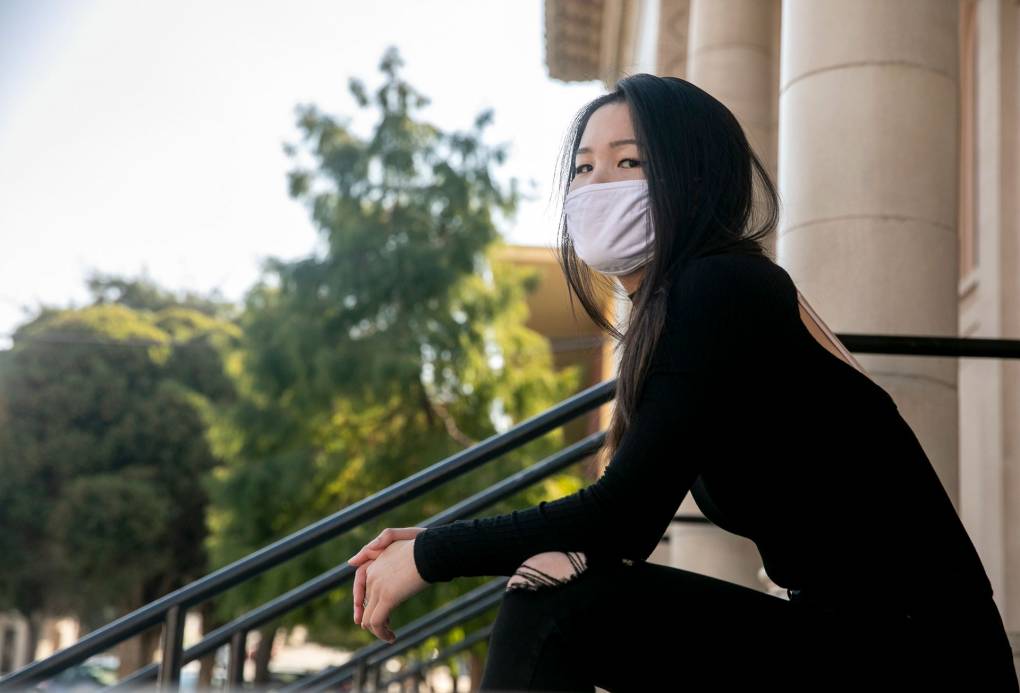
"caption": "Breanne Yee, 19, a third-year student at Cal State Long Beach, sits outside the Sunset District library near her parents’ San Francisco home. Yee says investing in community programs is a better way to fight inequality than affirmative action.",
"description": "Breanne Yee, 19, a third-year student at Cal State Long Beach, sits outside the Sunset District library near her parents’ San Francisco home. Yee says investing in community programs is a better way to fight inequality than affirmative action.",
"title": "BreanneYee_AW_sized",
"credit": "Anne Wernikoff/CALMatters",
"status": "inherit",
"isLoading": false,
"fetchFailed": false
},
"news_11844220": {
"type": "attachments",
"id": "news_11844220",
"meta": {
"index": "attachments_1716263798",
"site": "news",
"id": "11844220",
"found": true
},
"parent": 11843903,
"imgSizes": {
"apple_news_ca_landscape_5_5": {
"file": "https://ww2.kqed.org/app/uploads/sites/10/2020/10/RS45496_neighbors-homes-qut-1044x783.jpg",
"width": 1044,
"mimeType": "image/jpeg",
"height": 783
},
"apple_news_ca_square_4_0": {
"file": "https://ww2.kqed.org/app/uploads/sites/10/2020/10/RS45496_neighbors-homes-qut-470x470.jpg",
"width": 470,
"mimeType": "image/jpeg",
"height": 470
},
"twentyfourteen-full-width": {
"file": "https://ww2.kqed.org/app/uploads/sites/10/2020/10/RS45496_neighbors-homes-qut-1038x576.jpg",
"width": 1038,
"mimeType": "image/jpeg",
"height": 576
},
"thumbnail": {
"file": "https://ww2.kqed.org/app/uploads/sites/10/2020/10/RS45496_neighbors-homes-qut-160x107.jpg",
"width": 160,
"mimeType": "image/jpeg",
"height": 107
},
"post-thumbnail": {
"file": "https://ww2.kqed.org/app/uploads/sites/10/2020/10/RS45496_neighbors-homes-qut-672x372.jpg",
"width": 672,
"mimeType": "image/jpeg",
"height": 372
},
"kqedFullSize": {
"file": "https://ww2.kqed.org/app/uploads/sites/10/2020/10/RS45496_neighbors-homes-qut.jpg",
"width": 1920,
"height": 1280
},
"apple_news_ca_landscape_4_7": {
"file": "https://ww2.kqed.org/app/uploads/sites/10/2020/10/RS45496_neighbors-homes-qut-632x474.jpg",
"width": 632,
"mimeType": "image/jpeg",
"height": 474
},
"large": {
"file": "https://ww2.kqed.org/app/uploads/sites/10/2020/10/RS45496_neighbors-homes-qut-1020x680.jpg",
"width": 1020,
"mimeType": "image/jpeg",
"height": 680
},
"apple_news_ca_landscape_4_0": {
"file": "https://ww2.kqed.org/app/uploads/sites/10/2020/10/RS45496_neighbors-homes-qut-536x402.jpg",
"width": 536,
"mimeType": "image/jpeg",
"height": 402
},
"apple_news_ca_portrait_12_9": {
"file": "https://ww2.kqed.org/app/uploads/sites/10/2020/10/RS45496_neighbors-homes-qut-1122x1280.jpg",
"width": 1122,
"mimeType": "image/jpeg",
"height": 1280
},
"medium": {
"file": "https://ww2.kqed.org/app/uploads/sites/10/2020/10/RS45496_neighbors-homes-qut-800x533.jpg",
"width": 800,
"mimeType": "image/jpeg",
"height": 533
},
"apple_news_ca_portrait_4_0": {
"file": "https://ww2.kqed.org/app/uploads/sites/10/2020/10/RS45496_neighbors-homes-qut-354x472.jpg",
"width": 354,
"mimeType": "image/jpeg",
"height": 472
},
"apple_news_ca_portrait_9_7": {
"file": "https://ww2.kqed.org/app/uploads/sites/10/2020/10/RS45496_neighbors-homes-qut-840x1120.jpg",
"width": 840,
"mimeType": "image/jpeg",
"height": 1120
},
"apple_news_ca_landscape_12_9": {
"file": "https://ww2.kqed.org/app/uploads/sites/10/2020/10/RS45496_neighbors-homes-qut-1832x1280.jpg",
"width": 1832,
"mimeType": "image/jpeg",
"height": 1280
},
"apple_news_ca_square_9_7": {
"file": "https://ww2.kqed.org/app/uploads/sites/10/2020/10/RS45496_neighbors-homes-qut-1104x1104.jpg",
"width": 1104,
"mimeType": "image/jpeg",
"height": 1104
},
"1536x1536": {
"file": "https://ww2.kqed.org/app/uploads/sites/10/2020/10/RS45496_neighbors-homes-qut-1536x1024.jpg",
"width": 1536,
"mimeType": "image/jpeg",
"height": 1024
},
"apple_news_ca_portrait_4_7": {
"file": "https://ww2.kqed.org/app/uploads/sites/10/2020/10/RS45496_neighbors-homes-qut-414x552.jpg",
"width": 414,
"mimeType": "image/jpeg",
"height": 552
},
"apple_news_ca_square_12_9": {
"file": "https://ww2.kqed.org/app/uploads/sites/10/2020/10/RS45496_neighbors-homes-qut-1472x1280.jpg",
"width": 1472,
"mimeType": "image/jpeg",
"height": 1280
},
"apple_news_ca_portrait_5_5": {
"file": "https://ww2.kqed.org/app/uploads/sites/10/2020/10/RS45496_neighbors-homes-qut-687x916.jpg",
"width": 687,
"mimeType": "image/jpeg",
"height": 916
},
"apple_news_ca_square_4_7": {
"file": "https://ww2.kqed.org/app/uploads/sites/10/2020/10/RS45496_neighbors-homes-qut-550x550.jpg",
"width": 550,
"mimeType": "image/jpeg",
"height": 550
},
"apple_news_ca_landscape_9_7": {
"file": "https://ww2.kqed.org/app/uploads/sites/10/2020/10/RS45496_neighbors-homes-qut-1376x1032.jpg",
"width": 1376,
"mimeType": "image/jpeg",
"height": 1032
},
"apple_news_ca_square_5_5": {
"file": "https://ww2.kqed.org/app/uploads/sites/10/2020/10/RS45496_neighbors-homes-qut-912x912.jpg",
"width": 912,
"mimeType": "image/jpeg",
"height": 912
}
},
"publishDate": 1603934083,
"modified": 1664548412,
"caption": null,
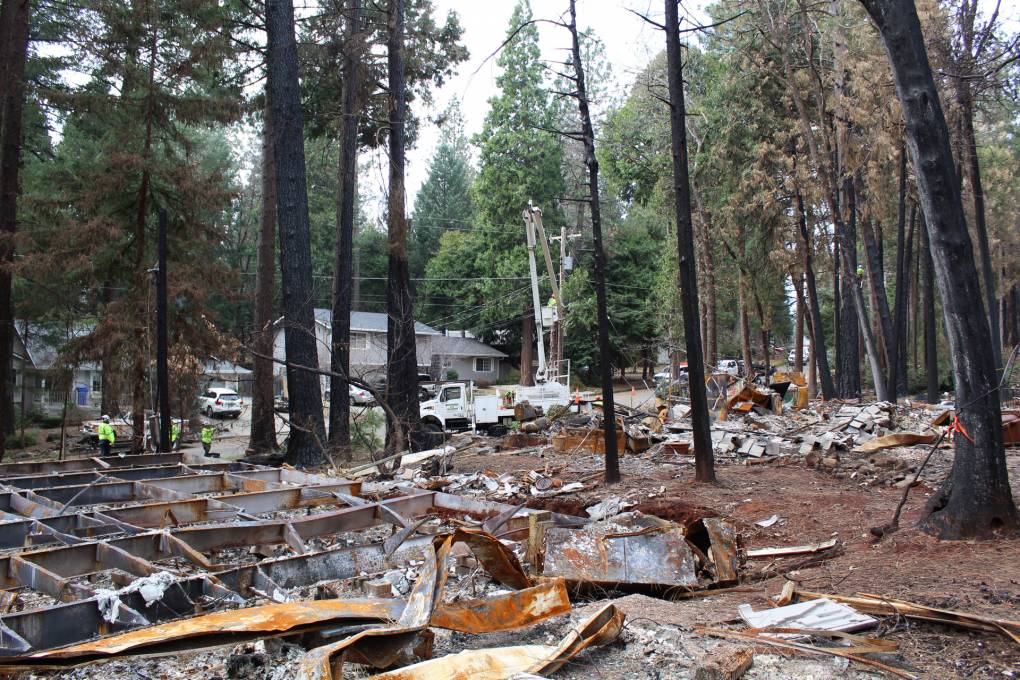
"description": "Kathi Hiatt's neighborhood in Magalia, after the devastating 2018 Camp Fire.",
"title": "RS45496_neighbors homes-qut",
"credit": "Courtesy of Kathi Hiatt",
"status": "inherit",
"altTag": "A low-angeled shot of destroyed homes",
"isLoading": false,
"fetchFailed": false
},
"news_11844000": {
"type": "attachments",
"id": "news_11844000",
"meta": {
"index": "attachments_1716263798",
"site": "news",
"id": "11844000",
"found": true
},
"title": "CBPAgent",
"publishDate": 1603844148,
"status": "inherit",
"parent": 11843880,
"modified": 1760641559,
"caption": "Central American asylum seekers wait as U.S. Border Patrol agents take them into custody in 2018 near McAllen, Texas. The families were then sent to a U.S. Customs and Border Protection (CBP) processing center for possible separation as part of the Trump administration's \"zero tolerance\" policy toward undocumented immigrants.",
"credit": "John Moore/Getty Images",
"altTag": "CBP agent detains migrants",
"description": "Central American asylum seekers wait as U.S. Border Patrol agents take them into custody in 2018 near McAllen, Texas. The families were then sent to a U.S. Customs and Border Protection (CBP) processing center for possible separation as part of the Trump administration's \"zero tolerance\" policy towards undocumented immigrants.",
"imgSizes": {
"medium": {
"file": "https://cdn.kqed.org/wp-content/uploads/sites/10/2020/10/CBPAgent-800x533.jpg",
"width": 800,
"height": 533,
"mimeType": "image/jpeg"
},
"large": {
"file": "https://cdn.kqed.org/wp-content/uploads/sites/10/2020/10/CBPAgent-1020x680.jpg",
"width": 1020,
"height": 680,
"mimeType": "image/jpeg"
},
"thumbnail": {
"file": "https://cdn.kqed.org/wp-content/uploads/sites/10/2020/10/CBPAgent-160x107.jpg",
"width": 160,
"height": 107,
"mimeType": "image/jpeg"
},
"1536x1536": {
"file": "https://cdn.kqed.org/wp-content/uploads/sites/10/2020/10/CBPAgent-1536x1024.jpg",
"width": 1536,
"height": 1024,
"mimeType": "image/jpeg"
},
"post-thumbnail": {
"file": "https://cdn.kqed.org/wp-content/uploads/sites/10/2020/10/CBPAgent-672x372.jpg",
"width": 672,
"height": 372,
"mimeType": "image/jpeg"
},
"twentyfourteen-full-width": {
"file": "https://cdn.kqed.org/wp-content/uploads/sites/10/2020/10/CBPAgent-1038x576.jpg",
"width": 1038,
"height": 576,
"mimeType": "image/jpeg"
},
"apple_news_ca_landscape_12_9": {
"file": "https://cdn.kqed.org/wp-content/uploads/sites/10/2020/10/CBPAgent-1832x1280.jpg",
"width": 1832,
"height": 1280,
"mimeType": "image/jpeg"
},
"apple_news_ca_landscape_9_7": {
"file": "https://cdn.kqed.org/wp-content/uploads/sites/10/2020/10/CBPAgent-1376x1032.jpg",
"width": 1376,
"height": 1032,
"mimeType": "image/jpeg"
},
"apple_news_ca_landscape_5_5": {
"file": "https://cdn.kqed.org/wp-content/uploads/sites/10/2020/10/CBPAgent-1044x783.jpg",
"width": 1044,
"height": 783,
"mimeType": "image/jpeg"
},
"apple_news_ca_landscape_4_7": {
"file": "https://cdn.kqed.org/wp-content/uploads/sites/10/2020/10/CBPAgent-632x474.jpg",
"width": 632,
"height": 474,
"mimeType": "image/jpeg"
},
"apple_news_ca_landscape_4_0": {
"file": "https://cdn.kqed.org/wp-content/uploads/sites/10/2020/10/CBPAgent-536x402.jpg",
"width": 536,
"height": 402,
"mimeType": "image/jpeg"
},
"apple_news_ca_portrait_12_9": {
"file": "https://cdn.kqed.org/wp-content/uploads/sites/10/2020/10/CBPAgent-1122x1280.jpg",
"width": 1122,
"height": 1280,
"mimeType": "image/jpeg"
},
"apple_news_ca_portrait_9_7": {
"file": "https://cdn.kqed.org/wp-content/uploads/sites/10/2020/10/CBPAgent-840x1120.jpg",
"width": 840,
"height": 1120,
"mimeType": "image/jpeg"
},
"apple_news_ca_portrait_5_5": {
"file": "https://cdn.kqed.org/wp-content/uploads/sites/10/2020/10/CBPAgent-687x916.jpg",
"width": 687,
"height": 916,
"mimeType": "image/jpeg"
},
"apple_news_ca_portrait_4_7": {
"file": "https://cdn.kqed.org/wp-content/uploads/sites/10/2020/10/CBPAgent-414x552.jpg",
"width": 414,
"height": 552,
"mimeType": "image/jpeg"
},
"apple_news_ca_portrait_4_0": {
"file": "https://cdn.kqed.org/wp-content/uploads/sites/10/2020/10/CBPAgent-354x472.jpg",
"width": 354,
"height": 472,
"mimeType": "image/jpeg"
},
"apple_news_ca_square_12_9": {
"file": "https://cdn.kqed.org/wp-content/uploads/sites/10/2020/10/CBPAgent-1472x1280.jpg",
"width": 1472,
"height": 1280,
"mimeType": "image/jpeg"
},
"apple_news_ca_square_9_7": {
"file": "https://cdn.kqed.org/wp-content/uploads/sites/10/2020/10/CBPAgent-1104x1104.jpg",
"width": 1104,
"height": 1104,
"mimeType": "image/jpeg"
},
"apple_news_ca_square_5_5": {
"file": "https://cdn.kqed.org/wp-content/uploads/sites/10/2020/10/CBPAgent-912x912.jpg",
"width": 912,
"height": 912,
"mimeType": "image/jpeg"
},
"apple_news_ca_square_4_7": {
"file": "https://cdn.kqed.org/wp-content/uploads/sites/10/2020/10/CBPAgent-550x550.jpg",
"width": 550,
"height": 550,
"mimeType": "image/jpeg"
},
"apple_news_ca_square_4_0": {
"file": "https://cdn.kqed.org/wp-content/uploads/sites/10/2020/10/CBPAgent-470x470.jpg",
"width": 470,
"height": 470,
"mimeType": "image/jpeg"
},
"kqedFullSize": {
"file": "https://cdn.kqed.org/wp-content/uploads/sites/10/2020/10/CBPAgent.jpg",
"width": 1920,
"height": 1280
}
},
"isLoading": false,
"fetchFailed": false
},
"news_11843891": {
"type": "attachments",
"id": "news_11843891",
"meta": {
"index": "attachments_1716263798",
"site": "news",
"id": "11843891",
"found": true
},
"parent": 11843884,
"imgSizes": {
"apple_news_ca_square_4_0": {
"file": "https://ww2.kqed.org/app/uploads/sites/10/2020/10/RS44501_025_KQED_Vacaville_LNULightningComplexFire_08192020-sfi-470x360.jpg",
"width": 470,
"mimeType": "image/jpeg",
"height": 360
},
"thumbnail": {
"file": "https://ww2.kqed.org/app/uploads/sites/10/2020/10/RS44501_025_KQED_Vacaville_LNULightningComplexFire_08192020-sfi-160x107.jpg",
"width": 160,
"mimeType": "image/jpeg",
"height": 107
},
"kqedFullSize": {
"file": "https://ww2.kqed.org/app/uploads/sites/10/2020/10/RS44501_025_KQED_Vacaville_LNULightningComplexFire_08192020-sfi.jpg",
"width": 540,
"height": 360
},
"apple_news_ca_portrait_4_7": {
"file": "https://ww2.kqed.org/app/uploads/sites/10/2020/10/RS44501_025_KQED_Vacaville_LNULightningComplexFire_08192020-sfi-414x360.jpg",
"width": 414,
"mimeType": "image/jpeg",
"height": 360
},
"apple_news_ca_landscape_4_0": {
"file": "https://ww2.kqed.org/app/uploads/sites/10/2020/10/RS44501_025_KQED_Vacaville_LNULightningComplexFire_08192020-sfi-536x360.jpg",
"width": 536,
"mimeType": "image/jpeg",
"height": 360
},
"apple_news_ca_portrait_4_0": {
"file": "https://ww2.kqed.org/app/uploads/sites/10/2020/10/RS44501_025_KQED_Vacaville_LNULightningComplexFire_08192020-sfi-354x360.jpg",
"width": 354,
"mimeType": "image/jpeg",
"height": 360
}
},
"publishDate": 1603823789,
"modified": 1603825799,
"caption": "Bomberos combaten un incendio en Pleasants Valley Road cerca de Vacaville el Aug. 19, 2020.",
"description": null,
"title": "RS44501_025_KQED_Vacaville_LNULightningComplexFire_08192020-sfi",
"credit": "Beth LaBerge/KQED",
"status": "inherit",
"isLoading": false,
"fetchFailed": false
},
"news_11843805": {
"type": "attachments",
"id": "news_11843805",
"meta": {
"index": "attachments_1716263798",
"site": "news",
"id": "11843805",
"found": true
},
"parent": 11843447,
"imgSizes": {
"apple_news_ca_landscape_5_5": {
"file": "https://ww2.kqed.org/app/uploads/sites/10/2020/10/RS15590_BUDGET_46-qut-1044x783.jpg",
"width": 1044,
"mimeType": "image/jpeg",
"height": 783
},
"apple_news_ca_square_4_0": {
"file": "https://ww2.kqed.org/app/uploads/sites/10/2020/10/RS15590_BUDGET_46-qut-470x470.jpg",
"width": 470,
"mimeType": "image/jpeg",
"height": 470
},
"twentyfourteen-full-width": {
"file": "https://ww2.kqed.org/app/uploads/sites/10/2020/10/RS15590_BUDGET_46-qut-1038x576.jpg",
"width": 1038,
"mimeType": "image/jpeg",
"height": 576
},
"thumbnail": {
"file": "https://ww2.kqed.org/app/uploads/sites/10/2020/10/RS15590_BUDGET_46-qut-160x107.jpg",
"width": 160,
"mimeType": "image/jpeg",
"height": 107
},
"post-thumbnail": {
"file": "https://ww2.kqed.org/app/uploads/sites/10/2020/10/RS15590_BUDGET_46-qut-672x372.jpg",
"width": 672,
"mimeType": "image/jpeg",
"height": 372
},
"kqedFullSize": {
"file": "https://ww2.kqed.org/app/uploads/sites/10/2020/10/RS15590_BUDGET_46-qut.jpg",
"width": 1920,
"height": 1280
},
"apple_news_ca_landscape_4_7": {
"file": "https://ww2.kqed.org/app/uploads/sites/10/2020/10/RS15590_BUDGET_46-qut-632x474.jpg",
"width": 632,
"mimeType": "image/jpeg",
"height": 474
},
"large": {
"file": "https://ww2.kqed.org/app/uploads/sites/10/2020/10/RS15590_BUDGET_46-qut-1020x680.jpg",
"width": 1020,
"mimeType": "image/jpeg",
"height": 680
},
"apple_news_ca_landscape_4_0": {
"file": "https://ww2.kqed.org/app/uploads/sites/10/2020/10/RS15590_BUDGET_46-qut-536x402.jpg",
"width": 536,
"mimeType": "image/jpeg",
"height": 402
},
"apple_news_ca_portrait_12_9": {
"file": "https://ww2.kqed.org/app/uploads/sites/10/2020/10/RS15590_BUDGET_46-qut-1122x1280.jpg",
"width": 1122,
"mimeType": "image/jpeg",
"height": 1280
},
"medium": {
"file": "https://ww2.kqed.org/app/uploads/sites/10/2020/10/RS15590_BUDGET_46-qut-800x533.jpg",
"width": 800,
"mimeType": "image/jpeg",
"height": 533
},
"apple_news_ca_portrait_4_0": {
"file": "https://ww2.kqed.org/app/uploads/sites/10/2020/10/RS15590_BUDGET_46-qut-354x472.jpg",
"width": 354,
"mimeType": "image/jpeg",
"height": 472
},
"apple_news_ca_portrait_9_7": {
"file": "https://ww2.kqed.org/app/uploads/sites/10/2020/10/RS15590_BUDGET_46-qut-840x1120.jpg",
"width": 840,
"mimeType": "image/jpeg",
"height": 1120
},
"apple_news_ca_landscape_12_9": {
"file": "https://ww2.kqed.org/app/uploads/sites/10/2020/10/RS15590_BUDGET_46-qut-1832x1280.jpg",
"width": 1832,
"mimeType": "image/jpeg",
"height": 1280
},
"apple_news_ca_square_9_7": {
"file": "https://ww2.kqed.org/app/uploads/sites/10/2020/10/RS15590_BUDGET_46-qut-1104x1104.jpg",
"width": 1104,
"mimeType": "image/jpeg",
"height": 1104
},
"1536x1536": {
"file": "https://ww2.kqed.org/app/uploads/sites/10/2020/10/RS15590_BUDGET_46-qut-1536x1024.jpg",
"width": 1536,
"mimeType": "image/jpeg",
"height": 1024
},
"apple_news_ca_portrait_4_7": {
"file": "https://ww2.kqed.org/app/uploads/sites/10/2020/10/RS15590_BUDGET_46-qut-414x552.jpg",
"width": 414,
"mimeType": "image/jpeg",
"height": 552
},
"apple_news_ca_square_12_9": {
"file": "https://ww2.kqed.org/app/uploads/sites/10/2020/10/RS15590_BUDGET_46-qut-1472x1280.jpg",
"width": 1472,
"mimeType": "image/jpeg",
"height": 1280
},
"apple_news_ca_portrait_5_5": {
"file": "https://ww2.kqed.org/app/uploads/sites/10/2020/10/RS15590_BUDGET_46-qut-687x916.jpg",
"width": 687,
"mimeType": "image/jpeg",
"height": 916
},
"apple_news_ca_square_4_7": {
"file": "https://ww2.kqed.org/app/uploads/sites/10/2020/10/RS15590_BUDGET_46-qut-550x550.jpg",
"width": 550,
"mimeType": "image/jpeg",
"height": 550
},
"apple_news_ca_landscape_9_7": {
"file": "https://ww2.kqed.org/app/uploads/sites/10/2020/10/RS15590_BUDGET_46-qut-1376x1032.jpg",
"width": 1376,
"mimeType": "image/jpeg",
"height": 1032
},
"apple_news_ca_square_5_5": {
"file": "https://ww2.kqed.org/app/uploads/sites/10/2020/10/RS15590_BUDGET_46-qut-912x912.jpg",
"width": 912,
"mimeType": "image/jpeg",
"height": 912
}
},
"publishDate": 1603745732,
"modified": 1603745811,
"caption": "Senator Scott Wilk (R-Santa Clarita), then an Assemblyman, speaks during debate over the state budget at the Capitol in Sacramento on June 15, 2015.",
"description": null,
"title": "RS15590_BUDGET_46-qut",
"credit": "Max Whittaker/KQED",
"status": "inherit",
"isLoading": false,
"fetchFailed": false
},
"news_11843813": {
"type": "attachments",
"id": "news_11843813",
"meta": {
"index": "attachments_1716263798",
"site": "news",
"id": "11843813",
"found": true
},
"parent": 11843123,
"imgSizes": {
"apple_news_ca_landscape_5_5": {
"file": "https://ww2.kqed.org/app/uploads/sites/10/2020/10/uber-lyft-protest-sign-1044x783.jpg",
"width": 1044,
"mimeType": "image/jpeg",
"height": 783
},
"apple_news_ca_square_4_0": {
"file": "https://ww2.kqed.org/app/uploads/sites/10/2020/10/uber-lyft-protest-sign-470x470.jpg",
"width": 470,
"mimeType": "image/jpeg",
"height": 470
},
"twentyfourteen-full-width": {
"file": "https://ww2.kqed.org/app/uploads/sites/10/2020/10/uber-lyft-protest-sign-1038x576.jpg",
"width": 1038,
"mimeType": "image/jpeg",
"height": 576
},
"thumbnail": {
"file": "https://ww2.kqed.org/app/uploads/sites/10/2020/10/uber-lyft-protest-sign-160x111.jpg",
"width": 160,
"mimeType": "image/jpeg",
"height": 111
},
"post-thumbnail": {
"file": "https://ww2.kqed.org/app/uploads/sites/10/2020/10/uber-lyft-protest-sign-672x372.jpg",
"width": 672,
"mimeType": "image/jpeg",
"height": 372
},
"kqedFullSize": {
"file": "https://ww2.kqed.org/app/uploads/sites/10/2020/10/uber-lyft-protest-sign.jpg",
"width": 1920,
"height": 1330
},
"apple_news_ca_landscape_4_7": {
"file": "https://ww2.kqed.org/app/uploads/sites/10/2020/10/uber-lyft-protest-sign-632x474.jpg",
"width": 632,
"mimeType": "image/jpeg",
"height": 474
},
"large": {
"file": "https://ww2.kqed.org/app/uploads/sites/10/2020/10/uber-lyft-protest-sign-1020x707.jpg",
"width": 1020,
"mimeType": "image/jpeg",
"height": 707
},
"apple_news_ca_landscape_4_0": {
"file": "https://ww2.kqed.org/app/uploads/sites/10/2020/10/uber-lyft-protest-sign-536x402.jpg",
"width": 536,
"mimeType": "image/jpeg",
"height": 402
},
"apple_news_ca_portrait_12_9": {
"file": "https://ww2.kqed.org/app/uploads/sites/10/2020/10/uber-lyft-protest-sign-1122x1330.jpg",
"width": 1122,
"mimeType": "image/jpeg",
"height": 1330
},
"medium": {
"file": "https://ww2.kqed.org/app/uploads/sites/10/2020/10/uber-lyft-protest-sign-800x554.jpg",
"width": 800,
"mimeType": "image/jpeg",
"height": 554
},
"apple_news_ca_portrait_4_0": {
"file": "https://ww2.kqed.org/app/uploads/sites/10/2020/10/uber-lyft-protest-sign-354x472.jpg",
"width": 354,
"mimeType": "image/jpeg",
"height": 472
},
"apple_news_ca_portrait_9_7": {
"file": "https://ww2.kqed.org/app/uploads/sites/10/2020/10/uber-lyft-protest-sign-840x1120.jpg",
"width": 840,
"mimeType": "image/jpeg",
"height": 1120
},
"apple_news_ca_landscape_12_9": {
"file": "https://ww2.kqed.org/app/uploads/sites/10/2020/10/uber-lyft-protest-sign-1832x1330.jpg",
"width": 1832,
"mimeType": "image/jpeg",
"height": 1330
},
"apple_news_ca_square_9_7": {
"file": "https://ww2.kqed.org/app/uploads/sites/10/2020/10/uber-lyft-protest-sign-1104x1104.jpg",
"width": 1104,
"mimeType": "image/jpeg",
"height": 1104
},
"1536x1536": {
"file": "https://ww2.kqed.org/app/uploads/sites/10/2020/10/uber-lyft-protest-sign-1536x1064.jpg",
"width": 1536,
"mimeType": "image/jpeg",
"height": 1064
},
"apple_news_ca_portrait_4_7": {
"file": "https://ww2.kqed.org/app/uploads/sites/10/2020/10/uber-lyft-protest-sign-414x552.jpg",
"width": 414,
"mimeType": "image/jpeg",
"height": 552
},
"apple_news_ca_square_12_9": {
"file": "https://ww2.kqed.org/app/uploads/sites/10/2020/10/uber-lyft-protest-sign-1472x1330.jpg",
"width": 1472,
"mimeType": "image/jpeg",
"height": 1330
},
"apple_news_ca_portrait_5_5": {
"file": "https://ww2.kqed.org/app/uploads/sites/10/2020/10/uber-lyft-protest-sign-687x916.jpg",
"width": 687,
"mimeType": "image/jpeg",
"height": 916
},
"apple_news_ca_square_4_7": {
"file": "https://ww2.kqed.org/app/uploads/sites/10/2020/10/uber-lyft-protest-sign-550x550.jpg",
"width": 550,
"mimeType": "image/jpeg",
"height": 550
},
"apple_news_ca_landscape_9_7": {
"file": "https://ww2.kqed.org/app/uploads/sites/10/2020/10/uber-lyft-protest-sign-1376x1032.jpg",
"width": 1376,
"mimeType": "image/jpeg",
"height": 1032
},
"apple_news_ca_square_5_5": {
"file": "https://ww2.kqed.org/app/uploads/sites/10/2020/10/uber-lyft-protest-sign-912x912.jpg",
"width": 912,
"mimeType": "image/jpeg",
"height": 912
}
},
"publishDate": 1603753946,
"modified": 1678823724,
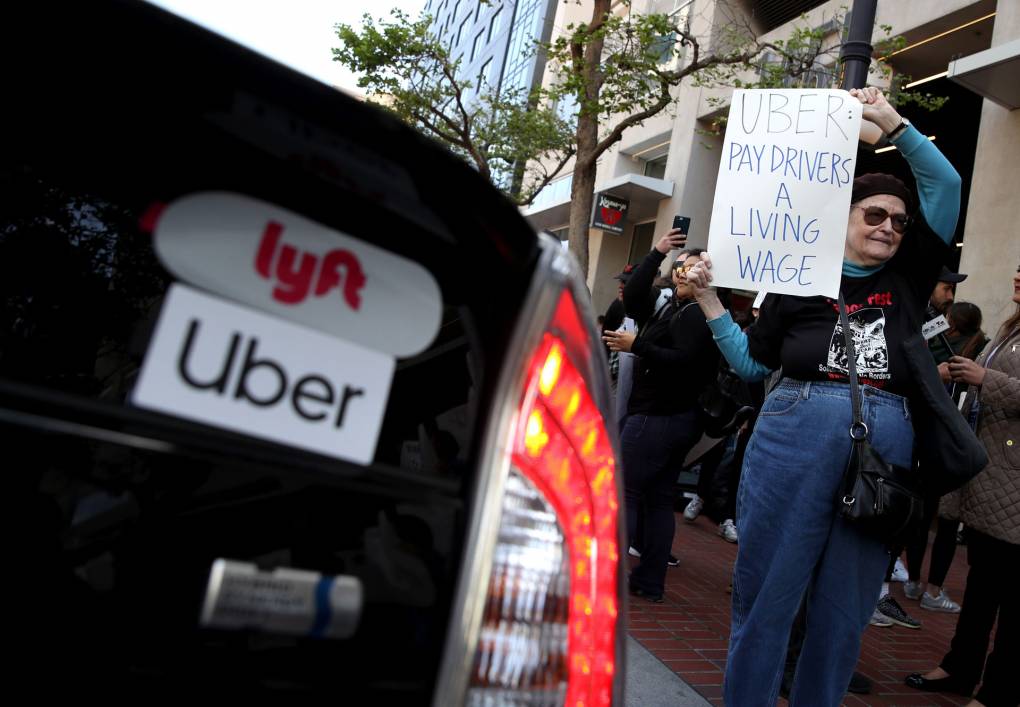
"caption": "A supporter of ride-hail drivers holds a sign during a protest in front of Uber headquarters in May 2019. Prop. 22, backed by huge amounts of cash from gig companies, would create a new class of worker in California.",
"description": "A supporter of ride-hail drivers holds a sign during a protest in front of Uber headquarters in May, 2019. Prop. 22, backed by huge amounts of cash from gig companies, would create a new class of worker in California.",
"title": "uber-lyft-protest-sign",
"credit": "Justin Sullivan/Getty Images",
"status": "inherit",
"altTag": "Protesters stand on a sidewalk in front of an office, and next to a car with Lyft and Uber stickers on the back. A woman holds a sign that says: Uber: 'Pay Drivers a Living Wage.'",
"isLoading": false,
"fetchFailed": false
},
"news_11843704": {
"type": "attachments",
"id": "news_11843704",
"meta": {
"index": "attachments_1716263798",
"site": "news",
"id": "11843704",
"found": true
},
"parent": 11843691,
"imgSizes": {
"apple_news_ca_landscape_5_5": {
"file": "https://ww2.kqed.org/app/uploads/sites/10/2020/10/GettyImages-1227939563-1044x783.jpg",
"width": 1044,
"mimeType": "image/jpeg",
"height": 783
},
"apple_news_ca_square_4_0": {
"file": "https://ww2.kqed.org/app/uploads/sites/10/2020/10/GettyImages-1227939563-470x470.jpg",
"width": 470,
"mimeType": "image/jpeg",
"height": 470
},
"twentyfourteen-full-width": {
"file": "https://ww2.kqed.org/app/uploads/sites/10/2020/10/GettyImages-1227939563-1038x576.jpg",
"width": 1038,
"mimeType": "image/jpeg",
"height": 576
},
"thumbnail": {
"file": "https://ww2.kqed.org/app/uploads/sites/10/2020/10/GettyImages-1227939563-160x107.jpg",
"width": 160,
"mimeType": "image/jpeg",
"height": 107
},
"post-thumbnail": {
"file": "https://ww2.kqed.org/app/uploads/sites/10/2020/10/GettyImages-1227939563-672x372.jpg",
"width": 672,
"mimeType": "image/jpeg",
"height": 372
},
"kqedFullSize": {
"file": "https://ww2.kqed.org/app/uploads/sites/10/2020/10/GettyImages-1227939563-scaled.jpg",
"width": 2560,
"height": 1707
},
"2048x2048": {
"file": "https://ww2.kqed.org/app/uploads/sites/10/2020/10/GettyImages-1227939563-2048x1365.jpg",
"width": 2048,
"mimeType": "image/jpeg",
"height": 1365
},
"apple_news_ca_landscape_4_7": {
"file": "https://ww2.kqed.org/app/uploads/sites/10/2020/10/GettyImages-1227939563-632x474.jpg",
"width": 632,
"mimeType": "image/jpeg",
"height": 474
},
"large": {
"file": "https://ww2.kqed.org/app/uploads/sites/10/2020/10/GettyImages-1227939563-1020x680.jpg",
"width": 1020,
"mimeType": "image/jpeg",
"height": 680
},
"apple_news_ca_landscape_4_0": {
"file": "https://ww2.kqed.org/app/uploads/sites/10/2020/10/GettyImages-1227939563-536x402.jpg",
"width": 536,
"mimeType": "image/jpeg",
"height": 402
},
"apple_news_ca_portrait_12_9": {
"file": "https://ww2.kqed.org/app/uploads/sites/10/2020/10/GettyImages-1227939563-1122x1496.jpg",
"width": 1122,
"mimeType": "image/jpeg",
"height": 1496
},
"medium": {
"file": "https://ww2.kqed.org/app/uploads/sites/10/2020/10/GettyImages-1227939563-800x533.jpg",
"width": 800,
"mimeType": "image/jpeg",
"height": 533
},
"apple_news_ca_portrait_4_0": {
"file": "https://ww2.kqed.org/app/uploads/sites/10/2020/10/GettyImages-1227939563-354x472.jpg",
"width": 354,
"mimeType": "image/jpeg",
"height": 472
},
"apple_news_ca_portrait_9_7": {
"file": "https://ww2.kqed.org/app/uploads/sites/10/2020/10/GettyImages-1227939563-840x1120.jpg",
"width": 840,
"mimeType": "image/jpeg",
"height": 1120
},
"apple_news_ca_landscape_12_9": {
"file": "https://ww2.kqed.org/app/uploads/sites/10/2020/10/GettyImages-1227939563-1832x1374.jpg",
"width": 1832,
"mimeType": "image/jpeg",
"height": 1374
},
"apple_news_ca_square_9_7": {
"file": "https://ww2.kqed.org/app/uploads/sites/10/2020/10/GettyImages-1227939563-1104x1104.jpg",
"width": 1104,
"mimeType": "image/jpeg",
"height": 1104
},
"1536x1536": {
"file": "https://ww2.kqed.org/app/uploads/sites/10/2020/10/GettyImages-1227939563-1536x1024.jpg",
"width": 1536,
"mimeType": "image/jpeg",
"height": 1024
},
"apple_news_ca_portrait_4_7": {
"file": "https://ww2.kqed.org/app/uploads/sites/10/2020/10/GettyImages-1227939563-414x552.jpg",
"width": 414,
"mimeType": "image/jpeg",
"height": 552
},
"apple_news_ca_square_12_9": {
"file": "https://ww2.kqed.org/app/uploads/sites/10/2020/10/GettyImages-1227939563-1472x1472.jpg",
"width": 1472,
"mimeType": "image/jpeg",
"height": 1472
},
"apple_news_ca_portrait_5_5": {
"file": "https://ww2.kqed.org/app/uploads/sites/10/2020/10/GettyImages-1227939563-687x916.jpg",
"width": 687,
"mimeType": "image/jpeg",
"height": 916
},
"full-width": {
"file": "https://ww2.kqed.org/app/uploads/sites/10/2020/10/GettyImages-1227939563-1920x1280.jpg",
"width": 1920,
"mimeType": "image/jpeg",
"height": 1280
},
"apple_news_ca_square_4_7": {
"file": "https://ww2.kqed.org/app/uploads/sites/10/2020/10/GettyImages-1227939563-550x550.jpg",
"width": 550,
"mimeType": "image/jpeg",
"height": 550
},
"apple_news_ca_landscape_9_7": {
"file": "https://ww2.kqed.org/app/uploads/sites/10/2020/10/GettyImages-1227939563-1376x1032.jpg",
"width": 1376,
"mimeType": "image/jpeg",
"height": 1032
},
"apple_news_ca_square_5_5": {
"file": "https://ww2.kqed.org/app/uploads/sites/10/2020/10/GettyImages-1227939563-912x912.jpg",
"width": 912,
"mimeType": "image/jpeg",
"height": 912
}
},
"publishDate": 1603690120,
"modified": 1603690352,
"caption": "A ride-hailing vehicle is seen during an August demonstration in Los Angeles against Proposition 22, a measure that would exempt Uber and Lyft and other gig companies from treating workers as employees rather than independent contractors. ",
"description": null,
"title": "Uber-Lyft Ride-Hailing",
"credit": "Robyn Beck/AFP-Getty Images",
"status": "inherit",
"isLoading": false,
"fetchFailed": false
},
"news_11843301": {
"type": "attachments",
"id": "news_11843301",
"meta": {
"index": "attachments_1716263798",
"site": "news",
"id": "11843301",
"found": true
},
"parent": 11843263,
"imgSizes": {
"apple_news_ca_square_4_0": {
"file": "https://ww2.kqed.org/app/uploads/sites/10/2020/10/GettyImages-1229172657-470x470.jpg",
"width": 470,
"mimeType": "image/jpeg",
"height": 470
},
"twentyfourteen-full-width": {
"file": "https://ww2.kqed.org/app/uploads/sites/10/2020/10/GettyImages-1229172657-1024x576.jpg",
"width": 1024,
"mimeType": "image/jpeg",
"height": 576
},
"thumbnail": {
"file": "https://ww2.kqed.org/app/uploads/sites/10/2020/10/GettyImages-1229172657-160x98.jpg",
"width": 160,
"mimeType": "image/jpeg",
"height": 98
},
"post-thumbnail": {
"file": "https://ww2.kqed.org/app/uploads/sites/10/2020/10/GettyImages-1229172657-672x372.jpg",
"width": 672,
"mimeType": "image/jpeg",
"height": 372
},
"kqedFullSize": {
"file": "https://ww2.kqed.org/app/uploads/sites/10/2020/10/GettyImages-1229172657.jpg",
"width": 1024,
"height": 624
},
"apple_news_ca_landscape_4_7": {
"file": "https://ww2.kqed.org/app/uploads/sites/10/2020/10/GettyImages-1229172657-632x474.jpg",
"width": 632,
"mimeType": "image/jpeg",
"height": 474
},
"large": {
"file": "https://ww2.kqed.org/app/uploads/sites/10/2020/10/GettyImages-1229172657-1020x622.jpg",
"width": 1020,
"mimeType": "image/jpeg",
"height": 622
},
"apple_news_ca_landscape_4_0": {
"file": "https://ww2.kqed.org/app/uploads/sites/10/2020/10/GettyImages-1229172657-536x402.jpg",
"width": 536,
"mimeType": "image/jpeg",
"height": 402
},
"medium": {
"file": "https://ww2.kqed.org/app/uploads/sites/10/2020/10/GettyImages-1229172657-800x488.jpg",
"width": 800,
"mimeType": "image/jpeg",
"height": 488
},
"apple_news_ca_portrait_4_0": {
"file": "https://ww2.kqed.org/app/uploads/sites/10/2020/10/GettyImages-1229172657-354x472.jpg",
"width": 354,
"mimeType": "image/jpeg",
"height": 472
},
"apple_news_ca_portrait_9_7": {
"file": "https://ww2.kqed.org/app/uploads/sites/10/2020/10/GettyImages-1229172657-840x624.jpg",
"width": 840,
"mimeType": "image/jpeg",
"height": 624
},
"apple_news_ca_portrait_4_7": {
"file": "https://ww2.kqed.org/app/uploads/sites/10/2020/10/GettyImages-1229172657-414x552.jpg",
"width": 414,
"mimeType": "image/jpeg",
"height": 552
},
"apple_news_ca_portrait_5_5": {
"file": "https://ww2.kqed.org/app/uploads/sites/10/2020/10/GettyImages-1229172657-687x624.jpg",
"width": 687,
"mimeType": "image/jpeg",
"height": 624
},
"apple_news_ca_square_4_7": {
"file": "https://ww2.kqed.org/app/uploads/sites/10/2020/10/GettyImages-1229172657-550x550.jpg",
"width": 550,
"mimeType": "image/jpeg",
"height": 550
},
"apple_news_ca_square_5_5": {
"file": "https://ww2.kqed.org/app/uploads/sites/10/2020/10/GettyImages-1229172657-912x624.jpg",
"width": 912,
"mimeType": "image/jpeg",
"height": 624
}
},
"publishDate": 1603394993,
"modified": 1603395111,
"caption": "A voter slides her ballot for the 2020 presidential election into an official ballot drop box at the Los Angeles County Registrar in Norwalk, California on Oct. 19, 2020.",
"description": null,
"title": "US-VOTE-CALIFORNIA",
"credit": "Frederic J. BROWN/AFP via Getty Images",
"status": "inherit",
"isLoading": false,
"fetchFailed": false
},
"news_11843155": {
"type": "attachments",
"id": "news_11843155",
"meta": {
"index": "attachments_1716263798",
"site": "news",
"id": "11843155",
"found": true
},
"parent": 11843152,
"imgSizes": {
"apple_news_ca_square_4_0": {
"file": "https://ww2.kqed.org/app/uploads/sites/10/2020/10/Wallace-Chuck-Pexels-1020x687-1-470x470.png",
"width": 470,
"mimeType": "image/png",
"height": 470
},
"twentyfourteen-full-width": {
"file": "https://ww2.kqed.org/app/uploads/sites/10/2020/10/Wallace-Chuck-Pexels-1020x687-1-1020x576.png",
"width": 1020,
"mimeType": "image/png",
"height": 576
},
"thumbnail": {
"file": "https://ww2.kqed.org/app/uploads/sites/10/2020/10/Wallace-Chuck-Pexels-1020x687-1-160x108.png",
"width": 160,
"mimeType": "image/png",
"height": 108
},
"post-thumbnail": {
"file": "https://ww2.kqed.org/app/uploads/sites/10/2020/10/Wallace-Chuck-Pexels-1020x687-1-672x372.png",
"width": 672,
"mimeType": "image/png",
"height": 372
},
"kqedFullSize": {
"file": "https://ww2.kqed.org/app/uploads/sites/10/2020/10/Wallace-Chuck-Pexels-1020x687-1.png",
"width": 1020,
"height": 687
},
"apple_news_ca_landscape_4_7": {
"file": "https://ww2.kqed.org/app/uploads/sites/10/2020/10/Wallace-Chuck-Pexels-1020x687-1-632x474.png",
"width": 632,
"mimeType": "image/png",
"height": 474
},
"apple_news_ca_landscape_4_0": {
"file": "https://ww2.kqed.org/app/uploads/sites/10/2020/10/Wallace-Chuck-Pexels-1020x687-1-536x402.png",
"width": 536,
"mimeType": "image/png",
"height": 402
},
"medium": {
"file": "https://ww2.kqed.org/app/uploads/sites/10/2020/10/Wallace-Chuck-Pexels-1020x687-1-800x539.png",
"width": 800,
"mimeType": "image/png",
"height": 539
},
"apple_news_ca_portrait_4_0": {
"file": "https://ww2.kqed.org/app/uploads/sites/10/2020/10/Wallace-Chuck-Pexels-1020x687-1-354x472.png",
"width": 354,
"mimeType": "image/png",
"height": 472
},
"apple_news_ca_portrait_9_7": {
"file": "https://ww2.kqed.org/app/uploads/sites/10/2020/10/Wallace-Chuck-Pexels-1020x687-1-840x687.png",
"width": 840,
"mimeType": "image/png",
"height": 687
},
"apple_news_ca_portrait_4_7": {
"file": "https://ww2.kqed.org/app/uploads/sites/10/2020/10/Wallace-Chuck-Pexels-1020x687-1-414x552.png",
"width": 414,
"mimeType": "image/png",
"height": 552
},
"apple_news_ca_portrait_5_5": {
"file": "https://ww2.kqed.org/app/uploads/sites/10/2020/10/Wallace-Chuck-Pexels-1020x687-1-687x687.png",
"width": 687,
"mimeType": "image/png",
"height": 687
},
"apple_news_ca_square_4_7": {
"file": "https://ww2.kqed.org/app/uploads/sites/10/2020/10/Wallace-Chuck-Pexels-1020x687-1-550x550.png",
"width": 550,
"mimeType": "image/png",
"height": 550
},
"apple_news_ca_square_5_5": {
"file": "https://ww2.kqed.org/app/uploads/sites/10/2020/10/Wallace-Chuck-Pexels-1020x687-1-912x687.png",
"width": 912,
"mimeType": "image/png",
"height": 687
}
},
"publishDate": 1603310724,
"modified": 1603310759,
"caption": "¿Qué pasa si se equivoca al llenar su boleta? ¿Cómo lo puede corregir? (Wallace Chuck/Pexels)",
"description": null,
"title": "Wallace-Chuck-Pexels-1020x687",
"credit": null,
"status": "inherit",
"isLoading": false,
"fetchFailed": false
},
"news_11843241": {
"type": "attachments",
"id": "news_11843241",
"meta": {
"index": "attachments_1716263798",
"site": "news",
"id": "11843241",
"found": true
},
"parent": 11843160,
"imgSizes": {
"apple_news_ca_landscape_5_5": {
"file": "https://ww2.kqed.org/app/uploads/sites/10/2020/10/RS45338_019_KQED_SanFrancisco_Election2020_TanyaYule_10092020-qut-1044x783.jpg",
"width": 1044,
"mimeType": "image/jpeg",
"height": 783
},
"apple_news_ca_square_4_0": {
"file": "https://ww2.kqed.org/app/uploads/sites/10/2020/10/RS45338_019_KQED_SanFrancisco_Election2020_TanyaYule_10092020-qut-470x470.jpg",
"width": 470,
"mimeType": "image/jpeg",
"height": 470
},
"twentyfourteen-full-width": {
"file": "https://ww2.kqed.org/app/uploads/sites/10/2020/10/RS45338_019_KQED_SanFrancisco_Election2020_TanyaYule_10092020-qut-1038x576.jpg",
"width": 1038,
"mimeType": "image/jpeg",
"height": 576
},
"thumbnail": {
"file": "https://ww2.kqed.org/app/uploads/sites/10/2020/10/RS45338_019_KQED_SanFrancisco_Election2020_TanyaYule_10092020-qut-160x107.jpg",
"width": 160,
"mimeType": "image/jpeg",
"height": 107
},
"post-thumbnail": {
"file": "https://ww2.kqed.org/app/uploads/sites/10/2020/10/RS45338_019_KQED_SanFrancisco_Election2020_TanyaYule_10092020-qut-672x372.jpg",
"width": 672,
"mimeType": "image/jpeg",
"height": 372
},
"kqedFullSize": {
"file": "https://ww2.kqed.org/app/uploads/sites/10/2020/10/RS45338_019_KQED_SanFrancisco_Election2020_TanyaYule_10092020-qut.jpg",
"width": 1920,
"height": 1280
},
"apple_news_ca_landscape_4_7": {
"file": "https://ww2.kqed.org/app/uploads/sites/10/2020/10/RS45338_019_KQED_SanFrancisco_Election2020_TanyaYule_10092020-qut-632x474.jpg",
"width": 632,
"mimeType": "image/jpeg",
"height": 474
},
"large": {
"file": "https://ww2.kqed.org/app/uploads/sites/10/2020/10/RS45338_019_KQED_SanFrancisco_Election2020_TanyaYule_10092020-qut-1020x680.jpg",
"width": 1020,
"mimeType": "image/jpeg",
"height": 680
},
"apple_news_ca_landscape_4_0": {
"file": "https://ww2.kqed.org/app/uploads/sites/10/2020/10/RS45338_019_KQED_SanFrancisco_Election2020_TanyaYule_10092020-qut-536x402.jpg",
"width": 536,
"mimeType": "image/jpeg",
"height": 402
},
"apple_news_ca_portrait_12_9": {
"file": "https://ww2.kqed.org/app/uploads/sites/10/2020/10/RS45338_019_KQED_SanFrancisco_Election2020_TanyaYule_10092020-qut-1122x1280.jpg",
"width": 1122,
"mimeType": "image/jpeg",
"height": 1280
},
"medium": {
"file": "https://ww2.kqed.org/app/uploads/sites/10/2020/10/RS45338_019_KQED_SanFrancisco_Election2020_TanyaYule_10092020-qut-800x533.jpg",
"width": 800,
"mimeType": "image/jpeg",
"height": 533
},
"apple_news_ca_portrait_4_0": {
"file": "https://ww2.kqed.org/app/uploads/sites/10/2020/10/RS45338_019_KQED_SanFrancisco_Election2020_TanyaYule_10092020-qut-354x472.jpg",
"width": 354,
"mimeType": "image/jpeg",
"height": 472
},
"apple_news_ca_portrait_9_7": {
"file": "https://ww2.kqed.org/app/uploads/sites/10/2020/10/RS45338_019_KQED_SanFrancisco_Election2020_TanyaYule_10092020-qut-840x1120.jpg",
"width": 840,
"mimeType": "image/jpeg",
"height": 1120
},
"apple_news_ca_landscape_12_9": {
"file": "https://ww2.kqed.org/app/uploads/sites/10/2020/10/RS45338_019_KQED_SanFrancisco_Election2020_TanyaYule_10092020-qut-1832x1280.jpg",
"width": 1832,
"mimeType": "image/jpeg",
"height": 1280
},
"apple_news_ca_square_9_7": {
"file": "https://ww2.kqed.org/app/uploads/sites/10/2020/10/RS45338_019_KQED_SanFrancisco_Election2020_TanyaYule_10092020-qut-1104x1104.jpg",
"width": 1104,
"mimeType": "image/jpeg",
"height": 1104
},
"1536x1536": {
"file": "https://ww2.kqed.org/app/uploads/sites/10/2020/10/RS45338_019_KQED_SanFrancisco_Election2020_TanyaYule_10092020-qut-1536x1024.jpg",
"width": 1536,
"mimeType": "image/jpeg",
"height": 1024
},
"apple_news_ca_portrait_4_7": {
"file": "https://ww2.kqed.org/app/uploads/sites/10/2020/10/RS45338_019_KQED_SanFrancisco_Election2020_TanyaYule_10092020-qut-414x552.jpg",
"width": 414,
"mimeType": "image/jpeg",
"height": 552
},
"apple_news_ca_square_12_9": {
"file": "https://ww2.kqed.org/app/uploads/sites/10/2020/10/RS45338_019_KQED_SanFrancisco_Election2020_TanyaYule_10092020-qut-1472x1280.jpg",
"width": 1472,
"mimeType": "image/jpeg",
"height": 1280
},
"apple_news_ca_portrait_5_5": {
"file": "https://ww2.kqed.org/app/uploads/sites/10/2020/10/RS45338_019_KQED_SanFrancisco_Election2020_TanyaYule_10092020-qut-687x916.jpg",
"width": 687,
"mimeType": "image/jpeg",
"height": 916
},
"apple_news_ca_square_4_7": {
"file": "https://ww2.kqed.org/app/uploads/sites/10/2020/10/RS45338_019_KQED_SanFrancisco_Election2020_TanyaYule_10092020-qut-550x550.jpg",
"width": 550,
"mimeType": "image/jpeg",
"height": 550
},
"apple_news_ca_landscape_9_7": {
"file": "https://ww2.kqed.org/app/uploads/sites/10/2020/10/RS45338_019_KQED_SanFrancisco_Election2020_TanyaYule_10092020-qut-1376x1032.jpg",
"width": 1376,
"mimeType": "image/jpeg",
"height": 1032
},
"apple_news_ca_square_5_5": {
"file": "https://ww2.kqed.org/app/uploads/sites/10/2020/10/RS45338_019_KQED_SanFrancisco_Election2020_TanyaYule_10092020-qut-912x912.jpg",
"width": 912,
"mimeType": "image/jpeg",
"height": 912
}
},
"publishDate": 1603332765,
"modified": 1603332823,
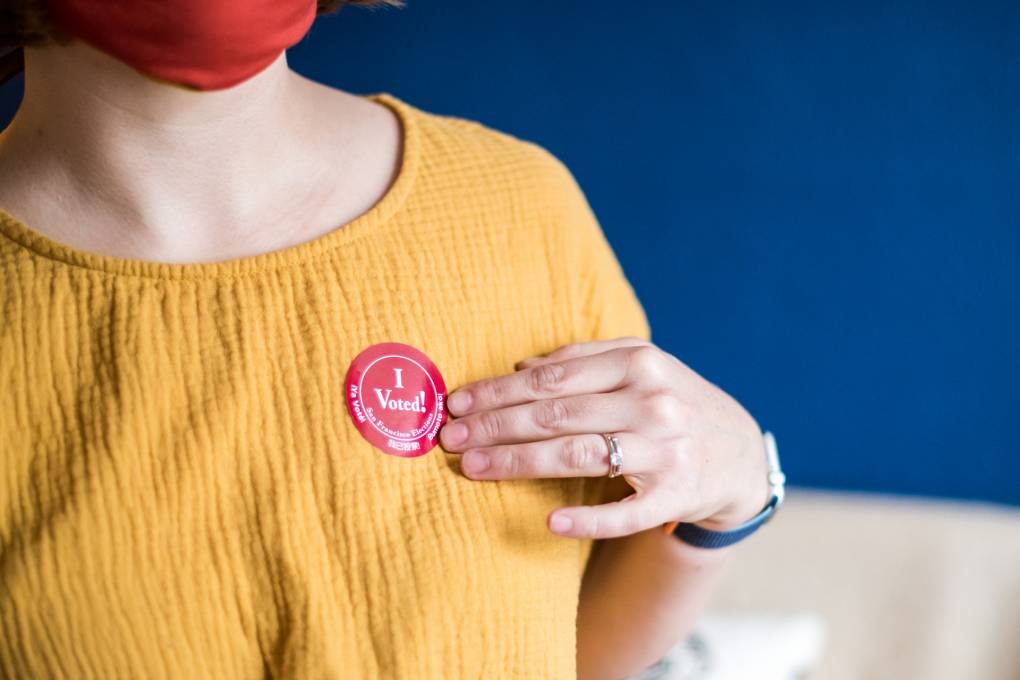
"caption": "A San Francisco resident puts on an \"I Voted!\" sticker after completing their mail-in ballot on Oct. 9, 2020.",
"description": "A San Francisco resident puts on an \"I Voted!\" sticker after completing their mail-in ballot on Oct. 9, 2020.",
"title": "RS45338_019_KQED_SanFrancisco_Election2020_TanyaYule_10092020-qut",
"credit": "Beth LaBerge/KQED",
"status": "inherit",
"isLoading": false,
"fetchFailed": false
},
"news_11842977": {
"type": "attachments",
"id": "news_11842977",
"meta": {
"index": "attachments_1716263798",
"site": "news",
"id": "11842977",
"found": true
},
"parent": 11842972,
"imgSizes": {
"apple_news_ca_landscape_5_5": {
"file": "https://ww2.kqed.org/app/uploads/sites/10/2020/10/RS45283_010_KQED_ElectionStockPhotos_JoyOkochi_10082020-qut-1044x783.jpg",
"width": 1044,
"mimeType": "image/jpeg",
"height": 783
},
"apple_news_ca_square_4_0": {
"file": "https://ww2.kqed.org/app/uploads/sites/10/2020/10/RS45283_010_KQED_ElectionStockPhotos_JoyOkochi_10082020-qut-470x470.jpg",
"width": 470,
"mimeType": "image/jpeg",
"height": 470
},
"twentyfourteen-full-width": {
"file": "https://ww2.kqed.org/app/uploads/sites/10/2020/10/RS45283_010_KQED_ElectionStockPhotos_JoyOkochi_10082020-qut-1038x576.jpg",
"width": 1038,
"mimeType": "image/jpeg",
"height": 576
},
"thumbnail": {
"file": "https://ww2.kqed.org/app/uploads/sites/10/2020/10/RS45283_010_KQED_ElectionStockPhotos_JoyOkochi_10082020-qut-160x107.jpg",
"width": 160,
"mimeType": "image/jpeg",
"height": 107
},
"post-thumbnail": {
"file": "https://ww2.kqed.org/app/uploads/sites/10/2020/10/RS45283_010_KQED_ElectionStockPhotos_JoyOkochi_10082020-qut-672x372.jpg",
"width": 672,
"mimeType": "image/jpeg",
"height": 372
},
"kqedFullSize": {
"file": "https://ww2.kqed.org/app/uploads/sites/10/2020/10/RS45283_010_KQED_ElectionStockPhotos_JoyOkochi_10082020-qut.jpg",
"width": 1920,
"height": 1280
},
"apple_news_ca_landscape_4_7": {
"file": "https://ww2.kqed.org/app/uploads/sites/10/2020/10/RS45283_010_KQED_ElectionStockPhotos_JoyOkochi_10082020-qut-632x474.jpg",
"width": 632,
"mimeType": "image/jpeg",
"height": 474
},
"large": {
"file": "https://ww2.kqed.org/app/uploads/sites/10/2020/10/RS45283_010_KQED_ElectionStockPhotos_JoyOkochi_10082020-qut-1020x680.jpg",
"width": 1020,
"mimeType": "image/jpeg",
"height": 680
},
"apple_news_ca_landscape_4_0": {
"file": "https://ww2.kqed.org/app/uploads/sites/10/2020/10/RS45283_010_KQED_ElectionStockPhotos_JoyOkochi_10082020-qut-536x402.jpg",
"width": 536,
"mimeType": "image/jpeg",
"height": 402
},
"apple_news_ca_portrait_12_9": {
"file": "https://ww2.kqed.org/app/uploads/sites/10/2020/10/RS45283_010_KQED_ElectionStockPhotos_JoyOkochi_10082020-qut-1122x1280.jpg",
"width": 1122,
"mimeType": "image/jpeg",
"height": 1280
},
"medium": {
"file": "https://ww2.kqed.org/app/uploads/sites/10/2020/10/RS45283_010_KQED_ElectionStockPhotos_JoyOkochi_10082020-qut-800x533.jpg",
"width": 800,
"mimeType": "image/jpeg",
"height": 533
},
"apple_news_ca_portrait_4_0": {
"file": "https://ww2.kqed.org/app/uploads/sites/10/2020/10/RS45283_010_KQED_ElectionStockPhotos_JoyOkochi_10082020-qut-354x472.jpg",
"width": 354,
"mimeType": "image/jpeg",
"height": 472
},
"apple_news_ca_portrait_9_7": {
"file": "https://ww2.kqed.org/app/uploads/sites/10/2020/10/RS45283_010_KQED_ElectionStockPhotos_JoyOkochi_10082020-qut-840x1120.jpg",
"width": 840,
"mimeType": "image/jpeg",
"height": 1120
},
"apple_news_ca_landscape_12_9": {
"file": "https://ww2.kqed.org/app/uploads/sites/10/2020/10/RS45283_010_KQED_ElectionStockPhotos_JoyOkochi_10082020-qut-1832x1280.jpg",
"width": 1832,
"mimeType": "image/jpeg",
"height": 1280
},
"apple_news_ca_square_9_7": {
"file": "https://ww2.kqed.org/app/uploads/sites/10/2020/10/RS45283_010_KQED_ElectionStockPhotos_JoyOkochi_10082020-qut-1104x1104.jpg",
"width": 1104,
"mimeType": "image/jpeg",
"height": 1104
},
"1536x1536": {
"file": "https://ww2.kqed.org/app/uploads/sites/10/2020/10/RS45283_010_KQED_ElectionStockPhotos_JoyOkochi_10082020-qut-1536x1024.jpg",
"width": 1536,
"mimeType": "image/jpeg",
"height": 1024
},
"apple_news_ca_portrait_4_7": {
"file": "https://ww2.kqed.org/app/uploads/sites/10/2020/10/RS45283_010_KQED_ElectionStockPhotos_JoyOkochi_10082020-qut-414x552.jpg",
"width": 414,
"mimeType": "image/jpeg",
"height": 552
},
"apple_news_ca_square_12_9": {
"file": "https://ww2.kqed.org/app/uploads/sites/10/2020/10/RS45283_010_KQED_ElectionStockPhotos_JoyOkochi_10082020-qut-1472x1280.jpg",
"width": 1472,
"mimeType": "image/jpeg",
"height": 1280
},
"apple_news_ca_portrait_5_5": {
"file": "https://ww2.kqed.org/app/uploads/sites/10/2020/10/RS45283_010_KQED_ElectionStockPhotos_JoyOkochi_10082020-qut-687x916.jpg",
"width": 687,
"mimeType": "image/jpeg",
"height": 916
},
"apple_news_ca_square_4_7": {
"file": "https://ww2.kqed.org/app/uploads/sites/10/2020/10/RS45283_010_KQED_ElectionStockPhotos_JoyOkochi_10082020-qut-550x550.jpg",
"width": 550,
"mimeType": "image/jpeg",
"height": 550
},
"apple_news_ca_landscape_9_7": {
"file": "https://ww2.kqed.org/app/uploads/sites/10/2020/10/RS45283_010_KQED_ElectionStockPhotos_JoyOkochi_10082020-qut-1376x1032.jpg",
"width": 1376,
"mimeType": "image/jpeg",
"height": 1032
},
"apple_news_ca_square_5_5": {
"file": "https://ww2.kqed.org/app/uploads/sites/10/2020/10/RS45283_010_KQED_ElectionStockPhotos_JoyOkochi_10082020-qut-912x912.jpg",
"width": 912,
"mimeType": "image/jpeg",
"height": 912
}
},
"publishDate": 1603227658,
"modified": 1603227690,
"caption": "Joy Okochi drops her mail-in ballot into a US Postal Service mailbox in San Francisco on Oct. 8, 2020.",
"description": null,
"title": "RS45283_010_KQED_ElectionStockPhotos_JoyOkochi_10082020-qut",
"credit": "Beth LaBerge/KQED",
"status": "inherit",
"isLoading": false,
"fetchFailed": false
},
"news_11842901": {
"type": "attachments",
"id": "news_11842901",
"meta": {
"index": "attachments_1716263798",
"site": "news",
"id": "11842901",
"found": true
},
"parent": 11842892,
"imgSizes": {
"apple_news_ca_landscape_5_5": {
"file": "https://ww2.kqed.org/app/uploads/sites/10/2020/10/fix_101920_final-1044x783.png",
"width": 1044,
"mimeType": "image/png",
"height": 783
},
"apple_news_ca_square_4_0": {
"file": "https://ww2.kqed.org/app/uploads/sites/10/2020/10/fix_101920_final-470x470.png",
"width": 470,
"mimeType": "image/png",
"height": 470
},
"twentyfourteen-full-width": {
"file": "https://ww2.kqed.org/app/uploads/sites/10/2020/10/fix_101920_final-1038x576.png",
"width": 1038,
"mimeType": "image/png",
"height": 576
},
"thumbnail": {
"file": "https://ww2.kqed.org/app/uploads/sites/10/2020/10/fix_101920_final-160x90.png",
"width": 160,
"mimeType": "image/png",
"height": 90
},
"post-thumbnail": {
"file": "https://ww2.kqed.org/app/uploads/sites/10/2020/10/fix_101920_final-672x372.png",
"width": 672,
"mimeType": "image/png",
"height": 372
},
"kqedFullSize": {
"file": "https://ww2.kqed.org/app/uploads/sites/10/2020/10/fix_101920_final.png",
"width": 1920,
"height": 1079
},
"apple_news_ca_landscape_4_7": {
"file": "https://ww2.kqed.org/app/uploads/sites/10/2020/10/fix_101920_final-632x474.png",
"width": 632,
"mimeType": "image/png",
"height": 474
},
"large": {
"file": "https://ww2.kqed.org/app/uploads/sites/10/2020/10/fix_101920_final-1020x573.png",
"width": 1020,
"mimeType": "image/png",
"height": 573
},
"apple_news_ca_landscape_4_0": {
"file": "https://ww2.kqed.org/app/uploads/sites/10/2020/10/fix_101920_final-536x402.png",
"width": 536,
"mimeType": "image/png",
"height": 402
},
"apple_news_ca_portrait_12_9": {
"file": "https://ww2.kqed.org/app/uploads/sites/10/2020/10/fix_101920_final-1122x1079.png",
"width": 1122,
"mimeType": "image/png",
"height": 1079
},
"medium": {
"file": "https://ww2.kqed.org/app/uploads/sites/10/2020/10/fix_101920_final-800x450.png",
"width": 800,
"mimeType": "image/png",
"height": 450
},
"apple_news_ca_portrait_4_0": {
"file": "https://ww2.kqed.org/app/uploads/sites/10/2020/10/fix_101920_final-354x472.png",
"width": 354,
"mimeType": "image/png",
"height": 472
},
"apple_news_ca_portrait_9_7": {
"file": "https://ww2.kqed.org/app/uploads/sites/10/2020/10/fix_101920_final-840x1079.png",
"width": 840,
"mimeType": "image/png",
"height": 1079
},
"apple_news_ca_landscape_12_9": {
"file": "https://ww2.kqed.org/app/uploads/sites/10/2020/10/fix_101920_final-1832x1079.png",
"width": 1832,
"mimeType": "image/png",
"height": 1079
},
"apple_news_ca_square_9_7": {
"file": "https://ww2.kqed.org/app/uploads/sites/10/2020/10/fix_101920_final-1104x1079.png",
"width": 1104,
"mimeType": "image/png",
"height": 1079
},
"1536x1536": {
"file": "https://ww2.kqed.org/app/uploads/sites/10/2020/10/fix_101920_final-1536x863.png",
"width": 1536,
"mimeType": "image/png",
"height": 863
},
"apple_news_ca_portrait_4_7": {
"file": "https://ww2.kqed.org/app/uploads/sites/10/2020/10/fix_101920_final-414x552.png",
"width": 414,
"mimeType": "image/png",
"height": 552
},
"apple_news_ca_square_12_9": {
"file": "https://ww2.kqed.org/app/uploads/sites/10/2020/10/fix_101920_final-1472x1079.png",
"width": 1472,
"mimeType": "image/png",
"height": 1079
},
"apple_news_ca_portrait_5_5": {
"file": "https://ww2.kqed.org/app/uploads/sites/10/2020/10/fix_101920_final-687x916.png",
"width": 687,
"mimeType": "image/png",
"height": 916
},
"apple_news_ca_square_4_7": {
"file": "https://ww2.kqed.org/app/uploads/sites/10/2020/10/fix_101920_final-550x550.png",
"width": 550,
"mimeType": "image/png",
"height": 550
},
"apple_news_ca_landscape_9_7": {
"file": "https://ww2.kqed.org/app/uploads/sites/10/2020/10/fix_101920_final-1376x1032.png",
"width": 1376,
"mimeType": "image/png",
"height": 1032
},
"apple_news_ca_square_5_5": {
"file": "https://ww2.kqed.org/app/uploads/sites/10/2020/10/fix_101920_final-912x912.png",
"width": 912,
"mimeType": "image/png",
"height": 912
}
},
"publishDate": 1603148263,
"modified": 1603148310,
"caption": null,
"description": null,
"title": "fix_101920_final",
"credit": null,
"status": "inherit",
"isLoading": false,
"fetchFailed": false
}
},
"audioPlayerReducer": {
"postId": "stream_live",
"isPaused": true,
"isPlaying": false,
"pfsActive": false,
"pledgeModalIsOpen": true,
"playerDrawerIsOpen": false,
"liveAudioPlayStartedAt": 0,
"liveAudioPlayContext": ""
},
"authorsReducer": {
"byline_news_11844299": {
"type": "authors",
"id": "byline_news_11844299",
"meta": {
"override": true
},
"slug": "byline_news_11844299",
"name": "\u003ca href=\"https://calmatters.org/author/janellesalanga/\">Janelle Marie Salanga\u003c/a>",
"isLoading": false
},
"byline_news_11843884": {
"type": "authors",
"id": "byline_news_11843884",
"meta": {
"override": true
},
"slug": "byline_news_11843884",
"name": "Isabella Bloom y Marco Torrez para Cal Matters",
"isLoading": false
},
"gmarzorati": {
"type": "authors",
"id": "227",
"meta": {
"index": "authors_1716337520",
"id": "227",
"found": true
},
"name": "Guy Marzorati",
"firstName": "Guy",
"lastName": "Marzorati",
"slug": "gmarzorati",
"email": "gmarzorati@KQED.org",
"display_author_email": true,
"staff_mastheads": [
"news"
],
"title": "Correspondent",
"bio": "Guy Marzorati is a correspondent on KQED's California Politics and Government Desk, based in San Jose. A graduate of Santa Clara University, Guy joined KQED in 2013. He reports on state and local politics and produces KQED's digital voter guide.",
"avatar": "https://secure.gravatar.com/avatar/e7038b8dbfd55b104369b76b1cd0b9de?s=600&d=blank&r=g",
"twitter": "guymarzorati",
"facebook": null,
"instagram": null,
"linkedin": null,
"sites": [
{
"site": "",
"roles": [
"editor"
]
},
{
"site": "news",
"roles": [
"editor"
]
},
{
"site": "science",
"roles": [
"editor"
]
},
{
"site": "forum",
"roles": [
"editor"
]
},
{
"site": "elections",
"roles": [
"editor"
]
},
{
"site": "liveblog",
"roles": [
"editor"
]
}
],
"headData": {
"title": "Guy Marzorati | KQED",
"description": "Correspondent",
"ogImgSrc": "https://secure.gravatar.com/avatar/e7038b8dbfd55b104369b76b1cd0b9de?s=600&d=blank&r=g",
"twImgSrc": "https://secure.gravatar.com/avatar/e7038b8dbfd55b104369b76b1cd0b9de?s=600&d=blank&r=g"
},
"isLoading": false,
"link": "/author/gmarzorati"
},
"samharnett": {
"type": "authors",
"id": "253",
"meta": {
"index": "authors_1716337520",
"id": "253",
"found": true
},
"name": "Sam Harnett",
"firstName": "Sam",
"lastName": "Harnett",
"slug": "samharnett",
"email": "samharnett@gmail.com",
"display_author_email": false,
"staff_mastheads": [],
"title": "KQED Contributor",
"bio": "Sam Harnett covered tech and work at KQED. He is the co-creator of \u003cem>\u003ca href=\"http://www.theworldaccordingtosound.org\">The World According to Sound\u003c/a>,\u003c/em> a 90-second podcast that features different sounds and the stories behind them.\r\n\r\nBefore coming to KQED, Sam worked as an independent reporter who contributed regularly to \u003cem>The California Report, Marketplace,\u003c/em> \u003cem>The World \u003c/em>and NPR.",
"avatar": "https://secure.gravatar.com/avatar/2538b972ac02f2b9546c7a6c59a0f3d0?s=600&d=blank&r=g",
"twitter": "Samwharnett",
"facebook": null,
"instagram": null,
"linkedin": null,
"sites": [
{
"site": "news",
"roles": [
"edit_others_posts",
"subscriber"
]
},
{
"site": "stateofhealth",
"roles": [
"author"
]
},
{
"site": "science",
"roles": [
"editor"
]
},
{
"site": "quest",
"roles": [
"subscriber"
]
}
],
"headData": {
"title": "Sam Harnett | KQED",
"description": "KQED Contributor",
"ogImgSrc": "https://secure.gravatar.com/avatar/2538b972ac02f2b9546c7a6c59a0f3d0?s=600&d=blank&r=g",
"twImgSrc": "https://secure.gravatar.com/avatar/2538b972ac02f2b9546c7a6c59a0f3d0?s=600&d=blank&r=g"
},
"isLoading": false,
"link": "/author/samharnett"
},
"scottshafer": {
"type": "authors",
"id": "255",
"meta": {
"index": "authors_1716337520",
"id": "255",
"found": true
},
"name": "Scott Shafer",
"firstName": "Scott",
"lastName": "Shafer",
"slug": "scottshafer",
"email": "sshafer@kqed.org",
"display_author_email": false,
"staff_mastheads": [
"news"
],
"title": "KQED Contributor",
"bio": "Scott Shafer is a senior editor with the KQED Politics and Government desk. He is co-host of Political Breakdown, the award-winning radio show and podcast with a personal take on the world of politics. Scott came to KQED in 1998 to host the statewide\u003cem> California Report\u003c/em>. Prior to that he had extended stints in politics and government\u003cem>.\u003c/em> He uses that inside experience at KQED in his, reporting, hosting and analysis for the politics desk. Scott collaborated \u003cem>Political Breakdown a\u003c/em>nd on \u003cem>The Political Mind of Jerry Brown, \u003c/em>an eight-part series about the life and extraordinary political career of the former governor. For fun, he plays water polo with the San Francisco Tsunami.",
"avatar": "https://secure.gravatar.com/avatar/a62ebae45b79d7aed1a39a0e3bf68104?s=600&d=blank&r=g",
"twitter": "scottshafer",
"bluesky": null,
"facebook": null,
"instagram": null,
"linkedin": null,
"sites": [
{
"site": "news",
"roles": [
"editor"
]
},
{
"site": "stateofhealth",
"roles": [
"author"
]
},
{
"site": "science",
"roles": [
"author"
]
},
{
"site": "forum",
"roles": [
"subscriber"
]
},
{
"site": "liveblog",
"roles": [
"author"
]
}
],
"headData": {
"title": "Scott Shafer | KQED",
"description": "KQED Contributor",
"ogImgSrc": "https://secure.gravatar.com/avatar/a62ebae45b79d7aed1a39a0e3bf68104?s=600&d=blank&r=g",
"twImgSrc": "https://secure.gravatar.com/avatar/a62ebae45b79d7aed1a39a0e3bf68104?s=600&d=blank&r=g"
},
"isLoading": false,
"link": "/author/scottshafer"
},
"markfiore": {
"type": "authors",
"id": "3236",
"meta": {
"index": "authors_1716337520",
"id": "3236",
"found": true
},
"name": "Mark Fiore",
"firstName": "Mark",
"lastName": "Fiore",
"slug": "markfiore",
"email": "mark@markfiore.com",
"display_author_email": false,
"staff_mastheads": [
"news"
],
"title": "KQED News Cartoonist",
"bio": "\u003ca href=\"http://www.MarkFiore.com\">MarkFiore.com\u003c/a> | \u003ca href=\"https://twitter.com/markfiore\">Follow on Twitter\u003c/a> | \u003ca href=\"https://www.facebook.com/pages/Mark-Fiore-Animated-Political-Cartoons/94451707396?ref=bookmarks\">Facebook\u003c/a> | \u003ca href=\"mailto:mark@markfiore.com\">email\u003c/a>\r\n\r\nPulitzer Prize-winner, Mark Fiore, who the Wall Street Journal has called “the undisputed guru of the form,” creates animated political cartoons in San Francisco, where his work has been featured regularly on the San Francisco Chronicle’s web site, SFGate.com. His work has appeared on Newsweek.com, Slate.com, CBSNews.com, MotherJones.com, DailyKos.com and NPR’s web site. Fiore’s political animation has appeared on CNN, Frontline, Bill Moyers Journal, Salon.com and cable and broadcast outlets across the globe.\r\n\r\nBeginning his professional life by drawing traditional political cartoons for newspapers, Fiore’s work appeared in publications ranging from the Washington Post to the Los Angeles Times. In the late 1990s, he began to experiment with animating political cartoons and, after a short stint at the San Jose Mercury News as their staff cartoonist, Fiore devoted all his energies to animation.\r\nGrowing up in California, Fiore also spent a good portion of his life in the backwoods of Idaho. It was this combination that shaped him politically. Mark majored in political science at Colorado College, where, in a perfect send-off for a cartoonist, he received his diploma in 1991 as commencement speaker Dick Cheney smiled approvingly.\r\nMark Fiore was awarded the Pulitzer Prize for political cartooning in 2010, a Robert F. Kennedy Journalism Award in 2004 and has twice received an Online Journalism Award for commentary from the Online News Association (2002, 2008). Fiore has received two awards for his work in new media from the National Cartoonists Society (2001, 2002), and in 2006 received The James Madison Freedom of Information Award from The Society of Professional Journalists.",
"avatar": "https://secure.gravatar.com/avatar/fc4e2a612b15b67bad0c6f0e1db4ca9b?s=600&d=blank&r=g",
"twitter": "MarkFiore",
"facebook": null,
"instagram": "https://www.instagram.com/markfiore/?hl=en",
"linkedin": null,
"sites": [
{
"site": "arts",
"roles": [
"contributor"
]
},
{
"site": "news",
"roles": [
"editor"
]
},
{
"site": "futureofyou",
"roles": [
"editor"
]
},
{
"site": "science",
"roles": [
"editor"
]
}
],
"headData": {
"title": "Mark Fiore | KQED",
"description": "KQED News Cartoonist",
"ogImgSrc": "https://secure.gravatar.com/avatar/fc4e2a612b15b67bad0c6f0e1db4ca9b?s=600&d=blank&r=g",
"twImgSrc": "https://secure.gravatar.com/avatar/fc4e2a612b15b67bad0c6f0e1db4ca9b?s=600&d=blank&r=g"
},
"isLoading": false,
"link": "/author/markfiore"
},
"mlagos": {
"type": "authors",
"id": "3239",
"meta": {
"index": "authors_1716337520",
"id": "3239",
"found": true
},
"name": "Marisa Lagos",
"firstName": "Marisa",
"lastName": "Lagos",
"slug": "mlagos",
"email": "mlagos@kqed.org",
"display_author_email": false,
"staff_mastheads": [
"news"
],
"title": "KQED Contributor",
"bio": "Marisa Lagos is a correspondent for KQED’s California Politics and Government Desk and co-hosts the award-winning show and podcast, Political Breakdown. At KQED, Lagos also conducts reporting, analysis and investigations into state, local and national politics for radio, TV, online and onstage. In 2022, she and co-host, Scott Shafer, moderated the only gubernatorial debate in California. In 2020, the \u003ci>Washington Post\u003c/i> named her one of the top political journalists in California; she was nominated for a Peabody and won several other awards for her work investigating the 2017 California wildfires. She has worked at the \u003ci>San Francisco Chronicle\u003c/i>, \u003ci>San Francisco Examiner\u003c/i> and \u003ci>Los Angeles Times\u003c/i>. A UC Santa Barbara graduate, she lives in San Francisco with her two sons and husband.",
"avatar": "https://secure.gravatar.com/avatar/a261a0d3696fc066871ef96b85b5e7d2?s=600&d=blank&r=g",
"twitter": "@mlagos",
"facebook": null,
"instagram": null,
"linkedin": null,
"sites": [
{
"site": "arts",
"roles": [
"author"
]
},
{
"site": "news",
"roles": [
"editor"
]
},
{
"site": "science",
"roles": [
"editor"
]
},
{
"site": "forum",
"roles": [
"author"
]
},
{
"site": "liveblog",
"roles": [
"author"
]
}
],
"headData": {
"title": "Marisa Lagos | KQED",
"description": "KQED Contributor",
"ogImgSrc": "https://secure.gravatar.com/avatar/a261a0d3696fc066871ef96b85b5e7d2?s=600&d=blank&r=g",
"twImgSrc": "https://secure.gravatar.com/avatar/a261a0d3696fc066871ef96b85b5e7d2?s=600&d=blank&r=g"
},
"isLoading": false,
"link": "/author/mlagos"
},
"korr": {
"type": "authors",
"id": "11200",
"meta": {
"index": "authors_1716337520",
"id": "11200",
"found": true
},
"name": "Katie Orr",
"firstName": "Katie",
"lastName": "Orr",
"slug": "korr",
"email": "korr@kqed.org",
"display_author_email": false,
"staff_mastheads": [],
"title": "KQED Contributor",
"bio": "Katie Orr was a Sacramento-based reporter for KQED's Politics and Government Desk, covering the state Capitol and a variety of issues including women in politics, voting and elections and legislation. Prior to joining KQED in 2016, Katie was state government reporter for Capital Public Radio in Sacramento. She's also worked for KPBS in San Diego, where she covered City Hall.\r\n\r\nKatie received her masters degree in political science from San Diego State University and holds a Bachelors degree in broadcast journalism from Arizona State University.\r\n\r\nIn 2015 Katie won a national Clarion Award for a series of stories she did on women in California politics. She's been honored by the Society for Professional Journalists and, in 2013, was named by \u003cem>The Washington Post\u003c/em> as one of the country's top state Capitol reporters. She's also reported for the award-winning documentary series \u003cem>The View from Here \u003c/em>and was part of the team that won national PRNDI and Gabriel Awards in 2015. She lives in Sacramento with her husband. Twitter: @1KatieOrr",
"avatar": "https://secure.gravatar.com/avatar/41a40b25845adc78f50808670860449e?s=600&d=blank&r=g",
"twitter": "1katieorr",
"facebook": null,
"instagram": null,
"linkedin": null,
"sites": [
{
"site": "news",
"roles": [
"subscriber"
]
},
{
"site": "stateofhealth",
"roles": [
"author"
]
},
{
"site": "forum",
"roles": [
"author"
]
}
],
"headData": {
"title": "Katie Orr | KQED",
"description": "KQED Contributor",
"ogImgSrc": "https://secure.gravatar.com/avatar/41a40b25845adc78f50808670860449e?s=600&d=blank&r=g",
"twImgSrc": "https://secure.gravatar.com/avatar/41a40b25845adc78f50808670860449e?s=600&d=blank&r=g"
},
"isLoading": false,
"link": "/author/korr"
},
"mwiley": {
"type": "authors",
"id": "11526",
"meta": {
"index": "authors_1716337520",
"id": "11526",
"found": true
},
"name": "Michelle Wiley",
"firstName": "Michelle",
"lastName": "Wiley",
"slug": "mwiley",
"email": "mwiley@KQED.org",
"display_author_email": true,
"staff_mastheads": [],
"title": null,
"bio": "Michelle Wiley was the senior editor of weekends.",
"avatar": "https://secure.gravatar.com/avatar/3b897d82a09e8587e8e73fa69fbcc635?s=600&d=blank&r=g",
"twitter": "michelleewiley",
"facebook": null,
"instagram": null,
"linkedin": null,
"sites": [
{
"site": "",
"roles": [
"editor"
]
},
{
"site": "arts",
"roles": [
"editor"
]
},
{
"site": "news",
"roles": [
"subscriber"
]
},
{
"site": "lowdown",
"roles": [
"editor"
]
},
{
"site": "science",
"roles": [
"editor"
]
},
{
"site": "podcasts",
"roles": [
"editor"
]
}
],
"headData": {
"title": "Michelle Wiley | KQED",
"description": null,
"ogImgSrc": "https://secure.gravatar.com/avatar/3b897d82a09e8587e8e73fa69fbcc635?s=600&d=blank&r=g",
"twImgSrc": "https://secure.gravatar.com/avatar/3b897d82a09e8587e8e73fa69fbcc635?s=600&d=blank&r=g"
},
"isLoading": false,
"link": "/author/mwiley"
}
},
"pagesReducer": {
"news_tag_politics": {
"type": "terms",
"id": "news_17968",
"meta": {
"index": "terms_1716263798",
"site": "news",
"id": "17968",
"score": 8.003145
},
"name": "Politics",
"slug": "politics",
"taxonomy": "tag",
"description": null,
"featImg": null,
"headData": {
"title": "Politics | KQED News",
"description": null,
"ogTitle": null,
"ogDescription": null,
"ogImgId": null,
"twTitle": null,
"twDescription": null,
"twImgId": null
},
"ttid": 18002,
"isLoading": false,
"title": "Politics",
"pageMeta": {
"site": "news",
"WpPageTemplate": "page-topic-editorial",
"currentPage": 204
},
"blocks": [
{
"blockName": "kqed/post-list",
"attrs": {
"layout": "cardArticle2",
"query": "posts/news?tag=politics",
"seeMore": false,
"paginated": true,
"page": 204
}
},
{
"blockName": "kqed/ad"
}
]
}
},
"pfsSessionReducer": {},
"postsReducer": {
"stream_live": {
"type": "live",
"id": "stream_live",
"audioUrl": "https://streams.kqed.org/kqedradio",
"title": "Live Stream",
"excerpt": "Live Stream information currently unavailable.",
"link": "/radio",
"featImg": "",
"label": {
"name": "KQED Live",
"link": "/"
}
},
"stream_kqedNewscast": {
"type": "posts",
"id": "stream_kqedNewscast",
"audioUrl": "https://www.kqed.org/.stream/anon/radio/RDnews/newscast.mp3?_=1",
"title": "KQED Newscast",
"featImg": "",
"label": {
"name": "88.5 FM",
"link": "/"
}
},
"news_11844299": {
"type": "posts",
"id": "news_11844299",
"meta": {
"index": "posts_1716263798",
"site": "news",
"id": "11844299",
"score": null,
"sort": [
1604003075000
]
},
"guestAuthors": [],
"slug": "challenging-the-model-minority-myth-asian-american-students-divided-over-affirmative-action",
"title": "Challenging the Model Minority Myth: Asian American Students Divided Over Affirmative Action",
"publishDate": 1604003075,
"format": "audio",
"headTitle": "Challenging the Model Minority Myth: Asian American Students Divided Over Affirmative Action | KQED",
"labelTerm": {},
"content": "\u003cp>The moment he stepped into Clovis High School, Chali Lee – now a first-year at Clovis Community College – left his Hmong identity outside its doors.\u003c/p>\n\u003cp>Other students, he said, saw him as just another Asian male, another model minority – someone taking up all the seats at colleges.\u003c/p>\n\u003cp>Lee knows it’s not that simple.\u003c/p>\n\u003cp>“Although I am Asian, I carry the term Southeast Asian,” he said. “You have to disaggregate the data and look at the dangers of using umbrella terms — in the Hmong community specifically, not many pursue higher education.”\u003c/p>\n\u003cp>Next week, Californians will vote on \u003ca href=\"https://www.kqed.org/voterguide/proposition-16-affirmative-action\">Proposition 16\u003c/a>, which would allow public colleges to once again consider race, gender and ethnicity in admissions and hiring.\u003c/p>\n\u003cp>[aside label=\"Election 2020\" link1=\"https://www.kqed.org/voterguide,KQED's California Voter Guide\" hero=\"https://ww2.kqed.org/app/uploads/sites/10/2020/10/RS45342_001_KQED_SanFrancisco_Election2020_MailinBallot_10122020-qut-1020x680.jpg\"]\u003c/p>\n\u003cp>But some Asian American students and academics say they have been unfairly lumped together in discussions around affirmative action. The model minority myth, they say, obscures different Asian American ethnic communities’ varied access to resources and education.\u003c/p>\n\u003cp>Asian Americans have been at the center of affirmative action debates in California and nationwide. In Students for Fair Admissions v. Harvard, the federal court case that \u003ca href=\"https://admissionscase.harvard.edu/files/adm-case/files/2019-10-30_dkt_672_findings_of_fact_and_conclusions_of_law.pdf\">upheld the university’s affirmative action policies\u003c/a> in 2019 and is now under appeal, the plaintiffs are Asian American students who said they were discriminated against in the admission process. \u003c/p>\n\u003cp>And in 2014, when California legislators last tried reviving affirmative action, three Chinese-American state senators who initially backed its reinstatement received thousands of messages from constituents urging them to withdraw their support.\u003c/p>\n\u003cp>“As lifelong advocates for the Asian American and other communities, we would never support a policy that we believed would negatively impact our children,” the Democratic senators — Ted Lieu, Carol Liu and Leland Yee — wrote in a letter to then-Assembly Speaker John Pérez. The lobbying campaign worked, and the bill died.\u003c/p>\n\u003cp>[ad fullwidth]\u003c/p>\n\u003cp>While Prop. 16 made it on this year’s ballot, it still faces opposition from some Asian American groups. Assemblymember Evan Low, a Cupertino Democrat, \u003ca href=\"https://www.youtube.com/watch?v=dP4LieEaoJ4\">said on the Assembly floor\u003c/a> that he supported the ballot measure because it’s difficult to tackle race-specific problems with race-neutral policies — but he’d received over 3,000 messages from his constituents opposing the measure, compared to 99 messages in support.\u003c/p>\n\u003cp>Low, who is Chinese American, said elected officials in his district told him: “Aren’t you yellow? Why are you voting against your own people? Why are you betraying us?”\u003c/p>\n\u003cp>The reality is more complicated. AAPIs for Civic Empowerment, the Asian American Legal Defense and Education Fund and Asian Americans Advancing Justice are just a few organizations \u003ca href=\"https://voteyesonprop16.org/endorsements/\">backing\u003c/a> Prop. 16. Supporters of a No vote include \u003ca href=\"https://californiansforequalrights.org/endorsements/\">Asian American Legal Foundation Vice President Denise Louie\u003c/a> and \u003ca href=\"https://californiansforequalrights.org/about/our-organization-our-leaders/\">Californians for Equal Rights\u003c/a>.\u003c/p>\n\u003cp>Some of those different opinions are shaped by ethnicity and geography’s impact on Asian Americans’ educational opportunities. While 54% of Asians in California have a bachelor’s degree or higher, the number \u003ca href=\"https://data.census.gov/cedsci/table?t=Educational%20Attainment&g=0400000US06,06.050000&tid=ACSST1Y2019.S1501&hidePreview=true\">is lower in every Central Valley county\u003c/a>. Only 24% of Hmong adults had a bachelor’s degree in 2019, compared to 74% of Asian Indian.\u003c/p>\n\u003cp>\u003c!-- iframe plugin v.4.3 wordpress.org/plugins/iframe/ -->\u003cbr>\n\u003ciframe loading=\"lazy\" title=\"Educational attainment by Asian subgroup in California, 2019\" aria-label=\"chart\" id=\"datawrapper-chart-1fLkg\" src=\"https://datawrapper.dwcdn.net/1fLkg/2/\" scrolling=\"no\" frameborder=\"0\" style=\"width: 0; min-width: 100% !important; border: none;\" height=\"349\" width=\"100%\" class=\"iframe-class\">\u003c/iframe>\u003c/p>\n\u003cp>The University of California has \u003ca href=\"https://www.universityofcalifornia.edu/infocenter/disaggregated-data\">tracked enrollment and retention data\u003c/a> for 18 Asian sub-groups since the mid-2000s, after a student-led movement, \u003ca href=\"https://dailybruin.com/2007/05/31/groups_rally_admissions_data_count_me_in\">Count Me In\u003c/a>, pushed for disaggregated Asian and Pacific Islander student data.\u003c/p>\n\u003cp>Having that data means less-represented Asian American and Pacific Islander groups can receive more targeted support, said OiYan Poon, who supported the campaign as a graduate student at UCLA and now directs the Race & Intersectional Studies for Educational Equity Center at Colorado State University.\u003c/p>\n\u003cp>“For instance, a Cambodian student association could say, ‘Okay, here’s how many Cambodian American students applied to the university. Here’s how many got in, how many are on campus and what the retention challenges are that might need addressing,’” Poon said.\u003c/p>\n\u003cp>Asians and Asian Americans were 39% of UC’s student body in 2019, far more than their 15.5% share of California’s population.\u003c/p>\n\u003cp>But the data that emerged as a result of the Count Me In campaign complicates that narrative of Asian American overrepresentation. In 2019, there were only 534 Hmong students out of the 120,000 Asian American students at UCs — even though California’s Hmong population, at more than 100,000, is the highest nationwide.\u003c/p>\n\u003cp>Chinese students on California campuses are represented at two times the rate of their California population, while Filipino students make up roughly the same percentage of the UC student body as Filipinos in California, who are the state’s \u003ca href=\"https://www.migrationpolicy.org/article/filipino-immigrants-united-states\">largest Asian group\u003c/a>. Hmong students, by contrast, are represented at less than half a percent.\u003c/p>\n\u003cp>[aside postID=news_11840892 hero='https://ww2.kqed.org/app/uploads/sites/10/2020/10/GettyImages-138891408-1020x681.jpg']Seng Alexander Vang, a lecturer at Cal State Stanislaus and UC Merced, said his parents were among the first wave of Hmong refugees entering America after the Secret War in the ‘80s.\u003c/p>\n\u003cp>“In Laos and Thailand, when we were in the refugee camps, [my parents] never got the opportunity for education,” he said. “They were placed in job training and English classes, but it was very difficult for them to read and write a new language because they never had schools.”\u003c/p>\n\u003cp>Vang’s parents provided emotional support and wanted him to go to school, but didn’t know how to help him with homework and extracurricular activities. So he only applied to one university — Cal State Stanislaus — and said he wasn’t prepared to go to a four-year school.\u003c/p>\n\u003cp>“It was a struggle to the point where I didn’t feel like I was good enough,” Vang said. “Today, students, to just get into a UC, they need half a dozen AP classes, a 4.0+ (GPA) — and I barely passed my high school by one class.”\u003c/p>\n\u003cp>Vang, who teaches Hmong studies classes at Stanislaus, said he wanted to become a professor because he saw himself in students of color who had potential but didn’t feel understood or heard by their teachers.\u003c/p>\n\u003cp>One of the things he’s talked about with his students is affirmative action. Many of them, Vang said, come into his class believing affirmative action is bad and colorblindness is good.\u003c/p>\n\u003cp>“When you talk about race and ethnicity, they’ve become uncomfortable, because they’ve been taught not to talk about race,” he said. “But then they learn about (affirmative action) and realize that no, actually, colorblindness is harmful — it’s like you’re erasing people by saying you don’t see color.”\u003c/p>\n\u003cp>Vang, who voted yes on Prop. 16, said it’s important for students to be aware about racism today, because education can make it seem like racism no longer exists.\u003c/p>\n\u003cp>“They think we had the civil rights movement and it was all peaceful protest — but it wasn’t just that, it was violent,” Vang said. “There are conflicts between communities of color — there’s so much anti-Blackness in the Hmong community, because it’s something people learn as they assimilate and become Americanized.”\u003c/p>\n\u003cfigure id=\"attachment_11844319\" class=\"wp-caption aligncenter\" style=\"max-width: 1920px\">\u003cimg loading=\"lazy\" decoding=\"async\" class=\"size-full wp-image-11844319\" src=\"https://ww2.kqed.org/app/uploads/sites/10/2020/10/ChaliLee_ZS_sized.jpg\" alt=\"\" width=\"1920\" height=\"1281\" srcset=\"https://cdn.kqed.org/wp-content/uploads/sites/10/2020/10/ChaliLee_ZS_sized.jpg 1920w, https://cdn.kqed.org/wp-content/uploads/sites/10/2020/10/ChaliLee_ZS_sized-800x534.jpg 800w, https://cdn.kqed.org/wp-content/uploads/sites/10/2020/10/ChaliLee_ZS_sized-1020x681.jpg 1020w, https://cdn.kqed.org/wp-content/uploads/sites/10/2020/10/ChaliLee_ZS_sized-160x107.jpg 160w, https://cdn.kqed.org/wp-content/uploads/sites/10/2020/10/ChaliLee_ZS_sized-1536x1025.jpg 1536w\" sizes=\"(max-width: 1920px) 100vw, 1920px\">\u003cfigcaption class=\"wp-caption-text\">Chali Lee, a political science major at Clovis Community College, supports Prop. 16, the ballot initiative to allow affirmative action at California’s public colleges and universities. \u003ccite>(Zaeem Shaikh/CALMatters)\u003c/cite>\u003c/figcaption>\u003c/figure>\n\u003cp>The model minority myth, adds Poon, is rooted in anti-Blackness and a desire to show racism no longer exists in America.\u003c/p>\n\u003cp>“It’s a way to say without saying that Black, Latinx and Indigenous people, if they work hard like Asian Americans, maybe calls around racism are overblown,” she said. “But with anti-Asian coded racism, the Black Lives Matter movement, police killings on screen all the time — they know that racism is real.”\u003c/p>\n\u003cp>Affirmative action, she said, is a policy tool for public institutions to acknowledge the existence of racism, sexism and patriarchy and to combat them.\u003c/p>\n\u003cp>But some Asian American students say that affirmative action isn’t the best way to help communities of color.\u003c/p>\n\u003cp>Sunjay Muralitharan, a junior at Washington High School involved with \u003ca href=\"https://californiansforequalrights.org/\">Californians for Equal Rights\u003c/a>, which encourages a No vote on Prop. 16, said Prop. 16 is racist.\u003c/p>\n\u003cp>“Prop. 16 assumes that minorities like the Asian community and other communities won’t be able to get into a high-level institution without this upper-hand,” he said. “I think we need to shift the focus to more of a socioeconomic viewpoint than a racial standpoint.”\u003c/p>\n\u003cp>Though he admires Prop. 16’s proponents for diagnosing systemic racism and misogyny as problems, Muralitharan said the policy wouldn’t solve those underlying issues.\u003c/p>\n\u003cp>“We should focus on giving disadvantaged minorities the tools they need to succeed,” he said. “I support things like universal basic income, so people can pay off rent or get tutoring.”\u003c/p>\n\u003cp>[aside postID=science_1970355 hero='https://ww2.kqed.org/app/uploads/sites/35/2029/10/GettyImages-1206664280-1020x679.jpg']For Breanne Yee, a third-year student at CSU Long Beach, passing laws isn’t the only way to combat racial injustice.\u003c/p>\n\u003cp>“Elections are important, but investing in the community is just as, if not more, important,” Yee said. \u003c/p>\n\u003cp>Taking ethnic studies classes, as well as serving as a fellow at \u003ca href=\"https://www.seeding-change.org/\" rel=\"noopener noreferrer\" target=\"_blank\">Seeding Change\u003c/a> — a center focused on grassroots organizing in Asian American communities — shaped Yee’s belief that community-driven solutions, like the Black Panther Party’s free breakfast program, achieve more than legislation.\u003c/p>\n\u003cp>“I think people on the ground are closer to finding solutions than the people who don’t need to worry about where they’re going to get their next meal or where they’re going to sleep tonight,” she said. “The community knows what is needed and what works.”\u003c/p>\n\u003cp>Seventy percent of Asian American registered voters nationwide said they supported affirmative action, according to a \u003ca href=\"https://www.apiavote.org/sites/default/files/2020-09/2020%20Asian%20American%20Voter%20Survey%20-%20Sept%2015.pdf\">2020 AAPI Data survey\u003c/a> — a 2% increase from 2014. Still, that hides divisions among ethnicities, with only 56% of Chinese American voters in favor compared to 86% of Asian Indians.\u003c/p>\n\u003cp>Despite endorsements from Democratic vice presidential candidate Kamala Harris and all three public California university systems, Prop. 16’s future is still uncertain.\u003c/p>\n\u003cp>Two polls released in the past week by the \u003ca href=\"https://www.ppic.org/wp-content/uploads/crosstabs-likely-voters-1020.pdf\">Public Policy Institute of California\u003c/a> and the \u003ca href=\"https://escholarship.org/uc/item/2pr670k8?\">Berkeley Institute of Governmental Studies\u003c/a> show fewer than 40% of likely voters plan voting yes on Prop. 16, with about half saying they’ll vote against. Lee, the Clovis Community College student, said he recently had a conversation with one of his classmates who felt that there weren’t enough opportunities for white folks anymore.\u003c/p>\n\u003cp>But he said that’s exactly the narrative he hopes to disrupt in supporting Prop. 16.\u003c/p>\n\u003cp>“Many white people — even without affirmative action — have tutors, their parents have attended college before, have graduated from college,” Lee said. “Their chances of getting into UC are much, much, much higher — just because me and other Southeast Asians come from a disenfranchised community doesn’t mean we automatically get into a UC.”\u003c/p>\n\u003cp>And whether or not Prop. 16 passes, Lee said that there’s still work to be done to ensure students of color can thrive after being admitted to college.\u003c/p>\n\u003cp>“It’s one thing to get in and have these systems help us,” Lee said. “It’s another to make sure that students who were able to get a seat at the table also get resources that they need.”\u003c/p>\n\u003cp>\u003cem>Janelle Marie Salanga is a fellow with the \u003ca href=\"https://calmatters.org/projects/college-journalism-network/\">CalMatters College Journalism Network\u003c/a>, a collaboration between CalMatters and student journalists from across California. This story and other higher education coverage are supported by the College Futures Foundation.\u003c/em>\u003c/p>\n\u003cp>[ad floatright]\u003c/p>\n",
"blocks": [],
"excerpt": "As Californians decide on Prop. 16, some Asian American students say they've been unfairly lumped together in discussions around affirmative action. The model minority myth, they say, obscures different communities’ varied access to resources and education.",
"status": "publish",
"parent": 0,
"modified": 1721126587,
"stats": {
"hasAudio": false,
"hasVideo": false,
"hasChartOrMap": true,
"iframeSrcs": [
"https://datawrapper.dwcdn.net/1fLkg/2/"
],
"hasGoogleForm": false,
"hasGallery": false,
"hasHearkenModule": false,
"hasPolis": false,
"paragraphCount": 52,
"wordCount": 2063
},
"headData": {
"title": "Challenging the Model Minority Myth: Asian American Students Divided Over Affirmative Action | KQED",
"description": "As Californians decide on Prop. 16, some Asian American students say they've been unfairly lumped together in discussions around affirmative action. The model minority myth, they say, obscures different communities’ varied access to resources and education.",
"ogTitle": "",
"ogDescription": "",
"ogImgId": "",
"twTitle": "",
"twDescription": "",
"twImgId": "",
"socialDescription": "As Californians decide on Prop. 16, some Asian American students say they've been unfairly lumped together in discussions around affirmative action. The model minority myth, they say, obscures different communities’ varied access to resources and education.",
"canonicalUrl": "https://calmatters.org/education/higher-education/college-beat-higher-education/2020/10/asian-american-students-affirmative-action/",
"schema": {
"@context": "https://schema.org",
"@type": "NewsArticle",
"headline": "Challenging the Model Minority Myth: Asian American Students Divided Over Affirmative Action",
"datePublished": "2020-10-29T13:24:35-07:00",
"dateModified": "2024-07-16T03:43:07-07:00",
"image": "https://cdn.kqed.org/wp-content/uploads/2020/02/KQED-OG-Image@1x.png",
"isAccessibleForFree": "True",
"publisher": {
"@type": "NewsMediaOrganization",
"@id": "https://www.kqed.org/#organization",
"name": "KQED",
"logo": "https://cdn.kqed.org/wp-content/uploads/2020/02/KQED-OG-Image@1x.png",
"url": "https://www.kqed.org",
"sameAs": [
"https://www.facebook.com/KQED",
"https://twitter.com/KQED",
"https://www.instagram.com/kqed/",
"https://www.tiktok.com/@kqedofficial",
"https://www.linkedin.com/company/kqed",
"https://www.youtube.com/channel/UCeC0IOo7i1P_61zVUWbJ4nw"
]
}
}
},
"source": "CALmatters",
"sourceUrl": "https://calmatters.org/",
"audioUrl": "https://traffic.omny.fm/d/clips/0af137ef-751e-4b19-a055-aaef00d2d578/ffca7e9f-6831-41c5-bcaf-aaef00f5a073/db7b7968-443c-474b-8be2-ac62010e647d/audio.mp3",
"sticky": false,
"nprByline": "\u003ca href=\"https://calmatters.org/author/janellesalanga/\">Janelle Marie Salanga\u003c/a>",
"path": "https://calmatters.org/education/higher-education/college-beat-higher-education/2020/10/asian-american-students-affirmative-action/",
"redirect": {
"type": "external",
"url": "https://calmatters.org/education/higher-education/college-beat-higher-education/2020/10/asian-american-students-affirmative-action/"
},
"audioDuration": 228000,
"audioTrackLength": null,
"parsedContent": [
{
"type": "contentString",
"content": "\u003cdiv class=\"post-body\">\u003cp>\u003cp>The moment he stepped into Clovis High School, Chali Lee – now a first-year at Clovis Community College – left his Hmong identity outside its doors.\u003c/p>\n\u003cp>Other students, he said, saw him as just another Asian male, another model minority – someone taking up all the seats at colleges.\u003c/p>\n\u003cp>Lee knows it’s not that simple.\u003c/p>\n\u003cp>“Although I am Asian, I carry the term Southeast Asian,” he said. “You have to disaggregate the data and look at the dangers of using umbrella terms — in the Hmong community specifically, not many pursue higher education.”\u003c/p>\n\u003cp>Next week, Californians will vote on \u003ca href=\"https://www.kqed.org/voterguide/proposition-16-affirmative-action\">Proposition 16\u003c/a>, which would allow public colleges to once again consider race, gender and ethnicity in admissions and hiring.\u003c/p>\n\u003cp>\u003c/p>\u003c/div>",
"attributes": {
"named": {},
"numeric": []
}
},
{
"type": "component",
"content": "",
"name": "aside",
"attributes": {
"named": {
"label": "Election 2020 ",
"link1": "https://www.kqed.org/voterguide,KQED's California Voter Guide",
"hero": "https://ww2.kqed.org/app/uploads/sites/10/2020/10/RS45342_001_KQED_SanFrancisco_Election2020_MailinBallot_10122020-qut-1020x680.jpg"
},
"numeric": []
}
},
{
"type": "contentString",
"content": "\u003cdiv class=\"post-body\">\u003cp>\u003c/p>\n\u003cp>But some Asian American students and academics say they have been unfairly lumped together in discussions around affirmative action. The model minority myth, they say, obscures different Asian American ethnic communities’ varied access to resources and education.\u003c/p>\n\u003cp>Asian Americans have been at the center of affirmative action debates in California and nationwide. In Students for Fair Admissions v. Harvard, the federal court case that \u003ca href=\"https://admissionscase.harvard.edu/files/adm-case/files/2019-10-30_dkt_672_findings_of_fact_and_conclusions_of_law.pdf\">upheld the university’s affirmative action policies\u003c/a> in 2019 and is now under appeal, the plaintiffs are Asian American students who said they were discriminated against in the admission process. \u003c/p>\n\u003cp>And in 2014, when California legislators last tried reviving affirmative action, three Chinese-American state senators who initially backed its reinstatement received thousands of messages from constituents urging them to withdraw their support.\u003c/p>\n\u003cp>“As lifelong advocates for the Asian American and other communities, we would never support a policy that we believed would negatively impact our children,” the Democratic senators — Ted Lieu, Carol Liu and Leland Yee — wrote in a letter to then-Assembly Speaker John Pérez. The lobbying campaign worked, and the bill died.\u003c/p>\n\u003cp>\u003c/p>\u003c/div>",
"attributes": {
"named": {},
"numeric": []
}
},
{
"type": "component",
"content": "",
"name": "ad",
"attributes": {
"named": {
"label": "fullwidth"
},
"numeric": [
"fullwidth"
]
}
},
{
"type": "contentString",
"content": "\u003cdiv class=\"post-body\">\u003cp>\u003c/p>\n\u003cp>While Prop. 16 made it on this year’s ballot, it still faces opposition from some Asian American groups. Assemblymember Evan Low, a Cupertino Democrat, \u003ca href=\"https://www.youtube.com/watch?v=dP4LieEaoJ4\">said on the Assembly floor\u003c/a> that he supported the ballot measure because it’s difficult to tackle race-specific problems with race-neutral policies — but he’d received over 3,000 messages from his constituents opposing the measure, compared to 99 messages in support.\u003c/p>\n\u003cp>Low, who is Chinese American, said elected officials in his district told him: “Aren’t you yellow? Why are you voting against your own people? Why are you betraying us?”\u003c/p>\n\u003cp>The reality is more complicated. AAPIs for Civic Empowerment, the Asian American Legal Defense and Education Fund and Asian Americans Advancing Justice are just a few organizations \u003ca href=\"https://voteyesonprop16.org/endorsements/\">backing\u003c/a> Prop. 16. Supporters of a No vote include \u003ca href=\"https://californiansforequalrights.org/endorsements/\">Asian American Legal Foundation Vice President Denise Louie\u003c/a> and \u003ca href=\"https://californiansforequalrights.org/about/our-organization-our-leaders/\">Californians for Equal Rights\u003c/a>.\u003c/p>\n\u003cp>Some of those different opinions are shaped by ethnicity and geography’s impact on Asian Americans’ educational opportunities. While 54% of Asians in California have a bachelor’s degree or higher, the number \u003ca href=\"https://data.census.gov/cedsci/table?t=Educational%20Attainment&g=0400000US06,06.050000&tid=ACSST1Y2019.S1501&hidePreview=true\">is lower in every Central Valley county\u003c/a>. Only 24% of Hmong adults had a bachelor’s degree in 2019, compared to 74% of Asian Indian.\u003c/p>\n\u003cp>\u003c!-- iframe plugin v.4.3 wordpress.org/plugins/iframe/ -->\u003cbr>\n\u003ciframe loading=\"lazy\" title=\"Educational attainment by Asian subgroup in California, 2019\" aria-label=\"chart\" id=\"datawrapper-chart-1fLkg\" src=\"https://datawrapper.dwcdn.net/1fLkg/2/\" scrolling=\"no\" frameborder=\"0\" style=\"width: 0; min-width: 100% !important; border: none;\" height=\"349\" width=\"100%\" class=\"iframe-class\">\u003c/iframe>\u003c/p>\n\u003cp>The University of California has \u003ca href=\"https://www.universityofcalifornia.edu/infocenter/disaggregated-data\">tracked enrollment and retention data\u003c/a> for 18 Asian sub-groups since the mid-2000s, after a student-led movement, \u003ca href=\"https://dailybruin.com/2007/05/31/groups_rally_admissions_data_count_me_in\">Count Me In\u003c/a>, pushed for disaggregated Asian and Pacific Islander student data.\u003c/p>\n\u003cp>Having that data means less-represented Asian American and Pacific Islander groups can receive more targeted support, said OiYan Poon, who supported the campaign as a graduate student at UCLA and now directs the Race & Intersectional Studies for Educational Equity Center at Colorado State University.\u003c/p>\n\u003cp>“For instance, a Cambodian student association could say, ‘Okay, here’s how many Cambodian American students applied to the university. Here’s how many got in, how many are on campus and what the retention challenges are that might need addressing,’” Poon said.\u003c/p>\n\u003cp>Asians and Asian Americans were 39% of UC’s student body in 2019, far more than their 15.5% share of California’s population.\u003c/p>\n\u003cp>But the data that emerged as a result of the Count Me In campaign complicates that narrative of Asian American overrepresentation. In 2019, there were only 534 Hmong students out of the 120,000 Asian American students at UCs — even though California’s Hmong population, at more than 100,000, is the highest nationwide.\u003c/p>\n\u003cp>Chinese students on California campuses are represented at two times the rate of their California population, while Filipino students make up roughly the same percentage of the UC student body as Filipinos in California, who are the state’s \u003ca href=\"https://www.migrationpolicy.org/article/filipino-immigrants-united-states\">largest Asian group\u003c/a>. Hmong students, by contrast, are represented at less than half a percent.\u003c/p>\n\u003cp>\u003c/p>\u003c/div>",
"attributes": {
"named": {},
"numeric": []
}
},
{
"type": "component",
"content": "",
"name": "aside",
"attributes": {
"named": {
"postid": "news_11840892",
"hero": "https://ww2.kqed.org/app/uploads/sites/10/2020/10/GettyImages-138891408-1020x681.jpg",
"label": ""
},
"numeric": []
}
},
{
"type": "contentString",
"content": "\u003cdiv class=\"post-body\">\u003cp>Seng Alexander Vang, a lecturer at Cal State Stanislaus and UC Merced, said his parents were among the first wave of Hmong refugees entering America after the Secret War in the ‘80s.\u003c/p>\n\u003cp>“In Laos and Thailand, when we were in the refugee camps, [my parents] never got the opportunity for education,” he said. “They were placed in job training and English classes, but it was very difficult for them to read and write a new language because they never had schools.”\u003c/p>\n\u003cp>Vang’s parents provided emotional support and wanted him to go to school, but didn’t know how to help him with homework and extracurricular activities. So he only applied to one university — Cal State Stanislaus — and said he wasn’t prepared to go to a four-year school.\u003c/p>\n\u003cp>“It was a struggle to the point where I didn’t feel like I was good enough,” Vang said. “Today, students, to just get into a UC, they need half a dozen AP classes, a 4.0+ (GPA) — and I barely passed my high school by one class.”\u003c/p>\n\u003cp>Vang, who teaches Hmong studies classes at Stanislaus, said he wanted to become a professor because he saw himself in students of color who had potential but didn’t feel understood or heard by their teachers.\u003c/p>\n\u003cp>One of the things he’s talked about with his students is affirmative action. Many of them, Vang said, come into his class believing affirmative action is bad and colorblindness is good.\u003c/p>\n\u003cp>“When you talk about race and ethnicity, they’ve become uncomfortable, because they’ve been taught not to talk about race,” he said. “But then they learn about (affirmative action) and realize that no, actually, colorblindness is harmful — it’s like you’re erasing people by saying you don’t see color.”\u003c/p>\n\u003cp>Vang, who voted yes on Prop. 16, said it’s important for students to be aware about racism today, because education can make it seem like racism no longer exists.\u003c/p>\n\u003cp>“They think we had the civil rights movement and it was all peaceful protest — but it wasn’t just that, it was violent,” Vang said. “There are conflicts between communities of color — there’s so much anti-Blackness in the Hmong community, because it’s something people learn as they assimilate and become Americanized.”\u003c/p>\n\u003cfigure id=\"attachment_11844319\" class=\"wp-caption aligncenter\" style=\"max-width: 1920px\">\u003cimg loading=\"lazy\" decoding=\"async\" class=\"size-full wp-image-11844319\" src=\"https://ww2.kqed.org/app/uploads/sites/10/2020/10/ChaliLee_ZS_sized.jpg\" alt=\"\" width=\"1920\" height=\"1281\" srcset=\"https://cdn.kqed.org/wp-content/uploads/sites/10/2020/10/ChaliLee_ZS_sized.jpg 1920w, https://cdn.kqed.org/wp-content/uploads/sites/10/2020/10/ChaliLee_ZS_sized-800x534.jpg 800w, https://cdn.kqed.org/wp-content/uploads/sites/10/2020/10/ChaliLee_ZS_sized-1020x681.jpg 1020w, https://cdn.kqed.org/wp-content/uploads/sites/10/2020/10/ChaliLee_ZS_sized-160x107.jpg 160w, https://cdn.kqed.org/wp-content/uploads/sites/10/2020/10/ChaliLee_ZS_sized-1536x1025.jpg 1536w\" sizes=\"(max-width: 1920px) 100vw, 1920px\">\u003cfigcaption class=\"wp-caption-text\">Chali Lee, a political science major at Clovis Community College, supports Prop. 16, the ballot initiative to allow affirmative action at California’s public colleges and universities. \u003ccite>(Zaeem Shaikh/CALMatters)\u003c/cite>\u003c/figcaption>\u003c/figure>\n\u003cp>The model minority myth, adds Poon, is rooted in anti-Blackness and a desire to show racism no longer exists in America.\u003c/p>\n\u003cp>“It’s a way to say without saying that Black, Latinx and Indigenous people, if they work hard like Asian Americans, maybe calls around racism are overblown,” she said. “But with anti-Asian coded racism, the Black Lives Matter movement, police killings on screen all the time — they know that racism is real.”\u003c/p>\n\u003cp>Affirmative action, she said, is a policy tool for public institutions to acknowledge the existence of racism, sexism and patriarchy and to combat them.\u003c/p>\n\u003cp>But some Asian American students say that affirmative action isn’t the best way to help communities of color.\u003c/p>\n\u003cp>Sunjay Muralitharan, a junior at Washington High School involved with \u003ca href=\"https://californiansforequalrights.org/\">Californians for Equal Rights\u003c/a>, which encourages a No vote on Prop. 16, said Prop. 16 is racist.\u003c/p>\n\u003cp>“Prop. 16 assumes that minorities like the Asian community and other communities won’t be able to get into a high-level institution without this upper-hand,” he said. “I think we need to shift the focus to more of a socioeconomic viewpoint than a racial standpoint.”\u003c/p>\n\u003cp>Though he admires Prop. 16’s proponents for diagnosing systemic racism and misogyny as problems, Muralitharan said the policy wouldn’t solve those underlying issues.\u003c/p>\n\u003cp>“We should focus on giving disadvantaged minorities the tools they need to succeed,” he said. “I support things like universal basic income, so people can pay off rent or get tutoring.”\u003c/p>\n\u003cp>\u003c/p>\u003c/div>",
"attributes": {
"named": {},
"numeric": []
}
},
{
"type": "component",
"content": "",
"name": "aside",
"attributes": {
"named": {
"postid": "science_1970355",
"hero": "https://ww2.kqed.org/app/uploads/sites/35/2029/10/GettyImages-1206664280-1020x679.jpg",
"label": ""
},
"numeric": []
}
},
{
"type": "contentString",
"content": "\u003cdiv class=\"post-body\">\u003cp>For Breanne Yee, a third-year student at CSU Long Beach, passing laws isn’t the only way to combat racial injustice.\u003c/p>\n\u003cp>“Elections are important, but investing in the community is just as, if not more, important,” Yee said. \u003c/p>\n\u003cp>Taking ethnic studies classes, as well as serving as a fellow at \u003ca href=\"https://www.seeding-change.org/\" rel=\"noopener noreferrer\" target=\"_blank\">Seeding Change\u003c/a> — a center focused on grassroots organizing in Asian American communities — shaped Yee’s belief that community-driven solutions, like the Black Panther Party’s free breakfast program, achieve more than legislation.\u003c/p>\n\u003cp>“I think people on the ground are closer to finding solutions than the people who don’t need to worry about where they’re going to get their next meal or where they’re going to sleep tonight,” she said. “The community knows what is needed and what works.”\u003c/p>\n\u003cp>Seventy percent of Asian American registered voters nationwide said they supported affirmative action, according to a \u003ca href=\"https://www.apiavote.org/sites/default/files/2020-09/2020%20Asian%20American%20Voter%20Survey%20-%20Sept%2015.pdf\">2020 AAPI Data survey\u003c/a> — a 2% increase from 2014. Still, that hides divisions among ethnicities, with only 56% of Chinese American voters in favor compared to 86% of Asian Indians.\u003c/p>\n\u003cp>Despite endorsements from Democratic vice presidential candidate Kamala Harris and all three public California university systems, Prop. 16’s future is still uncertain.\u003c/p>\n\u003cp>Two polls released in the past week by the \u003ca href=\"https://www.ppic.org/wp-content/uploads/crosstabs-likely-voters-1020.pdf\">Public Policy Institute of California\u003c/a> and the \u003ca href=\"https://escholarship.org/uc/item/2pr670k8?\">Berkeley Institute of Governmental Studies\u003c/a> show fewer than 40% of likely voters plan voting yes on Prop. 16, with about half saying they’ll vote against. Lee, the Clovis Community College student, said he recently had a conversation with one of his classmates who felt that there weren’t enough opportunities for white folks anymore.\u003c/p>\n\u003cp>But he said that’s exactly the narrative he hopes to disrupt in supporting Prop. 16.\u003c/p>\n\u003cp>“Many white people — even without affirmative action — have tutors, their parents have attended college before, have graduated from college,” Lee said. “Their chances of getting into UC are much, much, much higher — just because me and other Southeast Asians come from a disenfranchised community doesn’t mean we automatically get into a UC.”\u003c/p>\n\u003cp>And whether or not Prop. 16 passes, Lee said that there’s still work to be done to ensure students of color can thrive after being admitted to college.\u003c/p>\n\u003cp>“It’s one thing to get in and have these systems help us,” Lee said. “It’s another to make sure that students who were able to get a seat at the table also get resources that they need.”\u003c/p>\n\u003cp>\u003cem>Janelle Marie Salanga is a fellow with the \u003ca href=\"https://calmatters.org/projects/college-journalism-network/\">CalMatters College Journalism Network\u003c/a>, a collaboration between CalMatters and student journalists from across California. This story and other higher education coverage are supported by the College Futures Foundation.\u003c/em>\u003c/p>\n\u003cp>\u003c/p>\u003c/div>",
"attributes": {
"named": {},
"numeric": []
}
},
{
"type": "component",
"content": "",
"name": "ad",
"attributes": {
"named": {
"label": "floatright"
},
"numeric": [
"floatright"
]
}
},
{
"type": "contentString",
"content": "\u003cdiv class=\"post-body\">\u003cp>\u003c/p>\n\u003c/div>\u003c/p>",
"attributes": {
"named": {},
"numeric": []
}
}
],
"link": "https://calmatters.org/education/higher-education/college-beat-higher-education/2020/10/asian-american-students-affirmative-action/",
"authors": [
"byline_news_11844299"
],
"programs": [
"news_72"
],
"categories": [
"news_18540",
"news_8",
"news_13"
],
"tags": [
"news_1895",
"news_24788",
"news_20075",
"news_18538",
"news_28756",
"news_17968",
"news_28626"
],
"affiliates": [
"news_18481"
],
"featImg": "news_11844303",
"label": "source_news_11844299"
},
"news_11843903": {
"type": "posts",
"id": "news_11843903",
"meta": {
"index": "posts_1716263798",
"site": "news",
"id": "11843903",
"score": null,
"sort": [
1603939054000
]
},
"guestAuthors": [],
"slug": "in-2-counties-scorched-by-wildfires-politics-takes-a-back-seat-to-community",
"title": "In 2 Counties Scorched By Wildfires, Politics Takes a Back Seat to Community",
"publishDate": 1603939054,
"format": "audio",
"headTitle": "In 2 Counties Scorched By Wildfires, Politics Takes a Back Seat to Community | KQED",
"labelTerm": {
"site": "news"
},
"content": "\u003cp>The 2020 election is being held amidst a deadly pandemic, extreme political polarization and, in California, wildfires that have scorched a historic number of acres while forcing thousands to flee their homes.\u003c/p>\n\u003cp>It has also brought into sharper view the issue of climate change, a key dividing line between President Donald Trump and former Vice President Joe Biden.\u003c/p>\n\u003cp>When Trump \u003ca href=\"https://www.kqed.org/news/11837821/trump-to-visit-california-for-a-wildfire-briefing\">paid a last minute visit\u003c/a> to California during the worst of the October fires, he disputed the notion that scientists know the cause of climate change, and instead reiterated his belief that better forest management was the best way to prevent the fires.\u003c/p>\n\u003cp>Earlier this month, the Federal Emergency Management Agency (FEMA) stunned California officials by rejecting Gov. Gavin Newsom’s request for an emergency declaration to help get federal assistance with six fires and their aftermath. Only after House Minority Leader Kevin McCarthy (R-Bakersfield) and others intervened did \u003ca href=\"https://www.kqed.org/science/1970419/trump-administration-denies-more-disaster-relief-for-california-wildfires\">Trump reverse FEMA’s decision\u003c/a>.\u003c/p>\n\u003cp>In the 2016 presidential election, where Hillary Clinton swamped Donald Trump by more than 4 million votes in California, the outcome in Lake and Butte counties was much closer — with Trump narrowly beating Clinton in Butte and Clinton edging out Trump in Lake.\u003c/p>\n\u003cp>Both counties have also been ravaged by wildfires, leaving them in the hands of firefighters and, in many cases, the help of neighbors.\u003c/p>\n\u003cp>We visited those counties this past week to see how those disasters are affecting the way voters there are thinking about this year’s election. [ad fullwidth]\u003c/p>\n\u003cp>Lake County isn’t part of the San Francisco Bay Area, but it’s bordered by two counties that are\u003ci> —\u003c/i> Napa and Sonoma. And about 60% of Lake County has been burned by wildfires in the past few years.\u003c/p>\n\u003cp>Butte County is also rural with wide open spaces. It’s home to Chico State University and the town of Paradise, which was devastated in the Camp Fire two years ago. And these days, you see a lot of burned out lots and shuttered businesses.\u003c/p>\n\u003cp>Here are some of the people we met along the way, and their thoughts about partisan division and how living through wildfires affects their thinking about government and politics.\u003c/p>\n\u003cp>\u003cstrong>Elizabeth Kelly, Clearlake\u003c/strong>\u003c/p>\n\u003cfigure id=\"attachment_11843915\" class=\"wp-caption aligncenter\" style=\"max-width: 800px\">\u003cimg loading=\"lazy\" decoding=\"async\" class=\"wp-image-11843915 size-medium\" src=\"https://ww2.kqed.org/app/uploads/sites/10/2020/10/IMG_3564-800x600.jpeg\" alt=\"\" width=\"800\" height=\"600\" srcset=\"https://cdn.kqed.org/wp-content/uploads/sites/10/2020/10/IMG_3564-800x600.jpeg 800w, https://cdn.kqed.org/wp-content/uploads/sites/10/2020/10/IMG_3564-1020x765.jpeg 1020w, https://cdn.kqed.org/wp-content/uploads/sites/10/2020/10/IMG_3564-160x120.jpeg 160w, https://cdn.kqed.org/wp-content/uploads/sites/10/2020/10/IMG_3564-1536x1152.jpeg 1536w, https://cdn.kqed.org/wp-content/uploads/sites/10/2020/10/IMG_3564-2048x1536.jpeg 2048w, https://cdn.kqed.org/wp-content/uploads/sites/10/2020/10/IMG_3564-1920x1440.jpeg 1920w, https://cdn.kqed.org/wp-content/uploads/sites/10/2020/10/IMG_3564-1832x1374.jpeg 1832w, https://cdn.kqed.org/wp-content/uploads/sites/10/2020/10/IMG_3564-1376x1032.jpeg 1376w, https://cdn.kqed.org/wp-content/uploads/sites/10/2020/10/IMG_3564-1044x783.jpeg 1044w, https://cdn.kqed.org/wp-content/uploads/sites/10/2020/10/IMG_3564-632x474.jpeg 632w, https://cdn.kqed.org/wp-content/uploads/sites/10/2020/10/IMG_3564-536x402.jpeg 536w\" sizes=\"(max-width: 800px) 100vw, 800px\">\u003cfigcaption class=\"wp-caption-text\">Soap maker Elizabeth Kelly of Clearlake at the farmer’s market. \u003ccite>(Scott Shafer/KQED)\u003c/cite>\u003c/figcaption>\u003c/figure>\n\u003cp>At the Lake County Farmers Market last weekend, vendor Elizabeth Kelly was selling soap and lotion made from goat milk.\u003c/p>\n\u003cp>“In 2018 — the Sulphur Fire — I lost all of my coops, pens, fencing. I had gotten my animals out, but I just kind of had to start completely over,” Kelly said. “The only thing that remained on that property was my house, which … thank you God, for that blessing. But everything else I lost.”\u003c/p>\n\u003cp>She said despite the destruction, the fires have brought the community together.\u003c/p>\n\u003cp>“It’s like, if you need a place to stay, my house is open. If you need something, you let me know (and) we plaster it all over Facebook and Lake County.”\u003c/p>\n\u003cp>\u003cstrong>Dan Merrill, Lower Lake\u003c/strong>\u003c/p>\n\u003cfigure id=\"attachment_11843920\" class=\"wp-caption aligncenter\" style=\"max-width: 2560px\">\u003cimg loading=\"lazy\" decoding=\"async\" class=\"wp-image-11843920 size-full\" src=\"https://ww2.kqed.org/app/uploads/sites/10/2020/10/IMG_3574-scaled.jpeg\" alt=\"\" width=\"2560\" height=\"1920\" srcset=\"https://cdn.kqed.org/wp-content/uploads/sites/10/2020/10/IMG_3574-scaled.jpeg 2560w, https://cdn.kqed.org/wp-content/uploads/sites/10/2020/10/IMG_3574-800x600.jpeg 800w, https://cdn.kqed.org/wp-content/uploads/sites/10/2020/10/IMG_3574-1020x765.jpeg 1020w, https://cdn.kqed.org/wp-content/uploads/sites/10/2020/10/IMG_3574-160x120.jpeg 160w, https://cdn.kqed.org/wp-content/uploads/sites/10/2020/10/IMG_3574-1536x1152.jpeg 1536w, https://cdn.kqed.org/wp-content/uploads/sites/10/2020/10/IMG_3574-2048x1536.jpeg 2048w, https://cdn.kqed.org/wp-content/uploads/sites/10/2020/10/IMG_3574-1920x1440.jpeg 1920w, https://cdn.kqed.org/wp-content/uploads/sites/10/2020/10/IMG_3574-1832x1374.jpeg 1832w, https://cdn.kqed.org/wp-content/uploads/sites/10/2020/10/IMG_3574-1376x1032.jpeg 1376w, https://cdn.kqed.org/wp-content/uploads/sites/10/2020/10/IMG_3574-1044x783.jpeg 1044w, https://cdn.kqed.org/wp-content/uploads/sites/10/2020/10/IMG_3574-632x474.jpeg 632w, https://cdn.kqed.org/wp-content/uploads/sites/10/2020/10/IMG_3574-536x402.jpeg 536w\" sizes=\"(max-width: 2560px) 100vw, 2560px\">\u003cfigcaption class=\"wp-caption-text\">Beekeeper Dan Merrill in Lower Lake \u003ccite>(Scott Shafer/KQED)\u003c/cite>\u003c/figcaption>\u003c/figure>\n\u003cp>“We have a lot of independent voters and they swing one way or the other depending on what they see. Whereas most counties you get that it’s blue or it’s red, I see a lot of change up over here.”\u003c/p>\n\u003cp>Regarding political polarization: “I haven’t seen the response that I’ve seen from, like, friends of mine that are out of the state. You can see a Democrat and Republican (yard) sign next to each other without anyone throwing stuff at their neighbor. You know, it’s still civil, so to speak.”\u003c/p>\n\u003cp>\u003cstrong>Deb Bauman, Chair, Lake County Democratic Central Committee\u003c/strong>\u003c/p>\n\u003cfigure id=\"attachment_11843969\" class=\"wp-caption aligncenter\" style=\"max-width: 2560px\">\u003cimg loading=\"lazy\" decoding=\"async\" class=\"size-full wp-image-11843969\" src=\"https://ww2.kqed.org/app/uploads/sites/10/2020/10/IMG_3575-scaled.jpeg\" alt=\"\" width=\"2560\" height=\"1920\" srcset=\"https://cdn.kqed.org/wp-content/uploads/sites/10/2020/10/IMG_3575-scaled.jpeg 2560w, https://cdn.kqed.org/wp-content/uploads/sites/10/2020/10/IMG_3575-800x600.jpeg 800w, https://cdn.kqed.org/wp-content/uploads/sites/10/2020/10/IMG_3575-1020x765.jpeg 1020w, https://cdn.kqed.org/wp-content/uploads/sites/10/2020/10/IMG_3575-160x120.jpeg 160w, https://cdn.kqed.org/wp-content/uploads/sites/10/2020/10/IMG_3575-1536x1152.jpeg 1536w, https://cdn.kqed.org/wp-content/uploads/sites/10/2020/10/IMG_3575-2048x1536.jpeg 2048w, https://cdn.kqed.org/wp-content/uploads/sites/10/2020/10/IMG_3575-1920x1440.jpeg 1920w, https://cdn.kqed.org/wp-content/uploads/sites/10/2020/10/IMG_3575-1832x1374.jpeg 1832w, https://cdn.kqed.org/wp-content/uploads/sites/10/2020/10/IMG_3575-1376x1032.jpeg 1376w, https://cdn.kqed.org/wp-content/uploads/sites/10/2020/10/IMG_3575-1044x783.jpeg 1044w, https://cdn.kqed.org/wp-content/uploads/sites/10/2020/10/IMG_3575-632x474.jpeg 632w, https://cdn.kqed.org/wp-content/uploads/sites/10/2020/10/IMG_3575-536x402.jpeg 536w\" sizes=\"(max-width: 2560px) 100vw, 2560px\">\u003cfigcaption class=\"wp-caption-text\">Deb Bauman in Lakeport. \u003ccite>(Scott Shafer/KQED)\u003c/cite>\u003c/figcaption>\u003c/figure>\n\u003cp>“I think the most important thing to remember about places like Lake County is that neighbors depend upon each other and we are neighbors \u003cem>first.\u003c/em> And I have very good friends who are of other parties. And we stick together in terms of when a wildfire is coming, when animals need to be evacuated or anything like that. We’re there for each other and we are neighbors first and always.”\u003c/p>\n\u003cp>\u003cstrong>Joseph Armijo, Lower Lake\u003c/strong>\u003c/p>\n\u003cfigure id=\"attachment_11844187\" class=\"wp-caption aligncenter\" style=\"max-width: 1920px\">\u003cimg loading=\"lazy\" decoding=\"async\" class=\"size-full wp-image-11844187\" src=\"https://ww2.kqed.org/app/uploads/sites/10/2020/10/IMG_3523-scaled-e1603938414932.jpeg\" alt=\"\" width=\"1920\" height=\"1440\">\u003cfigcaption class=\"wp-caption-text\">Joseph Armijo, 25, in Lower Lake. \u003ccite>(Scott Shafer/KQED)\u003c/cite>\u003c/figcaption>\u003c/figure>\n\u003cp>“I’ve lost family members and friends, good friends, just from political beliefs, you know? This has never been this way — it’s like they just have a meltdown as soon as you start to say your side. But we can’t meet somewhere in the middle. We can not. I don’t know why. You know, I see way more Republicans trying to meet in the middle than Democrats.”\u003c/p>\n\u003cp>\u003cstrong>Teresa Harborth, owner, Pasquinelli’s Deli in Lower Lake\u003c/strong>\u003c/p>\n\u003cfigure id=\"attachment_11844190\" class=\"wp-caption aligncenter\" style=\"max-width: 2560px\">\u003cimg loading=\"lazy\" decoding=\"async\" class=\"size-full wp-image-11844190\" src=\"https://ww2.kqed.org/app/uploads/sites/10/2020/10/IMG_3513-scaled.jpeg\" alt=\"\" width=\"2560\" height=\"1920\" srcset=\"https://cdn.kqed.org/wp-content/uploads/sites/10/2020/10/IMG_3513-scaled.jpeg 2560w, https://cdn.kqed.org/wp-content/uploads/sites/10/2020/10/IMG_3513-800x600.jpeg 800w, https://cdn.kqed.org/wp-content/uploads/sites/10/2020/10/IMG_3513-1020x765.jpeg 1020w, https://cdn.kqed.org/wp-content/uploads/sites/10/2020/10/IMG_3513-160x120.jpeg 160w, https://cdn.kqed.org/wp-content/uploads/sites/10/2020/10/IMG_3513-1536x1152.jpeg 1536w, https://cdn.kqed.org/wp-content/uploads/sites/10/2020/10/IMG_3513-2048x1536.jpeg 2048w, https://cdn.kqed.org/wp-content/uploads/sites/10/2020/10/IMG_3513-1920x1440.jpeg 1920w, https://cdn.kqed.org/wp-content/uploads/sites/10/2020/10/IMG_3513-1832x1374.jpeg 1832w, https://cdn.kqed.org/wp-content/uploads/sites/10/2020/10/IMG_3513-1376x1032.jpeg 1376w, https://cdn.kqed.org/wp-content/uploads/sites/10/2020/10/IMG_3513-1044x783.jpeg 1044w, https://cdn.kqed.org/wp-content/uploads/sites/10/2020/10/IMG_3513-632x474.jpeg 632w, https://cdn.kqed.org/wp-content/uploads/sites/10/2020/10/IMG_3513-536x402.jpeg 536w\" sizes=\"(max-width: 2560px) 100vw, 2560px\">\u003cfigcaption class=\"wp-caption-text\">Teresa Harborth, owner of Pasquinelli’s Deli in Lower Lake. \u003ccite>(Scott Shafer/KQED)\u003c/cite>\u003c/figcaption>\u003c/figure>\n\u003cp>“I am a very avid Trump supporter because I think our economy needs that climate. We need to get back to brass tacks. We need to get back to what America is supposed to be. I was raised where you worked hard, you know, you made your own way. You made the right decisions. You had the opportunities to do what you needed to do.”\u003c/p>\n\u003cp>\u003cstrong>Jennifer Navitsky, Paradise\u003c/strong>\u003c/p>\n\u003cfigure id=\"attachment_11844202\" class=\"wp-caption aligncenter\" style=\"max-width: 1440px\">\u003cimg loading=\"lazy\" decoding=\"async\" class=\"size-full wp-image-11844202\" src=\"https://ww2.kqed.org/app/uploads/sites/10/2020/10/RS45493_Jennifer-qut.jpg\" alt=\"\" width=\"1440\" height=\"1669\" srcset=\"https://cdn.kqed.org/wp-content/uploads/sites/10/2020/10/RS45493_Jennifer-qut.jpg 1440w, https://cdn.kqed.org/wp-content/uploads/sites/10/2020/10/RS45493_Jennifer-qut-800x927.jpg 800w, https://cdn.kqed.org/wp-content/uploads/sites/10/2020/10/RS45493_Jennifer-qut-1020x1182.jpg 1020w, https://cdn.kqed.org/wp-content/uploads/sites/10/2020/10/RS45493_Jennifer-qut-160x185.jpg 160w, https://cdn.kqed.org/wp-content/uploads/sites/10/2020/10/RS45493_Jennifer-qut-1325x1536.jpg 1325w\" sizes=\"(max-width: 1440px) 100vw, 1440px\">\u003cfigcaption class=\"wp-caption-text\">Jennifer Navitsky, whose bar burned down in the 2018 Camp Fire.\u003c/figcaption>\u003c/figure>\n\u003cp>Jennifer Navitsky spent much of 2019 rebuilding after her bar, Jen’s Place, after it burned down in the 2018 Camp Fire.\u003c/p>\n\u003cp>“We’ve lost everything. And are trying to rebuild our community and our lives. It’s tough. That’s why I worked really hard to get this place open, because I knew our community, you needed a place to go.”\u003c/p>\n\u003cp>Navitsky tries to stay away from political discussions, though her customers often get into heated debates. And she said, between the election and the pandemic, everyone is exhausted.\u003c/p>\n\u003cp>“Everybody’s torn with it. Everybody feels once the elections come and go, then COVID is going to be gone. I get a lot of that in here. I have a lot of people who don’t want to wear masks and they’re just totally over it.”\u003c/p>\n\u003cp>\u003cstrong>Kathi Hiatt, Magalia\u003c/strong>\u003c/p>\n\u003cfigure id=\"attachment_11844204\" class=\"wp-caption aligncenter\" style=\"max-width: 1920px\">\u003cimg loading=\"lazy\" decoding=\"async\" class=\"size-full wp-image-11844204\" src=\"https://ww2.kqed.org/app/uploads/sites/10/2020/10/RS45492_Kathi-2-qut.jpg\" alt=\"\" width=\"1920\" height=\"2559\" srcset=\"https://cdn.kqed.org/wp-content/uploads/sites/10/2020/10/RS45492_Kathi-2-qut.jpg 1920w, https://cdn.kqed.org/wp-content/uploads/sites/10/2020/10/RS45492_Kathi-2-qut-800x1066.jpg 800w, https://cdn.kqed.org/wp-content/uploads/sites/10/2020/10/RS45492_Kathi-2-qut-1020x1359.jpg 1020w, https://cdn.kqed.org/wp-content/uploads/sites/10/2020/10/RS45492_Kathi-2-qut-160x213.jpg 160w, https://cdn.kqed.org/wp-content/uploads/sites/10/2020/10/RS45492_Kathi-2-qut-1152x1536.jpg 1152w, https://cdn.kqed.org/wp-content/uploads/sites/10/2020/10/RS45492_Kathi-2-qut-1537x2048.jpg 1537w, https://cdn.kqed.org/wp-content/uploads/sites/10/2020/10/RS45492_Kathi-2-qut-1122x1496.jpg 1122w, https://cdn.kqed.org/wp-content/uploads/sites/10/2020/10/RS45492_Kathi-2-qut-840x1120.jpg 840w, https://cdn.kqed.org/wp-content/uploads/sites/10/2020/10/RS45492_Kathi-2-qut-687x916.jpg 687w, https://cdn.kqed.org/wp-content/uploads/sites/10/2020/10/RS45492_Kathi-2-qut-414x552.jpg 414w, https://cdn.kqed.org/wp-content/uploads/sites/10/2020/10/RS45492_Kathi-2-qut-354x472.jpg 354w\" sizes=\"(max-width: 1920px) 100vw, 1920px\">\u003cfigcaption class=\"wp-caption-text\">Kathi Hiatt, standing in front of her home. \u003ccite>(Courtesy of Kathi Hiatt)\u003c/cite>\u003c/figcaption>\u003c/figure>\n\u003cp>Kathi Hiatt and her husband are Trump supporters. She believes both the state and federal government bear some responsibility for letting the forest get overgrown. But she also points a finger at environmentalists.\u003c/p>\n\u003cp>“I get protecting forests, but not to the point to where it’s burned a whole community down because of lack of cleanup. So I blame both. Most fires that come through will go through the treetops. That thing came through here so hot and heavy and it just took everything out.”\u003c/p>\n\u003cp>\u003cstrong>Phil Howard, Magalia\u003c/strong>\u003c/p>\n\u003cfigure id=\"attachment_11844205\" class=\"wp-caption aligncenter\" style=\"max-width: 1920px\">\u003cimg loading=\"lazy\" decoding=\"async\" class=\"size-full wp-image-11844205\" src=\"https://ww2.kqed.org/app/uploads/sites/10/2020/10/RS45494_Revised-Phil-qut.jpg\" alt=\"\" width=\"1920\" height=\"1683\" srcset=\"https://cdn.kqed.org/wp-content/uploads/sites/10/2020/10/RS45494_Revised-Phil-qut.jpg 1920w, https://cdn.kqed.org/wp-content/uploads/sites/10/2020/10/RS45494_Revised-Phil-qut-800x701.jpg 800w, https://cdn.kqed.org/wp-content/uploads/sites/10/2020/10/RS45494_Revised-Phil-qut-1020x894.jpg 1020w, https://cdn.kqed.org/wp-content/uploads/sites/10/2020/10/RS45494_Revised-Phil-qut-160x140.jpg 160w, https://cdn.kqed.org/wp-content/uploads/sites/10/2020/10/RS45494_Revised-Phil-qut-1536x1346.jpg 1536w\" sizes=\"(max-width: 1920px) 100vw, 1920px\">\u003cfigcaption class=\"wp-caption-text\">Magalia resident Phil Howard.\u003c/figcaption>\u003c/figure>\n\u003cp>Phil Howard is lifelong Republican, but will be voting for Biden. Howard doesn’t support Trump. He doesn’t like his stance on the environment.\u003c/p>\n\u003cp>“All the fixes that he is proposing right now are shortsighted. We’ve got to fix our environment or nothing else matters.”\u003c/p>\n\u003cp>[ad floatright]\u003c/p>\n",
"blocks": [],
"excerpt": "Both Lake and Butte County have been ravaged by wildfires. Here's how those disasters are affecting the way voters there are thinking about this year's election.",
"status": "publish",
"parent": 0,
"modified": 1722891653,
"stats": {
"hasAudio": false,
"hasVideo": false,
"hasChartOrMap": false,
"iframeSrcs": [],
"hasGoogleForm": false,
"hasGallery": false,
"hasHearkenModule": false,
"hasPolis": false,
"paragraphCount": 36,
"wordCount": 1231
},
"headData": {
"title": "In 2 Counties Scorched By Wildfires, Politics Takes a Back Seat to Community | KQED",
"description": "Both Lake and Butte County have been ravaged by wildfires. Here's how those disasters are affecting the way voters there are thinking about this year's election.",
"ogTitle": "",
"ogDescription": "",
"ogImgId": "",
"twTitle": "",
"twDescription": "",
"twImgId": "",
"schema": {
"@context": "https://schema.org",
"@type": "NewsArticle",
"headline": "In 2 Counties Scorched By Wildfires, Politics Takes a Back Seat to Community",
"datePublished": "2020-10-28T19:37:34-07:00",
"dateModified": "2024-08-05T14:00:53-07:00",
"image": "https://cdn.kqed.org/wp-content/uploads/2020/02/KQED-OG-Image@1x.png",
"isAccessibleForFree": "True",
"publisher": {
"@type": "NewsMediaOrganization",
"@id": "https://www.kqed.org/#organization",
"name": "KQED",
"logo": "https://cdn.kqed.org/wp-content/uploads/2020/02/KQED-OG-Image@1x.png",
"url": "https://www.kqed.org",
"sameAs": [
"https://www.facebook.com/KQED",
"https://twitter.com/KQED",
"https://www.instagram.com/kqed/",
"https://www.tiktok.com/@kqedofficial",
"https://www.linkedin.com/company/kqed",
"https://www.youtube.com/channel/UCeC0IOo7i1P_61zVUWbJ4nw"
]
}
}
},
"audioUrl": "https://traffic.omny.fm/d/clips/0af137ef-751e-4b19-a055-aaef00d2d578/ffca7e9f-6831-41c5-bcaf-aaef00f5a073/75087719-a1b9-4766-9be4-ac63011ddc41/audio.mp3",
"sticky": false,
"path": "/news/11843903/in-2-counties-scorched-by-wildfires-politics-takes-a-back-seat-to-community",
"audioTrackLength": null,
"parsedContent": [
{
"type": "contentString",
"content": "\u003cdiv class=\"post-body\">\u003cp>\u003cp>The 2020 election is being held amidst a deadly pandemic, extreme political polarization and, in California, wildfires that have scorched a historic number of acres while forcing thousands to flee their homes.\u003c/p>\n\u003cp>It has also brought into sharper view the issue of climate change, a key dividing line between President Donald Trump and former Vice President Joe Biden.\u003c/p>\n\u003cp>When Trump \u003ca href=\"https://www.kqed.org/news/11837821/trump-to-visit-california-for-a-wildfire-briefing\">paid a last minute visit\u003c/a> to California during the worst of the October fires, he disputed the notion that scientists know the cause of climate change, and instead reiterated his belief that better forest management was the best way to prevent the fires.\u003c/p>\n\u003cp>Earlier this month, the Federal Emergency Management Agency (FEMA) stunned California officials by rejecting Gov. Gavin Newsom’s request for an emergency declaration to help get federal assistance with six fires and their aftermath. Only after House Minority Leader Kevin McCarthy (R-Bakersfield) and others intervened did \u003ca href=\"https://www.kqed.org/science/1970419/trump-administration-denies-more-disaster-relief-for-california-wildfires\">Trump reverse FEMA’s decision\u003c/a>.\u003c/p>\n\u003cp>In the 2016 presidential election, where Hillary Clinton swamped Donald Trump by more than 4 million votes in California, the outcome in Lake and Butte counties was much closer — with Trump narrowly beating Clinton in Butte and Clinton edging out Trump in Lake.\u003c/p>\n\u003cp>Both counties have also been ravaged by wildfires, leaving them in the hands of firefighters and, in many cases, the help of neighbors.\u003c/p>\n\u003cp>We visited those counties this past week to see how those disasters are affecting the way voters there are thinking about this year’s election. \u003c/p>\u003c/div>",
"attributes": {
"named": {},
"numeric": []
}
},
{
"type": "component",
"content": "",
"name": "ad",
"attributes": {
"named": {
"label": "fullwidth"
},
"numeric": [
"fullwidth"
]
}
},
{
"type": "contentString",
"content": "\u003cdiv class=\"post-body\">\u003cp>\u003c/p>\n\u003cp>Lake County isn’t part of the San Francisco Bay Area, but it’s bordered by two counties that are\u003ci> —\u003c/i> Napa and Sonoma. And about 60% of Lake County has been burned by wildfires in the past few years.\u003c/p>\n\u003cp>Butte County is also rural with wide open spaces. It’s home to Chico State University and the town of Paradise, which was devastated in the Camp Fire two years ago. And these days, you see a lot of burned out lots and shuttered businesses.\u003c/p>\n\u003cp>Here are some of the people we met along the way, and their thoughts about partisan division and how living through wildfires affects their thinking about government and politics.\u003c/p>\n\u003cp>\u003cstrong>Elizabeth Kelly, Clearlake\u003c/strong>\u003c/p>\n\u003cfigure id=\"attachment_11843915\" class=\"wp-caption aligncenter\" style=\"max-width: 800px\">\u003cimg loading=\"lazy\" decoding=\"async\" class=\"wp-image-11843915 size-medium\" src=\"https://ww2.kqed.org/app/uploads/sites/10/2020/10/IMG_3564-800x600.jpeg\" alt=\"\" width=\"800\" height=\"600\" srcset=\"https://cdn.kqed.org/wp-content/uploads/sites/10/2020/10/IMG_3564-800x600.jpeg 800w, https://cdn.kqed.org/wp-content/uploads/sites/10/2020/10/IMG_3564-1020x765.jpeg 1020w, https://cdn.kqed.org/wp-content/uploads/sites/10/2020/10/IMG_3564-160x120.jpeg 160w, https://cdn.kqed.org/wp-content/uploads/sites/10/2020/10/IMG_3564-1536x1152.jpeg 1536w, https://cdn.kqed.org/wp-content/uploads/sites/10/2020/10/IMG_3564-2048x1536.jpeg 2048w, https://cdn.kqed.org/wp-content/uploads/sites/10/2020/10/IMG_3564-1920x1440.jpeg 1920w, https://cdn.kqed.org/wp-content/uploads/sites/10/2020/10/IMG_3564-1832x1374.jpeg 1832w, https://cdn.kqed.org/wp-content/uploads/sites/10/2020/10/IMG_3564-1376x1032.jpeg 1376w, https://cdn.kqed.org/wp-content/uploads/sites/10/2020/10/IMG_3564-1044x783.jpeg 1044w, https://cdn.kqed.org/wp-content/uploads/sites/10/2020/10/IMG_3564-632x474.jpeg 632w, https://cdn.kqed.org/wp-content/uploads/sites/10/2020/10/IMG_3564-536x402.jpeg 536w\" sizes=\"(max-width: 800px) 100vw, 800px\">\u003cfigcaption class=\"wp-caption-text\">Soap maker Elizabeth Kelly of Clearlake at the farmer’s market. \u003ccite>(Scott Shafer/KQED)\u003c/cite>\u003c/figcaption>\u003c/figure>\n\u003cp>At the Lake County Farmers Market last weekend, vendor Elizabeth Kelly was selling soap and lotion made from goat milk.\u003c/p>\n\u003cp>“In 2018 — the Sulphur Fire — I lost all of my coops, pens, fencing. I had gotten my animals out, but I just kind of had to start completely over,” Kelly said. “The only thing that remained on that property was my house, which … thank you God, for that blessing. But everything else I lost.”\u003c/p>\n\u003cp>She said despite the destruction, the fires have brought the community together.\u003c/p>\n\u003cp>“It’s like, if you need a place to stay, my house is open. If you need something, you let me know (and) we plaster it all over Facebook and Lake County.”\u003c/p>\n\u003cp>\u003cstrong>Dan Merrill, Lower Lake\u003c/strong>\u003c/p>\n\u003cfigure id=\"attachment_11843920\" class=\"wp-caption aligncenter\" style=\"max-width: 2560px\">\u003cimg loading=\"lazy\" decoding=\"async\" class=\"wp-image-11843920 size-full\" src=\"https://ww2.kqed.org/app/uploads/sites/10/2020/10/IMG_3574-scaled.jpeg\" alt=\"\" width=\"2560\" height=\"1920\" srcset=\"https://cdn.kqed.org/wp-content/uploads/sites/10/2020/10/IMG_3574-scaled.jpeg 2560w, https://cdn.kqed.org/wp-content/uploads/sites/10/2020/10/IMG_3574-800x600.jpeg 800w, https://cdn.kqed.org/wp-content/uploads/sites/10/2020/10/IMG_3574-1020x765.jpeg 1020w, https://cdn.kqed.org/wp-content/uploads/sites/10/2020/10/IMG_3574-160x120.jpeg 160w, https://cdn.kqed.org/wp-content/uploads/sites/10/2020/10/IMG_3574-1536x1152.jpeg 1536w, https://cdn.kqed.org/wp-content/uploads/sites/10/2020/10/IMG_3574-2048x1536.jpeg 2048w, https://cdn.kqed.org/wp-content/uploads/sites/10/2020/10/IMG_3574-1920x1440.jpeg 1920w, https://cdn.kqed.org/wp-content/uploads/sites/10/2020/10/IMG_3574-1832x1374.jpeg 1832w, https://cdn.kqed.org/wp-content/uploads/sites/10/2020/10/IMG_3574-1376x1032.jpeg 1376w, https://cdn.kqed.org/wp-content/uploads/sites/10/2020/10/IMG_3574-1044x783.jpeg 1044w, https://cdn.kqed.org/wp-content/uploads/sites/10/2020/10/IMG_3574-632x474.jpeg 632w, https://cdn.kqed.org/wp-content/uploads/sites/10/2020/10/IMG_3574-536x402.jpeg 536w\" sizes=\"(max-width: 2560px) 100vw, 2560px\">\u003cfigcaption class=\"wp-caption-text\">Beekeeper Dan Merrill in Lower Lake \u003ccite>(Scott Shafer/KQED)\u003c/cite>\u003c/figcaption>\u003c/figure>\n\u003cp>“We have a lot of independent voters and they swing one way or the other depending on what they see. Whereas most counties you get that it’s blue or it’s red, I see a lot of change up over here.”\u003c/p>\n\u003cp>Regarding political polarization: “I haven’t seen the response that I’ve seen from, like, friends of mine that are out of the state. You can see a Democrat and Republican (yard) sign next to each other without anyone throwing stuff at their neighbor. You know, it’s still civil, so to speak.”\u003c/p>\n\u003cp>\u003cstrong>Deb Bauman, Chair, Lake County Democratic Central Committee\u003c/strong>\u003c/p>\n\u003cfigure id=\"attachment_11843969\" class=\"wp-caption aligncenter\" style=\"max-width: 2560px\">\u003cimg loading=\"lazy\" decoding=\"async\" class=\"size-full wp-image-11843969\" src=\"https://ww2.kqed.org/app/uploads/sites/10/2020/10/IMG_3575-scaled.jpeg\" alt=\"\" width=\"2560\" height=\"1920\" srcset=\"https://cdn.kqed.org/wp-content/uploads/sites/10/2020/10/IMG_3575-scaled.jpeg 2560w, https://cdn.kqed.org/wp-content/uploads/sites/10/2020/10/IMG_3575-800x600.jpeg 800w, https://cdn.kqed.org/wp-content/uploads/sites/10/2020/10/IMG_3575-1020x765.jpeg 1020w, https://cdn.kqed.org/wp-content/uploads/sites/10/2020/10/IMG_3575-160x120.jpeg 160w, https://cdn.kqed.org/wp-content/uploads/sites/10/2020/10/IMG_3575-1536x1152.jpeg 1536w, https://cdn.kqed.org/wp-content/uploads/sites/10/2020/10/IMG_3575-2048x1536.jpeg 2048w, https://cdn.kqed.org/wp-content/uploads/sites/10/2020/10/IMG_3575-1920x1440.jpeg 1920w, https://cdn.kqed.org/wp-content/uploads/sites/10/2020/10/IMG_3575-1832x1374.jpeg 1832w, https://cdn.kqed.org/wp-content/uploads/sites/10/2020/10/IMG_3575-1376x1032.jpeg 1376w, https://cdn.kqed.org/wp-content/uploads/sites/10/2020/10/IMG_3575-1044x783.jpeg 1044w, https://cdn.kqed.org/wp-content/uploads/sites/10/2020/10/IMG_3575-632x474.jpeg 632w, https://cdn.kqed.org/wp-content/uploads/sites/10/2020/10/IMG_3575-536x402.jpeg 536w\" sizes=\"(max-width: 2560px) 100vw, 2560px\">\u003cfigcaption class=\"wp-caption-text\">Deb Bauman in Lakeport. \u003ccite>(Scott Shafer/KQED)\u003c/cite>\u003c/figcaption>\u003c/figure>\n\u003cp>“I think the most important thing to remember about places like Lake County is that neighbors depend upon each other and we are neighbors \u003cem>first.\u003c/em> And I have very good friends who are of other parties. And we stick together in terms of when a wildfire is coming, when animals need to be evacuated or anything like that. We’re there for each other and we are neighbors first and always.”\u003c/p>\n\u003cp>\u003cstrong>Joseph Armijo, Lower Lake\u003c/strong>\u003c/p>\n\u003cfigure id=\"attachment_11844187\" class=\"wp-caption aligncenter\" style=\"max-width: 1920px\">\u003cimg loading=\"lazy\" decoding=\"async\" class=\"size-full wp-image-11844187\" src=\"https://ww2.kqed.org/app/uploads/sites/10/2020/10/IMG_3523-scaled-e1603938414932.jpeg\" alt=\"\" width=\"1920\" height=\"1440\">\u003cfigcaption class=\"wp-caption-text\">Joseph Armijo, 25, in Lower Lake. \u003ccite>(Scott Shafer/KQED)\u003c/cite>\u003c/figcaption>\u003c/figure>\n\u003cp>“I’ve lost family members and friends, good friends, just from political beliefs, you know? This has never been this way — it’s like they just have a meltdown as soon as you start to say your side. But we can’t meet somewhere in the middle. We can not. I don’t know why. You know, I see way more Republicans trying to meet in the middle than Democrats.”\u003c/p>\n\u003cp>\u003cstrong>Teresa Harborth, owner, Pasquinelli’s Deli in Lower Lake\u003c/strong>\u003c/p>\n\u003cfigure id=\"attachment_11844190\" class=\"wp-caption aligncenter\" style=\"max-width: 2560px\">\u003cimg loading=\"lazy\" decoding=\"async\" class=\"size-full wp-image-11844190\" src=\"https://ww2.kqed.org/app/uploads/sites/10/2020/10/IMG_3513-scaled.jpeg\" alt=\"\" width=\"2560\" height=\"1920\" srcset=\"https://cdn.kqed.org/wp-content/uploads/sites/10/2020/10/IMG_3513-scaled.jpeg 2560w, https://cdn.kqed.org/wp-content/uploads/sites/10/2020/10/IMG_3513-800x600.jpeg 800w, https://cdn.kqed.org/wp-content/uploads/sites/10/2020/10/IMG_3513-1020x765.jpeg 1020w, https://cdn.kqed.org/wp-content/uploads/sites/10/2020/10/IMG_3513-160x120.jpeg 160w, https://cdn.kqed.org/wp-content/uploads/sites/10/2020/10/IMG_3513-1536x1152.jpeg 1536w, https://cdn.kqed.org/wp-content/uploads/sites/10/2020/10/IMG_3513-2048x1536.jpeg 2048w, https://cdn.kqed.org/wp-content/uploads/sites/10/2020/10/IMG_3513-1920x1440.jpeg 1920w, https://cdn.kqed.org/wp-content/uploads/sites/10/2020/10/IMG_3513-1832x1374.jpeg 1832w, https://cdn.kqed.org/wp-content/uploads/sites/10/2020/10/IMG_3513-1376x1032.jpeg 1376w, https://cdn.kqed.org/wp-content/uploads/sites/10/2020/10/IMG_3513-1044x783.jpeg 1044w, https://cdn.kqed.org/wp-content/uploads/sites/10/2020/10/IMG_3513-632x474.jpeg 632w, https://cdn.kqed.org/wp-content/uploads/sites/10/2020/10/IMG_3513-536x402.jpeg 536w\" sizes=\"(max-width: 2560px) 100vw, 2560px\">\u003cfigcaption class=\"wp-caption-text\">Teresa Harborth, owner of Pasquinelli’s Deli in Lower Lake. \u003ccite>(Scott Shafer/KQED)\u003c/cite>\u003c/figcaption>\u003c/figure>\n\u003cp>“I am a very avid Trump supporter because I think our economy needs that climate. We need to get back to brass tacks. We need to get back to what America is supposed to be. I was raised where you worked hard, you know, you made your own way. You made the right decisions. You had the opportunities to do what you needed to do.”\u003c/p>\n\u003cp>\u003cstrong>Jennifer Navitsky, Paradise\u003c/strong>\u003c/p>\n\u003cfigure id=\"attachment_11844202\" class=\"wp-caption aligncenter\" style=\"max-width: 1440px\">\u003cimg loading=\"lazy\" decoding=\"async\" class=\"size-full wp-image-11844202\" src=\"https://ww2.kqed.org/app/uploads/sites/10/2020/10/RS45493_Jennifer-qut.jpg\" alt=\"\" width=\"1440\" height=\"1669\" srcset=\"https://cdn.kqed.org/wp-content/uploads/sites/10/2020/10/RS45493_Jennifer-qut.jpg 1440w, https://cdn.kqed.org/wp-content/uploads/sites/10/2020/10/RS45493_Jennifer-qut-800x927.jpg 800w, https://cdn.kqed.org/wp-content/uploads/sites/10/2020/10/RS45493_Jennifer-qut-1020x1182.jpg 1020w, https://cdn.kqed.org/wp-content/uploads/sites/10/2020/10/RS45493_Jennifer-qut-160x185.jpg 160w, https://cdn.kqed.org/wp-content/uploads/sites/10/2020/10/RS45493_Jennifer-qut-1325x1536.jpg 1325w\" sizes=\"(max-width: 1440px) 100vw, 1440px\">\u003cfigcaption class=\"wp-caption-text\">Jennifer Navitsky, whose bar burned down in the 2018 Camp Fire.\u003c/figcaption>\u003c/figure>\n\u003cp>Jennifer Navitsky spent much of 2019 rebuilding after her bar, Jen’s Place, after it burned down in the 2018 Camp Fire.\u003c/p>\n\u003cp>“We’ve lost everything. And are trying to rebuild our community and our lives. It’s tough. That’s why I worked really hard to get this place open, because I knew our community, you needed a place to go.”\u003c/p>\n\u003cp>Navitsky tries to stay away from political discussions, though her customers often get into heated debates. And she said, between the election and the pandemic, everyone is exhausted.\u003c/p>\n\u003cp>“Everybody’s torn with it. Everybody feels once the elections come and go, then COVID is going to be gone. I get a lot of that in here. I have a lot of people who don’t want to wear masks and they’re just totally over it.”\u003c/p>\n\u003cp>\u003cstrong>Kathi Hiatt, Magalia\u003c/strong>\u003c/p>\n\u003cfigure id=\"attachment_11844204\" class=\"wp-caption aligncenter\" style=\"max-width: 1920px\">\u003cimg loading=\"lazy\" decoding=\"async\" class=\"size-full wp-image-11844204\" src=\"https://ww2.kqed.org/app/uploads/sites/10/2020/10/RS45492_Kathi-2-qut.jpg\" alt=\"\" width=\"1920\" height=\"2559\" srcset=\"https://cdn.kqed.org/wp-content/uploads/sites/10/2020/10/RS45492_Kathi-2-qut.jpg 1920w, https://cdn.kqed.org/wp-content/uploads/sites/10/2020/10/RS45492_Kathi-2-qut-800x1066.jpg 800w, https://cdn.kqed.org/wp-content/uploads/sites/10/2020/10/RS45492_Kathi-2-qut-1020x1359.jpg 1020w, https://cdn.kqed.org/wp-content/uploads/sites/10/2020/10/RS45492_Kathi-2-qut-160x213.jpg 160w, https://cdn.kqed.org/wp-content/uploads/sites/10/2020/10/RS45492_Kathi-2-qut-1152x1536.jpg 1152w, https://cdn.kqed.org/wp-content/uploads/sites/10/2020/10/RS45492_Kathi-2-qut-1537x2048.jpg 1537w, https://cdn.kqed.org/wp-content/uploads/sites/10/2020/10/RS45492_Kathi-2-qut-1122x1496.jpg 1122w, https://cdn.kqed.org/wp-content/uploads/sites/10/2020/10/RS45492_Kathi-2-qut-840x1120.jpg 840w, https://cdn.kqed.org/wp-content/uploads/sites/10/2020/10/RS45492_Kathi-2-qut-687x916.jpg 687w, https://cdn.kqed.org/wp-content/uploads/sites/10/2020/10/RS45492_Kathi-2-qut-414x552.jpg 414w, https://cdn.kqed.org/wp-content/uploads/sites/10/2020/10/RS45492_Kathi-2-qut-354x472.jpg 354w\" sizes=\"(max-width: 1920px) 100vw, 1920px\">\u003cfigcaption class=\"wp-caption-text\">Kathi Hiatt, standing in front of her home. \u003ccite>(Courtesy of Kathi Hiatt)\u003c/cite>\u003c/figcaption>\u003c/figure>\n\u003cp>Kathi Hiatt and her husband are Trump supporters. She believes both the state and federal government bear some responsibility for letting the forest get overgrown. But she also points a finger at environmentalists.\u003c/p>\n\u003cp>“I get protecting forests, but not to the point to where it’s burned a whole community down because of lack of cleanup. So I blame both. Most fires that come through will go through the treetops. That thing came through here so hot and heavy and it just took everything out.”\u003c/p>\n\u003cp>\u003cstrong>Phil Howard, Magalia\u003c/strong>\u003c/p>\n\u003cfigure id=\"attachment_11844205\" class=\"wp-caption aligncenter\" style=\"max-width: 1920px\">\u003cimg loading=\"lazy\" decoding=\"async\" class=\"size-full wp-image-11844205\" src=\"https://ww2.kqed.org/app/uploads/sites/10/2020/10/RS45494_Revised-Phil-qut.jpg\" alt=\"\" width=\"1920\" height=\"1683\" srcset=\"https://cdn.kqed.org/wp-content/uploads/sites/10/2020/10/RS45494_Revised-Phil-qut.jpg 1920w, https://cdn.kqed.org/wp-content/uploads/sites/10/2020/10/RS45494_Revised-Phil-qut-800x701.jpg 800w, https://cdn.kqed.org/wp-content/uploads/sites/10/2020/10/RS45494_Revised-Phil-qut-1020x894.jpg 1020w, https://cdn.kqed.org/wp-content/uploads/sites/10/2020/10/RS45494_Revised-Phil-qut-160x140.jpg 160w, https://cdn.kqed.org/wp-content/uploads/sites/10/2020/10/RS45494_Revised-Phil-qut-1536x1346.jpg 1536w\" sizes=\"(max-width: 1920px) 100vw, 1920px\">\u003cfigcaption class=\"wp-caption-text\">Magalia resident Phil Howard.\u003c/figcaption>\u003c/figure>\n\u003cp>Phil Howard is lifelong Republican, but will be voting for Biden. Howard doesn’t support Trump. He doesn’t like his stance on the environment.\u003c/p>\n\u003cp>“All the fixes that he is proposing right now are shortsighted. We’ve got to fix our environment or nothing else matters.”\u003c/p>\n\u003cp>\u003c/p>\u003c/div>",
"attributes": {
"named": {},
"numeric": []
}
},
{
"type": "component",
"content": "",
"name": "ad",
"attributes": {
"named": {
"label": "floatright"
},
"numeric": [
"floatright"
]
}
},
{
"type": "contentString",
"content": "\u003cdiv class=\"post-body\">\u003cp>\u003c/p>\n\u003c/div>\u003c/p>",
"attributes": {
"named": {},
"numeric": []
}
}
],
"link": "/news/11843903/in-2-counties-scorched-by-wildfires-politics-takes-a-back-seat-to-community",
"authors": [
"255",
"11200"
],
"categories": [
"news_19906",
"news_8",
"news_13"
],
"tags": [
"news_28756",
"news_17968",
"news_4463"
],
"featImg": "news_11844220",
"label": "news"
},
"news_11843880": {
"type": "posts",
"id": "news_11843880",
"meta": {
"index": "posts_1716263798",
"site": "news",
"id": "11843880",
"score": null,
"sort": [
1603845041000
]
},
"parent": 0,
"labelTerm": {
"site": "news"
},
"blocks": [],
"publishDate": 1603845041,
"format": "audio",
"disqusTitle": "US Treatment of Migrant Children Falls Under UN Definition of 'Torture,' Doctors Say",
"title": "US Treatment of Migrant Children Falls Under UN Definition of 'Torture,' Doctors Say",
"headTitle": "KQED News",
"content": "\u003cp>A new paper, \u003ca href=\"https://pediatrics.aappublications.org/content/early/2020/10/23/peds.2020-012930\">published on the website of the medical journal \"Pediatrics\"\u003c/a> on Tuesday, calls the federal government's handling of migrant children at the border \"consistent with torture\" and recommends that pediatricians and child health care professionals take action.\u003c/p>\n\u003cp>\"There's been a really active dialogue across the country with child health professionals about the difference between: 'Is this child abuse and neglect that's going on in detention centers and foster homes related to those detention centers, or is it torture?'\" said Coleen Kivlahan, a family medicine doctor at UCSF and the co-chair of the UCSF Health and Human Rights Initiative who co-authored the paper.\u003c/p>\n\u003cp>The conclusion, according to the paper, is that the \"treatment of children at the border constitutes cruel, inhuman, or degrading treatment that rises to the level of torture.\"\u003c/p>\n\u003cp>The \u003ca href=\"https://www.ohchr.org/en/professionalinterest/pages/cat.aspx\">United Nations Convention against Torture\u003c/a> defines torture as follows:\u003c/p>\n\u003cblockquote>\u003cp>Any act by which severe pain or suffering, whether physical or mental, is intentionally inflicted on a person for such purposes as obtaining from him or a third person information or a confession, punishing him for an act he or a third person has committed or is suspected of having committed, or intimidating or coercing him or a third person, or for any reason based on discrimination of any kind, when such pain or suffering is inflicted by or at the instigation of or with the consent or acquiescence of a public official or other person acting in an official capacity.\u003c/p>\u003c/blockquote>\n\u003cp>The paper argues that the government's treatment of migrant children falls under three criteria from this definition, as well as the \u003ca href=\"https://www.icc-cpi.int/resource-library/documents/rs-eng.pdf\">Rome Statute\u003c/a> of the International Criminal Court.\u003c/p>\n\u003cp>[pullquote size=\"medium\" align=\"right\" citation=\"Dr. Coleen Kivlahan, UCSF\"]'I would describe cages and sleeping on the floor and being forcefully separated from their parents as severe pain or suffering. No different than I would if someone was beaten with a truncheon.'[/pullquote]\u003c/p>\n\u003cp>Researchers argue that actions like family separations caused \"severe pain and suffering\" and were inflicted with a specific purpose and with the consent of government officials — oftentimes by order from the president himself.\u003c/p>\n\u003cp>\"I would describe cages and sleeping on the floor and being forcefully separated from their parents as severe pain or suffering. No different than I would if someone was beaten with a truncheon,\" Kivlahan explained.\u003c/p>\n\u003cp>\"'Did in fact that occur for a purpose?' Of course it occurred for a purpose. And there are public statements regarding the purpose, and that is to deter people from crossing the border, and especially from [bringing] your children across. And ... it absolutely is done by people working in an official capacity.\"\u003c/p>\n\u003cp>[ad fullwidth]\u003c/p>\n\u003cp>In 2019, the \u003ca href=\"https://www.aappublications.org/news/2019/01/18/immigration011819\">American Academy of Pediatrics reported that family separation can cause toxic stress in children\u003c/a> and can damage their developing brains.\u003c/p>\n\u003cp>Dr. Zarin Noor, who also co-authored the paper, has seen these impacts firsthand. A pediatrician in Oakland, Noor said toxic stress can cause medical issues in children like speech delay, anxiety, aggressive behavior and depression, as well as long-term health impacts like diabetes.\u003c/p>\n\u003cp>And it's not just children who are impacted by these policies. According to Kivlahan, who practices family medicine at UCSF, the impacts can be intergenerational.\u003c/p>\n\u003cp>\"This becomes a multigenerational story of loss and trauma ... that impacts entire populations and is completely avoidable and preventable by making sure that we never engage in policies like this that can have this level of long-term impact,\" she said.\u003c/p>\n\u003cp>[aside postID=news_11831289 hero='https://ww2.kqed.org/app/uploads/sites/10/2020/09/child-separations4-1038x576.jpg']\u003c/p>\n\u003cp>A February \u003ca href=\"https://phr.org/wp-content/uploads/2020/02/PHR-Report-2020-Family-Separation-Full-Report.pdf\">study\u003c/a> from the nonprofit Physicians for Human Rights found that parents who'd been separated from their children at the border often experienced “pervasive symptoms and behaviors consistent with trauma,” and most met the conditions for “at least one mental health condition,” like post-traumatic stress disorder (PTSD) or major depression.\u003c/p>\n\u003cp>Dr. Noor also pointed out that the stress families are experiencing didn't necessarily start at the U.S. border – what happens there may be adding to an already stressful situation.\u003c/p>\n\u003cp>\"Families and children who are fleeing their country ... We know that they're leaving traumatic things. They're fleeing from violence or things that are harmful to them and their family ... so that's one part of the trauma,\" she said. \"And then they have the trauma that they are facing during migration, whether it's walking four miles, whatever it is to get to the border. And then they're dealing with another trauma of being separated from their family.\"\u003c/p>\n\u003cp>In the paper, the authors calls on pediatricians and child health professionals to take action to combat this treatment of children, including by:\u003c/p>\n\u003cul>\n\u003cli>Training in \"forensic assessments to identify, document, and disseminate the effects of severe ill treatment on migrant children\"\u003c/li>\n\u003cli>Using the conventions of international law, including the UN Conventions on the Rights of the Child and against Torture, to frame advocacy\u003c/li>\n\u003cli>Collaborating with families and cross-disciplinary groups, like Doctors Without Borders and Human Rights Watch, to develop programs, policies and systems \"related to children on the move at the border and globally\"\u003c/li>\n\u003c/ul>\n\u003cp>The paper also calls on the American Academy of Pediatrics (AAP) to immediately demand worldwide reunification of separated families, issue a policy statement on torture and child rights and initiate or support a case against the United States in the Inter-American Commission on Human Rights, in collaboration with other organizations.\u003c/p>\n\u003cp>\"They're just children. And I think that we just need to remember that, that they are children and they need our protection,\" Noor said.\u003c/p>\n\u003cp>\"They need ... pediatricians and child health providers, but also [they need] the public to really look at them and say, 'these are children, these are children just like our children, and they need our protection and they have rights just as we do.'\"\u003c/p>\n\u003cp>\u003c/p>\n",
"disqusIdentifier": "11843880 https://ww2.kqed.org/news/?p=11843880",
"disqusUrl": "https://ww2.kqed.org/news/2020/10/27/us-treatment-of-migrant-children-falls-under-un-definition-of-torture-doctors-say/",
"stats": {
"hasVideo": false,
"hasChartOrMap": false,
"hasAudio": false,
"hasPolis": false,
"wordCount": 983,
"hasGoogleForm": false,
"hasGallery": false,
"hasHearkenModule": false,
"iframeSrcs": [],
"paragraphCount": 24
},
"modified": 1603906173,
"excerpt": "A new paper in the medical journal 'Pediatrics' calls the federal government's treatment of migrant children at the US-Mexico border torture.",
"headData": {
"twImgId": "",
"twTitle": "",
"ogTitle": "",
"ogImgId": "",
"twDescription": "",
"description": "A new paper in the medical journal 'Pediatrics' calls the federal government's treatment of migrant children at the US-Mexico border torture.",
"title": "US Treatment of Migrant Children Falls Under UN Definition of 'Torture,' Doctors Say | KQED",
"ogDescription": "",
"schema": {
"@context": "https://schema.org",
"@type": "NewsArticle",
"headline": "US Treatment of Migrant Children Falls Under UN Definition of 'Torture,' Doctors Say",
"datePublished": "2020-10-27T17:30:41-07:00",
"dateModified": "2020-10-28T10:29:33-07:00",
"image": "https://cdn.kqed.org/wp-content/uploads/2020/02/KQED-OG-Image@1x.png",
"isAccessibleForFree": "True",
"publisher": {
"@type": "NewsMediaOrganization",
"@id": "https://www.kqed.org/#organization",
"name": "KQED",
"logo": "https://cdn.kqed.org/wp-content/uploads/2020/02/KQED-OG-Image@1x.png",
"url": "https://www.kqed.org",
"sameAs": [
"https://www.facebook.com/KQED",
"https://twitter.com/KQED",
"https://www.instagram.com/kqed/",
"https://www.tiktok.com/@kqedofficial",
"https://www.linkedin.com/company/kqed",
"https://www.youtube.com/channel/UCeC0IOo7i1P_61zVUWbJ4nw"
]
}
}
},
"guestAuthors": [],
"slug": "us-treatment-of-migrant-children-falls-under-un-definition-of-torture-doctors-say",
"status": "publish",
"audioUrl": "https://traffic.omny.fm/d/clips/0af137ef-751e-4b19-a055-aaef00d2d578/ffca7e9f-6831-41c5-bcaf-aaef00f5a073/6d950bd7-d641-44c4-8237-ac620112c79d/audio.mp3",
"path": "/news/11843880/us-treatment-of-migrant-children-falls-under-un-definition-of-torture-doctors-say",
"audioDuration": 60000,
"audioTrackLength": null,
"parsedContent": [
{
"type": "contentString",
"content": "\u003cdiv class=\"post-body\">\u003cp>\u003cp>A new paper, \u003ca href=\"https://pediatrics.aappublications.org/content/early/2020/10/23/peds.2020-012930\">published on the website of the medical journal \"Pediatrics\"\u003c/a> on Tuesday, calls the federal government's handling of migrant children at the border \"consistent with torture\" and recommends that pediatricians and child health care professionals take action.\u003c/p>\n\u003cp>\"There's been a really active dialogue across the country with child health professionals about the difference between: 'Is this child abuse and neglect that's going on in detention centers and foster homes related to those detention centers, or is it torture?'\" said Coleen Kivlahan, a family medicine doctor at UCSF and the co-chair of the UCSF Health and Human Rights Initiative who co-authored the paper.\u003c/p>\n\u003cp>The conclusion, according to the paper, is that the \"treatment of children at the border constitutes cruel, inhuman, or degrading treatment that rises to the level of torture.\"\u003c/p>\n\u003cp>The \u003ca href=\"https://www.ohchr.org/en/professionalinterest/pages/cat.aspx\">United Nations Convention against Torture\u003c/a> defines torture as follows:\u003c/p>\n\u003cblockquote>\u003cp>Any act by which severe pain or suffering, whether physical or mental, is intentionally inflicted on a person for such purposes as obtaining from him or a third person information or a confession, punishing him for an act he or a third person has committed or is suspected of having committed, or intimidating or coercing him or a third person, or for any reason based on discrimination of any kind, when such pain or suffering is inflicted by or at the instigation of or with the consent or acquiescence of a public official or other person acting in an official capacity.\u003c/p>\u003c/blockquote>\n\u003cp>The paper argues that the government's treatment of migrant children falls under three criteria from this definition, as well as the \u003ca href=\"https://www.icc-cpi.int/resource-library/documents/rs-eng.pdf\">Rome Statute\u003c/a> of the International Criminal Court.\u003c/p>\n\u003cp>\u003c/p>\u003c/div>",
"attributes": {
"named": {},
"numeric": []
}
},
{
"type": "component",
"content": "'I would describe cages and sleeping on the floor and being forcefully separated from their parents as severe pain or suffering. No different than I would if someone was beaten with a truncheon.'",
"name": "pullquote",
"attributes": {
"named": {
"size": "medium",
"align": "right",
"citation": "Dr. Coleen Kivlahan, UCSF",
"label": ""
},
"numeric": []
}
},
{
"type": "contentString",
"content": "\u003cdiv class=\"post-body\">\u003cp>\u003c/p>\n\u003cp>Researchers argue that actions like family separations caused \"severe pain and suffering\" and were inflicted with a specific purpose and with the consent of government officials — oftentimes by order from the president himself.\u003c/p>\n\u003cp>\"I would describe cages and sleeping on the floor and being forcefully separated from their parents as severe pain or suffering. No different than I would if someone was beaten with a truncheon,\" Kivlahan explained.\u003c/p>\n\u003cp>\"'Did in fact that occur for a purpose?' Of course it occurred for a purpose. And there are public statements regarding the purpose, and that is to deter people from crossing the border, and especially from [bringing] your children across. And ... it absolutely is done by people working in an official capacity.\"\u003c/p>\n\u003cp>\u003c/p>\u003c/div>",
"attributes": {
"named": {},
"numeric": []
}
},
{
"type": "component",
"content": "",
"name": "ad",
"attributes": {
"named": {
"label": "fullwidth"
},
"numeric": [
"fullwidth"
]
}
},
{
"type": "contentString",
"content": "\u003cdiv class=\"post-body\">\u003cp>\u003c/p>\n\u003cp>In 2019, the \u003ca href=\"https://www.aappublications.org/news/2019/01/18/immigration011819\">American Academy of Pediatrics reported that family separation can cause toxic stress in children\u003c/a> and can damage their developing brains.\u003c/p>\n\u003cp>Dr. Zarin Noor, who also co-authored the paper, has seen these impacts firsthand. A pediatrician in Oakland, Noor said toxic stress can cause medical issues in children like speech delay, anxiety, aggressive behavior and depression, as well as long-term health impacts like diabetes.\u003c/p>\n\u003cp>And it's not just children who are impacted by these policies. According to Kivlahan, who practices family medicine at UCSF, the impacts can be intergenerational.\u003c/p>\n\u003cp>\"This becomes a multigenerational story of loss and trauma ... that impacts entire populations and is completely avoidable and preventable by making sure that we never engage in policies like this that can have this level of long-term impact,\" she said.\u003c/p>\n\u003cp>\u003c/p>\u003c/div>",
"attributes": {
"named": {},
"numeric": []
}
},
{
"type": "component",
"content": "",
"name": "aside",
"attributes": {
"named": {
"postid": "news_11831289",
"hero": "https://ww2.kqed.org/app/uploads/sites/10/2020/09/child-separations4-1038x576.jpg",
"label": ""
},
"numeric": []
}
},
{
"type": "contentString",
"content": "\u003cdiv class=\"post-body\">\u003cp>\u003c/p>\n\u003cp>A February \u003ca href=\"https://phr.org/wp-content/uploads/2020/02/PHR-Report-2020-Family-Separation-Full-Report.pdf\">study\u003c/a> from the nonprofit Physicians for Human Rights found that parents who'd been separated from their children at the border often experienced “pervasive symptoms and behaviors consistent with trauma,” and most met the conditions for “at least one mental health condition,” like post-traumatic stress disorder (PTSD) or major depression.\u003c/p>\n\u003cp>Dr. Noor also pointed out that the stress families are experiencing didn't necessarily start at the U.S. border – what happens there may be adding to an already stressful situation.\u003c/p>\n\u003cp>\"Families and children who are fleeing their country ... We know that they're leaving traumatic things. They're fleeing from violence or things that are harmful to them and their family ... so that's one part of the trauma,\" she said. \"And then they have the trauma that they are facing during migration, whether it's walking four miles, whatever it is to get to the border. And then they're dealing with another trauma of being separated from their family.\"\u003c/p>\n\u003cp>In the paper, the authors calls on pediatricians and child health professionals to take action to combat this treatment of children, including by:\u003c/p>\n\u003cul>\n\u003cli>Training in \"forensic assessments to identify, document, and disseminate the effects of severe ill treatment on migrant children\"\u003c/li>\n\u003cli>Using the conventions of international law, including the UN Conventions on the Rights of the Child and against Torture, to frame advocacy\u003c/li>\n\u003cli>Collaborating with families and cross-disciplinary groups, like Doctors Without Borders and Human Rights Watch, to develop programs, policies and systems \"related to children on the move at the border and globally\"\u003c/li>\n\u003c/ul>\n\u003cp>The paper also calls on the American Academy of Pediatrics (AAP) to immediately demand worldwide reunification of separated families, issue a policy statement on torture and child rights and initiate or support a case against the United States in the Inter-American Commission on Human Rights, in collaboration with other organizations.\u003c/p>\n\u003cp>\"They're just children. And I think that we just need to remember that, that they are children and they need our protection,\" Noor said.\u003c/p>\n\u003cp>\"They need ... pediatricians and child health providers, but also [they need] the public to really look at them and say, 'these are children, these are children just like our children, and they need our protection and they have rights just as we do.'\"\u003c/p>\n\u003cp>\u003c/p>\n\u003c/div>\u003c/p>",
"attributes": {
"named": {},
"numeric": []
}
}
],
"link": "/news/11843880/us-treatment-of-migrant-children-falls-under-un-definition-of-torture-doctors-say",
"authors": [
"11526"
],
"categories": [
"news_1169",
"news_6188",
"news_8",
"news_13"
],
"tags": [
"news_20458",
"news_18538",
"news_24082",
"news_1323",
"news_23456",
"news_27626",
"news_20202",
"news_17968",
"news_21038"
],
"featImg": "news_11844000",
"label": "news"
},
"news_11843884": {
"type": "posts",
"id": "news_11843884",
"meta": {
"index": "posts_1716263798",
"site": "news",
"id": "11843884",
"score": null,
"sort": [
1603825913000
]
},
"guestAuthors": [],
"slug": "como-votar-ante-una-pandemia-cuando-se-pierde-la-casa-en-un-incendio-forestal",
"title": "Cómo votar ante una pandemia cuando se pierde la casa en un incendio forestal",
"publishDate": 1603825913,
"format": "image",
"headTitle": "Cómo votar ante una pandemia cuando se pierde la casa en un incendio forestal | KQED",
"labelTerm": {
"term": 18481,
"site": "news"
},
"content": "\u003cp>\u003ca href=\"https://calmatters.org/politics/votebeat/2020/10/vote-by-mail-wildfire/\">\u003cem>Read in English\u003c/em>\u003c/a>\u003c/p>\n\u003cp>En agosto, cuando un rayo inició el incendio de su casa en el condado de Napa, Ian MacMillan escapó de las llamas con su esposa, sus tres hijos y su suegra. Un mes más tarde, cuando otro incendio forestal rugió en la región vinícola del norte de California, tuvieron que huir de su casa otra vez.\u003c/p>\n\u003cp>“Sonaba como una zona de guerra”, dijo MacMillan, de 41 años. “El fuego estaba ardiendo, los vientos eran malos y se podía oír el sonido de los tanques de propano.”\u003c/p>\n\u003cp>Esta vez, su casa no se salvó.\u003c/p>\n\u003cp>MacMillan pasó las siguientes semanas atendiendo asuntos urgentes, como encontrar un lugar para vivir. Sin embargo, ahora que él y su familia están temporalmente instalados, planea buscar su boleta en la oficina de correos donde se guarda su correo. “Cruzo los dedos y espero que esté allí”, dijo.\u003c/p>\n\u003cp>[ad fullwidth]\u003c/p>\n\u003cp>California se ha propuesto facilitar el voto de los residentes durante la pandemia enviando una \u003ca href=\"https://www.sos.ca.gov/elections/voter-registration/vote-mail\">papeleta de voto por correo\u003c/a> a cada votante registrado. Pero para MacMillan y \u003ca href=\"https://www.fire.ca.gov/daily-wildfire-report/\">miles de otros\u003c/a> que perdieron sus casas en los incendios de este año, el voto por correo plantea un conjunto único de desafíos.\u003c/p>\n\u003cp>[pullquote size=\"medium\" align=\"right\"]‘Las boletas de reemplazo pueden ser enviadas fuera de los condados registrados de los votantes, e incluso fuera del estado, siempre y cuando se soliciten antes del 27 de octubre.’[/pullquote]\u003c/p>\n\u003cp>“Las boletas, en algunos casos, se enviaron por correo cuando estalló el incendio y pueden haber sido destruidas en el buzón o en sus casas”, dijo J\u003ca href=\"https://www.countyofnapa.org/396/Elections\">ohn Tuteur,\u003c/a> del Registro de Votantes del Condado de Napa.\u003c/p>\n\u003cp>En otros casos, las boletas pueden seguir guardándose en las oficinas de correos locales, pero \u003ca href=\"https://california.public.law/codes/ca_elec_code_section_3008\">por ley\u003c/a> no pueden enviarse a una nueva dirección, ni siquiera a petición del votante.\u003c/p>\n\u003cp>Así que hacer llegar una boleta a los votantes requiere un poco de empeño por ambos lados. Los condados están tomando medidas adicionales este año para informar a los votantes sobre sus opciones.\u003c/p>\n\u003cp>Por primera vez, el \u003ca href=\"https://elections.cdn.sos.ca.gov/pdfs/votesafe-displaced-voters.pdf\">Secretario de Estado de California\u003c/a> y los responsables del registro de los condados de \u003ca href=\"https://www.countyofnapa.org/2998/Disaster-Impacted-Voters\">Napa\u003c/a> y \u003ca href=\"https://sonomacounty.ca.gov/CRA/Registrar-of-Voters/General-Voting-Info/Disaster/\">Sonoma\u003c/a> han añadido secciones a sus sitios web para los votantes desplazados por desastres. Los condados crearon sus páginas en septiembre después del incendio del complejo LNU Lightning, que destruyó 1,491 estructuras, y justo antes del incendio Glass Fire que consumió 1,555 estructuras, incluyendo la casa de MacMillan.\u003c/p>\n\u003cp>En el condado de Shasta, el incendio de Zogg se inició el mismo día que el incendio Glass Fire que acabó destruyendo 204 estructuras. Cathy Darling Allen, la encargada del registro de votantes del condado de Shasta, dijo que su oficina planea llamar a los votantes registrados que pueden haber sido afectados por los incendios y que aún no han votado.\u003c/p>\n\u003cp>“También vamos a, probablemente una semana antes de las elecciones, revisar nuestro archivo de registro de votantes”, dijo Allen. “Probablemente haremos llamadas telefónicas en ese momento para tratar de encontrar a las personas y asegurarnos de que saben cuáles son sus opciones”.\u003c/p>\n\u003cp>Pero la mayoría de los votantes no se dan cuenta de que hay algo fácil que pueden hacer: pedir una boleta de reemplazo.\u003c/p>\n\u003cp>Según Tuteur, no hace falta ser una víctima de los incendios para obtener una boleta de reemplazo. Las razones legítimas pueden incluir: “Lo dejé en casa, mi perro se lo comió, [o] el gato orinó en él”, explicó.\u003c/p>\n\u003cp>Y estas boletas de reemplazo pueden ser enviadas fuera de los condados de registro de los votantes, e incluso fuera del estado, siempre y cuando se soliciten antes del 27 de octubre.\u003c/p>\n\u003cp>Votar en persona también sigue siendo una opción hasta el día de las elecciones, ya sea en los centros de votación o en la oficina de comicios de cada condado. Los votantes también pueden registrarse o solicitar una boleta de reemplazo en la oficina de comicios de su condado.\u003c/p>\n\u003cp>“Pero para votar con seguridad y votar temprano, estamos instando a la gente a obtener una segunda boleta”, dijo Tuteur. “Con la pandemia, estamos tratando de evitar aglomeraciones o largas colas en nuestros centros de votación.”\u003c/p>\n\u003cp>En última instancia, la mayoría de las personas como MacMillan esperan que su boleta se retenga en su oficina de correos. Pero muchas personas desplazadas por los incendios forestales están dispersas en remolques, refugios, hoteles y casas de familiares. Algunos no disponen de automóviles para recoger su correo en la oficina de correos. Y algunas oficinas de correos están en zonas de evacuación de incendios y cerradas durante varios días.\u003c/p>\n\u003cp>[pullquote size=\"medium\" align=\"right\" citation=\"John Tuteur del registro de votantes del Condado de Napa\"]‘Las boletas, en algunos casos, se enviaron por correo cuando estalló el incendio y pueden haber sido destruidas en el buzón o en sus casas.’[/pullquote]“Parece una especie de sistema defectuoso”, dijo Sean Piccirilli, quien vive en un remolque en el estacionamiento del negocio de su tío desde que su casa se quemó en el incendio Glass Fire.\u003c/p>\n\u003cp>Cuando Piccirilli se puso en contacto con la oficina de correos sobre su boleta electoral, dijo: “Parecían bastante nerviosos por todo el asunto porque no es sólo una persona la que les pregunta. Son todas las demás personas en la fila”.\u003c/p>\n\u003cp>Piccirilli nunca había votado en California antes. Acababa de mudarse de Oregon en marzo cuando estalló la pandemia, y dijo que se sentía aislado desde entonces. Ahora, su casa también desapareció.\u003c/p>\n\u003cp>“Todo lo que acumulé en mis 27 años en este planeta, todo lo que significaba algo para mí, se desvaneció”, dijo.\u003c/p>\n\u003cp>Sin embargo, la experiencia ha hecho que se comprometa más con el voto.\u003c/p>\n\u003cp>“Tengo una mochila con ropa y una foto de mi perro recientemente fallecido”, dijo. “¿Qué más tengo? Bueno, tengo mi voz y tengo las cosas que me importan y quiero expresarlas”.\u003c/p>\n\u003chr>\n\u003cp>\u003ca href=\"https://www.kqed.org/kqedenespanol\"> Leer más reportajes de KQED en Español.\u003c/a>\u003c/p>\n\u003cp>Síga CalMatters en Twitter y Facebook. Siga su canal RSS para artículos en español.\u003c/p>\n\u003cp>[ad floatright]\u003c/p>\n\u003cp>CalMatters.org es una organización de medios de comunicación sin fines de lucro, no partidista, que explica las políticas públicas y los temas políticos de California.\u003c/p>\n\n",
"blocks": [],
"excerpt": "Los residentes de California que se han visto afectados por los incendios se enfrentan con el reto adicional al querer votar en estas elecciones. ",
"status": "publish",
"parent": 0,
"modified": 1721127332,
"stats": {
"hasAudio": false,
"hasVideo": false,
"hasChartOrMap": false,
"iframeSrcs": [],
"hasGoogleForm": false,
"hasGallery": false,
"hasHearkenModule": false,
"hasPolis": false,
"paragraphCount": 30,
"wordCount": 1200
},
"headData": {
"title": "Cómo votar ante una pandemia cuando se pierde la casa en un incendio forestal | KQED",
"description": "Los residentes de California que se han visto afectados por los incendios se enfrentan con el reto adicional al querer votar en estas elecciones. ",
"ogTitle": "",
"ogDescription": "",
"ogImgId": "",
"twTitle": "",
"twDescription": "",
"twImgId": "",
"schema": {
"@context": "https://schema.org",
"@type": "NewsArticle",
"headline": "Cómo votar ante una pandemia cuando se pierde la casa en un incendio forestal",
"datePublished": "2020-10-27T12:11:53-07:00",
"dateModified": "2024-07-16T03:55:32-07:00",
"image": "https://cdn.kqed.org/wp-content/uploads/2020/02/KQED-OG-Image@1x.png",
"isAccessibleForFree": "True",
"publisher": {
"@type": "NewsMediaOrganization",
"@id": "https://www.kqed.org/#organization",
"name": "KQED",
"logo": "https://cdn.kqed.org/wp-content/uploads/2020/02/KQED-OG-Image@1x.png",
"url": "https://www.kqed.org",
"sameAs": [
"https://www.facebook.com/KQED",
"https://twitter.com/KQED",
"https://www.instagram.com/kqed/",
"https://www.tiktok.com/@kqedofficial",
"https://www.linkedin.com/company/kqed",
"https://www.youtube.com/channel/UCeC0IOo7i1P_61zVUWbJ4nw"
]
}
}
},
"sticky": false,
"nprByline": "Isabella Bloom y Marco Torrez para Cal Matters",
"path": "/news/11843884/como-votar-ante-una-pandemia-cuando-se-pierde-la-casa-en-un-incendio-forestal",
"audioTrackLength": null,
"parsedContent": [
{
"type": "contentString",
"content": "\u003cdiv class=\"post-body\">\u003cp>\u003cp>\u003ca href=\"https://calmatters.org/politics/votebeat/2020/10/vote-by-mail-wildfire/\">\u003cem>Read in English\u003c/em>\u003c/a>\u003c/p>\n\u003cp>En agosto, cuando un rayo inició el incendio de su casa en el condado de Napa, Ian MacMillan escapó de las llamas con su esposa, sus tres hijos y su suegra. Un mes más tarde, cuando otro incendio forestal rugió en la región vinícola del norte de California, tuvieron que huir de su casa otra vez.\u003c/p>\n\u003cp>“Sonaba como una zona de guerra”, dijo MacMillan, de 41 años. “El fuego estaba ardiendo, los vientos eran malos y se podía oír el sonido de los tanques de propano.”\u003c/p>\n\u003cp>Esta vez, su casa no se salvó.\u003c/p>\n\u003cp>MacMillan pasó las siguientes semanas atendiendo asuntos urgentes, como encontrar un lugar para vivir. Sin embargo, ahora que él y su familia están temporalmente instalados, planea buscar su boleta en la oficina de correos donde se guarda su correo. “Cruzo los dedos y espero que esté allí”, dijo.\u003c/p>\n\u003cp>\u003c/p>\u003c/div>",
"attributes": {
"named": {},
"numeric": []
}
},
{
"type": "component",
"content": "",
"name": "ad",
"attributes": {
"named": {
"label": "fullwidth"
},
"numeric": [
"fullwidth"
]
}
},
{
"type": "contentString",
"content": "\u003cdiv class=\"post-body\">\u003cp>\u003c/p>\n\u003cp>California se ha propuesto facilitar el voto de los residentes durante la pandemia enviando una \u003ca href=\"https://www.sos.ca.gov/elections/voter-registration/vote-mail\">papeleta de voto por correo\u003c/a> a cada votante registrado. Pero para MacMillan y \u003ca href=\"https://www.fire.ca.gov/daily-wildfire-report/\">miles de otros\u003c/a> que perdieron sus casas en los incendios de este año, el voto por correo plantea un conjunto único de desafíos.\u003c/p>\n\u003cp>\u003c/p>\u003c/div>",
"attributes": {
"named": {},
"numeric": []
}
},
{
"type": "component",
"content": "‘Las boletas de reemplazo pueden ser enviadas fuera de los condados registrados de los votantes, e incluso fuera del estado, siempre y cuando se soliciten antes del 27 de octubre.’",
"name": "pullquote",
"attributes": {
"named": {
"size": "medium",
"align": "right",
"label": ""
},
"numeric": []
}
},
{
"type": "contentString",
"content": "\u003cdiv class=\"post-body\">\u003cp>\u003c/p>\n\u003cp>“Las boletas, en algunos casos, se enviaron por correo cuando estalló el incendio y pueden haber sido destruidas en el buzón o en sus casas”, dijo J\u003ca href=\"https://www.countyofnapa.org/396/Elections\">ohn Tuteur,\u003c/a> del Registro de Votantes del Condado de Napa.\u003c/p>\n\u003cp>En otros casos, las boletas pueden seguir guardándose en las oficinas de correos locales, pero \u003ca href=\"https://california.public.law/codes/ca_elec_code_section_3008\">por ley\u003c/a> no pueden enviarse a una nueva dirección, ni siquiera a petición del votante.\u003c/p>\n\u003cp>Así que hacer llegar una boleta a los votantes requiere un poco de empeño por ambos lados. Los condados están tomando medidas adicionales este año para informar a los votantes sobre sus opciones.\u003c/p>\n\u003cp>Por primera vez, el \u003ca href=\"https://elections.cdn.sos.ca.gov/pdfs/votesafe-displaced-voters.pdf\">Secretario de Estado de California\u003c/a> y los responsables del registro de los condados de \u003ca href=\"https://www.countyofnapa.org/2998/Disaster-Impacted-Voters\">Napa\u003c/a> y \u003ca href=\"https://sonomacounty.ca.gov/CRA/Registrar-of-Voters/General-Voting-Info/Disaster/\">Sonoma\u003c/a> han añadido secciones a sus sitios web para los votantes desplazados por desastres. Los condados crearon sus páginas en septiembre después del incendio del complejo LNU Lightning, que destruyó 1,491 estructuras, y justo antes del incendio Glass Fire que consumió 1,555 estructuras, incluyendo la casa de MacMillan.\u003c/p>\n\u003cp>En el condado de Shasta, el incendio de Zogg se inició el mismo día que el incendio Glass Fire que acabó destruyendo 204 estructuras. Cathy Darling Allen, la encargada del registro de votantes del condado de Shasta, dijo que su oficina planea llamar a los votantes registrados que pueden haber sido afectados por los incendios y que aún no han votado.\u003c/p>\n\u003cp>“También vamos a, probablemente una semana antes de las elecciones, revisar nuestro archivo de registro de votantes”, dijo Allen. “Probablemente haremos llamadas telefónicas en ese momento para tratar de encontrar a las personas y asegurarnos de que saben cuáles son sus opciones”.\u003c/p>\n\u003cp>Pero la mayoría de los votantes no se dan cuenta de que hay algo fácil que pueden hacer: pedir una boleta de reemplazo.\u003c/p>\n\u003cp>Según Tuteur, no hace falta ser una víctima de los incendios para obtener una boleta de reemplazo. Las razones legítimas pueden incluir: “Lo dejé en casa, mi perro se lo comió, [o] el gato orinó en él”, explicó.\u003c/p>\n\u003cp>Y estas boletas de reemplazo pueden ser enviadas fuera de los condados de registro de los votantes, e incluso fuera del estado, siempre y cuando se soliciten antes del 27 de octubre.\u003c/p>\n\u003cp>Votar en persona también sigue siendo una opción hasta el día de las elecciones, ya sea en los centros de votación o en la oficina de comicios de cada condado. Los votantes también pueden registrarse o solicitar una boleta de reemplazo en la oficina de comicios de su condado.\u003c/p>\n\u003cp>“Pero para votar con seguridad y votar temprano, estamos instando a la gente a obtener una segunda boleta”, dijo Tuteur. “Con la pandemia, estamos tratando de evitar aglomeraciones o largas colas en nuestros centros de votación.”\u003c/p>\n\u003cp>En última instancia, la mayoría de las personas como MacMillan esperan que su boleta se retenga en su oficina de correos. Pero muchas personas desplazadas por los incendios forestales están dispersas en remolques, refugios, hoteles y casas de familiares. Algunos no disponen de automóviles para recoger su correo en la oficina de correos. Y algunas oficinas de correos están en zonas de evacuación de incendios y cerradas durante varios días.\u003c/p>\n\u003cp>\u003c/p>\u003c/div>",
"attributes": {
"named": {},
"numeric": []
}
},
{
"type": "component",
"content": "‘Las boletas, en algunos casos, se enviaron por correo cuando estalló el incendio y pueden haber sido destruidas en el buzón o en sus casas.’",
"name": "pullquote",
"attributes": {
"named": {
"size": "medium",
"align": "right",
"citation": "John Tuteur del registro de votantes del Condado de Napa",
"label": ""
},
"numeric": []
}
},
{
"type": "contentString",
"content": "\u003cdiv class=\"post-body\">\u003cp>“Parece una especie de sistema defectuoso”, dijo Sean Piccirilli, quien vive en un remolque en el estacionamiento del negocio de su tío desde que su casa se quemó en el incendio Glass Fire.\u003c/p>\n\u003cp>Cuando Piccirilli se puso en contacto con la oficina de correos sobre su boleta electoral, dijo: “Parecían bastante nerviosos por todo el asunto porque no es sólo una persona la que les pregunta. Son todas las demás personas en la fila”.\u003c/p>\n\u003cp>Piccirilli nunca había votado en California antes. Acababa de mudarse de Oregon en marzo cuando estalló la pandemia, y dijo que se sentía aislado desde entonces. Ahora, su casa también desapareció.\u003c/p>\n\u003cp>“Todo lo que acumulé en mis 27 años en este planeta, todo lo que significaba algo para mí, se desvaneció”, dijo.\u003c/p>\n\u003cp>Sin embargo, la experiencia ha hecho que se comprometa más con el voto.\u003c/p>\n\u003cp>“Tengo una mochila con ropa y una foto de mi perro recientemente fallecido”, dijo. “¿Qué más tengo? Bueno, tengo mi voz y tengo las cosas que me importan y quiero expresarlas”.\u003c/p>\n\u003chr>\n\u003cp>\u003ca href=\"https://www.kqed.org/kqedenespanol\"> Leer más reportajes de KQED en Español.\u003c/a>\u003c/p>\n\u003cp>Síga CalMatters en Twitter y Facebook. Siga su canal RSS para artículos en español.\u003c/p>\n\u003cp>\u003c/p>\u003c/div>",
"attributes": {
"named": {},
"numeric": []
}
},
{
"type": "component",
"content": "",
"name": "ad",
"attributes": {
"named": {
"label": "floatright"
},
"numeric": [
"floatright"
]
}
},
{
"type": "contentString",
"content": "\u003cdiv class=\"post-body\">\u003cp>\u003c/p>\n\u003cp>CalMatters.org es una organización de medios de comunicación sin fines de lucro, no partidista, que explica las políticas públicas y los temas políticos de California.\u003c/p>\n\n\u003c/div>\u003c/p>",
"attributes": {
"named": {},
"numeric": []
}
}
],
"link": "/news/11843884/como-votar-ante-una-pandemia-cuando-se-pierde-la-casa-en-un-incendio-forestal",
"authors": [
"byline_news_11843884"
],
"categories": [
"news_28523"
],
"tags": [
"news_28422",
"news_28423",
"news_27775",
"news_17968"
],
"affiliates": [
"news_18481"
],
"featImg": "news_11843891",
"label": "news_18481"
},
"news_11843447": {
"type": "posts",
"id": "news_11843447",
"meta": {
"index": "posts_1716263798",
"site": "news",
"id": "11843447",
"score": null,
"sort": [
1603785657000
]
},
"guestAuthors": [],
"slug": "north-of-los-angeles-two-republicans-chart-different-paths-for-political-survival",
"title": "North of Los Angeles, Two Republicans Chart Different Paths for Political Survival",
"publishDate": 1603785657,
"format": "standard",
"headTitle": "North of Los Angeles, Two Republicans Chart Different Paths for Political Survival | KQED",
"labelTerm": {
"site": "news"
},
"content": "\u003cp>In northern Los Angeles County, a natural political experiment is playing out in one of the state’s fiercest electoral battlegrounds.\u003c/p>\n\u003cp>A pair of Santa Clarita Republicans, freshman Congressman Mike Garcia and state Sen. Scott Wilk, are charting different political paths as they try to defend seats in two overlapping swing districts.\u003c/p>\n\u003cp>Wilk is seeking a second term in the state Senate after two terms in the Assembly. He’s among the most moderate members of the legislature and crossed over to vote with Democrats on a number of high profile bills during the last legislative session.\u003c/p>\n\u003cp>Garcia is running for election to a full term in the House of Representatives. He won a special House election in May, flipping a newly Democratic seat back to Republican control. Buoyed by an endorsement from President Donald Trump, Garcia has stood by the president and largely aligned himself with the GOP minority in the House.\u003c/p>\n\u003cp>\u003cspan style=\"font-weight: 400\">[ad fullwidth]\u003c/span>\u003c/p>\n\u003cp>The shared territory between the 25th Congressional district and the 21st state Senate district, and the differences between Garcia and Wilk’s campaigns could create a “ticket-splitting” scenario, in which voters choose Wilk, but not Garcia, or vice versa, said Republican strategist Rob Stutzman.\u003c/p>\n\u003cp>\u003cspan style=\"font-weight: 400\">“It will be interesting to see what happens,” he said. “If Garcia were to lose and Wilk were to win, with Wilk outperforming Garcia within the overlaying area … it could be an indication of the more veteran and better known politician who has had more chance to deliver constituent services, like Wilk, outperforming a new federal candidate.” \u003c/span>\u003c/p>\n\u003cp>\u003cspan style=\"font-weight: 400\">“It also may indicate that voters are looking at how the state is governed separately from how they’re looking at national politics,” Stutzman said. \u003c/span>\u003c/p>\n\u003cp>The Antelope and Santa Clarita valleys are going through a political transition. These exurbs of Los Angeles have grown and diversified, and transplants from the city of Los Angeles have helped turn the traditionally conservative High Desert into an electoral battleground — home to more liberal cities like Lancaster and Palmdale and purple suburbs like Santa Clarita.\u003c/p>\n\u003cp>The 25th Congressional District and 21st State Senate District cover both valleys, with the congressional district map stretching west into Ventura County, and the senate district spanning east to cover parts of the Apple Valley. Democrats now hold a roughly seven-point registration advantage over Republicans in both districts.\u003c/p>\n\u003cp>The leftward shifts were evident in 2018, when Democrats claimed the 25th Congressional District as part of the “Blue Wave,” with Katie Hill knocking off incumbent Republican Steve Knight.\u003c/p>\n\u003cp>Last year, Hill \u003ca href=\"https://www.kqed.org/news/11783343/democratic-congresswoman-katie-hill-resigns-over-inappropriate-relationships\" target=\"_blank\" rel=\"noopener noreferrer\">resigned from the seat\u003c/a> amid a sex scandal, and in a \u003ca href=\"https://www.kqed.org/news/11814835/campaigning-from-home-how-the-pandemic-is-shaping-californias-first-coronavirus-era-election\" target=\"_blank\" rel=\"noopener noreferrer\">May special election held to fill the seat\u003c/a>, Republican businessman \u003ca href=\"https://www.kqed.org/forum/2010101877508/republicans-win-closely-watched-california-special-election-to-fill-katie-hills-house-seat\" target=\"_blank\" rel=\"noopener noreferrer\">Mike Garcia defeated Democratic Assemblywoman Christy Smith\u003c/a> by an \u003ca href=\"https://www.kqed.org/news/11818072/republicans-win-back-socal-congressional-seat-democrats-flipped-in-2018\" target=\"_blank\" rel=\"noopener noreferrer\">impressive ten-point margin\u003c/a>.\u003c/p>\n\u003cp>Garcia was bolstered in that race by late support from President Donald Trump, who tweeted multiple endorsements of the former Navy fighter pilot in the closing days of the campaign. And despite the headwinds facing Trump and the Republican Party in his district, Garcia has done little to break with party orthodoxy during his five months in Washington.\u003c/p>\n\u003cp>According to \u003ca href=\"https://projects.fivethirtyeight.com/congress-trump-score/\" target=\"_blank\" rel=\"noopener noreferrer\">FiveThirtyEight’s tracker of key votes in Congress\u003c/a>, Garcia has sided with Trump on 10 of 11 major votes during his brief time in the House, including votes against Democratic-led bills on \u003ca href=\"https://www.npr.org/2020/06/25/883263263/house-approves-police-reform-bill-but-issue-stalled-amid-partisan-standoff\" target=\"_blank\" rel=\"noopener noreferrer\">police reform\u003c/a>, \u003ca href=\"https://www.nytimes.com/2020/07/01/us/house-infrastructure-package-coronavirus.html\" target=\"_blank\" rel=\"noopener noreferrer\">infrastructure funding\u003c/a> and \u003ca href=\"https://www.washingtonpost.com/health/house-democrats-push-through-first-bill-in-a-decade-expanding-affordable-care-act/2020/06/29/350d3046-ba0f-11ea-8cf5-9c1b8d7f84c6_story.html\" target=\"_blank\" rel=\"noopener noreferrer\">health care subsidies\u003c/a>.\u003c/p>\n\u003cp>Based on Trump’s performance in the 25th district during the 2016 election, the model expects Garcia to side with Trump’s position on just 9% of votes. The difference between Garcia’s expected and actual alignment with Trump (which FiveThirtyEight calls the “Trump plus-minus”) comes out to 81.8% — the highest mark of any Congressmember during Trump’s time in the White House.\u003c/p>\n\u003cp>Beyond his votes, Garcia has avoided the kind of \u003ca href=\"https://www.cnbc.com/2018/10/11/gop-rep-steve-knight-distances-himself-from-trump-in-tight-ca-race.html\" target=\"_blank\" rel=\"noopener noreferrer\">delicate criticism of the president\u003c/a> voiced by Steve Knight, the Republican who held the seat from 2015-2019.\u003c/p>\n\u003cp>\u003cspan style=\"font-weight: 400\">“I would say a candidate like Garcia has committed to a strategy that his reelection becomes reliant upon the president likely winning that congressional district,” Stutzman said. “He has decided not only does he have nowhere to hide from the president, but let’s go all in and try to optimize and basically run a base election strategy.”\u003c/span>\u003c/p>\n\u003cp>At the only general election debate between Garcia and Smith, held last week by the Santa Clarita Valley Chamber of Commerce, Garcia defended his independence and votes on legislation like the $1.5 billion infrastructure bill, which he said “would have raised our taxes and made our lives more painful.”\u003c/p>\n\u003cp>“\u003cspan style=\"font-weight: 400\">I’m loyal to my country,” Garcia said. “\u003c/span>\u003cspan style=\"font-weight: 400\">I don’t have loyalties to my party, I don’t have loyalties to any individuals.” \u003c/span>\u003c/p>\n\u003cp>Though he represents many of the same communities as Garcia, Scott Wilk has positioned himself as a moderate in the California State Senate.\u003c/p>\n\u003cp>An analysis conducted by CalMatters at the start of the legislative session in 2019 found that Wilk had \u003ca href=\"https://calmatters.org/politics/2019/03/most-popular-bill-california-legislature-bipartisan-coauthors/\" target=\"_blank\" rel=\"noopener noreferrer\">the highest percentage of bills co-authored with a member of the opposing party\u003c/a> of any legislator in the Capitol.\u003c/p>\n\u003cp>He continued to work across the aisle this year, voting with Democrats to ban police officers from using chokeholds and carotid restraints, and casting the Senate’s only Republican vote in favor of \u003ca href=\"https://www.kqed.org/news/11826042/california-voters-to-decide-on-restoring-affirmative-action-allowing-parolees-to-vote\" target=\"_blank\" rel=\"noopener noreferrer\">placing Proposition 16 and Proposition 17 on the ballot\u003c/a>, which would end California’s ban on affirmative action and restore voting rights for parolees, respectively.\u003c/p>\n\u003cp>In 2019, Wilk received the highest rating given to a Republican on legislative scorecards published by the \u003ca href=\"https://www.calafscme.org/legislator-scores-2019\" target=\"_blank\" rel=\"noopener noreferrer\">American Federation of State, County and Municipal Employees\u003c/a>, the \u003ca href=\"https://www.cft.org/sites/main/files/file-attachments/cft_2019_legislative_scorecard_0.pdf?1570824278\" target=\"_blank\" rel=\"noopener noreferrer\">California Federation of Teachers\u003c/a> and \u003ca href=\"https://www.plannedparenthoodaction.org/uploads/filer_public/e6/93/e6938d55-bd42-46dc-97d6-6f1267960b43/2019_scorecard.pdf\" target=\"_blank\" rel=\"noopener noreferrer\">Planned Parenthood\u003c/a>.\u003c/p>\n\u003cp>Wilk described his style as working “to try to get to yes,” in an \u003ca href=\"https://www.youtube.com/watch?v=WGrEV4n7Ff4\" target=\"_blank\" rel=\"noopener noreferrer\">interview last month with KHTS\u003c/a>.\u003c/p>\n\u003cp>“I work with the majority party when they’re right and I oppose or try to get things amended when they’re wrong to bring better policies to Sacramento,” Wilk said. “Because honestly I think bipartisan solutions are the best and the longest lasting.”\u003c/p>\n\u003cfigure id=\"attachment_11843856\" class=\"wp-caption alignnone\" style=\"max-width: 800px\">\u003cimg loading=\"lazy\" decoding=\"async\" class=\"size-medium wp-image-11843856\" src=\"https://ww2.kqed.org/app/uploads/sites/10/2020/10/Mike-Garcia-1020x610-1-800x478.jpg\" alt=\"\" width=\"800\" height=\"478\" srcset=\"https://cdn.kqed.org/wp-content/uploads/sites/10/2020/10/Mike-Garcia-1020x610-1-800x478.jpg 800w, https://cdn.kqed.org/wp-content/uploads/sites/10/2020/10/Mike-Garcia-1020x610-1-160x96.jpg 160w, https://cdn.kqed.org/wp-content/uploads/sites/10/2020/10/Mike-Garcia-1020x610-1.jpg 1020w\" sizes=\"(max-width: 800px) 100vw, 800px\">\u003cfigcaption class=\"wp-caption-text\">Mike Garcia is running for Congress in the 25th District. \u003ccite>(Courtesy of Wikimedia Commons)\u003c/cite>\u003c/figcaption>\u003c/figure>\n\u003cp>The differences between the political climate in Congress and the state Legislature could rationalize the approaches of Wilk and Garcia for voters, said Mark Hershey, a Republican activist in Santa Clarita, who says he fully supports both candidates. [aside tag=\"election-2020\" label=\"More Related Coverage\"]\u003c/p>\n\u003cp>“Garcia does align himself with Trump, but I think it’s mostly that he aligns himself with the principles that the president has: protect the border, smaller taxes, strong military,” said Hershey, who chairs the GOP’s 38th Assembly District Central Committee.\u003c/p>\n\u003cp>“To get stuff done Wilk has got to reach across because it’s a [Democratic] supermajority,” Hershey said. “So he has to kind of blend with them and he’s very good at it.”\u003c/p>\n\u003cp>But Wilk’s bipartisan efforts haven’t shielded him from a fierce challenge from Democratic candidate Kipp Mueller, who has called out Wilk’s past opposition to gun control legislation.\u003c/p>\n\u003cp>And the very same groups that gave Wilk a positive rating for his votes, including the California Federation of Teachers and Planned Parenthood, have donated to Mueller’s campaign.\u003c/p>\n\u003cp>[ad floatright]\u003c/p>\n",
"blocks": [],
"excerpt": "Congressman Mike Garcia and State Sen. Scott Wilk are charting different paths as they defend swing districts.",
"status": "publish",
"parent": 0,
"modified": 1728430619,
"stats": {
"hasAudio": false,
"hasVideo": false,
"hasChartOrMap": false,
"iframeSrcs": [],
"hasGoogleForm": false,
"hasGallery": false,
"hasHearkenModule": false,
"hasPolis": false,
"paragraphCount": 31,
"wordCount": 1255
},
"headData": {
"title": "North of Los Angeles, Two Republicans Chart Different Paths for Political Survival | KQED",
"description": "Congressman Mike Garcia and State Sen. Scott Wilk are charting different paths as they defend swing districts.",
"ogTitle": "",
"ogDescription": "",
"ogImgId": "",
"twTitle": "",
"twDescription": "",
"twImgId": "",
"schema": {
"@context": "https://schema.org",
"@type": "NewsArticle",
"headline": "North of Los Angeles, Two Republicans Chart Different Paths for Political Survival",
"datePublished": "2020-10-27T01:00:57-07:00",
"dateModified": "2024-10-08T16:36:59-07:00",
"image": "https://cdn.kqed.org/wp-content/uploads/2020/02/KQED-OG-Image@1x.png",
"isAccessibleForFree": "True",
"publisher": {
"@type": "NewsMediaOrganization",
"@id": "https://www.kqed.org/#organization",
"name": "KQED",
"logo": "https://cdn.kqed.org/wp-content/uploads/2020/02/KQED-OG-Image@1x.png",
"url": "https://www.kqed.org",
"sameAs": [
"https://www.facebook.com/KQED",
"https://twitter.com/KQED",
"https://www.instagram.com/kqed/",
"https://www.tiktok.com/@kqedofficial",
"https://www.linkedin.com/company/kqed",
"https://www.youtube.com/channel/UCeC0IOo7i1P_61zVUWbJ4nw"
]
}
}
},
"sticky": false,
"path": "/news/11843447/north-of-los-angeles-two-republicans-chart-different-paths-for-political-survival",
"audioTrackLength": null,
"parsedContent": [
{
"type": "contentString",
"content": "\u003cdiv class=\"post-body\">\u003cp>\u003cp>In northern Los Angeles County, a natural political experiment is playing out in one of the state’s fiercest electoral battlegrounds.\u003c/p>\n\u003cp>A pair of Santa Clarita Republicans, freshman Congressman Mike Garcia and state Sen. Scott Wilk, are charting different political paths as they try to defend seats in two overlapping swing districts.\u003c/p>\n\u003cp>Wilk is seeking a second term in the state Senate after two terms in the Assembly. He’s among the most moderate members of the legislature and crossed over to vote with Democrats on a number of high profile bills during the last legislative session.\u003c/p>\n\u003cp>Garcia is running for election to a full term in the House of Representatives. He won a special House election in May, flipping a newly Democratic seat back to Republican control. Buoyed by an endorsement from President Donald Trump, Garcia has stood by the president and largely aligned himself with the GOP minority in the House.\u003c/p>\n\u003cp>\u003cspan style=\"font-weight: 400\">\u003c/p>\u003c/div>",
"attributes": {
"named": {},
"numeric": []
}
},
{
"type": "component",
"content": "",
"name": "ad",
"attributes": {
"named": {
"label": "fullwidth"
},
"numeric": [
"fullwidth"
]
}
},
{
"type": "contentString",
"content": "\u003cdiv class=\"post-body\">\u003cp>\u003c/span>\u003c/p>\n\u003cp>The shared territory between the 25th Congressional district and the 21st state Senate district, and the differences between Garcia and Wilk’s campaigns could create a “ticket-splitting” scenario, in which voters choose Wilk, but not Garcia, or vice versa, said Republican strategist Rob Stutzman.\u003c/p>\n\u003cp>\u003cspan style=\"font-weight: 400\">“It will be interesting to see what happens,” he said. “If Garcia were to lose and Wilk were to win, with Wilk outperforming Garcia within the overlaying area … it could be an indication of the more veteran and better known politician who has had more chance to deliver constituent services, like Wilk, outperforming a new federal candidate.” \u003c/span>\u003c/p>\n\u003cp>\u003cspan style=\"font-weight: 400\">“It also may indicate that voters are looking at how the state is governed separately from how they’re looking at national politics,” Stutzman said. \u003c/span>\u003c/p>\n\u003cp>The Antelope and Santa Clarita valleys are going through a political transition. These exurbs of Los Angeles have grown and diversified, and transplants from the city of Los Angeles have helped turn the traditionally conservative High Desert into an electoral battleground — home to more liberal cities like Lancaster and Palmdale and purple suburbs like Santa Clarita.\u003c/p>\n\u003cp>The 25th Congressional District and 21st State Senate District cover both valleys, with the congressional district map stretching west into Ventura County, and the senate district spanning east to cover parts of the Apple Valley. Democrats now hold a roughly seven-point registration advantage over Republicans in both districts.\u003c/p>\n\u003cp>The leftward shifts were evident in 2018, when Democrats claimed the 25th Congressional District as part of the “Blue Wave,” with Katie Hill knocking off incumbent Republican Steve Knight.\u003c/p>\n\u003cp>Last year, Hill \u003ca href=\"https://www.kqed.org/news/11783343/democratic-congresswoman-katie-hill-resigns-over-inappropriate-relationships\" target=\"_blank\" rel=\"noopener noreferrer\">resigned from the seat\u003c/a> amid a sex scandal, and in a \u003ca href=\"https://www.kqed.org/news/11814835/campaigning-from-home-how-the-pandemic-is-shaping-californias-first-coronavirus-era-election\" target=\"_blank\" rel=\"noopener noreferrer\">May special election held to fill the seat\u003c/a>, Republican businessman \u003ca href=\"https://www.kqed.org/forum/2010101877508/republicans-win-closely-watched-california-special-election-to-fill-katie-hills-house-seat\" target=\"_blank\" rel=\"noopener noreferrer\">Mike Garcia defeated Democratic Assemblywoman Christy Smith\u003c/a> by an \u003ca href=\"https://www.kqed.org/news/11818072/republicans-win-back-socal-congressional-seat-democrats-flipped-in-2018\" target=\"_blank\" rel=\"noopener noreferrer\">impressive ten-point margin\u003c/a>.\u003c/p>\n\u003cp>Garcia was bolstered in that race by late support from President Donald Trump, who tweeted multiple endorsements of the former Navy fighter pilot in the closing days of the campaign. And despite the headwinds facing Trump and the Republican Party in his district, Garcia has done little to break with party orthodoxy during his five months in Washington.\u003c/p>\n\u003cp>According to \u003ca href=\"https://projects.fivethirtyeight.com/congress-trump-score/\" target=\"_blank\" rel=\"noopener noreferrer\">FiveThirtyEight’s tracker of key votes in Congress\u003c/a>, Garcia has sided with Trump on 10 of 11 major votes during his brief time in the House, including votes against Democratic-led bills on \u003ca href=\"https://www.npr.org/2020/06/25/883263263/house-approves-police-reform-bill-but-issue-stalled-amid-partisan-standoff\" target=\"_blank\" rel=\"noopener noreferrer\">police reform\u003c/a>, \u003ca href=\"https://www.nytimes.com/2020/07/01/us/house-infrastructure-package-coronavirus.html\" target=\"_blank\" rel=\"noopener noreferrer\">infrastructure funding\u003c/a> and \u003ca href=\"https://www.washingtonpost.com/health/house-democrats-push-through-first-bill-in-a-decade-expanding-affordable-care-act/2020/06/29/350d3046-ba0f-11ea-8cf5-9c1b8d7f84c6_story.html\" target=\"_blank\" rel=\"noopener noreferrer\">health care subsidies\u003c/a>.\u003c/p>\n\u003cp>Based on Trump’s performance in the 25th district during the 2016 election, the model expects Garcia to side with Trump’s position on just 9% of votes. The difference between Garcia’s expected and actual alignment with Trump (which FiveThirtyEight calls the “Trump plus-minus”) comes out to 81.8% — the highest mark of any Congressmember during Trump’s time in the White House.\u003c/p>\n\u003cp>Beyond his votes, Garcia has avoided the kind of \u003ca href=\"https://www.cnbc.com/2018/10/11/gop-rep-steve-knight-distances-himself-from-trump-in-tight-ca-race.html\" target=\"_blank\" rel=\"noopener noreferrer\">delicate criticism of the president\u003c/a> voiced by Steve Knight, the Republican who held the seat from 2015-2019.\u003c/p>\n\u003cp>\u003cspan style=\"font-weight: 400\">“I would say a candidate like Garcia has committed to a strategy that his reelection becomes reliant upon the president likely winning that congressional district,” Stutzman said. “He has decided not only does he have nowhere to hide from the president, but let’s go all in and try to optimize and basically run a base election strategy.”\u003c/span>\u003c/p>\n\u003cp>At the only general election debate between Garcia and Smith, held last week by the Santa Clarita Valley Chamber of Commerce, Garcia defended his independence and votes on legislation like the $1.5 billion infrastructure bill, which he said “would have raised our taxes and made our lives more painful.”\u003c/p>\n\u003cp>“\u003cspan style=\"font-weight: 400\">I’m loyal to my country,” Garcia said. “\u003c/span>\u003cspan style=\"font-weight: 400\">I don’t have loyalties to my party, I don’t have loyalties to any individuals.” \u003c/span>\u003c/p>\n\u003cp>Though he represents many of the same communities as Garcia, Scott Wilk has positioned himself as a moderate in the California State Senate.\u003c/p>\n\u003cp>An analysis conducted by CalMatters at the start of the legislative session in 2019 found that Wilk had \u003ca href=\"https://calmatters.org/politics/2019/03/most-popular-bill-california-legislature-bipartisan-coauthors/\" target=\"_blank\" rel=\"noopener noreferrer\">the highest percentage of bills co-authored with a member of the opposing party\u003c/a> of any legislator in the Capitol.\u003c/p>\n\u003cp>He continued to work across the aisle this year, voting with Democrats to ban police officers from using chokeholds and carotid restraints, and casting the Senate’s only Republican vote in favor of \u003ca href=\"https://www.kqed.org/news/11826042/california-voters-to-decide-on-restoring-affirmative-action-allowing-parolees-to-vote\" target=\"_blank\" rel=\"noopener noreferrer\">placing Proposition 16 and Proposition 17 on the ballot\u003c/a>, which would end California’s ban on affirmative action and restore voting rights for parolees, respectively.\u003c/p>\n\u003cp>In 2019, Wilk received the highest rating given to a Republican on legislative scorecards published by the \u003ca href=\"https://www.calafscme.org/legislator-scores-2019\" target=\"_blank\" rel=\"noopener noreferrer\">American Federation of State, County and Municipal Employees\u003c/a>, the \u003ca href=\"https://www.cft.org/sites/main/files/file-attachments/cft_2019_legislative_scorecard_0.pdf?1570824278\" target=\"_blank\" rel=\"noopener noreferrer\">California Federation of Teachers\u003c/a> and \u003ca href=\"https://www.plannedparenthoodaction.org/uploads/filer_public/e6/93/e6938d55-bd42-46dc-97d6-6f1267960b43/2019_scorecard.pdf\" target=\"_blank\" rel=\"noopener noreferrer\">Planned Parenthood\u003c/a>.\u003c/p>\n\u003cp>Wilk described his style as working “to try to get to yes,” in an \u003ca href=\"https://www.youtube.com/watch?v=WGrEV4n7Ff4\" target=\"_blank\" rel=\"noopener noreferrer\">interview last month with KHTS\u003c/a>.\u003c/p>\n\u003cp>“I work with the majority party when they’re right and I oppose or try to get things amended when they’re wrong to bring better policies to Sacramento,” Wilk said. “Because honestly I think bipartisan solutions are the best and the longest lasting.”\u003c/p>\n\u003cfigure id=\"attachment_11843856\" class=\"wp-caption alignnone\" style=\"max-width: 800px\">\u003cimg loading=\"lazy\" decoding=\"async\" class=\"size-medium wp-image-11843856\" src=\"https://ww2.kqed.org/app/uploads/sites/10/2020/10/Mike-Garcia-1020x610-1-800x478.jpg\" alt=\"\" width=\"800\" height=\"478\" srcset=\"https://cdn.kqed.org/wp-content/uploads/sites/10/2020/10/Mike-Garcia-1020x610-1-800x478.jpg 800w, https://cdn.kqed.org/wp-content/uploads/sites/10/2020/10/Mike-Garcia-1020x610-1-160x96.jpg 160w, https://cdn.kqed.org/wp-content/uploads/sites/10/2020/10/Mike-Garcia-1020x610-1.jpg 1020w\" sizes=\"(max-width: 800px) 100vw, 800px\">\u003cfigcaption class=\"wp-caption-text\">Mike Garcia is running for Congress in the 25th District. \u003ccite>(Courtesy of Wikimedia Commons)\u003c/cite>\u003c/figcaption>\u003c/figure>\n\u003cp>The differences between the political climate in Congress and the state Legislature could rationalize the approaches of Wilk and Garcia for voters, said Mark Hershey, a Republican activist in Santa Clarita, who says he fully supports both candidates. \u003c/p>\u003c/div>",
"attributes": {
"named": {},
"numeric": []
}
},
{
"type": "component",
"content": "",
"name": "aside",
"attributes": {
"named": {
"tag": "election-2020",
"label": "More Related Coverage "
},
"numeric": []
}
},
{
"type": "contentString",
"content": "\u003cdiv class=\"post-body\">\u003cp>\u003c/p>\n\u003cp>“Garcia does align himself with Trump, but I think it’s mostly that he aligns himself with the principles that the president has: protect the border, smaller taxes, strong military,” said Hershey, who chairs the GOP’s 38th Assembly District Central Committee.\u003c/p>\n\u003cp>“To get stuff done Wilk has got to reach across because it’s a [Democratic] supermajority,” Hershey said. “So he has to kind of blend with them and he’s very good at it.”\u003c/p>\n\u003cp>But Wilk’s bipartisan efforts haven’t shielded him from a fierce challenge from Democratic candidate Kipp Mueller, who has called out Wilk’s past opposition to gun control legislation.\u003c/p>\n\u003cp>And the very same groups that gave Wilk a positive rating for his votes, including the California Federation of Teachers and Planned Parenthood, have donated to Mueller’s campaign.\u003c/p>\n\u003cp>\u003c/p>\u003c/div>",
"attributes": {
"named": {},
"numeric": []
}
},
{
"type": "component",
"content": "",
"name": "ad",
"attributes": {
"named": {
"label": "floatright"
},
"numeric": [
"floatright"
]
}
},
{
"type": "contentString",
"content": "\u003cdiv class=\"post-body\">\u003cp>\u003c/p>\n\u003c/div>\u003c/p>",
"attributes": {
"named": {},
"numeric": []
}
}
],
"link": "/news/11843447/north-of-los-angeles-two-republicans-chart-different-paths-for-political-survival",
"authors": [
"227"
],
"categories": [
"news_8",
"news_13"
],
"tags": [
"news_28756",
"news_17968"
],
"featImg": "news_11843805",
"label": "news"
},
"news_11843123": {
"type": "posts",
"id": "news_11843123",
"meta": {
"index": "posts_1716263798",
"site": "news",
"id": "11843123",
"score": null,
"sort": [
1603759727000
]
},
"guestAuthors": [],
"slug": "prop-22-explained-why-gig-companies-are-spending-huge-money-on-an-unprecedented-measure",
"title": "Prop. 22 Explained: Why Gig Companies Are Spending Huge Money on an Unprecedented Measure",
"publishDate": 1603759727,
"format": "image",
"headTitle": "Prop. 22 Explained: Why Gig Companies Are Spending Huge Money on an Unprecedented Measure | KQED",
"labelTerm": {
"site": "news"
},
"content": "\u003cp>\u003ci data-stringify-type=\"italic\">This story was updated Wednesday, Nov. 4 at 12:40pm\u003c/i>\u003c/p>\n\u003cp>\u003cb data-stringify-type=\"bold\">UPDATE: Proposition 22 was approved by California voters Tuesday, Nov. 3. \u003c/b>\u003cb data-stringify-type=\"bold\">\u003ca class=\"c-link\" href=\"https://www.kqed.org/news/11844725/proposition-22-passes-locking-in-sub-employee-status-for-gig-workers\" target=\"_blank\" rel=\"noopener noreferrer\" data-stringify-link=\"https://www.kqed.org/news/11844725/proposition-22-passes-locking-in-sub-employee-status-for-gig-workers\" data-sk=\"tooltip_parent\">Read the full details here\u003c/a>\u003c/b>\u003cb data-stringify-type=\"bold\">.\u003c/b>\u003c/p>\n\u003cp>\u003ci data-stringify-type=\"italic\">Original story:\u003c/i>\u003c/p>\n\u003cp>The decision California voters face on Proposition 22 boils down to this: should a handful of companies be allowed to create a new gig contractor category for their workers that doesn’t include employee protections and benefits, like unemployment insurance and workers compensation? Or should companies like Uber, Lyft and DoorDash have to follow state labor law and classify their drivers as employees, which could mean directing more revenue to workers, higher prices for consumers and increased requirements for more casual drivers?\u003c/p>\n\u003cp>That’s the choice on the ballot. But there’s so much more going on with this unprecedented and far-reaching proposition — a proposition that recent polling indicates will come down to Californians who are still undecided. As of Oct. 26, \u003ca href=\"https://www.kqed.org/news/11843691/poll-measure-pushed-by-uber-lyft-falling-just-short-of-passage-many-voters-still-undecided\">polling of likely voters\u003c/a> shows 46% in favor, 42% opposed and 12% undecided. Here’s everything you’d need to know about the proposition and its backstory before you vote.\u003c/p>\n\u003cp>\u003cstrong>Skip to:\u003c/strong>\u003c/p>\n\u003cul>\n\u003cli>\u003cstrong>\u003ca href=\"#backstory\">The Backstory\u003c/a>\u003c/strong>: How companies like Lyft, Uber and DoorDash have avoided employee classification for eight years despite pressure from workers, labor groups and every branch of state government\u003c/li>\n\u003cli>\u003cstrong>\u003ca href=\"#written\">What’s Actually in Prop. 22?\u003c/a>\u003c/strong>: An explanation of the limited worker benefits and why the “7/8ths provision” would make it nearly impossible to change this law in the future\u003c/li>\n\u003cli>\u003cstrong>\u003ca href=\"#money\">Unprecedented Money\u003c/a>\u003c/strong>: Gig companies are spending record amounts of cash to market Prop. 22 — and it’s being framed as a social justice issue\u003c/li>\n\u003cli>\u003cstrong>\u003ca href=\"#surveys\">Those Driver Surveys, and What’s Wrong With Them\u003c/a>\u003c/strong>: What do drivers want? Surveys used to market Prop. 22 are often flawed and don’t tell the full story\u003c/li>\n\u003cli>\u003cstrong>\u003ca href=\"#directtovoter\">Unprecedented Direct-to-Voter Connection\u003c/a>\u003c/strong>: Millions of apps in millions of pockets, workers asked to deliver political ads and pop ups galore — win or lose, a new election playbook is being written\u003c/li>\n\u003cli>\u003cstrong>\u003ca href=\"#ramifications\">The Ramifications\u003c/a>\u003c/strong>: If Prop. 22 passes, what will it mean for gig work, labor protections, election campaigning and local governance?\u003c/li>\n\u003c/ul>\n\u003ch1>\u003ca id=\"backstory\">\u003c/a>The Backstory\u003c/h1>\n\u003cfigure id=\"attachment_11843145\" class=\"wp-caption aligncenter\" style=\"max-width: 1920px\">\u003cimg loading=\"lazy\" decoding=\"async\" class=\"size-full wp-image-11843145\" src=\"https://ww2.kqed.org/app/uploads/sites/10/2020/10/Lyft-moustache.jpg\" alt=\"Lyft car with mustache\" width=\"1920\" height=\"1250\" srcset=\"https://cdn.kqed.org/wp-content/uploads/sites/10/2020/10/Lyft-moustache.jpg 1920w, https://cdn.kqed.org/wp-content/uploads/sites/10/2020/10/Lyft-moustache-800x521.jpg 800w, https://cdn.kqed.org/wp-content/uploads/sites/10/2020/10/Lyft-moustache-1020x664.jpg 1020w, https://cdn.kqed.org/wp-content/uploads/sites/10/2020/10/Lyft-moustache-160x104.jpg 160w, https://cdn.kqed.org/wp-content/uploads/sites/10/2020/10/Lyft-moustache-1536x1000.jpg 1536w\" sizes=\"(max-width: 1920px) 100vw, 1920px\">\u003cfigcaption class=\"wp-caption-text\">A Lyft driver with one of the early fuzzy pink mustaches drives in downtown San Francisco in January, 2014. \u003ccite>(Justin Sullivan/Getty Images)\u003c/cite>\u003c/figcaption>\u003c/figure>\n\u003cp>It all began in 2012 with a fuzzy pink mustache and a fist bump. It was Lyft, not Uber, that first started paying drivers to use their own cars to do taxi work. Both companies cast themselves not as taxi companies, but platforms to connect riders to drivers, and tech journalists helped propel this image. \u003ca href=\"https://papers.ssrn.com/sol3/papers.cfm?abstract_id=3668606\">Here’s the even deeper backstory on how that all went down\u003c/a>.\u003c/p>\n\u003cp>Using the platform argument, the gig companies classified their workers as contractors, which shielded them from liability and allowed them to avoid paying for protections like overtime and unemployment insurance. Regulators and the government at the state and federal levels did not stop Uber and Lyft, and soon, companies like Instacart, DoorDash and Postmates began following suit.\u003c/p>\n\u003cp>But this contractor model was legally suspect from the start. In California, the determination of whether a worker was a contractor or an employee was made by the Borello test, which is a \u003ca href=\"https://caselaw.findlaw.com/ca-supreme-court/1774638.html\">complex set of 11 factors established by a 1989 California Supreme Court case\u003c/a>.\u003c/p>\n\u003cp>[aside label=\"Election 2020\" link1=\"https://www.kqed.org/voterguide,KQED's California Voter Guide\" hero=\"https://ww2.kqed.org/app/uploads/sites/10/2020/10/RS45342_001_KQED_SanFrancisco_Election2020_MailinBallot_10122020-qut-1020x680.jpg\"]\u003c/p>\n\u003cp>It was arguable that under those parameters, gig workers were not independent entrepreneurs running their own businesses on a platform provided by “tech” companies, but instead, employees of a transportation company in the case of Uber and Lyft, a service company in the case of TaskRabbit and a delivery company in the case of Postmates or DoorDash.\u003ca href=\"https://www.reuters.com/article/us-uber-tech-drivers-lawsuit/uber-drivers-granted-class-action-status-in-lawsuit-over-employment-idUSKCN0R14O920150901\"> Lawyers began trying to make the case\u003c/a> with big lawsuits against gig companies.\u003c/p>\n\u003cp>Workers were and still are fighting almost all the battles over employee protections and benefits behind closed doors. That’s because gig companies make workers sign arbitration clauses, which prevent them from taking any grievance to court. That has helped preempt and neutralize class-action lawsuits. Law professor Charlotte Garden \u003ca href=\"https://digitalcommons.law.seattleu.edu/cgi/viewcontent.cgi?article=1794&context=faculty\">wrote a whole academic paper\u003c/a> on how the gig economy relies on mandatory arbitration.\u003c/p>\n\u003cp>In 2014, as Uber and Lyft began to slash wages in a price war, workers increased their protest, but they could make no headway toward employment status. Gig companies leaned on customer support for political support, and consumers loved these cheap rides, which were kept low by the contractor model and venture capital. It took six years for any notable action from California’s government. And it came first from the judicial branch.\u003c/p>\n\u003cp>[ad fullwidth]\u003c/p>\n\u003cp>In a ruling on a case known as \u003ca href=\"https://scocal.stanford.edu/opinion/dynamex-operations-west-inc-v-superior-court-34584\">Dynamex in 2018\u003c/a>, California’s Supreme Court simplified the Borello test, boiling it down to just three factors, called the ABCs. A worker could now only be classified as a contractor if they:\u003c/p>\n\u003cul>\n\u003cli>A) Were free from the control and direction of the hirer\u003c/li>\n\u003cli>B) Performed work outside the hirer’s normal course of business\u003c/li>\n\u003cli>C) Had their own independently established trade, occupation or business\u003c/li>\n\u003c/ul>\n\u003cp>The ruling made it much more difficult for gig companies to deny workers employee benefits and protections. But still, gig companies kept classifying workers as contractors.\u003c/p>\n\u003cp>After the state Supreme Court, the Legislature took up the fight. Lawmakers passed \u003ca href=\"https://leginfo.legislature.ca.gov/faces/billTextClient.xhtml?bill_id=201920200AB5\">Assembly Bill 5\u003c/a>, which went into effect on Jan. 1, 2020. AB 5 codified the Dynamex ruling and was designed with gig companies in mind.\u003c/p>\n\u003cp>However, the new law also affected a number of other industries that have come to rely on contractors. The bill was amended after a backlash, and a number of professions got exemptions, like fine artists, foresters and translators — but not gig workers. Still, gig companies kept classifying workers as contractors.\u003c/p>\n\u003cp>[aside postID=news_11833598 hero='https://ww2.kqed.org/app/uploads/sites/10/2019/09/09182019_uber-lyft-qut-1020x640.jpg']\u003c/p>\n\u003cp>Then in May, several months into the coronavirus pandemic, with tens of thousands of Uber and Lyft drivers seeking unemployment funds that didn’t exist because the companies had never paid into the state unemployment fund, the executive branch got involved. California Attorney General Xavier Becerra, along with a handful of city attorneys, \u003ca href=\"https://www.kqed.org/news/11816321/california-city-attorneys-sue-uber-and-lyft-over-worker-misclassification\">sued Uber and Lyft for misclassifying workers\u003c/a>. On Oct. 22 Uber and Lyft \u003ca href=\"https://www.latimes.com/business/story/2020-10-22/uber-and-lyft-must-comply-with-labor-law-ab-5-appeals-court-orders\">lost an appeal\u003c/a>, and will have to start classifying workers as employees in 30 days — unless Proposition 22 passes.\u003c/p>\n\u003cp>After AB 5 passed, the gig companies started their ballot initiative campaign, hoping that voters would enshrine their gig contractor model into law. Now, with all three branches of California’s government pressuring them to classify workers as employees, they are pouring money into Proposition 22. It’s become \u003ca href=\"https://ballotpedia.org/What_were_the_most_expensive_ballot_measures_in_California\">the most well-funded ballot initiative in California history\u003c/a>. And it’s designed to be a conclusive victory for gig companies.\u003c/p>\n\u003ch1>\u003ca id=\"written\">\u003c/a>What’s Actually in Prop. 22?\u003c/h1>\n\u003cfigure id=\"attachment_11843210\" class=\"wp-caption aligncenter\" style=\"max-width: 1920px\">\u003cimg loading=\"lazy\" decoding=\"async\" class=\"size-full wp-image-11843210\" src=\"https://ww2.kqed.org/app/uploads/sites/10/2020/10/RS45263_001_KQED_ElectionStockPhotos_TikaHall_10062020-qut.jpg\" alt=\"\" width=\"1920\" height=\"1280\" srcset=\"https://cdn.kqed.org/wp-content/uploads/sites/10/2020/10/RS45263_001_KQED_ElectionStockPhotos_TikaHall_10062020-qut.jpg 1920w, https://cdn.kqed.org/wp-content/uploads/sites/10/2020/10/RS45263_001_KQED_ElectionStockPhotos_TikaHall_10062020-qut-800x533.jpg 800w, https://cdn.kqed.org/wp-content/uploads/sites/10/2020/10/RS45263_001_KQED_ElectionStockPhotos_TikaHall_10062020-qut-1020x680.jpg 1020w, https://cdn.kqed.org/wp-content/uploads/sites/10/2020/10/RS45263_001_KQED_ElectionStockPhotos_TikaHall_10062020-qut-160x107.jpg 160w, https://cdn.kqed.org/wp-content/uploads/sites/10/2020/10/RS45263_001_KQED_ElectionStockPhotos_TikaHall_10062020-qut-1536x1024.jpg 1536w\" sizes=\"(max-width: 1920px) 100vw, 1920px\">\u003cfigcaption class=\"wp-caption-text\">A San Francisco resident fills out their mail-in ballot on Oct. 6, 2020. \u003ccite>(Beth LaBerge/KQED)\u003c/cite>\u003c/figcaption>\u003c/figure>\n\u003cp>Proposition 22 is written as an exemption from AB 5 for any company that provides transportation or delivery services through an app. It would enshrine in law a kind of third employment category: the contract gig worker. This has been a goal of gig companies for years. They have pursued it at the federal level, and have already \u003ca href=\"https://www.nelp.org/publication/rights-at-risk-gig-companies-campaign-to-upend-employment-as-we-know-it/\">had success in getting legislation on the books in a number of states\u003c/a>.\u003c/p>\n\u003cp>But the measure has several other provisions built around the central premise of exempting gig companies from AB 5.\u003c/p>\n\u003ch3>Limited Employee Benefits\u003c/h3>\n\u003cp>Prop. 22 would guarantee gig workers some limited benefits and protections. As contractors, they currently have none. But the benefits are not as straightforward as they appear at first read.\u003c/p>\n\u003cp>The most murky benefit is the guaranteed wage floor. Prop. 22 would ensure 120% of minimum wage and 30 cents per mile for drivers, adjusted for inflation. But there’s a pretty big catch. The guarantee is only for “engaged” driving time, defined as the time between “accepting a service request and completing the request.”\u003c/p>\n\u003cp>Much of gig work is spent waiting for a job in the app. \u003ca href=\"https://laborcenter.berkeley.edu/the-uber-lyft-ballot-initiative-guarantees-only-5-64-an-hour-2/\">UC Berkeley’s Labor Center did a study\u003c/a> where they tried to take time between rides into account, along with wear and tear on the vehicle. Adding those factors in the mix, the study found the wage guarantee drops to just $5.64 an hour, a drastic pay cut from the $13 minimum wage they would be guaranteed as employees in California. Uber and Lyft disputed the findings in the study, and \u003ca href=\"https://ucreconomicforecast.org/wp-content/uploads/2020/08/Prop22_Driver_Earnings_Analysis_August2020.pdf\">they commissioned another study\u003c/a> that put the earnings at between $25 and $27 an hour. That prompted \u003ca href=\"https://laborcenter.berkeley.edu/the-effects-of-proposition-22-on-driver-earnings-response-to-a-lyft-funded-report-by-dr-christopher-thornberg/#_edn5\">a rebuttal from UC Berkeley.\u003c/a>\u003c/p>\n\u003cp>Aside from the wage floor, Prop. 22 includes a number of benefits that are substitutes for protections guaranteed by traditional employment. In each case, these protections are weaker than what workers would get as employees, and some are contingent on driving a certain number of hours.\u003c/p>\n\u003cp>Instead of health care, drivers who put in over 25 hours per week of engaged driving time would get health care subsidies. Instead of workers compensation, companies would offer occupational accident insurance for medical expenses, lost income and disability. Companies would also offer accidental death insurance. It is not clear if these insurance plans would be given to workers automatically, or if they would only be guaranteed the opportunity to purchase them.\u003c/p>\n\u003cfigure id=\"attachment_11843841\" class=\"wp-caption aligncenter\" style=\"max-width: 1920px\">\u003cimg loading=\"lazy\" decoding=\"async\" class=\"size-full wp-image-11843841\" src=\"https://ww2.kqed.org/app/uploads/sites/10/2020/10/RS41942_005_KQED_Oakland_RideHail_03102020_-qut.jpg\" alt=\"ride-hail driver in Oakland\" width=\"1920\" height=\"1280\" srcset=\"https://cdn.kqed.org/wp-content/uploads/sites/10/2020/10/RS41942_005_KQED_Oakland_RideHail_03102020_-qut.jpg 1920w, https://cdn.kqed.org/wp-content/uploads/sites/10/2020/10/RS41942_005_KQED_Oakland_RideHail_03102020_-qut-800x533.jpg 800w, https://cdn.kqed.org/wp-content/uploads/sites/10/2020/10/RS41942_005_KQED_Oakland_RideHail_03102020_-qut-1020x680.jpg 1020w, https://cdn.kqed.org/wp-content/uploads/sites/10/2020/10/RS41942_005_KQED_Oakland_RideHail_03102020_-qut-160x107.jpg 160w, https://cdn.kqed.org/wp-content/uploads/sites/10/2020/10/RS41942_005_KQED_Oakland_RideHail_03102020_-qut-1536x1024.jpg 1536w\" sizes=\"(max-width: 1920px) 100vw, 1920px\">\u003cfigcaption class=\"wp-caption-text\">A ride-hail driver in Oakland In March, 2020. Prop. 22 would guarantee gig workers some limited benefits and protections. As contractors, they currently have none. \u003ccite>(Beth LaBerge/KQED)\u003c/cite>\u003c/figcaption>\u003c/figure>\n\u003cp>Prop. 22 also includes provisions to address long-term accountability issues in the gig industry, like discrimination, sexual misconduct, a lack of background checks and drivers working more than 12 hours a day. Gig companies would be required to create anti-discrimination and sexual harassment policies, develop training programs for drivers and require criminal background checks — all things that the companies have been criticized for lacking in the past.\u003c/p>\n\u003cp>Many of the issues these final provisions would address are things that are exacerbated by the contractor status of workers. If these workers were actually employees, gig companies would be far more liable for things like car accidents, sexual misconduct and criminal activity.\u003c/p>\n\u003ch3>Prop. 22 Would Be Nearly Impossible to Change\u003c/h3>\n\u003cp>If Proposition 22 passes, it would prevent local governments from passing laws that require companies to provide additional benefits and protections for gig workers not included in Prop. 22. It would also be the hardest statute for the Legislature to alter, aside from a handful of propositions that bar any amendment whatsoever. That’s because of the 7/8ths provision.\u003c/p>\n\u003cp>A single sentence on page 18 of the initiative requires a 7/8ths vote of both the state Assembly and Senate in order to amend Prop. 22 in any way. \u003ca href=\"https://calmatters.org/politics/post-it/2020/10/california-amendment-threshold-proposition-22/\">This particular requirement is unprecedented\u003c/a>. Some propositions have required 2/3rds or 3/5s — but never 7/8ths.\u003c/p>\n\u003cp>If it passes, Prop. 22 would be harder to amend than the state’s Wildlife Protection Act, the Clean Air and Transportation Improvement Act or the Cruelty to Farm Animals Act. Amending it would take eight more votes than are needed to override a governor’s veto or revise the state Constitution, according to data provided to KQED by Alex Vassar, communications manager at the California State Library.\u003c/p>\n\u003cp>[aside postID=news_11840343,news_11841547,news_11841059 label='Election 2020 Resources']In California, a proposition can only be undone by another ballot initiative. So why is the threshold for amendment so high on Prop. 22? Part of the reason is that a section of the proposition’s stated purpose is contradictory to the wishes of gig companies.\u003c/p>\n\u003cp>Proposition 22 states that it would “require rideshare and delivery network companies to offer new protections and benefits for app-based rideshare and delivery drivers.” That might sound good to voters who want more protections for workers, but it could cause problems for gig companies. The Legislature could, for example, alter Prop. 22 once it becomes statute or pass new laws to increase benefits for workers beyond what gig companies want. The 7/8ths provision presents a very high barrier to that.\u003c/p>\n\u003cp>Prop. 22 would also stop local governments from requiring gig companies to increase benefits and protections to gig workers.\u003c/p>\n\u003cp>“Proposition 22 lops off the top by cutting off the state Legislature’s ability to amend the law, and it lops off the bottom [by] preventing local governments from ever modifying its requirements,” said Rey Fuentes, a fellow at The Partnership for Working Families, an advocacy group for workers.\u003c/p>\n\u003cp>Cities in California are often where laws that grant the most rigorous worker benefits and protections start: things like the Healthy SF program, or San Francisco’s mandatory sick leave. Cities have also been the most proactive in requiring gig companies to provide additional benefits to workers. San Francisco and San Jose, for instance, \u003ca href=\"https://www.sfchronicle.com/bayarea/article/Two-Bay-Area-cities-poised-to-approve-paid-sick-15185145.php\">extended COVID-19 emergency benefits to gig workers\u003c/a>. \u003ca href=\"https://www.capitolhillseattle.com/2020/06/seattle-extends-sick-leave-to-gig-workers-including-food-delivery-workers-more-heroes-of-the-covid-19-crisis/\">Seattle passed a similar ordinance\u003c/a>. Prop. 22 has a clause that would preempt future measures like these.\u003c/p>\n\u003cp>Yes on Prop. 22 Spokesperson Geoff Vetter said the issue is consistency for workers who cross city and county lines.\u003c/p>\n\u003cp>“Given the cross-jurisdictional nature of the service,” Vetter said, “it would be impossible to allow all 58 counties and 480+ cities to establish separate requirements. Prop. 22 establishes uniform statewide standards for app-based driver scheduling, benefits.”\u003c/p>\n\u003ch1>\u003ca id=\"money\">\u003c/a>Unprecedented Money\u003c/h1>\n\u003cfigure id=\"attachment_11843334\" class=\"wp-caption aligncenter\" style=\"max-width: 1920px\">\u003cimg loading=\"lazy\" decoding=\"async\" class=\"size-full wp-image-11843334\" src=\"https://ww2.kqed.org/app/uploads/sites/10/2020/10/UberLyftWindshield.jpg\" alt=\"A driver who drives for both Uber and Lyft\" width=\"1920\" height=\"1280\" srcset=\"https://cdn.kqed.org/wp-content/uploads/sites/10/2020/10/UberLyftWindshield.jpg 1920w, https://cdn.kqed.org/wp-content/uploads/sites/10/2020/10/UberLyftWindshield-800x533.jpg 800w, https://cdn.kqed.org/wp-content/uploads/sites/10/2020/10/UberLyftWindshield-1020x680.jpg 1020w, https://cdn.kqed.org/wp-content/uploads/sites/10/2020/10/UberLyftWindshield-160x107.jpg 160w, https://cdn.kqed.org/wp-content/uploads/sites/10/2020/10/UberLyftWindshield-1536x1024.jpg 1536w\" sizes=\"(max-width: 1920px) 100vw, 1920px\">\u003cfigcaption class=\"wp-caption-text\">Uber and Lyft have spent nearly $100 million combined in support of Prop. 22. \u003ccite>(ROBYN BECK/AFP via Getty Images)\u003c/cite>\u003c/figcaption>\u003c/figure>\n\u003cp>Proposition 22 is on track to become the most well-funded ballot initiative in California history.\u003c/p>\n\u003cp>It has already drawn about $200 million, most of it on the pro side. As of 10 days before the election, the anti-side had around $19 million, coming mainly from labor organizations. The pro-side has over $199 million coming from gig companies. As of the beginning of October, Uber had contributed over $50 million; Lyft, $48 million; DoorDash, $47 million; InstaCart, $28 million; and Postmates, $11 million.\u003c/p>\n\u003cp>That money is not just being spent on TV and digital advertising. The Yes on Prop. 22 campaign has also contributed to political parties, including $2 million to the California Republican Party. It has spent millions hiring consultants, lobbyists and PR firms like MB Public Affairs, which is known for working with tobacco companies. These firms have launched personal and \u003ca href=\"https://www.cnet.com/features/uber-lyfts-fight-over-gig-worker-status-as-campaign-against-labor-activists-mounts/\">intrusive attacks on academics like Veena Dubal\u003c/a>, a UC Hastings law professor who has been critical of gig companies and Proposition 22.\u003c/p>\n\u003cp>The Yes on Prop. 22 campaign has also sent money to newsrooms in return for digital advertising. By the middle of September, it had sent almost $48,000 to the Sacramento Bee, $13,500 to the San Diego Union Tribune and a little over $36,000 to the San Francisco Chronicle. Both the Tribune and the Chronicle endorsed the measure, but in their endorsements made no mention of the ad revenue they had received.\u003c/p>\n\u003ch3>Marketing Prop. 22 as a Social Justice Measure\u003c/h3>\n\u003cp>Many workers in the gig economy in California are people of color – a fact reflected in the advertising campaign for Prop. 22, which presents the initiative as a boon for social justice. In the past, \u003ca href=\"https://www.kqed.org/news/11643681/lyft-gains-on-uber-by-appealing-to-progressive-political-ideals\">Lyft had leaned heavily on social justice messaging\u003c/a> to appeal to liberals and distinguish itself from Uber, especially after Trump was elected. Now, this tactic has become a major thrust of the entire Yes on Prop. 22 campaign.\u003c/p>\n\u003cp>[pullquote size=\"medium\" align=\"right\" citation=\"Rep Barbara Lee\"]‘You have very clearly crossed the line when you try to claim the equity mantle for a campaign that has always been about allowing multi-billion-dollar app companies to write their own law so they can keep exploiting drivers.’[/pullquote]PR firms working for the campaign \u003ca href=\"https://www.sfgate.com/politics/article/Fake-progressive-mailers-urge-yes-on-Uber-Lyft-15635173.php\">have created a number of political mailers\u003c/a> that urge people to vote yes on Prop. 22 and are designed to look like voter guides coming from progressive sources. In small letters at the bottom of these mailers it says the guides are prepared by organizations like “Feel the Bern, Progressive Voter Guide,” “Council of Concerned Women Voters Guide” and “Our Voice, Latino Voter Guide,” which are all fake progressive organizations. They don’t actually exist. After these mailers were reported, Bernie Sanders \u003ca href=\"https://twitter.com/BernieSanders/status/1315650084567121920?s=20\">came out publicly against\u003c/a> Proposition 22.\u003c/p>\n\u003cp>Many of the ads in the Yes on Prop. 22 campaign feature people of color, like Aisha A. from Los Angeles, who say they need this flexible job to survive. Uber ran an ad campaign this summer with billboards in many major cities that said “If you tolerate racism, delete Uber.” Lyft \u003ca href=\"https://www.youtube.com/watch?v=yImMyOkeaKQ\">created a television ad\u003c/a> using a recording of Maya Angelou reading her poem, “On the Pulse of Morning.”\u003c/p>\n\u003cp>https://www.youtube.com/watch?v=yImMyOkeaKQ\u003c/p>\n\u003cp>The Lyft ad begins with a voiceover of Angelou saying “Lift up your eyes upon / This day breaking for you.” You see Black and brown people getting ready for work. And then it transitions to the inside of a Lyft. There’s a montage of drivers, all people of color, picking up passengers. “Each new hour holds new chances / For a new beginning.” Angelou says “Do not be wedded forever / To fear, yoked eternally / To brutishness.”\u003c/p>\n\u003cp>Getting the California NAACP to endorse Proposition 22 was a big win for gig companies. The organization has authored voter guides telling people to vote yes, and Alice Huffman, head of the California NAACP, has been writing editorials in support of the proposition. Huffman also happens to run a consulting firm called AC Public Affairs. That firm has so far received $85,000 from the Yes on Prop. 22 Campaign. Huffman has a history of receiving contributions from corporations to support their ballot initiatives. The Yes on Prop. 22 money \u003ca href=\"https://calmatters.org/politics/2020/09/california-naacp-president-helps-corporate-ballot-measure-campaigns/\">is part of $1.2 million her firm has already received this year\u003c/a>.\u003c/p>\n\u003cp>Many Black and Latino leaders in California have come out against Proposition 22; Rep. Barbara Lee from Oakland, Stockton Mayor Michael Tubbs and members of both the Latino and Black California Legislative Caucus were part of a group that \u003ca href=\"https://thehill.com/policy/technology/520671-democrats-accuse-tech-companies-of-deceitful-tactics-in-campaign-against\">publicly denounced\u003c/a> Proposition 22 in mid-October.\u003c/p>\n\u003cp>Addressing the gig companies on the call, Lee said, “You have very clearly crossed the line when you try to claim the equity mantle for a campaign that has always been about allowing multi-billion-dollar app companies to write their own law so they can keep exploiting the drivers.”\u003c/p>\n\u003cp>In response, Vetter said “Prop. 22 not only protects the jobs of drivers of color and their freedom to work independently, it would provide drivers an earnings guarantee, access to benefits like health care and provide drivers and passengers alike with new safety protections.”\u003c/p>\n\u003ch1>\u003ca id=\"surveys\">\u003c/a>Those Driver Surveys, and What’s Wrong With Them\u003c/h1>\n\u003cfigure id=\"attachment_11843323\" class=\"wp-caption aligncenter\" style=\"max-width: 1920px\">\u003cimg loading=\"lazy\" decoding=\"async\" class=\"size-full wp-image-11843323\" src=\"https://ww2.kqed.org/app/uploads/sites/10/2020/10/YesOn22Driver.jpg\" alt=\"Uber driver Sergei Fyodorov holds a flyer supporting a yes vote on Proposition 22 in Oakland.\" width=\"1920\" height=\"1290\" srcset=\"https://cdn.kqed.org/wp-content/uploads/sites/10/2020/10/YesOn22Driver.jpg 1920w, https://cdn.kqed.org/wp-content/uploads/sites/10/2020/10/YesOn22Driver-800x538.jpg 800w, https://cdn.kqed.org/wp-content/uploads/sites/10/2020/10/YesOn22Driver-1020x685.jpg 1020w, https://cdn.kqed.org/wp-content/uploads/sites/10/2020/10/YesOn22Driver-160x108.jpg 160w, https://cdn.kqed.org/wp-content/uploads/sites/10/2020/10/YesOn22Driver-1536x1032.jpg 1536w\" sizes=\"(max-width: 1920px) 100vw, 1920px\">\u003cfigcaption class=\"wp-caption-text\">Uber driver Sergei Fyodorov, in Oakland, holds a flyer suggesting his riders ask him about why he supports Proposition 22. \u003ccite>(Josh Edelson/AFP via Getty Images)\u003c/cite>\u003c/figcaption>\u003c/figure>\n\u003cp>Many ads from the Yes on Prop. 22 campaign say four out of five drivers prefer being independent contractors. This data comes from a survey done on the blog of \u003ca href=\"https://therideshareguy.com/\">Harry the Rideshare Guy\u003c/a>. It’s one of a slew of surveys the gig companies have been using to advocate for Prop. 22. These surveys are often methodologically flawed, and they never tell the whole story of what drivers want.\u003c/p>\n\u003cp>While the Harry the Rideshare Guy survey has been a central piece of advertising for Proposition 22 and used in legal arguments, it is a non-scientific, informal poll done on a blog. There was no guarantee that respondents were drivers, let alone that there was a representative sample in terms of demographics, hours driven or political leanings.\u003c/p>\n\u003cp>Harry Campbell, CEO of The Rideshare Guy blog, said he believes the site’s survey reflects what he has been hearing from drivers. Yes on Prop. 22 campaign spokesperson Geoff Vetter agreed.\u003c/p>\n\u003cp>“The Rideshare Guy polled app-based drivers in California and did it without offering payment to the respondents,” Vetter said. “All this makes for a much fuller, more accurate data set and one that correctly demonstrates how drivers feel about Prop. 22 and independent contractor v. employee status.”\u003c/p>\n\u003cp>But The Rideshare Guy survey is indicative of a number of the broader issues that the No on Prop. 22 campaign and scholars studying the gig economy have with how drivers are being surveyed. Juliet Schor, a professor of sociology at Boston College who has spent years studying the gig economy, said these surveys don’t capture the full picture. There is often bias in the sample, flawed and misleading questions and information presented that influences responses.\u003c/p>\n\u003cfigure id=\"attachment_11843775\" class=\"wp-caption aligncenter\" style=\"max-width: 411px\">\u003cimg loading=\"lazy\" decoding=\"async\" class=\" wp-image-11843775\" src=\"https://ww2.kqed.org/app/uploads/sites/10/2020/10/edelson-survey-800x466.png\" alt=\"\" width=\"411\" height=\"239\" srcset=\"https://cdn.kqed.org/wp-content/uploads/sites/10/2020/10/edelson-survey-800x466.png 800w, https://cdn.kqed.org/wp-content/uploads/sites/10/2020/10/edelson-survey-1020x595.png 1020w, https://cdn.kqed.org/wp-content/uploads/sites/10/2020/10/edelson-survey-160x93.png 160w, https://cdn.kqed.org/wp-content/uploads/sites/10/2020/10/edelson-survey.png 1501w\" sizes=\"(max-width: 411px) 100vw, 411px\">\u003cfigcaption class=\"wp-caption-text\">Drivers got this prompt before being asked if they supported Proposition 22. \u003ccite>(Edelson Survey Screenshot)\u003c/cite>\u003c/figcaption>\u003c/figure>\n\u003cp>This \u003ca href=\"https://d3n8a8pro7vhmx.cloudfront.net/themes/5ef0e34fc294806719977470/attachments/original/1592866174/cadriversurvey.pdf?1592866174\">survey from Edelman\u003c/a> is a good example. In a question about Prop. 22, the survey included a snippet from a TechCrunch article that cast the proposition in positive light. Given that prompt, 72 percent of respondents said they supported the measure. On August 19, Lyft issued a survey that had a common flaw in the questioning, equating contractor status to freedom. The survey asked if “the freedom of being an independent contractor outweighs the benefits of being an employee.” Conflating freedom with being an independent contractor is misleading. Employees can have autonomy and freedom, and likewise contractors can be constrained and coerced.\u003c/p>\n\u003cp>Finally, there is the sample issue. The surveys give equal weight to those who drive only a few hours a week with those who drive much more. And the surveys only poll active workers, which could have a distorting effect on the results. There have been tens or even hundreds of thousands of people in California who have done some work for these gig companies and then stopped. These workers represent a large percentage of the labor that has been done for these companies, yet their opinions are being left out.\u003c/p>\n\u003cp>“It’s a big methodological weakness of the surveys,” Schor said.\u003c/p>\n\u003cp>Schor and her research team have interviewed hundreds of gig workers over the years, ethnographic data that can capture what a survey doesn’t. She says there is actually a lot of consistency in what drivers want. They want to be autonomous and have flexibility, but they also want to earn enough that they can pay their bills, buy insurance, and have money set aside if something goes wrong. Schor said she thinks a lot of gig workers in California are answering surveys with what they wish they could have: independent status and enough money to truly be their own bosses. \u003ca href=\"https://papers.ssrn.com/sol3/papers.cfm?abstract_id=3488009\">Veena Dubal wrote an entire academic paper unpacking all of this\u003c/a>.\u003c/p>\n\u003cp>Driver Noemi Torres agreed with Schor’s conclusions.\u003c/p>\n\u003cp>“We want to be independent contractors, but Uber doesn’t treat us like independent contractors,” said Torres, who has been driving for seven years outside of North Hollywood. “Initially, we would get paid enough to support ourselves in terms of getting our own health insurance, but since they keep lowering the rates, you don’t have the flexibility.” She opposes Proposition 22.\u003c/p>\n\u003cp>Drivers who support Proposition 22 often don’t sound that different when it comes to what they want. They just believe the ballot proposition can get it for them.\u003c/p>\n\u003cp>“I decided to vote yes on Prop. 22, because it would allow me and my fellow drivers to retain the flexibility we need while ensuring we get the benefits and protections we deserve,” said Dave Thomasson, a driver from West Covina.\u003c/p>\n\u003ch1>\u003ca id=\"directtovoter\">\u003c/a>Unprecedented Direct-to-Voter Connection\u003c/h1>\n\u003cfigure id=\"attachment_11843415\" class=\"wp-caption aligncenter\" style=\"max-width: 1920px\">\u003cimg loading=\"lazy\" decoding=\"async\" class=\"size-full wp-image-11843415\" src=\"https://ww2.kqed.org/app/uploads/sites/10/2020/10/LyftAppProp22Ad.jpg\" alt=\"\" width=\"1920\" height=\"1317\" srcset=\"https://cdn.kqed.org/wp-content/uploads/sites/10/2020/10/LyftAppProp22Ad.jpg 1920w, https://cdn.kqed.org/wp-content/uploads/sites/10/2020/10/LyftAppProp22Ad-800x549.jpg 800w, https://cdn.kqed.org/wp-content/uploads/sites/10/2020/10/LyftAppProp22Ad-1020x700.jpg 1020w, https://cdn.kqed.org/wp-content/uploads/sites/10/2020/10/LyftAppProp22Ad-160x110.jpg 160w, https://cdn.kqed.org/wp-content/uploads/sites/10/2020/10/LyftAppProp22Ad-1536x1054.jpg 1536w\" sizes=\"(max-width: 1920px) 100vw, 1920px\">\u003cfigcaption class=\"wp-caption-text\">A Lyft app displays a message asking users to vote yes on Proposition 22. \u003ccite>(JOSH EDELSON/AFP via Getty Images)\u003c/cite>\u003c/figcaption>\u003c/figure>\n\u003cp>Last month, Hector Castellanos started seeing the pop-ups while driving for Uber. Under a dialog box emblazoned with “Prop. 22 is progress,” Castellanos had to click either “Yes on Prop. 22” or “OK” to proceed with his ride. At the same time, his riders were getting pop ups that said their drivers support Prop. 22 and that they should talk with them about it.\u003c/p>\n\u003cp>Castellanos drives full-time, and throughout the day kept seeing the pop up again and again. Castellanos opposes Proposition 22 and he didn’t want to have to click yes or OK, but he had no option. “Drivers have to click ‘yes’ even if they don’t want it,” he said. “They have to click yes or OK.”\u003c/p>\n\u003cp>[aside postID=news_11842964 hero='https://ww2.kqed.org/app/uploads/sites/10/2020/10/Uber-Driver-1020x701.jpg']Uber spokesperson Davis White said Castellanos’s experience is not the norm, and that drivers should only see the pop up once when signing off the app, and that the pop up has been changed so drivers can just close it without selecting an answer. \u003ca href=\"https://beta.documentcloud.org/documents/20398520-uber-prop-22-complaint\">Castellanos and another driver are now suing\u003c/a> Uber for allegedly infringing on their right to be free of political coercion at work.\u003c/p>\n\u003cp>Uber’s popups are an example of the unprecedented advantage gig companies have in this ballot campaign: their own apps.\u003c/p>\n\u003cp>With their apps already used by millions of California workers and consumers, proponents of no other ballot proposition have ever had direct-to-voter connection at this scale — and gig companies are using the opportunity. They’re sending emails, push notifications to phones and using pop-ups to continually send the pro-Prop. 22 message directly to their customers and workers.\u003c/p>\n\u003cp>[pullquote size=\"medium\" align=\"right\" citation=\"David McCuan, Sonoma State University\"]‘It is the holy grail of political communication.’[/pullquote]Lyft and Uber have been particularly aggressive in using apps to market Prop. 22 to customers. In the Uber app, riders will see a little blue text bubble coming out of the car image that says “Yes on 22.” Uber is sending push notifications that pop up on phones saying things like “Vote early on Prop. 22. Support drivers and help keep Uber in your city.”\u003c/p>\n\u003cp>Other \u003ca href=\"https://www.kqed.org/news/11842964/gig-companies-are-making-their-workers-promote-prop-22\">gig companies are also pressuring their workers\u003c/a> to spread pro-Prop. 22 messages to consumers. In October, Instacart asked workers through the app to put pro-Prop. 22 stickers in customers’ orders at a Bay Area store. The sticker said “Yes 22, Save App-Based Jobs and Services.” DoorDash is providing free delivery bags to restaurants that have Prop. 22 ads on their sides. Then workers have to use these bags to bring food to customers.\u003c/p>\n\u003cp>After backlash online, Instacart is no longer asking workers to add stickers to orders. But DoorDash is continuing to send pro-Prop. 22 delivery bags to restaurants. The company says restaurants have requested over 4 million bags.\u003c/p>\n\u003cp>This widespread use of apps to spread messages is unprecedented in a proposition campaign, and it could prove to be a powerful tactic that other corporations want to emulate.\u003c/p>\n\u003cp>“It is the holy grail of political communication,” said David McCuan, professor of political science at Sonoma State University who has been studying ballot propositions for decades.\u003c/p>\n\u003cp>If the gig companies are successful in getting Prop. 22 passed, McCuan said it could change the way ballot initiatives are fought in California. Companies with apps and money to leverage them may see ballot initiatives as a worthwhile way to get their policies enacted if this campaign shows that apps can be used to sway voters.\u003c/p>\n\u003ch1>\u003ca id=\"ramifications\">\u003c/a>The Ramifications\u003c/h1>\n\u003cp>If Proposition 22 fails, gig companies would have to reclassify workers as employees. That could mean redirecting more revenue to pay for basic employee protections, increasing fares and increased requirements to work on these apps, especially for more casual, part-time drivers.\u003c/p>\n\u003cp>Gig companies could be responsible for years of back pay, lost benefits, taxes and unpaid unemployment insurance, which could be an especially big deal for Uber and Lyft. \u003ca href=\"https://laborcenter.berkeley.edu/press-release-what-would-uber-and-lyft-owe-to-the-state-unemployment-insurance-fund/#:~:text=BERKELEY%2C%20CA%20%E2%80%94%20A%20new%20report,Fund%20between%202014%20and%202019.\">A report from UC Berkeley’s Labor Center\u003c/a> estimates they could owe as much as $413 million for the period between 2014 to 2019.\u003c/p>\n\u003cp>Uber has said prices \u003ca href=\"https://www.businessinsider.com/uber-fares-double-small-cities-if-voters-reject-prop-22-2020-10\">could double in small cities\u003c/a>. The Yes on Prop. 22 campaign has suggested that 80% to 90% of drivers could lose work. Given the lack of data from gig companies, it is hard to know how much each would have to change their prices or operations. Also Uber and Lyft are still not profitable, so some change is bound to happen to their services regardless of what happens with Proposition 22.\u003c/p>\n\u003cp>Gig companies have also said they could leave California temporarily. In the past, Uber and Lyft have left places like Austin in order to urge lawmakers to overturn regulations they didn’t like. The companies have always come back, and they’ve never pulled out of a market as big as California. \u003ca href=\"https://medium.com/tusk-venture-partners/initial-thoughts-on-what-the-2020-election-means-for-you-b7d8200b1bf6\">Bradley Tusk is a former political advisor to Uber, and he assumes\u003c/a> gig companies would use their billions of dollars to continue appealing to the Legislature and to voters to find a way to maintain their gig contractor model if Prop. 22 fails.\u003c/p>\n\u003cp>If Proposition 22 passes, California would have a third category of worker — the gig contractor — enshrined in law.\u003c/p>\n\u003cp>Gig companies like Uber, Lyft, DoorDash, Postmates and Instacart would get a carve out from state labor law and would be allowed to classify workers as gig contractors, thereby denying them basic employee benefits. The door would be open for other companies to develop apps to take advantage of this new gig worker category.\u003c/p>\n\u003cp>The measure would become the \u003ca href=\"#written\">hardest statute to amend\u003c/a> in California history, and local governments would have no power to enact laws that provide gig workers with additional benefits.\u003c/p>\n\u003cp>It would \u003ca href=\"#directtovoter\">establish a playbook\u003c/a> for other companies that want to use an app to market a ballot initiative.\u003c/p>\n\u003cp>A handful of companies will have proven that they can use a ballot initiative to maintain a business practice that has been deemed illegal either directly or indirectly by all three branches of California’s government.\u003c/p>\n\u003cp>There would certainly be lawsuits over things like the 7/8ths provision, but barring a new ballot proposition or a major legal victory, gig workers would have to continue working without basic employee protections.\u003c/p>\n\u003cp>[ad floatright]\u003c/p>\n",
"blocks": [],
"excerpt": "The state's most expensive ballot measure ever would lock-in a new category of worker in California - and it would be nearly impossible to change.",
"status": "publish",
"parent": 0,
"modified": 1729028062,
"stats": {
"hasAudio": false,
"hasVideo": true,
"hasChartOrMap": false,
"iframeSrcs": [],
"hasGoogleForm": false,
"hasGallery": false,
"hasHearkenModule": false,
"hasPolis": false,
"paragraphCount": 87,
"wordCount": 5136
},
"headData": {
"title": "Prop. 22 Explained: Why Gig Companies Are Spending Huge Money on an Unprecedented Measure | KQED",
"description": "The state's most expensive ballot measure ever would lock-in a new category of worker in California - and it would be nearly impossible to change.",
"ogTitle": "",
"ogDescription": "",
"ogImgId": "",
"twTitle": "",
"twDescription": "",
"twImgId": "",
"schema": {
"@context": "https://schema.org",
"@type": "NewsArticle",
"headline": "Prop. 22 Explained: Why Gig Companies Are Spending Huge Money on an Unprecedented Measure",
"datePublished": "2020-10-26T17:48:47-07:00",
"dateModified": "2024-10-15T14:34:22-07:00",
"image": "https://cdn.kqed.org/wp-content/uploads/2020/02/KQED-OG-Image@1x.png",
"isAccessibleForFree": "True",
"publisher": {
"@type": "NewsMediaOrganization",
"@id": "https://www.kqed.org/#organization",
"name": "KQED",
"logo": "https://cdn.kqed.org/wp-content/uploads/2020/02/KQED-OG-Image@1x.png",
"url": "https://www.kqed.org",
"sameAs": [
"https://www.facebook.com/KQED",
"https://twitter.com/KQED",
"https://www.instagram.com/kqed/",
"https://www.tiktok.com/@kqedofficial",
"https://www.linkedin.com/company/kqed",
"https://www.youtube.com/channel/UCeC0IOo7i1P_61zVUWbJ4nw"
]
}
}
},
"sticky": false,
"path": "/news/11843123/prop-22-explained-why-gig-companies-are-spending-huge-money-on-an-unprecedented-measure",
"audioTrackLength": null,
"parsedContent": [
{
"type": "contentString",
"content": "\u003cdiv class=\"post-body\">\u003cp>\u003cp>\u003ci data-stringify-type=\"italic\">This story was updated Wednesday, Nov. 4 at 12:40pm\u003c/i>\u003c/p>\n\u003cp>\u003cb data-stringify-type=\"bold\">UPDATE: Proposition 22 was approved by California voters Tuesday, Nov. 3. \u003c/b>\u003cb data-stringify-type=\"bold\">\u003ca class=\"c-link\" href=\"https://www.kqed.org/news/11844725/proposition-22-passes-locking-in-sub-employee-status-for-gig-workers\" target=\"_blank\" rel=\"noopener noreferrer\" data-stringify-link=\"https://www.kqed.org/news/11844725/proposition-22-passes-locking-in-sub-employee-status-for-gig-workers\" data-sk=\"tooltip_parent\">Read the full details here\u003c/a>\u003c/b>\u003cb data-stringify-type=\"bold\">.\u003c/b>\u003c/p>\n\u003cp>\u003ci data-stringify-type=\"italic\">Original story:\u003c/i>\u003c/p>\n\u003cp>The decision California voters face on Proposition 22 boils down to this: should a handful of companies be allowed to create a new gig contractor category for their workers that doesn’t include employee protections and benefits, like unemployment insurance and workers compensation? Or should companies like Uber, Lyft and DoorDash have to follow state labor law and classify their drivers as employees, which could mean directing more revenue to workers, higher prices for consumers and increased requirements for more casual drivers?\u003c/p>\n\u003cp>That’s the choice on the ballot. But there’s so much more going on with this unprecedented and far-reaching proposition — a proposition that recent polling indicates will come down to Californians who are still undecided. As of Oct. 26, \u003ca href=\"https://www.kqed.org/news/11843691/poll-measure-pushed-by-uber-lyft-falling-just-short-of-passage-many-voters-still-undecided\">polling of likely voters\u003c/a> shows 46% in favor, 42% opposed and 12% undecided. Here’s everything you’d need to know about the proposition and its backstory before you vote.\u003c/p>\n\u003cp>\u003cstrong>Skip to:\u003c/strong>\u003c/p>\n\u003cul>\n\u003cli>\u003cstrong>\u003ca href=\"#backstory\">The Backstory\u003c/a>\u003c/strong>: How companies like Lyft, Uber and DoorDash have avoided employee classification for eight years despite pressure from workers, labor groups and every branch of state government\u003c/li>\n\u003cli>\u003cstrong>\u003ca href=\"#written\">What’s Actually in Prop. 22?\u003c/a>\u003c/strong>: An explanation of the limited worker benefits and why the “7/8ths provision” would make it nearly impossible to change this law in the future\u003c/li>\n\u003cli>\u003cstrong>\u003ca href=\"#money\">Unprecedented Money\u003c/a>\u003c/strong>: Gig companies are spending record amounts of cash to market Prop. 22 — and it’s being framed as a social justice issue\u003c/li>\n\u003cli>\u003cstrong>\u003ca href=\"#surveys\">Those Driver Surveys, and What’s Wrong With Them\u003c/a>\u003c/strong>: What do drivers want? Surveys used to market Prop. 22 are often flawed and don’t tell the full story\u003c/li>\n\u003cli>\u003cstrong>\u003ca href=\"#directtovoter\">Unprecedented Direct-to-Voter Connection\u003c/a>\u003c/strong>: Millions of apps in millions of pockets, workers asked to deliver political ads and pop ups galore — win or lose, a new election playbook is being written\u003c/li>\n\u003cli>\u003cstrong>\u003ca href=\"#ramifications\">The Ramifications\u003c/a>\u003c/strong>: If Prop. 22 passes, what will it mean for gig work, labor protections, election campaigning and local governance?\u003c/li>\n\u003c/ul>\n\u003ch1>\u003ca id=\"backstory\">\u003c/a>The Backstory\u003c/h1>\n\u003cfigure id=\"attachment_11843145\" class=\"wp-caption aligncenter\" style=\"max-width: 1920px\">\u003cimg loading=\"lazy\" decoding=\"async\" class=\"size-full wp-image-11843145\" src=\"https://ww2.kqed.org/app/uploads/sites/10/2020/10/Lyft-moustache.jpg\" alt=\"Lyft car with mustache\" width=\"1920\" height=\"1250\" srcset=\"https://cdn.kqed.org/wp-content/uploads/sites/10/2020/10/Lyft-moustache.jpg 1920w, https://cdn.kqed.org/wp-content/uploads/sites/10/2020/10/Lyft-moustache-800x521.jpg 800w, https://cdn.kqed.org/wp-content/uploads/sites/10/2020/10/Lyft-moustache-1020x664.jpg 1020w, https://cdn.kqed.org/wp-content/uploads/sites/10/2020/10/Lyft-moustache-160x104.jpg 160w, https://cdn.kqed.org/wp-content/uploads/sites/10/2020/10/Lyft-moustache-1536x1000.jpg 1536w\" sizes=\"(max-width: 1920px) 100vw, 1920px\">\u003cfigcaption class=\"wp-caption-text\">A Lyft driver with one of the early fuzzy pink mustaches drives in downtown San Francisco in January, 2014. \u003ccite>(Justin Sullivan/Getty Images)\u003c/cite>\u003c/figcaption>\u003c/figure>\n\u003cp>It all began in 2012 with a fuzzy pink mustache and a fist bump. It was Lyft, not Uber, that first started paying drivers to use their own cars to do taxi work. Both companies cast themselves not as taxi companies, but platforms to connect riders to drivers, and tech journalists helped propel this image. \u003ca href=\"https://papers.ssrn.com/sol3/papers.cfm?abstract_id=3668606\">Here’s the even deeper backstory on how that all went down\u003c/a>.\u003c/p>\n\u003cp>Using the platform argument, the gig companies classified their workers as contractors, which shielded them from liability and allowed them to avoid paying for protections like overtime and unemployment insurance. Regulators and the government at the state and federal levels did not stop Uber and Lyft, and soon, companies like Instacart, DoorDash and Postmates began following suit.\u003c/p>\n\u003cp>But this contractor model was legally suspect from the start. In California, the determination of whether a worker was a contractor or an employee was made by the Borello test, which is a \u003ca href=\"https://caselaw.findlaw.com/ca-supreme-court/1774638.html\">complex set of 11 factors established by a 1989 California Supreme Court case\u003c/a>.\u003c/p>\n\u003cp>\u003c/p>\u003c/div>",
"attributes": {
"named": {},
"numeric": []
}
},
{
"type": "component",
"content": "",
"name": "aside",
"attributes": {
"named": {
"label": "Election 2020 ",
"link1": "https://www.kqed.org/voterguide,KQED's California Voter Guide",
"hero": "https://ww2.kqed.org/app/uploads/sites/10/2020/10/RS45342_001_KQED_SanFrancisco_Election2020_MailinBallot_10122020-qut-1020x680.jpg"
},
"numeric": []
}
},
{
"type": "contentString",
"content": "\u003cdiv class=\"post-body\">\u003cp>\u003c/p>\n\u003cp>It was arguable that under those parameters, gig workers were not independent entrepreneurs running their own businesses on a platform provided by “tech” companies, but instead, employees of a transportation company in the case of Uber and Lyft, a service company in the case of TaskRabbit and a delivery company in the case of Postmates or DoorDash.\u003ca href=\"https://www.reuters.com/article/us-uber-tech-drivers-lawsuit/uber-drivers-granted-class-action-status-in-lawsuit-over-employment-idUSKCN0R14O920150901\"> Lawyers began trying to make the case\u003c/a> with big lawsuits against gig companies.\u003c/p>\n\u003cp>Workers were and still are fighting almost all the battles over employee protections and benefits behind closed doors. That’s because gig companies make workers sign arbitration clauses, which prevent them from taking any grievance to court. That has helped preempt and neutralize class-action lawsuits. Law professor Charlotte Garden \u003ca href=\"https://digitalcommons.law.seattleu.edu/cgi/viewcontent.cgi?article=1794&context=faculty\">wrote a whole academic paper\u003c/a> on how the gig economy relies on mandatory arbitration.\u003c/p>\n\u003cp>In 2014, as Uber and Lyft began to slash wages in a price war, workers increased their protest, but they could make no headway toward employment status. Gig companies leaned on customer support for political support, and consumers loved these cheap rides, which were kept low by the contractor model and venture capital. It took six years for any notable action from California’s government. And it came first from the judicial branch.\u003c/p>\n\u003cp>\u003c/p>\u003c/div>",
"attributes": {
"named": {},
"numeric": []
}
},
{
"type": "component",
"content": "",
"name": "ad",
"attributes": {
"named": {
"label": "fullwidth"
},
"numeric": [
"fullwidth"
]
}
},
{
"type": "contentString",
"content": "\u003cdiv class=\"post-body\">\u003cp>\u003c/p>\n\u003cp>In a ruling on a case known as \u003ca href=\"https://scocal.stanford.edu/opinion/dynamex-operations-west-inc-v-superior-court-34584\">Dynamex in 2018\u003c/a>, California’s Supreme Court simplified the Borello test, boiling it down to just three factors, called the ABCs. A worker could now only be classified as a contractor if they:\u003c/p>\n\u003cul>\n\u003cli>A) Were free from the control and direction of the hirer\u003c/li>\n\u003cli>B) Performed work outside the hirer’s normal course of business\u003c/li>\n\u003cli>C) Had their own independently established trade, occupation or business\u003c/li>\n\u003c/ul>\n\u003cp>The ruling made it much more difficult for gig companies to deny workers employee benefits and protections. But still, gig companies kept classifying workers as contractors.\u003c/p>\n\u003cp>After the state Supreme Court, the Legislature took up the fight. Lawmakers passed \u003ca href=\"https://leginfo.legislature.ca.gov/faces/billTextClient.xhtml?bill_id=201920200AB5\">Assembly Bill 5\u003c/a>, which went into effect on Jan. 1, 2020. AB 5 codified the Dynamex ruling and was designed with gig companies in mind.\u003c/p>\n\u003cp>However, the new law also affected a number of other industries that have come to rely on contractors. The bill was amended after a backlash, and a number of professions got exemptions, like fine artists, foresters and translators — but not gig workers. Still, gig companies kept classifying workers as contractors.\u003c/p>\n\u003cp>\u003c/p>\u003c/div>",
"attributes": {
"named": {},
"numeric": []
}
},
{
"type": "component",
"content": "",
"name": "aside",
"attributes": {
"named": {
"postid": "news_11833598",
"hero": "https://ww2.kqed.org/app/uploads/sites/10/2019/09/09182019_uber-lyft-qut-1020x640.jpg",
"label": ""
},
"numeric": []
}
},
{
"type": "contentString",
"content": "\u003cdiv class=\"post-body\">\u003cp>\u003c/p>\n\u003cp>Then in May, several months into the coronavirus pandemic, with tens of thousands of Uber and Lyft drivers seeking unemployment funds that didn’t exist because the companies had never paid into the state unemployment fund, the executive branch got involved. California Attorney General Xavier Becerra, along with a handful of city attorneys, \u003ca href=\"https://www.kqed.org/news/11816321/california-city-attorneys-sue-uber-and-lyft-over-worker-misclassification\">sued Uber and Lyft for misclassifying workers\u003c/a>. On Oct. 22 Uber and Lyft \u003ca href=\"https://www.latimes.com/business/story/2020-10-22/uber-and-lyft-must-comply-with-labor-law-ab-5-appeals-court-orders\">lost an appeal\u003c/a>, and will have to start classifying workers as employees in 30 days — unless Proposition 22 passes.\u003c/p>\n\u003cp>After AB 5 passed, the gig companies started their ballot initiative campaign, hoping that voters would enshrine their gig contractor model into law. Now, with all three branches of California’s government pressuring them to classify workers as employees, they are pouring money into Proposition 22. It’s become \u003ca href=\"https://ballotpedia.org/What_were_the_most_expensive_ballot_measures_in_California\">the most well-funded ballot initiative in California history\u003c/a>. And it’s designed to be a conclusive victory for gig companies.\u003c/p>\n\u003ch1>\u003ca id=\"written\">\u003c/a>What’s Actually in Prop. 22?\u003c/h1>\n\u003cfigure id=\"attachment_11843210\" class=\"wp-caption aligncenter\" style=\"max-width: 1920px\">\u003cimg loading=\"lazy\" decoding=\"async\" class=\"size-full wp-image-11843210\" src=\"https://ww2.kqed.org/app/uploads/sites/10/2020/10/RS45263_001_KQED_ElectionStockPhotos_TikaHall_10062020-qut.jpg\" alt=\"\" width=\"1920\" height=\"1280\" srcset=\"https://cdn.kqed.org/wp-content/uploads/sites/10/2020/10/RS45263_001_KQED_ElectionStockPhotos_TikaHall_10062020-qut.jpg 1920w, https://cdn.kqed.org/wp-content/uploads/sites/10/2020/10/RS45263_001_KQED_ElectionStockPhotos_TikaHall_10062020-qut-800x533.jpg 800w, https://cdn.kqed.org/wp-content/uploads/sites/10/2020/10/RS45263_001_KQED_ElectionStockPhotos_TikaHall_10062020-qut-1020x680.jpg 1020w, https://cdn.kqed.org/wp-content/uploads/sites/10/2020/10/RS45263_001_KQED_ElectionStockPhotos_TikaHall_10062020-qut-160x107.jpg 160w, https://cdn.kqed.org/wp-content/uploads/sites/10/2020/10/RS45263_001_KQED_ElectionStockPhotos_TikaHall_10062020-qut-1536x1024.jpg 1536w\" sizes=\"(max-width: 1920px) 100vw, 1920px\">\u003cfigcaption class=\"wp-caption-text\">A San Francisco resident fills out their mail-in ballot on Oct. 6, 2020. \u003ccite>(Beth LaBerge/KQED)\u003c/cite>\u003c/figcaption>\u003c/figure>\n\u003cp>Proposition 22 is written as an exemption from AB 5 for any company that provides transportation or delivery services through an app. It would enshrine in law a kind of third employment category: the contract gig worker. This has been a goal of gig companies for years. They have pursued it at the federal level, and have already \u003ca href=\"https://www.nelp.org/publication/rights-at-risk-gig-companies-campaign-to-upend-employment-as-we-know-it/\">had success in getting legislation on the books in a number of states\u003c/a>.\u003c/p>\n\u003cp>But the measure has several other provisions built around the central premise of exempting gig companies from AB 5.\u003c/p>\n\u003ch3>Limited Employee Benefits\u003c/h3>\n\u003cp>Prop. 22 would guarantee gig workers some limited benefits and protections. As contractors, they currently have none. But the benefits are not as straightforward as they appear at first read.\u003c/p>\n\u003cp>The most murky benefit is the guaranteed wage floor. Prop. 22 would ensure 120% of minimum wage and 30 cents per mile for drivers, adjusted for inflation. But there’s a pretty big catch. The guarantee is only for “engaged” driving time, defined as the time between “accepting a service request and completing the request.”\u003c/p>\n\u003cp>Much of gig work is spent waiting for a job in the app. \u003ca href=\"https://laborcenter.berkeley.edu/the-uber-lyft-ballot-initiative-guarantees-only-5-64-an-hour-2/\">UC Berkeley’s Labor Center did a study\u003c/a> where they tried to take time between rides into account, along with wear and tear on the vehicle. Adding those factors in the mix, the study found the wage guarantee drops to just $5.64 an hour, a drastic pay cut from the $13 minimum wage they would be guaranteed as employees in California. Uber and Lyft disputed the findings in the study, and \u003ca href=\"https://ucreconomicforecast.org/wp-content/uploads/2020/08/Prop22_Driver_Earnings_Analysis_August2020.pdf\">they commissioned another study\u003c/a> that put the earnings at between $25 and $27 an hour. That prompted \u003ca href=\"https://laborcenter.berkeley.edu/the-effects-of-proposition-22-on-driver-earnings-response-to-a-lyft-funded-report-by-dr-christopher-thornberg/#_edn5\">a rebuttal from UC Berkeley.\u003c/a>\u003c/p>\n\u003cp>Aside from the wage floor, Prop. 22 includes a number of benefits that are substitutes for protections guaranteed by traditional employment. In each case, these protections are weaker than what workers would get as employees, and some are contingent on driving a certain number of hours.\u003c/p>\n\u003cp>Instead of health care, drivers who put in over 25 hours per week of engaged driving time would get health care subsidies. Instead of workers compensation, companies would offer occupational accident insurance for medical expenses, lost income and disability. Companies would also offer accidental death insurance. It is not clear if these insurance plans would be given to workers automatically, or if they would only be guaranteed the opportunity to purchase them.\u003c/p>\n\u003cfigure id=\"attachment_11843841\" class=\"wp-caption aligncenter\" style=\"max-width: 1920px\">\u003cimg loading=\"lazy\" decoding=\"async\" class=\"size-full wp-image-11843841\" src=\"https://ww2.kqed.org/app/uploads/sites/10/2020/10/RS41942_005_KQED_Oakland_RideHail_03102020_-qut.jpg\" alt=\"ride-hail driver in Oakland\" width=\"1920\" height=\"1280\" srcset=\"https://cdn.kqed.org/wp-content/uploads/sites/10/2020/10/RS41942_005_KQED_Oakland_RideHail_03102020_-qut.jpg 1920w, https://cdn.kqed.org/wp-content/uploads/sites/10/2020/10/RS41942_005_KQED_Oakland_RideHail_03102020_-qut-800x533.jpg 800w, https://cdn.kqed.org/wp-content/uploads/sites/10/2020/10/RS41942_005_KQED_Oakland_RideHail_03102020_-qut-1020x680.jpg 1020w, https://cdn.kqed.org/wp-content/uploads/sites/10/2020/10/RS41942_005_KQED_Oakland_RideHail_03102020_-qut-160x107.jpg 160w, https://cdn.kqed.org/wp-content/uploads/sites/10/2020/10/RS41942_005_KQED_Oakland_RideHail_03102020_-qut-1536x1024.jpg 1536w\" sizes=\"(max-width: 1920px) 100vw, 1920px\">\u003cfigcaption class=\"wp-caption-text\">A ride-hail driver in Oakland In March, 2020. Prop. 22 would guarantee gig workers some limited benefits and protections. As contractors, they currently have none. \u003ccite>(Beth LaBerge/KQED)\u003c/cite>\u003c/figcaption>\u003c/figure>\n\u003cp>Prop. 22 also includes provisions to address long-term accountability issues in the gig industry, like discrimination, sexual misconduct, a lack of background checks and drivers working more than 12 hours a day. Gig companies would be required to create anti-discrimination and sexual harassment policies, develop training programs for drivers and require criminal background checks — all things that the companies have been criticized for lacking in the past.\u003c/p>\n\u003cp>Many of the issues these final provisions would address are things that are exacerbated by the contractor status of workers. If these workers were actually employees, gig companies would be far more liable for things like car accidents, sexual misconduct and criminal activity.\u003c/p>\n\u003ch3>Prop. 22 Would Be Nearly Impossible to Change\u003c/h3>\n\u003cp>If Proposition 22 passes, it would prevent local governments from passing laws that require companies to provide additional benefits and protections for gig workers not included in Prop. 22. It would also be the hardest statute for the Legislature to alter, aside from a handful of propositions that bar any amendment whatsoever. That’s because of the 7/8ths provision.\u003c/p>\n\u003cp>A single sentence on page 18 of the initiative requires a 7/8ths vote of both the state Assembly and Senate in order to amend Prop. 22 in any way. \u003ca href=\"https://calmatters.org/politics/post-it/2020/10/california-amendment-threshold-proposition-22/\">This particular requirement is unprecedented\u003c/a>. Some propositions have required 2/3rds or 3/5s — but never 7/8ths.\u003c/p>\n\u003cp>If it passes, Prop. 22 would be harder to amend than the state’s Wildlife Protection Act, the Clean Air and Transportation Improvement Act or the Cruelty to Farm Animals Act. Amending it would take eight more votes than are needed to override a governor’s veto or revise the state Constitution, according to data provided to KQED by Alex Vassar, communications manager at the California State Library.\u003c/p>\n\u003cp>\u003c/p>\u003c/div>",
"attributes": {
"named": {},
"numeric": []
}
},
{
"type": "component",
"content": "",
"name": "aside",
"attributes": {
"named": {
"postid": "news_11840343,news_11841547,news_11841059",
"label": "Election 2020 Resources "
},
"numeric": []
}
},
{
"type": "contentString",
"content": "\u003cdiv class=\"post-body\">\u003cp>In California, a proposition can only be undone by another ballot initiative. So why is the threshold for amendment so high on Prop. 22? Part of the reason is that a section of the proposition’s stated purpose is contradictory to the wishes of gig companies.\u003c/p>\n\u003cp>Proposition 22 states that it would “require rideshare and delivery network companies to offer new protections and benefits for app-based rideshare and delivery drivers.” That might sound good to voters who want more protections for workers, but it could cause problems for gig companies. The Legislature could, for example, alter Prop. 22 once it becomes statute or pass new laws to increase benefits for workers beyond what gig companies want. The 7/8ths provision presents a very high barrier to that.\u003c/p>\n\u003cp>Prop. 22 would also stop local governments from requiring gig companies to increase benefits and protections to gig workers.\u003c/p>\n\u003cp>“Proposition 22 lops off the top by cutting off the state Legislature’s ability to amend the law, and it lops off the bottom [by] preventing local governments from ever modifying its requirements,” said Rey Fuentes, a fellow at The Partnership for Working Families, an advocacy group for workers.\u003c/p>\n\u003cp>Cities in California are often where laws that grant the most rigorous worker benefits and protections start: things like the Healthy SF program, or San Francisco’s mandatory sick leave. Cities have also been the most proactive in requiring gig companies to provide additional benefits to workers. San Francisco and San Jose, for instance, \u003ca href=\"https://www.sfchronicle.com/bayarea/article/Two-Bay-Area-cities-poised-to-approve-paid-sick-15185145.php\">extended COVID-19 emergency benefits to gig workers\u003c/a>. \u003ca href=\"https://www.capitolhillseattle.com/2020/06/seattle-extends-sick-leave-to-gig-workers-including-food-delivery-workers-more-heroes-of-the-covid-19-crisis/\">Seattle passed a similar ordinance\u003c/a>. Prop. 22 has a clause that would preempt future measures like these.\u003c/p>\n\u003cp>Yes on Prop. 22 Spokesperson Geoff Vetter said the issue is consistency for workers who cross city and county lines.\u003c/p>\n\u003cp>“Given the cross-jurisdictional nature of the service,” Vetter said, “it would be impossible to allow all 58 counties and 480+ cities to establish separate requirements. Prop. 22 establishes uniform statewide standards for app-based driver scheduling, benefits.”\u003c/p>\n\u003ch1>\u003ca id=\"money\">\u003c/a>Unprecedented Money\u003c/h1>\n\u003cfigure id=\"attachment_11843334\" class=\"wp-caption aligncenter\" style=\"max-width: 1920px\">\u003cimg loading=\"lazy\" decoding=\"async\" class=\"size-full wp-image-11843334\" src=\"https://ww2.kqed.org/app/uploads/sites/10/2020/10/UberLyftWindshield.jpg\" alt=\"A driver who drives for both Uber and Lyft\" width=\"1920\" height=\"1280\" srcset=\"https://cdn.kqed.org/wp-content/uploads/sites/10/2020/10/UberLyftWindshield.jpg 1920w, https://cdn.kqed.org/wp-content/uploads/sites/10/2020/10/UberLyftWindshield-800x533.jpg 800w, https://cdn.kqed.org/wp-content/uploads/sites/10/2020/10/UberLyftWindshield-1020x680.jpg 1020w, https://cdn.kqed.org/wp-content/uploads/sites/10/2020/10/UberLyftWindshield-160x107.jpg 160w, https://cdn.kqed.org/wp-content/uploads/sites/10/2020/10/UberLyftWindshield-1536x1024.jpg 1536w\" sizes=\"(max-width: 1920px) 100vw, 1920px\">\u003cfigcaption class=\"wp-caption-text\">Uber and Lyft have spent nearly $100 million combined in support of Prop. 22. \u003ccite>(ROBYN BECK/AFP via Getty Images)\u003c/cite>\u003c/figcaption>\u003c/figure>\n\u003cp>Proposition 22 is on track to become the most well-funded ballot initiative in California history.\u003c/p>\n\u003cp>It has already drawn about $200 million, most of it on the pro side. As of 10 days before the election, the anti-side had around $19 million, coming mainly from labor organizations. The pro-side has over $199 million coming from gig companies. As of the beginning of October, Uber had contributed over $50 million; Lyft, $48 million; DoorDash, $47 million; InstaCart, $28 million; and Postmates, $11 million.\u003c/p>\n\u003cp>That money is not just being spent on TV and digital advertising. The Yes on Prop. 22 campaign has also contributed to political parties, including $2 million to the California Republican Party. It has spent millions hiring consultants, lobbyists and PR firms like MB Public Affairs, which is known for working with tobacco companies. These firms have launched personal and \u003ca href=\"https://www.cnet.com/features/uber-lyfts-fight-over-gig-worker-status-as-campaign-against-labor-activists-mounts/\">intrusive attacks on academics like Veena Dubal\u003c/a>, a UC Hastings law professor who has been critical of gig companies and Proposition 22.\u003c/p>\n\u003cp>The Yes on Prop. 22 campaign has also sent money to newsrooms in return for digital advertising. By the middle of September, it had sent almost $48,000 to the Sacramento Bee, $13,500 to the San Diego Union Tribune and a little over $36,000 to the San Francisco Chronicle. Both the Tribune and the Chronicle endorsed the measure, but in their endorsements made no mention of the ad revenue they had received.\u003c/p>\n\u003ch3>Marketing Prop. 22 as a Social Justice Measure\u003c/h3>\n\u003cp>Many workers in the gig economy in California are people of color – a fact reflected in the advertising campaign for Prop. 22, which presents the initiative as a boon for social justice. In the past, \u003ca href=\"https://www.kqed.org/news/11643681/lyft-gains-on-uber-by-appealing-to-progressive-political-ideals\">Lyft had leaned heavily on social justice messaging\u003c/a> to appeal to liberals and distinguish itself from Uber, especially after Trump was elected. Now, this tactic has become a major thrust of the entire Yes on Prop. 22 campaign.\u003c/p>\n\u003cp>\u003c/p>\u003c/div>",
"attributes": {
"named": {},
"numeric": []
}
},
{
"type": "component",
"content": "‘You have very clearly crossed the line when you try to claim the equity mantle for a campaign that has always been about allowing multi-billion-dollar app companies to write their own law so they can keep exploiting drivers.’",
"name": "pullquote",
"attributes": {
"named": {
"size": "medium",
"align": "right",
"citation": "Rep Barbara Lee",
"label": ""
},
"numeric": []
}
},
{
"type": "contentString",
"content": "\u003cdiv class=\"post-body\">\u003cp>PR firms working for the campaign \u003ca href=\"https://www.sfgate.com/politics/article/Fake-progressive-mailers-urge-yes-on-Uber-Lyft-15635173.php\">have created a number of political mailers\u003c/a> that urge people to vote yes on Prop. 22 and are designed to look like voter guides coming from progressive sources. In small letters at the bottom of these mailers it says the guides are prepared by organizations like “Feel the Bern, Progressive Voter Guide,” “Council of Concerned Women Voters Guide” and “Our Voice, Latino Voter Guide,” which are all fake progressive organizations. They don’t actually exist. After these mailers were reported, Bernie Sanders \u003ca href=\"https://twitter.com/BernieSanders/status/1315650084567121920?s=20\">came out publicly against\u003c/a> Proposition 22.\u003c/p>\n\u003cp>Many of the ads in the Yes on Prop. 22 campaign feature people of color, like Aisha A. from Los Angeles, who say they need this flexible job to survive. Uber ran an ad campaign this summer with billboards in many major cities that said “If you tolerate racism, delete Uber.” Lyft \u003ca href=\"https://www.youtube.com/watch?v=yImMyOkeaKQ\">created a television ad\u003c/a> using a recording of Maya Angelou reading her poem, “On the Pulse of Morning.”\u003c/p>\u003c/p>\u003cp>\u003cspan class='utils-parseShortcode-shortcodes-__youtubeShortcode__embedYoutube'>\n \u003cspan class='utils-parseShortcode-shortcodes-__youtubeShortcode__embedYoutubeInside'>\n \u003ciframe\n loading='lazy'\n class='utils-parseShortcode-shortcodes-__youtubeShortcode__youtubePlayer'\n type='text/html'\n src='//www.youtube.com/embed/yImMyOkeaKQ'\n title='//www.youtube.com/embed/yImMyOkeaKQ'\n allowfullscreen='true'\n style='border:0;'>\u003c/iframe>\n \u003c/span>\n \u003c/span>\u003c/p>\u003cp>\u003cp>The Lyft ad begins with a voiceover of Angelou saying “Lift up your eyes upon / This day breaking for you.” You see Black and brown people getting ready for work. And then it transitions to the inside of a Lyft. There’s a montage of drivers, all people of color, picking up passengers. “Each new hour holds new chances / For a new beginning.” Angelou says “Do not be wedded forever / To fear, yoked eternally / To brutishness.”\u003c/p>\n\u003cp>Getting the California NAACP to endorse Proposition 22 was a big win for gig companies. The organization has authored voter guides telling people to vote yes, and Alice Huffman, head of the California NAACP, has been writing editorials in support of the proposition. Huffman also happens to run a consulting firm called AC Public Affairs. That firm has so far received $85,000 from the Yes on Prop. 22 Campaign. Huffman has a history of receiving contributions from corporations to support their ballot initiatives. The Yes on Prop. 22 money \u003ca href=\"https://calmatters.org/politics/2020/09/california-naacp-president-helps-corporate-ballot-measure-campaigns/\">is part of $1.2 million her firm has already received this year\u003c/a>.\u003c/p>\n\u003cp>Many Black and Latino leaders in California have come out against Proposition 22; Rep. Barbara Lee from Oakland, Stockton Mayor Michael Tubbs and members of both the Latino and Black California Legislative Caucus were part of a group that \u003ca href=\"https://thehill.com/policy/technology/520671-democrats-accuse-tech-companies-of-deceitful-tactics-in-campaign-against\">publicly denounced\u003c/a> Proposition 22 in mid-October.\u003c/p>\n\u003cp>Addressing the gig companies on the call, Lee said, “You have very clearly crossed the line when you try to claim the equity mantle for a campaign that has always been about allowing multi-billion-dollar app companies to write their own law so they can keep exploiting the drivers.”\u003c/p>\n\u003cp>In response, Vetter said “Prop. 22 not only protects the jobs of drivers of color and their freedom to work independently, it would provide drivers an earnings guarantee, access to benefits like health care and provide drivers and passengers alike with new safety protections.”\u003c/p>\n\u003ch1>\u003ca id=\"surveys\">\u003c/a>Those Driver Surveys, and What’s Wrong With Them\u003c/h1>\n\u003cfigure id=\"attachment_11843323\" class=\"wp-caption aligncenter\" style=\"max-width: 1920px\">\u003cimg loading=\"lazy\" decoding=\"async\" class=\"size-full wp-image-11843323\" src=\"https://ww2.kqed.org/app/uploads/sites/10/2020/10/YesOn22Driver.jpg\" alt=\"Uber driver Sergei Fyodorov holds a flyer supporting a yes vote on Proposition 22 in Oakland.\" width=\"1920\" height=\"1290\" srcset=\"https://cdn.kqed.org/wp-content/uploads/sites/10/2020/10/YesOn22Driver.jpg 1920w, https://cdn.kqed.org/wp-content/uploads/sites/10/2020/10/YesOn22Driver-800x538.jpg 800w, https://cdn.kqed.org/wp-content/uploads/sites/10/2020/10/YesOn22Driver-1020x685.jpg 1020w, https://cdn.kqed.org/wp-content/uploads/sites/10/2020/10/YesOn22Driver-160x108.jpg 160w, https://cdn.kqed.org/wp-content/uploads/sites/10/2020/10/YesOn22Driver-1536x1032.jpg 1536w\" sizes=\"(max-width: 1920px) 100vw, 1920px\">\u003cfigcaption class=\"wp-caption-text\">Uber driver Sergei Fyodorov, in Oakland, holds a flyer suggesting his riders ask him about why he supports Proposition 22. \u003ccite>(Josh Edelson/AFP via Getty Images)\u003c/cite>\u003c/figcaption>\u003c/figure>\n\u003cp>Many ads from the Yes on Prop. 22 campaign say four out of five drivers prefer being independent contractors. This data comes from a survey done on the blog of \u003ca href=\"https://therideshareguy.com/\">Harry the Rideshare Guy\u003c/a>. It’s one of a slew of surveys the gig companies have been using to advocate for Prop. 22. These surveys are often methodologically flawed, and they never tell the whole story of what drivers want.\u003c/p>\n\u003cp>While the Harry the Rideshare Guy survey has been a central piece of advertising for Proposition 22 and used in legal arguments, it is a non-scientific, informal poll done on a blog. There was no guarantee that respondents were drivers, let alone that there was a representative sample in terms of demographics, hours driven or political leanings.\u003c/p>\n\u003cp>Harry Campbell, CEO of The Rideshare Guy blog, said he believes the site’s survey reflects what he has been hearing from drivers. Yes on Prop. 22 campaign spokesperson Geoff Vetter agreed.\u003c/p>\n\u003cp>“The Rideshare Guy polled app-based drivers in California and did it without offering payment to the respondents,” Vetter said. “All this makes for a much fuller, more accurate data set and one that correctly demonstrates how drivers feel about Prop. 22 and independent contractor v. employee status.”\u003c/p>\n\u003cp>But The Rideshare Guy survey is indicative of a number of the broader issues that the No on Prop. 22 campaign and scholars studying the gig economy have with how drivers are being surveyed. Juliet Schor, a professor of sociology at Boston College who has spent years studying the gig economy, said these surveys don’t capture the full picture. There is often bias in the sample, flawed and misleading questions and information presented that influences responses.\u003c/p>\n\u003cfigure id=\"attachment_11843775\" class=\"wp-caption aligncenter\" style=\"max-width: 411px\">\u003cimg loading=\"lazy\" decoding=\"async\" class=\" wp-image-11843775\" src=\"https://ww2.kqed.org/app/uploads/sites/10/2020/10/edelson-survey-800x466.png\" alt=\"\" width=\"411\" height=\"239\" srcset=\"https://cdn.kqed.org/wp-content/uploads/sites/10/2020/10/edelson-survey-800x466.png 800w, https://cdn.kqed.org/wp-content/uploads/sites/10/2020/10/edelson-survey-1020x595.png 1020w, https://cdn.kqed.org/wp-content/uploads/sites/10/2020/10/edelson-survey-160x93.png 160w, https://cdn.kqed.org/wp-content/uploads/sites/10/2020/10/edelson-survey.png 1501w\" sizes=\"(max-width: 411px) 100vw, 411px\">\u003cfigcaption class=\"wp-caption-text\">Drivers got this prompt before being asked if they supported Proposition 22. \u003ccite>(Edelson Survey Screenshot)\u003c/cite>\u003c/figcaption>\u003c/figure>\n\u003cp>This \u003ca href=\"https://d3n8a8pro7vhmx.cloudfront.net/themes/5ef0e34fc294806719977470/attachments/original/1592866174/cadriversurvey.pdf?1592866174\">survey from Edelman\u003c/a> is a good example. In a question about Prop. 22, the survey included a snippet from a TechCrunch article that cast the proposition in positive light. Given that prompt, 72 percent of respondents said they supported the measure. On August 19, Lyft issued a survey that had a common flaw in the questioning, equating contractor status to freedom. The survey asked if “the freedom of being an independent contractor outweighs the benefits of being an employee.” Conflating freedom with being an independent contractor is misleading. Employees can have autonomy and freedom, and likewise contractors can be constrained and coerced.\u003c/p>\n\u003cp>Finally, there is the sample issue. The surveys give equal weight to those who drive only a few hours a week with those who drive much more. And the surveys only poll active workers, which could have a distorting effect on the results. There have been tens or even hundreds of thousands of people in California who have done some work for these gig companies and then stopped. These workers represent a large percentage of the labor that has been done for these companies, yet their opinions are being left out.\u003c/p>\n\u003cp>“It’s a big methodological weakness of the surveys,” Schor said.\u003c/p>\n\u003cp>Schor and her research team have interviewed hundreds of gig workers over the years, ethnographic data that can capture what a survey doesn’t. She says there is actually a lot of consistency in what drivers want. They want to be autonomous and have flexibility, but they also want to earn enough that they can pay their bills, buy insurance, and have money set aside if something goes wrong. Schor said she thinks a lot of gig workers in California are answering surveys with what they wish they could have: independent status and enough money to truly be their own bosses. \u003ca href=\"https://papers.ssrn.com/sol3/papers.cfm?abstract_id=3488009\">Veena Dubal wrote an entire academic paper unpacking all of this\u003c/a>.\u003c/p>\n\u003cp>Driver Noemi Torres agreed with Schor’s conclusions.\u003c/p>\n\u003cp>“We want to be independent contractors, but Uber doesn’t treat us like independent contractors,” said Torres, who has been driving for seven years outside of North Hollywood. “Initially, we would get paid enough to support ourselves in terms of getting our own health insurance, but since they keep lowering the rates, you don’t have the flexibility.” She opposes Proposition 22.\u003c/p>\n\u003cp>Drivers who support Proposition 22 often don’t sound that different when it comes to what they want. They just believe the ballot proposition can get it for them.\u003c/p>\n\u003cp>“I decided to vote yes on Prop. 22, because it would allow me and my fellow drivers to retain the flexibility we need while ensuring we get the benefits and protections we deserve,” said Dave Thomasson, a driver from West Covina.\u003c/p>\n\u003ch1>\u003ca id=\"directtovoter\">\u003c/a>Unprecedented Direct-to-Voter Connection\u003c/h1>\n\u003cfigure id=\"attachment_11843415\" class=\"wp-caption aligncenter\" style=\"max-width: 1920px\">\u003cimg loading=\"lazy\" decoding=\"async\" class=\"size-full wp-image-11843415\" src=\"https://ww2.kqed.org/app/uploads/sites/10/2020/10/LyftAppProp22Ad.jpg\" alt=\"\" width=\"1920\" height=\"1317\" srcset=\"https://cdn.kqed.org/wp-content/uploads/sites/10/2020/10/LyftAppProp22Ad.jpg 1920w, https://cdn.kqed.org/wp-content/uploads/sites/10/2020/10/LyftAppProp22Ad-800x549.jpg 800w, https://cdn.kqed.org/wp-content/uploads/sites/10/2020/10/LyftAppProp22Ad-1020x700.jpg 1020w, https://cdn.kqed.org/wp-content/uploads/sites/10/2020/10/LyftAppProp22Ad-160x110.jpg 160w, https://cdn.kqed.org/wp-content/uploads/sites/10/2020/10/LyftAppProp22Ad-1536x1054.jpg 1536w\" sizes=\"(max-width: 1920px) 100vw, 1920px\">\u003cfigcaption class=\"wp-caption-text\">A Lyft app displays a message asking users to vote yes on Proposition 22. \u003ccite>(JOSH EDELSON/AFP via Getty Images)\u003c/cite>\u003c/figcaption>\u003c/figure>\n\u003cp>Last month, Hector Castellanos started seeing the pop-ups while driving for Uber. Under a dialog box emblazoned with “Prop. 22 is progress,” Castellanos had to click either “Yes on Prop. 22” or “OK” to proceed with his ride. At the same time, his riders were getting pop ups that said their drivers support Prop. 22 and that they should talk with them about it.\u003c/p>\n\u003cp>Castellanos drives full-time, and throughout the day kept seeing the pop up again and again. Castellanos opposes Proposition 22 and he didn’t want to have to click yes or OK, but he had no option. “Drivers have to click ‘yes’ even if they don’t want it,” he said. “They have to click yes or OK.”\u003c/p>\n\u003cp>\u003c/p>\u003c/div>",
"attributes": {
"named": {},
"numeric": []
}
},
{
"type": "component",
"content": "",
"name": "aside",
"attributes": {
"named": {
"postid": "news_11842964",
"hero": "https://ww2.kqed.org/app/uploads/sites/10/2020/10/Uber-Driver-1020x701.jpg",
"label": ""
},
"numeric": []
}
},
{
"type": "contentString",
"content": "\u003cdiv class=\"post-body\">\u003cp>Uber spokesperson Davis White said Castellanos’s experience is not the norm, and that drivers should only see the pop up once when signing off the app, and that the pop up has been changed so drivers can just close it without selecting an answer. \u003ca href=\"https://beta.documentcloud.org/documents/20398520-uber-prop-22-complaint\">Castellanos and another driver are now suing\u003c/a> Uber for allegedly infringing on their right to be free of political coercion at work.\u003c/p>\n\u003cp>Uber’s popups are an example of the unprecedented advantage gig companies have in this ballot campaign: their own apps.\u003c/p>\n\u003cp>With their apps already used by millions of California workers and consumers, proponents of no other ballot proposition have ever had direct-to-voter connection at this scale — and gig companies are using the opportunity. They’re sending emails, push notifications to phones and using pop-ups to continually send the pro-Prop. 22 message directly to their customers and workers.\u003c/p>\n\u003cp>\u003c/p>\u003c/div>",
"attributes": {
"named": {},
"numeric": []
}
},
{
"type": "component",
"content": "‘It is the holy grail of political communication.’",
"name": "pullquote",
"attributes": {
"named": {
"size": "medium",
"align": "right",
"citation": "David McCuan, Sonoma State University",
"label": ""
},
"numeric": []
}
},
{
"type": "contentString",
"content": "\u003cdiv class=\"post-body\">\u003cp>Lyft and Uber have been particularly aggressive in using apps to market Prop. 22 to customers. In the Uber app, riders will see a little blue text bubble coming out of the car image that says “Yes on 22.” Uber is sending push notifications that pop up on phones saying things like “Vote early on Prop. 22. Support drivers and help keep Uber in your city.”\u003c/p>\n\u003cp>Other \u003ca href=\"https://www.kqed.org/news/11842964/gig-companies-are-making-their-workers-promote-prop-22\">gig companies are also pressuring their workers\u003c/a> to spread pro-Prop. 22 messages to consumers. In October, Instacart asked workers through the app to put pro-Prop. 22 stickers in customers’ orders at a Bay Area store. The sticker said “Yes 22, Save App-Based Jobs and Services.” DoorDash is providing free delivery bags to restaurants that have Prop. 22 ads on their sides. Then workers have to use these bags to bring food to customers.\u003c/p>\n\u003cp>After backlash online, Instacart is no longer asking workers to add stickers to orders. But DoorDash is continuing to send pro-Prop. 22 delivery bags to restaurants. The company says restaurants have requested over 4 million bags.\u003c/p>\n\u003cp>This widespread use of apps to spread messages is unprecedented in a proposition campaign, and it could prove to be a powerful tactic that other corporations want to emulate.\u003c/p>\n\u003cp>“It is the holy grail of political communication,” said David McCuan, professor of political science at Sonoma State University who has been studying ballot propositions for decades.\u003c/p>\n\u003cp>If the gig companies are successful in getting Prop. 22 passed, McCuan said it could change the way ballot initiatives are fought in California. Companies with apps and money to leverage them may see ballot initiatives as a worthwhile way to get their policies enacted if this campaign shows that apps can be used to sway voters.\u003c/p>\n\u003ch1>\u003ca id=\"ramifications\">\u003c/a>The Ramifications\u003c/h1>\n\u003cp>If Proposition 22 fails, gig companies would have to reclassify workers as employees. That could mean redirecting more revenue to pay for basic employee protections, increasing fares and increased requirements to work on these apps, especially for more casual, part-time drivers.\u003c/p>\n\u003cp>Gig companies could be responsible for years of back pay, lost benefits, taxes and unpaid unemployment insurance, which could be an especially big deal for Uber and Lyft. \u003ca href=\"https://laborcenter.berkeley.edu/press-release-what-would-uber-and-lyft-owe-to-the-state-unemployment-insurance-fund/#:~:text=BERKELEY%2C%20CA%20%E2%80%94%20A%20new%20report,Fund%20between%202014%20and%202019.\">A report from UC Berkeley’s Labor Center\u003c/a> estimates they could owe as much as $413 million for the period between 2014 to 2019.\u003c/p>\n\u003cp>Uber has said prices \u003ca href=\"https://www.businessinsider.com/uber-fares-double-small-cities-if-voters-reject-prop-22-2020-10\">could double in small cities\u003c/a>. The Yes on Prop. 22 campaign has suggested that 80% to 90% of drivers could lose work. Given the lack of data from gig companies, it is hard to know how much each would have to change their prices or operations. Also Uber and Lyft are still not profitable, so some change is bound to happen to their services regardless of what happens with Proposition 22.\u003c/p>\n\u003cp>Gig companies have also said they could leave California temporarily. In the past, Uber and Lyft have left places like Austin in order to urge lawmakers to overturn regulations they didn’t like. The companies have always come back, and they’ve never pulled out of a market as big as California. \u003ca href=\"https://medium.com/tusk-venture-partners/initial-thoughts-on-what-the-2020-election-means-for-you-b7d8200b1bf6\">Bradley Tusk is a former political advisor to Uber, and he assumes\u003c/a> gig companies would use their billions of dollars to continue appealing to the Legislature and to voters to find a way to maintain their gig contractor model if Prop. 22 fails.\u003c/p>\n\u003cp>If Proposition 22 passes, California would have a third category of worker — the gig contractor — enshrined in law.\u003c/p>\n\u003cp>Gig companies like Uber, Lyft, DoorDash, Postmates and Instacart would get a carve out from state labor law and would be allowed to classify workers as gig contractors, thereby denying them basic employee benefits. The door would be open for other companies to develop apps to take advantage of this new gig worker category.\u003c/p>\n\u003cp>The measure would become the \u003ca href=\"#written\">hardest statute to amend\u003c/a> in California history, and local governments would have no power to enact laws that provide gig workers with additional benefits.\u003c/p>\n\u003cp>It would \u003ca href=\"#directtovoter\">establish a playbook\u003c/a> for other companies that want to use an app to market a ballot initiative.\u003c/p>\n\u003cp>A handful of companies will have proven that they can use a ballot initiative to maintain a business practice that has been deemed illegal either directly or indirectly by all three branches of California’s government.\u003c/p>\n\u003cp>There would certainly be lawsuits over things like the 7/8ths provision, but barring a new ballot proposition or a major legal victory, gig workers would have to continue working without basic employee protections.\u003c/p>\n\u003cp>\u003c/p>\u003c/div>",
"attributes": {
"named": {},
"numeric": []
}
},
{
"type": "component",
"content": "",
"name": "ad",
"attributes": {
"named": {
"label": "floatright"
},
"numeric": [
"floatright"
]
}
},
{
"type": "contentString",
"content": "\u003cdiv class=\"post-body\">\u003cp>\u003c/p>\n\u003c/div>\u003c/p>",
"attributes": {
"named": {},
"numeric": []
}
}
],
"link": "/news/11843123/prop-22-explained-why-gig-companies-are-spending-huge-money-on-an-unprecedented-measure",
"authors": [
"253"
],
"categories": [
"news_1758",
"news_34551",
"news_8",
"news_13",
"news_248",
"news_1397"
],
"tags": [
"news_26512",
"news_18538",
"news_26532",
"news_28756",
"news_27626",
"news_17994",
"news_26585",
"news_25039",
"news_19904",
"news_4524",
"news_17968",
"news_28581",
"news_28695",
"news_23667",
"news_22800",
"news_1631",
"news_4523"
],
"featImg": "news_11843813",
"label": "news"
},
"news_11843691": {
"type": "posts",
"id": "news_11843691",
"meta": {
"index": "posts_1716263798",
"site": "news",
"id": "11843691",
"score": null,
"sort": [
1603713643000
]
},
"guestAuthors": [],
"slug": "poll-measure-pushed-by-uber-lyft-falling-just-short-of-passage-many-voters-still-undecided",
"title": "Measure Pushed by Uber, Lyft Falling Short of Passage, Poll Says – But Many Voters Still Undecided",
"publishDate": 1603713643,
"format": "standard",
"headTitle": "Measure Pushed by Uber, Lyft Falling Short of Passage, Poll Says – But Many Voters Still Undecided | KQED",
"labelTerm": {
"site": "news"
},
"content": "\u003cp>After spending \u003ca href=\"http://powersearch.sos.ca.gov/advanced.php\">nearly $200 million\u003c/a> to carve out a state labor law exemption for their app-based workers, companies like Uber, Lyft and Instacart are just short of selling a majority of voters on Proposition 22, according to a new Berkeley IGS Poll.\u003c/p>\n\u003cp>The survey finds that 46% of likely voters support allowing those companies to treat their drivers and delivery workers as independent contractors rather than employees, and 42% say they are opposed to it. Twelve percent of voters say they are undecided, suggesting perhaps some confusion about the somewhat complicated ballot measure.\u003c/p>\n\u003cp>Since the IGS poll in mid-September, the measure has gained both support and opposition, while the percentage of undecided voters has fallen. That poll five weeks ago found 39% of likely voters supporting Prop. 22 and 36% on the No side, with 25% undecided.\u003c/p>\n\u003cp>The measure pits companies in the gig economy against organized labor, which is opposing Proposition 22. However, opponents have raised just one-tenth what the high tech companies behind the measure have spent — so far.\u003c/p>\n\u003cp>The poll found wide differences between subgroups of the electorate. Republicans, nonunion households and older voters were most likely to support Prop. 22. Democrats and voters under the age of 39 were most strongly opposed to it.\u003c/p>\n\u003cp>Among different racial groups, Black voters are mostly likely to support Prop. 22 while Asian and Latinx voters are evenly divided.\u003c/p>\n\u003cp>[ad fullwidth]\u003c/p>\n\u003cp>Another closely contested measure is Proposition 15, which would fundamentally change Proposition 13, California’s landmark 1978 constitutional amendment controlling the way property taxes are calculated. Prop. 15 would create a so-called “split roll,” reassessing most commercial and industrial property and taxing it based on current market value rather than its previous purchase price.\u003c/p>\n\u003cp>The IGS poll found support for Prop. 15 at 49%, exactly where it was in the mid-September survey. However opposition has grown, from 34% to 42% in the last poll, with 9% of likely voters saying they’re undecided.\u003c/p>\n\u003cp>[aside tag=\"election-2020,2020-election\" label=\"more election coverage\"]\u003c/p>\n\u003cp>Supporters of Prop. 15 say it would prevent corporations from avoiding reassessments even when a property changes hands and have them pay their “fair share” of taxes. Opponents, led by business groups, argue that the middle of a recession is not the time to raise taxes on businesses that are already struggling.\u003c/p>\n\u003cp>If passed, Prop. 15 would generate between $6.5 billion and $11.5 billion in new revenue, with 60% going to local governments and 40% going to public schools. In the survey, Democrats overwhelmingly support Prop. 15 while 85% of Republicans oppose it. Independent or “no party preference” voters support it by 49% Yes to 39% No, with 12% undecided.\u003c/p>\n\u003cp>Two other ballot measures — Prop. 16, to end the state’s ban on affirmative action, and Prop. 21, to expand rent control — are trailing significantly in the IGS poll. Just 38% of likely voters support Prop. 16, while 49% are opposed. 13% remain undecided.\u003c/p>\n\u003cp>Similarly on the rent control question, 37% of likely voters support Prop. 21 while 48% say they will vote no. Fifteen percent are undecided.\u003c/p>\n\u003cp>The poll was administered online in English and Spanish Oct. 16 to Oct. 21 among 6,686 registered voters, including 5,352 considered likely to or to have already voted. Berkeley IGS says the results are accurate within plus/minus 2 percentage points.\u003c/p>\n\u003cp>\u003c/p>\n",
"blocks": [],
"excerpt": "With Election Day just over a week away, some of the most closely watched ballot measures – including Prop. 22 – are falling short of the 50% needed to pass.",
"status": "publish",
"parent": 0,
"modified": 1722891663,
"stats": {
"hasAudio": false,
"hasVideo": false,
"hasChartOrMap": false,
"iframeSrcs": [],
"hasGoogleForm": false,
"hasGallery": false,
"hasHearkenModule": false,
"hasPolis": false,
"paragraphCount": 16,
"wordCount": 574
},
"headData": {
"title": "Measure Pushed by Uber, Lyft Falling Short of Passage, Poll Says – But Many Voters Still Undecided | KQED",
"description": "With Election Day just over a week away, some of the most closely watched ballot measures – including Prop. 22 – are falling short of the 50% needed to pass.",
"ogTitle": "",
"ogDescription": "",
"ogImgId": "",
"twTitle": "",
"twDescription": "",
"twImgId": "",
"schema": {
"@context": "https://schema.org",
"@type": "NewsArticle",
"headline": "Measure Pushed by Uber, Lyft Falling Short of Passage, Poll Says – But Many Voters Still Undecided",
"datePublished": "2020-10-26T05:00:43-07:00",
"dateModified": "2024-08-05T14:01:03-07:00",
"image": "https://cdn.kqed.org/wp-content/uploads/2020/02/KQED-OG-Image@1x.png",
"isAccessibleForFree": "True",
"publisher": {
"@type": "NewsMediaOrganization",
"@id": "https://www.kqed.org/#organization",
"name": "KQED",
"logo": "https://cdn.kqed.org/wp-content/uploads/2020/02/KQED-OG-Image@1x.png",
"url": "https://www.kqed.org",
"sameAs": [
"https://www.facebook.com/KQED",
"https://twitter.com/KQED",
"https://www.instagram.com/kqed/",
"https://www.tiktok.com/@kqedofficial",
"https://www.linkedin.com/company/kqed",
"https://www.youtube.com/channel/UCeC0IOo7i1P_61zVUWbJ4nw"
]
}
}
},
"sticky": false,
"path": "/news/11843691/poll-measure-pushed-by-uber-lyft-falling-just-short-of-passage-many-voters-still-undecided",
"audioTrackLength": null,
"parsedContent": [
{
"type": "contentString",
"content": "\u003cdiv class=\"post-body\">\u003cp>\u003cp>After spending \u003ca href=\"http://powersearch.sos.ca.gov/advanced.php\">nearly $200 million\u003c/a> to carve out a state labor law exemption for their app-based workers, companies like Uber, Lyft and Instacart are just short of selling a majority of voters on Proposition 22, according to a new Berkeley IGS Poll.\u003c/p>\n\u003cp>The survey finds that 46% of likely voters support allowing those companies to treat their drivers and delivery workers as independent contractors rather than employees, and 42% say they are opposed to it. Twelve percent of voters say they are undecided, suggesting perhaps some confusion about the somewhat complicated ballot measure.\u003c/p>\n\u003cp>Since the IGS poll in mid-September, the measure has gained both support and opposition, while the percentage of undecided voters has fallen. That poll five weeks ago found 39% of likely voters supporting Prop. 22 and 36% on the No side, with 25% undecided.\u003c/p>\n\u003cp>The measure pits companies in the gig economy against organized labor, which is opposing Proposition 22. However, opponents have raised just one-tenth what the high tech companies behind the measure have spent — so far.\u003c/p>\n\u003cp>The poll found wide differences between subgroups of the electorate. Republicans, nonunion households and older voters were most likely to support Prop. 22. Democrats and voters under the age of 39 were most strongly opposed to it.\u003c/p>\n\u003cp>Among different racial groups, Black voters are mostly likely to support Prop. 22 while Asian and Latinx voters are evenly divided.\u003c/p>\n\u003cp>\u003c/p>\u003c/div>",
"attributes": {
"named": {},
"numeric": []
}
},
{
"type": "component",
"content": "",
"name": "ad",
"attributes": {
"named": {
"label": "fullwidth"
},
"numeric": [
"fullwidth"
]
}
},
{
"type": "contentString",
"content": "\u003cdiv class=\"post-body\">\u003cp>\u003c/p>\n\u003cp>Another closely contested measure is Proposition 15, which would fundamentally change Proposition 13, California’s landmark 1978 constitutional amendment controlling the way property taxes are calculated. Prop. 15 would create a so-called “split roll,” reassessing most commercial and industrial property and taxing it based on current market value rather than its previous purchase price.\u003c/p>\n\u003cp>The IGS poll found support for Prop. 15 at 49%, exactly where it was in the mid-September survey. However opposition has grown, from 34% to 42% in the last poll, with 9% of likely voters saying they’re undecided.\u003c/p>\n\u003cp>\u003c/p>\u003c/div>",
"attributes": {
"named": {},
"numeric": []
}
},
{
"type": "component",
"content": "",
"name": "aside",
"attributes": {
"named": {
"tag": "election-2020,2020-election",
"label": "more election coverage "
},
"numeric": []
}
},
{
"type": "contentString",
"content": "\u003cdiv class=\"post-body\">\u003cp>\u003c/p>\n\u003cp>Supporters of Prop. 15 say it would prevent corporations from avoiding reassessments even when a property changes hands and have them pay their “fair share” of taxes. Opponents, led by business groups, argue that the middle of a recession is not the time to raise taxes on businesses that are already struggling.\u003c/p>\n\u003cp>If passed, Prop. 15 would generate between $6.5 billion and $11.5 billion in new revenue, with 60% going to local governments and 40% going to public schools. In the survey, Democrats overwhelmingly support Prop. 15 while 85% of Republicans oppose it. Independent or “no party preference” voters support it by 49% Yes to 39% No, with 12% undecided.\u003c/p>\n\u003cp>Two other ballot measures — Prop. 16, to end the state’s ban on affirmative action, and Prop. 21, to expand rent control — are trailing significantly in the IGS poll. Just 38% of likely voters support Prop. 16, while 49% are opposed. 13% remain undecided.\u003c/p>\n\u003cp>Similarly on the rent control question, 37% of likely voters support Prop. 21 while 48% say they will vote no. Fifteen percent are undecided.\u003c/p>\n\u003cp>The poll was administered online in English and Spanish Oct. 16 to Oct. 21 among 6,686 registered voters, including 5,352 considered likely to or to have already voted. Berkeley IGS says the results are accurate within plus/minus 2 percentage points.\u003c/p>\n\u003cp>\u003c/p>\n\u003c/div>\u003c/p>",
"attributes": {
"named": {},
"numeric": []
}
}
],
"link": "/news/11843691/poll-measure-pushed-by-uber-lyft-falling-just-short-of-passage-many-voters-still-undecided",
"authors": [
"255"
],
"categories": [
"news_8",
"news_13"
],
"tags": [
"news_18538",
"news_28756",
"news_17968",
"news_28263",
"news_28626",
"news_28695"
],
"featImg": "news_11843704",
"label": "news"
},
"news_11843263": {
"type": "posts",
"id": "news_11843263",
"meta": {
"index": "posts_1716263798",
"site": "news",
"id": "11843263",
"score": null,
"sort": [
1603403129000
]
},
"guestAuthors": [],
"slug": "how-california-officials-are-prepping-for-potential-election-unrest",
"title": "How California Officials Are Prepping for Potential Election Unrest",
"publishDate": 1603403129,
"format": "audio",
"headTitle": "How California Officials Are Prepping for Potential Election Unrest | KQED",
"labelTerm": {
"site": "news"
},
"content": "\u003cp>With the last day to vote less than two weeks away, tensions are running high around the country. In California, state election and emergency officials, as well as voting-rights groups, are working hard to reassure people they’ll be able to cast their votes safely and securely.\u003c/p>\n\u003cp>And they’re also making preparations — just in case there’s voter intimidation or civic unrest.\u003c/p>\n\u003cp>We took a look at how they’re getting ready.\u003c/p>\n\u003ch3>Office of Emergency Services\u003c/h3>\n\u003cp>California officials haven’t heard of any specific threats targeting the state, according to Mark Ghilarducci, who directs the California Governor’s Office of Emergency Services.\u003c/p>\n\u003cp>[pullquote align'=\"right\" size=\"medium\" citation=\"Sam Mahood, spokesman for the California secretary of state\"]‘Do not let the rhetoric coming from the campaign discourage you from casting your vote. You have the right to cast your vote free from intimidation.’[/pullquote]\u003c/p>\n\u003cp>“Right now it’s mostly just a lot of chatter or rhetoric, things in the news that we’ve all seen about the potential for some of this stuff,” he said. “Some of it’s, quite frankly, speculation.”\u003c/p>\n\u003cp>But in anticipation that something could happen, the state last year put together an election security task force that includes local, state and federal law enforcement agencies, the secretary of state’s office and local election officials.\u003c/p>\n\u003cp>The state regularly prepares for major events, like the Super Bowl or a big political convention. But Ghilarducci said officials have never prepared for an election as extensively as they are this time around.\u003c/p>\n\u003cp>And, he said, they started planning much earlier than they did for previous elections, including how to handle any potential cyberattacks.\u003c/p>\n\u003cp>“Our \u003ca href=\"https://www.caloes.ca.gov/cal-oes-divisions/law-enforcement/california-cybersecurity-integration-center\">California Cybersecurity Integration Center\u003c/a> is critical in being able to assess all of the different election sites that ensure that if there’s any breaches or gaps that we get on top of that, we put the patches in place,” he said. “They’ve been working at that over the last year plus.”\u003c/p>\n\u003cp>The necessity of cybersecurity was underscored just this week when John Ratcliffe, the director of national intelligence, announced that \u003ca href=\"https://www.npr.org/2020/10/21/926445682/u-s-blames-iran-for-threatening-election-emails-says-russia-may-interfere-too\">Iranian and Russian operatives\u003c/a> were behind threatening emails sent to voters in Florida and Alaska.\u003c/p>\n\u003cp>As with many political events, Ghilarducci said he expects there to be some protests and marches on and leading up to Election Day, and stresses that people are allowed to gather and express their opinions peacefully.\u003c/p>\n\u003cp>“We’re focusing in on violence or illegal activity that would result in harm to person or property. Vandalism, looting, this kind of thing,” he said. “We’ve been working closely with our law enforcement partners throughout the state and just making sure that fine line of self-expression doesn’t get impacted by law enforcement overall.”\u003c/p>\n\u003ch3>California Secretary of State\u003c/h3>\n\u003cp>It’s important to remember that voter intimidation is strictly illegal. The secretary of state’s office recently \u003ca href=\"https://elections.cdn.sos.ca.gov/ccrov/pdf/2020/october/20236jl.pdf\">issued guidance\u003c/a> to local election officials reminding them of the relevant laws. For instance, it’s illegal for anyone to block access to polling stations or threaten and harass voters. Guns are also prohibited near voting locations.\u003c/p>\n\u003cp>[aside label=\"More Ballot Coverage\" postID=news_11841201,news_11841547,news_11841059]“Do not let the rhetoric coming from the campaign discourage you from casting your vote. You have the right to cast your vote free from intimidation,” said Sam Mahood, a spokesman for the secretary of state’s office. “Poll workers, county election officials, the secretary of state’s office are all in coordination. We’re going to be in communication throughout Election Day and the early voting period to ensure that voters have a smooth, safe experience.”\u003c/p>\n\u003cp>Additionally, Mahood said voters should have confidence their ballots will make it safely to election offices and be counted correctly.\u003c/p>\n\u003cp>“The vote-count process is another transparent part of our democracy here in California,” he said. “Elections officials will inform the public when they are counting votes. We’ll be releasing vote count tallies after the polls close at 8 p.m. on Election Night.\u003c/p>\n\u003cp>However, Mahood cautioned, voters will need to be patient for a final ballot count in what’s expected to be a very high turnout election.\u003c/p>\n\u003cp>He also pointed out there was a lot of similar rhetoric and concern around the 2016 election. But the voting process in California ran smoothly then, and he expects the same this year.\u003c/p>\n\u003ch3>Possibility of Violence\u003c/h3>\n\u003cp>\u003ca href=\"https://acleddata.com/2020/10/21/standing-by-militias-election/\">A recent report\u003c/a> on the potential involvement of right-wing militia groups in the upcoming election placed California at moderate risk for increased militia activity on and after Election Day.\u003c/p>\n\u003cp>According to the analysis, produced by the Armed Conflict Location & Event Data Project and MilitiaWatch, there are a number of active militia groups dispersed throughout California, including the Boogaloo Bois, who are especially active in the Bay Area.\u003c/p>\n\u003cp>“In addition to demonstrations, the Boogaloo Bois have also engaged in armed clashes with law enforcement, in line with their stated agenda of police opposition,” the report states.\u003c/p>\n\u003cp>[ad fullwidth]\u003c/p>\n\u003cp>“We’re leveraging our state threat assessment system and working with the Department of Homeland Security and the FBI in trying to get situational awareness on the front end of any potential events,” said OES director Ghilarducci. “And from that, being able to share that information appropriately with local authorities and or with the election officials.”\u003c/p>\n\u003ch3>Interest Groups\u003c/h3>\n\u003cp>There are also a lot of private organizations preparing for the election. Jonathan Mehta Stein, executive director of \u003ca href=\"https://www.commoncause.org/california/\">California Common Cause\u003c/a>, a nonpartisan voter rights organization, said his group is placing between 500 and 600 trained volunteer poll monitors at about 1,500 voting sites across Southern California.[pullquote align'=\"right\" size=\"medium\" citation=\"Jonathan Mehta Stein, executive director of California Common Cause\"]‘We need people to understand that if it takes days or weeks to count ballots, that is a sign that we are doing everything we can to count every eligible vote.’[/pullquote]A number of other groups in Northern California and the Central Valley are doing the same thing, he said.\u003c/p>\n\u003cp>“The purpose of this work is to make sure that every eligible voter is able to cast their ballots free of barriers or intimidation,” he said.\u003c/p>\n\u003cp>While members of his organization have not yet heard of any specific threats targeted at California, Mehta Stein said they still feel the need to be prepared given President Trump’s inflammatory rhetoric surrounding the election.\u003c/p>\n\u003cp>“In 2016, President Trump, then-candidate Trump, talked about how the election was going to be rigged and encouraged his supporters to act as voting police at the polls,” he said, noting that while that never actually happened, Trump has made similar pronouncements this year.\u003c/p>\n\u003cp>“We don’t know what that will manifest in on Election Day, but we want to be as prepared as possible for the possibility that people follow his directions and try to be sort of vigilantes at Californian’s voting sites,” he said.\u003c/p>\n\u003cp>Mehta Stein also reiterated that, given the expected high turnout and huge number of mail-in ballots, it will likely take several weeks to count all the votes.\u003c/p>\n\u003cp>“We need people to understand that if it takes days or weeks to count ballots, that is a sign that we are doing everything we can to count every eligible vote,” he said. “It is not a sign of fraud or manipulation. It is democracy working. It is not a sign that democracy is broken.”\u003c/p>\n\u003cp>California Common Cause, along with other groups like the ACLU, will also be ready to file lawsuits should there be any disruptions to voting, he added.\u003c/p>\n\u003cp>[ad floatright]\u003c/p>\n",
"blocks": [],
"excerpt": "Although state officials say they haven't yet heard of any specific election-related threats in California, they've developed plans to respond to potential incidents of voter intimidation, civic unrest or cyberattacks.",
"status": "publish",
"parent": 0,
"modified": 1722891689,
"stats": {
"hasAudio": false,
"hasVideo": false,
"hasChartOrMap": false,
"iframeSrcs": [],
"hasGoogleForm": false,
"hasGallery": false,
"hasHearkenModule": false,
"hasPolis": false,
"paragraphCount": 33,
"wordCount": 1327
},
"headData": {
"title": "How California Officials Are Prepping for Potential Election Unrest | KQED",
"description": "Although state officials say they haven't yet heard of any specific election-related threats in California, they've developed plans to respond to potential incidents of voter intimidation, civic unrest or cyberattacks.",
"ogTitle": "",
"ogDescription": "",
"ogImgId": "",
"twTitle": "",
"twDescription": "",
"twImgId": "",
"schema": {
"@context": "https://schema.org",
"@type": "NewsArticle",
"headline": "How California Officials Are Prepping for Potential Election Unrest",
"datePublished": "2020-10-22T14:45:29-07:00",
"dateModified": "2024-08-05T14:01:29-07:00",
"image": "https://cdn.kqed.org/wp-content/uploads/2020/02/KQED-OG-Image@1x.png",
"isAccessibleForFree": "True",
"publisher": {
"@type": "NewsMediaOrganization",
"@id": "https://www.kqed.org/#organization",
"name": "KQED",
"logo": "https://cdn.kqed.org/wp-content/uploads/2020/02/KQED-OG-Image@1x.png",
"url": "https://www.kqed.org",
"sameAs": [
"https://www.facebook.com/KQED",
"https://twitter.com/KQED",
"https://www.instagram.com/kqed/",
"https://www.tiktok.com/@kqedofficial",
"https://www.linkedin.com/company/kqed",
"https://www.youtube.com/channel/UCeC0IOo7i1P_61zVUWbJ4nw"
]
}
}
},
"audioUrl": "https://traffic.omny.fm/d/clips/0af137ef-751e-4b19-a055-aaef00d2d578/ffca7e9f-6831-41c5-bcaf-aaef00f5a073/eab0eed0-9d9e-4929-b0bd-ac5d012736a7/audio.mp3",
"sticky": false,
"path": "/news/11843263/how-california-officials-are-prepping-for-potential-election-unrest",
"audioTrackLength": null,
"parsedContent": [
{
"type": "contentString",
"content": "\u003cdiv class=\"post-body\">\u003cp>\u003cp>With the last day to vote less than two weeks away, tensions are running high around the country. In California, state election and emergency officials, as well as voting-rights groups, are working hard to reassure people they’ll be able to cast their votes safely and securely.\u003c/p>\n\u003cp>And they’re also making preparations — just in case there’s voter intimidation or civic unrest.\u003c/p>\n\u003cp>We took a look at how they’re getting ready.\u003c/p>\n\u003ch3>Office of Emergency Services\u003c/h3>\n\u003cp>California officials haven’t heard of any specific threats targeting the state, according to Mark Ghilarducci, who directs the California Governor’s Office of Emergency Services.\u003c/p>\n\u003cp>\u003c/p>\u003c/div>",
"attributes": {
"named": {},
"numeric": []
}
},
{
"type": "component",
"content": "‘Do not let the rhetoric coming from the campaign discourage you from casting your vote. You have the right to cast your vote free from intimidation.’",
"name": "pullquote",
"attributes": {
"named": {
"size": "medium",
"citation": "Sam Mahood, spokesman for the California secretary of state",
"label": "align'=\"right\""
},
"numeric": [
"align'=\"right\""
]
}
},
{
"type": "contentString",
"content": "\u003cdiv class=\"post-body\">\u003cp>\u003c/p>\n\u003cp>“Right now it’s mostly just a lot of chatter or rhetoric, things in the news that we’ve all seen about the potential for some of this stuff,” he said. “Some of it’s, quite frankly, speculation.”\u003c/p>\n\u003cp>But in anticipation that something could happen, the state last year put together an election security task force that includes local, state and federal law enforcement agencies, the secretary of state’s office and local election officials.\u003c/p>\n\u003cp>The state regularly prepares for major events, like the Super Bowl or a big political convention. But Ghilarducci said officials have never prepared for an election as extensively as they are this time around.\u003c/p>\n\u003cp>And, he said, they started planning much earlier than they did for previous elections, including how to handle any potential cyberattacks.\u003c/p>\n\u003cp>“Our \u003ca href=\"https://www.caloes.ca.gov/cal-oes-divisions/law-enforcement/california-cybersecurity-integration-center\">California Cybersecurity Integration Center\u003c/a> is critical in being able to assess all of the different election sites that ensure that if there’s any breaches or gaps that we get on top of that, we put the patches in place,” he said. “They’ve been working at that over the last year plus.”\u003c/p>\n\u003cp>The necessity of cybersecurity was underscored just this week when John Ratcliffe, the director of national intelligence, announced that \u003ca href=\"https://www.npr.org/2020/10/21/926445682/u-s-blames-iran-for-threatening-election-emails-says-russia-may-interfere-too\">Iranian and Russian operatives\u003c/a> were behind threatening emails sent to voters in Florida and Alaska.\u003c/p>\n\u003cp>As with many political events, Ghilarducci said he expects there to be some protests and marches on and leading up to Election Day, and stresses that people are allowed to gather and express their opinions peacefully.\u003c/p>\n\u003cp>“We’re focusing in on violence or illegal activity that would result in harm to person or property. Vandalism, looting, this kind of thing,” he said. “We’ve been working closely with our law enforcement partners throughout the state and just making sure that fine line of self-expression doesn’t get impacted by law enforcement overall.”\u003c/p>\n\u003ch3>California Secretary of State\u003c/h3>\n\u003cp>It’s important to remember that voter intimidation is strictly illegal. The secretary of state’s office recently \u003ca href=\"https://elections.cdn.sos.ca.gov/ccrov/pdf/2020/october/20236jl.pdf\">issued guidance\u003c/a> to local election officials reminding them of the relevant laws. For instance, it’s illegal for anyone to block access to polling stations or threaten and harass voters. Guns are also prohibited near voting locations.\u003c/p>\n\u003cp>\u003c/p>\u003c/div>",
"attributes": {
"named": {},
"numeric": []
}
},
{
"type": "component",
"content": "",
"name": "aside",
"attributes": {
"named": {
"label": "More Ballot Coverage ",
"postid": "news_11841201,news_11841547,news_11841059"
},
"numeric": []
}
},
{
"type": "contentString",
"content": "\u003cdiv class=\"post-body\">\u003cp>“Do not let the rhetoric coming from the campaign discourage you from casting your vote. You have the right to cast your vote free from intimidation,” said Sam Mahood, a spokesman for the secretary of state’s office. “Poll workers, county election officials, the secretary of state’s office are all in coordination. We’re going to be in communication throughout Election Day and the early voting period to ensure that voters have a smooth, safe experience.”\u003c/p>\n\u003cp>Additionally, Mahood said voters should have confidence their ballots will make it safely to election offices and be counted correctly.\u003c/p>\n\u003cp>“The vote-count process is another transparent part of our democracy here in California,” he said. “Elections officials will inform the public when they are counting votes. We’ll be releasing vote count tallies after the polls close at 8 p.m. on Election Night.\u003c/p>\n\u003cp>However, Mahood cautioned, voters will need to be patient for a final ballot count in what’s expected to be a very high turnout election.\u003c/p>\n\u003cp>He also pointed out there was a lot of similar rhetoric and concern around the 2016 election. But the voting process in California ran smoothly then, and he expects the same this year.\u003c/p>\n\u003ch3>Possibility of Violence\u003c/h3>\n\u003cp>\u003ca href=\"https://acleddata.com/2020/10/21/standing-by-militias-election/\">A recent report\u003c/a> on the potential involvement of right-wing militia groups in the upcoming election placed California at moderate risk for increased militia activity on and after Election Day.\u003c/p>\n\u003cp>According to the analysis, produced by the Armed Conflict Location & Event Data Project and MilitiaWatch, there are a number of active militia groups dispersed throughout California, including the Boogaloo Bois, who are especially active in the Bay Area.\u003c/p>\n\u003cp>“In addition to demonstrations, the Boogaloo Bois have also engaged in armed clashes with law enforcement, in line with their stated agenda of police opposition,” the report states.\u003c/p>\n\u003cp>\u003c/p>\u003c/div>",
"attributes": {
"named": {},
"numeric": []
}
},
{
"type": "component",
"content": "",
"name": "ad",
"attributes": {
"named": {
"label": "fullwidth"
},
"numeric": [
"fullwidth"
]
}
},
{
"type": "contentString",
"content": "\u003cdiv class=\"post-body\">\u003cp>\u003c/p>\n\u003cp>“We’re leveraging our state threat assessment system and working with the Department of Homeland Security and the FBI in trying to get situational awareness on the front end of any potential events,” said OES director Ghilarducci. “And from that, being able to share that information appropriately with local authorities and or with the election officials.”\u003c/p>\n\u003ch3>Interest Groups\u003c/h3>\n\u003cp>There are also a lot of private organizations preparing for the election. Jonathan Mehta Stein, executive director of \u003ca href=\"https://www.commoncause.org/california/\">California Common Cause\u003c/a>, a nonpartisan voter rights organization, said his group is placing between 500 and 600 trained volunteer poll monitors at about 1,500 voting sites across Southern California.\u003c/p>\u003c/div>",
"attributes": {
"named": {},
"numeric": []
}
},
{
"type": "component",
"content": "‘We need people to understand that if it takes days or weeks to count ballots, that is a sign that we are doing everything we can to count every eligible vote.’",
"name": "pullquote",
"attributes": {
"named": {
"size": "medium",
"citation": "Jonathan Mehta Stein, executive director of California Common Cause",
"label": "align'=\"right\""
},
"numeric": [
"align'=\"right\""
]
}
},
{
"type": "contentString",
"content": "\u003cdiv class=\"post-body\">\u003cp>A number of other groups in Northern California and the Central Valley are doing the same thing, he said.\u003c/p>\n\u003cp>“The purpose of this work is to make sure that every eligible voter is able to cast their ballots free of barriers or intimidation,” he said.\u003c/p>\n\u003cp>While members of his organization have not yet heard of any specific threats targeted at California, Mehta Stein said they still feel the need to be prepared given President Trump’s inflammatory rhetoric surrounding the election.\u003c/p>\n\u003cp>“In 2016, President Trump, then-candidate Trump, talked about how the election was going to be rigged and encouraged his supporters to act as voting police at the polls,” he said, noting that while that never actually happened, Trump has made similar pronouncements this year.\u003c/p>\n\u003cp>“We don’t know what that will manifest in on Election Day, but we want to be as prepared as possible for the possibility that people follow his directions and try to be sort of vigilantes at Californian’s voting sites,” he said.\u003c/p>\n\u003cp>Mehta Stein also reiterated that, given the expected high turnout and huge number of mail-in ballots, it will likely take several weeks to count all the votes.\u003c/p>\n\u003cp>“We need people to understand that if it takes days or weeks to count ballots, that is a sign that we are doing everything we can to count every eligible vote,” he said. “It is not a sign of fraud or manipulation. It is democracy working. It is not a sign that democracy is broken.”\u003c/p>\n\u003cp>California Common Cause, along with other groups like the ACLU, will also be ready to file lawsuits should there be any disruptions to voting, he added.\u003c/p>\n\u003cp>\u003c/p>\u003c/div>",
"attributes": {
"named": {},
"numeric": []
}
},
{
"type": "component",
"content": "",
"name": "ad",
"attributes": {
"named": {
"label": "floatright"
},
"numeric": [
"floatright"
]
}
},
{
"type": "contentString",
"content": "\u003cdiv class=\"post-body\">\u003cp>\u003c/p>\n\u003c/div>\u003c/p>",
"attributes": {
"named": {},
"numeric": []
}
}
],
"link": "/news/11843263/how-california-officials-are-prepping-for-potential-election-unrest",
"authors": [
"11200"
],
"categories": [
"news_8",
"news_13"
],
"tags": [
"news_1323",
"news_28756",
"news_23394",
"news_27626",
"news_28404",
"news_17968",
"news_2027"
],
"featImg": "news_11843301",
"label": "news"
},
"news_11843152": {
"type": "posts",
"id": "news_11843152",
"meta": {
"index": "posts_1716263798",
"site": "news",
"id": "11843152",
"score": null,
"sort": [
1603392719000
]
},
"guestAuthors": [],
"slug": "me-equivoque-al-llenar-mi-boleta-electoral-como-corrijo-mi-error",
"title": "Me equivoqué al llenar mi boleta electoral, ¿cómo corrijo mi error?",
"publishDate": 1603392719,
"format": "standard",
"headTitle": "Me equivoqué al llenar mi boleta electoral, ¿cómo corrijo mi error? | KQED",
"labelTerm": {
"site": "news"
},
"content": "\u003cp>\u003ca href=\"https://www.kqed.org/news/11841547/i-made-a-mistake-on-my-ballot-how-do-i-fix-it\">\u003cem>Read in English\u003c/em>\u003c/a>\u003c/p>\n\u003cul>\n\u003cli>\u003cstrong>\u003ca href=\"#ask\">Pregúntanos: ¿Qué quiere saber sobre la votación en el Área de la Bahía para las elecciones del 2020?\u003c/a>\u003c/strong>\u003c/li>\n\u003c/ul>\n\u003cp>\u003cspan style=\"font-weight: 400\">Nos pasa a todos. Estaba \u003cem>tan \u003c/em>emocionado de llenar su boleta electoral del 2020, abrió el sobre rápidamente. \u003c/span>\u003cspan style=\"font-weight: 400\">Ya se informó de todos los candidatos y las medidas. Llena el circulo apropiado para cada opción, y al momento de enviar su boleta completa por correo, se da cuenta que llenó la burbuja incorrecta, o se le olvidó firmar, o marcó la fecha incorrecta.\u003c/span>\u003c/p>\n\u003cp>\u003cspan style=\"font-weight: 400\">No se preocupe. Hay pasos que usted puede tomar para resolver esto, incluso si ya mandó su boleta.\u003c/span>\u003c/p>\n\u003cp>\u003cspan style=\"font-weight: 400\">Pero cabe mencionar que cada condado difiere en la manera que permiten que se corrijan errores. Por eso, si tiene preguntas más específicas, puede \u003ca href=\"#contact\">contactar a la Oficina de Registros del Votante de su condado para recibir consejos e información.\u003c/a>\u003c/span>\u003c/p>\n\u003ch3>\u003cb>“Escogí al candidato incorrecto”\u003c/b>\u003c/h3>\n\u003cp>\u003cstrong>Si aún no ha entregado su boleta:\u003c/strong>\u003c/p>\n\u003cp>\u003cspan style=\"font-weight: 400\">Tiene diversas opciones. Algunos condados, como el de Alameda, piden que primero contacte a la oficina electoral si es que se trata de errores graves, por ejemplo si escogió el candidato incorrecto. De esta manera, le mandaran una boleta de reemplazo. Entonces, es una buena idea revisar con la oficina electoral antes para saber qué le que recomiendan. \u003c/span>\u003c/p>\n\u003cp>\u003cspan style=\"font-weight: 400\">[aside postID=news_11842102,news_11840174]\u003c/span>\u003c/p>\n\u003cp>\u003cspan style=\"font-weight: 400\">Otros funcionarios electorales piden que tache con una “X” la opción incorrecta y llene la correcta, pero asegúrese de marcar de manera muy clara lo que en verdad quiere. Por ejemplo, luego de tachar con una “X” lo que no quiere, puede escribir una nota a lado del candidato que sí prefiere. Puede escribir “YES” para marcar que sí quiere un candidato, y un “NO” a lado del que no quiere.\u003c/span>\u003c/p>\n\u003cp>\u003cspan style=\"font-weight: 400\">Si resulta que en una categoría marca dos opciones por accidente cuando sólo se permite una, funcionarios electorales consideran esto como “sobre-votación”. La boleta será marcada para una revisión adicional si esto ocurre.\u003c/span>\u003c/p>\n\u003cp>\u003cspan style=\"font-weight: 400\">“Cuando ocurre una instancia de sobre-votación, la boleta en cuestión es eliminada del conteo automático y procede a una revisión manual”, dijo John Arntz, director de elecciones en San Francisco.\u003c/span>\u003c/p>\n\u003cp>\u003cspan style=\"font-weight: 400\">Si los funcionarios electorales logran entender la intención del votante, crearán una nueva boleta marcada con las opciones correctas, la cual será contada. Pero si resulta ser más complicado, contactarán al votante durante un proceso de ajuste para asegurarse que entienden correctamente lo que quiere el elector.\u003c/span>\u003c/p>\n\u003cp>\u003cstrong>Si ya entregó su boleta:\u003c/strong>\u003c/p>\n\u003cp>Desafortunadamente, no hay manera para corregir una boleta después de haberla entregado a la oficina electoral. Entonces tendrá que contactar la oficina electoral de su condado para explicarles su situación específica. \u003ca href=\"#contact\">Vea cómo contactar a su condado.\u003c/a>\u003c/p>\n\u003cfigure id=\"attachment_11843203\" class=\"wp-caption alignnone\" style=\"max-width: 800px\">\u003cimg loading=\"lazy\" decoding=\"async\" class=\"size-medium wp-image-11843203\" src=\"https://ww2.kqed.org/app/uploads/sites/10/2020/10/RS45270_008_KQED_ElectionStockPhotos_TikaHall_10062020-qut-2-800x533.jpg\" alt=\"\" width=\"800\" height=\"533\" srcset=\"https://cdn.kqed.org/wp-content/uploads/sites/10/2020/10/RS45270_008_KQED_ElectionStockPhotos_TikaHall_10062020-qut-2-800x533.jpg 800w, https://cdn.kqed.org/wp-content/uploads/sites/10/2020/10/RS45270_008_KQED_ElectionStockPhotos_TikaHall_10062020-qut-2-1020x680.jpg 1020w, https://cdn.kqed.org/wp-content/uploads/sites/10/2020/10/RS45270_008_KQED_ElectionStockPhotos_TikaHall_10062020-qut-2-160x107.jpg 160w, https://cdn.kqed.org/wp-content/uploads/sites/10/2020/10/RS45270_008_KQED_ElectionStockPhotos_TikaHall_10062020-qut-2-1536x1024.jpg 1536w, https://cdn.kqed.org/wp-content/uploads/sites/10/2020/10/RS45270_008_KQED_ElectionStockPhotos_TikaHall_10062020-qut-2.jpg 1920w\" sizes=\"(max-width: 800px) 100vw, 800px\">\u003cfigcaption class=\"wp-caption-text\">Un residente de San Francisco coloca su boleta en un buzón del servicio postal el 6 de octubre del 2020. \u003ccite>(Beth LaBerge/KQED)\u003c/cite>\u003c/figcaption>\u003c/figure>\n\u003ch3>\u003cb>“Marqué la fecha incorrecta en el sobre”\u003c/b>\u003c/h3>\n\u003cp>\u003cb>Si aún no ha entregado su boleta:\u003c/b>\u003c/p>\n\u003cp>\u003cspan style=\"font-weight: 400\">Es fácil. Sólo tache con una “X” la fecha incorrecta que marcó en el sobre de la boleta y escriba el día correcto arriba.\u003c/span>\u003c/p>\n\u003cp>\u003cspan style=\"font-weight: 400\">Recuerde, debe de ser la fecha en que firmó la boleta. Muchas personas nos han preguntado a través de nuestro portal si el espacio para la fecha está designado para la fecha de cumpleaños del votante. Ese no es el caso.\u003c/span>\u003c/p>\n\u003cp>\u003cb>Si \u003c/b>\u003cb>\u003ci>ya\u003c/i>\u003c/b>\u003cb> entregó su boleta:\u003c/b>\u003c/p>\n\u003cp>\u003cspan style=\"font-weight: 400\">No se preocupe. Funcionarios de las oficinas electorales han dicho que en verdad están buscando la fecha en que el sobre fue sellado y procesado por el servicio postal, para asegurarse que la boleta fue enviada a tiempo.\u003c/span>\u003c/p>\n\u003cp>\u003cspan style=\"font-weight: 400\">“No revisamos la fecha si es que recibimos la boleta antes del día de elecciones”, dijo John Gardner, asistente funcionario del registro de votantes del Condado de Solano. “Es cuando recibimos una boleta después del día de elecciones, por ejemplo, si la boleta es enviada el lunes antes de la jornada electoral. Allí es cuando revisamos el día en que fue sellado el sobre o la fecha en que el votante firmó el sobre, para determinar si aceptaremos la boleta”.\u003c/span>\u003c/p>\n\u003cp>\u003cspan style=\"font-weight: 400\">Entonces, siempre y cuando entregue o envíe su boleta a más tardar el día de elecciones para que sea sellada a más tardar el 3 de noviembre, no tiene que preocuparse sobre la fecha, ya que los funcionarios sabrán que llegó a tiempo.\u003c/span>\u003c/p>\n\u003cp>\u003cspan style=\"font-weight: 400\">Y no olvide: es posible que su boleta llegue tarde y no sea considerada incluso si la envía el mismo día de elecciones. Por ejemplo, si es que la coloca en un buzón de correo luego de la última colecta por el cartero o si la lleva a una oficina postal que ya cerró. Si hace esto, su boleta será procesada por el servicio postal hasta el 4 de noviembre, ya entonces muy tarde para que sea contada. No haga este error.\u003c/span>\u003c/p>\n\u003cp>[ad fullwidth]\u003c/p>\n\u003ch3>\u003cb>“Se me olvidó firmar”\u003c/b>\u003c/h3>\n\u003cp>\u003cb>Si aún no ha entregado su boleta:\u003c/b>\u003c/p>\n\u003cp>\u003cspan style=\"font-weight: 400\">¿Qué espera? ¡Firme su boleta! Y recuerde marcar la fecha en que firma el documento.\u003c/span>\u003c/p>\n\u003cp>\u003cb>Si \u003c/b>\u003cb>\u003ci>ya\u003c/i>\u003c/b>\u003cb> entregó su boleta:\u003c/b>\u003c/p>\n\u003cp>\u003cspan style=\"font-weight: 400\">Hemos recibido varias preguntas de nuestra audiencia sobre cómo saber si están usando la firma “correcta” en sus boletas.\u003ca href=\"https://voterstatus.sos.ca.gov/ES\"> Puede revisar el nombre con el cual está registrado\u003c/a> para votar en línea, pero no puede verificar allí la firma que debe de usar. Es muy probable que la firma que debe de usar para votar sea la que aparece en su licencia de conducir o tarjeta de identificación de California. Esto se debe a que cuando se registra para votar en línea, la oficina electoral de su condado pide una copia electrónica de la firma que el DMV tiene en su registro.\u003c/span>\u003c/p>\n\u003cp>\u003cspan style=\"font-weight: 400\">La mejor manera para saber qué debe de hacer es revisar la firma que tiene en su licencia de conducir o tarjeta de identificación de California, ya que probablemente será esa la que la oficina electoral asociará con usted.\u003c/span>\u003c/p>\n\u003cp>\u003cspan style=\"font-weight: 400\">Y si le preocupa que su firma ha cambiado a lo largo de los años, esto lo puede tranquilizar: si ha hecho cualquier trámite con el DMV desde haberse registrado para votar, y tuvo que firmar durante ese trámite, esa firma nueva que usó ya está en los registros.\u003c/span>\u003c/p>\n\u003cp>\u003cspan style=\"font-weight: 400\">“Cada vez que alguien procesa un trámite con el DMV y firme algo, esa firma ya la tenemos en nuestros archivos”, dijo Evelyn Méndez, gerente de relaciones públicas y legislativas en la Oficina de registros del votante del Condado de Santa Clara. “Esa firma será la más reciente que tendremos en nuestros récords”.\u003c/span>\u003c/p>\n\u003cp>\u003cspan style=\"font-weight: 400\">Pero sí piensa que esa firma no es la correcta, o si tiene dificultad al firmar, hay otras opciones. Usted puede:\u003c/span>\u003c/p>\n\u003cul>\n\u003cli>Registrarse de nuevo para votar, esta vez con su firma actual, para confirmar que el estado tenga esa versión en sus récords.\u003c/li>\n\u003cli>Pedirle a un conocido que observe el momento cuando firma su boleta, y que luego esta persona firme en la sección que dice “witness”, es decir “testigo”.\u003c/li>\n\u003cli>Contactar a la oficina electoral de su condado para recibir más asistencia. También puede llamar a la línea de respuesta rápida para los votantes de California con el número (800) 345-VOTE (8683).\u003c/li>\n\u003c/ul>\n\u003cp>\u003cspan style=\"font-weight: 400\"> ¿Se pregunta si debe incluir o no la inicial de su medio nombre? No se preocupe.\u003c/span>\u003c/p>\n\u003cp>\u003cspan style=\"font-weight: 400\">“Creo que la gente se confunde porque escuchan que en otros estados la firma en la boleta debe de verse idéntica a la firma que hay en los archivos del estado, y luego resulta que la firma que hacen en su boleta se ve un poco diferente”, dijo Lynda Roberts, de la Oficina del registro de votantes para el Condado de Marín. Pero afirma que “la firma solamente tiene que aparecer un poco a la firma que está registrada en los récords”.\u003c/span>\u003c/p>\n\u003cp>\u003cspan style=\"font-weight: 400\">En realidad, según \u003ca href=\"https://www.sos.ca.gov/administration/regulations/current-regulations/elections/signature-verification-ballot-processing-and-ballot-counting-emergency-regulations\">el código de regulaciones de California\u003c/a>, “no se requiere que las firmas coincidan de manera exacta para que el funcionario electoral apruebe la firma”.\u003c/span>\u003c/p>\n\u003cp>\u003cspan style=\"font-weight: 400\">“El ejemplo que siempre me gusta usar es mi nombre”, dice Tim Dupuis, funcionario del registro del Condado de Alameda. “Algunas veces firmo mi nombre como Tim, algunas veces firmo como Timothy…pero siempre escribo la ‘T’ de la misma manera y también hago la ‘D’ de mi apellido de la misma manera”.\u003c/span>\u003c/p>\n\u003cp>\u003cspan style=\"font-weight: 400\">“Entonces cuando se vean esas cosas, cuando se note una consistencia entre las firmas, vamos a darle la razón al votante y vamos a contar su voto”.\u003c/span>\u003c/p>\n\u003cp>\u003cb>Si \u003c/b>\u003cb>\u003ci>ya\u003c/i>\u003c/b>\u003cb> entregó su boleta:\u003c/b>\u003c/p>\n\u003cp>\u003cspan style=\"font-weight: 400\">Puede contactar a la oficina electoral de su condado para avisarles del problema. Pero no se estrese ya que existe todo un proceso para resolver problemas relacionados con su boleta.\u003c/span>\u003c/p>\n\u003cp>\u003cspan style=\"font-weight: 400\">Si la oficina electoral detecta una incompatibilidad entre la firma que usó en su boleta con la que hay bajo su nombre en los archivos electorales, lo contactaran a través del correo para verificar que es usted quien mandó la boleta y corregir cualquier error para que su voto sea contado. En cuanto más rápido vote, más pronto es posible que cualquier error puede ser resuelto. Existe un período de tres semanas para que cualquier discrepancia relacionada a su firma sea resuelta. \u003c/span>\u003c/p>\n\u003cp>\u003cspan style=\"font-weight: 400\">También \u003ca href=\"https://california.ballottrax.net/voter/\">puede inscribirse para monitorear por Internet\u003c/a> cómo va progresando su boleta a través del proceso de conteo, y hasta puede recibir notificaciones por su correo electrónico o teléfono. Escoga la opción en español en la parte superior de la pantalla.\u003c/span>\u003c/p>\n\u003cp>\u003cb>Otros posibles problemas… \u003c/b>\u003c/p>\n\u003cp>\u003cspan style=\"font-weight: 400\">Le preguntamos a los funcionarios electorales si hay otros errores comunes que se pueden prevenir a la hora de llenar nuestra boleta. Aquí está lo que dijeron:\u003c/span>\u003c/p>\n\u003cp>\u003cspan style=\"font-weight: 400\">\u003cstrong>Asegúrese llenar y firmar la boleta que le pertenece a usted:\u003c/strong> Es común que parejas o compañeros de habitación se confundan con las boletas de cada uno. Entonces verifique que el documento que llene tenga su nombre. \u003c/span>\u003c/p>\n\u003cp>\u003cspan style=\"font-weight: 400\">\u003cstrong>Use un bolígrafo de color negro o azul:\u003c/strong> Es más fácil para leer y no le quita el= tiempo a los empleados de la oficina electoral al tener que revisar manualmente cada opción que escogió el votante (No use un plumón o marcador Sharpie ya que la tinta escurre por la hoja y acaba marcando otras partes de la boleta).\u003c/span>\u003c/p>\n\u003cp>\u003cspan style=\"font-weight: 400\">\u003cstrong>Hay muchas maneras para votar:\u003c/strong> Si no quiere enviar su boleta por el servicio postal, puede entregarla en los buzones especiales para colectar boletas o ir en persona a un centro de votación de su condado. \u003ca href=\"https://www.kqed.org/news/11842102/donde-entrego-mi-boleta-electoral-como-encontrar-su-centro-de-votacion\">Aquí puede encontrar el buzón de boletas o centro de votación más cercano a usted.\u003c/a>\u003c/span>\u003c/p>\n\u003cp>\u003cspan style=\"font-weight: 400\">\u003cstrong>No tiene que apresurarse, pero haga lo que pueda para votar lo más antes posible:\u003c/strong> Al entregar su boleta, los funcionarios electorales pueden comenzar a procesar su voto y pueden contactarlo si hay cualquier error. Y a pesar que no se contará ninguna boleta enviada después del día de elecciones, entregar su boleta temprano hace posible que su voto sea incluido en el conteo inicial que será anunciado la noche del 3 de noviembre.\u003c/span>\u003c/p>\n\u003cp>\u003cspan style=\"font-weight: 400\">Tómese su tiempo al llenar la boleta, pero mándela lo antes posible.\u003c/span>\u003c/p>\n\u003ch3>\u003ca id=\"contact\">\u003c/a>Contacte a su condado directamente\u003c/h3>\n\u003cp>En todo el Área de la Bahía, los funcionarios electorales animan a los votantes a comunicarse con cualquier pregunta o inquietud. Aquí está la información para contactar su condado.\u003c/p>\n\u003cul>\n\u003cli style=\"list-style-type: none\">\n\u003cul>\n\u003cli style=\"font-weight: 400\">\u003cspan style=\"font-weight: 400\">\u003cstrong>\u003ca href=\"https://www.acvote.org/index\">Alameda:\u003c/a>\u003c/strong> Para más información sobre el voto por correo, cómo registrarse o buscar los centros de votación, llame al (510) 267-8683.\u003c/span>\u003c/li>\n\u003cli style=\"font-weight: 400\">\u003cspan style=\"font-weight: 400\">\u003cstrong>\u003ca href=\"https://www.cocovote.us/registro-y-opciones-de-votacion/?lang=es\">Contra Costa:\u003c/a>\u003c/strong> Llame al (925) 335-7800 o mande un correo a \u003c/span>\u003ca href=\"mailto:voter.services@vote.cccounty.us\">\u003cspan style=\"font-weight: 400\">voter.services@vote.cccounty.us\u003c/span>\u003c/a>\u003cspan style=\"font-weight: 400\">.\u003c/span>\u003c/li>\n\u003cli style=\"font-weight: 400\">\u003cspan style=\"font-weight: 400\">\u003ca href=\"https://www.marincounty.org/depts/rv\">\u003cstrong>Marín:\u003c/strong>\u003c/a> Puede llamar al (415) 473-6456 o acudir a la página de elecciones para mandar un mensaje.\u003c/span>\u003c/li>\n\u003cli style=\"font-weight: 400\">\u003cspan style=\"font-weight: 400\">\u003ca href=\"https://www.countyofnapa.org/396/Elections\">\u003cstrong>Napa:\u003c/strong>\u003c/a> Llame a (707) 253-4321 o mande un correo a \u003c/span>\u003ca href=\"mailto:elections@countyofnapa.org\">\u003cspan style=\"font-weight: 400\">elections@countyofnapa.org\u003c/span>\u003c/a>\u003cspan style=\"font-weight: 400\">.\u003c/span>\u003c/li>\n\u003cli style=\"font-weight: 400\">\u003cspan style=\"font-weight: 400\">\u003ca href=\"https://sfelections.sfgov.org/home-sp\">\u003cstrong>San Francisco:\u003c/strong>\u003c/a> Puede contactar a la Oficina de elecciones al llamar al (415) 554-4375 o enviar un correo electrónico a SFVote@sfgov.org\u003c/span>\u003c/li>\n\u003cli style=\"font-weight: 400\">\u003cspan style=\"font-weight: 400\">\u003ca href=\"https://www.smcacre.org/elections\">\u003cstrong>San Mateo:\u003c/strong>\u003c/a> Llame al (888) 762-8683 o envíe un correo electrónico a \u003c/span>\u003ca href=\"mailto:registrar@smcacre.org\">\u003cspan style=\"font-weight: 400\">registrar@smcacre.org\u003c/span>\u003c/a>\u003cspan style=\"font-weight: 400\">.\u003c/span>\u003c/li>\n\u003cli style=\"font-weight: 400\">\u003cspan style=\"font-weight: 400\">\u003ca href=\"https://www.sccgov.org/sites/rov/Spanish/Pages/default.aspx\">\u003cstrong>Santa Clara:\u003c/strong>\u003c/a> Puede llamar al número gratuito 1 (866) 430-VOTE (8683) o enviar un correo electrónico a \u003c/span>\u003ca href=\"mailto:registrar@rov.sccgov.org\">\u003cspan style=\"font-weight: 400\">registrar@rov.sccgov.org\u003c/span>\u003c/a>\u003cspan style=\"font-weight: 400\">.\u003c/span>\u003c/li>\n\u003cli style=\"font-weight: 400\">\u003cspan style=\"font-weight: 400\">\u003ca href=\"https://www.solanocounty.com/depts/rov/default.asp\">\u003cstrong>Solano:\u003c/strong>\u003c/a> Llame al (707) 784-6675 o (888) 933-VOTE (8683). Puede mandar un correo electrónico a \u003c/span>\u003ca href=\"mailto:elections@solanocounty.com\">\u003cspan style=\"font-weight: 400\">elections@solanocounty.com\u003c/span>\u003c/a>\u003cspan style=\"font-weight: 400\">.\u003c/span>\u003c/li>\n\u003cli style=\"font-weight: 400\">\u003cspan style=\"font-weight: 400\">\u003ca href=\"https://sonomacounty.ca.gov/CRA/Registrar-of-Voters/\">\u003cstrong>Sonoma:\u003c/strong>\u003c/a> Llame al (707) 565-6800 o al número gratuito 1 (800) 750-8683.\u003c/span>\u003c/li>\n\u003c/ul>\n\u003c/li>\n\u003c/ul>\n\u003ch3>\u003cspan style=\"font-weight: 400\">\u003ca id=\"ask\">\u003c/a>¿Qué más le gustaría saber sobre la votación de este año?\u003c/span>\u003c/h3>\n\u003cp>[hearken id=\"6426\" src=\"https://modules.wearehearken.com/kqed-en-espanol/embed/6522.js\"]\u003c/p>\n\u003cp>\u003cem>Este artículo fue traducido por el periodista, \u003ca href=\"https://www.kqed.org/author/ccabreralomeli\" target=\"_blank\" rel=\"noopener noreferrer\">Carlos Cabrera-Lomelí\u003c/a>.\u003c/em>\u003c/p>\n\u003chr>\n\u003cp>\u003cstrong>\u003cem>Manténgase informado con las noticias de KQED en Español. Suscríbase a nuestro boletín bilingüe ➡ \u003ca href=\"http://www.kqed.org/newsletters\" target=\"_blank\" rel=\"noopener noreferrer\">kqed.org/newsletters\u003c/a>\u003c/em>\u003c/strong>\u003c/p>\n\u003cp>[ad fullwidth]\u003c/p>\n\u003cp>[ad floatright]\u003c/p>\n",
"blocks": [],
"excerpt": "Si se equivocó al llenar su boleta electoral, no se preocupe. Hay varios pasos que puede tomar para corregir su error, incluso si ya envió la boleta.\r\n",
"status": "publish",
"parent": 0,
"modified": 1721127203,
"stats": {
"hasAudio": false,
"hasVideo": false,
"hasChartOrMap": false,
"iframeSrcs": [],
"hasGoogleForm": false,
"hasGallery": false,
"hasHearkenModule": true,
"hasPolis": false,
"paragraphCount": 51,
"wordCount": 2442
},
"headData": {
"title": "Me equivoqué al llenar mi boleta electoral, ¿cómo corrijo mi error? | KQED",
"description": "Si se equivocó al llenar su boleta electoral, no se preocupe. Hay varios pasos que puede tomar para corregir su error, incluso si ya envió la boleta.\r\n",
"ogTitle": "",
"ogDescription": "",
"ogImgId": "",
"twTitle": "",
"twDescription": "",
"twImgId": "",
"schema": {
"@context": "https://schema.org",
"@type": "NewsArticle",
"headline": "Me equivoqué al llenar mi boleta electoral, ¿cómo corrijo mi error?",
"datePublished": "2020-10-22T11:51:59-07:00",
"dateModified": "2024-07-16T03:53:23-07:00",
"image": "https://cdn.kqed.org/wp-content/uploads/2020/02/KQED-OG-Image@1x.png",
"isAccessibleForFree": "True",
"publisher": {
"@type": "NewsMediaOrganization",
"@id": "https://www.kqed.org/#organization",
"name": "KQED",
"logo": "https://cdn.kqed.org/wp-content/uploads/2020/02/KQED-OG-Image@1x.png",
"url": "https://www.kqed.org",
"sameAs": [
"https://www.facebook.com/KQED",
"https://twitter.com/KQED",
"https://www.instagram.com/kqed/",
"https://www.tiktok.com/@kqedofficial",
"https://www.linkedin.com/company/kqed",
"https://www.youtube.com/channel/UCeC0IOo7i1P_61zVUWbJ4nw"
]
}
}
},
"sticky": false,
"templateType": "standard",
"featuredImageType": "standard",
"excludeFromSiteSearch": "Include",
"articleAge": "0",
"path": "/news/11843152/me-equivoque-al-llenar-mi-boleta-electoral-como-corrijo-mi-error",
"audioTrackLength": null,
"parsedContent": [
{
"type": "contentString",
"content": "\u003cdiv class=\"post-body\">\u003cp>\u003cp>\u003ca href=\"https://www.kqed.org/news/11841547/i-made-a-mistake-on-my-ballot-how-do-i-fix-it\">\u003cem>Read in English\u003c/em>\u003c/a>\u003c/p>\n\u003cul>\n\u003cli>\u003cstrong>\u003ca href=\"#ask\">Pregúntanos: ¿Qué quiere saber sobre la votación en el Área de la Bahía para las elecciones del 2020?\u003c/a>\u003c/strong>\u003c/li>\n\u003c/ul>\n\u003cp>\u003cspan style=\"font-weight: 400\">Nos pasa a todos. Estaba \u003cem>tan \u003c/em>emocionado de llenar su boleta electoral del 2020, abrió el sobre rápidamente. \u003c/span>\u003cspan style=\"font-weight: 400\">Ya se informó de todos los candidatos y las medidas. Llena el circulo apropiado para cada opción, y al momento de enviar su boleta completa por correo, se da cuenta que llenó la burbuja incorrecta, o se le olvidó firmar, o marcó la fecha incorrecta.\u003c/span>\u003c/p>\n\u003cp>\u003cspan style=\"font-weight: 400\">No se preocupe. Hay pasos que usted puede tomar para resolver esto, incluso si ya mandó su boleta.\u003c/span>\u003c/p>\n\u003cp>\u003cspan style=\"font-weight: 400\">Pero cabe mencionar que cada condado difiere en la manera que permiten que se corrijan errores. Por eso, si tiene preguntas más específicas, puede \u003ca href=\"#contact\">contactar a la Oficina de Registros del Votante de su condado para recibir consejos e información.\u003c/a>\u003c/span>\u003c/p>\n\u003ch3>\u003cb>“Escogí al candidato incorrecto”\u003c/b>\u003c/h3>\n\u003cp>\u003cstrong>Si aún no ha entregado su boleta:\u003c/strong>\u003c/p>\n\u003cp>\u003cspan style=\"font-weight: 400\">Tiene diversas opciones. Algunos condados, como el de Alameda, piden que primero contacte a la oficina electoral si es que se trata de errores graves, por ejemplo si escogió el candidato incorrecto. De esta manera, le mandaran una boleta de reemplazo. Entonces, es una buena idea revisar con la oficina electoral antes para saber qué le que recomiendan. \u003c/span>\u003c/p>\n\u003cp>\u003cspan style=\"font-weight: 400\">\u003c/p>\u003c/div>",
"attributes": {
"named": {},
"numeric": []
}
},
{
"type": "component",
"content": "",
"name": "aside",
"attributes": {
"named": {
"postid": "news_11842102,news_11840174",
"label": ""
},
"numeric": []
}
},
{
"type": "contentString",
"content": "\u003cdiv class=\"post-body\">\u003cp>\u003c/span>\u003c/p>\n\u003cp>\u003cspan style=\"font-weight: 400\">Otros funcionarios electorales piden que tache con una “X” la opción incorrecta y llene la correcta, pero asegúrese de marcar de manera muy clara lo que en verdad quiere. Por ejemplo, luego de tachar con una “X” lo que no quiere, puede escribir una nota a lado del candidato que sí prefiere. Puede escribir “YES” para marcar que sí quiere un candidato, y un “NO” a lado del que no quiere.\u003c/span>\u003c/p>\n\u003cp>\u003cspan style=\"font-weight: 400\">Si resulta que en una categoría marca dos opciones por accidente cuando sólo se permite una, funcionarios electorales consideran esto como “sobre-votación”. La boleta será marcada para una revisión adicional si esto ocurre.\u003c/span>\u003c/p>\n\u003cp>\u003cspan style=\"font-weight: 400\">“Cuando ocurre una instancia de sobre-votación, la boleta en cuestión es eliminada del conteo automático y procede a una revisión manual”, dijo John Arntz, director de elecciones en San Francisco.\u003c/span>\u003c/p>\n\u003cp>\u003cspan style=\"font-weight: 400\">Si los funcionarios electorales logran entender la intención del votante, crearán una nueva boleta marcada con las opciones correctas, la cual será contada. Pero si resulta ser más complicado, contactarán al votante durante un proceso de ajuste para asegurarse que entienden correctamente lo que quiere el elector.\u003c/span>\u003c/p>\n\u003cp>\u003cstrong>Si ya entregó su boleta:\u003c/strong>\u003c/p>\n\u003cp>Desafortunadamente, no hay manera para corregir una boleta después de haberla entregado a la oficina electoral. Entonces tendrá que contactar la oficina electoral de su condado para explicarles su situación específica. \u003ca href=\"#contact\">Vea cómo contactar a su condado.\u003c/a>\u003c/p>\n\u003cfigure id=\"attachment_11843203\" class=\"wp-caption alignnone\" style=\"max-width: 800px\">\u003cimg loading=\"lazy\" decoding=\"async\" class=\"size-medium wp-image-11843203\" src=\"https://ww2.kqed.org/app/uploads/sites/10/2020/10/RS45270_008_KQED_ElectionStockPhotos_TikaHall_10062020-qut-2-800x533.jpg\" alt=\"\" width=\"800\" height=\"533\" srcset=\"https://cdn.kqed.org/wp-content/uploads/sites/10/2020/10/RS45270_008_KQED_ElectionStockPhotos_TikaHall_10062020-qut-2-800x533.jpg 800w, https://cdn.kqed.org/wp-content/uploads/sites/10/2020/10/RS45270_008_KQED_ElectionStockPhotos_TikaHall_10062020-qut-2-1020x680.jpg 1020w, https://cdn.kqed.org/wp-content/uploads/sites/10/2020/10/RS45270_008_KQED_ElectionStockPhotos_TikaHall_10062020-qut-2-160x107.jpg 160w, https://cdn.kqed.org/wp-content/uploads/sites/10/2020/10/RS45270_008_KQED_ElectionStockPhotos_TikaHall_10062020-qut-2-1536x1024.jpg 1536w, https://cdn.kqed.org/wp-content/uploads/sites/10/2020/10/RS45270_008_KQED_ElectionStockPhotos_TikaHall_10062020-qut-2.jpg 1920w\" sizes=\"(max-width: 800px) 100vw, 800px\">\u003cfigcaption class=\"wp-caption-text\">Un residente de San Francisco coloca su boleta en un buzón del servicio postal el 6 de octubre del 2020. \u003ccite>(Beth LaBerge/KQED)\u003c/cite>\u003c/figcaption>\u003c/figure>\n\u003ch3>\u003cb>“Marqué la fecha incorrecta en el sobre”\u003c/b>\u003c/h3>\n\u003cp>\u003cb>Si aún no ha entregado su boleta:\u003c/b>\u003c/p>\n\u003cp>\u003cspan style=\"font-weight: 400\">Es fácil. Sólo tache con una “X” la fecha incorrecta que marcó en el sobre de la boleta y escriba el día correcto arriba.\u003c/span>\u003c/p>\n\u003cp>\u003cspan style=\"font-weight: 400\">Recuerde, debe de ser la fecha en que firmó la boleta. Muchas personas nos han preguntado a través de nuestro portal si el espacio para la fecha está designado para la fecha de cumpleaños del votante. Ese no es el caso.\u003c/span>\u003c/p>\n\u003cp>\u003cb>Si \u003c/b>\u003cb>\u003ci>ya\u003c/i>\u003c/b>\u003cb> entregó su boleta:\u003c/b>\u003c/p>\n\u003cp>\u003cspan style=\"font-weight: 400\">No se preocupe. Funcionarios de las oficinas electorales han dicho que en verdad están buscando la fecha en que el sobre fue sellado y procesado por el servicio postal, para asegurarse que la boleta fue enviada a tiempo.\u003c/span>\u003c/p>\n\u003cp>\u003cspan style=\"font-weight: 400\">“No revisamos la fecha si es que recibimos la boleta antes del día de elecciones”, dijo John Gardner, asistente funcionario del registro de votantes del Condado de Solano. “Es cuando recibimos una boleta después del día de elecciones, por ejemplo, si la boleta es enviada el lunes antes de la jornada electoral. Allí es cuando revisamos el día en que fue sellado el sobre o la fecha en que el votante firmó el sobre, para determinar si aceptaremos la boleta”.\u003c/span>\u003c/p>\n\u003cp>\u003cspan style=\"font-weight: 400\">Entonces, siempre y cuando entregue o envíe su boleta a más tardar el día de elecciones para que sea sellada a más tardar el 3 de noviembre, no tiene que preocuparse sobre la fecha, ya que los funcionarios sabrán que llegó a tiempo.\u003c/span>\u003c/p>\n\u003cp>\u003cspan style=\"font-weight: 400\">Y no olvide: es posible que su boleta llegue tarde y no sea considerada incluso si la envía el mismo día de elecciones. Por ejemplo, si es que la coloca en un buzón de correo luego de la última colecta por el cartero o si la lleva a una oficina postal que ya cerró. Si hace esto, su boleta será procesada por el servicio postal hasta el 4 de noviembre, ya entonces muy tarde para que sea contada. No haga este error.\u003c/span>\u003c/p>\n\u003cp>\u003c/p>\u003c/div>",
"attributes": {
"named": {},
"numeric": []
}
},
{
"type": "component",
"content": "",
"name": "ad",
"attributes": {
"named": {
"label": "fullwidth"
},
"numeric": [
"fullwidth"
]
}
},
{
"type": "contentString",
"content": "\u003cdiv class=\"post-body\">\u003cp>\u003c/p>\n\u003ch3>\u003cb>“Se me olvidó firmar”\u003c/b>\u003c/h3>\n\u003cp>\u003cb>Si aún no ha entregado su boleta:\u003c/b>\u003c/p>\n\u003cp>\u003cspan style=\"font-weight: 400\">¿Qué espera? ¡Firme su boleta! Y recuerde marcar la fecha en que firma el documento.\u003c/span>\u003c/p>\n\u003cp>\u003cb>Si \u003c/b>\u003cb>\u003ci>ya\u003c/i>\u003c/b>\u003cb> entregó su boleta:\u003c/b>\u003c/p>\n\u003cp>\u003cspan style=\"font-weight: 400\">Hemos recibido varias preguntas de nuestra audiencia sobre cómo saber si están usando la firma “correcta” en sus boletas.\u003ca href=\"https://voterstatus.sos.ca.gov/ES\"> Puede revisar el nombre con el cual está registrado\u003c/a> para votar en línea, pero no puede verificar allí la firma que debe de usar. Es muy probable que la firma que debe de usar para votar sea la que aparece en su licencia de conducir o tarjeta de identificación de California. Esto se debe a que cuando se registra para votar en línea, la oficina electoral de su condado pide una copia electrónica de la firma que el DMV tiene en su registro.\u003c/span>\u003c/p>\n\u003cp>\u003cspan style=\"font-weight: 400\">La mejor manera para saber qué debe de hacer es revisar la firma que tiene en su licencia de conducir o tarjeta de identificación de California, ya que probablemente será esa la que la oficina electoral asociará con usted.\u003c/span>\u003c/p>\n\u003cp>\u003cspan style=\"font-weight: 400\">Y si le preocupa que su firma ha cambiado a lo largo de los años, esto lo puede tranquilizar: si ha hecho cualquier trámite con el DMV desde haberse registrado para votar, y tuvo que firmar durante ese trámite, esa firma nueva que usó ya está en los registros.\u003c/span>\u003c/p>\n\u003cp>\u003cspan style=\"font-weight: 400\">“Cada vez que alguien procesa un trámite con el DMV y firme algo, esa firma ya la tenemos en nuestros archivos”, dijo Evelyn Méndez, gerente de relaciones públicas y legislativas en la Oficina de registros del votante del Condado de Santa Clara. “Esa firma será la más reciente que tendremos en nuestros récords”.\u003c/span>\u003c/p>\n\u003cp>\u003cspan style=\"font-weight: 400\">Pero sí piensa que esa firma no es la correcta, o si tiene dificultad al firmar, hay otras opciones. Usted puede:\u003c/span>\u003c/p>\n\u003cul>\n\u003cli>Registrarse de nuevo para votar, esta vez con su firma actual, para confirmar que el estado tenga esa versión en sus récords.\u003c/li>\n\u003cli>Pedirle a un conocido que observe el momento cuando firma su boleta, y que luego esta persona firme en la sección que dice “witness”, es decir “testigo”.\u003c/li>\n\u003cli>Contactar a la oficina electoral de su condado para recibir más asistencia. También puede llamar a la línea de respuesta rápida para los votantes de California con el número (800) 345-VOTE (8683).\u003c/li>\n\u003c/ul>\n\u003cp>\u003cspan style=\"font-weight: 400\"> ¿Se pregunta si debe incluir o no la inicial de su medio nombre? No se preocupe.\u003c/span>\u003c/p>\n\u003cp>\u003cspan style=\"font-weight: 400\">“Creo que la gente se confunde porque escuchan que en otros estados la firma en la boleta debe de verse idéntica a la firma que hay en los archivos del estado, y luego resulta que la firma que hacen en su boleta se ve un poco diferente”, dijo Lynda Roberts, de la Oficina del registro de votantes para el Condado de Marín. Pero afirma que “la firma solamente tiene que aparecer un poco a la firma que está registrada en los récords”.\u003c/span>\u003c/p>\n\u003cp>\u003cspan style=\"font-weight: 400\">En realidad, según \u003ca href=\"https://www.sos.ca.gov/administration/regulations/current-regulations/elections/signature-verification-ballot-processing-and-ballot-counting-emergency-regulations\">el código de regulaciones de California\u003c/a>, “no se requiere que las firmas coincidan de manera exacta para que el funcionario electoral apruebe la firma”.\u003c/span>\u003c/p>\n\u003cp>\u003cspan style=\"font-weight: 400\">“El ejemplo que siempre me gusta usar es mi nombre”, dice Tim Dupuis, funcionario del registro del Condado de Alameda. “Algunas veces firmo mi nombre como Tim, algunas veces firmo como Timothy…pero siempre escribo la ‘T’ de la misma manera y también hago la ‘D’ de mi apellido de la misma manera”.\u003c/span>\u003c/p>\n\u003cp>\u003cspan style=\"font-weight: 400\">“Entonces cuando se vean esas cosas, cuando se note una consistencia entre las firmas, vamos a darle la razón al votante y vamos a contar su voto”.\u003c/span>\u003c/p>\n\u003cp>\u003cb>Si \u003c/b>\u003cb>\u003ci>ya\u003c/i>\u003c/b>\u003cb> entregó su boleta:\u003c/b>\u003c/p>\n\u003cp>\u003cspan style=\"font-weight: 400\">Puede contactar a la oficina electoral de su condado para avisarles del problema. Pero no se estrese ya que existe todo un proceso para resolver problemas relacionados con su boleta.\u003c/span>\u003c/p>\n\u003cp>\u003cspan style=\"font-weight: 400\">Si la oficina electoral detecta una incompatibilidad entre la firma que usó en su boleta con la que hay bajo su nombre en los archivos electorales, lo contactaran a través del correo para verificar que es usted quien mandó la boleta y corregir cualquier error para que su voto sea contado. En cuanto más rápido vote, más pronto es posible que cualquier error puede ser resuelto. Existe un período de tres semanas para que cualquier discrepancia relacionada a su firma sea resuelta. \u003c/span>\u003c/p>\n\u003cp>\u003cspan style=\"font-weight: 400\">También \u003ca href=\"https://california.ballottrax.net/voter/\">puede inscribirse para monitorear por Internet\u003c/a> cómo va progresando su boleta a través del proceso de conteo, y hasta puede recibir notificaciones por su correo electrónico o teléfono. Escoga la opción en español en la parte superior de la pantalla.\u003c/span>\u003c/p>\n\u003cp>\u003cb>Otros posibles problemas… \u003c/b>\u003c/p>\n\u003cp>\u003cspan style=\"font-weight: 400\">Le preguntamos a los funcionarios electorales si hay otros errores comunes que se pueden prevenir a la hora de llenar nuestra boleta. Aquí está lo que dijeron:\u003c/span>\u003c/p>\n\u003cp>\u003cspan style=\"font-weight: 400\">\u003cstrong>Asegúrese llenar y firmar la boleta que le pertenece a usted:\u003c/strong> Es común que parejas o compañeros de habitación se confundan con las boletas de cada uno. Entonces verifique que el documento que llene tenga su nombre. \u003c/span>\u003c/p>\n\u003cp>\u003cspan style=\"font-weight: 400\">\u003cstrong>Use un bolígrafo de color negro o azul:\u003c/strong> Es más fácil para leer y no le quita el= tiempo a los empleados de la oficina electoral al tener que revisar manualmente cada opción que escogió el votante (No use un plumón o marcador Sharpie ya que la tinta escurre por la hoja y acaba marcando otras partes de la boleta).\u003c/span>\u003c/p>\n\u003cp>\u003cspan style=\"font-weight: 400\">\u003cstrong>Hay muchas maneras para votar:\u003c/strong> Si no quiere enviar su boleta por el servicio postal, puede entregarla en los buzones especiales para colectar boletas o ir en persona a un centro de votación de su condado. \u003ca href=\"https://www.kqed.org/news/11842102/donde-entrego-mi-boleta-electoral-como-encontrar-su-centro-de-votacion\">Aquí puede encontrar el buzón de boletas o centro de votación más cercano a usted.\u003c/a>\u003c/span>\u003c/p>\n\u003cp>\u003cspan style=\"font-weight: 400\">\u003cstrong>No tiene que apresurarse, pero haga lo que pueda para votar lo más antes posible:\u003c/strong> Al entregar su boleta, los funcionarios electorales pueden comenzar a procesar su voto y pueden contactarlo si hay cualquier error. Y a pesar que no se contará ninguna boleta enviada después del día de elecciones, entregar su boleta temprano hace posible que su voto sea incluido en el conteo inicial que será anunciado la noche del 3 de noviembre.\u003c/span>\u003c/p>\n\u003cp>\u003cspan style=\"font-weight: 400\">Tómese su tiempo al llenar la boleta, pero mándela lo antes posible.\u003c/span>\u003c/p>\n\u003ch3>\u003ca id=\"contact\">\u003c/a>Contacte a su condado directamente\u003c/h3>\n\u003cp>En todo el Área de la Bahía, los funcionarios electorales animan a los votantes a comunicarse con cualquier pregunta o inquietud. Aquí está la información para contactar su condado.\u003c/p>\n\u003cul>\n\u003cli style=\"list-style-type: none\">\n\u003cul>\n\u003cli style=\"font-weight: 400\">\u003cspan style=\"font-weight: 400\">\u003cstrong>\u003ca href=\"https://www.acvote.org/index\">Alameda:\u003c/a>\u003c/strong> Para más información sobre el voto por correo, cómo registrarse o buscar los centros de votación, llame al (510) 267-8683.\u003c/span>\u003c/li>\n\u003cli style=\"font-weight: 400\">\u003cspan style=\"font-weight: 400\">\u003cstrong>\u003ca href=\"https://www.cocovote.us/registro-y-opciones-de-votacion/?lang=es\">Contra Costa:\u003c/a>\u003c/strong> Llame al (925) 335-7800 o mande un correo a \u003c/span>\u003ca href=\"mailto:voter.services@vote.cccounty.us\">\u003cspan style=\"font-weight: 400\">voter.services@vote.cccounty.us\u003c/span>\u003c/a>\u003cspan style=\"font-weight: 400\">.\u003c/span>\u003c/li>\n\u003cli style=\"font-weight: 400\">\u003cspan style=\"font-weight: 400\">\u003ca href=\"https://www.marincounty.org/depts/rv\">\u003cstrong>Marín:\u003c/strong>\u003c/a> Puede llamar al (415) 473-6456 o acudir a la página de elecciones para mandar un mensaje.\u003c/span>\u003c/li>\n\u003cli style=\"font-weight: 400\">\u003cspan style=\"font-weight: 400\">\u003ca href=\"https://www.countyofnapa.org/396/Elections\">\u003cstrong>Napa:\u003c/strong>\u003c/a> Llame a (707) 253-4321 o mande un correo a \u003c/span>\u003ca href=\"mailto:elections@countyofnapa.org\">\u003cspan style=\"font-weight: 400\">elections@countyofnapa.org\u003c/span>\u003c/a>\u003cspan style=\"font-weight: 400\">.\u003c/span>\u003c/li>\n\u003cli style=\"font-weight: 400\">\u003cspan style=\"font-weight: 400\">\u003ca href=\"https://sfelections.sfgov.org/home-sp\">\u003cstrong>San Francisco:\u003c/strong>\u003c/a> Puede contactar a la Oficina de elecciones al llamar al (415) 554-4375 o enviar un correo electrónico a SFVote@sfgov.org\u003c/span>\u003c/li>\n\u003cli style=\"font-weight: 400\">\u003cspan style=\"font-weight: 400\">\u003ca href=\"https://www.smcacre.org/elections\">\u003cstrong>San Mateo:\u003c/strong>\u003c/a> Llame al (888) 762-8683 o envíe un correo electrónico a \u003c/span>\u003ca href=\"mailto:registrar@smcacre.org\">\u003cspan style=\"font-weight: 400\">registrar@smcacre.org\u003c/span>\u003c/a>\u003cspan style=\"font-weight: 400\">.\u003c/span>\u003c/li>\n\u003cli style=\"font-weight: 400\">\u003cspan style=\"font-weight: 400\">\u003ca href=\"https://www.sccgov.org/sites/rov/Spanish/Pages/default.aspx\">\u003cstrong>Santa Clara:\u003c/strong>\u003c/a> Puede llamar al número gratuito 1 (866) 430-VOTE (8683) o enviar un correo electrónico a \u003c/span>\u003ca href=\"mailto:registrar@rov.sccgov.org\">\u003cspan style=\"font-weight: 400\">registrar@rov.sccgov.org\u003c/span>\u003c/a>\u003cspan style=\"font-weight: 400\">.\u003c/span>\u003c/li>\n\u003cli style=\"font-weight: 400\">\u003cspan style=\"font-weight: 400\">\u003ca href=\"https://www.solanocounty.com/depts/rov/default.asp\">\u003cstrong>Solano:\u003c/strong>\u003c/a> Llame al (707) 784-6675 o (888) 933-VOTE (8683). Puede mandar un correo electrónico a \u003c/span>\u003ca href=\"mailto:elections@solanocounty.com\">\u003cspan style=\"font-weight: 400\">elections@solanocounty.com\u003c/span>\u003c/a>\u003cspan style=\"font-weight: 400\">.\u003c/span>\u003c/li>\n\u003cli style=\"font-weight: 400\">\u003cspan style=\"font-weight: 400\">\u003ca href=\"https://sonomacounty.ca.gov/CRA/Registrar-of-Voters/\">\u003cstrong>Sonoma:\u003c/strong>\u003c/a> Llame al (707) 565-6800 o al número gratuito 1 (800) 750-8683.\u003c/span>\u003c/li>\n\u003c/ul>\n\u003c/li>\n\u003c/ul>\n\u003ch3>\u003cspan style=\"font-weight: 400\">\u003ca id=\"ask\">\u003c/a>¿Qué más le gustaría saber sobre la votación de este año?\u003c/span>\u003c/h3>\n\u003cp>\u003c/p>\u003c/div>",
"attributes": {
"named": {},
"numeric": []
}
},
{
"type": "component",
"content": "",
"name": "hearken",
"attributes": {
"named": {
"id": "6426",
"src": "https://modules.wearehearken.com/kqed-en-espanol/embed/6522.js",
"label": ""
},
"numeric": []
}
},
{
"type": "contentString",
"content": "\u003cdiv class=\"post-body\">\u003cp>\u003c/p>\n\u003cp>\u003cem>Este artículo fue traducido por el periodista, \u003ca href=\"https://www.kqed.org/author/ccabreralomeli\" target=\"_blank\" rel=\"noopener noreferrer\">Carlos Cabrera-Lomelí\u003c/a>.\u003c/em>\u003c/p>\n\u003chr>\n\u003cp>\u003cstrong>\u003cem>Manténgase informado con las noticias de KQED en Español. Suscríbase a nuestro boletín bilingüe ➡ \u003ca href=\"http://www.kqed.org/newsletters\" target=\"_blank\" rel=\"noopener noreferrer\">kqed.org/newsletters\u003c/a>\u003c/em>\u003c/strong>\u003c/p>\n\u003cp>\u003c/p>\u003c/div>",
"attributes": {
"named": {},
"numeric": []
}
},
{
"type": "component",
"content": "",
"name": "ad",
"attributes": {
"named": {
"label": "fullwidth"
},
"numeric": [
"fullwidth"
]
}
},
{
"type": "contentString",
"content": "\u003cdiv class=\"post-body\">\u003cp>\u003c/p>\n\u003cp>\u003c/p>\u003c/div>",
"attributes": {
"named": {},
"numeric": []
}
},
{
"type": "component",
"content": "",
"name": "ad",
"attributes": {
"named": {
"label": "floatright"
},
"numeric": [
"floatright"
]
}
},
{
"type": "contentString",
"content": "\u003cdiv class=\"post-body\">\u003cp>\u003c/p>\n\u003c/div>\u003c/p>",
"attributes": {
"named": {},
"numeric": []
}
}
],
"link": "/news/11843152/me-equivoque-al-llenar-mi-boleta-electoral-como-corrijo-mi-error",
"authors": [
"11526"
],
"categories": [
"news_28523"
],
"tags": [
"news_28422",
"news_28587",
"news_28639",
"news_28756",
"news_28586",
"news_28611",
"news_27775",
"news_28444",
"news_17968"
],
"featImg": "news_11843155",
"label": "news"
},
"news_11843160": {
"type": "posts",
"id": "news_11843160",
"meta": {
"index": "posts_1716263798",
"site": "news",
"id": "11843160",
"score": null,
"sort": [
1603339273000
]
},
"guestAuthors": [],
"slug": "californians-motivated-by-presidential-race-skeptical-of-covid-19-vaccine-rush",
"title": "Californians Motivated By Presidential Race, Skeptical of COVID-19 Vaccine Rush",
"publishDate": 1603339273,
"format": "audio",
"headTitle": "Californians Motivated By Presidential Race, Skeptical of COVID-19 Vaccine Rush | KQED",
"labelTerm": {
"site": "news"
},
"content": "\u003cp>A whopping 72% of likely voters tell the Public Policy Institute of California that they are more enthusiastic than usual about voting in this year’s presidential election. A record high for the PPIC poll, and one underscored by the fact that more than 4.5 million Californians have already cast ballots with Election Day still nearly two weeks away.\u003c/p>\n\u003cp>And the trends hold across party lines. The poll, conducted between October 9 and 18, finds 79% of Democrats, 74% of Republicans and 59% of independent voters say they are more zealous about voting than usual.\u003c/p>\n\u003cp>PPIC President Mark Baldassare said the presidential race appears to be driving voter interest.\u003c/p>\n\u003cp>“The enthusiasm among Democrats, Republicans, independents (is) all 20 points or more higher than it was at this time before the last presidential election,” he said. “And, you know, we had a pretty good turnout there, too. But this is just like off the charts.”\u003c/p>\n\u003cp>[pullquote size='medium' align='right' citation='PPIC President Mark Baldassare']‘The enthusiasm among Democrats, Republicans, independents (is) all 20 points or more higher than it was at this time before the last presidential election’[/pullquote]\u003c/p>\n\u003cp>Who Californians plan to cast their ballot for is unsurprisingly split by party as well: 94% of Democrats will vote for Joe Biden, while 82% of Republicans say they’ll vote for President Trump. Still, GOP voters aren’t as solid in their support for the party leader as Democrats: Ten percent of GOP members will vote for Biden, while 4% remain undecided.\u003c/p>\n\u003cp>While it’s great that people want to participate in the election, Baldassare said interest for the presidential races does stand to overshadow some of the 12 ballot measures — some quite complicated — that California voters are being asked to weigh in on.\u003c/p>\n\u003cp>“When you have this level of enthusiasm for the presidential race, it makes you wonder about how much attention people are going to pay to like the rest of the ballot,” he said.\u003c/p>\n\u003cp>As the state continues to grapple with the coronavirus pandemic, Californians are also skeptical of the federal government’s role in developing a vaccine. About two-thirds of Californians polled said they are more concerned that a vaccine could be approved too fast, without fully ensuring safety and effectiveness — just 26% are worried about the approval process moving too slow.\u003c/p>\n\u003cp>Baldassare said he expected this to be a more partisan issue, since Trump has been vocally pushing a vaccine while Democrats have raised concerns that it could be rushed through trials.\u003c/p>\n\u003cp>“But you have a quarter of the people — whether they’re Democrats, Republicans or independents — saying that they will definitely get the vaccine and then everyone else, you know, with some degree of uncertainty around it,” he said, adding that California leaders will need to consider “that this is as much as people would like this pandemic to be over … they are not, you know, all that sure about what to do about a vaccine.”\u003c/p>\n\u003cp>[aside tag=\"election-2020\" label=\"more election coverage\"]\u003c/p>\n\u003cp>Gov. Gavin Newsom this week announced that California is creating its own scientific review board to examine the safety of any potential vaccine before it is made available to the state.\u003c/p>\n\u003cp>Still, most Californians say they will definitely or probably get a vaccine if it were available today, including at least half of Democrats and Republicans. African Americans are the least likely to agree that they’d get a vaccine — just 29% said they would definitely or probably take it — compared to majorities of Asian Americans, Latinos and white Californians.\u003c/p>\n\u003cp>The poll also found a close race for Proposition 15, which would change how property taxes are assessed on commercial and industrial properties by basing it on current market value rather than purchase price.\u003c/p>\n\u003cp>Supported by public employee unions, the ballot measure is expected to raise billions of dollars a year for schools and other public programs — but business groups have mounted a huge offense a robust campaign against it. Both the Yes and No campaigns have raised more than $60 million to make their case to voters, making it one of the most expensive measures on the ballot.\u003c/p>\n\u003cp>PPIC found 49% of voters in favor of Prop. 15, with 45% opposed and 6% undecided; opposition is up 5% from PPIC’s September poll. Democrats, renters and younger Californians are most likely to support Prop. 15, which would split off commercial properties from the protections enshrined in 1978 by Proposition 13. Prop. 15 would not change the way residential property taxes are calculated.\u003c/p>\n\u003cp>[ad fullwidth]\u003c/p>\n\u003cp>And in the final days of the campaign, Proposition 16, to restore affirmative action in the public sector by repealing 1996’s Proposition 209, is facing an uphill battle. Fifty percent of those polled say they will vote no, 37% are voting yes while 22% remain undecided. Most Democrats support the measure while Republicans and independent voters are opposed.\u003c/p>\n\u003cp>But Baldasarre said it’s not all bad news for proponents of the measure, which would allow universities and other public agencies to consider race or sex as one factor when making admission and hiring decisions. He noted that there’s virtually no campaign against Prop. 16 and that the Democratic establishment pushing the measure has a lot of resources.\u003c/p>\n\u003cp>“Last month, we had 22% undecided. Now it’s 12. It gained six points on the yes side, and three points on the no side in the last month,” he said. “So the message has gotten through to to some Democrats. Sixty-one percent now of Democrats compared to 46% in September.”\u003c/p>\n\u003cp>The survey of 1,701 California residents has a margin of error of plus or minus 3.5%.\u003c/p>\n\u003cp>\u003c/p>\n",
"blocks": [],
"excerpt": "The poll, conducted between October 9 and 18, finds 79% of Democrats, 74% of Republicans and 59% of independent voters say they are more zealous about voting than usual.",
"status": "publish",
"parent": 0,
"modified": 1722892186,
"stats": {
"hasAudio": false,
"hasVideo": false,
"hasChartOrMap": false,
"iframeSrcs": [],
"hasGoogleForm": false,
"hasGallery": false,
"hasHearkenModule": false,
"hasPolis": false,
"paragraphCount": 23,
"wordCount": 983
},
"headData": {
"title": "Californians Motivated By Presidential Race, Skeptical of COVID-19 Vaccine Rush | KQED",
"description": "The poll, conducted between October 9 and 18, finds 79% of Democrats, 74% of Republicans and 59% of independent voters say they are more zealous about voting than usual.",
"ogTitle": "",
"ogDescription": "",
"ogImgId": "",
"twTitle": "",
"twDescription": "",
"twImgId": "",
"schema": {
"@context": "https://schema.org",
"@type": "NewsArticle",
"headline": "Californians Motivated By Presidential Race, Skeptical of COVID-19 Vaccine Rush",
"datePublished": "2020-10-21T21:01:13-07:00",
"dateModified": "2024-08-05T14:09:46-07:00",
"image": "https://cdn.kqed.org/wp-content/uploads/2020/02/KQED-OG-Image@1x.png",
"isAccessibleForFree": "True",
"publisher": {
"@type": "NewsMediaOrganization",
"@id": "https://www.kqed.org/#organization",
"name": "KQED",
"logo": "https://cdn.kqed.org/wp-content/uploads/2020/02/KQED-OG-Image@1x.png",
"url": "https://www.kqed.org",
"sameAs": [
"https://www.facebook.com/KQED",
"https://twitter.com/KQED",
"https://www.instagram.com/kqed/",
"https://www.tiktok.com/@kqedofficial",
"https://www.linkedin.com/company/kqed",
"https://www.youtube.com/channel/UCeC0IOo7i1P_61zVUWbJ4nw"
]
}
}
},
"audioUrl": "https://traffic.omny.fm/d/clips/0af137ef-751e-4b19-a055-aaef00d2d578/ffca7e9f-6831-41c5-bcaf-aaef00f5a073/5179eaf0-6e24-4a6b-8dc7-ac5c010e090b/audio.mp3",
"sticky": false,
"path": "/news/11843160/californians-motivated-by-presidential-race-skeptical-of-covid-19-vaccine-rush",
"audioTrackLength": null,
"parsedContent": [
{
"type": "contentString",
"content": "\u003cdiv class=\"post-body\">\u003cp>\u003cp>A whopping 72% of likely voters tell the Public Policy Institute of California that they are more enthusiastic than usual about voting in this year’s presidential election. A record high for the PPIC poll, and one underscored by the fact that more than 4.5 million Californians have already cast ballots with Election Day still nearly two weeks away.\u003c/p>\n\u003cp>And the trends hold across party lines. The poll, conducted between October 9 and 18, finds 79% of Democrats, 74% of Republicans and 59% of independent voters say they are more zealous about voting than usual.\u003c/p>\n\u003cp>PPIC President Mark Baldassare said the presidential race appears to be driving voter interest.\u003c/p>\n\u003cp>“The enthusiasm among Democrats, Republicans, independents (is) all 20 points or more higher than it was at this time before the last presidential election,” he said. “And, you know, we had a pretty good turnout there, too. But this is just like off the charts.”\u003c/p>\n\u003cp>\u003c/p>\u003c/div>",
"attributes": {
"named": {},
"numeric": []
}
},
{
"type": "component",
"content": "‘The enthusiasm among Democrats, Republicans, independents (is) all 20 points or more higher than it was at this time before the last presidential election’",
"name": "pullquote",
"attributes": {
"named": {
"size": "medium",
"align": "right",
"citation": "PPIC President Mark Baldassare",
"label": ""
},
"numeric": []
}
},
{
"type": "contentString",
"content": "\u003cdiv class=\"post-body\">\u003cp>\u003c/p>\n\u003cp>Who Californians plan to cast their ballot for is unsurprisingly split by party as well: 94% of Democrats will vote for Joe Biden, while 82% of Republicans say they’ll vote for President Trump. Still, GOP voters aren’t as solid in their support for the party leader as Democrats: Ten percent of GOP members will vote for Biden, while 4% remain undecided.\u003c/p>\n\u003cp>While it’s great that people want to participate in the election, Baldassare said interest for the presidential races does stand to overshadow some of the 12 ballot measures — some quite complicated — that California voters are being asked to weigh in on.\u003c/p>\n\u003cp>“When you have this level of enthusiasm for the presidential race, it makes you wonder about how much attention people are going to pay to like the rest of the ballot,” he said.\u003c/p>\n\u003cp>As the state continues to grapple with the coronavirus pandemic, Californians are also skeptical of the federal government’s role in developing a vaccine. About two-thirds of Californians polled said they are more concerned that a vaccine could be approved too fast, without fully ensuring safety and effectiveness — just 26% are worried about the approval process moving too slow.\u003c/p>\n\u003cp>Baldassare said he expected this to be a more partisan issue, since Trump has been vocally pushing a vaccine while Democrats have raised concerns that it could be rushed through trials.\u003c/p>\n\u003cp>“But you have a quarter of the people — whether they’re Democrats, Republicans or independents — saying that they will definitely get the vaccine and then everyone else, you know, with some degree of uncertainty around it,” he said, adding that California leaders will need to consider “that this is as much as people would like this pandemic to be over … they are not, you know, all that sure about what to do about a vaccine.”\u003c/p>\n\u003cp>\u003c/p>\u003c/div>",
"attributes": {
"named": {},
"numeric": []
}
},
{
"type": "component",
"content": "",
"name": "aside",
"attributes": {
"named": {
"tag": "election-2020",
"label": "more election coverage "
},
"numeric": []
}
},
{
"type": "contentString",
"content": "\u003cdiv class=\"post-body\">\u003cp>\u003c/p>\n\u003cp>Gov. Gavin Newsom this week announced that California is creating its own scientific review board to examine the safety of any potential vaccine before it is made available to the state.\u003c/p>\n\u003cp>Still, most Californians say they will definitely or probably get a vaccine if it were available today, including at least half of Democrats and Republicans. African Americans are the least likely to agree that they’d get a vaccine — just 29% said they would definitely or probably take it — compared to majorities of Asian Americans, Latinos and white Californians.\u003c/p>\n\u003cp>The poll also found a close race for Proposition 15, which would change how property taxes are assessed on commercial and industrial properties by basing it on current market value rather than purchase price.\u003c/p>\n\u003cp>Supported by public employee unions, the ballot measure is expected to raise billions of dollars a year for schools and other public programs — but business groups have mounted a huge offense a robust campaign against it. Both the Yes and No campaigns have raised more than $60 million to make their case to voters, making it one of the most expensive measures on the ballot.\u003c/p>\n\u003cp>PPIC found 49% of voters in favor of Prop. 15, with 45% opposed and 6% undecided; opposition is up 5% from PPIC’s September poll. Democrats, renters and younger Californians are most likely to support Prop. 15, which would split off commercial properties from the protections enshrined in 1978 by Proposition 13. Prop. 15 would not change the way residential property taxes are calculated.\u003c/p>\n\u003cp>\u003c/p>\u003c/div>",
"attributes": {
"named": {},
"numeric": []
}
},
{
"type": "component",
"content": "",
"name": "ad",
"attributes": {
"named": {
"label": "fullwidth"
},
"numeric": [
"fullwidth"
]
}
},
{
"type": "contentString",
"content": "\u003cdiv class=\"post-body\">\u003cp>\u003c/p>\n\u003cp>And in the final days of the campaign, Proposition 16, to restore affirmative action in the public sector by repealing 1996’s Proposition 209, is facing an uphill battle. Fifty percent of those polled say they will vote no, 37% are voting yes while 22% remain undecided. Most Democrats support the measure while Republicans and independent voters are opposed.\u003c/p>\n\u003cp>But Baldasarre said it’s not all bad news for proponents of the measure, which would allow universities and other public agencies to consider race or sex as one factor when making admission and hiring decisions. He noted that there’s virtually no campaign against Prop. 16 and that the Democratic establishment pushing the measure has a lot of resources.\u003c/p>\n\u003cp>“Last month, we had 22% undecided. Now it’s 12. It gained six points on the yes side, and three points on the no side in the last month,” he said. “So the message has gotten through to to some Democrats. Sixty-one percent now of Democrats compared to 46% in September.”\u003c/p>\n\u003cp>The survey of 1,701 California residents has a margin of error of plus or minus 3.5%.\u003c/p>\n\u003cp>\u003c/p>\n\u003c/div>\u003c/p>",
"attributes": {
"named": {},
"numeric": []
}
}
],
"link": "/news/11843160/californians-motivated-by-presidential-race-skeptical-of-covid-19-vaccine-rush",
"authors": [
"3239"
],
"categories": [
"news_8",
"news_13"
],
"tags": [
"news_28756",
"news_17968",
"news_347",
"news_28263"
],
"featImg": "news_11843241",
"label": "news"
},
"news_11842972": {
"type": "posts",
"id": "news_11842972",
"meta": {
"index": "posts_1716263798",
"site": "news",
"id": "11842972",
"score": null,
"sort": [
1603232589000
]
},
"parent": 0,
"labelTerm": {
"site": "news"
},
"blocks": [],
"publishDate": 1603232589,
"format": "standard",
"disqusTitle": "Regular Voters Are Casting Ballots Already. Progressive Groups Are Eyeing Who’s Left",
"title": "Regular Voters Are Casting Ballots Already. Progressive Groups Are Eyeing Who’s Left",
"headTitle": "KQED News",
"content": "\u003cp>With less two weeks left before Election Day, nearly 4 million Californians have already voted — and groups on the left, who are committed to expanding the electorate by bringing in more people of color and younger voters, are hoping 2020 will be a banner year.\u003c/p>\n\u003cp>So far, experts say, it looks like those turning in ballots early are people who would have voted in the past anyway.\u003c/p>\n\u003cp>But there’s a silver lining for those hoping to expand the electorate: Those early votes from high propensity voters mean campaigns now have more time to focus on motivating lower propensity voters in the final days of this election. And some grassroots groups say that’s exactly the playbook they are following.\u003c/p>\n\u003cp>In Los Angeles County, for example, the independent expenditure group L.A. Voice Action is supporting progressive candidates in the contentious district attorney’s race and one of the county supervisor’s races. This year, L.A. Voice Action is targeting 50,000 voters in Los Angeles County with a fundamental change in strategy from how campaigns have traditionally operated. [pullquote size=\"medium\" align=\"right\" citation=\"Tina McKinnor, director of civic engagement for L.A. Voice Action\"]'We've hired about 100 phone bankers ... Most of these phone bankers are previously incarcerated folks. These are some of the best phone bankers that I've ever worked with because they're passionate.'[/pullquote]\u003c/p>\n\u003cp>The difference? They aren’t just calling voters who have voted in the past — they’re also reaching out to people they hope will vote for the first time.\u003c/p>\n\u003cp>“I've worked on many campaigns,” said Tina McKinnor, the group’s director of civic engagement. Traditionally, she said, those campaigns “call the folks that voted in the last three to five elections because, you know, marketing. If you go by marketing, those are the people who vote. So that's where you put your money.”\u003c/p>\n\u003cp>Instead, her group — which is funded by the statewide California Donor Table — is making a point this year to reach out to people who didn’t vote in years past, and to have people who live in those communities do that outreach. She’s hoping it will be a “gamechanger.”\u003c/p>\n\u003cp>“We've hired about 100 phone bankers,” McKinnor said. “Most of these phone bankers are previously incarcerated folks. These are some of the best phone bankers that I've ever worked with because they're passionate.”\u003c/p>\n\u003cp>McKinnor, a former legislative staffer who has worked on state and national races, said the effort seems to be working.\u003c/p>\n\u003cp>That type of targeting could make a big difference, agreed Paul Mitchell, vice president of the voter data company Political Data Inc., which works with both Republicans and Democrats.\u003c/p>\n\u003cp>But based on who’s turned in their ballots so far, the electorate doesn’t look that different than it has in years past, he said.\u003c/p>\n\u003cp>“We're seeing a lot of the same people that we expected to vote just vote earlier. It's still an open question as to whether or not these unlikely voters are going to make it to the polls,” he said, noting that seniors are outpacing other age groups in early ballots returns, and that Latino voters are underrepresented among those who have already voted.\u003c/p>\n\u003cp>But, Mitchell said, this early voting provides groups like L.A. Voice Action a real opportunity to “cost-effectively turn out their voters,” by using targeted messaging to communicate with less likely voters in the final days through means such as text messages and digital ads — and ignore those who have already cast their ballots.\u003c/p>\n\u003cp>“It essentially takes a bunch of voters off of the playing field and allows them to focus more intently on those voters who might be lower turnout,” he said. “Any campaign would want to have those votes in the bank so that ... your resources can be used a lot more effectively.”\u003c/p>\n\u003cp>Groups like L.A. Voice Action and others funded by the California Donor Table need to carefully target voters, because they’re not only focusing on races between Republicans and Democrats.\u003c/p>\n\u003cp>Local races, for example, are often nonpartisan, said Ludovic Blain, executive director of California Donor Table, while California’s top-two voting system can pit candidates of the same party against one another in the general election.\u003c/p>\n\u003cp>“It's very hard to be an informed voter in California,” he said, “unlike in other places where you might be able to use identity and party ID as a shorthand for who is the most progressive candidate.”\u003c/p>\n\u003cp>[aside tag=\"election-2020\" label=\"MORE ELECTION COVERAGE\"] That means his group — which aims to improve communities of color by getting progressives elected — isn’t just interested in electing Democrats or people of color candidates. In Los Angeles, for example, they have put $2.25 million into supporting George Gascon, who is Cuban American, against current District Attorney Jackie Lacey — a Black, female Democrat. And they’ve put $1.3 million behind state Sen. Holly Mitchell, who’s running against a fellow Black Democrat, former City Councilman Herb Wesson, in a race for county supervisor.\u003c/p>\n\u003cp>Los Angeles County voter Wanza Tolliver is supporting Gascon in the D.A. race, and already sent in her ballot. The head of the Lawndale Democratic Club and a small business owner, Tolliver said she is hoping to have more conversations with friends and neighbors in these final weeks to encourage them to vote.\u003c/p>\n\u003cp>“I just keep asking, ‘Hey, do you need help? How can I help you?’” she said. “I want to make sure that they're getting their ballot out and that they’re voting. It’s important.”\u003c/p>\n\u003cp>Mitchell, the voter data expert, said he does expect California to break records this year. He noted that 85% of eligible voters are now registered — the highest percentage in a century — and predicted that turnout could reach as high as 78% among those registered voters. In contrast, turnout was 75% among registered voters in California in 2016.\u003c/p>\n\u003cp>[ad fullwidth] But, he said, campaigns on both sides of the aisle will have to work hard in these final days to make sure their voters are the ones coming out, because so far, Democrats have been outpacing Republicans in ballots returned. That’s a change from years past, he said, when GOP voters were more likely to vote by mail, and send in their ballots early.\u003c/p>\n\u003cp>“It probably is due to the fact that there's this polarization in how people want to vote based on if they’re Team Red or Team Blue,” he said, noting that Democrats have been pushing their base to vote by mail and do so early, while President Trump has appealed to Republicans to vote in person and cast unsubstantiated doubt on the security of voting by mail.\u003c/p>\n\u003cp>So don’t be surprised, Mitchell said, if Democrats ballot advantage shrinks as Election Day draws nearer.\u003c/p>\n\u003cp>[ad floatright]\u003c/p>\n",
"disqusIdentifier": "11842972 https://ww2.kqed.org/news/?p=11842972",
"disqusUrl": "https://ww2.kqed.org/news/2020/10/20/regular-voters-are-casting-ballots-already-progressive-groups-are-eyeing-whos-left/",
"stats": {
"hasVideo": false,
"hasChartOrMap": false,
"hasAudio": false,
"hasPolis": false,
"wordCount": 1212,
"hasGoogleForm": false,
"hasGallery": false,
"hasHearkenModule": false,
"iframeSrcs": [],
"paragraphCount": 25
},
"modified": 1603385475,
"excerpt": "There’s a silver lining for those hoping to expand the electorate: Those early votes from high propensity voters mean campaigns now have more time to focus on motivating lower propensity voters in the final days of this election. ",
"headData": {
"twImgId": "",
"twTitle": "",
"ogTitle": "",
"ogImgId": "",
"twDescription": "",
"description": "There’s a silver lining for those hoping to expand the electorate: Those early votes from high propensity voters mean campaigns now have more time to focus on motivating lower propensity voters in the final days of this election. ",
"title": "Regular Voters Are Casting Ballots Already. Progressive Groups Are Eyeing Who’s Left | KQED",
"ogDescription": "",
"schema": {
"@context": "https://schema.org",
"@type": "NewsArticle",
"headline": "Regular Voters Are Casting Ballots Already. Progressive Groups Are Eyeing Who’s Left",
"datePublished": "2020-10-20T15:23:09-07:00",
"dateModified": "2020-10-22T09:51:15-07:00",
"image": "https://cdn.kqed.org/wp-content/uploads/2020/02/KQED-OG-Image@1x.png",
"isAccessibleForFree": "True",
"publisher": {
"@type": "NewsMediaOrganization",
"@id": "https://www.kqed.org/#organization",
"name": "KQED",
"logo": "https://cdn.kqed.org/wp-content/uploads/2020/02/KQED-OG-Image@1x.png",
"url": "https://www.kqed.org",
"sameAs": [
"https://www.facebook.com/KQED",
"https://twitter.com/KQED",
"https://www.instagram.com/kqed/",
"https://www.tiktok.com/@kqedofficial",
"https://www.linkedin.com/company/kqed",
"https://www.youtube.com/channel/UCeC0IOo7i1P_61zVUWbJ4nw"
]
}
}
},
"guestAuthors": [],
"slug": "regular-voters-are-casting-ballots-already-progressive-groups-are-eyeing-whos-left",
"status": "publish",
"audioUrl": "https://traffic.omny.fm/d/clips/0af137ef-751e-4b19-a055-aaef00d2d578/ffca7e9f-6831-41c5-bcaf-aaef00f5a073/7c1bc3a9-089d-4db3-8a73-ac5b010f3b82/audio.mp3",
"path": "/news/11842972/regular-voters-are-casting-ballots-already-progressive-groups-are-eyeing-whos-left",
"audioTrackLength": null,
"parsedContent": [
{
"type": "contentString",
"content": "\u003cdiv class=\"post-body\">\u003cp>\u003cp>With less two weeks left before Election Day, nearly 4 million Californians have already voted — and groups on the left, who are committed to expanding the electorate by bringing in more people of color and younger voters, are hoping 2020 will be a banner year.\u003c/p>\n\u003cp>So far, experts say, it looks like those turning in ballots early are people who would have voted in the past anyway.\u003c/p>\n\u003cp>But there’s a silver lining for those hoping to expand the electorate: Those early votes from high propensity voters mean campaigns now have more time to focus on motivating lower propensity voters in the final days of this election. And some grassroots groups say that’s exactly the playbook they are following.\u003c/p>\n\u003cp>In Los Angeles County, for example, the independent expenditure group L.A. Voice Action is supporting progressive candidates in the contentious district attorney’s race and one of the county supervisor’s races. This year, L.A. Voice Action is targeting 50,000 voters in Los Angeles County with a fundamental change in strategy from how campaigns have traditionally operated. \u003c/p>\u003c/div>",
"attributes": {
"named": {},
"numeric": []
}
},
{
"type": "component",
"content": "'We've hired about 100 phone bankers ... Most of these phone bankers are previously incarcerated folks. These are some of the best phone bankers that I've ever worked with because they're passionate.'",
"name": "pullquote",
"attributes": {
"named": {
"size": "medium",
"align": "right",
"citation": "Tina McKinnor, director of civic engagement for L.A. Voice Action",
"label": ""
},
"numeric": []
}
},
{
"type": "contentString",
"content": "\u003cdiv class=\"post-body\">\u003cp>\u003c/p>\n\u003cp>The difference? They aren’t just calling voters who have voted in the past — they’re also reaching out to people they hope will vote for the first time.\u003c/p>\n\u003cp>“I've worked on many campaigns,” said Tina McKinnor, the group’s director of civic engagement. Traditionally, she said, those campaigns “call the folks that voted in the last three to five elections because, you know, marketing. If you go by marketing, those are the people who vote. So that's where you put your money.”\u003c/p>\n\u003cp>Instead, her group — which is funded by the statewide California Donor Table — is making a point this year to reach out to people who didn’t vote in years past, and to have people who live in those communities do that outreach. She’s hoping it will be a “gamechanger.”\u003c/p>\n\u003cp>“We've hired about 100 phone bankers,” McKinnor said. “Most of these phone bankers are previously incarcerated folks. These are some of the best phone bankers that I've ever worked with because they're passionate.”\u003c/p>\n\u003cp>McKinnor, a former legislative staffer who has worked on state and national races, said the effort seems to be working.\u003c/p>\n\u003cp>That type of targeting could make a big difference, agreed Paul Mitchell, vice president of the voter data company Political Data Inc., which works with both Republicans and Democrats.\u003c/p>\n\u003cp>But based on who’s turned in their ballots so far, the electorate doesn’t look that different than it has in years past, he said.\u003c/p>\n\u003cp>“We're seeing a lot of the same people that we expected to vote just vote earlier. It's still an open question as to whether or not these unlikely voters are going to make it to the polls,” he said, noting that seniors are outpacing other age groups in early ballots returns, and that Latino voters are underrepresented among those who have already voted.\u003c/p>\n\u003cp>But, Mitchell said, this early voting provides groups like L.A. Voice Action a real opportunity to “cost-effectively turn out their voters,” by using targeted messaging to communicate with less likely voters in the final days through means such as text messages and digital ads — and ignore those who have already cast their ballots.\u003c/p>\n\u003cp>“It essentially takes a bunch of voters off of the playing field and allows them to focus more intently on those voters who might be lower turnout,” he said. “Any campaign would want to have those votes in the bank so that ... your resources can be used a lot more effectively.”\u003c/p>\n\u003cp>Groups like L.A. Voice Action and others funded by the California Donor Table need to carefully target voters, because they’re not only focusing on races between Republicans and Democrats.\u003c/p>\n\u003cp>Local races, for example, are often nonpartisan, said Ludovic Blain, executive director of California Donor Table, while California’s top-two voting system can pit candidates of the same party against one another in the general election.\u003c/p>\n\u003cp>“It's very hard to be an informed voter in California,” he said, “unlike in other places where you might be able to use identity and party ID as a shorthand for who is the most progressive candidate.”\u003c/p>\n\u003cp>\u003c/p>\u003c/div>",
"attributes": {
"named": {},
"numeric": []
}
},
{
"type": "component",
"content": "",
"name": "aside",
"attributes": {
"named": {
"tag": "election-2020",
"label": "MORE ELECTION COVERAGE "
},
"numeric": []
}
},
{
"type": "contentString",
"content": "\u003cdiv class=\"post-body\">\u003cp> That means his group — which aims to improve communities of color by getting progressives elected — isn’t just interested in electing Democrats or people of color candidates. In Los Angeles, for example, they have put $2.25 million into supporting George Gascon, who is Cuban American, against current District Attorney Jackie Lacey — a Black, female Democrat. And they’ve put $1.3 million behind state Sen. Holly Mitchell, who’s running against a fellow Black Democrat, former City Councilman Herb Wesson, in a race for county supervisor.\u003c/p>\n\u003cp>Los Angeles County voter Wanza Tolliver is supporting Gascon in the D.A. race, and already sent in her ballot. The head of the Lawndale Democratic Club and a small business owner, Tolliver said she is hoping to have more conversations with friends and neighbors in these final weeks to encourage them to vote.\u003c/p>\n\u003cp>“I just keep asking, ‘Hey, do you need help? How can I help you?’” she said. “I want to make sure that they're getting their ballot out and that they’re voting. It’s important.”\u003c/p>\n\u003cp>Mitchell, the voter data expert, said he does expect California to break records this year. He noted that 85% of eligible voters are now registered — the highest percentage in a century — and predicted that turnout could reach as high as 78% among those registered voters. In contrast, turnout was 75% among registered voters in California in 2016.\u003c/p>\n\u003cp>\u003c/p>\u003c/div>",
"attributes": {
"named": {},
"numeric": []
}
},
{
"type": "component",
"content": "",
"name": "ad",
"attributes": {
"named": {
"label": "fullwidth"
},
"numeric": [
"fullwidth"
]
}
},
{
"type": "contentString",
"content": "\u003cdiv class=\"post-body\">\u003cp> But, he said, campaigns on both sides of the aisle will have to work hard in these final days to make sure their voters are the ones coming out, because so far, Democrats have been outpacing Republicans in ballots returned. That’s a change from years past, he said, when GOP voters were more likely to vote by mail, and send in their ballots early.\u003c/p>\n\u003cp>“It probably is due to the fact that there's this polarization in how people want to vote based on if they’re Team Red or Team Blue,” he said, noting that Democrats have been pushing their base to vote by mail and do so early, while President Trump has appealed to Republicans to vote in person and cast unsubstantiated doubt on the security of voting by mail.\u003c/p>\n\u003cp>So don’t be surprised, Mitchell said, if Democrats ballot advantage shrinks as Election Day draws nearer.\u003c/p>\n\u003cp>\u003c/p>\u003c/div>",
"attributes": {
"named": {},
"numeric": []
}
},
{
"type": "component",
"content": "",
"name": "ad",
"attributes": {
"named": {
"label": "floatright"
},
"numeric": [
"floatright"
]
}
},
{
"type": "contentString",
"content": "\u003cdiv class=\"post-body\">\u003cp>\u003c/p>\n\u003c/div>\u003c/p>",
"attributes": {
"named": {},
"numeric": []
}
}
],
"link": "/news/11842972/regular-voters-are-casting-ballots-already-progressive-groups-are-eyeing-whos-left",
"authors": [
"3239"
],
"categories": [
"news_8",
"news_13"
],
"tags": [
"news_27370",
"news_28689",
"news_17968",
"news_19319",
"news_17648"
],
"featImg": "news_11842977",
"label": "news"
},
"news_11842892": {
"type": "posts",
"id": "news_11842892",
"meta": {
"index": "posts_1716263798",
"site": "news",
"id": "11842892",
"score": null,
"sort": [
1603149668000
]
},
"guestAuthors": [],
"slug": "not-quite-free",
"title": "Not Quite Free . . .",
"publishDate": 1603149668,
"format": "standard",
"headTitle": "Not Quite Free . . . | KQED",
"labelTerm": {
"term": 18515,
"site": "news"
},
"content": "\u003cp>Nearly 5.2 million U.S. citizens \u003ca href=\"http://bit.ly/fioredisenfranchised\">won’t be able to vote\u003c/a> in the upcoming election due to state voting restrictions related to current or previous felony convictions.\u003c/p>\n\u003cp>The Sentencing Project \u003ca href=\"https://www.sentencingproject.org/wp-content/uploads/2020/10/Locked-Out-2020.pdf\">released a report\u003c/a> that breaks down felon disenfranchisement by state, highlighting the fact that voting restrictions disproportionately impact African Americans.\u003c/p>\n\u003cp>Over 2.2 million people who have already completed their sentences (including parole and probation) live in states where it is no easy task to regain the right to vote.\u003c/p>\n\u003cp>If you’ve done your time and are living and working among friends, neighbors and coworkers, shouldn’t you be guaranteed the right to vote?\u003c/p>\n\u003cp>[ad fullwidth]\u003c/p>\n\u003cp>\u003c/p>\n",
"blocks": [],
"excerpt": "Nearly 5.2 million U.S. citizens won't be able to vote in the upcoming election due to state voting restrictions related to current or previous felony convictions. ",
"status": "publish",
"parent": 0,
"modified": 1722892193,
"stats": {
"hasAudio": false,
"hasVideo": false,
"hasChartOrMap": false,
"iframeSrcs": [],
"hasGoogleForm": false,
"hasGallery": false,
"hasHearkenModule": false,
"hasPolis": false,
"paragraphCount": 6,
"wordCount": 112
},
"headData": {
"title": "Not Quite Free . . . | KQED",
"description": "Nearly 5.2 million U.S. citizens won't be able to vote in the upcoming election due to state voting restrictions related to current or previous felony convictions. ",
"ogTitle": "",
"ogDescription": "",
"ogImgId": "",
"twTitle": "",
"twDescription": "",
"twImgId": "",
"schema": {
"@context": "https://schema.org",
"@type": "NewsArticle",
"headline": "Not Quite Free . . .",
"datePublished": "2020-10-19T16:21:08-07:00",
"dateModified": "2024-08-05T14:09:53-07:00",
"image": "https://cdn.kqed.org/wp-content/uploads/2020/02/KQED-OG-Image@1x.png",
"isAccessibleForFree": "True",
"publisher": {
"@type": "NewsMediaOrganization",
"@id": "https://www.kqed.org/#organization",
"name": "KQED",
"logo": "https://cdn.kqed.org/wp-content/uploads/2020/02/KQED-OG-Image@1x.png",
"url": "https://www.kqed.org",
"sameAs": [
"https://www.facebook.com/KQED",
"https://twitter.com/KQED",
"https://www.instagram.com/kqed/",
"https://www.tiktok.com/@kqedofficial",
"https://www.linkedin.com/company/kqed",
"https://www.youtube.com/channel/UCeC0IOo7i1P_61zVUWbJ4nw"
]
}
}
},
"sticky": false,
"path": "/news/11842892/not-quite-free",
"audioTrackLength": null,
"parsedContent": [
{
"type": "contentString",
"content": "\u003cdiv class=\"post-body\">\u003cp>\u003cp>Nearly 5.2 million U.S. citizens \u003ca href=\"http://bit.ly/fioredisenfranchised\">won’t be able to vote\u003c/a> in the upcoming election due to state voting restrictions related to current or previous felony convictions.\u003c/p>\n\u003cp>The Sentencing Project \u003ca href=\"https://www.sentencingproject.org/wp-content/uploads/2020/10/Locked-Out-2020.pdf\">released a report\u003c/a> that breaks down felon disenfranchisement by state, highlighting the fact that voting restrictions disproportionately impact African Americans.\u003c/p>\n\u003cp>Over 2.2 million people who have already completed their sentences (including parole and probation) live in states where it is no easy task to regain the right to vote.\u003c/p>\n\u003cp>If you’ve done your time and are living and working among friends, neighbors and coworkers, shouldn’t you be guaranteed the right to vote?\u003c/p>\n\u003cp>\u003c/p>\u003c/div>",
"attributes": {
"named": {},
"numeric": []
}
},
{
"type": "component",
"content": "",
"name": "ad",
"attributes": {
"named": {
"label": "fullwidth"
},
"numeric": [
"fullwidth"
]
}
},
{
"type": "contentString",
"content": "\u003cdiv class=\"post-body\">\u003cp>\u003c/p>\n\u003cp>\u003c/p>\n\u003c/div>\u003c/p>",
"attributes": {
"named": {},
"numeric": []
}
}
],
"link": "/news/11842892/not-quite-free",
"authors": [
"3236"
],
"series": [
"news_18515"
],
"categories": [
"news_6188",
"news_13"
],
"tags": [
"news_616",
"news_28756",
"news_20949",
"news_17968",
"news_2027"
],
"featImg": "news_11842901",
"label": "news_18515"
}
},
"podcastsReducer": {
"isFetching": false,
"fetchFailed": false,
"hasFetched": false,
"podcasts": {}
},
"radioProgramsReducer": {
"isFetching": false,
"fetchFailed": false,
"hasFetched": false,
"radioPrograms": {}
},
"programsReducer": {
"all-things-considered": {
"id": "all-things-considered",
"title": "All Things Considered",
"info": "Every weekday, \u003cem>All Things Considered\u003c/em> hosts Robert Siegel, Audie Cornish, Ari Shapiro, and Kelly McEvers present the program's trademark mix of news, interviews, commentaries, reviews, and offbeat features. Michel Martin hosts on the weekends.",
"airtime": "MON-FRI 1pm-2pm, 4:30pm-6:30pm\u003cbr />SAT-SUN 5pm-6pm",
"imageSrc": "https://cdn.kqed.org/wp-content/uploads/2024/04/All-Things-Considered-Podcast-Tile-360x360-1.jpg",
"officialWebsiteLink": "https://www.npr.org/programs/all-things-considered/",
"meta": {
"site": "news",
"source": "npr"
},
"link": "/radio/program/all-things-considered"
},
"american-suburb-podcast": {
"id": "american-suburb-podcast",
"title": "American Suburb: The Podcast",
"tagline": "The flip side of gentrification, told through one town",
"info": "Gentrification is changing cities across America, forcing people from neighborhoods they have long called home. Call them the displaced. Now those priced out of the Bay Area are looking for a better life in an unlikely place. American Suburb follows this migration to one California town along the Delta, 45 miles from San Francisco. But is this once sleepy suburb ready for them?",
"imageSrc": "https://cdn.kqed.org/wp-content/uploads/2024/04/American-Suburb-Podcast-Tile-703x703-1.jpg",
"officialWebsiteLink": "/news/series/american-suburb-podcast",
"meta": {
"site": "news",
"source": "kqed",
"order": 19
},
"link": "/news/series/american-suburb-podcast/",
"subscribe": {
"npr": "https://rpb3r.app.goo.gl/RBrW",
"apple": "https://itunes.apple.com/WebObjects/MZStore.woa/wa/viewPodcast?mt=2&id=1287748328",
"tuneIn": "https://tunein.com/radio/American-Suburb-p1086805/",
"rss": "https://ww2.kqed.org/news/series/american-suburb-podcast/feed/podcast",
"google": "https://podcasts.google.com/feed/aHR0cHM6Ly9mZWVkcy5tZWdhcGhvbmUuZm0vS1FJTkMzMDExODgxNjA5"
}
},
"baycurious": {
"id": "baycurious",
"title": "Bay Curious",
"tagline": "Exploring the Bay Area, one question at a time",
"info": "KQED’s new podcast, Bay Curious, gets to the bottom of the mysteries — both profound and peculiar — that give the Bay Area its unique identity. And we’ll do it with your help! You ask the questions. You decide what Bay Curious investigates. And you join us on the journey to find the answers.",
"imageSrc": "https://cdn.kqed.org/wp-content/uploads/2024/04/Bay-Curious-Podcast-Tile-703x703-1.jpg",
"imageAlt": "KQED Bay Curious",
"officialWebsiteLink": "/news/series/baycurious",
"meta": {
"site": "news",
"source": "kqed",
"order": 3
},
"link": "/podcasts/baycurious",
"subscribe": {
"apple": "https://podcasts.apple.com/us/podcast/bay-curious/id1172473406",
"npr": "https://www.npr.org/podcasts/500557090/bay-curious",
"rss": "https://ww2.kqed.org/news/category/bay-curious-podcast/feed/podcast",
"amazon": "https://music.amazon.com/podcasts/9a90d476-aa04-455d-9a4c-0871ed6216d4/bay-curious",
"stitcher": "https://www.stitcher.com/podcast/kqed/bay-curious",
"spotify": "https://open.spotify.com/show/6O76IdmhixfijmhTZLIJ8k"
}
},
"bbc-world-service": {
"id": "bbc-world-service",
"title": "BBC World Service",
"info": "The day's top stories from BBC News compiled twice daily in the week, once at weekends.",
"airtime": "MON-FRI 9pm-10pm, TUE-FRI 1am-2am",
"imageSrc": "https://cdn.kqed.org/wp-content/uploads/2024/04/BBC-World-Service-Podcast-Tile-360x360-1.jpg",
"officialWebsiteLink": "https://www.bbc.co.uk/sounds/play/live:bbc_world_service",
"meta": {
"site": "news",
"source": "BBC World Service"
},
"link": "/radio/program/bbc-world-service",
"subscribe": {
"apple": "https://itunes.apple.com/us/podcast/global-news-podcast/id135067274?mt=2",
"tuneIn": "https://tunein.com/radio/BBC-World-Service-p455581/",
"rss": "https://podcasts.files.bbci.co.uk/p02nq0gn.rss"
}
},
"californiareport": {
"id": "californiareport",
"title": "The California Report",
"tagline": "California, day by day",
"info": "KQED’s statewide radio news program providing daily coverage of issues, trends and public policy decisions.",
"imageSrc": "https://cdn.kqed.org/wp-content/uploads/2024/04/The-California-Report-Podcast-Tile-703x703-1.jpg",
"imageAlt": "KQED The California Report",
"officialWebsiteLink": "/californiareport",
"meta": {
"site": "news",
"source": "kqed",
"order": 8
},
"link": "/californiareport",
"subscribe": {
"apple": "https://podcasts.apple.com/us/podcast/kqeds-the-california-report/id79681292",
"amazon": "https://music.amazon.com/podcasts/26099305-72af-4542-9dde-ac1807fe36d5/kqed-s-the-california-report",
"npr": "https://www.npr.org/podcasts/432285393/the-california-report",
"stitcher": "https://www.stitcher.com/podcast/kqedfm-kqeds-the-california-report-podcast-8838",
"rss": "https://ww2.kqed.org/news/tag/tcram/feed/podcast"
}
},
"californiareportmagazine": {
"id": "californiareportmagazine",
"title": "The California Report Magazine",
"tagline": "Your state, your stories",
"info": "Every week, The California Report Magazine takes you on a road trip for the ears: to visit the places and meet the people who make California unique. The in-depth storytelling podcast from the California Report.",
"airtime": "FRI 4:30pm-5pm, 6:30pm-7pm, 11pm-11:30pm",
"imageSrc": "https://cdn.kqed.org/wp-content/uploads/2024/04/The-California-Report-Magazine-Podcast-Tile-703x703-1.jpg",
"imageAlt": "KQED The California Report Magazine",
"officialWebsiteLink": "/californiareportmagazine",
"meta": {
"site": "news",
"source": "kqed",
"order": 10
},
"link": "/californiareportmagazine",
"subscribe": {
"apple": "https://podcasts.apple.com/us/podcast/the-california-report-magazine/id1314750545",
"google": "https://podcasts.google.com/feed/aHR0cHM6Ly9mZWVkcy5tZWdhcGhvbmUuZm0vS1FJTkM3NjkwNjk1OTAz",
"npr": "https://www.npr.org/podcasts/564733126/the-california-report-magazine",
"stitcher": "https://www.stitcher.com/podcast/kqed/the-california-report-magazine",
"rss": "https://ww2.kqed.org/news/tag/tcrmag/feed/podcast"
}
},
"city-arts": {
"id": "city-arts",
"title": "City Arts & Lectures",
"info": "A one-hour radio program to hear celebrated writers, artists and thinkers address contemporary ideas and values, often discussing the creative process. Please note: tapes or transcripts are not available",
"imageSrc": "https://ww2.kqed.org/radio/wp-content/uploads/sites/50/2018/05/cityartsandlecture-300x300.jpg",
"officialWebsiteLink": "https://www.cityarts.net/",
"airtime": "SUN 1pm-2pm, TUE 10pm, WED 1am",
"meta": {
"site": "news",
"source": "City Arts & Lectures"
},
"link": "https://www.cityarts.net",
"subscribe": {
"tuneIn": "https://tunein.com/radio/City-Arts-and-Lectures-p692/",
"rss": "https://www.cityarts.net/feed/"
}
},
"closealltabs": {
"id": "closealltabs",
"title": "Close All Tabs",
"tagline": "Your irreverent guide to the trends redefining our world",
"info": "Close All Tabs breaks down how digital culture shapes our world through thoughtful insights and irreverent humor.",
"imageSrc": "https://cdn.kqed.org/wp-content/uploads/2025/02/CAT_2_Tile-scaled.jpg",
"imageAlt": "KQED Close All Tabs",
"officialWebsiteLink": "/podcasts/closealltabs",
"meta": {
"site": "news",
"source": "kqed",
"order": 1
},
"link": "/podcasts/closealltabs",
"subscribe": {
"apple": "https://podcasts.apple.com/us/podcast/close-all-tabs/id214663465",
"rss": "https://feeds.megaphone.fm/KQINC6993880386",
"amazon": "https://music.amazon.com/podcasts/92d9d4ac-67a3-4eed-b10a-fb45d45b1ef2/close-all-tabs",
"spotify": "https://open.spotify.com/show/6LAJFHnGK1pYXYzv6SIol6?si=deb0cae19813417c"
}
},
"code-switch-life-kit": {
"id": "code-switch-life-kit",
"title": "Code Switch / Life Kit",
"info": "\u003cem>Code Switch\u003c/em>, which listeners will hear in the first part of the hour, has fearless and much-needed conversations about race. Hosted by journalists of color, the show tackles the subject of race head-on, exploring how it impacts every part of society — from politics and pop culture to history, sports and more.\u003cbr />\u003cbr />\u003cem>Life Kit\u003c/em>, which will be in the second part of the hour, guides you through spaces and feelings no one prepares you for — from finances to mental health, from workplace microaggressions to imposter syndrome, from relationships to parenting. The show features experts with real world experience and shares their knowledge. Because everyone needs a little help being human.\u003cbr />\u003cbr />\u003ca href=\"https://www.npr.org/podcasts/510312/codeswitch\">\u003cem>Code Switch\u003c/em> offical site and podcast\u003c/a>\u003cbr />\u003ca href=\"https://www.npr.org/lifekit\">\u003cem>Life Kit\u003c/em> offical site and podcast\u003c/a>\u003cbr />",
"airtime": "SUN 9pm-10pm",
"imageSrc": "https://cdn.kqed.org/wp-content/uploads/2024/04/Code-Switch-Life-Kit-Podcast-Tile-360x360-1.jpg",
"meta": {
"site": "radio",
"source": "npr"
},
"link": "/radio/program/code-switch-life-kit",
"subscribe": {
"apple": "https://podcasts.apple.com/podcast/1112190608?mt=2&at=11l79Y&ct=nprdirectory",
"google": "https://podcasts.google.com/feed/aHR0cHM6Ly93d3cubnByLm9yZy9yc3MvcG9kY2FzdC5waHA_aWQ9NTEwMzEy",
"spotify": "https://open.spotify.com/show/3bExJ9JQpkwNhoHvaIIuyV",
"rss": "https://feeds.npr.org/510312/podcast.xml"
}
},
"commonwealth-club": {
"id": "commonwealth-club",
"title": "Commonwealth Club of California Podcast",
"info": "The Commonwealth Club of California is the nation's oldest and largest public affairs forum. As a non-partisan forum, The Club brings to the public airwaves diverse viewpoints on important topics. The Club's weekly radio broadcast - the oldest in the U.S., dating back to 1924 - is carried across the nation on public radio stations and is now podcasting. Our website archive features audio of our recent programs, as well as selected speeches from our long and distinguished history. This podcast feed is usually updated twice a week and is always un-edited.",
"airtime": "THU 10pm, FRI 1am",
"imageSrc": "https://cdn.kqed.org/wp-content/uploads/2024/04/Commonwealth-Club-Podcast-Tile-360x360-1.jpg",
"officialWebsiteLink": "https://www.commonwealthclub.org/podcasts",
"meta": {
"site": "news",
"source": "Commonwealth Club of California"
},
"link": "/radio/program/commonwealth-club",
"subscribe": {
"apple": "https://itunes.apple.com/us/podcast/commonwealth-club-of-california-podcast/id976334034?mt=2",
"google": "https://podcasts.google.com/feed/aHR0cDovL3d3dy5jb21tb253ZWFsdGhjbHViLm9yZy9hdWRpby9wb2RjYXN0L3dlZWtseS54bWw",
"tuneIn": "https://tunein.com/radio/Commonwealth-Club-of-California-p1060/"
}
},
"forum": {
"id": "forum",
"title": "Forum",
"tagline": "The conversation starts here",
"info": "KQED’s live call-in program discussing local, state, national and international issues, as well as in-depth interviews.",
"airtime": "MON-FRI 9am-11am, 10pm-11pm",
"imageSrc": "https://cdn.kqed.org/wp-content/uploads/2024/04/Forum-Podcast-Tile-703x703-1.jpg",
"imageAlt": "KQED Forum with Mina Kim and Alexis Madrigal",
"officialWebsiteLink": "/forum",
"meta": {
"site": "news",
"source": "kqed",
"order": 9
},
"link": "/forum",
"subscribe": {
"apple": "https://podcasts.apple.com/us/podcast/kqeds-forum/id73329719",
"google": "https://podcasts.google.com/feed/aHR0cHM6Ly9mZWVkcy5tZWdhcGhvbmUuZm0vS1FJTkM5NTU3MzgxNjMz",
"npr": "https://www.npr.org/podcasts/432307980/forum",
"stitcher": "https://www.stitcher.com/podcast/kqedfm-kqeds-forum-podcast",
"rss": "https://feeds.megaphone.fm/KQINC9557381633"
}
},
"freakonomics-radio": {
"id": "freakonomics-radio",
"title": "Freakonomics Radio",
"info": "Freakonomics Radio is a one-hour award-winning podcast and public-radio project hosted by Stephen Dubner, with co-author Steve Levitt as a regular guest. It is produced in partnership with WNYC.",
"imageSrc": "https://ww2.kqed.org/news/wp-content/uploads/sites/10/2018/05/freakonomicsRadio.png",
"officialWebsiteLink": "http://freakonomics.com/",
"airtime": "SUN 1am-2am, SAT 3pm-4pm",
"meta": {
"site": "radio",
"source": "WNYC"
},
"link": "/radio/program/freakonomics-radio",
"subscribe": {
"npr": "https://rpb3r.app.goo.gl/4s8b",
"apple": "https://itunes.apple.com/us/podcast/freakonomics-radio/id354668519",
"tuneIn": "https://tunein.com/podcasts/WNYC-Podcasts/Freakonomics-Radio-p272293/",
"rss": "https://feeds.feedburner.com/freakonomicsradio"
}
},
"fresh-air": {
"id": "fresh-air",
"title": "Fresh Air",
"info": "Hosted by Terry Gross, \u003cem>Fresh Air from WHYY\u003c/em> is the Peabody Award-winning weekday magazine of contemporary arts and issues. One of public radio's most popular programs, Fresh Air features intimate conversations with today's biggest luminaries.",
"airtime": "MON-FRI 7pm-8pm",
"imageSrc": "https://cdn.kqed.org/wp-content/uploads/2024/04/Fresh-Air-Podcast-Tile-360x360-1.jpg",
"officialWebsiteLink": "https://www.npr.org/programs/fresh-air/",
"meta": {
"site": "radio",
"source": "npr"
},
"link": "/radio/program/fresh-air",
"subscribe": {
"npr": "https://rpb3r.app.goo.gl/4s8b",
"apple": "https://itunes.apple.com/WebObjects/MZStore.woa/wa/viewPodcast?s=143441&mt=2&id=214089682&at=11l79Y&ct=nprdirectory",
"tuneIn": "https://tunein.com/radio/Fresh-Air-p17/",
"rss": "https://feeds.npr.org/381444908/podcast.xml"
}
},
"here-and-now": {
"id": "here-and-now",
"title": "Here & Now",
"info": "A live production of NPR and WBUR Boston, in collaboration with stations across the country, Here & Now reflects the fluid world of news as it's happening in the middle of the day, with timely, in-depth news, interviews and conversation. Hosted by Robin Young, Jeremy Hobson and Tonya Mosley.",
"airtime": "MON-THU 11am-12pm",
"imageSrc": "https://cdn.kqed.org/wp-content/uploads/2024/04/Here-And-Now-Podcast-Tile-360x360-1.jpg",
"officialWebsiteLink": "http://www.wbur.org/hereandnow",
"meta": {
"site": "news",
"source": "npr"
},
"link": "/radio/program/here-and-now",
"subsdcribe": {
"apple": "https://itunes.apple.com/WebObjects/MZStore.woa/wa/viewPodcast?mt=2&id=426698661",
"tuneIn": "https://tunein.com/radio/Here--Now-p211/",
"rss": "https://feeds.npr.org/510051/podcast.xml"
}
},
"hidden-brain": {
"id": "hidden-brain",
"title": "Hidden Brain",
"info": "Shankar Vedantam uses science and storytelling to reveal the unconscious patterns that drive human behavior, shape our choices and direct our relationships.",
"imageSrc": "https://ww2.kqed.org/radio/wp-content/uploads/sites/50/2018/05/hiddenbrain.jpg",
"officialWebsiteLink": "https://www.npr.org/series/423302056/hidden-brain",
"airtime": "SUN 7pm-8pm",
"meta": {
"site": "news",
"source": "NPR"
},
"link": "/radio/program/hidden-brain",
"subscribe": {
"apple": "https://itunes.apple.com/us/podcast/hidden-brain/id1028908750?mt=2",
"tuneIn": "https://tunein.com/podcasts/Science-Podcasts/Hidden-Brain-p787503/",
"rss": "https://feeds.npr.org/510308/podcast.xml"
}
},
"how-i-built-this": {
"id": "how-i-built-this",
"title": "How I Built This with Guy Raz",
"info": "Guy Raz dives into the stories behind some of the world's best known companies. How I Built This weaves a narrative journey about innovators, entrepreneurs and idealists—and the movements they built.",
"imageSrc": "https://ww2.kqed.org/news/wp-content/uploads/sites/10/2018/05/howIBuiltThis.png",
"officialWebsiteLink": "https://www.npr.org/podcasts/510313/how-i-built-this",
"airtime": "SUN 7:30pm-8pm",
"meta": {
"site": "news",
"source": "npr"
},
"link": "/radio/program/how-i-built-this",
"subscribe": {
"npr": "https://rpb3r.app.goo.gl/3zxy",
"apple": "https://itunes.apple.com/us/podcast/how-i-built-this-with-guy-raz/id1150510297?mt=2",
"tuneIn": "https://tunein.com/podcasts/Arts--Culture-Podcasts/How-I-Built-This-p910896/",
"rss": "https://feeds.npr.org/510313/podcast.xml"
}
},
"hyphenacion": {
"id": "hyphenacion",
"title": "Hyphenación",
"tagline": "Where conversation and cultura meet",
"info": "What kind of no sabo word is Hyphenación? For us, it’s about living within a hyphenation. Like being a third-gen Mexican-American from the Texas border now living that Bay Area Chicano life. Like Xorje! Each week we bring together a couple of hyphenated Latinos to talk all about personal life choices: family, careers, relationships, belonging … everything is on the table. ",
"imageSrc": "https://cdn.kqed.org/wp-content/uploads/2025/03/Hyphenacion_FinalAssets_PodcastTile.png",
"imageAlt": "KQED Hyphenación",
"officialWebsiteLink": "/podcasts/hyphenacion",
"meta": {
"site": "news",
"source": "kqed",
"order": 15
},
"link": "/podcasts/hyphenacion",
"subscribe": {
"apple": "https://podcasts.apple.com/us/podcast/hyphenaci%C3%B3n/id1191591838",
"spotify": "https://open.spotify.com/show/2p3Fifq96nw9BPcmFdIq0o?si=39209f7b25774f38",
"youtube": "https://www.youtube.com/c/kqedarts",
"amazon": "https://music.amazon.com/podcasts/6c3dd23c-93fb-4aab-97ba-1725fa6315f1/hyphenaci%C3%B3n",
"rss": "https://feeds.megaphone.fm/KQINC2275451163"
}
},
"jerrybrown": {
"id": "jerrybrown",
"title": "The Political Mind of Jerry Brown",
"tagline": "Lessons from a lifetime in politics",
"info": "The Political Mind of Jerry Brown brings listeners the wisdom of the former Governor, Mayor, and presidential candidate. Scott Shafer interviewed Brown for more than 40 hours, covering the former governor's life and half-century in the political game – and Brown has some lessons he'd like to share. ",
"imageSrc": "https://cdn.kqed.org/wp-content/uploads/2024/04/The-Political-Mind-of-Jerry-Brown-Podcast-Tile-703x703-1.jpg",
"imageAlt": "KQED The Political Mind of Jerry Brown",
"officialWebsiteLink": "/podcasts/jerrybrown",
"meta": {
"site": "news",
"source": "kqed",
"order": 18
},
"link": "/podcasts/jerrybrown",
"subscribe": {
"npr": "https://www.npr.org/podcasts/790253322/the-political-mind-of-jerry-brown",
"apple": "https://itunes.apple.com/us/podcast/id1492194549",
"rss": "https://ww2.kqed.org/news/series/jerrybrown/feed/podcast/",
"tuneIn": "http://tun.in/pjGcK",
"stitcher": "https://www.stitcher.com/podcast/kqed/the-political-mind-of-jerry-brown",
"spotify": "https://open.spotify.com/show/54C1dmuyFyKMFttY6X2j6r?si=K8SgRCoISNK6ZbjpXrX5-w",
"amazon": "https://music.amazon.com/podcasts/44420f75-3b0e-4301-ab3b-16da6b09e543/the-political-mind-of-jerry-brown"
}
},
"latino-usa": {
"id": "latino-usa",
"title": "Latino USA",
"airtime": "MON 1am-2am, SUN 6pm-7pm",
"info": "Latino USA, the radio journal of news and culture, is the only national, English-language radio program produced from a Latino perspective.",
"imageSrc": "https://ww2.kqed.org/radio/wp-content/uploads/sites/50/2018/04/latinoUsa.jpg",
"officialWebsiteLink": "http://latinousa.org/",
"meta": {
"site": "news",
"source": "npr"
},
"link": "/radio/program/latino-usa",
"subscribe": {
"npr": "https://rpb3r.app.goo.gl/xtTd",
"apple": "https://itunes.apple.com/WebObjects/MZStore.woa/wa/viewPodcast?s=143441&mt=2&id=79681317&at=11l79Y&ct=nprdirectory",
"tuneIn": "https://tunein.com/radio/Latino-USA-p621/",
"rss": "https://feeds.npr.org/510016/podcast.xml"
}
},
"marketplace": {
"id": "marketplace",
"title": "Marketplace",
"info": "Our flagship program, helmed by Kai Ryssdal, examines what the day in money delivered, through stories, conversations, newsworthy numbers and more. Updated Monday through Friday at about 3:30 p.m. PT.",
"airtime": "MON-FRI 4pm-4:30pm, MON-WED 6:30pm-7pm",
"imageSrc": "https://cdn.kqed.org/wp-content/uploads/2024/04/Marketplace-Podcast-Tile-360x360-1.jpg",
"officialWebsiteLink": "https://www.marketplace.org/",
"meta": {
"site": "news",
"source": "American Public Media"
},
"link": "/radio/program/marketplace",
"subscribe": {
"apple": "https://itunes.apple.com/WebObjects/MZStore.woa/wa/viewPodcast?s=143441&mt=2&id=201853034&at=11l79Y&ct=nprdirectory",
"tuneIn": "https://tunein.com/radio/APM-Marketplace-p88/",
"rss": "https://feeds.publicradio.org/public_feeds/marketplace-pm/rss/rss"
}
},
"masters-of-scale": {
"id": "masters-of-scale",
"title": "Masters of Scale",
"info": "Masters of Scale is an original podcast in which LinkedIn co-founder and Greylock Partner Reid Hoffman sets out to describe and prove theories that explain how great entrepreneurs take their companies from zero to a gazillion in ingenious fashion.",
"airtime": "Every other Wednesday June 12 through October 16 at 8pm (repeats Thursdays at 2am)",
"imageSrc": "https://cdn.kqed.org/wp-content/uploads/2024/04/Masters-of-Scale-Podcast-Tile-360x360-1.jpg",
"officialWebsiteLink": "https://mastersofscale.com/",
"meta": {
"site": "radio",
"source": "WaitWhat"
},
"link": "/radio/program/masters-of-scale",
"subscribe": {
"apple": "http://mastersofscale.app.link/",
"rss": "https://rss.art19.com/masters-of-scale"
}
},
"mindshift": {
"id": "mindshift",
"title": "MindShift",
"tagline": "A podcast about the future of learning and how we raise our kids",
"info": "The MindShift podcast explores the innovations in education that are shaping how kids learn. Hosts Ki Sung and Katrina Schwartz introduce listeners to educators, researchers, parents and students who are developing effective ways to improve how kids learn. We cover topics like how fed-up administrators are developing surprising tactics to deal with classroom disruptions; how listening to podcasts are helping kids develop reading skills; the consequences of overparenting; and why interdisciplinary learning can engage students on all ends of the traditional achievement spectrum. This podcast is part of the MindShift education site, a division of KQED News. KQED is an NPR/PBS member station based in San Francisco. You can also visit the MindShift website for episodes and supplemental blog posts or tweet us \u003ca href=\"https://twitter.com/MindShiftKQED\">@MindShiftKQED\u003c/a> or visit us at \u003ca href=\"/mindshift\">MindShift.KQED.org\u003c/a>",
"imageSrc": "https://cdn.kqed.org/wp-content/uploads/2024/04/Mindshift-Podcast-Tile-703x703-1.jpg",
"imageAlt": "KQED MindShift: How We Will Learn",
"officialWebsiteLink": "/mindshift/",
"meta": {
"site": "news",
"source": "kqed",
"order": 12
},
"link": "/podcasts/mindshift",
"subscribe": {
"apple": "https://podcasts.apple.com/us/podcast/mindshift-podcast/id1078765985",
"google": "https://podcasts.google.com/feed/aHR0cHM6Ly9mZWVkcy5tZWdhcGhvbmUuZm0vS1FJTkM1NzY0NjAwNDI5",
"npr": "https://www.npr.org/podcasts/464615685/mind-shift-podcast",
"stitcher": "https://www.stitcher.com/podcast/kqed/stories-teachers-share",
"spotify": "https://open.spotify.com/show/0MxSpNYZKNprFLCl7eEtyx"
}
},
"morning-edition": {
"id": "morning-edition",
"title": "Morning Edition",
"info": "\u003cem>Morning Edition\u003c/em> takes listeners around the country and the world with multi-faceted stories and commentaries every weekday. Hosts Steve Inskeep, David Greene and Rachel Martin bring you the latest breaking news and features to prepare you for the day.",
"airtime": "MON-FRI 3am-9am",
"imageSrc": "https://cdn.kqed.org/wp-content/uploads/2024/04/Morning-Edition-Podcast-Tile-360x360-1.jpg",
"officialWebsiteLink": "https://www.npr.org/programs/morning-edition/",
"meta": {
"site": "news",
"source": "npr"
},
"link": "/radio/program/morning-edition"
},
"onourwatch": {
"id": "onourwatch",
"title": "On Our Watch",
"tagline": "Deeply-reported investigative journalism",
"info": "For decades, the process for how police police themselves has been inconsistent – if not opaque. In some states, like California, these proceedings were completely hidden. After a new police transparency law unsealed scores of internal affairs files, our reporters set out to examine these cases and the shadow world of police discipline. On Our Watch brings listeners into the rooms where officers are questioned and witnesses are interrogated to find out who this system is really protecting. Is it the officers, or the public they've sworn to serve?",
"imageSrc": "https://cdn.kqed.org/wp-content/uploads/2024/04/On-Our-Watch-Podcast-Tile-703x703-1.jpg",
"imageAlt": "On Our Watch from NPR and KQED",
"officialWebsiteLink": "/podcasts/onourwatch",
"meta": {
"site": "news",
"source": "kqed",
"order": 11
},
"link": "/podcasts/onourwatch",
"subscribe": {
"apple": "https://podcasts.apple.com/podcast/id1567098962",
"google": "https://podcasts.google.com/feed/aHR0cHM6Ly9mZWVkcy5ucHIub3JnLzUxMDM2MC9wb2RjYXN0LnhtbD9zYz1nb29nbGVwb2RjYXN0cw",
"npr": "https://rpb3r.app.goo.gl/onourwatch",
"spotify": "https://open.spotify.com/show/0OLWoyizopu6tY1XiuX70x",
"tuneIn": "https://tunein.com/radio/On-Our-Watch-p1436229/",
"stitcher": "https://www.stitcher.com/show/on-our-watch",
"rss": "https://feeds.npr.org/510360/podcast.xml"
}
},
"on-the-media": {
"id": "on-the-media",
"title": "On The Media",
"info": "Our weekly podcast explores how the media 'sausage' is made, casts an incisive eye on fluctuations in the marketplace of ideas, and examines threats to the freedom of information and expression in America and abroad. For one hour a week, the show tries to lift the veil from the process of \"making media,\" especially news media, because it's through that lens that we see the world and the world sees us",
"airtime": "SUN 2pm-3pm, MON 12am-1am",
"imageSrc": "https://ww2.kqed.org/radio/wp-content/uploads/sites/50/2018/04/onTheMedia.png",
"officialWebsiteLink": "https://www.wnycstudios.org/shows/otm",
"meta": {
"site": "news",
"source": "wnyc"
},
"link": "/radio/program/on-the-media",
"subscribe": {
"apple": "https://itunes.apple.com/us/podcast/on-the-media/id73330715?mt=2",
"tuneIn": "https://tunein.com/radio/On-the-Media-p69/",
"rss": "http://feeds.wnyc.org/onthemedia"
}
},
"pbs-newshour": {
"id": "pbs-newshour",
"title": "PBS NewsHour",
"info": "Analysis, background reports and updates from the PBS NewsHour putting today's news in context.",
"airtime": "MON-FRI 3pm-4pm",
"imageSrc": "https://cdn.kqed.org/wp-content/uploads/2024/04/PBS-News-Hour-Podcast-Tile-360x360-1.jpg",
"officialWebsiteLink": "https://www.pbs.org/newshour/",
"meta": {
"site": "news",
"source": "pbs"
},
"link": "/radio/program/pbs-newshour",
"subscribe": {
"apple": "https://itunes.apple.com/us/podcast/pbs-newshour-full-show/id394432287?mt=2",
"tuneIn": "https://tunein.com/radio/PBS-NewsHour---Full-Show-p425698/",
"rss": "https://www.pbs.org/newshour/feeds/rss/podcasts/show"
}
},
"perspectives": {
"id": "perspectives",
"title": "Perspectives",
"tagline": "KQED's series of daily listener commentaries since 1991",
"info": "KQED's series of daily listener commentaries since 1991.",
"imageSrc": "https://cdn.kqed.org/wp-content/uploads/2025/01/Perspectives_Tile_Final.jpg",
"imageAlt": "KQED Perspectives",
"officialWebsiteLink": "/perspectives/",
"meta": {
"site": "radio",
"source": "kqed",
"order": 14
},
"link": "/perspectives",
"subscribe": {
"apple": "https://podcasts.apple.com/us/podcast/id73801135",
"npr": "https://www.npr.org/podcasts/432309616/perspectives",
"rss": "https://ww2.kqed.org/perspectives/category/perspectives/feed/",
"google": "https://podcasts.google.com/feed/aHR0cHM6Ly93dzIua3FlZC5vcmcvcGVyc3BlY3RpdmVzL2NhdGVnb3J5L3BlcnNwZWN0aXZlcy9mZWVkLw"
}
},
"planet-money": {
"id": "planet-money",
"title": "Planet Money",
"info": "The economy explained. Imagine you could call up a friend and say, Meet me at the bar and tell me what's going on with the economy. Now imagine that's actually a fun evening.",
"airtime": "SUN 3pm-4pm",
"imageSrc": "https://ww2.kqed.org/radio/wp-content/uploads/sites/50/2018/04/planetmoney.jpg",
"officialWebsiteLink": "https://www.npr.org/sections/money/",
"meta": {
"site": "news",
"source": "npr"
},
"link": "/radio/program/planet-money",
"subscribe": {
"npr": "https://rpb3r.app.goo.gl/M4f5",
"apple": "https://itunes.apple.com/us/podcast/planet-money/id290783428?mt=2",
"tuneIn": "https://tunein.com/podcasts/Business--Economics-Podcasts/Planet-Money-p164680/",
"rss": "https://feeds.npr.org/510289/podcast.xml"
}
},
"politicalbreakdown": {
"id": "politicalbreakdown",
"title": "Political Breakdown",
"tagline": "Politics from a personal perspective",
"info": "Political Breakdown is a new series that explores the political intersection of California and the nation. Each week hosts Scott Shafer and Marisa Lagos are joined with a new special guest to unpack politics -- with personality — and offer an insider’s glimpse at how politics happens.",
"airtime": "THU 6:30pm-7pm",
"imageSrc": "https://cdn.kqed.org/wp-content/uploads/2024/04/Political-Breakdown-2024-Podcast-Tile-703x703-1.jpg",
"imageAlt": "KQED Political Breakdown",
"officialWebsiteLink": "/podcasts/politicalbreakdown",
"meta": {
"site": "radio",
"source": "kqed",
"order": 5
},
"link": "/podcasts/politicalbreakdown",
"subscribe": {
"apple": "https://podcasts.apple.com/us/podcast/political-breakdown/id1327641087",
"amazon": "https://music.amazon.com/podcasts/e0c2d153-ad36-4c8d-901d-f1da6a724824/political-breakdown",
"npr": "https://www.npr.org/podcasts/572155894/political-breakdown",
"stitcher": "https://www.stitcher.com/podcast/kqed/political-breakdown",
"spotify": "https://open.spotify.com/show/07RVyIjIdk2WDuVehvBMoN",
"rss": "https://ww2.kqed.org/news/tag/political-breakdown/feed/podcast"
}
},
"possible": {
"id": "possible",
"title": "Possible",
"info": "Possible is hosted by entrepreneur Reid Hoffman and writer Aria Finger. Together in Possible, Hoffman and Finger lead enlightening discussions about building a brighter collective future. The show features interviews with visionary guests like Trevor Noah, Sam Altman and Janette Sadik-Khan. Possible paints an optimistic portrait of the world we can create through science, policy, business, art and our shared humanity. It asks: What if everything goes right for once? How can we get there? Each episode also includes a short fiction story generated by advanced AI GPT-4, serving as a thought-provoking springboard to speculate how humanity could leverage technology for good.",
"airtime": "SUN 2pm",
"imageSrc": "https://cdn.kqed.org/wp-content/uploads/2024/04/Possible-Podcast-Tile-360x360-1.jpg",
"officialWebsiteLink": "https://www.possible.fm/",
"meta": {
"site": "news",
"source": "Possible"
},
"link": "/radio/program/possible",
"subscribe": {
"apple": "https://podcasts.apple.com/us/podcast/possible/id1677184070",
"spotify": "https://open.spotify.com/show/730YpdUSNlMyPQwNnyjp4k"
}
},
"pri-the-world": {
"id": "pri-the-world",
"title": "PRI's The World: Latest Edition",
"info": "Each weekday, host Marco Werman and his team of producers bring you the world's most interesting stories in an hour of radio that reminds us just how small our planet really is.",
"airtime": "MON-FRI 2pm-3pm",
"imageSrc": "https://cdn.kqed.org/wp-content/uploads/2024/04/The-World-Podcast-Tile-360x360-1.jpg",
"officialWebsiteLink": "https://www.pri.org/programs/the-world",
"meta": {
"site": "news",
"source": "PRI"
},
"link": "/radio/program/pri-the-world",
"subscribe": {
"apple": "https://itunes.apple.com/us/podcast/pris-the-world-latest-edition/id278196007?mt=2",
"tuneIn": "https://tunein.com/podcasts/News--Politics-Podcasts/PRIs-The-World-p24/",
"rss": "http://feeds.feedburner.com/pri/theworld"
}
},
"radiolab": {
"id": "radiolab",
"title": "Radiolab",
"info": "A two-time Peabody Award-winner, Radiolab is an investigation told through sounds and stories, and centered around one big idea. In the Radiolab world, information sounds like music and science and culture collide. Hosted by Jad Abumrad and Robert Krulwich, the show is designed for listeners who demand skepticism, but appreciate wonder. WNYC Studios is the producer of other leading podcasts including Freakonomics Radio, Death, Sex & Money, On the Media and many more.",
"airtime": "SUN 12am-1am, SAT 2pm-3pm",
"imageSrc": "https://ww2.kqed.org/radio/wp-content/uploads/sites/50/2018/04/radiolab1400.png",
"officialWebsiteLink": "https://www.wnycstudios.org/shows/radiolab/",
"meta": {
"site": "science",
"source": "WNYC"
},
"link": "/radio/program/radiolab",
"subscribe": {
"apple": "https://itunes.apple.com/us/podcast/radiolab/id152249110?mt=2",
"tuneIn": "https://tunein.com/radio/RadioLab-p68032/",
"rss": "https://feeds.wnyc.org/radiolab"
}
},
"reveal": {
"id": "reveal",
"title": "Reveal",
"info": "Created by The Center for Investigative Reporting and PRX, Reveal is public radios first one-hour weekly radio show and podcast dedicated to investigative reporting. Credible, fact based and without a partisan agenda, Reveal combines the power and artistry of driveway moment storytelling with data-rich reporting on critically important issues. The result is stories that inform and inspire, arming our listeners with information to right injustices, hold the powerful accountable and improve lives.Reveal is hosted by Al Letson and showcases the award-winning work of CIR and newsrooms large and small across the nation. In a radio and podcast market crowded with choices, Reveal focuses on important and often surprising stories that illuminate the world for our listeners.",
"airtime": "SAT 4pm-5pm",
"imageSrc": "https://ww2.kqed.org/radio/wp-content/uploads/sites/50/2018/04/reveal300px.png",
"officialWebsiteLink": "https://www.revealnews.org/episodes/",
"meta": {
"site": "news",
"source": "npr"
},
"link": "/radio/program/reveal",
"subscribe": {
"apple": "https://itunes.apple.com/us/podcast/reveal/id886009669",
"tuneIn": "https://tunein.com/radio/Reveal-p679597/",
"rss": "http://feeds.revealradio.org/revealpodcast"
}
},
"rightnowish": {
"id": "rightnowish",
"title": "Rightnowish",
"tagline": "Art is where you find it",
"info": "Rightnowish digs into life in the Bay Area right now… ish. Journalist Pendarvis Harshaw takes us to galleries painted on the sides of liquor stores in West Oakland. We'll dance in warehouses in the Bayview, make smoothies with kids in South Berkeley, and listen to classical music in a 1984 Cutlass Supreme in Richmond. Every week, Pen talks to movers and shakers about how the Bay Area shapes what they create, and how they shape the place we call home.",
"imageSrc": "https://cdn.kqed.org/wp-content/uploads/2024/04/Rightnowish-Podcast-Tile-500x500-1.jpg",
"imageAlt": "KQED Rightnowish with Pendarvis Harshaw",
"officialWebsiteLink": "/podcasts/rightnowish",
"meta": {
"site": "arts",
"source": "kqed",
"order": 16
},
"link": "/podcasts/rightnowish",
"subscribe": {
"npr": "https://www.npr.org/podcasts/721590300/rightnowish",
"rss": "https://ww2.kqed.org/arts/programs/rightnowish/feed/podcast",
"apple": "https://podcasts.apple.com/us/podcast/rightnowish/id1482187648",
"stitcher": "https://www.stitcher.com/podcast/kqed/rightnowish",
"google": "https://podcasts.google.com/feed/aHR0cHM6Ly9mZWVkcy5tZWdhcGhvbmUuZm0vS1FJTkMxMjU5MTY3NDc4",
"spotify": "https://open.spotify.com/show/7kEJuafTzTVan7B78ttz1I"
}
},
"science-friday": {
"id": "science-friday",
"title": "Science Friday",
"info": "Science Friday is a weekly science talk show, broadcast live over public radio stations nationwide. Each week, the show focuses on science topics that are in the news and tries to bring an educated, balanced discussion to bear on the scientific issues at hand. Panels of expert guests join host Ira Flatow, a veteran science journalist, to discuss science and to take questions from listeners during the call-in portion of the program.",
"airtime": "FRI 11am-1pm",
"imageSrc": "https://cdn.kqed.org/wp-content/uploads/2024/04/Science-Friday-Podcast-Tile-360x360-1.jpg",
"officialWebsiteLink": "https://www.wnycstudios.org/shows/science-friday",
"meta": {
"site": "news",
"source": "npr"
},
"link": "/radio/program/science-friday",
"subscribe": {
"apple": "https://itunes.apple.com/WebObjects/MZStore.woa/wa/viewPodcast?s=143441&mt=2&id=73329284&at=11l79Y&ct=nprdirectory",
"tuneIn": "https://tunein.com/radio/Science-Friday-p394/",
"rss": "http://feeds.wnyc.org/science-friday"
}
},
"snap-judgment": {
"id": "snap-judgment",
"title": "Snap Judgment",
"tagline": "Real stories with killer beats",
"info": "The Snap Judgment radio show and podcast mixes real stories with killer beats to produce cinematic, dramatic radio. Snap's musical brand of storytelling dares listeners to see the world through the eyes of another. This is storytelling... with a BEAT!! Snap first aired on public radio stations nationwide in July 2010. Today, Snap Judgment airs on over 450 public radio stations and is brought to the airwaves by KQED & PRX.",
"airtime": "SAT 1pm-2pm, 9pm-10pm",
"imageSrc": "https://cdn.kqed.org/wp-content/uploads/2024/05/Snap-Judgment-Podcast-Tile-703x703-1.jpg",
"imageAlt": "KQED Snap Judgment",
"officialWebsiteLink": "https://snapjudgment.org",
"meta": {
"site": "arts",
"source": "kqed",
"order": 4
},
"link": "https://snapjudgment.org",
"subscribe": {
"apple": "https://podcasts.apple.com/us/podcast/snap-judgment/id283657561",
"npr": "https://www.npr.org/podcasts/449018144/snap-judgment",
"stitcher": "https://www.pandora.com/podcast/snap-judgment/PC:241?source=stitcher-sunset",
"spotify": "https://open.spotify.com/show/3Cct7ZWmxHNAtLgBTqjC5v",
"rss": "https://snap.feed.snapjudgment.org/"
}
},
"soldout": {
"id": "soldout",
"title": "SOLD OUT: Rethinking Housing in America",
"tagline": "A new future for housing",
"info": "Sold Out: Rethinking Housing in America",
"imageSrc": "https://cdn.kqed.org/wp-content/uploads/2024/04/Sold-Out-Podcast-Tile-703x703-1.jpg",
"imageAlt": "KQED Sold Out: Rethinking Housing in America",
"officialWebsiteLink": "/podcasts/soldout",
"meta": {
"site": "news",
"source": "kqed",
"order": 13
},
"link": "/podcasts/soldout",
"subscribe": {
"npr": "https://www.npr.org/podcasts/911586047/s-o-l-d-o-u-t-a-new-future-for-housing",
"apple": "https://podcasts.apple.com/us/podcast/introducing-sold-out-rethinking-housing-in-america/id1531354937",
"rss": "https://feeds.megaphone.fm/soldout",
"spotify": "https://open.spotify.com/show/38dTBSk2ISFoPiyYNoKn1X",
"stitcher": "https://www.stitcher.com/podcast/kqed/sold-out-rethinking-housing-in-america",
"tunein": "https://tunein.com/radio/SOLD-OUT-Rethinking-Housing-in-America-p1365871/"
}
},
"spooked": {
"id": "spooked",
"title": "Spooked",
"tagline": "True-life supernatural stories",
"info": "",
"imageSrc": "https://cdn.kqed.org/wp-content/uploads/2024/10/Spooked-Podcast-Tile-703x703-1.jpg",
"imageAlt": "KQED Spooked",
"officialWebsiteLink": "https://spookedpodcast.org/",
"meta": {
"site": "news",
"source": "kqed",
"order": 7
},
"link": "https://spookedpodcast.org/",
"subscribe": {
"apple": "https://podcasts.apple.com/us/podcast/spooked/id1279361017",
"npr": "https://www.npr.org/podcasts/549547848/snap-judgment-presents-spooked",
"spotify": "https://open.spotify.com/show/76571Rfl3m7PLJQZKQIGCT",
"rss": "https://feeds.simplecast.com/TBotaapn"
}
},
"tech-nation": {
"id": "tech-nation",
"title": "Tech Nation Radio Podcast",
"info": "Tech Nation is a weekly public radio program, hosted by Dr. Moira Gunn. Founded in 1993, it has grown from a simple interview show to a multi-faceted production, featuring conversations with noted technology and science leaders, and a weekly science and technology-related commentary.",
"airtime": "FRI 10pm",
"imageSrc": "https://cdn.kqed.org/wp-content/uploads/2024/04/Tech-Nation-Radio-Podcast-Tile-360x360-1.jpg",
"officialWebsiteLink": "http://technation.podomatic.com/",
"meta": {
"site": "science",
"source": "Tech Nation Media"
},
"link": "/radio/program/tech-nation",
"subscribe": {
"rss": "https://technation.podomatic.com/rss2.xml"
}
},
"ted-radio-hour": {
"id": "ted-radio-hour",
"title": "TED Radio Hour",
"info": "The TED Radio Hour is a journey through fascinating ideas, astonishing inventions, fresh approaches to old problems, and new ways to think and create.",
"airtime": "SUN 3pm-4pm, SAT 10pm-11pm",
"imageSrc": "https://ww2.kqed.org/radio/wp-content/uploads/sites/50/2018/04/tedRadioHour.jpg",
"officialWebsiteLink": "https://www.npr.org/programs/ted-radio-hour/?showDate=2018-06-22",
"meta": {
"site": "news",
"source": "npr"
},
"link": "/radio/program/ted-radio-hour",
"subscribe": {
"npr": "https://rpb3r.app.goo.gl/8vsS",
"apple": "https://itunes.apple.com/WebObjects/MZStore.woa/wa/viewPodcast?s=143441&mt=2&id=523121474&at=11l79Y&ct=nprdirectory",
"tuneIn": "https://tunein.com/radio/TED-Radio-Hour-p418021/",
"rss": "https://feeds.npr.org/510298/podcast.xml"
}
},
"thebay": {
"id": "thebay",
"title": "The Bay",
"tagline": "Local news to keep you rooted",
"info": "Host Devin Katayama walks you through the biggest story of the day with reporters and newsmakers.",
"imageSrc": "https://cdn.kqed.org/wp-content/uploads/2024/04/The-Bay-Podcast-Tile-703x703-1.jpg",
"imageAlt": "KQED The Bay",
"officialWebsiteLink": "/podcasts/thebay",
"meta": {
"site": "radio",
"source": "kqed",
"order": 2
},
"link": "/podcasts/thebay",
"subscribe": {
"apple": "https://podcasts.apple.com/us/podcast/the-bay/id1350043452",
"amazon": "https://music.amazon.com/podcasts/d800ea4c-7a2c-42f2-b861-edaf78a5db0b/the-bay",
"npr": "https://www.npr.org/podcasts/586725995/the-bay",
"stitcher": "https://www.stitcher.com/podcast/kqed/the-bay",
"spotify": "https://open.spotify.com/show/4BIKBKIujizLHlIlBNaAqQ",
"rss": "https://feeds.megaphone.fm/KQINC8259786327"
}
},
"thelatest": {
"id": "thelatest",
"title": "The Latest",
"tagline": "Trusted local news in real time",
"info": "",
"imageSrc": "https://cdn.kqed.org/wp-content/uploads/2025/05/The-Latest-2025-Podcast-Tile-703x703-1.jpg",
"imageAlt": "KQED The Latest",
"officialWebsiteLink": "/thelatest",
"meta": {
"site": "news",
"source": "kqed",
"order": 6
},
"link": "/thelatest",
"subscribe": {
"apple": "https://podcasts.apple.com/us/podcast/the-latest-from-kqed/id1197721799",
"npr": "https://www.npr.org/podcasts/1257949365/the-latest-from-k-q-e-d",
"spotify": "https://open.spotify.com/show/5KIIXMgM9GTi5AepwOYvIZ?si=bd3053fec7244dba",
"rss": "https://feeds.megaphone.fm/KQINC9137121918"
}
},
"theleap": {
"id": "theleap",
"title": "The Leap",
"tagline": "What if you closed your eyes, and jumped?",
"info": "Stories about people making dramatic, risky changes, told by award-winning public radio reporter Judy Campbell.",
"imageSrc": "https://cdn.kqed.org/wp-content/uploads/2024/04/The-Leap-Podcast-Tile-703x703-1.jpg",
"imageAlt": "KQED The Leap",
"officialWebsiteLink": "/podcasts/theleap",
"meta": {
"site": "news",
"source": "kqed",
"order": 17
},
"link": "/podcasts/theleap",
"subscribe": {
"apple": "https://podcasts.apple.com/us/podcast/the-leap/id1046668171",
"npr": "https://www.npr.org/podcasts/447248267/the-leap",
"stitcher": "https://www.stitcher.com/podcast/kqed/the-leap",
"spotify": "https://open.spotify.com/show/3sSlVHHzU0ytLwuGs1SD1U",
"rss": "https://ww2.kqed.org/news/programs/the-leap/feed/podcast"
}
},
"the-moth-radio-hour": {
"id": "the-moth-radio-hour",
"title": "The Moth Radio Hour",
"info": "Since its launch in 1997, The Moth has presented thousands of true stories, told live and without notes, to standing-room-only crowds worldwide. Moth storytellers stand alone, under a spotlight, with only a microphone and a roomful of strangers. The storyteller and the audience embark on a high-wire act of shared experience which is both terrifying and exhilarating. Since 2008, The Moth podcast has featured many of our favorite stories told live on Moth stages around the country. For information on all of our programs and live events, visit themoth.org.",
"airtime": "SAT 8pm-9pm and SUN 11am-12pm",
"imageSrc": "https://ww2.kqed.org/radio/wp-content/uploads/sites/50/2018/04/theMoth.jpg",
"officialWebsiteLink": "https://themoth.org/",
"meta": {
"site": "arts",
"source": "prx"
},
"link": "/radio/program/the-moth-radio-hour",
"subscribe": {
"apple": "https://itunes.apple.com/us/podcast/the-moth-podcast/id275699983?mt=2",
"tuneIn": "https://tunein.com/radio/The-Moth-p273888/",
"rss": "http://feeds.themoth.org/themothpodcast"
}
},
"the-new-yorker-radio-hour": {
"id": "the-new-yorker-radio-hour",
"title": "The New Yorker Radio Hour",
"info": "The New Yorker Radio Hour is a weekly program presented by the magazine's editor, David Remnick, and produced by WNYC Studios and The New Yorker. Each episode features a diverse mix of interviews, profiles, storytelling, and an occasional burst of humor inspired by the magazine, and shaped by its writers, artists, and editors. This isn't a radio version of a magazine, but something all its own, reflecting the rich possibilities of audio storytelling and conversation. Theme music for the show was composed and performed by Merrill Garbus of tUnE-YArDs.",
"airtime": "SAT 10am-11am",
"imageSrc": "https://cdn.kqed.org/wp-content/uploads/2024/04/The-New-Yorker-Podcast-Tile-360x360-1.jpg",
"officialWebsiteLink": "https://www.wnycstudios.org/shows/tnyradiohour",
"meta": {
"site": "arts",
"source": "WNYC"
},
"link": "/radio/program/the-new-yorker-radio-hour",
"subscribe": {
"apple": "https://itunes.apple.com/us/podcast/id1050430296",
"tuneIn": "https://tunein.com/podcasts/WNYC-Podcasts/New-Yorker-Radio-Hour-p803804/",
"rss": "https://feeds.feedburner.com/newyorkerradiohour"
}
},
"the-sam-sanders-show": {
"id": "the-sam-sanders-show",
"title": "The Sam Sanders Show",
"info": "One of public radio's most dynamic voices, Sam Sanders helped launch The NPR Politics Podcast and hosted NPR's hit show It's Been A Minute. Now, the award-winning host returns with something brand new, The Sam Sanders Show. Every week, Sam Sanders and friends dig into the culture that shapes our lives: what's driving the biggest trends, how artists really think, and even the memes you can't stop scrolling past. Sam is beloved for his way of unpacking the world and bringing you up close to fresh currents and engaging conversations. The Sam Sanders Show is smart, funny and always a good time.",
"airtime": "FRI 12-1pm AND SAT 11am-12pm",
"imageSrc": "https://cdn.kqed.org/wp-content/uploads/2025/11/The-Sam-Sanders-Show-Podcast-Tile-400x400-1.jpg",
"officialWebsiteLink": "https://www.kcrw.com/shows/the-sam-sanders-show/latest",
"meta": {
"site": "arts",
"source": "KCRW"
},
"link": "https://www.kcrw.com/shows/the-sam-sanders-show/latest",
"subscribe": {
"rss": "https://feed.cdnstream1.com/zjb/feed/download/ac/28/59/ac28594c-e1d0-4231-8728-61865cdc80e8.xml"
}
},
"the-splendid-table": {
"id": "the-splendid-table",
"title": "The Splendid Table",
"info": "\u003cem>The Splendid Table\u003c/em> hosts our nation's conversations about cooking, sustainability and food culture.",
"imageSrc": "https://cdn.kqed.org/wp-content/uploads/2024/04/The-Splendid-Table-Podcast-Tile-360x360-1.jpg",
"officialWebsiteLink": "https://www.splendidtable.org/",
"airtime": "SUN 10-11 pm",
"meta": {
"site": "radio",
"source": "npr"
},
"link": "/radio/program/the-splendid-table"
},
"this-american-life": {
"id": "this-american-life",
"title": "This American Life",
"info": "This American Life is a weekly public radio show, heard by 2.2 million people on more than 500 stations. Another 2.5 million people download the weekly podcast. It is hosted by Ira Glass, produced in collaboration with Chicago Public Media, delivered to stations by PRX The Public Radio Exchange, and has won all of the major broadcasting awards.",
"airtime": "SAT 12pm-1pm, 7pm-8pm",
"imageSrc": "https://ww2.kqed.org/radio/wp-content/uploads/sites/50/2018/04/thisAmericanLife.png",
"officialWebsiteLink": "https://www.thisamericanlife.org/",
"meta": {
"site": "news",
"source": "wbez"
},
"link": "/radio/program/this-american-life",
"subscribe": {
"apple": "https://itunes.apple.com/WebObjects/MZStore.woa/wa/viewPodcast?s=143441&mt=2&id=201671138&at=11l79Y&ct=nprdirectory",
"rss": "https://www.thisamericanlife.org/podcast/rss.xml"
}
},
"tinydeskradio": {
"id": "tinydeskradio",
"title": "Tiny Desk Radio",
"info": "We're bringing the best of Tiny Desk to the airwaves, only on public radio.",
"airtime": "SUN 8pm and SAT 9pm",
"imageSrc": "https://cdn.kqed.org/wp-content/uploads/2025/04/300x300-For-Member-Station-Logo-Tiny-Desk-Radio-@2x.png",
"officialWebsiteLink": "https://www.npr.org/series/g-s1-52030/tiny-desk-radio",
"meta": {
"site": "news",
"source": "npr"
},
"link": "/radio/program/tinydeskradio",
"subscribe": {
"rss": "https://feeds.npr.org/g-s1-52030/rss.xml"
}
},
"wait-wait-dont-tell-me": {
"id": "wait-wait-dont-tell-me",
"title": "Wait Wait... Don't Tell Me!",
"info": "Peter Sagal and Bill Kurtis host the weekly NPR News quiz show alongside some of the best and brightest news and entertainment personalities.",
"airtime": "SUN 10am-11am, SAT 11am-12pm, SAT 6pm-7pm",
"imageSrc": "https://cdn.kqed.org/wp-content/uploads/2024/04/Wait-Wait-Podcast-Tile-300x300-1.jpg",
"officialWebsiteLink": "https://www.npr.org/programs/wait-wait-dont-tell-me/",
"meta": {
"site": "news",
"source": "npr"
},
"link": "/radio/program/wait-wait-dont-tell-me",
"subscribe": {
"npr": "https://rpb3r.app.goo.gl/Xogv",
"apple": "https://itunes.apple.com/WebObjects/MZStore.woa/wa/viewPodcast?s=143441&mt=2&id=121493804&at=11l79Y&ct=nprdirectory",
"tuneIn": "https://tunein.com/radio/Wait-Wait-Dont-Tell-Me-p46/",
"rss": "https://feeds.npr.org/344098539/podcast.xml"
}
},
"weekend-edition-saturday": {
"id": "weekend-edition-saturday",
"title": "Weekend Edition Saturday",
"info": "Weekend Edition Saturday wraps up the week's news and offers a mix of analysis and features on a wide range of topics, including arts, sports, entertainment, and human interest stories. The two-hour program is hosted by NPR's Peabody Award-winning Scott Simon.",
"airtime": "SAT 5am-10am",
"imageSrc": "https://cdn.kqed.org/wp-content/uploads/2024/04/Weekend-Edition-Podcast-Tile-360x360-1.jpg",
"officialWebsiteLink": "https://www.npr.org/programs/weekend-edition-saturday/",
"meta": {
"site": "news",
"source": "npr"
},
"link": "/radio/program/weekend-edition-saturday"
},
"weekend-edition-sunday": {
"id": "weekend-edition-sunday",
"title": "Weekend Edition Sunday",
"info": "Weekend Edition Sunday features interviews with newsmakers, artists, scientists, politicians, musicians, writers, theologians and historians. The program has covered news events from Nelson Mandela's 1990 release from a South African prison to the capture of Saddam Hussein.",
"airtime": "SUN 5am-10am",
"imageSrc": "https://cdn.kqed.org/wp-content/uploads/2024/04/Weekend-Edition-Podcast-Tile-360x360-1.jpg",
"officialWebsiteLink": "https://www.npr.org/programs/weekend-edition-sunday/",
"meta": {
"site": "news",
"source": "npr"
},
"link": "/radio/program/weekend-edition-sunday"
}
},
"racesReducer": {},
"racesGenElectionReducer": {},
"racesGenElection2026Reducer": {},
"radioSchedulesReducer": {},
"listsReducer": {
"posts/news?tag=politics": {
"isFetching": false,
"latestQuery": {
"from": 2436,
"size": 12
},
"vitalsOnly": false,
"totalRequested": 12,
"isLoading": false,
"isLoadingMore": true,
"total": {
"value": 3255,
"relation": "eq"
},
"items": [
"news_11844299",
"news_11843903",
"news_11843880",
"news_11843884",
"news_11843447",
"news_11843123",
"news_11843691",
"news_11843263",
"news_11843152",
"news_11843160",
"news_11842972",
"news_11842892"
],
"complete": true
}
},
"recallGuideReducer": {
"intros": {},
"policy": {},
"candidates": {}
},
"savedArticleReducer": {
"articles": [],
"status": {}
},
"newslettersReducer": {
"isFetching": false,
"fetchFailed": false,
"hasFetched": false,
"newsletters": {},
"isSubscribing": false,
"isUnsubscribing": false,
"subscribedNewsletters": {}
},
"termsReducer": {
"about": {
"name": "About",
"type": "terms",
"id": "about",
"slug": "about",
"link": "/about",
"taxonomy": "site"
},
"arts": {
"name": "Arts & Culture",
"grouping": [
"arts",
"pop",
"trulyca"
],
"description": "KQED Arts provides daily in-depth coverage of the Bay Area's music, art, film, performing arts, literature and arts news, as well as cultural commentary and criticism.",
"type": "terms",
"id": "arts",
"slug": "arts",
"link": "/arts",
"taxonomy": "site"
},
"artschool": {
"name": "Art School",
"parent": "arts",
"type": "terms",
"id": "artschool",
"slug": "artschool",
"link": "/artschool",
"taxonomy": "site"
},
"bayareabites": {
"name": "KQED food",
"grouping": [
"food",
"bayareabites",
"checkplease"
],
"parent": "food",
"type": "terms",
"id": "bayareabites",
"slug": "bayareabites",
"link": "/food",
"taxonomy": "site"
},
"bayareahiphop": {
"name": "Bay Area Hiphop",
"type": "terms",
"id": "bayareahiphop",
"slug": "bayareahiphop",
"link": "/bayareahiphop",
"taxonomy": "site"
},
"campaign21": {
"name": "Campaign 21",
"type": "terms",
"id": "campaign21",
"slug": "campaign21",
"link": "/campaign21",
"taxonomy": "site"
},
"careers": {
"name": "Careers",
"type": "terms",
"id": "careers",
"slug": "careers",
"link": "/careers",
"taxonomy": "site"
},
"checkplease": {
"name": "KQED food",
"grouping": [
"food",
"bayareabites",
"checkplease"
],
"parent": "food",
"type": "terms",
"id": "checkplease",
"slug": "checkplease",
"link": "/food",
"taxonomy": "site"
},
"education": {
"name": "Education",
"grouping": [
"education"
],
"type": "terms",
"id": "education",
"slug": "education",
"link": "/education",
"taxonomy": "site"
},
"elections": {
"name": "Elections",
"type": "terms",
"id": "elections",
"slug": "elections",
"link": "/elections",
"taxonomy": "site"
},
"events": {
"name": "Events",
"type": "terms",
"id": "events",
"slug": "events",
"link": "/events",
"taxonomy": "site"
},
"event": {
"name": "Event",
"alias": "events",
"type": "terms",
"id": "event",
"slug": "event",
"link": "/event",
"taxonomy": "site"
},
"filmschoolshorts": {
"name": "Film School Shorts",
"type": "terms",
"id": "filmschoolshorts",
"slug": "filmschoolshorts",
"link": "/filmschoolshorts",
"taxonomy": "site"
},
"food": {
"name": "KQED food",
"grouping": [
"food",
"bayareabites",
"checkplease"
],
"type": "terms",
"id": "food",
"slug": "food",
"link": "/food",
"taxonomy": "site"
},
"forum": {
"name": "Forum",
"relatedContentQuery": "posts/forum?",
"parent": "news",
"type": "terms",
"id": "forum",
"slug": "forum",
"link": "/forum",
"taxonomy": "site"
},
"futureofyou": {
"name": "Future of You",
"grouping": [
"science",
"futureofyou"
],
"parent": "science",
"type": "terms",
"id": "futureofyou",
"slug": "futureofyou",
"link": "/futureofyou",
"taxonomy": "site"
},
"jpepinheart": {
"name": "KQED food",
"relatedContentQuery": "posts/food,bayareabites,checkplease",
"parent": "food",
"type": "terms",
"id": "jpepinheart",
"slug": "jpepinheart",
"link": "/food",
"taxonomy": "site"
},
"liveblog": {
"name": "Live Blog",
"type": "terms",
"id": "liveblog",
"slug": "liveblog",
"link": "/liveblog",
"taxonomy": "site"
},
"livetv": {
"name": "Live TV",
"parent": "tv",
"type": "terms",
"id": "livetv",
"slug": "livetv",
"link": "/livetv",
"taxonomy": "site"
},
"lowdown": {
"name": "The Lowdown",
"relatedContentQuery": "posts/lowdown?",
"parent": "news",
"type": "terms",
"id": "lowdown",
"slug": "lowdown",
"link": "/lowdown",
"taxonomy": "site"
},
"mindshift": {
"name": "Mindshift",
"parent": "news",
"description": "MindShift explores the future of education by highlighting the innovative – and sometimes counterintuitive – ways educators and parents are helping all children succeed.",
"type": "terms",
"id": "mindshift",
"slug": "mindshift",
"link": "/mindshift",
"taxonomy": "site"
},
"news": {
"name": "News",
"grouping": [
"news",
"forum"
],
"type": "terms",
"id": "news",
"slug": "news",
"link": "/news",
"taxonomy": "site"
},
"newsletters": {
"name": "newsletters",
"type": "terms",
"id": "newsletters",
"slug": "newsletters",
"link": "/newsletters",
"taxonomy": "site"
},
"perspectives": {
"name": "Perspectives",
"parent": "radio",
"type": "terms",
"id": "perspectives",
"slug": "perspectives",
"link": "/perspectives",
"taxonomy": "site"
},
"podcasts": {
"name": "Podcasts",
"type": "terms",
"id": "podcasts",
"slug": "podcasts",
"link": "/podcasts",
"taxonomy": "site"
},
"pop": {
"name": "Pop",
"parent": "arts",
"type": "terms",
"id": "pop",
"slug": "pop",
"link": "/pop",
"taxonomy": "site"
},
"pressroom": {
"name": "Pressroom",
"type": "terms",
"id": "pressroom",
"slug": "pressroom",
"link": "/pressroom",
"taxonomy": "site"
},
"quest": {
"name": "Quest",
"parent": "science",
"type": "terms",
"id": "quest",
"slug": "quest",
"link": "/quest",
"taxonomy": "site"
},
"radio": {
"name": "Radio",
"grouping": [
"forum",
"perspectives"
],
"description": "Listen to KQED Public Radio – home of Forum and The California Report – on 88.5 FM in San Francisco, 89.3 FM in Sacramento, 88.3 FM in Santa Rosa and 88.1 FM in Martinez.",
"type": "terms",
"id": "radio",
"slug": "radio",
"link": "/radio",
"taxonomy": "site"
},
"root": {
"name": "KQED",
"image": "https://ww2.kqed.org/app/uploads/2020/02/KQED-OG-Image@1x.png",
"imageWidth": 1200,
"imageHeight": 630,
"headData": {
"title": "KQED | News, Radio, Podcasts, TV | Public Media for Northern California",
"description": "KQED provides public radio, television, and independent reporting on issues that matter to the Bay Area. We’re the NPR and PBS member station for Northern California."
},
"type": "terms",
"id": "root",
"slug": "root",
"link": "/root",
"taxonomy": "site"
},
"science": {
"name": "Science",
"grouping": [
"science",
"futureofyou"
],
"description": "KQED Science brings you award-winning science and environment coverage from the Bay Area and beyond.",
"type": "terms",
"id": "science",
"slug": "science",
"link": "/science",
"taxonomy": "site"
},
"stateofhealth": {
"name": "State of Health",
"parent": "science",
"type": "terms",
"id": "stateofhealth",
"slug": "stateofhealth",
"link": "/stateofhealth",
"taxonomy": "site"
},
"support": {
"name": "Support",
"type": "terms",
"id": "support",
"slug": "support",
"link": "/support",
"taxonomy": "site"
},
"thedolist": {
"name": "The Do List",
"parent": "arts",
"type": "terms",
"id": "thedolist",
"slug": "thedolist",
"link": "/thedolist",
"taxonomy": "site"
},
"trulyca": {
"name": "Truly CA",
"grouping": [
"arts",
"pop",
"trulyca"
],
"parent": "arts",
"type": "terms",
"id": "trulyca",
"slug": "trulyca",
"link": "/trulyca",
"taxonomy": "site"
},
"tv": {
"name": "TV",
"type": "terms",
"id": "tv",
"slug": "tv",
"link": "/tv",
"taxonomy": "site"
},
"voterguide": {
"name": "Voter Guide",
"parent": "elections",
"alias": "elections",
"type": "terms",
"id": "voterguide",
"slug": "voterguide",
"link": "/voterguide",
"taxonomy": "site"
},
"guiaelectoral": {
"name": "Guia Electoral",
"parent": "elections",
"alias": "elections",
"type": "terms",
"id": "guiaelectoral",
"slug": "guiaelectoral",
"link": "/guiaelectoral",
"taxonomy": "site"
},
"news_tag_politics": {
"isLoading": true
},
"news_17968": {
"type": "terms",
"id": "news_17968",
"meta": {
"index": "terms_1716263798",
"site": "news",
"id": "17968",
"found": true
},
"relationships": {},
"name": "Politics",
"slug": "politics",
"taxonomy": "tag",
"description": null,
"featImg": null,
"headData": {
"title": "Politics | KQED News",
"description": null,
"ogTitle": null,
"ogDescription": null,
"ogImgId": null,
"twTitle": null,
"twDescription": null,
"twImgId": null
},
"ttid": 18002,
"isLoading": false,
"link": "/news/tag/politics"
},
"source_news_11844299": {
"type": "terms",
"id": "source_news_11844299",
"meta": {
"override": true
},
"name": "CALmatters",
"link": "https://calmatters.org/",
"isLoading": false
},
"news_72": {
"type": "terms",
"id": "news_72",
"meta": {
"index": "terms_1716263798",
"site": "news",
"id": "72",
"found": true
},
"relationships": {},
"featImg": "https://ww2.kqed.org/app/uploads/sites/10/2014/10/TCR-2-Logo-Web-Banners-03.png",
"name": "The California Report",
"description": null,
"taxonomy": "program",
"headData": {
"twImgId": null,
"twTitle": null,
"ogTitle": null,
"ogImgId": null,
"twDescription": null,
"description": null,
"title": "The California Report Archives | KQED News",
"ogDescription": null
},
"ttid": 6969,
"slug": "the-california-report",
"isLoading": false,
"link": "/news/program/the-california-report"
},
"news_18540": {
"type": "terms",
"id": "news_18540",
"meta": {
"index": "terms_1716263798",
"site": "news",
"id": "18540",
"found": true
},
"relationships": {},
"featImg": null,
"name": "Education",
"description": null,
"taxonomy": "category",
"headData": {
"twImgId": null,
"twTitle": null,
"ogTitle": null,
"ogImgId": null,
"twDescription": null,
"description": null,
"title": "Education Archives | KQED News",
"ogDescription": null
},
"ttid": 2595,
"slug": "education",
"isLoading": false,
"link": "/news/category/education"
},
"news_8": {
"type": "terms",
"id": "news_8",
"meta": {
"index": "terms_1716263798",
"site": "news",
"id": "8",
"found": true
},
"relationships": {},
"featImg": null,
"name": "News",
"description": null,
"taxonomy": "category",
"headData": {
"twImgId": null,
"twTitle": null,
"ogTitle": null,
"ogImgId": null,
"twDescription": null,
"description": null,
"title": "News Archives | KQED News",
"ogDescription": null
},
"ttid": 8,
"slug": "news",
"isLoading": false,
"link": "/news/category/news"
},
"news_13": {
"type": "terms",
"id": "news_13",
"meta": {
"index": "terms_1716263798",
"site": "news",
"id": "13",
"found": true
},
"relationships": {},
"name": "Politics",
"slug": "politics",
"taxonomy": "category",
"description": null,
"featImg": null,
"headData": {
"title": "Politics | KQED News",
"description": null,
"ogTitle": null,
"ogDescription": null,
"ogImgId": null,
"twTitle": null,
"twDescription": null,
"twImgId": null
},
"ttid": 13,
"isLoading": false,
"link": "/news/category/politics"
},
"news_1895": {
"type": "terms",
"id": "news_1895",
"meta": {
"index": "terms_1716263798",
"site": "news",
"id": "1895",
"found": true
},
"relationships": {},
"featImg": null,
"name": "affirmative action",
"description": null,
"taxonomy": "tag",
"headData": {
"twImgId": null,
"twTitle": null,
"ogTitle": null,
"ogImgId": null,
"twDescription": null,
"description": null,
"title": "affirmative action Archives | KQED News",
"ogDescription": null
},
"ttid": 1910,
"slug": "affirmative-action",
"isLoading": false,
"link": "/news/tag/affirmative-action"
},
"news_24788": {
"type": "terms",
"id": "news_24788",
"meta": {
"index": "terms_1716263798",
"site": "news",
"id": "24788",
"found": true
},
"relationships": {},
"featImg": null,
"name": "Asian American",
"description": null,
"taxonomy": "tag",
"headData": {
"twImgId": null,
"twTitle": null,
"ogTitle": null,
"ogImgId": null,
"twDescription": null,
"description": null,
"title": "Asian American Archives | KQED News",
"ogDescription": null
},
"ttid": 24805,
"slug": "asian-american",
"isLoading": false,
"link": "/news/tag/asian-american"
},
"news_20075": {
"type": "terms",
"id": "news_20075",
"meta": {
"index": "terms_1716263798",
"site": "news",
"id": "20075",
"found": true
},
"relationships": {},
"featImg": null,
"name": "asian americans",
"description": null,
"taxonomy": "tag",
"headData": {
"twImgId": null,
"twTitle": null,
"ogTitle": null,
"ogImgId": null,
"twDescription": null,
"description": null,
"title": "asian americans Archives | KQED News",
"ogDescription": null
},
"ttid": 20092,
"slug": "asian-americans",
"isLoading": false,
"link": "/news/tag/asian-americans"
},
"news_18538": {
"type": "terms",
"id": "news_18538",
"meta": {
"index": "terms_1716263798",
"site": "news",
"id": "18538",
"found": true
},
"relationships": {},
"featImg": null,
"name": "California",
"description": null,
"taxonomy": "tag",
"headData": {
"twImgId": null,
"twTitle": null,
"ogTitle": null,
"ogImgId": null,
"twDescription": null,
"description": null,
"title": "California Archives | KQED News",
"ogDescription": null
},
"ttid": 31,
"slug": "california",
"isLoading": false,
"link": "/news/tag/california"
},
"news_28756": {
"type": "terms",
"id": "news_28756",
"meta": {
"index": "terms_1716263798",
"site": "news",
"id": "28756",
"found": true
},
"relationships": {},
"name": "Election 2020",
"slug": "election-2020",
"taxonomy": "tag",
"description": null,
"featImg": null,
"headData": {
"title": "Election 2020 | KQED News",
"description": null,
"ogTitle": null,
"ogDescription": null,
"ogImgId": null,
"twTitle": null,
"twDescription": null,
"twImgId": null
},
"ttid": 28773,
"isLoading": false,
"link": "/news/tag/election-2020"
},
"news_28626": {
"type": "terms",
"id": "news_28626",
"meta": {
"index": "terms_1716263798",
"site": "news",
"id": "28626",
"found": true
},
"relationships": {},
"featImg": null,
"name": "proposition 16",
"description": null,
"taxonomy": "tag",
"headData": {
"twImgId": null,
"twTitle": null,
"ogTitle": null,
"ogImgId": null,
"twDescription": null,
"description": null,
"title": "proposition 16 Archives | KQED News",
"ogDescription": null
},
"ttid": 28643,
"slug": "proposition-16",
"isLoading": false,
"link": "/news/tag/proposition-16"
},
"news_18481": {
"type": "terms",
"id": "news_18481",
"meta": {
"index": "terms_1716263798",
"site": "news",
"id": "18481",
"found": true
},
"relationships": {},
"featImg": null,
"name": "CALmatters",
"description": null,
"taxonomy": "affiliate",
"headData": {
"twImgId": null,
"twTitle": null,
"ogTitle": null,
"ogImgId": null,
"twDescription": null,
"description": null,
"title": "CALmatters Archives | KQED Arts",
"ogDescription": null
},
"ttid": 18515,
"slug": "calmatters",
"isLoading": false,
"link": "/news/affiliate/calmatters"
},
"news_19906": {
"type": "terms",
"id": "news_19906",
"meta": {
"index": "terms_1716263798",
"site": "news",
"id": "19906",
"found": true
},
"relationships": {},
"featImg": null,
"name": "Environment",
"description": null,
"taxonomy": "category",
"headData": {
"twImgId": null,
"twTitle": null,
"ogTitle": null,
"ogImgId": null,
"twDescription": null,
"description": null,
"title": "Environment Archives | KQED News",
"ogDescription": null
},
"ttid": 19923,
"slug": "environment",
"isLoading": false,
"link": "/news/category/environment"
},
"news_4463": {
"type": "terms",
"id": "news_4463",
"meta": {
"index": "terms_1716263798",
"site": "news",
"id": "4463",
"found": true
},
"relationships": {},
"featImg": null,
"name": "wildfires",
"description": null,
"taxonomy": "tag",
"headData": {
"twImgId": null,
"twTitle": null,
"ogTitle": null,
"ogImgId": null,
"twDescription": null,
"description": null,
"title": "wildfires Archives | KQED News",
"ogDescription": null
},
"ttid": 4482,
"slug": "wildfires",
"isLoading": false,
"link": "/news/tag/wildfires"
},
"news_1169": {
"type": "terms",
"id": "news_1169",
"meta": {
"index": "terms_1716263798",
"site": "news",
"id": "1169",
"found": true
},
"relationships": {},
"featImg": null,
"name": "Immigration",
"description": null,
"taxonomy": "category",
"headData": {
"twImgId": null,
"twTitle": null,
"ogTitle": null,
"ogImgId": null,
"twDescription": null,
"description": null,
"title": "Immigration Archives | KQED News",
"ogDescription": null
},
"ttid": 1180,
"slug": "immigration",
"isLoading": false,
"link": "/news/category/immigration"
},
"news_6188": {
"type": "terms",
"id": "news_6188",
"meta": {
"index": "terms_1716263798",
"site": "news",
"id": "6188",
"found": true
},
"relationships": {},
"featImg": null,
"name": "Law and Justice",
"description": null,
"taxonomy": "category",
"headData": {
"twImgId": null,
"twTitle": null,
"ogTitle": null,
"ogImgId": null,
"twDescription": null,
"description": null,
"title": "Law and Justice Archives | KQED News",
"ogDescription": null
},
"ttid": 6212,
"slug": "law-and-justice",
"isLoading": false,
"link": "/news/category/law-and-justice"
},
"news_20458": {
"type": "terms",
"id": "news_20458",
"meta": {
"index": "terms_1716263798",
"site": "news",
"id": "20458",
"found": true
},
"relationships": {},
"featImg": null,
"name": "border",
"description": null,
"taxonomy": "tag",
"headData": {
"twImgId": null,
"twTitle": null,
"ogTitle": null,
"ogImgId": null,
"twDescription": null,
"description": null,
"title": "border Archives | KQED News",
"ogDescription": null
},
"ttid": 20475,
"slug": "border",
"isLoading": false,
"link": "/news/tag/border"
},
"news_24082": {
"type": "terms",
"id": "news_24082",
"meta": {
"index": "terms_1716263798",
"site": "news",
"id": "24082",
"found": true
},
"relationships": {},
"featImg": null,
"name": "child migrants",
"description": null,
"taxonomy": "tag",
"headData": {
"twImgId": null,
"twTitle": null,
"ogTitle": null,
"ogImgId": null,
"twDescription": null,
"description": null,
"title": "child migrants Archives | KQED News",
"ogDescription": null
},
"ttid": 24099,
"slug": "child-migrants",
"isLoading": false,
"link": "/news/tag/child-migrants"
},
"news_1323": {
"type": "terms",
"id": "news_1323",
"meta": {
"index": "terms_1716263798",
"site": "news",
"id": "1323",
"found": true
},
"relationships": {},
"featImg": null,
"name": "Donald Trump",
"description": null,
"taxonomy": "tag",
"headData": {
"twImgId": null,
"twTitle": null,
"ogTitle": null,
"ogImgId": null,
"twDescription": null,
"description": null,
"title": "Donald Trump Archives | KQED News",
"ogDescription": null
},
"ttid": 1335,
"slug": "donald-trump",
"isLoading": false,
"link": "/news/tag/donald-trump"
},
"news_23456": {
"type": "terms",
"id": "news_23456",
"meta": {
"index": "terms_1716263798",
"site": "news",
"id": "23456",
"found": true
},
"relationships": {},
"featImg": null,
"name": "family separation",
"description": null,
"taxonomy": "tag",
"headData": {
"twImgId": null,
"twTitle": null,
"ogTitle": null,
"ogImgId": null,
"twDescription": null,
"description": null,
"title": "family separation Archives | KQED News",
"ogDescription": null
},
"ttid": 23473,
"slug": "family-separation",
"isLoading": false,
"link": "/news/tag/family-separation"
},
"news_27626": {
"type": "terms",
"id": "news_27626",
"meta": {
"index": "terms_1716263798",
"site": "news",
"id": "27626",
"found": true
},
"relationships": {},
"featImg": null,
"name": "featured-news",
"description": null,
"taxonomy": "tag",
"headData": {
"twImgId": null,
"twTitle": null,
"ogTitle": null,
"ogImgId": null,
"twDescription": null,
"description": null,
"title": "featured-news Archives | KQED News",
"ogDescription": null
},
"ttid": 27643,
"slug": "featured-news",
"isLoading": false,
"link": "/news/tag/featured-news"
},
"news_20202": {
"type": "terms",
"id": "news_20202",
"meta": {
"index": "terms_1716263798",
"site": "news",
"id": "20202",
"found": true
},
"relationships": {},
"featImg": null,
"name": "immigration",
"description": null,
"taxonomy": "tag",
"headData": {
"twImgId": null,
"twTitle": null,
"ogTitle": null,
"ogImgId": null,
"twDescription": null,
"description": null,
"title": "immigration Archives | KQED News",
"ogDescription": null
},
"ttid": 20219,
"slug": "immigration",
"isLoading": false,
"link": "/news/tag/immigration"
},
"news_21038": {
"type": "terms",
"id": "news_21038",
"meta": {
"index": "terms_1716263798",
"site": "news",
"id": "21038",
"found": true
},
"relationships": {},
"featImg": null,
"name": "U.S. Mexico border",
"description": null,
"taxonomy": "tag",
"headData": {
"twImgId": null,
"twTitle": null,
"ogTitle": null,
"ogImgId": null,
"twDescription": null,
"description": null,
"title": "U.S. Mexico border Archives | KQED News",
"ogDescription": null
},
"ttid": 21055,
"slug": "u-s-mexico-border",
"isLoading": false,
"link": "/news/tag/u-s-mexico-border"
},
"news_28523": {
"type": "terms",
"id": "news_28523",
"meta": {
"index": "terms_1716263798",
"site": "news",
"id": "28523",
"found": true
},
"relationships": {},
"featImg": null,
"name": "KQED en Español",
"description": null,
"taxonomy": "category",
"headData": {
"twImgId": null,
"twTitle": null,
"ogTitle": null,
"ogImgId": null,
"twDescription": null,
"description": null,
"title": "KQED en Español Archives | KQED News",
"ogDescription": null
},
"ttid": 28540,
"slug": "kqed-en-espanol",
"isLoading": false,
"link": "/news/category/kqed-en-espanol"
},
"news_28422": {
"type": "terms",
"id": "news_28422",
"meta": {
"index": "terms_1716263798",
"site": "news",
"id": "28422",
"found": true
},
"relationships": {},
"featImg": null,
"name": "elecciones",
"description": null,
"taxonomy": "tag",
"headData": {
"twImgId": null,
"twTitle": null,
"ogTitle": null,
"ogImgId": null,
"twDescription": null,
"description": null,
"title": "elecciones Archives | KQED News",
"ogDescription": null
},
"ttid": 28439,
"slug": "elecciones",
"isLoading": false,
"link": "/news/tag/elecciones"
},
"news_28423": {
"type": "terms",
"id": "news_28423",
"meta": {
"index": "terms_1716263798",
"site": "news",
"id": "28423",
"found": true
},
"relationships": {},
"featImg": null,
"name": "incendios",
"description": null,
"taxonomy": "tag",
"headData": {
"twImgId": null,
"twTitle": null,
"ogTitle": null,
"ogImgId": null,
"twDescription": null,
"description": null,
"title": "incendios Archives | KQED News",
"ogDescription": null
},
"ttid": 28440,
"slug": "incendios",
"isLoading": false,
"link": "/news/tag/incendios"
},
"news_27775": {
"type": "terms",
"id": "news_27775",
"meta": {
"index": "terms_1716263798",
"site": "news",
"id": "27775",
"found": true
},
"relationships": {},
"featImg": null,
"name": "kqed en español",
"description": null,
"taxonomy": "tag",
"headData": {
"twImgId": null,
"twTitle": null,
"ogTitle": null,
"ogImgId": null,
"twDescription": null,
"description": null,
"title": "kqed en español Archives | KQED News",
"ogDescription": null
},
"ttid": 27792,
"slug": "kqed-en-espanol",
"isLoading": false,
"link": "/news/tag/kqed-en-espanol"
},
"news_1758": {
"type": "terms",
"id": "news_1758",
"meta": {
"index": "terms_1716263798",
"site": "news",
"id": "1758",
"found": true
},
"relationships": {},
"featImg": null,
"name": "Economy",
"description": null,
"taxonomy": "category",
"headData": {
"twImgId": null,
"twTitle": null,
"ogTitle": null,
"ogImgId": null,
"twDescription": null,
"description": "Full coverage of the economy",
"title": "Economy Archives | KQED News",
"ogDescription": null
},
"ttid": 2648,
"slug": "economy",
"isLoading": false,
"link": "/news/category/economy"
},
"news_34551": {
"type": "terms",
"id": "news_34551",
"meta": {
"index": "terms_1716263798",
"site": "news",
"id": "34551",
"found": true
},
"relationships": {},
"name": "Labor",
"slug": "labor",
"taxonomy": "category",
"description": "We examine worker safety, workplace regulation, employment trends and union organizing.",
"featImg": null,
"headData": {
"title": "Labor | KQED News",
"description": "We examine worker safety, workplace regulation, employment trends and union organizing.",
"ogTitle": null,
"ogDescription": null,
"ogImgId": null,
"twTitle": null,
"twDescription": null,
"twImgId": null
},
"ttid": 34568,
"isLoading": false,
"link": "/news/category/labor"
},
"news_248": {
"type": "terms",
"id": "news_248",
"meta": {
"index": "terms_1716263798",
"site": "news",
"id": "248",
"found": true
},
"relationships": {},
"featImg": null,
"name": "Technology",
"description": null,
"taxonomy": "category",
"headData": {
"twImgId": null,
"twTitle": null,
"ogTitle": null,
"ogImgId": null,
"twDescription": null,
"description": null,
"title": "Technology Archives | KQED News",
"ogDescription": null
},
"ttid": 256,
"slug": "technology",
"isLoading": false,
"link": "/news/category/technology"
},
"news_1397": {
"type": "terms",
"id": "news_1397",
"meta": {
"index": "terms_1716263798",
"site": "news",
"id": "1397",
"found": true
},
"relationships": {},
"featImg": null,
"name": "Transportation",
"description": null,
"taxonomy": "category",
"headData": {
"twImgId": null,
"twTitle": null,
"ogTitle": null,
"ogImgId": null,
"twDescription": null,
"description": null,
"title": "Transportation Archives | KQED News",
"ogDescription": null
},
"ttid": 1409,
"slug": "transportation",
"isLoading": false,
"link": "/news/category/transportation"
},
"news_26512": {
"type": "terms",
"id": "news_26512",
"meta": {
"index": "terms_1716263798",
"site": "news",
"id": "26512",
"found": true
},
"relationships": {},
"name": "AB5",
"slug": "ab5",
"taxonomy": "tag",
"description": null,
"featImg": null,
"headData": {
"title": "AB5 | KQED News",
"description": null,
"ogTitle": null,
"ogDescription": null,
"ogImgId": null,
"twTitle": null,
"twDescription": null,
"twImgId": null,
"metaRobotsNoIndex": "noindex"
},
"ttid": 26529,
"isLoading": false,
"link": "/news/tag/ab5"
},
"news_26532": {
"type": "terms",
"id": "news_26532",
"meta": {
"index": "terms_1716263798",
"site": "news",
"id": "26532",
"found": true
},
"relationships": {},
"featImg": null,
"name": "doordash",
"description": null,
"taxonomy": "tag",
"headData": {
"twImgId": null,
"twTitle": null,
"ogTitle": null,
"ogImgId": null,
"twDescription": null,
"description": null,
"title": "doordash Archives | KQED News",
"ogDescription": null
},
"ttid": 26549,
"slug": "doordash",
"isLoading": false,
"link": "/news/tag/doordash"
},
"news_17994": {
"type": "terms",
"id": "news_17994",
"meta": {
"index": "terms_1716263798",
"site": "news",
"id": "17994",
"found": true
},
"relationships": {},
"featImg": null,
"name": "gig economy",
"description": null,
"taxonomy": "tag",
"headData": {
"twImgId": null,
"twTitle": null,
"ogTitle": null,
"ogImgId": null,
"twDescription": null,
"description": null,
"title": "gig economy Archives | KQED News",
"ogDescription": null
},
"ttid": 18028,
"slug": "gig-economy",
"isLoading": false,
"link": "/news/tag/gig-economy"
},
"news_26585": {
"type": "terms",
"id": "news_26585",
"meta": {
"index": "terms_1716263798",
"site": "news",
"id": "26585",
"found": true
},
"relationships": {},
"featImg": null,
"name": "gig workers",
"description": null,
"taxonomy": "tag",
"headData": {
"twImgId": null,
"twTitle": null,
"ogTitle": null,
"ogImgId": null,
"twDescription": null,
"description": null,
"title": "gig workers Archives | KQED News",
"ogDescription": null
},
"ttid": 26602,
"slug": "gig-workers",
"isLoading": false,
"link": "/news/tag/gig-workers"
},
"news_25039": {
"type": "terms",
"id": "news_25039",
"meta": {
"index": "terms_1716263798",
"site": "news",
"id": "25039",
"found": true
},
"relationships": {},
"featImg": null,
"name": "Instacart",
"description": null,
"taxonomy": "tag",
"headData": {
"twImgId": null,
"twTitle": null,
"ogTitle": null,
"ogImgId": null,
"twDescription": null,
"description": null,
"title": "Instacart Archives | KQED News",
"ogDescription": null
},
"ttid": 25056,
"slug": "instacart",
"isLoading": false,
"link": "/news/tag/instacart"
},
"news_19904": {
"type": "terms",
"id": "news_19904",
"meta": {
"index": "terms_1716263798",
"site": "news",
"id": "19904",
"found": true
},
"relationships": {},
"name": "Labor",
"slug": "labor",
"taxonomy": "tag",
"description": null,
"featImg": null,
"headData": {
"title": "Labor | KQED News",
"description": null,
"ogTitle": null,
"ogDescription": null,
"ogImgId": null,
"twTitle": null,
"twDescription": null,
"twImgId": null
},
"ttid": 19921,
"isLoading": false,
"link": "/news/tag/labor"
},
"news_4524": {
"type": "terms",
"id": "news_4524",
"meta": {
"index": "terms_1716263798",
"site": "news",
"id": "4524",
"found": true
},
"relationships": {},
"featImg": null,
"name": "Lyft",
"description": null,
"taxonomy": "tag",
"headData": {
"twImgId": null,
"twTitle": null,
"ogTitle": null,
"ogImgId": null,
"twDescription": null,
"description": null,
"title": "Lyft Archives | KQED News",
"ogDescription": null
},
"ttid": 4543,
"slug": "lyft",
"isLoading": false,
"link": "/news/tag/lyft"
},
"news_28581": {
"type": "terms",
"id": "news_28581",
"meta": {
"index": "terms_1716263798",
"site": "news",
"id": "28581",
"found": true
},
"relationships": {},
"featImg": null,
"name": "prop 22",
"description": null,
"taxonomy": "tag",
"headData": {
"twImgId": null,
"twTitle": null,
"ogTitle": null,
"ogImgId": null,
"twDescription": null,
"description": null,
"title": "prop 22 Archives | KQED News",
"ogDescription": null
},
"ttid": 28598,
"slug": "prop-22",
"isLoading": false,
"link": "/news/tag/prop-22"
},
"news_28695": {
"type": "terms",
"id": "news_28695",
"meta": {
"index": "terms_1716263798",
"site": "news",
"id": "28695",
"found": true
},
"relationships": {},
"featImg": null,
"name": "proposition 22",
"description": null,
"taxonomy": "tag",
"headData": {
"twImgId": null,
"twTitle": null,
"ogTitle": null,
"ogImgId": null,
"twDescription": null,
"description": null,
"title": "proposition 22 Archives | KQED News",
"ogDescription": null
},
"ttid": 28712,
"slug": "proposition-22",
"isLoading": false,
"link": "/news/tag/proposition-22"
},
"news_23667": {
"type": "terms",
"id": "news_23667",
"meta": {
"index": "terms_1716263798",
"site": "news",
"id": "23667",
"found": true
},
"relationships": {},
"featImg": null,
"name": "ride-hailing",
"description": null,
"taxonomy": "tag",
"headData": {
"twImgId": null,
"twTitle": null,
"ogTitle": null,
"ogImgId": null,
"twDescription": null,
"description": null,
"title": "ride-hailing Archives | KQED News",
"ogDescription": null
},
"ttid": 23684,
"slug": "ride-hailing",
"isLoading": false,
"link": "/news/tag/ride-hailing"
},
"news_22800": {
"type": "terms",
"id": "news_22800",
"meta": {
"index": "terms_1716263798",
"site": "news",
"id": "22800",
"found": true
},
"relationships": {},
"featImg": null,
"name": "Sam Harnett",
"description": null,
"taxonomy": "tag",
"headData": {
"twImgId": null,
"twTitle": null,
"ogTitle": null,
"ogImgId": null,
"twDescription": null,
"description": null,
"title": "Sam Harnett Archives | KQED News",
"ogDescription": null
},
"ttid": 22817,
"slug": "sam-harnett",
"isLoading": false,
"link": "/news/tag/sam-harnett"
},
"news_1631": {
"type": "terms",
"id": "news_1631",
"meta": {
"index": "terms_1716263798",
"site": "news",
"id": "1631",
"found": true
},
"relationships": {},
"name": "Technology",
"slug": "technology",
"taxonomy": "tag",
"description": null,
"featImg": null,
"headData": {
"title": "Technology | KQED News",
"description": null,
"ogTitle": null,
"ogDescription": null,
"ogImgId": null,
"twTitle": null,
"twDescription": null,
"twImgId": null
},
"ttid": 1643,
"isLoading": false,
"link": "/news/tag/technology"
},
"news_4523": {
"type": "terms",
"id": "news_4523",
"meta": {
"index": "terms_1716263798",
"site": "news",
"id": "4523",
"found": true
},
"relationships": {},
"featImg": null,
"name": "Uber",
"description": null,
"taxonomy": "tag",
"headData": {
"twImgId": null,
"twTitle": null,
"ogTitle": null,
"ogImgId": null,
"twDescription": null,
"description": null,
"title": "Uber Archives | KQED News",
"ogDescription": null
},
"ttid": 4542,
"slug": "uber",
"isLoading": false,
"link": "/news/tag/uber"
},
"news_28263": {
"type": "terms",
"id": "news_28263",
"meta": {
"index": "terms_1716263798",
"site": "news",
"id": "28263",
"found": true
},
"relationships": {},
"featImg": null,
"name": "Proposition 15",
"description": null,
"taxonomy": "tag",
"headData": {
"twImgId": null,
"twTitle": null,
"ogTitle": null,
"ogImgId": null,
"twDescription": null,
"description": null,
"title": "Proposition 15 Archives | KQED News",
"ogDescription": null
},
"ttid": 28280,
"slug": "proposition-15",
"isLoading": false,
"link": "/news/tag/proposition-15"
},
"news_23394": {
"type": "terms",
"id": "news_23394",
"meta": {
"index": "terms_1716263798",
"site": "news",
"id": "23394",
"found": true
},
"relationships": {},
"featImg": null,
"name": "elections",
"description": null,
"taxonomy": "tag",
"headData": {
"twImgId": null,
"twTitle": null,
"ogTitle": null,
"ogImgId": null,
"twDescription": null,
"description": null,
"title": "elections Archives | KQED News",
"ogDescription": null
},
"ttid": 23411,
"slug": "elections",
"isLoading": false,
"link": "/news/tag/elections"
},
"news_28404": {
"type": "terms",
"id": "news_28404",
"meta": {
"index": "terms_1716263798",
"site": "news",
"id": "28404",
"found": true
},
"relationships": {},
"featImg": null,
"name": "mail-in ballots",
"description": null,
"taxonomy": "tag",
"headData": {
"twImgId": null,
"twTitle": null,
"ogTitle": null,
"ogImgId": null,
"twDescription": null,
"description": null,
"title": "mail-in ballots Archives | KQED News",
"ogDescription": null
},
"ttid": 28421,
"slug": "mail-in-ballots",
"isLoading": false,
"link": "/news/tag/mail-in-ballots"
},
"news_2027": {
"type": "terms",
"id": "news_2027",
"meta": {
"index": "terms_1716263798",
"site": "news",
"id": "2027",
"found": true
},
"relationships": {},
"featImg": null,
"name": "voting",
"description": null,
"taxonomy": "tag",
"headData": {
"twImgId": null,
"twTitle": null,
"ogTitle": null,
"ogImgId": null,
"twDescription": null,
"description": null,
"title": "voting Archives | KQED News",
"ogDescription": null
},
"ttid": 2042,
"slug": "voting",
"isLoading": false,
"link": "/news/tag/voting"
},
"news_28587": {
"type": "terms",
"id": "news_28587",
"meta": {
"index": "terms_1716263798",
"site": "news",
"id": "28587",
"found": true
},
"relationships": {},
"featImg": null,
"name": "elecciones 2020",
"description": null,
"taxonomy": "tag",
"headData": {
"twImgId": null,
"twTitle": null,
"ogTitle": null,
"ogImgId": null,
"twDescription": null,
"description": null,
"title": "elecciones 2020 Archives | KQED News",
"ogDescription": null
},
"ttid": 28604,
"slug": "elecciones-2020",
"isLoading": false,
"link": "/news/tag/elecciones-2020"
},
"news_28639": {
"type": "terms",
"id": "news_28639",
"meta": {
"index": "terms_1716263798",
"site": "news",
"id": "28639",
"found": true
},
"relationships": {},
"featImg": null,
"name": "Election Explainers",
"description": null,
"taxonomy": "tag",
"headData": {
"twImgId": null,
"twTitle": null,
"ogTitle": null,
"ogImgId": null,
"twDescription": null,
"description": null,
"title": "Election Explainers Archives | KQED News",
"ogDescription": null
},
"ttid": 28656,
"slug": "election-explainers",
"isLoading": false,
"link": "/news/tag/election-explainers"
},
"news_28586": {
"type": "terms",
"id": "news_28586",
"meta": {
"index": "terms_1716263798",
"site": "news",
"id": "28586",
"found": true
},
"relationships": {},
"featImg": null,
"name": "en español",
"description": null,
"taxonomy": "tag",
"headData": {
"twImgId": null,
"twTitle": null,
"ogTitle": null,
"ogImgId": null,
"twDescription": null,
"description": null,
"title": "en español Archives | KQED News",
"ogDescription": null
},
"ttid": 28603,
"slug": "en-espanol",
"isLoading": false,
"link": "/news/tag/en-espanol"
},
"news_28611": {
"type": "terms",
"id": "news_28611",
"meta": {
"index": "terms_1716263798",
"site": "news",
"id": "28611",
"found": true
},
"relationships": {},
"featImg": null,
"name": "guía para votar",
"description": null,
"taxonomy": "tag",
"headData": {
"twImgId": null,
"twTitle": null,
"ogTitle": null,
"ogImgId": null,
"twDescription": null,
"description": null,
"title": "guía para votar Archives | KQED News",
"ogDescription": null
},
"ttid": 28628,
"slug": "guia-para-votar",
"isLoading": false,
"link": "/news/tag/guia-para-votar"
},
"news_28444": {
"type": "terms",
"id": "news_28444",
"meta": {
"index": "terms_1716263798",
"site": "news",
"id": "28444",
"found": true
},
"relationships": {},
"featImg": null,
"name": "kqedenespanol",
"description": null,
"taxonomy": "tag",
"headData": {
"twImgId": null,
"twTitle": null,
"ogTitle": null,
"ogImgId": null,
"twDescription": null,
"description": null,
"title": "kqedenespanol Archives | KQED News",
"ogDescription": null
},
"ttid": 28461,
"slug": "kqedenespanol",
"isLoading": false,
"link": "/news/tag/kqedenespanol"
},
"news_347": {
"type": "terms",
"id": "news_347",
"meta": {
"index": "terms_1716263798",
"site": "news",
"id": "347",
"found": true
},
"relationships": {},
"featImg": null,
"name": "PPIC",
"description": null,
"taxonomy": "tag",
"headData": {
"twImgId": null,
"twTitle": null,
"ogTitle": null,
"ogImgId": null,
"twDescription": null,
"description": null,
"title": "PPIC Archives | KQED News",
"ogDescription": null
},
"ttid": 355,
"slug": "ppic",
"isLoading": false,
"link": "/news/tag/ppic"
},
"news_27370": {
"type": "terms",
"id": "news_27370",
"meta": {
"index": "terms_1716263798",
"site": "news",
"id": "27370",
"found": true
},
"relationships": {},
"name": "Election2020",
"slug": "election2020",
"taxonomy": "tag",
"description": null,
"featImg": null,
"headData": {
"title": "Election2020 | KQED News",
"description": null,
"ogTitle": null,
"ogDescription": null,
"ogImgId": null,
"twTitle": null,
"twDescription": null,
"twImgId": null
},
"ttid": 27387,
"isLoading": false,
"link": "/news/tag/election2020"
},
"news_19319": {
"type": "terms",
"id": "news_19319",
"meta": {
"index": "terms_1716263798",
"site": "news",
"id": "19319",
"found": true
},
"relationships": {},
"featImg": null,
"name": "vote-by-mail",
"description": null,
"taxonomy": "tag",
"headData": {
"twImgId": null,
"twTitle": null,
"ogTitle": null,
"ogImgId": null,
"twDescription": null,
"description": null,
"title": "vote-by-mail Archives | KQED News",
"ogDescription": null
},
"ttid": 19336,
"slug": "vote-by-mail",
"isLoading": false,
"link": "/news/tag/vote-by-mail"
},
"news_17648": {
"type": "terms",
"id": "news_17648",
"meta": {
"index": "terms_1716263798",
"site": "news",
"id": "17648",
"found": true
},
"relationships": {},
"featImg": null,
"name": "voter turnout",
"description": null,
"taxonomy": "tag",
"headData": {
"twImgId": null,
"twTitle": null,
"ogTitle": null,
"ogImgId": null,
"twDescription": null,
"description": null,
"title": "voter turnout Archives | KQED News",
"ogDescription": null
},
"ttid": 17682,
"slug": "voter-turnout",
"isLoading": false,
"link": "/news/tag/voter-turnout"
},
"news_18515": {
"type": "terms",
"id": "news_18515",
"meta": {
"index": "terms_1716263798",
"site": "news",
"id": "18515",
"found": true
},
"relationships": {},
"featImg": "https://ww2.kqed.org/app/uploads/sites/10/2015/09/DrawnBayHeader.jpg",
"name": "Mark Fiore: Drawn to the Bay",
"description": "\"Mark Fiore: Drawn to the Bay\" is a look at the Bay Area through the eyes of a longtime local cartoonist. Sometimes current, sometimes quirky, always interesting and engaging, you can find Drawn to the Bay here and on KQED’s Facebook, Twitter and Instagram feeds Monday through Friday. Mark Fiore is a Pulitzer Prize-winning political animator and cartoonist who hatched in California before the Intertubes were even invented.\r\n",
"taxonomy": "series",
"headData": {
"twImgId": null,
"twTitle": null,
"ogTitle": null,
"ogImgId": null,
"twDescription": null,
"description": "\"Mark Fiore: Drawn to the Bay\" is a look at the Bay Area through the eyes of a longtime local cartoonist. Sometimes current, sometimes quirky, always interesting and engaging, you can find Drawn to the Bay here and on KQED’s Facebook, Twitter and Instagram feeds Monday through Friday. Mark Fiore is a Pulitzer Prize-winning political animator and cartoonist who hatched in California before the Intertubes were even invented.",
"title": "Mark Fiore: Drawn to the Bay Archives | KQED News",
"ogDescription": null
},
"ttid": 18549,
"slug": "mark-fiore-drawn-to-the-bay",
"isLoading": false,
"link": "/news/series/mark-fiore-drawn-to-the-bay"
},
"news_616": {
"type": "terms",
"id": "news_616",
"meta": {
"index": "terms_1716263798",
"site": "news",
"id": "616",
"found": true
},
"relationships": {},
"featImg": null,
"name": "California prisons",
"description": null,
"taxonomy": "tag",
"headData": {
"twImgId": null,
"twTitle": null,
"ogTitle": null,
"ogImgId": null,
"twDescription": null,
"description": null,
"title": "California prisons Archives | KQED News",
"ogDescription": null
},
"ttid": 625,
"slug": "california-prisons",
"isLoading": false,
"link": "/news/tag/california-prisons"
},
"news_20949": {
"type": "terms",
"id": "news_20949",
"meta": {
"index": "terms_1716263798",
"site": "news",
"id": "20949",
"found": true
},
"relationships": {},
"featImg": null,
"name": "mark-fiore-drawn-to-the-bay-featured",
"description": null,
"taxonomy": "tag",
"headData": {
"twImgId": null,
"twTitle": null,
"ogTitle": null,
"ogImgId": null,
"twDescription": null,
"description": null,
"title": "mark-fiore-drawn-to-the-bay-featured Archives | KQED News",
"ogDescription": null
},
"ttid": 20966,
"slug": "mark-fiore-drawn-to-the-bay-featured",
"isLoading": false,
"link": "/news/tag/mark-fiore-drawn-to-the-bay-featured"
}
},
"userPermissionsReducer": {
"wpLoggedIn": false
},
"eventsReducer": {},
"fssReducer": {},
"tvDailyScheduleReducer": {},
"tvWeeklyScheduleReducer": {},
"tvPrimetimeScheduleReducer": {},
"tvMonthlyScheduleReducer": {},
"userAccountReducer": {
"user": {
"email": null,
"emailStatus": "EMAIL_UNVALIDATED",
"loggedStatus": "LOGGED_OUT",
"loggingChecked": false,
"articles": [],
"firstName": null,
"lastName": null,
"phoneNumber": null,
"fetchingMembership": false,
"membershipError": false,
"memberships": [
{
"id": null,
"startDate": null,
"firstName": null,
"lastName": null,
"familyNumber": null,
"memberNumber": null,
"memberSince": null,
"expirationDate": null,
"pfsEligible": false,
"isSustaining": false,
"membershipLevel": "Prospect",
"membershipStatus": "Non Member",
"lastGiftDate": null,
"renewalDate": null,
"lastDonationAmount": null
}
]
},
"authModal": {
"isOpen": false,
"view": "LANDING_VIEW"
},
"error": null
},
"youthMediaReducer": {},
"checkPleaseReducer": {
"filterData": {
"region": {
"key": "Restaurant Region",
"filters": [
"Any Region"
]
},
"cuisine": {
"key": "Restaurant Cuisine",
"filters": [
"Any Cuisine"
]
}
},
"restaurantDataById": {},
"restaurantIdsSorted": [],
"error": null
},
"userAgentReducer": {
"userAgent": "Mozilla/5.0 AppleWebKit/537.36 (KHTML, like Gecko; compatible; ClaudeBot/1.0; +claudebot@anthropic.com)",
"isBot": true
}
}