window.__IS_SSR__=true
window.__INITIAL_STATE__={
"attachmentsReducer": {
"audio_0": {
"type": "attachments",
"id": "audio_0",
"imgSizes": {
"kqedFullSize": {
"file": "https://ww2.kqed.org/news/wp-content/themes/KQED-unified/img/audio_bgs/background0.jpg"
}
}
},
"audio_1": {
"type": "attachments",
"id": "audio_1",
"imgSizes": {
"kqedFullSize": {
"file": "https://ww2.kqed.org/news/wp-content/themes/KQED-unified/img/audio_bgs/background1.jpg"
}
}
},
"audio_2": {
"type": "attachments",
"id": "audio_2",
"imgSizes": {
"kqedFullSize": {
"file": "https://ww2.kqed.org/news/wp-content/themes/KQED-unified/img/audio_bgs/background2.jpg"
}
}
},
"audio_3": {
"type": "attachments",
"id": "audio_3",
"imgSizes": {
"kqedFullSize": {
"file": "https://ww2.kqed.org/news/wp-content/themes/KQED-unified/img/audio_bgs/background3.jpg"
}
}
},
"audio_4": {
"type": "attachments",
"id": "audio_4",
"imgSizes": {
"kqedFullSize": {
"file": "https://ww2.kqed.org/news/wp-content/themes/KQED-unified/img/audio_bgs/background4.jpg"
}
}
},
"placeholder": {
"type": "attachments",
"id": "placeholder",
"imgSizes": {
"thumbnail": {
"file": "https://cdn.kqed.org/wp-content/uploads/2024/12/KQED-Default-Image-816638274-2000x1333-1-160x107.jpg",
"width": 160,
"height": 107,
"mimeType": "image/jpeg"
},
"medium": {
"file": "https://cdn.kqed.org/wp-content/uploads/2024/12/KQED-Default-Image-816638274-2000x1333-1-800x533.jpg",
"width": 800,
"height": 533,
"mimeType": "image/jpeg"
},
"medium_large": {
"file": "https://cdn.kqed.org/wp-content/uploads/2024/12/KQED-Default-Image-816638274-2000x1333-1-768x512.jpg",
"width": 768,
"height": 512,
"mimeType": "image/jpeg"
},
"large": {
"file": "https://cdn.kqed.org/wp-content/uploads/2024/12/KQED-Default-Image-816638274-2000x1333-1-1020x680.jpg",
"width": 1020,
"height": 680,
"mimeType": "image/jpeg"
},
"1536x1536": {
"file": "https://cdn.kqed.org/wp-content/uploads/2024/12/KQED-Default-Image-816638274-2000x1333-1-1536x1024.jpg",
"width": 1536,
"height": 1024,
"mimeType": "image/jpeg"
},
"fd-lrg": {
"file": "https://cdn.kqed.org/wp-content/uploads/2024/12/KQED-Default-Image-816638274-2000x1333-1-1536x1024.jpg",
"width": 1536,
"height": 1024,
"mimeType": "image/jpeg"
},
"fd-med": {
"file": "https://cdn.kqed.org/wp-content/uploads/2024/12/KQED-Default-Image-816638274-2000x1333-1-1020x680.jpg",
"width": 1020,
"height": 680,
"mimeType": "image/jpeg"
},
"fd-sm": {
"file": "https://cdn.kqed.org/wp-content/uploads/2024/12/KQED-Default-Image-816638274-2000x1333-1-800x533.jpg",
"width": 800,
"height": 533,
"mimeType": "image/jpeg"
},
"post-thumbnail": {
"file": "https://cdn.kqed.org/wp-content/uploads/2024/12/KQED-Default-Image-816638274-2000x1333-1-672x372.jpg",
"width": 672,
"height": 372,
"mimeType": "image/jpeg"
},
"twentyfourteen-full-width": {
"file": "https://cdn.kqed.org/wp-content/uploads/2024/12/KQED-Default-Image-816638274-2000x1333-1-1038x576.jpg",
"width": 1038,
"height": 576,
"mimeType": "image/jpeg"
},
"xxsmall": {
"file": "https://cdn.kqed.org/wp-content/uploads/2024/12/KQED-Default-Image-816638274-2000x1333-1-160x107.jpg",
"width": 160,
"height": 107,
"mimeType": "image/jpeg"
},
"xsmall": {
"file": "https://cdn.kqed.org/wp-content/uploads/2024/12/KQED-Default-Image-816638274-2000x1333-1-672x372.jpg",
"width": 672,
"height": 372,
"mimeType": "image/jpeg"
},
"small": {
"file": "https://cdn.kqed.org/wp-content/uploads/2024/12/KQED-Default-Image-816638274-2000x1333-1-672x372.jpg",
"width": 672,
"height": 372,
"mimeType": "image/jpeg"
},
"xlarge": {
"file": "https://cdn.kqed.org/wp-content/uploads/2024/12/KQED-Default-Image-816638274-2000x1333-1-1020x680.jpg",
"width": 1020,
"height": 680,
"mimeType": "image/jpeg"
},
"full-width": {
"file": "https://cdn.kqed.org/wp-content/uploads/2024/12/KQED-Default-Image-816638274-2000x1333-1-1920x1280.jpg",
"width": 1920,
"height": 1280,
"mimeType": "image/jpeg"
},
"guest-author-32": {
"file": "https://cdn.kqed.org/wp-content/uploads/2025/01/KQED-Default-Image-816638274-1333x1333-1-160x160.jpg",
"width": 32,
"height": 32,
"mimeType": "image/jpeg"
},
"guest-author-50": {
"file": "https://cdn.kqed.org/wp-content/uploads/2025/01/KQED-Default-Image-816638274-1333x1333-1-160x160.jpg",
"width": 50,
"height": 50,
"mimeType": "image/jpeg"
},
"guest-author-64": {
"file": "https://cdn.kqed.org/wp-content/uploads/2025/01/KQED-Default-Image-816638274-1333x1333-1-160x160.jpg",
"width": 64,
"height": 64,
"mimeType": "image/jpeg"
},
"guest-author-96": {
"file": "https://cdn.kqed.org/wp-content/uploads/2025/01/KQED-Default-Image-816638274-1333x1333-1-160x160.jpg",
"width": 96,
"height": 96,
"mimeType": "image/jpeg"
},
"guest-author-128": {
"file": "https://cdn.kqed.org/wp-content/uploads/2025/01/KQED-Default-Image-816638274-1333x1333-1-160x160.jpg",
"width": 128,
"height": 128,
"mimeType": "image/jpeg"
},
"detail": {
"file": "https://cdn.kqed.org/wp-content/uploads/2025/01/KQED-Default-Image-816638274-1333x1333-1-160x160.jpg",
"width": 160,
"height": 160,
"mimeType": "image/jpeg"
},
"kqedFullSize": {
"file": "https://cdn.kqed.org/wp-content/uploads/2024/12/KQED-Default-Image-816638274-2000x1333-1.jpg",
"width": 2000,
"height": 1333
}
}
},
"news_11863599": {
"type": "attachments",
"id": "news_11863599",
"meta": {
"index": "attachments_1716263798",
"site": "news",
"id": "11863599",
"found": true
},
"parent": 11863555,
"imgSizes": {
"apple_news_ca_landscape_5_5": {
"file": "https://ww2.kqed.org/app/uploads/sites/10/2021/03/819_MARQUEE-1044x720.jpg",
"width": 1044,
"mimeType": "image/jpeg",
"height": 720
},
"apple_news_ca_square_4_0": {
"file": "https://ww2.kqed.org/app/uploads/sites/10/2021/03/819_MARQUEE-470x470.jpg",
"width": 470,
"mimeType": "image/jpeg",
"height": 470
},
"twentyfourteen-full-width": {
"file": "https://ww2.kqed.org/app/uploads/sites/10/2021/03/819_MARQUEE-1038x576.jpg",
"width": 1038,
"mimeType": "image/jpeg",
"height": 576
},
"thumbnail": {
"file": "https://ww2.kqed.org/app/uploads/sites/10/2021/03/819_MARQUEE-160x90.jpg",
"width": 160,
"mimeType": "image/jpeg",
"height": 90
},
"post-thumbnail": {
"file": "https://ww2.kqed.org/app/uploads/sites/10/2021/03/819_MARQUEE-672x372.jpg",
"width": 672,
"mimeType": "image/jpeg",
"height": 372
},
"kqedFullSize": {
"file": "https://ww2.kqed.org/app/uploads/sites/10/2021/03/819_MARQUEE.jpg",
"width": 1280,
"height": 720
},
"apple_news_ca_landscape_4_7": {
"file": "https://ww2.kqed.org/app/uploads/sites/10/2021/03/819_MARQUEE-632x474.jpg",
"width": 632,
"mimeType": "image/jpeg",
"height": 474
},
"large": {
"file": "https://ww2.kqed.org/app/uploads/sites/10/2021/03/819_MARQUEE-1020x574.jpg",
"width": 1020,
"mimeType": "image/jpeg",
"height": 574
},
"apple_news_ca_landscape_4_0": {
"file": "https://ww2.kqed.org/app/uploads/sites/10/2021/03/819_MARQUEE-536x402.jpg",
"width": 536,
"mimeType": "image/jpeg",
"height": 402
},
"apple_news_ca_portrait_12_9": {
"file": "https://ww2.kqed.org/app/uploads/sites/10/2021/03/819_MARQUEE-1122x720.jpg",
"width": 1122,
"mimeType": "image/jpeg",
"height": 720
},
"medium": {
"file": "https://ww2.kqed.org/app/uploads/sites/10/2021/03/819_MARQUEE-800x450.jpg",
"width": 800,
"mimeType": "image/jpeg",
"height": 450
},
"apple_news_ca_portrait_4_0": {
"file": "https://ww2.kqed.org/app/uploads/sites/10/2021/03/819_MARQUEE-354x472.jpg",
"width": 354,
"mimeType": "image/jpeg",
"height": 472
},
"apple_news_ca_portrait_9_7": {
"file": "https://ww2.kqed.org/app/uploads/sites/10/2021/03/819_MARQUEE-840x720.jpg",
"width": 840,
"mimeType": "image/jpeg",
"height": 720
},
"apple_news_ca_square_9_7": {
"file": "https://ww2.kqed.org/app/uploads/sites/10/2021/03/819_MARQUEE-1104x720.jpg",
"width": 1104,
"mimeType": "image/jpeg",
"height": 720
},
"apple_news_ca_portrait_4_7": {
"file": "https://ww2.kqed.org/app/uploads/sites/10/2021/03/819_MARQUEE-414x552.jpg",
"width": 414,
"mimeType": "image/jpeg",
"height": 552
},
"apple_news_ca_portrait_5_5": {
"file": "https://ww2.kqed.org/app/uploads/sites/10/2021/03/819_MARQUEE-687x720.jpg",
"width": 687,
"mimeType": "image/jpeg",
"height": 720
},
"apple_news_ca_square_4_7": {
"file": "https://ww2.kqed.org/app/uploads/sites/10/2021/03/819_MARQUEE-550x550.jpg",
"width": 550,
"mimeType": "image/jpeg",
"height": 550
},
"apple_news_ca_square_5_5": {
"file": "https://ww2.kqed.org/app/uploads/sites/10/2021/03/819_MARQUEE-912x720.jpg",
"width": 912,
"mimeType": "image/jpeg",
"height": 720
}
},
"publishDate": 1614991337,
"modified": 1614991337,
"caption": null,
"description": null,
"title": "819_MARQUEE",
"credit": null,
"status": "inherit",
"altTag": null,
"isLoading": false,
"fetchFailed": false
},
"news_11863452": {
"type": "attachments",
"id": "news_11863452",
"meta": {
"index": "attachments_1716263798",
"site": "news",
"id": "11863452",
"found": true
},
"parent": 11863441,
"imgSizes": {
"apple_news_ca_landscape_5_5": {
"file": "https://ww2.kqed.org/app/uploads/sites/10/2021/03/RS47545_GettyImages-1231090767-qut-1044x783.jpg",
"width": 1044,
"mimeType": "image/jpeg",
"height": 783
},
"apple_news_ca_square_4_0": {
"file": "https://ww2.kqed.org/app/uploads/sites/10/2021/03/RS47545_GettyImages-1231090767-qut-470x470.jpg",
"width": 470,
"mimeType": "image/jpeg",
"height": 470
},
"twentyfourteen-full-width": {
"file": "https://ww2.kqed.org/app/uploads/sites/10/2021/03/RS47545_GettyImages-1231090767-qut-1038x576.jpg",
"width": 1038,
"mimeType": "image/jpeg",
"height": 576
},
"thumbnail": {
"file": "https://ww2.kqed.org/app/uploads/sites/10/2021/03/RS47545_GettyImages-1231090767-qut-160x107.jpg",
"width": 160,
"mimeType": "image/jpeg",
"height": 107
},
"post-thumbnail": {
"file": "https://ww2.kqed.org/app/uploads/sites/10/2021/03/RS47545_GettyImages-1231090767-qut-672x372.jpg",
"width": 672,
"mimeType": "image/jpeg",
"height": 372
},
"kqedFullSize": {
"file": "https://ww2.kqed.org/app/uploads/sites/10/2021/03/RS47545_GettyImages-1231090767-qut.jpg",
"width": 1920,
"height": 1280
},
"apple_news_ca_landscape_4_7": {
"file": "https://ww2.kqed.org/app/uploads/sites/10/2021/03/RS47545_GettyImages-1231090767-qut-632x474.jpg",
"width": 632,
"mimeType": "image/jpeg",
"height": 474
},
"large": {
"file": "https://ww2.kqed.org/app/uploads/sites/10/2021/03/RS47545_GettyImages-1231090767-qut-1020x680.jpg",
"width": 1020,
"mimeType": "image/jpeg",
"height": 680
},
"apple_news_ca_landscape_4_0": {
"file": "https://ww2.kqed.org/app/uploads/sites/10/2021/03/RS47545_GettyImages-1231090767-qut-536x402.jpg",
"width": 536,
"mimeType": "image/jpeg",
"height": 402
},
"apple_news_ca_portrait_12_9": {
"file": "https://ww2.kqed.org/app/uploads/sites/10/2021/03/RS47545_GettyImages-1231090767-qut-1122x1280.jpg",
"width": 1122,
"mimeType": "image/jpeg",
"height": 1280
},
"medium": {
"file": "https://ww2.kqed.org/app/uploads/sites/10/2021/03/RS47545_GettyImages-1231090767-qut-800x533.jpg",
"width": 800,
"mimeType": "image/jpeg",
"height": 533
},
"apple_news_ca_portrait_4_0": {
"file": "https://ww2.kqed.org/app/uploads/sites/10/2021/03/RS47545_GettyImages-1231090767-qut-354x472.jpg",
"width": 354,
"mimeType": "image/jpeg",
"height": 472
},
"apple_news_ca_portrait_9_7": {
"file": "https://ww2.kqed.org/app/uploads/sites/10/2021/03/RS47545_GettyImages-1231090767-qut-840x1120.jpg",
"width": 840,
"mimeType": "image/jpeg",
"height": 1120
},
"apple_news_ca_landscape_12_9": {
"file": "https://ww2.kqed.org/app/uploads/sites/10/2021/03/RS47545_GettyImages-1231090767-qut-1832x1280.jpg",
"width": 1832,
"mimeType": "image/jpeg",
"height": 1280
},
"apple_news_ca_square_9_7": {
"file": "https://ww2.kqed.org/app/uploads/sites/10/2021/03/RS47545_GettyImages-1231090767-qut-1104x1104.jpg",
"width": 1104,
"mimeType": "image/jpeg",
"height": 1104
},
"1536x1536": {
"file": "https://ww2.kqed.org/app/uploads/sites/10/2021/03/RS47545_GettyImages-1231090767-qut-1536x1024.jpg",
"width": 1536,
"mimeType": "image/jpeg",
"height": 1024
},
"apple_news_ca_portrait_4_7": {
"file": "https://ww2.kqed.org/app/uploads/sites/10/2021/03/RS47545_GettyImages-1231090767-qut-414x552.jpg",
"width": 414,
"mimeType": "image/jpeg",
"height": 552
},
"apple_news_ca_square_12_9": {
"file": "https://ww2.kqed.org/app/uploads/sites/10/2021/03/RS47545_GettyImages-1231090767-qut-1472x1280.jpg",
"width": 1472,
"mimeType": "image/jpeg",
"height": 1280
},
"apple_news_ca_portrait_5_5": {
"file": "https://ww2.kqed.org/app/uploads/sites/10/2021/03/RS47545_GettyImages-1231090767-qut-687x916.jpg",
"width": 687,
"mimeType": "image/jpeg",
"height": 916
},
"apple_news_ca_square_4_7": {
"file": "https://ww2.kqed.org/app/uploads/sites/10/2021/03/RS47545_GettyImages-1231090767-qut-550x550.jpg",
"width": 550,
"mimeType": "image/jpeg",
"height": 550
},
"apple_news_ca_landscape_9_7": {
"file": "https://ww2.kqed.org/app/uploads/sites/10/2021/03/RS47545_GettyImages-1231090767-qut-1376x1032.jpg",
"width": 1376,
"mimeType": "image/jpeg",
"height": 1032
},
"apple_news_ca_square_5_5": {
"file": "https://ww2.kqed.org/app/uploads/sites/10/2021/03/RS47545_GettyImages-1231090767-qut-912x912.jpg",
"width": 912,
"mimeType": "image/jpeg",
"height": 912
}
},
"publishDate": 1614973038,
"modified": 1614982637,
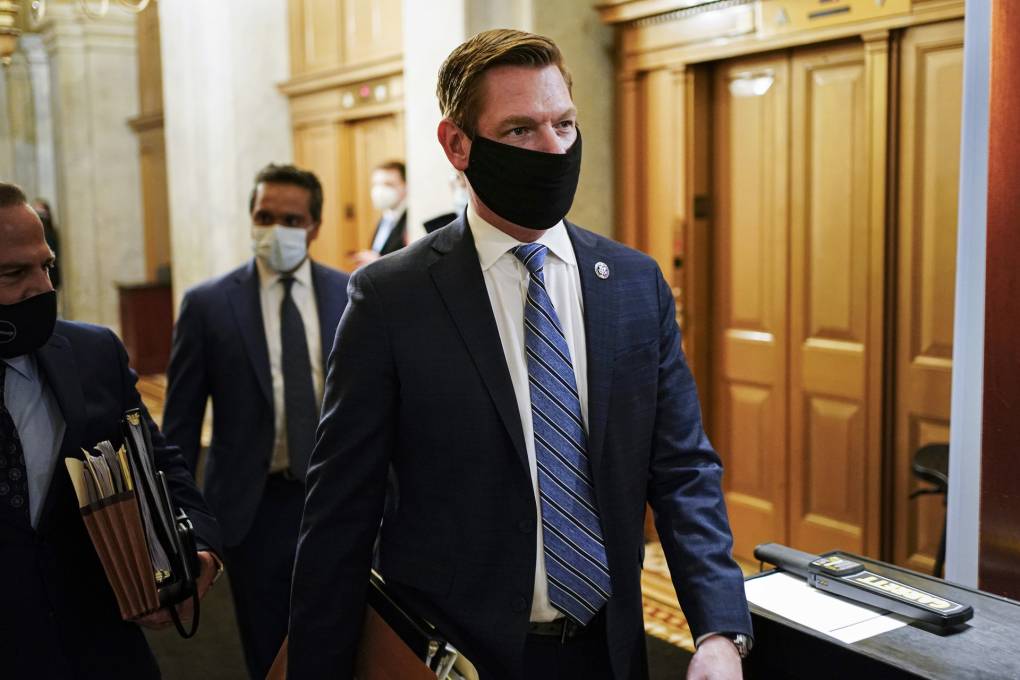
"caption": "House Impeachment Manager Rep. Eric Swalwell, D-California, departs after the day's proceedings in the impeachment trial of former President Donald Trump at the U.S. Capitol on Feb. 10, 2021 in Washington, D.C. ",
"description": "House Impeachment Manager Rep. Eric Swalwell (D-CA) departs after the day's proceedings in the impeachment trial of former President Donald Trump at the U.S. Capitol on February 10, 2021 in Washington, DC. ",
"title": "Second Impeachment Trial Of Donald J. Trump Continues In Senate",
"credit": "Joshua Roberts-Pool/Getty Images",
"status": "inherit",
"altTag": null,
"isLoading": false,
"fetchFailed": false
},
"news_11863288": {
"type": "attachments",
"id": "news_11863288",
"meta": {
"index": "attachments_1716263798",
"site": "news",
"id": "11863288",
"found": true
},
"parent": 11863208,
"imgSizes": {
"apple_news_ca_landscape_5_5": {
"file": "https://ww2.kqed.org/app/uploads/sites/10/2021/03/RS47516_GettyImages-1229643858-qut-1044x783.jpg",
"width": 1044,
"mimeType": "image/jpeg",
"height": 783
},
"apple_news_ca_square_4_0": {
"file": "https://ww2.kqed.org/app/uploads/sites/10/2021/03/RS47516_GettyImages-1229643858-qut-470x470.jpg",
"width": 470,
"mimeType": "image/jpeg",
"height": 470
},
"twentyfourteen-full-width": {
"file": "https://ww2.kqed.org/app/uploads/sites/10/2021/03/RS47516_GettyImages-1229643858-qut-1038x576.jpg",
"width": 1038,
"mimeType": "image/jpeg",
"height": 576
},
"thumbnail": {
"file": "https://ww2.kqed.org/app/uploads/sites/10/2021/03/RS47516_GettyImages-1229643858-qut-160x90.jpg",
"width": 160,
"mimeType": "image/jpeg",
"height": 90
},
"post-thumbnail": {
"file": "https://ww2.kqed.org/app/uploads/sites/10/2021/03/RS47516_GettyImages-1229643858-qut-672x372.jpg",
"width": 672,
"mimeType": "image/jpeg",
"height": 372
},
"kqedFullSize": {
"file": "https://ww2.kqed.org/app/uploads/sites/10/2021/03/RS47516_GettyImages-1229643858-qut.jpg",
"width": 1920,
"height": 1075
},
"apple_news_ca_landscape_4_7": {
"file": "https://ww2.kqed.org/app/uploads/sites/10/2021/03/RS47516_GettyImages-1229643858-qut-632x474.jpg",
"width": 632,
"mimeType": "image/jpeg",
"height": 474
},
"large": {
"file": "https://ww2.kqed.org/app/uploads/sites/10/2021/03/RS47516_GettyImages-1229643858-qut-1020x571.jpg",
"width": 1020,
"mimeType": "image/jpeg",
"height": 571
},
"apple_news_ca_landscape_4_0": {
"file": "https://ww2.kqed.org/app/uploads/sites/10/2021/03/RS47516_GettyImages-1229643858-qut-536x402.jpg",
"width": 536,
"mimeType": "image/jpeg",
"height": 402
},
"apple_news_ca_portrait_12_9": {
"file": "https://ww2.kqed.org/app/uploads/sites/10/2021/03/RS47516_GettyImages-1229643858-qut-1122x1075.jpg",
"width": 1122,
"mimeType": "image/jpeg",
"height": 1075
},
"medium": {
"file": "https://ww2.kqed.org/app/uploads/sites/10/2021/03/RS47516_GettyImages-1229643858-qut-800x448.jpg",
"width": 800,
"mimeType": "image/jpeg",
"height": 448
},
"apple_news_ca_portrait_4_0": {
"file": "https://ww2.kqed.org/app/uploads/sites/10/2021/03/RS47516_GettyImages-1229643858-qut-354x472.jpg",
"width": 354,
"mimeType": "image/jpeg",
"height": 472
},
"apple_news_ca_portrait_9_7": {
"file": "https://ww2.kqed.org/app/uploads/sites/10/2021/03/RS47516_GettyImages-1229643858-qut-840x1075.jpg",
"width": 840,
"mimeType": "image/jpeg",
"height": 1075
},
"apple_news_ca_landscape_12_9": {
"file": "https://ww2.kqed.org/app/uploads/sites/10/2021/03/RS47516_GettyImages-1229643858-qut-1832x1075.jpg",
"width": 1832,
"mimeType": "image/jpeg",
"height": 1075
},
"apple_news_ca_square_9_7": {
"file": "https://ww2.kqed.org/app/uploads/sites/10/2021/03/RS47516_GettyImages-1229643858-qut-1104x1075.jpg",
"width": 1104,
"mimeType": "image/jpeg",
"height": 1075
},
"1536x1536": {
"file": "https://ww2.kqed.org/app/uploads/sites/10/2021/03/RS47516_GettyImages-1229643858-qut-1536x860.jpg",
"width": 1536,
"mimeType": "image/jpeg",
"height": 860
},
"apple_news_ca_portrait_4_7": {
"file": "https://ww2.kqed.org/app/uploads/sites/10/2021/03/RS47516_GettyImages-1229643858-qut-414x552.jpg",
"width": 414,
"mimeType": "image/jpeg",
"height": 552
},
"apple_news_ca_square_12_9": {
"file": "https://ww2.kqed.org/app/uploads/sites/10/2021/03/RS47516_GettyImages-1229643858-qut-1472x1075.jpg",
"width": 1472,
"mimeType": "image/jpeg",
"height": 1075
},
"apple_news_ca_portrait_5_5": {
"file": "https://ww2.kqed.org/app/uploads/sites/10/2021/03/RS47516_GettyImages-1229643858-qut-687x916.jpg",
"width": 687,
"mimeType": "image/jpeg",
"height": 916
},
"apple_news_ca_square_4_7": {
"file": "https://ww2.kqed.org/app/uploads/sites/10/2021/03/RS47516_GettyImages-1229643858-qut-550x550.jpg",
"width": 550,
"mimeType": "image/jpeg",
"height": 550
},
"apple_news_ca_landscape_9_7": {
"file": "https://ww2.kqed.org/app/uploads/sites/10/2021/03/RS47516_GettyImages-1229643858-qut-1376x1032.jpg",
"width": 1376,
"mimeType": "image/jpeg",
"height": 1032
},
"apple_news_ca_square_5_5": {
"file": "https://ww2.kqed.org/app/uploads/sites/10/2021/03/RS47516_GettyImages-1229643858-qut-912x912.jpg",
"width": 912,
"mimeType": "image/jpeg",
"height": 912
}
},
"publishDate": 1614891270,
"modified": 1614895161,
"caption": "Students work on their laptop computers at St. Joseph Catholic School in La Puente, California, on Nov. 16, 2020, where pre-kindergarten to second grade students in need of special services returned to the classroom for in-person instruction. ",
"description": "Students work on their laptop computers at St. Joseph Catholic School in La Puente, California on November 16, 2020, where pre-kindergarten to Second Grade students in need of special services returned to the classroom for in-person instruction. ",
"title": "US-HEALTH-VIRUS-epidemic",
"credit": "Frederic J. Brown/AFP via Getty Images",
"status": "inherit",
"altTag": null,
"isLoading": false,
"fetchFailed": false
},
"news_11862735": {
"type": "attachments",
"id": "news_11862735",
"meta": {
"index": "attachments_1716263798",
"site": "news",
"id": "11862735",
"found": true
},
"parent": 11862532,
"imgSizes": {
"apple_news_ca_landscape_5_5": {
"file": "https://ww2.kqed.org/app/uploads/sites/10/2021/03/GettyImages-1186656408-1044x783.jpg",
"width": 1044,
"mimeType": "image/jpeg",
"height": 783
},
"apple_news_ca_square_4_0": {
"file": "https://ww2.kqed.org/app/uploads/sites/10/2021/03/GettyImages-1186656408-470x470.jpg",
"width": 470,
"mimeType": "image/jpeg",
"height": 470
},
"twentyfourteen-full-width": {
"file": "https://ww2.kqed.org/app/uploads/sites/10/2021/03/GettyImages-1186656408-1038x576.jpg",
"width": 1038,
"mimeType": "image/jpeg",
"height": 576
},
"thumbnail": {
"file": "https://ww2.kqed.org/app/uploads/sites/10/2021/03/GettyImages-1186656408-160x135.jpg",
"width": 160,
"mimeType": "image/jpeg",
"height": 135
},
"post-thumbnail": {
"file": "https://ww2.kqed.org/app/uploads/sites/10/2021/03/GettyImages-1186656408-672x372.jpg",
"width": 672,
"mimeType": "image/jpeg",
"height": 372
},
"kqedFullSize": {
"file": "https://ww2.kqed.org/app/uploads/sites/10/2021/03/GettyImages-1186656408.jpg",
"width": 1920,
"height": 1617
},
"apple_news_ca_landscape_4_7": {
"file": "https://ww2.kqed.org/app/uploads/sites/10/2021/03/GettyImages-1186656408-632x474.jpg",
"width": 632,
"mimeType": "image/jpeg",
"height": 474
},
"large": {
"file": "https://ww2.kqed.org/app/uploads/sites/10/2021/03/GettyImages-1186656408-1020x859.jpg",
"width": 1020,
"mimeType": "image/jpeg",
"height": 859
},
"apple_news_ca_landscape_4_0": {
"file": "https://ww2.kqed.org/app/uploads/sites/10/2021/03/GettyImages-1186656408-536x402.jpg",
"width": 536,
"mimeType": "image/jpeg",
"height": 402
},
"apple_news_ca_portrait_12_9": {
"file": "https://ww2.kqed.org/app/uploads/sites/10/2021/03/GettyImages-1186656408-1122x1496.jpg",
"width": 1122,
"mimeType": "image/jpeg",
"height": 1496
},
"medium": {
"file": "https://ww2.kqed.org/app/uploads/sites/10/2021/03/GettyImages-1186656408-800x674.jpg",
"width": 800,
"mimeType": "image/jpeg",
"height": 674
},
"apple_news_ca_portrait_4_0": {
"file": "https://ww2.kqed.org/app/uploads/sites/10/2021/03/GettyImages-1186656408-354x472.jpg",
"width": 354,
"mimeType": "image/jpeg",
"height": 472
},
"apple_news_ca_portrait_9_7": {
"file": "https://ww2.kqed.org/app/uploads/sites/10/2021/03/GettyImages-1186656408-840x1120.jpg",
"width": 840,
"mimeType": "image/jpeg",
"height": 1120
},
"apple_news_ca_landscape_12_9": {
"file": "https://ww2.kqed.org/app/uploads/sites/10/2021/03/GettyImages-1186656408-1832x1374.jpg",
"width": 1832,
"mimeType": "image/jpeg",
"height": 1374
},
"apple_news_ca_square_9_7": {
"file": "https://ww2.kqed.org/app/uploads/sites/10/2021/03/GettyImages-1186656408-1104x1104.jpg",
"width": 1104,
"mimeType": "image/jpeg",
"height": 1104
},
"1536x1536": {
"file": "https://ww2.kqed.org/app/uploads/sites/10/2021/03/GettyImages-1186656408-1536x1294.jpg",
"width": 1536,
"mimeType": "image/jpeg",
"height": 1294
},
"apple_news_ca_portrait_4_7": {
"file": "https://ww2.kqed.org/app/uploads/sites/10/2021/03/GettyImages-1186656408-414x552.jpg",
"width": 414,
"mimeType": "image/jpeg",
"height": 552
},
"apple_news_ca_square_12_9": {
"file": "https://ww2.kqed.org/app/uploads/sites/10/2021/03/GettyImages-1186656408-1472x1472.jpg",
"width": 1472,
"mimeType": "image/jpeg",
"height": 1472
},
"apple_news_ca_portrait_5_5": {
"file": "https://ww2.kqed.org/app/uploads/sites/10/2021/03/GettyImages-1186656408-687x916.jpg",
"width": 687,
"mimeType": "image/jpeg",
"height": 916
},
"apple_news_ca_square_4_7": {
"file": "https://ww2.kqed.org/app/uploads/sites/10/2021/03/GettyImages-1186656408-550x550.jpg",
"width": 550,
"mimeType": "image/jpeg",
"height": 550
},
"apple_news_ca_landscape_9_7": {
"file": "https://ww2.kqed.org/app/uploads/sites/10/2021/03/GettyImages-1186656408-1376x1032.jpg",
"width": 1376,
"mimeType": "image/jpeg",
"height": 1032
},
"apple_news_ca_square_5_5": {
"file": "https://ww2.kqed.org/app/uploads/sites/10/2021/03/GettyImages-1186656408-912x912.jpg",
"width": 912,
"mimeType": "image/jpeg",
"height": 912
}
},
"publishDate": 1614663488,
"modified": 1614663633,
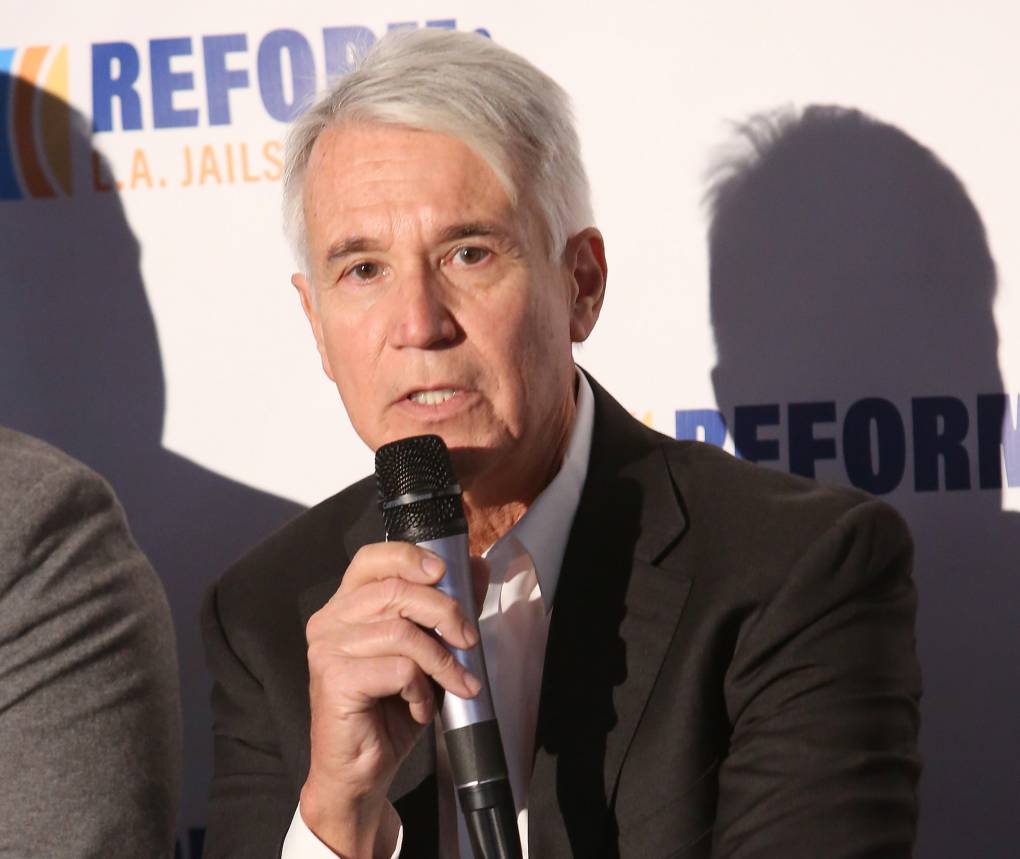
"caption": "George Gascón speaks at the Reform LA Jails Summit on Nov. 9, 2019 in Pasadena.",
"description": null,
"title": "Reform L.A. Jails Summit + Day Party: Mental Health Matters",
"credit": "Jesse Grant/Getty Images",
"status": "inherit",
"altTag": null,
"isLoading": false,
"fetchFailed": false
},
"news_11862602": {
"type": "attachments",
"id": "news_11862602",
"meta": {
"index": "attachments_1716263798",
"site": "news",
"id": "11862602",
"found": true
},
"parent": 11877048,
"imgSizes": {
"apple_news_ca_landscape_5_5": {
"file": "https://ww2.kqed.org/app/uploads/sites/10/2021/03/GettyImages-1231222911-1044x783.jpg",
"width": 1044,
"mimeType": "image/jpeg",
"height": 783
},
"apple_news_ca_square_4_0": {
"file": "https://ww2.kqed.org/app/uploads/sites/10/2021/03/GettyImages-1231222911-470x470.jpg",
"width": 470,
"mimeType": "image/jpeg",
"height": 470
},
"twentyfourteen-full-width": {
"file": "https://ww2.kqed.org/app/uploads/sites/10/2021/03/GettyImages-1231222911-1038x576.jpg",
"width": 1038,
"mimeType": "image/jpeg",
"height": 576
},
"thumbnail": {
"file": "https://ww2.kqed.org/app/uploads/sites/10/2021/03/GettyImages-1231222911-160x107.jpg",
"width": 160,
"mimeType": "image/jpeg",
"height": 107
},
"post-thumbnail": {
"file": "https://ww2.kqed.org/app/uploads/sites/10/2021/03/GettyImages-1231222911-672x372.jpg",
"width": 672,
"mimeType": "image/jpeg",
"height": 372
},
"kqedFullSize": {
"file": "https://ww2.kqed.org/app/uploads/sites/10/2021/03/GettyImages-1231222911-scaled.jpg",
"width": 2560,
"height": 1707
},
"2048x2048": {
"file": "https://ww2.kqed.org/app/uploads/sites/10/2021/03/GettyImages-1231222911-2048x1365.jpg",
"width": 2048,
"mimeType": "image/jpeg",
"height": 1365
},
"apple_news_ca_landscape_4_7": {
"file": "https://ww2.kqed.org/app/uploads/sites/10/2021/03/GettyImages-1231222911-632x474.jpg",
"width": 632,
"mimeType": "image/jpeg",
"height": 474
},
"large": {
"file": "https://ww2.kqed.org/app/uploads/sites/10/2021/03/GettyImages-1231222911-1020x680.jpg",
"width": 1020,
"mimeType": "image/jpeg",
"height": 680
},
"apple_news_ca_landscape_4_0": {
"file": "https://ww2.kqed.org/app/uploads/sites/10/2021/03/GettyImages-1231222911-536x402.jpg",
"width": 536,
"mimeType": "image/jpeg",
"height": 402
},
"apple_news_ca_portrait_12_9": {
"file": "https://ww2.kqed.org/app/uploads/sites/10/2021/03/GettyImages-1231222911-1122x1496.jpg",
"width": 1122,
"mimeType": "image/jpeg",
"height": 1496
},
"medium": {
"file": "https://ww2.kqed.org/app/uploads/sites/10/2021/03/GettyImages-1231222911-800x533.jpg",
"width": 800,
"mimeType": "image/jpeg",
"height": 533
},
"apple_news_ca_portrait_4_0": {
"file": "https://ww2.kqed.org/app/uploads/sites/10/2021/03/GettyImages-1231222911-354x472.jpg",
"width": 354,
"mimeType": "image/jpeg",
"height": 472
},
"apple_news_ca_portrait_9_7": {
"file": "https://ww2.kqed.org/app/uploads/sites/10/2021/03/GettyImages-1231222911-840x1120.jpg",
"width": 840,
"mimeType": "image/jpeg",
"height": 1120
},
"apple_news_ca_landscape_12_9": {
"file": "https://ww2.kqed.org/app/uploads/sites/10/2021/03/GettyImages-1231222911-1832x1374.jpg",
"width": 1832,
"mimeType": "image/jpeg",
"height": 1374
},
"apple_news_ca_square_9_7": {
"file": "https://ww2.kqed.org/app/uploads/sites/10/2021/03/GettyImages-1231222911-1104x1104.jpg",
"width": 1104,
"mimeType": "image/jpeg",
"height": 1104
},
"1536x1536": {
"file": "https://ww2.kqed.org/app/uploads/sites/10/2021/03/GettyImages-1231222911-1536x1024.jpg",
"width": 1536,
"mimeType": "image/jpeg",
"height": 1024
},
"apple_news_ca_portrait_4_7": {
"file": "https://ww2.kqed.org/app/uploads/sites/10/2021/03/GettyImages-1231222911-414x552.jpg",
"width": 414,
"mimeType": "image/jpeg",
"height": 552
},
"apple_news_ca_square_12_9": {
"file": "https://ww2.kqed.org/app/uploads/sites/10/2021/03/GettyImages-1231222911-1472x1472.jpg",
"width": 1472,
"mimeType": "image/jpeg",
"height": 1472
},
"apple_news_ca_portrait_5_5": {
"file": "https://ww2.kqed.org/app/uploads/sites/10/2021/03/GettyImages-1231222911-687x916.jpg",
"width": 687,
"mimeType": "image/jpeg",
"height": 916
},
"full-width": {
"file": "https://ww2.kqed.org/app/uploads/sites/10/2021/03/GettyImages-1231222911-1920x1280.jpg",
"width": 1920,
"mimeType": "image/jpeg",
"height": 1280
},
"apple_news_ca_square_4_7": {
"file": "https://ww2.kqed.org/app/uploads/sites/10/2021/03/GettyImages-1231222911-550x550.jpg",
"width": 550,
"mimeType": "image/jpeg",
"height": 550
},
"apple_news_ca_landscape_9_7": {
"file": "https://ww2.kqed.org/app/uploads/sites/10/2021/03/GettyImages-1231222911-1376x1032.jpg",
"width": 1376,
"mimeType": "image/jpeg",
"height": 1032
},
"apple_news_ca_square_5_5": {
"file": "https://ww2.kqed.org/app/uploads/sites/10/2021/03/GettyImages-1231222911-912x912.jpg",
"width": 912,
"mimeType": "image/jpeg",
"height": 912
}
},
"publishDate": 1614630924,
"modified": 1623255773,
"caption": "Children attend online classes at a learning hub inside the Crenshaw Family YMCA on Feb. 17, 2021 in Los Angeles.",
"description": null,
"title": "US-HEALTH-VIRUS-SCHOOLS",
"credit": "Patrick T. Fallon/AFP via Getty Images",
"status": "inherit",
"altTag": null,
"isLoading": false,
"fetchFailed": false
},
"news_11862462": {
"type": "attachments",
"id": "news_11862462",
"meta": {
"index": "attachments_1716263798",
"site": "news",
"id": "11862462",
"found": true
},
"parent": 11862460,
"imgSizes": {
"apple_news_ca_landscape_5_5": {
"file": "https://ww2.kqed.org/app/uploads/sites/10/2021/02/GettyImages-1231051262-1044x783.jpg",
"width": 1044,
"mimeType": "image/jpeg",
"height": 783
},
"apple_news_ca_square_4_0": {
"file": "https://ww2.kqed.org/app/uploads/sites/10/2021/02/GettyImages-1231051262-470x470.jpg",
"width": 470,
"mimeType": "image/jpeg",
"height": 470
},
"twentyfourteen-full-width": {
"file": "https://ww2.kqed.org/app/uploads/sites/10/2021/02/GettyImages-1231051262-1038x576.jpg",
"width": 1038,
"mimeType": "image/jpeg",
"height": 576
},
"thumbnail": {
"file": "https://ww2.kqed.org/app/uploads/sites/10/2021/02/GettyImages-1231051262-160x107.jpg",
"width": 160,
"mimeType": "image/jpeg",
"height": 107
},
"post-thumbnail": {
"file": "https://ww2.kqed.org/app/uploads/sites/10/2021/02/GettyImages-1231051262-672x372.jpg",
"width": 672,
"mimeType": "image/jpeg",
"height": 372
},
"kqedFullSize": {
"file": "https://ww2.kqed.org/app/uploads/sites/10/2021/02/GettyImages-1231051262-scaled.jpg",
"width": 2560,
"height": 1706
},
"2048x2048": {
"file": "https://ww2.kqed.org/app/uploads/sites/10/2021/02/GettyImages-1231051262-2048x1365.jpg",
"width": 2048,
"mimeType": "image/jpeg",
"height": 1365
},
"apple_news_ca_landscape_4_7": {
"file": "https://ww2.kqed.org/app/uploads/sites/10/2021/02/GettyImages-1231051262-632x474.jpg",
"width": 632,
"mimeType": "image/jpeg",
"height": 474
},
"large": {
"file": "https://ww2.kqed.org/app/uploads/sites/10/2021/02/GettyImages-1231051262-1020x680.jpg",
"width": 1020,
"mimeType": "image/jpeg",
"height": 680
},
"apple_news_ca_landscape_4_0": {
"file": "https://ww2.kqed.org/app/uploads/sites/10/2021/02/GettyImages-1231051262-536x402.jpg",
"width": 536,
"mimeType": "image/jpeg",
"height": 402
},
"apple_news_ca_portrait_12_9": {
"file": "https://ww2.kqed.org/app/uploads/sites/10/2021/02/GettyImages-1231051262-1122x1496.jpg",
"width": 1122,
"mimeType": "image/jpeg",
"height": 1496
},
"medium": {
"file": "https://ww2.kqed.org/app/uploads/sites/10/2021/02/GettyImages-1231051262-800x533.jpg",
"width": 800,
"mimeType": "image/jpeg",
"height": 533
},
"apple_news_ca_portrait_4_0": {
"file": "https://ww2.kqed.org/app/uploads/sites/10/2021/02/GettyImages-1231051262-354x472.jpg",
"width": 354,
"mimeType": "image/jpeg",
"height": 472
},
"apple_news_ca_portrait_9_7": {
"file": "https://ww2.kqed.org/app/uploads/sites/10/2021/02/GettyImages-1231051262-840x1120.jpg",
"width": 840,
"mimeType": "image/jpeg",
"height": 1120
},
"apple_news_ca_landscape_12_9": {
"file": "https://ww2.kqed.org/app/uploads/sites/10/2021/02/GettyImages-1231051262-1832x1374.jpg",
"width": 1832,
"mimeType": "image/jpeg",
"height": 1374
},
"apple_news_ca_square_9_7": {
"file": "https://ww2.kqed.org/app/uploads/sites/10/2021/02/GettyImages-1231051262-1104x1104.jpg",
"width": 1104,
"mimeType": "image/jpeg",
"height": 1104
},
"1536x1536": {
"file": "https://ww2.kqed.org/app/uploads/sites/10/2021/02/GettyImages-1231051262-1536x1024.jpg",
"width": 1536,
"mimeType": "image/jpeg",
"height": 1024
},
"apple_news_ca_portrait_4_7": {
"file": "https://ww2.kqed.org/app/uploads/sites/10/2021/02/GettyImages-1231051262-414x552.jpg",
"width": 414,
"mimeType": "image/jpeg",
"height": 552
},
"apple_news_ca_square_12_9": {
"file": "https://ww2.kqed.org/app/uploads/sites/10/2021/02/GettyImages-1231051262-1472x1472.jpg",
"width": 1472,
"mimeType": "image/jpeg",
"height": 1472
},
"apple_news_ca_portrait_5_5": {
"file": "https://ww2.kqed.org/app/uploads/sites/10/2021/02/GettyImages-1231051262-687x916.jpg",
"width": 687,
"mimeType": "image/jpeg",
"height": 916
},
"full-width": {
"file": "https://ww2.kqed.org/app/uploads/sites/10/2021/02/GettyImages-1231051262-1920x1280.jpg",
"width": 1920,
"mimeType": "image/jpeg",
"height": 1280
},
"apple_news_ca_square_4_7": {
"file": "https://ww2.kqed.org/app/uploads/sites/10/2021/02/GettyImages-1231051262-550x550.jpg",
"width": 550,
"mimeType": "image/jpeg",
"height": 550
},
"apple_news_ca_landscape_9_7": {
"file": "https://ww2.kqed.org/app/uploads/sites/10/2021/02/GettyImages-1231051262-1376x1032.jpg",
"width": 1376,
"mimeType": "image/jpeg",
"height": 1032
},
"apple_news_ca_square_5_5": {
"file": "https://ww2.kqed.org/app/uploads/sites/10/2021/02/GettyImages-1231051262-912x912.jpg",
"width": 912,
"mimeType": "image/jpeg",
"height": 912
}
},
"publishDate": 1614535111,
"modified": 1614623735,
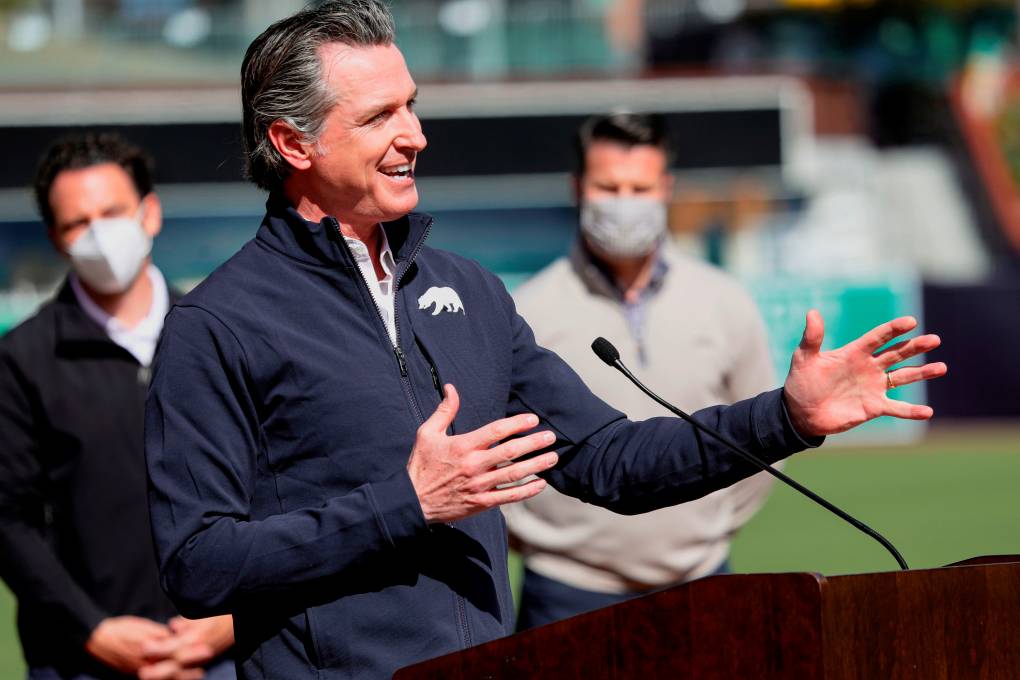
"caption": "Gov. Gavin Newsom speaks to the the media during a press conference at a super vaccination site at San Diego's Petco Park on February 8, 2021. The Newsom administration projects Californians will earn $185 billion from capital gains, resulting in $18.5 billion in tax revenue for the state.",
"description": "A photo of California Gov. Gavin Newsom as he speaks to members of the media during a press conference at Petco Park on Feb. 8, 2021 in San Diego during a visit to the Petco Park Vaccination Supersite.",
"title": "US-HEALTH-VIRUS-VACCINE",
"credit": "Sandy Huffaker/Pool/AFP via Getty Images",
"status": "inherit",
"altTag": null,
"isLoading": false,
"fetchFailed": false
},
"news_11862440": {
"type": "attachments",
"id": "news_11862440",
"meta": {
"index": "attachments_1716263798",
"site": "news",
"id": "11862440",
"found": true
},
"parent": 11862434,
"imgSizes": {
"apple_news_ca_landscape_5_5": {
"file": "https://ww2.kqed.org/app/uploads/sites/10/2021/02/GettyImages-1230310748-1044x783.jpg",
"width": 1044,
"mimeType": "image/jpeg",
"height": 783
},
"apple_news_ca_square_4_0": {
"file": "https://ww2.kqed.org/app/uploads/sites/10/2021/02/GettyImages-1230310748-470x470.jpg",
"width": 470,
"mimeType": "image/jpeg",
"height": 470
},
"twentyfourteen-full-width": {
"file": "https://ww2.kqed.org/app/uploads/sites/10/2021/02/GettyImages-1230310748-1038x576.jpg",
"width": 1038,
"mimeType": "image/jpeg",
"height": 576
},
"thumbnail": {
"file": "https://ww2.kqed.org/app/uploads/sites/10/2021/02/GettyImages-1230310748-160x107.jpg",
"width": 160,
"mimeType": "image/jpeg",
"height": 107
},
"post-thumbnail": {
"file": "https://ww2.kqed.org/app/uploads/sites/10/2021/02/GettyImages-1230310748-672x372.jpg",
"width": 672,
"mimeType": "image/jpeg",
"height": 372
},
"kqedFullSize": {
"file": "https://ww2.kqed.org/app/uploads/sites/10/2021/02/GettyImages-1230310748-scaled.jpg",
"width": 2560,
"height": 1707
},
"2048x2048": {
"file": "https://ww2.kqed.org/app/uploads/sites/10/2021/02/GettyImages-1230310748-2048x1366.jpg",
"width": 2048,
"mimeType": "image/jpeg",
"height": 1366
},
"apple_news_ca_landscape_4_7": {
"file": "https://ww2.kqed.org/app/uploads/sites/10/2021/02/GettyImages-1230310748-632x474.jpg",
"width": 632,
"mimeType": "image/jpeg",
"height": 474
},
"large": {
"file": "https://ww2.kqed.org/app/uploads/sites/10/2021/02/GettyImages-1230310748-1020x680.jpg",
"width": 1020,
"mimeType": "image/jpeg",
"height": 680
},
"apple_news_ca_landscape_4_0": {
"file": "https://ww2.kqed.org/app/uploads/sites/10/2021/02/GettyImages-1230310748-536x402.jpg",
"width": 536,
"mimeType": "image/jpeg",
"height": 402
},
"apple_news_ca_portrait_12_9": {
"file": "https://ww2.kqed.org/app/uploads/sites/10/2021/02/GettyImages-1230310748-1122x1496.jpg",
"width": 1122,
"mimeType": "image/jpeg",
"height": 1496
},
"medium": {
"file": "https://ww2.kqed.org/app/uploads/sites/10/2021/02/GettyImages-1230310748-800x534.jpg",
"width": 800,
"mimeType": "image/jpeg",
"height": 534
},
"apple_news_ca_portrait_4_0": {
"file": "https://ww2.kqed.org/app/uploads/sites/10/2021/02/GettyImages-1230310748-354x472.jpg",
"width": 354,
"mimeType": "image/jpeg",
"height": 472
},
"apple_news_ca_portrait_9_7": {
"file": "https://ww2.kqed.org/app/uploads/sites/10/2021/02/GettyImages-1230310748-840x1120.jpg",
"width": 840,
"mimeType": "image/jpeg",
"height": 1120
},
"apple_news_ca_landscape_12_9": {
"file": "https://ww2.kqed.org/app/uploads/sites/10/2021/02/GettyImages-1230310748-1832x1374.jpg",
"width": 1832,
"mimeType": "image/jpeg",
"height": 1374
},
"apple_news_ca_square_9_7": {
"file": "https://ww2.kqed.org/app/uploads/sites/10/2021/02/GettyImages-1230310748-1104x1104.jpg",
"width": 1104,
"mimeType": "image/jpeg",
"height": 1104
},
"1536x1536": {
"file": "https://ww2.kqed.org/app/uploads/sites/10/2021/02/GettyImages-1230310748-1536x1024.jpg",
"width": 1536,
"mimeType": "image/jpeg",
"height": 1024
},
"apple_news_ca_portrait_4_7": {
"file": "https://ww2.kqed.org/app/uploads/sites/10/2021/02/GettyImages-1230310748-414x552.jpg",
"width": 414,
"mimeType": "image/jpeg",
"height": 552
},
"apple_news_ca_square_12_9": {
"file": "https://ww2.kqed.org/app/uploads/sites/10/2021/02/GettyImages-1230310748-1472x1472.jpg",
"width": 1472,
"mimeType": "image/jpeg",
"height": 1472
},
"apple_news_ca_portrait_5_5": {
"file": "https://ww2.kqed.org/app/uploads/sites/10/2021/02/GettyImages-1230310748-687x916.jpg",
"width": 687,
"mimeType": "image/jpeg",
"height": 916
},
"full-width": {
"file": "https://ww2.kqed.org/app/uploads/sites/10/2021/02/GettyImages-1230310748-1920x1280.jpg",
"width": 1920,
"mimeType": "image/jpeg",
"height": 1280
},
"apple_news_ca_square_4_7": {
"file": "https://ww2.kqed.org/app/uploads/sites/10/2021/02/GettyImages-1230310748-550x550.jpg",
"width": 550,
"mimeType": "image/jpeg",
"height": 550
},
"apple_news_ca_landscape_9_7": {
"file": "https://ww2.kqed.org/app/uploads/sites/10/2021/02/GettyImages-1230310748-1376x1032.jpg",
"width": 1376,
"mimeType": "image/jpeg",
"height": 1032
},
"apple_news_ca_square_5_5": {
"file": "https://ww2.kqed.org/app/uploads/sites/10/2021/02/GettyImages-1230310748-912x912.jpg",
"width": 912,
"mimeType": "image/jpeg",
"height": 912
}
},
"publishDate": 1614442834,
"modified": 1614622282,
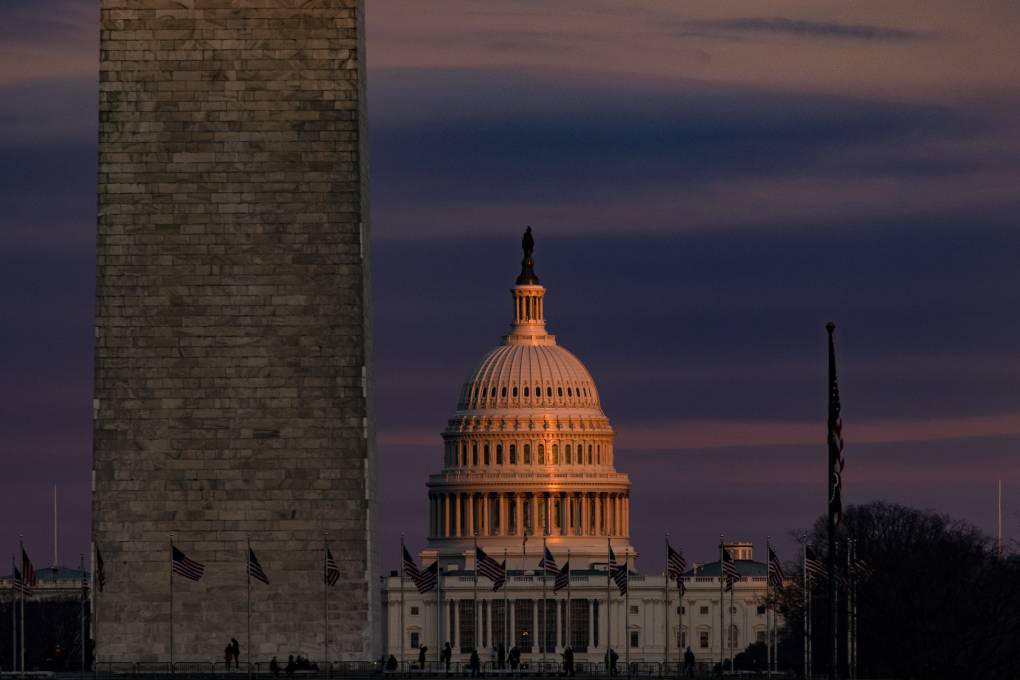
"caption": "All but two House Democrats voted in favor of the $1.9 trillion relief package, with the final vote tally being 219 in favor and 212 against. No Republican supported the bill.",
"description": "The U.S. Capitol Building is seen past the Washington Monument as the sun sets on Dec. 26, 2020 in Washington, D.C.",
"title": "Sun Sets On Nation's Capital",
"credit": "Samuel Corum/Getty Images",
"status": "inherit",
"altTag": null,
"isLoading": false,
"fetchFailed": false
},
"news_11862171": {
"type": "attachments",
"id": "news_11862171",
"meta": {
"index": "attachments_1716263798",
"site": "news",
"id": "11862171",
"found": true
},
"parent": 11862094,
"imgSizes": {
"apple_news_ca_landscape_5_5": {
"file": "https://ww2.kqed.org/app/uploads/sites/10/2021/02/London-Breed-1044x783.jpg",
"width": 1044,
"mimeType": "image/jpeg",
"height": 783
},
"apple_news_ca_square_4_0": {
"file": "https://ww2.kqed.org/app/uploads/sites/10/2021/02/London-Breed-470x470.jpg",
"width": 470,
"mimeType": "image/jpeg",
"height": 470
},
"twentyfourteen-full-width": {
"file": "https://ww2.kqed.org/app/uploads/sites/10/2021/02/London-Breed-1038x576.jpg",
"width": 1038,
"mimeType": "image/jpeg",
"height": 576
},
"thumbnail": {
"file": "https://ww2.kqed.org/app/uploads/sites/10/2021/02/London-Breed-160x107.jpg",
"width": 160,
"mimeType": "image/jpeg",
"height": 107
},
"post-thumbnail": {
"file": "https://ww2.kqed.org/app/uploads/sites/10/2021/02/London-Breed-672x372.jpg",
"width": 672,
"mimeType": "image/jpeg",
"height": 372
},
"kqedFullSize": {
"file": "https://ww2.kqed.org/app/uploads/sites/10/2021/02/London-Breed.jpg",
"width": 1920,
"height": 1280
},
"apple_news_ca_landscape_4_7": {
"file": "https://ww2.kqed.org/app/uploads/sites/10/2021/02/London-Breed-632x474.jpg",
"width": 632,
"mimeType": "image/jpeg",
"height": 474
},
"large": {
"file": "https://ww2.kqed.org/app/uploads/sites/10/2021/02/London-Breed-1020x680.jpg",
"width": 1020,
"mimeType": "image/jpeg",
"height": 680
},
"apple_news_ca_landscape_4_0": {
"file": "https://ww2.kqed.org/app/uploads/sites/10/2021/02/London-Breed-536x402.jpg",
"width": 536,
"mimeType": "image/jpeg",
"height": 402
},
"apple_news_ca_portrait_12_9": {
"file": "https://ww2.kqed.org/app/uploads/sites/10/2021/02/London-Breed-1122x1280.jpg",
"width": 1122,
"mimeType": "image/jpeg",
"height": 1280
},
"medium": {
"file": "https://ww2.kqed.org/app/uploads/sites/10/2021/02/London-Breed-800x533.jpg",
"width": 800,
"mimeType": "image/jpeg",
"height": 533
},
"apple_news_ca_portrait_4_0": {
"file": "https://ww2.kqed.org/app/uploads/sites/10/2021/02/London-Breed-354x472.jpg",
"width": 354,
"mimeType": "image/jpeg",
"height": 472
},
"apple_news_ca_portrait_9_7": {
"file": "https://ww2.kqed.org/app/uploads/sites/10/2021/02/London-Breed-840x1120.jpg",
"width": 840,
"mimeType": "image/jpeg",
"height": 1120
},
"apple_news_ca_landscape_12_9": {
"file": "https://ww2.kqed.org/app/uploads/sites/10/2021/02/London-Breed-1832x1280.jpg",
"width": 1832,
"mimeType": "image/jpeg",
"height": 1280
},
"apple_news_ca_square_9_7": {
"file": "https://ww2.kqed.org/app/uploads/sites/10/2021/02/London-Breed-1104x1104.jpg",
"width": 1104,
"mimeType": "image/jpeg",
"height": 1104
},
"1536x1536": {
"file": "https://ww2.kqed.org/app/uploads/sites/10/2021/02/London-Breed-1536x1024.jpg",
"width": 1536,
"mimeType": "image/jpeg",
"height": 1024
},
"apple_news_ca_portrait_4_7": {
"file": "https://ww2.kqed.org/app/uploads/sites/10/2021/02/London-Breed-414x552.jpg",
"width": 414,
"mimeType": "image/jpeg",
"height": 552
},
"apple_news_ca_square_12_9": {
"file": "https://ww2.kqed.org/app/uploads/sites/10/2021/02/London-Breed-1472x1280.jpg",
"width": 1472,
"mimeType": "image/jpeg",
"height": 1280
},
"apple_news_ca_portrait_5_5": {
"file": "https://ww2.kqed.org/app/uploads/sites/10/2021/02/London-Breed-687x916.jpg",
"width": 687,
"mimeType": "image/jpeg",
"height": 916
},
"apple_news_ca_square_4_7": {
"file": "https://ww2.kqed.org/app/uploads/sites/10/2021/02/London-Breed-550x550.jpg",
"width": 550,
"mimeType": "image/jpeg",
"height": 550
},
"apple_news_ca_landscape_9_7": {
"file": "https://ww2.kqed.org/app/uploads/sites/10/2021/02/London-Breed-1376x1032.jpg",
"width": 1376,
"mimeType": "image/jpeg",
"height": 1032
},
"apple_news_ca_square_5_5": {
"file": "https://ww2.kqed.org/app/uploads/sites/10/2021/02/London-Breed-912x912.jpg",
"width": 912,
"mimeType": "image/jpeg",
"height": 912
}
},
"publishDate": 1614295237,
"modified": 1614295294,
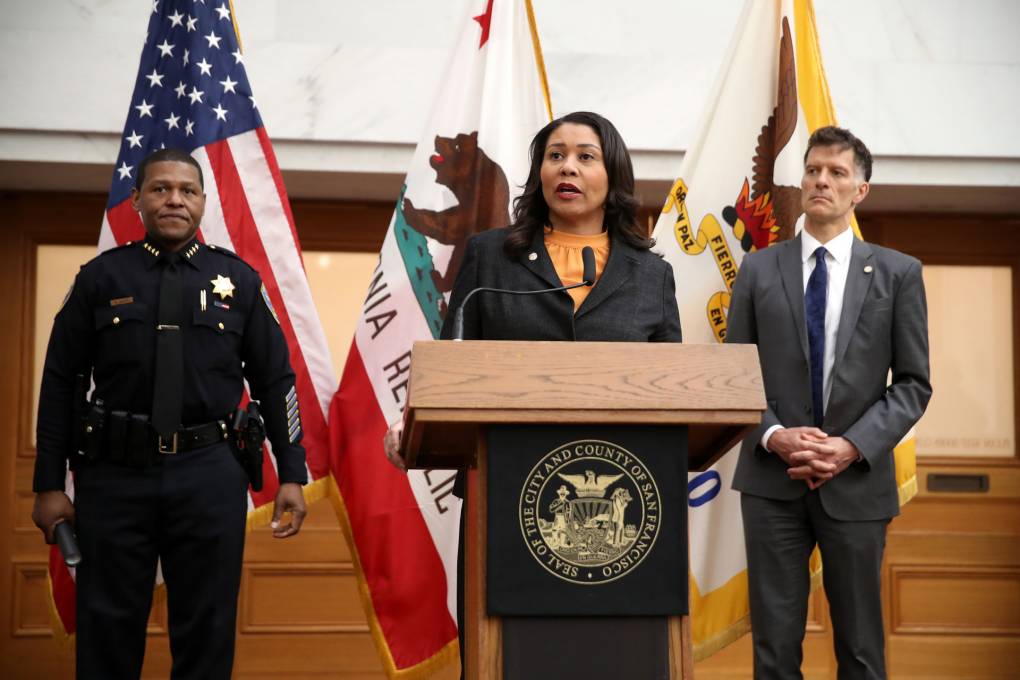
"caption": "San Francisco Mayor London Breed speaks during a press conference on March 16, 2020, at City Hall as San Francisco Police Chief William Scott looks on.",
"description": "San Francisco Mayor London Breed speaks during a press conference on March 16, 2020, at City Hall as San Francisco Police Chief William Scott looks on.",
"title": "London-Breed",
"credit": "Justin Sullivan/Getty Images",
"status": "inherit",
"altTag": null,
"isLoading": false,
"fetchFailed": false
},
"news_11861639": {
"type": "attachments",
"id": "news_11861639",
"meta": {
"index": "attachments_1716263798",
"site": "news",
"id": "11861639",
"found": true
},
"parent": 11861466,
"imgSizes": {
"apple_news_ca_landscape_5_5": {
"file": "https://ww2.kqed.org/app/uploads/sites/10/2021/02/RS46599_017_KQED_Berkeley_SchoolSitIn_01132021-qut-1-1044x783.jpg",
"width": 1044,
"mimeType": "image/jpeg",
"height": 783
},
"apple_news_ca_square_4_0": {
"file": "https://ww2.kqed.org/app/uploads/sites/10/2021/02/RS46599_017_KQED_Berkeley_SchoolSitIn_01132021-qut-1-470x470.jpg",
"width": 470,
"mimeType": "image/jpeg",
"height": 470
},
"twentyfourteen-full-width": {
"file": "https://ww2.kqed.org/app/uploads/sites/10/2021/02/RS46599_017_KQED_Berkeley_SchoolSitIn_01132021-qut-1-1038x576.jpg",
"width": 1038,
"mimeType": "image/jpeg",
"height": 576
},
"thumbnail": {
"file": "https://ww2.kqed.org/app/uploads/sites/10/2021/02/RS46599_017_KQED_Berkeley_SchoolSitIn_01132021-qut-1-160x107.jpg",
"width": 160,
"mimeType": "image/jpeg",
"height": 107
},
"post-thumbnail": {
"file": "https://ww2.kqed.org/app/uploads/sites/10/2021/02/RS46599_017_KQED_Berkeley_SchoolSitIn_01132021-qut-1-672x372.jpg",
"width": 672,
"mimeType": "image/jpeg",
"height": 372
},
"kqedFullSize": {
"file": "https://ww2.kqed.org/app/uploads/sites/10/2021/02/RS46599_017_KQED_Berkeley_SchoolSitIn_01132021-qut-1.jpg",
"width": 1920,
"height": 1282
},
"apple_news_ca_landscape_4_7": {
"file": "https://ww2.kqed.org/app/uploads/sites/10/2021/02/RS46599_017_KQED_Berkeley_SchoolSitIn_01132021-qut-1-632x474.jpg",
"width": 632,
"mimeType": "image/jpeg",
"height": 474
},
"large": {
"file": "https://ww2.kqed.org/app/uploads/sites/10/2021/02/RS46599_017_KQED_Berkeley_SchoolSitIn_01132021-qut-1-1020x681.jpg",
"width": 1020,
"mimeType": "image/jpeg",
"height": 681
},
"apple_news_ca_landscape_4_0": {
"file": "https://ww2.kqed.org/app/uploads/sites/10/2021/02/RS46599_017_KQED_Berkeley_SchoolSitIn_01132021-qut-1-536x402.jpg",
"width": 536,
"mimeType": "image/jpeg",
"height": 402
},
"apple_news_ca_portrait_12_9": {
"file": "https://ww2.kqed.org/app/uploads/sites/10/2021/02/RS46599_017_KQED_Berkeley_SchoolSitIn_01132021-qut-1-1122x1282.jpg",
"width": 1122,
"mimeType": "image/jpeg",
"height": 1282
},
"medium": {
"file": "https://ww2.kqed.org/app/uploads/sites/10/2021/02/RS46599_017_KQED_Berkeley_SchoolSitIn_01132021-qut-1-800x534.jpg",
"width": 800,
"mimeType": "image/jpeg",
"height": 534
},
"apple_news_ca_portrait_4_0": {
"file": "https://ww2.kqed.org/app/uploads/sites/10/2021/02/RS46599_017_KQED_Berkeley_SchoolSitIn_01132021-qut-1-354x472.jpg",
"width": 354,
"mimeType": "image/jpeg",
"height": 472
},
"apple_news_ca_portrait_9_7": {
"file": "https://ww2.kqed.org/app/uploads/sites/10/2021/02/RS46599_017_KQED_Berkeley_SchoolSitIn_01132021-qut-1-840x1120.jpg",
"width": 840,
"mimeType": "image/jpeg",
"height": 1120
},
"apple_news_ca_landscape_12_9": {
"file": "https://ww2.kqed.org/app/uploads/sites/10/2021/02/RS46599_017_KQED_Berkeley_SchoolSitIn_01132021-qut-1-1832x1282.jpg",
"width": 1832,
"mimeType": "image/jpeg",
"height": 1282
},
"apple_news_ca_square_9_7": {
"file": "https://ww2.kqed.org/app/uploads/sites/10/2021/02/RS46599_017_KQED_Berkeley_SchoolSitIn_01132021-qut-1-1104x1104.jpg",
"width": 1104,
"mimeType": "image/jpeg",
"height": 1104
},
"1536x1536": {
"file": "https://ww2.kqed.org/app/uploads/sites/10/2021/02/RS46599_017_KQED_Berkeley_SchoolSitIn_01132021-qut-1-1536x1026.jpg",
"width": 1536,
"mimeType": "image/jpeg",
"height": 1026
},
"apple_news_ca_portrait_4_7": {
"file": "https://ww2.kqed.org/app/uploads/sites/10/2021/02/RS46599_017_KQED_Berkeley_SchoolSitIn_01132021-qut-1-414x552.jpg",
"width": 414,
"mimeType": "image/jpeg",
"height": 552
},
"apple_news_ca_square_12_9": {
"file": "https://ww2.kqed.org/app/uploads/sites/10/2021/02/RS46599_017_KQED_Berkeley_SchoolSitIn_01132021-qut-1-1472x1282.jpg",
"width": 1472,
"mimeType": "image/jpeg",
"height": 1282
},
"apple_news_ca_portrait_5_5": {
"file": "https://ww2.kqed.org/app/uploads/sites/10/2021/02/RS46599_017_KQED_Berkeley_SchoolSitIn_01132021-qut-1-687x916.jpg",
"width": 687,
"mimeType": "image/jpeg",
"height": 916
},
"apple_news_ca_square_4_7": {
"file": "https://ww2.kqed.org/app/uploads/sites/10/2021/02/RS46599_017_KQED_Berkeley_SchoolSitIn_01132021-qut-1-550x550.jpg",
"width": 550,
"mimeType": "image/jpeg",
"height": 550
},
"apple_news_ca_landscape_9_7": {
"file": "https://ww2.kqed.org/app/uploads/sites/10/2021/02/RS46599_017_KQED_Berkeley_SchoolSitIn_01132021-qut-1-1376x1032.jpg",
"width": 1376,
"mimeType": "image/jpeg",
"height": 1032
},
"apple_news_ca_square_5_5": {
"file": "https://ww2.kqed.org/app/uploads/sites/10/2021/02/RS46599_017_KQED_Berkeley_SchoolSitIn_01132021-qut-1-912x912.jpg",
"width": 912,
"mimeType": "image/jpeg",
"height": 912
}
},
"publishDate": 1614095166,
"modified": 1614124095,
"caption": "Parents and students hold up signs in support of reopening schools at Thousand Oaks Elementary School in Berkeley. Parents and students staged a sit-in for equity in school reopening on Jan. 13, 2021.",
"description": null,
"title": "RS46599_017_KQED_Berkeley_SchoolSitIn_01132021-qut",
"credit": "Anna Vignet/KQED",
"status": "inherit",
"altTag": null,
"isLoading": false,
"fetchFailed": false
},
"news_11861693": {
"type": "attachments",
"id": "news_11861693",
"meta": {
"index": "attachments_1716263798",
"site": "news",
"id": "11861693",
"found": true
},
"parent": 11861676,
"imgSizes": {
"apple_news_ca_landscape_5_5": {
"file": "https://ww2.kqed.org/app/uploads/sites/10/2021/02/RS47372_GettyImages-1231340817-qut-1044x783.jpg",
"width": 1044,
"mimeType": "image/jpeg",
"height": 783
},
"apple_news_ca_square_4_0": {
"file": "https://ww2.kqed.org/app/uploads/sites/10/2021/02/RS47372_GettyImages-1231340817-qut-470x470.jpg",
"width": 470,
"mimeType": "image/jpeg",
"height": 470
},
"twentyfourteen-full-width": {
"file": "https://ww2.kqed.org/app/uploads/sites/10/2021/02/RS47372_GettyImages-1231340817-qut-1038x576.jpg",
"width": 1038,
"mimeType": "image/jpeg",
"height": 576
},
"thumbnail": {
"file": "https://ww2.kqed.org/app/uploads/sites/10/2021/02/RS47372_GettyImages-1231340817-qut-160x107.jpg",
"width": 160,
"mimeType": "image/jpeg",
"height": 107
},
"post-thumbnail": {
"file": "https://ww2.kqed.org/app/uploads/sites/10/2021/02/RS47372_GettyImages-1231340817-qut-672x372.jpg",
"width": 672,
"mimeType": "image/jpeg",
"height": 372
},
"kqedFullSize": {
"file": "https://ww2.kqed.org/app/uploads/sites/10/2021/02/RS47372_GettyImages-1231340817-qut.jpg",
"width": 1920,
"height": 1280
},
"apple_news_ca_landscape_4_7": {
"file": "https://ww2.kqed.org/app/uploads/sites/10/2021/02/RS47372_GettyImages-1231340817-qut-632x474.jpg",
"width": 632,
"mimeType": "image/jpeg",
"height": 474
},
"large": {
"file": "https://ww2.kqed.org/app/uploads/sites/10/2021/02/RS47372_GettyImages-1231340817-qut-1020x680.jpg",
"width": 1020,
"mimeType": "image/jpeg",
"height": 680
},
"apple_news_ca_landscape_4_0": {
"file": "https://ww2.kqed.org/app/uploads/sites/10/2021/02/RS47372_GettyImages-1231340817-qut-536x402.jpg",
"width": 536,
"mimeType": "image/jpeg",
"height": 402
},
"apple_news_ca_portrait_12_9": {
"file": "https://ww2.kqed.org/app/uploads/sites/10/2021/02/RS47372_GettyImages-1231340817-qut-1122x1280.jpg",
"width": 1122,
"mimeType": "image/jpeg",
"height": 1280
},
"medium": {
"file": "https://ww2.kqed.org/app/uploads/sites/10/2021/02/RS47372_GettyImages-1231340817-qut-800x533.jpg",
"width": 800,
"mimeType": "image/jpeg",
"height": 533
},
"apple_news_ca_portrait_4_0": {
"file": "https://ww2.kqed.org/app/uploads/sites/10/2021/02/RS47372_GettyImages-1231340817-qut-354x472.jpg",
"width": 354,
"mimeType": "image/jpeg",
"height": 472
},
"apple_news_ca_portrait_9_7": {
"file": "https://ww2.kqed.org/app/uploads/sites/10/2021/02/RS47372_GettyImages-1231340817-qut-840x1120.jpg",
"width": 840,
"mimeType": "image/jpeg",
"height": 1120
},
"apple_news_ca_landscape_12_9": {
"file": "https://ww2.kqed.org/app/uploads/sites/10/2021/02/RS47372_GettyImages-1231340817-qut-1832x1280.jpg",
"width": 1832,
"mimeType": "image/jpeg",
"height": 1280
},
"apple_news_ca_square_9_7": {
"file": "https://ww2.kqed.org/app/uploads/sites/10/2021/02/RS47372_GettyImages-1231340817-qut-1104x1104.jpg",
"width": 1104,
"mimeType": "image/jpeg",
"height": 1104
},
"1536x1536": {
"file": "https://ww2.kqed.org/app/uploads/sites/10/2021/02/RS47372_GettyImages-1231340817-qut-1536x1024.jpg",
"width": 1536,
"mimeType": "image/jpeg",
"height": 1024
},
"apple_news_ca_portrait_4_7": {
"file": "https://ww2.kqed.org/app/uploads/sites/10/2021/02/RS47372_GettyImages-1231340817-qut-414x552.jpg",
"width": 414,
"mimeType": "image/jpeg",
"height": 552
},
"apple_news_ca_square_12_9": {
"file": "https://ww2.kqed.org/app/uploads/sites/10/2021/02/RS47372_GettyImages-1231340817-qut-1472x1280.jpg",
"width": 1472,
"mimeType": "image/jpeg",
"height": 1280
},
"apple_news_ca_portrait_5_5": {
"file": "https://ww2.kqed.org/app/uploads/sites/10/2021/02/RS47372_GettyImages-1231340817-qut-687x916.jpg",
"width": 687,
"mimeType": "image/jpeg",
"height": 916
},
"apple_news_ca_square_4_7": {
"file": "https://ww2.kqed.org/app/uploads/sites/10/2021/02/RS47372_GettyImages-1231340817-qut-550x550.jpg",
"width": 550,
"mimeType": "image/jpeg",
"height": 550
},
"apple_news_ca_landscape_9_7": {
"file": "https://ww2.kqed.org/app/uploads/sites/10/2021/02/RS47372_GettyImages-1231340817-qut-1376x1032.jpg",
"width": 1376,
"mimeType": "image/jpeg",
"height": 1032
},
"apple_news_ca_square_5_5": {
"file": "https://ww2.kqed.org/app/uploads/sites/10/2021/02/RS47372_GettyImages-1231340817-qut-912x912.jpg",
"width": 912,
"mimeType": "image/jpeg",
"height": 912
}
},
"publishDate": 1614110355,
"modified": 1614114731,
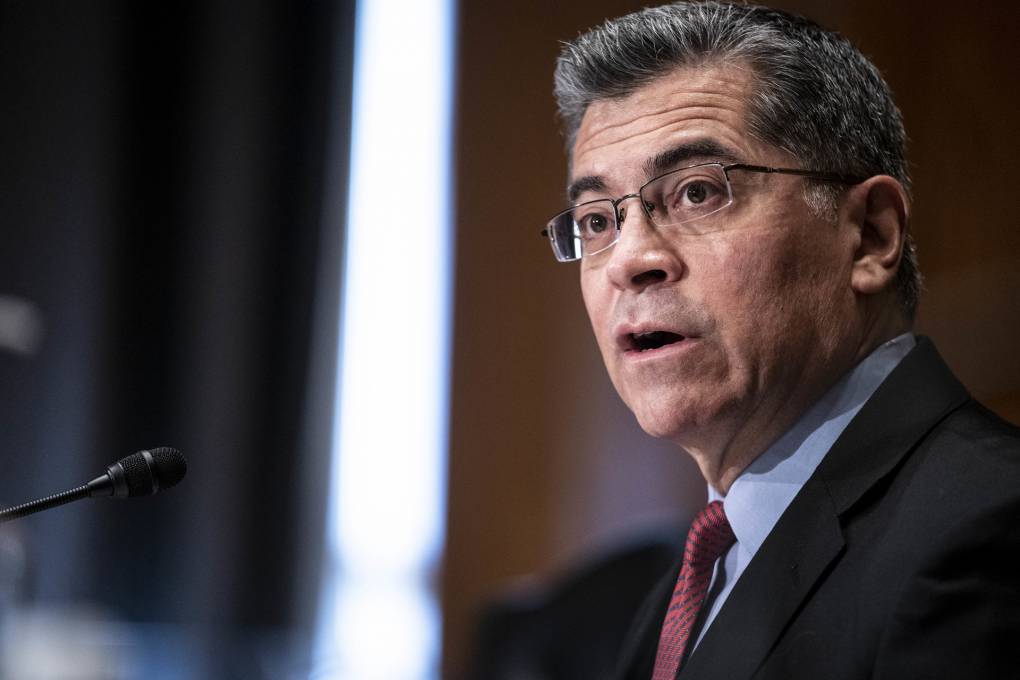
"caption": "California Attorney General Xavier Becerra, President Joe Biden's nominee for Secretary of Health and Human Services, testifies during his first Senate confirmation hearing on Feb. 23, 2021.",
"description": "California Attorney General Xavier Becerra, President Biden's nominee for Secretary of Health and Human Services, testifies during his first Senate confirmation hearing on Feb. 23, 2021.",
"title": "US-POLITICS-HEARING-HEALTH",
"credit": "Sarah Silbiger/POOL/AFP via Getty Images",
"status": "inherit",
"altTag": null,
"isLoading": false,
"fetchFailed": false
},
"news_11854196": {
"type": "attachments",
"id": "news_11854196",
"meta": {
"index": "attachments_1716263798",
"site": "news",
"id": "11854196",
"found": true
},
"parent": 11854170,
"imgSizes": {
"apple_news_ca_landscape_5_5": {
"file": "https://ww2.kqed.org/app/uploads/sites/10/2021/01/RS42402_047_KQED_BethLaBerge_BloomEnergy_Newsom_03282020-qut-1044x783.jpg",
"width": 1044,
"mimeType": "image/jpeg",
"height": 783
},
"apple_news_ca_square_4_0": {
"file": "https://ww2.kqed.org/app/uploads/sites/10/2021/01/RS42402_047_KQED_BethLaBerge_BloomEnergy_Newsom_03282020-qut-470x470.jpg",
"width": 470,
"mimeType": "image/jpeg",
"height": 470
},
"twentyfourteen-full-width": {
"file": "https://ww2.kqed.org/app/uploads/sites/10/2021/01/RS42402_047_KQED_BethLaBerge_BloomEnergy_Newsom_03282020-qut-1038x576.jpg",
"width": 1038,
"mimeType": "image/jpeg",
"height": 576
},
"thumbnail": {
"file": "https://ww2.kqed.org/app/uploads/sites/10/2021/01/RS42402_047_KQED_BethLaBerge_BloomEnergy_Newsom_03282020-qut-160x107.jpg",
"width": 160,
"mimeType": "image/jpeg",
"height": 107
},
"post-thumbnail": {
"file": "https://ww2.kqed.org/app/uploads/sites/10/2021/01/RS42402_047_KQED_BethLaBerge_BloomEnergy_Newsom_03282020-qut-672x372.jpg",
"width": 672,
"mimeType": "image/jpeg",
"height": 372
},
"kqedFullSize": {
"file": "https://ww2.kqed.org/app/uploads/sites/10/2021/01/RS42402_047_KQED_BethLaBerge_BloomEnergy_Newsom_03282020-qut.jpg",
"width": 1920,
"height": 1280
},
"apple_news_ca_landscape_4_7": {
"file": "https://ww2.kqed.org/app/uploads/sites/10/2021/01/RS42402_047_KQED_BethLaBerge_BloomEnergy_Newsom_03282020-qut-632x474.jpg",
"width": 632,
"mimeType": "image/jpeg",
"height": 474
},
"large": {
"file": "https://ww2.kqed.org/app/uploads/sites/10/2021/01/RS42402_047_KQED_BethLaBerge_BloomEnergy_Newsom_03282020-qut-1020x680.jpg",
"width": 1020,
"mimeType": "image/jpeg",
"height": 680
},
"apple_news_ca_landscape_4_0": {
"file": "https://ww2.kqed.org/app/uploads/sites/10/2021/01/RS42402_047_KQED_BethLaBerge_BloomEnergy_Newsom_03282020-qut-536x402.jpg",
"width": 536,
"mimeType": "image/jpeg",
"height": 402
},
"apple_news_ca_portrait_12_9": {
"file": "https://ww2.kqed.org/app/uploads/sites/10/2021/01/RS42402_047_KQED_BethLaBerge_BloomEnergy_Newsom_03282020-qut-1122x1280.jpg",
"width": 1122,
"mimeType": "image/jpeg",
"height": 1280
},
"medium": {
"file": "https://ww2.kqed.org/app/uploads/sites/10/2021/01/RS42402_047_KQED_BethLaBerge_BloomEnergy_Newsom_03282020-qut-800x533.jpg",
"width": 800,
"mimeType": "image/jpeg",
"height": 533
},
"apple_news_ca_portrait_4_0": {
"file": "https://ww2.kqed.org/app/uploads/sites/10/2021/01/RS42402_047_KQED_BethLaBerge_BloomEnergy_Newsom_03282020-qut-354x472.jpg",
"width": 354,
"mimeType": "image/jpeg",
"height": 472
},
"apple_news_ca_portrait_9_7": {
"file": "https://ww2.kqed.org/app/uploads/sites/10/2021/01/RS42402_047_KQED_BethLaBerge_BloomEnergy_Newsom_03282020-qut-840x1120.jpg",
"width": 840,
"mimeType": "image/jpeg",
"height": 1120
},
"apple_news_ca_landscape_12_9": {
"file": "https://ww2.kqed.org/app/uploads/sites/10/2021/01/RS42402_047_KQED_BethLaBerge_BloomEnergy_Newsom_03282020-qut-1832x1280.jpg",
"width": 1832,
"mimeType": "image/jpeg",
"height": 1280
},
"apple_news_ca_square_9_7": {
"file": "https://ww2.kqed.org/app/uploads/sites/10/2021/01/RS42402_047_KQED_BethLaBerge_BloomEnergy_Newsom_03282020-qut-1104x1104.jpg",
"width": 1104,
"mimeType": "image/jpeg",
"height": 1104
},
"1536x1536": {
"file": "https://ww2.kqed.org/app/uploads/sites/10/2021/01/RS42402_047_KQED_BethLaBerge_BloomEnergy_Newsom_03282020-qut-1536x1024.jpg",
"width": 1536,
"mimeType": "image/jpeg",
"height": 1024
},
"apple_news_ca_portrait_4_7": {
"file": "https://ww2.kqed.org/app/uploads/sites/10/2021/01/RS42402_047_KQED_BethLaBerge_BloomEnergy_Newsom_03282020-qut-414x552.jpg",
"width": 414,
"mimeType": "image/jpeg",
"height": 552
},
"apple_news_ca_square_12_9": {
"file": "https://ww2.kqed.org/app/uploads/sites/10/2021/01/RS42402_047_KQED_BethLaBerge_BloomEnergy_Newsom_03282020-qut-1472x1280.jpg",
"width": 1472,
"mimeType": "image/jpeg",
"height": 1280
},
"apple_news_ca_portrait_5_5": {
"file": "https://ww2.kqed.org/app/uploads/sites/10/2021/01/RS42402_047_KQED_BethLaBerge_BloomEnergy_Newsom_03282020-qut-687x916.jpg",
"width": 687,
"mimeType": "image/jpeg",
"height": 916
},
"apple_news_ca_square_4_7": {
"file": "https://ww2.kqed.org/app/uploads/sites/10/2021/01/RS42402_047_KQED_BethLaBerge_BloomEnergy_Newsom_03282020-qut-550x550.jpg",
"width": 550,
"mimeType": "image/jpeg",
"height": 550
},
"apple_news_ca_landscape_9_7": {
"file": "https://ww2.kqed.org/app/uploads/sites/10/2021/01/RS42402_047_KQED_BethLaBerge_BloomEnergy_Newsom_03282020-qut-1376x1032.jpg",
"width": 1376,
"mimeType": "image/jpeg",
"height": 1032
},
"apple_news_ca_square_5_5": {
"file": "https://ww2.kqed.org/app/uploads/sites/10/2021/01/RS42402_047_KQED_BethLaBerge_BloomEnergy_Newsom_03282020-qut-912x912.jpg",
"width": 912,
"mimeType": "image/jpeg",
"height": 912
}
},
"publishDate": 1610051607,
"modified": 1610060366,
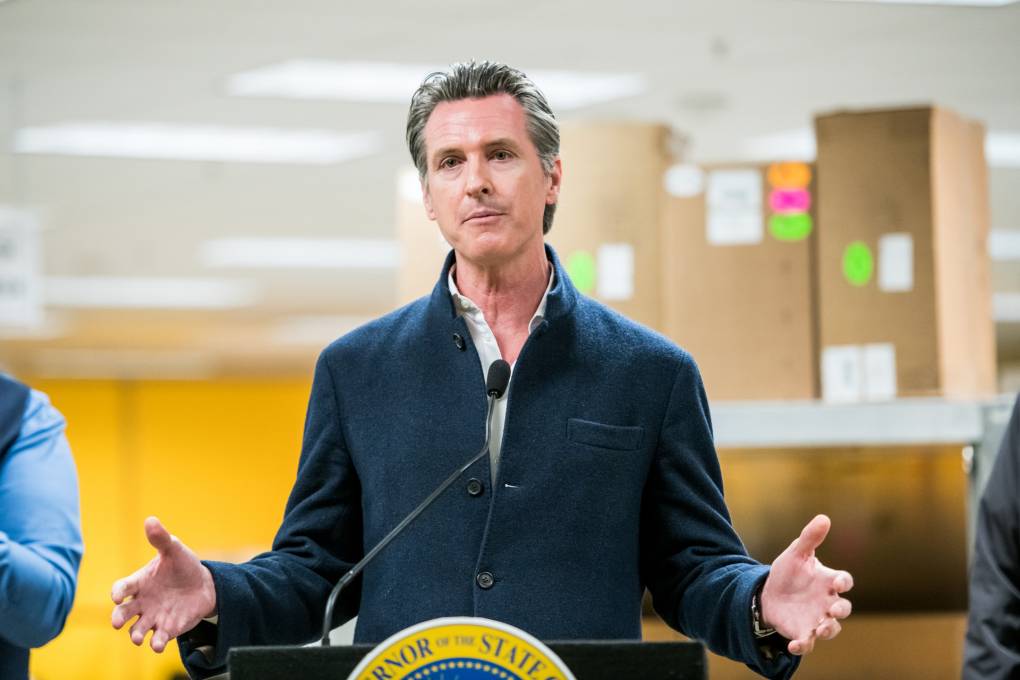
"caption": "California Gov. Gavin Newsom speaks during a press conference at the Bloom Energy Sunnyvale campus on March 28, 2020.",
"description": null,
"title": "RS42402_047_KQED_BethLaBerge_BloomEnergy_Newsom_03282020-qut",
"credit": "Beth LaBerge/KQED",
"status": "inherit",
"altTag": "Gavin Newsom speaking",
"isLoading": false,
"fetchFailed": false
},
"news_11861171": {
"type": "attachments",
"id": "news_11861171",
"meta": {
"index": "attachments_1716263798",
"site": "news",
"id": "11861171",
"found": true
},
"parent": 11861170,
"imgSizes": {
"apple_news_ca_landscape_5_5": {
"file": "https://ww2.kqed.org/app/uploads/sites/10/2021/02/ap20085537395007_custom-ecee50ce392cd8fa5d32a2063cb73d5bd1c02722-1044x783.jpg",
"width": 1044,
"mimeType": "image/jpeg",
"height": 783
},
"apple_news_ca_square_4_0": {
"file": "https://ww2.kqed.org/app/uploads/sites/10/2021/02/ap20085537395007_custom-ecee50ce392cd8fa5d32a2063cb73d5bd1c02722-470x470.jpg",
"width": 470,
"mimeType": "image/jpeg",
"height": 470
},
"twentyfourteen-full-width": {
"file": "https://ww2.kqed.org/app/uploads/sites/10/2021/02/ap20085537395007_custom-ecee50ce392cd8fa5d32a2063cb73d5bd1c02722-1038x576.jpg",
"width": 1038,
"mimeType": "image/jpeg",
"height": 576
},
"thumbnail": {
"file": "https://ww2.kqed.org/app/uploads/sites/10/2021/02/ap20085537395007_custom-ecee50ce392cd8fa5d32a2063cb73d5bd1c02722-160x107.jpg",
"width": 160,
"mimeType": "image/jpeg",
"height": 107
},
"post-thumbnail": {
"file": "https://ww2.kqed.org/app/uploads/sites/10/2021/02/ap20085537395007_custom-ecee50ce392cd8fa5d32a2063cb73d5bd1c02722-672x372.jpg",
"width": 672,
"mimeType": "image/jpeg",
"height": 372
},
"kqedFullSize": {
"file": "https://ww2.kqed.org/app/uploads/sites/10/2021/02/ap20085537395007_custom-ecee50ce392cd8fa5d32a2063cb73d5bd1c02722-scaled-e1613765453619.jpg",
"width": 1920,
"height": 1279
},
"2048x2048": {
"file": "https://ww2.kqed.org/app/uploads/sites/10/2021/02/ap20085537395007_custom-ecee50ce392cd8fa5d32a2063cb73d5bd1c02722-2048x1364.jpg",
"width": 2048,
"mimeType": "image/jpeg",
"height": 1364
},
"apple_news_ca_landscape_4_7": {
"file": "https://ww2.kqed.org/app/uploads/sites/10/2021/02/ap20085537395007_custom-ecee50ce392cd8fa5d32a2063cb73d5bd1c02722-632x474.jpg",
"width": 632,
"mimeType": "image/jpeg",
"height": 474
},
"large": {
"file": "https://ww2.kqed.org/app/uploads/sites/10/2021/02/ap20085537395007_custom-ecee50ce392cd8fa5d32a2063cb73d5bd1c02722-1020x679.jpg",
"width": 1020,
"mimeType": "image/jpeg",
"height": 679
},
"apple_news_ca_landscape_4_0": {
"file": "https://ww2.kqed.org/app/uploads/sites/10/2021/02/ap20085537395007_custom-ecee50ce392cd8fa5d32a2063cb73d5bd1c02722-536x402.jpg",
"width": 536,
"mimeType": "image/jpeg",
"height": 402
},
"apple_news_ca_portrait_12_9": {
"file": "https://ww2.kqed.org/app/uploads/sites/10/2021/02/ap20085537395007_custom-ecee50ce392cd8fa5d32a2063cb73d5bd1c02722-1122x1496.jpg",
"width": 1122,
"mimeType": "image/jpeg",
"height": 1496
},
"medium": {
"file": "https://ww2.kqed.org/app/uploads/sites/10/2021/02/ap20085537395007_custom-ecee50ce392cd8fa5d32a2063cb73d5bd1c02722-800x533.jpg",
"width": 800,
"mimeType": "image/jpeg",
"height": 533
},
"apple_news_ca_portrait_4_0": {
"file": "https://ww2.kqed.org/app/uploads/sites/10/2021/02/ap20085537395007_custom-ecee50ce392cd8fa5d32a2063cb73d5bd1c02722-354x472.jpg",
"width": 354,
"mimeType": "image/jpeg",
"height": 472
},
"apple_news_ca_portrait_9_7": {
"file": "https://ww2.kqed.org/app/uploads/sites/10/2021/02/ap20085537395007_custom-ecee50ce392cd8fa5d32a2063cb73d5bd1c02722-840x1120.jpg",
"width": 840,
"mimeType": "image/jpeg",
"height": 1120
},
"apple_news_ca_landscape_12_9": {
"file": "https://ww2.kqed.org/app/uploads/sites/10/2021/02/ap20085537395007_custom-ecee50ce392cd8fa5d32a2063cb73d5bd1c02722-1832x1374.jpg",
"width": 1832,
"mimeType": "image/jpeg",
"height": 1374
},
"apple_news_ca_square_9_7": {
"file": "https://ww2.kqed.org/app/uploads/sites/10/2021/02/ap20085537395007_custom-ecee50ce392cd8fa5d32a2063cb73d5bd1c02722-1104x1104.jpg",
"width": 1104,
"mimeType": "image/jpeg",
"height": 1104
},
"1536x1536": {
"file": "https://ww2.kqed.org/app/uploads/sites/10/2021/02/ap20085537395007_custom-ecee50ce392cd8fa5d32a2063cb73d5bd1c02722-1536x1023.jpg",
"width": 1536,
"mimeType": "image/jpeg",
"height": 1023
},
"apple_news_ca_portrait_4_7": {
"file": "https://ww2.kqed.org/app/uploads/sites/10/2021/02/ap20085537395007_custom-ecee50ce392cd8fa5d32a2063cb73d5bd1c02722-414x552.jpg",
"width": 414,
"mimeType": "image/jpeg",
"height": 552
},
"apple_news_ca_square_12_9": {
"file": "https://ww2.kqed.org/app/uploads/sites/10/2021/02/ap20085537395007_custom-ecee50ce392cd8fa5d32a2063cb73d5bd1c02722-1472x1472.jpg",
"width": 1472,
"mimeType": "image/jpeg",
"height": 1472
},
"apple_news_ca_portrait_5_5": {
"file": "https://ww2.kqed.org/app/uploads/sites/10/2021/02/ap20085537395007_custom-ecee50ce392cd8fa5d32a2063cb73d5bd1c02722-687x916.jpg",
"width": 687,
"mimeType": "image/jpeg",
"height": 916
},
"full-width": {
"file": "https://ww2.kqed.org/app/uploads/sites/10/2021/02/ap20085537395007_custom-ecee50ce392cd8fa5d32a2063cb73d5bd1c02722-1920x1279.jpg",
"width": 1920,
"mimeType": "image/jpeg",
"height": 1279
},
"apple_news_ca_square_4_7": {
"file": "https://ww2.kqed.org/app/uploads/sites/10/2021/02/ap20085537395007_custom-ecee50ce392cd8fa5d32a2063cb73d5bd1c02722-550x550.jpg",
"width": 550,
"mimeType": "image/jpeg",
"height": 550
},
"apple_news_ca_landscape_9_7": {
"file": "https://ww2.kqed.org/app/uploads/sites/10/2021/02/ap20085537395007_custom-ecee50ce392cd8fa5d32a2063cb73d5bd1c02722-1376x1032.jpg",
"width": 1376,
"mimeType": "image/jpeg",
"height": 1032
},
"apple_news_ca_square_5_5": {
"file": "https://ww2.kqed.org/app/uploads/sites/10/2021/02/ap20085537395007_custom-ecee50ce392cd8fa5d32a2063cb73d5bd1c02722-912x912.jpg",
"width": 912,
"mimeType": "image/jpeg",
"height": 912
}
},
"publishDate": 1613761514,
"modified": 1613766809,
"caption": "A U.S. Immigration and Customs Enforcement officer looks on during an operation in Escondido, California, in 2019. The Biden administration on Thursday announced new guidelines that are expected to sharply limit arrests and deportations carried out by ICE.",
"description": "A U.S. Immigration and Customs Enforcement officer looks on during an operation in Escondido, Calif., in 2019. The Biden administration on Thursday announced new guidelines that are expected to sharply limit arrests and deportations carried out by ICE.",
"title": "A U.S. Immigration and Customs Enforcement officer looks on during an operation in Escondido, Calif., in 2019. The Biden administration today announced new guidelines that are expected to sharply limit arrests and deportations carried out by ICE.",
"credit": "Gregory Bull/AP",
"status": "inherit",
"altTag": null,
"isLoading": false,
"fetchFailed": false
}
},
"audioPlayerReducer": {
"postId": "stream_live",
"isPaused": true,
"isPlaying": false,
"pfsActive": false,
"pledgeModalIsOpen": true,
"playerDrawerIsOpen": false,
"liveAudioPlayStartedAt": 0,
"liveAudioPlayContext": ""
},
"authorsReducer": {
"byline_news_11863441": {
"type": "authors",
"id": "byline_news_11863441",
"meta": {
"override": true
},
"slug": "byline_news_11863441",
"name": "Colleen Long and Michael Balsamo\u003cbr />Associated Press",
"isLoading": false
},
"byline_news_11862460": {
"type": "authors",
"id": "byline_news_11862460",
"meta": {
"override": true
},
"slug": "byline_news_11862460",
"name": "Adam Beam \u003cbr> The Associated Press",
"isLoading": false
},
"byline_news_11862434": {
"type": "authors",
"id": "byline_news_11862434",
"meta": {
"override": true
},
"slug": "byline_news_11862434",
"name": "\u003ca href=\"https://www.npr.org/people/728257568/chloee-weiner\">Chloee Weiner\u003c/a>",
"isLoading": false
},
"byline_news_11861676": {
"type": "authors",
"id": "byline_news_11861676",
"meta": {
"override": true
},
"slug": "byline_news_11861676",
"name": "Ricardo Alonso-Zaldivar \u003cbr> Associated Press",
"isLoading": false
},
"byline_news_11861667": {
"type": "authors",
"id": "byline_news_11861667",
"meta": {
"override": true
},
"slug": "byline_news_11861667",
"name": "Adam Beam \u003cbr> The Associated Press",
"isLoading": false
},
"byline_news_11861170": {
"type": "authors",
"id": "byline_news_11861170",
"meta": {
"override": true
},
"slug": "byline_news_11861170",
"name": "\u003ca href=\"https://www.npr.org/people/159989569/joel-rose\">Joel Rose\u003c/a>",
"isLoading": false
},
"gmarzorati": {
"type": "authors",
"id": "227",
"meta": {
"index": "authors_1716337520",
"id": "227",
"found": true
},
"name": "Guy Marzorati",
"firstName": "Guy",
"lastName": "Marzorati",
"slug": "gmarzorati",
"email": "gmarzorati@KQED.org",
"display_author_email": true,
"staff_mastheads": [
"news"
],
"title": "Correspondent",
"bio": "Guy Marzorati is a correspondent on KQED's California Politics and Government Desk, based in San Jose. A graduate of Santa Clara University, Guy joined KQED in 2013. He reports on state and local politics and produces KQED's digital voter guide.",
"avatar": "https://secure.gravatar.com/avatar/e7038b8dbfd55b104369b76b1cd0b9de?s=600&d=blank&r=g",
"twitter": "guymarzorati",
"facebook": null,
"instagram": null,
"linkedin": null,
"sites": [
{
"site": "",
"roles": [
"editor"
]
},
{
"site": "news",
"roles": [
"editor"
]
},
{
"site": "science",
"roles": [
"editor"
]
},
{
"site": "forum",
"roles": [
"editor"
]
},
{
"site": "elections",
"roles": [
"editor"
]
},
{
"site": "liveblog",
"roles": [
"editor"
]
}
],
"headData": {
"title": "Guy Marzorati | KQED",
"description": "Correspondent",
"ogImgSrc": "https://secure.gravatar.com/avatar/e7038b8dbfd55b104369b76b1cd0b9de?s=600&d=blank&r=g",
"twImgSrc": "https://secure.gravatar.com/avatar/e7038b8dbfd55b104369b76b1cd0b9de?s=600&d=blank&r=g"
},
"isLoading": false,
"link": "/author/gmarzorati"
},
"kqed": {
"type": "authors",
"id": "236",
"meta": {
"index": "authors_1716337520",
"id": "236",
"found": true
},
"name": "KQED News Staff",
"firstName": "KQED News Staff",
"lastName": null,
"slug": "kqed",
"email": "faq@kqed.org",
"display_author_email": false,
"staff_mastheads": [],
"title": null,
"bio": null,
"avatar": "https://secure.gravatar.com/avatar/ef0e801a68c4c54afa9180db14084167?s=600&d=blank&r=g",
"twitter": null,
"facebook": null,
"instagram": null,
"linkedin": null,
"sites": [
{
"site": "arts",
"roles": [
"contributor"
]
},
{
"site": "news",
"roles": [
"editor"
]
},
{
"site": "futureofyou",
"roles": [
"author"
]
}
],
"headData": {
"title": "KQED News Staff | KQED",
"description": null,
"ogImgSrc": "https://secure.gravatar.com/avatar/ef0e801a68c4c54afa9180db14084167?s=600&d=blank&r=g",
"twImgSrc": "https://secure.gravatar.com/avatar/ef0e801a68c4c54afa9180db14084167?s=600&d=blank&r=g"
},
"isLoading": false,
"link": "/author/kqed"
},
"matthewgreen": {
"type": "authors",
"id": "1263",
"meta": {
"index": "authors_1716337520",
"id": "1263",
"found": true
},
"name": "Matthew Green",
"firstName": "Matthew",
"lastName": "Green",
"slug": "matthewgreen",
"email": "mgreen@kqed.org",
"display_author_email": false,
"staff_mastheads": [],
"title": "KQED Editor/Reporter",
"bio": "Matthew Green is a digital media producer for KQED News. He previously produced \u003ca href=\"http://www.kqed.org/lowdown\">The Lowdown\u003c/a>, KQED’s multimedia news education blog. Matthew's written for numerous Bay Area publications, including the Oakland Tribune and San Francisco Chronicle. He also taught journalism classes at Fremont High School in East Oakland.\r\n\r\nEmail: mgreen@kqed.org; Twitter: @MGreenKQED",
"avatar": "https://secure.gravatar.com/avatar/3bf498d1267ca02c8494f33d8cfc575e?s=600&d=blank&r=g",
"twitter": "MGreenKQED",
"facebook": null,
"instagram": null,
"linkedin": null,
"sites": [
{
"site": "news",
"roles": []
},
{
"site": "lowdown",
"roles": []
},
{
"site": "science",
"roles": []
},
{
"site": "education",
"roles": []
},
{
"site": "quest",
"roles": []
},
{
"site": "liveblog",
"roles": []
}
],
"headData": {
"title": "Matthew Green | KQED",
"description": "KQED Editor/Reporter",
"ogImgSrc": "https://secure.gravatar.com/avatar/3bf498d1267ca02c8494f33d8cfc575e?s=600&d=blank&r=g",
"twImgSrc": "https://secure.gravatar.com/avatar/3bf498d1267ca02c8494f33d8cfc575e?s=600&d=blank&r=g"
},
"isLoading": false,
"link": "/author/matthewgreen"
},
"mlagos": {
"type": "authors",
"id": "3239",
"meta": {
"index": "authors_1716337520",
"id": "3239",
"found": true
},
"name": "Marisa Lagos",
"firstName": "Marisa",
"lastName": "Lagos",
"slug": "mlagos",
"email": "mlagos@kqed.org",
"display_author_email": false,
"staff_mastheads": [
"news"
],
"title": "KQED Contributor",
"bio": "Marisa Lagos is a correspondent for KQED’s California Politics and Government Desk and co-hosts the award-winning show and podcast, Political Breakdown. At KQED, Lagos also conducts reporting, analysis and investigations into state, local and national politics for radio, TV, online and onstage. In 2022, she and co-host, Scott Shafer, moderated the only gubernatorial debate in California. In 2020, the \u003ci>Washington Post\u003c/i> named her one of the top political journalists in California; she was nominated for a Peabody and won several other awards for her work investigating the 2017 California wildfires. She has worked at the \u003ci>San Francisco Chronicle\u003c/i>, \u003ci>San Francisco Examiner\u003c/i> and \u003ci>Los Angeles Times\u003c/i>. A UC Santa Barbara graduate, she lives in San Francisco with her two sons and husband.",
"avatar": "https://secure.gravatar.com/avatar/a261a0d3696fc066871ef96b85b5e7d2?s=600&d=blank&r=g",
"twitter": "@mlagos",
"facebook": null,
"instagram": null,
"linkedin": null,
"sites": [
{
"site": "arts",
"roles": [
"author"
]
},
{
"site": "news",
"roles": [
"editor"
]
},
{
"site": "science",
"roles": [
"editor"
]
},
{
"site": "forum",
"roles": [
"author"
]
},
{
"site": "liveblog",
"roles": [
"author"
]
}
],
"headData": {
"title": "Marisa Lagos | KQED",
"description": "KQED Contributor",
"ogImgSrc": "https://secure.gravatar.com/avatar/a261a0d3696fc066871ef96b85b5e7d2?s=600&d=blank&r=g",
"twImgSrc": "https://secure.gravatar.com/avatar/a261a0d3696fc066871ef96b85b5e7d2?s=600&d=blank&r=g"
},
"isLoading": false,
"link": "/author/mlagos"
}
},
"pagesReducer": {
"news_tag_politics": {
"type": "terms",
"id": "news_17968",
"meta": {
"index": "terms_1716263798",
"site": "news",
"id": "17968",
"score": 8.003145
},
"name": "Politics",
"slug": "politics",
"taxonomy": "tag",
"description": null,
"featImg": null,
"headData": {
"title": "Politics | KQED News",
"description": null,
"ogTitle": null,
"ogDescription": null,
"ogImgId": null,
"twTitle": null,
"twDescription": null,
"twImgId": null
},
"ttid": 18002,
"isLoading": false,
"title": "Politics",
"pageMeta": {
"site": "news",
"WpPageTemplate": "page-topic-editorial",
"currentPage": 193
},
"blocks": [
{
"blockName": "kqed/post-list",
"attrs": {
"layout": "cardArticle2",
"query": "posts/news?tag=politics",
"seeMore": false,
"paginated": true,
"page": 193
}
},
{
"blockName": "kqed/ad"
}
]
}
},
"pfsSessionReducer": {},
"postsReducer": {
"stream_live": {
"type": "live",
"id": "stream_live",
"audioUrl": "https://streams.kqed.org/kqedradio",
"title": "Live Stream",
"excerpt": "Live Stream information currently unavailable.",
"link": "/radio",
"featImg": "",
"label": {
"name": "KQED Live",
"link": "/"
}
},
"stream_kqedNewscast": {
"type": "posts",
"id": "stream_kqedNewscast",
"audioUrl": "https://www.kqed.org/.stream/anon/radio/RDnews/newscast.mp3?_=1",
"title": "KQED Newscast",
"featImg": "",
"label": {
"name": "88.5 FM",
"link": "/"
}
},
"news_11863555": {
"type": "posts",
"id": "news_11863555",
"meta": {
"index": "posts_1716263798",
"site": "news",
"id": "11863555",
"score": null,
"sort": [
1614991356000
]
},
"guestAuthors": [],
"slug": "mina-kim-on-equity-in-journalism-this-week-in-california-politics",
"title": "Mina Kim on Equity in Journalism | This Week in California Politics",
"publishDate": 1614991356,
"format": "video",
"headTitle": "Mina Kim on Equity in Journalism | This Week in California Politics | KQED",
"labelTerm": {
"term": 7052,
"site": "news"
},
"content": "\u003cp>\u003cb>This Week in California Politics\u003cbr>\n\u003c/b>\u003cspan style=\"font-weight: 400\">This week, Gov. Gavin Newsom signed legislation to reopen public schools after intense negotiations between lawmakers and teachers unions. He also announced a bold move to double the vaccine supply going to ZIP codes with higher COVID-19 infection rates. Plus, who’s in line to become the state’s next attorney general, and what’s the future of House Speaker Nancy Pelosi’s seat? \u003c/span>\u003c/p>\n\u003cp>\u003cb>Guests:\u003c/b>\u003c/p>\n\u003cul>\n\u003cli style=\"font-weight: 400\">\u003cspan style=\"font-weight: 400\">Mark Z. Barabak, Los Angeles Times columnist\u003c/span>\u003c/li>\n\u003cli style=\"font-weight: 400\">\u003cspan style=\"font-weight: 400\">Marisa Lagos, KQED politics and government correspondent\u003c/span>\u003c/li>\n\u003c/ul>\n\u003cp>\u003cb>Mina Kim on Equity in Journalism\u003cbr>\n\u003c/b>\u003cspan style=\"font-weight: 400\">KQED Forum host Mina Kim joins us for a deep-dive interview on covering race, justice and equality as the show revamps its focus and widens its distribution. \u003c/span>\u003c/p>\n\u003cp>\u003cb>Something Beautiful: Pups at Play\u003cbr>\n\u003c/b>\u003cspan style=\"font-weight: 400\">As the weather grows warmer and the days grow longer, dog parks are seeing more and more four-legged visitors. Their joyful play is this week’s look at Something Beautiful. \u003c/span>\u003c/p>\n\u003cp>[ad fullwidth]\u003c/p>\u003cp>\u003c/p>\n",
"blocks": [],
"excerpt": null,
"status": "publish",
"parent": 0,
"modified": 1740614866,
"stats": {
"hasAudio": false,
"hasVideo": false,
"hasChartOrMap": false,
"iframeSrcs": [],
"hasGoogleForm": false,
"hasGallery": false,
"hasHearkenModule": false,
"hasPolis": false,
"paragraphCount": 6,
"wordCount": 164
},
"headData": {
"title": "Mina Kim on Equity in Journalism | This Week in California Politics | KQED",
"description": "This Week in California Politics This week, Gov. Gavin Newsom signed legislation to reopen public schools after intense negotiations between lawmakers and teachers unions. He also announced a bold move to double the vaccine supply going to ZIP codes with higher COVID-19 infection rates. Plus, who’s in line to become the state’s next attorney general, and what’s the future of House Speaker Nancy Pelosi’s seat? Guests: Mark Z. Barabak, Los Angeles Times columnist Marisa Lagos, KQED politics and government correspondent Mina Kim on Equity in Journalism KQED Forum host Mina Kim joins us for a deep-dive interview on covering race,",
"ogTitle": "",
"ogDescription": "",
"ogImgId": "",
"twTitle": "",
"twDescription": "",
"twImgId": "",
"schema": {
"@context": "https://schema.org",
"@type": "NewsArticle",
"headline": "Mina Kim on Equity in Journalism | This Week in California Politics",
"datePublished": "2021-03-05T16:42:36-08:00",
"dateModified": "2025-02-26T16:07:46-08:00",
"image": "https://cdn.kqed.org/wp-content/uploads/2020/02/KQED-OG-Image@1x.png",
"isAccessibleForFree": "True",
"publisher": {
"@type": "NewsMediaOrganization",
"@id": "https://www.kqed.org/#organization",
"name": "KQED",
"logo": "https://cdn.kqed.org/wp-content/uploads/2020/02/KQED-OG-Image@1x.png",
"url": "https://www.kqed.org",
"sameAs": [
"https://www.facebook.com/KQED",
"https://twitter.com/KQED",
"https://www.instagram.com/kqed/",
"https://www.tiktok.com/@kqedofficial",
"https://www.linkedin.com/company/kqed",
"https://www.youtube.com/channel/UCeC0IOo7i1P_61zVUWbJ4nw"
]
}
}
},
"videoEmbed": "https://youtu.be/8YlFi8q1xqM ",
"sticky": false,
"path": "/news/11863555/mina-kim-on-equity-in-journalism-this-week-in-california-politics",
"audioTrackLength": null,
"parsedContent": [
{
"type": "contentString",
"content": "\u003cdiv class=\"post-body\">\u003cp>\u003cp>\u003cb>This Week in California Politics\u003cbr>\n\u003c/b>\u003cspan style=\"font-weight: 400\">This week, Gov. Gavin Newsom signed legislation to reopen public schools after intense negotiations between lawmakers and teachers unions. He also announced a bold move to double the vaccine supply going to ZIP codes with higher COVID-19 infection rates. Plus, who’s in line to become the state’s next attorney general, and what’s the future of House Speaker Nancy Pelosi’s seat? \u003c/span>\u003c/p>\n\u003cp>\u003cb>Guests:\u003c/b>\u003c/p>\n\u003cul>\n\u003cli style=\"font-weight: 400\">\u003cspan style=\"font-weight: 400\">Mark Z. Barabak, Los Angeles Times columnist\u003c/span>\u003c/li>\n\u003cli style=\"font-weight: 400\">\u003cspan style=\"font-weight: 400\">Marisa Lagos, KQED politics and government correspondent\u003c/span>\u003c/li>\n\u003c/ul>\n\u003cp>\u003cb>Mina Kim on Equity in Journalism\u003cbr>\n\u003c/b>\u003cspan style=\"font-weight: 400\">KQED Forum host Mina Kim joins us for a deep-dive interview on covering race, justice and equality as the show revamps its focus and widens its distribution. \u003c/span>\u003c/p>\n\u003cp>\u003cb>Something Beautiful: Pups at Play\u003cbr>\n\u003c/b>\u003cspan style=\"font-weight: 400\">As the weather grows warmer and the days grow longer, dog parks are seeing more and more four-legged visitors. Their joyful play is this week’s look at Something Beautiful. \u003c/span>\u003c/p>\n\u003cp>\u003c/p>\u003c/div>",
"attributes": {
"named": {},
"numeric": []
}
},
{
"type": "component",
"content": "",
"name": "ad",
"attributes": {
"named": {
"label": "fullwidth"
},
"numeric": [
"fullwidth"
]
}
},
{
"type": "contentString",
"content": "\u003cdiv class=\"post-body\">\u003cp>\u003c/p>\u003cp>\u003c/p>\n\u003c/div>\u003c/p>",
"attributes": {
"named": {},
"numeric": []
}
}
],
"link": "/news/11863555/mina-kim-on-equity-in-journalism-this-week-in-california-politics",
"authors": [
"236"
],
"programs": [
"news_7052"
],
"categories": [
"news_28250",
"news_8",
"news_13"
],
"tags": [
"news_28801",
"news_19201",
"news_16",
"news_5946",
"news_20297",
"news_19177",
"news_20562",
"news_1806",
"news_177",
"news_28988",
"news_17968",
"news_29223"
],
"featImg": "news_11863599",
"label": "news_7052"
},
"news_11863441": {
"type": "posts",
"id": "news_11863441",
"meta": {
"index": "posts_1716263798",
"site": "news",
"id": "11863441",
"score": null,
"sort": [
1614974673000
]
},
"guestAuthors": [],
"slug": "east-bay-congressman-sues-trump-allies-over-capitol-riot",
"title": "East Bay Congressman Sues Trump, Allies Over Capitol Riot",
"publishDate": 1614974673,
"format": "standard",
"headTitle": "East Bay Congressman Sues Trump, Allies Over Capitol Riot | KQED",
"labelTerm": {
"site": "news"
},
"content": "\u003cp>Rep. Eric Swalwell, who served as a House manager in Donald Trump’s last impeachment trial, filed a lawsuit Friday against the former president, his son, lawyer and a Republican congressman whose actions he charges led to January’s insurrection.\u003c/p>\n\u003cp>The California Democrat’s suit, filed in federal court in Washington, alleges a conspiracy to violate civil rights, along with negligence, inciting a riot and inflicting emotional distress. It follows a similar suit filed by Rep. Bennie Thompson, D-Mississippi, last month in an attempt to hold the former president accountable in some way for his actions Jan. 6, following his Senate acquittal.\u003c/p>\n\u003cp>Swalwell charges that Trump, his son Donald Jr., along with former New York City Mayor Rudy Giuliani and Republican Rep. Mo Brooks of Alabama, had made “false and incendiary allegations of fraud and theft, and in direct response to the Defendant’s express calls for violence at the rally, a violent mob attacked the U.S. Capitol.” [aside tag=\"politics,capitol-insurrection\" label=\"related coverage\"]\u003c/p>\n\u003cp>The lawsuit spells out in detail how the Trumps, Giuliani and Brooks spread baseless claims of election fraud, both before and after the 2020 presidential election was declared, and charges that they helped to spin up the thousands of rioters before they stormed the Capitol. Five people died as a result of the violence on Jan. 6, including a U.S. Capitol Police officer.\u003c/p>\n\u003cp>Trump’s spokesman, Jason Miller, called Swalwell a “low-life” with “no credibility.”\u003c/p>\n\u003cp>“Now, after failing miserably with two impeachment hoaxes,” Swalwell is attacking “our greatest President with yet another witch hunt,” Miller said in a statement. “It’s a disgrace that a compromised Member of Congress like Swalwell still sits on the House Intelligence Committee.”\u003c/p>\n\u003cp>Brooks said the lawsuit was frivolous and “a meritless ploy.”\u003c/p>\n\u003cp>“I make no apologies whatsoever for fighting for accurate and honest elections,” he said, adding he wore the lawsuit “like a badge of courage.”\u003c/p>\n\u003cp>The lawsuit, through Trump’s own words, accuses the former president of inciting the riot, using much of the same playbook used by Swalwell and others during Trump’s impeachment trial — that his lies over the election results stirred supporters into the false belief the 2020 election had been stolen, that he egged the angry mob on through his rally speech and that he did nothing when faced with the images of throngs of his supporters smashing windows at the U.S. Capitol and sending lawmakers fleeing.\u003c/p>\n\u003cp>“Those with knowledge claimed that during this moment of national horror, Trump was ‘delighted’ and was ‘confused about why other people on his team weren’t as excited as he was.’ Others described Trump as ‘borderline enthusiastic’ about the unfolding violence,” according to the suit. [ad fullwidth]\u003c/p>\n\u003cp>Unlike Thompson’s lawsuit — filed against Trump, Giuliani and some far-right extremist groups whose members are alleged to have participated in the insurrection — Swalwell’s did not specify whether he was filing in his personal or official capacity, which would require additional approvals from the House and involve House attorneys.\u003c/p>\n\u003cp>Both lawsuits cite a federal civil rights law that was enacted to counter the Ku Klux Klan’s intimidation of officials. Swalwell’s attorney, Philip Andonian, praised Thompson’s lawsuit, filed under a Reconstruction-era law called the Ku Klux Klan Act, and said they were behind it 100%, but saw the need for this one, too.\u003c/p>\n\u003cp>“We see ourselves as having a different angle to this, holding Trump accountable for the incitement, the disinformation,” he said.\u003c/p>\n\u003cp>Presidents are historically afforded broad immunity from lawsuits for actions they take in their role as commander in chief. But the lawsuit, like the one by Thompson, was brought against Trump in his personal, not official, capacity.\u003c/p>\n\u003cp>Swalwell also describes in detail being trapped in the House chamber with many other members of Congress as plainclothes Capitol Police officers barricaded the doors and tried to fend off the mob at gunpoint.\u003c/p>\n\u003cp>\u003cspan style=\"font-weight: 400;\">[pullquote size='medium' align='right' citation='Attorney Philip Andonian']‘We see ourselves as having a different angle to this, holding Trump accountable for the incitement, the disinformation,’[/pullquote]\u003c/span>\u003c/p>\n\u003cp>“Fearing for their lives, the Plaintiff and others masked their identities as members of Congress, texted loved ones in case the worst happened, and took shelter throughout the Capitol complex,” the lawsuit reads.\u003c/p>\n\u003cp>The lawsuit alleges that Brooks “conspired with the other Defendants to undermine the election results by alleging, without evidence, that the election had been rigged and by pressuring elected officials, courts, and ultimately Congress to reject the results.” It notes that he spoke at a rally supporting Trump at the Ellipse, near the White House, shortly before thousands of pro-Trump rioters made their way to the Capitol and overwhelmed police officers to shove their way inside the building.\u003c/p>\n\u003cp>The suit seeks unspecified damages, and Swalwell also wants a court to order all of the defendants to provide written notice to him a week before they plan to have a rally in Washington that would draw more than 50 people.\u003c/p>\n\u003cp>https://twitter.com/ericswalwell/status/1367866576641421314?s=20\u003c/p>\n\u003cp>“Unable to accept defeat, Donald Trump waged an all out war on a peaceful transition of power,” Swalwell said in a statement. “He lied to his followers again and again claiming the election was stolen from them, filed a mountain of frivolous lawsuits — nearly all of which failed, tried to intimidate election officials, and finally called upon his supporters to descend on Washington D.C. to ‘stop the steal.'”\u003c/p>\n\u003cp>\u003cem>Associated Press writer Lisa Mascaro contributed to this report.\u003c/em>\u003c/p>\n\u003cp>\u003c/p>\n",
"blocks": [],
"excerpt": "The lawsuit alleges a conspiracy to violate civil rights, along with negligence, inciting a riot and inflicting emotional distress.",
"status": "publish",
"parent": 0,
"modified": 1727475566,
"stats": {
"hasAudio": false,
"hasVideo": false,
"hasChartOrMap": false,
"iframeSrcs": [],
"hasGoogleForm": false,
"hasGallery": false,
"hasHearkenModule": false,
"hasPolis": false,
"paragraphCount": 22,
"wordCount": 979
},
"headData": {
"title": "East Bay Congressman Sues Trump, Allies Over Capitol Riot | KQED",
"description": "The lawsuit alleges a conspiracy to violate civil rights, along with negligence, inciting a riot and inflicting emotional distress.",
"ogTitle": "",
"ogDescription": "",
"ogImgId": "",
"twTitle": "",
"twDescription": "",
"twImgId": "",
"schema": {
"@context": "https://schema.org",
"@type": "NewsArticle",
"headline": "East Bay Congressman Sues Trump, Allies Over Capitol Riot",
"datePublished": "2021-03-05T12:04:33-08:00",
"dateModified": "2024-09-27T15:19:26-07:00",
"image": "https://cdn.kqed.org/wp-content/uploads/2020/02/KQED-OG-Image@1x.png",
"isAccessibleForFree": "True",
"publisher": {
"@type": "NewsMediaOrganization",
"@id": "https://www.kqed.org/#organization",
"name": "KQED",
"logo": "https://cdn.kqed.org/wp-content/uploads/2020/02/KQED-OG-Image@1x.png",
"url": "https://www.kqed.org",
"sameAs": [
"https://www.facebook.com/KQED",
"https://twitter.com/KQED",
"https://www.instagram.com/kqed/",
"https://www.tiktok.com/@kqedofficial",
"https://www.linkedin.com/company/kqed",
"https://www.youtube.com/channel/UCeC0IOo7i1P_61zVUWbJ4nw"
]
}
}
},
"sticky": false,
"nprByline": "Colleen Long and Michael Balsamo\u003cbr />Associated Press",
"path": "/news/11863441/east-bay-congressman-sues-trump-allies-over-capitol-riot",
"audioTrackLength": null,
"parsedContent": [
{
"type": "contentString",
"content": "\u003cdiv class=\"post-body\">\u003cp>\u003cp>Rep. Eric Swalwell, who served as a House manager in Donald Trump’s last impeachment trial, filed a lawsuit Friday against the former president, his son, lawyer and a Republican congressman whose actions he charges led to January’s insurrection.\u003c/p>\n\u003cp>The California Democrat’s suit, filed in federal court in Washington, alleges a conspiracy to violate civil rights, along with negligence, inciting a riot and inflicting emotional distress. It follows a similar suit filed by Rep. Bennie Thompson, D-Mississippi, last month in an attempt to hold the former president accountable in some way for his actions Jan. 6, following his Senate acquittal.\u003c/p>\n\u003cp>Swalwell charges that Trump, his son Donald Jr., along with former New York City Mayor Rudy Giuliani and Republican Rep. Mo Brooks of Alabama, had made “false and incendiary allegations of fraud and theft, and in direct response to the Defendant’s express calls for violence at the rally, a violent mob attacked the U.S. Capitol.” \u003c/p>\u003c/div>",
"attributes": {
"named": {},
"numeric": []
}
},
{
"type": "component",
"content": "",
"name": "aside",
"attributes": {
"named": {
"tag": "politics,capitol-insurrection",
"label": "related coverage "
},
"numeric": []
}
},
{
"type": "contentString",
"content": "\u003cdiv class=\"post-body\">\u003cp>\u003c/p>\n\u003cp>The lawsuit spells out in detail how the Trumps, Giuliani and Brooks spread baseless claims of election fraud, both before and after the 2020 presidential election was declared, and charges that they helped to spin up the thousands of rioters before they stormed the Capitol. Five people died as a result of the violence on Jan. 6, including a U.S. Capitol Police officer.\u003c/p>\n\u003cp>Trump’s spokesman, Jason Miller, called Swalwell a “low-life” with “no credibility.”\u003c/p>\n\u003cp>“Now, after failing miserably with two impeachment hoaxes,” Swalwell is attacking “our greatest President with yet another witch hunt,” Miller said in a statement. “It’s a disgrace that a compromised Member of Congress like Swalwell still sits on the House Intelligence Committee.”\u003c/p>\n\u003cp>Brooks said the lawsuit was frivolous and “a meritless ploy.”\u003c/p>\n\u003cp>“I make no apologies whatsoever for fighting for accurate and honest elections,” he said, adding he wore the lawsuit “like a badge of courage.”\u003c/p>\n\u003cp>The lawsuit, through Trump’s own words, accuses the former president of inciting the riot, using much of the same playbook used by Swalwell and others during Trump’s impeachment trial — that his lies over the election results stirred supporters into the false belief the 2020 election had been stolen, that he egged the angry mob on through his rally speech and that he did nothing when faced with the images of throngs of his supporters smashing windows at the U.S. Capitol and sending lawmakers fleeing.\u003c/p>\n\u003cp>“Those with knowledge claimed that during this moment of national horror, Trump was ‘delighted’ and was ‘confused about why other people on his team weren’t as excited as he was.’ Others described Trump as ‘borderline enthusiastic’ about the unfolding violence,” according to the suit. \u003c/p>\u003c/div>",
"attributes": {
"named": {},
"numeric": []
}
},
{
"type": "component",
"content": "",
"name": "ad",
"attributes": {
"named": {
"label": "fullwidth"
},
"numeric": [
"fullwidth"
]
}
},
{
"type": "contentString",
"content": "\u003cdiv class=\"post-body\">\u003cp>\u003c/p>\n\u003cp>Unlike Thompson’s lawsuit — filed against Trump, Giuliani and some far-right extremist groups whose members are alleged to have participated in the insurrection — Swalwell’s did not specify whether he was filing in his personal or official capacity, which would require additional approvals from the House and involve House attorneys.\u003c/p>\n\u003cp>Both lawsuits cite a federal civil rights law that was enacted to counter the Ku Klux Klan’s intimidation of officials. Swalwell’s attorney, Philip Andonian, praised Thompson’s lawsuit, filed under a Reconstruction-era law called the Ku Klux Klan Act, and said they were behind it 100%, but saw the need for this one, too.\u003c/p>\n\u003cp>“We see ourselves as having a different angle to this, holding Trump accountable for the incitement, the disinformation,” he said.\u003c/p>\n\u003cp>Presidents are historically afforded broad immunity from lawsuits for actions they take in their role as commander in chief. But the lawsuit, like the one by Thompson, was brought against Trump in his personal, not official, capacity.\u003c/p>\n\u003cp>Swalwell also describes in detail being trapped in the House chamber with many other members of Congress as plainclothes Capitol Police officers barricaded the doors and tried to fend off the mob at gunpoint.\u003c/p>\n\u003cp>\u003cspan style=\"font-weight: 400;\">\u003c/p>\u003c/div>",
"attributes": {
"named": {},
"numeric": []
}
},
{
"type": "component",
"content": "‘We see ourselves as having a different angle to this, holding Trump accountable for the incitement, the disinformation,’",
"name": "pullquote",
"attributes": {
"named": {
"size": "medium",
"align": "right",
"citation": "Attorney Philip Andonian",
"label": ""
},
"numeric": []
}
},
{
"type": "contentString",
"content": "\u003cdiv class=\"post-body\">\u003cp>\u003c/span>\u003c/p>\n\u003cp>“Fearing for their lives, the Plaintiff and others masked their identities as members of Congress, texted loved ones in case the worst happened, and took shelter throughout the Capitol complex,” the lawsuit reads.\u003c/p>\n\u003cp>The lawsuit alleges that Brooks “conspired with the other Defendants to undermine the election results by alleging, without evidence, that the election had been rigged and by pressuring elected officials, courts, and ultimately Congress to reject the results.” It notes that he spoke at a rally supporting Trump at the Ellipse, near the White House, shortly before thousands of pro-Trump rioters made their way to the Capitol and overwhelmed police officers to shove their way inside the building.\u003c/p>\n\u003cp>The suit seeks unspecified damages, and Swalwell also wants a court to order all of the defendants to provide written notice to him a week before they plan to have a rally in Washington that would draw more than 50 people.\u003c/p>\u003c/p>\u003c/div>",
"attributes": {
"named": {},
"numeric": []
}
},
{
"type": "component",
"content": "",
"name": "singleTwitterStatus",
"attributes": {
"named": {
"id": "1367866576641421314"
},
"numeric": []
}
},
{
"type": "contentString",
"content": "\u003cdiv class=\"post-body\">\u003cp>\n\u003cp>“Unable to accept defeat, Donald Trump waged an all out war on a peaceful transition of power,” Swalwell said in a statement. “He lied to his followers again and again claiming the election was stolen from them, filed a mountain of frivolous lawsuits — nearly all of which failed, tried to intimidate election officials, and finally called upon his supporters to descend on Washington D.C. to ‘stop the steal.'”\u003c/p>\n\u003cp>\u003cem>Associated Press writer Lisa Mascaro contributed to this report.\u003c/em>\u003c/p>\n\u003cp>\u003c/p>\n\u003c/div>\u003c/p>",
"attributes": {
"named": {},
"numeric": []
}
}
],
"link": "/news/11863441/east-bay-congressman-sues-trump-allies-over-capitol-riot",
"authors": [
"byline_news_11863441"
],
"categories": [
"news_8",
"news_13"
],
"tags": [
"news_29011",
"news_1323",
"news_20910",
"news_17968"
],
"featImg": "news_11863452",
"label": "news"
},
"news_11863208": {
"type": "posts",
"id": "news_11863208",
"meta": {
"index": "posts_1716263798",
"site": "news",
"id": "11863208",
"score": null,
"sort": [
1614891983000
]
},
"parent": 0,
"labelTerm": {
"site": "news"
},
"blocks": [],
"publishDate": 1614891983,
"format": "standard",
"disqusTitle": "California Legislature Approves Plan to Reopen In-Person Schooling",
"title": "California Legislature Approves Plan to Reopen In-Person Schooling",
"headTitle": "KQED News",
"content": "\u003cp>The California state Legislature approved a $6.6 billion plan on Thursday to \u003ca href=\"https://www.kqed.org/news/11862538/newsom-legislative-leaders-reach-deal-to-push-schools-to-reopen\" target=\"_blank\" rel=\"noopener noreferrer\">encourage school districts to resume in-person education\u003c/a> for the youngest public school students in the state.\u003c/p>\n\u003cp>\u003ca href=\"https://leginfo.legislature.ca.gov/faces/billTextClient.xhtml?bill_id=202120220AB86\">Assembly Bill 86\u003c/a> was the Legislature's most decisive action yet to reopen schools, in the face of \u003ca href=\"https://www.kqed.org/news/11861466/sfusd-isnt-alone-escalating-pressures-facing-lawmakers-in-school-reopening-debate-across-bay-area\" target=\"_blank\" rel=\"noopener noreferrer\">rising political pressure\u003c/a> from parents who have dealt with nearly a year of distance learning in many districts. But the legislation falls short of actually mandating a reopening; the decision of when and how to bring students and teachers back to class will now be decided in hundreds of local school districts across the state.\u003c/p>\n\u003cp>“[AB 86] really does provide an incentive for people to reopen. It really enables people to open,\" said state Sen. John Laird, D-Santa Cruz, who acknowledged that \"we let the school boards decide, we let the locals decide how it best works.\"\u003c/p>\n\u003cp>The bill cleared the state Senate on a 36-0 vote, followed by a 72-4 vote in the Assembly.\u003c/p>\n\u003cp>Gov. Gavin Newsom could sign the bill into law as soon as Friday.\u003c/p>\n\u003cp>[aside tag=\"education,school-reopening\" label=\"more coverage\"]\u003c/p>\n\u003cp>AB 86 sets a deadline of April 1 for districts to begin reopening their doors. Each day after that date that schools stay closed, districts will have to return a portion of the $2 billion in incentive grants, with a deadline of May 15.\u003c/p>\n\u003cp>The remaining $4.6 billion will be budgeted to help mitigate learning loss — through extra tutoring, counseling and potentially expanded summer school. Most of that money will only go to schools that return children to class.\u003c/p>\n\u003cp>To receive the money, districts will have to return grades K-2 to in-person instruction. And districts in counties with lower rates of COVID-19 spread — the \u003ca href=\"https://covid19.ca.gov/safer-economy/\">state's red tier\u003c/a> — will have to bring back all elementary school grades, and one grade of middle or high school.\u003c/p>\n\u003cp>Democrats defended the plan as a path of least resistance to resuming live classroom instruction.\u003c/p>\n\u003cp>By dropping \u003ca href=\"https://www.kqed.org/news/11860986/democratic-state-legislators-split-with-newsom-on-school-reopening\" target=\"_blank\" rel=\"noopener noreferrer\">previous ideas\u003c/a> to require vaccines for teachers, collective bargaining agreements and asymptomatic testing, the Legislature is \"creating a pathway for more in-person instruction,\" said state Sen. Nancy Skinner, D-Berkeley.\u003c/p>\n\u003cp>Instead, the bill sets aside 10% of the state's vaccine supply for education workers and only requires a testing regimen in schools located in the state's most restrictive purple tier that have not opened by April 1. [ad fullwidth]\u003c/p>\n\u003cp>In the Bay Area, most large districts have remained in distance learning since the pandemic began. 26 of 27 Democrats representing parts of the region voted to approve AB 86, while Jim Frazier, D-Fairfield, did not vote.\u003c/p>\n\u003cp>To many Republicans, however, the plan amounted to nothing more than a pricey plea to local districts, with no requirement to actually open schools.\u003c/p>\n\u003cp>\"I believe that with or without this bill, school districts that want to reopen will, and school districts that don't want to reopen won't,\" said Republican state Senate Leader Scott Wilk of Santa Clarita.\u003c/p>\n\u003cp>But after amendments offered by GOP lawmakers to speed up reopening were voted down, most Republicans went along with the only reopening option left on the table.\u003c/p>\n\u003cp>\"I will be reluctantly voting for AB 86 because my school districts need the funding to meet safety protocols and open schools safely,\" Wilk said before the vote.\u003c/p>\n\u003cp>[pullquote size='medium' align='right' citation='State Sen. Scott Wiener, D-San Francisco']'Now that we have done this, it is now up to the school districts to take the steps they need to deploy these resources, deploy the vaccines and to get the schools reopened quickly.'[/pullquote]\u003c/p>\n\u003cp>Republicans aimed their ire at Newsom, who they argued could have taken more aggressive executive action to force reopening.\u003c/p>\n\u003cp>\"Many other states have been open safely, their kids have been back in school, we haven't,\" said state Assemblyman James Gallagher, R-Yuba City. \"That is mostly on the governor, but it's also on us.\"\u003c/p>\n\u003cp>After the bill is enacted, pressure will turn to local districts, many of which have yet finalize plans for reopening. In large districts, school boards will still have to come to terms with the local teachers union on the reopening standards and a schedule of classroom instruction.\u003c/p>\n\u003cp>\"Now that we have done this, it is now up to the school districts to take the steps they need to deploy these resources, deploy the vaccines and to get the schools reopened quickly,\" said state Sen. Scott Wiener, D-San Francisco.\u003c/p>\n\u003cp>\u003c/p>\n",
"disqusIdentifier": "11863208 https://ww2.kqed.org/news/?p=11863208",
"disqusUrl": "https://ww2.kqed.org/news/2021/03/04/california-legislature-approves-plan-to-reopen-schools/",
"stats": {
"hasVideo": false,
"hasChartOrMap": false,
"hasAudio": false,
"hasPolis": false,
"wordCount": 754,
"hasGoogleForm": false,
"hasGallery": false,
"hasHearkenModule": false,
"iframeSrcs": [],
"paragraphCount": 23
},
"modified": 1614966207,
"excerpt": "The legislation earmarks $6.6 billion for local districts, but doesn't mandate a return to classroom instruction. ",
"headData": {
"twImgId": "",
"twTitle": "",
"ogTitle": "",
"ogImgId": "",
"twDescription": "",
"description": "The legislation earmarks $6.6 billion for local districts, but doesn't mandate a return to classroom instruction. ",
"title": "California Legislature Approves Plan to Reopen In-Person Schooling | KQED",
"ogDescription": "",
"schema": {
"@context": "https://schema.org",
"@type": "NewsArticle",
"headline": "California Legislature Approves Plan to Reopen In-Person Schooling",
"datePublished": "2021-03-04T13:06:23-08:00",
"dateModified": "2021-03-05T09:43:27-08:00",
"image": "https://cdn.kqed.org/wp-content/uploads/2020/02/KQED-OG-Image@1x.png",
"isAccessibleForFree": "True",
"publisher": {
"@type": "NewsMediaOrganization",
"@id": "https://www.kqed.org/#organization",
"name": "KQED",
"logo": "https://cdn.kqed.org/wp-content/uploads/2020/02/KQED-OG-Image@1x.png",
"url": "https://www.kqed.org",
"sameAs": [
"https://www.facebook.com/KQED",
"https://twitter.com/KQED",
"https://www.instagram.com/kqed/",
"https://www.tiktok.com/@kqedofficial",
"https://www.linkedin.com/company/kqed",
"https://www.youtube.com/channel/UCeC0IOo7i1P_61zVUWbJ4nw"
]
}
}
},
"guestAuthors": [],
"slug": "california-legislature-approves-plan-to-reopen-schools",
"status": "publish",
"path": "/news/11863208/california-legislature-approves-plan-to-reopen-schools",
"audioTrackLength": null,
"parsedContent": [
{
"type": "contentString",
"content": "\u003cdiv class=\"post-body\">\u003cp>\u003cp>The California state Legislature approved a $6.6 billion plan on Thursday to \u003ca href=\"https://www.kqed.org/news/11862538/newsom-legislative-leaders-reach-deal-to-push-schools-to-reopen\" target=\"_blank\" rel=\"noopener noreferrer\">encourage school districts to resume in-person education\u003c/a> for the youngest public school students in the state.\u003c/p>\n\u003cp>\u003ca href=\"https://leginfo.legislature.ca.gov/faces/billTextClient.xhtml?bill_id=202120220AB86\">Assembly Bill 86\u003c/a> was the Legislature's most decisive action yet to reopen schools, in the face of \u003ca href=\"https://www.kqed.org/news/11861466/sfusd-isnt-alone-escalating-pressures-facing-lawmakers-in-school-reopening-debate-across-bay-area\" target=\"_blank\" rel=\"noopener noreferrer\">rising political pressure\u003c/a> from parents who have dealt with nearly a year of distance learning in many districts. But the legislation falls short of actually mandating a reopening; the decision of when and how to bring students and teachers back to class will now be decided in hundreds of local school districts across the state.\u003c/p>\n\u003cp>“[AB 86] really does provide an incentive for people to reopen. It really enables people to open,\" said state Sen. John Laird, D-Santa Cruz, who acknowledged that \"we let the school boards decide, we let the locals decide how it best works.\"\u003c/p>\n\u003cp>The bill cleared the state Senate on a 36-0 vote, followed by a 72-4 vote in the Assembly.\u003c/p>\n\u003cp>Gov. Gavin Newsom could sign the bill into law as soon as Friday.\u003c/p>\n\u003cp>\u003c/p>\u003c/div>",
"attributes": {
"named": {},
"numeric": []
}
},
{
"type": "component",
"content": "",
"name": "aside",
"attributes": {
"named": {
"tag": "education,school-reopening",
"label": "more coverage "
},
"numeric": []
}
},
{
"type": "contentString",
"content": "\u003cdiv class=\"post-body\">\u003cp>\u003c/p>\n\u003cp>AB 86 sets a deadline of April 1 for districts to begin reopening their doors. Each day after that date that schools stay closed, districts will have to return a portion of the $2 billion in incentive grants, with a deadline of May 15.\u003c/p>\n\u003cp>The remaining $4.6 billion will be budgeted to help mitigate learning loss — through extra tutoring, counseling and potentially expanded summer school. Most of that money will only go to schools that return children to class.\u003c/p>\n\u003cp>To receive the money, districts will have to return grades K-2 to in-person instruction. And districts in counties with lower rates of COVID-19 spread — the \u003ca href=\"https://covid19.ca.gov/safer-economy/\">state's red tier\u003c/a> — will have to bring back all elementary school grades, and one grade of middle or high school.\u003c/p>\n\u003cp>Democrats defended the plan as a path of least resistance to resuming live classroom instruction.\u003c/p>\n\u003cp>By dropping \u003ca href=\"https://www.kqed.org/news/11860986/democratic-state-legislators-split-with-newsom-on-school-reopening\" target=\"_blank\" rel=\"noopener noreferrer\">previous ideas\u003c/a> to require vaccines for teachers, collective bargaining agreements and asymptomatic testing, the Legislature is \"creating a pathway for more in-person instruction,\" said state Sen. Nancy Skinner, D-Berkeley.\u003c/p>\n\u003cp>Instead, the bill sets aside 10% of the state's vaccine supply for education workers and only requires a testing regimen in schools located in the state's most restrictive purple tier that have not opened by April 1. \u003c/p>\u003c/div>",
"attributes": {
"named": {},
"numeric": []
}
},
{
"type": "component",
"content": "",
"name": "ad",
"attributes": {
"named": {
"label": "fullwidth"
},
"numeric": [
"fullwidth"
]
}
},
{
"type": "contentString",
"content": "\u003cdiv class=\"post-body\">\u003cp>\u003c/p>\n\u003cp>In the Bay Area, most large districts have remained in distance learning since the pandemic began. 26 of 27 Democrats representing parts of the region voted to approve AB 86, while Jim Frazier, D-Fairfield, did not vote.\u003c/p>\n\u003cp>To many Republicans, however, the plan amounted to nothing more than a pricey plea to local districts, with no requirement to actually open schools.\u003c/p>\n\u003cp>\"I believe that with or without this bill, school districts that want to reopen will, and school districts that don't want to reopen won't,\" said Republican state Senate Leader Scott Wilk of Santa Clarita.\u003c/p>\n\u003cp>But after amendments offered by GOP lawmakers to speed up reopening were voted down, most Republicans went along with the only reopening option left on the table.\u003c/p>\n\u003cp>\"I will be reluctantly voting for AB 86 because my school districts need the funding to meet safety protocols and open schools safely,\" Wilk said before the vote.\u003c/p>\n\u003cp>\u003c/p>\u003c/div>",
"attributes": {
"named": {},
"numeric": []
}
},
{
"type": "component",
"content": "'Now that we have done this, it is now up to the school districts to take the steps they need to deploy these resources, deploy the vaccines and to get the schools reopened quickly.'",
"name": "pullquote",
"attributes": {
"named": {
"size": "medium",
"align": "right",
"citation": "State Sen. Scott Wiener, D-San Francisco",
"label": ""
},
"numeric": []
}
},
{
"type": "contentString",
"content": "\u003cdiv class=\"post-body\">\u003cp>\u003c/p>\n\u003cp>Republicans aimed their ire at Newsom, who they argued could have taken more aggressive executive action to force reopening.\u003c/p>\n\u003cp>\"Many other states have been open safely, their kids have been back in school, we haven't,\" said state Assemblyman James Gallagher, R-Yuba City. \"That is mostly on the governor, but it's also on us.\"\u003c/p>\n\u003cp>After the bill is enacted, pressure will turn to local districts, many of which have yet finalize plans for reopening. In large districts, school boards will still have to come to terms with the local teachers union on the reopening standards and a schedule of classroom instruction.\u003c/p>\n\u003cp>\"Now that we have done this, it is now up to the school districts to take the steps they need to deploy these resources, deploy the vaccines and to get the schools reopened quickly,\" said state Sen. Scott Wiener, D-San Francisco.\u003c/p>\n\u003cp>\u003c/p>\n\u003c/div>\u003c/p>",
"attributes": {
"named": {},
"numeric": []
}
}
],
"link": "/news/11863208/california-legislature-approves-plan-to-reopen-schools",
"authors": [
"227"
],
"categories": [
"news_18540",
"news_8"
],
"tags": [
"news_20013",
"news_17968",
"news_28267"
],
"featImg": "news_11863288",
"label": "news"
},
"news_11862532": {
"type": "posts",
"id": "news_11862532",
"meta": {
"index": "posts_1716263798",
"site": "news",
"id": "11862532",
"score": null,
"sort": [
1614672149000
]
},
"guestAuthors": [],
"slug": "fight-over-george-gascons-l-a-criminal-justice-reforms-speaks-to-larger-debate",
"title": "Fight Over George Gascón's LA Criminal Justice Reforms Speaks to Larger National Debate",
"publishDate": 1614672149,
"format": "audio",
"headTitle": "Fight Over George Gascón’s LA Criminal Justice Reforms Speaks to Larger National Debate | KQED",
"labelTerm": {
"term": 72,
"site": "news"
},
"content": "\u003cp>This is a story about Los Angeles — but to fully understand it, let’s start halfway across the country, in Chicago, where Kim Foxx was elected the top prosecutor five years ago.\u003c/p>\n\u003cp>When Foxx won the Cook County, Illinois, district attorney post in 2016, her progressive platform was still unusual in a country that had long embraced incarceration as the answer to crime.\u003c/p>\n\u003cp>[pullquote align=\"right\" size=\"medium\" citation=\"George Gascón, Los Angeles County district attorney\"]‘I developed the opinion that trying to do a gradual rollout would probably create more confusion. And it would be harder than just simply putting it all out there.’[/pullquote]\u003c/p>\n\u003cp>So she moved slowly — first surveying prosecutors for anonymous feedback about what gaps they saw in how they did the work; then inviting them to focus groups to drill down more on possible changes to office practices. When she started rolling out policies aimed at reducing incarceration, she largely did so one at a time.\u003c/p>\n\u003cp>Over the last four years, Foxx has faced her share of opposition from tough-on-crime supporters — but says she benefited from one other thing: timing.\u003c/p>\n\u003cp>“I think when I came in 2016, it was a novelty almost to have someone coming in and talking about criminal justice reform as a prosecutor,” she said. “And then you saw momentum building across the country. … And there was a deliberate effort, I believe, on the right to kind of villainize what this work looks like, to villainize the progressive prosecutor being, you know, antithetical to law enforcement.”\u003c/p>\n\u003cp>Four years later, Foxx is far from the only so-called “progressive prosecutor” running a large, urban DA’s office — voters in San Francisco, Philadelphia, Boston and a number of other large cities have also embraced the promise of reform.\u003c/p>\n\u003cp>This fall, that change also came to Los Angeles County, which boasts the largest local prosecutor’s office in the nation, a massive bureaucracy that covers 4,000 square miles and includes 1,000 lawyers and 38 courthouses.\u003c/p>\n\u003cp>George Gascón, a former San Francisco police chief and district attorney, survived a bruising battle with his tough-on-crime predecessor to \u003ca href=\"https://www.latimes.com/california/story/2020-11-06/george-gascon-la-district-attorney-race-jackie-lacey-concede\">win his position\u003c/a> running the massive LA office — and unlike Foxx, he moved to make changes at warp speed: He’d barely been sworn in last December when \u003ca href=\"https://www.npr.org/2020/12/08/944396495/george-gascon-implements-sweeping-changes-to-los-angeles-district-attorneys-offi\">he issued a set of directives\u003c/a> aimed at reducing prison sentences and focusing more on rehabilitation.\u003c/p>\n\u003cp>Those directives barred prosecutors in Los Angeles from seeking the death penalty, trying juveniles as adults and filing most sentencing enhancements, including those sanctioned under the state’s three strike laws. The changes also eliminated cash bail in the massive county.\u003c/p>\n\u003cp>Gascón said there was no time to waste and that he was simply instituting the changes he campaigned on.\u003c/p>\n\u003cp>[aside label=\"related coverage\" tag=\"george-gascon\"]“I developed the opinion that trying to do a gradual rollout would probably create more confusion. And it would be harder than just simply putting it all out there and working from there,” he said. “And that was the reason for the rollout from day one. It was really a combination of my commitment to the voters and doing what I said that I was going to do and ensuring that we put it all [out there] and worked through it at the same time.”\u003c/p>\n\u003cp>The resistance from anti-reform prosecutors was swift as well — both in and outside Gascón’s office. They joined forces to challenge some of those new policies, and in February, a judge agreed to put some of the changes on hold. Gascón said he is appealing; it’s a case widely expected to reach the state’s Supreme Court.\u003c/p>\n\u003cp>Chicago’s Foxx said the swift pushback is a far cry from what she faced as a newly elected DA — and shows how the past four years have given those opposed to reform time to regroup, and come out swinging.\u003c/p>\n\u003cp>“I’m very surprised about how forceful the opposition is,” Foxx said of Gascón’s experience. “He gets sworn in on a Monday. Monday night, he’s got his deputies on television saying that they’re not going to do what he says.”\u003c/p>\n\u003cp>Prosecutors in Gascón office said their opposition wasn’t just about the policies.\u003c/p>\n\u003cp>“Those were kind of given to his deputies without any type of consultation, without any type of warning, without any type of introduction,” said Eric Siddall, vice president of the union representing deputy district attorneys in Los Angeles. “It was not done in that collaborative process. There was no dialog whatsoever.”\u003c/p>\n\u003cp>Not only were prosecutors not consulted, Siddall said, defense attorneys and the media seemed to receive the new directives at the same time they did.\u003c/p>\n\u003cp>But it wasn’t just the process — the prosecutors union opposes the policies on the merits as well. In a lawsuit filed less than a month after Gascón took office, they challenged the ban on enhancements, a commonly used prosecutor’s tool that can add years to someone’s sentence on top of a base term.\u003c/p>\n\u003cp>[ad fullwidth]\u003cbr>\nSiddall said the union isn’t trying to stymie every policy its members oppose, and that the lawsuit was narrowly crafted to challenge only the new directives that union members believe are illegal — and, when carried out, force its members to ignore their oath of office.\u003c/p>\n\u003cp>He contends that Gascón is ignoring the law and abusing the long-standing notion of prosecutorial discretion — the power DAs hold to decide whether to charge someone with a crime, and what charges to file.\u003c/p>\n\u003cp>“Prosecutorial discretion doesn’t mean you get to do whatever you want. It means you have to work within the bounds of the law,” said Siddall. “We’re actually not contesting Mr. Gascón’s ability to implement public policy. And if his public policy is geared around the rights of defendants and ignoring the rights of victims, that’s his prerogative. What we’re contesting is very limited parts of his directives … that are asking us to ignore what the law is.”\u003c/p>\n\u003cp>But it’s clear that Gascón’s move to dramatically change how criminal justice is carried out in the most populous county in California is seen as threatening to prosecutors beyond LA’s borders.\u003c/p>\n\u003cp>The California District Attorneys Association, the statewide group representing both elected district attorneys and line prosecutors, took the extraordinary step of joining the lawsuit against Gascón. In the past, the association has disagreed with reform-minded prosecutors like Gascón, but never challenged them in court.\u003c/p>\n\u003cp>“In our view, it’s not just the difference in policies. It’s as though he thinks, and the people he surrounded himself with think, that he has been elected or anointed king of the LA County criminal court system,” said El Dorado County District Attorney Vern Pierson, who is the association’s president.\u003c/p>\n\u003cp>[pullquote align=\"right\" size=\"medium\" citation=\"Vern Pierson, president of the California District Attorneys Association\"]‘It’s as though he thinks, and the people he surrounded himself with think, that he has been elected or anointed king of the LA County criminal court system.’[/pullquote]Pierson said Gascón can’t just ignore laws he doesn’t like, and that prosecutorial discretion doesn’t extend to blanket policies like the ones issued in LA. He argued district attorneys have to look at cases individually and decide what’s best in that circumstance.\u003c/p>\n\u003cp>“Over the last however many years, we’ve always advocated that the elected DA has a broad discretion to implement … different policies in San Francisco versus El Dorado County. We’ve always advocated for that, but we recognize there’s limits to it,” he said.\u003c/p>\n\u003cp>Supporters of Gascón find this argument — that he doesn’t have the discretion to broadly decide how harshly to charge cases — pretty hypocritical, considering how carefully DAs have guarded prosecutorial discretion in the past.\u003c/p>\n\u003cp>“Almost no one — and certainly none of the folks attacking George from the right — ever raised concerns about prosecutorial discretion when prosecutors were seeking to send people to prison for life for stealing a pizza,” said San Francisco District Attorney Chesa Boudin, another recently elected progressive.\u003c/p>\n\u003cp>Boudin contends that tough-on-crime prosecutors are happy to fall back on discretion when it gives them the chance to throw the book at someone.\u003c/p>\n\u003cp>“We only see those concerns being raised — not just in Los Angeles, but across the country — as an effort to undo and undermine widely popular reforms that have empirical support and that are aimed specifically at addressing a very well-understood and well-documented history of racial bias and racial discrimination within the criminal justice system,” he said.\u003c/p>\n\u003cp>Boudin and Kim Foxx, the Chicago prosecutor, said they believe what happens in Los Angeles could have wide-ranging implications for not just California, but the future of criminal justice reform across the nation.\u003c/p>\n\u003cp>[ad floatright]\u003c/p>\n",
"blocks": [],
"excerpt": "Law and order prosecutors are pushing back after the election of reformer George Gascón to lead Los Angeles County's district attorney's office.",
"status": "publish",
"parent": 0,
"modified": 1730494496,
"stats": {
"hasAudio": false,
"hasVideo": false,
"hasChartOrMap": false,
"iframeSrcs": [],
"hasGoogleForm": false,
"hasGallery": false,
"hasHearkenModule": false,
"hasPolis": false,
"paragraphCount": 33,
"wordCount": 1594
},
"headData": {
"title": "Fight Over George Gascón's LA Criminal Justice Reforms Speaks to Larger National Debate | KQED",
"description": "Law and order prosecutors are pushing back after the election of reformer George Gascón to lead Los Angeles County's district attorney's office.",
"ogTitle": "",
"ogDescription": "",
"ogImgId": "",
"twTitle": "",
"twDescription": "",
"twImgId": "",
"schema": {
"@context": "https://schema.org",
"@type": "NewsArticle",
"headline": "Fight Over George Gascón's LA Criminal Justice Reforms Speaks to Larger National Debate",
"datePublished": "2021-03-02T00:02:29-08:00",
"dateModified": "2024-11-01T13:54:56-07:00",
"image": "https://cdn.kqed.org/wp-content/uploads/2020/02/KQED-OG-Image@1x.png",
"isAccessibleForFree": "True",
"publisher": {
"@type": "NewsMediaOrganization",
"@id": "https://www.kqed.org/#organization",
"name": "KQED",
"logo": "https://cdn.kqed.org/wp-content/uploads/2020/02/KQED-OG-Image@1x.png",
"url": "https://www.kqed.org",
"sameAs": [
"https://www.facebook.com/KQED",
"https://twitter.com/KQED",
"https://www.instagram.com/kqed/",
"https://www.tiktok.com/@kqedofficial",
"https://www.linkedin.com/company/kqed",
"https://www.youtube.com/channel/UCeC0IOo7i1P_61zVUWbJ4nw"
]
}
}
},
"audioUrl": "https://traffic.omny.fm/d/clips/0af137ef-751e-4b19-a055-aaef00d2d578/ffca7e9f-6831-41c5-bcaf-aaef00f5a073/84587bf7-ebb8-4275-9a01-acdf011db464/audio.mp3",
"sticky": false,
"path": "/news/11862532/fight-over-george-gascons-l-a-criminal-justice-reforms-speaks-to-larger-debate",
"audioDuration": 271000,
"audioTrackLength": null,
"parsedContent": [
{
"type": "contentString",
"content": "\u003cdiv class=\"post-body\">\u003cp>\u003cp>This is a story about Los Angeles — but to fully understand it, let’s start halfway across the country, in Chicago, where Kim Foxx was elected the top prosecutor five years ago.\u003c/p>\n\u003cp>When Foxx won the Cook County, Illinois, district attorney post in 2016, her progressive platform was still unusual in a country that had long embraced incarceration as the answer to crime.\u003c/p>\n\u003cp>\u003c/p>\u003c/div>",
"attributes": {
"named": {},
"numeric": []
}
},
{
"type": "component",
"content": "‘I developed the opinion that trying to do a gradual rollout would probably create more confusion. And it would be harder than just simply putting it all out there.’",
"name": "pullquote",
"attributes": {
"named": {
"align": "right",
"size": "medium",
"citation": "George Gascón, Los Angeles County district attorney",
"label": ""
},
"numeric": []
}
},
{
"type": "contentString",
"content": "\u003cdiv class=\"post-body\">\u003cp>\u003c/p>\n\u003cp>So she moved slowly — first surveying prosecutors for anonymous feedback about what gaps they saw in how they did the work; then inviting them to focus groups to drill down more on possible changes to office practices. When she started rolling out policies aimed at reducing incarceration, she largely did so one at a time.\u003c/p>\n\u003cp>Over the last four years, Foxx has faced her share of opposition from tough-on-crime supporters — but says she benefited from one other thing: timing.\u003c/p>\n\u003cp>“I think when I came in 2016, it was a novelty almost to have someone coming in and talking about criminal justice reform as a prosecutor,” she said. “And then you saw momentum building across the country. … And there was a deliberate effort, I believe, on the right to kind of villainize what this work looks like, to villainize the progressive prosecutor being, you know, antithetical to law enforcement.”\u003c/p>\n\u003cp>Four years later, Foxx is far from the only so-called “progressive prosecutor” running a large, urban DA’s office — voters in San Francisco, Philadelphia, Boston and a number of other large cities have also embraced the promise of reform.\u003c/p>\n\u003cp>This fall, that change also came to Los Angeles County, which boasts the largest local prosecutor’s office in the nation, a massive bureaucracy that covers 4,000 square miles and includes 1,000 lawyers and 38 courthouses.\u003c/p>\n\u003cp>George Gascón, a former San Francisco police chief and district attorney, survived a bruising battle with his tough-on-crime predecessor to \u003ca href=\"https://www.latimes.com/california/story/2020-11-06/george-gascon-la-district-attorney-race-jackie-lacey-concede\">win his position\u003c/a> running the massive LA office — and unlike Foxx, he moved to make changes at warp speed: He’d barely been sworn in last December when \u003ca href=\"https://www.npr.org/2020/12/08/944396495/george-gascon-implements-sweeping-changes-to-los-angeles-district-attorneys-offi\">he issued a set of directives\u003c/a> aimed at reducing prison sentences and focusing more on rehabilitation.\u003c/p>\n\u003cp>Those directives barred prosecutors in Los Angeles from seeking the death penalty, trying juveniles as adults and filing most sentencing enhancements, including those sanctioned under the state’s three strike laws. The changes also eliminated cash bail in the massive county.\u003c/p>\n\u003cp>Gascón said there was no time to waste and that he was simply instituting the changes he campaigned on.\u003c/p>\n\u003cp>\u003c/p>\u003c/div>",
"attributes": {
"named": {},
"numeric": []
}
},
{
"type": "component",
"content": "",
"name": "aside",
"attributes": {
"named": {
"label": "related coverage ",
"tag": "george-gascon"
},
"numeric": []
}
},
{
"type": "contentString",
"content": "\u003cdiv class=\"post-body\">\u003cp>“I developed the opinion that trying to do a gradual rollout would probably create more confusion. And it would be harder than just simply putting it all out there and working from there,” he said. “And that was the reason for the rollout from day one. It was really a combination of my commitment to the voters and doing what I said that I was going to do and ensuring that we put it all [out there] and worked through it at the same time.”\u003c/p>\n\u003cp>The resistance from anti-reform prosecutors was swift as well — both in and outside Gascón’s office. They joined forces to challenge some of those new policies, and in February, a judge agreed to put some of the changes on hold. Gascón said he is appealing; it’s a case widely expected to reach the state’s Supreme Court.\u003c/p>\n\u003cp>Chicago’s Foxx said the swift pushback is a far cry from what she faced as a newly elected DA — and shows how the past four years have given those opposed to reform time to regroup, and come out swinging.\u003c/p>\n\u003cp>“I’m very surprised about how forceful the opposition is,” Foxx said of Gascón’s experience. “He gets sworn in on a Monday. Monday night, he’s got his deputies on television saying that they’re not going to do what he says.”\u003c/p>\n\u003cp>Prosecutors in Gascón office said their opposition wasn’t just about the policies.\u003c/p>\n\u003cp>“Those were kind of given to his deputies without any type of consultation, without any type of warning, without any type of introduction,” said Eric Siddall, vice president of the union representing deputy district attorneys in Los Angeles. “It was not done in that collaborative process. There was no dialog whatsoever.”\u003c/p>\n\u003cp>Not only were prosecutors not consulted, Siddall said, defense attorneys and the media seemed to receive the new directives at the same time they did.\u003c/p>\n\u003cp>But it wasn’t just the process — the prosecutors union opposes the policies on the merits as well. In a lawsuit filed less than a month after Gascón took office, they challenged the ban on enhancements, a commonly used prosecutor’s tool that can add years to someone’s sentence on top of a base term.\u003c/p>\n\u003cp>\u003c/p>\u003c/div>",
"attributes": {
"named": {},
"numeric": []
}
},
{
"type": "component",
"content": "",
"name": "ad",
"attributes": {
"named": {
"label": "fullwidth"
},
"numeric": [
"fullwidth"
]
}
},
{
"type": "contentString",
"content": "\u003cdiv class=\"post-body\">\u003cp>\u003cbr>\nSiddall said the union isn’t trying to stymie every policy its members oppose, and that the lawsuit was narrowly crafted to challenge only the new directives that union members believe are illegal — and, when carried out, force its members to ignore their oath of office.\u003c/p>\n\u003cp>He contends that Gascón is ignoring the law and abusing the long-standing notion of prosecutorial discretion — the power DAs hold to decide whether to charge someone with a crime, and what charges to file.\u003c/p>\n\u003cp>“Prosecutorial discretion doesn’t mean you get to do whatever you want. It means you have to work within the bounds of the law,” said Siddall. “We’re actually not contesting Mr. Gascón’s ability to implement public policy. And if his public policy is geared around the rights of defendants and ignoring the rights of victims, that’s his prerogative. What we’re contesting is very limited parts of his directives … that are asking us to ignore what the law is.”\u003c/p>\n\u003cp>But it’s clear that Gascón’s move to dramatically change how criminal justice is carried out in the most populous county in California is seen as threatening to prosecutors beyond LA’s borders.\u003c/p>\n\u003cp>The California District Attorneys Association, the statewide group representing both elected district attorneys and line prosecutors, took the extraordinary step of joining the lawsuit against Gascón. In the past, the association has disagreed with reform-minded prosecutors like Gascón, but never challenged them in court.\u003c/p>\n\u003cp>“In our view, it’s not just the difference in policies. It’s as though he thinks, and the people he surrounded himself with think, that he has been elected or anointed king of the LA County criminal court system,” said El Dorado County District Attorney Vern Pierson, who is the association’s president.\u003c/p>\n\u003cp>\u003c/p>\u003c/div>",
"attributes": {
"named": {},
"numeric": []
}
},
{
"type": "component",
"content": "‘It’s as though he thinks, and the people he surrounded himself with think, that he has been elected or anointed king of the LA County criminal court system.’",
"name": "pullquote",
"attributes": {
"named": {
"align": "right",
"size": "medium",
"citation": "Vern Pierson, president of the California District Attorneys Association",
"label": ""
},
"numeric": []
}
},
{
"type": "contentString",
"content": "\u003cdiv class=\"post-body\">\u003cp>Pierson said Gascón can’t just ignore laws he doesn’t like, and that prosecutorial discretion doesn’t extend to blanket policies like the ones issued in LA. He argued district attorneys have to look at cases individually and decide what’s best in that circumstance.\u003c/p>\n\u003cp>“Over the last however many years, we’ve always advocated that the elected DA has a broad discretion to implement … different policies in San Francisco versus El Dorado County. We’ve always advocated for that, but we recognize there’s limits to it,” he said.\u003c/p>\n\u003cp>Supporters of Gascón find this argument — that he doesn’t have the discretion to broadly decide how harshly to charge cases — pretty hypocritical, considering how carefully DAs have guarded prosecutorial discretion in the past.\u003c/p>\n\u003cp>“Almost no one — and certainly none of the folks attacking George from the right — ever raised concerns about prosecutorial discretion when prosecutors were seeking to send people to prison for life for stealing a pizza,” said San Francisco District Attorney Chesa Boudin, another recently elected progressive.\u003c/p>\n\u003cp>Boudin contends that tough-on-crime prosecutors are happy to fall back on discretion when it gives them the chance to throw the book at someone.\u003c/p>\n\u003cp>“We only see those concerns being raised — not just in Los Angeles, but across the country — as an effort to undo and undermine widely popular reforms that have empirical support and that are aimed specifically at addressing a very well-understood and well-documented history of racial bias and racial discrimination within the criminal justice system,” he said.\u003c/p>\n\u003cp>Boudin and Kim Foxx, the Chicago prosecutor, said they believe what happens in Los Angeles could have wide-ranging implications for not just California, but the future of criminal justice reform across the nation.\u003c/p>\n\u003cp>\u003c/p>\u003c/div>",
"attributes": {
"named": {},
"numeric": []
}
},
{
"type": "component",
"content": "",
"name": "ad",
"attributes": {
"named": {
"label": "floatright"
},
"numeric": [
"floatright"
]
}
},
{
"type": "contentString",
"content": "\u003cdiv class=\"post-body\">\u003cp>\u003c/p>\n\u003c/div>\u003c/p>",
"attributes": {
"named": {},
"numeric": []
}
}
],
"link": "/news/11862532/fight-over-george-gascons-l-a-criminal-justice-reforms-speaks-to-larger-debate",
"authors": [
"3239"
],
"programs": [
"news_72"
],
"categories": [
"news_6188",
"news_8",
"news_33520",
"news_13"
],
"tags": [
"news_18538",
"news_24162",
"news_17725",
"news_21479",
"news_546",
"news_21238",
"news_17968"
],
"featImg": "news_11862735",
"label": "news_72"
},
"news_11862538": {
"type": "posts",
"id": "news_11862538",
"meta": {
"index": "posts_1716263798",
"site": "news",
"id": "11862538",
"score": null,
"sort": [
1614630221000
]
},
"parent": 0,
"labelTerm": {
"site": "news"
},
"blocks": [],
"publishDate": 1614630221,
"format": "standard",
"disqusTitle": "Newsom, Legislative Leaders Reach Deal Encouraging Schools to Reopen",
"title": "Newsom, Legislative Leaders Reach Deal Encouraging Schools to Reopen",
"headTitle": "KQED News",
"content": "\u003cp>Gov. Gavin Newsom and state legislative leaders have agreed on a deal to resume in-person education for some California public school students, providing incentives — but not a mandate — for thousands of schools to open their doors by the end of March.\u003c/p>\n\u003cp>The legislation, announced Monday, comes after weeks of high-stakes negotiations between Newsom and top Democrats in the state Senate and Assembly. The two sides were tasked with \u003ca href=\"https://www.kqed.org/news/11861466/sfusd-isnt-alone-escalating-pressures-facing-lawmakers-in-school-reopening-debate-across-bay-area\" target=\"_blank\" rel=\"noopener noreferrer\">balancing the demands\u003c/a> of parents eager for their children to return to class and the hesitancy of powerful teachers unions who are demanding heightened COVID-19 protection measures for their members, including vaccination of teachers.\u003c/p>\n\u003cp>\"We all are united around coming back safely into the schools and helping with the social and emotional supports that our kids so desperately need,\" Newsom said at a press conference announcing the deal.\u003c/p>\n\u003cp>Newsom has faced daily questions about the progress of reopening talks, as his political opponents have made the school debate a centerpiece of their effort to recall him from office.\u003c/p>\n\u003cp>Under the agreement, the state is dangling $2 billion in incentives for school districts to open classrooms — without many of the hurdles contained in previous proposals.\u003c/p>\n\u003cp>[ad fullwidth]\u003c/p>\n\u003cp>“The Governor and Legislature clearly understood the obstacles to reopening expressed by local school leaders and their communities,\" said Alameda County Superintendent L. K. Monroe, the president of the California County Superintendents Educational Services Association, in a statement.\u003c/p>\n\u003cp>\"To their credit, this plan delivers the resources we need to teach more students in-person and it removes barriers that have previously slowed that process,\" Monroe added.\u003c/p>\n\u003cp>For one, children in kindergarten through second grade will be able to return to class if they are in a county in the\u003ca href=\"https://covid19.ca.gov/safer-economy/\" target=\"_blank\" rel=\"noopener noreferrer\"> purple, most restrictive, reopening tier\u003c/a> (with at least seven new daily coronavirus cases per 100,000 residents and a test positivity rate of 8%), which the vast majority of the state currently falls under.\u003c/p>\n\u003cp>An \u003ca href=\"https://www.kqed.org/news/11860986/democratic-state-legislators-split-with-newsom-on-school-reopening\" target=\"_blank\" rel=\"noopener noreferrer\">earlier proposal by legislative leaders\u003c/a> would have delayed reopening until counties fell into the state's red tier — of four to seven new daily cases per 100,000 residents — a position aligned with the demands of the California Teachers Association.\u003c/p>\n\u003cp>Now, districts in the red tier — including those in Marin and San Mateo counties — must bring back all elementary students, and at least one grade of middle or high school, if they opt into the plan.\u003c/p>\n\u003cp>Likewise, only districts falling in the purple tier will have to conduct asymptomatic testing of students and teachers, a requirement many smaller districts have criticized as too logistically challenging.\u003c/p>\n\u003cp>[aside label=\"related coverage\" tag=\"school-reopening\"]Gone, too, are previous proposed requirements for districts to send the state a ratified collective bargaining plan with local teachers unions before reopening — though those unions will still have a powerful voice in local decision making.\u003c/p>\n\u003cp>And in an effort to placate the unions, the legislation addresses their most controversial demand: that teachers receive vaccines before returning to class. The bill does not require school staff to be vaccinated or offered vaccines, but it does codify Newsom's promise that \u003ca href=\"https://www.kqed.org/coronavirusliveupdates/news/11862207/california-to-dedicate-75000-doses-per-week-for-teachers-education-staff\" target=\"_blank\" rel=\"noopener noreferrer\">10% of the state's doses\u003c/a> will be reserved for education workers.\u003c/p>\n\u003cp>\"Today’s proposed agreement includes the multi-tiered safety measures educators have been calling for,\" said California Teachers Association President E. Toby Boyd, in a statement. \"It recognizes community transmission rates and the importance of prioritizing educators for the COVID-19 vaccine before reopening for in-person instruction. We commend the governor and the Legislature for recognizing those concerns.\"\u003c/p>\n\u003cp>The deal also comes with a stricter timeline than those floated since December, when Newsom first unveiled a framework to resume in-person instruction.\u003c/p>\n\u003cp>If the deal is enacted, districts have three weeks to post a reopening plan. Then, starting April 1, each district's portion of the $2 billion will drop by 1% for each day that in-person instruction is not offered.\u003c/p>\n\u003cp>Districts that fail to open classrooms by May 15 will forfeit their share of the $2 billion.\u003c/p>\n\u003cp>It remains to be seen if the incentives will move the needle for districts that have so far eschewed a return to classroom instruction, as the plan places no direct requirement on districts to do so.\u003c/p>\n\u003cp>The San Francisco Unified School District is currently negotiating a return of grades K-2, but if the county moves into the state's red tier, they will be required to bring back older children or risk losing state funds.\u003c/p>\n\u003cp>\"Based on what they've currently agreed to, they don't meet the reopening guidelines,\" said Assemblyman Budget Chair Phil Ting, D-San Francisco. \"I'm hoping that this [deal] will spur them to do that.\"\u003c/p>\n\u003cp>Parents advocating for more widespread school openings were disappointed in the plan's narrow focus on elementary school students.\u003c/p>\n\u003cp>\"What's particularly disturbing to this mom of a middle schooler and a high schooler is it completely leaves those kids out,\" said Pat Reilly, a Democratic consultant and parent advocate for the group OpenSchoolsCA.\u003c/p>\n\u003cp>Reilly added, \"We are nearly two weeks away from being locked out of our schools for nearly a year, more than any other place in the United States and kids are suffering and parents are suffering, particularly women and moms.\"\u003c/p>\n\u003cp>Newsom and state lawmakers are betting that the windfall of cash available to schools (a reflection of how wealthy California taxpayers thrived during the pandemic) will loosen the schoolhouse doors.\u003c/p>\n\u003cp>Independent of the reopening grants, more than $4.5 billion will be available to districts across the state. That money will be apportioned based on enrollment and the state's local control funding formula, but 85% must be spent on in-person learning, potentially on initiatives like summer school to make up for learning loss.\u003c/p>\n\u003cp>\"We cannot turn the clock back and make up the time that our kids, our young people have lost,\" said Senate President Pro Tem Toni Atkins, D-San Diego. \"So we’re going to have to make up for that in a different way and that’s part of what some of this funding can do.\"\u003c/p>\n\u003cp>Superintendent Adam Clark of the Mount Diablo Unified School District applauded the funding for summer instruction that could help kids catch up after so many months out of the classroom.\u003c/p>\n\u003cp>\"To be able to do widespread summer school for students and provide interventions and to provide enrichment and counseling services, that is a plus, and that will do nothing but help our students,\" Clark said.\u003c/p>\n\u003cp>[ad floatright]\u003c/p>\n\u003cp>\u003cem>KQED's Vanessa Rancaño contributed to this report. \u003c/em>\u003c/p>\n\n",
"disqusIdentifier": "11862538 https://ww2.kqed.org/news/?p=11862538",
"disqusUrl": "https://ww2.kqed.org/news/2021/03/01/newsom-legislative-leaders-reach-deal-to-push-schools-to-reopen/",
"stats": {
"hasVideo": false,
"hasChartOrMap": false,
"hasAudio": false,
"hasPolis": false,
"wordCount": 1103,
"hasGoogleForm": false,
"hasGallery": false,
"hasHearkenModule": false,
"iframeSrcs": [],
"paragraphCount": 31
},
"modified": 1614658627,
"excerpt": "The state is dangling $2 billion for school districts to reopen classrooms, as part of a new plan that scraps many of the hurdles contained in previous proposals. ",
"headData": {
"twImgId": "",
"twTitle": "",
"ogTitle": "",
"ogImgId": "",
"twDescription": "",
"description": "The state is dangling $2 billion for school districts to reopen classrooms, as part of a new plan that scraps many of the hurdles contained in previous proposals. ",
"title": "Newsom, Legislative Leaders Reach Deal Encouraging Schools to Reopen | KQED",
"ogDescription": "",
"schema": {
"@context": "https://schema.org",
"@type": "NewsArticle",
"headline": "Newsom, Legislative Leaders Reach Deal Encouraging Schools to Reopen",
"datePublished": "2021-03-01T12:23:41-08:00",
"dateModified": "2021-03-01T20:17:07-08:00",
"image": "https://cdn.kqed.org/wp-content/uploads/2020/02/KQED-OG-Image@1x.png",
"isAccessibleForFree": "True",
"publisher": {
"@type": "NewsMediaOrganization",
"@id": "https://www.kqed.org/#organization",
"name": "KQED",
"logo": "https://cdn.kqed.org/wp-content/uploads/2020/02/KQED-OG-Image@1x.png",
"url": "https://www.kqed.org",
"sameAs": [
"https://www.facebook.com/KQED",
"https://twitter.com/KQED",
"https://www.instagram.com/kqed/",
"https://www.tiktok.com/@kqedofficial",
"https://www.linkedin.com/company/kqed",
"https://www.youtube.com/channel/UCeC0IOo7i1P_61zVUWbJ4nw"
]
}
}
},
"guestAuthors": [],
"slug": "newsom-legislative-leaders-reach-deal-to-push-schools-to-reopen",
"status": "publish",
"path": "/news/11862538/newsom-legislative-leaders-reach-deal-to-push-schools-to-reopen",
"audioTrackLength": null,
"parsedContent": [
{
"type": "contentString",
"content": "\u003cdiv class=\"post-body\">\u003cp>\u003cp>Gov. Gavin Newsom and state legislative leaders have agreed on a deal to resume in-person education for some California public school students, providing incentives — but not a mandate — for thousands of schools to open their doors by the end of March.\u003c/p>\n\u003cp>The legislation, announced Monday, comes after weeks of high-stakes negotiations between Newsom and top Democrats in the state Senate and Assembly. The two sides were tasked with \u003ca href=\"https://www.kqed.org/news/11861466/sfusd-isnt-alone-escalating-pressures-facing-lawmakers-in-school-reopening-debate-across-bay-area\" target=\"_blank\" rel=\"noopener noreferrer\">balancing the demands\u003c/a> of parents eager for their children to return to class and the hesitancy of powerful teachers unions who are demanding heightened COVID-19 protection measures for their members, including vaccination of teachers.\u003c/p>\n\u003cp>\"We all are united around coming back safely into the schools and helping with the social and emotional supports that our kids so desperately need,\" Newsom said at a press conference announcing the deal.\u003c/p>\n\u003cp>Newsom has faced daily questions about the progress of reopening talks, as his political opponents have made the school debate a centerpiece of their effort to recall him from office.\u003c/p>\n\u003cp>Under the agreement, the state is dangling $2 billion in incentives for school districts to open classrooms — without many of the hurdles contained in previous proposals.\u003c/p>\n\u003cp>\u003c/p>\u003c/div>",
"attributes": {
"named": {},
"numeric": []
}
},
{
"type": "component",
"content": "",
"name": "ad",
"attributes": {
"named": {
"label": "fullwidth"
},
"numeric": [
"fullwidth"
]
}
},
{
"type": "contentString",
"content": "\u003cdiv class=\"post-body\">\u003cp>\u003c/p>\n\u003cp>“The Governor and Legislature clearly understood the obstacles to reopening expressed by local school leaders and their communities,\" said Alameda County Superintendent L. K. Monroe, the president of the California County Superintendents Educational Services Association, in a statement.\u003c/p>\n\u003cp>\"To their credit, this plan delivers the resources we need to teach more students in-person and it removes barriers that have previously slowed that process,\" Monroe added.\u003c/p>\n\u003cp>For one, children in kindergarten through second grade will be able to return to class if they are in a county in the\u003ca href=\"https://covid19.ca.gov/safer-economy/\" target=\"_blank\" rel=\"noopener noreferrer\"> purple, most restrictive, reopening tier\u003c/a> (with at least seven new daily coronavirus cases per 100,000 residents and a test positivity rate of 8%), which the vast majority of the state currently falls under.\u003c/p>\n\u003cp>An \u003ca href=\"https://www.kqed.org/news/11860986/democratic-state-legislators-split-with-newsom-on-school-reopening\" target=\"_blank\" rel=\"noopener noreferrer\">earlier proposal by legislative leaders\u003c/a> would have delayed reopening until counties fell into the state's red tier — of four to seven new daily cases per 100,000 residents — a position aligned with the demands of the California Teachers Association.\u003c/p>\n\u003cp>Now, districts in the red tier — including those in Marin and San Mateo counties — must bring back all elementary students, and at least one grade of middle or high school, if they opt into the plan.\u003c/p>\n\u003cp>Likewise, only districts falling in the purple tier will have to conduct asymptomatic testing of students and teachers, a requirement many smaller districts have criticized as too logistically challenging.\u003c/p>\n\u003cp>\u003c/p>\u003c/div>",
"attributes": {
"named": {},
"numeric": []
}
},
{
"type": "component",
"content": "",
"name": "aside",
"attributes": {
"named": {
"label": "related coverage ",
"tag": "school-reopening"
},
"numeric": []
}
},
{
"type": "contentString",
"content": "\u003cdiv class=\"post-body\">\u003cp>Gone, too, are previous proposed requirements for districts to send the state a ratified collective bargaining plan with local teachers unions before reopening — though those unions will still have a powerful voice in local decision making.\u003c/p>\n\u003cp>And in an effort to placate the unions, the legislation addresses their most controversial demand: that teachers receive vaccines before returning to class. The bill does not require school staff to be vaccinated or offered vaccines, but it does codify Newsom's promise that \u003ca href=\"https://www.kqed.org/coronavirusliveupdates/news/11862207/california-to-dedicate-75000-doses-per-week-for-teachers-education-staff\" target=\"_blank\" rel=\"noopener noreferrer\">10% of the state's doses\u003c/a> will be reserved for education workers.\u003c/p>\n\u003cp>\"Today’s proposed agreement includes the multi-tiered safety measures educators have been calling for,\" said California Teachers Association President E. Toby Boyd, in a statement. \"It recognizes community transmission rates and the importance of prioritizing educators for the COVID-19 vaccine before reopening for in-person instruction. We commend the governor and the Legislature for recognizing those concerns.\"\u003c/p>\n\u003cp>The deal also comes with a stricter timeline than those floated since December, when Newsom first unveiled a framework to resume in-person instruction.\u003c/p>\n\u003cp>If the deal is enacted, districts have three weeks to post a reopening plan. Then, starting April 1, each district's portion of the $2 billion will drop by 1% for each day that in-person instruction is not offered.\u003c/p>\n\u003cp>Districts that fail to open classrooms by May 15 will forfeit their share of the $2 billion.\u003c/p>\n\u003cp>It remains to be seen if the incentives will move the needle for districts that have so far eschewed a return to classroom instruction, as the plan places no direct requirement on districts to do so.\u003c/p>\n\u003cp>The San Francisco Unified School District is currently negotiating a return of grades K-2, but if the county moves into the state's red tier, they will be required to bring back older children or risk losing state funds.\u003c/p>\n\u003cp>\"Based on what they've currently agreed to, they don't meet the reopening guidelines,\" said Assemblyman Budget Chair Phil Ting, D-San Francisco. \"I'm hoping that this [deal] will spur them to do that.\"\u003c/p>\n\u003cp>Parents advocating for more widespread school openings were disappointed in the plan's narrow focus on elementary school students.\u003c/p>\n\u003cp>\"What's particularly disturbing to this mom of a middle schooler and a high schooler is it completely leaves those kids out,\" said Pat Reilly, a Democratic consultant and parent advocate for the group OpenSchoolsCA.\u003c/p>\n\u003cp>Reilly added, \"We are nearly two weeks away from being locked out of our schools for nearly a year, more than any other place in the United States and kids are suffering and parents are suffering, particularly women and moms.\"\u003c/p>\n\u003cp>Newsom and state lawmakers are betting that the windfall of cash available to schools (a reflection of how wealthy California taxpayers thrived during the pandemic) will loosen the schoolhouse doors.\u003c/p>\n\u003cp>Independent of the reopening grants, more than $4.5 billion will be available to districts across the state. That money will be apportioned based on enrollment and the state's local control funding formula, but 85% must be spent on in-person learning, potentially on initiatives like summer school to make up for learning loss.\u003c/p>\n\u003cp>\"We cannot turn the clock back and make up the time that our kids, our young people have lost,\" said Senate President Pro Tem Toni Atkins, D-San Diego. \"So we’re going to have to make up for that in a different way and that’s part of what some of this funding can do.\"\u003c/p>\n\u003cp>Superintendent Adam Clark of the Mount Diablo Unified School District applauded the funding for summer instruction that could help kids catch up after so many months out of the classroom.\u003c/p>\n\u003cp>\"To be able to do widespread summer school for students and provide interventions and to provide enrichment and counseling services, that is a plus, and that will do nothing but help our students,\" Clark said.\u003c/p>\n\u003cp>\u003c/p>\u003c/div>",
"attributes": {
"named": {},
"numeric": []
}
},
{
"type": "component",
"content": "",
"name": "ad",
"attributes": {
"named": {
"label": "floatright"
},
"numeric": [
"floatright"
]
}
},
{
"type": "contentString",
"content": "\u003cdiv class=\"post-body\">\u003cp>\u003c/p>\n\u003cp>\u003cem>KQED's Vanessa Rancaño contributed to this report. \u003c/em>\u003c/p>\n\n\u003c/div>\u003c/p>",
"attributes": {
"named": {},
"numeric": []
}
}
],
"link": "/news/11862538/newsom-legislative-leaders-reach-deal-to-push-schools-to-reopen",
"authors": [
"227"
],
"categories": [
"news_18540",
"news_8"
],
"tags": [
"news_18538",
"news_27350",
"news_27504",
"news_20013",
"news_27626",
"news_16",
"news_17968",
"news_28267"
],
"featImg": "news_11862602",
"label": "news"
},
"news_11862460": {
"type": "posts",
"id": "news_11862460",
"meta": {
"index": "posts_1716263798",
"site": "news",
"id": "11862460",
"score": null,
"sort": [
1614537017000
]
},
"guestAuthors": [],
"slug": "as-californias-rich-get-richer-state-expects-10-5-billion-surplus-despite-slow-economy",
"title": "As California's Rich Get Richer, State Expects $10.5 Billion Surplus Despite Slow Economy",
"publishDate": 1614537017,
"format": "standard",
"headTitle": "As California’s Rich Get Richer, State Expects $10.5 Billion Surplus Despite Slow Economy | KQED",
"labelTerm": {
"site": "news"
},
"content": "\u003cp>At the end of 2020, California had lost a record 1.6 million jobs during the pandemic. Nearly a half-million people stopped even trying to look for work. Business properties saw their value plummet more than 30%.\u003c/p>\n\u003cp>But California’s bank account is overflowing. As of January, the state’s tax collections were $10.5 billion ahead of projections. By the end of the fiscal year on July 1, Gov. Gavin Newsom and the state Legislature could have a $19 billion surplus to spend.\u003c/p>\n\u003cp>It’s so much money that, for just the second time ever, the state is projected to trigger a state law requiring the government to send refunds to taxpayers.\u003c/p>\n\u003cp>[aside postID=\"news_11861698\" hero=\"https://ww2.kqed.org/app/uploads/sites/10/2020/04/RS42583_003_KQED_SanFrancisco_Businesses_04072020-qut-1020x680.jpg\"]Economic downturns usually put state governments in a bind, forcing them to cut services at a time when people need them most. That’s what happened a decade ago during the Great Recession when the housing market collapsed and the stock market tanked, creating a cascade of losses from the wealthy on down.\u003c/p>\n\u003cp>But this time, with the pandemic forcing the closure of bars, restaurants, theme parks, sporting events and small businesses, lower-wage workers bore the brunt of the losses while the wealthier worked from home. The economic losses started at the bottom of the income ladder and so far they haven’t made their way up to the top.\u003c/p>\n\u003cp>That’s put states like California, with a tax code that relies heavily on the rich, in a strange place. A year ago, state lawmakers thought this downturn would behave like other downturns. They cut spending, raised taxes on some businesses, borrowed money and pulled from the state’s savings account — all to prepare for having less money.\u003cbr>\n[ad fullwidth]\u003cbr>\nBut the state’s revenues went up. And billions of dollars from the federal government, which paid for things like hotel rooms for the homeless and home-delivered meals for seniors, also softened the blow.\u003c/p>\n\u003cp>“This isn’t a recession that was driven by economic failures, this is a recession driven by a global pandemic,” said Chris Hoene, executive director of the \u003ca href=\"https://calbudgetcenter.org/\">California Budget and Policy Center\u003c/a>. “It just has different structural elements to it.”\u003c/p>\n\u003cp>Unlike most states, California taxes capital gains — mostly money made from investments and stocks — the same as money made from wages and salaries. The result is 1% of the population accounts for nearly half of the state’s income tax collections.\u003c/p>\n\u003cp>[pullquote align=\"right\" size=\"medium\" citation=\"David Kline, spokesman for the California Taxpayers Association\"]‘It does point to an overreliance of a very small population of taxpayers. … In general, you want a broad base of taxpayers at the lowest rate possible.’[/pullquote]That 1% had a pretty good year in 2020, financially speaking. The stock market is 16% above its pre-pandemic high in February 2020. A slew of California tech companies, led by Airbnb and DoorDash, debuted on the stock market last year, adding to the state’s population of millionaires and billionaires.\u003c/p>\n\u003cp>The Newsom administration projects Californians will earn $185 billion from capital gains — the most ever — resulting in $18.5 billion in tax revenue for the state.\u003c/p>\n\u003cp>“It does point to an overreliance of a very small population of taxpayers,” said David Kline, spokesman for the California Taxpayers Association, which favors limited taxation. “In general, you want a broad base of taxpayers at the lowest rate possible.”\u003c/p>\n\u003cp>But California’s windfall means it can increase spending at a time when many people can’t. Last week, Newsom signed off on \u003ca href=\"https://www.kqed.org/news/11861667/gov-newsom-signs-7-6-billion-stimulus-package\">$7.6 billion in new spending\u003c/a>, including more than $2 billion in grants for struggling small businesses and $3.6 billion to send \u003ca href=\"https://ww2.kqed.org/news/2021/02/23/newsom-signs-coronavirus-relief-package-with-aid-for-small-businesses-low-income-residents/\">$600 one-time payments\u003c/a> to nearly 5.7 million people.\u003c/p>\n\u003cp>Legislative leaders say they plan to pass another $2.3 billion in tax breaks for businesses in the coming weeks, bringing the state’s aid package to nearly $10 billion.\u003c/p>\n\u003cp>While California has more money, the pandemic has brought more expenses. Schools need more money to reopen after months of distance learning, a thorny subject that \u003ca href=\"https://www.kqed.org/news/11860986/democratic-state-legislators-split-with-newsom-on-school-reopening\">has split Newsom\u003c/a> from the Democrat-controlled Legislature.\u003c/p>\n\u003cp>While employment has increased slightly in California for people who earn $60,000 a year or more, employment has dropped nearly 30% for people earning less than $27,000 per year, according to Opportunity Insights, an economic tracker based at Harvard University.\u003c/p>\n\u003cp>California’s economy has been buoyed by unemployment benefits, which Congress has expanded and extended multiple times. As of December, nearly 90% of people either unemployed or underemployed were receiving jobless benefits in California, according to new research from the \u003ca href=\"https://www.capolicylab.org/\">California Policy Lab\u003c/a>. That’s an increase from earlier in the pandemic, when only about half such people were getting benefits.\u003c/p>\n\u003cp>“The rather recent spurt in revenue growth that we’ve seen should in no way be taken to mean that California’s economy overall has recovered from the COVID-19 recession,” said H.D. Palmer, spokesman for the California Department of Finance. “Unfortunately, we’ve got a long way to go.”\u003c/p>\n\u003cp>[aside label ='Related Coverage' tag='california']Other states are also seeing revenue increases. Data from the U.S. Bureau of Economic Analysis shows state and local government revenue increased slightly in the third quarter of 2020 compared to the same time period in 2019. In addition to California, leaders in Maryland, New Mexico, Pennsylvania and North Carolina have either approved or are considering state-level coronavirus aid packages.\u003c/p>\n\u003cp>Some Republicans in Congress have used those numbers to argue against sending more aid to state and local governments. While states are doing better than expected, they still have less money overall than they would have had without the pandemic, according to Brian Sigritz, director of state and fiscal studies at the \u003ca href=\"https://www.nasbo.org/home\">National Association of State Budget\u003c/a> Officers.\u003c/p>\n\u003cp>“We’ve seen states still have negative impacts on their revenues, but not to the extent that was predicted,” he said. “States aren’t out of the woods yet.”\u003c/p>\n\u003cp>[ad fullwidth]\u003c/p>\n\u003cp>\u003c/p>\n",
"blocks": [],
"excerpt": "By the end of the fiscal year on July 1, Gov. Gavin Newsom and the California Legislature could have a $19 billion surplus to spend.",
"status": "publish",
"parent": 0,
"modified": 1721156554,
"stats": {
"hasAudio": false,
"hasVideo": false,
"hasChartOrMap": false,
"iframeSrcs": [],
"hasGoogleForm": false,
"hasGallery": false,
"hasHearkenModule": false,
"hasPolis": false,
"paragraphCount": 22,
"wordCount": 1055
},
"headData": {
"title": "As California's Rich Get Richer, State Expects $10.5 Billion Surplus Despite Slow Economy | KQED",
"description": "By the end of the fiscal year on July 1, Gov. Gavin Newsom and the California Legislature could have a $19 billion surplus to spend.",
"ogTitle": "",
"ogDescription": "",
"ogImgId": "",
"twTitle": "",
"twDescription": "",
"twImgId": "",
"schema": {
"@context": "https://schema.org",
"@type": "NewsArticle",
"headline": "As California's Rich Get Richer, State Expects $10.5 Billion Surplus Despite Slow Economy",
"datePublished": "2021-02-28T10:30:17-08:00",
"dateModified": "2024-07-16T12:02:34-07:00",
"image": "https://cdn.kqed.org/wp-content/uploads/2020/02/KQED-OG-Image@1x.png",
"isAccessibleForFree": "True",
"publisher": {
"@type": "NewsMediaOrganization",
"@id": "https://www.kqed.org/#organization",
"name": "KQED",
"logo": "https://cdn.kqed.org/wp-content/uploads/2020/02/KQED-OG-Image@1x.png",
"url": "https://www.kqed.org",
"sameAs": [
"https://www.facebook.com/KQED",
"https://twitter.com/KQED",
"https://www.instagram.com/kqed/",
"https://www.tiktok.com/@kqedofficial",
"https://www.linkedin.com/company/kqed",
"https://www.youtube.com/channel/UCeC0IOo7i1P_61zVUWbJ4nw"
]
}
}
},
"sticky": false,
"nprByline": "Adam Beam \u003cbr> The Associated Press",
"path": "/news/11862460/as-californias-rich-get-richer-state-expects-10-5-billion-surplus-despite-slow-economy",
"audioTrackLength": null,
"parsedContent": [
{
"type": "contentString",
"content": "\u003cdiv class=\"post-body\">\u003cp>\u003cp>At the end of 2020, California had lost a record 1.6 million jobs during the pandemic. Nearly a half-million people stopped even trying to look for work. Business properties saw their value plummet more than 30%.\u003c/p>\n\u003cp>But California’s bank account is overflowing. As of January, the state’s tax collections were $10.5 billion ahead of projections. By the end of the fiscal year on July 1, Gov. Gavin Newsom and the state Legislature could have a $19 billion surplus to spend.\u003c/p>\n\u003cp>It’s so much money that, for just the second time ever, the state is projected to trigger a state law requiring the government to send refunds to taxpayers.\u003c/p>\n\u003cp>\u003c/p>\u003c/div>",
"attributes": {
"named": {},
"numeric": []
}
},
{
"type": "component",
"content": "",
"name": "aside",
"attributes": {
"named": {
"postid": "news_11861698",
"hero": "https://ww2.kqed.org/app/uploads/sites/10/2020/04/RS42583_003_KQED_SanFrancisco_Businesses_04072020-qut-1020x680.jpg",
"label": ""
},
"numeric": []
}
},
{
"type": "contentString",
"content": "\u003cdiv class=\"post-body\">\u003cp>Economic downturns usually put state governments in a bind, forcing them to cut services at a time when people need them most. That’s what happened a decade ago during the Great Recession when the housing market collapsed and the stock market tanked, creating a cascade of losses from the wealthy on down.\u003c/p>\n\u003cp>But this time, with the pandemic forcing the closure of bars, restaurants, theme parks, sporting events and small businesses, lower-wage workers bore the brunt of the losses while the wealthier worked from home. The economic losses started at the bottom of the income ladder and so far they haven’t made their way up to the top.\u003c/p>\n\u003cp>That’s put states like California, with a tax code that relies heavily on the rich, in a strange place. A year ago, state lawmakers thought this downturn would behave like other downturns. They cut spending, raised taxes on some businesses, borrowed money and pulled from the state’s savings account — all to prepare for having less money.\u003cbr>\n\u003c/p>\u003c/div>",
"attributes": {
"named": {},
"numeric": []
}
},
{
"type": "component",
"content": "",
"name": "ad",
"attributes": {
"named": {
"label": "fullwidth"
},
"numeric": [
"fullwidth"
]
}
},
{
"type": "contentString",
"content": "\u003cdiv class=\"post-body\">\u003cp>\u003cbr>\nBut the state’s revenues went up. And billions of dollars from the federal government, which paid for things like hotel rooms for the homeless and home-delivered meals for seniors, also softened the blow.\u003c/p>\n\u003cp>“This isn’t a recession that was driven by economic failures, this is a recession driven by a global pandemic,” said Chris Hoene, executive director of the \u003ca href=\"https://calbudgetcenter.org/\">California Budget and Policy Center\u003c/a>. “It just has different structural elements to it.”\u003c/p>\n\u003cp>Unlike most states, California taxes capital gains — mostly money made from investments and stocks — the same as money made from wages and salaries. The result is 1% of the population accounts for nearly half of the state’s income tax collections.\u003c/p>\n\u003cp>\u003c/p>\u003c/div>",
"attributes": {
"named": {},
"numeric": []
}
},
{
"type": "component",
"content": "‘It does point to an overreliance of a very small population of taxpayers. … In general, you want a broad base of taxpayers at the lowest rate possible.’",
"name": "pullquote",
"attributes": {
"named": {
"align": "right",
"size": "medium",
"citation": "David Kline, spokesman for the California Taxpayers Association",
"label": ""
},
"numeric": []
}
},
{
"type": "contentString",
"content": "\u003cdiv class=\"post-body\">\u003cp>That 1% had a pretty good year in 2020, financially speaking. The stock market is 16% above its pre-pandemic high in February 2020. A slew of California tech companies, led by Airbnb and DoorDash, debuted on the stock market last year, adding to the state’s population of millionaires and billionaires.\u003c/p>\n\u003cp>The Newsom administration projects Californians will earn $185 billion from capital gains — the most ever — resulting in $18.5 billion in tax revenue for the state.\u003c/p>\n\u003cp>“It does point to an overreliance of a very small population of taxpayers,” said David Kline, spokesman for the California Taxpayers Association, which favors limited taxation. “In general, you want a broad base of taxpayers at the lowest rate possible.”\u003c/p>\n\u003cp>But California’s windfall means it can increase spending at a time when many people can’t. Last week, Newsom signed off on \u003ca href=\"https://www.kqed.org/news/11861667/gov-newsom-signs-7-6-billion-stimulus-package\">$7.6 billion in new spending\u003c/a>, including more than $2 billion in grants for struggling small businesses and $3.6 billion to send \u003ca href=\"https://ww2.kqed.org/news/2021/02/23/newsom-signs-coronavirus-relief-package-with-aid-for-small-businesses-low-income-residents/\">$600 one-time payments\u003c/a> to nearly 5.7 million people.\u003c/p>\n\u003cp>Legislative leaders say they plan to pass another $2.3 billion in tax breaks for businesses in the coming weeks, bringing the state’s aid package to nearly $10 billion.\u003c/p>\n\u003cp>While California has more money, the pandemic has brought more expenses. Schools need more money to reopen after months of distance learning, a thorny subject that \u003ca href=\"https://www.kqed.org/news/11860986/democratic-state-legislators-split-with-newsom-on-school-reopening\">has split Newsom\u003c/a> from the Democrat-controlled Legislature.\u003c/p>\n\u003cp>While employment has increased slightly in California for people who earn $60,000 a year or more, employment has dropped nearly 30% for people earning less than $27,000 per year, according to Opportunity Insights, an economic tracker based at Harvard University.\u003c/p>\n\u003cp>California’s economy has been buoyed by unemployment benefits, which Congress has expanded and extended multiple times. As of December, nearly 90% of people either unemployed or underemployed were receiving jobless benefits in California, according to new research from the \u003ca href=\"https://www.capolicylab.org/\">California Policy Lab\u003c/a>. That’s an increase from earlier in the pandemic, when only about half such people were getting benefits.\u003c/p>\n\u003cp>“The rather recent spurt in revenue growth that we’ve seen should in no way be taken to mean that California’s economy overall has recovered from the COVID-19 recession,” said H.D. Palmer, spokesman for the California Department of Finance. “Unfortunately, we’ve got a long way to go.”\u003c/p>\n\u003cp>\u003c/p>\u003c/div>",
"attributes": {
"named": {},
"numeric": []
}
},
{
"type": "component",
"content": "",
"name": "aside",
"attributes": {
"named": {
"label": "Related Coverage ",
"tag": "california"
},
"numeric": []
}
},
{
"type": "contentString",
"content": "\u003cdiv class=\"post-body\">\u003cp>Other states are also seeing revenue increases. Data from the U.S. Bureau of Economic Analysis shows state and local government revenue increased slightly in the third quarter of 2020 compared to the same time period in 2019. In addition to California, leaders in Maryland, New Mexico, Pennsylvania and North Carolina have either approved or are considering state-level coronavirus aid packages.\u003c/p>\n\u003cp>Some Republicans in Congress have used those numbers to argue against sending more aid to state and local governments. While states are doing better than expected, they still have less money overall than they would have had without the pandemic, according to Brian Sigritz, director of state and fiscal studies at the \u003ca href=\"https://www.nasbo.org/home\">National Association of State Budget\u003c/a> Officers.\u003c/p>\n\u003cp>“We’ve seen states still have negative impacts on their revenues, but not to the extent that was predicted,” he said. “States aren’t out of the woods yet.”\u003c/p>\n\u003cp>\u003c/p>\u003c/div>",
"attributes": {
"named": {},
"numeric": []
}
},
{
"type": "component",
"content": "",
"name": "ad",
"attributes": {
"named": {
"label": "fullwidth"
},
"numeric": [
"fullwidth"
]
}
},
{
"type": "contentString",
"content": "\u003cdiv class=\"post-body\">\u003cp>\u003c/p>\n\u003cp>\u003c/p>\n\u003c/div>\u003c/p>",
"attributes": {
"named": {},
"numeric": []
}
}
],
"link": "/news/11862460/as-californias-rich-get-richer-state-expects-10-5-billion-surplus-despite-slow-economy",
"authors": [
"byline_news_11862460"
],
"categories": [
"news_8",
"news_13"
],
"tags": [
"news_18538",
"news_27350",
"news_27504",
"news_21405",
"news_16",
"news_17968",
"news_28844",
"news_631"
],
"featImg": "news_11862462",
"label": "news"
},
"news_11862434": {
"type": "posts",
"id": "news_11862434",
"meta": {
"index": "posts_1716263798",
"site": "news",
"id": "11862434",
"score": null,
"sort": [
1614443033000
]
},
"guestAuthors": [],
"slug": "house-approves-1-9-trillion-covid-19-relief-package-without-minimum-wage-hike",
"title": "House Approves $1.9 Trillion COVID-19 Relief Package Without Minimum Wage Hike",
"publishDate": 1614443033,
"format": "standard",
"headTitle": "House Approves $1.9 Trillion COVID-19 Relief Package Without Minimum Wage Hike | KQED",
"labelTerm": {},
"content": "\u003cp>House lawmakers on Friday approved President Biden’s $1.9 trillion coronavirus relief package, advancing the legislation to the Senate.\u003c/p>\n\u003cp>The vote came days after the United States surpassed 500,000 deaths from COVID-19.\u003c/p>\n\u003cp>The proposal would provide\u003ca href=\"https://www.npr.org/2021/02/22/970122376/highlights-from-the-house-covid-bill\"> a new round of financial support\u003c/a> for workers, families and businesses, including direct payments of up to $1,400 for eligible individuals and couples, an expansion and extension of supplemental unemployment benefits and an increase to the child tax credit.\u003c/p>\n\u003cp>Also in the bill is $25 billion for emergency rental assistance and an expanded tax credit for low-income workers without children.\u003c/p>\n\u003cp>The Senate will have just over two weeks to make changes to the bill before current federal unemployment benefits expire on March 14. No Republicans in the Senate are expected to support the legislation, having balked at the price tag.\u003c/p>\n\u003cp>“We already know what is the best stimulus plan out there,” House Minority Leader Kevin McCarthy said at a press conference Friday. “It’s to fully reopen our economy. To do that, we need our economy to go back to work, back to school and back to health.”\u003c/p>\n\u003cp>While the budget reconciliation process enables Senate Democrats to approve the package without Republican backing, Democrats will need support from all 50 of its members to deliver on the Biden administration’s first major legislative priority.\u003c/p>\n\u003cp>“I know some in Congress think we’ve already done enough to deal with the crisis in the country,” Biden said when he announced the plan at the White House earlier this month. “That’s not what I see. I see enormous pain in this country.”\u003c/p>\n\u003cp>In addition to financial assistance for individuals and families, the bill would also direct relief to businesses. That includes $25 billion to the Small Business Administration for a new grant program that targets bars and restaurants and additional funding for a program that assists shuttered venues.\u003c/p>\n\u003cp>[aside label ='Related Coverage' tag='minimum-wage']The package is also expected to set aside more than $128 billion in grants to help K-12 schools reopen and $39 billion for higher education institutions.\u003c/p>\n\u003cp>Previously, the bill had included a provision that would gradually increase the federal minimum wage to $15 an hour by 2025. But on Thursday evening, the \u003ca href=\"https://www.npr.org/2021/02/25/970637190/senate-cant-vote-on-15-minimum-wage-parliamentarian-rules\">nonpartisan Senate parliamentarian ruled\u003c/a> that including this provision violated budgetary rules. While the ruling disappointed some progressives, the decision spared Democrats in the Senate from internal conflict over whether a $15 minimum wage is too high.\u003c/p>\n\u003cp>Biden said he was also disappointed, but respected the parliamentarian’s decision and urged Congress to quickly pass the relief package.\u003c/p>\n\u003cp>[ad fullwidth]\u003c/p>\n\u003cp>\u003c/p>\n",
"blocks": [],
"excerpt": "The proposal would provide a new round of financial support for workers, families and businesses, including direct payments of up to $1,400 for eligible individuals and couples, an expansion and extension of supplemental unemployment benefits and an increase to the child tax credit.",
"status": "publish",
"parent": 0,
"modified": 1729801609,
"stats": {
"hasAudio": false,
"hasVideo": false,
"hasChartOrMap": false,
"iframeSrcs": [],
"hasGoogleForm": false,
"hasGallery": false,
"hasHearkenModule": false,
"hasPolis": false,
"paragraphCount": 14,
"wordCount": 450
},
"headData": {
"title": "House Approves $1.9 Trillion COVID-19 Relief Package Without Minimum Wage Hike | KQED",
"description": "The proposal would provide a new round of financial support for workers, families and businesses, including direct payments of up to $1,400 for eligible individuals and couples, an expansion and extension of supplemental unemployment benefits and an increase to the child tax credit.",
"ogTitle": "",
"ogDescription": "",
"ogImgId": "",
"twTitle": "",
"twDescription": "",
"twImgId": "",
"schema": {
"@context": "https://schema.org",
"@type": "NewsArticle",
"headline": "House Approves $1.9 Trillion COVID-19 Relief Package Without Minimum Wage Hike",
"datePublished": "2021-02-27T08:23:53-08:00",
"dateModified": "2024-10-24T13:26:49-07:00",
"image": "https://cdn.kqed.org/wp-content/uploads/2020/02/KQED-OG-Image@1x.png",
"isAccessibleForFree": "True",
"publisher": {
"@type": "NewsMediaOrganization",
"@id": "https://www.kqed.org/#organization",
"name": "KQED",
"logo": "https://cdn.kqed.org/wp-content/uploads/2020/02/KQED-OG-Image@1x.png",
"url": "https://www.kqed.org",
"sameAs": [
"https://www.facebook.com/KQED",
"https://twitter.com/KQED",
"https://www.instagram.com/kqed/",
"https://www.tiktok.com/@kqedofficial",
"https://www.linkedin.com/company/kqed",
"https://www.youtube.com/channel/UCeC0IOo7i1P_61zVUWbJ4nw"
]
}
}
},
"source": "NPR",
"sourceUrl": "https://www.npr.org/",
"sticky": false,
"nprByline": "\u003ca href=\"https://www.npr.org/people/728257568/chloee-weiner\">Chloee Weiner\u003c/a>",
"path": "/news/11862434/house-approves-1-9-trillion-covid-19-relief-package-without-minimum-wage-hike",
"audioTrackLength": null,
"parsedContent": [
{
"type": "contentString",
"content": "\u003cdiv class=\"post-body\">\u003cp>\u003cp>House lawmakers on Friday approved President Biden’s $1.9 trillion coronavirus relief package, advancing the legislation to the Senate.\u003c/p>\n\u003cp>The vote came days after the United States surpassed 500,000 deaths from COVID-19.\u003c/p>\n\u003cp>The proposal would provide\u003ca href=\"https://www.npr.org/2021/02/22/970122376/highlights-from-the-house-covid-bill\"> a new round of financial support\u003c/a> for workers, families and businesses, including direct payments of up to $1,400 for eligible individuals and couples, an expansion and extension of supplemental unemployment benefits and an increase to the child tax credit.\u003c/p>\n\u003cp>Also in the bill is $25 billion for emergency rental assistance and an expanded tax credit for low-income workers without children.\u003c/p>\n\u003cp>The Senate will have just over two weeks to make changes to the bill before current federal unemployment benefits expire on March 14. No Republicans in the Senate are expected to support the legislation, having balked at the price tag.\u003c/p>\n\u003cp>“We already know what is the best stimulus plan out there,” House Minority Leader Kevin McCarthy said at a press conference Friday. “It’s to fully reopen our economy. To do that, we need our economy to go back to work, back to school and back to health.”\u003c/p>\n\u003cp>While the budget reconciliation process enables Senate Democrats to approve the package without Republican backing, Democrats will need support from all 50 of its members to deliver on the Biden administration’s first major legislative priority.\u003c/p>\n\u003cp>“I know some in Congress think we’ve already done enough to deal with the crisis in the country,” Biden said when he announced the plan at the White House earlier this month. “That’s not what I see. I see enormous pain in this country.”\u003c/p>\n\u003cp>In addition to financial assistance for individuals and families, the bill would also direct relief to businesses. That includes $25 billion to the Small Business Administration for a new grant program that targets bars and restaurants and additional funding for a program that assists shuttered venues.\u003c/p>\n\u003cp>\u003c/p>\u003c/div>",
"attributes": {
"named": {},
"numeric": []
}
},
{
"type": "component",
"content": "",
"name": "aside",
"attributes": {
"named": {
"label": "Related Coverage ",
"tag": "minimum-wage"
},
"numeric": []
}
},
{
"type": "contentString",
"content": "\u003cdiv class=\"post-body\">\u003cp>The package is also expected to set aside more than $128 billion in grants to help K-12 schools reopen and $39 billion for higher education institutions.\u003c/p>\n\u003cp>Previously, the bill had included a provision that would gradually increase the federal minimum wage to $15 an hour by 2025. But on Thursday evening, the \u003ca href=\"https://www.npr.org/2021/02/25/970637190/senate-cant-vote-on-15-minimum-wage-parliamentarian-rules\">nonpartisan Senate parliamentarian ruled\u003c/a> that including this provision violated budgetary rules. While the ruling disappointed some progressives, the decision spared Democrats in the Senate from internal conflict over whether a $15 minimum wage is too high.\u003c/p>\n\u003cp>Biden said he was also disappointed, but respected the parliamentarian’s decision and urged Congress to quickly pass the relief package.\u003c/p>\n\u003cp>\u003c/p>\u003c/div>",
"attributes": {
"named": {},
"numeric": []
}
},
{
"type": "component",
"content": "",
"name": "ad",
"attributes": {
"named": {
"label": "fullwidth"
},
"numeric": [
"fullwidth"
]
}
},
{
"type": "contentString",
"content": "\u003cdiv class=\"post-body\">\u003cp>\u003c/p>\n\u003cp>\u003c/p>\n\u003c/div>\u003c/p>",
"attributes": {
"named": {},
"numeric": []
}
}
],
"link": "/news/11862434/house-approves-1-9-trillion-covid-19-relief-package-without-minimum-wage-hike",
"authors": [
"byline_news_11862434"
],
"categories": [
"news_8"
],
"tags": [
"news_20149",
"news_27350",
"news_27504",
"news_18543",
"news_17968",
"news_397",
"news_387"
],
"featImg": "news_11862440",
"label": "source_news_11862434"
},
"news_11862094": {
"type": "posts",
"id": "news_11862094",
"meta": {
"index": "posts_1716263798",
"site": "news",
"id": "11862094",
"score": null,
"sort": [
1614303316000
]
},
"parent": 0,
"labelTerm": {
"site": "news"
},
"blocks": [],
"publishDate": 1614303316,
"format": "standard",
"disqusTitle": "SF Mayor Breed Unveils Plan for Reinvesting $120 Million From Police Into Black Communities",
"title": "SF Mayor Breed Unveils Plan for Reinvesting $120 Million From Police Into Black Communities",
"headTitle": "KQED News",
"content": "\u003cp>San Francisco Mayor London Breed on Thursday announced a plan for how the city will spend $120 million over the next two years, pulled from law enforcement budgets, to reinvest in the city's long-underserved Black communities.\u003c/p>\n\u003cp>\"The Dream Keeper Initiative,\" as it's dubbed, increases investments in workforce development, health campaigns, youth and cultural programs and housing support. The allocations reflect spending priorities conveyed by Black residents during a series of community meetings and public surveys led last year by the city’s Human Rights Commission, Breed said.\u003c/p>\n\u003cp>\"It was important that we took the conversation to the community and we got feedback on what was most important,\" Breed said on \u003ca href=\"https://www.kqed.org/forum/2010101882236/2010101882236\">KQED's Forum\u003c/a> Thursday. \u003c/p>\n\u003cp>\"I want to change the outcome of African Americans in the city who are disproportionately impacted in the criminal justice system, disproportionately impacted by homelessness and a number of other disparities, even in our public school system. And I wanted to make sure that these investments were going to make a difference.\"\u003c/p>\n\u003cp>Of the \u003ca href=\"https://sfmayor.org/article/mayor-london-breed-announces-spending-plan-historic-reinvestment-san-franciscos-african\">$60 million slated to be spent this fiscal year\u003c/a>, through September, nearly $14 million will go toward workforce training and development programs, including small business support and efforts to increase Black employment in city agencies. Another roughly $15 million will be used to support community health and wellness initiatives, and about $10 million will go toward housing security, including a push to increase Black homeownership.\u003c/p>\n\u003cp>[pullquote size=\"medium\" align=\"right\" citation=\"Shamann Walton, SF Board of Supervisors president\"]'We have to ... prioritize communities that have never had a chance to build true wealth and this is a first step towards true reparations for the Black community here in San Francisco.'[/pullquote]\u003c/p>\n\u003cp>Among the other large expenditures: roughly $7 million to fund a guaranteed income program, $6.6 million for community outreach and social work initiatives and nearly $6 million for youth development and arts and culture programs.\u003c/p>\n\u003cp>Specific details on most of the new programs set to be be launched under the initiative are still in the works, said Sarah Owens, a spokeswoman for the mayor's office. \u003c/p>\n\u003cp>\"It's a complex process with a lot of moving pieces. More information will be coming,\" she said.\u003c/p>\n\u003cp>That includes the guaranteed income program, of which no information was yet available. \u003c/p>\n\u003cp>The $120 million in funding, Owens noted, will go to a combination of new and existing programs, mostly based in historically Black communities in the city, including Bayview-Hunters Point, the Western Addition and the Tenderloin. One such program, she said, is intended to connect some 400 Black children and their families to case management services. \u003c/p>\n\u003cp>\"Really, the vision of the Dream Keeper Initiative is helping the full range — from children to their parents to their grandparents — and really providing holistic comprehensive services,\" she said.\u003c/p>\n\u003cp>The impact of the first round of investments will inform how the remaining $60 million will be spent next year, according to the mayor's office.\u003c/p>\n\u003cp>\"So this is what we got from the community and these are the investments that we want to make now into the community,\" Breed said. \"And we want to measure those investments to see if the outcomes of African Americans change as a result of these types of investments.\"\u003c/p>\n\u003cp>[aside label=\"related coverage\" tag=\"defund-the-police\"]Black people make up only about 5% of San Francisco’s population — a proportion that has consistently decreased in the last 50 years — but make up \u003ca href=\"https://www.sfchronicle.com/bayarea/article/San-Francisco-plans-to-redirect-120-million-from-15447811.php\">nearly 40% of its homeless residents\u003c/a>. Black residents have among the city’s highest mortality rates and lowest median household incomes, and are involved in a disproportionately high percentage of police use-of-force incidents.\u003c/p>\n\u003cp>\"I grew up in poverty. I've had to live in poverty over 20 years of my life. And the frustration that came from living like that and then seeing so many of my friends who had been killed or in jail or on drugs — that is my motivation,\" Breed said. \"Because just imagine if we can change the outcome of African Americans in San Francisco. What an incredible thriving city we truly will be.\"\u003c/p>\n\u003cp>The spending plan comes nearly seven months after Breed and Board of Supervisors President Shamann Walton \u003ca href=\"https://www.kqed.org/news/11831527/sf-mayor-breeds-new-budget-would-redirect-120-million-from-police-to-citys-black-community\">floated the idea\u003c/a> as part of the mayor's nearly $14 billion budget proposal for this fiscal year — a version of which \u003ca href=\"https://www.sfexaminer.com/news/supes-approve-13-6b-city-budget-in-a-10-1-vote/\">was passed by supervisors\u003c/a> in September. Breed has billed the city's transfer of funds from law enforcement agencies as a necessary reparation for city policies that she says led to “decades of disinvestment” in Black communities.\u003c/p>\n\u003cp>“This initial investment to improve outcomes for the Black community and overturn years of disinvestment and inequitable resource distribution is just the first step in righting the wrongs of history,” Walton said in \u003ca href=\"https://sfmayor.org/article/mayor-london-breed-announces-spending-plan-historic-reinvestment-san-franciscos-african\">a statement\u003c/a>. “We now have to continue to prioritize communities that have never had a chance to build true wealth and this is a first step towards true reparations for the Black community here in San Francisco.\"\u003c/p>\n\u003cp>[ad fullwidth]\u003c/p>\n\u003cp>Funding for the initiative comes from roughly $80 million in cuts, over two years, from the San Francisco Police Department, reducing its nearly\u003ca href=\"https://sfmayor.org/sites/default/files/CSF_Budget_Book_June_2019_Final_Web_REV2.pdf\"> $700 million annual budget\u003c/a> by almost 6%. The remaining $40 million is from Sheriff's Department cuts.\u003c/p>\n\u003cp>The move is in large part a response to the huge, prolonged demonstrations — in San Francisco and around the world — following the death of George Floyd at the hands of Minneapolis police, and amid growing calls to shift resources away from law enforcement. In June, Breed also directed the Police Department to no longer\u003ca href=\"https://www.kqed.org/news/11824152/san-francisco-police-wont-respond-to-non-criminal-calls\"> respond to noncriminal complaints\u003c/a> and to revise its accountability practices and stop using military-grade equipment.\u003c/p>\n\u003cp>When first announced last summer, the heads of both of law enforcement departments expressed initial, if measured, support for the cuts, most of which would come from not filling vacant positions and reducing overtime expenditures.\u003c/p>\n\u003cp>“We knew there would be pain and sacrifice associated with these budget cuts, but we also know they're necessary to fulfill the promise of Mayor Breed's and Sup. Walton's reinvestment initiative to support racial equality,” San Francisco Police Chief Bill Scott said in a statement in July. “While the cuts are significant, they are cuts we can absorb and that will not diminish our ability to provide essential services.\"\u003c/p>\n\u003cp>[ad floatright]\u003c/p>\n",
"disqusIdentifier": "11862094 https://ww2.kqed.org/news/?p=11862094",
"disqusUrl": "https://ww2.kqed.org/news/2021/02/25/sf-mayor-breed-unveils-plan-for-reinvesting-120-million-from-police-into-black-communities/",
"stats": {
"hasVideo": false,
"hasChartOrMap": false,
"hasAudio": false,
"hasPolis": false,
"wordCount": 1072,
"hasGoogleForm": false,
"hasGallery": false,
"hasHearkenModule": false,
"iframeSrcs": [],
"paragraphCount": 24
},
"modified": 1614379201,
"excerpt": "'The Dream Keeper Initiative' boosts investments in workforce development, health campaigns, youth and cultural programs and housing support in the city's Black communities.",
"headData": {
"twImgId": "",
"twTitle": "",
"ogTitle": "",
"ogImgId": "",
"twDescription": "",
"description": "'The Dream Keeper Initiative' boosts investments in workforce development, health campaigns, youth and cultural programs and housing support in the city's Black communities.",
"title": "SF Mayor Breed Unveils Plan for Reinvesting $120 Million From Police Into Black Communities | KQED",
"ogDescription": "",
"schema": {
"@context": "https://schema.org",
"@type": "NewsArticle",
"headline": "SF Mayor Breed Unveils Plan for Reinvesting $120 Million From Police Into Black Communities",
"datePublished": "2021-02-25T17:35:16-08:00",
"dateModified": "2021-02-26T14:40:01-08:00",
"image": "https://cdn.kqed.org/wp-content/uploads/2020/02/KQED-OG-Image@1x.png",
"isAccessibleForFree": "True",
"publisher": {
"@type": "NewsMediaOrganization",
"@id": "https://www.kqed.org/#organization",
"name": "KQED",
"logo": "https://cdn.kqed.org/wp-content/uploads/2020/02/KQED-OG-Image@1x.png",
"url": "https://www.kqed.org",
"sameAs": [
"https://www.facebook.com/KQED",
"https://twitter.com/KQED",
"https://www.instagram.com/kqed/",
"https://www.tiktok.com/@kqedofficial",
"https://www.linkedin.com/company/kqed",
"https://www.youtube.com/channel/UCeC0IOo7i1P_61zVUWbJ4nw"
]
}
}
},
"guestAuthors": [],
"slug": "sf-mayor-breed-unveils-plan-for-reinvesting-120-million-from-police-into-black-communities",
"status": "publish",
"path": "/news/11862094/sf-mayor-breed-unveils-plan-for-reinvesting-120-million-from-police-into-black-communities",
"audioTrackLength": null,
"parsedContent": [
{
"type": "contentString",
"content": "\u003cdiv class=\"post-body\">\u003cp>\u003cp>San Francisco Mayor London Breed on Thursday announced a plan for how the city will spend $120 million over the next two years, pulled from law enforcement budgets, to reinvest in the city's long-underserved Black communities.\u003c/p>\n\u003cp>\"The Dream Keeper Initiative,\" as it's dubbed, increases investments in workforce development, health campaigns, youth and cultural programs and housing support. The allocations reflect spending priorities conveyed by Black residents during a series of community meetings and public surveys led last year by the city’s Human Rights Commission, Breed said.\u003c/p>\n\u003cp>\"It was important that we took the conversation to the community and we got feedback on what was most important,\" Breed said on \u003ca href=\"https://www.kqed.org/forum/2010101882236/2010101882236\">KQED's Forum\u003c/a> Thursday. \u003c/p>\n\u003cp>\"I want to change the outcome of African Americans in the city who are disproportionately impacted in the criminal justice system, disproportionately impacted by homelessness and a number of other disparities, even in our public school system. And I wanted to make sure that these investments were going to make a difference.\"\u003c/p>\n\u003cp>Of the \u003ca href=\"https://sfmayor.org/article/mayor-london-breed-announces-spending-plan-historic-reinvestment-san-franciscos-african\">$60 million slated to be spent this fiscal year\u003c/a>, through September, nearly $14 million will go toward workforce training and development programs, including small business support and efforts to increase Black employment in city agencies. Another roughly $15 million will be used to support community health and wellness initiatives, and about $10 million will go toward housing security, including a push to increase Black homeownership.\u003c/p>\n\u003cp>\u003c/p>\u003c/div>",
"attributes": {
"named": {},
"numeric": []
}
},
{
"type": "component",
"content": "'We have to ... prioritize communities that have never had a chance to build true wealth and this is a first step towards true reparations for the Black community here in San Francisco.'",
"name": "pullquote",
"attributes": {
"named": {
"size": "medium",
"align": "right",
"citation": "Shamann Walton, SF Board of Supervisors president",
"label": ""
},
"numeric": []
}
},
{
"type": "contentString",
"content": "\u003cdiv class=\"post-body\">\u003cp>\u003c/p>\n\u003cp>Among the other large expenditures: roughly $7 million to fund a guaranteed income program, $6.6 million for community outreach and social work initiatives and nearly $6 million for youth development and arts and culture programs.\u003c/p>\n\u003cp>Specific details on most of the new programs set to be be launched under the initiative are still in the works, said Sarah Owens, a spokeswoman for the mayor's office. \u003c/p>\n\u003cp>\"It's a complex process with a lot of moving pieces. More information will be coming,\" she said.\u003c/p>\n\u003cp>That includes the guaranteed income program, of which no information was yet available. \u003c/p>\n\u003cp>The $120 million in funding, Owens noted, will go to a combination of new and existing programs, mostly based in historically Black communities in the city, including Bayview-Hunters Point, the Western Addition and the Tenderloin. One such program, she said, is intended to connect some 400 Black children and their families to case management services. \u003c/p>\n\u003cp>\"Really, the vision of the Dream Keeper Initiative is helping the full range — from children to their parents to their grandparents — and really providing holistic comprehensive services,\" she said.\u003c/p>\n\u003cp>The impact of the first round of investments will inform how the remaining $60 million will be spent next year, according to the mayor's office.\u003c/p>\n\u003cp>\"So this is what we got from the community and these are the investments that we want to make now into the community,\" Breed said. \"And we want to measure those investments to see if the outcomes of African Americans change as a result of these types of investments.\"\u003c/p>\n\u003cp>\u003c/p>\u003c/div>",
"attributes": {
"named": {},
"numeric": []
}
},
{
"type": "component",
"content": "",
"name": "aside",
"attributes": {
"named": {
"label": "related coverage ",
"tag": "defund-the-police"
},
"numeric": []
}
},
{
"type": "contentString",
"content": "\u003cdiv class=\"post-body\">\u003cp>Black people make up only about 5% of San Francisco’s population — a proportion that has consistently decreased in the last 50 years — but make up \u003ca href=\"https://www.sfchronicle.com/bayarea/article/San-Francisco-plans-to-redirect-120-million-from-15447811.php\">nearly 40% of its homeless residents\u003c/a>. Black residents have among the city’s highest mortality rates and lowest median household incomes, and are involved in a disproportionately high percentage of police use-of-force incidents.\u003c/p>\n\u003cp>\"I grew up in poverty. I've had to live in poverty over 20 years of my life. And the frustration that came from living like that and then seeing so many of my friends who had been killed or in jail or on drugs — that is my motivation,\" Breed said. \"Because just imagine if we can change the outcome of African Americans in San Francisco. What an incredible thriving city we truly will be.\"\u003c/p>\n\u003cp>The spending plan comes nearly seven months after Breed and Board of Supervisors President Shamann Walton \u003ca href=\"https://www.kqed.org/news/11831527/sf-mayor-breeds-new-budget-would-redirect-120-million-from-police-to-citys-black-community\">floated the idea\u003c/a> as part of the mayor's nearly $14 billion budget proposal for this fiscal year — a version of which \u003ca href=\"https://www.sfexaminer.com/news/supes-approve-13-6b-city-budget-in-a-10-1-vote/\">was passed by supervisors\u003c/a> in September. Breed has billed the city's transfer of funds from law enforcement agencies as a necessary reparation for city policies that she says led to “decades of disinvestment” in Black communities.\u003c/p>\n\u003cp>“This initial investment to improve outcomes for the Black community and overturn years of disinvestment and inequitable resource distribution is just the first step in righting the wrongs of history,” Walton said in \u003ca href=\"https://sfmayor.org/article/mayor-london-breed-announces-spending-plan-historic-reinvestment-san-franciscos-african\">a statement\u003c/a>. “We now have to continue to prioritize communities that have never had a chance to build true wealth and this is a first step towards true reparations for the Black community here in San Francisco.\"\u003c/p>\n\u003cp>\u003c/p>\u003c/div>",
"attributes": {
"named": {},
"numeric": []
}
},
{
"type": "component",
"content": "",
"name": "ad",
"attributes": {
"named": {
"label": "fullwidth"
},
"numeric": [
"fullwidth"
]
}
},
{
"type": "contentString",
"content": "\u003cdiv class=\"post-body\">\u003cp>\u003c/p>\n\u003cp>Funding for the initiative comes from roughly $80 million in cuts, over two years, from the San Francisco Police Department, reducing its nearly\u003ca href=\"https://sfmayor.org/sites/default/files/CSF_Budget_Book_June_2019_Final_Web_REV2.pdf\"> $700 million annual budget\u003c/a> by almost 6%. The remaining $40 million is from Sheriff's Department cuts.\u003c/p>\n\u003cp>The move is in large part a response to the huge, prolonged demonstrations — in San Francisco and around the world — following the death of George Floyd at the hands of Minneapolis police, and amid growing calls to shift resources away from law enforcement. In June, Breed also directed the Police Department to no longer\u003ca href=\"https://www.kqed.org/news/11824152/san-francisco-police-wont-respond-to-non-criminal-calls\"> respond to noncriminal complaints\u003c/a> and to revise its accountability practices and stop using military-grade equipment.\u003c/p>\n\u003cp>When first announced last summer, the heads of both of law enforcement departments expressed initial, if measured, support for the cuts, most of which would come from not filling vacant positions and reducing overtime expenditures.\u003c/p>\n\u003cp>“We knew there would be pain and sacrifice associated with these budget cuts, but we also know they're necessary to fulfill the promise of Mayor Breed's and Sup. Walton's reinvestment initiative to support racial equality,” San Francisco Police Chief Bill Scott said in a statement in July. “While the cuts are significant, they are cuts we can absorb and that will not diminish our ability to provide essential services.\"\u003c/p>\n\u003cp>\u003c/p>\u003c/div>",
"attributes": {
"named": {},
"numeric": []
}
},
{
"type": "component",
"content": "",
"name": "ad",
"attributes": {
"named": {
"label": "floatright"
},
"numeric": [
"floatright"
]
}
},
{
"type": "contentString",
"content": "\u003cdiv class=\"post-body\">\u003cp>\u003c/p>\n\u003c/div>\u003c/p>",
"attributes": {
"named": {},
"numeric": []
}
}
],
"link": "/news/11862094/sf-mayor-breed-unveils-plan-for-reinvesting-120-million-from-police-into-black-communities",
"authors": [
"1263"
],
"categories": [
"news_6188",
"news_8",
"news_13"
],
"tags": [
"news_28066",
"news_28105",
"news_6931",
"news_116",
"news_20081",
"news_17968",
"news_38"
],
"featImg": "news_11862171",
"label": "news"
},
"news_11861466": {
"type": "posts",
"id": "news_11861466",
"meta": {
"index": "posts_1716263798",
"site": "news",
"id": "11861466",
"score": null,
"sort": [
1614120029000
]
},
"guestAuthors": [],
"slug": "sfusd-isnt-alone-escalating-pressures-facing-lawmakers-in-school-reopening-debate-across-bay-area",
"title": "SFUSD Isn’t Alone: Escalating Pressures Facing Lawmakers in School Reopening Debate Across Bay Area",
"publishDate": 1614120029,
"format": "audio",
"headTitle": "SFUSD Isn’t Alone: Escalating Pressures Facing Lawmakers in School Reopening Debate Across Bay Area | KQED",
"labelTerm": {
"site": "news"
},
"content": "\u003cp>At a recent meeting of the Fremont Unified School District Board of Education, Superintendent CJ Cammack presented the results of a self-selecting survey of parents, asking their feelings about continuing remote learning across the district’s 42 schools.\u003c/p>\n\u003cp>The survey results should have provided a level of comfort for the elected board to stay the course: 63% of the nearly 11,000 parents who responded said they preferred to have their child remain in distance learning for the rest of the school year.\u003c/p>\n\u003cp>Then the public comment period began.\u003c/p>\n\u003cp>For nearly an hour, parents called in to levy their frustrations at the board, urging its members to produce a plan to reopen classrooms in the Bay Area’s third largest school district.\u003c/p>\n\u003cp>“What about the 36% of the district? Are they not important?” asked Irene Shen, a district parent. “Not every parent will come here to speak but everyone will vote with their feet.”\u003c/p>\n\u003cp>[ad fullwidth]\u003c/p>\n\u003cp>The status of public schools in California has remained largely static in the year since the pandemic began: Most \u003ca href=\"https://maps.schools.covid19.ca.gov/public.html\" target=\"_blank\" rel=\"noopener noreferrer\">remain shuttered, \u003c/a>and large Bay Area districts like San Francisco, Oakland and Fremont have been in distance learning throughout the pandemic.\u003c/p>\n\u003cp>But the political landscape is shifting rapidly as local and state officials attempt to chart the course for a potential return to class. Finding a consensus among parents on such an emotionally charged issue is proving impossible, with surveys and polling providing limited guidance.\u003c/p>\n\u003cp>Meanwhile, increasingly organized groups of parents advocating for an immediate return to class are emerging as a potent political counterweight to teachers unions that have so far resisted those calls \u003ca href=\"https://www.kqed.org/news/11858457/as-battle-over-reopening-san-francisco-schools-turns-ugly-equity-emerges-as-fault-line\">until members are vaccinated\u003c/a>. In San Francisco and the East Bay suburb of San Ramon, parent groups \u003ca href=\"https://www.sfchronicle.com/bayarea/article/Effort-launched-to-recall-three-S-F-school-board-15968429.php\">have vowed to derail the political careers of board members\u003c/a> standing in the way of reopening. [aside postID=\"news_11860986\" label=\"More on the state legislature and schools\"]\u003c/p>\n\u003cp>The only sure thing in the debate over reopening schools, Cammack said, is that, “Any return to on-campus learning will not be fast enough for some, and far too soon for others.”\u003c/p>\n\u003ch3>A ‘Politically Fragile’ Issue\u003c/h3>\n\u003cp>That’s no solace to policymakers who prefer to operate with more well-defined levels of public opinion.\u003c/p>\n\u003cp>Local districts looking for guidance from the state Legislature have so far found gridlock, as Democratic lawmakers and Gov. Gavin Newsom \u003ca href=\"https://www.kqed.org/news/11860986/democratic-state-legislators-split-with-newsom-on-school-reopening\" target=\"_blank\" rel=\"noopener noreferrer\">have yet to agree\u003c/a> on a plan to return students to class.\u003c/p>\n\u003cp>A proposal unveiled last week by Democrats in the state Senate and Assembly would send billions of dollars to local districts to bring back grades K-6 by April 15 — if coronavirus case rates drop below 7 cases per 100,000 residents (the state’s “red” tier) and teachers are offered vaccines.\u003c/p>\n\u003cp>Newsom has argued that guidance from the \u003ca href=\"https://www.cdc.gov/coronavirus/2019-ncov/community/schools-childcare/operation-strategy.html\" target=\"_blank\" rel=\"noopener noreferrer\">Centers for Disease Control and Prevention\u003c/a> makes it clear that schools can reopen immediately with the proper mitigation measures, and that teacher vaccinations are not a necessary prerequisite.\u003c/p>\n\u003cp>Facing the pressure of a potential recall election, Newsom has grown bolder in his pronouncements that union intransigence could leave students out of classrooms until the fall. Labor leaders, who heavily supported Newsom in his 2018 run for governor, have responded by \u003ca href=\"https://youtu.be/tKm7Iry5brA?t=999\" target=\"_blank\" rel=\"noopener noreferrer\">singling him out for criticism\u003c/a> and launching their own ad campaign to promote a reopening strategy that includes vaccinations.\u003c/p>\n\u003cp>“I don’t think there’s an easy solution to any of this,” said former state Assemblywoman Joan Buchanan, D-Alamo, who chaired the Assembly Education Committee.\u003c/p>\n\u003cp>https://twitter.com/GuyMarzorati/status/1364288846213443587\u003c/p>\n\u003cp>Buchanan said education policy has always been a politically fragile issue. During her days in the state Legislature, she said, few lawmakers showed interest in sitting on education committees.\u003c/p>\n\u003cp>“No one wanted to serve on the Education Committee unless that was your passion, because it had more bills than any other committee and the meetings were longer,” Buchanan remembered. “And the reason they were longer is because it’s a very emotional issue.”\u003c/p>\n\u003cp>“When you’re dealing with people’s children, that’s their most precious gift and they care about them and they want to do what’s best for them,” she said.\u003c/p>\n\u003cp>But finding a statewide consensus among parents about what is best for kids has been futile. And public polling has offered lawmakers little counsel, with conflicting results that indicate support for in-person learning but little agreement on what a safe return to it looks like.\u003c/p>\n\u003cp>“It is difficult to identify the signal in the noise of all of the polling data,” said Martin West, professor of education at the Harvard Graduate School of Education. “Exactly what question you pose to parents matters a huge deal.”\u003c/p>\n\u003ch3>What the Data Says, and Doesn’t\u003c/h3>\n\u003cp>Education Next, a research journal run by West, \u003ca href=\"https://www.educationnext.org/pandemic-parent-survey-finds-perverse-pattern-students-more-likely-to-be-attending-school-in-person-where-covid-is-spreading-more-rapidly/\" target=\"_blank\" rel=\"noopener noreferrer\">surveyed parents around the country\u003c/a> toward the end of 2020 and found that parents of 60% of students believe their kids are learning less during the pandemic. But parents of 74% of students still expressed satisfaction with the instruction and activities provided at their child’s school, and views of teachers unions remained at pre-pandemic levels.\u003c/p>\n\u003cp>Likewise, a \u003ca href=\"https://www.huffpost.com/entry/teachers-unions-schools-reopen-covid_n_60218ee6c5b6173dd2f89ceb\" target=\"_blank\" rel=\"noopener noreferrer\">February poll from HuffPost/YouGov\u003c/a> found Americans strongly support the bargaining position of teachers unions, but just 41% believe the risk of reopening schools outweighs the consequence of keeping them closed.\u003c/p>\n\u003cp>Without hard data on their constituent’s views, state lawmakers, including Newsom, have drawn on their own experiences as parents to empathize with public frustration.[pullquote size=\"medium\" align=\"right\" citation=\"Padma Gopalakrishnan, Fremont parent\"]“Equity requires meeting the needs of the most marginalized students. Distanced learning has widened the opportunity and performance gap.”[/pullquote]\u003c/p>\n\u003cp>During a Monday hearing on a reopening bill, legislators representing predominately Black and Latino communities shared stories of residents for whom a reopening of schools would come with a new set of anxieties and challenges.\u003c/p>\n\u003cp>“As a [former] teacher, and all my friends are teachers, they’re ready to go back to the classroom, they know the importance of that,” said Assemblywoman Cristina Garcia, D-Bell Gardens. “But they are afraid when they see the rates of infection in Bell Gardens.”\u003c/p>\n\u003cp>In practice, California’s state government has largely kicked school reopening decisions to the local level. Both Newsom and legislative Democrats have language in their latest proposals that would require a collective bargaining agreement between local districts and unions on reopening safety protocols — essentially ensuring that political battle over reopening will play out one by one in the hundreds of districts across the state.\u003c/p>\n\u003cp>And at the local level, piecing together a consensus from surveys, interest group lobbying and parental outrage — while identifying which voices are missing from the conversation — has been just as difficult, particularly for elected board members promising to keep equity at the center of the reopening debate.\u003c/p>\n\u003cfigure id=\"attachment_11861641\" class=\"wp-caption alignnone\" style=\"max-width: 800px\">\u003cimg loading=\"lazy\" decoding=\"async\" class=\"size-medium wp-image-11861641\" src=\"https://ww2.kqed.org/app/uploads/sites/10/2021/02/RS47103_033_SanFrancisco_LowellBSURally_02052021-qut-800x533.jpg\" alt=\"\" width=\"800\" height=\"533\" srcset=\"https://cdn.kqed.org/wp-content/uploads/sites/10/2021/02/RS47103_033_SanFrancisco_LowellBSURally_02052021-qut-800x533.jpg 800w, https://cdn.kqed.org/wp-content/uploads/sites/10/2021/02/RS47103_033_SanFrancisco_LowellBSURally_02052021-qut-1020x679.jpg 1020w, https://cdn.kqed.org/wp-content/uploads/sites/10/2021/02/RS47103_033_SanFrancisco_LowellBSURally_02052021-qut-160x107.jpg 160w, https://cdn.kqed.org/wp-content/uploads/sites/10/2021/02/RS47103_033_SanFrancisco_LowellBSURally_02052021-qut-1536x1022.jpg 1536w, https://cdn.kqed.org/wp-content/uploads/sites/10/2021/02/RS47103_033_SanFrancisco_LowellBSURally_02052021-qut.jpg 1920w\" sizes=\"(max-width: 800px) 100vw, 800px\">\u003cfigcaption class=\"wp-caption-text\">SFUSD Board of Education President Gabriela López speaking during a rally at Lowell High School on Feb. 5, 2021, is facing a recall campaign. \u003ccite>(Beth LaBerge/KQED)\u003c/cite>\u003c/figcaption>\u003c/figure>\n\u003cp>In the Oakland Unified School District, \u003ca href=\"https://dashboards.ousd.org/views/2020FallFamilySurvey/Intro?%3Aembed=y\" target=\"_blank\" rel=\"noopener noreferrer\">a fall 2020 survey found\u003c/a> 41% of parents planned to send their child back to school if classrooms reopened, compared to 27% who said they would not, and 31% who were “unsure.”\u003c/p>\n\u003cp>But among Black parents, the split was 35% to 33% against returning, with Latino parents responding with a similar 36% to 32% divide.\u003c/p>\n\u003cp>A survey of \u003ca href=\"https://drive.google.com/file/d/1FgRX68QeYT7C01jyfNfEXeIloxJgtZAd/view\" target=\"_blank\" rel=\"noopener noreferrer\">San Francisco Unified School District\u003c/a> parents found that 57% of respondents planned to return their children to in-person learning — with wide gaps between white (80%), Black (57%), Latino (61%) and Asian (36%) respondents.\u003c/p>\n\u003ch3>Equity Emerges as a Fault Line\u003c/h3>\n\u003cp>Many supporters of reopening classrooms have rallied around the call of equity, with some trumpeting the disproportionate effects of distance learning that have left low-income, Black and Latino children \u003ca href=\"https://www.ppic.org/publication/who-is-losing-ground-with-distance-learning-in-california/\" target=\"_blank\" rel=\"noopener noreferrer\">less access to live instruction and internet-connected\u003c/a> learning. But there is no agreed-upon definition of equity, and it’s not always members of the Black and Latino communities making those calls.\u003c/p>\n\u003cp>“Equity requires meeting the needs of the most marginalized students. Distanced learning has widened the opportunity and performance gap,” said Padma Gopalakrishnan, a parent who weighed in at the Fremont Unified board meeting. “The survey did not identify these students. We need to help them … so we need to open our schools.”[aside postID=\"news_11858457\" label=\"More on equity in school reopening\"]\u003c/p>\n\u003cp>Paul Fong, a former state assemblyman who until recently led the faculty union at the San Jose-Evergreen Community College District, said he wouldn’t give added weight to vocal parents “just because they’re squeaking louder.”\u003c/p>\n\u003cp>“I really feel for the school board members right now because they’re the ones that are on the front lines of this, getting the heat from the community,” Fong added.\u003c/p>\n\u003cp>But the white-hot light of the school reopening debate has exposed the political naivete of many officials serving on local school boards — positions long considered a first step toward higher office.\u003c/p>\n\u003cp>In Contra Costa County, the entire Oakley Union Elementary School District Board \u003ca href=\"https://www.mercurynews.com/2021/02/19/entire-oakley-school-board-resigns-over-embarrassing-hot-mic-moment-during-public-meeting/\" target=\"_blank\" rel=\"noopener noreferrer\">resigned last week\u003c/a> after making derogatory comments on a live video stream about parents who had pushed to reopen schools.\u003c/p>\n\u003cp>And in San Francisco, board members made national headlines for embarking on a quixotic mission \u003ca href=\"https://www.kqed.org/coronavirusliveupdates\">to rename dozens of (still empty) public schools\u003c/a>, in some cases relying on flawed research to render judgment on whether a name was connected to enslavement, oppression or racism.\u003c/p>\n\u003cfigure id=\"attachment_11861638\" class=\"wp-caption alignnone\" style=\"max-width: 800px\">\u003cimg loading=\"lazy\" decoding=\"async\" class=\"size-medium wp-image-11861638\" src=\"https://ww2.kqed.org/app/uploads/sites/10/2021/02/RS47274_021_SanFrancisco_ClarendonSchoolReopeningRally_02182021-qut-800x533.jpg\" alt=\"\" width=\"800\" height=\"533\" srcset=\"https://cdn.kqed.org/wp-content/uploads/sites/10/2021/02/RS47274_021_SanFrancisco_ClarendonSchoolReopeningRally_02182021-qut-800x533.jpg 800w, https://cdn.kqed.org/wp-content/uploads/sites/10/2021/02/RS47274_021_SanFrancisco_ClarendonSchoolReopeningRally_02182021-qut-1020x680.jpg 1020w, https://cdn.kqed.org/wp-content/uploads/sites/10/2021/02/RS47274_021_SanFrancisco_ClarendonSchoolReopeningRally_02182021-qut-160x107.jpg 160w, https://cdn.kqed.org/wp-content/uploads/sites/10/2021/02/RS47274_021_SanFrancisco_ClarendonSchoolReopeningRally_02182021-qut-1536x1024.jpg 1536w, https://cdn.kqed.org/wp-content/uploads/sites/10/2021/02/RS47274_021_SanFrancisco_ClarendonSchoolReopeningRally_02182021-qut.jpg 1920w\" sizes=\"(max-width: 800px) 100vw, 800px\">\u003cfigcaption class=\"wp-caption-text\">A sign says “Please Reopen Our Schools” at a park across from Clarendon Elementary School in San Francisco on Feb. 18, 2021, where students and parents rallied in support of reopening schools. \u003ccite>(Beth LaBerge/KQED)\u003c/cite>\u003c/figcaption>\u003c/figure>\n\u003cp>Now, groups of irate parents have progressed from survey responses and public comment periods to a more menacing form of political feedback: a vow to recall or challenge school board members who don’t reopen schools.\u003c/p>\n\u003cp>A political action committee called The Campaign for Better Public Schools \u003ca href=\"https://www.kqed.org/coronavirusliveupdates/news/11861151/new-pac-targets-san-francisco-school-board-over-reopening\" target=\"_blank\" rel=\"noopener noreferrer\">launched in San Francisco last week\u003c/a>, backed by parents with the goal of shaking up a board that they believe has been incompetent and recalcitrant, with little to show for months of discussion and millions in federal and state relief dollars.\u003c/p>\n\u003cp>The committee may pursue a direct recall of sitting board members, challenge them in future elections or work to change how members are selected — either by breaking the board into districts or handing appointment power to the mayor, said Seeyew Mo, the group’s executive director.\u003c/p>\n\u003cp>“The whole point of my organization is to give voices to those who are not represented, so we welcome everyone and we will continue to work to make sure that diverse voices are represented,” Mo said. “And I don’t think there is any commissioner on the board or any of the organizations out there that can claim that they represent everybody.”\u003c/p>\n\u003cp>Short of actually recalling commissioners, supporters of the San Francisco campaign don’t have to look far for examples of payoff: The San Ramon Valley Unified School District welcomed back elementary school students in early February, weeks after three board members were targeted with a recall campaign in response to their decision to postpone an earlier reopening.\u003c/p>\n\u003cp>Organizers of “Parent Power” in San Ramon \u003ca href=\"https://www.mercurynews.com/2021/02/10/san-ramon-unified-opens-some-schools-for-in-person-learning/\" target=\"_blank\" rel=\"noopener noreferrer\">told the Mercury News\u003c/a> that they plan to continue gathering signatures to force a recall election for the three board members in the future.\u003c/p>\n\u003ch3>Parent Groups a ‘Major Force,’ but for Whom?\u003c/h3>\n\u003cp>For school board officials, the organization of parents railing against school closures offers a rare political counterweight to the clout of local teachers unions, said former San Francisco Mayor Art Agnos.\u003c/p>\n\u003cp>“The sad part about the school board elections is that there is only one dominant, overwhelming power, and that is the teachers union,” said Agnos.\u003c/p>\n\u003cp>But others view the reopening advocates, with their finely written press releases announcing camera-friendly protests in front of shuttered schools, as just the latest example of wealthy constituents finding a way to elevate their own concerns — not those of the broader community.[pullquote size=\"large\" align=\"right\" citation=\"Joan Buchanan, former state assemblywoman\"]“When you’re dealing with people’s children, that’s their most precious gift and they care about them and they want to do what’s best for them.”[/pullquote]\u003c/p>\n\u003cp>“The folks who are the most persistent in communicating with [elected] offices are almost always the more affluent, connected people in the district,” said Jim Stearns, a San Francisco political consultant, who is currently advising the United Educators of San Francisco teachers union. “They almost always have an outsized voice in issues like this, and I do think that’s the same here.”\u003c/p>\n\u003cp>The question for local and state politicians is how high the heat from the reopening debate will rise.\u003c/p>\n\u003cp>Perhaps the state’s improving COVID-19 outlook will result in the reopening of classrooms and a cooling of tensions. Maybe the local recall campaigns will turn more nakedly partisan, potentially turning off liberals who support teachers unions and don’t have an immediate stake in the issue.\u003c/p>\n\u003cp>But the potential for local school issues to escalate politically should not be underestimated. In the early 1970s, San Francisco lawyer Quentin Kopp launched a decades-long political career with his opposition to the city’s school desegregation plan — channeling the anger that white and Chinese parents held towards busing into a successful run for supervisor in 1971. Kopp’s career would take him to the state senate and a superior court judgeship.\u003c/p>\n\u003cp>A few years later, parent activist Bobbi Fiedler organized tens of thousands of parents in the San Fernando Valley against desegregation busing, and, in 1977, she toppled the president of the Los Angeles school board. Three years later, Fiedler was in Congress, after riding the same issue to knock off 10-term U.S. Rep. James Corman.\u003c/p>\n\u003cp>Already, national Republicans are \u003ca href=\"https://www.nbcnews.com/politics/elections/openourschools-gop-targets-teachers-unions-bid-retake-suburbs-n1257899\" target=\"_blank\" rel=\"noopener noreferrer\">eyeing the school reopening debate\u003c/a> as a political winner to gain back ground in suburban House districts in 2022. And many California families may already be “voting with their feet” and leaving public schools — although the data on the state’s record pandemic \u003ca href=\"https://calmatters.org/education/2021/01/california-schools-record-enrollment-drop/\" target=\"_blank\" rel=\"noopener noreferrer\">enrollment drop is still noisy\u003c/a>.\u003c/p>\n\u003cp>While the movement’s breakout potential might be limited by time and the region’s liberal leanings, Agnos says parent groups are just in their “embryonic stage.”\u003c/p>\n\u003cp>[ad floatright]\u003c/p>\n\u003cp>“If there is no balanced response from the school district in general and the school board in particular, I think this movement could grow into a major force,” he said.\u003c/p>\n\n",
"blocks": [],
"excerpt": "With little consensus in surveys, policymakers are facing a rising tide of parent anger to weigh against the wishes of teachers unions.",
"status": "publish",
"parent": 0,
"modified": 1721128677,
"stats": {
"hasAudio": false,
"hasVideo": false,
"hasChartOrMap": false,
"iframeSrcs": [],
"hasGoogleForm": false,
"hasGallery": false,
"hasHearkenModule": false,
"hasPolis": false,
"paragraphCount": 56,
"wordCount": 2509
},
"headData": {
"title": "SFUSD Isn’t Alone: Escalating Pressures Facing Lawmakers in School Reopening Debate Across Bay Area | KQED",
"description": "With little consensus in surveys, policymakers are facing a rising tide of parent anger to weigh against the wishes of teachers unions.",
"ogTitle": "",
"ogDescription": "",
"ogImgId": "",
"twTitle": "",
"twDescription": "",
"twImgId": "",
"schema": {
"@context": "https://schema.org",
"@type": "NewsArticle",
"headline": "SFUSD Isn’t Alone: Escalating Pressures Facing Lawmakers in School Reopening Debate Across Bay Area",
"datePublished": "2021-02-23T14:40:29-08:00",
"dateModified": "2024-07-16T04:17:57-07:00",
"image": "https://cdn.kqed.org/wp-content/uploads/2020/02/KQED-OG-Image@1x.png",
"isAccessibleForFree": "True",
"publisher": {
"@type": "NewsMediaOrganization",
"@id": "https://www.kqed.org/#organization",
"name": "KQED",
"logo": "https://cdn.kqed.org/wp-content/uploads/2020/02/KQED-OG-Image@1x.png",
"url": "https://www.kqed.org",
"sameAs": [
"https://www.facebook.com/KQED",
"https://twitter.com/KQED",
"https://www.instagram.com/kqed/",
"https://www.tiktok.com/@kqedofficial",
"https://www.linkedin.com/company/kqed",
"https://www.youtube.com/channel/UCeC0IOo7i1P_61zVUWbJ4nw"
]
}
}
},
"audioUrl": "https://traffic.omny.fm/d/clips/0af137ef-751e-4b19-a055-aaef00d2d578/ffca7e9f-6831-41c5-bcaf-aaef00f5a073/42df5913-8aca-4fa2-aeea-acd900fd2072/audio.mp3",
"sticky": false,
"path": "/news/11861466/sfusd-isnt-alone-escalating-pressures-facing-lawmakers-in-school-reopening-debate-across-bay-area",
"audioDuration": 244000,
"audioTrackLength": null,
"parsedContent": [
{
"type": "contentString",
"content": "\u003cdiv class=\"post-body\">\u003cp>\u003cp>At a recent meeting of the Fremont Unified School District Board of Education, Superintendent CJ Cammack presented the results of a self-selecting survey of parents, asking their feelings about continuing remote learning across the district’s 42 schools.\u003c/p>\n\u003cp>The survey results should have provided a level of comfort for the elected board to stay the course: 63% of the nearly 11,000 parents who responded said they preferred to have their child remain in distance learning for the rest of the school year.\u003c/p>\n\u003cp>Then the public comment period began.\u003c/p>\n\u003cp>For nearly an hour, parents called in to levy their frustrations at the board, urging its members to produce a plan to reopen classrooms in the Bay Area’s third largest school district.\u003c/p>\n\u003cp>“What about the 36% of the district? Are they not important?” asked Irene Shen, a district parent. “Not every parent will come here to speak but everyone will vote with their feet.”\u003c/p>\n\u003cp>\u003c/p>\u003c/div>",
"attributes": {
"named": {},
"numeric": []
}
},
{
"type": "component",
"content": "",
"name": "ad",
"attributes": {
"named": {
"label": "fullwidth"
},
"numeric": [
"fullwidth"
]
}
},
{
"type": "contentString",
"content": "\u003cdiv class=\"post-body\">\u003cp>\u003c/p>\n\u003cp>The status of public schools in California has remained largely static in the year since the pandemic began: Most \u003ca href=\"https://maps.schools.covid19.ca.gov/public.html\" target=\"_blank\" rel=\"noopener noreferrer\">remain shuttered, \u003c/a>and large Bay Area districts like San Francisco, Oakland and Fremont have been in distance learning throughout the pandemic.\u003c/p>\n\u003cp>But the political landscape is shifting rapidly as local and state officials attempt to chart the course for a potential return to class. Finding a consensus among parents on such an emotionally charged issue is proving impossible, with surveys and polling providing limited guidance.\u003c/p>\n\u003cp>Meanwhile, increasingly organized groups of parents advocating for an immediate return to class are emerging as a potent political counterweight to teachers unions that have so far resisted those calls \u003ca href=\"https://www.kqed.org/news/11858457/as-battle-over-reopening-san-francisco-schools-turns-ugly-equity-emerges-as-fault-line\">until members are vaccinated\u003c/a>. In San Francisco and the East Bay suburb of San Ramon, parent groups \u003ca href=\"https://www.sfchronicle.com/bayarea/article/Effort-launched-to-recall-three-S-F-school-board-15968429.php\">have vowed to derail the political careers of board members\u003c/a> standing in the way of reopening. \u003c/p>\u003c/div>",
"attributes": {
"named": {},
"numeric": []
}
},
{
"type": "component",
"content": "",
"name": "aside",
"attributes": {
"named": {
"postid": "news_11860986",
"label": "More on the state legislature and schools "
},
"numeric": []
}
},
{
"type": "contentString",
"content": "\u003cdiv class=\"post-body\">\u003cp>\u003c/p>\n\u003cp>The only sure thing in the debate over reopening schools, Cammack said, is that, “Any return to on-campus learning will not be fast enough for some, and far too soon for others.”\u003c/p>\n\u003ch3>A ‘Politically Fragile’ Issue\u003c/h3>\n\u003cp>That’s no solace to policymakers who prefer to operate with more well-defined levels of public opinion.\u003c/p>\n\u003cp>Local districts looking for guidance from the state Legislature have so far found gridlock, as Democratic lawmakers and Gov. Gavin Newsom \u003ca href=\"https://www.kqed.org/news/11860986/democratic-state-legislators-split-with-newsom-on-school-reopening\" target=\"_blank\" rel=\"noopener noreferrer\">have yet to agree\u003c/a> on a plan to return students to class.\u003c/p>\n\u003cp>A proposal unveiled last week by Democrats in the state Senate and Assembly would send billions of dollars to local districts to bring back grades K-6 by April 15 — if coronavirus case rates drop below 7 cases per 100,000 residents (the state’s “red” tier) and teachers are offered vaccines.\u003c/p>\n\u003cp>Newsom has argued that guidance from the \u003ca href=\"https://www.cdc.gov/coronavirus/2019-ncov/community/schools-childcare/operation-strategy.html\" target=\"_blank\" rel=\"noopener noreferrer\">Centers for Disease Control and Prevention\u003c/a> makes it clear that schools can reopen immediately with the proper mitigation measures, and that teacher vaccinations are not a necessary prerequisite.\u003c/p>\n\u003cp>Facing the pressure of a potential recall election, Newsom has grown bolder in his pronouncements that union intransigence could leave students out of classrooms until the fall. Labor leaders, who heavily supported Newsom in his 2018 run for governor, have responded by \u003ca href=\"https://youtu.be/tKm7Iry5brA?t=999\" target=\"_blank\" rel=\"noopener noreferrer\">singling him out for criticism\u003c/a> and launching their own ad campaign to promote a reopening strategy that includes vaccinations.\u003c/p>\n\u003cp>“I don’t think there’s an easy solution to any of this,” said former state Assemblywoman Joan Buchanan, D-Alamo, who chaired the Assembly Education Committee.\u003c/p>\u003c/p>\u003c/div>",
"attributes": {
"named": {},
"numeric": []
}
},
{
"type": "component",
"content": "",
"name": "singleTwitterStatus",
"attributes": {
"named": {
"id": "1364288846213443587"
},
"numeric": []
}
},
{
"type": "contentString",
"content": "\u003cdiv class=\"post-body\">\u003cp>\n\u003cp>Buchanan said education policy has always been a politically fragile issue. During her days in the state Legislature, she said, few lawmakers showed interest in sitting on education committees.\u003c/p>\n\u003cp>“No one wanted to serve on the Education Committee unless that was your passion, because it had more bills than any other committee and the meetings were longer,” Buchanan remembered. “And the reason they were longer is because it’s a very emotional issue.”\u003c/p>\n\u003cp>“When you’re dealing with people’s children, that’s their most precious gift and they care about them and they want to do what’s best for them,” she said.\u003c/p>\n\u003cp>But finding a statewide consensus among parents about what is best for kids has been futile. And public polling has offered lawmakers little counsel, with conflicting results that indicate support for in-person learning but little agreement on what a safe return to it looks like.\u003c/p>\n\u003cp>“It is difficult to identify the signal in the noise of all of the polling data,” said Martin West, professor of education at the Harvard Graduate School of Education. “Exactly what question you pose to parents matters a huge deal.”\u003c/p>\n\u003ch3>What the Data Says, and Doesn’t\u003c/h3>\n\u003cp>Education Next, a research journal run by West, \u003ca href=\"https://www.educationnext.org/pandemic-parent-survey-finds-perverse-pattern-students-more-likely-to-be-attending-school-in-person-where-covid-is-spreading-more-rapidly/\" target=\"_blank\" rel=\"noopener noreferrer\">surveyed parents around the country\u003c/a> toward the end of 2020 and found that parents of 60% of students believe their kids are learning less during the pandemic. But parents of 74% of students still expressed satisfaction with the instruction and activities provided at their child’s school, and views of teachers unions remained at pre-pandemic levels.\u003c/p>\n\u003cp>Likewise, a \u003ca href=\"https://www.huffpost.com/entry/teachers-unions-schools-reopen-covid_n_60218ee6c5b6173dd2f89ceb\" target=\"_blank\" rel=\"noopener noreferrer\">February poll from HuffPost/YouGov\u003c/a> found Americans strongly support the bargaining position of teachers unions, but just 41% believe the risk of reopening schools outweighs the consequence of keeping them closed.\u003c/p>\n\u003cp>Without hard data on their constituent’s views, state lawmakers, including Newsom, have drawn on their own experiences as parents to empathize with public frustration.\u003c/p>\u003c/div>",
"attributes": {
"named": {},
"numeric": []
}
},
{
"type": "component",
"content": "“Equity requires meeting the needs of the most marginalized students. Distanced learning has widened the opportunity and performance gap.”",
"name": "pullquote",
"attributes": {
"named": {
"size": "medium",
"align": "right",
"citation": "Padma Gopalakrishnan, Fremont parent",
"label": ""
},
"numeric": []
}
},
{
"type": "contentString",
"content": "\u003cdiv class=\"post-body\">\u003cp>\u003c/p>\n\u003cp>During a Monday hearing on a reopening bill, legislators representing predominately Black and Latino communities shared stories of residents for whom a reopening of schools would come with a new set of anxieties and challenges.\u003c/p>\n\u003cp>“As a [former] teacher, and all my friends are teachers, they’re ready to go back to the classroom, they know the importance of that,” said Assemblywoman Cristina Garcia, D-Bell Gardens. “But they are afraid when they see the rates of infection in Bell Gardens.”\u003c/p>\n\u003cp>In practice, California’s state government has largely kicked school reopening decisions to the local level. Both Newsom and legislative Democrats have language in their latest proposals that would require a collective bargaining agreement between local districts and unions on reopening safety protocols — essentially ensuring that political battle over reopening will play out one by one in the hundreds of districts across the state.\u003c/p>\n\u003cp>And at the local level, piecing together a consensus from surveys, interest group lobbying and parental outrage — while identifying which voices are missing from the conversation — has been just as difficult, particularly for elected board members promising to keep equity at the center of the reopening debate.\u003c/p>\n\u003cfigure id=\"attachment_11861641\" class=\"wp-caption alignnone\" style=\"max-width: 800px\">\u003cimg loading=\"lazy\" decoding=\"async\" class=\"size-medium wp-image-11861641\" src=\"https://ww2.kqed.org/app/uploads/sites/10/2021/02/RS47103_033_SanFrancisco_LowellBSURally_02052021-qut-800x533.jpg\" alt=\"\" width=\"800\" height=\"533\" srcset=\"https://cdn.kqed.org/wp-content/uploads/sites/10/2021/02/RS47103_033_SanFrancisco_LowellBSURally_02052021-qut-800x533.jpg 800w, https://cdn.kqed.org/wp-content/uploads/sites/10/2021/02/RS47103_033_SanFrancisco_LowellBSURally_02052021-qut-1020x679.jpg 1020w, https://cdn.kqed.org/wp-content/uploads/sites/10/2021/02/RS47103_033_SanFrancisco_LowellBSURally_02052021-qut-160x107.jpg 160w, https://cdn.kqed.org/wp-content/uploads/sites/10/2021/02/RS47103_033_SanFrancisco_LowellBSURally_02052021-qut-1536x1022.jpg 1536w, https://cdn.kqed.org/wp-content/uploads/sites/10/2021/02/RS47103_033_SanFrancisco_LowellBSURally_02052021-qut.jpg 1920w\" sizes=\"(max-width: 800px) 100vw, 800px\">\u003cfigcaption class=\"wp-caption-text\">SFUSD Board of Education President Gabriela López speaking during a rally at Lowell High School on Feb. 5, 2021, is facing a recall campaign. \u003ccite>(Beth LaBerge/KQED)\u003c/cite>\u003c/figcaption>\u003c/figure>\n\u003cp>In the Oakland Unified School District, \u003ca href=\"https://dashboards.ousd.org/views/2020FallFamilySurvey/Intro?%3Aembed=y\" target=\"_blank\" rel=\"noopener noreferrer\">a fall 2020 survey found\u003c/a> 41% of parents planned to send their child back to school if classrooms reopened, compared to 27% who said they would not, and 31% who were “unsure.”\u003c/p>\n\u003cp>But among Black parents, the split was 35% to 33% against returning, with Latino parents responding with a similar 36% to 32% divide.\u003c/p>\n\u003cp>A survey of \u003ca href=\"https://drive.google.com/file/d/1FgRX68QeYT7C01jyfNfEXeIloxJgtZAd/view\" target=\"_blank\" rel=\"noopener noreferrer\">San Francisco Unified School District\u003c/a> parents found that 57% of respondents planned to return their children to in-person learning — with wide gaps between white (80%), Black (57%), Latino (61%) and Asian (36%) respondents.\u003c/p>\n\u003ch3>Equity Emerges as a Fault Line\u003c/h3>\n\u003cp>Many supporters of reopening classrooms have rallied around the call of equity, with some trumpeting the disproportionate effects of distance learning that have left low-income, Black and Latino children \u003ca href=\"https://www.ppic.org/publication/who-is-losing-ground-with-distance-learning-in-california/\" target=\"_blank\" rel=\"noopener noreferrer\">less access to live instruction and internet-connected\u003c/a> learning. But there is no agreed-upon definition of equity, and it’s not always members of the Black and Latino communities making those calls.\u003c/p>\n\u003cp>“Equity requires meeting the needs of the most marginalized students. Distanced learning has widened the opportunity and performance gap,” said Padma Gopalakrishnan, a parent who weighed in at the Fremont Unified board meeting. “The survey did not identify these students. We need to help them … so we need to open our schools.”\u003c/p>\u003c/div>",
"attributes": {
"named": {},
"numeric": []
}
},
{
"type": "component",
"content": "",
"name": "aside",
"attributes": {
"named": {
"postid": "news_11858457",
"label": "More on equity in school reopening "
},
"numeric": []
}
},
{
"type": "contentString",
"content": "\u003cdiv class=\"post-body\">\u003cp>\u003c/p>\n\u003cp>Paul Fong, a former state assemblyman who until recently led the faculty union at the San Jose-Evergreen Community College District, said he wouldn’t give added weight to vocal parents “just because they’re squeaking louder.”\u003c/p>\n\u003cp>“I really feel for the school board members right now because they’re the ones that are on the front lines of this, getting the heat from the community,” Fong added.\u003c/p>\n\u003cp>But the white-hot light of the school reopening debate has exposed the political naivete of many officials serving on local school boards — positions long considered a first step toward higher office.\u003c/p>\n\u003cp>In Contra Costa County, the entire Oakley Union Elementary School District Board \u003ca href=\"https://www.mercurynews.com/2021/02/19/entire-oakley-school-board-resigns-over-embarrassing-hot-mic-moment-during-public-meeting/\" target=\"_blank\" rel=\"noopener noreferrer\">resigned last week\u003c/a> after making derogatory comments on a live video stream about parents who had pushed to reopen schools.\u003c/p>\n\u003cp>And in San Francisco, board members made national headlines for embarking on a quixotic mission \u003ca href=\"https://www.kqed.org/coronavirusliveupdates\">to rename dozens of (still empty) public schools\u003c/a>, in some cases relying on flawed research to render judgment on whether a name was connected to enslavement, oppression or racism.\u003c/p>\n\u003cfigure id=\"attachment_11861638\" class=\"wp-caption alignnone\" style=\"max-width: 800px\">\u003cimg loading=\"lazy\" decoding=\"async\" class=\"size-medium wp-image-11861638\" src=\"https://ww2.kqed.org/app/uploads/sites/10/2021/02/RS47274_021_SanFrancisco_ClarendonSchoolReopeningRally_02182021-qut-800x533.jpg\" alt=\"\" width=\"800\" height=\"533\" srcset=\"https://cdn.kqed.org/wp-content/uploads/sites/10/2021/02/RS47274_021_SanFrancisco_ClarendonSchoolReopeningRally_02182021-qut-800x533.jpg 800w, https://cdn.kqed.org/wp-content/uploads/sites/10/2021/02/RS47274_021_SanFrancisco_ClarendonSchoolReopeningRally_02182021-qut-1020x680.jpg 1020w, https://cdn.kqed.org/wp-content/uploads/sites/10/2021/02/RS47274_021_SanFrancisco_ClarendonSchoolReopeningRally_02182021-qut-160x107.jpg 160w, https://cdn.kqed.org/wp-content/uploads/sites/10/2021/02/RS47274_021_SanFrancisco_ClarendonSchoolReopeningRally_02182021-qut-1536x1024.jpg 1536w, https://cdn.kqed.org/wp-content/uploads/sites/10/2021/02/RS47274_021_SanFrancisco_ClarendonSchoolReopeningRally_02182021-qut.jpg 1920w\" sizes=\"(max-width: 800px) 100vw, 800px\">\u003cfigcaption class=\"wp-caption-text\">A sign says “Please Reopen Our Schools” at a park across from Clarendon Elementary School in San Francisco on Feb. 18, 2021, where students and parents rallied in support of reopening schools. \u003ccite>(Beth LaBerge/KQED)\u003c/cite>\u003c/figcaption>\u003c/figure>\n\u003cp>Now, groups of irate parents have progressed from survey responses and public comment periods to a more menacing form of political feedback: a vow to recall or challenge school board members who don’t reopen schools.\u003c/p>\n\u003cp>A political action committee called The Campaign for Better Public Schools \u003ca href=\"https://www.kqed.org/coronavirusliveupdates/news/11861151/new-pac-targets-san-francisco-school-board-over-reopening\" target=\"_blank\" rel=\"noopener noreferrer\">launched in San Francisco last week\u003c/a>, backed by parents with the goal of shaking up a board that they believe has been incompetent and recalcitrant, with little to show for months of discussion and millions in federal and state relief dollars.\u003c/p>\n\u003cp>The committee may pursue a direct recall of sitting board members, challenge them in future elections or work to change how members are selected — either by breaking the board into districts or handing appointment power to the mayor, said Seeyew Mo, the group’s executive director.\u003c/p>\n\u003cp>“The whole point of my organization is to give voices to those who are not represented, so we welcome everyone and we will continue to work to make sure that diverse voices are represented,” Mo said. “And I don’t think there is any commissioner on the board or any of the organizations out there that can claim that they represent everybody.”\u003c/p>\n\u003cp>Short of actually recalling commissioners, supporters of the San Francisco campaign don’t have to look far for examples of payoff: The San Ramon Valley Unified School District welcomed back elementary school students in early February, weeks after three board members were targeted with a recall campaign in response to their decision to postpone an earlier reopening.\u003c/p>\n\u003cp>Organizers of “Parent Power” in San Ramon \u003ca href=\"https://www.mercurynews.com/2021/02/10/san-ramon-unified-opens-some-schools-for-in-person-learning/\" target=\"_blank\" rel=\"noopener noreferrer\">told the Mercury News\u003c/a> that they plan to continue gathering signatures to force a recall election for the three board members in the future.\u003c/p>\n\u003ch3>Parent Groups a ‘Major Force,’ but for Whom?\u003c/h3>\n\u003cp>For school board officials, the organization of parents railing against school closures offers a rare political counterweight to the clout of local teachers unions, said former San Francisco Mayor Art Agnos.\u003c/p>\n\u003cp>“The sad part about the school board elections is that there is only one dominant, overwhelming power, and that is the teachers union,” said Agnos.\u003c/p>\n\u003cp>But others view the reopening advocates, with their finely written press releases announcing camera-friendly protests in front of shuttered schools, as just the latest example of wealthy constituents finding a way to elevate their own concerns — not those of the broader community.\u003c/p>\u003c/div>",
"attributes": {
"named": {},
"numeric": []
}
},
{
"type": "component",
"content": "“When you’re dealing with people’s children, that’s their most precious gift and they care about them and they want to do what’s best for them.”",
"name": "pullquote",
"attributes": {
"named": {
"size": "large",
"align": "right",
"citation": "Joan Buchanan, former state assemblywoman",
"label": ""
},
"numeric": []
}
},
{
"type": "contentString",
"content": "\u003cdiv class=\"post-body\">\u003cp>\u003c/p>\n\u003cp>“The folks who are the most persistent in communicating with [elected] offices are almost always the more affluent, connected people in the district,” said Jim Stearns, a San Francisco political consultant, who is currently advising the United Educators of San Francisco teachers union. “They almost always have an outsized voice in issues like this, and I do think that’s the same here.”\u003c/p>\n\u003cp>The question for local and state politicians is how high the heat from the reopening debate will rise.\u003c/p>\n\u003cp>Perhaps the state’s improving COVID-19 outlook will result in the reopening of classrooms and a cooling of tensions. Maybe the local recall campaigns will turn more nakedly partisan, potentially turning off liberals who support teachers unions and don’t have an immediate stake in the issue.\u003c/p>\n\u003cp>But the potential for local school issues to escalate politically should not be underestimated. In the early 1970s, San Francisco lawyer Quentin Kopp launched a decades-long political career with his opposition to the city’s school desegregation plan — channeling the anger that white and Chinese parents held towards busing into a successful run for supervisor in 1971. Kopp’s career would take him to the state senate and a superior court judgeship.\u003c/p>\n\u003cp>A few years later, parent activist Bobbi Fiedler organized tens of thousands of parents in the San Fernando Valley against desegregation busing, and, in 1977, she toppled the president of the Los Angeles school board. Three years later, Fiedler was in Congress, after riding the same issue to knock off 10-term U.S. Rep. James Corman.\u003c/p>\n\u003cp>Already, national Republicans are \u003ca href=\"https://www.nbcnews.com/politics/elections/openourschools-gop-targets-teachers-unions-bid-retake-suburbs-n1257899\" target=\"_blank\" rel=\"noopener noreferrer\">eyeing the school reopening debate\u003c/a> as a political winner to gain back ground in suburban House districts in 2022. And many California families may already be “voting with their feet” and leaving public schools — although the data on the state’s record pandemic \u003ca href=\"https://calmatters.org/education/2021/01/california-schools-record-enrollment-drop/\" target=\"_blank\" rel=\"noopener noreferrer\">enrollment drop is still noisy\u003c/a>.\u003c/p>\n\u003cp>While the movement’s breakout potential might be limited by time and the region’s liberal leanings, Agnos says parent groups are just in their “embryonic stage.”\u003c/p>\n\u003cp>\u003c/p>\u003c/div>",
"attributes": {
"named": {},
"numeric": []
}
},
{
"type": "component",
"content": "",
"name": "ad",
"attributes": {
"named": {
"label": "floatright"
},
"numeric": [
"floatright"
]
}
},
{
"type": "contentString",
"content": "\u003cdiv class=\"post-body\">\u003cp>\u003c/p>\n\u003cp>“If there is no balanced response from the school district in general and the school board in particular, I think this movement could grow into a major force,” he said.\u003c/p>\n\n\u003c/div>\u003c/p>",
"attributes": {
"named": {},
"numeric": []
}
}
],
"link": "/news/11861466/sfusd-isnt-alone-escalating-pressures-facing-lawmakers-in-school-reopening-debate-across-bay-area",
"authors": [
"227"
],
"categories": [
"news_18540",
"news_8"
],
"tags": [
"news_27350",
"news_27504",
"news_20013",
"news_27626",
"news_28373",
"news_17968",
"news_21509",
"news_27881",
"news_28267",
"news_1290"
],
"featImg": "news_11861639",
"label": "news"
},
"news_11861676": {
"type": "posts",
"id": "news_11861676",
"meta": {
"index": "posts_1716263798",
"site": "news",
"id": "11861676",
"score": null,
"sort": [
1614113003000
]
},
"parent": 0,
"labelTerm": {
"site": "news"
},
"blocks": [],
"publishDate": 1614113003,
"format": "standard",
"disqusTitle": "Becerra Says Pandemic Comes First, Pledges to Expand Health Coverage in First Confirmation Hearing",
"title": "Becerra Says Pandemic Comes First, Pledges to Expand Health Coverage in First Confirmation Hearing",
"headTitle": "KQED News",
"content": "\u003cp>President Biden's pick for health secretary – California Attorney General Xavier Becerra – told senators Tuesday that tackling the coronavirus pandemic will be his first priority if confirmed. But he also pledged to expand health insurance, rein in prescription drug costs and reduce racial and ethnic disparities in medical care.\u003c/p>\n\u003cp>\"To meet this moment, we need strong federal leadership,\" Becerra said at the first of two hearings on his nomination. \"I understand the enormous challenges before us and our solemn responsibility to faithfully steward this agency that touches almost every aspect of our lives.\"\u003c/p>\n\u003cp>Before becoming California's attorney general, Becerra, 63, represented the Los Angeles area for more than 20 years in the U.S. House. He faces opposition from many GOP senators, who question his support for abortion rights and government-run health insurance, along with his lack of a clinical background. In the past 25 years, only one medical doctor has led the Department of Health and Human Services in a permanent capacity.\u003c/p>\n\u003cp>Appearing before the Senate health committee, Becerra seconded Biden's goals of 100 million vaccine shots in his first 100 days, increased coronavirus testing, ramped up DNA mapping of the virus to track worrisome mutations and reopening schools and businesses.\u003c/p>\n\u003cp>On health insurance, he pledged to work to expand the Obama-era Affordable Care Act, although in the past he's supported a government-run system like Sen. Bernie Sanders' \"Medicare for All\" idea. \u003c/p>\n\u003cp>He also pledged action to lower drug prices, particularly the cost of insulin. It's an idea that has bipartisan backing. Republican Sen. Mike Braun of Indiana noted that Becerra seems to have no drug industry support, adding, \"I think I know why.\"\u003c/p>\n\u003cp>[ad fullwidth]\u003c/p>\n\u003cp>Although leading Republicans are portraying Becerra as unfit, Democrats seem unfazed about his prospects, accusing the GOP of playing politics despite the urgency of dealing with the coronavirus pandemic.\u003c/p>\n\u003cp>Following Tuesday's appearance before the Health, Education, Labor and Pensions Committee, Becerra will be questioned Wednesday by the Finance Committee, which will vote on sending his nomination to the Senate floor. If confirmed, he'd be the first Latino to head HHS, a $1.4 trillion agency with a broad portfolio that includes health insurance programs, drug safety and approvals, advanced medical research and the welfare of children.\u003c/p>\n\u003cp>Ranking health committee Republican Sen. Richard Burr of North Carolina left no doubt Becerra faces tough scrutiny from the GOP.\u003c/p>\n\u003cp>\"I'm not sold yet,\" Burr said at Tuesday's hearing, looking straight at the nominee. \"I'm not sure that you have the necessary experience or skills to do this job at this moment.\" Burr questioned whether Becerra respects the role of private companies in the health care system, particularly innovative pharmaceutical firms.\u003c/p>\n\u003cp>But other Republican senators sidestepped ideological confrontation and asked questions that centered on home state concerns. Sen. Tommy Tuberville, R-Alabama, made a reference to \"when\" Becerra is confirmed, not \"if.\" And Sen. Lisa Murkowski, R-Alaska, said she would encourage him to visit her state early.\u003c/p>\n\u003cp>Becerra sought to soften his image as an enemy of drug companies. \u003c/p>\n\u003cp>\"We need the pharmaceutical industry in America to always feel like we've got their back to innovate,\" he told Sen. Chris Murphy, D-Connecticut. \"COVID is a perfect example of how we can come up with a vaccine, but we have to make sure that we're getting our dollar's worth.\"\u003c/p>\n\u003cp>And he also credited the Trump administration for its shepherding two highly effective coronavirus vaccines. \"There are a lot of people to thank, but without the work that the previous administration did, we would certainly not be here,\" he told Braun.\u003c/p>\n\u003cp>[aside label='Related Coverage' tag='xavier-becerra']Still, Republican opposition has grown louder ahead of his nomination hearings. On Monday, Sens. John Kennedy of Louisiana and Tom Cotton of Arkansas released a letter in which they asked Biden to withdraw the nomination, calling Becerra \"unfit for any position of public trust.\" Senate Minority Leader Mitch McConnell, R-Kentucky, has called him \"famously partisan.\" \u003c/p>\n\u003cp>Abortion opponents had signaled from the beginning they would fight the nomination, and the political group Heritage Action for America launched a cable and digital ad campaign against Becerra.\u003c/p>\n\u003cp>Democrats are shrugging it off.\u003c/p>\n\u003cp>Republicans are \"just flailing around,\" Finance Committee Chairman Ron Wyden of Oregon said Monday.\u003c/p>\n\u003cp>In many ways, Becerra was California's early face of opposition to the Trump administration. He was appointed by then-Gov. Jerry Brown to replace now-Vice President Harris and took over as attorney general in early 2017 as Trump became president. \u003c/p>\n\u003cp>Over four years, he filed 124 lawsuits, challenging the Trump administration on immigration, environmental and health care policies. His litigiousness and vocal resistance to Trump's policies could allow Republicans to paint him as an overly partisan figure. California took pride in viewing itself as the resistance to Trump, and Becerra embodied that ethos. \u003c/p>\n\u003cp>Lack of medical experience doesn't disqualify a nominee for HHS secretary, although it can be a plus. Recent Senate-confirmed secretaries have included one doctor but also a pharmaceutical executive, a White House budget director and three governors.\u003c/p>\n\u003cp>\u003c/p>\n",
"disqusIdentifier": "11861676 https://ww2.kqed.org/news/?p=11861676",
"disqusUrl": "https://ww2.kqed.org/news/2021/02/23/becerra-says-pandemic-comes-first-pledges-to-expand-health-coverage-in-first-confirmation-hearing/",
"stats": {
"hasVideo": false,
"hasChartOrMap": false,
"hasAudio": false,
"hasPolis": false,
"wordCount": 857,
"hasGoogleForm": false,
"hasGallery": false,
"hasHearkenModule": false,
"iframeSrcs": [],
"paragraphCount": 23
},
"modified": 1614114751,
"excerpt": "California Attorney General Xavier Becerra also pledged to rein in prescription drug costs and reduce racial disparities in medical care in his first hearing to be Joe Biden's health secretary.",
"headData": {
"twImgId": "",
"twTitle": "",
"ogTitle": "",
"ogImgId": "",
"twDescription": "",
"description": "California Attorney General Xavier Becerra also pledged to rein in prescription drug costs and reduce racial disparities in medical care in his first hearing to be Joe Biden's health secretary.",
"title": "Becerra Says Pandemic Comes First, Pledges to Expand Health Coverage in First Confirmation Hearing | KQED",
"ogDescription": "",
"schema": {
"@context": "https://schema.org",
"@type": "NewsArticle",
"headline": "Becerra Says Pandemic Comes First, Pledges to Expand Health Coverage in First Confirmation Hearing",
"datePublished": "2021-02-23T12:43:23-08:00",
"dateModified": "2021-02-23T13:12:31-08:00",
"image": "https://cdn.kqed.org/wp-content/uploads/2020/02/KQED-OG-Image@1x.png",
"isAccessibleForFree": "True",
"publisher": {
"@type": "NewsMediaOrganization",
"@id": "https://www.kqed.org/#organization",
"name": "KQED",
"logo": "https://cdn.kqed.org/wp-content/uploads/2020/02/KQED-OG-Image@1x.png",
"url": "https://www.kqed.org",
"sameAs": [
"https://www.facebook.com/KQED",
"https://twitter.com/KQED",
"https://www.instagram.com/kqed/",
"https://www.tiktok.com/@kqedofficial",
"https://www.linkedin.com/company/kqed",
"https://www.youtube.com/channel/UCeC0IOo7i1P_61zVUWbJ4nw"
]
}
}
},
"guestAuthors": [],
"slug": "becerra-says-pandemic-comes-first-pledges-to-expand-health-coverage-in-first-confirmation-hearing",
"status": "publish",
"nprByline": "Ricardo Alonso-Zaldivar \u003cbr> Associated Press",
"path": "/news/11861676/becerra-says-pandemic-comes-first-pledges-to-expand-health-coverage-in-first-confirmation-hearing",
"audioTrackLength": null,
"parsedContent": [
{
"type": "contentString",
"content": "\u003cdiv class=\"post-body\">\u003cp>\u003cp>President Biden's pick for health secretary – California Attorney General Xavier Becerra – told senators Tuesday that tackling the coronavirus pandemic will be his first priority if confirmed. But he also pledged to expand health insurance, rein in prescription drug costs and reduce racial and ethnic disparities in medical care.\u003c/p>\n\u003cp>\"To meet this moment, we need strong federal leadership,\" Becerra said at the first of two hearings on his nomination. \"I understand the enormous challenges before us and our solemn responsibility to faithfully steward this agency that touches almost every aspect of our lives.\"\u003c/p>\n\u003cp>Before becoming California's attorney general, Becerra, 63, represented the Los Angeles area for more than 20 years in the U.S. House. He faces opposition from many GOP senators, who question his support for abortion rights and government-run health insurance, along with his lack of a clinical background. In the past 25 years, only one medical doctor has led the Department of Health and Human Services in a permanent capacity.\u003c/p>\n\u003cp>Appearing before the Senate health committee, Becerra seconded Biden's goals of 100 million vaccine shots in his first 100 days, increased coronavirus testing, ramped up DNA mapping of the virus to track worrisome mutations and reopening schools and businesses.\u003c/p>\n\u003cp>On health insurance, he pledged to work to expand the Obama-era Affordable Care Act, although in the past he's supported a government-run system like Sen. Bernie Sanders' \"Medicare for All\" idea. \u003c/p>\n\u003cp>He also pledged action to lower drug prices, particularly the cost of insulin. It's an idea that has bipartisan backing. Republican Sen. Mike Braun of Indiana noted that Becerra seems to have no drug industry support, adding, \"I think I know why.\"\u003c/p>\n\u003cp>\u003c/p>\u003c/div>",
"attributes": {
"named": {},
"numeric": []
}
},
{
"type": "component",
"content": "",
"name": "ad",
"attributes": {
"named": {
"label": "fullwidth"
},
"numeric": [
"fullwidth"
]
}
},
{
"type": "contentString",
"content": "\u003cdiv class=\"post-body\">\u003cp>\u003c/p>\n\u003cp>Although leading Republicans are portraying Becerra as unfit, Democrats seem unfazed about his prospects, accusing the GOP of playing politics despite the urgency of dealing with the coronavirus pandemic.\u003c/p>\n\u003cp>Following Tuesday's appearance before the Health, Education, Labor and Pensions Committee, Becerra will be questioned Wednesday by the Finance Committee, which will vote on sending his nomination to the Senate floor. If confirmed, he'd be the first Latino to head HHS, a $1.4 trillion agency with a broad portfolio that includes health insurance programs, drug safety and approvals, advanced medical research and the welfare of children.\u003c/p>\n\u003cp>Ranking health committee Republican Sen. Richard Burr of North Carolina left no doubt Becerra faces tough scrutiny from the GOP.\u003c/p>\n\u003cp>\"I'm not sold yet,\" Burr said at Tuesday's hearing, looking straight at the nominee. \"I'm not sure that you have the necessary experience or skills to do this job at this moment.\" Burr questioned whether Becerra respects the role of private companies in the health care system, particularly innovative pharmaceutical firms.\u003c/p>\n\u003cp>But other Republican senators sidestepped ideological confrontation and asked questions that centered on home state concerns. Sen. Tommy Tuberville, R-Alabama, made a reference to \"when\" Becerra is confirmed, not \"if.\" And Sen. Lisa Murkowski, R-Alaska, said she would encourage him to visit her state early.\u003c/p>\n\u003cp>Becerra sought to soften his image as an enemy of drug companies. \u003c/p>\n\u003cp>\"We need the pharmaceutical industry in America to always feel like we've got their back to innovate,\" he told Sen. Chris Murphy, D-Connecticut. \"COVID is a perfect example of how we can come up with a vaccine, but we have to make sure that we're getting our dollar's worth.\"\u003c/p>\n\u003cp>And he also credited the Trump administration for its shepherding two highly effective coronavirus vaccines. \"There are a lot of people to thank, but without the work that the previous administration did, we would certainly not be here,\" he told Braun.\u003c/p>\n\u003cp>\u003c/p>\u003c/div>",
"attributes": {
"named": {},
"numeric": []
}
},
{
"type": "component",
"content": "",
"name": "aside",
"attributes": {
"named": {
"label": "Related Coverage ",
"tag": "xavier-becerra"
},
"numeric": []
}
},
{
"type": "contentString",
"content": "\u003cdiv class=\"post-body\">\u003cp>Still, Republican opposition has grown louder ahead of his nomination hearings. On Monday, Sens. John Kennedy of Louisiana and Tom Cotton of Arkansas released a letter in which they asked Biden to withdraw the nomination, calling Becerra \"unfit for any position of public trust.\" Senate Minority Leader Mitch McConnell, R-Kentucky, has called him \"famously partisan.\" \u003c/p>\n\u003cp>Abortion opponents had signaled from the beginning they would fight the nomination, and the political group Heritage Action for America launched a cable and digital ad campaign against Becerra.\u003c/p>\n\u003cp>Democrats are shrugging it off.\u003c/p>\n\u003cp>Republicans are \"just flailing around,\" Finance Committee Chairman Ron Wyden of Oregon said Monday.\u003c/p>\n\u003cp>In many ways, Becerra was California's early face of opposition to the Trump administration. He was appointed by then-Gov. Jerry Brown to replace now-Vice President Harris and took over as attorney general in early 2017 as Trump became president. \u003c/p>\n\u003cp>Over four years, he filed 124 lawsuits, challenging the Trump administration on immigration, environmental and health care policies. His litigiousness and vocal resistance to Trump's policies could allow Republicans to paint him as an overly partisan figure. California took pride in viewing itself as the resistance to Trump, and Becerra embodied that ethos. \u003c/p>\n\u003cp>Lack of medical experience doesn't disqualify a nominee for HHS secretary, although it can be a plus. Recent Senate-confirmed secretaries have included one doctor but also a pharmaceutical executive, a White House budget director and three governors.\u003c/p>\n\u003cp>\u003c/p>\n\u003c/div>\u003c/p>",
"attributes": {
"named": {},
"numeric": []
}
}
],
"link": "/news/11861676/becerra-says-pandemic-comes-first-pledges-to-expand-health-coverage-in-first-confirmation-hearing",
"authors": [
"byline_news_11861676"
],
"categories": [
"news_457",
"news_8",
"news_13"
],
"tags": [
"news_18538",
"news_717",
"news_17968",
"news_20378"
],
"featImg": "news_11861693",
"label": "news"
},
"news_11861667": {
"type": "posts",
"id": "news_11861667",
"meta": {
"index": "posts_1716263798",
"site": "news",
"id": "11861667",
"score": null,
"sort": [
1614109240000
]
},
"guestAuthors": [],
"slug": "gov-newsom-signs-7-6-billion-stimulus-package",
"title": "Gov. Newsom Signs $7.6 Billion COVID-19 Relief Package",
"publishDate": 1614109240,
"format": "standard",
"headTitle": "Gov. Newsom Signs $7.6 Billion COVID-19 Relief Package | KQED",
"labelTerm": {
"site": "news"
},
"content": "\u003cp>Gov. Gavin Newsom signed a $7.6 billion coronavirus relief package on Tuesday that will give at least $600 one-time payments to 5.7 million people while setting aside more than $2 billion in grants for struggling small businesses.\u003c/p>\n\u003cp>Newsom signed the law as Congress is debating a much larger \u003ca href=\"https://www.npr.org/2021/02/22/970122376/highlights-from-the-house-covid-bill\">stimulus package for the nation\u003c/a>, a proposal that could also put money into the pockets of most Americans. And it comes as the first-term governor is facing a recall effort fueled in part by widespread anger over his handling of the coronavirus, particularly its impact on businesses.[aside postID=\"news_11859941\" label=\"more on recall effort\"]\u003c/p>\n\u003cp>“The backbone of our economy is small business. We recognize the stress, the strain that so many small businesses have been under,” Newsom said at a bill-signing ceremony at Solomon’s Deli in Sacramento. “And we recognize as well our responsibility to do more and to do better to help support these small businesses through this very difficult and trying time.”\u003c/p>\n\u003cp>The Newsom administration still bans indoor dining in most of the state while limiting how many people can enter retail stores at the same time. Newsom said Tuesday the state will ease those restrictions in five counties, with more to come in the coming weeks as the number of new infections have fallen in recent weeks along with coronavirus-related hospitalizations.\u003c/p>\n\u003cp>https://twitter.com/CAgovernor/status/1364275825156087812\u003c/p>\n\u003cp>Newsom used his emergency powers in November to set aside $500 million for small business grants. In the first round of funding, the program received more than 334,000 applications totaling more than $4.4 billion in requests.\u003c/p>\n\u003cp>The law Newsom signed on Thursday puts another $2 billion into that program. Businesses with annual revenues between $1,000 and $2.5 million are eligible for the money, with a priority given to businesses owned by women and minorities and businesses in areas with high unemployment rates.\u003c/p>\n\u003cp>[ad fullwidth]\u003c/p>\n\u003cp>The Legislature will likely approve more aid for businesses next week. Lawmakers had planned to pass a bill on Monday that would have let businesses deduct up to $150,000 in expenses covered by federal loans from their state taxes — a $2 billion benefit over six years. But they decided to amend the bill to let businesses deduct more than $150,000 from their taxes, raising the price tag for the state to about $2.3 billion, Newsom said.[aside postID=\"news_11858051\" label=\"californians turn up the heat on newsom\"]\u003c/p>\n\u003cp>Once that law is passed, it will bring the total state stimulus package to just under $10 billion.\u003c/p>\n\u003cp>“That’s big even for California standards,” Newsom said.\u003c/p>\n\u003cp>The package includes $3.7 billion to pay at least $600 in one-time payments to about 5.7 million people. Most of these people will get the money by \u003ca href=\"https://www.kqed.org/news/11823707/will-newsom-back-benefits-for-undocumented-californians\">claiming the California “earned income tax credit”\u003c/a> on their tax returns. In general, those are people who make $30,000 per year or less.\u003c/p>\n\u003cp>The money will also go to people who earn under $75,000 per year and use an individual taxpayer identification number to file their income taxes. These are people who don’t have Social Security numbers, including immigrants who were ineligible for the federal stimulus payments Congress approved last year.\u003c/p>\n\u003cp>\u003c/p>\n",
"blocks": [],
"excerpt": "Newsom signed a relief package on Tuesday that will give at least $600 one-time payments to 5.7 million people while setting aside more than $2 billion in grants for struggling small businesses.",
"status": "publish",
"parent": 0,
"modified": 1722643817,
"stats": {
"hasAudio": false,
"hasVideo": false,
"hasChartOrMap": false,
"iframeSrcs": [],
"hasGoogleForm": false,
"hasGallery": false,
"hasHearkenModule": false,
"hasPolis": false,
"paragraphCount": 13,
"wordCount": 557
},
"headData": {
"title": "Gov. Newsom Signs $7.6 Billion COVID-19 Relief Package | KQED",
"description": "Newsom signed a relief package on Tuesday that will give at least $600 one-time payments to 5.7 million people while setting aside more than $2 billion in grants for struggling small businesses.",
"ogTitle": "",
"ogDescription": "",
"ogImgId": "",
"twTitle": "",
"twDescription": "",
"twImgId": "",
"schema": {
"@context": "https://schema.org",
"@type": "NewsArticle",
"headline": "Gov. Newsom Signs $7.6 Billion COVID-19 Relief Package",
"datePublished": "2021-02-23T11:40:40-08:00",
"dateModified": "2024-08-02T17:10:17-07:00",
"image": "https://cdn.kqed.org/wp-content/uploads/2020/02/KQED-OG-Image@1x.png",
"isAccessibleForFree": "True",
"publisher": {
"@type": "NewsMediaOrganization",
"@id": "https://www.kqed.org/#organization",
"name": "KQED",
"logo": "https://cdn.kqed.org/wp-content/uploads/2020/02/KQED-OG-Image@1x.png",
"url": "https://www.kqed.org",
"sameAs": [
"https://www.facebook.com/KQED",
"https://twitter.com/KQED",
"https://www.instagram.com/kqed/",
"https://www.tiktok.com/@kqedofficial",
"https://www.linkedin.com/company/kqed",
"https://www.youtube.com/channel/UCeC0IOo7i1P_61zVUWbJ4nw"
]
}
}
},
"sticky": false,
"nprByline": "Adam Beam \u003cbr> The Associated Press",
"path": "/news/11861667/gov-newsom-signs-7-6-billion-stimulus-package",
"audioTrackLength": null,
"parsedContent": [
{
"type": "contentString",
"content": "\u003cdiv class=\"post-body\">\u003cp>\u003cp>Gov. Gavin Newsom signed a $7.6 billion coronavirus relief package on Tuesday that will give at least $600 one-time payments to 5.7 million people while setting aside more than $2 billion in grants for struggling small businesses.\u003c/p>\n\u003cp>Newsom signed the law as Congress is debating a much larger \u003ca href=\"https://www.npr.org/2021/02/22/970122376/highlights-from-the-house-covid-bill\">stimulus package for the nation\u003c/a>, a proposal that could also put money into the pockets of most Americans. And it comes as the first-term governor is facing a recall effort fueled in part by widespread anger over his handling of the coronavirus, particularly its impact on businesses.\u003c/p>\u003c/div>",
"attributes": {
"named": {},
"numeric": []
}
},
{
"type": "component",
"content": "",
"name": "aside",
"attributes": {
"named": {
"postid": "news_11859941",
"label": "more on recall effort "
},
"numeric": []
}
},
{
"type": "contentString",
"content": "\u003cdiv class=\"post-body\">\u003cp>\u003c/p>\n\u003cp>“The backbone of our economy is small business. We recognize the stress, the strain that so many small businesses have been under,” Newsom said at a bill-signing ceremony at Solomon’s Deli in Sacramento. “And we recognize as well our responsibility to do more and to do better to help support these small businesses through this very difficult and trying time.”\u003c/p>\n\u003cp>The Newsom administration still bans indoor dining in most of the state while limiting how many people can enter retail stores at the same time. Newsom said Tuesday the state will ease those restrictions in five counties, with more to come in the coming weeks as the number of new infections have fallen in recent weeks along with coronavirus-related hospitalizations.\u003c/p>\u003c/p>\u003c/div>",
"attributes": {
"named": {},
"numeric": []
}
},
{
"type": "component",
"content": "",
"name": "singleTwitterStatus",
"attributes": {
"named": {
"id": "1364275825156087812"
},
"numeric": []
}
},
{
"type": "contentString",
"content": "\u003cdiv class=\"post-body\">\u003cp>\n\u003cp>Newsom used his emergency powers in November to set aside $500 million for small business grants. In the first round of funding, the program received more than 334,000 applications totaling more than $4.4 billion in requests.\u003c/p>\n\u003cp>The law Newsom signed on Thursday puts another $2 billion into that program. Businesses with annual revenues between $1,000 and $2.5 million are eligible for the money, with a priority given to businesses owned by women and minorities and businesses in areas with high unemployment rates.\u003c/p>\n\u003cp>\u003c/p>\u003c/div>",
"attributes": {
"named": {},
"numeric": []
}
},
{
"type": "component",
"content": "",
"name": "ad",
"attributes": {
"named": {
"label": "fullwidth"
},
"numeric": [
"fullwidth"
]
}
},
{
"type": "contentString",
"content": "\u003cdiv class=\"post-body\">\u003cp>\u003c/p>\n\u003cp>The Legislature will likely approve more aid for businesses next week. Lawmakers had planned to pass a bill on Monday that would have let businesses deduct up to $150,000 in expenses covered by federal loans from their state taxes — a $2 billion benefit over six years. But they decided to amend the bill to let businesses deduct more than $150,000 from their taxes, raising the price tag for the state to about $2.3 billion, Newsom said.\u003c/p>\u003c/div>",
"attributes": {
"named": {},
"numeric": []
}
},
{
"type": "component",
"content": "",
"name": "aside",
"attributes": {
"named": {
"postid": "news_11858051",
"label": "californians turn up the heat on newsom "
},
"numeric": []
}
},
{
"type": "contentString",
"content": "\u003cdiv class=\"post-body\">\u003cp>\u003c/p>\n\u003cp>Once that law is passed, it will bring the total state stimulus package to just under $10 billion.\u003c/p>\n\u003cp>“That’s big even for California standards,” Newsom said.\u003c/p>\n\u003cp>The package includes $3.7 billion to pay at least $600 in one-time payments to about 5.7 million people. Most of these people will get the money by \u003ca href=\"https://www.kqed.org/news/11823707/will-newsom-back-benefits-for-undocumented-californians\">claiming the California “earned income tax credit”\u003c/a> on their tax returns. In general, those are people who make $30,000 per year or less.\u003c/p>\n\u003cp>The money will also go to people who earn under $75,000 per year and use an individual taxpayer identification number to file their income taxes. These are people who don’t have Social Security numbers, including immigrants who were ineligible for the federal stimulus payments Congress approved last year.\u003c/p>\n\u003cp>\u003c/p>\n\u003c/div>\u003c/p>",
"attributes": {
"named": {},
"numeric": []
}
}
],
"link": "/news/11861667/gov-newsom-signs-7-6-billion-stimulus-package",
"authors": [
"byline_news_11861667"
],
"categories": [
"news_8",
"news_13"
],
"tags": [
"news_18538",
"news_27350",
"news_27504",
"news_27626",
"news_16",
"news_28988",
"news_17968",
"news_631"
],
"featImg": "news_11854196",
"label": "news"
},
"news_11861170": {
"type": "posts",
"id": "news_11861170",
"meta": {
"index": "posts_1716263798",
"site": "news",
"id": "11861170",
"score": null,
"sort": [
1613766161000
]
},
"parent": 0,
"labelTerm": {},
"blocks": [],
"publishDate": 1613766161,
"format": "standard",
"disqusTitle": "Biden Tries to Rein in ICE: New Rules Limit Who Immigration Agents Target for Arrest",
"title": "Biden Tries to Rein in ICE: New Rules Limit Who Immigration Agents Target for Arrest",
"headTitle": "KQED News",
"content": "\u003cp>After four years of former President Donald Trump's immigration crackdown, the Biden administration on Thursday announced new guidelines that are expected to sharply limit arrests and deportations carried out by Immigration and Customs Enforcement. \u003c/p>\n\u003cp>Under the guidance, ICE agents and officers have been told to prioritize threats to national security and public safety when deciding whom to arrest, detain and deport.\u003c/p>\n\u003cp>ICE officials said the guidance is intended to help the agency allocate its limited resources to cases the public cares about most.\u003c/p>\n\u003cp>\"Like every law enforcement agency at the local, state, and federal level, we must prioritize our efforts to achieve the greatest security and safety impact,\" ICE acting Director Tae Johnson said in a statement. \u003c/p>\n\u003cp>The guidance to ICE agents is part of a broader effort by President Biden to roll back the previous administration's hard-line immigration policies. Also on Thursday, \u003ca href=\"https://www.npr.org/2021/02/18/968989967/democrats-unveil-sweeping-immigration-bill\">congressional Democrats unveiled an immigration bill\u003c/a> – \u003ca href=\"https://www.npr.org/sections/inauguration-day-live-updates/2021/01/20/958626092/on-immigration-biden-goes-big-in-opening-bid-to-congress\">a plan that President Biden had proposed on his first day in office\u003c/a>.\u003c/p>\n\u003cp>The bill includes a path to citizenship for the estimated 11 million undocumented immigrants living in the United States and a fast-track process for young \"Dreamer\" immigrants brought to the country illegally as children. The bill faces steep hurdles in a divided Congress. \u003c/p>\n\u003cp>Changes at ICE also face pushback – from outside the agency and within. Immigration hawks complain that the new guidance will prevent ICE agents and officers from doing their jobs – in essence, abolishing ICE without actually abolishing it. \u003c/p>\n\u003cp>\"The men and women of ICE, they took an oath to enforce immigration laws,\" said Thomas Homan, who served as acting ICE director under former President Trump. \"It's unfortunate they can't do the job. ... And it's unfortunate that many criminals are going to be walking the streets of America because this administration simply thinks they're not important enough to take off the streets.\"\u003c/p>\n\u003cp>ICE is charged with enforcing the nation's immigration laws – including arresting and deporting people living in the country illegally. In many ways, its agents became the public face of Trump's immigration crackdown, spreading fear and confusion in immigrant communities. \u003c/p>\n\u003cp>The new guidance also was greeted with criticism from some immigrant advocates. \u003c/p>\n\u003cp>[ad fullwidth]\u003c/p>\n\u003cp>Naureen Shah, senior advocacy and policy counsel for the American Civil Liberties Union, said in a statement that the Biden administration isn't going far enough to \"fully break from the harmful deportation policies of both the Trump and Obama presidencies.\"\u003c/p>\n\u003cp>Shah said the guidance would lead to \"continued disproportionate deportations of Black and Brown immigrants, including Muslims\" and that it contradicts the Biden administration's pledge to make sure that people seeking asylum are treated with dignity. \u003c/p>\n\u003cp>The new guidance directs ICE agents and officers to focus on non-citizens who recently crossed the border illegally, or who are deemed to be threats to national security or public safety. \u003c/p>\n\u003cp>The guidance defines a public safety threat as someone who has been convicted of an aggravated felony, such as murder and rape, or of actively participating in a criminal street gang. \u003c/p>\n\u003cp>Field officers have been instructed to seek preapproval from supervisors before making arrests of non-citizens convicted of other crimes, such as minor drug offenses, immigration offenses and driving under the influence. \u003c/p>\n\u003cp>In practice, that means ICE arrests would be limited largely to immigrants who have been convicted of felony offenses and are already detained in federal or state prisons. \u003c/p>\n\u003cp>It's not unusual for enforcement priorities at ICE to change from administration to administration – nor is it unusual for the changes to be controversial.\u003c/p>\n\u003cp>[aside label='Related Coverage' tag='ice']The Obama administration instructed ICE to prioritize criminals for removal. Obama then faced criticism from immigrant advocates who decried the dramatic rise in deportations under his watch, as well as immigration hard-liners who said he shouldn't have set any priorities that tied agents' hands. \u003c/p>\n\u003cp>The Biden administration guidelines are more restrictive – and facing the same range of criticism. \u003c/p>\n\u003cp>\"Obama-era policies ... set a dangerous precedent for the non-enforcement of the immigration laws of the United States in the name of prioritizing scarce ICE resources,\" said Andrew Arthur, a former immigration judge who is now at the Center for Immigration Studies, a nonprofit in Washington that advocates for lower levels of immigration. \u003c/p>\n\u003cp>The Biden administration's plan is \"much, much worse,\" Arthur \u003ca href=\"https://cis.org/Arthur/Biden-Limits-Immigration-Enforcement-Are-Much-Worse-Even-Obamas\">wrote in a blog post\u003c/a>.\u003c/p>\n\u003cp>Homan, the former acting director of ICE, predicted that the new guidance would hurt morale at the agency.\u003c/p>\n\u003cp>While the union representing ICE agents has been silent on the new Biden guidance, the National ICE Council twice endorsed Trump for president and agents talked openly about feeling empowered during his administration.\u003c/p>\n\u003cp>Shortly before the Trump administration ended, the union signed an unusual labor agreement with ICE. According to a whistleblower complaint, the deal would have given the union extraordinary power to \"indefinitely delay\" changes to immigration enforcement policies that it doesn't like. \u003c/p>\n\u003cp>The Biden administration said this week it is moving to scrap the deal. \u003c/p>\n\u003cdiv class=\"fullattribution\">Copyright 2021 NPR. To see more, visit \u003ca href=\"https://www.npr.org\">NPR.org\u003c/a>.\u003cimg src=\"https://www.google-analytics.com/__utm.gif?utmac=UA-5828686-4&utmdt=Biden+Tries+To+Rein+In+ICE%3A+New+Rules+Limit+Who+Immigration+Agents+Target+for+Arrest+&utme=8(APIKey)9(MDAxOTAwOTE4MDEyMTkxMDAzNjczZDljZA004)\">\u003c/div>\n\u003cp>\u003c/p>\n",
"disqusIdentifier": "11861170 https://ww2.kqed.org/news/?p=11861170",
"disqusUrl": "https://ww2.kqed.org/news/2021/02/19/biden-tries-to-rein-in-ice-new-rules-limit-who-immigration-agents-target-for-arrest/",
"stats": {
"hasVideo": false,
"hasChartOrMap": false,
"hasAudio": false,
"hasPolis": false,
"wordCount": 850,
"hasGoogleForm": false,
"hasGallery": false,
"hasHearkenModule": false,
"iframeSrcs": [],
"paragraphCount": 27
},
"modified": 1613769323,
"excerpt": "After four years of stepped-up enforcement, the Biden administration announced new guidelines that sharply limit who can be arrested and deported by Immigration and Customs Enforcement agents.",
"headData": {
"twImgId": "",
"twTitle": "",
"ogTitle": "",
"ogImgId": "",
"twDescription": "",
"description": "After four years of stepped-up enforcement, the Biden administration announced new guidelines that sharply limit who can be arrested and deported by Immigration and Customs Enforcement agents.",
"title": "Biden Tries to Rein in ICE: New Rules Limit Who Immigration Agents Target for Arrest | KQED",
"ogDescription": "",
"schema": {
"@context": "https://schema.org",
"@type": "NewsArticle",
"headline": "Biden Tries to Rein in ICE: New Rules Limit Who Immigration Agents Target for Arrest",
"datePublished": "2021-02-19T12:22:41-08:00",
"dateModified": "2021-02-19T13:15:23-08:00",
"image": "https://cdn.kqed.org/wp-content/uploads/2020/02/KQED-OG-Image@1x.png",
"isAccessibleForFree": "True",
"publisher": {
"@type": "NewsMediaOrganization",
"@id": "https://www.kqed.org/#organization",
"name": "KQED",
"logo": "https://cdn.kqed.org/wp-content/uploads/2020/02/KQED-OG-Image@1x.png",
"url": "https://www.kqed.org",
"sameAs": [
"https://www.facebook.com/KQED",
"https://twitter.com/KQED",
"https://www.instagram.com/kqed/",
"https://www.tiktok.com/@kqedofficial",
"https://www.linkedin.com/company/kqed",
"https://www.youtube.com/channel/UCeC0IOo7i1P_61zVUWbJ4nw"
]
}
}
},
"guestAuthors": [],
"slug": "biden-tries-to-rein-in-ice-new-rules-limit-who-immigration-agents-target-for-arrest",
"status": "publish",
"sourceUrl": "https://www.npr.org/",
"nprApiLink": "http://api.npr.org/query?id=969083367&apiKey=MDAxOTAwOTE4MDEyMTkxMDAzNjczZDljZA004",
"nprByline": "\u003ca href=\"https://www.npr.org/people/159989569/joel-rose\">Joel Rose\u003c/a>",
"nprStoryDate": "Thu, 18 Feb 2021 14:20:27 -0500",
"nprLastModifiedDate": "Thu, 18 Feb 2021 18:10:50 -0500",
"nprHtmlLink": "https://www.npr.org/2021/02/18/969083367/biden-tells-ice-to-chill-new-rules-limit-who-immigration-agents-target-for-arres?ft=nprml&f=969083367",
"nprImageAgency": "AP",
"nprImageCredit": "Gregory Bull",
"source": "NPR",
"nprStoryId": "969083367",
"nprRetrievedStory": "1",
"nprPubDate": "Thu, 18 Feb 2021 18:10:00 -0500",
"path": "/news/11861170/biden-tries-to-rein-in-ice-new-rules-limit-who-immigration-agents-target-for-arrest",
"audioTrackLength": null,
"parsedContent": [
{
"type": "contentString",
"content": "\u003cdiv class=\"post-body\">\u003cp>\u003cp>After four years of former President Donald Trump's immigration crackdown, the Biden administration on Thursday announced new guidelines that are expected to sharply limit arrests and deportations carried out by Immigration and Customs Enforcement. \u003c/p>\n\u003cp>Under the guidance, ICE agents and officers have been told to prioritize threats to national security and public safety when deciding whom to arrest, detain and deport.\u003c/p>\n\u003cp>ICE officials said the guidance is intended to help the agency allocate its limited resources to cases the public cares about most.\u003c/p>\n\u003cp>\"Like every law enforcement agency at the local, state, and federal level, we must prioritize our efforts to achieve the greatest security and safety impact,\" ICE acting Director Tae Johnson said in a statement. \u003c/p>\n\u003cp>The guidance to ICE agents is part of a broader effort by President Biden to roll back the previous administration's hard-line immigration policies. Also on Thursday, \u003ca href=\"https://www.npr.org/2021/02/18/968989967/democrats-unveil-sweeping-immigration-bill\">congressional Democrats unveiled an immigration bill\u003c/a> – \u003ca href=\"https://www.npr.org/sections/inauguration-day-live-updates/2021/01/20/958626092/on-immigration-biden-goes-big-in-opening-bid-to-congress\">a plan that President Biden had proposed on his first day in office\u003c/a>.\u003c/p>\n\u003cp>The bill includes a path to citizenship for the estimated 11 million undocumented immigrants living in the United States and a fast-track process for young \"Dreamer\" immigrants brought to the country illegally as children. The bill faces steep hurdles in a divided Congress. \u003c/p>\n\u003cp>Changes at ICE also face pushback – from outside the agency and within. Immigration hawks complain that the new guidance will prevent ICE agents and officers from doing their jobs – in essence, abolishing ICE without actually abolishing it. \u003c/p>\n\u003cp>\"The men and women of ICE, they took an oath to enforce immigration laws,\" said Thomas Homan, who served as acting ICE director under former President Trump. \"It's unfortunate they can't do the job. ... And it's unfortunate that many criminals are going to be walking the streets of America because this administration simply thinks they're not important enough to take off the streets.\"\u003c/p>\n\u003cp>ICE is charged with enforcing the nation's immigration laws – including arresting and deporting people living in the country illegally. In many ways, its agents became the public face of Trump's immigration crackdown, spreading fear and confusion in immigrant communities. \u003c/p>\n\u003cp>The new guidance also was greeted with criticism from some immigrant advocates. \u003c/p>\n\u003cp>\u003c/p>\u003c/div>",
"attributes": {
"named": {},
"numeric": []
}
},
{
"type": "component",
"content": "",
"name": "ad",
"attributes": {
"named": {
"label": "fullwidth"
},
"numeric": [
"fullwidth"
]
}
},
{
"type": "contentString",
"content": "\u003cdiv class=\"post-body\">\u003cp>\u003c/p>\n\u003cp>Naureen Shah, senior advocacy and policy counsel for the American Civil Liberties Union, said in a statement that the Biden administration isn't going far enough to \"fully break from the harmful deportation policies of both the Trump and Obama presidencies.\"\u003c/p>\n\u003cp>Shah said the guidance would lead to \"continued disproportionate deportations of Black and Brown immigrants, including Muslims\" and that it contradicts the Biden administration's pledge to make sure that people seeking asylum are treated with dignity. \u003c/p>\n\u003cp>The new guidance directs ICE agents and officers to focus on non-citizens who recently crossed the border illegally, or who are deemed to be threats to national security or public safety. \u003c/p>\n\u003cp>The guidance defines a public safety threat as someone who has been convicted of an aggravated felony, such as murder and rape, or of actively participating in a criminal street gang. \u003c/p>\n\u003cp>Field officers have been instructed to seek preapproval from supervisors before making arrests of non-citizens convicted of other crimes, such as minor drug offenses, immigration offenses and driving under the influence. \u003c/p>\n\u003cp>In practice, that means ICE arrests would be limited largely to immigrants who have been convicted of felony offenses and are already detained in federal or state prisons. \u003c/p>\n\u003cp>It's not unusual for enforcement priorities at ICE to change from administration to administration – nor is it unusual for the changes to be controversial.\u003c/p>\n\u003cp>\u003c/p>\u003c/div>",
"attributes": {
"named": {},
"numeric": []
}
},
{
"type": "component",
"content": "",
"name": "aside",
"attributes": {
"named": {
"label": "Related Coverage ",
"tag": "ice"
},
"numeric": []
}
},
{
"type": "contentString",
"content": "\u003cdiv class=\"post-body\">\u003cp>The Obama administration instructed ICE to prioritize criminals for removal. Obama then faced criticism from immigrant advocates who decried the dramatic rise in deportations under his watch, as well as immigration hard-liners who said he shouldn't have set any priorities that tied agents' hands. \u003c/p>\n\u003cp>The Biden administration guidelines are more restrictive – and facing the same range of criticism. \u003c/p>\n\u003cp>\"Obama-era policies ... set a dangerous precedent for the non-enforcement of the immigration laws of the United States in the name of prioritizing scarce ICE resources,\" said Andrew Arthur, a former immigration judge who is now at the Center for Immigration Studies, a nonprofit in Washington that advocates for lower levels of immigration. \u003c/p>\n\u003cp>The Biden administration's plan is \"much, much worse,\" Arthur \u003ca href=\"https://cis.org/Arthur/Biden-Limits-Immigration-Enforcement-Are-Much-Worse-Even-Obamas\">wrote in a blog post\u003c/a>.\u003c/p>\n\u003cp>Homan, the former acting director of ICE, predicted that the new guidance would hurt morale at the agency.\u003c/p>\n\u003cp>While the union representing ICE agents has been silent on the new Biden guidance, the National ICE Council twice endorsed Trump for president and agents talked openly about feeling empowered during his administration.\u003c/p>\n\u003cp>Shortly before the Trump administration ended, the union signed an unusual labor agreement with ICE. According to a whistleblower complaint, the deal would have given the union extraordinary power to \"indefinitely delay\" changes to immigration enforcement policies that it doesn't like. \u003c/p>\n\u003cp>The Biden administration said this week it is moving to scrap the deal. \u003c/p>\n\u003cdiv class=\"fullattribution\">Copyright 2021 NPR. To see more, visit \u003ca href=\"https://www.npr.org\">NPR.org\u003c/a>.\u003cimg src=\"https://www.google-analytics.com/__utm.gif?utmac=UA-5828686-4&utmdt=Biden+Tries+To+Rein+In+ICE%3A+New+Rules+Limit+Who+Immigration+Agents+Target+for+Arrest+&utme=8(APIKey)9(MDAxOTAwOTE4MDEyMTkxMDAzNjczZDljZA004)\">\u003c/div>\n\u003cp>\u003c/p>\n\u003c/div>\u003c/p>",
"attributes": {
"named": {},
"numeric": []
}
}
],
"link": "/news/11861170/biden-tries-to-rein-in-ice-new-rules-limit-who-immigration-agents-target-for-arrest",
"authors": [
"byline_news_11861170"
],
"categories": [
"news_1169",
"news_8",
"news_13"
],
"tags": [
"news_18538",
"news_21027",
"news_717",
"news_17968",
"news_20529",
"news_244"
],
"featImg": "news_11861171",
"label": "source_news_11861170"
}
},
"podcastsReducer": {
"isFetching": false,
"fetchFailed": false,
"hasFetched": false,
"podcasts": {}
},
"radioProgramsReducer": {
"isFetching": false,
"fetchFailed": false,
"hasFetched": false,
"radioPrograms": {}
},
"programsReducer": {
"all-things-considered": {
"id": "all-things-considered",
"title": "All Things Considered",
"info": "Every weekday, \u003cem>All Things Considered\u003c/em> hosts Robert Siegel, Audie Cornish, Ari Shapiro, and Kelly McEvers present the program's trademark mix of news, interviews, commentaries, reviews, and offbeat features. Michel Martin hosts on the weekends.",
"airtime": "MON-FRI 1pm-2pm, 4:30pm-6:30pm\u003cbr />SAT-SUN 5pm-6pm",
"imageSrc": "https://cdn.kqed.org/wp-content/uploads/2024/04/All-Things-Considered-Podcast-Tile-360x360-1.jpg",
"officialWebsiteLink": "https://www.npr.org/programs/all-things-considered/",
"meta": {
"site": "news",
"source": "npr"
},
"link": "/radio/program/all-things-considered"
},
"american-suburb-podcast": {
"id": "american-suburb-podcast",
"title": "American Suburb: The Podcast",
"tagline": "The flip side of gentrification, told through one town",
"info": "Gentrification is changing cities across America, forcing people from neighborhoods they have long called home. Call them the displaced. Now those priced out of the Bay Area are looking for a better life in an unlikely place. American Suburb follows this migration to one California town along the Delta, 45 miles from San Francisco. But is this once sleepy suburb ready for them?",
"imageSrc": "https://cdn.kqed.org/wp-content/uploads/2024/04/American-Suburb-Podcast-Tile-703x703-1.jpg",
"officialWebsiteLink": "/news/series/american-suburb-podcast",
"meta": {
"site": "news",
"source": "kqed",
"order": 19
},
"link": "/news/series/american-suburb-podcast/",
"subscribe": {
"npr": "https://rpb3r.app.goo.gl/RBrW",
"apple": "https://itunes.apple.com/WebObjects/MZStore.woa/wa/viewPodcast?mt=2&id=1287748328",
"tuneIn": "https://tunein.com/radio/American-Suburb-p1086805/",
"rss": "https://ww2.kqed.org/news/series/american-suburb-podcast/feed/podcast",
"google": "https://podcasts.google.com/feed/aHR0cHM6Ly9mZWVkcy5tZWdhcGhvbmUuZm0vS1FJTkMzMDExODgxNjA5"
}
},
"baycurious": {
"id": "baycurious",
"title": "Bay Curious",
"tagline": "Exploring the Bay Area, one question at a time",
"info": "KQED’s new podcast, Bay Curious, gets to the bottom of the mysteries — both profound and peculiar — that give the Bay Area its unique identity. And we’ll do it with your help! You ask the questions. You decide what Bay Curious investigates. And you join us on the journey to find the answers.",
"imageSrc": "https://cdn.kqed.org/wp-content/uploads/2024/04/Bay-Curious-Podcast-Tile-703x703-1.jpg",
"imageAlt": "KQED Bay Curious",
"officialWebsiteLink": "/news/series/baycurious",
"meta": {
"site": "news",
"source": "kqed",
"order": 3
},
"link": "/podcasts/baycurious",
"subscribe": {
"apple": "https://podcasts.apple.com/us/podcast/bay-curious/id1172473406",
"npr": "https://www.npr.org/podcasts/500557090/bay-curious",
"rss": "https://ww2.kqed.org/news/category/bay-curious-podcast/feed/podcast",
"amazon": "https://music.amazon.com/podcasts/9a90d476-aa04-455d-9a4c-0871ed6216d4/bay-curious",
"stitcher": "https://www.stitcher.com/podcast/kqed/bay-curious",
"spotify": "https://open.spotify.com/show/6O76IdmhixfijmhTZLIJ8k"
}
},
"bbc-world-service": {
"id": "bbc-world-service",
"title": "BBC World Service",
"info": "The day's top stories from BBC News compiled twice daily in the week, once at weekends.",
"airtime": "MON-FRI 9pm-10pm, TUE-FRI 1am-2am",
"imageSrc": "https://cdn.kqed.org/wp-content/uploads/2024/04/BBC-World-Service-Podcast-Tile-360x360-1.jpg",
"officialWebsiteLink": "https://www.bbc.co.uk/sounds/play/live:bbc_world_service",
"meta": {
"site": "news",
"source": "BBC World Service"
},
"link": "/radio/program/bbc-world-service",
"subscribe": {
"apple": "https://itunes.apple.com/us/podcast/global-news-podcast/id135067274?mt=2",
"tuneIn": "https://tunein.com/radio/BBC-World-Service-p455581/",
"rss": "https://podcasts.files.bbci.co.uk/p02nq0gn.rss"
}
},
"californiareport": {
"id": "californiareport",
"title": "The California Report",
"tagline": "California, day by day",
"info": "KQED’s statewide radio news program providing daily coverage of issues, trends and public policy decisions.",
"imageSrc": "https://cdn.kqed.org/wp-content/uploads/2024/04/The-California-Report-Podcast-Tile-703x703-1.jpg",
"imageAlt": "KQED The California Report",
"officialWebsiteLink": "/californiareport",
"meta": {
"site": "news",
"source": "kqed",
"order": 8
},
"link": "/californiareport",
"subscribe": {
"apple": "https://podcasts.apple.com/us/podcast/kqeds-the-california-report/id79681292",
"amazon": "https://music.amazon.com/podcasts/26099305-72af-4542-9dde-ac1807fe36d5/kqed-s-the-california-report",
"npr": "https://www.npr.org/podcasts/432285393/the-california-report",
"stitcher": "https://www.stitcher.com/podcast/kqedfm-kqeds-the-california-report-podcast-8838",
"rss": "https://ww2.kqed.org/news/tag/tcram/feed/podcast"
}
},
"californiareportmagazine": {
"id": "californiareportmagazine",
"title": "The California Report Magazine",
"tagline": "Your state, your stories",
"info": "Every week, The California Report Magazine takes you on a road trip for the ears: to visit the places and meet the people who make California unique. The in-depth storytelling podcast from the California Report.",
"airtime": "FRI 4:30pm-5pm, 6:30pm-7pm, 11pm-11:30pm",
"imageSrc": "https://cdn.kqed.org/wp-content/uploads/2024/04/The-California-Report-Magazine-Podcast-Tile-703x703-1.jpg",
"imageAlt": "KQED The California Report Magazine",
"officialWebsiteLink": "/californiareportmagazine",
"meta": {
"site": "news",
"source": "kqed",
"order": 10
},
"link": "/californiareportmagazine",
"subscribe": {
"apple": "https://podcasts.apple.com/us/podcast/the-california-report-magazine/id1314750545",
"google": "https://podcasts.google.com/feed/aHR0cHM6Ly9mZWVkcy5tZWdhcGhvbmUuZm0vS1FJTkM3NjkwNjk1OTAz",
"npr": "https://www.npr.org/podcasts/564733126/the-california-report-magazine",
"stitcher": "https://www.stitcher.com/podcast/kqed/the-california-report-magazine",
"rss": "https://ww2.kqed.org/news/tag/tcrmag/feed/podcast"
}
},
"city-arts": {
"id": "city-arts",
"title": "City Arts & Lectures",
"info": "A one-hour radio program to hear celebrated writers, artists and thinkers address contemporary ideas and values, often discussing the creative process. Please note: tapes or transcripts are not available",
"imageSrc": "https://ww2.kqed.org/radio/wp-content/uploads/sites/50/2018/05/cityartsandlecture-300x300.jpg",
"officialWebsiteLink": "https://www.cityarts.net/",
"airtime": "SUN 1pm-2pm, TUE 10pm, WED 1am",
"meta": {
"site": "news",
"source": "City Arts & Lectures"
},
"link": "https://www.cityarts.net",
"subscribe": {
"tuneIn": "https://tunein.com/radio/City-Arts-and-Lectures-p692/",
"rss": "https://www.cityarts.net/feed/"
}
},
"closealltabs": {
"id": "closealltabs",
"title": "Close All Tabs",
"tagline": "Your irreverent guide to the trends redefining our world",
"info": "Close All Tabs breaks down how digital culture shapes our world through thoughtful insights and irreverent humor.",
"imageSrc": "https://cdn.kqed.org/wp-content/uploads/2025/02/CAT_2_Tile-scaled.jpg",
"imageAlt": "KQED Close All Tabs",
"officialWebsiteLink": "/podcasts/closealltabs",
"meta": {
"site": "news",
"source": "kqed",
"order": 1
},
"link": "/podcasts/closealltabs",
"subscribe": {
"apple": "https://podcasts.apple.com/us/podcast/close-all-tabs/id214663465",
"rss": "https://feeds.megaphone.fm/KQINC6993880386",
"amazon": "https://music.amazon.com/podcasts/92d9d4ac-67a3-4eed-b10a-fb45d45b1ef2/close-all-tabs",
"spotify": "https://open.spotify.com/show/6LAJFHnGK1pYXYzv6SIol6?si=deb0cae19813417c"
}
},
"code-switch-life-kit": {
"id": "code-switch-life-kit",
"title": "Code Switch / Life Kit",
"info": "\u003cem>Code Switch\u003c/em>, which listeners will hear in the first part of the hour, has fearless and much-needed conversations about race. Hosted by journalists of color, the show tackles the subject of race head-on, exploring how it impacts every part of society — from politics and pop culture to history, sports and more.\u003cbr />\u003cbr />\u003cem>Life Kit\u003c/em>, which will be in the second part of the hour, guides you through spaces and feelings no one prepares you for — from finances to mental health, from workplace microaggressions to imposter syndrome, from relationships to parenting. The show features experts with real world experience and shares their knowledge. Because everyone needs a little help being human.\u003cbr />\u003cbr />\u003ca href=\"https://www.npr.org/podcasts/510312/codeswitch\">\u003cem>Code Switch\u003c/em> offical site and podcast\u003c/a>\u003cbr />\u003ca href=\"https://www.npr.org/lifekit\">\u003cem>Life Kit\u003c/em> offical site and podcast\u003c/a>\u003cbr />",
"airtime": "SUN 9pm-10pm",
"imageSrc": "https://cdn.kqed.org/wp-content/uploads/2024/04/Code-Switch-Life-Kit-Podcast-Tile-360x360-1.jpg",
"meta": {
"site": "radio",
"source": "npr"
},
"link": "/radio/program/code-switch-life-kit",
"subscribe": {
"apple": "https://podcasts.apple.com/podcast/1112190608?mt=2&at=11l79Y&ct=nprdirectory",
"google": "https://podcasts.google.com/feed/aHR0cHM6Ly93d3cubnByLm9yZy9yc3MvcG9kY2FzdC5waHA_aWQ9NTEwMzEy",
"spotify": "https://open.spotify.com/show/3bExJ9JQpkwNhoHvaIIuyV",
"rss": "https://feeds.npr.org/510312/podcast.xml"
}
},
"commonwealth-club": {
"id": "commonwealth-club",
"title": "Commonwealth Club of California Podcast",
"info": "The Commonwealth Club of California is the nation's oldest and largest public affairs forum. As a non-partisan forum, The Club brings to the public airwaves diverse viewpoints on important topics. The Club's weekly radio broadcast - the oldest in the U.S., dating back to 1924 - is carried across the nation on public radio stations and is now podcasting. Our website archive features audio of our recent programs, as well as selected speeches from our long and distinguished history. This podcast feed is usually updated twice a week and is always un-edited.",
"airtime": "THU 10pm, FRI 1am",
"imageSrc": "https://cdn.kqed.org/wp-content/uploads/2024/04/Commonwealth-Club-Podcast-Tile-360x360-1.jpg",
"officialWebsiteLink": "https://www.commonwealthclub.org/podcasts",
"meta": {
"site": "news",
"source": "Commonwealth Club of California"
},
"link": "/radio/program/commonwealth-club",
"subscribe": {
"apple": "https://itunes.apple.com/us/podcast/commonwealth-club-of-california-podcast/id976334034?mt=2",
"google": "https://podcasts.google.com/feed/aHR0cDovL3d3dy5jb21tb253ZWFsdGhjbHViLm9yZy9hdWRpby9wb2RjYXN0L3dlZWtseS54bWw",
"tuneIn": "https://tunein.com/radio/Commonwealth-Club-of-California-p1060/"
}
},
"forum": {
"id": "forum",
"title": "Forum",
"tagline": "The conversation starts here",
"info": "KQED’s live call-in program discussing local, state, national and international issues, as well as in-depth interviews.",
"airtime": "MON-FRI 9am-11am, 10pm-11pm",
"imageSrc": "https://cdn.kqed.org/wp-content/uploads/2024/04/Forum-Podcast-Tile-703x703-1.jpg",
"imageAlt": "KQED Forum with Mina Kim and Alexis Madrigal",
"officialWebsiteLink": "/forum",
"meta": {
"site": "news",
"source": "kqed",
"order": 9
},
"link": "/forum",
"subscribe": {
"apple": "https://podcasts.apple.com/us/podcast/kqeds-forum/id73329719",
"google": "https://podcasts.google.com/feed/aHR0cHM6Ly9mZWVkcy5tZWdhcGhvbmUuZm0vS1FJTkM5NTU3MzgxNjMz",
"npr": "https://www.npr.org/podcasts/432307980/forum",
"stitcher": "https://www.stitcher.com/podcast/kqedfm-kqeds-forum-podcast",
"rss": "https://feeds.megaphone.fm/KQINC9557381633"
}
},
"freakonomics-radio": {
"id": "freakonomics-radio",
"title": "Freakonomics Radio",
"info": "Freakonomics Radio is a one-hour award-winning podcast and public-radio project hosted by Stephen Dubner, with co-author Steve Levitt as a regular guest. It is produced in partnership with WNYC.",
"imageSrc": "https://ww2.kqed.org/news/wp-content/uploads/sites/10/2018/05/freakonomicsRadio.png",
"officialWebsiteLink": "http://freakonomics.com/",
"airtime": "SUN 1am-2am, SAT 3pm-4pm",
"meta": {
"site": "radio",
"source": "WNYC"
},
"link": "/radio/program/freakonomics-radio",
"subscribe": {
"npr": "https://rpb3r.app.goo.gl/4s8b",
"apple": "https://itunes.apple.com/us/podcast/freakonomics-radio/id354668519",
"tuneIn": "https://tunein.com/podcasts/WNYC-Podcasts/Freakonomics-Radio-p272293/",
"rss": "https://feeds.feedburner.com/freakonomicsradio"
}
},
"fresh-air": {
"id": "fresh-air",
"title": "Fresh Air",
"info": "Hosted by Terry Gross, \u003cem>Fresh Air from WHYY\u003c/em> is the Peabody Award-winning weekday magazine of contemporary arts and issues. One of public radio's most popular programs, Fresh Air features intimate conversations with today's biggest luminaries.",
"airtime": "MON-FRI 7pm-8pm",
"imageSrc": "https://cdn.kqed.org/wp-content/uploads/2024/04/Fresh-Air-Podcast-Tile-360x360-1.jpg",
"officialWebsiteLink": "https://www.npr.org/programs/fresh-air/",
"meta": {
"site": "radio",
"source": "npr"
},
"link": "/radio/program/fresh-air",
"subscribe": {
"npr": "https://rpb3r.app.goo.gl/4s8b",
"apple": "https://itunes.apple.com/WebObjects/MZStore.woa/wa/viewPodcast?s=143441&mt=2&id=214089682&at=11l79Y&ct=nprdirectory",
"tuneIn": "https://tunein.com/radio/Fresh-Air-p17/",
"rss": "https://feeds.npr.org/381444908/podcast.xml"
}
},
"here-and-now": {
"id": "here-and-now",
"title": "Here & Now",
"info": "A live production of NPR and WBUR Boston, in collaboration with stations across the country, Here & Now reflects the fluid world of news as it's happening in the middle of the day, with timely, in-depth news, interviews and conversation. Hosted by Robin Young, Jeremy Hobson and Tonya Mosley.",
"airtime": "MON-THU 11am-12pm",
"imageSrc": "https://cdn.kqed.org/wp-content/uploads/2024/04/Here-And-Now-Podcast-Tile-360x360-1.jpg",
"officialWebsiteLink": "http://www.wbur.org/hereandnow",
"meta": {
"site": "news",
"source": "npr"
},
"link": "/radio/program/here-and-now",
"subsdcribe": {
"apple": "https://itunes.apple.com/WebObjects/MZStore.woa/wa/viewPodcast?mt=2&id=426698661",
"tuneIn": "https://tunein.com/radio/Here--Now-p211/",
"rss": "https://feeds.npr.org/510051/podcast.xml"
}
},
"hidden-brain": {
"id": "hidden-brain",
"title": "Hidden Brain",
"info": "Shankar Vedantam uses science and storytelling to reveal the unconscious patterns that drive human behavior, shape our choices and direct our relationships.",
"imageSrc": "https://ww2.kqed.org/radio/wp-content/uploads/sites/50/2018/05/hiddenbrain.jpg",
"officialWebsiteLink": "https://www.npr.org/series/423302056/hidden-brain",
"airtime": "SUN 7pm-8pm",
"meta": {
"site": "news",
"source": "NPR"
},
"link": "/radio/program/hidden-brain",
"subscribe": {
"apple": "https://itunes.apple.com/us/podcast/hidden-brain/id1028908750?mt=2",
"tuneIn": "https://tunein.com/podcasts/Science-Podcasts/Hidden-Brain-p787503/",
"rss": "https://feeds.npr.org/510308/podcast.xml"
}
},
"how-i-built-this": {
"id": "how-i-built-this",
"title": "How I Built This with Guy Raz",
"info": "Guy Raz dives into the stories behind some of the world's best known companies. How I Built This weaves a narrative journey about innovators, entrepreneurs and idealists—and the movements they built.",
"imageSrc": "https://ww2.kqed.org/news/wp-content/uploads/sites/10/2018/05/howIBuiltThis.png",
"officialWebsiteLink": "https://www.npr.org/podcasts/510313/how-i-built-this",
"airtime": "SUN 7:30pm-8pm",
"meta": {
"site": "news",
"source": "npr"
},
"link": "/radio/program/how-i-built-this",
"subscribe": {
"npr": "https://rpb3r.app.goo.gl/3zxy",
"apple": "https://itunes.apple.com/us/podcast/how-i-built-this-with-guy-raz/id1150510297?mt=2",
"tuneIn": "https://tunein.com/podcasts/Arts--Culture-Podcasts/How-I-Built-This-p910896/",
"rss": "https://feeds.npr.org/510313/podcast.xml"
}
},
"hyphenacion": {
"id": "hyphenacion",
"title": "Hyphenación",
"tagline": "Where conversation and cultura meet",
"info": "What kind of no sabo word is Hyphenación? For us, it’s about living within a hyphenation. Like being a third-gen Mexican-American from the Texas border now living that Bay Area Chicano life. Like Xorje! Each week we bring together a couple of hyphenated Latinos to talk all about personal life choices: family, careers, relationships, belonging … everything is on the table. ",
"imageSrc": "https://cdn.kqed.org/wp-content/uploads/2025/03/Hyphenacion_FinalAssets_PodcastTile.png",
"imageAlt": "KQED Hyphenación",
"officialWebsiteLink": "/podcasts/hyphenacion",
"meta": {
"site": "news",
"source": "kqed",
"order": 15
},
"link": "/podcasts/hyphenacion",
"subscribe": {
"apple": "https://podcasts.apple.com/us/podcast/hyphenaci%C3%B3n/id1191591838",
"spotify": "https://open.spotify.com/show/2p3Fifq96nw9BPcmFdIq0o?si=39209f7b25774f38",
"youtube": "https://www.youtube.com/c/kqedarts",
"amazon": "https://music.amazon.com/podcasts/6c3dd23c-93fb-4aab-97ba-1725fa6315f1/hyphenaci%C3%B3n",
"rss": "https://feeds.megaphone.fm/KQINC2275451163"
}
},
"jerrybrown": {
"id": "jerrybrown",
"title": "The Political Mind of Jerry Brown",
"tagline": "Lessons from a lifetime in politics",
"info": "The Political Mind of Jerry Brown brings listeners the wisdom of the former Governor, Mayor, and presidential candidate. Scott Shafer interviewed Brown for more than 40 hours, covering the former governor's life and half-century in the political game – and Brown has some lessons he'd like to share. ",
"imageSrc": "https://cdn.kqed.org/wp-content/uploads/2024/04/The-Political-Mind-of-Jerry-Brown-Podcast-Tile-703x703-1.jpg",
"imageAlt": "KQED The Political Mind of Jerry Brown",
"officialWebsiteLink": "/podcasts/jerrybrown",
"meta": {
"site": "news",
"source": "kqed",
"order": 18
},
"link": "/podcasts/jerrybrown",
"subscribe": {
"npr": "https://www.npr.org/podcasts/790253322/the-political-mind-of-jerry-brown",
"apple": "https://itunes.apple.com/us/podcast/id1492194549",
"rss": "https://ww2.kqed.org/news/series/jerrybrown/feed/podcast/",
"tuneIn": "http://tun.in/pjGcK",
"stitcher": "https://www.stitcher.com/podcast/kqed/the-political-mind-of-jerry-brown",
"spotify": "https://open.spotify.com/show/54C1dmuyFyKMFttY6X2j6r?si=K8SgRCoISNK6ZbjpXrX5-w",
"amazon": "https://music.amazon.com/podcasts/44420f75-3b0e-4301-ab3b-16da6b09e543/the-political-mind-of-jerry-brown"
}
},
"latino-usa": {
"id": "latino-usa",
"title": "Latino USA",
"airtime": "MON 1am-2am, SUN 6pm-7pm",
"info": "Latino USA, the radio journal of news and culture, is the only national, English-language radio program produced from a Latino perspective.",
"imageSrc": "https://ww2.kqed.org/radio/wp-content/uploads/sites/50/2018/04/latinoUsa.jpg",
"officialWebsiteLink": "http://latinousa.org/",
"meta": {
"site": "news",
"source": "npr"
},
"link": "/radio/program/latino-usa",
"subscribe": {
"npr": "https://rpb3r.app.goo.gl/xtTd",
"apple": "https://itunes.apple.com/WebObjects/MZStore.woa/wa/viewPodcast?s=143441&mt=2&id=79681317&at=11l79Y&ct=nprdirectory",
"tuneIn": "https://tunein.com/radio/Latino-USA-p621/",
"rss": "https://feeds.npr.org/510016/podcast.xml"
}
},
"marketplace": {
"id": "marketplace",
"title": "Marketplace",
"info": "Our flagship program, helmed by Kai Ryssdal, examines what the day in money delivered, through stories, conversations, newsworthy numbers and more. Updated Monday through Friday at about 3:30 p.m. PT.",
"airtime": "MON-FRI 4pm-4:30pm, MON-WED 6:30pm-7pm",
"imageSrc": "https://cdn.kqed.org/wp-content/uploads/2024/04/Marketplace-Podcast-Tile-360x360-1.jpg",
"officialWebsiteLink": "https://www.marketplace.org/",
"meta": {
"site": "news",
"source": "American Public Media"
},
"link": "/radio/program/marketplace",
"subscribe": {
"apple": "https://itunes.apple.com/WebObjects/MZStore.woa/wa/viewPodcast?s=143441&mt=2&id=201853034&at=11l79Y&ct=nprdirectory",
"tuneIn": "https://tunein.com/radio/APM-Marketplace-p88/",
"rss": "https://feeds.publicradio.org/public_feeds/marketplace-pm/rss/rss"
}
},
"masters-of-scale": {
"id": "masters-of-scale",
"title": "Masters of Scale",
"info": "Masters of Scale is an original podcast in which LinkedIn co-founder and Greylock Partner Reid Hoffman sets out to describe and prove theories that explain how great entrepreneurs take their companies from zero to a gazillion in ingenious fashion.",
"airtime": "Every other Wednesday June 12 through October 16 at 8pm (repeats Thursdays at 2am)",
"imageSrc": "https://cdn.kqed.org/wp-content/uploads/2024/04/Masters-of-Scale-Podcast-Tile-360x360-1.jpg",
"officialWebsiteLink": "https://mastersofscale.com/",
"meta": {
"site": "radio",
"source": "WaitWhat"
},
"link": "/radio/program/masters-of-scale",
"subscribe": {
"apple": "http://mastersofscale.app.link/",
"rss": "https://rss.art19.com/masters-of-scale"
}
},
"mindshift": {
"id": "mindshift",
"title": "MindShift",
"tagline": "A podcast about the future of learning and how we raise our kids",
"info": "The MindShift podcast explores the innovations in education that are shaping how kids learn. Hosts Ki Sung and Katrina Schwartz introduce listeners to educators, researchers, parents and students who are developing effective ways to improve how kids learn. We cover topics like how fed-up administrators are developing surprising tactics to deal with classroom disruptions; how listening to podcasts are helping kids develop reading skills; the consequences of overparenting; and why interdisciplinary learning can engage students on all ends of the traditional achievement spectrum. This podcast is part of the MindShift education site, a division of KQED News. KQED is an NPR/PBS member station based in San Francisco. You can also visit the MindShift website for episodes and supplemental blog posts or tweet us \u003ca href=\"https://twitter.com/MindShiftKQED\">@MindShiftKQED\u003c/a> or visit us at \u003ca href=\"/mindshift\">MindShift.KQED.org\u003c/a>",
"imageSrc": "https://cdn.kqed.org/wp-content/uploads/2024/04/Mindshift-Podcast-Tile-703x703-1.jpg",
"imageAlt": "KQED MindShift: How We Will Learn",
"officialWebsiteLink": "/mindshift/",
"meta": {
"site": "news",
"source": "kqed",
"order": 12
},
"link": "/podcasts/mindshift",
"subscribe": {
"apple": "https://podcasts.apple.com/us/podcast/mindshift-podcast/id1078765985",
"google": "https://podcasts.google.com/feed/aHR0cHM6Ly9mZWVkcy5tZWdhcGhvbmUuZm0vS1FJTkM1NzY0NjAwNDI5",
"npr": "https://www.npr.org/podcasts/464615685/mind-shift-podcast",
"stitcher": "https://www.stitcher.com/podcast/kqed/stories-teachers-share",
"spotify": "https://open.spotify.com/show/0MxSpNYZKNprFLCl7eEtyx"
}
},
"morning-edition": {
"id": "morning-edition",
"title": "Morning Edition",
"info": "\u003cem>Morning Edition\u003c/em> takes listeners around the country and the world with multi-faceted stories and commentaries every weekday. Hosts Steve Inskeep, David Greene and Rachel Martin bring you the latest breaking news and features to prepare you for the day.",
"airtime": "MON-FRI 3am-9am",
"imageSrc": "https://cdn.kqed.org/wp-content/uploads/2024/04/Morning-Edition-Podcast-Tile-360x360-1.jpg",
"officialWebsiteLink": "https://www.npr.org/programs/morning-edition/",
"meta": {
"site": "news",
"source": "npr"
},
"link": "/radio/program/morning-edition"
},
"onourwatch": {
"id": "onourwatch",
"title": "On Our Watch",
"tagline": "Deeply-reported investigative journalism",
"info": "For decades, the process for how police police themselves has been inconsistent – if not opaque. In some states, like California, these proceedings were completely hidden. After a new police transparency law unsealed scores of internal affairs files, our reporters set out to examine these cases and the shadow world of police discipline. On Our Watch brings listeners into the rooms where officers are questioned and witnesses are interrogated to find out who this system is really protecting. Is it the officers, or the public they've sworn to serve?",
"imageSrc": "https://cdn.kqed.org/wp-content/uploads/2024/04/On-Our-Watch-Podcast-Tile-703x703-1.jpg",
"imageAlt": "On Our Watch from NPR and KQED",
"officialWebsiteLink": "/podcasts/onourwatch",
"meta": {
"site": "news",
"source": "kqed",
"order": 11
},
"link": "/podcasts/onourwatch",
"subscribe": {
"apple": "https://podcasts.apple.com/podcast/id1567098962",
"google": "https://podcasts.google.com/feed/aHR0cHM6Ly9mZWVkcy5ucHIub3JnLzUxMDM2MC9wb2RjYXN0LnhtbD9zYz1nb29nbGVwb2RjYXN0cw",
"npr": "https://rpb3r.app.goo.gl/onourwatch",
"spotify": "https://open.spotify.com/show/0OLWoyizopu6tY1XiuX70x",
"tuneIn": "https://tunein.com/radio/On-Our-Watch-p1436229/",
"stitcher": "https://www.stitcher.com/show/on-our-watch",
"rss": "https://feeds.npr.org/510360/podcast.xml"
}
},
"on-the-media": {
"id": "on-the-media",
"title": "On The Media",
"info": "Our weekly podcast explores how the media 'sausage' is made, casts an incisive eye on fluctuations in the marketplace of ideas, and examines threats to the freedom of information and expression in America and abroad. For one hour a week, the show tries to lift the veil from the process of \"making media,\" especially news media, because it's through that lens that we see the world and the world sees us",
"airtime": "SUN 2pm-3pm, MON 12am-1am",
"imageSrc": "https://ww2.kqed.org/radio/wp-content/uploads/sites/50/2018/04/onTheMedia.png",
"officialWebsiteLink": "https://www.wnycstudios.org/shows/otm",
"meta": {
"site": "news",
"source": "wnyc"
},
"link": "/radio/program/on-the-media",
"subscribe": {
"apple": "https://itunes.apple.com/us/podcast/on-the-media/id73330715?mt=2",
"tuneIn": "https://tunein.com/radio/On-the-Media-p69/",
"rss": "http://feeds.wnyc.org/onthemedia"
}
},
"pbs-newshour": {
"id": "pbs-newshour",
"title": "PBS NewsHour",
"info": "Analysis, background reports and updates from the PBS NewsHour putting today's news in context.",
"airtime": "MON-FRI 3pm-4pm",
"imageSrc": "https://cdn.kqed.org/wp-content/uploads/2024/04/PBS-News-Hour-Podcast-Tile-360x360-1.jpg",
"officialWebsiteLink": "https://www.pbs.org/newshour/",
"meta": {
"site": "news",
"source": "pbs"
},
"link": "/radio/program/pbs-newshour",
"subscribe": {
"apple": "https://itunes.apple.com/us/podcast/pbs-newshour-full-show/id394432287?mt=2",
"tuneIn": "https://tunein.com/radio/PBS-NewsHour---Full-Show-p425698/",
"rss": "https://www.pbs.org/newshour/feeds/rss/podcasts/show"
}
},
"perspectives": {
"id": "perspectives",
"title": "Perspectives",
"tagline": "KQED's series of daily listener commentaries since 1991",
"info": "KQED's series of daily listener commentaries since 1991.",
"imageSrc": "https://cdn.kqed.org/wp-content/uploads/2025/01/Perspectives_Tile_Final.jpg",
"imageAlt": "KQED Perspectives",
"officialWebsiteLink": "/perspectives/",
"meta": {
"site": "radio",
"source": "kqed",
"order": 14
},
"link": "/perspectives",
"subscribe": {
"apple": "https://podcasts.apple.com/us/podcast/id73801135",
"npr": "https://www.npr.org/podcasts/432309616/perspectives",
"rss": "https://ww2.kqed.org/perspectives/category/perspectives/feed/",
"google": "https://podcasts.google.com/feed/aHR0cHM6Ly93dzIua3FlZC5vcmcvcGVyc3BlY3RpdmVzL2NhdGVnb3J5L3BlcnNwZWN0aXZlcy9mZWVkLw"
}
},
"planet-money": {
"id": "planet-money",
"title": "Planet Money",
"info": "The economy explained. Imagine you could call up a friend and say, Meet me at the bar and tell me what's going on with the economy. Now imagine that's actually a fun evening.",
"airtime": "SUN 3pm-4pm",
"imageSrc": "https://ww2.kqed.org/radio/wp-content/uploads/sites/50/2018/04/planetmoney.jpg",
"officialWebsiteLink": "https://www.npr.org/sections/money/",
"meta": {
"site": "news",
"source": "npr"
},
"link": "/radio/program/planet-money",
"subscribe": {
"npr": "https://rpb3r.app.goo.gl/M4f5",
"apple": "https://itunes.apple.com/us/podcast/planet-money/id290783428?mt=2",
"tuneIn": "https://tunein.com/podcasts/Business--Economics-Podcasts/Planet-Money-p164680/",
"rss": "https://feeds.npr.org/510289/podcast.xml"
}
},
"politicalbreakdown": {
"id": "politicalbreakdown",
"title": "Political Breakdown",
"tagline": "Politics from a personal perspective",
"info": "Political Breakdown is a new series that explores the political intersection of California and the nation. Each week hosts Scott Shafer and Marisa Lagos are joined with a new special guest to unpack politics -- with personality — and offer an insider’s glimpse at how politics happens.",
"airtime": "THU 6:30pm-7pm",
"imageSrc": "https://cdn.kqed.org/wp-content/uploads/2024/04/Political-Breakdown-2024-Podcast-Tile-703x703-1.jpg",
"imageAlt": "KQED Political Breakdown",
"officialWebsiteLink": "/podcasts/politicalbreakdown",
"meta": {
"site": "radio",
"source": "kqed",
"order": 5
},
"link": "/podcasts/politicalbreakdown",
"subscribe": {
"apple": "https://podcasts.apple.com/us/podcast/political-breakdown/id1327641087",
"amazon": "https://music.amazon.com/podcasts/e0c2d153-ad36-4c8d-901d-f1da6a724824/political-breakdown",
"npr": "https://www.npr.org/podcasts/572155894/political-breakdown",
"stitcher": "https://www.stitcher.com/podcast/kqed/political-breakdown",
"spotify": "https://open.spotify.com/show/07RVyIjIdk2WDuVehvBMoN",
"rss": "https://ww2.kqed.org/news/tag/political-breakdown/feed/podcast"
}
},
"possible": {
"id": "possible",
"title": "Possible",
"info": "Possible is hosted by entrepreneur Reid Hoffman and writer Aria Finger. Together in Possible, Hoffman and Finger lead enlightening discussions about building a brighter collective future. The show features interviews with visionary guests like Trevor Noah, Sam Altman and Janette Sadik-Khan. Possible paints an optimistic portrait of the world we can create through science, policy, business, art and our shared humanity. It asks: What if everything goes right for once? How can we get there? Each episode also includes a short fiction story generated by advanced AI GPT-4, serving as a thought-provoking springboard to speculate how humanity could leverage technology for good.",
"airtime": "SUN 2pm",
"imageSrc": "https://cdn.kqed.org/wp-content/uploads/2024/04/Possible-Podcast-Tile-360x360-1.jpg",
"officialWebsiteLink": "https://www.possible.fm/",
"meta": {
"site": "news",
"source": "Possible"
},
"link": "/radio/program/possible",
"subscribe": {
"apple": "https://podcasts.apple.com/us/podcast/possible/id1677184070",
"spotify": "https://open.spotify.com/show/730YpdUSNlMyPQwNnyjp4k"
}
},
"pri-the-world": {
"id": "pri-the-world",
"title": "PRI's The World: Latest Edition",
"info": "Each weekday, host Marco Werman and his team of producers bring you the world's most interesting stories in an hour of radio that reminds us just how small our planet really is.",
"airtime": "MON-FRI 2pm-3pm",
"imageSrc": "https://cdn.kqed.org/wp-content/uploads/2024/04/The-World-Podcast-Tile-360x360-1.jpg",
"officialWebsiteLink": "https://www.pri.org/programs/the-world",
"meta": {
"site": "news",
"source": "PRI"
},
"link": "/radio/program/pri-the-world",
"subscribe": {
"apple": "https://itunes.apple.com/us/podcast/pris-the-world-latest-edition/id278196007?mt=2",
"tuneIn": "https://tunein.com/podcasts/News--Politics-Podcasts/PRIs-The-World-p24/",
"rss": "http://feeds.feedburner.com/pri/theworld"
}
},
"radiolab": {
"id": "radiolab",
"title": "Radiolab",
"info": "A two-time Peabody Award-winner, Radiolab is an investigation told through sounds and stories, and centered around one big idea. In the Radiolab world, information sounds like music and science and culture collide. Hosted by Jad Abumrad and Robert Krulwich, the show is designed for listeners who demand skepticism, but appreciate wonder. WNYC Studios is the producer of other leading podcasts including Freakonomics Radio, Death, Sex & Money, On the Media and many more.",
"airtime": "SUN 12am-1am, SAT 2pm-3pm",
"imageSrc": "https://ww2.kqed.org/radio/wp-content/uploads/sites/50/2018/04/radiolab1400.png",
"officialWebsiteLink": "https://www.wnycstudios.org/shows/radiolab/",
"meta": {
"site": "science",
"source": "WNYC"
},
"link": "/radio/program/radiolab",
"subscribe": {
"apple": "https://itunes.apple.com/us/podcast/radiolab/id152249110?mt=2",
"tuneIn": "https://tunein.com/radio/RadioLab-p68032/",
"rss": "https://feeds.wnyc.org/radiolab"
}
},
"reveal": {
"id": "reveal",
"title": "Reveal",
"info": "Created by The Center for Investigative Reporting and PRX, Reveal is public radios first one-hour weekly radio show and podcast dedicated to investigative reporting. Credible, fact based and without a partisan agenda, Reveal combines the power and artistry of driveway moment storytelling with data-rich reporting on critically important issues. The result is stories that inform and inspire, arming our listeners with information to right injustices, hold the powerful accountable and improve lives.Reveal is hosted by Al Letson and showcases the award-winning work of CIR and newsrooms large and small across the nation. In a radio and podcast market crowded with choices, Reveal focuses on important and often surprising stories that illuminate the world for our listeners.",
"airtime": "SAT 4pm-5pm",
"imageSrc": "https://ww2.kqed.org/radio/wp-content/uploads/sites/50/2018/04/reveal300px.png",
"officialWebsiteLink": "https://www.revealnews.org/episodes/",
"meta": {
"site": "news",
"source": "npr"
},
"link": "/radio/program/reveal",
"subscribe": {
"apple": "https://itunes.apple.com/us/podcast/reveal/id886009669",
"tuneIn": "https://tunein.com/radio/Reveal-p679597/",
"rss": "http://feeds.revealradio.org/revealpodcast"
}
},
"rightnowish": {
"id": "rightnowish",
"title": "Rightnowish",
"tagline": "Art is where you find it",
"info": "Rightnowish digs into life in the Bay Area right now… ish. Journalist Pendarvis Harshaw takes us to galleries painted on the sides of liquor stores in West Oakland. We'll dance in warehouses in the Bayview, make smoothies with kids in South Berkeley, and listen to classical music in a 1984 Cutlass Supreme in Richmond. Every week, Pen talks to movers and shakers about how the Bay Area shapes what they create, and how they shape the place we call home.",
"imageSrc": "https://cdn.kqed.org/wp-content/uploads/2024/04/Rightnowish-Podcast-Tile-500x500-1.jpg",
"imageAlt": "KQED Rightnowish with Pendarvis Harshaw",
"officialWebsiteLink": "/podcasts/rightnowish",
"meta": {
"site": "arts",
"source": "kqed",
"order": 16
},
"link": "/podcasts/rightnowish",
"subscribe": {
"npr": "https://www.npr.org/podcasts/721590300/rightnowish",
"rss": "https://ww2.kqed.org/arts/programs/rightnowish/feed/podcast",
"apple": "https://podcasts.apple.com/us/podcast/rightnowish/id1482187648",
"stitcher": "https://www.stitcher.com/podcast/kqed/rightnowish",
"google": "https://podcasts.google.com/feed/aHR0cHM6Ly9mZWVkcy5tZWdhcGhvbmUuZm0vS1FJTkMxMjU5MTY3NDc4",
"spotify": "https://open.spotify.com/show/7kEJuafTzTVan7B78ttz1I"
}
},
"science-friday": {
"id": "science-friday",
"title": "Science Friday",
"info": "Science Friday is a weekly science talk show, broadcast live over public radio stations nationwide. Each week, the show focuses on science topics that are in the news and tries to bring an educated, balanced discussion to bear on the scientific issues at hand. Panels of expert guests join host Ira Flatow, a veteran science journalist, to discuss science and to take questions from listeners during the call-in portion of the program.",
"airtime": "FRI 11am-1pm",
"imageSrc": "https://cdn.kqed.org/wp-content/uploads/2024/04/Science-Friday-Podcast-Tile-360x360-1.jpg",
"officialWebsiteLink": "https://www.wnycstudios.org/shows/science-friday",
"meta": {
"site": "news",
"source": "npr"
},
"link": "/radio/program/science-friday",
"subscribe": {
"apple": "https://itunes.apple.com/WebObjects/MZStore.woa/wa/viewPodcast?s=143441&mt=2&id=73329284&at=11l79Y&ct=nprdirectory",
"tuneIn": "https://tunein.com/radio/Science-Friday-p394/",
"rss": "http://feeds.wnyc.org/science-friday"
}
},
"snap-judgment": {
"id": "snap-judgment",
"title": "Snap Judgment",
"tagline": "Real stories with killer beats",
"info": "The Snap Judgment radio show and podcast mixes real stories with killer beats to produce cinematic, dramatic radio. Snap's musical brand of storytelling dares listeners to see the world through the eyes of another. This is storytelling... with a BEAT!! Snap first aired on public radio stations nationwide in July 2010. Today, Snap Judgment airs on over 450 public radio stations and is brought to the airwaves by KQED & PRX.",
"airtime": "SAT 1pm-2pm, 9pm-10pm",
"imageSrc": "https://cdn.kqed.org/wp-content/uploads/2024/05/Snap-Judgment-Podcast-Tile-703x703-1.jpg",
"imageAlt": "KQED Snap Judgment",
"officialWebsiteLink": "https://snapjudgment.org",
"meta": {
"site": "arts",
"source": "kqed",
"order": 4
},
"link": "https://snapjudgment.org",
"subscribe": {
"apple": "https://podcasts.apple.com/us/podcast/snap-judgment/id283657561",
"npr": "https://www.npr.org/podcasts/449018144/snap-judgment",
"stitcher": "https://www.pandora.com/podcast/snap-judgment/PC:241?source=stitcher-sunset",
"spotify": "https://open.spotify.com/show/3Cct7ZWmxHNAtLgBTqjC5v",
"rss": "https://snap.feed.snapjudgment.org/"
}
},
"soldout": {
"id": "soldout",
"title": "SOLD OUT: Rethinking Housing in America",
"tagline": "A new future for housing",
"info": "Sold Out: Rethinking Housing in America",
"imageSrc": "https://cdn.kqed.org/wp-content/uploads/2024/04/Sold-Out-Podcast-Tile-703x703-1.jpg",
"imageAlt": "KQED Sold Out: Rethinking Housing in America",
"officialWebsiteLink": "/podcasts/soldout",
"meta": {
"site": "news",
"source": "kqed",
"order": 13
},
"link": "/podcasts/soldout",
"subscribe": {
"npr": "https://www.npr.org/podcasts/911586047/s-o-l-d-o-u-t-a-new-future-for-housing",
"apple": "https://podcasts.apple.com/us/podcast/introducing-sold-out-rethinking-housing-in-america/id1531354937",
"rss": "https://feeds.megaphone.fm/soldout",
"spotify": "https://open.spotify.com/show/38dTBSk2ISFoPiyYNoKn1X",
"stitcher": "https://www.stitcher.com/podcast/kqed/sold-out-rethinking-housing-in-america",
"tunein": "https://tunein.com/radio/SOLD-OUT-Rethinking-Housing-in-America-p1365871/"
}
},
"spooked": {
"id": "spooked",
"title": "Spooked",
"tagline": "True-life supernatural stories",
"info": "",
"imageSrc": "https://cdn.kqed.org/wp-content/uploads/2024/10/Spooked-Podcast-Tile-703x703-1.jpg",
"imageAlt": "KQED Spooked",
"officialWebsiteLink": "https://spookedpodcast.org/",
"meta": {
"site": "news",
"source": "kqed",
"order": 7
},
"link": "https://spookedpodcast.org/",
"subscribe": {
"apple": "https://podcasts.apple.com/us/podcast/spooked/id1279361017",
"npr": "https://www.npr.org/podcasts/549547848/snap-judgment-presents-spooked",
"spotify": "https://open.spotify.com/show/76571Rfl3m7PLJQZKQIGCT",
"rss": "https://feeds.simplecast.com/TBotaapn"
}
},
"tech-nation": {
"id": "tech-nation",
"title": "Tech Nation Radio Podcast",
"info": "Tech Nation is a weekly public radio program, hosted by Dr. Moira Gunn. Founded in 1993, it has grown from a simple interview show to a multi-faceted production, featuring conversations with noted technology and science leaders, and a weekly science and technology-related commentary.",
"airtime": "FRI 10pm",
"imageSrc": "https://cdn.kqed.org/wp-content/uploads/2024/04/Tech-Nation-Radio-Podcast-Tile-360x360-1.jpg",
"officialWebsiteLink": "http://technation.podomatic.com/",
"meta": {
"site": "science",
"source": "Tech Nation Media"
},
"link": "/radio/program/tech-nation",
"subscribe": {
"rss": "https://technation.podomatic.com/rss2.xml"
}
},
"ted-radio-hour": {
"id": "ted-radio-hour",
"title": "TED Radio Hour",
"info": "The TED Radio Hour is a journey through fascinating ideas, astonishing inventions, fresh approaches to old problems, and new ways to think and create.",
"airtime": "SUN 3pm-4pm, SAT 10pm-11pm",
"imageSrc": "https://ww2.kqed.org/radio/wp-content/uploads/sites/50/2018/04/tedRadioHour.jpg",
"officialWebsiteLink": "https://www.npr.org/programs/ted-radio-hour/?showDate=2018-06-22",
"meta": {
"site": "news",
"source": "npr"
},
"link": "/radio/program/ted-radio-hour",
"subscribe": {
"npr": "https://rpb3r.app.goo.gl/8vsS",
"apple": "https://itunes.apple.com/WebObjects/MZStore.woa/wa/viewPodcast?s=143441&mt=2&id=523121474&at=11l79Y&ct=nprdirectory",
"tuneIn": "https://tunein.com/radio/TED-Radio-Hour-p418021/",
"rss": "https://feeds.npr.org/510298/podcast.xml"
}
},
"thebay": {
"id": "thebay",
"title": "The Bay",
"tagline": "Local news to keep you rooted",
"info": "Host Devin Katayama walks you through the biggest story of the day with reporters and newsmakers.",
"imageSrc": "https://cdn.kqed.org/wp-content/uploads/2024/04/The-Bay-Podcast-Tile-703x703-1.jpg",
"imageAlt": "KQED The Bay",
"officialWebsiteLink": "/podcasts/thebay",
"meta": {
"site": "radio",
"source": "kqed",
"order": 2
},
"link": "/podcasts/thebay",
"subscribe": {
"apple": "https://podcasts.apple.com/us/podcast/the-bay/id1350043452",
"amazon": "https://music.amazon.com/podcasts/d800ea4c-7a2c-42f2-b861-edaf78a5db0b/the-bay",
"npr": "https://www.npr.org/podcasts/586725995/the-bay",
"stitcher": "https://www.stitcher.com/podcast/kqed/the-bay",
"spotify": "https://open.spotify.com/show/4BIKBKIujizLHlIlBNaAqQ",
"rss": "https://feeds.megaphone.fm/KQINC8259786327"
}
},
"thelatest": {
"id": "thelatest",
"title": "The Latest",
"tagline": "Trusted local news in real time",
"info": "",
"imageSrc": "https://cdn.kqed.org/wp-content/uploads/2025/05/The-Latest-2025-Podcast-Tile-703x703-1.jpg",
"imageAlt": "KQED The Latest",
"officialWebsiteLink": "/thelatest",
"meta": {
"site": "news",
"source": "kqed",
"order": 6
},
"link": "/thelatest",
"subscribe": {
"apple": "https://podcasts.apple.com/us/podcast/the-latest-from-kqed/id1197721799",
"npr": "https://www.npr.org/podcasts/1257949365/the-latest-from-k-q-e-d",
"spotify": "https://open.spotify.com/show/5KIIXMgM9GTi5AepwOYvIZ?si=bd3053fec7244dba",
"rss": "https://feeds.megaphone.fm/KQINC9137121918"
}
},
"theleap": {
"id": "theleap",
"title": "The Leap",
"tagline": "What if you closed your eyes, and jumped?",
"info": "Stories about people making dramatic, risky changes, told by award-winning public radio reporter Judy Campbell.",
"imageSrc": "https://cdn.kqed.org/wp-content/uploads/2024/04/The-Leap-Podcast-Tile-703x703-1.jpg",
"imageAlt": "KQED The Leap",
"officialWebsiteLink": "/podcasts/theleap",
"meta": {
"site": "news",
"source": "kqed",
"order": 17
},
"link": "/podcasts/theleap",
"subscribe": {
"apple": "https://podcasts.apple.com/us/podcast/the-leap/id1046668171",
"npr": "https://www.npr.org/podcasts/447248267/the-leap",
"stitcher": "https://www.stitcher.com/podcast/kqed/the-leap",
"spotify": "https://open.spotify.com/show/3sSlVHHzU0ytLwuGs1SD1U",
"rss": "https://ww2.kqed.org/news/programs/the-leap/feed/podcast"
}
},
"the-moth-radio-hour": {
"id": "the-moth-radio-hour",
"title": "The Moth Radio Hour",
"info": "Since its launch in 1997, The Moth has presented thousands of true stories, told live and without notes, to standing-room-only crowds worldwide. Moth storytellers stand alone, under a spotlight, with only a microphone and a roomful of strangers. The storyteller and the audience embark on a high-wire act of shared experience which is both terrifying and exhilarating. Since 2008, The Moth podcast has featured many of our favorite stories told live on Moth stages around the country. For information on all of our programs and live events, visit themoth.org.",
"airtime": "SAT 8pm-9pm and SUN 11am-12pm",
"imageSrc": "https://ww2.kqed.org/radio/wp-content/uploads/sites/50/2018/04/theMoth.jpg",
"officialWebsiteLink": "https://themoth.org/",
"meta": {
"site": "arts",
"source": "prx"
},
"link": "/radio/program/the-moth-radio-hour",
"subscribe": {
"apple": "https://itunes.apple.com/us/podcast/the-moth-podcast/id275699983?mt=2",
"tuneIn": "https://tunein.com/radio/The-Moth-p273888/",
"rss": "http://feeds.themoth.org/themothpodcast"
}
},
"the-new-yorker-radio-hour": {
"id": "the-new-yorker-radio-hour",
"title": "The New Yorker Radio Hour",
"info": "The New Yorker Radio Hour is a weekly program presented by the magazine's editor, David Remnick, and produced by WNYC Studios and The New Yorker. Each episode features a diverse mix of interviews, profiles, storytelling, and an occasional burst of humor inspired by the magazine, and shaped by its writers, artists, and editors. This isn't a radio version of a magazine, but something all its own, reflecting the rich possibilities of audio storytelling and conversation. Theme music for the show was composed and performed by Merrill Garbus of tUnE-YArDs.",
"airtime": "SAT 10am-11am",
"imageSrc": "https://cdn.kqed.org/wp-content/uploads/2024/04/The-New-Yorker-Podcast-Tile-360x360-1.jpg",
"officialWebsiteLink": "https://www.wnycstudios.org/shows/tnyradiohour",
"meta": {
"site": "arts",
"source": "WNYC"
},
"link": "/radio/program/the-new-yorker-radio-hour",
"subscribe": {
"apple": "https://itunes.apple.com/us/podcast/id1050430296",
"tuneIn": "https://tunein.com/podcasts/WNYC-Podcasts/New-Yorker-Radio-Hour-p803804/",
"rss": "https://feeds.feedburner.com/newyorkerradiohour"
}
},
"the-sam-sanders-show": {
"id": "the-sam-sanders-show",
"title": "The Sam Sanders Show",
"info": "One of public radio's most dynamic voices, Sam Sanders helped launch The NPR Politics Podcast and hosted NPR's hit show It's Been A Minute. Now, the award-winning host returns with something brand new, The Sam Sanders Show. Every week, Sam Sanders and friends dig into the culture that shapes our lives: what's driving the biggest trends, how artists really think, and even the memes you can't stop scrolling past. Sam is beloved for his way of unpacking the world and bringing you up close to fresh currents and engaging conversations. The Sam Sanders Show is smart, funny and always a good time.",
"airtime": "FRI 12-1pm AND SAT 11am-12pm",
"imageSrc": "https://cdn.kqed.org/wp-content/uploads/2025/11/The-Sam-Sanders-Show-Podcast-Tile-400x400-1.jpg",
"officialWebsiteLink": "https://www.kcrw.com/shows/the-sam-sanders-show/latest",
"meta": {
"site": "arts",
"source": "KCRW"
},
"link": "https://www.kcrw.com/shows/the-sam-sanders-show/latest",
"subscribe": {
"rss": "https://feed.cdnstream1.com/zjb/feed/download/ac/28/59/ac28594c-e1d0-4231-8728-61865cdc80e8.xml"
}
},
"the-splendid-table": {
"id": "the-splendid-table",
"title": "The Splendid Table",
"info": "\u003cem>The Splendid Table\u003c/em> hosts our nation's conversations about cooking, sustainability and food culture.",
"imageSrc": "https://cdn.kqed.org/wp-content/uploads/2024/04/The-Splendid-Table-Podcast-Tile-360x360-1.jpg",
"officialWebsiteLink": "https://www.splendidtable.org/",
"airtime": "SUN 10-11 pm",
"meta": {
"site": "radio",
"source": "npr"
},
"link": "/radio/program/the-splendid-table"
},
"this-american-life": {
"id": "this-american-life",
"title": "This American Life",
"info": "This American Life is a weekly public radio show, heard by 2.2 million people on more than 500 stations. Another 2.5 million people download the weekly podcast. It is hosted by Ira Glass, produced in collaboration with Chicago Public Media, delivered to stations by PRX The Public Radio Exchange, and has won all of the major broadcasting awards.",
"airtime": "SAT 12pm-1pm, 7pm-8pm",
"imageSrc": "https://ww2.kqed.org/radio/wp-content/uploads/sites/50/2018/04/thisAmericanLife.png",
"officialWebsiteLink": "https://www.thisamericanlife.org/",
"meta": {
"site": "news",
"source": "wbez"
},
"link": "/radio/program/this-american-life",
"subscribe": {
"apple": "https://itunes.apple.com/WebObjects/MZStore.woa/wa/viewPodcast?s=143441&mt=2&id=201671138&at=11l79Y&ct=nprdirectory",
"rss": "https://www.thisamericanlife.org/podcast/rss.xml"
}
},
"tinydeskradio": {
"id": "tinydeskradio",
"title": "Tiny Desk Radio",
"info": "We're bringing the best of Tiny Desk to the airwaves, only on public radio.",
"airtime": "SUN 8pm and SAT 9pm",
"imageSrc": "https://cdn.kqed.org/wp-content/uploads/2025/04/300x300-For-Member-Station-Logo-Tiny-Desk-Radio-@2x.png",
"officialWebsiteLink": "https://www.npr.org/series/g-s1-52030/tiny-desk-radio",
"meta": {
"site": "news",
"source": "npr"
},
"link": "/radio/program/tinydeskradio",
"subscribe": {
"rss": "https://feeds.npr.org/g-s1-52030/rss.xml"
}
},
"wait-wait-dont-tell-me": {
"id": "wait-wait-dont-tell-me",
"title": "Wait Wait... Don't Tell Me!",
"info": "Peter Sagal and Bill Kurtis host the weekly NPR News quiz show alongside some of the best and brightest news and entertainment personalities.",
"airtime": "SUN 10am-11am, SAT 11am-12pm, SAT 6pm-7pm",
"imageSrc": "https://cdn.kqed.org/wp-content/uploads/2024/04/Wait-Wait-Podcast-Tile-300x300-1.jpg",
"officialWebsiteLink": "https://www.npr.org/programs/wait-wait-dont-tell-me/",
"meta": {
"site": "news",
"source": "npr"
},
"link": "/radio/program/wait-wait-dont-tell-me",
"subscribe": {
"npr": "https://rpb3r.app.goo.gl/Xogv",
"apple": "https://itunes.apple.com/WebObjects/MZStore.woa/wa/viewPodcast?s=143441&mt=2&id=121493804&at=11l79Y&ct=nprdirectory",
"tuneIn": "https://tunein.com/radio/Wait-Wait-Dont-Tell-Me-p46/",
"rss": "https://feeds.npr.org/344098539/podcast.xml"
}
},
"weekend-edition-saturday": {
"id": "weekend-edition-saturday",
"title": "Weekend Edition Saturday",
"info": "Weekend Edition Saturday wraps up the week's news and offers a mix of analysis and features on a wide range of topics, including arts, sports, entertainment, and human interest stories. The two-hour program is hosted by NPR's Peabody Award-winning Scott Simon.",
"airtime": "SAT 5am-10am",
"imageSrc": "https://cdn.kqed.org/wp-content/uploads/2024/04/Weekend-Edition-Podcast-Tile-360x360-1.jpg",
"officialWebsiteLink": "https://www.npr.org/programs/weekend-edition-saturday/",
"meta": {
"site": "news",
"source": "npr"
},
"link": "/radio/program/weekend-edition-saturday"
},
"weekend-edition-sunday": {
"id": "weekend-edition-sunday",
"title": "Weekend Edition Sunday",
"info": "Weekend Edition Sunday features interviews with newsmakers, artists, scientists, politicians, musicians, writers, theologians and historians. The program has covered news events from Nelson Mandela's 1990 release from a South African prison to the capture of Saddam Hussein.",
"airtime": "SUN 5am-10am",
"imageSrc": "https://cdn.kqed.org/wp-content/uploads/2024/04/Weekend-Edition-Podcast-Tile-360x360-1.jpg",
"officialWebsiteLink": "https://www.npr.org/programs/weekend-edition-sunday/",
"meta": {
"site": "news",
"source": "npr"
},
"link": "/radio/program/weekend-edition-sunday"
}
},
"racesReducer": {},
"racesGenElectionReducer": {},
"racesGenElection2026Reducer": {},
"radioSchedulesReducer": {},
"listsReducer": {
"posts/news?tag=politics": {
"isFetching": false,
"latestQuery": {
"from": 2304,
"size": 12
},
"vitalsOnly": false,
"totalRequested": 12,
"isLoading": false,
"isLoadingMore": true,
"total": {
"value": 3255,
"relation": "eq"
},
"items": [
"news_11863555",
"news_11863441",
"news_11863208",
"news_11862532",
"news_11862538",
"news_11862460",
"news_11862434",
"news_11862094",
"news_11861466",
"news_11861676",
"news_11861667",
"news_11861170"
],
"complete": true
}
},
"recallGuideReducer": {
"intros": {},
"policy": {},
"candidates": {}
},
"savedArticleReducer": {
"articles": [],
"status": {}
},
"newslettersReducer": {
"isFetching": false,
"fetchFailed": false,
"hasFetched": false,
"newsletters": {},
"isSubscribing": false,
"isUnsubscribing": false,
"subscribedNewsletters": {}
},
"termsReducer": {
"about": {
"name": "About",
"type": "terms",
"id": "about",
"slug": "about",
"link": "/about",
"taxonomy": "site"
},
"arts": {
"name": "Arts & Culture",
"grouping": [
"arts",
"pop",
"trulyca"
],
"description": "KQED Arts provides daily in-depth coverage of the Bay Area's music, art, film, performing arts, literature and arts news, as well as cultural commentary and criticism.",
"type": "terms",
"id": "arts",
"slug": "arts",
"link": "/arts",
"taxonomy": "site"
},
"artschool": {
"name": "Art School",
"parent": "arts",
"type": "terms",
"id": "artschool",
"slug": "artschool",
"link": "/artschool",
"taxonomy": "site"
},
"bayareabites": {
"name": "KQED food",
"grouping": [
"food",
"bayareabites",
"checkplease"
],
"parent": "food",
"type": "terms",
"id": "bayareabites",
"slug": "bayareabites",
"link": "/food",
"taxonomy": "site"
},
"bayareahiphop": {
"name": "Bay Area Hiphop",
"type": "terms",
"id": "bayareahiphop",
"slug": "bayareahiphop",
"link": "/bayareahiphop",
"taxonomy": "site"
},
"campaign21": {
"name": "Campaign 21",
"type": "terms",
"id": "campaign21",
"slug": "campaign21",
"link": "/campaign21",
"taxonomy": "site"
},
"careers": {
"name": "Careers",
"type": "terms",
"id": "careers",
"slug": "careers",
"link": "/careers",
"taxonomy": "site"
},
"checkplease": {
"name": "KQED food",
"grouping": [
"food",
"bayareabites",
"checkplease"
],
"parent": "food",
"type": "terms",
"id": "checkplease",
"slug": "checkplease",
"link": "/food",
"taxonomy": "site"
},
"education": {
"name": "Education",
"grouping": [
"education"
],
"type": "terms",
"id": "education",
"slug": "education",
"link": "/education",
"taxonomy": "site"
},
"elections": {
"name": "Elections",
"type": "terms",
"id": "elections",
"slug": "elections",
"link": "/elections",
"taxonomy": "site"
},
"events": {
"name": "Events",
"type": "terms",
"id": "events",
"slug": "events",
"link": "/events",
"taxonomy": "site"
},
"event": {
"name": "Event",
"alias": "events",
"type": "terms",
"id": "event",
"slug": "event",
"link": "/event",
"taxonomy": "site"
},
"filmschoolshorts": {
"name": "Film School Shorts",
"type": "terms",
"id": "filmschoolshorts",
"slug": "filmschoolshorts",
"link": "/filmschoolshorts",
"taxonomy": "site"
},
"food": {
"name": "KQED food",
"grouping": [
"food",
"bayareabites",
"checkplease"
],
"type": "terms",
"id": "food",
"slug": "food",
"link": "/food",
"taxonomy": "site"
},
"forum": {
"name": "Forum",
"relatedContentQuery": "posts/forum?",
"parent": "news",
"type": "terms",
"id": "forum",
"slug": "forum",
"link": "/forum",
"taxonomy": "site"
},
"futureofyou": {
"name": "Future of You",
"grouping": [
"science",
"futureofyou"
],
"parent": "science",
"type": "terms",
"id": "futureofyou",
"slug": "futureofyou",
"link": "/futureofyou",
"taxonomy": "site"
},
"jpepinheart": {
"name": "KQED food",
"relatedContentQuery": "posts/food,bayareabites,checkplease",
"parent": "food",
"type": "terms",
"id": "jpepinheart",
"slug": "jpepinheart",
"link": "/food",
"taxonomy": "site"
},
"liveblog": {
"name": "Live Blog",
"type": "terms",
"id": "liveblog",
"slug": "liveblog",
"link": "/liveblog",
"taxonomy": "site"
},
"livetv": {
"name": "Live TV",
"parent": "tv",
"type": "terms",
"id": "livetv",
"slug": "livetv",
"link": "/livetv",
"taxonomy": "site"
},
"lowdown": {
"name": "The Lowdown",
"relatedContentQuery": "posts/lowdown?",
"parent": "news",
"type": "terms",
"id": "lowdown",
"slug": "lowdown",
"link": "/lowdown",
"taxonomy": "site"
},
"mindshift": {
"name": "Mindshift",
"parent": "news",
"description": "MindShift explores the future of education by highlighting the innovative – and sometimes counterintuitive – ways educators and parents are helping all children succeed.",
"type": "terms",
"id": "mindshift",
"slug": "mindshift",
"link": "/mindshift",
"taxonomy": "site"
},
"news": {
"name": "News",
"grouping": [
"news",
"forum"
],
"type": "terms",
"id": "news",
"slug": "news",
"link": "/news",
"taxonomy": "site"
},
"newsletters": {
"name": "newsletters",
"type": "terms",
"id": "newsletters",
"slug": "newsletters",
"link": "/newsletters",
"taxonomy": "site"
},
"perspectives": {
"name": "Perspectives",
"parent": "radio",
"type": "terms",
"id": "perspectives",
"slug": "perspectives",
"link": "/perspectives",
"taxonomy": "site"
},
"podcasts": {
"name": "Podcasts",
"type": "terms",
"id": "podcasts",
"slug": "podcasts",
"link": "/podcasts",
"taxonomy": "site"
},
"pop": {
"name": "Pop",
"parent": "arts",
"type": "terms",
"id": "pop",
"slug": "pop",
"link": "/pop",
"taxonomy": "site"
},
"pressroom": {
"name": "Pressroom",
"type": "terms",
"id": "pressroom",
"slug": "pressroom",
"link": "/pressroom",
"taxonomy": "site"
},
"quest": {
"name": "Quest",
"parent": "science",
"type": "terms",
"id": "quest",
"slug": "quest",
"link": "/quest",
"taxonomy": "site"
},
"radio": {
"name": "Radio",
"grouping": [
"forum",
"perspectives"
],
"description": "Listen to KQED Public Radio – home of Forum and The California Report – on 88.5 FM in San Francisco, 89.3 FM in Sacramento, 88.3 FM in Santa Rosa and 88.1 FM in Martinez.",
"type": "terms",
"id": "radio",
"slug": "radio",
"link": "/radio",
"taxonomy": "site"
},
"root": {
"name": "KQED",
"image": "https://ww2.kqed.org/app/uploads/2020/02/KQED-OG-Image@1x.png",
"imageWidth": 1200,
"imageHeight": 630,
"headData": {
"title": "KQED | News, Radio, Podcasts, TV | Public Media for Northern California",
"description": "KQED provides public radio, television, and independent reporting on issues that matter to the Bay Area. We’re the NPR and PBS member station for Northern California."
},
"type": "terms",
"id": "root",
"slug": "root",
"link": "/root",
"taxonomy": "site"
},
"science": {
"name": "Science",
"grouping": [
"science",
"futureofyou"
],
"description": "KQED Science brings you award-winning science and environment coverage from the Bay Area and beyond.",
"type": "terms",
"id": "science",
"slug": "science",
"link": "/science",
"taxonomy": "site"
},
"stateofhealth": {
"name": "State of Health",
"parent": "science",
"type": "terms",
"id": "stateofhealth",
"slug": "stateofhealth",
"link": "/stateofhealth",
"taxonomy": "site"
},
"support": {
"name": "Support",
"type": "terms",
"id": "support",
"slug": "support",
"link": "/support",
"taxonomy": "site"
},
"thedolist": {
"name": "The Do List",
"parent": "arts",
"type": "terms",
"id": "thedolist",
"slug": "thedolist",
"link": "/thedolist",
"taxonomy": "site"
},
"trulyca": {
"name": "Truly CA",
"grouping": [
"arts",
"pop",
"trulyca"
],
"parent": "arts",
"type": "terms",
"id": "trulyca",
"slug": "trulyca",
"link": "/trulyca",
"taxonomy": "site"
},
"tv": {
"name": "TV",
"type": "terms",
"id": "tv",
"slug": "tv",
"link": "/tv",
"taxonomy": "site"
},
"voterguide": {
"name": "Voter Guide",
"parent": "elections",
"alias": "elections",
"type": "terms",
"id": "voterguide",
"slug": "voterguide",
"link": "/voterguide",
"taxonomy": "site"
},
"guiaelectoral": {
"name": "Guia Electoral",
"parent": "elections",
"alias": "elections",
"type": "terms",
"id": "guiaelectoral",
"slug": "guiaelectoral",
"link": "/guiaelectoral",
"taxonomy": "site"
},
"news_tag_politics": {
"isLoading": true
},
"news_17968": {
"type": "terms",
"id": "news_17968",
"meta": {
"index": "terms_1716263798",
"site": "news",
"id": "17968",
"found": true
},
"relationships": {},
"name": "Politics",
"slug": "politics",
"taxonomy": "tag",
"description": null,
"featImg": null,
"headData": {
"title": "Politics | KQED News",
"description": null,
"ogTitle": null,
"ogDescription": null,
"ogImgId": null,
"twTitle": null,
"twDescription": null,
"twImgId": null
},
"ttid": 18002,
"isLoading": false,
"link": "/news/tag/politics"
},
"source_news_11862434": {
"type": "terms",
"id": "source_news_11862434",
"meta": {
"override": true
},
"name": "NPR",
"link": "https://www.npr.org/",
"isLoading": false
},
"source_news_11861170": {
"type": "terms",
"id": "source_news_11861170",
"meta": {
"override": true
},
"name": "NPR",
"link": "https://www.npr.org/",
"isLoading": false
},
"news_7052": {
"type": "terms",
"id": "news_7052",
"meta": {
"index": "terms_1716263798",
"site": "news",
"id": "7052",
"found": true
},
"relationships": {
"ogImgId": {
"data": {
"type": "attachments",
"id": "news_117396"
}
}
},
"featImg": "https://ww2.kqed.org/app/uploads/sites/10/2014/10/KQED-Newsroom-Logo-Web-Banners-051.png",
"name": "KQED Newsroom",
"description": null,
"taxonomy": "program",
"headData": {
"twImgId": null,
"twTitle": null,
"ogTitle": "KQED Newsroom",
"ogImgId": "news_117396",
"twDescription": null,
"description": "KQED Newsroom airs every Friday on KQED-9",
"title": "KQED Newsroom | KQED Arts",
"ogDescription": "KQED Newsroom is our weekly show highlighting the issues that matter most to the people of Northern California."
},
"ttid": 7078,
"slug": "kqed-newsroom",
"isLoading": false,
"link": "/news/program/kqed-newsroom"
},
"news_28250": {
"type": "terms",
"id": "news_28250",
"meta": {
"index": "terms_1716263798",
"site": "news",
"id": "28250",
"found": true
},
"relationships": {},
"featImg": null,
"name": "Local",
"description": null,
"taxonomy": "category",
"headData": {
"twImgId": null,
"twTitle": null,
"ogTitle": null,
"ogImgId": null,
"twDescription": null,
"description": null,
"title": "Local Archives | KQED News",
"ogDescription": null
},
"ttid": 28267,
"slug": "local",
"isLoading": false,
"link": "/news/category/local"
},
"news_8": {
"type": "terms",
"id": "news_8",
"meta": {
"index": "terms_1716263798",
"site": "news",
"id": "8",
"found": true
},
"relationships": {},
"featImg": null,
"name": "News",
"description": null,
"taxonomy": "category",
"headData": {
"twImgId": null,
"twTitle": null,
"ogTitle": null,
"ogImgId": null,
"twDescription": null,
"description": null,
"title": "News Archives | KQED News",
"ogDescription": null
},
"ttid": 8,
"slug": "news",
"isLoading": false,
"link": "/news/category/news"
},
"news_13": {
"type": "terms",
"id": "news_13",
"meta": {
"index": "terms_1716263798",
"site": "news",
"id": "13",
"found": true
},
"relationships": {},
"name": "Politics",
"slug": "politics",
"taxonomy": "category",
"description": null,
"featImg": null,
"headData": {
"title": "Politics | KQED News",
"description": null,
"ogTitle": null,
"ogDescription": null,
"ogImgId": null,
"twTitle": null,
"twDescription": null,
"twImgId": null
},
"ttid": 13,
"isLoading": false,
"link": "/news/category/politics"
},
"news_28801": {
"type": "terms",
"id": "news_28801",
"meta": {
"index": "terms_1716263798",
"site": "news",
"id": "28801",
"found": true
},
"relationships": {},
"name": "COVID vaccines",
"slug": "covid-vaccines",
"taxonomy": "tag",
"description": null,
"featImg": null,
"headData": {
"title": "COVID vaccines | KQED News",
"description": null,
"ogTitle": null,
"ogDescription": null,
"ogImgId": null,
"twTitle": null,
"twDescription": null,
"twImgId": null
},
"ttid": 28818,
"isLoading": false,
"link": "/news/tag/covid-vaccines"
},
"news_19201": {
"type": "terms",
"id": "news_19201",
"meta": {
"index": "terms_1716263798",
"site": "news",
"id": "19201",
"found": true
},
"relationships": {},
"featImg": null,
"name": "Dogs",
"description": null,
"taxonomy": "tag",
"headData": {
"twImgId": null,
"twTitle": null,
"ogTitle": null,
"ogImgId": null,
"twDescription": null,
"description": null,
"title": "Dogs Archives | KQED News",
"ogDescription": null
},
"ttid": 19218,
"slug": "dogs",
"isLoading": false,
"link": "/news/tag/dogs"
},
"news_16": {
"type": "terms",
"id": "news_16",
"meta": {
"index": "terms_1716263798",
"site": "news",
"id": "16",
"found": true
},
"relationships": {},
"featImg": null,
"name": "Gavin Newsom",
"description": null,
"taxonomy": "tag",
"headData": {
"twImgId": null,
"twTitle": null,
"ogTitle": null,
"ogImgId": null,
"twDescription": null,
"description": null,
"title": "Gavin Newsom Archives | KQED News",
"ogDescription": null
},
"ttid": 16,
"slug": "gavin-newsom",
"isLoading": false,
"link": "/news/tag/gavin-newsom"
},
"news_5946": {
"type": "terms",
"id": "news_5946",
"meta": {
"index": "terms_1716263798",
"site": "news",
"id": "5946",
"found": true
},
"relationships": {},
"featImg": null,
"name": "KQED Forum",
"description": null,
"taxonomy": "tag",
"headData": {
"twImgId": null,
"twTitle": null,
"ogTitle": null,
"ogImgId": null,
"twDescription": null,
"description": null,
"title": "KQED Forum Archives | KQED News",
"ogDescription": null
},
"ttid": 5970,
"slug": "kqed-forum",
"isLoading": false,
"link": "/news/tag/kqed-forum"
},
"news_20297": {
"type": "terms",
"id": "news_20297",
"meta": {
"index": "terms_1716263798",
"site": "news",
"id": "20297",
"found": true
},
"relationships": {},
"featImg": "https://ww2.kqed.org/app/uploads/sites/10/2014/10/KQED-Newsroom-Logo-Web-Banners-051.png",
"name": "KQED Newsroom Full Episodes",
"description": null,
"taxonomy": "tag",
"headData": {
"twImgId": null,
"twTitle": null,
"ogTitle": null,
"ogImgId": null,
"twDescription": null,
"description": null,
"title": "KQED Newsroom Full Episodes Archives | KQED News",
"ogDescription": null
},
"ttid": 20314,
"slug": "kqed-newsroom-episode",
"isLoading": false,
"link": "/news/tag/kqed-newsroom-episode"
},
"news_19177": {
"type": "terms",
"id": "news_19177",
"meta": {
"index": "terms_1716263798",
"site": "news",
"id": "19177",
"found": true
},
"relationships": {},
"featImg": null,
"name": "kqed-newsroom-featured",
"description": null,
"taxonomy": "tag",
"headData": {
"twImgId": null,
"twTitle": null,
"ogTitle": null,
"ogImgId": null,
"twDescription": null,
"description": null,
"title": "kqed-newsroom-featured Archives | KQED News",
"ogDescription": null
},
"ttid": 19194,
"slug": "kqed-newsroom-featured",
"isLoading": false,
"link": "/news/tag/kqed-newsroom-featured"
},
"news_20562": {
"type": "terms",
"id": "news_20562",
"meta": {
"index": "terms_1716263798",
"site": "news",
"id": "20562",
"found": true
},
"relationships": {},
"featImg": null,
"name": "Marisa Lagos",
"description": null,
"taxonomy": "tag",
"headData": {
"twImgId": null,
"twTitle": null,
"ogTitle": null,
"ogImgId": null,
"twDescription": null,
"description": null,
"title": "Marisa Lagos Archives | KQED News",
"ogDescription": null
},
"ttid": 20579,
"slug": "marisa-lagos",
"isLoading": false,
"link": "/news/tag/marisa-lagos"
},
"news_1806": {
"type": "terms",
"id": "news_1806",
"meta": {
"index": "terms_1716263798",
"site": "news",
"id": "1806",
"found": true
},
"relationships": {},
"name": "Mina Kim",
"slug": "mina-kim",
"taxonomy": "tag",
"description": null,
"featImg": null,
"headData": {
"title": "Mina Kim | KQED News",
"description": null,
"ogTitle": null,
"ogDescription": null,
"ogImgId": null,
"twTitle": null,
"twDescription": null,
"twImgId": null,
"metaRobotsNoIndex": "noindex"
},
"ttid": 1821,
"isLoading": false,
"link": "/news/tag/mina-kim"
},
"news_177": {
"type": "terms",
"id": "news_177",
"meta": {
"index": "terms_1716263798",
"site": "news",
"id": "177",
"found": true
},
"relationships": {},
"featImg": null,
"name": "Nancy Pelosi",
"description": null,
"taxonomy": "tag",
"headData": {
"twImgId": null,
"twTitle": null,
"ogTitle": null,
"ogImgId": null,
"twDescription": null,
"description": null,
"title": "Nancy Pelosi Archives | KQED News",
"ogDescription": null
},
"ttid": 184,
"slug": "nancy-pelosi",
"isLoading": false,
"link": "/news/tag/nancy-pelosi"
},
"news_28988": {
"type": "terms",
"id": "news_28988",
"meta": {
"index": "terms_1716263798",
"site": "news",
"id": "28988",
"found": true
},
"relationships": {},
"featImg": null,
"name": "Newsom Recall",
"description": "KQED's coverage of the 2021 recall election.",
"taxonomy": "tag",
"headData": {
"twImgId": null,
"twTitle": null,
"ogTitle": null,
"ogImgId": null,
"twDescription": null,
"description": "KQED's coverage of the 2021 recall election.",
"title": "Newsom Recall Archives | KQED News",
"ogDescription": null
},
"ttid": 29005,
"slug": "newsom-recall",
"isLoading": false,
"link": "/news/tag/newsom-recall"
},
"news_29223": {
"type": "terms",
"id": "news_29223",
"meta": {
"index": "terms_1716263798",
"site": "news",
"id": "29223",
"found": true
},
"relationships": {},
"featImg": null,
"name": "schools reopening",
"description": null,
"taxonomy": "tag",
"headData": {
"twImgId": null,
"twTitle": null,
"ogTitle": null,
"ogImgId": null,
"twDescription": null,
"description": null,
"title": "schools reopening Archives | KQED News",
"ogDescription": null
},
"ttid": 29240,
"slug": "schools-reopening",
"isLoading": false,
"link": "/news/tag/schools-reopening"
},
"news_29011": {
"type": "terms",
"id": "news_29011",
"meta": {
"index": "terms_1716263798",
"site": "news",
"id": "29011",
"found": true
},
"relationships": {},
"featImg": null,
"name": "capitol insurrection",
"description": null,
"taxonomy": "tag",
"headData": {
"twImgId": null,
"twTitle": null,
"ogTitle": null,
"ogImgId": null,
"twDescription": null,
"description": null,
"title": "capitol insurrection Archives | KQED News",
"ogDescription": null
},
"ttid": 29028,
"slug": "capitol-insurrection",
"isLoading": false,
"link": "/news/tag/capitol-insurrection"
},
"news_1323": {
"type": "terms",
"id": "news_1323",
"meta": {
"index": "terms_1716263798",
"site": "news",
"id": "1323",
"found": true
},
"relationships": {},
"featImg": null,
"name": "Donald Trump",
"description": null,
"taxonomy": "tag",
"headData": {
"twImgId": null,
"twTitle": null,
"ogTitle": null,
"ogImgId": null,
"twDescription": null,
"description": null,
"title": "Donald Trump Archives | KQED News",
"ogDescription": null
},
"ttid": 1335,
"slug": "donald-trump",
"isLoading": false,
"link": "/news/tag/donald-trump"
},
"news_20910": {
"type": "terms",
"id": "news_20910",
"meta": {
"index": "terms_1716263798",
"site": "news",
"id": "20910",
"found": true
},
"relationships": {},
"featImg": null,
"name": "Eric Swalwell",
"description": null,
"taxonomy": "tag",
"headData": {
"twImgId": null,
"twTitle": null,
"ogTitle": null,
"ogImgId": null,
"twDescription": null,
"description": null,
"title": "Eric Swalwell Archives | KQED News",
"ogDescription": null
},
"ttid": 20927,
"slug": "eric-swalwell",
"isLoading": false,
"link": "/news/tag/eric-swalwell"
},
"news_18540": {
"type": "terms",
"id": "news_18540",
"meta": {
"index": "terms_1716263798",
"site": "news",
"id": "18540",
"found": true
},
"relationships": {},
"featImg": null,
"name": "Education",
"description": null,
"taxonomy": "category",
"headData": {
"twImgId": null,
"twTitle": null,
"ogTitle": null,
"ogImgId": null,
"twDescription": null,
"description": null,
"title": "Education Archives | KQED News",
"ogDescription": null
},
"ttid": 2595,
"slug": "education",
"isLoading": false,
"link": "/news/category/education"
},
"news_20013": {
"type": "terms",
"id": "news_20013",
"meta": {
"index": "terms_1716263798",
"site": "news",
"id": "20013",
"found": true
},
"relationships": {},
"featImg": null,
"name": "education",
"description": null,
"taxonomy": "tag",
"headData": {
"twImgId": null,
"twTitle": null,
"ogTitle": null,
"ogImgId": null,
"twDescription": null,
"description": null,
"title": "education Archives | KQED News",
"ogDescription": null
},
"ttid": 20030,
"slug": "education",
"isLoading": false,
"link": "/news/tag/education"
},
"news_28267": {
"type": "terms",
"id": "news_28267",
"meta": {
"index": "terms_1716263798",
"site": "news",
"id": "28267",
"found": true
},
"relationships": {},
"featImg": null,
"name": "school reopening",
"description": null,
"taxonomy": "tag",
"headData": {
"twImgId": null,
"twTitle": null,
"ogTitle": null,
"ogImgId": null,
"twDescription": null,
"description": null,
"title": "school reopening Archives | KQED News",
"ogDescription": null
},
"ttid": 28284,
"slug": "school-reopening",
"isLoading": false,
"link": "/news/tag/school-reopening"
},
"news_72": {
"type": "terms",
"id": "news_72",
"meta": {
"index": "terms_1716263798",
"site": "news",
"id": "72",
"found": true
},
"relationships": {},
"featImg": "https://ww2.kqed.org/app/uploads/sites/10/2014/10/TCR-2-Logo-Web-Banners-03.png",
"name": "The California Report",
"description": null,
"taxonomy": "program",
"headData": {
"twImgId": null,
"twTitle": null,
"ogTitle": null,
"ogImgId": null,
"twDescription": null,
"description": null,
"title": "The California Report Archives | KQED News",
"ogDescription": null
},
"ttid": 6969,
"slug": "the-california-report",
"isLoading": false,
"link": "/news/program/the-california-report"
},
"news_6188": {
"type": "terms",
"id": "news_6188",
"meta": {
"index": "terms_1716263798",
"site": "news",
"id": "6188",
"found": true
},
"relationships": {},
"featImg": null,
"name": "Law and Justice",
"description": null,
"taxonomy": "category",
"headData": {
"twImgId": null,
"twTitle": null,
"ogTitle": null,
"ogImgId": null,
"twDescription": null,
"description": null,
"title": "Law and Justice Archives | KQED News",
"ogDescription": null
},
"ttid": 6212,
"slug": "law-and-justice",
"isLoading": false,
"link": "/news/category/law-and-justice"
},
"news_33520": {
"type": "terms",
"id": "news_33520",
"meta": {
"index": "terms_1716263798",
"site": "news",
"id": "33520",
"found": true
},
"relationships": {},
"featImg": null,
"name": "Podcast",
"description": null,
"taxonomy": "category",
"headData": {
"twImgId": null,
"twTitle": null,
"ogTitle": null,
"ogImgId": null,
"twDescription": null,
"description": null,
"title": "Podcast Archives | KQED News",
"ogDescription": null
},
"ttid": 33537,
"slug": "podcast",
"isLoading": false,
"link": "/news/category/podcast"
},
"news_18538": {
"type": "terms",
"id": "news_18538",
"meta": {
"index": "terms_1716263798",
"site": "news",
"id": "18538",
"found": true
},
"relationships": {},
"featImg": null,
"name": "California",
"description": null,
"taxonomy": "tag",
"headData": {
"twImgId": null,
"twTitle": null,
"ogTitle": null,
"ogImgId": null,
"twDescription": null,
"description": null,
"title": "California Archives | KQED News",
"ogDescription": null
},
"ttid": 31,
"slug": "california",
"isLoading": false,
"link": "/news/tag/california"
},
"news_24162": {
"type": "terms",
"id": "news_24162",
"meta": {
"index": "terms_1716263798",
"site": "news",
"id": "24162",
"found": true
},
"relationships": {},
"featImg": null,
"name": "Chesa Boudin",
"description": null,
"taxonomy": "tag",
"headData": {
"twImgId": null,
"twTitle": null,
"ogTitle": null,
"ogImgId": null,
"twDescription": null,
"description": null,
"title": "Chesa Boudin Archives | KQED News",
"ogDescription": null
},
"ttid": 24179,
"slug": "chesa-boudin",
"isLoading": false,
"link": "/news/tag/chesa-boudin"
},
"news_17725": {
"type": "terms",
"id": "news_17725",
"meta": {
"index": "terms_1716263798",
"site": "news",
"id": "17725",
"found": true
},
"relationships": {},
"featImg": null,
"name": "criminal justice",
"description": null,
"taxonomy": "tag",
"headData": {
"twImgId": null,
"twTitle": null,
"ogTitle": null,
"ogImgId": null,
"twDescription": null,
"description": null,
"title": "criminal justice Archives | KQED News",
"ogDescription": null
},
"ttid": 17759,
"slug": "criminal-justice",
"isLoading": false,
"link": "/news/tag/criminal-justice"
},
"news_21479": {
"type": "terms",
"id": "news_21479",
"meta": {
"index": "terms_1716263798",
"site": "news",
"id": "21479",
"found": true
},
"relationships": {},
"featImg": null,
"name": "District Attorney",
"description": null,
"taxonomy": "tag",
"headData": {
"twImgId": null,
"twTitle": null,
"ogTitle": null,
"ogImgId": null,
"twDescription": null,
"description": null,
"title": "District Attorney Archives | KQED News",
"ogDescription": null
},
"ttid": 21496,
"slug": "district-attorney",
"isLoading": false,
"link": "/news/tag/district-attorney"
},
"news_546": {
"type": "terms",
"id": "news_546",
"meta": {
"index": "terms_1716263798",
"site": "news",
"id": "546",
"found": true
},
"relationships": {},
"featImg": null,
"name": "George Gascon",
"description": null,
"taxonomy": "tag",
"headData": {
"twImgId": null,
"twTitle": null,
"ogTitle": null,
"ogImgId": null,
"twDescription": null,
"description": null,
"title": "George Gascon Archives | KQED News",
"ogDescription": null
},
"ttid": 555,
"slug": "george-gascon",
"isLoading": false,
"link": "/news/tag/george-gascon"
},
"news_21238": {
"type": "terms",
"id": "news_21238",
"meta": {
"index": "terms_1716263798",
"site": "news",
"id": "21238",
"found": true
},
"relationships": {},
"featImg": null,
"name": "Los Angeles County",
"description": null,
"taxonomy": "tag",
"headData": {
"twImgId": null,
"twTitle": null,
"ogTitle": null,
"ogImgId": null,
"twDescription": null,
"description": null,
"title": "Los Angeles County Archives | KQED News",
"ogDescription": null
},
"ttid": 21255,
"slug": "los-angeles-county",
"isLoading": false,
"link": "/news/tag/los-angeles-county"
},
"news_27350": {
"type": "terms",
"id": "news_27350",
"meta": {
"index": "terms_1716263798",
"site": "news",
"id": "27350",
"found": true
},
"relationships": {},
"featImg": null,
"name": "coronavirus",
"description": null,
"taxonomy": "tag",
"headData": {
"twImgId": null,
"twTitle": null,
"ogTitle": null,
"ogImgId": null,
"twDescription": null,
"description": null,
"title": "coronavirus Archives | KQED News",
"ogDescription": null
},
"ttid": 27367,
"slug": "coronavirus",
"isLoading": false,
"link": "/news/tag/coronavirus"
},
"news_27504": {
"type": "terms",
"id": "news_27504",
"meta": {
"index": "terms_1716263798",
"site": "news",
"id": "27504",
"found": true
},
"relationships": {},
"featImg": null,
"name": "covid-19",
"description": null,
"taxonomy": "tag",
"headData": {
"twImgId": null,
"twTitle": null,
"ogTitle": null,
"ogImgId": null,
"twDescription": null,
"description": null,
"title": "covid-19 Archives | KQED News",
"ogDescription": null
},
"ttid": 27521,
"slug": "covid-19",
"isLoading": false,
"link": "/news/tag/covid-19"
},
"news_27626": {
"type": "terms",
"id": "news_27626",
"meta": {
"index": "terms_1716263798",
"site": "news",
"id": "27626",
"found": true
},
"relationships": {},
"featImg": null,
"name": "featured-news",
"description": null,
"taxonomy": "tag",
"headData": {
"twImgId": null,
"twTitle": null,
"ogTitle": null,
"ogImgId": null,
"twDescription": null,
"description": null,
"title": "featured-news Archives | KQED News",
"ogDescription": null
},
"ttid": 27643,
"slug": "featured-news",
"isLoading": false,
"link": "/news/tag/featured-news"
},
"news_21405": {
"type": "terms",
"id": "news_21405",
"meta": {
"index": "terms_1716263798",
"site": "news",
"id": "21405",
"found": true
},
"relationships": {},
"featImg": null,
"name": "equity",
"description": null,
"taxonomy": "tag",
"headData": {
"twImgId": null,
"twTitle": null,
"ogTitle": null,
"ogImgId": null,
"twDescription": null,
"description": null,
"title": "equity Archives | KQED News",
"ogDescription": null
},
"ttid": 21422,
"slug": "equity",
"isLoading": false,
"link": "/news/tag/equity"
},
"news_28844": {
"type": "terms",
"id": "news_28844",
"meta": {
"index": "terms_1716263798",
"site": "news",
"id": "28844",
"found": true
},
"relationships": {},
"featImg": null,
"name": "recession",
"description": null,
"taxonomy": "tag",
"headData": {
"twImgId": null,
"twTitle": null,
"ogTitle": null,
"ogImgId": null,
"twDescription": null,
"description": null,
"title": "recession Archives | KQED News",
"ogDescription": null
},
"ttid": 28861,
"slug": "recession",
"isLoading": false,
"link": "/news/tag/recession"
},
"news_631": {
"type": "terms",
"id": "news_631",
"meta": {
"index": "terms_1716263798",
"site": "news",
"id": "631",
"found": true
},
"relationships": {},
"featImg": null,
"name": "unemployment",
"description": null,
"taxonomy": "tag",
"headData": {
"twImgId": null,
"twTitle": null,
"ogTitle": null,
"ogImgId": null,
"twDescription": null,
"description": null,
"title": "unemployment Archives | KQED News",
"ogDescription": null
},
"ttid": 640,
"slug": "unemployment",
"isLoading": false,
"link": "/news/tag/unemployment"
},
"news_20149": {
"type": "terms",
"id": "news_20149",
"meta": {
"index": "terms_1716263798",
"site": "news",
"id": "20149",
"found": true
},
"relationships": {},
"featImg": null,
"name": "Congress",
"description": null,
"taxonomy": "tag",
"headData": {
"twImgId": null,
"twTitle": null,
"ogTitle": null,
"ogImgId": null,
"twDescription": null,
"description": null,
"title": "Congress Archives | KQED News",
"ogDescription": null
},
"ttid": 20166,
"slug": "congress",
"isLoading": false,
"link": "/news/tag/congress"
},
"news_18543": {
"type": "terms",
"id": "news_18543",
"meta": {
"index": "terms_1716263798",
"site": "news",
"id": "18543",
"found": true
},
"relationships": {},
"featImg": null,
"name": "Health",
"description": null,
"taxonomy": "tag",
"headData": {
"twImgId": null,
"twTitle": null,
"ogTitle": null,
"ogImgId": null,
"twDescription": null,
"description": null,
"title": "Health Archives | KQED News",
"ogDescription": null
},
"ttid": 466,
"slug": "health",
"isLoading": false,
"link": "/news/tag/health"
},
"news_397": {
"type": "terms",
"id": "news_397",
"meta": {
"index": "terms_1716263798",
"site": "news",
"id": "397",
"found": true
},
"relationships": {},
"featImg": null,
"name": "stimulus",
"description": null,
"taxonomy": "tag",
"headData": {
"twImgId": null,
"twTitle": null,
"ogTitle": null,
"ogImgId": null,
"twDescription": null,
"description": null,
"title": "stimulus Archives | KQED News",
"ogDescription": null
},
"ttid": 405,
"slug": "stimulus",
"isLoading": false,
"link": "/news/tag/stimulus"
},
"news_387": {
"type": "terms",
"id": "news_387",
"meta": {
"index": "terms_1716263798",
"site": "news",
"id": "387",
"found": true
},
"relationships": {},
"featImg": null,
"name": "U.S. House of Representatives",
"description": null,
"taxonomy": "tag",
"headData": {
"twImgId": null,
"twTitle": null,
"ogTitle": null,
"ogImgId": null,
"twDescription": null,
"description": null,
"title": "U.S. House of Representatives Archives | KQED News",
"ogDescription": null
},
"ttid": 395,
"slug": "u-s-house-of-representatives",
"isLoading": false,
"link": "/news/tag/u-s-house-of-representatives"
},
"news_28066": {
"type": "terms",
"id": "news_28066",
"meta": {
"index": "terms_1716263798",
"site": "news",
"id": "28066",
"found": true
},
"relationships": {},
"featImg": null,
"name": "defund police",
"description": null,
"taxonomy": "tag",
"headData": {
"twImgId": null,
"twTitle": null,
"ogTitle": null,
"ogImgId": null,
"twDescription": null,
"description": null,
"title": "defund police Archives | KQED News",
"ogDescription": null
},
"ttid": 28083,
"slug": "defund-police",
"isLoading": false,
"link": "/news/tag/defund-police"
},
"news_28105": {
"type": "terms",
"id": "news_28105",
"meta": {
"index": "terms_1716263798",
"site": "news",
"id": "28105",
"found": true
},
"relationships": {},
"featImg": null,
"name": "defund the police",
"description": null,
"taxonomy": "tag",
"headData": {
"twImgId": null,
"twTitle": null,
"ogTitle": null,
"ogImgId": null,
"twDescription": null,
"description": null,
"title": "defund the police Archives | KQED News",
"ogDescription": null
},
"ttid": 28122,
"slug": "defund-the-police",
"isLoading": false,
"link": "/news/tag/defund-the-police"
},
"news_6931": {
"type": "terms",
"id": "news_6931",
"meta": {
"index": "terms_1716263798",
"site": "news",
"id": "6931",
"found": true
},
"relationships": {},
"featImg": null,
"name": "London Breed",
"description": null,
"taxonomy": "tag",
"headData": {
"twImgId": null,
"twTitle": null,
"ogTitle": null,
"ogImgId": null,
"twDescription": null,
"description": null,
"title": "London Breed Archives | KQED News",
"ogDescription": null
},
"ttid": 6955,
"slug": "london-breed",
"isLoading": false,
"link": "/news/tag/london-breed"
},
"news_116": {
"type": "terms",
"id": "news_116",
"meta": {
"index": "terms_1716263798",
"site": "news",
"id": "116",
"found": true
},
"relationships": {},
"featImg": null,
"name": "police",
"description": null,
"taxonomy": "tag",
"headData": {
"twImgId": null,
"twTitle": null,
"ogTitle": null,
"ogImgId": null,
"twDescription": null,
"description": null,
"title": "police Archives | KQED News",
"ogDescription": null
},
"ttid": 120,
"slug": "police",
"isLoading": false,
"link": "/news/tag/police"
},
"news_20081": {
"type": "terms",
"id": "news_20081",
"meta": {
"index": "terms_1716263798",
"site": "news",
"id": "20081",
"found": true
},
"relationships": {},
"featImg": null,
"name": "police reform",
"description": null,
"taxonomy": "tag",
"headData": {
"twImgId": null,
"twTitle": null,
"ogTitle": null,
"ogImgId": null,
"twDescription": null,
"description": null,
"title": "police reform Archives | KQED News",
"ogDescription": null
},
"ttid": 20098,
"slug": "police-reform",
"isLoading": false,
"link": "/news/tag/police-reform"
},
"news_38": {
"type": "terms",
"id": "news_38",
"meta": {
"index": "terms_1716263798",
"site": "news",
"id": "38",
"found": true
},
"relationships": {},
"featImg": null,
"name": "San Francisco",
"description": null,
"taxonomy": "tag",
"headData": {
"twImgId": null,
"twTitle": null,
"ogTitle": null,
"ogImgId": null,
"twDescription": null,
"description": null,
"title": "San Francisco Archives | KQED News",
"ogDescription": null
},
"ttid": 58,
"slug": "san-francisco",
"isLoading": false,
"link": "/news/tag/san-francisco"
},
"news_28373": {
"type": "terms",
"id": "news_28373",
"meta": {
"index": "terms_1716263798",
"site": "news",
"id": "28373",
"found": true
},
"relationships": {},
"featImg": null,
"name": "parents",
"description": null,
"taxonomy": "tag",
"headData": {
"twImgId": null,
"twTitle": null,
"ogTitle": null,
"ogImgId": null,
"twDescription": null,
"description": null,
"title": "parents Archives | KQED News",
"ogDescription": null
},
"ttid": 28390,
"slug": "parents",
"isLoading": false,
"link": "/news/tag/parents"
},
"news_21509": {
"type": "terms",
"id": "news_21509",
"meta": {
"index": "terms_1716263798",
"site": "news",
"id": "21509",
"found": true
},
"relationships": {},
"featImg": null,
"name": "recall",
"description": null,
"taxonomy": "tag",
"headData": {
"twImgId": null,
"twTitle": null,
"ogTitle": null,
"ogImgId": null,
"twDescription": null,
"description": null,
"title": "recall Archives | KQED News",
"ogDescription": null
},
"ttid": 21526,
"slug": "recall",
"isLoading": false,
"link": "/news/tag/recall"
},
"news_27881": {
"type": "terms",
"id": "news_27881",
"meta": {
"index": "terms_1716263798",
"site": "news",
"id": "27881",
"found": true
},
"relationships": {},
"featImg": null,
"name": "reopening",
"description": null,
"taxonomy": "tag",
"headData": {
"twImgId": null,
"twTitle": null,
"ogTitle": null,
"ogImgId": null,
"twDescription": null,
"description": null,
"title": "reopening Archives | KQED News",
"ogDescription": null
},
"ttid": 27898,
"slug": "reopening",
"isLoading": false,
"link": "/news/tag/reopening"
},
"news_1290": {
"type": "terms",
"id": "news_1290",
"meta": {
"index": "terms_1716263798",
"site": "news",
"id": "1290",
"found": true
},
"relationships": {},
"featImg": null,
"name": "SFUSD",
"description": null,
"taxonomy": "tag",
"headData": {
"twImgId": null,
"twTitle": null,
"ogTitle": null,
"ogImgId": null,
"twDescription": null,
"description": null,
"title": "SFUSD Archives | KQED News",
"ogDescription": null
},
"ttid": 1302,
"slug": "sfusd",
"isLoading": false,
"link": "/news/tag/sfusd"
},
"news_457": {
"type": "terms",
"id": "news_457",
"meta": {
"index": "terms_1716263798",
"site": "news",
"id": "457",
"found": true
},
"relationships": {},
"featImg": null,
"name": "Health",
"description": null,
"taxonomy": "category",
"headData": {
"twImgId": null,
"twTitle": null,
"ogTitle": null,
"ogImgId": null,
"twDescription": null,
"description": null,
"title": "Health Archives | KQED News",
"ogDescription": null
},
"ttid": 16998,
"slug": "health",
"isLoading": false,
"link": "/news/category/health"
},
"news_717": {
"type": "terms",
"id": "news_717",
"meta": {
"index": "terms_1716263798",
"site": "news",
"id": "717",
"found": true
},
"relationships": {},
"featImg": null,
"name": "Joe Biden",
"description": null,
"taxonomy": "tag",
"headData": {
"twImgId": null,
"twTitle": null,
"ogTitle": null,
"ogImgId": null,
"twDescription": null,
"description": null,
"title": "Joe Biden Archives | KQED News",
"ogDescription": null
},
"ttid": 726,
"slug": "joe-biden",
"isLoading": false,
"link": "/news/tag/joe-biden"
},
"news_20378": {
"type": "terms",
"id": "news_20378",
"meta": {
"index": "terms_1716263798",
"site": "news",
"id": "20378",
"found": true
},
"relationships": {},
"featImg": null,
"name": "Xavier Becerra",
"description": null,
"taxonomy": "tag",
"headData": {
"twImgId": null,
"twTitle": null,
"ogTitle": null,
"ogImgId": null,
"twDescription": null,
"description": null,
"title": "Xavier Becerra Archives | KQED News",
"ogDescription": null
},
"ttid": 20395,
"slug": "xavier-becerra",
"isLoading": false,
"link": "/news/tag/xavier-becerra"
},
"news_1169": {
"type": "terms",
"id": "news_1169",
"meta": {
"index": "terms_1716263798",
"site": "news",
"id": "1169",
"found": true
},
"relationships": {},
"featImg": null,
"name": "Immigration",
"description": null,
"taxonomy": "category",
"headData": {
"twImgId": null,
"twTitle": null,
"ogTitle": null,
"ogImgId": null,
"twDescription": null,
"description": null,
"title": "Immigration Archives | KQED News",
"ogDescription": null
},
"ttid": 1180,
"slug": "immigration",
"isLoading": false,
"link": "/news/category/immigration"
},
"news_21027": {
"type": "terms",
"id": "news_21027",
"meta": {
"index": "terms_1716263798",
"site": "news",
"id": "21027",
"found": true
},
"relationships": {},
"featImg": null,
"name": "ICE",
"description": null,
"taxonomy": "tag",
"headData": {
"twImgId": null,
"twTitle": null,
"ogTitle": null,
"ogImgId": null,
"twDescription": null,
"description": null,
"title": "ICE Archives | KQED News",
"ogDescription": null
},
"ttid": 21044,
"slug": "ice",
"isLoading": false,
"link": "/news/tag/ice"
},
"news_20529": {
"type": "terms",
"id": "news_20529",
"meta": {
"index": "terms_1716263798",
"site": "news",
"id": "20529",
"found": true
},
"relationships": {},
"featImg": null,
"name": "U.S. Immigration and Customs Enforcement",
"description": null,
"taxonomy": "tag",
"headData": {
"twImgId": null,
"twTitle": null,
"ogTitle": null,
"ogImgId": null,
"twDescription": null,
"description": null,
"title": "U.S. Immigration and Customs Enforcement Archives | KQED News",
"ogDescription": null
},
"ttid": 20546,
"slug": "u-s-immigration-and-customs-enforcement",
"isLoading": false,
"link": "/news/tag/u-s-immigration-and-customs-enforcement"
},
"news_244": {
"type": "terms",
"id": "news_244",
"meta": {
"index": "terms_1716263798",
"site": "news",
"id": "244",
"found": true
},
"relationships": {},
"featImg": null,
"name": "undocumented immigrants",
"description": null,
"taxonomy": "tag",
"headData": {
"twImgId": null,
"twTitle": null,
"ogTitle": null,
"ogImgId": null,
"twDescription": null,
"description": null,
"title": "undocumented immigrants Archives | KQED News",
"ogDescription": null
},
"ttid": 252,
"slug": "undocumented-immigrants",
"isLoading": false,
"link": "/news/tag/undocumented-immigrants"
}
},
"userPermissionsReducer": {
"wpLoggedIn": false
},
"eventsReducer": {},
"fssReducer": {},
"tvDailyScheduleReducer": {},
"tvWeeklyScheduleReducer": {},
"tvPrimetimeScheduleReducer": {},
"tvMonthlyScheduleReducer": {},
"userAccountReducer": {
"user": {
"email": null,
"emailStatus": "EMAIL_UNVALIDATED",
"loggedStatus": "LOGGED_OUT",
"loggingChecked": false,
"articles": [],
"firstName": null,
"lastName": null,
"phoneNumber": null,
"fetchingMembership": false,
"membershipError": false,
"memberships": [
{
"id": null,
"startDate": null,
"firstName": null,
"lastName": null,
"familyNumber": null,
"memberNumber": null,
"memberSince": null,
"expirationDate": null,
"pfsEligible": false,
"isSustaining": false,
"membershipLevel": "Prospect",
"membershipStatus": "Non Member",
"lastGiftDate": null,
"renewalDate": null,
"lastDonationAmount": null
}
]
},
"authModal": {
"isOpen": false,
"view": "LANDING_VIEW"
},
"error": null
},
"youthMediaReducer": {},
"checkPleaseReducer": {
"filterData": {
"region": {
"key": "Restaurant Region",
"filters": [
"Any Region"
]
},
"cuisine": {
"key": "Restaurant Cuisine",
"filters": [
"Any Cuisine"
]
}
},
"restaurantDataById": {},
"restaurantIdsSorted": [],
"error": null
},
"userAgentReducer": {
"userAgent": "Mozilla/5.0 AppleWebKit/537.36 (KHTML, like Gecko; compatible; ClaudeBot/1.0; +claudebot@anthropic.com)",
"isBot": true
}
}