window.__IS_SSR__=true
window.__INITIAL_STATE__={
"attachmentsReducer": {
"audio_0": {
"type": "attachments",
"id": "audio_0",
"imgSizes": {
"kqedFullSize": {
"file": "https://ww2.kqed.org/news/wp-content/themes/KQED-unified/img/audio_bgs/background0.jpg"
}
}
},
"audio_1": {
"type": "attachments",
"id": "audio_1",
"imgSizes": {
"kqedFullSize": {
"file": "https://ww2.kqed.org/news/wp-content/themes/KQED-unified/img/audio_bgs/background1.jpg"
}
}
},
"audio_2": {
"type": "attachments",
"id": "audio_2",
"imgSizes": {
"kqedFullSize": {
"file": "https://ww2.kqed.org/news/wp-content/themes/KQED-unified/img/audio_bgs/background2.jpg"
}
}
},
"audio_3": {
"type": "attachments",
"id": "audio_3",
"imgSizes": {
"kqedFullSize": {
"file": "https://ww2.kqed.org/news/wp-content/themes/KQED-unified/img/audio_bgs/background3.jpg"
}
}
},
"audio_4": {
"type": "attachments",
"id": "audio_4",
"imgSizes": {
"kqedFullSize": {
"file": "https://ww2.kqed.org/news/wp-content/themes/KQED-unified/img/audio_bgs/background4.jpg"
}
}
},
"placeholder": {
"type": "attachments",
"id": "placeholder",
"imgSizes": {
"thumbnail": {
"file": "https://cdn.kqed.org/wp-content/uploads/2024/12/KQED-Default-Image-816638274-2000x1333-1-160x107.jpg",
"width": 160,
"height": 107,
"mimeType": "image/jpeg"
},
"medium": {
"file": "https://cdn.kqed.org/wp-content/uploads/2024/12/KQED-Default-Image-816638274-2000x1333-1-800x533.jpg",
"width": 800,
"height": 533,
"mimeType": "image/jpeg"
},
"medium_large": {
"file": "https://cdn.kqed.org/wp-content/uploads/2024/12/KQED-Default-Image-816638274-2000x1333-1-768x512.jpg",
"width": 768,
"height": 512,
"mimeType": "image/jpeg"
},
"large": {
"file": "https://cdn.kqed.org/wp-content/uploads/2024/12/KQED-Default-Image-816638274-2000x1333-1-1020x680.jpg",
"width": 1020,
"height": 680,
"mimeType": "image/jpeg"
},
"1536x1536": {
"file": "https://cdn.kqed.org/wp-content/uploads/2024/12/KQED-Default-Image-816638274-2000x1333-1-1536x1024.jpg",
"width": 1536,
"height": 1024,
"mimeType": "image/jpeg"
},
"fd-lrg": {
"file": "https://cdn.kqed.org/wp-content/uploads/2024/12/KQED-Default-Image-816638274-2000x1333-1-1536x1024.jpg",
"width": 1536,
"height": 1024,
"mimeType": "image/jpeg"
},
"fd-med": {
"file": "https://cdn.kqed.org/wp-content/uploads/2024/12/KQED-Default-Image-816638274-2000x1333-1-1020x680.jpg",
"width": 1020,
"height": 680,
"mimeType": "image/jpeg"
},
"fd-sm": {
"file": "https://cdn.kqed.org/wp-content/uploads/2024/12/KQED-Default-Image-816638274-2000x1333-1-800x533.jpg",
"width": 800,
"height": 533,
"mimeType": "image/jpeg"
},
"post-thumbnail": {
"file": "https://cdn.kqed.org/wp-content/uploads/2024/12/KQED-Default-Image-816638274-2000x1333-1-672x372.jpg",
"width": 672,
"height": 372,
"mimeType": "image/jpeg"
},
"twentyfourteen-full-width": {
"file": "https://cdn.kqed.org/wp-content/uploads/2024/12/KQED-Default-Image-816638274-2000x1333-1-1038x576.jpg",
"width": 1038,
"height": 576,
"mimeType": "image/jpeg"
},
"xxsmall": {
"file": "https://cdn.kqed.org/wp-content/uploads/2024/12/KQED-Default-Image-816638274-2000x1333-1-160x107.jpg",
"width": 160,
"height": 107,
"mimeType": "image/jpeg"
},
"xsmall": {
"file": "https://cdn.kqed.org/wp-content/uploads/2024/12/KQED-Default-Image-816638274-2000x1333-1-672x372.jpg",
"width": 672,
"height": 372,
"mimeType": "image/jpeg"
},
"small": {
"file": "https://cdn.kqed.org/wp-content/uploads/2024/12/KQED-Default-Image-816638274-2000x1333-1-672x372.jpg",
"width": 672,
"height": 372,
"mimeType": "image/jpeg"
},
"xlarge": {
"file": "https://cdn.kqed.org/wp-content/uploads/2024/12/KQED-Default-Image-816638274-2000x1333-1-1020x680.jpg",
"width": 1020,
"height": 680,
"mimeType": "image/jpeg"
},
"full-width": {
"file": "https://cdn.kqed.org/wp-content/uploads/2024/12/KQED-Default-Image-816638274-2000x1333-1-1920x1280.jpg",
"width": 1920,
"height": 1280,
"mimeType": "image/jpeg"
},
"guest-author-32": {
"file": "https://cdn.kqed.org/wp-content/uploads/2025/01/KQED-Default-Image-816638274-1333x1333-1-160x160.jpg",
"width": 32,
"height": 32,
"mimeType": "image/jpeg"
},
"guest-author-50": {
"file": "https://cdn.kqed.org/wp-content/uploads/2025/01/KQED-Default-Image-816638274-1333x1333-1-160x160.jpg",
"width": 50,
"height": 50,
"mimeType": "image/jpeg"
},
"guest-author-64": {
"file": "https://cdn.kqed.org/wp-content/uploads/2025/01/KQED-Default-Image-816638274-1333x1333-1-160x160.jpg",
"width": 64,
"height": 64,
"mimeType": "image/jpeg"
},
"guest-author-96": {
"file": "https://cdn.kqed.org/wp-content/uploads/2025/01/KQED-Default-Image-816638274-1333x1333-1-160x160.jpg",
"width": 96,
"height": 96,
"mimeType": "image/jpeg"
},
"guest-author-128": {
"file": "https://cdn.kqed.org/wp-content/uploads/2025/01/KQED-Default-Image-816638274-1333x1333-1-160x160.jpg",
"width": 128,
"height": 128,
"mimeType": "image/jpeg"
},
"detail": {
"file": "https://cdn.kqed.org/wp-content/uploads/2025/01/KQED-Default-Image-816638274-1333x1333-1-160x160.jpg",
"width": 160,
"height": 160,
"mimeType": "image/jpeg"
},
"kqedFullSize": {
"file": "https://cdn.kqed.org/wp-content/uploads/2024/12/KQED-Default-Image-816638274-2000x1333-1.jpg",
"width": 2000,
"height": 1333
}
}
},
"news_11903105": {
"type": "attachments",
"id": "news_11903105",
"meta": {
"index": "attachments_1716263798",
"site": "news",
"id": "11903105",
"found": true
},
"parent": 11903103,
"imgSizes": {
"twentyfourteen-full-width": {
"file": "https://ww2.kqed.org/app/uploads/sites/10/2022/01/ANGELA-ZHOU-SF-SCHOO-BOARD-RECALL-PICTURE-1020x576.jpg",
"width": 1020,
"mimeType": "image/jpeg",
"height": 576
},
"thumbnail": {
"file": "https://ww2.kqed.org/app/uploads/sites/10/2022/01/ANGELA-ZHOU-SF-SCHOO-BOARD-RECALL-PICTURE-160x107.jpg",
"width": 160,
"mimeType": "image/jpeg",
"height": 107
},
"post-thumbnail": {
"file": "https://ww2.kqed.org/app/uploads/sites/10/2022/01/ANGELA-ZHOU-SF-SCHOO-BOARD-RECALL-PICTURE-672x372.jpg",
"width": 672,
"mimeType": "image/jpeg",
"height": 372
},
"kqedFullSize": {
"file": "https://ww2.kqed.org/app/uploads/sites/10/2022/01/ANGELA-ZHOU-SF-SCHOO-BOARD-RECALL-PICTURE.jpg",
"width": 1020,
"height": 679
},
"medium": {
"file": "https://ww2.kqed.org/app/uploads/sites/10/2022/01/ANGELA-ZHOU-SF-SCHOO-BOARD-RECALL-PICTURE-800x533.jpg",
"width": 800,
"mimeType": "image/jpeg",
"height": 533
}
},
"publishDate": 1643394355,
"modified": 1643652988,
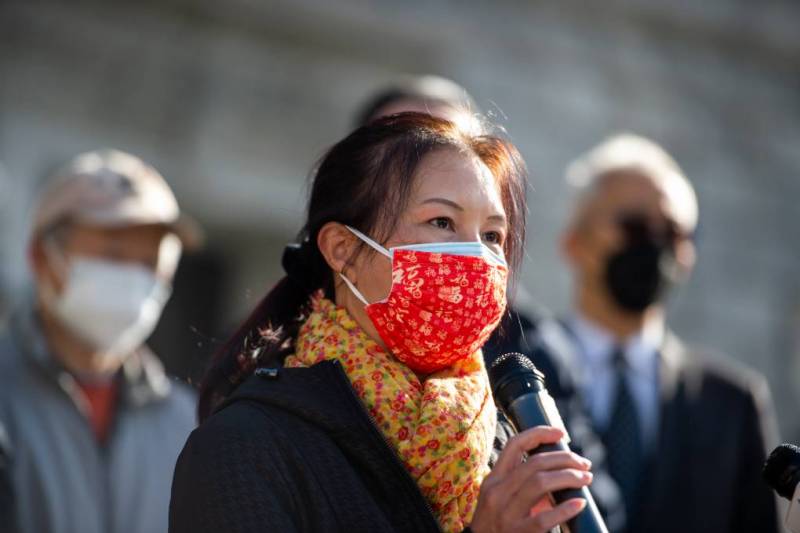
"caption": "Angela Zhou habla durante una conferencia de prensa organizada por el grupo de trabajo de alcance al votante chino/API en las escalinatas del Asian Art Museum en San Francisco el 14 de enero de 2022.",
"description": null,
"title": "ANGELA ZHOU SF SCHOO BOARD RECALL PICTURE",
"credit": "(Beth LaBerge/KQED)",
"status": "inherit",
"altTag": null,
"isLoading": false,
"fetchFailed": false
},
"news_11902826": {
"type": "attachments",
"id": "news_11902826",
"meta": {
"index": "attachments_1716263798",
"site": "news",
"id": "11902826",
"found": true
},
"parent": 0,
"imgSizes": {
"twentyfourteen-full-width": {
"file": "https://ww2.kqed.org/app/uploads/sites/10/2022/01/MotyPortrait-1038x576.jpg",
"width": 1038,
"mimeType": "image/jpeg",
"height": 576
},
"thumbnail": {
"file": "https://ww2.kqed.org/app/uploads/sites/10/2022/01/MotyPortrait-160x127.jpg",
"width": 160,
"mimeType": "image/jpeg",
"height": 127
},
"post-thumbnail": {
"file": "https://ww2.kqed.org/app/uploads/sites/10/2022/01/MotyPortrait-672x372.jpg",
"width": 672,
"mimeType": "image/jpeg",
"height": 372
},
"kqedFullSize": {
"file": "https://ww2.kqed.org/app/uploads/sites/10/2022/01/MotyPortrait.jpg",
"width": 1920,
"height": 1519
},
"large": {
"file": "https://ww2.kqed.org/app/uploads/sites/10/2022/01/MotyPortrait-1020x807.jpg",
"width": 1020,
"mimeType": "image/jpeg",
"height": 807
},
"1536x1536": {
"file": "https://ww2.kqed.org/app/uploads/sites/10/2022/01/MotyPortrait-1536x1215.jpg",
"width": 1536,
"mimeType": "image/jpeg",
"height": 1215
},
"medium": {
"file": "https://ww2.kqed.org/app/uploads/sites/10/2022/01/MotyPortrait-800x633.jpg",
"width": 800,
"mimeType": "image/jpeg",
"height": 633
}
},
"publishDate": 1643241351,
"modified": 1643323014,
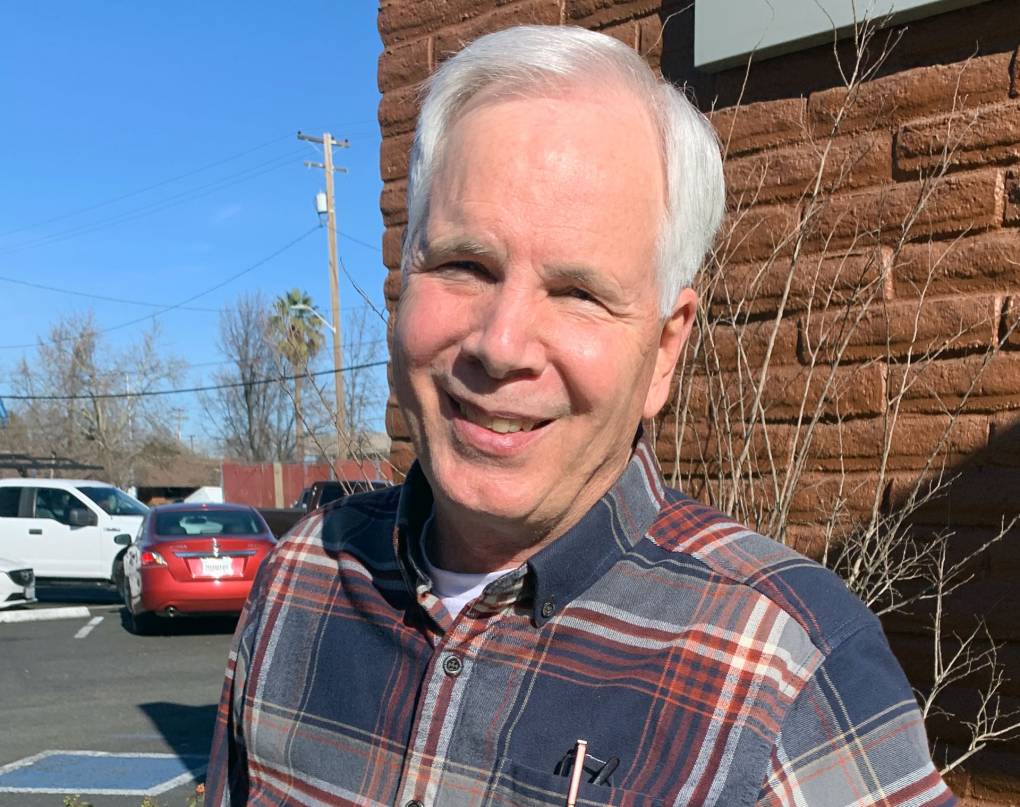
"caption": "The outcome of the Feb. 1 recall election of Shasta County Supervisor Leonard Moty could say a lot about the future of California's Republican Party.",
"description": "The outcome of the Feb. 1 recall election of Shasta County Supervisor Leonard Moty could say a lot about the future of California's Republican Party.",
"title": "MotyPortrait",
"credit": "Scott Shafer/KQED",
"status": "inherit",
"altTag": "man with white hair and plaid shirt stands outside in front of brick wall with parking lot in background",
"isLoading": false,
"fetchFailed": false
},
"news_11901982": {
"type": "attachments",
"id": "news_11901982",
"meta": {
"index": "attachments_1716263798",
"site": "news",
"id": "11901982",
"found": true
},
"parent": 11901974,
"imgSizes": {
"twentyfourteen-full-width": {
"file": "https://ww2.kqed.org/app/uploads/sites/10/2022/01/tests_011822_final-1038x576.png",
"width": 1038,
"mimeType": "image/png",
"height": 576
},
"thumbnail": {
"file": "https://ww2.kqed.org/app/uploads/sites/10/2022/01/tests_011822_final-160x114.png",
"width": 160,
"mimeType": "image/png",
"height": 114
},
"post-thumbnail": {
"file": "https://ww2.kqed.org/app/uploads/sites/10/2022/01/tests_011822_final-672x372.png",
"width": 672,
"mimeType": "image/png",
"height": 372
},
"kqedFullSize": {
"file": "https://ww2.kqed.org/app/uploads/sites/10/2022/01/tests_011822_final.png",
"width": 1920,
"height": 1367
},
"large": {
"file": "https://ww2.kqed.org/app/uploads/sites/10/2022/01/tests_011822_final-1020x726.png",
"width": 1020,
"mimeType": "image/png",
"height": 726
},
"1536x1536": {
"file": "https://ww2.kqed.org/app/uploads/sites/10/2022/01/tests_011822_final-1536x1094.png",
"width": 1536,
"mimeType": "image/png",
"height": 1094
},
"medium": {
"file": "https://ww2.kqed.org/app/uploads/sites/10/2022/01/tests_011822_final-800x570.png",
"width": 800,
"mimeType": "image/png",
"height": 570
}
},
"publishDate": 1642546209,
"modified": 1642546284,
"caption": null,
"description": null,
"title": "tests_011822_final",
"credit": null,
"status": "inherit",
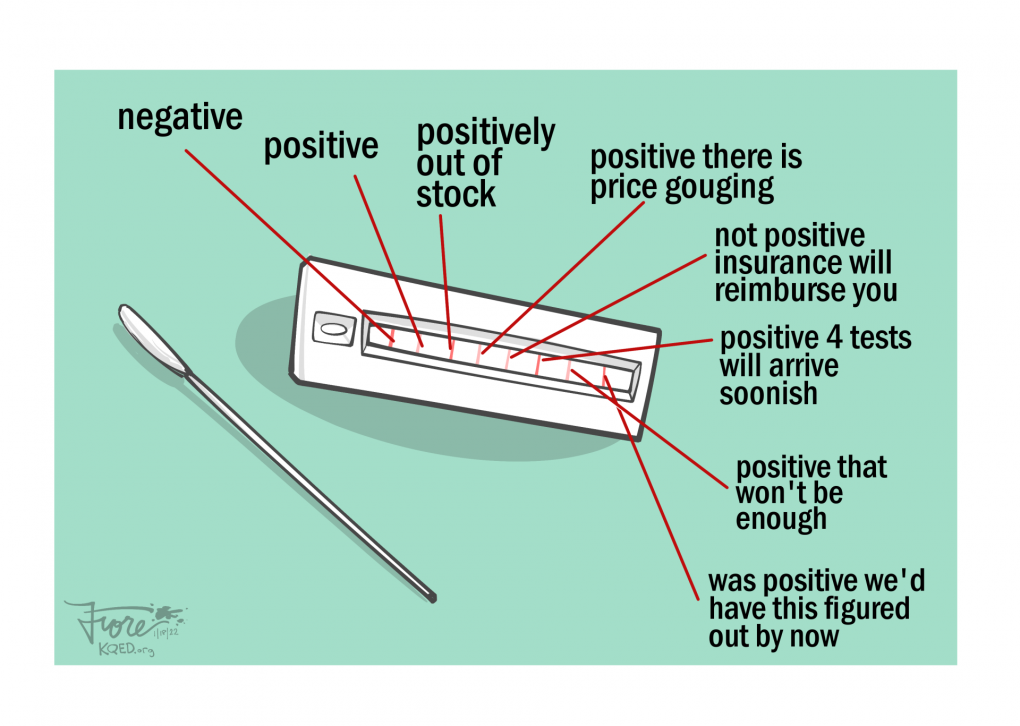
"altTag": "Cartoon: a rapid COVID test with lines for negative, positive, positively out of stock, not positive insurance will reimburse you, positive 4 tests will arrive soonish and was positive we'd have this figured out by now.",
"isLoading": false,
"fetchFailed": false
},
"news_11901815": {
"type": "attachments",
"id": "news_11901815",
"meta": {
"index": "attachments_1716263798",
"site": "news",
"id": "11901815",
"found": true
},
"parent": 11901813,
"imgSizes": {
"twentyfourteen-full-width": {
"file": "https://ww2.kqed.org/app/uploads/sites/10/2022/01/RS53040_001_KQED_BethLaBerge_SchoolBoardRecallPresser_01142022-qut-1-1038x576.jpg",
"width": 1038,
"mimeType": "image/jpeg",
"height": 576
},
"thumbnail": {
"file": "https://ww2.kqed.org/app/uploads/sites/10/2022/01/RS53040_001_KQED_BethLaBerge_SchoolBoardRecallPresser_01142022-qut-1-160x107.jpg",
"width": 160,
"mimeType": "image/jpeg",
"height": 107
},
"post-thumbnail": {
"file": "https://ww2.kqed.org/app/uploads/sites/10/2022/01/RS53040_001_KQED_BethLaBerge_SchoolBoardRecallPresser_01142022-qut-1-672x372.jpg",
"width": 672,
"mimeType": "image/jpeg",
"height": 372
},
"kqedFullSize": {
"file": "https://ww2.kqed.org/app/uploads/sites/10/2022/01/RS53040_001_KQED_BethLaBerge_SchoolBoardRecallPresser_01142022-qut-1.jpg",
"width": 1920,
"height": 1278
},
"large": {
"file": "https://ww2.kqed.org/app/uploads/sites/10/2022/01/RS53040_001_KQED_BethLaBerge_SchoolBoardRecallPresser_01142022-qut-1-1020x679.jpg",
"width": 1020,
"mimeType": "image/jpeg",
"height": 679
},
"1536x1536": {
"file": "https://ww2.kqed.org/app/uploads/sites/10/2022/01/RS53040_001_KQED_BethLaBerge_SchoolBoardRecallPresser_01142022-qut-1-1536x1022.jpg",
"width": 1536,
"mimeType": "image/jpeg",
"height": 1022
},
"medium": {
"file": "https://ww2.kqed.org/app/uploads/sites/10/2022/01/RS53040_001_KQED_BethLaBerge_SchoolBoardRecallPresser_01142022-qut-1-800x533.jpg",
"width": 800,
"mimeType": "image/jpeg",
"height": 533
}
},
"publishDate": 1642210803,
"modified": 1659136405,
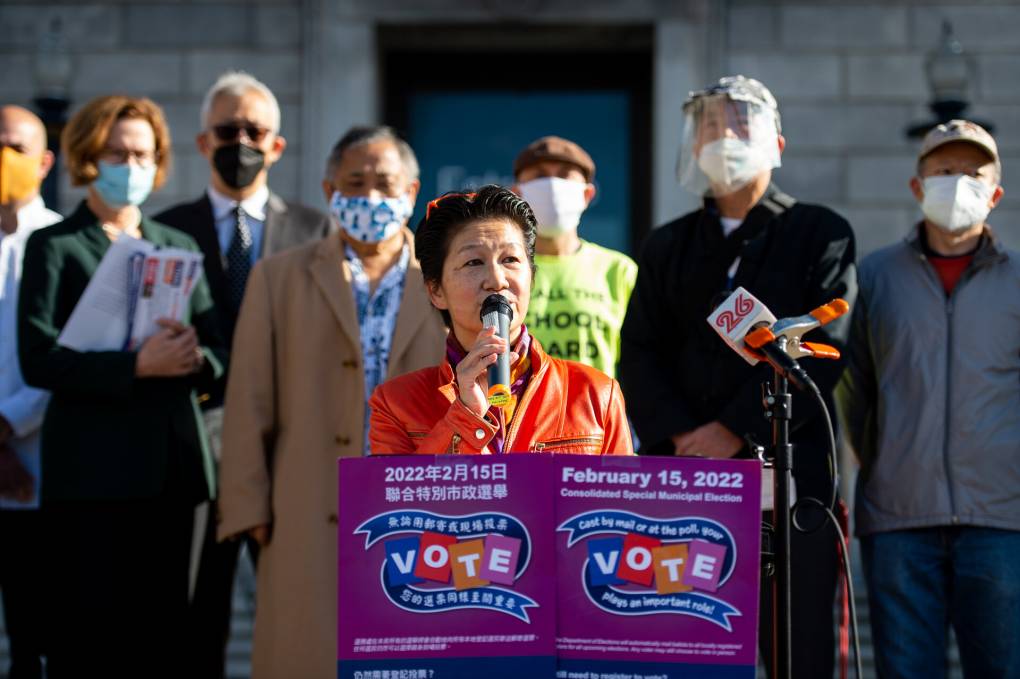
"caption": "Ann Hsu speaks during a press conference held by the Chinese/API Voter Outreach Task Force on the steps of the Asian Art Museum in San Francisco on Jan. 14, 2022.",
"description": null,
"title": "RS53040_001_KQED_BethLaBerge_SchoolBoardRecallPresser_01142022-qut (1)",
"credit": "Beth LaBerge/KQED",
"status": "inherit",
"altTag": "A woman speaks at a podium flanked by other people behind her wearing masks.",
"isLoading": false,
"fetchFailed": false
},
"news_11901784": {
"type": "attachments",
"id": "news_11901784",
"meta": {
"index": "attachments_1716263798",
"site": "news",
"id": "11901784",
"found": true
},
"parent": 11901755,
"imgSizes": {
"twentyfourteen-full-width": {
"file": "https://ww2.kqed.org/app/uploads/sites/10/2022/01/mlkfilibuster_011422_final-1038x576.png",
"width": 1038,
"mimeType": "image/png",
"height": 576
},
"thumbnail": {
"file": "https://ww2.kqed.org/app/uploads/sites/10/2022/01/mlkfilibuster_011422_final-160x113.png",
"width": 160,
"mimeType": "image/png",
"height": 113
},
"post-thumbnail": {
"file": "https://ww2.kqed.org/app/uploads/sites/10/2022/01/mlkfilibuster_011422_final-672x372.png",
"width": 672,
"mimeType": "image/png",
"height": 372
},
"kqedFullSize": {
"file": "https://ww2.kqed.org/app/uploads/sites/10/2022/01/mlkfilibuster_011422_final.png",
"width": 1920,
"height": 1358
},
"large": {
"file": "https://ww2.kqed.org/app/uploads/sites/10/2022/01/mlkfilibuster_011422_final-1020x721.png",
"width": 1020,
"mimeType": "image/png",
"height": 721
},
"1536x1536": {
"file": "https://ww2.kqed.org/app/uploads/sites/10/2022/01/mlkfilibuster_011422_final-1536x1086.png",
"width": 1536,
"mimeType": "image/png",
"height": 1086
},
"medium": {
"file": "https://ww2.kqed.org/app/uploads/sites/10/2022/01/mlkfilibuster_011422_final-800x566.png",
"width": 800,
"mimeType": "image/png",
"height": 566
}
},
"publishDate": 1642204094,
"modified": 1642204198,
"caption": null,
"description": null,
"title": "mlkfilibuster_011422_final",
"credit": null,
"status": "inherit",
"altTag": "Cartoon: Martin Luther King Jr. at the Lincoln Memorial saying, \"I have a dream.\" The second panel shows Sen. Mitch McConnell saying, \"I have a filibuster.\"",
"isLoading": false,
"fetchFailed": false
},
"news_11436115": {
"type": "attachments",
"id": "news_11436115",
"meta": {
"index": "attachments_1716263798",
"site": "news",
"id": "11436115",
"found": true
},
"parent": 11429750,
"imgSizes": {
"small": {
"file": "https://ww2.kqed.org/app/uploads/sites/10/2017/05/AhsDesk-520x433.jpg",
"width": 520,
"mimeType": "image/jpeg",
"height": 433
},
"twentyfourteen-full-width": {
"file": "https://ww2.kqed.org/app/uploads/sites/10/2017/05/AhsDesk-1038x576.jpg",
"width": 1038,
"mimeType": "image/jpeg",
"height": 576
},
"thumbnail": {
"file": "https://ww2.kqed.org/app/uploads/sites/10/2017/05/AhsDesk-160x133.jpg",
"width": 160,
"mimeType": "image/jpeg",
"height": 133
},
"fd-sm": {
"file": "https://ww2.kqed.org/app/uploads/sites/10/2017/05/AhsDesk-960x800.jpg",
"width": 960,
"mimeType": "image/jpeg",
"height": 800
},
"post-thumbnail": {
"file": "https://ww2.kqed.org/app/uploads/sites/10/2017/05/AhsDesk-672x372.jpg",
"width": 672,
"mimeType": "image/jpeg",
"height": 372
},
"xsmall": {
"file": "https://ww2.kqed.org/app/uploads/sites/10/2017/05/AhsDesk-375x313.jpg",
"width": 375,
"mimeType": "image/jpeg",
"height": 313
},
"kqedFullSize": {
"file": "https://ww2.kqed.org/app/uploads/sites/10/2017/05/AhsDesk.jpg",
"width": 1920,
"height": 1600
},
"large": {
"file": "https://ww2.kqed.org/app/uploads/sites/10/2017/05/AhsDesk-1020x850.jpg",
"width": 1020,
"mimeType": "image/jpeg",
"height": 850
},
"xlarge": {
"file": "https://ww2.kqed.org/app/uploads/sites/10/2017/05/AhsDesk-1180x983.jpg",
"width": 1180,
"mimeType": "image/jpeg",
"height": 983
},
"guest-author-50": {
"file": "https://ww2.kqed.org/app/uploads/sites/10/2017/05/AhsDesk-50x50.jpg",
"width": 50,
"mimeType": "image/jpeg",
"height": 50
},
"guest-author-96": {
"file": "https://ww2.kqed.org/app/uploads/sites/10/2017/05/AhsDesk-96x96.jpg",
"width": 96,
"mimeType": "image/jpeg",
"height": 96
},
"medium": {
"file": "https://ww2.kqed.org/app/uploads/sites/10/2017/05/AhsDesk-800x667.jpg",
"width": 800,
"mimeType": "image/jpeg",
"height": 667
},
"guest-author-64": {
"file": "https://ww2.kqed.org/app/uploads/sites/10/2017/05/AhsDesk-64x64.jpg",
"width": 64,
"mimeType": "image/jpeg",
"height": 64
},
"guest-author-32": {
"file": "https://ww2.kqed.org/app/uploads/sites/10/2017/05/AhsDesk-32x32.jpg",
"width": 32,
"mimeType": "image/jpeg",
"height": 32
},
"fd-lrg": {
"file": "https://ww2.kqed.org/app/uploads/sites/10/2017/05/AhsDesk-1920x1600.jpg",
"width": 1920,
"mimeType": "image/jpeg",
"height": 1600
},
"fd-med": {
"file": "https://ww2.kqed.org/app/uploads/sites/10/2017/05/AhsDesk-1180x983.jpg",
"width": 1180,
"mimeType": "image/jpeg",
"height": 983
},
"full-width": {
"file": "https://ww2.kqed.org/app/uploads/sites/10/2017/05/AhsDesk-1920x1600.jpg",
"width": 1920,
"mimeType": "image/jpeg",
"height": 1600
},
"detail": {
"file": "https://ww2.kqed.org/app/uploads/sites/10/2017/05/AhsDesk-150x150.jpg",
"width": 150,
"mimeType": "image/jpeg",
"height": 150
},
"guest-author-128": {
"file": "https://ww2.kqed.org/app/uploads/sites/10/2017/05/AhsDesk-128x128.jpg",
"width": 128,
"mimeType": "image/jpeg",
"height": 128
},
"xxsmall": {
"file": "https://ww2.kqed.org/app/uploads/sites/10/2017/05/AhsDesk-240x200.jpg",
"width": 240,
"mimeType": "image/jpeg",
"height": 200
}
},
"publishDate": 1493680245,
"modified": 1493680276,
"caption": "Asm. Ash Kalra in his San Jose district office. ",
"description": "Asm. Ash Kalra in his San Jose district office. ",
"title": "AhsDesk",
"credit": "Katie Orr/KQED",
"status": "inherit",
"isLoading": false,
"fetchFailed": false
},
"news_11901717": {
"type": "attachments",
"id": "news_11901717",
"meta": {
"index": "attachments_1716263798",
"site": "news",
"id": "11901717",
"found": true
},
"parent": 11901700,
"imgSizes": {
"twentyfourteen-full-width": {
"file": "https://ww2.kqed.org/app/uploads/sites/10/2022/01/prison-1-1038x576.jpg",
"width": 1038,
"mimeType": "image/jpeg",
"height": 576
},
"thumbnail": {
"file": "https://ww2.kqed.org/app/uploads/sites/10/2022/01/prison-1-160x107.jpg",
"width": 160,
"mimeType": "image/jpeg",
"height": 107
},
"post-thumbnail": {
"file": "https://ww2.kqed.org/app/uploads/sites/10/2022/01/prison-1-672x372.jpg",
"width": 672,
"mimeType": "image/jpeg",
"height": 372
},
"kqedFullSize": {
"file": "https://ww2.kqed.org/app/uploads/sites/10/2022/01/prison-1.jpg",
"width": 1920,
"height": 1280
},
"large": {
"file": "https://ww2.kqed.org/app/uploads/sites/10/2022/01/prison-1-1020x680.jpg",
"width": 1020,
"mimeType": "image/jpeg",
"height": 680
},
"1536x1536": {
"file": "https://ww2.kqed.org/app/uploads/sites/10/2022/01/prison-1-1536x1024.jpg",
"width": 1536,
"mimeType": "image/jpeg",
"height": 1024
},
"medium": {
"file": "https://ww2.kqed.org/app/uploads/sites/10/2022/01/prison-1-800x533.jpg",
"width": 800,
"mimeType": "image/jpeg",
"height": 533
}
},
"publishDate": 1642120892,
"modified": 1642120973,
"caption": "Sirhan Sirhan was convicted of murdering Robert F. Kennedy in 1968. He is serving a life sentence in prison.",
"description": null,
"title": "prison-1",
"credit": "Wikimedia Commons",
"status": "inherit",
"altTag": "A black and white photo of a man wearing a collared shirt with a sign around his neck that reads \"Calif Prison B21014 B S Sirhan\"",
"isLoading": false,
"fetchFailed": false
},
"news_11901592": {
"type": "attachments",
"id": "news_11901592",
"meta": {
"index": "attachments_1716263798",
"site": "news",
"id": "11901592",
"found": true
},
"parent": 11901435,
"imgSizes": {
"twentyfourteen-full-width": {
"file": "https://ww2.kqed.org/app/uploads/sites/10/2022/01/GettyImages-1340295697-1038x576.jpg",
"width": 1038,
"mimeType": "image/jpeg",
"height": 576
},
"thumbnail": {
"file": "https://ww2.kqed.org/app/uploads/sites/10/2022/01/GettyImages-1340295697-160x107.jpg",
"width": 160,
"mimeType": "image/jpeg",
"height": 107
},
"post-thumbnail": {
"file": "https://ww2.kqed.org/app/uploads/sites/10/2022/01/GettyImages-1340295697-672x372.jpg",
"width": 672,
"mimeType": "image/jpeg",
"height": 372
},
"kqedFullSize": {
"file": "https://ww2.kqed.org/app/uploads/sites/10/2022/01/GettyImages-1340295697-scaled.jpg",
"width": 2560,
"height": 1707
},
"2048x2048": {
"file": "https://ww2.kqed.org/app/uploads/sites/10/2022/01/GettyImages-1340295697-2048x1365.jpg",
"width": 2048,
"mimeType": "image/jpeg",
"height": 1365
},
"large": {
"file": "https://ww2.kqed.org/app/uploads/sites/10/2022/01/GettyImages-1340295697-1020x680.jpg",
"width": 1020,
"mimeType": "image/jpeg",
"height": 680
},
"1536x1536": {
"file": "https://ww2.kqed.org/app/uploads/sites/10/2022/01/GettyImages-1340295697-1536x1024.jpg",
"width": 1536,
"mimeType": "image/jpeg",
"height": 1024
},
"full-width": {
"file": "https://ww2.kqed.org/app/uploads/sites/10/2022/01/GettyImages-1340295697-1920x1280.jpg",
"width": 1920,
"mimeType": "image/jpeg",
"height": 1280
},
"medium": {
"file": "https://ww2.kqed.org/app/uploads/sites/10/2022/01/GettyImages-1340295697-800x533.jpg",
"width": 800,
"mimeType": "image/jpeg",
"height": 533
}
},
"publishDate": 1642031486,
"modified": 1664887968,
"caption": null,
"description": "A worker sorts ballots at the Santa Clara County registrar of voters office on September 14, 2021 in San Jose.",
"title": "Californians Head To The Polls To Vote In Recall Election",
"credit": "Justin Sullivan/Getty Images",
"status": "inherit",
"altTag": "The worker wears a face mask and stands in a room with many machines and stacks of envelopes.",
"isLoading": false,
"fetchFailed": false
},
"news_11901383": {
"type": "attachments",
"id": "news_11901383",
"meta": {
"index": "attachments_1716263798",
"site": "news",
"id": "11901383",
"found": true
},
"parent": 11901347,
"imgSizes": {
"twentyfourteen-full-width": {
"file": "https://ww2.kqed.org/app/uploads/sites/10/2022/01/RS5067_NurseChecksBloodPressure-1038x576.jpg",
"width": 1038,
"mimeType": "image/jpeg",
"height": 576
},
"thumbnail": {
"file": "https://ww2.kqed.org/app/uploads/sites/10/2022/01/RS5067_NurseChecksBloodPressure-160x107.jpg",
"width": 160,
"mimeType": "image/jpeg",
"height": 107
},
"post-thumbnail": {
"file": "https://ww2.kqed.org/app/uploads/sites/10/2022/01/RS5067_NurseChecksBloodPressure-672x372.jpg",
"width": 672,
"mimeType": "image/jpeg",
"height": 372
},
"kqedFullSize": {
"file": "https://ww2.kqed.org/app/uploads/sites/10/2022/01/RS5067_NurseChecksBloodPressure-scaled-e1641938626135.jpg",
"width": 1920,
"height": 1280
},
"2048x2048": {
"file": "https://ww2.kqed.org/app/uploads/sites/10/2022/01/RS5067_NurseChecksBloodPressure-2048x1365.jpg",
"width": 2048,
"mimeType": "image/jpeg",
"height": 1365
},
"large": {
"file": "https://ww2.kqed.org/app/uploads/sites/10/2022/01/RS5067_NurseChecksBloodPressure-1020x680.jpg",
"width": 1020,
"mimeType": "image/jpeg",
"height": 680
},
"1536x1536": {
"file": "https://ww2.kqed.org/app/uploads/sites/10/2022/01/RS5067_NurseChecksBloodPressure-1536x1024.jpg",
"width": 1536,
"mimeType": "image/jpeg",
"height": 1024
},
"full-width": {
"file": "https://ww2.kqed.org/app/uploads/sites/10/2022/01/RS5067_NurseChecksBloodPressure-1920x1280.jpg",
"width": 1920,
"mimeType": "image/jpeg",
"height": 1280
},
"medium": {
"file": "https://ww2.kqed.org/app/uploads/sites/10/2022/01/RS5067_NurseChecksBloodPressure-800x533.jpg",
"width": 800,
"mimeType": "image/jpeg",
"height": 533
}
},
"publishDate": 1641938608,
"modified": 1641938828,
"caption": "A nurse checks a patient's blood pressure at a free health screening event in Los Angeles. The Assembly began debate Tuesday on a bill to establish a universal health care system in the state, called CalCare. ",
"description": null,
"title": "Health Care Activists Offer Free Health Screenings In Los Angeles",
"credit": "David McNew/Getty Images",
"status": "inherit",
"altTag": "closeup shot of a nurse's hand operating a blood pressure monitoring device",
"isLoading": false,
"fetchFailed": false
},
"news_11888568": {
"type": "attachments",
"id": "news_11888568",
"meta": {
"index": "attachments_1716263798",
"site": "news",
"id": "11888568",
"found": true
},
"parent": 11888259,
"imgSizes": {
"twentyfourteen-full-width": {
"file": "https://ww2.kqed.org/app/uploads/sites/10/2021/09/021_SanFrancisco_NewsomRecallEvent_09142021-1038x576.jpg",
"width": 1038,
"mimeType": "image/jpeg",
"height": 576
},
"thumbnail": {
"file": "https://ww2.kqed.org/app/uploads/sites/10/2021/09/021_SanFrancisco_NewsomRecallEvent_09142021-160x107.jpg",
"width": 160,
"mimeType": "image/jpeg",
"height": 107
},
"post-thumbnail": {
"file": "https://ww2.kqed.org/app/uploads/sites/10/2021/09/021_SanFrancisco_NewsomRecallEvent_09142021-672x372.jpg",
"width": 672,
"mimeType": "image/jpeg",
"height": 372
},
"kqedFullSize": {
"file": "https://ww2.kqed.org/app/uploads/sites/10/2021/09/021_SanFrancisco_NewsomRecallEvent_09142021.jpg",
"width": 1920,
"height": 1280
},
"large": {
"file": "https://ww2.kqed.org/app/uploads/sites/10/2021/09/021_SanFrancisco_NewsomRecallEvent_09142021-1020x680.jpg",
"width": 1020,
"mimeType": "image/jpeg",
"height": 680
},
"1536x1536": {
"file": "https://ww2.kqed.org/app/uploads/sites/10/2021/09/021_SanFrancisco_NewsomRecallEvent_09142021-1536x1024.jpg",
"width": 1536,
"mimeType": "image/jpeg",
"height": 1024
},
"medium": {
"file": "https://ww2.kqed.org/app/uploads/sites/10/2021/09/021_SanFrancisco_NewsomRecallEvent_09142021-800x533.jpg",
"width": 800,
"mimeType": "image/jpeg",
"height": 533
}
},
"publishDate": 1631661700,
"modified": 1631726554,
"caption": "Gov. Gavin Newsom speaks with union members and volunteers at the International Brotherhood of Electrical Workers Local 6 union hall in San Francisco on Sept. 14, 2021, just hours before polls closed in the state's second-ever gubernatorial recall election.",
"description": null,
"title": "021_SanFrancisco_NewsomRecallEvent_09142021",
"credit": "Beth LaBerge/KQED",
"status": "inherit",
"altTag": "Gov. Newsom speaks flexing his right fist in front of an IBEW union symbol.",
"isLoading": false,
"fetchFailed": false
},
"news_11900944": {
"type": "attachments",
"id": "news_11900944",
"meta": {
"index": "attachments_1716263798",
"site": "news",
"id": "11900944",
"found": true
},
"parent": 11900935,
"imgSizes": {
"twentyfourteen-full-width": {
"file": "https://ww2.kqed.org/app/uploads/sites/10/2022/01/RS46558_GettyImages-1295038535-1-qut-1038x576.jpg",
"width": 1038,
"mimeType": "image/jpeg",
"height": 576
},
"thumbnail": {
"file": "https://ww2.kqed.org/app/uploads/sites/10/2022/01/RS46558_GettyImages-1295038535-1-qut-160x107.jpg",
"width": 160,
"mimeType": "image/jpeg",
"height": 107
},
"post-thumbnail": {
"file": "https://ww2.kqed.org/app/uploads/sites/10/2022/01/RS46558_GettyImages-1295038535-1-qut-672x372.jpg",
"width": 672,
"mimeType": "image/jpeg",
"height": 372
},
"kqedFullSize": {
"file": "https://ww2.kqed.org/app/uploads/sites/10/2022/01/RS46558_GettyImages-1295038535-1-qut.jpg",
"width": 1920,
"height": 1280
},
"large": {
"file": "https://ww2.kqed.org/app/uploads/sites/10/2022/01/RS46558_GettyImages-1295038535-1-qut-1020x680.jpg",
"width": 1020,
"mimeType": "image/jpeg",
"height": 680
},
"1536x1536": {
"file": "https://ww2.kqed.org/app/uploads/sites/10/2022/01/RS46558_GettyImages-1295038535-1-qut-1536x1024.jpg",
"width": 1536,
"mimeType": "image/jpeg",
"height": 1024
},
"medium": {
"file": "https://ww2.kqed.org/app/uploads/sites/10/2022/01/RS46558_GettyImages-1295038535-1-qut-800x533.jpg",
"width": 800,
"mimeType": "image/jpeg",
"height": 533
}
},
"publishDate": 1641434284,
"modified": 1641498580,
"caption": "Thousands of Donald Trump supporters storm the United States Capitol building following a \"Stop the Steal\" rally on Jan. 6, 2021, in Washington, D.C. The protesters stormed the historic building, breaking windows and clashing with police. Trump supporters had gathered nearby to protest the ratification of then President-elect Joe Biden's electoral college victory over President Trump in the 2020 election.",
"description": null,
"title": "Trump Supporters Hold \"Stop The Steal\" Rally In DC Amid Ratification Of Presidential Election",
"credit": "Spencer Platt/Getty Images",
"status": "inherit",
"altTag": "The white facade of the Capitol building, with a mob of people in dark clothing on an upper level and the ground below holding flags.",
"isLoading": false,
"fetchFailed": false
},
"news_11900879": {
"type": "attachments",
"id": "news_11900879",
"meta": {
"index": "attachments_1716263798",
"site": "news",
"id": "11900879",
"found": true
},
"parent": 11900865,
"imgSizes": {
"twentyfourteen-full-width": {
"file": "https://ww2.kqed.org/app/uploads/sites/10/2022/01/january6th_010522_final-1038x576.png",
"width": 1038,
"mimeType": "image/png",
"height": 576
},
"thumbnail": {
"file": "https://ww2.kqed.org/app/uploads/sites/10/2022/01/january6th_010522_final-160x111.png",
"width": 160,
"mimeType": "image/png",
"height": 111
},
"post-thumbnail": {
"file": "https://ww2.kqed.org/app/uploads/sites/10/2022/01/january6th_010522_final-672x372.png",
"width": 672,
"mimeType": "image/png",
"height": 372
},
"kqedFullSize": {
"file": "https://ww2.kqed.org/app/uploads/sites/10/2022/01/january6th_010522_final.png",
"width": 1920,
"height": 1329
},
"large": {
"file": "https://ww2.kqed.org/app/uploads/sites/10/2022/01/january6th_010522_final-1020x706.png",
"width": 1020,
"mimeType": "image/png",
"height": 706
},
"1536x1536": {
"file": "https://ww2.kqed.org/app/uploads/sites/10/2022/01/january6th_010522_final-1536x1063.png",
"width": 1536,
"mimeType": "image/png",
"height": 1063
},
"medium": {
"file": "https://ww2.kqed.org/app/uploads/sites/10/2022/01/january6th_010522_final-800x554.png",
"width": 800,
"mimeType": "image/png",
"height": 554
}
},
"publishDate": 1641418134,
"modified": 1641418291,
"caption": null,
"description": null,
"title": "january6th_010522_final",
"credit": null,
"status": "inherit",
"altTag": "Cartoon: a U.S. map titled, \"January 6, 2022.\" Arrows point at multiple states with labels saying, \"law restricts voting access,\" \"law expands voter purges,\" \" democracy weakened.\" Some smoke rises over the nation.",
"isLoading": false,
"fetchFailed": false
}
},
"audioPlayerReducer": {
"postId": "stream_live",
"isPaused": true,
"isPlaying": false,
"pfsActive": false,
"pledgeModalIsOpen": true,
"playerDrawerIsOpen": false,
"liveAudioPlayStartedAt": 0,
"liveAudioPlayContext": ""
},
"authorsReducer": {
"byline_news_11901813": {
"type": "authors",
"id": "byline_news_11901813",
"meta": {
"override": true
},
"slug": "byline_news_11901813",
"name": "Scott Shafer and Han Li",
"isLoading": false
},
"byline_news_11901700": {
"type": "authors",
"id": "byline_news_11901700",
"meta": {
"override": true
},
"slug": "byline_news_11901700",
"name": "Don Thompson\u003cbr>The Associated Press",
"isLoading": false
},
"gmarzorati": {
"type": "authors",
"id": "227",
"meta": {
"index": "authors_1716337520",
"id": "227",
"found": true
},
"name": "Guy Marzorati",
"firstName": "Guy",
"lastName": "Marzorati",
"slug": "gmarzorati",
"email": "gmarzorati@KQED.org",
"display_author_email": true,
"staff_mastheads": [
"news"
],
"title": "Correspondent",
"bio": "Guy Marzorati is a correspondent on KQED's California Politics and Government Desk, based in San Jose. A graduate of Santa Clara University, Guy joined KQED in 2013. He reports on state and local politics and produces KQED's digital voter guide.",
"avatar": "https://secure.gravatar.com/avatar/e7038b8dbfd55b104369b76b1cd0b9de?s=600&d=blank&r=g",
"twitter": "guymarzorati",
"facebook": null,
"instagram": null,
"linkedin": null,
"sites": [
{
"site": "",
"roles": [
"editor"
]
},
{
"site": "news",
"roles": [
"editor"
]
},
{
"site": "science",
"roles": [
"editor"
]
},
{
"site": "forum",
"roles": [
"editor"
]
},
{
"site": "elections",
"roles": [
"editor"
]
},
{
"site": "liveblog",
"roles": [
"editor"
]
}
],
"headData": {
"title": "Guy Marzorati | KQED",
"description": "Correspondent",
"ogImgSrc": "https://secure.gravatar.com/avatar/e7038b8dbfd55b104369b76b1cd0b9de?s=600&d=blank&r=g",
"twImgSrc": "https://secure.gravatar.com/avatar/e7038b8dbfd55b104369b76b1cd0b9de?s=600&d=blank&r=g"
},
"isLoading": false,
"link": "/author/gmarzorati"
},
"kqednewsstaffandwires": {
"type": "authors",
"id": "237",
"meta": {
"index": "authors_1716337520",
"id": "237",
"found": true
},
"name": "KQED News Staff and Wires",
"firstName": "KQED News Staff and Wires",
"lastName": null,
"slug": "kqednewsstaffandwires",
"email": "onlinenewsstaff@kqed.org",
"display_author_email": false,
"staff_mastheads": [],
"title": null,
"bio": null,
"avatar": "https://secure.gravatar.com/avatar/72295af8ebbfbd19a4948f5271285664?s=600&d=blank&r=g",
"twitter": null,
"facebook": null,
"instagram": null,
"linkedin": null,
"sites": [
{
"site": "arts",
"roles": [
"contributor"
]
},
{
"site": "news",
"roles": [
"contributor"
]
},
{
"site": "lowdown",
"roles": [
"author"
]
},
{
"site": "stateofhealth",
"roles": [
"contributor"
]
},
{
"site": "food",
"roles": [
"author"
]
}
],
"headData": {
"title": "KQED News Staff and Wires | KQED",
"description": null,
"ogImgSrc": "https://secure.gravatar.com/avatar/72295af8ebbfbd19a4948f5271285664?s=600&d=blank&r=g",
"twImgSrc": "https://secure.gravatar.com/avatar/72295af8ebbfbd19a4948f5271285664?s=600&d=blank&r=g"
},
"isLoading": false,
"link": "/author/kqednewsstaffandwires"
},
"scottshafer": {
"type": "authors",
"id": "255",
"meta": {
"index": "authors_1716337520",
"id": "255",
"found": true
},
"name": "Scott Shafer",
"firstName": "Scott",
"lastName": "Shafer",
"slug": "scottshafer",
"email": "sshafer@kqed.org",
"display_author_email": false,
"staff_mastheads": [
"news"
],
"title": "KQED Contributor",
"bio": "Scott Shafer is a senior editor with the KQED Politics and Government desk. He is co-host of Political Breakdown, the award-winning radio show and podcast with a personal take on the world of politics. Scott came to KQED in 1998 to host the statewide\u003cem> California Report\u003c/em>. Prior to that he had extended stints in politics and government\u003cem>.\u003c/em> He uses that inside experience at KQED in his, reporting, hosting and analysis for the politics desk. Scott collaborated \u003cem>Political Breakdown a\u003c/em>nd on \u003cem>The Political Mind of Jerry Brown, \u003c/em>an eight-part series about the life and extraordinary political career of the former governor. For fun, he plays water polo with the San Francisco Tsunami.",
"avatar": "https://secure.gravatar.com/avatar/a62ebae45b79d7aed1a39a0e3bf68104?s=600&d=blank&r=g",
"twitter": "scottshafer",
"bluesky": null,
"facebook": null,
"instagram": null,
"linkedin": null,
"sites": [
{
"site": "news",
"roles": [
"editor"
]
},
{
"site": "stateofhealth",
"roles": [
"author"
]
},
{
"site": "science",
"roles": [
"author"
]
},
{
"site": "forum",
"roles": [
"subscriber"
]
},
{
"site": "liveblog",
"roles": [
"author"
]
}
],
"headData": {
"title": "Scott Shafer | KQED",
"description": "KQED Contributor",
"ogImgSrc": "https://secure.gravatar.com/avatar/a62ebae45b79d7aed1a39a0e3bf68104?s=600&d=blank&r=g",
"twImgSrc": "https://secure.gravatar.com/avatar/a62ebae45b79d7aed1a39a0e3bf68104?s=600&d=blank&r=g"
},
"isLoading": false,
"link": "/author/scottshafer"
},
"markfiore": {
"type": "authors",
"id": "3236",
"meta": {
"index": "authors_1716337520",
"id": "3236",
"found": true
},
"name": "Mark Fiore",
"firstName": "Mark",
"lastName": "Fiore",
"slug": "markfiore",
"email": "mark@markfiore.com",
"display_author_email": false,
"staff_mastheads": [
"news"
],
"title": "KQED News Cartoonist",
"bio": "\u003ca href=\"http://www.MarkFiore.com\">MarkFiore.com\u003c/a> | \u003ca href=\"https://twitter.com/markfiore\">Follow on Twitter\u003c/a> | \u003ca href=\"https://www.facebook.com/pages/Mark-Fiore-Animated-Political-Cartoons/94451707396?ref=bookmarks\">Facebook\u003c/a> | \u003ca href=\"mailto:mark@markfiore.com\">email\u003c/a>\r\n\r\nPulitzer Prize-winner, Mark Fiore, who the Wall Street Journal has called “the undisputed guru of the form,” creates animated political cartoons in San Francisco, where his work has been featured regularly on the San Francisco Chronicle’s web site, SFGate.com. His work has appeared on Newsweek.com, Slate.com, CBSNews.com, MotherJones.com, DailyKos.com and NPR’s web site. Fiore’s political animation has appeared on CNN, Frontline, Bill Moyers Journal, Salon.com and cable and broadcast outlets across the globe.\r\n\r\nBeginning his professional life by drawing traditional political cartoons for newspapers, Fiore’s work appeared in publications ranging from the Washington Post to the Los Angeles Times. In the late 1990s, he began to experiment with animating political cartoons and, after a short stint at the San Jose Mercury News as their staff cartoonist, Fiore devoted all his energies to animation.\r\nGrowing up in California, Fiore also spent a good portion of his life in the backwoods of Idaho. It was this combination that shaped him politically. Mark majored in political science at Colorado College, where, in a perfect send-off for a cartoonist, he received his diploma in 1991 as commencement speaker Dick Cheney smiled approvingly.\r\nMark Fiore was awarded the Pulitzer Prize for political cartooning in 2010, a Robert F. Kennedy Journalism Award in 2004 and has twice received an Online Journalism Award for commentary from the Online News Association (2002, 2008). Fiore has received two awards for his work in new media from the National Cartoonists Society (2001, 2002), and in 2006 received The James Madison Freedom of Information Award from The Society of Professional Journalists.",
"avatar": "https://secure.gravatar.com/avatar/fc4e2a612b15b67bad0c6f0e1db4ca9b?s=600&d=blank&r=g",
"twitter": "MarkFiore",
"facebook": null,
"instagram": "https://www.instagram.com/markfiore/?hl=en",
"linkedin": null,
"sites": [
{
"site": "arts",
"roles": [
"contributor"
]
},
{
"site": "news",
"roles": [
"editor"
]
},
{
"site": "futureofyou",
"roles": [
"editor"
]
},
{
"site": "science",
"roles": [
"editor"
]
}
],
"headData": {
"title": "Mark Fiore | KQED",
"description": "KQED News Cartoonist",
"ogImgSrc": "https://secure.gravatar.com/avatar/fc4e2a612b15b67bad0c6f0e1db4ca9b?s=600&d=blank&r=g",
"twImgSrc": "https://secure.gravatar.com/avatar/fc4e2a612b15b67bad0c6f0e1db4ca9b?s=600&d=blank&r=g"
},
"isLoading": false,
"link": "/author/markfiore"
},
"mlagos": {
"type": "authors",
"id": "3239",
"meta": {
"index": "authors_1716337520",
"id": "3239",
"found": true
},
"name": "Marisa Lagos",
"firstName": "Marisa",
"lastName": "Lagos",
"slug": "mlagos",
"email": "mlagos@kqed.org",
"display_author_email": false,
"staff_mastheads": [
"news"
],
"title": "KQED Contributor",
"bio": "Marisa Lagos is a correspondent for KQED’s California Politics and Government Desk and co-hosts the award-winning show and podcast, Political Breakdown. At KQED, Lagos also conducts reporting, analysis and investigations into state, local and national politics for radio, TV, online and onstage. In 2022, she and co-host, Scott Shafer, moderated the only gubernatorial debate in California. In 2020, the \u003ci>Washington Post\u003c/i> named her one of the top political journalists in California; she was nominated for a Peabody and won several other awards for her work investigating the 2017 California wildfires. She has worked at the \u003ci>San Francisco Chronicle\u003c/i>, \u003ci>San Francisco Examiner\u003c/i> and \u003ci>Los Angeles Times\u003c/i>. A UC Santa Barbara graduate, she lives in San Francisco with her two sons and husband.",
"avatar": "https://secure.gravatar.com/avatar/a261a0d3696fc066871ef96b85b5e7d2?s=600&d=blank&r=g",
"twitter": "@mlagos",
"facebook": null,
"instagram": null,
"linkedin": null,
"sites": [
{
"site": "arts",
"roles": [
"author"
]
},
{
"site": "news",
"roles": [
"editor"
]
},
{
"site": "science",
"roles": [
"editor"
]
},
{
"site": "forum",
"roles": [
"author"
]
},
{
"site": "liveblog",
"roles": [
"author"
]
}
],
"headData": {
"title": "Marisa Lagos | KQED",
"description": "KQED Contributor",
"ogImgSrc": "https://secure.gravatar.com/avatar/a261a0d3696fc066871ef96b85b5e7d2?s=600&d=blank&r=g",
"twImgSrc": "https://secure.gravatar.com/avatar/a261a0d3696fc066871ef96b85b5e7d2?s=600&d=blank&r=g"
},
"isLoading": false,
"link": "/author/mlagos"
},
"ccabreralomeli": {
"type": "authors",
"id": "11708",
"meta": {
"index": "authors_1716337520",
"id": "11708",
"found": true
},
"name": "Carlos Cabrera-Lomelí",
"firstName": "Carlos",
"lastName": "Cabrera-Lomelí",
"slug": "ccabreralomeli",
"email": "ccabreralomeli@KQED.org",
"display_author_email": true,
"staff_mastheads": [
"news"
],
"title": "Community Reporter",
"bio": "Carlos Cabrera-Lomelí is a community reporter with KQED's digital engagement team. He also reports and co-produces for KQED's bilingual news hub KQED en Español. He grew up in San Francisco's Mission District and has previously worked with Univision, 48 Hills and REFORMA in Mexico City.",
"avatar": "https://secure.gravatar.com/avatar/c309be9665e484f887b818c89e273ecc673004f426f36b24d00a4d813a2e0518?s=600&d=blank&r=g",
"twitter": "@LomeliCabrera",
"bluesky": null,
"facebook": null,
"instagram": null,
"linkedin": null,
"sites": [
{
"site": "arts",
"roles": [
"editor"
]
},
{
"site": "news",
"roles": [
"editor"
]
},
{
"site": "about",
"roles": [
"editor"
]
},
{
"site": "science",
"roles": [
"editor"
]
},
{
"site": "perspectives",
"roles": [
"editor"
]
},
{
"site": "elections",
"roles": [
"editor"
]
},
{
"site": "liveblog",
"roles": [
"contributor"
]
}
],
"headData": {
"title": "Carlos Cabrera-Lomelí | KQED",
"description": "Community Reporter",
"ogImgSrc": "https://secure.gravatar.com/avatar/c309be9665e484f887b818c89e273ecc673004f426f36b24d00a4d813a2e0518?s=600&d=blank&r=g",
"twImgSrc": "https://secure.gravatar.com/avatar/c309be9665e484f887b818c89e273ecc673004f426f36b24d00a4d813a2e0518?s=600&d=blank&r=g"
},
"isLoading": false,
"link": "/author/ccabreralomeli"
}
},
"pagesReducer": {
"news_tag_politics": {
"type": "terms",
"id": "news_17968",
"meta": {
"index": "terms_1716263798",
"site": "news",
"id": "17968",
"score": 8.003286
},
"name": "Politics",
"slug": "politics",
"taxonomy": "tag",
"description": null,
"featImg": null,
"headData": {
"title": "Politics | KQED News",
"description": null,
"ogTitle": null,
"ogDescription": null,
"ogImgId": null,
"twTitle": null,
"twDescription": null,
"twImgId": null
},
"ttid": 18002,
"isLoading": false,
"title": "Politics",
"pageMeta": {
"site": "news",
"WpPageTemplate": "page-topic-editorial",
"currentPage": 179
},
"blocks": [
{
"blockName": "kqed/post-list",
"attrs": {
"layout": "cardArticle2",
"query": "posts/news?tag=politics",
"seeMore": false,
"paginated": true,
"page": 179
}
},
{
"blockName": "kqed/ad"
}
]
}
},
"pfsSessionReducer": {},
"postsReducer": {
"stream_live": {
"type": "live",
"id": "stream_live",
"audioUrl": "https://streams.kqed.org/kqedradio",
"title": "Live Stream",
"excerpt": "Live Stream information currently unavailable.",
"link": "/radio",
"featImg": "",
"label": {
"name": "KQED Live",
"link": "/"
}
},
"stream_kqedNewscast": {
"type": "posts",
"id": "stream_kqedNewscast",
"audioUrl": "https://www.kqed.org/.stream/anon/radio/RDnews/newscast.mp3?_=1",
"title": "KQED Newscast",
"featImg": "",
"label": {
"name": "88.5 FM",
"link": "/"
}
},
"news_11903103": {
"type": "posts",
"id": "news_11903103",
"meta": {
"index": "posts_1716263798",
"site": "news",
"id": "11903103",
"score": null,
"sort": [
1643415575000
]
},
"guestAuthors": [],
"slug": "como-votar-en-la-eleccion-revocatoria-del-consejo-escolar-de-san-francisco-si-usted-es-padre-no-ciudadano",
"title": "Cómo votar en la elección revocatoria del consejo escolar de San Francisco si usted es padre no ciudadano",
"publishDate": 1643415575,
"format": "standard",
"headTitle": "Cómo votar en la elección revocatoria del consejo escolar de San Francisco si usted es padre no ciudadano | KQED",
"labelTerm": {},
"content": "\u003cul>\n\u003cli>\u003ca href=\"#inscribo\">\u003cstrong>Avanza a la sección con detalles sobre cómo registrarse como no ciudadano para la elección revocatoria de la junta escolar.\u003c/strong>\u003c/a>\u003c/li>\n\u003c/ul>\n\u003cp>\u003ca href=\"https://www.kqed.org/news/11902654/sf-school-board-recall-how-to-vote-as-a-noncitizen-parent\">\u003cem>Read in English\u003c/em>\u003c/a>\u003c/p>\n\u003cp>Algunos residentes de San Francisco que no son ciudadanos podrán \u003ca href=\"https://www.kqed.org/news/tag/sf-school-board-recall\">votar en la elección revocatoria que se aproxima de los miembros del consejo escolar Alison Collins, Gabriela López y Faauuga Moliga\u003c/a> (\u003cspan style=\"font-weight: 400\">sólo\u003c/span> en inglés).\u003c/p>\n\u003cp>Gracias a una ley que fue aprobada por votantes en 2016, los padres y tutores legales de estudiantes en el Distrito Escolar Unificado de San Francisco pueden participar en las elecciones del consejo escolar, independientemente de su estatus migratorio. Para que un padre pueda votar, debe tener un hijo/hija de 19 años o menos\u003c/p>\n\u003cp>En octubre de 2021, la Junta de Supervisores de la ciudad hizo que la ley fuera permanente para todas las futuras votaciones del consejo escolar, permitiendo a los padres no ciudadanos, como Angela Zhou, votar en las elecciones de febrero.\u003c/p>\n\u003cp>[pullquote align=\"right\" size=\"medium\" citation=\"Angela Zhou, una registrante no ciudadana\"]‘Estoy muy contenta de tener la oportunidad de votar. Será la primera vez que vote en Estados Unidos y me siento muy afortunad.’[/pullquote]\u003c/p>\n\u003cp>“Soy residente en San Francisco desde hace unos 20 años, pero aún no soy ciudadana estadounidense”, dijo Zhou, \u003ca href=\"https://www.kqed.org/news/11901813/sf-school-board-recall-drives-more-non-citizen-voters-to-register\">en una rueda de prensa celebrada por un grupo de voluntarios enfocado en el registro de votantes asiáticos\u003c/a> (\u003cspan style=\"font-weight: 400\">sólo\u003c/span> en inglés). “Estoy muy contenta de tener la oportunidad de votar. Será la primera vez que vote en Estados Unidos y me siento muy afortunada”.\u003c/p>\n\u003cp>La idea de limitar el derecho de voto de algunos no ciudadanos está adquiriendo impulso: \u003ca href=\"https://www.npr.org/2021/12/12/1063539443/nyc-granted-noncitizens-the-right-to-vote-in-local-elections-the-idea-isnt-so-ne\">Nueva York permitirá a los residentes legales votar en las elecciones municipales\u003c/a> (\u003cspan style=\"font-weight: 400\">sólo\u003c/span> en inglés), y \u003ca href=\"https://www.kqed.org/news/11901435/give-us-a-chance-non-citizens-in-san-jose-could-potentially-be-allowed-to-vote\">San José está estudiando la idea\u003c/a> (\u003cspan style=\"font-weight: 400\">sólo\u003c/span> en inglés).\u003c/p>\n\u003cp>Los grupos comunitarios y de defensa de los inmigrantes de San Francisco ya se están movilizando para que los padres no ciudadanos se registren. Hasta el martes, una cifra récord de 122 personas no ciudadanos se han registrado para votar en la revocación de la Junta de Educación.\u003c/p>\n\u003cp>A continuación, las respuestas a algunas preguntas comunes sobre el programa de San Francisco. Haga clic en los enlaces de abajo para ir a una sección específica.\u003c/p>\n\u003cul>\n\u003cli>\u003ca href=\"#revocatoria\">\u003cstrong>¿Qué es la elección revocatoria de la junta escolar de SF?\u003c/strong>\u003c/a>\u003c/li>\n\u003cli>\u003ca href=\"#correo\">\u003cstrong>¿Por qué he recibido información por correo sobre la votación cuando no soy ciudadano?\u003c/strong>\u003c/a>\u003c/li>\n\u003cli>\u003ca href=\"#inscribo\">\u003cstrong>¿Cómo me inscribo para votar a través de este programa?\u003c/strong>\u003c/a>\u003c/li>\n\u003cli>\u003ca href=\"#ciudadanos\">\u003cstrong>¿Los votos de los no ciudadanos se cuentan de forma diferente a los de los ciudadanos?\u003c/strong>\u003c/a>\u003c/li>\n\u003cli>\u003ca href=\"#ICE\">\u003cstrong>¿Adónde va a parar esta información? ¿Se compartirá mi información con otras agencias gubernamentales como ICE?\u003c/strong>\u003c/a>\u003c/li>\n\u003c/ul>\n\u003ch3>\u003ca id=\"revocatoria\">\u003c/a>¿Qué es la elección revocatoria de la junta escolar de SF?\u003c/h3>\n\u003cp>El 15 de febrero, los votantes decidirán si quieren remover de su cargo a tres comisionados de la Junta de Educación de San Francisco: Alison Collins, Gabriela López y Faauuga Moliga.\u003c/p>\n\u003cp>Los votantes pueden optar por destituir a uno, dos, los tres o ninguno de estos funcionarios. Si se destituye a alguno de los tres miembros del consejo, la alcaldesa de San Francisco, London Breed, nombraría a su sustituto.\u003c/p>\n\u003cp>La votación será la primera revocación de un funcionario de San Francisco en casi 40 años, después de que los organizadores que apoyan la revocación presentaran el año pasado más de las 51,325 firmas necesarias para forzar la votación.\u003c/p>\n\u003cp>\u003ca href=\"https://www.kqed.org/news/11900721/how-we-got-here-the-road-to-the-recall-election-of-3-sf-school-board-members\">Lea más sobre la cronología que condujo a esta elección revocatoria del Consejo Escolar de San Francisco, y lo que está en juego\u003c/a> (sólo en inglés).\u003cbr>\n[ad fullwidth]\u003c/p>\n\u003ch3>\u003ca id=\"correo\">\u003c/a>¿Por qué he recibido información por correo sobre la votación cuando no soy ciudadano?\u003c/h3>\n\u003cp>Antes de cada elección, el Departamento Electoral de San Francisco envía información sobre el voto a todos los hogares de la ciudad. Estos correos, que contienen información sobre el voto de los residentes no ciudadanos, se envían a las casas y apartamentos independientemente de quiénes residan en ellos.\u003c/p>\n\u003cp>“Cualquiera que viva en San Francisco, recibe un correo antes de las elecciones, indicando cómo pueden, si no son ciudadanos, obtener más información y participar en las elecciones”, dijo John Arntz, director del departamento. “No sabemos quiénes son no ciudadanos, así que no nos ponemos en contacto con ellos individualmente”.\u003c/p>\n\u003cp>Arntz dijo que su departamento espera concienciar sobre el voto de los no ciudadanos mediante anuncios en los periódicos locales. Un grupo de organizaciones sin fines de lucro ha formado la coalición multilingüe Immigrant Parent Voting Collaborative, la cual trabaja para dar a conocer a los no ciudadanos su derecho al voto.\u003c/p>\n\u003cp>“Nuestro trabajo continúa asegurando que las familias inmigrantes conozcan y tomen sus propias decisiones sobre el ejercicio de este nuevo derecho de voto permanente”, dijo Eva Poon, gerente de políticas del grupo ‘Chinese for Affirmative Action’, en una declaración celebrando la decisión de hacer permanente el voto de los no ciudadanos.\u003c/p>\n\u003ch3>\u003ca id=\"inscribo\">\u003c/a>¿Cómo me inscribo para votar a través de este programa?\u003c/h3>\n\u003cp>Asegúrese de rellenar y enviar un formulario de inscripción para votantes no ciudadanos. El formulario está disponible en línea en \u003ca href=\"https://sfelections.sfgov.org/sites/default/files/Documents/VoterEducation/2022February/NCV_VRC_SP.pdf\">español\u003c/a>, \u003ca href=\"https://sfelections.sfgov.org/sites/default/files/Documents/VoterEducation/2022February/NCV_VRC_ENG.pdf\">inglés\u003c/a>, \u003ca href=\"https://sfelections.sfgov.org/sites/default/files/Documents/VoterEducation/2022February/NCV_VRC_CH.pdf\">chino\u003c/a>, \u003ca href=\"https://sfelections.sfgov.org/sites/default/files/Documents/VoterEducation/2022February/NCV_VRC_FI.pdf\">tagalo\u003c/a>, \u003ca href=\"https://sfelections.sfgov.org/sites/default/files/Documents/VoterEducation/2022February/NCV_VRC_Arabic.pdf\">árabe\u003c/a> y \u003ca href=\"https://sfelections.sfgov.org/inscripci%C3%B3n-y-votaci%C3%B3n-de-personas-sin-ciudadan%C3%ADa\">más de 40 idiomas\u003c/a>. \u003ca href=\"https://sfelections.sfgov.org/formularios-y-recursos\">La lista completa de formularios que puede imprimir está disponible aquí\u003c/a>.\u003c/p>\n\u003cp>El formulario de inscripción le pide que comparta su nombre y dirección, e incluye preguntas opcionales donde puede compartir su correo electrónico, número de teléfono y país de nacimiento. No es necesario que comparta su estatus migratorio ni información sobre sus hijos.\u003c/p>\n\u003cp>Una vez que haya rellenado el formulario, puede presentarlo en persona en la oficina del Departamento de Elecciones en el Ayuntamiento o enviarlo por correo (a través del Servicio Postal de EE.UU.) a:\u003c/p>\n\u003cp>Department of Elections\u003cbr>\nCity Hall\u003cbr>\n1 Dr. Carlton B. Goodlett Place, Room 48\u003cbr>\nSan Francisco, CA 94102\u003c/p>\n\u003cp>La fecha límite de inscripción es el 31 de enero. Si se le pasó la fecha, no se preocupe, todavía puede registrarse, pero ya no tendrá la opción de hacerlo por correo. Tendrá que rellenar el formulario y presentarlo en persona en el Ayuntamiento o en la mesa electoral más cercana.\u003c/p>\n\u003ch3>\u003ca id=\"ciudadanos\">\u003c/a>¿Los votos de los no ciudadanos se cuentan de forma diferente a los de los ciudadanos?\u003c/h3>\n\u003cp>No, los votos de los no ciudadanos se incluyen en el recuento total de las elecciones al consejo escolar.\u003c/p>\n\u003cp>“En su mayoría, es la misma elección, los no ciudadanos experimentan la misma elección que otros votantes”, dijo Arntz.\u003c/p>\n\u003cp>Hay algunas pequeñas diferencias en la forma en que se administran las elecciones para los no ciudadanos.\u003c/p>\n\u003cp>Estos votantes se registran en una base de datos local, separada del sistema estatal que sólo contiene la información de los votantes que son ciudadanos. Y los no ciudadanos reciben una guía del votante única, escrita en cuatro idiomas (inglés, español, chino y tagalo) y una papeleta que contiene sólo las contiendas del consejo escolar.\u003c/p>\n\u003ch3>\u003ca id=\"ICE\">\u003c/a>¿Adónde va a parar esta información? ¿Se compartirá mi información con otras agencias gubernamentales como el ICE?\u003c/h3>\n\u003cp>Una vez que haya rellenado su formulario de inscripción de votante y lo haya enviado al Departamento de Elecciones, su información se almacenará en la base de datos de este organismo. Según Arntz, la ciudad mantiene una base de datos separada donde guarda la información de registro de los no ciudadanos.\u003c/p>\n\u003cp>“No podemos ingresar a los no ciudadanos en la base de datos estatal”, dijo, pero añadió que la base de datos de no ciudadanos debe seguir las mismas normas sobre quién tiene acceso a su contenido. Las agencias gubernamentales, las campañas políticas y los periodistas pueden solicitar información específica sobre los votantes registrados, como direcciones o información demográfica.\u003c/p>\n\u003cp>Arntz reconoce que esto puede preocupar a algunas personas, el hecho de que agencias federales como el Servicio de Inmigración y Control de Aduanas (ICE) puedan acceder a los datos personales de personas indocumentadas que se registraron en San Francisco para votar. Sin embargo, señala que existe un sistema que controla quién puede acceder a esta información.\u003c/p>\n\u003cp>“Si alguien nos pidiera específicamente la información de registro [de los no ciudadanos], en realidad consultaríamos primero a la oficina del abogado de la ciudad antes de hacer algo”, dijo. ICE podría solicitar esta información, pero Arntz dice que nunca ha recibido una solicitud de esta agencia desde que la ciudad amplió la elegibilidad de los votantes en 2016.\u003c/p>\n\u003cp>Además, la oficina del abogado de la ciudad publicó un memorando el 20 de enero, defendiendo la legalidad de dejar que los padres no ciudadanos voten en las elecciones de la junta escolar, afirmando que, “las elecciones de la junta escolar son para un propósito local, distinto de una elección para un cargo federal…los votantes no ciudadanos no pueden, y no votan en ninguna otra contienda electoral.”\u003c/p>\n\u003chr>\n\u003cp>\u003cem>Este artículo fue traducido por la periodista, \u003ca href=\"https://twitter.com/soytapatia\">María Peña\u003c/a> y editado por el periodista, \u003ca href=\"https://www.kqed.org/author/ccabreralomeli\">Carlos Cabrera-Lomelí\u003c/a>.\u003c/em>\u003cbr>\n[ad fullwidth]\u003c/p>\n\u003cp>[ad floatright]\u003c/p>\n",
"blocks": [],
"excerpt": "Algunos residentes de San Francisco que no son ciudadanos podrán votar en la elección revocatoria de los miembros del consejo escolar Alison Collins, Gabriela López y Faauuga Moliga.",
"status": "publish",
"parent": 0,
"modified": 1721132213,
"stats": {
"hasAudio": false,
"hasVideo": false,
"hasChartOrMap": false,
"iframeSrcs": [],
"hasGoogleForm": false,
"hasGallery": false,
"hasHearkenModule": false,
"hasPolis": false,
"paragraphCount": 33,
"wordCount": 1772
},
"headData": {
"title": "Cómo votar en la elección revocatoria del consejo escolar de San Francisco si usted es padre no ciudadano | KQED",
"description": "Algunos residentes de San Francisco que no son ciudadanos podrán votar en la elección revocatoria de los miembros del consejo escolar Alison Collins, Gabriela López y Faauuga Moliga.",
"ogTitle": "",
"ogDescription": "",
"ogImgId": "",
"twTitle": "",
"twDescription": "",
"twImgId": "",
"schema": {
"@context": "https://schema.org",
"@type": "NewsArticle",
"headline": "Cómo votar en la elección revocatoria del consejo escolar de San Francisco si usted es padre no ciudadano",
"datePublished": "2022-01-28T16:19:35-08:00",
"dateModified": "2024-07-16T05:16:53-07:00",
"image": "https://cdn.kqed.org/wp-content/uploads/2020/02/KQED-OG-Image@1x.png",
"isAccessibleForFree": "True",
"publisher": {
"@type": "NewsMediaOrganization",
"@id": "https://www.kqed.org/#organization",
"name": "KQED",
"logo": "https://cdn.kqed.org/wp-content/uploads/2020/02/KQED-OG-Image@1x.png",
"url": "https://www.kqed.org",
"sameAs": [
"https://www.facebook.com/KQED",
"https://twitter.com/KQED",
"https://www.instagram.com/kqed/",
"https://www.tiktok.com/@kqedofficial",
"https://www.linkedin.com/company/kqed",
"https://www.youtube.com/channel/UCeC0IOo7i1P_61zVUWbJ4nw"
]
}
}
},
"source": "KQED En Español",
"sourceUrl": "https://www.kqed.org/kqedenespanol",
"sticky": false,
"excludeFromSiteSearch": "Include",
"showOnAuthorArchivePages": "No",
"path": "/news/11903103/como-votar-en-la-eleccion-revocatoria-del-consejo-escolar-de-san-francisco-si-usted-es-padre-no-ciudadano",
"audioTrackLength": null,
"parsedContent": [
{
"type": "contentString",
"content": "\u003cdiv class=\"post-body\">\u003cp>\u003cul>\n\u003cli>\u003ca href=\"#inscribo\">\u003cstrong>Avanza a la sección con detalles sobre cómo registrarse como no ciudadano para la elección revocatoria de la junta escolar.\u003c/strong>\u003c/a>\u003c/li>\n\u003c/ul>\n\u003cp>\u003ca href=\"https://www.kqed.org/news/11902654/sf-school-board-recall-how-to-vote-as-a-noncitizen-parent\">\u003cem>Read in English\u003c/em>\u003c/a>\u003c/p>\n\u003cp>Algunos residentes de San Francisco que no son ciudadanos podrán \u003ca href=\"https://www.kqed.org/news/tag/sf-school-board-recall\">votar en la elección revocatoria que se aproxima de los miembros del consejo escolar Alison Collins, Gabriela López y Faauuga Moliga\u003c/a> (\u003cspan style=\"font-weight: 400\">sólo\u003c/span> en inglés).\u003c/p>\n\u003cp>Gracias a una ley que fue aprobada por votantes en 2016, los padres y tutores legales de estudiantes en el Distrito Escolar Unificado de San Francisco pueden participar en las elecciones del consejo escolar, independientemente de su estatus migratorio. Para que un padre pueda votar, debe tener un hijo/hija de 19 años o menos\u003c/p>\n\u003cp>En octubre de 2021, la Junta de Supervisores de la ciudad hizo que la ley fuera permanente para todas las futuras votaciones del consejo escolar, permitiendo a los padres no ciudadanos, como Angela Zhou, votar en las elecciones de febrero.\u003c/p>\n\u003cp>\u003c/p>\u003c/div>",
"attributes": {
"named": {},
"numeric": []
}
},
{
"type": "component",
"content": "‘Estoy muy contenta de tener la oportunidad de votar. Será la primera vez que vote en Estados Unidos y me siento muy afortunad.’",
"name": "pullquote",
"attributes": {
"named": {
"align": "right",
"size": "medium",
"citation": "Angela Zhou, una registrante no ciudadana",
"label": ""
},
"numeric": []
}
},
{
"type": "contentString",
"content": "\u003cdiv class=\"post-body\">\u003cp>\u003c/p>\n\u003cp>“Soy residente en San Francisco desde hace unos 20 años, pero aún no soy ciudadana estadounidense”, dijo Zhou, \u003ca href=\"https://www.kqed.org/news/11901813/sf-school-board-recall-drives-more-non-citizen-voters-to-register\">en una rueda de prensa celebrada por un grupo de voluntarios enfocado en el registro de votantes asiáticos\u003c/a> (\u003cspan style=\"font-weight: 400\">sólo\u003c/span> en inglés). “Estoy muy contenta de tener la oportunidad de votar. Será la primera vez que vote en Estados Unidos y me siento muy afortunada”.\u003c/p>\n\u003cp>La idea de limitar el derecho de voto de algunos no ciudadanos está adquiriendo impulso: \u003ca href=\"https://www.npr.org/2021/12/12/1063539443/nyc-granted-noncitizens-the-right-to-vote-in-local-elections-the-idea-isnt-so-ne\">Nueva York permitirá a los residentes legales votar en las elecciones municipales\u003c/a> (\u003cspan style=\"font-weight: 400\">sólo\u003c/span> en inglés), y \u003ca href=\"https://www.kqed.org/news/11901435/give-us-a-chance-non-citizens-in-san-jose-could-potentially-be-allowed-to-vote\">San José está estudiando la idea\u003c/a> (\u003cspan style=\"font-weight: 400\">sólo\u003c/span> en inglés).\u003c/p>\n\u003cp>Los grupos comunitarios y de defensa de los inmigrantes de San Francisco ya se están movilizando para que los padres no ciudadanos se registren. Hasta el martes, una cifra récord de 122 personas no ciudadanos se han registrado para votar en la revocación de la Junta de Educación.\u003c/p>\n\u003cp>A continuación, las respuestas a algunas preguntas comunes sobre el programa de San Francisco. Haga clic en los enlaces de abajo para ir a una sección específica.\u003c/p>\n\u003cul>\n\u003cli>\u003ca href=\"#revocatoria\">\u003cstrong>¿Qué es la elección revocatoria de la junta escolar de SF?\u003c/strong>\u003c/a>\u003c/li>\n\u003cli>\u003ca href=\"#correo\">\u003cstrong>¿Por qué he recibido información por correo sobre la votación cuando no soy ciudadano?\u003c/strong>\u003c/a>\u003c/li>\n\u003cli>\u003ca href=\"#inscribo\">\u003cstrong>¿Cómo me inscribo para votar a través de este programa?\u003c/strong>\u003c/a>\u003c/li>\n\u003cli>\u003ca href=\"#ciudadanos\">\u003cstrong>¿Los votos de los no ciudadanos se cuentan de forma diferente a los de los ciudadanos?\u003c/strong>\u003c/a>\u003c/li>\n\u003cli>\u003ca href=\"#ICE\">\u003cstrong>¿Adónde va a parar esta información? ¿Se compartirá mi información con otras agencias gubernamentales como ICE?\u003c/strong>\u003c/a>\u003c/li>\n\u003c/ul>\n\u003ch3>\u003ca id=\"revocatoria\">\u003c/a>¿Qué es la elección revocatoria de la junta escolar de SF?\u003c/h3>\n\u003cp>El 15 de febrero, los votantes decidirán si quieren remover de su cargo a tres comisionados de la Junta de Educación de San Francisco: Alison Collins, Gabriela López y Faauuga Moliga.\u003c/p>\n\u003cp>Los votantes pueden optar por destituir a uno, dos, los tres o ninguno de estos funcionarios. Si se destituye a alguno de los tres miembros del consejo, la alcaldesa de San Francisco, London Breed, nombraría a su sustituto.\u003c/p>\n\u003cp>La votación será la primera revocación de un funcionario de San Francisco en casi 40 años, después de que los organizadores que apoyan la revocación presentaran el año pasado más de las 51,325 firmas necesarias para forzar la votación.\u003c/p>\n\u003cp>\u003ca href=\"https://www.kqed.org/news/11900721/how-we-got-here-the-road-to-the-recall-election-of-3-sf-school-board-members\">Lea más sobre la cronología que condujo a esta elección revocatoria del Consejo Escolar de San Francisco, y lo que está en juego\u003c/a> (sólo en inglés).\u003cbr>\n\u003c/p>\u003c/div>",
"attributes": {
"named": {},
"numeric": []
}
},
{
"type": "component",
"content": "",
"name": "ad",
"attributes": {
"named": {
"label": "fullwidth"
},
"numeric": [
"fullwidth"
]
}
},
{
"type": "contentString",
"content": "\u003cdiv class=\"post-body\">\u003cp>\u003c/p>\n\u003ch3>\u003ca id=\"correo\">\u003c/a>¿Por qué he recibido información por correo sobre la votación cuando no soy ciudadano?\u003c/h3>\n\u003cp>Antes de cada elección, el Departamento Electoral de San Francisco envía información sobre el voto a todos los hogares de la ciudad. Estos correos, que contienen información sobre el voto de los residentes no ciudadanos, se envían a las casas y apartamentos independientemente de quiénes residan en ellos.\u003c/p>\n\u003cp>“Cualquiera que viva en San Francisco, recibe un correo antes de las elecciones, indicando cómo pueden, si no son ciudadanos, obtener más información y participar en las elecciones”, dijo John Arntz, director del departamento. “No sabemos quiénes son no ciudadanos, así que no nos ponemos en contacto con ellos individualmente”.\u003c/p>\n\u003cp>Arntz dijo que su departamento espera concienciar sobre el voto de los no ciudadanos mediante anuncios en los periódicos locales. Un grupo de organizaciones sin fines de lucro ha formado la coalición multilingüe Immigrant Parent Voting Collaborative, la cual trabaja para dar a conocer a los no ciudadanos su derecho al voto.\u003c/p>\n\u003cp>“Nuestro trabajo continúa asegurando que las familias inmigrantes conozcan y tomen sus propias decisiones sobre el ejercicio de este nuevo derecho de voto permanente”, dijo Eva Poon, gerente de políticas del grupo ‘Chinese for Affirmative Action’, en una declaración celebrando la decisión de hacer permanente el voto de los no ciudadanos.\u003c/p>\n\u003ch3>\u003ca id=\"inscribo\">\u003c/a>¿Cómo me inscribo para votar a través de este programa?\u003c/h3>\n\u003cp>Asegúrese de rellenar y enviar un formulario de inscripción para votantes no ciudadanos. El formulario está disponible en línea en \u003ca href=\"https://sfelections.sfgov.org/sites/default/files/Documents/VoterEducation/2022February/NCV_VRC_SP.pdf\">español\u003c/a>, \u003ca href=\"https://sfelections.sfgov.org/sites/default/files/Documents/VoterEducation/2022February/NCV_VRC_ENG.pdf\">inglés\u003c/a>, \u003ca href=\"https://sfelections.sfgov.org/sites/default/files/Documents/VoterEducation/2022February/NCV_VRC_CH.pdf\">chino\u003c/a>, \u003ca href=\"https://sfelections.sfgov.org/sites/default/files/Documents/VoterEducation/2022February/NCV_VRC_FI.pdf\">tagalo\u003c/a>, \u003ca href=\"https://sfelections.sfgov.org/sites/default/files/Documents/VoterEducation/2022February/NCV_VRC_Arabic.pdf\">árabe\u003c/a> y \u003ca href=\"https://sfelections.sfgov.org/inscripci%C3%B3n-y-votaci%C3%B3n-de-personas-sin-ciudadan%C3%ADa\">más de 40 idiomas\u003c/a>. \u003ca href=\"https://sfelections.sfgov.org/formularios-y-recursos\">La lista completa de formularios que puede imprimir está disponible aquí\u003c/a>.\u003c/p>\n\u003cp>El formulario de inscripción le pide que comparta su nombre y dirección, e incluye preguntas opcionales donde puede compartir su correo electrónico, número de teléfono y país de nacimiento. No es necesario que comparta su estatus migratorio ni información sobre sus hijos.\u003c/p>\n\u003cp>Una vez que haya rellenado el formulario, puede presentarlo en persona en la oficina del Departamento de Elecciones en el Ayuntamiento o enviarlo por correo (a través del Servicio Postal de EE.UU.) a:\u003c/p>\n\u003cp>Department of Elections\u003cbr>\nCity Hall\u003cbr>\n1 Dr. Carlton B. Goodlett Place, Room 48\u003cbr>\nSan Francisco, CA 94102\u003c/p>\n\u003cp>La fecha límite de inscripción es el 31 de enero. Si se le pasó la fecha, no se preocupe, todavía puede registrarse, pero ya no tendrá la opción de hacerlo por correo. Tendrá que rellenar el formulario y presentarlo en persona en el Ayuntamiento o en la mesa electoral más cercana.\u003c/p>\n\u003ch3>\u003ca id=\"ciudadanos\">\u003c/a>¿Los votos de los no ciudadanos se cuentan de forma diferente a los de los ciudadanos?\u003c/h3>\n\u003cp>No, los votos de los no ciudadanos se incluyen en el recuento total de las elecciones al consejo escolar.\u003c/p>\n\u003cp>“En su mayoría, es la misma elección, los no ciudadanos experimentan la misma elección que otros votantes”, dijo Arntz.\u003c/p>\n\u003cp>Hay algunas pequeñas diferencias en la forma en que se administran las elecciones para los no ciudadanos.\u003c/p>\n\u003cp>Estos votantes se registran en una base de datos local, separada del sistema estatal que sólo contiene la información de los votantes que son ciudadanos. Y los no ciudadanos reciben una guía del votante única, escrita en cuatro idiomas (inglés, español, chino y tagalo) y una papeleta que contiene sólo las contiendas del consejo escolar.\u003c/p>\n\u003ch3>\u003ca id=\"ICE\">\u003c/a>¿Adónde va a parar esta información? ¿Se compartirá mi información con otras agencias gubernamentales como el ICE?\u003c/h3>\n\u003cp>Una vez que haya rellenado su formulario de inscripción de votante y lo haya enviado al Departamento de Elecciones, su información se almacenará en la base de datos de este organismo. Según Arntz, la ciudad mantiene una base de datos separada donde guarda la información de registro de los no ciudadanos.\u003c/p>\n\u003cp>“No podemos ingresar a los no ciudadanos en la base de datos estatal”, dijo, pero añadió que la base de datos de no ciudadanos debe seguir las mismas normas sobre quién tiene acceso a su contenido. Las agencias gubernamentales, las campañas políticas y los periodistas pueden solicitar información específica sobre los votantes registrados, como direcciones o información demográfica.\u003c/p>\n\u003cp>Arntz reconoce que esto puede preocupar a algunas personas, el hecho de que agencias federales como el Servicio de Inmigración y Control de Aduanas (ICE) puedan acceder a los datos personales de personas indocumentadas que se registraron en San Francisco para votar. Sin embargo, señala que existe un sistema que controla quién puede acceder a esta información.\u003c/p>\n\u003cp>“Si alguien nos pidiera específicamente la información de registro [de los no ciudadanos], en realidad consultaríamos primero a la oficina del abogado de la ciudad antes de hacer algo”, dijo. ICE podría solicitar esta información, pero Arntz dice que nunca ha recibido una solicitud de esta agencia desde que la ciudad amplió la elegibilidad de los votantes en 2016.\u003c/p>\n\u003cp>Además, la oficina del abogado de la ciudad publicó un memorando el 20 de enero, defendiendo la legalidad de dejar que los padres no ciudadanos voten en las elecciones de la junta escolar, afirmando que, “las elecciones de la junta escolar son para un propósito local, distinto de una elección para un cargo federal…los votantes no ciudadanos no pueden, y no votan en ninguna otra contienda electoral.”\u003c/p>\n\u003chr>\n\u003cp>\u003cem>Este artículo fue traducido por la periodista, \u003ca href=\"https://twitter.com/soytapatia\">María Peña\u003c/a> y editado por el periodista, \u003ca href=\"https://www.kqed.org/author/ccabreralomeli\">Carlos Cabrera-Lomelí\u003c/a>.\u003c/em>\u003cbr>\n\u003c/p>\u003c/div>",
"attributes": {
"named": {},
"numeric": []
}
},
{
"type": "component",
"content": "",
"name": "ad",
"attributes": {
"named": {
"label": "fullwidth"
},
"numeric": [
"fullwidth"
]
}
},
{
"type": "contentString",
"content": "\u003cdiv class=\"post-body\">\u003cp>\u003c/p>\n\u003cp>\u003c/p>\u003c/div>",
"attributes": {
"named": {},
"numeric": []
}
},
{
"type": "component",
"content": "",
"name": "ad",
"attributes": {
"named": {
"label": "floatright"
},
"numeric": [
"floatright"
]
}
},
{
"type": "contentString",
"content": "\u003cdiv class=\"post-body\">\u003cp>\u003c/p>\n\u003c/div>\u003c/p>",
"attributes": {
"named": {},
"numeric": []
}
}
],
"link": "/news/11903103/como-votar-en-la-eleccion-revocatoria-del-consejo-escolar-de-san-francisco-si-usted-es-padre-no-ciudadano",
"authors": [
"11708",
"227"
],
"categories": [
"news_18540",
"news_1169",
"news_28523",
"news_28250",
"news_13"
],
"tags": [
"news_29311",
"news_28422",
"news_28586",
"news_30139",
"news_29888",
"news_29423",
"news_28611",
"news_30152",
"news_27775",
"news_17968",
"news_38"
],
"featImg": "news_11903105",
"label": "source_news_11903103"
},
"news_11902718": {
"type": "posts",
"id": "news_11902718",
"meta": {
"index": "posts_1716263798",
"site": "news",
"id": "11902718",
"score": null,
"sort": [
1643362523000
]
},
"guestAuthors": [],
"slug": "militia-led-recall-targets-republican-supervisor-in-shasta-county",
"title": "A Militia-Led Recall Is Targeting a Shasta County Supervisor – Who's a Republican",
"publishDate": 1643362523,
"format": "audio",
"headTitle": "A Militia-Led Recall Is Targeting a Shasta County Supervisor – Who’s a Republican | KQED",
"labelTerm": {
"term": 72,
"site": "news"
},
"content": "\u003cp>\u003cstrong>Update, Feb. 8:\u003c/strong> Results of the February 1st election are not official yet and there is still a small number of ballots to count. As of Tuesday, the results were 56% Yes to the Recall and 44% opposed.\u003c/p>\n\u003cp>\u003cstrong>Original Story:\u003cbr>\n\u003c/strong>In rural Shasta County, about three hours north of Sacramento, a Republican county supervisor is the target of a recall election initiated by local militia members and backed by a coalition of Second Amendment supporters, COVID-19 mandate opponents and the State of Jefferson movement, which supports breaking away from California to form its own state.\u003c/p>\n\u003cp>The outcome of the Feb. 1 election could determine how far right the local government in this deeply conservative county will move.\u003c/p>\n\u003cp>The target of the recall is District 2 County Supervisor Leonard Moty, who once served as police chief in his hometown of Redding, the county seat. Moty was targeted by angry residents who felt he and two of his fellow supervisors did not push back hard enough on state COVID-19 restrictions that closed businesses and required masks. Some also bristled at mandatory vaccines for health workers.\u003c/p>\n\u003cp>Despite the anger expressed by residents, Shasta County has never strictly enforced a mask mandate or fined businesses that ignored orders to close.\u003c/p>\n\u003cp>Mandatory mask rules and coronavirus vaccinations are not very popular in Shasta County, where Donald Trump won 65% of the vote in 2020. Like residents of many rural California counties, people in Shasta are strongly Republican, many of them suspicious of government.\u003c/p>\n\u003cp>The pandemic has been the match that lit a fire here, with angry community members packing county supervisors’ meetings a few months after the pandemic began.\u003c/p>\n\u003cp>[pullquote size=\"medium\" align=\"right\" citation=\"Leonard Moty, Shasta County supervisor\"]‘This feels very much to me like the Nazi Party in the early ’30s of Germany, where, you know, they came out with their brown shirts and they intimidated people. They bullied them into silence.’[/pullquote]At one such meeting in August of 2020, Carlos Zapata, a former Marine and member of a local militia group, warned supervisors not to enforce pandemic mandates, which he said were hurting businesses and schoolchildren.\u003c/p>\n\u003cp>“It’s not going to be peaceful much longer, OK? And this isn’t a threat. I’m not a criminal. I’ve never been a criminal. But I’m telling you good citizens are going to turn to real-concerned and revolutionary citizens real soon,” Zapata warned.\u003c/p>\n\u003cp>He slammed supervisors for not representing local values.\u003c/p>\n\u003cp>“In Shasta County, we’re supposed to be red country up here, not blue country,” he said. “Take your masks off. Quit muzzling yourself. Join us. Fight with us against what’s going on in Sacramento.”\u003c/p>\n\u003cp>Last year \u003ca href=\"https://www.latimes.com/california/story/2021-06-29/militia-member-two-others-charged-in-northern-california-attack-on-blm-activist\">Zapata was charged with misdemeanor battery\u003c/a> and disturbing the peace after an altercation with a Black Lives Matter activist. A jury found Zapata not guilty of the battery charge, but the trial added to his notoriety in Shasta County.\u003c/p>\n\u003cfigure id=\"attachment_11903021\" class=\"wp-caption aligncenter\" style=\"max-width: 1109px\">\u003cimg loading=\"lazy\" decoding=\"async\" class=\"wp-image-11903021 size-full\" src=\"https://ww2.kqed.org/app/uploads/sites/10/2022/01/Proudboys.jpg\" alt=\"man wearing sunglasses and mask and yellow and black 'proud boys' t-shirt makes the 'ok' symbol\" width=\"1109\" height=\"1157\" srcset=\"https://cdn.kqed.org/wp-content/uploads/sites/10/2022/01/Proudboys.jpg 1109w, https://cdn.kqed.org/wp-content/uploads/sites/10/2022/01/Proudboys-800x835.jpg 800w, https://cdn.kqed.org/wp-content/uploads/sites/10/2022/01/Proudboys-1020x1064.jpg 1020w, https://cdn.kqed.org/wp-content/uploads/sites/10/2022/01/Proudboys-160x167.jpg 160w\" sizes=\"(max-width: 1109px) 100vw, 1109px\">\u003cfigcaption class=\"wp-caption-text\">A member of the Proud Boys — \u003ca href=\"https://www.splcenter.org/fighting-hate/extremist-files/group/proud-boys\">which the Southern Poverty Law Center has designated a hate group\u003c/a> — flashes the \u003ca href=\"https://www.splcenter.org/hatewatch/2018/09/18/ok-sign-white-power-symbol-or-just-right-wing-troll\">“OK” symbol\u003c/a> at a demonstration in support of Carlos Zapata at his arraignment on July 12, 2021. \u003ccite>(Courtesy Doni Chamberlain)\u003c/cite>\u003c/figcaption>\u003c/figure>\n\u003cp>In October, the county registrar of voters certified that Zapata and his followers had collected enough valid signatures to force a recall election for Supervisor Moty.\u003c/p>\n\u003ch3>‘It’s very alarming and shocking to me’\u003c/h3>\n\u003cp>Over breakfast recently at Corbett’s Restaurant in Redding, the 68-year-old Republican supervisor said he hardly recognizes the county he’s lived in his whole life.\u003c/p>\n\u003cp>“It’s a very giving, caring community and that’s what’s so shocking,” Moty said, referring to the anger and threatening tone of recall backers. “But it just goes to show you that a small group of individuals can really change the character of your hometown, depending on what people allow them to do.”\u003c/p>\n\u003cp>The soft-spoken Moty, who describes himself as a “Reagan Republican,” said he and others in the county have been subjected to threats.\u003c/p>\n\u003cp>“Some of these people on the recall side have made comments on Facebook that they know where you live, they know the name of your dog. They know what kind of car you drive. Those are very not-so-veiled threats,” he said. “It’s very alarming and shocking to me.”\u003c/p>\n\u003cp>The recall campaign is flush with at least $450,000 in contributions from Reverge Anselmo, a former Shasta County businessperson who once tangled with the board of supervisors. That’s a huge sum of money for this tiny county, let alone District 2, which has fewer than 22,000 registered voters.\u003c/p>\n\u003cp>Over the past year, as the recall gained steam, Moty has faced personal threats aimed at him, his family and his supporters.\u003c/p>\n\u003cp>“This feels very much to me like the Nazi Party in the early ’30s of Germany, where, you know, they came out with their brown shirts and they intimidated people. They bullied them into silence,” he said.\u003c/p>\n\u003cp>[ad fullwidth]\u003c/p>\n\u003cp>Woody Clendenen, leader of the militia chapter here and a key figure in the recall, owns the Cottonwood Barber Shop, a gathering place for like-minded customers who say they’re fed up by being told what to do by Sacramento. The barbershop is across the street from the Cottonwood militia headquarters.\u003c/p>\n\u003cfigure id=\"attachment_11902831\" class=\"wp-caption aligncenter\" style=\"max-width: 1920px\">\u003cimg loading=\"lazy\" decoding=\"async\" class=\"size-full wp-image-11902831\" src=\"https://ww2.kqed.org/app/uploads/sites/10/2022/01/WoodyBarbershop.jpg\" alt=\"Barber combs man's hair with backdrop of confederate flag in the window, along with various bumper stickers including 'Build El Wall' and 'not a liberal' \" width=\"1920\" height=\"1440\" srcset=\"https://cdn.kqed.org/wp-content/uploads/sites/10/2022/01/WoodyBarbershop.jpg 1920w, https://cdn.kqed.org/wp-content/uploads/sites/10/2022/01/WoodyBarbershop-800x600.jpg 800w, https://cdn.kqed.org/wp-content/uploads/sites/10/2022/01/WoodyBarbershop-1020x765.jpg 1020w, https://cdn.kqed.org/wp-content/uploads/sites/10/2022/01/WoodyBarbershop-160x120.jpg 160w, https://cdn.kqed.org/wp-content/uploads/sites/10/2022/01/WoodyBarbershop-1536x1152.jpg 1536w\" sizes=\"(max-width: 1920px) 100vw, 1920px\">\u003cfigcaption class=\"wp-caption-text\">Woody Clendenen trims a customer’s hair at the Cottonwood Barber Shop in Shasta County. Clendenen, a key figure in the effort to recall Republican county Supervisor Leonard Moty, said ‘probably half’ of his customers are armed at any given time. The barbershop proudly displays a confederate flag in the window. \u003ccite>(Scott Shafer/KQED)\u003c/cite>\u003c/figcaption>\u003c/figure>\n\u003cp>As he cut a customer’s hair recently, Clendenen described what triggered the recall.\u003c/p>\n\u003cp>“The fact that the board kept going along with Newsom’s mandates on the businesses and on the schools, even though the local people were against it, you know, and overwhelmingly.”\u003c/p>\n\u003cp>Trimmer in hand, Clendenen said it isn’t just the pandemic that fueled the recall, but also the county’s strong gun culture and the feeling Supervisor Moty doesn’t support the Second Amendment enough for this pro-gun county.\u003c/p>\n\u003cp>“Right now, anytime you’re in my barbershop, probably half the guys in here are armed, you know,” Clendenen said, as a half dozen customers waited their turn, many nodding their approval.\u003c/p>\n\u003cp>The way he sees it, recalling Moty will shift control of the county board more to his liking.\u003c/p>\n\u003cp>“We can do all kinds of things like, well, we’ll work on getting rid of the head of the Shasta County schools. We’ll get rid of the DA here. She’s no good,” he added.\u003c/p>\n\u003cp>On a recent weekday afternoon in Redding, pedestrians strolled across the Sundial Bridge. Fishermen cast their lines into the Sacramento River below, the snowcapped peak of Mt. Shasta in the distance.\u003c/p>\n\u003cp>The recall election was not on the radar of many voters KQED spoke to, but longtime resident Sharon Jens called it a big waste of money.\u003c/p>\n\u003cp>“I think it’s just very sad that we all can’t work together to keep our community safe,” Jens said. “It’s like a mob mentality at this point.”\u003c/p>\n\u003cp>But resident Michelle Gallagher said the county’s attempts to contain the pandemic have gone too far.\u003c/p>\n\u003cp>“I understand why people are upset. I understand why people are angry, and I think change is good and change is necessary,” she said, adding that she supports the recall.\u003c/p>\n\u003cp>That view is echoed by Patrick Jones, one of the county supervisors who supports the Moty recall.\u003c/p>\n\u003cp>“Here in conservative Shasta County, it’s a course correction. And I think that’s what it’s all coming down to,” Jones said.\u003c/p>\n\u003cp>Jones has helped stir up angry residents. Earlier this year he held an unofficial supervisors’ meeting with recall supporters outside, after the county building where meetings usually occur was closed over public safety and health concerns. But he denies the recall is made up of people who want to essentially overthrow the government.\u003c/p>\n\u003cp>“You know, we’ve been demonized as radicals and various things like this,” Jones said. “We are not. We are just simply business owners. We’re mothers, we’re fathers, we’re grandmothers, we’re grandfathers — and we want to return to a county where we grew up: a safe, prosperous county that we can be proud of.”\u003c/p>\n\u003ch3>‘It doesn’t matter how transparent we make the process’\u003c/h3>\n\u003cp>County Registrar of Voters Cathy Darling Allen is overseeing the Feb. 1 recall election. She said since Donald Trump promoted the lie that the 2020 election was rigged against him, voters have been questioning the integrity of her office.\u003c/p>\n\u003cp>“And it doesn’t matter how transparent we make the process, it doesn’t matter how accountable we are,” Allen said. “There is just a really deep-seated distrust of government, and this is part of that.”\u003c/p>\n\u003cfigure id=\"attachment_11902829\" class=\"wp-caption aligncenter\" style=\"max-width: 1920px\">\u003cimg loading=\"lazy\" decoding=\"async\" class=\"size-full wp-image-11902829\" src=\"https://ww2.kqed.org/app/uploads/sites/10/2022/01/AllenPortrait.jpg\" alt=\"Woman stands outside, squinting, in front of window of county building, with 'ballot drop off' sign visible\" width=\"1920\" height=\"2197\" srcset=\"https://cdn.kqed.org/wp-content/uploads/sites/10/2022/01/AllenPortrait.jpg 1920w, https://cdn.kqed.org/wp-content/uploads/sites/10/2022/01/AllenPortrait-800x915.jpg 800w, https://cdn.kqed.org/wp-content/uploads/sites/10/2022/01/AllenPortrait-1020x1167.jpg 1020w, https://cdn.kqed.org/wp-content/uploads/sites/10/2022/01/AllenPortrait-160x183.jpg 160w, https://cdn.kqed.org/wp-content/uploads/sites/10/2022/01/AllenPortrait-1342x1536.jpg 1342w, https://cdn.kqed.org/wp-content/uploads/sites/10/2022/01/AllenPortrait-1790x2048.jpg 1790w\" sizes=\"(max-width: 1920px) 100vw, 1920px\">\u003cfigcaption class=\"wp-caption-text\">Shasta County Registrar of Voters Cathy Darling Allen is concerned that whichever side loses next week’s recall election of Supervisor Moty will not trust the results. \u003ccite>(Scott Shafer/KQED)\u003c/cite>\u003c/figcaption>\u003c/figure>\n\u003cp>The California Republican Party has officially stayed out of the Shasta County recall. But GOP consultant Mike Madrid, a strong critic of the party’s drift to the right, said the outcome of this recall will say a lot about the party’s future.\u003c/p>\n\u003cp>“I think it’s very fair, very accurate to say that this is sort of a canary in the coal mine to see what is the likely direction of the state party in the coming years,” Madrid said.\u003c/p>\n\u003cp>Recall target Leonard Moty said the outcome of this election is about much more than just his job.\u003c/p>\n\u003cp>“We’re fighting to find out if we’re going to become this extremist county with a bunch of bullies and thugs who threaten people who don’t agree with them,” Moty said.\u003c/p>\n\u003cp>On Tuesday, Shasta County voters will decide on whether to recall Moty.\u003c/p>\n\u003cp>[ad floatright]\u003c/p>\n",
"blocks": [],
"excerpt": "The outcome of the Feb. 1 recall election of Leonard Moty could say a lot about the future of California's Republican Party.",
"status": "publish",
"parent": 0,
"modified": 1721126893,
"stats": {
"hasAudio": false,
"hasVideo": false,
"hasChartOrMap": false,
"iframeSrcs": [],
"hasGoogleForm": false,
"hasGallery": false,
"hasHearkenModule": false,
"hasPolis": false,
"paragraphCount": 45,
"wordCount": 1769
},
"headData": {
"title": "A Militia-Led Recall Is Targeting a Shasta County Supervisor – Who's a Republican | KQED",
"description": "The outcome of the Feb. 1 recall election of Leonard Moty could say a lot about the future of California's Republican Party.",
"ogTitle": "",
"ogDescription": "",
"ogImgId": "",
"twTitle": "",
"twDescription": "",
"twImgId": "",
"schema": {
"@context": "https://schema.org",
"@type": "NewsArticle",
"headline": "A Militia-Led Recall Is Targeting a Shasta County Supervisor – Who's a Republican",
"datePublished": "2022-01-28T01:35:23-08:00",
"dateModified": "2024-07-16T03:48:13-07:00",
"image": "https://cdn.kqed.org/wp-content/uploads/2020/02/KQED-OG-Image@1x.png",
"isAccessibleForFree": "True",
"publisher": {
"@type": "NewsMediaOrganization",
"@id": "https://www.kqed.org/#organization",
"name": "KQED",
"logo": "https://cdn.kqed.org/wp-content/uploads/2020/02/KQED-OG-Image@1x.png",
"url": "https://www.kqed.org",
"sameAs": [
"https://www.facebook.com/KQED",
"https://twitter.com/KQED",
"https://www.instagram.com/kqed/",
"https://www.tiktok.com/@kqedofficial",
"https://www.linkedin.com/company/kqed",
"https://www.youtube.com/channel/UCeC0IOo7i1P_61zVUWbJ4nw"
]
}
}
},
"audioUrl": "https://traffic.omny.fm/d/clips/0af137ef-751e-4b19-a055-aaef00d2d578/ffca7e9f-6831-41c5-bcaf-aaef00f5a073/6063a39c-5242-4a34-bfe3-ae2b0123dda9/audio.mp3",
"sticky": false,
"excludeFromSiteSearch": "Include",
"path": "/news/11902718/militia-led-recall-targets-republican-supervisor-in-shasta-county",
"audioTrackLength": null,
"parsedContent": [
{
"type": "contentString",
"content": "\u003cdiv class=\"post-body\">\u003cp>\u003cp>\u003cstrong>Update, Feb. 8:\u003c/strong> Results of the February 1st election are not official yet and there is still a small number of ballots to count. As of Tuesday, the results were 56% Yes to the Recall and 44% opposed.\u003c/p>\n\u003cp>\u003cstrong>Original Story:\u003cbr>\n\u003c/strong>In rural Shasta County, about three hours north of Sacramento, a Republican county supervisor is the target of a recall election initiated by local militia members and backed by a coalition of Second Amendment supporters, COVID-19 mandate opponents and the State of Jefferson movement, which supports breaking away from California to form its own state.\u003c/p>\n\u003cp>The outcome of the Feb. 1 election could determine how far right the local government in this deeply conservative county will move.\u003c/p>\n\u003cp>The target of the recall is District 2 County Supervisor Leonard Moty, who once served as police chief in his hometown of Redding, the county seat. Moty was targeted by angry residents who felt he and two of his fellow supervisors did not push back hard enough on state COVID-19 restrictions that closed businesses and required masks. Some also bristled at mandatory vaccines for health workers.\u003c/p>\n\u003cp>Despite the anger expressed by residents, Shasta County has never strictly enforced a mask mandate or fined businesses that ignored orders to close.\u003c/p>\n\u003cp>Mandatory mask rules and coronavirus vaccinations are not very popular in Shasta County, where Donald Trump won 65% of the vote in 2020. Like residents of many rural California counties, people in Shasta are strongly Republican, many of them suspicious of government.\u003c/p>\n\u003cp>The pandemic has been the match that lit a fire here, with angry community members packing county supervisors’ meetings a few months after the pandemic began.\u003c/p>\n\u003cp>\u003c/p>\u003c/div>",
"attributes": {
"named": {},
"numeric": []
}
},
{
"type": "component",
"content": "‘This feels very much to me like the Nazi Party in the early ’30s of Germany, where, you know, they came out with their brown shirts and they intimidated people. They bullied them into silence.’",
"name": "pullquote",
"attributes": {
"named": {
"size": "medium",
"align": "right",
"citation": "Leonard Moty, Shasta County supervisor",
"label": ""
},
"numeric": []
}
},
{
"type": "contentString",
"content": "\u003cdiv class=\"post-body\">\u003cp>At one such meeting in August of 2020, Carlos Zapata, a former Marine and member of a local militia group, warned supervisors not to enforce pandemic mandates, which he said were hurting businesses and schoolchildren.\u003c/p>\n\u003cp>“It’s not going to be peaceful much longer, OK? And this isn’t a threat. I’m not a criminal. I’ve never been a criminal. But I’m telling you good citizens are going to turn to real-concerned and revolutionary citizens real soon,” Zapata warned.\u003c/p>\n\u003cp>He slammed supervisors for not representing local values.\u003c/p>\n\u003cp>“In Shasta County, we’re supposed to be red country up here, not blue country,” he said. “Take your masks off. Quit muzzling yourself. Join us. Fight with us against what’s going on in Sacramento.”\u003c/p>\n\u003cp>Last year \u003ca href=\"https://www.latimes.com/california/story/2021-06-29/militia-member-two-others-charged-in-northern-california-attack-on-blm-activist\">Zapata was charged with misdemeanor battery\u003c/a> and disturbing the peace after an altercation with a Black Lives Matter activist. A jury found Zapata not guilty of the battery charge, but the trial added to his notoriety in Shasta County.\u003c/p>\n\u003cfigure id=\"attachment_11903021\" class=\"wp-caption aligncenter\" style=\"max-width: 1109px\">\u003cimg loading=\"lazy\" decoding=\"async\" class=\"wp-image-11903021 size-full\" src=\"https://ww2.kqed.org/app/uploads/sites/10/2022/01/Proudboys.jpg\" alt=\"man wearing sunglasses and mask and yellow and black 'proud boys' t-shirt makes the 'ok' symbol\" width=\"1109\" height=\"1157\" srcset=\"https://cdn.kqed.org/wp-content/uploads/sites/10/2022/01/Proudboys.jpg 1109w, https://cdn.kqed.org/wp-content/uploads/sites/10/2022/01/Proudboys-800x835.jpg 800w, https://cdn.kqed.org/wp-content/uploads/sites/10/2022/01/Proudboys-1020x1064.jpg 1020w, https://cdn.kqed.org/wp-content/uploads/sites/10/2022/01/Proudboys-160x167.jpg 160w\" sizes=\"(max-width: 1109px) 100vw, 1109px\">\u003cfigcaption class=\"wp-caption-text\">A member of the Proud Boys — \u003ca href=\"https://www.splcenter.org/fighting-hate/extremist-files/group/proud-boys\">which the Southern Poverty Law Center has designated a hate group\u003c/a> — flashes the \u003ca href=\"https://www.splcenter.org/hatewatch/2018/09/18/ok-sign-white-power-symbol-or-just-right-wing-troll\">“OK” symbol\u003c/a> at a demonstration in support of Carlos Zapata at his arraignment on July 12, 2021. \u003ccite>(Courtesy Doni Chamberlain)\u003c/cite>\u003c/figcaption>\u003c/figure>\n\u003cp>In October, the county registrar of voters certified that Zapata and his followers had collected enough valid signatures to force a recall election for Supervisor Moty.\u003c/p>\n\u003ch3>‘It’s very alarming and shocking to me’\u003c/h3>\n\u003cp>Over breakfast recently at Corbett’s Restaurant in Redding, the 68-year-old Republican supervisor said he hardly recognizes the county he’s lived in his whole life.\u003c/p>\n\u003cp>“It’s a very giving, caring community and that’s what’s so shocking,” Moty said, referring to the anger and threatening tone of recall backers. “But it just goes to show you that a small group of individuals can really change the character of your hometown, depending on what people allow them to do.”\u003c/p>\n\u003cp>The soft-spoken Moty, who describes himself as a “Reagan Republican,” said he and others in the county have been subjected to threats.\u003c/p>\n\u003cp>“Some of these people on the recall side have made comments on Facebook that they know where you live, they know the name of your dog. They know what kind of car you drive. Those are very not-so-veiled threats,” he said. “It’s very alarming and shocking to me.”\u003c/p>\n\u003cp>The recall campaign is flush with at least $450,000 in contributions from Reverge Anselmo, a former Shasta County businessperson who once tangled with the board of supervisors. That’s a huge sum of money for this tiny county, let alone District 2, which has fewer than 22,000 registered voters.\u003c/p>\n\u003cp>Over the past year, as the recall gained steam, Moty has faced personal threats aimed at him, his family and his supporters.\u003c/p>\n\u003cp>“This feels very much to me like the Nazi Party in the early ’30s of Germany, where, you know, they came out with their brown shirts and they intimidated people. They bullied them into silence,” he said.\u003c/p>\n\u003cp>\u003c/p>\u003c/div>",
"attributes": {
"named": {},
"numeric": []
}
},
{
"type": "component",
"content": "",
"name": "ad",
"attributes": {
"named": {
"label": "fullwidth"
},
"numeric": [
"fullwidth"
]
}
},
{
"type": "contentString",
"content": "\u003cdiv class=\"post-body\">\u003cp>\u003c/p>\n\u003cp>Woody Clendenen, leader of the militia chapter here and a key figure in the recall, owns the Cottonwood Barber Shop, a gathering place for like-minded customers who say they’re fed up by being told what to do by Sacramento. The barbershop is across the street from the Cottonwood militia headquarters.\u003c/p>\n\u003cfigure id=\"attachment_11902831\" class=\"wp-caption aligncenter\" style=\"max-width: 1920px\">\u003cimg loading=\"lazy\" decoding=\"async\" class=\"size-full wp-image-11902831\" src=\"https://ww2.kqed.org/app/uploads/sites/10/2022/01/WoodyBarbershop.jpg\" alt=\"Barber combs man's hair with backdrop of confederate flag in the window, along with various bumper stickers including 'Build El Wall' and 'not a liberal' \" width=\"1920\" height=\"1440\" srcset=\"https://cdn.kqed.org/wp-content/uploads/sites/10/2022/01/WoodyBarbershop.jpg 1920w, https://cdn.kqed.org/wp-content/uploads/sites/10/2022/01/WoodyBarbershop-800x600.jpg 800w, https://cdn.kqed.org/wp-content/uploads/sites/10/2022/01/WoodyBarbershop-1020x765.jpg 1020w, https://cdn.kqed.org/wp-content/uploads/sites/10/2022/01/WoodyBarbershop-160x120.jpg 160w, https://cdn.kqed.org/wp-content/uploads/sites/10/2022/01/WoodyBarbershop-1536x1152.jpg 1536w\" sizes=\"(max-width: 1920px) 100vw, 1920px\">\u003cfigcaption class=\"wp-caption-text\">Woody Clendenen trims a customer’s hair at the Cottonwood Barber Shop in Shasta County. Clendenen, a key figure in the effort to recall Republican county Supervisor Leonard Moty, said ‘probably half’ of his customers are armed at any given time. The barbershop proudly displays a confederate flag in the window. \u003ccite>(Scott Shafer/KQED)\u003c/cite>\u003c/figcaption>\u003c/figure>\n\u003cp>As he cut a customer’s hair recently, Clendenen described what triggered the recall.\u003c/p>\n\u003cp>“The fact that the board kept going along with Newsom’s mandates on the businesses and on the schools, even though the local people were against it, you know, and overwhelmingly.”\u003c/p>\n\u003cp>Trimmer in hand, Clendenen said it isn’t just the pandemic that fueled the recall, but also the county’s strong gun culture and the feeling Supervisor Moty doesn’t support the Second Amendment enough for this pro-gun county.\u003c/p>\n\u003cp>“Right now, anytime you’re in my barbershop, probably half the guys in here are armed, you know,” Clendenen said, as a half dozen customers waited their turn, many nodding their approval.\u003c/p>\n\u003cp>The way he sees it, recalling Moty will shift control of the county board more to his liking.\u003c/p>\n\u003cp>“We can do all kinds of things like, well, we’ll work on getting rid of the head of the Shasta County schools. We’ll get rid of the DA here. She’s no good,” he added.\u003c/p>\n\u003cp>On a recent weekday afternoon in Redding, pedestrians strolled across the Sundial Bridge. Fishermen cast their lines into the Sacramento River below, the snowcapped peak of Mt. Shasta in the distance.\u003c/p>\n\u003cp>The recall election was not on the radar of many voters KQED spoke to, but longtime resident Sharon Jens called it a big waste of money.\u003c/p>\n\u003cp>“I think it’s just very sad that we all can’t work together to keep our community safe,” Jens said. “It’s like a mob mentality at this point.”\u003c/p>\n\u003cp>But resident Michelle Gallagher said the county’s attempts to contain the pandemic have gone too far.\u003c/p>\n\u003cp>“I understand why people are upset. I understand why people are angry, and I think change is good and change is necessary,” she said, adding that she supports the recall.\u003c/p>\n\u003cp>That view is echoed by Patrick Jones, one of the county supervisors who supports the Moty recall.\u003c/p>\n\u003cp>“Here in conservative Shasta County, it’s a course correction. And I think that’s what it’s all coming down to,” Jones said.\u003c/p>\n\u003cp>Jones has helped stir up angry residents. Earlier this year he held an unofficial supervisors’ meeting with recall supporters outside, after the county building where meetings usually occur was closed over public safety and health concerns. But he denies the recall is made up of people who want to essentially overthrow the government.\u003c/p>\n\u003cp>“You know, we’ve been demonized as radicals and various things like this,” Jones said. “We are not. We are just simply business owners. We’re mothers, we’re fathers, we’re grandmothers, we’re grandfathers — and we want to return to a county where we grew up: a safe, prosperous county that we can be proud of.”\u003c/p>\n\u003ch3>‘It doesn’t matter how transparent we make the process’\u003c/h3>\n\u003cp>County Registrar of Voters Cathy Darling Allen is overseeing the Feb. 1 recall election. She said since Donald Trump promoted the lie that the 2020 election was rigged against him, voters have been questioning the integrity of her office.\u003c/p>\n\u003cp>“And it doesn’t matter how transparent we make the process, it doesn’t matter how accountable we are,” Allen said. “There is just a really deep-seated distrust of government, and this is part of that.”\u003c/p>\n\u003cfigure id=\"attachment_11902829\" class=\"wp-caption aligncenter\" style=\"max-width: 1920px\">\u003cimg loading=\"lazy\" decoding=\"async\" class=\"size-full wp-image-11902829\" src=\"https://ww2.kqed.org/app/uploads/sites/10/2022/01/AllenPortrait.jpg\" alt=\"Woman stands outside, squinting, in front of window of county building, with 'ballot drop off' sign visible\" width=\"1920\" height=\"2197\" srcset=\"https://cdn.kqed.org/wp-content/uploads/sites/10/2022/01/AllenPortrait.jpg 1920w, https://cdn.kqed.org/wp-content/uploads/sites/10/2022/01/AllenPortrait-800x915.jpg 800w, https://cdn.kqed.org/wp-content/uploads/sites/10/2022/01/AllenPortrait-1020x1167.jpg 1020w, https://cdn.kqed.org/wp-content/uploads/sites/10/2022/01/AllenPortrait-160x183.jpg 160w, https://cdn.kqed.org/wp-content/uploads/sites/10/2022/01/AllenPortrait-1342x1536.jpg 1342w, https://cdn.kqed.org/wp-content/uploads/sites/10/2022/01/AllenPortrait-1790x2048.jpg 1790w\" sizes=\"(max-width: 1920px) 100vw, 1920px\">\u003cfigcaption class=\"wp-caption-text\">Shasta County Registrar of Voters Cathy Darling Allen is concerned that whichever side loses next week’s recall election of Supervisor Moty will not trust the results. \u003ccite>(Scott Shafer/KQED)\u003c/cite>\u003c/figcaption>\u003c/figure>\n\u003cp>The California Republican Party has officially stayed out of the Shasta County recall. But GOP consultant Mike Madrid, a strong critic of the party’s drift to the right, said the outcome of this recall will say a lot about the party’s future.\u003c/p>\n\u003cp>“I think it’s very fair, very accurate to say that this is sort of a canary in the coal mine to see what is the likely direction of the state party in the coming years,” Madrid said.\u003c/p>\n\u003cp>Recall target Leonard Moty said the outcome of this election is about much more than just his job.\u003c/p>\n\u003cp>“We’re fighting to find out if we’re going to become this extremist county with a bunch of bullies and thugs who threaten people who don’t agree with them,” Moty said.\u003c/p>\n\u003cp>On Tuesday, Shasta County voters will decide on whether to recall Moty.\u003c/p>\n\u003cp>\u003c/p>\u003c/div>",
"attributes": {
"named": {},
"numeric": []
}
},
{
"type": "component",
"content": "",
"name": "ad",
"attributes": {
"named": {
"label": "floatright"
},
"numeric": [
"floatright"
]
}
},
{
"type": "contentString",
"content": "\u003cdiv class=\"post-body\">\u003cp>\u003c/p>\n\u003c/div>\u003c/p>",
"attributes": {
"named": {},
"numeric": []
}
}
],
"link": "/news/11902718/militia-led-recall-targets-republican-supervisor-in-shasta-county",
"authors": [
"255"
],
"programs": [
"news_72"
],
"categories": [
"news_8",
"news_13"
],
"tags": [
"news_18538",
"news_1323",
"news_29026",
"news_27626",
"news_1103",
"news_17968",
"news_21509",
"news_22895"
],
"featImg": "news_11902826",
"label": "news_72"
},
"news_11901974": {
"type": "posts",
"id": "news_11901974",
"meta": {
"index": "posts_1716263798",
"site": "news",
"id": "11901974",
"score": null,
"sort": [
1642547053000
]
},
"guestAuthors": [],
"slug": "watching-waiting",
"title": "Watching and Waiting ...",
"publishDate": 1642547053,
"format": "aside",
"headTitle": "Watching and Waiting … | KQED",
"labelTerm": {
"term": 18515,
"site": "news"
},
"content": "\u003cp>\u003ca href=\"https://ww2.kqed.org/app/uploads/sites/10/2022/01/tests_011822_final.png\">\u003cimg loading=\"lazy\" decoding=\"async\" class=\"alignnone size-full wp-image-11901982\" src=\"https://ww2.kqed.org/app/uploads/sites/10/2022/01/tests_011822_final.png\" alt=\"Cartoon: a rapid COVID test with lines for negative, positive, positively out of stock, not positive insurance will reimburse you, positive 4 tests will arrive soonish and was positive we'd have this figured out by now.\" width=\"1920\" height=\"1367\" srcset=\"https://cdn.kqed.org/wp-content/uploads/sites/10/2022/01/tests_011822_final.png 1920w, https://cdn.kqed.org/wp-content/uploads/sites/10/2022/01/tests_011822_final-800x570.png 800w, https://cdn.kqed.org/wp-content/uploads/sites/10/2022/01/tests_011822_final-1020x726.png 1020w, https://cdn.kqed.org/wp-content/uploads/sites/10/2022/01/tests_011822_final-160x114.png 160w, https://cdn.kqed.org/wp-content/uploads/sites/10/2022/01/tests_011822_final-1536x1094.png 1536w\" sizes=\"(max-width: 1920px) 100vw, 1920px\">\u003c/a>With rapid COVID-19 antigen tests currently in short supply, the Biden administration launched a program on Tuesday that allows you to \u003ca href=\"https://bit.ly/fioreuspstests\">order four free at-home test kits that will be delivered by the United States Postal Service\u003c/a>.\u003c/p>\n\u003cp>Never mind that this is something that should have been done within the first month that COVID-19 tests existed and that four tests per household is a tiny drop in the bucket of what is needed. Still, more tests are clearly better than fewer tests.\u003c/p>\n\u003cp>And don’t get me started on \u003ca href=\"https://www.npr.org/2020/05/07/851976464/new-postmaster-general-is-top-gop-fundraiser\">Postmaster General Louis DeJoy, a deep-pocketed supporter of the former COVID denier-in-chief, Donald Trump\u003c/a>.\u003c/p>\n\u003cp>I just hope \u003ca href=\"https://www.npr.org/2021/10/08/1044016873/postal-service-slow-mail-save-money\">DeJoy’s much-maligned cost-cutting measures\u003c/a> don’t include delaying delivery of at-home test kits.\u003c/p>\n\u003cp>[ad fullwidth]\u003c/p>\n\u003cp>\u003c/p>\n",
"blocks": [],
"excerpt": "With rapid COVID-19 antigen tests currently in short supply, the Biden administration launched a program on Tuesday that allows households to order four free at-home test kits that will be delivered by the United States Postal Service.",
"status": "publish",
"parent": 0,
"modified": 1726005828,
"stats": {
"hasAudio": false,
"hasVideo": false,
"hasChartOrMap": false,
"iframeSrcs": [],
"hasGoogleForm": false,
"hasGallery": false,
"hasHearkenModule": false,
"hasPolis": false,
"paragraphCount": 6,
"wordCount": 134
},
"headData": {
"title": "Watching and Waiting ... | KQED",
"description": "With rapid COVID-19 antigen tests currently in short supply, the Biden administration launched a program on Tuesday that allows households to order four free at-home test kits that will be delivered by the United States Postal Service.",
"ogTitle": "",
"ogDescription": "",
"ogImgId": "",
"twTitle": "",
"twDescription": "",
"twImgId": "",
"schema": {
"@context": "https://schema.org",
"@type": "NewsArticle",
"headline": "Watching and Waiting ...",
"datePublished": "2022-01-18T15:04:13-08:00",
"dateModified": "2024-09-10T15:03:48-07:00",
"image": "https://cdn.kqed.org/wp-content/uploads/2020/02/KQED-OG-Image@1x.png",
"isAccessibleForFree": "True",
"publisher": {
"@type": "NewsMediaOrganization",
"@id": "https://www.kqed.org/#organization",
"name": "KQED",
"logo": "https://cdn.kqed.org/wp-content/uploads/2020/02/KQED-OG-Image@1x.png",
"url": "https://www.kqed.org",
"sameAs": [
"https://www.facebook.com/KQED",
"https://twitter.com/KQED",
"https://www.instagram.com/kqed/",
"https://www.tiktok.com/@kqedofficial",
"https://www.linkedin.com/company/kqed",
"https://www.youtube.com/channel/UCeC0IOo7i1P_61zVUWbJ4nw"
]
}
}
},
"sticky": false,
"excludeFromSiteSearch": "Include",
"path": "/news/11901974/watching-waiting",
"audioTrackLength": null,
"parsedContent": [
{
"type": "contentString",
"content": "\u003cdiv class=\"post-body\">\u003cp>\u003cp>\u003ca href=\"https://ww2.kqed.org/app/uploads/sites/10/2022/01/tests_011822_final.png\">\u003cimg loading=\"lazy\" decoding=\"async\" class=\"alignnone size-full wp-image-11901982\" src=\"https://ww2.kqed.org/app/uploads/sites/10/2022/01/tests_011822_final.png\" alt=\"Cartoon: a rapid COVID test with lines for negative, positive, positively out of stock, not positive insurance will reimburse you, positive 4 tests will arrive soonish and was positive we'd have this figured out by now.\" width=\"1920\" height=\"1367\" srcset=\"https://cdn.kqed.org/wp-content/uploads/sites/10/2022/01/tests_011822_final.png 1920w, https://cdn.kqed.org/wp-content/uploads/sites/10/2022/01/tests_011822_final-800x570.png 800w, https://cdn.kqed.org/wp-content/uploads/sites/10/2022/01/tests_011822_final-1020x726.png 1020w, https://cdn.kqed.org/wp-content/uploads/sites/10/2022/01/tests_011822_final-160x114.png 160w, https://cdn.kqed.org/wp-content/uploads/sites/10/2022/01/tests_011822_final-1536x1094.png 1536w\" sizes=\"(max-width: 1920px) 100vw, 1920px\">\u003c/a>With rapid COVID-19 antigen tests currently in short supply, the Biden administration launched a program on Tuesday that allows you to \u003ca href=\"https://bit.ly/fioreuspstests\">order four free at-home test kits that will be delivered by the United States Postal Service\u003c/a>.\u003c/p>\n\u003cp>Never mind that this is something that should have been done within the first month that COVID-19 tests existed and that four tests per household is a tiny drop in the bucket of what is needed. Still, more tests are clearly better than fewer tests.\u003c/p>\n\u003cp>And don’t get me started on \u003ca href=\"https://www.npr.org/2020/05/07/851976464/new-postmaster-general-is-top-gop-fundraiser\">Postmaster General Louis DeJoy, a deep-pocketed supporter of the former COVID denier-in-chief, Donald Trump\u003c/a>.\u003c/p>\n\u003cp>I just hope \u003ca href=\"https://www.npr.org/2021/10/08/1044016873/postal-service-slow-mail-save-money\">DeJoy’s much-maligned cost-cutting measures\u003c/a> don’t include delaying delivery of at-home test kits.\u003c/p>\n\u003cp>\u003c/p>\u003c/div>",
"attributes": {
"named": {},
"numeric": []
}
},
{
"type": "component",
"content": "",
"name": "ad",
"attributes": {
"named": {
"label": "fullwidth"
},
"numeric": [
"fullwidth"
]
}
},
{
"type": "contentString",
"content": "\u003cdiv class=\"post-body\">\u003cp>\u003c/p>\n\u003cp>\u003c/p>\n\u003c/div>\u003c/p>",
"attributes": {
"named": {},
"numeric": []
}
}
],
"link": "/news/11901974/watching-waiting",
"authors": [
"3236"
],
"series": [
"news_18515"
],
"categories": [
"news_457",
"news_13"
],
"tags": [
"news_27350",
"news_27504",
"news_29122",
"news_18543",
"news_20949",
"news_27660",
"news_17968",
"news_5539",
"news_831"
],
"featImg": "news_11901982",
"label": "news_18515"
},
"news_11901813": {
"type": "posts",
"id": "news_11901813",
"meta": {
"index": "posts_1716263798",
"site": "news",
"id": "11901813",
"score": null,
"sort": [
1642292201000
]
},
"guestAuthors": [],
"slug": "sf-school-board-recall-drives-more-non-citizen-voters-to-register",
"title": "SF School Board Recall Drives More Noncitizen Voters to Register",
"publishDate": 1642292201,
"format": "standard",
"headTitle": "SF School Board Recall Drives More Noncitizen Voters to Register | KQED",
"labelTerm": {
"site": "news"
},
"content": "\u003cp>Driven by a string of controversies and frustrations surrounding the San Francisco Board of Education, a record number of San Francisco green card holders, visa holders, refugees and undocumented immigrants have taken advantage of \u003ca href=\"https://sfstandard.com/community/i-feel-angry-non-citizen-immigrant-parents-lean-into-sf-school-board-recall-election/\">\u003cspan style=\"font-weight: 400\">a San Francisco law allowing noncitizen parents to vote\u003c/span>\u003c/a>\u003cspan style=\"font-weight: 400\"> in the Feb. 15 school board recall election. \u003c/span>\u003c/p>\n\u003cp>“For someone like me to get involved in something like this, that shows how terrible the situation is,” said Siva Raj, an immigrant from India who is here on a work visa as he awaits permanent residency.\u003c/p>\n\u003cp>Raj is one of 74 noncitizen residents of San Francisco to have filed to participate in the upcoming recall election.\u003c/p>\n\u003cfigure id=\"attachment_11901825\" class=\"wp-caption alignnone\" style=\"max-width: 1920px\">\u003cimg loading=\"lazy\" decoding=\"async\" class=\"size-full wp-image-11901825\" src=\"https://ww2.kqed.org/app/uploads/sites/10/2022/01/RS53108_069_KQED_BethLaBerge_SchoolBoardRecallPresser_01142022-qut.jpg\" alt=\"\" width=\"1920\" height=\"1278\" srcset=\"https://cdn.kqed.org/wp-content/uploads/sites/10/2022/01/RS53108_069_KQED_BethLaBerge_SchoolBoardRecallPresser_01142022-qut.jpg 1920w, https://cdn.kqed.org/wp-content/uploads/sites/10/2022/01/RS53108_069_KQED_BethLaBerge_SchoolBoardRecallPresser_01142022-qut-800x533.jpg 800w, https://cdn.kqed.org/wp-content/uploads/sites/10/2022/01/RS53108_069_KQED_BethLaBerge_SchoolBoardRecallPresser_01142022-qut-1020x679.jpg 1020w, https://cdn.kqed.org/wp-content/uploads/sites/10/2022/01/RS53108_069_KQED_BethLaBerge_SchoolBoardRecallPresser_01142022-qut-160x107.jpg 160w, https://cdn.kqed.org/wp-content/uploads/sites/10/2022/01/RS53108_069_KQED_BethLaBerge_SchoolBoardRecallPresser_01142022-qut-1536x1022.jpg 1536w\" sizes=\"(max-width: 1920px) 100vw, 1920px\">\u003cfigcaption class=\"wp-caption-text\">Siva Raj (left) and Autumn Looijen speak during a press conference held by the Chinese/API Voter Outreach Taskforce on the steps of the Asian Art Museum in San Francisco on Jan. 14, 2021. \u003ccite>(Beth LaBerge/KQED)\u003c/cite>\u003c/figcaption>\u003c/figure>\n\u003cp>While that’s still a relatively small number, it’s more than the total of noncitizens who registered for the school board elections in 2018 (65 registered) and 2020 (36 registered), the first two times noncitizens with children in public schools could vote thanks to passage of a 2016 charter amendment, according to the San Francisco Department of Elections.\u003c/p>\n\u003cp>At the end of 2020, Raj moved to San Francisco with his kids from the East Bay. Soon thereafter, \u003ca href=\"https://sfstandard.com/education/san-francisco-school-board-recall-meet-team-parents-founders/\">\u003cspan style=\"font-weight: 400\">he and another parent launched the school board \u003c/span>\u003c/a>\u003ca href=\"https://sfstandard.com/education/san-francisco-school-board-recall-meet-team-parents-founders/\">recall effort\u003c/a>\u003cspan style=\"font-weight: 400\">, accomplishing something that hadn’t been done since 1983, the last time a recall qualified for the San Francisco ballot. \u003c/span>\u003c/p>\n\u003cp>[ad fullwidth]\u003c/p>\n\u003cp>“This is for our children,” said Raj, who will be voting for the first time this year. “We couldn’t just afford to stand back and do nothing.”\u003c/p>\n\u003cp>Throughout the pandemic the San Francisco Board of Education has been \u003ca href=\"https://www.kqed.org/news/11900721/how-we-got-here-the-road-to-the-recall-election-of-3-sf-school-board-members\">\u003cspan style=\"font-weight: 400\">embroiled in several controversies\u003c/span>\u003c/a>\u003cspan style=\"font-weight: 400\">, like an embattled effort to rename public schools, landing them in the national spotlight on multiple occasions and leading local parents to initiate a recall movement to remove three elected school board members: Alison Collins, Gabriela López and Faauuga Moliga.\u003c/span>[pullquote size=\"medium\" align=\"right\" citation=\"David Lu, San Francisco voter\"]“We have to speak up for the Chinese community, or we will be ignored and discriminated against.”[/pullquote]\u003c/p>\n\u003cp>While some parent groups in San Francisco were mobilized to recall the Board of Education members due to a sense that they did not move fast enough to reopen schools amid the pandemic, Asian parents speaking out against the board have also mentioned \u003ca href=\"https://www.kqed.org/news/11867918/no-one-was-asking-what-we-thought-san-francisco-students-weigh-in-on-school-district-controversies\">the reform of Lowell High School’s merit-based admissions process\u003c/a> and allegedly racist tweets against the Asian community by board member Collins, especially amid a time of rising anti-Asian bigotry, as reasons to step up.\u003c/p>\n\u003cp>Friday morning, a grassroots parent group called the Chinese/API Voter Outreach Taskforce held a press conference in front of the Asian Art Museum announcing that they had registered over 228 new Asian American voters, including citizens and noncitizens.\u003c/p>\n\u003cp>Like others who attended the press conference, parent Ann Hsu said the recall campaign is her foray into civic engagement. “I have never been involved in politics. And part of the reason is because I don’t think much of politicians,” said Hsu, whose twin sons attend Galileo Academy of Science and Technology.\u003c/p>\n\u003cp>\u003ca href=\"https://www.kqed.org/news/11867492/thousands-of-business-leaders-commit-10m-to-aapi-organizations-fighting-racism\">David Lu, a Chinese immigrant who became a U.S. citizen late last year,\u003c/a> registered to vote with the help of the task force. During a speech at Friday’s rally, he listed his grievances with the board, including the “failures” to reopen schools in a timely manner, the “unpractical” school renaming process, the “flawed” Lowell High School admission reform and the \u003ca href=\"https://www.kqed.org/news/11900721/how-we-got-here-the-road-to-the-recall-election-of-3-sf-school-board-members\">controversial tweets by Collins\u003c/a> perceived to be anti-Asian.\u003c/p>\n\u003cp>“We have to speak up for the Chinese community, or we will be ignored and discriminated against,” said Lu. “So we need to become voters and say no to the school board members.”\u003c/p>\n\u003cp>Parent volunteer Ann Hsu is determined to help send a message: “The city will hear the voice of the Asian American community that in the past it has not heard very loudly or much at all,” she said. “We are here and we can be engaged and mobilized.” [aside tag=\"education\" label=\"More education coverage\"]\u003c/p>\n\u003cp>The campaign opposing the recall — No On Recalls of School Board Commissioners Lopez, Collins and Moliga — did not respond to requests for comment.\u003c/p>\n\u003cp>If any of the three members is removed, San Francisco Mayor London Breed will have the power to appoint the replacements. The ballots were mailed on Friday to voters. Early voting starts next Tuesday on January 18 after the Dr. Martin Luther King Jr. federal holiday.\u003c/p>\n\u003cp>\u003c/p>\n\u003cp>\u003cem>Note: This story is part of a collaboration between KQED and Han Li of \u003ca href=\"https://sfstandard.com/\">The San Francisco Standard\u003c/a> to cover the school board recall election. Han Li can be reached at \u003ca href=\"mailto:han@sfstandard.com\">han@sfstandard.com\u003c/a> or on Twitter \u003ca href=\"https://twitter.com/lihanlihan\">@lihanlihan\u003c/a>.\u003c/em>\u003c/p>\n\n",
"blocks": [],
"excerpt": "A growing number of Asian noncitizens are voting in the San Francisco Board of Education recall election, exercising a right they have under a 2016 charter amendment. ",
"status": "publish",
"parent": 0,
"modified": 1721132023,
"stats": {
"hasAudio": false,
"hasVideo": false,
"hasChartOrMap": false,
"iframeSrcs": [],
"hasGoogleForm": false,
"hasGallery": false,
"hasHearkenModule": false,
"hasPolis": false,
"paragraphCount": 18,
"wordCount": 843
},
"headData": {
"title": "SF School Board Recall Drives More Noncitizen Voters to Register | KQED",
"description": "A growing number of Asian noncitizens are voting in the San Francisco Board of Education recall election, exercising a right they have under a 2016 charter amendment. ",
"ogTitle": "",
"ogDescription": "",
"ogImgId": "",
"twTitle": "",
"twDescription": "",
"twImgId": "",
"schema": {
"@context": "https://schema.org",
"@type": "NewsArticle",
"headline": "SF School Board Recall Drives More Noncitizen Voters to Register",
"datePublished": "2022-01-15T16:16:41-08:00",
"dateModified": "2024-07-16T05:13:43-07:00",
"image": "https://cdn.kqed.org/wp-content/uploads/2020/02/KQED-OG-Image@1x.png",
"isAccessibleForFree": "True",
"publisher": {
"@type": "NewsMediaOrganization",
"@id": "https://www.kqed.org/#organization",
"name": "KQED",
"logo": "https://cdn.kqed.org/wp-content/uploads/2020/02/KQED-OG-Image@1x.png",
"url": "https://www.kqed.org",
"sameAs": [
"https://www.facebook.com/KQED",
"https://twitter.com/KQED",
"https://www.instagram.com/kqed/",
"https://www.tiktok.com/@kqedofficial",
"https://www.linkedin.com/company/kqed",
"https://www.youtube.com/channel/UCeC0IOo7i1P_61zVUWbJ4nw"
]
}
}
},
"sticky": false,
"nprByline": "Scott Shafer and Han Li",
"excludeFromSiteSearch": "Include",
"showOnAuthorArchivePages": "No",
"path": "/news/11901813/sf-school-board-recall-drives-more-non-citizen-voters-to-register",
"audioTrackLength": null,
"parsedContent": [
{
"type": "contentString",
"content": "\u003cdiv class=\"post-body\">\u003cp>\u003cp>Driven by a string of controversies and frustrations surrounding the San Francisco Board of Education, a record number of San Francisco green card holders, visa holders, refugees and undocumented immigrants have taken advantage of \u003ca href=\"https://sfstandard.com/community/i-feel-angry-non-citizen-immigrant-parents-lean-into-sf-school-board-recall-election/\">\u003cspan style=\"font-weight: 400\">a San Francisco law allowing noncitizen parents to vote\u003c/span>\u003c/a>\u003cspan style=\"font-weight: 400\"> in the Feb. 15 school board recall election. \u003c/span>\u003c/p>\n\u003cp>“For someone like me to get involved in something like this, that shows how terrible the situation is,” said Siva Raj, an immigrant from India who is here on a work visa as he awaits permanent residency.\u003c/p>\n\u003cp>Raj is one of 74 noncitizen residents of San Francisco to have filed to participate in the upcoming recall election.\u003c/p>\n\u003cfigure id=\"attachment_11901825\" class=\"wp-caption alignnone\" style=\"max-width: 1920px\">\u003cimg loading=\"lazy\" decoding=\"async\" class=\"size-full wp-image-11901825\" src=\"https://ww2.kqed.org/app/uploads/sites/10/2022/01/RS53108_069_KQED_BethLaBerge_SchoolBoardRecallPresser_01142022-qut.jpg\" alt=\"\" width=\"1920\" height=\"1278\" srcset=\"https://cdn.kqed.org/wp-content/uploads/sites/10/2022/01/RS53108_069_KQED_BethLaBerge_SchoolBoardRecallPresser_01142022-qut.jpg 1920w, https://cdn.kqed.org/wp-content/uploads/sites/10/2022/01/RS53108_069_KQED_BethLaBerge_SchoolBoardRecallPresser_01142022-qut-800x533.jpg 800w, https://cdn.kqed.org/wp-content/uploads/sites/10/2022/01/RS53108_069_KQED_BethLaBerge_SchoolBoardRecallPresser_01142022-qut-1020x679.jpg 1020w, https://cdn.kqed.org/wp-content/uploads/sites/10/2022/01/RS53108_069_KQED_BethLaBerge_SchoolBoardRecallPresser_01142022-qut-160x107.jpg 160w, https://cdn.kqed.org/wp-content/uploads/sites/10/2022/01/RS53108_069_KQED_BethLaBerge_SchoolBoardRecallPresser_01142022-qut-1536x1022.jpg 1536w\" sizes=\"(max-width: 1920px) 100vw, 1920px\">\u003cfigcaption class=\"wp-caption-text\">Siva Raj (left) and Autumn Looijen speak during a press conference held by the Chinese/API Voter Outreach Taskforce on the steps of the Asian Art Museum in San Francisco on Jan. 14, 2021. \u003ccite>(Beth LaBerge/KQED)\u003c/cite>\u003c/figcaption>\u003c/figure>\n\u003cp>While that’s still a relatively small number, it’s more than the total of noncitizens who registered for the school board elections in 2018 (65 registered) and 2020 (36 registered), the first two times noncitizens with children in public schools could vote thanks to passage of a 2016 charter amendment, according to the San Francisco Department of Elections.\u003c/p>\n\u003cp>At the end of 2020, Raj moved to San Francisco with his kids from the East Bay. Soon thereafter, \u003ca href=\"https://sfstandard.com/education/san-francisco-school-board-recall-meet-team-parents-founders/\">\u003cspan style=\"font-weight: 400\">he and another parent launched the school board \u003c/span>\u003c/a>\u003ca href=\"https://sfstandard.com/education/san-francisco-school-board-recall-meet-team-parents-founders/\">recall effort\u003c/a>\u003cspan style=\"font-weight: 400\">, accomplishing something that hadn’t been done since 1983, the last time a recall qualified for the San Francisco ballot. \u003c/span>\u003c/p>\n\u003cp>\u003c/p>\u003c/div>",
"attributes": {
"named": {},
"numeric": []
}
},
{
"type": "component",
"content": "",
"name": "ad",
"attributes": {
"named": {
"label": "fullwidth"
},
"numeric": [
"fullwidth"
]
}
},
{
"type": "contentString",
"content": "\u003cdiv class=\"post-body\">\u003cp>\u003c/p>\n\u003cp>“This is for our children,” said Raj, who will be voting for the first time this year. “We couldn’t just afford to stand back and do nothing.”\u003c/p>\n\u003cp>Throughout the pandemic the San Francisco Board of Education has been \u003ca href=\"https://www.kqed.org/news/11900721/how-we-got-here-the-road-to-the-recall-election-of-3-sf-school-board-members\">\u003cspan style=\"font-weight: 400\">embroiled in several controversies\u003c/span>\u003c/a>\u003cspan style=\"font-weight: 400\">, like an embattled effort to rename public schools, landing them in the national spotlight on multiple occasions and leading local parents to initiate a recall movement to remove three elected school board members: Alison Collins, Gabriela López and Faauuga Moliga.\u003c/span>\u003c/p>\u003c/div>",
"attributes": {
"named": {},
"numeric": []
}
},
{
"type": "component",
"content": "“We have to speak up for the Chinese community, or we will be ignored and discriminated against.”",
"name": "pullquote",
"attributes": {
"named": {
"size": "medium",
"align": "right",
"citation": "David Lu, San Francisco voter",
"label": ""
},
"numeric": []
}
},
{
"type": "contentString",
"content": "\u003cdiv class=\"post-body\">\u003cp>\u003c/p>\n\u003cp>While some parent groups in San Francisco were mobilized to recall the Board of Education members due to a sense that they did not move fast enough to reopen schools amid the pandemic, Asian parents speaking out against the board have also mentioned \u003ca href=\"https://www.kqed.org/news/11867918/no-one-was-asking-what-we-thought-san-francisco-students-weigh-in-on-school-district-controversies\">the reform of Lowell High School’s merit-based admissions process\u003c/a> and allegedly racist tweets against the Asian community by board member Collins, especially amid a time of rising anti-Asian bigotry, as reasons to step up.\u003c/p>\n\u003cp>Friday morning, a grassroots parent group called the Chinese/API Voter Outreach Taskforce held a press conference in front of the Asian Art Museum announcing that they had registered over 228 new Asian American voters, including citizens and noncitizens.\u003c/p>\n\u003cp>Like others who attended the press conference, parent Ann Hsu said the recall campaign is her foray into civic engagement. “I have never been involved in politics. And part of the reason is because I don’t think much of politicians,” said Hsu, whose twin sons attend Galileo Academy of Science and Technology.\u003c/p>\n\u003cp>\u003ca href=\"https://www.kqed.org/news/11867492/thousands-of-business-leaders-commit-10m-to-aapi-organizations-fighting-racism\">David Lu, a Chinese immigrant who became a U.S. citizen late last year,\u003c/a> registered to vote with the help of the task force. During a speech at Friday’s rally, he listed his grievances with the board, including the “failures” to reopen schools in a timely manner, the “unpractical” school renaming process, the “flawed” Lowell High School admission reform and the \u003ca href=\"https://www.kqed.org/news/11900721/how-we-got-here-the-road-to-the-recall-election-of-3-sf-school-board-members\">controversial tweets by Collins\u003c/a> perceived to be anti-Asian.\u003c/p>\n\u003cp>“We have to speak up for the Chinese community, or we will be ignored and discriminated against,” said Lu. “So we need to become voters and say no to the school board members.”\u003c/p>\n\u003cp>Parent volunteer Ann Hsu is determined to help send a message: “The city will hear the voice of the Asian American community that in the past it has not heard very loudly or much at all,” she said. “We are here and we can be engaged and mobilized.” \u003c/p>\u003c/div>",
"attributes": {
"named": {},
"numeric": []
}
},
{
"type": "component",
"content": "",
"name": "aside",
"attributes": {
"named": {
"tag": "education",
"label": "More education coverage "
},
"numeric": []
}
},
{
"type": "contentString",
"content": "\u003cdiv class=\"post-body\">\u003cp>\u003c/p>\n\u003cp>The campaign opposing the recall — No On Recalls of School Board Commissioners Lopez, Collins and Moliga — did not respond to requests for comment.\u003c/p>\n\u003cp>If any of the three members is removed, San Francisco Mayor London Breed will have the power to appoint the replacements. The ballots were mailed on Friday to voters. Early voting starts next Tuesday on January 18 after the Dr. Martin Luther King Jr. federal holiday.\u003c/p>\n\u003cp>\u003c/p>\n\u003cp>\u003cem>Note: This story is part of a collaboration between KQED and Han Li of \u003ca href=\"https://sfstandard.com/\">The San Francisco Standard\u003c/a> to cover the school board recall election. Han Li can be reached at \u003ca href=\"mailto:han@sfstandard.com\">han@sfstandard.com\u003c/a> or on Twitter \u003ca href=\"https://twitter.com/lihanlihan\">@lihanlihan\u003c/a>.\u003c/em>\u003c/p>\n\n\u003c/div>\u003c/p>",
"attributes": {
"named": {},
"numeric": []
}
}
],
"link": "/news/11901813/sf-school-board-recall-drives-more-non-citizen-voters-to-register",
"authors": [
"byline_news_11901813"
],
"categories": [
"news_8",
"news_13"
],
"tags": [
"news_20013",
"news_27626",
"news_17968",
"news_29330",
"news_30150",
"news_2998"
],
"featImg": "news_11901815",
"label": "news"
},
"news_11901755": {
"type": "posts",
"id": "news_11901755",
"meta": {
"index": "posts_1716263798",
"site": "news",
"id": "11901755",
"score": null,
"sort": [
1642205272000
]
},
"guestAuthors": [],
"slug": "the-more-things-change",
"title": "The More Things Change ...",
"publishDate": 1642205272,
"format": "aside",
"headTitle": "The More Things Change … | KQED",
"labelTerm": {
"term": 18515,
"site": "news"
},
"content": "\u003cp>\u003ca href=\"https://ww2.kqed.org/app/uploads/sites/10/2022/01/mlkfilibuster_011422_final.png\">\u003cimg loading=\"lazy\" decoding=\"async\" class=\"alignnone size-full wp-image-11901784\" src=\"https://ww2.kqed.org/app/uploads/sites/10/2022/01/mlkfilibuster_011422_final.png\" alt='Cartoon: Martin Luther King Jr. at the Lincoln Memorial saying, \"I have a dream.\" The second panel shows Sen. Mitch McConnell saying, \"I have a filibuster.\"' width=\"1920\" height=\"1358\" srcset=\"https://cdn.kqed.org/wp-content/uploads/sites/10/2022/01/mlkfilibuster_011422_final.png 1920w, https://cdn.kqed.org/wp-content/uploads/sites/10/2022/01/mlkfilibuster_011422_final-800x566.png 800w, https://cdn.kqed.org/wp-content/uploads/sites/10/2022/01/mlkfilibuster_011422_final-1020x721.png 1020w, https://cdn.kqed.org/wp-content/uploads/sites/10/2022/01/mlkfilibuster_011422_final-160x113.png 160w, https://cdn.kqed.org/wp-content/uploads/sites/10/2022/01/mlkfilibuster_011422_final-1536x1086.png 1536w\" sizes=\"(max-width: 1920px) 100vw, 1920px\">\u003c/a>\u003c/p>\n\u003cp>\u003ca href=\"https://www.washingtonpost.com/history/2022/01/04/mlk-filibuster/\">Martin Luther King Jr. spoke out against using the filibuster\u003c/a> to block voting rights legislation in 1963.\u003c/p>\n\u003cp>Republicans in the U.S. Senate have \u003ca href=\"https://www.nytimes.com/2022/01/12/us/politics/democrats-voting-rights-bill.html\">blocked voting rights bills using the filibuster numerous times\u003c/a> last year.\u003c/p>\n\u003cp>With voting rights under attack in statehouses across the country, \u003ca href=\"https://www.npr.org/2022/01/11/1071829164/biden-speech-voting-rights-filibuster-senate\">President Joe Biden has backed a carve-out to the filibuster rule\u003c/a> to ease passage of the Freedom to Vote Act and the John Lewis Voting Rights Advancement Act.\u003c/p>\n\u003cp>Unfortunately, conservative Democratic senators like Joe Manchin and Kyrsten Sinema are siding with the Republican caucus in preserving the filibuster.\u003c/p>\n\u003cp>What is a filibuster, you ask? I created \u003ca href=\"http://www.markfiore.com/january-march-2022/2022/1/12/the-wonders-of-the-filibuster\">an animated explainer that details the largely racist history of the convoluted Senate rule\u003c/a>.\u003c/p>\n\u003cp>Major parts of the Voting Rights Act of 1965 that was filibustered by racist Southern Democrats (but eventually passed) were \u003ca href=\"https://www.npr.org/2021/07/01/1012294417/what-the-supreme-courts-arizona-decision-means-for-the-voting-rights-act\">recently struck down by the U.S. Supreme Court\u003c/a>.\u003c/p>\n\u003cp>Which has led politicians in some states to pass legislation that makes voting more difficult … and has led to more filibusters.\u003c/p>\n\u003cp>I know it’s a very, very long shot, but I sure hope Martin Luther King Jr. gets some shiny new voting rights laws for his birthday this year.\u003c/p>\n\u003cp>[ad fullwidth]\u003c/p>\n\u003cp>\u003c/p>\n",
"blocks": [],
"excerpt": "As Martin Luther King Jr. Day approaches, two voting rights bills face a difficult road in the U.S. Senate due to threats of a Republican-led filibuster. ",
"status": "publish",
"parent": 0,
"modified": 1721128871,
"stats": {
"hasAudio": false,
"hasVideo": false,
"hasChartOrMap": false,
"iframeSrcs": [],
"hasGoogleForm": false,
"hasGallery": false,
"hasHearkenModule": false,
"hasPolis": false,
"paragraphCount": 11,
"wordCount": 203
},
"headData": {
"title": "The More Things Change ... | KQED",
"description": "As Martin Luther King Jr. Day approaches, two voting rights bills face a difficult road in the U.S. Senate due to threats of a Republican-led filibuster. ",
"ogTitle": "",
"ogDescription": "",
"ogImgId": "",
"twTitle": "",
"twDescription": "",
"twImgId": "",
"schema": {
"@context": "https://schema.org",
"@type": "NewsArticle",
"headline": "The More Things Change ...",
"datePublished": "2022-01-14T16:07:52-08:00",
"dateModified": "2024-07-16T04:21:11-07:00",
"image": "https://cdn.kqed.org/wp-content/uploads/2020/02/KQED-OG-Image@1x.png",
"isAccessibleForFree": "True",
"publisher": {
"@type": "NewsMediaOrganization",
"@id": "https://www.kqed.org/#organization",
"name": "KQED",
"logo": "https://cdn.kqed.org/wp-content/uploads/2020/02/KQED-OG-Image@1x.png",
"url": "https://www.kqed.org",
"sameAs": [
"https://www.facebook.com/KQED",
"https://twitter.com/KQED",
"https://www.instagram.com/kqed/",
"https://www.tiktok.com/@kqedofficial",
"https://www.linkedin.com/company/kqed",
"https://www.youtube.com/channel/UCeC0IOo7i1P_61zVUWbJ4nw"
]
}
}
},
"sticky": false,
"excludeFromSiteSearch": "Include",
"path": "/news/11901755/the-more-things-change",
"audioTrackLength": null,
"parsedContent": [
{
"type": "contentString",
"content": "\u003cdiv class=\"post-body\">\u003cp>\u003cp>\u003ca href=\"https://ww2.kqed.org/app/uploads/sites/10/2022/01/mlkfilibuster_011422_final.png\">\u003cimg loading=\"lazy\" decoding=\"async\" class=\"alignnone size-full wp-image-11901784\" src=\"https://ww2.kqed.org/app/uploads/sites/10/2022/01/mlkfilibuster_011422_final.png\" alt='Cartoon: Martin Luther King Jr. at the Lincoln Memorial saying, \"I have a dream.\" The second panel shows Sen. Mitch McConnell saying, \"I have a filibuster.\"' width=\"1920\" height=\"1358\" srcset=\"https://cdn.kqed.org/wp-content/uploads/sites/10/2022/01/mlkfilibuster_011422_final.png 1920w, https://cdn.kqed.org/wp-content/uploads/sites/10/2022/01/mlkfilibuster_011422_final-800x566.png 800w, https://cdn.kqed.org/wp-content/uploads/sites/10/2022/01/mlkfilibuster_011422_final-1020x721.png 1020w, https://cdn.kqed.org/wp-content/uploads/sites/10/2022/01/mlkfilibuster_011422_final-160x113.png 160w, https://cdn.kqed.org/wp-content/uploads/sites/10/2022/01/mlkfilibuster_011422_final-1536x1086.png 1536w\" sizes=\"(max-width: 1920px) 100vw, 1920px\">\u003c/a>\u003c/p>\n\u003cp>\u003ca href=\"https://www.washingtonpost.com/history/2022/01/04/mlk-filibuster/\">Martin Luther King Jr. spoke out against using the filibuster\u003c/a> to block voting rights legislation in 1963.\u003c/p>\n\u003cp>Republicans in the U.S. Senate have \u003ca href=\"https://www.nytimes.com/2022/01/12/us/politics/democrats-voting-rights-bill.html\">blocked voting rights bills using the filibuster numerous times\u003c/a> last year.\u003c/p>\n\u003cp>With voting rights under attack in statehouses across the country, \u003ca href=\"https://www.npr.org/2022/01/11/1071829164/biden-speech-voting-rights-filibuster-senate\">President Joe Biden has backed a carve-out to the filibuster rule\u003c/a> to ease passage of the Freedom to Vote Act and the John Lewis Voting Rights Advancement Act.\u003c/p>\n\u003cp>Unfortunately, conservative Democratic senators like Joe Manchin and Kyrsten Sinema are siding with the Republican caucus in preserving the filibuster.\u003c/p>\n\u003cp>What is a filibuster, you ask? I created \u003ca href=\"http://www.markfiore.com/january-march-2022/2022/1/12/the-wonders-of-the-filibuster\">an animated explainer that details the largely racist history of the convoluted Senate rule\u003c/a>.\u003c/p>\n\u003cp>Major parts of the Voting Rights Act of 1965 that was filibustered by racist Southern Democrats (but eventually passed) were \u003ca href=\"https://www.npr.org/2021/07/01/1012294417/what-the-supreme-courts-arizona-decision-means-for-the-voting-rights-act\">recently struck down by the U.S. Supreme Court\u003c/a>.\u003c/p>\n\u003cp>Which has led politicians in some states to pass legislation that makes voting more difficult … and has led to more filibusters.\u003c/p>\n\u003cp>I know it’s a very, very long shot, but I sure hope Martin Luther King Jr. gets some shiny new voting rights laws for his birthday this year.\u003c/p>\n\u003cp>\u003c/p>\u003c/div>",
"attributes": {
"named": {},
"numeric": []
}
},
{
"type": "component",
"content": "",
"name": "ad",
"attributes": {
"named": {
"label": "fullwidth"
},
"numeric": [
"fullwidth"
]
}
},
{
"type": "contentString",
"content": "\u003cdiv class=\"post-body\">\u003cp>\u003c/p>\n\u003cp>\u003c/p>\n\u003c/div>\u003c/p>",
"attributes": {
"named": {},
"numeric": []
}
}
],
"link": "/news/11901755/the-more-things-change",
"authors": [
"3236"
],
"series": [
"news_18515"
],
"categories": [
"news_6188",
"news_13"
],
"tags": [
"news_717",
"news_20949",
"news_20755",
"news_21171",
"news_17968",
"news_23471",
"news_4711"
],
"featImg": "news_11901784",
"label": "news_18515"
},
"news_11901682": {
"type": "posts",
"id": "news_11901682",
"meta": {
"index": "posts_1716263798",
"site": "news",
"id": "11901682",
"score": null,
"sort": [
1642127131000
]
},
"guestAuthors": [],
"slug": "ash-kalra-on-single-payer-and-vegan-cooking",
"title": "Ash Kalra on Single-Payer and Vegan Cooking",
"publishDate": 1642127131,
"format": "audio",
"headTitle": "Ash Kalra on Single-Payer and Vegan Cooking | KQED",
"labelTerm": {},
"content": "\u003cp>As California grapples with the rapid spread of the Omicron variant, Marisa and Scott discuss Governor Gavin Newsom and the legislature’s approach to keep schools open and review the highlights from Newsom’s spending plan. Then, San Jose Assemblyman Ash Kalra joins to discuss his proposal for a single-payer healthcare system in California, his family’s journey from India to Canada and his vegan cooking.\u003c/p>\n\u003cp>[ad fullwidth]\u003c/p>\u003cp>\u003c/p>\n",
"blocks": [],
"excerpt": null,
"status": "publish",
"parent": 0,
"modified": 1721116618,
"stats": {
"hasAudio": false,
"hasVideo": false,
"hasChartOrMap": false,
"iframeSrcs": [],
"hasGoogleForm": false,
"hasGallery": false,
"hasHearkenModule": false,
"hasPolis": false,
"paragraphCount": 3,
"wordCount": 72
},
"headData": {
"title": "Ash Kalra on Single-Payer and Vegan Cooking | KQED",
"description": "As California grapples with the rapid spread of the Omicron variant, Marisa and Scott discuss Governor Gavin Newsom and the legislature’s approach to keep schools open and review the highlights from Newsom’s spending plan. Then, San Jose Assemblyman Ash Kalra joins to discuss his proposal for a single-payer healthcare system in California, his family’s journey",
"ogTitle": "",
"ogDescription": "",
"ogImgId": "",
"twTitle": "",
"twDescription": "",
"twImgId": "",
"schema": {
"@context": "https://schema.org",
"@type": "NewsArticle",
"headline": "Ash Kalra on Single-Payer and Vegan Cooking",
"datePublished": "2022-01-13T18:25:31-08:00",
"dateModified": "2024-07-16T00:56:58-07:00",
"image": "https://cdn.kqed.org/wp-content/uploads/2020/02/KQED-OG-Image@1x.png",
"isAccessibleForFree": "True",
"publisher": {
"@type": "NewsMediaOrganization",
"@id": "https://www.kqed.org/#organization",
"name": "KQED",
"logo": "https://cdn.kqed.org/wp-content/uploads/2020/02/KQED-OG-Image@1x.png",
"url": "https://www.kqed.org",
"sameAs": [
"https://www.facebook.com/KQED",
"https://twitter.com/KQED",
"https://www.instagram.com/kqed/",
"https://www.tiktok.com/@kqedofficial",
"https://www.linkedin.com/company/kqed",
"https://www.youtube.com/channel/UCeC0IOo7i1P_61zVUWbJ4nw"
]
}
}
},
"source": "Political Breakdown",
"audioUrl": "https://www.podtrac.com/pts/redirect.mp3/traffic.megaphone.fm/KQINC5732726006.mp3",
"sticky": false,
"excludeFromSiteSearch": "Include",
"path": "/news/11901682/ash-kalra-on-single-payer-and-vegan-cooking",
"audioDuration": 1747000,
"audioTrackLength": null,
"parsedContent": [
{
"type": "contentString",
"content": "\u003cdiv class=\"post-body\">\u003cp>\u003cp>As California grapples with the rapid spread of the Omicron variant, Marisa and Scott discuss Governor Gavin Newsom and the legislature’s approach to keep schools open and review the highlights from Newsom’s spending plan. Then, San Jose Assemblyman Ash Kalra joins to discuss his proposal for a single-payer healthcare system in California, his family’s journey from India to Canada and his vegan cooking.\u003c/p>\n\u003cp>\u003c/p>\u003c/div>",
"attributes": {
"named": {},
"numeric": []
}
},
{
"type": "component",
"content": "",
"name": "ad",
"attributes": {
"named": {
"label": "fullwidth"
},
"numeric": [
"fullwidth"
]
}
},
{
"type": "contentString",
"content": "\u003cdiv class=\"post-body\">\u003cp>\u003c/p>\u003cp>\u003c/p>\n\u003c/div>\u003c/p>",
"attributes": {
"named": {},
"numeric": []
}
}
],
"link": "/news/11901682/ash-kalra-on-single-payer-and-vegan-cooking",
"authors": [
"3239",
"255"
],
"programs": [
"news_33544"
],
"categories": [
"news_8",
"news_33520"
],
"tags": [
"news_22235",
"news_17968"
],
"featImg": "news_11436115",
"label": "source_news_11901682"
},
"news_11901700": {
"type": "posts",
"id": "news_11901700",
"meta": {
"index": "posts_1716263798",
"site": "news",
"id": "11901700",
"score": null,
"sort": [
1642123693000
]
},
"guestAuthors": [],
"slug": "sirhan-sirhan-robert-f-kennedy-assassin-rejected-for-parole",
"title": "Sirhan Sirhan, Robert F. Kennedy Assassin, Rejected for Parole",
"publishDate": 1642123693,
"format": "standard",
"headTitle": "Sirhan Sirhan, Robert F. Kennedy Assassin, Rejected for Parole | KQED",
"labelTerm": {
"site": "news"
},
"content": "\u003cp>California Governor Gavin Newsom on Thursday rejected releasing Robert F. Kennedy assassin Sirhan Sirhan from prison more than a half-century after the 1968 slaying that Newsom called one of America’s “most notorious crimes.”\u003c/p>\n\u003cp>Newsom, who has cited RFK as his political hero, rejected a recommendation from a two-person panel of parole commissioners. Newsom said Sirhan, even at age 77, poses an unreasonable threat to public safety.\u003c/p>\n\u003cp>“Mr. Sirhan’s assassination of Senator Kennedy is among the most notorious crimes in American history,” Newsom wrote in his decision.[pullquote size=\"medium\" align=\"right\" citation=\"Gov. Gavin Newsom\"]‘Mr. Sirhan’s assassination of Senator Kennedy is among the most notorious crimes in American history.’[/pullquote]\u003c/p>\n\u003cp>Aside from causing Kennedy’s then-pregnant wife and 10 children “immeasurable suffering,” Newsom said the slaying “also caused great harm to the American people.”\u003c/p>\n\u003cp>It “upended the 1968 presidential election, leaving millions in the United States and beyond mourning the promise of his candidacy,” Newsom wrote. “Mr. Sirhan killed Senator Kennedy during a dark season of political assassinations, just nine weeks after Dr. Martin Luther King, Jr.’s murder and four and a half years after the murder of Senator Kennedy’s brother, President John F. Kennedy.”\u003c/p>\n\u003cp>He said Sirhan still lacks insight, refuses to accept responsibility and has failed to disclaim violence committed in his name.\u003c/p>\n\u003cp>“These gaps in Mr. Sirhan’s insight have a close nexus to his current risk of inciting further political violence,” Newsom wrote.\u003c/p>\n\u003cp>Robert Kennedy, the U.S. senator from New York, was shot moments after he claimed victory in California’s pivotal Democratic presidential primary. Five others were wounded during the assassination at the Ambassador Hotel in Los Angeles. Sirhan will be scheduled for a new parole hearing no later than February 2023. Sirhan will ask a judge to overturn Newsom’s denial, said his defense attorney, Angela Berry.\u003c/p>\n\u003cp>“We fully expect that judicial review of the governor’s decision will show that the governor got it wrong,” she said.\u003c/p>\n\u003cp>State law holds that incarcerated people are supposed to be paroled unless they pose a current unreasonable public safety risk, she said, adding that “not an iota of evidence exists to suggest Mr. Sirhan is still a danger to society.”\u003c/p>\n\u003cp>She said the parole process has become politicized and Newsom “chose to overrule his own experts [on the parole board], ignoring the law.”\u003c/p>\n\u003cp>Newsom, a Democrat, is seeking reelection this year after handily defeating an effort last year to recall him in mid-term.\u003c/p>\n\u003cp>Parole commissioners found Sirhan suitable for release “because of his impressive extensive record of rehabilitation over the last half-century,” Berry said. “Since the mid-1980s Mr. Sirhan has consistently been found by prison psychologists and psychiatrists to not pose an unreasonable risk of danger to the public.”\u003c/p>\n\u003cp>During his parole hearing, the white-haired Sirhan called Kennedy “the hope of the world.” But he stopped short of taking full responsibility for a shooting he said he doesn’t recall because he was drunk.\u003c/p>\n\u003cp>“It pains me … the knowledge for such a horrible deed, if I did in fact do that,” Sirhan said.\u003c/p>\n\u003cp>Kennedy’s widow, Ethel, and six of his children hailed Newsom’s decision in a statement that called RFK a “visionary and champion of justice” whose life “was cut short by an enraged man with a small gun.”\u003c/p>\n\u003cp>“The political passions that motivated this inmate’s act still simmer today, and his refusal to admit the truth makes it impossible to conclude that he has overcome the evil that boiled over 53 years ago,” they wrote.\u003c/p>\n\u003cp>The parole panel’s recommendation in August to release Sirhan divided the iconic Kennedy family, with two of RFK’s sons — Douglas Kennedy and Robert F. Kennedy Jr. — supporting his release.\u003c/p>\n\u003cp>The panel’s decision was based in part on several new California laws that have passed since Sirhan was denied parole in 2016 — the 15th time he’d lost his bid for release.\u003c/p>\n\u003cp>Commissioners were required to consider that Sirhan committed his crime at a young age, when he was 24; that he now is elderly; and that the Christian Palestinian who immigrated from Jordan had suffered childhood trauma from the conflict in the Middle East.\u003c/p>\n\u003cp>In addition, Los Angeles County prosecutors didn’t object to his parole, following District Attorney George Gascón’s policy that prosecutors should not be involved in deciding whether prisoners are ready for release.\u003c/p>\n\u003cp>The decision had a personal element for Newsom, a fellow Democrat, who displays RFK photos in his official and home offices. One of them is of Kennedy with Newsom’s late father. Sirhan originally was sentenced to death, but that sentence was commuted to life in prison when the California Supreme Court briefly outlawed capital punishment in 1972.\u003c/p>\n\u003cp>[ad fullwidth]\u003c/p>\n\u003cp>\u003c/p>\n",
"blocks": [],
"excerpt": "Gov. Gavin Newsom has rejected releasing Robert F. Kennedy assassin Sirhan Sirhan from prison more than a half-century after the slaying shook the world in 1968. Newsom said Sirhan, now 77, poses an unreasonable public safety threat.",
"status": "publish",
"parent": 0,
"modified": 1721102421,
"stats": {
"hasAudio": false,
"hasVideo": false,
"hasChartOrMap": false,
"iframeSrcs": [],
"hasGoogleForm": false,
"hasGallery": false,
"hasHearkenModule": false,
"hasPolis": false,
"paragraphCount": 24,
"wordCount": 862
},
"headData": {
"title": "Sirhan Sirhan, Robert F. Kennedy Assassin, Rejected for Parole | KQED",
"description": "Gov. Gavin Newsom has rejected releasing Robert F. Kennedy assassin Sirhan Sirhan from prison more than a half-century after the slaying shook the world in 1968. Newsom said Sirhan, now 77, poses an unreasonable public safety threat.",
"ogTitle": "",
"ogDescription": "",
"ogImgId": "",
"twTitle": "",
"twDescription": "",
"twImgId": "",
"schema": {
"@context": "https://schema.org",
"@type": "NewsArticle",
"headline": "Sirhan Sirhan, Robert F. Kennedy Assassin, Rejected for Parole",
"datePublished": "2022-01-13T17:28:13-08:00",
"dateModified": "2024-07-15T21:00:21-07:00",
"image": "https://cdn.kqed.org/wp-content/uploads/2020/02/KQED-OG-Image@1x.png",
"isAccessibleForFree": "True",
"publisher": {
"@type": "NewsMediaOrganization",
"@id": "https://www.kqed.org/#organization",
"name": "KQED",
"logo": "https://cdn.kqed.org/wp-content/uploads/2020/02/KQED-OG-Image@1x.png",
"url": "https://www.kqed.org",
"sameAs": [
"https://www.facebook.com/KQED",
"https://twitter.com/KQED",
"https://www.instagram.com/kqed/",
"https://www.tiktok.com/@kqedofficial",
"https://www.linkedin.com/company/kqed",
"https://www.youtube.com/channel/UCeC0IOo7i1P_61zVUWbJ4nw"
]
}
}
},
"sticky": false,
"nprByline": "Don Thompson\u003cbr>The Associated Press",
"excludeFromSiteSearch": "Include",
"showOnAuthorArchivePages": "No",
"path": "/news/11901700/sirhan-sirhan-robert-f-kennedy-assassin-rejected-for-parole",
"audioTrackLength": null,
"parsedContent": [
{
"type": "contentString",
"content": "\u003cdiv class=\"post-body\">\u003cp>\u003cp>California Governor Gavin Newsom on Thursday rejected releasing Robert F. Kennedy assassin Sirhan Sirhan from prison more than a half-century after the 1968 slaying that Newsom called one of America’s “most notorious crimes.”\u003c/p>\n\u003cp>Newsom, who has cited RFK as his political hero, rejected a recommendation from a two-person panel of parole commissioners. Newsom said Sirhan, even at age 77, poses an unreasonable threat to public safety.\u003c/p>\n\u003cp>“Mr. Sirhan’s assassination of Senator Kennedy is among the most notorious crimes in American history,” Newsom wrote in his decision.\u003c/p>\u003c/div>",
"attributes": {
"named": {},
"numeric": []
}
},
{
"type": "component",
"content": "‘Mr. Sirhan’s assassination of Senator Kennedy is among the most notorious crimes in American history.’",
"name": "pullquote",
"attributes": {
"named": {
"size": "medium",
"align": "right",
"citation": "Gov. Gavin Newsom",
"label": ""
},
"numeric": []
}
},
{
"type": "contentString",
"content": "\u003cdiv class=\"post-body\">\u003cp>\u003c/p>\n\u003cp>Aside from causing Kennedy’s then-pregnant wife and 10 children “immeasurable suffering,” Newsom said the slaying “also caused great harm to the American people.”\u003c/p>\n\u003cp>It “upended the 1968 presidential election, leaving millions in the United States and beyond mourning the promise of his candidacy,” Newsom wrote. “Mr. Sirhan killed Senator Kennedy during a dark season of political assassinations, just nine weeks after Dr. Martin Luther King, Jr.’s murder and four and a half years after the murder of Senator Kennedy’s brother, President John F. Kennedy.”\u003c/p>\n\u003cp>He said Sirhan still lacks insight, refuses to accept responsibility and has failed to disclaim violence committed in his name.\u003c/p>\n\u003cp>“These gaps in Mr. Sirhan’s insight have a close nexus to his current risk of inciting further political violence,” Newsom wrote.\u003c/p>\n\u003cp>Robert Kennedy, the U.S. senator from New York, was shot moments after he claimed victory in California’s pivotal Democratic presidential primary. Five others were wounded during the assassination at the Ambassador Hotel in Los Angeles. Sirhan will be scheduled for a new parole hearing no later than February 2023. Sirhan will ask a judge to overturn Newsom’s denial, said his defense attorney, Angela Berry.\u003c/p>\n\u003cp>“We fully expect that judicial review of the governor’s decision will show that the governor got it wrong,” she said.\u003c/p>\n\u003cp>State law holds that incarcerated people are supposed to be paroled unless they pose a current unreasonable public safety risk, she said, adding that “not an iota of evidence exists to suggest Mr. Sirhan is still a danger to society.”\u003c/p>\n\u003cp>She said the parole process has become politicized and Newsom “chose to overrule his own experts [on the parole board], ignoring the law.”\u003c/p>\n\u003cp>Newsom, a Democrat, is seeking reelection this year after handily defeating an effort last year to recall him in mid-term.\u003c/p>\n\u003cp>Parole commissioners found Sirhan suitable for release “because of his impressive extensive record of rehabilitation over the last half-century,” Berry said. “Since the mid-1980s Mr. Sirhan has consistently been found by prison psychologists and psychiatrists to not pose an unreasonable risk of danger to the public.”\u003c/p>\n\u003cp>During his parole hearing, the white-haired Sirhan called Kennedy “the hope of the world.” But he stopped short of taking full responsibility for a shooting he said he doesn’t recall because he was drunk.\u003c/p>\n\u003cp>“It pains me … the knowledge for such a horrible deed, if I did in fact do that,” Sirhan said.\u003c/p>\n\u003cp>Kennedy’s widow, Ethel, and six of his children hailed Newsom’s decision in a statement that called RFK a “visionary and champion of justice” whose life “was cut short by an enraged man with a small gun.”\u003c/p>\n\u003cp>“The political passions that motivated this inmate’s act still simmer today, and his refusal to admit the truth makes it impossible to conclude that he has overcome the evil that boiled over 53 years ago,” they wrote.\u003c/p>\n\u003cp>The parole panel’s recommendation in August to release Sirhan divided the iconic Kennedy family, with two of RFK’s sons — Douglas Kennedy and Robert F. Kennedy Jr. — supporting his release.\u003c/p>\n\u003cp>The panel’s decision was based in part on several new California laws that have passed since Sirhan was denied parole in 2016 — the 15th time he’d lost his bid for release.\u003c/p>\n\u003cp>Commissioners were required to consider that Sirhan committed his crime at a young age, when he was 24; that he now is elderly; and that the Christian Palestinian who immigrated from Jordan had suffered childhood trauma from the conflict in the Middle East.\u003c/p>\n\u003cp>In addition, Los Angeles County prosecutors didn’t object to his parole, following District Attorney George Gascón’s policy that prosecutors should not be involved in deciding whether prisoners are ready for release.\u003c/p>\n\u003cp>The decision had a personal element for Newsom, a fellow Democrat, who displays RFK photos in his official and home offices. One of them is of Kennedy with Newsom’s late father. Sirhan originally was sentenced to death, but that sentence was commuted to life in prison when the California Supreme Court briefly outlawed capital punishment in 1972.\u003c/p>\n\u003cp>\u003c/p>\u003c/div>",
"attributes": {
"named": {},
"numeric": []
}
},
{
"type": "component",
"content": "",
"name": "ad",
"attributes": {
"named": {
"label": "fullwidth"
},
"numeric": [
"fullwidth"
]
}
},
{
"type": "contentString",
"content": "\u003cdiv class=\"post-body\">\u003cp>\u003c/p>\n\u003cp>\u003c/p>\n\u003c/div>\u003c/p>",
"attributes": {
"named": {},
"numeric": []
}
}
],
"link": "/news/11901700/sirhan-sirhan-robert-f-kennedy-assassin-rejected-for-parole",
"authors": [
"byline_news_11901700"
],
"categories": [
"news_8"
],
"tags": [
"news_17835",
"news_17968"
],
"featImg": "news_11901717",
"label": "news"
},
"news_11901435": {
"type": "posts",
"id": "news_11901435",
"meta": {
"index": "posts_1716263798",
"site": "news",
"id": "11901435",
"score": null,
"sort": [
1642034491000
]
},
"guestAuthors": [],
"slug": "give-us-a-chance-non-citizens-in-san-jose-could-potentially-be-allowed-to-vote",
"title": "'Give Us a Chance': Noncitizens in San José Could Potentially Be Allowed to Vote",
"publishDate": 1642034491,
"format": "standard",
"headTitle": "‘Give Us a Chance’: Noncitizens in San José Could Potentially Be Allowed to Vote | KQED",
"labelTerm": {
"site": "news"
},
"content": "\u003cp>San José has moved one step closer to giving noncitizens a voice in local elections. The city council voted Tuesday night to direct city officials to \u003ca href=\"https://sanjose.legistar.com/View.ashx?M=F&ID=10392078&GUID=03186749-1D75-44A8-B323-9BC603E838D6\">study the potential impacts of changing the city charter to allow noncitizens the right to vote in municipal elections\u003c/a>.\u003c/p>\n\u003cp>Once staff has completed the review, council members will decide whether to put the question to voters with a ballot measure for either this year’s June primary or November general election.\u003c/p>\n\u003cp>Tuesday’s decision invigorated organizers who have been working for years to enfranchise immigrants in San José, regardless of their citizenship status.\u003c/p>\n\u003cp>“This is a place where we live, where we grew up, where our children grew up,” said Esther Meléndez, a 30-year San José resident. She was one of about 200 people who called into the meeting in support of expanding voting rights.\u003c/p>\n\u003cp>“It is frustrating to not be able to vote for something that is important,” said Meléndez, who is a legal permanent resident in the process of obtaining citizenship.\u003c/p>\n\u003cp>[pullquote align=\"right\" size=\"medium\" citation=\"Esther Meléndez, San José resident and organizer\"]‘This is a place where we live, where we grew up, where our children grew up.’[/pullquote]The council’s decision comes at the conclusion of a year-long review of the city charter, led by an independent commission. Earlier this month, \u003ca href=\"https://sanjose.legistar.com/View.ashx?M=F&ID=10354189&GUID=F27DF619-F273-4C05-9292-E375FFA42E45\">the commission released its recommendations\u003c/a> — including allowing noncitizens to serve on city boards and holding mayoral elections in the same year as presidential elections.\u003c/p>\n\u003cp>The commission did not address the question of noncitizen voting. However, last week, two members of the council, Magdalena Carrasco and Sylvia Arenas, \u003ca href=\"https://sanjose.legistar.com/View.ashx?M=F&ID=10392078&GUID=03186749-1D75-44A8-B323-9BC603E838D6\">issued a memo recommending that city officials study expanding voting rights to noncitizen immigrants\u003c/a>, including those who lack legal authorization to be in the country. In a matter of days, a coalition of South Bay immigrant advocacy groups mobilized a large campaign to voice support at Tuesday’s meeting.\u003c/p>\n\u003cp>“This would be a step forward in acknowledging the contributions of our immigrant communities, who provide this country with labor and financial benefits through the taxes they contribute,” said José Servín, director of advocacy and communication with the nonprofit Services, Immigrant Rights and Education Network, which has pushed for years for the city to expand voter eligibility.\u003c/p>\n\u003cp>Roughly 40% of San José residents were born outside the United States, \u003ca href=\"https://www.census.gov/quickfacts/sanjosecitycalifornia\">according to recent U.S. Census figures\u003c/a>. While many have become naturalized citizens, many others have not. The share of foreign-born residents in San José is higher than in San Francisco and on par with New York City. San Francisco has allowed noncitizens to vote in school board elections since 2016. And in December, New York City granted legal immigrants the right to vote in all local elections. In addition, 11 municipalities in Maryland and two in Vermont permit noncitizen voting.\u003c/p>\n\u003cp>Major tech companies with headquarters in the city, such as Zoom and Adobe, depend heavily on foreign-born workers in both technology and service jobs. Immigrants also propel many essential services and thousands of small businesses and \u003ca href=\"https://www.kqed.org/sanjosefood\">power the city’s unique cultural and culinary landmarks\u003c/a>.[aside postID=\"arts_13904835\" hero=\"https://ww2.kqed.org/app/uploads/sites/2/2021/10/san-jose-illo_thien-pham-1920x1439.jpg\"]“Thanking our essential workers who are risking their lives … is meaningless if we don’t give them the rights, that I believe they deserve, to enact change in their own lives,” said Councilmember Carrasco during Tuesday’s meeting. She added that there are roughly 157,000 undocumented immigrants living and working in Santa Clara County who currently do not have a viable path to citizenship.\u003c/p>\n\u003cp>The lone dissenting vote Tuesday was cast by Councilmember Dev Davis, who is also a candidate for mayor. She argued that voting should be considered a right and responsibility exclusive to citizens.\u003c/p>\n\u003cp>“[Noncitizens] have allegiance to another country,” said Davis. “They, hopefully, wherever they come from, have the right to vote in that country.”\u003c/p>\n\u003cp>Other critics expressed concern that the measure only requires a person to have lived in San José for 30 consecutive days by election time to be eligible to vote — similar to the model adopted by New York City in their voter expansion.\u003c/p>\n\u003cp>“How does someone who’s been there for 30 days even know what’s going on politically?” Shane Patrick Connolly, chair of the Santa Clara County Republican Party, told KQED.\u003c/p>\n\u003cp>[aside label ='More Stories from the South Bay' tag='san-jose']“We have people who have lived in the community a long time who maybe haven’t gone through the citizenship process but here’s an incentive for them to do so, if you get to have a say through a vote,” he said.\u003c/p>\n\u003cp>Meléndez, the San José resident who spoke at Tuesday’s meeting, will become a naturalized citizen later this month. She says that she’s very excited about becoming an American citizen but shared her frustration that the process has taken years and that, in that time, she has lacked a voice in local government.\u003c/p>\n\u003cp>“Give us a chance,” she said, appealing to those reluctant to support voter expansion. “Give us a chance to share ideas, share what is needed to make sure that San José can be an even greater city.”\u003c/p>\n\u003cp>[ad fullwidth]\u003c/p>\n\u003cp>\u003c/p>\n",
"blocks": [],
"excerpt": "The San José City Council voted Tuesday night to direct city officials to study the potential impacts of changing the city charter to allow noncitizens the right to vote in municipal elections.",
"status": "publish",
"parent": 0,
"modified": 1729884156,
"stats": {
"hasAudio": false,
"hasVideo": false,
"hasChartOrMap": false,
"iframeSrcs": [],
"hasGoogleForm": false,
"hasGallery": false,
"hasHearkenModule": false,
"hasPolis": false,
"paragraphCount": 19,
"wordCount": 942
},
"headData": {
"title": "'Give Us a Chance': Noncitizens in San José Could Potentially Be Allowed to Vote | KQED",
"description": "The San José City Council voted Tuesday night to direct city officials to study the potential impacts of changing the city charter to allow noncitizens the right to vote in municipal elections.",
"ogTitle": "",
"ogDescription": "",
"ogImgId": "",
"twTitle": "",
"twDescription": "",
"twImgId": "",
"schema": {
"@context": "https://schema.org",
"@type": "NewsArticle",
"headline": "'Give Us a Chance': Noncitizens in San José Could Potentially Be Allowed to Vote",
"datePublished": "2022-01-12T16:41:31-08:00",
"dateModified": "2024-10-25T12:22:36-07:00",
"image": "https://cdn.kqed.org/wp-content/uploads/2020/02/KQED-OG-Image@1x.png",
"isAccessibleForFree": "True",
"publisher": {
"@type": "NewsMediaOrganization",
"@id": "https://www.kqed.org/#organization",
"name": "KQED",
"logo": "https://cdn.kqed.org/wp-content/uploads/2020/02/KQED-OG-Image@1x.png",
"url": "https://www.kqed.org",
"sameAs": [
"https://www.facebook.com/KQED",
"https://twitter.com/KQED",
"https://www.instagram.com/kqed/",
"https://www.tiktok.com/@kqedofficial",
"https://www.linkedin.com/company/kqed",
"https://www.youtube.com/channel/UCeC0IOo7i1P_61zVUWbJ4nw"
]
}
}
},
"sticky": false,
"excludeFromSiteSearch": "Include",
"path": "/news/11901435/give-us-a-chance-non-citizens-in-san-jose-could-potentially-be-allowed-to-vote",
"audioTrackLength": null,
"parsedContent": [
{
"type": "contentString",
"content": "\u003cdiv class=\"post-body\">\u003cp>\u003cp>San José has moved one step closer to giving noncitizens a voice in local elections. The city council voted Tuesday night to direct city officials to \u003ca href=\"https://sanjose.legistar.com/View.ashx?M=F&ID=10392078&GUID=03186749-1D75-44A8-B323-9BC603E838D6\">study the potential impacts of changing the city charter to allow noncitizens the right to vote in municipal elections\u003c/a>.\u003c/p>\n\u003cp>Once staff has completed the review, council members will decide whether to put the question to voters with a ballot measure for either this year’s June primary or November general election.\u003c/p>\n\u003cp>Tuesday’s decision invigorated organizers who have been working for years to enfranchise immigrants in San José, regardless of their citizenship status.\u003c/p>\n\u003cp>“This is a place where we live, where we grew up, where our children grew up,” said Esther Meléndez, a 30-year San José resident. She was one of about 200 people who called into the meeting in support of expanding voting rights.\u003c/p>\n\u003cp>“It is frustrating to not be able to vote for something that is important,” said Meléndez, who is a legal permanent resident in the process of obtaining citizenship.\u003c/p>\n\u003cp>\u003c/p>\u003c/div>",
"attributes": {
"named": {},
"numeric": []
}
},
{
"type": "component",
"content": "‘This is a place where we live, where we grew up, where our children grew up.’",
"name": "pullquote",
"attributes": {
"named": {
"align": "right",
"size": "medium",
"citation": "Esther Meléndez, San José resident and organizer",
"label": ""
},
"numeric": []
}
},
{
"type": "contentString",
"content": "\u003cdiv class=\"post-body\">\u003cp>The council’s decision comes at the conclusion of a year-long review of the city charter, led by an independent commission. Earlier this month, \u003ca href=\"https://sanjose.legistar.com/View.ashx?M=F&ID=10354189&GUID=F27DF619-F273-4C05-9292-E375FFA42E45\">the commission released its recommendations\u003c/a> — including allowing noncitizens to serve on city boards and holding mayoral elections in the same year as presidential elections.\u003c/p>\n\u003cp>The commission did not address the question of noncitizen voting. However, last week, two members of the council, Magdalena Carrasco and Sylvia Arenas, \u003ca href=\"https://sanjose.legistar.com/View.ashx?M=F&ID=10392078&GUID=03186749-1D75-44A8-B323-9BC603E838D6\">issued a memo recommending that city officials study expanding voting rights to noncitizen immigrants\u003c/a>, including those who lack legal authorization to be in the country. In a matter of days, a coalition of South Bay immigrant advocacy groups mobilized a large campaign to voice support at Tuesday’s meeting.\u003c/p>\n\u003cp>“This would be a step forward in acknowledging the contributions of our immigrant communities, who provide this country with labor and financial benefits through the taxes they contribute,” said José Servín, director of advocacy and communication with the nonprofit Services, Immigrant Rights and Education Network, which has pushed for years for the city to expand voter eligibility.\u003c/p>\n\u003cp>Roughly 40% of San José residents were born outside the United States, \u003ca href=\"https://www.census.gov/quickfacts/sanjosecitycalifornia\">according to recent U.S. Census figures\u003c/a>. While many have become naturalized citizens, many others have not. The share of foreign-born residents in San José is higher than in San Francisco and on par with New York City. San Francisco has allowed noncitizens to vote in school board elections since 2016. And in December, New York City granted legal immigrants the right to vote in all local elections. In addition, 11 municipalities in Maryland and two in Vermont permit noncitizen voting.\u003c/p>\n\u003cp>Major tech companies with headquarters in the city, such as Zoom and Adobe, depend heavily on foreign-born workers in both technology and service jobs. Immigrants also propel many essential services and thousands of small businesses and \u003ca href=\"https://www.kqed.org/sanjosefood\">power the city’s unique cultural and culinary landmarks\u003c/a>.\u003c/p>\u003c/div>",
"attributes": {
"named": {},
"numeric": []
}
},
{
"type": "component",
"content": "",
"name": "aside",
"attributes": {
"named": {
"postid": "arts_13904835",
"hero": "https://ww2.kqed.org/app/uploads/sites/2/2021/10/san-jose-illo_thien-pham-1920x1439.jpg",
"label": ""
},
"numeric": []
}
},
{
"type": "contentString",
"content": "\u003cdiv class=\"post-body\">\u003cp>“Thanking our essential workers who are risking their lives … is meaningless if we don’t give them the rights, that I believe they deserve, to enact change in their own lives,” said Councilmember Carrasco during Tuesday’s meeting. She added that there are roughly 157,000 undocumented immigrants living and working in Santa Clara County who currently do not have a viable path to citizenship.\u003c/p>\n\u003cp>The lone dissenting vote Tuesday was cast by Councilmember Dev Davis, who is also a candidate for mayor. She argued that voting should be considered a right and responsibility exclusive to citizens.\u003c/p>\n\u003cp>“[Noncitizens] have allegiance to another country,” said Davis. “They, hopefully, wherever they come from, have the right to vote in that country.”\u003c/p>\n\u003cp>Other critics expressed concern that the measure only requires a person to have lived in San José for 30 consecutive days by election time to be eligible to vote — similar to the model adopted by New York City in their voter expansion.\u003c/p>\n\u003cp>“How does someone who’s been there for 30 days even know what’s going on politically?” Shane Patrick Connolly, chair of the Santa Clara County Republican Party, told KQED.\u003c/p>\n\u003cp>\u003c/p>\u003c/div>",
"attributes": {
"named": {},
"numeric": []
}
},
{
"type": "component",
"content": "",
"name": "aside",
"attributes": {
"named": {
"label": "More Stories from the South Bay ",
"tag": "san-jose"
},
"numeric": []
}
},
{
"type": "contentString",
"content": "\u003cdiv class=\"post-body\">\u003cp>“We have people who have lived in the community a long time who maybe haven’t gone through the citizenship process but here’s an incentive for them to do so, if you get to have a say through a vote,” he said.\u003c/p>\n\u003cp>Meléndez, the San José resident who spoke at Tuesday’s meeting, will become a naturalized citizen later this month. She says that she’s very excited about becoming an American citizen but shared her frustration that the process has taken years and that, in that time, she has lacked a voice in local government.\u003c/p>\n\u003cp>“Give us a chance,” she said, appealing to those reluctant to support voter expansion. “Give us a chance to share ideas, share what is needed to make sure that San José can be an even greater city.”\u003c/p>\n\u003cp>\u003c/p>\u003c/div>",
"attributes": {
"named": {},
"numeric": []
}
},
{
"type": "component",
"content": "",
"name": "ad",
"attributes": {
"named": {
"label": "fullwidth"
},
"numeric": [
"fullwidth"
]
}
},
{
"type": "contentString",
"content": "\u003cdiv class=\"post-body\">\u003cp>\u003c/p>\n\u003cp>\u003c/p>\n\u003c/div>\u003c/p>",
"attributes": {
"named": {},
"numeric": []
}
}
],
"link": "/news/11901435/give-us-a-chance-non-citizens-in-san-jose-could-potentially-be-allowed-to-vote",
"authors": [
"11708"
],
"categories": [
"news_1169",
"news_28250",
"news_8"
],
"tags": [
"news_23394",
"news_27626",
"news_20611",
"news_20202",
"news_17968",
"news_6413",
"news_18541",
"news_20572"
],
"featImg": "news_11901592",
"label": "news"
},
"news_11901347": {
"type": "posts",
"id": "news_11901347",
"meta": {
"index": "posts_1716263798",
"site": "news",
"id": "11901347",
"score": null,
"sort": [
1641939350000
]
},
"guestAuthors": [],
"slug": "will-california-create-nations-first-universal-health-care-system",
"title": "Will California Create Nation's First Universal Health Care System?",
"publishDate": 1641939350,
"format": "standard",
"headTitle": "Will California Create Nation’s First Universal Health Care System? | KQED",
"labelTerm": {
"term": 72,
"site": "news"
},
"content": "\u003cp>\u003cem>Updated 2 p.m. Wednesday\u003c/em>\u003c/p>\n\u003cp>California Democrats on Tuesday took their first step toward abolishing the private health insurance market in the nation’s most populous state and replacing it with a government-run plan that they promised would never deny anyone the care they need.\u003c/p>\n\u003cp>But the proposal that cleared a legislative committee in the state Assembly is still a long way from becoming law. Assembly Bill 1400, \u003ca href=\"https://leginfo.legislature.ca.gov/faces/billNavClient.xhtml?bill_id=202120220AB1400\">which would create a universal health care system called CalCare\u003c/a>, faces strong opposition from powerful business interests who say it would cost too much. And even if it does become law, voters would have to approve a \u003ca href=\"https://leginfo.legislature.ca.gov/faces/billNavClient.xhtml?bill_id=202120220ACA11\">major income tax increase\u003c/a> to pay for it — a vote that might not happen until 2024.\u003c/p>\n\u003cp>Still, Democrats hailed Tuesday’s vote for jump-starting one of their long-stalled policy goals and signaling they won’t back away from a fight even during an election year. In an hours-long hearing, some lawmakers and advocates assailed a health care industry they say has benefited corporate interests at the expense of consumers.\u003c/p>\n\u003cp>Ady Barkan, a 38-year-old father of two, was diagnosed with ALS six years ago and now is mostly paralyzed. He testified at Tuesday’s hearing with the help of a computerized voice that spoke as he typed using technology that followed the movement of his eyes. Barkan said he has battled his private insurance carrier to get treatment he needed, including suing them to get a ventilator that keeps him alive.\u003c/p>\n\u003cp>[ad fullwidth]\u003c/p>\n\u003cp>“Even good health insurance, which I have, does not cover the cost of the care I need to survive,” he said.\u003c/p>\n\u003cp>The bill that advanced on Tuesday would create the universal health care system — CalCare — and set its rules. It cleared the Assembly Health Committee on an 11-3 vote. Republicans voted no, arguing the bill would cost too much and pay doctors and nurses less, potentially worsening a shortage of health care workers.\u003c/p>\n\u003cp>Assemblymember Ash Kalra, a Democrat from San Jos\u003cspan style=\"font-weight: 400\">é\u003c/span> and the author of the CalCare proposal, said Tuesday it could be 2024 before the tax increase proposal to pay for CalCare made it to the ballot.\u003c/p>\n\u003cp>An \u003ca href=\"https://calmatters.org/newsletters/whatmatters/2022/01/health-care-taxes-california/\">analysis from CalMatters\u003c/a> breaks down the proposed tax increase:\u003c/p>\n\u003cul>\n\u003cli>A 2.3% excise tax on businesses after their first $2 million in income\u003c/li>\n\u003cli>A 1.25% payroll tax on employers with 50-plus workers\u003c/li>\n\u003cli>An additional 1% payroll tax on wages for resident employees earning more than $49,900\u003c/li>\n\u003cli>A progressive income tax starting at 0.5% for Californians earning more than $149,500, up to 2.5% for people making about $2.5 million annually (with rates being adjusted for inflation)\u003c/li>\n\u003c/ul>\n\u003cp>The California Taxpayers Association, which opposes the plan, estimates it would raise taxes by about $163 billion per year.\u003c/p>\n\u003cp>“If government-run health care becomes law, millions of Californians will flee the state — either to avoid the $163 billion per year in new taxes or to escape the lengthy waits for care that will become the norm,” Assembly Republican Leader Marie Waldron said.\u003c/p>\n\u003cp>Even some Democrats who voted for the bill had sharp criticism for the proposal. Assemblymember Autumn Burke, a Democrat from Inglewood, said advancing the bill without a funding source made a mockery of the process.\u003c/p>\n\u003cp>“This bill has been sold to my community that it is going to change things now and that it is free. And neither one of those things are true,” she said.\u003c/p>\n\u003cp>Business groups, led by the California Chamber of Commerce, said the government-run health care system would be so expensive that the tax increase still wouldn’t be enough to pay for everything. In 2018, California’s total health care expenditures totaled $399.2 billion, accounting for 13.2% of the state’s gross domestic product, according to an analysis by the Healthy California for All Commission.\u003c/p>\n\u003cp>“Completely abolishing the current system in face of an unrelenting pandemic by annually taxing Californians hundreds of billions of dollars is not the solution,” said Preston Young, a policy advocate for the California Chamber of Commerce.\u003c/p>\n\u003cp>Kalra, the San Jos\u003cspan style=\"font-weight: 400\">é\u003c/span> Democrat and author of the proposal, said he knew opponents would focus on how much the plan would cost. But he said that argument distracts from the fact that Californians are already paying “the highest health tax in the world.”\u003c/p>\n\u003cp>“You may refer to it as premiums, deductibles, co-pays, denial of care,” Kalra said, saying none of those costs would exist under a universal health care system. “It’s clear as day they are being fleeced, and far too many understandably feel helpless about it.”\u003c/p>\n\u003cp>California’s health care system is paid for by multiple entities: patients, insurance companies, employers and government. But a universal health care system would be paid for by a single entity — the government, or the “single payer.”\u003c/p>\n\u003cp>A single-payer system has been a staple of California progressive political rhetoric for decades. But it’s not been easy to accomplish in a state where most people pay for private health insurance through their jobs. In 1994, voters overwhelmingly rejected a ballot initiative that would have created a universal health care system. Another attempt passed the state Senate in 2017, but it never got a vote in the state Assembly.\u003c/p>\n\u003cp>Questions about how to pay for a single-payer system have doomed previous plans. In 2011, Vermont enacted the nation’s first universal health care system in the country. But state officials abandoned it three years later because they said they couldn’t afford to pay for it.\u003c/p>\n\u003cp>[aside postID=news_11901253 hero='https://ww2.kqed.org/app/uploads/sites/10/2021/09/021_SanFrancisco_NewsomRecallEvent_09142021-1020x680.jpg']Gov. Gavin Newsom \u003ca href=\"https://calmatters.org/politics/2021/02/newsom-single-payer-health-care-dilemma/\">promised to do it when he ran for governor in 2018\u003c/a>, and voters elected him in a landslide. But in his first three years in office, Newsom has focused more on making sure everyone in California has health insurance. He has expanded Medi-Cal, the state’s health care program for lower-income Californians, to cover people 26 years old and younger and 50 years old and older, regardless of their immigration status. On Monday, \u003ca href=\"https://www.kqed.org/news/11901253/flush-with-cash-governor-newsom-wants-to-invest-in-pandemic-response-universal-health-access-fighting-inequality\">Newsom proposed extending Medi-Cal again, this time to all eligible Californians\u003c/a>, regardless of immigration status, older than 26 and younger than 50, at a potential cost of $2.7 billion per year.\u003c/p>\n\u003cp>Also on Monday, Newsom reiterated his support for a universal health care system, but declined to say whether he supported the plan in the Legislature \u003ca href=\"https://calmatters.org/newsletters/whatmatters/2022/01/california-health-insurance-newsom/\">because he said he had not read it\u003c/a>. Asked if he had “given up” on a universal health care system in California, Newsom pointed to a commission he founded that is examining such a system and how much it would cost.\u003c/p>\n\u003cp>He also said he’s working with President Joe Biden’s administration on the “flexibility” required for California to implement such a system.\u003c/p>\n\u003cp>“When you’re governor, you’ve got to be in the ‘how’ business,” Newsom said. “I believe in a single-payer financing model. The ‘how’ at the state level is the question that needs to be answered thoughtfully.”\u003c/p>\n\u003cp>[ad floatright]\u003c/p>\n\u003cp>\u003cem>This story includes reporting from Adam Beam of The Associated Press.\u003c/em>\u003c/p>\n\n",
"blocks": [],
"excerpt": "The Assembly on Tuesday took the first step toward establishing a universal health care system in the state, called CalCare. But it's a long way from becoming law.",
"status": "publish",
"parent": 0,
"modified": 1726005841,
"stats": {
"hasAudio": false,
"hasVideo": false,
"hasChartOrMap": false,
"iframeSrcs": [],
"hasGoogleForm": false,
"hasGallery": false,
"hasHearkenModule": false,
"hasPolis": false,
"paragraphCount": 27,
"wordCount": 1243
},
"headData": {
"title": "Will California Create Nation's First Universal Health Care System? | KQED",
"description": "The Assembly on Tuesday took the first step toward establishing a universal health care system in the state, called CalCare. But it's a long way from becoming law.",
"ogTitle": "",
"ogDescription": "",
"ogImgId": "",
"twTitle": "",
"twDescription": "",
"twImgId": "",
"schema": {
"@context": "https://schema.org",
"@type": "NewsArticle",
"headline": "Will California Create Nation's First Universal Health Care System?",
"datePublished": "2022-01-11T14:15:50-08:00",
"dateModified": "2024-09-10T15:04:01-07:00",
"image": "https://cdn.kqed.org/wp-content/uploads/2020/02/KQED-OG-Image@1x.png",
"isAccessibleForFree": "True",
"publisher": {
"@type": "NewsMediaOrganization",
"@id": "https://www.kqed.org/#organization",
"name": "KQED",
"logo": "https://cdn.kqed.org/wp-content/uploads/2020/02/KQED-OG-Image@1x.png",
"url": "https://www.kqed.org",
"sameAs": [
"https://www.facebook.com/KQED",
"https://twitter.com/KQED",
"https://www.instagram.com/kqed/",
"https://www.tiktok.com/@kqedofficial",
"https://www.linkedin.com/company/kqed",
"https://www.youtube.com/channel/UCeC0IOo7i1P_61zVUWbJ4nw"
]
}
}
},
"audioUrl": "https://traffic.omny.fm/d/clips/0af137ef-751e-4b19-a055-aaef00d2d578/ffca7e9f-6831-41c5-bcaf-aaef00f5a073/b966d5d9-9c66-445d-a0d5-ae1b0115cdd8/audio.mp3",
"sticky": false,
"excludeFromSiteSearch": "Include",
"showOnAuthorArchivePages": "No",
"path": "/news/11901347/will-california-create-nations-first-universal-health-care-system",
"audioTrackLength": null,
"parsedContent": [
{
"type": "contentString",
"content": "\u003cdiv class=\"post-body\">\u003cp>\u003cp>\u003cem>Updated 2 p.m. Wednesday\u003c/em>\u003c/p>\n\u003cp>California Democrats on Tuesday took their first step toward abolishing the private health insurance market in the nation’s most populous state and replacing it with a government-run plan that they promised would never deny anyone the care they need.\u003c/p>\n\u003cp>But the proposal that cleared a legislative committee in the state Assembly is still a long way from becoming law. Assembly Bill 1400, \u003ca href=\"https://leginfo.legislature.ca.gov/faces/billNavClient.xhtml?bill_id=202120220AB1400\">which would create a universal health care system called CalCare\u003c/a>, faces strong opposition from powerful business interests who say it would cost too much. And even if it does become law, voters would have to approve a \u003ca href=\"https://leginfo.legislature.ca.gov/faces/billNavClient.xhtml?bill_id=202120220ACA11\">major income tax increase\u003c/a> to pay for it — a vote that might not happen until 2024.\u003c/p>\n\u003cp>Still, Democrats hailed Tuesday’s vote for jump-starting one of their long-stalled policy goals and signaling they won’t back away from a fight even during an election year. In an hours-long hearing, some lawmakers and advocates assailed a health care industry they say has benefited corporate interests at the expense of consumers.\u003c/p>\n\u003cp>Ady Barkan, a 38-year-old father of two, was diagnosed with ALS six years ago and now is mostly paralyzed. He testified at Tuesday’s hearing with the help of a computerized voice that spoke as he typed using technology that followed the movement of his eyes. Barkan said he has battled his private insurance carrier to get treatment he needed, including suing them to get a ventilator that keeps him alive.\u003c/p>\n\u003cp>\u003c/p>\u003c/div>",
"attributes": {
"named": {},
"numeric": []
}
},
{
"type": "component",
"content": "",
"name": "ad",
"attributes": {
"named": {
"label": "fullwidth"
},
"numeric": [
"fullwidth"
]
}
},
{
"type": "contentString",
"content": "\u003cdiv class=\"post-body\">\u003cp>\u003c/p>\n\u003cp>“Even good health insurance, which I have, does not cover the cost of the care I need to survive,” he said.\u003c/p>\n\u003cp>The bill that advanced on Tuesday would create the universal health care system — CalCare — and set its rules. It cleared the Assembly Health Committee on an 11-3 vote. Republicans voted no, arguing the bill would cost too much and pay doctors and nurses less, potentially worsening a shortage of health care workers.\u003c/p>\n\u003cp>Assemblymember Ash Kalra, a Democrat from San Jos\u003cspan style=\"font-weight: 400\">é\u003c/span> and the author of the CalCare proposal, said Tuesday it could be 2024 before the tax increase proposal to pay for CalCare made it to the ballot.\u003c/p>\n\u003cp>An \u003ca href=\"https://calmatters.org/newsletters/whatmatters/2022/01/health-care-taxes-california/\">analysis from CalMatters\u003c/a> breaks down the proposed tax increase:\u003c/p>\n\u003cul>\n\u003cli>A 2.3% excise tax on businesses after their first $2 million in income\u003c/li>\n\u003cli>A 1.25% payroll tax on employers with 50-plus workers\u003c/li>\n\u003cli>An additional 1% payroll tax on wages for resident employees earning more than $49,900\u003c/li>\n\u003cli>A progressive income tax starting at 0.5% for Californians earning more than $149,500, up to 2.5% for people making about $2.5 million annually (with rates being adjusted for inflation)\u003c/li>\n\u003c/ul>\n\u003cp>The California Taxpayers Association, which opposes the plan, estimates it would raise taxes by about $163 billion per year.\u003c/p>\n\u003cp>“If government-run health care becomes law, millions of Californians will flee the state — either to avoid the $163 billion per year in new taxes or to escape the lengthy waits for care that will become the norm,” Assembly Republican Leader Marie Waldron said.\u003c/p>\n\u003cp>Even some Democrats who voted for the bill had sharp criticism for the proposal. Assemblymember Autumn Burke, a Democrat from Inglewood, said advancing the bill without a funding source made a mockery of the process.\u003c/p>\n\u003cp>“This bill has been sold to my community that it is going to change things now and that it is free. And neither one of those things are true,” she said.\u003c/p>\n\u003cp>Business groups, led by the California Chamber of Commerce, said the government-run health care system would be so expensive that the tax increase still wouldn’t be enough to pay for everything. In 2018, California’s total health care expenditures totaled $399.2 billion, accounting for 13.2% of the state’s gross domestic product, according to an analysis by the Healthy California for All Commission.\u003c/p>\n\u003cp>“Completely abolishing the current system in face of an unrelenting pandemic by annually taxing Californians hundreds of billions of dollars is not the solution,” said Preston Young, a policy advocate for the California Chamber of Commerce.\u003c/p>\n\u003cp>Kalra, the San Jos\u003cspan style=\"font-weight: 400\">é\u003c/span> Democrat and author of the proposal, said he knew opponents would focus on how much the plan would cost. But he said that argument distracts from the fact that Californians are already paying “the highest health tax in the world.”\u003c/p>\n\u003cp>“You may refer to it as premiums, deductibles, co-pays, denial of care,” Kalra said, saying none of those costs would exist under a universal health care system. “It’s clear as day they are being fleeced, and far too many understandably feel helpless about it.”\u003c/p>\n\u003cp>California’s health care system is paid for by multiple entities: patients, insurance companies, employers and government. But a universal health care system would be paid for by a single entity — the government, or the “single payer.”\u003c/p>\n\u003cp>A single-payer system has been a staple of California progressive political rhetoric for decades. But it’s not been easy to accomplish in a state where most people pay for private health insurance through their jobs. In 1994, voters overwhelmingly rejected a ballot initiative that would have created a universal health care system. Another attempt passed the state Senate in 2017, but it never got a vote in the state Assembly.\u003c/p>\n\u003cp>Questions about how to pay for a single-payer system have doomed previous plans. In 2011, Vermont enacted the nation’s first universal health care system in the country. But state officials abandoned it three years later because they said they couldn’t afford to pay for it.\u003c/p>\n\u003cp>\u003c/p>\u003c/div>",
"attributes": {
"named": {},
"numeric": []
}
},
{
"type": "component",
"content": "",
"name": "aside",
"attributes": {
"named": {
"postid": "news_11901253",
"hero": "https://ww2.kqed.org/app/uploads/sites/10/2021/09/021_SanFrancisco_NewsomRecallEvent_09142021-1020x680.jpg",
"label": ""
},
"numeric": []
}
},
{
"type": "contentString",
"content": "\u003cdiv class=\"post-body\">\u003cp>Gov. Gavin Newsom \u003ca href=\"https://calmatters.org/politics/2021/02/newsom-single-payer-health-care-dilemma/\">promised to do it when he ran for governor in 2018\u003c/a>, and voters elected him in a landslide. But in his first three years in office, Newsom has focused more on making sure everyone in California has health insurance. He has expanded Medi-Cal, the state’s health care program for lower-income Californians, to cover people 26 years old and younger and 50 years old and older, regardless of their immigration status. On Monday, \u003ca href=\"https://www.kqed.org/news/11901253/flush-with-cash-governor-newsom-wants-to-invest-in-pandemic-response-universal-health-access-fighting-inequality\">Newsom proposed extending Medi-Cal again, this time to all eligible Californians\u003c/a>, regardless of immigration status, older than 26 and younger than 50, at a potential cost of $2.7 billion per year.\u003c/p>\n\u003cp>Also on Monday, Newsom reiterated his support for a universal health care system, but declined to say whether he supported the plan in the Legislature \u003ca href=\"https://calmatters.org/newsletters/whatmatters/2022/01/california-health-insurance-newsom/\">because he said he had not read it\u003c/a>. Asked if he had “given up” on a universal health care system in California, Newsom pointed to a commission he founded that is examining such a system and how much it would cost.\u003c/p>\n\u003cp>He also said he’s working with President Joe Biden’s administration on the “flexibility” required for California to implement such a system.\u003c/p>\n\u003cp>“When you’re governor, you’ve got to be in the ‘how’ business,” Newsom said. “I believe in a single-payer financing model. The ‘how’ at the state level is the question that needs to be answered thoughtfully.”\u003c/p>\n\u003cp>\u003c/p>\u003c/div>",
"attributes": {
"named": {},
"numeric": []
}
},
{
"type": "component",
"content": "",
"name": "ad",
"attributes": {
"named": {
"label": "floatright"
},
"numeric": [
"floatright"
]
}
},
{
"type": "contentString",
"content": "\u003cdiv class=\"post-body\">\u003cp>\u003c/p>\n\u003cp>\u003cem>This story includes reporting from Adam Beam of The Associated Press.\u003c/em>\u003c/p>\n\n\u003c/div>\u003c/p>",
"attributes": {
"named": {},
"numeric": []
}
}
],
"link": "/news/11901347/will-california-create-nations-first-universal-health-care-system",
"authors": [
"237"
],
"programs": [
"news_72"
],
"categories": [
"news_457",
"news_8",
"news_13"
],
"tags": [
"news_18538",
"news_27626",
"news_16",
"news_18543",
"news_20202",
"news_2605",
"news_17968",
"news_22597"
],
"featImg": "news_11901383",
"label": "news_72"
},
"news_11901253": {
"type": "posts",
"id": "news_11901253",
"meta": {
"index": "posts_1716263798",
"site": "news",
"id": "11901253",
"score": null,
"sort": [
1641848596000
]
},
"guestAuthors": [],
"slug": "flush-with-cash-governor-newsom-wants-to-invest-in-pandemic-response-universal-health-access-fighting-inequality",
"title": "Flush With Cash, Governor Newsom Wants to Invest in Pandemic Response, Universal Health Access, Fighting Inequality",
"publishDate": 1641848596,
"format": "standard",
"headTitle": "Flush With Cash, Governor Newsom Wants to Invest in Pandemic Response, Universal Health Access, Fighting Inequality | KQED",
"labelTerm": {
"site": "news"
},
"content": "\u003cp>With California expecting another year of record state revenues, Gov. Gavin Newsom on Monday unveiled a spending plan that would make deep investments into containing the current COVID-19 surge, expanding health care access, shoring up drought response and \u003ca href=\"https://www.kqed.org/news/11899691/gov-newsom-boosts-efforts-to-combat-organized-retail-theft-in-california\">fighting organized retail crime\u003c/a>.\u003c/p>\n\u003cp>The $286.4 billion proposal is aimed at tackling what Newsom’s administration deems California’s “most existential threats”: COVID-19, climate change, homelessness, inequality and public safety. With midterm elections and the governor’s reelection campaign looming this fall, however, those challenges also pose clear political threats to the national Democratic establishment.\u003c/p>\n\u003cp>[pullquote align=\"right\" size=\"medium\" citation=\"Gov. Gavin Newsom\"]‘[We] continue to do what we can to fight this latest surge.’[/pullquote]His budget seems aimed at getting ahead of some of that. Newsom is asking lawmakers to spend an extra $1.4 billion immediately on pandemic response measures — a proposal that comes as the state faces down its third year of addressing the pandemic even as COVID-19 cases surge to record levels, causing major disruptions in schools and hospitals.\u003c/p>\n\u003cp>The governor wants the state to earmark $2.7 billion in additional money over the next 18 months \u003ca href=\"https://www.gov.ca.gov/2022/01/08/governor-newsom-announces-new-2-7-billion-covid-19-emergency-response-package/\">for increased testing, vaccination campaigns and support for hospitals and health care workers\u003c/a>.\u003c/p>\n\u003cp>“The goal this year is to do more in testing and those vaccine boosters,” he said. “[We] continue to do what we can to fight this latest surge, in issues related to staffing of frontline workers in our hospitals, and dealing with this incredible stress and strain that so many in our system are facing.”\u003c/p>\n\u003cp>Newsom also praised “the individuals that show up every single day for work against just extraordinary, extraordinary circumstances.”\u003c/p>\n\u003cp>With at least $45 billion more in expected revenue than had been forecast by state officials last year — a number that could climb even higher over the coming months — Newsom also wants to expand health care access to all Californians, regardless of immigration status. If his proposal to make Medi-Cal available to all undocumented immigrants is approved, California would become the first state in the nation to do so.\u003c/p>\n\u003cp>[aside postID=\"news_11879724\" hero=\"https://ww2.kqed.org/app/uploads/sites/10/2021/06/RS50190_GettyImages-1310021506-qut-1020x668.jpg\"]Not all of that $45 billion in extra money is unspoken for. Newsom noted that $16 billion of it will automatically go to schools, and $9 billion will be put in state reserves or used to pay down debt.\u003c/p>\n\u003cp>In all, California leaders will have about $20 billion extra to spend — cash Newsom said he wants to spend largely on one-time investments. It’s still unclear, the governor said, whether the state will have to refund any money to taxpayers under a 1979 law that places limits on state spending.\u003cbr>\n[ad fullwidth]\u003c/p>\n\u003ch3>\u003cstrong>Schools and COVID-19\u003c/strong>\u003c/h3>\n\u003cp>With the pandemic still top of mind for many Californians, Newsom is including a proposed $1.2 billion to help expand hours and capacity at testing sites as well as distribute millions of antigen tests to schools, local governments and clinics. The lack of access to testing has become a huge problem for schools in particular as the omicron variant drives cases to unprecedented levels, prompting staffing shortages and posing political challenges for Newsom and other state leaders.\u003c/p>\n\u003cp>In addition to testing, the governor wants to pump another $583 million into efforts to get more Californians vaccinated and boosted. That money would fund not only in-home vaccination and testing programs and free transportation to vaccine appointments, but also a public education campaign aimed at combating vaccine misinformation.\u003c/p>\n\u003cp>The governor also wants to invest billions more into behavioral health services — including for young people who have been hit hard by mental health issues during the pandemic. And, he’s proposing to continue offering two free meals a day to all public schoolchildren, not just those from families with incomes deemed low enough to qualify.\u003c/p>\n\u003cp>And, to address concerns about how declining public school enrollment could hurt schools already struggling to survive the pandemic, Newsom is proposing a new way to calculate how much money school districts receive. Instead of basing budget figures on a district’s average daily attendance over one school year, the budget proposes allowing them to consider an average of three years of attendance figures.\u003c/p>\n\u003ch3>\u003cstrong>Climate investments\u003c/strong>\u003c/h3>\n\u003cp>Despite wet weather in recent weeks, California is still facing a historic drought. Last year, lawmakers and the governor approved a $5.2 billion water package that will fund infrastructure projects around the state to make water more reliable and safer. In this year’s plan, Newsom proposes spending an additional $750 million to help residents, farmers and wildlife.\u003c/p>\n\u003cp>“We are mindful of our need to do better to prepare not only for short-term, medium- and long-term realities of a world that’s being replumbed both literally and figuratively as it comes to weather,” Newsom said, adding that in addition to investments in storage and infrastructure, “we have got to do more, all of us including my family, on water conservation.”\u003c/p>\n\u003cp>[aside postID=\"news_11900750\" hero=\"https://ww2.kqed.org/app/uploads/sites/10/2022/01/GettyImages-1323577332-1-1020x676.jpg\"]The governor is also including $1.2 billion in new spending on initiatives like forest thinning, prescribed burns, grazing, reforestation, fuel breaks and new technology to detect wildfires early. And he wants to direct nearly $650 million in new funds to support firefighting efforts — including $400 million for CalFire firefighters directly.\u003c/p>\n\u003cp>“They are overwhelmed, they are stressed,” Newsom said of the CalFire workforce. “We have gotten staffing up [in recent years] but the workload is still profound.”\u003c/p>\n\u003cp>Newsom wants to reduce the state’s reliance on fossil fuels in part by investing a total of $10 billion to encourage the switch to electric vehicles, including nearly $4 billion for trucks, buses and heavy-duty vehicles. And he’s proposing over $1 billion over the next three years in new tax credits for businesses that create “cutting-edge climate solutions” and “develop green energy technologies and agree to share profits.”\u003c/p>\n\u003ch3>\u003cstrong>Targeting inequality\u003c/strong>\u003c/h3>\n\u003cp>The governor also is prioritizing the state’s high cost of living, saying he wants to help blunt the rising costs of health care, housing and child care — and help small businesses stay open.\u003c/p>\n\u003cp>Among his initiatives:\u003c/p>\n\u003cul>\n\u003cli>Expanding Medi-Cal health coverage to undocumented immigrants who are between age 26 and 50. In recent years, the state has slowly increased access to the health care insurance program for Californians with lower incomes — first by expanding it to young people up to age 26 in 2019, \u003ca href=\"https://www.kqed.org/news//so-thankful-california-to-offer-medi-cal-to-235000-undocumented-californians\">and then last year by including an estimated 235,000 undocumented people over the age of 50\u003c/a>. Under this year’s proposal — which is likely to be embraced by the Democrat-led Legislature, another 764,000 people would be covered by January of 2024.\u003c/li>\n\u003cli>Investing in child care and education programs by adding thousands of new child care slots for lower-income families and increasing access to before-, after- and summer-school programs. He’s also proposing $4 billion in spending over the next several years to create universal preschool in California.\u003c/li>\n\u003cli>Earmarking $2 billion for grants and tax credits aimed at increasing housing production in California.\u003c/li>\n\u003cli>Providing hundreds of millions of dollars in grants and tax breaks to small businesses as well as waiving fees. Newsom, a business owner himself, noted the challenges small businesses have faced during this pandemic.\u003c/li>\n\u003cli>$182 million to fight the opioid epidemic, particularly the fentanyl crisis, including for overdose prevention and medication-assisted treatment.\u003c/li>\n\u003c/ul>\n\u003cp>And, the governor said the state will be experimenting with a way to bring down the cost of prescription drugs by entering into agreements to produce its own insulin.\u003c/p>\n\u003cp>“Insulin epitomizes the failures in the pharmaceutical industry,” he said, adding that more details will be released in the coming months but that he hopes the pilot program could be a model for other pharmaceutical products.\u003c/p>\n\u003ch3>\u003cstrong>Reducing homelessness\u003c/strong>\u003c/h3>\n\u003cp>In addition to $12 billion authorized last year, Newsom is proposing another $2 billion in spending this year aimed at getting people off the street and into shelters that have behavioral health support. He noted that the state has housed more than 50,000 people since the pandemic began, through its Project Roomkey program, but said more needs to be done.\u003c/p>\n\u003cp>Most strikingly, the governor indicated he intends to double down on one of the state’s most controversial strategies for getting people into housing: conservatorship laws, which allow counties to force residents deemed mentally incompetent by a court into treatment.\u003c/p>\n\u003cp>[aside postID=\"news_11887815\" hero=\"https://ww2.kqed.org/app/uploads/sites/10/2021/09/GettyImages-1233456190-1020x680.jpg\"]Conservatorship laws have been vociferously opposed by some advocates for unhoused people and by civil libertarians, but the governor promised to overhaul the state’s laws this year, with more details in the coming weeks for what is sure to be a controversial proposal.\u003c/p>\n\u003cp>“Look, we recognize our responsibility to do more and better,” he said.\u003c/p>\n\u003cp>Among his budget proposals: $1.4 billion for mobile crisis services, so that Medi-Cal providers can provide behavioral health care to unhoused residents where they are.\u003c/p>\n\u003ch3>\u003cstrong>Public safety\u003c/strong>\u003c/h3>\n\u003cp>Newsom also is trying to get ahead of concerns about public safety. His proposal includes $255 million in grants to help local law enforcement combat organized retail crime — including by increasing police presence at stores. He’s piloting a new grant program to help small businesses that have been the victims of smash-and-grab theft.\u003c/p>\n\u003cp>Newsom also wants to make permanent a “smash and grab” division at the California Highway Patrol dedicated to assisting police agencies in the Bay Area, Sacramento, San Joaquin Valley, Los Angeles and San Diego regions combat retail, auto and rail theft.\u003c/p>\n\u003cp>[aside label ='Related Coverage' tag='politics']The budget also calls for nearly $50 million to help both state and local prosecutors in theft-related cases — including to prosecute large retail theft rings.\u003c/p>\n\u003cp>Newsom said he understands that mayors and local police and prosecutors need support to tackle, in particular, organized theft.\u003c/p>\n\u003cp>“It’s wrong and you have to be held to account,” he said, noting that those crimes threaten “our sense of safety,” which he called “foundational to any thriving society.”\u003cbr>\n[ad fullwidth]\u003c/p>\n\u003cp>[ad floatright]\u003c/p>\n",
"blocks": [],
"excerpt": "Governor Gavin Newsom's $286 billion spending plan would invest in testing and vaccines, expand health care access to undocumented immigrants and provide law enforcement with money to fight organized retail theft. ",
"status": "publish",
"parent": 0,
"modified": 1740615340,
"stats": {
"hasAudio": false,
"hasVideo": false,
"hasChartOrMap": false,
"iframeSrcs": [],
"hasGoogleForm": false,
"hasGallery": false,
"hasHearkenModule": false,
"hasPolis": false,
"paragraphCount": 33,
"wordCount": 1770
},
"headData": {
"title": "Flush With Cash, Governor Newsom Wants to Invest in Pandemic Response, Universal Health Access, Fighting Inequality | KQED",
"description": "Governor Gavin Newsom's $286 billion spending plan would invest in testing and vaccines, expand health care access to undocumented immigrants and provide law enforcement with money to fight organized retail theft. ",
"ogTitle": "",
"ogDescription": "",
"ogImgId": "",
"twTitle": "",
"twDescription": "",
"twImgId": "",
"schema": {
"@context": "https://schema.org",
"@type": "NewsArticle",
"headline": "Flush With Cash, Governor Newsom Wants to Invest in Pandemic Response, Universal Health Access, Fighting Inequality",
"datePublished": "2022-01-10T13:03:16-08:00",
"dateModified": "2025-02-26T16:15:40-08:00",
"image": "https://cdn.kqed.org/wp-content/uploads/2020/02/KQED-OG-Image@1x.png",
"isAccessibleForFree": "True",
"publisher": {
"@type": "NewsMediaOrganization",
"@id": "https://www.kqed.org/#organization",
"name": "KQED",
"logo": "https://cdn.kqed.org/wp-content/uploads/2020/02/KQED-OG-Image@1x.png",
"url": "https://www.kqed.org",
"sameAs": [
"https://www.facebook.com/KQED",
"https://twitter.com/KQED",
"https://www.instagram.com/kqed/",
"https://www.tiktok.com/@kqedofficial",
"https://www.linkedin.com/company/kqed",
"https://www.youtube.com/channel/UCeC0IOo7i1P_61zVUWbJ4nw"
]
}
}
},
"sticky": false,
"excludeFromSiteSearch": "Include",
"path": "/news/11901253/flush-with-cash-governor-newsom-wants-to-invest-in-pandemic-response-universal-health-access-fighting-inequality",
"audioTrackLength": null,
"parsedContent": [
{
"type": "contentString",
"content": "\u003cdiv class=\"post-body\">\u003cp>\u003cp>With California expecting another year of record state revenues, Gov. Gavin Newsom on Monday unveiled a spending plan that would make deep investments into containing the current COVID-19 surge, expanding health care access, shoring up drought response and \u003ca href=\"https://www.kqed.org/news/11899691/gov-newsom-boosts-efforts-to-combat-organized-retail-theft-in-california\">fighting organized retail crime\u003c/a>.\u003c/p>\n\u003cp>The $286.4 billion proposal is aimed at tackling what Newsom’s administration deems California’s “most existential threats”: COVID-19, climate change, homelessness, inequality and public safety. With midterm elections and the governor’s reelection campaign looming this fall, however, those challenges also pose clear political threats to the national Democratic establishment.\u003c/p>\n\u003cp>\u003c/p>\u003c/div>",
"attributes": {
"named": {},
"numeric": []
}
},
{
"type": "component",
"content": "‘[We] continue to do what we can to fight this latest surge.’",
"name": "pullquote",
"attributes": {
"named": {
"align": "right",
"size": "medium",
"citation": "Gov. Gavin Newsom",
"label": ""
},
"numeric": []
}
},
{
"type": "contentString",
"content": "\u003cdiv class=\"post-body\">\u003cp>His budget seems aimed at getting ahead of some of that. Newsom is asking lawmakers to spend an extra $1.4 billion immediately on pandemic response measures — a proposal that comes as the state faces down its third year of addressing the pandemic even as COVID-19 cases surge to record levels, causing major disruptions in schools and hospitals.\u003c/p>\n\u003cp>The governor wants the state to earmark $2.7 billion in additional money over the next 18 months \u003ca href=\"https://www.gov.ca.gov/2022/01/08/governor-newsom-announces-new-2-7-billion-covid-19-emergency-response-package/\">for increased testing, vaccination campaigns and support for hospitals and health care workers\u003c/a>.\u003c/p>\n\u003cp>“The goal this year is to do more in testing and those vaccine boosters,” he said. “[We] continue to do what we can to fight this latest surge, in issues related to staffing of frontline workers in our hospitals, and dealing with this incredible stress and strain that so many in our system are facing.”\u003c/p>\n\u003cp>Newsom also praised “the individuals that show up every single day for work against just extraordinary, extraordinary circumstances.”\u003c/p>\n\u003cp>With at least $45 billion more in expected revenue than had been forecast by state officials last year — a number that could climb even higher over the coming months — Newsom also wants to expand health care access to all Californians, regardless of immigration status. If his proposal to make Medi-Cal available to all undocumented immigrants is approved, California would become the first state in the nation to do so.\u003c/p>\n\u003cp>\u003c/p>\u003c/div>",
"attributes": {
"named": {},
"numeric": []
}
},
{
"type": "component",
"content": "",
"name": "aside",
"attributes": {
"named": {
"postid": "news_11879724",
"hero": "https://ww2.kqed.org/app/uploads/sites/10/2021/06/RS50190_GettyImages-1310021506-qut-1020x668.jpg",
"label": ""
},
"numeric": []
}
},
{
"type": "contentString",
"content": "\u003cdiv class=\"post-body\">\u003cp>Not all of that $45 billion in extra money is unspoken for. Newsom noted that $16 billion of it will automatically go to schools, and $9 billion will be put in state reserves or used to pay down debt.\u003c/p>\n\u003cp>In all, California leaders will have about $20 billion extra to spend — cash Newsom said he wants to spend largely on one-time investments. It’s still unclear, the governor said, whether the state will have to refund any money to taxpayers under a 1979 law that places limits on state spending.\u003cbr>\n\u003c/p>\u003c/div>",
"attributes": {
"named": {},
"numeric": []
}
},
{
"type": "component",
"content": "",
"name": "ad",
"attributes": {
"named": {
"label": "fullwidth"
},
"numeric": [
"fullwidth"
]
}
},
{
"type": "contentString",
"content": "\u003cdiv class=\"post-body\">\u003cp>\u003c/p>\n\u003ch3>\u003cstrong>Schools and COVID-19\u003c/strong>\u003c/h3>\n\u003cp>With the pandemic still top of mind for many Californians, Newsom is including a proposed $1.2 billion to help expand hours and capacity at testing sites as well as distribute millions of antigen tests to schools, local governments and clinics. The lack of access to testing has become a huge problem for schools in particular as the omicron variant drives cases to unprecedented levels, prompting staffing shortages and posing political challenges for Newsom and other state leaders.\u003c/p>\n\u003cp>In addition to testing, the governor wants to pump another $583 million into efforts to get more Californians vaccinated and boosted. That money would fund not only in-home vaccination and testing programs and free transportation to vaccine appointments, but also a public education campaign aimed at combating vaccine misinformation.\u003c/p>\n\u003cp>The governor also wants to invest billions more into behavioral health services — including for young people who have been hit hard by mental health issues during the pandemic. And, he’s proposing to continue offering two free meals a day to all public schoolchildren, not just those from families with incomes deemed low enough to qualify.\u003c/p>\n\u003cp>And, to address concerns about how declining public school enrollment could hurt schools already struggling to survive the pandemic, Newsom is proposing a new way to calculate how much money school districts receive. Instead of basing budget figures on a district’s average daily attendance over one school year, the budget proposes allowing them to consider an average of three years of attendance figures.\u003c/p>\n\u003ch3>\u003cstrong>Climate investments\u003c/strong>\u003c/h3>\n\u003cp>Despite wet weather in recent weeks, California is still facing a historic drought. Last year, lawmakers and the governor approved a $5.2 billion water package that will fund infrastructure projects around the state to make water more reliable and safer. In this year’s plan, Newsom proposes spending an additional $750 million to help residents, farmers and wildlife.\u003c/p>\n\u003cp>“We are mindful of our need to do better to prepare not only for short-term, medium- and long-term realities of a world that’s being replumbed both literally and figuratively as it comes to weather,” Newsom said, adding that in addition to investments in storage and infrastructure, “we have got to do more, all of us including my family, on water conservation.”\u003c/p>\n\u003cp>\u003c/p>\u003c/div>",
"attributes": {
"named": {},
"numeric": []
}
},
{
"type": "component",
"content": "",
"name": "aside",
"attributes": {
"named": {
"postid": "news_11900750",
"hero": "https://ww2.kqed.org/app/uploads/sites/10/2022/01/GettyImages-1323577332-1-1020x676.jpg",
"label": ""
},
"numeric": []
}
},
{
"type": "contentString",
"content": "\u003cdiv class=\"post-body\">\u003cp>The governor is also including $1.2 billion in new spending on initiatives like forest thinning, prescribed burns, grazing, reforestation, fuel breaks and new technology to detect wildfires early. And he wants to direct nearly $650 million in new funds to support firefighting efforts — including $400 million for CalFire firefighters directly.\u003c/p>\n\u003cp>“They are overwhelmed, they are stressed,” Newsom said of the CalFire workforce. “We have gotten staffing up [in recent years] but the workload is still profound.”\u003c/p>\n\u003cp>Newsom wants to reduce the state’s reliance on fossil fuels in part by investing a total of $10 billion to encourage the switch to electric vehicles, including nearly $4 billion for trucks, buses and heavy-duty vehicles. And he’s proposing over $1 billion over the next three years in new tax credits for businesses that create “cutting-edge climate solutions” and “develop green energy technologies and agree to share profits.”\u003c/p>\n\u003ch3>\u003cstrong>Targeting inequality\u003c/strong>\u003c/h3>\n\u003cp>The governor also is prioritizing the state’s high cost of living, saying he wants to help blunt the rising costs of health care, housing and child care — and help small businesses stay open.\u003c/p>\n\u003cp>Among his initiatives:\u003c/p>\n\u003cul>\n\u003cli>Expanding Medi-Cal health coverage to undocumented immigrants who are between age 26 and 50. In recent years, the state has slowly increased access to the health care insurance program for Californians with lower incomes — first by expanding it to young people up to age 26 in 2019, \u003ca href=\"https://www.kqed.org/news//so-thankful-california-to-offer-medi-cal-to-235000-undocumented-californians\">and then last year by including an estimated 235,000 undocumented people over the age of 50\u003c/a>. Under this year’s proposal — which is likely to be embraced by the Democrat-led Legislature, another 764,000 people would be covered by January of 2024.\u003c/li>\n\u003cli>Investing in child care and education programs by adding thousands of new child care slots for lower-income families and increasing access to before-, after- and summer-school programs. He’s also proposing $4 billion in spending over the next several years to create universal preschool in California.\u003c/li>\n\u003cli>Earmarking $2 billion for grants and tax credits aimed at increasing housing production in California.\u003c/li>\n\u003cli>Providing hundreds of millions of dollars in grants and tax breaks to small businesses as well as waiving fees. Newsom, a business owner himself, noted the challenges small businesses have faced during this pandemic.\u003c/li>\n\u003cli>$182 million to fight the opioid epidemic, particularly the fentanyl crisis, including for overdose prevention and medication-assisted treatment.\u003c/li>\n\u003c/ul>\n\u003cp>And, the governor said the state will be experimenting with a way to bring down the cost of prescription drugs by entering into agreements to produce its own insulin.\u003c/p>\n\u003cp>“Insulin epitomizes the failures in the pharmaceutical industry,” he said, adding that more details will be released in the coming months but that he hopes the pilot program could be a model for other pharmaceutical products.\u003c/p>\n\u003ch3>\u003cstrong>Reducing homelessness\u003c/strong>\u003c/h3>\n\u003cp>In addition to $12 billion authorized last year, Newsom is proposing another $2 billion in spending this year aimed at getting people off the street and into shelters that have behavioral health support. He noted that the state has housed more than 50,000 people since the pandemic began, through its Project Roomkey program, but said more needs to be done.\u003c/p>\n\u003cp>Most strikingly, the governor indicated he intends to double down on one of the state’s most controversial strategies for getting people into housing: conservatorship laws, which allow counties to force residents deemed mentally incompetent by a court into treatment.\u003c/p>\n\u003cp>\u003c/p>\u003c/div>",
"attributes": {
"named": {},
"numeric": []
}
},
{
"type": "component",
"content": "",
"name": "aside",
"attributes": {
"named": {
"postid": "news_11887815",
"hero": "https://ww2.kqed.org/app/uploads/sites/10/2021/09/GettyImages-1233456190-1020x680.jpg",
"label": ""
},
"numeric": []
}
},
{
"type": "contentString",
"content": "\u003cdiv class=\"post-body\">\u003cp>Conservatorship laws have been vociferously opposed by some advocates for unhoused people and by civil libertarians, but the governor promised to overhaul the state’s laws this year, with more details in the coming weeks for what is sure to be a controversial proposal.\u003c/p>\n\u003cp>“Look, we recognize our responsibility to do more and better,” he said.\u003c/p>\n\u003cp>Among his budget proposals: $1.4 billion for mobile crisis services, so that Medi-Cal providers can provide behavioral health care to unhoused residents where they are.\u003c/p>\n\u003ch3>\u003cstrong>Public safety\u003c/strong>\u003c/h3>\n\u003cp>Newsom also is trying to get ahead of concerns about public safety. His proposal includes $255 million in grants to help local law enforcement combat organized retail crime — including by increasing police presence at stores. He’s piloting a new grant program to help small businesses that have been the victims of smash-and-grab theft.\u003c/p>\n\u003cp>Newsom also wants to make permanent a “smash and grab” division at the California Highway Patrol dedicated to assisting police agencies in the Bay Area, Sacramento, San Joaquin Valley, Los Angeles and San Diego regions combat retail, auto and rail theft.\u003c/p>\n\u003cp>\u003c/p>\u003c/div>",
"attributes": {
"named": {},
"numeric": []
}
},
{
"type": "component",
"content": "",
"name": "aside",
"attributes": {
"named": {
"label": "Related Coverage ",
"tag": "politics"
},
"numeric": []
}
},
{
"type": "contentString",
"content": "\u003cdiv class=\"post-body\">\u003cp>The budget also calls for nearly $50 million to help both state and local prosecutors in theft-related cases — including to prosecute large retail theft rings.\u003c/p>\n\u003cp>Newsom said he understands that mayors and local police and prosecutors need support to tackle, in particular, organized theft.\u003c/p>\n\u003cp>“It’s wrong and you have to be held to account,” he said, noting that those crimes threaten “our sense of safety,” which he called “foundational to any thriving society.”\u003cbr>\n\u003c/p>\u003c/div>",
"attributes": {
"named": {},
"numeric": []
}
},
{
"type": "component",
"content": "",
"name": "ad",
"attributes": {
"named": {
"label": "fullwidth"
},
"numeric": [
"fullwidth"
]
}
},
{
"type": "contentString",
"content": "\u003cdiv class=\"post-body\">\u003cp>\u003c/p>\n\u003cp>\u003c/p>\u003c/div>",
"attributes": {
"named": {},
"numeric": []
}
},
{
"type": "component",
"content": "",
"name": "ad",
"attributes": {
"named": {
"label": "floatright"
},
"numeric": [
"floatright"
]
}
},
{
"type": "contentString",
"content": "\u003cdiv class=\"post-body\">\u003cp>\u003c/p>\n\u003c/div>\u003c/p>",
"attributes": {
"named": {},
"numeric": []
}
}
],
"link": "/news/11901253/flush-with-cash-governor-newsom-wants-to-invest-in-pandemic-response-universal-health-access-fighting-inequality",
"authors": [
"3239"
],
"categories": [
"news_1758",
"news_18540",
"news_6266",
"news_8",
"news_13",
"news_356",
"news_1397"
],
"tags": [
"news_402",
"news_28801",
"news_27626",
"news_16",
"news_4020",
"news_27660",
"news_17968",
"news_20516"
],
"featImg": "news_11888568",
"label": "news"
},
"news_11900935": {
"type": "posts",
"id": "news_11900935",
"meta": {
"index": "posts_1716263798",
"site": "news",
"id": "11900935",
"score": null,
"sort": [
1641481256000
]
},
"guestAuthors": [],
"slug": "bill-would-revoke-non-profit-status-for-anti-democracy-groups",
"title": "Bill Would Revoke Nonprofit Status for Anti-Democracy Groups",
"publishDate": 1641481256,
"format": "standard",
"headTitle": "Bill Would Revoke Nonprofit Status for Anti-Democracy Groups | KQED",
"labelTerm": {
"site": "news"
},
"content": "\u003cp>On the first anniversary of the January 6 assault on the U.S. Capitol, State Senator Scott Wiener (D-San Francisco) has introduced a bill \u003cspan style=\"font-weight: 400\">to punish groups that support or actively pursue the undermining of democratic elections.\u003c/span>\u003c/p>\n\u003cp>Senate Bill 834 \u003cspan style=\"font-weight: 400\">would allow the state’s Franchise Tax Board to suspend or deny tax-exempt status for any nonprofit registered in or outside California that engages in such efforts. \u003c/span>\u003c/p>\n\u003cp>“\u003cspan style=\"font-weight: 400\">They’re raising money on efforts to overthrow our democracy, and we don’t need to give them tax-exempt status,” Wiener told KQED. \u003c/span>\u003c/p>\n\u003cp>\u003cspan style=\"font-weight: 400\">Wiener notes that California is a donor-rich environment — not just for liberal Democrats, but also for Republicans and nonprofits supporting conservative or even extreme right-wing causes. \u003c/span>\u003c/p>\n\u003cp>“There is a\u003cspan style=\"font-weight: 400\"> whole ecosystem of nonprofits that have promoted the Jan. 6th insurrection that have been profiting off of it,” Wiener said.\u003c/span>\u003c/p>\n\u003cp>[ad fullwidth]\u003c/p>\n\u003cp>\u003cspan style=\"font-weight: 400\"> Under his bill, donors to such groups would not be able to write off the contribution on their state income taxes.\u003c/span>\u003c/p>\n\u003cp>Wiener’s office declined to provide a comprehensive list of groups that would be affected by the law, but did mention the group Defending the Republic, an organization started by former President Trump’s attorney Sidney Powell to spread lies and misinformation about the 2020 election results. The group \u003ca href=\"https://www.washingtonpost.com/investigations/sidney-powell-defending-republic-donations/2021/12/06/61bdb004-53ef-11ec-8769-2f4ecdf7a2ad_story.html\" target=\"_blank\" rel=\"noopener noreferrer\">raised more than $14 million\u003c/a> pledging to “overturn” the election, as reported by The Washington Post.\u003c/p>\n\u003cp>\u003cspan style=\"font-weight: 400\">Wiener said that while the bill is not about targeting specific nonprofits, he hopes the legislation will disrupt funding for groups like Powell’s, whose donors then get to write off their contributions. \u003c/span>\u003c/p>\n\u003cp>Wiener’s office noted there is a federal precedent for this, citing an Internal Revenue Service code that suspends nonprofit status for groups supporting terrorism.\u003c/p>\n\u003cp>Coming on the anniversary of the Trump-inspired insurrection, Sen. Wiener’s bill is loaded with symbolism, but he says it’s more than that.\u003c/p>\n\u003cp>\u003c/p>\n\u003cp>“My intent is not to be symbolic. I want us to have a real impact and I hope that other states follow our lead, and I hope that Congress also moves in this direction,” Wiener said.\u003c/p>\n\n",
"blocks": [],
"excerpt": "Senate Bill 834 from State Senator Scott Wiener would punish groups that support the undermining of democratic elections.",
"status": "publish",
"parent": 0,
"modified": 1721131898,
"stats": {
"hasAudio": false,
"hasVideo": false,
"hasChartOrMap": false,
"iframeSrcs": [],
"hasGoogleForm": false,
"hasGallery": false,
"hasHearkenModule": false,
"hasPolis": false,
"paragraphCount": 13,
"wordCount": 373
},
"headData": {
"title": "Bill Would Revoke Nonprofit Status for Anti-Democracy Groups | KQED",
"description": "Senate Bill 834 from State Senator Scott Wiener would punish groups that support the undermining of democratic elections.",
"ogTitle": "",
"ogDescription": "",
"ogImgId": "",
"twTitle": "",
"twDescription": "",
"twImgId": "",
"schema": {
"@context": "https://schema.org",
"@type": "NewsArticle",
"headline": "Bill Would Revoke Nonprofit Status for Anti-Democracy Groups",
"datePublished": "2022-01-06T07:00:56-08:00",
"dateModified": "2024-07-16T05:11:38-07:00",
"image": "https://cdn.kqed.org/wp-content/uploads/2020/02/KQED-OG-Image@1x.png",
"isAccessibleForFree": "True",
"publisher": {
"@type": "NewsMediaOrganization",
"@id": "https://www.kqed.org/#organization",
"name": "KQED",
"logo": "https://cdn.kqed.org/wp-content/uploads/2020/02/KQED-OG-Image@1x.png",
"url": "https://www.kqed.org",
"sameAs": [
"https://www.facebook.com/KQED",
"https://twitter.com/KQED",
"https://www.instagram.com/kqed/",
"https://www.tiktok.com/@kqedofficial",
"https://www.linkedin.com/company/kqed",
"https://www.youtube.com/channel/UCeC0IOo7i1P_61zVUWbJ4nw"
]
}
}
},
"audioUrl": "https://traffic.omny.fm/d/clips/0af137ef-751e-4b19-a055-aaef00d2d578/ffca7e9f-6831-4[…]f-aaef00f5a073/adfaca51-a7f3-4f97-b7c4-ae15011c5a7c/audio.mp3",
"sticky": false,
"excludeFromSiteSearch": "Include",
"path": "/news/11900935/bill-would-revoke-non-profit-status-for-anti-democracy-groups",
"audioTrackLength": null,
"parsedContent": [
{
"type": "contentString",
"content": "\u003cdiv class=\"post-body\">\u003cp>\u003cp>On the first anniversary of the January 6 assault on the U.S. Capitol, State Senator Scott Wiener (D-San Francisco) has introduced a bill \u003cspan style=\"font-weight: 400\">to punish groups that support or actively pursue the undermining of democratic elections.\u003c/span>\u003c/p>\n\u003cp>Senate Bill 834 \u003cspan style=\"font-weight: 400\">would allow the state’s Franchise Tax Board to suspend or deny tax-exempt status for any nonprofit registered in or outside California that engages in such efforts. \u003c/span>\u003c/p>\n\u003cp>“\u003cspan style=\"font-weight: 400\">They’re raising money on efforts to overthrow our democracy, and we don’t need to give them tax-exempt status,” Wiener told KQED. \u003c/span>\u003c/p>\n\u003cp>\u003cspan style=\"font-weight: 400\">Wiener notes that California is a donor-rich environment — not just for liberal Democrats, but also for Republicans and nonprofits supporting conservative or even extreme right-wing causes. \u003c/span>\u003c/p>\n\u003cp>“There is a\u003cspan style=\"font-weight: 400\"> whole ecosystem of nonprofits that have promoted the Jan. 6th insurrection that have been profiting off of it,” Wiener said.\u003c/span>\u003c/p>\n\u003cp>\u003c/p>\u003c/div>",
"attributes": {
"named": {},
"numeric": []
}
},
{
"type": "component",
"content": "",
"name": "ad",
"attributes": {
"named": {
"label": "fullwidth"
},
"numeric": [
"fullwidth"
]
}
},
{
"type": "contentString",
"content": "\u003cdiv class=\"post-body\">\u003cp>\u003c/p>\n\u003cp>\u003cspan style=\"font-weight: 400\"> Under his bill, donors to such groups would not be able to write off the contribution on their state income taxes.\u003c/span>\u003c/p>\n\u003cp>Wiener’s office declined to provide a comprehensive list of groups that would be affected by the law, but did mention the group Defending the Republic, an organization started by former President Trump’s attorney Sidney Powell to spread lies and misinformation about the 2020 election results. The group \u003ca href=\"https://www.washingtonpost.com/investigations/sidney-powell-defending-republic-donations/2021/12/06/61bdb004-53ef-11ec-8769-2f4ecdf7a2ad_story.html\" target=\"_blank\" rel=\"noopener noreferrer\">raised more than $14 million\u003c/a> pledging to “overturn” the election, as reported by The Washington Post.\u003c/p>\n\u003cp>\u003cspan style=\"font-weight: 400\">Wiener said that while the bill is not about targeting specific nonprofits, he hopes the legislation will disrupt funding for groups like Powell’s, whose donors then get to write off their contributions. \u003c/span>\u003c/p>\n\u003cp>Wiener’s office noted there is a federal precedent for this, citing an Internal Revenue Service code that suspends nonprofit status for groups supporting terrorism.\u003c/p>\n\u003cp>Coming on the anniversary of the Trump-inspired insurrection, Sen. Wiener’s bill is loaded with symbolism, but he says it’s more than that.\u003c/p>\n\u003cp>\u003c/p>\n\u003cp>“My intent is not to be symbolic. I want us to have a real impact and I hope that other states follow our lead, and I hope that Congress also moves in this direction,” Wiener said.\u003c/p>\n\n\u003c/div>\u003c/p>",
"attributes": {
"named": {},
"numeric": []
}
}
],
"link": "/news/11900935/bill-would-revoke-non-profit-status-for-anti-democracy-groups",
"authors": [
"255"
],
"categories": [
"news_8",
"news_13"
],
"tags": [
"news_17725",
"news_17968",
"news_1217"
],
"featImg": "news_11900944",
"label": "news"
},
"news_11900865": {
"type": "posts",
"id": "news_11900865",
"meta": {
"index": "posts_1716263798",
"site": "news",
"id": "11900865",
"score": null,
"sort": [
1641424866000
]
},
"guestAuthors": [],
"slug": "january-6-again",
"title": "January 6, Again ...",
"publishDate": 1641424866,
"format": "aside",
"headTitle": "January 6, Again … | KQED",
"labelTerm": {
"term": 18515,
"site": "news"
},
"content": "\u003cp>\u003ca href=\"https://ww2.kqed.org/app/uploads/sites/10/2022/01/january6th_010522_final.png\">\u003cimg loading=\"lazy\" decoding=\"async\" class=\"alignnone size-full wp-image-11900879\" src=\"https://ww2.kqed.org/app/uploads/sites/10/2022/01/january6th_010522_final.png\" alt='Cartoon: a U.S. map titled, \"January 6, 2022.\" Arrows point at multiple states with labels saying, \"law restricts voting access,\" \"law expands voter purges,\" \" democracy weakened.\" Some smoke rises over the nation.' width=\"1920\" height=\"1329\" srcset=\"https://cdn.kqed.org/wp-content/uploads/sites/10/2022/01/january6th_010522_final.png 1920w, https://cdn.kqed.org/wp-content/uploads/sites/10/2022/01/january6th_010522_final-800x554.png 800w, https://cdn.kqed.org/wp-content/uploads/sites/10/2022/01/january6th_010522_final-1020x706.png 1020w, https://cdn.kqed.org/wp-content/uploads/sites/10/2022/01/january6th_010522_final-160x111.png 160w, https://cdn.kqed.org/wp-content/uploads/sites/10/2022/01/january6th_010522_final-1536x1063.png 1536w\" sizes=\"(max-width: 1920px) 100vw, 1920px\">\u003c/a>\u003c/p>\n\u003cp>In the wake of last year’s January 6 insurrection, \u003ca href=\"https://s3.documentcloud.org/documents/21169281/democracy-crisis-in-the-making-report-update_12232021-year-end-numbers.pdf\">Republican-controlled legislatures across the country have moved to restrict access to voting\u003c/a> and politicize how elections are carried out.\u003c/p>\n\u003cp>According to the nonpartisan, pro-democracy group Protect Democracy, 262 bills in 41 states would interfere with how elections are administered, and \u003ca href=\"https://protectdemocracy.org/project/democracy-crisis-in-the-making/#section-3\">32 of those bills have now been signed into law\u003c/a>.\u003c/p>\n\u003cp>Efforts to make participating in our democracy more difficult show no sign of abating and attempts to insert politics into our previously independent electoral system are gaining traction.\u003c/p>\n\u003cp>It’s not just about \u003ca href=\"https://www.brennancenter.org/our-work/research-reports/voting-laws-roundup-december-2021\">laws that are passed in state legislatures\u003c/a> — it’s about \u003ca href=\"https://www.npr.org/2022/01/04/1069232219/heres-where-election-deniers-and-doubters-are-running-to-control-voting\">super-partisan people who are beginning to infect county canvassing boards and voting precincts around the country\u003c/a>.\u003c/p>\n\u003cp>Footage of restrictive laws being passed and partisan election officials might not be as dramatic as a violent mob in the U.S. Capitol on Jan. 6, 2021, but what we’re witnessing is every bit as dangerous.\u003c/p>\n\u003cp>[ad fullwidth]\u003c/p>\n\u003cp>\u003c/p>\n",
"blocks": [],
"excerpt": "In the wake of last year's Jan. 6 insurrection, Republican-controlled legislatures across the country have moved to restrict voting access and politicize how elections are carried out.",
"status": "publish",
"parent": 0,
"modified": 1722891492,
"stats": {
"hasAudio": false,
"hasVideo": false,
"hasChartOrMap": false,
"iframeSrcs": [],
"hasGoogleForm": false,
"hasGallery": false,
"hasHearkenModule": false,
"hasPolis": false,
"paragraphCount": 8,
"wordCount": 168
},
"headData": {
"title": "January 6, Again ... | KQED",
"description": "In the wake of last year's Jan. 6 insurrection, Republican-controlled legislatures across the country have moved to restrict voting access and politicize how elections are carried out.",
"ogTitle": "",
"ogDescription": "",
"ogImgId": "",
"twTitle": "",
"twDescription": "",
"twImgId": "",
"schema": {
"@context": "https://schema.org",
"@type": "NewsArticle",
"headline": "January 6, Again ...",
"datePublished": "2022-01-05T15:21:06-08:00",
"dateModified": "2024-08-05T13:58:12-07:00",
"image": "https://cdn.kqed.org/wp-content/uploads/2020/02/KQED-OG-Image@1x.png",
"isAccessibleForFree": "True",
"publisher": {
"@type": "NewsMediaOrganization",
"@id": "https://www.kqed.org/#organization",
"name": "KQED",
"logo": "https://cdn.kqed.org/wp-content/uploads/2020/02/KQED-OG-Image@1x.png",
"url": "https://www.kqed.org",
"sameAs": [
"https://www.facebook.com/KQED",
"https://twitter.com/KQED",
"https://www.instagram.com/kqed/",
"https://www.tiktok.com/@kqedofficial",
"https://www.linkedin.com/company/kqed",
"https://www.youtube.com/channel/UCeC0IOo7i1P_61zVUWbJ4nw"
]
}
}
},
"sticky": false,
"excludeFromSiteSearch": "Include",
"path": "/news/11900865/january-6-again",
"audioTrackLength": null,
"parsedContent": [
{
"type": "contentString",
"content": "\u003cdiv class=\"post-body\">\u003cp>\u003cp>\u003ca href=\"https://ww2.kqed.org/app/uploads/sites/10/2022/01/january6th_010522_final.png\">\u003cimg loading=\"lazy\" decoding=\"async\" class=\"alignnone size-full wp-image-11900879\" src=\"https://ww2.kqed.org/app/uploads/sites/10/2022/01/january6th_010522_final.png\" alt='Cartoon: a U.S. map titled, \"January 6, 2022.\" Arrows point at multiple states with labels saying, \"law restricts voting access,\" \"law expands voter purges,\" \" democracy weakened.\" Some smoke rises over the nation.' width=\"1920\" height=\"1329\" srcset=\"https://cdn.kqed.org/wp-content/uploads/sites/10/2022/01/january6th_010522_final.png 1920w, https://cdn.kqed.org/wp-content/uploads/sites/10/2022/01/january6th_010522_final-800x554.png 800w, https://cdn.kqed.org/wp-content/uploads/sites/10/2022/01/january6th_010522_final-1020x706.png 1020w, https://cdn.kqed.org/wp-content/uploads/sites/10/2022/01/january6th_010522_final-160x111.png 160w, https://cdn.kqed.org/wp-content/uploads/sites/10/2022/01/january6th_010522_final-1536x1063.png 1536w\" sizes=\"(max-width: 1920px) 100vw, 1920px\">\u003c/a>\u003c/p>\n\u003cp>In the wake of last year’s January 6 insurrection, \u003ca href=\"https://s3.documentcloud.org/documents/21169281/democracy-crisis-in-the-making-report-update_12232021-year-end-numbers.pdf\">Republican-controlled legislatures across the country have moved to restrict access to voting\u003c/a> and politicize how elections are carried out.\u003c/p>\n\u003cp>According to the nonpartisan, pro-democracy group Protect Democracy, 262 bills in 41 states would interfere with how elections are administered, and \u003ca href=\"https://protectdemocracy.org/project/democracy-crisis-in-the-making/#section-3\">32 of those bills have now been signed into law\u003c/a>.\u003c/p>\n\u003cp>Efforts to make participating in our democracy more difficult show no sign of abating and attempts to insert politics into our previously independent electoral system are gaining traction.\u003c/p>\n\u003cp>It’s not just about \u003ca href=\"https://www.brennancenter.org/our-work/research-reports/voting-laws-roundup-december-2021\">laws that are passed in state legislatures\u003c/a> — it’s about \u003ca href=\"https://www.npr.org/2022/01/04/1069232219/heres-where-election-deniers-and-doubters-are-running-to-control-voting\">super-partisan people who are beginning to infect county canvassing boards and voting precincts around the country\u003c/a>.\u003c/p>\n\u003cp>Footage of restrictive laws being passed and partisan election officials might not be as dramatic as a violent mob in the U.S. Capitol on Jan. 6, 2021, but what we’re witnessing is every bit as dangerous.\u003c/p>\n\u003cp>\u003c/p>\u003c/div>",
"attributes": {
"named": {},
"numeric": []
}
},
{
"type": "component",
"content": "",
"name": "ad",
"attributes": {
"named": {
"label": "fullwidth"
},
"numeric": [
"fullwidth"
]
}
},
{
"type": "contentString",
"content": "\u003cdiv class=\"post-body\">\u003cp>\u003c/p>\n\u003cp>\u003c/p>\n\u003c/div>\u003c/p>",
"attributes": {
"named": {},
"numeric": []
}
}
],
"link": "/news/11900865/january-6-again",
"authors": [
"3236"
],
"series": [
"news_18515"
],
"categories": [
"news_6188",
"news_13"
],
"tags": [
"news_29011",
"news_28843",
"news_28756",
"news_28987",
"news_30470",
"news_20949",
"news_17968",
"news_23471",
"news_4711"
],
"featImg": "news_11900879",
"label": "news_18515"
}
},
"podcastsReducer": {
"isFetching": false,
"fetchFailed": false,
"hasFetched": false,
"podcasts": {}
},
"radioProgramsReducer": {
"isFetching": false,
"fetchFailed": false,
"hasFetched": false,
"radioPrograms": {}
},
"programsReducer": {
"all-things-considered": {
"id": "all-things-considered",
"title": "All Things Considered",
"info": "Every weekday, \u003cem>All Things Considered\u003c/em> hosts Robert Siegel, Audie Cornish, Ari Shapiro, and Kelly McEvers present the program's trademark mix of news, interviews, commentaries, reviews, and offbeat features. Michel Martin hosts on the weekends.",
"airtime": "MON-FRI 1pm-2pm, 4:30pm-6:30pm\u003cbr />SAT-SUN 5pm-6pm",
"imageSrc": "https://cdn.kqed.org/wp-content/uploads/2024/04/All-Things-Considered-Podcast-Tile-360x360-1.jpg",
"officialWebsiteLink": "https://www.npr.org/programs/all-things-considered/",
"meta": {
"site": "news",
"source": "npr"
},
"link": "/radio/program/all-things-considered"
},
"american-suburb-podcast": {
"id": "american-suburb-podcast",
"title": "American Suburb: The Podcast",
"tagline": "The flip side of gentrification, told through one town",
"info": "Gentrification is changing cities across America, forcing people from neighborhoods they have long called home. Call them the displaced. Now those priced out of the Bay Area are looking for a better life in an unlikely place. American Suburb follows this migration to one California town along the Delta, 45 miles from San Francisco. But is this once sleepy suburb ready for them?",
"imageSrc": "https://cdn.kqed.org/wp-content/uploads/2024/04/American-Suburb-Podcast-Tile-703x703-1.jpg",
"officialWebsiteLink": "/news/series/american-suburb-podcast",
"meta": {
"site": "news",
"source": "kqed",
"order": 19
},
"link": "/news/series/american-suburb-podcast/",
"subscribe": {
"npr": "https://rpb3r.app.goo.gl/RBrW",
"apple": "https://itunes.apple.com/WebObjects/MZStore.woa/wa/viewPodcast?mt=2&id=1287748328",
"tuneIn": "https://tunein.com/radio/American-Suburb-p1086805/",
"rss": "https://ww2.kqed.org/news/series/american-suburb-podcast/feed/podcast",
"google": "https://podcasts.google.com/feed/aHR0cHM6Ly9mZWVkcy5tZWdhcGhvbmUuZm0vS1FJTkMzMDExODgxNjA5"
}
},
"baycurious": {
"id": "baycurious",
"title": "Bay Curious",
"tagline": "Exploring the Bay Area, one question at a time",
"info": "KQED’s new podcast, Bay Curious, gets to the bottom of the mysteries — both profound and peculiar — that give the Bay Area its unique identity. And we’ll do it with your help! You ask the questions. You decide what Bay Curious investigates. And you join us on the journey to find the answers.",
"imageSrc": "https://cdn.kqed.org/wp-content/uploads/2024/04/Bay-Curious-Podcast-Tile-703x703-1.jpg",
"imageAlt": "KQED Bay Curious",
"officialWebsiteLink": "/news/series/baycurious",
"meta": {
"site": "news",
"source": "kqed",
"order": 3
},
"link": "/podcasts/baycurious",
"subscribe": {
"apple": "https://podcasts.apple.com/us/podcast/bay-curious/id1172473406",
"npr": "https://www.npr.org/podcasts/500557090/bay-curious",
"rss": "https://ww2.kqed.org/news/category/bay-curious-podcast/feed/podcast",
"amazon": "https://music.amazon.com/podcasts/9a90d476-aa04-455d-9a4c-0871ed6216d4/bay-curious",
"stitcher": "https://www.stitcher.com/podcast/kqed/bay-curious",
"spotify": "https://open.spotify.com/show/6O76IdmhixfijmhTZLIJ8k"
}
},
"bbc-world-service": {
"id": "bbc-world-service",
"title": "BBC World Service",
"info": "The day's top stories from BBC News compiled twice daily in the week, once at weekends.",
"airtime": "MON-FRI 9pm-10pm, TUE-FRI 1am-2am",
"imageSrc": "https://cdn.kqed.org/wp-content/uploads/2024/04/BBC-World-Service-Podcast-Tile-360x360-1.jpg",
"officialWebsiteLink": "https://www.bbc.co.uk/sounds/play/live:bbc_world_service",
"meta": {
"site": "news",
"source": "BBC World Service"
},
"link": "/radio/program/bbc-world-service",
"subscribe": {
"apple": "https://itunes.apple.com/us/podcast/global-news-podcast/id135067274?mt=2",
"tuneIn": "https://tunein.com/radio/BBC-World-Service-p455581/",
"rss": "https://podcasts.files.bbci.co.uk/p02nq0gn.rss"
}
},
"californiareport": {
"id": "californiareport",
"title": "The California Report",
"tagline": "California, day by day",
"info": "KQED’s statewide radio news program providing daily coverage of issues, trends and public policy decisions.",
"imageSrc": "https://cdn.kqed.org/wp-content/uploads/2024/04/The-California-Report-Podcast-Tile-703x703-1.jpg",
"imageAlt": "KQED The California Report",
"officialWebsiteLink": "/californiareport",
"meta": {
"site": "news",
"source": "kqed",
"order": 8
},
"link": "/californiareport",
"subscribe": {
"apple": "https://podcasts.apple.com/us/podcast/kqeds-the-california-report/id79681292",
"amazon": "https://music.amazon.com/podcasts/26099305-72af-4542-9dde-ac1807fe36d5/kqed-s-the-california-report",
"npr": "https://www.npr.org/podcasts/432285393/the-california-report",
"stitcher": "https://www.stitcher.com/podcast/kqedfm-kqeds-the-california-report-podcast-8838",
"rss": "https://ww2.kqed.org/news/tag/tcram/feed/podcast"
}
},
"californiareportmagazine": {
"id": "californiareportmagazine",
"title": "The California Report Magazine",
"tagline": "Your state, your stories",
"info": "Every week, The California Report Magazine takes you on a road trip for the ears: to visit the places and meet the people who make California unique. The in-depth storytelling podcast from the California Report.",
"airtime": "FRI 4:30pm-5pm, 6:30pm-7pm, 11pm-11:30pm",
"imageSrc": "https://cdn.kqed.org/wp-content/uploads/2024/04/The-California-Report-Magazine-Podcast-Tile-703x703-1.jpg",
"imageAlt": "KQED The California Report Magazine",
"officialWebsiteLink": "/californiareportmagazine",
"meta": {
"site": "news",
"source": "kqed",
"order": 10
},
"link": "/californiareportmagazine",
"subscribe": {
"apple": "https://podcasts.apple.com/us/podcast/the-california-report-magazine/id1314750545",
"google": "https://podcasts.google.com/feed/aHR0cHM6Ly9mZWVkcy5tZWdhcGhvbmUuZm0vS1FJTkM3NjkwNjk1OTAz",
"npr": "https://www.npr.org/podcasts/564733126/the-california-report-magazine",
"stitcher": "https://www.stitcher.com/podcast/kqed/the-california-report-magazine",
"rss": "https://ww2.kqed.org/news/tag/tcrmag/feed/podcast"
}
},
"city-arts": {
"id": "city-arts",
"title": "City Arts & Lectures",
"info": "A one-hour radio program to hear celebrated writers, artists and thinkers address contemporary ideas and values, often discussing the creative process. Please note: tapes or transcripts are not available",
"imageSrc": "https://ww2.kqed.org/radio/wp-content/uploads/sites/50/2018/05/cityartsandlecture-300x300.jpg",
"officialWebsiteLink": "https://www.cityarts.net/",
"airtime": "SUN 1pm-2pm, TUE 10pm, WED 1am",
"meta": {
"site": "news",
"source": "City Arts & Lectures"
},
"link": "https://www.cityarts.net",
"subscribe": {
"tuneIn": "https://tunein.com/radio/City-Arts-and-Lectures-p692/",
"rss": "https://www.cityarts.net/feed/"
}
},
"closealltabs": {
"id": "closealltabs",
"title": "Close All Tabs",
"tagline": "Your irreverent guide to the trends redefining our world",
"info": "Close All Tabs breaks down how digital culture shapes our world through thoughtful insights and irreverent humor.",
"imageSrc": "https://cdn.kqed.org/wp-content/uploads/2025/02/CAT_2_Tile-scaled.jpg",
"imageAlt": "KQED Close All Tabs",
"officialWebsiteLink": "/podcasts/closealltabs",
"meta": {
"site": "news",
"source": "kqed",
"order": 1
},
"link": "/podcasts/closealltabs",
"subscribe": {
"apple": "https://podcasts.apple.com/us/podcast/close-all-tabs/id214663465",
"rss": "https://feeds.megaphone.fm/KQINC6993880386",
"amazon": "https://music.amazon.com/podcasts/92d9d4ac-67a3-4eed-b10a-fb45d45b1ef2/close-all-tabs",
"spotify": "https://open.spotify.com/show/6LAJFHnGK1pYXYzv6SIol6?si=deb0cae19813417c"
}
},
"code-switch-life-kit": {
"id": "code-switch-life-kit",
"title": "Code Switch / Life Kit",
"info": "\u003cem>Code Switch\u003c/em>, which listeners will hear in the first part of the hour, has fearless and much-needed conversations about race. Hosted by journalists of color, the show tackles the subject of race head-on, exploring how it impacts every part of society — from politics and pop culture to history, sports and more.\u003cbr />\u003cbr />\u003cem>Life Kit\u003c/em>, which will be in the second part of the hour, guides you through spaces and feelings no one prepares you for — from finances to mental health, from workplace microaggressions to imposter syndrome, from relationships to parenting. The show features experts with real world experience and shares their knowledge. Because everyone needs a little help being human.\u003cbr />\u003cbr />\u003ca href=\"https://www.npr.org/podcasts/510312/codeswitch\">\u003cem>Code Switch\u003c/em> offical site and podcast\u003c/a>\u003cbr />\u003ca href=\"https://www.npr.org/lifekit\">\u003cem>Life Kit\u003c/em> offical site and podcast\u003c/a>\u003cbr />",
"airtime": "SUN 9pm-10pm",
"imageSrc": "https://cdn.kqed.org/wp-content/uploads/2024/04/Code-Switch-Life-Kit-Podcast-Tile-360x360-1.jpg",
"meta": {
"site": "radio",
"source": "npr"
},
"link": "/radio/program/code-switch-life-kit",
"subscribe": {
"apple": "https://podcasts.apple.com/podcast/1112190608?mt=2&at=11l79Y&ct=nprdirectory",
"google": "https://podcasts.google.com/feed/aHR0cHM6Ly93d3cubnByLm9yZy9yc3MvcG9kY2FzdC5waHA_aWQ9NTEwMzEy",
"spotify": "https://open.spotify.com/show/3bExJ9JQpkwNhoHvaIIuyV",
"rss": "https://feeds.npr.org/510312/podcast.xml"
}
},
"commonwealth-club": {
"id": "commonwealth-club",
"title": "Commonwealth Club of California Podcast",
"info": "The Commonwealth Club of California is the nation's oldest and largest public affairs forum. As a non-partisan forum, The Club brings to the public airwaves diverse viewpoints on important topics. The Club's weekly radio broadcast - the oldest in the U.S., dating back to 1924 - is carried across the nation on public radio stations and is now podcasting. Our website archive features audio of our recent programs, as well as selected speeches from our long and distinguished history. This podcast feed is usually updated twice a week and is always un-edited.",
"airtime": "THU 10pm, FRI 1am",
"imageSrc": "https://cdn.kqed.org/wp-content/uploads/2024/04/Commonwealth-Club-Podcast-Tile-360x360-1.jpg",
"officialWebsiteLink": "https://www.commonwealthclub.org/podcasts",
"meta": {
"site": "news",
"source": "Commonwealth Club of California"
},
"link": "/radio/program/commonwealth-club",
"subscribe": {
"apple": "https://itunes.apple.com/us/podcast/commonwealth-club-of-california-podcast/id976334034?mt=2",
"google": "https://podcasts.google.com/feed/aHR0cDovL3d3dy5jb21tb253ZWFsdGhjbHViLm9yZy9hdWRpby9wb2RjYXN0L3dlZWtseS54bWw",
"tuneIn": "https://tunein.com/radio/Commonwealth-Club-of-California-p1060/"
}
},
"forum": {
"id": "forum",
"title": "Forum",
"tagline": "The conversation starts here",
"info": "KQED’s live call-in program discussing local, state, national and international issues, as well as in-depth interviews.",
"airtime": "MON-FRI 9am-11am, 10pm-11pm",
"imageSrc": "https://cdn.kqed.org/wp-content/uploads/2024/04/Forum-Podcast-Tile-703x703-1.jpg",
"imageAlt": "KQED Forum with Mina Kim and Alexis Madrigal",
"officialWebsiteLink": "/forum",
"meta": {
"site": "news",
"source": "kqed",
"order": 9
},
"link": "/forum",
"subscribe": {
"apple": "https://podcasts.apple.com/us/podcast/kqeds-forum/id73329719",
"google": "https://podcasts.google.com/feed/aHR0cHM6Ly9mZWVkcy5tZWdhcGhvbmUuZm0vS1FJTkM5NTU3MzgxNjMz",
"npr": "https://www.npr.org/podcasts/432307980/forum",
"stitcher": "https://www.stitcher.com/podcast/kqedfm-kqeds-forum-podcast",
"rss": "https://feeds.megaphone.fm/KQINC9557381633"
}
},
"freakonomics-radio": {
"id": "freakonomics-radio",
"title": "Freakonomics Radio",
"info": "Freakonomics Radio is a one-hour award-winning podcast and public-radio project hosted by Stephen Dubner, with co-author Steve Levitt as a regular guest. It is produced in partnership with WNYC.",
"imageSrc": "https://ww2.kqed.org/news/wp-content/uploads/sites/10/2018/05/freakonomicsRadio.png",
"officialWebsiteLink": "http://freakonomics.com/",
"airtime": "SUN 1am-2am, SAT 3pm-4pm",
"meta": {
"site": "radio",
"source": "WNYC"
},
"link": "/radio/program/freakonomics-radio",
"subscribe": {
"npr": "https://rpb3r.app.goo.gl/4s8b",
"apple": "https://itunes.apple.com/us/podcast/freakonomics-radio/id354668519",
"tuneIn": "https://tunein.com/podcasts/WNYC-Podcasts/Freakonomics-Radio-p272293/",
"rss": "https://feeds.feedburner.com/freakonomicsradio"
}
},
"fresh-air": {
"id": "fresh-air",
"title": "Fresh Air",
"info": "Hosted by Terry Gross, \u003cem>Fresh Air from WHYY\u003c/em> is the Peabody Award-winning weekday magazine of contemporary arts and issues. One of public radio's most popular programs, Fresh Air features intimate conversations with today's biggest luminaries.",
"airtime": "MON-FRI 7pm-8pm",
"imageSrc": "https://cdn.kqed.org/wp-content/uploads/2024/04/Fresh-Air-Podcast-Tile-360x360-1.jpg",
"officialWebsiteLink": "https://www.npr.org/programs/fresh-air/",
"meta": {
"site": "radio",
"source": "npr"
},
"link": "/radio/program/fresh-air",
"subscribe": {
"npr": "https://rpb3r.app.goo.gl/4s8b",
"apple": "https://itunes.apple.com/WebObjects/MZStore.woa/wa/viewPodcast?s=143441&mt=2&id=214089682&at=11l79Y&ct=nprdirectory",
"tuneIn": "https://tunein.com/radio/Fresh-Air-p17/",
"rss": "https://feeds.npr.org/381444908/podcast.xml"
}
},
"here-and-now": {
"id": "here-and-now",
"title": "Here & Now",
"info": "A live production of NPR and WBUR Boston, in collaboration with stations across the country, Here & Now reflects the fluid world of news as it's happening in the middle of the day, with timely, in-depth news, interviews and conversation. Hosted by Robin Young, Jeremy Hobson and Tonya Mosley.",
"airtime": "MON-THU 11am-12pm",
"imageSrc": "https://cdn.kqed.org/wp-content/uploads/2024/04/Here-And-Now-Podcast-Tile-360x360-1.jpg",
"officialWebsiteLink": "http://www.wbur.org/hereandnow",
"meta": {
"site": "news",
"source": "npr"
},
"link": "/radio/program/here-and-now",
"subsdcribe": {
"apple": "https://itunes.apple.com/WebObjects/MZStore.woa/wa/viewPodcast?mt=2&id=426698661",
"tuneIn": "https://tunein.com/radio/Here--Now-p211/",
"rss": "https://feeds.npr.org/510051/podcast.xml"
}
},
"hidden-brain": {
"id": "hidden-brain",
"title": "Hidden Brain",
"info": "Shankar Vedantam uses science and storytelling to reveal the unconscious patterns that drive human behavior, shape our choices and direct our relationships.",
"imageSrc": "https://ww2.kqed.org/radio/wp-content/uploads/sites/50/2018/05/hiddenbrain.jpg",
"officialWebsiteLink": "https://www.npr.org/series/423302056/hidden-brain",
"airtime": "SUN 7pm-8pm",
"meta": {
"site": "news",
"source": "NPR"
},
"link": "/radio/program/hidden-brain",
"subscribe": {
"apple": "https://itunes.apple.com/us/podcast/hidden-brain/id1028908750?mt=2",
"tuneIn": "https://tunein.com/podcasts/Science-Podcasts/Hidden-Brain-p787503/",
"rss": "https://feeds.npr.org/510308/podcast.xml"
}
},
"how-i-built-this": {
"id": "how-i-built-this",
"title": "How I Built This with Guy Raz",
"info": "Guy Raz dives into the stories behind some of the world's best known companies. How I Built This weaves a narrative journey about innovators, entrepreneurs and idealists—and the movements they built.",
"imageSrc": "https://ww2.kqed.org/news/wp-content/uploads/sites/10/2018/05/howIBuiltThis.png",
"officialWebsiteLink": "https://www.npr.org/podcasts/510313/how-i-built-this",
"airtime": "SUN 7:30pm-8pm",
"meta": {
"site": "news",
"source": "npr"
},
"link": "/radio/program/how-i-built-this",
"subscribe": {
"npr": "https://rpb3r.app.goo.gl/3zxy",
"apple": "https://itunes.apple.com/us/podcast/how-i-built-this-with-guy-raz/id1150510297?mt=2",
"tuneIn": "https://tunein.com/podcasts/Arts--Culture-Podcasts/How-I-Built-This-p910896/",
"rss": "https://feeds.npr.org/510313/podcast.xml"
}
},
"hyphenacion": {
"id": "hyphenacion",
"title": "Hyphenación",
"tagline": "Where conversation and cultura meet",
"info": "What kind of no sabo word is Hyphenación? For us, it’s about living within a hyphenation. Like being a third-gen Mexican-American from the Texas border now living that Bay Area Chicano life. Like Xorje! Each week we bring together a couple of hyphenated Latinos to talk all about personal life choices: family, careers, relationships, belonging … everything is on the table. ",
"imageSrc": "https://cdn.kqed.org/wp-content/uploads/2025/03/Hyphenacion_FinalAssets_PodcastTile.png",
"imageAlt": "KQED Hyphenación",
"officialWebsiteLink": "/podcasts/hyphenacion",
"meta": {
"site": "news",
"source": "kqed",
"order": 15
},
"link": "/podcasts/hyphenacion",
"subscribe": {
"apple": "https://podcasts.apple.com/us/podcast/hyphenaci%C3%B3n/id1191591838",
"spotify": "https://open.spotify.com/show/2p3Fifq96nw9BPcmFdIq0o?si=39209f7b25774f38",
"youtube": "https://www.youtube.com/c/kqedarts",
"amazon": "https://music.amazon.com/podcasts/6c3dd23c-93fb-4aab-97ba-1725fa6315f1/hyphenaci%C3%B3n",
"rss": "https://feeds.megaphone.fm/KQINC2275451163"
}
},
"jerrybrown": {
"id": "jerrybrown",
"title": "The Political Mind of Jerry Brown",
"tagline": "Lessons from a lifetime in politics",
"info": "The Political Mind of Jerry Brown brings listeners the wisdom of the former Governor, Mayor, and presidential candidate. Scott Shafer interviewed Brown for more than 40 hours, covering the former governor's life and half-century in the political game – and Brown has some lessons he'd like to share. ",
"imageSrc": "https://cdn.kqed.org/wp-content/uploads/2024/04/The-Political-Mind-of-Jerry-Brown-Podcast-Tile-703x703-1.jpg",
"imageAlt": "KQED The Political Mind of Jerry Brown",
"officialWebsiteLink": "/podcasts/jerrybrown",
"meta": {
"site": "news",
"source": "kqed",
"order": 18
},
"link": "/podcasts/jerrybrown",
"subscribe": {
"npr": "https://www.npr.org/podcasts/790253322/the-political-mind-of-jerry-brown",
"apple": "https://itunes.apple.com/us/podcast/id1492194549",
"rss": "https://ww2.kqed.org/news/series/jerrybrown/feed/podcast/",
"tuneIn": "http://tun.in/pjGcK",
"stitcher": "https://www.stitcher.com/podcast/kqed/the-political-mind-of-jerry-brown",
"spotify": "https://open.spotify.com/show/54C1dmuyFyKMFttY6X2j6r?si=K8SgRCoISNK6ZbjpXrX5-w",
"amazon": "https://music.amazon.com/podcasts/44420f75-3b0e-4301-ab3b-16da6b09e543/the-political-mind-of-jerry-brown"
}
},
"latino-usa": {
"id": "latino-usa",
"title": "Latino USA",
"airtime": "MON 1am-2am, SUN 6pm-7pm",
"info": "Latino USA, the radio journal of news and culture, is the only national, English-language radio program produced from a Latino perspective.",
"imageSrc": "https://ww2.kqed.org/radio/wp-content/uploads/sites/50/2018/04/latinoUsa.jpg",
"officialWebsiteLink": "http://latinousa.org/",
"meta": {
"site": "news",
"source": "npr"
},
"link": "/radio/program/latino-usa",
"subscribe": {
"npr": "https://rpb3r.app.goo.gl/xtTd",
"apple": "https://itunes.apple.com/WebObjects/MZStore.woa/wa/viewPodcast?s=143441&mt=2&id=79681317&at=11l79Y&ct=nprdirectory",
"tuneIn": "https://tunein.com/radio/Latino-USA-p621/",
"rss": "https://feeds.npr.org/510016/podcast.xml"
}
},
"marketplace": {
"id": "marketplace",
"title": "Marketplace",
"info": "Our flagship program, helmed by Kai Ryssdal, examines what the day in money delivered, through stories, conversations, newsworthy numbers and more. Updated Monday through Friday at about 3:30 p.m. PT.",
"airtime": "MON-FRI 4pm-4:30pm, MON-WED 6:30pm-7pm",
"imageSrc": "https://cdn.kqed.org/wp-content/uploads/2024/04/Marketplace-Podcast-Tile-360x360-1.jpg",
"officialWebsiteLink": "https://www.marketplace.org/",
"meta": {
"site": "news",
"source": "American Public Media"
},
"link": "/radio/program/marketplace",
"subscribe": {
"apple": "https://itunes.apple.com/WebObjects/MZStore.woa/wa/viewPodcast?s=143441&mt=2&id=201853034&at=11l79Y&ct=nprdirectory",
"tuneIn": "https://tunein.com/radio/APM-Marketplace-p88/",
"rss": "https://feeds.publicradio.org/public_feeds/marketplace-pm/rss/rss"
}
},
"masters-of-scale": {
"id": "masters-of-scale",
"title": "Masters of Scale",
"info": "Masters of Scale is an original podcast in which LinkedIn co-founder and Greylock Partner Reid Hoffman sets out to describe and prove theories that explain how great entrepreneurs take their companies from zero to a gazillion in ingenious fashion.",
"airtime": "Every other Wednesday June 12 through October 16 at 8pm (repeats Thursdays at 2am)",
"imageSrc": "https://cdn.kqed.org/wp-content/uploads/2024/04/Masters-of-Scale-Podcast-Tile-360x360-1.jpg",
"officialWebsiteLink": "https://mastersofscale.com/",
"meta": {
"site": "radio",
"source": "WaitWhat"
},
"link": "/radio/program/masters-of-scale",
"subscribe": {
"apple": "http://mastersofscale.app.link/",
"rss": "https://rss.art19.com/masters-of-scale"
}
},
"mindshift": {
"id": "mindshift",
"title": "MindShift",
"tagline": "A podcast about the future of learning and how we raise our kids",
"info": "The MindShift podcast explores the innovations in education that are shaping how kids learn. Hosts Ki Sung and Katrina Schwartz introduce listeners to educators, researchers, parents and students who are developing effective ways to improve how kids learn. We cover topics like how fed-up administrators are developing surprising tactics to deal with classroom disruptions; how listening to podcasts are helping kids develop reading skills; the consequences of overparenting; and why interdisciplinary learning can engage students on all ends of the traditional achievement spectrum. This podcast is part of the MindShift education site, a division of KQED News. KQED is an NPR/PBS member station based in San Francisco. You can also visit the MindShift website for episodes and supplemental blog posts or tweet us \u003ca href=\"https://twitter.com/MindShiftKQED\">@MindShiftKQED\u003c/a> or visit us at \u003ca href=\"/mindshift\">MindShift.KQED.org\u003c/a>",
"imageSrc": "https://cdn.kqed.org/wp-content/uploads/2024/04/Mindshift-Podcast-Tile-703x703-1.jpg",
"imageAlt": "KQED MindShift: How We Will Learn",
"officialWebsiteLink": "/mindshift/",
"meta": {
"site": "news",
"source": "kqed",
"order": 12
},
"link": "/podcasts/mindshift",
"subscribe": {
"apple": "https://podcasts.apple.com/us/podcast/mindshift-podcast/id1078765985",
"google": "https://podcasts.google.com/feed/aHR0cHM6Ly9mZWVkcy5tZWdhcGhvbmUuZm0vS1FJTkM1NzY0NjAwNDI5",
"npr": "https://www.npr.org/podcasts/464615685/mind-shift-podcast",
"stitcher": "https://www.stitcher.com/podcast/kqed/stories-teachers-share",
"spotify": "https://open.spotify.com/show/0MxSpNYZKNprFLCl7eEtyx"
}
},
"morning-edition": {
"id": "morning-edition",
"title": "Morning Edition",
"info": "\u003cem>Morning Edition\u003c/em> takes listeners around the country and the world with multi-faceted stories and commentaries every weekday. Hosts Steve Inskeep, David Greene and Rachel Martin bring you the latest breaking news and features to prepare you for the day.",
"airtime": "MON-FRI 3am-9am",
"imageSrc": "https://cdn.kqed.org/wp-content/uploads/2024/04/Morning-Edition-Podcast-Tile-360x360-1.jpg",
"officialWebsiteLink": "https://www.npr.org/programs/morning-edition/",
"meta": {
"site": "news",
"source": "npr"
},
"link": "/radio/program/morning-edition"
},
"onourwatch": {
"id": "onourwatch",
"title": "On Our Watch",
"tagline": "Deeply-reported investigative journalism",
"info": "For decades, the process for how police police themselves has been inconsistent – if not opaque. In some states, like California, these proceedings were completely hidden. After a new police transparency law unsealed scores of internal affairs files, our reporters set out to examine these cases and the shadow world of police discipline. On Our Watch brings listeners into the rooms where officers are questioned and witnesses are interrogated to find out who this system is really protecting. Is it the officers, or the public they've sworn to serve?",
"imageSrc": "https://cdn.kqed.org/wp-content/uploads/2024/04/On-Our-Watch-Podcast-Tile-703x703-1.jpg",
"imageAlt": "On Our Watch from NPR and KQED",
"officialWebsiteLink": "/podcasts/onourwatch",
"meta": {
"site": "news",
"source": "kqed",
"order": 11
},
"link": "/podcasts/onourwatch",
"subscribe": {
"apple": "https://podcasts.apple.com/podcast/id1567098962",
"google": "https://podcasts.google.com/feed/aHR0cHM6Ly9mZWVkcy5ucHIub3JnLzUxMDM2MC9wb2RjYXN0LnhtbD9zYz1nb29nbGVwb2RjYXN0cw",
"npr": "https://rpb3r.app.goo.gl/onourwatch",
"spotify": "https://open.spotify.com/show/0OLWoyizopu6tY1XiuX70x",
"tuneIn": "https://tunein.com/radio/On-Our-Watch-p1436229/",
"stitcher": "https://www.stitcher.com/show/on-our-watch",
"rss": "https://feeds.npr.org/510360/podcast.xml"
}
},
"on-the-media": {
"id": "on-the-media",
"title": "On The Media",
"info": "Our weekly podcast explores how the media 'sausage' is made, casts an incisive eye on fluctuations in the marketplace of ideas, and examines threats to the freedom of information and expression in America and abroad. For one hour a week, the show tries to lift the veil from the process of \"making media,\" especially news media, because it's through that lens that we see the world and the world sees us",
"airtime": "SUN 2pm-3pm, MON 12am-1am",
"imageSrc": "https://ww2.kqed.org/radio/wp-content/uploads/sites/50/2018/04/onTheMedia.png",
"officialWebsiteLink": "https://www.wnycstudios.org/shows/otm",
"meta": {
"site": "news",
"source": "wnyc"
},
"link": "/radio/program/on-the-media",
"subscribe": {
"apple": "https://itunes.apple.com/us/podcast/on-the-media/id73330715?mt=2",
"tuneIn": "https://tunein.com/radio/On-the-Media-p69/",
"rss": "http://feeds.wnyc.org/onthemedia"
}
},
"pbs-newshour": {
"id": "pbs-newshour",
"title": "PBS NewsHour",
"info": "Analysis, background reports and updates from the PBS NewsHour putting today's news in context.",
"airtime": "MON-FRI 3pm-4pm",
"imageSrc": "https://cdn.kqed.org/wp-content/uploads/2024/04/PBS-News-Hour-Podcast-Tile-360x360-1.jpg",
"officialWebsiteLink": "https://www.pbs.org/newshour/",
"meta": {
"site": "news",
"source": "pbs"
},
"link": "/radio/program/pbs-newshour",
"subscribe": {
"apple": "https://itunes.apple.com/us/podcast/pbs-newshour-full-show/id394432287?mt=2",
"tuneIn": "https://tunein.com/radio/PBS-NewsHour---Full-Show-p425698/",
"rss": "https://www.pbs.org/newshour/feeds/rss/podcasts/show"
}
},
"perspectives": {
"id": "perspectives",
"title": "Perspectives",
"tagline": "KQED's series of daily listener commentaries since 1991",
"info": "KQED's series of daily listener commentaries since 1991.",
"imageSrc": "https://cdn.kqed.org/wp-content/uploads/2025/01/Perspectives_Tile_Final.jpg",
"imageAlt": "KQED Perspectives",
"officialWebsiteLink": "/perspectives/",
"meta": {
"site": "radio",
"source": "kqed",
"order": 14
},
"link": "/perspectives",
"subscribe": {
"apple": "https://podcasts.apple.com/us/podcast/id73801135",
"npr": "https://www.npr.org/podcasts/432309616/perspectives",
"rss": "https://ww2.kqed.org/perspectives/category/perspectives/feed/",
"google": "https://podcasts.google.com/feed/aHR0cHM6Ly93dzIua3FlZC5vcmcvcGVyc3BlY3RpdmVzL2NhdGVnb3J5L3BlcnNwZWN0aXZlcy9mZWVkLw"
}
},
"planet-money": {
"id": "planet-money",
"title": "Planet Money",
"info": "The economy explained. Imagine you could call up a friend and say, Meet me at the bar and tell me what's going on with the economy. Now imagine that's actually a fun evening.",
"airtime": "SUN 3pm-4pm",
"imageSrc": "https://ww2.kqed.org/radio/wp-content/uploads/sites/50/2018/04/planetmoney.jpg",
"officialWebsiteLink": "https://www.npr.org/sections/money/",
"meta": {
"site": "news",
"source": "npr"
},
"link": "/radio/program/planet-money",
"subscribe": {
"npr": "https://rpb3r.app.goo.gl/M4f5",
"apple": "https://itunes.apple.com/us/podcast/planet-money/id290783428?mt=2",
"tuneIn": "https://tunein.com/podcasts/Business--Economics-Podcasts/Planet-Money-p164680/",
"rss": "https://feeds.npr.org/510289/podcast.xml"
}
},
"politicalbreakdown": {
"id": "politicalbreakdown",
"title": "Political Breakdown",
"tagline": "Politics from a personal perspective",
"info": "Political Breakdown is a new series that explores the political intersection of California and the nation. Each week hosts Scott Shafer and Marisa Lagos are joined with a new special guest to unpack politics -- with personality — and offer an insider’s glimpse at how politics happens.",
"airtime": "THU 6:30pm-7pm",
"imageSrc": "https://cdn.kqed.org/wp-content/uploads/2024/04/Political-Breakdown-2024-Podcast-Tile-703x703-1.jpg",
"imageAlt": "KQED Political Breakdown",
"officialWebsiteLink": "/podcasts/politicalbreakdown",
"meta": {
"site": "radio",
"source": "kqed",
"order": 5
},
"link": "/podcasts/politicalbreakdown",
"subscribe": {
"apple": "https://podcasts.apple.com/us/podcast/political-breakdown/id1327641087",
"amazon": "https://music.amazon.com/podcasts/e0c2d153-ad36-4c8d-901d-f1da6a724824/political-breakdown",
"npr": "https://www.npr.org/podcasts/572155894/political-breakdown",
"stitcher": "https://www.stitcher.com/podcast/kqed/political-breakdown",
"spotify": "https://open.spotify.com/show/07RVyIjIdk2WDuVehvBMoN",
"rss": "https://ww2.kqed.org/news/tag/political-breakdown/feed/podcast"
}
},
"possible": {
"id": "possible",
"title": "Possible",
"info": "Possible is hosted by entrepreneur Reid Hoffman and writer Aria Finger. Together in Possible, Hoffman and Finger lead enlightening discussions about building a brighter collective future. The show features interviews with visionary guests like Trevor Noah, Sam Altman and Janette Sadik-Khan. Possible paints an optimistic portrait of the world we can create through science, policy, business, art and our shared humanity. It asks: What if everything goes right for once? How can we get there? Each episode also includes a short fiction story generated by advanced AI GPT-4, serving as a thought-provoking springboard to speculate how humanity could leverage technology for good.",
"airtime": "SUN 2pm",
"imageSrc": "https://cdn.kqed.org/wp-content/uploads/2024/04/Possible-Podcast-Tile-360x360-1.jpg",
"officialWebsiteLink": "https://www.possible.fm/",
"meta": {
"site": "news",
"source": "Possible"
},
"link": "/radio/program/possible",
"subscribe": {
"apple": "https://podcasts.apple.com/us/podcast/possible/id1677184070",
"spotify": "https://open.spotify.com/show/730YpdUSNlMyPQwNnyjp4k"
}
},
"pri-the-world": {
"id": "pri-the-world",
"title": "PRI's The World: Latest Edition",
"info": "Each weekday, host Marco Werman and his team of producers bring you the world's most interesting stories in an hour of radio that reminds us just how small our planet really is.",
"airtime": "MON-FRI 2pm-3pm",
"imageSrc": "https://cdn.kqed.org/wp-content/uploads/2024/04/The-World-Podcast-Tile-360x360-1.jpg",
"officialWebsiteLink": "https://www.pri.org/programs/the-world",
"meta": {
"site": "news",
"source": "PRI"
},
"link": "/radio/program/pri-the-world",
"subscribe": {
"apple": "https://itunes.apple.com/us/podcast/pris-the-world-latest-edition/id278196007?mt=2",
"tuneIn": "https://tunein.com/podcasts/News--Politics-Podcasts/PRIs-The-World-p24/",
"rss": "http://feeds.feedburner.com/pri/theworld"
}
},
"radiolab": {
"id": "radiolab",
"title": "Radiolab",
"info": "A two-time Peabody Award-winner, Radiolab is an investigation told through sounds and stories, and centered around one big idea. In the Radiolab world, information sounds like music and science and culture collide. Hosted by Jad Abumrad and Robert Krulwich, the show is designed for listeners who demand skepticism, but appreciate wonder. WNYC Studios is the producer of other leading podcasts including Freakonomics Radio, Death, Sex & Money, On the Media and many more.",
"airtime": "SUN 12am-1am, SAT 2pm-3pm",
"imageSrc": "https://ww2.kqed.org/radio/wp-content/uploads/sites/50/2018/04/radiolab1400.png",
"officialWebsiteLink": "https://www.wnycstudios.org/shows/radiolab/",
"meta": {
"site": "science",
"source": "WNYC"
},
"link": "/radio/program/radiolab",
"subscribe": {
"apple": "https://itunes.apple.com/us/podcast/radiolab/id152249110?mt=2",
"tuneIn": "https://tunein.com/radio/RadioLab-p68032/",
"rss": "https://feeds.wnyc.org/radiolab"
}
},
"reveal": {
"id": "reveal",
"title": "Reveal",
"info": "Created by The Center for Investigative Reporting and PRX, Reveal is public radios first one-hour weekly radio show and podcast dedicated to investigative reporting. Credible, fact based and without a partisan agenda, Reveal combines the power and artistry of driveway moment storytelling with data-rich reporting on critically important issues. The result is stories that inform and inspire, arming our listeners with information to right injustices, hold the powerful accountable and improve lives.Reveal is hosted by Al Letson and showcases the award-winning work of CIR and newsrooms large and small across the nation. In a radio and podcast market crowded with choices, Reveal focuses on important and often surprising stories that illuminate the world for our listeners.",
"airtime": "SAT 4pm-5pm",
"imageSrc": "https://ww2.kqed.org/radio/wp-content/uploads/sites/50/2018/04/reveal300px.png",
"officialWebsiteLink": "https://www.revealnews.org/episodes/",
"meta": {
"site": "news",
"source": "npr"
},
"link": "/radio/program/reveal",
"subscribe": {
"apple": "https://itunes.apple.com/us/podcast/reveal/id886009669",
"tuneIn": "https://tunein.com/radio/Reveal-p679597/",
"rss": "http://feeds.revealradio.org/revealpodcast"
}
},
"rightnowish": {
"id": "rightnowish",
"title": "Rightnowish",
"tagline": "Art is where you find it",
"info": "Rightnowish digs into life in the Bay Area right now… ish. Journalist Pendarvis Harshaw takes us to galleries painted on the sides of liquor stores in West Oakland. We'll dance in warehouses in the Bayview, make smoothies with kids in South Berkeley, and listen to classical music in a 1984 Cutlass Supreme in Richmond. Every week, Pen talks to movers and shakers about how the Bay Area shapes what they create, and how they shape the place we call home.",
"imageSrc": "https://cdn.kqed.org/wp-content/uploads/2024/04/Rightnowish-Podcast-Tile-500x500-1.jpg",
"imageAlt": "KQED Rightnowish with Pendarvis Harshaw",
"officialWebsiteLink": "/podcasts/rightnowish",
"meta": {
"site": "arts",
"source": "kqed",
"order": 16
},
"link": "/podcasts/rightnowish",
"subscribe": {
"npr": "https://www.npr.org/podcasts/721590300/rightnowish",
"rss": "https://ww2.kqed.org/arts/programs/rightnowish/feed/podcast",
"apple": "https://podcasts.apple.com/us/podcast/rightnowish/id1482187648",
"stitcher": "https://www.stitcher.com/podcast/kqed/rightnowish",
"google": "https://podcasts.google.com/feed/aHR0cHM6Ly9mZWVkcy5tZWdhcGhvbmUuZm0vS1FJTkMxMjU5MTY3NDc4",
"spotify": "https://open.spotify.com/show/7kEJuafTzTVan7B78ttz1I"
}
},
"science-friday": {
"id": "science-friday",
"title": "Science Friday",
"info": "Science Friday is a weekly science talk show, broadcast live over public radio stations nationwide. Each week, the show focuses on science topics that are in the news and tries to bring an educated, balanced discussion to bear on the scientific issues at hand. Panels of expert guests join host Ira Flatow, a veteran science journalist, to discuss science and to take questions from listeners during the call-in portion of the program.",
"airtime": "FRI 11am-1pm",
"imageSrc": "https://cdn.kqed.org/wp-content/uploads/2024/04/Science-Friday-Podcast-Tile-360x360-1.jpg",
"officialWebsiteLink": "https://www.wnycstudios.org/shows/science-friday",
"meta": {
"site": "news",
"source": "npr"
},
"link": "/radio/program/science-friday",
"subscribe": {
"apple": "https://itunes.apple.com/WebObjects/MZStore.woa/wa/viewPodcast?s=143441&mt=2&id=73329284&at=11l79Y&ct=nprdirectory",
"tuneIn": "https://tunein.com/radio/Science-Friday-p394/",
"rss": "http://feeds.wnyc.org/science-friday"
}
},
"snap-judgment": {
"id": "snap-judgment",
"title": "Snap Judgment",
"tagline": "Real stories with killer beats",
"info": "The Snap Judgment radio show and podcast mixes real stories with killer beats to produce cinematic, dramatic radio. Snap's musical brand of storytelling dares listeners to see the world through the eyes of another. This is storytelling... with a BEAT!! Snap first aired on public radio stations nationwide in July 2010. Today, Snap Judgment airs on over 450 public radio stations and is brought to the airwaves by KQED & PRX.",
"airtime": "SAT 1pm-2pm, 9pm-10pm",
"imageSrc": "https://cdn.kqed.org/wp-content/uploads/2024/05/Snap-Judgment-Podcast-Tile-703x703-1.jpg",
"imageAlt": "KQED Snap Judgment",
"officialWebsiteLink": "https://snapjudgment.org",
"meta": {
"site": "arts",
"source": "kqed",
"order": 4
},
"link": "https://snapjudgment.org",
"subscribe": {
"apple": "https://podcasts.apple.com/us/podcast/snap-judgment/id283657561",
"npr": "https://www.npr.org/podcasts/449018144/snap-judgment",
"stitcher": "https://www.pandora.com/podcast/snap-judgment/PC:241?source=stitcher-sunset",
"spotify": "https://open.spotify.com/show/3Cct7ZWmxHNAtLgBTqjC5v",
"rss": "https://snap.feed.snapjudgment.org/"
}
},
"soldout": {
"id": "soldout",
"title": "SOLD OUT: Rethinking Housing in America",
"tagline": "A new future for housing",
"info": "Sold Out: Rethinking Housing in America",
"imageSrc": "https://cdn.kqed.org/wp-content/uploads/2024/04/Sold-Out-Podcast-Tile-703x703-1.jpg",
"imageAlt": "KQED Sold Out: Rethinking Housing in America",
"officialWebsiteLink": "/podcasts/soldout",
"meta": {
"site": "news",
"source": "kqed",
"order": 13
},
"link": "/podcasts/soldout",
"subscribe": {
"npr": "https://www.npr.org/podcasts/911586047/s-o-l-d-o-u-t-a-new-future-for-housing",
"apple": "https://podcasts.apple.com/us/podcast/introducing-sold-out-rethinking-housing-in-america/id1531354937",
"rss": "https://feeds.megaphone.fm/soldout",
"spotify": "https://open.spotify.com/show/38dTBSk2ISFoPiyYNoKn1X",
"stitcher": "https://www.stitcher.com/podcast/kqed/sold-out-rethinking-housing-in-america",
"tunein": "https://tunein.com/radio/SOLD-OUT-Rethinking-Housing-in-America-p1365871/"
}
},
"spooked": {
"id": "spooked",
"title": "Spooked",
"tagline": "True-life supernatural stories",
"info": "",
"imageSrc": "https://cdn.kqed.org/wp-content/uploads/2024/10/Spooked-Podcast-Tile-703x703-1.jpg",
"imageAlt": "KQED Spooked",
"officialWebsiteLink": "https://spookedpodcast.org/",
"meta": {
"site": "news",
"source": "kqed",
"order": 7
},
"link": "https://spookedpodcast.org/",
"subscribe": {
"apple": "https://podcasts.apple.com/us/podcast/spooked/id1279361017",
"npr": "https://www.npr.org/podcasts/549547848/snap-judgment-presents-spooked",
"spotify": "https://open.spotify.com/show/76571Rfl3m7PLJQZKQIGCT",
"rss": "https://feeds.simplecast.com/TBotaapn"
}
},
"tech-nation": {
"id": "tech-nation",
"title": "Tech Nation Radio Podcast",
"info": "Tech Nation is a weekly public radio program, hosted by Dr. Moira Gunn. Founded in 1993, it has grown from a simple interview show to a multi-faceted production, featuring conversations with noted technology and science leaders, and a weekly science and technology-related commentary.",
"airtime": "FRI 10pm",
"imageSrc": "https://cdn.kqed.org/wp-content/uploads/2024/04/Tech-Nation-Radio-Podcast-Tile-360x360-1.jpg",
"officialWebsiteLink": "http://technation.podomatic.com/",
"meta": {
"site": "science",
"source": "Tech Nation Media"
},
"link": "/radio/program/tech-nation",
"subscribe": {
"rss": "https://technation.podomatic.com/rss2.xml"
}
},
"ted-radio-hour": {
"id": "ted-radio-hour",
"title": "TED Radio Hour",
"info": "The TED Radio Hour is a journey through fascinating ideas, astonishing inventions, fresh approaches to old problems, and new ways to think and create.",
"airtime": "SUN 3pm-4pm, SAT 10pm-11pm",
"imageSrc": "https://ww2.kqed.org/radio/wp-content/uploads/sites/50/2018/04/tedRadioHour.jpg",
"officialWebsiteLink": "https://www.npr.org/programs/ted-radio-hour/?showDate=2018-06-22",
"meta": {
"site": "news",
"source": "npr"
},
"link": "/radio/program/ted-radio-hour",
"subscribe": {
"npr": "https://rpb3r.app.goo.gl/8vsS",
"apple": "https://itunes.apple.com/WebObjects/MZStore.woa/wa/viewPodcast?s=143441&mt=2&id=523121474&at=11l79Y&ct=nprdirectory",
"tuneIn": "https://tunein.com/radio/TED-Radio-Hour-p418021/",
"rss": "https://feeds.npr.org/510298/podcast.xml"
}
},
"thebay": {
"id": "thebay",
"title": "The Bay",
"tagline": "Local news to keep you rooted",
"info": "Host Devin Katayama walks you through the biggest story of the day with reporters and newsmakers.",
"imageSrc": "https://cdn.kqed.org/wp-content/uploads/2024/04/The-Bay-Podcast-Tile-703x703-1.jpg",
"imageAlt": "KQED The Bay",
"officialWebsiteLink": "/podcasts/thebay",
"meta": {
"site": "radio",
"source": "kqed",
"order": 2
},
"link": "/podcasts/thebay",
"subscribe": {
"apple": "https://podcasts.apple.com/us/podcast/the-bay/id1350043452",
"amazon": "https://music.amazon.com/podcasts/d800ea4c-7a2c-42f2-b861-edaf78a5db0b/the-bay",
"npr": "https://www.npr.org/podcasts/586725995/the-bay",
"stitcher": "https://www.stitcher.com/podcast/kqed/the-bay",
"spotify": "https://open.spotify.com/show/4BIKBKIujizLHlIlBNaAqQ",
"rss": "https://feeds.megaphone.fm/KQINC8259786327"
}
},
"thelatest": {
"id": "thelatest",
"title": "The Latest",
"tagline": "Trusted local news in real time",
"info": "",
"imageSrc": "https://cdn.kqed.org/wp-content/uploads/2025/05/The-Latest-2025-Podcast-Tile-703x703-1.jpg",
"imageAlt": "KQED The Latest",
"officialWebsiteLink": "/thelatest",
"meta": {
"site": "news",
"source": "kqed",
"order": 6
},
"link": "/thelatest",
"subscribe": {
"apple": "https://podcasts.apple.com/us/podcast/the-latest-from-kqed/id1197721799",
"npr": "https://www.npr.org/podcasts/1257949365/the-latest-from-k-q-e-d",
"spotify": "https://open.spotify.com/show/5KIIXMgM9GTi5AepwOYvIZ?si=bd3053fec7244dba",
"rss": "https://feeds.megaphone.fm/KQINC9137121918"
}
},
"theleap": {
"id": "theleap",
"title": "The Leap",
"tagline": "What if you closed your eyes, and jumped?",
"info": "Stories about people making dramatic, risky changes, told by award-winning public radio reporter Judy Campbell.",
"imageSrc": "https://cdn.kqed.org/wp-content/uploads/2024/04/The-Leap-Podcast-Tile-703x703-1.jpg",
"imageAlt": "KQED The Leap",
"officialWebsiteLink": "/podcasts/theleap",
"meta": {
"site": "news",
"source": "kqed",
"order": 17
},
"link": "/podcasts/theleap",
"subscribe": {
"apple": "https://podcasts.apple.com/us/podcast/the-leap/id1046668171",
"npr": "https://www.npr.org/podcasts/447248267/the-leap",
"stitcher": "https://www.stitcher.com/podcast/kqed/the-leap",
"spotify": "https://open.spotify.com/show/3sSlVHHzU0ytLwuGs1SD1U",
"rss": "https://ww2.kqed.org/news/programs/the-leap/feed/podcast"
}
},
"the-moth-radio-hour": {
"id": "the-moth-radio-hour",
"title": "The Moth Radio Hour",
"info": "Since its launch in 1997, The Moth has presented thousands of true stories, told live and without notes, to standing-room-only crowds worldwide. Moth storytellers stand alone, under a spotlight, with only a microphone and a roomful of strangers. The storyteller and the audience embark on a high-wire act of shared experience which is both terrifying and exhilarating. Since 2008, The Moth podcast has featured many of our favorite stories told live on Moth stages around the country. For information on all of our programs and live events, visit themoth.org.",
"airtime": "SAT 8pm-9pm and SUN 11am-12pm",
"imageSrc": "https://ww2.kqed.org/radio/wp-content/uploads/sites/50/2018/04/theMoth.jpg",
"officialWebsiteLink": "https://themoth.org/",
"meta": {
"site": "arts",
"source": "prx"
},
"link": "/radio/program/the-moth-radio-hour",
"subscribe": {
"apple": "https://itunes.apple.com/us/podcast/the-moth-podcast/id275699983?mt=2",
"tuneIn": "https://tunein.com/radio/The-Moth-p273888/",
"rss": "http://feeds.themoth.org/themothpodcast"
}
},
"the-new-yorker-radio-hour": {
"id": "the-new-yorker-radio-hour",
"title": "The New Yorker Radio Hour",
"info": "The New Yorker Radio Hour is a weekly program presented by the magazine's editor, David Remnick, and produced by WNYC Studios and The New Yorker. Each episode features a diverse mix of interviews, profiles, storytelling, and an occasional burst of humor inspired by the magazine, and shaped by its writers, artists, and editors. This isn't a radio version of a magazine, but something all its own, reflecting the rich possibilities of audio storytelling and conversation. Theme music for the show was composed and performed by Merrill Garbus of tUnE-YArDs.",
"airtime": "SAT 10am-11am",
"imageSrc": "https://cdn.kqed.org/wp-content/uploads/2024/04/The-New-Yorker-Podcast-Tile-360x360-1.jpg",
"officialWebsiteLink": "https://www.wnycstudios.org/shows/tnyradiohour",
"meta": {
"site": "arts",
"source": "WNYC"
},
"link": "/radio/program/the-new-yorker-radio-hour",
"subscribe": {
"apple": "https://itunes.apple.com/us/podcast/id1050430296",
"tuneIn": "https://tunein.com/podcasts/WNYC-Podcasts/New-Yorker-Radio-Hour-p803804/",
"rss": "https://feeds.feedburner.com/newyorkerradiohour"
}
},
"the-sam-sanders-show": {
"id": "the-sam-sanders-show",
"title": "The Sam Sanders Show",
"info": "One of public radio's most dynamic voices, Sam Sanders helped launch The NPR Politics Podcast and hosted NPR's hit show It's Been A Minute. Now, the award-winning host returns with something brand new, The Sam Sanders Show. Every week, Sam Sanders and friends dig into the culture that shapes our lives: what's driving the biggest trends, how artists really think, and even the memes you can't stop scrolling past. Sam is beloved for his way of unpacking the world and bringing you up close to fresh currents and engaging conversations. The Sam Sanders Show is smart, funny and always a good time.",
"airtime": "FRI 12-1pm AND SAT 11am-12pm",
"imageSrc": "https://cdn.kqed.org/wp-content/uploads/2025/11/The-Sam-Sanders-Show-Podcast-Tile-400x400-1.jpg",
"officialWebsiteLink": "https://www.kcrw.com/shows/the-sam-sanders-show/latest",
"meta": {
"site": "arts",
"source": "KCRW"
},
"link": "https://www.kcrw.com/shows/the-sam-sanders-show/latest",
"subscribe": {
"rss": "https://feed.cdnstream1.com/zjb/feed/download/ac/28/59/ac28594c-e1d0-4231-8728-61865cdc80e8.xml"
}
},
"the-splendid-table": {
"id": "the-splendid-table",
"title": "The Splendid Table",
"info": "\u003cem>The Splendid Table\u003c/em> hosts our nation's conversations about cooking, sustainability and food culture.",
"imageSrc": "https://cdn.kqed.org/wp-content/uploads/2024/04/The-Splendid-Table-Podcast-Tile-360x360-1.jpg",
"officialWebsiteLink": "https://www.splendidtable.org/",
"airtime": "SUN 10-11 pm",
"meta": {
"site": "radio",
"source": "npr"
},
"link": "/radio/program/the-splendid-table"
},
"this-american-life": {
"id": "this-american-life",
"title": "This American Life",
"info": "This American Life is a weekly public radio show, heard by 2.2 million people on more than 500 stations. Another 2.5 million people download the weekly podcast. It is hosted by Ira Glass, produced in collaboration with Chicago Public Media, delivered to stations by PRX The Public Radio Exchange, and has won all of the major broadcasting awards.",
"airtime": "SAT 12pm-1pm, 7pm-8pm",
"imageSrc": "https://ww2.kqed.org/radio/wp-content/uploads/sites/50/2018/04/thisAmericanLife.png",
"officialWebsiteLink": "https://www.thisamericanlife.org/",
"meta": {
"site": "news",
"source": "wbez"
},
"link": "/radio/program/this-american-life",
"subscribe": {
"apple": "https://itunes.apple.com/WebObjects/MZStore.woa/wa/viewPodcast?s=143441&mt=2&id=201671138&at=11l79Y&ct=nprdirectory",
"rss": "https://www.thisamericanlife.org/podcast/rss.xml"
}
},
"tinydeskradio": {
"id": "tinydeskradio",
"title": "Tiny Desk Radio",
"info": "We're bringing the best of Tiny Desk to the airwaves, only on public radio.",
"airtime": "SUN 8pm and SAT 9pm",
"imageSrc": "https://cdn.kqed.org/wp-content/uploads/2025/04/300x300-For-Member-Station-Logo-Tiny-Desk-Radio-@2x.png",
"officialWebsiteLink": "https://www.npr.org/series/g-s1-52030/tiny-desk-radio",
"meta": {
"site": "news",
"source": "npr"
},
"link": "/radio/program/tinydeskradio",
"subscribe": {
"rss": "https://feeds.npr.org/g-s1-52030/rss.xml"
}
},
"wait-wait-dont-tell-me": {
"id": "wait-wait-dont-tell-me",
"title": "Wait Wait... Don't Tell Me!",
"info": "Peter Sagal and Bill Kurtis host the weekly NPR News quiz show alongside some of the best and brightest news and entertainment personalities.",
"airtime": "SUN 10am-11am, SAT 11am-12pm, SAT 6pm-7pm",
"imageSrc": "https://cdn.kqed.org/wp-content/uploads/2024/04/Wait-Wait-Podcast-Tile-300x300-1.jpg",
"officialWebsiteLink": "https://www.npr.org/programs/wait-wait-dont-tell-me/",
"meta": {
"site": "news",
"source": "npr"
},
"link": "/radio/program/wait-wait-dont-tell-me",
"subscribe": {
"npr": "https://rpb3r.app.goo.gl/Xogv",
"apple": "https://itunes.apple.com/WebObjects/MZStore.woa/wa/viewPodcast?s=143441&mt=2&id=121493804&at=11l79Y&ct=nprdirectory",
"tuneIn": "https://tunein.com/radio/Wait-Wait-Dont-Tell-Me-p46/",
"rss": "https://feeds.npr.org/344098539/podcast.xml"
}
},
"weekend-edition-saturday": {
"id": "weekend-edition-saturday",
"title": "Weekend Edition Saturday",
"info": "Weekend Edition Saturday wraps up the week's news and offers a mix of analysis and features on a wide range of topics, including arts, sports, entertainment, and human interest stories. The two-hour program is hosted by NPR's Peabody Award-winning Scott Simon.",
"airtime": "SAT 5am-10am",
"imageSrc": "https://cdn.kqed.org/wp-content/uploads/2024/04/Weekend-Edition-Podcast-Tile-360x360-1.jpg",
"officialWebsiteLink": "https://www.npr.org/programs/weekend-edition-saturday/",
"meta": {
"site": "news",
"source": "npr"
},
"link": "/radio/program/weekend-edition-saturday"
},
"weekend-edition-sunday": {
"id": "weekend-edition-sunday",
"title": "Weekend Edition Sunday",
"info": "Weekend Edition Sunday features interviews with newsmakers, artists, scientists, politicians, musicians, writers, theologians and historians. The program has covered news events from Nelson Mandela's 1990 release from a South African prison to the capture of Saddam Hussein.",
"airtime": "SUN 5am-10am",
"imageSrc": "https://cdn.kqed.org/wp-content/uploads/2024/04/Weekend-Edition-Podcast-Tile-360x360-1.jpg",
"officialWebsiteLink": "https://www.npr.org/programs/weekend-edition-sunday/",
"meta": {
"site": "news",
"source": "npr"
},
"link": "/radio/program/weekend-edition-sunday"
}
},
"racesReducer": {},
"racesGenElectionReducer": {},
"racesGenElection2026Reducer": {},
"radioSchedulesReducer": {},
"listsReducer": {
"posts/news?tag=politics": {
"isFetching": false,
"latestQuery": {
"from": 2136,
"size": 12
},
"vitalsOnly": false,
"totalRequested": 12,
"isLoading": false,
"isLoadingMore": true,
"total": {
"value": 3255,
"relation": "eq"
},
"items": [
"news_11903103",
"news_11902718",
"news_11901974",
"news_11901813",
"news_11901755",
"news_11901682",
"news_11901700",
"news_11901435",
"news_11901347",
"news_11901253",
"news_11900935",
"news_11900865"
],
"complete": true
}
},
"recallGuideReducer": {
"intros": {},
"policy": {},
"candidates": {}
},
"savedArticleReducer": {
"articles": [],
"status": {}
},
"newslettersReducer": {
"isFetching": false,
"fetchFailed": false,
"hasFetched": false,
"newsletters": {},
"isSubscribing": false,
"isUnsubscribing": false,
"subscribedNewsletters": {}
},
"termsReducer": {
"about": {
"name": "About",
"type": "terms",
"id": "about",
"slug": "about",
"link": "/about",
"taxonomy": "site"
},
"arts": {
"name": "Arts & Culture",
"grouping": [
"arts",
"pop",
"trulyca"
],
"description": "KQED Arts provides daily in-depth coverage of the Bay Area's music, art, film, performing arts, literature and arts news, as well as cultural commentary and criticism.",
"type": "terms",
"id": "arts",
"slug": "arts",
"link": "/arts",
"taxonomy": "site"
},
"artschool": {
"name": "Art School",
"parent": "arts",
"type": "terms",
"id": "artschool",
"slug": "artschool",
"link": "/artschool",
"taxonomy": "site"
},
"bayareabites": {
"name": "KQED food",
"grouping": [
"food",
"bayareabites",
"checkplease"
],
"parent": "food",
"type": "terms",
"id": "bayareabites",
"slug": "bayareabites",
"link": "/food",
"taxonomy": "site"
},
"bayareahiphop": {
"name": "Bay Area Hiphop",
"type": "terms",
"id": "bayareahiphop",
"slug": "bayareahiphop",
"link": "/bayareahiphop",
"taxonomy": "site"
},
"campaign21": {
"name": "Campaign 21",
"type": "terms",
"id": "campaign21",
"slug": "campaign21",
"link": "/campaign21",
"taxonomy": "site"
},
"careers": {
"name": "Careers",
"type": "terms",
"id": "careers",
"slug": "careers",
"link": "/careers",
"taxonomy": "site"
},
"checkplease": {
"name": "KQED food",
"grouping": [
"food",
"bayareabites",
"checkplease"
],
"parent": "food",
"type": "terms",
"id": "checkplease",
"slug": "checkplease",
"link": "/food",
"taxonomy": "site"
},
"education": {
"name": "Education",
"grouping": [
"education"
],
"type": "terms",
"id": "education",
"slug": "education",
"link": "/education",
"taxonomy": "site"
},
"elections": {
"name": "Elections",
"type": "terms",
"id": "elections",
"slug": "elections",
"link": "/elections",
"taxonomy": "site"
},
"events": {
"name": "Events",
"type": "terms",
"id": "events",
"slug": "events",
"link": "/events",
"taxonomy": "site"
},
"event": {
"name": "Event",
"alias": "events",
"type": "terms",
"id": "event",
"slug": "event",
"link": "/event",
"taxonomy": "site"
},
"filmschoolshorts": {
"name": "Film School Shorts",
"type": "terms",
"id": "filmschoolshorts",
"slug": "filmschoolshorts",
"link": "/filmschoolshorts",
"taxonomy": "site"
},
"food": {
"name": "KQED food",
"grouping": [
"food",
"bayareabites",
"checkplease"
],
"type": "terms",
"id": "food",
"slug": "food",
"link": "/food",
"taxonomy": "site"
},
"forum": {
"name": "Forum",
"relatedContentQuery": "posts/forum?",
"parent": "news",
"type": "terms",
"id": "forum",
"slug": "forum",
"link": "/forum",
"taxonomy": "site"
},
"futureofyou": {
"name": "Future of You",
"grouping": [
"science",
"futureofyou"
],
"parent": "science",
"type": "terms",
"id": "futureofyou",
"slug": "futureofyou",
"link": "/futureofyou",
"taxonomy": "site"
},
"jpepinheart": {
"name": "KQED food",
"relatedContentQuery": "posts/food,bayareabites,checkplease",
"parent": "food",
"type": "terms",
"id": "jpepinheart",
"slug": "jpepinheart",
"link": "/food",
"taxonomy": "site"
},
"liveblog": {
"name": "Live Blog",
"type": "terms",
"id": "liveblog",
"slug": "liveblog",
"link": "/liveblog",
"taxonomy": "site"
},
"livetv": {
"name": "Live TV",
"parent": "tv",
"type": "terms",
"id": "livetv",
"slug": "livetv",
"link": "/livetv",
"taxonomy": "site"
},
"lowdown": {
"name": "The Lowdown",
"relatedContentQuery": "posts/lowdown?",
"parent": "news",
"type": "terms",
"id": "lowdown",
"slug": "lowdown",
"link": "/lowdown",
"taxonomy": "site"
},
"mindshift": {
"name": "Mindshift",
"parent": "news",
"description": "MindShift explores the future of education by highlighting the innovative – and sometimes counterintuitive – ways educators and parents are helping all children succeed.",
"type": "terms",
"id": "mindshift",
"slug": "mindshift",
"link": "/mindshift",
"taxonomy": "site"
},
"news": {
"name": "News",
"grouping": [
"news",
"forum"
],
"type": "terms",
"id": "news",
"slug": "news",
"link": "/news",
"taxonomy": "site"
},
"newsletters": {
"name": "newsletters",
"type": "terms",
"id": "newsletters",
"slug": "newsletters",
"link": "/newsletters",
"taxonomy": "site"
},
"perspectives": {
"name": "Perspectives",
"parent": "radio",
"type": "terms",
"id": "perspectives",
"slug": "perspectives",
"link": "/perspectives",
"taxonomy": "site"
},
"podcasts": {
"name": "Podcasts",
"type": "terms",
"id": "podcasts",
"slug": "podcasts",
"link": "/podcasts",
"taxonomy": "site"
},
"pop": {
"name": "Pop",
"parent": "arts",
"type": "terms",
"id": "pop",
"slug": "pop",
"link": "/pop",
"taxonomy": "site"
},
"pressroom": {
"name": "Pressroom",
"type": "terms",
"id": "pressroom",
"slug": "pressroom",
"link": "/pressroom",
"taxonomy": "site"
},
"quest": {
"name": "Quest",
"parent": "science",
"type": "terms",
"id": "quest",
"slug": "quest",
"link": "/quest",
"taxonomy": "site"
},
"radio": {
"name": "Radio",
"grouping": [
"forum",
"perspectives"
],
"description": "Listen to KQED Public Radio – home of Forum and The California Report – on 88.5 FM in San Francisco, 89.3 FM in Sacramento, 88.3 FM in Santa Rosa and 88.1 FM in Martinez.",
"type": "terms",
"id": "radio",
"slug": "radio",
"link": "/radio",
"taxonomy": "site"
},
"root": {
"name": "KQED",
"image": "https://ww2.kqed.org/app/uploads/2020/02/KQED-OG-Image@1x.png",
"imageWidth": 1200,
"imageHeight": 630,
"headData": {
"title": "KQED | News, Radio, Podcasts, TV | Public Media for Northern California",
"description": "KQED provides public radio, television, and independent reporting on issues that matter to the Bay Area. We’re the NPR and PBS member station for Northern California."
},
"type": "terms",
"id": "root",
"slug": "root",
"link": "/root",
"taxonomy": "site"
},
"science": {
"name": "Science",
"grouping": [
"science",
"futureofyou"
],
"description": "KQED Science brings you award-winning science and environment coverage from the Bay Area and beyond.",
"type": "terms",
"id": "science",
"slug": "science",
"link": "/science",
"taxonomy": "site"
},
"stateofhealth": {
"name": "State of Health",
"parent": "science",
"type": "terms",
"id": "stateofhealth",
"slug": "stateofhealth",
"link": "/stateofhealth",
"taxonomy": "site"
},
"support": {
"name": "Support",
"type": "terms",
"id": "support",
"slug": "support",
"link": "/support",
"taxonomy": "site"
},
"thedolist": {
"name": "The Do List",
"parent": "arts",
"type": "terms",
"id": "thedolist",
"slug": "thedolist",
"link": "/thedolist",
"taxonomy": "site"
},
"trulyca": {
"name": "Truly CA",
"grouping": [
"arts",
"pop",
"trulyca"
],
"parent": "arts",
"type": "terms",
"id": "trulyca",
"slug": "trulyca",
"link": "/trulyca",
"taxonomy": "site"
},
"tv": {
"name": "TV",
"type": "terms",
"id": "tv",
"slug": "tv",
"link": "/tv",
"taxonomy": "site"
},
"voterguide": {
"name": "Voter Guide",
"parent": "elections",
"alias": "elections",
"type": "terms",
"id": "voterguide",
"slug": "voterguide",
"link": "/voterguide",
"taxonomy": "site"
},
"guiaelectoral": {
"name": "Guia Electoral",
"parent": "elections",
"alias": "elections",
"type": "terms",
"id": "guiaelectoral",
"slug": "guiaelectoral",
"link": "/guiaelectoral",
"taxonomy": "site"
},
"news_tag_politics": {
"isLoading": true
},
"news_17968": {
"type": "terms",
"id": "news_17968",
"meta": {
"index": "terms_1716263798",
"site": "news",
"id": "17968",
"found": true
},
"relationships": {},
"name": "Politics",
"slug": "politics",
"taxonomy": "tag",
"description": null,
"featImg": null,
"headData": {
"title": "Politics | KQED News",
"description": null,
"ogTitle": null,
"ogDescription": null,
"ogImgId": null,
"twTitle": null,
"twDescription": null,
"twImgId": null
},
"ttid": 18002,
"isLoading": false,
"link": "/news/tag/politics"
},
"source_news_11903103": {
"type": "terms",
"id": "source_news_11903103",
"meta": {
"override": true
},
"name": "KQED En Español",
"link": "https://www.kqed.org/kqedenespanol",
"isLoading": false
},
"source_news_11901682": {
"type": "terms",
"id": "source_news_11901682",
"meta": {
"override": true
},
"name": "Political Breakdown",
"isLoading": false
},
"news_18540": {
"type": "terms",
"id": "news_18540",
"meta": {
"index": "terms_1716263798",
"site": "news",
"id": "18540",
"found": true
},
"relationships": {},
"featImg": null,
"name": "Education",
"description": null,
"taxonomy": "category",
"headData": {
"twImgId": null,
"twTitle": null,
"ogTitle": null,
"ogImgId": null,
"twDescription": null,
"description": null,
"title": "Education Archives | KQED News",
"ogDescription": null
},
"ttid": 2595,
"slug": "education",
"isLoading": false,
"link": "/news/category/education"
},
"news_1169": {
"type": "terms",
"id": "news_1169",
"meta": {
"index": "terms_1716263798",
"site": "news",
"id": "1169",
"found": true
},
"relationships": {},
"featImg": null,
"name": "Immigration",
"description": null,
"taxonomy": "category",
"headData": {
"twImgId": null,
"twTitle": null,
"ogTitle": null,
"ogImgId": null,
"twDescription": null,
"description": null,
"title": "Immigration Archives | KQED News",
"ogDescription": null
},
"ttid": 1180,
"slug": "immigration",
"isLoading": false,
"link": "/news/category/immigration"
},
"news_28523": {
"type": "terms",
"id": "news_28523",
"meta": {
"index": "terms_1716263798",
"site": "news",
"id": "28523",
"found": true
},
"relationships": {},
"featImg": null,
"name": "KQED en Español",
"description": null,
"taxonomy": "category",
"headData": {
"twImgId": null,
"twTitle": null,
"ogTitle": null,
"ogImgId": null,
"twDescription": null,
"description": null,
"title": "KQED en Español Archives | KQED News",
"ogDescription": null
},
"ttid": 28540,
"slug": "kqed-en-espanol",
"isLoading": false,
"link": "/news/category/kqed-en-espanol"
},
"news_28250": {
"type": "terms",
"id": "news_28250",
"meta": {
"index": "terms_1716263798",
"site": "news",
"id": "28250",
"found": true
},
"relationships": {},
"featImg": null,
"name": "Local",
"description": null,
"taxonomy": "category",
"headData": {
"twImgId": null,
"twTitle": null,
"ogTitle": null,
"ogImgId": null,
"twDescription": null,
"description": null,
"title": "Local Archives | KQED News",
"ogDescription": null
},
"ttid": 28267,
"slug": "local",
"isLoading": false,
"link": "/news/category/local"
},
"news_13": {
"type": "terms",
"id": "news_13",
"meta": {
"index": "terms_1716263798",
"site": "news",
"id": "13",
"found": true
},
"relationships": {},
"name": "Politics",
"slug": "politics",
"taxonomy": "category",
"description": null,
"featImg": null,
"headData": {
"title": "Politics | KQED News",
"description": null,
"ogTitle": null,
"ogDescription": null,
"ogImgId": null,
"twTitle": null,
"twDescription": null,
"twImgId": null
},
"ttid": 13,
"isLoading": false,
"link": "/news/category/politics"
},
"news_29311": {
"type": "terms",
"id": "news_29311",
"meta": {
"index": "terms_1716263798",
"site": "news",
"id": "29311",
"found": true
},
"relationships": {},
"name": "alison collins",
"slug": "alison-collins",
"taxonomy": "tag",
"description": null,
"featImg": null,
"headData": {
"title": "alison collins | KQED News",
"description": null,
"ogTitle": null,
"ogDescription": null,
"ogImgId": null,
"twTitle": null,
"twDescription": null,
"twImgId": null,
"metaRobotsNoIndex": "noindex"
},
"ttid": 29328,
"isLoading": false,
"link": "/news/tag/alison-collins"
},
"news_28422": {
"type": "terms",
"id": "news_28422",
"meta": {
"index": "terms_1716263798",
"site": "news",
"id": "28422",
"found": true
},
"relationships": {},
"featImg": null,
"name": "elecciones",
"description": null,
"taxonomy": "tag",
"headData": {
"twImgId": null,
"twTitle": null,
"ogTitle": null,
"ogImgId": null,
"twDescription": null,
"description": null,
"title": "elecciones Archives | KQED News",
"ogDescription": null
},
"ttid": 28439,
"slug": "elecciones",
"isLoading": false,
"link": "/news/tag/elecciones"
},
"news_28586": {
"type": "terms",
"id": "news_28586",
"meta": {
"index": "terms_1716263798",
"site": "news",
"id": "28586",
"found": true
},
"relationships": {},
"featImg": null,
"name": "en español",
"description": null,
"taxonomy": "tag",
"headData": {
"twImgId": null,
"twTitle": null,
"ogTitle": null,
"ogImgId": null,
"twDescription": null,
"description": null,
"title": "en español Archives | KQED News",
"ogDescription": null
},
"ttid": 28603,
"slug": "en-espanol",
"isLoading": false,
"link": "/news/tag/en-espanol"
},
"news_30139": {
"type": "terms",
"id": "news_30139",
"meta": {
"index": "terms_1716263798",
"site": "news",
"id": "30139",
"found": true
},
"relationships": {},
"featImg": null,
"name": "Faauuga Moliga",
"description": null,
"taxonomy": "tag",
"headData": {
"twImgId": null,
"twTitle": null,
"ogTitle": null,
"ogImgId": null,
"twDescription": null,
"description": null,
"title": "Faauuga Moliga Archives | KQED News",
"ogDescription": null
},
"ttid": 30156,
"slug": "faauuga-moliga",
"isLoading": false,
"link": "/news/tag/faauuga-moliga"
},
"news_29888": {
"type": "terms",
"id": "news_29888",
"meta": {
"index": "terms_1716263798",
"site": "news",
"id": "29888",
"found": true
},
"relationships": {},
"featImg": null,
"name": "Gabriela Lopez",
"description": null,
"taxonomy": "tag",
"headData": {
"twImgId": null,
"twTitle": null,
"ogTitle": null,
"ogImgId": null,
"twDescription": null,
"description": null,
"title": "Gabriela Lopez Archives | KQED News",
"ogDescription": null
},
"ttid": 29905,
"slug": "gabriela-lopez",
"isLoading": false,
"link": "/news/tag/gabriela-lopez"
},
"news_29423": {
"type": "terms",
"id": "news_29423",
"meta": {
"index": "terms_1716263798",
"site": "news",
"id": "29423",
"found": true
},
"relationships": {},
"featImg": null,
"name": "guia",
"description": null,
"taxonomy": "tag",
"headData": {
"twImgId": null,
"twTitle": null,
"ogTitle": null,
"ogImgId": null,
"twDescription": null,
"description": null,
"title": "guia Archives | KQED News",
"ogDescription": null
},
"ttid": 29440,
"slug": "guia",
"isLoading": false,
"link": "/news/tag/guia"
},
"news_28611": {
"type": "terms",
"id": "news_28611",
"meta": {
"index": "terms_1716263798",
"site": "news",
"id": "28611",
"found": true
},
"relationships": {},
"featImg": null,
"name": "guía para votar",
"description": null,
"taxonomy": "tag",
"headData": {
"twImgId": null,
"twTitle": null,
"ogTitle": null,
"ogImgId": null,
"twDescription": null,
"description": null,
"title": "guía para votar Archives | KQED News",
"ogDescription": null
},
"ttid": 28628,
"slug": "guia-para-votar",
"isLoading": false,
"link": "/news/tag/guia-para-votar"
},
"news_30152": {
"type": "terms",
"id": "news_30152",
"meta": {
"index": "terms_1716263798",
"site": "news",
"id": "30152",
"found": true
},
"relationships": {},
"featImg": null,
"name": "guías de KQED",
"description": null,
"taxonomy": "tag",
"headData": {
"twImgId": null,
"twTitle": null,
"ogTitle": null,
"ogImgId": null,
"twDescription": null,
"description": null,
"title": "guías de KQED Archives | KQED News",
"ogDescription": null
},
"ttid": 30169,
"slug": "guias-de-kqed",
"isLoading": false,
"link": "/news/tag/guias-de-kqed"
},
"news_27775": {
"type": "terms",
"id": "news_27775",
"meta": {
"index": "terms_1716263798",
"site": "news",
"id": "27775",
"found": true
},
"relationships": {},
"featImg": null,
"name": "kqed en español",
"description": null,
"taxonomy": "tag",
"headData": {
"twImgId": null,
"twTitle": null,
"ogTitle": null,
"ogImgId": null,
"twDescription": null,
"description": null,
"title": "kqed en español Archives | KQED News",
"ogDescription": null
},
"ttid": 27792,
"slug": "kqed-en-espanol",
"isLoading": false,
"link": "/news/tag/kqed-en-espanol"
},
"news_38": {
"type": "terms",
"id": "news_38",
"meta": {
"index": "terms_1716263798",
"site": "news",
"id": "38",
"found": true
},
"relationships": {},
"featImg": null,
"name": "San Francisco",
"description": null,
"taxonomy": "tag",
"headData": {
"twImgId": null,
"twTitle": null,
"ogTitle": null,
"ogImgId": null,
"twDescription": null,
"description": null,
"title": "San Francisco Archives | KQED News",
"ogDescription": null
},
"ttid": 58,
"slug": "san-francisco",
"isLoading": false,
"link": "/news/tag/san-francisco"
},
"news_72": {
"type": "terms",
"id": "news_72",
"meta": {
"index": "terms_1716263798",
"site": "news",
"id": "72",
"found": true
},
"relationships": {},
"featImg": "https://ww2.kqed.org/app/uploads/sites/10/2014/10/TCR-2-Logo-Web-Banners-03.png",
"name": "The California Report",
"description": null,
"taxonomy": "program",
"headData": {
"twImgId": null,
"twTitle": null,
"ogTitle": null,
"ogImgId": null,
"twDescription": null,
"description": null,
"title": "The California Report Archives | KQED News",
"ogDescription": null
},
"ttid": 6969,
"slug": "the-california-report",
"isLoading": false,
"link": "/news/program/the-california-report"
},
"news_8": {
"type": "terms",
"id": "news_8",
"meta": {
"index": "terms_1716263798",
"site": "news",
"id": "8",
"found": true
},
"relationships": {},
"featImg": null,
"name": "News",
"description": null,
"taxonomy": "category",
"headData": {
"twImgId": null,
"twTitle": null,
"ogTitle": null,
"ogImgId": null,
"twDescription": null,
"description": null,
"title": "News Archives | KQED News",
"ogDescription": null
},
"ttid": 8,
"slug": "news",
"isLoading": false,
"link": "/news/category/news"
},
"news_18538": {
"type": "terms",
"id": "news_18538",
"meta": {
"index": "terms_1716263798",
"site": "news",
"id": "18538",
"found": true
},
"relationships": {},
"featImg": null,
"name": "California",
"description": null,
"taxonomy": "tag",
"headData": {
"twImgId": null,
"twTitle": null,
"ogTitle": null,
"ogImgId": null,
"twDescription": null,
"description": null,
"title": "California Archives | KQED News",
"ogDescription": null
},
"ttid": 31,
"slug": "california",
"isLoading": false,
"link": "/news/tag/california"
},
"news_1323": {
"type": "terms",
"id": "news_1323",
"meta": {
"index": "terms_1716263798",
"site": "news",
"id": "1323",
"found": true
},
"relationships": {},
"featImg": null,
"name": "Donald Trump",
"description": null,
"taxonomy": "tag",
"headData": {
"twImgId": null,
"twTitle": null,
"ogTitle": null,
"ogImgId": null,
"twDescription": null,
"description": null,
"title": "Donald Trump Archives | KQED News",
"ogDescription": null
},
"ttid": 1335,
"slug": "donald-trump",
"isLoading": false,
"link": "/news/tag/donald-trump"
},
"news_29026": {
"type": "terms",
"id": "news_29026",
"meta": {
"index": "terms_1716263798",
"site": "news",
"id": "29026",
"found": true
},
"relationships": {},
"featImg": null,
"name": "extremism",
"description": null,
"taxonomy": "tag",
"headData": {
"twImgId": null,
"twTitle": null,
"ogTitle": null,
"ogImgId": null,
"twDescription": null,
"description": null,
"title": "extremism Archives | KQED News",
"ogDescription": null
},
"ttid": 29043,
"slug": "extremism",
"isLoading": false,
"link": "/news/tag/extremism"
},
"news_27626": {
"type": "terms",
"id": "news_27626",
"meta": {
"index": "terms_1716263798",
"site": "news",
"id": "27626",
"found": true
},
"relationships": {},
"featImg": null,
"name": "featured-news",
"description": null,
"taxonomy": "tag",
"headData": {
"twImgId": null,
"twTitle": null,
"ogTitle": null,
"ogImgId": null,
"twDescription": null,
"description": null,
"title": "featured-news Archives | KQED News",
"ogDescription": null
},
"ttid": 27643,
"slug": "featured-news",
"isLoading": false,
"link": "/news/tag/featured-news"
},
"news_1103": {
"type": "terms",
"id": "news_1103",
"meta": {
"index": "terms_1716263798",
"site": "news",
"id": "1103",
"found": true
},
"relationships": {},
"featImg": null,
"name": "guns",
"description": null,
"taxonomy": "tag",
"headData": {
"twImgId": null,
"twTitle": null,
"ogTitle": null,
"ogImgId": null,
"twDescription": null,
"description": null,
"title": "guns Archives | KQED News",
"ogDescription": null
},
"ttid": 1114,
"slug": "guns",
"isLoading": false,
"link": "/news/tag/guns"
},
"news_21509": {
"type": "terms",
"id": "news_21509",
"meta": {
"index": "terms_1716263798",
"site": "news",
"id": "21509",
"found": true
},
"relationships": {},
"featImg": null,
"name": "recall",
"description": null,
"taxonomy": "tag",
"headData": {
"twImgId": null,
"twTitle": null,
"ogTitle": null,
"ogImgId": null,
"twDescription": null,
"description": null,
"title": "recall Archives | KQED News",
"ogDescription": null
},
"ttid": 21526,
"slug": "recall",
"isLoading": false,
"link": "/news/tag/recall"
},
"news_22895": {
"type": "terms",
"id": "news_22895",
"meta": {
"index": "terms_1716263798",
"site": "news",
"id": "22895",
"found": true
},
"relationships": {},
"featImg": null,
"name": "Shasta County",
"description": null,
"taxonomy": "tag",
"headData": {
"twImgId": null,
"twTitle": null,
"ogTitle": null,
"ogImgId": null,
"twDescription": null,
"description": null,
"title": "Shasta County Archives | KQED News",
"ogDescription": null
},
"ttid": 22912,
"slug": "shasta-county",
"isLoading": false,
"link": "/news/tag/shasta-county"
},
"news_18515": {
"type": "terms",
"id": "news_18515",
"meta": {
"index": "terms_1716263798",
"site": "news",
"id": "18515",
"found": true
},
"relationships": {},
"featImg": "https://ww2.kqed.org/app/uploads/sites/10/2015/09/DrawnBayHeader.jpg",
"name": "Mark Fiore: Drawn to the Bay",
"description": "\"Mark Fiore: Drawn to the Bay\" is a look at the Bay Area through the eyes of a longtime local cartoonist. Sometimes current, sometimes quirky, always interesting and engaging, you can find Drawn to the Bay here and on KQED’s Facebook, Twitter and Instagram feeds Monday through Friday. Mark Fiore is a Pulitzer Prize-winning political animator and cartoonist who hatched in California before the Intertubes were even invented.\r\n",
"taxonomy": "series",
"headData": {
"twImgId": null,
"twTitle": null,
"ogTitle": null,
"ogImgId": null,
"twDescription": null,
"description": "\"Mark Fiore: Drawn to the Bay\" is a look at the Bay Area through the eyes of a longtime local cartoonist. Sometimes current, sometimes quirky, always interesting and engaging, you can find Drawn to the Bay here and on KQED’s Facebook, Twitter and Instagram feeds Monday through Friday. Mark Fiore is a Pulitzer Prize-winning political animator and cartoonist who hatched in California before the Intertubes were even invented.",
"title": "Mark Fiore: Drawn to the Bay Archives | KQED News",
"ogDescription": null
},
"ttid": 18549,
"slug": "mark-fiore-drawn-to-the-bay",
"isLoading": false,
"link": "/news/series/mark-fiore-drawn-to-the-bay"
},
"news_457": {
"type": "terms",
"id": "news_457",
"meta": {
"index": "terms_1716263798",
"site": "news",
"id": "457",
"found": true
},
"relationships": {},
"featImg": null,
"name": "Health",
"description": null,
"taxonomy": "category",
"headData": {
"twImgId": null,
"twTitle": null,
"ogTitle": null,
"ogImgId": null,
"twDescription": null,
"description": null,
"title": "Health Archives | KQED News",
"ogDescription": null
},
"ttid": 16998,
"slug": "health",
"isLoading": false,
"link": "/news/category/health"
},
"news_27350": {
"type": "terms",
"id": "news_27350",
"meta": {
"index": "terms_1716263798",
"site": "news",
"id": "27350",
"found": true
},
"relationships": {},
"featImg": null,
"name": "coronavirus",
"description": null,
"taxonomy": "tag",
"headData": {
"twImgId": null,
"twTitle": null,
"ogTitle": null,
"ogImgId": null,
"twDescription": null,
"description": null,
"title": "coronavirus Archives | KQED News",
"ogDescription": null
},
"ttid": 27367,
"slug": "coronavirus",
"isLoading": false,
"link": "/news/tag/coronavirus"
},
"news_27504": {
"type": "terms",
"id": "news_27504",
"meta": {
"index": "terms_1716263798",
"site": "news",
"id": "27504",
"found": true
},
"relationships": {},
"featImg": null,
"name": "covid-19",
"description": null,
"taxonomy": "tag",
"headData": {
"twImgId": null,
"twTitle": null,
"ogTitle": null,
"ogImgId": null,
"twDescription": null,
"description": null,
"title": "covid-19 Archives | KQED News",
"ogDescription": null
},
"ttid": 27521,
"slug": "covid-19",
"isLoading": false,
"link": "/news/tag/covid-19"
},
"news_29122": {
"type": "terms",
"id": "news_29122",
"meta": {
"index": "terms_1716263798",
"site": "news",
"id": "29122",
"found": true
},
"relationships": {},
"featImg": null,
"name": "COVID-19 testing",
"description": null,
"taxonomy": "tag",
"headData": {
"twImgId": null,
"twTitle": null,
"ogTitle": null,
"ogImgId": null,
"twDescription": null,
"description": null,
"title": "COVID-19 testing Archives | KQED News",
"ogDescription": null
},
"ttid": 29139,
"slug": "covid-19-testing",
"isLoading": false,
"link": "/news/tag/covid-19-testing"
},
"news_18543": {
"type": "terms",
"id": "news_18543",
"meta": {
"index": "terms_1716263798",
"site": "news",
"id": "18543",
"found": true
},
"relationships": {},
"featImg": null,
"name": "Health",
"description": null,
"taxonomy": "tag",
"headData": {
"twImgId": null,
"twTitle": null,
"ogTitle": null,
"ogImgId": null,
"twDescription": null,
"description": null,
"title": "Health Archives | KQED News",
"ogDescription": null
},
"ttid": 466,
"slug": "health",
"isLoading": false,
"link": "/news/tag/health"
},
"news_20949": {
"type": "terms",
"id": "news_20949",
"meta": {
"index": "terms_1716263798",
"site": "news",
"id": "20949",
"found": true
},
"relationships": {},
"featImg": null,
"name": "mark-fiore-drawn-to-the-bay-featured",
"description": null,
"taxonomy": "tag",
"headData": {
"twImgId": null,
"twTitle": null,
"ogTitle": null,
"ogImgId": null,
"twDescription": null,
"description": null,
"title": "mark-fiore-drawn-to-the-bay-featured Archives | KQED News",
"ogDescription": null
},
"ttid": 20966,
"slug": "mark-fiore-drawn-to-the-bay-featured",
"isLoading": false,
"link": "/news/tag/mark-fiore-drawn-to-the-bay-featured"
},
"news_27660": {
"type": "terms",
"id": "news_27660",
"meta": {
"index": "terms_1716263798",
"site": "news",
"id": "27660",
"found": true
},
"relationships": {},
"featImg": null,
"name": "pandemic",
"description": null,
"taxonomy": "tag",
"headData": {
"twImgId": null,
"twTitle": null,
"ogTitle": null,
"ogImgId": null,
"twDescription": null,
"description": null,
"title": "pandemic Archives | KQED News",
"ogDescription": null
},
"ttid": 27677,
"slug": "pandemic",
"isLoading": false,
"link": "/news/tag/pandemic"
},
"news_5539": {
"type": "terms",
"id": "news_5539",
"meta": {
"index": "terms_1716263798",
"site": "news",
"id": "5539",
"found": true
},
"relationships": {},
"featImg": null,
"name": "U.S. Postal Service",
"description": null,
"taxonomy": "tag",
"headData": {
"twImgId": null,
"twTitle": null,
"ogTitle": null,
"ogImgId": null,
"twDescription": null,
"description": null,
"title": "U.S. Postal Service Archives | KQED News",
"ogDescription": null
},
"ttid": 5562,
"slug": "u-s-postal-service",
"isLoading": false,
"link": "/news/tag/u-s-postal-service"
},
"news_831": {
"type": "terms",
"id": "news_831",
"meta": {
"index": "terms_1716263798",
"site": "news",
"id": "831",
"found": true
},
"relationships": {},
"featImg": null,
"name": "usps",
"description": null,
"taxonomy": "tag",
"headData": {
"twImgId": null,
"twTitle": null,
"ogTitle": null,
"ogImgId": null,
"twDescription": null,
"description": null,
"title": "usps Archives | KQED News",
"ogDescription": null
},
"ttid": 841,
"slug": "usps",
"isLoading": false,
"link": "/news/tag/usps"
},
"news_20013": {
"type": "terms",
"id": "news_20013",
"meta": {
"index": "terms_1716263798",
"site": "news",
"id": "20013",
"found": true
},
"relationships": {},
"featImg": null,
"name": "education",
"description": null,
"taxonomy": "tag",
"headData": {
"twImgId": null,
"twTitle": null,
"ogTitle": null,
"ogImgId": null,
"twDescription": null,
"description": null,
"title": "education Archives | KQED News",
"ogDescription": null
},
"ttid": 20030,
"slug": "education",
"isLoading": false,
"link": "/news/tag/education"
},
"news_29330": {
"type": "terms",
"id": "news_29330",
"meta": {
"index": "terms_1716263798",
"site": "news",
"id": "29330",
"found": true
},
"relationships": {},
"featImg": null,
"name": "San Francisco Board of Education",
"description": null,
"taxonomy": "tag",
"headData": {
"twImgId": null,
"twTitle": null,
"ogTitle": null,
"ogImgId": null,
"twDescription": null,
"description": null,
"title": "San Francisco Board of Education Archives | KQED News",
"ogDescription": null
},
"ttid": 29347,
"slug": "san-francisco-board-of-education",
"isLoading": false,
"link": "/news/tag/san-francisco-board-of-education"
},
"news_30150": {
"type": "terms",
"id": "news_30150",
"meta": {
"index": "terms_1716263798",
"site": "news",
"id": "30150",
"found": true
},
"relationships": {},
"featImg": null,
"name": "school board recall",
"description": null,
"taxonomy": "tag",
"headData": {
"twImgId": null,
"twTitle": null,
"ogTitle": null,
"ogImgId": null,
"twDescription": null,
"description": null,
"title": "school board recall Archives | KQED News",
"ogDescription": null
},
"ttid": 30167,
"slug": "school-board-recall",
"isLoading": false,
"link": "/news/tag/school-board-recall"
},
"news_2998": {
"type": "terms",
"id": "news_2998",
"meta": {
"index": "terms_1716263798",
"site": "news",
"id": "2998",
"found": true
},
"relationships": {},
"featImg": null,
"name": "schools",
"description": null,
"taxonomy": "tag",
"headData": {
"twImgId": null,
"twTitle": null,
"ogTitle": null,
"ogImgId": null,
"twDescription": null,
"description": null,
"title": "schools Archives | KQED News",
"ogDescription": null
},
"ttid": 3016,
"slug": "schools",
"isLoading": false,
"link": "/news/tag/schools"
},
"news_6188": {
"type": "terms",
"id": "news_6188",
"meta": {
"index": "terms_1716263798",
"site": "news",
"id": "6188",
"found": true
},
"relationships": {},
"featImg": null,
"name": "Law and Justice",
"description": null,
"taxonomy": "category",
"headData": {
"twImgId": null,
"twTitle": null,
"ogTitle": null,
"ogImgId": null,
"twDescription": null,
"description": null,
"title": "Law and Justice Archives | KQED News",
"ogDescription": null
},
"ttid": 6212,
"slug": "law-and-justice",
"isLoading": false,
"link": "/news/category/law-and-justice"
},
"news_717": {
"type": "terms",
"id": "news_717",
"meta": {
"index": "terms_1716263798",
"site": "news",
"id": "717",
"found": true
},
"relationships": {},
"featImg": null,
"name": "Joe Biden",
"description": null,
"taxonomy": "tag",
"headData": {
"twImgId": null,
"twTitle": null,
"ogTitle": null,
"ogImgId": null,
"twDescription": null,
"description": null,
"title": "Joe Biden Archives | KQED News",
"ogDescription": null
},
"ttid": 726,
"slug": "joe-biden",
"isLoading": false,
"link": "/news/tag/joe-biden"
},
"news_20755": {
"type": "terms",
"id": "news_20755",
"meta": {
"index": "terms_1716263798",
"site": "news",
"id": "20755",
"found": true
},
"relationships": {},
"featImg": null,
"name": "Martin Luther King Jr.",
"description": null,
"taxonomy": "tag",
"headData": {
"twImgId": null,
"twTitle": null,
"ogTitle": null,
"ogImgId": null,
"twDescription": null,
"description": null,
"title": "Martin Luther King Jr. Archives | KQED News",
"ogDescription": null
},
"ttid": 20772,
"slug": "martin-luther-king-jr",
"isLoading": false,
"link": "/news/tag/martin-luther-king-jr"
},
"news_21171": {
"type": "terms",
"id": "news_21171",
"meta": {
"index": "terms_1716263798",
"site": "news",
"id": "21171",
"found": true
},
"relationships": {},
"featImg": null,
"name": "Mitch McConnell",
"description": null,
"taxonomy": "tag",
"headData": {
"twImgId": null,
"twTitle": null,
"ogTitle": null,
"ogImgId": null,
"twDescription": null,
"description": null,
"title": "Mitch McConnell Archives | KQED News",
"ogDescription": null
},
"ttid": 21188,
"slug": "mitch-mcconnell",
"isLoading": false,
"link": "/news/tag/mitch-mcconnell"
},
"news_23471": {
"type": "terms",
"id": "news_23471",
"meta": {
"index": "terms_1716263798",
"site": "news",
"id": "23471",
"found": true
},
"relationships": {},
"featImg": null,
"name": "voting rights",
"description": null,
"taxonomy": "tag",
"headData": {
"twImgId": null,
"twTitle": null,
"ogTitle": null,
"ogImgId": null,
"twDescription": null,
"description": null,
"title": "voting rights Archives | KQED News",
"ogDescription": null
},
"ttid": 23488,
"slug": "voting-rights",
"isLoading": false,
"link": "/news/tag/voting-rights"
},
"news_4711": {
"type": "terms",
"id": "news_4711",
"meta": {
"index": "terms_1716263798",
"site": "news",
"id": "4711",
"found": true
},
"relationships": {},
"featImg": null,
"name": "Voting Rights Act",
"description": null,
"taxonomy": "tag",
"headData": {
"twImgId": null,
"twTitle": null,
"ogTitle": null,
"ogImgId": null,
"twDescription": null,
"description": null,
"title": "Voting Rights Act Archives | KQED News",
"ogDescription": null
},
"ttid": 4730,
"slug": "voting-rights-act",
"isLoading": false,
"link": "/news/tag/voting-rights-act"
},
"news_33544": {
"type": "terms",
"id": "news_33544",
"meta": {
"index": "terms_1716263798",
"site": "news",
"id": "33544",
"found": true
},
"relationships": {},
"featImg": null,
"name": "Political Breakdown",
"description": null,
"taxonomy": "program",
"headData": {
"twImgId": null,
"twTitle": null,
"ogTitle": null,
"ogImgId": null,
"twDescription": null,
"description": null,
"title": "Political Breakdown Archives | KQED News",
"ogDescription": null
},
"ttid": 33561,
"slug": "political-breakdown",
"isLoading": false,
"link": "/news/program/political-breakdown"
},
"news_33520": {
"type": "terms",
"id": "news_33520",
"meta": {
"index": "terms_1716263798",
"site": "news",
"id": "33520",
"found": true
},
"relationships": {},
"featImg": null,
"name": "Podcast",
"description": null,
"taxonomy": "category",
"headData": {
"twImgId": null,
"twTitle": null,
"ogTitle": null,
"ogImgId": null,
"twDescription": null,
"description": null,
"title": "Podcast Archives | KQED News",
"ogDescription": null
},
"ttid": 33537,
"slug": "podcast",
"isLoading": false,
"link": "/news/category/podcast"
},
"news_22235": {
"type": "terms",
"id": "news_22235",
"meta": {
"index": "terms_1716263798",
"site": "news",
"id": "22235",
"found": true
},
"relationships": {},
"featImg": null,
"name": "Political Breakdown",
"description": "\u003cimg class=\"alignnone size-medium wp-image-11638190\" src=\"https://ww2.kqed.org/news/wp-content/uploads/sites/10/2018/01/PB-for-FB-links.png\" alt=\"\" />\r\n\r\nJoin hosts\u003cstrong> Scott Shafer\u003c/strong> and \u003cstrong>Marisa Lagos\u003c/strong> as they unpack the week in politics with a California perspective. Featuring interviews with reporters and other insiders involved in the craft of politics—including elected officials, candidates, pollsters, campaign managers, fundraisers, and other political players—\u003ci>Political Breakdown \u003c/i>pulls back the curtain to offer an insider’s glimpse at how politics works today.\r\n\r\n\u003ca href=\"https://itunes.apple.com/us/podcast/political-breakdown/id1327641087?mt=2\">\u003cimg src=\"https://ww2.kqed.org/news/wp-content/uploads/sites/10/2018/01/Listen_on_Apple_Podcasts_sRGB_US-e1515635079510.png\" />\u003c/a>",
"taxonomy": "tag",
"headData": {
"twImgId": null,
"twTitle": null,
"ogTitle": null,
"ogImgId": null,
"twDescription": null,
"description": "Join hosts Scott Shafer and Marisa Lagos as they unpack the week in politics with a California perspective. Featuring interviews with reporters and other insiders involved in the craft of politics—including elected officials, candidates, pollsters, campaign managers, fundraisers, and other political players—Political Breakdown pulls back the curtain to offer an insider’s glimpse at how politics works today.",
"title": "Political Breakdown Archives | KQED News",
"ogDescription": null
},
"ttid": 22252,
"slug": "political-breakdown",
"isLoading": false,
"link": "/news/tag/political-breakdown"
},
"news_17835": {
"type": "terms",
"id": "news_17835",
"meta": {
"index": "terms_1716263798",
"site": "news",
"id": "17835",
"found": true
},
"relationships": {},
"featImg": null,
"name": "parole",
"description": null,
"taxonomy": "tag",
"headData": {
"twImgId": null,
"twTitle": null,
"ogTitle": null,
"ogImgId": null,
"twDescription": null,
"description": null,
"title": "parole Archives | KQED News",
"ogDescription": null
},
"ttid": 17869,
"slug": "parole",
"isLoading": false,
"link": "/news/tag/parole"
},
"news_23394": {
"type": "terms",
"id": "news_23394",
"meta": {
"index": "terms_1716263798",
"site": "news",
"id": "23394",
"found": true
},
"relationships": {},
"featImg": null,
"name": "elections",
"description": null,
"taxonomy": "tag",
"headData": {
"twImgId": null,
"twTitle": null,
"ogTitle": null,
"ogImgId": null,
"twDescription": null,
"description": null,
"title": "elections Archives | KQED News",
"ogDescription": null
},
"ttid": 23411,
"slug": "elections",
"isLoading": false,
"link": "/news/tag/elections"
},
"news_20611": {
"type": "terms",
"id": "news_20611",
"meta": {
"index": "terms_1716263798",
"site": "news",
"id": "20611",
"found": true
},
"relationships": {},
"featImg": null,
"name": "immigrant",
"description": null,
"taxonomy": "tag",
"headData": {
"twImgId": null,
"twTitle": null,
"ogTitle": null,
"ogImgId": null,
"twDescription": null,
"description": null,
"title": "immigrant Archives | KQED News",
"ogDescription": null
},
"ttid": 20628,
"slug": "immigrant",
"isLoading": false,
"link": "/news/tag/immigrant"
},
"news_20202": {
"type": "terms",
"id": "news_20202",
"meta": {
"index": "terms_1716263798",
"site": "news",
"id": "20202",
"found": true
},
"relationships": {},
"featImg": null,
"name": "immigration",
"description": null,
"taxonomy": "tag",
"headData": {
"twImgId": null,
"twTitle": null,
"ogTitle": null,
"ogImgId": null,
"twDescription": null,
"description": null,
"title": "immigration Archives | KQED News",
"ogDescription": null
},
"ttid": 20219,
"slug": "immigration",
"isLoading": false,
"link": "/news/tag/immigration"
},
"news_6413": {
"type": "terms",
"id": "news_6413",
"meta": {
"index": "terms_1716263798",
"site": "news",
"id": "6413",
"found": true
},
"relationships": {},
"featImg": null,
"name": "Sam Liccardo",
"description": null,
"taxonomy": "tag",
"headData": {
"twImgId": null,
"twTitle": null,
"ogTitle": null,
"ogImgId": null,
"twDescription": null,
"description": null,
"title": "Sam Liccardo Archives | KQED News",
"ogDescription": null
},
"ttid": 6437,
"slug": "sam-liccardo",
"isLoading": false,
"link": "/news/tag/sam-liccardo"
},
"news_18541": {
"type": "terms",
"id": "news_18541",
"meta": {
"index": "terms_1716263798",
"site": "news",
"id": "18541",
"found": true
},
"relationships": {},
"featImg": null,
"name": "San Jose",
"description": null,
"taxonomy": "tag",
"headData": {
"twImgId": null,
"twTitle": null,
"ogTitle": null,
"ogImgId": null,
"twDescription": null,
"description": null,
"title": "San Jose Archives | KQED News",
"ogDescription": null
},
"ttid": 91,
"slug": "san-jose",
"isLoading": false,
"link": "/news/tag/san-jose"
},
"news_20572": {
"type": "terms",
"id": "news_20572",
"meta": {
"index": "terms_1716263798",
"site": "news",
"id": "20572",
"found": true
},
"relationships": {},
"featImg": null,
"name": "voter registration",
"description": null,
"taxonomy": "tag",
"headData": {
"twImgId": null,
"twTitle": null,
"ogTitle": null,
"ogImgId": null,
"twDescription": null,
"description": null,
"title": "voter registration Archives | KQED News",
"ogDescription": null
},
"ttid": 20589,
"slug": "voter-registration",
"isLoading": false,
"link": "/news/tag/voter-registration"
},
"news_16": {
"type": "terms",
"id": "news_16",
"meta": {
"index": "terms_1716263798",
"site": "news",
"id": "16",
"found": true
},
"relationships": {},
"featImg": null,
"name": "Gavin Newsom",
"description": null,
"taxonomy": "tag",
"headData": {
"twImgId": null,
"twTitle": null,
"ogTitle": null,
"ogImgId": null,
"twDescription": null,
"description": null,
"title": "Gavin Newsom Archives | KQED News",
"ogDescription": null
},
"ttid": 16,
"slug": "gavin-newsom",
"isLoading": false,
"link": "/news/tag/gavin-newsom"
},
"news_2605": {
"type": "terms",
"id": "news_2605",
"meta": {
"index": "terms_1716263798",
"site": "news",
"id": "2605",
"found": true
},
"relationships": {},
"featImg": null,
"name": "Medi-Cal",
"description": null,
"taxonomy": "tag",
"headData": {
"twImgId": null,
"twTitle": null,
"ogTitle": null,
"ogImgId": null,
"twDescription": null,
"description": null,
"title": "Medi-Cal Archives | KQED News",
"ogDescription": null
},
"ttid": 2621,
"slug": "medi-cal",
"isLoading": false,
"link": "/news/tag/medi-cal"
},
"news_22597": {
"type": "terms",
"id": "news_22597",
"meta": {
"index": "terms_1716263798",
"site": "news",
"id": "22597",
"found": true
},
"relationships": {},
"featImg": null,
"name": "single payer",
"description": null,
"taxonomy": "tag",
"headData": {
"twImgId": null,
"twTitle": null,
"ogTitle": null,
"ogImgId": null,
"twDescription": null,
"description": null,
"title": "single payer Archives | KQED News",
"ogDescription": null
},
"ttid": 22614,
"slug": "single-payer",
"isLoading": false,
"link": "/news/tag/single-payer"
},
"news_1758": {
"type": "terms",
"id": "news_1758",
"meta": {
"index": "terms_1716263798",
"site": "news",
"id": "1758",
"found": true
},
"relationships": {},
"featImg": null,
"name": "Economy",
"description": null,
"taxonomy": "category",
"headData": {
"twImgId": null,
"twTitle": null,
"ogTitle": null,
"ogImgId": null,
"twDescription": null,
"description": "Full coverage of the economy",
"title": "Economy Archives | KQED News",
"ogDescription": null
},
"ttid": 2648,
"slug": "economy",
"isLoading": false,
"link": "/news/category/economy"
},
"news_6266": {
"type": "terms",
"id": "news_6266",
"meta": {
"index": "terms_1716263798",
"site": "news",
"id": "6266",
"found": true
},
"relationships": {},
"featImg": null,
"name": "Housing",
"description": null,
"taxonomy": "category",
"headData": {
"twImgId": null,
"twTitle": null,
"ogTitle": null,
"ogImgId": null,
"twDescription": null,
"description": null,
"title": "Housing Archives | KQED News",
"ogDescription": null
},
"ttid": 6290,
"slug": "housing",
"isLoading": false,
"link": "/news/category/housing"
},
"news_356": {
"type": "terms",
"id": "news_356",
"meta": {
"index": "terms_1716263798",
"site": "news",
"id": "356",
"found": true
},
"relationships": {},
"featImg": null,
"name": "Science",
"description": null,
"taxonomy": "category",
"headData": {
"twImgId": null,
"twTitle": null,
"ogTitle": null,
"ogImgId": null,
"twDescription": null,
"description": null,
"title": "Science Archives | KQED News",
"ogDescription": null
},
"ttid": 364,
"slug": "science",
"isLoading": false,
"link": "/news/category/science"
},
"news_1397": {
"type": "terms",
"id": "news_1397",
"meta": {
"index": "terms_1716263798",
"site": "news",
"id": "1397",
"found": true
},
"relationships": {},
"featImg": null,
"name": "Transportation",
"description": null,
"taxonomy": "category",
"headData": {
"twImgId": null,
"twTitle": null,
"ogTitle": null,
"ogImgId": null,
"twDescription": null,
"description": null,
"title": "Transportation Archives | KQED News",
"ogDescription": null
},
"ttid": 1409,
"slug": "transportation",
"isLoading": false,
"link": "/news/category/transportation"
},
"news_402": {
"type": "terms",
"id": "news_402",
"meta": {
"index": "terms_1716263798",
"site": "news",
"id": "402",
"found": true
},
"relationships": {},
"featImg": null,
"name": "California budget",
"description": null,
"taxonomy": "tag",
"headData": {
"twImgId": null,
"twTitle": null,
"ogTitle": null,
"ogImgId": null,
"twDescription": null,
"description": null,
"title": "California budget Archives | KQED News",
"ogDescription": null
},
"ttid": 410,
"slug": "california-budget",
"isLoading": false,
"link": "/news/tag/california-budget"
},
"news_28801": {
"type": "terms",
"id": "news_28801",
"meta": {
"index": "terms_1716263798",
"site": "news",
"id": "28801",
"found": true
},
"relationships": {},
"name": "COVID vaccines",
"slug": "covid-vaccines",
"taxonomy": "tag",
"description": null,
"featImg": null,
"headData": {
"title": "COVID vaccines | KQED News",
"description": null,
"ogTitle": null,
"ogDescription": null,
"ogImgId": null,
"twTitle": null,
"twDescription": null,
"twImgId": null
},
"ttid": 28818,
"isLoading": false,
"link": "/news/tag/covid-vaccines"
},
"news_4020": {
"type": "terms",
"id": "news_4020",
"meta": {
"index": "terms_1716263798",
"site": "news",
"id": "4020",
"found": true
},
"relationships": {},
"name": "Homelessness",
"slug": "homelessness",
"taxonomy": "tag",
"description": null,
"featImg": null,
"headData": {
"title": "Homelessness | KQED News",
"description": null,
"ogTitle": null,
"ogDescription": null,
"ogImgId": null,
"twTitle": null,
"twDescription": null,
"twImgId": null,
"metaRobotsNoIndex": "index"
},
"ttid": 4039,
"isLoading": false,
"link": "/news/tag/homelessness"
},
"news_20516": {
"type": "terms",
"id": "news_20516",
"meta": {
"index": "terms_1716263798",
"site": "news",
"id": "20516",
"found": true
},
"relationships": {},
"featImg": null,
"name": "public schools",
"description": null,
"taxonomy": "tag",
"headData": {
"twImgId": null,
"twTitle": null,
"ogTitle": null,
"ogImgId": null,
"twDescription": null,
"description": null,
"title": "public schools Archives | KQED News",
"ogDescription": null
},
"ttid": 20533,
"slug": "public-schools",
"isLoading": false,
"link": "/news/tag/public-schools"
},
"news_17725": {
"type": "terms",
"id": "news_17725",
"meta": {
"index": "terms_1716263798",
"site": "news",
"id": "17725",
"found": true
},
"relationships": {},
"featImg": null,
"name": "criminal justice",
"description": null,
"taxonomy": "tag",
"headData": {
"twImgId": null,
"twTitle": null,
"ogTitle": null,
"ogImgId": null,
"twDescription": null,
"description": null,
"title": "criminal justice Archives | KQED News",
"ogDescription": null
},
"ttid": 17759,
"slug": "criminal-justice",
"isLoading": false,
"link": "/news/tag/criminal-justice"
},
"news_1217": {
"type": "terms",
"id": "news_1217",
"meta": {
"index": "terms_1716263798",
"site": "news",
"id": "1217",
"found": true
},
"relationships": {},
"featImg": null,
"name": "Scott Wiener",
"description": null,
"taxonomy": "tag",
"headData": {
"twImgId": null,
"twTitle": null,
"ogTitle": null,
"ogImgId": null,
"twDescription": null,
"description": null,
"title": "Scott Wiener Archives | KQED News",
"ogDescription": null
},
"ttid": 1229,
"slug": "scott-wiener",
"isLoading": false,
"link": "/news/tag/scott-wiener"
},
"news_29011": {
"type": "terms",
"id": "news_29011",
"meta": {
"index": "terms_1716263798",
"site": "news",
"id": "29011",
"found": true
},
"relationships": {},
"featImg": null,
"name": "capitol insurrection",
"description": null,
"taxonomy": "tag",
"headData": {
"twImgId": null,
"twTitle": null,
"ogTitle": null,
"ogImgId": null,
"twDescription": null,
"description": null,
"title": "capitol insurrection Archives | KQED News",
"ogDescription": null
},
"ttid": 29028,
"slug": "capitol-insurrection",
"isLoading": false,
"link": "/news/tag/capitol-insurrection"
},
"news_28843": {
"type": "terms",
"id": "news_28843",
"meta": {
"index": "terms_1716263798",
"site": "news",
"id": "28843",
"found": true
},
"relationships": {},
"featImg": null,
"name": "democracy",
"description": null,
"taxonomy": "tag",
"headData": {
"twImgId": null,
"twTitle": null,
"ogTitle": null,
"ogImgId": null,
"twDescription": null,
"description": null,
"title": "democracy Archives | KQED News",
"ogDescription": null
},
"ttid": 28860,
"slug": "democracy",
"isLoading": false,
"link": "/news/tag/democracy"
},
"news_28756": {
"type": "terms",
"id": "news_28756",
"meta": {
"index": "terms_1716263798",
"site": "news",
"id": "28756",
"found": true
},
"relationships": {},
"name": "Election 2020",
"slug": "election-2020",
"taxonomy": "tag",
"description": null,
"featImg": null,
"headData": {
"title": "Election 2020 | KQED News",
"description": null,
"ogTitle": null,
"ogDescription": null,
"ogImgId": null,
"twTitle": null,
"twDescription": null,
"twImgId": null
},
"ttid": 28773,
"isLoading": false,
"link": "/news/tag/election-2020"
},
"news_28987": {
"type": "terms",
"id": "news_28987",
"meta": {
"index": "terms_1716263798",
"site": "news",
"id": "28987",
"found": true
},
"relationships": {},
"featImg": null,
"name": "insurrection",
"description": null,
"taxonomy": "tag",
"headData": {
"twImgId": null,
"twTitle": null,
"ogTitle": null,
"ogImgId": null,
"twDescription": null,
"description": null,
"title": "insurrection Archives | KQED News",
"ogDescription": null
},
"ttid": 29004,
"slug": "insurrection",
"isLoading": false,
"link": "/news/tag/insurrection"
},
"news_30470": {
"type": "terms",
"id": "news_30470",
"meta": {
"index": "terms_1716263798",
"site": "news",
"id": "30470",
"found": true
},
"relationships": {},
"featImg": null,
"name": "January 6",
"description": null,
"taxonomy": "tag",
"headData": {
"twImgId": null,
"twTitle": null,
"ogTitle": null,
"ogImgId": null,
"twDescription": null,
"description": null,
"title": "January 6 Archives | KQED News",
"ogDescription": null
},
"ttid": 30487,
"slug": "january-6",
"isLoading": false,
"link": "/news/tag/january-6"
}
},
"userPermissionsReducer": {
"wpLoggedIn": false
},
"eventsReducer": {},
"fssReducer": {},
"tvDailyScheduleReducer": {},
"tvWeeklyScheduleReducer": {},
"tvPrimetimeScheduleReducer": {},
"tvMonthlyScheduleReducer": {},
"userAccountReducer": {
"user": {
"email": null,
"emailStatus": "EMAIL_UNVALIDATED",
"loggedStatus": "LOGGED_OUT",
"loggingChecked": false,
"articles": [],
"firstName": null,
"lastName": null,
"phoneNumber": null,
"fetchingMembership": false,
"membershipError": false,
"memberships": [
{
"id": null,
"startDate": null,
"firstName": null,
"lastName": null,
"familyNumber": null,
"memberNumber": null,
"memberSince": null,
"expirationDate": null,
"pfsEligible": false,
"isSustaining": false,
"membershipLevel": "Prospect",
"membershipStatus": "Non Member",
"lastGiftDate": null,
"renewalDate": null,
"lastDonationAmount": null
}
]
},
"authModal": {
"isOpen": false,
"view": "LANDING_VIEW"
},
"error": null
},
"youthMediaReducer": {},
"checkPleaseReducer": {
"filterData": {
"region": {
"key": "Restaurant Region",
"filters": [
"Any Region"
]
},
"cuisine": {
"key": "Restaurant Cuisine",
"filters": [
"Any Cuisine"
]
}
},
"restaurantDataById": {},
"restaurantIdsSorted": [],
"error": null
},
"userAgentReducer": {
"userAgent": "Mozilla/5.0 AppleWebKit/537.36 (KHTML, like Gecko; compatible; ClaudeBot/1.0; +claudebot@anthropic.com)",
"isBot": true
}
}