window.__IS_SSR__=true
window.__INITIAL_STATE__={
"attachmentsReducer": {
"audio_0": {
"type": "attachments",
"id": "audio_0",
"imgSizes": {
"kqedFullSize": {
"file": "https://ww2.kqed.org/news/wp-content/themes/KQED-unified/img/audio_bgs/background0.jpg"
}
}
},
"audio_1": {
"type": "attachments",
"id": "audio_1",
"imgSizes": {
"kqedFullSize": {
"file": "https://ww2.kqed.org/news/wp-content/themes/KQED-unified/img/audio_bgs/background1.jpg"
}
}
},
"audio_2": {
"type": "attachments",
"id": "audio_2",
"imgSizes": {
"kqedFullSize": {
"file": "https://ww2.kqed.org/news/wp-content/themes/KQED-unified/img/audio_bgs/background2.jpg"
}
}
},
"audio_3": {
"type": "attachments",
"id": "audio_3",
"imgSizes": {
"kqedFullSize": {
"file": "https://ww2.kqed.org/news/wp-content/themes/KQED-unified/img/audio_bgs/background3.jpg"
}
}
},
"audio_4": {
"type": "attachments",
"id": "audio_4",
"imgSizes": {
"kqedFullSize": {
"file": "https://ww2.kqed.org/news/wp-content/themes/KQED-unified/img/audio_bgs/background4.jpg"
}
}
},
"placeholder": {
"type": "attachments",
"id": "placeholder",
"imgSizes": {
"thumbnail": {
"file": "https://cdn.kqed.org/wp-content/uploads/2024/12/KQED-Default-Image-816638274-2000x1333-1-160x107.jpg",
"width": 160,
"height": 107,
"mimeType": "image/jpeg"
},
"medium": {
"file": "https://cdn.kqed.org/wp-content/uploads/2024/12/KQED-Default-Image-816638274-2000x1333-1-800x533.jpg",
"width": 800,
"height": 533,
"mimeType": "image/jpeg"
},
"medium_large": {
"file": "https://cdn.kqed.org/wp-content/uploads/2024/12/KQED-Default-Image-816638274-2000x1333-1-768x512.jpg",
"width": 768,
"height": 512,
"mimeType": "image/jpeg"
},
"large": {
"file": "https://cdn.kqed.org/wp-content/uploads/2024/12/KQED-Default-Image-816638274-2000x1333-1-1020x680.jpg",
"width": 1020,
"height": 680,
"mimeType": "image/jpeg"
},
"1536x1536": {
"file": "https://cdn.kqed.org/wp-content/uploads/2024/12/KQED-Default-Image-816638274-2000x1333-1-1536x1024.jpg",
"width": 1536,
"height": 1024,
"mimeType": "image/jpeg"
},
"fd-lrg": {
"file": "https://cdn.kqed.org/wp-content/uploads/2024/12/KQED-Default-Image-816638274-2000x1333-1-1536x1024.jpg",
"width": 1536,
"height": 1024,
"mimeType": "image/jpeg"
},
"fd-med": {
"file": "https://cdn.kqed.org/wp-content/uploads/2024/12/KQED-Default-Image-816638274-2000x1333-1-1020x680.jpg",
"width": 1020,
"height": 680,
"mimeType": "image/jpeg"
},
"fd-sm": {
"file": "https://cdn.kqed.org/wp-content/uploads/2024/12/KQED-Default-Image-816638274-2000x1333-1-800x533.jpg",
"width": 800,
"height": 533,
"mimeType": "image/jpeg"
},
"post-thumbnail": {
"file": "https://cdn.kqed.org/wp-content/uploads/2024/12/KQED-Default-Image-816638274-2000x1333-1-672x372.jpg",
"width": 672,
"height": 372,
"mimeType": "image/jpeg"
},
"twentyfourteen-full-width": {
"file": "https://cdn.kqed.org/wp-content/uploads/2024/12/KQED-Default-Image-816638274-2000x1333-1-1038x576.jpg",
"width": 1038,
"height": 576,
"mimeType": "image/jpeg"
},
"xxsmall": {
"file": "https://cdn.kqed.org/wp-content/uploads/2024/12/KQED-Default-Image-816638274-2000x1333-1-160x107.jpg",
"width": 160,
"height": 107,
"mimeType": "image/jpeg"
},
"xsmall": {
"file": "https://cdn.kqed.org/wp-content/uploads/2024/12/KQED-Default-Image-816638274-2000x1333-1-672x372.jpg",
"width": 672,
"height": 372,
"mimeType": "image/jpeg"
},
"small": {
"file": "https://cdn.kqed.org/wp-content/uploads/2024/12/KQED-Default-Image-816638274-2000x1333-1-672x372.jpg",
"width": 672,
"height": 372,
"mimeType": "image/jpeg"
},
"xlarge": {
"file": "https://cdn.kqed.org/wp-content/uploads/2024/12/KQED-Default-Image-816638274-2000x1333-1-1020x680.jpg",
"width": 1020,
"height": 680,
"mimeType": "image/jpeg"
},
"full-width": {
"file": "https://cdn.kqed.org/wp-content/uploads/2024/12/KQED-Default-Image-816638274-2000x1333-1-1920x1280.jpg",
"width": 1920,
"height": 1280,
"mimeType": "image/jpeg"
},
"guest-author-32": {
"file": "https://cdn.kqed.org/wp-content/uploads/2025/01/KQED-Default-Image-816638274-1333x1333-1-160x160.jpg",
"width": 32,
"height": 32,
"mimeType": "image/jpeg"
},
"guest-author-50": {
"file": "https://cdn.kqed.org/wp-content/uploads/2025/01/KQED-Default-Image-816638274-1333x1333-1-160x160.jpg",
"width": 50,
"height": 50,
"mimeType": "image/jpeg"
},
"guest-author-64": {
"file": "https://cdn.kqed.org/wp-content/uploads/2025/01/KQED-Default-Image-816638274-1333x1333-1-160x160.jpg",
"width": 64,
"height": 64,
"mimeType": "image/jpeg"
},
"guest-author-96": {
"file": "https://cdn.kqed.org/wp-content/uploads/2025/01/KQED-Default-Image-816638274-1333x1333-1-160x160.jpg",
"width": 96,
"height": 96,
"mimeType": "image/jpeg"
},
"guest-author-128": {
"file": "https://cdn.kqed.org/wp-content/uploads/2025/01/KQED-Default-Image-816638274-1333x1333-1-160x160.jpg",
"width": 128,
"height": 128,
"mimeType": "image/jpeg"
},
"detail": {
"file": "https://cdn.kqed.org/wp-content/uploads/2025/01/KQED-Default-Image-816638274-1333x1333-1-160x160.jpg",
"width": 160,
"height": 160,
"mimeType": "image/jpeg"
},
"kqedFullSize": {
"file": "https://cdn.kqed.org/wp-content/uploads/2024/12/KQED-Default-Image-816638274-2000x1333-1.jpg",
"width": 2000,
"height": 1333
}
}
},
"news_11905573": {
"type": "attachments",
"id": "news_11905573",
"meta": {
"index": "attachments_1716263798",
"site": "news",
"id": "11905573",
"found": true
},
"parent": 11905386,
"imgSizes": {
"twentyfourteen-full-width": {
"file": "https://ww2.kqed.org/app/uploads/sites/10/2022/02/RS50274_012_Richmond_JeanStanley_07152021-qut-1038x576.jpg",
"width": 1038,
"mimeType": "image/jpeg",
"height": 576
},
"thumbnail": {
"file": "https://ww2.kqed.org/app/uploads/sites/10/2022/02/RS50274_012_Richmond_JeanStanley_07152021-qut-160x107.jpg",
"width": 160,
"mimeType": "image/jpeg",
"height": 107
},
"post-thumbnail": {
"file": "https://ww2.kqed.org/app/uploads/sites/10/2022/02/RS50274_012_Richmond_JeanStanley_07152021-qut-672x372.jpg",
"width": 672,
"mimeType": "image/jpeg",
"height": 372
},
"kqedFullSize": {
"file": "https://ww2.kqed.org/app/uploads/sites/10/2022/02/RS50274_012_Richmond_JeanStanley_07152021-qut.jpg",
"width": 1920,
"height": 1280
},
"large": {
"file": "https://ww2.kqed.org/app/uploads/sites/10/2022/02/RS50274_012_Richmond_JeanStanley_07152021-qut-1020x680.jpg",
"width": 1020,
"mimeType": "image/jpeg",
"height": 680
},
"1536x1536": {
"file": "https://ww2.kqed.org/app/uploads/sites/10/2022/02/RS50274_012_Richmond_JeanStanley_07152021-qut-1536x1024.jpg",
"width": 1536,
"mimeType": "image/jpeg",
"height": 1024
},
"medium": {
"file": "https://ww2.kqed.org/app/uploads/sites/10/2022/02/RS50274_012_Richmond_JeanStanley_07152021-qut-800x533.jpg",
"width": 800,
"mimeType": "image/jpeg",
"height": 533
}
},
"publishDate": 1645128154,
"modified": 1645226010,
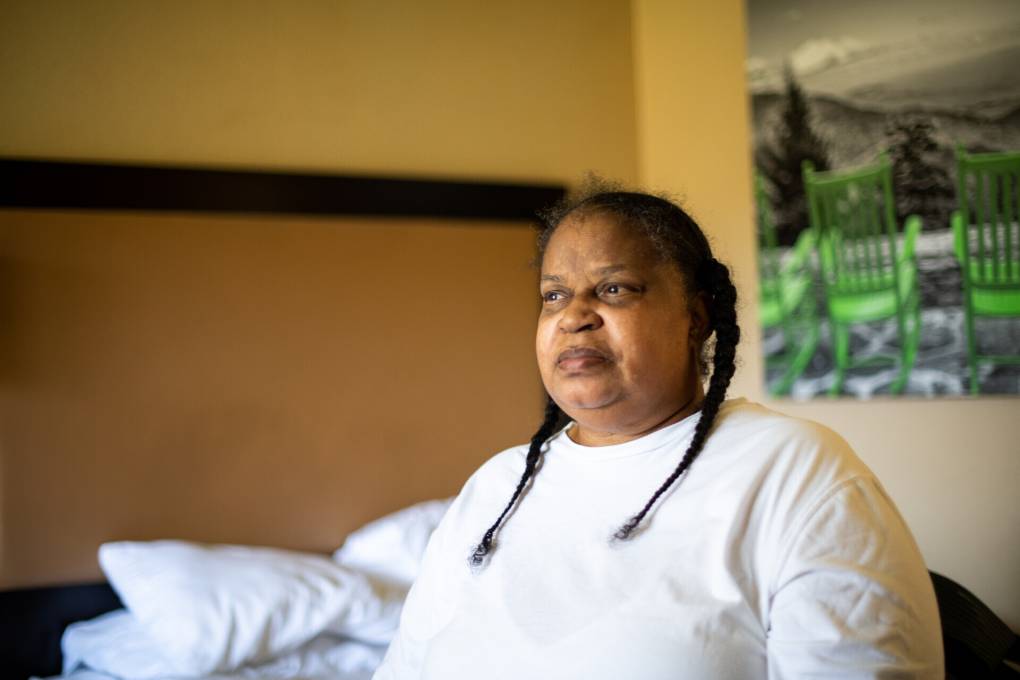
"caption": "Jean Kendrick sits in the Richmond hotel room that she and her son Stanley have shared for the past seven months, on July 15, 2021, as they prepare to move to a Project Roomkey hotel nearby.",
"description": null,
"title": "RS50274_012_Richmond_JeanStanley_07152021-qut",
"credit": "Beth LaBerge/KQED",
"status": "inherit",
"altTag": "A woman stares off to the left while sitting on a bed. She is wearing a white shirt, and her hair is in braids.",
"isLoading": false,
"fetchFailed": false
},
"news_11905786": {
"type": "attachments",
"id": "news_11905786",
"meta": {
"index": "attachments_1716263798",
"site": "news",
"id": "11905786",
"found": true
},
"parent": 11905363,
"imgSizes": {
"twentyfourteen-full-width": {
"file": "https://ww2.kqed.org/app/uploads/sites/10/2022/02/RS53748_016_SanFrancisco_SchoolBoardRecallMannys_02152022-qut-1038x576.jpg",
"width": 1038,
"mimeType": "image/jpeg",
"height": 576
},
"thumbnail": {
"file": "https://ww2.kqed.org/app/uploads/sites/10/2022/02/RS53748_016_SanFrancisco_SchoolBoardRecallMannys_02152022-qut-160x107.jpg",
"width": 160,
"mimeType": "image/jpeg",
"height": 107
},
"post-thumbnail": {
"file": "https://ww2.kqed.org/app/uploads/sites/10/2022/02/RS53748_016_SanFrancisco_SchoolBoardRecallMannys_02152022-qut-672x372.jpg",
"width": 672,
"mimeType": "image/jpeg",
"height": 372
},
"kqedFullSize": {
"file": "https://ww2.kqed.org/app/uploads/sites/10/2022/02/RS53748_016_SanFrancisco_SchoolBoardRecallMannys_02152022-qut.jpg",
"width": 1920,
"height": 1278
},
"large": {
"file": "https://ww2.kqed.org/app/uploads/sites/10/2022/02/RS53748_016_SanFrancisco_SchoolBoardRecallMannys_02152022-qut-1020x679.jpg",
"width": 1020,
"mimeType": "image/jpeg",
"height": 679
},
"1536x1536": {
"file": "https://ww2.kqed.org/app/uploads/sites/10/2022/02/RS53748_016_SanFrancisco_SchoolBoardRecallMannys_02152022-qut-1536x1022.jpg",
"width": 1536,
"mimeType": "image/jpeg",
"height": 1022
},
"medium": {
"file": "https://ww2.kqed.org/app/uploads/sites/10/2022/02/RS53748_016_SanFrancisco_SchoolBoardRecallMannys_02152022-qut-800x533.jpg",
"width": 800,
"mimeType": "image/jpeg",
"height": 533
}
},
"publishDate": 1645220434,
"modified": 1645238785,
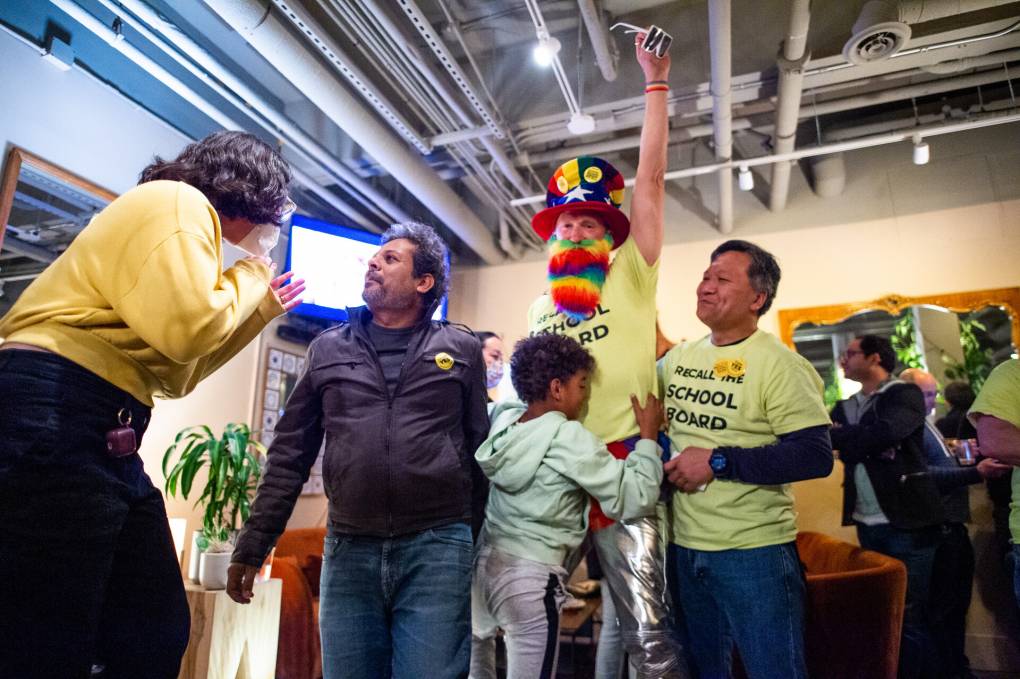
"caption": "Siva Raj (left), David Thompson his son Lucas, and Kit Lam hug after hearing election results at an election night party in support of the San Francisco school board recall at Manny's in San Francisco on Feb. 15, 2022.",
"description": null,
"title": "RS53748_016_SanFrancisco_SchoolBoardRecallMannys_02152022-qut",
"credit": "Beth LaBerge/KQED",
"status": "inherit",
"altTag": null,
"isLoading": false,
"fetchFailed": false
},
"news_11905487": {
"type": "attachments",
"id": "news_11905487",
"meta": {
"index": "attachments_1716263798",
"site": "news",
"id": "11905487",
"found": true
},
"parent": 11905230,
"imgSizes": {
"twentyfourteen-full-width": {
"file": "https://ww2.kqed.org/app/uploads/sites/10/2022/02/GettyImages-1235410527-1038x576.jpg",
"width": 1038,
"mimeType": "image/jpeg",
"height": 576
},
"thumbnail": {
"file": "https://ww2.kqed.org/app/uploads/sites/10/2022/02/GettyImages-1235410527-160x107.jpg",
"width": 160,
"mimeType": "image/jpeg",
"height": 107
},
"post-thumbnail": {
"file": "https://ww2.kqed.org/app/uploads/sites/10/2022/02/GettyImages-1235410527-672x372.jpg",
"width": 672,
"mimeType": "image/jpeg",
"height": 372
},
"kqedFullSize": {
"file": "https://ww2.kqed.org/app/uploads/sites/10/2022/02/GettyImages-1235410527-scaled-e1645129664958.jpg",
"width": 1920,
"height": 1281
},
"2048x2048": {
"file": "https://ww2.kqed.org/app/uploads/sites/10/2022/02/GettyImages-1235410527-2048x1366.jpg",
"width": 2048,
"mimeType": "image/jpeg",
"height": 1366
},
"large": {
"file": "https://ww2.kqed.org/app/uploads/sites/10/2022/02/GettyImages-1235410527-1020x680.jpg",
"width": 1020,
"mimeType": "image/jpeg",
"height": 680
},
"1536x1536": {
"file": "https://ww2.kqed.org/app/uploads/sites/10/2022/02/GettyImages-1235410527-1536x1025.jpg",
"width": 1536,
"mimeType": "image/jpeg",
"height": 1025
},
"full-width": {
"file": "https://ww2.kqed.org/app/uploads/sites/10/2022/02/GettyImages-1235410527-1920x1281.jpg",
"width": 1920,
"mimeType": "image/jpeg",
"height": 1281
},
"medium": {
"file": "https://ww2.kqed.org/app/uploads/sites/10/2022/02/GettyImages-1235410527-800x534.jpg",
"width": 800,
"mimeType": "image/jpeg",
"height": 534
}
},
"publishDate": 1645112635,
"modified": 1645139970,
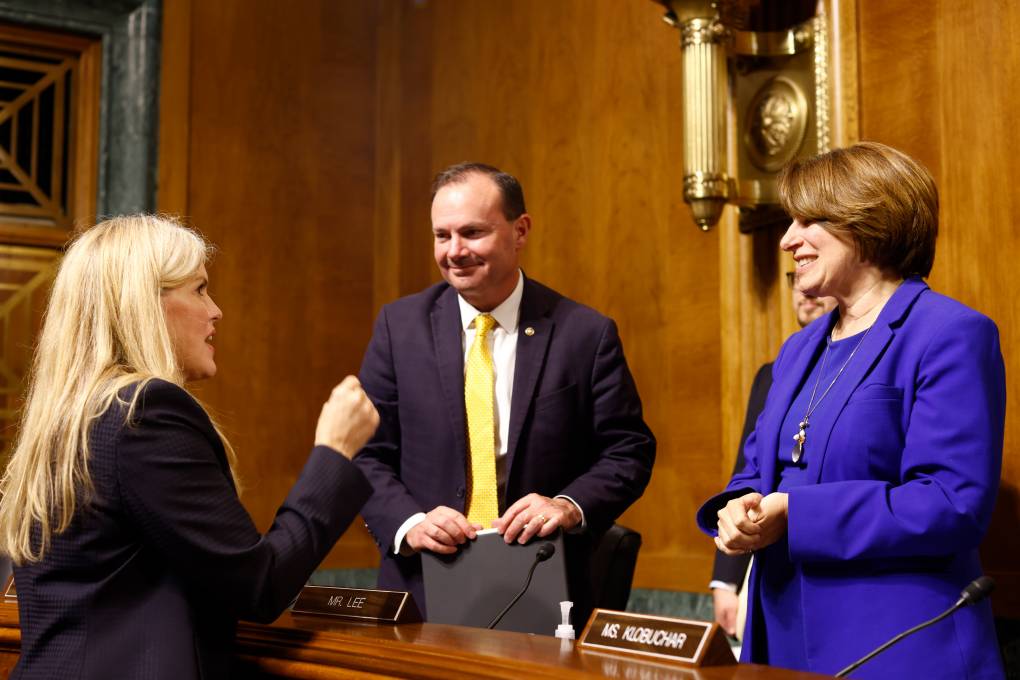
"caption": "Sen. Amy Klobuchar, D-Minnesota (right), chair of the Senate Judiciary Subcommittee on Competition Policy, Antitrust, and Consumer Rights, and ranking member Sen. Mike Lee, R-Utah, chat with Sheila Colclasure, global chief digital responsibility and public policy officer at IPG Kinesso, at the conclusion of a hearing on big data on Sept. 21, 2021, in Washington, D.C.",
"description": "Sen. Amy Klobuchar (D-MI) and chair of the Senate Judiciary Subcommittee on Competition Policy, Antitrust, and Consumer Rights, and ranking member Sen. Mike Lee (R-UT) chat with Sheila Colclasure, global chief digital responsibility and public policy officer at IPG Kinesso, after the conclusion of a hearing on September 21, 2021 in Washington, D.C. The hearing is titled Big Data, Big Questions: Implications for Competition and Consumers. ",
"title": "Senate Judiciary Hears Testimony From Tech Executives On Competition For Consumers",
"credit": "Ting Shen-Pool/Getty Images",
"status": "inherit",
"altTag": "Two U.S. senators chat with a technology company in a wood-paneled room at the U.S. Capitol.",
"isLoading": false,
"fetchFailed": false
},
"news_11905545": {
"type": "attachments",
"id": "news_11905545",
"meta": {
"index": "attachments_1716263798",
"site": "news",
"id": "11905545",
"found": true
},
"parent": 11905492,
"imgSizes": {
"twentyfourteen-full-width": {
"file": "https://ww2.kqed.org/app/uploads/sites/10/2022/02/AvenalPoliceCar-1038x576.jpg",
"width": 1038,
"mimeType": "image/jpeg",
"height": 576
},
"thumbnail": {
"file": "https://ww2.kqed.org/app/uploads/sites/10/2022/02/AvenalPoliceCar-160x105.jpg",
"width": 160,
"mimeType": "image/jpeg",
"height": 105
},
"post-thumbnail": {
"file": "https://ww2.kqed.org/app/uploads/sites/10/2022/02/AvenalPoliceCar-672x372.jpg",
"width": 672,
"mimeType": "image/jpeg",
"height": 372
},
"kqedFullSize": {
"file": "https://ww2.kqed.org/app/uploads/sites/10/2022/02/AvenalPoliceCar.jpg",
"width": 1505,
"height": 990
},
"large": {
"file": "https://ww2.kqed.org/app/uploads/sites/10/2022/02/AvenalPoliceCar-1020x671.jpg",
"width": 1020,
"mimeType": "image/jpeg",
"height": 671
},
"medium": {
"file": "https://ww2.kqed.org/app/uploads/sites/10/2022/02/AvenalPoliceCar-800x526.jpg",
"width": 800,
"mimeType": "image/jpeg",
"height": 526
}
},
"publishDate": 1645124703,
"modified": 1645138717,
"caption": "An investigation into racist slurs uttered by a police sergeant in the Central Valley town of Avenal is among the first records released to KQED under a new California law that expands the categories of police records available to the public to include findings of discrimination, false arrests and excessive force.",
"description": null,
"title": "AvenalPoliceCar",
"credit": "Courtesy of City of Avenal",
"status": "inherit",
"altTag": "close up view of a police car reading 'avenal police' on the side",
"isLoading": false,
"fetchFailed": false
},
"news_11905344": {
"type": "attachments",
"id": "news_11905344",
"meta": {
"index": "attachments_1716263798",
"site": "news",
"id": "11905344",
"found": true
},
"parent": 11904968,
"imgSizes": {
"twentyfourteen-full-width": {
"file": "https://ww2.kqed.org/app/uploads/sites/10/2022/02/Image-from-iOS-55-1038x576.jpg",
"width": 1038,
"mimeType": "image/jpeg",
"height": 576
},
"thumbnail": {
"file": "https://ww2.kqed.org/app/uploads/sites/10/2022/02/Image-from-iOS-55-160x107.jpg",
"width": 160,
"mimeType": "image/jpeg",
"height": 107
},
"post-thumbnail": {
"file": "https://ww2.kqed.org/app/uploads/sites/10/2022/02/Image-from-iOS-55-672x372.jpg",
"width": 672,
"mimeType": "image/jpeg",
"height": 372
},
"kqedFullSize": {
"file": "https://ww2.kqed.org/app/uploads/sites/10/2022/02/Image-from-iOS-55.jpg",
"width": 1620,
"height": 1080
},
"large": {
"file": "https://ww2.kqed.org/app/uploads/sites/10/2022/02/Image-from-iOS-55-1020x680.jpg",
"width": 1020,
"mimeType": "image/jpeg",
"height": 680
},
"1536x1536": {
"file": "https://ww2.kqed.org/app/uploads/sites/10/2022/02/Image-from-iOS-55-1536x1024.jpg",
"width": 1536,
"mimeType": "image/jpeg",
"height": 1024
},
"medium": {
"file": "https://ww2.kqed.org/app/uploads/sites/10/2022/02/Image-from-iOS-55-800x533.jpg",
"width": 800,
"mimeType": "image/jpeg",
"height": 533
}
},
"publishDate": 1644996395,
"modified": 1645034913,
"caption": "Matt Haney speaks to supporters after initial State Assembly election results are announced at the food truck park in San Francisco's District 6, on Feb. 15, 2022.",
"description": null,
"title": "Image from iOS (55)",
"credit": "Beth LaBerge/KQED",
"status": "inherit",
"altTag": "Supervisor Matt Haney, in a white shirt, holds up a paper as he cheers with a crowd with a projected image of his campaign supporters behind him.",
"isLoading": false,
"fetchFailed": false
},
"news_11905063": {
"type": "attachments",
"id": "news_11905063",
"meta": {
"index": "attachments_1716263798",
"site": "news",
"id": "11905063",
"found": true
},
"parent": 11904873,
"imgSizes": {
"twentyfourteen-full-width": {
"file": "https://ww2.kqed.org/app/uploads/sites/10/2022/02/SF-Recall-Montage-2-1038x576.jpg",
"width": 1038,
"mimeType": "image/jpeg",
"height": 576
},
"thumbnail": {
"file": "https://ww2.kqed.org/app/uploads/sites/10/2022/02/SF-Recall-Montage-2-160x111.jpg",
"width": 160,
"mimeType": "image/jpeg",
"height": 111
},
"post-thumbnail": {
"file": "https://ww2.kqed.org/app/uploads/sites/10/2022/02/SF-Recall-Montage-2-672x372.jpg",
"width": 672,
"mimeType": "image/jpeg",
"height": 372
},
"kqedFullSize": {
"file": "https://ww2.kqed.org/app/uploads/sites/10/2022/02/SF-Recall-Montage-2-e1644794413549.jpg",
"width": 1920,
"height": 1331
},
"2048x2048": {
"file": "https://ww2.kqed.org/app/uploads/sites/10/2022/02/SF-Recall-Montage-2-2048x1420.jpg",
"width": 2048,
"mimeType": "image/jpeg",
"height": 1420
},
"large": {
"file": "https://ww2.kqed.org/app/uploads/sites/10/2022/02/SF-Recall-Montage-2-1020x707.jpg",
"width": 1020,
"mimeType": "image/jpeg",
"height": 707
},
"1536x1536": {
"file": "https://ww2.kqed.org/app/uploads/sites/10/2022/02/SF-Recall-Montage-2-1536x1065.jpg",
"width": 1536,
"mimeType": "image/jpeg",
"height": 1065
},
"full-width": {
"file": "https://ww2.kqed.org/app/uploads/sites/10/2022/02/SF-Recall-Montage-2-1920x1331.jpg",
"width": 1920,
"mimeType": "image/jpeg",
"height": 1331
},
"medium": {
"file": "https://ww2.kqed.org/app/uploads/sites/10/2022/02/SF-Recall-Montage-2-800x555.jpg",
"width": 800,
"mimeType": "image/jpeg",
"height": 555
}
},
"publishDate": 1644794398,
"modified": 1644866947,
"caption": "Political ads in favor of and against candidates running in the San Francisco recall election. ",
"description": null,
"title": "SF Recall Montage 2",
"credit": null,
"status": "inherit",
"altTag": null,
"isLoading": false,
"fetchFailed": false
},
"news_11904733": {
"type": "attachments",
"id": "news_11904733",
"meta": {
"index": "attachments_1716263798",
"site": "news",
"id": "11904733",
"found": true
},
"parent": 11904597,
"imgSizes": {
"twentyfourteen-full-width": {
"file": "https://ww2.kqed.org/app/uploads/sites/10/2022/02/IMG_0493-1024x576.jpg",
"width": 1024,
"mimeType": "image/jpeg",
"height": 576
},
"thumbnail": {
"file": "https://ww2.kqed.org/app/uploads/sites/10/2022/02/IMG_0493-160x113.jpg",
"width": 160,
"mimeType": "image/jpeg",
"height": 113
},
"post-thumbnail": {
"file": "https://ww2.kqed.org/app/uploads/sites/10/2022/02/IMG_0493-672x372.jpg",
"width": 672,
"mimeType": "image/jpeg",
"height": 372
},
"kqedFullSize": {
"file": "https://ww2.kqed.org/app/uploads/sites/10/2022/02/IMG_0493.jpg",
"width": 1024,
"height": 726
},
"large": {
"file": "https://ww2.kqed.org/app/uploads/sites/10/2022/02/IMG_0493-1020x723.jpg",
"width": 1020,
"mimeType": "image/jpeg",
"height": 723
},
"medium": {
"file": "https://ww2.kqed.org/app/uploads/sites/10/2022/02/IMG_0493-800x567.jpg",
"width": 800,
"mimeType": "image/jpeg",
"height": 567
}
},
"publishDate": 1644528166,
"modified": 1644533440,
"caption": "San Francisco's Feb. 15 special election includes a school board recall and elections for state Assembly and assessor-recorder.",
"description": null,
"title": "A sign to get out the vote for San Francisco's special election",
"credit": "Guy Marzorati/KQED",
"status": "inherit",
"altTag": "A sign to get out the vote for San Francisco's special election",
"isLoading": false,
"fetchFailed": false
},
"news_11904092": {
"type": "attachments",
"id": "news_11904092",
"meta": {
"index": "attachments_1716263798",
"site": "news",
"id": "11904092",
"found": true
},
"parent": 11904052,
"imgSizes": {
"twentyfourteen-full-width": {
"file": "https://ww2.kqed.org/app/uploads/sites/10/2022/02/RS53089_050_KQED_BethLaBerge_SchoolBoardRecallPresser_01142022-qut-1038x576.jpg",
"width": 1038,
"mimeType": "image/jpeg",
"height": 576
},
"thumbnail": {
"file": "https://ww2.kqed.org/app/uploads/sites/10/2022/02/RS53089_050_KQED_BethLaBerge_SchoolBoardRecallPresser_01142022-qut-160x107.jpg",
"width": 160,
"mimeType": "image/jpeg",
"height": 107
},
"post-thumbnail": {
"file": "https://ww2.kqed.org/app/uploads/sites/10/2022/02/RS53089_050_KQED_BethLaBerge_SchoolBoardRecallPresser_01142022-qut-672x372.jpg",
"width": 672,
"mimeType": "image/jpeg",
"height": 372
},
"kqedFullSize": {
"file": "https://ww2.kqed.org/app/uploads/sites/10/2022/02/RS53089_050_KQED_BethLaBerge_SchoolBoardRecallPresser_01142022-qut.jpg",
"width": 1920,
"height": 1278
},
"large": {
"file": "https://ww2.kqed.org/app/uploads/sites/10/2022/02/RS53089_050_KQED_BethLaBerge_SchoolBoardRecallPresser_01142022-qut-1020x679.jpg",
"width": 1020,
"mimeType": "image/jpeg",
"height": 679
},
"1536x1536": {
"file": "https://ww2.kqed.org/app/uploads/sites/10/2022/02/RS53089_050_KQED_BethLaBerge_SchoolBoardRecallPresser_01142022-qut-1536x1022.jpg",
"width": 1536,
"mimeType": "image/jpeg",
"height": 1022
},
"medium": {
"file": "https://ww2.kqed.org/app/uploads/sites/10/2022/02/RS53089_050_KQED_BethLaBerge_SchoolBoardRecallPresser_01142022-qut-800x533.jpg",
"width": 800,
"mimeType": "image/jpeg",
"height": 533
}
},
"publishDate": 1644008483,
"modified": 1646848114,
"caption": "Siva Raj (left) and Autumn Looijen speak during a press conference held by the Chinese/API Voter Outreach Taskforce on the steps of the Asian Art Museum in San Francisco on Jan. 14, 2022.",
"description": null,
"title": "RS53089_050_KQED_BethLaBerge_SchoolBoardRecallPresser_01142022-qut",
"credit": "Beth LaBerge/KQED",
"status": "inherit",
"altTag": "A woman wearing a yellow 'Recall the School Board' T-shirt hold a microphone, and stands next to a man wearing the same shirt.",
"isLoading": false,
"fetchFailed": false
},
"news_11903971": {
"type": "attachments",
"id": "news_11903971",
"meta": {
"index": "attachments_1716263798",
"site": "news",
"id": "11903971",
"found": true
},
"parent": 11903948,
"imgSizes": {
"twentyfourteen-full-width": {
"file": "https://ww2.kqed.org/app/uploads/sites/10/2022/02/steak_020322_final-1038x576.png",
"width": 1038,
"mimeType": "image/png",
"height": 576
},
"thumbnail": {
"file": "https://ww2.kqed.org/app/uploads/sites/10/2022/02/steak_020322_final-160x115.png",
"width": 160,
"mimeType": "image/png",
"height": 115
},
"post-thumbnail": {
"file": "https://ww2.kqed.org/app/uploads/sites/10/2022/02/steak_020322_final-672x372.png",
"width": 672,
"mimeType": "image/png",
"height": 372
},
"kqedFullSize": {
"file": "https://ww2.kqed.org/app/uploads/sites/10/2022/02/steak_020322_final.png",
"width": 1920,
"height": 1377
},
"large": {
"file": "https://ww2.kqed.org/app/uploads/sites/10/2022/02/steak_020322_final-1020x732.png",
"width": 1020,
"mimeType": "image/png",
"height": 732
},
"1536x1536": {
"file": "https://ww2.kqed.org/app/uploads/sites/10/2022/02/steak_020322_final-1536x1102.png",
"width": 1536,
"mimeType": "image/png",
"height": 1102
},
"medium": {
"file": "https://ww2.kqed.org/app/uploads/sites/10/2022/02/steak_020322_final-800x574.png",
"width": 800,
"mimeType": "image/png",
"height": 574
}
},
"publishDate": 1643935007,
"modified": 1643935068,
"caption": null,
"description": null,
"title": "steak_020322_final",
"credit": null,
"status": "inherit",
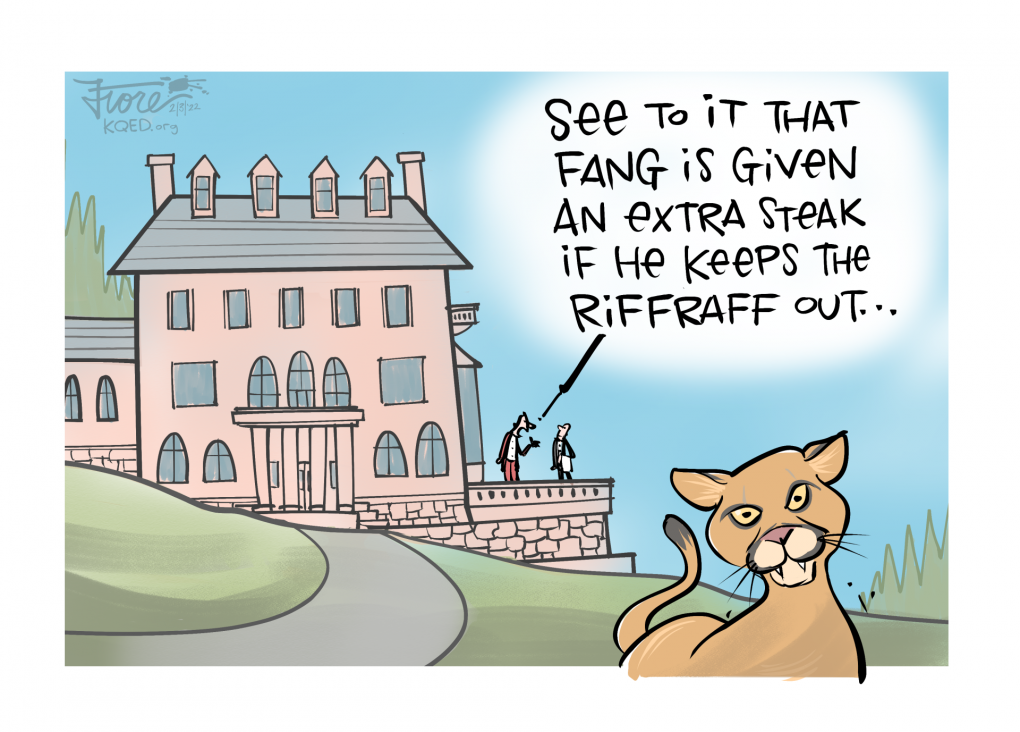
"altTag": "Cartoon: a large mansion, with one guy saying to another, \"see to it that Fang is given an extra steak if he keeps the riffraff out,\" as a mountain lion looks on in the foreground.",
"isLoading": false,
"fetchFailed": false
},
"news_11903468": {
"type": "attachments",
"id": "news_11903468",
"meta": {
"index": "attachments_1716263798",
"site": "news",
"id": "11903468",
"found": true
},
"parent": 11903450,
"imgSizes": {
"twentyfourteen-full-width": {
"file": "https://ww2.kqed.org/app/uploads/sites/10/2022/01/RS43998_001_KQED_Oakland_McDonaldsStrike_07202020-qut-1038x576.jpg",
"width": 1038,
"mimeType": "image/jpeg",
"height": 576
},
"thumbnail": {
"file": "https://ww2.kqed.org/app/uploads/sites/10/2022/01/RS43998_001_KQED_Oakland_McDonaldsStrike_07202020-qut-160x107.jpg",
"width": 160,
"mimeType": "image/jpeg",
"height": 107
},
"post-thumbnail": {
"file": "https://ww2.kqed.org/app/uploads/sites/10/2022/01/RS43998_001_KQED_Oakland_McDonaldsStrike_07202020-qut-672x372.jpg",
"width": 672,
"mimeType": "image/jpeg",
"height": 372
},
"kqedFullSize": {
"file": "https://ww2.kqed.org/app/uploads/sites/10/2022/01/RS43998_001_KQED_Oakland_McDonaldsStrike_07202020-qut.jpg",
"width": 1920,
"height": 1280
},
"large": {
"file": "https://ww2.kqed.org/app/uploads/sites/10/2022/01/RS43998_001_KQED_Oakland_McDonaldsStrike_07202020-qut-1020x680.jpg",
"width": 1020,
"mimeType": "image/jpeg",
"height": 680
},
"1536x1536": {
"file": "https://ww2.kqed.org/app/uploads/sites/10/2022/01/RS43998_001_KQED_Oakland_McDonaldsStrike_07202020-qut-1536x1024.jpg",
"width": 1536,
"mimeType": "image/jpeg",
"height": 1024
},
"medium": {
"file": "https://ww2.kqed.org/app/uploads/sites/10/2022/01/RS43998_001_KQED_Oakland_McDonaldsStrike_07202020-qut-800x533.jpg",
"width": 800,
"mimeType": "image/jpeg",
"height": 533
}
},
"publishDate": 1643673993,
"modified": 1643744638,
"caption": "A demonstrator holds a sign that reads 'Unions for All' outside a McDonald's restaurant on Telegraph Avenue in Oakland during a Black Lives Matter protest on July 20, 2020.",
"description": null,
"title": "RS43998_001_KQED_Oakland_McDonaldsStrike_07202020-qut",
"credit": "Beth LaBerge/KQED",
"status": "inherit",
"altTag": "A person holds a sign in front of a McDonald's restaurant that says, 'Unions for All,'",
"isLoading": false,
"fetchFailed": false
},
"news_11903437": {
"type": "attachments",
"id": "news_11903437",
"meta": {
"index": "attachments_1716263798",
"site": "news",
"id": "11903437",
"found": true
},
"parent": 11903352,
"imgSizes": {
"twentyfourteen-full-width": {
"file": "https://ww2.kqed.org/app/uploads/sites/10/2022/01/new-image-1038x576.jpg",
"width": 1038,
"mimeType": "image/jpeg",
"height": 576
},
"thumbnail": {
"file": "https://ww2.kqed.org/app/uploads/sites/10/2022/01/new-image-160x104.jpg",
"width": 160,
"mimeType": "image/jpeg",
"height": 104
},
"post-thumbnail": {
"file": "https://ww2.kqed.org/app/uploads/sites/10/2022/01/new-image-672x372.jpg",
"width": 672,
"mimeType": "image/jpeg",
"height": 372
},
"kqedFullSize": {
"file": "https://ww2.kqed.org/app/uploads/sites/10/2022/01/new-image.jpg",
"width": 1790,
"height": 1160
},
"large": {
"file": "https://ww2.kqed.org/app/uploads/sites/10/2022/01/new-image-1020x661.jpg",
"width": 1020,
"mimeType": "image/jpeg",
"height": 661
},
"1536x1536": {
"file": "https://ww2.kqed.org/app/uploads/sites/10/2022/01/new-image-1536x995.jpg",
"width": 1536,
"mimeType": "image/jpeg",
"height": 995
},
"medium": {
"file": "https://ww2.kqed.org/app/uploads/sites/10/2022/01/new-image-800x518.jpg",
"width": 800,
"mimeType": "image/jpeg",
"height": 518
}
},
"publishDate": 1643662339,
"modified": 1643662381,
"caption": "From left to right: Supervisors Gordon Mar and Connie Chan, Assemblyman Phil Ting and City Attorney David Chiu.",
"description": null,
"title": "new-image",
"credit": "Courtesy of The San Francisco Standard",
"status": "inherit",
"altTag": "Four people dressed in business attire wearing jackets and ties.",
"isLoading": false,
"fetchFailed": false
},
"news_11892809": {
"type": "attachments",
"id": "news_11892809",
"meta": {
"index": "attachments_1716263798",
"site": "news",
"id": "11892809",
"found": true
},
"parent": 0,
"imgSizes": {
"twentyfourteen-full-width": {
"file": "https://ww2.kqed.org/app/uploads/sites/10/2021/10/schoolbd-1038x576.png",
"width": 1038,
"mimeType": "image/png",
"height": 576
},
"thumbnail": {
"file": "https://ww2.kqed.org/app/uploads/sites/10/2021/10/schoolbd-160x106.png",
"width": 160,
"mimeType": "image/png",
"height": 106
},
"post-thumbnail": {
"file": "https://ww2.kqed.org/app/uploads/sites/10/2021/10/schoolbd-672x372.png",
"width": 672,
"mimeType": "image/png",
"height": 372
},
"kqedFullSize": {
"file": "https://ww2.kqed.org/app/uploads/sites/10/2021/10/schoolbd.png",
"width": 1523,
"height": 1009
},
"large": {
"file": "https://ww2.kqed.org/app/uploads/sites/10/2021/10/schoolbd-1020x676.png",
"width": 1020,
"mimeType": "image/png",
"height": 676
},
"medium": {
"file": "https://ww2.kqed.org/app/uploads/sites/10/2021/10/schoolbd-800x530.png",
"width": 800,
"mimeType": "image/png",
"height": 530
}
},
"publishDate": 1634605133,
"modified": 1645035820,
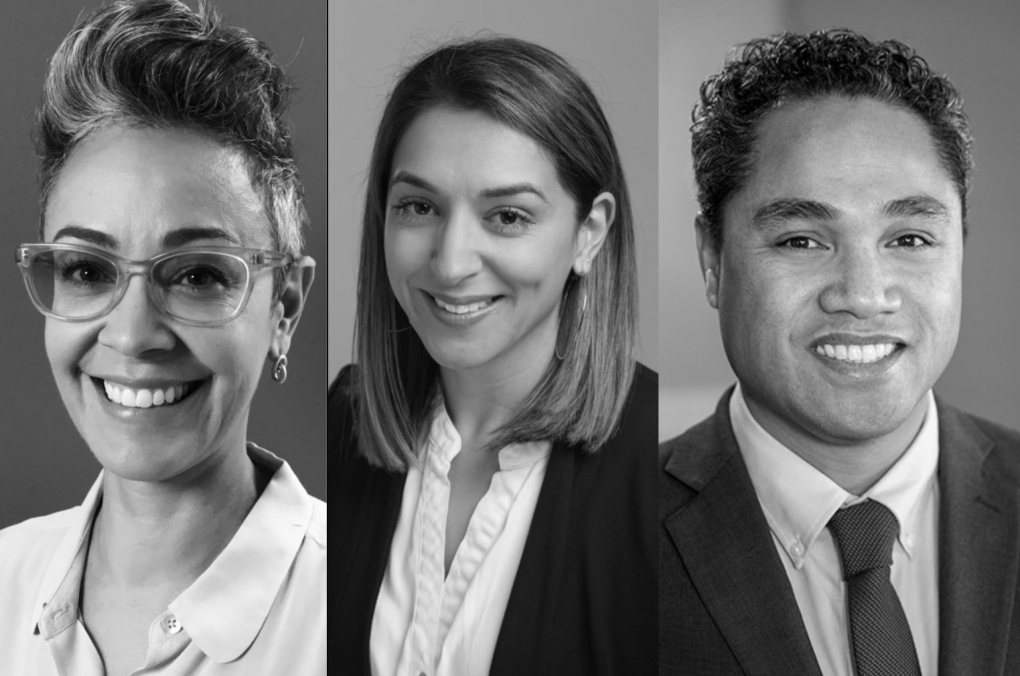
"caption": "Former San Francisco School Commissioner Alison M. Collins (left), former Board President Gabriela López and former Vice President Faauuga Moliga. All three lost their seats on the San Francisco Board of Education recall election on Feb. 15, 2022.",
"description": null,
"title": "schoolbd",
"credit": "Individual headshots courtesy of San Francisco Board of Education",
"status": "inherit",
"altTag": "Black-and-white head shots of two women and one man.",
"isLoading": false,
"fetchFailed": false
}
},
"audioPlayerReducer": {
"postId": "stream_live",
"isPaused": true,
"isPlaying": false,
"pfsActive": false,
"pledgeModalIsOpen": true,
"playerDrawerIsOpen": false,
"liveAudioPlayStartedAt": 0,
"liveAudioPlayContext": ""
},
"authorsReducer": {
"byline_news_11904873": {
"type": "authors",
"id": "byline_news_11904873",
"meta": {
"override": true
},
"slug": "byline_news_11904873",
"name": "Scott Shafer and Han Li ",
"isLoading": false
},
"byline_news_11903352": {
"type": "authors",
"id": "byline_news_11903352",
"meta": {
"override": true
},
"slug": "byline_news_11903352",
"name": "Scott Shafer and Han Li",
"isLoading": false
},
"gmarzorati": {
"type": "authors",
"id": "227",
"meta": {
"index": "authors_1716337520",
"id": "227",
"found": true
},
"name": "Guy Marzorati",
"firstName": "Guy",
"lastName": "Marzorati",
"slug": "gmarzorati",
"email": "gmarzorati@KQED.org",
"display_author_email": true,
"staff_mastheads": [
"news"
],
"title": "Correspondent",
"bio": "Guy Marzorati is a correspondent on KQED's California Politics and Government Desk, based in San Jose. A graduate of Santa Clara University, Guy joined KQED in 2013. He reports on state and local politics and produces KQED's digital voter guide.",
"avatar": "https://secure.gravatar.com/avatar/e7038b8dbfd55b104369b76b1cd0b9de?s=600&d=blank&r=g",
"twitter": "guymarzorati",
"facebook": null,
"instagram": null,
"linkedin": null,
"sites": [
{
"site": "",
"roles": [
"editor"
]
},
{
"site": "news",
"roles": [
"editor"
]
},
{
"site": "science",
"roles": [
"editor"
]
},
{
"site": "forum",
"roles": [
"editor"
]
},
{
"site": "elections",
"roles": [
"editor"
]
},
{
"site": "liveblog",
"roles": [
"editor"
]
}
],
"headData": {
"title": "Guy Marzorati | KQED",
"description": "Correspondent",
"ogImgSrc": "https://secure.gravatar.com/avatar/e7038b8dbfd55b104369b76b1cd0b9de?s=600&d=blank&r=g",
"twImgSrc": "https://secure.gravatar.com/avatar/e7038b8dbfd55b104369b76b1cd0b9de?s=600&d=blank&r=g"
},
"isLoading": false,
"link": "/author/gmarzorati"
},
"rachael-myrow": {
"type": "authors",
"id": "251",
"meta": {
"index": "authors_1716337520",
"id": "251",
"found": true
},
"name": "Rachael Myrow",
"firstName": "Rachael",
"lastName": "Myrow",
"slug": "rachael-myrow",
"email": "rmyrow@kqed.org",
"display_author_email": true,
"staff_mastheads": [
"news"
],
"title": "Senior Editor of KQED's Silicon Valley News Desk",
"bio": "• I write and edit stories about how Silicon Valley power and policies shape everyday life in California. I’m also passionate about making Bay Area history and culture more accessible to a broad public. • I’ve been a journalist for most of my life, starting in high school with The Franklin Press in Los Angeles, where I grew up. While earning my first degree in English at UC Berkeley, I got my start in public radio at KALX-FM. After completing a second degree in journalism at Cal, I landed my first professional job at Marketplace, then moved on to KPCC (now LAist), and then KQED, where I hosted The California Report for more than seven years. • My reporting has appeared on NPR, The World, WBUR’s \u003ci>Here & Now\u003c/i>, and the BBC. I also guest host for KQED’s \u003ci>Forum\u003c/i>, as well as the Commonwealth Club in San Francisco. • I speak periodically on media, democracy and technology issues, and do voiceover work for documentaries and educational video projects. • Outside of the studio, you'll find me hiking Bay Area trails and whipping up Insta-ready meals in my kitchen. • I do not accept gifts, money, or favors from anyone connected to my reporting, I don't pay people for information, and I do not support or donate to political causes. • I strive to treat the people I report on with fairness, honesty, and respect. I also recognize there are often multiple sides to a story and work to verify information through multiple sources and documentation. If I get something wrong, I correct it.",
"avatar": "https://secure.gravatar.com/avatar/3ed8a3c5f26025e4a805ba634cda8cd764906b97438a6d9ce216b044e340da4e?s=600&d=blank&r=g",
"twitter": "rachaelmyrow",
"bluesky": null,
"facebook": null,
"instagram": null,
"linkedin": "https://www.linkedin.com/in/rachaelmyrow/",
"sites": [
{
"site": "arts",
"roles": [
"administrator"
]
},
{
"site": "news",
"roles": [
"edit_others_posts",
"editor"
]
},
{
"site": "futureofyou",
"roles": [
"editor"
]
},
{
"site": "bayareabites",
"roles": [
"editor"
]
},
{
"site": "stateofhealth",
"roles": [
"editor"
]
},
{
"site": "science",
"roles": [
"editor"
]
},
{
"site": "food",
"roles": [
"editor"
]
},
{
"site": "forum",
"roles": [
"editor"
]
},
{
"site": "liveblog",
"roles": [
"author"
]
}
],
"headData": {
"title": "Rachael Myrow | KQED",
"description": "Senior Editor of KQED's Silicon Valley News Desk",
"ogImgSrc": "https://secure.gravatar.com/avatar/3ed8a3c5f26025e4a805ba634cda8cd764906b97438a6d9ce216b044e340da4e?s=600&d=blank&r=g",
"twImgSrc": "https://secure.gravatar.com/avatar/3ed8a3c5f26025e4a805ba634cda8cd764906b97438a6d9ce216b044e340da4e?s=600&d=blank&r=g"
},
"isLoading": false,
"link": "/author/rachael-myrow"
},
"markfiore": {
"type": "authors",
"id": "3236",
"meta": {
"index": "authors_1716337520",
"id": "3236",
"found": true
},
"name": "Mark Fiore",
"firstName": "Mark",
"lastName": "Fiore",
"slug": "markfiore",
"email": "mark@markfiore.com",
"display_author_email": false,
"staff_mastheads": [
"news"
],
"title": "KQED News Cartoonist",
"bio": "\u003ca href=\"http://www.MarkFiore.com\">MarkFiore.com\u003c/a> | \u003ca href=\"https://twitter.com/markfiore\">Follow on Twitter\u003c/a> | \u003ca href=\"https://www.facebook.com/pages/Mark-Fiore-Animated-Political-Cartoons/94451707396?ref=bookmarks\">Facebook\u003c/a> | \u003ca href=\"mailto:mark@markfiore.com\">email\u003c/a>\r\n\r\nPulitzer Prize-winner, Mark Fiore, who the Wall Street Journal has called “the undisputed guru of the form,” creates animated political cartoons in San Francisco, where his work has been featured regularly on the San Francisco Chronicle’s web site, SFGate.com. His work has appeared on Newsweek.com, Slate.com, CBSNews.com, MotherJones.com, DailyKos.com and NPR’s web site. Fiore’s political animation has appeared on CNN, Frontline, Bill Moyers Journal, Salon.com and cable and broadcast outlets across the globe.\r\n\r\nBeginning his professional life by drawing traditional political cartoons for newspapers, Fiore’s work appeared in publications ranging from the Washington Post to the Los Angeles Times. In the late 1990s, he began to experiment with animating political cartoons and, after a short stint at the San Jose Mercury News as their staff cartoonist, Fiore devoted all his energies to animation.\r\nGrowing up in California, Fiore also spent a good portion of his life in the backwoods of Idaho. It was this combination that shaped him politically. Mark majored in political science at Colorado College, where, in a perfect send-off for a cartoonist, he received his diploma in 1991 as commencement speaker Dick Cheney smiled approvingly.\r\nMark Fiore was awarded the Pulitzer Prize for political cartooning in 2010, a Robert F. Kennedy Journalism Award in 2004 and has twice received an Online Journalism Award for commentary from the Online News Association (2002, 2008). Fiore has received two awards for his work in new media from the National Cartoonists Society (2001, 2002), and in 2006 received The James Madison Freedom of Information Award from The Society of Professional Journalists.",
"avatar": "https://secure.gravatar.com/avatar/fc4e2a612b15b67bad0c6f0e1db4ca9b?s=600&d=blank&r=g",
"twitter": "MarkFiore",
"facebook": null,
"instagram": "https://www.instagram.com/markfiore/?hl=en",
"linkedin": null,
"sites": [
{
"site": "arts",
"roles": [
"contributor"
]
},
{
"site": "news",
"roles": [
"editor"
]
},
{
"site": "futureofyou",
"roles": [
"editor"
]
},
{
"site": "science",
"roles": [
"editor"
]
}
],
"headData": {
"title": "Mark Fiore | KQED",
"description": "KQED News Cartoonist",
"ogImgSrc": "https://secure.gravatar.com/avatar/fc4e2a612b15b67bad0c6f0e1db4ca9b?s=600&d=blank&r=g",
"twImgSrc": "https://secure.gravatar.com/avatar/fc4e2a612b15b67bad0c6f0e1db4ca9b?s=600&d=blank&r=g"
},
"isLoading": false,
"link": "/author/markfiore"
},
"ecruzguevarra": {
"type": "authors",
"id": "8654",
"meta": {
"index": "authors_1716337520",
"id": "8654",
"found": true
},
"name": "Ericka Cruz Guevarra",
"firstName": "Ericka",
"lastName": "Cruz Guevarra",
"slug": "ecruzguevarra",
"email": "ecruzguevarra@kqed.org",
"display_author_email": true,
"staff_mastheads": [
"news"
],
"title": "Producer, The Bay Podcast",
"bio": "Ericka Cruz Guevarra is host of \u003ca href=\"https://www.kqed.org/podcasts/thebay\">\u003cem>The Bay\u003c/em>\u003c/a> podcast at KQED. Before host, she was the show’s producer. Her work in that capacity includes a three-part reported series on policing in Vallejo, which won a 2020 excellence in journalism award from the Society of Professional Journalists. Ericka has worked as a breaking news reporter at Oregon Public Broadcasting, helped produce the Code Switch podcast, and was KQED’s inaugural Raul Ramirez Diversity Fund intern. She’s also an alumna of NPR’s Next Generation Radio program. Send her an email if you have strong feelings about whether Fairfield and Suisun City are the Bay. Ericka is represented by SAG-AFTRA.",
"avatar": "https://secure.gravatar.com/avatar/accefc1de4bafc7e234b69bcb9b6f6536c130fd84709bc3069ef11a78787e1bb?s=600&d=blank&r=g",
"twitter": "NotoriousECG",
"bluesky": null,
"facebook": null,
"instagram": null,
"linkedin": null,
"sites": [
{
"site": "arts",
"roles": [
"subscriber"
]
},
{
"site": "news",
"roles": [
"editor",
"manage_categories"
]
},
{
"site": "futureofyou",
"roles": [
"subscriber"
]
},
{
"site": "stateofhealth",
"roles": [
"subscriber"
]
},
{
"site": "science",
"roles": [
"editor"
]
},
{
"site": "forum",
"roles": [
"subscriber"
]
}
],
"headData": {
"title": "Ericka Cruz Guevarra | KQED",
"description": "Producer, The Bay Podcast",
"ogImgSrc": "https://secure.gravatar.com/avatar/accefc1de4bafc7e234b69bcb9b6f6536c130fd84709bc3069ef11a78787e1bb?s=600&d=blank&r=g",
"twImgSrc": "https://secure.gravatar.com/avatar/accefc1de4bafc7e234b69bcb9b6f6536c130fd84709bc3069ef11a78787e1bb?s=600&d=blank&r=g"
},
"isLoading": false,
"link": "/author/ecruzguevarra"
},
"slewis": {
"type": "authors",
"id": "8676",
"meta": {
"index": "authors_1716337520",
"id": "8676",
"found": true
},
"name": "Sukey Lewis",
"firstName": "Sukey",
"lastName": "Lewis",
"slug": "slewis",
"email": "slewis@kqed.org",
"display_author_email": true,
"staff_mastheads": [
"news"
],
"title": "KQED Contributor",
"bio": "Sukey Lewis is a criminal justice reporter and host of \u003cem>On Our Watch\u003c/em>, a new podcast from NPR and KQED about the shadow world of police discipline. In 2018, she co-founded the California Reporting Project, a coalition of newsrooms across the state focused on obtaining previously sealed internal affairs records from law enforcement. In addition to her reporting on police accountability, Sukey has investigated the bail bonds industry, California's wildfires and the high cost of prison phone calls. Sukey earned a master's degree in journalism from the University of California at Berkeley. Send news tips to slewis@kqed.org.",
"avatar": "https://secure.gravatar.com/avatar/03fd6b21024f99d8b0a1966654586de7?s=600&d=blank&r=g",
"twitter": "SukeyLewis",
"facebook": null,
"instagram": null,
"linkedin": null,
"sites": [
{
"site": "news",
"roles": [
"author",
"edit_others_posts"
]
}
],
"headData": {
"title": "Sukey Lewis | KQED",
"description": "KQED Contributor",
"ogImgSrc": "https://secure.gravatar.com/avatar/03fd6b21024f99d8b0a1966654586de7?s=600&d=blank&r=g",
"twImgSrc": "https://secure.gravatar.com/avatar/03fd6b21024f99d8b0a1966654586de7?s=600&d=blank&r=g"
},
"isLoading": false,
"link": "/author/slewis"
},
"vrancano": {
"type": "authors",
"id": "11276",
"meta": {
"index": "authors_1716337520",
"id": "11276",
"found": true
},
"name": "Vanessa Rancaño",
"firstName": "Vanessa",
"lastName": "Rancaño",
"slug": "vrancano",
"email": "vrancano@kqed.org",
"display_author_email": false,
"staff_mastheads": [
"news"
],
"title": "Reporter",
"bio": "Vanessa Rancaño is a features reporter for KQED. She’s also covered homelessness and education for the station and reported from the Central Valley. Her work has aired across public radio, from flagship national news shows to longform narrative podcasts. Before taking up a mic, she worked as a freelance print journalist. She’s been recognized with a number of national and regional awards. Vanessa grew up in California's Central Valley. She's a former NPR Kroc Fellow, and a graduate of the UC Berkeley Graduate School of Journalism.",
"avatar": "https://secure.gravatar.com/avatar/b3a383dfb0e7ee1c17568f2cf067904ab654d6e3de9743fc661f3c788ade1bed?s=600&d=blank&r=g",
"twitter": "vanessarancano",
"bluesky": null,
"facebook": null,
"instagram": null,
"linkedin": null,
"sites": [
{
"site": "arts",
"roles": [
"editor"
]
},
{
"site": "news",
"roles": [
"editor"
]
},
{
"site": "liveblog",
"roles": [
"contributor"
]
}
],
"headData": {
"title": "Vanessa Rancaño | KQED",
"description": "Reporter",
"ogImgSrc": "https://secure.gravatar.com/avatar/b3a383dfb0e7ee1c17568f2cf067904ab654d6e3de9743fc661f3c788ade1bed?s=600&d=blank&r=g",
"twImgSrc": "https://secure.gravatar.com/avatar/b3a383dfb0e7ee1c17568f2cf067904ab654d6e3de9743fc661f3c788ade1bed?s=600&d=blank&r=g"
},
"isLoading": false,
"link": "/author/vrancano"
},
"amontecillo": {
"type": "authors",
"id": "11649",
"meta": {
"index": "authors_1716337520",
"id": "11649",
"found": true
},
"name": "Alan Montecillo",
"firstName": "Alan",
"lastName": "Montecillo",
"slug": "amontecillo",
"email": "amontecillo@kqed.org",
"display_author_email": false,
"staff_mastheads": [
"news"
],
"title": "KQED Contributor",
"bio": "Alan Montecillo is the senior editor of \u003cem>\u003ca href=\"http://kqed.org/thebay\">The Bay\u003c/a>, \u003c/em> KQED's local news podcast. Before moving to the Bay Area, he worked as a senior talk show producer for WILL in Champaign-Urbana, Illinois and at Oregon Public Broadcasting in Portland, Oregon. He has won journalism awards from the Society of Professional Journalists Northern California, the Public Media Journalists Association, The Signal Awards, and has also received a regional Edward R. Murrow award. Alan is a Filipino American from Hong Kong and a graduate of Reed College.",
"avatar": "https://secure.gravatar.com/avatar/268f53a2066899ea9efdd8a5900218b17c822d9862cbc9326cccec53ef41d349?s=600&d=blank&r=g",
"twitter": "alanmontecillo",
"bluesky": null,
"facebook": null,
"instagram": null,
"linkedin": null,
"sites": [
{
"site": "",
"roles": [
"editor"
]
},
{
"site": "news",
"roles": [
"editor",
"manage_categories"
]
}
],
"headData": {
"title": "Alan Montecillo | KQED",
"description": "KQED Contributor",
"ogImgSrc": "https://secure.gravatar.com/avatar/268f53a2066899ea9efdd8a5900218b17c822d9862cbc9326cccec53ef41d349?s=600&d=blank&r=g",
"twImgSrc": "https://secure.gravatar.com/avatar/268f53a2066899ea9efdd8a5900218b17c822d9862cbc9326cccec53ef41d349?s=600&d=blank&r=g"
},
"isLoading": false,
"link": "/author/amontecillo"
},
"msolomon": {
"type": "authors",
"id": "11651",
"meta": {
"index": "authors_1716337520",
"id": "11651",
"found": true
},
"name": "Molly Solomon",
"firstName": "Molly",
"lastName": "Solomon",
"slug": "msolomon",
"email": "msolomon@KQED.org",
"display_author_email": false,
"staff_mastheads": [
"news"
],
"title": "Senior Editor",
"bio": "Molly Solomon is the senior editor of KQED's California Politics and Government Desk. Previously, she was the station's editor-at-large, with a focus on editing early childhood education, politics, and criminal justice. Before that, she managed and edited statewide election coverage for The California Newsroom, a collaboration of local public radio stations, CalMatters and NPR. Molly joined KQED in 2019 to launch the station’s housing affordability desk, where she reported on homelessness, evictions and is the co-host of KQED’s housing podcast, SOLD OUT: Rethinking Housing in America. Before that, she was the Southwest Washington Bureau Chief for Oregon Public Broadcasting and a reporter at Hawaii Public Radio. Her stories have aired on NPR’s \u003cem>Morning Edition\u003c/em>, \u003cem>All Things Considered\u003c/em>, \u003cem>Here & Now\u003c/em>, \u003cem>Science Friday\u003c/em> and \u003cem>Marketplace\u003c/em>. Molly's award-winning reporting has been honored by the Best of the West, Edward R. Murrow awards, Society of Professional Journalists, National Headliner Awards, and the Asian American Journalists Association. Born and raised in Berkeley, Molly is a big fan of burritos and her scruffy terrier, Ollie.",
"avatar": "https://secure.gravatar.com/avatar/9ad9794616923d81c9a79897161545bd?s=600&d=blank&r=g",
"twitter": "solomonout",
"facebook": null,
"instagram": null,
"linkedin": null,
"sites": [
{
"site": "news",
"roles": [
"editor"
]
},
{
"site": "science",
"roles": [
"editor"
]
}
],
"headData": {
"title": "Molly Solomon | KQED",
"description": "Senior Editor",
"ogImgSrc": "https://secure.gravatar.com/avatar/9ad9794616923d81c9a79897161545bd?s=600&d=blank&r=g",
"twImgSrc": "https://secure.gravatar.com/avatar/9ad9794616923d81c9a79897161545bd?s=600&d=blank&r=g"
},
"isLoading": false,
"link": "/author/msolomon"
},
"ebaldassari": {
"type": "authors",
"id": "11652",
"meta": {
"index": "authors_1716337520",
"id": "11652",
"found": true
},
"name": "Erin Baldassari",
"firstName": "Erin",
"lastName": "Baldassari",
"slug": "ebaldassari",
"email": "ebaldassari@KQED.org",
"display_author_email": true,
"staff_mastheads": [
"news"
],
"title": "Staff Writer",
"bio": "Erin Baldassari covers housing for KQED. She's a former print journalist and most recently worked as the transportation reporter for the \u003cem>Mercury News\u003c/em> and \u003cem>East Bay Times. \u003c/em>There, she focused on how the Bay Area’s housing shortage has changed the way people move around the region. She also served on the \u003cem>East Bay Times\u003c/em>’ 2017 Pulitzer Prize-winning team for coverage of the Ghost Ship Fire in Oakland. Prior to that, Erin worked as a breaking news and general assignment reporter for a variety of outlets in the Bay Area and the greater Boston area. A Tufts University alumna, Erin grew up in the foothills of the Sierra Nevada mountains and in Sonoma County. She is a life-long KQED listener.",
"avatar": "https://secure.gravatar.com/avatar/660ce35d088ca54ad606d7e941abc652?s=600&d=mm&r=g",
"twitter": "e_baldi",
"facebook": null,
"instagram": null,
"linkedin": null,
"sites": [
{
"site": "news",
"roles": [
"edit_others_posts",
"editor"
]
},
{
"site": "science",
"roles": [
"editor"
]
},
{
"site": "liveblog",
"roles": [
"editor"
]
}
],
"headData": {
"title": "Erin Baldassari | KQED",
"description": "Staff Writer",
"ogImgSrc": "https://secure.gravatar.com/avatar/660ce35d088ca54ad606d7e941abc652?s=600&d=mm&r=g",
"twImgSrc": "https://secure.gravatar.com/avatar/660ce35d088ca54ad606d7e941abc652?s=600&d=mm&r=g"
},
"isLoading": false,
"link": "/author/ebaldassari"
},
"jrodriguez": {
"type": "authors",
"id": "11690",
"meta": {
"index": "authors_1716337520",
"id": "11690",
"found": true
},
"name": "Joe Fitzgerald Rodriguez",
"firstName": "Joe",
"lastName": "Fitzgerald Rodriguez",
"slug": "jrodriguez",
"email": "jrodriguez@kqed.org",
"display_author_email": true,
"staff_mastheads": [
"news"
],
"title": "Reporter and Producer",
"bio": "Joe Fitzgerald Rodriguez is a reporter and digital producer for KQED covering politics. Joe most recently wrote for the \u003cem>San Francisco Examiner\u003c/em> as a political columnist covering The City. He was raised in San Francisco and has spent his reporting career in his beloved, foggy, city by the bay. Joe was 12-years-old when he conducted his first interview in journalism, grilling former San Francisco Mayor Willie Brown for the Marina Middle School newspaper, \u003cem>The Penguin Press, \u003c/em>and he continues to report on the San Francisco Bay Area to this day.",
"avatar": "https://secure.gravatar.com/avatar/2247beb0564c1e9c62228d5649d2edac?s=600&d=blank&r=g",
"twitter": "FitztheReporter",
"facebook": null,
"instagram": "https://www.instagram.com/fitzthereporter/",
"linkedin": null,
"sites": [
{
"site": "",
"roles": [
"editor"
]
},
{
"site": "arts",
"roles": [
"editor"
]
},
{
"site": "news",
"roles": [
"editor"
]
},
{
"site": "science",
"roles": [
"editor"
]
},
{
"site": "elections",
"roles": [
"editor"
]
},
{
"site": "liveblog",
"roles": [
"editor"
]
}
],
"headData": {
"title": "Joe Fitzgerald Rodriguez | KQED",
"description": "Reporter and Producer",
"ogImgSrc": "https://secure.gravatar.com/avatar/2247beb0564c1e9c62228d5649d2edac?s=600&d=blank&r=g",
"twImgSrc": "https://secure.gravatar.com/avatar/2247beb0564c1e9c62228d5649d2edac?s=600&d=blank&r=g"
},
"isLoading": false,
"link": "/author/jrodriguez"
}
},
"pagesReducer": {
"news_tag_politics": {
"type": "terms",
"id": "news_17968",
"meta": {
"index": "terms_1716263798",
"site": "news",
"id": "17968",
"score": 8.003266
},
"name": "Politics",
"slug": "politics",
"taxonomy": "tag",
"description": null,
"featImg": null,
"headData": {
"title": "Politics | KQED News",
"description": null,
"ogTitle": null,
"ogDescription": null,
"ogImgId": null,
"twTitle": null,
"twDescription": null,
"twImgId": null
},
"ttid": 18002,
"isLoading": false,
"title": "Politics",
"pageMeta": {
"site": "news",
"WpPageTemplate": "page-topic-editorial",
"currentPage": 178
},
"blocks": [
{
"blockName": "kqed/post-list",
"attrs": {
"layout": "cardArticle2",
"query": "posts/news?tag=politics",
"seeMore": false,
"paginated": true,
"page": 178
}
},
{
"blockName": "kqed/ad"
}
]
}
},
"pfsSessionReducer": {},
"postsReducer": {
"stream_live": {
"type": "live",
"id": "stream_live",
"audioUrl": "https://streams.kqed.org/kqedradio",
"title": "Live Stream",
"excerpt": "Live Stream information currently unavailable.",
"link": "/radio",
"featImg": "",
"label": {
"name": "KQED Live",
"link": "/"
}
},
"stream_kqedNewscast": {
"type": "posts",
"id": "stream_kqedNewscast",
"audioUrl": "https://www.kqed.org/.stream/anon/radio/RDnews/newscast.mp3?_=1",
"title": "KQED Newscast",
"featImg": "",
"label": {
"name": "88.5 FM",
"link": "/"
}
},
"news_11905386": {
"type": "posts",
"id": "news_11905386",
"meta": {
"index": "posts_1716263798",
"site": "news",
"id": "11905386",
"score": null,
"sort": [
1645441269000
]
},
"guestAuthors": [],
"slug": "why-black-women-are-more-likely-to-face-eviction",
"title": "Why Black Women Are More Likely to Face Eviction",
"publishDate": 1645441269,
"format": "audio",
"headTitle": "Why Black Women Are More Likely to Face Eviction | KQED",
"labelTerm": {},
"content": "\u003cp>\u003cspan style=\"font-weight: 400\">Evictions do not affect everyone equally. \u003c/span>\u003c/p>\n\u003cp>\u003cspan style=\"font-weight: 400\">Millions of renters in this country have struggled to make rent after losing income during the pandemic. \u003c/span>\u003cspan style=\"font-weight: 400\">And Black renters, particularly Black women, are more likely to be evicted than white renters.\u003c/span>\u003c/p>\n\u003cp>\u003cspan style=\"font-weight: 400\">Jean Kendrick and her son were evicted during the early days of the pandemic. We follow their journey to find affordable housing, while examining the factors driving the racial disparities in eviction rates — including generations of racist housing policies and predatory home lending practices. \u003c/span>\u003c/p>\n\u003ch5 id=\"embed-code\" class=\"inconsolata\">\n\u003c!-- iframe plugin v.4.3 wordpress.org/plugins/iframe/ -->\u003cbr>\n\u003ciframe loading=\"lazy\" frameborder=\"0\" height=\"200\" scrolling=\"no\" src=\"https://playlist.megaphone.fm?e=KQINC5557493952&light=true\" width=\"100%\" class=\"iframe-class\">\u003c/iframe>\u003cbr>\n\u003c/h5>\n\u003chr>\n\u003cp>\u003cb>THE COLOR OF EVICTIONS [TRANSCRIPT]\u003c/b>\u003c/p>\n\u003cp>\u003ci>\u003cspan style=\"font-weight: 400\">A quick note before we begin: This episode includes descriptions of violence and attempted suicide.\u003c/span>\u003c/i>\u003c/p>\n\u003cp>[ad fullwidth]\u003c/p>\n\u003cp>\u003cem>(Music in)\u003c/em>\u003c/p>\n\u003cp>\u003cb>MOLLY SOLOMON, HOST\u003c/b>: \u003cspan style=\"font-weight: 400\">It’s July 30, 2021 — the last Friday before Congress breaks for summer vacation. But not Congresswoman Cori Bush.\u003c/span>\u003c/p>\n\u003cp>\u003cb>U.S. REPRESENTATIVE CORI BUSH\u003c/b>: \u003ca href=\"https://www.facebook.com/watch/?v=3835032279936286\">\u003cspan style=\"font-weight: 400\">We are out here, we want to continue to be out here. I’m calling on my colleagues, Congress members, if you support this, come back out here and be with us today.\u003c/span>\u003c/a>\u003cspan style=\"font-weight: 400\"> \u003c/span>\u003c/p>\n\u003cp>\u003cb>ERIN BALDASSARI, HOST\u003c/b>: \u003cspan style=\"font-weight: 400\">The representative from St. Louis, Missouri, was standing on the steps of the U.S. Capitol, and she was calling on Congress to come back and do their jobs. \u003c/span>\u003c/p>\n\u003cp>\u003cb>CORI\u003c/b>: \u003cspan style=\"font-weight: 400\">Come back out here because we need to be brought back to this house to finish this work so that people don’t end up on the street while we go vacation. We cannot go on vacation while people are at risk.\u003c/span>\u003c/p>\n\u003cp>\u003cb>MOLLY\u003c/b>: \u003cspan style=\"font-weight: 400\">She’s talking about the millions of renters in this country, disproportionately Black and Brown families, struggling to make rent after losing income during the pandemic. They had been protected from eviction for more than a year, but those protections were about to expire if Congress didn’t act.\u003c/span>\u003c/p>\n\u003cp>\u003cem>(Music out)\u003c/em>\u003c/p>\n\u003cp>\u003cem>(Sounds from the organized sit-in on the steps of the U.S. Capitol to extend the eviction moratorium, August 2021.)\u003c/em>\u003c/p>\n\u003cp>\u003cb>ERIN\u003c/b>: \u003cspan style=\"font-weight: 400\">The congresswoman wasn’t alone — there were protesters, too, with signs and sleeping bags. And they stayed there for five days, in the cold, in the rain.\u003c/span>\u003c/p>\n\u003cp>\u003cb>CORI\u003c/b>: H\u003cspan style=\"font-weight: 400\">ere we are. We’re still out here. It is pouring, it’s pouring on us. \u003c/span>\u003c/p>\n\u003cfigure id=\"attachment_11884130\" class=\"wp-caption alignnone\" style=\"max-width: 800px\">\u003cimg loading=\"lazy\" decoding=\"async\" class=\"wp-image-11884130 size-full\" src=\"https://ww2.kqed.org/app/uploads/sites/10/2021/08/cori-bush-getty.jpg\" alt=\"\" width=\"800\" height=\"599\" srcset=\"https://cdn.kqed.org/wp-content/uploads/sites/10/2021/08/cori-bush-getty.jpg 800w, https://cdn.kqed.org/wp-content/uploads/sites/10/2021/08/cori-bush-getty-160x120.jpg 160w\" sizes=\"auto, (max-width: 800px) 100vw, 800px\">\u003cfigcaption class=\"wp-caption-text\">U.S. Rep. Cori Bush, D-Missouri (center), speaks at a rally at the U.S. Capitol on Tuesday, Aug. 3, 2021. Bush slept on the steps of the Capitol for days to protest that the CDC’s eviction moratorium was being allowed to expire. \u003ccite>(Kevin Dietsch/Getty Images)\u003c/cite>\u003c/figcaption>\u003c/figure>\n\u003cp>\u003cb>SENATOR \u003c/b>\u003cb>CHUCK SCHUMER\u003c/b>:\u003cspan style=\"font-weight: 400\"> We cannot have these people lose their homes.\u003c/span>\u003c/p>\n\u003cp>\u003cb>JOYCE \u003c/b>\u003cb>BEATTY\u003c/b>:\u003cspan style=\"font-weight: 400\"> Fifty-seven members of the Congressional Black Caucus all supported extending the moratorium.\u003c/span>\u003c/p>\n\u003cp>\u003cb>MOLLY\u003c/b>\u003cspan style=\"font-weight: 400\">: We spoke to the Congresswoman a few months after the protest. She said sleeping on the steps of the Capitol brought back memories.\u003c/span>\u003c/p>\n\u003cp>\u003cem>(Music in)\u003c/em>\u003c/p>\n\u003cp>\u003cb>CORI\u003c/b>:\u003cspan style=\"font-weight: 400\"> Once the temperature started to drop, I was triggered.\u003c/span>\u003c/p>\n\u003cp>\u003cb>MOLLY\u003c/b>: \u003cspan style=\"font-weight: 400\">Almost two decades ago, Congresswoman Cori Bush was an unhoused single mom, living out of her Ford Explorer with two young kids.\u003c/span>\u003c/p>\n\u003cp>\u003cb>CORI\u003c/b>\u003cspan style=\"font-weight: 400\">: It took me back to those moments when I was cold and sleeping in a car, wondering if my babies were warm enough. Not having enough blankets, no matter how many blankets we put on us, no matter how many items of clothing that we pulled out of the trash bags that were in the car to cover it —\u003c/span>\u003cspan style=\"font-weight: 400\"> you know, \u003c/span>\u003cspan style=\"font-weight: 400\">it was just like you just couldn’t get warm enough.\u003c/span>\u003c/p>\n\u003cp>\u003cb>ERIN\u003c/b>:\u003cspan style=\"font-weight: 400\"> Not only has Bush been homeless, she’s been evicted — three times. Before she was elected to Congress, she was a nurse and a Black Lives Matter activist.\u003c/span>\u003c/p>\n\u003cp>\u003cb>CORI\u003c/b>: \u003cspan style=\"font-weight: 400\">I kept thinking, who speaks for us? Who speaks for us? Who speaks for single parents? Who speaks for Black women? Who speaks for us?\u003c/span>\u003c/p>\n\u003cp>\u003cb>ERIN\u003c/b>: \u003cspan style=\"font-weight: 400\">For all the women who’ve been through what she’s been through. \u003c/span>\u003c/p>\n\u003cp>\u003cb>CORI\u003c/b>: \u003cspan style=\"font-weight: 400\">The number of Black women that I know, just through the course of my life, who’ve been evicted from homes is very high.\u003c/span>\u003c/p>\n\u003cp>\u003cb>MOLLY\u003c/b>:\u003cspan style=\"font-weight: 400\"> And the data backs that up. Even before the pandemic, Black women were the most vulnerable to job loss, most likely to be single heads of households and most likely to be evicted. \u003c/span>\u003c/p>\n\u003cp>\u003cspan style=\"font-weight: 400\">Research from the \u003c/span>\u003ca href=\"https://www.aclu.org/news/racial-justice/clearing-the-record-how-eviction-sealing-laws-can-advance-housing-access-for-women-of-color/\">\u003cspan style=\"font-weight: 400\">ACLU and Princeton’s Eviction Lab\u003c/span>\u003c/a>\u003cspan style=\"font-weight: 400\"> show Black women renters get evicted at twice the rate of white renters.\u003c/span>\u003c/p>\n\u003cp>\u003cspan style=\"font-weight: 400\">But that story that Cori Bush has lived, and seen all around her, it’s not a new one. \u003c/span>\u003c/p>\n\u003cp>\u003cb>CORI\u003c/b>:\u003cspan style=\"font-weight: 400\"> This has been going on since America, since the United States of America, that there has been this discrimination, harmful policies that have been put in place to make sure that there is a group that is supreme in this country. \u003c/span>\u003c/p>\n\u003cp>\u003cem>(Music out)\u003c/em>\u003c/p>\n\u003cp>\u003cb>ERIN\u003c/b>: \u003cspan style=\"font-weight: 400\">Bush’s protests caught the attention of the nation, including President Joe Biden, who extended the eviction moratorium one final time.\u003c/span>\u003c/p>\n\u003cp>\u003cem>(Sold Out theme song begins.)\u003c/em>\u003c/p>\n\u003cp>\u003cb>MOLLY\u003c/b>:\u003cspan style=\"font-weight: 400\"> Her protest got us thinking a lot about who is on the receiving end of an eviction order. And what we learned is that evictions do not affect everyone equally.\u003c/span>\u003c/p>\n\u003cp>\u003cb>MOLLY\u003c/b>: \u003cspan style=\"font-weight: 400\">I’m Molly Solomon.\u003c/span>\u003c/p>\n\u003cp>\u003cb>ERIN\u003c/b>: \u003cspan style=\"font-weight: 400\">And I’m Erin Baldassari. \u003c/span>\u003c/p>\n\u003cp>\u003cspan style=\"font-weight: 400\">You’re listening to Sold Out: Rethinking Housing in America. And this season, we’re taking a closer look at evictions: who they happen to, and what that says about inequality in this country.\u003c/span>\u003c/p>\n\u003cp>\u003cb>ERIN\u003c/b>: \u003cspan style=\"font-weight: 400\">In this episode, we’ll look at how Black women are more likely to be evicted, and why they are more likely to be renters in the first place.\u003c/span>\u003c/p>\n\u003cp>\u003cb>MOLLY\u003c/b>:\u003cspan style=\"font-weight: 400\"> For the last year and a half, I’ve been following one woman and her son after they were evicted. Her story tells us a lot about the causes of an eviction, and the consequences. \u003c/span>\u003c/p>\n\u003cp>\u003cspan style=\"font-weight: 400\">And how even when you think you’ve done everything right, you can still lose it all.\u003c/span>\u003c/p>\n\u003cp>\u003ci>\u003cspan style=\"font-weight: 400\">(Sold Out theme song ends.)\u003c/span>\u003c/i>\u003c/p>\n\u003cfigure id=\"attachment_11843281\" class=\"wp-caption alignnone\" style=\"max-width: 657px\">\u003cimg loading=\"lazy\" decoding=\"async\" class=\"size-full wp-image-11843281\" src=\"https://ww2.kqed.org/app/uploads/sites/10/2020/10/SOLD-OUT-Web-Banners__Tune-In_656x336.png\" alt=\"\" width=\"657\" height=\"337\" srcset=\"https://cdn.kqed.org/wp-content/uploads/sites/10/2020/10/SOLD-OUT-Web-Banners__Tune-In_656x336.png 657w, https://cdn.kqed.org/wp-content/uploads/sites/10/2020/10/SOLD-OUT-Web-Banners__Tune-In_656x336-160x82.png 160w\" sizes=\"auto, (max-width: 657px) 100vw, 657px\">\u003cfigcaption class=\"wp-caption-text\">Sold Out: Rethinking Housing in America is a five-part series reimagining what housing could be by examining California, the epicenter of the nation’s housing affordability crisis.\u003c/figcaption>\u003c/figure>\n\u003cp>\u003cem>\u003cspan style=\"font-weight: 400\">(Sounds: Someone knocks on a door and says, “Hi, Jean!”)\u003c/span>\u003c/em>\u003c/p>\n\u003cp>\u003cb>MOLLY\u003c/b>: \u003cspan style=\"font-weight: 400\">The first time I met Jean Kendrick in person last summer, she greeted me with a warm smile and a hug. It was exciting to finally see each other. We’d been talking on the phone for months. But with the pandemic, we’d kept our distance. Once we were finally vaccinated, I went to see her.\u003c/span>\u003c/p>\n\u003cp>\u003cb>JEAN\u003c/b>: \u003cspan style=\"font-weight: 400\">In this room right now, we’re in the bedroom. Right now we’re in the living room. \u003cem>(Laughs)\u003c/em>\u003c/span>\u003c/p>\n\u003cp>\u003cb>MOLLY\u003c/b>: \u003cspan style=\"font-weight: 400\">We met in Jean’s room at an Extended Stay hotel in Richmond, California, a city north of Oakland. The building is three stories high, plain, with a big parking lot. Jean’s room is close to the lobby on the first floor.\u003c/span>\u003c/p>\n\u003cp>\u003cb>JEAN\u003c/b>: \u003cspan style=\"font-weight: 400\">And then that’s the kitchenette. And then there’s a bathroom.\u003c/span>\u003c/p>\n\u003cp>\u003cb>MOLLY\u003c/b>: \u003cspan style=\"font-weight: 400\">Yeah, it’s all one room.\u003cbr>\n\u003c/span>\u003c/p>\n\u003cp>\u003cstrong>JEAN\u003c/strong>: All one room!\u003c/p>\n\u003cp>\u003cb>STANLEY JACKSON III\u003c/b>: \u003cspan style=\"font-weight: 400\">The master dining room is over here. \u003c/span>\u003c/p>\n\u003cp>\u003cb>MOLLY\u003c/b>:\u003cspan style=\"font-weight: 400\"> That’s her son Stanley, making a joke that the corner of the room with a side table is the master dining room.\u003c/span>\u003c/p>\n\u003cp>\u003cspan style=\"font-weight: 400\">It can be hard to understand Stanley when he speaks. That’s because when he was 19, he got in a major car accident. He was hit by a street sweeper. Now he’s 43 and lives with a traumatic brain injury. He’s partially paralyzed on the right side of his body and uses a power wheelchair to get around.\u003c/span>\u003c/p>\n\u003cp>\u003cb>STANLEY\u003c/b>\u003cspan style=\"font-weight: 400\">: I have a traumatic brain injury and I suffer seizures. So I definitely need someone to stay with me at all times.\u003c/span>\u003c/p>\n\u003cfigure id=\"attachment_11905575\" class=\"wp-caption alignnone\" style=\"max-width: 800px\">\u003cimg loading=\"lazy\" decoding=\"async\" class=\"wp-image-11905575 size-medium\" src=\"https://ww2.kqed.org/app/uploads/sites/10/2022/02/RS46474_002_KQED_Richmond_Eviction_12222020-qut-800x533.jpg\" alt=\"A mother and her son standing in front of a building. The woman is holding onto this wheelchair handles. They are both wearing masks.\" width=\"800\" height=\"533\" srcset=\"https://cdn.kqed.org/wp-content/uploads/sites/10/2022/02/RS46474_002_KQED_Richmond_Eviction_12222020-qut-800x533.jpg 800w, https://cdn.kqed.org/wp-content/uploads/sites/10/2022/02/RS46474_002_KQED_Richmond_Eviction_12222020-qut-1020x680.jpg 1020w, https://cdn.kqed.org/wp-content/uploads/sites/10/2022/02/RS46474_002_KQED_Richmond_Eviction_12222020-qut-160x107.jpg 160w, https://cdn.kqed.org/wp-content/uploads/sites/10/2022/02/RS46474_002_KQED_Richmond_Eviction_12222020-qut-1536x1024.jpg 1536w, https://cdn.kqed.org/wp-content/uploads/sites/10/2022/02/RS46474_002_KQED_Richmond_Eviction_12222020-qut.jpg 1920w\" sizes=\"auto, (max-width: 800px) 100vw, 800px\">\u003cfigcaption class=\"wp-caption-text\">Jean Kendrick and her son Stanley at an Extended Stay America in Richmond on Dec. 22, 2020. (Beth LaBerge/KQED)\u003c/figcaption>\u003c/figure>\n\u003cp>\u003cb>MOLLY\u003c/b>:\u003cspan style=\"font-weight: 400\"> That person is Jean. Taking care of Stanley comes naturally to her. She’s retired now, but for nearly 40 years she was a nurse.\u003c/span>\u003c/p>\n\u003cp>\u003cb>JEAN\u003c/b>: \u003cspan style=\"font-weight: 400\">I loved the idea that I was helping people. And when I originally, back in ‘71, when I first became a nurse, it was actually bedside hands-on care. I like the idea that you go in there and you give a back rub, you turn the patient over.\u003c/span>\u003c/p>\n\u003cp>\u003cb>MOLLY\u003c/b>: \u003cspan style=\"font-weight: 400\">Jean never expected to be 70 years old and living out of a hotel room with her adult son.\u003c/span>\u003c/p>\n\u003cp>\u003cb>JEAN\u003c/b>:\u003cspan style=\"font-weight: 400\"> This was supposed to have been like a temporary stop until we got something. \u003c/span>\u003c/p>\n\u003cp>\u003cb>MOLLY\u003c/b>:\u003cspan style=\"font-weight: 400\"> How long did you think you’d stay here?\u003c/span>\u003c/p>\n\u003cp>\u003cb>JEAN\u003c/b>:\u003cspan style=\"font-weight: 400\"> A month at the most. A month turned into seven months. \u003c/span>\u003c/p>\n\u003cp>\u003cb>MOLLY\u003c/b>:\u003cspan style=\"font-weight: 400\"> They’ve been living here since they were evicted.\u003c/span>\u003c/p>\n\u003cp>\u003cspan style=\"font-weight: 400\">Evicted from the two-bedroom duplex they shared, a short 15-minute drive from here. It was public housing, and the rent was less than $200 a month. It was something they could afford on Jean’s Social Security income and Stanley’s disability checks.\u003c/span>\u003c/p>\n\u003cp>\u003cb>ERIN\u003c/b>:\u003cspan style=\"font-weight: 400\"> A quick note before we go any further: This story of Jean and Stanley’s eviction is complicated. And what we’ve learned is that every eviction is. Theirs started in 2019 — before the pandemic. But it kept getting pushed back once COVID-19 hit. \u003c/span>\u003c/p>\n\u003cp>\u003cspan style=\"font-weight: 400\">Stanley had gotten into a dispute with his neighbor, and the police were called. According to the police report, the neighbor sprayed Stanley in the face with bug spray, and she stabbed him with a corkscrew.\u003c/span>\u003c/p>\n\u003cp>\u003cb>MOLLY\u003c/b>:\u003cspan style=\"font-weight: 400\"> What happened next sparked off more than two years of legal battles that included their eviction, plus a felony charge against Stanley. We tried to speak to the Housing Authority about what happened, but they said they couldn’t comment because of federal privacy laws. \u003c/span>\u003c/p>\n\u003cp>\u003cb>ERIN\u003c/b>:\u003cspan style=\"font-weight: 400\"> So we put in a public records request and got court tape from their eviction hearing.\u003c/span>\u003c/p>\n\u003cp>\u003cb>\u003ci>JUDGE IN EVICTION COURT\u003c/i>\u003c/b>:\u003cspan style=\"font-weight: 400\"> The court’s going to call the matter of the Housing Authority of the City of Richmond vs. Stanley Jackson and Jean Kendrick. \u003c/span>\u003c/p>\n\u003cp>\u003cb>ERIN\u003c/b>: \u003cspan style=\"font-weight: 400\">The property manager testified that Stanley had been called into a meeting to talk about the incident with the neighbor. Things got heated, and Stanley lost his temper and started swearing.\u003c/span>\u003c/p>\n\u003cp>\u003cb>\u003ci>PROPERTY MANAGER IN EVICTION COURT\u003c/i>\u003c/b>:\u003cspan style=\"font-weight: 400\"> And then he pushed the table, wheeled his wheelchair around towards me. I stood up and backed up towards my wall. And he pulled his wheelchair up to me and kicked me about three to four times.\u003c/span>\u003c/p>\n\u003cp>\u003cb>ERIN\u003c/b>: \u003cspan style=\"font-weight: 400\">This is ultimately what prompted their eviction. It was a violation of Stanley’s lease. \u003c/span>\u003c/p>\n\u003cp>\u003cspan style=\"font-weight: 400\">Jean knows Stanley has a temper, and when he feels threatened or misunderstood, he can lash out. This stems from his bipolar disorder and his traumatic brain injury. \u003c/span>\u003c/p>\n\u003cp>\u003cspan style=\"font-weight: 400\">Jean said she asked the Housing Authority to include her in any meetings with him. But that didn’t happen this time.\u003c/span>\u003c/p>\n\u003cp>\u003cb>JEAN\u003c/b>:\u003cspan style=\"font-weight: 400\"> And he’s not to actually talk to anyone unless he has someone there, because sometimes you can’t understand him. And he gets frustrated when you have to keep, “What did you say? What did you say?” He gets frustrated at me. But I’m around him, I can understand him a little bit better. \u003c/span>\u003c/p>\n\u003cp>\u003cb>MOLLY\u003c/b>:\u003cspan style=\"font-weight: 400\"> She felt like, if they had done that, and she had been with him, none of this would have happened. \u003c/span>\u003c/p>\n\u003cp>\u003cem>(Music in)\u003c/em>\u003c/p>\n\u003cp>\u003cb>JEAN\u003c/b>:\u003cspan style=\"font-weight: 400\"> For them to have evicted him knowing our situation was cruel and unjust punishment, especially during a pandemic. \u003c/span>\u003cspan style=\"font-weight: 400\">Where is your heart?\u003c/span>\u003c/p>\n\u003cfigure id=\"attachment_11905574\" class=\"wp-caption alignnone\" style=\"max-width: 800px\">\u003cimg loading=\"lazy\" decoding=\"async\" class=\"wp-image-11905574 size-medium\" src=\"https://ww2.kqed.org/app/uploads/sites/10/2022/02/RS50272_010_Richmond_JeanStanley_07152021-qut-800x533.jpg\" alt=\"A woman sits on a bed in a hotel room, surrounded by her belongings.\" width=\"800\" height=\"533\" srcset=\"https://cdn.kqed.org/wp-content/uploads/sites/10/2022/02/RS50272_010_Richmond_JeanStanley_07152021-qut-800x533.jpg 800w, https://cdn.kqed.org/wp-content/uploads/sites/10/2022/02/RS50272_010_Richmond_JeanStanley_07152021-qut-1020x680.jpg 1020w, https://cdn.kqed.org/wp-content/uploads/sites/10/2022/02/RS50272_010_Richmond_JeanStanley_07152021-qut-160x107.jpg 160w, https://cdn.kqed.org/wp-content/uploads/sites/10/2022/02/RS50272_010_Richmond_JeanStanley_07152021-qut-1536x1024.jpg 1536w, https://cdn.kqed.org/wp-content/uploads/sites/10/2022/02/RS50272_010_Richmond_JeanStanley_07152021-qut.jpg 1920w\" sizes=\"auto, (max-width: 800px) 100vw, 800px\">\u003cfigcaption class=\"wp-caption-text\">Jean Kendrick sits on the bed in her hotel room on July 15, 2021. (Beth LaBerge/KQED)\u003c/figcaption>\u003c/figure>\n\u003cp>\u003ci>\u003cspan style=\"font-weight: 400\">(Sound: Rain falling)\u003c/span>\u003c/i>\u003c/p>\n\u003cp>\u003cb>MOLLY\u003c/b>: \u003cspan style=\"font-weight: 400\">The day of the eviction was a rainy Sunday morning, a couple of weeks before Christmas 2020. Sheriff deputies were scheduled to show up to change the locks at 6 a.m. Jean and Stanley woke up early to start moving everything into a storage unit.\u003c/span>\u003c/p>\n\u003cp>\u003cb>JEAN\u003c/b>:\u003cspan style=\"font-weight: 400\"> That day was very depressing.\u003c/span>\u003c/p>\n\u003cp>\u003cb>ERIN\u003c/b>:\u003cspan style=\"font-weight: 400\"> She and Stanley had nowhere to go. When they looked around at other housing in the Bay Area, everything was too expensive. Which is how they ended up in the hotel room at the Extended Stay.\u003c/span>\u003c/p>\n\u003cp>\u003cspan style=\"font-weight: 400\">After we first reported on Jean and Stanley’s story, people heard it on the radio and found \u003c/span>\u003ca href=\"https://www.gofundme.com/f/k4jmr-fund-to-relocate?qid=4c56ddb3f6fb8a9c2e55b279a08231b7\">\u003cspan style=\"font-weight: 400\">their GoFundMe page\u003c/span>\u003c/a>\u003cspan style=\"font-weight: 400\">. Close to $14,000 came in, a lot of it from strangers. But they burned through it in a matter of months. \u003c/span>\u003c/p>\n\u003cp>\u003cb>JEAN\u003c/b>:\u003cspan style=\"font-weight: 400\"> We’re paying $805 a week here, and so that’s depleted. Everything that we had from GoFundMe, that’s depleted. Everything is gone, you know.\u003c/span>\u003c/p>\n\u003cp>\u003cb>MOLLY\u003c/b>: \u003cspan style=\"font-weight: 400\">They were paying more than $3,000 a month for their room at the Extended Stay Hotel — that’s more than most people pay for a mortgage. Jean told me she was shopping for a tent and thought about moving into her car. And she worried a lot about what would happen to both of them if they ended up on the street. \u003c/span>\u003c/p>\n\u003cp>\u003cb>JEAN\u003c/b>: \u003cspan style=\"font-weight: 400\">Because we can’t be on the street. He has a power wheelchair that has to be charged every night. I got a CPAP machine to breathe at night, so if we go out, if we live on the street, we’re dead.\u003c/span>\u003c/p>\n\u003cp>\u003cb>MOLLY\u003c/b>: \u003cspan style=\"font-weight: 400\">Jean has diabetes. Hypertension. She can’t stand for long because of her back. She had surgery on it before the eviction began, but it never really healed and she’s constantly in pain.\u003c/span>\u003c/p>\n\u003cp>\u003cb>JEAN\u003c/b>: \u003cspan style=\"font-weight: 400\">My doctor’s checking because my blood pressure is high again, and so is the stress level. Like I keep telling people, I’ve never had to go through this before, and not knowing which avenues to take, and the ins and outs, it’s hard. Not even my worst enemy, I wouldn’t wish this on.\u003c/span>\u003c/p>\n\u003cp>\u003cb>MOLLY\u003c/b>:\u003cspan style=\"font-weight: 400\"> Jean and Stanley are among the millions of people who get evicted every year in this country. There are many reasons why, but the biggest is failure to pay rent. \u003c/span>\u003c/p>\n\u003cp>\u003cspan style=\"font-weight: 400\">And for everyone who is evicted, it’s about more than losing the roof over your head. It affects all aspects of your life, including your health.\u003c/span>\u003c/p>\n\u003cp>\u003cb>EMILY\u003c/b> \u003cb>BENFER\u003c/b>\u003cspan style=\"font-weight: 400\">: Especially for someone who already has comorbidities, so who’s already suffering from other impairments or disabilities.\u003c/span>\u003c/p>\n\u003cp>\u003cb>ERIN\u003c/b>: \u003ca href=\"https://twitter.com/emilyabenfer?lang=en\">\u003cspan style=\"font-weight: 400\">Emily Benfer\u003c/span>\u003c/a>\u003cspan style=\"font-weight: 400\"> is a professor of law and public health at Wake Forest University. She’s spent a lot of time researching the intersection of housing and health. \u003c/span>\u003c/p>\n\u003cp>\u003cspan style=\"font-weight: 400\">When she says “comorbidities,” she’s referring to things like cardiac disease, high blood pressure, respiratory disease. Conditions that would put you at a higher risk of death or serious illness if you were evicted.\u003c/span>\u003c/p>\n\u003cp>\u003cb>EMILY\u003c/b>:\u003cspan style=\"font-weight: 400\"> Housing is critical. It’s how you refrigerate your medication, it’s how you plug in a nebulizer for respiratory distress. It’s how you keep yourself safe from environmental harm. It’s that sense of stability that can improve mental health outcomes.\u003c/span>\u003c/p>\n\u003cp>\u003cspan style=\"font-weight: 400\">\u003cstrong>ERIN\u003c/strong>: Studies have shown that an eviction can even take years off your life. \u003c/span>\u003cspan style=\"font-weight: 400\">That losing your housing or even just the threat of it can result in a higher mortality rate. It can also bring on depression. \u003c/span>\u003c/p>\n\u003cp>\u003cb>MOLLY\u003c/b>: \u003cspan style=\"font-weight: 400\">And that was definitely true for Jean. \u003c/span>\u003c/p>\n\u003cp>\u003cb>JEAN\u003c/b>:\u003cspan style=\"font-weight: 400\"> Even though I’m in Extended Stay and we have a place to sleep right now, it’s not like resting sleep. I keep telling my son, yes, I’m laying down. And you may hear me snoring but I’m not resting. I’m exhausted. \u003c/span>\u003c/p>\n\u003cp>\u003cb>MOLLY\u003c/b>:\u003cspan style=\"font-weight: 400\"> It’s impacting Stanley, too.\u003c/span>\u003c/p>\n\u003cp>\u003cb>STANLEY\u003c/b>:\u003cspan style=\"font-weight: 400\"> This hotel living is not for me. I’ve never lived like this before in my life. This is not the life for me.\u003c/span>\u003c/p>\n\u003cfigure id=\"attachment_11905570\" class=\"wp-caption alignnone\" style=\"max-width: 800px\">\u003cimg loading=\"lazy\" decoding=\"async\" class=\"wp-image-11905570 size-medium\" src=\"https://ww2.kqed.org/app/uploads/sites/10/2022/02/RS50276_014_Richmond_JeanStanley_07152021-qut-800x533.jpg\" alt=\"A woman holds a room card for the Extended Stay hotel chain.\" width=\"800\" height=\"533\" srcset=\"https://cdn.kqed.org/wp-content/uploads/sites/10/2022/02/RS50276_014_Richmond_JeanStanley_07152021-qut-800x533.jpg 800w, https://cdn.kqed.org/wp-content/uploads/sites/10/2022/02/RS50276_014_Richmond_JeanStanley_07152021-qut-1020x680.jpg 1020w, https://cdn.kqed.org/wp-content/uploads/sites/10/2022/02/RS50276_014_Richmond_JeanStanley_07152021-qut-160x107.jpg 160w, https://cdn.kqed.org/wp-content/uploads/sites/10/2022/02/RS50276_014_Richmond_JeanStanley_07152021-qut-1536x1024.jpg 1536w, https://cdn.kqed.org/wp-content/uploads/sites/10/2022/02/RS50276_014_Richmond_JeanStanley_07152021-qut.jpg 1920w\" sizes=\"auto, (max-width: 800px) 100vw, 800px\">\u003cfigcaption class=\"wp-caption-text\">Jean Kendrick holds the hotel key for her room on July 15, 2021. (Beth LaBerge/KQED)\u003c/figcaption>\u003c/figure>\n\u003cp>\u003cb>MOLLY\u003c/b>: \u003cspan style=\"font-weight: 400\">Stanley says he’s also ashamed that they ended up here. And that they got evicted in the first place. He has two kids and he hasn’t told them that he and Jean are living out of this hotel.\u003c/span>\u003c/p>\n\u003cp>\u003cb>STANLEY\u003c/b>: \u003cspan style=\"font-weight: 400\">I want them to be proud of me. I don’t want them to look down on me.\u003c/span>\u003c/p>\n\u003cp>\u003cb>MOLLY\u003c/b>: \u003cspan style=\"font-weight: 400\">Jean told me his moods have gotten worse. For a while, he talked about suicide. And then, he tried to swallow a bottle of medication. He had to go to the hospital. He’s doing better now but he still needs his mom’s help.\u003c/span>\u003c/p>\n\u003cp>\u003cb>JEAN\u003c/b>:\u003cspan style=\"font-weight: 400\"> I have to be the strong one for both of us and continually talk him down off of that ledge that he’s on. \u003c/span>\u003c/p>\n\u003cp>\u003cb>MOLLY\u003c/b>: \u003cspan style=\"font-weight: 400\">Coming up, we break down why evictions keep happening to families like Jean’s. \u003c/span>\u003c/p>\n\u003cp>\u003cspan style=\"font-weight: 400\">It’s about making rent, and so much more.\u003c/span>\u003c/p>\n\u003cp>\u003cspan style=\"font-weight: 400\">Stay tuned.\u003c/span>\u003c/p>\n\u003cp>\u003ci>\u003cspan style=\"font-weight: 400\">[Advertisement]\u003c/span>\u003c/i>\u003c/p>\n\u003cp>\u003cb>ERIN\u003c/b>: \u003cspan style=\"font-weight: 400\">Evictions do not affect everyone equally. When you go to eviction court, you’ll see that the majority of people being evicted are Black women and other women of color.\u003c/span>\u003c/p>\n\u003cp>\u003cspan style=\"font-weight: 400\">We spoke to people who research these inequities. People like \u003c/span>\u003ca href=\"https://twitter.com/KEBroady\">\u003cspan style=\"font-weight: 400\">Kristen Broady,\u003c/span>\u003c/a>\u003cspan style=\"font-weight: 400\"> she’s a professor of financial economics and a fellow at the Brookings Institution. She says part of this is about money.\u003c/span>\u003c/p>\n\u003cp>\u003cb>KRISTEN\u003c/b>: \u003cspan style=\"font-weight: 400\">When we think about evictions and why people get evicted, you have to look at how much of their income are they spending on rent? How much savings do they have? What is their income, what is their employment and corresponding unemployment rate?\u003c/span>\u003c/p>\n\u003cp>\u003cb>MOLLY\u003c/b>:\u003cspan style=\"font-weight: 400\"> She says low wages and high rents explain why 60% of Black women renters are cost-burdened. Meaning they pay at least a third of their income on housing — that’s more than any other group.\u003c/span>\u003c/p>\n\u003cp>\u003cspan style=\"font-weight: 400\">Broady says it’s not just how much Black women earn, it’s also about the jobs that are available.\u003c/span>\u003c/p>\n\u003cp>\u003cb>KRISTEN\u003c/b>: \u003cspan style=\"font-weight: 400\">We know that Black people, and particularly women, have higher unemployment rates compared to the white population, have lower incomes, are concentrated in jobs that are customer facing and at higher risk of automation, like cashiers or secretaries and service workers.\u003c/span>\u003c/p>\n\u003cp>\u003cb>ERIN\u003c/b>:\u003cspan style=\"font-weight: 400\"> Another reason why women are more likely than men to face eviction: having kids at home. \u003c/span>\u003c/p>\n\u003cp>\u003ca href=\"https://twitter.com/sandrapark\">\u003cspan style=\"font-weight: 400\">Sandra Park\u003c/span>\u003c/a>\u003cspan style=\"font-weight: 400\"> is a senior attorney with the ACLU. She says landlords often associate children with all kinds of problems. \u003c/span>\u003c/p>\n\u003cp>\u003cb>SANDRA\u003c/b>: \u003cspan style=\"font-weight: 400\">Whether it’s property damage or noise, as well as being concerned that the presence of children may attract more attention from the state. Whether that means Child Protective Services, law enforcement, health inspectors, or related to lead poisoning.\u003c/span>\u003c/p>\n\u003cp>\u003cb>MOLLY\u003c/b>:\u003cspan style=\"font-weight: 400\"> And there’s one more reason that we see more Black women being evicted. And it starts with calling 911 for help. \u003c/span>\u003c/p>\n\u003cp>\u003cspan style=\"font-weight: 400\">Some cities have laws against the police showing up at a home too many times — regardless of the cause. They’re called \u003ca href=\"https://www.aclu.org/other/i-am-not-nuisance-local-ordinances-punish-victims-crime\">nuisance ordinances\u003c/a> or crime-free policies.\u003c/span>\u003c/p>\n\u003cp>\u003cb>ERIN\u003c/b>:\u003cspan style=\"font-weight: 400\"> They were designed to make it easier for landlords to evict tenants who were engaged in drug dealing or fights or were getting the cops called on them a lot. But the problem is, the largest number of calls come from people reporting domestic violence. And even if you are calling for help, you can still get thrown out.\u003c/span>\u003c/p>\n\u003cp>\u003cb>MOLLY\u003c/b>:\u003cspan style=\"font-weight: 400\"> And Sandra Park has seen the tragic consequences of how this can play out. She had a client in Norristown, Pennsylvania, Lakisha Briggs, who was being assaulted by an abusive ex-boyfriend.\u003c/span>\u003c/p>\n\u003cp>\u003cb>SANDRA\u003c/b>: \u003cspan style=\"font-weight: 400\">And the police arrived. They arrested him. But then the officer also told her that she was on three strikes and she could face eviction.\u003c/span>\u003c/p>\n\u003cp>\u003cb>MOLLY\u003c/b>: \u003cspan style=\"font-weight: 400\">When Lakisha learned this, she stopped calling the police. She didn’t want to get kicked out of her home. And then things got so bad. Her partner attacked her and stabbed her in the neck. Even then, she refused to call the police. It was a neighbor who called 911 and Lakisha was airlifted to the hospital.\u003c/span>\u003c/p>\n\u003cp>\u003cb>PARK\u003c/b>:\u003cspan style=\"font-weight: 400\"> Her life was luckily saved. But when she returned to her house, her landlord gave her an eviction notice.\u003c/span>\u003c/p>\n\u003cp>\u003cb>ERIN\u003c/b>:\u003cspan style=\"font-weight: 400\"> Park sued the city of Norristown and got them to strike down the crime-free housing policy. And she’s been leading the ACLU’s national effort against these ordinances. \u003c/span>\u003c/p>\n\u003cp>\u003cspan style=\"font-weight: 400\">She says they don’t really stop crime. And research shows they’re more often enforced in Black neighborhoods than white ones, so they add to the disproportionate rate of eviction, especially for Black women.\u003c/span>\u003c/p>\n\u003cp>\u003cb>MOLLY\u003c/b>: \u003cspan style=\"font-weight: 400\">But Kristen Broady says this is not just about economics or overpolicing. The real reason we see more Black women evicted?\u003c/span>\u003c/p>\n\u003cp>\u003cb>KRISTEN\u003c/b>: Well, \u003cspan style=\"font-weight: 400\">I think that’s easy. And the answer is racism.\u003c/span>\u003c/p>\n\u003cp>\u003cspan style=\"font-weight: 400\">Black women have been the caretakers, as I said, from the time of enslavement. Black women have been used and abused from enslavement through Reconstruction and through the civil rights movement. \u003c/span>\u003c/p>\n\u003cp>\u003cspan style=\"font-weight: 400\">And even today, we are the caretakers for this society. But providing that care doesn’t mean that there is reciprocity. That doesn’t mean that we’re cared for when we need something. And that’s always been the problem in this country.\u003c/span>\u003c/p>\n\u003cp>\u003cb>MOLLY\u003c/b>: \u003cspan style=\"font-weight: 400\">And when you think about it, Jean is the embodiment of this. A nurse for 40 years who in her retirement is taking care of her adult son. They’re now living with the consequences of a system that’s stacked against her.\u003c/span>\u003c/p>\n\u003cp>\u003cb>ERIN\u003c/b>:\u003cspan style=\"font-weight: 400\"> In his book “\u003c/span>\u003ca href=\"https://www.evictedbook.com/\">\u003cspan style=\"font-weight: 400\">Evicted\u003c/span>\u003c/a>\u003cspan style=\"font-weight: 400\">,” sociologist \u003c/span>\u003ca href=\"https://twitter.com/just_shelter?lang=en\">\u003cspan style=\"font-weight: 400\">Matthew Desmond\u003c/span>\u003c/a>\u003cspan style=\"font-weight: 400\"> wrote that eviction is not just the result of poverty, it’s also a cause. An eviction can lead to a job loss. It’s linked to homelessness. \u003c/span>\u003c/p>\n\u003cp>\u003cb>MOLLY\u003c/b>: \u003cspan style=\"font-weight: 400\">Families lose neighborhoods, their schools, their community. People who are evicted tend to move into worse neighborhoods with higher crime.\u003c/span>\u003c/p>\n\u003cp>\u003cb>ERIN\u003c/b>: \u003cspan style=\"font-weight: 400\">And an eviction can follow you for years. It’s sometimes referred to as the scarlet E — a stubborn mark on a tenant’s rental history that shows up when a landlord screens them.\u003c/span>\u003c/p>\n\u003cp>\u003cb>MOLLY\u003c/b>: \u003cspan style=\"font-weight: 400\">For Jean and Stanley, it’s been really hard to find new housing. Housing is so expensive in the Bay Area, and there’s not a lot they can afford.\u003c/span>\u003c/p>\n\u003cp>\u003cspan style=\"font-weight: 400\">Back in their hotel room, Jean pulls up an app on her phone.\u003c/span>\u003c/p>\n\u003cp>\u003cb>JEAN\u003c/b>: \u003cspan style=\"font-weight: 400\">See, it has all of these different listings throughout the United States.\u003c/span>\u003c/p>\n\u003cp>\u003cspan style=\"font-weight: 400\">\u003cstrong>MOLLY\u003c/strong>: Oh! So you’re looking everywhere? This is Minnesota.\u003c/span>\u003c/p>\n\u003cp>\u003cspan style=\"font-weight: 400\">\u003cstrong>JEAN\u003c/strong>: Yeah. \u003c/span>\u003c/p>\n\u003cp>\u003cb>MOLLY\u003c/b>: \u003cspan style=\"font-weight: 400\">The app allows her to apply for Section 8 or low-income housing anywhere in the country.\u003c/span>\u003c/p>\n\u003cp>\u003cb>JEAN\u003c/b>:\u003cspan style=\"font-weight: 400\"> I’ve applied to a lot of them. And there’s some that have a year’s waiting list, sometimes five year’s waiting lists. And then I just put in …\u003c/span>\u003c/p>\n\u003cp>\u003cb>MOLLY\u003c/b>: \u003cspan style=\"font-weight: 400\">Five years?\u003c/span>\u003c/p>\n\u003cp>\u003cb>JEAN\u003c/b>:\u003cspan style=\"font-weight: 400\"> Yeah, five years. People are going to just sit there and go like this, twiddling their thumbs, waiting for someone to call them.\u003c/span>\u003c/p>\n\u003cp>\u003cb>MOLLY\u003c/b>:\u003cspan style=\"font-weight: 400\"> She thinks she’s applied to 24 places — so many that she had to buy a printer to keep track of all of them. But most places never got back to her at all. She thinks it’s because of their eviction.\u003c/span>\u003c/p>\n\u003cp>\u003cb>ERIN\u003c/b>: \u003cspan style=\"font-weight: 400\">There’s usually a box you check on an application. Jean figures it’s better to mark it than leave it blank and have the eviction show up on her background check. She told me about this one place in the Bay Area — she called and they told her there was an opening. \u003c/span>\u003c/p>\n\u003cp>\u003cb>JEAN\u003c/b>: \u003cspan style=\"font-weight: 400\">And then when I sent them the application, it said eviction. They said, “Oh, we don’t have anything. There’s a year waiting list.”\u003c/span>\u003c/p>\n\u003cp>\u003cb>MOLLY\u003c/b>: \u003cspan style=\"font-weight: 400\">Jean didn’t always have to scramble like this for a place to live. Before living in this hotel room, before living in public housing, Jean owned her own home. \u003c/span>\u003c/p>\n\u003cp>\u003cspan style=\"font-weight: 400\">Coming up: what caused her to lose it all. \u003c/span>\u003c/p>\n\u003cp>\u003ci>\u003cspan style=\"font-weight: 400\">[Advertisement]\u003c/span>\u003c/i>\u003c/p>\n\u003cfigure id=\"attachment_11905569\" class=\"wp-caption alignnone\" style=\"max-width: 800px\">\u003cimg loading=\"lazy\" decoding=\"async\" class=\"wp-image-11905569 size-medium\" src=\"https://ww2.kqed.org/app/uploads/sites/10/2022/02/RS50269_007_Richmond_JeanStanley_07152021-qut-800x533.jpg\" alt=\"A woman is looking over her groceries while standing in her hotel room kitchen.\" width=\"800\" height=\"533\" srcset=\"https://cdn.kqed.org/wp-content/uploads/sites/10/2022/02/RS50269_007_Richmond_JeanStanley_07152021-qut-800x533.jpg 800w, https://cdn.kqed.org/wp-content/uploads/sites/10/2022/02/RS50269_007_Richmond_JeanStanley_07152021-qut-1020x680.jpg 1020w, https://cdn.kqed.org/wp-content/uploads/sites/10/2022/02/RS50269_007_Richmond_JeanStanley_07152021-qut-160x107.jpg 160w, https://cdn.kqed.org/wp-content/uploads/sites/10/2022/02/RS50269_007_Richmond_JeanStanley_07152021-qut-1536x1024.jpg 1536w, https://cdn.kqed.org/wp-content/uploads/sites/10/2022/02/RS50269_007_Richmond_JeanStanley_07152021-qut.jpg 1920w\" sizes=\"auto, (max-width: 800px) 100vw, 800px\">\u003cfigcaption class=\"wp-caption-text\">Jean Kendrick cleans the kitchen at her Extended Stay hotel room in Richmond on July 15, 2021. (Beth LaBerge/KQED)\u003c/figcaption>\u003c/figure>\n\u003cp>\u003cb>MOLLY\u003c/b>:\u003cspan style=\"font-weight: 400\"> Jean Kendrick used to own a home way up in the Oakland Hills. It was a three-bedroom ranch with a big yard that looked out toward San Francisco. \u003c/span>\u003c/p>\n\u003cp>\u003cb>JEAN\u003c/b>: \u003cspan style=\"font-weight: 400\">They said it was the size of, a little less than the size of a football field. When I first moved up there, my legs would get so tired just walking to the house.\u003c/span>\u003c/p>\n\u003cp>\u003cb>MOLLY\u003c/b>: \u003cspan style=\"font-weight: 400\">It was a nice neighborhood, with lots of families. Jean liked how quiet and peaceful it was up there.\u003c/span>\u003c/p>\n\u003cp>\u003cb>JEAN\u003c/b>: \u003cspan style=\"font-weight: 400\">It had a nice view so that when the sun went down, you can see the orange and I had this tree. You know, you see the picture with the black tree and then the orange background? That’s the way it looked, and I wish I would have took a picture.\u003c/span>\u003c/p>\n\u003cp>\u003cb>MOLLY\u003c/b>: \u003cspan style=\"font-weight: 400\">It was Jean’s sister-in-law who bought it in the ’80s. \u003c/span>\u003c/p>\n\u003cp>\u003cb>JEAN\u003c/b>:\u003cspan style=\"font-weight: 400\"> Yeah, she bought the house for $150,000.\u003c/span>\u003c/p>\n\u003cp>\u003cb>MOLLY\u003c/b>: \u003cspan style=\"font-weight: 400\">Now that same house is worth over $1.6 million. \u003c/span>\u003cspan style=\"font-weight: 400\">Jean and her husband inherited the house from his sister. And they put a lot of love into the house, adding a walk-in tub and a dishwasher. \u003c/span>\u003c/p>\n\u003cp>\u003cb>JEAN\u003c/b>: Because\u003cspan style=\"font-weight: 400\"> I was putting things in there so that I would be comfortable when I retire.\u003c/span>\u003c/p>\n\u003cp>\u003cb>MOLLY\u003c/b>: \u003cspan style=\"font-weight: 400\">Jean and her husband lived there over a decade, until he passed away. The troubles started when the house needed a new roof. It was going to cost $14,000. \u003c/span>\u003cspan style=\"font-weight: 400\">So in 2007, Jean took out a loan on the house to pay for it.\u003c/span>\u003c/p>\n\u003cp>\u003cb>JEAN\u003c/b>:\u003cspan style=\"font-weight: 400\"> I had one of those mortgages that was flexible instead of fixed.\u003c/span>\u003c/p>\n\u003cp>\u003cb>MOLLY\u003c/b>: \u003cspan style=\"font-weight: 400\">She says the mortgage company talked her into it. They told her you can keep this rate for six months, then we’ll get you into a fixed rate. It seemed fine at the time — she could manage the payments, about $1,000 a month. \u003c/span>\u003cspan style=\"font-weight: 400\">But then the payments went way up.\u003c/span>\u003c/p>\n\u003cp>\u003cb>JEAN\u003c/b>: \u003cspan style=\"font-weight: 400\">And when it went up to $3,333 a month, I couldn’t afford it anymore.\u003c/span>\u003c/p>\n\u003cp>\u003cb>MOLLY\u003c/b>: \u003cspan style=\"font-weight: 400\">In 2010, like so many homeowners, Jean lost her dream house to foreclosure. She filed for bankruptcy, sold the house in a quick sale, and moved into a rental.\u003c/span>\u003c/p>\n\u003cp>\u003cb>JEAN\u003c/b>: \u003cspan style=\"font-weight: 400\">At the time, it’s like a shock to your system and you’re perceived as it’s only happening to me, and I’m a loser, I failed.\u003c/span>\u003c/p>\n\u003cp>\u003cb>ERIN\u003c/b>:\u003cspan style=\"font-weight: 400\"> But it wasn’t just happening to Jean. \u003c/span>\u003c/p>\n\u003cp>\u003cb>JACOB FABER\u003c/b>:\u003cspan style=\"font-weight: 400\"> This story is a real and devastating illustration of a broader pattern.\u003c/span>\u003c/p>\n\u003cp>\u003cb>ERIN\u003c/b>: \u003ca href=\"https://wagner.nyu.edu/community/faculty/jacob-william-faber\">\u003cspan style=\"font-weight: 400\">Jacob Faber\u003c/span>\u003c/a>\u003cspan style=\"font-weight: 400\"> is a sociologist at New York University who studies housing and racial inequality. He says the story of what happened to Jean during the Great Recession was happening to a lot of American families. And it hit Black families like Jean’s especially hard.\u003c/span>\u003c/p>\n\u003cp>\u003cb>JACOB\u003c/b>:\u003cspan style=\"font-weight: 400\"> People of color, primarily Blacks and Latinos, were targeted for these predatory mortgage loans.\u003c/span>\u003c/p>\n\u003cp>\u003cb>MOLLY\u003c/b>:\u003cspan style=\"font-weight: 400\"> In the wake of the financial crisis, waves of foreclosures sank Black homeownership rates, which hit record lows. Faber analyzed millions of loan applications and found that Black households were more than twice as likely to get a riskier subprime loan than white applicants, even if they had higher incomes.\u003c/span>\u003c/p>\n\u003cp>\u003cb>JACOB\u003c/b>: \u003cspan style=\"font-weight: 400\">And so that’s why, for example, we see that Blacks and Latinos in 2006 who are making $250,000 a year were more likely to get subprime loans than white borrowers making $35,000 a year.\u003c/span>\u003c/p>\n\u003cp>\u003cb>ERIN\u003c/b>:\u003cspan style=\"font-weight: 400\"> It wasn’t just who was being targeted, but where. This subprime lending crisis hit the exact same neighborhoods that have long faced discrimination. \u003c/span>\u003cspan style=\"font-weight: 400\">And still do today.\u003c/span>\u003c/p>\n\u003cp>\u003cb>JACOB\u003c/b>:\u003cspan style=\"font-weight: 400\"> I would argue that one of the biggest reasons, if not the biggest reason, is this weight of history.\u003c/span>\u003c/p>\n\u003cp>\u003cb>MOLLY\u003c/b>: \u003cspan style=\"font-weight: 400\">History that goes back to the 1930s — back to when our country first invested in who they thought deserved to own a home, and who didn’t. \u003c/span>\u003c/p>\n\u003cp>\u003ci>\u003cspan style=\"font-weight: 400\">(Sounds: Trumpets, audio recordings reminiscent of Great Depression-era films. \u003c/span>\u003c/i>\u003ci>\u003cspan style=\"font-weight: 400\">Male narrator: “The story of homes, and how people live, is a story of the foundation on which a nation is built.”)\u003c/span>\u003c/i>\u003c/p>\n\u003cp>\u003cb>ERIN\u003c/b>: \u003cspan style=\"font-weight: 400\">The federal government wanted banks to make it easier for people to afford their homes because they saw homeownership as a way to lift people out of the Great Depression. To make that happen, they created the 30-year fixed-rate mortgage. At the time, it was a revolutionary idea.\u003c/span>\u003c/p>\n\u003cp>\u003ci>\u003cspan style=\"font-weight: 400\">(Sounds: Trumpets, audio recordings reminiscent of Great Depression-era films. Male narrator: “And now through the use of the National Housing Act, insured mortgage is brought within the reach of all citizens on a monthly payment plan no greater than rent.”)\u003c/span>\u003c/i>\u003c/p>\n\u003cp>\u003cb>CHLOE THURSTON\u003c/b>:\u003cspan style=\"font-weight: 400\"> A house is a very expensive consumer good, right? \u003c/span>\u003c/p>\n\u003cp>\u003cb>ERIN\u003c/b>: \u003cspan style=\"font-weight: 400\">\u003ca href=\"https://mobile.twitter.com/chloethurstondc\">Chloe Thurston\u003c/a> is an assistant professor of political science at Northwestern University.\u003c/span>\u003c/p>\n\u003cp>\u003cb>CHLOE\u003c/b>: \u003cspan style=\"font-weight: 400\">Most of us cannot afford to buy a house outright in cash. You know, if someone asked you to pay for a house, you probably don’t have the money to just buy it. And so as a result, most of us have to get financing from somewhere.\u003c/span>\u003c/p>\n\u003cp>\u003cb>ERIN\u003c/b>: \u003cspan style=\"font-weight: 400\">But, to make the banks happy, the government also had to promise to pay them for any borrowers who defaulted.\u003c/span>\u003c/p>\n\u003cp>\u003cb>CHLOE\u003c/b>:\u003cspan style=\"font-weight: 400\"> It ensures private lenders to loan to citizens, but on certain conditions.\u003c/span>\u003c/p>\n\u003cp>\u003cb>MOLLY\u003c/b>: \u003cspan style=\"font-weight: 400\">Conditions explicitly based on race. It was the practice we know as redlining, where the government backed loans for homes in some neighborhoods — the ones where white families lived. And labeled the places where Black families lived as too risky.\u003c/span>\u003c/p>\n\u003cp>\u003cspan style=\"font-weight: 400\">By 1950, 98% of those loans had gone to white families. And many of them had left for the suburbs. \u003c/span>\u003c/p>\n\u003cp>\u003cspan style=\"font-weight: 400\">In cities, Black families and immigrants were confined to old and deteriorating housing. Landlords jacked up the rent, bleeding Black families dry.\u003c/span>\u003c/p>\n\u003cp>\u003cb>ERIN\u003c/b>:\u003cspan style=\"font-weight: 400\"> You can hear stories of housing struggles in songs and poems from this time, including this reading of Langston Hughes’s famous poem “\u003c/span>\u003ca href=\"http://nationalhumanitiescenter.org/pds/maai3/protest/text11/hugheslandlord.pdf\">\u003cspan style=\"font-weight: 400\">Ballad of the Landlord\u003c/span>\u003c/a>\u003cspan style=\"font-weight: 400\">.”\u003c/span>\u003c/p>\n\u003cp>\u003ci>\u003cspan style=\"font-weight: 400\">(Music in)\u003c/span>\u003c/i>\u003c/p>\n\u003cp>\u003ci>\u003cspan style=\"font-weight: 400\">(Sound: Person reads “Ballad of the Landlord”:\u003c/span>\u003c/i>\u003c/p>\n\u003cp>\u003ci>\u003cspan style=\"font-weight: 400\">“Landlord, landlord,\u003cbr>\n\u003c/span>\u003c/i>\u003ci>\u003cspan style=\"font-weight: 400\">My roof has sprung a leak.\u003cbr>\n\u003c/span>\u003c/i>\u003ci>\u003cspan style=\"font-weight: 400\">Don’t you ‘member I told you about it\u003cbr>\nWay last week?\u003c/span>\u003c/i>\u003c/p>\n\u003cp>\u003ci>\u003cspan style=\"font-weight: 400\">“Landlord, landlord,\u003cbr>\nThese steps is broken down.\u003cbr>\n\u003c/span>\u003c/i>\u003ci>\u003cspan style=\"font-weight: 400\">When you come up yourself\u003cbr>\nIt’s a wonder you don’t fall down. \u003c/span>\u003c/i>\u003c/p>\n\u003cp>\u003ci>\u003cspan style=\"font-weight: 400\">“Ten Bucks you say I owe you?\u003cbr>\nTen Bucks you say is due?\u003cbr>\n\u003c/span>\u003c/i>\u003ci>\u003cspan style=\"font-weight: 400\">Well, that’s Ten Bucks more’n I’ll pay you\u003cbr>\nTil you fix this house up new. \u003c/span>\u003c/i>\u003c/p>\n\u003cp>\u003ci>\u003cspan style=\"font-weight: 400\">“What? You gonna get eviction orders?\u003cbr>\n\u003c/span>\u003c/i>\u003ci>\u003cspan style=\"font-weight: 400\">You gonna cut off my heat?\u003cbr>\nYou gonna take my furniture and\u003cbr>\nThrow it in the street?”\u003cbr>\n\u003c/span>\u003c/i>\u003c/p>\n\u003cp>\u003cem>(Music out)\u003c/em>\u003c/p>\n\u003cp>\u003cb>ERIN\u003c/b>: \u003ca href=\"https://slate.com/human-interest/2013/03/rent-parties-langston-hughes-collection-of-rent-party-cards-photo.html\">\u003cspan style=\"font-weight: 400\">Hughes also wrote about rent parties\u003c/span>\u003c/a>\u003cspan style=\"font-weight: 400\">, where Black households in places like Harlem invited musicians to play, to help pay for high rents. Housing was so overcrowded that sometimes two, three, four families lived under one roof. \u003c/span>\u003c/p>\n\u003cp>\u003cb>CHLOE\u003c/b>:\u003cspan style=\"font-weight: 400\"> So we know that housing could be very overcrowded, that people weren’t necessarily paying less just because they were living in, you know, what we would consider to be substandard housing. They were actually, in many cases, paying more.\u003c/span>\u003c/p>\n\u003cp>\u003cb>ERIN\u003c/b>: \u003cspan style=\"font-weight: 400\">Paying more for housing that was in some cases uninhabitable.\u003c/span>\u003c/p>\n\u003cp>\u003cb>CHLOE\u003c/b>:\u003cspan style=\"font-weight: 400\"> Reports of issues like rats and not just cracking paint, but crumbling ceilings. Houses without things we would take for granted, like floors or without sort of working plumbing, things like that.\u003c/span>\u003c/p>\n\u003cp>\u003cb>MOLLY\u003c/b>:\u003cspan style=\"font-weight: 400\"> Shut out from conventional home loans, Black families who did become homeowners were often steered to real estate schemes with steep interest rates, where houses could be quickly repossessed with just one missed payment.\u003c/span>\u003c/p>\n\u003cp>\u003cb>ERIN\u003c/b>: \u003cspan style=\"font-weight: 400\">Even though Congress passed the \u003c/span>\u003ca href=\"https://www.hud.gov/program_offices/fair_housing_equal_opp/aboutfheo/history#:~:text=The%201968%20Act%20expanded%20on,Housing%20Act%20(of%201968).\">\u003cspan style=\"font-weight: 400\">Fair Housing Act back in 1968\u003c/span>\u003c/a>\u003cspan style=\"font-weight: 400\">, realtors and lenders continue to discriminate. \u003c/span>\u003cspan style=\"font-weight: 400\">Today, Black homes are undervalued.\u003c/span>\u003ca href=\"https://projects.newsday.com/long-island/real-estate-agents-investigation/\">\u003cspan style=\"font-weight: 400\"> Realtors continue to steer people to segregated neighborhoods.\u003c/span>\u003c/a>\u003cspan style=\"font-weight: 400\"> And Black communities are still reeling from the foreclosure crisis.\u003c/span>\u003c/p>\n\u003cp>\u003cspan style=\"font-weight: 400\">Being shut out from homeownership — what is probably the single biggest investment a person will make — has huge and lasting consequences.\u003c/span>\u003c/p>\n\u003cp>\u003cb>CHLOE\u003c/b>:\u003cspan style=\"font-weight: 400\"> If we think about the effects of these laws, it is to lock out from what ended up being this really great opportunity for asset and wealth building, also for living in neighborhoods where public goods are sort of well provided. It locks many people out from those opportunities. \u003c/span>\u003cspan style=\"font-weight: 400\">And many of those who are locked out from those opportunities are Black women.\u003c/span>\u003c/p>\n\u003cp>\u003ci>\u003cspan style=\"font-weight: 400\">(Music in)\u003c/span>\u003c/i>\u003c/p>\n\u003cp>\u003cb>MOLLY\u003c/b>: \u003cspan style=\"font-weight: 400\">Jean still thinks about her old Oakland house with the big yard. As painful as it was to lose the house, it made her feel better that it went to a young family with kids.\u003c/span>\u003c/p>\n\u003cp>\u003cb>JEAN\u003c/b>: \u003cspan style=\"font-weight: 400\">I’d always see the vision of kids playing in the backyard. And I said it needs to have a family in it. \u003c/span>\u003c/p>\n\u003cp>\u003cb>MOLLY\u003c/b>: \u003cspan style=\"font-weight: 400\">Sometimes she would drive up there to pick up old mail. The family was always nice and welcomed her. But after a while, it stopped feeling like her home.\u003c/span>\u003c/p>\n\u003cp>\u003cb>JEAN\u003c/b>: \u003cspan style=\"font-weight: 400\">And when I started seeing them make changes, I couldn’t go up there anymore because it was, I said here I worked 13 years to get it this way and you’re moving it around. So, you know, I stopped.\u003c/span>\u003c/p>\n\u003cfigure id=\"attachment_11905571\" class=\"wp-caption alignnone\" style=\"max-width: 800px\">\u003cimg loading=\"lazy\" decoding=\"async\" class=\"wp-image-11905571 size-medium\" src=\"https://ww2.kqed.org/app/uploads/sites/10/2022/02/RS46476_004_KQED_Richmond_Eviction_12222020-qut-800x533.jpg\" alt=\"A woman pushes her son on his wheelchair in a hotel parking lot.\" width=\"800\" height=\"533\" srcset=\"https://cdn.kqed.org/wp-content/uploads/sites/10/2022/02/RS46476_004_KQED_Richmond_Eviction_12222020-qut-800x533.jpg 800w, https://cdn.kqed.org/wp-content/uploads/sites/10/2022/02/RS46476_004_KQED_Richmond_Eviction_12222020-qut-1020x680.jpg 1020w, https://cdn.kqed.org/wp-content/uploads/sites/10/2022/02/RS46476_004_KQED_Richmond_Eviction_12222020-qut-160x107.jpg 160w, https://cdn.kqed.org/wp-content/uploads/sites/10/2022/02/RS46476_004_KQED_Richmond_Eviction_12222020-qut-1536x1024.jpg 1536w, https://cdn.kqed.org/wp-content/uploads/sites/10/2022/02/RS46476_004_KQED_Richmond_Eviction_12222020-qut.jpg 1920w\" sizes=\"auto, (max-width: 800px) 100vw, 800px\">\u003cfigcaption class=\"wp-caption-text\">Jean Kendrick and her son Stanley at an Extended Stay America in Richmond on Dec. 22, 2020. (Beth LaBerge/KQED)\u003c/figcaption>\u003c/figure>\n\u003cp>\u003cb>MOLLY\u003c/b>: \u003cspan style=\"font-weight: 400\">If Jean still had her home in the Oakland hills today, things might look different for her and Stanley. They’d have a roof over their heads. They’d have something to help them pay for a medical emergency. Jean could make plans.\u003c/span>\u003c/p>\n\u003cp>\u003cspan style=\"font-weight: 400\">And most of all, Jean wouldn’t have to worry about Stanley, and whether he had a safe and affordable place to live.\u003c/span>\u003c/p>\n\u003cp>\u003cb>ERIN\u003c/b>: \u003cspan style=\"font-weight: 400\">They did get a break last summer. They moved into a nearby hotel as part of a program that provides free housing for people who are homeless. Jean and Stanley have a caseworker.\u003c/span>\u003c/p>\n\u003cp>\u003cspan style=\"font-weight: 400\">But the place they’re staying at is temporary. And it’s still not their home.\u003c/span>\u003c/p>\n\u003cp>\u003cb>MOLLY\u003c/b>:\u003cspan style=\"font-weight: 400\"> Home is something that comes up a lot when I talk to Jean. It’s something that feels out of reach. But, she’s hoping that wherever they land next, it’ll be their forever home.\u003c/span>\u003c/p>\n\u003cp>\u003cb>JEAN\u003c/b>: \u003cspan style=\"font-weight: 400\">Home means knowing that the rent isn’t outrageous and that we have a roof over our head, something that’s safe. That would be a blessing. I’ve lived in all kinds of places, and like my mansion up on the hill, I’m not looking for that. I’m just looking for something that’s comfortable.\u003c/span>\u003c/p>\n\u003cp>\u003ci>\u003cspan style=\"font-weight: 400\">(Music out)\u003c/span>\u003c/i>\u003c/p>\n\u003cp>\u003cem>(Sold Out theme song begins.)\u003c/em>\u003c/p>\n\u003cp>\u003cspan style=\"font-weight: 400\">\u003cstrong>ERIN\u003c/strong>: Next time on Sold Out: Evictions don’t just happen to people. \u003c/span>\u003cspan style=\"font-weight: 400\">There’s someone on the other end: Landlords. \u003c/span>\u003c/p>\n\u003cp>\u003cb>DONNA RIDGE\u003c/b>: That’s not my problem. My problem is that you need to pay your rent, and you need to pay it on time like everybody else does. That’s the way it works.\u003c/p>\n\u003cp>\u003cb>KEVIN DAVIDSON\u003c/b>: That’s why we give them every opportunity to pay. But if they don’t, then they can’t live there for free.\u003c/p>\n\u003cp>\u003cb>DESIREE FIELDS\u003c/b>: So just by virtue of, you know, having the resources to, you know, to purchase a property and own it, landlords are able to charge tenants for access to something that’s a fundamental human need, right? Like we all need someplace to live.\u003c/p>\n\u003cp>\u003cb>PHILIP GARBODEN\u003c/b>: There’s big differences in how landlords do eviction based on who that landlord is.\u003c/p>\n\u003cp>\u003cb>ERIN\u003c/b>: \u003cspan style=\"font-weight: 400\">We’ll look at who owns rental property, how it’s changing, and why that matters for tenants. \u003c/span>\u003c/p>\n\u003cp>\u003cspan style=\"font-weight: 400\">Sold Out is a production of KQED. \u003c/span>\u003c/p>\n\u003cp>\u003cspan style=\"font-weight: 400\">This episode was written and reported by us, Molly Solomon and Erin Baldassari.\u003c/span>\u003c/p>\n\u003cp>\u003cspan style=\"font-weight: 400\">Adhiti Bandlamudi produced this episode. Kyana Moghadam is our senior producer. Brendan Willard is our sound engineer. Rob Speight wrote our theme song. Natalia Aldana is our senior engagement producer, and Gerald Fermin is our engagement intern.\u003c/span>\u003c/p>\n\u003cp>\u003cb>MOLLY\u003c/b>: \u003cspan style=\"font-weight: 400\">Thanks to our editor, Erika Kelly. Additional editing from Jessica Placzek and Otis Taylor Jr.\u003c/span>\u003c/p>\n\u003cp>\u003cspan style=\"font-weight: 400\">If you liked this episode, we think you’ll like another podcast from KQED, \u003c/span>\u003ca href=\"https://www.kqed.org/news/series/american-suburb-podcast/\">\u003cspan style=\"font-weight: 400\">American Suburb\u003c/span>\u003c/a>\u003cspan style=\"font-weight: 400\">. A big thank-you to Sandhya Dirks, whose previous reporting on Antioch really helped guide us.\u003c/span>\u003c/p>\n\u003cp>\u003cb>ERIN\u003c/b>: \u003cspan style=\"font-weight: 400\">We couldn’t have made this season without Ethan Toven-Lindsey, Holly Kernan, Erika Aguilar and Vinnee Tong.\u003c/span>\u003c/p>\n\u003cp>[ad floatright]\u003c/p>\n\u003cp>\u003cspan style=\"font-weight: 400\">Thanks for listening! \u003c/span>\u003cspan style=\"font-weight: 400\">We’ll see you next week.\u003c/span>\u003c/p>\n\n",
"blocks": [],
"excerpt": "While millions of Americans of all races have struggled to make rent during the pandemic, Black renters — particularly Black women — are more likely to face eviction. We examine why.",
"status": "publish",
"parent": 0,
"modified": 1739919848,
"stats": {
"hasAudio": true,
"hasVideo": false,
"hasChartOrMap": false,
"iframeSrcs": [],
"hasGoogleForm": false,
"hasGallery": false,
"hasHearkenModule": false,
"hasPolis": false,
"paragraphCount": 222,
"wordCount": 6266
},
"headData": {
"title": "Why Black Women Are More Likely to Face Eviction | KQED",
"description": "While millions of Americans of all races have struggled to make rent during the pandemic, Black renters — particularly Black women — are more likely to face eviction. We examine why.",
"ogTitle": "",
"ogDescription": "",
"ogImgId": "",
"twTitle": "",
"twDescription": "",
"twImgId": "",
"schema": {
"@context": "https://schema.org",
"@type": "NewsArticle",
"headline": "Why Black Women Are More Likely to Face Eviction",
"datePublished": "2022-02-21T03:01:09-08:00",
"dateModified": "2025-02-18T15:04:08-08:00",
"image": "https://cdn.kqed.org/wp-content/uploads/2020/02/KQED-OG-Image@1x.png",
"isAccessibleForFree": "True",
"publisher": {
"@type": "NewsMediaOrganization",
"@id": "https://www.kqed.org/#organization",
"name": "KQED",
"logo": "https://cdn.kqed.org/wp-content/uploads/2020/02/KQED-OG-Image@1x.png",
"url": "https://www.kqed.org",
"sameAs": [
"https://www.facebook.com/KQED",
"https://twitter.com/KQED",
"https://www.instagram.com/kqed/",
"https://www.tiktok.com/@kqedofficial",
"https://www.linkedin.com/company/kqed",
"https://www.youtube.com/channel/UCeC0IOo7i1P_61zVUWbJ4nw"
]
}
}
},
"source": "SOLD OUT",
"sourceUrl": "https://www.kqed.org/podcasts/soldout",
"audioUrl": "https://www.podtrac.com/pts/redirect.mp3/traffic.megaphone.fm/KQINC5557493952.mp3?updated=1645457500",
"sticky": false,
"excludeFromSiteSearch": "Include",
"path": "/news/11905386/why-black-women-are-more-likely-to-face-eviction",
"audioTrackLength": null,
"parsedContent": [
{
"type": "contentString",
"content": "\u003cdiv class=\"post-body\">\u003cp>\u003cp>\u003cspan style=\"font-weight: 400\">Evictions do not affect everyone equally. \u003c/span>\u003c/p>\n\u003cp>\u003cspan style=\"font-weight: 400\">Millions of renters in this country have struggled to make rent after losing income during the pandemic. \u003c/span>\u003cspan style=\"font-weight: 400\">And Black renters, particularly Black women, are more likely to be evicted than white renters.\u003c/span>\u003c/p>\n\u003cp>\u003cspan style=\"font-weight: 400\">Jean Kendrick and her son were evicted during the early days of the pandemic. We follow their journey to find affordable housing, while examining the factors driving the racial disparities in eviction rates — including generations of racist housing policies and predatory home lending practices. \u003c/span>\u003c/p>\n\u003ch5 id=\"embed-code\" class=\"inconsolata\">\n\u003c!-- iframe plugin v.4.3 wordpress.org/plugins/iframe/ -->\u003cbr>\n\u003ciframe loading=\"lazy\" frameborder=\"0\" height=\"200\" scrolling=\"no\" src=\"https://playlist.megaphone.fm?e=KQINC5557493952&light=true\" width=\"100%\" class=\"iframe-class\">\u003c/iframe>\u003cbr>\n\u003c/h5>\n\u003chr>\n\u003cp>\u003cb>THE COLOR OF EVICTIONS [TRANSCRIPT]\u003c/b>\u003c/p>\n\u003cp>\u003ci>\u003cspan style=\"font-weight: 400\">A quick note before we begin: This episode includes descriptions of violence and attempted suicide.\u003c/span>\u003c/i>\u003c/p>\n\u003cp>\u003c/p>\u003c/div>",
"attributes": {
"named": {},
"numeric": []
}
},
{
"type": "component",
"content": "",
"name": "ad",
"attributes": {
"named": {
"label": "fullwidth"
},
"numeric": [
"fullwidth"
]
}
},
{
"type": "contentString",
"content": "\u003cdiv class=\"post-body\">\u003cp>\u003c/p>\n\u003cp>\u003cem>(Music in)\u003c/em>\u003c/p>\n\u003cp>\u003cb>MOLLY SOLOMON, HOST\u003c/b>: \u003cspan style=\"font-weight: 400\">It’s July 30, 2021 — the last Friday before Congress breaks for summer vacation. But not Congresswoman Cori Bush.\u003c/span>\u003c/p>\n\u003cp>\u003cb>U.S. REPRESENTATIVE CORI BUSH\u003c/b>: \u003ca href=\"https://www.facebook.com/watch/?v=3835032279936286\">\u003cspan style=\"font-weight: 400\">We are out here, we want to continue to be out here. I’m calling on my colleagues, Congress members, if you support this, come back out here and be with us today.\u003c/span>\u003c/a>\u003cspan style=\"font-weight: 400\"> \u003c/span>\u003c/p>\n\u003cp>\u003cb>ERIN BALDASSARI, HOST\u003c/b>: \u003cspan style=\"font-weight: 400\">The representative from St. Louis, Missouri, was standing on the steps of the U.S. Capitol, and she was calling on Congress to come back and do their jobs. \u003c/span>\u003c/p>\n\u003cp>\u003cb>CORI\u003c/b>: \u003cspan style=\"font-weight: 400\">Come back out here because we need to be brought back to this house to finish this work so that people don’t end up on the street while we go vacation. We cannot go on vacation while people are at risk.\u003c/span>\u003c/p>\n\u003cp>\u003cb>MOLLY\u003c/b>: \u003cspan style=\"font-weight: 400\">She’s talking about the millions of renters in this country, disproportionately Black and Brown families, struggling to make rent after losing income during the pandemic. They had been protected from eviction for more than a year, but those protections were about to expire if Congress didn’t act.\u003c/span>\u003c/p>\n\u003cp>\u003cem>(Music out)\u003c/em>\u003c/p>\n\u003cp>\u003cem>(Sounds from the organized sit-in on the steps of the U.S. Capitol to extend the eviction moratorium, August 2021.)\u003c/em>\u003c/p>\n\u003cp>\u003cb>ERIN\u003c/b>: \u003cspan style=\"font-weight: 400\">The congresswoman wasn’t alone — there were protesters, too, with signs and sleeping bags. And they stayed there for five days, in the cold, in the rain.\u003c/span>\u003c/p>\n\u003cp>\u003cb>CORI\u003c/b>: H\u003cspan style=\"font-weight: 400\">ere we are. We’re still out here. It is pouring, it’s pouring on us. \u003c/span>\u003c/p>\n\u003cfigure id=\"attachment_11884130\" class=\"wp-caption alignnone\" style=\"max-width: 800px\">\u003cimg loading=\"lazy\" decoding=\"async\" class=\"wp-image-11884130 size-full\" src=\"https://ww2.kqed.org/app/uploads/sites/10/2021/08/cori-bush-getty.jpg\" alt=\"\" width=\"800\" height=\"599\" srcset=\"https://cdn.kqed.org/wp-content/uploads/sites/10/2021/08/cori-bush-getty.jpg 800w, https://cdn.kqed.org/wp-content/uploads/sites/10/2021/08/cori-bush-getty-160x120.jpg 160w\" sizes=\"auto, (max-width: 800px) 100vw, 800px\">\u003cfigcaption class=\"wp-caption-text\">U.S. Rep. Cori Bush, D-Missouri (center), speaks at a rally at the U.S. Capitol on Tuesday, Aug. 3, 2021. Bush slept on the steps of the Capitol for days to protest that the CDC’s eviction moratorium was being allowed to expire. \u003ccite>(Kevin Dietsch/Getty Images)\u003c/cite>\u003c/figcaption>\u003c/figure>\n\u003cp>\u003cb>SENATOR \u003c/b>\u003cb>CHUCK SCHUMER\u003c/b>:\u003cspan style=\"font-weight: 400\"> We cannot have these people lose their homes.\u003c/span>\u003c/p>\n\u003cp>\u003cb>JOYCE \u003c/b>\u003cb>BEATTY\u003c/b>:\u003cspan style=\"font-weight: 400\"> Fifty-seven members of the Congressional Black Caucus all supported extending the moratorium.\u003c/span>\u003c/p>\n\u003cp>\u003cb>MOLLY\u003c/b>\u003cspan style=\"font-weight: 400\">: We spoke to the Congresswoman a few months after the protest. She said sleeping on the steps of the Capitol brought back memories.\u003c/span>\u003c/p>\n\u003cp>\u003cem>(Music in)\u003c/em>\u003c/p>\n\u003cp>\u003cb>CORI\u003c/b>:\u003cspan style=\"font-weight: 400\"> Once the temperature started to drop, I was triggered.\u003c/span>\u003c/p>\n\u003cp>\u003cb>MOLLY\u003c/b>: \u003cspan style=\"font-weight: 400\">Almost two decades ago, Congresswoman Cori Bush was an unhoused single mom, living out of her Ford Explorer with two young kids.\u003c/span>\u003c/p>\n\u003cp>\u003cb>CORI\u003c/b>\u003cspan style=\"font-weight: 400\">: It took me back to those moments when I was cold and sleeping in a car, wondering if my babies were warm enough. Not having enough blankets, no matter how many blankets we put on us, no matter how many items of clothing that we pulled out of the trash bags that were in the car to cover it —\u003c/span>\u003cspan style=\"font-weight: 400\"> you know, \u003c/span>\u003cspan style=\"font-weight: 400\">it was just like you just couldn’t get warm enough.\u003c/span>\u003c/p>\n\u003cp>\u003cb>ERIN\u003c/b>:\u003cspan style=\"font-weight: 400\"> Not only has Bush been homeless, she’s been evicted — three times. Before she was elected to Congress, she was a nurse and a Black Lives Matter activist.\u003c/span>\u003c/p>\n\u003cp>\u003cb>CORI\u003c/b>: \u003cspan style=\"font-weight: 400\">I kept thinking, who speaks for us? Who speaks for us? Who speaks for single parents? Who speaks for Black women? Who speaks for us?\u003c/span>\u003c/p>\n\u003cp>\u003cb>ERIN\u003c/b>: \u003cspan style=\"font-weight: 400\">For all the women who’ve been through what she’s been through. \u003c/span>\u003c/p>\n\u003cp>\u003cb>CORI\u003c/b>: \u003cspan style=\"font-weight: 400\">The number of Black women that I know, just through the course of my life, who’ve been evicted from homes is very high.\u003c/span>\u003c/p>\n\u003cp>\u003cb>MOLLY\u003c/b>:\u003cspan style=\"font-weight: 400\"> And the data backs that up. Even before the pandemic, Black women were the most vulnerable to job loss, most likely to be single heads of households and most likely to be evicted. \u003c/span>\u003c/p>\n\u003cp>\u003cspan style=\"font-weight: 400\">Research from the \u003c/span>\u003ca href=\"https://www.aclu.org/news/racial-justice/clearing-the-record-how-eviction-sealing-laws-can-advance-housing-access-for-women-of-color/\">\u003cspan style=\"font-weight: 400\">ACLU and Princeton’s Eviction Lab\u003c/span>\u003c/a>\u003cspan style=\"font-weight: 400\"> show Black women renters get evicted at twice the rate of white renters.\u003c/span>\u003c/p>\n\u003cp>\u003cspan style=\"font-weight: 400\">But that story that Cori Bush has lived, and seen all around her, it’s not a new one. \u003c/span>\u003c/p>\n\u003cp>\u003cb>CORI\u003c/b>:\u003cspan style=\"font-weight: 400\"> This has been going on since America, since the United States of America, that there has been this discrimination, harmful policies that have been put in place to make sure that there is a group that is supreme in this country. \u003c/span>\u003c/p>\n\u003cp>\u003cem>(Music out)\u003c/em>\u003c/p>\n\u003cp>\u003cb>ERIN\u003c/b>: \u003cspan style=\"font-weight: 400\">Bush’s protests caught the attention of the nation, including President Joe Biden, who extended the eviction moratorium one final time.\u003c/span>\u003c/p>\n\u003cp>\u003cem>(Sold Out theme song begins.)\u003c/em>\u003c/p>\n\u003cp>\u003cb>MOLLY\u003c/b>:\u003cspan style=\"font-weight: 400\"> Her protest got us thinking a lot about who is on the receiving end of an eviction order. And what we learned is that evictions do not affect everyone equally.\u003c/span>\u003c/p>\n\u003cp>\u003cb>MOLLY\u003c/b>: \u003cspan style=\"font-weight: 400\">I’m Molly Solomon.\u003c/span>\u003c/p>\n\u003cp>\u003cb>ERIN\u003c/b>: \u003cspan style=\"font-weight: 400\">And I’m Erin Baldassari. \u003c/span>\u003c/p>\n\u003cp>\u003cspan style=\"font-weight: 400\">You’re listening to Sold Out: Rethinking Housing in America. And this season, we’re taking a closer look at evictions: who they happen to, and what that says about inequality in this country.\u003c/span>\u003c/p>\n\u003cp>\u003cb>ERIN\u003c/b>: \u003cspan style=\"font-weight: 400\">In this episode, we’ll look at how Black women are more likely to be evicted, and why they are more likely to be renters in the first place.\u003c/span>\u003c/p>\n\u003cp>\u003cb>MOLLY\u003c/b>:\u003cspan style=\"font-weight: 400\"> For the last year and a half, I’ve been following one woman and her son after they were evicted. Her story tells us a lot about the causes of an eviction, and the consequences. \u003c/span>\u003c/p>\n\u003cp>\u003cspan style=\"font-weight: 400\">And how even when you think you’ve done everything right, you can still lose it all.\u003c/span>\u003c/p>\n\u003cp>\u003ci>\u003cspan style=\"font-weight: 400\">(Sold Out theme song ends.)\u003c/span>\u003c/i>\u003c/p>\n\u003cfigure id=\"attachment_11843281\" class=\"wp-caption alignnone\" style=\"max-width: 657px\">\u003cimg loading=\"lazy\" decoding=\"async\" class=\"size-full wp-image-11843281\" src=\"https://ww2.kqed.org/app/uploads/sites/10/2020/10/SOLD-OUT-Web-Banners__Tune-In_656x336.png\" alt=\"\" width=\"657\" height=\"337\" srcset=\"https://cdn.kqed.org/wp-content/uploads/sites/10/2020/10/SOLD-OUT-Web-Banners__Tune-In_656x336.png 657w, https://cdn.kqed.org/wp-content/uploads/sites/10/2020/10/SOLD-OUT-Web-Banners__Tune-In_656x336-160x82.png 160w\" sizes=\"auto, (max-width: 657px) 100vw, 657px\">\u003cfigcaption class=\"wp-caption-text\">Sold Out: Rethinking Housing in America is a five-part series reimagining what housing could be by examining California, the epicenter of the nation’s housing affordability crisis.\u003c/figcaption>\u003c/figure>\n\u003cp>\u003cem>\u003cspan style=\"font-weight: 400\">(Sounds: Someone knocks on a door and says, “Hi, Jean!”)\u003c/span>\u003c/em>\u003c/p>\n\u003cp>\u003cb>MOLLY\u003c/b>: \u003cspan style=\"font-weight: 400\">The first time I met Jean Kendrick in person last summer, she greeted me with a warm smile and a hug. It was exciting to finally see each other. We’d been talking on the phone for months. But with the pandemic, we’d kept our distance. Once we were finally vaccinated, I went to see her.\u003c/span>\u003c/p>\n\u003cp>\u003cb>JEAN\u003c/b>: \u003cspan style=\"font-weight: 400\">In this room right now, we’re in the bedroom. Right now we’re in the living room. \u003cem>(Laughs)\u003c/em>\u003c/span>\u003c/p>\n\u003cp>\u003cb>MOLLY\u003c/b>: \u003cspan style=\"font-weight: 400\">We met in Jean’s room at an Extended Stay hotel in Richmond, California, a city north of Oakland. The building is three stories high, plain, with a big parking lot. Jean’s room is close to the lobby on the first floor.\u003c/span>\u003c/p>\n\u003cp>\u003cb>JEAN\u003c/b>: \u003cspan style=\"font-weight: 400\">And then that’s the kitchenette. And then there’s a bathroom.\u003c/span>\u003c/p>\n\u003cp>\u003cb>MOLLY\u003c/b>: \u003cspan style=\"font-weight: 400\">Yeah, it’s all one room.\u003cbr>\n\u003c/span>\u003c/p>\n\u003cp>\u003cstrong>JEAN\u003c/strong>: All one room!\u003c/p>\n\u003cp>\u003cb>STANLEY JACKSON III\u003c/b>: \u003cspan style=\"font-weight: 400\">The master dining room is over here. \u003c/span>\u003c/p>\n\u003cp>\u003cb>MOLLY\u003c/b>:\u003cspan style=\"font-weight: 400\"> That’s her son Stanley, making a joke that the corner of the room with a side table is the master dining room.\u003c/span>\u003c/p>\n\u003cp>\u003cspan style=\"font-weight: 400\">It can be hard to understand Stanley when he speaks. That’s because when he was 19, he got in a major car accident. He was hit by a street sweeper. Now he’s 43 and lives with a traumatic brain injury. He’s partially paralyzed on the right side of his body and uses a power wheelchair to get around.\u003c/span>\u003c/p>\n\u003cp>\u003cb>STANLEY\u003c/b>\u003cspan style=\"font-weight: 400\">: I have a traumatic brain injury and I suffer seizures. So I definitely need someone to stay with me at all times.\u003c/span>\u003c/p>\n\u003cfigure id=\"attachment_11905575\" class=\"wp-caption alignnone\" style=\"max-width: 800px\">\u003cimg loading=\"lazy\" decoding=\"async\" class=\"wp-image-11905575 size-medium\" src=\"https://ww2.kqed.org/app/uploads/sites/10/2022/02/RS46474_002_KQED_Richmond_Eviction_12222020-qut-800x533.jpg\" alt=\"A mother and her son standing in front of a building. The woman is holding onto this wheelchair handles. They are both wearing masks.\" width=\"800\" height=\"533\" srcset=\"https://cdn.kqed.org/wp-content/uploads/sites/10/2022/02/RS46474_002_KQED_Richmond_Eviction_12222020-qut-800x533.jpg 800w, https://cdn.kqed.org/wp-content/uploads/sites/10/2022/02/RS46474_002_KQED_Richmond_Eviction_12222020-qut-1020x680.jpg 1020w, https://cdn.kqed.org/wp-content/uploads/sites/10/2022/02/RS46474_002_KQED_Richmond_Eviction_12222020-qut-160x107.jpg 160w, https://cdn.kqed.org/wp-content/uploads/sites/10/2022/02/RS46474_002_KQED_Richmond_Eviction_12222020-qut-1536x1024.jpg 1536w, https://cdn.kqed.org/wp-content/uploads/sites/10/2022/02/RS46474_002_KQED_Richmond_Eviction_12222020-qut.jpg 1920w\" sizes=\"auto, (max-width: 800px) 100vw, 800px\">\u003cfigcaption class=\"wp-caption-text\">Jean Kendrick and her son Stanley at an Extended Stay America in Richmond on Dec. 22, 2020. (Beth LaBerge/KQED)\u003c/figcaption>\u003c/figure>\n\u003cp>\u003cb>MOLLY\u003c/b>:\u003cspan style=\"font-weight: 400\"> That person is Jean. Taking care of Stanley comes naturally to her. She’s retired now, but for nearly 40 years she was a nurse.\u003c/span>\u003c/p>\n\u003cp>\u003cb>JEAN\u003c/b>: \u003cspan style=\"font-weight: 400\">I loved the idea that I was helping people. And when I originally, back in ‘71, when I first became a nurse, it was actually bedside hands-on care. I like the idea that you go in there and you give a back rub, you turn the patient over.\u003c/span>\u003c/p>\n\u003cp>\u003cb>MOLLY\u003c/b>: \u003cspan style=\"font-weight: 400\">Jean never expected to be 70 years old and living out of a hotel room with her adult son.\u003c/span>\u003c/p>\n\u003cp>\u003cb>JEAN\u003c/b>:\u003cspan style=\"font-weight: 400\"> This was supposed to have been like a temporary stop until we got something. \u003c/span>\u003c/p>\n\u003cp>\u003cb>MOLLY\u003c/b>:\u003cspan style=\"font-weight: 400\"> How long did you think you’d stay here?\u003c/span>\u003c/p>\n\u003cp>\u003cb>JEAN\u003c/b>:\u003cspan style=\"font-weight: 400\"> A month at the most. A month turned into seven months. \u003c/span>\u003c/p>\n\u003cp>\u003cb>MOLLY\u003c/b>:\u003cspan style=\"font-weight: 400\"> They’ve been living here since they were evicted.\u003c/span>\u003c/p>\n\u003cp>\u003cspan style=\"font-weight: 400\">Evicted from the two-bedroom duplex they shared, a short 15-minute drive from here. It was public housing, and the rent was less than $200 a month. It was something they could afford on Jean’s Social Security income and Stanley’s disability checks.\u003c/span>\u003c/p>\n\u003cp>\u003cb>ERIN\u003c/b>:\u003cspan style=\"font-weight: 400\"> A quick note before we go any further: This story of Jean and Stanley’s eviction is complicated. And what we’ve learned is that every eviction is. Theirs started in 2019 — before the pandemic. But it kept getting pushed back once COVID-19 hit. \u003c/span>\u003c/p>\n\u003cp>\u003cspan style=\"font-weight: 400\">Stanley had gotten into a dispute with his neighbor, and the police were called. According to the police report, the neighbor sprayed Stanley in the face with bug spray, and she stabbed him with a corkscrew.\u003c/span>\u003c/p>\n\u003cp>\u003cb>MOLLY\u003c/b>:\u003cspan style=\"font-weight: 400\"> What happened next sparked off more than two years of legal battles that included their eviction, plus a felony charge against Stanley. We tried to speak to the Housing Authority about what happened, but they said they couldn’t comment because of federal privacy laws. \u003c/span>\u003c/p>\n\u003cp>\u003cb>ERIN\u003c/b>:\u003cspan style=\"font-weight: 400\"> So we put in a public records request and got court tape from their eviction hearing.\u003c/span>\u003c/p>\n\u003cp>\u003cb>\u003ci>JUDGE IN EVICTION COURT\u003c/i>\u003c/b>:\u003cspan style=\"font-weight: 400\"> The court’s going to call the matter of the Housing Authority of the City of Richmond vs. Stanley Jackson and Jean Kendrick. \u003c/span>\u003c/p>\n\u003cp>\u003cb>ERIN\u003c/b>: \u003cspan style=\"font-weight: 400\">The property manager testified that Stanley had been called into a meeting to talk about the incident with the neighbor. Things got heated, and Stanley lost his temper and started swearing.\u003c/span>\u003c/p>\n\u003cp>\u003cb>\u003ci>PROPERTY MANAGER IN EVICTION COURT\u003c/i>\u003c/b>:\u003cspan style=\"font-weight: 400\"> And then he pushed the table, wheeled his wheelchair around towards me. I stood up and backed up towards my wall. And he pulled his wheelchair up to me and kicked me about three to four times.\u003c/span>\u003c/p>\n\u003cp>\u003cb>ERIN\u003c/b>: \u003cspan style=\"font-weight: 400\">This is ultimately what prompted their eviction. It was a violation of Stanley’s lease. \u003c/span>\u003c/p>\n\u003cp>\u003cspan style=\"font-weight: 400\">Jean knows Stanley has a temper, and when he feels threatened or misunderstood, he can lash out. This stems from his bipolar disorder and his traumatic brain injury. \u003c/span>\u003c/p>\n\u003cp>\u003cspan style=\"font-weight: 400\">Jean said she asked the Housing Authority to include her in any meetings with him. But that didn’t happen this time.\u003c/span>\u003c/p>\n\u003cp>\u003cb>JEAN\u003c/b>:\u003cspan style=\"font-weight: 400\"> And he’s not to actually talk to anyone unless he has someone there, because sometimes you can’t understand him. And he gets frustrated when you have to keep, “What did you say? What did you say?” He gets frustrated at me. But I’m around him, I can understand him a little bit better. \u003c/span>\u003c/p>\n\u003cp>\u003cb>MOLLY\u003c/b>:\u003cspan style=\"font-weight: 400\"> She felt like, if they had done that, and she had been with him, none of this would have happened. \u003c/span>\u003c/p>\n\u003cp>\u003cem>(Music in)\u003c/em>\u003c/p>\n\u003cp>\u003cb>JEAN\u003c/b>:\u003cspan style=\"font-weight: 400\"> For them to have evicted him knowing our situation was cruel and unjust punishment, especially during a pandemic. \u003c/span>\u003cspan style=\"font-weight: 400\">Where is your heart?\u003c/span>\u003c/p>\n\u003cfigure id=\"attachment_11905574\" class=\"wp-caption alignnone\" style=\"max-width: 800px\">\u003cimg loading=\"lazy\" decoding=\"async\" class=\"wp-image-11905574 size-medium\" src=\"https://ww2.kqed.org/app/uploads/sites/10/2022/02/RS50272_010_Richmond_JeanStanley_07152021-qut-800x533.jpg\" alt=\"A woman sits on a bed in a hotel room, surrounded by her belongings.\" width=\"800\" height=\"533\" srcset=\"https://cdn.kqed.org/wp-content/uploads/sites/10/2022/02/RS50272_010_Richmond_JeanStanley_07152021-qut-800x533.jpg 800w, https://cdn.kqed.org/wp-content/uploads/sites/10/2022/02/RS50272_010_Richmond_JeanStanley_07152021-qut-1020x680.jpg 1020w, https://cdn.kqed.org/wp-content/uploads/sites/10/2022/02/RS50272_010_Richmond_JeanStanley_07152021-qut-160x107.jpg 160w, https://cdn.kqed.org/wp-content/uploads/sites/10/2022/02/RS50272_010_Richmond_JeanStanley_07152021-qut-1536x1024.jpg 1536w, https://cdn.kqed.org/wp-content/uploads/sites/10/2022/02/RS50272_010_Richmond_JeanStanley_07152021-qut.jpg 1920w\" sizes=\"auto, (max-width: 800px) 100vw, 800px\">\u003cfigcaption class=\"wp-caption-text\">Jean Kendrick sits on the bed in her hotel room on July 15, 2021. (Beth LaBerge/KQED)\u003c/figcaption>\u003c/figure>\n\u003cp>\u003ci>\u003cspan style=\"font-weight: 400\">(Sound: Rain falling)\u003c/span>\u003c/i>\u003c/p>\n\u003cp>\u003cb>MOLLY\u003c/b>: \u003cspan style=\"font-weight: 400\">The day of the eviction was a rainy Sunday morning, a couple of weeks before Christmas 2020. Sheriff deputies were scheduled to show up to change the locks at 6 a.m. Jean and Stanley woke up early to start moving everything into a storage unit.\u003c/span>\u003c/p>\n\u003cp>\u003cb>JEAN\u003c/b>:\u003cspan style=\"font-weight: 400\"> That day was very depressing.\u003c/span>\u003c/p>\n\u003cp>\u003cb>ERIN\u003c/b>:\u003cspan style=\"font-weight: 400\"> She and Stanley had nowhere to go. When they looked around at other housing in the Bay Area, everything was too expensive. Which is how they ended up in the hotel room at the Extended Stay.\u003c/span>\u003c/p>\n\u003cp>\u003cspan style=\"font-weight: 400\">After we first reported on Jean and Stanley’s story, people heard it on the radio and found \u003c/span>\u003ca href=\"https://www.gofundme.com/f/k4jmr-fund-to-relocate?qid=4c56ddb3f6fb8a9c2e55b279a08231b7\">\u003cspan style=\"font-weight: 400\">their GoFundMe page\u003c/span>\u003c/a>\u003cspan style=\"font-weight: 400\">. Close to $14,000 came in, a lot of it from strangers. But they burned through it in a matter of months. \u003c/span>\u003c/p>\n\u003cp>\u003cb>JEAN\u003c/b>:\u003cspan style=\"font-weight: 400\"> We’re paying $805 a week here, and so that’s depleted. Everything that we had from GoFundMe, that’s depleted. Everything is gone, you know.\u003c/span>\u003c/p>\n\u003cp>\u003cb>MOLLY\u003c/b>: \u003cspan style=\"font-weight: 400\">They were paying more than $3,000 a month for their room at the Extended Stay Hotel — that’s more than most people pay for a mortgage. Jean told me she was shopping for a tent and thought about moving into her car. And she worried a lot about what would happen to both of them if they ended up on the street. \u003c/span>\u003c/p>\n\u003cp>\u003cb>JEAN\u003c/b>: \u003cspan style=\"font-weight: 400\">Because we can’t be on the street. He has a power wheelchair that has to be charged every night. I got a CPAP machine to breathe at night, so if we go out, if we live on the street, we’re dead.\u003c/span>\u003c/p>\n\u003cp>\u003cb>MOLLY\u003c/b>: \u003cspan style=\"font-weight: 400\">Jean has diabetes. Hypertension. She can’t stand for long because of her back. She had surgery on it before the eviction began, but it never really healed and she’s constantly in pain.\u003c/span>\u003c/p>\n\u003cp>\u003cb>JEAN\u003c/b>: \u003cspan style=\"font-weight: 400\">My doctor’s checking because my blood pressure is high again, and so is the stress level. Like I keep telling people, I’ve never had to go through this before, and not knowing which avenues to take, and the ins and outs, it’s hard. Not even my worst enemy, I wouldn’t wish this on.\u003c/span>\u003c/p>\n\u003cp>\u003cb>MOLLY\u003c/b>:\u003cspan style=\"font-weight: 400\"> Jean and Stanley are among the millions of people who get evicted every year in this country. There are many reasons why, but the biggest is failure to pay rent. \u003c/span>\u003c/p>\n\u003cp>\u003cspan style=\"font-weight: 400\">And for everyone who is evicted, it’s about more than losing the roof over your head. It affects all aspects of your life, including your health.\u003c/span>\u003c/p>\n\u003cp>\u003cb>EMILY\u003c/b> \u003cb>BENFER\u003c/b>\u003cspan style=\"font-weight: 400\">: Especially for someone who already has comorbidities, so who’s already suffering from other impairments or disabilities.\u003c/span>\u003c/p>\n\u003cp>\u003cb>ERIN\u003c/b>: \u003ca href=\"https://twitter.com/emilyabenfer?lang=en\">\u003cspan style=\"font-weight: 400\">Emily Benfer\u003c/span>\u003c/a>\u003cspan style=\"font-weight: 400\"> is a professor of law and public health at Wake Forest University. She’s spent a lot of time researching the intersection of housing and health. \u003c/span>\u003c/p>\n\u003cp>\u003cspan style=\"font-weight: 400\">When she says “comorbidities,” she’s referring to things like cardiac disease, high blood pressure, respiratory disease. Conditions that would put you at a higher risk of death or serious illness if you were evicted.\u003c/span>\u003c/p>\n\u003cp>\u003cb>EMILY\u003c/b>:\u003cspan style=\"font-weight: 400\"> Housing is critical. It’s how you refrigerate your medication, it’s how you plug in a nebulizer for respiratory distress. It’s how you keep yourself safe from environmental harm. It’s that sense of stability that can improve mental health outcomes.\u003c/span>\u003c/p>\n\u003cp>\u003cspan style=\"font-weight: 400\">\u003cstrong>ERIN\u003c/strong>: Studies have shown that an eviction can even take years off your life. \u003c/span>\u003cspan style=\"font-weight: 400\">That losing your housing or even just the threat of it can result in a higher mortality rate. It can also bring on depression. \u003c/span>\u003c/p>\n\u003cp>\u003cb>MOLLY\u003c/b>: \u003cspan style=\"font-weight: 400\">And that was definitely true for Jean. \u003c/span>\u003c/p>\n\u003cp>\u003cb>JEAN\u003c/b>:\u003cspan style=\"font-weight: 400\"> Even though I’m in Extended Stay and we have a place to sleep right now, it’s not like resting sleep. I keep telling my son, yes, I’m laying down. And you may hear me snoring but I’m not resting. I’m exhausted. \u003c/span>\u003c/p>\n\u003cp>\u003cb>MOLLY\u003c/b>:\u003cspan style=\"font-weight: 400\"> It’s impacting Stanley, too.\u003c/span>\u003c/p>\n\u003cp>\u003cb>STANLEY\u003c/b>:\u003cspan style=\"font-weight: 400\"> This hotel living is not for me. I’ve never lived like this before in my life. This is not the life for me.\u003c/span>\u003c/p>\n\u003cfigure id=\"attachment_11905570\" class=\"wp-caption alignnone\" style=\"max-width: 800px\">\u003cimg loading=\"lazy\" decoding=\"async\" class=\"wp-image-11905570 size-medium\" src=\"https://ww2.kqed.org/app/uploads/sites/10/2022/02/RS50276_014_Richmond_JeanStanley_07152021-qut-800x533.jpg\" alt=\"A woman holds a room card for the Extended Stay hotel chain.\" width=\"800\" height=\"533\" srcset=\"https://cdn.kqed.org/wp-content/uploads/sites/10/2022/02/RS50276_014_Richmond_JeanStanley_07152021-qut-800x533.jpg 800w, https://cdn.kqed.org/wp-content/uploads/sites/10/2022/02/RS50276_014_Richmond_JeanStanley_07152021-qut-1020x680.jpg 1020w, https://cdn.kqed.org/wp-content/uploads/sites/10/2022/02/RS50276_014_Richmond_JeanStanley_07152021-qut-160x107.jpg 160w, https://cdn.kqed.org/wp-content/uploads/sites/10/2022/02/RS50276_014_Richmond_JeanStanley_07152021-qut-1536x1024.jpg 1536w, https://cdn.kqed.org/wp-content/uploads/sites/10/2022/02/RS50276_014_Richmond_JeanStanley_07152021-qut.jpg 1920w\" sizes=\"auto, (max-width: 800px) 100vw, 800px\">\u003cfigcaption class=\"wp-caption-text\">Jean Kendrick holds the hotel key for her room on July 15, 2021. (Beth LaBerge/KQED)\u003c/figcaption>\u003c/figure>\n\u003cp>\u003cb>MOLLY\u003c/b>: \u003cspan style=\"font-weight: 400\">Stanley says he’s also ashamed that they ended up here. And that they got evicted in the first place. He has two kids and he hasn’t told them that he and Jean are living out of this hotel.\u003c/span>\u003c/p>\n\u003cp>\u003cb>STANLEY\u003c/b>: \u003cspan style=\"font-weight: 400\">I want them to be proud of me. I don’t want them to look down on me.\u003c/span>\u003c/p>\n\u003cp>\u003cb>MOLLY\u003c/b>: \u003cspan style=\"font-weight: 400\">Jean told me his moods have gotten worse. For a while, he talked about suicide. And then, he tried to swallow a bottle of medication. He had to go to the hospital. He’s doing better now but he still needs his mom’s help.\u003c/span>\u003c/p>\n\u003cp>\u003cb>JEAN\u003c/b>:\u003cspan style=\"font-weight: 400\"> I have to be the strong one for both of us and continually talk him down off of that ledge that he’s on. \u003c/span>\u003c/p>\n\u003cp>\u003cb>MOLLY\u003c/b>: \u003cspan style=\"font-weight: 400\">Coming up, we break down why evictions keep happening to families like Jean’s. \u003c/span>\u003c/p>\n\u003cp>\u003cspan style=\"font-weight: 400\">It’s about making rent, and so much more.\u003c/span>\u003c/p>\n\u003cp>\u003cspan style=\"font-weight: 400\">Stay tuned.\u003c/span>\u003c/p>\n\u003cp>\u003ci>\u003cspan style=\"font-weight: 400\">[Advertisement]\u003c/span>\u003c/i>\u003c/p>\n\u003cp>\u003cb>ERIN\u003c/b>: \u003cspan style=\"font-weight: 400\">Evictions do not affect everyone equally. When you go to eviction court, you’ll see that the majority of people being evicted are Black women and other women of color.\u003c/span>\u003c/p>\n\u003cp>\u003cspan style=\"font-weight: 400\">We spoke to people who research these inequities. People like \u003c/span>\u003ca href=\"https://twitter.com/KEBroady\">\u003cspan style=\"font-weight: 400\">Kristen Broady,\u003c/span>\u003c/a>\u003cspan style=\"font-weight: 400\"> she’s a professor of financial economics and a fellow at the Brookings Institution. She says part of this is about money.\u003c/span>\u003c/p>\n\u003cp>\u003cb>KRISTEN\u003c/b>: \u003cspan style=\"font-weight: 400\">When we think about evictions and why people get evicted, you have to look at how much of their income are they spending on rent? How much savings do they have? What is their income, what is their employment and corresponding unemployment rate?\u003c/span>\u003c/p>\n\u003cp>\u003cb>MOLLY\u003c/b>:\u003cspan style=\"font-weight: 400\"> She says low wages and high rents explain why 60% of Black women renters are cost-burdened. Meaning they pay at least a third of their income on housing — that’s more than any other group.\u003c/span>\u003c/p>\n\u003cp>\u003cspan style=\"font-weight: 400\">Broady says it’s not just how much Black women earn, it’s also about the jobs that are available.\u003c/span>\u003c/p>\n\u003cp>\u003cb>KRISTEN\u003c/b>: \u003cspan style=\"font-weight: 400\">We know that Black people, and particularly women, have higher unemployment rates compared to the white population, have lower incomes, are concentrated in jobs that are customer facing and at higher risk of automation, like cashiers or secretaries and service workers.\u003c/span>\u003c/p>\n\u003cp>\u003cb>ERIN\u003c/b>:\u003cspan style=\"font-weight: 400\"> Another reason why women are more likely than men to face eviction: having kids at home. \u003c/span>\u003c/p>\n\u003cp>\u003ca href=\"https://twitter.com/sandrapark\">\u003cspan style=\"font-weight: 400\">Sandra Park\u003c/span>\u003c/a>\u003cspan style=\"font-weight: 400\"> is a senior attorney with the ACLU. She says landlords often associate children with all kinds of problems. \u003c/span>\u003c/p>\n\u003cp>\u003cb>SANDRA\u003c/b>: \u003cspan style=\"font-weight: 400\">Whether it’s property damage or noise, as well as being concerned that the presence of children may attract more attention from the state. Whether that means Child Protective Services, law enforcement, health inspectors, or related to lead poisoning.\u003c/span>\u003c/p>\n\u003cp>\u003cb>MOLLY\u003c/b>:\u003cspan style=\"font-weight: 400\"> And there’s one more reason that we see more Black women being evicted. And it starts with calling 911 for help. \u003c/span>\u003c/p>\n\u003cp>\u003cspan style=\"font-weight: 400\">Some cities have laws against the police showing up at a home too many times — regardless of the cause. They’re called \u003ca href=\"https://www.aclu.org/other/i-am-not-nuisance-local-ordinances-punish-victims-crime\">nuisance ordinances\u003c/a> or crime-free policies.\u003c/span>\u003c/p>\n\u003cp>\u003cb>ERIN\u003c/b>:\u003cspan style=\"font-weight: 400\"> They were designed to make it easier for landlords to evict tenants who were engaged in drug dealing or fights or were getting the cops called on them a lot. But the problem is, the largest number of calls come from people reporting domestic violence. And even if you are calling for help, you can still get thrown out.\u003c/span>\u003c/p>\n\u003cp>\u003cb>MOLLY\u003c/b>:\u003cspan style=\"font-weight: 400\"> And Sandra Park has seen the tragic consequences of how this can play out. She had a client in Norristown, Pennsylvania, Lakisha Briggs, who was being assaulted by an abusive ex-boyfriend.\u003c/span>\u003c/p>\n\u003cp>\u003cb>SANDRA\u003c/b>: \u003cspan style=\"font-weight: 400\">And the police arrived. They arrested him. But then the officer also told her that she was on three strikes and she could face eviction.\u003c/span>\u003c/p>\n\u003cp>\u003cb>MOLLY\u003c/b>: \u003cspan style=\"font-weight: 400\">When Lakisha learned this, she stopped calling the police. She didn’t want to get kicked out of her home. And then things got so bad. Her partner attacked her and stabbed her in the neck. Even then, she refused to call the police. It was a neighbor who called 911 and Lakisha was airlifted to the hospital.\u003c/span>\u003c/p>\n\u003cp>\u003cb>PARK\u003c/b>:\u003cspan style=\"font-weight: 400\"> Her life was luckily saved. But when she returned to her house, her landlord gave her an eviction notice.\u003c/span>\u003c/p>\n\u003cp>\u003cb>ERIN\u003c/b>:\u003cspan style=\"font-weight: 400\"> Park sued the city of Norristown and got them to strike down the crime-free housing policy. And she’s been leading the ACLU’s national effort against these ordinances. \u003c/span>\u003c/p>\n\u003cp>\u003cspan style=\"font-weight: 400\">She says they don’t really stop crime. And research shows they’re more often enforced in Black neighborhoods than white ones, so they add to the disproportionate rate of eviction, especially for Black women.\u003c/span>\u003c/p>\n\u003cp>\u003cb>MOLLY\u003c/b>: \u003cspan style=\"font-weight: 400\">But Kristen Broady says this is not just about economics or overpolicing. The real reason we see more Black women evicted?\u003c/span>\u003c/p>\n\u003cp>\u003cb>KRISTEN\u003c/b>: Well, \u003cspan style=\"font-weight: 400\">I think that’s easy. And the answer is racism.\u003c/span>\u003c/p>\n\u003cp>\u003cspan style=\"font-weight: 400\">Black women have been the caretakers, as I said, from the time of enslavement. Black women have been used and abused from enslavement through Reconstruction and through the civil rights movement. \u003c/span>\u003c/p>\n\u003cp>\u003cspan style=\"font-weight: 400\">And even today, we are the caretakers for this society. But providing that care doesn’t mean that there is reciprocity. That doesn’t mean that we’re cared for when we need something. And that’s always been the problem in this country.\u003c/span>\u003c/p>\n\u003cp>\u003cb>MOLLY\u003c/b>: \u003cspan style=\"font-weight: 400\">And when you think about it, Jean is the embodiment of this. A nurse for 40 years who in her retirement is taking care of her adult son. They’re now living with the consequences of a system that’s stacked against her.\u003c/span>\u003c/p>\n\u003cp>\u003cb>ERIN\u003c/b>:\u003cspan style=\"font-weight: 400\"> In his book “\u003c/span>\u003ca href=\"https://www.evictedbook.com/\">\u003cspan style=\"font-weight: 400\">Evicted\u003c/span>\u003c/a>\u003cspan style=\"font-weight: 400\">,” sociologist \u003c/span>\u003ca href=\"https://twitter.com/just_shelter?lang=en\">\u003cspan style=\"font-weight: 400\">Matthew Desmond\u003c/span>\u003c/a>\u003cspan style=\"font-weight: 400\"> wrote that eviction is not just the result of poverty, it’s also a cause. An eviction can lead to a job loss. It’s linked to homelessness. \u003c/span>\u003c/p>\n\u003cp>\u003cb>MOLLY\u003c/b>: \u003cspan style=\"font-weight: 400\">Families lose neighborhoods, their schools, their community. People who are evicted tend to move into worse neighborhoods with higher crime.\u003c/span>\u003c/p>\n\u003cp>\u003cb>ERIN\u003c/b>: \u003cspan style=\"font-weight: 400\">And an eviction can follow you for years. It’s sometimes referred to as the scarlet E — a stubborn mark on a tenant’s rental history that shows up when a landlord screens them.\u003c/span>\u003c/p>\n\u003cp>\u003cb>MOLLY\u003c/b>: \u003cspan style=\"font-weight: 400\">For Jean and Stanley, it’s been really hard to find new housing. Housing is so expensive in the Bay Area, and there’s not a lot they can afford.\u003c/span>\u003c/p>\n\u003cp>\u003cspan style=\"font-weight: 400\">Back in their hotel room, Jean pulls up an app on her phone.\u003c/span>\u003c/p>\n\u003cp>\u003cb>JEAN\u003c/b>: \u003cspan style=\"font-weight: 400\">See, it has all of these different listings throughout the United States.\u003c/span>\u003c/p>\n\u003cp>\u003cspan style=\"font-weight: 400\">\u003cstrong>MOLLY\u003c/strong>: Oh! So you’re looking everywhere? This is Minnesota.\u003c/span>\u003c/p>\n\u003cp>\u003cspan style=\"font-weight: 400\">\u003cstrong>JEAN\u003c/strong>: Yeah. \u003c/span>\u003c/p>\n\u003cp>\u003cb>MOLLY\u003c/b>: \u003cspan style=\"font-weight: 400\">The app allows her to apply for Section 8 or low-income housing anywhere in the country.\u003c/span>\u003c/p>\n\u003cp>\u003cb>JEAN\u003c/b>:\u003cspan style=\"font-weight: 400\"> I’ve applied to a lot of them. And there’s some that have a year’s waiting list, sometimes five year’s waiting lists. And then I just put in …\u003c/span>\u003c/p>\n\u003cp>\u003cb>MOLLY\u003c/b>: \u003cspan style=\"font-weight: 400\">Five years?\u003c/span>\u003c/p>\n\u003cp>\u003cb>JEAN\u003c/b>:\u003cspan style=\"font-weight: 400\"> Yeah, five years. People are going to just sit there and go like this, twiddling their thumbs, waiting for someone to call them.\u003c/span>\u003c/p>\n\u003cp>\u003cb>MOLLY\u003c/b>:\u003cspan style=\"font-weight: 400\"> She thinks she’s applied to 24 places — so many that she had to buy a printer to keep track of all of them. But most places never got back to her at all. She thinks it’s because of their eviction.\u003c/span>\u003c/p>\n\u003cp>\u003cb>ERIN\u003c/b>: \u003cspan style=\"font-weight: 400\">There’s usually a box you check on an application. Jean figures it’s better to mark it than leave it blank and have the eviction show up on her background check. She told me about this one place in the Bay Area — she called and they told her there was an opening. \u003c/span>\u003c/p>\n\u003cp>\u003cb>JEAN\u003c/b>: \u003cspan style=\"font-weight: 400\">And then when I sent them the application, it said eviction. They said, “Oh, we don’t have anything. There’s a year waiting list.”\u003c/span>\u003c/p>\n\u003cp>\u003cb>MOLLY\u003c/b>: \u003cspan style=\"font-weight: 400\">Jean didn’t always have to scramble like this for a place to live. Before living in this hotel room, before living in public housing, Jean owned her own home. \u003c/span>\u003c/p>\n\u003cp>\u003cspan style=\"font-weight: 400\">Coming up: what caused her to lose it all. \u003c/span>\u003c/p>\n\u003cp>\u003ci>\u003cspan style=\"font-weight: 400\">[Advertisement]\u003c/span>\u003c/i>\u003c/p>\n\u003cfigure id=\"attachment_11905569\" class=\"wp-caption alignnone\" style=\"max-width: 800px\">\u003cimg loading=\"lazy\" decoding=\"async\" class=\"wp-image-11905569 size-medium\" src=\"https://ww2.kqed.org/app/uploads/sites/10/2022/02/RS50269_007_Richmond_JeanStanley_07152021-qut-800x533.jpg\" alt=\"A woman is looking over her groceries while standing in her hotel room kitchen.\" width=\"800\" height=\"533\" srcset=\"https://cdn.kqed.org/wp-content/uploads/sites/10/2022/02/RS50269_007_Richmond_JeanStanley_07152021-qut-800x533.jpg 800w, https://cdn.kqed.org/wp-content/uploads/sites/10/2022/02/RS50269_007_Richmond_JeanStanley_07152021-qut-1020x680.jpg 1020w, https://cdn.kqed.org/wp-content/uploads/sites/10/2022/02/RS50269_007_Richmond_JeanStanley_07152021-qut-160x107.jpg 160w, https://cdn.kqed.org/wp-content/uploads/sites/10/2022/02/RS50269_007_Richmond_JeanStanley_07152021-qut-1536x1024.jpg 1536w, https://cdn.kqed.org/wp-content/uploads/sites/10/2022/02/RS50269_007_Richmond_JeanStanley_07152021-qut.jpg 1920w\" sizes=\"auto, (max-width: 800px) 100vw, 800px\">\u003cfigcaption class=\"wp-caption-text\">Jean Kendrick cleans the kitchen at her Extended Stay hotel room in Richmond on July 15, 2021. (Beth LaBerge/KQED)\u003c/figcaption>\u003c/figure>\n\u003cp>\u003cb>MOLLY\u003c/b>:\u003cspan style=\"font-weight: 400\"> Jean Kendrick used to own a home way up in the Oakland Hills. It was a three-bedroom ranch with a big yard that looked out toward San Francisco. \u003c/span>\u003c/p>\n\u003cp>\u003cb>JEAN\u003c/b>: \u003cspan style=\"font-weight: 400\">They said it was the size of, a little less than the size of a football field. When I first moved up there, my legs would get so tired just walking to the house.\u003c/span>\u003c/p>\n\u003cp>\u003cb>MOLLY\u003c/b>: \u003cspan style=\"font-weight: 400\">It was a nice neighborhood, with lots of families. Jean liked how quiet and peaceful it was up there.\u003c/span>\u003c/p>\n\u003cp>\u003cb>JEAN\u003c/b>: \u003cspan style=\"font-weight: 400\">It had a nice view so that when the sun went down, you can see the orange and I had this tree. You know, you see the picture with the black tree and then the orange background? That’s the way it looked, and I wish I would have took a picture.\u003c/span>\u003c/p>\n\u003cp>\u003cb>MOLLY\u003c/b>: \u003cspan style=\"font-weight: 400\">It was Jean’s sister-in-law who bought it in the ’80s. \u003c/span>\u003c/p>\n\u003cp>\u003cb>JEAN\u003c/b>:\u003cspan style=\"font-weight: 400\"> Yeah, she bought the house for $150,000.\u003c/span>\u003c/p>\n\u003cp>\u003cb>MOLLY\u003c/b>: \u003cspan style=\"font-weight: 400\">Now that same house is worth over $1.6 million. \u003c/span>\u003cspan style=\"font-weight: 400\">Jean and her husband inherited the house from his sister. And they put a lot of love into the house, adding a walk-in tub and a dishwasher. \u003c/span>\u003c/p>\n\u003cp>\u003cb>JEAN\u003c/b>: Because\u003cspan style=\"font-weight: 400\"> I was putting things in there so that I would be comfortable when I retire.\u003c/span>\u003c/p>\n\u003cp>\u003cb>MOLLY\u003c/b>: \u003cspan style=\"font-weight: 400\">Jean and her husband lived there over a decade, until he passed away. The troubles started when the house needed a new roof. It was going to cost $14,000. \u003c/span>\u003cspan style=\"font-weight: 400\">So in 2007, Jean took out a loan on the house to pay for it.\u003c/span>\u003c/p>\n\u003cp>\u003cb>JEAN\u003c/b>:\u003cspan style=\"font-weight: 400\"> I had one of those mortgages that was flexible instead of fixed.\u003c/span>\u003c/p>\n\u003cp>\u003cb>MOLLY\u003c/b>: \u003cspan style=\"font-weight: 400\">She says the mortgage company talked her into it. They told her you can keep this rate for six months, then we’ll get you into a fixed rate. It seemed fine at the time — she could manage the payments, about $1,000 a month. \u003c/span>\u003cspan style=\"font-weight: 400\">But then the payments went way up.\u003c/span>\u003c/p>\n\u003cp>\u003cb>JEAN\u003c/b>: \u003cspan style=\"font-weight: 400\">And when it went up to $3,333 a month, I couldn’t afford it anymore.\u003c/span>\u003c/p>\n\u003cp>\u003cb>MOLLY\u003c/b>: \u003cspan style=\"font-weight: 400\">In 2010, like so many homeowners, Jean lost her dream house to foreclosure. She filed for bankruptcy, sold the house in a quick sale, and moved into a rental.\u003c/span>\u003c/p>\n\u003cp>\u003cb>JEAN\u003c/b>: \u003cspan style=\"font-weight: 400\">At the time, it’s like a shock to your system and you’re perceived as it’s only happening to me, and I’m a loser, I failed.\u003c/span>\u003c/p>\n\u003cp>\u003cb>ERIN\u003c/b>:\u003cspan style=\"font-weight: 400\"> But it wasn’t just happening to Jean. \u003c/span>\u003c/p>\n\u003cp>\u003cb>JACOB FABER\u003c/b>:\u003cspan style=\"font-weight: 400\"> This story is a real and devastating illustration of a broader pattern.\u003c/span>\u003c/p>\n\u003cp>\u003cb>ERIN\u003c/b>: \u003ca href=\"https://wagner.nyu.edu/community/faculty/jacob-william-faber\">\u003cspan style=\"font-weight: 400\">Jacob Faber\u003c/span>\u003c/a>\u003cspan style=\"font-weight: 400\"> is a sociologist at New York University who studies housing and racial inequality. He says the story of what happened to Jean during the Great Recession was happening to a lot of American families. And it hit Black families like Jean’s especially hard.\u003c/span>\u003c/p>\n\u003cp>\u003cb>JACOB\u003c/b>:\u003cspan style=\"font-weight: 400\"> People of color, primarily Blacks and Latinos, were targeted for these predatory mortgage loans.\u003c/span>\u003c/p>\n\u003cp>\u003cb>MOLLY\u003c/b>:\u003cspan style=\"font-weight: 400\"> In the wake of the financial crisis, waves of foreclosures sank Black homeownership rates, which hit record lows. Faber analyzed millions of loan applications and found that Black households were more than twice as likely to get a riskier subprime loan than white applicants, even if they had higher incomes.\u003c/span>\u003c/p>\n\u003cp>\u003cb>JACOB\u003c/b>: \u003cspan style=\"font-weight: 400\">And so that’s why, for example, we see that Blacks and Latinos in 2006 who are making $250,000 a year were more likely to get subprime loans than white borrowers making $35,000 a year.\u003c/span>\u003c/p>\n\u003cp>\u003cb>ERIN\u003c/b>:\u003cspan style=\"font-weight: 400\"> It wasn’t just who was being targeted, but where. This subprime lending crisis hit the exact same neighborhoods that have long faced discrimination. \u003c/span>\u003cspan style=\"font-weight: 400\">And still do today.\u003c/span>\u003c/p>\n\u003cp>\u003cb>JACOB\u003c/b>:\u003cspan style=\"font-weight: 400\"> I would argue that one of the biggest reasons, if not the biggest reason, is this weight of history.\u003c/span>\u003c/p>\n\u003cp>\u003cb>MOLLY\u003c/b>: \u003cspan style=\"font-weight: 400\">History that goes back to the 1930s — back to when our country first invested in who they thought deserved to own a home, and who didn’t. \u003c/span>\u003c/p>\n\u003cp>\u003ci>\u003cspan style=\"font-weight: 400\">(Sounds: Trumpets, audio recordings reminiscent of Great Depression-era films. \u003c/span>\u003c/i>\u003ci>\u003cspan style=\"font-weight: 400\">Male narrator: “The story of homes, and how people live, is a story of the foundation on which a nation is built.”)\u003c/span>\u003c/i>\u003c/p>\n\u003cp>\u003cb>ERIN\u003c/b>: \u003cspan style=\"font-weight: 400\">The federal government wanted banks to make it easier for people to afford their homes because they saw homeownership as a way to lift people out of the Great Depression. To make that happen, they created the 30-year fixed-rate mortgage. At the time, it was a revolutionary idea.\u003c/span>\u003c/p>\n\u003cp>\u003ci>\u003cspan style=\"font-weight: 400\">(Sounds: Trumpets, audio recordings reminiscent of Great Depression-era films. Male narrator: “And now through the use of the National Housing Act, insured mortgage is brought within the reach of all citizens on a monthly payment plan no greater than rent.”)\u003c/span>\u003c/i>\u003c/p>\n\u003cp>\u003cb>CHLOE THURSTON\u003c/b>:\u003cspan style=\"font-weight: 400\"> A house is a very expensive consumer good, right? \u003c/span>\u003c/p>\n\u003cp>\u003cb>ERIN\u003c/b>: \u003cspan style=\"font-weight: 400\">\u003ca href=\"https://mobile.twitter.com/chloethurstondc\">Chloe Thurston\u003c/a> is an assistant professor of political science at Northwestern University.\u003c/span>\u003c/p>\n\u003cp>\u003cb>CHLOE\u003c/b>: \u003cspan style=\"font-weight: 400\">Most of us cannot afford to buy a house outright in cash. You know, if someone asked you to pay for a house, you probably don’t have the money to just buy it. And so as a result, most of us have to get financing from somewhere.\u003c/span>\u003c/p>\n\u003cp>\u003cb>ERIN\u003c/b>: \u003cspan style=\"font-weight: 400\">But, to make the banks happy, the government also had to promise to pay them for any borrowers who defaulted.\u003c/span>\u003c/p>\n\u003cp>\u003cb>CHLOE\u003c/b>:\u003cspan style=\"font-weight: 400\"> It ensures private lenders to loan to citizens, but on certain conditions.\u003c/span>\u003c/p>\n\u003cp>\u003cb>MOLLY\u003c/b>: \u003cspan style=\"font-weight: 400\">Conditions explicitly based on race. It was the practice we know as redlining, where the government backed loans for homes in some neighborhoods — the ones where white families lived. And labeled the places where Black families lived as too risky.\u003c/span>\u003c/p>\n\u003cp>\u003cspan style=\"font-weight: 400\">By 1950, 98% of those loans had gone to white families. And many of them had left for the suburbs. \u003c/span>\u003c/p>\n\u003cp>\u003cspan style=\"font-weight: 400\">In cities, Black families and immigrants were confined to old and deteriorating housing. Landlords jacked up the rent, bleeding Black families dry.\u003c/span>\u003c/p>\n\u003cp>\u003cb>ERIN\u003c/b>:\u003cspan style=\"font-weight: 400\"> You can hear stories of housing struggles in songs and poems from this time, including this reading of Langston Hughes’s famous poem “\u003c/span>\u003ca href=\"http://nationalhumanitiescenter.org/pds/maai3/protest/text11/hugheslandlord.pdf\">\u003cspan style=\"font-weight: 400\">Ballad of the Landlord\u003c/span>\u003c/a>\u003cspan style=\"font-weight: 400\">.”\u003c/span>\u003c/p>\n\u003cp>\u003ci>\u003cspan style=\"font-weight: 400\">(Music in)\u003c/span>\u003c/i>\u003c/p>\n\u003cp>\u003ci>\u003cspan style=\"font-weight: 400\">(Sound: Person reads “Ballad of the Landlord”:\u003c/span>\u003c/i>\u003c/p>\n\u003cp>\u003ci>\u003cspan style=\"font-weight: 400\">“Landlord, landlord,\u003cbr>\n\u003c/span>\u003c/i>\u003ci>\u003cspan style=\"font-weight: 400\">My roof has sprung a leak.\u003cbr>\n\u003c/span>\u003c/i>\u003ci>\u003cspan style=\"font-weight: 400\">Don’t you ‘member I told you about it\u003cbr>\nWay last week?\u003c/span>\u003c/i>\u003c/p>\n\u003cp>\u003ci>\u003cspan style=\"font-weight: 400\">“Landlord, landlord,\u003cbr>\nThese steps is broken down.\u003cbr>\n\u003c/span>\u003c/i>\u003ci>\u003cspan style=\"font-weight: 400\">When you come up yourself\u003cbr>\nIt’s a wonder you don’t fall down. \u003c/span>\u003c/i>\u003c/p>\n\u003cp>\u003ci>\u003cspan style=\"font-weight: 400\">“Ten Bucks you say I owe you?\u003cbr>\nTen Bucks you say is due?\u003cbr>\n\u003c/span>\u003c/i>\u003ci>\u003cspan style=\"font-weight: 400\">Well, that’s Ten Bucks more’n I’ll pay you\u003cbr>\nTil you fix this house up new. \u003c/span>\u003c/i>\u003c/p>\n\u003cp>\u003ci>\u003cspan style=\"font-weight: 400\">“What? You gonna get eviction orders?\u003cbr>\n\u003c/span>\u003c/i>\u003ci>\u003cspan style=\"font-weight: 400\">You gonna cut off my heat?\u003cbr>\nYou gonna take my furniture and\u003cbr>\nThrow it in the street?”\u003cbr>\n\u003c/span>\u003c/i>\u003c/p>\n\u003cp>\u003cem>(Music out)\u003c/em>\u003c/p>\n\u003cp>\u003cb>ERIN\u003c/b>: \u003ca href=\"https://slate.com/human-interest/2013/03/rent-parties-langston-hughes-collection-of-rent-party-cards-photo.html\">\u003cspan style=\"font-weight: 400\">Hughes also wrote about rent parties\u003c/span>\u003c/a>\u003cspan style=\"font-weight: 400\">, where Black households in places like Harlem invited musicians to play, to help pay for high rents. Housing was so overcrowded that sometimes two, three, four families lived under one roof. \u003c/span>\u003c/p>\n\u003cp>\u003cb>CHLOE\u003c/b>:\u003cspan style=\"font-weight: 400\"> So we know that housing could be very overcrowded, that people weren’t necessarily paying less just because they were living in, you know, what we would consider to be substandard housing. They were actually, in many cases, paying more.\u003c/span>\u003c/p>\n\u003cp>\u003cb>ERIN\u003c/b>: \u003cspan style=\"font-weight: 400\">Paying more for housing that was in some cases uninhabitable.\u003c/span>\u003c/p>\n\u003cp>\u003cb>CHLOE\u003c/b>:\u003cspan style=\"font-weight: 400\"> Reports of issues like rats and not just cracking paint, but crumbling ceilings. Houses without things we would take for granted, like floors or without sort of working plumbing, things like that.\u003c/span>\u003c/p>\n\u003cp>\u003cb>MOLLY\u003c/b>:\u003cspan style=\"font-weight: 400\"> Shut out from conventional home loans, Black families who did become homeowners were often steered to real estate schemes with steep interest rates, where houses could be quickly repossessed with just one missed payment.\u003c/span>\u003c/p>\n\u003cp>\u003cb>ERIN\u003c/b>: \u003cspan style=\"font-weight: 400\">Even though Congress passed the \u003c/span>\u003ca href=\"https://www.hud.gov/program_offices/fair_housing_equal_opp/aboutfheo/history#:~:text=The%201968%20Act%20expanded%20on,Housing%20Act%20(of%201968).\">\u003cspan style=\"font-weight: 400\">Fair Housing Act back in 1968\u003c/span>\u003c/a>\u003cspan style=\"font-weight: 400\">, realtors and lenders continue to discriminate. \u003c/span>\u003cspan style=\"font-weight: 400\">Today, Black homes are undervalued.\u003c/span>\u003ca href=\"https://projects.newsday.com/long-island/real-estate-agents-investigation/\">\u003cspan style=\"font-weight: 400\"> Realtors continue to steer people to segregated neighborhoods.\u003c/span>\u003c/a>\u003cspan style=\"font-weight: 400\"> And Black communities are still reeling from the foreclosure crisis.\u003c/span>\u003c/p>\n\u003cp>\u003cspan style=\"font-weight: 400\">Being shut out from homeownership — what is probably the single biggest investment a person will make — has huge and lasting consequences.\u003c/span>\u003c/p>\n\u003cp>\u003cb>CHLOE\u003c/b>:\u003cspan style=\"font-weight: 400\"> If we think about the effects of these laws, it is to lock out from what ended up being this really great opportunity for asset and wealth building, also for living in neighborhoods where public goods are sort of well provided. It locks many people out from those opportunities. \u003c/span>\u003cspan style=\"font-weight: 400\">And many of those who are locked out from those opportunities are Black women.\u003c/span>\u003c/p>\n\u003cp>\u003ci>\u003cspan style=\"font-weight: 400\">(Music in)\u003c/span>\u003c/i>\u003c/p>\n\u003cp>\u003cb>MOLLY\u003c/b>: \u003cspan style=\"font-weight: 400\">Jean still thinks about her old Oakland house with the big yard. As painful as it was to lose the house, it made her feel better that it went to a young family with kids.\u003c/span>\u003c/p>\n\u003cp>\u003cb>JEAN\u003c/b>: \u003cspan style=\"font-weight: 400\">I’d always see the vision of kids playing in the backyard. And I said it needs to have a family in it. \u003c/span>\u003c/p>\n\u003cp>\u003cb>MOLLY\u003c/b>: \u003cspan style=\"font-weight: 400\">Sometimes she would drive up there to pick up old mail. The family was always nice and welcomed her. But after a while, it stopped feeling like her home.\u003c/span>\u003c/p>\n\u003cp>\u003cb>JEAN\u003c/b>: \u003cspan style=\"font-weight: 400\">And when I started seeing them make changes, I couldn’t go up there anymore because it was, I said here I worked 13 years to get it this way and you’re moving it around. So, you know, I stopped.\u003c/span>\u003c/p>\n\u003cfigure id=\"attachment_11905571\" class=\"wp-caption alignnone\" style=\"max-width: 800px\">\u003cimg loading=\"lazy\" decoding=\"async\" class=\"wp-image-11905571 size-medium\" src=\"https://ww2.kqed.org/app/uploads/sites/10/2022/02/RS46476_004_KQED_Richmond_Eviction_12222020-qut-800x533.jpg\" alt=\"A woman pushes her son on his wheelchair in a hotel parking lot.\" width=\"800\" height=\"533\" srcset=\"https://cdn.kqed.org/wp-content/uploads/sites/10/2022/02/RS46476_004_KQED_Richmond_Eviction_12222020-qut-800x533.jpg 800w, https://cdn.kqed.org/wp-content/uploads/sites/10/2022/02/RS46476_004_KQED_Richmond_Eviction_12222020-qut-1020x680.jpg 1020w, https://cdn.kqed.org/wp-content/uploads/sites/10/2022/02/RS46476_004_KQED_Richmond_Eviction_12222020-qut-160x107.jpg 160w, https://cdn.kqed.org/wp-content/uploads/sites/10/2022/02/RS46476_004_KQED_Richmond_Eviction_12222020-qut-1536x1024.jpg 1536w, https://cdn.kqed.org/wp-content/uploads/sites/10/2022/02/RS46476_004_KQED_Richmond_Eviction_12222020-qut.jpg 1920w\" sizes=\"auto, (max-width: 800px) 100vw, 800px\">\u003cfigcaption class=\"wp-caption-text\">Jean Kendrick and her son Stanley at an Extended Stay America in Richmond on Dec. 22, 2020. (Beth LaBerge/KQED)\u003c/figcaption>\u003c/figure>\n\u003cp>\u003cb>MOLLY\u003c/b>: \u003cspan style=\"font-weight: 400\">If Jean still had her home in the Oakland hills today, things might look different for her and Stanley. They’d have a roof over their heads. They’d have something to help them pay for a medical emergency. Jean could make plans.\u003c/span>\u003c/p>\n\u003cp>\u003cspan style=\"font-weight: 400\">And most of all, Jean wouldn’t have to worry about Stanley, and whether he had a safe and affordable place to live.\u003c/span>\u003c/p>\n\u003cp>\u003cb>ERIN\u003c/b>: \u003cspan style=\"font-weight: 400\">They did get a break last summer. They moved into a nearby hotel as part of a program that provides free housing for people who are homeless. Jean and Stanley have a caseworker.\u003c/span>\u003c/p>\n\u003cp>\u003cspan style=\"font-weight: 400\">But the place they’re staying at is temporary. And it’s still not their home.\u003c/span>\u003c/p>\n\u003cp>\u003cb>MOLLY\u003c/b>:\u003cspan style=\"font-weight: 400\"> Home is something that comes up a lot when I talk to Jean. It’s something that feels out of reach. But, she’s hoping that wherever they land next, it’ll be their forever home.\u003c/span>\u003c/p>\n\u003cp>\u003cb>JEAN\u003c/b>: \u003cspan style=\"font-weight: 400\">Home means knowing that the rent isn’t outrageous and that we have a roof over our head, something that’s safe. That would be a blessing. I’ve lived in all kinds of places, and like my mansion up on the hill, I’m not looking for that. I’m just looking for something that’s comfortable.\u003c/span>\u003c/p>\n\u003cp>\u003ci>\u003cspan style=\"font-weight: 400\">(Music out)\u003c/span>\u003c/i>\u003c/p>\n\u003cp>\u003cem>(Sold Out theme song begins.)\u003c/em>\u003c/p>\n\u003cp>\u003cspan style=\"font-weight: 400\">\u003cstrong>ERIN\u003c/strong>: Next time on Sold Out: Evictions don’t just happen to people. \u003c/span>\u003cspan style=\"font-weight: 400\">There’s someone on the other end: Landlords. \u003c/span>\u003c/p>\n\u003cp>\u003cb>DONNA RIDGE\u003c/b>: That’s not my problem. My problem is that you need to pay your rent, and you need to pay it on time like everybody else does. That’s the way it works.\u003c/p>\n\u003cp>\u003cb>KEVIN DAVIDSON\u003c/b>: That’s why we give them every opportunity to pay. But if they don’t, then they can’t live there for free.\u003c/p>\n\u003cp>\u003cb>DESIREE FIELDS\u003c/b>: So just by virtue of, you know, having the resources to, you know, to purchase a property and own it, landlords are able to charge tenants for access to something that’s a fundamental human need, right? Like we all need someplace to live.\u003c/p>\n\u003cp>\u003cb>PHILIP GARBODEN\u003c/b>: There’s big differences in how landlords do eviction based on who that landlord is.\u003c/p>\n\u003cp>\u003cb>ERIN\u003c/b>: \u003cspan style=\"font-weight: 400\">We’ll look at who owns rental property, how it’s changing, and why that matters for tenants. \u003c/span>\u003c/p>\n\u003cp>\u003cspan style=\"font-weight: 400\">Sold Out is a production of KQED. \u003c/span>\u003c/p>\n\u003cp>\u003cspan style=\"font-weight: 400\">This episode was written and reported by us, Molly Solomon and Erin Baldassari.\u003c/span>\u003c/p>\n\u003cp>\u003cspan style=\"font-weight: 400\">Adhiti Bandlamudi produced this episode. Kyana Moghadam is our senior producer. Brendan Willard is our sound engineer. Rob Speight wrote our theme song. Natalia Aldana is our senior engagement producer, and Gerald Fermin is our engagement intern.\u003c/span>\u003c/p>\n\u003cp>\u003cb>MOLLY\u003c/b>: \u003cspan style=\"font-weight: 400\">Thanks to our editor, Erika Kelly. Additional editing from Jessica Placzek and Otis Taylor Jr.\u003c/span>\u003c/p>\n\u003cp>\u003cspan style=\"font-weight: 400\">If you liked this episode, we think you’ll like another podcast from KQED, \u003c/span>\u003ca href=\"https://www.kqed.org/news/series/american-suburb-podcast/\">\u003cspan style=\"font-weight: 400\">American Suburb\u003c/span>\u003c/a>\u003cspan style=\"font-weight: 400\">. A big thank-you to Sandhya Dirks, whose previous reporting on Antioch really helped guide us.\u003c/span>\u003c/p>\n\u003cp>\u003cb>ERIN\u003c/b>: \u003cspan style=\"font-weight: 400\">We couldn’t have made this season without Ethan Toven-Lindsey, Holly Kernan, Erika Aguilar and Vinnee Tong.\u003c/span>\u003c/p>\n\u003cp>\u003c/p>\u003c/div>",
"attributes": {
"named": {},
"numeric": []
}
},
{
"type": "component",
"content": "",
"name": "ad",
"attributes": {
"named": {
"label": "floatright"
},
"numeric": [
"floatright"
]
}
},
{
"type": "contentString",
"content": "\u003cdiv class=\"post-body\">\u003cp>\u003c/p>\n\u003cp>\u003cspan style=\"font-weight: 400\">Thanks for listening! \u003c/span>\u003cspan style=\"font-weight: 400\">We’ll see you next week.\u003c/span>\u003c/p>\n\n\u003c/div>\u003c/p>",
"attributes": {
"named": {},
"numeric": []
}
}
],
"link": "/news/11905386/why-black-women-are-more-likely-to-face-eviction",
"authors": [
"11651",
"11652"
],
"programs": [
"news_33522"
],
"categories": [
"news_6266",
"news_8",
"news_33520"
],
"tags": [
"news_24805",
"news_1386",
"news_30678",
"news_18538",
"news_27504",
"news_30292",
"news_21883",
"news_27701",
"news_1775",
"news_9",
"news_28082",
"news_27660",
"news_17968",
"news_20967",
"news_579",
"news_28541"
],
"featImg": "news_11905573",
"label": "source_news_11905386"
},
"news_11905363": {
"type": "posts",
"id": "news_11905363",
"meta": {
"index": "posts_1716263798",
"site": "news",
"id": "11905363",
"score": null,
"sort": [
1645230390000
]
},
"parent": 0,
"labelTerm": {
"site": "news"
},
"blocks": [],
"publishDate": 1645230390,
"format": "standard",
"disqusTitle": "With the School Board Recall Finally Over, What's Next for Education Politics in San Francisco?",
"title": "With the School Board Recall Finally Over, What's Next for Education Politics in San Francisco?",
"headTitle": "KQED News",
"content": "\u003cp>The results of Tuesday's recall elections against three San Francisco school board members were incontrovertible: Voters overwhelmingly backed the removal of Alison Collins, Gabriela López and Faauuga Moliga from office.\u003c/p>\n\u003cp>What happens next for the board, the district and school politics in San Francisco, however, is less clear. New school board members will inherit the immediate tasks of managing the district and longer-term challenges of boosting enrollment and student achievement. The sudden fevered interest in local education, meanwhile, could reshape who runs for school board in the future, or fizzle out with the recall over and the pandemic receding.[pullquote align=\"right\" size=\"medium\" citation=\"Alida Fisher, San Francisco special education advocate\"]'We've got all these other huge, huge issues that we need to tackle that are absolutely impacting what's happening in our schools, and yet what we're talking about is only these three people on the school board.'[/pullquote]\u003c/p>\n\u003cp>The staggering changes wrought by the pandemic that abruptly shifted education from the classroom to the living room, and school board meetings from Franklin Street to Zoom, also amplified public interest and engagement in school issues, said Alida Fisher, a special education advocate in San Francisco, who called it \"the blessing and the curse.\"\u003c/p>\n\u003cp>\"I don't think that engagement will ever go away as long as we've got more visibility. I think transparency is good, visibility is good,\" said Fisher, a former school board candidate who opposed the recalls.\u003c/p>\n\u003cp>But for too many, she said, the election will be seen as a panacea for the district's plights.\u003c/p>\n\u003cp>[ad fullwidth]\u003c/p>\n\u003cp>\"We've got all these other huge, huge issues that we need to tackle that are absolutely impacting what's happening in our schools, and yet what we're talking about is only these three people on the school board,\" she said.\u003c/p>\n\u003cp>The future direction of the board will be determined in part by Mayor London Breed's selection of three new commissioners, who could take office 10 days after the Board of Supervisors certifies the election results — likely in early March.\u003c/p>\n\u003cp>On Wednesday, Breed held a press conference outlining her process for selecting the new board members, emphasizing a focus on candidates who could manage the district's finances, and promising to focus on \"all those kids who don't have advocates.\"\u003c/p>\n\u003cp>\u003ca href=\"https://twitter.com/DeanPreston/status/1494185956919840768\" target=\"_blank\" rel=\"noopener noreferrer\">To the chagrin of many recall opponents\u003c/a>, who lamented the \u003ca href=\"https://www.kqed.org/news/11904052/campaign-to-recall-three-san-francisco-school-board-members-vastly-outspending-opposition\" target=\"_blank\" rel=\"noopener noreferrer\">vast sums donated by charter and voucher supporters\u003c/a> to the recall campaign, Breed has refused to rule out the appointment of a board member who supports the expansion of charter schools in the city, or the use of public dollars for private schools.\u003c/p>\n\u003cp>\"There's been a lot of different kinds of people who have been involved in the push for this recall from all walks of life,\" Breed said. \"And to attribute it to one group of people is really not fair to the work that so many of the grassroots people who have children in our public school system have done.\"\u003c/p>\n\u003cp>An early favorite for appointment to the board is Ann Hsu, the president of the Parent Teacher Student Association at Galileo Academy of Science and Technology, Breed's alma mater. As the chair of the district's Citizens' Bond Oversight Committee, she'd take office with knowledge of school finances.\u003c/p>\n\u003cp>In the weeks leading up to the election, \u003ca href=\"https://www.kqed.org/news/11901813/sf-school-board-recall-drives-more-non-citizen-voters-to-register\" target=\"_blank\" rel=\"noopener noreferrer\">Hsu led the voter registration\u003c/a> drive of hundreds of Chinese American residents, along with noncitizen parents who were able to vote in the election.\u003c/p>\n\u003cfigure id=\"attachment_11905789\" class=\"wp-caption alignnone\" style=\"max-width: 800px\">\u003cimg class=\"size-medium wp-image-11905789\" src=\"https://ww2.kqed.org/app/uploads/sites/10/2022/02/RS53062_023_KQED_BethLaBerge_SchoolBoardRecallPresser_01142022-qut-800x533.jpg\" alt=\"\" width=\"800\" height=\"533\" srcset=\"https://ww2.kqed.org/app/uploads/sites/10/2022/02/RS53062_023_KQED_BethLaBerge_SchoolBoardRecallPresser_01142022-qut-800x533.jpg 800w, https://ww2.kqed.org/app/uploads/sites/10/2022/02/RS53062_023_KQED_BethLaBerge_SchoolBoardRecallPresser_01142022-qut-1020x679.jpg 1020w, https://ww2.kqed.org/app/uploads/sites/10/2022/02/RS53062_023_KQED_BethLaBerge_SchoolBoardRecallPresser_01142022-qut-160x107.jpg 160w, https://ww2.kqed.org/app/uploads/sites/10/2022/02/RS53062_023_KQED_BethLaBerge_SchoolBoardRecallPresser_01142022-qut-1536x1022.jpg 1536w, https://ww2.kqed.org/app/uploads/sites/10/2022/02/RS53062_023_KQED_BethLaBerge_SchoolBoardRecallPresser_01142022-qut.jpg 1920w\" sizes=\"(max-width: 800px) 100vw, 800px\">\u003cfigcaption class=\"wp-caption-text\">Laurance Lee speaks during a press conference held by the Chinese/API Voter Outreach Taskforce on Jan. 14, 2021. He fears the city is approaching a 'cliff of interest' in school politics. \u003ccite>(Beth LaBerge/KQED)\u003c/cite>\u003c/figcaption>\u003c/figure>\n\u003cp>Whoever Breed picks will face two immediate challenges: picking a new superintendent to manage the day-to-day affairs of the district, and dealing with an ongoing budget deficit. On Friday, the board announced it would extend the application deadline for the superintendent job through the end of March.\u003c/p>\n\u003cp>\"It’s hard to tell how soon these new commissioners can get up to speed on items,\" said Laurance Lee, a recall supporter who writes a newsletter about the Board of Education. \"That's a big concern for me if some of these commissioners are coming in without having followed these meetings in detail.\"\u003c/p>\n\u003cp>Furthermore, the district is facing a steady decline in enrollment that could further imperil school funding, which is largely based on attendance. And it must continue to address the longstanding and persistent achievement gaps between white and Asian students and their Black and Latino peers.\u003c/p>\n\u003cp>In November, the three seats opened by the recall will go back before voters.\u003c/p>\n\u003cp>Lee said he fears the city is approaching a \"cliff of interest\" in school politics after a recall election that, while contentious and headline-grabbing, only brought out roughly a third of city voters to the polls.\u003c/p>\n\u003cp>But others are more sanguine about the prospects of the recall setting in motion a continued attentiveness to the governance of city schools.\u003c/p>\n\u003cp>When he ran, unsuccessfully, for the school board in 2018, John Trasviña said he remembers meeting indifferent voters who sometimes mistakenly thought he was already serving as a commissioner. But now he expects that to change, he said.[aside label=\"Related Coverage\" tag=\"sf-school-board-recall\"]\"I think we're going to have a lot more engagement, a lot more attention, a lot more scrutiny,\" said Trasviña, who serves as head of the Lowell High School alumni association, and who rallied against recent efforts to scrap the elite school's merit-based admissions system — among the lightning-rod issues that fueled the recall campaign. \"And really, that's the way it should be. The schools are incredibly important.\"\u003c/p>\n\u003cp>Josephine Zhao, another former school board aspirant, said the recall has particularly \"awakened and empowered\" Chinese voters in the city, many of whom were motivated by the admissions changes at majority-Asian Lowell, as well as controversial 2016 tweets written by Collins about Asian Americans. Election returns show stronger support for the recall in majority-Asian neighborhoods such as Chinatown, Visitacion Valley, the Sunset and Portola, as compared to citywide totals.\u003c/p>\n\u003cp>\"The recall school board movement has actually tapped into some of the anger in the communities, that a lot of the Chinese and AAPI community do not feel that they have the respect from the school board members,\" Zhao said.\u003c/p>\n\u003cp>But other parents and advocates feel the recall tidal wave will discourage some potential future candidates from pursuing a seat on the board, or wash away the focus that the recalled members placed on pursuing equity for Black and Latino students.\u003c/p>\n\u003cp>In 2018, Collins, López and Moliga were three of the 19 candidates who ran for school board in San Francisco. Fisher, who also ran that year, remembers dozens more candidates filing initial paperwork to pursue a seat, a reflection of the Trump-era surge of civic participation on the left.\u003c/p>\n\u003cp>Could the specter of a vitriolic recall campaign add a new deterrent for school board participation — on top of the meager $500 in monthly pay? Fisher worries the board will risk losing \"the teacher, the social worker voice\" that López, Collins and Moliga brought into office.\u003c/p>\n\u003cp>With the ouster of those three board members, who championed issues like changing the admissions process at Lowell to boost Black and Latino enrollment, Cassondra Curiel, president of United Educators of San Francisco, said she's concerned future members won't \"center those populations that have been historically marginalized.\"\u003c/p>\n\u003cp>\"Do we see a swing happening to the center ... where folks don't advance, don't discuss and want to shy and hide away from those issues, from actions that would have visible physical and mental positive impacts on students?\" said Curiel. \"Surely, surely we might see that.”\u003c/p>\n\u003cp>[ad floatright]\u003c/p>\n\u003cp>San Francisco voters also will soon have a say in whether the recall process itself will continue to loom as a threat to sitting lawmakers, however rare. A measure placed this week on the June ballot by the Board of Supervisors would add more restrictions to who can be recalled, and prevent any mayoral replacements from immediately running again.\u003c/p>\n\n",
"disqusIdentifier": "11905363 https://ww2.kqed.org/news/?p=11905363",
"disqusUrl": "https://ww2.kqed.org/news/2022/02/18/with-the-school-board-recall-finally-over-whats-next-for-education-politics-in-san-francisco/",
"stats": {
"hasVideo": false,
"hasChartOrMap": false,
"hasAudio": false,
"hasPolis": false,
"wordCount": 1382,
"hasGoogleForm": false,
"hasGallery": false,
"hasHearkenModule": false,
"iframeSrcs": [],
"paragraphCount": 29
},
"modified": 1645238790,
"excerpt": "Mayor London Breed weighs three appointments to a board facing myriad budgetary and leadership challenges.",
"headData": {
"twImgId": "",
"twTitle": "",
"ogTitle": "",
"ogImgId": "",
"twDescription": "",
"description": "Mayor London Breed weighs three appointments to a board facing myriad budgetary and leadership challenges.",
"title": "With the School Board Recall Finally Over, What's Next for Education Politics in San Francisco? | KQED",
"ogDescription": "",
"schema": {
"@context": "https://schema.org",
"@type": "NewsArticle",
"headline": "With the School Board Recall Finally Over, What's Next for Education Politics in San Francisco?",
"datePublished": "2022-02-18T16:26:30-08:00",
"dateModified": "2022-02-18T18:46:30-08:00",
"image": "https://cdn.kqed.org/wp-content/uploads/2020/02/KQED-OG-Image@1x.png",
"isAccessibleForFree": "True",
"publisher": {
"@type": "NewsMediaOrganization",
"@id": "https://www.kqed.org/#organization",
"name": "KQED",
"logo": "https://cdn.kqed.org/wp-content/uploads/2020/02/KQED-OG-Image@1x.png",
"url": "https://www.kqed.org",
"sameAs": [
"https://www.facebook.com/KQED",
"https://twitter.com/KQED",
"https://www.instagram.com/kqed/",
"https://www.tiktok.com/@kqedofficial",
"https://www.linkedin.com/company/kqed",
"https://www.youtube.com/channel/UCeC0IOo7i1P_61zVUWbJ4nw"
]
}
}
},
"guestAuthors": [],
"slug": "with-the-school-board-recall-finally-over-whats-next-for-education-politics-in-san-francisco",
"status": "publish",
"excludeFromSiteSearch": "Include",
"path": "/news/11905363/with-the-school-board-recall-finally-over-whats-next-for-education-politics-in-san-francisco",
"audioTrackLength": null,
"parsedContent": [
{
"type": "contentString",
"content": "\u003cdiv class=\"post-body\">\u003cp>\u003cp>The results of Tuesday's recall elections against three San Francisco school board members were incontrovertible: Voters overwhelmingly backed the removal of Alison Collins, Gabriela López and Faauuga Moliga from office.\u003c/p>\n\u003cp>What happens next for the board, the district and school politics in San Francisco, however, is less clear. New school board members will inherit the immediate tasks of managing the district and longer-term challenges of boosting enrollment and student achievement. The sudden fevered interest in local education, meanwhile, could reshape who runs for school board in the future, or fizzle out with the recall over and the pandemic receding.\u003c/p>\u003c/div>",
"attributes": {
"named": {},
"numeric": []
}
},
{
"type": "component",
"content": "'We've got all these other huge, huge issues that we need to tackle that are absolutely impacting what's happening in our schools, and yet what we're talking about is only these three people on the school board.'",
"name": "pullquote",
"attributes": {
"named": {
"align": "right",
"size": "medium",
"citation": "Alida Fisher, San Francisco special education advocate",
"label": ""
},
"numeric": []
}
},
{
"type": "contentString",
"content": "\u003cdiv class=\"post-body\">\u003cp>\u003c/p>\n\u003cp>The staggering changes wrought by the pandemic that abruptly shifted education from the classroom to the living room, and school board meetings from Franklin Street to Zoom, also amplified public interest and engagement in school issues, said Alida Fisher, a special education advocate in San Francisco, who called it \"the blessing and the curse.\"\u003c/p>\n\u003cp>\"I don't think that engagement will ever go away as long as we've got more visibility. I think transparency is good, visibility is good,\" said Fisher, a former school board candidate who opposed the recalls.\u003c/p>\n\u003cp>But for too many, she said, the election will be seen as a panacea for the district's plights.\u003c/p>\n\u003cp>\u003c/p>\u003c/div>",
"attributes": {
"named": {},
"numeric": []
}
},
{
"type": "component",
"content": "",
"name": "ad",
"attributes": {
"named": {
"label": "fullwidth"
},
"numeric": [
"fullwidth"
]
}
},
{
"type": "contentString",
"content": "\u003cdiv class=\"post-body\">\u003cp>\u003c/p>\n\u003cp>\"We've got all these other huge, huge issues that we need to tackle that are absolutely impacting what's happening in our schools, and yet what we're talking about is only these three people on the school board,\" she said.\u003c/p>\n\u003cp>The future direction of the board will be determined in part by Mayor London Breed's selection of three new commissioners, who could take office 10 days after the Board of Supervisors certifies the election results — likely in early March.\u003c/p>\n\u003cp>On Wednesday, Breed held a press conference outlining her process for selecting the new board members, emphasizing a focus on candidates who could manage the district's finances, and promising to focus on \"all those kids who don't have advocates.\"\u003c/p>\n\u003cp>\u003ca href=\"https://twitter.com/DeanPreston/status/1494185956919840768\" target=\"_blank\" rel=\"noopener noreferrer\">To the chagrin of many recall opponents\u003c/a>, who lamented the \u003ca href=\"https://www.kqed.org/news/11904052/campaign-to-recall-three-san-francisco-school-board-members-vastly-outspending-opposition\" target=\"_blank\" rel=\"noopener noreferrer\">vast sums donated by charter and voucher supporters\u003c/a> to the recall campaign, Breed has refused to rule out the appointment of a board member who supports the expansion of charter schools in the city, or the use of public dollars for private schools.\u003c/p>\n\u003cp>\"There's been a lot of different kinds of people who have been involved in the push for this recall from all walks of life,\" Breed said. \"And to attribute it to one group of people is really not fair to the work that so many of the grassroots people who have children in our public school system have done.\"\u003c/p>\n\u003cp>An early favorite for appointment to the board is Ann Hsu, the president of the Parent Teacher Student Association at Galileo Academy of Science and Technology, Breed's alma mater. As the chair of the district's Citizens' Bond Oversight Committee, she'd take office with knowledge of school finances.\u003c/p>\n\u003cp>In the weeks leading up to the election, \u003ca href=\"https://www.kqed.org/news/11901813/sf-school-board-recall-drives-more-non-citizen-voters-to-register\" target=\"_blank\" rel=\"noopener noreferrer\">Hsu led the voter registration\u003c/a> drive of hundreds of Chinese American residents, along with noncitizen parents who were able to vote in the election.\u003c/p>\n\u003cfigure id=\"attachment_11905789\" class=\"wp-caption alignnone\" style=\"max-width: 800px\">\u003cimg class=\"size-medium wp-image-11905789\" src=\"https://ww2.kqed.org/app/uploads/sites/10/2022/02/RS53062_023_KQED_BethLaBerge_SchoolBoardRecallPresser_01142022-qut-800x533.jpg\" alt=\"\" width=\"800\" height=\"533\" srcset=\"https://ww2.kqed.org/app/uploads/sites/10/2022/02/RS53062_023_KQED_BethLaBerge_SchoolBoardRecallPresser_01142022-qut-800x533.jpg 800w, https://ww2.kqed.org/app/uploads/sites/10/2022/02/RS53062_023_KQED_BethLaBerge_SchoolBoardRecallPresser_01142022-qut-1020x679.jpg 1020w, https://ww2.kqed.org/app/uploads/sites/10/2022/02/RS53062_023_KQED_BethLaBerge_SchoolBoardRecallPresser_01142022-qut-160x107.jpg 160w, https://ww2.kqed.org/app/uploads/sites/10/2022/02/RS53062_023_KQED_BethLaBerge_SchoolBoardRecallPresser_01142022-qut-1536x1022.jpg 1536w, https://ww2.kqed.org/app/uploads/sites/10/2022/02/RS53062_023_KQED_BethLaBerge_SchoolBoardRecallPresser_01142022-qut.jpg 1920w\" sizes=\"(max-width: 800px) 100vw, 800px\">\u003cfigcaption class=\"wp-caption-text\">Laurance Lee speaks during a press conference held by the Chinese/API Voter Outreach Taskforce on Jan. 14, 2021. He fears the city is approaching a 'cliff of interest' in school politics. \u003ccite>(Beth LaBerge/KQED)\u003c/cite>\u003c/figcaption>\u003c/figure>\n\u003cp>Whoever Breed picks will face two immediate challenges: picking a new superintendent to manage the day-to-day affairs of the district, and dealing with an ongoing budget deficit. On Friday, the board announced it would extend the application deadline for the superintendent job through the end of March.\u003c/p>\n\u003cp>\"It’s hard to tell how soon these new commissioners can get up to speed on items,\" said Laurance Lee, a recall supporter who writes a newsletter about the Board of Education. \"That's a big concern for me if some of these commissioners are coming in without having followed these meetings in detail.\"\u003c/p>\n\u003cp>Furthermore, the district is facing a steady decline in enrollment that could further imperil school funding, which is largely based on attendance. And it must continue to address the longstanding and persistent achievement gaps between white and Asian students and their Black and Latino peers.\u003c/p>\n\u003cp>In November, the three seats opened by the recall will go back before voters.\u003c/p>\n\u003cp>Lee said he fears the city is approaching a \"cliff of interest\" in school politics after a recall election that, while contentious and headline-grabbing, only brought out roughly a third of city voters to the polls.\u003c/p>\n\u003cp>But others are more sanguine about the prospects of the recall setting in motion a continued attentiveness to the governance of city schools.\u003c/p>\n\u003cp>When he ran, unsuccessfully, for the school board in 2018, John Trasviña said he remembers meeting indifferent voters who sometimes mistakenly thought he was already serving as a commissioner. But now he expects that to change, he said.\u003c/p>\u003c/div>",
"attributes": {
"named": {},
"numeric": []
}
},
{
"type": "component",
"content": "",
"name": "aside",
"attributes": {
"named": {
"label": "Related Coverage ",
"tag": "sf-school-board-recall"
},
"numeric": []
}
},
{
"type": "contentString",
"content": "\u003cdiv class=\"post-body\">\u003cp>\"I think we're going to have a lot more engagement, a lot more attention, a lot more scrutiny,\" said Trasviña, who serves as head of the Lowell High School alumni association, and who rallied against recent efforts to scrap the elite school's merit-based admissions system — among the lightning-rod issues that fueled the recall campaign. \"And really, that's the way it should be. The schools are incredibly important.\"\u003c/p>\n\u003cp>Josephine Zhao, another former school board aspirant, said the recall has particularly \"awakened and empowered\" Chinese voters in the city, many of whom were motivated by the admissions changes at majority-Asian Lowell, as well as controversial 2016 tweets written by Collins about Asian Americans. Election returns show stronger support for the recall in majority-Asian neighborhoods such as Chinatown, Visitacion Valley, the Sunset and Portola, as compared to citywide totals.\u003c/p>\n\u003cp>\"The recall school board movement has actually tapped into some of the anger in the communities, that a lot of the Chinese and AAPI community do not feel that they have the respect from the school board members,\" Zhao said.\u003c/p>\n\u003cp>But other parents and advocates feel the recall tidal wave will discourage some potential future candidates from pursuing a seat on the board, or wash away the focus that the recalled members placed on pursuing equity for Black and Latino students.\u003c/p>\n\u003cp>In 2018, Collins, López and Moliga were three of the 19 candidates who ran for school board in San Francisco. Fisher, who also ran that year, remembers dozens more candidates filing initial paperwork to pursue a seat, a reflection of the Trump-era surge of civic participation on the left.\u003c/p>\n\u003cp>Could the specter of a vitriolic recall campaign add a new deterrent for school board participation — on top of the meager $500 in monthly pay? Fisher worries the board will risk losing \"the teacher, the social worker voice\" that López, Collins and Moliga brought into office.\u003c/p>\n\u003cp>With the ouster of those three board members, who championed issues like changing the admissions process at Lowell to boost Black and Latino enrollment, Cassondra Curiel, president of United Educators of San Francisco, said she's concerned future members won't \"center those populations that have been historically marginalized.\"\u003c/p>\n\u003cp>\"Do we see a swing happening to the center ... where folks don't advance, don't discuss and want to shy and hide away from those issues, from actions that would have visible physical and mental positive impacts on students?\" said Curiel. \"Surely, surely we might see that.”\u003c/p>\n\u003cp>\u003c/p>\u003c/div>",
"attributes": {
"named": {},
"numeric": []
}
},
{
"type": "component",
"content": "",
"name": "ad",
"attributes": {
"named": {
"label": "floatright"
},
"numeric": [
"floatright"
]
}
},
{
"type": "contentString",
"content": "\u003cdiv class=\"post-body\">\u003cp>\u003c/p>\n\u003cp>San Francisco voters also will soon have a say in whether the recall process itself will continue to loom as a threat to sitting lawmakers, however rare. A measure placed this week on the June ballot by the Board of Supervisors would add more restrictions to who can be recalled, and prevent any mayoral replacements from immediately running again.\u003c/p>\n\n\u003c/div>\u003c/p>",
"attributes": {
"named": {},
"numeric": []
}
}
],
"link": "/news/11905363/with-the-school-board-recall-finally-over-whats-next-for-education-politics-in-san-francisco",
"authors": [
"227"
],
"categories": [
"news_18540",
"news_8"
],
"tags": [
"news_20013",
"news_27626",
"news_17968",
"news_3946",
"news_30277",
"news_1290"
],
"featImg": "news_11905786",
"label": "news"
},
"news_11905230": {
"type": "posts",
"id": "news_11905230",
"meta": {
"index": "posts_1716263798",
"site": "news",
"id": "11905230",
"score": null,
"sort": [
1645141165000
]
},
"guestAuthors": [],
"slug": "do-federal-lawmakers-have-the-stomach-to-rein-in-big-tech",
"title": "Do Federal Lawmakers Have the Stomach to Rein in Big Tech?",
"publishDate": 1645141165,
"format": "audio",
"headTitle": "Do Federal Lawmakers Have the Stomach to Rein in Big Tech? | KQED",
"labelTerm": {
"term": 72,
"site": "news"
},
"content": "\u003cp>More than a dozen antitrust bills targeting Big Tech are currently in play in the nation’s capital, and Silicon Valley has mounted a full-court press to kill or soften the legislative onslaught.\u003c/p>\n\u003cp>The bills could make it more difficult for large tech companies to, among other things, acquire smaller companies, use their platforms to unduly boost their own products, and wield their huge cash stockpiles to \u003ca href=\"https://www.npr.org/2018/11/13/666274605/how-big-is-amazon\" target=\"_blank\" rel=\"noopener noreferrer\">dominate multiple, additional industries\u003c/a>.[aside postID=\"news_11889347\" hero=\"https://ww2.kqed.org/app/uploads/sites/10/2021/09/RS51554_GettyImages-1235407516-qut.jpg\"]The main companies in the sights of federal lawmakers include Amazon, Apple, Google and Meta, the latter three of which are headquartered in the Bay Area. All four have become multibillion-dollar giants of advertising through buying and selling consumer data, while also variously dominating other industries like retail, apps and entertainment.\u003c/p>\n\u003cp>Federal lawmakers on both sides of the aisle have historically taken a relatively light touch toward regulating the technology industry. But that \u003ca href=\"https://www.politico.com/news/2021/12/27/monopoly-antitrust-new-rules-tech-525161\">hands-off approach has recently shifted\u003c/a> among a growing number of Democrats, and even some Republicans, as the power and size of these companies has grown exponentially.\u003c/p>\n\u003cp>“You have companies like Google that have 90% control over search engines,” Sen. Amy Klobuchar, D-Minnesota, \u003ca href=\"https://www.facebook.com/amyklobuchar/videos/1985625218247197/\" target=\"_blank\" rel=\"noopener noreferrer\">told CNN\u003c/a> last year. “What I’m proposing is, make sure [federal agencies like the Federal Trade Commission] are able to take on trillion-dollar companies like Facebook and Google. They can’t do it with Band-Aids and duct tape.”\u003c/p>\n\u003cp>She added, “We must have laws that are as sophisticated as the companies we’re dealing with.”\u003c/p>\n\u003cp>[ad fullwidth]\u003c/p>\n\u003cp>In that vein, the slate of proposed legislation tackles a wide array of gray areas in the law to provide federal regulators with the resources — monetary and conceptual — to go after large companies. Here’s a small sampling of the bills:\u003c/p>\n\u003cp>— \u003ca href=\"https://www.congress.gov/bill/117th-congress/house-bill/3816\" target=\"_blank\" rel=\"noopener noreferrer\">HR 3816\u003c/a> and \u003ca href=\"https://www.congress.gov/bill/117th-congress/senate-bill/2992\" target=\"_blank\" rel=\"noopener noreferrer\">S 2992\u003c/a>: \u003cstrong>The American Choice and Innovation Online Act\u003c/strong> would bar platforms like Apple’s App Store or Amazon’s Marketplace from “self-preferencing,” or giving their own products an unfair advantage over those of their competitors.\u003c/p>\n\u003cp>— \u003ca href=\"https://www.congress.gov/bill/117th-congress/house-bill/3843?q=%7B%22search%22:%5B%223843%22,%223843%22%5D%7D&s=3&r=1\" target=\"_blank\" rel=\"noopener noreferrer\">HR 3843\u003c/a> and \u003ca href=\"https://www.congress.gov/bill/117th-congress/senate-bill/228?q=%7B%22search%22:%5B%22Merger+Filing+Fee+Modernization+Act%22,%22Merger%22,%22Filing%22,%22Fee%22,%22Modernization%22,%22Act%22%5D%7D&s=6&r=1\" target=\"_blank\" rel=\"noopener noreferrer\">S 228\u003c/a>: \u003cstrong>The Merger Filing Fee Modernization Act of 2021\u003c/strong> would increase the merger fees regulators collect from companies and use the additional amounts to fund aggressive enforcement of antitrust laws by the U.S. Department of Justice and the Federal Trade Commission.\u003c/p>\n\u003cp>— \u003ca href=\"https://www.congress.gov/bill/117th-congress/senate-bill/3608?q=%7B%22search%22%3A%5B%22Social+Media+NUDGE+Act%22%2C%22Social%22%2C%22Media%22%2C%22NUDGE%22%2C%22Act%22%5D%7D&s=1&r=1\" target=\"_blank\" rel=\"noopener noreferrer\">S 3608\u003c/a>: \u003cstrong>The Social Media NUDGE Act\u003c/strong> would direct the National Science Foundation and the National Academies of Sciences, Engineering and Medicine to study “content neutral” ways to address the algorithmic amplification of harmful content.[aside postID=\"forum_2010101882161\" hero=\"https://ww2.kqed.org/app/uploads/sites/43/2016/11/facebook-screen.jpg\"]But despite high-drama hearings from whistleblowers like former Facebook lead product manager \u003ca href=\"https://www.franceshaugen.com\" target=\"_blank\" rel=\"noopener noreferrer\">Frances Haugen\u003c/a>, most of these bills have yet to make it out of their respective committees. It’s entirely unclear how many will ever get a floor vote in the House or Senate.\u003c/p>\n\u003cp>Klobuchar, among the handful of lawmakers leading the antitrust charge, has acknowledged that the odds are daunting.\u003c/p>\n\u003cp>“We are up against a lot. … The tech companies have 2,500 lobbyists and probably 10,000 lawyers,” she said at a hearing of the Senate Judiciary \u003ca href=\"https://www.c-span.org/video/?516757-1/senate-hearing-impact-corporate-monopolies-innovation\" target=\"_blank\" rel=\"noopener noreferrer\">Subcommittee on Competition Policy, Antitrust, and Consumer Rights\u003c/a> last December.\u003c/p>\n\u003cp>And most analysts agree that if Republicans regain the majority in Congress after this year’s midterm elections, it’s game over for the biggest antitrust effort in generations.\u003c/p>\n\u003ch2>Strong pushback\u003c/h2>\n\u003cp>Tech industry proponents have presented a varied, and in some cases compelling, set of arguments against these legislative efforts.\u003c/p>\n\u003cp>Berin Szóka, president of TechFreedom, a \u003ca href=\"https://services.google.com/fh/files/misc/trade_association_and_third_party_groups.pdf\" target=\"_blank\" rel=\"noopener noreferrer\">tech-funded\u003c/a> think tank in Washington, D.C., argues that the bills are rushed and poorly written. He decries the lack of traditional legislative hearings and markups before floor debate, even while acknowledging this practice has fallen out of vogue in recent years.\u003c/p>\n\u003cp>“We are legislating the way that that cartoon shows the railroad bridge being built out over the canyon as the train is going — except we don’t know what the train looks like or where it’s going,” he said.[pullquote size=\"medium\" align=\"right\" citation=\"Jennifer King, privacy and data policy fellow, Stanford Institute for Human-Centered Artificial Intelligence\"]‘We now have a legislative structure that’s just as dependent on those data practices that the commercial structure is dependent on: behavioral targeting and marketing practices that are really at issue in all these cases.’[/pullquote]Efforts by Democrats, like Klobuchar, to win support from key Republicans, he says, have resulted in bills full of ticking time bombs that could explode on Democrats and their allies the next time Republicans regain control of the White House.\u003c/p>\n\u003cp>For instance, Szóka argues, the same bill that would prevent tech titans from discriminating against competitors might also prevent them from removing companies from their app stores that have violated content rules, like Parler, a social media platform that has become a safe harbor for right-wing conspiracy theorists.\u003c/p>\n\u003cp>“It’s going to be easy for these sites that cater to extremists to sue, to harass mainstream services, to rifle through emails, to depose executives,” said Szóka.\u003c/p>\n\u003cp>Similar concerns have been expressed by many in California’s congressional delegation, suggesting that Democrats could balk at supporting some of the bills.\u003c/p>\n\u003cp>Sens. Dianne Feinstein and Alex Padilla are among a large group of California Democrats who have criticized elements of the bills, mirroring some of the arguments made by tech-funded think tanks. Reps. Lou Correa, D-East LA; Ted Lieu, D-Torrance; Eric Swalwell, D-Castro Valley; Ro Khanna, D-Fremont; and Zoe Lofgren, D-San Jose also have raised concerns.\u003c/p>\n\u003cp>“I think they spent more time on the hearing than they did in writing the proposed legislation. Because it’s not well crafted and it was done in a hurry,” Lofgren recently lamented about the American Choice and Innovation Online Act.\u003c/p>\n\u003cp>In an interview last month with Julia Angwin of The Markup, \u003ca href=\"https://www.c-span.org/video/?517286-1/after-words-representative-ro-khanna\">Rep. Khanna said breakups are certainly justified\u003c/a> in some instances. “On Facebook, for example, where they’ve acquired Instagram and WhatsApp, you should have an unraveling of that company. I think you want to have a ban on mergers that are acquiring competitors.”[aside postID=\"news_11888891\" hero=\"https://ww2.kqed.org/app/uploads/sites/10/2021/09/GettyImages-461843598-scaled.jpg\"]But he cautioned about being “overly restrictive on all mergers,” noting that mergers and acquisitions are a basic element of the U.S. economy.\u003c/p>\n\u003cp>The Washington Post recently reported that \u003ca href=\"https://www.washingtonpost.com/technology/2022/01/21/tech-lobbying-in-washington/\" target=\"_blank\" rel=\"noopener noreferrer\">just seven large tech companies spent nearly $70 million\u003c/a> lobbying the U.S. government in 2021.\u003c/p>\n\u003cp>“We are genuinely concerned that they could break a wide range of popular services we offer to our users, all the work we do to make our products safe, private and secure, and in some cases can hurt American competitiveness by disadvantaging solely U.S. companies,” Google CEO Sundar Pichai said of the current bills during a recent earnings call.\u003c/p>\n\u003cp>And Lofgren and others who have voiced concerns with the current bills \u003ca href=\"https://www.washingtonpost.com/politics/2022/02/03/tech-giants-are-doling-out-political-donations-antitrust-skeptics-congress/\" target=\"_blank\" rel=\"noopener noreferrer\">continue to take money\u003c/a> from the likes of Amazon, Google, Meta and Microsoft, but say that doesn’t influence their position.\u003c/p>\n\u003cp>Lofgren told KQED, “That’s obviously baloney, and if that were the case, Anna [Eshoo] and I wouldn’t have introduced our privacy bill, which would require a huge change in the business model of any company that relies on the data of its users.”\u003c/p>\n\u003cp>The \u003ca href=\"https://www.congress.gov/bill/117th-congress/house-bill/6027/text?q=%7B%22search%22%3A%5B%22Online+Privacy+Act%22%2C%22Online%22%2C%22Privacy%22%2C%22Act%22%5D%7D&r=1&s=1\" target=\"_blank\" rel=\"noopener noreferrer\">Online Privacy Act\u003c/a> Lofgren reintroduced with fellow Silicon Valley Rep. Anna Eshoo is considered a serious threat to the personal data trading model that’s become the bread and butter for mega conglomerates. The legislation would require companies to protect users’ data, as well as establish a new federal agency to enforce privacy protections, and strengthen enforcement of privacy law violations.\u003c/p>\n\u003cp>Jennifer King, who follows data and privacy for the \u003ca href=\"http://cyberlaw.stanford.edu/about/people/jen-king\" target=\"_blank\" rel=\"noopener noreferrer\">Stanford Institute for Human-Centered Artificial Intelligence\u003c/a>, is not holding her breath for this Congress to act on any kind of revolutionary reform.\u003c/p>\n\u003cp>One big reason why: Both political parties, she notes, have grown quite fond of using targeted advertising themselves. “We now have a legislative structure that’s just as dependent on those data practices that the commercial structure is dependent on: behavioral targeting and marketing practices that are really at issue in all these cases,” King said.\u003c/p>\n\u003cp>[ad floatright]\u003c/p>\n\u003cp>The one thing most lawmakers do seem to agree on is the need for some kind of new legislation, if only to bolster funding for federal regulators like those at the Federal Trade Commission. But what exactly that should look like is where the consensus falls apart.\u003c/p>\n\n",
"blocks": [],
"excerpt": "More than a dozen antitrust bills targeting Big Tech are in play in the nation's capital right now, and Silicon Valley has mounted a full-court press to kill or soften the legislative attack.",
"status": "publish",
"parent": 0,
"modified": 1729027769,
"stats": {
"hasAudio": false,
"hasVideo": false,
"hasChartOrMap": false,
"iframeSrcs": [],
"hasGoogleForm": false,
"hasGallery": false,
"hasHearkenModule": false,
"hasPolis": false,
"paragraphCount": 31,
"wordCount": 1511
},
"headData": {
"title": "Do Federal Lawmakers Have the Stomach to Rein in Big Tech? | KQED",
"description": "More than a dozen antitrust bills targeting Big Tech are in play in the nation's capital right now, and Silicon Valley has mounted a full-court press to kill or soften the legislative attack.",
"ogTitle": "",
"ogDescription": "",
"ogImgId": "",
"twTitle": "",
"twDescription": "",
"twImgId": "",
"schema": {
"@context": "https://schema.org",
"@type": "NewsArticle",
"headline": "Do Federal Lawmakers Have the Stomach to Rein in Big Tech?",
"datePublished": "2022-02-17T15:39:25-08:00",
"dateModified": "2024-10-15T14:29:29-07:00",
"image": "https://cdn.kqed.org/wp-content/uploads/2020/02/KQED-OG-Image@1x.png",
"isAccessibleForFree": "True",
"publisher": {
"@type": "NewsMediaOrganization",
"@id": "https://www.kqed.org/#organization",
"name": "KQED",
"logo": "https://cdn.kqed.org/wp-content/uploads/2020/02/KQED-OG-Image@1x.png",
"url": "https://www.kqed.org",
"sameAs": [
"https://www.facebook.com/KQED",
"https://twitter.com/KQED",
"https://www.instagram.com/kqed/",
"https://www.tiktok.com/@kqedofficial",
"https://www.linkedin.com/company/kqed",
"https://www.youtube.com/channel/UCeC0IOo7i1P_61zVUWbJ4nw"
]
}
}
},
"audioUrl": "https://traffic.omny.fm/d/clips/0af137ef-751e-4b19-a055-aaef00d2d578/ffca7e9f-6831-41c5-bcaf-aaef00f5a073/86b2144c-161e-43c4-9c10-ae3d01176691/audio.mp3",
"sticky": false,
"excludeFromSiteSearch": "Include",
"path": "/news/11905230/do-federal-lawmakers-have-the-stomach-to-rein-in-big-tech",
"audioTrackLength": null,
"parsedContent": [
{
"type": "contentString",
"content": "\u003cdiv class=\"post-body\">\u003cp>\u003cp>More than a dozen antitrust bills targeting Big Tech are currently in play in the nation’s capital, and Silicon Valley has mounted a full-court press to kill or soften the legislative onslaught.\u003c/p>\n\u003cp>The bills could make it more difficult for large tech companies to, among other things, acquire smaller companies, use their platforms to unduly boost their own products, and wield their huge cash stockpiles to \u003ca href=\"https://www.npr.org/2018/11/13/666274605/how-big-is-amazon\" target=\"_blank\" rel=\"noopener noreferrer\">dominate multiple, additional industries\u003c/a>.\u003c/p>\u003c/div>",
"attributes": {
"named": {},
"numeric": []
}
},
{
"type": "component",
"content": "",
"name": "aside",
"attributes": {
"named": {
"postid": "news_11889347",
"hero": "https://ww2.kqed.org/app/uploads/sites/10/2021/09/RS51554_GettyImages-1235407516-qut.jpg",
"label": ""
},
"numeric": []
}
},
{
"type": "contentString",
"content": "\u003cdiv class=\"post-body\">\u003cp>The main companies in the sights of federal lawmakers include Amazon, Apple, Google and Meta, the latter three of which are headquartered in the Bay Area. All four have become multibillion-dollar giants of advertising through buying and selling consumer data, while also variously dominating other industries like retail, apps and entertainment.\u003c/p>\n\u003cp>Federal lawmakers on both sides of the aisle have historically taken a relatively light touch toward regulating the technology industry. But that \u003ca href=\"https://www.politico.com/news/2021/12/27/monopoly-antitrust-new-rules-tech-525161\">hands-off approach has recently shifted\u003c/a> among a growing number of Democrats, and even some Republicans, as the power and size of these companies has grown exponentially.\u003c/p>\n\u003cp>“You have companies like Google that have 90% control over search engines,” Sen. Amy Klobuchar, D-Minnesota, \u003ca href=\"https://www.facebook.com/amyklobuchar/videos/1985625218247197/\" target=\"_blank\" rel=\"noopener noreferrer\">told CNN\u003c/a> last year. “What I’m proposing is, make sure [federal agencies like the Federal Trade Commission] are able to take on trillion-dollar companies like Facebook and Google. They can’t do it with Band-Aids and duct tape.”\u003c/p>\n\u003cp>She added, “We must have laws that are as sophisticated as the companies we’re dealing with.”\u003c/p>\n\u003cp>\u003c/p>\u003c/div>",
"attributes": {
"named": {},
"numeric": []
}
},
{
"type": "component",
"content": "",
"name": "ad",
"attributes": {
"named": {
"label": "fullwidth"
},
"numeric": [
"fullwidth"
]
}
},
{
"type": "contentString",
"content": "\u003cdiv class=\"post-body\">\u003cp>\u003c/p>\n\u003cp>In that vein, the slate of proposed legislation tackles a wide array of gray areas in the law to provide federal regulators with the resources — monetary and conceptual — to go after large companies. Here’s a small sampling of the bills:\u003c/p>\n\u003cp>— \u003ca href=\"https://www.congress.gov/bill/117th-congress/house-bill/3816\" target=\"_blank\" rel=\"noopener noreferrer\">HR 3816\u003c/a> and \u003ca href=\"https://www.congress.gov/bill/117th-congress/senate-bill/2992\" target=\"_blank\" rel=\"noopener noreferrer\">S 2992\u003c/a>: \u003cstrong>The American Choice and Innovation Online Act\u003c/strong> would bar platforms like Apple’s App Store or Amazon’s Marketplace from “self-preferencing,” or giving their own products an unfair advantage over those of their competitors.\u003c/p>\n\u003cp>— \u003ca href=\"https://www.congress.gov/bill/117th-congress/house-bill/3843?q=%7B%22search%22:%5B%223843%22,%223843%22%5D%7D&s=3&r=1\" target=\"_blank\" rel=\"noopener noreferrer\">HR 3843\u003c/a> and \u003ca href=\"https://www.congress.gov/bill/117th-congress/senate-bill/228?q=%7B%22search%22:%5B%22Merger+Filing+Fee+Modernization+Act%22,%22Merger%22,%22Filing%22,%22Fee%22,%22Modernization%22,%22Act%22%5D%7D&s=6&r=1\" target=\"_blank\" rel=\"noopener noreferrer\">S 228\u003c/a>: \u003cstrong>The Merger Filing Fee Modernization Act of 2021\u003c/strong> would increase the merger fees regulators collect from companies and use the additional amounts to fund aggressive enforcement of antitrust laws by the U.S. Department of Justice and the Federal Trade Commission.\u003c/p>\n\u003cp>— \u003ca href=\"https://www.congress.gov/bill/117th-congress/senate-bill/3608?q=%7B%22search%22%3A%5B%22Social+Media+NUDGE+Act%22%2C%22Social%22%2C%22Media%22%2C%22NUDGE%22%2C%22Act%22%5D%7D&s=1&r=1\" target=\"_blank\" rel=\"noopener noreferrer\">S 3608\u003c/a>: \u003cstrong>The Social Media NUDGE Act\u003c/strong> would direct the National Science Foundation and the National Academies of Sciences, Engineering and Medicine to study “content neutral” ways to address the algorithmic amplification of harmful content.\u003c/p>\u003c/div>",
"attributes": {
"named": {},
"numeric": []
}
},
{
"type": "component",
"content": "",
"name": "aside",
"attributes": {
"named": {
"postid": "forum_2010101882161",
"hero": "https://ww2.kqed.org/app/uploads/sites/43/2016/11/facebook-screen.jpg",
"label": ""
},
"numeric": []
}
},
{
"type": "contentString",
"content": "\u003cdiv class=\"post-body\">\u003cp>But despite high-drama hearings from whistleblowers like former Facebook lead product manager \u003ca href=\"https://www.franceshaugen.com\" target=\"_blank\" rel=\"noopener noreferrer\">Frances Haugen\u003c/a>, most of these bills have yet to make it out of their respective committees. It’s entirely unclear how many will ever get a floor vote in the House or Senate.\u003c/p>\n\u003cp>Klobuchar, among the handful of lawmakers leading the antitrust charge, has acknowledged that the odds are daunting.\u003c/p>\n\u003cp>“We are up against a lot. … The tech companies have 2,500 lobbyists and probably 10,000 lawyers,” she said at a hearing of the Senate Judiciary \u003ca href=\"https://www.c-span.org/video/?516757-1/senate-hearing-impact-corporate-monopolies-innovation\" target=\"_blank\" rel=\"noopener noreferrer\">Subcommittee on Competition Policy, Antitrust, and Consumer Rights\u003c/a> last December.\u003c/p>\n\u003cp>And most analysts agree that if Republicans regain the majority in Congress after this year’s midterm elections, it’s game over for the biggest antitrust effort in generations.\u003c/p>\n\u003ch2>Strong pushback\u003c/h2>\n\u003cp>Tech industry proponents have presented a varied, and in some cases compelling, set of arguments against these legislative efforts.\u003c/p>\n\u003cp>Berin Szóka, president of TechFreedom, a \u003ca href=\"https://services.google.com/fh/files/misc/trade_association_and_third_party_groups.pdf\" target=\"_blank\" rel=\"noopener noreferrer\">tech-funded\u003c/a> think tank in Washington, D.C., argues that the bills are rushed and poorly written. He decries the lack of traditional legislative hearings and markups before floor debate, even while acknowledging this practice has fallen out of vogue in recent years.\u003c/p>\n\u003cp>“We are legislating the way that that cartoon shows the railroad bridge being built out over the canyon as the train is going — except we don’t know what the train looks like or where it’s going,” he said.\u003c/p>\u003c/div>",
"attributes": {
"named": {},
"numeric": []
}
},
{
"type": "component",
"content": "‘We now have a legislative structure that’s just as dependent on those data practices that the commercial structure is dependent on: behavioral targeting and marketing practices that are really at issue in all these cases.’",
"name": "pullquote",
"attributes": {
"named": {
"size": "medium",
"align": "right",
"citation": "Jennifer King, privacy and data policy fellow, Stanford Institute for Human-Centered Artificial Intelligence",
"label": ""
},
"numeric": []
}
},
{
"type": "contentString",
"content": "\u003cdiv class=\"post-body\">\u003cp>Efforts by Democrats, like Klobuchar, to win support from key Republicans, he says, have resulted in bills full of ticking time bombs that could explode on Democrats and their allies the next time Republicans regain control of the White House.\u003c/p>\n\u003cp>For instance, Szóka argues, the same bill that would prevent tech titans from discriminating against competitors might also prevent them from removing companies from their app stores that have violated content rules, like Parler, a social media platform that has become a safe harbor for right-wing conspiracy theorists.\u003c/p>\n\u003cp>“It’s going to be easy for these sites that cater to extremists to sue, to harass mainstream services, to rifle through emails, to depose executives,” said Szóka.\u003c/p>\n\u003cp>Similar concerns have been expressed by many in California’s congressional delegation, suggesting that Democrats could balk at supporting some of the bills.\u003c/p>\n\u003cp>Sens. Dianne Feinstein and Alex Padilla are among a large group of California Democrats who have criticized elements of the bills, mirroring some of the arguments made by tech-funded think tanks. Reps. Lou Correa, D-East LA; Ted Lieu, D-Torrance; Eric Swalwell, D-Castro Valley; Ro Khanna, D-Fremont; and Zoe Lofgren, D-San Jose also have raised concerns.\u003c/p>\n\u003cp>“I think they spent more time on the hearing than they did in writing the proposed legislation. Because it’s not well crafted and it was done in a hurry,” Lofgren recently lamented about the American Choice and Innovation Online Act.\u003c/p>\n\u003cp>In an interview last month with Julia Angwin of The Markup, \u003ca href=\"https://www.c-span.org/video/?517286-1/after-words-representative-ro-khanna\">Rep. Khanna said breakups are certainly justified\u003c/a> in some instances. “On Facebook, for example, where they’ve acquired Instagram and WhatsApp, you should have an unraveling of that company. I think you want to have a ban on mergers that are acquiring competitors.”\u003c/p>\u003c/div>",
"attributes": {
"named": {},
"numeric": []
}
},
{
"type": "component",
"content": "",
"name": "aside",
"attributes": {
"named": {
"postid": "news_11888891",
"hero": "https://ww2.kqed.org/app/uploads/sites/10/2021/09/GettyImages-461843598-scaled.jpg",
"label": ""
},
"numeric": []
}
},
{
"type": "contentString",
"content": "\u003cdiv class=\"post-body\">\u003cp>But he cautioned about being “overly restrictive on all mergers,” noting that mergers and acquisitions are a basic element of the U.S. economy.\u003c/p>\n\u003cp>The Washington Post recently reported that \u003ca href=\"https://www.washingtonpost.com/technology/2022/01/21/tech-lobbying-in-washington/\" target=\"_blank\" rel=\"noopener noreferrer\">just seven large tech companies spent nearly $70 million\u003c/a> lobbying the U.S. government in 2021.\u003c/p>\n\u003cp>“We are genuinely concerned that they could break a wide range of popular services we offer to our users, all the work we do to make our products safe, private and secure, and in some cases can hurt American competitiveness by disadvantaging solely U.S. companies,” Google CEO Sundar Pichai said of the current bills during a recent earnings call.\u003c/p>\n\u003cp>And Lofgren and others who have voiced concerns with the current bills \u003ca href=\"https://www.washingtonpost.com/politics/2022/02/03/tech-giants-are-doling-out-political-donations-antitrust-skeptics-congress/\" target=\"_blank\" rel=\"noopener noreferrer\">continue to take money\u003c/a> from the likes of Amazon, Google, Meta and Microsoft, but say that doesn’t influence their position.\u003c/p>\n\u003cp>Lofgren told KQED, “That’s obviously baloney, and if that were the case, Anna [Eshoo] and I wouldn’t have introduced our privacy bill, which would require a huge change in the business model of any company that relies on the data of its users.”\u003c/p>\n\u003cp>The \u003ca href=\"https://www.congress.gov/bill/117th-congress/house-bill/6027/text?q=%7B%22search%22%3A%5B%22Online+Privacy+Act%22%2C%22Online%22%2C%22Privacy%22%2C%22Act%22%5D%7D&r=1&s=1\" target=\"_blank\" rel=\"noopener noreferrer\">Online Privacy Act\u003c/a> Lofgren reintroduced with fellow Silicon Valley Rep. Anna Eshoo is considered a serious threat to the personal data trading model that’s become the bread and butter for mega conglomerates. The legislation would require companies to protect users’ data, as well as establish a new federal agency to enforce privacy protections, and strengthen enforcement of privacy law violations.\u003c/p>\n\u003cp>Jennifer King, who follows data and privacy for the \u003ca href=\"http://cyberlaw.stanford.edu/about/people/jen-king\" target=\"_blank\" rel=\"noopener noreferrer\">Stanford Institute for Human-Centered Artificial Intelligence\u003c/a>, is not holding her breath for this Congress to act on any kind of revolutionary reform.\u003c/p>\n\u003cp>One big reason why: Both political parties, she notes, have grown quite fond of using targeted advertising themselves. “We now have a legislative structure that’s just as dependent on those data practices that the commercial structure is dependent on: behavioral targeting and marketing practices that are really at issue in all these cases,” King said.\u003c/p>\n\u003cp>\u003c/p>\u003c/div>",
"attributes": {
"named": {},
"numeric": []
}
},
{
"type": "component",
"content": "",
"name": "ad",
"attributes": {
"named": {
"label": "floatright"
},
"numeric": [
"floatright"
]
}
},
{
"type": "contentString",
"content": "\u003cdiv class=\"post-body\">\u003cp>\u003c/p>\n\u003cp>The one thing most lawmakers do seem to agree on is the need for some kind of new legislation, if only to bolster funding for federal regulators like those at the Federal Trade Commission. But what exactly that should look like is where the consensus falls apart.\u003c/p>\n\n\u003c/div>\u003c/p>",
"attributes": {
"named": {},
"numeric": []
}
}
],
"link": "/news/11905230/do-federal-lawmakers-have-the-stomach-to-rein-in-big-tech",
"authors": [
"251"
],
"programs": [
"news_72"
],
"categories": [
"news_1758",
"news_8",
"news_33520",
"news_248"
],
"tags": [
"news_1611",
"news_25267",
"news_23736",
"news_19182",
"news_20910",
"news_93",
"news_30214",
"news_3952",
"news_17968",
"news_2011",
"news_6238",
"news_1631",
"news_2013"
],
"featImg": "news_11905487",
"label": "news_72"
},
"news_11905492": {
"type": "posts",
"id": "news_11905492",
"meta": {
"index": "posts_1716263798",
"site": "news",
"id": "11905492",
"score": null,
"sort": [
1645131359000
]
},
"guestAuthors": [],
"slug": "a-police-officer-used-the-n-word-on-duty-new-law-reveals-he-got-a-pay-cut-is-that-enough",
"title": "A Police Officer Used the N-Word on Duty. New Law Reveals He Got a Pay Cut. Is That Enough?",
"publishDate": 1645131359,
"format": "audio",
"headTitle": "A Police Officer Used the N-Word on Duty. New Law Reveals He Got a Pay Cut. Is That Enough? | KQED",
"labelTerm": {
"term": 72,
"site": "news"
},
"content": "\u003cp>\u003cem>This story discusses offensive language used by police officers.\u003c/em>\u003c/p>\n\u003cp>A police sergeant in the small Central Valley town of Avenal received a pay cut for using the N-word in front of the assistant chief, a trainee officer and a community volunteer.\u003c/p>\n\u003cp>That’s according to the findings of a 2016 investigation that is among the first records released to KQED under \u003ca href=\"https://leginfo.legislature.ca.gov/faces/billTextClient.xhtml?bill_id=202120220SB16\">Senate Bill 16\u003c/a>, an expanded police transparency law signed by Gov. Gavin Newsom last year that gives the public a glimpse into how police departments investigate officer discrimination.\u003c/p>\n\u003cp>The Avenal Police Department hired an outside investigator to look into the allegations that Darin Pearson, a veteran sergeant, used a racist slur.\u003c/p>\n\u003cp>“Tell me if this sounds familiar to you,” the investigator asked Pearson during a September 2016 interview, “not to put any words in your mouth.”\u003c/p>\n\u003cp>“Nah, that’s OK,” Pearson said.\u003c/p>\n\u003cp>“‘When I get closer to retirement, and someone says something about the cops shooting Black people, I’m going to say, I’ve never shot a n—’,” the investigator said, using the slur.\u003c/p>\n\u003cp>“That would probably be somewhat close,” Pearson responded.\u003c/p>\n\u003cp>The white, 50-year-old sergeant had worked for the police department in Avenal, a town in Kings County about halfway between the Bay Area and Los Angeles, for about six years. Before that, he’d spent 20 years as a deputy for the Kings County Sheriff, according to a statewide law enforcement database.\u003c/p>\n\u003cp>Pearson told the investigator that, as he neared retirement, it was harder to “keep quiet about all this BS stuff going on,” and so sooner or later “someone” was going to say something like, “Just relax, I haven’t shot a n— in six months.”\u003c/p>\n\u003cp>[ad fullwidth]\u003c/p>\n\u003cp>SB 16, under which the Avenal investigation was released, expanded the categories of police records available to the public to include findings of discrimination, false arrests and excessive force.\u003c/p>\n\u003cp>State Sen. Nancy Skinner, who authored the law, said policing can’t be effective if “there is mistrust and bad relationship with the community.” The value of the new law, said Skinner, is that transparency “helps to create the ability for the public to hold public servants accountable.”\u003c/p>\n\u003cp>Between 2016 and 2020, the town of Avenal — the “pistachio capital of the world,” according to its website — found that five officers had engaged in discriminatory behavior, including making derogatory comments about women and Spanish-speaking colleagues.\u003c/p>\n\u003cp>That is an unusually high rate of sustained discrimination complaints for a department of just 17 sworn officers, according to complaint data collected by the State Department of Justice. For comparison, the Alameda County Sheriff’s Department — which employs 930 officers, according to numbers provided by the Commission on Peace Officer Standards and Training — said it had no sustained discrimination complaints for the same time period.\u003c/p>\n\u003cfigure id=\"attachment_11905560\" class=\"wp-caption alignright\" style=\"max-width: 767px\">\u003cimg loading=\"lazy\" decoding=\"async\" class=\"size-full wp-image-11905560\" src=\"https://ww2.kqed.org/app/uploads/sites/10/2022/02/DarinPearson-1.jpg\" alt=\"\" width=\"767\" height=\"1039\" srcset=\"https://cdn.kqed.org/wp-content/uploads/sites/10/2022/02/DarinPearson-1.jpg 767w, https://cdn.kqed.org/wp-content/uploads/sites/10/2022/02/DarinPearson-1-160x217.jpg 160w\" sizes=\"(max-width: 767px) 100vw, 767px\">\u003cfigcaption class=\"wp-caption-text\">Darin Pearson, a retired Avenal Police Dept. sergeant, received a 5% pay cut over four months for using the N-word while on duty in 2016. \u003ccite>(Facebook)\u003c/cite>\u003c/figcaption>\u003c/figure>\n\u003cp>Avenal Police Chief Rusty Stivers said “there’s a story to be told behind” the high numbers for his department.\u003c/p>\n\u003cp>“I kind of was more proactive than maybe most in handling those types of situations,” he said.\u003c/p>\n\u003cp>Some of the incidents turned out to be minor, Stivers said. For instance, an officer wrote a math equation on a white board with the solution “women = problems” written at the bottom.\u003c/p>\n\u003cp>The chief said he found this written on the board, and decided to do an investigation to understand whether there were “any other underlying issues within the department that I needed to know about.”\u003c/p>\n\u003cp>He cut the offending officer’s pay by 5% for two months. Another officer, who has since retired, was counseled for calling one of his Latino colleagues “dickbeater,” and another one the derogatory term “paisa.” Stivers said those comments don’t reflect his department’s culture, which is nearly half Latino. Avenal’s population is 85% Latino, according to the 2020 census. Avenal has five female officers and no Black officers.\u003c/p>\n\u003cp>Pearson received the most serious discipline. The chief cut Pearson’s pay by 5% for four months. Pearson, who also was the head of the Avenal police officers association, retired in June 2017. He did not respond to emails and Facebook messages requesting comment.\u003c/p>\n\u003cp>The released records also illustrate a gap in Avenal’s internal investigation: The investigator never questioned Pearson’s attitude toward Black people or whether prejudice might impede his ability to fairly enforce the law. It narrowly focused on the use of the N-word itself and who might have heard it, not on what the use of the word might mean.\u003c/p>\n\u003cp>[pullquote size=\"medium\" align=\"right\" citation=\"Frederick Kotto, retired San Jose internal affairs sergeant\"]‘You’re given a loaded firearm and you’re told to go out there in the streets, and based on your judgment, you can use that firearm. And if you have judgment that is skewed to one direction or the other to such an extremity that it can impair your ability to make clear, fair, quick decisions, then I think it’s time to find another career.’[/pullquote]Police Chief Stivers agreed with that assessment. He pointed out that the investigator did ask whether Pearson used the N-word word commonly, and that Pearson said he didn’t.\u003c/p>\n\u003cp>“Knowing Sgt. Pearson, as I knew him, that wasn’t a concern of mine,” said Stivers, who has known Pearson for about 30 years and worked with him at the King’s County Sheriff’s Department.\u003c/p>\n\u003cp>Pearson’s Facebook page states he now lives in Texas. His page also shows that around the same time he used the N-word on duty, he also posted memes mocking #BlackLivesMatter, Michelle Obama, Hillary Clinton and African American names. Stivers said he doesn’t monitor his officers’ social media accounts.\u003c/p>\n\u003cp>Retired San Jose internal affairs sergeant Frederick Kotto said that from his perspective, as a Black law enforcement expert, the slur is actually not the biggest issue at play here: It’s Pearson’s obvious frustration.\u003c/p>\n\u003cp>“You’re not showing the temperament of someone who has been given the authority at your discretion to take the life of another person,” he said.\u003c/p>\n\u003cp>[aside label='Police Records' tag='police-records']On Aug. 25, 2016, according to the documents released by Avenal, Pearson was on patrol with trainee Tyler Stryd. They met up with Assistant Chief Arend LaBlue and a citizen volunteer, Keith Harvick. Harvick, who would go on to serve on the city council, did not respond to voicemails requesting comment.\u003c/p>\n\u003cp>LaBlue briefed Pearson on their anti-gang efforts, according to the records, and then the four men started talking informally.\u003c/p>\n\u003cp>Harvick mentioned an earlier encounter with a woman who had said something like, “Don’t shoot, I’m not Black,” which is when Pearson mentioned getting closer to retirement and police shootings of Black people. Only Pearson used the N-word.\u003c/p>\n\u003cp>“That’s when the chief, LaBlue, got red in the face and pointed at me and said, ‘Let’s go,’” Harvick later told the investigator. He said because he’s hard of hearing and that the car was running he didn’t actually hear the comment.\u003c/p>\n\u003cp>“I assumed that something went down because I’ve seen the look on LaBlue’s face,” Harvick said to the investigator.\u003c/p>\n\u003cp>That night, LaBlue emailed Pearson with the subject line: “Inappropriate comment.”\u003c/p>\n\u003cp>“You said the word [N-word] in front of a trainee and a CRT member who will possibly be on the City Council soon,” LaBlue wrote, repeating the slur. “And being the assistant chief, i’m not sure what you were thinking to say that in front of me or the others.”\u003c/p>\n\u003cp>LaBlue asked Pearson to call Stryd to make sure the trainee understood that kind of language would not be tolerated, and to call and apologize to Harvick.\u003c/p>\n\u003cp>“In this day and age, if it was found out that I let a comment like that go unchecked, I would lose my job,” LaBlue wrote. “You know better than that. Do not do that again.”\u003c/p>\n\u003cp>Pearson’s emailed response was brief: “When your right, your right. You have my apology. Darin”\u003c/p>\n\u003cfigure id=\"attachment_11905594\" class=\"wp-caption aligncenter\" style=\"max-width: 1016px\">\u003cimg loading=\"lazy\" decoding=\"async\" class=\"size-full wp-image-11905594\" src=\"https://ww2.kqed.org/app/uploads/sites/10/2022/02/ApologyEmailScreenshot.jpg\" alt=\"email screenshot\" width=\"1016\" height=\"188\" srcset=\"https://cdn.kqed.org/wp-content/uploads/sites/10/2022/02/ApologyEmailScreenshot.jpg 1016w, https://cdn.kqed.org/wp-content/uploads/sites/10/2022/02/ApologyEmailScreenshot-800x148.jpg 800w, https://cdn.kqed.org/wp-content/uploads/sites/10/2022/02/ApologyEmailScreenshot-160x30.jpg 160w\" sizes=\"(max-width: 1016px) 100vw, 1016px\">\u003cfigcaption class=\"wp-caption-text\">Former Avenal police sergeant Darin Pearson’s emailed response to Assistant Police Chief Arend LaBlue. \u003ccite>(Avenal Police Dept.)\u003c/cite>\u003c/figcaption>\u003c/figure>\n\u003cp>Pearson told the investigator he’d called Stryd that same night to let him know that what he’d said violated the police officer’s code of ethics. He said he also told the younger officer there would be moments in his career when he’d need to “blow steam,” but to be careful about who he trusted.\u003c/p>\n\u003cp>“If you want to blow steam and say you hate the movement and whatever else, fine, do it, but do it in a different manner,” Pearson said.\u003c/p>\n\u003cp>The next day Pearson told the assistant chief that he had called the trainee and Harvick. Pearson told the investigator he thought that was the end of it.\u003c/p>\n\u003cp>He told the investigator that the statement came out of his frustration with people thinking “we’re the bad guy for everything.”\u003c/p>\n\u003cp>“I make no excuses,” Pearson said. “What I did was inappropriate, not a problem there. I accept that.”\u003c/p>\n\u003cp>Kotto, the retired San Jose internal affairs sergeant, said this incident should have been a warning sign to higher-ups at the department that Pearson needed counseling.\u003c/p>\n\u003cp>“Again, you’re given a loaded firearm and you’re told to go out there in the streets, and based on your judgment, you can use that firearm,” he said. “And if you have judgment that is skewed to one direction or the other to such an extremity that it can impair your ability to make clear, fair, quick decisions, then I think it’s time to find another career.”\u003c/p>\n\u003cp>The chief said that behind every complaint there is a fuller story that he can’t go into, but he said that the department does “take care of those things behind the scenes.”\u003c/p>\n\u003cp>Stivers said he would handle a similar investigation differently today, “especially after we have to disclose this and a very uncomfortable conversation with a reporter.” Now, he said he would direct the investigator to dig a little deeper.\u003c/p>\n\u003cp>As more records are released under SB 16 in the coming months, we will begin to get a clearer picture of how law enforcement investigates and addresses discrimination among its own.\u003c/p>\n\u003cp>“The public is being let in bit by bit to this previously secret realm of police misconduct,” said David Snyder, executive director of the First Amendment Coalition.\u003c/p>\n\u003cp>“But with each new door that opens, it becomes obvious that there are several others that also should be open. So really, we’re just at the beginning of what I think will be a longer road toward accountability and transparency,” Snyder said.\u003c/p>\n\u003cp>[ad floatright]\u003c/p>\n",
"blocks": [],
"excerpt": "An investigation into racist slurs uttered by a police officer in the Central Valley town of Avenal is among the first records released to KQED under a new California law expanding the kinds of police records available to the public to include findings of discrimination, false arrests and excessive force.",
"status": "publish",
"parent": 0,
"modified": 1721156921,
"stats": {
"hasAudio": false,
"hasVideo": false,
"hasChartOrMap": false,
"iframeSrcs": [],
"hasGoogleForm": false,
"hasGallery": false,
"hasHearkenModule": false,
"hasPolis": false,
"paragraphCount": 50,
"wordCount": 1945
},
"headData": {
"title": "A Police Officer Used the N-Word on Duty. New Law Reveals He Got a Pay Cut. Is That Enough? | KQED",
"description": "An investigation into racist slurs uttered by a police officer in the Central Valley town of Avenal is among the first records released to KQED under a new California law expanding the kinds of police records available to the public to include findings of discrimination, false arrests and excessive force.",
"ogTitle": "",
"ogDescription": "",
"ogImgId": "",
"twTitle": "",
"twDescription": "",
"twImgId": "",
"schema": {
"@context": "https://schema.org",
"@type": "NewsArticle",
"headline": "A Police Officer Used the N-Word on Duty. New Law Reveals He Got a Pay Cut. Is That Enough?",
"datePublished": "2022-02-17T12:55:59-08:00",
"dateModified": "2024-07-16T12:08:41-07:00",
"image": "https://cdn.kqed.org/wp-content/uploads/2020/02/KQED-OG-Image@1x.png",
"isAccessibleForFree": "True",
"publisher": {
"@type": "NewsMediaOrganization",
"@id": "https://www.kqed.org/#organization",
"name": "KQED",
"logo": "https://cdn.kqed.org/wp-content/uploads/2020/02/KQED-OG-Image@1x.png",
"url": "https://www.kqed.org",
"sameAs": [
"https://www.facebook.com/KQED",
"https://twitter.com/KQED",
"https://www.instagram.com/kqed/",
"https://www.tiktok.com/@kqedofficial",
"https://www.linkedin.com/company/kqed",
"https://www.youtube.com/channel/UCeC0IOo7i1P_61zVUWbJ4nw"
]
}
}
},
"audioUrl": "https://traffic.omny.fm/d/clips/0af137ef-751e-4b19-a055-aaef00d2d578/ffca7e9f-6831-41c5-bcaf-aaef00f5a073/6303ad44-ec48-4440-b7f5-ae3f01050f2b/audio.mp3",
"sticky": false,
"excludeFromSiteSearch": "Include",
"path": "/news/11905492/a-police-officer-used-the-n-word-on-duty-new-law-reveals-he-got-a-pay-cut-is-that-enough",
"audioTrackLength": null,
"parsedContent": [
{
"type": "contentString",
"content": "\u003cdiv class=\"post-body\">\u003cp>\u003cp>\u003cem>This story discusses offensive language used by police officers.\u003c/em>\u003c/p>\n\u003cp>A police sergeant in the small Central Valley town of Avenal received a pay cut for using the N-word in front of the assistant chief, a trainee officer and a community volunteer.\u003c/p>\n\u003cp>That’s according to the findings of a 2016 investigation that is among the first records released to KQED under \u003ca href=\"https://leginfo.legislature.ca.gov/faces/billTextClient.xhtml?bill_id=202120220SB16\">Senate Bill 16\u003c/a>, an expanded police transparency law signed by Gov. Gavin Newsom last year that gives the public a glimpse into how police departments investigate officer discrimination.\u003c/p>\n\u003cp>The Avenal Police Department hired an outside investigator to look into the allegations that Darin Pearson, a veteran sergeant, used a racist slur.\u003c/p>\n\u003cp>“Tell me if this sounds familiar to you,” the investigator asked Pearson during a September 2016 interview, “not to put any words in your mouth.”\u003c/p>\n\u003cp>“Nah, that’s OK,” Pearson said.\u003c/p>\n\u003cp>“‘When I get closer to retirement, and someone says something about the cops shooting Black people, I’m going to say, I’ve never shot a n—’,” the investigator said, using the slur.\u003c/p>\n\u003cp>“That would probably be somewhat close,” Pearson responded.\u003c/p>\n\u003cp>The white, 50-year-old sergeant had worked for the police department in Avenal, a town in Kings County about halfway between the Bay Area and Los Angeles, for about six years. Before that, he’d spent 20 years as a deputy for the Kings County Sheriff, according to a statewide law enforcement database.\u003c/p>\n\u003cp>Pearson told the investigator that, as he neared retirement, it was harder to “keep quiet about all this BS stuff going on,” and so sooner or later “someone” was going to say something like, “Just relax, I haven’t shot a n— in six months.”\u003c/p>\n\u003cp>\u003c/p>\u003c/div>",
"attributes": {
"named": {},
"numeric": []
}
},
{
"type": "component",
"content": "",
"name": "ad",
"attributes": {
"named": {
"label": "fullwidth"
},
"numeric": [
"fullwidth"
]
}
},
{
"type": "contentString",
"content": "\u003cdiv class=\"post-body\">\u003cp>\u003c/p>\n\u003cp>SB 16, under which the Avenal investigation was released, expanded the categories of police records available to the public to include findings of discrimination, false arrests and excessive force.\u003c/p>\n\u003cp>State Sen. Nancy Skinner, who authored the law, said policing can’t be effective if “there is mistrust and bad relationship with the community.” The value of the new law, said Skinner, is that transparency “helps to create the ability for the public to hold public servants accountable.”\u003c/p>\n\u003cp>Between 2016 and 2020, the town of Avenal — the “pistachio capital of the world,” according to its website — found that five officers had engaged in discriminatory behavior, including making derogatory comments about women and Spanish-speaking colleagues.\u003c/p>\n\u003cp>That is an unusually high rate of sustained discrimination complaints for a department of just 17 sworn officers, according to complaint data collected by the State Department of Justice. For comparison, the Alameda County Sheriff’s Department — which employs 930 officers, according to numbers provided by the Commission on Peace Officer Standards and Training — said it had no sustained discrimination complaints for the same time period.\u003c/p>\n\u003cfigure id=\"attachment_11905560\" class=\"wp-caption alignright\" style=\"max-width: 767px\">\u003cimg loading=\"lazy\" decoding=\"async\" class=\"size-full wp-image-11905560\" src=\"https://ww2.kqed.org/app/uploads/sites/10/2022/02/DarinPearson-1.jpg\" alt=\"\" width=\"767\" height=\"1039\" srcset=\"https://cdn.kqed.org/wp-content/uploads/sites/10/2022/02/DarinPearson-1.jpg 767w, https://cdn.kqed.org/wp-content/uploads/sites/10/2022/02/DarinPearson-1-160x217.jpg 160w\" sizes=\"(max-width: 767px) 100vw, 767px\">\u003cfigcaption class=\"wp-caption-text\">Darin Pearson, a retired Avenal Police Dept. sergeant, received a 5% pay cut over four months for using the N-word while on duty in 2016. \u003ccite>(Facebook)\u003c/cite>\u003c/figcaption>\u003c/figure>\n\u003cp>Avenal Police Chief Rusty Stivers said “there’s a story to be told behind” the high numbers for his department.\u003c/p>\n\u003cp>“I kind of was more proactive than maybe most in handling those types of situations,” he said.\u003c/p>\n\u003cp>Some of the incidents turned out to be minor, Stivers said. For instance, an officer wrote a math equation on a white board with the solution “women = problems” written at the bottom.\u003c/p>\n\u003cp>The chief said he found this written on the board, and decided to do an investigation to understand whether there were “any other underlying issues within the department that I needed to know about.”\u003c/p>\n\u003cp>He cut the offending officer’s pay by 5% for two months. Another officer, who has since retired, was counseled for calling one of his Latino colleagues “dickbeater,” and another one the derogatory term “paisa.” Stivers said those comments don’t reflect his department’s culture, which is nearly half Latino. Avenal’s population is 85% Latino, according to the 2020 census. Avenal has five female officers and no Black officers.\u003c/p>\n\u003cp>Pearson received the most serious discipline. The chief cut Pearson’s pay by 5% for four months. Pearson, who also was the head of the Avenal police officers association, retired in June 2017. He did not respond to emails and Facebook messages requesting comment.\u003c/p>\n\u003cp>The released records also illustrate a gap in Avenal’s internal investigation: The investigator never questioned Pearson’s attitude toward Black people or whether prejudice might impede his ability to fairly enforce the law. It narrowly focused on the use of the N-word itself and who might have heard it, not on what the use of the word might mean.\u003c/p>\n\u003cp>\u003c/p>\u003c/div>",
"attributes": {
"named": {},
"numeric": []
}
},
{
"type": "component",
"content": "‘You’re given a loaded firearm and you’re told to go out there in the streets, and based on your judgment, you can use that firearm. And if you have judgment that is skewed to one direction or the other to such an extremity that it can impair your ability to make clear, fair, quick decisions, then I think it’s time to find another career.’",
"name": "pullquote",
"attributes": {
"named": {
"size": "medium",
"align": "right",
"citation": "Frederick Kotto, retired San Jose internal affairs sergeant",
"label": ""
},
"numeric": []
}
},
{
"type": "contentString",
"content": "\u003cdiv class=\"post-body\">\u003cp>Police Chief Stivers agreed with that assessment. He pointed out that the investigator did ask whether Pearson used the N-word word commonly, and that Pearson said he didn’t.\u003c/p>\n\u003cp>“Knowing Sgt. Pearson, as I knew him, that wasn’t a concern of mine,” said Stivers, who has known Pearson for about 30 years and worked with him at the King’s County Sheriff’s Department.\u003c/p>\n\u003cp>Pearson’s Facebook page states he now lives in Texas. His page also shows that around the same time he used the N-word on duty, he also posted memes mocking #BlackLivesMatter, Michelle Obama, Hillary Clinton and African American names. Stivers said he doesn’t monitor his officers’ social media accounts.\u003c/p>\n\u003cp>Retired San Jose internal affairs sergeant Frederick Kotto said that from his perspective, as a Black law enforcement expert, the slur is actually not the biggest issue at play here: It’s Pearson’s obvious frustration.\u003c/p>\n\u003cp>“You’re not showing the temperament of someone who has been given the authority at your discretion to take the life of another person,” he said.\u003c/p>\n\u003cp>\u003c/p>\u003c/div>",
"attributes": {
"named": {},
"numeric": []
}
},
{
"type": "component",
"content": "",
"name": "aside",
"attributes": {
"named": {
"label": "Police Records ",
"tag": "police-records"
},
"numeric": []
}
},
{
"type": "contentString",
"content": "\u003cdiv class=\"post-body\">\u003cp>On Aug. 25, 2016, according to the documents released by Avenal, Pearson was on patrol with trainee Tyler Stryd. They met up with Assistant Chief Arend LaBlue and a citizen volunteer, Keith Harvick. Harvick, who would go on to serve on the city council, did not respond to voicemails requesting comment.\u003c/p>\n\u003cp>LaBlue briefed Pearson on their anti-gang efforts, according to the records, and then the four men started talking informally.\u003c/p>\n\u003cp>Harvick mentioned an earlier encounter with a woman who had said something like, “Don’t shoot, I’m not Black,” which is when Pearson mentioned getting closer to retirement and police shootings of Black people. Only Pearson used the N-word.\u003c/p>\n\u003cp>“That’s when the chief, LaBlue, got red in the face and pointed at me and said, ‘Let’s go,’” Harvick later told the investigator. He said because he’s hard of hearing and that the car was running he didn’t actually hear the comment.\u003c/p>\n\u003cp>“I assumed that something went down because I’ve seen the look on LaBlue’s face,” Harvick said to the investigator.\u003c/p>\n\u003cp>That night, LaBlue emailed Pearson with the subject line: “Inappropriate comment.”\u003c/p>\n\u003cp>“You said the word [N-word] in front of a trainee and a CRT member who will possibly be on the City Council soon,” LaBlue wrote, repeating the slur. “And being the assistant chief, i’m not sure what you were thinking to say that in front of me or the others.”\u003c/p>\n\u003cp>LaBlue asked Pearson to call Stryd to make sure the trainee understood that kind of language would not be tolerated, and to call and apologize to Harvick.\u003c/p>\n\u003cp>“In this day and age, if it was found out that I let a comment like that go unchecked, I would lose my job,” LaBlue wrote. “You know better than that. Do not do that again.”\u003c/p>\n\u003cp>Pearson’s emailed response was brief: “When your right, your right. You have my apology. Darin”\u003c/p>\n\u003cfigure id=\"attachment_11905594\" class=\"wp-caption aligncenter\" style=\"max-width: 1016px\">\u003cimg loading=\"lazy\" decoding=\"async\" class=\"size-full wp-image-11905594\" src=\"https://ww2.kqed.org/app/uploads/sites/10/2022/02/ApologyEmailScreenshot.jpg\" alt=\"email screenshot\" width=\"1016\" height=\"188\" srcset=\"https://cdn.kqed.org/wp-content/uploads/sites/10/2022/02/ApologyEmailScreenshot.jpg 1016w, https://cdn.kqed.org/wp-content/uploads/sites/10/2022/02/ApologyEmailScreenshot-800x148.jpg 800w, https://cdn.kqed.org/wp-content/uploads/sites/10/2022/02/ApologyEmailScreenshot-160x30.jpg 160w\" sizes=\"(max-width: 1016px) 100vw, 1016px\">\u003cfigcaption class=\"wp-caption-text\">Former Avenal police sergeant Darin Pearson’s emailed response to Assistant Police Chief Arend LaBlue. \u003ccite>(Avenal Police Dept.)\u003c/cite>\u003c/figcaption>\u003c/figure>\n\u003cp>Pearson told the investigator he’d called Stryd that same night to let him know that what he’d said violated the police officer’s code of ethics. He said he also told the younger officer there would be moments in his career when he’d need to “blow steam,” but to be careful about who he trusted.\u003c/p>\n\u003cp>“If you want to blow steam and say you hate the movement and whatever else, fine, do it, but do it in a different manner,” Pearson said.\u003c/p>\n\u003cp>The next day Pearson told the assistant chief that he had called the trainee and Harvick. Pearson told the investigator he thought that was the end of it.\u003c/p>\n\u003cp>He told the investigator that the statement came out of his frustration with people thinking “we’re the bad guy for everything.”\u003c/p>\n\u003cp>“I make no excuses,” Pearson said. “What I did was inappropriate, not a problem there. I accept that.”\u003c/p>\n\u003cp>Kotto, the retired San Jose internal affairs sergeant, said this incident should have been a warning sign to higher-ups at the department that Pearson needed counseling.\u003c/p>\n\u003cp>“Again, you’re given a loaded firearm and you’re told to go out there in the streets, and based on your judgment, you can use that firearm,” he said. “And if you have judgment that is skewed to one direction or the other to such an extremity that it can impair your ability to make clear, fair, quick decisions, then I think it’s time to find another career.”\u003c/p>\n\u003cp>The chief said that behind every complaint there is a fuller story that he can’t go into, but he said that the department does “take care of those things behind the scenes.”\u003c/p>\n\u003cp>Stivers said he would handle a similar investigation differently today, “especially after we have to disclose this and a very uncomfortable conversation with a reporter.” Now, he said he would direct the investigator to dig a little deeper.\u003c/p>\n\u003cp>As more records are released under SB 16 in the coming months, we will begin to get a clearer picture of how law enforcement investigates and addresses discrimination among its own.\u003c/p>\n\u003cp>“The public is being let in bit by bit to this previously secret realm of police misconduct,” said David Snyder, executive director of the First Amendment Coalition.\u003c/p>\n\u003cp>“But with each new door that opens, it becomes obvious that there are several others that also should be open. So really, we’re just at the beginning of what I think will be a longer road toward accountability and transparency,” Snyder said.\u003c/p>\n\u003cp>\u003c/p>\u003c/div>",
"attributes": {
"named": {},
"numeric": []
}
},
{
"type": "component",
"content": "",
"name": "ad",
"attributes": {
"named": {
"label": "floatright"
},
"numeric": [
"floatright"
]
}
},
{
"type": "contentString",
"content": "\u003cdiv class=\"post-body\">\u003cp>\u003c/p>\n\u003c/div>\u003c/p>",
"attributes": {
"named": {},
"numeric": []
}
}
],
"link": "/news/11905492/a-police-officer-used-the-n-word-on-duty-new-law-reveals-he-got-a-pay-cut-is-that-enough",
"authors": [
"8676"
],
"programs": [
"news_72"
],
"categories": [
"news_6188",
"news_8"
],
"tags": [
"news_18538",
"news_17725",
"news_116",
"news_24767",
"news_24725",
"news_17968",
"news_19216"
],
"featImg": "news_11905545",
"label": "news_72"
},
"news_11904968": {
"type": "posts",
"id": "news_11904968",
"meta": {
"index": "posts_1716263798",
"site": "news",
"id": "11904968",
"score": null,
"sort": [
1644992341000
]
},
"guestAuthors": [],
"slug": "close-call-sf-assembly-race-likely-heading-to-a-run-off-election-between-haney-campos",
"title": "Close Call: SF Assembly Race Likely Heading to a Runoff Election Between Haney, Campos",
"publishDate": 1644992341,
"format": "standard",
"headTitle": "Close Call: SF Assembly Race Likely Heading to a Runoff Election Between Haney, Campos | KQED",
"labelTerm": {
"site": "news"
},
"content": "\u003cp>San Francisco’s assembly race has no clear winner on election night, Tuesday, but two candidates may be emerging as opponents in an April runoff election.\u003c/p>\n\u003cp>The race for the San Francisco Assembly District 17 seat looks to be heading to a contest solely between candidates Matt Haney and David Campos as neither commands the majority needed to win the race, but both are clearly ahead of their remaining two opponents.\u003c/p>\n\u003cp>As of 10:37 p.m., Haney and Campos have 35% and 37% of the vote, respectively, short of the majority needed to be a clear winner. Bilal Mahmood, a scientist and candidate new to the political system, has 20% of the vote. Thea Selby, a City College board trustee, has 6% of the vote.\u003c/p>\n\u003cp>San Francisco voting turnout stands at 26% on election night, roughly 130,000 voters out of 499,000.\u003c/p>\n\u003cp>“I think at the end of the day we’re going to be at the top two and this is going to go down to a runoff,” Campos said at his election night party at the San Francisco Eagle bar. As revelers clinked glasses in celebration behind him under stark red lighting, Campos said the closeness of the vote between him and Haney was a “testament to the ground game that we ran.”\u003c/p>\n\u003cp>Haney also described his results as positive.\u003c/p>\n\u003cp>“I think it’s really a statement of the kind of campaign we ran and the message we had, focused on solutions to really tough problems like housing,” Haney said, standing at the SOMA StrEat Food Park. Surrounded by food trucks and with music bumping, his revelers cheered as the newest count came in to his favor.\u003c/p>\n\u003cfigure id=\"attachment_11905324\" class=\"wp-caption alignnone\" style=\"max-width: 1920px\">\u003cimg loading=\"lazy\" decoding=\"async\" class=\"size-full wp-image-11905324\" src=\"https://ww2.kqed.org/app/uploads/sites/10/2022/02/20220215_211006-1.jpg\" alt=\"Candidate David Campos in a gray suit on the right side of the drame, standing awaiting election results in San Francisco's Assembly race.\" width=\"1920\" height=\"1440\" srcset=\"https://cdn.kqed.org/wp-content/uploads/sites/10/2022/02/20220215_211006-1.jpg 1920w, https://cdn.kqed.org/wp-content/uploads/sites/10/2022/02/20220215_211006-1-800x600.jpg 800w, https://cdn.kqed.org/wp-content/uploads/sites/10/2022/02/20220215_211006-1-1020x765.jpg 1020w, https://cdn.kqed.org/wp-content/uploads/sites/10/2022/02/20220215_211006-1-160x120.jpg 160w, https://cdn.kqed.org/wp-content/uploads/sites/10/2022/02/20220215_211006-1-1536x1152.jpg 1536w\" sizes=\"(max-width: 1920px) 100vw, 1920px\">\u003cfigcaption class=\"wp-caption-text\">San Francisco Assembly candidate David Campos, right, awaits election results at the SF Eagle bar. \u003ccite>(Joe Fitzgerald Rodriguez/KQED)\u003c/cite>\u003c/figcaption>\u003c/figure>\n\u003cp>The election was far from decisive, however. Haney, a San Francisco supervisor, made a prediction for a likely April runoff: He thinks his more pro-development message, among other policies, may resonate more with those who voted for Mahmood or Selby.\u003c/p>\n\u003cp>“I think if this were a ranked-choice race I would’ve won decisively. I think that a lot of the folks who maybe voted for Bilal or Thea are closer to where I am,” he said. “But we’ll have to make that case.”\u003c/p>\n\u003cp>Tuesday’s election was set in motion by the appointment of former Assemblymember David Chiu to serve as San Francisco’s city attorney.\u003c/p>\n\u003cp>The four candidates quickly lined up to pursue the open office. The winner has the opportunity to become a leading progressive voice in California, by holding a seat previously battled over by Democratic stalwarts like Art Agnos, Harvey Milk, John Burton, Tom Ammiano, Mark Leno and Chiu, who defeated David Campos by a razor-thin margin back in 2014.\u003c/p>\n\u003cp>In his second run for the seat, Campos jumped out early — forming an exploratory committee before Chiu was even appointed city attorney. Campos lined up support from the progressive flank of San Francisco politics, running on a platform of single-payer health care, a higher minimum wage and higher taxes on wealthier Californians.\u003c/p>\n\u003cp>Campos’s early entry into the race left Haney, often a leading progressive voice against Mayor London Breed, with little choice but to pivot to the political center.\u003c/p>\n\u003cp>The two candidates’ differences were starkest on housing: While Campos argued for the preservation of local control in housing decisions, Haney promised to support changes in zoning laws to open the door for more housing development.\u003c/p>\n\u003cp>https://twitter.com/GuyMarzorati/status/1493826944063840256?cxt=HHwWgICpzZzskbspAAAA\u003c/p>\n\u003cp>Still, Haney faced criticism for championing homeless solutions despite the Tenderloin neighborhood’s obvious struggle to house people living on the street, a neighborhood Haney represents. To those critiques, Haney said homelessness is not a problem that can be solved at the hyperlocal level, but an issue that needs state intervention.\u003c/p>\n\u003cp>“We’ve got people we get off the street by the dozens and the next day you look around and think we didn’t do anything. That’s because to solve the challenges of homelessness and drug addiction you need to solve them at the state level, the regional level,” he said. Other neighborhoods and even cities need to “do their part” to provide homeless services and housing, he added, which is something he could urge at the state level.\u003c/p>\n\u003cp>A former neuroscientist and entrepreneur, Mahmood began the campaign as a political unknown, but was able to gain traction in recent weeks with straightforward positions in favor of streamlining housing production, strict mandates for vaccinating schoolkids against COVID-19, charging fentanyl dealers with manslaughter and supporting the recall of all three San Francisco school board members.\u003c/p>\n\u003cp>Mahmood’s self-funded campaign allowed him to match Haney’s fundraising throughout the race. But a handful of independent super PACs, backed by building trades and realtors, spent hundreds of thousands of dollars to boost Haney and print campaign mailers bashing Campos and Mahmood.\u003c/p>\n\u003cp>“It’s not what we were hoping for,” said Mahmood, outside of his election night party at Red’s Place in Chinatown. Addressing a crowd that had spilled onto Jackson Street, the first-time candidate said he would stay involved in politics. “I’m not going away,” he added. “I think we started something that many didn’t think was possible, and change happens with repeated runs.”\u003c/p>\n\u003cp>https://twitter.com/FitzTheReporter/status/1493811159358603268?cxt=HHwWiICssbfVirspAAAA\u003c/p>\n\u003cp>Selby entered the race as the only candidate to have won a citywide election. But she struggled to establish a clear political identity in the race, testing her claim as the “public safety candidate” or “parent’s voice” at various points in the race.\u003c/p>\n\u003cp>While Haney believes he has the advantage in a runoff because of his affinity to Mahmood and Selby’s policies, Campos thinks the race may run in his favor due to a smaller turnout, which favors candidates who knock on more doors, over those who spend more cash.\u003c/p>\n\u003cp>In a small special election, “that’s where the strength of your base and support is key. I think a low-turnout election has been very positive for progressive candidates who have a strong base,” Campos said.\u003c/p>\n\u003cp>[ad fullwidth]\u003c/p>\n\u003cp>[ad floatright]\u003c/p>\n",
"blocks": [],
"excerpt": "The San Francisco assembly race showcased a strong showing from newcomer candidate Bilal Mahmood, a scientist and tech worker who pledged to stay in politics.",
"status": "publish",
"parent": 0,
"modified": 1721132395,
"stats": {
"hasAudio": false,
"hasVideo": false,
"hasChartOrMap": false,
"iframeSrcs": [],
"hasGoogleForm": false,
"hasGallery": false,
"hasHearkenModule": false,
"hasPolis": false,
"paragraphCount": 24,
"wordCount": 1083
},
"headData": {
"title": "Close Call: SF Assembly Race Likely Heading to a Runoff Election Between Haney, Campos | KQED",
"description": "The San Francisco assembly race showcased a strong showing from newcomer candidate Bilal Mahmood, a scientist and tech worker who pledged to stay in politics.",
"ogTitle": "",
"ogDescription": "",
"ogImgId": "",
"twTitle": "",
"twDescription": "",
"twImgId": "",
"schema": {
"@context": "https://schema.org",
"@type": "NewsArticle",
"headline": "Close Call: SF Assembly Race Likely Heading to a Runoff Election Between Haney, Campos",
"datePublished": "2022-02-15T22:19:01-08:00",
"dateModified": "2024-07-16T05:19:55-07:00",
"image": "https://cdn.kqed.org/wp-content/uploads/2020/02/KQED-OG-Image@1x.png",
"isAccessibleForFree": "True",
"publisher": {
"@type": "NewsMediaOrganization",
"@id": "https://www.kqed.org/#organization",
"name": "KQED",
"logo": "https://cdn.kqed.org/wp-content/uploads/2020/02/KQED-OG-Image@1x.png",
"url": "https://www.kqed.org",
"sameAs": [
"https://www.facebook.com/KQED",
"https://twitter.com/KQED",
"https://www.instagram.com/kqed/",
"https://www.tiktok.com/@kqedofficial",
"https://www.linkedin.com/company/kqed",
"https://www.youtube.com/channel/UCeC0IOo7i1P_61zVUWbJ4nw"
]
}
}
},
"sticky": false,
"excludeFromSiteSearch": "Include",
"path": "/news/11904968/close-call-sf-assembly-race-likely-heading-to-a-run-off-election-between-haney-campos",
"audioTrackLength": null,
"parsedContent": [
{
"type": "contentString",
"content": "\u003cdiv class=\"post-body\">\u003cp>\u003cp>San Francisco’s assembly race has no clear winner on election night, Tuesday, but two candidates may be emerging as opponents in an April runoff election.\u003c/p>\n\u003cp>The race for the San Francisco Assembly District 17 seat looks to be heading to a contest solely between candidates Matt Haney and David Campos as neither commands the majority needed to win the race, but both are clearly ahead of their remaining two opponents.\u003c/p>\n\u003cp>As of 10:37 p.m., Haney and Campos have 35% and 37% of the vote, respectively, short of the majority needed to be a clear winner. Bilal Mahmood, a scientist and candidate new to the political system, has 20% of the vote. Thea Selby, a City College board trustee, has 6% of the vote.\u003c/p>\n\u003cp>San Francisco voting turnout stands at 26% on election night, roughly 130,000 voters out of 499,000.\u003c/p>\n\u003cp>“I think at the end of the day we’re going to be at the top two and this is going to go down to a runoff,” Campos said at his election night party at the San Francisco Eagle bar. As revelers clinked glasses in celebration behind him under stark red lighting, Campos said the closeness of the vote between him and Haney was a “testament to the ground game that we ran.”\u003c/p>\n\u003cp>Haney also described his results as positive.\u003c/p>\n\u003cp>“I think it’s really a statement of the kind of campaign we ran and the message we had, focused on solutions to really tough problems like housing,” Haney said, standing at the SOMA StrEat Food Park. Surrounded by food trucks and with music bumping, his revelers cheered as the newest count came in to his favor.\u003c/p>\n\u003cfigure id=\"attachment_11905324\" class=\"wp-caption alignnone\" style=\"max-width: 1920px\">\u003cimg loading=\"lazy\" decoding=\"async\" class=\"size-full wp-image-11905324\" src=\"https://ww2.kqed.org/app/uploads/sites/10/2022/02/20220215_211006-1.jpg\" alt=\"Candidate David Campos in a gray suit on the right side of the drame, standing awaiting election results in San Francisco's Assembly race.\" width=\"1920\" height=\"1440\" srcset=\"https://cdn.kqed.org/wp-content/uploads/sites/10/2022/02/20220215_211006-1.jpg 1920w, https://cdn.kqed.org/wp-content/uploads/sites/10/2022/02/20220215_211006-1-800x600.jpg 800w, https://cdn.kqed.org/wp-content/uploads/sites/10/2022/02/20220215_211006-1-1020x765.jpg 1020w, https://cdn.kqed.org/wp-content/uploads/sites/10/2022/02/20220215_211006-1-160x120.jpg 160w, https://cdn.kqed.org/wp-content/uploads/sites/10/2022/02/20220215_211006-1-1536x1152.jpg 1536w\" sizes=\"(max-width: 1920px) 100vw, 1920px\">\u003cfigcaption class=\"wp-caption-text\">San Francisco Assembly candidate David Campos, right, awaits election results at the SF Eagle bar. \u003ccite>(Joe Fitzgerald Rodriguez/KQED)\u003c/cite>\u003c/figcaption>\u003c/figure>\n\u003cp>The election was far from decisive, however. Haney, a San Francisco supervisor, made a prediction for a likely April runoff: He thinks his more pro-development message, among other policies, may resonate more with those who voted for Mahmood or Selby.\u003c/p>\n\u003cp>“I think if this were a ranked-choice race I would’ve won decisively. I think that a lot of the folks who maybe voted for Bilal or Thea are closer to where I am,” he said. “But we’ll have to make that case.”\u003c/p>\n\u003cp>Tuesday’s election was set in motion by the appointment of former Assemblymember David Chiu to serve as San Francisco’s city attorney.\u003c/p>\n\u003cp>The four candidates quickly lined up to pursue the open office. The winner has the opportunity to become a leading progressive voice in California, by holding a seat previously battled over by Democratic stalwarts like Art Agnos, Harvey Milk, John Burton, Tom Ammiano, Mark Leno and Chiu, who defeated David Campos by a razor-thin margin back in 2014.\u003c/p>\n\u003cp>In his second run for the seat, Campos jumped out early — forming an exploratory committee before Chiu was even appointed city attorney. Campos lined up support from the progressive flank of San Francisco politics, running on a platform of single-payer health care, a higher minimum wage and higher taxes on wealthier Californians.\u003c/p>\n\u003cp>Campos’s early entry into the race left Haney, often a leading progressive voice against Mayor London Breed, with little choice but to pivot to the political center.\u003c/p>\n\u003cp>The two candidates’ differences were starkest on housing: While Campos argued for the preservation of local control in housing decisions, Haney promised to support changes in zoning laws to open the door for more housing development.\u003c/p>\u003c/p>\u003c/div>",
"attributes": {
"named": {},
"numeric": []
}
},
{
"type": "component",
"content": "",
"name": "singleTwitterStatus",
"attributes": {
"named": {
"id": "1493826944063840256"
},
"numeric": []
}
},
{
"type": "contentString",
"content": "\u003cdiv class=\"post-body\">\u003cp>\n\u003cp>Still, Haney faced criticism for championing homeless solutions despite the Tenderloin neighborhood’s obvious struggle to house people living on the street, a neighborhood Haney represents. To those critiques, Haney said homelessness is not a problem that can be solved at the hyperlocal level, but an issue that needs state intervention.\u003c/p>\n\u003cp>“We’ve got people we get off the street by the dozens and the next day you look around and think we didn’t do anything. That’s because to solve the challenges of homelessness and drug addiction you need to solve them at the state level, the regional level,” he said. Other neighborhoods and even cities need to “do their part” to provide homeless services and housing, he added, which is something he could urge at the state level.\u003c/p>\n\u003cp>A former neuroscientist and entrepreneur, Mahmood began the campaign as a political unknown, but was able to gain traction in recent weeks with straightforward positions in favor of streamlining housing production, strict mandates for vaccinating schoolkids against COVID-19, charging fentanyl dealers with manslaughter and supporting the recall of all three San Francisco school board members.\u003c/p>\n\u003cp>Mahmood’s self-funded campaign allowed him to match Haney’s fundraising throughout the race. But a handful of independent super PACs, backed by building trades and realtors, spent hundreds of thousands of dollars to boost Haney and print campaign mailers bashing Campos and Mahmood.\u003c/p>\n\u003cp>“It’s not what we were hoping for,” said Mahmood, outside of his election night party at Red’s Place in Chinatown. Addressing a crowd that had spilled onto Jackson Street, the first-time candidate said he would stay involved in politics. “I’m not going away,” he added. “I think we started something that many didn’t think was possible, and change happens with repeated runs.”\u003c/p>\u003c/p>\u003c/div>",
"attributes": {
"named": {},
"numeric": []
}
},
{
"type": "component",
"content": "",
"name": "singleTwitterStatus",
"attributes": {
"named": {
"id": "1493811159358603268"
},
"numeric": []
}
},
{
"type": "contentString",
"content": "\u003cdiv class=\"post-body\">\u003cp>\n\u003cp>Selby entered the race as the only candidate to have won a citywide election. But she struggled to establish a clear political identity in the race, testing her claim as the “public safety candidate” or “parent’s voice” at various points in the race.\u003c/p>\n\u003cp>While Haney believes he has the advantage in a runoff because of his affinity to Mahmood and Selby’s policies, Campos thinks the race may run in his favor due to a smaller turnout, which favors candidates who knock on more doors, over those who spend more cash.\u003c/p>\n\u003cp>In a small special election, “that’s where the strength of your base and support is key. I think a low-turnout election has been very positive for progressive candidates who have a strong base,” Campos said.\u003c/p>\n\u003cp>\u003c/p>\u003c/div>",
"attributes": {
"named": {},
"numeric": []
}
},
{
"type": "component",
"content": "",
"name": "ad",
"attributes": {
"named": {
"label": "fullwidth"
},
"numeric": [
"fullwidth"
]
}
},
{
"type": "contentString",
"content": "\u003cdiv class=\"post-body\">\u003cp>\u003c/p>\n\u003cp>\u003c/p>\u003c/div>",
"attributes": {
"named": {},
"numeric": []
}
},
{
"type": "component",
"content": "",
"name": "ad",
"attributes": {
"named": {
"label": "floatright"
},
"numeric": [
"floatright"
]
}
},
{
"type": "contentString",
"content": "\u003cdiv class=\"post-body\">\u003cp>\u003c/p>\n\u003c/div>\u003c/p>",
"attributes": {
"named": {},
"numeric": []
}
}
],
"link": "/news/11904968/close-call-sf-assembly-race-likely-heading-to-a-run-off-election-between-haney-campos",
"authors": [
"227",
"11690"
],
"categories": [
"news_8",
"news_13"
],
"tags": [
"news_29966",
"news_4367",
"news_25468",
"news_17968",
"news_38"
],
"featImg": "news_11905344",
"label": "news"
},
"news_11904873": {
"type": "posts",
"id": "news_11904873",
"meta": {
"index": "posts_1716263798",
"site": "news",
"id": "11904873",
"score": null,
"sort": [
1644847221000
]
},
"guestAuthors": [],
"slug": "political-ads-in-sf-school-board-recall-election-target-chinese-speaking-voters",
"title": "Political Ads in SF School Board Recall Election Target Chinese-Speaking Voters",
"publishDate": 1644847221,
"format": "standard",
"headTitle": "Political Ads in SF School Board Recall Election Target Chinese-Speaking Voters | KQED",
"labelTerm": {
"site": "news"
},
"content": "\u003cp>It’s no secret that successful political campaigns in San Francisco rely heavily on support from Chinese American voters — and at a time when the city is politically polarized, election results are often decided by razor-thin margins.\u003c/p>\n\u003cp>A current campaign to recall three members of the San Francisco Unified School District board is courting this vital demographic by investing in television ads in Mandarin and Cantonese. The ads emphasize issues many people in the Chinese American community care about most: \u003ca href=\"https://www.kqed.org/news/11867599/censured-sf-school-board-member-alison-collins-sues-district-colleagues-for-constitutional-rights-violations\">a controversial tweet \u003c/a>from one of the targeted school board members, as well as changes to the merit-based admissions policy at Lowell High School.\u003c/p>\n\u003cp>Tuesday’s special election board recall is the first recall in San Francisco in nearly 40 years; the last one was a failed attempt to recall then-Mayor Dianne Feinstein in 1983. Chinese American parents and residents have come out in large numbers to help collect signatures to place the recall of San Francisco Board of Education commissioners Alison Collins, Gabriela López and Faauuga Moliga on Tuesday’s ballot.\u003c/p>\n\u003cp>Spending reports filed with the city detail the pro-recall campaign’s emphasis on reaching Chinese audiences. One campaign committee spent $42,840 to air ads on the Chinese TV station KTSF, along with $11,013 to purchase print ads in the Sing Tao Daily and World Journal newspapers. While not an enormous amount, especially given that their overall donations are approaching $2 million, it does signal who the campaign has identified as a key bloc of voters.\u003c/p>\n\u003cp>An analysis of ads in the race by KQED and The San Francisco Standard found that the messages, while similar to ads in English, reflect the issues that seem to have driven a high level of political engagement from \u003ca href=\"https://sfstandard.com/community/on-the-bay-recall-draws-first-time-chinese-american-voters/\">some segments of the city’s Chinese community\u003c/a>: the school board’s failures to more quickly reopen schools, and time spent discussing the renaming of schools.\u003c/p>\n\u003cp>[ad fullwidth]\u003c/p>\n\u003cp>But some content is tailor-made for Chinese audiences.\u003c/p>\n\u003ch2>\u003cb>Ads in favor of the recall\u003c/b>\u003c/h2>\n\u003ch2>\u003cb>TV ads\u003c/b>\u003c/h2>\n\u003cp>The Concerned Parents Supporting the Recall of Collins, López, and Moliga group has released \u003ca href=\"https://www.youtube.com/channel/UCp5-6MZ73hTFLB0gm7lY-fA\">a series of video ads\u003c/a> in English, Spanish, Mandarin and Cantonese.\u003c/p>\n\u003cp>The English versions mainly feature school parents and \u003ca href=\"https://www.youtube.com/watch?v=mhUm5fmXWUo\">city leaders\u003c/a> trying to persuade people to vote yes, with reasons including delays in reopening schools, the district’s budget deficit and the school renaming controversies. The \u003ca href=\"https://www.youtube.com/watch?v=O6tSWAan98o\">Spanish\u003c/a> version, featuring a Mexican immigrant parent, delivers a similar message.\u003c/p>\n\u003cp>But the \u003ca href=\"https://www.youtube.com/watch?v=lscfKPVLkOU\">Mandarin video\u003c/a>, featuring Chinese American immigrant and public school parent Ann Hsu, specifically mentions the controversial tweets by Alison Collins and the Lowell High School admissions policy change.\u003c/p>\n\u003cfigure id=\"attachment_11904954\" class=\"wp-caption alignnone\" style=\"max-width: 1920px\">\u003cimg loading=\"lazy\" decoding=\"async\" class=\"wp-image-11904954 size-full\" src=\"https://ww2.kqed.org/app/uploads/sites/10/2022/02/SF-Recall-Alison-Collins-Screen-Shot-2022-02-07-at-12.38.56-PM-e1644628202418.png\" alt=\"Screen grab of School Board member Alison Collins in pro-recall ad\" width=\"1920\" height=\"1080\">\u003cfigcaption class=\"wp-caption-text\">Screen grab from pro-recall ad.\u003c/figcaption>\u003c/figure>\n\u003cp>The ad cited an SF Gate \u003ca href=\"https://www.sfgate.com/politics/article/Alison-Collins-San-Francisco-school-Asians-tweets-16038855.php\">article\u003c/a> dated March 2021: “Alison Collins’s tweet refers to Asians as Black house slaves,” which is a translation they used for “house N-word.”\u003c/p>\n\u003cp>Hsu, who is fluent in both English and Mandarin, also appeared in \u003ca href=\"https://www.youtube.com/watch?v=cLgNdU53qJQ\">an English-language ad\u003c/a>, but the criticism in this message focuses on the reopening and renaming of schools, not the controversial tweets or Lowell. The \u003ca href=\"https://www.dropbox.com/s/ngsofgsnvkkdle1/Parent-Cantonese-30-s1v5-ChineseSubs-DigitalKMM.mp4?dl=0\">Cantonese video ad\u003c/a> is also different from the Mandarin version.\u003c/p>\n\u003cp>Kit Lam, an outspoken public school father from Hong Kong who was \u003ca href=\"https://www.sfchronicle.com/local/heatherknight/article/Meet-the-S-F-dad-working-on-the-school-board-16250710.php#photo-21128990\">caught on video\u003c/a> trying to stop the alleged theft of recall petitions, is featured in the Cantonese ad. In the video, he expresses his anger about the pandemic closures and renaming of schools.\u003c/p>\n\u003cfigure id=\"attachment_11904957\" class=\"wp-caption alignnone\" style=\"max-width: 1844px\">\u003cimg loading=\"lazy\" decoding=\"async\" class=\"wp-image-11904957 size-full\" src=\"https://ww2.kqed.org/app/uploads/sites/10/2022/02/SF-Recall-Screen-Shot-2022-02-09-at-3.14.48-PM.png\" alt=\"Screen grab of Kit Lam from a pro-recall video ad\" width=\"1844\" height=\"1018\" srcset=\"https://cdn.kqed.org/wp-content/uploads/sites/10/2022/02/SF-Recall-Screen-Shot-2022-02-09-at-3.14.48-PM.png 1844w, https://cdn.kqed.org/wp-content/uploads/sites/10/2022/02/SF-Recall-Screen-Shot-2022-02-09-at-3.14.48-PM-800x442.png 800w, https://cdn.kqed.org/wp-content/uploads/sites/10/2022/02/SF-Recall-Screen-Shot-2022-02-09-at-3.14.48-PM-1020x563.png 1020w, https://cdn.kqed.org/wp-content/uploads/sites/10/2022/02/SF-Recall-Screen-Shot-2022-02-09-at-3.14.48-PM-160x88.png 160w, https://cdn.kqed.org/wp-content/uploads/sites/10/2022/02/SF-Recall-Screen-Shot-2022-02-09-at-3.14.48-PM-1536x848.png 1536w, https://cdn.kqed.org/wp-content/uploads/sites/10/2022/02/SF-Recall-Screen-Shot-2022-02-09-at-3.14.48-PM-672x372.png 672w\" sizes=\"(max-width: 1844px) 100vw, 1844px\">\u003cfigcaption class=\"wp-caption-text\">Screen grab of Kit Lam in pro-recall ad.\u003c/figcaption>\u003c/figure>\n\u003ch2>\u003cb>Radio ads\u003c/b>\u003c/h2>\n\u003cp>The official recall campaign, Recall School Board Members López, Collins & Moliga, has released three Cantonese radio ads airing on local Chinese radio stations.\u003c/p>\n\u003cp>Among the three, one focuses on Lowell, one emphasizes the financial crisis faced by the school district and the other asks eligible voters to register. The ads note they were paid for by the committee with the main sources of funding coming from venture capitalist David Sacks and businessperson Arthur Rock. The latter is a vocal supporter of charter schools.\u003c/p>\n\u003ch2>\u003cb>Newspaper ads\u003c/b>\u003c/h2>\n\u003cp>On Jan. 18, 2022, a print ad supporting the recall appeared in The World Journal, a major Chinese-language newspaper in the Bay Area.\u003c/p>\n\u003cfigure id=\"attachment_11904956\" class=\"wp-caption alignnone\" style=\"max-width: 1304px\">\u003cimg loading=\"lazy\" decoding=\"async\" class=\"wp-image-11904956 size-full\" src=\"https://ww2.kqed.org/app/uploads/sites/10/2022/02/SF-Recall-Jan18.png\" alt=\"Chinese language ad in support of recalling SFUSD board members\" width=\"1304\" height=\"1132\" srcset=\"https://cdn.kqed.org/wp-content/uploads/sites/10/2022/02/SF-Recall-Jan18.png 1304w, https://cdn.kqed.org/wp-content/uploads/sites/10/2022/02/SF-Recall-Jan18-800x694.png 800w, https://cdn.kqed.org/wp-content/uploads/sites/10/2022/02/SF-Recall-Jan18-1020x885.png 1020w, https://cdn.kqed.org/wp-content/uploads/sites/10/2022/02/SF-Recall-Jan18-160x139.png 160w\" sizes=\"(max-width: 1304px) 100vw, 1304px\">\u003cfigcaption class=\"wp-caption-text\">Newspaper ad by Concerned Parents Supporting the Recall of Collins, López, and Moliga in favor of the recall.\u003c/figcaption>\u003c/figure>\n\u003cp>The ad, placed by Concerned Parents Supporting the Recall of Collins, López, and Moliga, features an upset child in front of a laptop — the reference is to remote learning during the pandemic-related school building closures. The ad also mentions Collins’s tweet, Lowell High School, the financial crisis and the $87 million lawsuit she filed against the school district and her board colleagues.\u003c/p>\n\u003ch2>\u003cb>Ads opposing the recall\u003c/b>\u003c/h2>\n\u003cp>An ad funded by the campaigns against the recall is much smaller and vastly different from the well-funded supporter side. \u003ca href=\"https://sfstandard.com/politics/elections/mapping-the-school-board-recall/\">With limited resources\u003c/a>, the opposition has few Chinese-language ads.\u003c/p>\n\u003ch2>\u003cb style=\"font-size: 22px\">Door hanger\u003c/b>\u003c/h2>\n\u003cfigure id=\"attachment_11904955\" class=\"wp-caption alignnone\" style=\"max-width: 748px\">\u003cimg loading=\"lazy\" decoding=\"async\" class=\"wp-image-11904955 size-full\" src=\"https://ww2.kqed.org/app/uploads/sites/10/2022/02/SF-Recall-door-ads.jpeg\" alt=\"Door hanger against the recall\" width=\"748\" height=\"1260\" srcset=\"https://cdn.kqed.org/wp-content/uploads/sites/10/2022/02/SF-Recall-door-ads.jpeg 748w, https://cdn.kqed.org/wp-content/uploads/sites/10/2022/02/SF-Recall-door-ads-160x270.jpeg 160w\" sizes=\"(max-width: 748px) 100vw, 748px\">\u003cfigcaption class=\"wp-caption-text\">Door hanger ad opposed to the recall. \u003ccite>(Courtesy of SF Standard)\u003c/cite>\u003c/figcaption>\u003c/figure>\n\u003cp>The door hangers against the recall, paid for by the committee No On Recalls of School Board Commissioners López, Collins and Moliga, are widely distributed in San Francisco and have a \u003ca href=\"https://www.facebook.com/NoSBRecalls/posts/121730550381476\">Chinese-language version\u003c/a>.\u003c/p>\n\u003cp>“Oppose the Recall of School Board,” the title reads. The messaging focuses on the school board as comprising teachers, parents and community organizers; say they “keep us safe” and “fight for the resources we want”; and say “we need resources, not recalls.”\u003c/p>\n\u003ch2>\u003cb>Newspaper ad\u003c/b>\u003c/h2>\n\u003cp>\u003ca href=\"https://sfberniecrats.com/about/\">San Francisco Berniecrats\u003c/a>, a political club formed in 2016, placed an ad in a Chinese-language newspaper in mid-January, opposing the recall of the three members.\u003c/p>\n\u003cfigure id=\"attachment_11904969\" class=\"wp-caption alignnone\" style=\"max-width: 1920px\">\u003cimg loading=\"lazy\" decoding=\"async\" class=\"wp-image-11904969 size-full\" src=\"https://ww2.kqed.org/app/uploads/sites/10/2022/02/SF-Recall-SF-Berniecrats-Jan17-2022-e1644626457165.png\" alt=\"Anti-school board recall ad targeting Chinese American voters\" width=\"1920\" height=\"875\">\u003cfigcaption class=\"wp-caption-text\">Newspaper ad against the recall by SF Berniecrats.\u003c/figcaption>\u003c/figure>\n\u003cp>Two headlines on the right column read “Oppose the Recall, Support the Democracy” and “Recall wastes public dollars, attacks public education.” The first paragraph compares the school board recall to the attempted recall of Gov. Gavin Newsom in 2021. The ad blames the school board recall on a campaign that hired signature gatherers with good pay — as much as $22 per signature.\u003c/p>\n\u003cp>The second paragraph says that if the recall is successful, Mayor London Breed will appoint the replacements: “This is not real democracy!”\u003c/p>\n\u003cp>In the same ad, the group also endorses David Campos for the state Assembly race.\u003c/p>\n\u003cp>Moliga, who is running his own campaign against the recall, said his campaign has been speaking directly with Chinese and AAPI communities, without using paid ads.\u003c/p>\n\u003cp>“Our campaign is fortunate to have these long-standing relationships in the AAPI community that are helping us fight this attempt to recall me,” Moliga said.\u003c/p>\n\u003cp>[ad floatright]\u003c/p>\n\u003cp>\u003cem>Note: This story is part of a collaboration between KQED and Han Li of \u003ca href=\"https://sfstandard.com/\">The San Francisco Standard\u003c/a> to cover the school board recall election. Han Li can be reached at \u003ca href=\"mailto:han@sfstandard.com\">han@sfstandard.com\u003c/a> or on Twitter \u003ca href=\"https://twitter.com/lihanlihan\">@lihanlihan\u003c/a>.\u003c/em>\u003c/p>\n\n",
"blocks": [],
"excerpt": "A campaign to recall three San Francisco school board members is courting Chinese American voters by investing in television ads in Mandarin and Cantonese.",
"status": "publish",
"parent": 0,
"modified": 1721132019,
"stats": {
"hasAudio": false,
"hasVideo": false,
"hasChartOrMap": false,
"iframeSrcs": [],
"hasGoogleForm": false,
"hasGallery": false,
"hasHearkenModule": false,
"hasPolis": false,
"paragraphCount": 28,
"wordCount": 1166
},
"headData": {
"title": "Political Ads in SF School Board Recall Election Target Chinese-Speaking Voters | KQED",
"description": "A campaign to recall three San Francisco school board members is courting Chinese American voters by investing in television ads in Mandarin and Cantonese.",
"ogTitle": "",
"ogDescription": "",
"ogImgId": "",
"twTitle": "",
"twDescription": "",
"twImgId": "",
"schema": {
"@context": "https://schema.org",
"@type": "NewsArticle",
"headline": "Political Ads in SF School Board Recall Election Target Chinese-Speaking Voters",
"datePublished": "2022-02-14T06:00:21-08:00",
"dateModified": "2024-07-16T05:13:39-07:00",
"image": "https://cdn.kqed.org/wp-content/uploads/2020/02/KQED-OG-Image@1x.png",
"isAccessibleForFree": "True",
"publisher": {
"@type": "NewsMediaOrganization",
"@id": "https://www.kqed.org/#organization",
"name": "KQED",
"logo": "https://cdn.kqed.org/wp-content/uploads/2020/02/KQED-OG-Image@1x.png",
"url": "https://www.kqed.org",
"sameAs": [
"https://www.facebook.com/KQED",
"https://twitter.com/KQED",
"https://www.instagram.com/kqed/",
"https://www.tiktok.com/@kqedofficial",
"https://www.linkedin.com/company/kqed",
"https://www.youtube.com/channel/UCeC0IOo7i1P_61zVUWbJ4nw"
]
}
}
},
"sticky": false,
"nprByline": "Scott Shafer and Han Li ",
"excludeFromSiteSearch": "Include",
"showOnAuthorArchivePages": "Yes",
"path": "/news/11904873/political-ads-in-sf-school-board-recall-election-target-chinese-speaking-voters",
"audioTrackLength": null,
"parsedContent": [
{
"type": "contentString",
"content": "\u003cdiv class=\"post-body\">\u003cp>\u003cp>It’s no secret that successful political campaigns in San Francisco rely heavily on support from Chinese American voters — and at a time when the city is politically polarized, election results are often decided by razor-thin margins.\u003c/p>\n\u003cp>A current campaign to recall three members of the San Francisco Unified School District board is courting this vital demographic by investing in television ads in Mandarin and Cantonese. The ads emphasize issues many people in the Chinese American community care about most: \u003ca href=\"https://www.kqed.org/news/11867599/censured-sf-school-board-member-alison-collins-sues-district-colleagues-for-constitutional-rights-violations\">a controversial tweet \u003c/a>from one of the targeted school board members, as well as changes to the merit-based admissions policy at Lowell High School.\u003c/p>\n\u003cp>Tuesday’s special election board recall is the first recall in San Francisco in nearly 40 years; the last one was a failed attempt to recall then-Mayor Dianne Feinstein in 1983. Chinese American parents and residents have come out in large numbers to help collect signatures to place the recall of San Francisco Board of Education commissioners Alison Collins, Gabriela López and Faauuga Moliga on Tuesday’s ballot.\u003c/p>\n\u003cp>Spending reports filed with the city detail the pro-recall campaign’s emphasis on reaching Chinese audiences. One campaign committee spent $42,840 to air ads on the Chinese TV station KTSF, along with $11,013 to purchase print ads in the Sing Tao Daily and World Journal newspapers. While not an enormous amount, especially given that their overall donations are approaching $2 million, it does signal who the campaign has identified as a key bloc of voters.\u003c/p>\n\u003cp>An analysis of ads in the race by KQED and The San Francisco Standard found that the messages, while similar to ads in English, reflect the issues that seem to have driven a high level of political engagement from \u003ca href=\"https://sfstandard.com/community/on-the-bay-recall-draws-first-time-chinese-american-voters/\">some segments of the city’s Chinese community\u003c/a>: the school board’s failures to more quickly reopen schools, and time spent discussing the renaming of schools.\u003c/p>\n\u003cp>\u003c/p>\u003c/div>",
"attributes": {
"named": {},
"numeric": []
}
},
{
"type": "component",
"content": "",
"name": "ad",
"attributes": {
"named": {
"label": "fullwidth"
},
"numeric": [
"fullwidth"
]
}
},
{
"type": "contentString",
"content": "\u003cdiv class=\"post-body\">\u003cp>\u003c/p>\n\u003cp>But some content is tailor-made for Chinese audiences.\u003c/p>\n\u003ch2>\u003cb>Ads in favor of the recall\u003c/b>\u003c/h2>\n\u003ch2>\u003cb>TV ads\u003c/b>\u003c/h2>\n\u003cp>The Concerned Parents Supporting the Recall of Collins, López, and Moliga group has released \u003ca href=\"https://www.youtube.com/channel/UCp5-6MZ73hTFLB0gm7lY-fA\">a series of video ads\u003c/a> in English, Spanish, Mandarin and Cantonese.\u003c/p>\n\u003cp>The English versions mainly feature school parents and \u003ca href=\"https://www.youtube.com/watch?v=mhUm5fmXWUo\">city leaders\u003c/a> trying to persuade people to vote yes, with reasons including delays in reopening schools, the district’s budget deficit and the school renaming controversies. The \u003ca href=\"https://www.youtube.com/watch?v=O6tSWAan98o\">Spanish\u003c/a> version, featuring a Mexican immigrant parent, delivers a similar message.\u003c/p>\n\u003cp>But the \u003ca href=\"https://www.youtube.com/watch?v=lscfKPVLkOU\">Mandarin video\u003c/a>, featuring Chinese American immigrant and public school parent Ann Hsu, specifically mentions the controversial tweets by Alison Collins and the Lowell High School admissions policy change.\u003c/p>\n\u003cfigure id=\"attachment_11904954\" class=\"wp-caption alignnone\" style=\"max-width: 1920px\">\u003cimg loading=\"lazy\" decoding=\"async\" class=\"wp-image-11904954 size-full\" src=\"https://ww2.kqed.org/app/uploads/sites/10/2022/02/SF-Recall-Alison-Collins-Screen-Shot-2022-02-07-at-12.38.56-PM-e1644628202418.png\" alt=\"Screen grab of School Board member Alison Collins in pro-recall ad\" width=\"1920\" height=\"1080\">\u003cfigcaption class=\"wp-caption-text\">Screen grab from pro-recall ad.\u003c/figcaption>\u003c/figure>\n\u003cp>The ad cited an SF Gate \u003ca href=\"https://www.sfgate.com/politics/article/Alison-Collins-San-Francisco-school-Asians-tweets-16038855.php\">article\u003c/a> dated March 2021: “Alison Collins’s tweet refers to Asians as Black house slaves,” which is a translation they used for “house N-word.”\u003c/p>\n\u003cp>Hsu, who is fluent in both English and Mandarin, also appeared in \u003ca href=\"https://www.youtube.com/watch?v=cLgNdU53qJQ\">an English-language ad\u003c/a>, but the criticism in this message focuses on the reopening and renaming of schools, not the controversial tweets or Lowell. The \u003ca href=\"https://www.dropbox.com/s/ngsofgsnvkkdle1/Parent-Cantonese-30-s1v5-ChineseSubs-DigitalKMM.mp4?dl=0\">Cantonese video ad\u003c/a> is also different from the Mandarin version.\u003c/p>\n\u003cp>Kit Lam, an outspoken public school father from Hong Kong who was \u003ca href=\"https://www.sfchronicle.com/local/heatherknight/article/Meet-the-S-F-dad-working-on-the-school-board-16250710.php#photo-21128990\">caught on video\u003c/a> trying to stop the alleged theft of recall petitions, is featured in the Cantonese ad. In the video, he expresses his anger about the pandemic closures and renaming of schools.\u003c/p>\n\u003cfigure id=\"attachment_11904957\" class=\"wp-caption alignnone\" style=\"max-width: 1844px\">\u003cimg loading=\"lazy\" decoding=\"async\" class=\"wp-image-11904957 size-full\" src=\"https://ww2.kqed.org/app/uploads/sites/10/2022/02/SF-Recall-Screen-Shot-2022-02-09-at-3.14.48-PM.png\" alt=\"Screen grab of Kit Lam from a pro-recall video ad\" width=\"1844\" height=\"1018\" srcset=\"https://cdn.kqed.org/wp-content/uploads/sites/10/2022/02/SF-Recall-Screen-Shot-2022-02-09-at-3.14.48-PM.png 1844w, https://cdn.kqed.org/wp-content/uploads/sites/10/2022/02/SF-Recall-Screen-Shot-2022-02-09-at-3.14.48-PM-800x442.png 800w, https://cdn.kqed.org/wp-content/uploads/sites/10/2022/02/SF-Recall-Screen-Shot-2022-02-09-at-3.14.48-PM-1020x563.png 1020w, https://cdn.kqed.org/wp-content/uploads/sites/10/2022/02/SF-Recall-Screen-Shot-2022-02-09-at-3.14.48-PM-160x88.png 160w, https://cdn.kqed.org/wp-content/uploads/sites/10/2022/02/SF-Recall-Screen-Shot-2022-02-09-at-3.14.48-PM-1536x848.png 1536w, https://cdn.kqed.org/wp-content/uploads/sites/10/2022/02/SF-Recall-Screen-Shot-2022-02-09-at-3.14.48-PM-672x372.png 672w\" sizes=\"(max-width: 1844px) 100vw, 1844px\">\u003cfigcaption class=\"wp-caption-text\">Screen grab of Kit Lam in pro-recall ad.\u003c/figcaption>\u003c/figure>\n\u003ch2>\u003cb>Radio ads\u003c/b>\u003c/h2>\n\u003cp>The official recall campaign, Recall School Board Members López, Collins & Moliga, has released three Cantonese radio ads airing on local Chinese radio stations.\u003c/p>\n\u003cp>Among the three, one focuses on Lowell, one emphasizes the financial crisis faced by the school district and the other asks eligible voters to register. The ads note they were paid for by the committee with the main sources of funding coming from venture capitalist David Sacks and businessperson Arthur Rock. The latter is a vocal supporter of charter schools.\u003c/p>\n\u003ch2>\u003cb>Newspaper ads\u003c/b>\u003c/h2>\n\u003cp>On Jan. 18, 2022, a print ad supporting the recall appeared in The World Journal, a major Chinese-language newspaper in the Bay Area.\u003c/p>\n\u003cfigure id=\"attachment_11904956\" class=\"wp-caption alignnone\" style=\"max-width: 1304px\">\u003cimg loading=\"lazy\" decoding=\"async\" class=\"wp-image-11904956 size-full\" src=\"https://ww2.kqed.org/app/uploads/sites/10/2022/02/SF-Recall-Jan18.png\" alt=\"Chinese language ad in support of recalling SFUSD board members\" width=\"1304\" height=\"1132\" srcset=\"https://cdn.kqed.org/wp-content/uploads/sites/10/2022/02/SF-Recall-Jan18.png 1304w, https://cdn.kqed.org/wp-content/uploads/sites/10/2022/02/SF-Recall-Jan18-800x694.png 800w, https://cdn.kqed.org/wp-content/uploads/sites/10/2022/02/SF-Recall-Jan18-1020x885.png 1020w, https://cdn.kqed.org/wp-content/uploads/sites/10/2022/02/SF-Recall-Jan18-160x139.png 160w\" sizes=\"(max-width: 1304px) 100vw, 1304px\">\u003cfigcaption class=\"wp-caption-text\">Newspaper ad by Concerned Parents Supporting the Recall of Collins, López, and Moliga in favor of the recall.\u003c/figcaption>\u003c/figure>\n\u003cp>The ad, placed by Concerned Parents Supporting the Recall of Collins, López, and Moliga, features an upset child in front of a laptop — the reference is to remote learning during the pandemic-related school building closures. The ad also mentions Collins’s tweet, Lowell High School, the financial crisis and the $87 million lawsuit she filed against the school district and her board colleagues.\u003c/p>\n\u003ch2>\u003cb>Ads opposing the recall\u003c/b>\u003c/h2>\n\u003cp>An ad funded by the campaigns against the recall is much smaller and vastly different from the well-funded supporter side. \u003ca href=\"https://sfstandard.com/politics/elections/mapping-the-school-board-recall/\">With limited resources\u003c/a>, the opposition has few Chinese-language ads.\u003c/p>\n\u003ch2>\u003cb style=\"font-size: 22px\">Door hanger\u003c/b>\u003c/h2>\n\u003cfigure id=\"attachment_11904955\" class=\"wp-caption alignnone\" style=\"max-width: 748px\">\u003cimg loading=\"lazy\" decoding=\"async\" class=\"wp-image-11904955 size-full\" src=\"https://ww2.kqed.org/app/uploads/sites/10/2022/02/SF-Recall-door-ads.jpeg\" alt=\"Door hanger against the recall\" width=\"748\" height=\"1260\" srcset=\"https://cdn.kqed.org/wp-content/uploads/sites/10/2022/02/SF-Recall-door-ads.jpeg 748w, https://cdn.kqed.org/wp-content/uploads/sites/10/2022/02/SF-Recall-door-ads-160x270.jpeg 160w\" sizes=\"(max-width: 748px) 100vw, 748px\">\u003cfigcaption class=\"wp-caption-text\">Door hanger ad opposed to the recall. \u003ccite>(Courtesy of SF Standard)\u003c/cite>\u003c/figcaption>\u003c/figure>\n\u003cp>The door hangers against the recall, paid for by the committee No On Recalls of School Board Commissioners López, Collins and Moliga, are widely distributed in San Francisco and have a \u003ca href=\"https://www.facebook.com/NoSBRecalls/posts/121730550381476\">Chinese-language version\u003c/a>.\u003c/p>\n\u003cp>“Oppose the Recall of School Board,” the title reads. The messaging focuses on the school board as comprising teachers, parents and community organizers; say they “keep us safe” and “fight for the resources we want”; and say “we need resources, not recalls.”\u003c/p>\n\u003ch2>\u003cb>Newspaper ad\u003c/b>\u003c/h2>\n\u003cp>\u003ca href=\"https://sfberniecrats.com/about/\">San Francisco Berniecrats\u003c/a>, a political club formed in 2016, placed an ad in a Chinese-language newspaper in mid-January, opposing the recall of the three members.\u003c/p>\n\u003cfigure id=\"attachment_11904969\" class=\"wp-caption alignnone\" style=\"max-width: 1920px\">\u003cimg loading=\"lazy\" decoding=\"async\" class=\"wp-image-11904969 size-full\" src=\"https://ww2.kqed.org/app/uploads/sites/10/2022/02/SF-Recall-SF-Berniecrats-Jan17-2022-e1644626457165.png\" alt=\"Anti-school board recall ad targeting Chinese American voters\" width=\"1920\" height=\"875\">\u003cfigcaption class=\"wp-caption-text\">Newspaper ad against the recall by SF Berniecrats.\u003c/figcaption>\u003c/figure>\n\u003cp>Two headlines on the right column read “Oppose the Recall, Support the Democracy” and “Recall wastes public dollars, attacks public education.” The first paragraph compares the school board recall to the attempted recall of Gov. Gavin Newsom in 2021. The ad blames the school board recall on a campaign that hired signature gatherers with good pay — as much as $22 per signature.\u003c/p>\n\u003cp>The second paragraph says that if the recall is successful, Mayor London Breed will appoint the replacements: “This is not real democracy!”\u003c/p>\n\u003cp>In the same ad, the group also endorses David Campos for the state Assembly race.\u003c/p>\n\u003cp>Moliga, who is running his own campaign against the recall, said his campaign has been speaking directly with Chinese and AAPI communities, without using paid ads.\u003c/p>\n\u003cp>“Our campaign is fortunate to have these long-standing relationships in the AAPI community that are helping us fight this attempt to recall me,” Moliga said.\u003c/p>\n\u003cp>\u003c/p>\u003c/div>",
"attributes": {
"named": {},
"numeric": []
}
},
{
"type": "component",
"content": "",
"name": "ad",
"attributes": {
"named": {
"label": "floatright"
},
"numeric": [
"floatright"
]
}
},
{
"type": "contentString",
"content": "\u003cdiv class=\"post-body\">\u003cp>\u003c/p>\n\u003cp>\u003cem>Note: This story is part of a collaboration between KQED and Han Li of \u003ca href=\"https://sfstandard.com/\">The San Francisco Standard\u003c/a> to cover the school board recall election. Han Li can be reached at \u003ca href=\"mailto:han@sfstandard.com\">han@sfstandard.com\u003c/a> or on Twitter \u003ca href=\"https://twitter.com/lihanlihan\">@lihanlihan\u003c/a>.\u003c/em>\u003c/p>\n\n\u003c/div>\u003c/p>",
"attributes": {
"named": {},
"numeric": []
}
}
],
"link": "/news/11904873/political-ads-in-sf-school-board-recall-election-target-chinese-speaking-voters",
"authors": [
"byline_news_11904873"
],
"categories": [
"news_8",
"news_13"
],
"tags": [
"news_17968",
"news_30277",
"news_1290"
],
"featImg": "news_11905063",
"label": "news"
},
"news_11904597": {
"type": "posts",
"id": "news_11904597",
"meta": {
"index": "posts_1716263798",
"site": "news",
"id": "11904597",
"score": null,
"sort": [
1644534080000
]
},
"parent": 0,
"labelTerm": {
"site": "news"
},
"blocks": [],
"publishDate": 1644534080,
"format": "standard",
"disqusTitle": "San Francisco Voter? A Last-Minute Guide for Your Feb. 15 Special Election",
"title": "San Francisco Voter? A Last-Minute Guide for Your Feb. 15 Special Election",
"headTitle": "KQED News",
"content": "\u003cp>Still need to vote in San Francisco's special election? You're not alone. As of Thursday, only about \u003ca href=\"https://www.sfelections.org/tools/election_data/vbm_turnout.php\">20% of voters in the city have cast ballots\u003c/a> in an election that features a recall against three school board members, an election for state Assembly and a vote on the city's unopposed assessor-recorder position.\u003c/p>\n\u003cp>The last day to vote is Tuesday, Feb. 15.\u003c/p>\n\u003cp>The good news: If you live in San Francisco, you've already been sent a ballot to the address where you're registered to vote. Those ballots can be returned in the mail (postage is already paid) or dropped off at one of \u003ca href=\"https://sfelections.sfgov.org/new-service-return-your-ballot-official-ballot-drop-box\" target=\"_blank\" rel=\"noopener noreferrer\">34 drop boxes\u003c/a> around the city.\u003c/p>\n\u003cp>If you want to vote in person at City Hall, here are the voting hours:\u003c/p>\n\u003cp>Fri., Feb. 11: 8 a.m.-5 p.m.\u003cbr>\nSat., Feb. 12: 10 a.m.-4 p.m.\u003cbr>\nSun., Feb. 13: 10 a.m.-4 p.m.\u003cbr>\nMon., Feb. 14: 8 a.m.-5 p.m.\u003cbr>\nTues., Feb. 15: 7 a.m.-8 p.m.\u003c/p>\n\u003cp>[ad fullwidth]\u003c/p>\n\u003cp>Here's a summary of the three contests on the ballot:\u003c/p>\n\u003ch2>SFUSD school board recalls\u003c/h2>\n\u003cp>Three members of San Francisco's Board of Education — Alison Collins, Gabriela López and Faauuga Moliga — are facing recalls. The recall questions about each member appear separately on the ballot.\u003c/p>\n\u003cp>\u003ca href=\"https://www.kqed.org/news/11901813/sf-school-board-recall-drives-more-non-citizen-voters-to-register\">Noncitizen parents also are allowed to vote\u003c/a> on this issue. \u003ca href=\"https://www.kqed.org/news/11902654/sf-school-board-recall-how-to-vote-as-a-noncitizen-parent\" target=\"_blank\" rel=\"noopener noreferrer\">Here's how to vote as a noncitizen parent\u003c/a> if you have a child in the district.\u003c/p>\n\u003cp>How did the traditionally overlooked school board become the focus of intense political debate?\u003c/p>\n\u003cp>\u003ca href=\"https://www.kqed.org/news/11900721/how-we-got-here-the-road-to-the-recall-election-of-3-sf-school-board-members\" target=\"_blank\" rel=\"noopener noreferrer\">\u003cstrong>Here's a timeline of key events that led to the recalls. \u003c/strong>\u003c/a>\u003c/p>\n\u003cp>Supporters of the recalls \u003ca href=\"https://www.kqed.org/news/11892743/recall-of-3-san-francisco-school-board-members-headed-to-ballot\" target=\"_blank\" rel=\"noopener noreferrer\">gathered tens of thousands of signatures\u003c/a> to put the political fate of Collins, López and Moliga on the ballot — arguing that the three displayed incompetence in their management of \u003ca href=\"https://www.kqed.org/news/11861466/sfusd-isnt-alone-escalating-pressures-facing-lawmakers-in-school-reopening-debate-across-bay-area\" target=\"_blank\" rel=\"noopener noreferrer\">reopening classrooms\u003c/a>, the district's budget and the renaming of dozens of schools, and that \u003ca href=\"https://www.kqed.org/news/11867599/censured-sf-school-board-member-alison-collins-sues-district-colleagues-for-constitutional-rights-violations\" target=\"_blank\" rel=\"noopener noreferrer\">Collins's derogatory tweets aimed at Asian Americans and subsequent lawsuit against the board\u003c/a> are further grounds for her removal. Recall advocates say new board members are needed to face the immediate challenges of picking a new superintendent and ensuring fiscal stability.\u003c/p>\n\u003cp>Opponents of the recall say the campaign is \u003ca href=\"https://www.kqed.org/news/11897089/its-going-to-make-it-worse-parents-wary-of-sf-school-board-recall\" target=\"_blank\" rel=\"noopener noreferrer\">pulling attention away from the district's students\u003c/a> just months before a regularly scheduled election. Allies of the board members say the recall is trying to depose three officials who have delivered gains for Black and Latino students, such as \u003ca href=\"https://www.kqed.org/news/11858202/lowells-black-students-and-alumni-push-elite-sf-school-to-confront-history-of-racism\" target=\"_blank\" rel=\"noopener noreferrer\">diversifying Lowell High School\u003c/a> by moving away from a merit-based admissions policy. A successful recall, opponents say, will remove voter control of the school board by giving Mayor London Breed her pick of replacement board members.\u003c/p>\n\u003cp>\u003ca href=\"https://www.kqed.org/news/11903279/san-franciscos-school-board-recall-election\" target=\"_blank\" rel=\"noopener noreferrer\">\u003cstrong>Dive deeper into the key issues at stake in the school board recall by listening to an election preview on The Bay. \u003c/strong>\u003c/a>\u003c/p>\n\u003ch2>State Assembly, District 17\u003c/h2>\n\u003cp>Only voters on San Francisco's east side, including neighborhoods like the Mission, Castro and Bayview, will vote in this election for state Assembly.\u003c/p>\n\u003cp>The seat opened up when four-term Assemblymember David Chiu was \u003ca href=\"https://www.kqed.org/news/11890009/mayor-breed-names-assemblymember-david-chiu-as-sf-city-attorney\" target=\"_blank\" rel=\"noopener noreferrer\">appointed city attorney\u003c/a>. Four Democrats \u003ca href=\"https://www.kqed.org/news/11890455/david-chius-seat-in-california-assembly-already-has-candidates-lining-up-for-special-election\" target=\"_blank\" rel=\"noopener noreferrer\">jumped in the race to replace Chiu\u003c/a>: former Supervisor David Campos, current Supervisor Matt Haney, entrepreneur Bilal Mahmood and City College trustee Thea Selby.\u003c/p>\n\u003cp>If no candidate receives a majority of votes, a runoff between the top two finishers will be held on April 19. This seat also will be on the ballot in June, when candidates can run for a full term in a slightly redrawn district.\u003c/p>\n\u003cp>Campos, who \u003ca href=\"https://www.kqed.org/news/10346232/san-francisco-assembly-race-expected-to-be-tight\" target=\"_blank\" rel=\"noopener noreferrer\">narrowly lost a run\u003c/a> for this seat in 2014, most recently served as chief of staff to District Attorney Chesa Boudin. He comes from the progressive flank of San Francisco's Democratic Party, and has been endorsed by local and state teachers unions. Campos said the first bill he would introduce in the Assembly would be legislation to pursue a single-payer health care system in California, an \u003ca href=\"https://www.kqed.org/news/11903440/single-payer-health-care-faces-uphill-battle-in-state-legislature\" target=\"_blank\" rel=\"noopener noreferrer\">idea that recently stalled\u003c/a> in the Assembly.\u003c/p>\n\u003cp>Haney has served on the Board of Supervisors since 2019, representing neighborhoods including SOMA and the Tenderloin. Before that, he was a member of the San Francisco school board. Unions representing construction trade workers are supporting Haney, who has promised to support laws making it harder for local governments to block new housing from being built. Like Campos, Haney supports only the recall of school board member Alison Collins.\u003c/p>\n\u003cp>Mahmood founded the analytics start-up ClearBrain and previously worked in the Office of Innovation and Entrepreneurship in the Obama administration. His plans to ease housing development have earned him the endorsement of San Francisco's YIMBY group. In a \u003ca href=\"https://youtu.be/CRNweGMrTrE\" target=\"_blank\" rel=\"noopener noreferrer\">candidate debate focused on public education\u003c/a>, Mahmood was the only candidate to unequivocally support mandating vaccines for California schoolchildren, with no exemption for personal beliefs.\u003c/p>\n\u003cp>Selby has touted herself as the \"public safety\" candidate in recent weeks, citing her work in starting the Lower Haight Merchants and Neighbors Association and local art walks to boost foot traffic and improve neighborhood safety. Now, Selby serves on the board of trustees of City College of San Francisco, which oversees the community college. Selby and Mahmood support the recall of all three school board members.\u003c/p>\n\u003cp>\u003c!-- iframe plugin v.4.3 wordpress.org/plugins/iframe/ -->\u003cbr>\n\u003ciframe src=\"https://www.google.com/maps/d/embed?mid=1a_J5S0j93AhR1Sf9dLEyooNIEtRJFeMT&ehbc=2E312F\" width=\"640\" height=\"480\" scrolling=\"yes\" class=\"iframe-class\" frameborder=\"0\">\u003c/iframe>\u003c/p>\n\u003ch2>Assessor-recorder\u003c/h2>\n\u003cp>San Francisco's current assessor-recorder, Joaquín Torres, was appointed by Breed in January 2021 and now must go before voters in the first city election since he was picked for the job.\u003c/p>\n\u003cp>The assessor-recorder is in charge of the city's property tax system — assessing the value of residential and commercial units and also maintaining city records.\u003c/p>\n\u003cp>\u003c/p>\n\u003cp>Torres, who is running unopposed, wrote in the official Voter Information Pamphlet that he has brought \"values of hard work, a focus on people, and expanding opportunity\" to the department.\u003c/p>\n\n",
"disqusIdentifier": "11904597 https://ww2.kqed.org/news/?p=11904597",
"disqusUrl": "https://ww2.kqed.org/news/2022/02/10/san-francisco-voter-a-last-minute-guide-for-your-feb-15-special-election/",
"stats": {
"hasVideo": false,
"hasChartOrMap": true,
"hasAudio": false,
"hasPolis": false,
"wordCount": 965,
"hasGoogleForm": false,
"hasGallery": false,
"hasHearkenModule": false,
"iframeSrcs": [
"https://www.google.com/maps/d/embed"
],
"paragraphCount": 26
},
"modified": 1644946515,
"excerpt": "From the SF school board recall to the State Assembly, District 17 race and the assessor-recorder election, here's what you need to know.",
"headData": {
"twImgId": "",
"twTitle": "",
"ogTitle": "",
"ogImgId": "",
"twDescription": "",
"description": "From the SF school board recall to the State Assembly, District 17 race and the assessor-recorder election, here's what you need to know.",
"title": "San Francisco Voter? A Last-Minute Guide for Your Feb. 15 Special Election | KQED",
"ogDescription": "",
"schema": {
"@context": "https://schema.org",
"@type": "NewsArticle",
"headline": "San Francisco Voter? A Last-Minute Guide for Your Feb. 15 Special Election",
"datePublished": "2022-02-10T15:01:20-08:00",
"dateModified": "2022-02-15T09:35:15-08:00",
"image": "https://cdn.kqed.org/wp-content/uploads/2020/02/KQED-OG-Image@1x.png",
"isAccessibleForFree": "True",
"publisher": {
"@type": "NewsMediaOrganization",
"@id": "https://www.kqed.org/#organization",
"name": "KQED",
"logo": "https://cdn.kqed.org/wp-content/uploads/2020/02/KQED-OG-Image@1x.png",
"url": "https://www.kqed.org",
"sameAs": [
"https://www.facebook.com/KQED",
"https://twitter.com/KQED",
"https://www.instagram.com/kqed/",
"https://www.tiktok.com/@kqedofficial",
"https://www.linkedin.com/company/kqed",
"https://www.youtube.com/channel/UCeC0IOo7i1P_61zVUWbJ4nw"
]
}
}
},
"guestAuthors": [],
"slug": "san-francisco-voter-a-last-minute-guide-for-your-feb-15-special-election",
"status": "publish",
"excludeFromSiteSearch": "Include",
"path": "/news/11904597/san-francisco-voter-a-last-minute-guide-for-your-feb-15-special-election",
"audioTrackLength": null,
"parsedContent": [
{
"type": "contentString",
"content": "\u003cdiv class=\"post-body\">\u003cp>\u003cp>Still need to vote in San Francisco's special election? You're not alone. As of Thursday, only about \u003ca href=\"https://www.sfelections.org/tools/election_data/vbm_turnout.php\">20% of voters in the city have cast ballots\u003c/a> in an election that features a recall against three school board members, an election for state Assembly and a vote on the city's unopposed assessor-recorder position.\u003c/p>\n\u003cp>The last day to vote is Tuesday, Feb. 15.\u003c/p>\n\u003cp>The good news: If you live in San Francisco, you've already been sent a ballot to the address where you're registered to vote. Those ballots can be returned in the mail (postage is already paid) or dropped off at one of \u003ca href=\"https://sfelections.sfgov.org/new-service-return-your-ballot-official-ballot-drop-box\" target=\"_blank\" rel=\"noopener noreferrer\">34 drop boxes\u003c/a> around the city.\u003c/p>\n\u003cp>If you want to vote in person at City Hall, here are the voting hours:\u003c/p>\n\u003cp>Fri., Feb. 11: 8 a.m.-5 p.m.\u003cbr>\nSat., Feb. 12: 10 a.m.-4 p.m.\u003cbr>\nSun., Feb. 13: 10 a.m.-4 p.m.\u003cbr>\nMon., Feb. 14: 8 a.m.-5 p.m.\u003cbr>\nTues., Feb. 15: 7 a.m.-8 p.m.\u003c/p>\n\u003cp>\u003c/p>\u003c/div>",
"attributes": {
"named": {},
"numeric": []
}
},
{
"type": "component",
"content": "",
"name": "ad",
"attributes": {
"named": {
"label": "fullwidth"
},
"numeric": [
"fullwidth"
]
}
},
{
"type": "contentString",
"content": "\u003cdiv class=\"post-body\">\u003cp>\u003c/p>\n\u003cp>Here's a summary of the three contests on the ballot:\u003c/p>\n\u003ch2>SFUSD school board recalls\u003c/h2>\n\u003cp>Three members of San Francisco's Board of Education — Alison Collins, Gabriela López and Faauuga Moliga — are facing recalls. The recall questions about each member appear separately on the ballot.\u003c/p>\n\u003cp>\u003ca href=\"https://www.kqed.org/news/11901813/sf-school-board-recall-drives-more-non-citizen-voters-to-register\">Noncitizen parents also are allowed to vote\u003c/a> on this issue. \u003ca href=\"https://www.kqed.org/news/11902654/sf-school-board-recall-how-to-vote-as-a-noncitizen-parent\" target=\"_blank\" rel=\"noopener noreferrer\">Here's how to vote as a noncitizen parent\u003c/a> if you have a child in the district.\u003c/p>\n\u003cp>How did the traditionally overlooked school board become the focus of intense political debate?\u003c/p>\n\u003cp>\u003ca href=\"https://www.kqed.org/news/11900721/how-we-got-here-the-road-to-the-recall-election-of-3-sf-school-board-members\" target=\"_blank\" rel=\"noopener noreferrer\">\u003cstrong>Here's a timeline of key events that led to the recalls. \u003c/strong>\u003c/a>\u003c/p>\n\u003cp>Supporters of the recalls \u003ca href=\"https://www.kqed.org/news/11892743/recall-of-3-san-francisco-school-board-members-headed-to-ballot\" target=\"_blank\" rel=\"noopener noreferrer\">gathered tens of thousands of signatures\u003c/a> to put the political fate of Collins, López and Moliga on the ballot — arguing that the three displayed incompetence in their management of \u003ca href=\"https://www.kqed.org/news/11861466/sfusd-isnt-alone-escalating-pressures-facing-lawmakers-in-school-reopening-debate-across-bay-area\" target=\"_blank\" rel=\"noopener noreferrer\">reopening classrooms\u003c/a>, the district's budget and the renaming of dozens of schools, and that \u003ca href=\"https://www.kqed.org/news/11867599/censured-sf-school-board-member-alison-collins-sues-district-colleagues-for-constitutional-rights-violations\" target=\"_blank\" rel=\"noopener noreferrer\">Collins's derogatory tweets aimed at Asian Americans and subsequent lawsuit against the board\u003c/a> are further grounds for her removal. Recall advocates say new board members are needed to face the immediate challenges of picking a new superintendent and ensuring fiscal stability.\u003c/p>\n\u003cp>Opponents of the recall say the campaign is \u003ca href=\"https://www.kqed.org/news/11897089/its-going-to-make-it-worse-parents-wary-of-sf-school-board-recall\" target=\"_blank\" rel=\"noopener noreferrer\">pulling attention away from the district's students\u003c/a> just months before a regularly scheduled election. Allies of the board members say the recall is trying to depose three officials who have delivered gains for Black and Latino students, such as \u003ca href=\"https://www.kqed.org/news/11858202/lowells-black-students-and-alumni-push-elite-sf-school-to-confront-history-of-racism\" target=\"_blank\" rel=\"noopener noreferrer\">diversifying Lowell High School\u003c/a> by moving away from a merit-based admissions policy. A successful recall, opponents say, will remove voter control of the school board by giving Mayor London Breed her pick of replacement board members.\u003c/p>\n\u003cp>\u003ca href=\"https://www.kqed.org/news/11903279/san-franciscos-school-board-recall-election\" target=\"_blank\" rel=\"noopener noreferrer\">\u003cstrong>Dive deeper into the key issues at stake in the school board recall by listening to an election preview on The Bay. \u003c/strong>\u003c/a>\u003c/p>\n\u003ch2>State Assembly, District 17\u003c/h2>\n\u003cp>Only voters on San Francisco's east side, including neighborhoods like the Mission, Castro and Bayview, will vote in this election for state Assembly.\u003c/p>\n\u003cp>The seat opened up when four-term Assemblymember David Chiu was \u003ca href=\"https://www.kqed.org/news/11890009/mayor-breed-names-assemblymember-david-chiu-as-sf-city-attorney\" target=\"_blank\" rel=\"noopener noreferrer\">appointed city attorney\u003c/a>. Four Democrats \u003ca href=\"https://www.kqed.org/news/11890455/david-chius-seat-in-california-assembly-already-has-candidates-lining-up-for-special-election\" target=\"_blank\" rel=\"noopener noreferrer\">jumped in the race to replace Chiu\u003c/a>: former Supervisor David Campos, current Supervisor Matt Haney, entrepreneur Bilal Mahmood and City College trustee Thea Selby.\u003c/p>\n\u003cp>If no candidate receives a majority of votes, a runoff between the top two finishers will be held on April 19. This seat also will be on the ballot in June, when candidates can run for a full term in a slightly redrawn district.\u003c/p>\n\u003cp>Campos, who \u003ca href=\"https://www.kqed.org/news/10346232/san-francisco-assembly-race-expected-to-be-tight\" target=\"_blank\" rel=\"noopener noreferrer\">narrowly lost a run\u003c/a> for this seat in 2014, most recently served as chief of staff to District Attorney Chesa Boudin. He comes from the progressive flank of San Francisco's Democratic Party, and has been endorsed by local and state teachers unions. Campos said the first bill he would introduce in the Assembly would be legislation to pursue a single-payer health care system in California, an \u003ca href=\"https://www.kqed.org/news/11903440/single-payer-health-care-faces-uphill-battle-in-state-legislature\" target=\"_blank\" rel=\"noopener noreferrer\">idea that recently stalled\u003c/a> in the Assembly.\u003c/p>\n\u003cp>Haney has served on the Board of Supervisors since 2019, representing neighborhoods including SOMA and the Tenderloin. Before that, he was a member of the San Francisco school board. Unions representing construction trade workers are supporting Haney, who has promised to support laws making it harder for local governments to block new housing from being built. Like Campos, Haney supports only the recall of school board member Alison Collins.\u003c/p>\n\u003cp>Mahmood founded the analytics start-up ClearBrain and previously worked in the Office of Innovation and Entrepreneurship in the Obama administration. His plans to ease housing development have earned him the endorsement of San Francisco's YIMBY group. In a \u003ca href=\"https://youtu.be/CRNweGMrTrE\" target=\"_blank\" rel=\"noopener noreferrer\">candidate debate focused on public education\u003c/a>, Mahmood was the only candidate to unequivocally support mandating vaccines for California schoolchildren, with no exemption for personal beliefs.\u003c/p>\n\u003cp>Selby has touted herself as the \"public safety\" candidate in recent weeks, citing her work in starting the Lower Haight Merchants and Neighbors Association and local art walks to boost foot traffic and improve neighborhood safety. Now, Selby serves on the board of trustees of City College of San Francisco, which oversees the community college. Selby and Mahmood support the recall of all three school board members.\u003c/p>\n\u003cp>\u003c!-- iframe plugin v.4.3 wordpress.org/plugins/iframe/ -->\u003cbr>\n\u003ciframe src=\"https://www.google.com/maps/d/embed?mid=1a_J5S0j93AhR1Sf9dLEyooNIEtRJFeMT&ehbc=2E312F\" width=\"640\" height=\"480\" scrolling=\"yes\" class=\"iframe-class\" frameborder=\"0\">\u003c/iframe>\u003c/p>\n\u003ch2>Assessor-recorder\u003c/h2>\n\u003cp>San Francisco's current assessor-recorder, Joaquín Torres, was appointed by Breed in January 2021 and now must go before voters in the first city election since he was picked for the job.\u003c/p>\n\u003cp>The assessor-recorder is in charge of the city's property tax system — assessing the value of residential and commercial units and also maintaining city records.\u003c/p>\n\u003cp>\u003c/p>\n\u003cp>Torres, who is running unopposed, wrote in the official Voter Information Pamphlet that he has brought \"values of hard work, a focus on people, and expanding opportunity\" to the department.\u003c/p>\n\n\u003c/div>\u003c/p>",
"attributes": {
"named": {},
"numeric": []
}
}
],
"link": "/news/11904597/san-francisco-voter-a-last-minute-guide-for-your-feb-15-special-election",
"authors": [
"227"
],
"categories": [
"news_8",
"news_13"
],
"tags": [
"news_29966",
"news_27626",
"news_17968",
"news_30277"
],
"featImg": "news_11904733",
"label": "news"
},
"news_11904052": {
"type": "posts",
"id": "news_11904052",
"meta": {
"index": "posts_1716263798",
"site": "news",
"id": "11904052",
"score": null,
"sort": [
1644019599000
]
},
"guestAuthors": [],
"slug": "campaign-to-recall-three-san-francisco-school-board-members-vastly-outspending-opposition",
"title": "Campaign to Recall Three San Francisco School Board Members Vastly Outspending Opposition",
"publishDate": 1644019599,
"format": "standard",
"headTitle": "Campaign to Recall Three San Francisco School Board Members Vastly Outspending Opposition | KQED",
"labelTerm": {
"site": "news"
},
"content": "\u003cp>The \u003ca href=\"https://www.kqed.org/news/11903279/san-franciscos-school-board-recall-election\" target=\"_blank\" rel=\"noopener noreferrer\">campaign to recall three San Francisco school board members\u003c/a> in a Feb. 15 special election is vastly outspending its opponents, according to filings made public on Thursday.\u003c/p>\n\u003cp>With just over a week until voting ends, the financial advantage of the pro-recall campaign, which is made up of two separate committees, has enabled it to flood San Francisco mailboxes, airwaves and even streaming platforms like Hulu with arguments to remove board members Alison Collins, Gabriela López and Faauuga Moliga from office.\u003c/p>\n\u003cp>Through the end of last week, those two committees reported spending a total of $1.75 million, nearly half of that in January alone. Meanwhile, the two separate anti-recall campaigns (one solely fighting the removal of Moliga) collectively spent just $68,110.\u003c/p>\n\u003cp>Recall supporters started campaigning much earlier than their opponents, giving them a major head start in building a financial war chest. The first of the pro-recall groups, led by Autumn Looijen and Siva Raj, raised cash beginning in the spring of 2021, from a mix of \u003ca href=\"https://www.kqed.org/news/11894065/sf-school-board-recall-funded-mostly-by-local-donors-with-venture-capitalists-topping-the-list\" target=\"_blank\" rel=\"noopener noreferrer\">wealthy venture capitalists and small-dollar donors\u003c/a>, helping them pay for an army of signature gatherers to \u003ca href=\"https://www.kqed.org/news/11892743/recall-of-3-san-francisco-school-board-members-headed-to-ballot\" target=\"_blank\" rel=\"noopener noreferrer\">qualify the three recall questions for the ballot\u003c/a>.\u003c/p>\n\u003cp>By contrast, the two campaigns opposing the recall didn’t begin raising money in earnest until November.\u003c/p>\n\u003cp>[ad fullwidth]\u003c/p>\n\u003cp>That same month, a second pro-recall campaign committee, Concerned Parents Supporting the Recall of Collins, López, and Moliga, was formed with a focus on recruiting and spending big dollars.\u003c/p>\n\u003cp>The largest contributor to the Concerned Parents group is the political group Neighbors for a Better San Francisco, which has given $458,800. That group’s largest donor is William Oberndorf, a San Francisco-based investor and \u003ca href=\"https://www.educationnext.org/this-is-the-civil-rights-issue-of-our-time-philanthropist-bill-oberndorf/\" target=\"_blank\" rel=\"noopener noreferrer\">advocate for school voucher systems in states across the country\u003c/a>, in which government funds could be used to attend private schools.\u003c/p>\n\u003cp>[aside label=\"Related Coverage\" tag=\"sf-school-board-recall\"]The largest individual pro-recall donor so far is venture capitalist Arthur Rock, a charter school proponent who has given nearly $400,000 to the effort.\u003c/p>\n\u003cp>Recall questions are listed on the ballot as “measures,” a specific designation that allows unlimited fundraising and spending on their behalf. Those rules have opened the door for the pro-recall campaigns to spend far in excess of the traditionally low-dollar contributions in school board races.\u003c/p>\n\u003cp>To put that in perspective: The 38 candidates who ran for school board in San Francisco across four elections, from 2016 to 2020, collectively spent $1.05 million — 60% less than the $1.75 million the pro-recall campaigns have so far spent on this single election.\u003c/p>\n\u003cp>The biggest payout thus far has been $289,708 to Comcast, for the airing of pro-recall ads on stations including CNN, Fox News, MSNBC, ESPN and HGTV.\u003c/p>\n\u003cp>Spending files also show the pro-recall campaign’s focus on spreading its message to San Francisco’s \u003ca href=\"https://www.kqed.org/news/11903593/the-sf-school-board-recall-is-motivating-first-time-chinese-voters\" target=\"_blank\" rel=\"noopener noreferrer\">Chinese-language voters\u003c/a>. The Concerned Parents committee spent $42,840 to air ads on the TV station KTSF, along with $11,013 to purchase print ads in the Sing Tao Daily and World Journal newspapers.\u003c/p>\n\u003cp>The main campaign opposing the recall has received its largest donations from SEIU 1021 ($6,500), a union representing public sector workers, and the United Educators of San Francisco ($5,000), the city’s teachers union. Our Revolution, a political group aligned with Vermont Sen. Bernie Sanders, also spent $5,000 in opposition to the recall.\u003c/p>\n\u003cp>Lacking the resources to put their message on the airwaves, that campaign has spent roughly $27,213 on items including door hangers, window signs and mailers.\u003c/p>\n\u003cp>Meanwhile, Commissioner Moliga has reported spending a total of $40,896 on\u003ca href=\"https://www.kqed.org/news/11899172/in-sf-school-board-recall-moliga-charts-separate-path-and-local-politicos-take-notice\" target=\"_blank\" rel=\"noopener noreferrer\"> his own separate campaign to save his job\u003c/a>, largely to pay for campaign literature, mailings and printing.\u003c/p>\n\u003cp>The pro-recall campaign committees ended the reporting period, on Jan. 29, with a combined $162,110 on hand, compared with $11,214 for the two anti-recall campaigns.\u003c/p>\n\u003cp>\u003c/p>\n\u003cp>\u003ci>Correction: in the initial version of this story, KTSF was described as a radio station. It is, in fact, a TV station.\u003c/i>\u003c/p>\n\n",
"blocks": [],
"excerpt": "Two committees supporting the recall reported spending a total of $1.75 million, as compared to the total $68,110 spent by two anti-recall committees.",
"status": "publish",
"parent": 0,
"modified": 1721132260,
"stats": {
"hasAudio": false,
"hasVideo": false,
"hasChartOrMap": false,
"iframeSrcs": [],
"hasGoogleForm": false,
"hasGallery": false,
"hasHearkenModule": false,
"hasPolis": false,
"paragraphCount": 19,
"wordCount": 688
},
"headData": {
"title": "Campaign to Recall Three San Francisco School Board Members Vastly Outspending Opposition | KQED",
"description": "Two committees supporting the recall reported spending a total of $1.75 million, as compared to the total $68,110 spent by two anti-recall committees.",
"ogTitle": "",
"ogDescription": "",
"ogImgId": "",
"twTitle": "",
"twDescription": "",
"twImgId": "",
"schema": {
"@context": "https://schema.org",
"@type": "NewsArticle",
"headline": "Campaign to Recall Three San Francisco School Board Members Vastly Outspending Opposition",
"datePublished": "2022-02-04T16:06:39-08:00",
"dateModified": "2024-07-16T05:17:40-07:00",
"image": "https://cdn.kqed.org/wp-content/uploads/2020/02/KQED-OG-Image@1x.png",
"isAccessibleForFree": "True",
"publisher": {
"@type": "NewsMediaOrganization",
"@id": "https://www.kqed.org/#organization",
"name": "KQED",
"logo": "https://cdn.kqed.org/wp-content/uploads/2020/02/KQED-OG-Image@1x.png",
"url": "https://www.kqed.org",
"sameAs": [
"https://www.facebook.com/KQED",
"https://twitter.com/KQED",
"https://www.instagram.com/kqed/",
"https://www.tiktok.com/@kqedofficial",
"https://www.linkedin.com/company/kqed",
"https://www.youtube.com/channel/UCeC0IOo7i1P_61zVUWbJ4nw"
]
}
}
},
"sticky": false,
"excludeFromSiteSearch": "Include",
"path": "/news/11904052/campaign-to-recall-three-san-francisco-school-board-members-vastly-outspending-opposition",
"audioTrackLength": null,
"parsedContent": [
{
"type": "contentString",
"content": "\u003cdiv class=\"post-body\">\u003cp>\u003cp>The \u003ca href=\"https://www.kqed.org/news/11903279/san-franciscos-school-board-recall-election\" target=\"_blank\" rel=\"noopener noreferrer\">campaign to recall three San Francisco school board members\u003c/a> in a Feb. 15 special election is vastly outspending its opponents, according to filings made public on Thursday.\u003c/p>\n\u003cp>With just over a week until voting ends, the financial advantage of the pro-recall campaign, which is made up of two separate committees, has enabled it to flood San Francisco mailboxes, airwaves and even streaming platforms like Hulu with arguments to remove board members Alison Collins, Gabriela López and Faauuga Moliga from office.\u003c/p>\n\u003cp>Through the end of last week, those two committees reported spending a total of $1.75 million, nearly half of that in January alone. Meanwhile, the two separate anti-recall campaigns (one solely fighting the removal of Moliga) collectively spent just $68,110.\u003c/p>\n\u003cp>Recall supporters started campaigning much earlier than their opponents, giving them a major head start in building a financial war chest. The first of the pro-recall groups, led by Autumn Looijen and Siva Raj, raised cash beginning in the spring of 2021, from a mix of \u003ca href=\"https://www.kqed.org/news/11894065/sf-school-board-recall-funded-mostly-by-local-donors-with-venture-capitalists-topping-the-list\" target=\"_blank\" rel=\"noopener noreferrer\">wealthy venture capitalists and small-dollar donors\u003c/a>, helping them pay for an army of signature gatherers to \u003ca href=\"https://www.kqed.org/news/11892743/recall-of-3-san-francisco-school-board-members-headed-to-ballot\" target=\"_blank\" rel=\"noopener noreferrer\">qualify the three recall questions for the ballot\u003c/a>.\u003c/p>\n\u003cp>By contrast, the two campaigns opposing the recall didn’t begin raising money in earnest until November.\u003c/p>\n\u003cp>\u003c/p>\u003c/div>",
"attributes": {
"named": {},
"numeric": []
}
},
{
"type": "component",
"content": "",
"name": "ad",
"attributes": {
"named": {
"label": "fullwidth"
},
"numeric": [
"fullwidth"
]
}
},
{
"type": "contentString",
"content": "\u003cdiv class=\"post-body\">\u003cp>\u003c/p>\n\u003cp>That same month, a second pro-recall campaign committee, Concerned Parents Supporting the Recall of Collins, López, and Moliga, was formed with a focus on recruiting and spending big dollars.\u003c/p>\n\u003cp>The largest contributor to the Concerned Parents group is the political group Neighbors for a Better San Francisco, which has given $458,800. That group’s largest donor is William Oberndorf, a San Francisco-based investor and \u003ca href=\"https://www.educationnext.org/this-is-the-civil-rights-issue-of-our-time-philanthropist-bill-oberndorf/\" target=\"_blank\" rel=\"noopener noreferrer\">advocate for school voucher systems in states across the country\u003c/a>, in which government funds could be used to attend private schools.\u003c/p>\n\u003cp>\u003c/p>\u003c/div>",
"attributes": {
"named": {},
"numeric": []
}
},
{
"type": "component",
"content": "",
"name": "aside",
"attributes": {
"named": {
"label": "Related Coverage ",
"tag": "sf-school-board-recall"
},
"numeric": []
}
},
{
"type": "contentString",
"content": "\u003cdiv class=\"post-body\">\u003cp>The largest individual pro-recall donor so far is venture capitalist Arthur Rock, a charter school proponent who has given nearly $400,000 to the effort.\u003c/p>\n\u003cp>Recall questions are listed on the ballot as “measures,” a specific designation that allows unlimited fundraising and spending on their behalf. Those rules have opened the door for the pro-recall campaigns to spend far in excess of the traditionally low-dollar contributions in school board races.\u003c/p>\n\u003cp>To put that in perspective: The 38 candidates who ran for school board in San Francisco across four elections, from 2016 to 2020, collectively spent $1.05 million — 60% less than the $1.75 million the pro-recall campaigns have so far spent on this single election.\u003c/p>\n\u003cp>The biggest payout thus far has been $289,708 to Comcast, for the airing of pro-recall ads on stations including CNN, Fox News, MSNBC, ESPN and HGTV.\u003c/p>\n\u003cp>Spending files also show the pro-recall campaign’s focus on spreading its message to San Francisco’s \u003ca href=\"https://www.kqed.org/news/11903593/the-sf-school-board-recall-is-motivating-first-time-chinese-voters\" target=\"_blank\" rel=\"noopener noreferrer\">Chinese-language voters\u003c/a>. The Concerned Parents committee spent $42,840 to air ads on the TV station KTSF, along with $11,013 to purchase print ads in the Sing Tao Daily and World Journal newspapers.\u003c/p>\n\u003cp>The main campaign opposing the recall has received its largest donations from SEIU 1021 ($6,500), a union representing public sector workers, and the United Educators of San Francisco ($5,000), the city’s teachers union. Our Revolution, a political group aligned with Vermont Sen. Bernie Sanders, also spent $5,000 in opposition to the recall.\u003c/p>\n\u003cp>Lacking the resources to put their message on the airwaves, that campaign has spent roughly $27,213 on items including door hangers, window signs and mailers.\u003c/p>\n\u003cp>Meanwhile, Commissioner Moliga has reported spending a total of $40,896 on\u003ca href=\"https://www.kqed.org/news/11899172/in-sf-school-board-recall-moliga-charts-separate-path-and-local-politicos-take-notice\" target=\"_blank\" rel=\"noopener noreferrer\"> his own separate campaign to save his job\u003c/a>, largely to pay for campaign literature, mailings and printing.\u003c/p>\n\u003cp>The pro-recall campaign committees ended the reporting period, on Jan. 29, with a combined $162,110 on hand, compared with $11,214 for the two anti-recall campaigns.\u003c/p>\n\u003cp>\u003c/p>\n\u003cp>\u003ci>Correction: in the initial version of this story, KTSF was described as a radio station. It is, in fact, a TV station.\u003c/i>\u003c/p>\n\n\u003c/div>\u003c/p>",
"attributes": {
"named": {},
"numeric": []
}
}
],
"link": "/news/11904052/campaign-to-recall-three-san-francisco-school-board-members-vastly-outspending-opposition",
"authors": [
"227"
],
"categories": [
"news_18540",
"news_8"
],
"tags": [
"news_29311",
"news_20013",
"news_30139",
"news_29888",
"news_17968",
"news_30277"
],
"featImg": "news_11904092",
"label": "news"
},
"news_11903948": {
"type": "posts",
"id": "news_11903948",
"meta": {
"index": "posts_1716263798",
"site": "news",
"id": "11903948",
"score": null,
"sort": [
1643936261000
]
},
"guestAuthors": [],
"slug": "not-in-my-mountain-lions-backyard",
"title": "Not in My (Mountain Lion's) Backyard",
"publishDate": 1643936261,
"format": "aside",
"headTitle": "Not in My (Mountain Lion’s) Backyard | KQED",
"labelTerm": {
"term": 18515,
"site": "news"
},
"content": "\u003cp>\u003ca href=\"https://ww2.kqed.org/app/uploads/sites/10/2022/02/steak_020322_final.png\">\u003cimg loading=\"lazy\" decoding=\"async\" class=\"alignnone size-full wp-image-11903971\" src=\"https://ww2.kqed.org/app/uploads/sites/10/2022/02/steak_020322_final.png\" alt='Cartoon: a large mansion, with one guy saying to another, \"see to it that Fang is given an extra steak if he keeps the riffraff out,\" as a mountain lion looks on in the foreground.' width=\"1920\" height=\"1377\" srcset=\"https://cdn.kqed.org/wp-content/uploads/sites/10/2022/02/steak_020322_final.png 1920w, https://cdn.kqed.org/wp-content/uploads/sites/10/2022/02/steak_020322_final-800x574.png 800w, https://cdn.kqed.org/wp-content/uploads/sites/10/2022/02/steak_020322_final-1020x732.png 1020w, https://cdn.kqed.org/wp-content/uploads/sites/10/2022/02/steak_020322_final-160x115.png 160w, https://cdn.kqed.org/wp-content/uploads/sites/10/2022/02/steak_020322_final-1536x1102.png 1536w\" sizes=\"(max-width: 1920px) 100vw, 1920px\">\u003c/a>\u003c/p>\n\u003cp>Mountain lions are why the planning department of Woodside — a town of multimillion-dollar homes set among redwood trees — \u003ca href=\"https://www.almanacnews.com/news/2022/02/02/woodside-freezes-sb-9-projects-with-town-citing-excemption-for-mountain-lion-habitats\">said it cannot comply with a state law designed to increase housing stock\u003c/a>.\u003c/p>\n\u003cp>Well, it’s worth a try.\u003c/p>\n\u003cp>The recently enacted \u003ca href=\"https://leginfo.legislature.ca.gov/faces/billNavClient.xhtml?bill_id=202120220SB9\">SB 9\u003c/a>, which \u003ca href=\"http://kqed.org/news/11889113/in-one-week-newsom-signed-three-major-housing-bills-heres-what-they-mean\">allows multiple dwellings on lots that were previously zoned for single-family homes\u003c/a>, isn’t going over so well in certain neighborhoods.\u003c/p>\n\u003cp>Woodside’s planning department argues that since the entire town is in mountain lion habitat — and since the big cats may be listed as endangered in this part of California — the wealthy enclave just can’t help with the state’s housing crunch.\u003c/p>\n\u003cp>Look, I love mountain lions as much as the next person. The idea that we live in an area where we are not always at the top of the food chain is thrilling to me.\u003c/p>\n\u003cp>Woodside’s newfound love of mountain lions is really all about throwing a wrench into statewide attempts to increase the housing supply amid a crisis that has squeezed thousands of people out of California … and thousands more onto our streets.\u003c/p>\n\u003cp>Look on the bright side, Woodside. Most of us won’t even be able to afford an in-law unit in your town anyway.\u003c/p>\n\u003cp>[ad fullwidth]\u003c/p>\n\u003cp>\u003c/p>\n",
"blocks": [],
"excerpt": "Mountain lions are why the planning department of Woodside — a town of multimillion-dollar homes set among redwood trees — said it cannot comply with a state law designed to increase housing stock.",
"status": "publish",
"parent": 0,
"modified": 1721130724,
"stats": {
"hasAudio": false,
"hasVideo": false,
"hasChartOrMap": false,
"iframeSrcs": [],
"hasGoogleForm": false,
"hasGallery": false,
"hasHearkenModule": false,
"hasPolis": false,
"paragraphCount": 10,
"wordCount": 222
},
"headData": {
"title": "Not in My (Mountain Lion's) Backyard | KQED",
"description": "Mountain lions are why the planning department of Woodside — a town of multimillion-dollar homes set among redwood trees — said it cannot comply with a state law designed to increase housing stock.",
"ogTitle": "",
"ogDescription": "",
"ogImgId": "",
"twTitle": "",
"twDescription": "",
"twImgId": "",
"schema": {
"@context": "https://schema.org",
"@type": "NewsArticle",
"headline": "Not in My (Mountain Lion's) Backyard",
"datePublished": "2022-02-03T16:57:41-08:00",
"dateModified": "2024-07-16T04:52:04-07:00",
"image": "https://cdn.kqed.org/wp-content/uploads/2020/02/KQED-OG-Image@1x.png",
"isAccessibleForFree": "True",
"publisher": {
"@type": "NewsMediaOrganization",
"@id": "https://www.kqed.org/#organization",
"name": "KQED",
"logo": "https://cdn.kqed.org/wp-content/uploads/2020/02/KQED-OG-Image@1x.png",
"url": "https://www.kqed.org",
"sameAs": [
"https://www.facebook.com/KQED",
"https://twitter.com/KQED",
"https://www.instagram.com/kqed/",
"https://www.tiktok.com/@kqedofficial",
"https://www.linkedin.com/company/kqed",
"https://www.youtube.com/channel/UCeC0IOo7i1P_61zVUWbJ4nw"
]
}
}
},
"sticky": false,
"excludeFromSiteSearch": "Include",
"path": "/news/11903948/not-in-my-mountain-lions-backyard",
"audioTrackLength": null,
"parsedContent": [
{
"type": "contentString",
"content": "\u003cdiv class=\"post-body\">\u003cp>\u003cp>\u003ca href=\"https://ww2.kqed.org/app/uploads/sites/10/2022/02/steak_020322_final.png\">\u003cimg loading=\"lazy\" decoding=\"async\" class=\"alignnone size-full wp-image-11903971\" src=\"https://ww2.kqed.org/app/uploads/sites/10/2022/02/steak_020322_final.png\" alt='Cartoon: a large mansion, with one guy saying to another, \"see to it that Fang is given an extra steak if he keeps the riffraff out,\" as a mountain lion looks on in the foreground.' width=\"1920\" height=\"1377\" srcset=\"https://cdn.kqed.org/wp-content/uploads/sites/10/2022/02/steak_020322_final.png 1920w, https://cdn.kqed.org/wp-content/uploads/sites/10/2022/02/steak_020322_final-800x574.png 800w, https://cdn.kqed.org/wp-content/uploads/sites/10/2022/02/steak_020322_final-1020x732.png 1020w, https://cdn.kqed.org/wp-content/uploads/sites/10/2022/02/steak_020322_final-160x115.png 160w, https://cdn.kqed.org/wp-content/uploads/sites/10/2022/02/steak_020322_final-1536x1102.png 1536w\" sizes=\"(max-width: 1920px) 100vw, 1920px\">\u003c/a>\u003c/p>\n\u003cp>Mountain lions are why the planning department of Woodside — a town of multimillion-dollar homes set among redwood trees — \u003ca href=\"https://www.almanacnews.com/news/2022/02/02/woodside-freezes-sb-9-projects-with-town-citing-excemption-for-mountain-lion-habitats\">said it cannot comply with a state law designed to increase housing stock\u003c/a>.\u003c/p>\n\u003cp>Well, it’s worth a try.\u003c/p>\n\u003cp>The recently enacted \u003ca href=\"https://leginfo.legislature.ca.gov/faces/billNavClient.xhtml?bill_id=202120220SB9\">SB 9\u003c/a>, which \u003ca href=\"http://kqed.org/news/11889113/in-one-week-newsom-signed-three-major-housing-bills-heres-what-they-mean\">allows multiple dwellings on lots that were previously zoned for single-family homes\u003c/a>, isn’t going over so well in certain neighborhoods.\u003c/p>\n\u003cp>Woodside’s planning department argues that since the entire town is in mountain lion habitat — and since the big cats may be listed as endangered in this part of California — the wealthy enclave just can’t help with the state’s housing crunch.\u003c/p>\n\u003cp>Look, I love mountain lions as much as the next person. The idea that we live in an area where we are not always at the top of the food chain is thrilling to me.\u003c/p>\n\u003cp>Woodside’s newfound love of mountain lions is really all about throwing a wrench into statewide attempts to increase the housing supply amid a crisis that has squeezed thousands of people out of California … and thousands more onto our streets.\u003c/p>\n\u003cp>Look on the bright side, Woodside. Most of us won’t even be able to afford an in-law unit in your town anyway.\u003c/p>\n\u003cp>\u003c/p>\u003c/div>",
"attributes": {
"named": {},
"numeric": []
}
},
{
"type": "component",
"content": "",
"name": "ad",
"attributes": {
"named": {
"label": "fullwidth"
},
"numeric": [
"fullwidth"
]
}
},
{
"type": "contentString",
"content": "\u003cdiv class=\"post-body\">\u003cp>\u003c/p>\n\u003cp>\u003c/p>\n\u003c/div>\u003c/p>",
"attributes": {
"named": {},
"numeric": []
}
}
],
"link": "/news/11903948/not-in-my-mountain-lions-backyard",
"authors": [
"3236"
],
"series": [
"news_18515"
],
"categories": [
"news_19906",
"news_6266",
"news_6188",
"news_13"
],
"tags": [
"news_24805",
"news_1775",
"news_21358",
"news_20949",
"news_1838",
"news_17968",
"news_17782"
],
"featImg": "news_11903971",
"label": "news_18515"
},
"news_11903450": {
"type": "posts",
"id": "news_11903450",
"meta": {
"index": "posts_1716263798",
"site": "news",
"id": "11903450",
"score": null,
"sort": [
1643680504000
]
},
"guestAuthors": [],
"slug": "state-assembly-backs-new-council-to-oversee-fast-food-industry",
"title": "State Assembly Backs New Council to Oversee Fast Food Industry",
"publishDate": 1643680504,
"format": "standard",
"headTitle": "State Assembly Backs New Council to Oversee Fast Food Industry | KQED",
"labelTerm": {
"site": "news"
},
"content": "\u003cp>Legislation empowering a new state council to set wages and working standards for California’s fast food restaurants passed the state Assembly on Monday, a major milestone for supporters of the controversial plan to increase oversight of the historically low-wage industry.\u003c/p>\n\u003cp>Staring down a Monday deadline to act, lawmakers voted 41-19, largely along party lines, to send \u003ca href=\"https://leginfo.legislature.ca.gov/faces/billTextClient.xhtml?bill_id=202120220AB257\" target=\"_blank\" rel=\"noopener noreferrer\">Assembly Bill 257\u003c/a>, or the Fast Food Accountability and Standards (FAST) Recovery Act, to the state Senate.\u003c/p>\n\u003cp>“Despite the fast food industry’s rapid growth in California’s private sector, employees’ wages continue to reflect some of the lowest in the state,” said Assemblymember Chris Holden, D-Pasadena, the bill’s author.\u003c/p>\n\u003cp>While California’s powerful labor unions have won recent \u003ca href=\"https://www.kqed.org/news/11858104/what-can-congress-learn-from-californias-minimum-wage-debate\">state and local minimum wage hikes\u003c/a> for the lowest-wage workers, the fast food industry has fought off attempts at unionization, preventing workers from making further wage and workplace gains through collective bargaining.\u003c/p>\n\u003cp>“They can’t even get to a place, because it’s a fragmented industry, to where they can organize and have a labor union,” said Holden. “If you did, then you have that protection, you have someone to muscle in and say, ‘Franchisors, you’re not treating me right.'”\u003c/p>\n\u003cp>[ad fullwidth]\u003c/p>\n\u003cp>In acknowledgement of those challenges, the bill would create an 11-member council to set sector-wide wages, safety protocols and employment standards for fast food restaurants with 30 or more locations nationwide.\u003c/p>\n\u003cp>The council would include representatives from state agencies, fast food corporations and franchisees, along with workers and their advocates — all appointed by the governor and legislative leaders.\u003c/p>\n\u003cp>In June, the bill hit a bipartisan wall, as eight Democrats joined 18 Republican members of the Assembly in opposition, while 13 other Democrats didn’t vote.\u003c/p>\n\u003cp>On Monday, as the bill passed without a vote to spare, a handful of Democrats remained opposed to it, resistant to the idea of handing an unelected commission the reigns to regulate an entire industry.\u003c/p>\n\u003cp>[aside label=\"Related Coverage\" tag=\"fast-food-workers\"]“I just don’t think having a separate set of regulations for the fast food industry is the way to do it,” said Assemblymember Bill Quirk, D-Hayward. “Why should franchise workers make more than a dishwasher at a sit-down restaurant or a child care worker? Or a maid at a hotel?”\u003c/p>\n\u003cp>Other opponents, like Assemblymember Kelly Seyarto, R-Murrieta, took aim at a provision in the bill that would hold corporations like McDonald’s and Burger King jointly liable with local franchisees for violations found at workplaces in the state.\u003c/p>\n\u003cp>“Franchisors will simply not grant businesses to franchisees in California,” Seyarto said. “And you will see some of the most popular franchises grow in other areas and wonder why California doesn’t get to have those.”\u003c/p>\n\u003cp>But changes to the proposal in recent days seemed to win over previous opponents, such as Assemblymember Rebecca Bauer-Kahan, D-Orinda, including scrapping a provision that would have allowed the council to subpoena restaurants for information on health and safety protocols.\u003c/p>\n\u003cp>And ultimately, most Democrats in the Assembly agreed that California’s fast food workers are particularly vulnerable, and their industry requires special attention from state regulators.\u003c/p>\n\u003cp>“Fast food workers were always essential and the pandemic has brought that more into stark relief as they’ve continued to serve our communities through a global pandemic,” said Assemblymember Mia Bonta, D-Oakland.\u003c/p>\n\u003cp>Surveys from the \u003ca href=\"https://www.labor.ucla.edu/publication/fast-food-frontline-covid-19-and-working-conditions-in-los-angeles/\" target=\"_blank\" rel=\"noopener noreferrer\">UCLA Labor Center show that the state’s fast food workers\u003c/a>, the vast majority of whom are people of color, experience high rates of COVID-19 exposure, wage theft and health and safety hazards.\u003c/p>\n\u003cp>\u003c/p>\n\u003cp>“By standing together fearlessly and sharing their stories, fast food workers prevailed in today’s Assembly vote over a powerful industry lobby defending inequality and exploitation,” said Alexandra Suh, co-chair of the California Coalition for Worker Power and executive director of the Koreatown Immigrant Workers Alliance, in a statement after the vote.\u003c/p>\n\n",
"blocks": [],
"excerpt": "AB 257 would create an 11-member oversight committee to establish wages and working conditions for the fast food industry. ",
"status": "publish",
"parent": 0,
"modified": 1721132228,
"stats": {
"hasAudio": false,
"hasVideo": false,
"hasChartOrMap": false,
"iframeSrcs": [],
"hasGoogleForm": false,
"hasGallery": false,
"hasHearkenModule": false,
"hasPolis": false,
"paragraphCount": 19,
"wordCount": 691
},
"headData": {
"title": "State Assembly Backs New Council to Oversee Fast Food Industry | KQED",
"description": "AB 257 would create an 11-member oversight committee to establish wages and working conditions for the fast food industry. ",
"ogTitle": "",
"ogDescription": "",
"ogImgId": "",
"twTitle": "",
"twDescription": "",
"twImgId": "",
"schema": {
"@context": "https://schema.org",
"@type": "NewsArticle",
"headline": "State Assembly Backs New Council to Oversee Fast Food Industry",
"datePublished": "2022-01-31T17:55:04-08:00",
"dateModified": "2024-07-16T05:17:08-07:00",
"image": "https://cdn.kqed.org/wp-content/uploads/2020/02/KQED-OG-Image@1x.png",
"isAccessibleForFree": "True",
"publisher": {
"@type": "NewsMediaOrganization",
"@id": "https://www.kqed.org/#organization",
"name": "KQED",
"logo": "https://cdn.kqed.org/wp-content/uploads/2020/02/KQED-OG-Image@1x.png",
"url": "https://www.kqed.org",
"sameAs": [
"https://www.facebook.com/KQED",
"https://twitter.com/KQED",
"https://www.instagram.com/kqed/",
"https://www.tiktok.com/@kqedofficial",
"https://www.linkedin.com/company/kqed",
"https://www.youtube.com/channel/UCeC0IOo7i1P_61zVUWbJ4nw"
]
}
}
},
"audioUrl": "https://traffic.omny.fm/d/clips/0af137ef-751e-4b19-a055-aaef00d2d578/ffca7e9f-6831-41c5-bcaf-aaef00f5a073/ba0000a6-33b6-4ecd-9eb6-ae2f011981dc/audio.mp3",
"sticky": false,
"excludeFromSiteSearch": "Include",
"path": "/news/11903450/state-assembly-backs-new-council-to-oversee-fast-food-industry",
"audioTrackLength": null,
"parsedContent": [
{
"type": "contentString",
"content": "\u003cdiv class=\"post-body\">\u003cp>\u003cp>Legislation empowering a new state council to set wages and working standards for California’s fast food restaurants passed the state Assembly on Monday, a major milestone for supporters of the controversial plan to increase oversight of the historically low-wage industry.\u003c/p>\n\u003cp>Staring down a Monday deadline to act, lawmakers voted 41-19, largely along party lines, to send \u003ca href=\"https://leginfo.legislature.ca.gov/faces/billTextClient.xhtml?bill_id=202120220AB257\" target=\"_blank\" rel=\"noopener noreferrer\">Assembly Bill 257\u003c/a>, or the Fast Food Accountability and Standards (FAST) Recovery Act, to the state Senate.\u003c/p>\n\u003cp>“Despite the fast food industry’s rapid growth in California’s private sector, employees’ wages continue to reflect some of the lowest in the state,” said Assemblymember Chris Holden, D-Pasadena, the bill’s author.\u003c/p>\n\u003cp>While California’s powerful labor unions have won recent \u003ca href=\"https://www.kqed.org/news/11858104/what-can-congress-learn-from-californias-minimum-wage-debate\">state and local minimum wage hikes\u003c/a> for the lowest-wage workers, the fast food industry has fought off attempts at unionization, preventing workers from making further wage and workplace gains through collective bargaining.\u003c/p>\n\u003cp>“They can’t even get to a place, because it’s a fragmented industry, to where they can organize and have a labor union,” said Holden. “If you did, then you have that protection, you have someone to muscle in and say, ‘Franchisors, you’re not treating me right.'”\u003c/p>\n\u003cp>\u003c/p>\u003c/div>",
"attributes": {
"named": {},
"numeric": []
}
},
{
"type": "component",
"content": "",
"name": "ad",
"attributes": {
"named": {
"label": "fullwidth"
},
"numeric": [
"fullwidth"
]
}
},
{
"type": "contentString",
"content": "\u003cdiv class=\"post-body\">\u003cp>\u003c/p>\n\u003cp>In acknowledgement of those challenges, the bill would create an 11-member council to set sector-wide wages, safety protocols and employment standards for fast food restaurants with 30 or more locations nationwide.\u003c/p>\n\u003cp>The council would include representatives from state agencies, fast food corporations and franchisees, along with workers and their advocates — all appointed by the governor and legislative leaders.\u003c/p>\n\u003cp>In June, the bill hit a bipartisan wall, as eight Democrats joined 18 Republican members of the Assembly in opposition, while 13 other Democrats didn’t vote.\u003c/p>\n\u003cp>On Monday, as the bill passed without a vote to spare, a handful of Democrats remained opposed to it, resistant to the idea of handing an unelected commission the reigns to regulate an entire industry.\u003c/p>\n\u003cp>\u003c/p>\u003c/div>",
"attributes": {
"named": {},
"numeric": []
}
},
{
"type": "component",
"content": "",
"name": "aside",
"attributes": {
"named": {
"label": "Related Coverage ",
"tag": "fast-food-workers"
},
"numeric": []
}
},
{
"type": "contentString",
"content": "\u003cdiv class=\"post-body\">\u003cp>“I just don’t think having a separate set of regulations for the fast food industry is the way to do it,” said Assemblymember Bill Quirk, D-Hayward. “Why should franchise workers make more than a dishwasher at a sit-down restaurant or a child care worker? Or a maid at a hotel?”\u003c/p>\n\u003cp>Other opponents, like Assemblymember Kelly Seyarto, R-Murrieta, took aim at a provision in the bill that would hold corporations like McDonald’s and Burger King jointly liable with local franchisees for violations found at workplaces in the state.\u003c/p>\n\u003cp>“Franchisors will simply not grant businesses to franchisees in California,” Seyarto said. “And you will see some of the most popular franchises grow in other areas and wonder why California doesn’t get to have those.”\u003c/p>\n\u003cp>But changes to the proposal in recent days seemed to win over previous opponents, such as Assemblymember Rebecca Bauer-Kahan, D-Orinda, including scrapping a provision that would have allowed the council to subpoena restaurants for information on health and safety protocols.\u003c/p>\n\u003cp>And ultimately, most Democrats in the Assembly agreed that California’s fast food workers are particularly vulnerable, and their industry requires special attention from state regulators.\u003c/p>\n\u003cp>“Fast food workers were always essential and the pandemic has brought that more into stark relief as they’ve continued to serve our communities through a global pandemic,” said Assemblymember Mia Bonta, D-Oakland.\u003c/p>\n\u003cp>Surveys from the \u003ca href=\"https://www.labor.ucla.edu/publication/fast-food-frontline-covid-19-and-working-conditions-in-los-angeles/\" target=\"_blank\" rel=\"noopener noreferrer\">UCLA Labor Center show that the state’s fast food workers\u003c/a>, the vast majority of whom are people of color, experience high rates of COVID-19 exposure, wage theft and health and safety hazards.\u003c/p>\n\u003cp>\u003c/p>\n\u003cp>“By standing together fearlessly and sharing their stories, fast food workers prevailed in today’s Assembly vote over a powerful industry lobby defending inequality and exploitation,” said Alexandra Suh, co-chair of the California Coalition for Worker Power and executive director of the Koreatown Immigrant Workers Alliance, in a statement after the vote.\u003c/p>\n\n\u003c/div>\u003c/p>",
"attributes": {
"named": {},
"numeric": []
}
}
],
"link": "/news/11903450/state-assembly-backs-new-council-to-oversee-fast-food-industry",
"authors": [
"227"
],
"categories": [
"news_8"
],
"tags": [
"news_29044",
"news_27626",
"news_29865",
"news_20482",
"news_28120",
"news_17968"
],
"featImg": "news_11903468",
"label": "news"
},
"news_11903352": {
"type": "posts",
"id": "news_11903352",
"meta": {
"index": "posts_1716263798",
"site": "news",
"id": "11903352",
"score": null,
"sort": [
1643662546000
]
},
"guestAuthors": [],
"slug": "as-chinese-community-helps-fuel-the-s-f-school-board-recall-their-elected-leaders-are-silent",
"title": "As Chinese Community Helps Fuel the S.F. School Board Recall, Their Elected Leaders Are Silent",
"publishDate": 1643662546,
"format": "standard",
"headTitle": "As Chinese Community Helps Fuel the S.F. School Board Recall, Their Elected Leaders Are Silent | KQED",
"labelTerm": {
"site": "news"
},
"content": "\u003cp>\u003cspan style=\"font-weight: 400;\">Selena Chu tightened up her double mask and braved the omicron threat on a recent sunny Saturday to join a volunteer event in support of the recall of three San Francisco school board members.\u003c/span>\u003c/p>\n\u003cp>\u003cspan style=\"font-weight: 400;\">“I’m here with the Chinese-language voter registration form to encourage them. ‘Hey, have you signed up? If you haven’t, this is your chance. I can help you,’” said Chu, a Chinese immigrant and a public school parent.\u003c/span>\u003c/p>\n\u003cp>\u003cspan style=\"font-weight: 400;\">Chu, along with many Asian community activists, sees the passion ignited by the school board recall as an opportunity to fight apathy among Chinese San Franciscans who are eligible to vote but don’t.\u003c/span>\u003c/p>\n\u003cp>\u003cspan style=\"font-weight: 400;\">Recall supporters are confident they have heavy support in the Chinese American community. One of the board members facing a recall, Alison Collins, made comments on Twitter that appeared to be anti-Asian, and many Asian parents, including Chu, are against efforts to end merit-based admissions at the elite Lowell High School, where Asian students are the majority. The three board members also are blamed for failing to reopen schools until more than a year into the pandemic.\u003c/span>[pullquote size=\"medium\" align=\"right\" citation=\"Todd David, director, Concerned Parents Supporting the Recall of Collins, Lopez, and Moliga\"]‘Supervisor Mar and Supervisor Chan have different rules for themselves than they do for people who, you know, volunteer their time at farmers markets to go collect signatures.’[/pullquote]\u003c/p>\n\u003cp>\u003cspan style=\"font-weight: 400;\">Yet San Francisco’s top Asian American public officials are not on the same page — and don’t much want to talk about it. Supervisors Gordon Mar and Connie Chan, along with Assemblymember Phil Ting, all called on Collins to resign after her controversial tweets were publicized. But none of them supports the recall of Collins and her two colleagues, Gabriela López and Faauuga Moliga.\u003c/span>\u003c/p>\n\u003cp>\u003cspan style=\"font-weight: 400;\">Ting declined to make himself available for an interview. In a text, he said, “I have not taken a position on the recall outside of my call to have Allison Collins resign.”\u003c/span>\u003c/p>\n\u003cp>\u003cspan style=\"font-weight: 400;\">Supervisor Chan’s team, given a choice of four days for an interview, said she was too busy on all of those days. She said in a statement that she opposed all recalls.\u003c/span>\u003c/p>\n\u003cp>\u003cspan style=\"font-weight: 400;\">Supervisor Mar agreed with Chan. He said, “It was not an appropriate use of the recall process when we have these three school board members up for reelection just later this year.”\u003c/span>\u003c/p>\n\u003cp>\u003cspan style=\"font-weight: 400;\">Former Assembly member David Chiu said he would not take a position on the issue now that he is city attorney. In fact the City Charter explicitly prohibits the city attorney from taking positions on or raising money for ballot measures or candidate elections other than their own.\u003c/span>\u003c/p>\n\u003cp>\u003cspan style=\"font-weight: 400;\">None of the four is eager to advertise their positions, though: T\u003c/span>\u003cspan style=\"font-weight: 400;\">heir names do not appear on the “No on Recalls of School Board Commissioners Lopez, Collins and Moliga” campaign website.\u003c/span>[aside postID=\"news_11903279,news_11902654,news_11900721\" label=\"Related Posts\"]\u003c/p>\n\u003cp>\u003cspan style=\"font-weight: 400;\">Todd David, who’s running a well-funded committee called “\u003c/span>\u003ca href=\"https://public.netfile.com/pub2/?aid=sfo\">\u003cspan style=\"font-weight: 400;\">Concerned Parents Supporting the Recall of Collins, Lopez, and Moliga\u003c/span>\u003c/a>\u003cspan style=\"font-weight: 400;\">,” criticized elected officials who try to have it both ways — calling on Collins to resign, while declining to endorse the recall.\u003c/span>\u003c/p>\n\u003cp>\u003cspan style=\"font-weight: 400;\">“Supervisor Mar and Supervisor Chan have different rules for themselves than they do for people who, you know, volunteer their time at farmers markets to go collect signatures,” David said. “I just find that argument bizarre.”\u003c/span>\u003c/p>\n\u003cp>\u003cspan style=\"font-weight: 400;\">For her part, Collins, in an interview with KQED’s Vanessa Rancaño in November, insisted she is a victim of hate, not a perpetrator. She sees it as part of a larger right-wing plot. “All of a sudden it’s on Fox News. And this is all very, very organized activity that’s been happening on a national level and it’s highly funded,” she said. \u003c/span>\u003c/p>\n\u003cp>\u003cspan style=\"font-weight: 400;\">San Francisco Board of Education President Gabriela López also dismissed some of the criticisms she and her colleagues are facing in the recall campaign, including that they acted too slowly in reopening the schools.\u003c/span>\u003c/p>\n\u003cp>\u003cspan style=\"font-weight: 400;\">“But this sense of just returning to return because of the pressure that people were giving us, or the fact that \u003c/span>\u003ca href=\"https://www.kqed.org/news/11858457/as-battle-over-reopening-san-francisco-schools-turns-ugly-equity-emerges-as-fault-line\">\u003cspan style=\"font-weight: 400;\">the city sued the school district\u003c/span>\u003c/a>\u003cspan style=\"font-weight: 400;\"> — which I still disagree with — and trying to push these efforts to appease a voter base that honestly wasn’t impacted by the pandemic in as many ways as other communities were who didn’t want to return, is all political,” López told KQED in October. \u003c/span>\u003c/p>\n\u003cp>\u003cspan style=\"font-weight: 400;\">“The fact that people keep pointing to the renaming issue is another, for me, excuse to kind of point to that fact. And I say that because the renaming work had begun before members were even on the board. It was passed by a previous school board a couple of years back, and work had begun on a topic that hadn’t been finalized yet.”\u003c/span>\u003c/p>\n\u003cp>\u003cspan style=\"font-weight: 400;\">Having raised just $12,631 last year, the campaign opposing the recall said they’re hoping to reach voters through person-to-person contact within existing networks of parents and teachers. \u003c/span>\u003c/p>\n\u003cp>\u003cspan style=\"font-weight: 400;\">“We’re not able to depend on TV ads and mailers,” said Tara Ramos, a co-chair of the No campaign. “So we’re just doing a lot of footwork, getting out there, talking to our own community at our school sites and our neighborhoods.” \u003c/span>\u003c/p>\n\u003cp>\u003cspan style=\"font-weight: 400;\">Moliga has opted to\u003c/span>\u003ca href=\"https://www.kqed.org/news/11899172/in-sf-school-board-recall-moliga-charts-separate-path-and-local-politicos-take-notice\">\u003cspan style=\"font-weight: 400;\"> run a separate campaign\u003c/span>\u003c/a>\u003cspan style=\"font-weight: 400;\">, raising $35,500 and relying largely on appearances at local Democratic clubs and community forums to spread his message. \u003c/span>\u003c/p>\n\u003cp>\u003cspan style=\"font-weight: 400;\">“The relationships are already there,” said Moliga. “I’ve done plenty of work being on the school board with the Chinese community.”\u003c/span>\u003c/p>\n\u003cp>\u003cspan style=\"font-weight: 400;\">Moliga touted a recent visit he took to Chinatown to meet with members of the Chinese Progressive Association and students who helped create the \u003c/span>\u003ca href=\"https://www.kalw.org/show/crosscurrents/2019-07-02/sf-high-school-students-seek-improved-mental-health-services\">\u003cspan style=\"font-weight: 400;\">“\u003c/span>\u003cspan style=\"font-weight: 400;\">Our Healing in Our Hands” initiative\u003c/span>\u003c/a>\u003cspan style=\"font-weight: 400;\">. The policy was passed by the school board in 2019 to improve wellness services, particularly for Asian American students. \u003c/span>\u003c/p>\n\u003cp>\u003cspan style=\"font-weight: 400;\">Voter outreach ahead of the recall vote, Moliga said, will rely on these existing networks of support. \u003c/span>\u003c/p>\n\u003cp>\u003cspan style=\"font-weight: 400;\">“I could probably go out there and pull 5,000 votes, 5,000 people who know me just because I’m from this city,” Moliga added. “I can go to Chinatown, I can go to the Richmond district.” \u003c/span>\u003c/p>\n\u003ch3>City at a turning point\u003c/h3>\n\u003cp>\u003cspan style=\"font-weight: 400;\">David Lee, executive director of the Chinese American Voter Education Committee, sees dissatisfaction with the school board as just one of the numerous urgent issues facing the community. Standing in Portsmouth Square — “the living room of Chinatown,” Lee said — he pointed to the rise of anti-Asian hate crimes and the pandemic-flattened economy, noting the absence of people in the square just a few days from Chinese New Year celebrations.\u003c/span>\u003c/p>\n\u003cp>\u003cspan style=\"font-weight: 400;\">“To see Chinatown boarded up, we’re lacking in the kind of vibrancy that you would normally see at this time of year,” Lee said. “It is a true indication of the frustrations of the Asian American community.”\u003c/span>\u003c/p>\n\u003cp>\u003cspan style=\"font-weight: 400;\">For the first time ever, Lee’s organization produced a “get out the vote” video in Mandarin and Cantonese, with Ting, Chan and Chiu. “Because we feel that the city is at a turning point, the Asian American community, particularly the Chinese American community, feels that the city is headed in the wrong direction,” he said, adding that many see the Feb. 15 election as a chance to change course.\u003c/span>\u003c/p>\n\u003cp>\u003cspan style=\"font-weight: 400;\">Data shows that supporters of the school board recall are \u003c/span>\u003ca href=\"https://www.sfchronicle.com/sf/article/Who-is-supporting-the-S-F-Board-of-Education-16779875.php\">\u003cspan style=\"font-weight: 400;\">highly concentrated on the city’s west side\u003c/span>\u003c/a>\u003cspan style=\"font-weight: 400;\">, where most of the precincts have majority Asian, including Chinese, households.\u003c/span>\u003c/p>\n\u003cp>\u003cspan style=\"font-weight: 400;\">The grassroots Chinese/API Voter Outreach Taskforce, which formed after the recall qualified for the ballot, said it has registered 430 new Asian American voters just since mid-December, including 330 first-time voters and 100 noncitizen parents who are eligible to vote in local school board elections.\u003c/span>\u003c/p>\n\u003cp>\u003cspan style=\"font-weight: 400;\">While the well-organized recall supporters are confident of victory, the future is still filled with uncertainty for many parents.\u003c/span>\u003c/p>\n\u003cp>\u003cspan style=\"font-weight: 400;\">Allene Jue, a San Francisco mom with two toddlers, is now struggling to choose between public and private kindergarten. “My kids are not even in public school, but it’s important for me to stay involved,” Jue said, adding that she’s been paying extra attention to local politics, and the recall movement really “resonated” with her.\u003c/span>\u003c/p>\n\u003cp>\u003cspan style=\"font-weight: 400;\">“I did graduate from Lowell,” said Jue, who considers herself a proud public school product. But now she feels being Asian is “not welcomed” in the school district.\u003c/span>\u003c/p>\n\u003cp>\u003ci>\u003cspan style=\"font-weight: 400;\">KQED’s Guy Marzorati contributed to this story.\u003c/span>\u003c/i>\u003c/p>\n\u003cp>\u003cem>\u003cspan class=\"s1\">This article has been updated to identify restrictions placed on the city attorney by the City Charter.\u003c/span>\u003c/em>\u003c/p>\n\u003cp>\u003ci data-stringify-type=\"italic\">Note: This story is part of a collaboration between KQED and Han Li of \u003c/i>\u003ci data-stringify-type=\"italic\">\u003ca class=\"c-link\" href=\"https://sfstandard.com/\" target=\"_blank\" rel=\"noopener noreferrer\" data-stringify-link=\"https://sfstandard.com/\" data-sk=\"tooltip_parent\" data-remove-tab-index=\"true\">The San Francisco Standard\u003c/a>\u003c/i>\u003ci data-stringify-type=\"italic\"> to cover the school board recall election. Han Li can be reached at \u003c/i>\u003ci data-stringify-type=\"italic\">\u003ca class=\"c-link\" target=\"_blank\" rel=\"noopener noreferrer\" data-stringify-link=\"mailto:han@sfstandard.com\" data-sk=\"tooltip_parent\" data-remove-tab-index=\"true\">han@sfstandard.com\u003c/a>\u003c/i>\u003ci data-stringify-type=\"italic\"> or on Twitter \u003c/i>\u003ci data-stringify-type=\"italic\">\u003ca class=\"c-link\" href=\"https://twitter.com/lihanlihan\" target=\"_blank\" rel=\"noopener noreferrer\" data-stringify-link=\"https://twitter.com/lihanlihan\" data-sk=\"tooltip_parent\" data-remove-tab-index=\"true\">@lihanlihan\u003c/a>\u003c/i>\u003ci data-stringify-type=\"italic\">.\u003c/i>\u003c/p>\n\u003cp>[ad fullwidth]\u003c/p>\n\u003cp>[ad floatright]\u003c/p>\n",
"blocks": [],
"excerpt": "San Francisco school board recall supporters are confident they have heavy support in the Chinese American community. Yet, the city's top Asian American public officials are not on the same page — and don't much want to talk about it.",
"status": "publish",
"parent": 0,
"modified": 1721126149,
"stats": {
"hasAudio": false,
"hasVideo": false,
"hasChartOrMap": false,
"iframeSrcs": [],
"hasGoogleForm": false,
"hasGallery": false,
"hasHearkenModule": false,
"hasPolis": false,
"paragraphCount": 36,
"wordCount": 1573
},
"headData": {
"title": "As Chinese Community Helps Fuel the S.F. School Board Recall, Their Elected Leaders Are Silent | KQED",
"description": "San Francisco school board recall supporters are confident they have heavy support in the Chinese American community. Yet, the city's top Asian American public officials are not on the same page — and don't much want to talk about it.",
"ogTitle": "",
"ogDescription": "",
"ogImgId": "",
"twTitle": "",
"twDescription": "",
"twImgId": "",
"schema": {
"@context": "https://schema.org",
"@type": "NewsArticle",
"headline": "As Chinese Community Helps Fuel the S.F. School Board Recall, Their Elected Leaders Are Silent",
"datePublished": "2022-01-31T12:55:46-08:00",
"dateModified": "2024-07-16T03:35:49-07:00",
"image": "https://cdn.kqed.org/wp-content/uploads/2020/02/KQED-OG-Image@1x.png",
"isAccessibleForFree": "True",
"publisher": {
"@type": "NewsMediaOrganization",
"@id": "https://www.kqed.org/#organization",
"name": "KQED",
"logo": "https://cdn.kqed.org/wp-content/uploads/2020/02/KQED-OG-Image@1x.png",
"url": "https://www.kqed.org",
"sameAs": [
"https://www.facebook.com/KQED",
"https://twitter.com/KQED",
"https://www.instagram.com/kqed/",
"https://www.tiktok.com/@kqedofficial",
"https://www.linkedin.com/company/kqed",
"https://www.youtube.com/channel/UCeC0IOo7i1P_61zVUWbJ4nw"
]
}
}
},
"sticky": false,
"nprByline": "Scott Shafer and Han Li",
"excludeFromSiteSearch": "Include",
"showOnAuthorArchivePages": "No",
"path": "/news/11903352/as-chinese-community-helps-fuel-the-s-f-school-board-recall-their-elected-leaders-are-silent",
"audioTrackLength": null,
"parsedContent": [
{
"type": "contentString",
"content": "\u003cdiv class=\"post-body\">\u003cp>\u003cp>\u003cspan style=\"font-weight: 400;\">Selena Chu tightened up her double mask and braved the omicron threat on a recent sunny Saturday to join a volunteer event in support of the recall of three San Francisco school board members.\u003c/span>\u003c/p>\n\u003cp>\u003cspan style=\"font-weight: 400;\">“I’m here with the Chinese-language voter registration form to encourage them. ‘Hey, have you signed up? If you haven’t, this is your chance. I can help you,’” said Chu, a Chinese immigrant and a public school parent.\u003c/span>\u003c/p>\n\u003cp>\u003cspan style=\"font-weight: 400;\">Chu, along with many Asian community activists, sees the passion ignited by the school board recall as an opportunity to fight apathy among Chinese San Franciscans who are eligible to vote but don’t.\u003c/span>\u003c/p>\n\u003cp>\u003cspan style=\"font-weight: 400;\">Recall supporters are confident they have heavy support in the Chinese American community. One of the board members facing a recall, Alison Collins, made comments on Twitter that appeared to be anti-Asian, and many Asian parents, including Chu, are against efforts to end merit-based admissions at the elite Lowell High School, where Asian students are the majority. The three board members also are blamed for failing to reopen schools until more than a year into the pandemic.\u003c/span>\u003c/p>\u003c/div>",
"attributes": {
"named": {},
"numeric": []
}
},
{
"type": "component",
"content": "‘Supervisor Mar and Supervisor Chan have different rules for themselves than they do for people who, you know, volunteer their time at farmers markets to go collect signatures.’",
"name": "pullquote",
"attributes": {
"named": {
"size": "medium",
"align": "right",
"citation": "Todd David, director, Concerned Parents Supporting the Recall of Collins, Lopez, and Moliga",
"label": ""
},
"numeric": []
}
},
{
"type": "contentString",
"content": "\u003cdiv class=\"post-body\">\u003cp>\u003c/p>\n\u003cp>\u003cspan style=\"font-weight: 400;\">Yet San Francisco’s top Asian American public officials are not on the same page — and don’t much want to talk about it. Supervisors Gordon Mar and Connie Chan, along with Assemblymember Phil Ting, all called on Collins to resign after her controversial tweets were publicized. But none of them supports the recall of Collins and her two colleagues, Gabriela López and Faauuga Moliga.\u003c/span>\u003c/p>\n\u003cp>\u003cspan style=\"font-weight: 400;\">Ting declined to make himself available for an interview. In a text, he said, “I have not taken a position on the recall outside of my call to have Allison Collins resign.”\u003c/span>\u003c/p>\n\u003cp>\u003cspan style=\"font-weight: 400;\">Supervisor Chan’s team, given a choice of four days for an interview, said she was too busy on all of those days. She said in a statement that she opposed all recalls.\u003c/span>\u003c/p>\n\u003cp>\u003cspan style=\"font-weight: 400;\">Supervisor Mar agreed with Chan. He said, “It was not an appropriate use of the recall process when we have these three school board members up for reelection just later this year.”\u003c/span>\u003c/p>\n\u003cp>\u003cspan style=\"font-weight: 400;\">Former Assembly member David Chiu said he would not take a position on the issue now that he is city attorney. In fact the City Charter explicitly prohibits the city attorney from taking positions on or raising money for ballot measures or candidate elections other than their own.\u003c/span>\u003c/p>\n\u003cp>\u003cspan style=\"font-weight: 400;\">None of the four is eager to advertise their positions, though: T\u003c/span>\u003cspan style=\"font-weight: 400;\">heir names do not appear on the “No on Recalls of School Board Commissioners Lopez, Collins and Moliga” campaign website.\u003c/span>\u003c/p>\u003c/div>",
"attributes": {
"named": {},
"numeric": []
}
},
{
"type": "component",
"content": "",
"name": "aside",
"attributes": {
"named": {
"postid": "news_11903279,news_11902654,news_11900721",
"label": "Related Posts "
},
"numeric": []
}
},
{
"type": "contentString",
"content": "\u003cdiv class=\"post-body\">\u003cp>\u003c/p>\n\u003cp>\u003cspan style=\"font-weight: 400;\">Todd David, who’s running a well-funded committee called “\u003c/span>\u003ca href=\"https://public.netfile.com/pub2/?aid=sfo\">\u003cspan style=\"font-weight: 400;\">Concerned Parents Supporting the Recall of Collins, Lopez, and Moliga\u003c/span>\u003c/a>\u003cspan style=\"font-weight: 400;\">,” criticized elected officials who try to have it both ways — calling on Collins to resign, while declining to endorse the recall.\u003c/span>\u003c/p>\n\u003cp>\u003cspan style=\"font-weight: 400;\">“Supervisor Mar and Supervisor Chan have different rules for themselves than they do for people who, you know, volunteer their time at farmers markets to go collect signatures,” David said. “I just find that argument bizarre.”\u003c/span>\u003c/p>\n\u003cp>\u003cspan style=\"font-weight: 400;\">For her part, Collins, in an interview with KQED’s Vanessa Rancaño in November, insisted she is a victim of hate, not a perpetrator. She sees it as part of a larger right-wing plot. “All of a sudden it’s on Fox News. And this is all very, very organized activity that’s been happening on a national level and it’s highly funded,” she said. \u003c/span>\u003c/p>\n\u003cp>\u003cspan style=\"font-weight: 400;\">San Francisco Board of Education President Gabriela López also dismissed some of the criticisms she and her colleagues are facing in the recall campaign, including that they acted too slowly in reopening the schools.\u003c/span>\u003c/p>\n\u003cp>\u003cspan style=\"font-weight: 400;\">“But this sense of just returning to return because of the pressure that people were giving us, or the fact that \u003c/span>\u003ca href=\"https://www.kqed.org/news/11858457/as-battle-over-reopening-san-francisco-schools-turns-ugly-equity-emerges-as-fault-line\">\u003cspan style=\"font-weight: 400;\">the city sued the school district\u003c/span>\u003c/a>\u003cspan style=\"font-weight: 400;\"> — which I still disagree with — and trying to push these efforts to appease a voter base that honestly wasn’t impacted by the pandemic in as many ways as other communities were who didn’t want to return, is all political,” López told KQED in October. \u003c/span>\u003c/p>\n\u003cp>\u003cspan style=\"font-weight: 400;\">“The fact that people keep pointing to the renaming issue is another, for me, excuse to kind of point to that fact. And I say that because the renaming work had begun before members were even on the board. It was passed by a previous school board a couple of years back, and work had begun on a topic that hadn’t been finalized yet.”\u003c/span>\u003c/p>\n\u003cp>\u003cspan style=\"font-weight: 400;\">Having raised just $12,631 last year, the campaign opposing the recall said they’re hoping to reach voters through person-to-person contact within existing networks of parents and teachers. \u003c/span>\u003c/p>\n\u003cp>\u003cspan style=\"font-weight: 400;\">“We’re not able to depend on TV ads and mailers,” said Tara Ramos, a co-chair of the No campaign. “So we’re just doing a lot of footwork, getting out there, talking to our own community at our school sites and our neighborhoods.” \u003c/span>\u003c/p>\n\u003cp>\u003cspan style=\"font-weight: 400;\">Moliga has opted to\u003c/span>\u003ca href=\"https://www.kqed.org/news/11899172/in-sf-school-board-recall-moliga-charts-separate-path-and-local-politicos-take-notice\">\u003cspan style=\"font-weight: 400;\"> run a separate campaign\u003c/span>\u003c/a>\u003cspan style=\"font-weight: 400;\">, raising $35,500 and relying largely on appearances at local Democratic clubs and community forums to spread his message. \u003c/span>\u003c/p>\n\u003cp>\u003cspan style=\"font-weight: 400;\">“The relationships are already there,” said Moliga. “I’ve done plenty of work being on the school board with the Chinese community.”\u003c/span>\u003c/p>\n\u003cp>\u003cspan style=\"font-weight: 400;\">Moliga touted a recent visit he took to Chinatown to meet with members of the Chinese Progressive Association and students who helped create the \u003c/span>\u003ca href=\"https://www.kalw.org/show/crosscurrents/2019-07-02/sf-high-school-students-seek-improved-mental-health-services\">\u003cspan style=\"font-weight: 400;\">“\u003c/span>\u003cspan style=\"font-weight: 400;\">Our Healing in Our Hands” initiative\u003c/span>\u003c/a>\u003cspan style=\"font-weight: 400;\">. The policy was passed by the school board in 2019 to improve wellness services, particularly for Asian American students. \u003c/span>\u003c/p>\n\u003cp>\u003cspan style=\"font-weight: 400;\">Voter outreach ahead of the recall vote, Moliga said, will rely on these existing networks of support. \u003c/span>\u003c/p>\n\u003cp>\u003cspan style=\"font-weight: 400;\">“I could probably go out there and pull 5,000 votes, 5,000 people who know me just because I’m from this city,” Moliga added. “I can go to Chinatown, I can go to the Richmond district.” \u003c/span>\u003c/p>\n\u003ch3>City at a turning point\u003c/h3>\n\u003cp>\u003cspan style=\"font-weight: 400;\">David Lee, executive director of the Chinese American Voter Education Committee, sees dissatisfaction with the school board as just one of the numerous urgent issues facing the community. Standing in Portsmouth Square — “the living room of Chinatown,” Lee said — he pointed to the rise of anti-Asian hate crimes and the pandemic-flattened economy, noting the absence of people in the square just a few days from Chinese New Year celebrations.\u003c/span>\u003c/p>\n\u003cp>\u003cspan style=\"font-weight: 400;\">“To see Chinatown boarded up, we’re lacking in the kind of vibrancy that you would normally see at this time of year,” Lee said. “It is a true indication of the frustrations of the Asian American community.”\u003c/span>\u003c/p>\n\u003cp>\u003cspan style=\"font-weight: 400;\">For the first time ever, Lee’s organization produced a “get out the vote” video in Mandarin and Cantonese, with Ting, Chan and Chiu. “Because we feel that the city is at a turning point, the Asian American community, particularly the Chinese American community, feels that the city is headed in the wrong direction,” he said, adding that many see the Feb. 15 election as a chance to change course.\u003c/span>\u003c/p>\n\u003cp>\u003cspan style=\"font-weight: 400;\">Data shows that supporters of the school board recall are \u003c/span>\u003ca href=\"https://www.sfchronicle.com/sf/article/Who-is-supporting-the-S-F-Board-of-Education-16779875.php\">\u003cspan style=\"font-weight: 400;\">highly concentrated on the city’s west side\u003c/span>\u003c/a>\u003cspan style=\"font-weight: 400;\">, where most of the precincts have majority Asian, including Chinese, households.\u003c/span>\u003c/p>\n\u003cp>\u003cspan style=\"font-weight: 400;\">The grassroots Chinese/API Voter Outreach Taskforce, which formed after the recall qualified for the ballot, said it has registered 430 new Asian American voters just since mid-December, including 330 first-time voters and 100 noncitizen parents who are eligible to vote in local school board elections.\u003c/span>\u003c/p>\n\u003cp>\u003cspan style=\"font-weight: 400;\">While the well-organized recall supporters are confident of victory, the future is still filled with uncertainty for many parents.\u003c/span>\u003c/p>\n\u003cp>\u003cspan style=\"font-weight: 400;\">Allene Jue, a San Francisco mom with two toddlers, is now struggling to choose between public and private kindergarten. “My kids are not even in public school, but it’s important for me to stay involved,” Jue said, adding that she’s been paying extra attention to local politics, and the recall movement really “resonated” with her.\u003c/span>\u003c/p>\n\u003cp>\u003cspan style=\"font-weight: 400;\">“I did graduate from Lowell,” said Jue, who considers herself a proud public school product. But now she feels being Asian is “not welcomed” in the school district.\u003c/span>\u003c/p>\n\u003cp>\u003ci>\u003cspan style=\"font-weight: 400;\">KQED’s Guy Marzorati contributed to this story.\u003c/span>\u003c/i>\u003c/p>\n\u003cp>\u003cem>\u003cspan class=\"s1\">This article has been updated to identify restrictions placed on the city attorney by the City Charter.\u003c/span>\u003c/em>\u003c/p>\n\u003cp>\u003ci data-stringify-type=\"italic\">Note: This story is part of a collaboration between KQED and Han Li of \u003c/i>\u003ci data-stringify-type=\"italic\">\u003ca class=\"c-link\" href=\"https://sfstandard.com/\" target=\"_blank\" rel=\"noopener noreferrer\" data-stringify-link=\"https://sfstandard.com/\" data-sk=\"tooltip_parent\" data-remove-tab-index=\"true\">The San Francisco Standard\u003c/a>\u003c/i>\u003ci data-stringify-type=\"italic\"> to cover the school board recall election. Han Li can be reached at \u003c/i>\u003ci data-stringify-type=\"italic\">\u003ca class=\"c-link\" target=\"_blank\" rel=\"noopener noreferrer\" data-stringify-link=\"mailto:han@sfstandard.com\" data-sk=\"tooltip_parent\" data-remove-tab-index=\"true\">han@sfstandard.com\u003c/a>\u003c/i>\u003ci data-stringify-type=\"italic\"> or on Twitter \u003c/i>\u003ci data-stringify-type=\"italic\">\u003ca class=\"c-link\" href=\"https://twitter.com/lihanlihan\" target=\"_blank\" rel=\"noopener noreferrer\" data-stringify-link=\"https://twitter.com/lihanlihan\" data-sk=\"tooltip_parent\" data-remove-tab-index=\"true\">@lihanlihan\u003c/a>\u003c/i>\u003ci data-stringify-type=\"italic\">.\u003c/i>\u003c/p>\n\u003cp>\u003c/p>\u003c/div>",
"attributes": {
"named": {},
"numeric": []
}
},
{
"type": "component",
"content": "",
"name": "ad",
"attributes": {
"named": {
"label": "fullwidth"
},
"numeric": [
"fullwidth"
]
}
},
{
"type": "contentString",
"content": "\u003cdiv class=\"post-body\">\u003cp>\u003c/p>\n\u003cp>\u003c/p>\u003c/div>",
"attributes": {
"named": {},
"numeric": []
}
},
{
"type": "component",
"content": "",
"name": "ad",
"attributes": {
"named": {
"label": "floatright"
},
"numeric": [
"floatright"
]
}
},
{
"type": "contentString",
"content": "\u003cdiv class=\"post-body\">\u003cp>\u003c/p>\n\u003c/div>\u003c/p>",
"attributes": {
"named": {},
"numeric": []
}
}
],
"link": "/news/11903352/as-chinese-community-helps-fuel-the-s-f-school-board-recall-their-elected-leaders-are-silent",
"authors": [
"byline_news_11903352"
],
"categories": [
"news_18540",
"news_8"
],
"tags": [
"news_27626",
"news_17968",
"news_29647",
"news_29330",
"news_30277"
],
"featImg": "news_11903437",
"label": "news"
},
"news_11903279": {
"type": "posts",
"id": "news_11903279",
"meta": {
"index": "posts_1716263798",
"site": "news",
"id": "11903279",
"score": null,
"sort": [
1643626859000
]
},
"parent": 0,
"labelTerm": {},
"blocks": [],
"publishDate": 1643626859,
"format": "audio",
"title": "San Francisco’s School Board Recall Election",
"headTitle": "San Francisco’s School Board Recall Election | KQED",
"content": "\u003cp>Whether you have a kid in San Francisco public schools or not, if you’re a registered voter, you’ll have a say in the potential recall of 3 San Francisco Board of Education commissioners.\u003c/p>\n\u003cp>Voters have between now and Feb. 15 to choose whether to individually vote ‘Yes’ or “No’ on recalling Commissioners Alison Collins, Gabriela Lopez and Faauuga Moliga.\u003c/p>\n\u003cp>Recall supporters say the many SFUSD controversies over the years \u003ca href=\"https://www.kqed.org/news/11892743/recall-of-3-san-francisco-school-board-members-headed-to-ballot\">reflect a lack of competence overall.\u003c/a> Opponents of the recall \u003ca href=\"https://www.kqed.org/news/11893795/all-political-sf-board-of-education-president-gabriela-lopez-on-the-recall-effort-against-her-2-other-board-members\">say the campaign is a coordinated political attempt to remove progressive educators\u003c/a>.\u003c/p>\n\u003cp>\u003cstrong>Guests\u003c/strong>: \u003ca href=\"https://twitter.com/vanessarancano\">Vanessa Ranca\u003cspan class=\"css-901oao css-16my406 r-poiln3 r-bcqeeo r-qvutc0\">ñ\u003c/span>o\u003c/a>, KQED education reporter and \u003ca href=\"https://twitter.com/GuyMarzorati\">Guy Marzorati\u003c/a>, KQED politics and government reporter\u003c/p>\n\u003cp id=\"embed-code\" class=\"inconsolata\">\n\u003c!-- iframe plugin v.4.3 wordpress.org/plugins/iframe/ -->\u003cbr>\n\u003ciframe loading=\"lazy\" frameborder=\"0\" height=\"200\" scrolling=\"no\" src=\"https://playlist.megaphone.fm?e=KQINC1330410172&light=true\" width=\"100%\" class=\"iframe-class\">\u003c/iframe>\n\u003c/p>\n\u003cp>[ad fullwidth]\u003c/p>\n\u003cp>\u003cstrong>Links:\u003c/strong>\u003c/p>\n\u003cul>\n\u003cli>\u003ca href=\"https://www.kqed.org/news/tag/sf-school-board-recall\">KQED San Francisco School Board Recall Coverage\u003c/a>\u003c/li>\n\u003cli>\u003ca href=\"https://www.kqed.org/news/11900721/how-we-got-here-the-road-to-the-recall-election-of-3-sf-school-board-members\">How We Got Here: The Road to the Recall Election of 3 SF School Board Members\u003c/a>\u003c/li>\n\u003cli>\u003ca href=\"https://www.kqed.org/news/11902654/sf-school-board-recall-how-to-vote-as-a-noncitizen-parent\">How to Vote in the Recall Election as a Noncitizen Parent\u003c/a>\u003c/li>\n\u003c/ul>\n\u003cp>\u003c/p>\n\u003cp>\u003ci>Follow \u003c/i>\u003ca href=\"https://www.kqed.org/news/tag/the-bay\">\u003ci>The Bay\u003c/i>\u003c/a>\u003ci> to hear more local Bay Area stories like this one. New episodes are released Monday, Wednesday and Friday at 3 a.m. Find The Bay on \u003c/i>\u003ca href=\"https://podcasts.apple.com/us/podcast/the-bay/id1350043452?mt=2\">\u003ci>Apple Podcasts\u003c/i>\u003c/a>\u003ci>, \u003c/i>\u003ca href=\"https://open.spotify.com/show/4BIKBKIujizLHlIlBNaAqQ\">\u003ci>Spotify\u003c/i>\u003c/a>\u003ci>, \u003c/i>\u003ca href=\"https://www.stitcher.com/podcast/kqed/the-bay\">\u003ci>Stitcher\u003c/i>\u003c/a>\u003ci>, NPR One or via \u003c/i>\u003ca href=\"https://www.amazon.com/KQED-The-Bay-Flash-Briefing/dp/B07H6YYV23\">\u003ci>Alexa\u003c/i>\u003c/a>.\u003c/p>\n\n",
"stats": {
"hasVideo": false,
"hasChartOrMap": false,
"hasAudio": true,
"hasPolis": false,
"wordCount": 190,
"hasGoogleForm": false,
"hasGallery": false,
"hasHearkenModule": false,
"iframeSrcs": [],
"paragraphCount": 8
},
"modified": 1700690846,
"excerpt": null,
"headData": {
"twImgId": "",
"twTitle": "",
"ogTitle": "",
"ogImgId": "",
"twDescription": "",
"description": "Whether you have a kid in San Francisco public schools or not, if you’re a registered voter, you’ll have a say in the potential recall of 3 San Francisco Board of Education commissioners. Voters have between now and Feb. 15 to choose whether to individually vote ‘Yes’ or “No’ on recalling Commissioners Alison Collins, Gabriela",
"title": "San Francisco’s School Board Recall Election | KQED",
"ogDescription": "",
"schema": {
"@context": "https://schema.org",
"@type": "NewsArticle",
"headline": "San Francisco’s School Board Recall Election",
"datePublished": "2022-01-31T03:00:59-08:00",
"dateModified": "2023-11-22T14:07:26-08:00",
"image": "https://cdn.kqed.org/wp-content/uploads/2020/02/KQED-OG-Image@1x.png",
"isAccessibleForFree": "True",
"publisher": {
"@type": "NewsMediaOrganization",
"@id": "https://www.kqed.org/#organization",
"name": "KQED",
"logo": "https://cdn.kqed.org/wp-content/uploads/2020/02/KQED-OG-Image@1x.png",
"url": "https://www.kqed.org",
"sameAs": [
"https://www.facebook.com/KQED",
"https://twitter.com/KQED",
"https://www.instagram.com/kqed/",
"https://www.tiktok.com/@kqedofficial",
"https://www.linkedin.com/company/kqed",
"https://www.youtube.com/channel/UCeC0IOo7i1P_61zVUWbJ4nw"
]
}
}
},
"guestAuthors": [],
"slug": "san-franciscos-school-board-recall-election",
"status": "publish",
"sourceUrl": "https://www.kqed.org/podcasts/thebay",
"audioUrl": "https://www.podtrac.com/pts/redirect.mp3/traffic.megaphone.fm/KQINC1330410172.mp3?updated=1643411341",
"excludeFromSiteSearch": "Include",
"source": "The Bay",
"path": "/news/11903279/san-franciscos-school-board-recall-election",
"audioTrackLength": null,
"parsedContent": [
{
"type": "contentString",
"content": "\u003cdiv class=\"post-body\">\u003cp>\u003cp>Whether you have a kid in San Francisco public schools or not, if you’re a registered voter, you’ll have a say in the potential recall of 3 San Francisco Board of Education commissioners.\u003c/p>\n\u003cp>Voters have between now and Feb. 15 to choose whether to individually vote ‘Yes’ or “No’ on recalling Commissioners Alison Collins, Gabriela Lopez and Faauuga Moliga.\u003c/p>\n\u003cp>Recall supporters say the many SFUSD controversies over the years \u003ca href=\"https://www.kqed.org/news/11892743/recall-of-3-san-francisco-school-board-members-headed-to-ballot\">reflect a lack of competence overall.\u003c/a> Opponents of the recall \u003ca href=\"https://www.kqed.org/news/11893795/all-political-sf-board-of-education-president-gabriela-lopez-on-the-recall-effort-against-her-2-other-board-members\">say the campaign is a coordinated political attempt to remove progressive educators\u003c/a>.\u003c/p>\n\u003cp>\u003cstrong>Guests\u003c/strong>: \u003ca href=\"https://twitter.com/vanessarancano\">Vanessa Ranca\u003cspan class=\"css-901oao css-16my406 r-poiln3 r-bcqeeo r-qvutc0\">ñ\u003c/span>o\u003c/a>, KQED education reporter and \u003ca href=\"https://twitter.com/GuyMarzorati\">Guy Marzorati\u003c/a>, KQED politics and government reporter\u003c/p>\n\u003cp id=\"embed-code\" class=\"inconsolata\">\n\u003c!-- iframe plugin v.4.3 wordpress.org/plugins/iframe/ -->\u003cbr>\n\u003ciframe loading=\"lazy\" frameborder=\"0\" height=\"200\" scrolling=\"no\" src=\"https://playlist.megaphone.fm?e=KQINC1330410172&light=true\" width=\"100%\" class=\"iframe-class\">\u003c/iframe>\n\u003c/p>\n\u003cp>\u003c/p>\u003c/div>",
"attributes": {
"named": {},
"numeric": []
}
},
{
"type": "component",
"content": "",
"name": "ad",
"attributes": {
"named": {
"label": "fullwidth"
},
"numeric": [
"fullwidth"
]
}
},
{
"type": "contentString",
"content": "\u003cdiv class=\"post-body\">\u003cp>\u003c/p>\n\u003cp>\u003cstrong>Links:\u003c/strong>\u003c/p>\n\u003cul>\n\u003cli>\u003ca href=\"https://www.kqed.org/news/tag/sf-school-board-recall\">KQED San Francisco School Board Recall Coverage\u003c/a>\u003c/li>\n\u003cli>\u003ca href=\"https://www.kqed.org/news/11900721/how-we-got-here-the-road-to-the-recall-election-of-3-sf-school-board-members\">How We Got Here: The Road to the Recall Election of 3 SF School Board Members\u003c/a>\u003c/li>\n\u003cli>\u003ca href=\"https://www.kqed.org/news/11902654/sf-school-board-recall-how-to-vote-as-a-noncitizen-parent\">How to Vote in the Recall Election as a Noncitizen Parent\u003c/a>\u003c/li>\n\u003c/ul>\n\u003cp>\u003c/p>\n\u003cp>\u003ci>Follow \u003c/i>\u003ca href=\"https://www.kqed.org/news/tag/the-bay\">\u003ci>The Bay\u003c/i>\u003c/a>\u003ci> to hear more local Bay Area stories like this one. New episodes are released Monday, Wednesday and Friday at 3 a.m. Find The Bay on \u003c/i>\u003ca href=\"https://podcasts.apple.com/us/podcast/the-bay/id1350043452?mt=2\">\u003ci>Apple Podcasts\u003c/i>\u003c/a>\u003ci>, \u003c/i>\u003ca href=\"https://open.spotify.com/show/4BIKBKIujizLHlIlBNaAqQ\">\u003ci>Spotify\u003c/i>\u003c/a>\u003ci>, \u003c/i>\u003ca href=\"https://www.stitcher.com/podcast/kqed/the-bay\">\u003ci>Stitcher\u003c/i>\u003c/a>\u003ci>, NPR One or via \u003c/i>\u003ca href=\"https://www.amazon.com/KQED-The-Bay-Flash-Briefing/dp/B07H6YYV23\">\u003ci>Alexa\u003c/i>\u003c/a>.\u003c/p>\n\n\u003c/div>\u003c/p>",
"attributes": {
"named": {},
"numeric": []
}
}
],
"link": "/news/11903279/san-franciscos-school-board-recall-election",
"authors": [
"8654",
"11276",
"227",
"11649"
],
"programs": [
"news_28779"
],
"categories": [
"news_8",
"news_33520"
],
"tags": [
"news_29311",
"news_20013",
"news_30139",
"news_29888",
"news_17968",
"news_21509",
"news_30277",
"news_22598"
],
"featImg": "news_11892809",
"label": "source_news_11903279"
}
},
"podcastsReducer": {
"isFetching": false,
"fetchFailed": false,
"hasFetched": false,
"podcasts": {}
},
"radioProgramsReducer": {
"isFetching": false,
"fetchFailed": false,
"hasFetched": false,
"radioPrograms": {}
},
"programsReducer": {
"all-things-considered": {
"id": "all-things-considered",
"title": "All Things Considered",
"info": "Every weekday, \u003cem>All Things Considered\u003c/em> hosts Robert Siegel, Audie Cornish, Ari Shapiro, and Kelly McEvers present the program's trademark mix of news, interviews, commentaries, reviews, and offbeat features. Michel Martin hosts on the weekends.",
"airtime": "MON-FRI 1pm-2pm, 4:30pm-6:30pm\u003cbr />SAT-SUN 5pm-6pm",
"imageSrc": "https://cdn.kqed.org/wp-content/uploads/2024/04/All-Things-Considered-Podcast-Tile-360x360-1.jpg",
"officialWebsiteLink": "https://www.npr.org/programs/all-things-considered/",
"meta": {
"site": "news",
"source": "npr"
},
"link": "/radio/program/all-things-considered"
},
"american-suburb-podcast": {
"id": "american-suburb-podcast",
"title": "American Suburb: The Podcast",
"tagline": "The flip side of gentrification, told through one town",
"info": "Gentrification is changing cities across America, forcing people from neighborhoods they have long called home. Call them the displaced. Now those priced out of the Bay Area are looking for a better life in an unlikely place. American Suburb follows this migration to one California town along the Delta, 45 miles from San Francisco. But is this once sleepy suburb ready for them?",
"imageSrc": "https://cdn.kqed.org/wp-content/uploads/2024/04/American-Suburb-Podcast-Tile-703x703-1.jpg",
"officialWebsiteLink": "/news/series/american-suburb-podcast",
"meta": {
"site": "news",
"source": "kqed",
"order": 19
},
"link": "/news/series/american-suburb-podcast/",
"subscribe": {
"npr": "https://rpb3r.app.goo.gl/RBrW",
"apple": "https://itunes.apple.com/WebObjects/MZStore.woa/wa/viewPodcast?mt=2&id=1287748328",
"tuneIn": "https://tunein.com/radio/American-Suburb-p1086805/",
"rss": "https://ww2.kqed.org/news/series/american-suburb-podcast/feed/podcast",
"google": "https://podcasts.google.com/feed/aHR0cHM6Ly9mZWVkcy5tZWdhcGhvbmUuZm0vS1FJTkMzMDExODgxNjA5"
}
},
"baycurious": {
"id": "baycurious",
"title": "Bay Curious",
"tagline": "Exploring the Bay Area, one question at a time",
"info": "KQED’s new podcast, Bay Curious, gets to the bottom of the mysteries — both profound and peculiar — that give the Bay Area its unique identity. And we’ll do it with your help! You ask the questions. You decide what Bay Curious investigates. And you join us on the journey to find the answers.",
"imageSrc": "https://cdn.kqed.org/wp-content/uploads/2024/04/Bay-Curious-Podcast-Tile-703x703-1.jpg",
"imageAlt": "KQED Bay Curious",
"officialWebsiteLink": "/news/series/baycurious",
"meta": {
"site": "news",
"source": "kqed",
"order": 3
},
"link": "/podcasts/baycurious",
"subscribe": {
"apple": "https://podcasts.apple.com/us/podcast/bay-curious/id1172473406",
"npr": "https://www.npr.org/podcasts/500557090/bay-curious",
"rss": "https://ww2.kqed.org/news/category/bay-curious-podcast/feed/podcast",
"amazon": "https://music.amazon.com/podcasts/9a90d476-aa04-455d-9a4c-0871ed6216d4/bay-curious",
"stitcher": "https://www.stitcher.com/podcast/kqed/bay-curious",
"spotify": "https://open.spotify.com/show/6O76IdmhixfijmhTZLIJ8k"
}
},
"bbc-world-service": {
"id": "bbc-world-service",
"title": "BBC World Service",
"info": "The day's top stories from BBC News compiled twice daily in the week, once at weekends.",
"airtime": "MON-FRI 9pm-10pm, TUE-FRI 1am-2am",
"imageSrc": "https://cdn.kqed.org/wp-content/uploads/2024/04/BBC-World-Service-Podcast-Tile-360x360-1.jpg",
"officialWebsiteLink": "https://www.bbc.co.uk/sounds/play/live:bbc_world_service",
"meta": {
"site": "news",
"source": "BBC World Service"
},
"link": "/radio/program/bbc-world-service",
"subscribe": {
"apple": "https://itunes.apple.com/us/podcast/global-news-podcast/id135067274?mt=2",
"tuneIn": "https://tunein.com/radio/BBC-World-Service-p455581/",
"rss": "https://podcasts.files.bbci.co.uk/p02nq0gn.rss"
}
},
"californiareport": {
"id": "californiareport",
"title": "The California Report",
"tagline": "California, day by day",
"info": "KQED’s statewide radio news program providing daily coverage of issues, trends and public policy decisions.",
"imageSrc": "https://cdn.kqed.org/wp-content/uploads/2024/04/The-California-Report-Podcast-Tile-703x703-1.jpg",
"imageAlt": "KQED The California Report",
"officialWebsiteLink": "/californiareport",
"meta": {
"site": "news",
"source": "kqed",
"order": 8
},
"link": "/californiareport",
"subscribe": {
"apple": "https://podcasts.apple.com/us/podcast/kqeds-the-california-report/id79681292",
"amazon": "https://music.amazon.com/podcasts/26099305-72af-4542-9dde-ac1807fe36d5/kqed-s-the-california-report",
"npr": "https://www.npr.org/podcasts/432285393/the-california-report",
"stitcher": "https://www.stitcher.com/podcast/kqedfm-kqeds-the-california-report-podcast-8838",
"rss": "https://ww2.kqed.org/news/tag/tcram/feed/podcast"
}
},
"californiareportmagazine": {
"id": "californiareportmagazine",
"title": "The California Report Magazine",
"tagline": "Your state, your stories",
"info": "Every week, The California Report Magazine takes you on a road trip for the ears: to visit the places and meet the people who make California unique. The in-depth storytelling podcast from the California Report.",
"airtime": "FRI 4:30pm-5pm, 6:30pm-7pm, 11pm-11:30pm",
"imageSrc": "https://cdn.kqed.org/wp-content/uploads/2024/04/The-California-Report-Magazine-Podcast-Tile-703x703-1.jpg",
"imageAlt": "KQED The California Report Magazine",
"officialWebsiteLink": "/californiareportmagazine",
"meta": {
"site": "news",
"source": "kqed",
"order": 10
},
"link": "/californiareportmagazine",
"subscribe": {
"apple": "https://podcasts.apple.com/us/podcast/the-california-report-magazine/id1314750545",
"google": "https://podcasts.google.com/feed/aHR0cHM6Ly9mZWVkcy5tZWdhcGhvbmUuZm0vS1FJTkM3NjkwNjk1OTAz",
"npr": "https://www.npr.org/podcasts/564733126/the-california-report-magazine",
"stitcher": "https://www.stitcher.com/podcast/kqed/the-california-report-magazine",
"rss": "https://ww2.kqed.org/news/tag/tcrmag/feed/podcast"
}
},
"city-arts": {
"id": "city-arts",
"title": "City Arts & Lectures",
"info": "A one-hour radio program to hear celebrated writers, artists and thinkers address contemporary ideas and values, often discussing the creative process. Please note: tapes or transcripts are not available",
"imageSrc": "https://ww2.kqed.org/radio/wp-content/uploads/sites/50/2018/05/cityartsandlecture-300x300.jpg",
"officialWebsiteLink": "https://www.cityarts.net/",
"airtime": "SUN 1pm-2pm, TUE 10pm, WED 1am",
"meta": {
"site": "news",
"source": "City Arts & Lectures"
},
"link": "https://www.cityarts.net",
"subscribe": {
"tuneIn": "https://tunein.com/radio/City-Arts-and-Lectures-p692/",
"rss": "https://www.cityarts.net/feed/"
}
},
"closealltabs": {
"id": "closealltabs",
"title": "Close All Tabs",
"tagline": "Your irreverent guide to the trends redefining our world",
"info": "Close All Tabs breaks down how digital culture shapes our world through thoughtful insights and irreverent humor.",
"imageSrc": "https://cdn.kqed.org/wp-content/uploads/2025/02/CAT_2_Tile-scaled.jpg",
"imageAlt": "KQED Close All Tabs",
"officialWebsiteLink": "/podcasts/closealltabs",
"meta": {
"site": "news",
"source": "kqed",
"order": 1
},
"link": "/podcasts/closealltabs",
"subscribe": {
"apple": "https://podcasts.apple.com/us/podcast/close-all-tabs/id214663465",
"rss": "https://feeds.megaphone.fm/KQINC6993880386",
"amazon": "https://music.amazon.com/podcasts/92d9d4ac-67a3-4eed-b10a-fb45d45b1ef2/close-all-tabs",
"spotify": "https://open.spotify.com/show/6LAJFHnGK1pYXYzv6SIol6?si=deb0cae19813417c"
}
},
"code-switch-life-kit": {
"id": "code-switch-life-kit",
"title": "Code Switch / Life Kit",
"info": "\u003cem>Code Switch\u003c/em>, which listeners will hear in the first part of the hour, has fearless and much-needed conversations about race. Hosted by journalists of color, the show tackles the subject of race head-on, exploring how it impacts every part of society — from politics and pop culture to history, sports and more.\u003cbr />\u003cbr />\u003cem>Life Kit\u003c/em>, which will be in the second part of the hour, guides you through spaces and feelings no one prepares you for — from finances to mental health, from workplace microaggressions to imposter syndrome, from relationships to parenting. The show features experts with real world experience and shares their knowledge. Because everyone needs a little help being human.\u003cbr />\u003cbr />\u003ca href=\"https://www.npr.org/podcasts/510312/codeswitch\">\u003cem>Code Switch\u003c/em> offical site and podcast\u003c/a>\u003cbr />\u003ca href=\"https://www.npr.org/lifekit\">\u003cem>Life Kit\u003c/em> offical site and podcast\u003c/a>\u003cbr />",
"airtime": "SUN 9pm-10pm",
"imageSrc": "https://cdn.kqed.org/wp-content/uploads/2024/04/Code-Switch-Life-Kit-Podcast-Tile-360x360-1.jpg",
"meta": {
"site": "radio",
"source": "npr"
},
"link": "/radio/program/code-switch-life-kit",
"subscribe": {
"apple": "https://podcasts.apple.com/podcast/1112190608?mt=2&at=11l79Y&ct=nprdirectory",
"google": "https://podcasts.google.com/feed/aHR0cHM6Ly93d3cubnByLm9yZy9yc3MvcG9kY2FzdC5waHA_aWQ9NTEwMzEy",
"spotify": "https://open.spotify.com/show/3bExJ9JQpkwNhoHvaIIuyV",
"rss": "https://feeds.npr.org/510312/podcast.xml"
}
},
"commonwealth-club": {
"id": "commonwealth-club",
"title": "Commonwealth Club of California Podcast",
"info": "The Commonwealth Club of California is the nation's oldest and largest public affairs forum. As a non-partisan forum, The Club brings to the public airwaves diverse viewpoints on important topics. The Club's weekly radio broadcast - the oldest in the U.S., dating back to 1924 - is carried across the nation on public radio stations and is now podcasting. Our website archive features audio of our recent programs, as well as selected speeches from our long and distinguished history. This podcast feed is usually updated twice a week and is always un-edited.",
"airtime": "THU 10pm, FRI 1am",
"imageSrc": "https://cdn.kqed.org/wp-content/uploads/2024/04/Commonwealth-Club-Podcast-Tile-360x360-1.jpg",
"officialWebsiteLink": "https://www.commonwealthclub.org/podcasts",
"meta": {
"site": "news",
"source": "Commonwealth Club of California"
},
"link": "/radio/program/commonwealth-club",
"subscribe": {
"apple": "https://itunes.apple.com/us/podcast/commonwealth-club-of-california-podcast/id976334034?mt=2",
"google": "https://podcasts.google.com/feed/aHR0cDovL3d3dy5jb21tb253ZWFsdGhjbHViLm9yZy9hdWRpby9wb2RjYXN0L3dlZWtseS54bWw",
"tuneIn": "https://tunein.com/radio/Commonwealth-Club-of-California-p1060/"
}
},
"forum": {
"id": "forum",
"title": "Forum",
"tagline": "The conversation starts here",
"info": "KQED’s live call-in program discussing local, state, national and international issues, as well as in-depth interviews.",
"airtime": "MON-FRI 9am-11am, 10pm-11pm",
"imageSrc": "https://cdn.kqed.org/wp-content/uploads/2024/04/Forum-Podcast-Tile-703x703-1.jpg",
"imageAlt": "KQED Forum with Mina Kim and Alexis Madrigal",
"officialWebsiteLink": "/forum",
"meta": {
"site": "news",
"source": "kqed",
"order": 9
},
"link": "/forum",
"subscribe": {
"apple": "https://podcasts.apple.com/us/podcast/kqeds-forum/id73329719",
"google": "https://podcasts.google.com/feed/aHR0cHM6Ly9mZWVkcy5tZWdhcGhvbmUuZm0vS1FJTkM5NTU3MzgxNjMz",
"npr": "https://www.npr.org/podcasts/432307980/forum",
"stitcher": "https://www.stitcher.com/podcast/kqedfm-kqeds-forum-podcast",
"rss": "https://feeds.megaphone.fm/KQINC9557381633"
}
},
"freakonomics-radio": {
"id": "freakonomics-radio",
"title": "Freakonomics Radio",
"info": "Freakonomics Radio is a one-hour award-winning podcast and public-radio project hosted by Stephen Dubner, with co-author Steve Levitt as a regular guest. It is produced in partnership with WNYC.",
"imageSrc": "https://ww2.kqed.org/news/wp-content/uploads/sites/10/2018/05/freakonomicsRadio.png",
"officialWebsiteLink": "http://freakonomics.com/",
"airtime": "SUN 1am-2am, SAT 3pm-4pm",
"meta": {
"site": "radio",
"source": "WNYC"
},
"link": "/radio/program/freakonomics-radio",
"subscribe": {
"npr": "https://rpb3r.app.goo.gl/4s8b",
"apple": "https://itunes.apple.com/us/podcast/freakonomics-radio/id354668519",
"tuneIn": "https://tunein.com/podcasts/WNYC-Podcasts/Freakonomics-Radio-p272293/",
"rss": "https://feeds.feedburner.com/freakonomicsradio"
}
},
"fresh-air": {
"id": "fresh-air",
"title": "Fresh Air",
"info": "Hosted by Terry Gross, \u003cem>Fresh Air from WHYY\u003c/em> is the Peabody Award-winning weekday magazine of contemporary arts and issues. One of public radio's most popular programs, Fresh Air features intimate conversations with today's biggest luminaries.",
"airtime": "MON-FRI 7pm-8pm",
"imageSrc": "https://cdn.kqed.org/wp-content/uploads/2024/04/Fresh-Air-Podcast-Tile-360x360-1.jpg",
"officialWebsiteLink": "https://www.npr.org/programs/fresh-air/",
"meta": {
"site": "radio",
"source": "npr"
},
"link": "/radio/program/fresh-air",
"subscribe": {
"npr": "https://rpb3r.app.goo.gl/4s8b",
"apple": "https://itunes.apple.com/WebObjects/MZStore.woa/wa/viewPodcast?s=143441&mt=2&id=214089682&at=11l79Y&ct=nprdirectory",
"tuneIn": "https://tunein.com/radio/Fresh-Air-p17/",
"rss": "https://feeds.npr.org/381444908/podcast.xml"
}
},
"here-and-now": {
"id": "here-and-now",
"title": "Here & Now",
"info": "A live production of NPR and WBUR Boston, in collaboration with stations across the country, Here & Now reflects the fluid world of news as it's happening in the middle of the day, with timely, in-depth news, interviews and conversation. Hosted by Robin Young, Jeremy Hobson and Tonya Mosley.",
"airtime": "MON-THU 11am-12pm",
"imageSrc": "https://cdn.kqed.org/wp-content/uploads/2024/04/Here-And-Now-Podcast-Tile-360x360-1.jpg",
"officialWebsiteLink": "http://www.wbur.org/hereandnow",
"meta": {
"site": "news",
"source": "npr"
},
"link": "/radio/program/here-and-now",
"subsdcribe": {
"apple": "https://itunes.apple.com/WebObjects/MZStore.woa/wa/viewPodcast?mt=2&id=426698661",
"tuneIn": "https://tunein.com/radio/Here--Now-p211/",
"rss": "https://feeds.npr.org/510051/podcast.xml"
}
},
"hidden-brain": {
"id": "hidden-brain",
"title": "Hidden Brain",
"info": "Shankar Vedantam uses science and storytelling to reveal the unconscious patterns that drive human behavior, shape our choices and direct our relationships.",
"imageSrc": "https://ww2.kqed.org/radio/wp-content/uploads/sites/50/2018/05/hiddenbrain.jpg",
"officialWebsiteLink": "https://www.npr.org/series/423302056/hidden-brain",
"airtime": "SUN 7pm-8pm",
"meta": {
"site": "news",
"source": "NPR"
},
"link": "/radio/program/hidden-brain",
"subscribe": {
"apple": "https://itunes.apple.com/us/podcast/hidden-brain/id1028908750?mt=2",
"tuneIn": "https://tunein.com/podcasts/Science-Podcasts/Hidden-Brain-p787503/",
"rss": "https://feeds.npr.org/510308/podcast.xml"
}
},
"how-i-built-this": {
"id": "how-i-built-this",
"title": "How I Built This with Guy Raz",
"info": "Guy Raz dives into the stories behind some of the world's best known companies. How I Built This weaves a narrative journey about innovators, entrepreneurs and idealists—and the movements they built.",
"imageSrc": "https://ww2.kqed.org/news/wp-content/uploads/sites/10/2018/05/howIBuiltThis.png",
"officialWebsiteLink": "https://www.npr.org/podcasts/510313/how-i-built-this",
"airtime": "SUN 7:30pm-8pm",
"meta": {
"site": "news",
"source": "npr"
},
"link": "/radio/program/how-i-built-this",
"subscribe": {
"npr": "https://rpb3r.app.goo.gl/3zxy",
"apple": "https://itunes.apple.com/us/podcast/how-i-built-this-with-guy-raz/id1150510297?mt=2",
"tuneIn": "https://tunein.com/podcasts/Arts--Culture-Podcasts/How-I-Built-This-p910896/",
"rss": "https://feeds.npr.org/510313/podcast.xml"
}
},
"hyphenacion": {
"id": "hyphenacion",
"title": "Hyphenación",
"tagline": "Where conversation and cultura meet",
"info": "What kind of no sabo word is Hyphenación? For us, it’s about living within a hyphenation. Like being a third-gen Mexican-American from the Texas border now living that Bay Area Chicano life. Like Xorje! Each week we bring together a couple of hyphenated Latinos to talk all about personal life choices: family, careers, relationships, belonging … everything is on the table. ",
"imageSrc": "https://cdn.kqed.org/wp-content/uploads/2025/03/Hyphenacion_FinalAssets_PodcastTile.png",
"imageAlt": "KQED Hyphenación",
"officialWebsiteLink": "/podcasts/hyphenacion",
"meta": {
"site": "news",
"source": "kqed",
"order": 15
},
"link": "/podcasts/hyphenacion",
"subscribe": {
"apple": "https://podcasts.apple.com/us/podcast/hyphenaci%C3%B3n/id1191591838",
"spotify": "https://open.spotify.com/show/2p3Fifq96nw9BPcmFdIq0o?si=39209f7b25774f38",
"youtube": "https://www.youtube.com/c/kqedarts",
"amazon": "https://music.amazon.com/podcasts/6c3dd23c-93fb-4aab-97ba-1725fa6315f1/hyphenaci%C3%B3n",
"rss": "https://feeds.megaphone.fm/KQINC2275451163"
}
},
"jerrybrown": {
"id": "jerrybrown",
"title": "The Political Mind of Jerry Brown",
"tagline": "Lessons from a lifetime in politics",
"info": "The Political Mind of Jerry Brown brings listeners the wisdom of the former Governor, Mayor, and presidential candidate. Scott Shafer interviewed Brown for more than 40 hours, covering the former governor's life and half-century in the political game – and Brown has some lessons he'd like to share. ",
"imageSrc": "https://cdn.kqed.org/wp-content/uploads/2024/04/The-Political-Mind-of-Jerry-Brown-Podcast-Tile-703x703-1.jpg",
"imageAlt": "KQED The Political Mind of Jerry Brown",
"officialWebsiteLink": "/podcasts/jerrybrown",
"meta": {
"site": "news",
"source": "kqed",
"order": 18
},
"link": "/podcasts/jerrybrown",
"subscribe": {
"npr": "https://www.npr.org/podcasts/790253322/the-political-mind-of-jerry-brown",
"apple": "https://itunes.apple.com/us/podcast/id1492194549",
"rss": "https://ww2.kqed.org/news/series/jerrybrown/feed/podcast/",
"tuneIn": "http://tun.in/pjGcK",
"stitcher": "https://www.stitcher.com/podcast/kqed/the-political-mind-of-jerry-brown",
"spotify": "https://open.spotify.com/show/54C1dmuyFyKMFttY6X2j6r?si=K8SgRCoISNK6ZbjpXrX5-w",
"amazon": "https://music.amazon.com/podcasts/44420f75-3b0e-4301-ab3b-16da6b09e543/the-political-mind-of-jerry-brown"
}
},
"latino-usa": {
"id": "latino-usa",
"title": "Latino USA",
"airtime": "MON 1am-2am, SUN 6pm-7pm",
"info": "Latino USA, the radio journal of news and culture, is the only national, English-language radio program produced from a Latino perspective.",
"imageSrc": "https://ww2.kqed.org/radio/wp-content/uploads/sites/50/2018/04/latinoUsa.jpg",
"officialWebsiteLink": "http://latinousa.org/",
"meta": {
"site": "news",
"source": "npr"
},
"link": "/radio/program/latino-usa",
"subscribe": {
"npr": "https://rpb3r.app.goo.gl/xtTd",
"apple": "https://itunes.apple.com/WebObjects/MZStore.woa/wa/viewPodcast?s=143441&mt=2&id=79681317&at=11l79Y&ct=nprdirectory",
"tuneIn": "https://tunein.com/radio/Latino-USA-p621/",
"rss": "https://feeds.npr.org/510016/podcast.xml"
}
},
"marketplace": {
"id": "marketplace",
"title": "Marketplace",
"info": "Our flagship program, helmed by Kai Ryssdal, examines what the day in money delivered, through stories, conversations, newsworthy numbers and more. Updated Monday through Friday at about 3:30 p.m. PT.",
"airtime": "MON-FRI 4pm-4:30pm, MON-WED 6:30pm-7pm",
"imageSrc": "https://cdn.kqed.org/wp-content/uploads/2024/04/Marketplace-Podcast-Tile-360x360-1.jpg",
"officialWebsiteLink": "https://www.marketplace.org/",
"meta": {
"site": "news",
"source": "American Public Media"
},
"link": "/radio/program/marketplace",
"subscribe": {
"apple": "https://itunes.apple.com/WebObjects/MZStore.woa/wa/viewPodcast?s=143441&mt=2&id=201853034&at=11l79Y&ct=nprdirectory",
"tuneIn": "https://tunein.com/radio/APM-Marketplace-p88/",
"rss": "https://feeds.publicradio.org/public_feeds/marketplace-pm/rss/rss"
}
},
"masters-of-scale": {
"id": "masters-of-scale",
"title": "Masters of Scale",
"info": "Masters of Scale is an original podcast in which LinkedIn co-founder and Greylock Partner Reid Hoffman sets out to describe and prove theories that explain how great entrepreneurs take their companies from zero to a gazillion in ingenious fashion.",
"airtime": "Every other Wednesday June 12 through October 16 at 8pm (repeats Thursdays at 2am)",
"imageSrc": "https://cdn.kqed.org/wp-content/uploads/2024/04/Masters-of-Scale-Podcast-Tile-360x360-1.jpg",
"officialWebsiteLink": "https://mastersofscale.com/",
"meta": {
"site": "radio",
"source": "WaitWhat"
},
"link": "/radio/program/masters-of-scale",
"subscribe": {
"apple": "http://mastersofscale.app.link/",
"rss": "https://rss.art19.com/masters-of-scale"
}
},
"mindshift": {
"id": "mindshift",
"title": "MindShift",
"tagline": "A podcast about the future of learning and how we raise our kids",
"info": "The MindShift podcast explores the innovations in education that are shaping how kids learn. Hosts Ki Sung and Katrina Schwartz introduce listeners to educators, researchers, parents and students who are developing effective ways to improve how kids learn. We cover topics like how fed-up administrators are developing surprising tactics to deal with classroom disruptions; how listening to podcasts are helping kids develop reading skills; the consequences of overparenting; and why interdisciplinary learning can engage students on all ends of the traditional achievement spectrum. This podcast is part of the MindShift education site, a division of KQED News. KQED is an NPR/PBS member station based in San Francisco. You can also visit the MindShift website for episodes and supplemental blog posts or tweet us \u003ca href=\"https://twitter.com/MindShiftKQED\">@MindShiftKQED\u003c/a> or visit us at \u003ca href=\"/mindshift\">MindShift.KQED.org\u003c/a>",
"imageSrc": "https://cdn.kqed.org/wp-content/uploads/2024/04/Mindshift-Podcast-Tile-703x703-1.jpg",
"imageAlt": "KQED MindShift: How We Will Learn",
"officialWebsiteLink": "/mindshift/",
"meta": {
"site": "news",
"source": "kqed",
"order": 12
},
"link": "/podcasts/mindshift",
"subscribe": {
"apple": "https://podcasts.apple.com/us/podcast/mindshift-podcast/id1078765985",
"google": "https://podcasts.google.com/feed/aHR0cHM6Ly9mZWVkcy5tZWdhcGhvbmUuZm0vS1FJTkM1NzY0NjAwNDI5",
"npr": "https://www.npr.org/podcasts/464615685/mind-shift-podcast",
"stitcher": "https://www.stitcher.com/podcast/kqed/stories-teachers-share",
"spotify": "https://open.spotify.com/show/0MxSpNYZKNprFLCl7eEtyx"
}
},
"morning-edition": {
"id": "morning-edition",
"title": "Morning Edition",
"info": "\u003cem>Morning Edition\u003c/em> takes listeners around the country and the world with multi-faceted stories and commentaries every weekday. Hosts Steve Inskeep, David Greene and Rachel Martin bring you the latest breaking news and features to prepare you for the day.",
"airtime": "MON-FRI 3am-9am",
"imageSrc": "https://cdn.kqed.org/wp-content/uploads/2024/04/Morning-Edition-Podcast-Tile-360x360-1.jpg",
"officialWebsiteLink": "https://www.npr.org/programs/morning-edition/",
"meta": {
"site": "news",
"source": "npr"
},
"link": "/radio/program/morning-edition"
},
"onourwatch": {
"id": "onourwatch",
"title": "On Our Watch",
"tagline": "Deeply-reported investigative journalism",
"info": "For decades, the process for how police police themselves has been inconsistent – if not opaque. In some states, like California, these proceedings were completely hidden. After a new police transparency law unsealed scores of internal affairs files, our reporters set out to examine these cases and the shadow world of police discipline. On Our Watch brings listeners into the rooms where officers are questioned and witnesses are interrogated to find out who this system is really protecting. Is it the officers, or the public they've sworn to serve?",
"imageSrc": "https://cdn.kqed.org/wp-content/uploads/2024/04/On-Our-Watch-Podcast-Tile-703x703-1.jpg",
"imageAlt": "On Our Watch from NPR and KQED",
"officialWebsiteLink": "/podcasts/onourwatch",
"meta": {
"site": "news",
"source": "kqed",
"order": 11
},
"link": "/podcasts/onourwatch",
"subscribe": {
"apple": "https://podcasts.apple.com/podcast/id1567098962",
"google": "https://podcasts.google.com/feed/aHR0cHM6Ly9mZWVkcy5ucHIub3JnLzUxMDM2MC9wb2RjYXN0LnhtbD9zYz1nb29nbGVwb2RjYXN0cw",
"npr": "https://rpb3r.app.goo.gl/onourwatch",
"spotify": "https://open.spotify.com/show/0OLWoyizopu6tY1XiuX70x",
"tuneIn": "https://tunein.com/radio/On-Our-Watch-p1436229/",
"stitcher": "https://www.stitcher.com/show/on-our-watch",
"rss": "https://feeds.npr.org/510360/podcast.xml"
}
},
"on-the-media": {
"id": "on-the-media",
"title": "On The Media",
"info": "Our weekly podcast explores how the media 'sausage' is made, casts an incisive eye on fluctuations in the marketplace of ideas, and examines threats to the freedom of information and expression in America and abroad. For one hour a week, the show tries to lift the veil from the process of \"making media,\" especially news media, because it's through that lens that we see the world and the world sees us",
"airtime": "SUN 2pm-3pm, MON 12am-1am",
"imageSrc": "https://ww2.kqed.org/radio/wp-content/uploads/sites/50/2018/04/onTheMedia.png",
"officialWebsiteLink": "https://www.wnycstudios.org/shows/otm",
"meta": {
"site": "news",
"source": "wnyc"
},
"link": "/radio/program/on-the-media",
"subscribe": {
"apple": "https://itunes.apple.com/us/podcast/on-the-media/id73330715?mt=2",
"tuneIn": "https://tunein.com/radio/On-the-Media-p69/",
"rss": "http://feeds.wnyc.org/onthemedia"
}
},
"pbs-newshour": {
"id": "pbs-newshour",
"title": "PBS NewsHour",
"info": "Analysis, background reports and updates from the PBS NewsHour putting today's news in context.",
"airtime": "MON-FRI 3pm-4pm",
"imageSrc": "https://cdn.kqed.org/wp-content/uploads/2024/04/PBS-News-Hour-Podcast-Tile-360x360-1.jpg",
"officialWebsiteLink": "https://www.pbs.org/newshour/",
"meta": {
"site": "news",
"source": "pbs"
},
"link": "/radio/program/pbs-newshour",
"subscribe": {
"apple": "https://itunes.apple.com/us/podcast/pbs-newshour-full-show/id394432287?mt=2",
"tuneIn": "https://tunein.com/radio/PBS-NewsHour---Full-Show-p425698/",
"rss": "https://www.pbs.org/newshour/feeds/rss/podcasts/show"
}
},
"perspectives": {
"id": "perspectives",
"title": "Perspectives",
"tagline": "KQED's series of daily listener commentaries since 1991",
"info": "KQED's series of daily listener commentaries since 1991.",
"imageSrc": "https://cdn.kqed.org/wp-content/uploads/2025/01/Perspectives_Tile_Final.jpg",
"imageAlt": "KQED Perspectives",
"officialWebsiteLink": "/perspectives/",
"meta": {
"site": "radio",
"source": "kqed",
"order": 14
},
"link": "/perspectives",
"subscribe": {
"apple": "https://podcasts.apple.com/us/podcast/id73801135",
"npr": "https://www.npr.org/podcasts/432309616/perspectives",
"rss": "https://ww2.kqed.org/perspectives/category/perspectives/feed/",
"google": "https://podcasts.google.com/feed/aHR0cHM6Ly93dzIua3FlZC5vcmcvcGVyc3BlY3RpdmVzL2NhdGVnb3J5L3BlcnNwZWN0aXZlcy9mZWVkLw"
}
},
"planet-money": {
"id": "planet-money",
"title": "Planet Money",
"info": "The economy explained. Imagine you could call up a friend and say, Meet me at the bar and tell me what's going on with the economy. Now imagine that's actually a fun evening.",
"airtime": "SUN 3pm-4pm",
"imageSrc": "https://ww2.kqed.org/radio/wp-content/uploads/sites/50/2018/04/planetmoney.jpg",
"officialWebsiteLink": "https://www.npr.org/sections/money/",
"meta": {
"site": "news",
"source": "npr"
},
"link": "/radio/program/planet-money",
"subscribe": {
"npr": "https://rpb3r.app.goo.gl/M4f5",
"apple": "https://itunes.apple.com/us/podcast/planet-money/id290783428?mt=2",
"tuneIn": "https://tunein.com/podcasts/Business--Economics-Podcasts/Planet-Money-p164680/",
"rss": "https://feeds.npr.org/510289/podcast.xml"
}
},
"politicalbreakdown": {
"id": "politicalbreakdown",
"title": "Political Breakdown",
"tagline": "Politics from a personal perspective",
"info": "Political Breakdown is a new series that explores the political intersection of California and the nation. Each week hosts Scott Shafer and Marisa Lagos are joined with a new special guest to unpack politics -- with personality — and offer an insider’s glimpse at how politics happens.",
"airtime": "THU 6:30pm-7pm",
"imageSrc": "https://cdn.kqed.org/wp-content/uploads/2024/04/Political-Breakdown-2024-Podcast-Tile-703x703-1.jpg",
"imageAlt": "KQED Political Breakdown",
"officialWebsiteLink": "/podcasts/politicalbreakdown",
"meta": {
"site": "radio",
"source": "kqed",
"order": 5
},
"link": "/podcasts/politicalbreakdown",
"subscribe": {
"apple": "https://podcasts.apple.com/us/podcast/political-breakdown/id1327641087",
"amazon": "https://music.amazon.com/podcasts/e0c2d153-ad36-4c8d-901d-f1da6a724824/political-breakdown",
"npr": "https://www.npr.org/podcasts/572155894/political-breakdown",
"stitcher": "https://www.stitcher.com/podcast/kqed/political-breakdown",
"spotify": "https://open.spotify.com/show/07RVyIjIdk2WDuVehvBMoN",
"rss": "https://ww2.kqed.org/news/tag/political-breakdown/feed/podcast"
}
},
"possible": {
"id": "possible",
"title": "Possible",
"info": "Possible is hosted by entrepreneur Reid Hoffman and writer Aria Finger. Together in Possible, Hoffman and Finger lead enlightening discussions about building a brighter collective future. The show features interviews with visionary guests like Trevor Noah, Sam Altman and Janette Sadik-Khan. Possible paints an optimistic portrait of the world we can create through science, policy, business, art and our shared humanity. It asks: What if everything goes right for once? How can we get there? Each episode also includes a short fiction story generated by advanced AI GPT-4, serving as a thought-provoking springboard to speculate how humanity could leverage technology for good.",
"airtime": "SUN 2pm",
"imageSrc": "https://cdn.kqed.org/wp-content/uploads/2024/04/Possible-Podcast-Tile-360x360-1.jpg",
"officialWebsiteLink": "https://www.possible.fm/",
"meta": {
"site": "news",
"source": "Possible"
},
"link": "/radio/program/possible",
"subscribe": {
"apple": "https://podcasts.apple.com/us/podcast/possible/id1677184070",
"spotify": "https://open.spotify.com/show/730YpdUSNlMyPQwNnyjp4k"
}
},
"pri-the-world": {
"id": "pri-the-world",
"title": "PRI's The World: Latest Edition",
"info": "Each weekday, host Marco Werman and his team of producers bring you the world's most interesting stories in an hour of radio that reminds us just how small our planet really is.",
"airtime": "MON-FRI 2pm-3pm",
"imageSrc": "https://cdn.kqed.org/wp-content/uploads/2024/04/The-World-Podcast-Tile-360x360-1.jpg",
"officialWebsiteLink": "https://www.pri.org/programs/the-world",
"meta": {
"site": "news",
"source": "PRI"
},
"link": "/radio/program/pri-the-world",
"subscribe": {
"apple": "https://itunes.apple.com/us/podcast/pris-the-world-latest-edition/id278196007?mt=2",
"tuneIn": "https://tunein.com/podcasts/News--Politics-Podcasts/PRIs-The-World-p24/",
"rss": "http://feeds.feedburner.com/pri/theworld"
}
},
"radiolab": {
"id": "radiolab",
"title": "Radiolab",
"info": "A two-time Peabody Award-winner, Radiolab is an investigation told through sounds and stories, and centered around one big idea. In the Radiolab world, information sounds like music and science and culture collide. Hosted by Jad Abumrad and Robert Krulwich, the show is designed for listeners who demand skepticism, but appreciate wonder. WNYC Studios is the producer of other leading podcasts including Freakonomics Radio, Death, Sex & Money, On the Media and many more.",
"airtime": "SUN 12am-1am, SAT 2pm-3pm",
"imageSrc": "https://ww2.kqed.org/radio/wp-content/uploads/sites/50/2018/04/radiolab1400.png",
"officialWebsiteLink": "https://www.wnycstudios.org/shows/radiolab/",
"meta": {
"site": "science",
"source": "WNYC"
},
"link": "/radio/program/radiolab",
"subscribe": {
"apple": "https://itunes.apple.com/us/podcast/radiolab/id152249110?mt=2",
"tuneIn": "https://tunein.com/radio/RadioLab-p68032/",
"rss": "https://feeds.wnyc.org/radiolab"
}
},
"reveal": {
"id": "reveal",
"title": "Reveal",
"info": "Created by The Center for Investigative Reporting and PRX, Reveal is public radios first one-hour weekly radio show and podcast dedicated to investigative reporting. Credible, fact based and without a partisan agenda, Reveal combines the power and artistry of driveway moment storytelling with data-rich reporting on critically important issues. The result is stories that inform and inspire, arming our listeners with information to right injustices, hold the powerful accountable and improve lives.Reveal is hosted by Al Letson and showcases the award-winning work of CIR and newsrooms large and small across the nation. In a radio and podcast market crowded with choices, Reveal focuses on important and often surprising stories that illuminate the world for our listeners.",
"airtime": "SAT 4pm-5pm",
"imageSrc": "https://ww2.kqed.org/radio/wp-content/uploads/sites/50/2018/04/reveal300px.png",
"officialWebsiteLink": "https://www.revealnews.org/episodes/",
"meta": {
"site": "news",
"source": "npr"
},
"link": "/radio/program/reveal",
"subscribe": {
"apple": "https://itunes.apple.com/us/podcast/reveal/id886009669",
"tuneIn": "https://tunein.com/radio/Reveal-p679597/",
"rss": "http://feeds.revealradio.org/revealpodcast"
}
},
"rightnowish": {
"id": "rightnowish",
"title": "Rightnowish",
"tagline": "Art is where you find it",
"info": "Rightnowish digs into life in the Bay Area right now… ish. Journalist Pendarvis Harshaw takes us to galleries painted on the sides of liquor stores in West Oakland. We'll dance in warehouses in the Bayview, make smoothies with kids in South Berkeley, and listen to classical music in a 1984 Cutlass Supreme in Richmond. Every week, Pen talks to movers and shakers about how the Bay Area shapes what they create, and how they shape the place we call home.",
"imageSrc": "https://cdn.kqed.org/wp-content/uploads/2024/04/Rightnowish-Podcast-Tile-500x500-1.jpg",
"imageAlt": "KQED Rightnowish with Pendarvis Harshaw",
"officialWebsiteLink": "/podcasts/rightnowish",
"meta": {
"site": "arts",
"source": "kqed",
"order": 16
},
"link": "/podcasts/rightnowish",
"subscribe": {
"npr": "https://www.npr.org/podcasts/721590300/rightnowish",
"rss": "https://ww2.kqed.org/arts/programs/rightnowish/feed/podcast",
"apple": "https://podcasts.apple.com/us/podcast/rightnowish/id1482187648",
"stitcher": "https://www.stitcher.com/podcast/kqed/rightnowish",
"google": "https://podcasts.google.com/feed/aHR0cHM6Ly9mZWVkcy5tZWdhcGhvbmUuZm0vS1FJTkMxMjU5MTY3NDc4",
"spotify": "https://open.spotify.com/show/7kEJuafTzTVan7B78ttz1I"
}
},
"science-friday": {
"id": "science-friday",
"title": "Science Friday",
"info": "Science Friday is a weekly science talk show, broadcast live over public radio stations nationwide. Each week, the show focuses on science topics that are in the news and tries to bring an educated, balanced discussion to bear on the scientific issues at hand. Panels of expert guests join host Ira Flatow, a veteran science journalist, to discuss science and to take questions from listeners during the call-in portion of the program.",
"airtime": "FRI 11am-1pm",
"imageSrc": "https://cdn.kqed.org/wp-content/uploads/2024/04/Science-Friday-Podcast-Tile-360x360-1.jpg",
"officialWebsiteLink": "https://www.wnycstudios.org/shows/science-friday",
"meta": {
"site": "news",
"source": "npr"
},
"link": "/radio/program/science-friday",
"subscribe": {
"apple": "https://itunes.apple.com/WebObjects/MZStore.woa/wa/viewPodcast?s=143441&mt=2&id=73329284&at=11l79Y&ct=nprdirectory",
"tuneIn": "https://tunein.com/radio/Science-Friday-p394/",
"rss": "http://feeds.wnyc.org/science-friday"
}
},
"snap-judgment": {
"id": "snap-judgment",
"title": "Snap Judgment",
"tagline": "Real stories with killer beats",
"info": "The Snap Judgment radio show and podcast mixes real stories with killer beats to produce cinematic, dramatic radio. Snap's musical brand of storytelling dares listeners to see the world through the eyes of another. This is storytelling... with a BEAT!! Snap first aired on public radio stations nationwide in July 2010. Today, Snap Judgment airs on over 450 public radio stations and is brought to the airwaves by KQED & PRX.",
"airtime": "SAT 1pm-2pm, 9pm-10pm",
"imageSrc": "https://cdn.kqed.org/wp-content/uploads/2024/05/Snap-Judgment-Podcast-Tile-703x703-1.jpg",
"imageAlt": "KQED Snap Judgment",
"officialWebsiteLink": "https://snapjudgment.org",
"meta": {
"site": "arts",
"source": "kqed",
"order": 4
},
"link": "https://snapjudgment.org",
"subscribe": {
"apple": "https://podcasts.apple.com/us/podcast/snap-judgment/id283657561",
"npr": "https://www.npr.org/podcasts/449018144/snap-judgment",
"stitcher": "https://www.pandora.com/podcast/snap-judgment/PC:241?source=stitcher-sunset",
"spotify": "https://open.spotify.com/show/3Cct7ZWmxHNAtLgBTqjC5v",
"rss": "https://snap.feed.snapjudgment.org/"
}
},
"soldout": {
"id": "soldout",
"title": "SOLD OUT: Rethinking Housing in America",
"tagline": "A new future for housing",
"info": "Sold Out: Rethinking Housing in America",
"imageSrc": "https://cdn.kqed.org/wp-content/uploads/2024/04/Sold-Out-Podcast-Tile-703x703-1.jpg",
"imageAlt": "KQED Sold Out: Rethinking Housing in America",
"officialWebsiteLink": "/podcasts/soldout",
"meta": {
"site": "news",
"source": "kqed",
"order": 13
},
"link": "/podcasts/soldout",
"subscribe": {
"npr": "https://www.npr.org/podcasts/911586047/s-o-l-d-o-u-t-a-new-future-for-housing",
"apple": "https://podcasts.apple.com/us/podcast/introducing-sold-out-rethinking-housing-in-america/id1531354937",
"rss": "https://feeds.megaphone.fm/soldout",
"spotify": "https://open.spotify.com/show/38dTBSk2ISFoPiyYNoKn1X",
"stitcher": "https://www.stitcher.com/podcast/kqed/sold-out-rethinking-housing-in-america",
"tunein": "https://tunein.com/radio/SOLD-OUT-Rethinking-Housing-in-America-p1365871/"
}
},
"spooked": {
"id": "spooked",
"title": "Spooked",
"tagline": "True-life supernatural stories",
"info": "",
"imageSrc": "https://cdn.kqed.org/wp-content/uploads/2024/10/Spooked-Podcast-Tile-703x703-1.jpg",
"imageAlt": "KQED Spooked",
"officialWebsiteLink": "https://spookedpodcast.org/",
"meta": {
"site": "news",
"source": "kqed",
"order": 7
},
"link": "https://spookedpodcast.org/",
"subscribe": {
"apple": "https://podcasts.apple.com/us/podcast/spooked/id1279361017",
"npr": "https://www.npr.org/podcasts/549547848/snap-judgment-presents-spooked",
"spotify": "https://open.spotify.com/show/76571Rfl3m7PLJQZKQIGCT",
"rss": "https://feeds.simplecast.com/TBotaapn"
}
},
"tech-nation": {
"id": "tech-nation",
"title": "Tech Nation Radio Podcast",
"info": "Tech Nation is a weekly public radio program, hosted by Dr. Moira Gunn. Founded in 1993, it has grown from a simple interview show to a multi-faceted production, featuring conversations with noted technology and science leaders, and a weekly science and technology-related commentary.",
"airtime": "FRI 10pm",
"imageSrc": "https://cdn.kqed.org/wp-content/uploads/2024/04/Tech-Nation-Radio-Podcast-Tile-360x360-1.jpg",
"officialWebsiteLink": "http://technation.podomatic.com/",
"meta": {
"site": "science",
"source": "Tech Nation Media"
},
"link": "/radio/program/tech-nation",
"subscribe": {
"rss": "https://technation.podomatic.com/rss2.xml"
}
},
"ted-radio-hour": {
"id": "ted-radio-hour",
"title": "TED Radio Hour",
"info": "The TED Radio Hour is a journey through fascinating ideas, astonishing inventions, fresh approaches to old problems, and new ways to think and create.",
"airtime": "SUN 3pm-4pm, SAT 10pm-11pm",
"imageSrc": "https://ww2.kqed.org/radio/wp-content/uploads/sites/50/2018/04/tedRadioHour.jpg",
"officialWebsiteLink": "https://www.npr.org/programs/ted-radio-hour/?showDate=2018-06-22",
"meta": {
"site": "news",
"source": "npr"
},
"link": "/radio/program/ted-radio-hour",
"subscribe": {
"npr": "https://rpb3r.app.goo.gl/8vsS",
"apple": "https://itunes.apple.com/WebObjects/MZStore.woa/wa/viewPodcast?s=143441&mt=2&id=523121474&at=11l79Y&ct=nprdirectory",
"tuneIn": "https://tunein.com/radio/TED-Radio-Hour-p418021/",
"rss": "https://feeds.npr.org/510298/podcast.xml"
}
},
"thebay": {
"id": "thebay",
"title": "The Bay",
"tagline": "Local news to keep you rooted",
"info": "Host Devin Katayama walks you through the biggest story of the day with reporters and newsmakers.",
"imageSrc": "https://cdn.kqed.org/wp-content/uploads/2024/04/The-Bay-Podcast-Tile-703x703-1.jpg",
"imageAlt": "KQED The Bay",
"officialWebsiteLink": "/podcasts/thebay",
"meta": {
"site": "radio",
"source": "kqed",
"order": 2
},
"link": "/podcasts/thebay",
"subscribe": {
"apple": "https://podcasts.apple.com/us/podcast/the-bay/id1350043452",
"amazon": "https://music.amazon.com/podcasts/d800ea4c-7a2c-42f2-b861-edaf78a5db0b/the-bay",
"npr": "https://www.npr.org/podcasts/586725995/the-bay",
"stitcher": "https://www.stitcher.com/podcast/kqed/the-bay",
"spotify": "https://open.spotify.com/show/4BIKBKIujizLHlIlBNaAqQ",
"rss": "https://feeds.megaphone.fm/KQINC8259786327"
}
},
"thelatest": {
"id": "thelatest",
"title": "The Latest",
"tagline": "Trusted local news in real time",
"info": "",
"imageSrc": "https://cdn.kqed.org/wp-content/uploads/2025/05/The-Latest-2025-Podcast-Tile-703x703-1.jpg",
"imageAlt": "KQED The Latest",
"officialWebsiteLink": "/thelatest",
"meta": {
"site": "news",
"source": "kqed",
"order": 6
},
"link": "/thelatest",
"subscribe": {
"apple": "https://podcasts.apple.com/us/podcast/the-latest-from-kqed/id1197721799",
"npr": "https://www.npr.org/podcasts/1257949365/the-latest-from-k-q-e-d",
"spotify": "https://open.spotify.com/show/5KIIXMgM9GTi5AepwOYvIZ?si=bd3053fec7244dba",
"rss": "https://feeds.megaphone.fm/KQINC9137121918"
}
},
"theleap": {
"id": "theleap",
"title": "The Leap",
"tagline": "What if you closed your eyes, and jumped?",
"info": "Stories about people making dramatic, risky changes, told by award-winning public radio reporter Judy Campbell.",
"imageSrc": "https://cdn.kqed.org/wp-content/uploads/2024/04/The-Leap-Podcast-Tile-703x703-1.jpg",
"imageAlt": "KQED The Leap",
"officialWebsiteLink": "/podcasts/theleap",
"meta": {
"site": "news",
"source": "kqed",
"order": 17
},
"link": "/podcasts/theleap",
"subscribe": {
"apple": "https://podcasts.apple.com/us/podcast/the-leap/id1046668171",
"npr": "https://www.npr.org/podcasts/447248267/the-leap",
"stitcher": "https://www.stitcher.com/podcast/kqed/the-leap",
"spotify": "https://open.spotify.com/show/3sSlVHHzU0ytLwuGs1SD1U",
"rss": "https://ww2.kqed.org/news/programs/the-leap/feed/podcast"
}
},
"the-moth-radio-hour": {
"id": "the-moth-radio-hour",
"title": "The Moth Radio Hour",
"info": "Since its launch in 1997, The Moth has presented thousands of true stories, told live and without notes, to standing-room-only crowds worldwide. Moth storytellers stand alone, under a spotlight, with only a microphone and a roomful of strangers. The storyteller and the audience embark on a high-wire act of shared experience which is both terrifying and exhilarating. Since 2008, The Moth podcast has featured many of our favorite stories told live on Moth stages around the country. For information on all of our programs and live events, visit themoth.org.",
"airtime": "SAT 8pm-9pm and SUN 11am-12pm",
"imageSrc": "https://ww2.kqed.org/radio/wp-content/uploads/sites/50/2018/04/theMoth.jpg",
"officialWebsiteLink": "https://themoth.org/",
"meta": {
"site": "arts",
"source": "prx"
},
"link": "/radio/program/the-moth-radio-hour",
"subscribe": {
"apple": "https://itunes.apple.com/us/podcast/the-moth-podcast/id275699983?mt=2",
"tuneIn": "https://tunein.com/radio/The-Moth-p273888/",
"rss": "http://feeds.themoth.org/themothpodcast"
}
},
"the-new-yorker-radio-hour": {
"id": "the-new-yorker-radio-hour",
"title": "The New Yorker Radio Hour",
"info": "The New Yorker Radio Hour is a weekly program presented by the magazine's editor, David Remnick, and produced by WNYC Studios and The New Yorker. Each episode features a diverse mix of interviews, profiles, storytelling, and an occasional burst of humor inspired by the magazine, and shaped by its writers, artists, and editors. This isn't a radio version of a magazine, but something all its own, reflecting the rich possibilities of audio storytelling and conversation. Theme music for the show was composed and performed by Merrill Garbus of tUnE-YArDs.",
"airtime": "SAT 10am-11am",
"imageSrc": "https://cdn.kqed.org/wp-content/uploads/2024/04/The-New-Yorker-Podcast-Tile-360x360-1.jpg",
"officialWebsiteLink": "https://www.wnycstudios.org/shows/tnyradiohour",
"meta": {
"site": "arts",
"source": "WNYC"
},
"link": "/radio/program/the-new-yorker-radio-hour",
"subscribe": {
"apple": "https://itunes.apple.com/us/podcast/id1050430296",
"tuneIn": "https://tunein.com/podcasts/WNYC-Podcasts/New-Yorker-Radio-Hour-p803804/",
"rss": "https://feeds.feedburner.com/newyorkerradiohour"
}
},
"the-sam-sanders-show": {
"id": "the-sam-sanders-show",
"title": "The Sam Sanders Show",
"info": "One of public radio's most dynamic voices, Sam Sanders helped launch The NPR Politics Podcast and hosted NPR's hit show It's Been A Minute. Now, the award-winning host returns with something brand new, The Sam Sanders Show. Every week, Sam Sanders and friends dig into the culture that shapes our lives: what's driving the biggest trends, how artists really think, and even the memes you can't stop scrolling past. Sam is beloved for his way of unpacking the world and bringing you up close to fresh currents and engaging conversations. The Sam Sanders Show is smart, funny and always a good time.",
"airtime": "FRI 12-1pm AND SAT 11am-12pm",
"imageSrc": "https://cdn.kqed.org/wp-content/uploads/2025/11/The-Sam-Sanders-Show-Podcast-Tile-400x400-1.jpg",
"officialWebsiteLink": "https://www.kcrw.com/shows/the-sam-sanders-show/latest",
"meta": {
"site": "arts",
"source": "KCRW"
},
"link": "https://www.kcrw.com/shows/the-sam-sanders-show/latest",
"subscribe": {
"rss": "https://feed.cdnstream1.com/zjb/feed/download/ac/28/59/ac28594c-e1d0-4231-8728-61865cdc80e8.xml"
}
},
"the-splendid-table": {
"id": "the-splendid-table",
"title": "The Splendid Table",
"info": "\u003cem>The Splendid Table\u003c/em> hosts our nation's conversations about cooking, sustainability and food culture.",
"imageSrc": "https://cdn.kqed.org/wp-content/uploads/2024/04/The-Splendid-Table-Podcast-Tile-360x360-1.jpg",
"officialWebsiteLink": "https://www.splendidtable.org/",
"airtime": "SUN 10-11 pm",
"meta": {
"site": "radio",
"source": "npr"
},
"link": "/radio/program/the-splendid-table"
},
"this-american-life": {
"id": "this-american-life",
"title": "This American Life",
"info": "This American Life is a weekly public radio show, heard by 2.2 million people on more than 500 stations. Another 2.5 million people download the weekly podcast. It is hosted by Ira Glass, produced in collaboration with Chicago Public Media, delivered to stations by PRX The Public Radio Exchange, and has won all of the major broadcasting awards.",
"airtime": "SAT 12pm-1pm, 7pm-8pm",
"imageSrc": "https://ww2.kqed.org/radio/wp-content/uploads/sites/50/2018/04/thisAmericanLife.png",
"officialWebsiteLink": "https://www.thisamericanlife.org/",
"meta": {
"site": "news",
"source": "wbez"
},
"link": "/radio/program/this-american-life",
"subscribe": {
"apple": "https://itunes.apple.com/WebObjects/MZStore.woa/wa/viewPodcast?s=143441&mt=2&id=201671138&at=11l79Y&ct=nprdirectory",
"rss": "https://www.thisamericanlife.org/podcast/rss.xml"
}
},
"tinydeskradio": {
"id": "tinydeskradio",
"title": "Tiny Desk Radio",
"info": "We're bringing the best of Tiny Desk to the airwaves, only on public radio.",
"airtime": "SUN 8pm and SAT 9pm",
"imageSrc": "https://cdn.kqed.org/wp-content/uploads/2025/04/300x300-For-Member-Station-Logo-Tiny-Desk-Radio-@2x.png",
"officialWebsiteLink": "https://www.npr.org/series/g-s1-52030/tiny-desk-radio",
"meta": {
"site": "news",
"source": "npr"
},
"link": "/radio/program/tinydeskradio",
"subscribe": {
"rss": "https://feeds.npr.org/g-s1-52030/rss.xml"
}
},
"wait-wait-dont-tell-me": {
"id": "wait-wait-dont-tell-me",
"title": "Wait Wait... Don't Tell Me!",
"info": "Peter Sagal and Bill Kurtis host the weekly NPR News quiz show alongside some of the best and brightest news and entertainment personalities.",
"airtime": "SUN 10am-11am, SAT 11am-12pm, SAT 6pm-7pm",
"imageSrc": "https://cdn.kqed.org/wp-content/uploads/2024/04/Wait-Wait-Podcast-Tile-300x300-1.jpg",
"officialWebsiteLink": "https://www.npr.org/programs/wait-wait-dont-tell-me/",
"meta": {
"site": "news",
"source": "npr"
},
"link": "/radio/program/wait-wait-dont-tell-me",
"subscribe": {
"npr": "https://rpb3r.app.goo.gl/Xogv",
"apple": "https://itunes.apple.com/WebObjects/MZStore.woa/wa/viewPodcast?s=143441&mt=2&id=121493804&at=11l79Y&ct=nprdirectory",
"tuneIn": "https://tunein.com/radio/Wait-Wait-Dont-Tell-Me-p46/",
"rss": "https://feeds.npr.org/344098539/podcast.xml"
}
},
"weekend-edition-saturday": {
"id": "weekend-edition-saturday",
"title": "Weekend Edition Saturday",
"info": "Weekend Edition Saturday wraps up the week's news and offers a mix of analysis and features on a wide range of topics, including arts, sports, entertainment, and human interest stories. The two-hour program is hosted by NPR's Peabody Award-winning Scott Simon.",
"airtime": "SAT 5am-10am",
"imageSrc": "https://cdn.kqed.org/wp-content/uploads/2024/04/Weekend-Edition-Podcast-Tile-360x360-1.jpg",
"officialWebsiteLink": "https://www.npr.org/programs/weekend-edition-saturday/",
"meta": {
"site": "news",
"source": "npr"
},
"link": "/radio/program/weekend-edition-saturday"
},
"weekend-edition-sunday": {
"id": "weekend-edition-sunday",
"title": "Weekend Edition Sunday",
"info": "Weekend Edition Sunday features interviews with newsmakers, artists, scientists, politicians, musicians, writers, theologians and historians. The program has covered news events from Nelson Mandela's 1990 release from a South African prison to the capture of Saddam Hussein.",
"airtime": "SUN 5am-10am",
"imageSrc": "https://cdn.kqed.org/wp-content/uploads/2024/04/Weekend-Edition-Podcast-Tile-360x360-1.jpg",
"officialWebsiteLink": "https://www.npr.org/programs/weekend-edition-sunday/",
"meta": {
"site": "news",
"source": "npr"
},
"link": "/radio/program/weekend-edition-sunday"
}
},
"racesReducer": {},
"racesGenElectionReducer": {},
"racesGenElection2026Reducer": {},
"radioSchedulesReducer": {},
"listsReducer": {
"posts/news?tag=politics": {
"isFetching": false,
"latestQuery": {
"from": 2124,
"size": 12
},
"vitalsOnly": false,
"totalRequested": 12,
"isLoading": false,
"isLoadingMore": true,
"total": {
"value": 3255,
"relation": "eq"
},
"items": [
"news_11905386",
"news_11905363",
"news_11905230",
"news_11905492",
"news_11904968",
"news_11904873",
"news_11904597",
"news_11904052",
"news_11903948",
"news_11903450",
"news_11903352",
"news_11903279"
],
"complete": true
}
},
"recallGuideReducer": {
"intros": {},
"policy": {},
"candidates": {}
},
"savedArticleReducer": {
"articles": [],
"status": {}
},
"newslettersReducer": {
"isFetching": false,
"fetchFailed": false,
"hasFetched": false,
"newsletters": {},
"isSubscribing": false,
"isUnsubscribing": false,
"subscribedNewsletters": {}
},
"termsReducer": {
"about": {
"name": "About",
"type": "terms",
"id": "about",
"slug": "about",
"link": "/about",
"taxonomy": "site"
},
"arts": {
"name": "Arts & Culture",
"grouping": [
"arts",
"pop",
"trulyca"
],
"description": "KQED Arts provides daily in-depth coverage of the Bay Area's music, art, film, performing arts, literature and arts news, as well as cultural commentary and criticism.",
"type": "terms",
"id": "arts",
"slug": "arts",
"link": "/arts",
"taxonomy": "site"
},
"artschool": {
"name": "Art School",
"parent": "arts",
"type": "terms",
"id": "artschool",
"slug": "artschool",
"link": "/artschool",
"taxonomy": "site"
},
"bayareabites": {
"name": "KQED food",
"grouping": [
"food",
"bayareabites",
"checkplease"
],
"parent": "food",
"type": "terms",
"id": "bayareabites",
"slug": "bayareabites",
"link": "/food",
"taxonomy": "site"
},
"bayareahiphop": {
"name": "Bay Area Hiphop",
"type": "terms",
"id": "bayareahiphop",
"slug": "bayareahiphop",
"link": "/bayareahiphop",
"taxonomy": "site"
},
"campaign21": {
"name": "Campaign 21",
"type": "terms",
"id": "campaign21",
"slug": "campaign21",
"link": "/campaign21",
"taxonomy": "site"
},
"careers": {
"name": "Careers",
"type": "terms",
"id": "careers",
"slug": "careers",
"link": "/careers",
"taxonomy": "site"
},
"checkplease": {
"name": "KQED food",
"grouping": [
"food",
"bayareabites",
"checkplease"
],
"parent": "food",
"type": "terms",
"id": "checkplease",
"slug": "checkplease",
"link": "/food",
"taxonomy": "site"
},
"education": {
"name": "Education",
"grouping": [
"education"
],
"type": "terms",
"id": "education",
"slug": "education",
"link": "/education",
"taxonomy": "site"
},
"elections": {
"name": "Elections",
"type": "terms",
"id": "elections",
"slug": "elections",
"link": "/elections",
"taxonomy": "site"
},
"events": {
"name": "Events",
"type": "terms",
"id": "events",
"slug": "events",
"link": "/events",
"taxonomy": "site"
},
"event": {
"name": "Event",
"alias": "events",
"type": "terms",
"id": "event",
"slug": "event",
"link": "/event",
"taxonomy": "site"
},
"filmschoolshorts": {
"name": "Film School Shorts",
"type": "terms",
"id": "filmschoolshorts",
"slug": "filmschoolshorts",
"link": "/filmschoolshorts",
"taxonomy": "site"
},
"food": {
"name": "KQED food",
"grouping": [
"food",
"bayareabites",
"checkplease"
],
"type": "terms",
"id": "food",
"slug": "food",
"link": "/food",
"taxonomy": "site"
},
"forum": {
"name": "Forum",
"relatedContentQuery": "posts/forum?",
"parent": "news",
"type": "terms",
"id": "forum",
"slug": "forum",
"link": "/forum",
"taxonomy": "site"
},
"futureofyou": {
"name": "Future of You",
"grouping": [
"science",
"futureofyou"
],
"parent": "science",
"type": "terms",
"id": "futureofyou",
"slug": "futureofyou",
"link": "/futureofyou",
"taxonomy": "site"
},
"jpepinheart": {
"name": "KQED food",
"relatedContentQuery": "posts/food,bayareabites,checkplease",
"parent": "food",
"type": "terms",
"id": "jpepinheart",
"slug": "jpepinheart",
"link": "/food",
"taxonomy": "site"
},
"liveblog": {
"name": "Live Blog",
"type": "terms",
"id": "liveblog",
"slug": "liveblog",
"link": "/liveblog",
"taxonomy": "site"
},
"livetv": {
"name": "Live TV",
"parent": "tv",
"type": "terms",
"id": "livetv",
"slug": "livetv",
"link": "/livetv",
"taxonomy": "site"
},
"lowdown": {
"name": "The Lowdown",
"relatedContentQuery": "posts/lowdown?",
"parent": "news",
"type": "terms",
"id": "lowdown",
"slug": "lowdown",
"link": "/lowdown",
"taxonomy": "site"
},
"mindshift": {
"name": "Mindshift",
"parent": "news",
"description": "MindShift explores the future of education by highlighting the innovative – and sometimes counterintuitive – ways educators and parents are helping all children succeed.",
"type": "terms",
"id": "mindshift",
"slug": "mindshift",
"link": "/mindshift",
"taxonomy": "site"
},
"news": {
"name": "News",
"grouping": [
"news",
"forum"
],
"type": "terms",
"id": "news",
"slug": "news",
"link": "/news",
"taxonomy": "site"
},
"newsletters": {
"name": "newsletters",
"type": "terms",
"id": "newsletters",
"slug": "newsletters",
"link": "/newsletters",
"taxonomy": "site"
},
"perspectives": {
"name": "Perspectives",
"parent": "radio",
"type": "terms",
"id": "perspectives",
"slug": "perspectives",
"link": "/perspectives",
"taxonomy": "site"
},
"podcasts": {
"name": "Podcasts",
"type": "terms",
"id": "podcasts",
"slug": "podcasts",
"link": "/podcasts",
"taxonomy": "site"
},
"pop": {
"name": "Pop",
"parent": "arts",
"type": "terms",
"id": "pop",
"slug": "pop",
"link": "/pop",
"taxonomy": "site"
},
"pressroom": {
"name": "Pressroom",
"type": "terms",
"id": "pressroom",
"slug": "pressroom",
"link": "/pressroom",
"taxonomy": "site"
},
"quest": {
"name": "Quest",
"parent": "science",
"type": "terms",
"id": "quest",
"slug": "quest",
"link": "/quest",
"taxonomy": "site"
},
"radio": {
"name": "Radio",
"grouping": [
"forum",
"perspectives"
],
"description": "Listen to KQED Public Radio – home of Forum and The California Report – on 88.5 FM in San Francisco, 89.3 FM in Sacramento, 88.3 FM in Santa Rosa and 88.1 FM in Martinez.",
"type": "terms",
"id": "radio",
"slug": "radio",
"link": "/radio",
"taxonomy": "site"
},
"root": {
"name": "KQED",
"image": "https://ww2.kqed.org/app/uploads/2020/02/KQED-OG-Image@1x.png",
"imageWidth": 1200,
"imageHeight": 630,
"headData": {
"title": "KQED | News, Radio, Podcasts, TV | Public Media for Northern California",
"description": "KQED provides public radio, television, and independent reporting on issues that matter to the Bay Area. We’re the NPR and PBS member station for Northern California."
},
"type": "terms",
"id": "root",
"slug": "root",
"link": "/root",
"taxonomy": "site"
},
"science": {
"name": "Science",
"grouping": [
"science",
"futureofyou"
],
"description": "KQED Science brings you award-winning science and environment coverage from the Bay Area and beyond.",
"type": "terms",
"id": "science",
"slug": "science",
"link": "/science",
"taxonomy": "site"
},
"stateofhealth": {
"name": "State of Health",
"parent": "science",
"type": "terms",
"id": "stateofhealth",
"slug": "stateofhealth",
"link": "/stateofhealth",
"taxonomy": "site"
},
"support": {
"name": "Support",
"type": "terms",
"id": "support",
"slug": "support",
"link": "/support",
"taxonomy": "site"
},
"thedolist": {
"name": "The Do List",
"parent": "arts",
"type": "terms",
"id": "thedolist",
"slug": "thedolist",
"link": "/thedolist",
"taxonomy": "site"
},
"trulyca": {
"name": "Truly CA",
"grouping": [
"arts",
"pop",
"trulyca"
],
"parent": "arts",
"type": "terms",
"id": "trulyca",
"slug": "trulyca",
"link": "/trulyca",
"taxonomy": "site"
},
"tv": {
"name": "TV",
"type": "terms",
"id": "tv",
"slug": "tv",
"link": "/tv",
"taxonomy": "site"
},
"voterguide": {
"name": "Voter Guide",
"parent": "elections",
"alias": "elections",
"type": "terms",
"id": "voterguide",
"slug": "voterguide",
"link": "/voterguide",
"taxonomy": "site"
},
"guiaelectoral": {
"name": "Guia Electoral",
"parent": "elections",
"alias": "elections",
"type": "terms",
"id": "guiaelectoral",
"slug": "guiaelectoral",
"link": "/guiaelectoral",
"taxonomy": "site"
},
"news_tag_politics": {
"isLoading": true
},
"news_17968": {
"type": "terms",
"id": "news_17968",
"meta": {
"index": "terms_1716263798",
"site": "news",
"id": "17968",
"found": true
},
"relationships": {},
"name": "Politics",
"slug": "politics",
"taxonomy": "tag",
"description": null,
"featImg": null,
"headData": {
"title": "Politics | KQED News",
"description": null,
"ogTitle": null,
"ogDescription": null,
"ogImgId": null,
"twTitle": null,
"twDescription": null,
"twImgId": null
},
"ttid": 18002,
"isLoading": false,
"link": "/news/tag/politics"
},
"source_news_11905386": {
"type": "terms",
"id": "source_news_11905386",
"meta": {
"override": true
},
"name": "SOLD OUT",
"link": "https://www.kqed.org/podcasts/soldout",
"isLoading": false
},
"source_news_11903279": {
"type": "terms",
"id": "source_news_11903279",
"meta": {
"override": true
},
"name": "The Bay",
"link": "https://www.kqed.org/podcasts/thebay",
"isLoading": false
},
"news_33522": {
"type": "terms",
"id": "news_33522",
"meta": {
"index": "terms_1716263798",
"site": "news",
"id": "33522",
"found": true
},
"relationships": {},
"featImg": null,
"name": "SOLD OUT",
"description": null,
"taxonomy": "program",
"headData": {
"twImgId": null,
"twTitle": null,
"ogTitle": null,
"ogImgId": null,
"twDescription": null,
"description": null,
"title": "SOLD OUT Archives | KQED News",
"ogDescription": null
},
"ttid": 33539,
"slug": "sold-out",
"isLoading": false,
"link": "/news/program/sold-out"
},
"news_6266": {
"type": "terms",
"id": "news_6266",
"meta": {
"index": "terms_1716263798",
"site": "news",
"id": "6266",
"found": true
},
"relationships": {},
"featImg": null,
"name": "Housing",
"description": null,
"taxonomy": "category",
"headData": {
"twImgId": null,
"twTitle": null,
"ogTitle": null,
"ogImgId": null,
"twDescription": null,
"description": null,
"title": "Housing Archives | KQED News",
"ogDescription": null
},
"ttid": 6290,
"slug": "housing",
"isLoading": false,
"link": "/news/category/housing"
},
"news_8": {
"type": "terms",
"id": "news_8",
"meta": {
"index": "terms_1716263798",
"site": "news",
"id": "8",
"found": true
},
"relationships": {},
"featImg": null,
"name": "News",
"description": null,
"taxonomy": "category",
"headData": {
"twImgId": null,
"twTitle": null,
"ogTitle": null,
"ogImgId": null,
"twDescription": null,
"description": null,
"title": "News Archives | KQED News",
"ogDescription": null
},
"ttid": 8,
"slug": "news",
"isLoading": false,
"link": "/news/category/news"
},
"news_33520": {
"type": "terms",
"id": "news_33520",
"meta": {
"index": "terms_1716263798",
"site": "news",
"id": "33520",
"found": true
},
"relationships": {},
"featImg": null,
"name": "Podcast",
"description": null,
"taxonomy": "category",
"headData": {
"twImgId": null,
"twTitle": null,
"ogTitle": null,
"ogImgId": null,
"twDescription": null,
"description": null,
"title": "Podcast Archives | KQED News",
"ogDescription": null
},
"ttid": 33537,
"slug": "podcast",
"isLoading": false,
"link": "/news/category/podcast"
},
"news_24805": {
"type": "terms",
"id": "news_24805",
"meta": {
"index": "terms_1716263798",
"site": "news",
"id": "24805",
"found": true
},
"relationships": {},
"featImg": null,
"name": "affordable housing crisis",
"description": null,
"taxonomy": "tag",
"headData": {
"twImgId": null,
"twTitle": null,
"ogTitle": null,
"ogImgId": null,
"twDescription": null,
"description": null,
"title": "affordable housing crisis Archives | KQED News",
"ogDescription": null
},
"ttid": 24822,
"slug": "affordable-housing-crisis",
"isLoading": false,
"link": "/news/tag/affordable-housing-crisis"
},
"news_1386": {
"type": "terms",
"id": "news_1386",
"meta": {
"index": "terms_1716263798",
"site": "news",
"id": "1386",
"found": true
},
"relationships": {},
"featImg": null,
"name": "Bay Area",
"description": null,
"taxonomy": "tag",
"headData": {
"twImgId": null,
"twTitle": null,
"ogTitle": null,
"ogImgId": null,
"twDescription": null,
"description": null,
"title": "Bay Area Archives | KQED News",
"ogDescription": null
},
"ttid": 1398,
"slug": "bay-area",
"isLoading": false,
"link": "/news/tag/bay-area"
},
"news_30678": {
"type": "terms",
"id": "news_30678",
"meta": {
"index": "terms_1716263798",
"site": "news",
"id": "30678",
"found": true
},
"relationships": {},
"featImg": null,
"name": "Black women",
"description": null,
"taxonomy": "tag",
"headData": {
"twImgId": null,
"twTitle": null,
"ogTitle": null,
"ogImgId": null,
"twDescription": null,
"description": null,
"title": "Black women Archives | KQED News",
"ogDescription": null
},
"ttid": 30695,
"slug": "black-women",
"isLoading": false,
"link": "/news/tag/black-women"
},
"news_18538": {
"type": "terms",
"id": "news_18538",
"meta": {
"index": "terms_1716263798",
"site": "news",
"id": "18538",
"found": true
},
"relationships": {},
"featImg": null,
"name": "California",
"description": null,
"taxonomy": "tag",
"headData": {
"twImgId": null,
"twTitle": null,
"ogTitle": null,
"ogImgId": null,
"twDescription": null,
"description": null,
"title": "California Archives | KQED News",
"ogDescription": null
},
"ttid": 31,
"slug": "california",
"isLoading": false,
"link": "/news/tag/california"
},
"news_27504": {
"type": "terms",
"id": "news_27504",
"meta": {
"index": "terms_1716263798",
"site": "news",
"id": "27504",
"found": true
},
"relationships": {},
"featImg": null,
"name": "covid-19",
"description": null,
"taxonomy": "tag",
"headData": {
"twImgId": null,
"twTitle": null,
"ogTitle": null,
"ogImgId": null,
"twDescription": null,
"description": null,
"title": "covid-19 Archives | KQED News",
"ogDescription": null
},
"ttid": 27521,
"slug": "covid-19",
"isLoading": false,
"link": "/news/tag/covid-19"
},
"news_30292": {
"type": "terms",
"id": "news_30292",
"meta": {
"index": "terms_1716263798",
"site": "news",
"id": "30292",
"found": true
},
"relationships": {},
"name": "covid19",
"slug": "covid19",
"taxonomy": "tag",
"description": null,
"featImg": null,
"headData": {
"title": "covid19 | KQED News",
"description": null,
"ogTitle": null,
"ogDescription": null,
"ogImgId": null,
"twTitle": null,
"twDescription": null,
"twImgId": null,
"metaRobotsNoIndex": "noindex"
},
"ttid": 30309,
"isLoading": false,
"link": "/news/tag/covid19"
},
"news_21883": {
"type": "terms",
"id": "news_21883",
"meta": {
"index": "terms_1716263798",
"site": "news",
"id": "21883",
"found": true
},
"relationships": {},
"featImg": null,
"name": "eviction",
"description": null,
"taxonomy": "tag",
"headData": {
"twImgId": null,
"twTitle": null,
"ogTitle": null,
"ogImgId": null,
"twDescription": null,
"description": null,
"title": "eviction Archives | KQED News",
"ogDescription": null
},
"ttid": 21900,
"slug": "eviction",
"isLoading": false,
"link": "/news/tag/eviction"
},
"news_27701": {
"type": "terms",
"id": "news_27701",
"meta": {
"index": "terms_1716263798",
"site": "news",
"id": "27701",
"found": true
},
"relationships": {},
"featImg": null,
"name": "eviction moratorium",
"description": null,
"taxonomy": "tag",
"headData": {
"twImgId": null,
"twTitle": null,
"ogTitle": null,
"ogImgId": null,
"twDescription": null,
"description": null,
"title": "eviction moratorium Archives | KQED News",
"ogDescription": null
},
"ttid": 27718,
"slug": "eviction-moratorium",
"isLoading": false,
"link": "/news/tag/eviction-moratorium"
},
"news_1775": {
"type": "terms",
"id": "news_1775",
"meta": {
"index": "terms_1716263798",
"site": "news",
"id": "1775",
"found": true
},
"relationships": {},
"featImg": null,
"name": "housing",
"description": null,
"taxonomy": "tag",
"headData": {
"twImgId": null,
"twTitle": null,
"ogTitle": null,
"ogImgId": null,
"twDescription": null,
"description": null,
"title": "housing Archives | KQED News",
"ogDescription": null
},
"ttid": 1790,
"slug": "housing",
"isLoading": false,
"link": "/news/tag/housing"
},
"news_9": {
"type": "terms",
"id": "news_9",
"meta": {
"index": "terms_1716263798",
"site": "news",
"id": "9",
"found": true
},
"relationships": {},
"featImg": null,
"name": "KQED",
"description": null,
"taxonomy": "tag",
"headData": {
"twImgId": null,
"twTitle": null,
"ogTitle": null,
"ogImgId": null,
"twDescription": null,
"description": null,
"title": "KQED Archives | KQED News",
"ogDescription": null
},
"ttid": 150,
"slug": "kqed",
"isLoading": false,
"link": "/news/tag/kqed"
},
"news_28082": {
"type": "terms",
"id": "news_28082",
"meta": {
"index": "terms_1716263798",
"site": "news",
"id": "28082",
"found": true
},
"relationships": {},
"featImg": null,
"name": "landlord",
"description": null,
"taxonomy": "tag",
"headData": {
"twImgId": null,
"twTitle": null,
"ogTitle": null,
"ogImgId": null,
"twDescription": null,
"description": null,
"title": "landlord Archives | KQED News",
"ogDescription": null
},
"ttid": 28099,
"slug": "landlord",
"isLoading": false,
"link": "/news/tag/landlord"
},
"news_27660": {
"type": "terms",
"id": "news_27660",
"meta": {
"index": "terms_1716263798",
"site": "news",
"id": "27660",
"found": true
},
"relationships": {},
"featImg": null,
"name": "pandemic",
"description": null,
"taxonomy": "tag",
"headData": {
"twImgId": null,
"twTitle": null,
"ogTitle": null,
"ogImgId": null,
"twDescription": null,
"description": null,
"title": "pandemic Archives | KQED News",
"ogDescription": null
},
"ttid": 27677,
"slug": "pandemic",
"isLoading": false,
"link": "/news/tag/pandemic"
},
"news_20967": {
"type": "terms",
"id": "news_20967",
"meta": {
"index": "terms_1716263798",
"site": "news",
"id": "20967",
"found": true
},
"relationships": {},
"featImg": null,
"name": "Rent",
"description": null,
"taxonomy": "tag",
"headData": {
"twImgId": null,
"twTitle": null,
"ogTitle": null,
"ogImgId": null,
"twDescription": null,
"description": null,
"title": "Rent Archives | KQED News",
"ogDescription": null
},
"ttid": 20984,
"slug": "rent",
"isLoading": false,
"link": "/news/tag/rent"
},
"news_579": {
"type": "terms",
"id": "news_579",
"meta": {
"index": "terms_1716263798",
"site": "news",
"id": "579",
"found": true
},
"relationships": {},
"featImg": null,
"name": "Richmond",
"description": null,
"taxonomy": "tag",
"headData": {
"twImgId": null,
"twTitle": null,
"ogTitle": null,
"ogImgId": null,
"twDescription": null,
"description": null,
"title": "Richmond Archives | KQED News",
"ogDescription": null
},
"ttid": 2717,
"slug": "richmond",
"isLoading": false,
"link": "/news/tag/richmond"
},
"news_28541": {
"type": "terms",
"id": "news_28541",
"meta": {
"index": "terms_1716263798",
"site": "news",
"id": "28541",
"found": true
},
"relationships": {},
"featImg": null,
"name": "sold out",
"description": null,
"taxonomy": "tag",
"headData": {
"twImgId": null,
"twTitle": null,
"ogTitle": null,
"ogImgId": null,
"twDescription": null,
"description": null,
"title": "sold out Archives | KQED News",
"ogDescription": null
},
"ttid": 28558,
"slug": "sold-out",
"isLoading": false,
"link": "/news/tag/sold-out"
},
"news_18540": {
"type": "terms",
"id": "news_18540",
"meta": {
"index": "terms_1716263798",
"site": "news",
"id": "18540",
"found": true
},
"relationships": {},
"featImg": null,
"name": "Education",
"description": null,
"taxonomy": "category",
"headData": {
"twImgId": null,
"twTitle": null,
"ogTitle": null,
"ogImgId": null,
"twDescription": null,
"description": null,
"title": "Education Archives | KQED News",
"ogDescription": null
},
"ttid": 2595,
"slug": "education",
"isLoading": false,
"link": "/news/category/education"
},
"news_20013": {
"type": "terms",
"id": "news_20013",
"meta": {
"index": "terms_1716263798",
"site": "news",
"id": "20013",
"found": true
},
"relationships": {},
"featImg": null,
"name": "education",
"description": null,
"taxonomy": "tag",
"headData": {
"twImgId": null,
"twTitle": null,
"ogTitle": null,
"ogImgId": null,
"twDescription": null,
"description": null,
"title": "education Archives | KQED News",
"ogDescription": null
},
"ttid": 20030,
"slug": "education",
"isLoading": false,
"link": "/news/tag/education"
},
"news_27626": {
"type": "terms",
"id": "news_27626",
"meta": {
"index": "terms_1716263798",
"site": "news",
"id": "27626",
"found": true
},
"relationships": {},
"featImg": null,
"name": "featured-news",
"description": null,
"taxonomy": "tag",
"headData": {
"twImgId": null,
"twTitle": null,
"ogTitle": null,
"ogImgId": null,
"twDescription": null,
"description": null,
"title": "featured-news Archives | KQED News",
"ogDescription": null
},
"ttid": 27643,
"slug": "featured-news",
"isLoading": false,
"link": "/news/tag/featured-news"
},
"news_3946": {
"type": "terms",
"id": "news_3946",
"meta": {
"index": "terms_1716263798",
"site": "news",
"id": "3946",
"found": true
},
"relationships": {},
"featImg": null,
"name": "San Francisco Unified School District",
"description": null,
"taxonomy": "tag",
"headData": {
"twImgId": null,
"twTitle": null,
"ogTitle": null,
"ogImgId": null,
"twDescription": null,
"description": null,
"title": "San Francisco Unified School District Archives | KQED News",
"ogDescription": null
},
"ttid": 3965,
"slug": "san-francisco-unified-school-district",
"isLoading": false,
"link": "/news/tag/san-francisco-unified-school-district"
},
"news_30277": {
"type": "terms",
"id": "news_30277",
"meta": {
"index": "terms_1716263798",
"site": "news",
"id": "30277",
"found": true
},
"relationships": {},
"featImg": null,
"name": "SF school board recall",
"description": null,
"taxonomy": "tag",
"headData": {
"twImgId": null,
"twTitle": null,
"ogTitle": null,
"ogImgId": null,
"twDescription": null,
"description": null,
"title": "SF school board recall Archives | KQED News",
"ogDescription": null
},
"ttid": 30294,
"slug": "sf-school-board-recall",
"isLoading": false,
"link": "/news/tag/sf-school-board-recall"
},
"news_1290": {
"type": "terms",
"id": "news_1290",
"meta": {
"index": "terms_1716263798",
"site": "news",
"id": "1290",
"found": true
},
"relationships": {},
"featImg": null,
"name": "SFUSD",
"description": null,
"taxonomy": "tag",
"headData": {
"twImgId": null,
"twTitle": null,
"ogTitle": null,
"ogImgId": null,
"twDescription": null,
"description": null,
"title": "SFUSD Archives | KQED News",
"ogDescription": null
},
"ttid": 1302,
"slug": "sfusd",
"isLoading": false,
"link": "/news/tag/sfusd"
},
"news_72": {
"type": "terms",
"id": "news_72",
"meta": {
"index": "terms_1716263798",
"site": "news",
"id": "72",
"found": true
},
"relationships": {},
"featImg": "https://ww2.kqed.org/app/uploads/sites/10/2014/10/TCR-2-Logo-Web-Banners-03.png",
"name": "The California Report",
"description": null,
"taxonomy": "program",
"headData": {
"twImgId": null,
"twTitle": null,
"ogTitle": null,
"ogImgId": null,
"twDescription": null,
"description": null,
"title": "The California Report Archives | KQED News",
"ogDescription": null
},
"ttid": 6969,
"slug": "the-california-report",
"isLoading": false,
"link": "/news/program/the-california-report"
},
"news_1758": {
"type": "terms",
"id": "news_1758",
"meta": {
"index": "terms_1716263798",
"site": "news",
"id": "1758",
"found": true
},
"relationships": {},
"featImg": null,
"name": "Economy",
"description": null,
"taxonomy": "category",
"headData": {
"twImgId": null,
"twTitle": null,
"ogTitle": null,
"ogImgId": null,
"twDescription": null,
"description": "Full coverage of the economy",
"title": "Economy Archives | KQED News",
"ogDescription": null
},
"ttid": 2648,
"slug": "economy",
"isLoading": false,
"link": "/news/category/economy"
},
"news_248": {
"type": "terms",
"id": "news_248",
"meta": {
"index": "terms_1716263798",
"site": "news",
"id": "248",
"found": true
},
"relationships": {},
"featImg": null,
"name": "Technology",
"description": null,
"taxonomy": "category",
"headData": {
"twImgId": null,
"twTitle": null,
"ogTitle": null,
"ogImgId": null,
"twDescription": null,
"description": null,
"title": "Technology Archives | KQED News",
"ogDescription": null
},
"ttid": 256,
"slug": "technology",
"isLoading": false,
"link": "/news/category/technology"
},
"news_1611": {
"type": "terms",
"id": "news_1611",
"meta": {
"index": "terms_1716263798",
"site": "news",
"id": "1611",
"found": true
},
"relationships": {},
"featImg": null,
"name": "Amazon",
"description": null,
"taxonomy": "tag",
"headData": {
"twImgId": null,
"twTitle": null,
"ogTitle": null,
"ogImgId": null,
"twDescription": null,
"description": null,
"title": "Amazon Archives | KQED News",
"ogDescription": null
},
"ttid": 1623,
"slug": "amazon",
"isLoading": false,
"link": "/news/tag/amazon"
},
"news_25267": {
"type": "terms",
"id": "news_25267",
"meta": {
"index": "terms_1716263798",
"site": "news",
"id": "25267",
"found": true
},
"relationships": {},
"featImg": null,
"name": "Amy Klobuchar",
"description": null,
"taxonomy": "tag",
"headData": {
"twImgId": null,
"twTitle": null,
"ogTitle": null,
"ogImgId": null,
"twDescription": null,
"description": null,
"title": "Amy Klobuchar Archives | KQED News",
"ogDescription": null
},
"ttid": 25284,
"slug": "amy-klobuchar",
"isLoading": false,
"link": "/news/tag/amy-klobuchar"
},
"news_23736": {
"type": "terms",
"id": "news_23736",
"meta": {
"index": "terms_1716263798",
"site": "news",
"id": "23736",
"found": true
},
"relationships": {},
"featImg": null,
"name": "antitrust",
"description": null,
"taxonomy": "tag",
"headData": {
"twImgId": null,
"twTitle": null,
"ogTitle": null,
"ogImgId": null,
"twDescription": null,
"description": null,
"title": "antitrust Archives | KQED News",
"ogDescription": null
},
"ttid": 23753,
"slug": "antitrust",
"isLoading": false,
"link": "/news/tag/antitrust"
},
"news_19182": {
"type": "terms",
"id": "news_19182",
"meta": {
"index": "terms_1716263798",
"site": "news",
"id": "19182",
"found": true
},
"relationships": {},
"featImg": null,
"name": "Apple",
"description": null,
"taxonomy": "tag",
"headData": {
"twImgId": null,
"twTitle": null,
"ogTitle": null,
"ogImgId": null,
"twDescription": null,
"description": null,
"title": "Apple Archives | KQED News",
"ogDescription": null
},
"ttid": 19199,
"slug": "apple",
"isLoading": false,
"link": "/news/tag/apple"
},
"news_20910": {
"type": "terms",
"id": "news_20910",
"meta": {
"index": "terms_1716263798",
"site": "news",
"id": "20910",
"found": true
},
"relationships": {},
"featImg": null,
"name": "Eric Swalwell",
"description": null,
"taxonomy": "tag",
"headData": {
"twImgId": null,
"twTitle": null,
"ogTitle": null,
"ogImgId": null,
"twDescription": null,
"description": null,
"title": "Eric Swalwell Archives | KQED News",
"ogDescription": null
},
"ttid": 20927,
"slug": "eric-swalwell",
"isLoading": false,
"link": "/news/tag/eric-swalwell"
},
"news_93": {
"type": "terms",
"id": "news_93",
"meta": {
"index": "terms_1716263798",
"site": "news",
"id": "93",
"found": true
},
"relationships": {},
"featImg": null,
"name": "Google",
"description": null,
"taxonomy": "tag",
"headData": {
"twImgId": null,
"twTitle": null,
"ogTitle": null,
"ogImgId": null,
"twDescription": null,
"description": null,
"title": "Google Archives | KQED News",
"ogDescription": null
},
"ttid": 96,
"slug": "google",
"isLoading": false,
"link": "/news/tag/google"
},
"news_30214": {
"type": "terms",
"id": "news_30214",
"meta": {
"index": "terms_1716263798",
"site": "news",
"id": "30214",
"found": true
},
"relationships": {},
"featImg": null,
"name": "Meta",
"description": null,
"taxonomy": "tag",
"headData": {
"twImgId": null,
"twTitle": null,
"ogTitle": null,
"ogImgId": null,
"twDescription": null,
"description": null,
"title": "Meta Archives | KQED News",
"ogDescription": null
},
"ttid": 30231,
"slug": "meta",
"isLoading": false,
"link": "/news/tag/meta"
},
"news_3952": {
"type": "terms",
"id": "news_3952",
"meta": {
"index": "terms_1716263798",
"site": "news",
"id": "3952",
"found": true
},
"relationships": {},
"featImg": null,
"name": "Microsoft",
"description": null,
"taxonomy": "tag",
"headData": {
"twImgId": null,
"twTitle": null,
"ogTitle": null,
"ogImgId": null,
"twDescription": null,
"description": null,
"title": "Microsoft Archives | KQED News",
"ogDescription": null
},
"ttid": 3971,
"slug": "microsoft",
"isLoading": false,
"link": "/news/tag/microsoft"
},
"news_2011": {
"type": "terms",
"id": "news_2011",
"meta": {
"index": "terms_1716263798",
"site": "news",
"id": "2011",
"found": true
},
"relationships": {},
"featImg": null,
"name": "Rachael Myrow",
"description": null,
"taxonomy": "tag",
"headData": {
"twImgId": null,
"twTitle": null,
"ogTitle": null,
"ogImgId": null,
"twDescription": null,
"description": null,
"title": "Rachael Myrow Archives | KQED News",
"ogDescription": null
},
"ttid": 2026,
"slug": "rachael-myrow-2",
"isLoading": false,
"link": "/news/tag/rachael-myrow-2"
},
"news_6238": {
"type": "terms",
"id": "news_6238",
"meta": {
"index": "terms_1716263798",
"site": "news",
"id": "6238",
"found": true
},
"relationships": {},
"featImg": null,
"name": "Ro Khanna",
"description": null,
"taxonomy": "tag",
"headData": {
"twImgId": null,
"twTitle": null,
"ogTitle": null,
"ogImgId": null,
"twDescription": null,
"description": null,
"title": "Ro Khanna Archives | KQED News",
"ogDescription": null
},
"ttid": 6262,
"slug": "ro-khanna",
"isLoading": false,
"link": "/news/tag/ro-khanna"
},
"news_1631": {
"type": "terms",
"id": "news_1631",
"meta": {
"index": "terms_1716263798",
"site": "news",
"id": "1631",
"found": true
},
"relationships": {},
"name": "Technology",
"slug": "technology",
"taxonomy": "tag",
"description": null,
"featImg": null,
"headData": {
"title": "Technology | KQED News",
"description": null,
"ogTitle": null,
"ogDescription": null,
"ogImgId": null,
"twTitle": null,
"twDescription": null,
"twImgId": null
},
"ttid": 1643,
"isLoading": false,
"link": "/news/tag/technology"
},
"news_2013": {
"type": "terms",
"id": "news_2013",
"meta": {
"index": "terms_1716263798",
"site": "news",
"id": "2013",
"found": true
},
"relationships": {},
"featImg": null,
"name": "Zoe Lofgren",
"description": null,
"taxonomy": "tag",
"headData": {
"twImgId": null,
"twTitle": null,
"ogTitle": null,
"ogImgId": null,
"twDescription": null,
"description": null,
"title": "Zoe Lofgren Archives | KQED News",
"ogDescription": null
},
"ttid": 2028,
"slug": "zoe-lofgren",
"isLoading": false,
"link": "/news/tag/zoe-lofgren"
},
"news_6188": {
"type": "terms",
"id": "news_6188",
"meta": {
"index": "terms_1716263798",
"site": "news",
"id": "6188",
"found": true
},
"relationships": {},
"featImg": null,
"name": "Law and Justice",
"description": null,
"taxonomy": "category",
"headData": {
"twImgId": null,
"twTitle": null,
"ogTitle": null,
"ogImgId": null,
"twDescription": null,
"description": null,
"title": "Law and Justice Archives | KQED News",
"ogDescription": null
},
"ttid": 6212,
"slug": "law-and-justice",
"isLoading": false,
"link": "/news/category/law-and-justice"
},
"news_17725": {
"type": "terms",
"id": "news_17725",
"meta": {
"index": "terms_1716263798",
"site": "news",
"id": "17725",
"found": true
},
"relationships": {},
"featImg": null,
"name": "criminal justice",
"description": null,
"taxonomy": "tag",
"headData": {
"twImgId": null,
"twTitle": null,
"ogTitle": null,
"ogImgId": null,
"twDescription": null,
"description": null,
"title": "criminal justice Archives | KQED News",
"ogDescription": null
},
"ttid": 17759,
"slug": "criminal-justice",
"isLoading": false,
"link": "/news/tag/criminal-justice"
},
"news_116": {
"type": "terms",
"id": "news_116",
"meta": {
"index": "terms_1716263798",
"site": "news",
"id": "116",
"found": true
},
"relationships": {},
"featImg": null,
"name": "police",
"description": null,
"taxonomy": "tag",
"headData": {
"twImgId": null,
"twTitle": null,
"ogTitle": null,
"ogImgId": null,
"twDescription": null,
"description": null,
"title": "police Archives | KQED News",
"ogDescription": null
},
"ttid": 120,
"slug": "police",
"isLoading": false,
"link": "/news/tag/police"
},
"news_24767": {
"type": "terms",
"id": "news_24767",
"meta": {
"index": "terms_1716263798",
"site": "news",
"id": "24767",
"found": true
},
"relationships": {},
"featImg": null,
"name": "police records",
"description": null,
"taxonomy": "tag",
"headData": {
"twImgId": null,
"twTitle": null,
"ogTitle": null,
"ogImgId": null,
"twDescription": null,
"description": null,
"title": "police records Archives | KQED News",
"ogDescription": null
},
"ttid": 24784,
"slug": "police-records",
"isLoading": false,
"link": "/news/tag/police-records"
},
"news_24725": {
"type": "terms",
"id": "news_24725",
"meta": {
"index": "terms_1716263798",
"site": "news",
"id": "24725",
"found": true
},
"relationships": {},
"featImg": null,
"name": "Police Records Project",
"description": null,
"taxonomy": "tag",
"headData": {
"twImgId": null,
"twTitle": null,
"ogTitle": null,
"ogImgId": null,
"twDescription": null,
"description": null,
"title": "Police Records Project Archives | KQED News",
"ogDescription": null
},
"ttid": 24742,
"slug": "police-records-project",
"isLoading": false,
"link": "/news/tag/police-records-project"
},
"news_19216": {
"type": "terms",
"id": "news_19216",
"meta": {
"index": "terms_1716263798",
"site": "news",
"id": "19216",
"found": true
},
"relationships": {},
"featImg": null,
"name": "racism",
"description": null,
"taxonomy": "tag",
"headData": {
"twImgId": null,
"twTitle": null,
"ogTitle": null,
"ogImgId": null,
"twDescription": null,
"description": null,
"title": "racism Archives | KQED News",
"ogDescription": null
},
"ttid": 19233,
"slug": "racism",
"isLoading": false,
"link": "/news/tag/racism"
},
"news_13": {
"type": "terms",
"id": "news_13",
"meta": {
"index": "terms_1716263798",
"site": "news",
"id": "13",
"found": true
},
"relationships": {},
"name": "Politics",
"slug": "politics",
"taxonomy": "category",
"description": null,
"featImg": null,
"headData": {
"title": "Politics | KQED News",
"description": null,
"ogTitle": null,
"ogDescription": null,
"ogImgId": null,
"twTitle": null,
"twDescription": null,
"twImgId": null
},
"ttid": 13,
"isLoading": false,
"link": "/news/category/politics"
},
"news_29966": {
"type": "terms",
"id": "news_29966",
"meta": {
"index": "terms_1716263798",
"site": "news",
"id": "29966",
"found": true
},
"relationships": {},
"name": "AD17",
"slug": "ad17",
"taxonomy": "tag",
"description": null,
"featImg": null,
"headData": {
"title": "AD17 | KQED News",
"description": null,
"ogTitle": null,
"ogDescription": null,
"ogImgId": null,
"twTitle": null,
"twDescription": null,
"twImgId": null,
"metaRobotsNoIndex": "noindex"
},
"ttid": 29983,
"isLoading": false,
"link": "/news/tag/ad17"
},
"news_4367": {
"type": "terms",
"id": "news_4367",
"meta": {
"index": "terms_1716263798",
"site": "news",
"id": "4367",
"found": true
},
"relationships": {},
"featImg": null,
"name": "David Campos",
"description": null,
"taxonomy": "tag",
"headData": {
"twImgId": null,
"twTitle": null,
"ogTitle": null,
"ogImgId": null,
"twDescription": null,
"description": null,
"title": "David Campos Archives | KQED News",
"ogDescription": null
},
"ttid": 4386,
"slug": "david-campos",
"isLoading": false,
"link": "/news/tag/david-campos"
},
"news_25468": {
"type": "terms",
"id": "news_25468",
"meta": {
"index": "terms_1716263798",
"site": "news",
"id": "25468",
"found": true
},
"relationships": {},
"featImg": null,
"name": "Matt Haney",
"description": null,
"taxonomy": "tag",
"headData": {
"twImgId": null,
"twTitle": null,
"ogTitle": null,
"ogImgId": null,
"twDescription": null,
"description": null,
"title": "Matt Haney Archives | KQED News",
"ogDescription": null
},
"ttid": 25485,
"slug": "matt-haney",
"isLoading": false,
"link": "/news/tag/matt-haney"
},
"news_38": {
"type": "terms",
"id": "news_38",
"meta": {
"index": "terms_1716263798",
"site": "news",
"id": "38",
"found": true
},
"relationships": {},
"featImg": null,
"name": "San Francisco",
"description": null,
"taxonomy": "tag",
"headData": {
"twImgId": null,
"twTitle": null,
"ogTitle": null,
"ogImgId": null,
"twDescription": null,
"description": null,
"title": "San Francisco Archives | KQED News",
"ogDescription": null
},
"ttid": 58,
"slug": "san-francisco",
"isLoading": false,
"link": "/news/tag/san-francisco"
},
"news_29311": {
"type": "terms",
"id": "news_29311",
"meta": {
"index": "terms_1716263798",
"site": "news",
"id": "29311",
"found": true
},
"relationships": {},
"name": "alison collins",
"slug": "alison-collins",
"taxonomy": "tag",
"description": null,
"featImg": null,
"headData": {
"title": "alison collins | KQED News",
"description": null,
"ogTitle": null,
"ogDescription": null,
"ogImgId": null,
"twTitle": null,
"twDescription": null,
"twImgId": null,
"metaRobotsNoIndex": "noindex"
},
"ttid": 29328,
"isLoading": false,
"link": "/news/tag/alison-collins"
},
"news_30139": {
"type": "terms",
"id": "news_30139",
"meta": {
"index": "terms_1716263798",
"site": "news",
"id": "30139",
"found": true
},
"relationships": {},
"featImg": null,
"name": "Faauuga Moliga",
"description": null,
"taxonomy": "tag",
"headData": {
"twImgId": null,
"twTitle": null,
"ogTitle": null,
"ogImgId": null,
"twDescription": null,
"description": null,
"title": "Faauuga Moliga Archives | KQED News",
"ogDescription": null
},
"ttid": 30156,
"slug": "faauuga-moliga",
"isLoading": false,
"link": "/news/tag/faauuga-moliga"
},
"news_29888": {
"type": "terms",
"id": "news_29888",
"meta": {
"index": "terms_1716263798",
"site": "news",
"id": "29888",
"found": true
},
"relationships": {},
"featImg": null,
"name": "Gabriela Lopez",
"description": null,
"taxonomy": "tag",
"headData": {
"twImgId": null,
"twTitle": null,
"ogTitle": null,
"ogImgId": null,
"twDescription": null,
"description": null,
"title": "Gabriela Lopez Archives | KQED News",
"ogDescription": null
},
"ttid": 29905,
"slug": "gabriela-lopez",
"isLoading": false,
"link": "/news/tag/gabriela-lopez"
},
"news_18515": {
"type": "terms",
"id": "news_18515",
"meta": {
"index": "terms_1716263798",
"site": "news",
"id": "18515",
"found": true
},
"relationships": {},
"featImg": "https://ww2.kqed.org/app/uploads/sites/10/2015/09/DrawnBayHeader.jpg",
"name": "Mark Fiore: Drawn to the Bay",
"description": "\"Mark Fiore: Drawn to the Bay\" is a look at the Bay Area through the eyes of a longtime local cartoonist. Sometimes current, sometimes quirky, always interesting and engaging, you can find Drawn to the Bay here and on KQED’s Facebook, Twitter and Instagram feeds Monday through Friday. Mark Fiore is a Pulitzer Prize-winning political animator and cartoonist who hatched in California before the Intertubes were even invented.\r\n",
"taxonomy": "series",
"headData": {
"twImgId": null,
"twTitle": null,
"ogTitle": null,
"ogImgId": null,
"twDescription": null,
"description": "\"Mark Fiore: Drawn to the Bay\" is a look at the Bay Area through the eyes of a longtime local cartoonist. Sometimes current, sometimes quirky, always interesting and engaging, you can find Drawn to the Bay here and on KQED’s Facebook, Twitter and Instagram feeds Monday through Friday. Mark Fiore is a Pulitzer Prize-winning political animator and cartoonist who hatched in California before the Intertubes were even invented.",
"title": "Mark Fiore: Drawn to the Bay Archives | KQED News",
"ogDescription": null
},
"ttid": 18549,
"slug": "mark-fiore-drawn-to-the-bay",
"isLoading": false,
"link": "/news/series/mark-fiore-drawn-to-the-bay"
},
"news_19906": {
"type": "terms",
"id": "news_19906",
"meta": {
"index": "terms_1716263798",
"site": "news",
"id": "19906",
"found": true
},
"relationships": {},
"featImg": null,
"name": "Environment",
"description": null,
"taxonomy": "category",
"headData": {
"twImgId": null,
"twTitle": null,
"ogTitle": null,
"ogImgId": null,
"twDescription": null,
"description": null,
"title": "Environment Archives | KQED News",
"ogDescription": null
},
"ttid": 19923,
"slug": "environment",
"isLoading": false,
"link": "/news/category/environment"
},
"news_21358": {
"type": "terms",
"id": "news_21358",
"meta": {
"index": "terms_1716263798",
"site": "news",
"id": "21358",
"found": true
},
"relationships": {},
"featImg": null,
"name": "housing crisis",
"description": null,
"taxonomy": "tag",
"headData": {
"twImgId": null,
"twTitle": null,
"ogTitle": null,
"ogImgId": null,
"twDescription": null,
"description": null,
"title": "housing crisis Archives | KQED News",
"ogDescription": null
},
"ttid": 21375,
"slug": "housing-crisis",
"isLoading": false,
"link": "/news/tag/housing-crisis"
},
"news_20949": {
"type": "terms",
"id": "news_20949",
"meta": {
"index": "terms_1716263798",
"site": "news",
"id": "20949",
"found": true
},
"relationships": {},
"featImg": null,
"name": "mark-fiore-drawn-to-the-bay-featured",
"description": null,
"taxonomy": "tag",
"headData": {
"twImgId": null,
"twTitle": null,
"ogTitle": null,
"ogImgId": null,
"twDescription": null,
"description": null,
"title": "mark-fiore-drawn-to-the-bay-featured Archives | KQED News",
"ogDescription": null
},
"ttid": 20966,
"slug": "mark-fiore-drawn-to-the-bay-featured",
"isLoading": false,
"link": "/news/tag/mark-fiore-drawn-to-the-bay-featured"
},
"news_1838": {
"type": "terms",
"id": "news_1838",
"meta": {
"index": "terms_1716263798",
"site": "news",
"id": "1838",
"found": true
},
"relationships": {},
"featImg": null,
"name": "mountain lions",
"description": null,
"taxonomy": "tag",
"headData": {
"twImgId": null,
"twTitle": null,
"ogTitle": null,
"ogImgId": null,
"twDescription": null,
"description": null,
"title": "mountain lions Archives | KQED News",
"ogDescription": null
},
"ttid": 1853,
"slug": "mountain-lions",
"isLoading": false,
"link": "/news/tag/mountain-lions"
},
"news_17782": {
"type": "terms",
"id": "news_17782",
"meta": {
"index": "terms_1716263798",
"site": "news",
"id": "17782",
"found": true
},
"relationships": {},
"featImg": null,
"name": "Woodside",
"description": null,
"taxonomy": "tag",
"headData": {
"twImgId": null,
"twTitle": null,
"ogTitle": null,
"ogImgId": null,
"twDescription": null,
"description": null,
"title": "Woodside Archives | KQED News",
"ogDescription": null
},
"ttid": 17816,
"slug": "woodside",
"isLoading": false,
"link": "/news/tag/woodside"
},
"news_29044": {
"type": "terms",
"id": "news_29044",
"meta": {
"index": "terms_1716263798",
"site": "news",
"id": "29044",
"found": true
},
"relationships": {},
"featImg": null,
"name": "fast food workers",
"description": null,
"taxonomy": "tag",
"headData": {
"twImgId": null,
"twTitle": null,
"ogTitle": null,
"ogImgId": null,
"twDescription": null,
"description": null,
"title": "fast food workers Archives | KQED News",
"ogDescription": null
},
"ttid": 29061,
"slug": "fast-food-workers",
"isLoading": false,
"link": "/news/tag/fast-food-workers"
},
"news_29865": {
"type": "terms",
"id": "news_29865",
"meta": {
"index": "terms_1716263798",
"site": "news",
"id": "29865",
"found": true
},
"relationships": {},
"featImg": null,
"name": "labor rights",
"description": null,
"taxonomy": "tag",
"headData": {
"twImgId": null,
"twTitle": null,
"ogTitle": null,
"ogImgId": null,
"twDescription": null,
"description": null,
"title": "labor rights Archives | KQED News",
"ogDescription": null
},
"ttid": 29882,
"slug": "labor-rights",
"isLoading": false,
"link": "/news/tag/labor-rights"
},
"news_20482": {
"type": "terms",
"id": "news_20482",
"meta": {
"index": "terms_1716263798",
"site": "news",
"id": "20482",
"found": true
},
"relationships": {},
"featImg": null,
"name": "labor unions",
"description": null,
"taxonomy": "tag",
"headData": {
"twImgId": null,
"twTitle": null,
"ogTitle": null,
"ogImgId": null,
"twDescription": null,
"description": null,
"title": "labor unions Archives | KQED News",
"ogDescription": null
},
"ttid": 20499,
"slug": "labor-unions",
"isLoading": false,
"link": "/news/tag/labor-unions"
},
"news_28120": {
"type": "terms",
"id": "news_28120",
"meta": {
"index": "terms_1716263798",
"site": "news",
"id": "28120",
"found": true
},
"relationships": {},
"featImg": null,
"name": "McDonald's",
"description": null,
"taxonomy": "tag",
"headData": {
"twImgId": null,
"twTitle": null,
"ogTitle": null,
"ogImgId": null,
"twDescription": null,
"description": null,
"title": "McDonald's Archives | KQED News",
"ogDescription": null
},
"ttid": 28137,
"slug": "mcdonalds",
"isLoading": false,
"link": "/news/tag/mcdonalds"
},
"news_29647": {
"type": "terms",
"id": "news_29647",
"meta": {
"index": "terms_1716263798",
"site": "news",
"id": "29647",
"found": true
},
"relationships": {},
"featImg": null,
"name": "Recall election",
"description": null,
"taxonomy": "tag",
"headData": {
"twImgId": null,
"twTitle": null,
"ogTitle": null,
"ogImgId": null,
"twDescription": null,
"description": null,
"title": "Recall election Archives | KQED News",
"ogDescription": null
},
"ttid": 29664,
"slug": "recall-election",
"isLoading": false,
"link": "/news/tag/recall-election"
},
"news_29330": {
"type": "terms",
"id": "news_29330",
"meta": {
"index": "terms_1716263798",
"site": "news",
"id": "29330",
"found": true
},
"relationships": {},
"featImg": null,
"name": "San Francisco Board of Education",
"description": null,
"taxonomy": "tag",
"headData": {
"twImgId": null,
"twTitle": null,
"ogTitle": null,
"ogImgId": null,
"twDescription": null,
"description": null,
"title": "San Francisco Board of Education Archives | KQED News",
"ogDescription": null
},
"ttid": 29347,
"slug": "san-francisco-board-of-education",
"isLoading": false,
"link": "/news/tag/san-francisco-board-of-education"
},
"news_28779": {
"type": "terms",
"id": "news_28779",
"meta": {
"index": "terms_1716263798",
"site": "news",
"id": "28779",
"found": true
},
"relationships": {},
"featImg": null,
"name": "The Bay",
"description": null,
"taxonomy": "program",
"headData": {
"twImgId": null,
"twTitle": null,
"ogTitle": null,
"ogImgId": null,
"twDescription": null,
"description": "The Bay is a daily news and culture program from KQED that covers the latest headlines, trends, and stories that matter to the Bay Area.",
"title": "The Bay Area Archives | KQED",
"ogDescription": null
},
"ttid": 28796,
"slug": "the-bay",
"isLoading": false,
"link": "/news/program/the-bay"
},
"news_21509": {
"type": "terms",
"id": "news_21509",
"meta": {
"index": "terms_1716263798",
"site": "news",
"id": "21509",
"found": true
},
"relationships": {},
"featImg": null,
"name": "recall",
"description": null,
"taxonomy": "tag",
"headData": {
"twImgId": null,
"twTitle": null,
"ogTitle": null,
"ogImgId": null,
"twDescription": null,
"description": null,
"title": "recall Archives | KQED News",
"ogDescription": null
},
"ttid": 21526,
"slug": "recall",
"isLoading": false,
"link": "/news/tag/recall"
},
"news_22598": {
"type": "terms",
"id": "news_22598",
"meta": {
"index": "terms_1716263798",
"site": "news",
"id": "22598",
"found": true
},
"relationships": {},
"featImg": null,
"name": "The Bay",
"description": "\u003cimg class=\"alignnone size-medium wp-image-11638190\" src=\"https://ww2.kqed.org/news/wp-content/uploads/sites/10/2018/02/TheBay_1200x6301.png\" alt=\"\" />\r\n\u003cbr/>\r\n\r\nEvery good story starts local. So that’s where we start. \u003ci>The Bay\u003c/i> is storytelling for daily news. KQED host Devin Katayama talks with reporters to help us make sense of what’s happening in the Bay Area. One story. One conversation. One idea.\r\n\r\n\u003cstrong>Subscribe to The Bay:\u003c/strong>\r\n\r\n\u003ca href=\"https://itunes.apple.com/us/podcast/the-bay/id1350043452?mt=2\">\u003cimg src=\"https://ww2.kqed.org/news/wp-content/uploads/sites/10/2018/01/Listen_on_Apple_Podcasts_sRGB_US-e1515635079510.png\" />\u003c/a>",
"taxonomy": "tag",
"headData": {
"twImgId": null,
"twTitle": null,
"ogTitle": null,
"ogImgId": null,
"twDescription": null,
"description": "Every good story starts local. So that’s where we start. The Bay is storytelling for daily news. KQED host Devin Katayama talks with reporters to help us make sense of what’s happening in the Bay Area. One story. One conversation. One idea. Subscribe to The Bay:",
"title": "The Bay Archives | KQED News",
"ogDescription": null
},
"ttid": 22615,
"slug": "the-bay",
"isLoading": false,
"link": "/news/tag/the-bay"
}
},
"userPermissionsReducer": {
"wpLoggedIn": false
},
"eventsReducer": {},
"fssReducer": {},
"tvDailyScheduleReducer": {},
"tvWeeklyScheduleReducer": {},
"tvPrimetimeScheduleReducer": {},
"tvMonthlyScheduleReducer": {},
"userAccountReducer": {
"user": {
"email": null,
"emailStatus": "EMAIL_UNVALIDATED",
"loggedStatus": "LOGGED_OUT",
"loggingChecked": false,
"articles": [],
"firstName": null,
"lastName": null,
"phoneNumber": null,
"fetchingMembership": false,
"membershipError": false,
"memberships": [
{
"id": null,
"startDate": null,
"firstName": null,
"lastName": null,
"familyNumber": null,
"memberNumber": null,
"memberSince": null,
"expirationDate": null,
"pfsEligible": false,
"isSustaining": false,
"membershipLevel": "Prospect",
"membershipStatus": "Non Member",
"lastGiftDate": null,
"renewalDate": null,
"lastDonationAmount": null
}
]
},
"authModal": {
"isOpen": false,
"view": "LANDING_VIEW"
},
"error": null
},
"youthMediaReducer": {},
"checkPleaseReducer": {
"filterData": {
"region": {
"key": "Restaurant Region",
"filters": [
"Any Region"
]
},
"cuisine": {
"key": "Restaurant Cuisine",
"filters": [
"Any Cuisine"
]
}
},
"restaurantDataById": {},
"restaurantIdsSorted": [],
"error": null
},
"userAgentReducer": {
"userAgent": "Mozilla/5.0 AppleWebKit/537.36 (KHTML, like Gecko; compatible; ClaudeBot/1.0; +claudebot@anthropic.com)",
"isBot": true
}
}